


Skip to content
Ful nabit
Featured recipe

Ful nabit

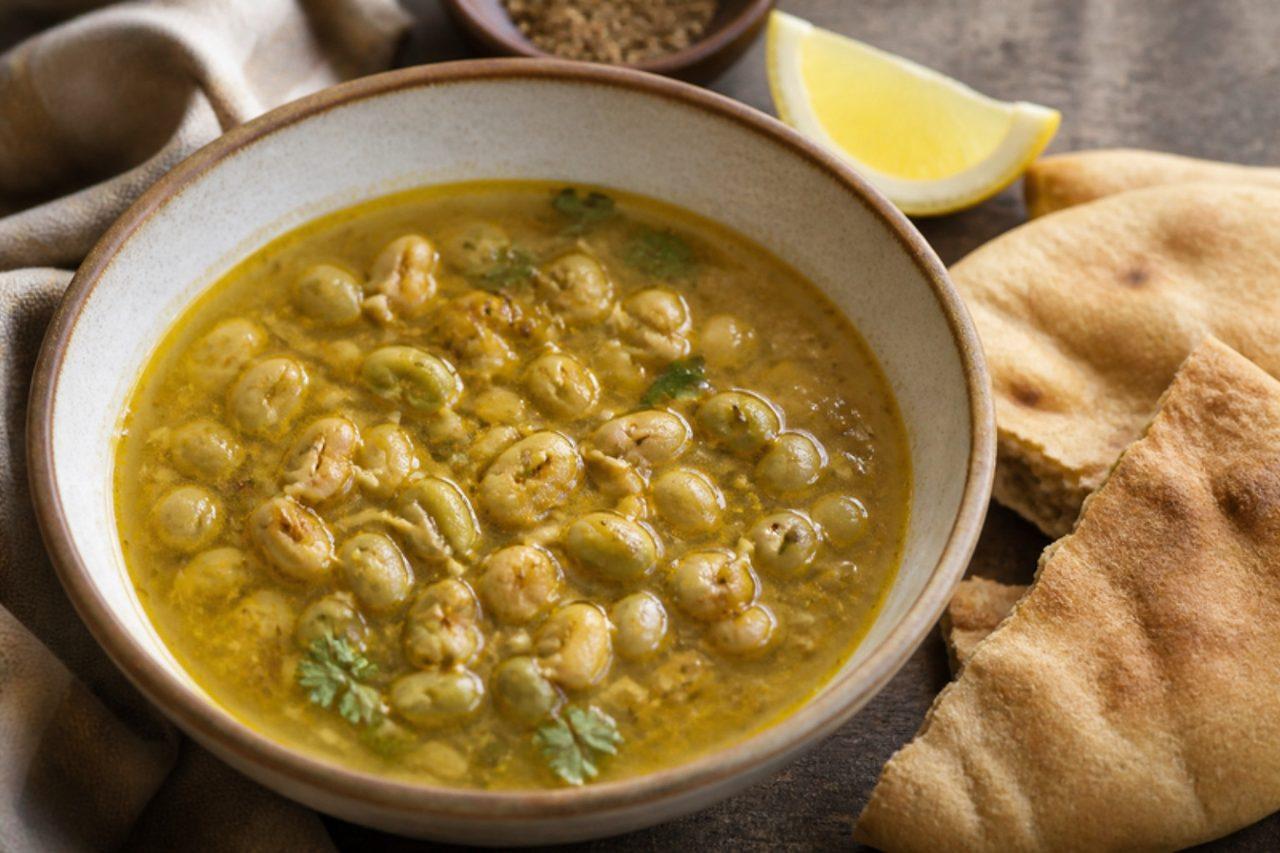
Sprouted fava bean soup

Sprouted beans are ladled out with their cooking liquor in Cairo homes when the weather turns cold or someone is feeling run down, and Egyptians swear by the broth as a pick-me-up. The beans are soaked and left to sprout for a few days, then simmered with onion, garlic and cumin into a light, earthy soup that is sharpened at the table with plenty of lemon. You can eat the beans with a spoon or pop them from their skins. Allow 3 to 4 days for sprouting, although the hands-on work is only about 20 minutes. People with G6PD deficiency (favism) must not eat fava beans. Chef's tip: stop the sprouting when the shoots are about 1 cm long; longer sprouts taste grassy and bitter.

Read more 2 views

What to eat today?

Around the world

Today's trip: Persian

A new country every day, from every cuisine on the site.

Persian

Dizi

Lamb and chickpea stew 245 minMore from Persian (131) →

This week's collection

Kid-friendly dinners
578 recipes · a new collection every Monday

Latest recipes

Tarta de zapallitosCourgette and cheese tart

In Buenos Aires every rotisería sells tartas by the slice, and at home a tarta de zapallitos is baked on Sunday evening so that a wedge can go into the vianda (packed lunch) for school and work all week. Zapallitos are round green courgettes; ordinary courgettes work just as well. The common mistake is adding the courgette raw, which floods the pastry; sauté it until the liquid has cooked away. Argentine queso rallado and many hard cheeses are made with animal rennet, so use a vegetarian hard cheese. Chef's tip: bake the tart on a preheated baking tray so the base crisps before the filling soaks in.

by KrazyBadal 0 views

Curried egg sandwich

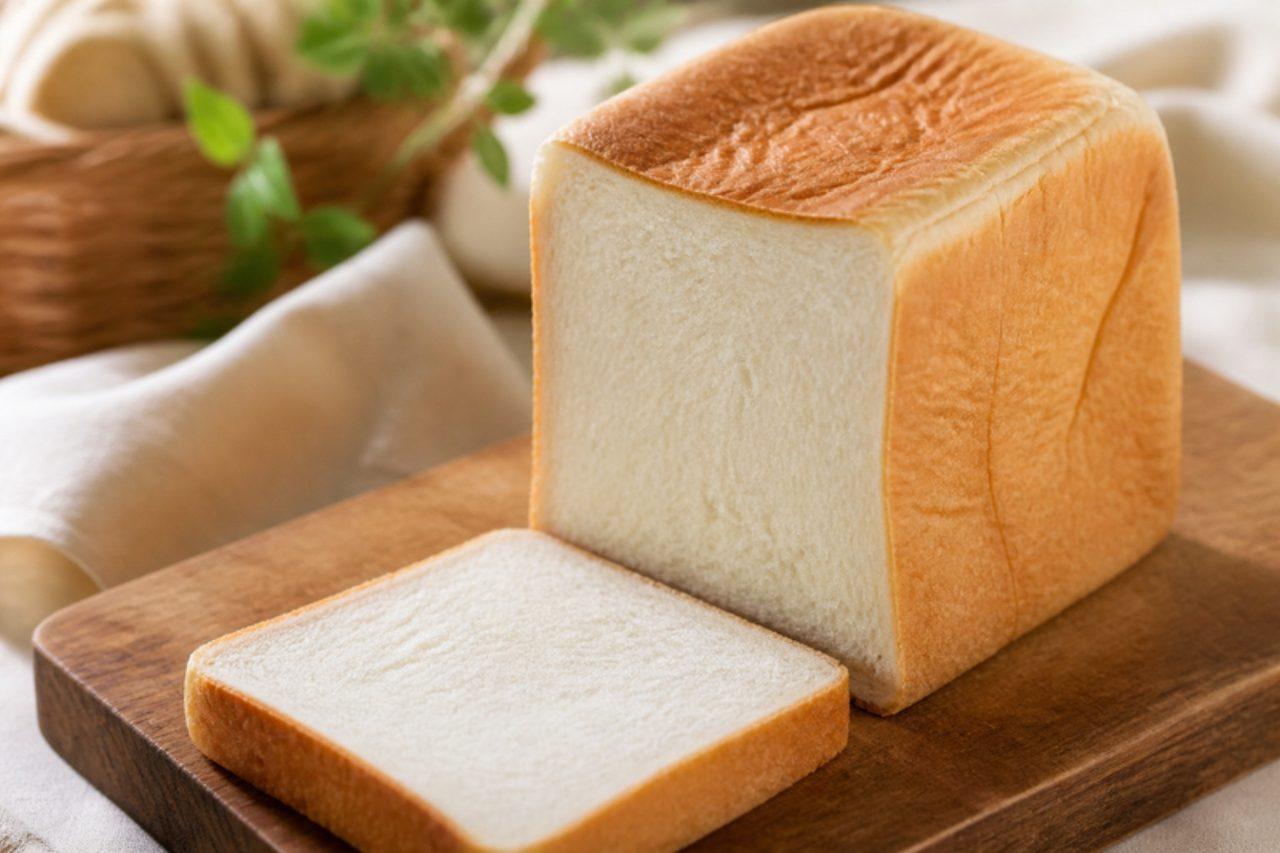
A school canteen and church-fete favourite across Australia, the curried egg sandwich is soft white or wholemeal bread filled with hard-boiled egg mashed with mayonnaise and a little mild curry powder, often with lettuce or cress. It goes into lunch boxes cut into fingers. The common mistake is mashing the eggs while warm, which turns the mayonnaise oily and the filling runny; let them cool completely. Chef's tip: warm the curry powder in a dry pan for 20 seconds first, and the raw, dusty taste turns sweet and toasty.

by KrazyBadal 0 views

Mbatata cookiesSweet potato cinnamon cookies

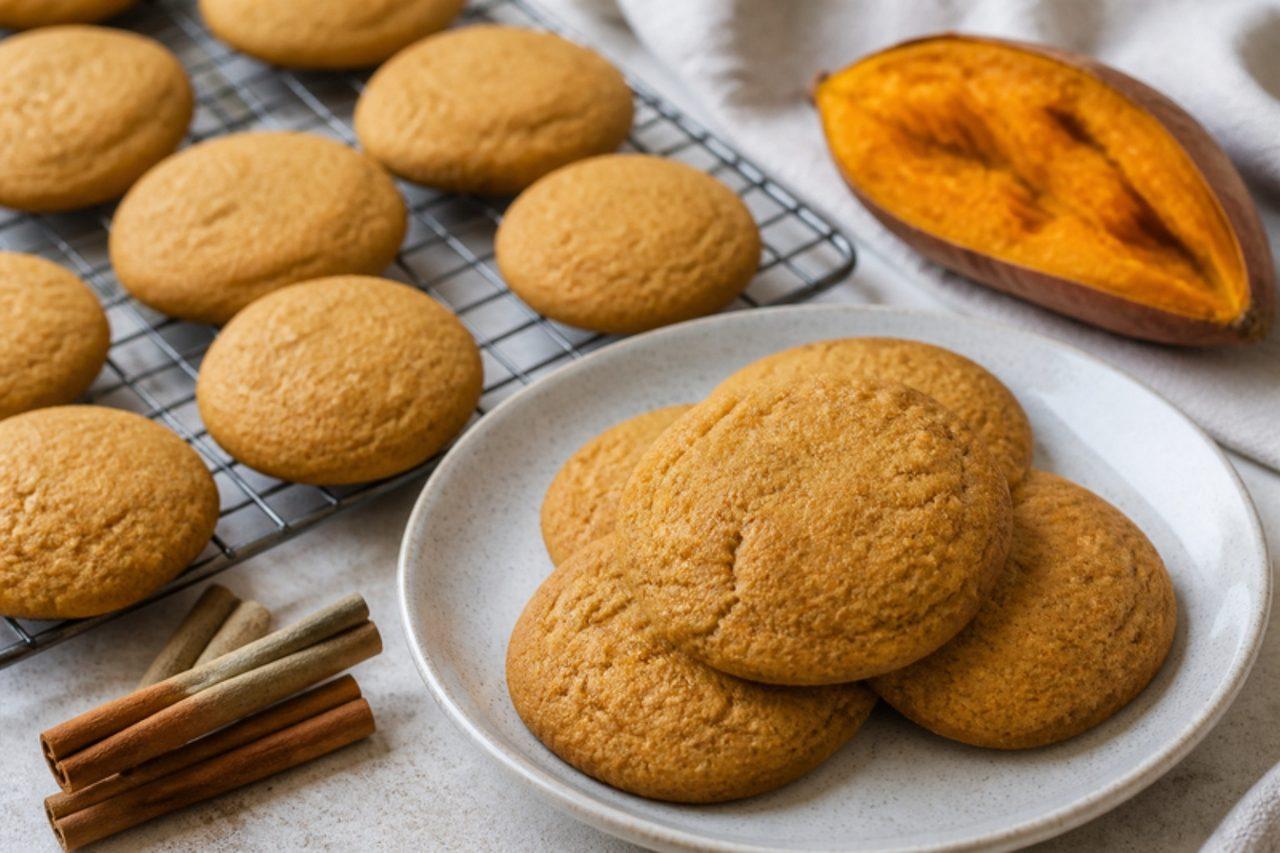
Mbatata simply means sweet potato in Chichewa, and these orange-flecked cookies are what Malawian mothers bake from leftover boiled sweet potato, sold too at Lilongwe and Blantyre bakeries alongside the tea urn. They come out soft and cakey rather than crisp, with a gentle sweetness from the potato, warm cinnamon and a buttery crumb. Serve them with milky tea at mid-morning or slip them into school lunch boxes. The recipe contains egg. Watery mash is the common pitfall, giving a sticky dough and flat cookies, so mash the potato dry and let it cool before mixing. Chef's tip: roast or steam the sweet potato rather than boiling it, for a deeper colour and a firmer dough.

by KrazyBadal 0 views

Limau asam boi (lime with sour plum)

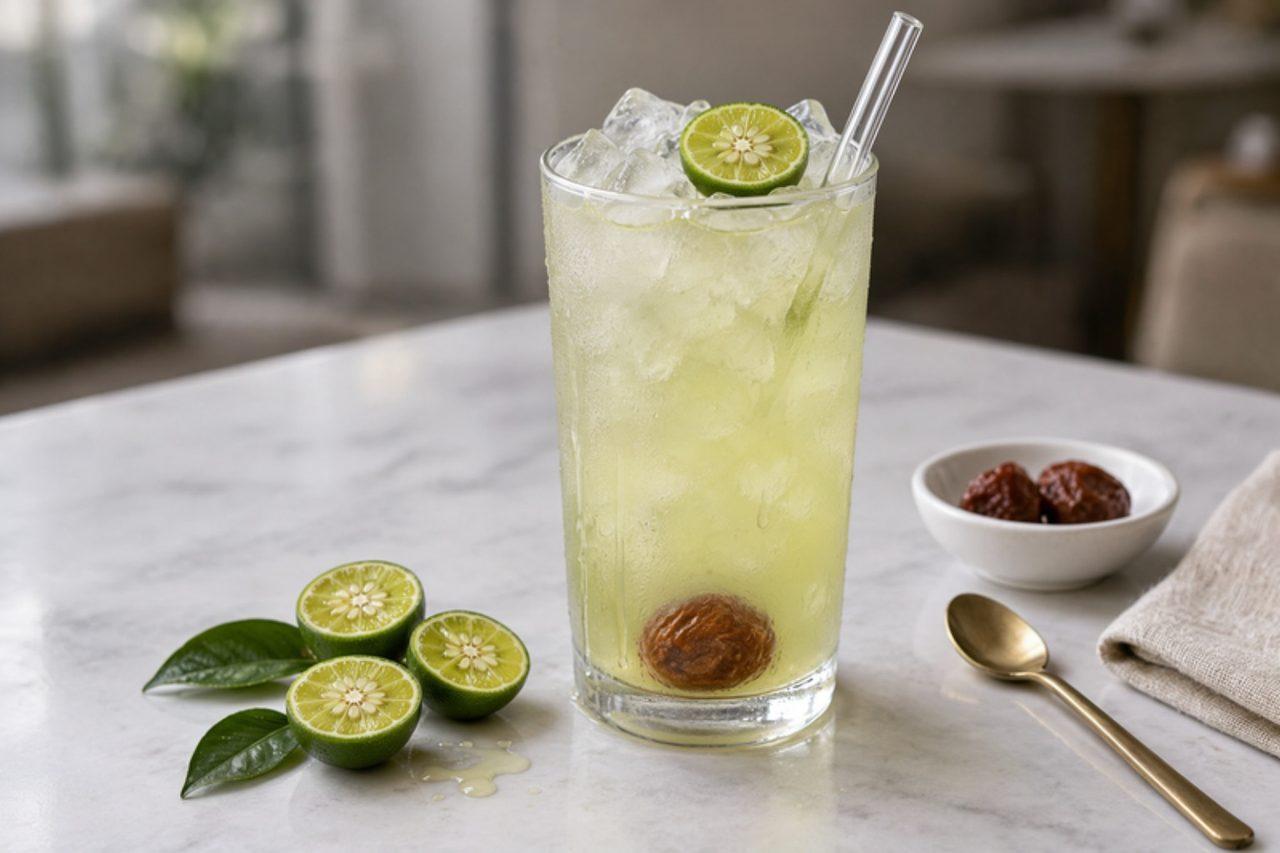
Order 'limau ais asam boi' at a kopitiam in Penang or a hawker centre in Kuala Lumpur at the hottest part of the afternoon and it arrives in a tall, sweating glass: freshly squeezed calamansi or small green limes, a little syrup, ice and one wrinkled, salted dried plum. The plum slowly leaches salt and fruity sourness into the drink, so every sip changes, starting bright and sweet and ending salty and tangy; you squash the plum with your straw halfway through for a stronger hit. It goes with char kway teow, nasi lemak or anything fried. The usual mistake is using bottled lime juice, which tastes flat and bitter against the plum. Squeeze fresh limes, and add the syrup gradually because asam boi is already salty-sweet. It is ready when the glass is frosted and the plum has started to plump up. Asam boi is sold in jars in Chinese and Southeast Asian groceries; Japanese umeboshi is saltier but works if you halve the amount. Chef's tip: make the lime-syrup base ahead and keep it cold, then pour over fresh ice only when you serve.

by KrazyBadal 0 views

Kos ata curryJackfruit seed curry

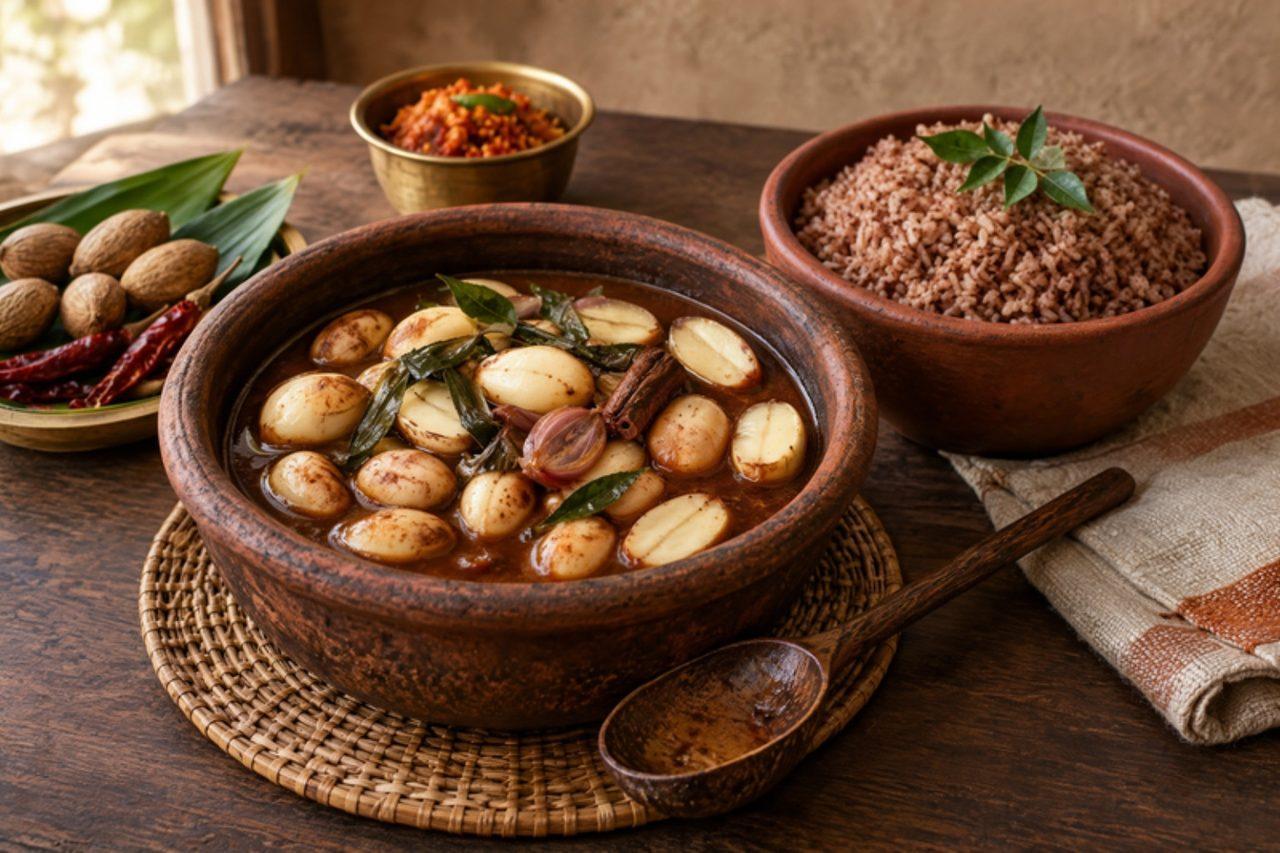
During the jackfruit season, roughly April to July, Sri Lankan households save every seed, and kos ata curry is how they become a hearty weekday dish served with rice and greens. The seeds are boiled tender, peeled of their papery skin, then simmered in a dark roasted curry powder and coconut milk gravy until they taste like chestnuts in a spicy sauce. Serve with red rice and a sambol. The usual mistake is undercooking the seeds; they must be boiled until a fork goes in easily, or they stay hard and are hard to digest. A pressure cooker saves time: boil the seeds for 10 minutes on high. Chef's tip: crack each seed lightly with the flat of a knife before simmering so it soaks up the gravy.

by KrazyBadal 0 views

Aussie salad sandwich

The salad sandwich is the backbone of the Australian lunchbox and the school tuckshop order: soft bread built up with tinned beetroot, grated carrot, tasty cheese, tomato and crisp lettuce, cut into triangles and wrapped in paper. Beetroot is what makes it unmistakably Aussie. The common mistake is laying wet beetroot and tomato straight on bare bread, so by lunchtime it is pink and soggy. Many Cheddar-style "tasty" cheeses use animal rennet; choose one labelled vegetarian. Chef's tip: butter both slices to the edge and put the cheese and lettuce next to the bread, with the wet fillings sealed in the middle.

by KrazyBadal 0 views

Maneuljjong bokkeumGarlic scape stir-fry

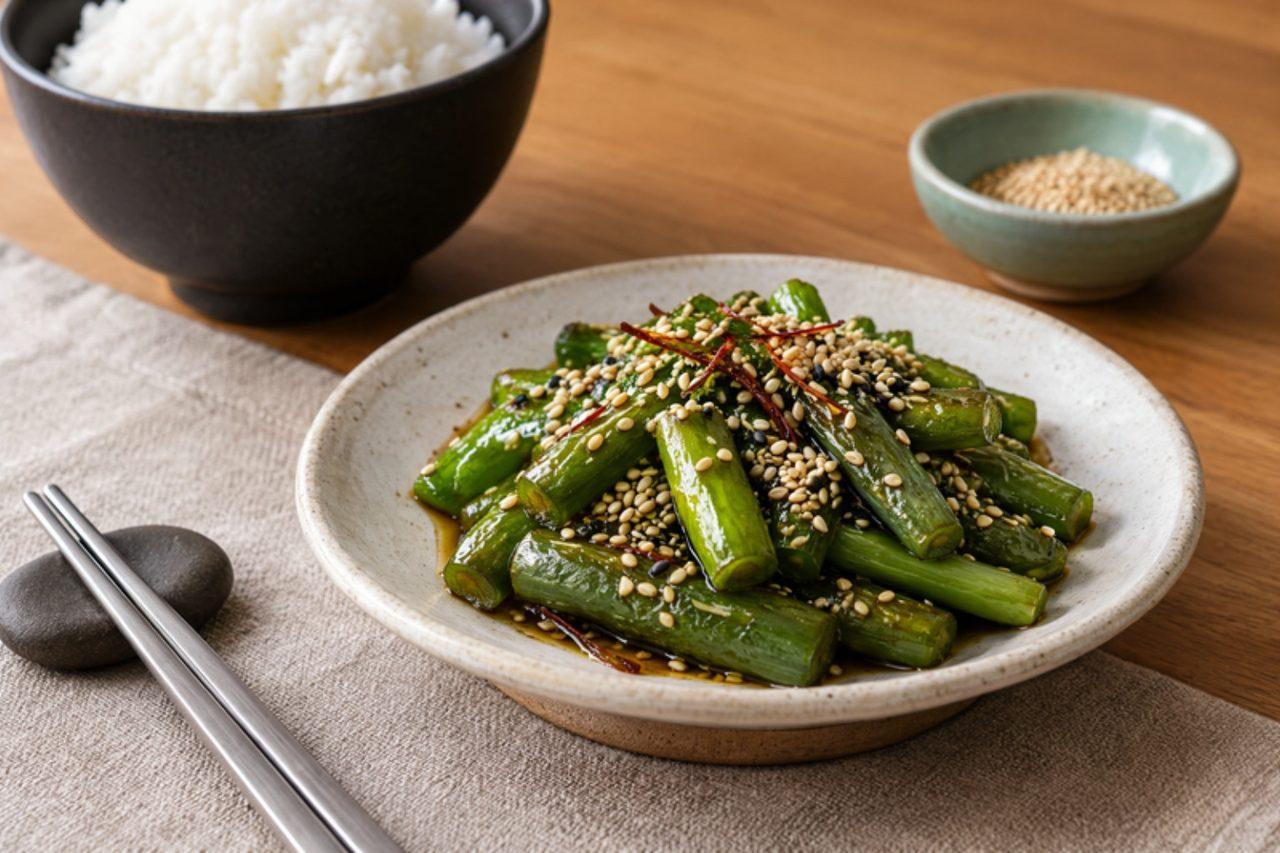
In late spring Korean markets sell thick bundles of garlic scapes, the curly green shoots of the garlic plant, and they become maneuljjong bokkeum, a sweet-salty, glossy banchan that keeps for days and is a dependable dosirak side. The scapes taste of mild garlic and stay pleasantly snappy. The common mistake is glazing them too early, before they are tender, so the syrup burns and the scapes stay woody. Chef's tip: fry the scapes in oil first until they turn bright green and slightly blistered, then add the sauce and toss for only a minute.

by KrazyBadal 0 views

Gremolata

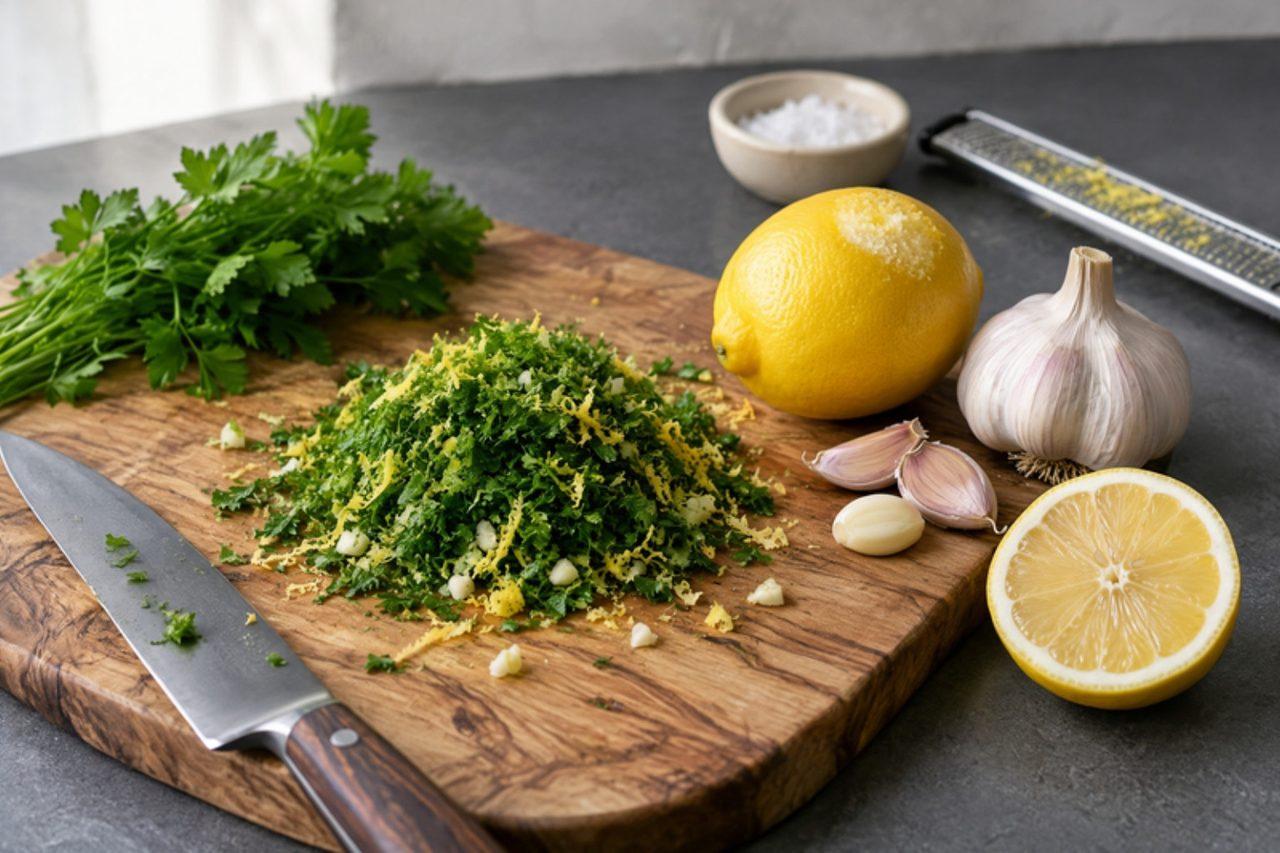
Gremolata is the Milanese finishing touch spooned over ossobuco on Sunday tables across Lombardy, and it brightens any slow-cooked stew, roast vegetables, beans or grilled fish. Flat-leaf parsley, lemon zest and raw garlic are chopped together so finely that they become a fragrant green confetti; the fresh, sharp flavour wakes up a dish so much that you need far less salt. About 0.0 g salt per portion. The usual mistake is grating the white pith with the zest, which makes it bitter; take only the yellow skin. Make it no more than an hour ahead, as the garlic gets harsh and the parsley darkens. Chef's tip: chop the garlic first with a few parsley leaves, so the juice soaks into the herbs instead of sticking to the knife.

by KrazyBadal 0 views

Kefir

Kefir is the sour, lightly fizzy fermented milk that families across Russia, Georgia and the North Caucasus drink plain from a glass at breakfast, as an evening snack or alongside a meal, and also use in pancakes and cold soups. It is made by leaving milk with kefir grains, a living culture of yeasts and bacteria, at room temperature for a day until it thickens. Nothing is added: no salt and no sugar. About 0.25 g salt per 250 ml glass, all from the milk itself. Always use pasteurised milk. The usual mistake is leaving it too long, until it separates into curds and whey; check after 18 hours and stop when it is just thick and pourable. Chef's tip: a second ferment of 6 hours in the fridge in a closed bottle makes it smoother and a little fizzier.

1445 minRussianDrinksGluten free
by KrazyBadal 0 views

CancháncharaAguardiente, lime and honey cocktail

In the colonial town of Trinidad, in Sancti Spíritus province, the canchánchara is served in little clay cups to the sound of a son band in the late afternoon. Its roots are in the independence wars of the 1860s and 70s, when the mambí fighters drank cane aguardiente mixed with honey, lime and water, warm or at camp temperature. Today it comes with crushed ice, but it is still a drink for adults only, rustic and honest: floral honey, sharp lime and the raw, sugary heat of young cane spirit, cold and only slightly diluted. The classic mistake is pouring honey straight onto the ice, where it sets into a hard lump at the bottom and the drink tastes of nothing but sour spirit. Stir the honey into the lime and water first until no streaks remain, then add the ice and spirit. It is ready when the honey has disappeared into a cloudy, even mixture and the outside of the cup sweats with cold. Drink it slowly and responsibly. Outside Cuba, use unaged white rum or cachaça for the aguardiente; a short tumbler is fine if you have no clay cup. Chef's tip: soak the clay cup in cold water for ten minutes first; it keeps the drink cold for much longer.

by KrazyBadal 0 views

Maquereaux au vin blancMackerel in white wine

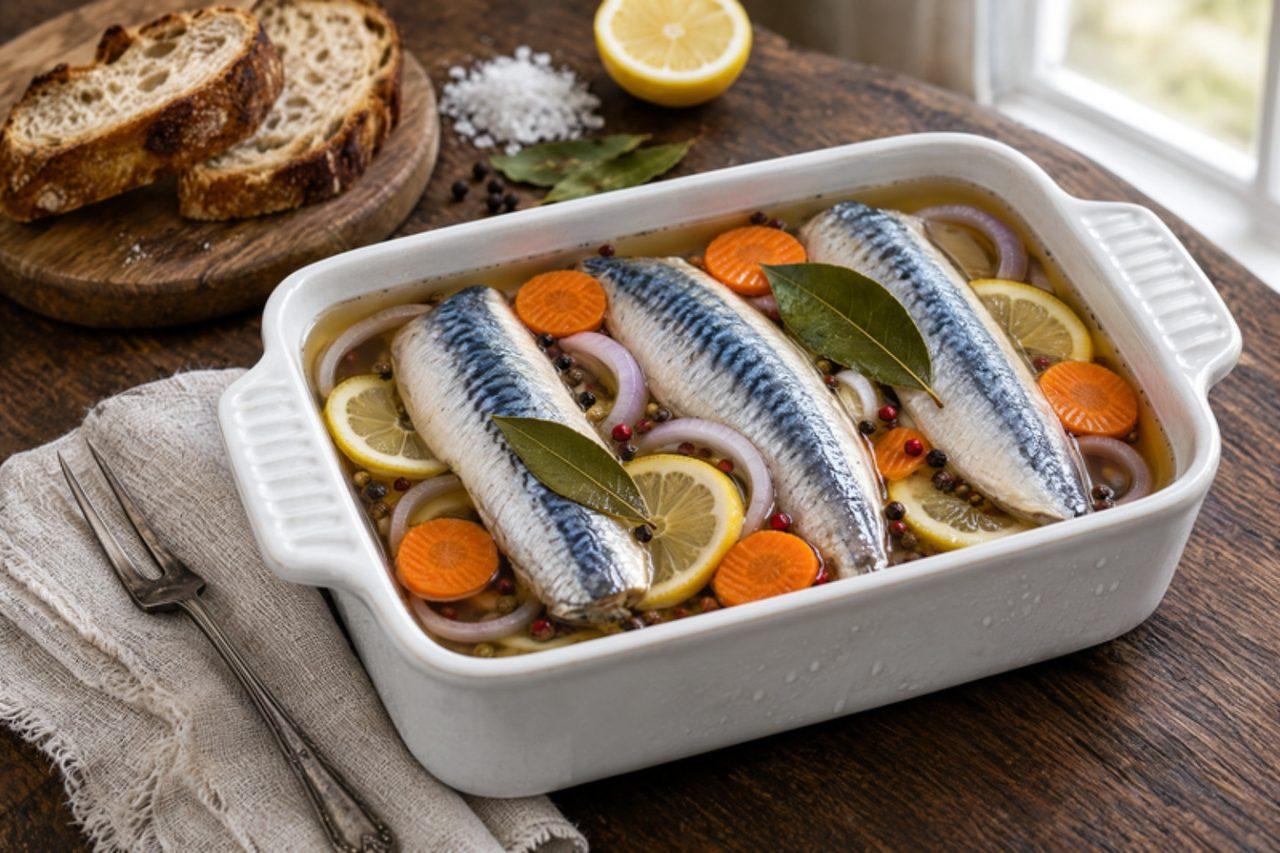
In Brittany and Normandy, mackerel in white wine is a summer starter and picnic dish, made when the boats come in heavy with silver fish in June and July; cafés serve it cold with bread and butter. Fillets are laid in a dish and a hot marinade of white wine, vinegar, carrot, onion, coriander seed and bay is poured over to cook them gently, then they chill for a day. Oily fish, high in protein and suitable as part of a balanced diet; serve with a green salad or a few boiled new potatoes. About 300 kcal and 4 g carbohydrate per portion. It cooks with wine, which boils for 5 minutes; for an alcohol-free version use vegetable stock and add 2 extra tablespoons of vinegar. The usual mistake is using fish that is not very fresh: the eyes should be bright and the flesh firm. Chef's tip: check the thickest fillet after the hot marinade; if it is not opaque, simmer the dish on the hob for 2 minutes.

30 minFrenchFishGluten free
by KrazyBadal 0 views

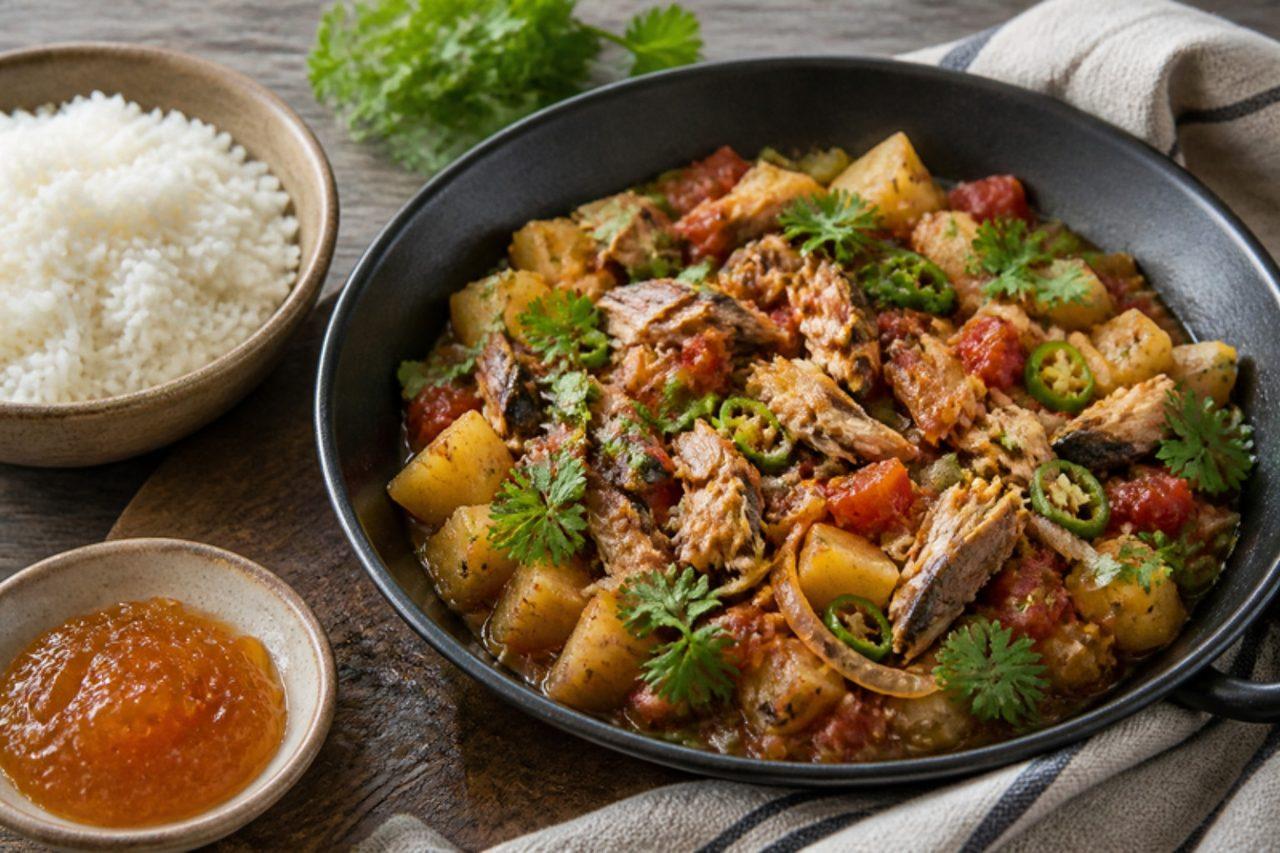
SmoorsnoekBraised smoked snoek with potato

Smoked snoek hangs in the fish shops of Kalk Bay and Muizenberg, and cooks across the Cape Flats turn it into smoorsnoek on a busy weeknight: the fish flaked and ‘smothered’ with onion, potato, tomato and green chilli until it all melts together. It is smoky, salty, a little sweet from the soft onions and gently hot, with enough soft potato to make it a meal. Pile it on white rice with a spoon of fruit chutney or apricot jam on the side, which is how many Cape families like it. Snoek is full of long, fine bones, and missing them is the mistake that spoils the dish, so flake it slowly with your fingers. Outside South Africa, smoked mackerel is the nearest swap. Chef's tip: taste before you add any salt at all; smoked fish brings plenty of its own.

by KrazyBadal 0 views

Pâté en croûtePork and veal pie in pastry

Lyon's charcuteries display pâté en croûte like jewellery: a tall loaf of crisp, golden pastry wrapped around a coarse terrine of pork and veal. A slice wrapped in paper is a picnic and lunchbox luxury, and the whole loaf is a Sunday project eaten over several days. The common mistake is undercooking it for fear of drying it out: as it is made with minced pork, the centre must reach 71 °C, so use a probe thermometer. The classic farce has a splash of cognac; it's optional here, and apple juice or extra stock is the alcohol-free swap. Chef's tip: chill the filled, unbaked loaf for 30 minutes before baking so the pastry keeps its shape and pattern.

150 minFrenchMeat
by KrazyBadal 0 views

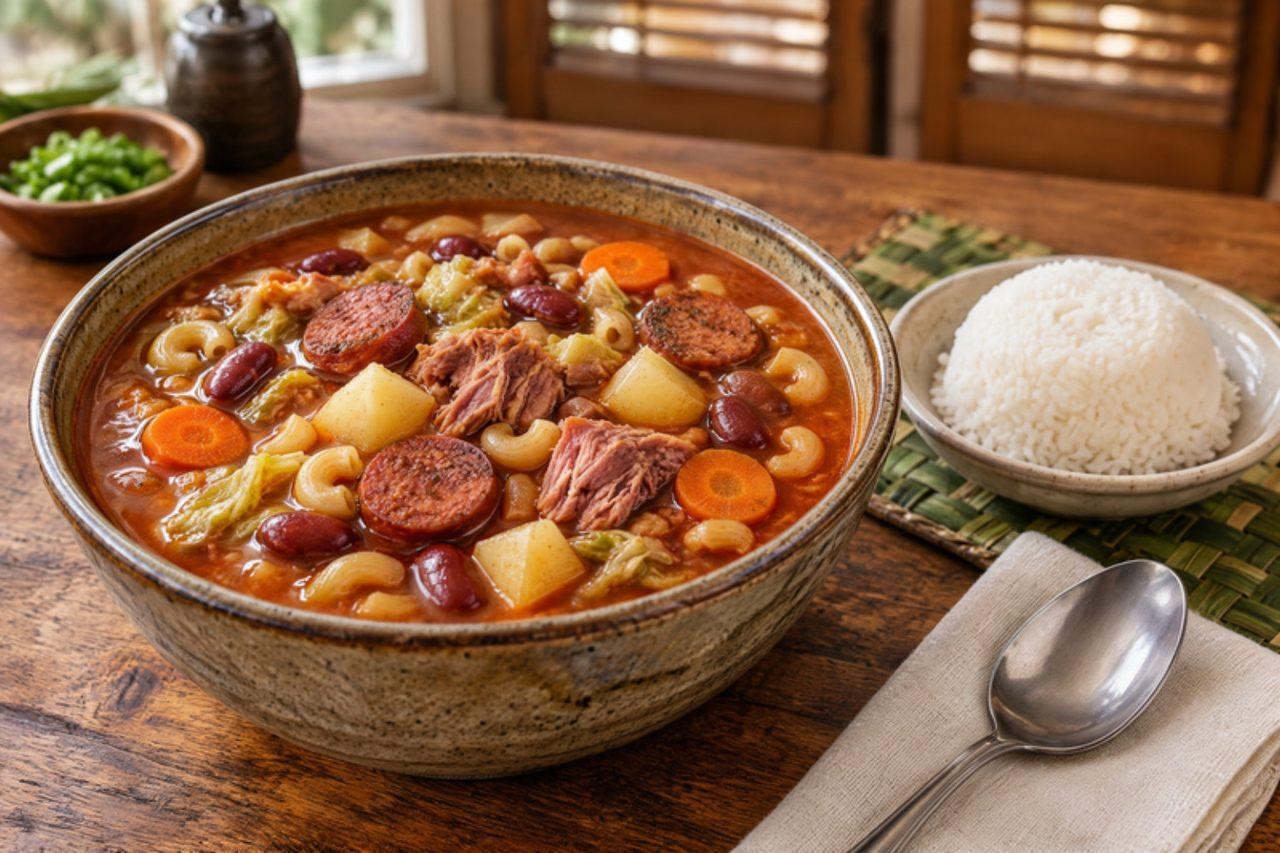
Portuguese bean soup

Portuguese bean soup came to Hawai'i with Madeiran and Azorean plantation workers in the late 1800s and is now an island staple, ladled out at church fundraisers, school lunch counters and Honolulu diners, especially when the trade winds turn cool. Kidney beans, a smoked pork ham hock and spicy Portuguese pork sausage (linguiça) simmer with potato, carrot, cabbage and tomato into a thick, smoky soup. Dried kidney beans must be soaked and then boiled hard for 10 minutes before the long simmer; never put them raw into a slow cooker. The usual mistake is adding the cabbage too early, so it turns grey; it goes in for the last 15 minutes. Slow-cooker option: after the hard boil, cook everything except the cabbage on low for 8 hours. Chef's tip: the soup thickens overnight, so make it a day ahead and loosen with a little water.

by KrazyBadal 0 views

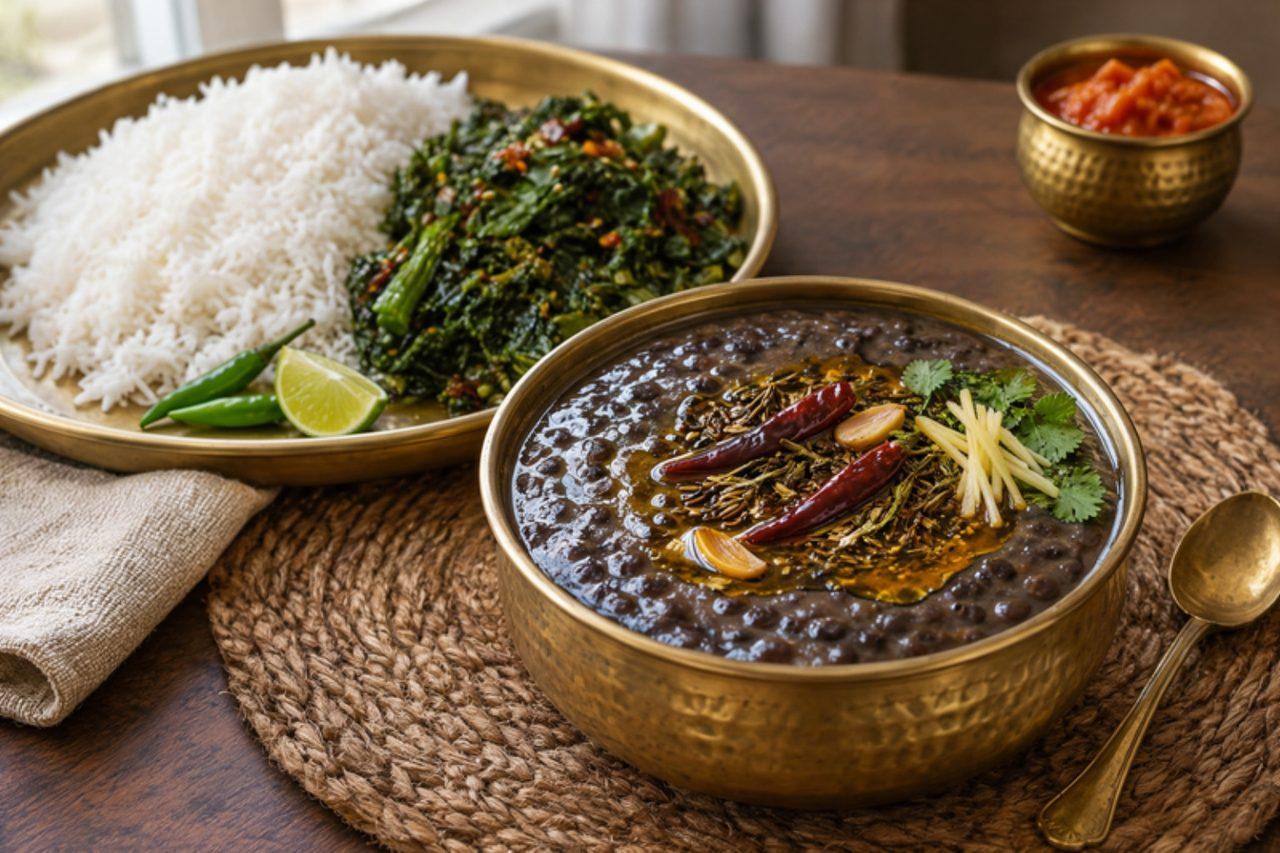
Mas ko dalBlack lentil dal

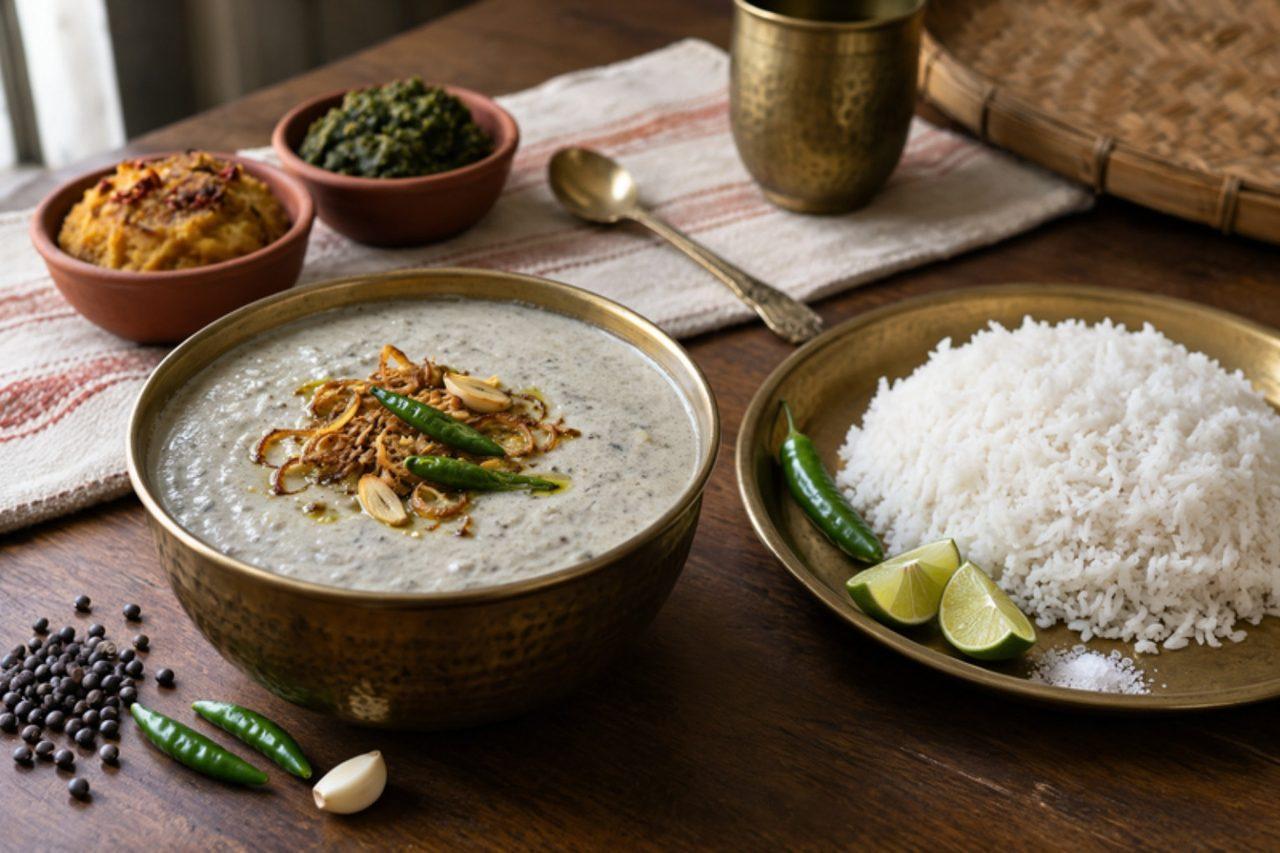
Mas ko dal, made from whole black urad, is the thick, dark dal of the Nepali hills, cooked in heavy pots in Kathmandu, Gorkha and the Newar towns, especially on cold days and for festival meals. Slow cooking makes it creamy and earthy, and the tempering of jimbu, garlic and cumin in hot mustard oil gives it the scent of the Himalaya. Eat with rice, roti or dhido. Suitable as part of a balanced diet, it is high in protein and fibre: about 250 kcal and 30 g carbohydrate per portion; brown rice or millet dhido suits it well. The usual mistake is not soaking the lentils, which leaves them hard and the dal thin; soak them overnight. Chef's tip: simmer the dal with a few ginger slices and mash it lightly with a wooden spoon at the end for the classic thick texture.

by KrazyBadal 0 views

Agua de tuna (prickly pear drink)

Late summer is tuna season across the central highlands, from Hidalgo and the Estado de México down to Puebla's Teotihuacán valley, and that is when the big vitroleros in markets and taquerías turn shocking pink. Agua de tuna is just the cactus fruit blended with water, lime and a little sugar, strained, and poured over ice with lunch. Red tunas give a vivid colour and a taste between watermelon and pear; green ones make a paler, more herbal drink. It should be light and thirst-quenching, never syrupy. The commonest mistake is blending too long: the hard seeds crack and the agua turns gritty and slightly bitter. Pulse briefly, just enough to free the pulp, then strain well. It is ready when the liquid runs smooth through the sieve and tastes clearly of fruit with only a lift of lime. Handle unpeeled tunas with tongs or gloves: even 'cleaned' ones keep tiny glochids. Chef's tip: chill the peeled fruit before blending; cold pulp keeps its colour bright and needs less ice to dilute it.

by KrazyBadal 0 views

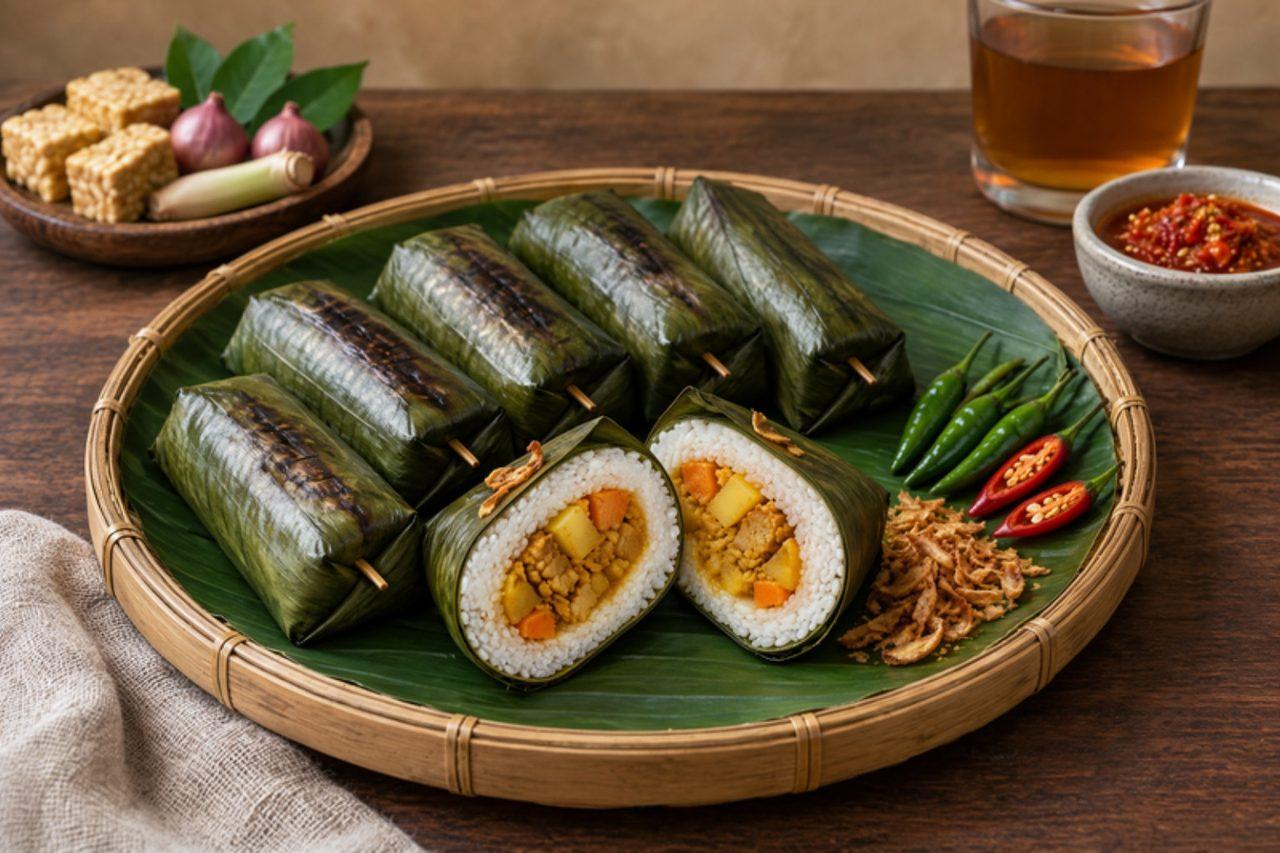
Arem-aremFilled rice rolls in banana leaf

Arem-arem are what Central Javanese cooks pack for meetings, trains and bekal lunchboxes: logs of coconut-scented rice wrapped round a spiced filling, rolled in banana leaf and steamed until firm, so they can be eaten in the hand, cold or warm. Chicken fillings are common in the city; this one uses tempeh, potato and carrot. The common mistake is cooking the rice fully before rolling, which makes the logs mushy; it should be only half-cooked, so it finishes in the leaf. Chef's tip: soften the banana leaves over a flame or in hot water first, or they will split as you roll.

by KrazyBadal 0 views

Jambon-beurreHam and butter baguette

France sells millions of jambon-beurre every working day: half a crusty baguette, split, spread with good salted butter and filled with thin slices of jambon de Paris, the delicate cooked pork ham. Parisians eat it at the office, on a park bench or on the train. The common mistake is a stingy smear of hard butter; the butter is a filling, not a glue, so spread it soft and generous. Some add cornichons, which purists call a different sandwich. Chef's tip: fold each slice of ham loosely in half rather than laying it flat, so the sandwich is airy and every bite has ham.

by KrazyBadal 0 views

Mashkalai dalSplit black gram dal

In Rajshahi and Chapainawabganj, in the far west of Bangladesh, mashkalai dal is eaten with thick kalai ruti flatbreads and a fiery bhorta, especially on winter mornings and evenings. Split black gram is cooked until creamy and slightly sticky, flavoured with ginger, then crowned with onion and garlic fried crisp in mustard oil. It is filling and earthy with a gentle heat. The usual mistake is boiling it too hard: mashkalai foams over and catches, so keep the lid ajar and the heat low. Chef's tip: fry the onion and garlic separately and add them just before serving, so they stay crisp on top of the dal.

by KrazyBadal 0 views

DakgangjeongSticky glazed fried chicken

Dakgangjeong is the boxed fried chicken of Sokcho's Jungang market on Korea's east coast, carried home by the tub and packed into lunchboxes the next day, because the double-fried pieces in their sticky glaze stay crunchy even when cold. The common mistake is frying only once; the second fry drives out moisture so the crust holds up to the sauce. Chef's tip: coat with potato starch rather than flour, and let the coated chicken sit for 5 minutes so the starch hydrates into a craggy crust.

by KrazyBadal 0 views

Arepa peladaHand-peeled corn arepas

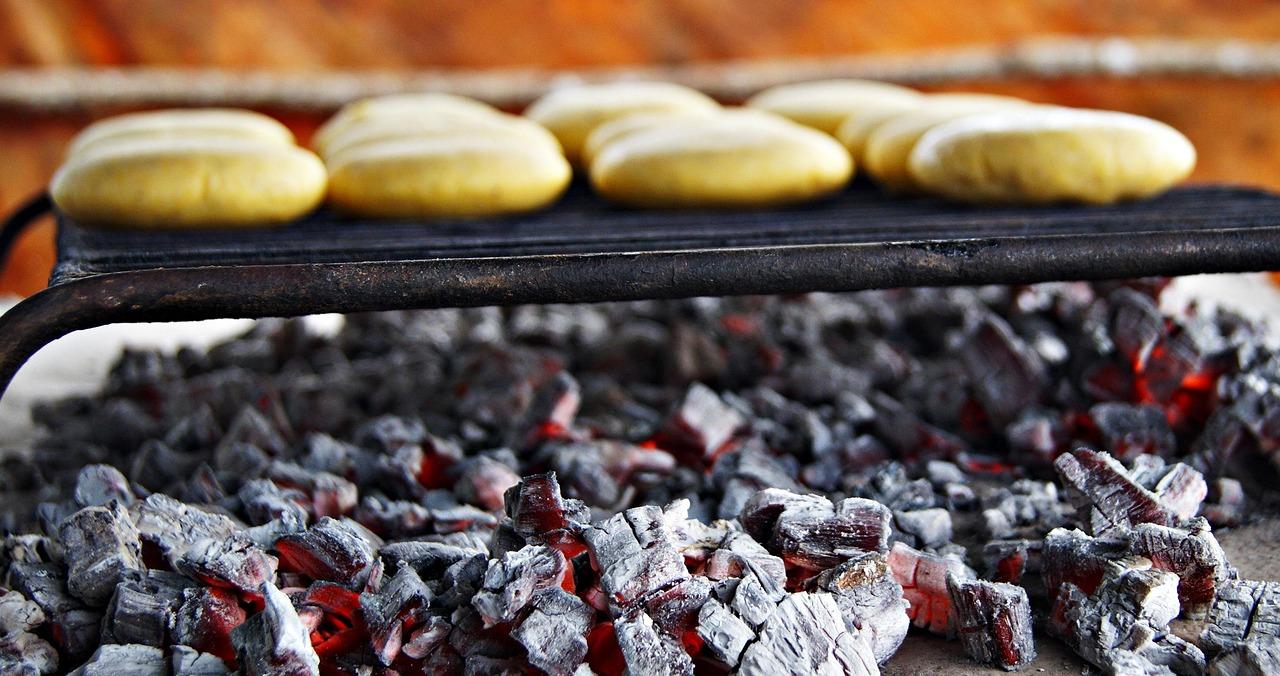
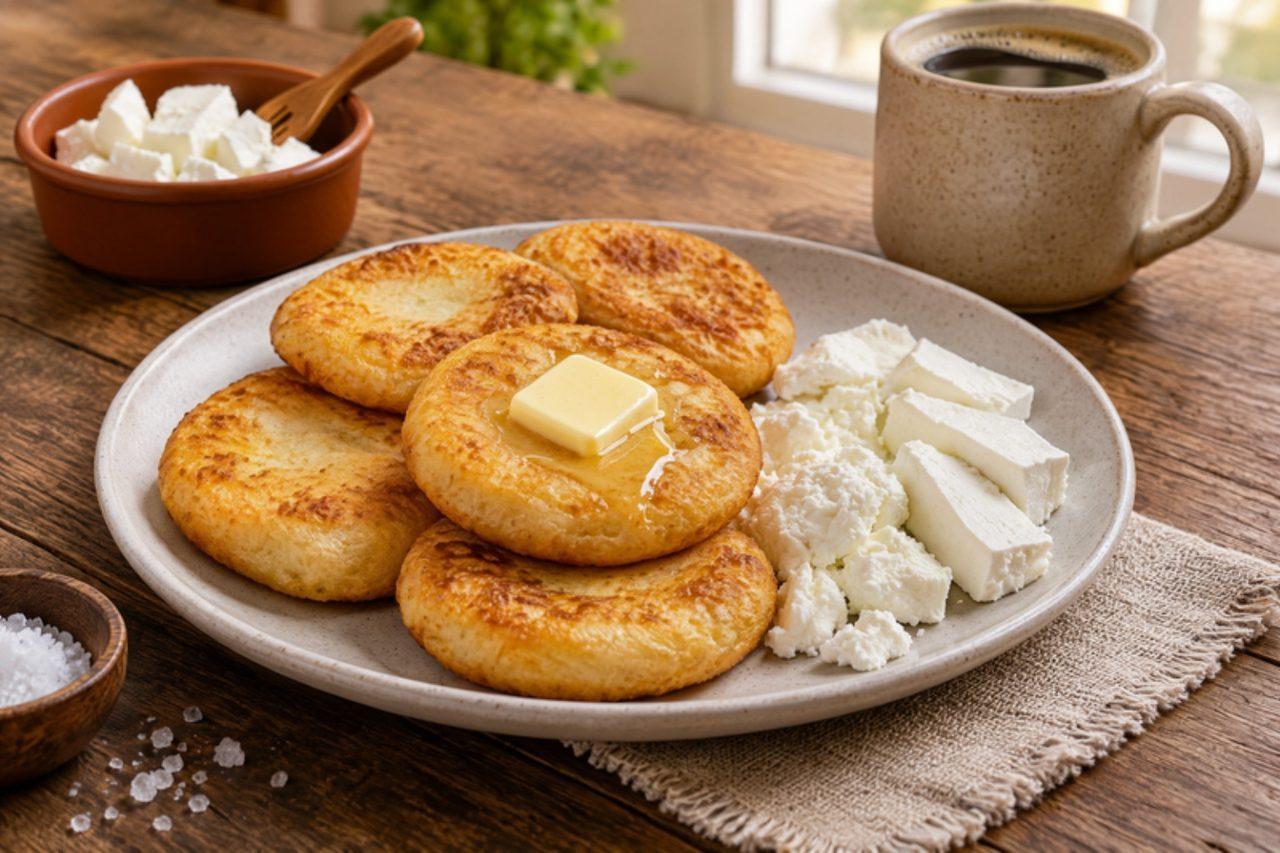
Before bagged flour reached every shop, arepas in Lara and across the Llanos began with whole dried corn boiled with a spoon of food-grade lime until its skins slipped off; 'pelada' means peeled. The dough has a deeper, slightly smoky corn taste and a coarser crumb than flour arepas, and on cattle ranches it is still eaten at breakfast with butter or avocado. Handle the lime (calcium hydroxide) with care: keep it off your skin and away from children. The common mistake is rinsing too lightly, which leaves the dough yellow, soapy and bitter. Chef's tip: grind the corn twice and add water a spoonful at a time; a dough that is too wet slumps on the griddle.

by KrazyBadal 0 views

Králík na smetaněRabbit in cream sauce

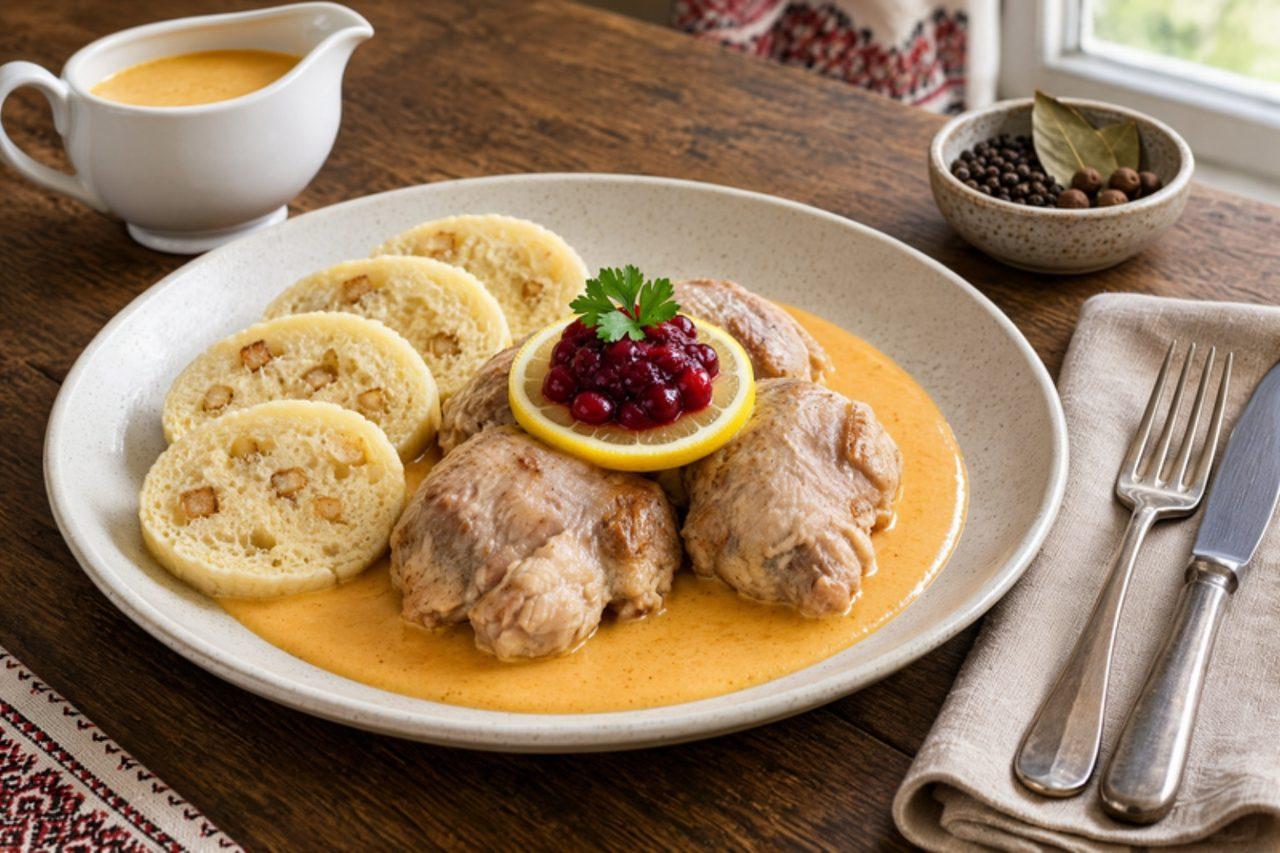
Králík na smetaně is a Sunday lunch in the Czech countryside, especially in Moravia and South Bohemia, where many families once kept rabbits in the yard. Rabbit pieces are braised with carrot, celeriac, parsley root and onion, then the vegetables are blended into a velvety cream sauce brightened with lemon and a pinch of sugar, much like the famous svíčková. It is served with sliced bread dumplings (houskové knedlíky) and a spoon of cranberry sauce. The usual mistake is boiling the sauce after the cream goes in, which can split it; keep it at a bare simmer. Rabbit is lean, so cook it gently and check that the meat comes easily off the bone. Chef's tip: blend the vegetables until completely smooth and pass them through a sieve for the silky sauce Czech cooks are proud of.

120 minCzechMeat
by KrazyBadal 0 views

Mate de muñaAndean mint tea

Muña is the minty shrub that grows wild on the slopes around Cusco, Puno and the Sacred Valley, and highland cooks reach for it after a heavy meal of chicharrón or when visitors are struggling with the altitude. Market herb sellers sell it in fresh bunches, and hotels and homes leave it in a flask for anyone coming in from the cold evenings. Steeped simply in hot water, it smells somewhere between spearmint, oregano and pennyroyal, with a cooling, slightly peppery taste and a pale green-gold colour. It is traditionally drunk to settle the stomach. The usual mistake is boiling the leaves hard for a long time, which turns the tea brown and bitter. Pour water just off the boil over the sprigs, cover, and let it steep. It is ready when the cup is pale gold and the aroma rises as soon as you lift the lid. Outside Peru, look for dried muña in Latin shops; failing that, use mostly spearmint with a little fresh oregano. Muña is strong: avoid large amounts in pregnancy, and check with a doctor if you take regular medication. Chef's tip: cover the cup while it steeps so the scented oils stay in the tea.

by KrazyBadal 0 views

Caldillo de congrioConger eel and potato broth

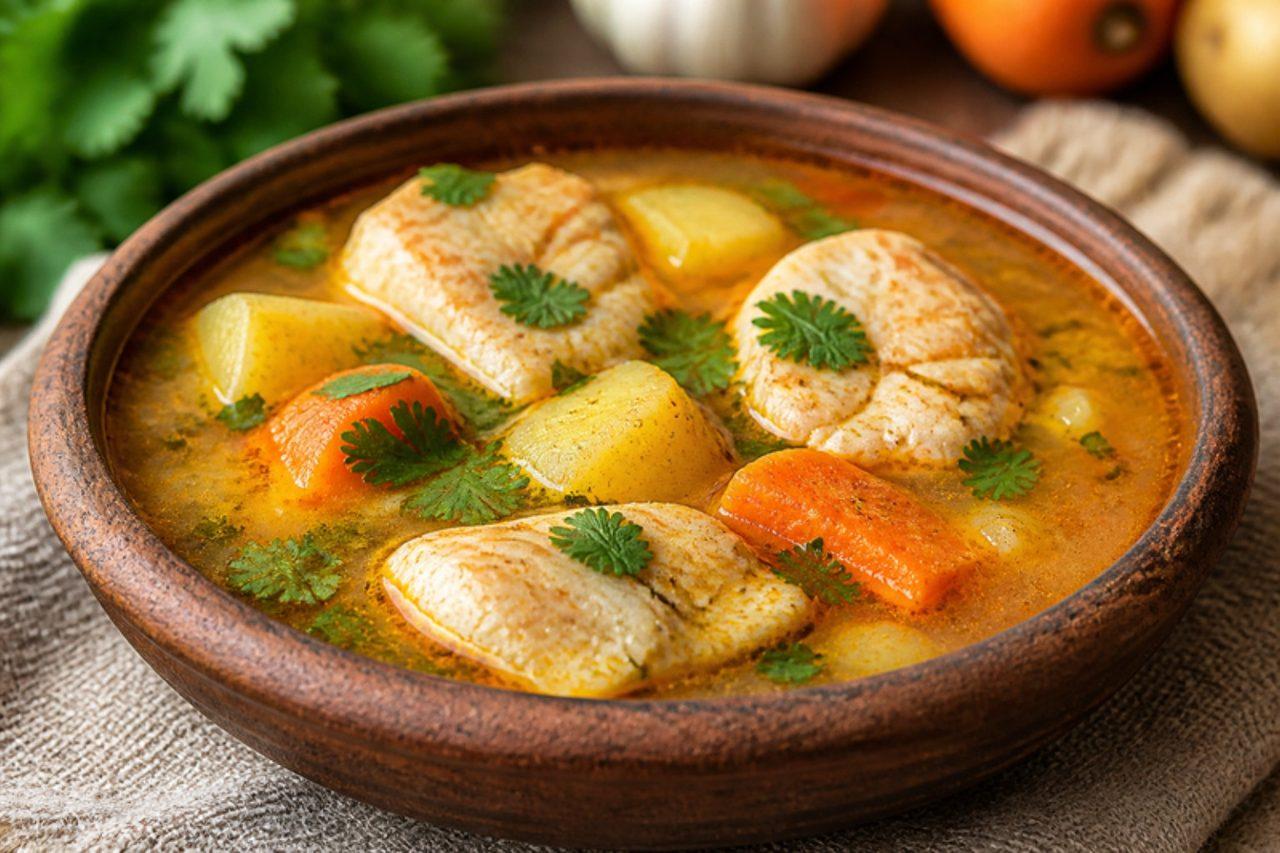
Caldillo de congrio is the soup of the central coast, from the fish stalls of Valparaíso to the little restaurants of Isla Negra, where Pablo Neruda wrote an ode to it: firm pieces of congrio (a white cusk-eel, not a true eel) poached in a tomato and onion broth with sliced potatoes, finished with a splash of cream and plenty of coriander. Outside Chile, use kingklip, monkfish, ling or thick hake. The common mistake is boiling the fish with the potatoes from the start; it falls to shreds. Add it at the end. Chef's tip: make the broth with the fish bones and trimmings if your fishmonger gives them to you; it doubles the flavour.

by KrazyBadal 0 views

Arepitas dulcesSweet fried corn cakes

In Lara and the Andean states of Trujillo and Mérida, breakfast often comes with a basket of arepitas dulces: small, puffy fried arepas made with corn and wheat flour, sweetened with papelón (unrefined cane sugar) and scented with anise seed. They are crisp outside, soft and cakey inside, and are split and filled with salty white cheese or eaten with coffee. The common mistake is frying them in oil that is too hot, so they brown before the middle cooks; keep the oil at about 170 °C. If you fill them with cheese, note that some white cheese is made with animal rennet, so choose a vegetarian one. Chef's tip: dissolve the papelón in the warm water first, so the sugar is spread evenly and doesn't form dark burnt spots in the oil.

by KrazyBadal 0 views

Salatet tahinaTahini sauce

No Egyptian table is complete without salatet tahina: in Cairo and Alexandria it is served with fried fish, grilled kofta, ful and falafel, and it is on every mezze plate at Friday lunch. Sesame paste is whipped with lemon juice, garlic, cumin and cold water until it turns pale, fluffy and creamy, with no sugar at all. Suitable as part of a balanced diet, it brings sesame protein and healthy fats with very little carbohydrate: about 150 kcal and 5 g carbohydrate per portion of 3 tablespoons. The usual mistake is panicking when the tahini seizes and goes thick after the lemon goes in; keep adding cold water a spoon at a time and it loosens into a smooth sauce. Chef's tip: use ice-cold water, which makes the tahina whiter and fluffier.

by KrazyBadal 0 views

Gâteau arouilleTaro fritters

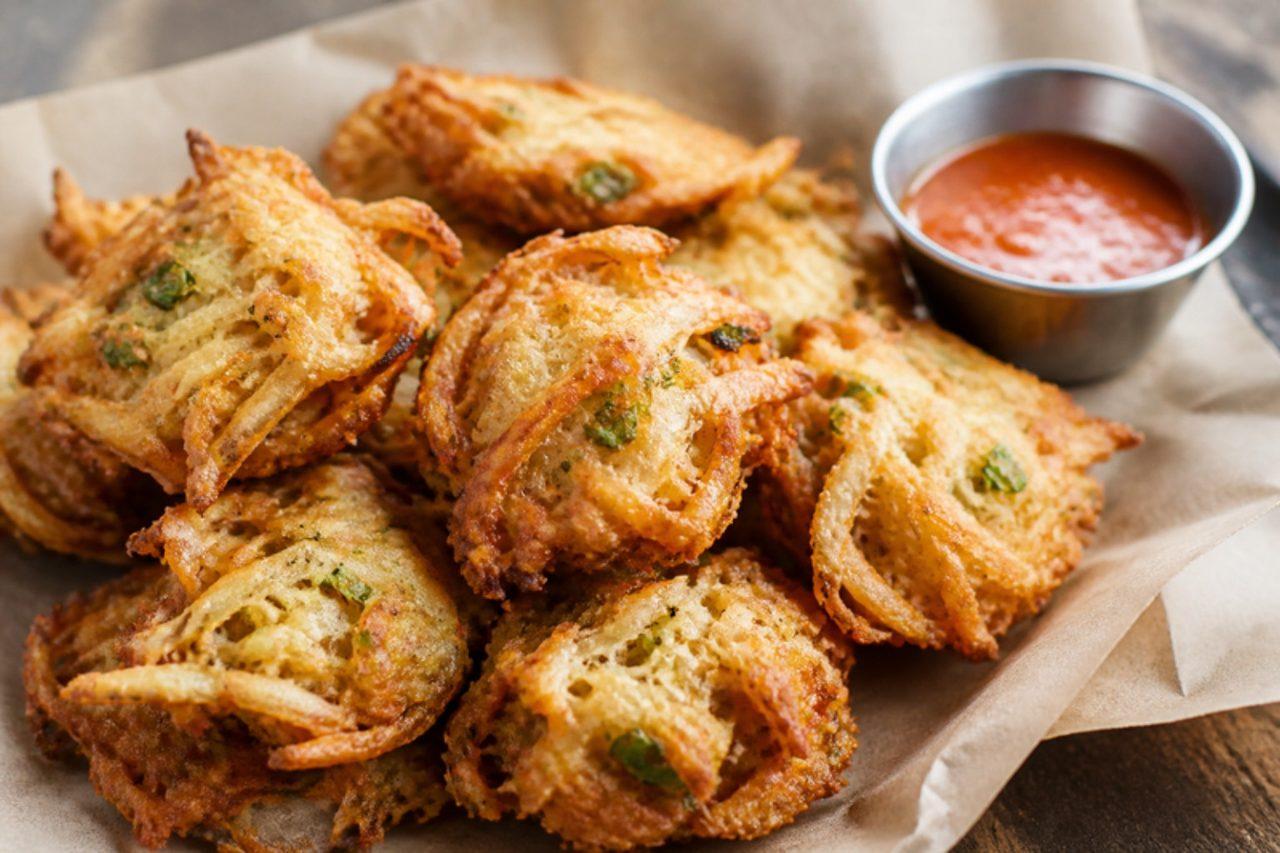
Glass cases on street carts outside bus stations from Curepipe to Port Louis are piled with fritters, and the craggy, golden gâteau arouille is the one with the shaggy edges and the soft, almost creamy middle. Grated taro (arouille, also sold as eddo or dasheen) is bound with a spoon of rice flour, spring onion and chilli, then dropped into hot oil, where the strands turn crunchy. They are eaten warm from a paper bag with a dab of chilli paste or a coconut chatini, often as an afternoon snack. Taro must be cooked right through, as raw taro irritates the mouth; the common mistake is oil that is too hot, which browns the outside while the centre stays raw and gluey. Chef's tip: wear gloves or oil your hands before grating, because raw taro makes the skin itch for an hour.

by KrazyBadal 0 views

Bokkeum kimchiStir-fried kimchi with pork belly

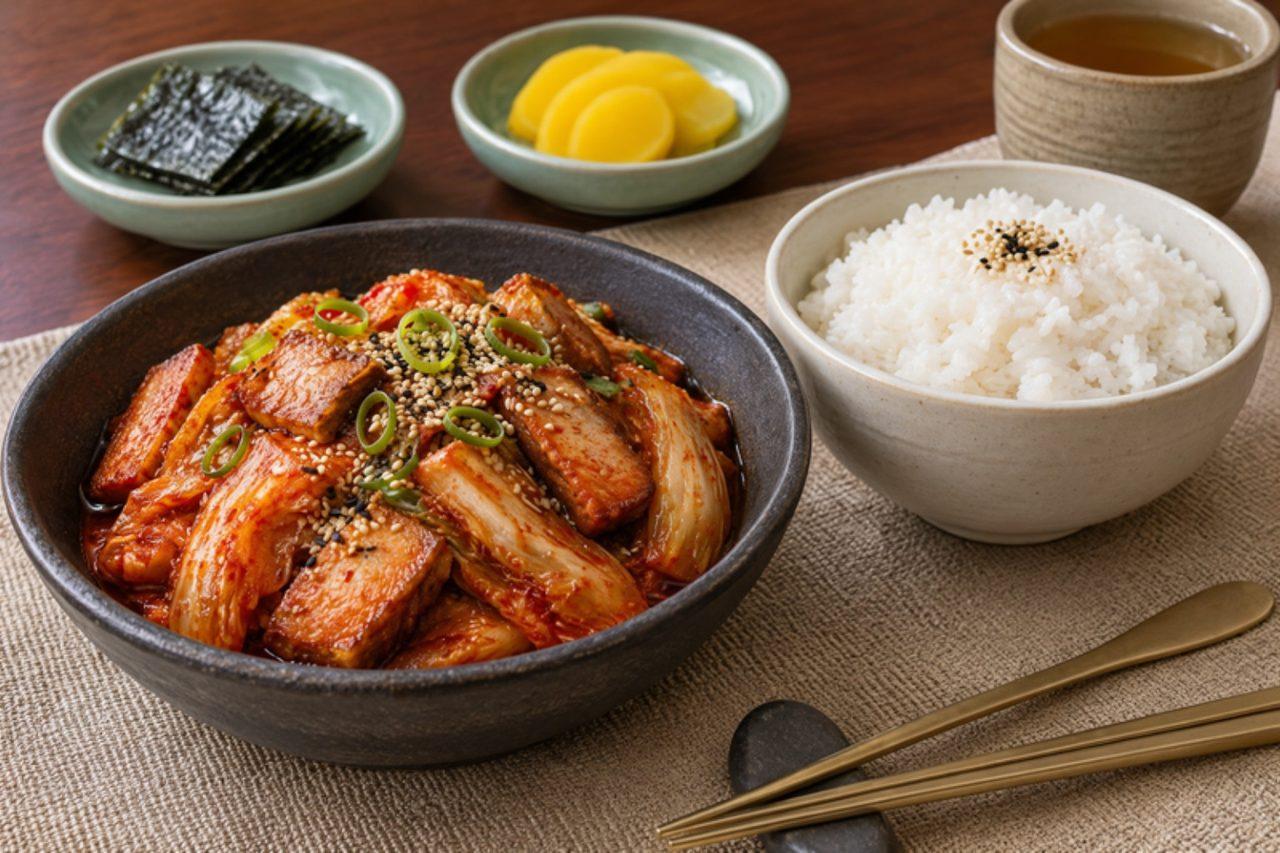
When a jar of kimchi turns very sour in Korean homes, it gets stir-fried with a little sugar and sesame oil, and often with pork belly, into bokkeum kimchi, a deep, mellow side dish that keeps for days and is a favourite in school and office dosirak. For a vegan version, use kimchi made without fish sauce or salted shrimp and leave out the pork. The usual mistake is using fresh, crisp kimchi, which tastes harsh when fried; it needs to be properly sour. Chef's tip: fry the kimchi until the edges just begin to catch and caramelise, which is where the flavour is.

by KrazyBadal 0 views

Ipoh white coffee

Ipoh's old town kopitiams, with their marble tables and morning crowds queueing for kai si hor fun and egg tarts, gave Malaysia its 'white coffee'. The name comes not from milk but from the roast: beans are roasted with palm-oil margarine, lighter than the dark, sugar-roasted kopi of the rest of the country, then brewed and served with condensed milk. It is smoother and less bitter than ordinary kopi, nutty and buttery, pale caramel in the cup, drunk hot at breakfast or iced in the afternoon heat. At home, buy ground Ipoh-style white coffee from an Asian grocer; you cannot easily reproduce the margarine roast in a kitchen. The common mistake is brewing it like espresso: forced extraction makes it bitter and kills the soft, toasty flavour. Steep it in a cloth sock or a coffee filter with water just off the boil. It is ready when the brew is reddish-brown and clear, not inky. This is a strong coffee with real caffeine, not for children. Chef's tip: warm the cups with hot water first; white coffee cools fast and loses its aroma.

by KrazyBadal 0 views

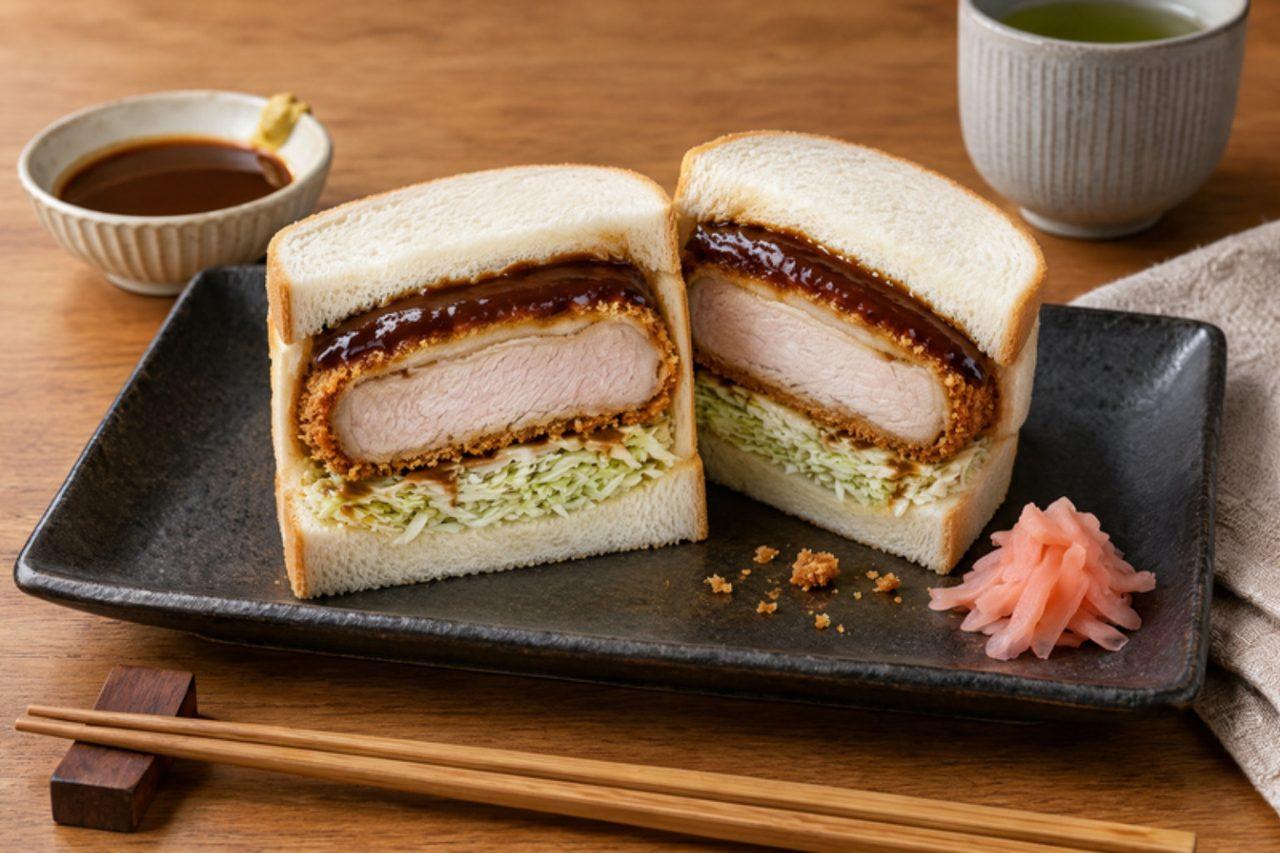
Katsu sandoPork cutlet sandwich

Katsu sando began in Tokyo tonkatsu shops in the 1930s as a cutlet you could carry, and is now a fixture of department-store food halls, train-station kiosks and lunchboxes all over Japan: a crisp panko pork loin cutlet soaked in sweet-sour tonkatsu sauce between pillowy white bread, crusts trimmed off. The common mistake is slicing it while hot, which squashes the bread and makes it soggy; let it rest under a light weight first. Pork loin is a whole cut, so cook it to 63 °C and rest it for 3 minutes. Chef's tip: butter the bread with a little mustard mixed in; it stops the sauce soaking through and adds a gentle kick.

by KrazyBadal 0 views

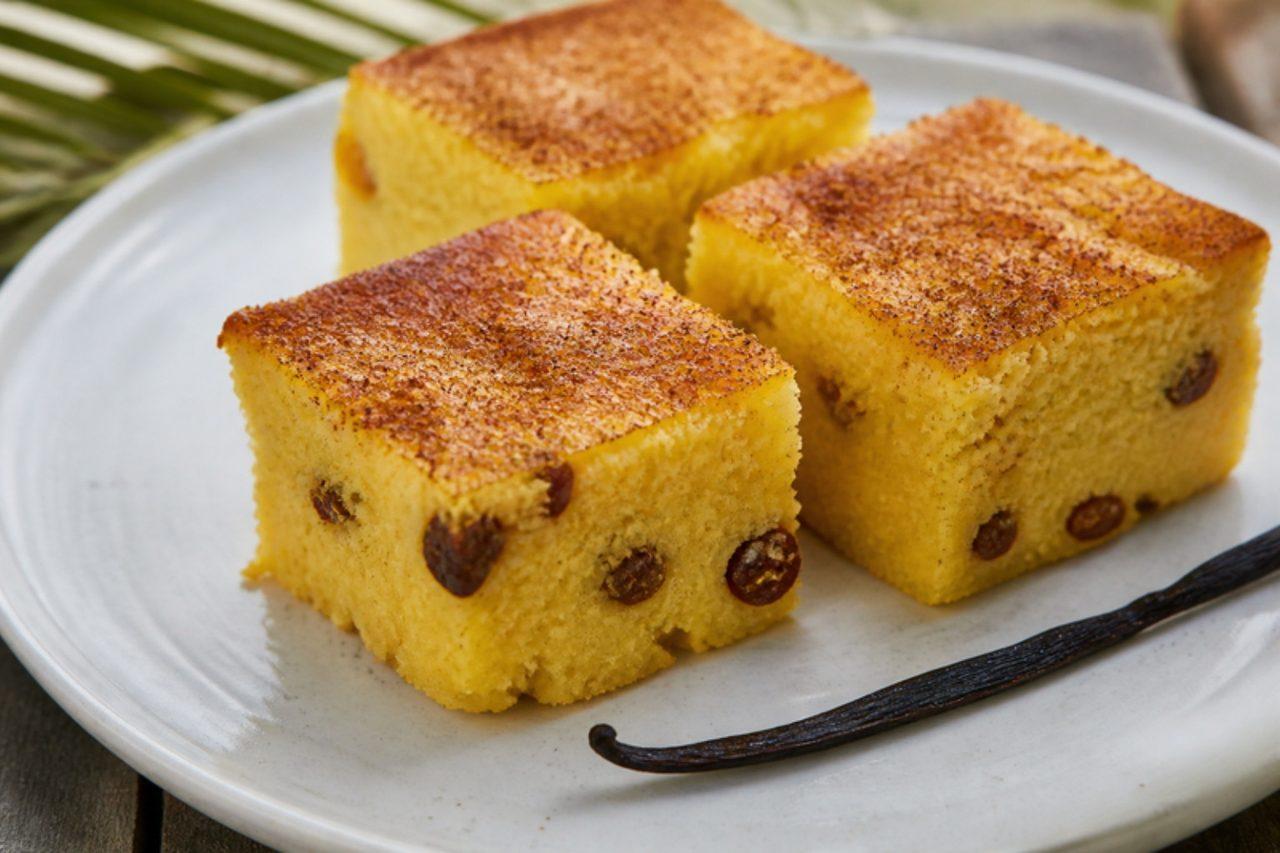
Poudine maïsBaked maize pudding

Grandmothers in Mauritius made poudine maïs from whatever the pantry held, which is why it is still sold by the square in snack shops and at village fairs for a few rupees. Fine yellow maize meal is cooked in sweetened vanilla milk until thick, then baked until the top is freckled brown and the inside sets like a soft, sliceable custard with a faint grainy bite. It is eaten at room temperature or cold from the fridge with a cup of tea, never hot. Lumps are the usual problem, and they come from tipping the maize into hot milk all at once. Chef's tip: whisk the maize meal into the milk while it is still cold, then heat it slowly, and the pudding will be perfectly smooth.

by KrazyBadal 0 views

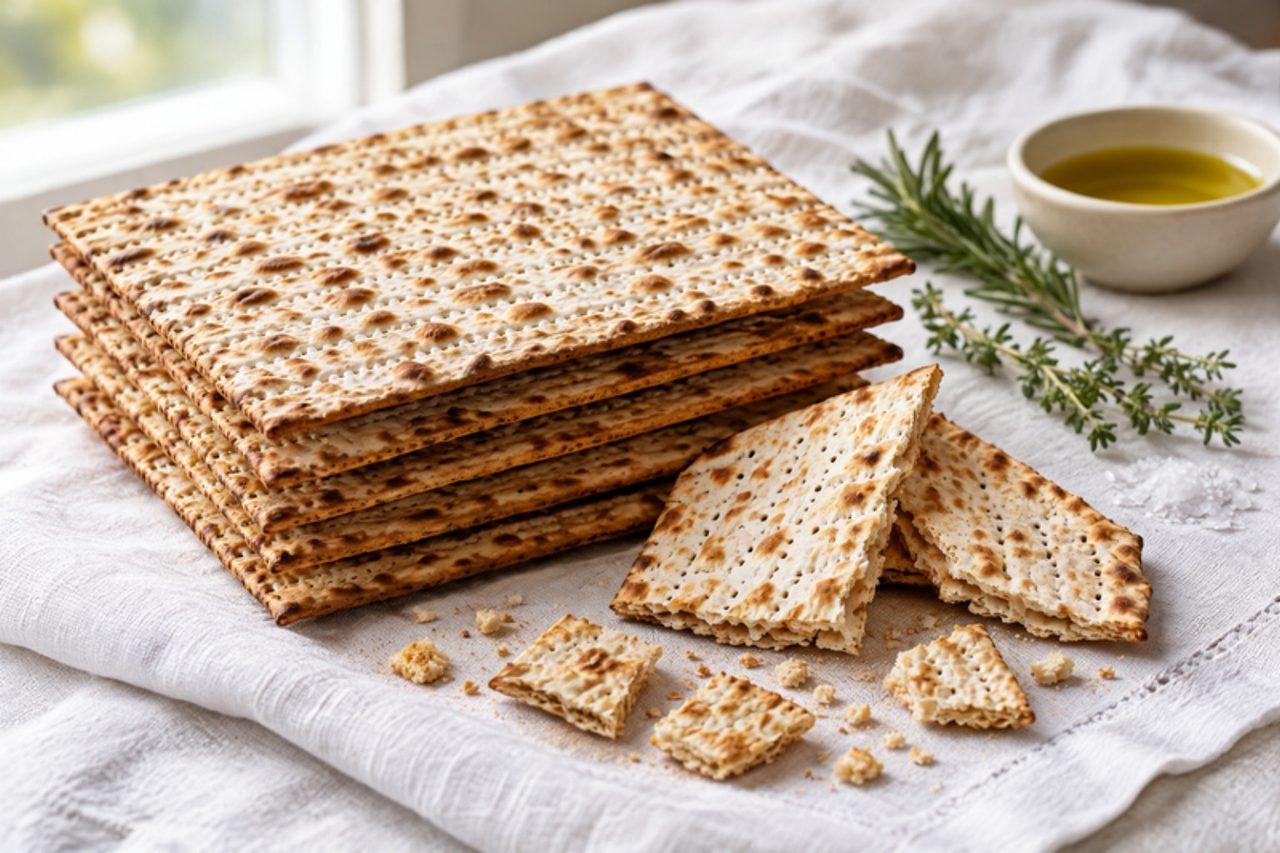
Matzah

Matzah is the flat unleavened bread eaten at Passover, recalling the Israelites leaving Egypt in too much haste for their bread to rise, and in Israel and Jewish homes worldwide it is also eaten as a crisp everyday cracker with soups and dips. The dough is only flour and water; by tradition it is mixed, rolled and baked within 18 minutes so it cannot ferment. This home version follows that rhythm but is not certified for Passover use. There is no salt: about 0.0 g salt per sheet. The usual mistake is rolling too thick, which gives a tough, chewy bread; roll until you can almost see the counter through it. Chef's tip: prick the dough all over with a fork before baking so it stays flat and blisters evenly.

by KrazyBadal 1 views

Mugicha (roasted barley tea)

From the rainy season in June until the cicadas fall quiet in September, almost every Japanese household keeps a tall jug of mugicha in the fridge. It is poured for children coming in from summer club practice, for grandparents after an afternoon nap, and alongside cold sōmen at lunch, because it carries no caffeine and can be drunk all day. Whole barley grains roasted until deep brown give a cup that tastes of toast, a little of coffee and a little of popcorn, with a clean, dry finish and no sweetness at all. Supermarkets sell it in tea bags, but loose roasted grains simmered in a pan make a rounder, darker brew. The usual mistake is leaving the grains in the jug or letting the hot tea sit out on the counter for hours: it turns bitter and, being a grain infusion, it sours quickly in summer heat. Strain it, cool it fast in a sink of cold water, and drink it within two days. It is ready when the liquid is a clear amber-brown and smells like freshly toasted bread. Chef's tip: dry-toast the grains for two minutes before brewing to wake up a bag that has been open a while.

by KrazyBadal 0 views

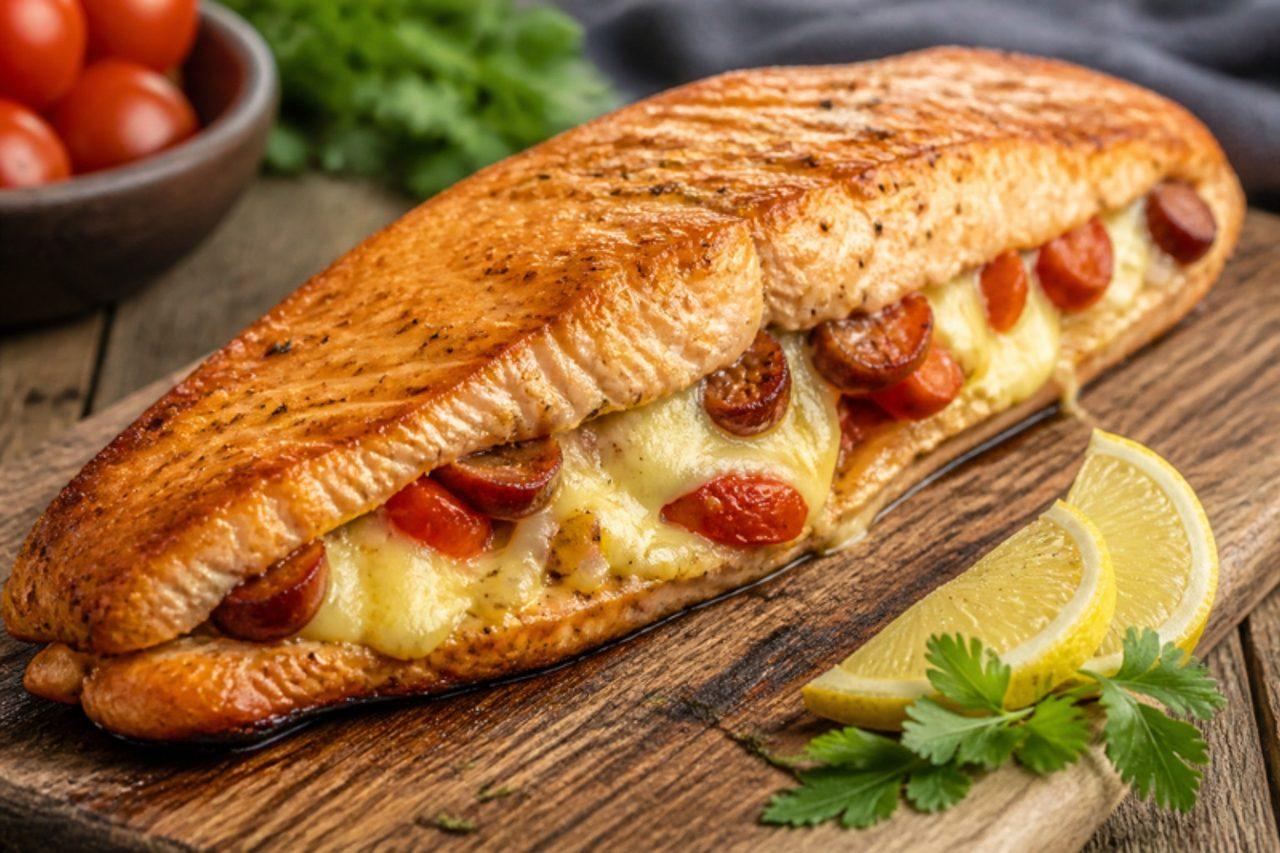
CancatoSalmon with cheese and tomato

Cancato belongs to Chiloé and the lakes around Puerto Montt, where salmon is everyday food: a whole fillet is opened like a book, stuffed with melting cheese, tomato, onion and slices of longaniza (a pork sausage like chorizo), then wrapped and cooked over embers or in the oven. It is party food, cut at the table. The common mistake is putting raw sausage inside: it won't cook through before the salmon dries out. Fry it first. Chef's tip: wrap the parcel in foil with the seam on top and open it for the last 5 minutes, so the cheese browns while the salmon stays juicy.

by KrazyBadal 0 views

Caffè shakeratoShaken iced espresso

When July heat settles over Italian piazzas, bar regulars from Rome to Bologna switch their morning or after-lunch espresso for a shakerato. The barista pulls a fresh shot, tips it into a cocktail shaker with ice and sugar, shakes hard for fifteen seconds and strains it into a chilled martini or wine glass, where it settles into a dark body under a thick, beige, mousse-like crema. It tastes intense and bittersweet, colder and smoother than iced coffee, with a texture almost like a light cream. The common mistake is using too little ice or shaking half-heartedly: the coffee stays warm and the foam collapses within seconds. Fill the shaker at least half full with ice and shake until the metal is too cold to hold comfortably. It is ready when you hear the ice rattle softly and the shaker frosts over, and the pour has a thick foam on top. One shaker holds one double espresso, so it is fairly strong in caffeine. Chef's tip: dissolve the sugar in the hot espresso before adding ice; granulated sugar barely melts once the coffee is cold.

by KrazyBadal 0 views

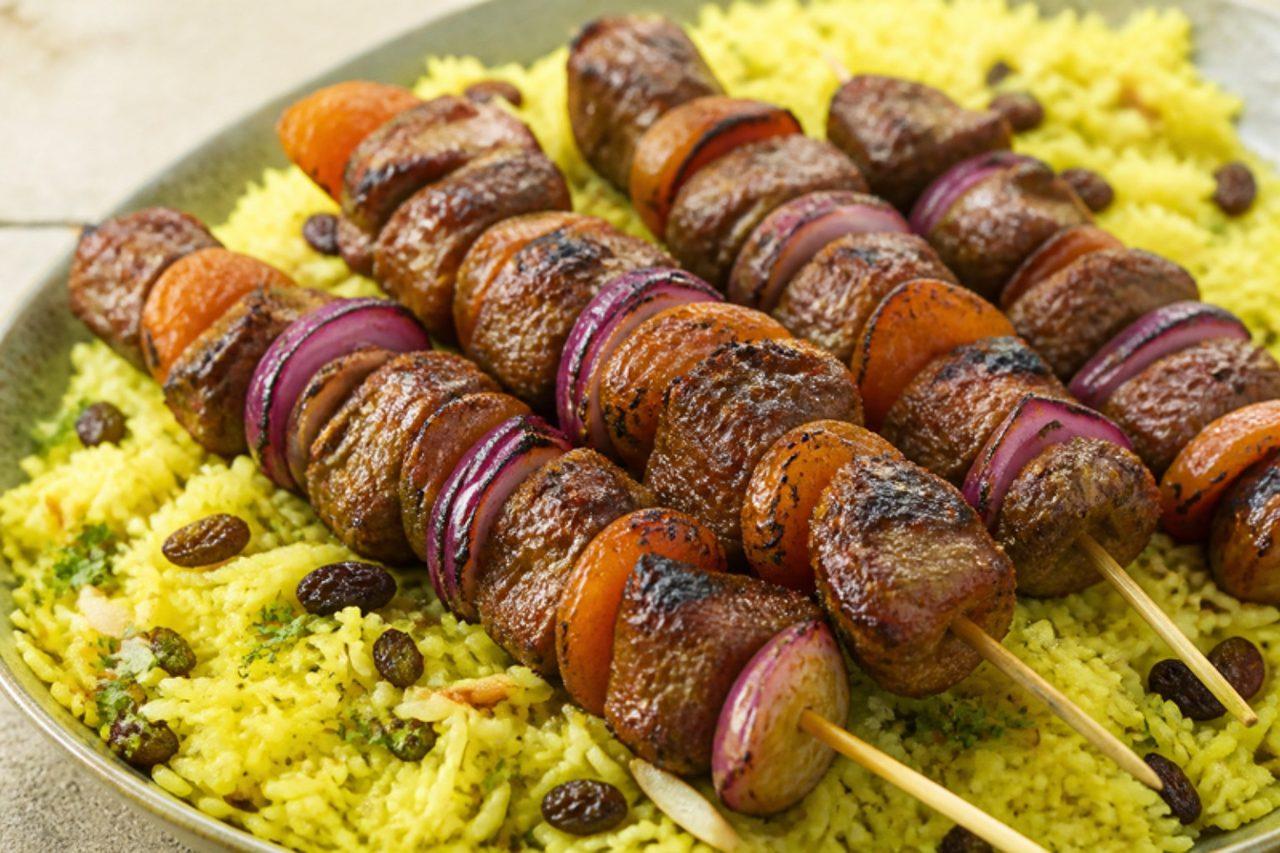
SosatiesCurried lamb and apricot skewers

Bo-Kaap kitchens gave the braai one of its sweetest-sour treats: cubes of lamb soaked overnight in a cooked curry marinade of fried onion, apricot jam, vinegar and lemon leaves, then threaded with plump dried apricots and onion and grilled over coals. Every butchery in the Cape now sells them ready-marinated, yet homemade ones taste brighter and less sugary. Expect tender, slightly charred meat, sticky-sweet apricots and a warm curry tang that begs for yellow rice, a green salad or simply a soft roll. Pouring the marinade over the lamb while it is still warm is a common slip; it starts to cook the surface and the meat turns grainy. Chef's tip: boil the leftover marinade for a few minutes and brush it on in the last minutes of grilling for a glossy glaze.

by KrazyBadal 0 views

PothichoruRice meal in banana leaf

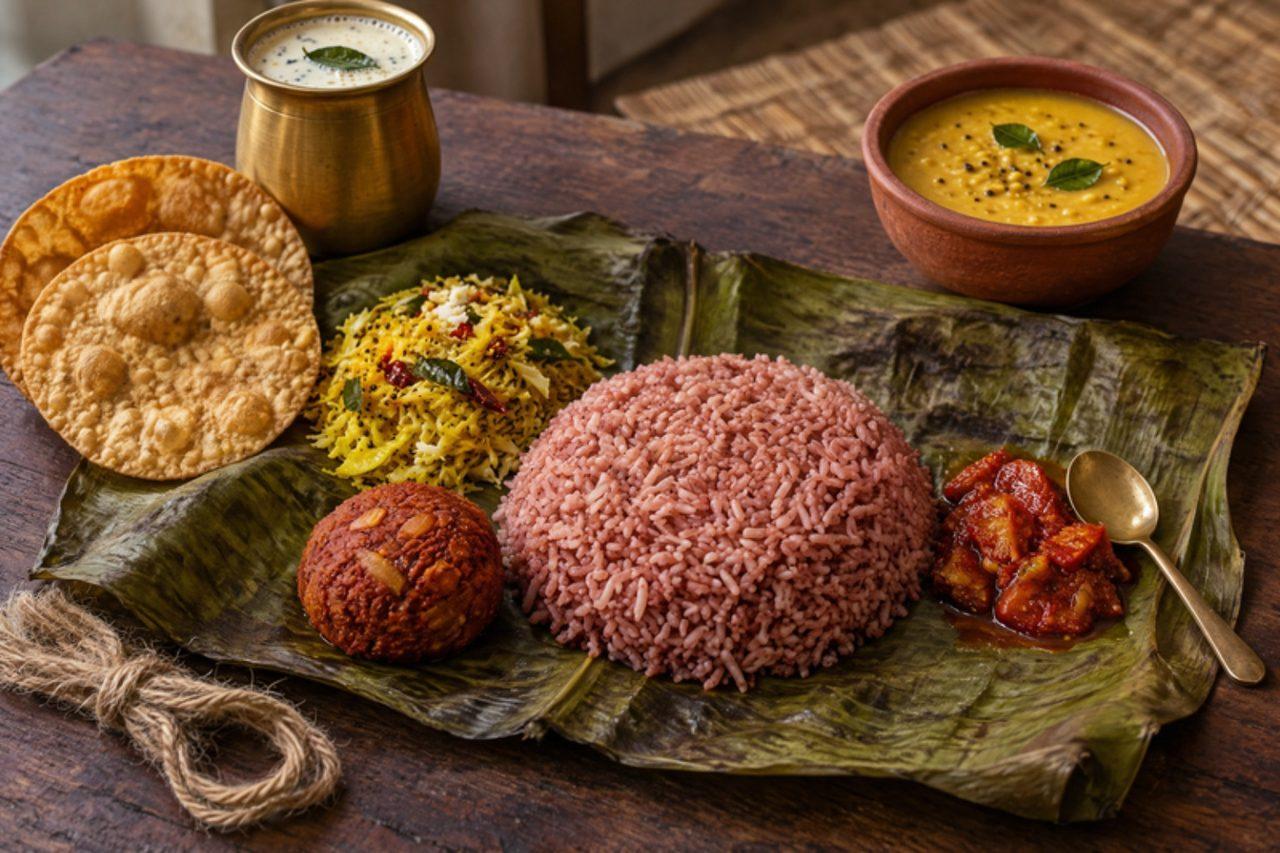
Before steel tiffin carriers, Kerala's schoolchildren and office workers carried pothichoru, a parcel of hot rice, a dry vegetable thoran, coconut chammanthi and a dab of pickle, folded inside a banana leaf that had been passed over a flame. By lunchtime the leaf's aroma has seeped into the rice; the whole parcel is still sold on trains and at festivals. Fried egg or fish fry are often tucked in; this is the vegetarian version. The common mistake is wrapping the leaf without wilting it first, so it cracks and leaks. Chef's tip: pack the rice warm, not steaming, and eat within four hours, or cool everything and keep the parcel cold until lunch.

by KrazyBadal 0 views

GatsbyMasala steak and chips roll

Born in an Athlone fish-and-chip shop in the 1970s, the Gatsby is Cape Town's sharing sandwich: a roll as long as your arm, stuffed with hot chips, salad, sauce and a filling, then chopped into four and handed round at a match, a birthday or after Friday prayers. This version uses masala steak, thin strips of beef fried hard with Cape curry masala, garlic and chilli-garlic sauce until sticky and dark. Many takeaways add sliced polony too, which usually contains pork and/or beef or chicken, so check the label if that matters to you. The usual letdown is soggy chips, so fry them last and build the roll the moment they come out of the oil. Chef's tip: for masala chicken, swap in 600 g thin-sliced boneless chicken thigh and fry until it reaches 74 °C in the thickest piece, with no pink left.

by KrazyBadal 0 views

Mermelada de ruibarboRhubarb jam

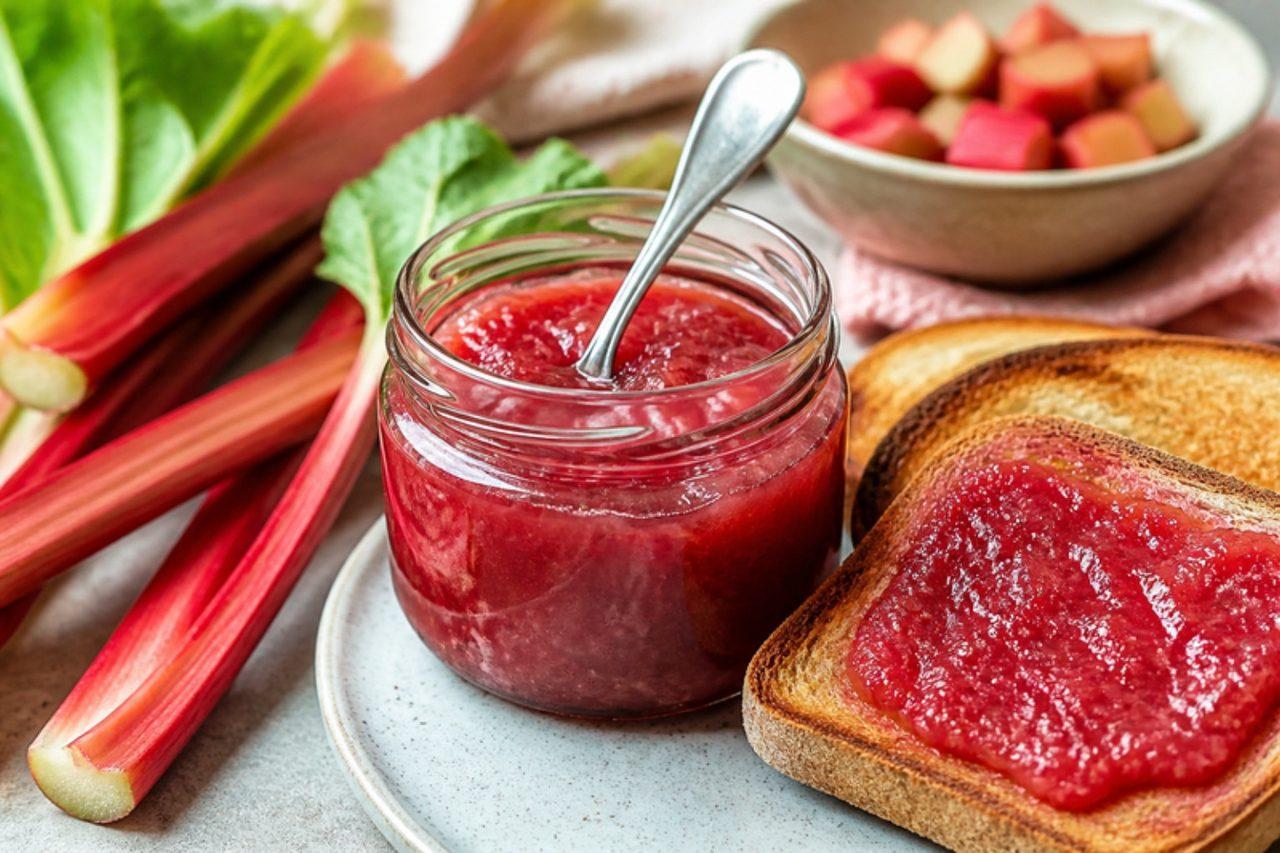
Rhubarb thrives in the cold, wet gardens of Aysén, around Coyhaique and Puerto Aysén, where it was planted by settler families and now grows almost wild beside the houses. Every summer the stalks go into big pots of jam, spread on warm sopaipillas or homemade bread at once (teatime) and given to visitors in jars. Use only the stalks: rhubarb leaves are poisonous and must be thrown away. The mistake most people make is boiling the jam too long, which turns it dull brown and stiff. Chef's tip: leave the chopped rhubarb in the sugar overnight; it releases its juice, so the jam cooks faster and keeps a pink colour and soft pieces.

by KrazyBadal 0 views

ApigigiGrilled coconut and tapioca parcels

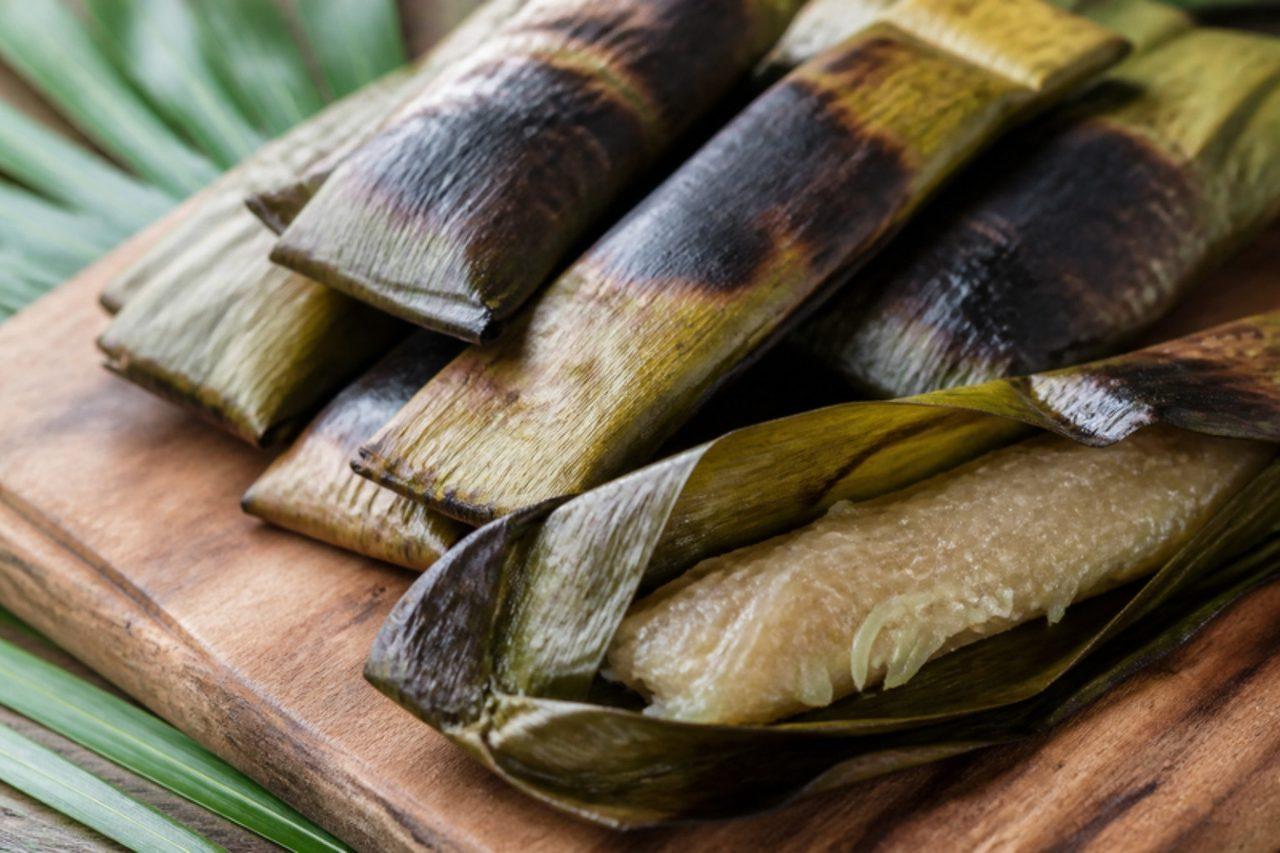
Apigigi are an old Chamorro sweet from Guam and Saipan, made for fiestas and family gatherings: soft young coconut is grated and mixed with tapioca starch and sugar, wrapped in banana leaves and grilled over coals until chewy and lightly charred. They are sticky, mildly sweet and smoky. Grated frozen young coconut and tapioca starch from Asian shops make them easy at home. A common mistake is grilling over a fierce flame; the leaves burn before the centre sets. Chef's tip: steam them first for 15 minutes, then finish on the grill for flavour.

by KrazyBadal 0 views

Arroz con palmitoBaked rice with hearts of palm

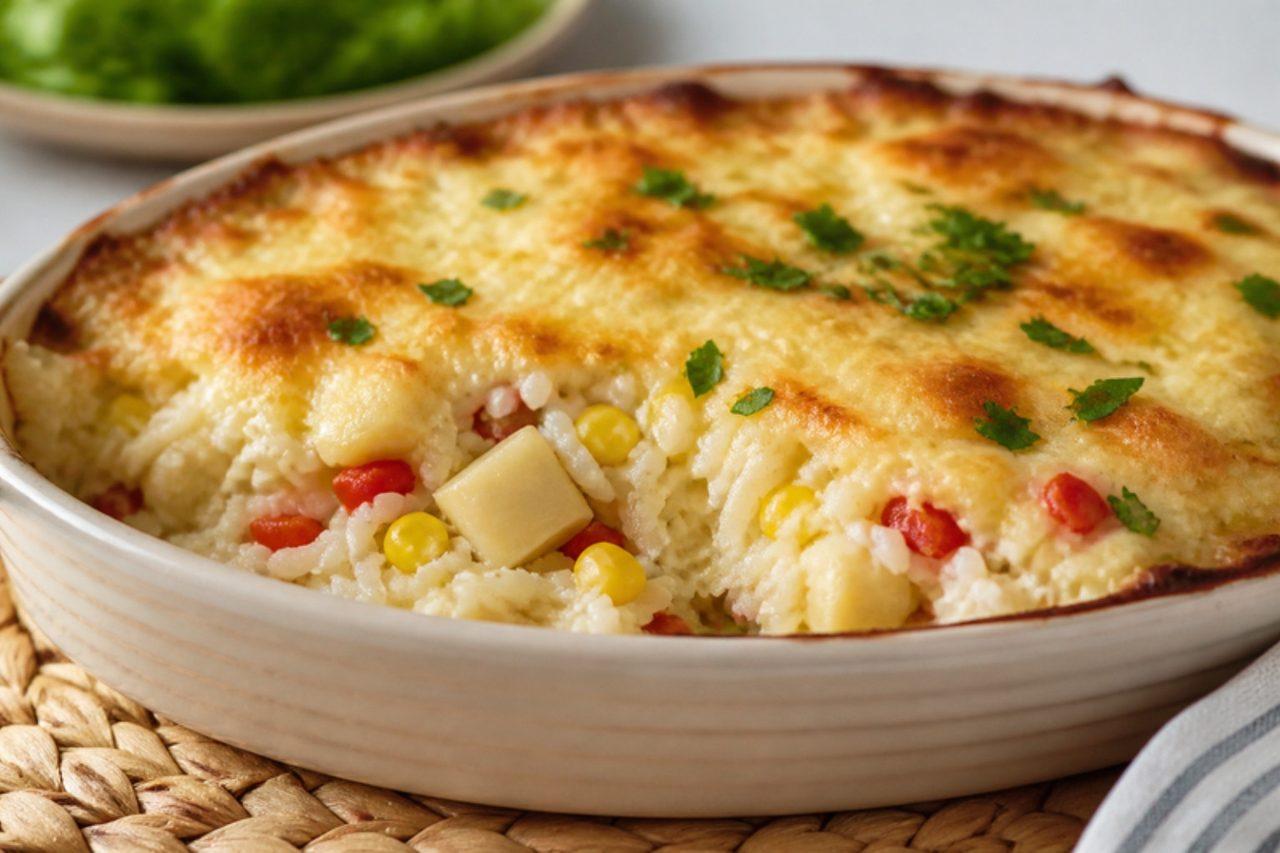
Hearts of palm grow commercially in Costa Rica's northern lowlands, and arroz con palmito is the creamy, cheesy rice bake that turns up at family birthdays, first communions and Christmas buffets across the country. Cooked rice is folded with sliced palmito, sweet corn and a light white sauce, then baked under melted cheese until bubbling. Overcooking the rice at the start is the usual mistake; it keeps softening in the oven, so cook it just tender. Costa Rica's Turrialba cheese and most mozzarella use animal rennet, so choose a vegetarian melting cheese if needed. Chef's tip: slice the palm hearts into coins rather than chopping them; they keep their delicate, artichoke-like bite.

by KrazyBadal 0 views

Chivo en cocoGoat in coconut milk

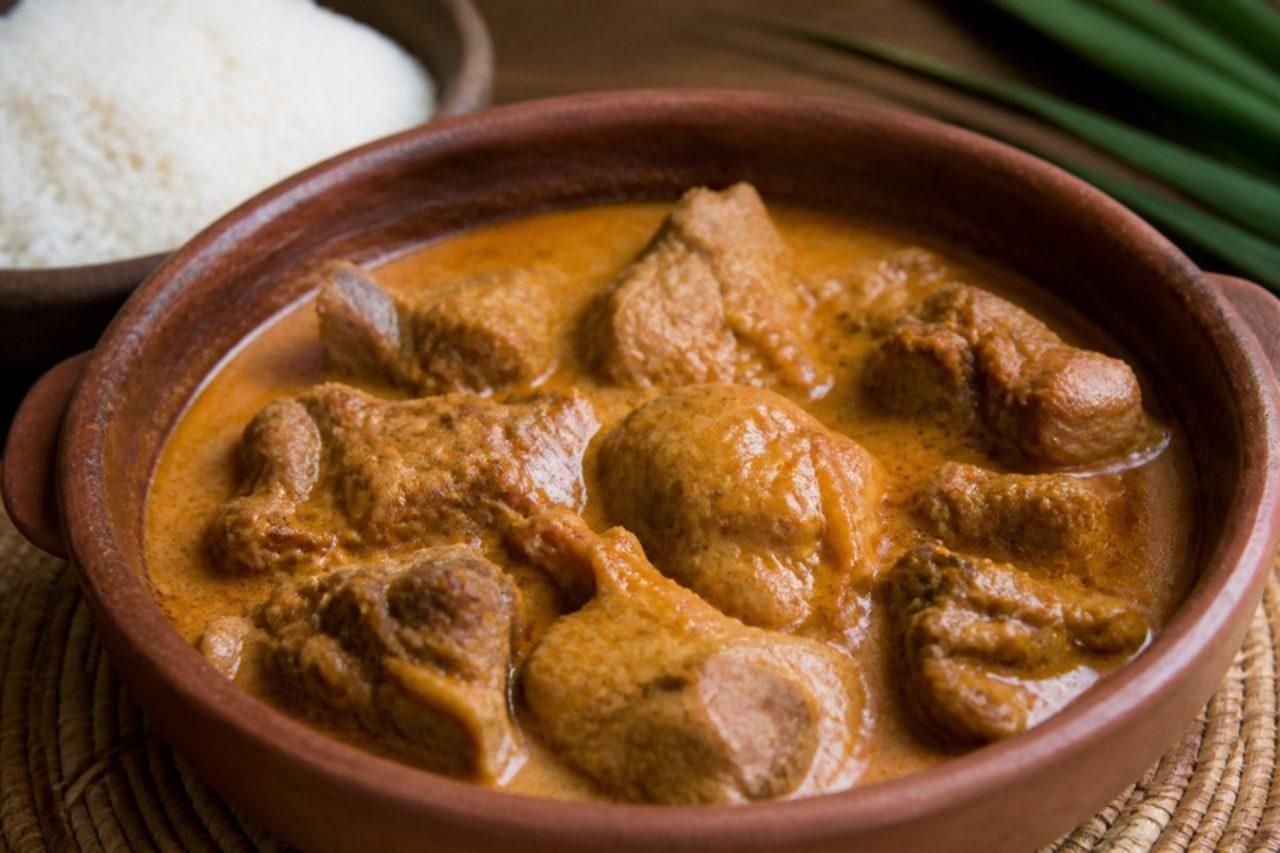
Goats graze the dry scrub of the Guajira peninsula, and in Zulia the meat is stewed in fresh coconut milk with a sofrito of onion, ají dulce and garlic until it falls from the bone. It's party and Sunday food in Maracaibo, served with fried ripe plantain, white rice or arepas to soak up the sauce. The common mistake is boiling the coconut milk hard, which splits it into a greasy sauce. Chef's tip: add the coconut milk only for the last 40 minutes and keep the pot at a gentle bubble.

by KrazyBadal 0 views

Metkut bhaatRice with lentil powder and ghee

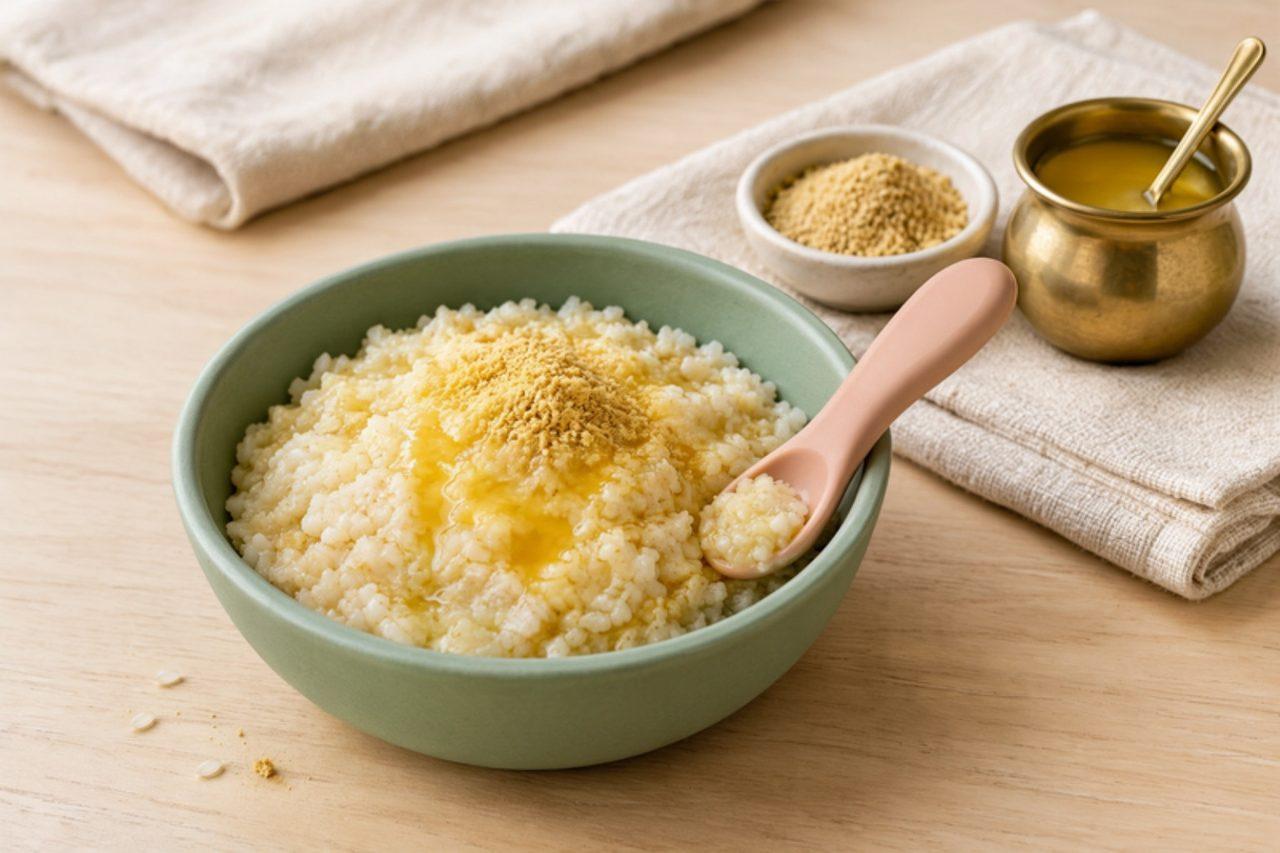
Ask anyone who grew up in Pune or Mumbai's Dadar about their first proper meal and many will say metkut bhaat: soft hot rice, a spoon of melted ghee and a sprinkle of metkut, a roasted powder of chana dal, urad dal and rice with turmeric and cumin. It is the bowl grandmothers make on lazy evenings and for toddlers from 12 months, nutty, savoury and gentle without any chilli. Shop metkut usually contains salt and asafoetida (which often has wheat), so this recipe roasts a small salt-free batch at home. It contains milk (ghee); the home-made powder has no gluten, egg, nuts or soya. Chef's tip: roast the dals slowly until they smell like popcorn; pale dal gives a raw, floury powder.

by KrazyBadal 0 views

Egg banjo (Indore style)Spicy egg pav

Indore eats late, and after the jewellery shops of Sarafa Bazaar shut their shutters at night the lane turns into a food market; egg banjo stalls there and at Chhappan Dukan keep frying until long after midnight. A soft pav is split, toasted in butter and packed with a masala omelette folded to fit, then green chutney, raw onion and a heap of fine sev for crunch. It is soft, buttery and hot all at once. Contains egg, wheat and dairy. Chef's tip: cook the omelette in a shape the size of the bun, so every bite has egg in it.

by KrazyBadal 0 views

PistoletsCrusty bread rolls

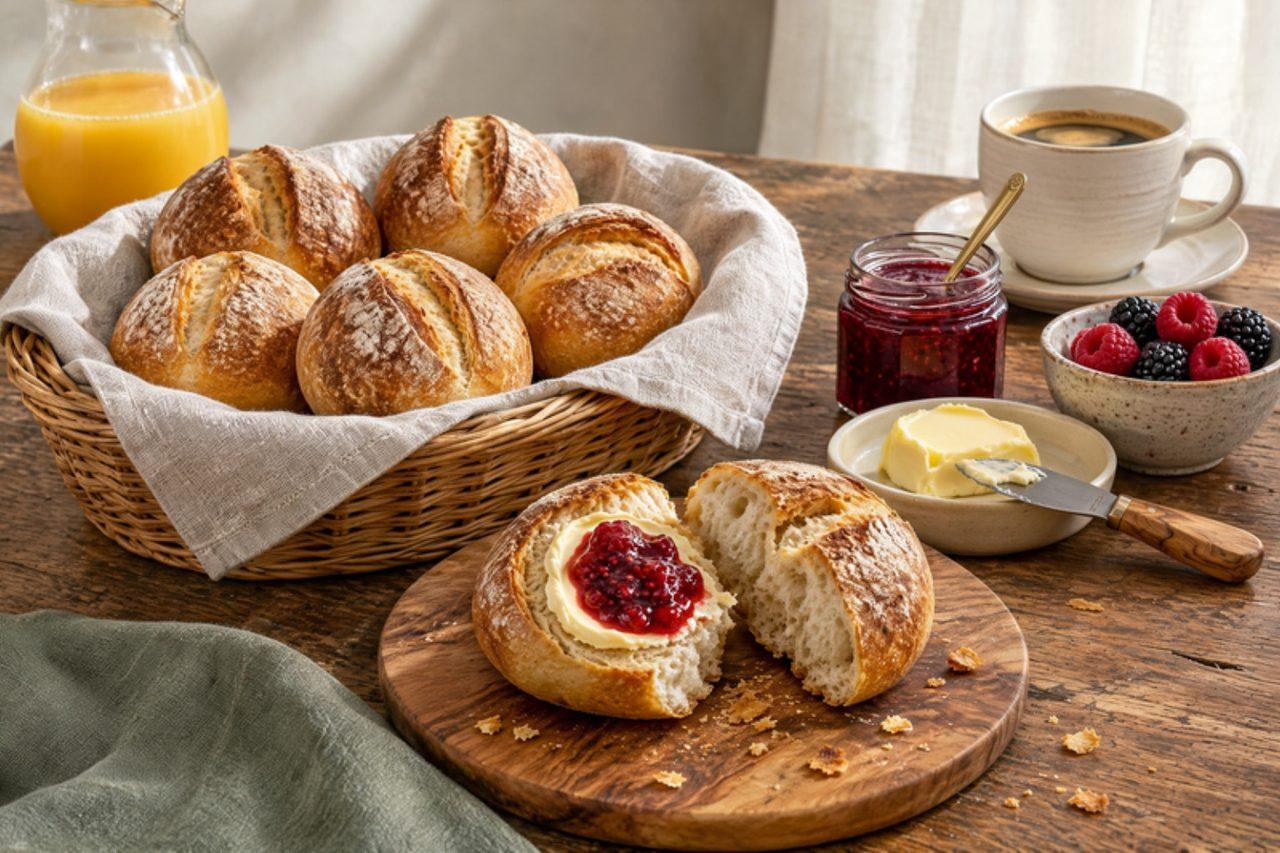
In Brussels and all over Belgium, someone in the family goes to the bakery early on Sunday morning to bring home a paper bag of warm pistolets, the small round rolls with a split down the middle. They are eaten at a long breakfast with butter, jam, chocolate spread, cheese and boiled eggs. The crust shatters and the crumb is light and open. The common mistake is baking in a dry oven, which gives a dull, thick crust; a pan of boiling water in the oven makes the thin, crackly bakery crust. Chef's tip: press the split with a floured wooden spoon handle right after shaping, not just before baking, and it opens cleanly in the oven.

by KrazyBadal 0 views

Showing 45 of 8,120 recipes

Show more recipes

Page 172 of 903