Skip to content
Sakarpada
Featured recipe

Sakarpada

Sweet fried dough diamonds

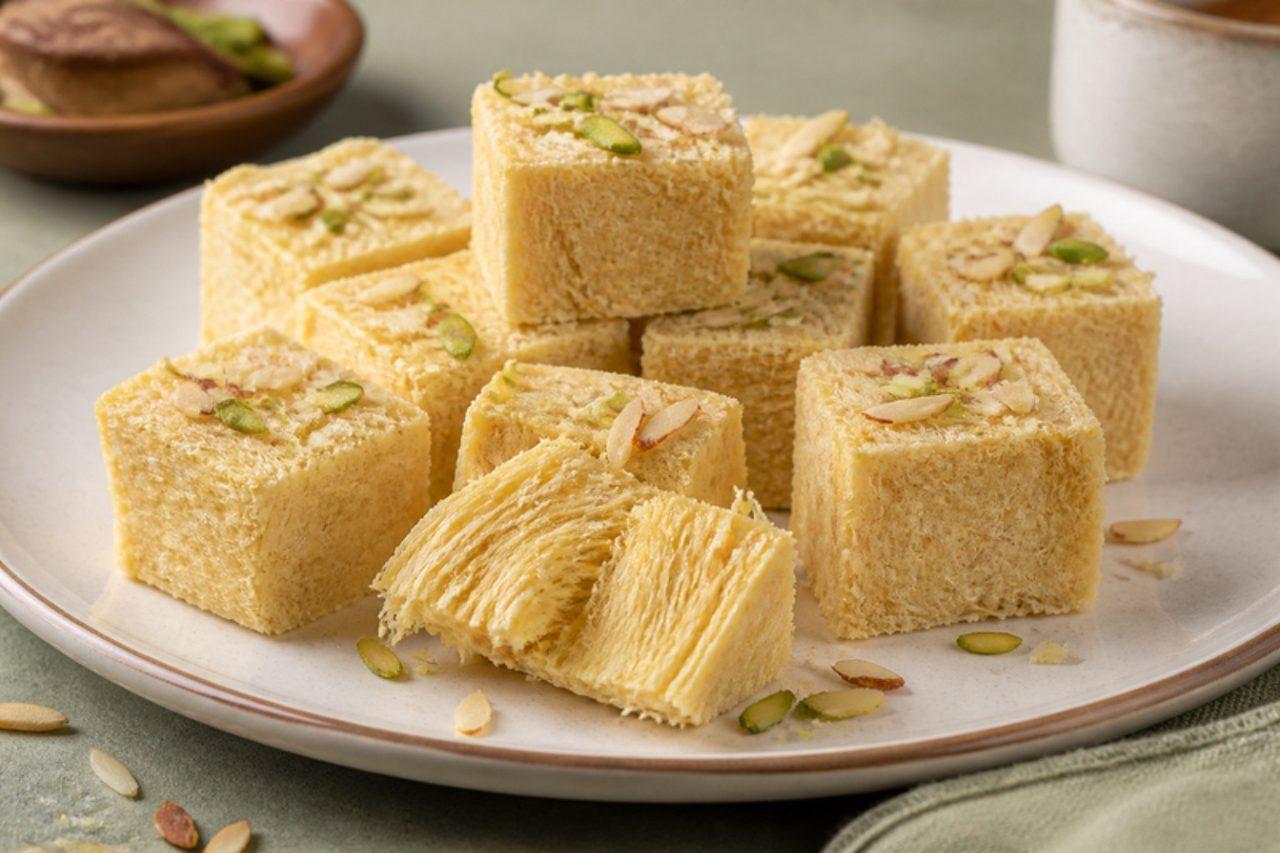
Sakarpada (shakarpara) are little sweet diamonds of a rich dough made with ghee, milk and sugar, fried until golden and crunchy. They are a Diwali favourite with tea, and the cubes go into bhusu too. They keep for weeks in an air-tight tin.

Read more 1 views

What to eat today?

Around the world

Today's trip: Persian

A new country every day, from every cuisine on the site.

Persian

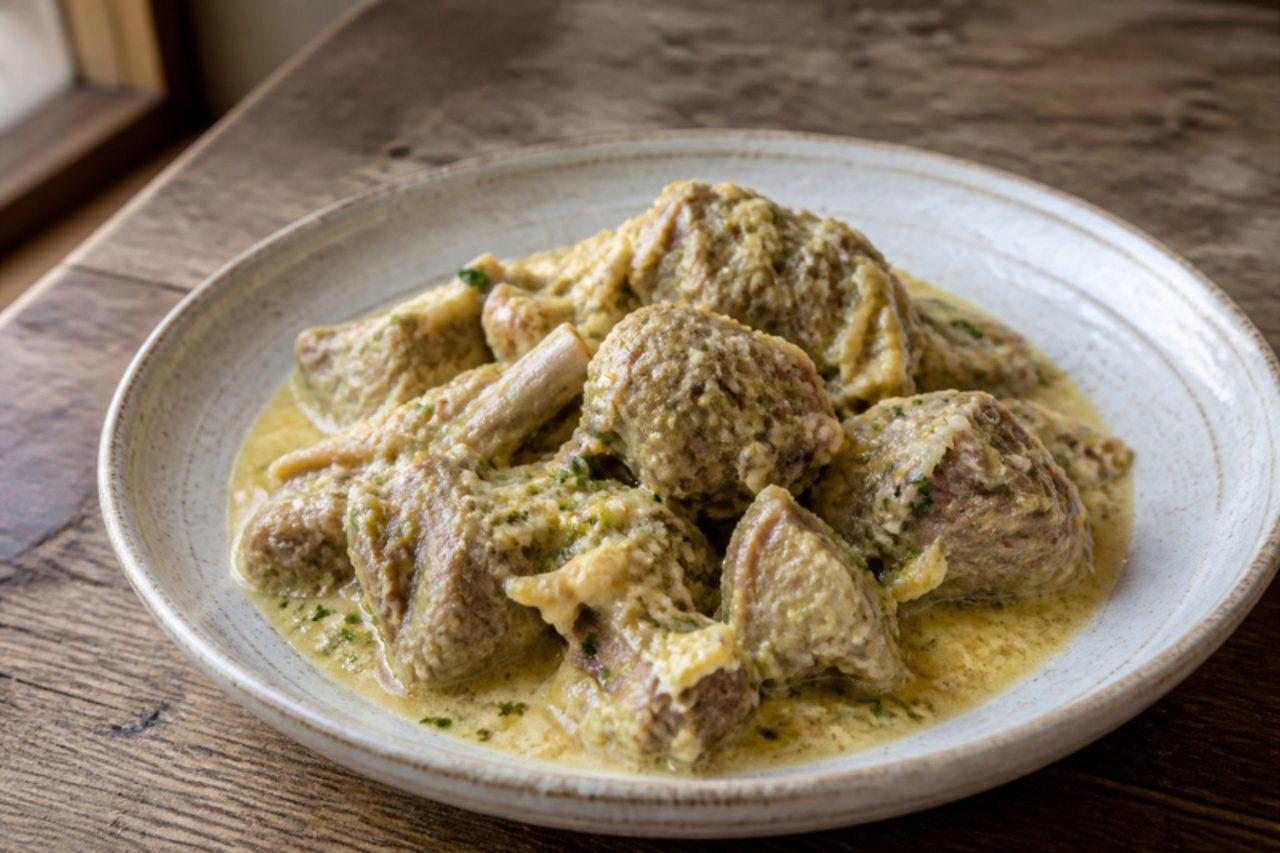
Dizi

Lamb and chickpea stew 245 minMore from Persian (131) →

This week's collection

Kid-friendly dinners
578 recipes · a new collection every Monday

Coming up

All occasions →

Latest recipes

EinspännerBlack coffee with whipped cream

The Einspänner is named after the one-horse carriages of old Vienna: coachmen waiting outside in winter supposedly liked their coffee under a lid of cream that kept it hot and stopped it slopping. Today it is served in a handled glass at classic coffee houses, a strong black mocha (a double espresso or Großer Brauner without milk) topped with a thick layer of cold, lightly sweetened whipped cream and a pinch of icing sugar. You do not stir it: you sip the hot, bitter coffee through the cold, sweet cream, so each mouthful is two temperatures and two textures. It is an afternoon or late-morning coffee, often with a slice of Sachertorte. The common mistake is runny cream that sinks and turns the drink into a milky latte; whip it until it just holds a peak and spoon it on gently so it floats. It is ready when the cream stands at least 2 cm above the coffee and slowly sinks at the edges. It is strong: a double shot of caffeine in one glass. Chef's tip: pour the coffee in first and wait ten seconds before adding the cream, so the crema settles and helps support the cap.

by KrazyBadal 0 views

Chanachur makhaSpicy snack mix

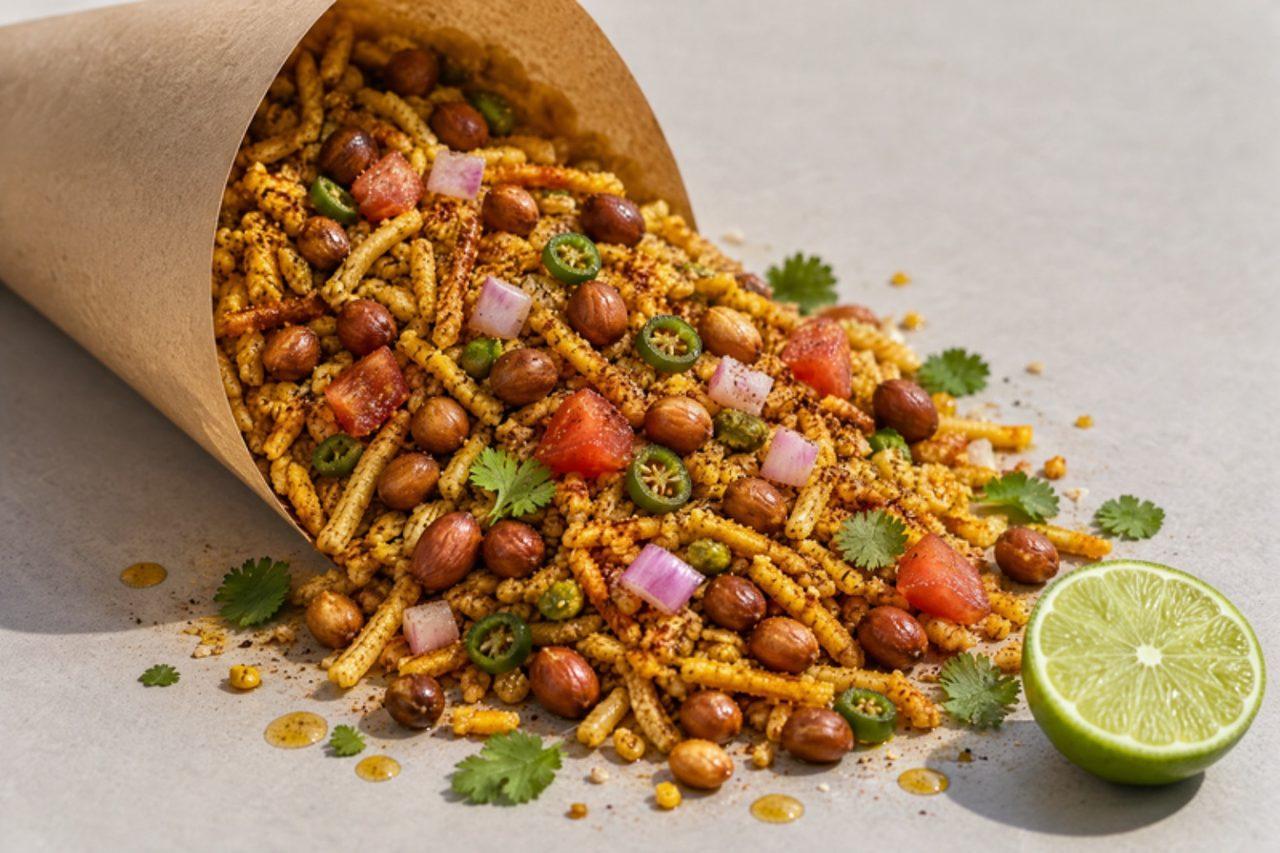
In Dhaka, chanachur makha is made in seconds by vendors with a tin box and a lid: a scoop of the crunchy, spicy fried mix of lentils, gram flour sticks and peanuts is shaken with chopped onion, tomato, chilli and coriander, splashed with raw mustard oil and lime, and poured into a cone of newspaper. It is the snack of the launch terminal at Sadarghat, of Ramna Park and of evening chats outside every university hall. Shop chanachur usually contains peanuts and may contain wheat. Chef's tip: deseed the tomato; its juice is the fastest way to turn the crunch soft.

by KrazyBadal 0 views

Ensaladang talongGrilled aubergine salad

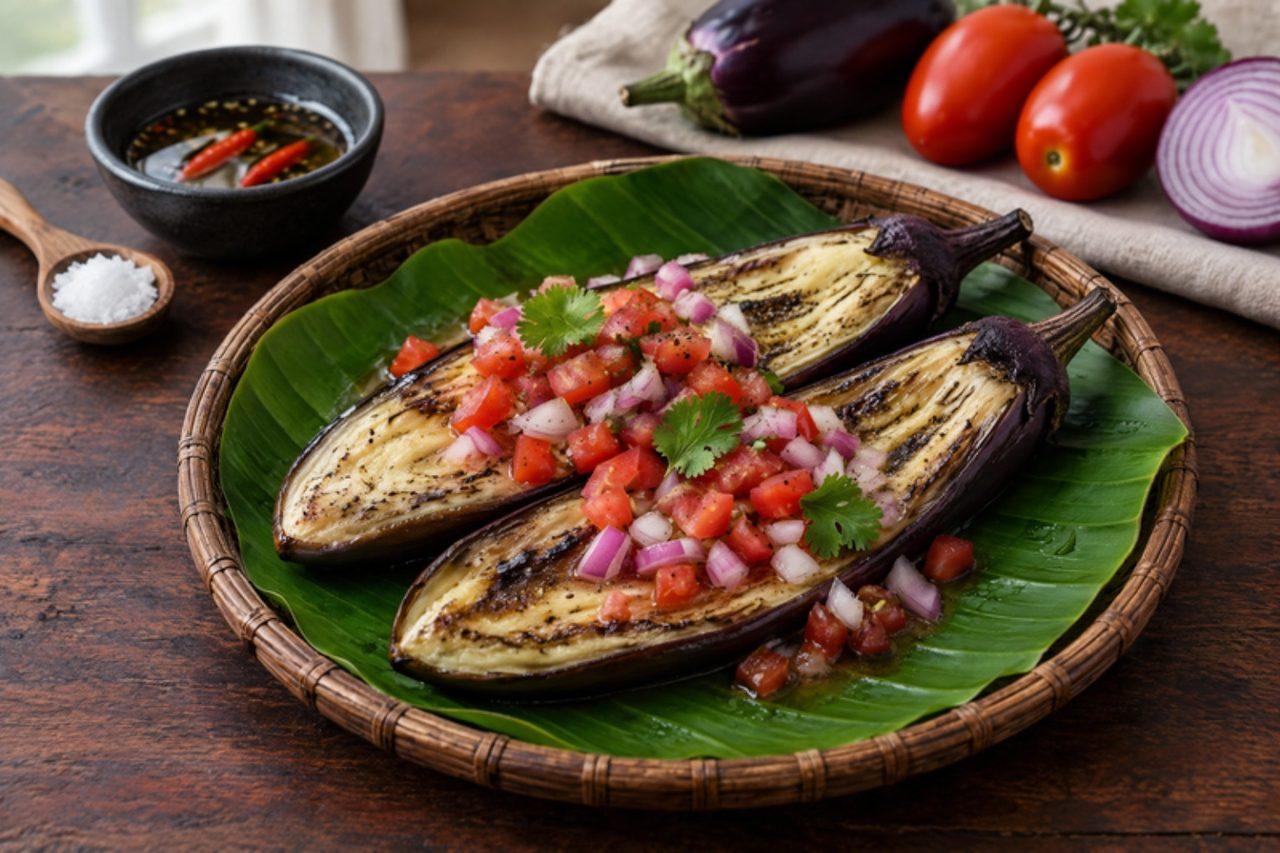
Ensaladang talong is the smoky side salad that sits beside grilled fish or pork at Filipino family lunches, from Pampanga to Davao, and on the table at weekend beach outings. Long Asian eggplants are charred whole until the flesh collapses, then peeled and topped with diced tomato, red onion and a sharp vinegar dressing. This version leaves out the usual fermented shrimp paste so it is vegan. Suitable as part of a balanced diet, it is low in starch: about 70 kcal and 10 g carbohydrate per portion. The usual mistake is pulling the eggplants off the heat too soon; they must be soft right through, or the flesh is spongy and raw. Chef's tip: peel the hot eggplants under a trickle of water with your fingertips to keep the smoky flesh whole.

by KrazyBadal 0 views

Chancho en piedraCrushed tomato, garlic and chilli salsa

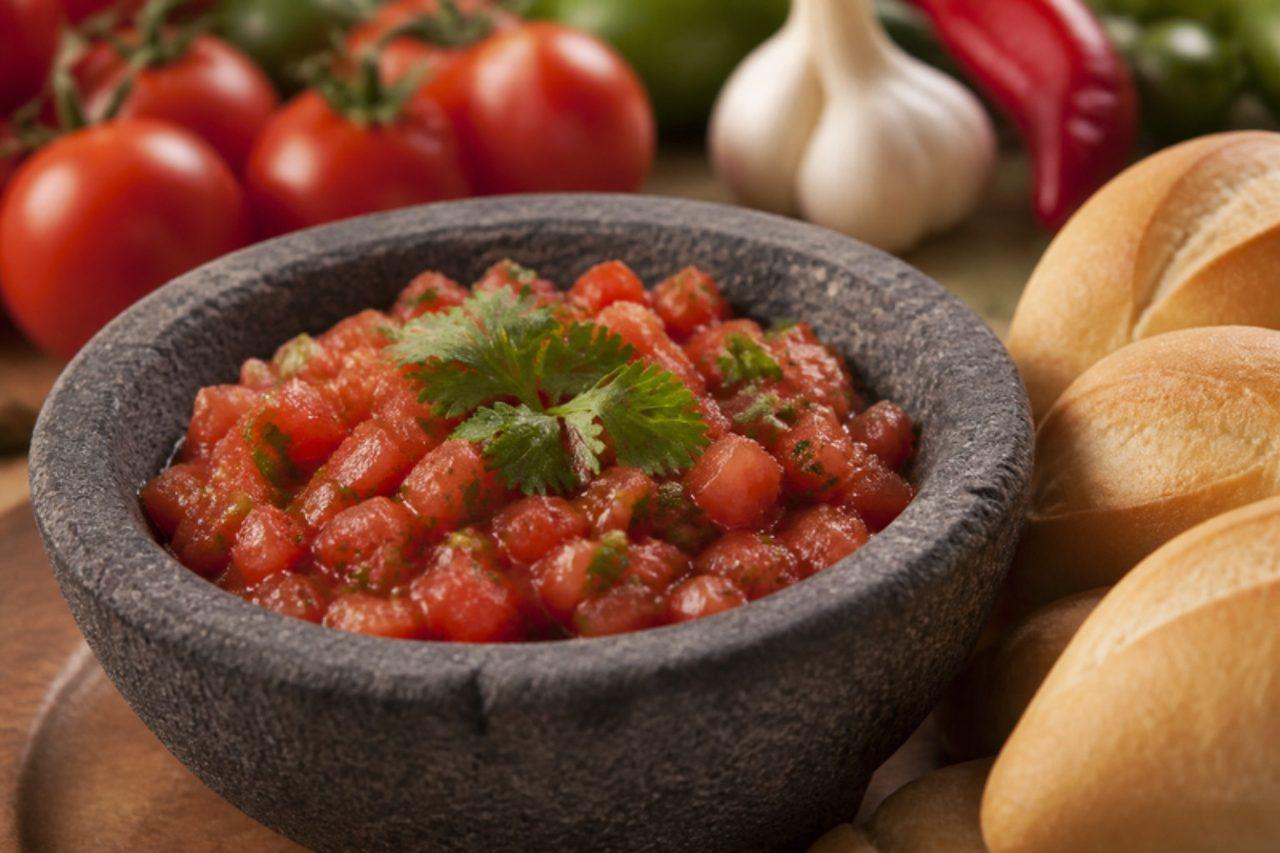
Despite the name, 'pig in stone' has no pork in it. It is a rough salsa of ripe tomato, garlic and chilli crushed in a stone mortar (piedra), and it is on the table at every September fonda during the Fiestas Patrias, with hot sopaipillas, bread straight from the oven or choripán. Blending it smooth in a machine is the classic mistake: it should be rustic and juicy, with small pieces. Chef's tip: pound the garlic, chilli and salt to a paste first, then add the tomatoes; the salt acts as grit and the flavour gets into every bit.

by KrazyBadal 0 views

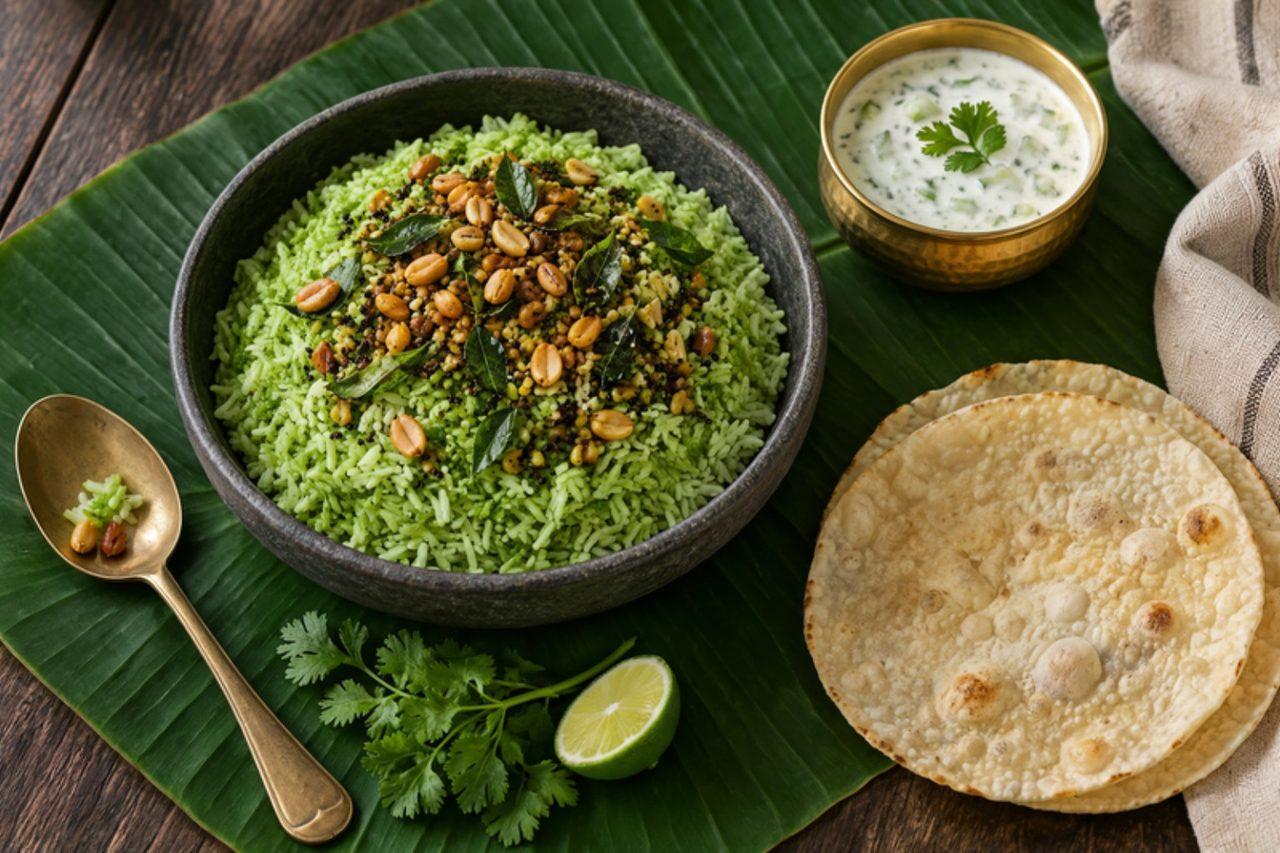
Kothamalli sadam (coriander rice)

Chennai mothers turn a big bunch of coriander into this bright green rice when they want a lunch box that looks fresh and smells of the market. The leaves and stems are ground with green chilli, coconut, ginger and a little tamarind, then fried in oil until the raw grassy smell goes and the paste turns a deeper green. The mistake is adding the paste and the rice together: the paste stays raw and the rice goes dull and sour. Cook the paste first until it leaves the sides of the pan. Chef's tip: keep the coriander stems; they carry more flavour than the leaves and grind into a smoother paste.

by KrazyBadal 0 views

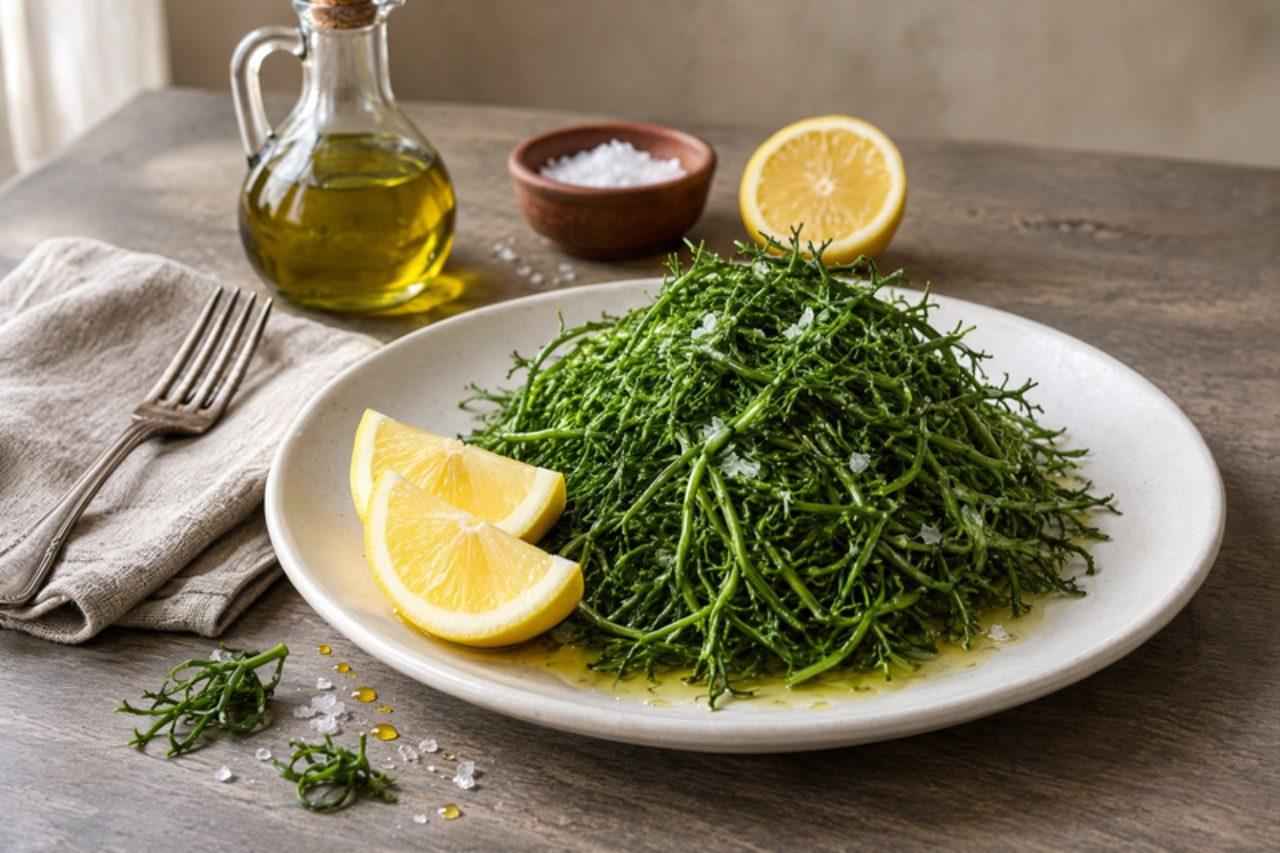
Agretti all'agroSaltwort with lemon

Agretti, also called barba di frate or 'monk's beard', appear in Roman and Tuscan markets for a short season in March and April, tied in bunches that look like thick chives. Blanched for a minute and dressed all'agro, with lemon and good olive oil, they are a juicy, slightly salty spring side for an egg dish, grilled fish or beans. Suitable as part of a balanced diet, they are almost free of starch: about 80 kcal and 3 g carbohydrate per portion. The usual mistake is overcooking them into limp threads; they should keep a crisp, spinach-like snap. Chef's tip: agretti are naturally salty, so taste before adding any salt at all.

by KrazyBadal 0 views

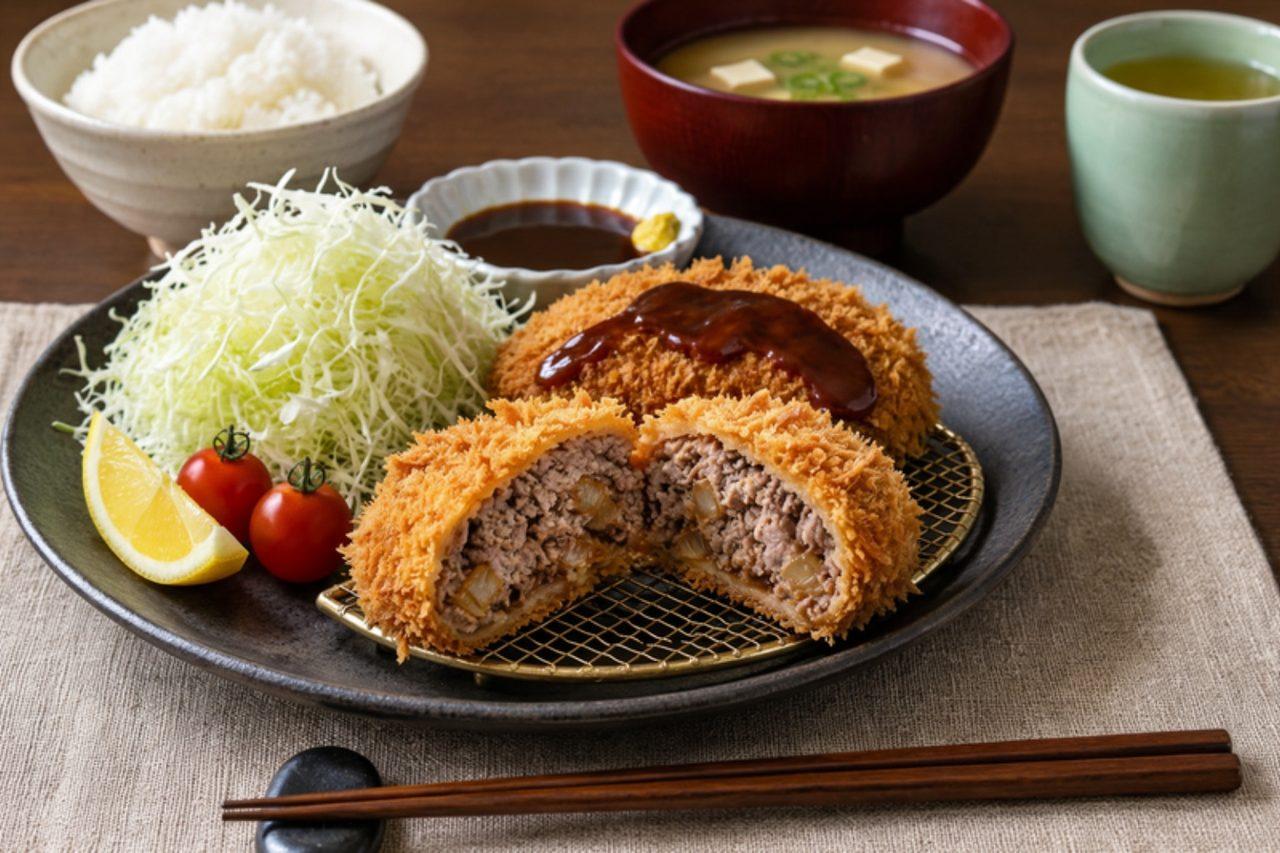
Menchi katsuCrumbed meat patties

Menchi katsu, a juicy mince patty of beef and pork in a crisp panko coat, is sold hot at Tokyo butchers' shops like the famous ones in Kichijoji and packed cold in bento across Japan, with shredded cabbage and a drizzle of tonkatsu sauce. Sweet fried onion makes the inside tender. The common mistake is frying in oil that is too hot, so the crumb burns before the pork and beef in the middle are cooked. Chef's tip: chill the shaped patties for 20 minutes before crumbing so they keep their shape and stay juicy.

by KrazyBadal 0 views

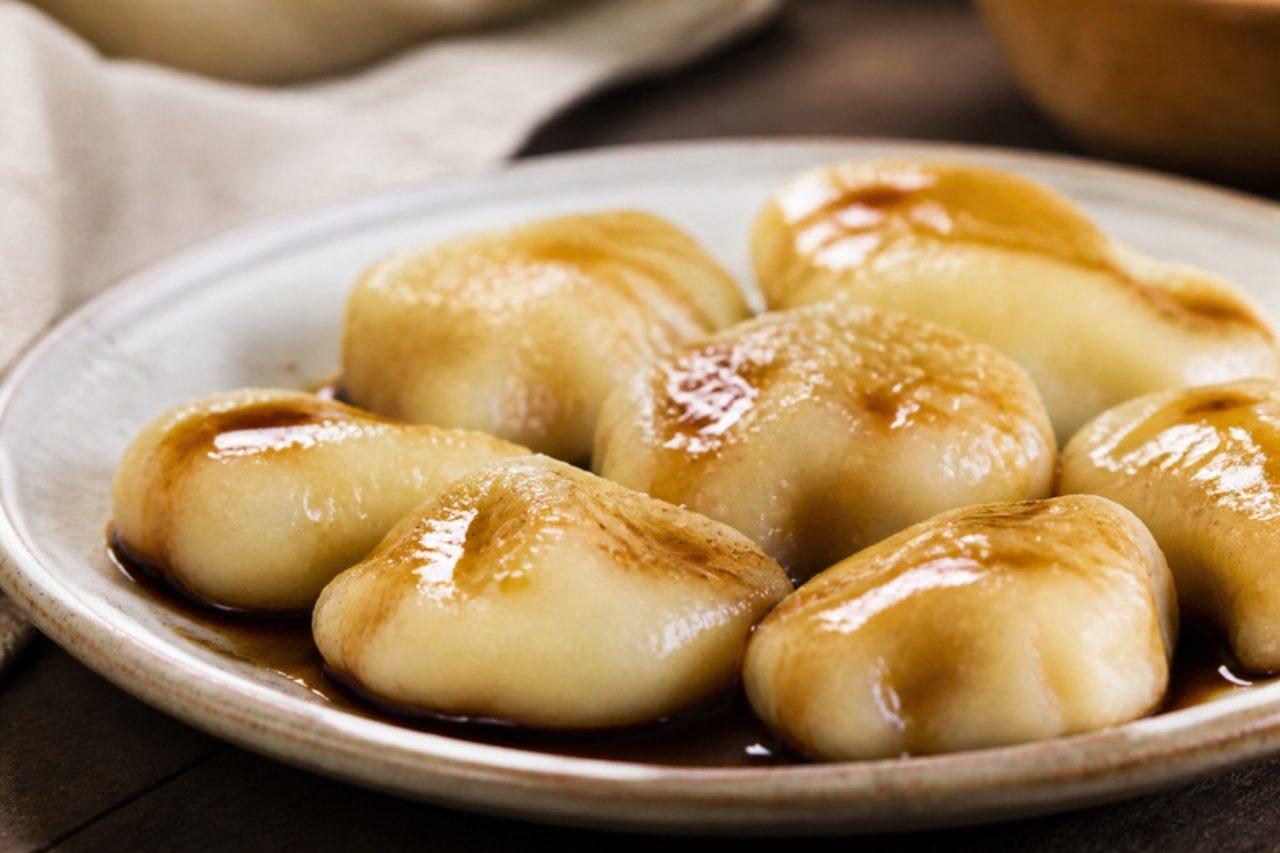
ChapalelePotato dumplings

Chapalele is milcao's softer island cousin: mashed potato kneaded with wheat flour, shaped into flat discs and boiled, so the outside is smooth and slightly chewy and the inside soft. On Chiloé they come out of the curanto, sit next to a stew, or are eaten warm as a pudding with sugar syrup. The classic mistake is adding too much flour to a sticky dough, which makes them heavy and stodgy; dust your hands instead. Chef's tip: use dry, floury potatoes and mash them while hot, and the dough needs far less flour. For a sweet afternoon plate, drizzle them with dark cane-sugar syrup (chancaca) or honey if you eat it.

by KrazyBadal 0 views

Hongzao guiyuan cha (red date and longan tea)

Across southern China, from Fujian to Guangdong, a pot of red dates and dried longan is what mothers and grandmothers put on the stove when the weather turns cold, and it is the classic drink brought to new mothers during zuo yuezi, the month of rest after childbirth. It is also sipped through the winter in the afternoon, or offered to visitors at Lunar New Year because the red dates promise sweetness ahead. The tea is amber-brown, naturally sweet and fruity, with a caramel, smoky depth from the longan and a gentle warmth if you add ginger. The common mistake is simmering whole dates: their skins stay tight and the tea tastes thin. Slit or tear each date so the flesh can give up its sweetness, then simmer slowly. It is ready when the dates are puffed and soft, the longan has swollen and the liquid is the colour of weak tea and tastes of toffee. It is traditionally drunk for comfort and warmth, not as a medicine; it is high in natural sugar, so go easy if you watch your blood sugar, and goji can interact with blood-thinning medicines, so check with a doctor if you take them. Chef's tip: eat the softened fruit from the bottom of the cup with a spoon; nothing is wasted.

by KrazyBadal 0 views

ChauselaRice flour puris

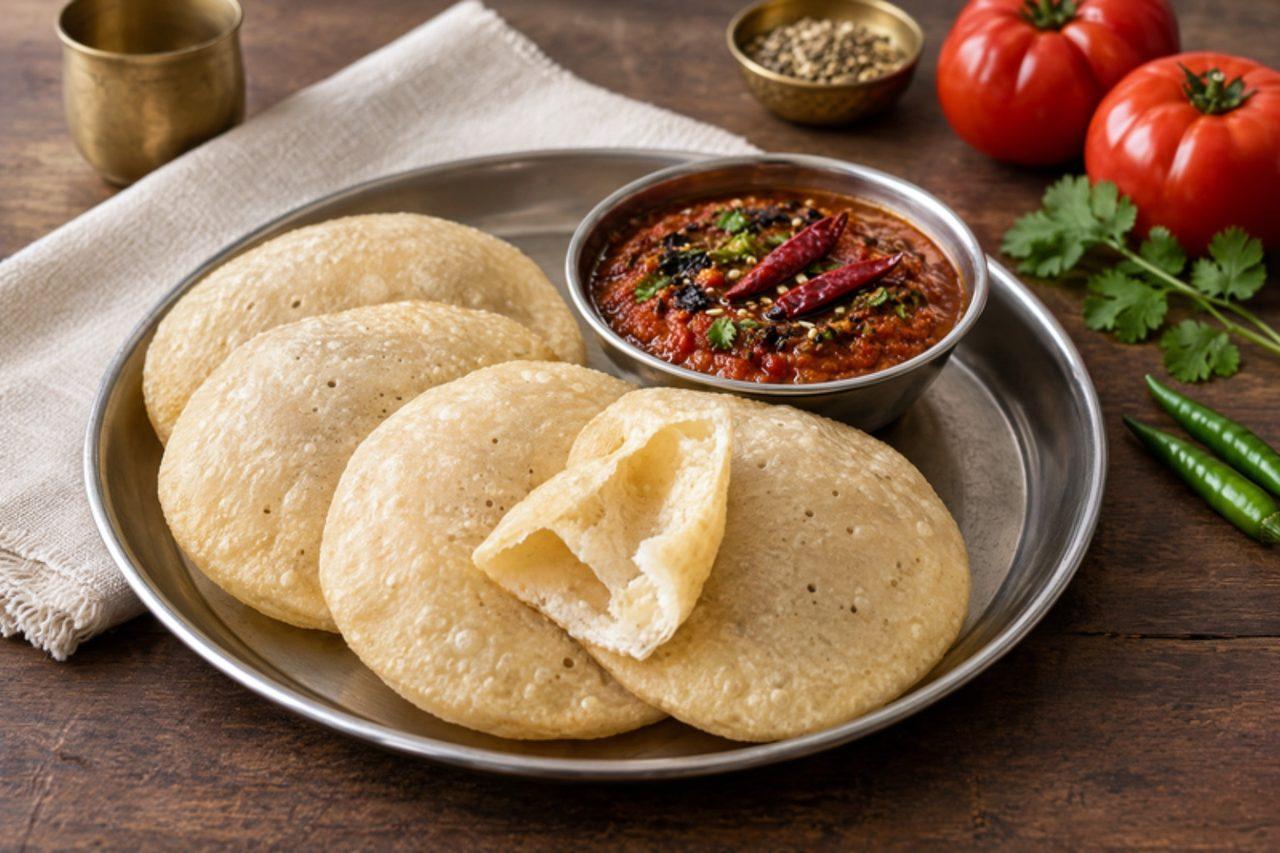
Chausela is the puri of the Chhattisgarh plains, where rice rather than wheat fills the granary, and it turns up at Hareli, Pola and any Sunday breakfast with a sharp tomato chutney or a potato curry. The dough is scalded with boiling water so the rice flour holds together, and the puris fry up pale, soft and lightly crisp at the edges. The usual mistake is mixing the flour with cold water; it cracks as you roll and the puris split in the oil. Chef's tip: knead the dough while it is still warm, using the heel of an oiled palm, and keep it under a damp cloth so the rounds stay supple.

by KrazyBadal 0 views

Dum ka murghSlow-cooked chicken in yogurt and cashews

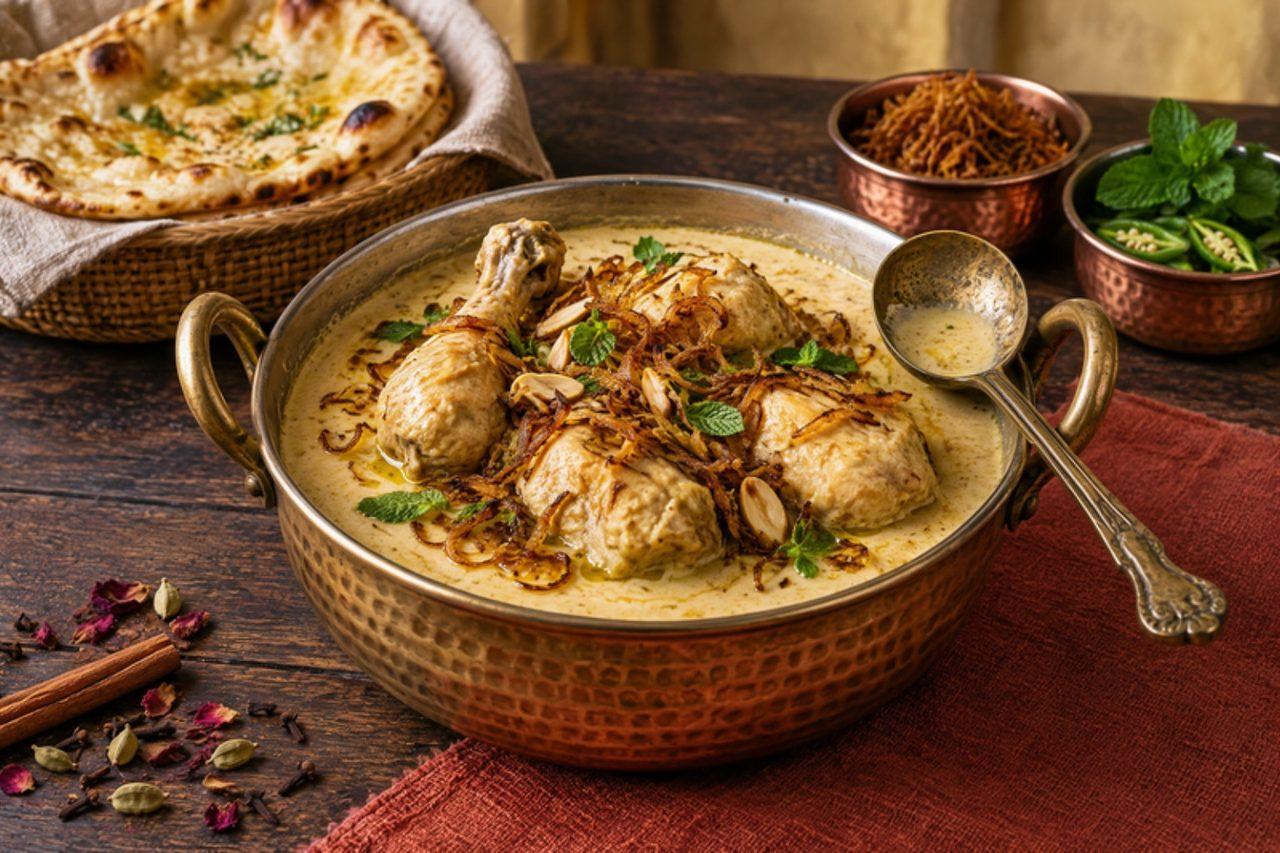
Dum ka murgh is a dish of Hyderabad's Nizami dastarkhwan, still cooked at weddings and Eid lunches: chicken marinated in yogurt, ground cashews, fried onions and whole spices, then sealed in a heavy pot and cooked slowly in its own steam. The gravy is pale, rich and fragrant with cardamom and kewra. The common mistake is opening the lid to check; the steam escapes and the chicken cooks unevenly, so trust the timing and use a heavy pan on a tawa. Food safety: marinate covered in the fridge and cook until the thickest piece reaches 74 °C. Chef's tip: fry the onions slowly to an even deep gold, not brown; burnt birista turns the whole gravy bitter.

by KrazyBadal 0 views

Pucuk paku goreng belacanStir-fried fern shoots with shrimp paste

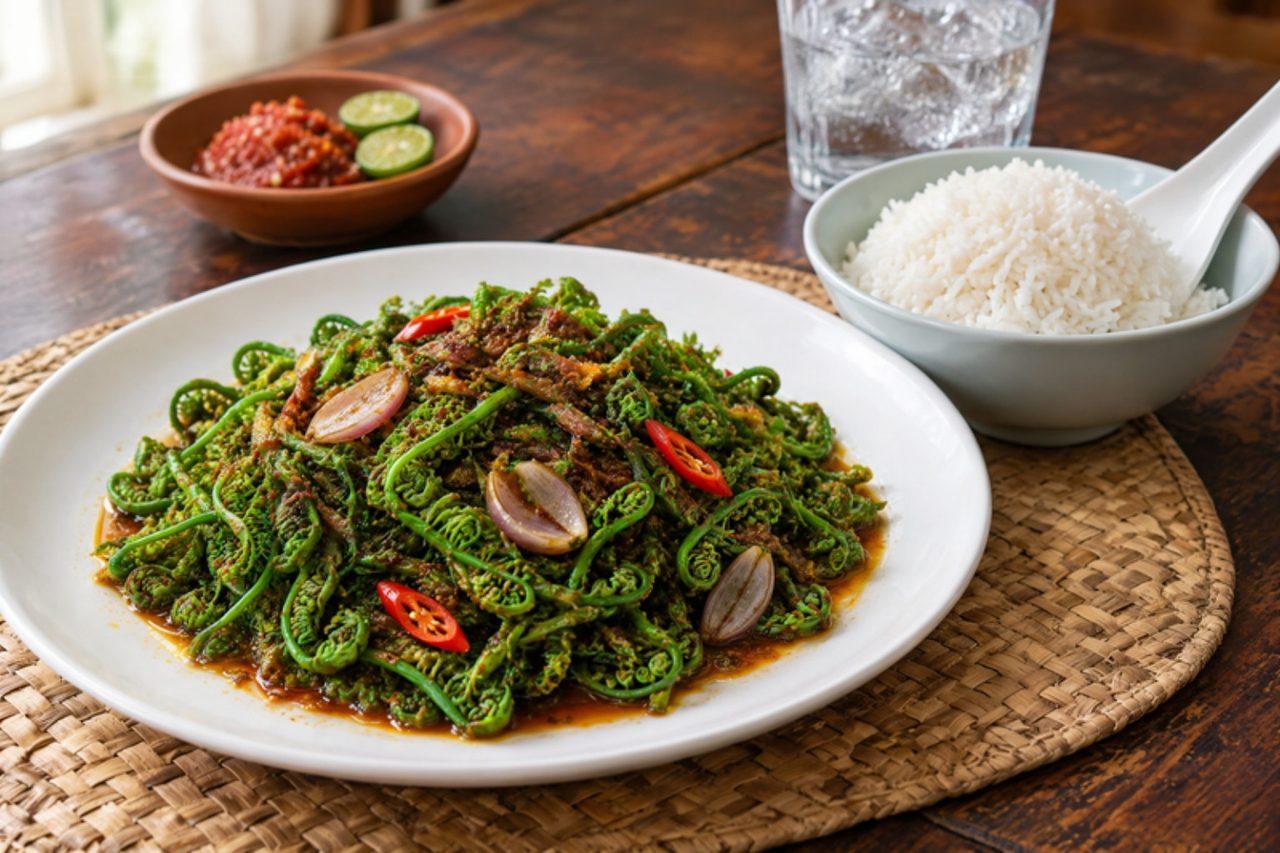
In Sabah, Sarawak and the kampungs of the Malay Peninsula, curly young pucuk paku (vegetable fern) are picked from riverbanks and sold in bundles at every tamu and pasar, and this fiery stir-fry with belacan appears at lunch with rice and fish almost every day. The fronds stay crunchy and green, coated in a punchy paste of shallots, garlic, chilli and toasted shrimp paste. Suitable as part of a balanced diet: leafy greens with no starch. About 110 kcal and 8 g carbohydrate per portion. The usual mistake is undercooking: fern shoots should always be blanched or cooked through, never eaten raw. Fiddlehead ferns or water spinach can stand in. Chef's tip: toast the belacan in a dry pan until it crumbles and smells strongly, then open a window; this is what gives the dish its depth.

by KrazyBadal 0 views

TsukuneChicken meatball skewers

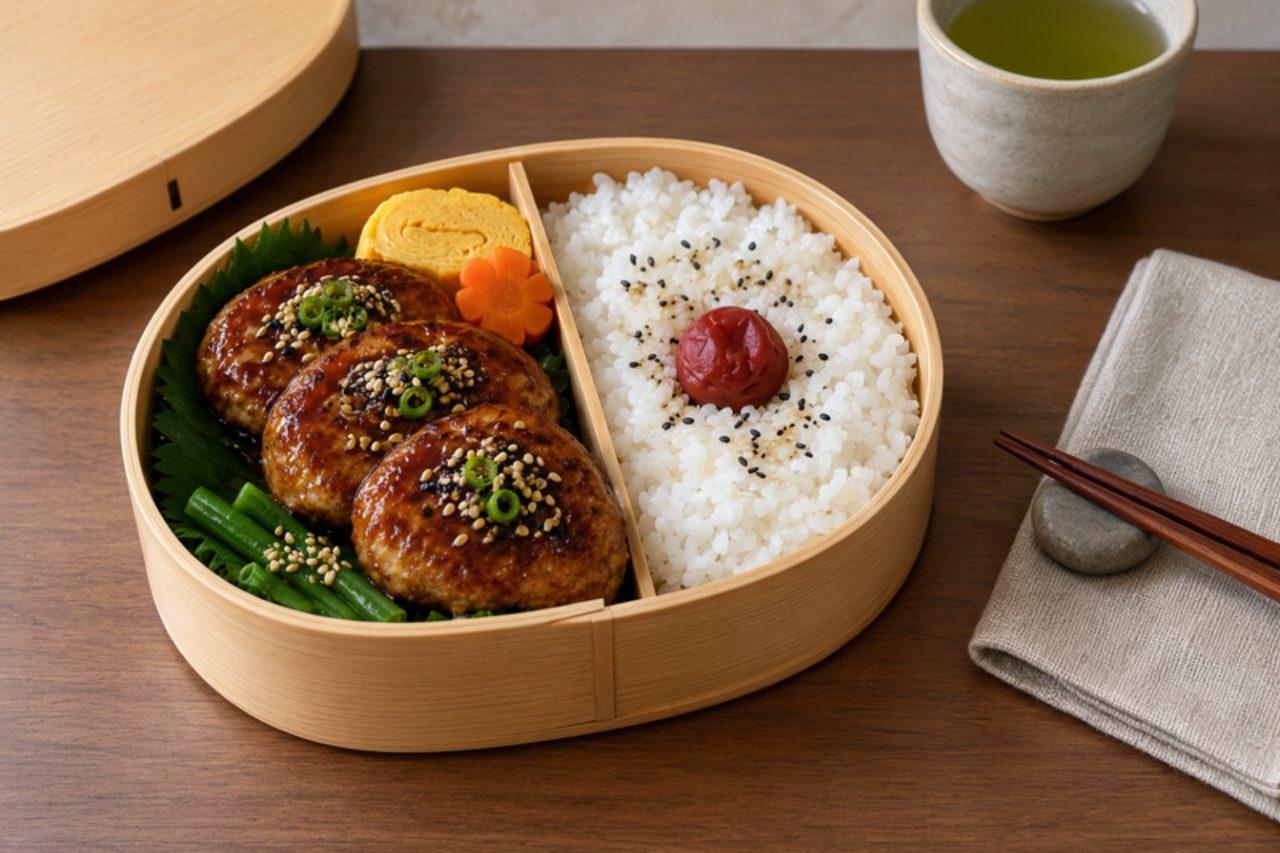
Tsukune are the minced chicken patties of yakitori bars all over Japan, and squashed into small ovals they are one of the most loved bento fillers, eaten cold at school or the office. Ginger and spring onion keep them fresh, and a glossy soy tare makes them sticky and sweet. The tare uses mirin, a sweet rice wine; most of its alcohol cooks off as it bubbles, and for an alcohol-free glaze use 1 tbsp sugar and 2 tbsp water instead. The common mistake is a loose mix that falls apart in the pan; knead it until sticky. Chef's tip: add a spoon of grated tofu or potato starch to the mince, which keeps the patties juicy even the next day.

by KrazyBadal 0 views

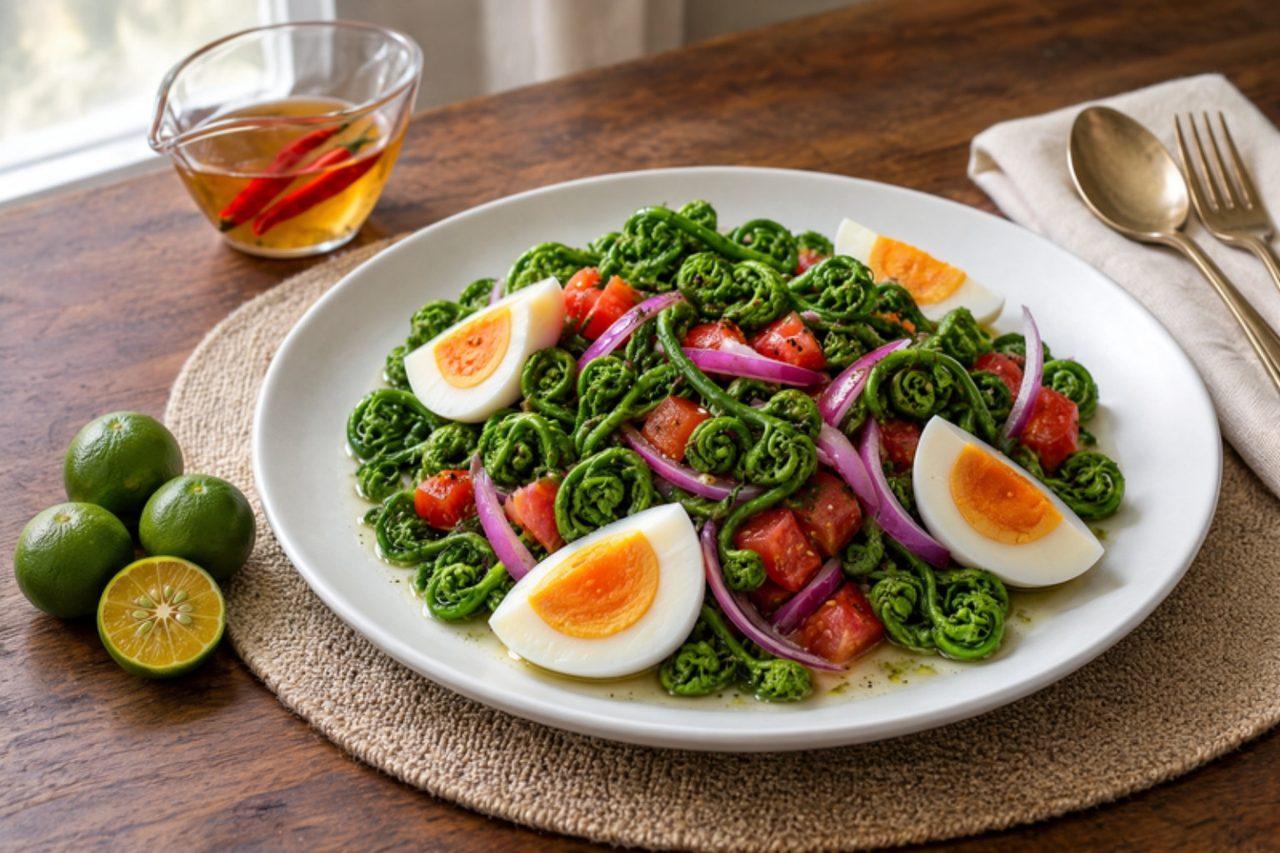
Ensaladang pakoFiddlehead fern salad

Pako, the young curled fronds of the vegetable fern, grow along streams in the Cordillera, Laguna and Mindanao, and in the rainy season they are sold in bundles at roadside stands. Blanched for a moment and tossed with tomato, onion, a calamansi and vinegar dressing and wedges of salted duck egg, they make a crunchy, refreshing side for grilled dishes at lunch. Suitable as part of a balanced diet, it adds greens with some protein: about 120 kcal and 8 g carbohydrate per portion. The usual mistake is eating the fern raw or barely warmed; always blanch it until tender. Chef's tip: plunge the fern straight into iced water after blanching so it stays bright green and crisp.

by KrazyBadal 0 views

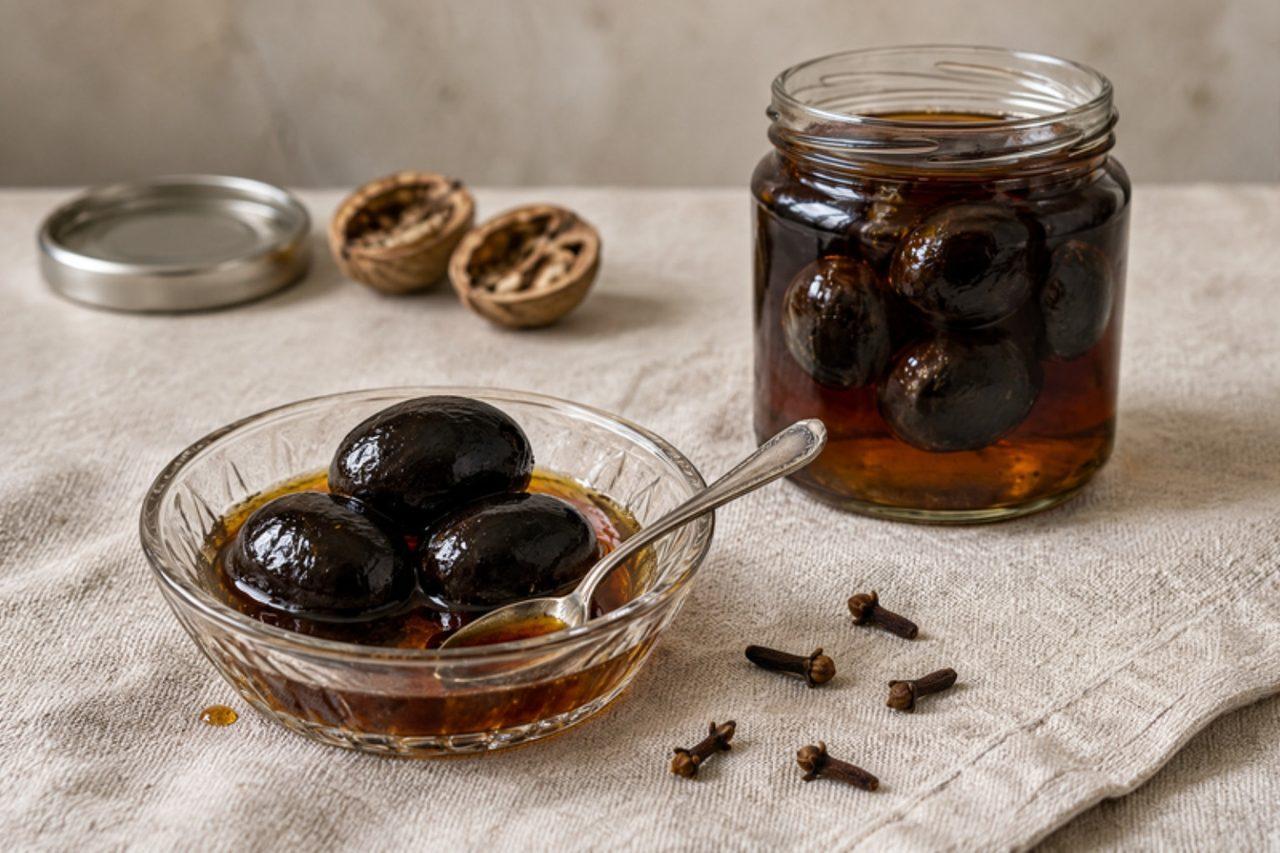
Dulceață de nuci verziCandied green walnuts

Around Sânziene in late June, families in Moldavia and Transylvania climb the walnut trees to gather nuts that are still green and soft, before the shell has begun to form. A week of patient work follows: peeling, pricking and soaking in water changed morning and evening until the harsh bitterness leaches out, then slow simmering in a syrup scented with cloves and lemon until the nuts turn glossy black. The finished dulceață is offered the old way, one walnut on a small glass saucer with a teaspoon and a glass of cold water for a visitor, or with coffee on a winter afternoon. Each nut is tender all the way through with a faint crunch at the heart, tasting of caramel, cloves and something resinous and bittersweet. The decisive mistake is picking too late: if a darning needle no longer slides easily through the centre, the shell is hardening and the nuts will stay woody whatever you do. The syrup is done when a drop holds its shape on a cold plate. Chef's tip: wear gloves for every stage, as green walnut juice stains skin brown-black for days.

by KrazyBadal 0 views

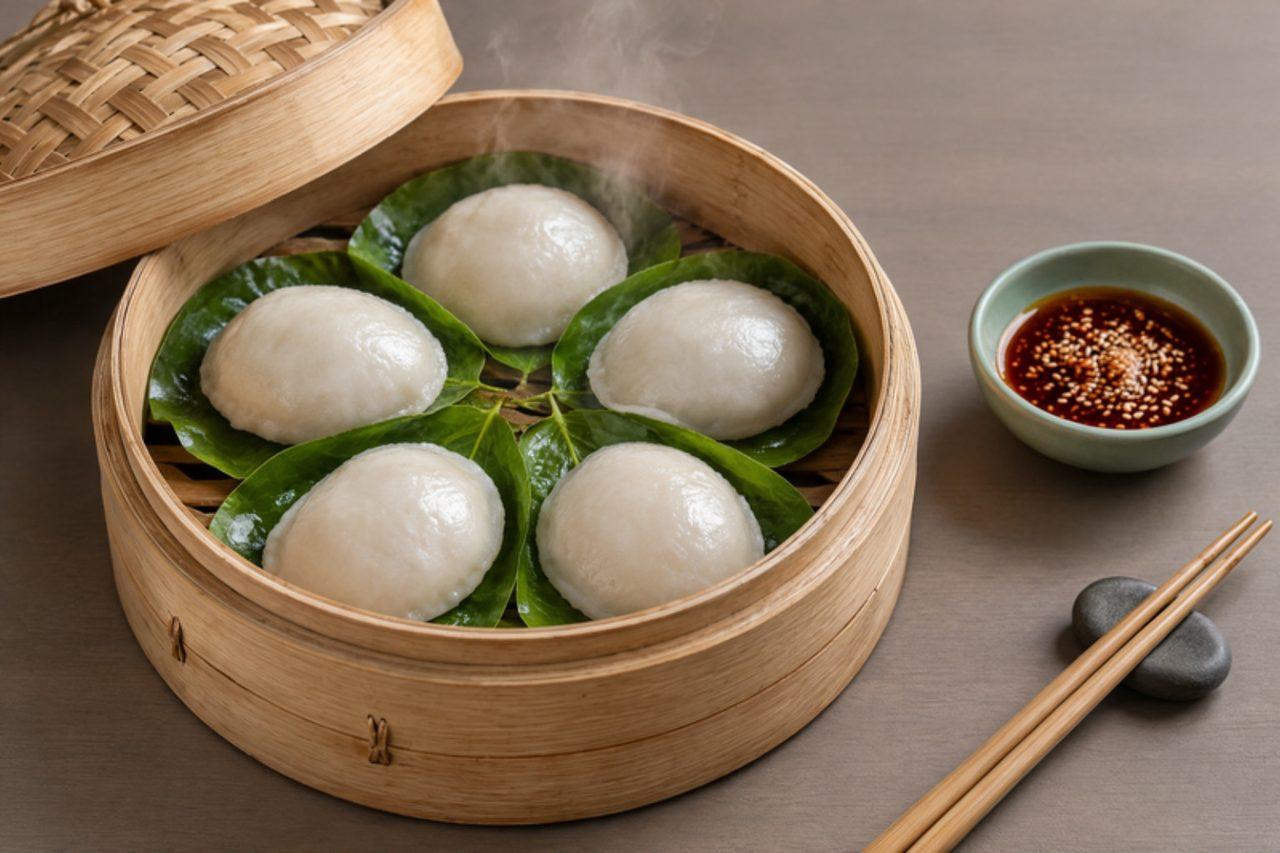
Ye er baSesame sticky rice dumplings

Ye er ba, "leaf cakes", come from Xinjin on Chengdu's southern edge and are sold all over the city in snack restaurants and teahouses, including the busy tea gardens of People's Park, at breakfast and through the afternoon. Each dumpling is wrapped in a leaf, which keeps it moist and adds a faint green fragrance as it steams; the skin is soft and stretchy, the filling a sweet, nutty black sesame paste. Traditional fillings use lard; this version uses coconut oil and is vegan. It contains sesame. Chef's tip: keep the dough as soft as an earlobe; dry dough cracks and the filling leaks out.

by KrazyBadal 0 views

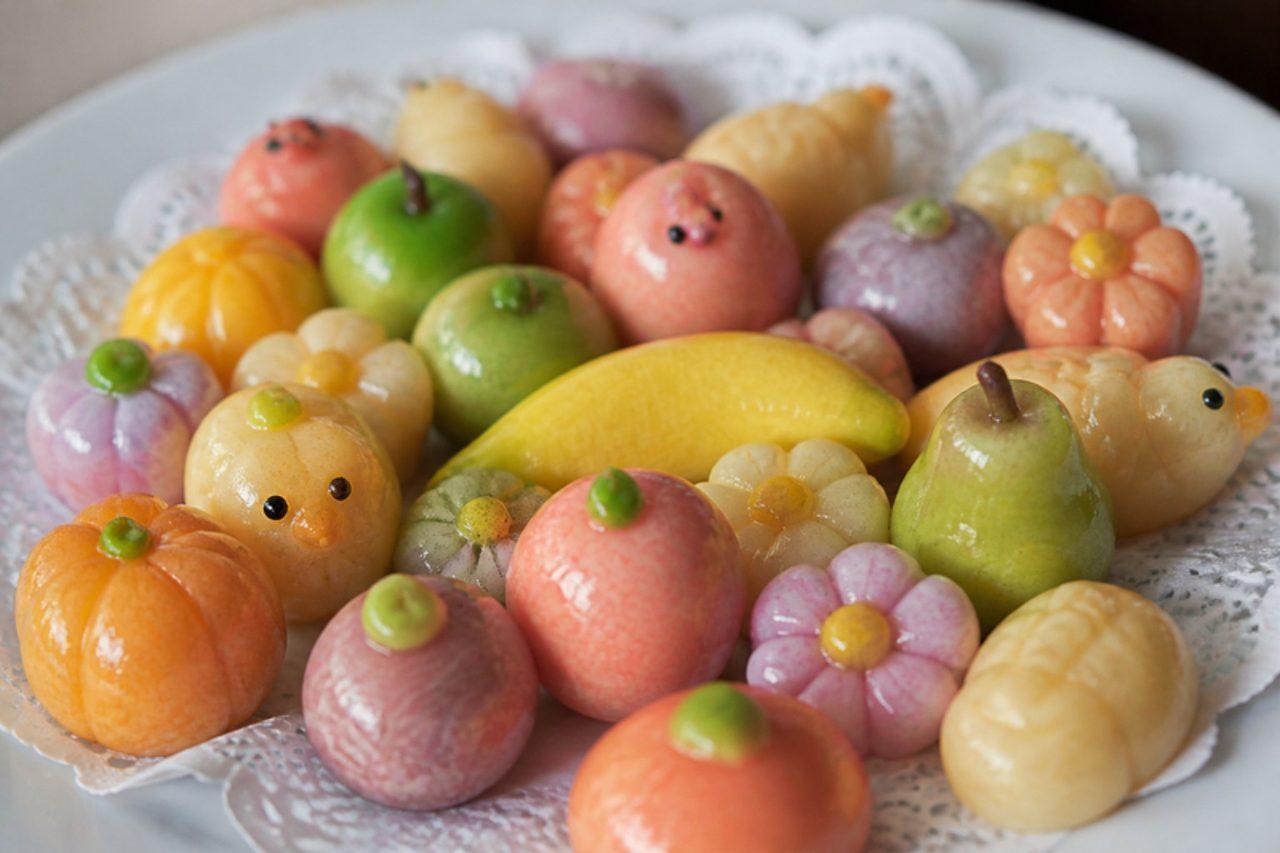
Dulces abrillantadosGlazed milk fudge figures

Walk through the old centre of Mérida and you'll pass windows full of tiny shiny sweets shaped like fruit, flowers and animals: dulces abrillantados, made from milk and sugar cooked down to a fudge, hand-moulded and dipped in syrup that dries to a glassy crust. Families buy boxes to take home from the Andes. They need patience: the shaping is fun, but the milk must be cooked until it truly pulls away from the pan. The common mistake is stopping too early, so the figures flatten. Chef's tip: dust your hands with icing sugar while shaping, and dry the figures overnight before glazing.

by KrazyBadal 0 views

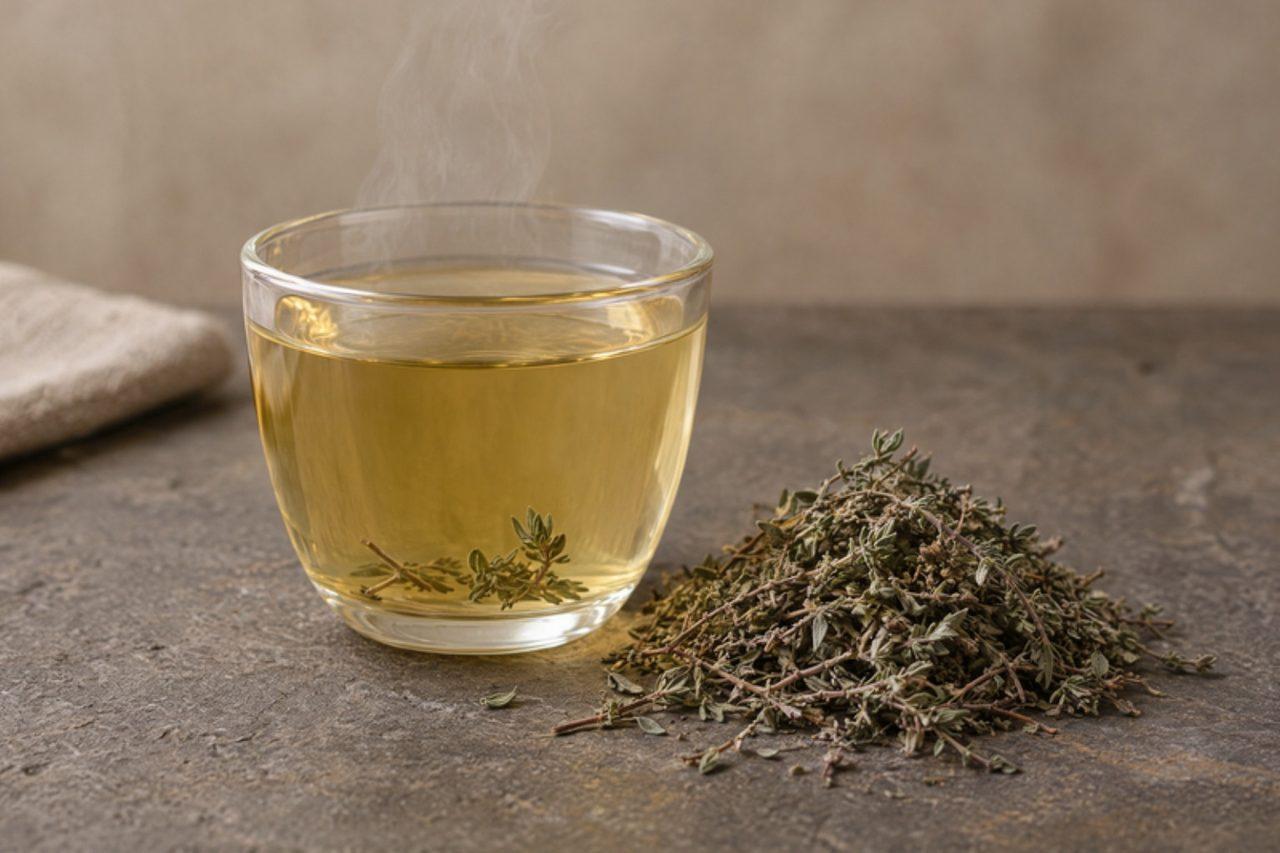
Urts tea (wild thyme tea)

Urts, the wild thyme that carpets the summer meadows around Aragats and Lake Sevan, is picked in June and July when it flowers purple, then tied in bunches and hung to dry. Every Armenian market sells it, and it is the tea served in village homes after a heavy khorovats lunch, in the evening before bed, or with a plate of dried fruit and gata on a winter visit. It brews to a pale gold, smells of summer hillsides and tastes softly peppery and herbal, a little like oregano and lemon. The common mistake is boiling the herb: it turns harsh and medicinal and loses its sweet, floral notes. Pour on water just off the boil and cover the pot so the aromatic oils stay in the tea. It is ready after 5–7 minutes, when the colour is light gold and it smells of thyme the moment you lift the lid. Outside Armenia, use dried wild thyme or a mild garden thyme with flowers, about two-thirds the amount. It is traditionally drunk for a tired stomach or a cough; drink it in normal amounts and check with a doctor if you are pregnant or on medication. Chef's tip: add a few dried mint leaves or a sprig of dried rose petals for a village blend.

by KrazyBadal 0 views

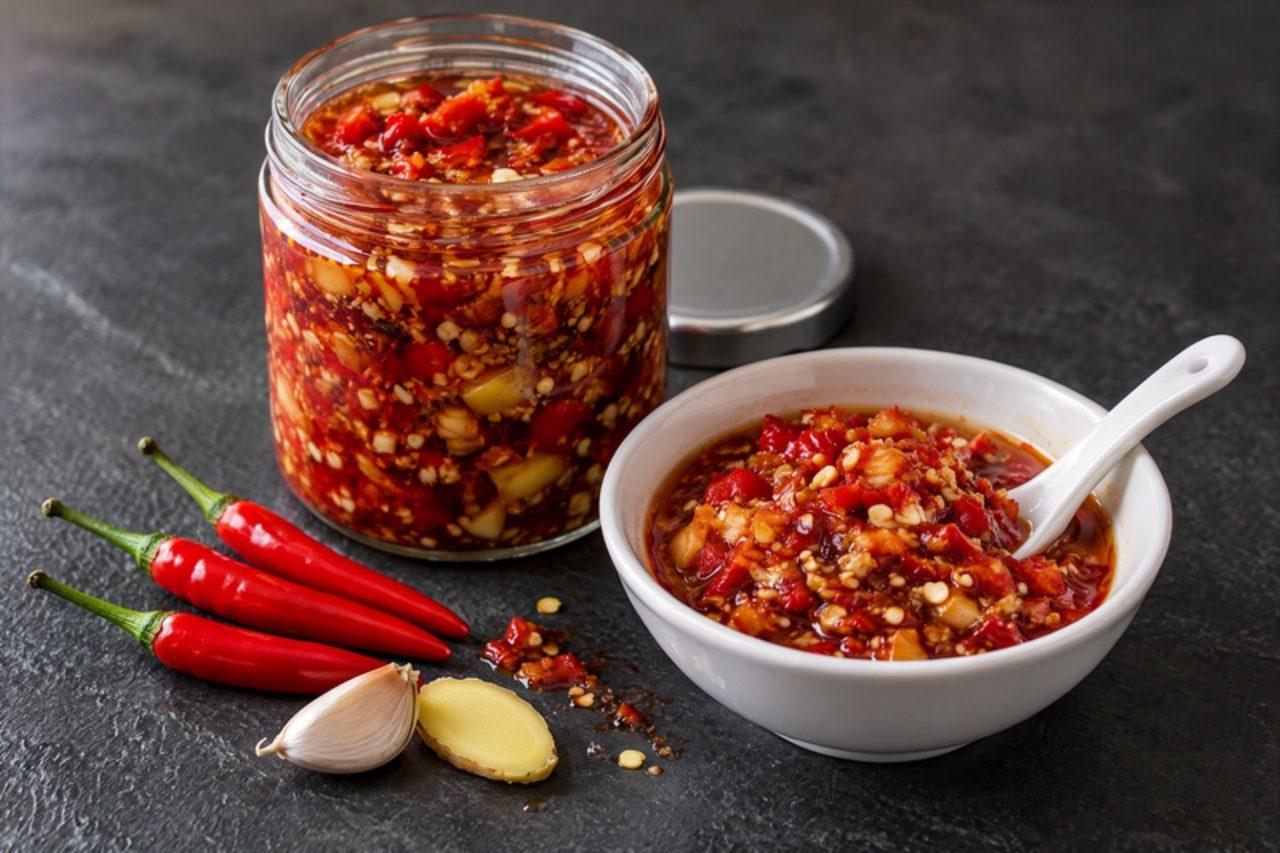
Duo jiaoFermented chopped chillies

In late summer, Hunan kitchens ring with the thud of two cleavers chopping heaps of red chillies, the sound of duo jiao (chopped chilli) being made for the year. Chillies, garlic and ginger are chopped coarse, salted heavily and packed into jars to ferment for about a week, until the heat turns rounder, slightly sour and fruity. Spread thickly over steamed fish fillets, stirred into stir-fried pork or eggs, or spooned over steamed taro, it brings colour as much as fire. Common mistake: chopping it to a smooth paste in a blender; the texture should be rough, pieces the size of rice grains, so pulse briefly or use a knife. Normal ferment signs are a few bubbles, a sour smell and a little liquid rising; a fuzzy coloured mould or a rotten smell means discard. It is ready after 5–7 days at cool room temperature, when it tastes tangy rather than raw. Because it contains garlic and ginger and is a low-sugar paste, it then lives in the fridge for up to 3 months, or in the freezer for a year. Chef's tip: wear gloves and open a window; a kilo of chopped chillies is fierce.

by KrazyBadal 0 views

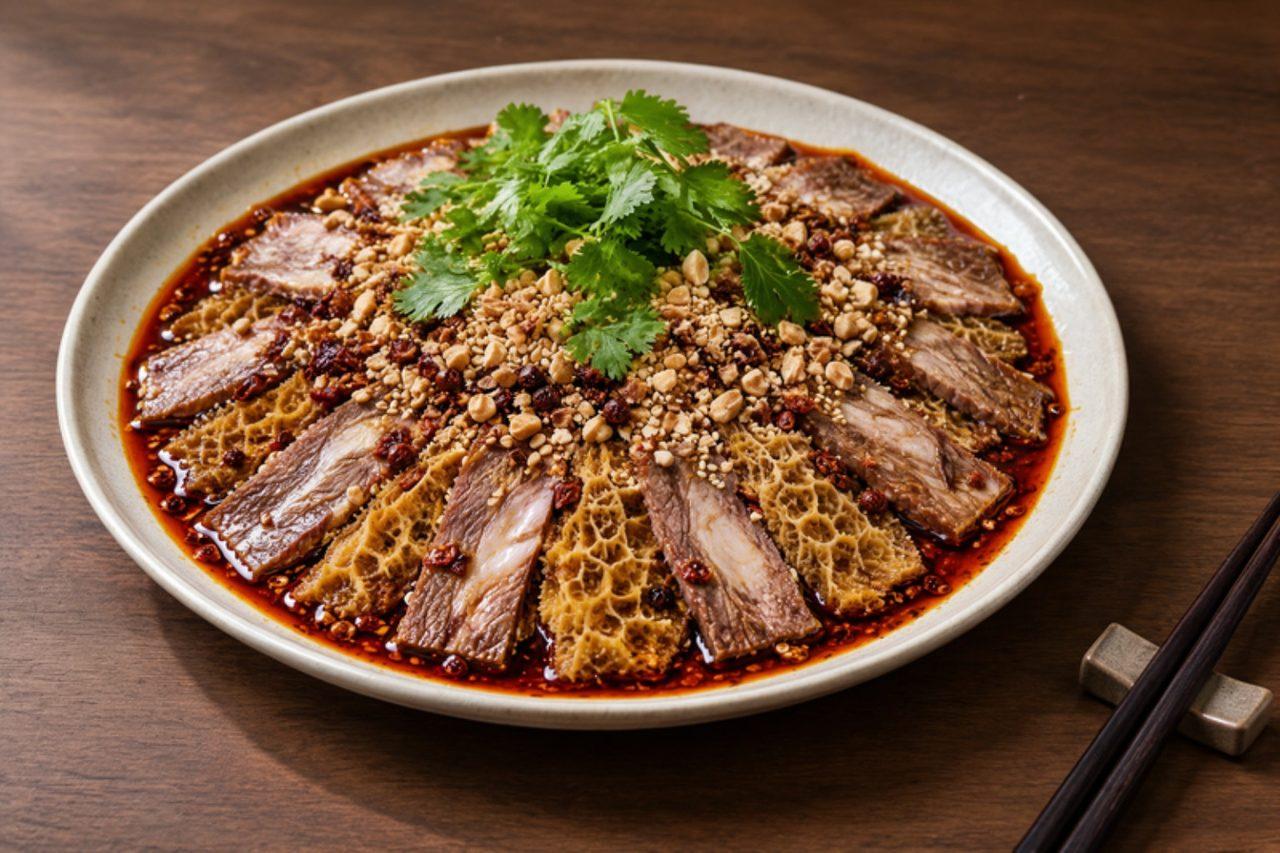
Fu qi fei pianCold beef and tripe

Fu qi fei pian, "husband-and-wife lung slices", takes its name from a couple who sold it from a shoulder-pole stall in 1930s Chengdu; today's version uses no lung, just beef shin and tripe. It is a cold dish, kept in big trays in the old snack restaurants around Chunxi Road and eaten at lunch or as a starter: paper-thin slices glossy with red chilli oil and numbing Sichuan pepper, with crushed peanuts and celery for crunch. It contains peanuts, sesame and soya. Chef's tip: slice the meat only when completely cold, and as thinly as you can; that is what lets the dressing coat every piece.

180 minChineseMeatSpicy
by KrazyBadal 0 views

RosinbollerCardamom raisin buns

In Norway, rosinboller are what a parent bakes on Sunday so the week's lunch boxes have something sweet, and what fills the tables at every school dugnad and bake sale. The dough is enriched with milk and butter and scented with freshly ground cardamom, and the buns are pulled apart soft and golden. The common mistake is using hot milk: anything above blood heat kills the yeast and the buns stay flat. Chef's tip: crush the cardamom seeds yourself just before mixing; the pre-ground powder loses most of its perfume.

by KrazyBadal 0 views

Yuja-cha (citron tea)

Goheung, on the southern coast of South Jeolla, is Korea's yuja country: in November the groves turn gold and families slice the knobbly citrons for yuja-cheong, the honeyed preserve that becomes tea all winter. From December to March a spoonful in hot water is offered to guests, to students cramming late and to anyone with a scratchy throat, as it is traditionally drunk for colds. The tea is sweet, floral and sharp, with soft, chewy strands of peel that you eat at the end with a spoon. The common mistake is leaving the fruit damp or the pith too thick: wet fruit lets mould in, and thick white pith makes the preserve bitter. Scrub, dry completely and pare away any pith thicker than a few millimetres. The cheong is ready after a day or two, when the sugar has dissolved into a clear, glossy syrup around the peel. Keep it in the fridge for up to three months, always with a dry spoon; throw it away if you see fuzzy mould, smell alcohol or it bubbles. No yuja? Japanese yuzu is the same fruit; otherwise use 2 lemons and 2 mandarins. Chef's tip: soak the seeds in a little of the honey and add that liquid back for a silkier syrup.

by KrazyBadal 0 views

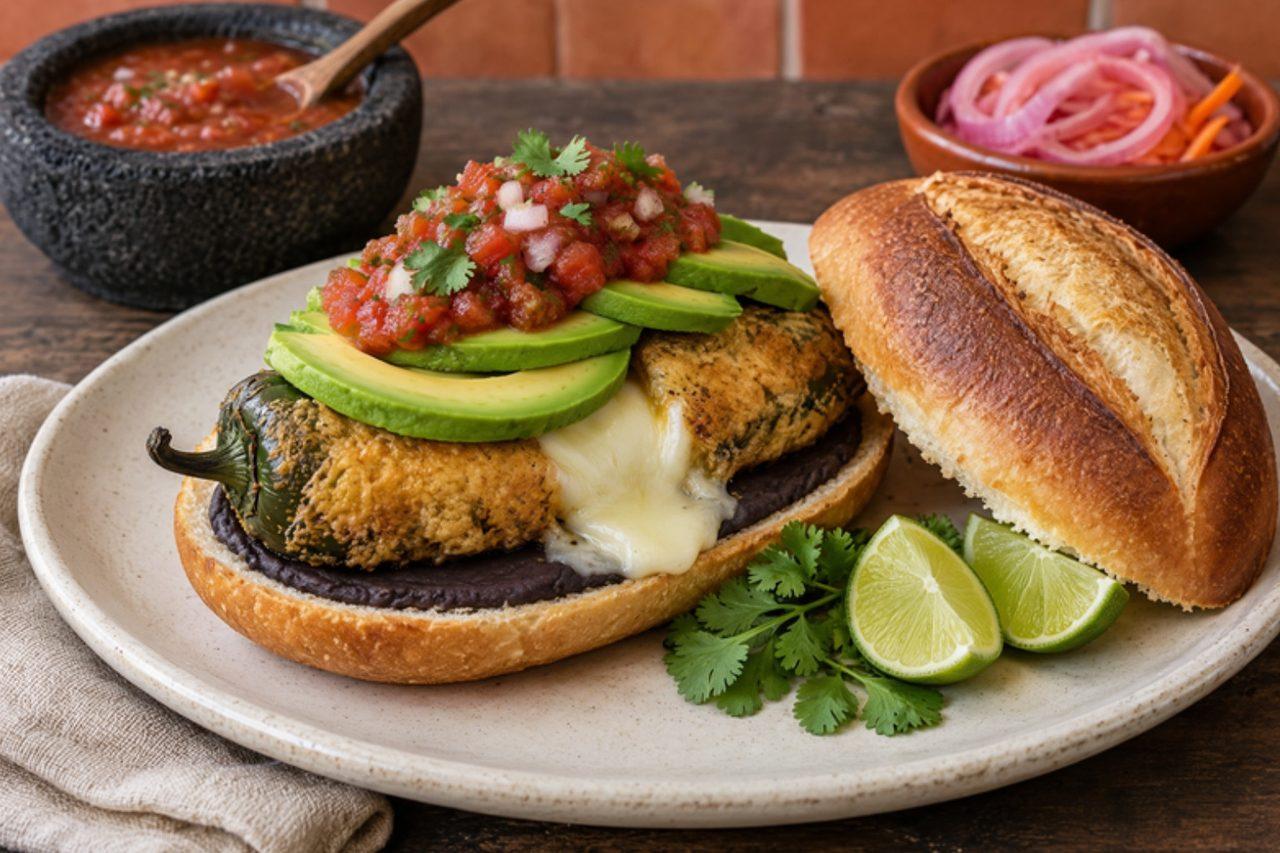
Torta de chile rellenoStuffed poblano sandwich

At Mexico City's torta stands and school gates, the chile relleno torta is the meat-free favourite: a whole poblano, roasted, peeled, stuffed with melting cheese, dipped in fluffy egg batter and fried, then pressed into a bolillo spread with refried beans and salsa. People buy them warm mid-morning or wrap them in foil for lunch. The common mistake is frying a wet chile: the batter slides off, so pat it dry and dust it with flour first. Oaxaca cheese and Monterey Jack are often made with animal rennet, so choose a vegetarian melting cheese, and check the refried beans are made without lard. Chef's tip: beat the egg whites to stiff peaks before folding in the yolks; that airy capeado is what makes it puff and stay crisp.

by KrazyBadal 0 views

Chilcano de piscoPisco and ginger ale highball

When Lima's grey winter finally lifts and summer reaches the beaches south of the city, the chilcano takes over from the pisco sour: lighter, longer and made for an afternoon. Peru even gives it a Semana del Chilcano each January, and it is poured at weekend lunches with chifa or fried fish. This is a highball for adults only: pisco poured over a tall glass of ice with fresh lime and ginger ale, finished with a few drops of bitters. It should taste crisp and fizzy, with the ginger and lime lifting the floral grape notes of the pisco rather than hiding them. The common mistake is using too little ice and warm ginger ale, which gives a sweet, diluted drink that goes flat in minutes. Fill the glass to the top with ice and keep the ginger ale in the fridge until the last second. It is ready when the glass is frosty, the bubbles race up the sides and the bitters drift through the top as a pink haze. Light it may be, but drink responsibly. Chef's tip: try a fruit-infused pisco, made by steeping passion fruit or mandarin peel in the bottle for a few days; Limeños love a chilcano de maracuyá.

by KrazyBadal 0 views

Tarta de zapallitosCourgette and cheese tart

In Buenos Aires every rotisería sells tartas by the slice, and at home a tarta de zapallitos is baked on Sunday evening so that a wedge can go into the vianda (packed lunch) for school and work all week. Zapallitos are round green courgettes; ordinary courgettes work just as well. The common mistake is adding the courgette raw, which floods the pastry; sauté it until the liquid has cooked away. Argentine queso rallado and many hard cheeses are made with animal rennet, so use a vegetarian hard cheese. Chef's tip: bake the tart on a preheated baking tray so the base crisps before the filling soaks in.

by KrazyBadal 0 views

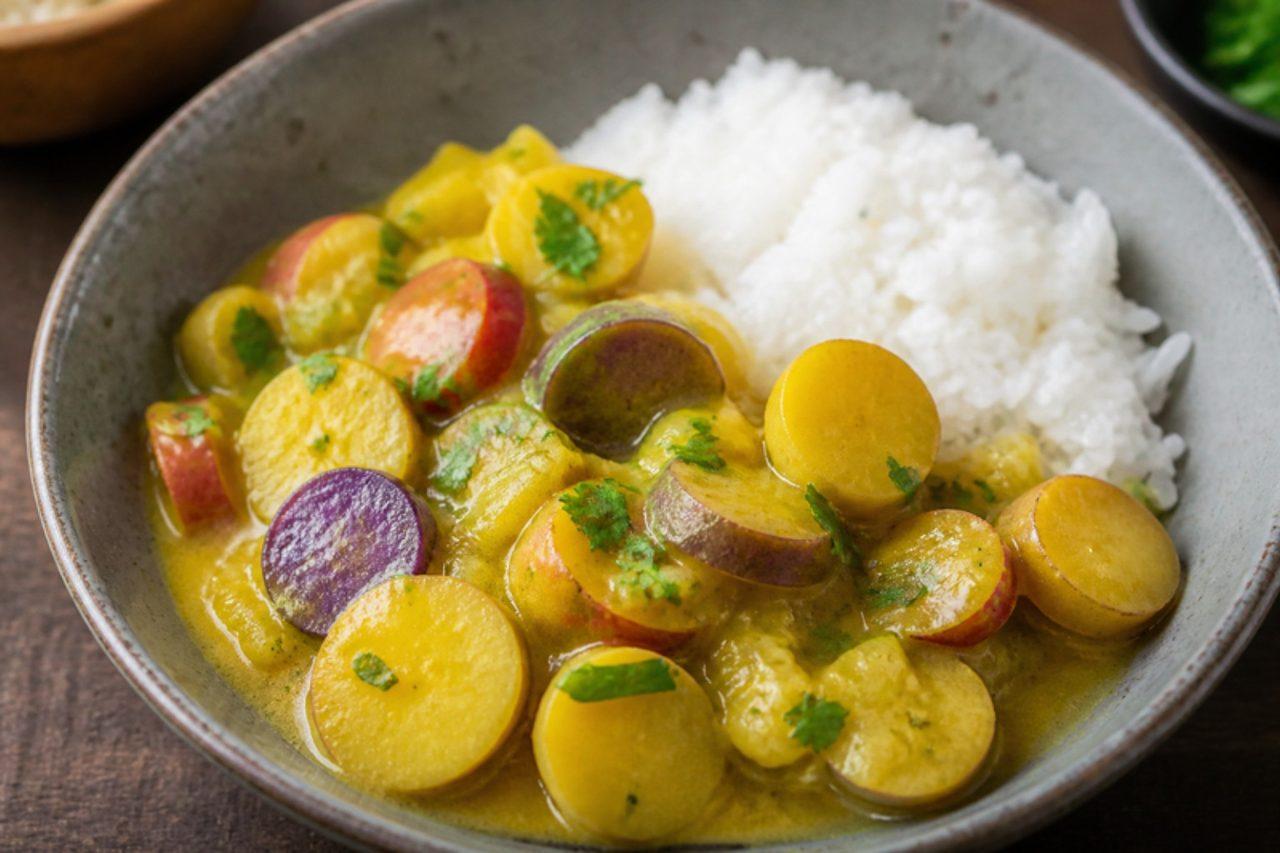
Ají de papalisaUlluco in yellow chilli

Papalisa, the glossy pink-and-yellow tuber called ulluco in Peru, has a crisp, slightly slippery bite that holds up beautifully in this ají from the La Paz highlands. The tubers are cut into fine sticks and stewed with onion, tomato and yellow chilli until tender, then served with white rice and a boiled potato. Highland cooks often add shredded dried beef; this vegan version keeps all the flavour with extra onion and cumin. Look for papalisa fresh or in jars in Latin American shops; waxy new potatoes cut the same way are a fair stand-in. The mistake most people make is skipping the soaking and rinsing, which leaves the sauce gummy. Chef's tip: cut the papalisa into matchsticks as thin as you can, so they soak up the chilli sauce like noodles.

by KrazyBadal 0 views

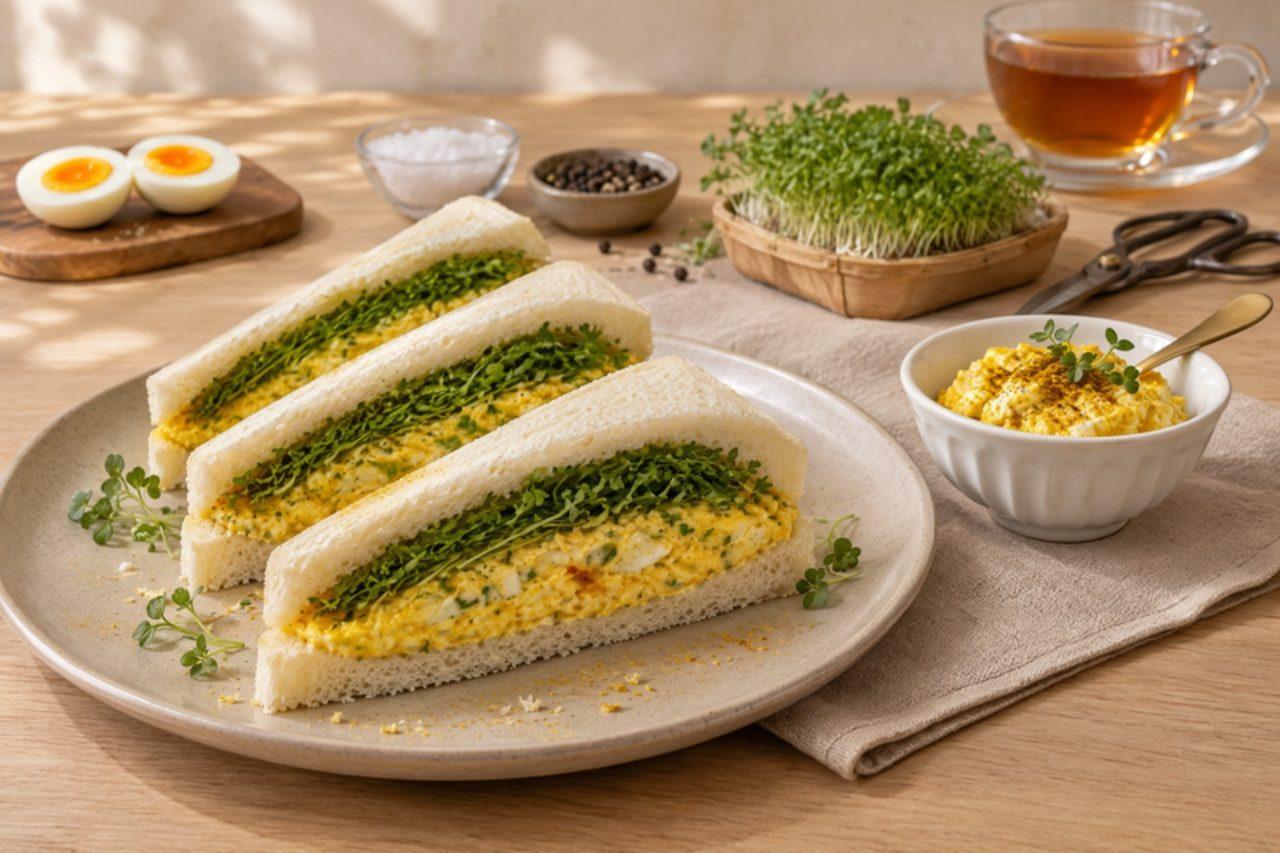
Curried egg sandwich

A school canteen and church-fete favourite across Australia, the curried egg sandwich is soft white or wholemeal bread filled with hard-boiled egg mashed with mayonnaise and a little mild curry powder, often with lettuce or cress. It goes into lunch boxes cut into fingers. The common mistake is mashing the eggs while warm, which turns the mayonnaise oily and the filling runny; let them cool completely. Chef's tip: warm the curry powder in a dry pan for 20 seconds first, and the raw, dusty taste turns sweet and toasty.

by KrazyBadal 0 views

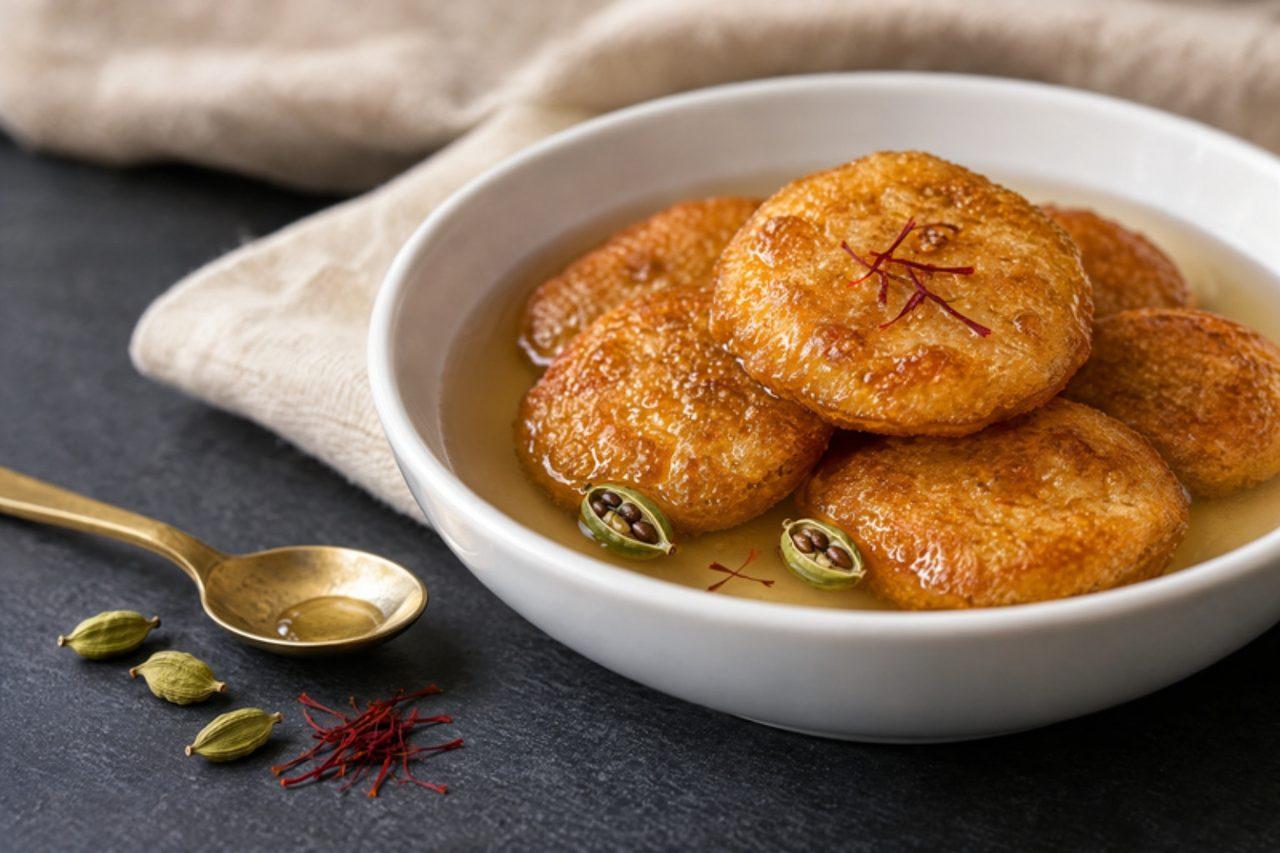
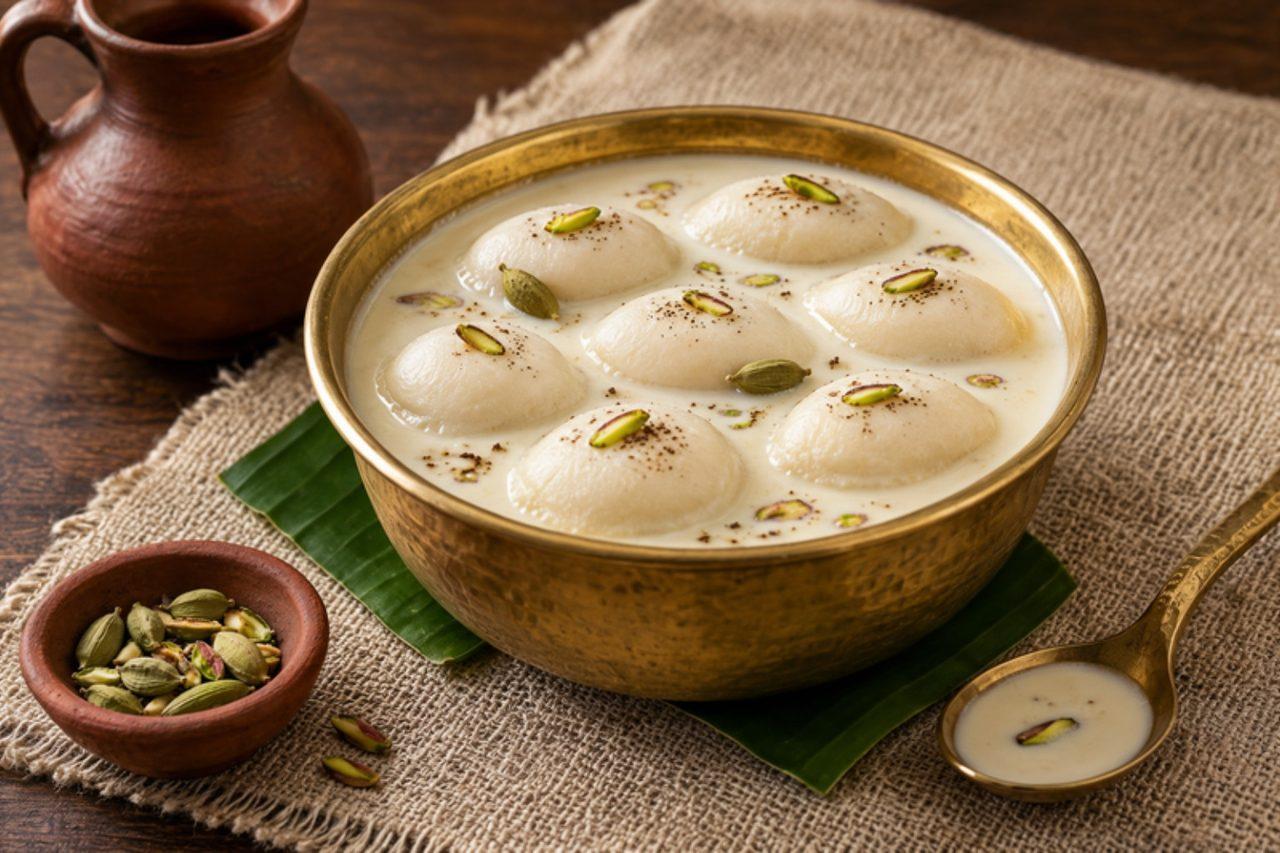
Chhena jhiliFried cheese patties in syrup

Chhena jhili comes from Nimapara near Puri in Odisha, where sweet shops fry these flat, oval chhena patties all day for pilgrims heading to and from the Jagannath temple. They are soft and spongy, golden-brown outside and creamy within, soaked in a thin syrup scented with cardamom, and are eaten at Rath Yatra, weddings and any good-news visit. The common mistake is using dry, crumbly chhena; it should be moist enough to press into a smooth patty without cracks, so hang it for no more than 30 minutes. Chef's tip: fry in ghee rather than oil for the true Odia flavour, keeping the heat gentle so the outside stays golden, not dark.

by KrazyBadal 0 views

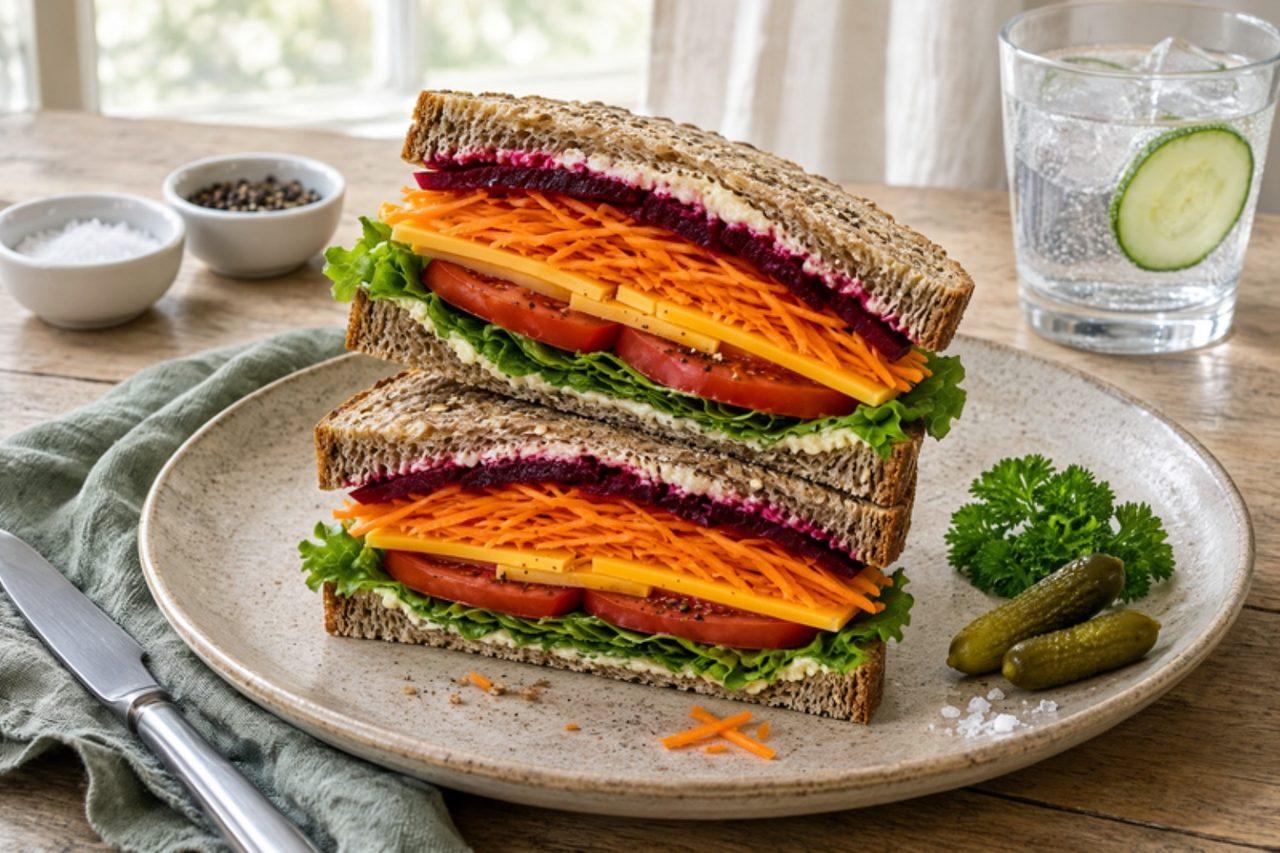
Aussie salad sandwich

The salad sandwich is the backbone of the Australian lunchbox and the school tuckshop order: soft bread built up with tinned beetroot, grated carrot, tasty cheese, tomato and crisp lettuce, cut into triangles and wrapped in paper. Beetroot is what makes it unmistakably Aussie. The common mistake is laying wet beetroot and tomato straight on bare bread, so by lunchtime it is pink and soggy. Many Cheddar-style "tasty" cheeses use animal rennet; choose one labelled vegetarian. Chef's tip: butter both slices to the edge and put the cheese and lettuce next to the bread, with the wet fillings sealed in the middle.

by KrazyBadal 0 views

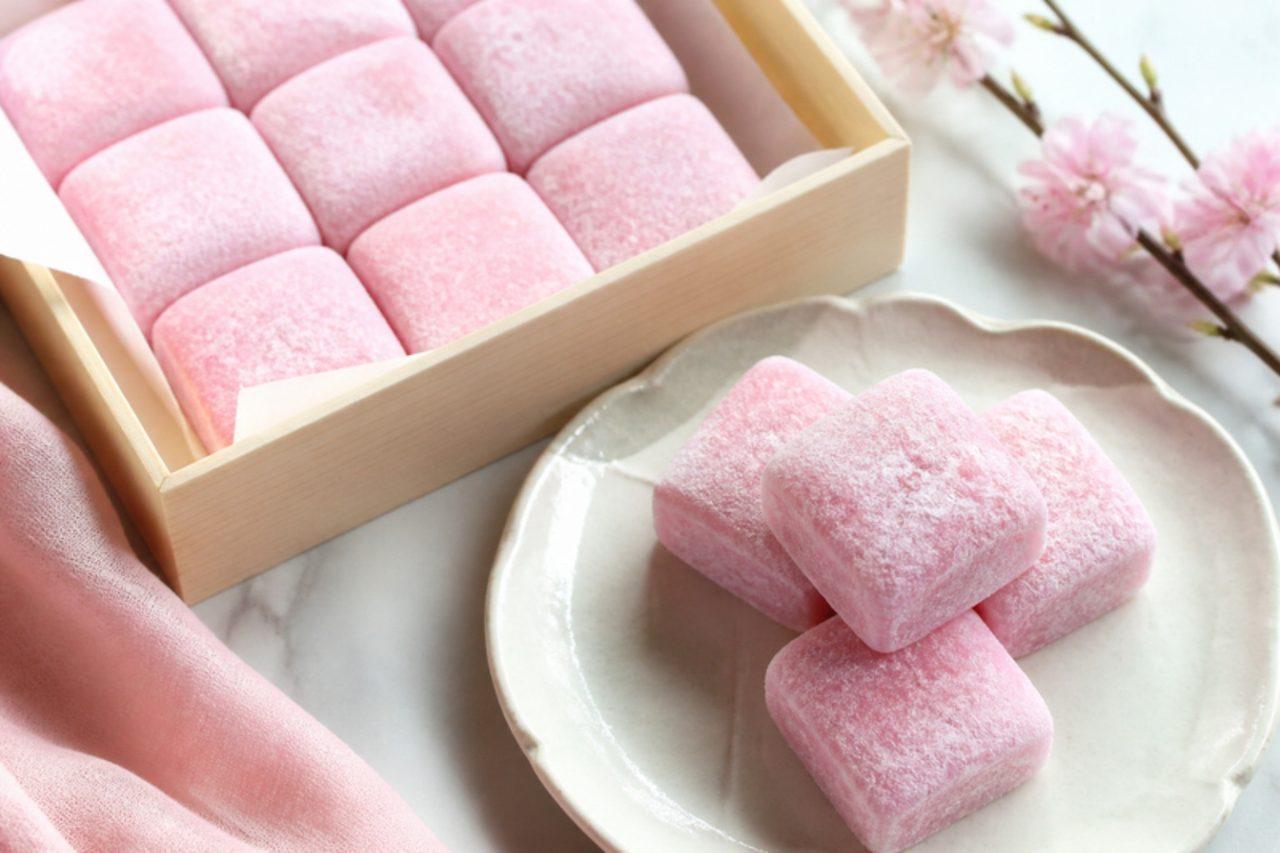
Chichi dangoCoconut milk mochi

Chichi dango are the soft, pastel-pink mochi squares made for Girls' Day, birthdays and graduations in Hawaii's Japanese-American families, and sold in little boxes at manapua shops and crack seed stores in Honolulu. Mochiko (sweet rice flour) is mixed with coconut milk and sugar, baked until set, then cut and dusted with potato starch. They are chewy, milky and lightly sweet. A common mistake is cutting them warm with a dry knife, which tears them; cool fully and use a plastic knife dusted with starch. Chef's tip: wrap the tin tightly in foil while baking so the top stays soft and smooth.

by KrazyBadal 0 views

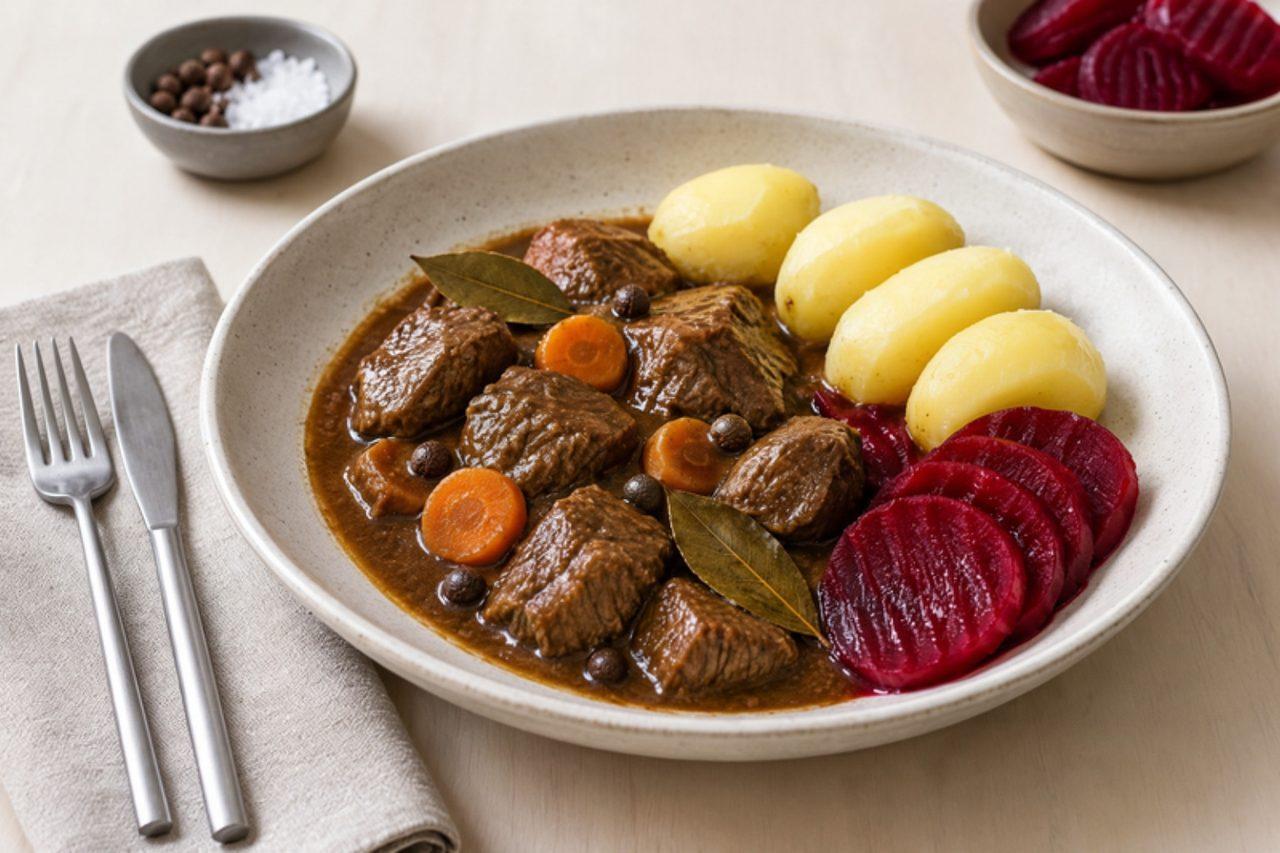
KalopsBeef stew with allspice

Kalops is the Swedish winter stew that fills kitchens from Skåne to Norrland on dark November weekends: chunks of beef chuck simmered slowly with onions, carrots, whole allspice and bay until the sauce turns brown, glossy and lightly peppery. It is always eaten with plain boiled potatoes and a spoonful of sweet pickled beetroot (inlagda rödbetor), whose sharpness cuts the richness. It reheats beautifully, so many families make it a day ahead. The usual mistake is crowding the pan when browning, so the beef steams grey and the sauce never gets its deep colour; brown in batches. Chef's tip: crush half the allspice berries lightly before they go in so the warm clove-like scent reaches the whole pot, but leave the rest whole for a gentler background note.

by KrazyBadal 0 views

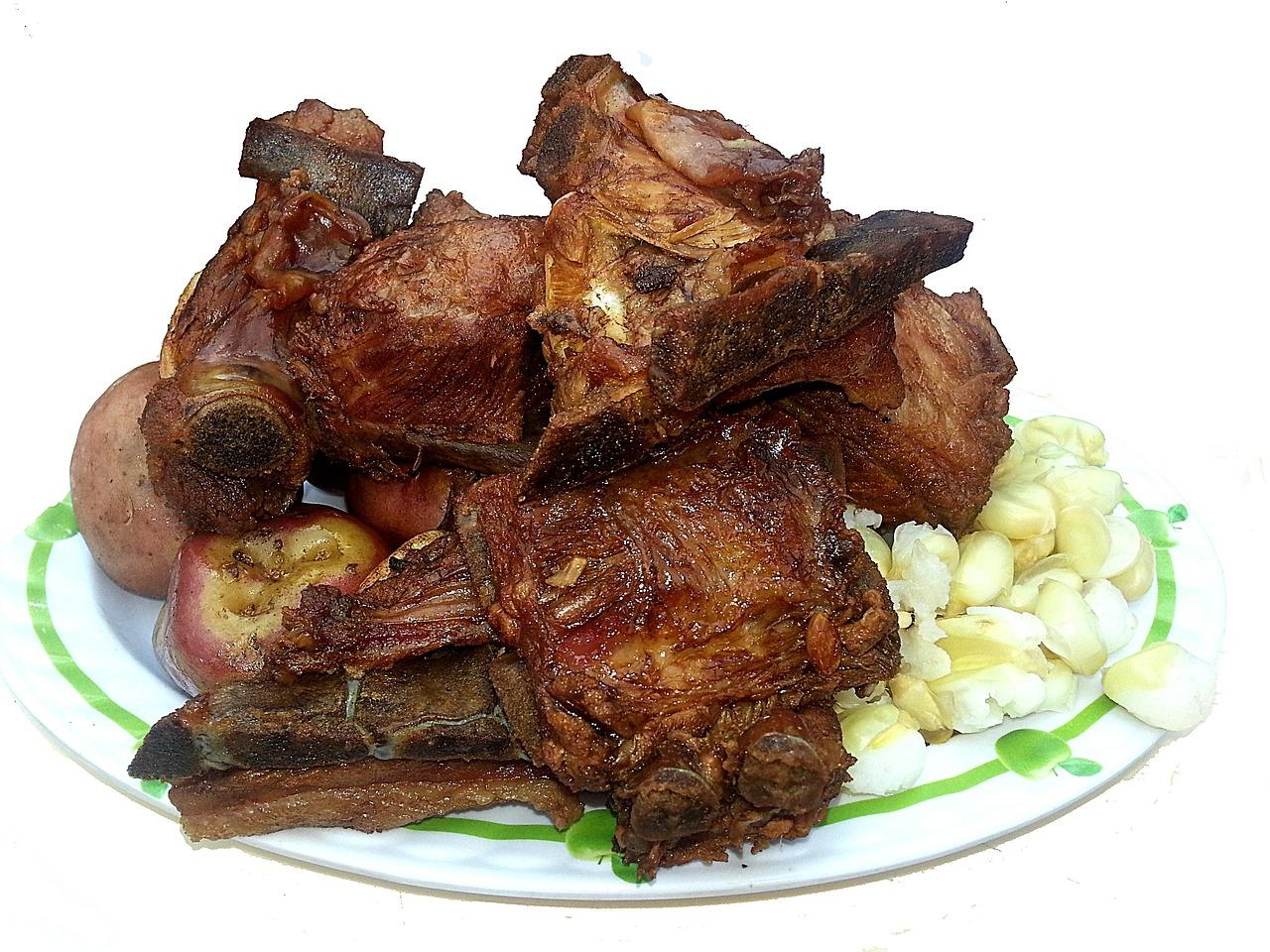
Chicharrón cochabambinoPork fried in chicha

Cochabamba's Sunday chicharrón is pork, cooked the slow way: big chunks of pork rib and shoulder simmered in chicha, the valley's fermented corn drink, with garlic and cumin until the liquid evaporates and the meat fries golden in its own fat. It is eaten with mote (big white corn), boiled potatoes and llajwa. Chicha contains alcohol, and some remains after cooking, so this dish is for adults; for an alcohol-free version use unsweetened apple juice with a splash of cider vinegar. The common mistake is rushing the last stage over a high heat, which burns the outside before the inside is tender. Chef's tip: once the liquid has gone, turn the pieces only every few minutes so a real crust can form.

150 minAndeanMeatGluten free
by KrazyBadal 0 views

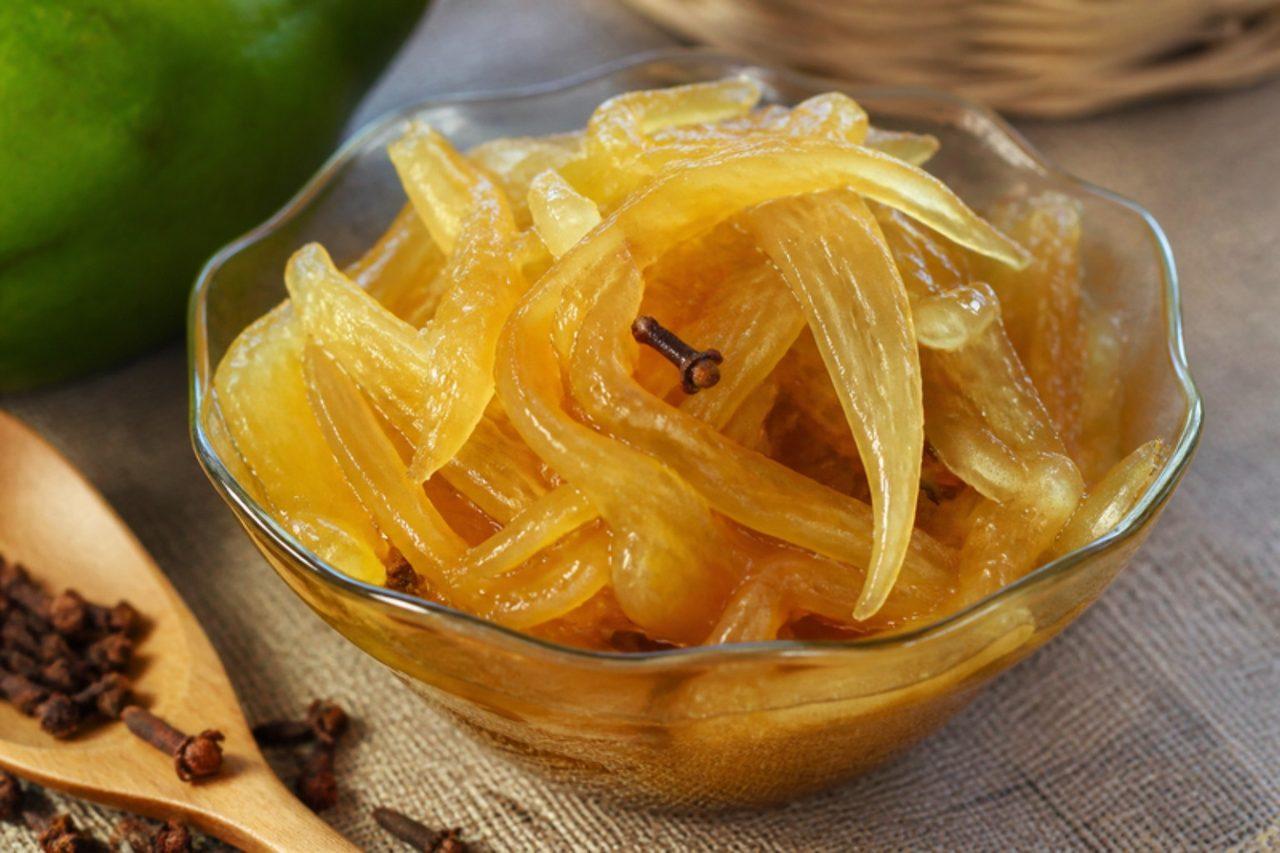
Dulce de lechosaPapaya in clove syrup

No Venezuelan Christmas plate is complete without a spoonful of dulce de lechosa beside the hallaca, pan de jamón and ensalada de gallina: strips of green papaya simmered in a dark panela syrup with cinnamon and cloves until translucent, sweet and gently chewy. Families make big jars in mid-December to share. The common mistake is cutting the strips too thin, so they fall apart in the syrup. Chef's tip: soak the strips in water with bicarbonate for 30 minutes first; it firms them so they keep their shape.

by KrazyBadal 0 views

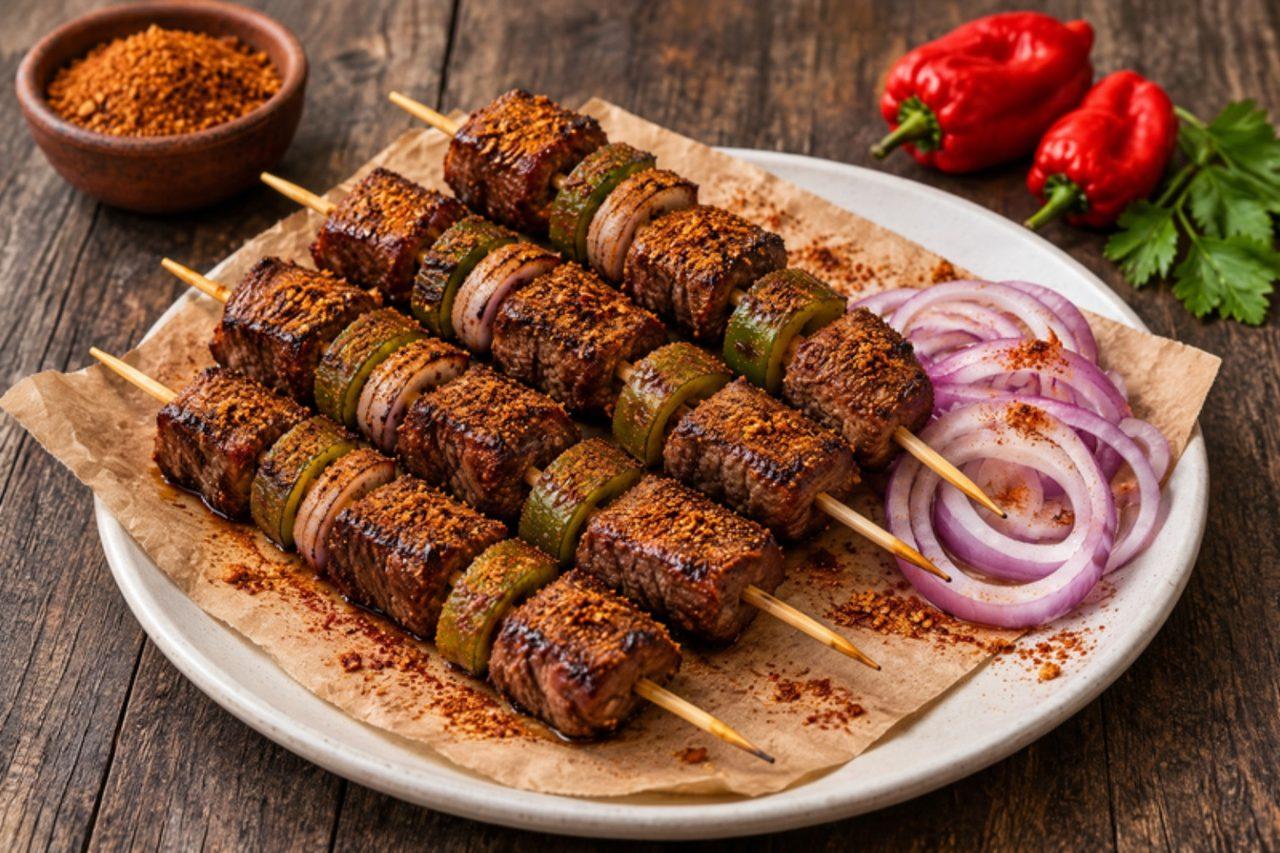
ChichingaSpicy peanut beef kebabs

As the sun goes down on Oxford Street in Osu, Accra, chichinga sellers fan their charcoal grills at the roadside and the smell of spiced beef and roasting peanuts pulls in the evening crowd. The skewers came south with traders from northern Ghana and are close cousins of Nigerian suya: chunks of beef rubbed with a hot powder of ground peanuts, ginger and chilli, grilled with onion and green pepper and eaten with a sprinkle of extra spice, sliced tomato and a cold drink. It contains peanuts. Chef's tip: dust on most of the peanut spice in the second half of grilling; over fierce coals it scorches if it goes on too early.

by KrazyBadal 0 views

Durofrío de mangoFrozen mango milk pops

In the hot streets of Centro Habana, durofríos are sold straight from the front windows of family homes: a few pesos buys a frozen cup of fruit juice or fruit and milk, popped out and eaten on a stick or straight from its paper cup. Children queue for them after school in the long summer afternoons, when the sea breeze has dropped. This version blends ripe mango with milk and lime into a creamy, fruity ice that is firm, as the name says ("hard-cold"), rather than soft like ice cream. Swap the milk for water or guava juice for a dairy-free fruit ice. It contains milk. Chef's tip: make the mix taste a little too sweet before freezing; cold dulls sweetness.

by KrazyBadal 0 views

Chicons braisésBraised endives

Belgian endive, called chicon in Wallonia and witloof in Flanders, is grown in the dark around Brussels and eaten all winter, from November to March. Braised slowly in butter with a pinch of sugar and a squeeze of lemon, the pale heads turn golden, soft and gently caramelised, with only a whisper of their raw bitterness left. Serve them beside mashed potatoes and a fried egg, or as a side for a Sunday roast. The usual mistake is crowding the pan and boiling them in their own water, which leaves them grey and bitter. Chef's tip: lay the heads in a single layer and press a round of baking paper on top, so they steam gently and then brown in the butter once the juices cook off.

by KrazyBadal 0 views

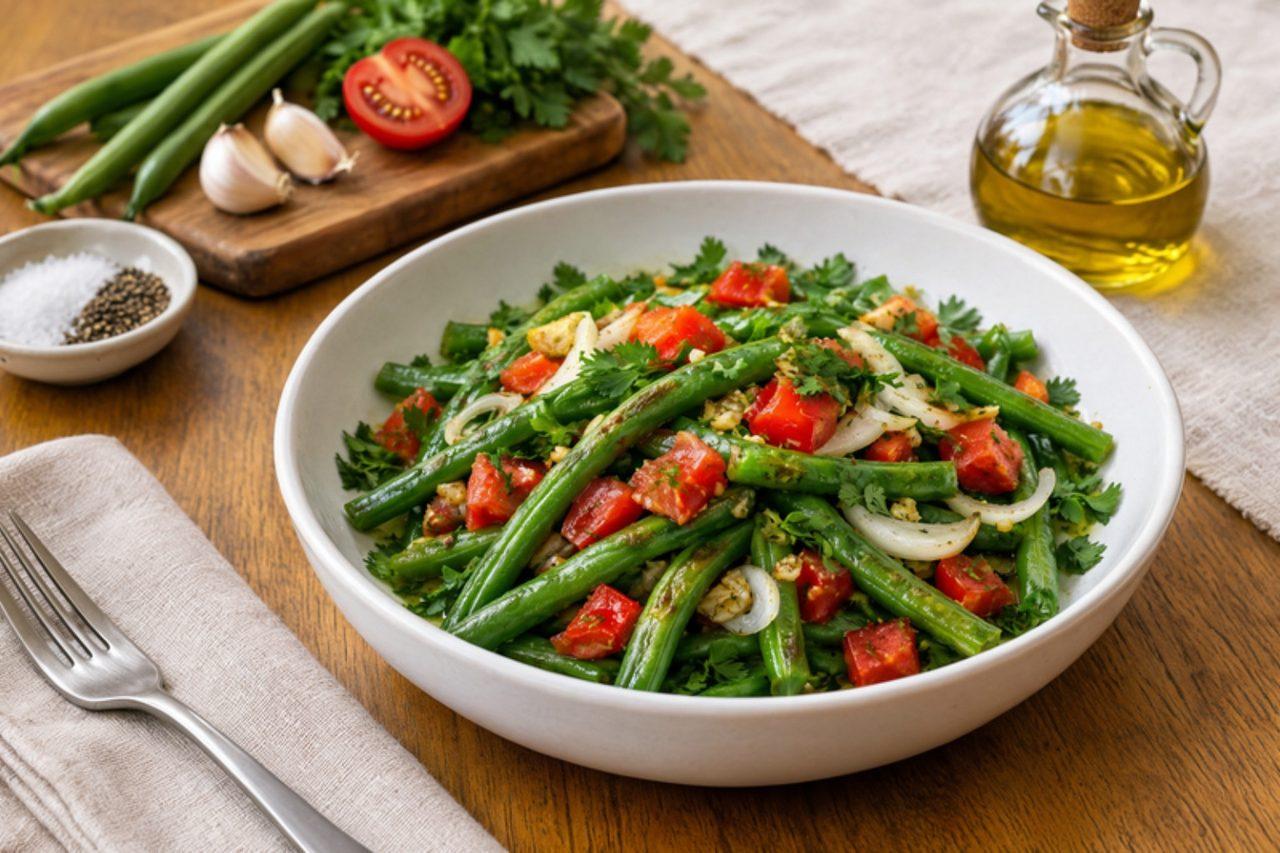
Vagem refogadaSauteed green beans

In São Paulo and Rio, the marmita (lunch tin) that workers carry from home almost always has arroz, feijão, a protein and a simple legume refogado, and green beans cooked with garlic, onion and tomato are one of the most common. Refogar means to sauté gently in oil before the vegetables cook in their own steam. The common mistake is boiling the beans until army-green and floppy; they should stay bright and keep a little snap. Chef's tip: blanch for just 3 minutes, then finish in the pan, so they still taste fresh when reheated at work.

by KrazyBadal 0 views

Matzah

Matzah is the flat unleavened bread eaten at Passover, recalling the Israelites leaving Egypt in too much haste for their bread to rise, and in Israel and Jewish homes worldwide it is also eaten as a crisp everyday cracker with soups and dips. The dough is only flour and water; by tradition it is mixed, rolled and baked within 18 minutes so it cannot ferment. This home version follows that rhythm but is not certified for Passover use. There is no salt: about 0.0 g salt per sheet. The usual mistake is rolling too thick, which gives a tough, chewy bread; roll until you can almost see the counter through it. Chef's tip: prick the dough all over with a fork before baking so it stays flat and blisters evenly.

by KrazyBadal 1 views

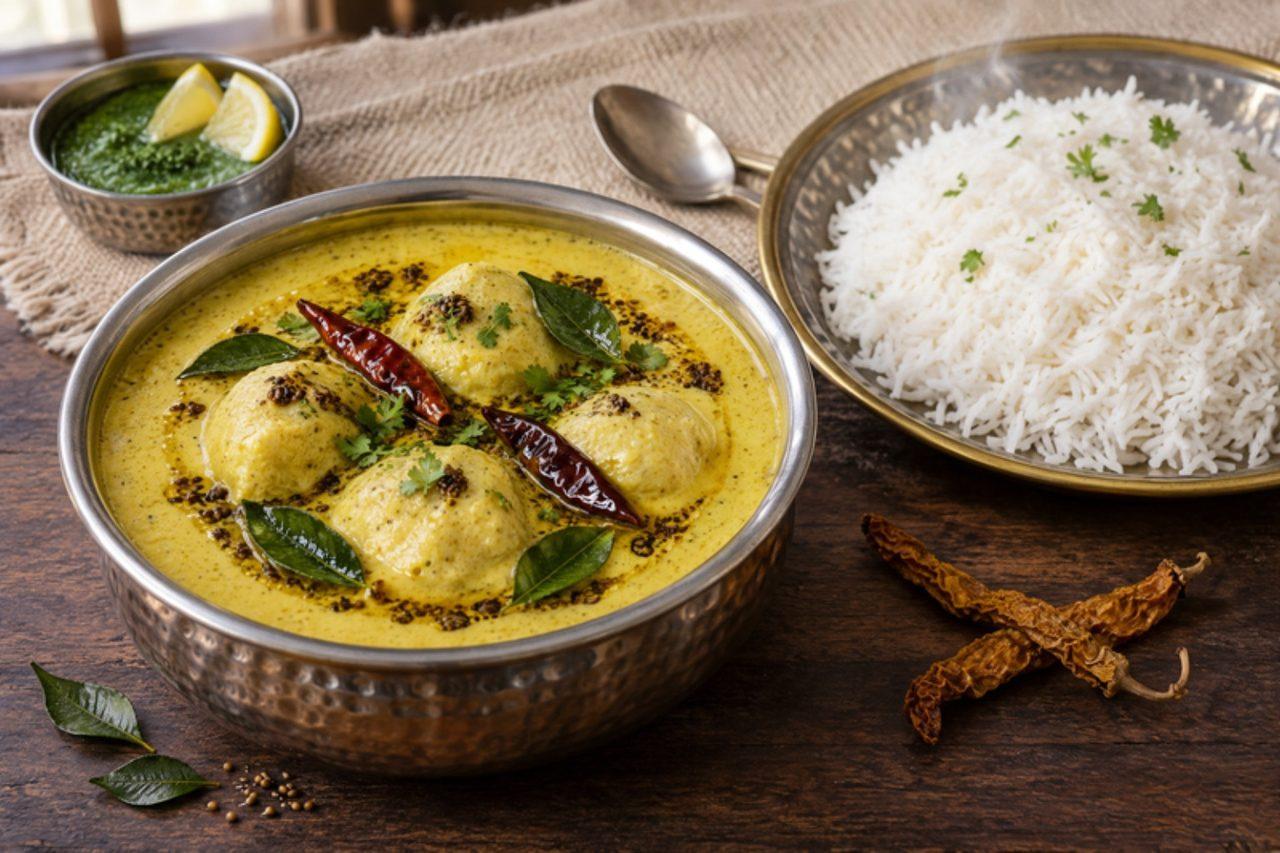
Dubki kadhiUrad dal dumplings in curd curry

Dubki means a dip, and in this Chhattisgarhi kadhi the spiced urad dal batter is dropped raw straight into the simmering curd so the dumplings cook in the pot rather than in hot oil. It is the lighter, everyday cousin of pakora kadhi, served with rice at lunch across Durg and Raipur and at village feasts. The common mistake is dropping the batter into kadhi that is barely warm; the dumplings fall apart, so the kadhi must be at a lively simmer. Chef's tip: whisk the batter by hand for a full 3 minutes until a spoonful floats in water, and the dumplings will be airy, not dense.

by KrazyBadal 0 views

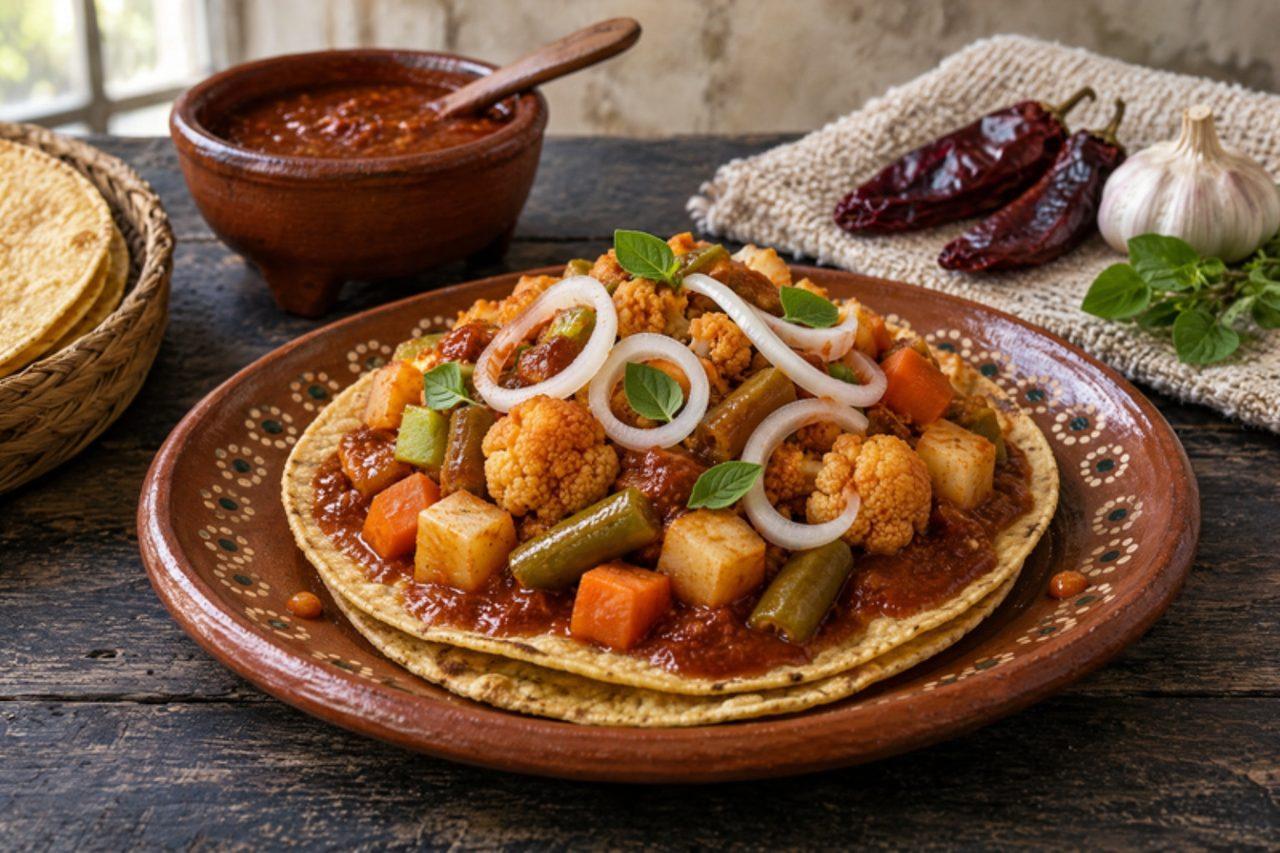
Chileajo de verdurasVegetables in guajillo garlic sauce

Chileajo is a cold dish of the Mixteca and the Oaxaca valley markets, sold from big clay bowls on Sundays and during Lent, and piled onto crisp tostadas at family fiestas. Potatoes, green beans, carrots, chayote, cauliflower and peas are cooked just tender and folded into a brick-red sauce of guajillo chiles, plenty of garlic, cloves and vinegar, then left to soak up its tangy, smoky heat. It keeps for days and improves as it sits. The usual mistake is overcooking the vegetables before they meet the sauce, so they turn mushy once mixed; they should still have a little bite. Chef's tip: toast the chiles only until they smell fragrant and blister, a few seconds a side; burnt chiles make the whole sauce bitter.

by KrazyBadal 0 views

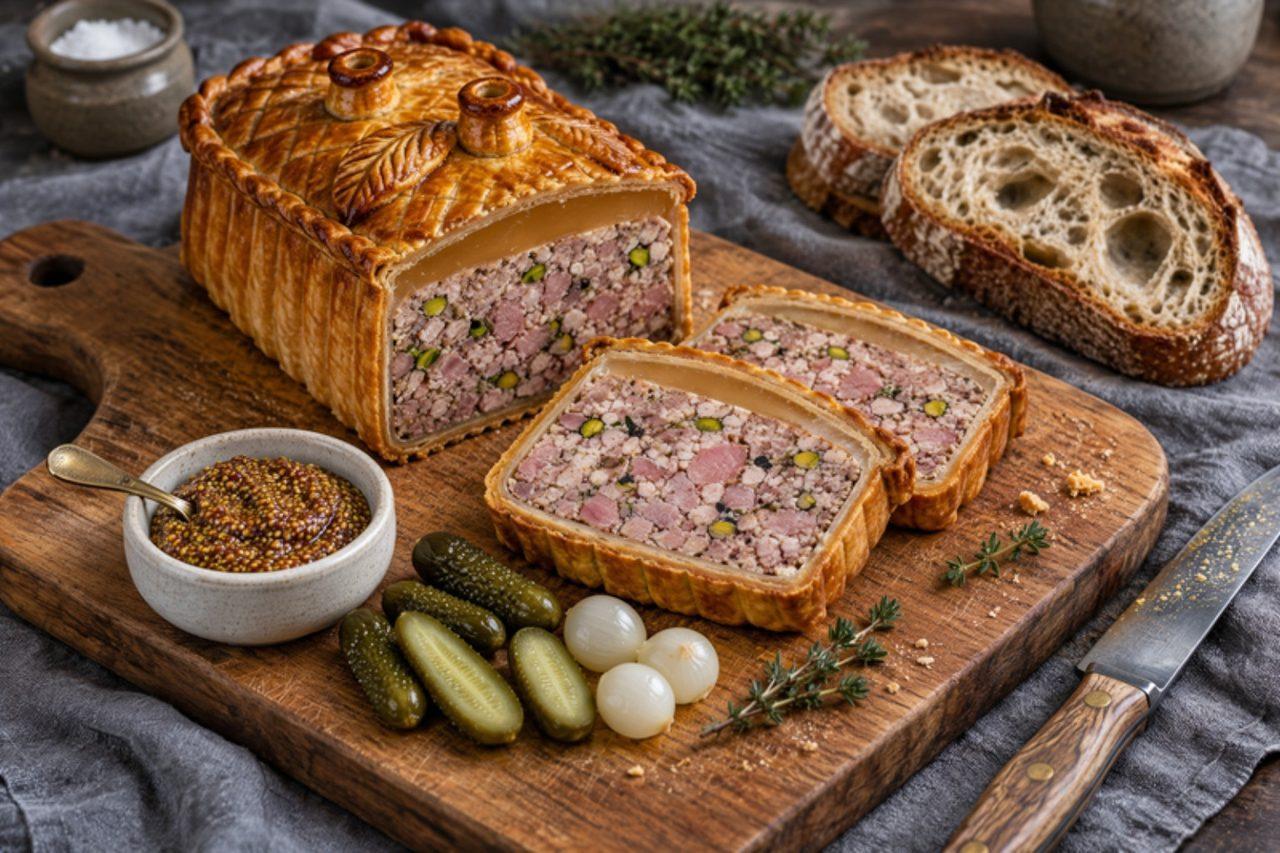
Pâté en croûtePork and veal pie in pastry

Lyon's charcuteries display pâté en croûte like jewellery: a tall loaf of crisp, golden pastry wrapped around a coarse terrine of pork and veal. A slice wrapped in paper is a picnic and lunchbox luxury, and the whole loaf is a Sunday project eaten over several days. The common mistake is undercooking it for fear of drying it out: as it is made with minced pork, the centre must reach 71 °C, so use a probe thermometer. The classic farce has a splash of cognac; it's optional here, and apple juice or extra stock is the alcohol-free swap. Chef's tip: chill the filled, unbaked loaf for 30 minutes before baking so the pastry keeps its shape and pattern.

150 minFrenchMeat
by KrazyBadal 0 views

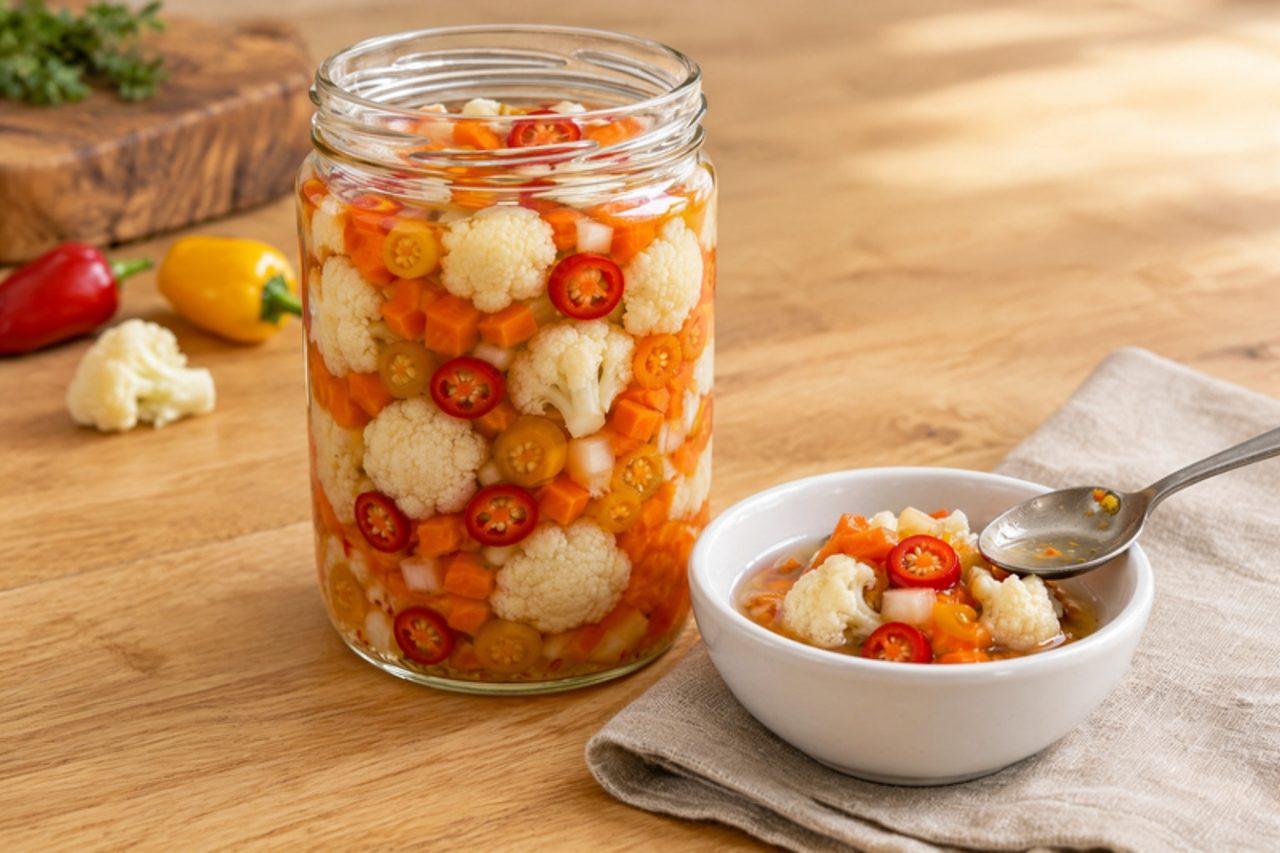
ChileroPickled vegetable and chilli relish

Sit down in any soda in Costa Rica, from San José to the Caribbean coast at Limón, and next to the napkins you will find a jar of chilero: small dice of carrot, cauliflower, onion and green beans with hot chile panameño, swimming in vinegar. Costa Ricans shake the spicy vinegar over gallo pinto at breakfast, spoon the crunchy vegetables onto a lunchtime casado of rice, black beans, plantain and salad, and add a splash to olla de carne on a rainy afternoon. It is more vinegar than vegetable, sharp and clean, with crunchy, sour bites and a fruity heat that grows the longer the jar sits. Unlike Guatemalan escabeche, nothing is blanched; the hot vinegar alone softens the vegetables slightly. The usual mistake is cutting the vegetables too big, so they will not come out of the bottle and do not pickle through; dice them no larger than 5 mm. It is ready after three days, when the vinegar has turned faintly yellow and tastes hot and the cauliflower is sour all the way through. Chef's tip: add a few strips of the vinegar-softened chile to your rice, but warn your guests.

by KrazyBadal 0 views

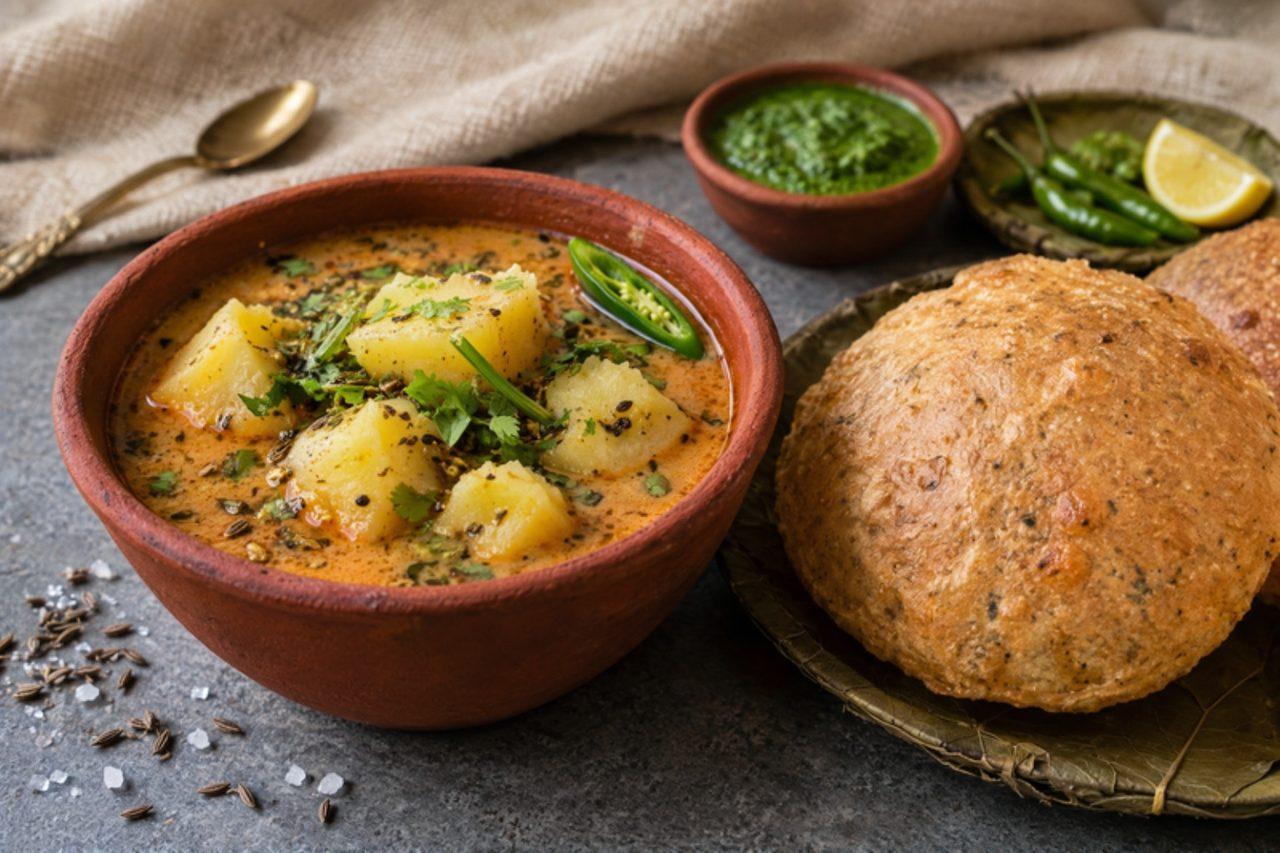
Dubki wale alooHing-scented potato curry

In the lanes of Mathura and Agra, breakfast is bedai or kachori with dubki wale aloo, a thin, peppery potato curry with so much gravy the puri can take a dip, or dubki. Its flavour comes from hing, crushed coriander seed and fennel rather than onion or garlic, which suits the Vaishnav kitchens of Braj and Holi mornings. The common mistake is making the gravy thick; it should run, so add enough water and mash only a few potatoes to give it body. Chef's tip: crush the boiled potatoes by hand into rough pieces rather than cubing them; the jagged edges soak up the spice.

by KrazyBadal 0 views

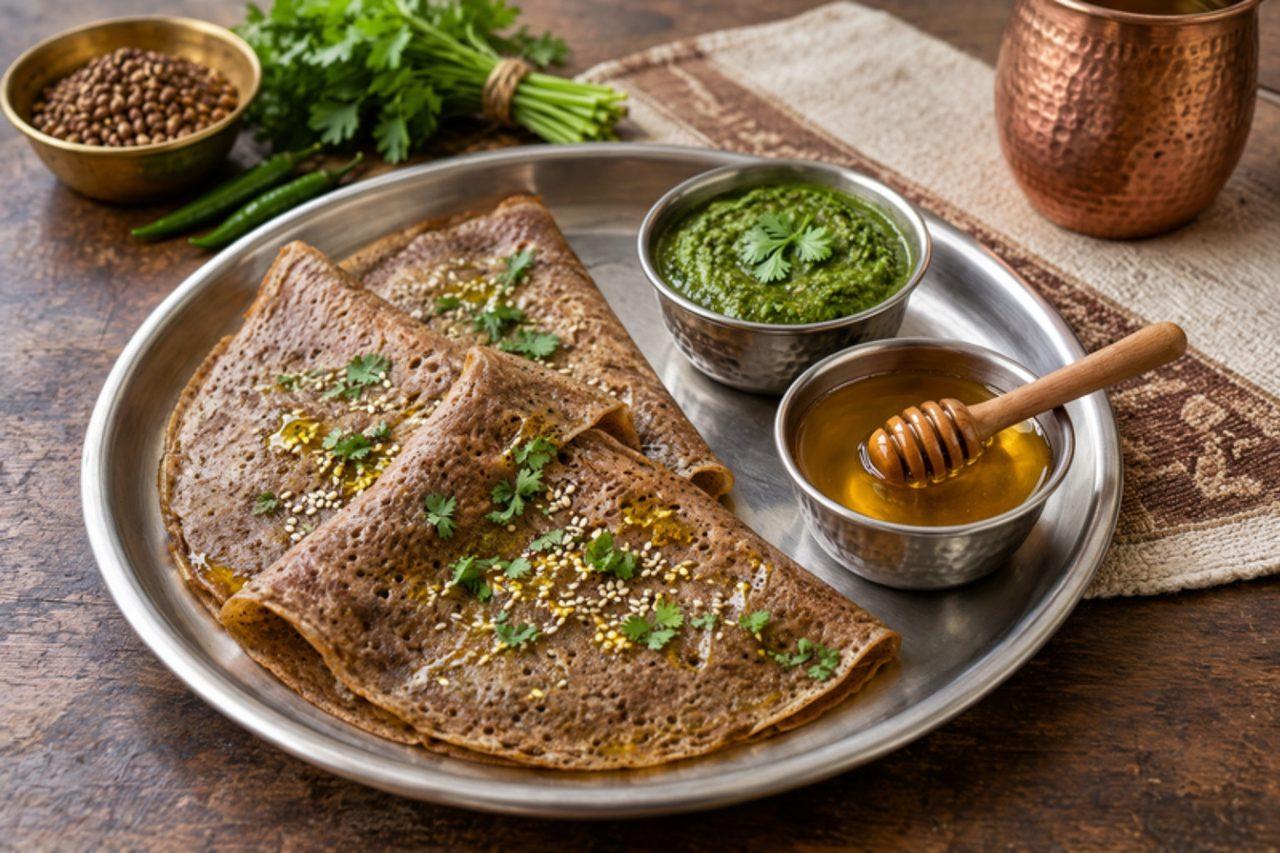
ChilreBuckwheat pancakes

In the upper hills around Shimla and through Kinnaur, buckwheat (kuttu or ogla) grows where wheat struggles, and chilre are its everyday form: thin, lacy pancakes poured on a hot griddle for breakfast or a late-afternoon snack. They are eaten with a sharp mint-and-walnut chutney, or sweet with honey, and are naturally gluten free when made with pure buckwheat. The common mistake is making the batter too thick, so the chilre come out stodgy; it should pour like single cream. Chef's tip: let the batter rest 15 minutes so the buckwheat swells, and wipe the pan with an oiled cloth rather than pouring oil, for even, lacy pancakes.

by KrazyBadal 0 views

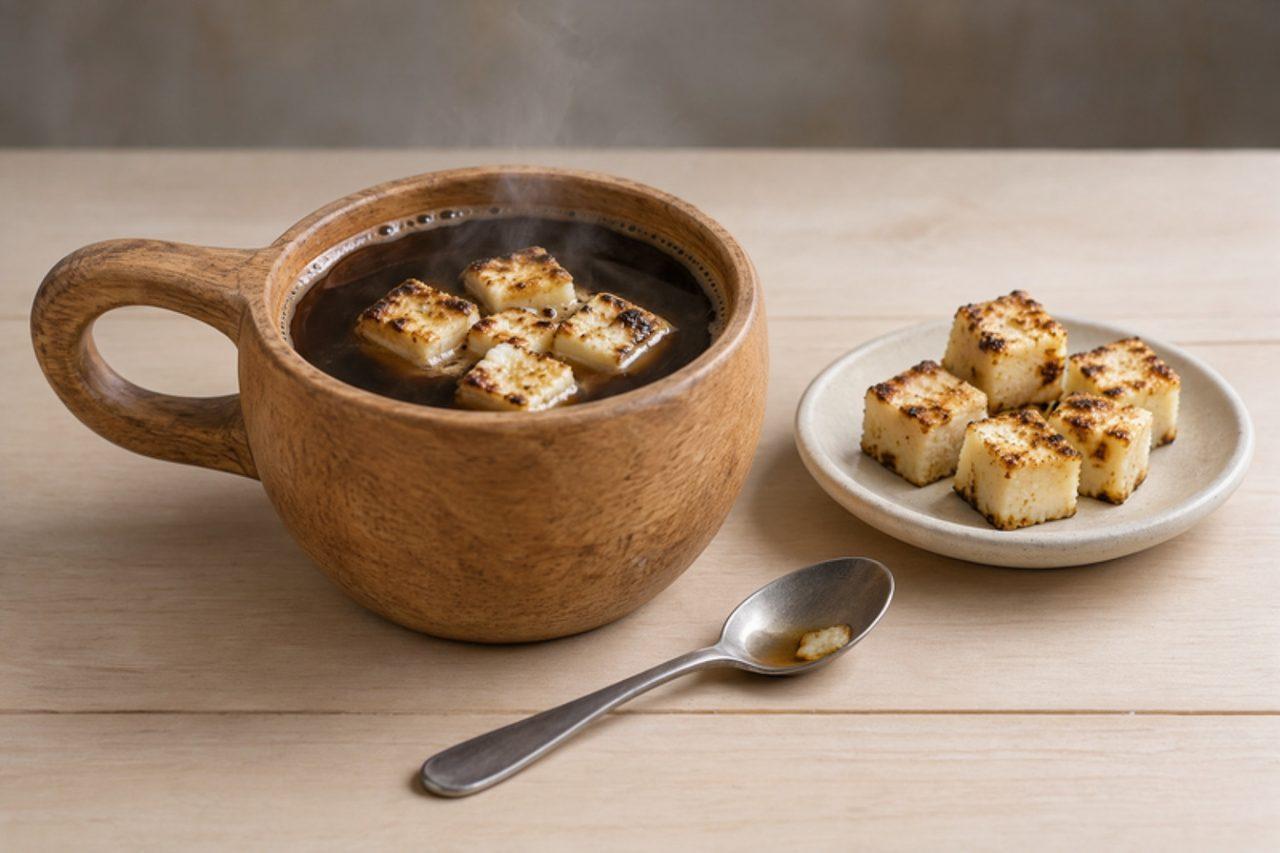
Kaffeost (coffee with cheese)

In the far north, across Swedish Norrbotten and Finnish Lapland, coffee comes with cheese in the cup. Leipäjuusto, a mild, squeaky cheese baked or grilled until spotted brown (called kaffeost or 'bread cheese'), is cut into cubes and put in a cup, often a carved wooden kuksa, then hot black coffee is poured over. Sámi reindeer herders and Tornedalen farmers have made it this way for generations; it is a fireside or mid-morning drink on a cold day, and in some families a little sugar or a slice of dried reindeer meat goes in as well. The cheese warms through, softens slightly and soaks up the coffee, so you drink the coffee and then spoon out the warm, chewy, milky cubes. The common mistake is using a soft or melting cheese: it collapses into strings. Use proper leipäjuusto or halloumi, which keep their shape. It is ready when the cubes are hot to the centre, about 2 minutes, and slightly puffed. Strong coffee means real caffeine here, so it is an adult drink. Leipäjuusto is sold in Nordic shops; halloumi is the nearest substitute. Chef's tip: warm the cheese on a dry pan first for extra browned flavour.

by KrazyBadal 0 views

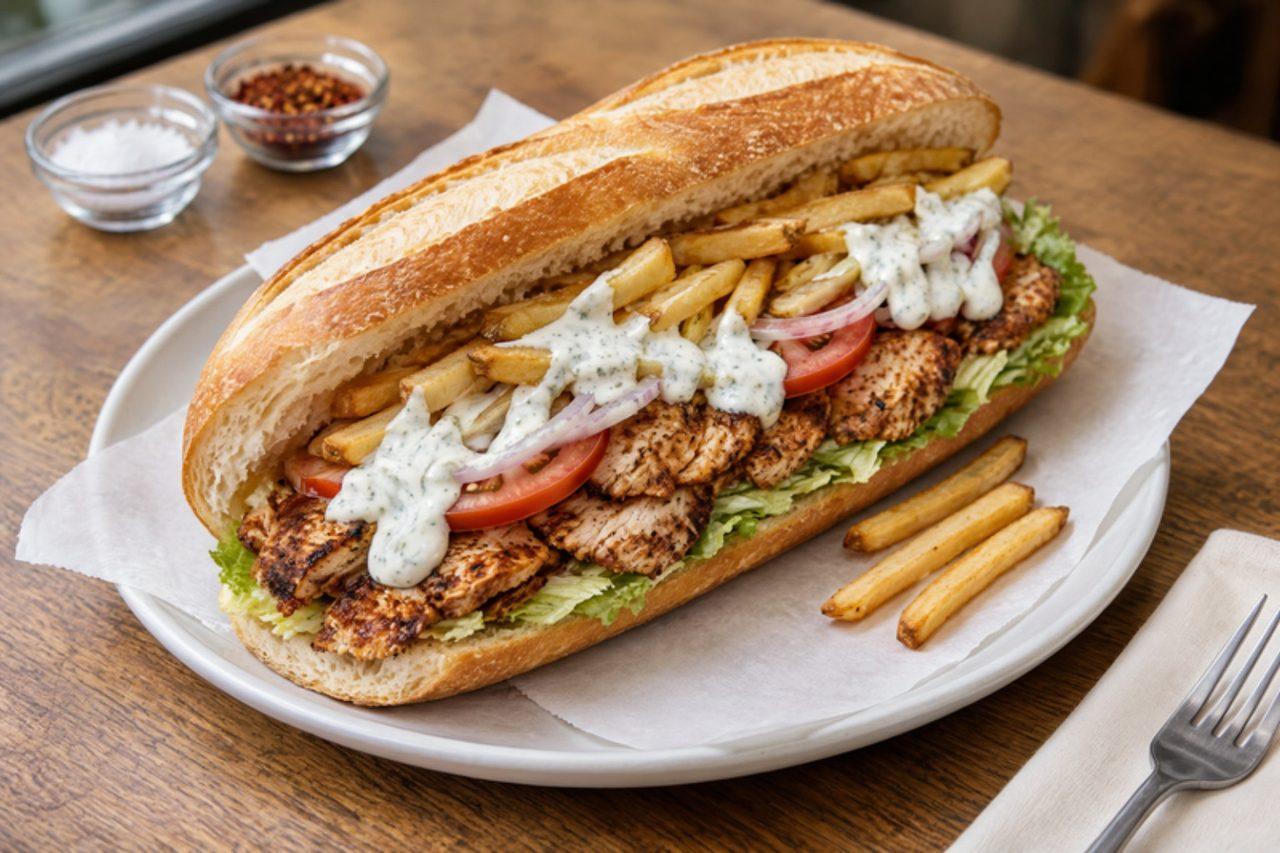
Sandwich grecKebab baguette

In Paris, a "grec" is the late-night kebab sandwich named after the Greek-run shops that first sold it in the Latin Quarter. On rue de la Huchette and rue Saint-André-des-Arts near Saint-Michel, students queue after a night out for crusty bread or pitta stuffed with meat shaved from a turning spit, lettuce, tomato and onion, a garlicky white sauce, and, the Paris touch, a handful of fries pushed right inside. This home version marinates chicken thighs in spiced yoghurt, sears them hard and slices them thin, with oven fries. It contains milk, egg (in the mayonnaise) and wheat. Chef's tip: slice the meat thinly across the grain after resting; thick chunks don't feel like a grec.

by KrazyBadal 2 views

Jambon-beurreHam and butter baguette

France sells millions of jambon-beurre every working day: half a crusty baguette, split, spread with good salted butter and filled with thin slices of jambon de Paris, the delicate cooked pork ham. Parisians eat it at the office, on a park bench or on the train. The common mistake is a stingy smear of hard butter; the butter is a filling, not a glue, so spread it soft and generous. Some add cornichons, which purists call a different sandwich. Chef's tip: fold each slice of ham loosely in half rather than laying it flat, so the sandwich is airy and every bite has ham.

by KrazyBadal 0 views

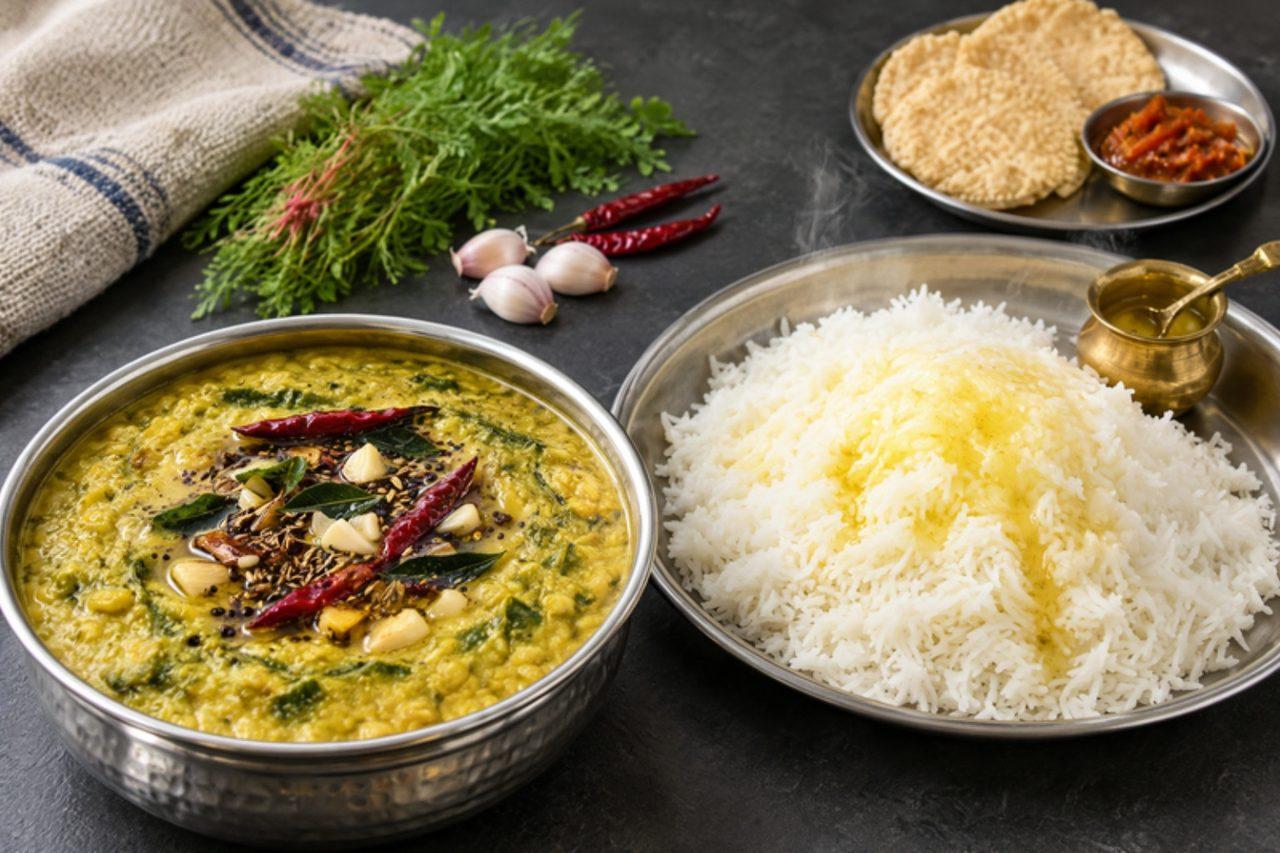
Chintha chiguru pappuDal with young tamarind leaves

Every spring the tamarind trees of Telangana put out soft, coppery new leaves, chintha chiguru, and housewives in Hyderabad and the districts strip them by the handful for a few weeks of this pleasantly sour dal. The leaves give the tang that tamarind pulp gives the rest of the year, and the pappu is eaten with hot rice, ghee and a crisp papad. The common mistake is adding all the leaves at the start; they lose their fresh sourness, so stir half in near the end. Chef's tip: if tamarind shoots are out of reach, use a mix of sorrel and a teaspoon of tamarind paste.

by KrazyBadal 0 views

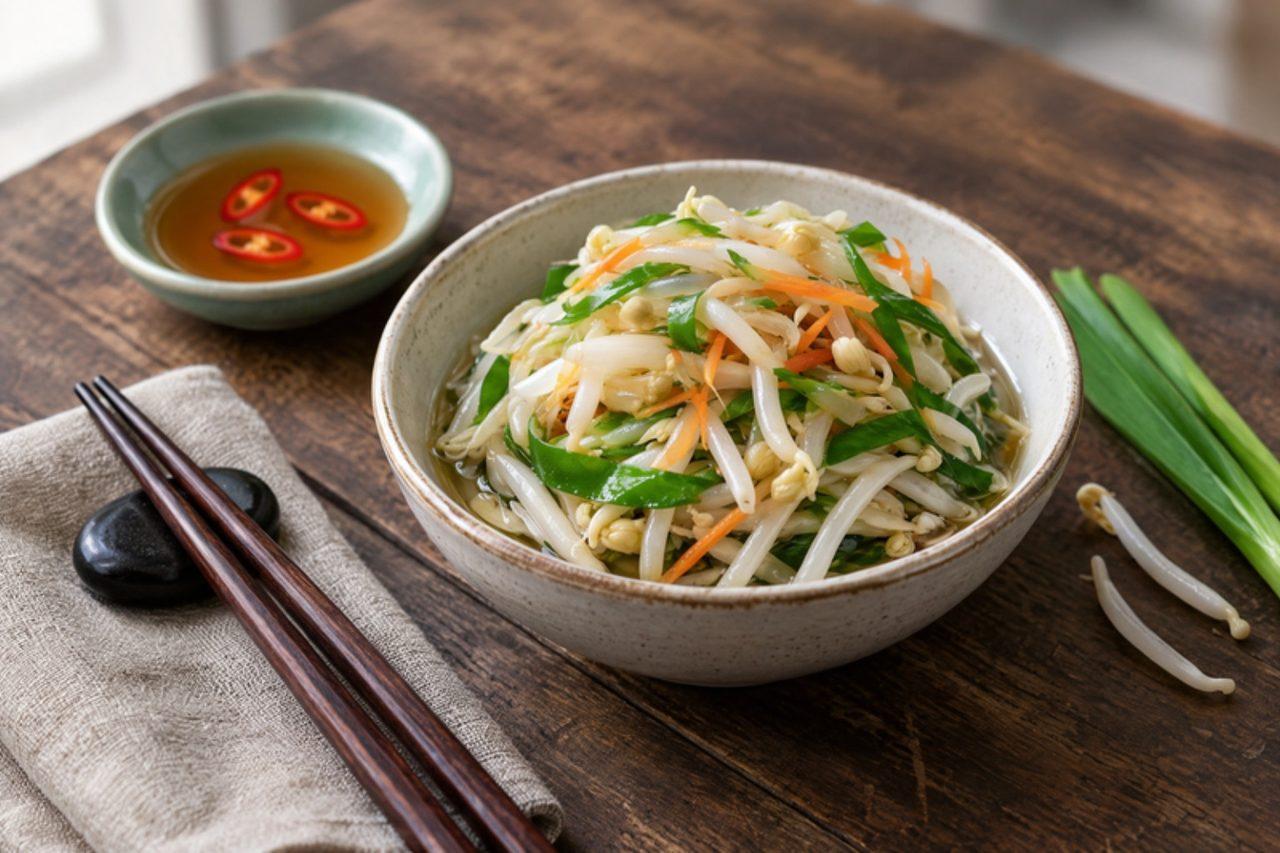
Dưa giáPickled bean sprouts

In southern Vietnam, dưa giá appears beside thịt kho trứng, the pork and egg braised in coconut water that every Saigon family cooks for Tết, and beside clay-pot caramel fish the rest of the year. The sprouts and chives sit overnight in a lightly salted, sweetened brine and come out tangy, crisp and squeaky, with a hint of garlic-chive sharpness that cuts straight through the fatty, sweet braises. Some cooks add carrot strips for colour. Raw bean sprouts can carry bacteria, so buy them very fresh and chilled, rinse them well, and pour the brine on hot to scald them lightly; pregnant people, small children, older people and anyone with weak immunity should blanch the sprouts for 30 seconds first. Common mistake: leaving the jar out too long in a warm kitchen, so the sprouts go limp and too sour; once it tastes right, chill it. It is ready when the brine is cloudy and smells pleasantly sour, and the sprouts are translucent but still snap. Chef's tip: pinch the brown root tails off the sprouts; it is fiddly, but they stay crunchier and look neater.

by KrazyBadal 0 views

Twigim (vegetable and egg)

Twigim is the fried side of Seoul's bunsik stalls: a glass case of sweet potato, vegetable fritters, boiled eggs and squid in a thicker, crunchier batter than Japanese tempura. Around the student bars of Sinchon and in Tongin Market, people order a mixed plate in the evening and have the pieces snipped and drowned in tteokbokki sauce. Squid is the other classic; this version keeps it vegetarian. It contains egg and wheat. Chef's tip: fry everything twice, the second time hotter, the way the stalls do; it is the secret to batter that stays crisp under sauce.

by KrazyBadal 0 views

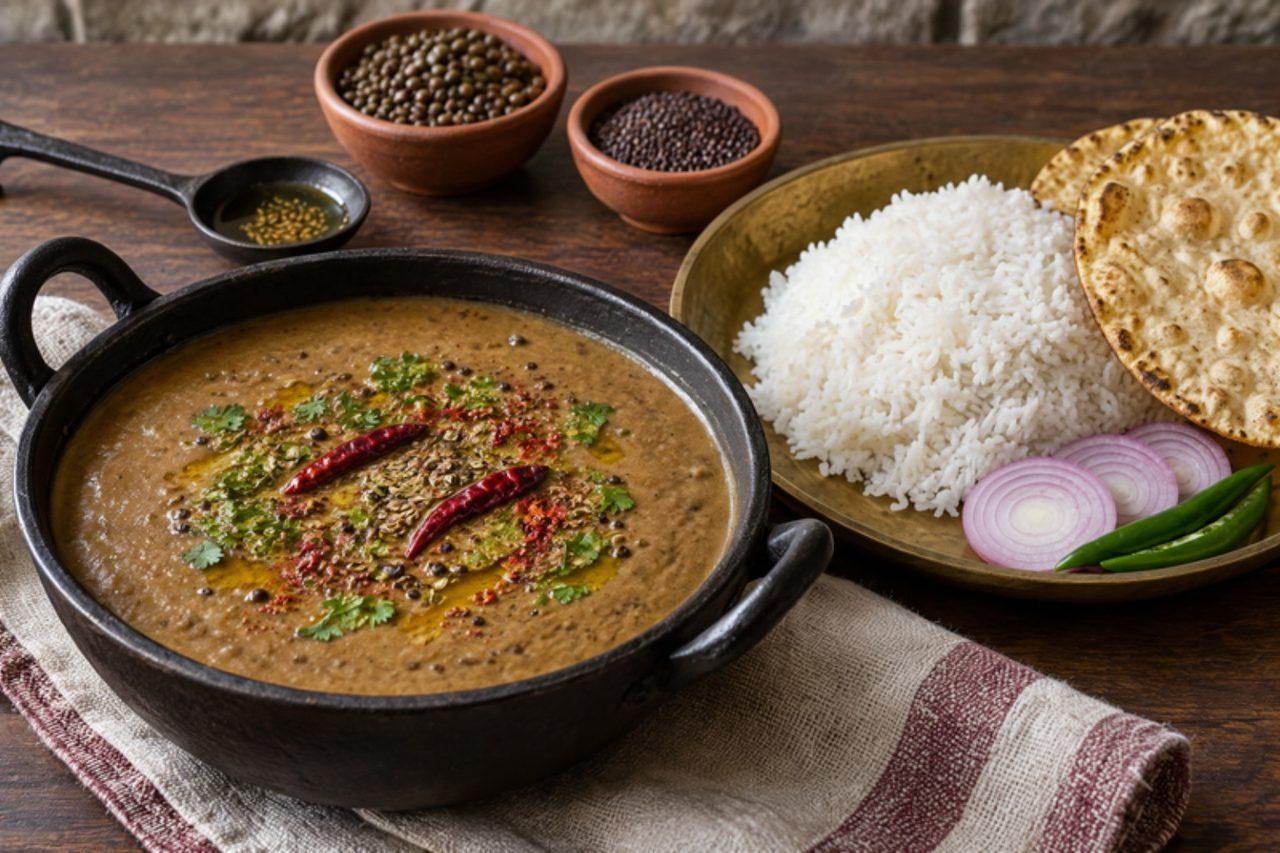
DubukThick lentil curry

Dubuk is a Kumaoni winter staple from the hill villages around Almora and Pithoragarh, where soaked bhatt (black soybean) or gahat is ground on a stone and simmered slowly in an iron kadhai until it turns thick and dark. It is eaten with plain rice on cold evenings, and the iron pot gives it its slightly earthy colour and taste. Toor dal or a mix of toor and urad works well if you cannot find pahadi lentils. The common mistake is grinding the lentils to a fine paste and boiling hard, which makes dubuk gluey; grind coarse and keep the simmer gentle. Chef's tip: stir in a spoon of the rice paste only at the end, and only if the gravy needs body, because the lentils thicken a lot as they stand.

by KrazyBadal 0 views

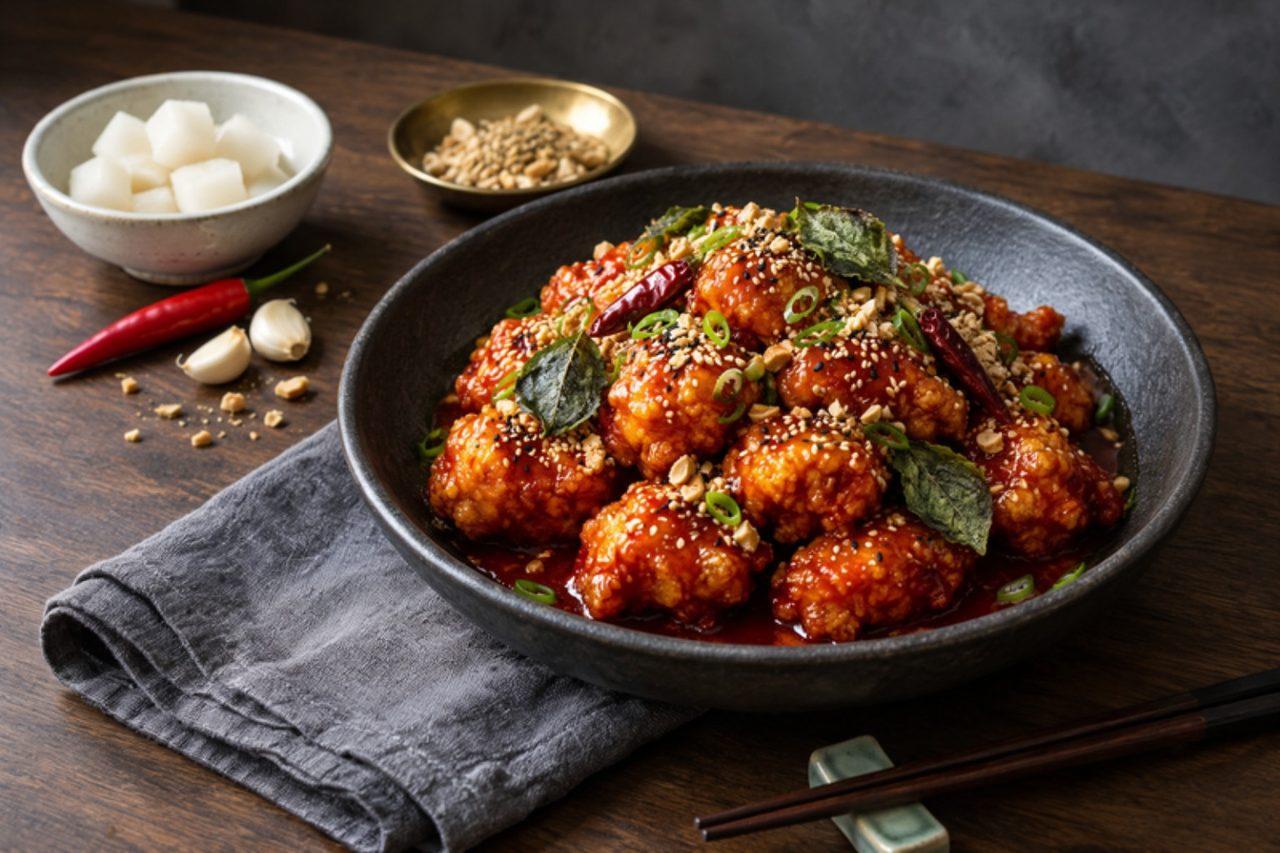
DakgangjeongSticky glazed fried chicken

Dakgangjeong is the boxed fried chicken of Sokcho's Jungang market on Korea's east coast, carried home by the tub and packed into lunchboxes the next day, because the double-fried pieces in their sticky glaze stay crunchy even when cold. The common mistake is frying only once; the second fry drives out moisture so the crust holds up to the sauce. Chef's tip: coat with potato starch rather than flour, and let the coated chicken sit for 5 minutes so the starch hydrates into a craggy crust.

by KrazyBadal 0 views

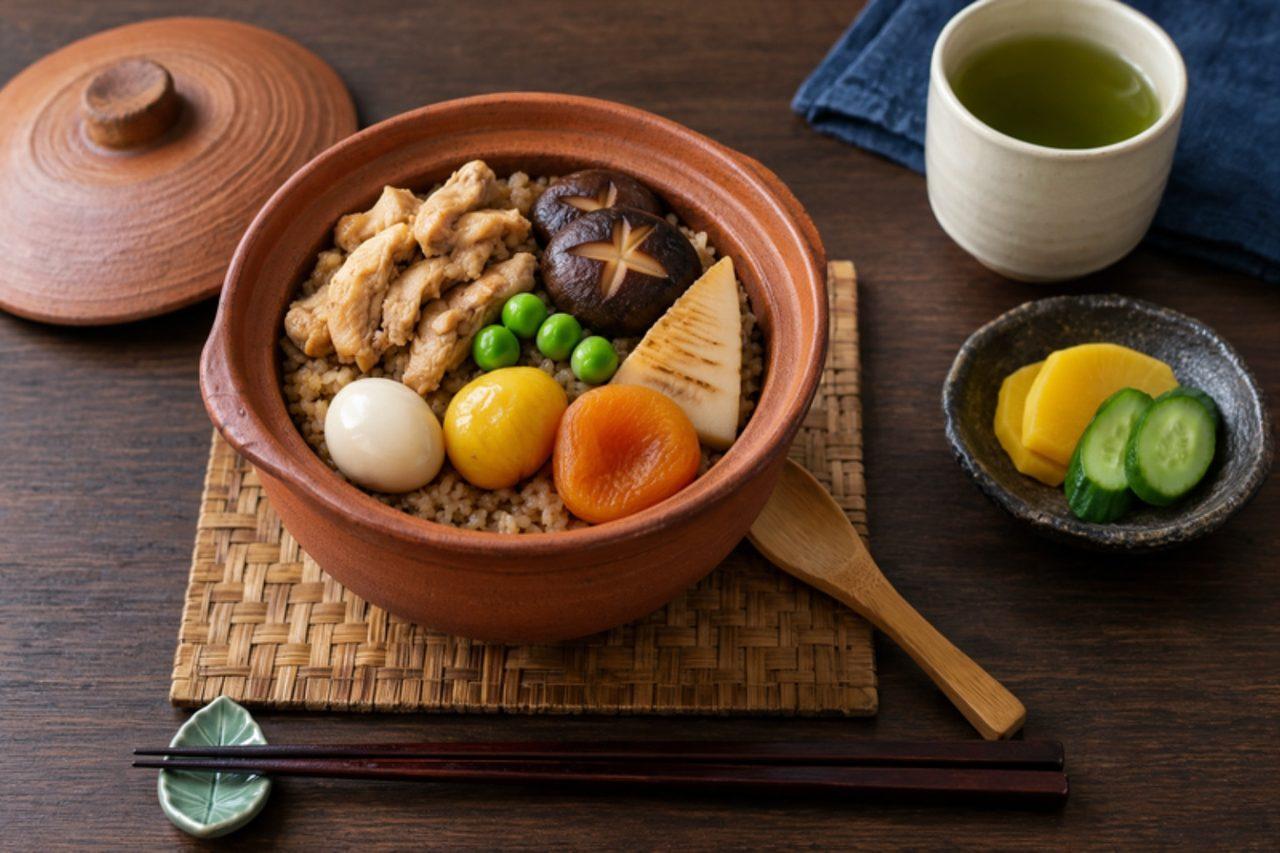
Tōge no kamameshiChicken and mushroom pot rice

At Yokokawa Station in Gunma, at the foot of the Usui Pass, travellers have bought tōge no kamameshi since 1958: a little clay pot of rice cooked in soy-seasoned dashi and crowded with chicken, shiitake, bamboo shoot, burdock, a sweet chestnut, a dried apricot and a quail egg. It tastes just as good at room temperature on a train. The seasoning includes mirin, a sweet rice wine that bubbles away as it cooks; for alcohol-free, use 1 tbsp sugar instead. The common mistake is lifting the lid while the rice cooks, which lets the steam out and leaves the grains hard. Chef's tip: simmer the chicken and mushrooms first and use that liquid to cook the rice, so every grain tastes of them.

by KrazyBadal 0 views

ChorreadasSweet corn pancakes

In the Costa Rican countryside, from the Central Valley to Guanacaste, chorreadas are made when the corn is fresh and milky: kernels are blended into a thick batter with a little sugar and butter and "poured" (chorrear) onto a hot griddle, then eaten with a dollop of natilla, Costa Rica's soured cream, and a cup of coffee. They are soft, sweet and taste purely of corn. The common mistake is a thin batter that spreads and tears; it should drop thickly from a spoon, so add masa harina if your corn is very juicy. Chef's tip: leave a few kernels only half-blended so the pancakes have little pops of whole corn.

by KrazyBadal 0 views

Ají amarillo pasteYellow chilli paste

In Lima's markets ají amarillo is sold fresh all year, and most Peruvian cooks keep a tub of this paste in the fridge the way others keep tomato purée: it is the golden base of causa limeña, ají de gallina, papa a la huancaína, chupe and the sauce for tiraditos. The chillies are seeded, de-veined and blanched in three changes of water, which tames the heat and the raw grassiness, then peeled and blended with oil into a thick, silky, saffron-orange paste. It tastes fruity and sunny, almost like apricot and passion fruit, with a rounded, medium heat. Abroad, buy whole frozen ají amarillo from Latin grocers; dried ají mirasol, soaked, gives a darker, earthier paste. Common mistake: skipping the peeling; the thin skins leave papery flecks and a bitter edge. It is ready when it is completely smooth and holds a soft peak like thick hummus. This is a low-acid paste: keep it in the fridge for a week or freeze it, never on the shelf. Chef's tip: freeze it in an ice-cube tray; one cube is about a tablespoon, just right for a pot of ají de gallina.

by KrazyBadal 0 views

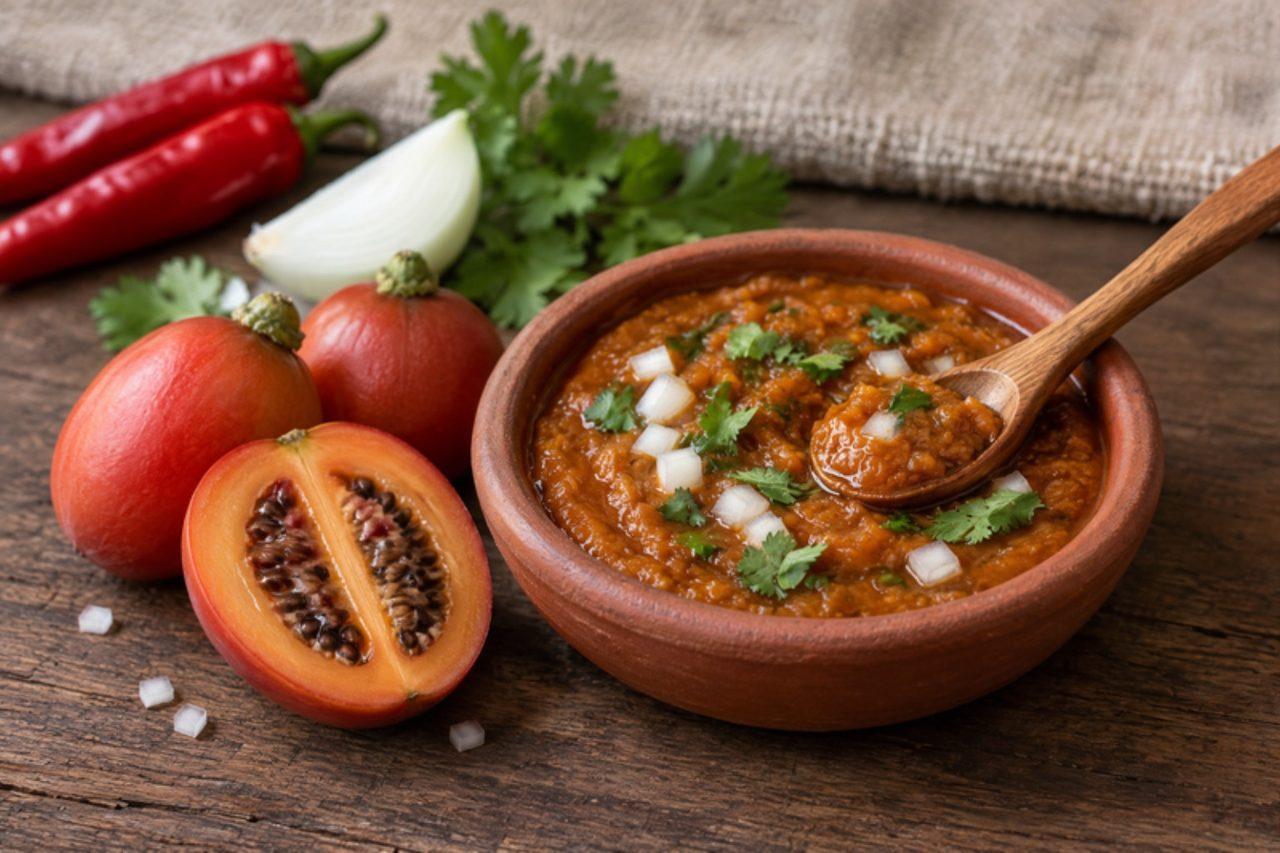
Ají de tomate de árbolTamarillo chilli sauce

No Ecuadorian table in the Sierra, from Quito to Cuenca, is complete without a small bowl of ají, and the tamarillo version is the household favourite. Tomate de árbol, the egg-shaped, wine-red tree tomato, is blanched and peeled, blended with fresh hot chilli, salt and a little water, then finished with finely chopped onion and fresh coriander. It is spooned over locro de papa, llapingachos, empanadas de viento, hornado and fritada at the long Sunday family lunch, and onto everything at the street stalls of the Saturday markets. The flavour is tangy, fruity and slightly bitter-sweet, more sour than a tomato salsa, with a fresh bite of onion and a clean chilli heat. The common mistake is blending the tamarillos with their skins on, which makes the sauce bitter; blanch them until the skins split and slip off. It is ready when it is bright orange-red, loose and juicy, and the onion is still crisp. Abroad, tamarillos turn up in larger supermarkets; ripe plum tomatoes with the pulp of a passion fruit are the best stand-in. Chef's tip: rinse the chopped onion in salted water first, which tames its sharpness, as Ecuadorians do.

by KrazyBadal 0 views

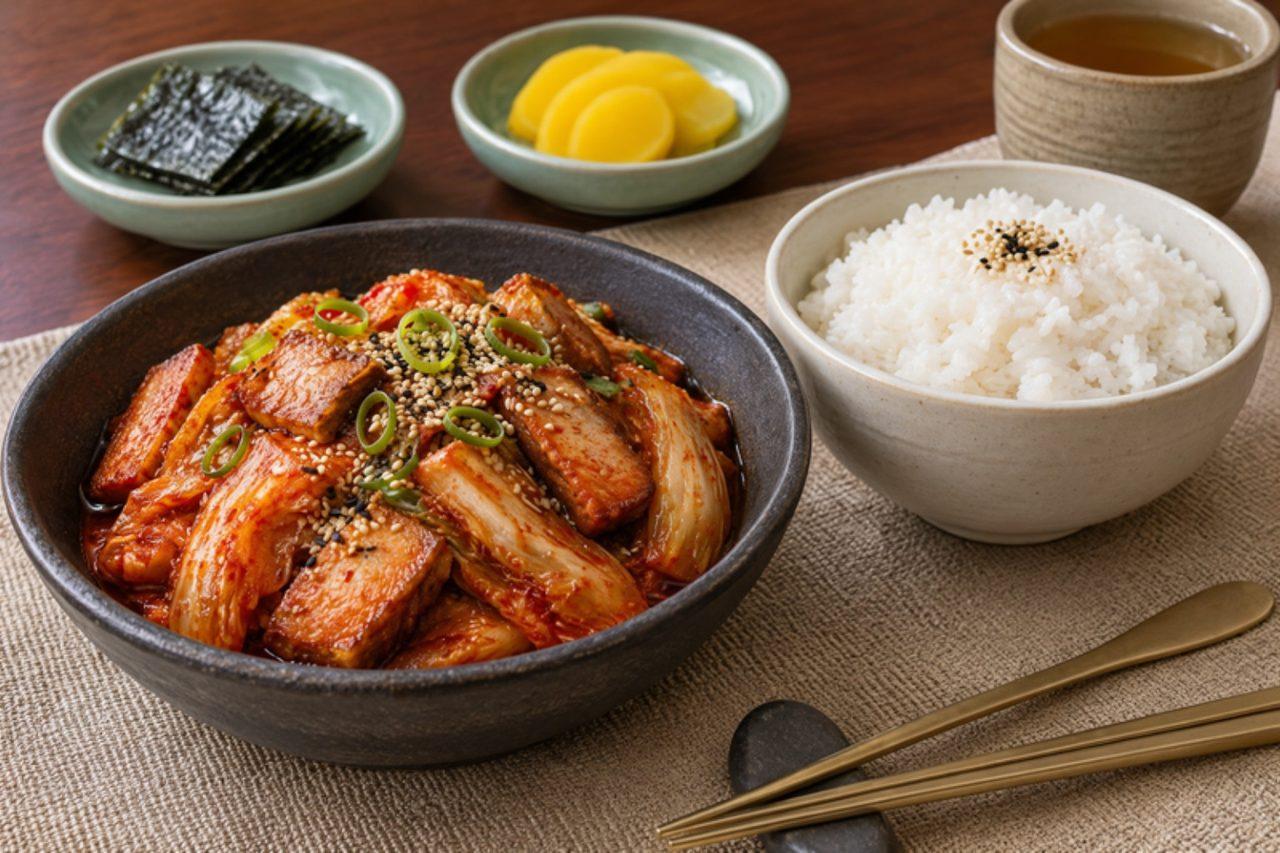
Bokkeum kimchiStir-fried kimchi with pork belly

When a jar of kimchi turns very sour in Korean homes, it gets stir-fried with a little sugar and sesame oil, and often with pork belly, into bokkeum kimchi, a deep, mellow side dish that keeps for days and is a favourite in school and office dosirak. For a vegan version, use kimchi made without fish sauce or salted shrimp and leave out the pork. The usual mistake is using fresh, crisp kimchi, which tastes harsh when fried; it needs to be properly sour. Chef's tip: fry the kimchi until the edges just begin to catch and caramelise, which is where the flavour is.

by KrazyBadal 0 views

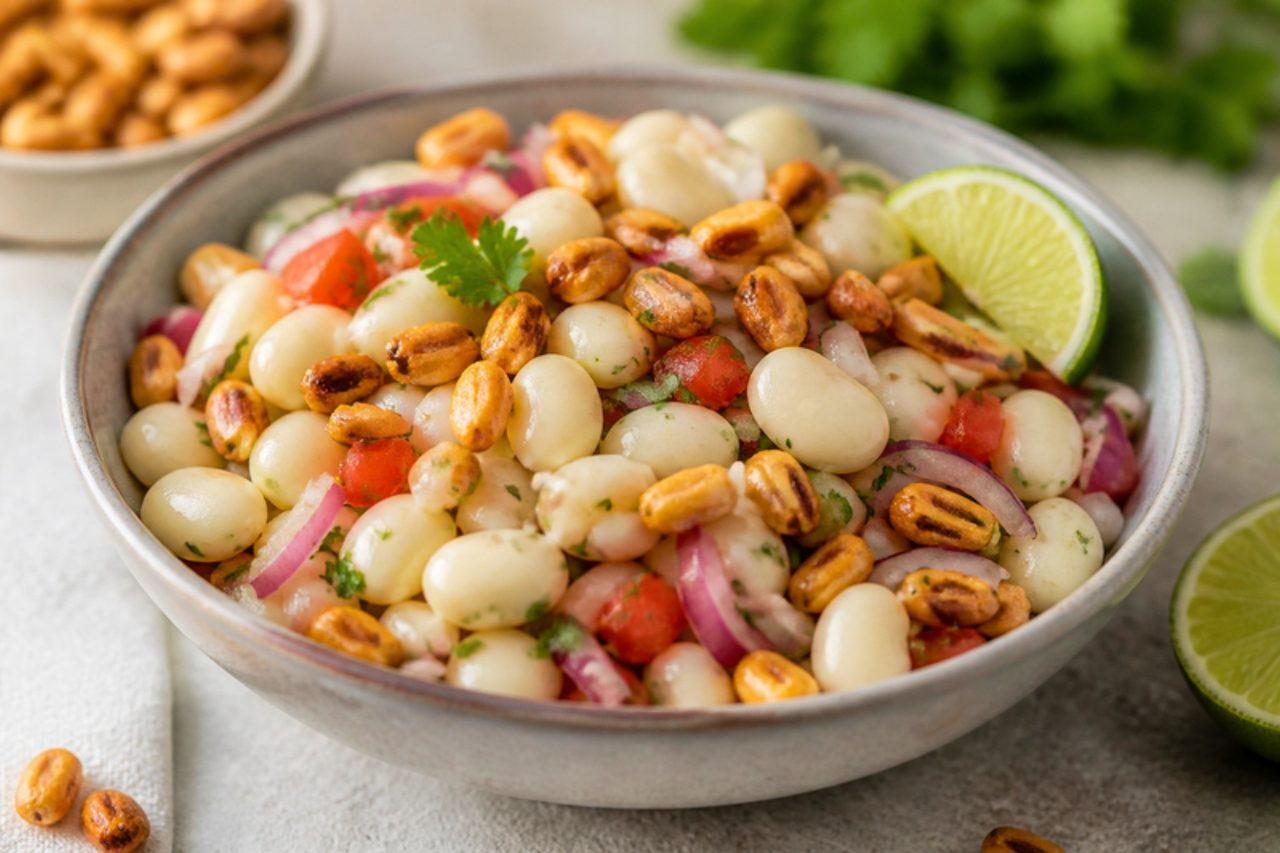
Chochos con tostadoLupin bean and toasted corn salad

On street corners in Quito and Latacunga vendors pile paper cups with chochos, the pale Andean lupin beans, tossed with lime-soaked red onion and tomato and showered with crunchy toasted corn. It is a cheap, filling mid-morning snack, sour and salty with a nutty crunch, and it doubles as a light lunch with a fried plantain on the side. Buy chochos ready debittered, sold cooked in jars or vacuum packs: raw lupins are bitter and contain toxic alkaloids until they have been soaked and boiled for several days, so never use dried ones without that long treatment. Lupin is also a declared allergen and can affect people with peanut allergy. The common mistake is skipping the rinse, which leaves the beans tasting of brine. Chef's tip: salt the onion with the lime juice 10 minutes ahead so it softens and turns pink.

by KrazyBadal 0 views

Boil-upPork bones with greens and kumara

Boil-up is the great Māori one-pot of Aotearoa New Zealand, cooked on marae for hui, at whānau gatherings and on cold weeknights everywhere from Northland to the King Country. Pork bones and brisket are boiled for hours until the meat falls away, then potatoes, kūmara and handfuls of watercress or wild pūhā go in, and fluffy flour doughboys steam on top. The broth is drunk alongside, with buttered bread. The usual mistake is letting the doughboys sit in boiling liquid uncovered, which makes them heavy; once in, clamp the lid on and don't peek for 15 minutes. Chef's tip: skim the pot well during the first half hour and the broth stays clear and sweet rather than greasy.

by KrazyBadal 0 views

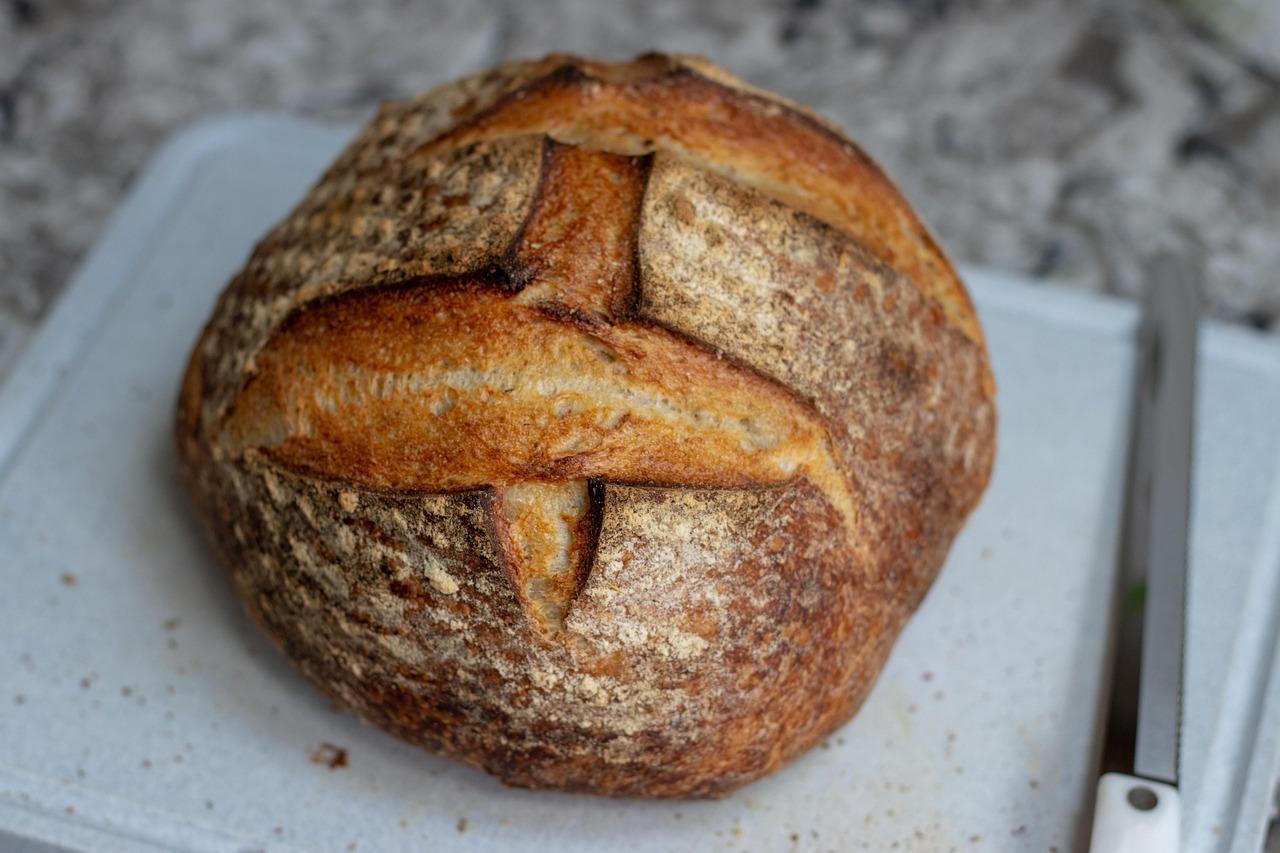
Rēwena breadPotato starter bread

Rēwena parāoa is the bread of Māori marae and family kitchens across Aotearoa New Zealand, served at hui and tangi with boil-up, butter and golden syrup. Its rise comes from a fermented potato starter, the bug, which families keep going for years. The loaf has a soft, close crumb with a mild tang and a crusty top. Making the bug takes 2–3 days, so plan ahead. A common mistake is using hot potato water, which kills the starter; it must be lukewarm. Chef's tip: feed the bug with a little potato water and flour each time you bake and it will keep in the fridge for months.

by KrazyBadal 0 views

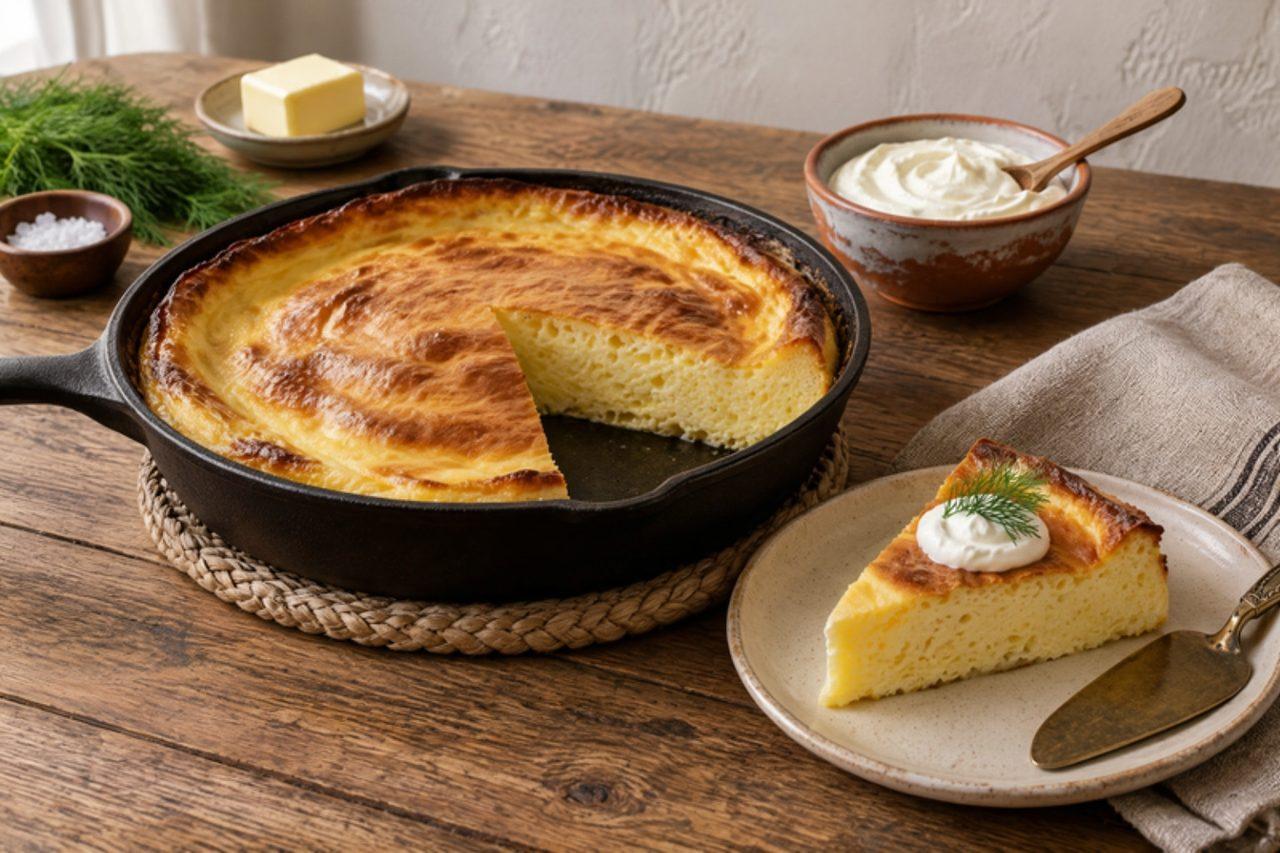
DrachenaBaked egg and milk custard

Drachena belongs to the old peasant cooking of northern Russia, from Arkhangelsk to Vologda, where it was baked in the cooling Russian stove on Sunday mornings. Eggs are whisked with milk, a little sour cream and flour, poured into a hot buttered pan and baked until puffed, golden and wobbly, somewhere between an omelette and a soufflé. It is eaten warm, plain or with sour cream. The common mistake is opening the oven early; the drachena collapses if it gets a draught before it is set. Chef's tip: heat the buttered dish in the oven before pouring in the batter, so it starts to set and rise from the bottom at once.

by KrazyBadal 0 views

Daechu-cha (jujube tea)

Boeun county in North Chungcheong is famous for its large, sweet jujubes, harvested each October and sold at a lively autumn festival. Once dried, they become daechu-cha, the deep amber tea Korean traditional teahouses in Insadong and Jeonju serve from late autumn to early spring, topped with pine nuts. Long, slow simmering with ginger and a stick of cinnamon draws out a flavour like dates, caramel and baked apple; pressing the softened flesh through a sieve gives the tea its velvety, almost soup-thick body. It is traditionally drunk to warm up on cold nights. The common mistake is simply boiling whole jujubes and straining: the skins stay sealed, the tea comes out thin and pale, and most of the sweetness is thrown away. Slit each jujube, simmer until the flesh slides off the stone, then mash the pulp through the sieve. It is ready when the liquid has reduced by about half, is dark amber and lightly coats a spoon. Keep it covered in the fridge for up to 5 days and reheat gently. Chef's tip: a few slices of fresh ginger added in the last 20 minutes give a brighter heat than ginger boiled for the whole time.

110 minKoreanDrinksGluten free
by KrazyBadal 0 views

Dudh pithaRice dumplings in milk

Dudh pitha is made in Jharkhand and Bihar for Makar Sankranti, Sohrai and winter evenings, when the new rice is milled: small rice-flour dumplings are stuffed with coconut and jaggery (some families use spiced chana dal instead) and simmered in milk until it thickens around them. It is eaten warm from a bowl with a spoon. The common mistake is adding jaggery straight to boiling milk, which can curdle it; sweeten the milk with sugar and keep the jaggery inside the dumplings. Chef's tip: shape the dumplings while the dough is warm and keep your palms greased, so the edges seal without cracking.

by KrazyBadal 0 views

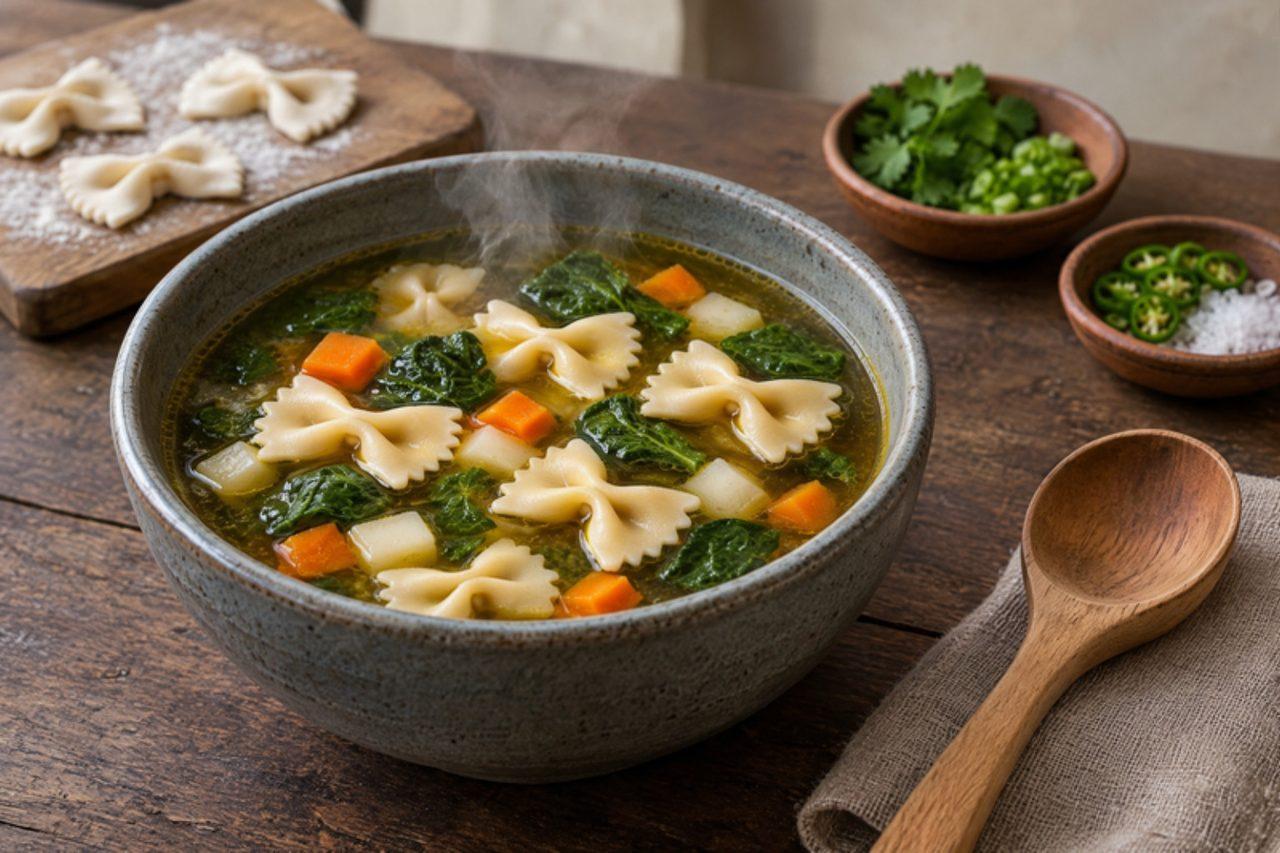
ChutagiWheat pasta in vegetable soup

In Leh and the villages along the Indus, chutagi is the one-pot supper of the long winter: little hand-pinched bow-ties of wheat dough dropped into a broth of turnip, carrot, onion and greens. Families sit around the stove pinching the dough together while the pot comes to the boil, and the soup is eaten piping hot, often with a spoon of chilli paste on the side. The broth is light but the pasta makes it filling. The usual mistake is rolling the dough too thick, which leaves the centres of the bows doughy; roll it about as thin as a coin. Chef's tip: let the shaped bows dry on a floured tray for ten minutes before they go in, so they hold their pinched centre instead of opening up in the pot.

by KrazyBadal 0 views

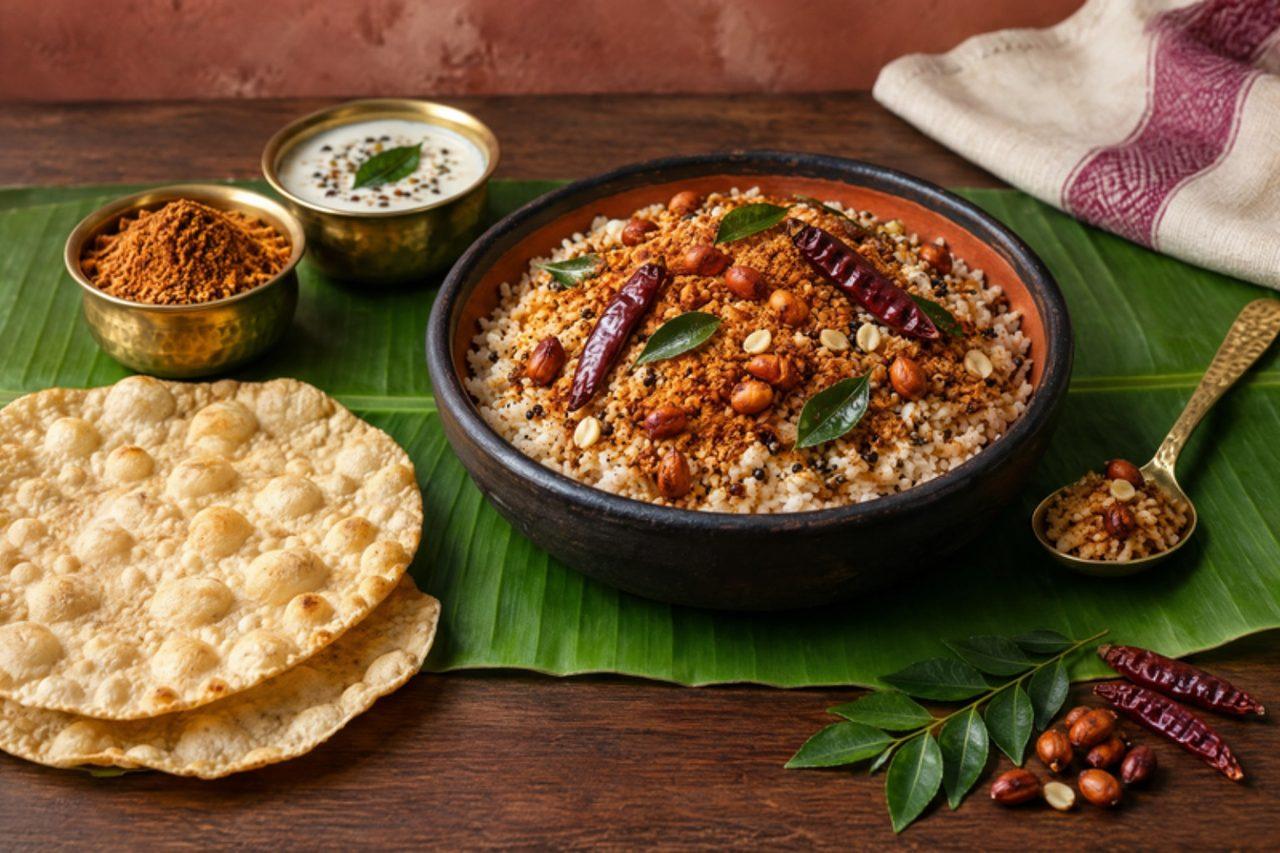
Verkadalai sadam (peanut rice)

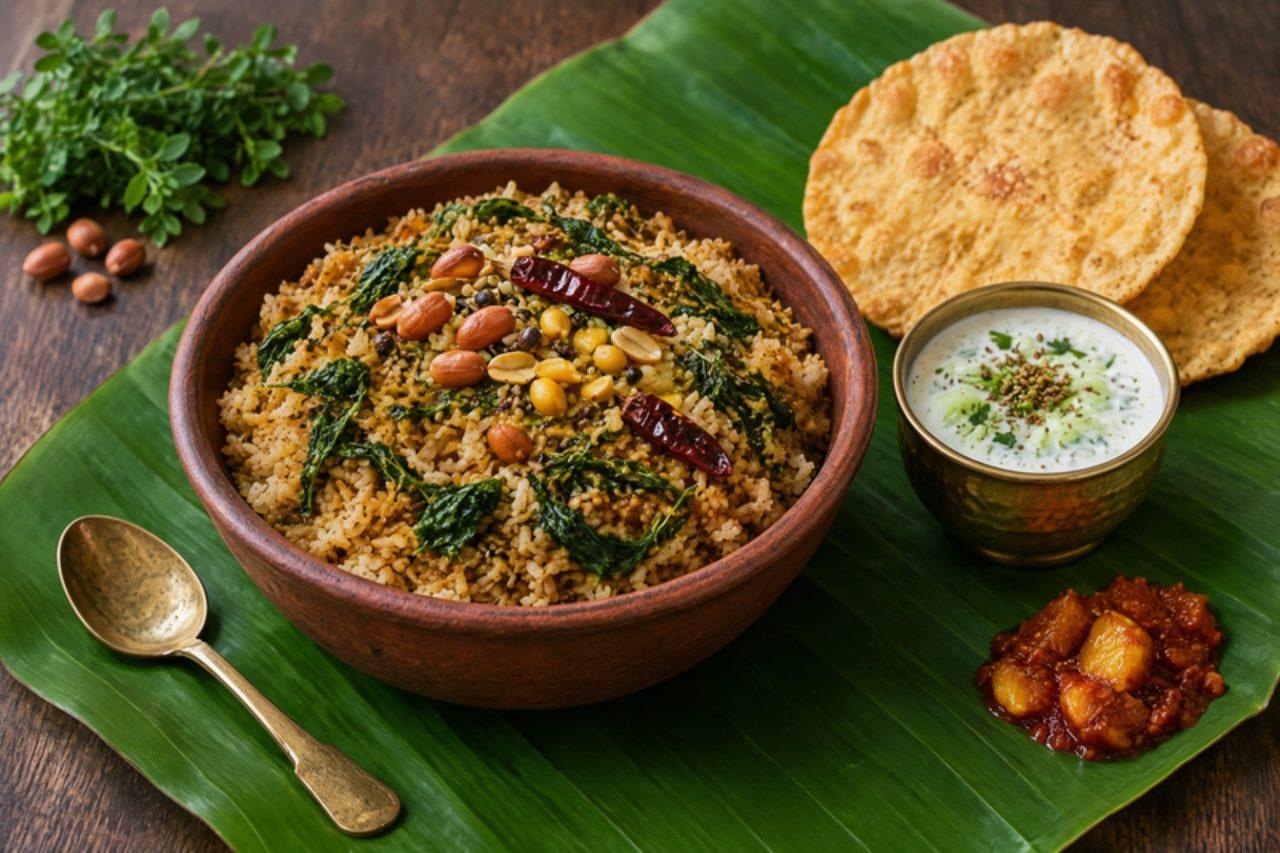
Peanut rice is the filling variety rice that Tamil and Kannada parents send when the school day ends with games: roasted peanuts, dry coconut, sesame and red chillies are ground into a coarse powder and tossed through rice in a curry leaf tempering. It tastes a little like a savoury peanut brittle, and it stays good at room temperature for hours. The mistake is grinding the peanuts too long; they turn into peanut butter and the rice clumps. Pulse in short bursts and stop while it is still sandy. Chef's tip: keep a few whole roasted peanuts aside and add them at the end for crunch.

by KrazyBadal 0 views

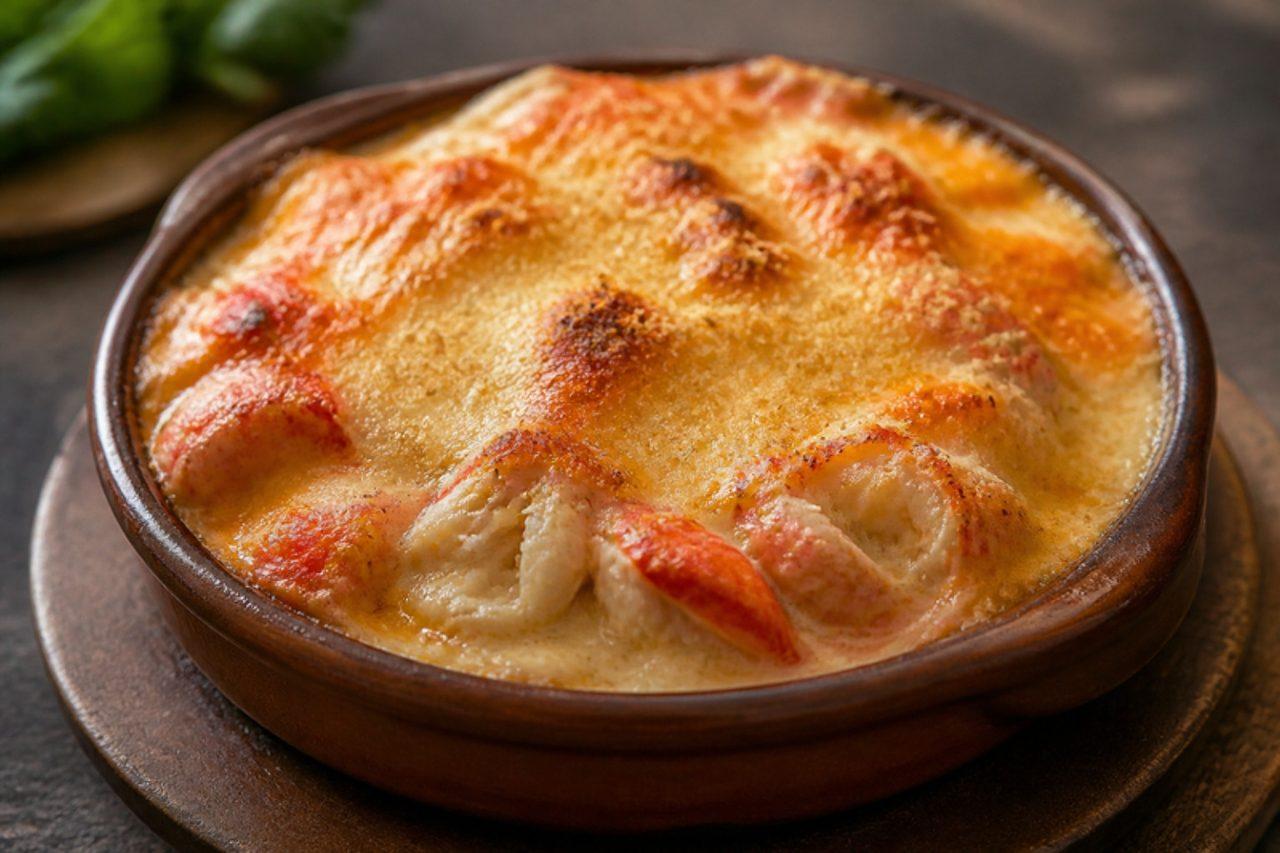
Chupe de centollaKing crab and cheese stew

In Punta Arenas and Puerto Natales, at the bottom of Chile, centolla (southern king crab) is the pride of every restaurant, and chupe is how it is served on a cold Magallanes evening: a soft, spoonable stew of crab meat cooked with bread, milk and stock until creamy, then topped with cheese and browned for a minute. It is looser than a crab gratin and eaten with a spoon. Any good cooked crab meat works. The usual mistake is boiling it fiercely once the cheese and cream go in, which makes the chupe grainy; keep it at a gentle bubble. Chef's tip: add the crab right at the end, just to heat through, so the big pieces of king crab stay whole and sweet.

by KrazyBadal 0 views

Menthya soppu bath (fenugreek leaf rice)

In Bengaluru and Mysuru, a "bath" is a one-pan rice dish seasoned with its own roasted spice powder, and menthya soppu bath is the winter version, made when bunches of fresh fenugreek are cheap. Unlike Tamil variety rices, the rice is cooked right in the masala with the leaves, tamarind and a touch of jaggery, so it comes out soft, tangy and gently bitter. The common mistake is using too much methi stalk, which makes the rice harshly bitter; strip the leaves and use only the softest stems. Chef's tip: a teaspoon of jaggery and a squeeze of tamarind balance the bitterness better than extra salt.

by KrazyBadal 0 views

Chura matarFlattened rice with peas

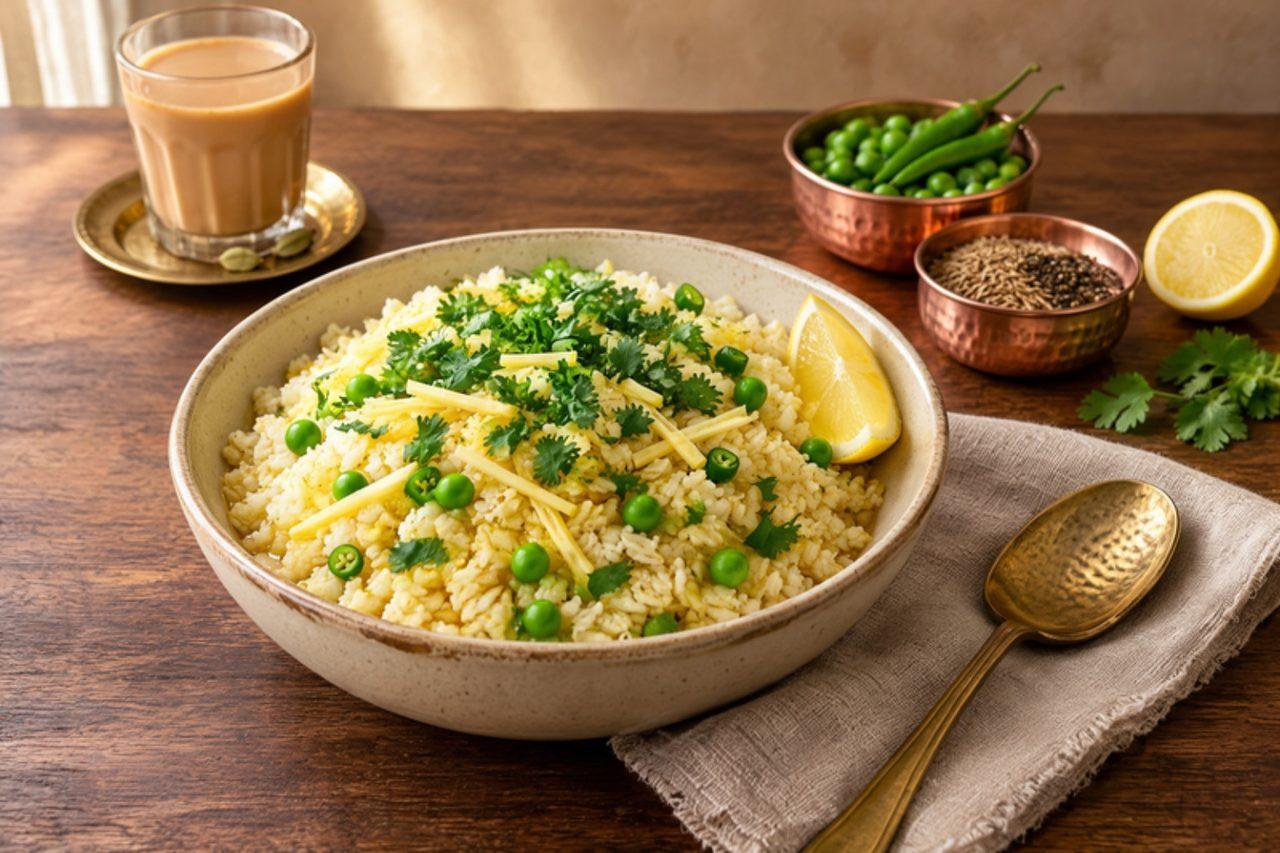
When fresh peas pile up in the markets of Varanasi and eastern Uttar Pradesh in winter, breakfast becomes chura matar: thick flattened rice tossed in ghee with sweet green peas, ginger, green chilli and a pinch of sugar, finished with lemon and coriander. It is softer and richer than poha, and is often eaten on the ghats with a cup of chai. The mistake is soaking the chura in water; it turns mushy. Rinse it quickly in a sieve and let it rest, and it softens just enough. Chef's tip: crush half the peas lightly with the back of a spoon in the pan so they coat the rice and make each mouthful sweeter.

by KrazyBadal 0 views

Capsicum rice (capsicum bath)

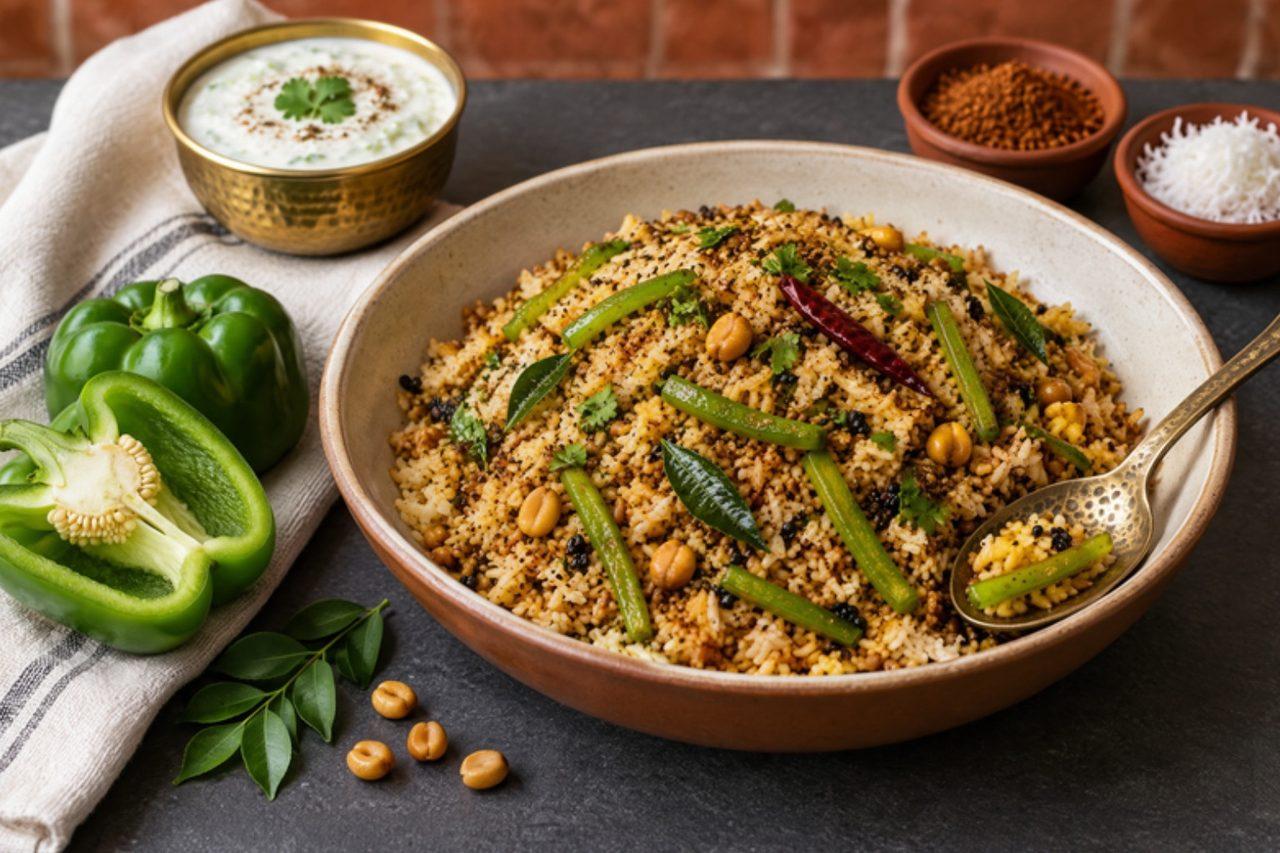
Every Bengaluru darshini has its own capsicum bath, and at home it is a favourite for office lunch boxes because the peppers stay crunchy until noon. Green peppers are sautéed just until glossy, then tossed with rice and a freshly roasted powder of coriander seeds, chana dal, dry coconut and red chillies. The mistake is cooking the peppers until soft; they release water and the rice turns soggy, so keep them bright and crisp. Chef's tip: add the powder to the hot oil off the heat for a few seconds before the rice goes in; it blooms the spices without burning the coconut.

by KrazyBadal 0 views

Cơm nắm muối vừngRice blocks with sesame salt

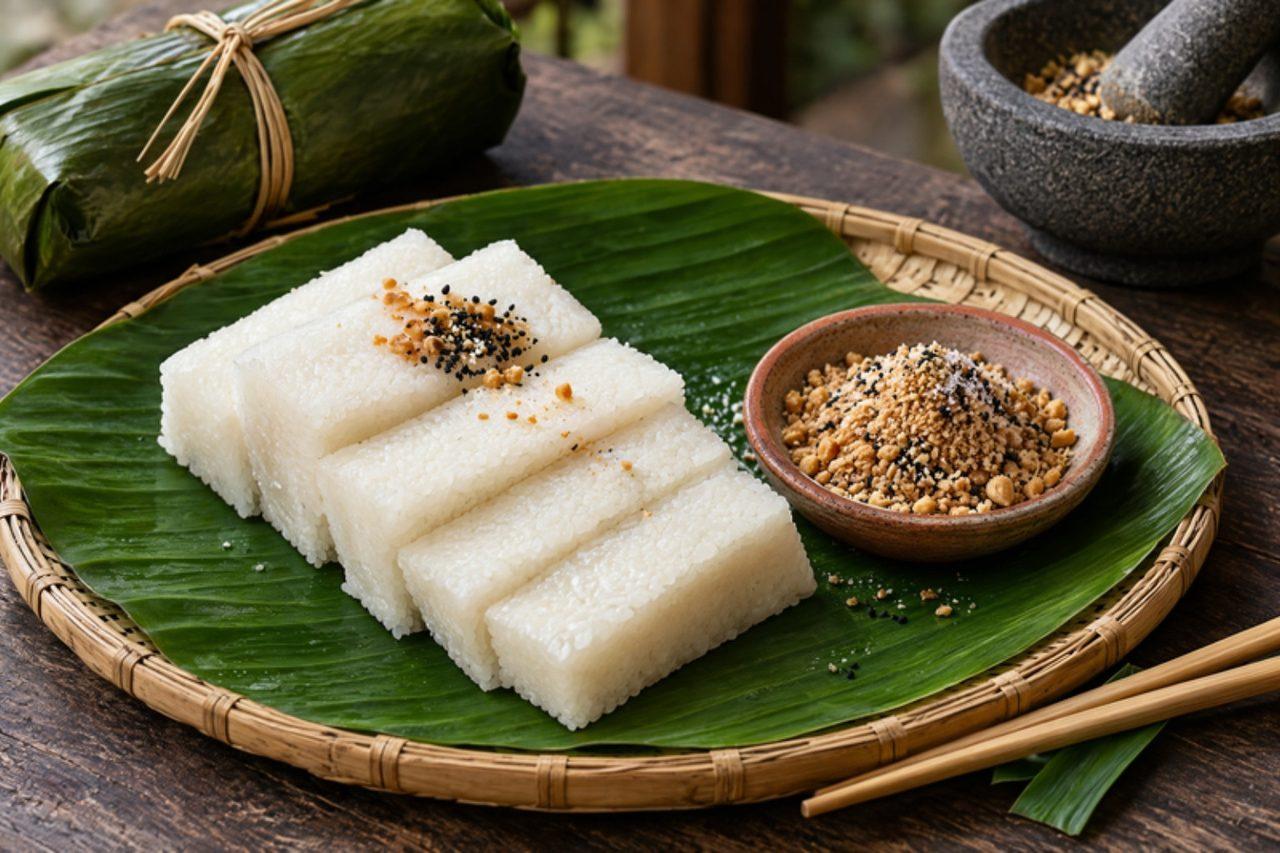
Before trains, buses and school trips, families in northern Vietnam press warm rice into firm, dense blocks and wrap them in banana leaf or paper with a twist of muối vừng, toasted sesame and peanut salt, for dipping. It is humble, filling and keeps its shape for a whole day's journey. Peanuts and sesame are both allergens. The common mistake is using cold or loose rice, which will not stick; it must be pressed hot. Chef's tip: mix a handful of sticky rice into ordinary jasmine rice before cooking, and the blocks hold together firmly without being gluey.

by KrazyBadal 0 views

Brazo de reinaSponge roll with dulce de leche

The 'queen's arm' sits in the glass cabinet of every Chilean bakery: a light sponge rolled around a thick layer of manjar (Chilean dulce de leche) and dusted with icing sugar. At home it is the cake for a birthday tea or an unexpected visitor, because it bakes in 10 minutes. The common mistake is overbaking: a dry sponge cracks as you roll it. Take it out the moment it springs back. Chef's tip: roll the sponge up in a sugared tea towel while it is still hot and let it cool that way; it remembers the shape and won't crack when you fill it.

by KrazyBadal 0 views

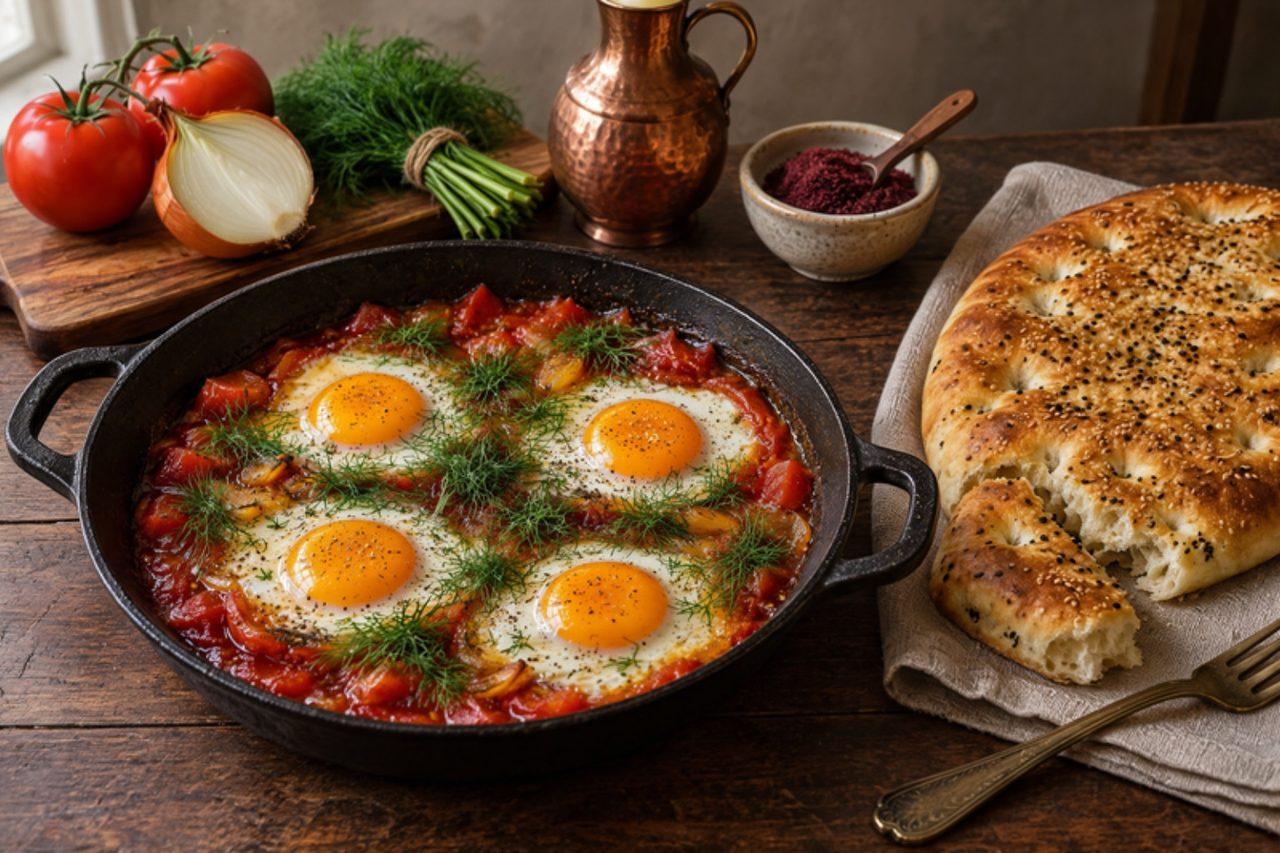
ChyhyrtmaEggs with tomatoes and onions

Çığırtma is the Azerbaijani way with breakfast eggs: onions softened slowly in butter, ripe tomatoes cooked down with them, then beaten eggs poured over and set gently, sometimes with spinach or herbs and sometimes over chicken. This vegetarian tomato version is eaten in Baku with lavash or tandir bread and strong tea. The mistake is rushing the onions; they must turn soft and sweet before the tomatoes go in. Cook the eggs until set if serving anyone pregnant, young children, older people or anyone with a weakened immune system. Chef's tip: do not stir once the eggs are in; cover the pan and let them puff over the tomatoes like a soft omelette.

by KrazyBadal 0 views

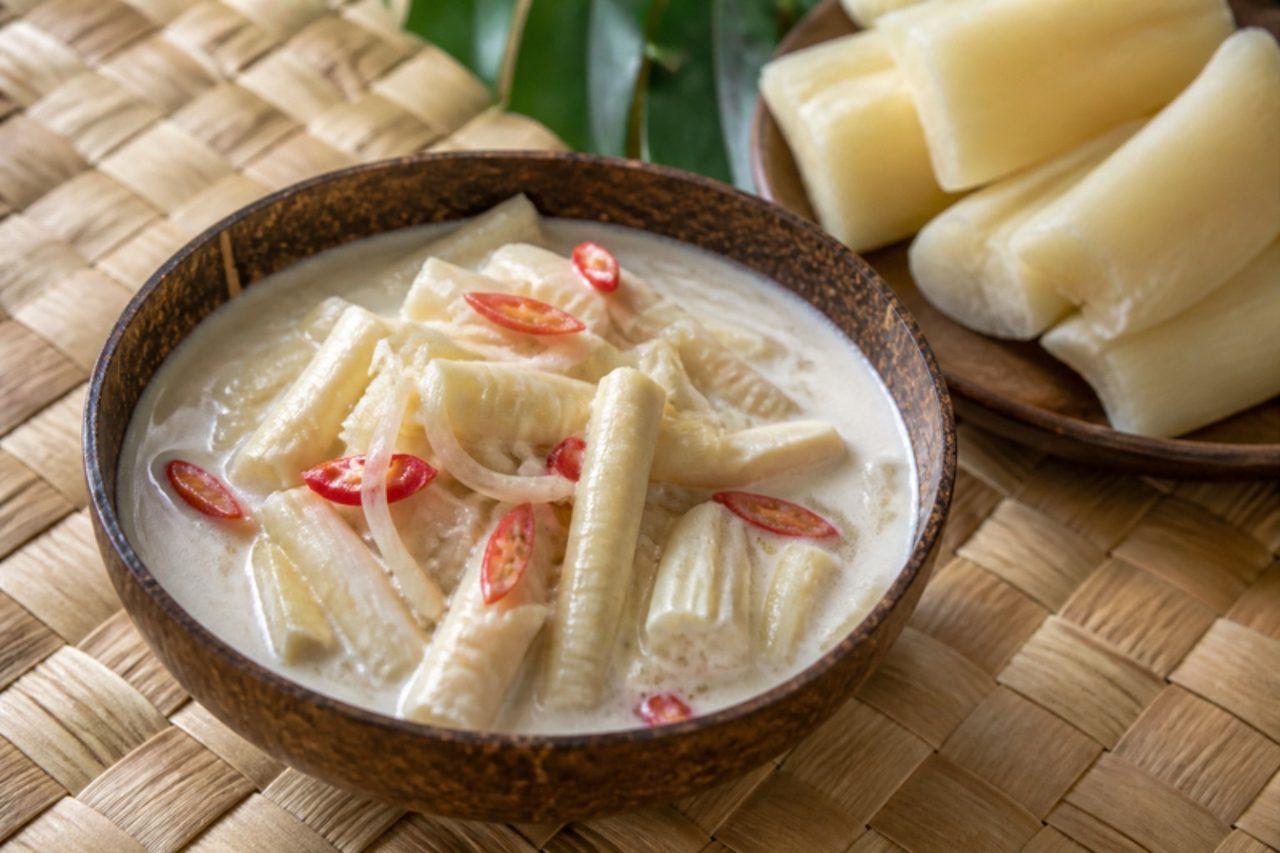
Duruka in coconut milkSugarcane flower in coconut milk

Duruka is the unopened flower of a wild sugarcane that Fijians call Fijian asparagus, in season for a few weeks around April and May when it fills the markets of Suva and Nausori in bundles. Peeled from its husk, it is tender and sweet with a taste between baby corn and asparagus, and the classic iTaukei way is to simmer it in lolo, fresh coconut milk, with onion and chilli. Outside Fiji you'll find it frozen or tinned in Pacific grocery shops; baby corn and asparagus make a fair stand-in. A common mistake is boiling the coconut milk hard, which splits it; keep it at a gentle simmer. Chef's tip: add a squeeze of lemon right at the end to lift the richness.

by KrazyBadal 0 views

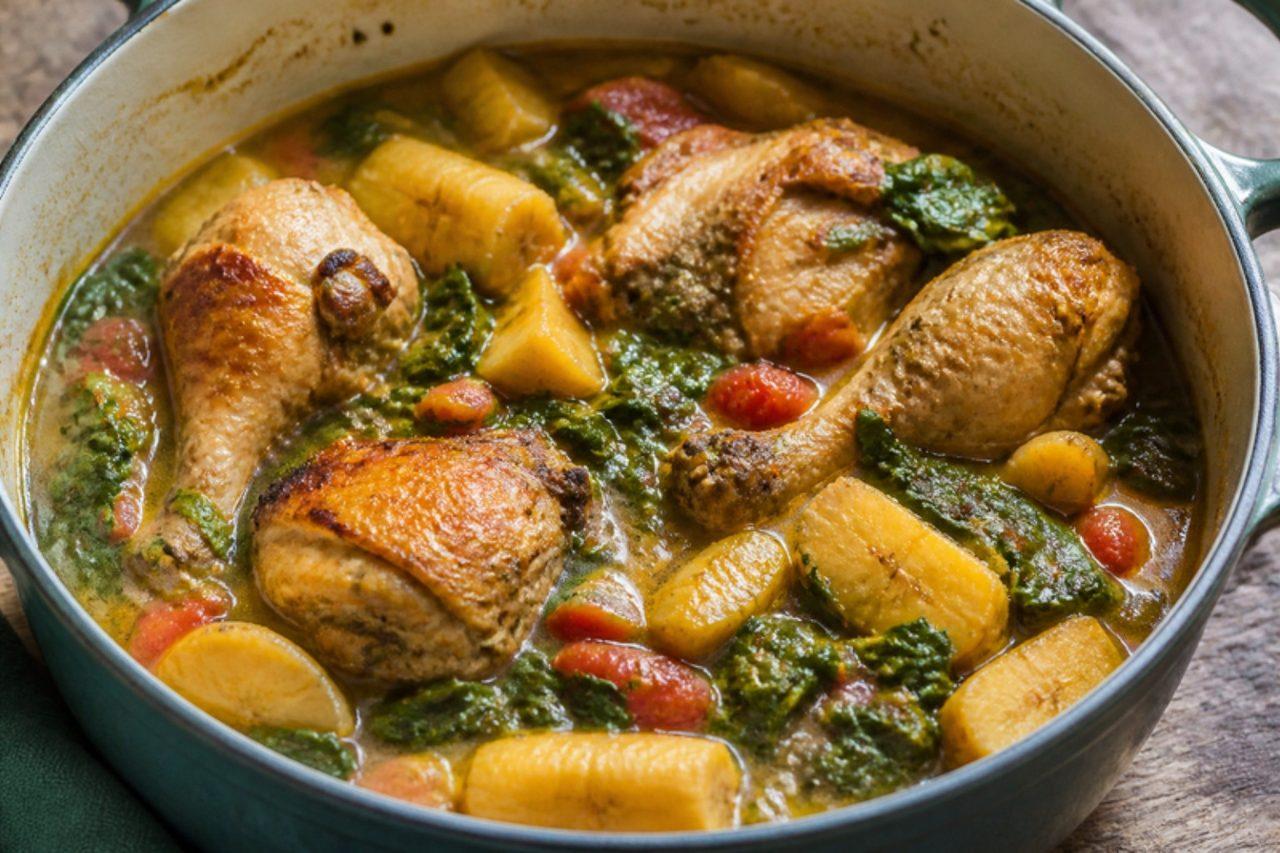
IgisafuliyaChicken and plantain pot

Igisafuliya simply means saucepan in Kinyarwanda, and the dish is named for the single pot that carries everything to the table at a Rwandan family gathering: bone-in chicken, green plantain, tomato, onion and a big handful of greens, all simmered together. The plantain thickens the broth as it softens, so you end up with tender chicken in a light, savoury, slightly peppery stew with soft green leaves through it. It needs nothing more than a chilli oil (akabanga, if you have it) at the table. The most common mistake is adding the spinach too early, so it goes grey and stringy. Chef's tip: brown the chicken skin well before anything else goes in; it is where most of the flavour of this plain-sounding pot comes from.

by KrazyBadal 0 views

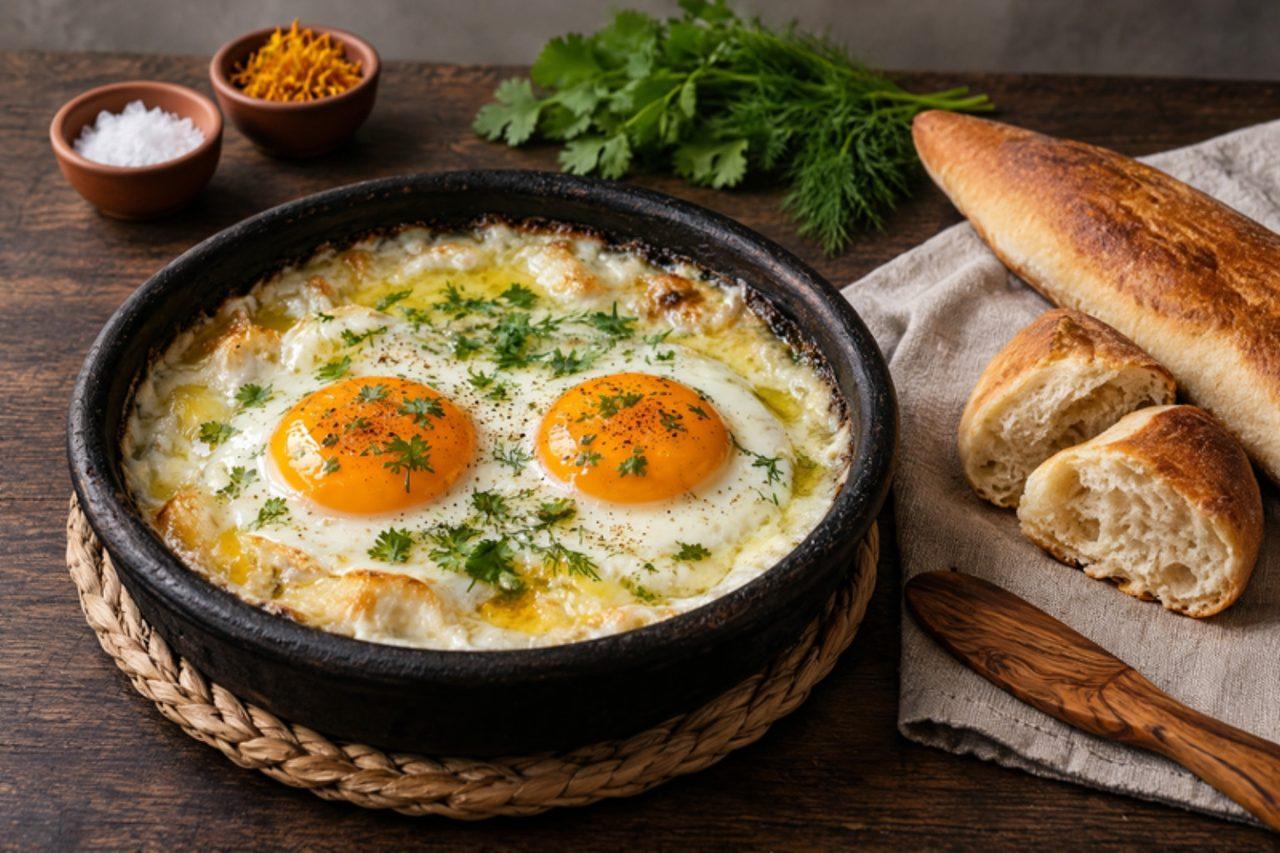
ErbokvertskhiEggs fried in butter

Erbokvertskhi means simply "butter-egg", and in Georgian homes from Tbilisi to the Imereti villages it is the breakfast cooked in a small clay ketsi or pan: eggs fried in plenty of erbo, the golden clarified butter, with slices of salty sulguni cheese melting around them. It is eaten with shoti bread and fresh herbs. Sulguni is often made with animal rennet; use a vegetarian mozzarella-style cheese if needed. The mistake is a timid amount of butter: the eggs should sizzle in it so the edges crisp. Serve the yolks fully set for anyone pregnant, young children, older people or anyone with a weakened immune system. Chef's tip: let the cheese melt and brown slightly before adding the eggs, so you get crisp cheese edges under soft whites.

by KrazyBadal 0 views

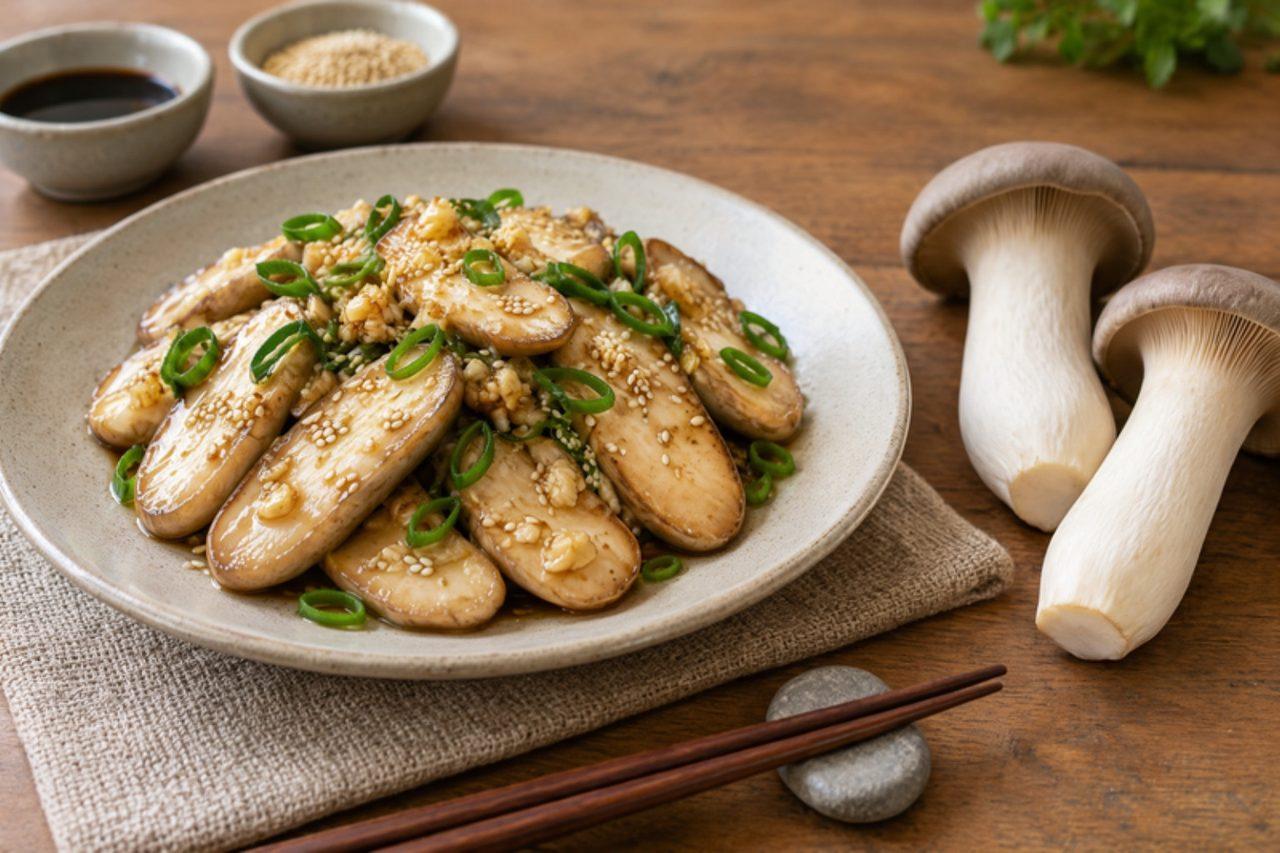
Saesongi beoseot bokkeumKing oyster mushroom stir-fry

King oyster mushrooms, saesongi in Korean, are cheap and meaty, and this quick stir-fry is a staple in Korean home kitchens for dinner banchan and next-day dosirak alike. The thick stems turn juicy and almost scallop-like, seasoned with just soy, garlic and spring onion. The common mistake is salting or saucing the mushrooms as soon as they hit the pan, which draws out their water so they stew instead of browning. Chef's tip: let the slices sear undisturbed in a hot pan until golden on one side before you add anything else.

by KrazyBadal 0 views

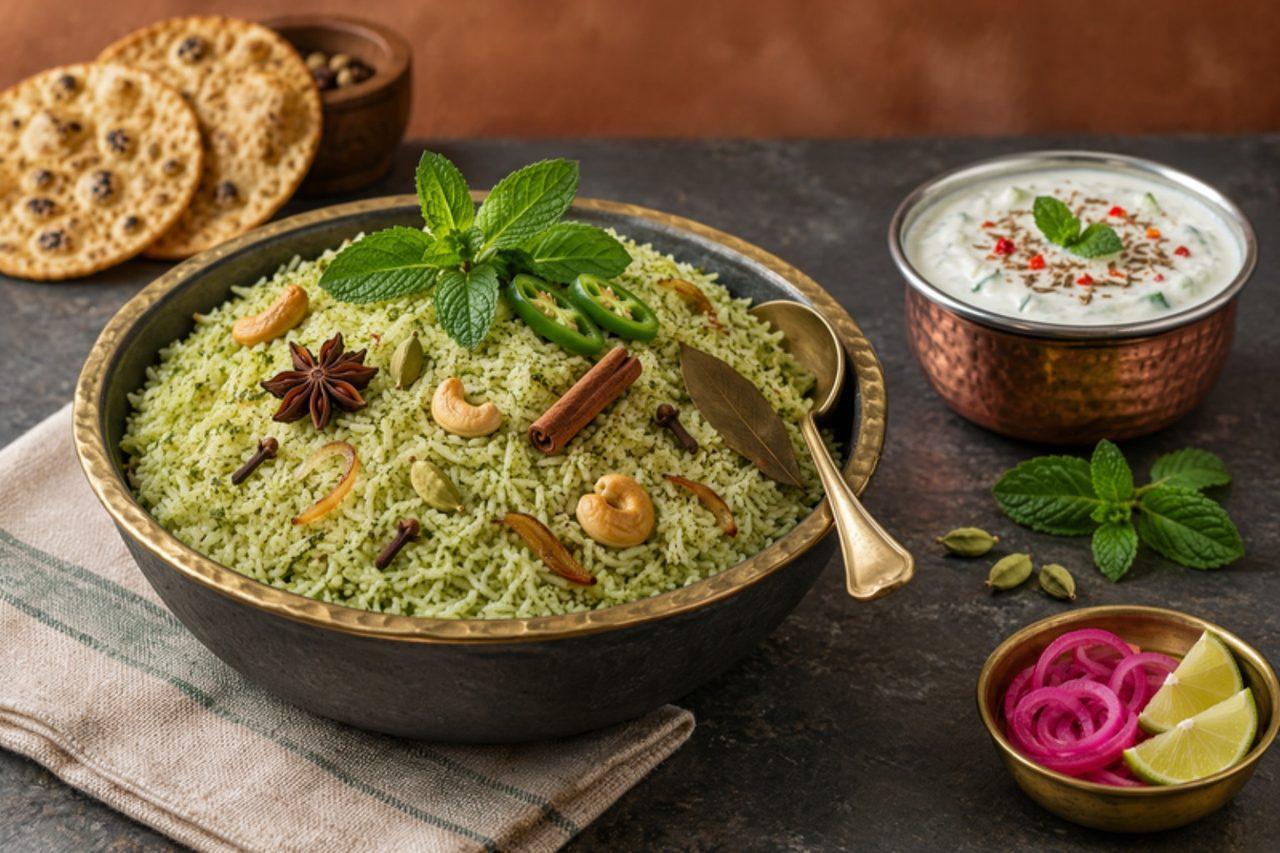
Pudina pulao (mint pulao)

Mint pulao turns up in tiffins from Hyderabad to Delhi in summer, when mint grows like a weed on balconies, and it is a lunch box that still smells fresh at one o'clock. Basmati is fried with whole spices and onion, then cooked in water coloured with a paste of mint, coriander, green chilli and ginger. The mistake is boiling the mint paste for a long time before the rice goes in, which turns it khaki and bitter; add it, stir for a minute, and get the rice in. Chef's tip: a squeeze of lime in the cooking water keeps the green colour brighter.

by KrazyBadal 0 views

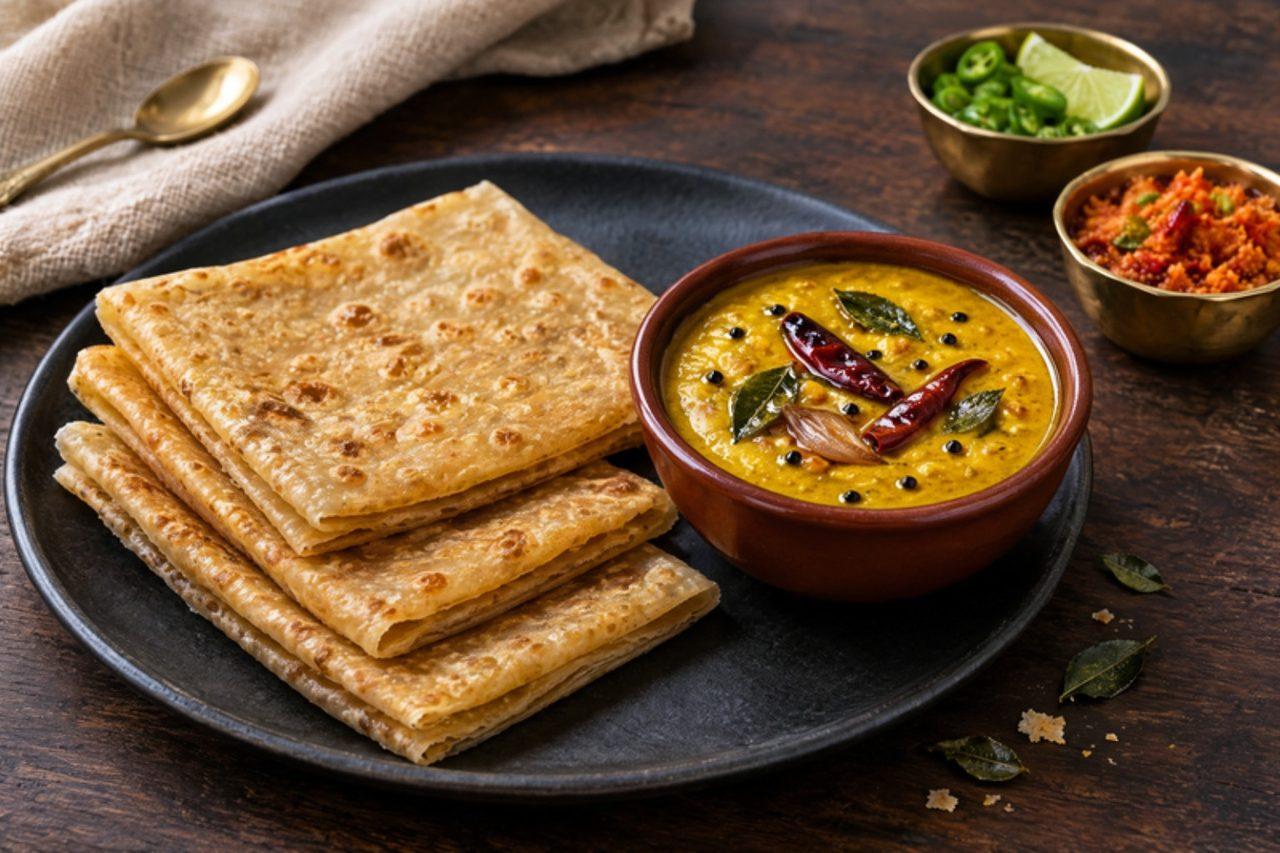
Godamba rotiThin griddle flatbread

Walk down Galle Road through Wellawatte or Bambalapitiya in the evening and you hear the roti shops before you see them: one cook slapping balls of oiled dough into sheets so thin you can read through them, another clattering the kottu blades. That stretched sheet, folded into a square and cooked on the iron plate, is godamba roti, flaky and chewy, torn to scoop up dhal and chicken curry, or chopped up for kottu. Contains wheat. Chef's tip: rest the oiled dough balls for at least 2 hours; the gluten relaxes so the dough stretches thin without tearing.

by KrazyBadal 0 views

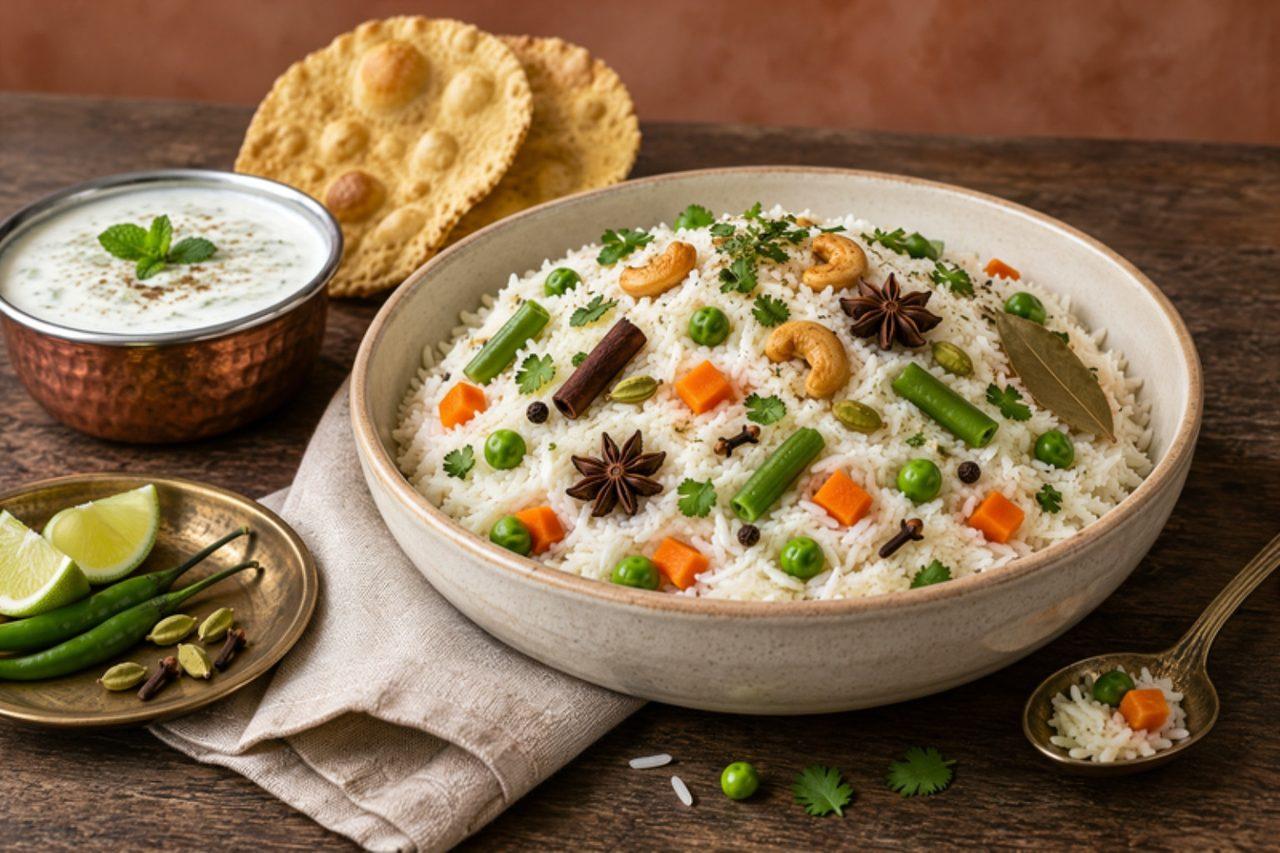
Vegetable pulao

This is the plain, comforting pulao that gets packed for small children all over India, from Kolkata to Bengaluru: no chilli heat, just whole spices, a little fried onion and plenty of carrot, beans and peas. It is just as good warm or at room temperature, with a pot of raita or a few potato wedges alongside. The mistake is stirring the rice once the water goes in, which breaks the grains and makes it gluey; cover the pan and leave it alone. Chef's tip: cut the vegetables the size of a pea, so a child's spoon gets rice and vegetables in every bite.

by KrazyBadal 0 views

Citron presséFresh lemon drink

Order a citron pressé on a Paris terrace in July, or at a café in Nice after the beach, and the waiter brings a tall glass with an inch of freshly squeezed lemon juice, a carafe of iced water, a sugar bowl or a little jug of syrup and a long spoon. You build the drink yourself, as sharp or as sweet as you like, which is half the pleasure; French children learn to drink it with plenty of sugar, grown-ups often with almost none. It is bright, sour and cleansing, nothing like bottled lemonade, and best in the late afternoon heat. The common mistake is stirring granulated sugar straight into cold lemon water: it sinks and never dissolves, so the first sips are sour and the last a sludge. Dissolve the sugar in the juice first, or use a quick syrup. It is ready when the sugar has vanished, the drink tastes balanced to you and the glass is beaded with cold. Unwaxed lemons matter if you add a twist of peel. Chef's tip: pour the water over ice slowly and taste after half the carafe; most people find they need less water than they expect.

by KrazyBadal 0 views

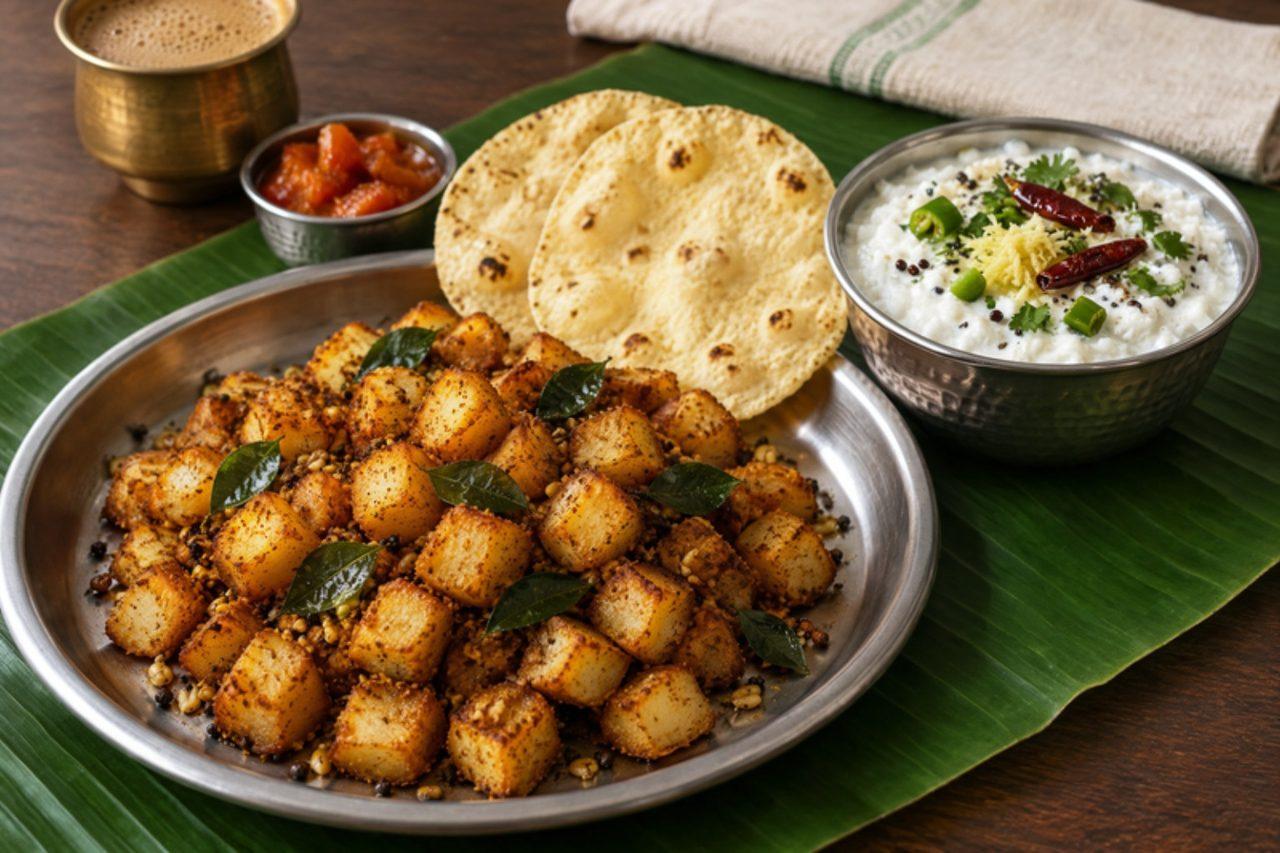
Urulaikizhangu roast (Tamil potato roast)

In Tamil lunch boxes, curd rice almost always comes with this: small cubes of boiled potato roasted slowly in a cast-iron pan with sambar powder, chilli and curry leaves until they are dark, crusty and chewy at the edges. It is a dry side, so it does not leak into the rice, and it tastes as good cold as hot. The mistake is stirring all the time; the potatoes need to sit undisturbed against the hot pan for a few minutes at a time to build the crust. Chef's tip: a teaspoon of rice flour scattered over in the last few minutes makes the coating even crisper.

by KrazyBadal 0 views

Cabbage paratha

North Indian mothers turn half a cabbage into a stack of parathas for the morning tiffin: the cabbage is grated, salted and squeezed, then seasoned with ginger, chilli and dry spices and rolled inside wholewheat dough. Warm with butter it is a breakfast; rolled and wrapped in foil it travels to school with curd or pickle. The common mistake is skipping the squeeze, so the cabbage weeps through the dough and the parathas tear. Chef's tip: mix the spices into the cabbage only just before stuffing, because the salt keeps drawing out water the longer it sits.

by KrazyBadal 0 views

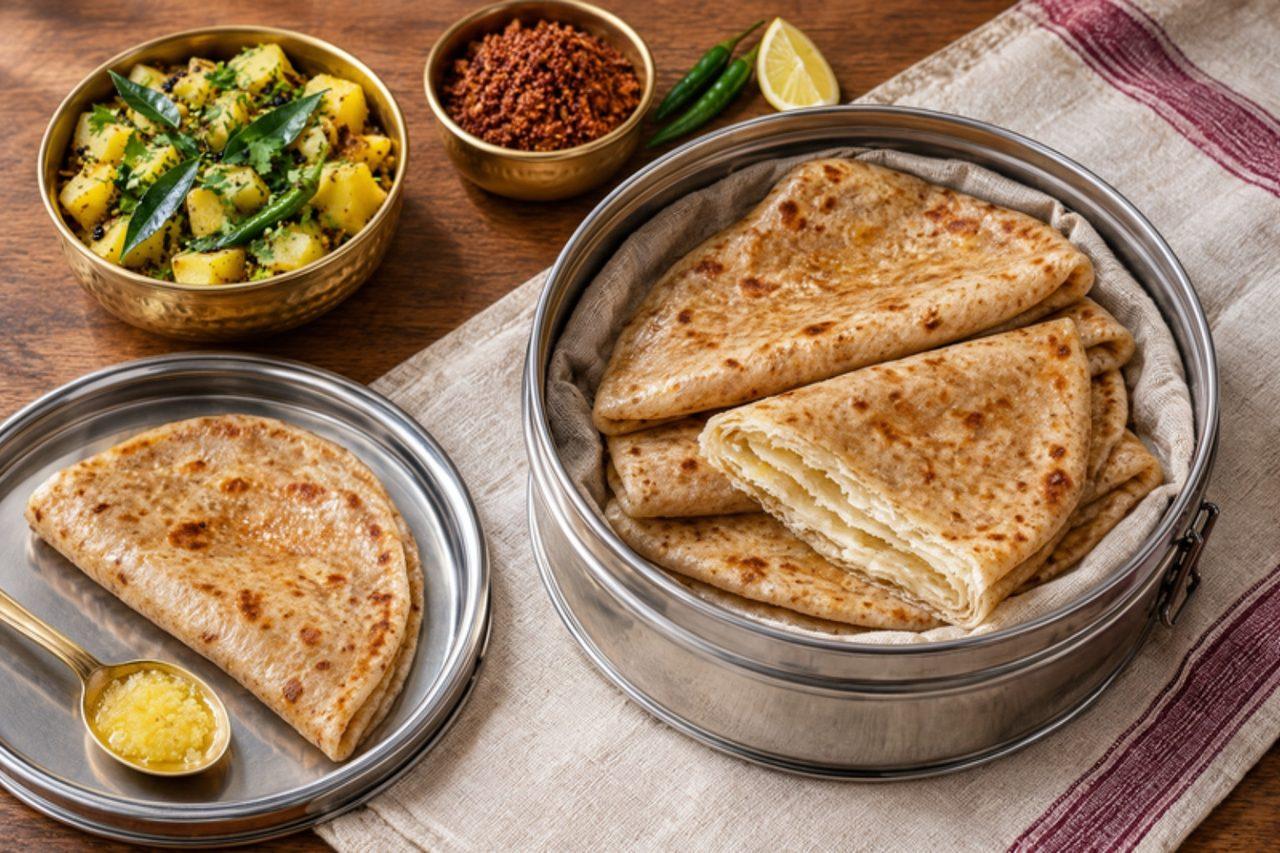
Ghadichi poliLayered chapati

In Maharashtrian homes the everyday poli is not a plain chapati but a ghadichi poli: the dough is oiled, folded into a triangle and rolled again, so it puffs into soft, separate layers that stay tender in a dabba until lunchtime. Mumbai's dabbawalas carry thousands of them every day alongside bhaji and dal. The common mistake is a stiff dough, which makes leathery polis; it should be softer than you think. Chef's tip: as soon as each poli comes off the tawa, clap it between your palms to break open the layers, then stack it in a cloth-lined box.

by KrazyBadal 0 views

Cola de monoCoffee and milk liqueur drink

In Santiago, December means cola de mono: bottles of cold, coffee-coloured spiced milk that families make days ahead and open on Christmas Eve and New Year's Eve, poured beside slices of pan de pascua, the dense Chilean fruit cake. The traditional version is for adults only, spiked with grape aguardiente; pour small glasses and drink responsibly. It tastes like a sweet, cold café con leche with cinnamon, clove and orange, the aguardiente adding a warm finish, and the texture is smooth and light, never thick. Each glass has about as much caffeine as a small, weak coffee, so use decaf for anyone sensitive. The classic mistake is adding the aguardiente while the milk is still hot: much of the alcohol steams away and the milk can catch and curdle. Let the spiced milk cool completely first. It is ready when the colour is an even tan, the spices smell strong but the milk tastes clean, and it is fridge-cold. It keeps 3–4 days in the fridge in clean bottles; shake before pouring and throw it out if it smells sour. Chef's tip: make it two days ahead; the spices keep blooming and it tastes noticeably rounder.

by KrazyBadal 0 views

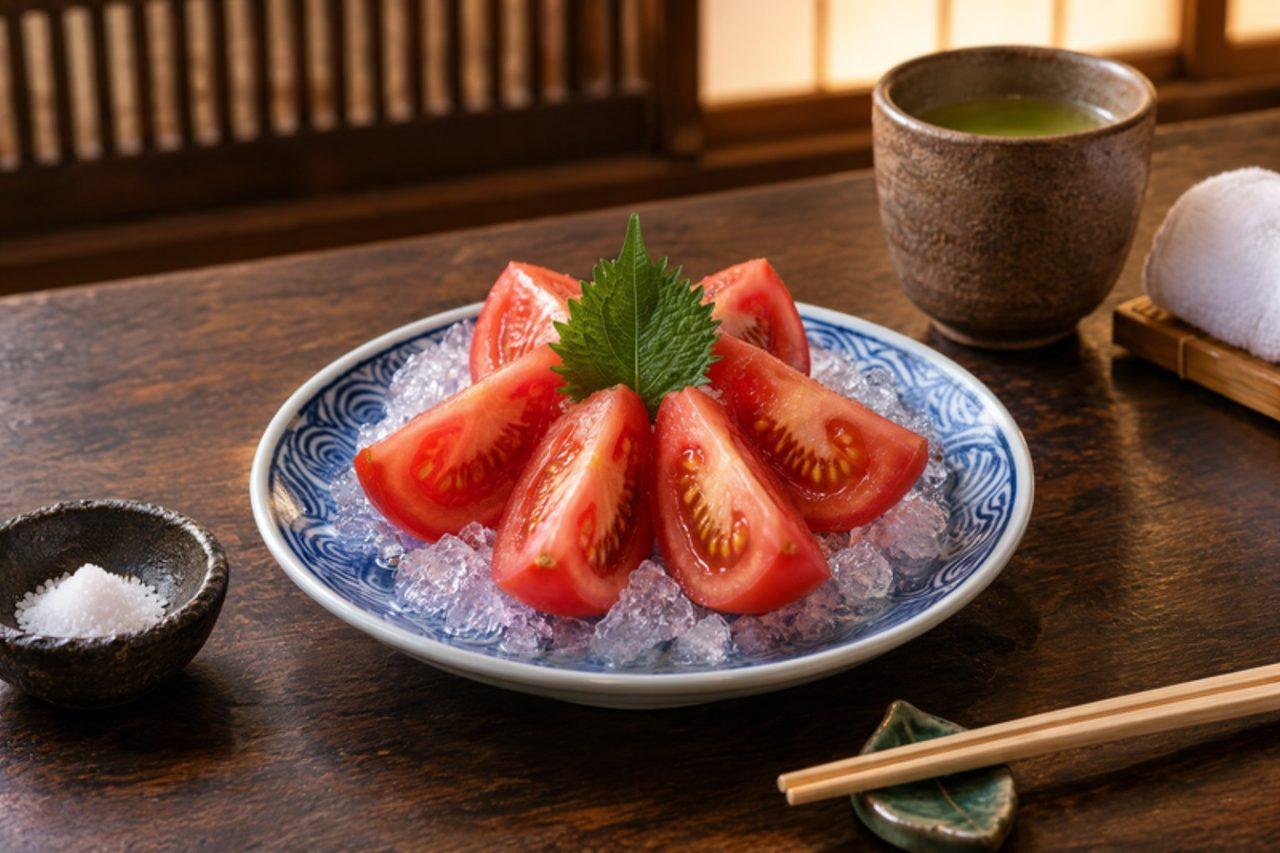
Hiyashi tomatoChilled tomato

Hiyashi tomato is the simplest thing on any Japanese izakaya menu in July and August: ripe tomatoes, chilled until icy, cut into wedges and served on a small plate, sometimes on crushed ice, to cool down a hot evening in Tokyo or Osaka. Many bars sprinkle salt; this home version leaves it out and offers a few drops of rice vinegar and toasted sesame oil instead, so the tomato's own sweetness and acidity do the work. About 0.0 g added salt; roughly 0.03 g per portion occurs naturally in the tomato. The usual mistake is using hard, pale supermarket tomatoes: this dish is only as good as the fruit, so buy deep red ones that smell of tomato at the stalk. Chef's tip: chill the plate as well as the tomatoes, so the wedges stay cold to the last bite.

by KrazyBadal 0 views

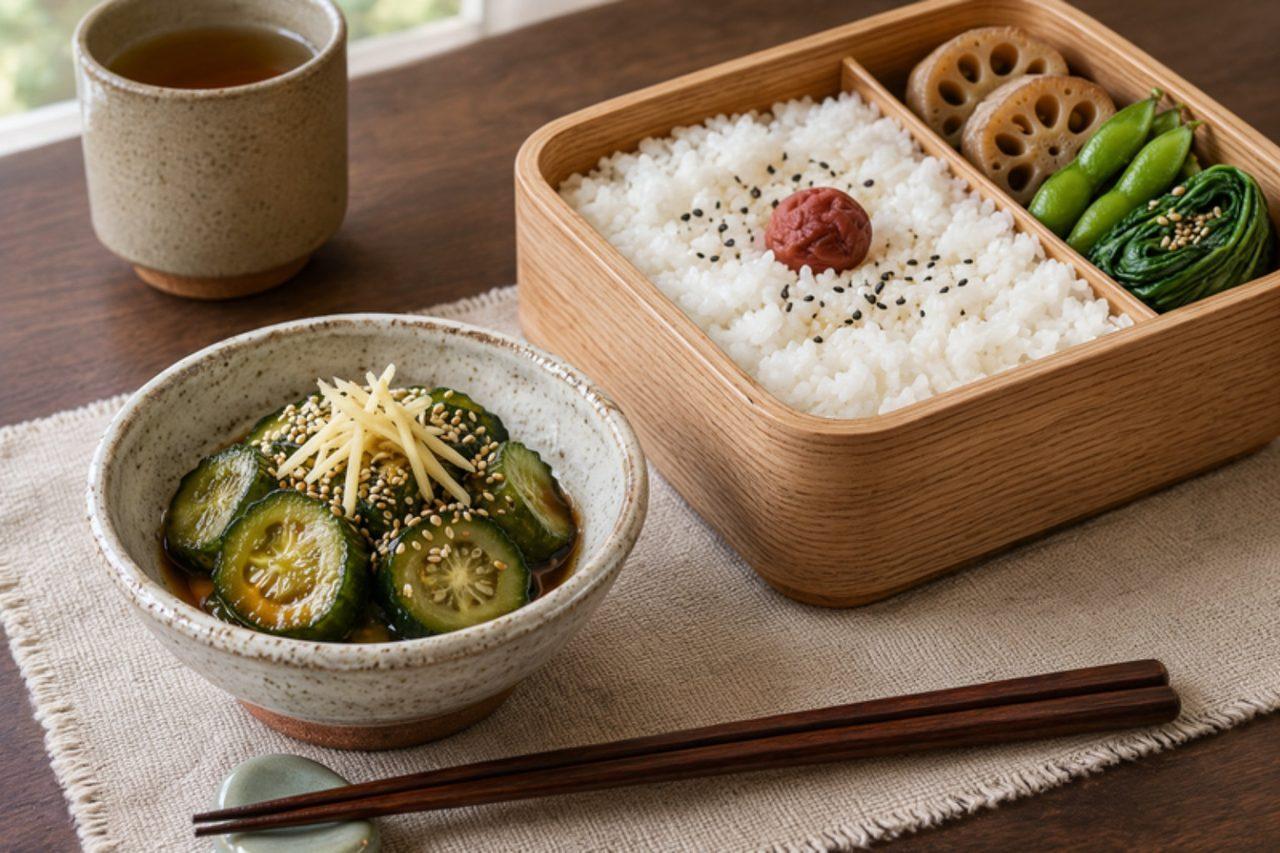
Kyuchan cucumber pickle

Kyuchan is the sweet-salty soy pickle that Japanese mothers tuck into the corner of a bento: thin coins of cucumber that stay crunchy for days thanks to an old trick of pouring hot pickling liquid over them several times. It brightens plain rice and cuts the richness of fried karaage-style dishes. The common mistake is simmering the cucumbers in the sauce, which makes them soft and grey; they should only ever sit in hot liquid off the heat. Chef's tip: squeeze the salted cucumbers really hard in a cloth, because every drop of water you remove is crunch you keep.

by KrazyBadal 0 views

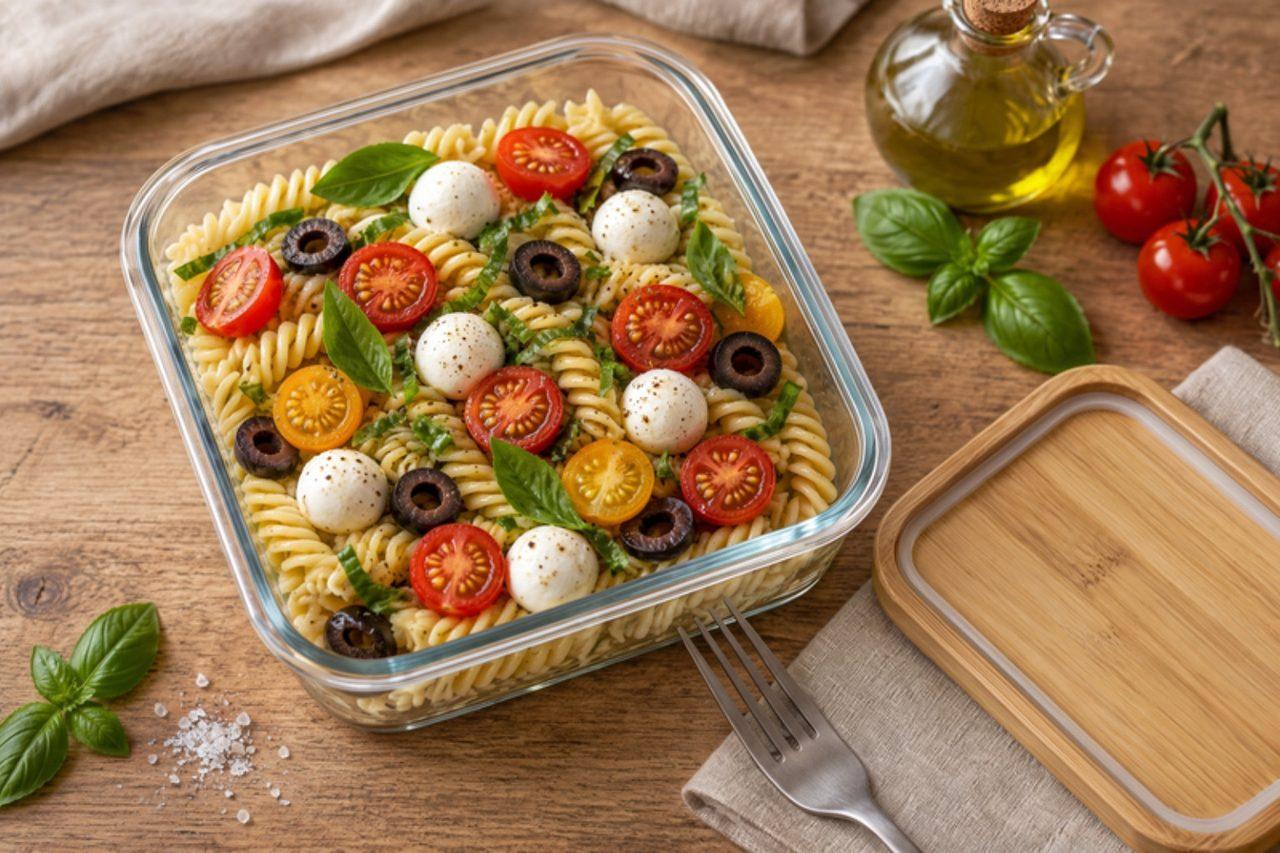
Insalata di pastaCold pasta salad

When Milan's offices empty onto park benches in July, the schiscetta (the Milanese word for a packed lunch tin) usually holds pasta fredda: short pasta dressed with olive oil, sweet cherry tomatoes, little mozzarella balls, black olives and torn basil. It is made the night before and tastes best at cool room temperature, never fridge-cold. The common mistake is rinsing the cooked pasta under the tap until it is icy and then dressing it: the starch closes up, the oil slides off and the salad tastes flat. Many mozzarellas are made with animal rennet, so look for one labelled vegetarian, or use cubes of a vegetarian cheese. Pack it with an ice pack and take it out of the bag 20 minutes before eating. Chef's tip: toss the drained, still-warm pasta with half the oil and the salted tomatoes straight away so it drinks up their juice.

by KrazyBadal 0 views

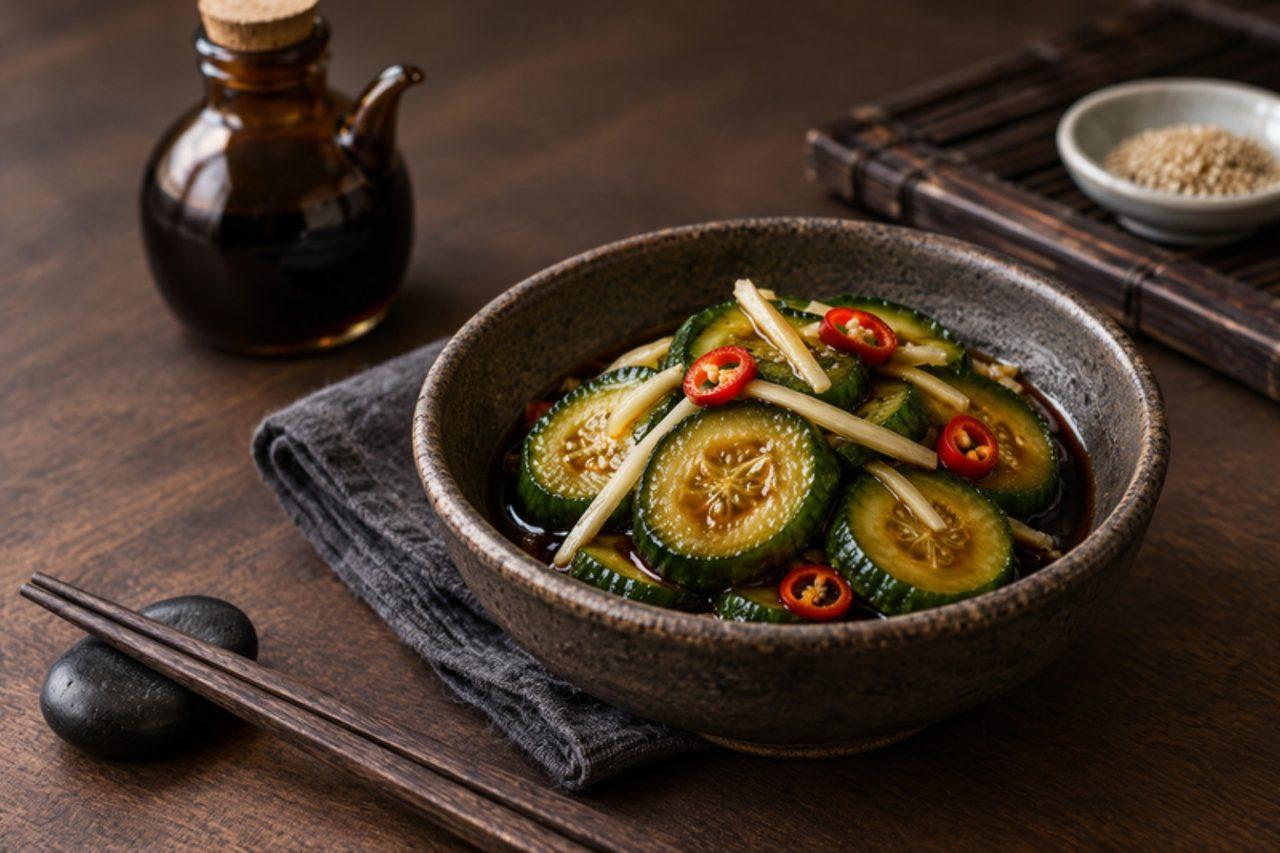
Kyuri no shoyuzukeSoy-pickled cucumber

When summer gardens across Japan produce more cucumbers than anyone can eat, grandmothers make this: thick cucumber rounds scalded in a pot of soy sauce, vinegar, sugar, ginger and chilli, then left to soak. It appears in July and August beside white rice and miso soup, rolled into onigiri, and on the table at rural inns as the small dish everyone reaches for. It is deeply savoury, a little sweet, with a ginger and chilli warmth and a surprising snap, because the cucumbers are drained and scalded again instead of simmered. The common mistake is boiling the cucumbers in the liquid: they go soft and olive-coloured. Instead, pour the boiling liquid over, drain it off, reheat it, and pour it back, twice; each round draws out water and keeps the crunch. They are ready when the rounds are glossy dark brown, slightly wrinkled at the edges and crunchy right through. Use firm, small-seeded cucumbers such as Japanese or Lebanese; large salad cucumbers with big seeds go soggy. Chef's tip: add a strip of kombu in the last round and a handful of toasted sesame seeds when you serve, for deeper flavour.

by KrazyBadal 0 views

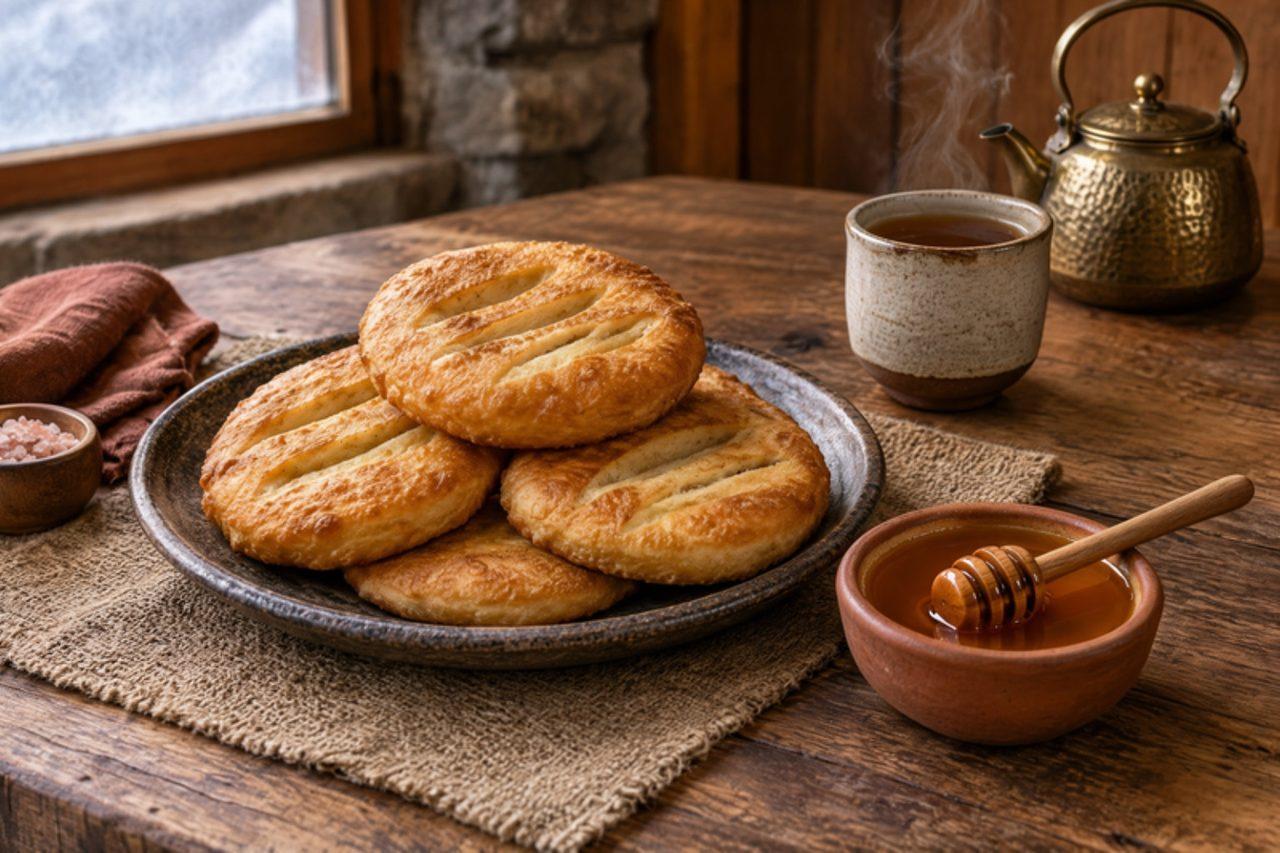
Tibetan fried breadPuffed fried bread

Trekkers in the Everest and Annapurna regions, and early risers in Kathmandu's Boudha neighbourhood, know this bread: rounds of dough slashed down the middle and fried until they puff, golden outside and soft inside. Tibetan families eat it with honey or jam, with a bowl of potato or chickpea curry, and with salty butter tea. The mistake is rolling the dough too thin; at about 1 cm thick it stays tender, while thin dough fries into a hard cracker. Chef's tip: let the shaped rounds rest for 10 minutes before frying so the gluten relaxes and the bread balloons evenly.

by KrazyBadal 0 views

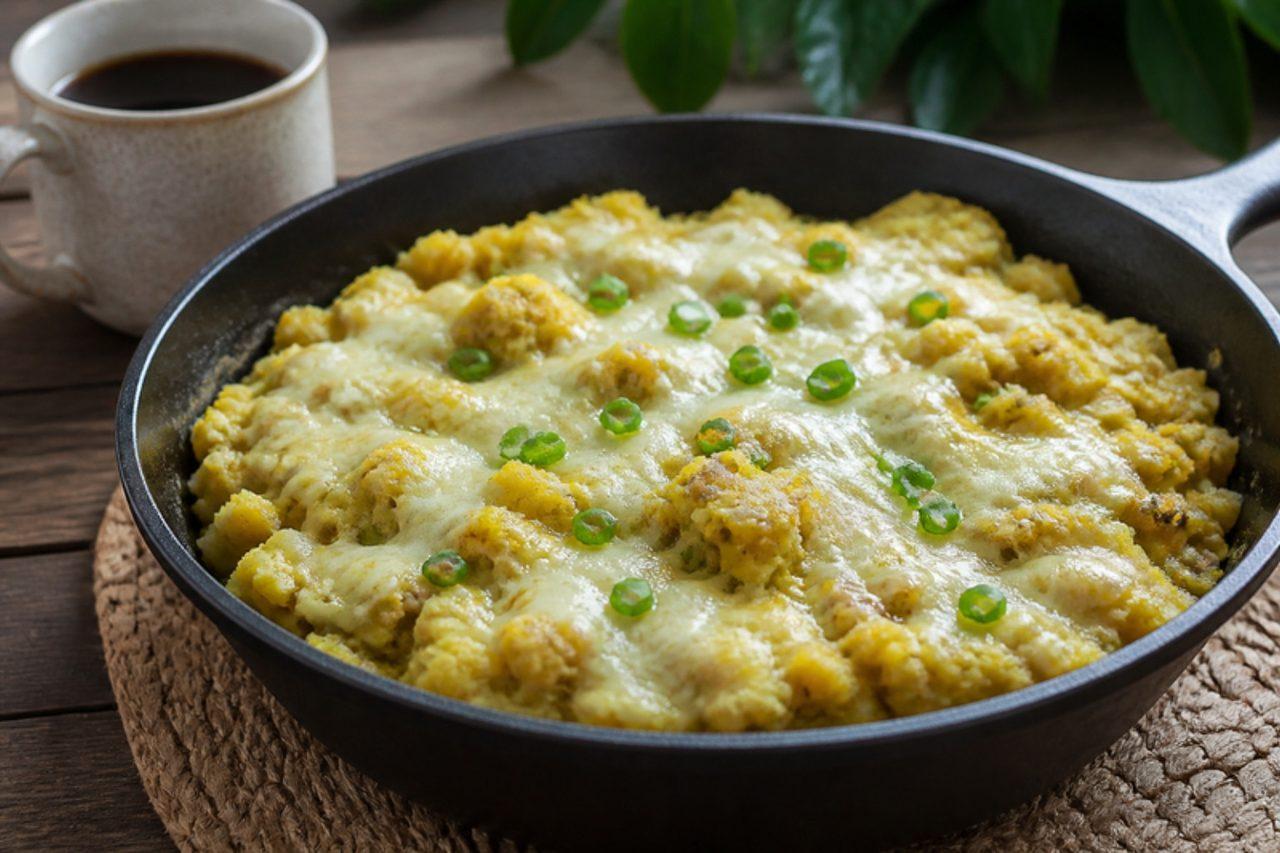
TigrilloPlantain scramble with egg and cheese

Tigrillo comes from Zaruma, the gold-mining hill town of El Oro province, where cafés serve it as the morning plate before work: boiled green plantain crushed into rough chunks, fried in an onion and achiote sofrito, then bound with scrambled egg and melting fresh cheese. It is savoury, filling and a little crisp at the edges, best with a strong coffee and a spoonful of chilli sauce. The mistake people make is mashing the plantain smooth like potato; leave it chunky, as the name (a little tiger, for its patchy look) suggests. Traditional queso fresco is often set with animal rennet; choose a cheese labelled vegetarian if that matters to you. Chef's tip: boil the plantains until a knife slides in easily; undercooked green plantain stays hard however long you fry it.

by KrazyBadal 0 views

Showing 90 of 8,120 recipes

Page 196 of 903