


Skip to content
Jus de bouye
Featured recipe

Jus de bouye

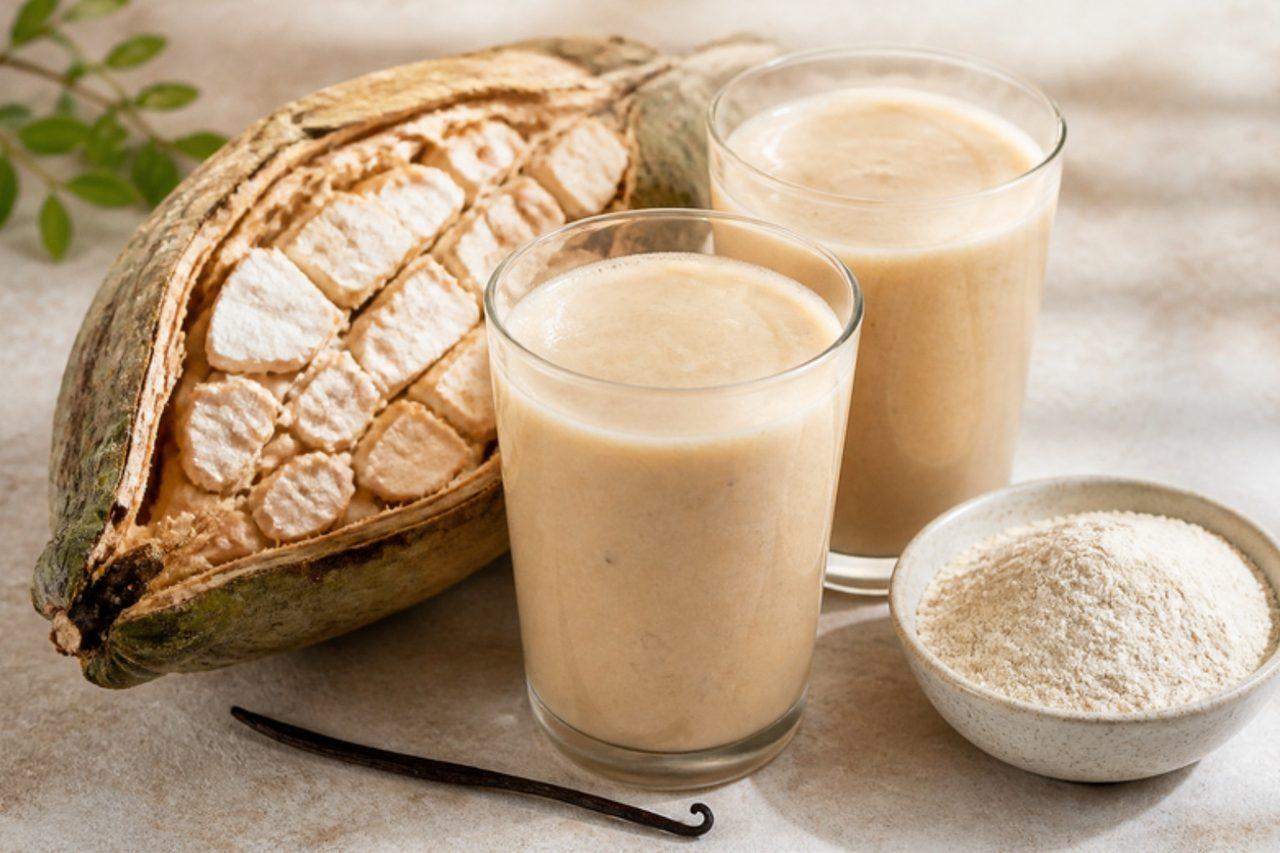
Bouye is the Wolof name for the powdery white pulp of the baobab fruit, and jus de bouye is the thick, creamy-tart drink sold in reused bottles from coolers all over Dakar and served at every family celebration. It tastes like sherbet with a hint of pear. Most cooks now use baobab powder, which is sold in health shops as well as African grocers. Sweetened condensed milk is optional but common. Chef's tip: whisk the powder into a little water first to make a smooth paste; poured straight into a jug it forms lumps that never dissolve.

Read more 0 views

What to eat today?

Around the world

Today's trip: Paraguayan

A new country every day, from every cuisine on the site.

This week's collection

Kid-friendly dinners
537 recipes · a new collection every Monday

Latest recipes

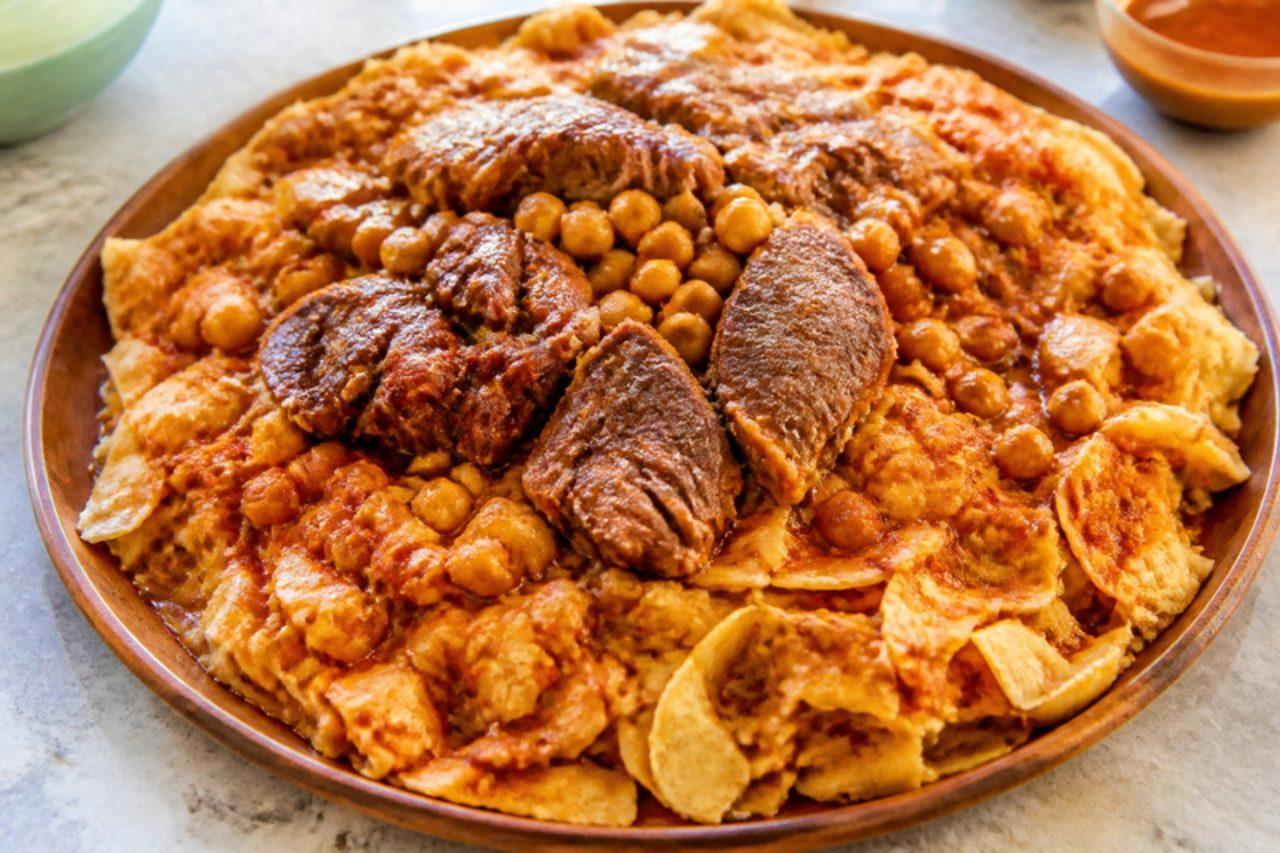
Chakhchoukha (torn flatbread in lamb sauce)

Biskra claims chakhchoukha as its own, though Constantine and the whole east cook it for weddings, Eid and the arrival of guests: sheets of thin rougag are torn into small pieces, softened with steam and soaked in a fiery red sauce of lamb, tomato, chickpeas and whole green chillies, then served from one big wooden or clay dish. The bread turns soft and silky, almost like pasta, and soaks up the peppery, deeply savoury sauce. Use homemade rougag or the dried sheets sold in Algerian shops. Chef's tip: moisten the bread with sauce a ladle at a time and toss between additions; pouring it all over at once is the usual mistake, and the bread turns to paste.

120 minAlgerianMeatSpicy
by KrazyBadal 0 views

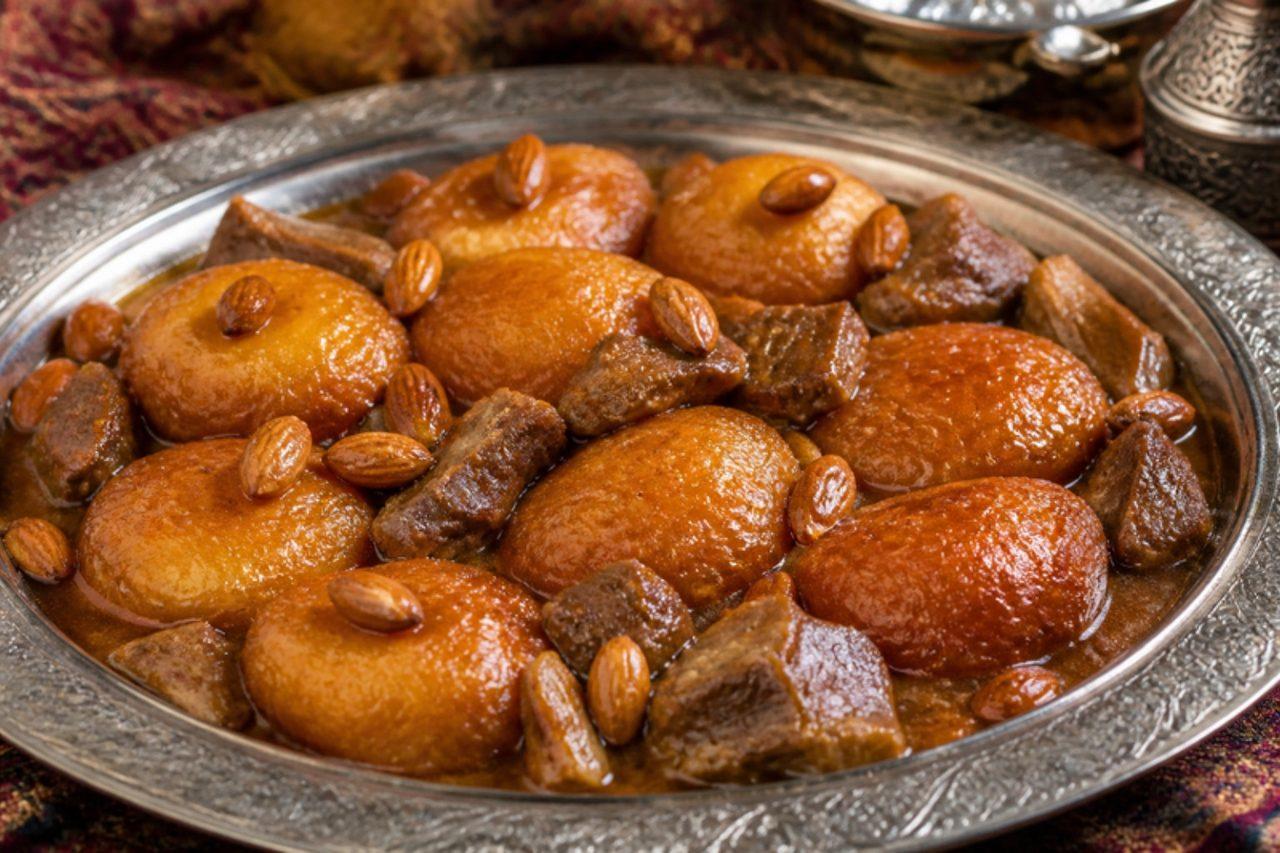
Chbah essafra (almond fritters in lamb sauce)

Cooks in Algiers bring out chbah essafra for weddings and grand family dinners, where it is served as the sweet main course: diamonds of almond paste scented with lemon and cinnamon are dipped in egg, fried golden and laid around tender lamb in a pale, buttery sauce sweetened with sugar and orange-blossom water. The contrast of savoury meat and soft, sweet almond is the point, and the dish is rich, so small portions with bread are usual. Chicken can replace the lamb, with a shorter cooking time. Chef's tip: warm the fritters in the sauce only at the table; dropping them into bubbling sauce is a common mistake, and they fall apart.

130 minAlgerianMeat
by KrazyBadal 0 views

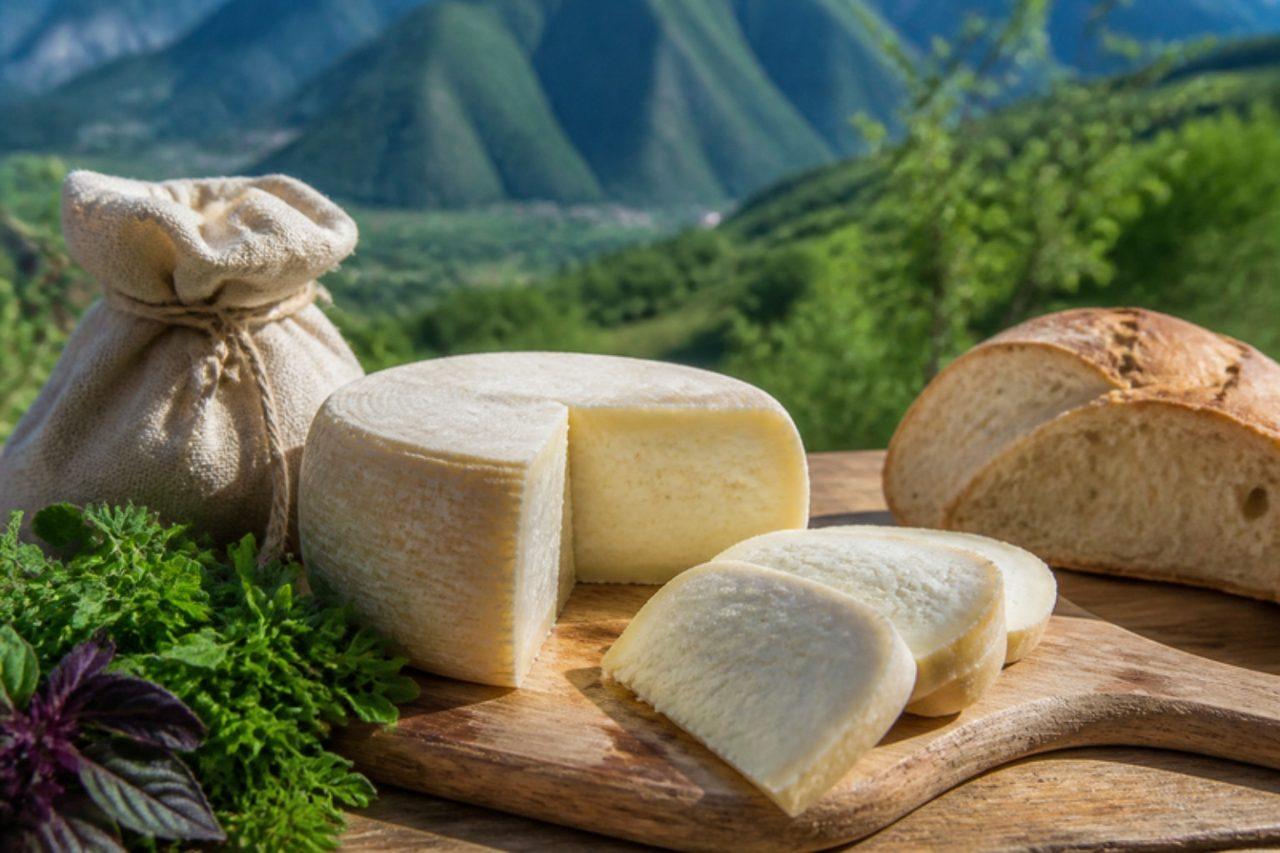
Guda cheese

Tush shepherds make guda in summer huts high above the Alazani valley, pressing sheep's-milk curd into bags sewn from sheepskin, where it ripens into a crumbly, pungent cheese that travels down to Telavi markets in autumn. You cannot copy the sheepskin at home, but you can make a firm, salty sheep's-milk cheese and ripen it in a cloth in the fridge for two to three weeks, which gives a similar sharp, grassy bite. Traditionally the milk is set with animal rennet; vegetarian (microbial) rennet works the same way. A common mistake is cutting the curd before it gives a clean break, which leaves a soft, wet cheese that sours instead of ripening. Chef's tip: grate aged guda over hot ghomi or khinkali; its strong flavour goes a long way.

by KrazyBadal 0 views

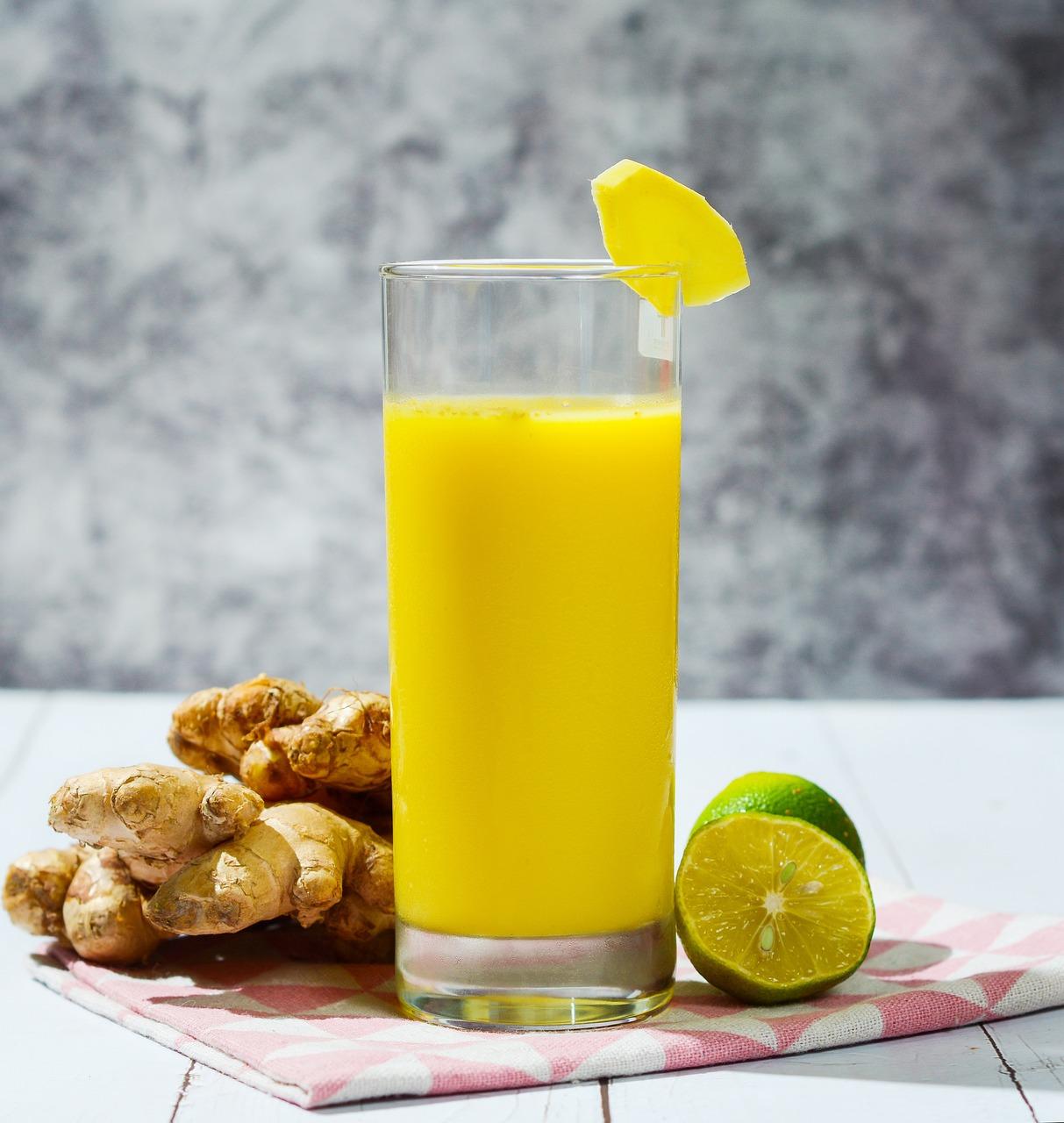
Senegalese ginger juice

Nearly every Senegalese party, baptism and wedding table carries a jug of jus de gingembre next to the bissap, and Dakar street sellers keep it in frosted plastic bottles. Fresh ginger is blended with water, left to steep, strained and sweetened, then brightened with lemon and mint. Expect a sweet first sip followed by a strong, warming burn that is surprisingly refreshing when the drink is ice cold. Some cooks add a little pineapple juice or vanilla for a rounder taste. Chef's tip: taste before serving and dilute with cold water if it is too fierce; the most common mistake is serving it undiluted, when it can be strong enough to make people cough.

by KrazyBadal 0 views

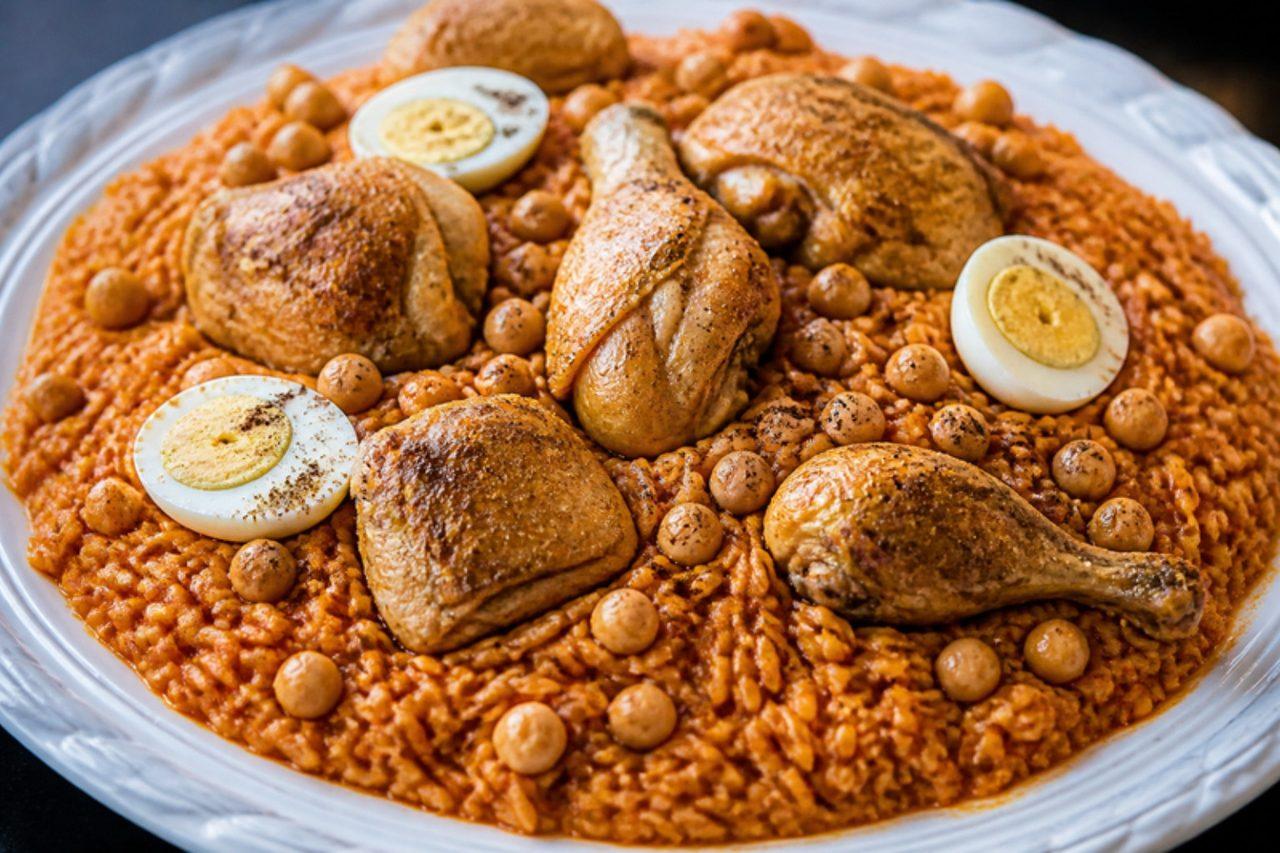
Tlitli (Algerian rice-shaped pasta with chicken)

Tlitli is a tiny pasta shaped like grains of rice, once rolled by hand and now sold dried, and in Algiers and Constantine it is cooked for family feasts such as Ennayer, the Amazigh New Year, or the return of a pilgrim. The pasta soaks up a red sauce of chicken, onion, tomato, paprika, cinnamon and chickpeas, and is piled on a platter with the chicken and halved boiled eggs on top. Expect a cosy, gently spiced dish, a bit like a red risotto, with soft pasta and tender chicken. Orzo is a good stand-in if you cannot find tlitli. Chef's tip: toast the pasta in oil before adding sauce; untoasted tlitli tends to clump and turn mushy, a common mistake.

by KrazyBadal 0 views

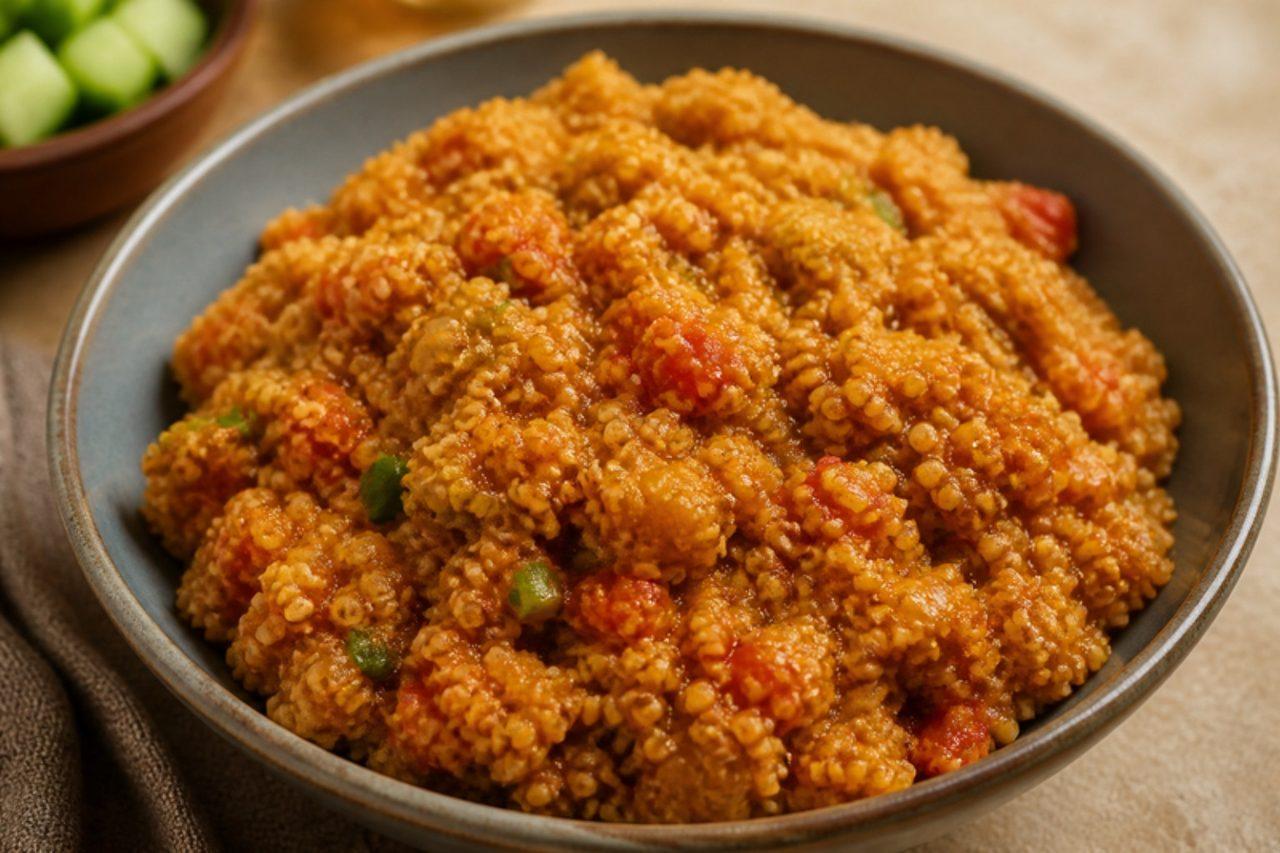
Djouka (fonio with peanut sauce)

Fonio, the tiny ancient grain of the Sahel, cooks in minutes, and Fula (Peul) families in Mali turn it into djouka by steaming it fluffy and folding it into a thick, savoury peanut sauce with onion, tomato and chilli. Meat is often added for guests and festivals; this is the meat-free home version, rich enough to stand alone as a main dish. The grains stay light and separate, coated in a sauce that is nutty, gently sweet from slow-cooked onion and warm with pepper. Serve it with a fresh tomato and onion salad or a bowl of sour milk on the side if you are not keeping it vegan. The usual mistake is cooking fonio in too much water; it turns to paste. Steam it or use a small amount of water. Chef's tip: rinse fonio in several changes of water and let the grit settle each time, because unwashed fonio often carries fine sand.

by KrazyBadal 0 views

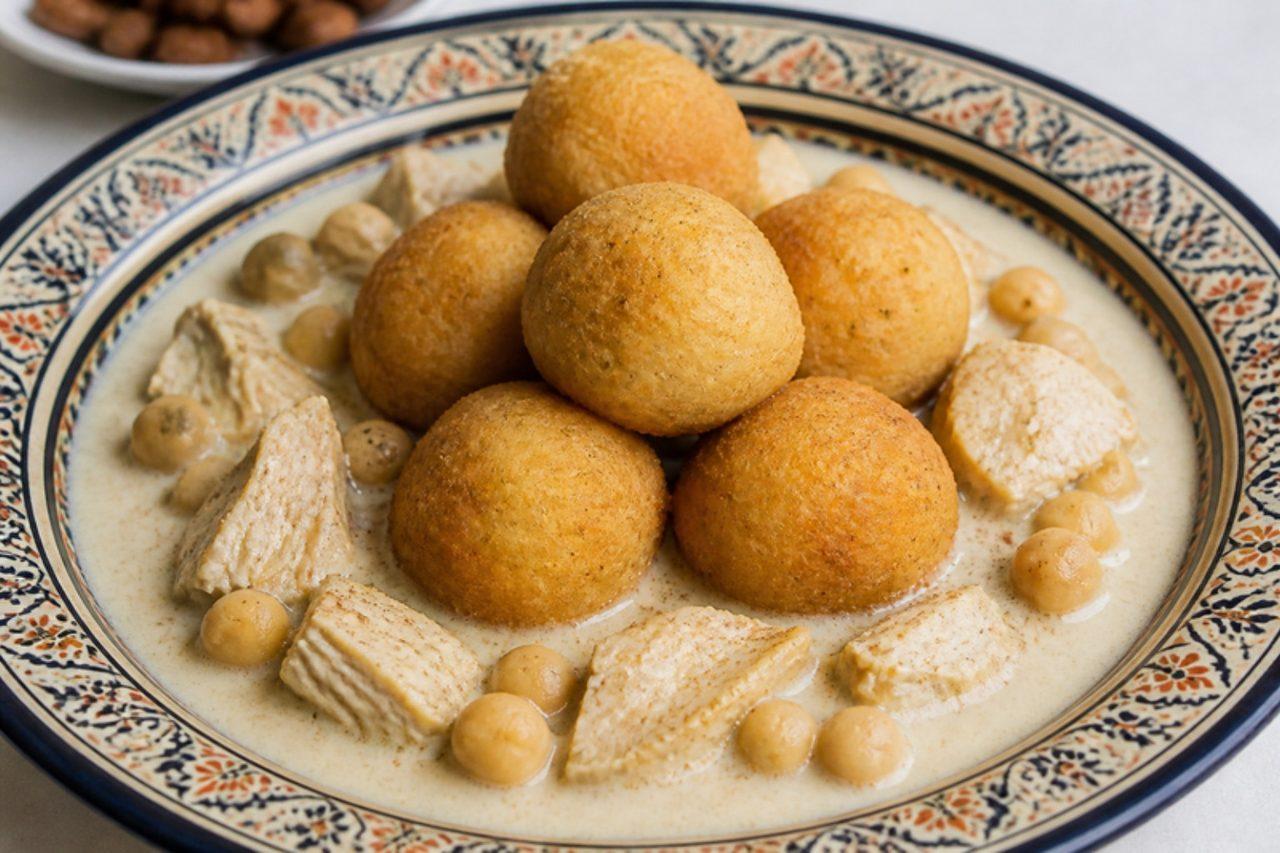
Sfiria (cheese croquettes in chicken sauce)

Sfiria belongs to the old bourgeois cooking of Algiers, served on Ramadan evenings and at family celebrations: little croquettes of soaked bread, grated cheese and egg, scented with cinnamon, are fried golden and then laid in a pale chicken and chickpea sauce flavoured with cinnamon and white pepper. The croquettes are light and spongy, soaking up just enough sauce to be juicy, and the dish tastes delicate and faintly sweet. Day-old white bread without crusts gives the best texture. Chef's tip: add the croquettes to the sauce only at the last minute; leaving them to simmer is the common mistake, and they swell, go soggy and fall apart.

by KrazyBadal 0 views

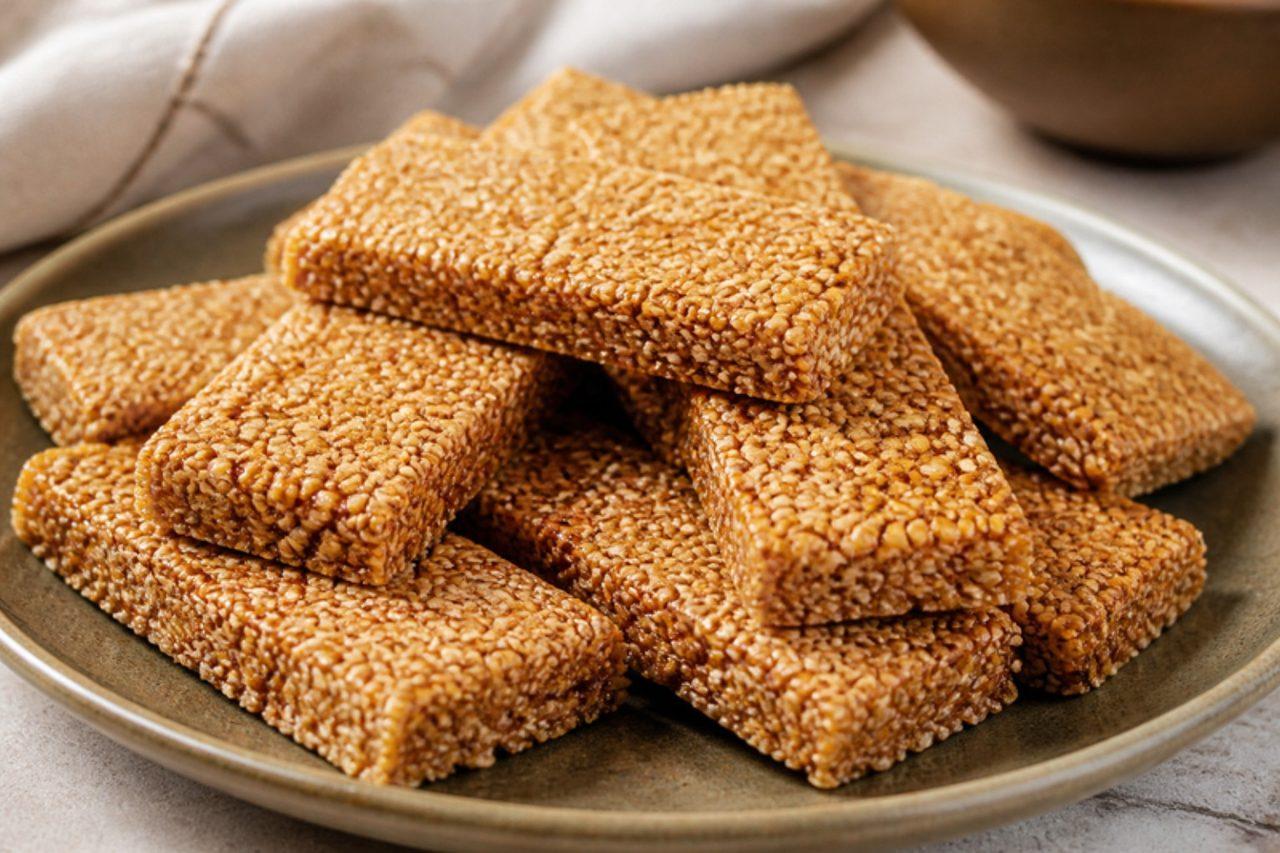
Meni-meniyong (Malian sesame honey sticks)

Toasted sesame seeds bound with hot honey and a knob of butter, then pulled into sticks before they harden: meni-meniyong is a little Malian sweet sold at markets and made at home for guests and festive days. The sticks are crisp at the edges, chewy in the middle, and taste deeply of toasted seeds and dark honey. They need only three ingredients but reward careful heat. Children love them, and they keep well in a tin. Chef's tip: cook the honey until a drop in cold water forms a firm ball; pulling it off too early is the usual mistake, and the sticks stay soft and sticky instead of setting.

by KrazyBadal 0 views

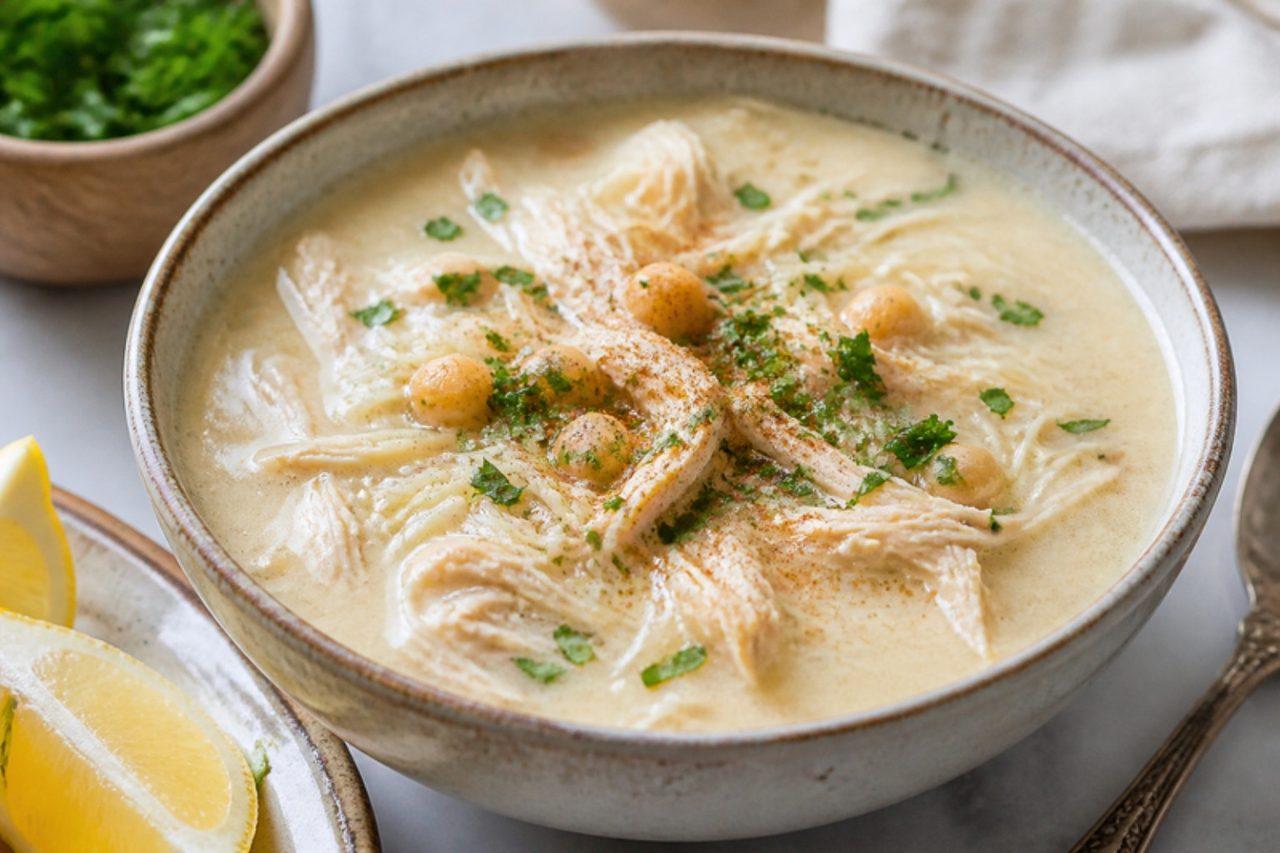
Chorba beida (Algerian white chicken soup)

Unlike the red chorba of the rest of the country, the 'white' chorba of Algiers has no tomato at all: chicken, onion and a cinnamon stick are cooked gently in butter, simmered with chickpeas and fine vermicelli, then thickened at the end with egg yolks and lemon. It is a classic of Ramadan tables in the capital, and is also cooked for guests at weddings and family gatherings. The soup is silky and pale gold, mild and comforting, with a soft lemony tang. Serve it with bread and a squeeze of extra lemon. Chef's tip: once the egg yolks are in, never let the soup boil; boiling is the common mistake that curdles it into scrambled threads.

by KrazyBadal 0 views

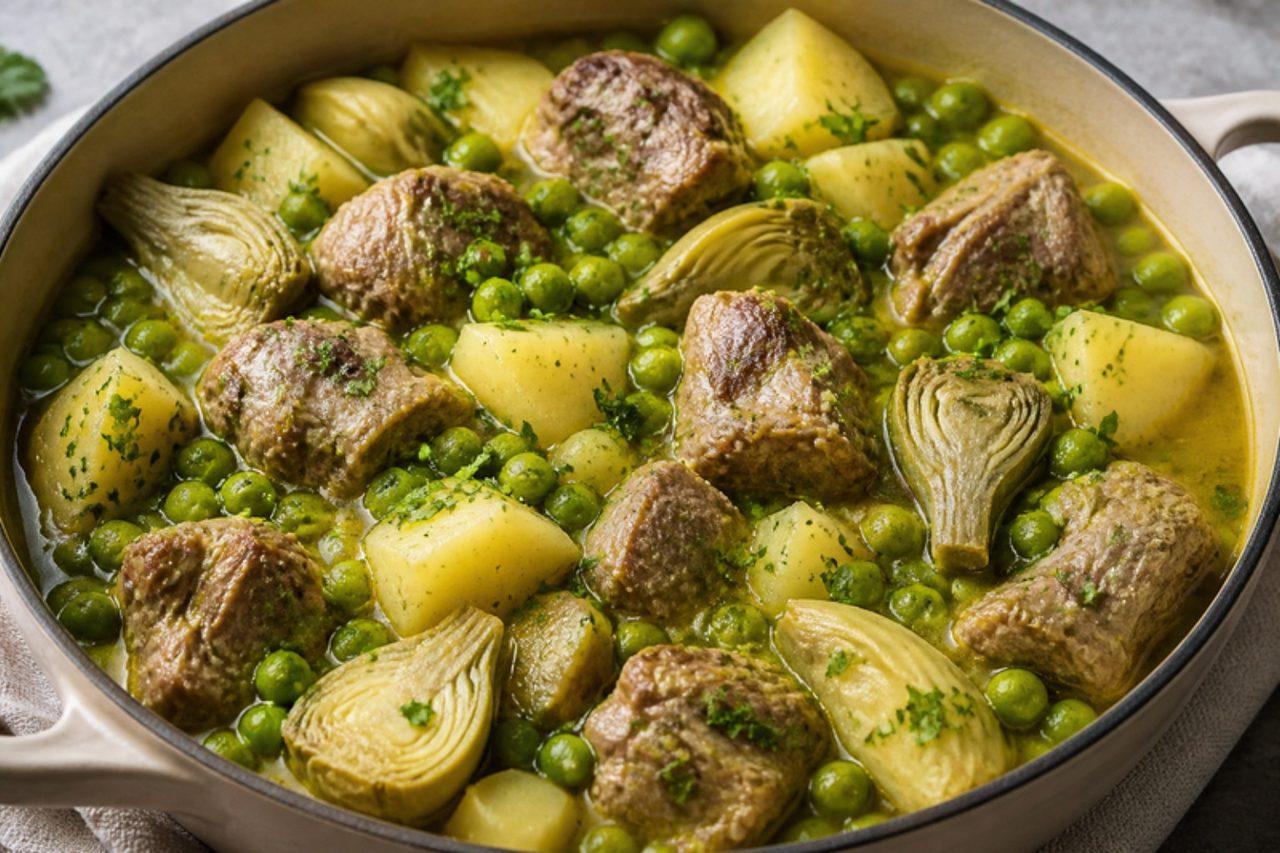
Djelbana (Algerian lamb and pea stew)

Spring markets in Algiers fill with sacks of fresh peas and violet artichokes, and that is the moment for djelbana, a light, pale stew of lamb, peas, artichoke hearts and potatoes cooked with onion, garlic and a little turmeric, finished with fresh coriander. Families serve it at lunch with plenty of bread to soak up the sauce; on meat-free days it is made the same way without the lamb. It tastes fresh, sweet and gently peppery rather than heavily spiced. Frozen peas and artichoke hearts are fine out of season. Chef's tip: add the peas only for the last 10 minutes; peas put in with the meat are the usual mistake and turn grey and mushy.

by KrazyBadal 0 views

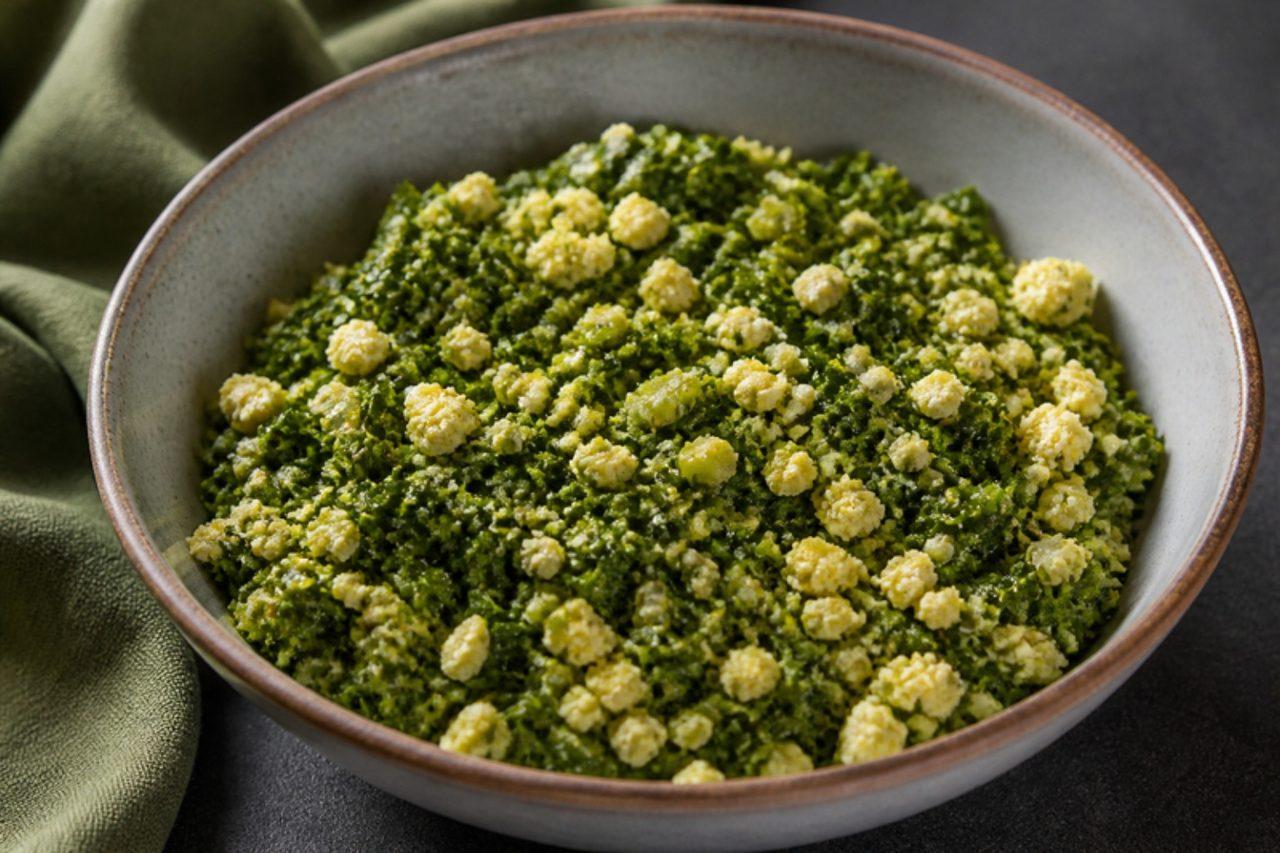
Ayib be gomen (fresh cheese with spiced collards)

Gurage cooks bring ayib be gomen to the table beside kitfo, and it is just as welcome on its own with kocho or injera on an ordinary non-fasting day. Soft, mild ayib is mixed with collards that have been boiled and chopped fine, then dressed with warm niter kibbeh, garlic and mitmita, so the creamy cheese cools the chilli and the greens add an earthy bite. Ayib is an acid-set cheese made by gently heating soured milk or buttermilk (or milk with lemon juice) until curds form, so it needs no rennet and suits vegetarians. Ricotta or well-drained cottage cheese are close substitutes; if you use a bought cottage cheese, check the label for vegetarian rennet. Do not heat the cheese in the pan, or it turns rubbery and weeps; fold it in off the heat. Chef's tip: squeeze the cooked greens until they are almost dry so the dish stays fluffy rather than watery.

by KrazyBadal 0 views

June plum juice

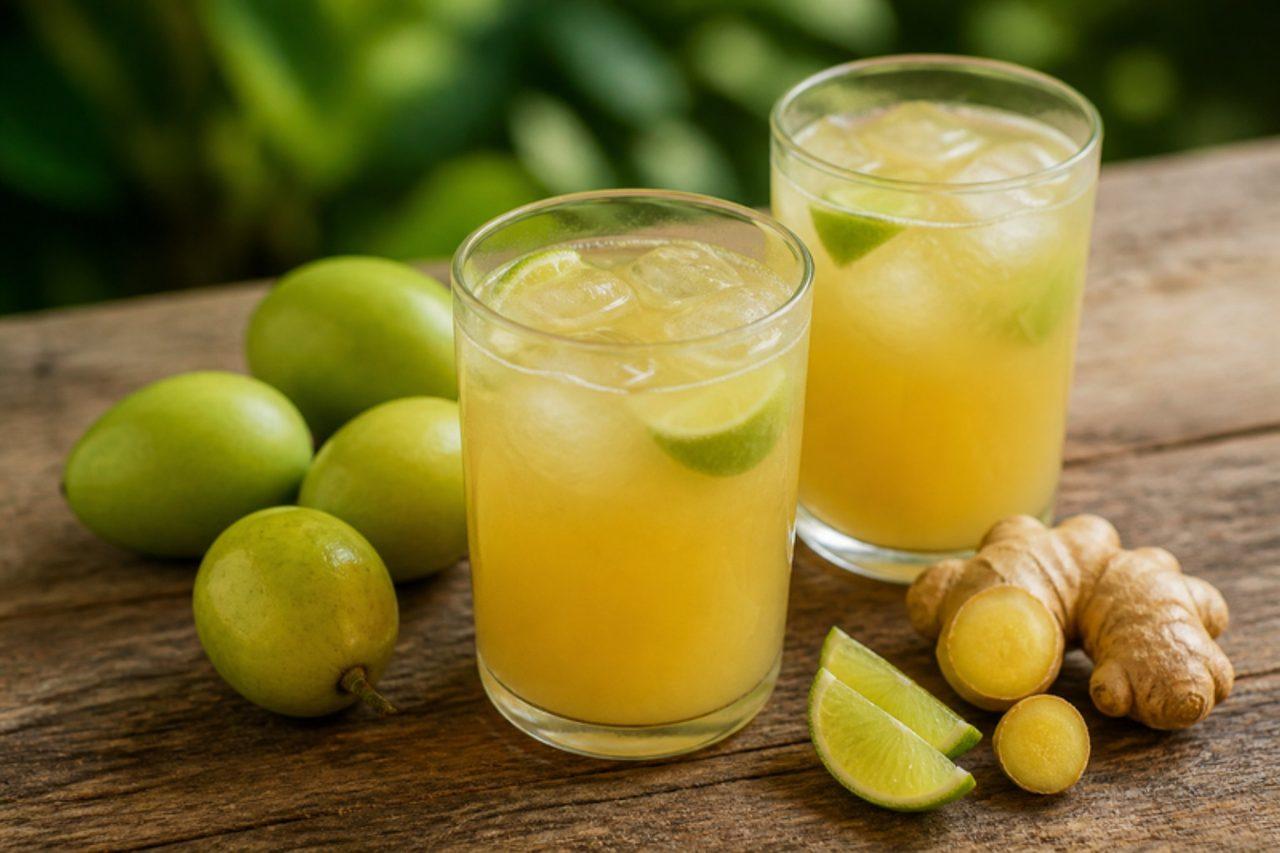
When June plums (ambarella) fall from backyard trees across Jamaica, families blend the sour green-gold fruit into a sharp, refreshing juice with fresh ginger and lime. It is tangy like green apple, with a faintly mango-like perfume, and is drunk ice-cold with Sunday lunch. The big mistake is blending the spiny stone in with the flesh; cut the flesh away first or the juice turns bitter and fibrous. Chef's tip: use slightly underripe, firm plums for the brightest, sharpest flavour.

by KrazyBadal 0 views

Ebbeh (Gambian cassava and fish soup)

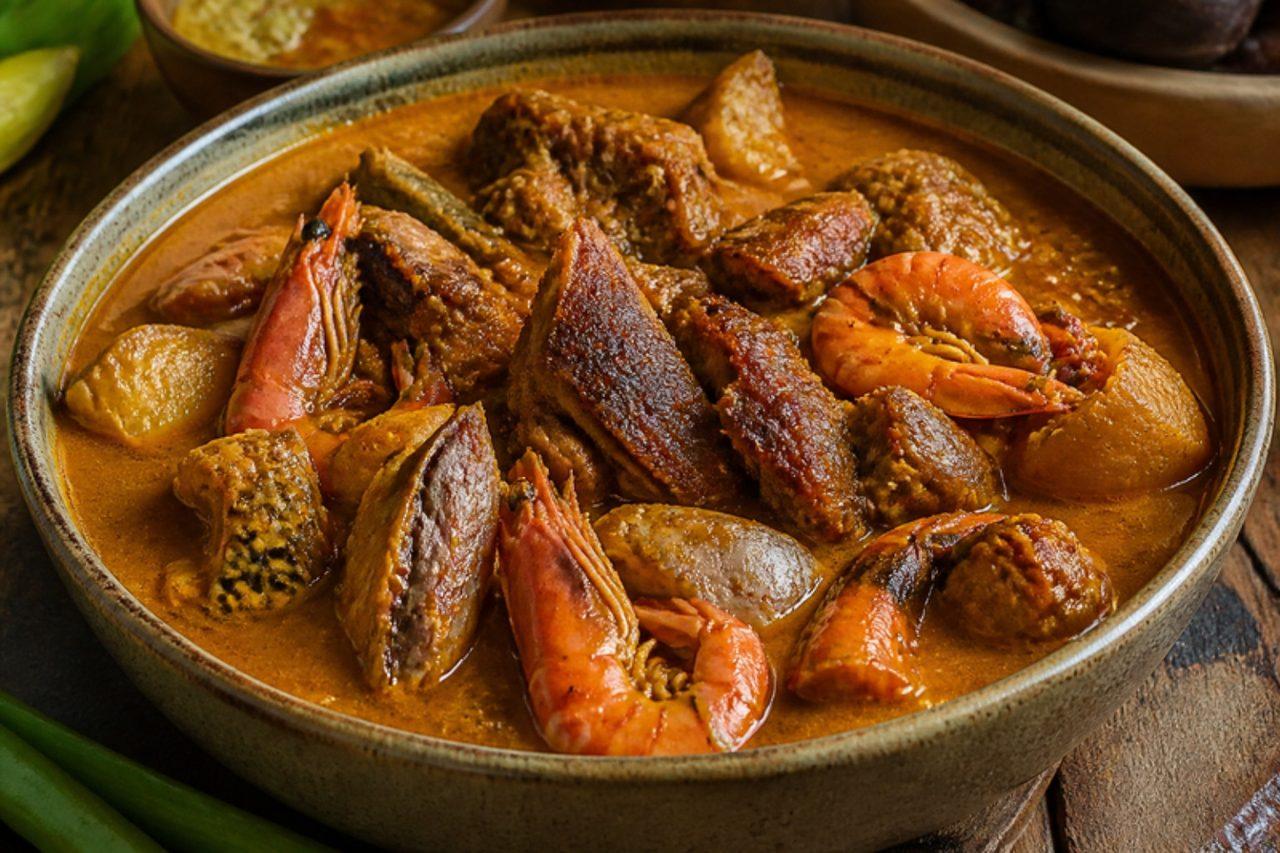
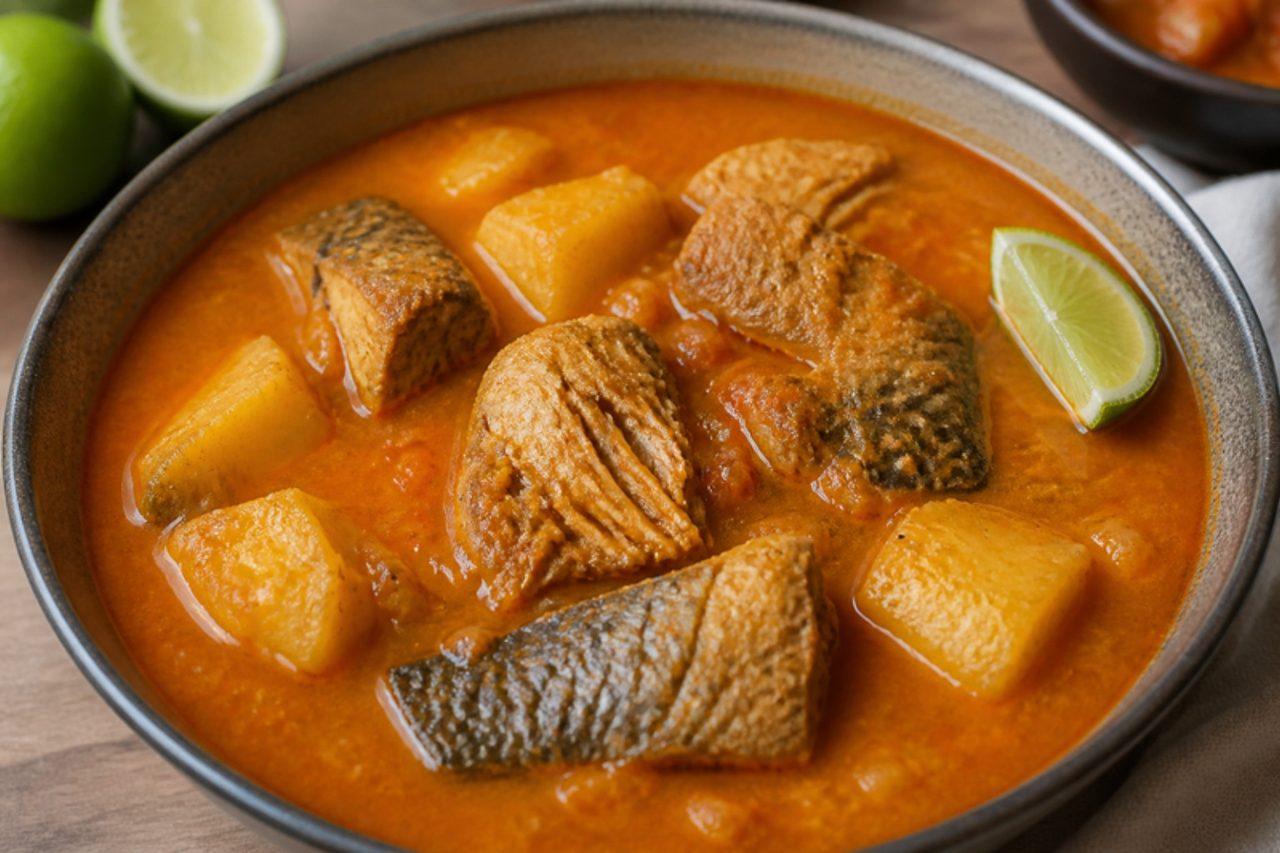
Bowls of ebbeh are a favourite late-afternoon snack and supper at Gambian markets and beach stalls, sold steaming from big pots. Cassava is boiled until it breaks down and thickens the broth, then fish, red palm oil, onion and plenty of chilli go in, and the soup is finished with a sharp squeeze of lime. It is thick and starchy, hot, sour and savoury all at once, with soft chunks of cassava and flaky fish. Some cooks add crab or a little smoked fish; this version uses fresh fish with smoked fish for depth. Avoid stirring hard once the fish goes in, or it breaks into shreds. Chef's tip: cook the cassava until some of it collapses before adding the fish, because the cassava itself is the thickener; undercooked cassava gives a thin soup and is unsafe to eat.

by KrazyBadal 0 views

Fetri detsi (Ewe okra soup with crab)

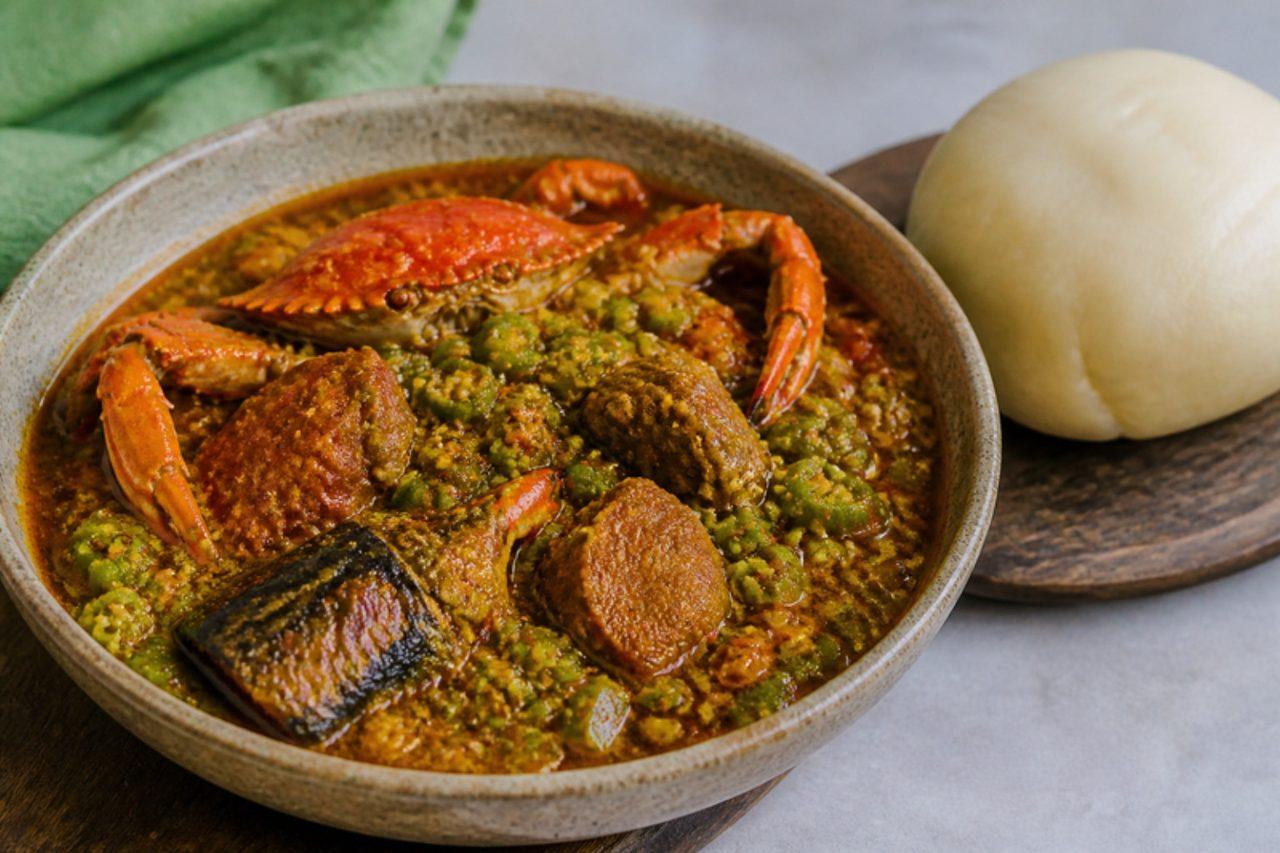
Along the Volta lagoons and in towns like Ho and Keta, the Ewe cook fetri detsi when there are fresh crabs to be had: a light tomato and pepper broth made rich with beef or goat, smoked fish and crab, then thickened at the last minute with chopped okra until it turns silky and slippery. It is eaten with akple, a smooth dough of corn and cassava, which is dipped and pulled through the soup. The flavours are of the sea, smoke and fresh pepper. Buy live crabs from a reputable fishmonger and discard any that are dead, cracked or smell off before cooking. Avoid overcooking the okra; added too early it loses its bright green and its draw. Chef's tip: add the okra only at the end and cook it for no more than 8 minutes; overcooked okra loses its green colour and its slipperiness, the very thing this soup is about.

by KrazyBadal 0 views

Ayamase (ofada green pepper stew)

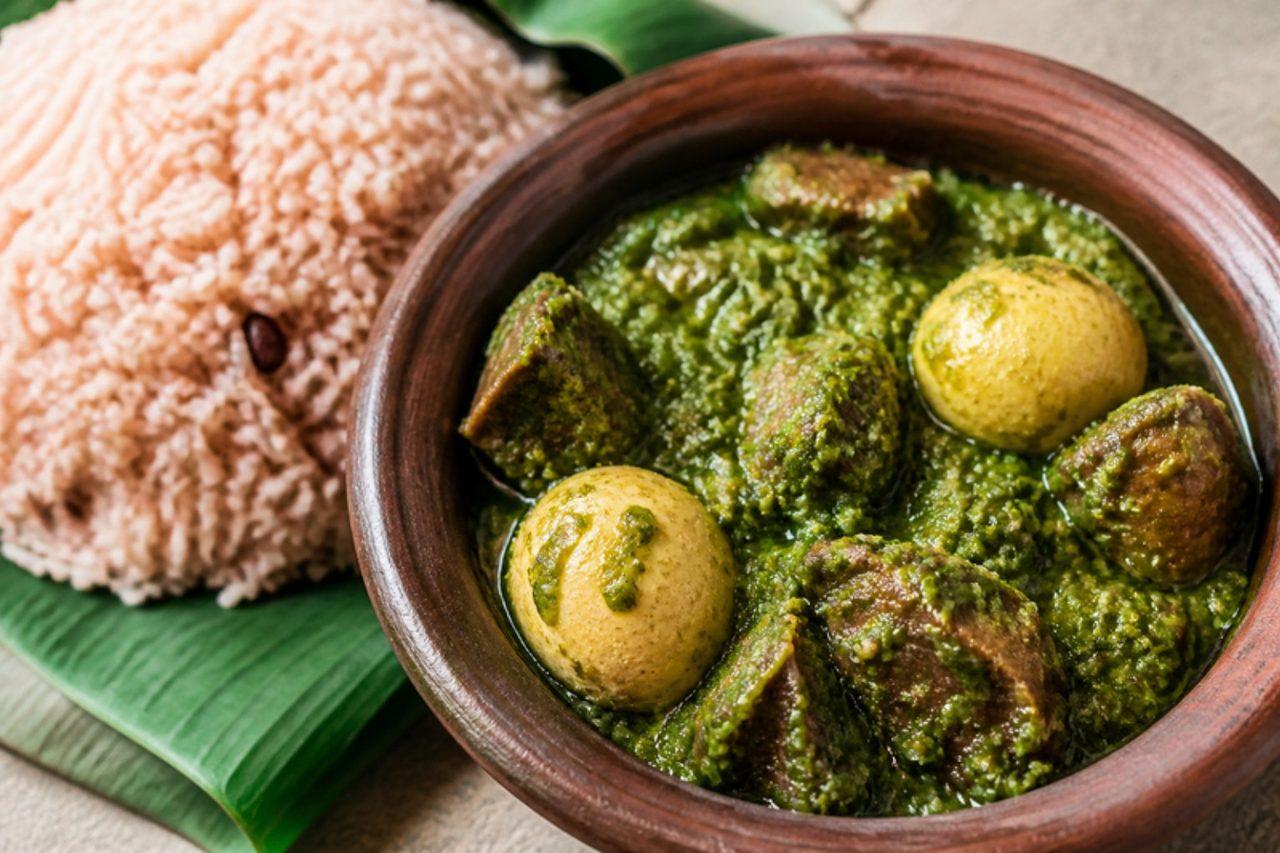
Ofada rice, the short, fragrant local rice from Ogun State, is almost always served in Lagos with ayamase, a stew so green and so hot it is sometimes called designer stew. Green bell peppers and green scotch bonnets are blended coarse, dried out in the pot, then fried in palm oil that has been bleached clear, with plenty of iru for a deep, funky savouriness. Assorted meat (beef, tripe and cow skin) and boiled eggs are folded in. Watery pepper is the mistake that makes it taste sour and raw, so boil the blended pepper dry before it meets the oil. Chef's tip: bleaching palm oil makes heavy smoke; open the windows, keep the lid nearby and never leave the pot.

120 minNigerianMeatGluten freeSpicy
by KrazyBadal 0 views

Mbakhal (Saloum rice with peanuts and dried fish)

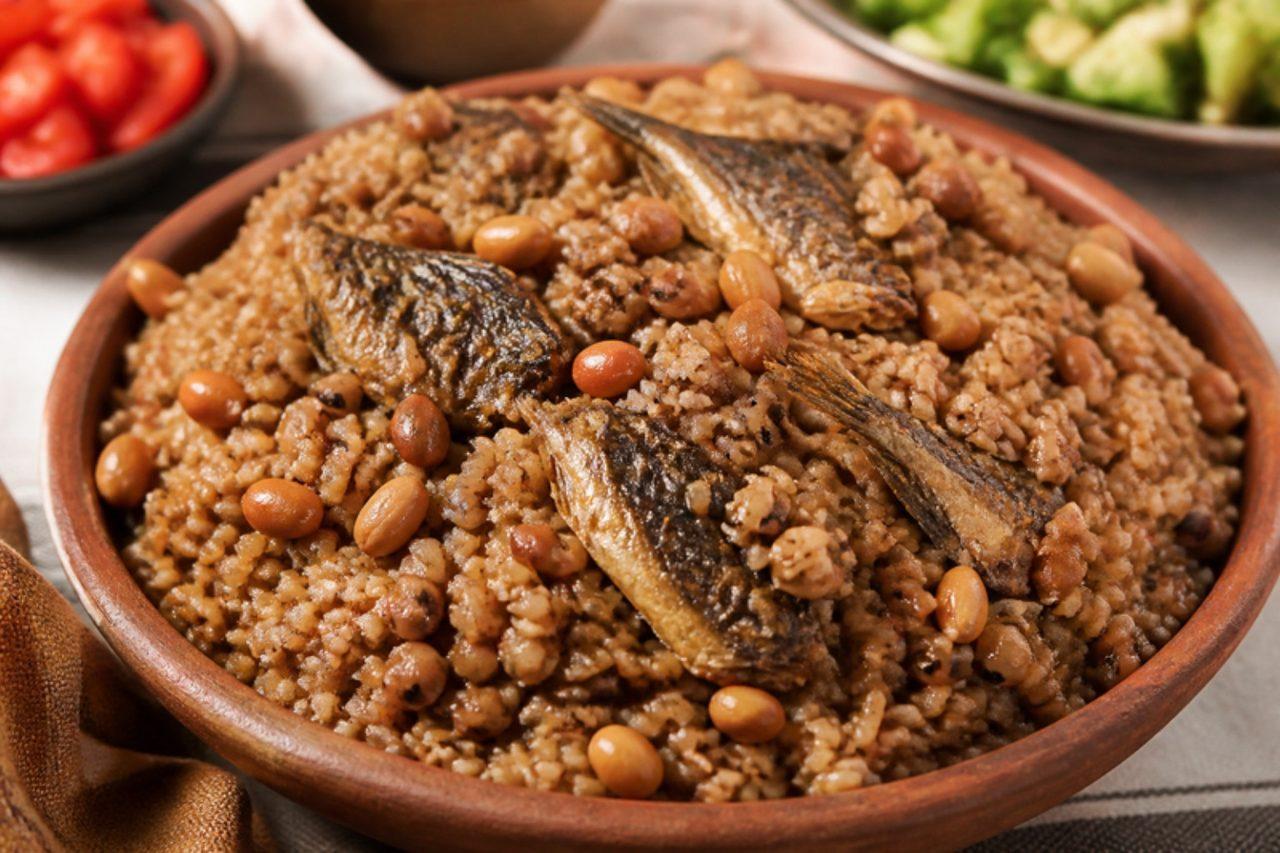
Mbakhal belongs to the Saloum, the peanut country around Kaolack and the Sine-Saloum delta, where it is cooked for gatherings and the Muslim feast days. Rice is simmered until soft and almost porridge-like in a sauce of ground peanuts, tomato and onion, together with black-eyed beans and guedj, the sun-dried, salted fish of the Senegalese coast. The flavour is deep and savoury, the texture creamy with bursts of bean and chewy flakes of fish. Salt cod or smoked fish are fair substitutes for guedj. Chef's tip: soak and taste the dried fish before you season, and add salt only at the end; over-salting is the most common mistake with mbakhal, since guedj and stock both carry plenty.

by KrazyBadal 0 views

Banatage (tuna potato croquettes)

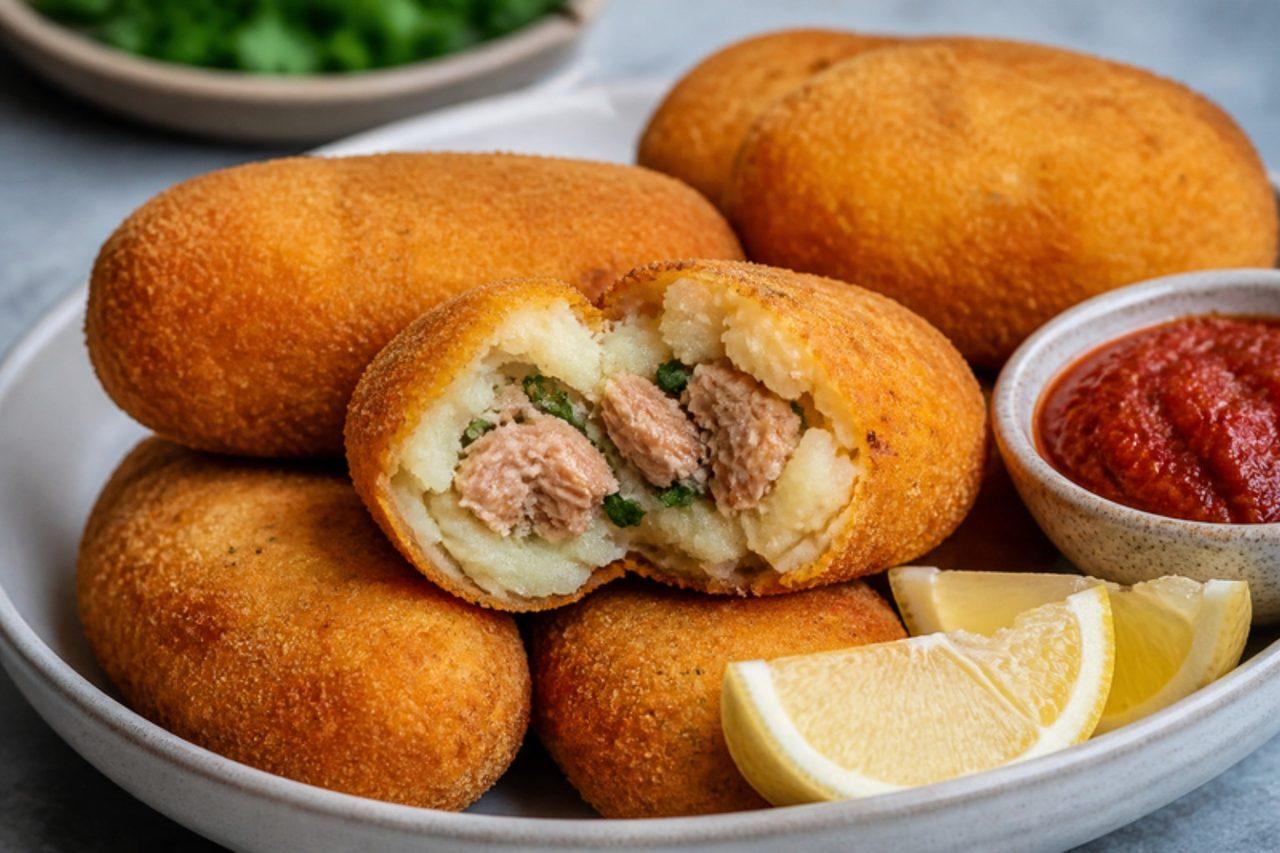
Golden, crunchy outside and soft inside, banatage are mashed-potato croquettes hiding a spoon of tuna, parsley and harissa, rolled in breadcrumbs and fried. They come out during Ramadan beside the brik and chorba, are tucked into lunchboxes and are a favourite with children all over Tunisia. Leftover mash works well, as long as it is firm. Serve them hot with lemon wedges, a salad or a dab of harissa. Chef's tip: dry the boiled potatoes in the hot pan for a minute before mashing; wet, watery mash is the usual mistake and makes croquettes that split open in the oil.

by KrazyBadal 0 views

Molasses with tahini

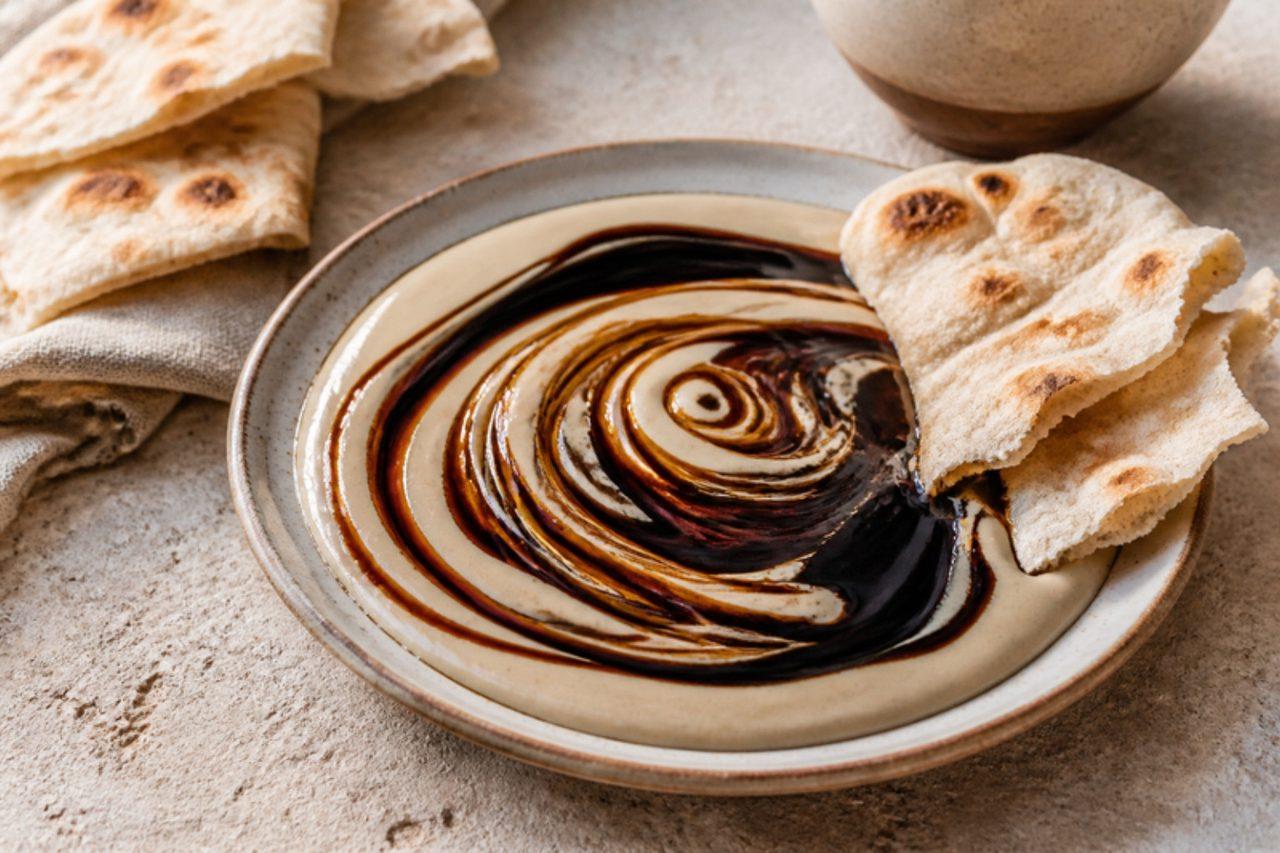
Upper Egypt grows the country's sugarcane, and its dark molasses, asal eswed or black honey, has found its way onto breakfast and supper tables from Aswan to Alexandria. Spooned over tahini and swirled together, it becomes a glossy, bittersweet, nutty dip that children love and grown-ups eat after a light evening meal, scooped up with warm aish baladi or fino. Many families eat it in winter, when they want something warming and filling. A frequent slip is stirring the molasses and tahini together completely; leave them swirled so each bite gets both. Chef's tip: stir the tahini jar thoroughly first; the thick paste at the bottom and the oil on top must be mixed, or the dip comes out stiff and dry.

by KrazyBadal 0 views

Showing 18 of 7,762 recipes

Show more recipes

Page 200 of 863