


Skip to content
Ma'amoul
Featured recipe

Ma'amoul

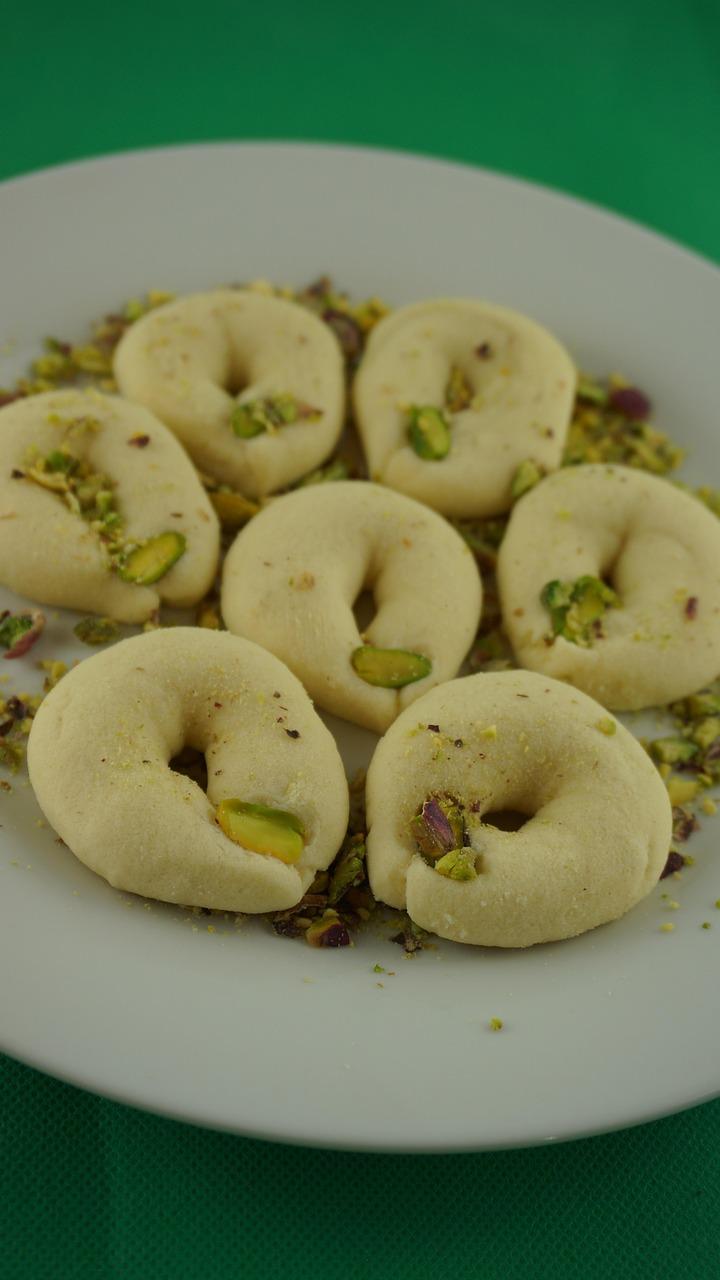
Ma'amoul are delicate shortbread-like pastries made for Eid and Easter across the Middle East. A soft, rose-scented butter dough is wrapped around a filling of dates, walnuts, almonds and pistachios cooked with cinnamon, marked with a fork, baked pale and dusted with icing sugar. Makes 35; they keep well in a tin.

Read more 1 views

What to eat today?

Around the world

Today's trip: Paraguayan

A new country every day, from every cuisine on the site.

This week's collection

Kid-friendly dinners
537 recipes · a new collection every Monday

Latest recipes

Rajská omáčka

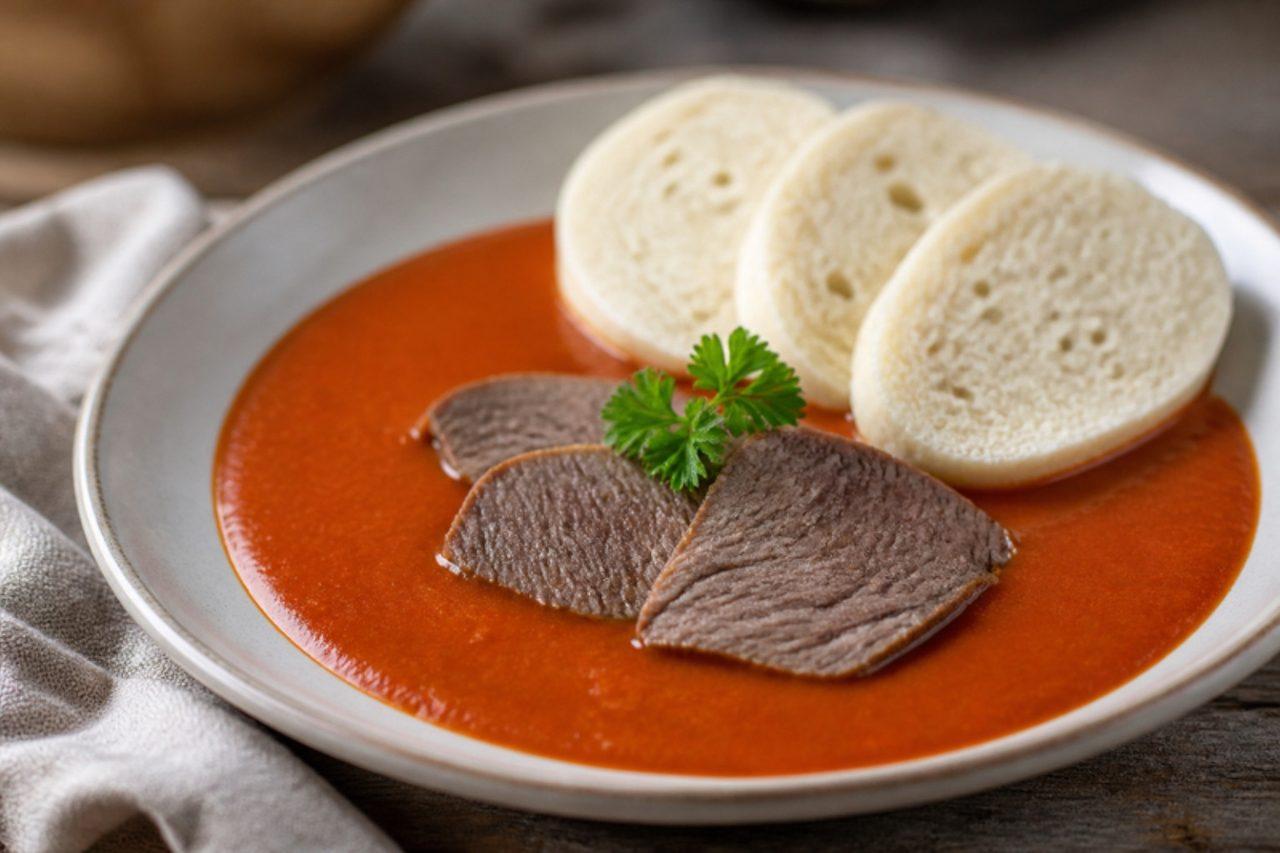
Every Czech school canteen has served rajská at some point, and many adults still crave this glossy, sweet and tangy tomato sauce poured over slices of tender boiled beef with bread dumplings. Bohemian cooks make it from the broth of the beef itself, thickened with a light roux and perfumed with clove, allspice, bay and a hint of cinnamon, so it tastes warmly spiced rather than like a pasta sauce. The usual slip is under-seasoning the sweet-sour balance: keep tasting and adjust sugar and vinegar until it is clearly both. Simmer the beef until a fork slides in easily. Pasta or rice work too if you are not making dumplings. Chef's tip: strain the sauce through a sieve at the end for the velvety restaurant texture.

120 minCzechMeat
by KrazyBadal 0 views

Sbiten

Long before tea reached Russia, street sellers wrapped in shawls carried copper urns of sbiten through winter markets, pouring steaming glasses of spiced honey water for traders and coachmen. It comes back every Maslenitsa at fairs in Moscow and Suzdal, drunk beside blini. The taste is warming and sweet, with the bite of ginger, a bitter edge of bay and clove, and a resinous note from St John's wort or mint. Where most people go wrong is boiling the honey hard, which dulls its perfume; simmer the spices first and dissolve the honey off the boil. Honey should not be given to babies under one year old. Chef's tip: make the spiced base ahead and keep it in the fridge, then reheat a glass at a time and finish with a squeeze of lemon.

by KrazyBadal 0 views

Pozsonyi kifli

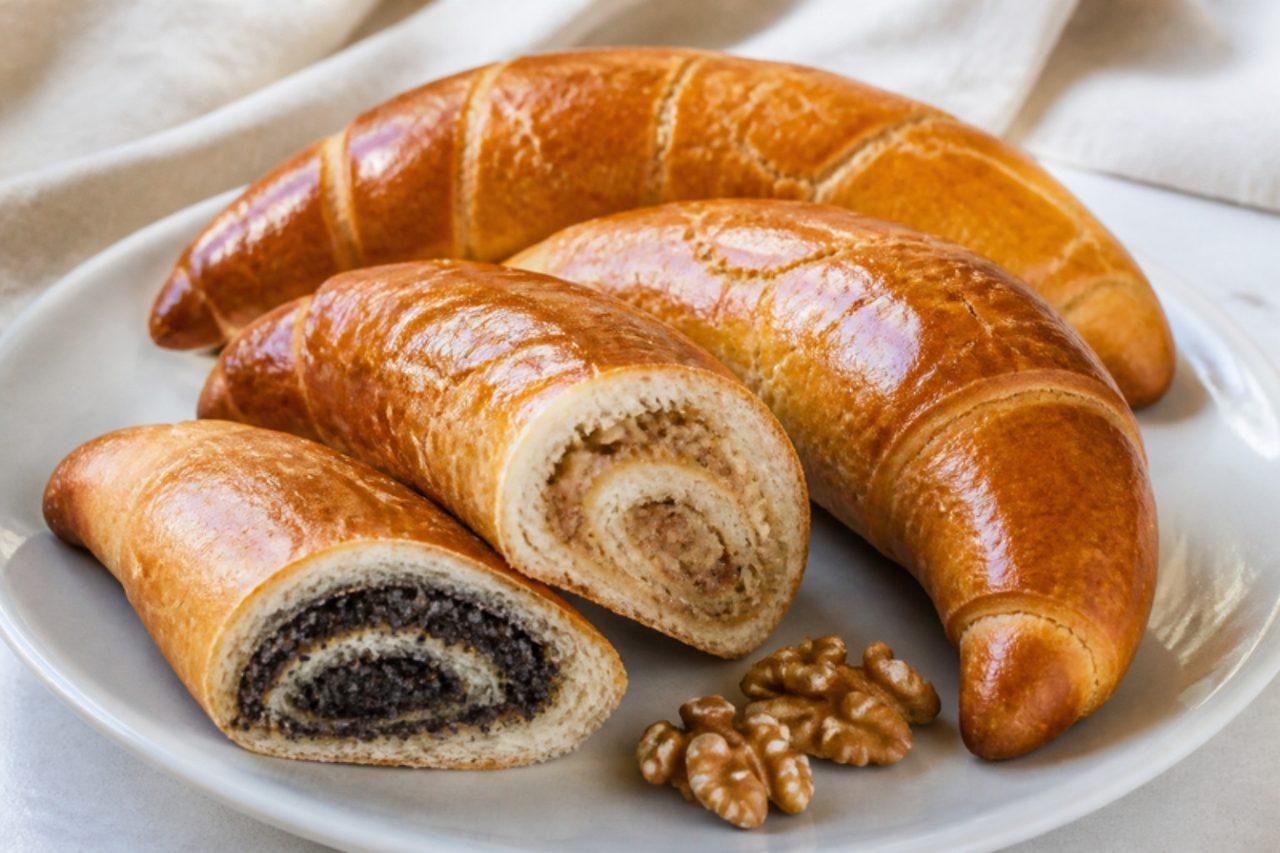
These little crescents take their name from Pozsony, the Hungarian name for Bratislava, where bakers made them famous in the nineteenth century, and today they fill Christmas cookie tins across Hungary alongside bejgli. A short, buttery yeast dough is wrapped around a walnut or poppy seed filling, then glazed first with yolk and then with white, which gives the shiny, crackled, marbled top that marks a good batch. They are rich but not too sweet: eat them with coffee or tea through the holidays. Where most people go wrong is letting the dough rise in a warm spot; this is a cold dough, and if it gets warm the butter melts and the kifli split open. Chef's tip: let the yolk glaze dry fully before the white goes on, or you will not get the crackle.

by KrazyBadal 0 views

Kurnik

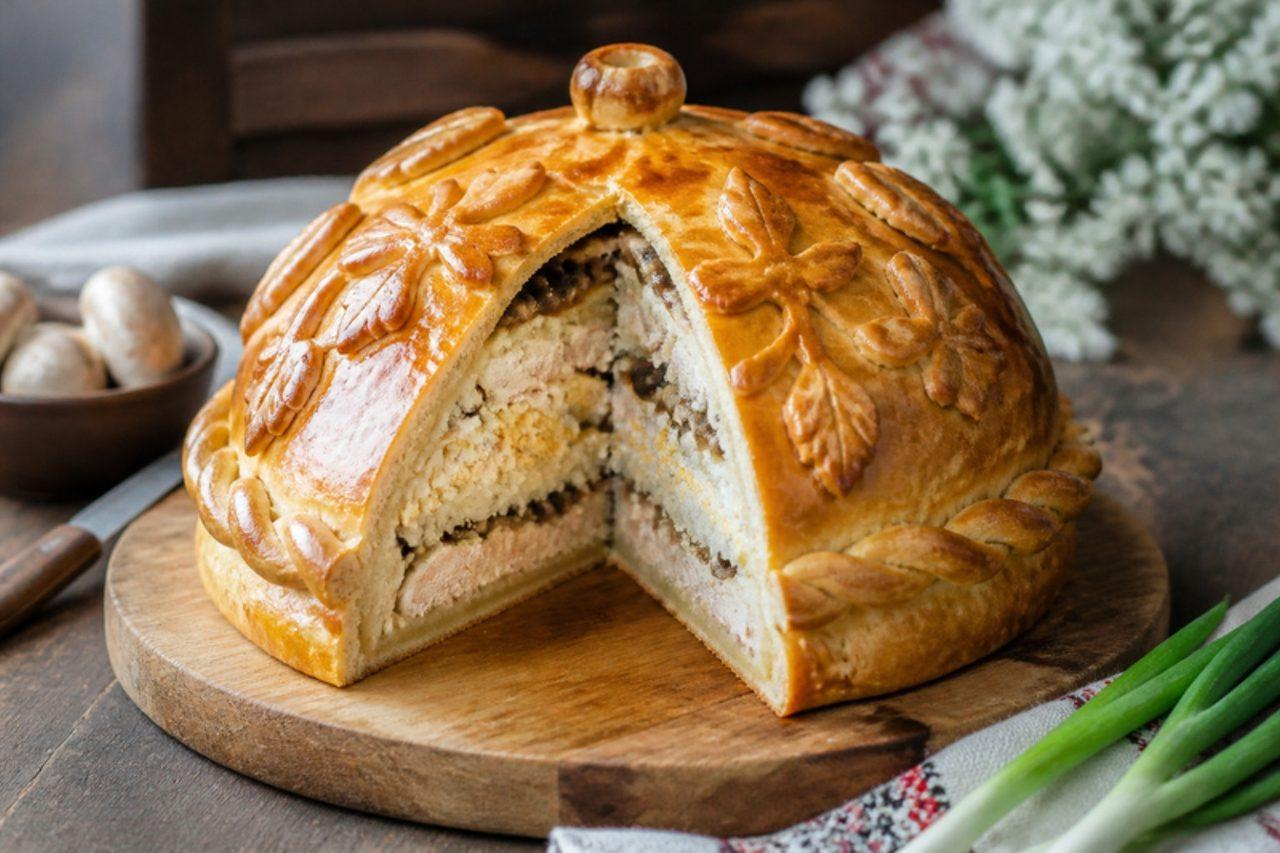
Cossack weddings along the Don and Kuban were not complete without kurnik, the tall "king of pies": a domed short pastry crust packed with layers of chicken, rice and egg and mushrooms, each separated by a thin pancake so the juices stay put. Bride and groom each had a kurnik baked by their families, and it is still made for big birthdays and holidays. The crust is crumbly and rich from sour cream; the inside moist and savoury. A common mistake is skimping on the broth: spooning some of the chicken poaching liquid over each layer keeps the rice from drying out. Poach the chicken until it reaches 74 °C. Chef's tip: make the pancakes and fillings the day before and chill them; the pie then goes together in half an hour.

by KrazyBadal 0 views

Spenótfőzelék

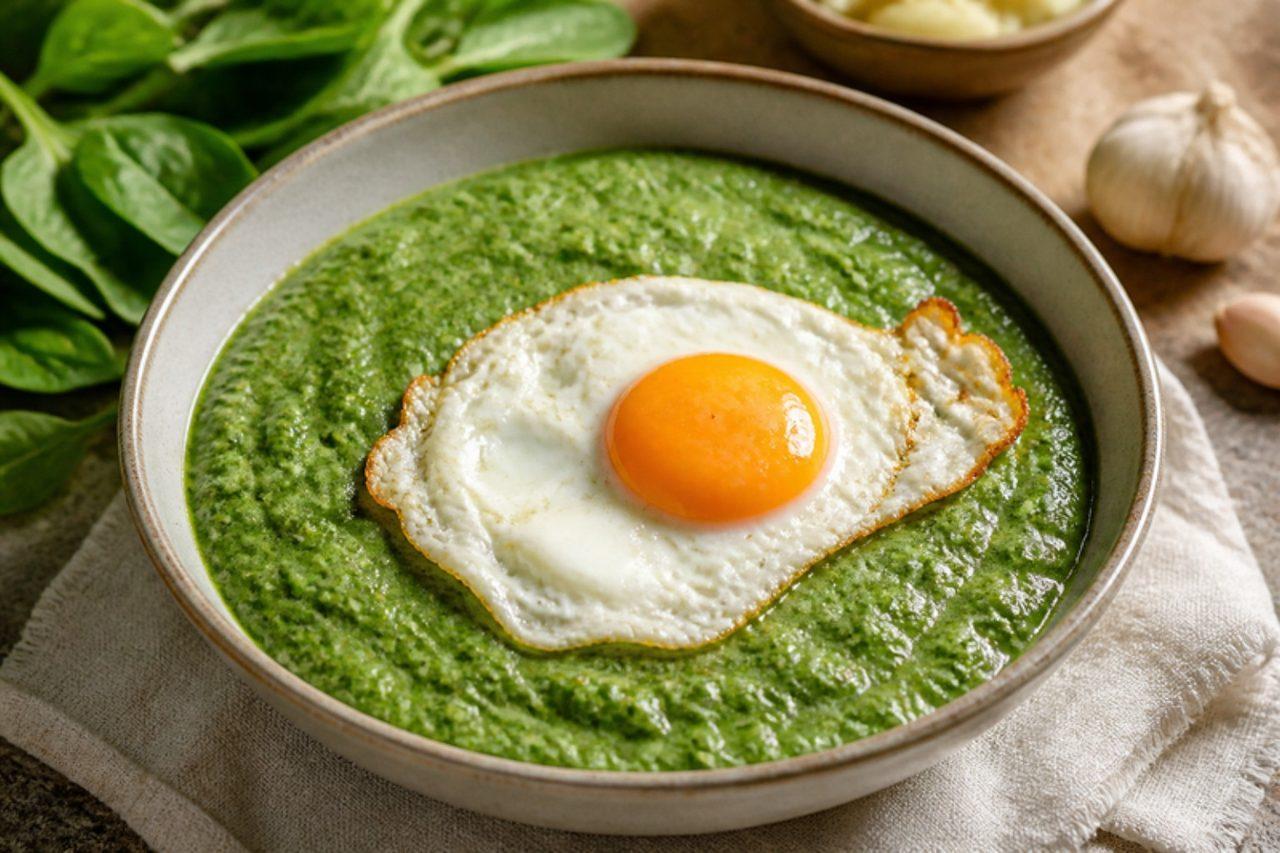
Bright green, smooth and garlicky, spenótfőzelék is the dish half of Hungary remembers from the school menza, usually with a fried egg on top and a slice of bread to wipe the plate. Grown-ups in Budapest still order it at weekday lunch counters, sometimes with a fried egg, sometimes with sliced hard-boiled egg or a couple of croquettes. The spinach is cooked down, chopped fine and stirred into a light milk roux with garlic and a whisper of nutmeg, so it is silky rather than stringy. A common mistake is skipping the squeeze after blanching: watery spinach makes a pale, thin stew. Chef's tip: stir the garlic in right at the end, off the heat, so it stays fresh and sharp instead of fading into the milk.

by KrazyBadal 0 views

Lekváros bukta

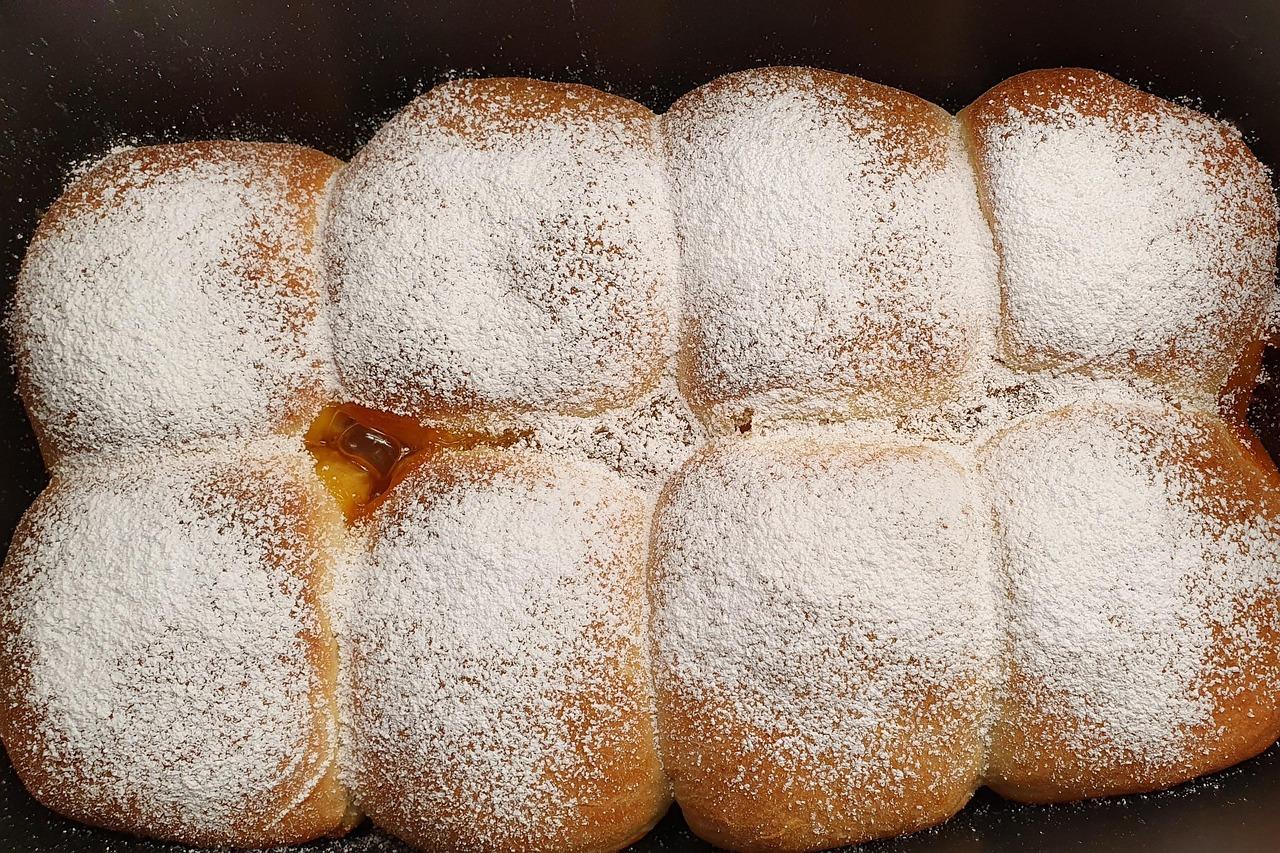
Grandmothers across Hungary bake a tray of bukta on a Sunday afternoon, and school bakeries sell them for the walk home: soft, milky yeast buns, each folded around a spoon of thick plum butter and baked so close together that they rise into one another. Pulled apart, the sides stay tender and pale while the tops shine golden, and the dark, tart plum filling balances the sweet dough. Serve them warm with a glass of cold milk or cocoa. The usual slip is using runny jam, which bubbles out and burns on the tray; it must be a thick lekvár that holds its shape on a spoon. Chef's tip: brush each bun with melted butter before it goes into the tin, so the buns rise together but still pull apart neatly.

by KrazyBadal 0 views

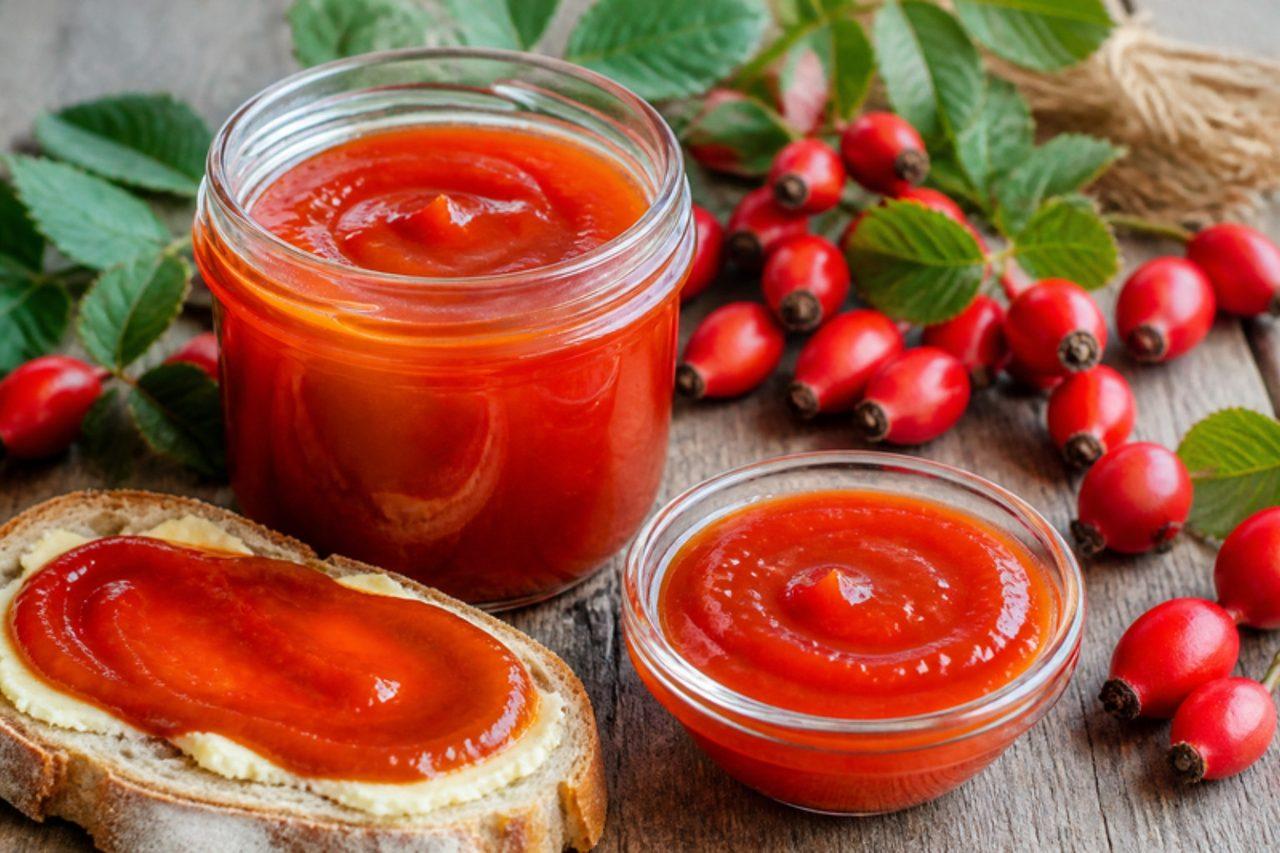
Hecsedli lekvár

After the first frost, Hungarians pick rosehips along hedgerows from the Bükk hills to the Great Plain, and the red, wrinkled berries become hecsedli, a smooth orange-red jam with a sharp, apricot-like tang. It is spread on buttered bread, stirred into tea, and in game country served beside venison or wild boar; the old Hungarian name hecsedli comes from the German for rosehip. The hips are full of fine hairy seeds that irritate the mouth, so the whole skill is in sieving: cook the fruit soft, then press it through a fine sieve so only the pulp goes into the jar. Where most people go wrong is using a coarse sieve and letting hairs through; use your finest mesh, or line it with muslin. Sealed jars keep in a cool, dark place for up to a year; once opened, refrigerate and use within a month. Chef's tip: wear rubber gloves when trimming, and pick hips after a frost, when they are softer and sweeter.

by KrazyBadal 0 views

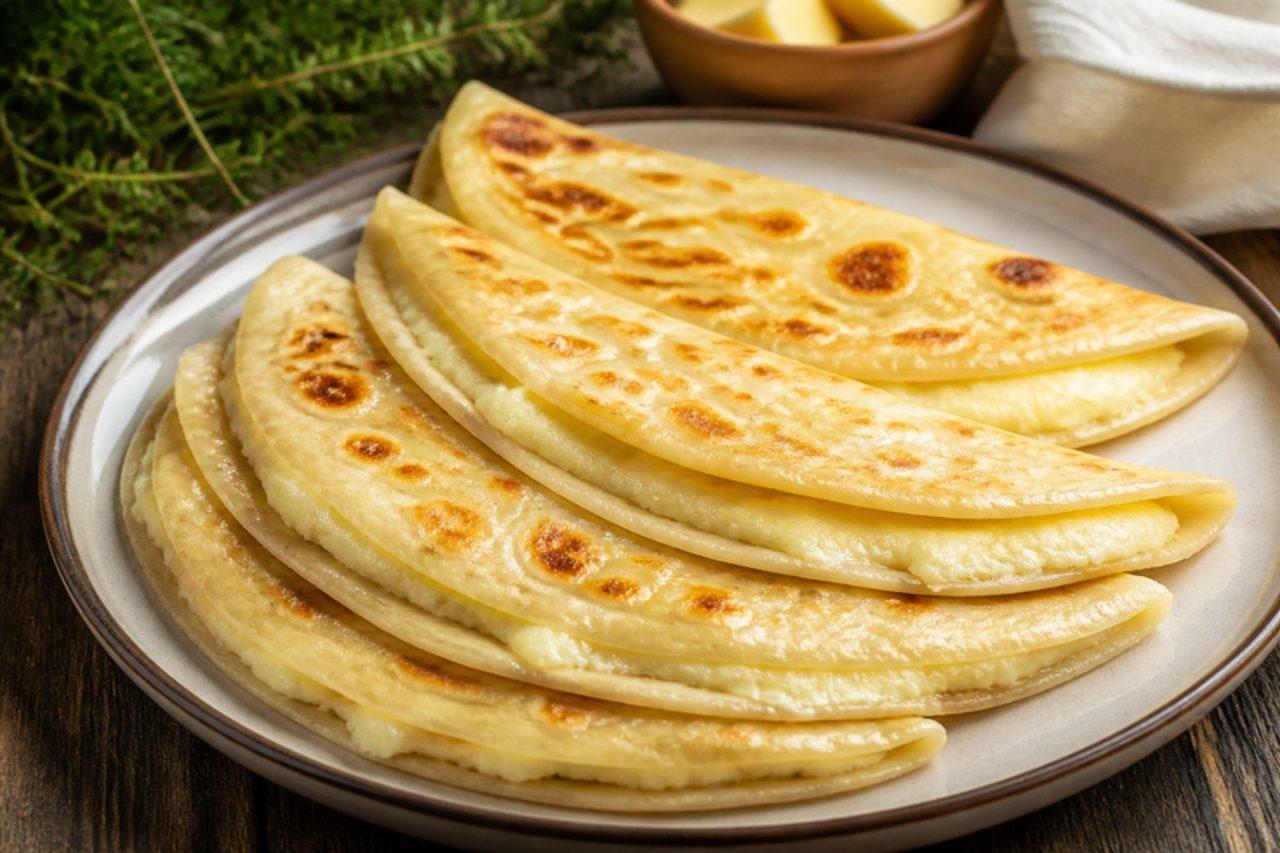
Kystybyy

Ask anyone in Kazan what they ate after school and many will say kystybyy, the folded Tatar flatbread sold warm in canteens and kiosks all over Tatarstan. Paper-thin rounds of unleavened dough are dry-cooked in a hot pan, filled while soft with mashed potato whipped with milk, butter and fried onion, folded into a half-moon and brushed with more butter. In older Tatar village kitchens the filling was millet porridge, which works just as well. Serve with tea, a bowl of soup or a glass of katyk, the Tatar soured milk. A common mistake is leaving the cooked flatbreads uncovered; they dry out and crack when folded, so stack them under a towel. Chef's tip: keep the pan dry and hot; 30–40 seconds a side gives brown freckles without stiffening the bread.

by KrazyBadal 0 views

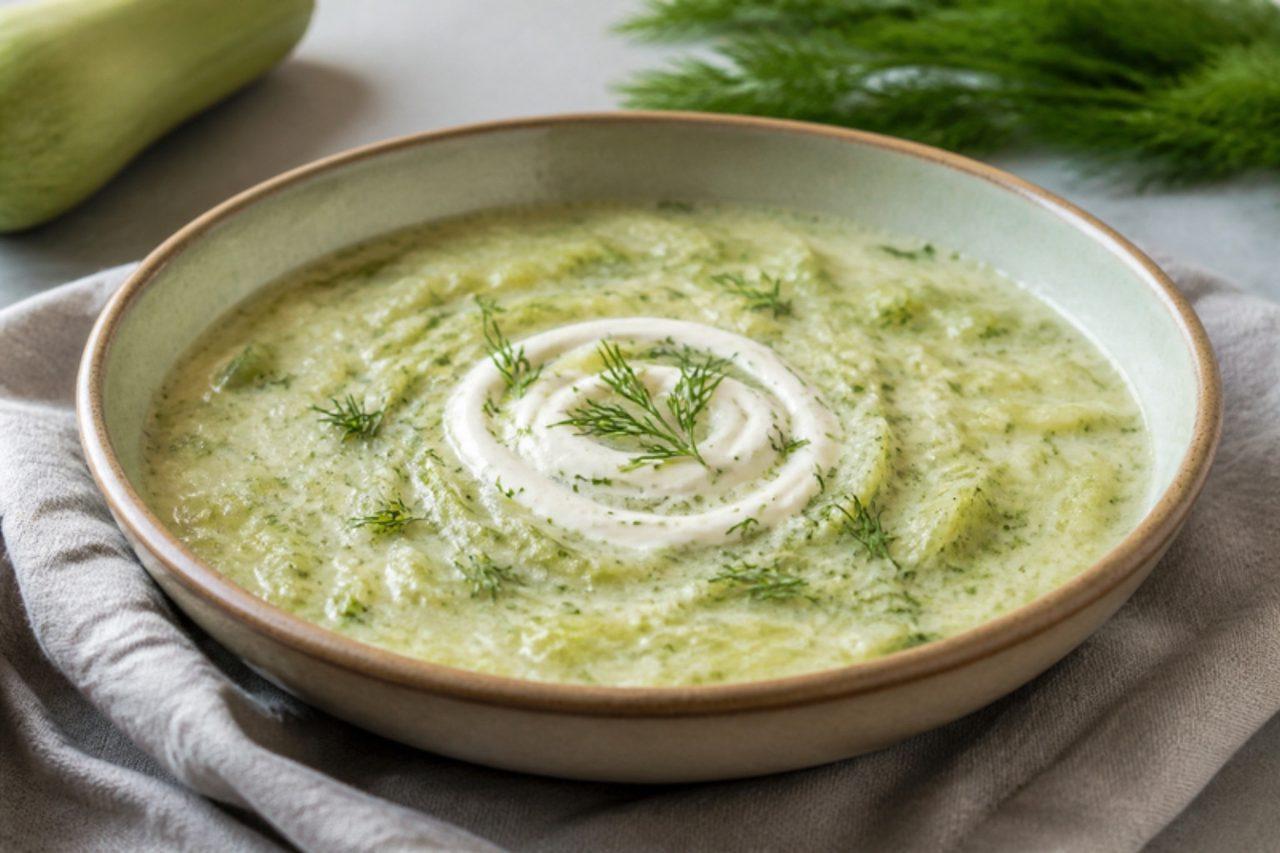
Tökfőzelék

Főzelék is a whole category of Hungarian cooking, a vegetable cooked down until thick enough to eat with a spoon, and tökfőzelék is the summer one. Shredded marrow is softened with onion, sharpened with vinegar, perfumed with lots of fresh dill and thickened with sour cream. Budapest school canteens and lunch counters have served it for generations, often topped with a fried egg or a few slices of pickled vegetables, with fresh white bread on the side. It tastes fresh, gently sour and creamy, with the marrow still keeping a little bite. Flour is the usual thickener, but here a spoonful of cornflour in the sour cream keeps it gluten free. The usual slip is skipping the salting: the marrow then floods the pan with water and the stew turns thin and bland. Chef's tip: squeeze the salted marrow hard in a clean towel; the drier it is, the deeper the flavour.

by KrazyBadal 0 views

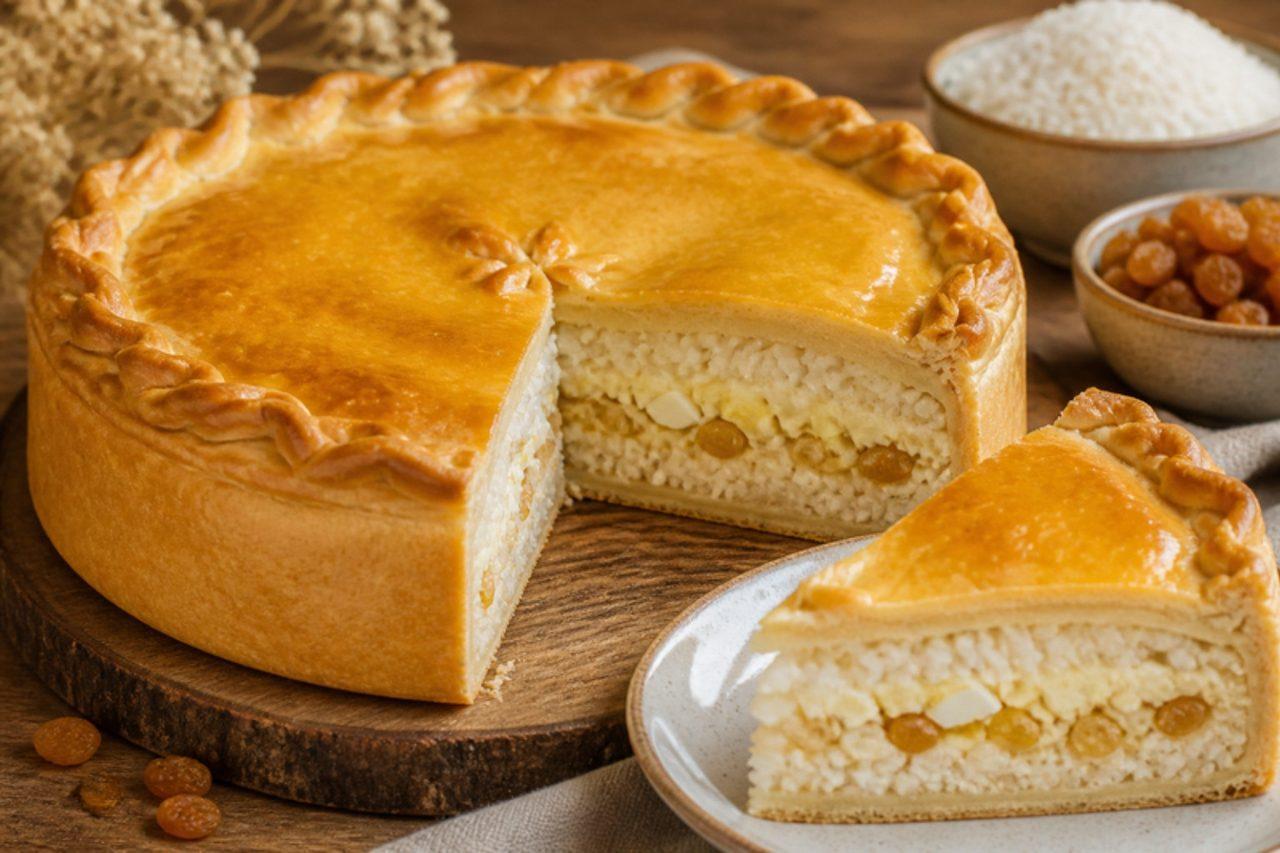
Gubadia

Weddings, Eid and the arrival of honoured guests in Tatarstan call for gubadia, a high round pie that is cut at the table like a cake and served with tea. Inside sit neat layers of buttery rice, kort – Tatar curd cooked down until rosy and fudge-sweet – raisins and chopped hard-boiled egg, under a domed lid of soft yeast dough. Many families add a layer of minced meat with onion; this is the meat-free version, as many sweet tea-table gubadias are. Kort is hard to buy outside the region, so you make it here from tvorog (check the label if you need it rennet-free). Where most people go wrong is a dry pie: every layer needs its share of melted butter. Chef's tip: let the baked pie stand for twenty minutes before cutting so the layers settle and come away in clean wedges.

by KrazyBadal 0 views

Pyshki

On Bolshaya Konyushennaya street in St Petersburg a small pyshechnaya has been frying these since the 1950s, and locals will tell you firmly that a pyshka is not a ponchik, the filled Moscow doughnut. They come in a paper bag five or six at a time, so hot that the icing sugar melts at the edges, with a glass of sweet milky coffee from a big urn. The soft, fairly wet yeast dough gives a light, open crumb inside a thin golden shell. The usual slip is oil that is too cool: the rings soak it up and turn heavy, so keep a thermometer in the pan at 175 °C. Chef's tip: set each shaped ring on its own small square of baking paper and lower the paper into the oil with it; the paper slips off after a few seconds and the ring stays perfectly round.

by KrazyBadal 0 views

Napoleon cake

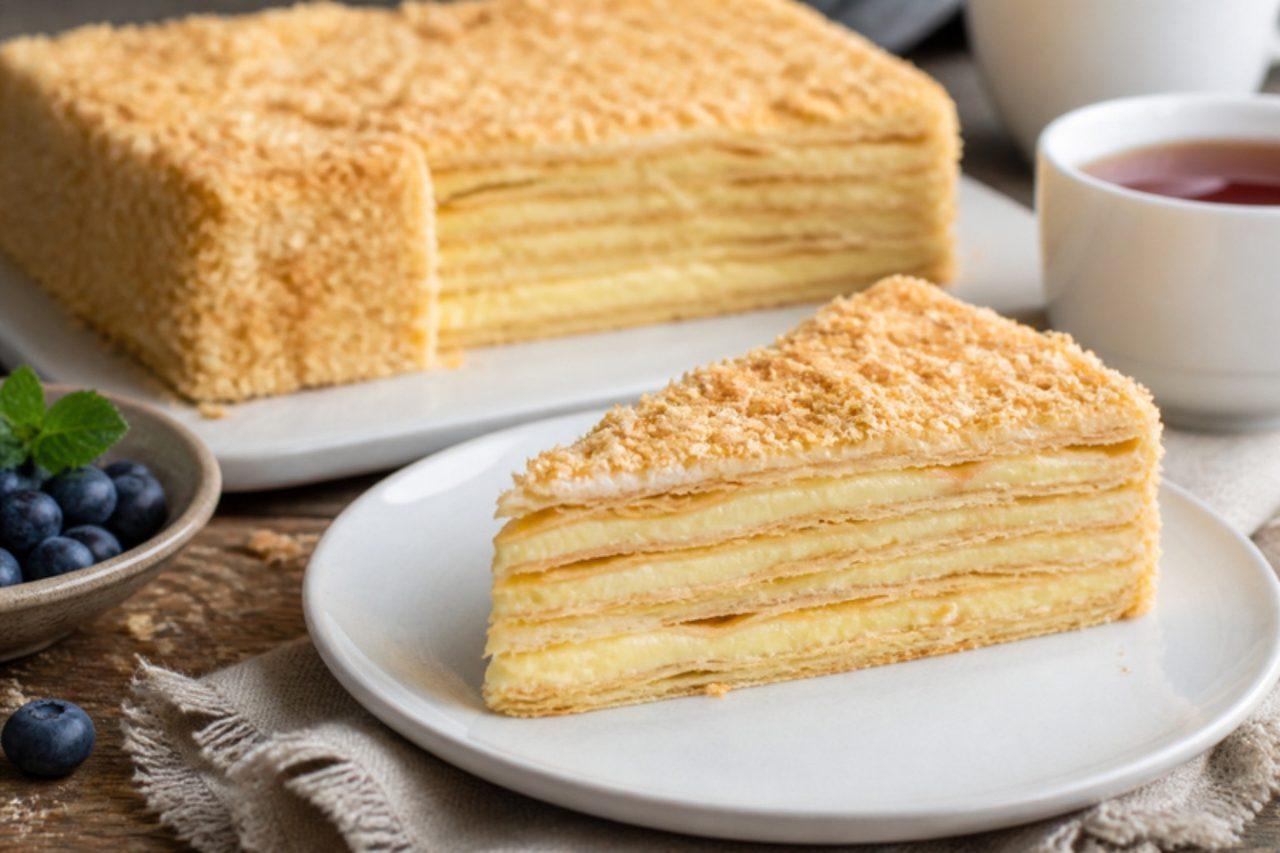
Legend links this cake to 1912, the centenary of Napoleon's retreat from Moscow, when St Petersburg confectioners cut triangular pastries shaped like his hat. By Soviet times it had grown into the tall round cake every family baked for birthdays and New Year's Eve. Eight wafer-thin rounds of quick flaky pastry are stacked with vanilla custard enriched with butter, then left overnight so the layers soften into something between a mille-feuille and a tender sponge; crushed trimmings give the snowy finish. Where most people go wrong is serving it the same day; without the long rest in the fridge it is crisp and dry instead of melting. Chef's tip: roll each piece of pastry straight onto baking paper and trim it around a 24 cm plate before baking, so you never have to lift thin raw dough.

by KrazyBadal 0 views

Čobanac

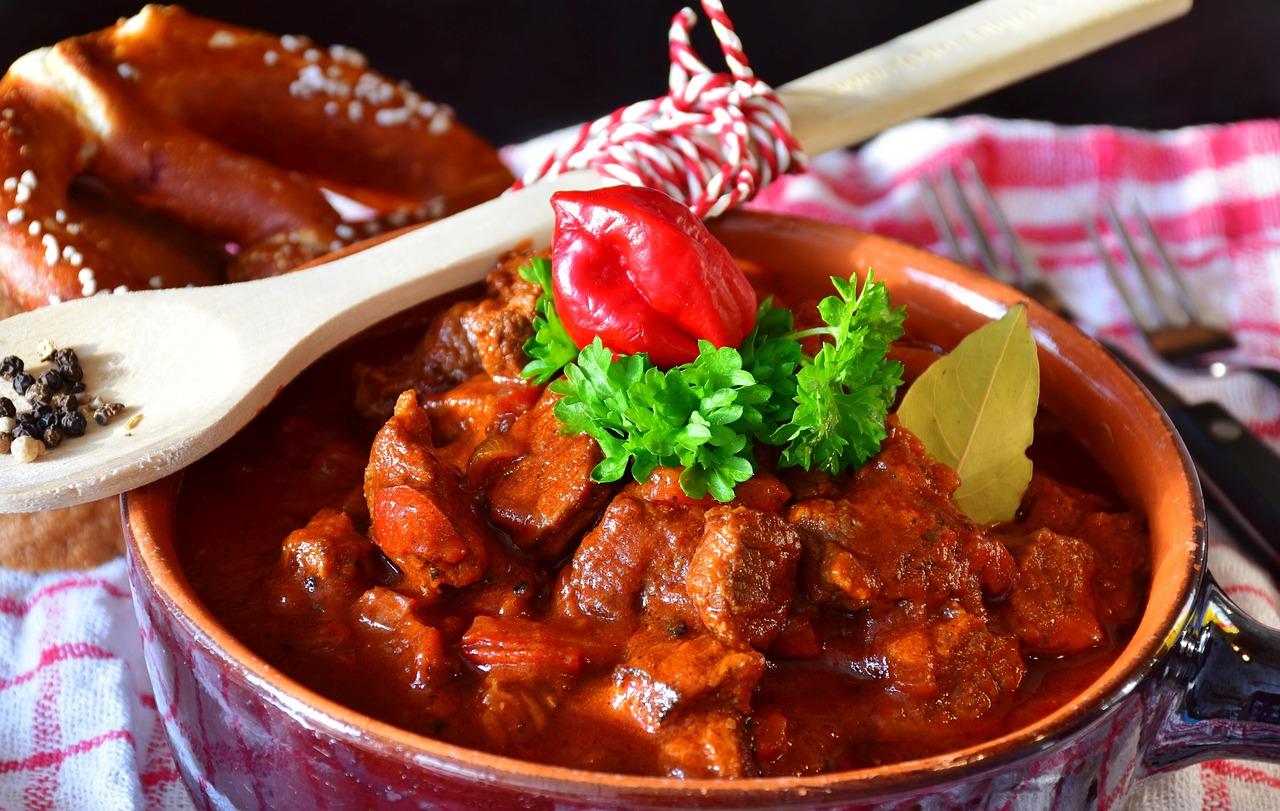
Slavonia, the flat farmland of eastern Croatia, cooks čobanac outdoors in a black cauldron at village fairs and hunting parties, and the smell of paprika drifts across the whole field. Three meats go in, typically beef, pork and venison or wild boar, with mountains of onion, sweet and hot paprika and a few peppers, simmering for hours until the sauce is thick, brick-red and spicy. This dish contains pork. Eat it with crusty bread or polenta. The usual slip is burning the paprika: it turns bitter in seconds, so always take the pot off the heat before stirring it in. Chef's tip: cook it a day ahead; like most stews it tastes deeper the next day.

180 minBalkanMeatGluten freeSpicy
by KrazyBadal 0 views

Shangi

From the Urals across to Siberia, shangi turn up on Sunday breakfast tables, at village markets and in the lunch bags of fishermen and hunters. They are flat rounds of soft yeast dough topped, not filled, with a thick swirl of buttery mashed potato beaten with egg, then brushed with sour cream so the top bakes into golden, slightly crisp peaks. Eat them warm with tea, milk or a bowl of mushroom soup. Older northern versions used barley dough or a millet topping, and sweet shangi carry tvorog instead. The usual slip is spreading the potato right to the edge; leave a rim so the dough rises around it like a frame. Chef's tip: brush the baked shangi with melted butter and stack them in a covered pot for ten minutes, which keeps them soft the way Siberians like them.

by KrazyBadal 0 views

Lebbencsleves

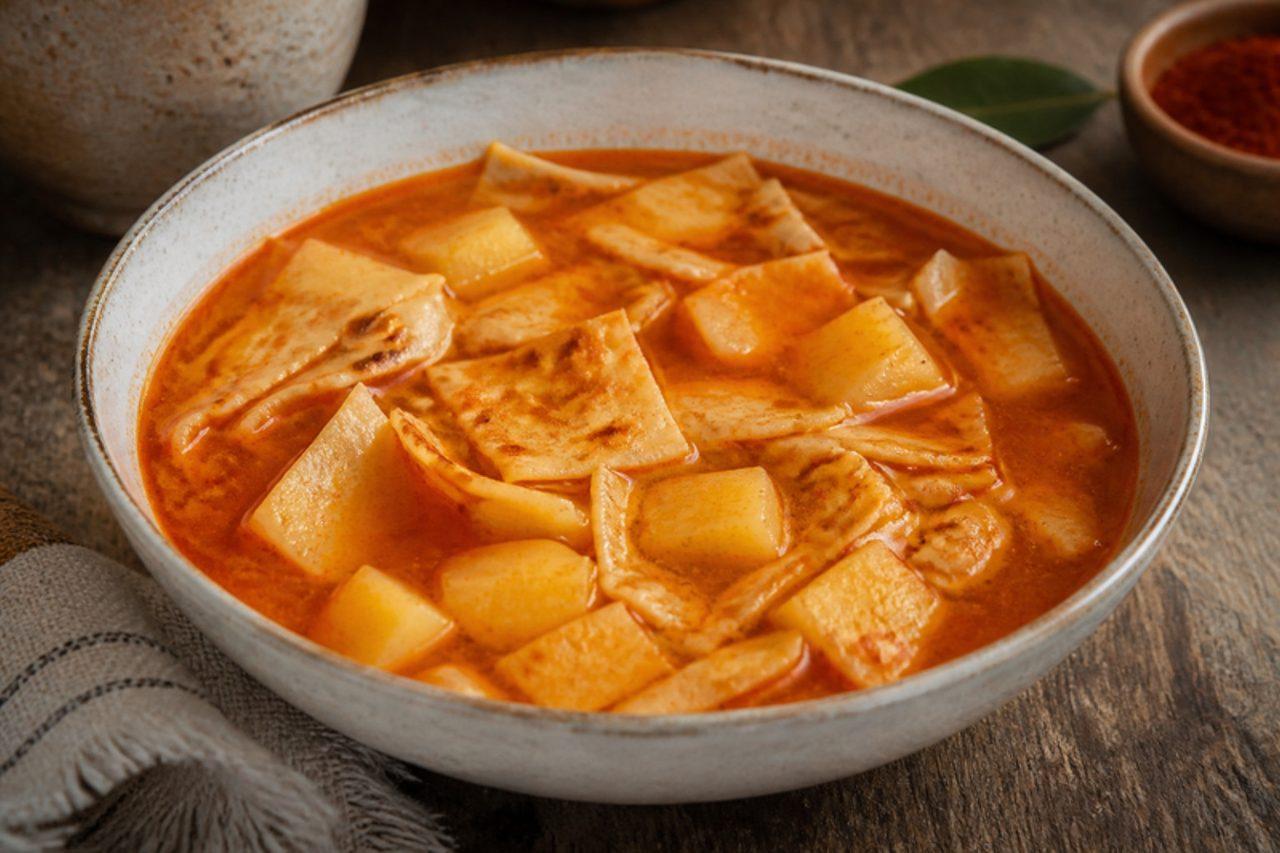
Shepherds on the Hungarian Great Plain carried dry sheets of pasta in their packs, broke them into a cauldron over the fire with potatoes and paprika, and called it lebbencsleves. In villages and family kitchens it is still the soup for a cold weekday. Usually the onion is fried in smoked bacon; this meat-free version fries the onion and paprika in oil, so it is vegan, and toasts the pasta in the same pot first for a nutty depth. The broth turns brick red and is thickened a little by the potatoes, with chewy shards of pasta in every spoonful. Buy egg-free dried pasta sheets (or broken lasagne sheets) to keep it vegan. Where it goes wrong is adding the pasta too early: it swells, goes slimy and drinks up the soup. Chef's tip: a little green pepper and a fresh tomato added with the potatoes give the soup a summery sweetness.

by KrazyBadal 0 views

Salted saffron milk caps

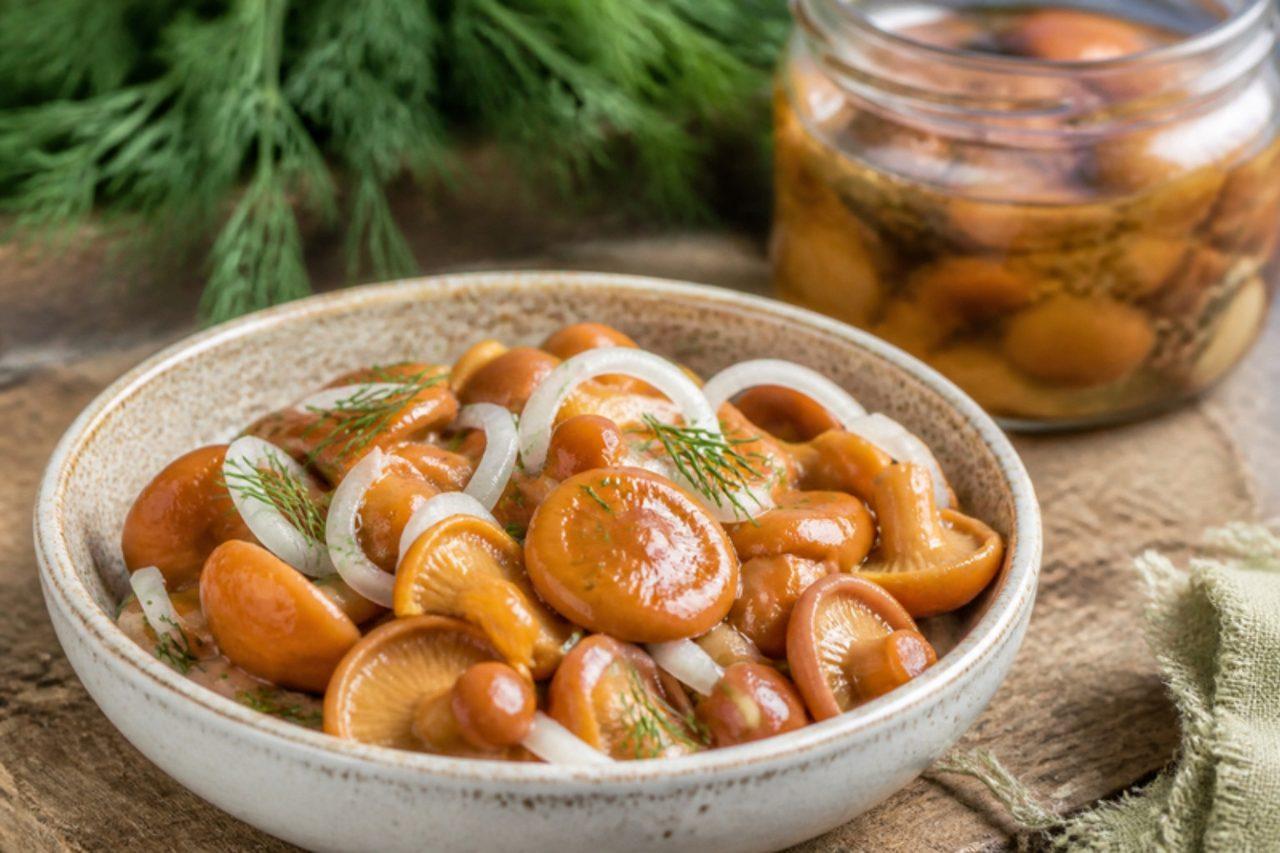
Northern Russians rank ryzhiki, the orange saffron milk caps of the pine woods, above almost every other mushroom, and salted ones from around Arkhangelsk once travelled to the tsar's table. Salted, they keep their bright colour, turn firm and juicy with a clean, resinous taste, and are served with thin onion rings, sunflower oil and hot boiled potatoes; for non-vegans a spoon of sour cream is classic. Old cellars dry-salted them raw for months; this safer fridge version blanches the caps briefly and keeps them in a measured brine in the fridge, ready in about a week. Only use mushrooms identified by an experienced forager or bought from a trusted seller. Where most people go wrong is guessing the salt; too little lets spoilage start, so weigh it. Chef's tip: the caps bruise green where handled, which is normal, so don't worry when the edges darken.

by KrazyBadal 0 views

Kakaós csiga

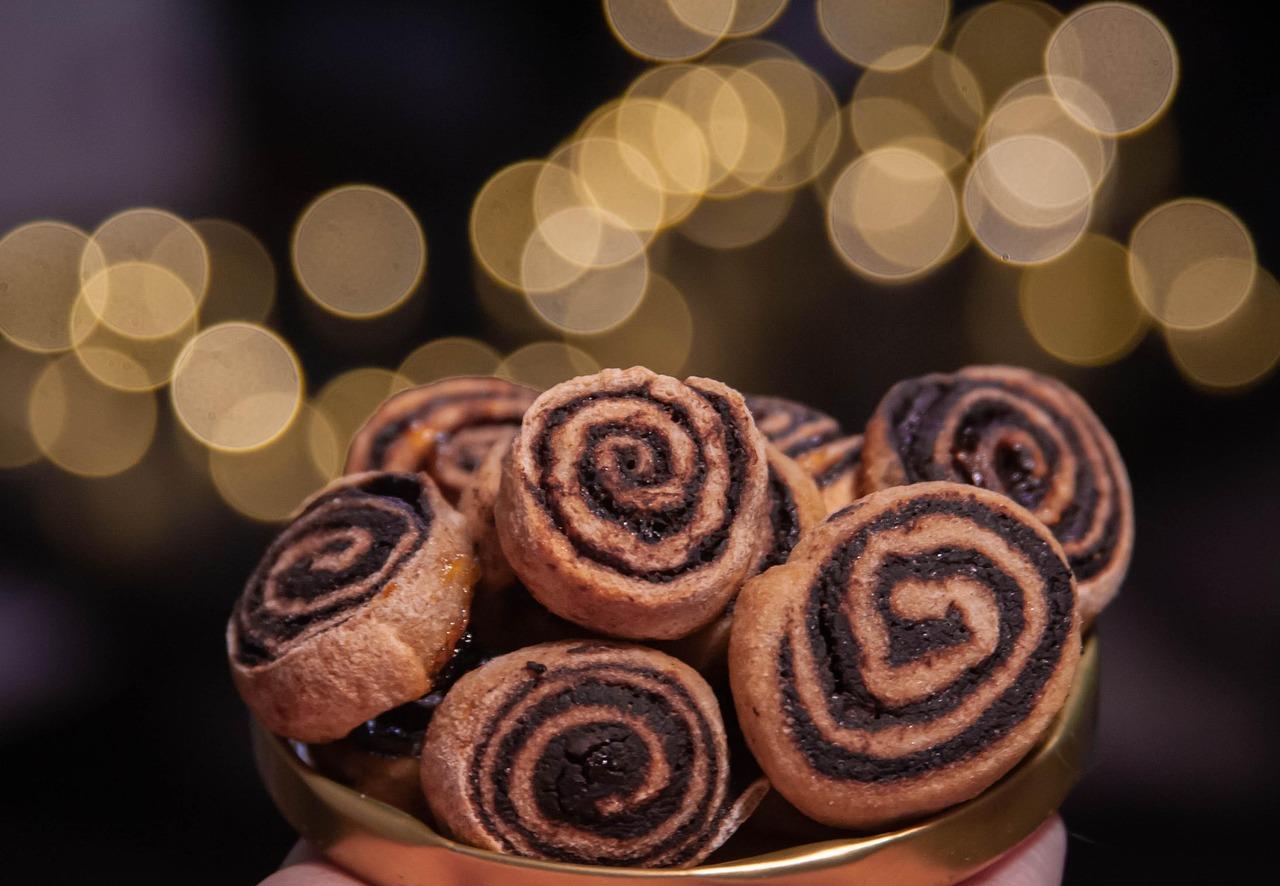
Walk into any Hungarian bakery at seven in the morning and the window will hold trays of kakaós csiga, cocoa snails, glossy on top and dark-striped inside. Children eat them on the way to school with a carton of chocolate milk, and office workers grab one with a coffee. The dough is soft and milky, rolled up with butter, cocoa and sugar so the swirl turns fudgy and slightly sticky; a brush of syrup after baking keeps them shiny and moist for a day. Where most people go wrong is spreading the filling on too-warm dough, which tears; let the risen dough rest for a few minutes after rolling. Chef's tip: roll the dough up from the long side quite tightly and cut with dental floss or a very sharp knife, so the snails keep their round shape.

by KrazyBadal 0 views

Semla

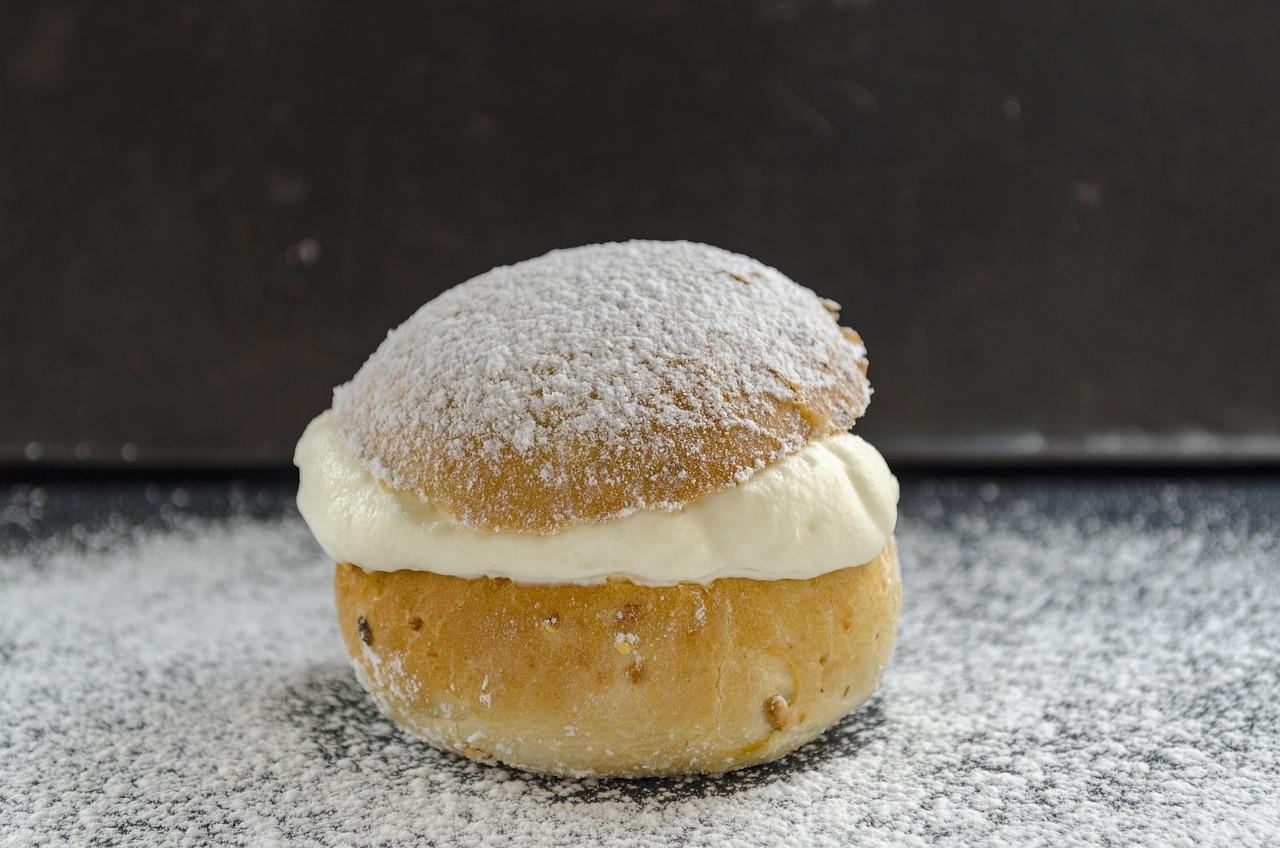
Semlor arrive in Swedish bakeries straight after Christmas and peak on Fettisdagen, Shrove Tuesday, when Stockholm bakeries sell them by the tens of thousands: a soft cardamom bun with its top cut off, the crumb scooped out and mixed with almond paste and milk, then refilled, piled with whipped cream and the 'lid' put back with a dusting of icing sugar. Some eat theirs in a bowl of hot milk, as 'hetvägg'. A common mistake is overbaking the buns, which dries them; they should be soft and pale golden. Chef's tip: grate the almond paste and mix it with the scooped crumb and a splash of milk until it is spreadable but still textured.

by KrazyBadal 0 views

Showing 18 of 7,762 recipes

Show more recipes

Page 201 of 863