


Skip to content
Tocino de cielo
Featured recipe

Tocino de cielo

Egg-yolk and syrup custard

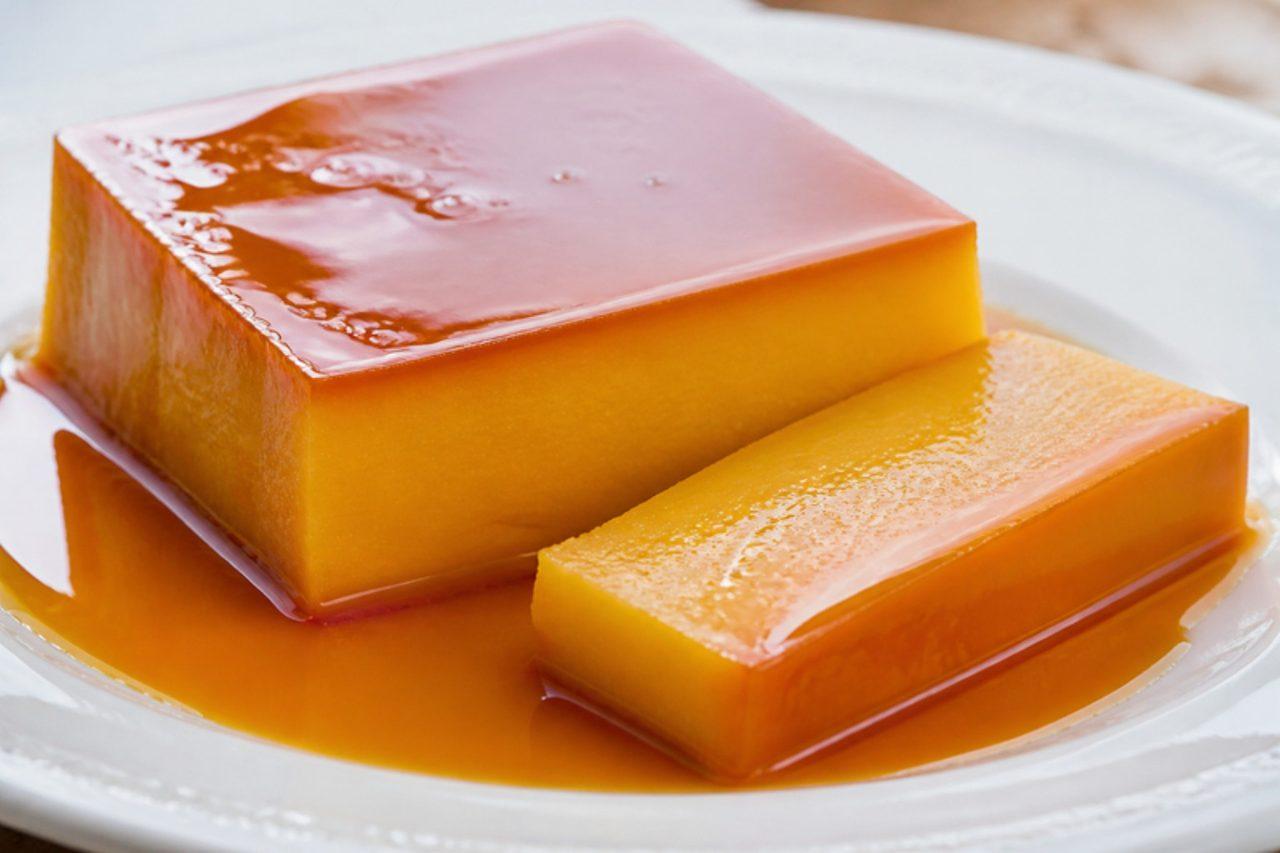
Tocino de cielo means 'bacon from heaven', but there is no pork in it at all: the name refers only to its rich, deep-yellow colour. The story told in Jerez de la Frontera is that the sherry bodegas used egg whites to clarify their wine and gave the leftover yolks to the convents, whose nuns turned them into this. It is denser and silkier than flan, with no milk, and a small square goes a long way after Sunday lunch. Chef's tip: strain the yolk mixture twice and skim off every bubble; that is what gives the glassy, pore-free finish.

Read more 0 views

What to eat today?

Around the world

Today's trip: Persian

A new country every day, from every cuisine on the site.

Persian

Dizi

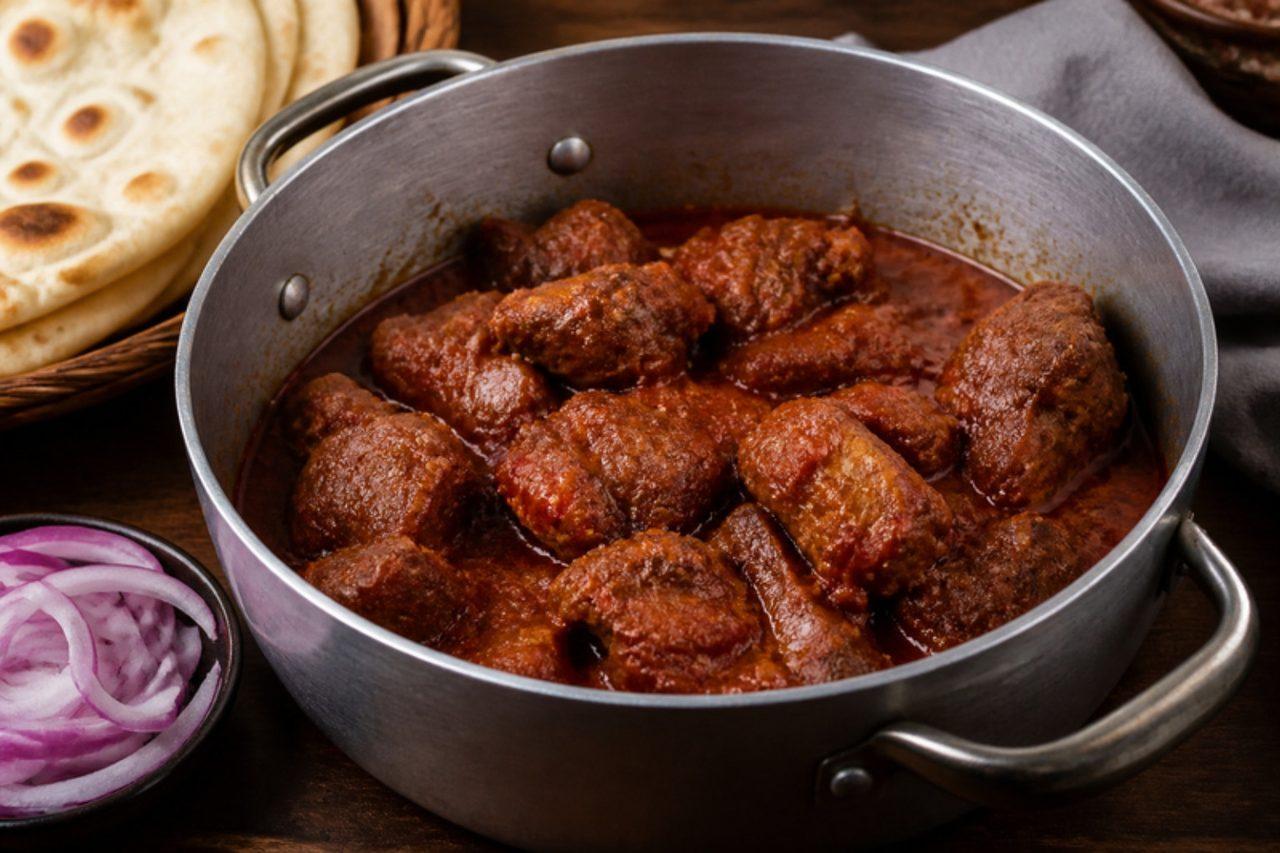
Lamb and chickpea stew 245 minMore from Persian (131) →

This week's collection

Kid-friendly dinners
537 recipes · a new collection every Monday

Latest recipes

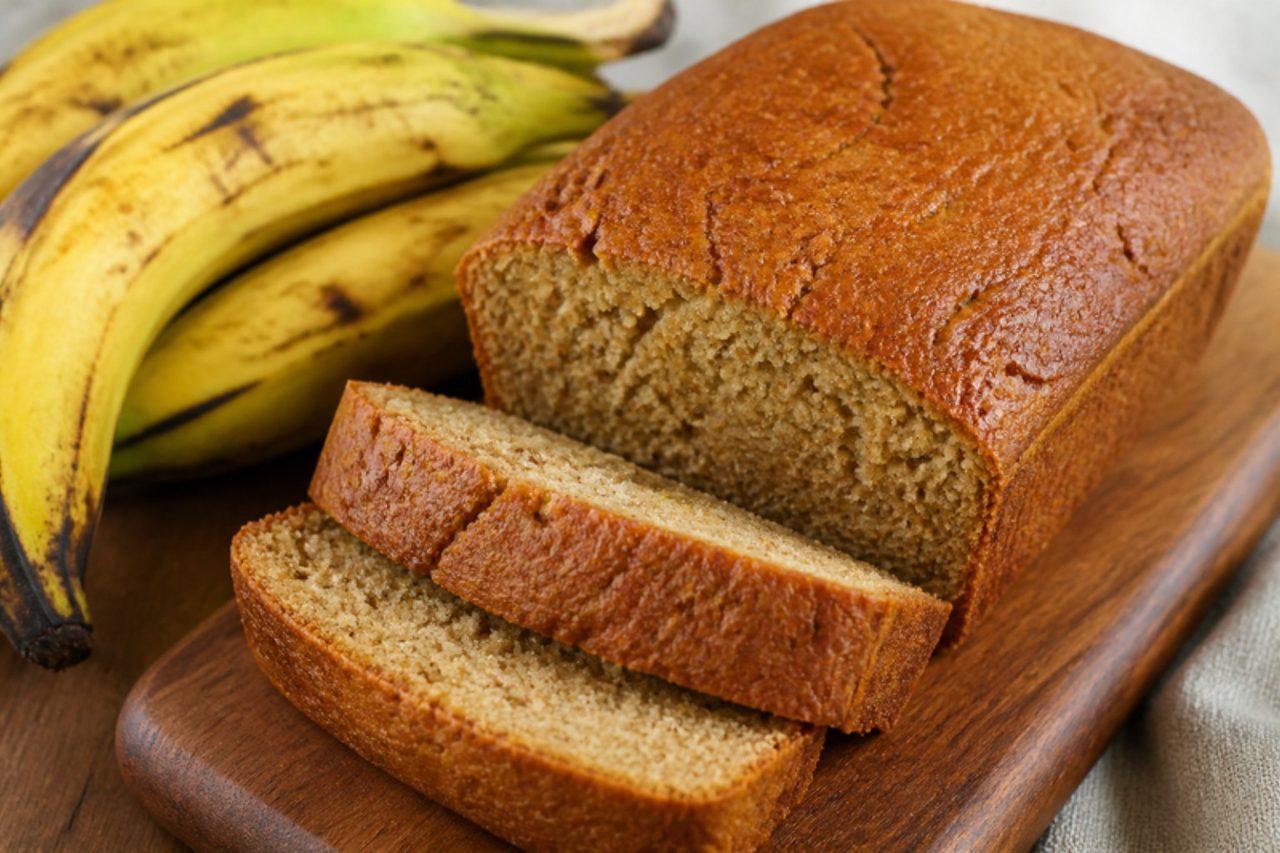
Liberian rice bread

Liberian rice bread sits somewhere between banana bread and a soft pudding: a moist, close-textured loaf made with cream of rice instead of wheat, sweetened with very ripe bananas and warmed with nutmeg. Families in Monrovia bake it for Sunday breakfast, birthdays and holiday gatherings, and slices are often eaten with tea or coffee. Because it contains no wheat flour, it is naturally gluten free when you use a gluten-free baking powder. The batter is surprisingly runny, so do not be tempted to add more rice. Chef's tip: let the loaf cool in the tin for at least fifteen minutes; rice batters firm up as they cool and fall apart if cut hot.

by KrazyBadal 0 views


Enkulal firfir (Ethiopian spiced egg scramble)

Cafés across Addis Ababa put enkulal firfir on the breakfast menu next to ful and chechebsa, and at home it is the fast weekend breakfast when there is no leftover injera to make firfir with. Red onion is softened in niter kibbeh, tomato and green chilli cook down into a loose sauce, and eggs are stirred through it until they set into soft, juicy curds with a gentle warmth. A pinch of berbere is optional; many cooks keep it clean and let the chilli do the work. It is scooped up with warm bread rolls or rolled into injera, with a glass of sweet tea or a macchiato on the side. Don't cook the eggs over high heat; they turn rubbery instead of soft and creamy. Chef's tip: take the pan off the heat while the eggs still look slightly wet; they finish setting on the plate and stay soft instead of turning rubbery and dry.

by KrazyBadal 0 views

Ertib (Addis Ababa street sandwich)

Ertib means 'wet' in Amharic, and the name fits: small kiosks around Piassa, Merkato and the universities of Addis Ababa split soft rolls and pack them with mashed spiced potato, sliced boiled egg, tomato, raw onion and a spoon of runny chilli sauce that soaks into the crumb. Some stalls tuck in a crushed sambusa or a spoon of canned tuna; this version keeps it meat-free with potato and egg, the way most students buy it. It is cheap, filling and messy, eaten standing up at lunchtime or after school. The sauce is a quick awaze-style mix of berbere, lemon and oil, so the sandwich is tangy and hot against the mild potato. Avoid filling the bread too far ahead; the sauce soaks through and the sandwich falls apart. Chef's tip: dress the onion and tomato with the lemon and salt a few minutes before building, so their juice softens the bread the way the street version does.

by KrazyBadal 0 views

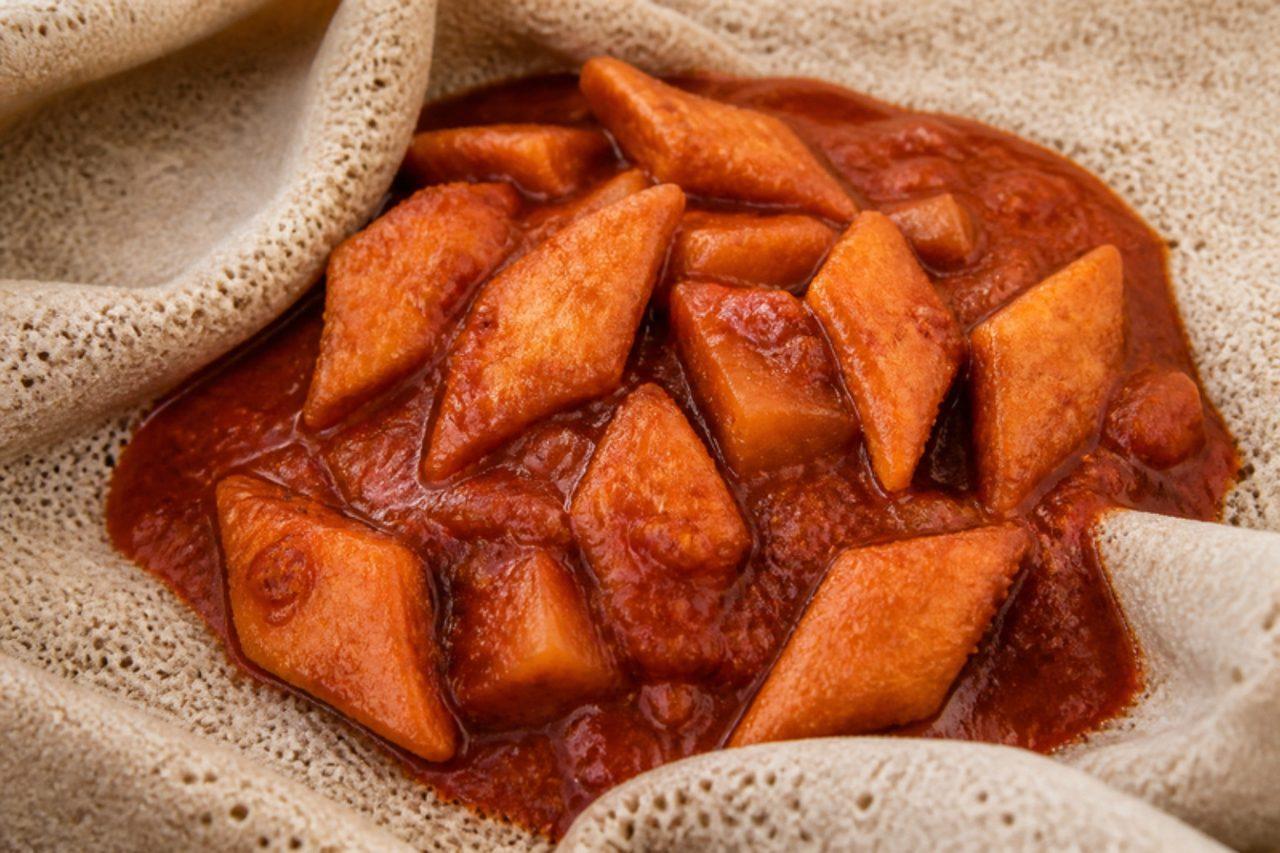
Shimbra asa (chickpea 'fish' in berbere sauce)

During the 55 days of Lent, when fish and meat are off the table in Orthodox homes of Gondar and Gojjam, cooks make 'chickpea fish': a firm dough of chickpea flour cut into diamonds, fried until golden, then dropped into a dark, oily berbere sauce. The pieces soak up the wat but keep a pleasant bite, a bit like a dense dumpling, and the sauce itself is rich with slow-cooked onion, garlic and ginger. It is a dish for fasting-day guests and Lenten Sundays, served on injera with gomen and a spoon of senafich. Everything is plant-based and fried in oil, so it suits the fast. A common mistake is a dough that is too soft, which breaks up in the sauce; it should feel like firm play dough before you roll it. Chef's tip: add the fried pieces to the sauce only in the last few minutes and shake the pan rather than stirring, so the diamonds stay whole.

by KrazyBadal 0 views

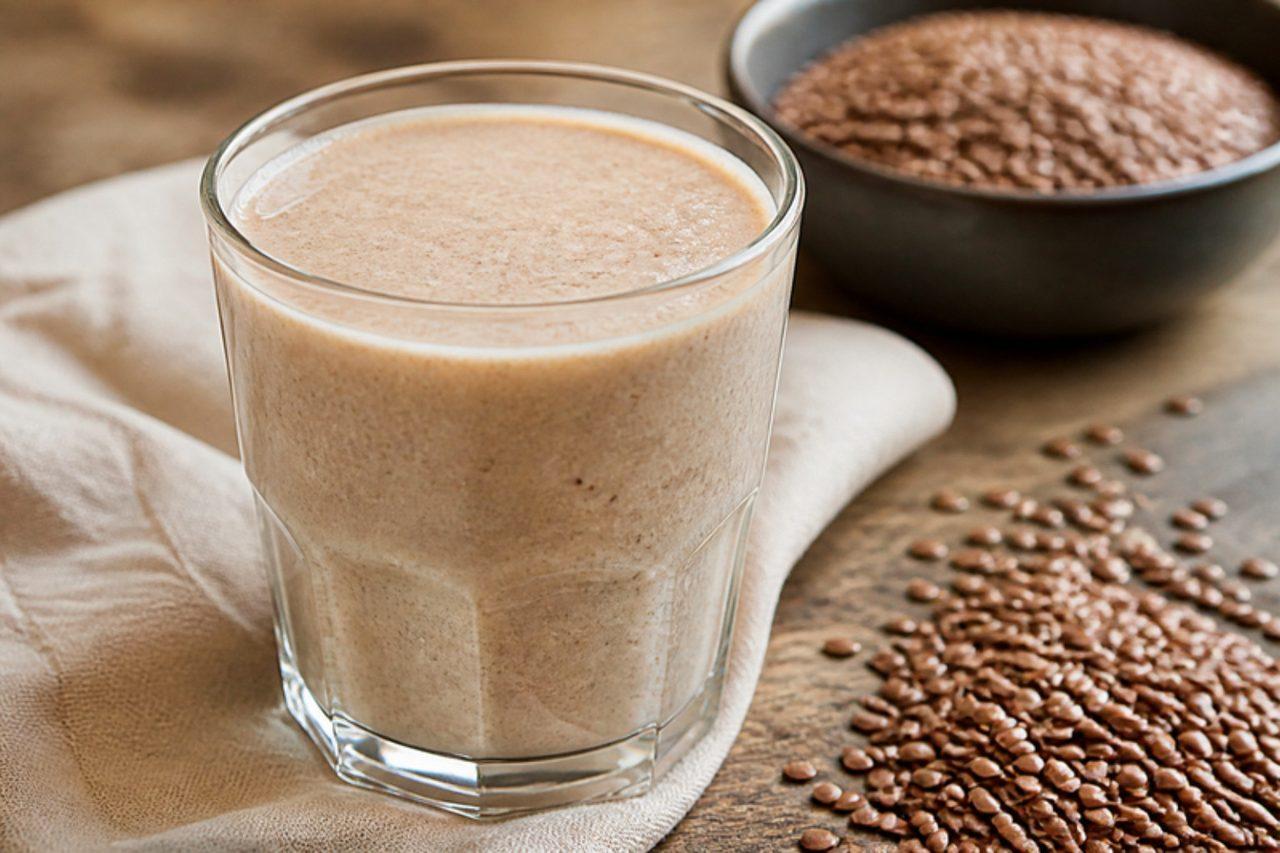
Telba (roasted flaxseed drink)

Flax grows across the highlands of Gojjam, and on Wednesdays, Fridays and through Lent its toasted seeds become telba, a creamy, nutty drink that fills you up when animal food is off the menu. The seeds are dry-roasted until they pop, ground fine, then whisked with water and strained, giving a pale brown drink with a faint toasted-sesame flavour and a slightly silky body. It is also taken as a gentle remedy for an upset stomach. Families often sweeten it with honey; sugar keeps it fully vegan. Don't roast the flaxseed too far: over-roasted seeds turn the drink bitter. Chef's tip: grind only what you need that day, because ground flax goes stale and bitter within days; whole roasted seeds keep for weeks in a jar.

by KrazyBadal 0 views

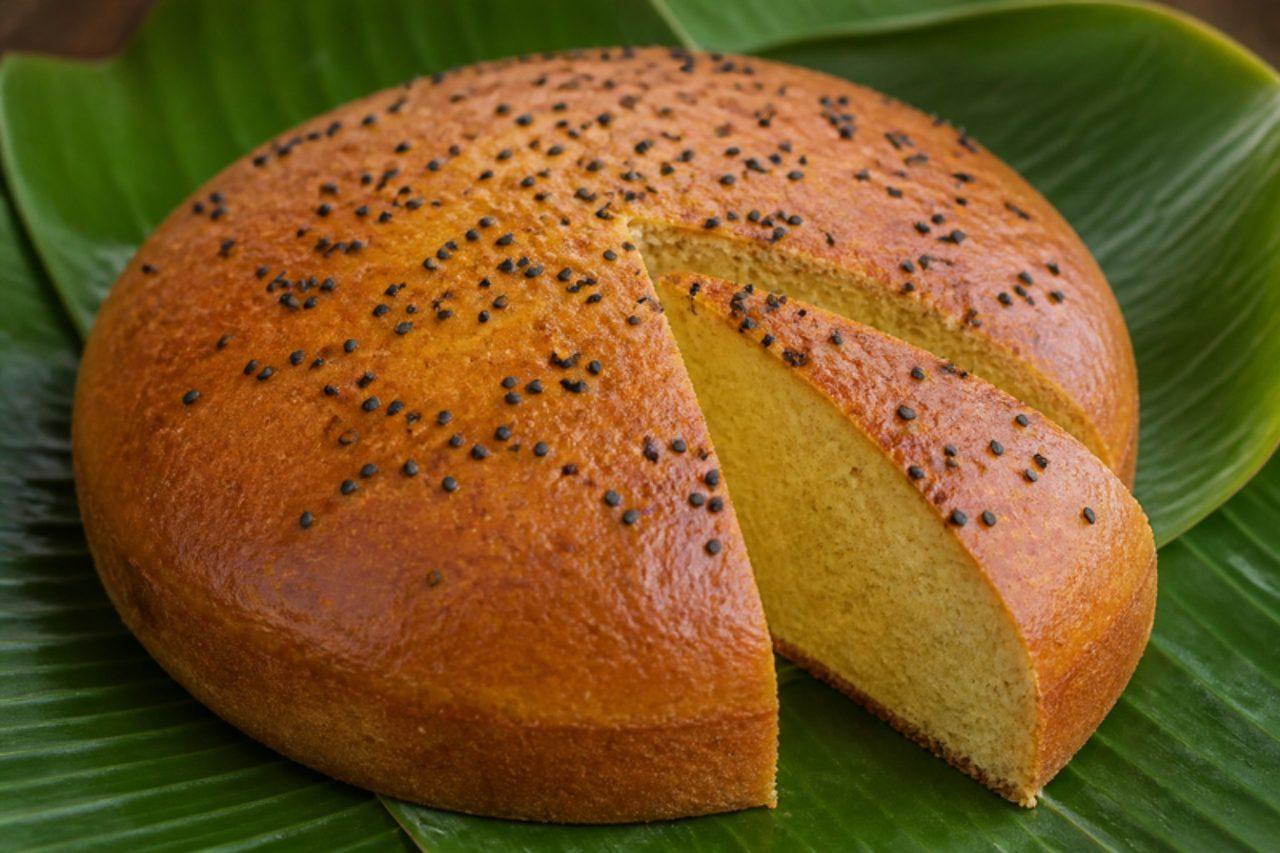
Defo dabo (Ethiopian festive pot bread)

For Genna (Christmas), Fasika (Easter), weddings and christenings, cooks in Gondar and Gojjam bake defo dabo: a huge, tall round loaf whose dough is wrapped in enset or banana leaves and baked slowly in a heavy covered pot, traditionally with coals above and below. The leaves leave a faint green aroma and a pale, soft crust, and the crumb is fine and close, scented with black cumin, korerima and a little niter kibbeh. On feast days the loaf is blessed and cut before it is shared out. At home a cast-iron casserole in the oven does the job; allow about 2 hours of rising on top of the times given. Do not cut it hot: the crumb is still setting and turns gummy. Chef's tip: bake until the inside reads 94 °C on a probe thermometer; this dense loaf can look brown long before the centre is cooked.

by KrazyBadal 0 views

Chuko (Tigrayan roasted barley and spiced butter snack)

Tigrayan mothers pack chuko for sons and daughters leaving home, for pilgrims walking to Aksum and for long bus journeys, because it keeps for weeks and a small piece goes a long way. Roasted barley flour is rubbed with warm niter kibbeh, berbere and a little sugar and salt, then pressed into a dense cake or shaped into fingers. The texture is crumbly and rich, like a savoury shortbread that melts in the mouth, with a slow chilli warmth and the toasty taste of the grain. It is eaten with coffee or black tea. The usual mistake is skimping on the butter, which leaves a dry mix that will not hold; squeeze a handful, and it should keep its shape. Chef's tip: warm the butter until just liquid, not hot, and work it in with your fingertips so every grain of flour is coated.

by KrazyBadal 0 views

Gomen kitfo (Gurage minced collards with spiced butter)

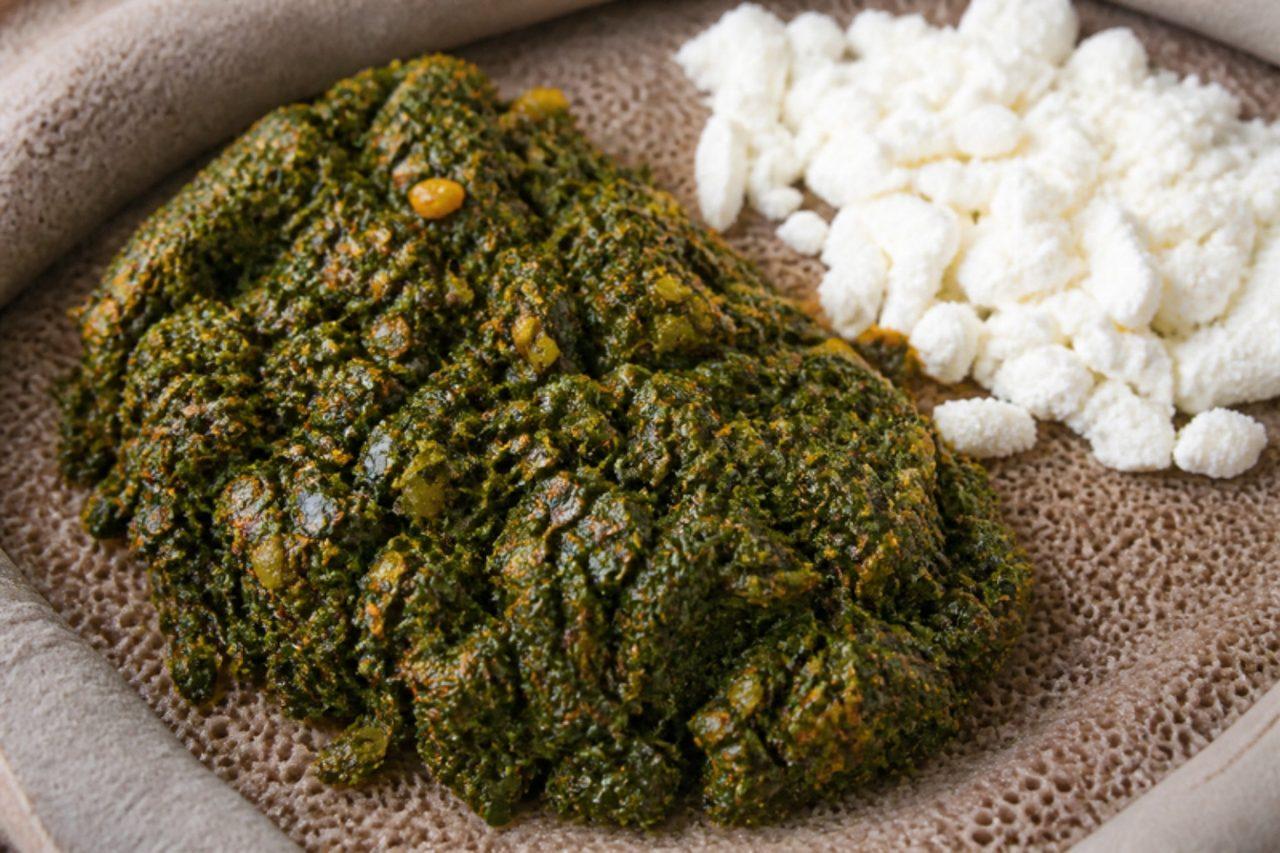
Meskel in the Gurage highlands is the year's great feast, and next to the beef kitfo on the table there is always gomen kitfo, the meat-free 'kitfo' of greens. Collards are boiled until tender, squeezed hard and chopped so finely they become almost a paste, then worked with warm niter kibbeh, mitmita and a little korerima. The result is dark green, silky and rich, with a sharp chilli kick and a deep, slightly bitter leafy flavour. It is eaten with kocho and a heap of fresh ayib, and is also made on its own on non-fasting days. The usual mistake is leaving water in the greens, which makes it soggy and dilutes the butter; wring them out in a clean cloth. Chef's tip: chop with a heavy knife, rocking it again and again, rather than blending; a blender turns it into a purée and loses the fine, almost-minced texture.

by KrazyBadal 0 views

Besso (roasted barley flour drink and balls)

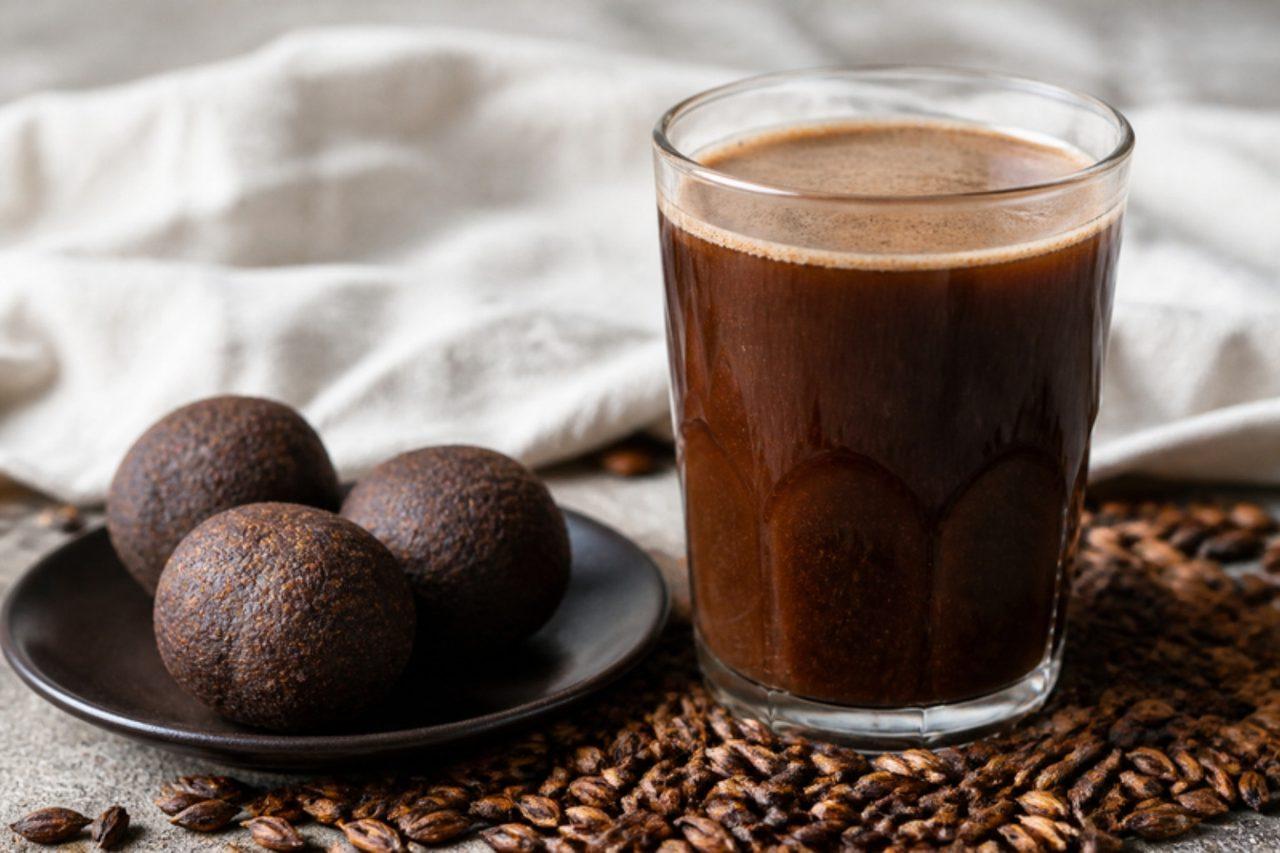
Farmers and travellers in Gojjam and Wollo have long carried a pouch of besso on journeys, because a handful of this roasted barley flour turns a cup of water into a filling meal. The barley is roasted until deep brown, ground fine and stored for weeks; stirred into cold water with a little sugar it makes a smooth, malty, slightly toasty drink, and kneaded with oil it becomes chewy little balls called chibto. It is eaten on fasting days, in the fields and by students before exams. Many families sweeten it with honey; sugar keeps this version vegan. The usual mistake is adding the barley flour to water all at once, which leaves dry clumps; whisk it in gradually. Chef's tip: roast the barley until it is the colour of milk chocolate and smells like toast; pale grains give a raw, floury taste, while black ones taste burnt.

by KrazyBadal 0 views

Atmit (warm barley gruel with spiced butter and honey)

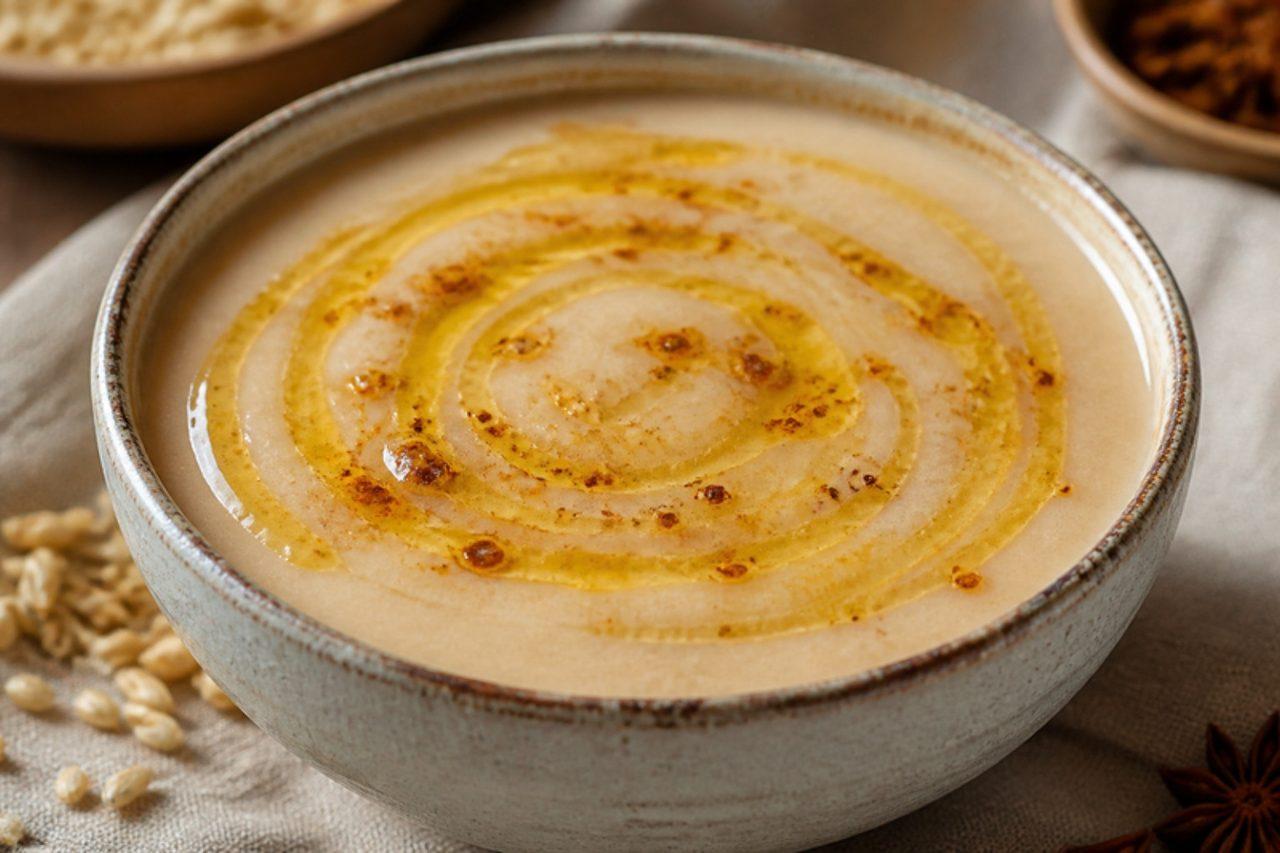
When a baby is born in an Amhara household, visiting women bring or cook atmit for the new mother, and the same soft, sippable gruel is made for anyone recovering from illness. Roasted barley flour (or oat flour) is whisked into water and simmered until it thickens to the texture of a thin custard, then enriched with a spoon of niter kibbeh, honey and a pinch of korerima. It tastes nutty, sweet and buttery, and is drunk warm from a cup rather than eaten with a spoon. Some homes add a little milk for extra richness. A common mistake is tipping the flour straight into hot water, which makes lumps; slake it in cold water first. Chef's tip: keep it thinner than you think; atmit thickens as it cools, and it should still pour easily from the cup.

by KrazyBadal 0 views

Chapman (Nigerian fruit punch)

Order a chapman in a Lagos club house or at an owambe party and it arrives in a tall glass full of ice, glowing red and crowded with slices of cucumber, orange and lemon. Lemon-lime and orange sodas are mixed with blackcurrant cordial and grenadine for a sweet, fruity, fizzy drink with a fresh edge from the cucumber. The classic recipe adds a few dashes of aromatic bitters, and those bitters contain alcohol; leave them out (or use an alcohol-free bitters) and it is fully alcohol-free and fine for children. Adding the soda too early is the usual mistake, as it goes flat, so mix the syrups and fruit first and top up just before serving. Chef's tip: chill every bottle well beforehand, so less ice melts into the drink.

by KrazyBadal 0 views

Spris (layered fruit juice)

Juice houses all over Addis Ababa, with their towers of fruit stacked in the window, are famous for spris: a tall glass of thick purées poured in stripes, usually green avocado, golden mango and orange papaya, with a wedge of lime on the rim. It is closer to a spoonable smoothie than a juice, and people often eat the layers one by one before stirring the rest together. It makes a filling breakfast or an afternoon pick-me-up, and children love the colours. Chef's tip: blend each fruit separately and keep every purée thick enough to hold a spoon; runny purées bleed into each other and the stripes vanish.

by KrazyBadal 0 views

Rokak bel lahma (Eid meat pie)

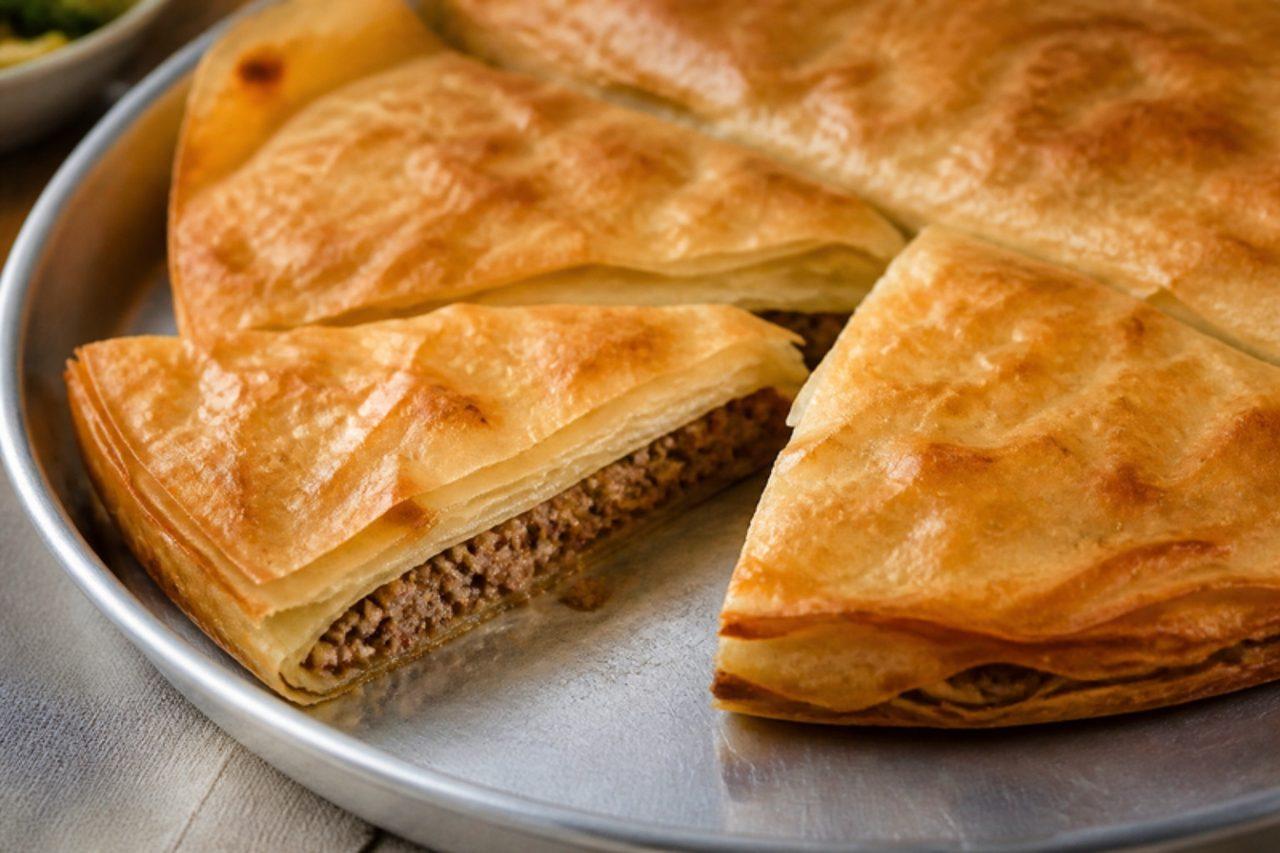
When Eid comes round, Egyptian shops stack up rounds of rokak, a very thin, brittle unleavened pastry baked on a hot dome, and cooks turn them into this layered pie for the family lunch. Each sheet is moistened with hot meat broth and a little ghee, layered with beef mince fried with onion, then baked until the top crackles and the inside turns tender and savoury, somewhere between a pie and a lasagne. It is cut into squares and served with rice, salad and pickles. If you cannot find rokak, sheets of filo baked dry for a few minutes are the nearest substitute. Chef's tip: soak each layer just enough to soften it; too much broth makes a heavy, soggy pie, and too little leaves dry shards, the mistake most people make the first time.

by KrazyBadal 0 views

Kuti (Harari coffee-leaf tea)

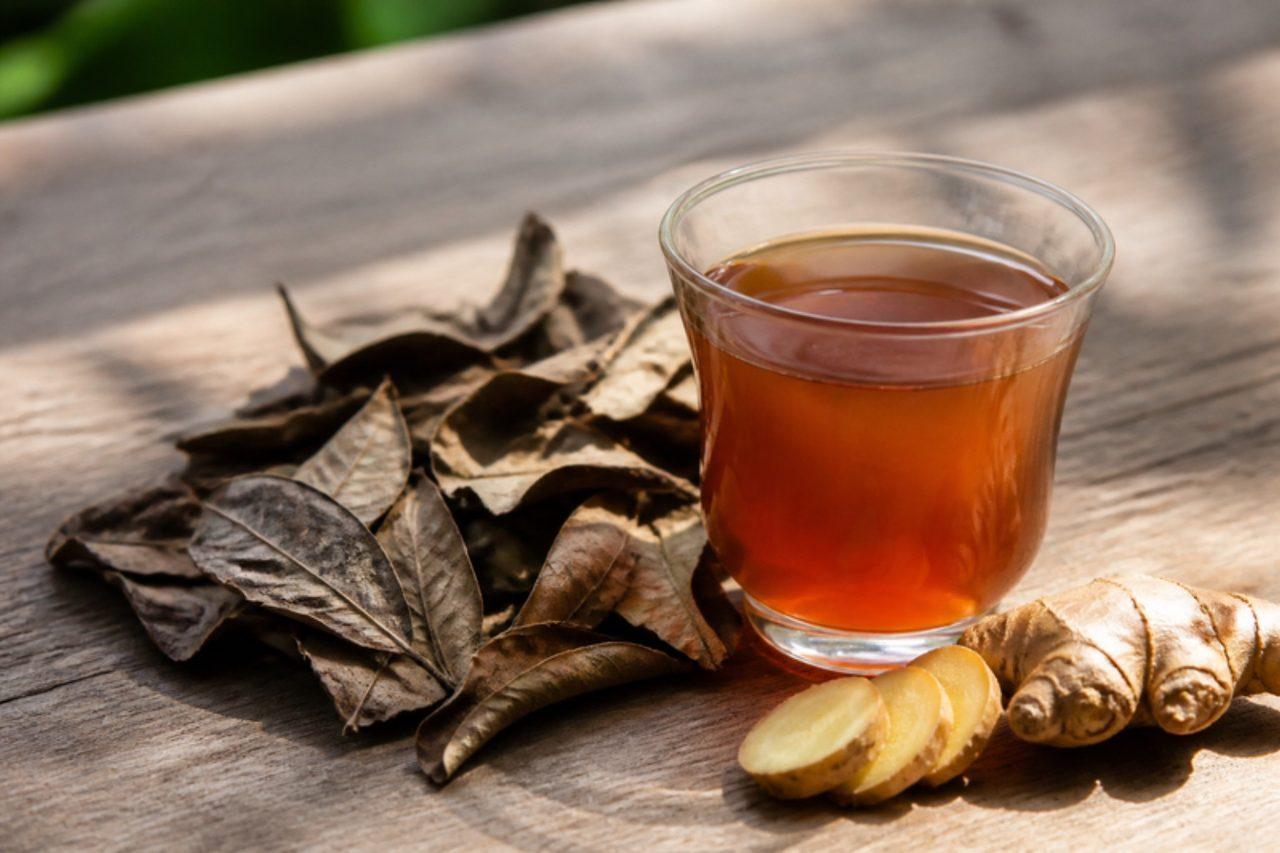
Harar sits in old coffee country, and its households drink not only the beans but the leaves: kuti is made by toasting dried coffee leaves and brewing them into a light, amber tea. It tastes soft and grassy with a hint of roasted coffee and far less caffeine than a cup of buna, so it is sipped through the afternoon, during long chats and after the fast is broken in Ramadan. Many Harari homes add milk and sugar; leave the milk out or use a plant milk to keep it vegan. Dried coffee leaves are sold as coffee leaf tea by some coffee and tea merchants. Do not swap in cascara, which is the dried coffee cherry husk and makes a different, fruitier drink. Chef's tip: toast the leaves only until they darken a shade and smell like toasted hay; overdone, they taste of ash.

by KrazyBadal 0 views

Teochew fish soup

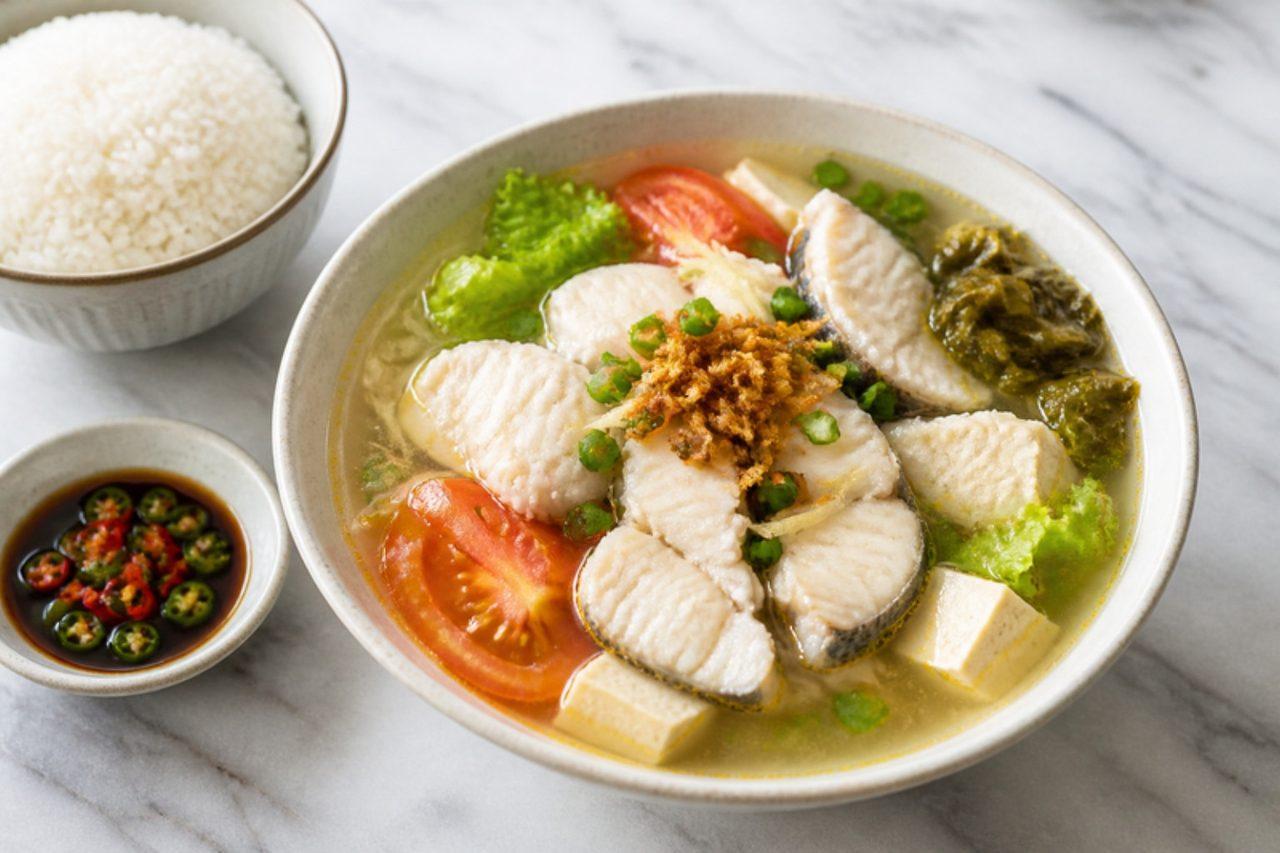
Office workers in the CBD form long lunch queues for a dish that looks almost plain: a bowl of clear, sweet broth with thick slices of batang (Spanish mackerel), wedges of tomato, silken tofu, lettuce and a little salted vegetable, served with rice or thick rice noodles. Good stalls simmer fish bones for hours, but at home a well-flavoured stock and plenty of ginger get you close in half an hour. The fish should be just set and springy, the broth light, gently tangy from tomato and savoury from fish sauce. Most home versions go wrong by boiling the slices hard, which breaks them up and turns them chalky; they need only a few minutes at a gentle simmer. Chef's tip: toss the fish slices with a pinch of salt and a teaspoon of tapioca starch before cooking, which keeps them silky and stops them falling apart.

by KrazyBadal 0 views

ThikourbabineSemolina dumplings in pepper sauce

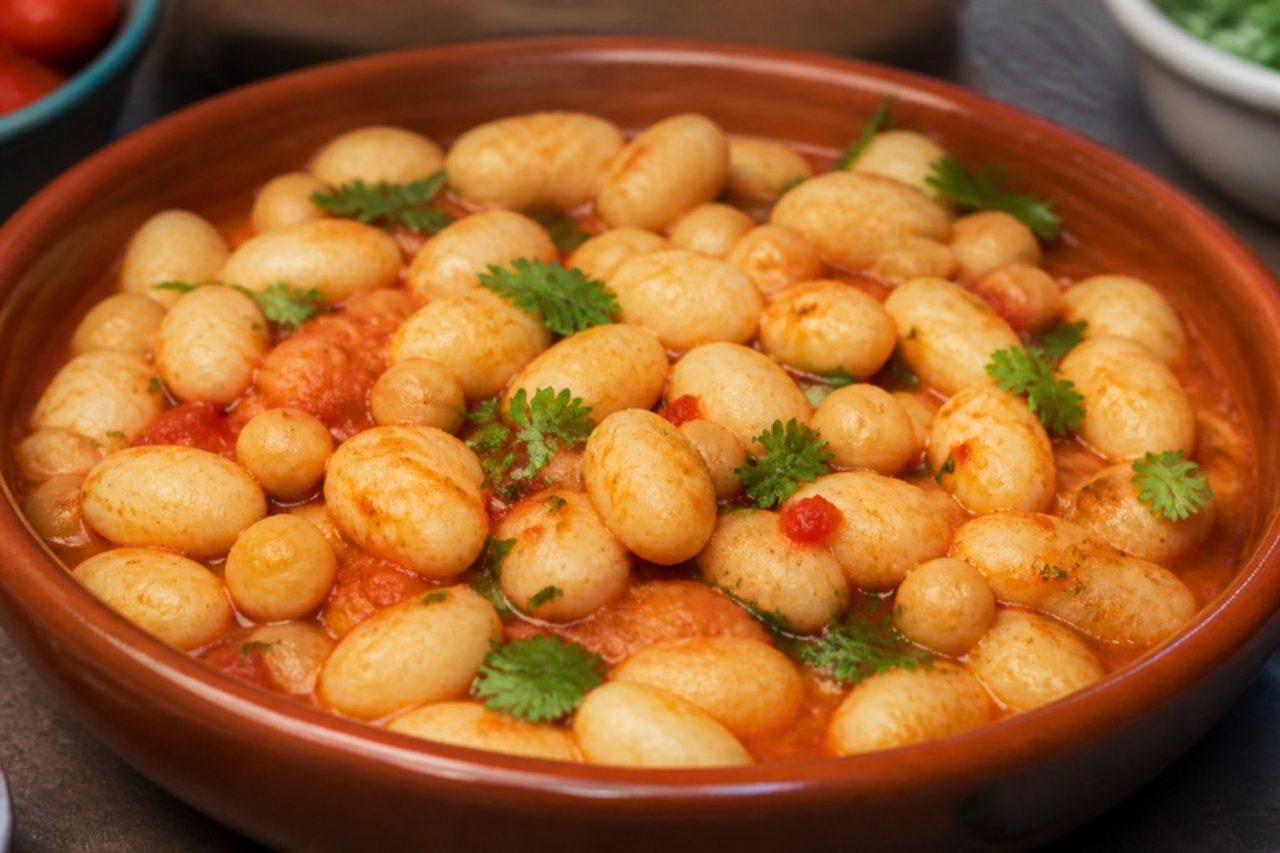
High in the Kabylie mountains east of Algiers, thikourbabine is a winter dish made from what is in the store cupboard: small balls of semolina dough poached in a fragrant red sauce of tomato, paprika, garlic and dried red peppers, with chickpeas, potatoes and courgettes. The dumplings turn tender and slightly chewy and soak up the sauce, which is peppery and warming rather than very hot. Families eat it from a shared bowl on cold evenings. Some cooks add meat; this is the meatless way it is often made at home. Chef's tip: let the dumplings rest after shaping; the surface dries a little and they hold together in the simmering sauce.

by KrazyBadal 0 views

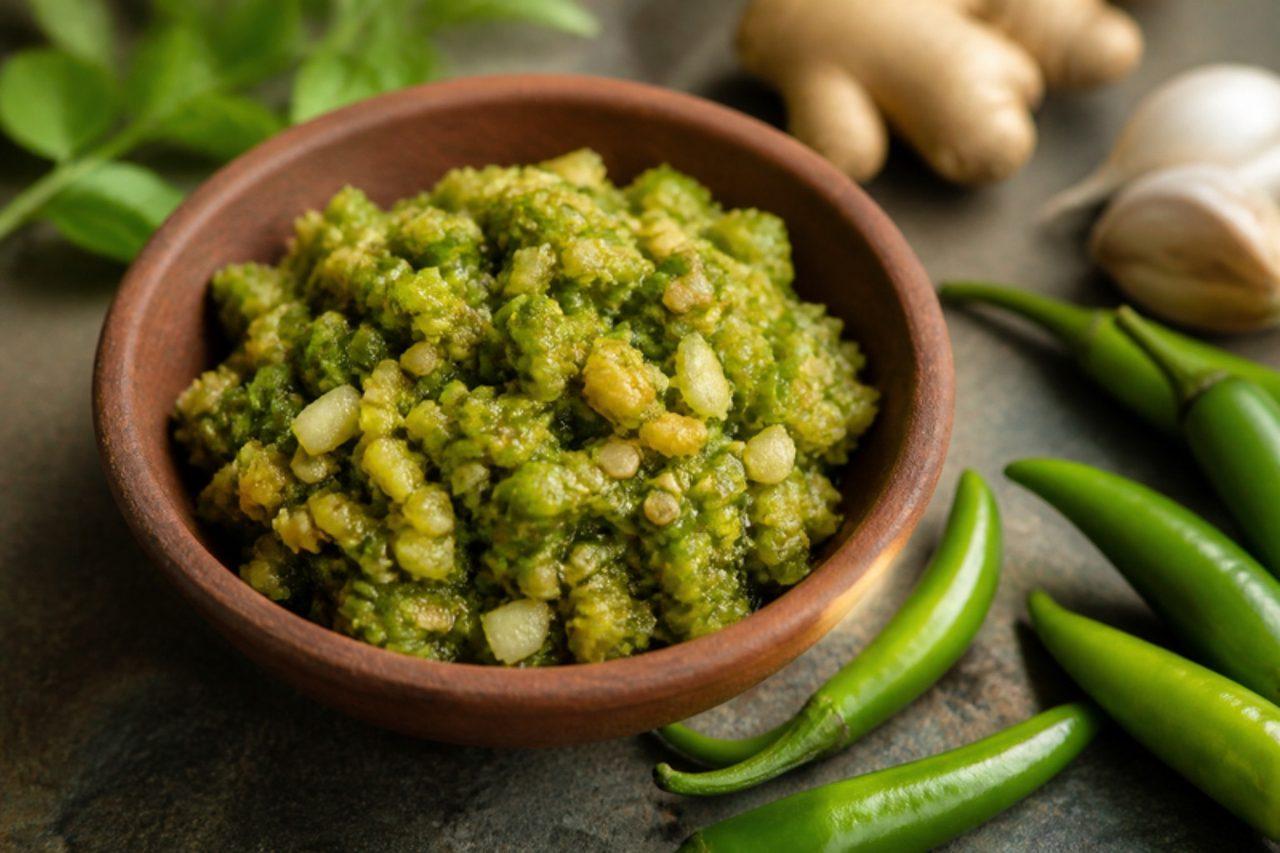
Datta (Gurage green chilli relish)

A small bowl of datta sits beside every plate of kitfo in Gurage country, and Addis kitfo houses serve it the same way; a dab of it wakes up mild ayib, kocho or a bowl of shiro. Fresh green chillies are pounded in a mortar with garlic, ginger and salt, sometimes with a little onion and lemon, into a coarse, bright paste that is sharp, grassy and very hot. It is a fasting-friendly relish, since it is nothing but vegetables, oil and lemon. Blitzing it to a smooth liquid in a blender is a common mistake: you lose the texture and the chillies turn bitter; pound it, or pulse briefly. Wear gloves when handling the chillies, and wash the board well afterwards. Chef's tip: for a milder datta, scrape out the seeds and pale ribs of half the chillies before pounding.

by KrazyBadal 0 views

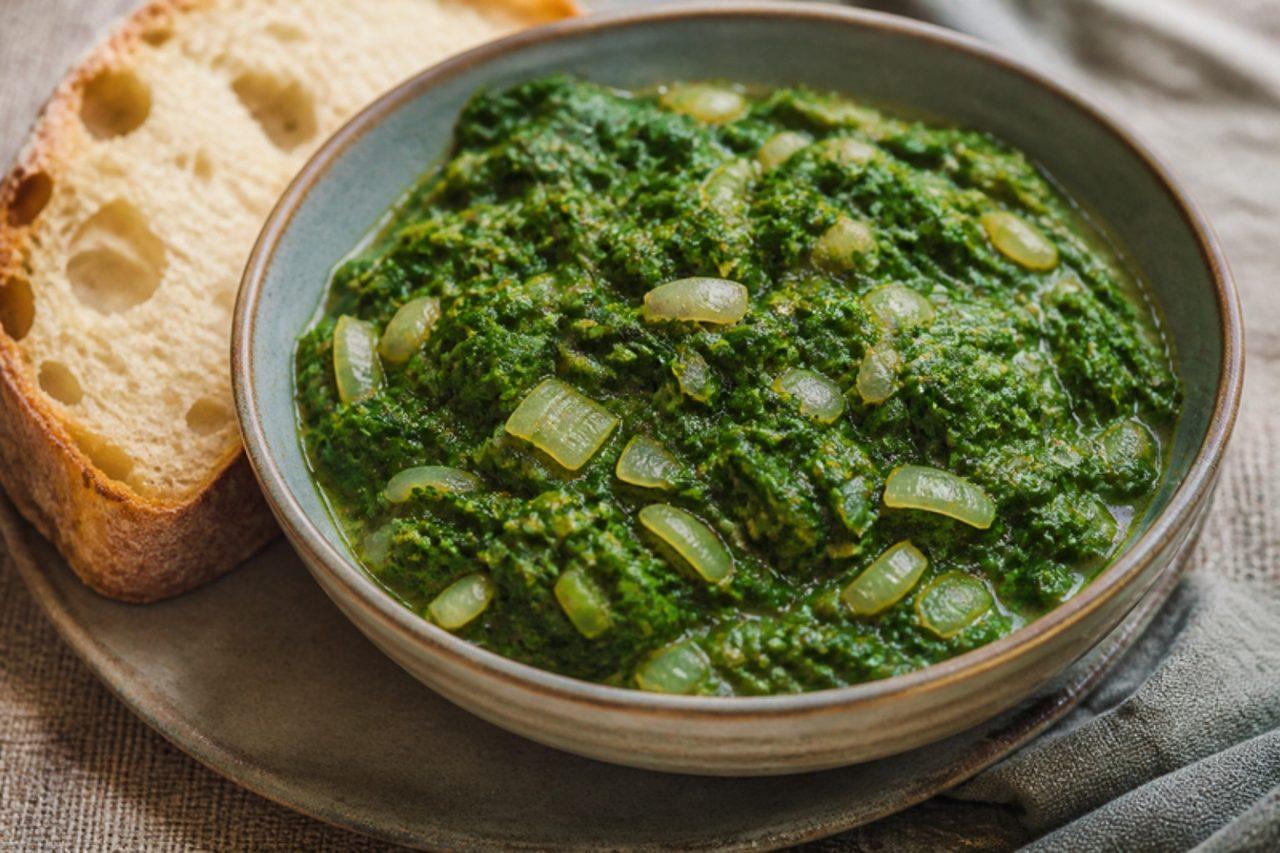
Moringa leaf stew (Konso shiferaw)

On the stone terraces of Konso, moringa trees grow beside almost every house, and their young leaves are picked daily for a simple green stew eaten with sorghum dumplings or injera. The leaves are stripped from their stems and simmered with onion, garlic, a little green chilli and oil until soft, giving a deep green, slightly peppery dish that tastes a little like spinach crossed with watercress. It is plain, nourishing and naturally vegan, so it fits any fasting day. Fresh or frozen moringa leaves are sold in many Indian and Asian grocers; if you cannot find them, use spinach with a squeeze of lemon. Leaving the stems in is the usual mistake; they stay woody, so strip the leaves off. Chef's tip: add the leaves in handfuls and stop cooking as soon as they are tender, so they keep their colour and their gentle bitterness does not deepen.

by KrazyBadal 0 views

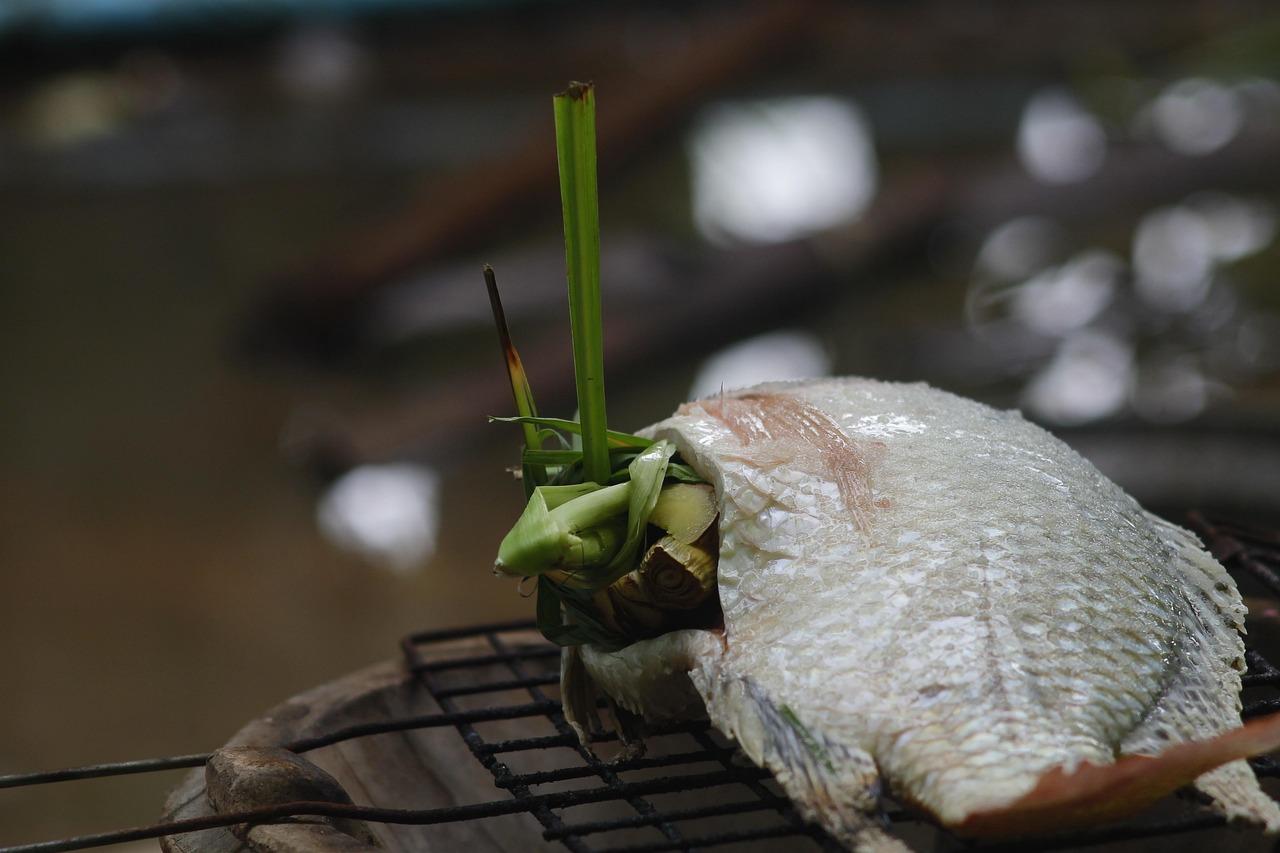
Grilled bolti (Nile tilapia)

From the Nubian villages near Aswan to the fishing camps on Lake Nasser, bolti caught that morning is gutted, slashed and grilled over charcoal for lunch, and fish grills all over Egypt cook it the same way. The rub is simple: crushed garlic, plenty of cumin, lemon, chilli and oil, which toasts on the skin and seasons the sweet, mild flesh. A stuffing of onion and parsley in the belly keeps it moist. Eat it with your hands, picking the flesh from the bones, alongside tahini, green salad and rice or bread. Chef's tip: oil the grill bars as well as the fish and leave it alone for the first 6 minutes; fish moved too early tears and sticks, which is the usual grilling mistake.

by KrazyBadal 0 views

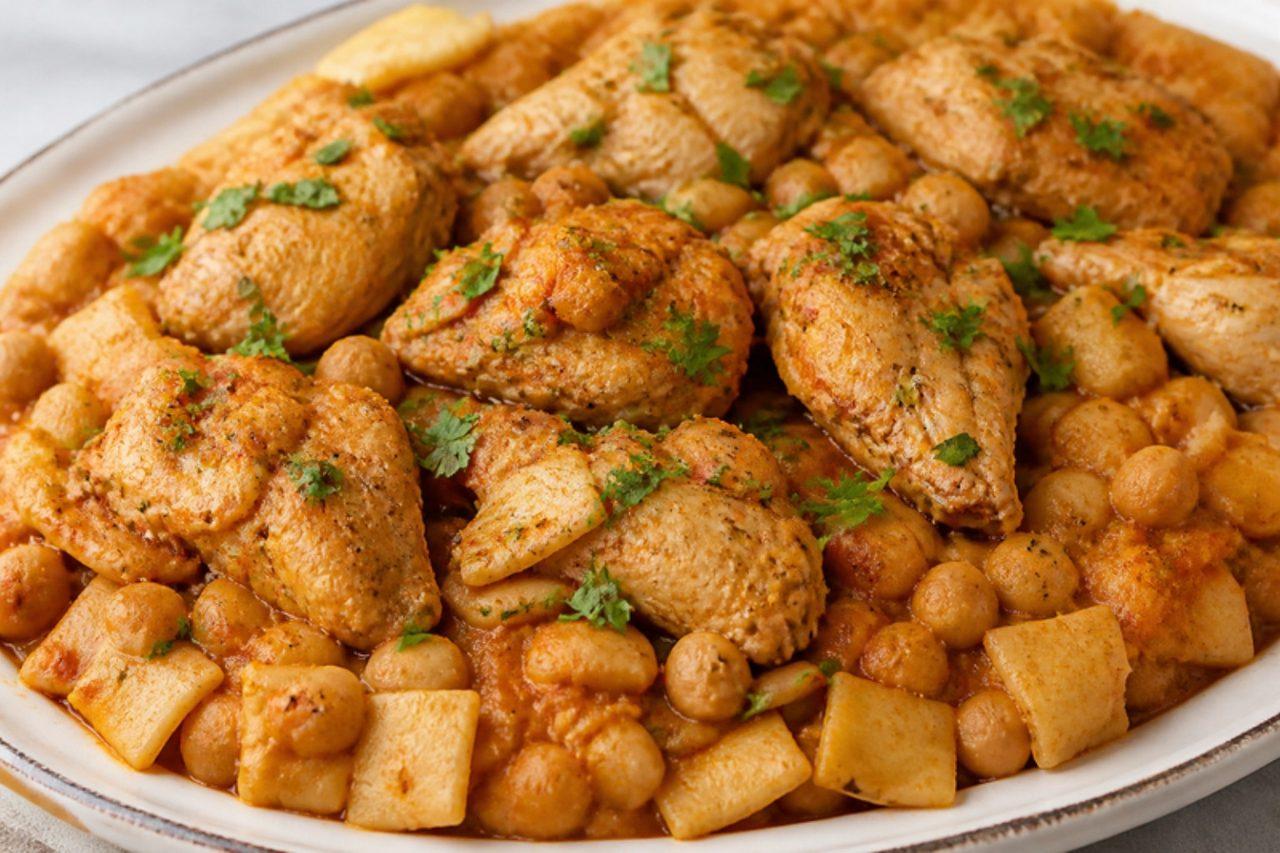
Trida (steamed pasta squares in chicken sauce)

Making trida is an afternoon's work shared around a Constantine kitchen table, especially before Mawlid or a family celebration: a firm semolina dough is rolled paper-thin, cut into small squares, dried, and then steamed twice over a pot of chicken and chickpea sauce flavoured with cinnamon and a touch of tomato. The squares come out tender with a slight bite, glossy with butter and sauce, and are piled on a platter under the chicken. A pasta machine saves a lot of rolling. Chef's tip: dust the cut squares well with semolina and let them dry for half an hour; damp squares are the usual mistake and stick into a single mass in the steamer.

by KrazyBadal 0 views

Chakhchoukha (torn flatbread in lamb sauce)

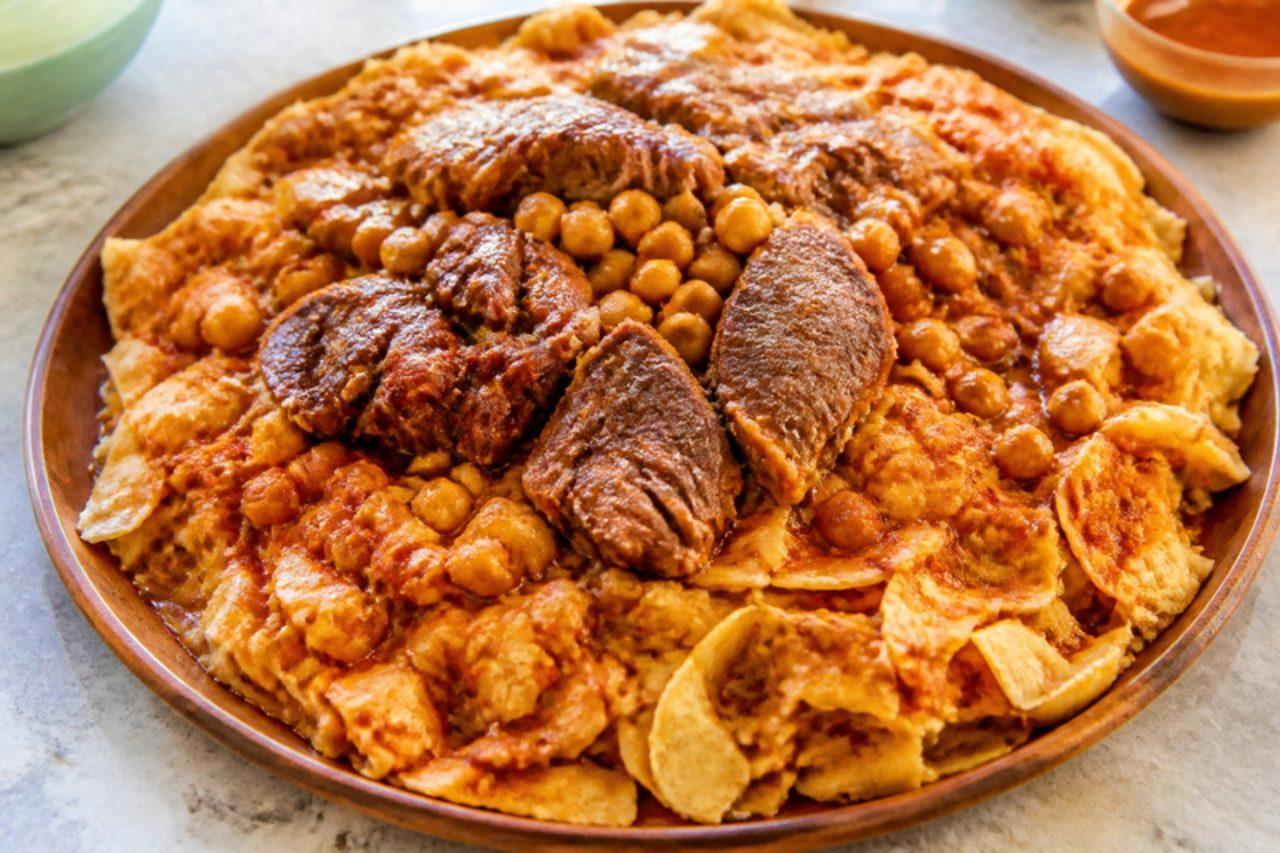
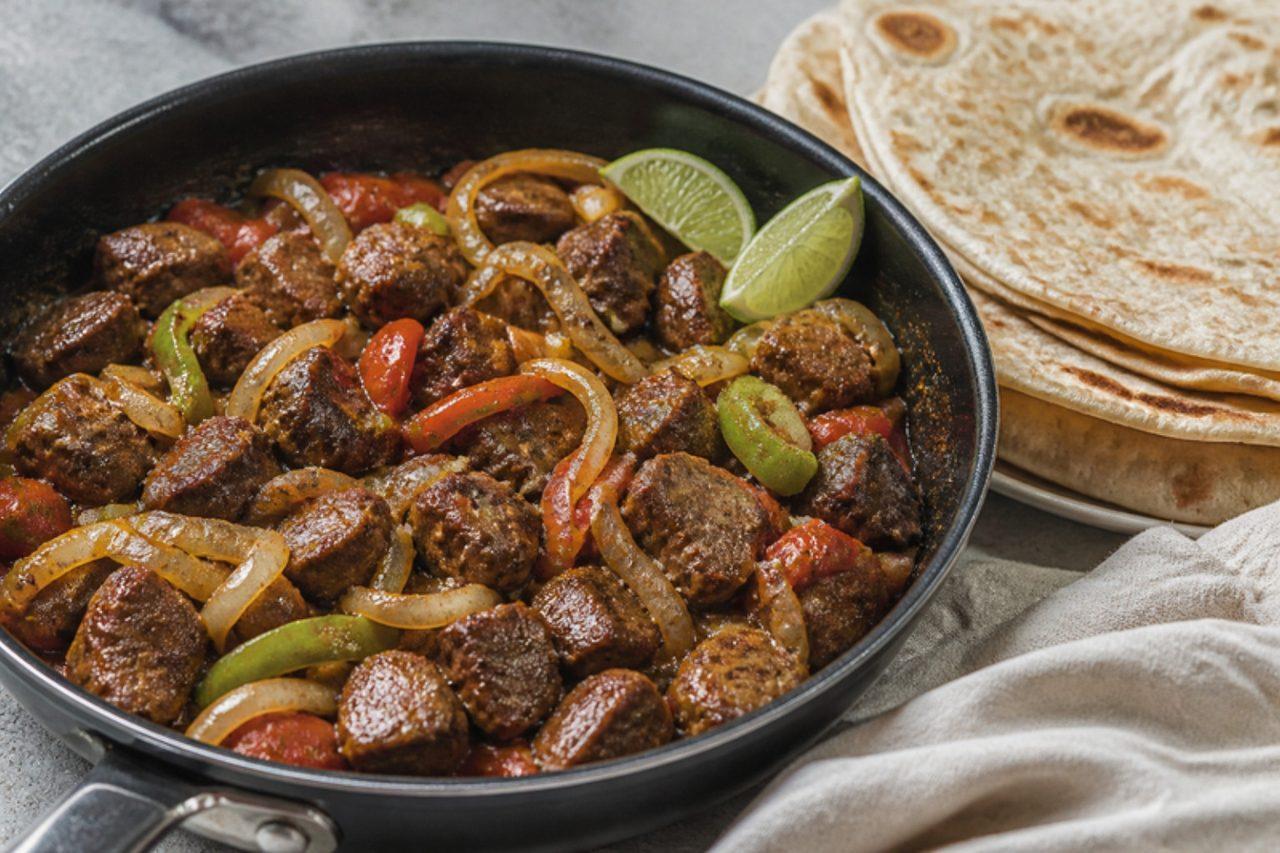
Biskra claims chakhchoukha as its own, though Constantine and the whole east cook it for weddings, Eid and the arrival of guests: sheets of thin rougag are torn into small pieces, softened with steam and soaked in a fiery red sauce of lamb, tomato, chickpeas and whole green chillies, then served from one big wooden or clay dish. The bread turns soft and silky, almost like pasta, and soaks up the peppery, deeply savoury sauce. Use homemade rougag or the dried sheets sold in Algerian shops. Chef's tip: moisten the bread with sauce a ladle at a time and toss between additions; pouring it all over at once is the usual mistake, and the bread turns to paste.

120 minAlgerianMeatSpicy
by KrazyBadal 0 views

Buticha (whipped chickpea flour dip)

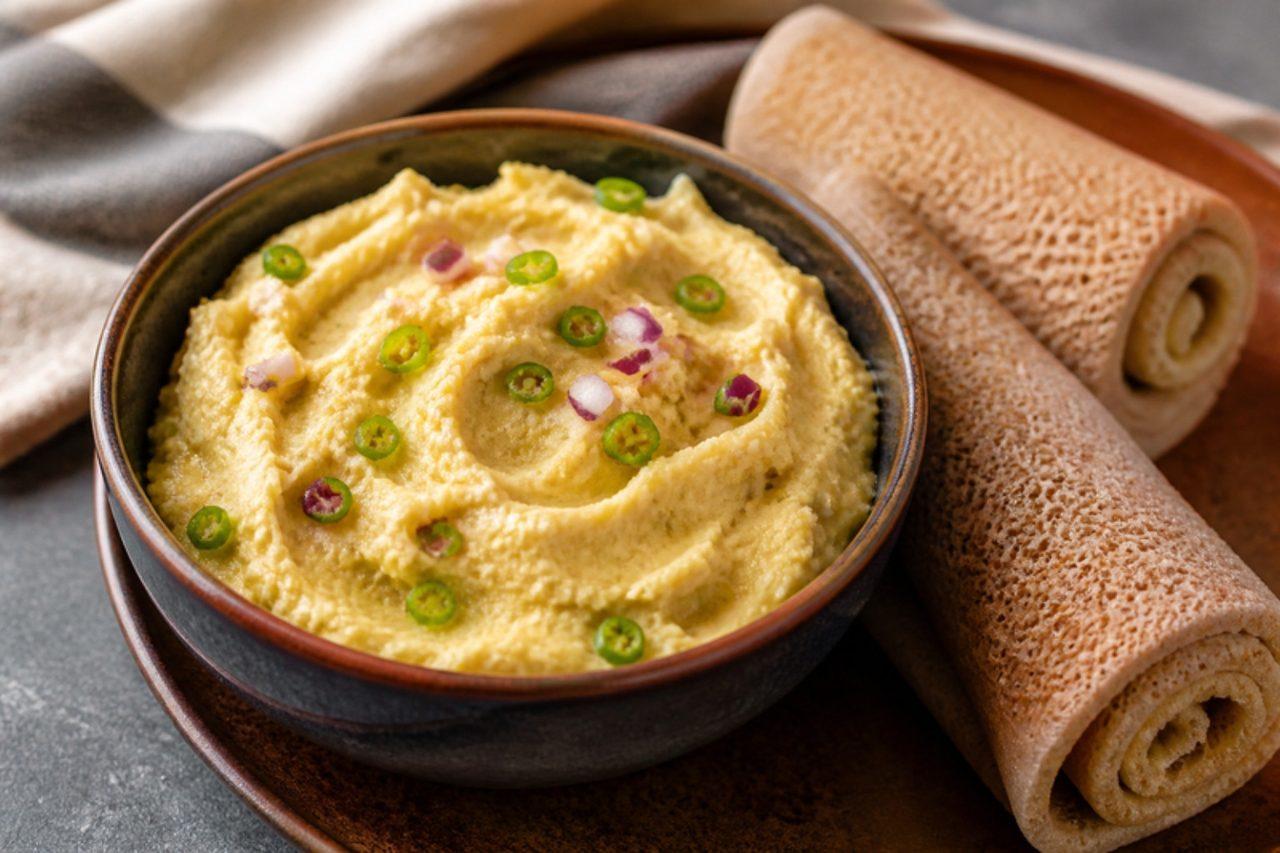
Ethiopian Orthodox kitchens make buticha on fasting days as a plant-based stand-in for scrambled egg or fresh cheese, and it often sits as a pale, fluffy mound on the vegan platters of Addis Ababa's restaurants. Chickpea flour is cooked with water into a thick paste, cooled, then beaten with oil and plenty of lemon juice and mixed with raw red onion and green chilli. The texture is soft, crumbly and light, the flavour tangy and fresh against the rich, red wats. Serve it cool with injera, or as a dip with kita. A common mistake is beating it while still hot, which makes it gluey instead of fluffy; let it cool completely first. Chef's tip: cook the paste a full eight minutes after it thickens, so no raw, beany taste is left.

by KrazyBadal 0 views

Chbah essafra (almond fritters in lamb sauce)

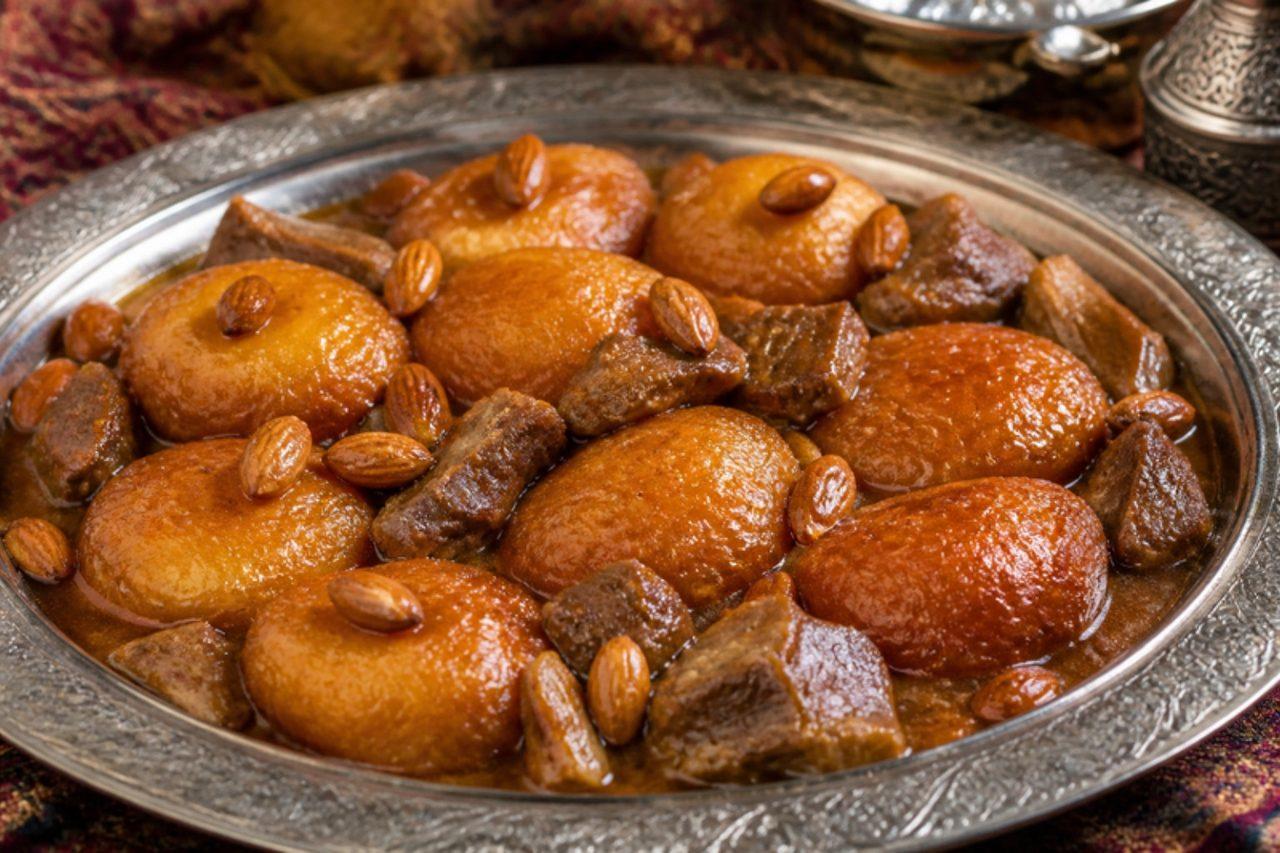
Cooks in Algiers bring out chbah essafra for weddings and grand family dinners, where it is served as the sweet main course: diamonds of almond paste scented with lemon and cinnamon are dipped in egg, fried golden and laid around tender lamb in a pale, buttery sauce sweetened with sugar and orange-blossom water. The contrast of savoury meat and soft, sweet almond is the point, and the dish is rich, so small portions with bread are usual. Chicken can replace the lamb, with a shorter cooking time. Chef's tip: warm the fritters in the sauce only at the table; dropping them into bubbling sauce is a common mistake, and they fall apart.

130 minAlgerianMeat
by KrazyBadal 0 views

Sinig karia (stuffed green chillies)

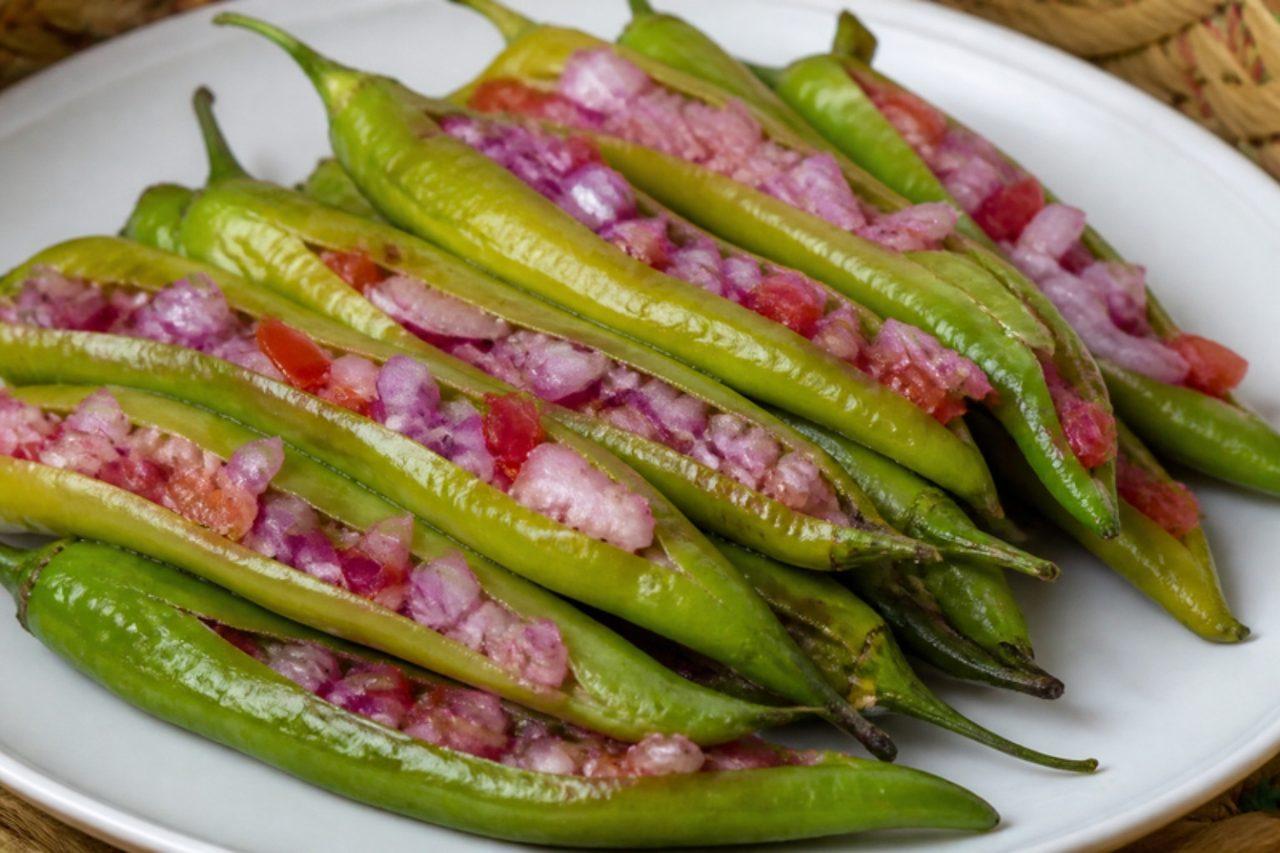
Long, pale green karia chillies are piled high in the markets of Addis Ababa, and on fasting days cooks slit them, scrape out the seeds and fill them with a sharp little salad of onion and tomato soaked in lemon. The result is crunchy, fresh and juicy, with a mild chilli warmth, and the chillies are eaten with the fingers between mouthfuls of injera and spicy wat, or set out as a starter. Choose mild long peppers such as Anaheim, Hungarian wax or long sweet green peppers. A common mistake is leaving the white ribs in, which keeps the heat high and can make them bitter; scrape them out with a teaspoon. Chef's tip: dip the chillies in boiling water for one minute and cool them in cold water first if you want them a little softer and easier to stuff.

by KrazyBadal 0 views

Senafich (Ethiopian mustard seed paste)

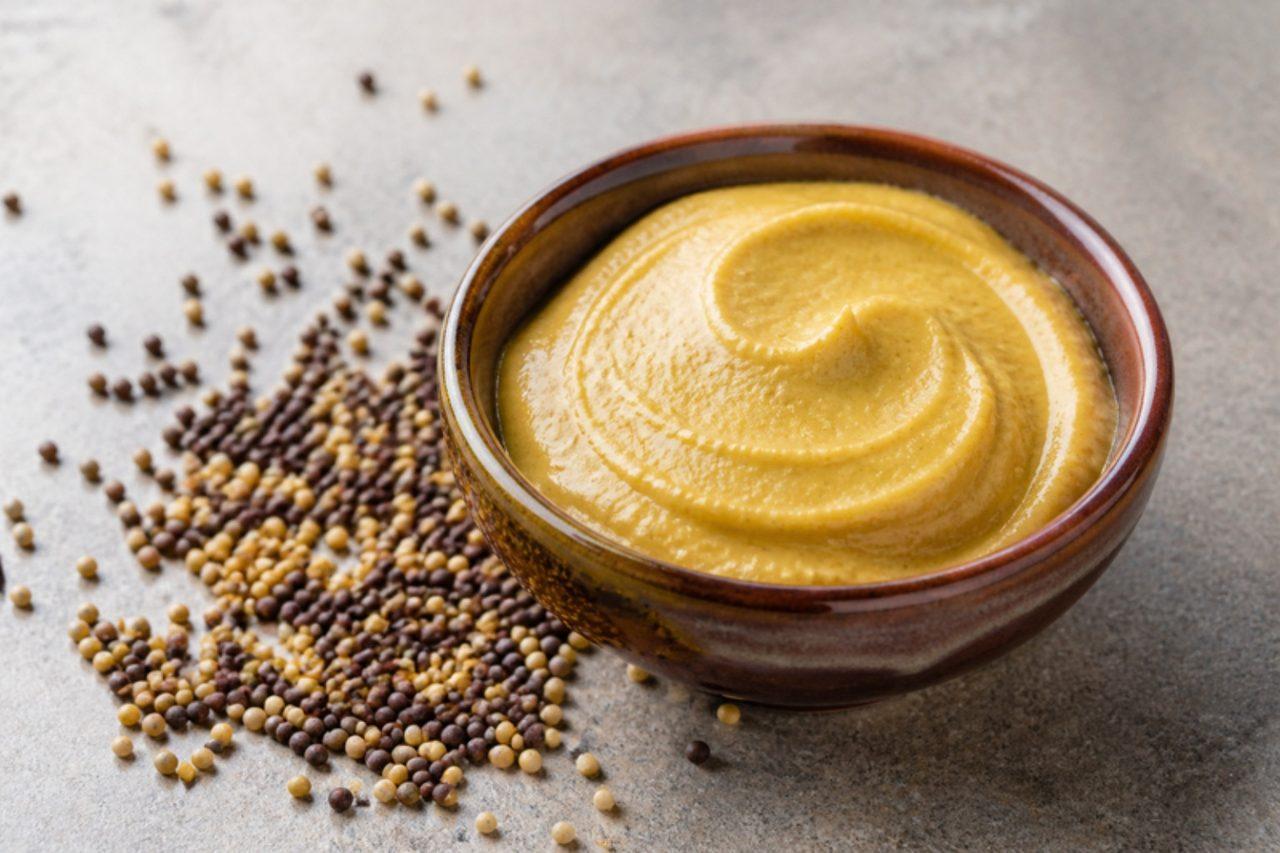
On Ethiopian fasting platters there is often one little dab of yellow among the reds and greens: senafich, a punchy mustard paste that clears the nose and cuts through the oil of the wats. Brown or yellow mustard seed is ground, mixed with warm water and left to rest, which takes the bitterness away, then beaten with lemon, oil, ginger and garlic until it is smooth and creamy. It is served with injera, shimbra asa and boiled vegetables, and some cooks thin it into a sauce for raw chillies. A common mistake is serving it straight after mixing, when it is harsh and bitter; let it stand for at least an hour (it is even better the next day). Chef's tip: use warm water rather than boiling for the soak; very hot water kills the mustard's heat and leaves it flat.

by KrazyBadal 0 views

Kita (quick Ethiopian flatbread)

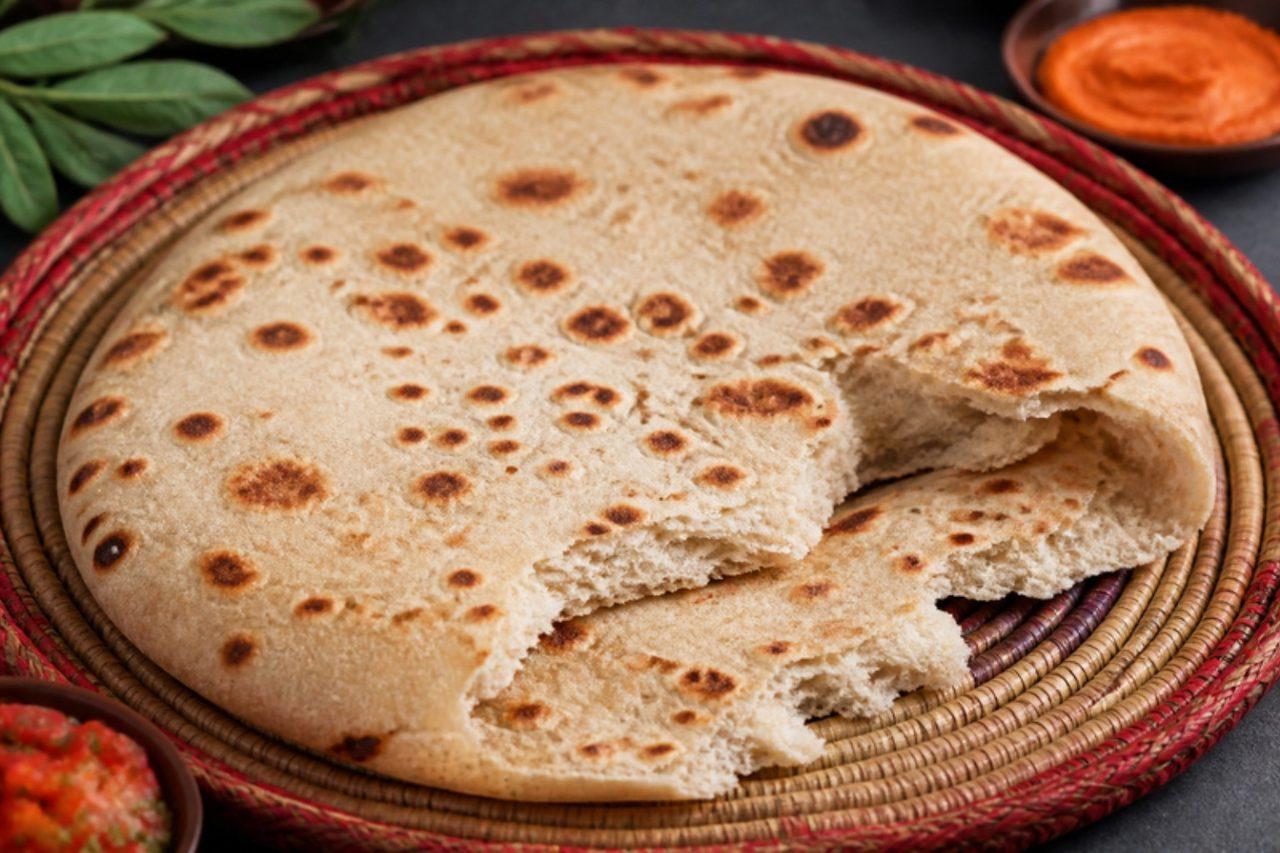
When there is no fermented injera batter ready, households across Ethiopia make kita: a plain unleavened flatbread of flour, water and salt, spread thin and cooked on the mitad or a heavy pan in minutes. It is soft and slightly chewy with toasty brown spots, and is eaten hot with tea, with shiro or buticha on fasting days, or torn up for kita firfir. Children often eat it warm with a sprinkle of berbere and oil. A wheat dough is easiest at home; mixing in a portion of teff flour adds an earthy flavour. Too thick a layer is the common mistake, as the middle stays raw; spread it thin and cook it covered. Chef's tip: wet your fingertips or the back of a spoon to press the batter-like dough out evenly in the hot pan.

by KrazyBadal 0 views

Hainanese curry rice

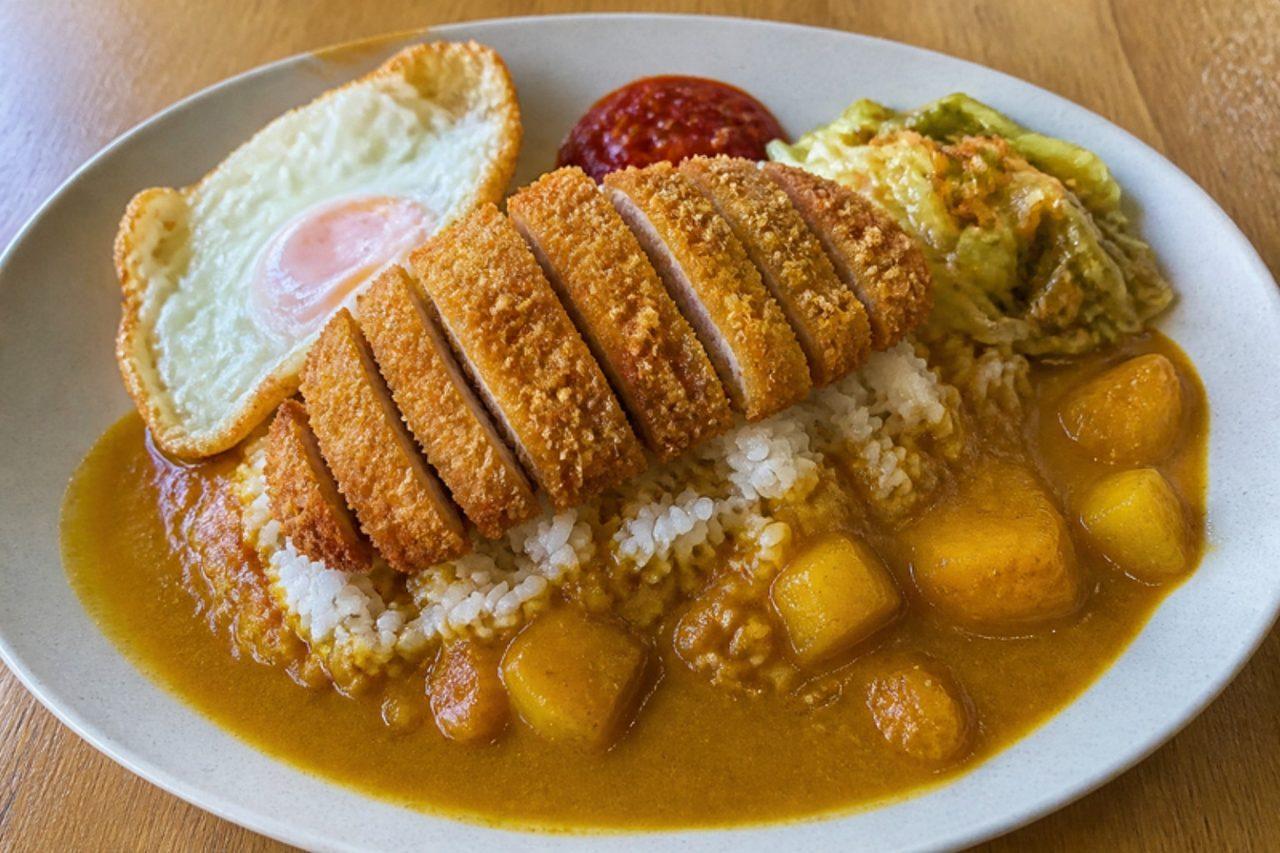
Late-night and early-morning crowds in Tiong Bahru, Beo Crescent and Jalan Besar know the drill at a Hainanese curry rice stall: point at what you want, then ask for it "banjir", flooded. A plate of white rice disappears under two gravies, a mild, coconut-rich curry with soft potato and chicken, and a dark, five-spice braising sauce, then gets topped with crumbed fried pork chop, braised cabbage and a runny-edged fried egg. It is messy, comforting and salty-sweet, and leftovers taste even better the next day. The usual mistake is a thin, watery curry; it should be thick enough to cling to the rice, so let the potatoes break down a little and reduce the gravy well. Chef's tip: crush cream crackers rather than using breadcrumbs for the pork chop, as the old Hainanese cooks do; they fry up shatteringly crisp and stay that way under the gravy.

by KrazyBadal 0 views

Massawa oven fish

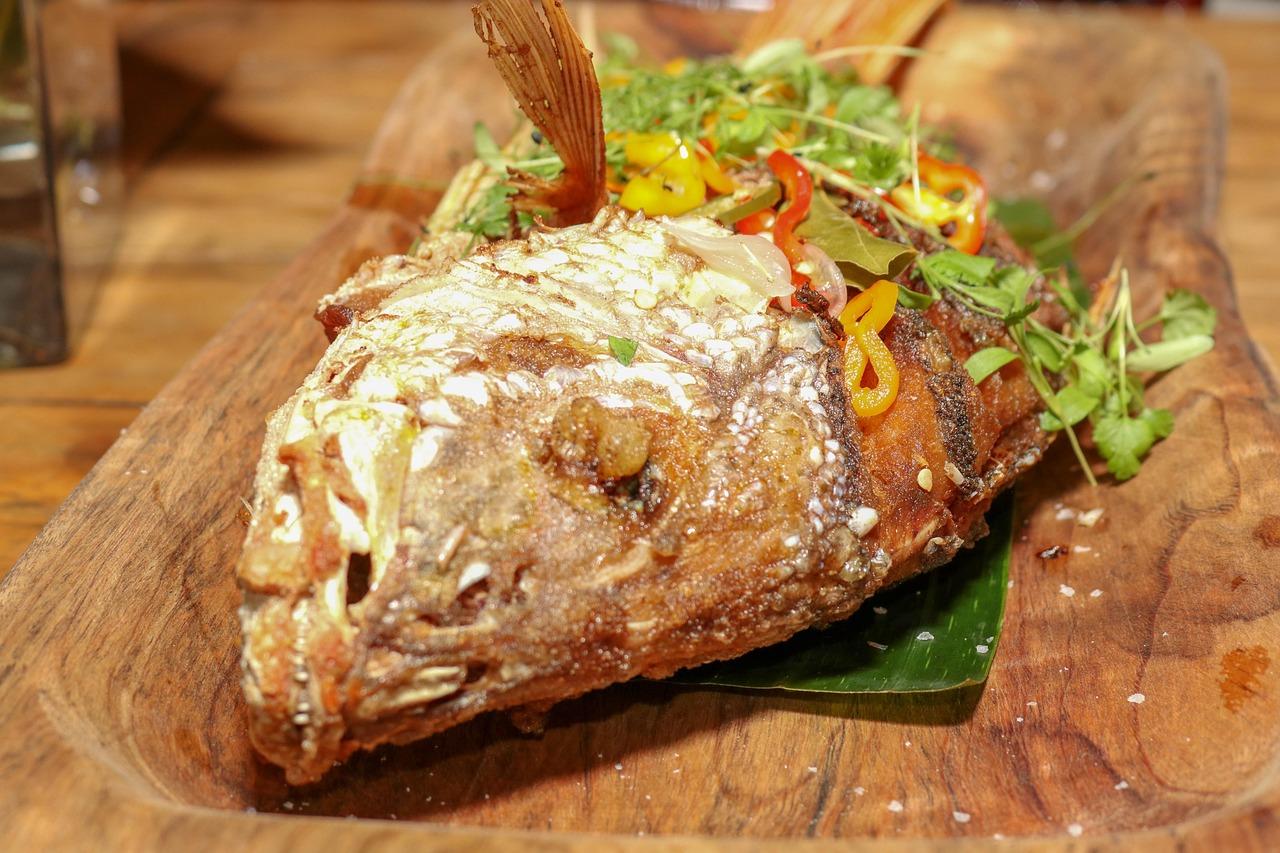
Along the waterfront in Massawa, on Eritrea's Red Sea coast, fish restaurants slap whole snapper and grouper with a red berbere paste and lower them into scorching clay ovens, then bring them to the table on a tray with flatbread, lime and a fresh chilli relish. The skin chars and blisters, the spice paste turns smoky, and the flesh stays moist and sweet underneath. Everyone tears off pieces of bread and pulls the fish from the bone with their fingers. A domestic oven turned up as high as it goes gives a very good result. Chef's tip: score the fish deeply down to the bone and push the paste into the cuts, so the flavour reaches the middle and the thickest part cooks as fast as the tail.

by KrazyBadal 0 views

Moukhbaza (Kassala mashed banana)

Kassala, in the green orchard country of eastern Sudan near the Eritrean border, grows bananas in abundance, and its signature dish uses them very simply: very ripe bananas mashed with a little sugar and cooked briefly until thick and jammy. Moukhbaza is eaten as a snack or light breakfast, torn kisra or soft gurasa pancakes dragged through it, and children adore it. It tastes like warm banana bread without the oven. Under-ripe fruit is the usual mistake; you want bananas with heavily speckled, almost black skins, or the mash is starchy and bland. Chef's tip: a squeeze of lime at the end keeps the colour bright and balances the sweetness.

by KrazyBadal 0 views

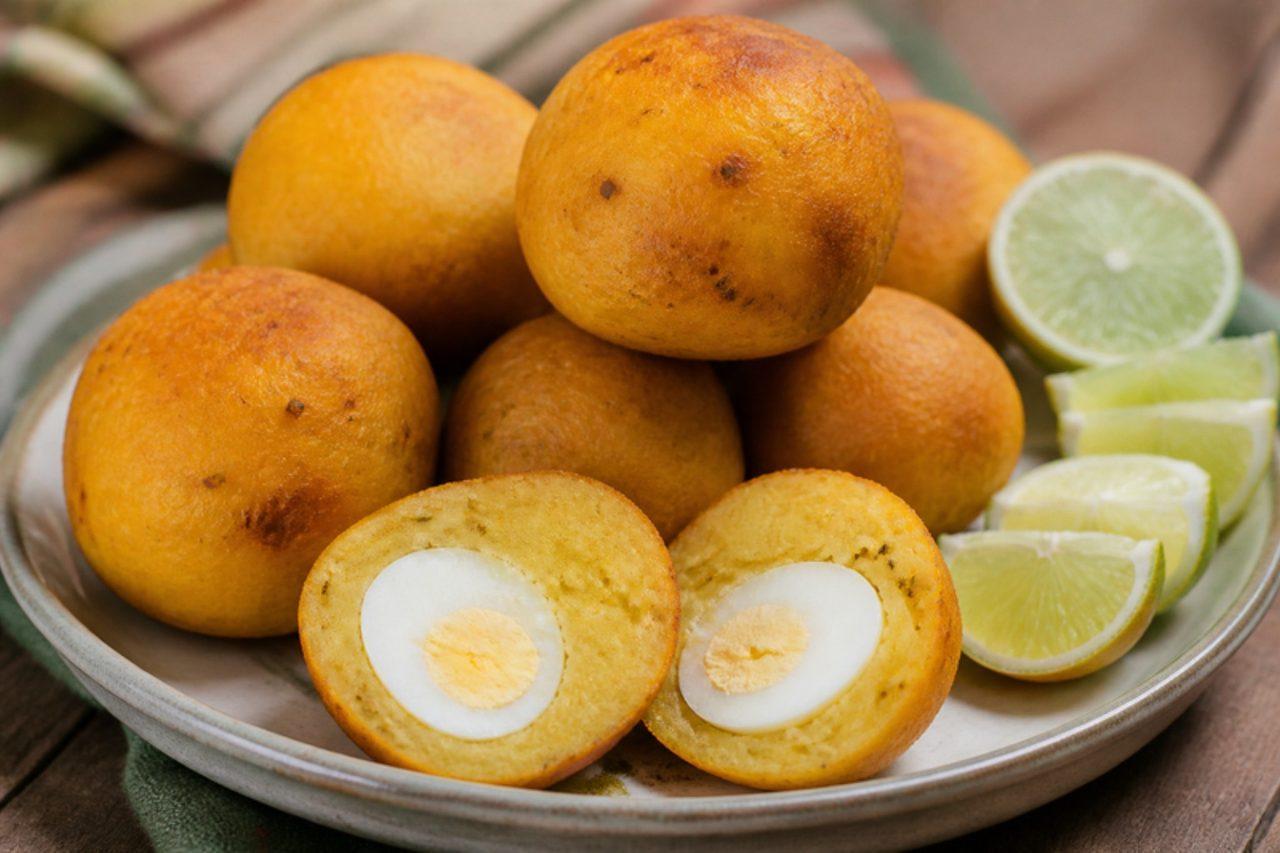
Nafaqo (Somali potato-wrapped eggs)

Sold warm from street stalls and cafés around Mogadishu, especially in the late afternoon and at iftar in Ramadan, nafaqo is a fried snack with a surprise inside: a whole boiled egg wrapped in mashed potato seasoned with onion, coriander and xawaash. A light chickpea-flour batter gives it a crisp golden shell, and it is cut in half to show the yolk and eaten with a squeeze of lime and hot green chilli sauce. Kids love it, and it travels well in a lunchbox. A common mistake is using wet, freshly boiled mash, which slides off the egg and splits in the oil; steam-dry the potatoes and let the mash cool before shaping. Chef's tip: roll the peeled eggs in a little chickpea flour before wrapping them, so the potato grips the slippery white.

by KrazyBadal 0 views

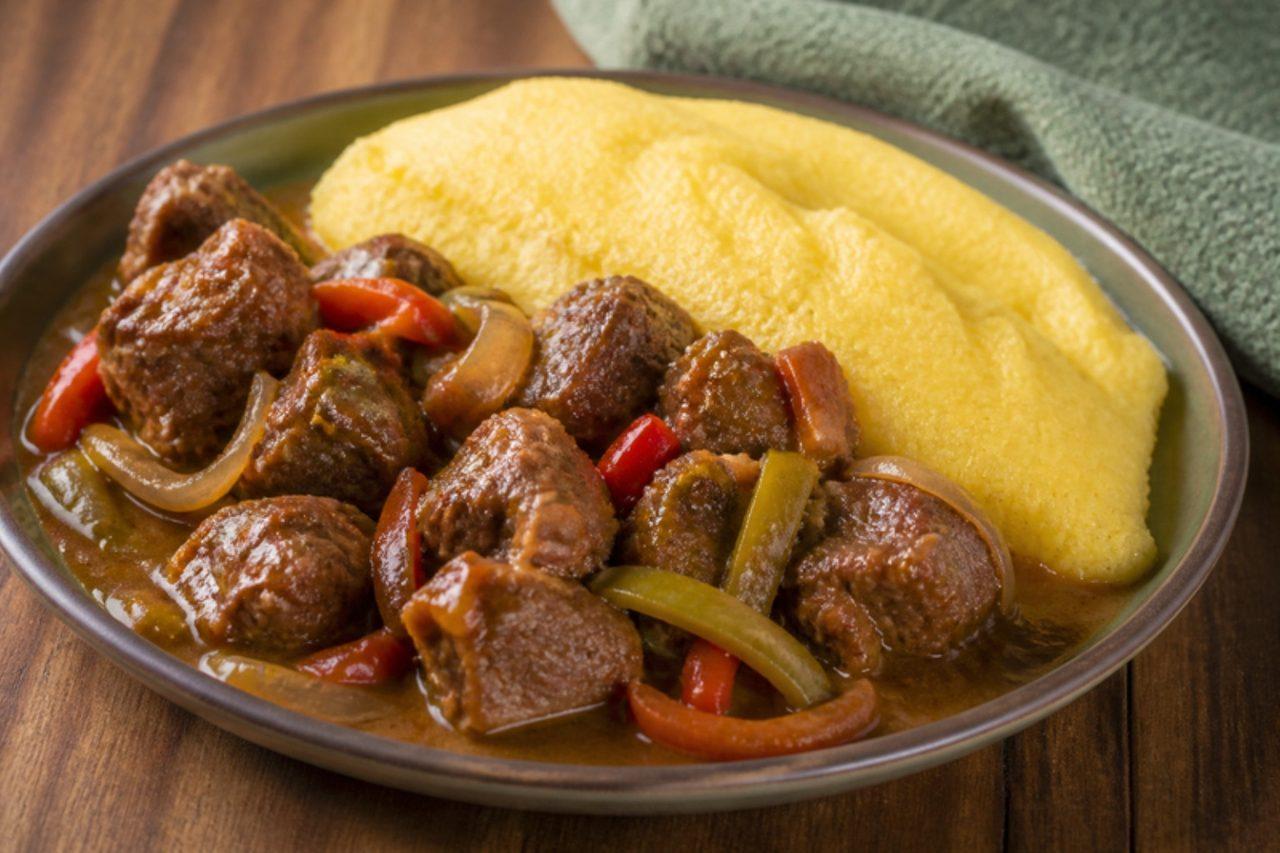
Curaçao kabritu stobaGoat stew with peppers

Stoba di kabritu is the home cooking of Curaçao and Aruba, a goat stew made in nearly every kunuku (country) kitchen and at birthday parties: bone-in goat browned and slowly braised with sweet peppers, tomato, onion, cumin, a hint of nutmeg and hot madame jeanette pepper, often with cucumber or papaya stirred in at the end. It is served with funchi (cornmeal), rice or fried plantain. The usual mistake is browning the goat too briefly; deep colour at the start gives the stew its rich brown sauce. Ask your butcher for goat cut into small pieces. Chef's tip: a teaspoon of brown sugar caramelised in the oil before the meat goes in gives the authentic dark, slightly sweet base.

by KrazyBadal 0 views

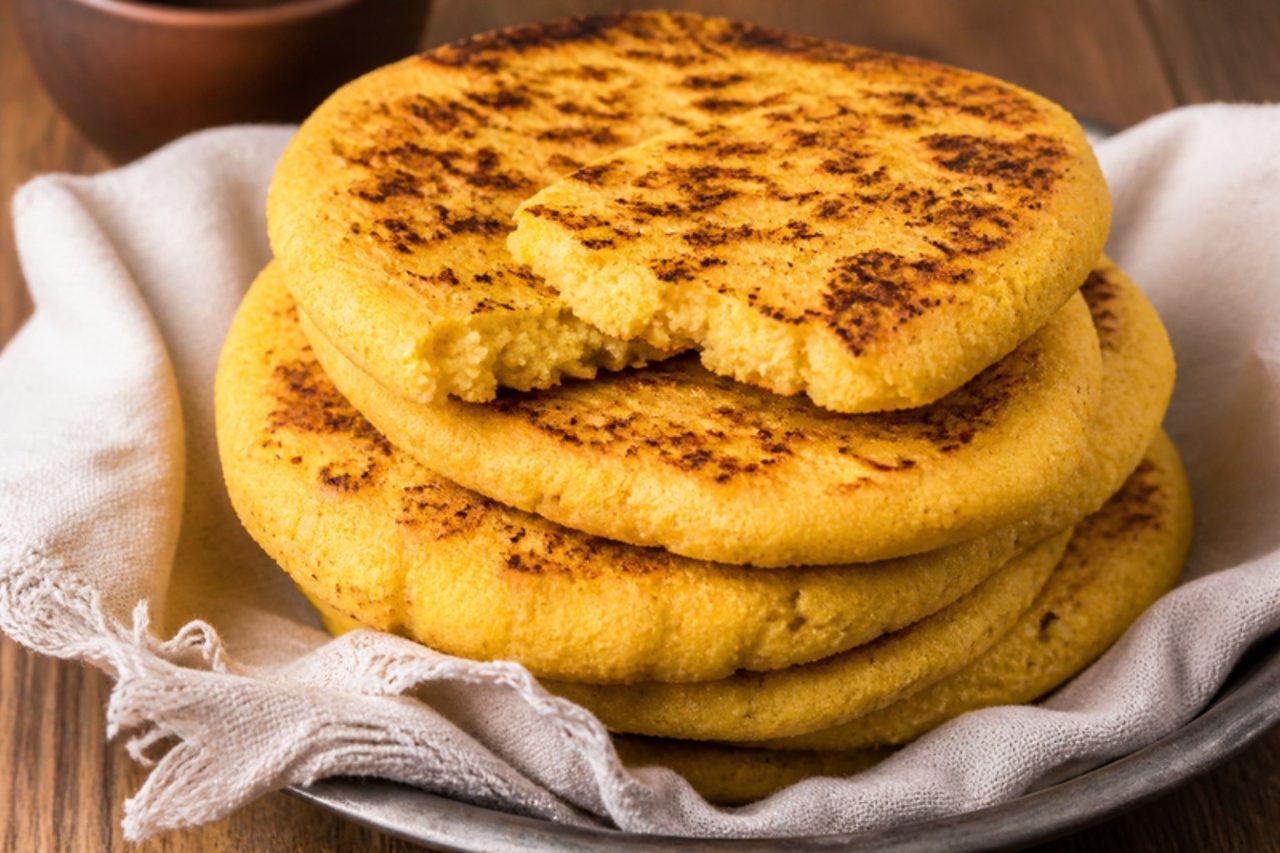
Muufo (Somali maize flatbread)

Along the southern Somali coast and in the farming areas of the Shabelle valley, muufo is baked by pressing rounds of maize dough against the hot inner wall of a clay oven, where they puff and char in minutes. The bread is thick, a little sweet from the corn and slightly tangy, and its dimpled surface is perfect for soaking up digir, maraq or a drizzle of sesame oil and sugar at breakfast. At home a heavy pan and a very hot grill do a good job. Most cooks mix maize flour with some wheat flour so the dough holds together; this version uses yeast and oil, so it is vegan. The usual mistake is an oven or pan that is not hot enough, which gives a pale, dense bread; let the pan heat for a full 5 minutes. Chef's tip: wet your hands when shaping, as the sticky dough is far easier to pat out.

by KrazyBadal 0 views

Tlitli (Algerian rice-shaped pasta with chicken)

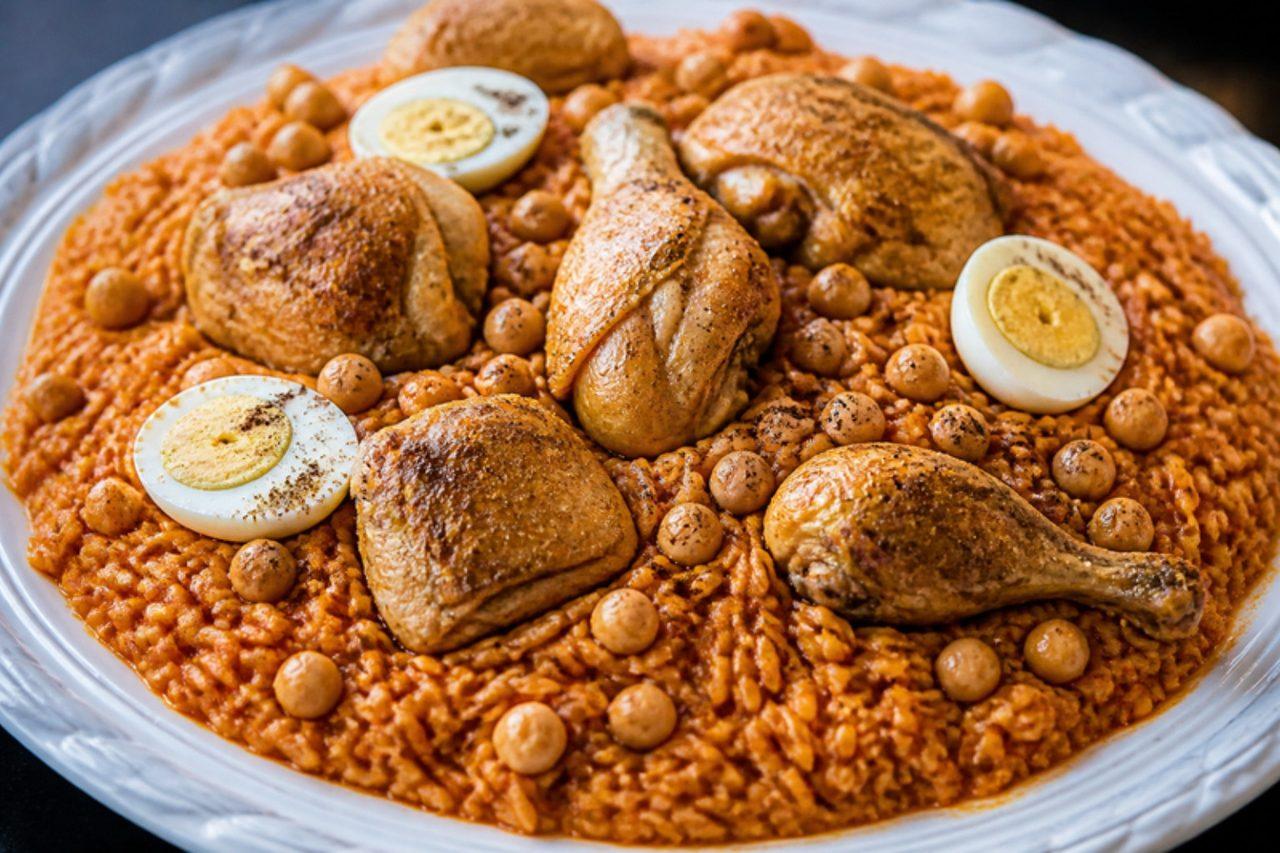
Tlitli is a tiny pasta shaped like grains of rice, once rolled by hand and now sold dried, and in Algiers and Constantine it is cooked for family feasts such as Ennayer, the Amazigh New Year, or the return of a pilgrim. The pasta soaks up a red sauce of chicken, onion, tomato, paprika, cinnamon and chickpeas, and is piled on a platter with the chicken and halved boiled eggs on top. Expect a cosy, gently spiced dish, a bit like a red risotto, with soft pasta and tender chicken. Orzo is a good stand-in if you cannot find tlitli. Chef's tip: toast the pasta in oil before adding sauce; untoasted tlitli tends to clump and turn mushy, a common mistake.

by KrazyBadal 0 views

Beer (Somali fried liver)

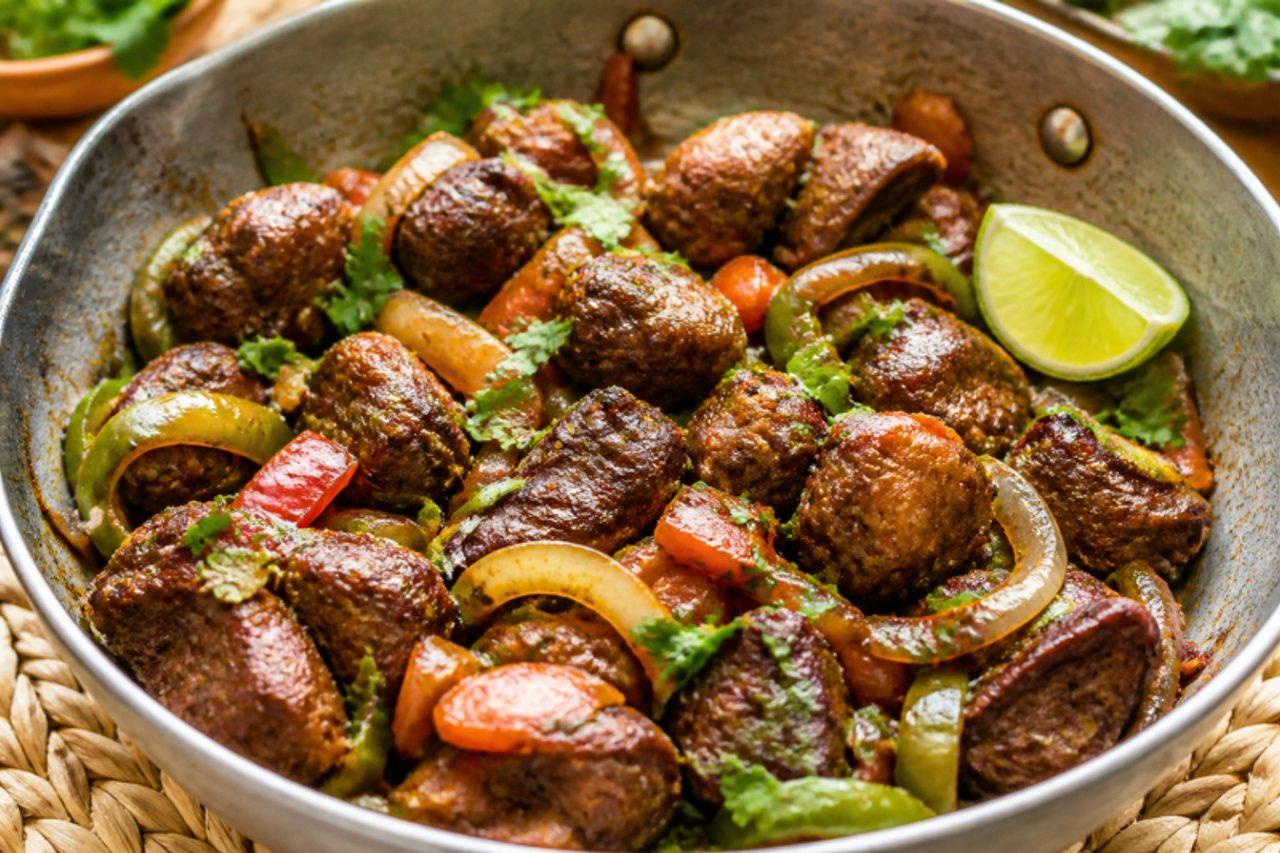
Beer means liver in Somali, and a plate of it, cut into small cubes and fried hard with onion, green pepper and xawaash, is a breakfast institution in Mogadishu cafés, especially on weekends and through Eid when there is fresh lamb or goat liver at hand. It arrives sizzling, with canjeero or sabaayad to scoop it up, a wedge of lime and a cup of sweet spiced tea. Good beer is tender and browned on the outside, cooked through with no pink left in the centre. The classic mistake is salting the liver at the start, which draws out moisture and makes it tough; add the salt at the very end. Lamb, goat, calf or beef liver all work. Chef's tip: cut the liver into even 2 cm cubes so every piece cooks through in the same few minutes.

22 minSomaliMeatGluten free
by KrazyBadal 0 views

Sfiria (cheese croquettes in chicken sauce)

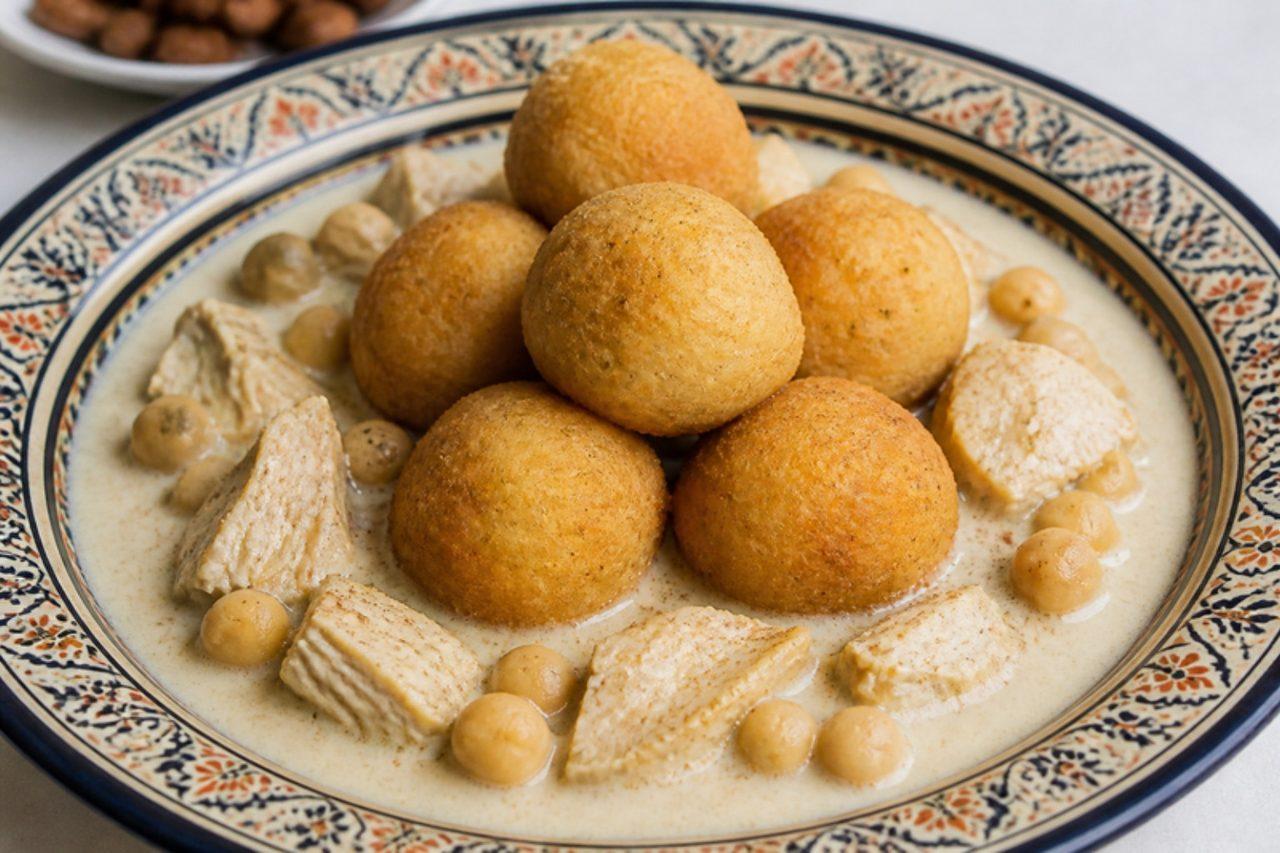
Sfiria belongs to the old bourgeois cooking of Algiers, served on Ramadan evenings and at family celebrations: little croquettes of soaked bread, grated cheese and egg, scented with cinnamon, are fried golden and then laid in a pale chicken and chickpea sauce flavoured with cinnamon and white pepper. The croquettes are light and spongy, soaking up just enough sauce to be juicy, and the dish tastes delicate and faintly sweet. Day-old white bread without crusts gives the best texture. Chef's tip: add the croquettes to the sauce only at the last minute; leaving them to simmer is the common mistake, and they swell, go soggy and fall apart.

by KrazyBadal 0 views

Chorba beida (Algerian white chicken soup)

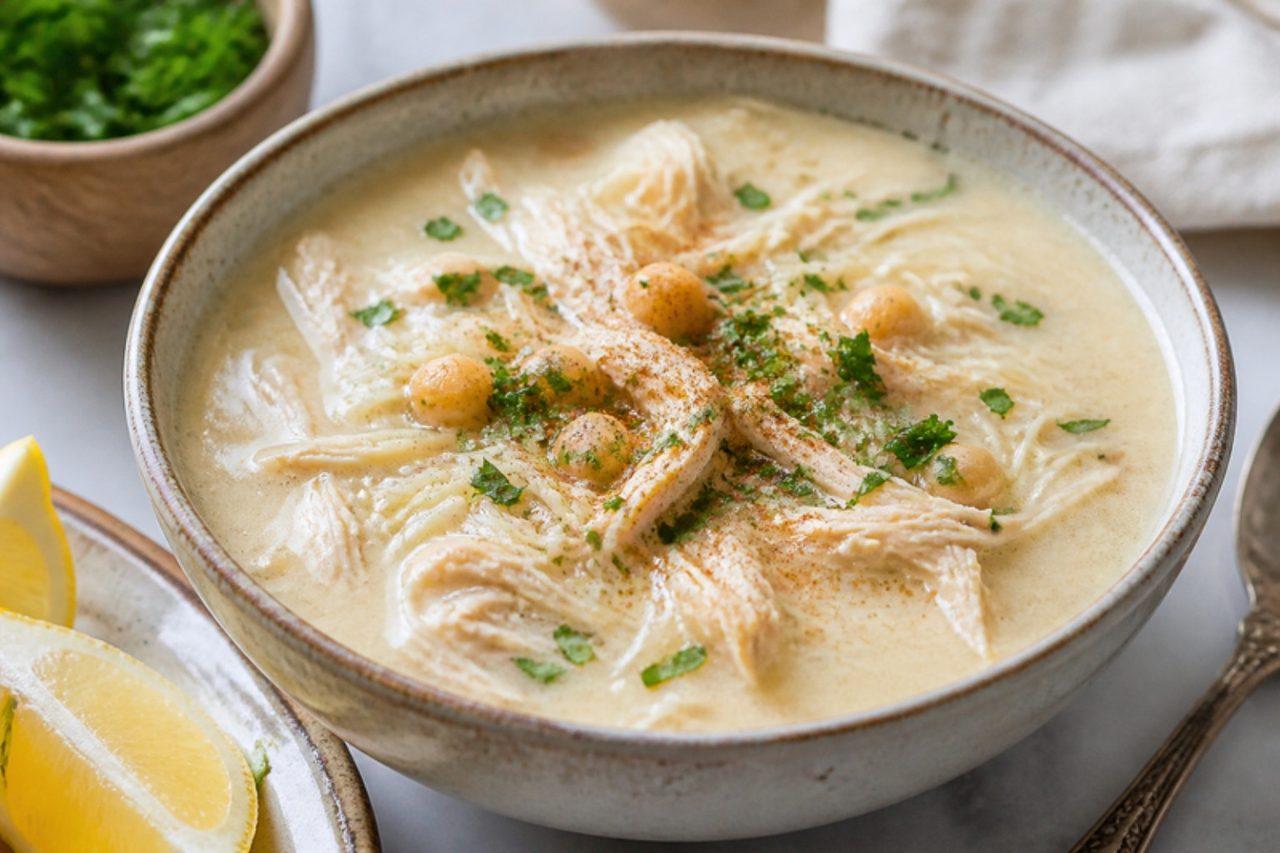
Unlike the red chorba of the rest of the country, the 'white' chorba of Algiers has no tomato at all: chicken, onion and a cinnamon stick are cooked gently in butter, simmered with chickpeas and fine vermicelli, then thickened at the end with egg yolks and lemon. It is a classic of Ramadan tables in the capital, and is also cooked for guests at weddings and family gatherings. The soup is silky and pale gold, mild and comforting, with a soft lemony tang. Serve it with bread and a squeeze of extra lemon. Chef's tip: once the egg yolks are in, never let the soup boil; boiling is the common mistake that curdles it into scrambled threads.

by KrazyBadal 0 views

Djelbana (Algerian lamb and pea stew)

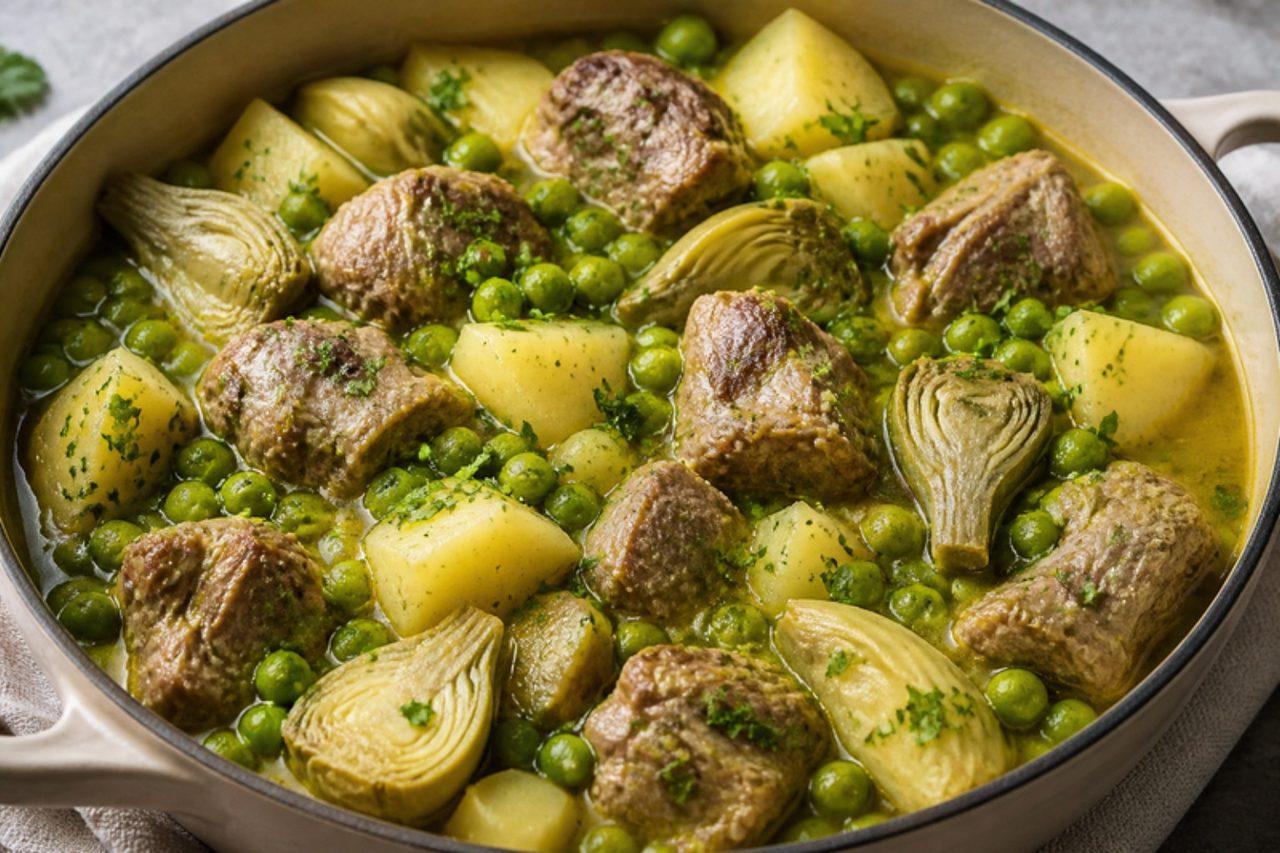
Spring markets in Algiers fill with sacks of fresh peas and violet artichokes, and that is the moment for djelbana, a light, pale stew of lamb, peas, artichoke hearts and potatoes cooked with onion, garlic and a little turmeric, finished with fresh coriander. Families serve it at lunch with plenty of bread to soak up the sauce; on meat-free days it is made the same way without the lamb. It tastes fresh, sweet and gently peppery rather than heavily spiced. Frozen peas and artichoke hearts are fine out of season. Chef's tip: add the peas only for the last 10 minutes; peas put in with the meat are the usual mistake and turn grey and mushy.

by KrazyBadal 0 views

Hilib geel (Somali fried camel meat)

Camels are wealth in Somaliland, and their meat, lean and slightly sweet with a deep red colour, is a favourite in Hargeisa restaurants, where hilib geel is served fried with onion, garlic and xawaash alongside rice or sabaayad, banana and lime. Camel is a hard-working muscle, so it is first simmered until tender and then fried quickly in a hot pan until browned and fragrant. Halal butchers serving East African communities often sell it; if you cannot find it, beef chuck is the closest substitute and cooks the same way. Skipping the simmer and frying the raw meat straight away is the usual mistake, and it leaves the cubes tough as boots. Chef's tip: keep the simmering liquid; a ladle of it in the pan at the end makes a little glossy sauce for the rice.

85 minSomaliMeatGluten free
by KrazyBadal 0 views

Kyay oh

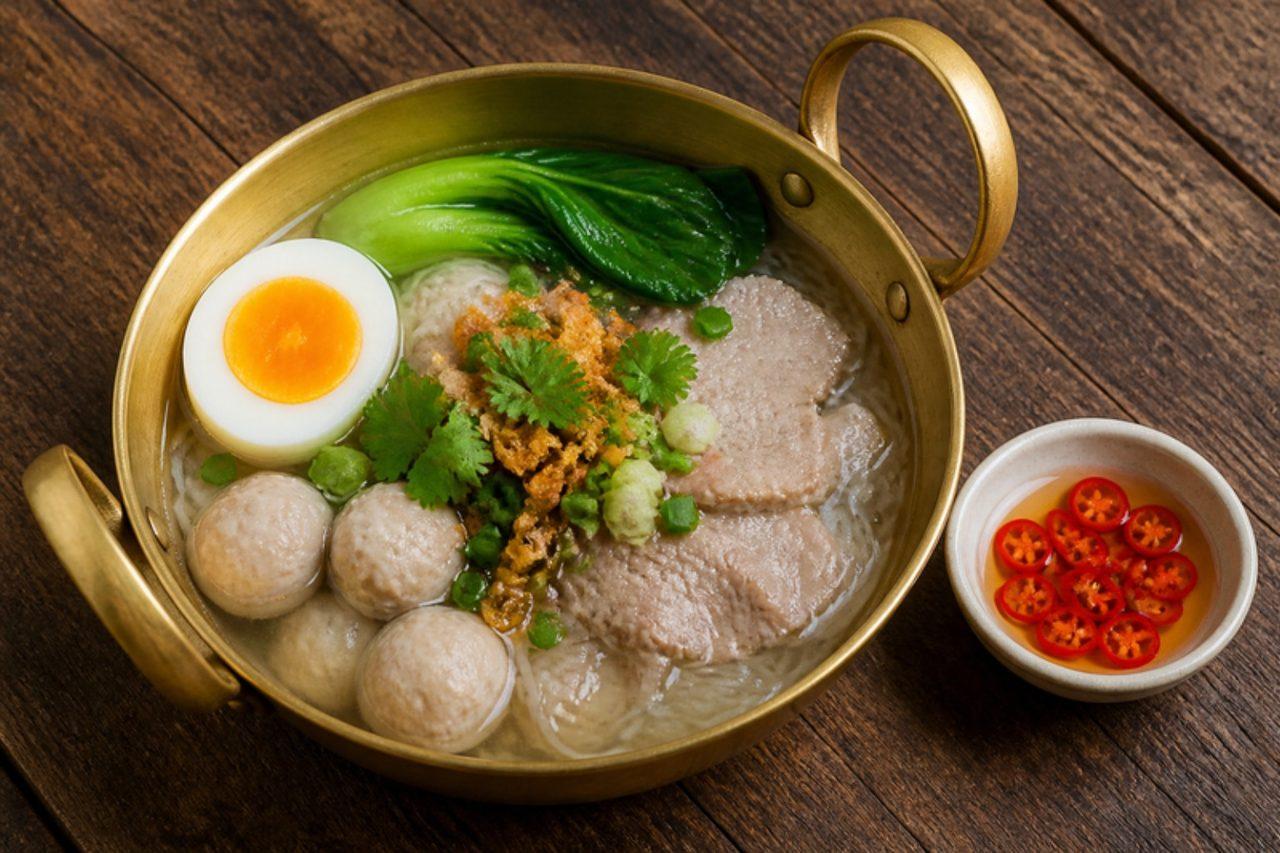
Served bubbling in a small brass pot, which is what kyay oh means, this Chinese-Burmese soup fills the late-night noodle shops of Yangon's Chinatown and the busy breakfast places of Mandalay. A clear, peppery pork broth carries thin rice noodles, springy hand-rolled pork balls, sliced pork, tender greens and an egg cracked in at the last moment so it poaches in the pot. Garlic oil, white pepper and a side of vinegar with chopped chilli keep each spoonful sharp and warming. The pitfall is boiling the broth hard once the pork balls are in; they toughen and the soup turns cloudy, so keep it at a gentle bubble. Chef's tip: slap the pork mince against the bowl for a minute before shaping; it gives the balls their bouncy, almost crunchy texture.

by KrazyBadal 0 views

Digaag qumbe (Somali chicken in coconut milk)

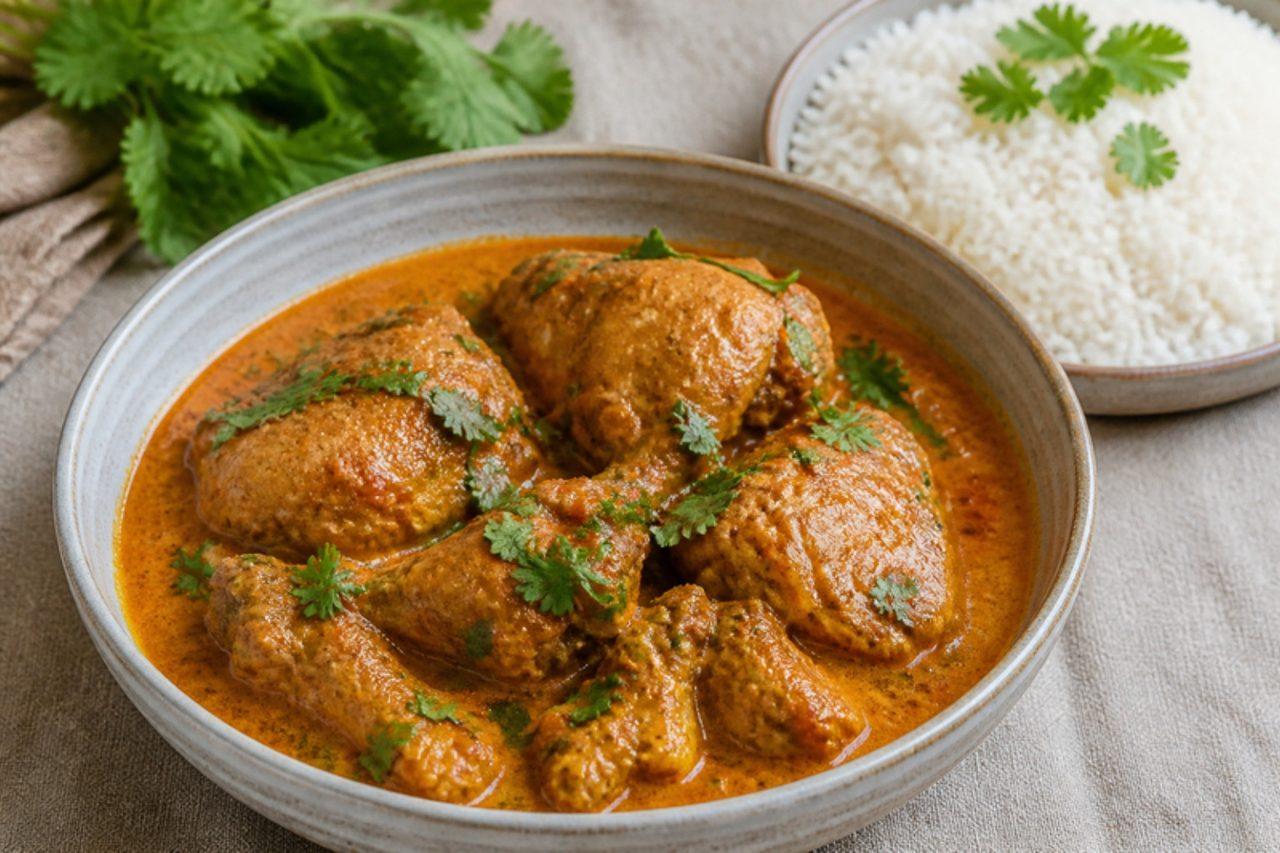
Coconut milk is the signature of the Benadir coast from Mogadishu south to Kismayo and Barawa, where the Swahili-speaking world meets Somali cooking, and digaag qumbe shows it off: chicken pieces simmered in a creamy coconut sauce with tomato, garlic, a hint of turmeric and xawaash. The sauce is mellow and gently spiced, coloured golden-orange, and generous enough to soak into rice, canjeero or sabaayad. Families make it for Friday lunch and to welcome guests. Boiling the sauce hard after the coconut milk goes in is the mistake to avoid, as it splits and turns oily; keep it at a gentle bubble. Chef's tip: brown the chicken well first, as the caramelised skin gives the mild sauce its savoury backbone.

by KrazyBadal 0 views

Malawax (Somali cardamom crepes)

Fragrant with cardamom and just sweet enough, malawax are the thin, soft pancakes Somali families make on weekend mornings and for guests, stacked high and eaten with honey, sugar or a smear of ghee beside a pot of shaah. They are thinner than canjeero and contain egg and milk, so they cook in a minute and stay tender rather than spongy. Children roll them up and eat them in their hands; adults tend to tear them and dip them in tea. The batter should be as thin as single cream, and the classic mistake is a pan that is not hot enough, which gives pale, rubbery crepes that stick. Chef's tip: let the batter rest for 10 minutes so the flour hydrates; the first crepe is always a tester, so adjust the heat after it.

by KrazyBadal 0 views

Kac kac (Somali fried dough cubes in cardamom sugar)

Jars of kac kac sit on the table at Somali weddings, Eid gatherings and afternoon tea across the country and in the diaspora, ready to be handed round by the fistful. The dough is enriched with egg and butter, cut into small cubes, fried until hard and golden, then tossed in hot cardamom syrup that dries to a frosty white crust. Each piece cracks loudly when bitten, which is how it got its name. Undercooking the syrup is the usual problem: it stays sticky instead of turning to a dry, sugary coat, so boil it until it forms a thread and keep stirring the cubes as it cools. Chef's tip: cut the cubes no bigger than 1.5 cm; small pieces fry right through and stay crunchy for weeks in an airtight jar.

by KrazyBadal 0 views

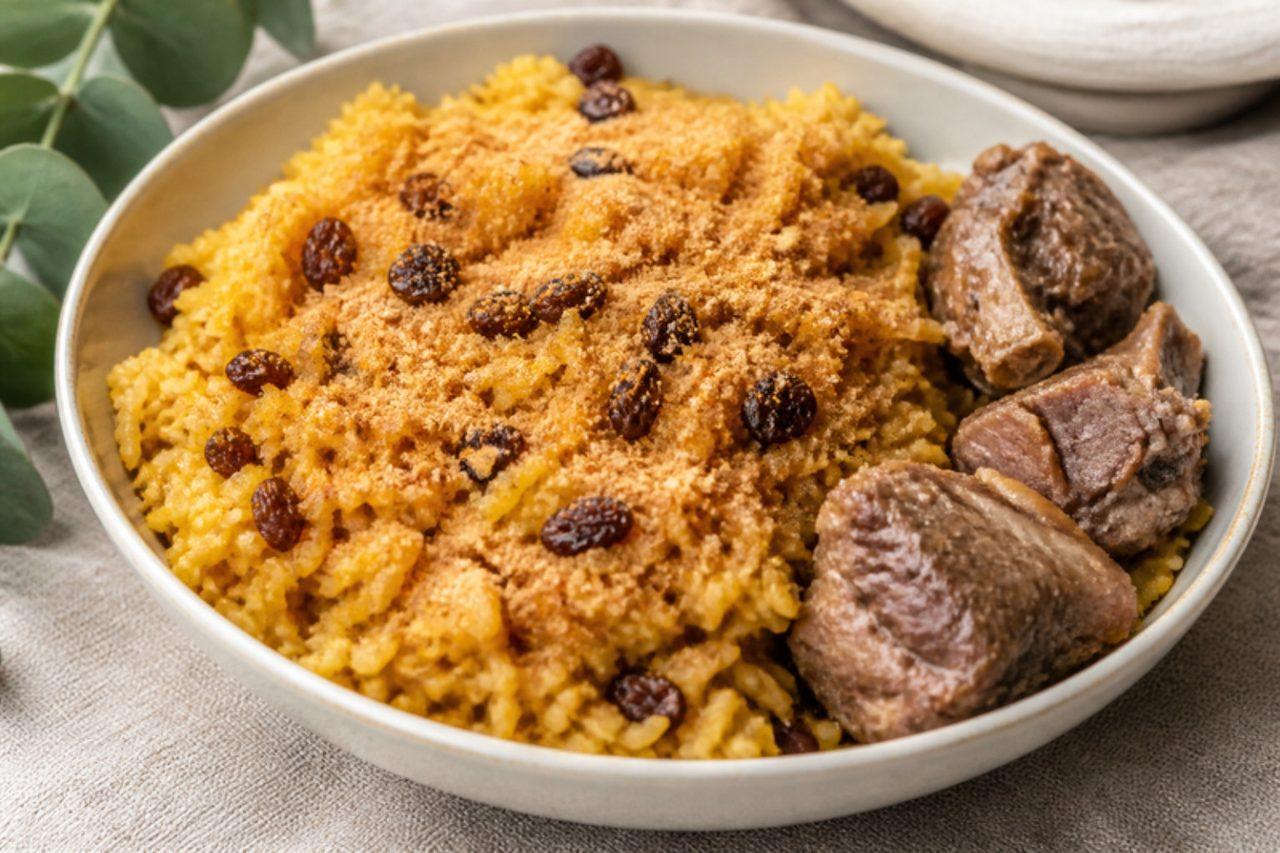
KabuniFestive rice with raisins and cinnamon

Kabuni is one of the oldest dishes of Albania, served in Tirana and the central lowlands at Bajram, weddings and wakes: rice fried in butter, cooked in a savoury lamb broth, then sweetened with sugar and studded with raisins and cinnamon. The result is buttery, gently sweet and fragrant, a sweet course with a savoury soul, eaten warm in small bowls. Because it is cooked in lamb stock it is not vegetarian. Where most people go wrong is skipping the frying of the rice; it is the toasting in butter that gives kabuni its nutty taste. Chef's tip: soak the raisins in hot water while the rice cooks so they swell and stay juicy.

by KrazyBadal 0 views

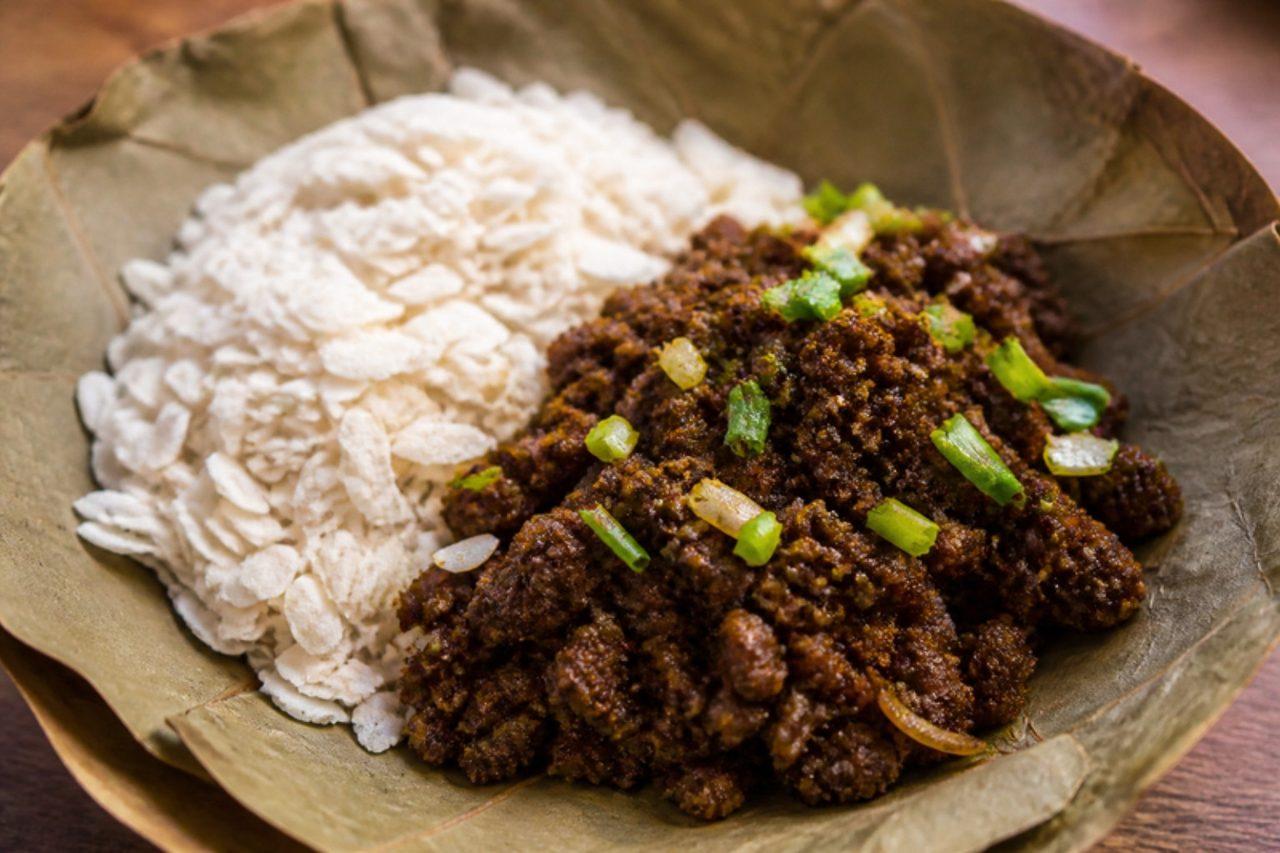
Kachila (cooked)Spiced buffalo mince

In the Newar homes and bhoj feasts of the Kathmandu Valley, kachila is a prized delicacy: finely minced buffalo meat mixed with mustard oil, garlic, ginger, chilli and numbing timur, eaten in small spoonfuls with beaten rice, traditionally raw. Raw minced meat can carry harmful bacteria and parasites right through, so the traditional raw form is not for pregnant women, young children or anyone with a weakened immune system, and we do not recommend it for anyone at home. This version keeps every bit of the seasoning but sears the mince quickly in a very hot pan to 71 °C, so it stays soft and loose rather than turning into a dry fry, then dresses it with the classic smoking mustard-oil tempering. It is eaten as part of samay baji or as a snack with chiura. The usual slip is overcooking it into crumbly pellets; take it off the heat the moment it is cooked through. Chef's tip: use buffalo or beef mince, or ask the butcher to mince lean beef twice, very fine.

30 minNepaliMeatGluten freeSpicy
by KrazyBadal 0 views

Sabaayad (Somali flaky layered flatbread)

Hargeisa cooks are proud of their sabaayad, a soft, flaky flatbread made by brushing a thin sheet of dough with oil or ghee, rolling it into a coil and flattening it again so it cooks into dozens of buttery layers. It is eaten for breakfast with sugar and shaah, torn into pieces with muqmad or liver, and served at lunch with beef or chicken stews; at Eid and weddings it is made in big stacks. The texture should be tender and pliable with crisp spots, never dry. Rolling the dough straight after kneading is a common mistake: it springs back and tears, so give it at least 20 minutes to relax. Chef's tip: once each bread is cooked, scrunch it between your hands while hot to open up the layers.

by KrazyBadal 0 views

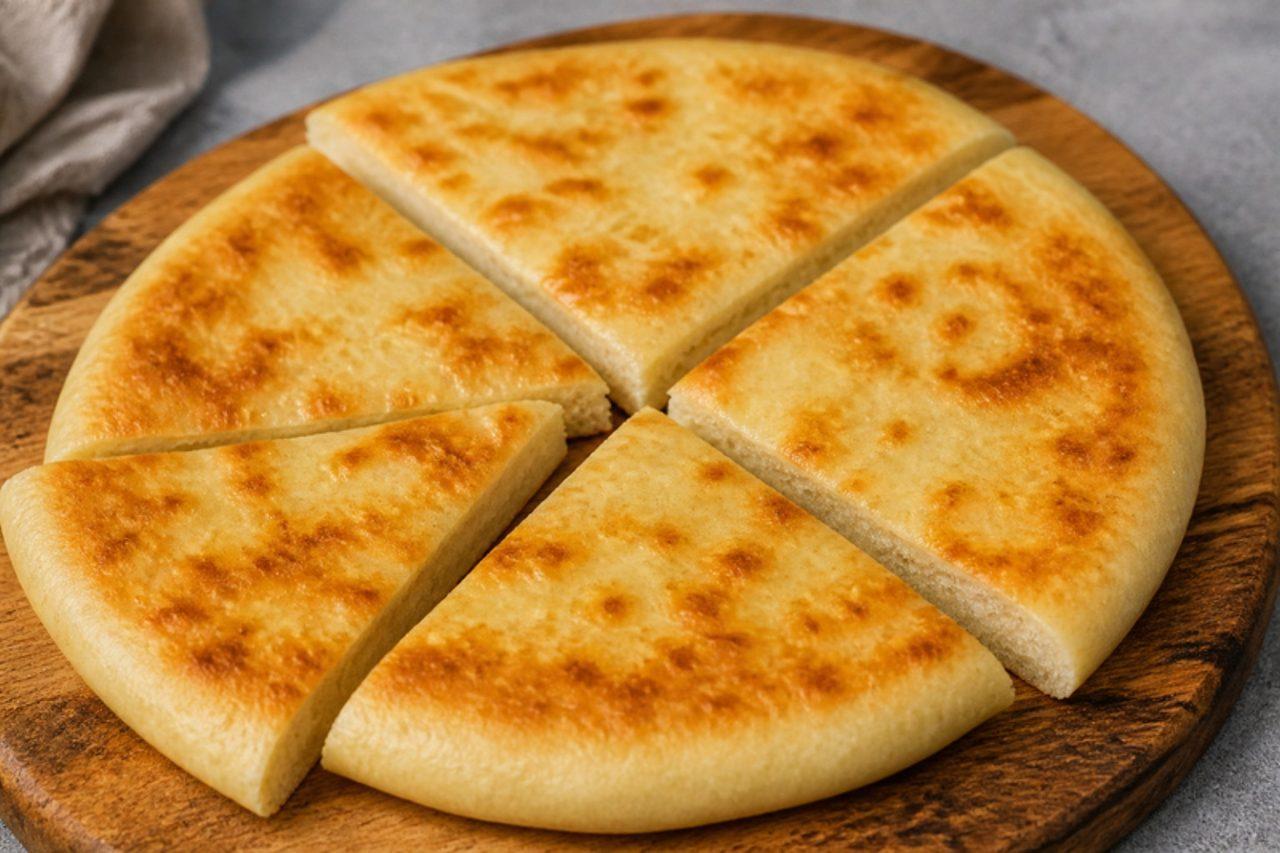
Kimis (Somali thick pan bread)

Thicker and plainer than sabaayad, kimis is the everyday bread of Hargeisa and the north, cooked in a heavy pan and cut into wedges to soak up maraq, the thin spiced meat or vegetable broths eaten at lunch. The dough is simple flour and water raised with a little baking powder, so it puffs into a soft, bready round about 2 cm thick with a lightly freckled crust. It is also good for breakfast with tea and a spoonful of sugar or honey. This version uses oil, so it is vegan. Cooking over too high a heat is the classic mistake: the outside scorches before the middle is done, so keep the flame medium-low and cover the pan. Chef's tip: knock the bread on its base when you think it is ready; it should sound hollow.

by KrazyBadal 0 views

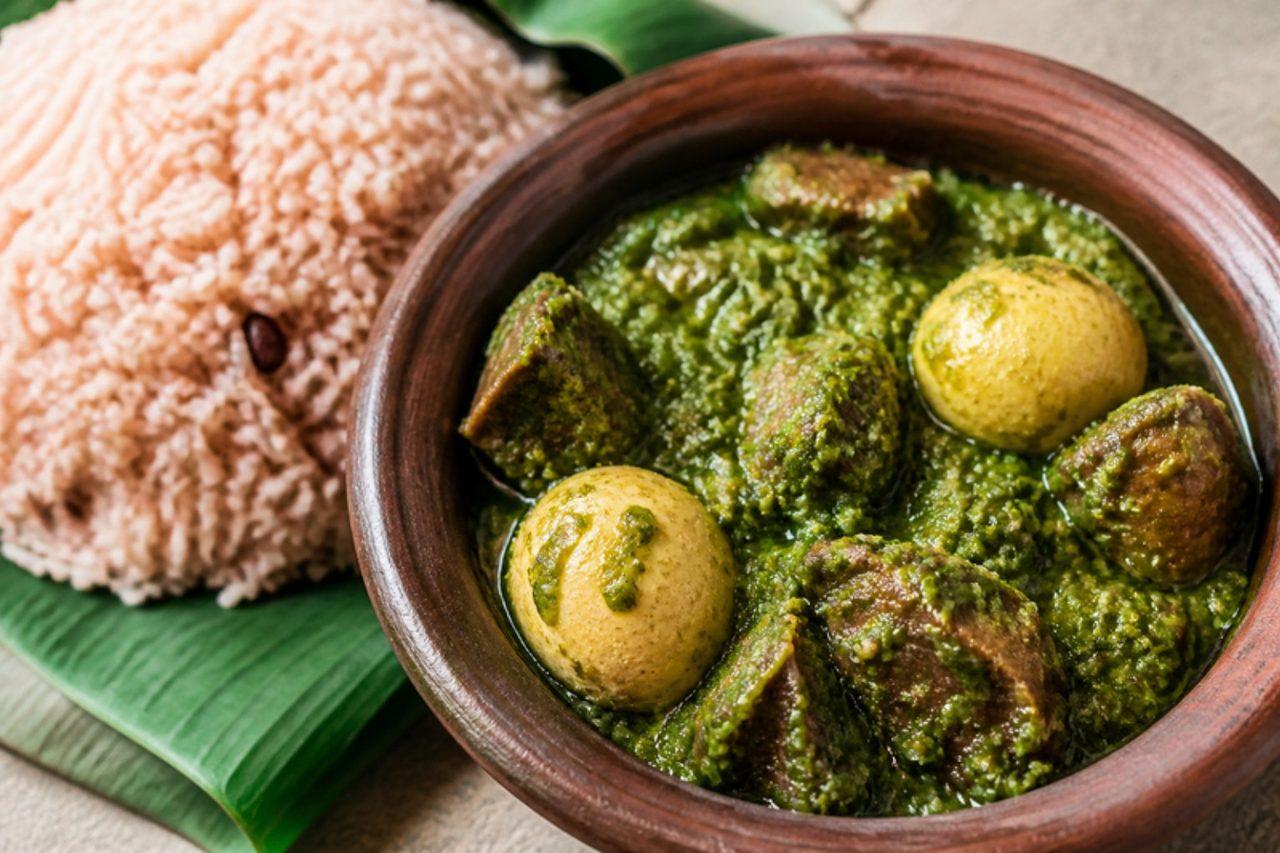
Ayamase (ofada green pepper stew)

Ofada rice, the short, fragrant local rice from Ogun State, is almost always served in Lagos with ayamase, a stew so green and so hot it is sometimes called designer stew. Green bell peppers and green scotch bonnets are blended coarse, dried out in the pot, then fried in palm oil that has been bleached clear, with plenty of iru for a deep, funky savouriness. Assorted meat (beef, tripe and cow skin) and boiled eggs are folded in. Watery pepper is the mistake that makes it taste sour and raw, so boil the blended pepper dry before it meets the oil. Chef's tip: bleaching palm oil makes heavy smoke; open the windows, keep the lid nearby and never leave the pot.

120 minNigerianMeatGluten freeSpicy
by KrazyBadal 0 views

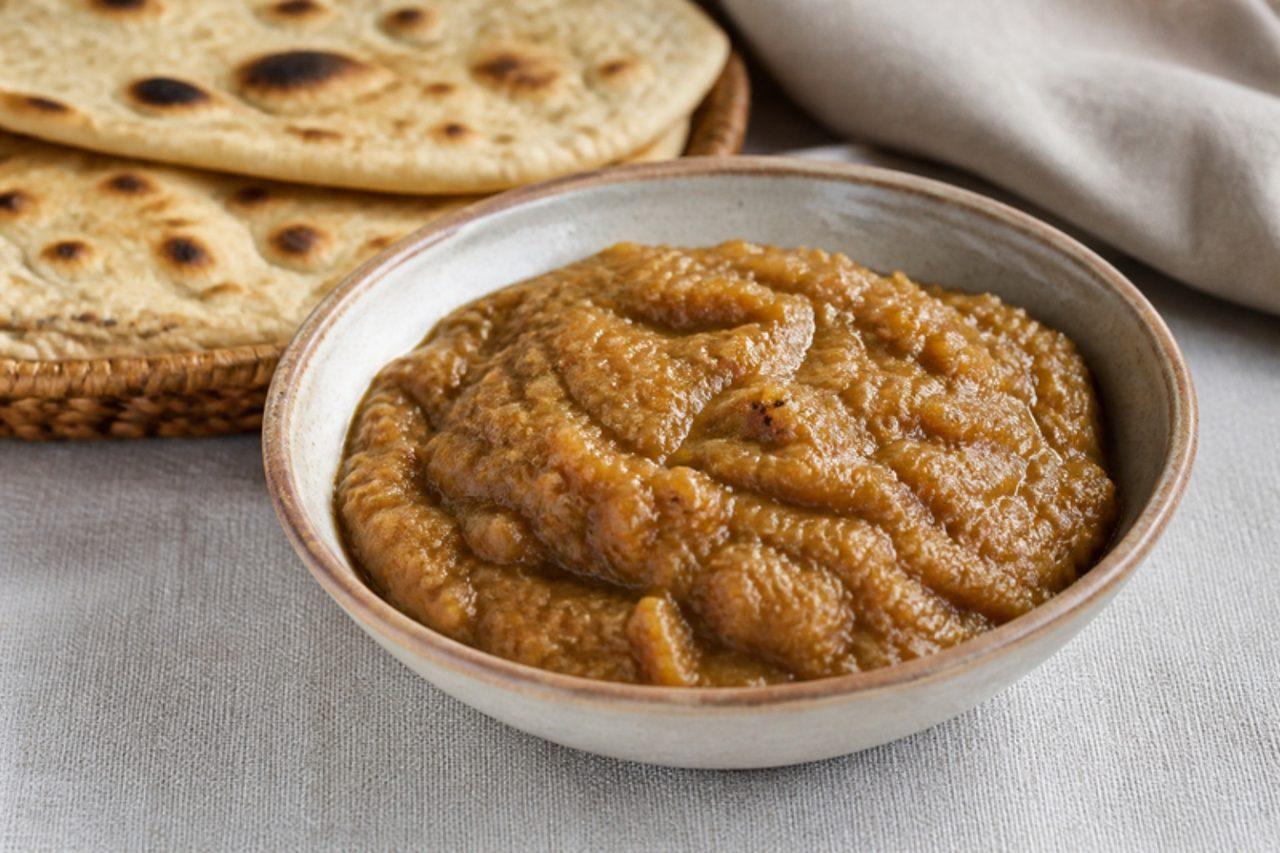
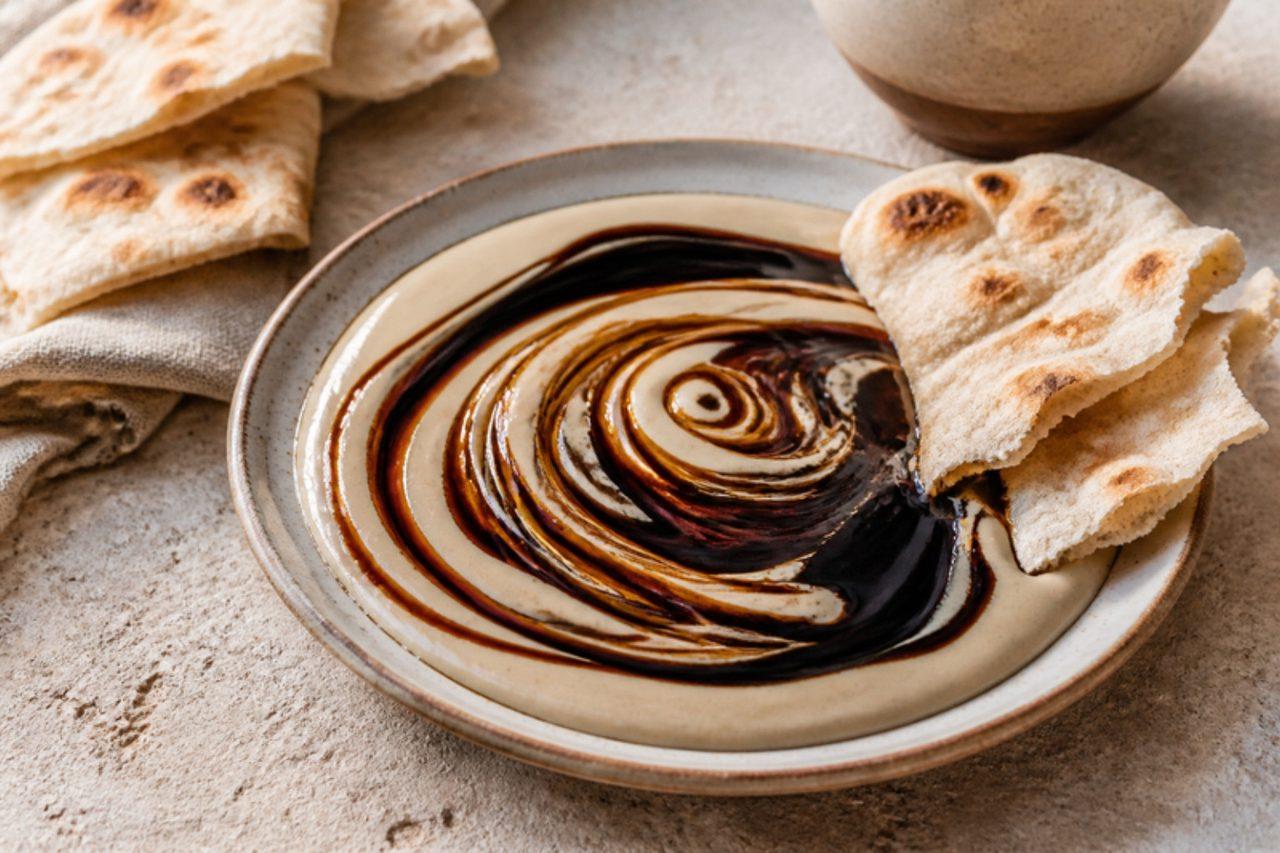
Molasses with tahini

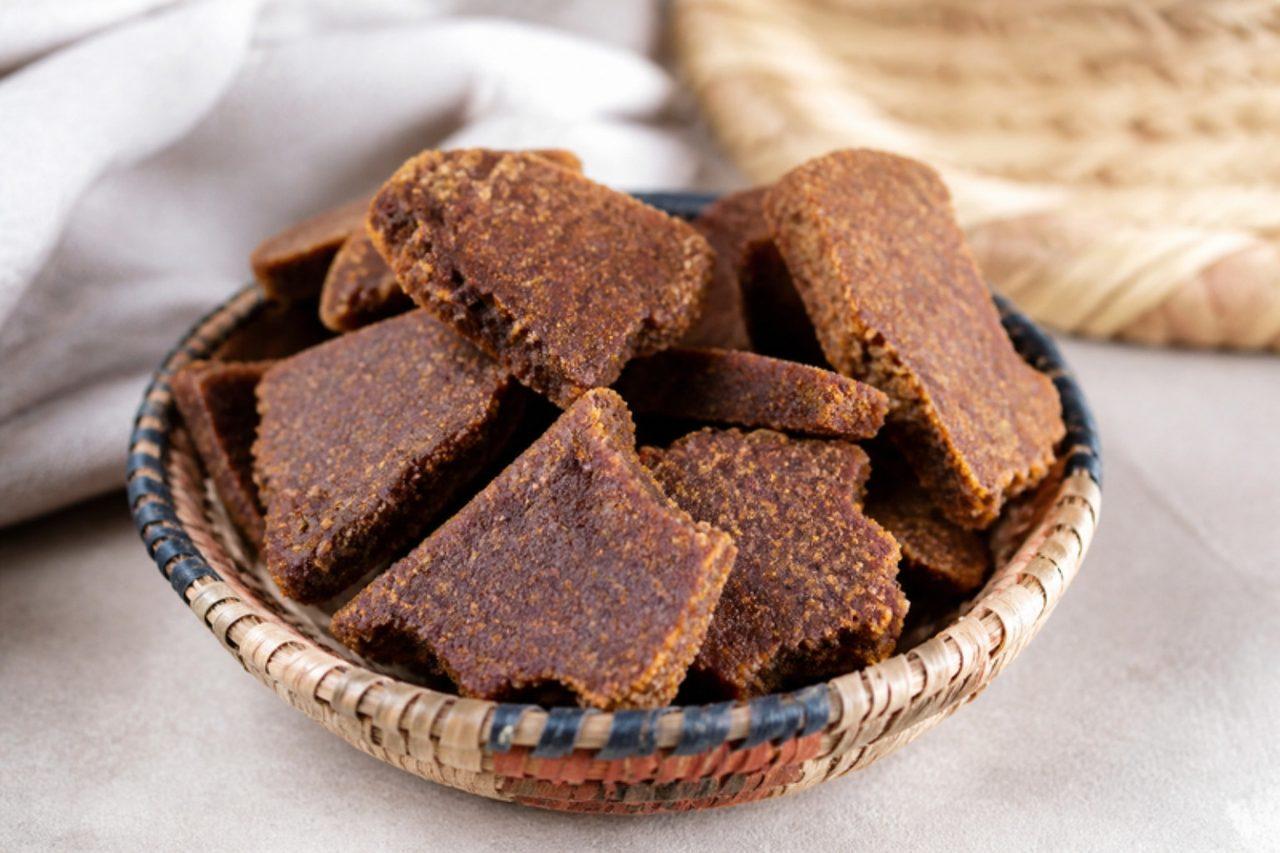
Upper Egypt grows the country's sugarcane, and its dark molasses, asal eswed or black honey, has found its way onto breakfast and supper tables from Aswan to Alexandria. Spooned over tahini and swirled together, it becomes a glossy, bittersweet, nutty dip that children love and grown-ups eat after a light evening meal, scooped up with warm aish baladi or fino. Many families eat it in winter, when they want something warming and filling. A frequent slip is stirring the molasses and tahini together completely; leave them swirled so each bite gets both. Chef's tip: stir the tahini jar thoroughly first; the thick paste at the bottom and the oil on top must be mixed, or the dip comes out stiff and dry.

by KrazyBadal 0 views

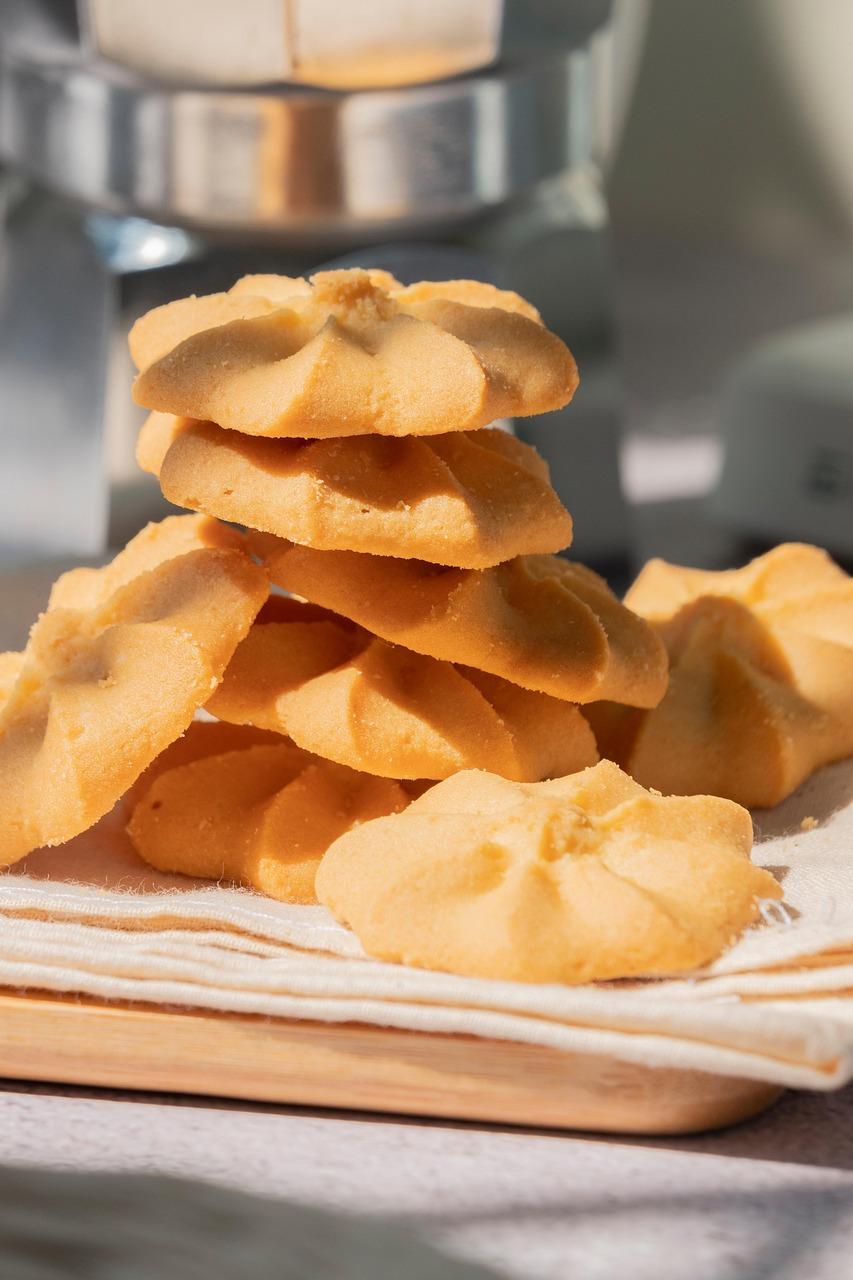
Bitifoor (Sudanese Eid butter biscuits)

During the last days of Ramadan, Khartoum neighbourhoods smell of butter and vanilla as women bake bitifoor, the piped biscuits whose name comes from the French petit four, for the Eid visits that follow. They are piped into rosettes, fingers and swirls, sometimes topped with a piece of glacé cherry or dipped in chocolate, and arranged on platters with ka'ak and sweets for guests. The texture is melt-in-the-mouth, short and delicate. Over-soft butter is the classic mistake, giving biscuits that spread into flat puddles; use butter soft enough to dent, not oily, and chill the piped trays for 15 minutes. Chef's tip: a little cornflour in the flour keeps them extra tender and crisp.

by KrazyBadal 0 views

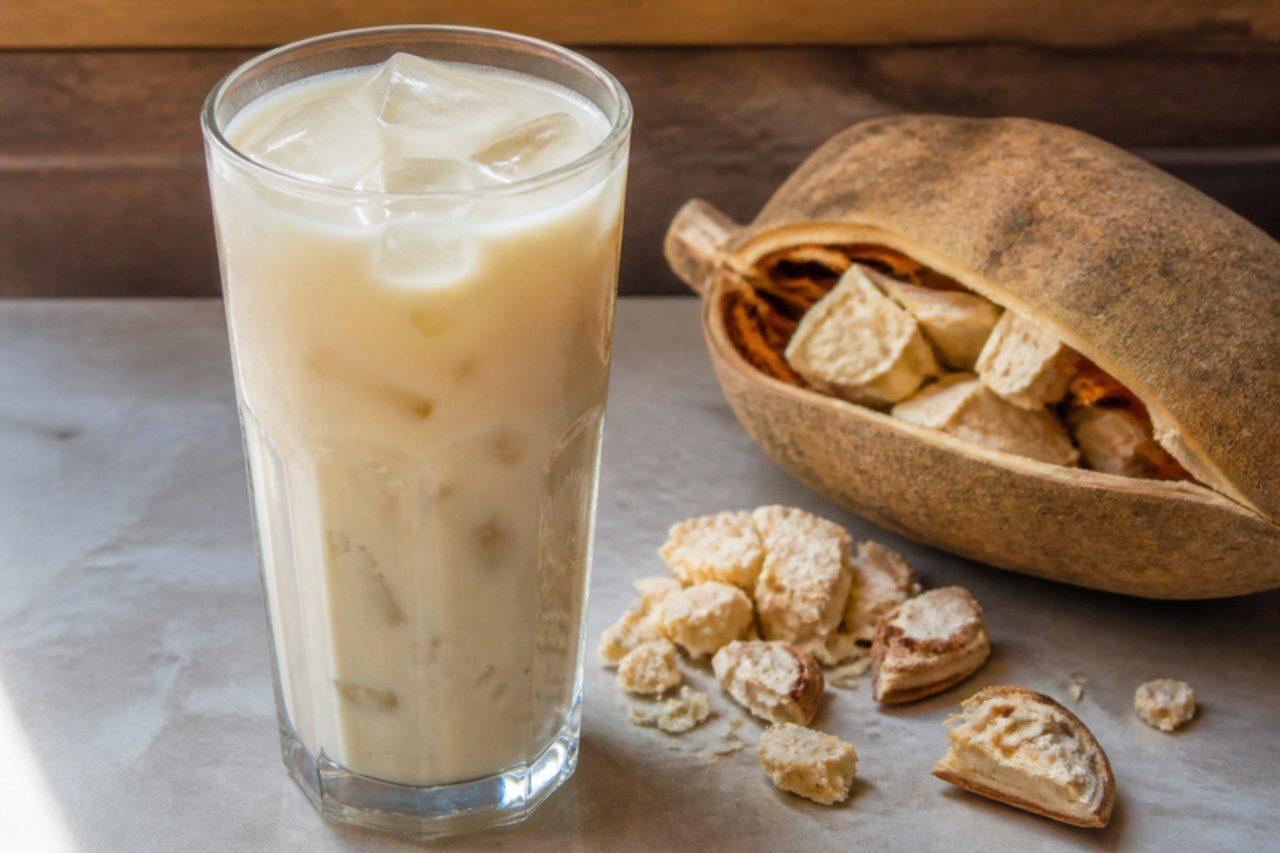
Tabaldi (Sudanese baobab drink)

The great baobab trees of Kordofan and Darfur drop hard pods full of chalky, cream-coloured pulp, and Sudanese cooks soak it in water to make tabaldi, a thick, milky-looking drink with a sherbet-like tang. It is sold from big cool-boxes in Khartoum markets in summer, served at weddings, and appears on the iftar table during Ramadan. Fresh pulp pieces with seeds are sold in African and Middle Eastern shops; baobab powder is a good substitute and needs no straining. Leave the drink to soak for an hour in the fridge before straining (soaking time is not counted in the total). The usual mistake is blending the seeds, which makes the drink bitter; rub the pulp off by hand instead. Chef's tip: a few drops of rose water or a pinch of ground cardamom makes it feel festive.

by KrazyBadal 0 views

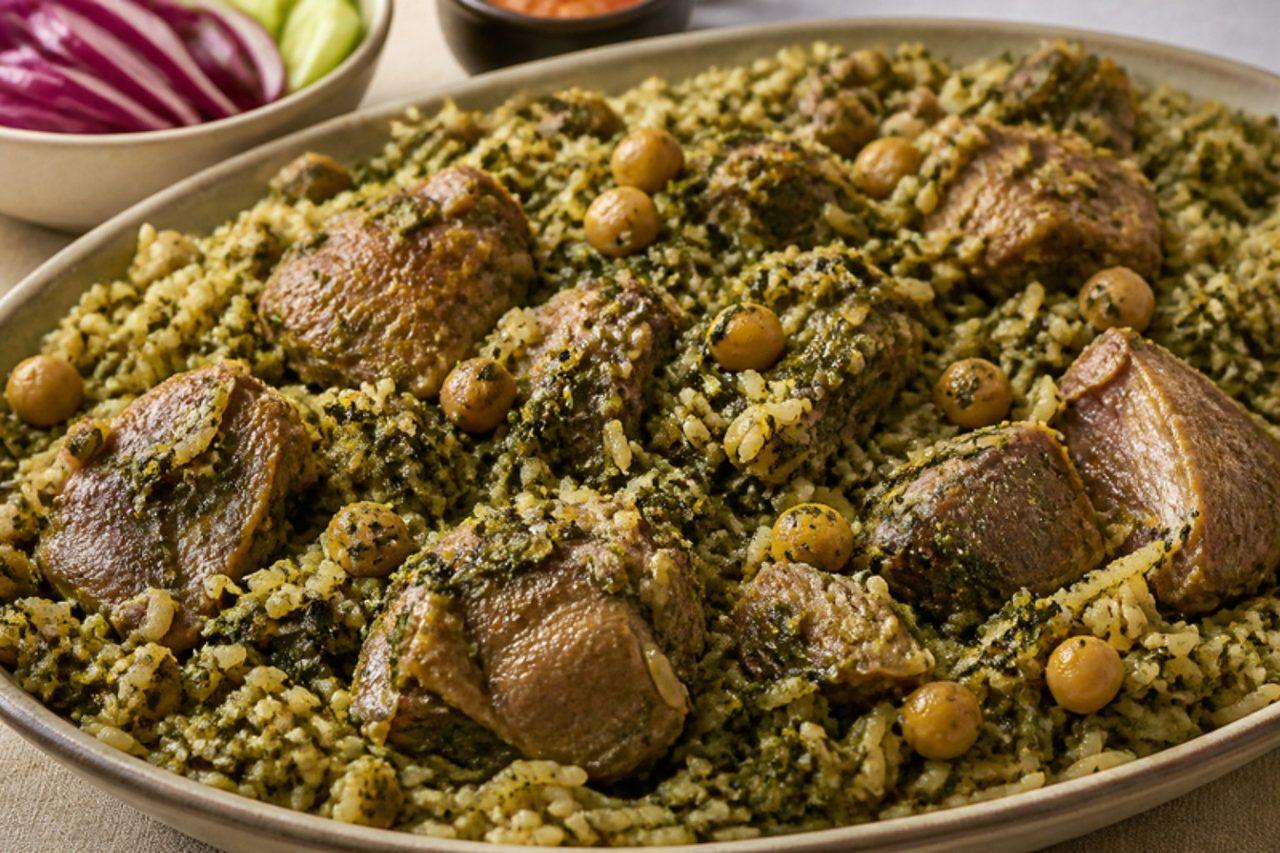
Rouz jerbi (Djerban steamed rice)

Djerba islanders cook rice the way the rest of Tunisia cooks couscous, in the top of a couscoussier: raw rice is mixed with small pieces of lamb, chopped spinach, a mound of herbs, chickpeas, tomato paste, harissa and spices, then steamed over boiling water until every grain is tender and stained red-gold. Rouz jerbi is a Friday and family-gathering dish on the island, served from one large platter. The rice stays separate and fluffy, the greens melt in, and the lamb picks up the scent of mint and tabil. Chef's tip: stir the rice from the bottom every 20 minutes; leaving it untouched is a common mistake, as the bottom turns soggy while the top stays hard.

by KrazyBadal 0 views

Aradeib (Sudanese tamarind drink)

Tamarind trees shade villages throughout Darfur and Kordofan, and their sticky brown pods become aradeib, one of the best-loved Sudanese cold drinks. The pulp is soaked, rubbed and strained, then sweetened to make a deep amber, puckeringly sour drink that cuts through rich food and is much loved at iftar through Ramadan. It is also drunk as a home remedy for upset stomachs and heat. Seedy block tamarind from any Asian or African shop works perfectly. Pouring boiling water straight onto the pulp and leaving it too long draws out a harsh, tannic edge, so use hot rather than boiling water and strain after an hour. Avoid squeezing the soaked tamarind through a cloth too hard; fibres get through and make the drink cloudy and gritty. Chef's tip: make a concentrate and keep it in the fridge for up to a week; dilute with cold water by the glass.

by KrazyBadal 0 views

Madeeda (Sudanese warm millet and milk drink)

Thick enough to sip slowly from a glass but thinner than porridge, madeeda is a warming drink from northern Sudan made by cooking flour, often pearl millet, in milk and sweetening it with sugar or dates. Families make it on cool winter mornings, for anyone feeling under the weather and for new mothers, and it is a gentle way to break the fast in Ramadan. This version uses millet flour with cardamom and a little cinnamon, so it is smooth, nutty and lightly spiced. Lumps are the usual problem: whisk the flour into cold milk before it goes onto the heat. A frequent slip is not stirring enough, so the millet catches and the milk scorches. Chef's tip: for a date version, blitz 6 soft pitted dates with the milk and halve the sugar.

by KrazyBadal 0 views

Hilu-mur (Sudanese spiced sorghum Ramadan drink)

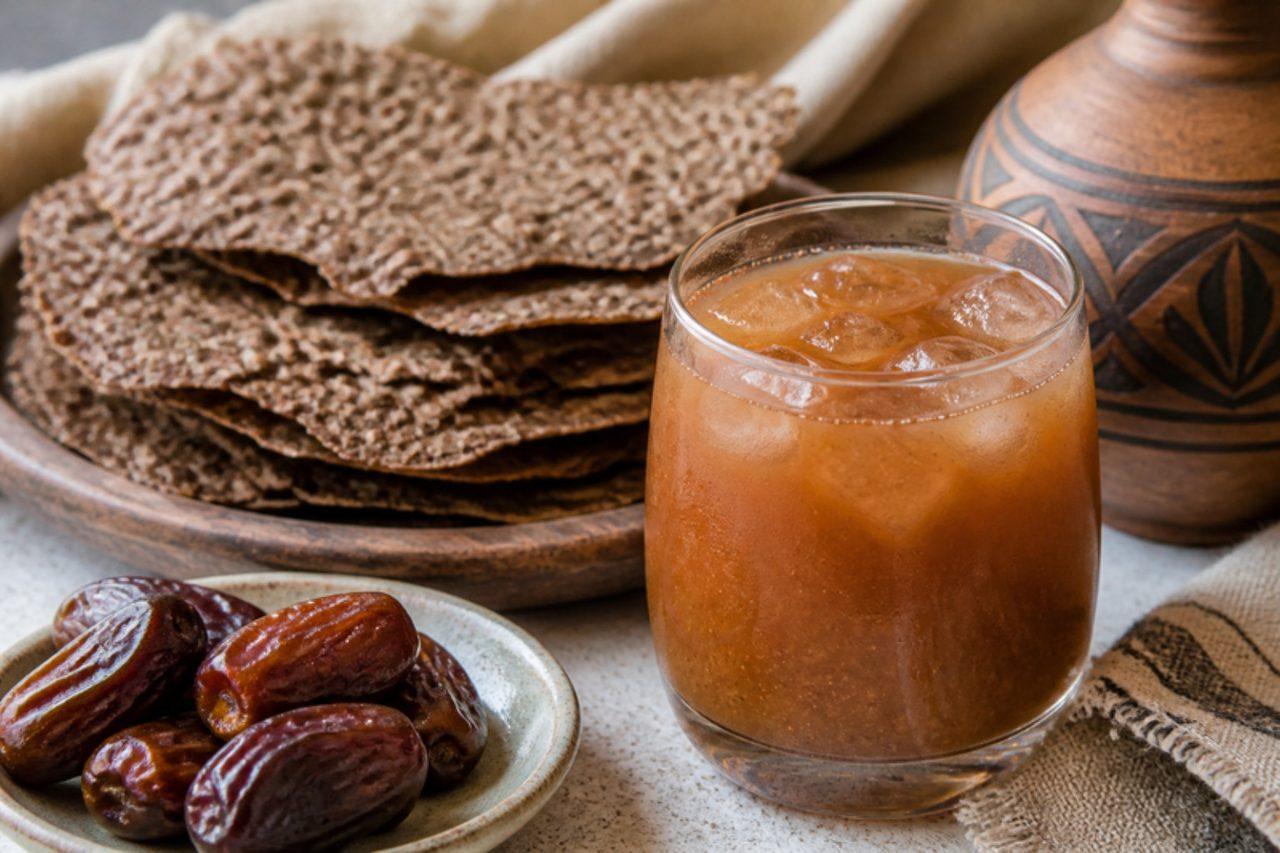
Weeks before Ramadan, households across Sudan fill with the smell of hilu-mur, literally 'sweet-bitter', as sorghum is sprouted, dried, ground and mixed with flour, dates and a heady spice blend, left to sour for a day, then spread paper-thin on a hot griddle into brittle reddish-brown flakes. Each evening during the month a handful is soaked in water, strained and sweetened, giving the dark, tangy, clove-and-ginger-scented drink that breaks the fast. The souring is short, like a sourdough, and the flakes are cooked dry; the drink is non-alcoholic and served to the whole family. The full process takes about 5 days: 3 days to sprout, 1 to dry and a night to sour, so only active and cooking time are in the totals. Many people buy ready-made flakes from Sudanese shops. Discard any grain that smells musty or shows mould while sprouting. The usual mistake is pouring the batter too thick on the griddle; the flakes should be paper-thin to dry crisp. Chef's tip: spread the batter as thinly as you can; thick flakes stay chewy and go mouldy in storage.

by KrazyBadal 0 views

Abreh (Sudanese white sorghum flake drink)

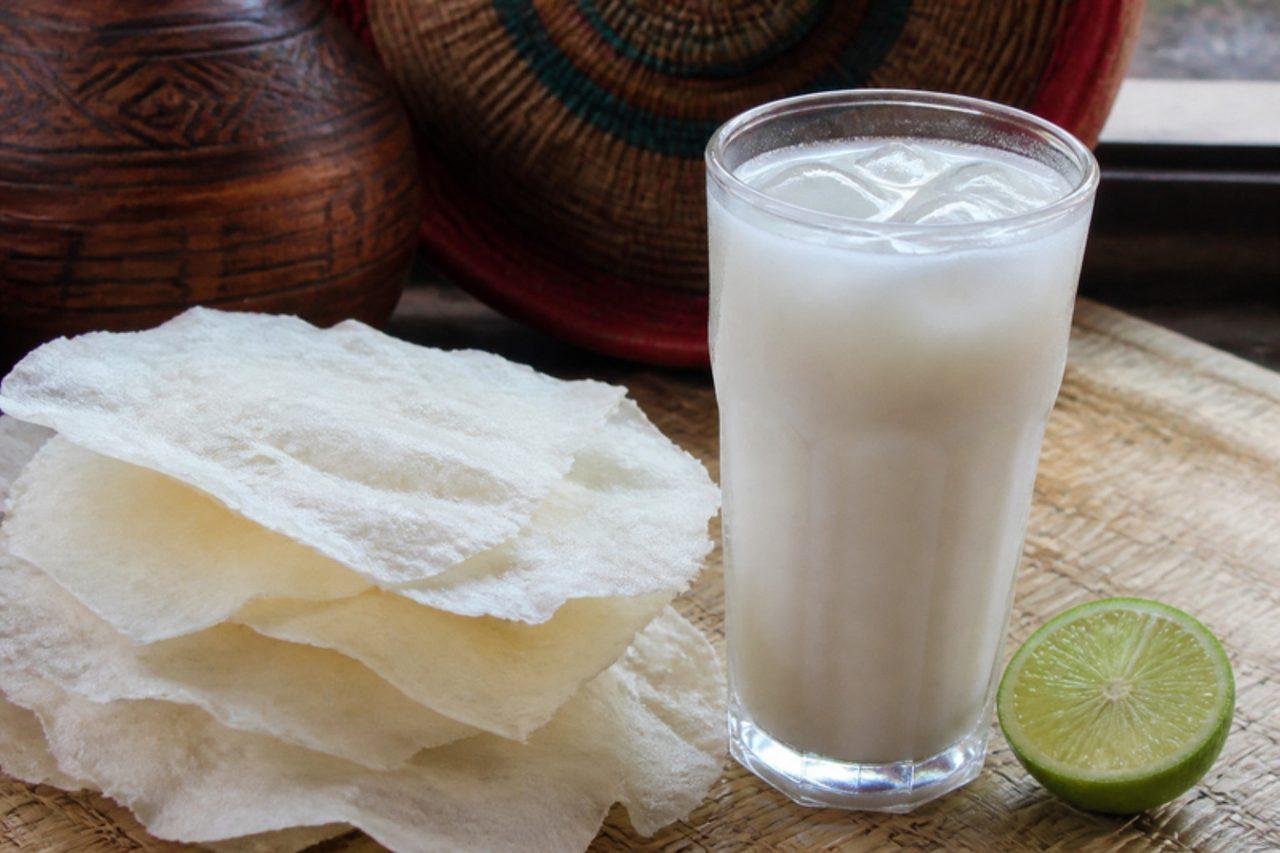
Where hilu-mur is dark and spiced, abreh abyad, white abreh, is its pale, gentle partner: a batter of white sorghum flour is left to sour lightly, then baked into thin cream-coloured flakes that are soaked in cold, sweetened water and served at iftar across northern Sudan. The drink is cloudy, refreshing and faintly tangy, a good way to rehydrate after a long day of fasting; some families add a splash of lime or a little cardamom. The overnight souring takes 12–18 hours and is not counted in the totals; it is non-alcoholic, and the flakes are dried hard on the griddle. Spreading the batter too thickly is the classic mistake, so work fast and thin. Chef's tip: make a big batch in one session; the dry flakes keep for months in a tin, so a jug of abreh is only an hour away.

by KrazyBadal 0 views

Dama (Sudanese beef and tomato stew)

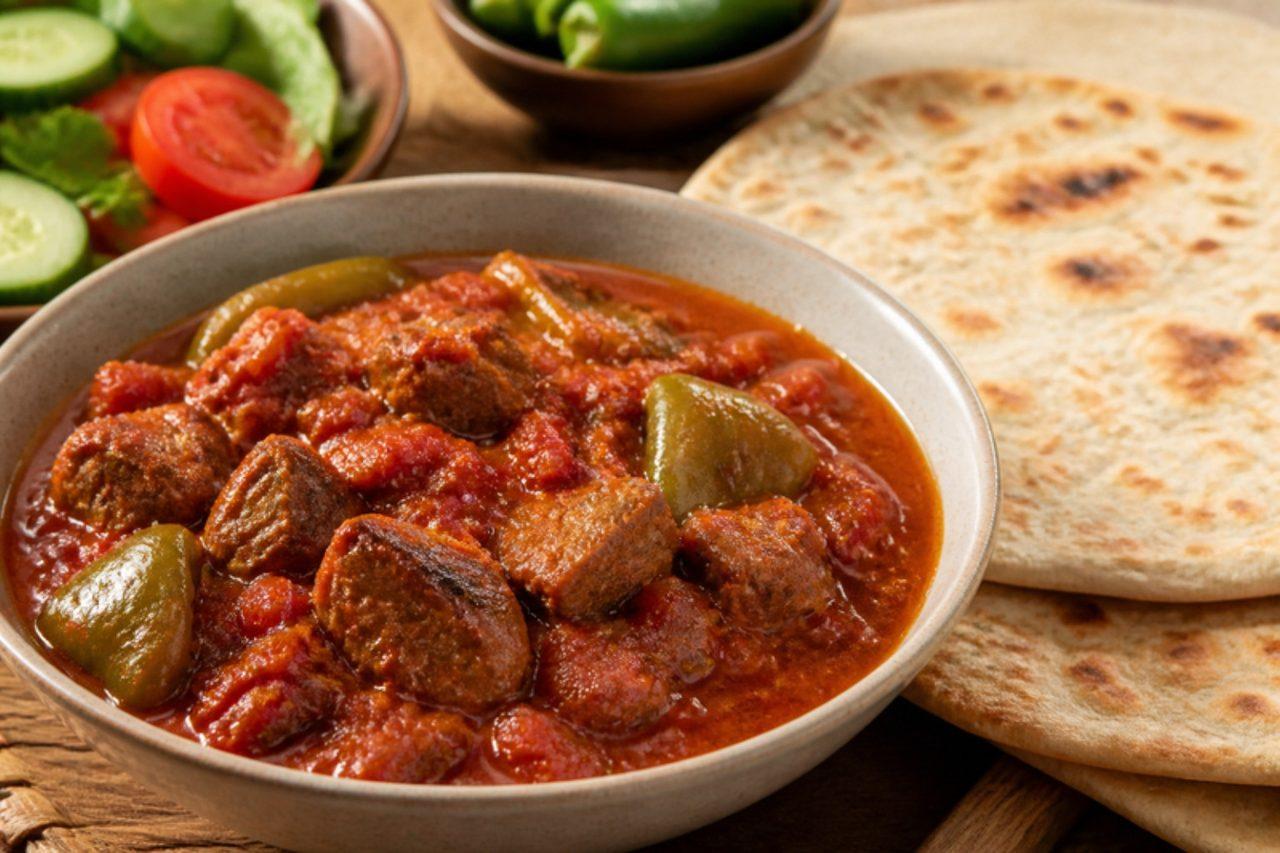
Thick, red and full of garlic, dama is the tomato stew that Khartoum families make for weekday lunches and that restaurants serve in shiny steel bowls with gurasa, the soft, thick Sudanese pancake, or with bread and rice. Beef is browned, then simmered with a generous amount of onion, fresh tomato, tomato paste and gentle warm spices, cardamom and a little cinnamon, until the sauce is rich enough to cling to every piece. The meat ends up spoon-tender. Adding all the liquid at once is the common mistake; it gives a thin, watery sauce, so add water little by little as the stew needs it. Chef's tip: grate the onions rather than chopping them, so they melt into the sauce and thicken it without flour.

105 minSudaneseMeatGluten free
by KrazyBadal 0 views

Chorbet hout (Sfax fish soup)

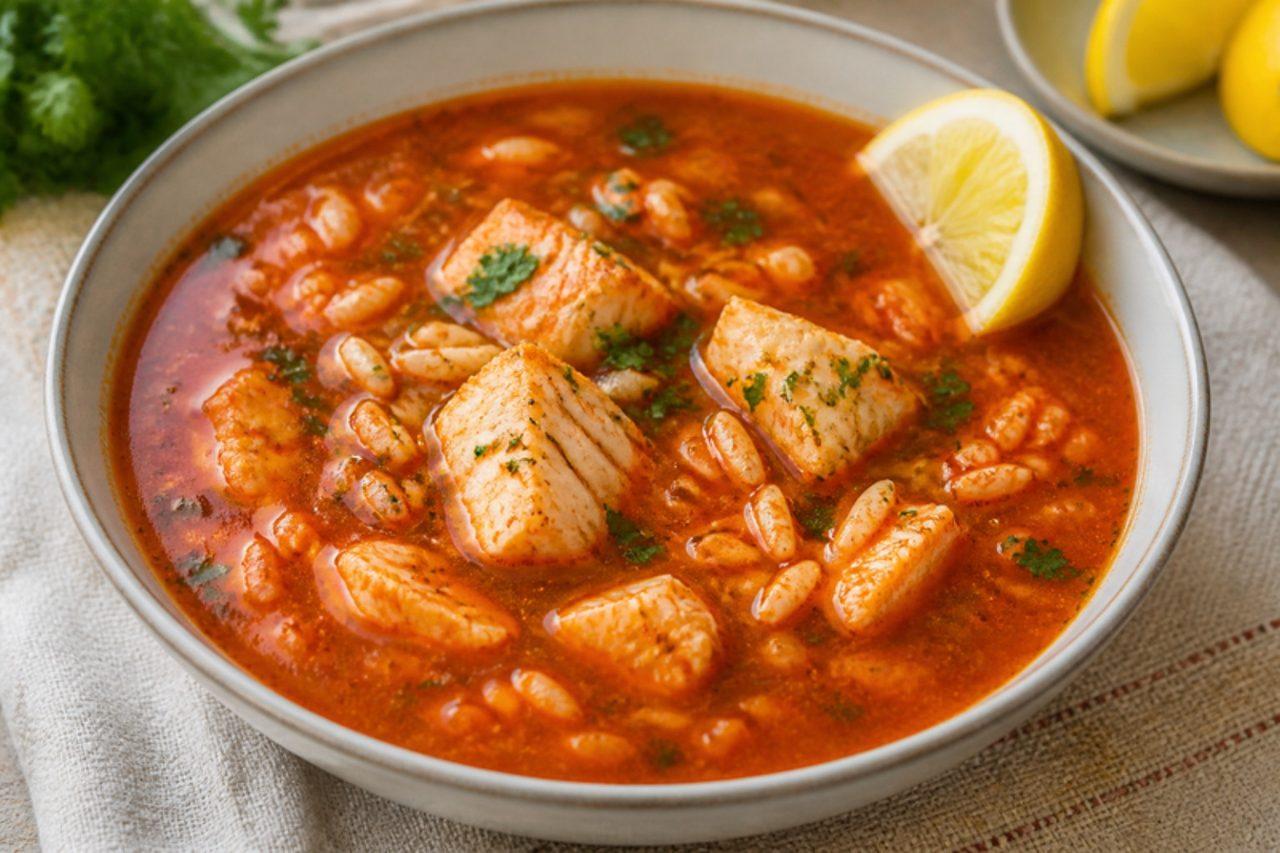
Along the coast around Sfax, a bowl of chorbet hout often opens the meal at Ramadan iftar, after dates and water: a red, peppery broth of tomato, harissa and caraway, thick with tiny bird's-tongue pasta and flakes of white fish, finished with a squeeze of lemon. Grouper, sea bream or mullet are the local choices, and any firm white fish works. The soup is warming and spicy with a fresh lift from parsley and celery, and goes well with bread and a brik. Chef's tip: poach the fish briefly, lift it out and only return the flakes at the end; leaving it to boil with the pasta is the common mistake, and it breaks into threads.

by KrazyBadal 0 views

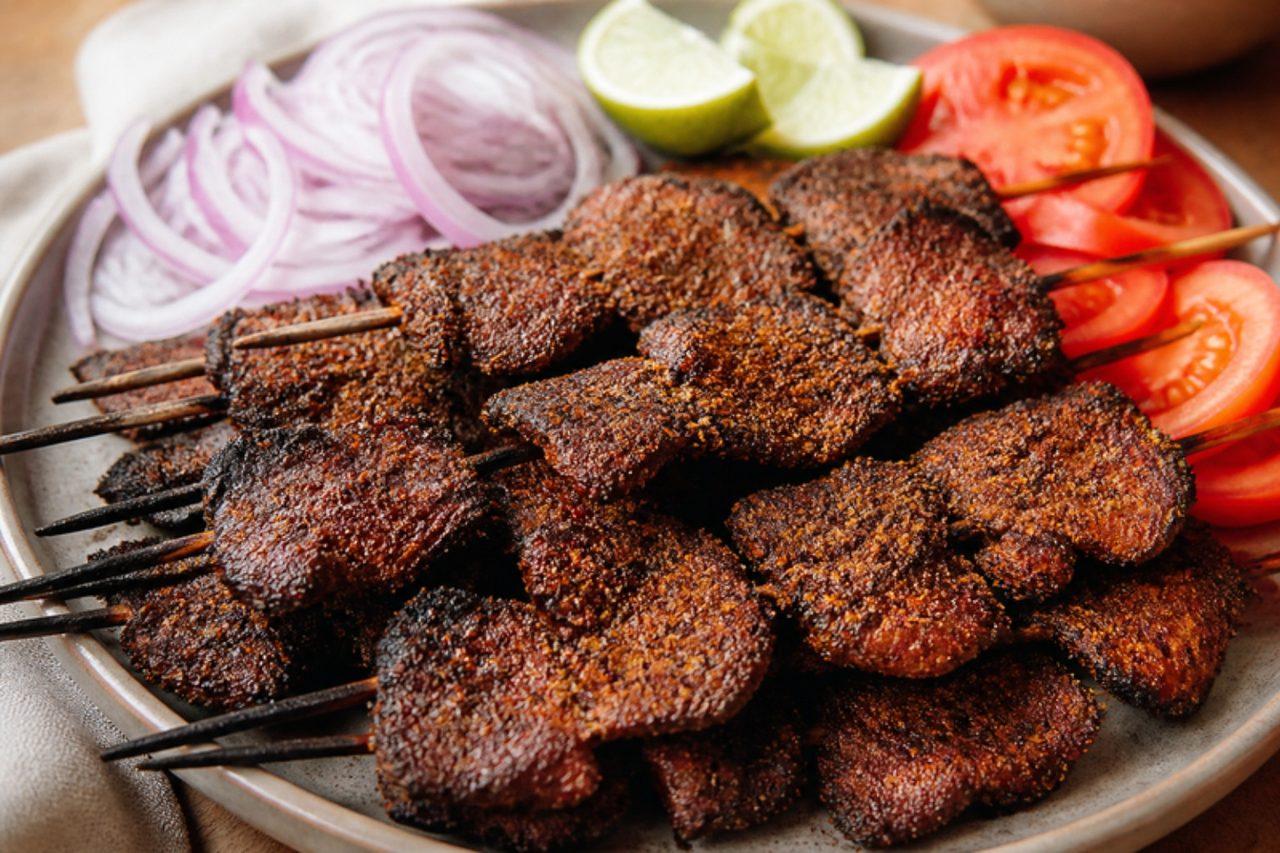
Agashe (Sudanese peanut-crusted beef skewers)

On Khartoum evenings the smoke from agashe grills drifts across the streets: thin slices of beef threaded onto sticks, coated in a dry rub of ground roasted peanuts, ginger, chilli and garlic, and grilled fast over charcoal until crusty and fragrant. The style came to Sudan with West African communities and is close cousin to Nigerian suya, but it has become a Khartoum favourite in its own right, served with sliced onion, tomato, lime and a sprinkle of extra spice. Slicing the beef too thick is the usual error, because the crust burns before the inside is done; aim for 5 mm. Marinate in the fridge, never on the counter. Chef's tip: dust the skewers with a second coat of peanut mix halfway through grilling for the best crust.

by KrazyBadal 0 views

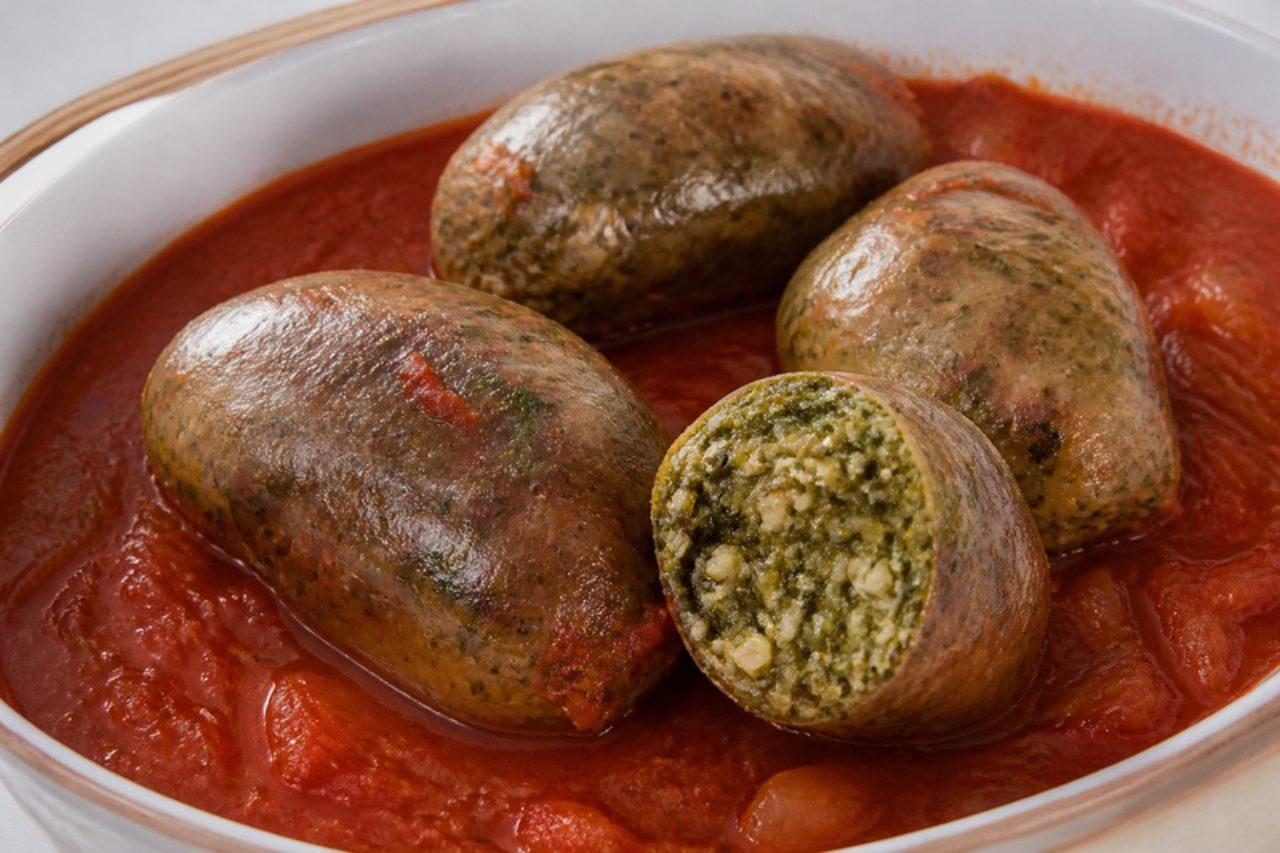
Osban (Tunisian stuffed lamb sausages)

Eid al-Adha in Tunisia means using every part of the sheep, and osban is how the tripe is honoured: cleaned pieces are sewn into pouches and packed with rice, chopped liver and lamb, chard, a big bunch of parsley and coriander, dried mint and harissa, then simmered in a red chickpea sauce and served over couscous. Families all over the country, from Tunis to the south, make a batch and freeze some for later. The filling cooks into a soft, herby, peppery sausage and the tripe turns tender. Buy tripe that the butcher has already cleaned and scalded, or use natural sausage casings for an easier version. Chef's tip: fill the pouches only two-thirds full and prick them with a needle; the rice swells as it cooks, and overstuffed osban burst, which is the most common mistake.

180 minTunisianMeat
by KrazyBadal 0 views

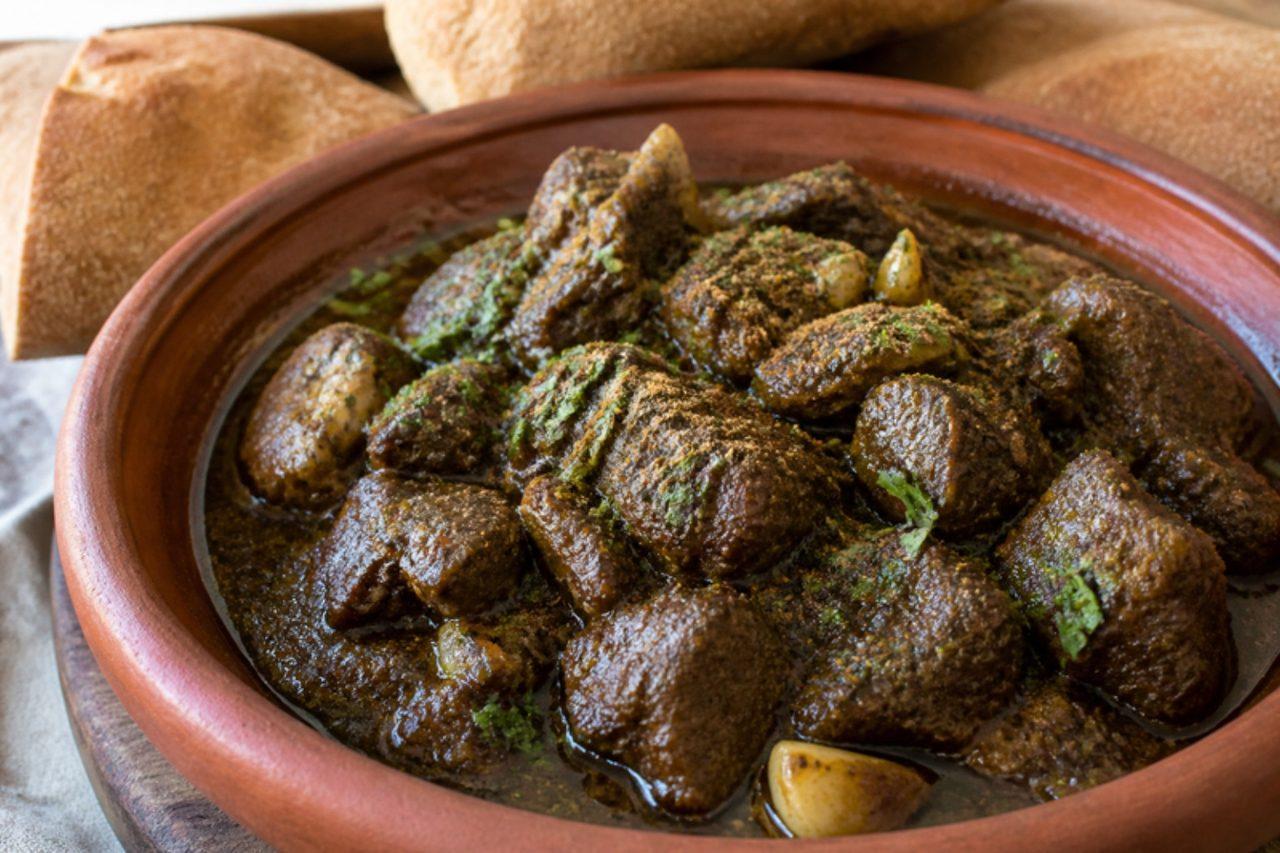
Kammounia (Tunisian cumin beef stew)

Cumin, kammoun in Arabic, gives kammounia its name, and the dish uses it boldly: chunks of beef, or in many Tunis homes lamb's liver, simmer in a thick, dark sauce of garlic, tomato paste and a generous amount of ground cumin until the meat is tender and the sauce clings to it. It is everyday family food in Tunis and Sfax, scooped up with crusty bread or served alongside a salad and olives. The flavour is earthy, warm and garlicky with a gentle heat from harissa. The usual mistake is adding the cumin at the start and frying it hard, which makes it bitter; it goes in once the sauce is simmering. Chef's tip: add half the cumin at the start and the rest in the last 10 minutes; all of it at once risks a flat, slightly bitter sauce, while the late addition keeps the aroma bright.

by KrazyBadal 0 views

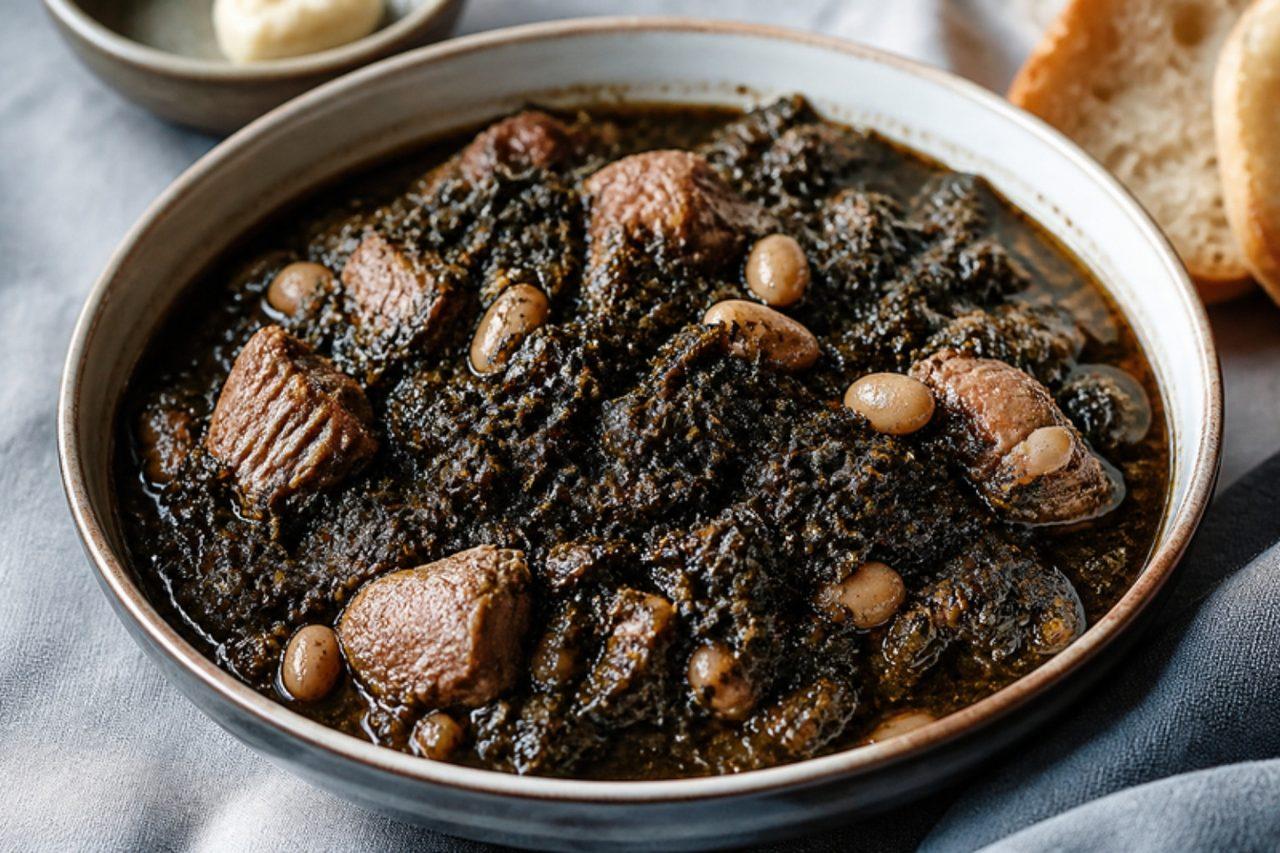
Bkaila (Tunisian spinach and beef stew)

Tunisian Jewish families in Tunis, and those who carried the dish to Paris and Israel, cook bkaila for Rosh Hashanah and for Friday-night dinners: a heap of spinach is fried in olive oil for over an hour, until it shrinks to a dark, almost black, crumbly paste, then simmered for hours with chunks of beef, white beans, garlic and dried mint. The result looks dramatic and tastes deep and earthy, a little like a long-braised green sauce, with tender meat and creamy beans. It is eaten with couscous or bread, and is even better reheated the next day. Start the beans soaking the night before. Chef's tip: fry the spinach over a medium-low heat and stir often; turning up the heat to save time is the classic mistake, scorching the leaves so the whole pot turns bitter.

240 minTunisianMeatGluten free
by KrazyBadal 0 views

Kamounia (Sudanese cumin offal stew)

Named after kammoun, cumin, this Sudanese stew of lamb offal is a Khartoum favourite after Eid al-Adha, when every household has fresh heart, kidneys and liver from the sacrifice, and it is also sold in restaurants for breakfast and lunch. The meat is cooked with lots of onion, garlic, tomato and a heavy hand of cumin until the sauce is thick and dark and smells wonderful. It is eaten with bread or kisra and a squeeze of lime. Putting the liver in with the heart is the classic mistake: liver turns grainy and dry when overcooked, so add it only in the last 10 minutes. Chef's tip: toast whole cumin seeds in a dry pan and grind them yourself; the flavour is twice as strong.

by KrazyBadal 0 views

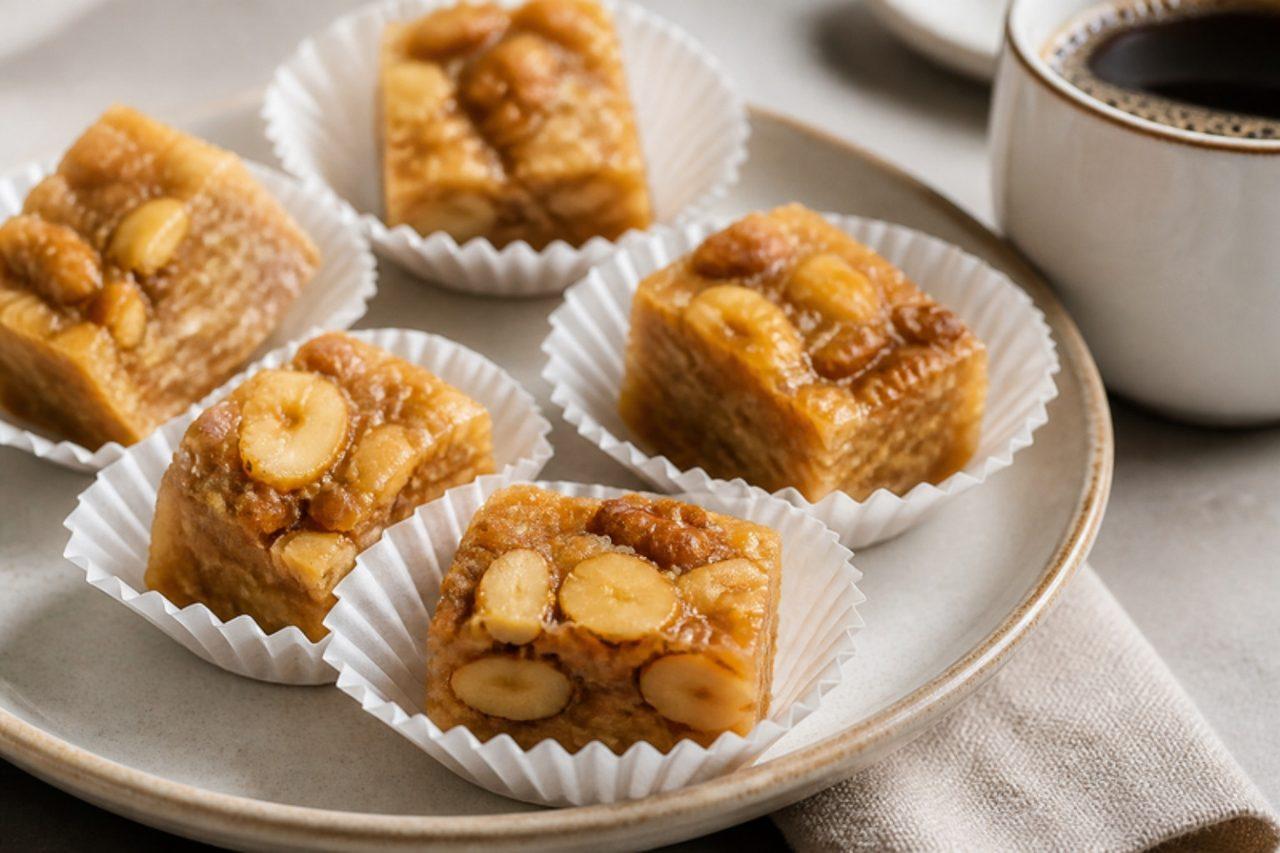
Djouzia (walnut and honey nougat)

Shops in old Constantine wrap djouzia in twists of paper and sell it by weight, a soft, pale caramel-coloured nougat of honey, whipped egg white and plenty of walnuts. It is chewier and darker than white Provençal nougat, with a deep honey flavour and the slight bitterness of walnut skins. Djouzia is a gift sweet, carried to weddings and offered with coffee to visitors, and keeps for weeks. A sugar thermometer makes it reliable. Chef's tip: cook the honey syrup to 125 °C; syrup that is pulled off too early is the most common mistake, and the nougat stays sticky and will not set enough to cut.

by KrazyBadal 0 views

Seven-layer tea

Visitors to the tea gardens of Srimangal, in Sylhet's Moulvibazar district, queue at small tea cabins to see a glass of tea striped in seven distinct bands, from creamy white at the bottom to pale green-gold at the top. The original recipe is a closely guarded secret of the tea-maker who made it famous, but the principle is simple physics: each layer carries a different amount of sugar, so the heaviest sits at the bottom and the lightest floats on top. This home version uses condensed milk, green tea, strong black tea, milk tea, lemon tea, spiced tea and plain tea, and it is drunk slowly, layer by layer, with a long spoon. Pouring too fast is what ruins it; each layer should trickle down the inside of the glass over the back of a spoon. Chef's tip: let all the brews cool to warm, about 50 °C, so temperature differences don't stir the layers.

by KrazyBadal 0 views

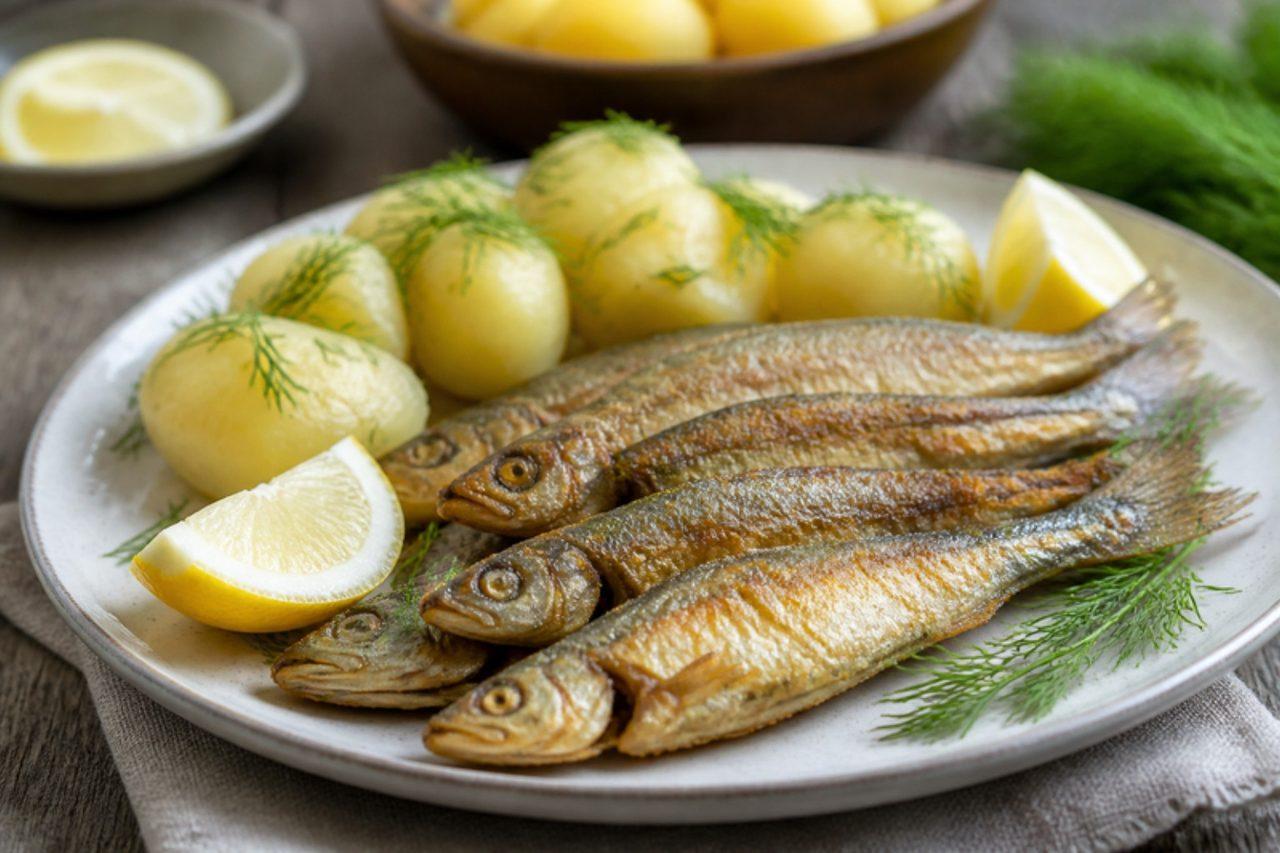
Fried vendace

Sielawa, the small silvery whitefish of the deep Masurian lakes, is a holiday treat in Mikołajki, Giżycko and the lakeside fish huts, sold freshly fried on paper plates with a lemon wedge and a slice of bread. The fish are so slender that, once floured and fried in butter, the fine bones become soft enough to eat and the skin turns golden and crunchy around sweet, delicate flesh. A cold cucumber salad or chips are the usual companions. Overcrowding the pan is the chief error: the fish steam instead of frying and the coating goes pale and soggy. If vendace is hard to find, smelt, small whiting or sprats work the same way. Chef's tip: dry the fish properly before flouring and fry in two batches, adding a little fresh butter and oil each time so it never burns.

25 minPolishFish
by KrazyBadal 0 views

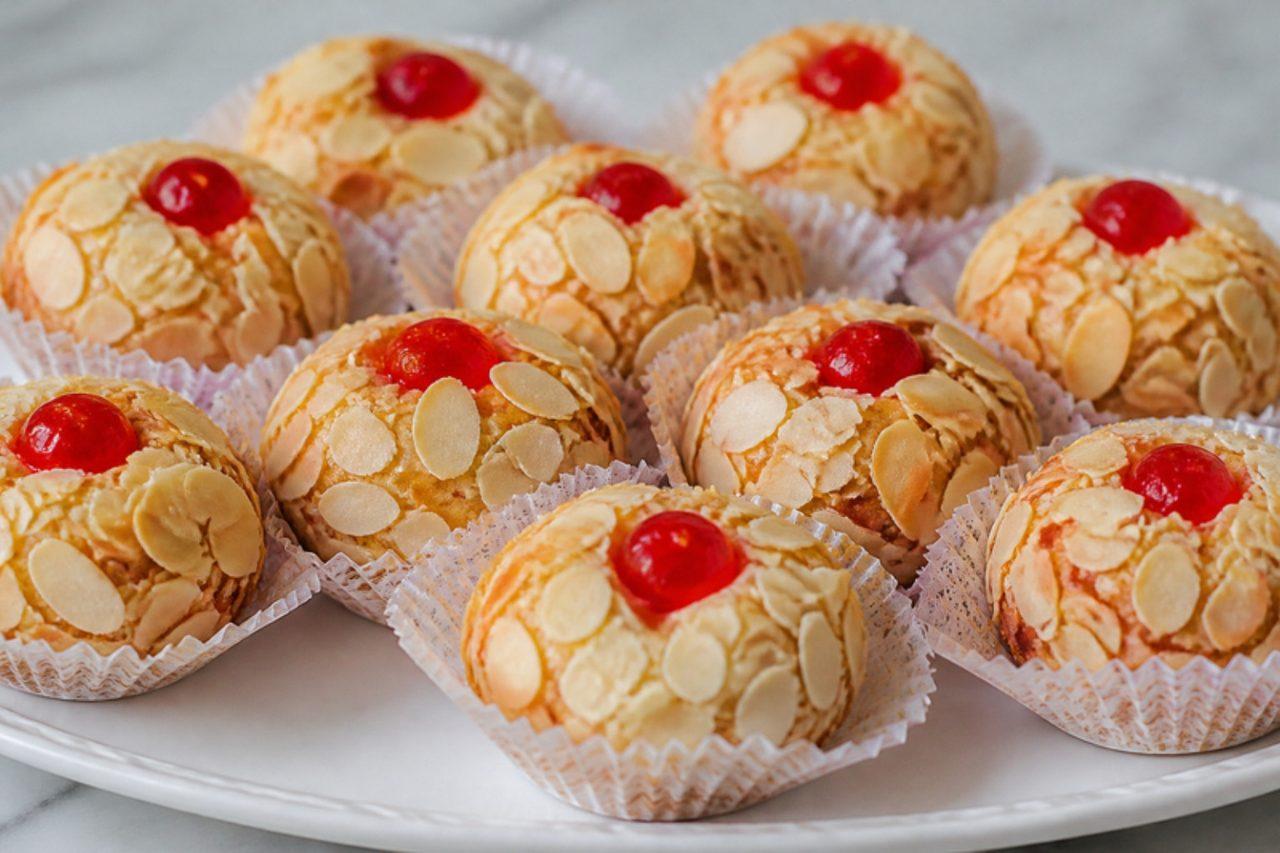
Mchewek (almond cookies)

Mchewek means something like 'prickly', which is exactly how these cookies look: balls of almond paste rolled in flaked almonds so the flakes stick out like spines, each topped with half a candied cherry and baked only until the tips turn gold. Inside they stay soft and chewy, like a rustic macaroon. Being made with no flour, they suit anyone avoiding gluten, and they appear on Eid and wedding trays all over Algeria, often brushed with a little honey syrup for shine. Chef's tip: take them out when the edges are just golden and the centres still feel soft; overbaking is the classic mistake and leaves them dry and crumbly once cool.

by KrazyBadal 0 views

JulskinkaChristmas glazed ham

Julskinka, the Christmas ham, is the centrepiece of the Swedish julbord: a lightly cured pork leg poached slowly, then brushed with a glaze of mustard and egg, scattered with breadcrumbs and browned in the oven. This is a pork dish. Swedish families cook it a few days before Christmas Eve and eat it cold in thin slices with mustard, and the cooking broth is used for 'dopp i grytan', dipping bread into the broth on Christmas Eve. Use a mild cured gammon. A common mistake is boiling it hard, which makes the meat stringy. Chef's tip: keep the water at a bare tremble, about 85 °C, and take it out when the centre reaches 71 °C; it stays juicy.

by KrazyBadal 0 views

Kabab-e-daygiPot-cooked lamb kebab

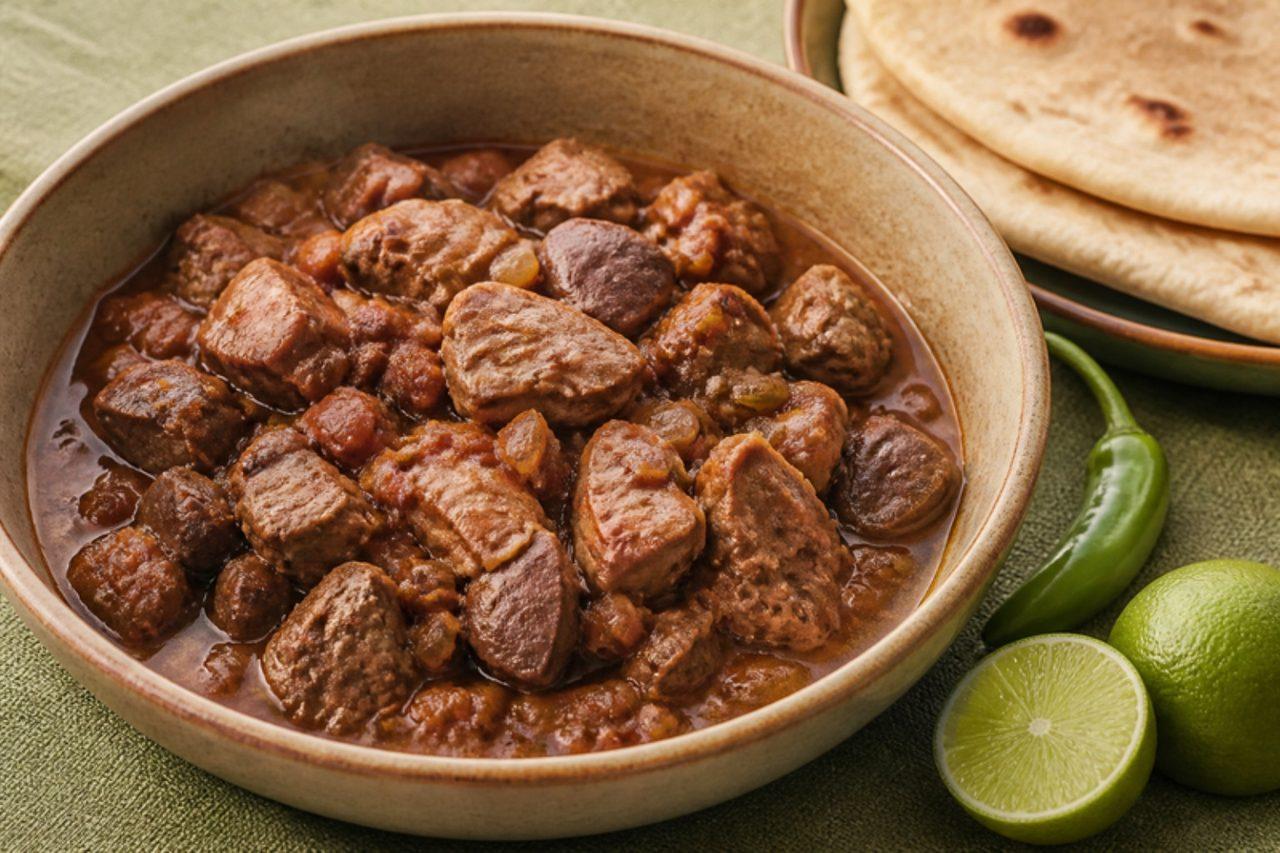
Daygi means from the pot, and this is the kebab Kabul families make when there is no grill or the weather is too cold for one: chunks of lamb browned hard, then left to cook slowly with onions, tomato, garlic and green chilli in a covered deg, with barely any water, until the meat is soft and coated in a thick, concentrated sauce. It is a Friday lunch and party dish, set out with stacks of naan, raw onion and radishes and a bowl of yogurt. The flavour is deep and meaty with black pepper and coriander seed. Adding water early to stop it sticking just boils the lamb; trust the onions and tomatoes to give up their juice and keep the heat low. Chef's tip: uncover for the final 10 minutes and let the sauce fry in the rendered fat, which gives the glossy finish that makes it a kebab rather than a stew.

120 minAfghanMeatGluten free
by KrazyBadal 0 views

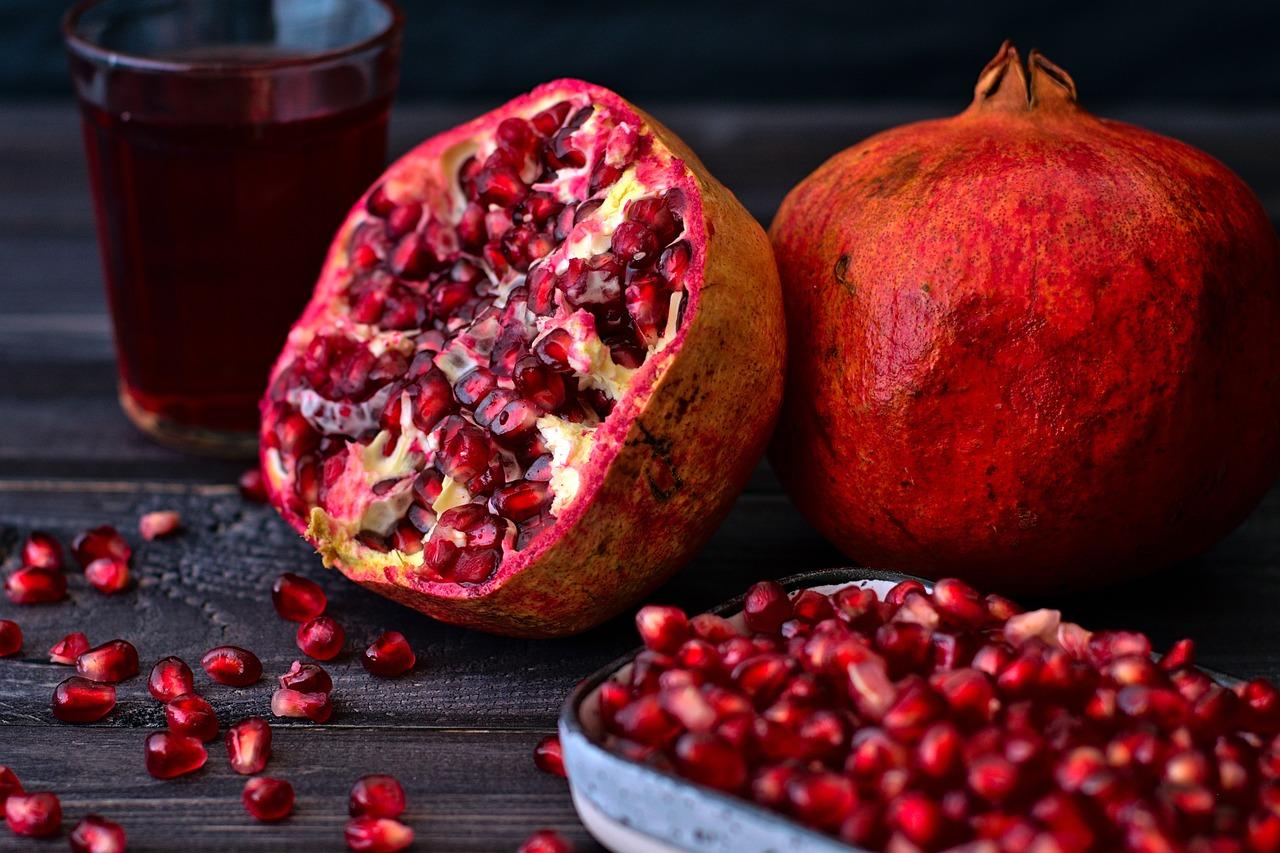
Kandahari pomegranate juice

Kandahar's pomegranates, heavy fruits with dark ruby seeds and soft pips, are the pride of southern Afghanistan, and in October and November juice stalls in the city's bazaars press them to order in big iron hand presses. The juice is deep red, sweet with a clean sour finish and a faint tannic grip, drunk on its own in a tall glass, often with a pinch of salt. At home you can get almost the same thing with a citrus press or a blender. The bitterness that ruins many homemade glasses comes from crushing the white pith and hard pips, so blend the seeds only for a few seconds, or press the halves gently. Chef's tip: roll each whole pomegranate firmly on the worktop before cutting it, which bursts many of the seeds inside and makes juicing faster.

by KrazyBadal 0 views

Pakistani chicken corn soup

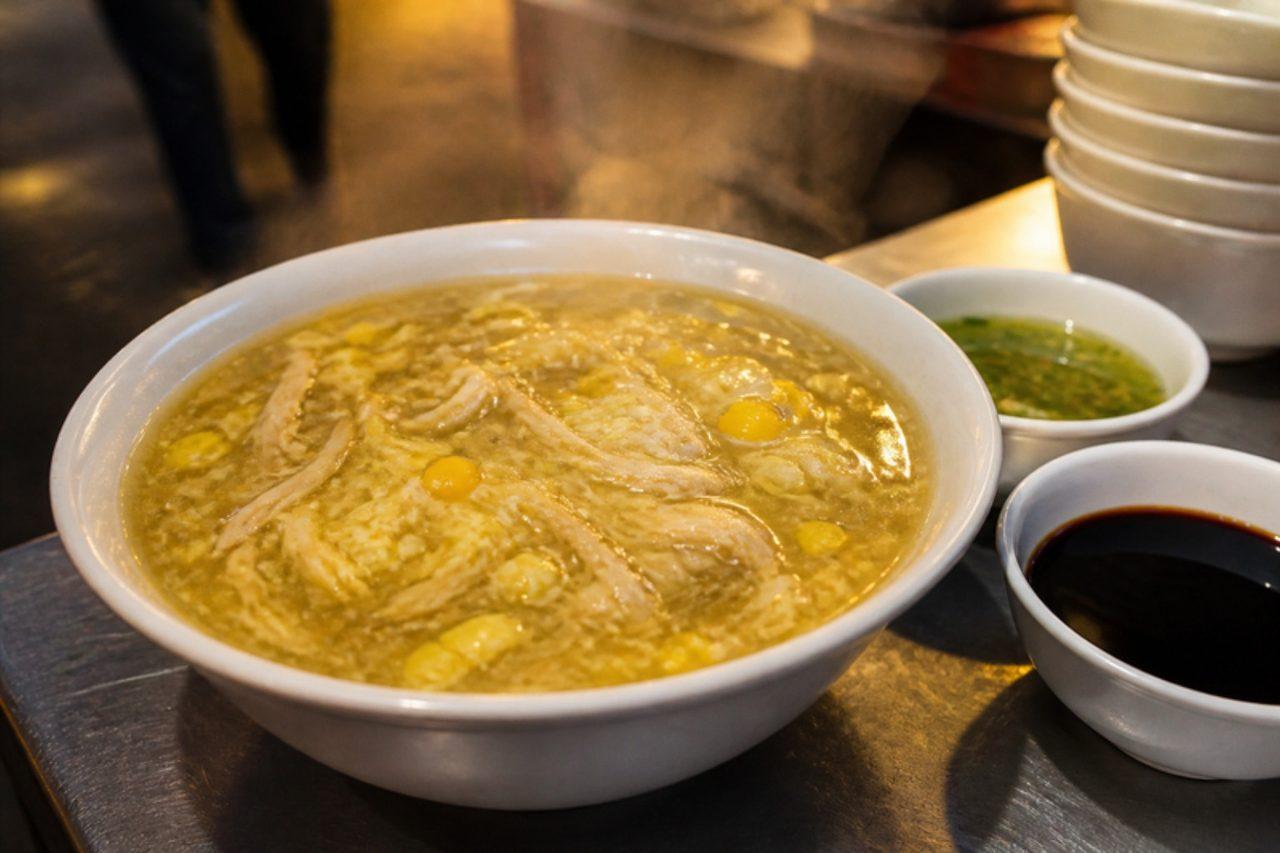
Come the first cold evening of winter, carts with steaming steel pots appear on Karachi's Tariq Road and Lahore's Liberty Market, and queues form for chicken corn soup in disposable cups. It is Pakistani-Chinese food at its most loved: a thick, glossy soup of shredded chicken, creamed sweetcorn and silky egg ribbons, which each person seasons at the cart with chilli vinegar, soy sauce and chilli sauce from squeezy bottles. Children love it plain; adults douse it. Pouring the egg into a rapidly boiling soup turns it into scrambled lumps, so keep it at a gentle simmer and stir slowly in one direction. Chef's tip: for a vegetarian version, use a good vegetable stock, leave out the chicken and add a handful of finely chopped carrot and cabbage.

by KrazyBadal 0 views

Kata-kat

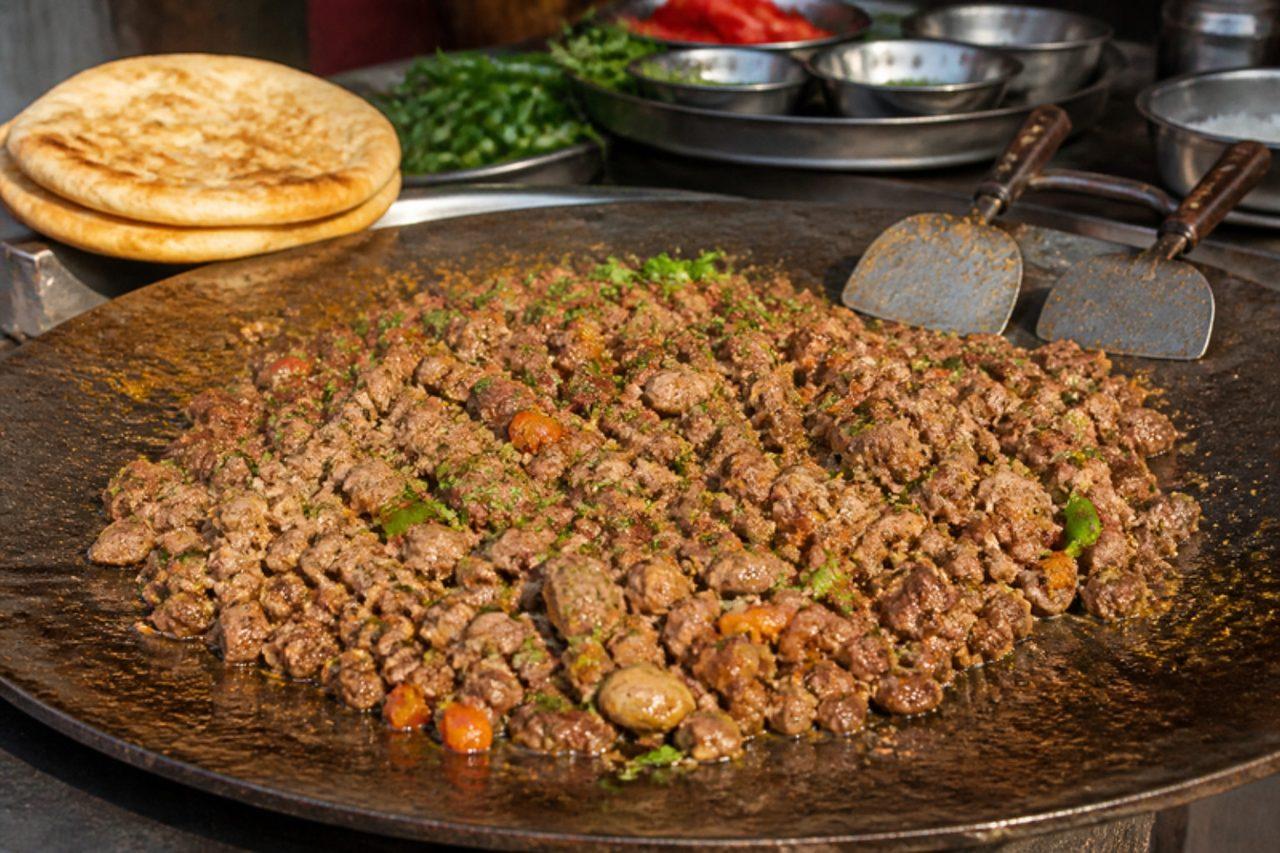
You hear kata-kat before you see it: on Karachi's Burns Road and around Lahore's Gawalmandi, the cook stands over a tawa a metre wide, chopping kidneys, hearts and meat with two heavy steel blades in a clattering rhythm that gives the dish its name. Butter, tomatoes, green chillies and spice go in by the handful, and the mix is cooked down until rich and sticky, then scooped up with naan late at night. Traditional versions include brains, cooked in at the end; here they are optional. The danger is undercooking the offal while the meat is still chewy, so start the meat first and add kidney and heart later, cooking until there is no pink at all. Chef's tip: soak the kidneys in salted water for 20 minutes after removing the white core, which takes away any strong smell.

by KrazyBadal 0 views

Afghan green chutney

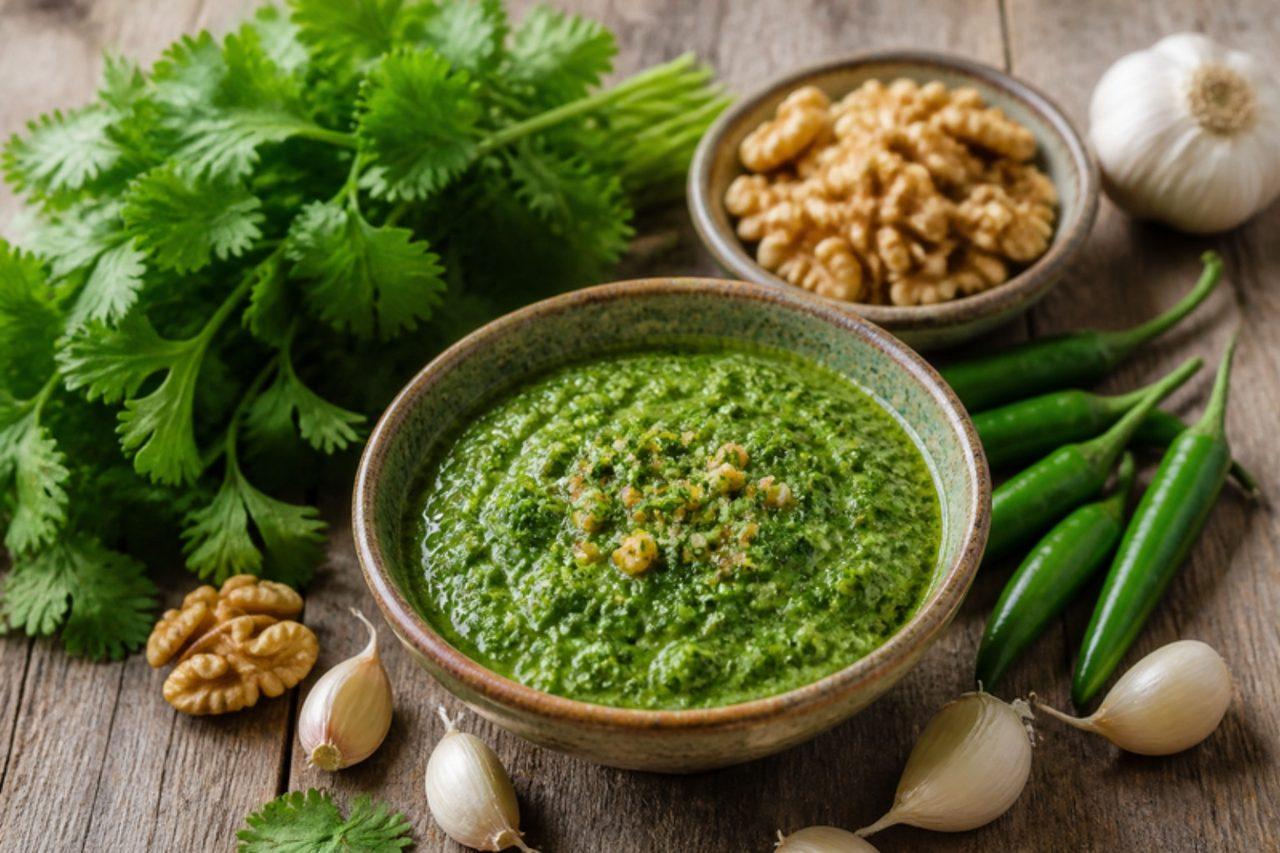
No Afghan table of kebab or palaw feels complete without a little bowl of green chutni, the sharp, fiery relish spooned beside the rice, onto bolani and over grilled meat from Kabul to Kandahar. Unlike many South Asian green chutneys, the Afghan one leans on vinegar rather than lime and is thickened with walnuts, so it is slightly creamy, bright green and properly hot, with a pungent hit of raw garlic. Households make a jar at a time and keep it in the fridge through the week. People often blitz it into a thin juice; pulse it instead so you can still see flecks of leaf and nut. Chef's tip: keep the coriander stalks in, as they have more flavour than the leaves and help the chutney stay green for days.

by KrazyBadal 0 views

Date squares

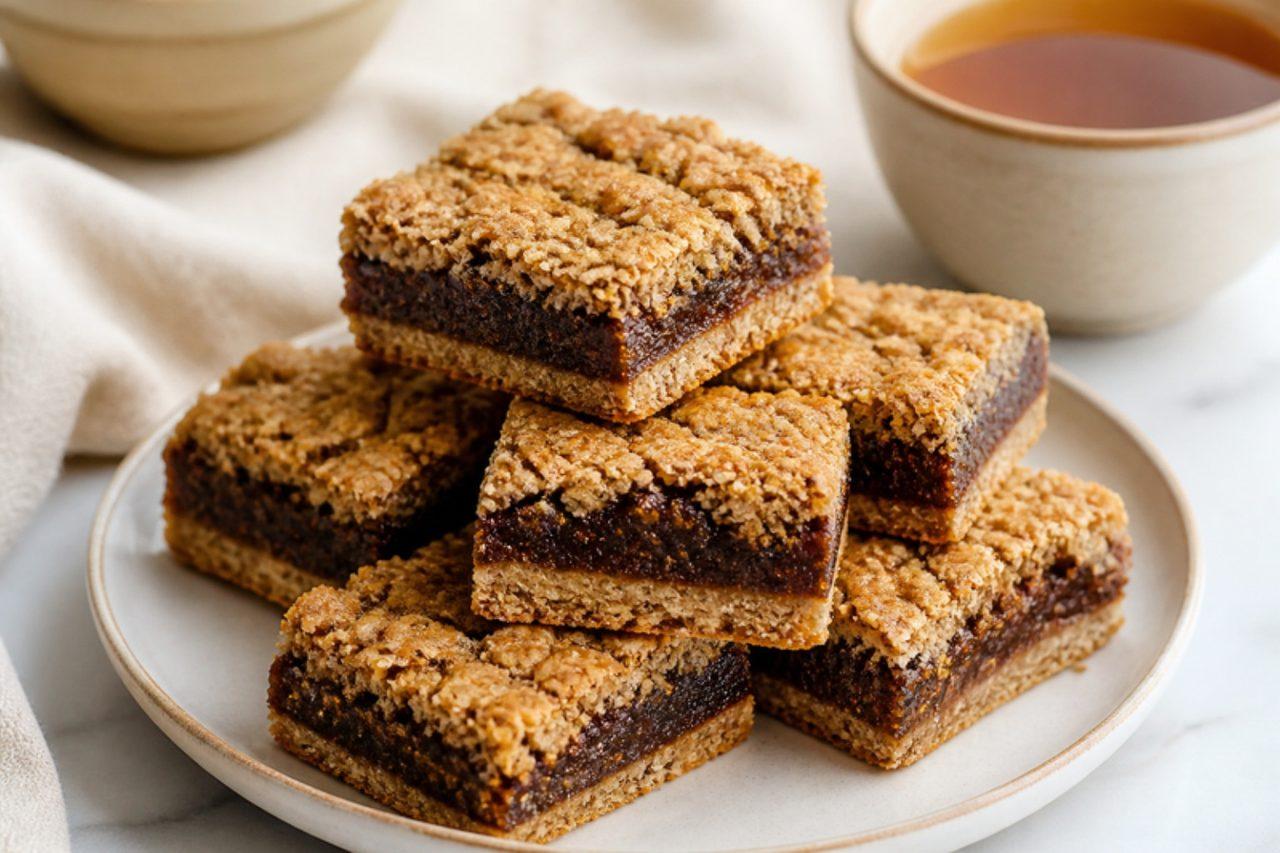
Date squares are on the tea table in every Canadian church hall and school bake sale, called carrés aux dattes in Quebec and matrimonial cake in the West. A buttery oat crumble is pressed into a tin, spread with a soft date filling and covered with more crumble, then baked until golden. They keep for days and freeze well. A common mistake is spreading the dates while hot onto loose crumb, which makes the base soggy; press the base firmly. Chef's tip: add a strip of orange zest to the dates for a brighter flavour.

by KrazyBadal 0 views

Bangladeshi dal puriLentil-filled puri

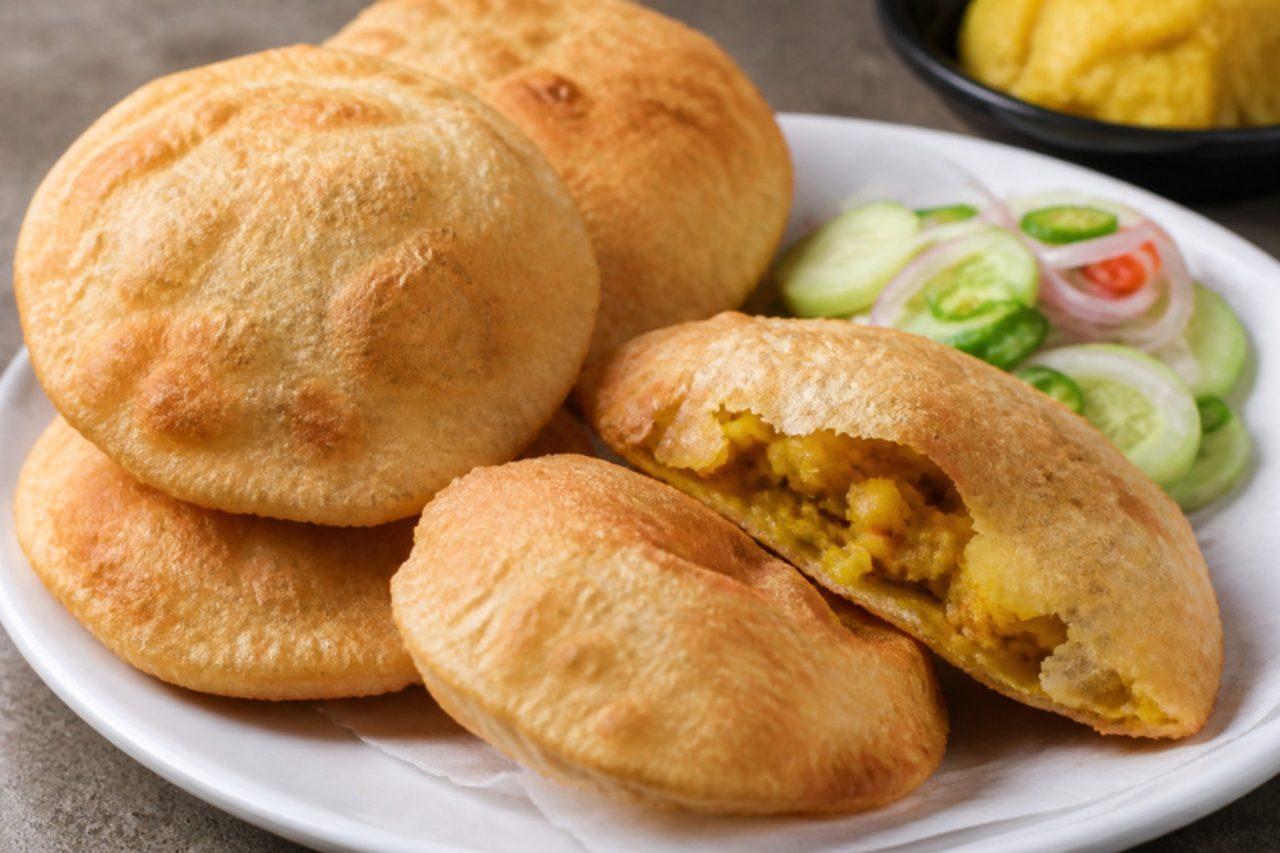
Wherever there is a tea stall in Dhaka, from the Nilkhet book market to the gates of the university, there is a wok of oil and a man rolling dal puri at speed, three or four at a time. These are thin and flat, not puffed, with a seam of dry, cumin-scented red lentil filling that you can see through the blistered skin; they are eaten straight from the wok with a cup of sweet tea, a spoon of tamarind chutney or just a pinch of raw onion and green chilli. Students treat them as lunch and office workers as an afternoon snack. Where people usually go wrong is a filling that is too wet, which bursts through the dough and spits in the oil. Chef's tip: cook the lentils just until they crush, then dry the mash in the pan with the onions until it holds together like crumbly dough.

by KrazyBadal 0 views

Pumpkin millet porridge

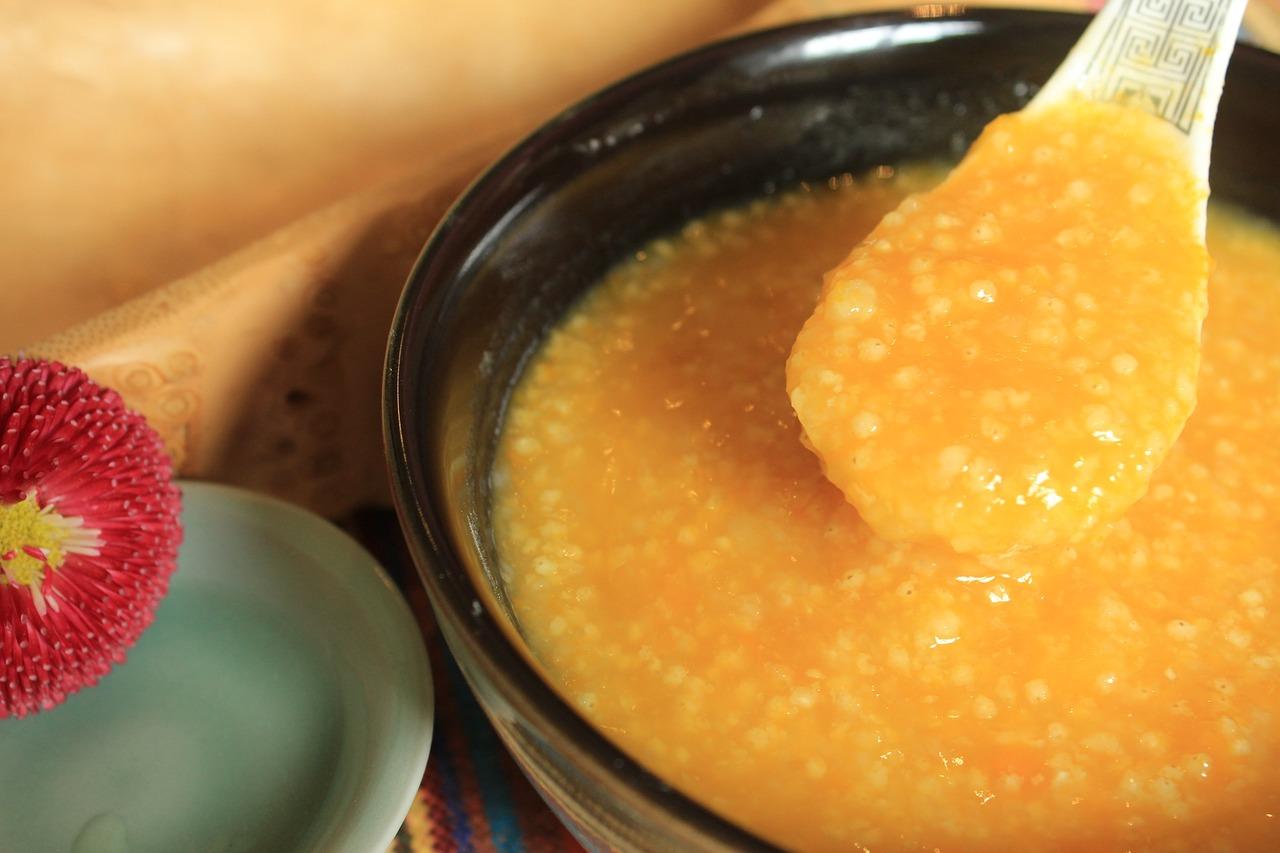
Autumn in central Ukraine means piles of grey-skinned pumpkins in every yard, and the first thing many grandmothers make with them is this golden breakfast porridge. Diced pumpkin is simmered until it collapses, then millet and milk are added and the pot is left to cook down into something thick, creamy and faintly sweet, finished with butter and a spoon of honey. In villages around Cherkasy and Vinnytsia it was once baked for hours in the clay stove; a heavy pan on a low heat gives a very similar result. Serve it hot in deep bowls, with extra honey and a few raisins for children. The usual slip is skipping the rinse: millet carries a bitter dust, and only washing it in several changes of hot water takes it away. Chef's tip: choose a dense, deep-orange pumpkin such as butternut or a Ukrainian 'muscat' type; watery Halloween pumpkins make a thin, pale kasha.

by KrazyBadal 0 views

Maple syrup pie

Tarte au sirop d'érable closes many a family meal in Quebec at Easter and through the sugaring season, a cousin of the sugar pie made with real maple syrup. The filling of syrup, cream and egg bakes into a soft, trembling, caramel-brown layer that tastes deeply of maple. Slice it thin; it is rich. A spoonful of crème fraîche or plain whipped cream cuts the sweetness. A common mistake is skipping the blind bake, which leaves a soggy base. Chef's tip: take the pie out while the centre still wobbles like jelly; it sets as it cools and over-baking makes it weep.

by KrazyBadal 0 views

Lac-Saint-Jean blueberry pie

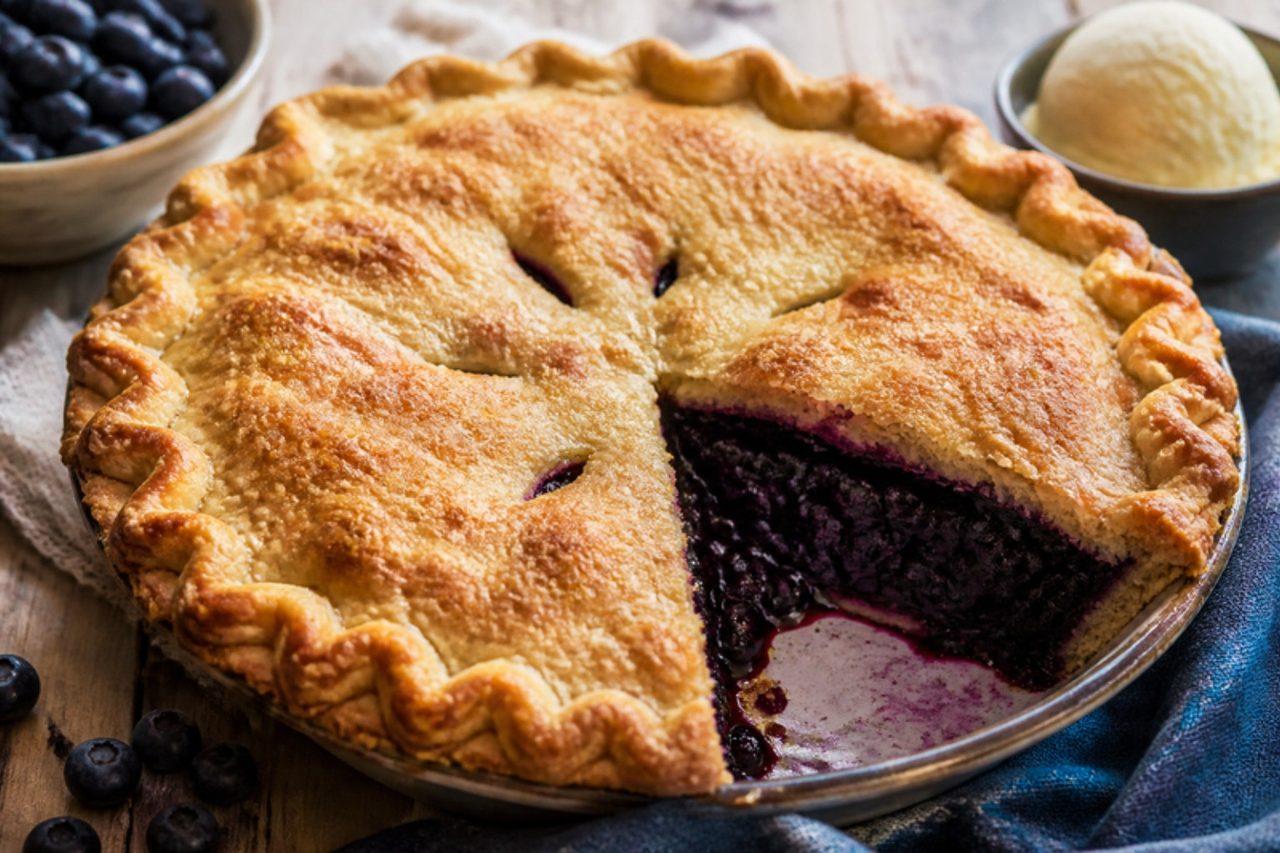
Around Lac-Saint-Jean in Quebec the low wild blueberries ripen in August, and the region is so proud of them that locals are nicknamed bleuets. Every church supper and roadside casse-croûte there sells a deep tarte aux bleuets with a flaky top crust and a dark, jammy filling that holds when sliced. Wild berries are smaller and more intense than cultivated ones and frozen wild berries work well. Serve slightly warm with vanilla ice cream or a jug of cream. A common mistake is skimping on the cornflour, which leaves a soupy filling. Chef's tip: let the pie cool for at least three hours so the juices set; cut it hot and the filling runs all over the plate.

by KrazyBadal 0 views

Polish-style cauliflower

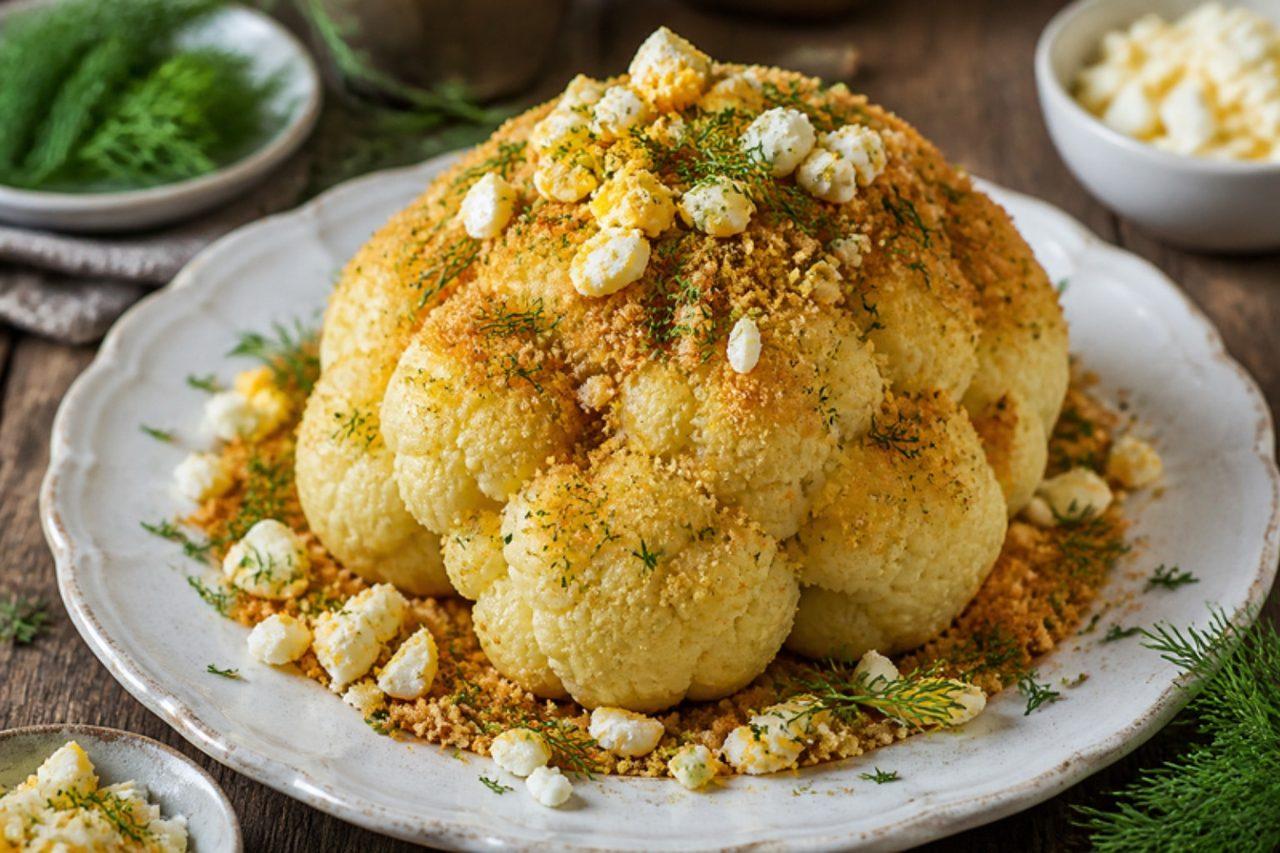
‘Po polsku’ on a Polish menu means one thing: a vegetable topped with crumbs fried in plenty of butter. In Warsaw canteens and on Sunday tables, a whole cauliflower arrives this way next to potatoes and a salad, and children who claim to hate cauliflower eat it happily. The florets are tender and sweet, the crumbs nutty and crisp. A common mistake is boiling the cauliflower until it falls apart; it should keep a slight bite in the stalk. Chef's tip: a pinch of sugar and a splash of milk in the boiling water keep the cauliflower white and sweet.

by KrazyBadal 0 views

Kabachkovaya ikraCourgette spread

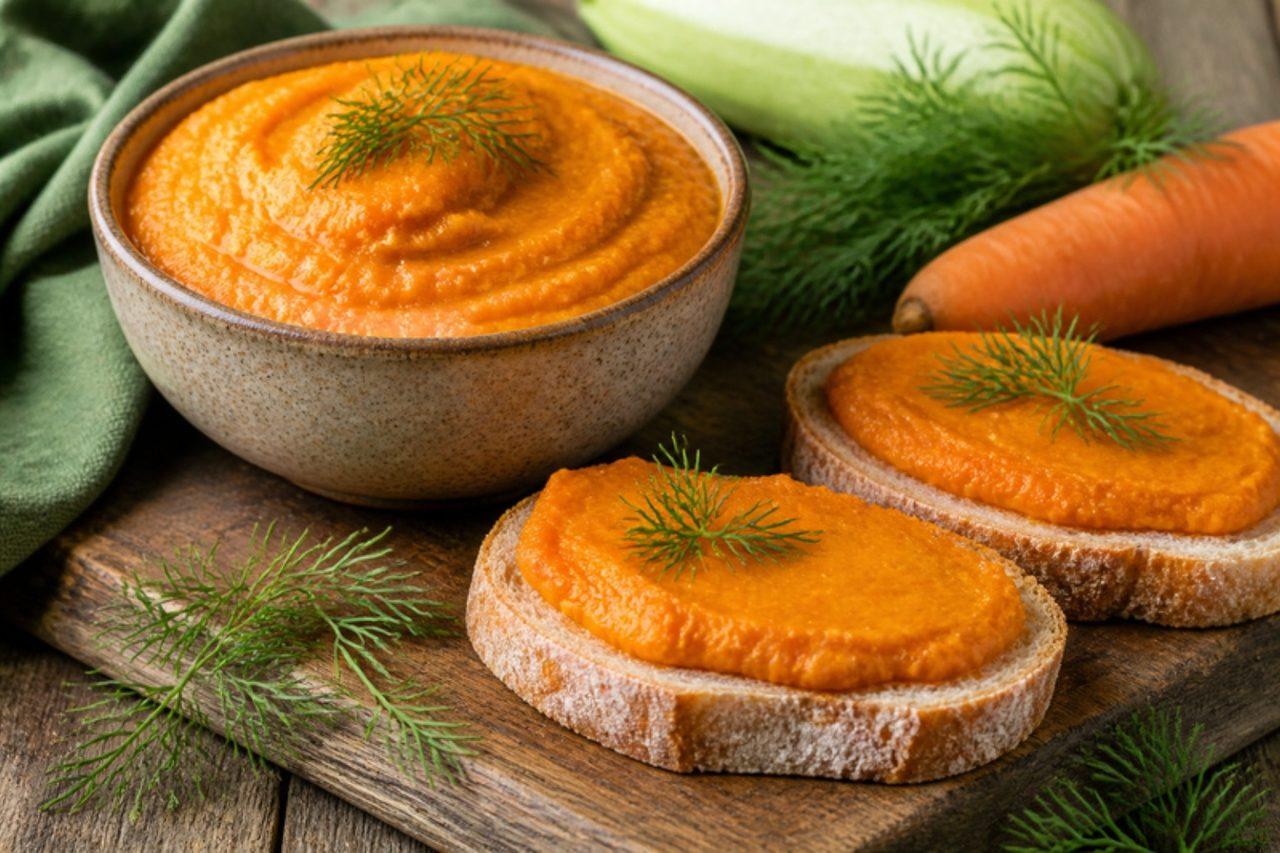
Late summer at the dacha means a glut of courgettes, and the answer across Russia is this soft orange spread, once sold in glass jars in every Soviet grocery and still made by the potful at home. Courgette, carrot and onion are fried in sunflower oil, stewed with tomato until they collapse, blended and then cooked down again until thick enough to stand on bread. It tastes sweet, mellow and lightly tangy, and is eaten cold on black rye bread, with boiled potatoes or as part of a zakuski spread. A common mistake is stopping too early: if the purée still looks watery it will taste flat, so keep stirring until a spoon leaves a trail across the pan. This is a fridge recipe, not a canning one. Chef's tip: make it a day ahead; the flavour rounds out overnight.

by KrazyBadal 0 views

Maple cream

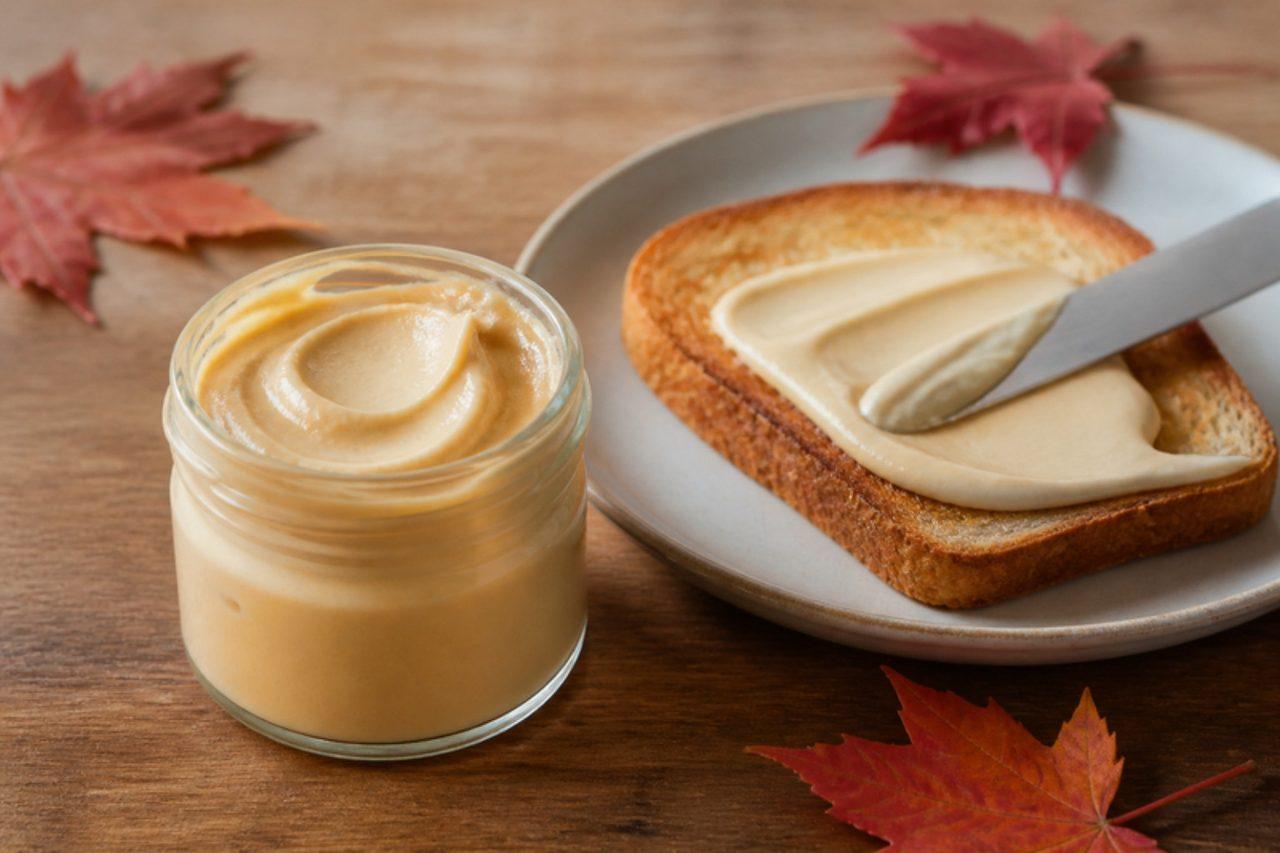
Crème d'érable is sold in little jars in every Quebec market from Jean-Talon to the Beauce farm stands, and despite the name there is no cream in it: pure maple syrup is boiled to the soft-ball stage, cooled without stirring and then beaten until it turns pale and creamy. It is spread on toast, crêpes and warm bagels. Patience and a thermometer are the whole trick. The common mistake is stirring the syrup while it cools, which sets off large grainy crystals instead of a smooth cream. Chef's tip: use a light, golden syrup; dark syrups taste stronger but can stay runny.

by KrazyBadal 0 views

Kogel-mogel

Ask anyone who grew up in a Warsaw block of flats about kogel-mogel and they will remember standing in the kitchen beating yolks and sugar in a mug with a teaspoon, waiting for it to turn pale. It is the simplest Polish treat: thick, mousse-like and very sweet, sometimes with cocoa, eaten from a glass with a spoon or dolloped on fruit. Because the yolks are raw, use pasteurised eggs, which most supermarkets sell as cartons of yolks or as pasteurised whole eggs. Even so, raw eggs are not for pregnant women, young children or anyone with a weakened immune system. The common mistake is stopping too soon; it needs a good 5 minutes of whisking until it doubles and almost all the sugar has dissolved. Chef's tip: use caster sugar, which disappears faster and gives a silkier result.

by KrazyBadal 0 views

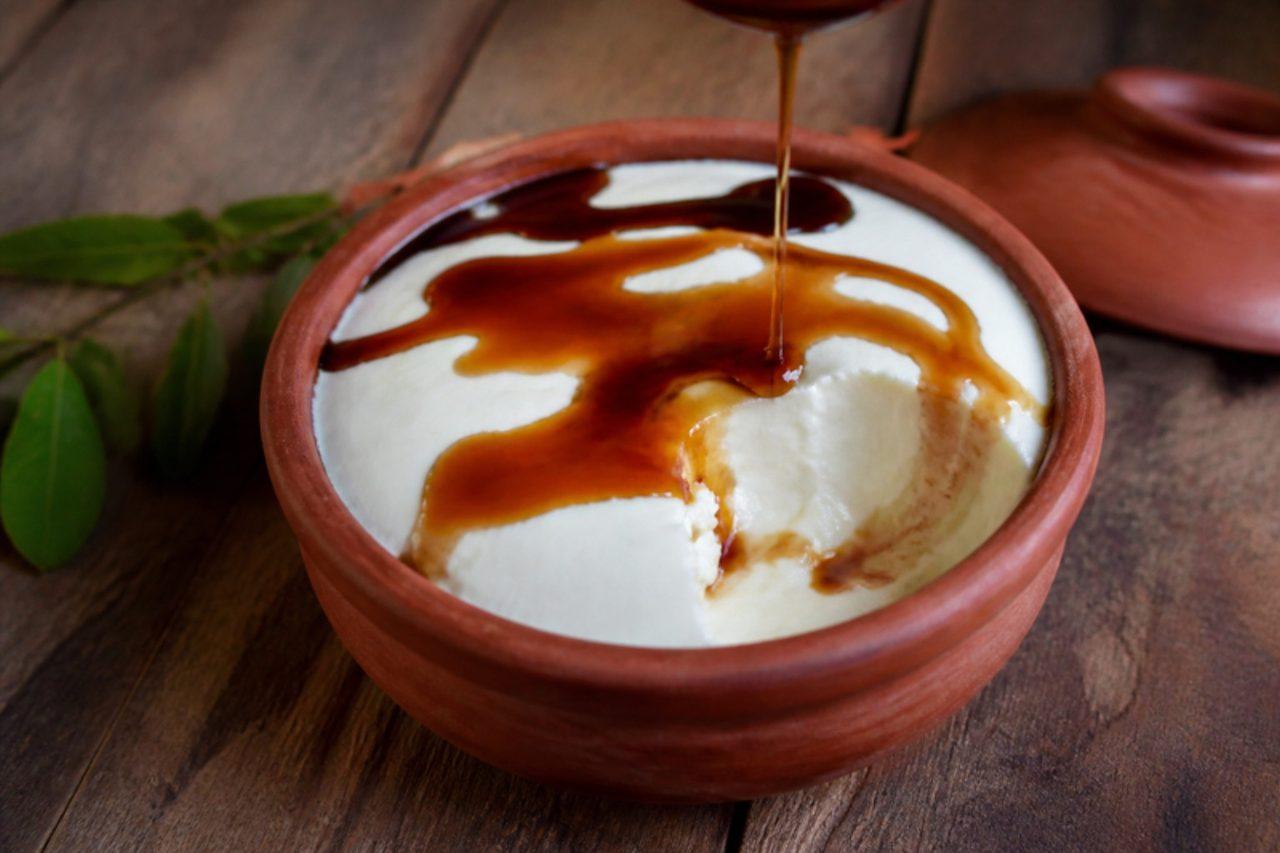
Curd and treacle

Driving the southern coast road past Tangalle towards Hambantota, you pass stall after stall stacked with round clay chatties of meekiri, the firm, slightly sour curd made from buffalo milk, with bottles of dark kithul treacle hanging beside them. Turned out into a bowl and flooded with treacle, it is the South's great dessert: cool, rich and tangy against the smoky, toffee-like sweetness of the palm syrup, eaten after lunch or as a snack in the heat of the day. Setting it at home is easy with pasteurised buffalo milk or creamy whole cow's milk, a spoon of live curd and a warm spot overnight. The mistake that ruins most first batches is adding the starter while the milk is still too hot, which kills the culture and leaves you with warm milk in the morning. Chef's tip: unglazed clay pots draw out a little whey, which is why traditional curd is so thick; soak them in water and dry them well before using.

by KrazyBadal 0 views

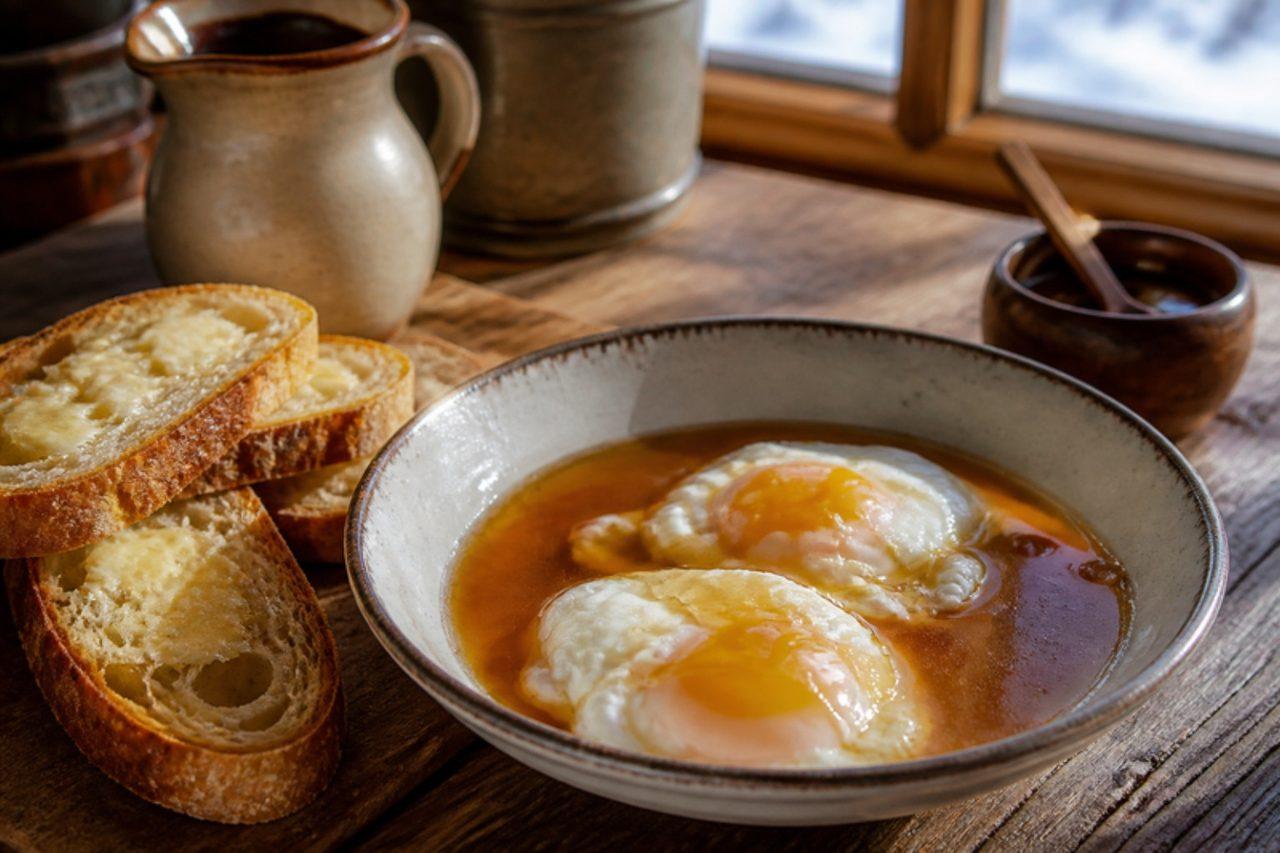
Eggs poached in maple syrup

At Quebec sugar shacks in early spring, the oldest treat of all is an egg cracked straight into a pan of boiling maple syrup, cooked until the white sets into lacy sweet ribbons. Families in the Appalachian regions of Beauce and Chaudière-Appalaches eat it with buttered country bread to mop up the syrup. It is sweet, rich and surprisingly simple. A common mistake is letting the syrup boil hard, which scorches it and turns the eggs rubbery. Chef's tip: use very fresh eggs; their whites hold together and wrap round the yolk instead of spreading.

by KrazyBadal 0 views

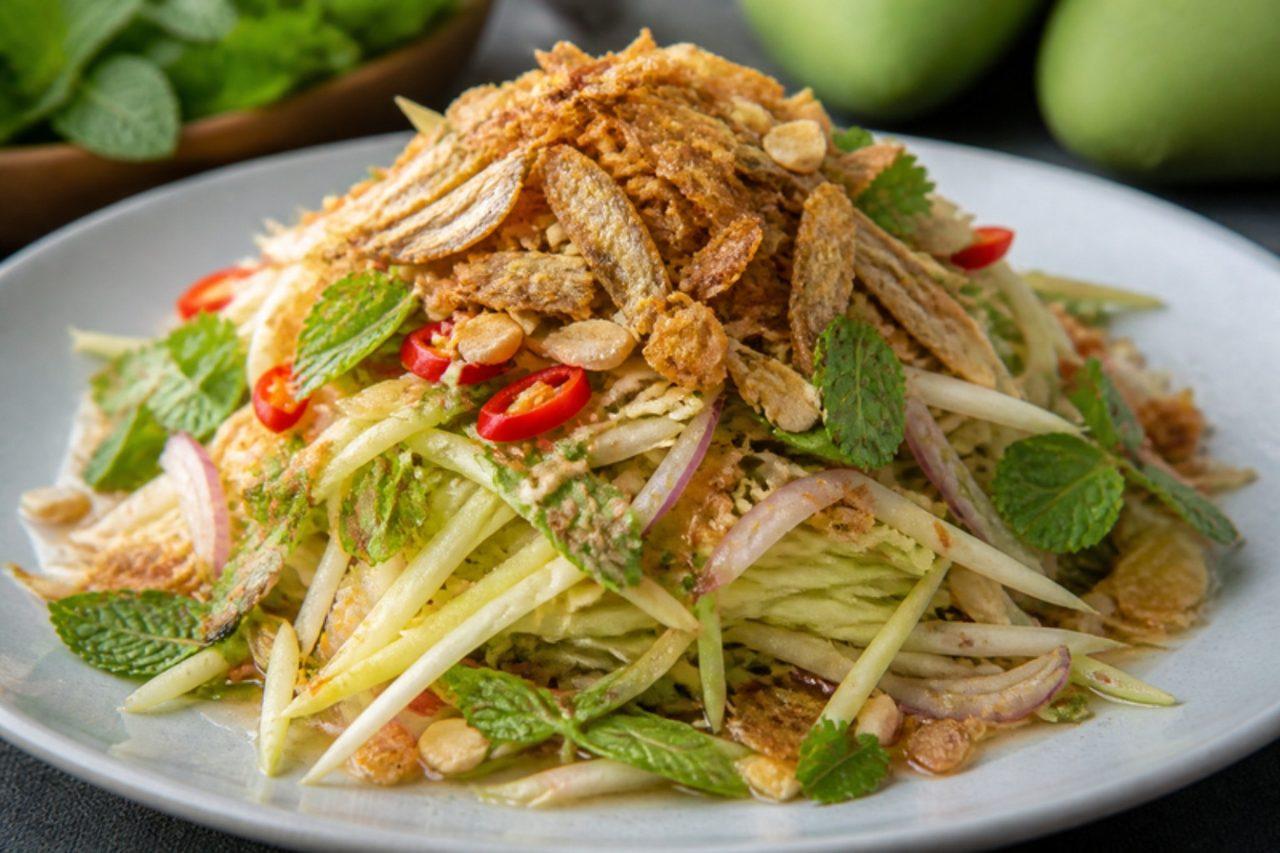
Khmer green mango salad with crispy dried fish

Sharp enough to make you wince and then reach for more, nhoam svay is the salad sold from glass-fronted carts around Siem Reap's Old Market and packed for weekend picnics at the West Baray reservoir. Hard green mango is cut into fine strands and tossed with shallots, mint and a dressing of lime, fish sauce and palm sugar, then topped with crunchy roasted peanuts and flakes of salty dried fish fried until crisp. It is eaten as a snack on its own or as a fresh, sour side to grilled meat and rice. Many people dress it too early, which draws water out of the mango and leaves a limp, watery salad. Chef's tip: fry the dried fish slowly until it shatters, then crumble it over at the very last moment; for a vegetarian version, leave it out and use soy sauce in place of the fish sauce.

by KrazyBadal 0 views

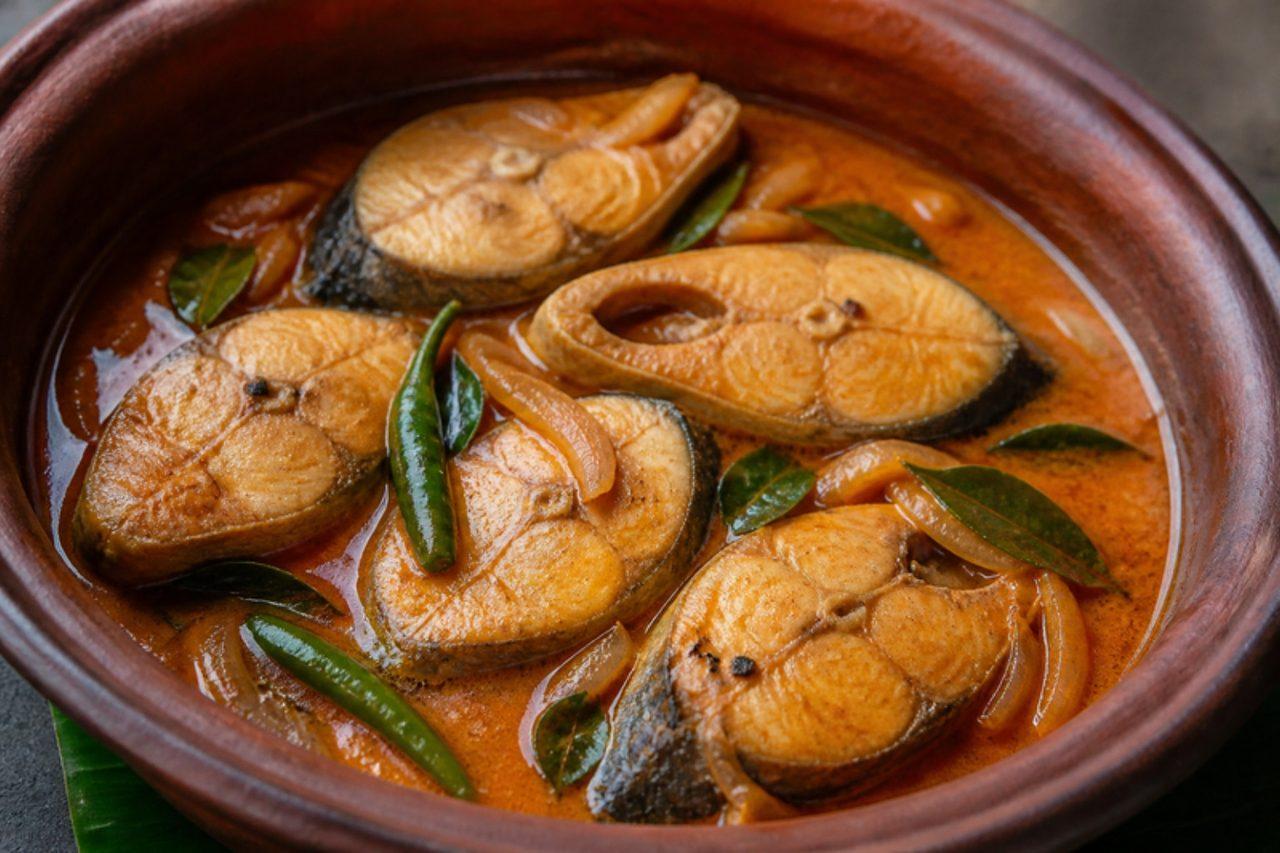
Batticaloa fish curry

Batticaloa sits between a long lagoon and the sea, and its Tamil and Muslim cooks make a fish curry that tastes of both: sour with tamarind, round and mellow with coconut milk, and fragrant with fennel, fenugreek and curry leaves. Seer fish, called thora or vanjiram, is the favourite because its firm steaks hold together in the gravy, though any meaty sea fish works. The curry is a weekday staple, cooked in the morning and eaten at lunch with rice, a lentil dhal and a fried vegetable, and it is even better a few hours later once the fish has absorbed the sauce. Most disappointing versions come from stirring the pot after the fish goes in, which breaks the steaks into flakes. Chef's tip: swirl the pan instead of stirring, and spoon the sauce over the fish so it cooks evenly without being moved.

by KrazyBadal 0 views

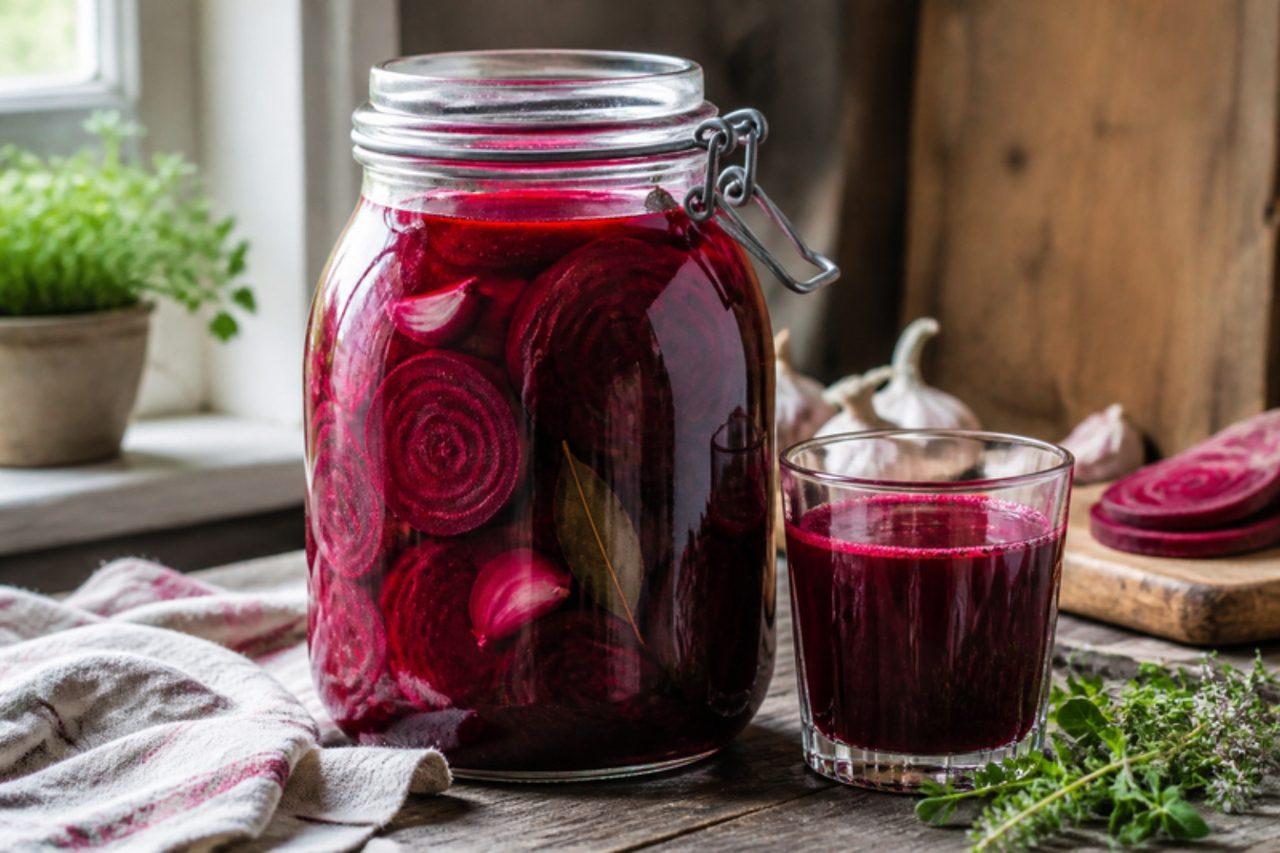
Beet kvass

Before lemons and vinegar were easy to buy, Ukrainian cooks soured their borscht with beet kvass, a ruby-red brine made by leaving sliced raw beetroot in salted water for a few days. It is lightly fermented, so it contains no more than a negligible trace of alcohol, and it tastes earthy, salty and pleasantly sharp. In Poltava and Chernihiv villages a jar always stood by the stove; a splash went into the soup pot and a small glass was drunk in the morning as a tonic. Some families add a crust of rye bread to speed things up, which makes it no longer gluten-free. The mistake most people make is leaving the beetroot floating: anything above the brine can grow mould, so keep it weighed down. Discard any batch with fuzzy or coloured mould, a slimy texture or a rotten smell. Chef's tip: a few slices left in the jar from the previous batch start the next one in half the time.

by KrazyBadal 0 views

JoulutorttuPrune jam pastry stars

Joulutortut, the star-shaped Christmas tarts of Finland, appear in every home and café in December, piled on plates with glögi: squares of puff pastry cut at the corners and folded into a pinwheel around a spoon of thick prune jam, baked golden and dusted with icing sugar. A common mistake is using thin, runny jam, which bubbles out and burns. Chef's tip: cook the prune jam until very thick, and press the folded points down firmly with a dab of water so the stars don't spring open in the oven.

by KrazyBadal 0 views

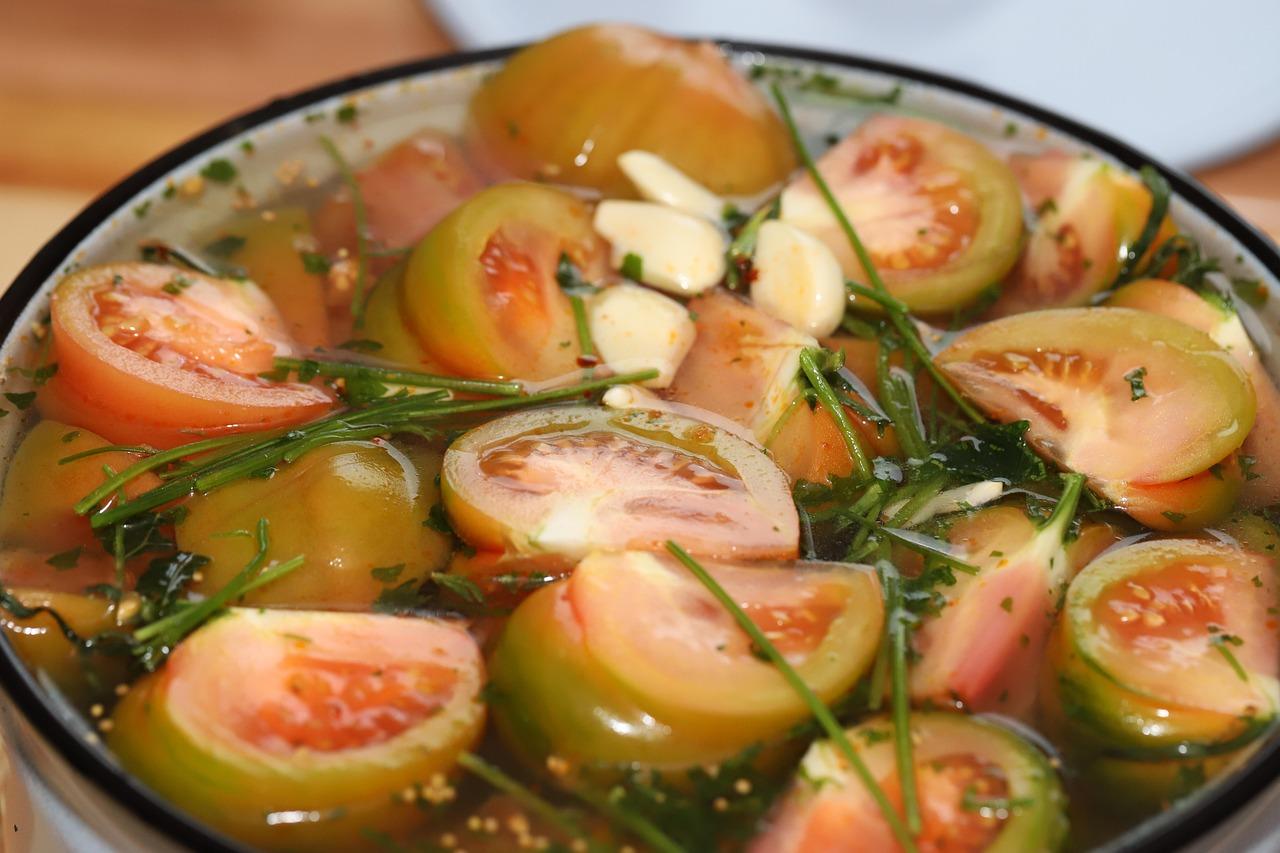
Pickled green tomatoes

In southern Ukraine the first cold nights of October leave every garden full of hard green tomatoes that will never ripen, and rather than waste them, cooks around Odesa and Kherson slit each one and stuff it with a punchy paste of garlic, dill, parsley and hot chilli. A week in brine turns them sour and fizzy, with a crunch and a slow burn from the chilli. They are the pickle everyone reaches for at the winter table, next to potatoes fried with onions or a bowl of buckwheat. Most people go wrong by cutting the tomatoes right through, so the filling falls out; slice only two-thirds of the way. As with any ferment, keep everything below the brine and discard the jar if it grows fuzzy or coloured mould or smells rotten. Chef's tip: pick tomatoes that are just starting to blush pale; fully hard dark-green ones stay bitter.

by KrazyBadal 0 views

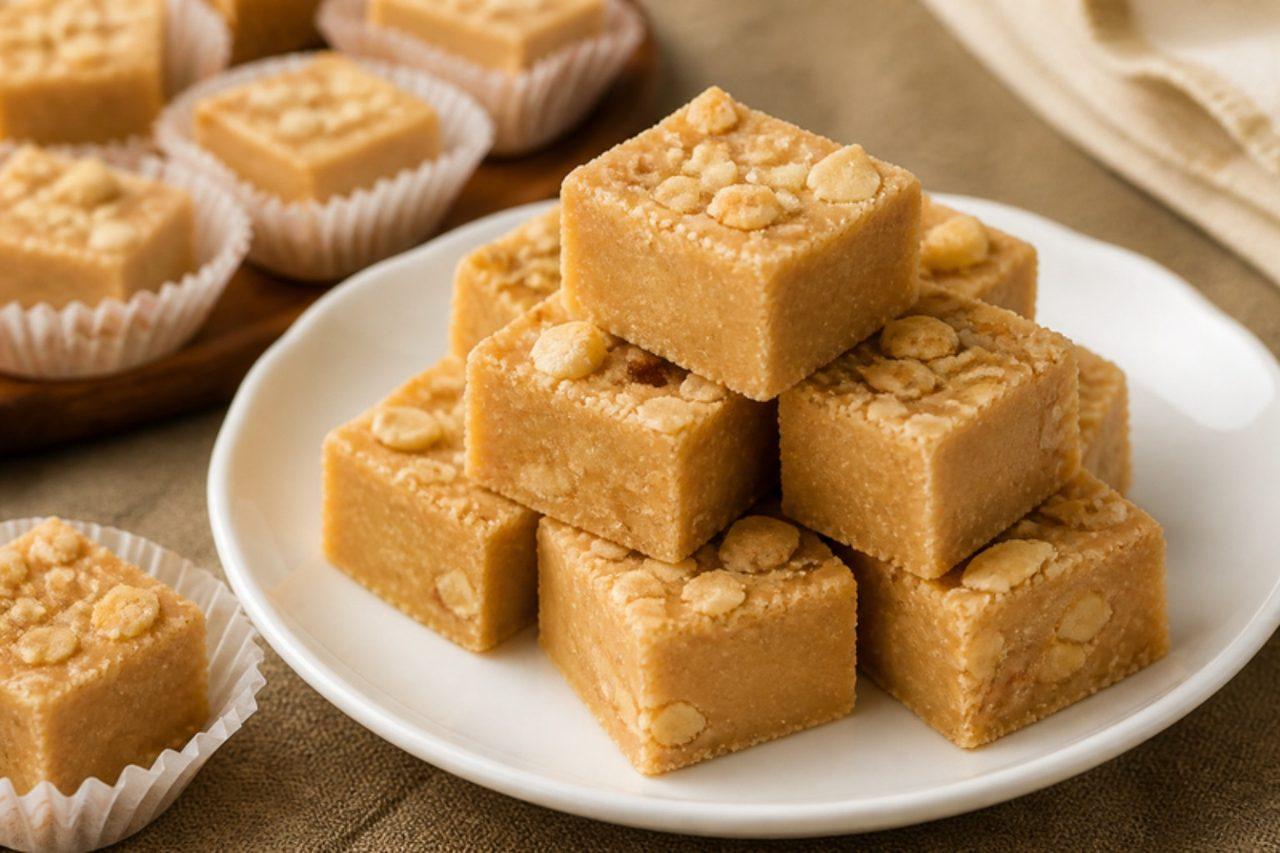
Sri Lankan milk toffee

Every school fair, office bake sale and Avurudu table in Sri Lanka has a plate of milk toffee, the pale golden squares that are firm when you pick them up yet melt away in a sweet, slightly grainy crumble in your mouth. A tin of condensed milk is cooked with sugar and butter, stirred constantly for half an hour until it thickens and leaves the pan, then flavoured with chopped cashews and a whisper of cardamom and vanilla. It is simple enough for children to help with, as long as an adult does the hot stirring. Stopping too early is the trap almost everyone falls into, leaving a soft, chewy fudge instead of the proper crumbly snap. Cook until the mixture rolls into a ball, turns a shade darker and a drop set in cold water is firm. Chef's tip: mark the squares with a buttered knife while the toffee is still warm, because once it cools it will only break into rough pieces.

by KrazyBadal 0 views

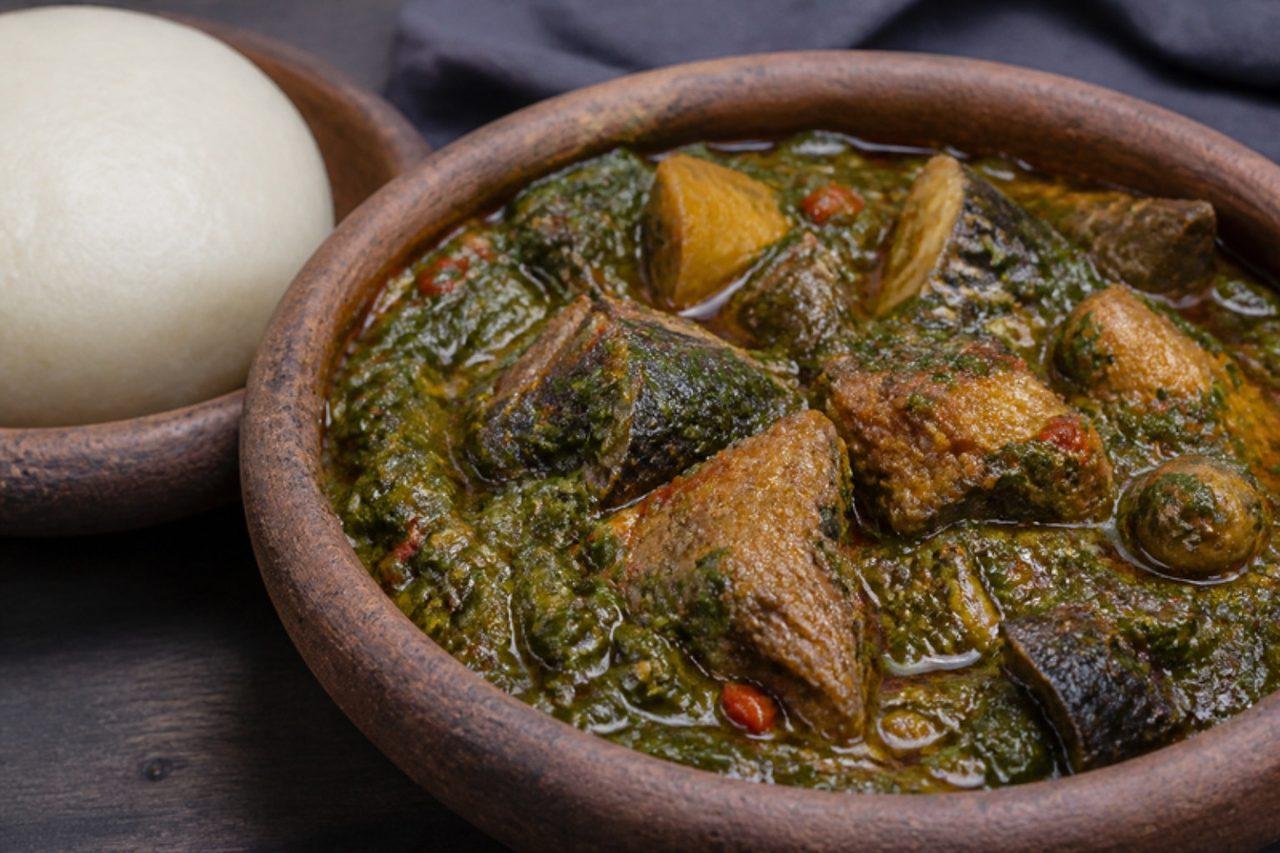
Afang soupWaterleaf and afang leaf soup

Ask anyone from Calabar or Uyo what to serve a guest and afang will come up first. Finely shredded afang leaves, chewy and a little nutty, are cooked down with a mountain of waterleaf, palm oil, beef, cow skin, stockfish and periwinkles, and the waterleaf gives off all the liquid the soup needs. It is thick, dark green and deeply savoury, and it goes with pounded yam, fufu or eba. Outside Nigeria, frozen ground afang (also sold as okazi) and spinach stand in well. Periwinkles must be bought cleaned from a reputable seller; discard any with cracked shells or an off smell. Chef's tip: never add water to afang; if it looks dry, cover the pot for a minute and the waterleaf will release more.

by KrazyBadal 0 views

Showing 90 of 7,762 recipes

Page 214 of 863