Skip to content
Arroz con costra
Featured recipe

Arroz con costra

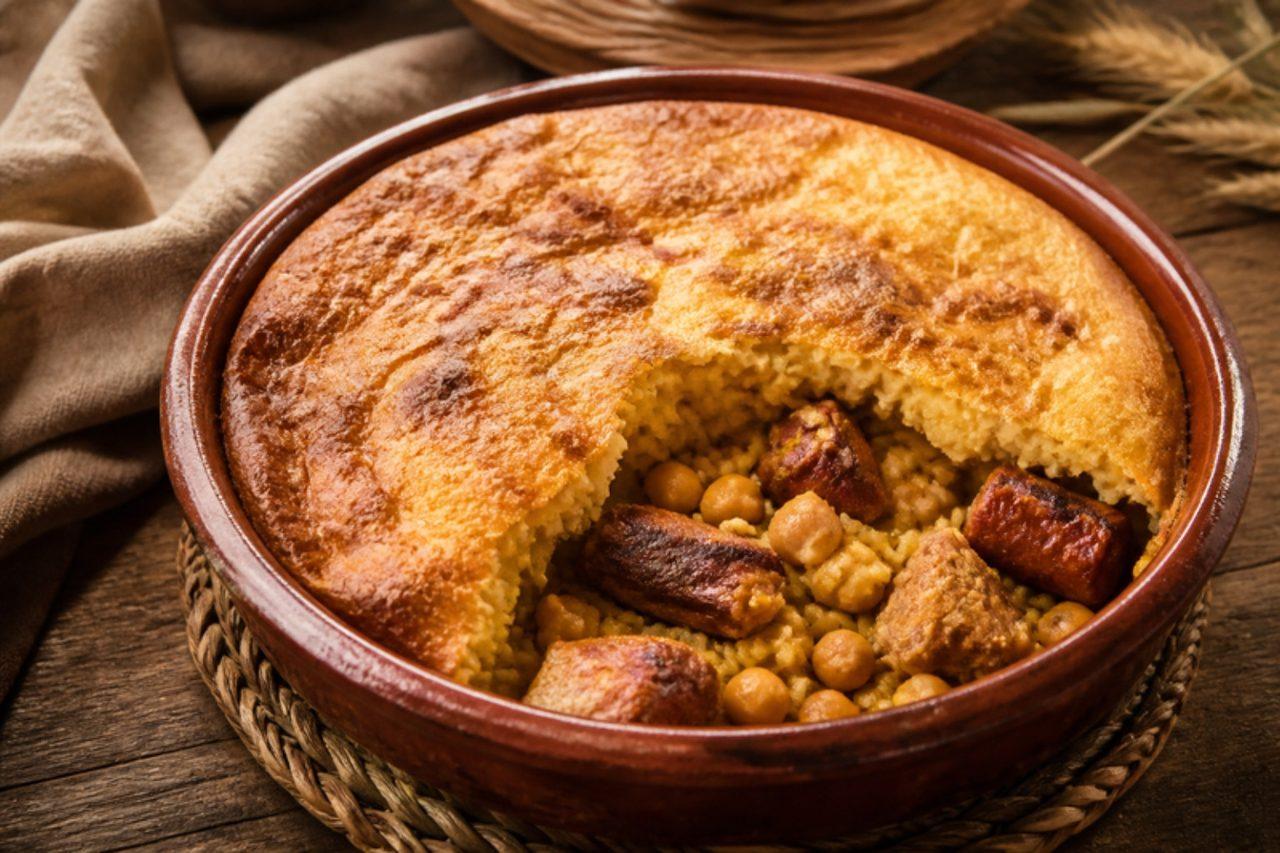
Elche and Orihuela, in the south of Alicante, finish their Sunday rice in a way no other Spanish rice is finished: a thick layer of beaten egg is poured over the cooked rice, chicken, chickpeas and sausages, and the earthenware dish goes into a hot oven until the egg puffs into a golden lid. Families argue about whether the costra should be cracked at the table or cut into wedges. This contains pork (white sausages and morcilla). A common mistake is pouring the egg over rice that is still soupy; the egg sinks in and goes rubbery, so wait until the liquid has almost all gone. Chef's tip: bake it in a wide earthenware cazuela if you have one, which holds the heat and gives the crust its traditional dome.

Read more 0 views
Can't decide?

What to eat today?

Spin the randomizer, search with what's already in your fridge, or browse recipes from our chefs.

Latest recipes

Guiso de lentejas

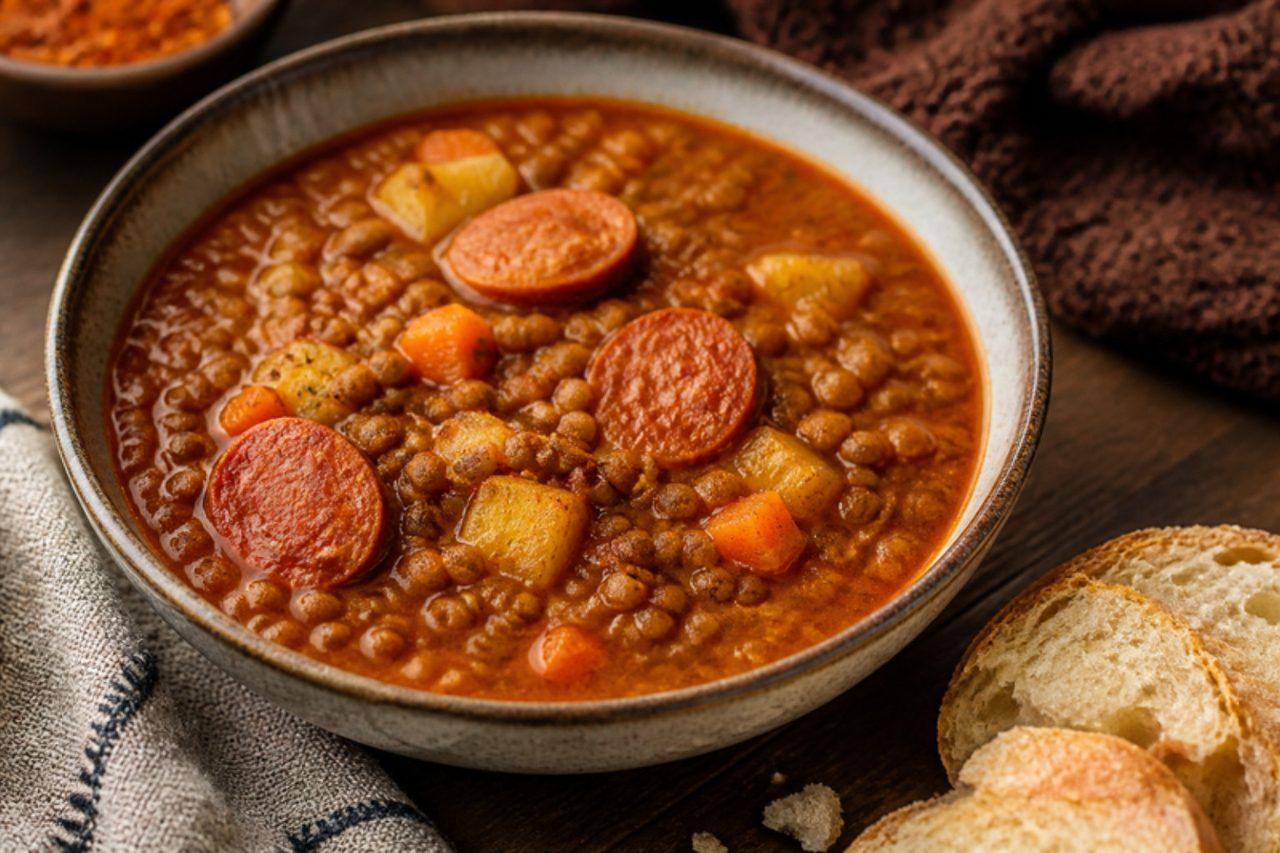
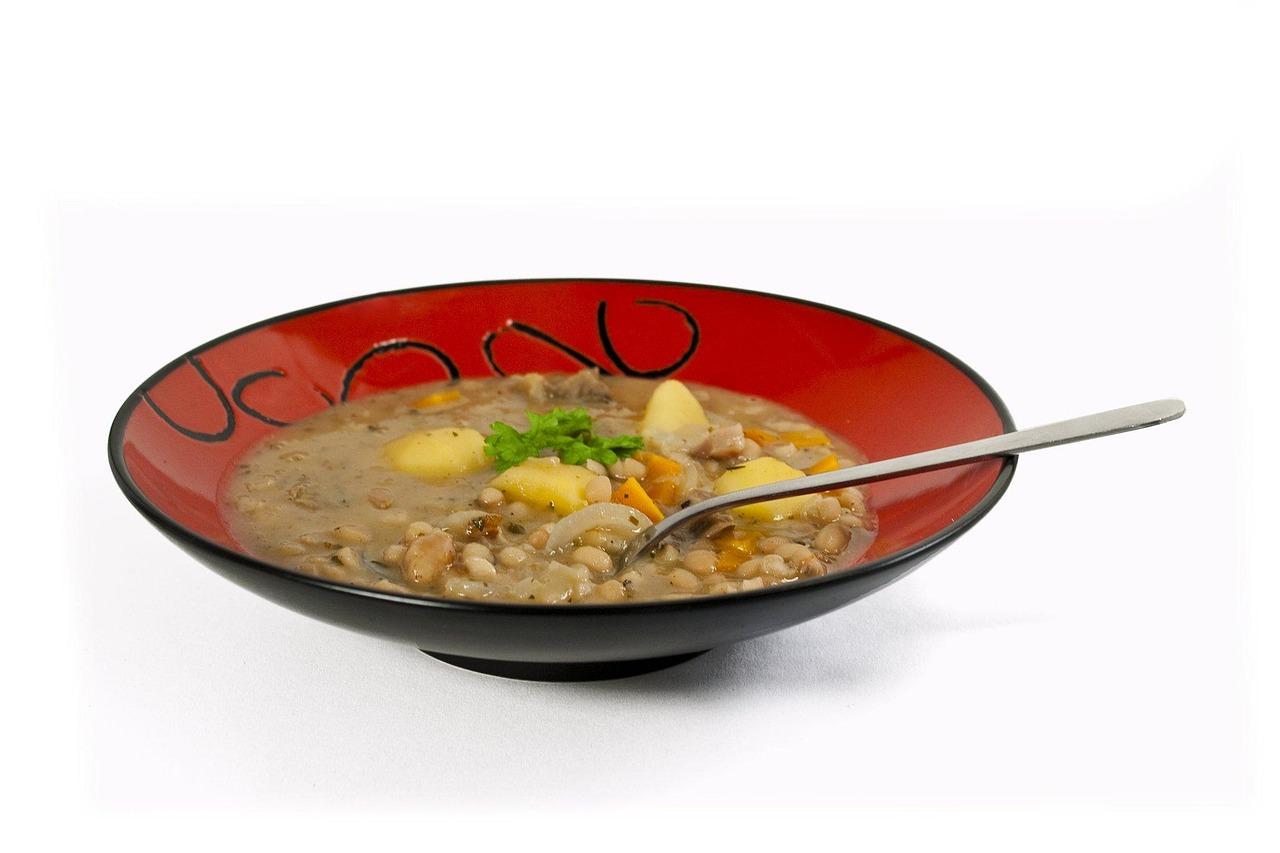
When the pampero wind blows cold off the plains, Buenos Aires turns to guiso de lentejas, a thick, smoky lentil stew that every school canteen, worker's diner and grandmother makes, traditionally on 20 June (Flag Day) and through the winter. It is built on pork: chorizo colorado (paprika sausage) and pancetta, browned first so their fat flavours the sofrito, then simmered with lentils, potato, squash, tomato and plenty of pimentón. The lentils should keep their shape in a sauce thick enough for a spoon to stand up, and crusty bread is a must alongside. Make sure the sausage is cooked through to 71 °C, which it will be after the long simmer. Seasoning with salt at the start is a common error, as the pork is salty and the stew reduces, so taste at the end. For a vegetarian version, skip the meats, use smoked paprika and add more squash. Chef's tip: make it a day ahead; like most guisos it thickens and tastes better reheated.

by KrazyBadal 0 views

Torta galesa

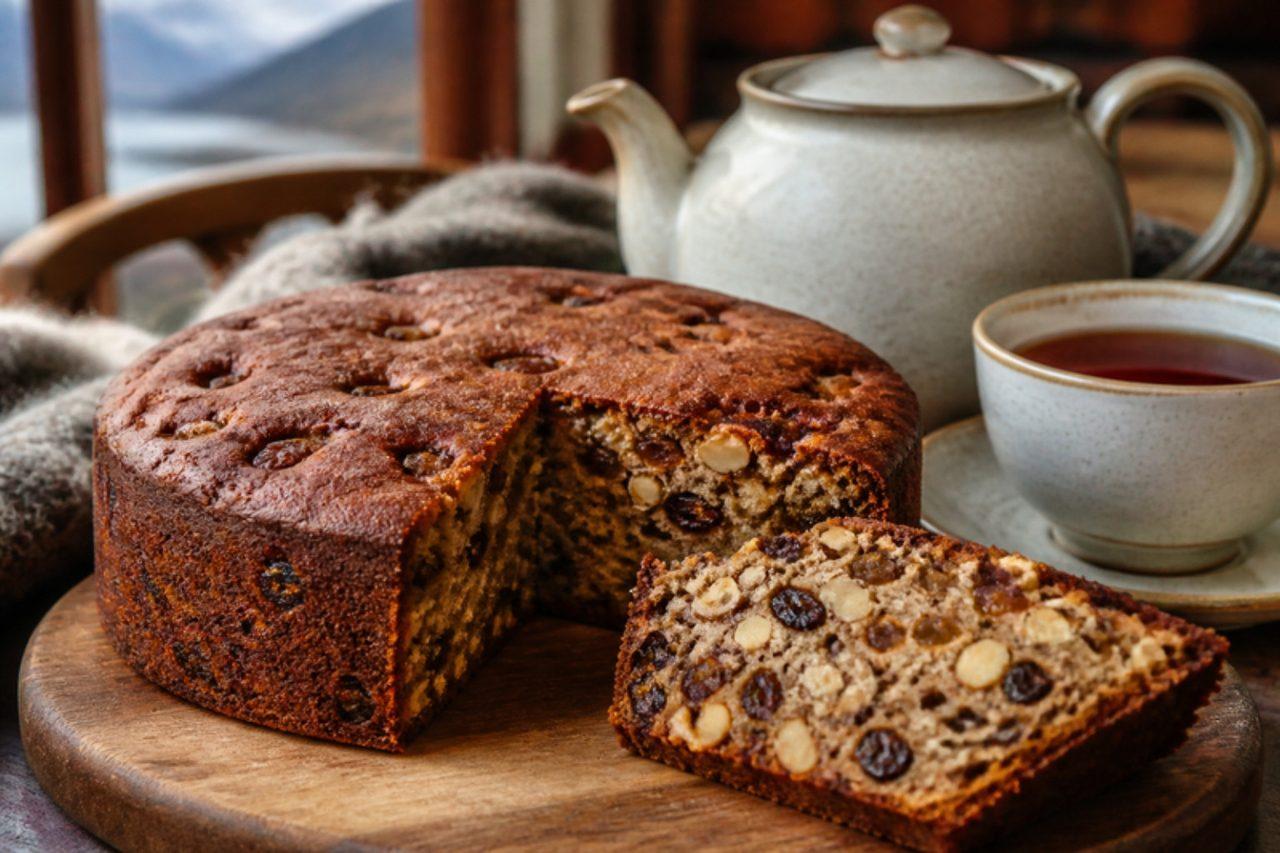
Welsh settlers arrived in the Chubut valley in 1865 and their descendants still serve afternoon tea in Gaiman and Trelew, where the casas de té bring out pots of tea, scones, cream cakes and, always, a slice of torta galesa. It is a dense, almost black fruit cake made with brown sugar and black treacle, studded with raisins, candied peel and walnuts, and it was built to last through long Patagonian winters and journeys across the steppe. The crumb is moist and sticky, rich with spice and caramel. An oven that is too hot is the classic error: the outside chars before the middle is set, so it bakes low and slow under a sheet of paper. There's no alcohol in this version; many cooks brush it with rum after baking, so leave that out or use strong tea. Chef's tip: wrap the cooled cake tightly and wait two or three days before cutting; it turns moister and the flavours deepen.

by KrazyBadal 0 views

Yucatán pickled red onions

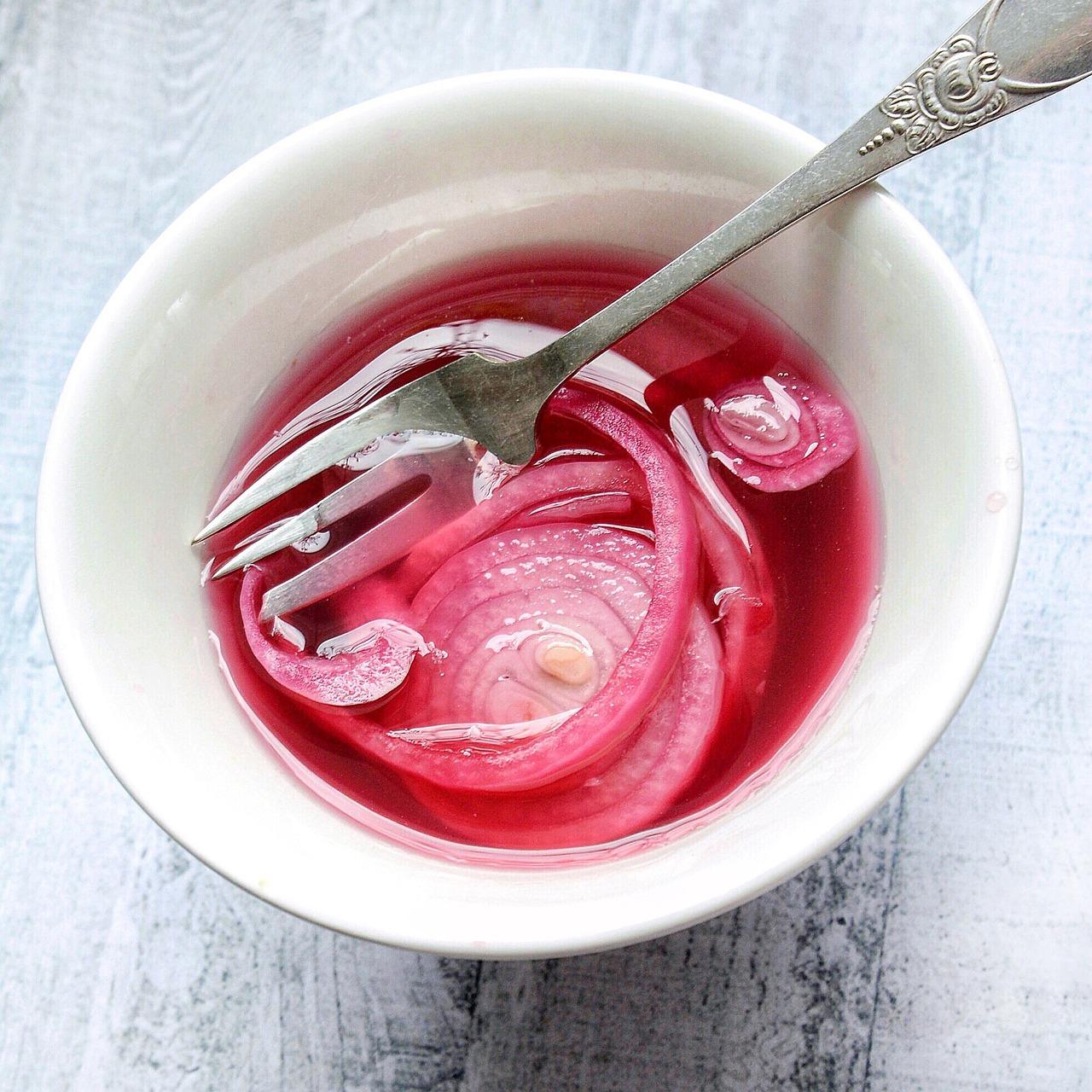
No table in Mérida is complete without a bowl of these bright pink onions. They go on almost everything in the Yucatán, from panuchos and salbutes to bean tacos, eggs and grilled vegetables, and their sharp crunch is what cuts through rich, earthy food. The traditional pickle uses naranja agria, the sour Seville-type orange that grows all over the peninsula, with a little habanero and dried oregano. Chef's tip: pour boiling water over the sliced onions for 10 seconds first; it softens their raw bite and makes them turn pink much faster.

by KrazyBadal 0 views

Dulce de rosa mosqueta

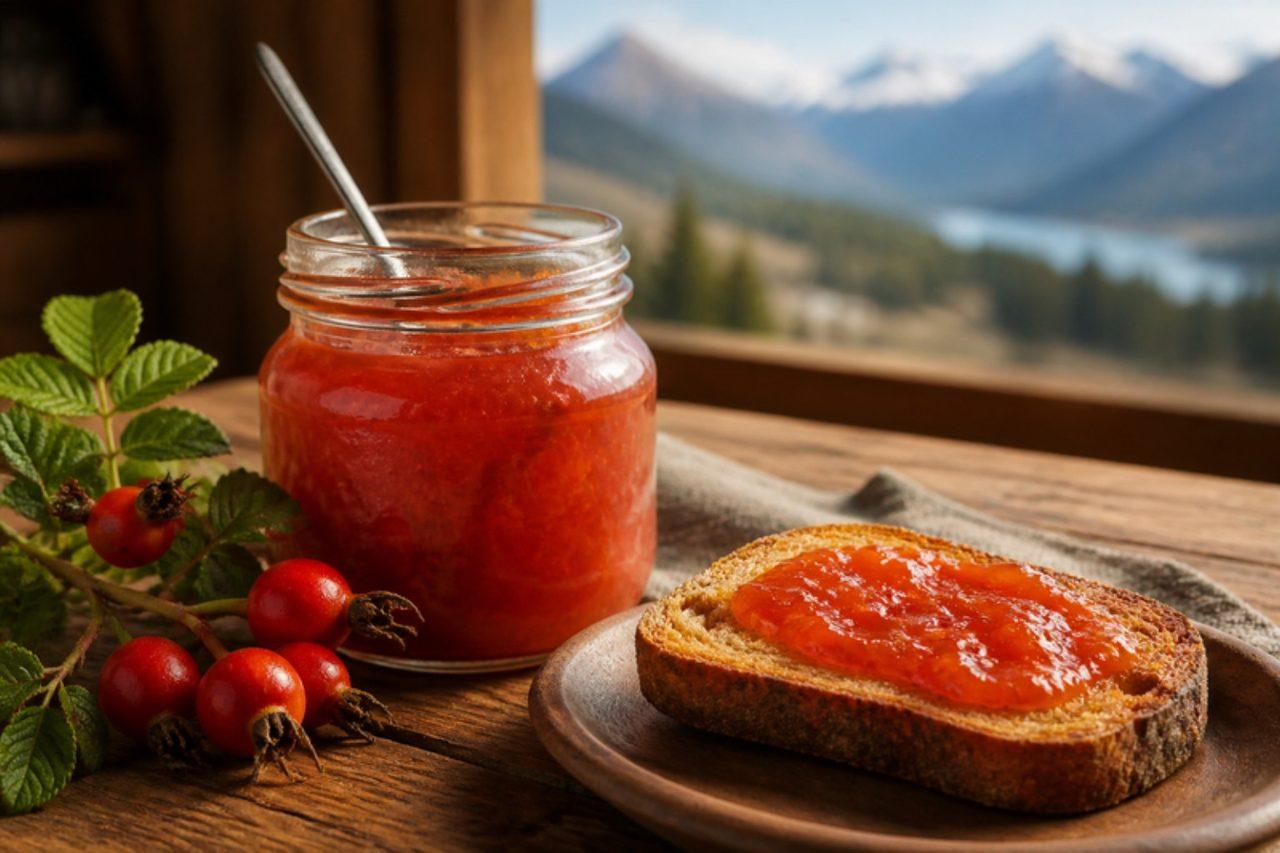
Every autumn, from March to May, families along the lakes around Bariloche and El Bolsón and up into Neuquén go out with buckets to strip the wild rose bushes that cover the hillsides, and the shops of the Andean towns fill with jars of this jam. Rosa mosqueta (rosehip) makes a smooth, coral-red preserve with a sharp, fruity, slightly floral flavour and a lot of vitamin C. It is spread on toast with butter, served with fresh cheese, or spooned into yoghurt. Rosehips are full of seeds wrapped in tiny irritating hairs, and not sieving them out properly is the error you will feel in your throat: pass the pulp through a fine sieve or food mill, and then once more. Buy rosehips from a foraging supplier or pick them away from roads, and only if you are sure of the plant. Chef's tip: pick after the first frosts, or freeze the hips overnight; the cold softens them and makes the pulp much easier to sieve.

by KrazyBadal 0 views

Alfajor santafesino

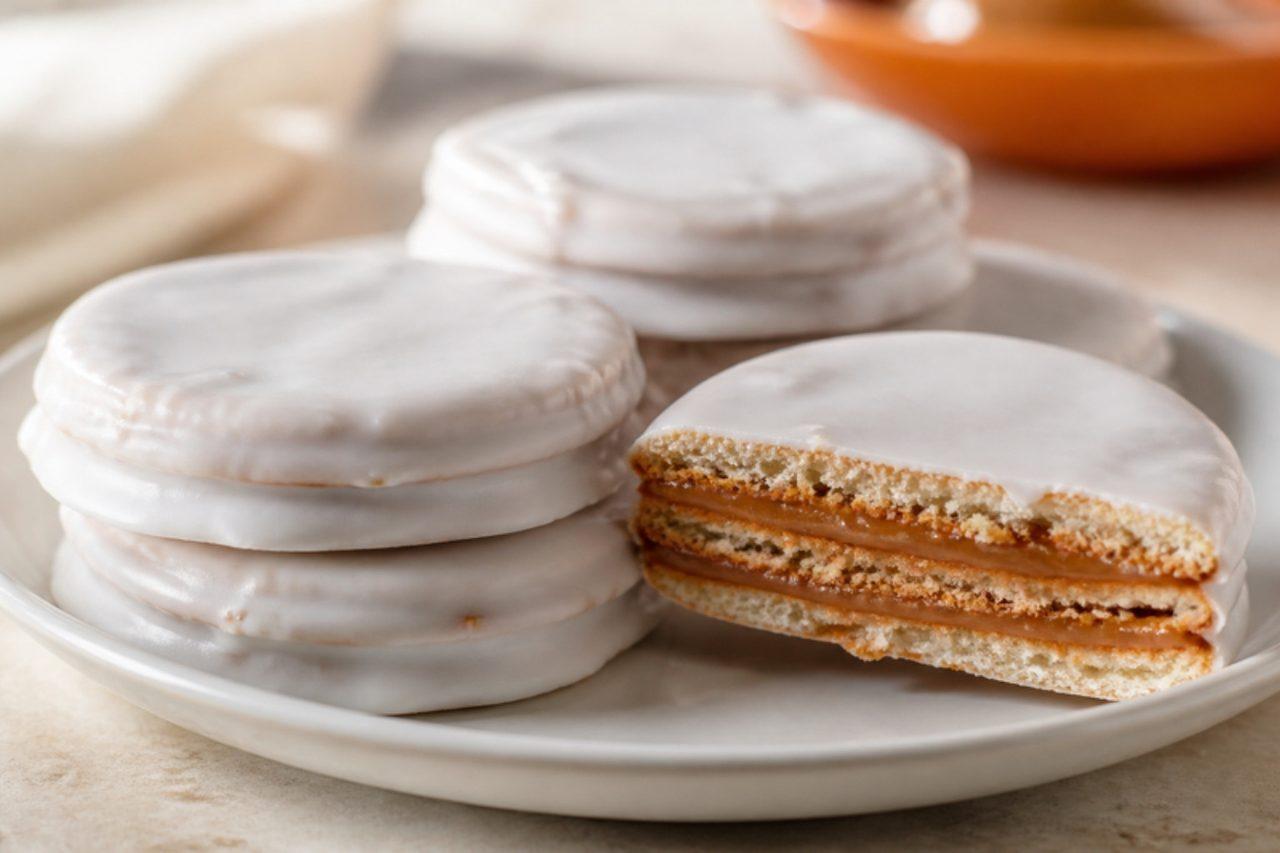
Santa Fe's alfajor is a different animal from the soft cornflour kind sold everywhere else: three wafer-thin, crackly discs of yolk-rich pastry, stacked with dulce de leche, then dipped in a cooked sugar glaze that sets hard, white and shiny. Bakeries in Santa Fe city and along the Paraná river ship them all over the country in boxes, and travellers bring them home as the regional present. Bite through and the glaze shatters, the pastry flakes and the dulce de leche holds it all together. Thick pastry is the mistake that ruins the texture; it has to be rolled until you can almost see the worktop through it, or the alfajor turns bready. Some old recipes add a splash of cane spirit to the dough; this version uses only water and is alcohol-free. Use a thick, pastry-chef's dulce de leche (repostero) so it doesn't ooze. Chef's tip: bake the discs in batches and keep the rest of the dough covered; it dries out fast and then cracks when rolled.

by KrazyBadal 0 views

Sikil pak

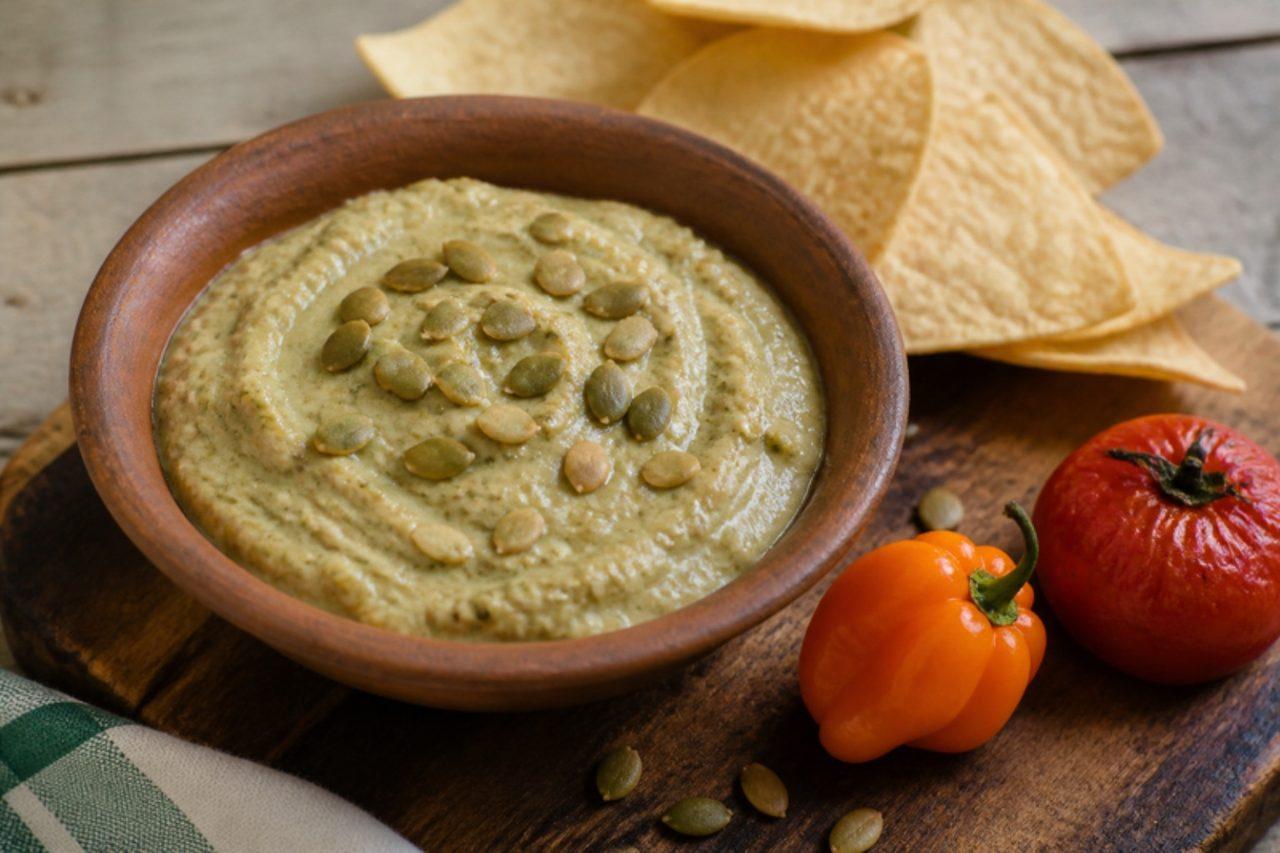
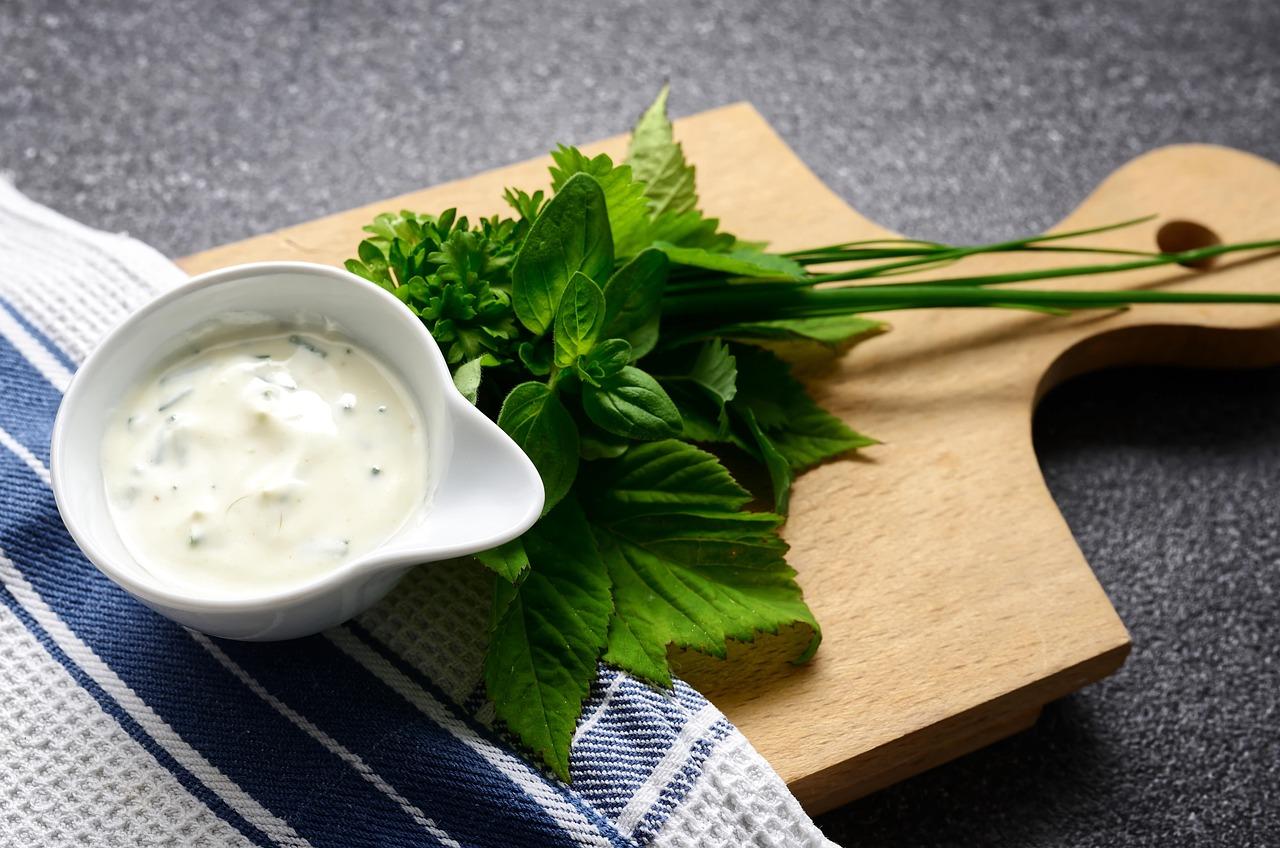
In Yucatec Maya, sikil means squash seed and p'aak means tomato, and that is almost all there is to this pale, coarse dip from the Yucatán Peninsula. Cooks in Mérida and the villages around it toast the seeds on a comal until they pop, grind them with charred tomato, chives and a little habanero, and serve the dip with tostadas or crisp tortilla chips before a meal. It tastes nutty, smoky and fresh at the same time, and is naturally vegan. Chef's tip: roast the habanero whole and add it a little at a time; you can always grind in more, but you can't take the heat back out.

by KrazyBadal 0 views

Dulce de calafate

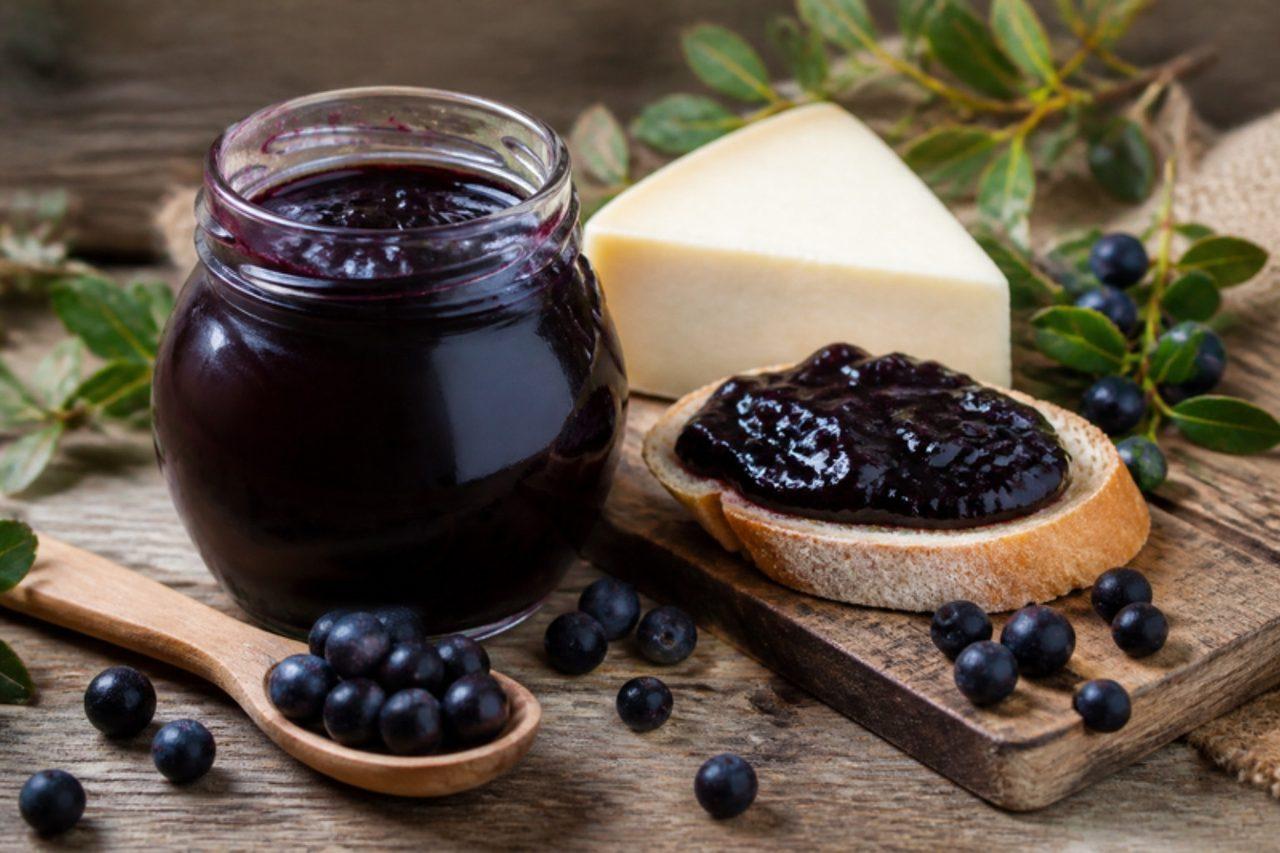
Legend says whoever eats calafate will come back to Patagonia, and in El Calafate, the town on Lake Argentino named after the thorny bush, the small blue-black berries turn up in ice cream, sauces, and above all this jam. The fruit ripens in midsummer across Santa Cruz and Tierra del Fuego; it is tart and seedy, somewhere between a blueberry and a blackcurrant, and the jam is dark purple, glossy and gently spiced by the fruit itself. It goes on bread at breakfast, with a slab of cheese after dinner, or with pancakes. Outside Patagonia, frozen calafate is hard to find; blueberries with a handful of blackcurrants or barberries give a similar balance of sweet and sharp. Overcooking is the slip that turns it into a stiff, dull paste, because the berries are naturally high in pectin, so test early. Chef's tip: crush a third of the berries before cooking; you get a jam with body and some whole fruit to bite on.

by KrazyBadal 0 views

Ensalada mixta

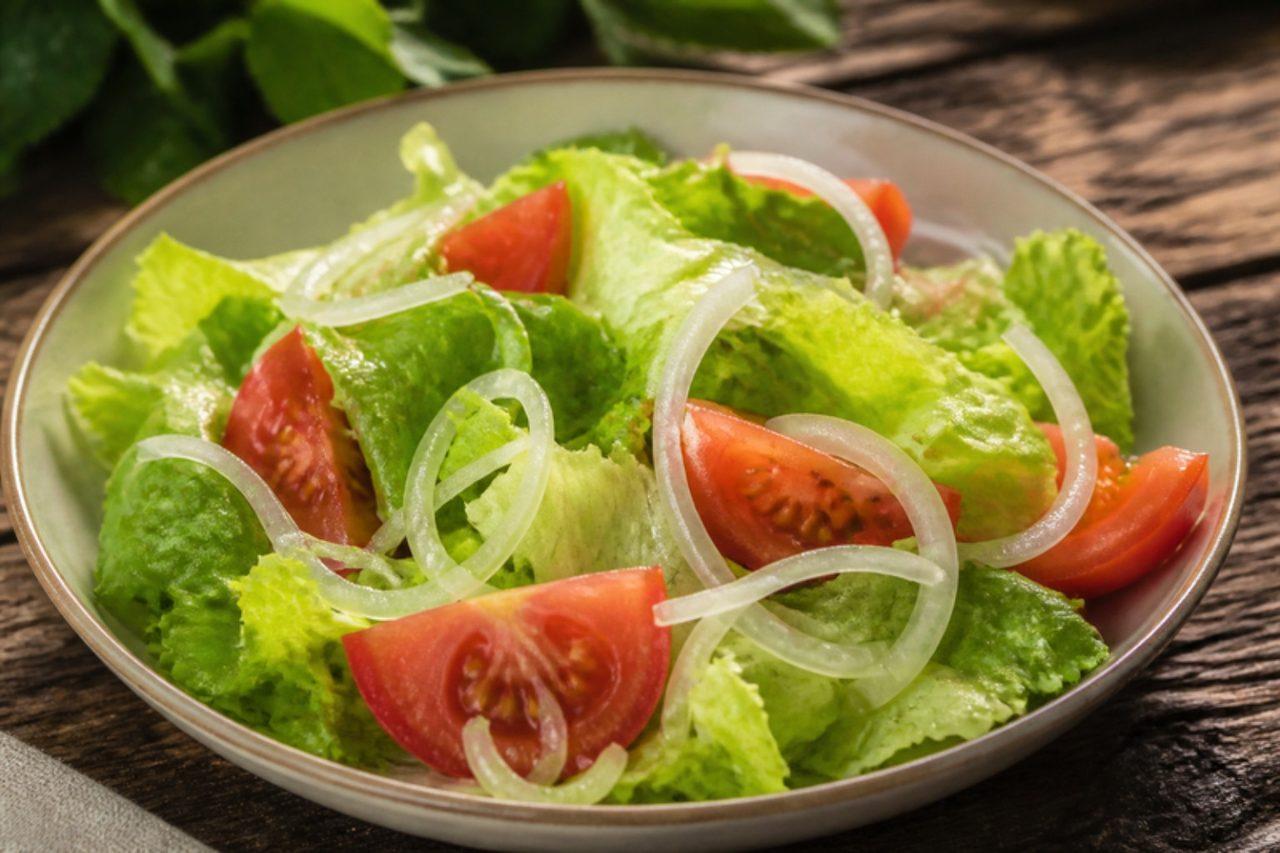
Simplicity is the whole idea of the ensalada mixta, the salad that comes with almost every order at a parrilla and sits beside the meat at every family asado: crisp lettuce, ripe tomato and thinly sliced onion, dressed at the table with oil, vinegar and salt from the cruets. There's no mustard, no sugar, no herbs, so the quality of the tomatoes and the crunch of the lettuce carry it. It is cool, sharp and refreshing, and cuts through grilled meat, provoleta and fries. The usual blunder is dressing it too early: the salt pulls water from the tomato and the lettuce goes limp in minutes, so toss it just before it goes to the table. Round butterhead lettuce (criolla) is the classic, but any crisp lettuce works. Chef's tip: soak the sliced onion in iced water for 10 minutes and drain; it stays crunchy but loses its harsh edge.

by KrazyBadal 0 views

Postre de natas

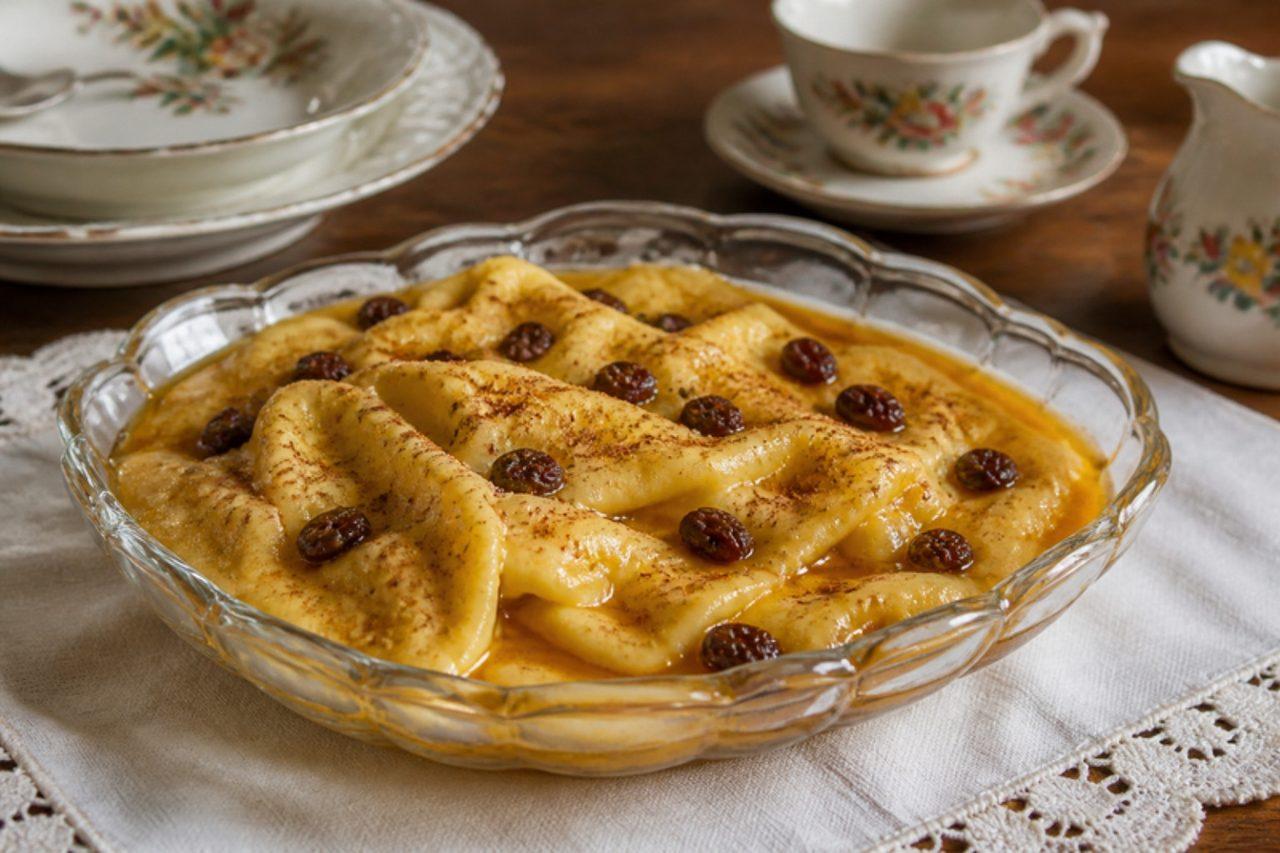
Postre de natas comes from colonial Santa Fe de Bogotá, when farm milk was boiled every day and the thick skins (natas) that formed on top were saved rather than wasted. Today it is a dessert for Christmas and family gatherings: soft, creamy ribbons of milk skin in a pale golden, cinnamon-scented custard dotted with raisins, served cold in small bowls. It takes patience rather than skill. Use full-fat, ideally non-homogenised milk, which forms thicker skins. Stirring the milk while the natas form is the common slip: it breaks them up so nothing can be lifted off. Older recipes add a splash of brandy or sherry; this one leaves it out. Chef's tip: lift each skin with a slotted spoon into a bowl and keep going; the more natas you collect, the more texture the dessert has. Chill for at least 4 hours before serving.

by KrazyBadal 0 views

Showing 9 of 6,261 recipes

Show more recipes

Page 214 of 696