


Skip to content
Peixe na telha
Featured recipe

Peixe na telha

Fish baked on a clay tile

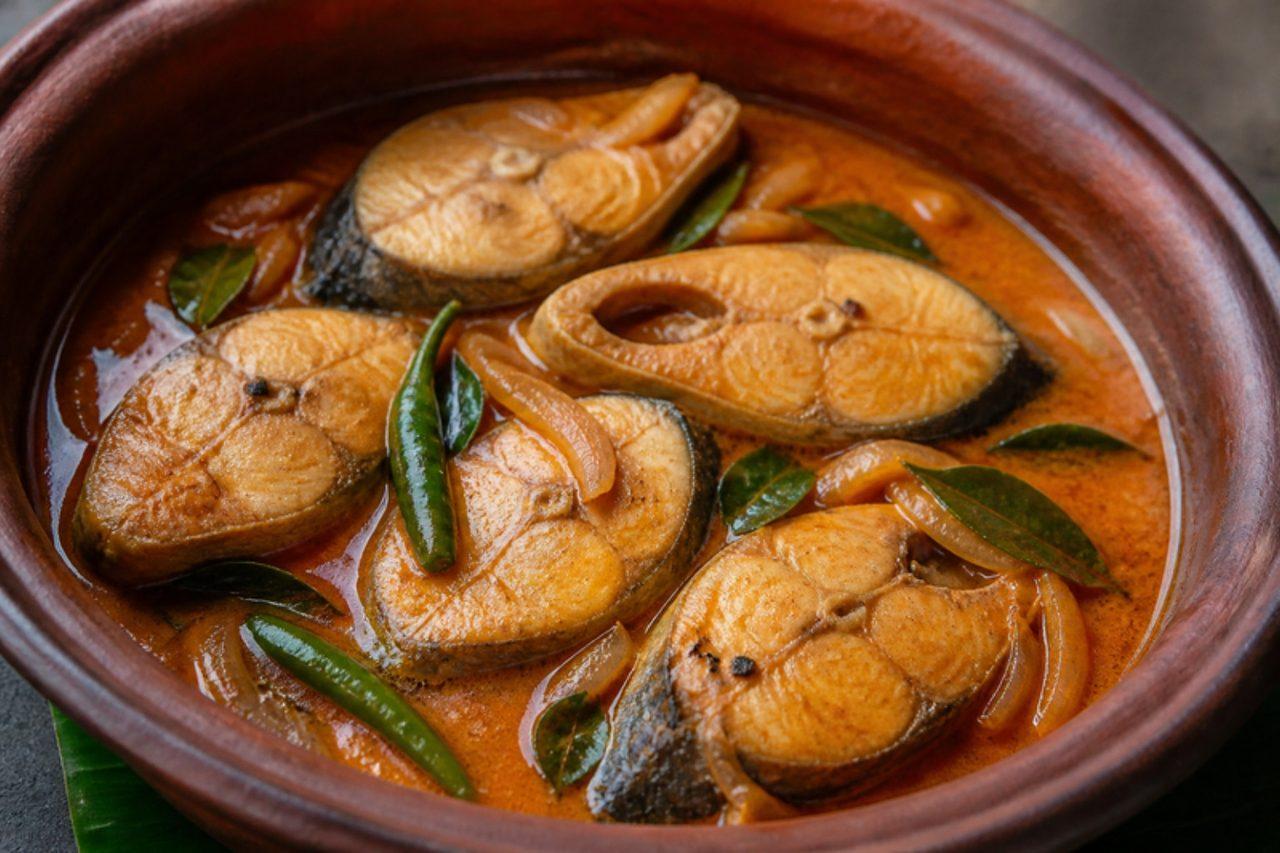
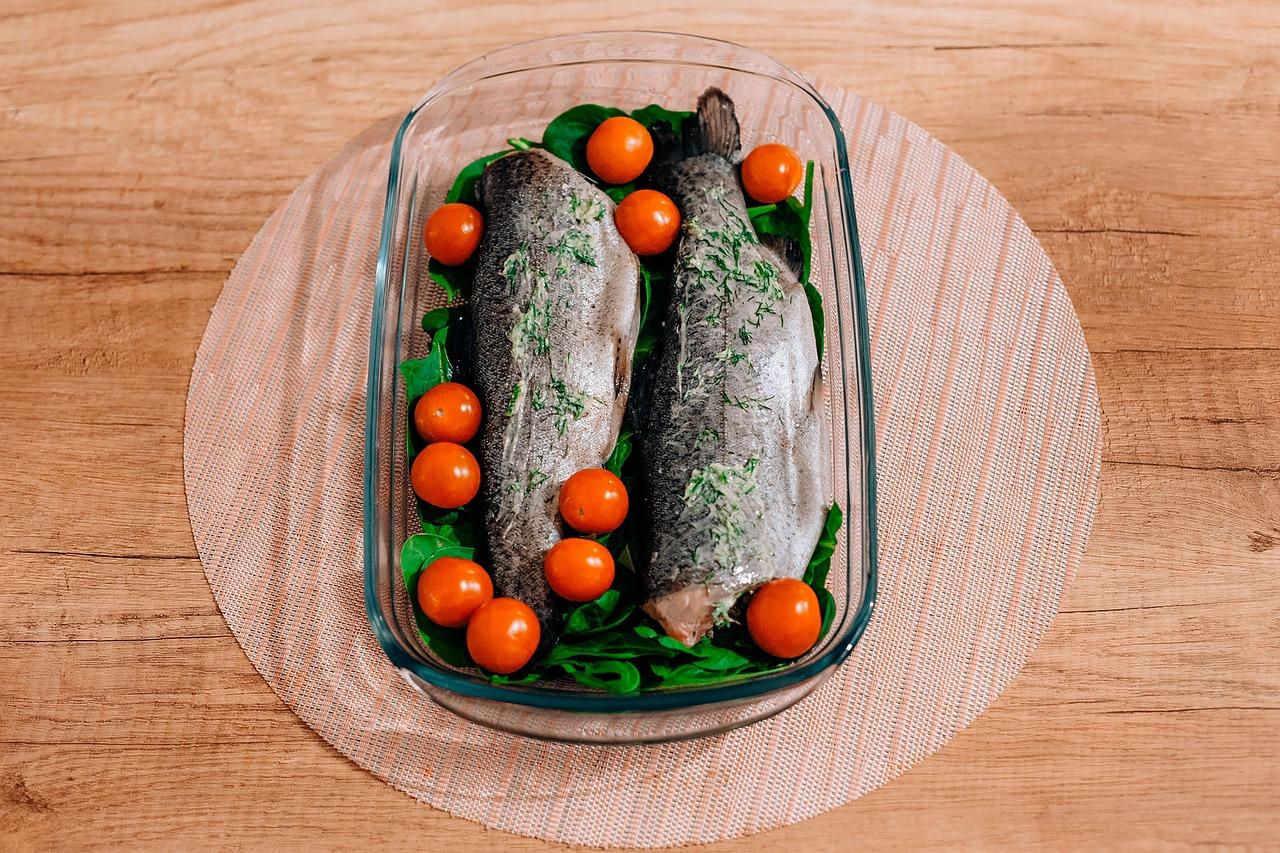
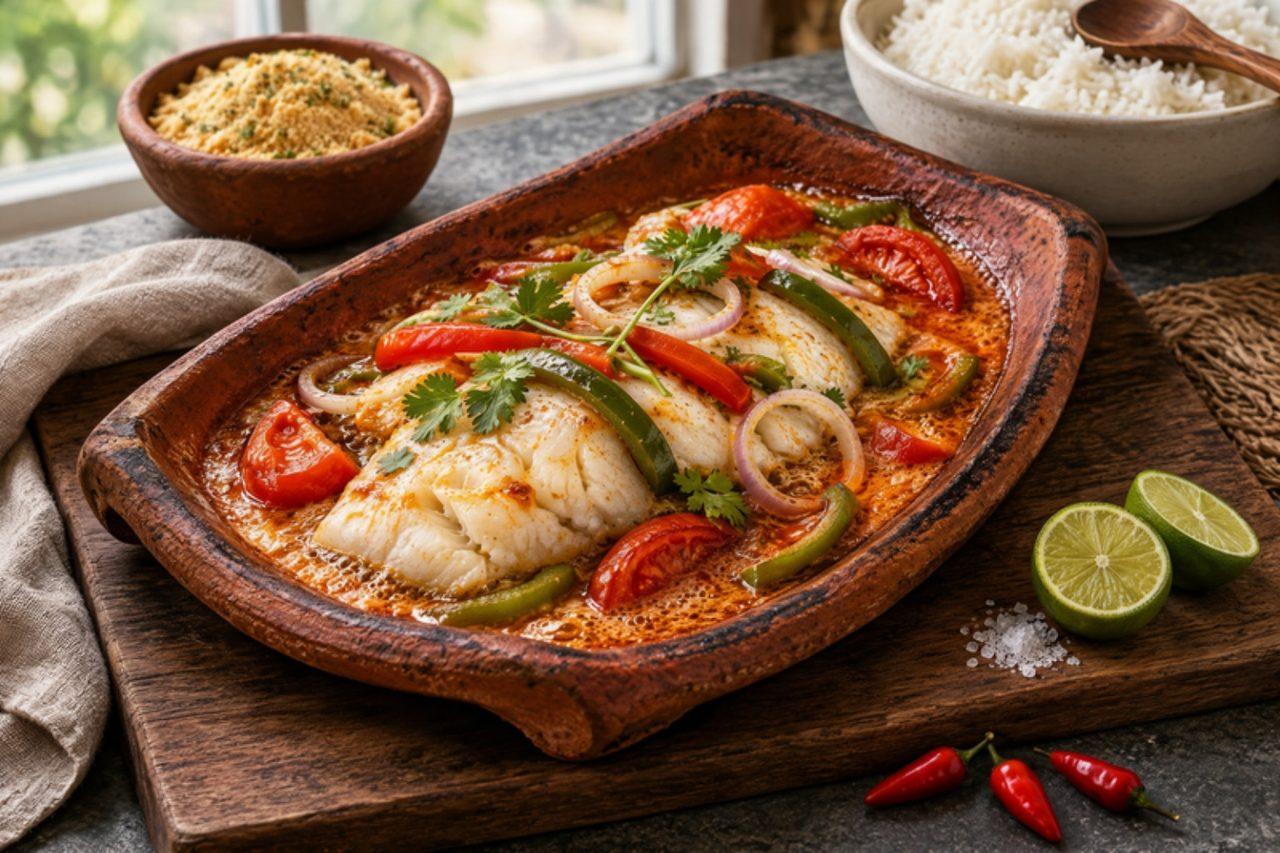
Peixe na telha, 'fish on the tile', is a weekend dish of the river towns of Goiás and Minas Gerais, where restaurants by the Araguaia bring freshwater fish to the table still sizzling on a curved clay roof tile. At home a terracotta or ceramic baking dish does the job: fillets marinated in lime and garlic are layered with tomato, sweet peppers, onion and coriander and baked until the juices bubble. Suitable as part of a balanced diet: high-protein fish with lots of vegetables. About 290 kcal and 9 g carbohydrate per portion; serve with a salad, or a little brown rice instead of the usual white rice and farofa. The usual mistake is overbaking, which dries the fish; take it out the moment it flakes. Chef's tip: warm the clay dish in the oven first so the vegetables start sizzling at once.

Read more 0 views

What to eat today?

Around the world

Today's trip: Persian

A new country every day, from every cuisine on the site.

This week's collection

Kid-friendly dinners
541 recipes · a new collection every Monday

Latest recipes

Guda cheese

Tush shepherds make guda in summer huts high above the Alazani valley, pressing sheep's-milk curd into bags sewn from sheepskin, where it ripens into a crumbly, pungent cheese that travels down to Telavi markets in autumn. You cannot copy the sheepskin at home, but you can make a firm, salty sheep's-milk cheese and ripen it in a cloth in the fridge for two to three weeks, which gives a similar sharp, grassy bite. Traditionally the milk is set with animal rennet; vegetarian (microbial) rennet works the same way. A common mistake is cutting the curd before it gives a clean break, which leaves a soft, wet cheese that sours instead of ripening. Chef's tip: grate aged guda over hot ghomi or khinkali; its strong flavour goes a long way.

by KrazyBadal 0 views

Jamaican sweet potato pudding

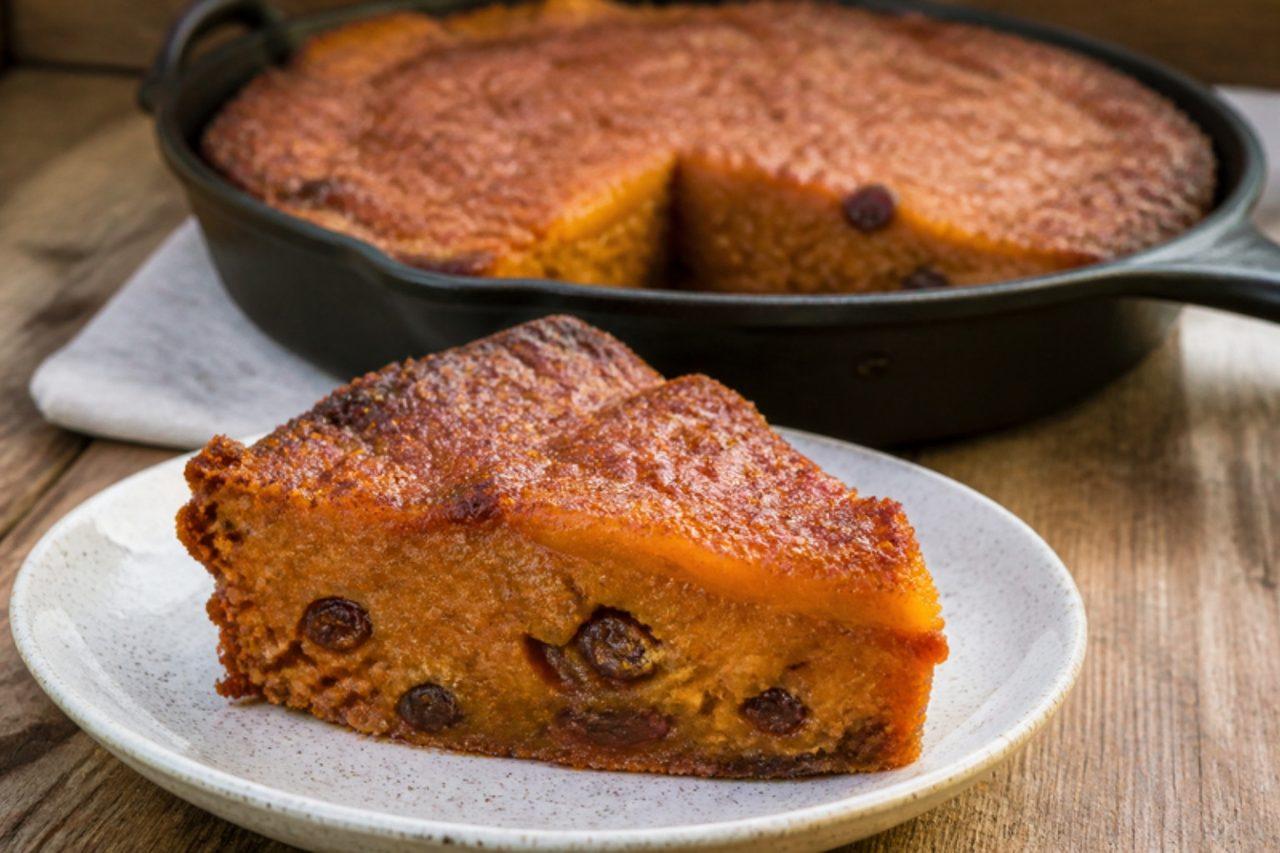
Once baked in Dutch pots with coals heaped on the lid, Jamaica's sweet potato pudding gave rise to the saying "hell a top, hell a bottom, hallelujah in the middle", and it is still a Sunday and Christmas favourite in homes across the island. Grated sweet potato, coconut milk, a little flour-free cornmeal and spice bake into a dense, moist slab with a soft, custardy layer on top. People often cut it hot, but it needs to cool for at least an hour to set. Chef's tip: grate the sweet potato on the fine side of the grater; coarse shreds make a grainy pudding.

by KrazyBadal 0 views

Jamaican conch soup

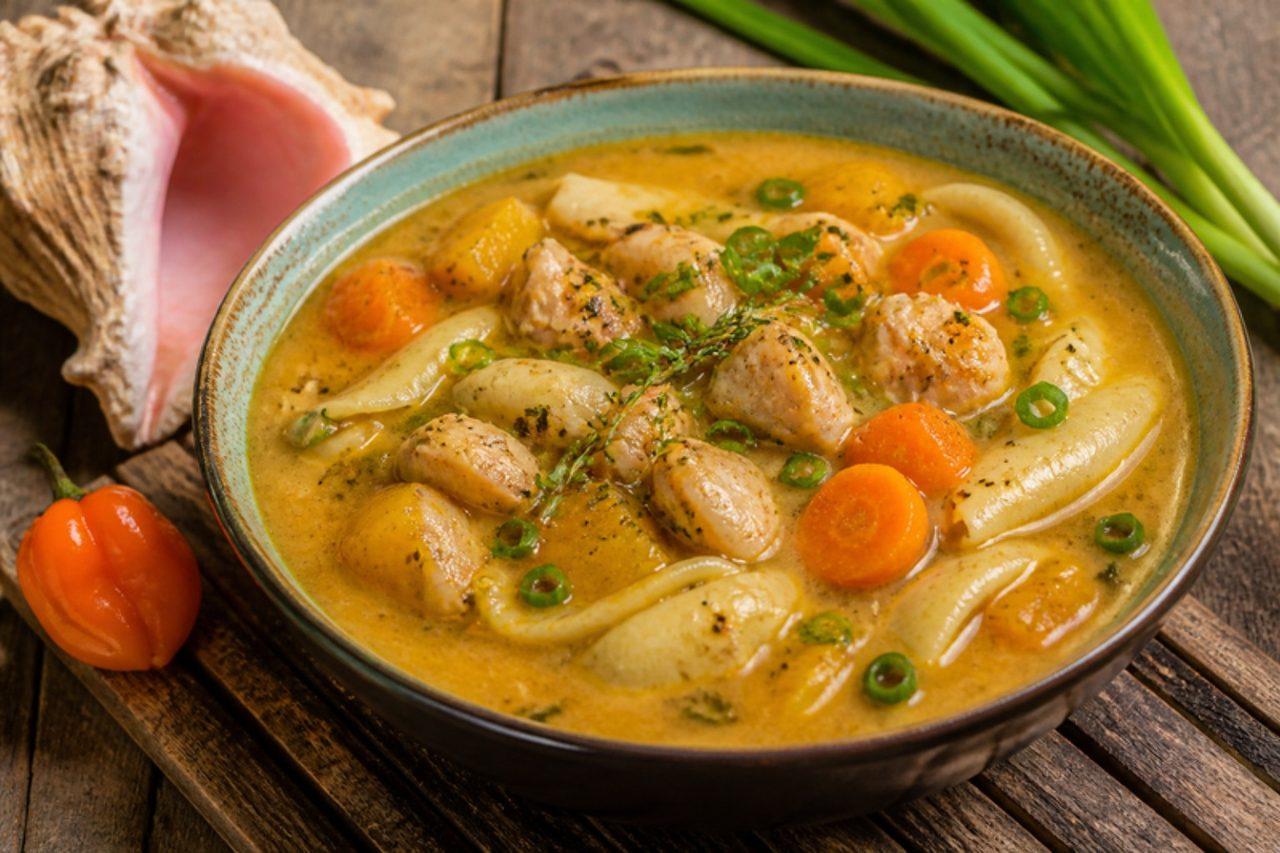
From Montego Bay's craft market cookshops to roadside pots around Falmouth, conch soup is sold by the cup on Fridays and Saturdays: tender pieces of conch in a thick, peppery broth with potatoes, pumpkin, carrot and chewy flour spinners. Conch is famously tough, so it is pounded and simmered slowly before the vegetables go in. Buy cleaned frozen conch meat from a fishmonger; thaw it in the fridge and throw away any that smells off. The most common mistake is not tenderising the conch, leaving rubbery chunks; pound it well and simmer until a knife slides in. Chef's tip: a little lime rubbed into the conch before pounding removes its slippery film and freshens the flavour.

by KrazyBadal 0 views

GhonghiSnail curry

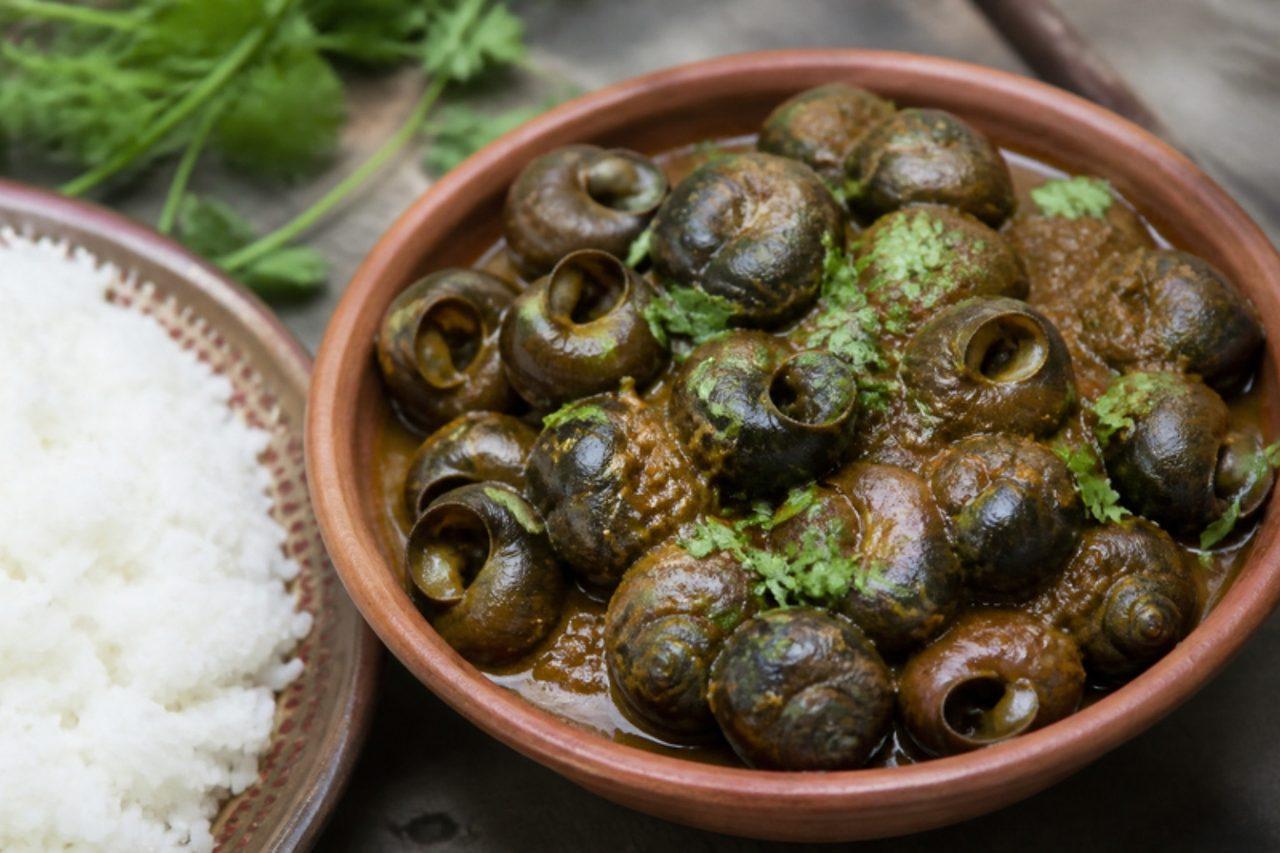
When the monsoon fills the rice paddies of the western and central Terai, Tharu families gather ghonghi, the little freshwater snails, and cook them in a dark, fiery curry thickened with ground roasted linseed; the tip of each shell is snipped so the meat can be sucked out at the table, and the dish is loved as both a treat and a monsoon tonic, eaten with rice or dhikri. Wild freshwater snails can carry parasites such as rat lungworm and liver flukes, so never use snails you have collected from ponds, ditches or paddies yourself. At home use only cleaned, purged farmed snails in their shells from a specialist supplier, or cooked, frozen farmed escargots, or live periwinkles from a good fishmonger as a stand-in, and boil them hard before they go into the curry. The usual error is skimping on the boiling, which is both unsafe and leaves the snails rubbery; they need a rolling boil and then a long simmer. Chef's tip: roast the linseed until it pops before grinding, for the nutty, dark Tharu flavour.

80 minNepaliMeatGluten freeSpicy
by KrazyBadal 0 views

Green beans with egg

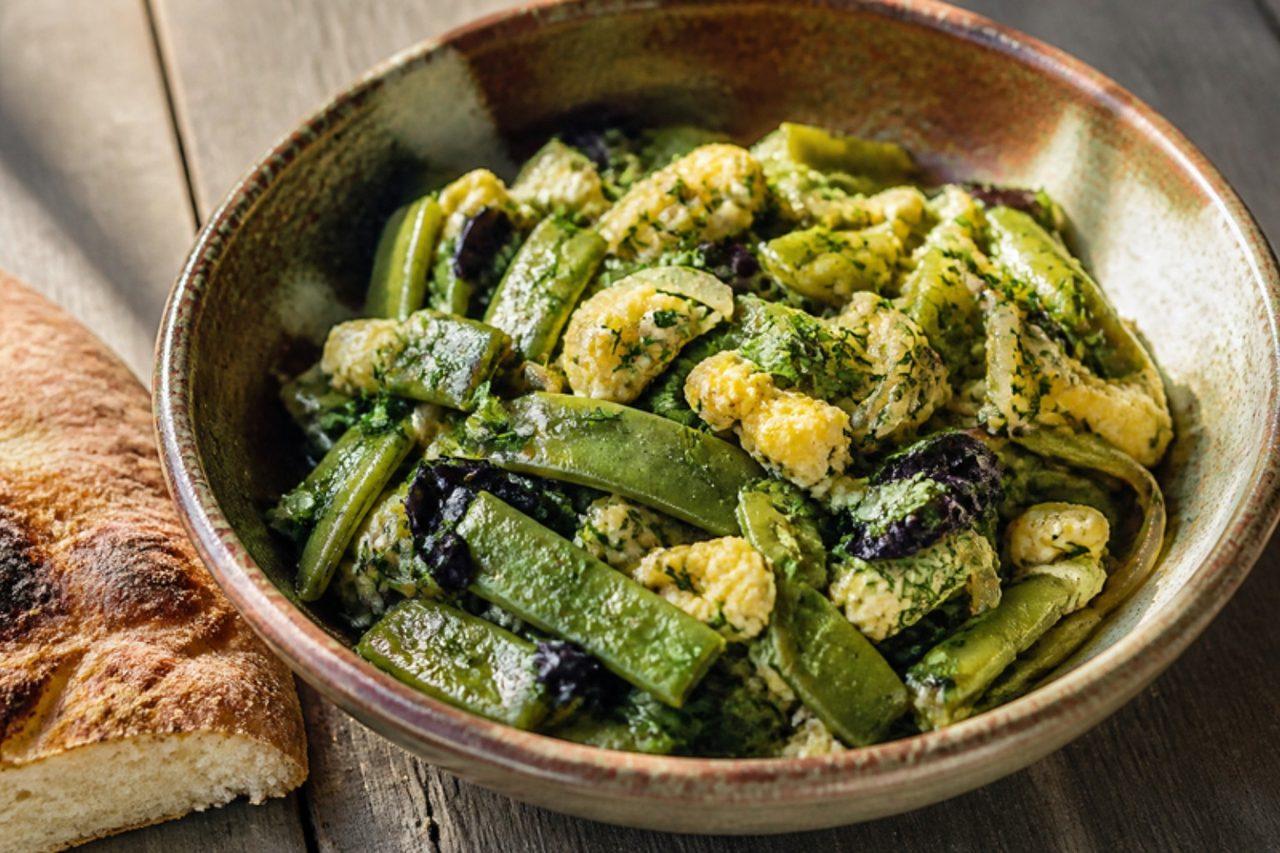
In the villages around Gori and Mtskheta, high summer brings sacks of flat green beans, and this is how many Kartli families eat them on a weekday: slowly softened with onion, then tossed with coriander, basil and garlic and bound at the last minute with beaten egg. The result sits halfway between a warm salad and a soft scramble, eaten with a hunk of shoti bread and a few slices of cheese. A common mistake is adding the eggs while the pan is still wet with bean water; they turn watery and grey instead of clinging in golden curds. Chef's tip: Georgian cooks use purple basil (reyhan), and its clove-like scent is what makes the dish taste of home, so look for it at Turkish or Georgian grocers.

by KrazyBadal 0 views

SalufPuffy flatbread

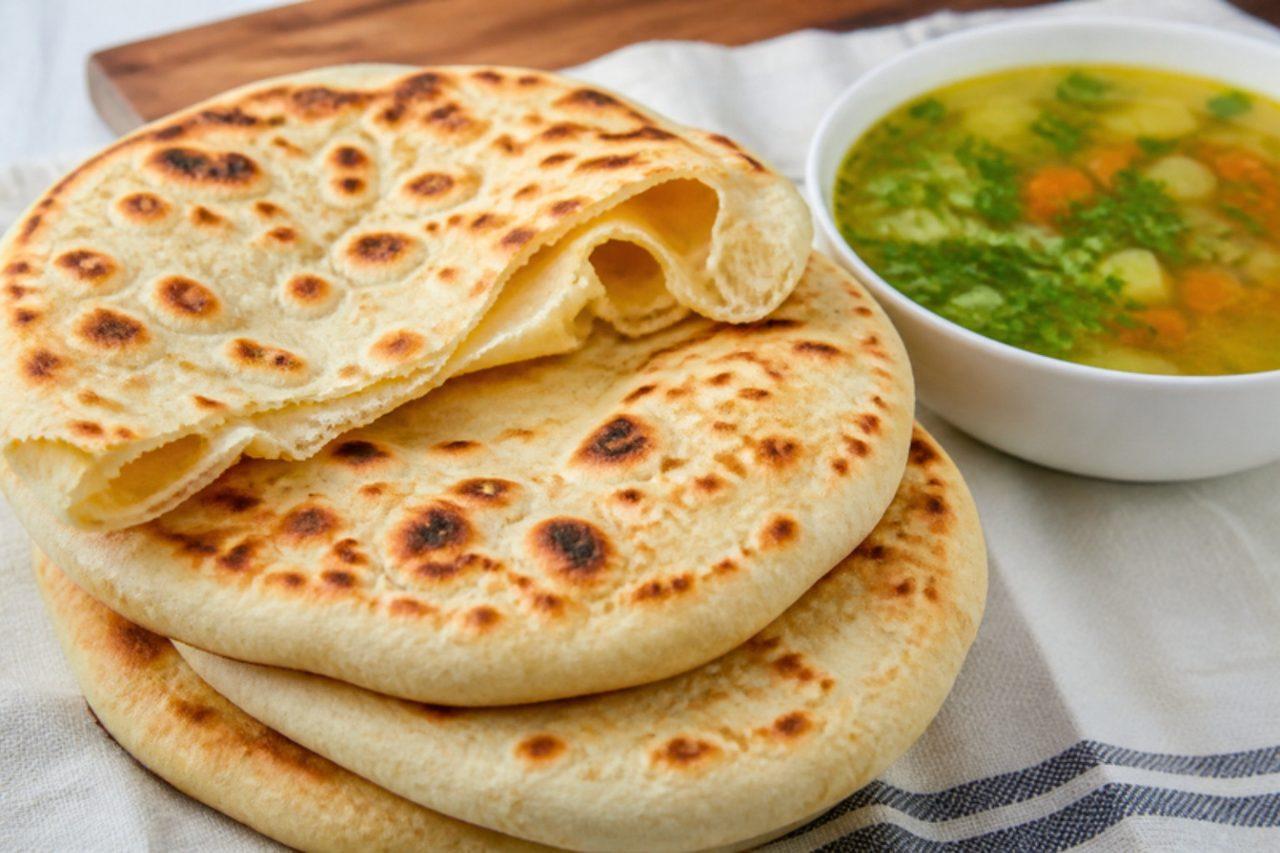
Saluf is the everyday bread of Yemenite Israelis, slapped onto a hot pan or taboon in Rosh HaAyin and Sha'arayim in Rehovot and eaten with marak temani, hilbe and zhug. It is soft and blistered, thicker than pita and with no pocket, made to tear and dunk. Home cooks often roll it too thin, which gives a cracker; it should be about 1 cm thick so it stays pillowy. Chef's tip: cook it under a lid on a very hot dry pan for the first minute, which traps steam and puffs it the way a taboon does.

by KrazyBadal 1 views

Shoti bread

Every Kakhetian village has a bakery where the baker leans into a round, pit-like tone oven and slaps long, pointed loaves onto its hot clay wall; the bread comes out crackly at the tips and soft in the middle, and it is bought warm every morning in Telavi and Sighnaghi. Shoti is just flour, water, yeast and salt, so the shape and the blast of heat do the work. At home a pizza stone or an upturned heavy baking tray, heated for a long time, gives a good copy. A common mistake is a dry, stiff dough; it should be soft enough to stretch into a long canoe without tearing. Chef's tip: spray the oven walls with water as the bread goes in; the burst of steam gives the blistered, glossy crust of the tone.

by KrazyBadal 0 views

Mushrooms on ketsi

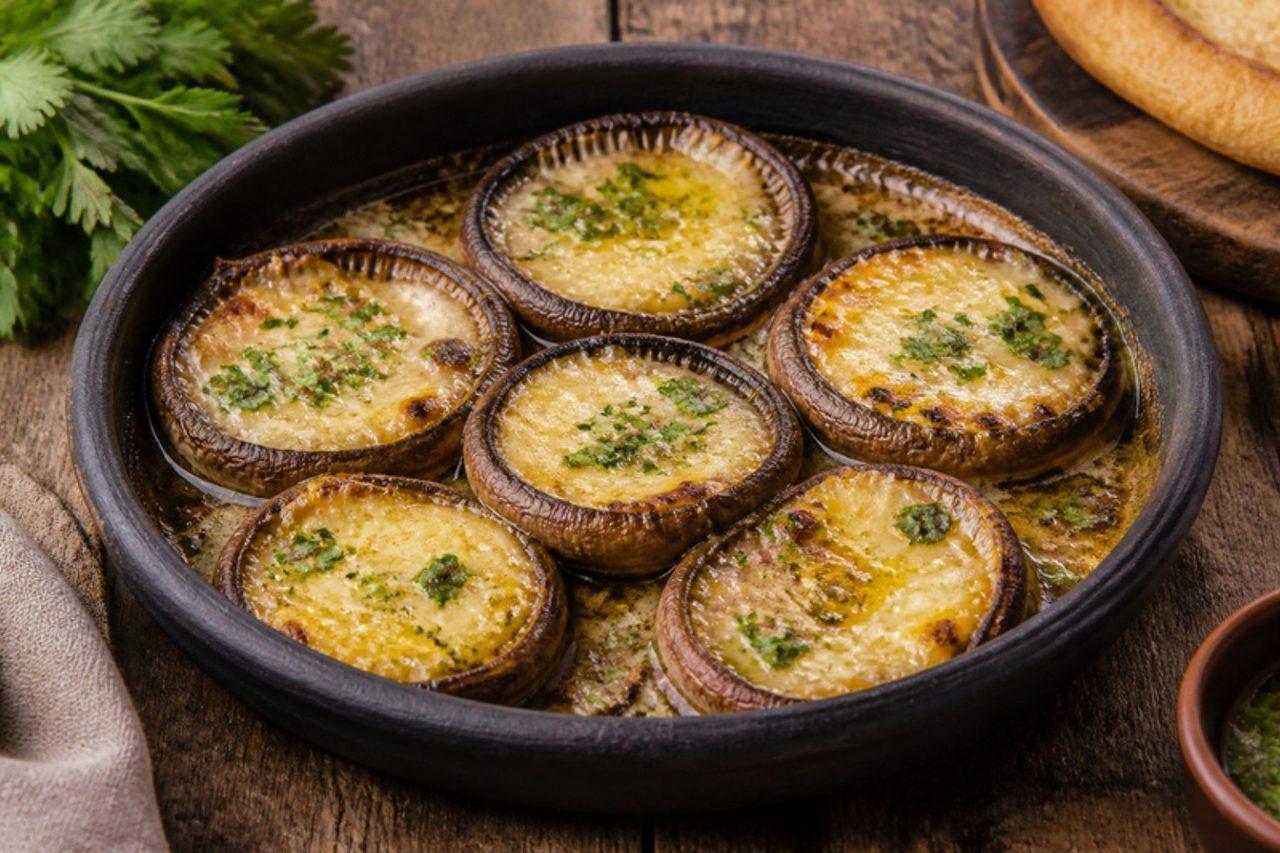
Every Tbilisi tavern has its sizzling ketsi, a shallow clay dish heated on the fire, and mushrooms baked in one with butter and a crust of melted sulguni are among the most ordered starters, brought to the table still crackling. In autumn, Georgian cooks use wild oyster mushrooms or field mushrooms; cups set gills up hold the butter like little bowls. A common mistake is overcrowding the dish, which makes the mushrooms steam instead of browning. Chef's tip: salt the mushrooms only after the first 10 minutes, so their juices stay inside and they cook in their own butter. Sulguni is usually made with animal rennet, so choose a vegetarian cheese.

by KrazyBadal 0 views

Trida (steamed pasta squares in chicken sauce)

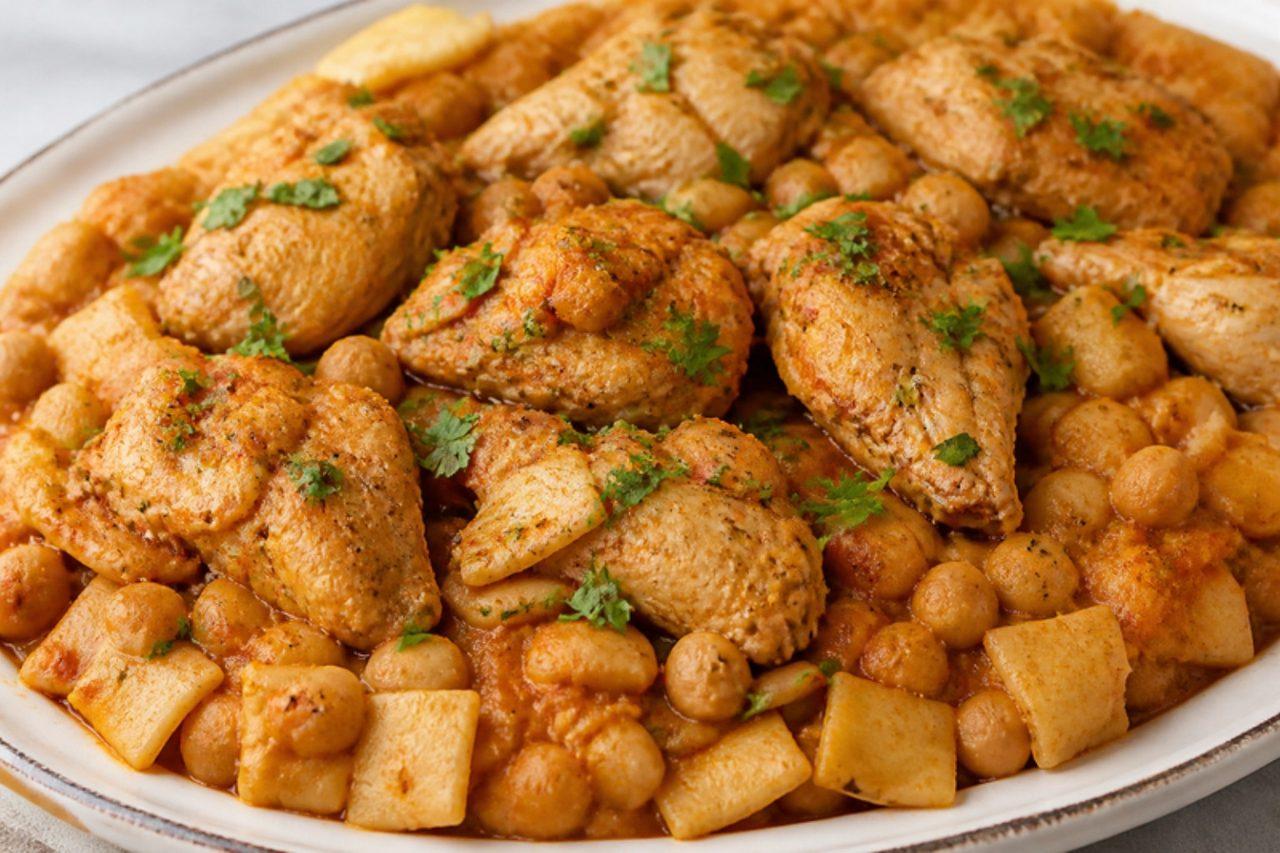
Making trida is an afternoon's work shared around a Constantine kitchen table, especially before Mawlid or a family celebration: a firm semolina dough is rolled paper-thin, cut into small squares, dried, and then steamed twice over a pot of chicken and chickpea sauce flavoured with cinnamon and a touch of tomato. The squares come out tender with a slight bite, glossy with butter and sauce, and are piled on a platter under the chicken. A pasta machine saves a lot of rolling. Chef's tip: dust the cut squares well with semolina and let them dry for half an hour; damp squares are the usual mistake and stick into a single mass in the steamer.

by KrazyBadal 0 views

Jamaican roast breadfruit

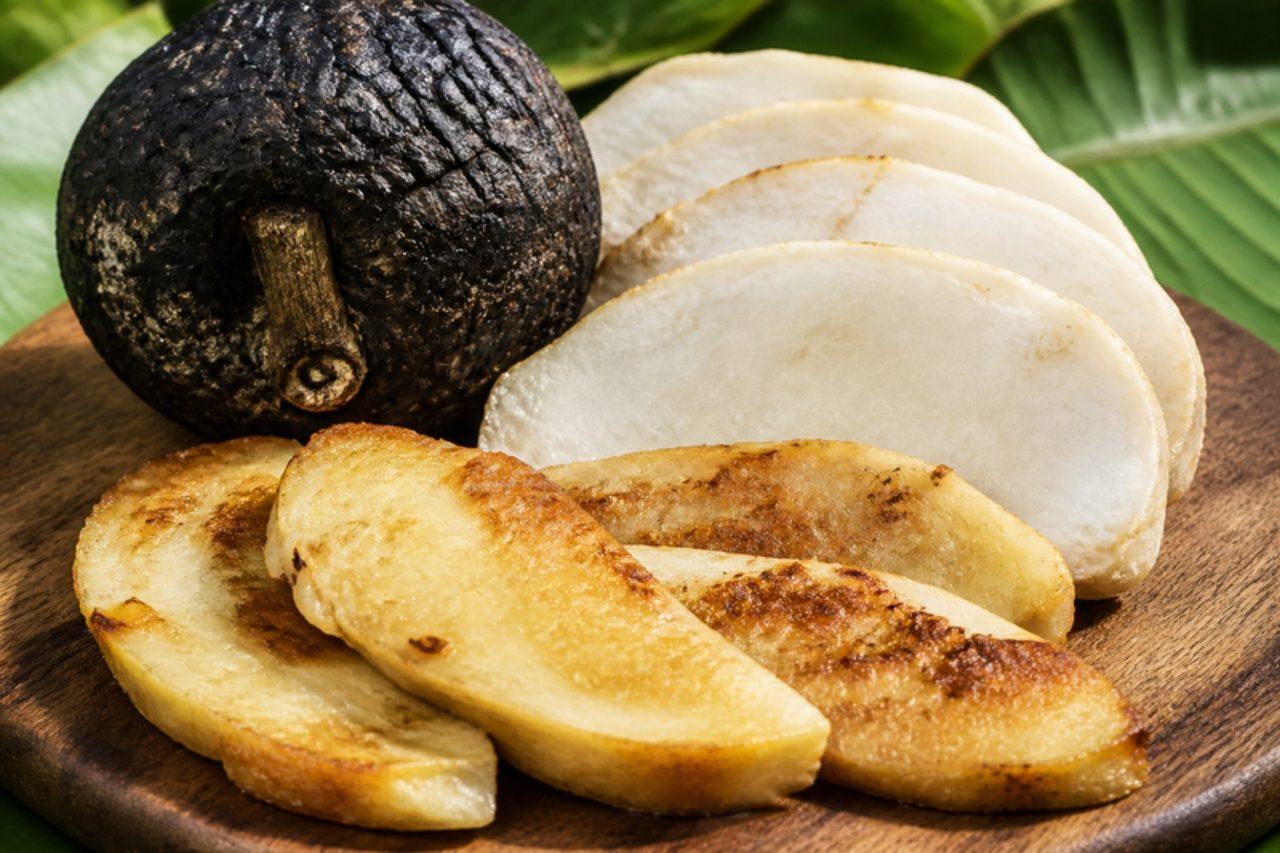
Portland roadsides smell of smoke when breadfruit is in season, with whole fruit sitting straight in wood fires until their green skins turn black. Inside, the flesh steams to a soft, fragrant cream somewhere between potato and fresh bread, and it is eaten in thick slices with ackee and saltfish, callaloo or a knob of butter, or fried the next morning. People often pick a fruit that is either too ripe (it turns mushy and sweet) or too young (it stays hard and gluey); you want a heavy, firm one with a little sap beading on the skin. A gas hob or a hot oven works when there is no open fire. Chef's tip: cut a small cross in the stem end before roasting so steam can escape, and push a skewer into it to check doneness without opening the fruit.

by KrazyBadal 0 views

Lao bamboo shoot soup

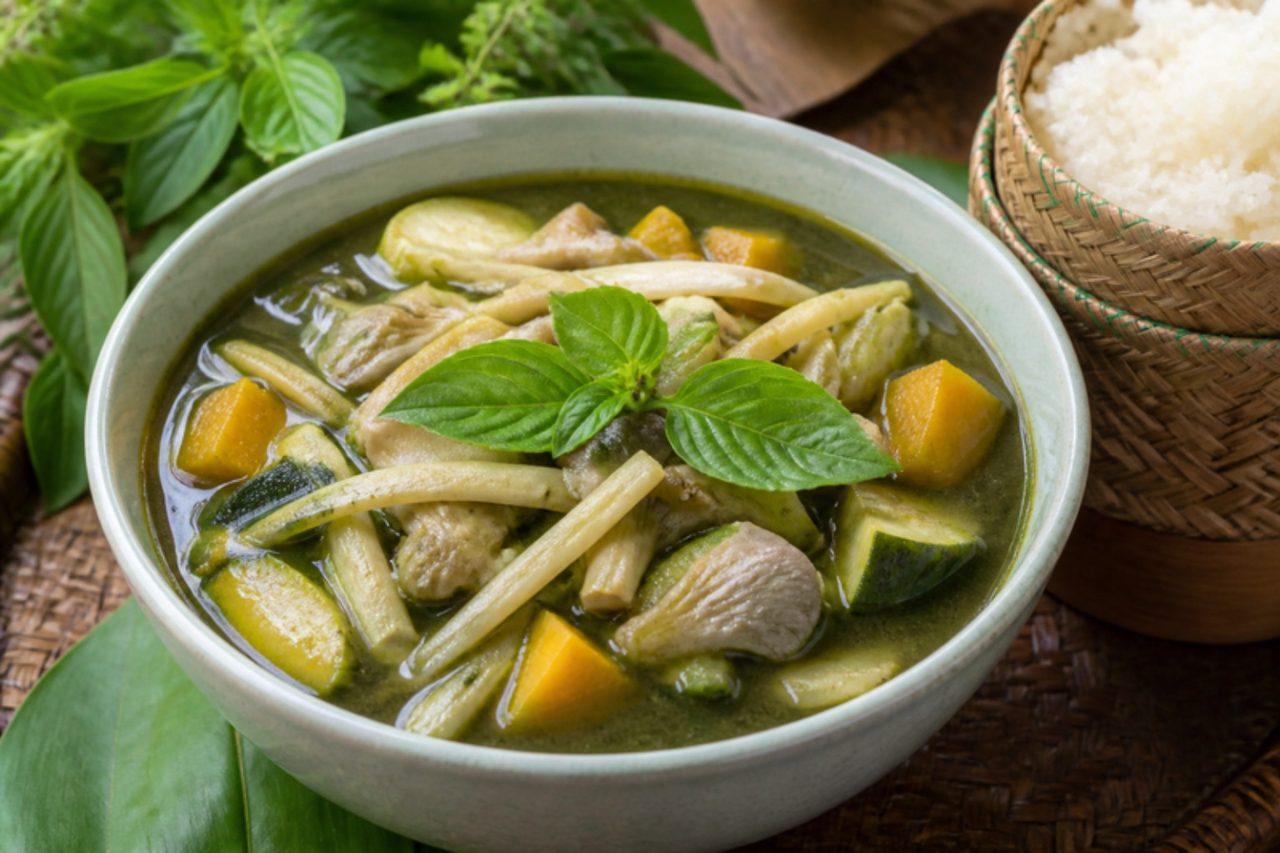
When the rains arrive in June, Vientiane's morning markets fill with pale, freshly dug bamboo shoots, and pots of kaeng nor mai start simmering in kitchens across the city for the family lunch. The broth is a deep olive green, tinted by the juice squeezed from yanang leaves, and thickened with a spoonful of pounded soaked sticky rice so it coats the spoon. Earthy bamboo, sweet pumpkin and slippery mushrooms float in it with lemon basil on top, and a basket of sticky rice and a dish of jeow sit alongside. Skipping the pre-boil of the bamboo is where most cooks go wrong: raw shoots taste bitter and need cooking through to be safe, so always blanch fresh ones and drain. This version leaves out the fermented fish of village kitchens and seasons with salt and tamari. Chef's tip: squeeze the yanang leaves in cold water, never hot, or the broth turns brown and loses its grassy freshness.

60 minLaoSoupsVeganGluten free
by KrazyBadal 0 views

GhomiWhite corn porridge

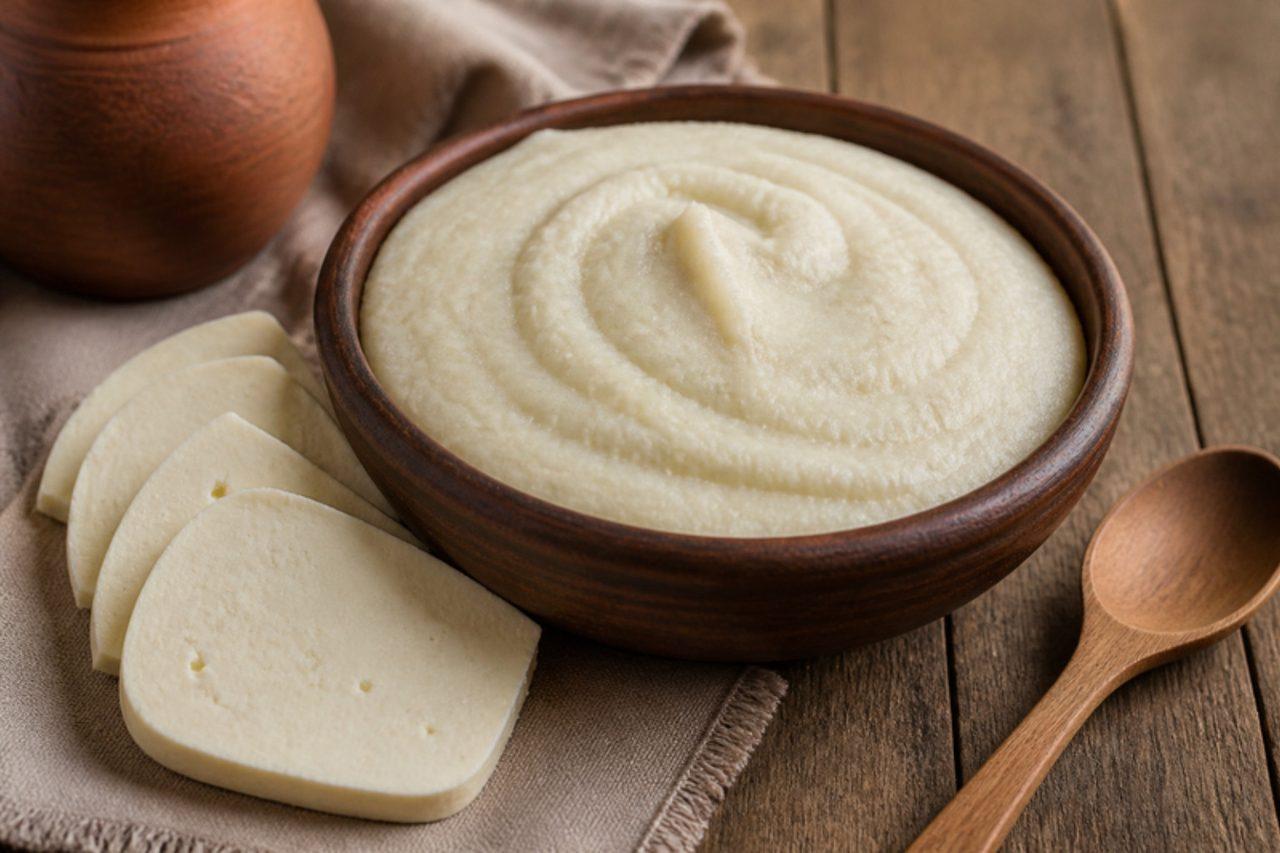
Across Samegrelo and Guria, ghomi plays the role bread plays elsewhere: a soft, smooth porridge of white corn and cornmeal, set on the table unseasoned so that slices of sulguni can be pushed into it to melt, and so that bazhe, ajika or bean stew can be scooped up with it. In Zugdidi homes it is cooked in a heavy pot and stirred with a flat wooden paddle. A common mistake is stirring too little; ghomi catches easily and lumps form at the bottom. Chef's tip: cook it until it comes away from the sides in one smooth mass, then wet a spoon and smooth the top; ghomi should feel like soft polenta that can be scooped, not runny porridge.

by KrazyBadal 0 views

Bergen fish soup

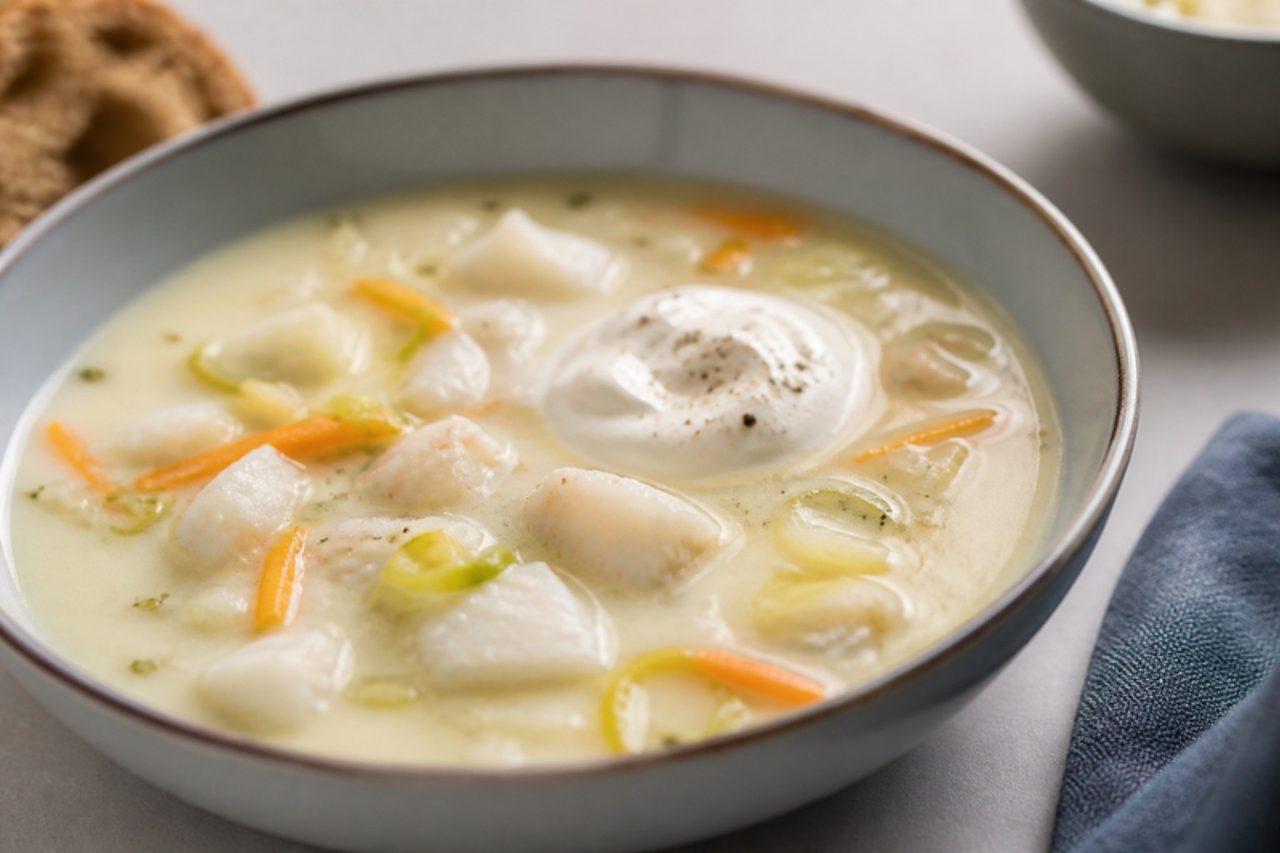
Bergensk fiskesuppe is the soup of Bergen's rainy harbour: a creamy, slightly sweet-sour broth with julienned carrot, leek and celeriac, chunks of white fish and salmon, small fish dumplings and a spoon of sour cream, finished with chives. Bergen families make it on Saturdays, and every restaurant on the Bryggen wharf has its own. A common mistake is boiling the fish, which breaks it up and makes it dry. Chef's tip: add the fish at the end and poach it in barely trembling soup for 3–4 minutes, until just opaque and flaking.

by KrazyBadal 0 views

Jamaican hominy corn porridge

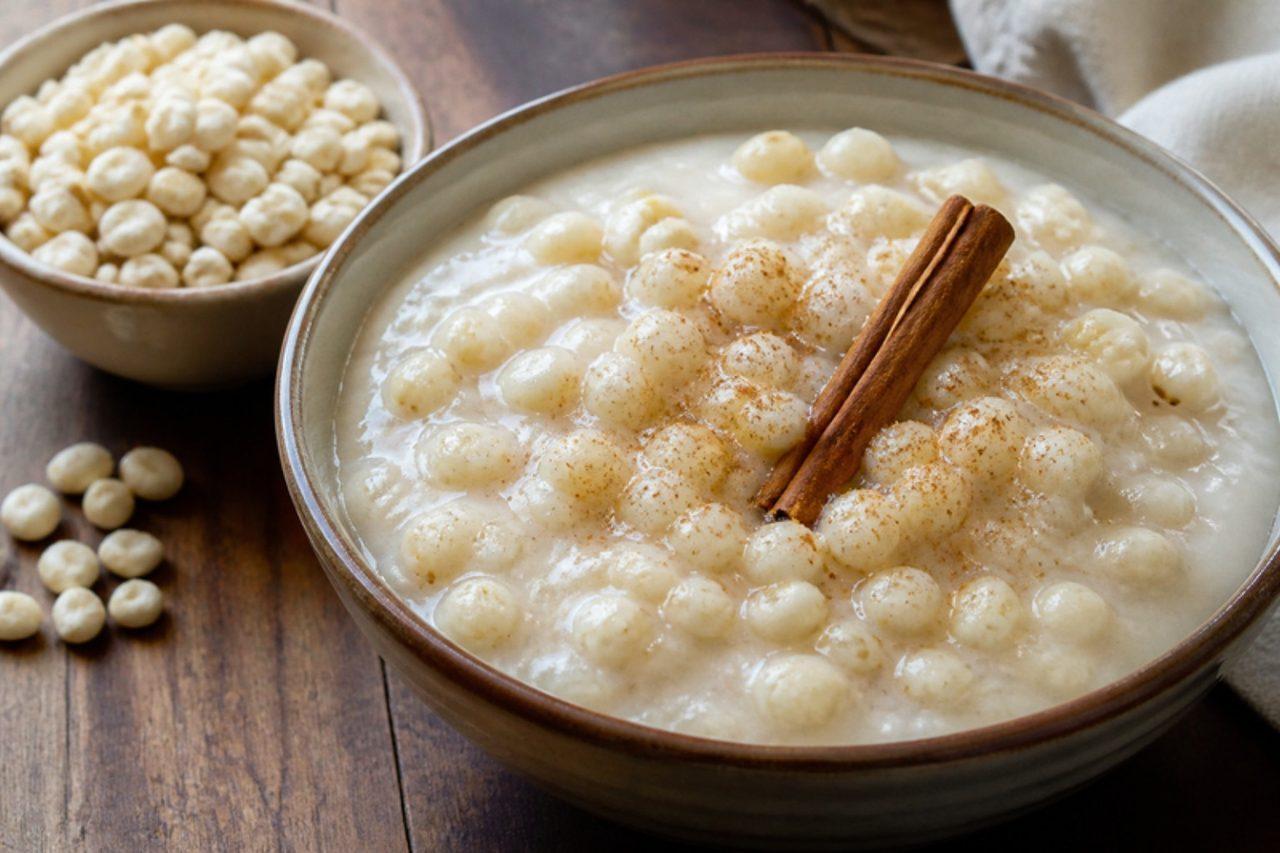
Hominy porridge is a weekend job in Jamaican homes from Spanish Town to Mandeville: the dried, hulled corn kernels need soaking overnight and a long, slow simmer before they burst open, tender and chewy, in a creamy coconut and spice base. The finished porridge is thick and comforting, sweetened with condensed milk and perfumed with cinnamon, nutmeg and vanilla, and it reheats beautifully through the week. The mistake many people make is adding the coconut and milk at the start, where they catch and burn during the long cook; boil the corn in water first. Look for dried white hominy at Caribbean or Latin shops, and remember the overnight soak. Chef's tip: stir in a spoonful of cornmeal or flour mixed with water at the end if you like it thicker, as many Jamaican cooks do.

by KrazyBadal 0 views

Jamaican cornmeal pudding

Jamaican cornmeal pudding is the cousin of sweet potato pudding, cheaper and quicker to make, and a fixture at Sunday dinner and church harvest suppers from Kingston to the hills of Manchester. Cornmeal is first cooked on the stove in coconut milk with sugar and nutmeg, then baked until firm, sliceable and caramel-edged, with a thin, soft layer on top. The classic mistake is pouring raw cornmeal straight into hot liquid, which makes lumps; whisk it into cold liquid first. Chef's tip: pour a little extra coconut milk over halfway through baking to get that custardy "hallelujah" top.

by KrazyBadal 0 views

Skyr

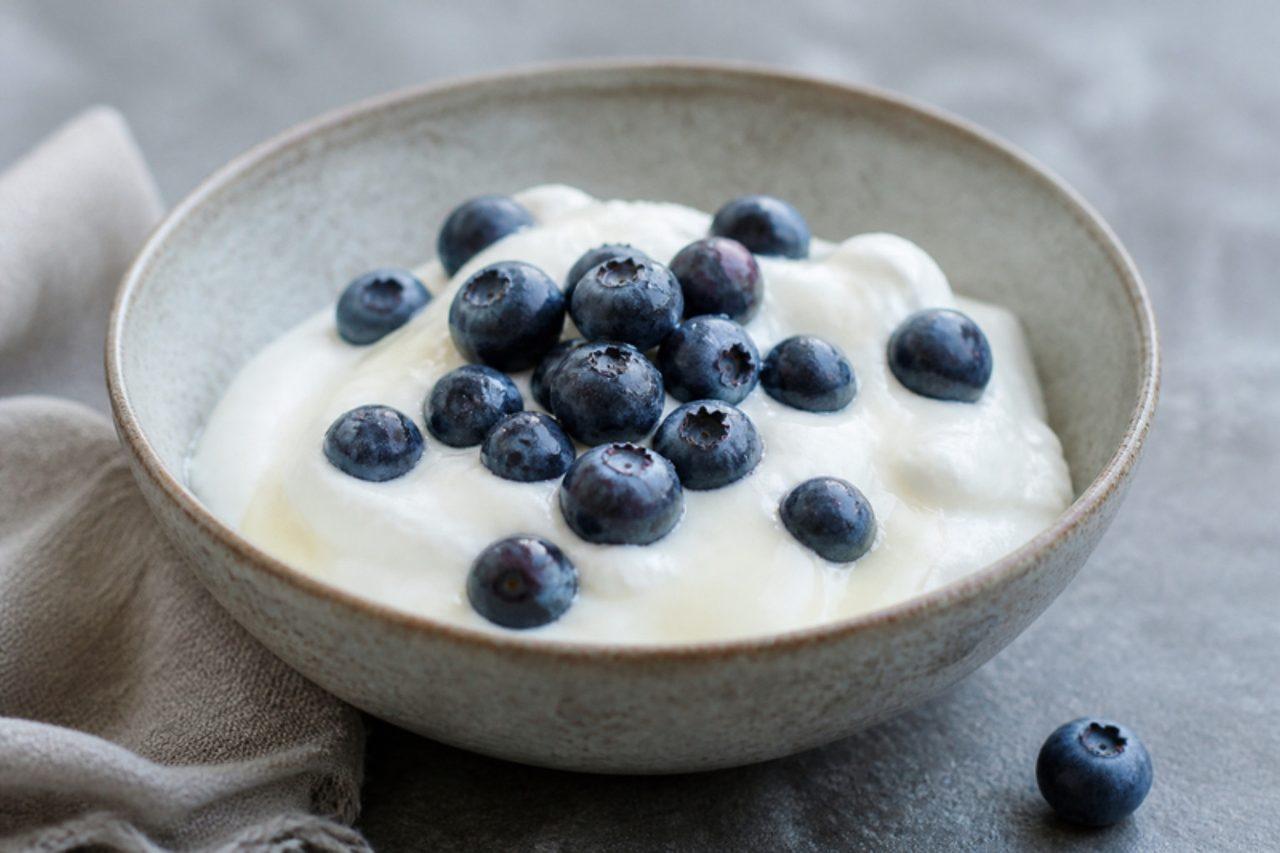
Skyr has been made in Iceland since the Viking settlers arrived: skimmed milk soured with a spoonful of the last batch, set with a drop of rennet, then strained until very thick, high in protein and mildly sour. Icelanders eat it every day with milk or cream and berries, or whisked into a drink, and skyrkaka is a favourite cheesecake. You need a few spoonfuls of plain shop skyr with live cultures as a starter. A common mistake is skipping the long, slow set; rushed skyr is thin and grainy. Chef's tip: strain it in the fridge overnight and stir it smooth before serving. Rennet is traditionally animal; use vegetarian rennet.

by KrazyBadal 0 views

Trini curry duck

Curry duck is the dish of the riverside lime in south and central Trinidad, cooked in a big iron pot over a wood fire while friends cool off in the water. The duck is chopped small, marinated in green seasoning, then "burnt" into a curry paste fried until almost black, which gives the sauce its dark colour and deep, slightly bitter edge. It's served with rice, dhal and sada or paratha roti. A common mistake is serving it before the duck has fully broken down: duck is chewy and needs long, slow cooking. Chef's tip: spoon off the yellow duck fat that rises during cooking and keep it for roasting potatoes.

by KrazyBadal 0 views

Arayeche (almond star pastries)

Picture a star with three plump arms: arayeche are shaped from a ball of orange-blossom almond paste wrapped in very thin pastry and pinched into points, baked pale, dipped in honey and then rolled in icing sugar until snow-white. Along with dziriettes and makrout, they are fixtures of the sweet trays at weddings and Eid in Algiers, set out in paper cases with mint tea. The pastry is crisp and fine, the almond filling dense and fragrant, and the coating of sugar sticks to the honey in a sweet crust. Chef's tip: pull them out of the oven while still pale with barely golden tips; browned arayeche are a common mistake and taste dry once the sugar goes on.

by KrazyBadal 0 views

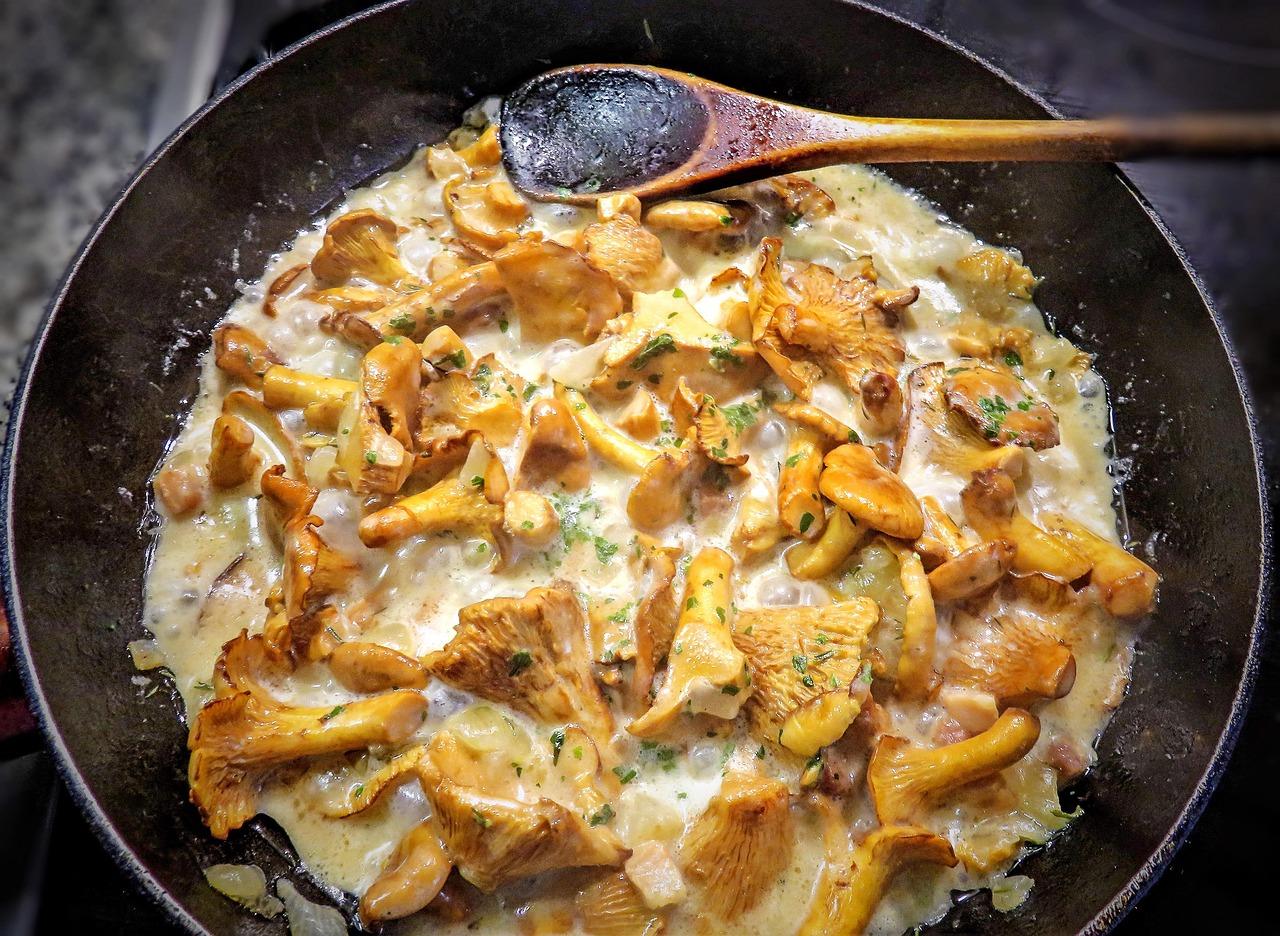
Chanterelles in cream

From July, roadside sellers along the lake roads of Masuria hold up baskets of golden chanterelles, and holidaymakers in Mrągowo and Giżycko cook them the same evening. The mushrooms are fried with onion until their juices cook away, then bathed in sour cream and dill, giving a sauce that is peppery, faintly apricot-scented and very rich. Spoon it over new potatoes, buckwheat or a thick slice of toast. Where most people go wrong is washing chanterelles under the tap, so they boil in their own water and turn rubbery. Only eat wild mushrooms you have bought from a trusted seller or that an expert has identified. Chef's tip: brush the mushrooms clean, tear large ones and cook them in a hot, wide pan so they sear rather than stew.

by KrazyBadal 0 views

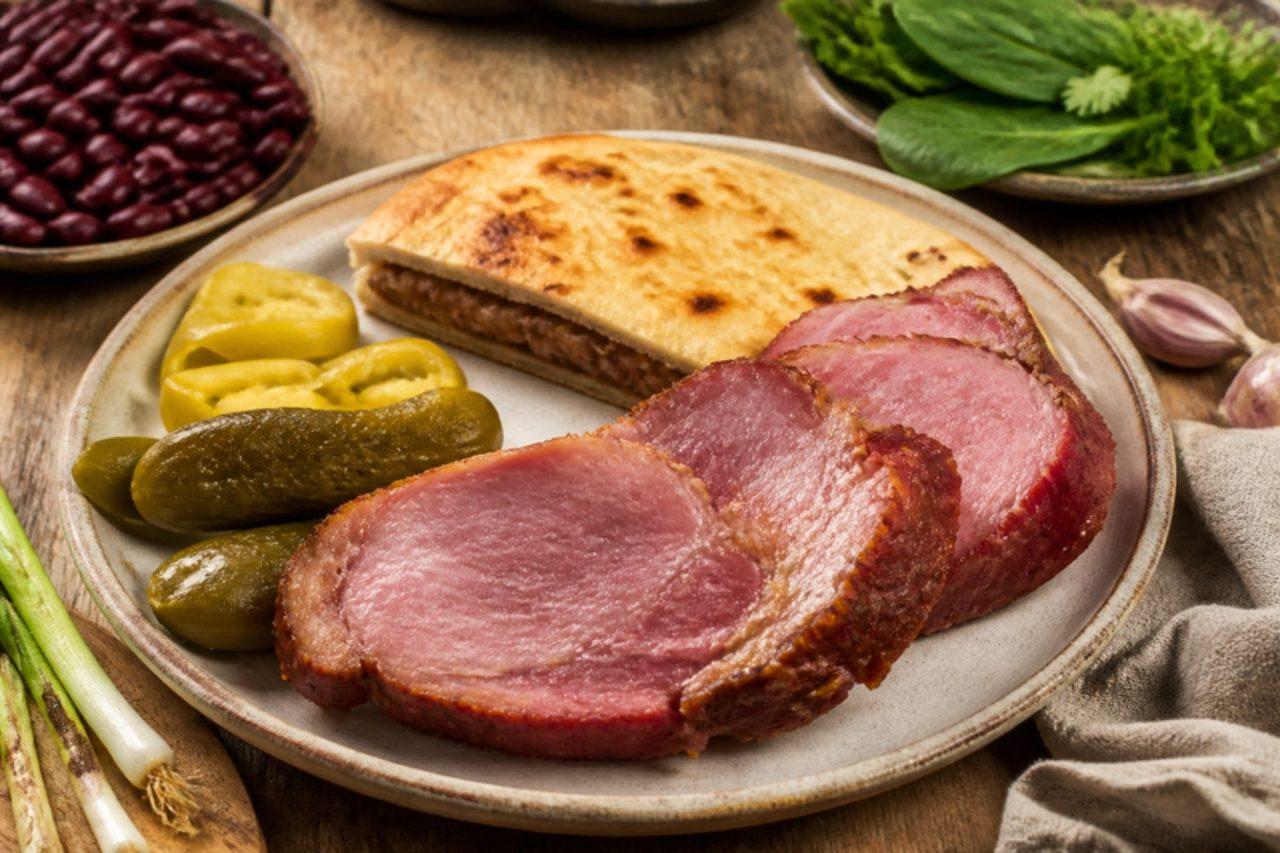
Rachan ham

Rachuli lori is the pride of Racha: pork legs salted and hung in the smoky rafters above a wood fire, then sliced and fried until crisp, and above all eaten with lobiani bean bread, which in Racha is made with fried ham inside. This is a pork dish. Home kitchens cannot copy months in a chimney, so this version brines a boneless pork leg joint for two days in the fridge and then hot-smokes and roasts it until cooked through, giving a ham you can slice cold or fry. A common mistake is skipping the rinse after brining, which makes the ham far too salty. Chef's tip: smoke over fruit wood with a few dried bay leaves for the dark, sweet smoke of a Rachan kitchen. Whole pork joints are safe at 63 °C followed by a 10-minute rest.

240 minGeorgianMeatGluten free
by KrazyBadal 0 views

HurmašiceDate-shaped biscuits in lemon syrup

Plates of hurmašice come out for Bajram in Bosnia, offered to every visitor with a small cup of Bosnian coffee. The name comes from hurma, the date, because each little cookie is rolled into a date-like oval and pressed on the fine side of a grater to give it ridges. After baking they are soaked in cool lemon sugar syrup until they are moist, sticky and sweet right through, yet still hold their shape. A walnut half on top is a nice touch. Where most people go wrong is pouring hot syrup over hot biscuits, which turns them to mush; one of the two must be cool. Chef's tip: make them a day ahead; overnight the syrup spreads evenly and the texture becomes soft and tender.

by KrazyBadal 0 views

Red caviar butterbrods

When the Soviet festive table had one luxury, this was it: little slices of white bread, thick with cold butter and topped with glistening orange salmon roe, set out for New Year's Eve, birthdays and the first course of a wedding. The pleasure is in the textures, the bead-like eggs bursting with a salty sea taste against sweet butter and soft bread. Salmon roe is salted and cured, not cooked: buy pasteurised roe in a chilled jar or tin from a good fishmonger, keep it in the fridge and eat it the day it is opened; it is not for pregnant women, young children or anyone with a weakened immune system. A common mistake is spreading the butter thin; you need a proper layer to anchor the roe. Chef's tip: spoon the roe with a plastic or bone spoon rather than metal, and add it at the last minute so it stays plump.

by KrazyBadal 0 views

Jamaican jerk pork

Boston Bay in Portland is where jerk pork was born, and the jerk pits there still slow-smoke pork shoulder over green pimento wood under sheets of zinc until the outside is dark and crusted and the meat is smoky and juicy. This home version uses boneless pork shoulder rubbed with a wet paste of scotch bonnet, pimento, scallion, thyme and ginger, then cooked slowly in a covered barbecue or oven and finished over high heat. The biggest mistake is rushing the marinade; it needs at least 12 hours in the fridge to get into the pork. Cook until the thickest part reaches at least 63 °C, then rest; for tender, chopped jerk like the stalls, keep going to about 85 °C. Chef's tip: throw a handful of soaked allspice berries and bay leaves onto the coals for the smoky pimento flavour of the real pits.

240 minJamaicanMeatGluten freeSpicy
by KrazyBadal 0 views

Ayam buah keluakChicken with black keluak nuts

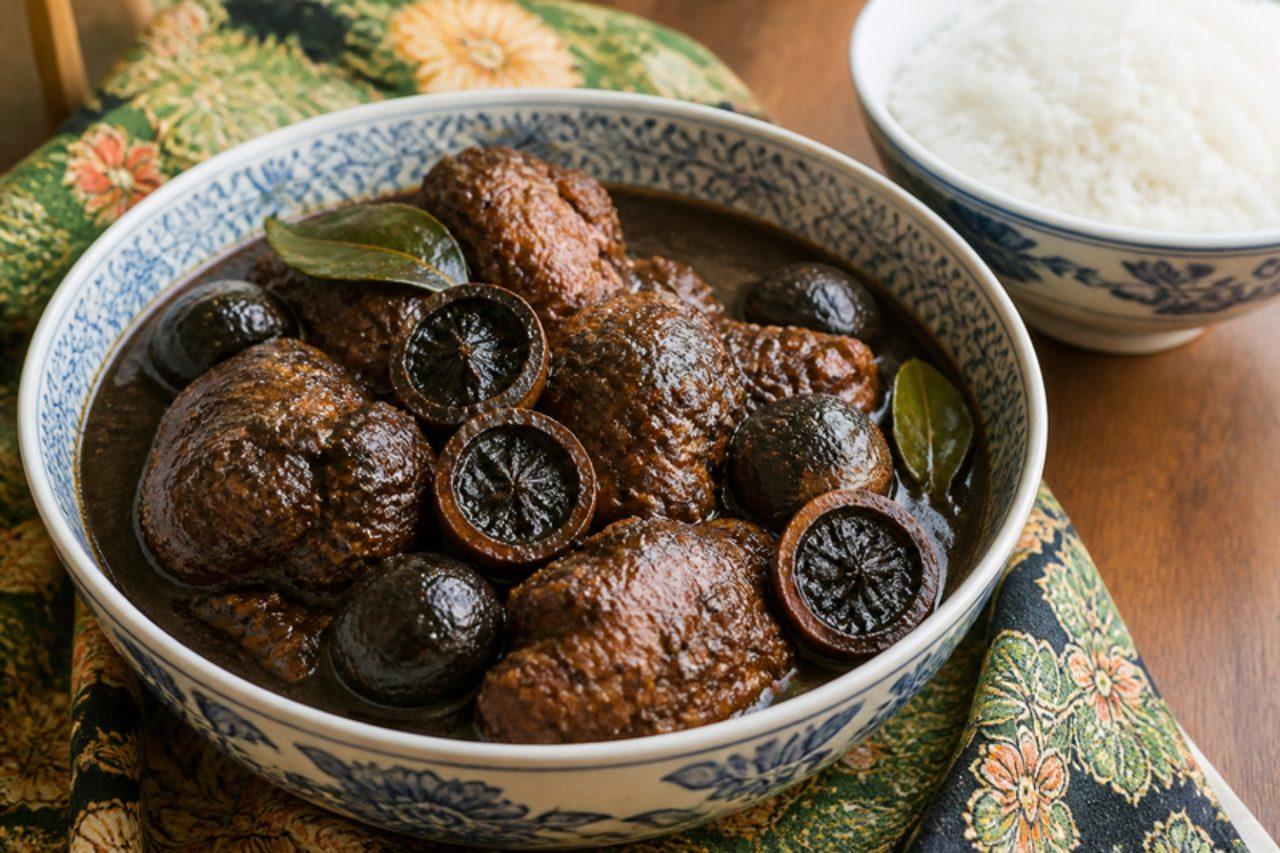
Ask any Peranakan family in Singapore which dish defines the Nyonya table and most will name this one, cooked for Chinese New Year, ancestral offerings and big birthday lunches. Chicken is braised in a sour tamarind gravy built on a long-fried rempah of chillies, shallots, galangal, lemongrass and shrimp paste, together with buah keluak, the hard black nut of the kepayang tree, whose inky flesh tastes of dark chocolate, mushroom and olive. Diners dig the paste out with a teaspoon and stir it into rice. Raw keluak nuts contain hydrogen cyanide and are poisonous: use only cleaned, pre-soaked nuts sold ready to cook, and still soak them for several days, changing the water every day, as the seller's instructions say. The mistake people regret is skimping on that soak, which leaves the nuts bitter as well as unsafe. Chef's tip: cook it a day ahead; the gravy darkens and the flavours deepen overnight.

by KrazyBadal 0 views

Fried gobies

Odesa's beloved bychky, the little big-headed gobies of the Black Sea, are sold by the bucket at Pryvoz market and fried in sunflower oil in kitchens and beach cafés all summer. Dusted with seasoned flour and fried hard, they come out crunchy and golden, with sweet white flesh and bones so small they are eaten whole. Serve with lemon, a tomato and cucumber salad, bread and plenty of dill. Most people go wrong by using too little oil, so the fish stick and the coating flakes away; you want a good centimetre in the pan. Outside the Black Sea region, smelt, sprats or small whiting work the same way. Chef's tip: for the crunchiest result, ask for the heads to be removed and the fish gutted, salt them 10 minutes in the fridge, then dry them very well before flouring.

by KrazyBadal 0 views

Jamaican pepper shrimp

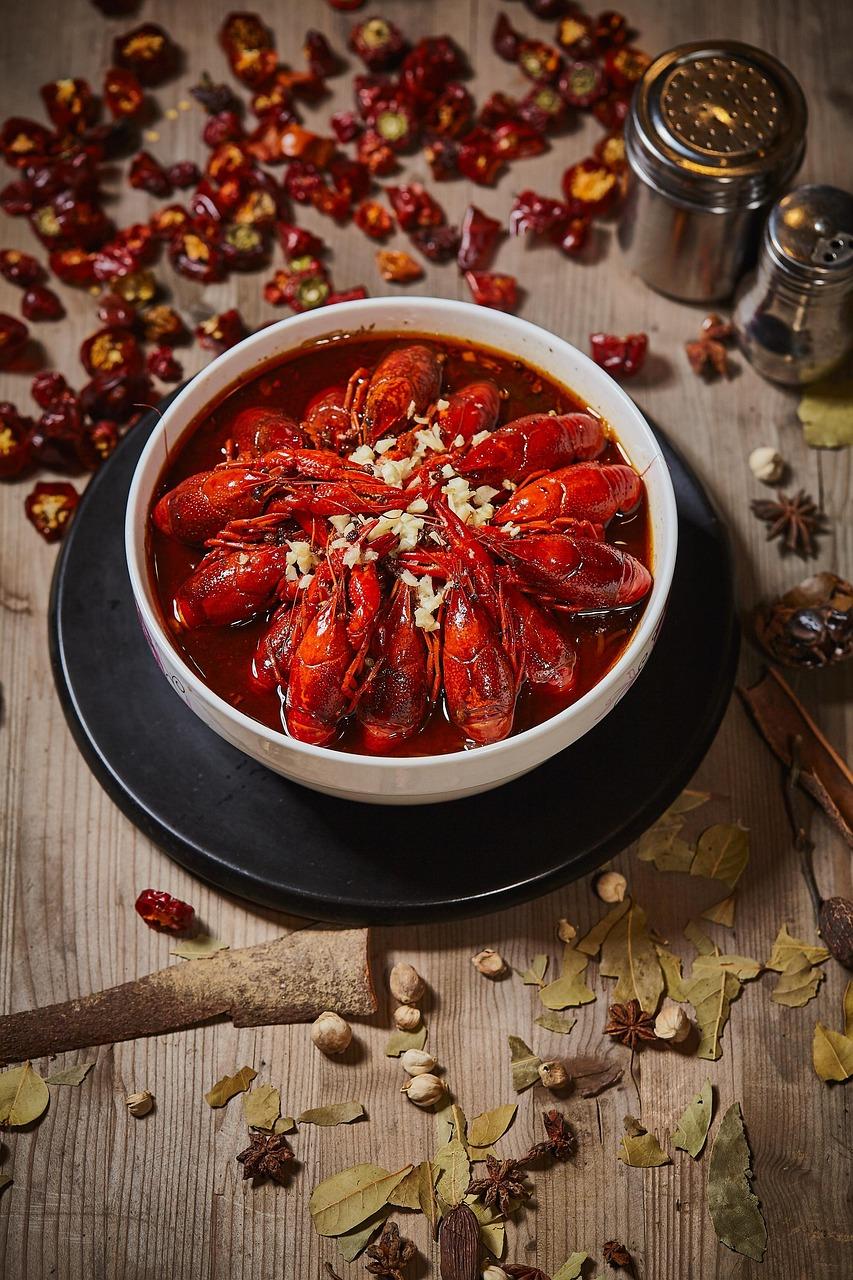
Drive through Middle Quarters in St Elizabeth and women by the roadside will lean into the car window holding bags of bright red pepper shrimp, calling "pepa swimps!" The river shrimp are boiled whole in a fiery brine of scotch bonnet, pimento, garlic and salt, then left to soak up the heat, and eaten with the fingers, shells and all sucked clean. Large shell-on prawns make a fine substitute. The usual mistake is overboiling, which leaves the shrimp rubbery; they need only a few minutes before steeping off the heat. Discard any shrimp that smell of ammonia or have soft, slimy shells before cooking. Chef's tip: a teaspoon of annatto or paprika gives the deep red colour of the roadside bags.

by KrazyBadal 0 views

Highland grilled trout

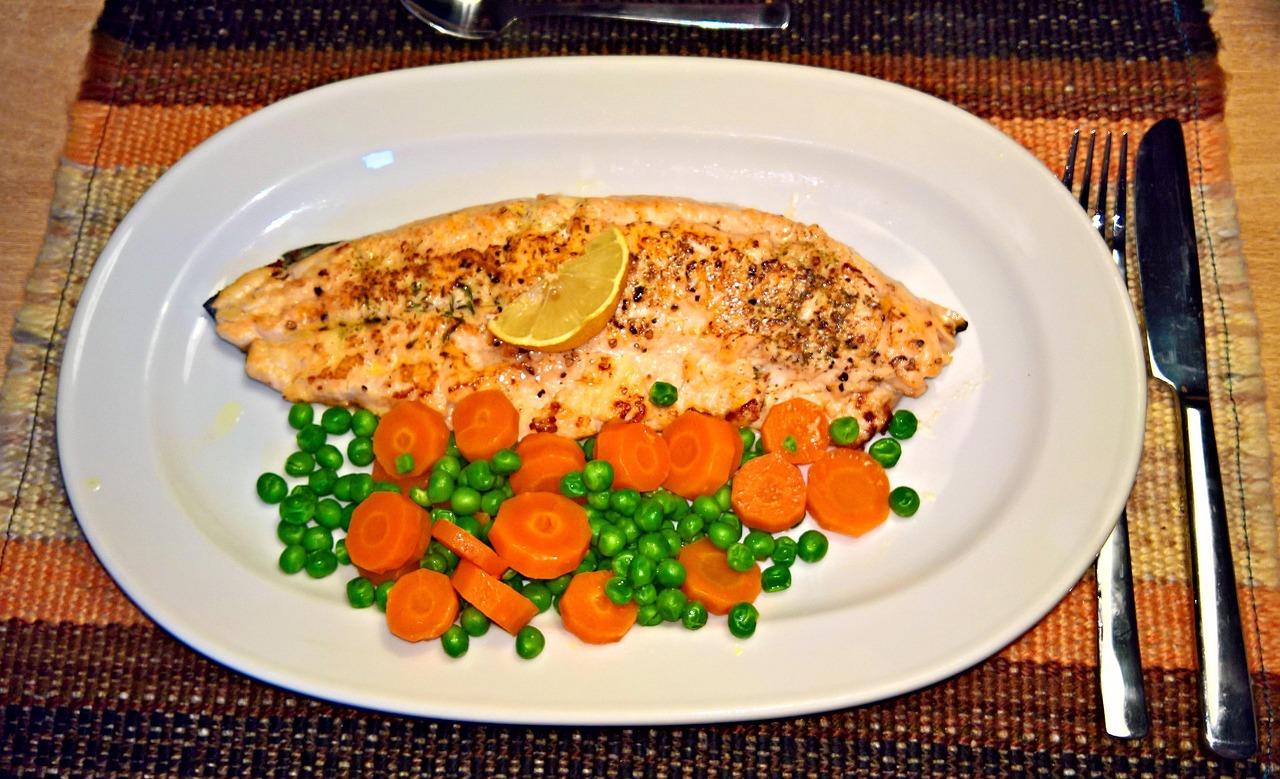
Trout farms fed by cold Tatra streams supply the roadside grills and mountain inns of Podhale, and pstrąg po góralsku is what hikers order on the terrace with a view of Giewont: a whole fish, stuffed with garlic and fresh herbs, crisped in butter until the skin crackles. The flesh is sweet and delicate, scented by dill and parsley from the inside out. Serve it with boiled new potatoes, lemon and a cucumber salad with sour cream. The classic error is flipping too early, so the skin tears and sticks; leave it until it releases on its own. If you have a grill basket, the same fish is excellent over charcoal. Chef's tip: score the thickest part of each side twice, right down to the bone, so the head end cooks as fast as the tail.

28 minPolishFishGluten free
by KrazyBadal 0 views

Sri Lankan Chinese rolls

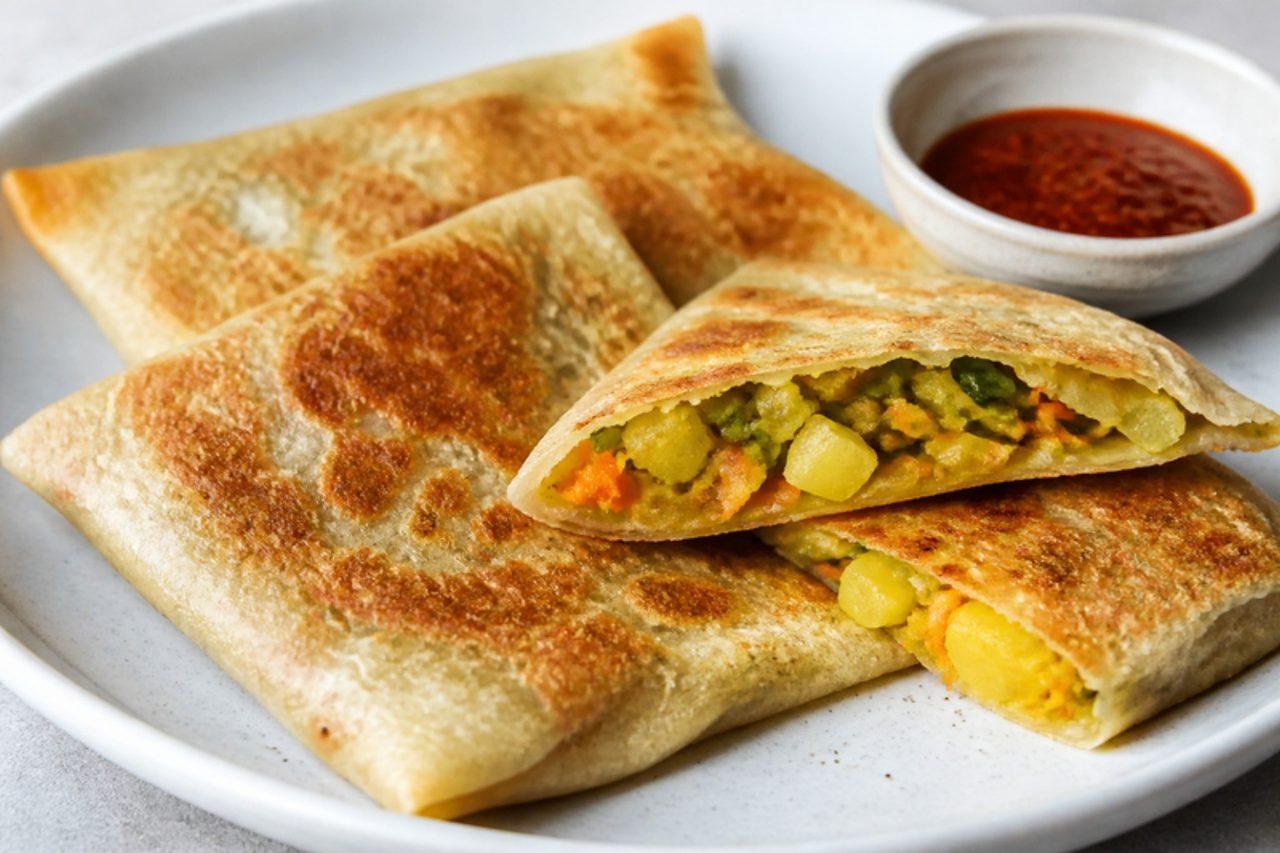
Nobody in Sri Lanka quite knows why they are called Chinese rolls, but every bakery glass case and tea-shop counter from Kandy to Matara has a tray of them: thin crêpes wrapped around a peppery filling, dipped in batter, rolled in breadcrumbs and fried to a golden crunch. Fish is the classic, usually tuna or mackerel cooked with potato, leeks, onion, curry leaves and green chilli, and the rolls go to office tea breaks, almsgiving receptions and children's birthday parties, always with a bottle of chilli sauce. A potato and leek version without fish is just as popular and makes them vegetarian. People often go wrong by making the pancakes too thick, which gives a doughy roll that never crisps. Chef's tip: roll each one tightly like a spring roll, tucking the sides in, so the filling cannot burst out in the oil.

by KrazyBadal 0 views

Renga (smoked herring with lemon and tahini)

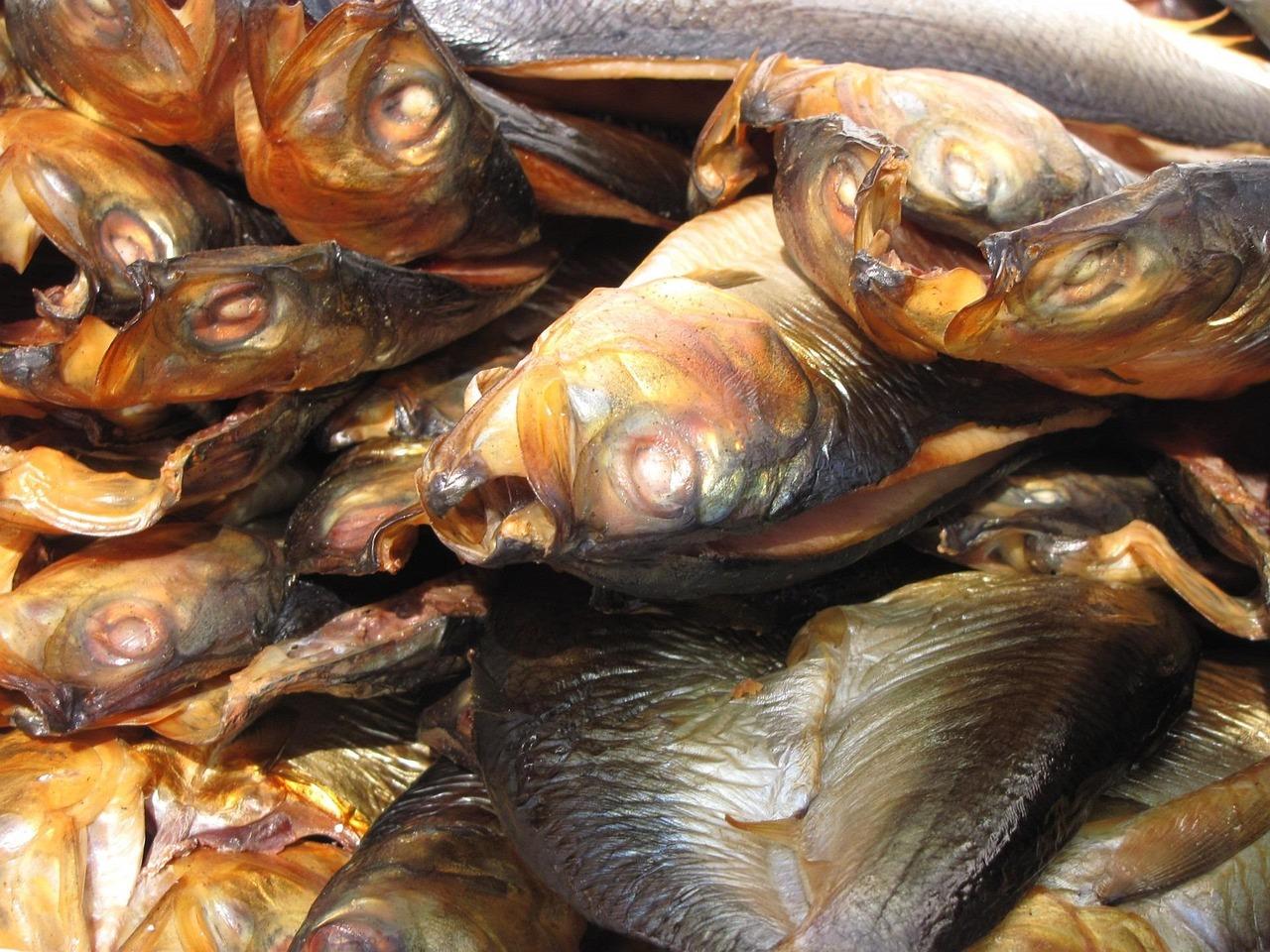
On Sham el-Nessim, the spring festival Egyptians of every faith celebrate on the Monday after Coptic Easter, families head to parks and the Nile banks with coloured eggs, spring onions, lettuce and fish, and renga is on almost every picnic cloth. Golden smoked herring is skinned, boned and flaked, then dressed with plenty of lemon, raw onion, chilli and a garlicky tahini sauce, so the salty, smoky fish is cut by sharp citrus and creamy sesame. It is scooped up with baladi bread and crunchy greens. Shop-bought renga is cold-smoked and eaten without cooking, so it is not for pregnant women, young children or anyone with a weakened immune system unless you heat it first (see the last step). Buy it sealed from a reputable shop, within its date. Chef's tip: soak the fillets in cold water for 10 minutes to tame the salt before dressing them.

by KrazyBadal 0 views

Gullisuwa (fried milk balls in syrup)

Small kiosks in Kano sell gullisuwa in twists of plastic, and Hausa families make platefuls for Sallah and weddings. Milk powder, a little flour and sugar are worked into a soft dough, rolled into balls and fried slowly until deep golden, then soaked in syrup, which gives a rich, fudge-like centre and a faintly caramel crust. They recall Indian gulab jamun, but they are firmer and less spiced. Milk sugars burn fast, so the common mistake is hot oil that browns the outside in seconds while the inside stays doughy; keep it low. Chef's tip: oil your palms when rolling, so the balls stay smooth and don't crack in the pan.

by KrazyBadal 0 views

Sri Lankan patties

Patties are the short eat that marks a Sri Lankan celebration, made by the hundred for weddings, Avurudu New Year visits and Christmas open houses, and sold warm from bakeries in paper bags. The pastry is the clue to their identity: rich with butter, egg and coconut milk, rolled thin, folded into half-moons and crimped with a fork, then fried until blistered and flaky. Inside is a gently spiced mix of chicken, potato and leeks with a hint of cinnamon, and a vegetable filling of potato, carrot and leek is equally common when guests are vegetarian. It goes wrong when the filling is still warm when it meets the pastry, which then softens, tears and leaks in the oil. Chef's tip: rest the pastry in the fridge for half an hour before rolling, and press the edges with a fork dipped in flour so they seal firmly.

by KrazyBadal 0 views

Mbesses (Kabyle semolina cake)

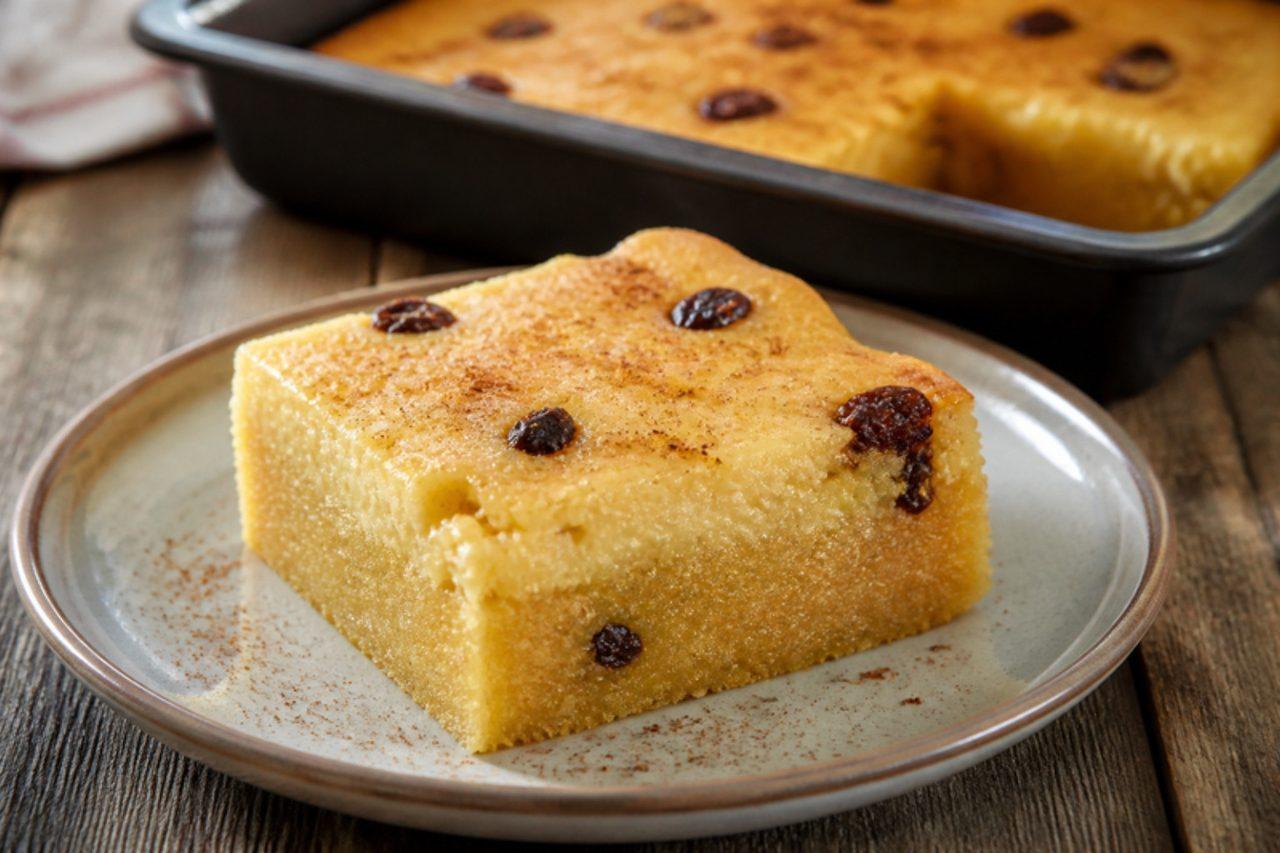
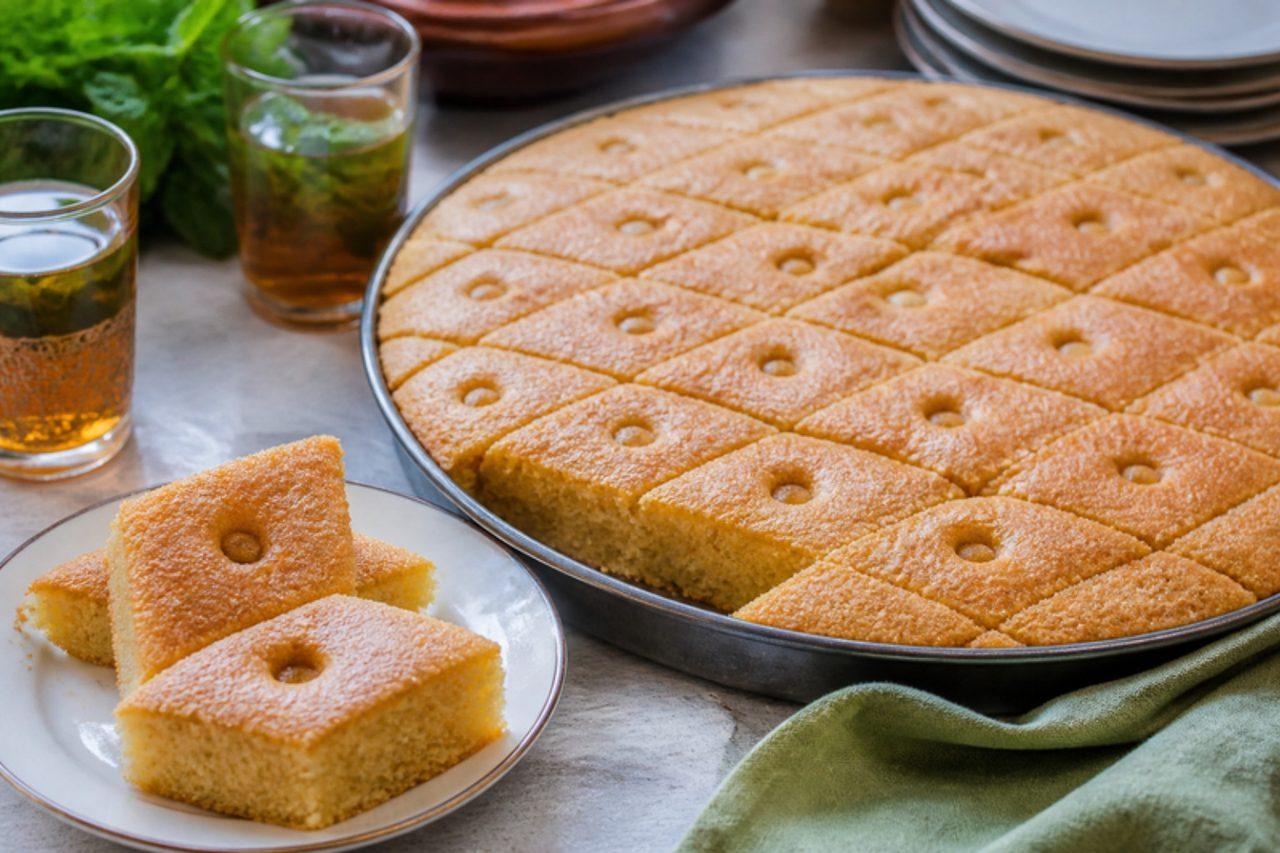
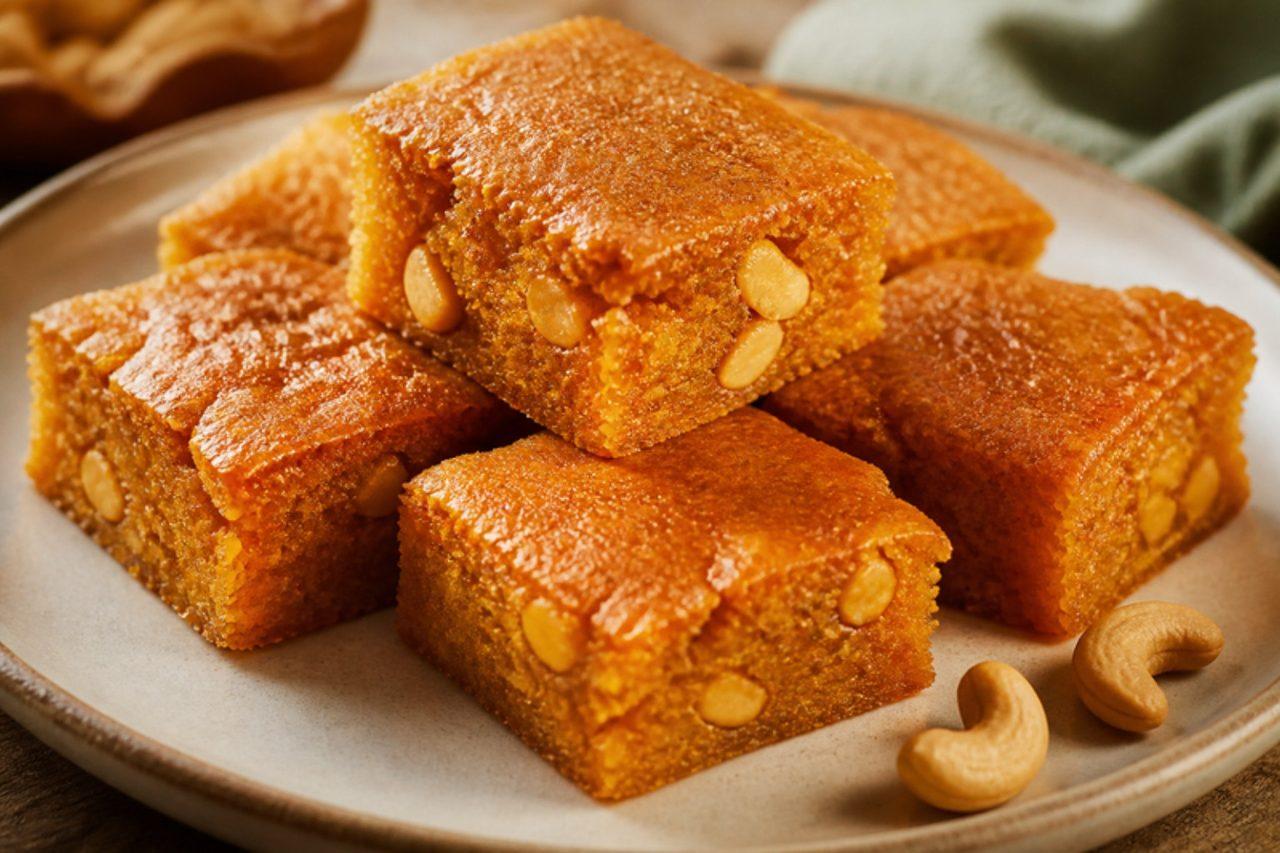
Somewhere between shortbread and cornbread, mbesses is the plain cake of Kabyle kitchens, a shallow tray of semolina rich with melted butter, lightly sweetened and baked until golden on top. The texture is sandy and tender, breaking into crumbs that taste of toasted grain and butter, with a hint of orange blossom. It is cut into diamonds and served with milky coffee in the afternoon, or offered to guests who drop by during Ramadan evenings. Some households scatter sesame or nigella seeds over the top before baking. Chef's tip: spread the mixture into the tray with a light hand; pressing it down hard is the most common mistake and gives a dense, heavy cake.

by KrazyBadal 0 views

Haitian konparètCoconut ginger spice bread

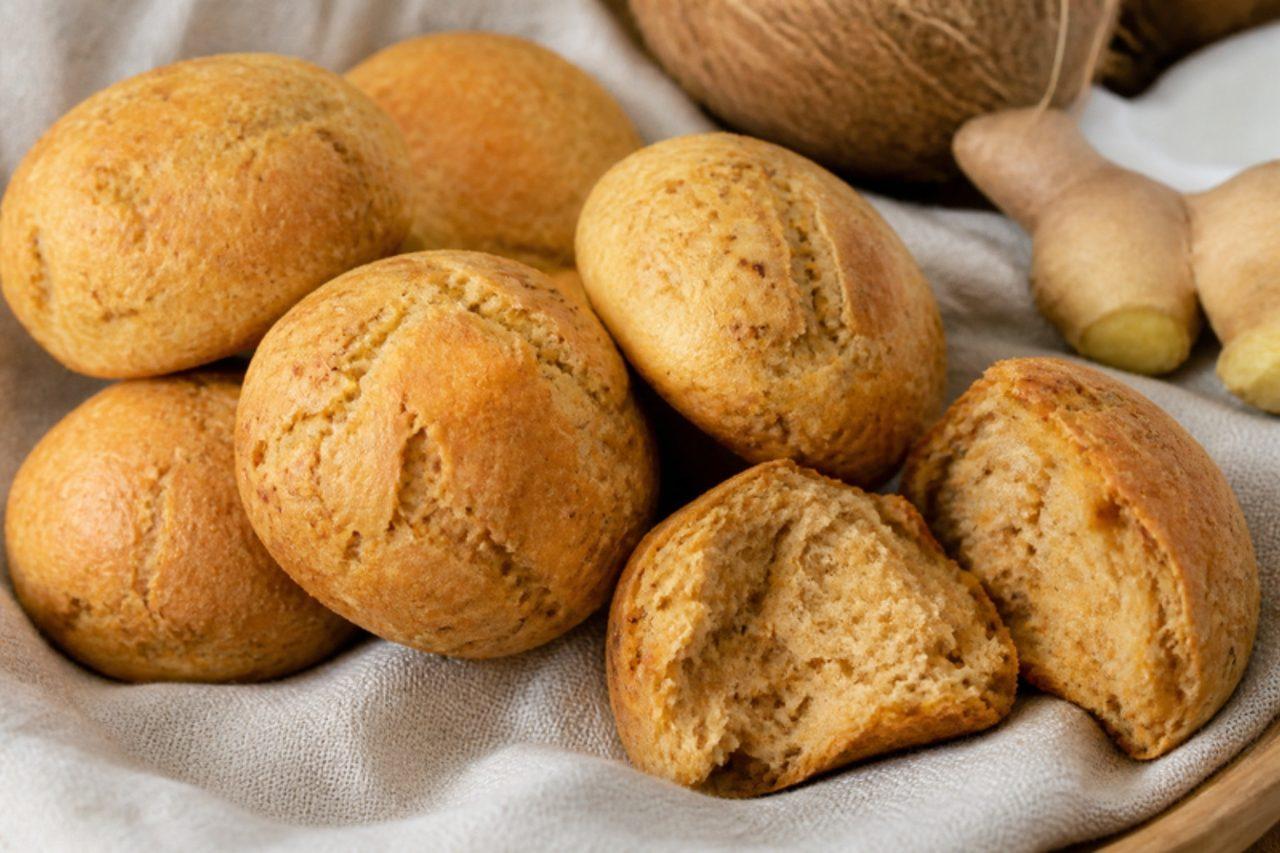
Jérémie, at the far western tip of Haiti, is the home of konparèt, dense round loaves of spiced bread made with grated coconut, fresh ginger, nutmeg and vanilla, baked until firm and golden. They are a Grand'Anse travelling food, carried home from the coast in baskets and eaten with coffee or hot cocoa in the afternoon. They are meant to be firm and close-crumbed, not fluffy, so the mistake is adding extra liquid to make the dough soft. Use freshly grated coconut if you can, as it gives the moistest crumb. Chef's tip: grate the ginger on the fine side of the grater and squeeze its juice into the dough too; that heat is the signature of a good konparèt.

by KrazyBadal 0 views

Flan de quesoCream cheese flan

Denser and tangier than a plain egg flan, flan de queso is the dessert Puerto Rican families bake for birthdays and Nochebuena, often a day ahead so it can chill overnight. Cream cheese is blended with evaporated and condensed milk and eggs, then baked slowly in a water bath on a layer of amber caramel, so it turns out glossy, sliceable and somewhere between a flan and a cheesecake. The common mistake is baking it too hot, which makes it puff, crack and weep; low heat and a water bath keep it silky. Chef's tip: take the caramel to the colour of a dark copper coin, as a pale caramel tastes only sweet and a bitter edge balances the rich cheese.

by KrazyBadal 1 views

Hot butter cuttlefish

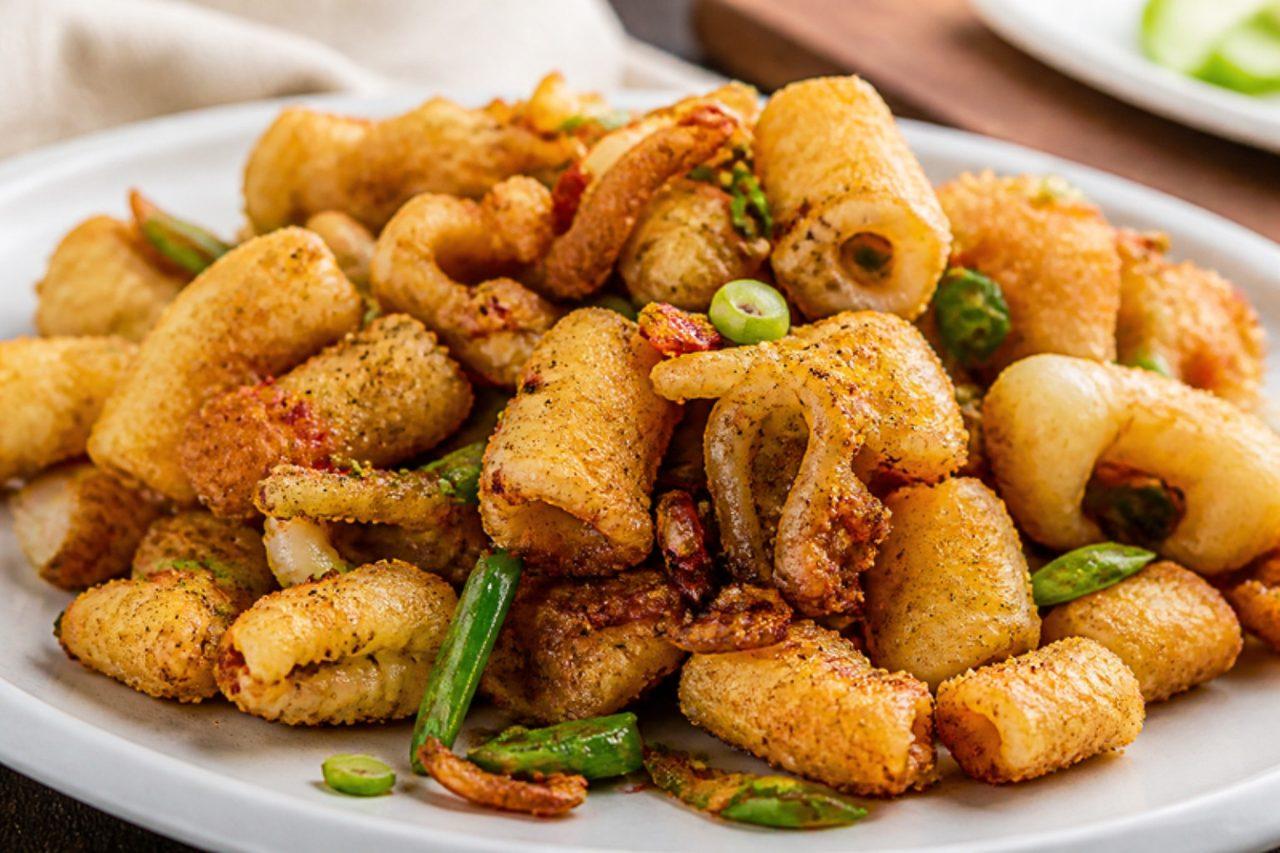
Along Colombo's Galle Road and in the seafood restaurants of Negombo, hot butter cuttlefish is the dish nearly every table orders first, a heap of golden, crunchy strips that disappear while the rice and curries are still on their way. The cuttlefish is scored, dipped in a light, chilli-spiked batter and fried hard, then thrown into a pan of foaming butter with garlic, dried chilli flakes, green chilli and a big handful of spring onion. The result is crisp outside, tender within, rich, salty and properly hot, and it is eaten as a starter or alongside fried rice and a fresh lime. It goes wrong when the cuttlefish fries too long, because it turns rubbery after about two minutes in the oil. Chef's tip: score the inside of each piece in a fine criss-cross so it curls and grabs the batter, and fry in small batches so the oil stays hot.

by KrazyBadal 0 views

Pescado con cocoFish in coconut sauce

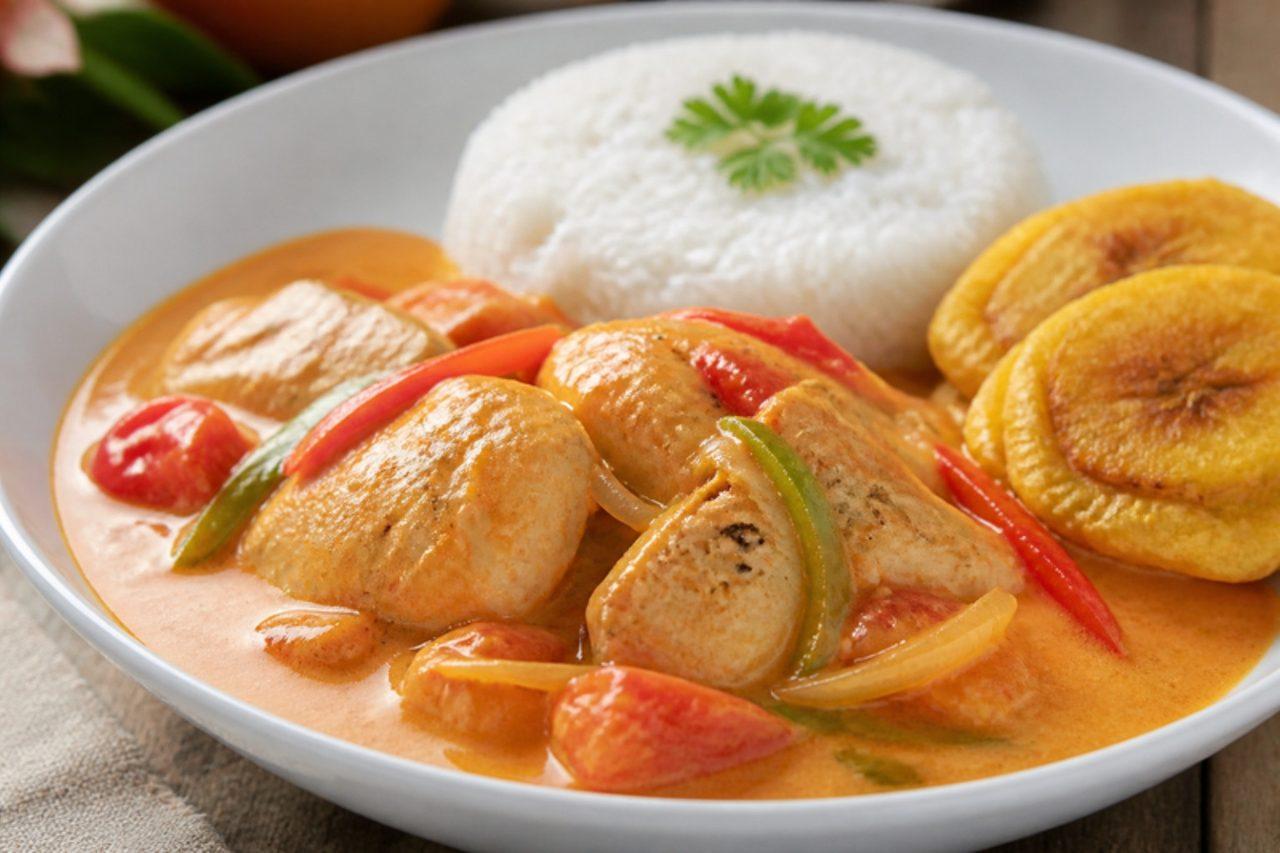
On the Samaná peninsula in the north-east of the Dominican Republic, where coconut palms grow down to the sea and the local cooking carries traces of the African-American settlers who arrived there in the 1820s, fish is braised in fresh coconut milk with tomato, peppers and herbs. It is served at beach shacks in Las Terrenas with white rice and tostones to mop up the sauce. The common mistake is boiling the sauce hard once the coconut milk is in, which makes it split and oily; keep it at a gentle simmer. Chef's tip: let the fish sit in lime, garlic and salt in the fridge for 15 minutes first, but no longer, or the acid starts to cook it.

by KrazyBadal 0 views

Ensalada de coditosMacaroni salad

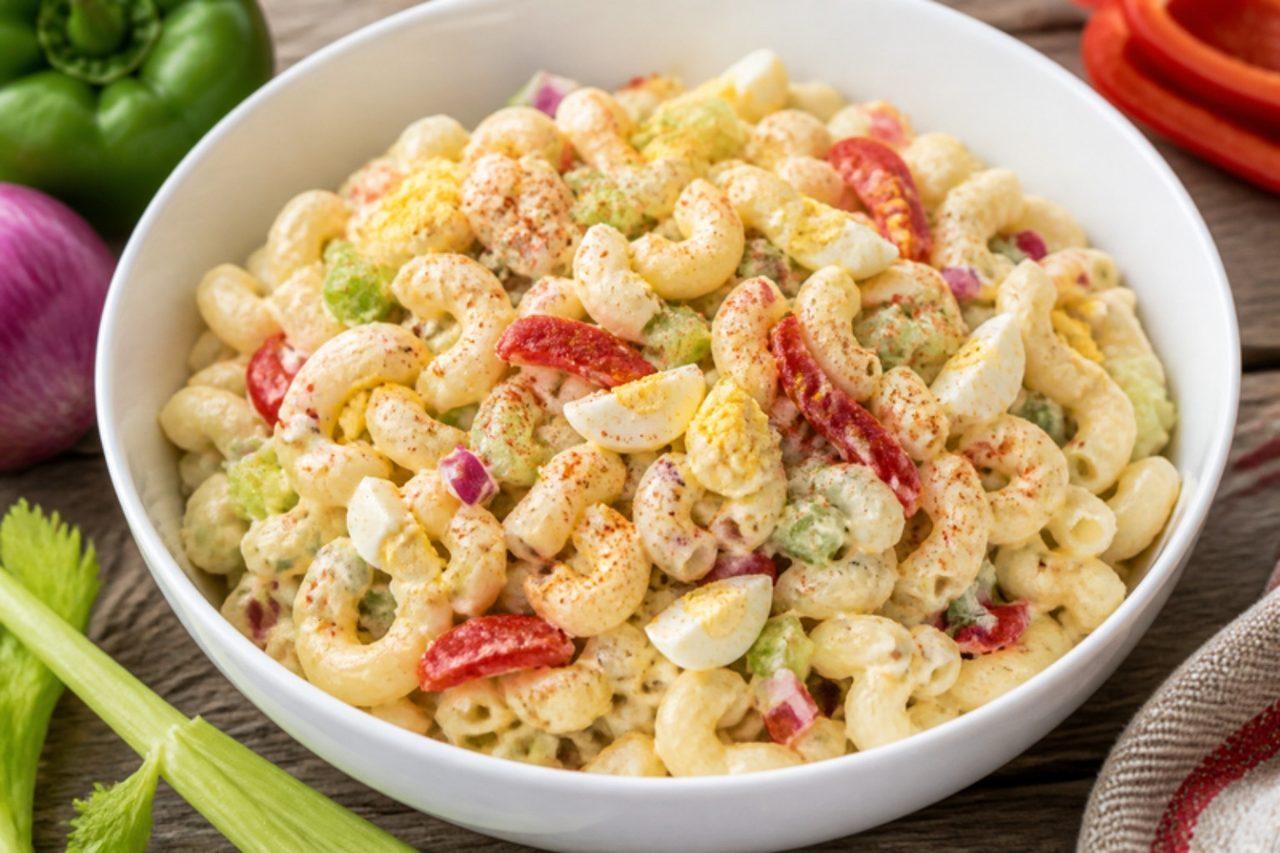
No Puerto Rican cumpleaños, baby shower or Thanksgiving-style family spread feels complete without a big bowl of coditos sitting next to the arroz con gandules. Elbow macaroni is folded through creamy mayonnaise with crunchy pepper, onion and celery, chopped hard-boiled egg and sweet pimientos, then chilled until the pasta drinks up the dressing. The common mistake is dressing the pasta piping hot, which makes the mayonnaise oily and split; let it cool first. Keep it in the fridge and don't leave it out in the sun for more than 2 hours. Chef's tip: toss the drained pasta with a splash of the pimiento liquid while it is still warm, so it is seasoned all the way through.

by KrazyBadal 0 views

Jaffna crab curry

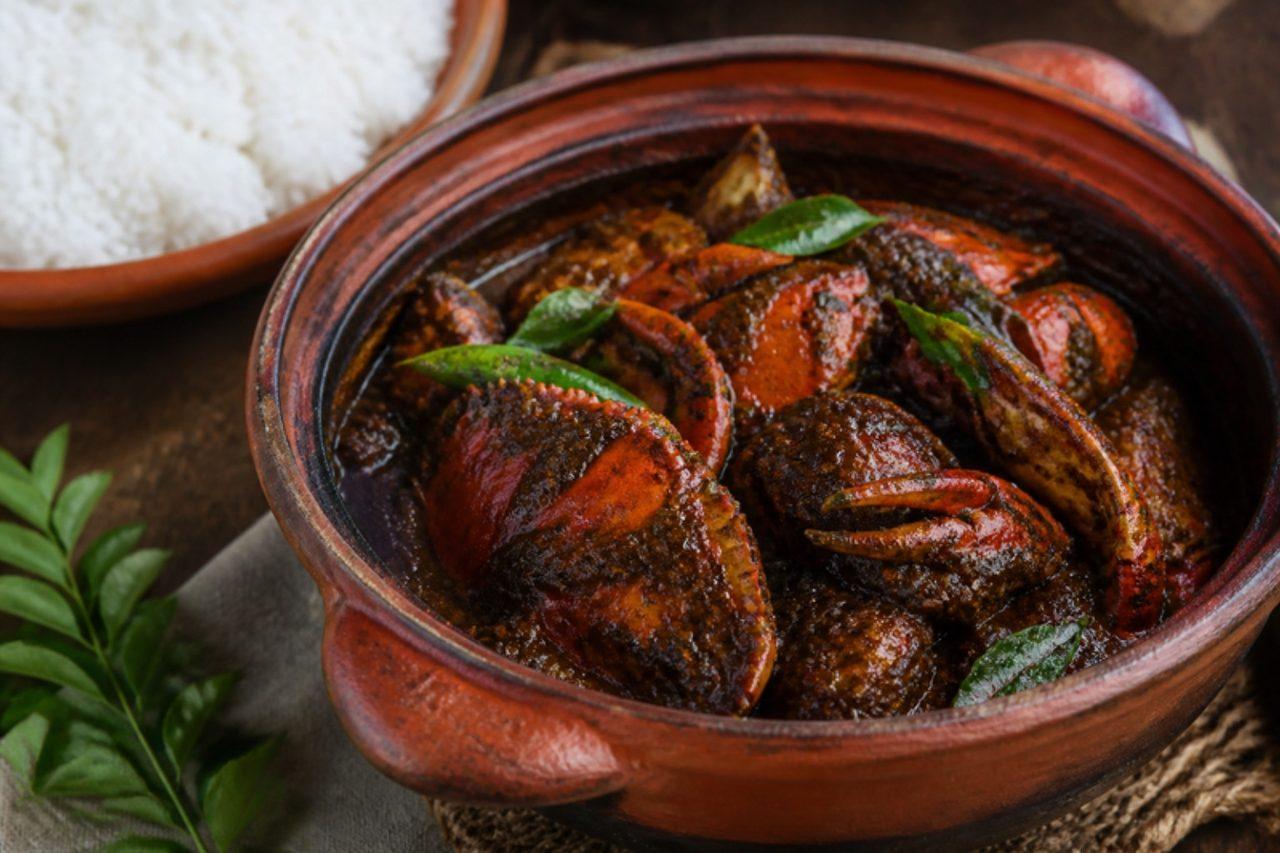
The shallow lagoons around Jaffna and the islands of Kayts and Delft produce big, sweet mud crabs, and the town's answer to them is a curry so dark and hot that visitors are warned before they order. Jaffna curry powder, heavy with roasted red chilli, coriander and fennel, is fried in sesame oil with onion and garlic, then loosened with tamarind and a little coconut milk so the sauce clings to every crack in the shell. A handful of moringa leaves wilted in at the end adds a grassy note, and the crab is eaten with the hands, sucked from the shell, alongside plain rice or puttu. A frequent misstep is boiling the crab hard for too long, which makes the meat dry and stringy. Chef's tip: crack the claws before cooking so the sauce soaks in and the meat is easy to reach at the table.

by KrazyBadal 0 views

Grilled oscypek with cranberry

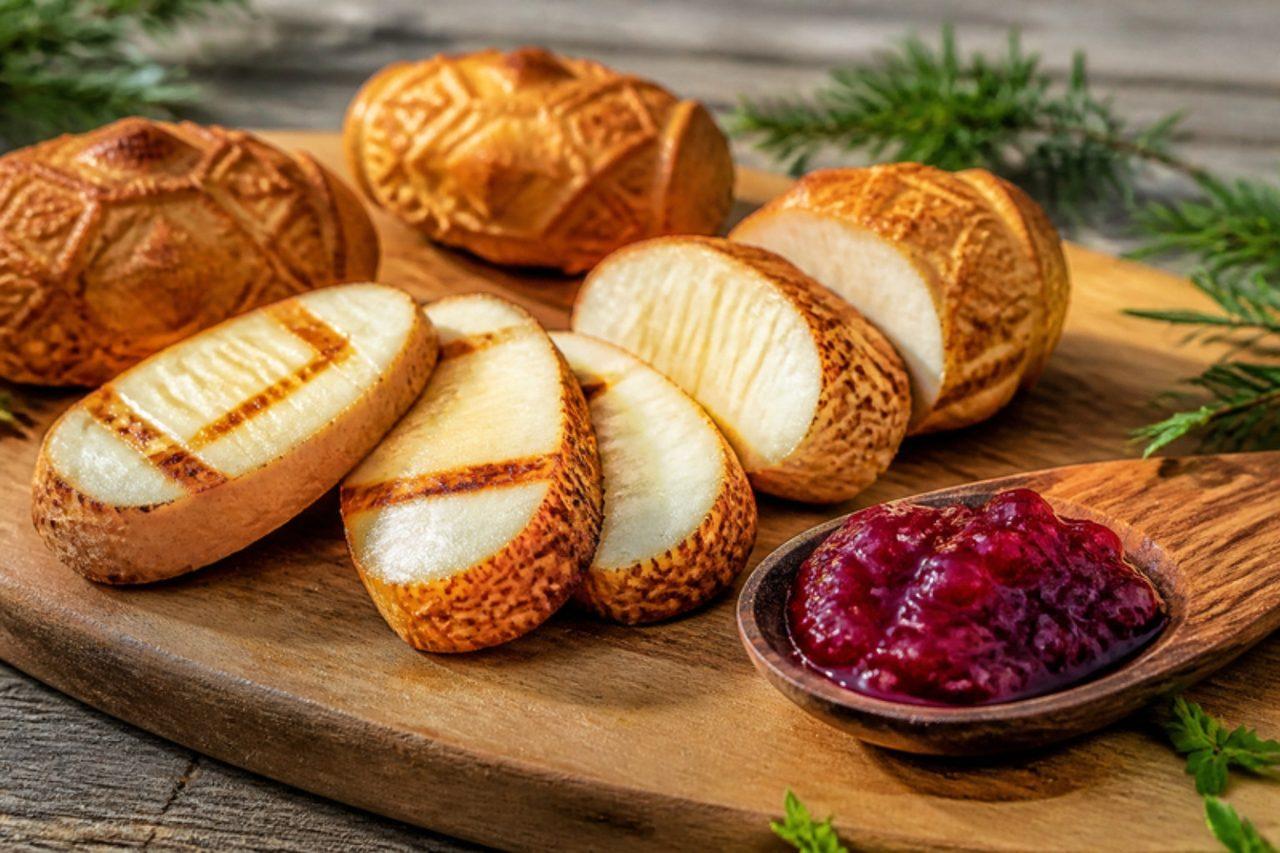
Walk down Krupówki street in Zakopane in any season and the smell of smoke and warm cheese leads you to the grills, where highlanders turn thick slices of oscypek until they are striped and soft. The real thing is a spindle-shaped, carved sheep's milk cheese smoked in mountain huts; grilled, it turns chewy and squeaky outside, salty and smoky within, and the sharp-sweet cranberry cuts through it perfectly. Oscypek is made with animal rennet, so for a vegetarian plate use a smoked sheep's or cow's cheese made with vegetarian rennet, firm enough to hold its shape. The usual slip is slicing too thin; the cheese then melts through the grill. Chef's tip: oil the pan, not the cheese, and don't move the slices until they release on their own.

by KrazyBadal 0 views

Sri Lankan chicken curry

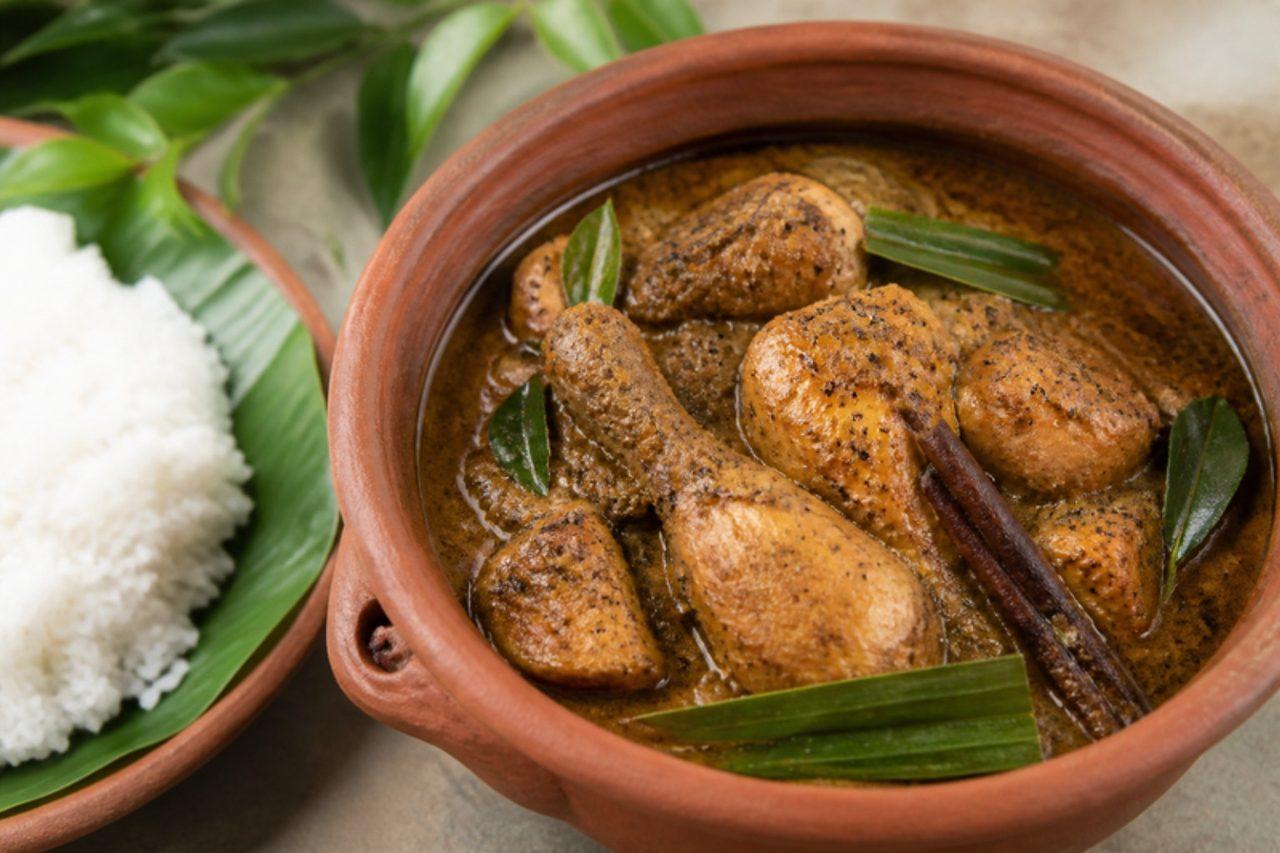
Sunday lunch in a Colombo family home very often means a pot of kukul mas curry, the chicken chopped small on the bone and simmered in a gravy darkened by curry powder that has been roasted until it smells almost like coffee. Pandan leaf, curry leaves, cinnamon bark and cardamom carry the perfume, while coconut milk stirred in towards the end rounds off the chilli heat without making the sauce heavy. It shares the table with red rice, parippu, pol sambol and a green mallung, and whatever is left over tastes even better the next morning with string hoppers. A common slip is using raw, unroasted curry powder, which tastes dusty and flat instead of deep and smoky. Chef's tip: roast the spices for the powder until they are the colour of milk chocolate and grind them while still warm, so the oils release into the powder.

by KrazyBadal 0 views

Devilled chicken

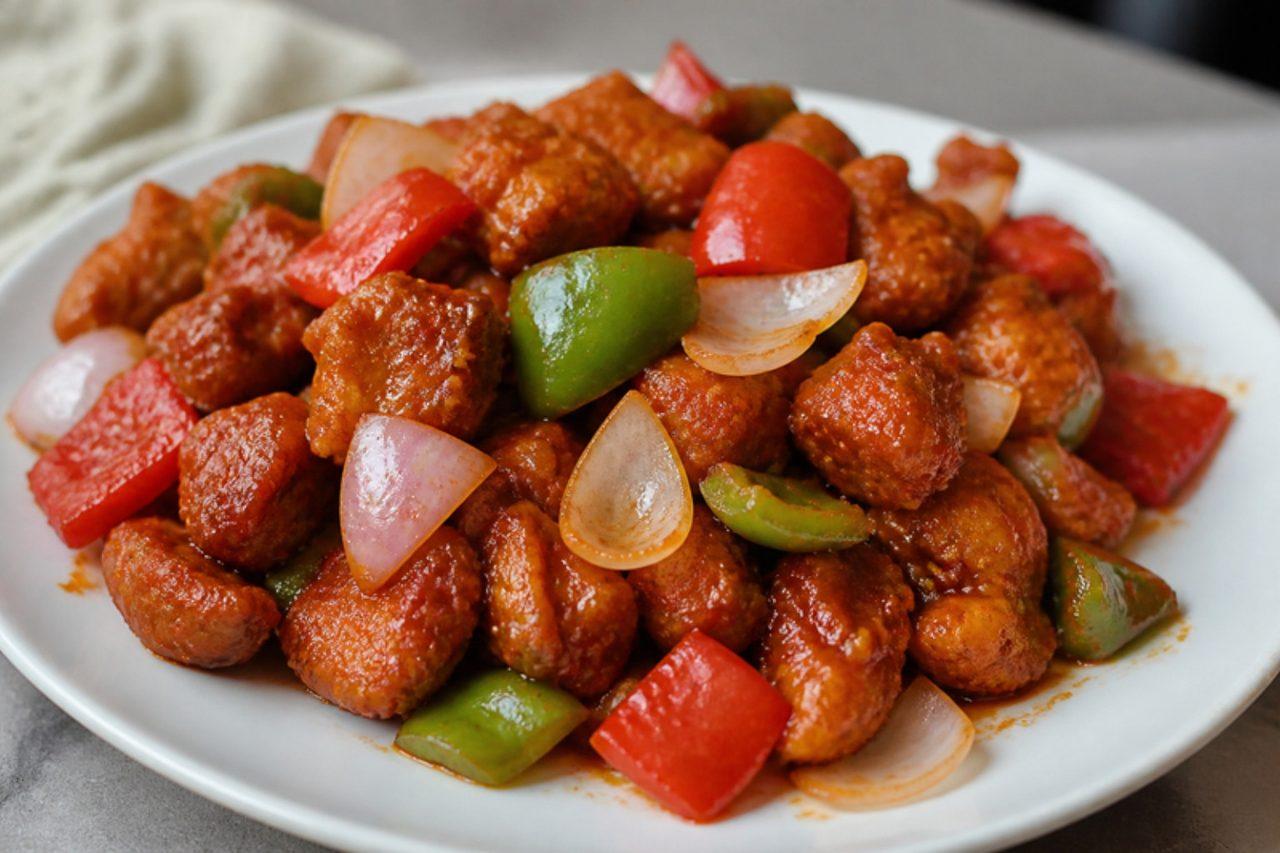
Few plates are more Colombo than devilled chicken, the sticky, fiery stir-fry born in the city's Sri Lankan-Chinese restaurants and now cooked in home kitchens for birthday parties, Saturday fried-rice nights and office lunch boxes. Bite-sized pieces of chicken are fried crisp, then tossed in a wok with wedges of onion, green capsicum and tomato in a glossy sauce of chilli flakes, ketchup and soy, so every piece is sweet, salty and hot at once. It is served with yellow fried rice or simply as a side to a rice-and-curry spread, and for a meat-free version you can devil button mushrooms or parboiled potato cubes in exactly the same sauce. Where most people go wrong is overloading the wok with vegetables, which then steam and go limp instead of staying crunchy. Chef's tip: separate the onion wedges into single petals before they hit the pan, so they char at the edges in under a minute.

by KrazyBadal 0 views

Jaffna goat curry

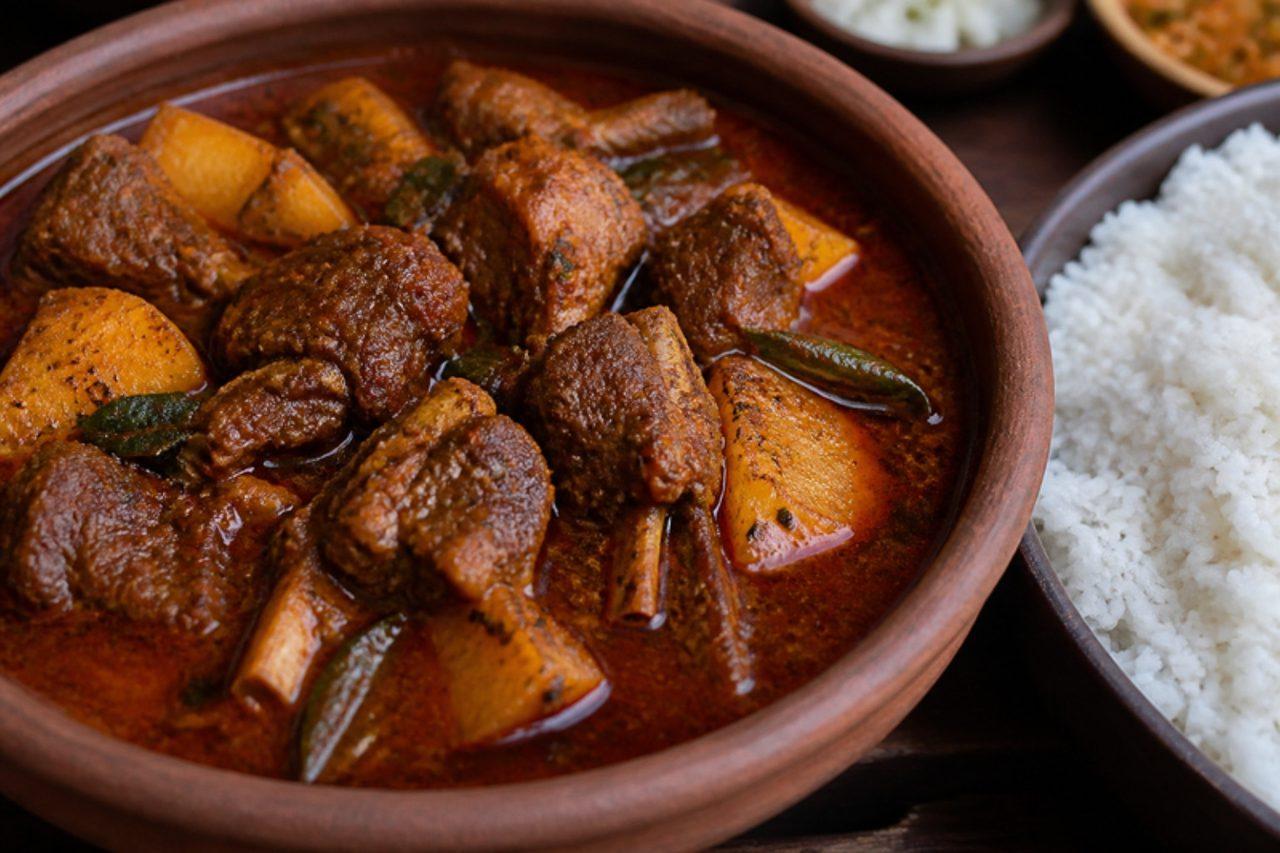
Goat is the celebration meat of the Tamil north, and a Jaffna aattukkari cooked for a temple feast day, a wedding lunch or a Sunday at home is thick, brick-red and ferociously spicy. The secret is the local curry powder, roasted much darker and hotter than in the south, fried in oil with onion, garlic and fennel until it almost catches, then simmered slowly with the meat until the gravy reduces to a coating. Chunks of potato soak up the sauce, and the whole thing is eaten with rice, idiyappam or Jaffna-style puttu, with a cooling bowl of curd or coconut sambol on the side. The pitfall here is rushing the simmer; goat needs patience and goes chewy if it is cooked hard and fast. Chef's tip: brown the meat well in the spice paste before any liquid goes in, which gives the gravy its deep, almost smoky flavour.

by KrazyBadal 0 views

Tklapi soup

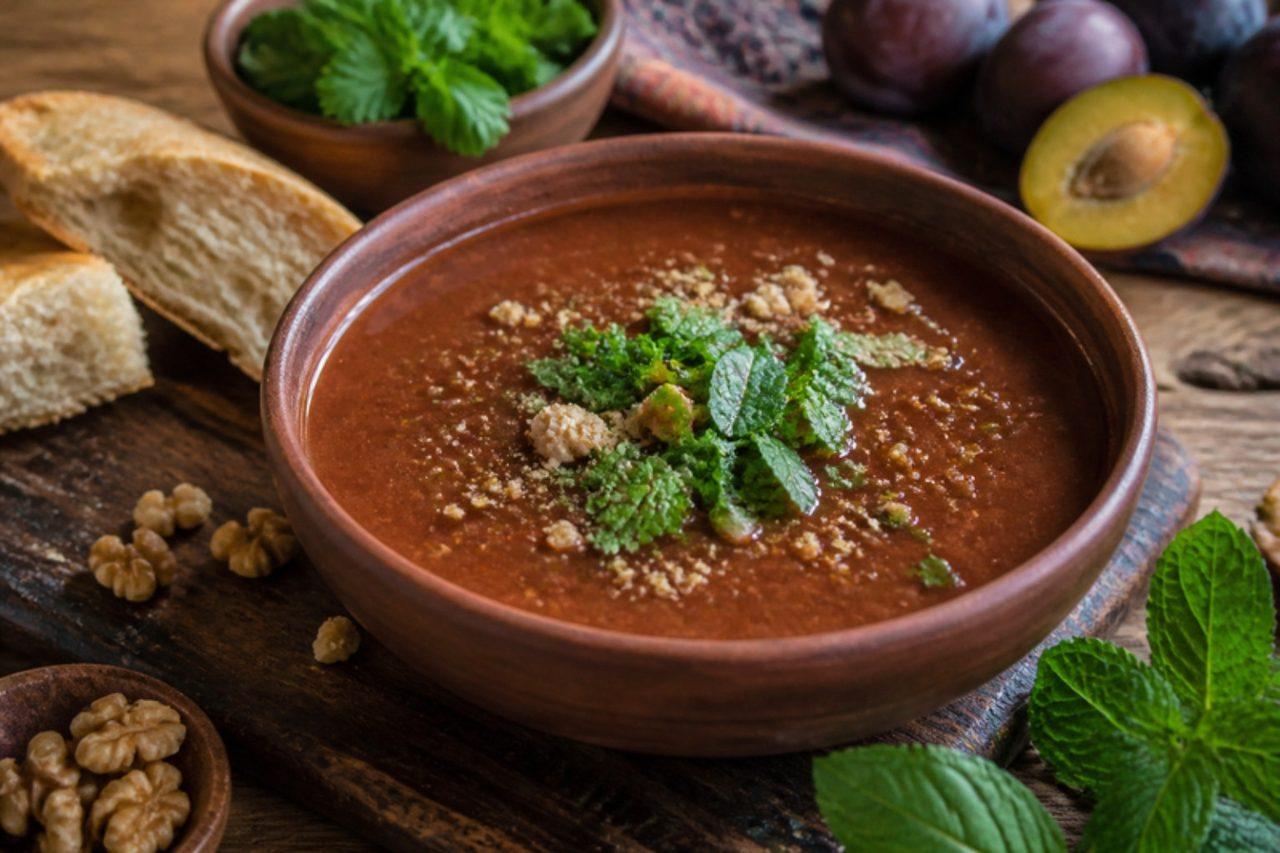
Tklapi are thin sheets of plum purée dried on boards in the late-summer sun around Kutaisi, rolled up and hung from rafters for the winter; dissolved in hot water, they turn into a sharp, fruity base for soups and sauces. This Imeretian Lenten soup is made in the cold months when fresh fruit is gone, thickened with walnuts and lifted with coriander, mint and garlic. If you cannot find tklapi, use dried sour plum leather or a mix of tkemali sauce and prunes. A common mistake is boiling the soup hard after the walnuts go in; they turn oily and the soup splits. Chef's tip: soak the tklapi in hot water first and rub it through a sieve, so the soup is smooth and free of stones or skins.

by KrazyBadal 0 views

Bradj (date-filled semolina diamonds)

When the first warm days arrive, families in Constantine and across eastern Algeria mark the spring festival with picnics, boiled eggs and plates of bradj: diamonds of buttery semolina sandwiching a layer of spiced date paste, cooked slowly on a griddle rather than baked. The outside turns golden and crumbly, the date layer stays soft and sticky, and orange-blossom water perfumes the whole thing. Bradj is served warm with a drizzle of honey or a cold glass of buttermilk, and is just as good the next day with coffee. Chef's tip: press the dough together rather than kneading it; worked like bread dough, semolina turns tough, and bradj should break with a crumble.

by KrazyBadal 0 views

Seven-layer tea

Visitors to the tea gardens of Srimangal, in Sylhet's Moulvibazar district, queue at small tea cabins to see a glass of tea striped in seven distinct bands, from creamy white at the bottom to pale green-gold at the top. The original recipe is a closely guarded secret of the tea-maker who made it famous, but the principle is simple physics: each layer carries a different amount of sugar, so the heaviest sits at the bottom and the lightest floats on top. This home version uses condensed milk, green tea, strong black tea, milk tea, lemon tea, spiced tea and plain tea, and it is drunk slowly, layer by layer, with a long spoon. Pouring too fast is what ruins it; each layer should trickle down the inside of the glass over the back of a spoon. Chef's tip: let all the brews cool to warm, about 50 °C, so temperature differences don't stir the layers.

by KrazyBadal 0 views

Mchewek (almond cookies)

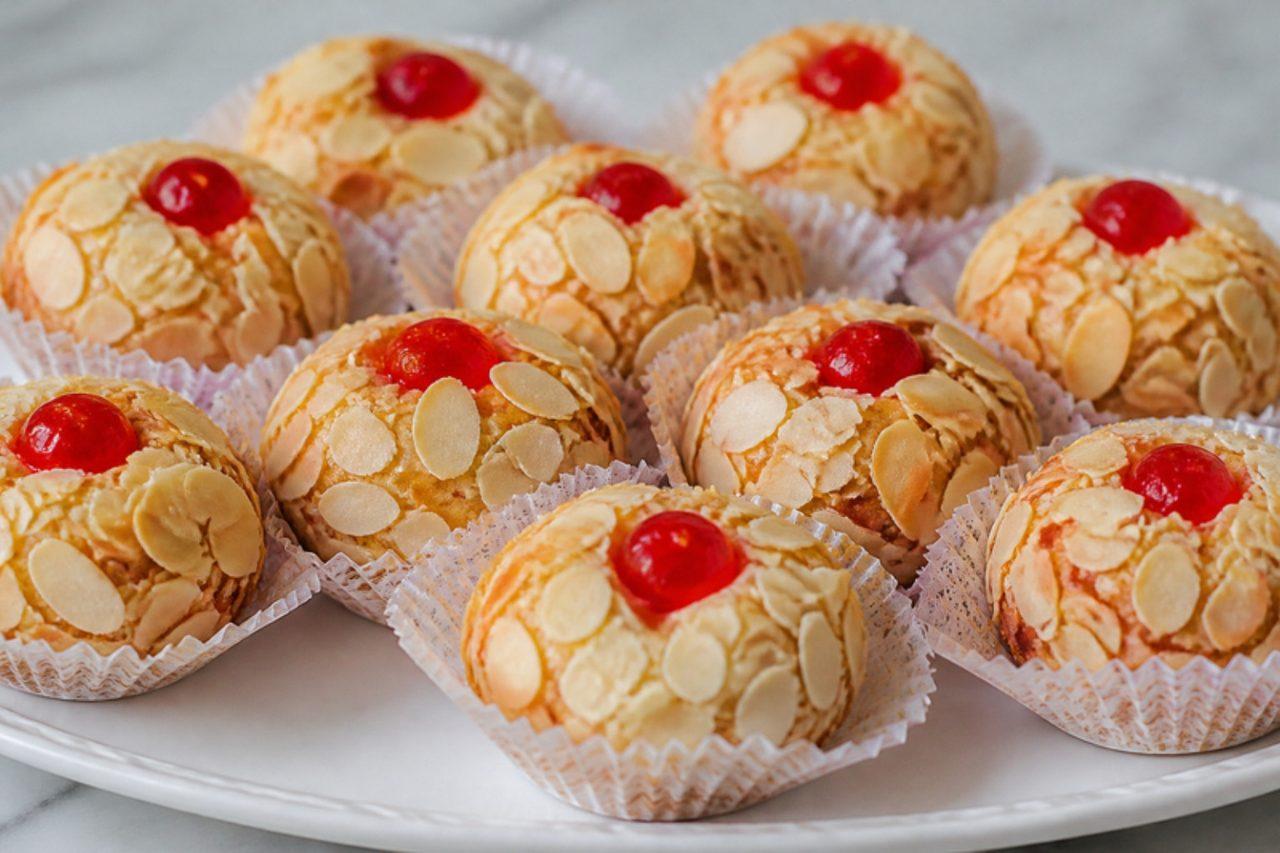
Mchewek means something like 'prickly', which is exactly how these cookies look: balls of almond paste rolled in flaked almonds so the flakes stick out like spines, each topped with half a candied cherry and baked only until the tips turn gold. Inside they stay soft and chewy, like a rustic macaroon. Being made with no flour, they suit anyone avoiding gluten, and they appear on Eid and wedding trays all over Algeria, often brushed with a little honey syrup for shine. Chef's tip: take them out when the edges are just golden and the centres still feel soft; overbaking is the classic mistake and leaves them dry and crumbly once cool.

by KrazyBadal 0 views

Sri Lankan milk toffee

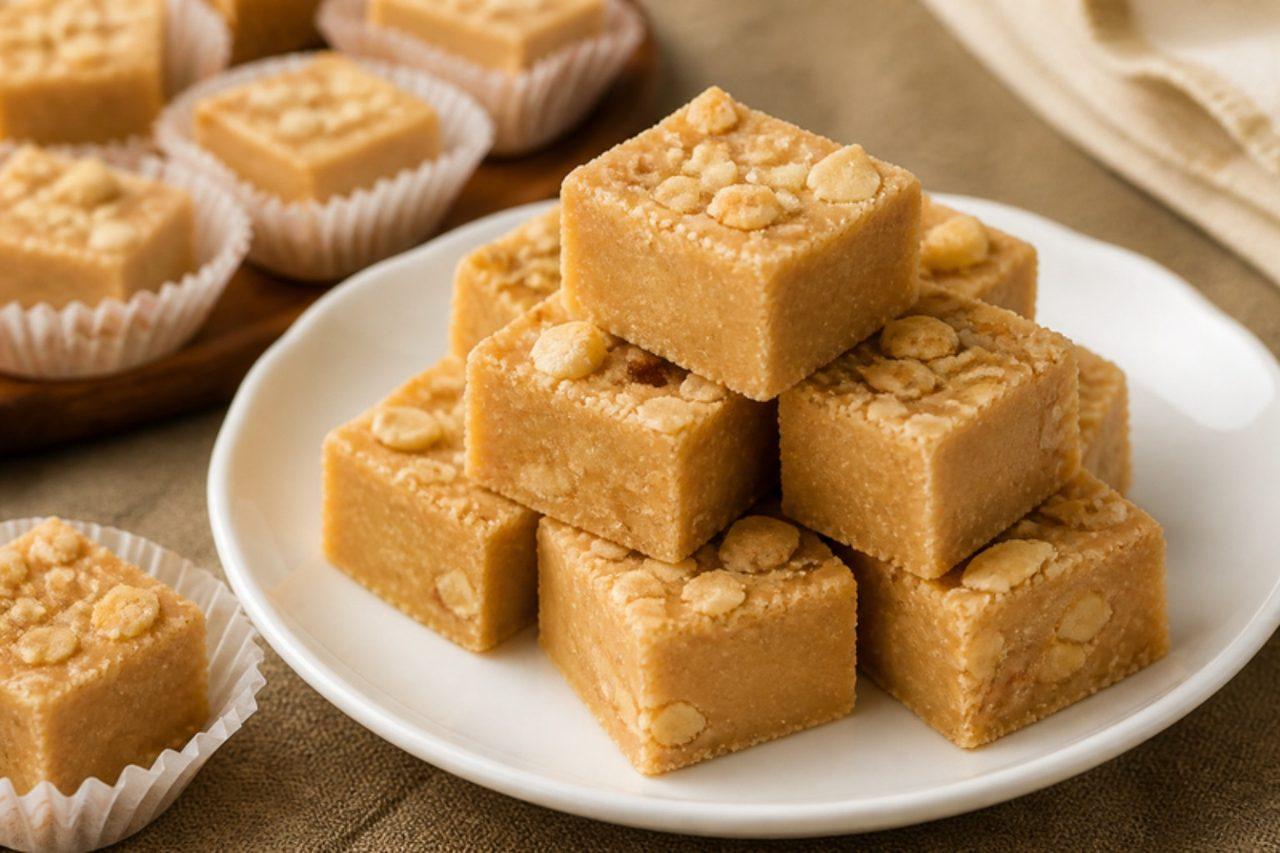
Every school fair, office bake sale and Avurudu table in Sri Lanka has a plate of milk toffee, the pale golden squares that are firm when you pick them up yet melt away in a sweet, slightly grainy crumble in your mouth. A tin of condensed milk is cooked with sugar and butter, stirred constantly for half an hour until it thickens and leaves the pan, then flavoured with chopped cashews and a whisper of cardamom and vanilla. It is simple enough for children to help with, as long as an adult does the hot stirring. Stopping too early is the trap almost everyone falls into, leaving a soft, chewy fudge instead of the proper crumbly snap. Cook until the mixture rolls into a ball, turns a shade darker and a drop set in cold water is firm. Chef's tip: mark the squares with a buttered knife while the toffee is still warm, because once it cools it will only break into rough pieces.

by KrazyBadal 0 views

Bahamian chicken souseChicken in lime broth

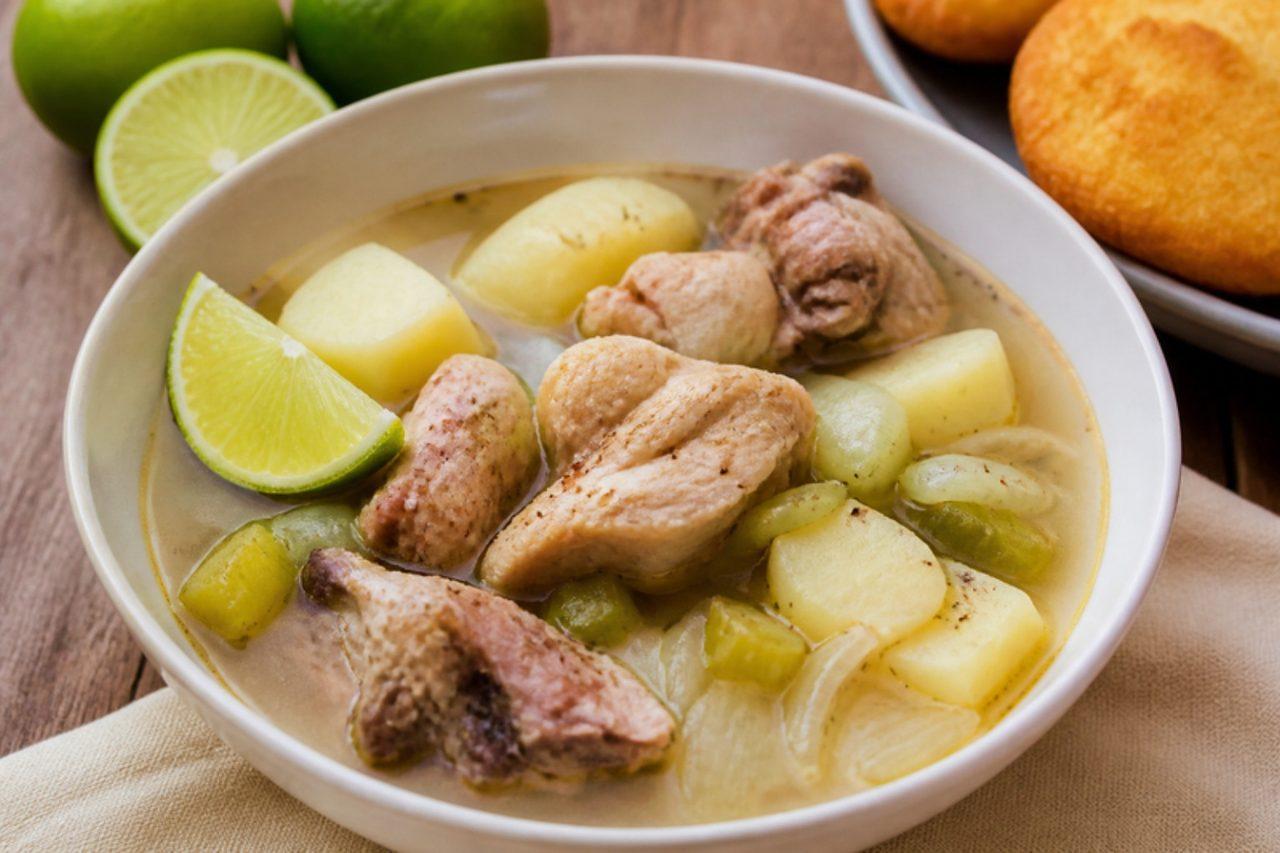
In the Bahamas, souse is the Saturday-morning cure after a late Friday: chicken (or sheep tongue or pig's feet, for the old-timers) simmered in a clear, sharp broth of lime juice, allspice, onion, potatoes and hot pepper, eaten with johnnycake. It is light, sour, peppery and very reviving. The common mistake is adding the lime too early and boiling it, which makes the broth bitter; most goes in at the end. Use bone-in pieces for flavour. Chef's tip: let the bowl sit for a few minutes after serving so the lime mellows into the broth.

by KrazyBadal 0 views

Gbegiri (Yoruba bean soup)

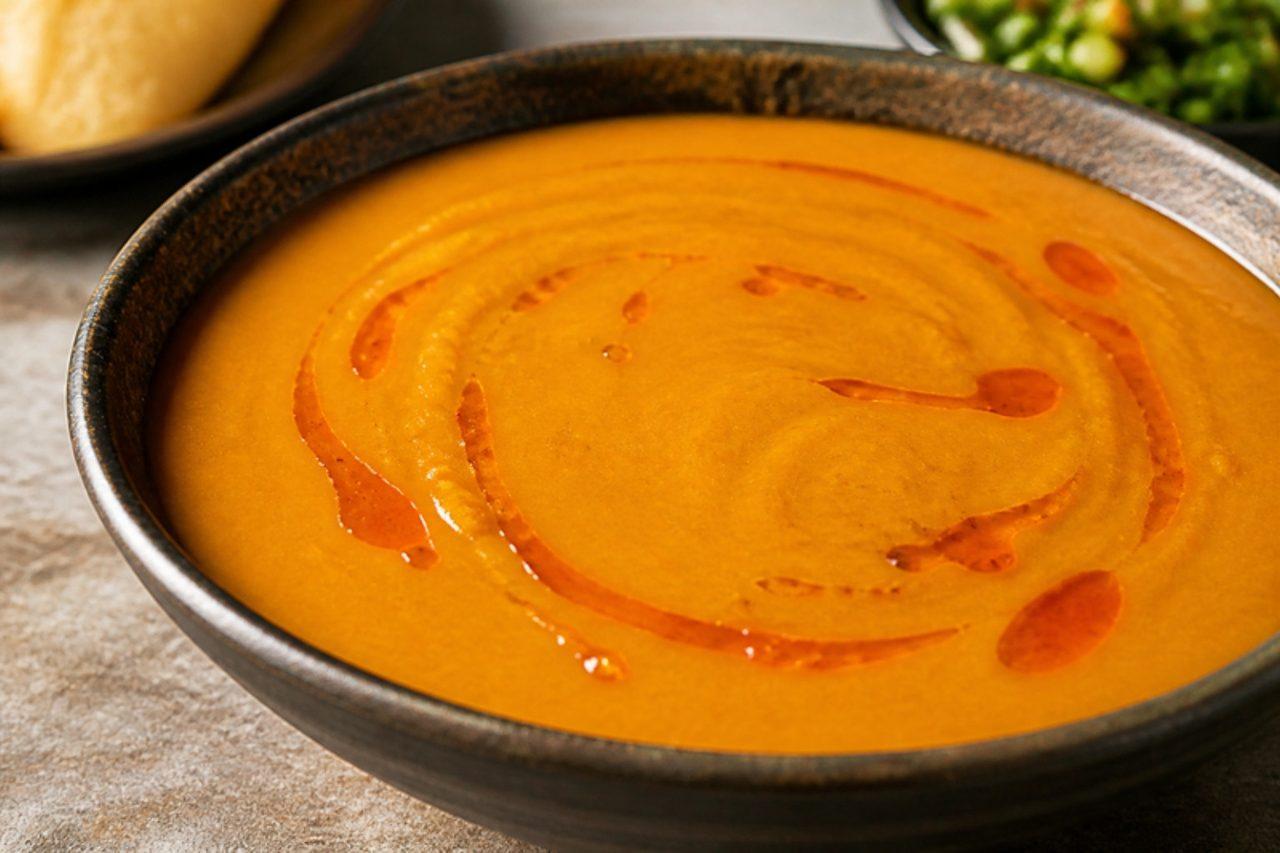
Order amala at any buka in Ibadan or Oyo and the server will ask "abula?", meaning a ladle of gbegiri and a ladle of ewedu poured side by side, usually crowned with a spoon of pepper stew. Gbegiri itself is smooth, mellow and earthy: peeled black-eyed beans cooked until they fall apart, beaten to a cream and simmered with red palm oil and pungent locust beans. Many cooks add ground crayfish or smoked fish; this is the meat-free way, which loses nothing of its velvet texture. Serve it with amala and ewedu or spooned over boiled yam. The mistake to avoid is leaving bean skins in, which turns the soup grey and gritty, so rub and rinse until the beans are white. Chef's tip: whisk the cooked beans with a balloon whisk or the traditional ijabe broom rather than a blender for the lightest, fluffiest gbegiri.

by KrazyBadal 0 views

Sri Lankan buryani

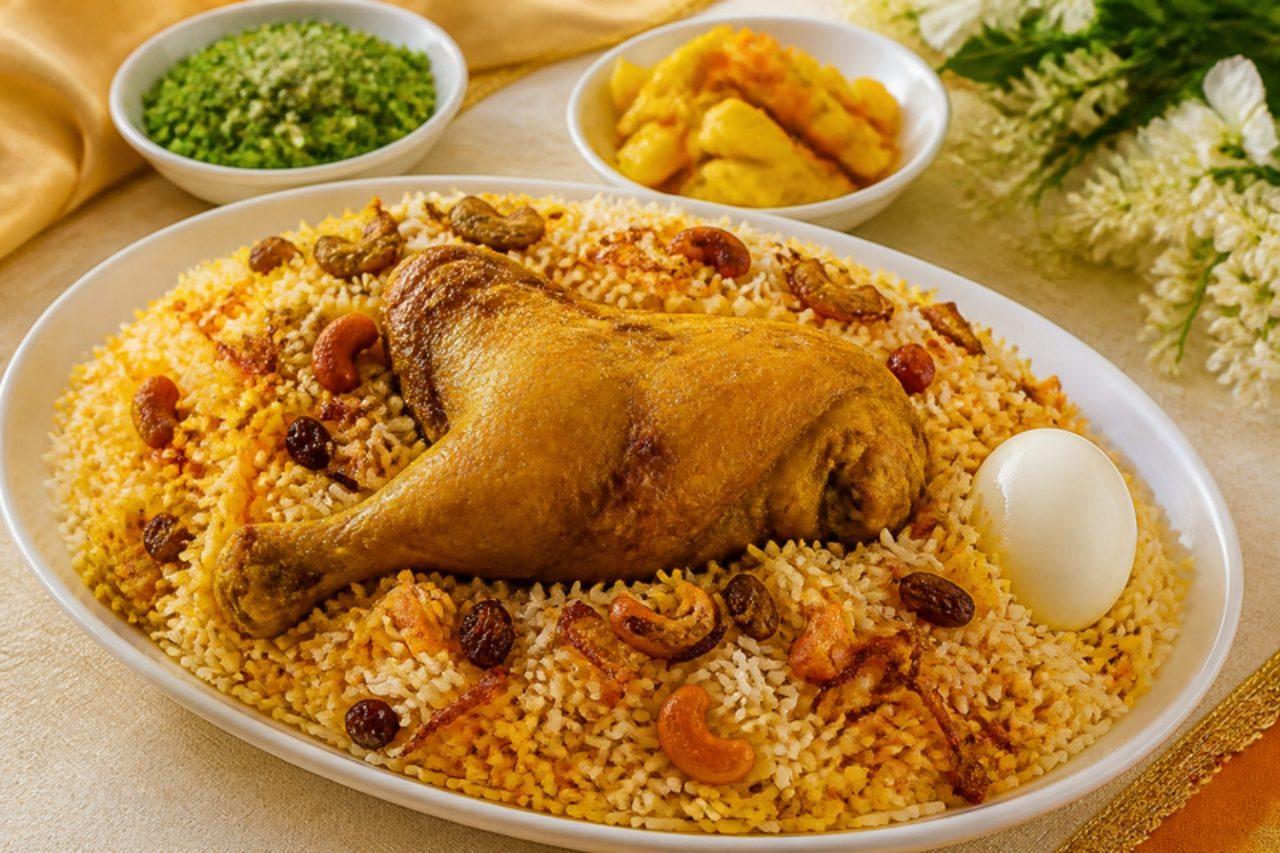
At a Sri Lankan Muslim wedding or a Friday gathering in Colombo's Maradana or Kandy's old town, buryani arrives on huge platters, each portion crowned with a leg of chicken, a halved boiled egg, fried cashews and sultanas. It is lighter and more perfumed than most mainland Indian versions, built on chicken marinated in yoghurt and warm spices, layered with long-grain rice, fried onions, mint and rose water, then sealed and steamed so the grains take on the aroma. It is never eaten alone: a sharp mint sambol, a sweet-sour pickle called achcharu and a bowl of raita-like salad are the expected companions. A frequent misstep is boiling the rice fully before layering, which leaves it mushy after the steaming. Chef's tip: drain the rice when it is about 70 percent cooked, still with a firm white core, because it finishes in the steam.

by KrazyBadal 0 views

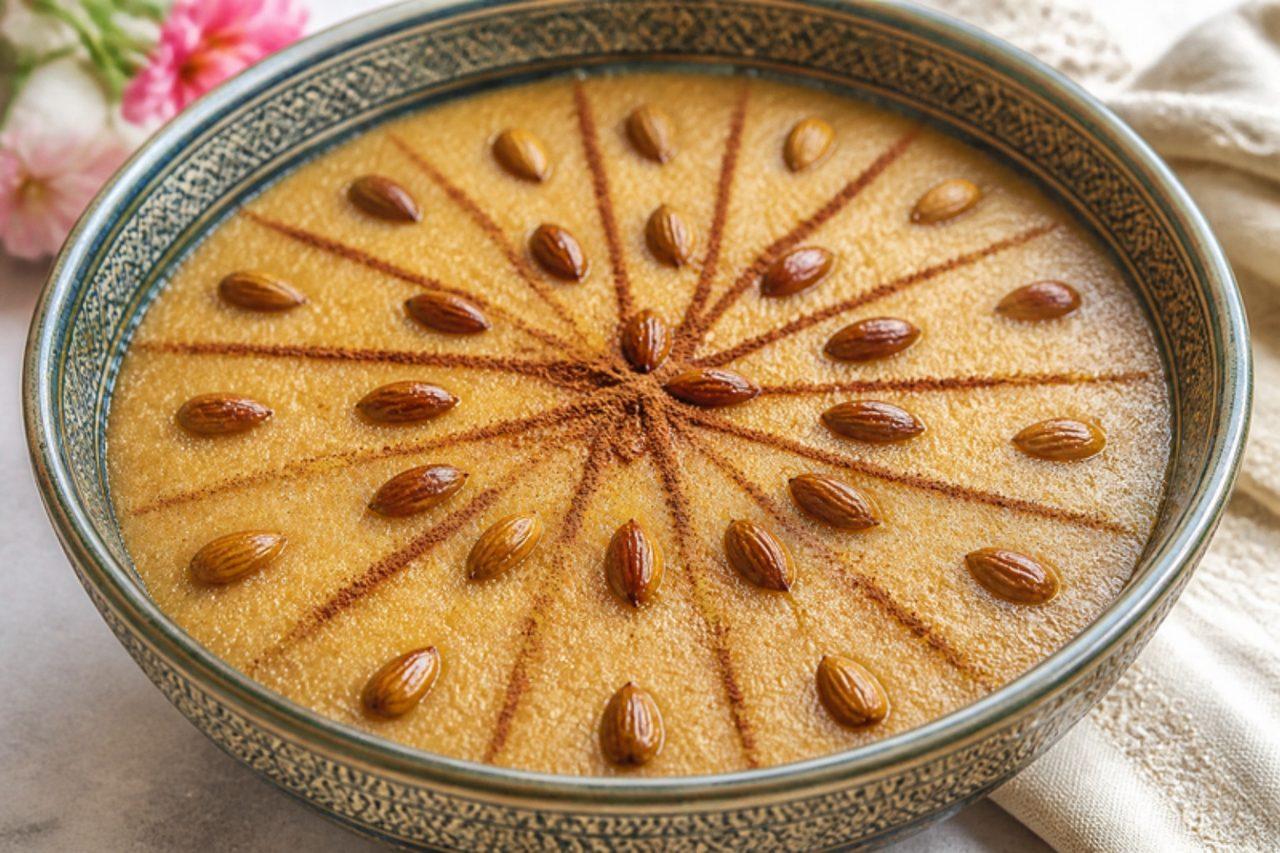
Tamina (roasted semolina with honey)

Word of a birth in an Algiers household brings a steady flow of visitors, and each is offered a small dish of tamina with coffee: semolina roasted in a dry pan until it smells like toasted hazelnuts, then bound with melted butter and honey and dusted with cinnamon. It is soft, crumbly and sweet, a little like a spoonable halva, and is said to give strength to the new mother. Tamina is also made for Mawlid and served with tea, with the cinnamon often sifted over in a lattice pattern. Chef's tip: toast the semolina slowly over a medium-low heat and stir without stopping; burnt dark specks make the whole batch bitter and cannot be picked out.

by KrazyBadal 0 views

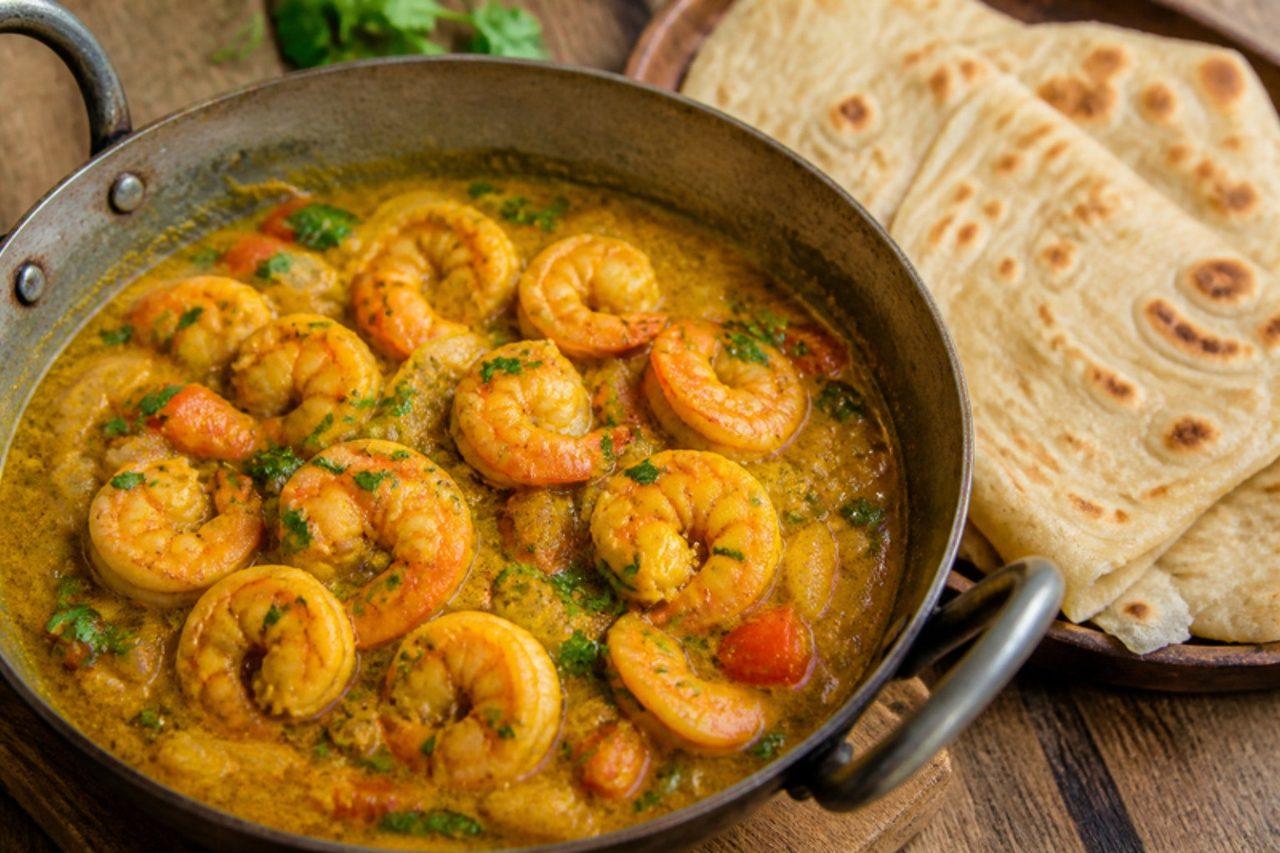
Trini curry shrimp

Sold from food stalls in San Fernando and eaten at south Trinidad family lunches, curry shrimp is the fast curry of the island: the sauce is built in minutes, and the shrimp go in only at the very end. Plenty of garlic, roasted geera and hot pepper give a bright, punchy curry that you wipe up with dhalpuri or spoon over rice. The mistake nearly everyone makes the first time is stewing the shrimp, which turns them rubbery; they need three or four minutes, no more. Chef's tip: save the shells, simmer them in the water for 10 minutes and use that stock in the curry for a much deeper seafood flavour.

by KrazyBadal 0 views

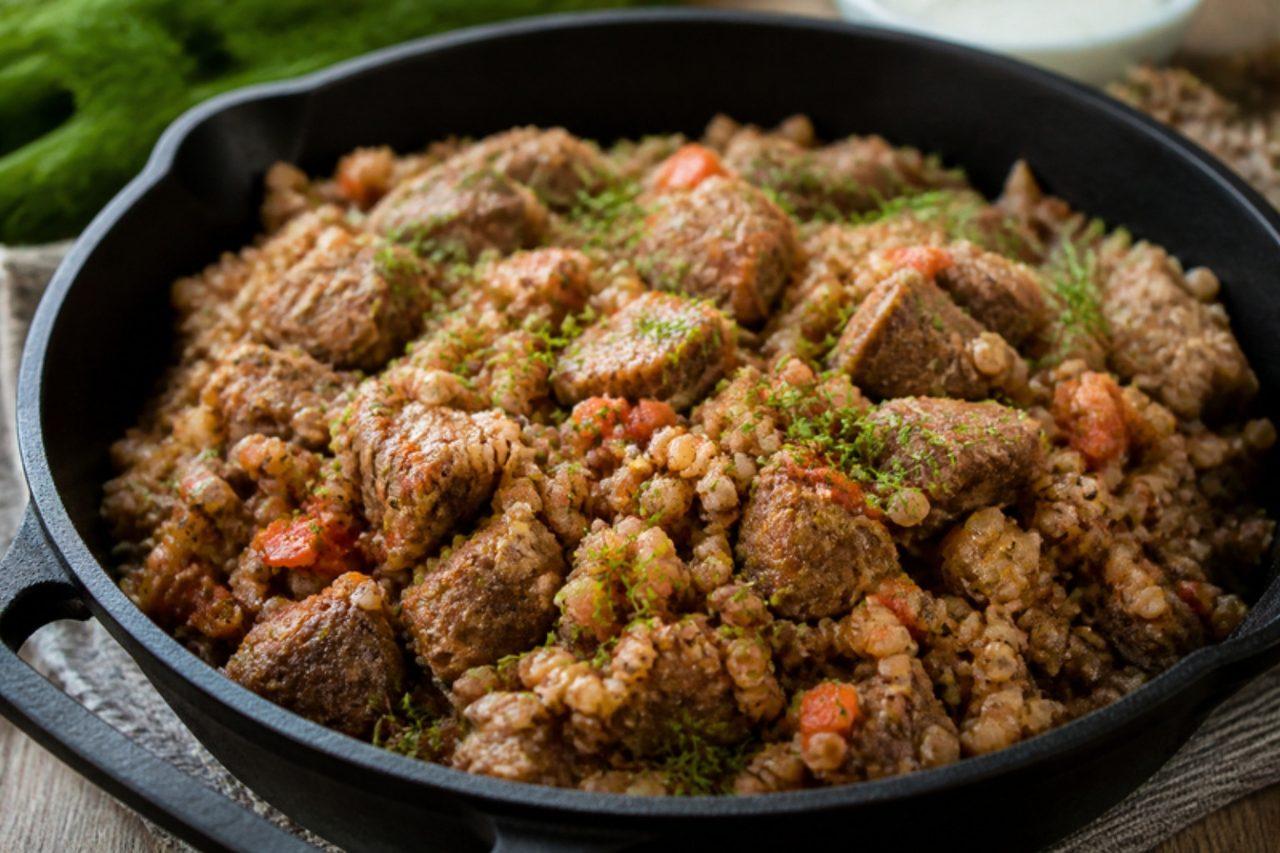
Grechka po-kupecheskiMerchant-style buckwheat

Russian merchants of the nineteenth century liked their buckwheat with meat in it, and "merchant-style" grechka became a hearty one-pan supper that students, soldiers and busy parents still cook today. Cubes of pork shoulder are browned with onion and carrot, enriched with tomato, then roasted buckwheat simmers in the same pan until every grain is separate and steeped in the juices. It is earthy, savoury and filling, best with a salted cucumber or a spoon of tsakhdon-style garlic sour cream. The usual slip is stirring the buckwheat while it cooks, which breaks the grains into mush; cover the pan and leave it alone. Pork pieces should be fully cooked to 71 °C. Chef's tip: toast the buckwheat in the pan for a minute before adding water to deepen its nutty taste.

by KrazyBadal 0 views

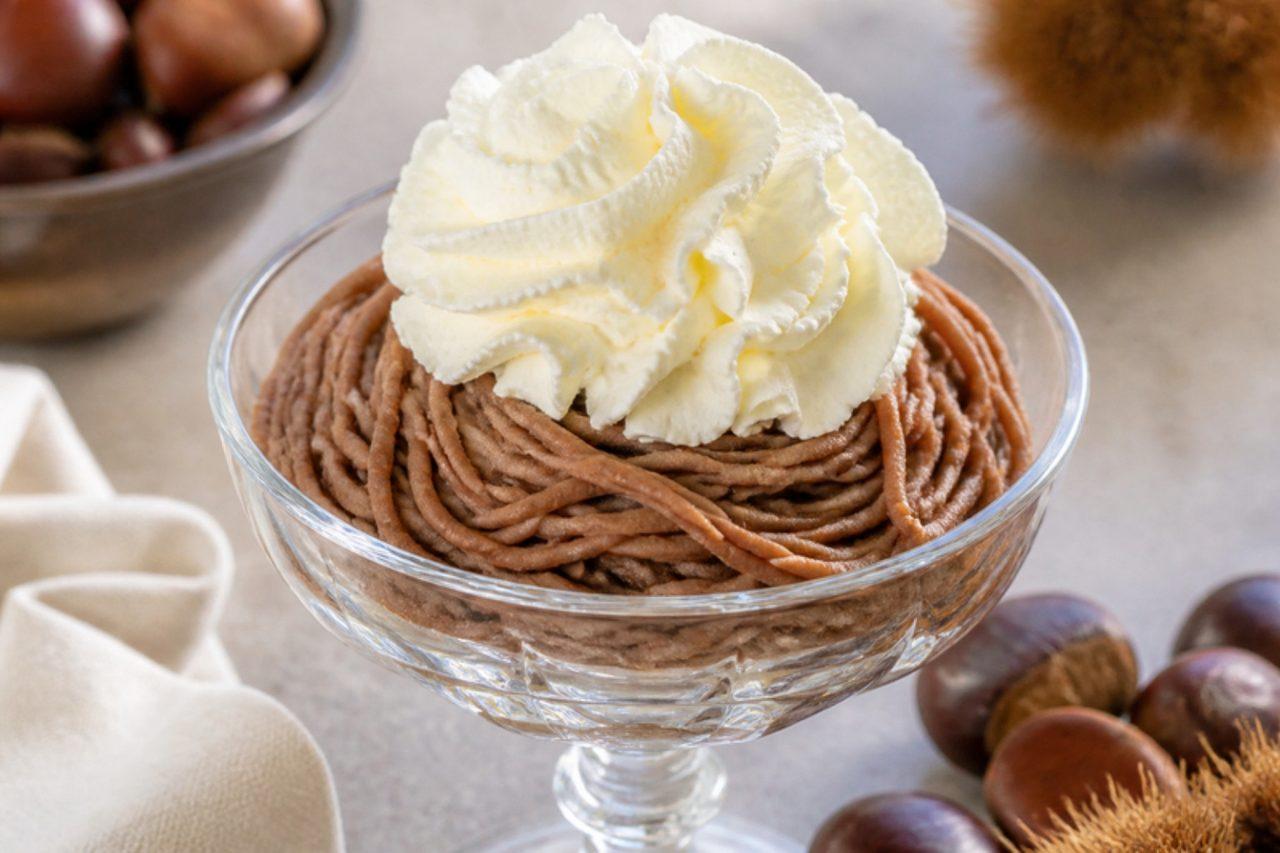
GesztenyepüréChestnut purée with cream

No Budapest cukrászda menu in autumn is complete without a glass of gesztenyepüré: sweet chestnut purée pushed through a potato ricer so it falls in loose brown strands, crowned with a cloud of whipped cream and often a glacé cherry. It is soft, nutty and creamy rather than sugary, and it came to Hungary from Viennese kitchens in the days of the empire. Classic café versions add a splash of rum to the chestnuts; this one leaves it out and uses vanilla and a little cocoa, so it is alcohol-free. A common mistake is pressing the purée into the glass with a spoon, which turns it into a dense paste; let the strands fall loosely straight from the ricer. Chef's tip: chill the purée well before ricing, because cold purée holds its strands and the cream stays on top.

by KrazyBadal 0 views

Sri Lankan love cake

Love cake is the Burgher Christmas and birthday cake, a legacy of Portuguese rule shaped by Sri Lankan spice gardens, and Colombo families argue happily over whose grandmother's recipe is best. Roasted semolina, butter and a huge quantity of whisked egg yolks and sugar are folded with chopped cashews, pumpkin preserve, rosewater, cardamom, cinnamon and nutmeg, then baked slowly so the top forms a crisp, sugary crust while the inside stays moist, dense and almost chewy. It is cut into small squares because it is very rich, and served with tea or packed into little boxes for guests. A common mistake is baking until a skewer comes out completely clean, which leaves it dry; the centre should still be slightly sticky. Pumpkin preserve (puhul dosi) is sold in Sri Lankan shops; candied winter melon, sold as petha, is the closest substitute. Chef's tip: make it two days ahead, as the spices and rosewater deepen as the cake rests.

by KrazyBadal 0 views

Gers ogailySaffron cardamom sponge cake

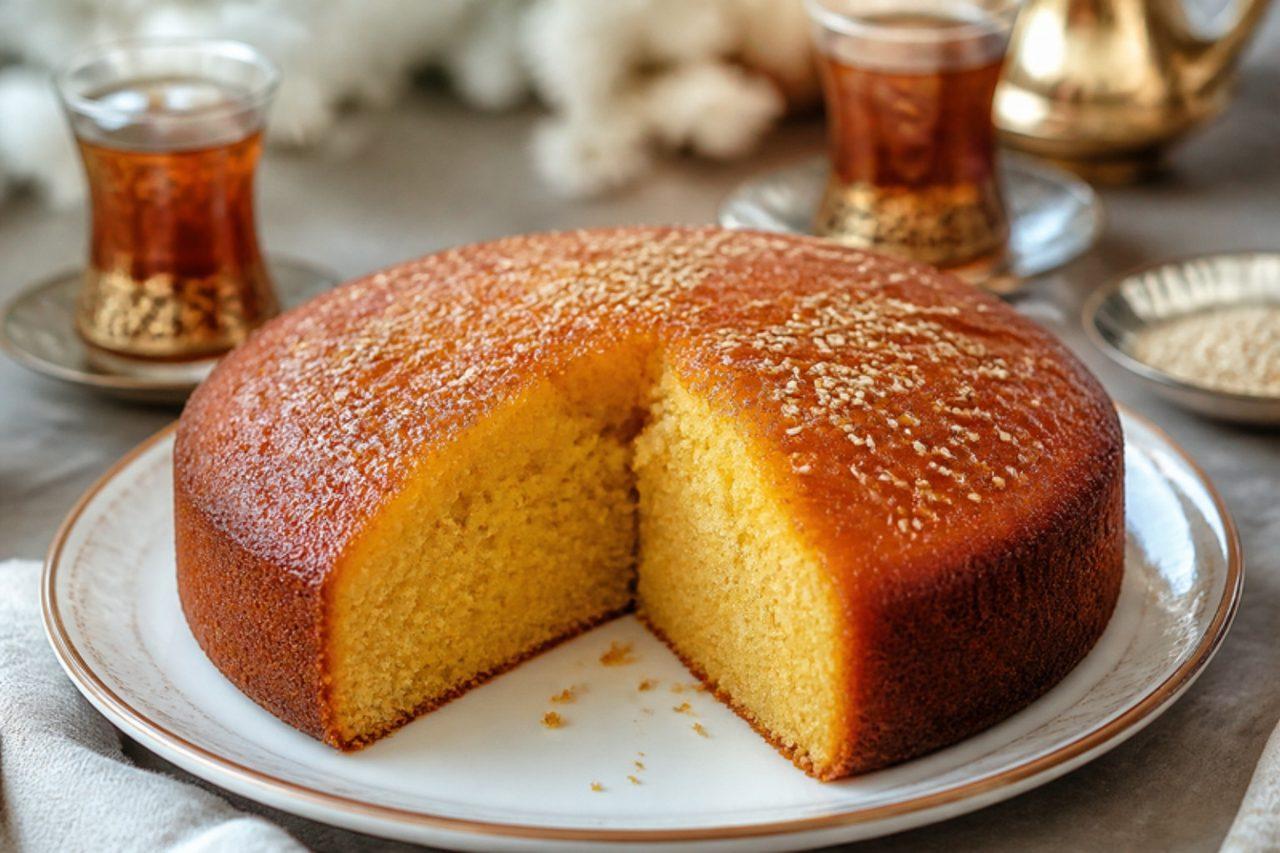
Gers ogaily is the plain, golden sponge cake that sits on every coffee tray in Kuwait and the UAE: served to visitors, at Eid gatherings and after Friday lunch with small cups of cardamom coffee. It is light and springy but not fluffy like a Western sponge, more like a fragrant, slightly firm tea cake, yellow with saffron and with sesame seeds toasted on top. A slice needs nothing else beside it but coffee or tea. The mistake to avoid is whisking the eggs and sugar too briefly; the whole rise depends on that foam, as there is little baking powder. Chef's tip: soak the saffron in warm rosewater before you begin, so its colour spreads evenly through the batter.

by KrazyBadal 0 views

BankuFermented corn and cassava dough

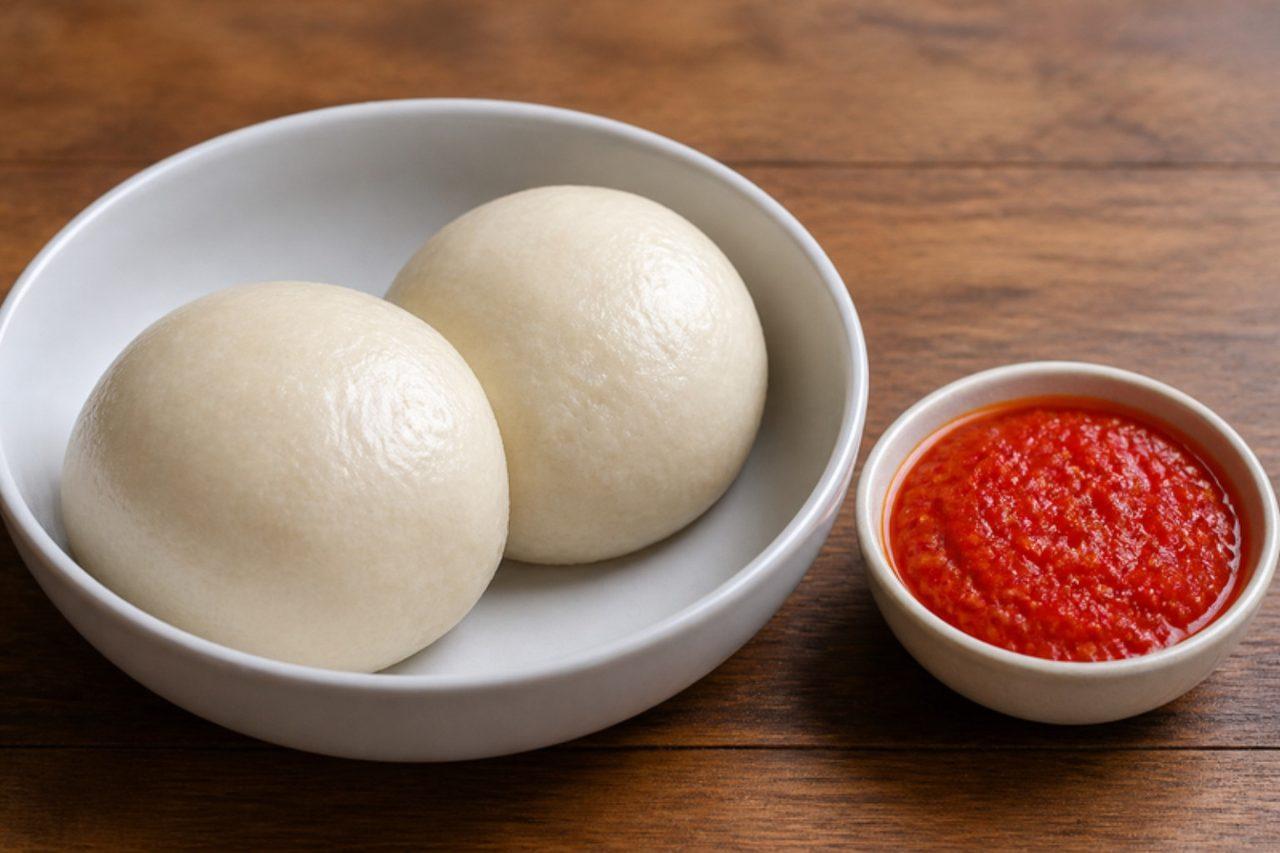
Chop bars from Jamestown to Teshie serve banku all day, usually beside grilled tilapia, okro stew and a fierce raw pepper sauce. Fermented corn dough and cassava dough are cooked together and turned hard with a wooden spatula until they become a smooth, stretchy, faintly sour ball that you pinch off with your fingers and dip into soup or stew. At home it is good with any Ghanaian soup, and a meat-free okro stew or pepper sauce keeps the whole meal vegan. Ready-made doughs are sold in African grocers. A lumpy banku comes from adding dough to hot water; always mix it with cold water first, then heat. The commonest mistake is stopping the stirring; banku needs constant turning with a wooden spoon or it goes lumpy and raw in patches. Chef's tip: keep a bowl of water next to the pot and wet the spatula and your hands as you shape the balls, so the banku comes out glossy and nothing sticks.

by KrazyBadal 0 views

Aghroum (Kabyle semolina flatbread)

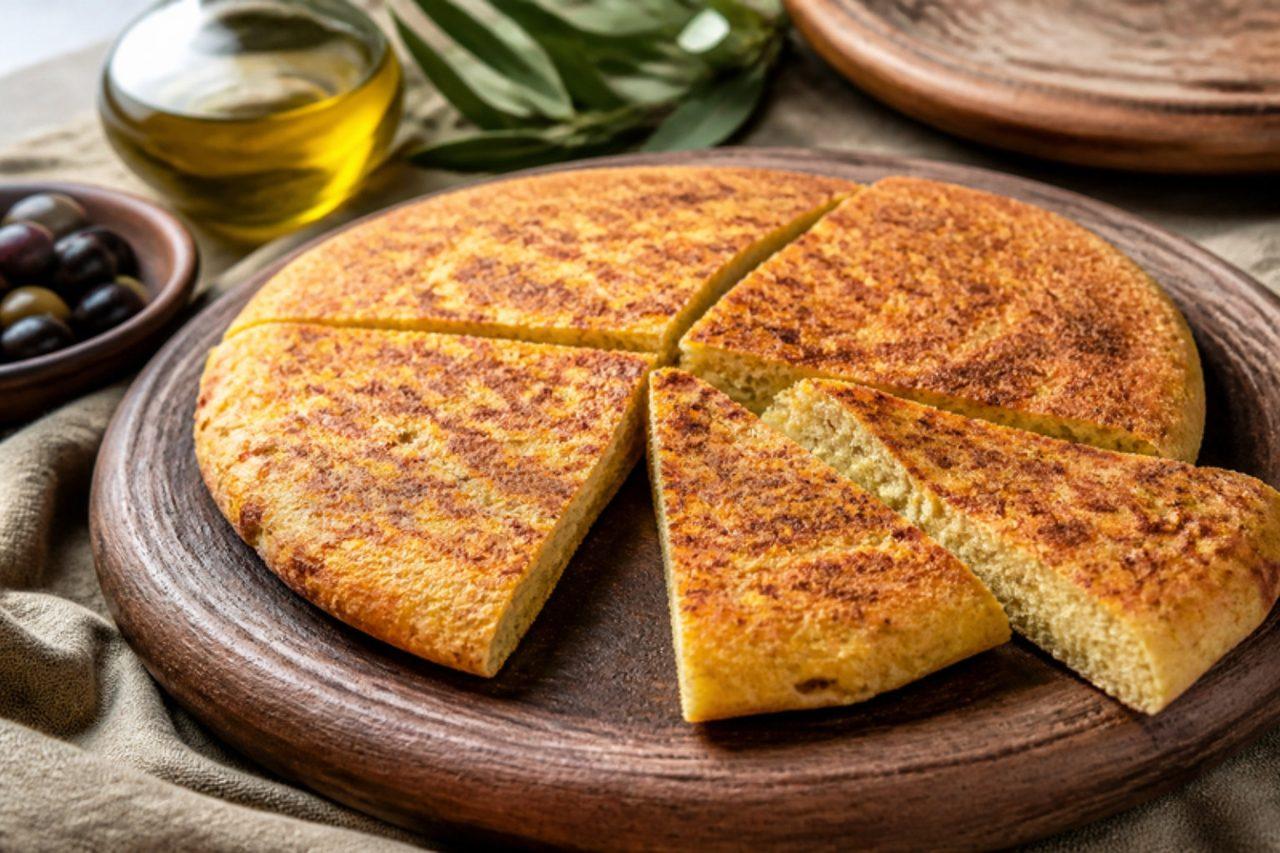
Up in the villages of Kabylie, aghroum is simply the word for bread, and the everyday loaf is a flat, unleavened round of semolina, water, salt and a thread of olive oil, baked on a clay griddle over a low fire. It comes out firm and close-textured, with a crust speckled brown and a faintly sweet, nutty crumb that tastes of the grain. Kabyle families tear it to scoop up olive oil, dried figs and buttermilk at breakfast, or to mop the sauce of a bean or vegetable stew at midday. A heavy cast-iron pan or flat griddle does the job of the clay one at home. Chef's tip: keep the heat at medium-low and turn the bread often; a griddle that is too hot is the usual mistake, leaving a burnt crust around a raw, gummy middle.

by KrazyBadal 0 views

Sri Lankan vegetable roti

The glass cabinet of every Colombo bakery and railway canteen holds a pile of short eats at teatime, and the neat, golden triangles of vegetable roti are usually the first to go. They are made from godamba dough, oiled and rested until it can be stretched almost transparent, then wrapped around a peppery potato filling with leek, carrot, curry leaves and chilli, and cooked on a hot griddle until crisp and blistered. People eat them hot from the paper bag with a bottle of chilli sauce or a cup of milk tea. Fish and egg roti are just as common; this one is fully vegan. Most first attempts fail because the dough is not rested long enough and springs back when stretched; give it at least two hours under oil, or overnight in the fridge. Chef's tip: make the filling fairly dry and cool it completely before folding, otherwise the steam tears the delicate dough.

by KrazyBadal 0 views

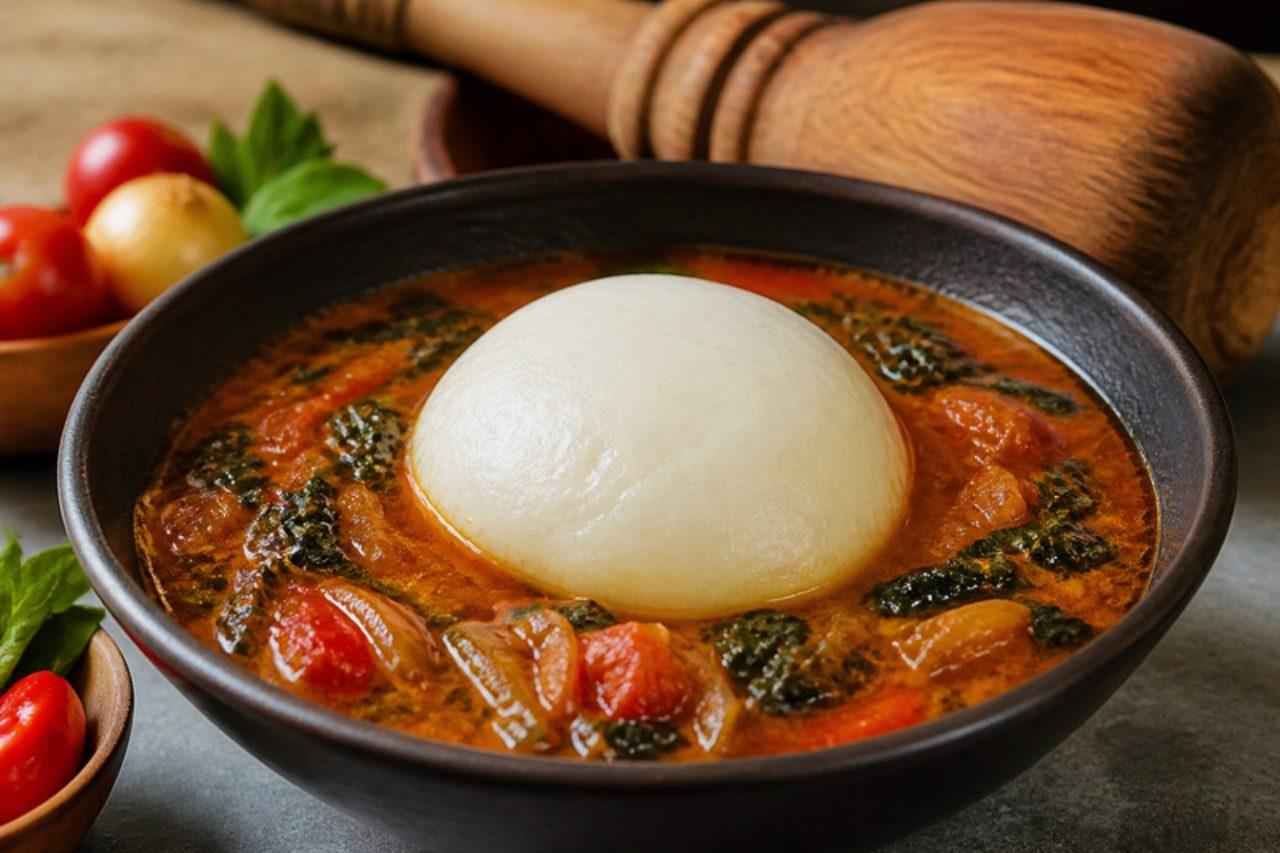
Ghanaian fufuPounded cassava and plantain

The rhythmic thud of a pestle in a wooden mortar is the sound of lunchtime in Kumasi, where fufuo is pounded by two people, one lifting the pestle and one turning the dough between strokes. Boiled cassava and unripe plantain are beaten together until they become a soft, stretchy, slightly springy ball, served in a bowl of light soup, palm nut soup or groundnut soup and eaten with the right hand. Those soups are usually made with meat or fish; serve it with a vegetable soup for a meat-free meal. Cassava must always be fully cooked, never eaten raw. A food processor makes a good version at home. Chef's tip: pound the plantain first, then add the cassava; adding too much water is the common mistake and leaves the fufu sticky instead of smooth and elastic.

by KrazyBadal 0 views

GazozFruit syrup soda

Before bottled soft drinks, the kiosks along Rothschild Boulevard and in Florentin sold gazoz: a squirt of fruit syrup topped up with fizzy water from a tap. Tel Aviv cafés have revived it as a glass crammed with fresh and lightly fermented fruit, flowers and herbs, so it is pretty, tart and only gently sweet. Make it on hot afternoons, for children's birthdays or as an alcohol-free welcome drink. The mistake is pouring the soda too early, so it goes flat before you drink it. Chef's tip: macerate the fruit in syrup for at least 30 minutes, ideally overnight in the fridge, so it bleeds colour into the glass.

by KrazyBadal 0 views

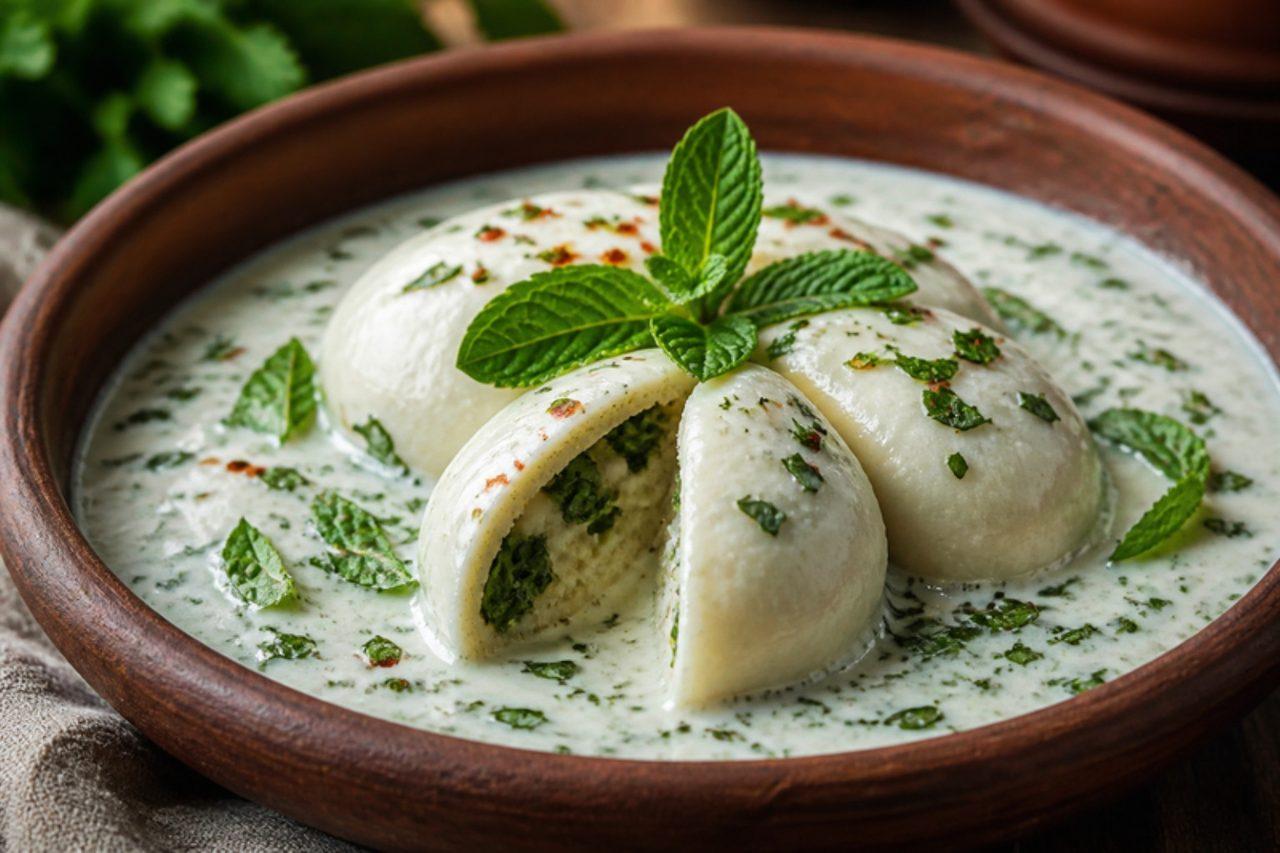
GebzhaliaCheese rolls in mint yogurt sauce

Gebzhalia is one of the dishes Mingrelian hosts in Zugdidi and Martvili bring out when guests arrive: soft, freshly made cheese is warmed in hot milk until pliable, flattened into sheets, scattered with mint and rolled up, then served in a cool, minty yogurt sauce. It is mild, salty and refreshing, served as a starter at a supra. Fresh imeruli cheese is the traditional choice; fresh mozzarella curd works well too. A common mistake is overheating the cheese, which makes it squeaky and tough instead of silky. Chef's tip: keep the milk just below a simmer and work the cheese with a spoon until it is soft enough to stretch, then roll while it is still warm. Fresh cheeses are often made with animal rennet, so choose a vegetarian one.

by KrazyBadal 0 views

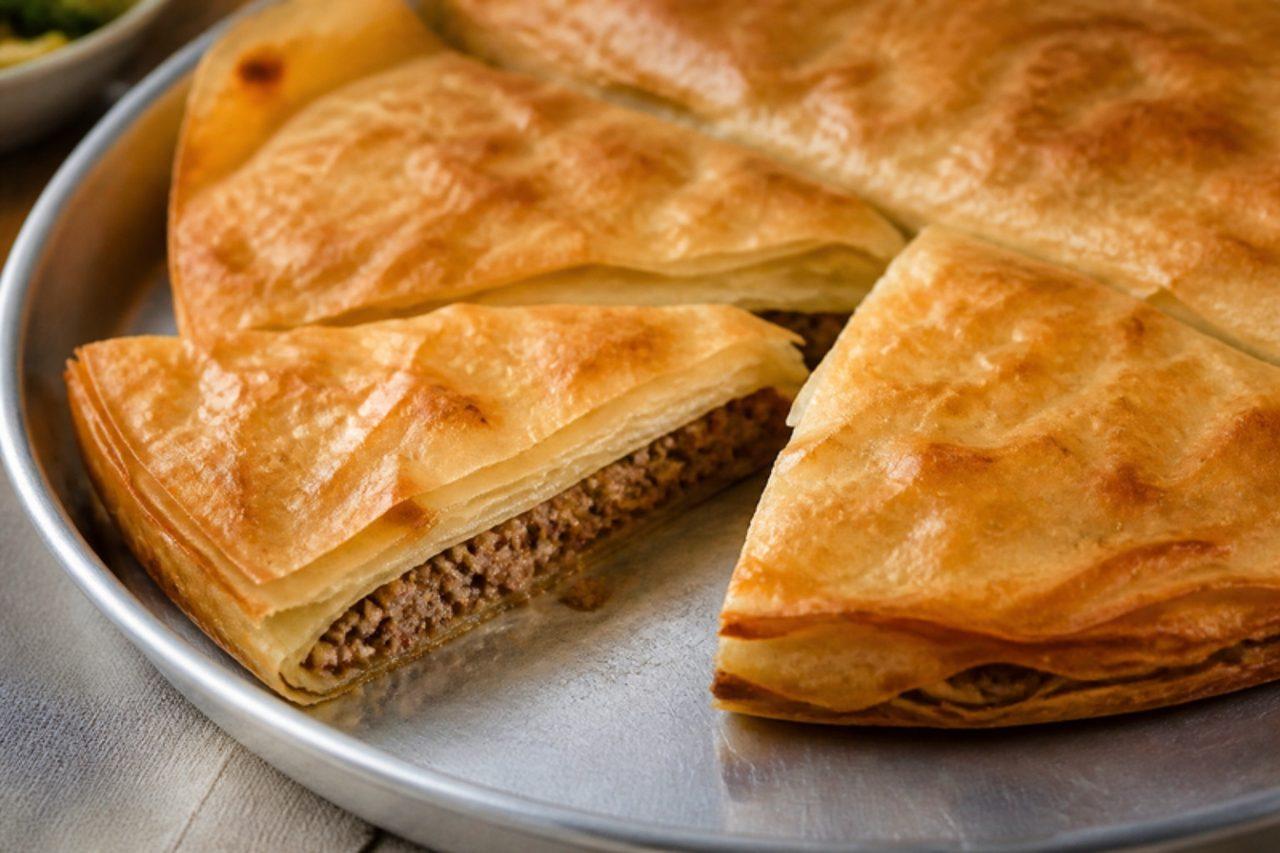
Rokak bel lahma (Eid meat pie)

When Eid comes round, Egyptian shops stack up rounds of rokak, a very thin, brittle unleavened pastry baked on a hot dome, and cooks turn them into this layered pie for the family lunch. Each sheet is moistened with hot meat broth and a little ghee, layered with beef mince fried with onion, then baked until the top crackles and the inside turns tender and savoury, somewhere between a pie and a lasagne. It is cut into squares and served with rice, salad and pickles. If you cannot find rokak, sheets of filo baked dry for a few minutes are the nearest substitute. Chef's tip: soak each layer just enough to soften it; too much broth makes a heavy, soggy pie, and too little leaves dry shards, the mistake most people make the first time.

by KrazyBadal 0 views

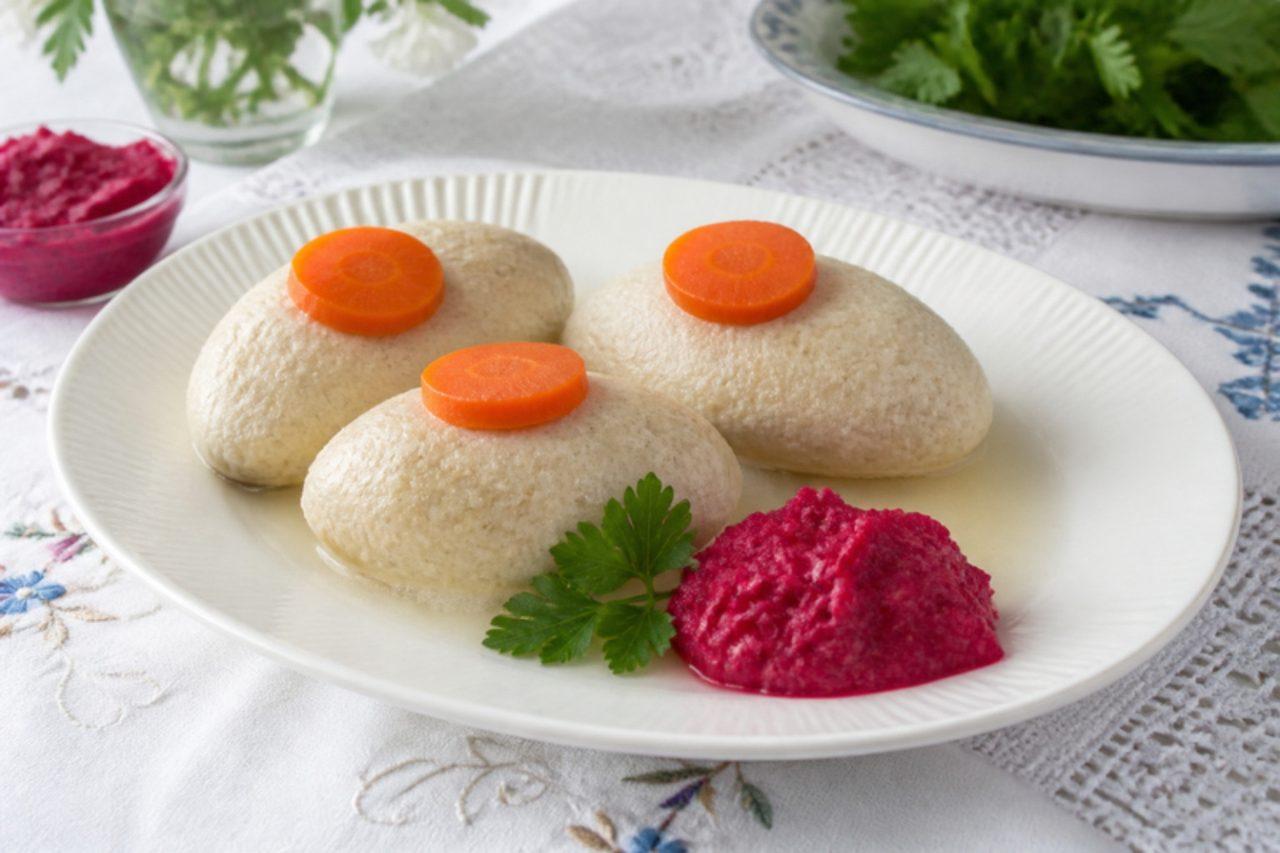
Gefilte fishPoached fish dumplings

Poached fish dumplings start the Shabbat and Passover meal in many Ashkenazi homes across Israel, and families still argue about whether they should be sweet, Polish-style, or peppery like the Lithuanian version. Minced carp, pike or whiting is beaten with onion, egg and matzo meal, shaped into ovals and simmered in a broth made from the fish bones and vegetables, which sets into a light jelly when chilled. Each piece is served cold with a coin of carrot on top and a spoonful of sharp beetroot horseradish. The commonest mistake is boiling the broth hard, which makes the dumplings tough and breaks them up; it should barely tremble. Chef's tip: wet your hands with cold water before shaping each dumpling so the soft mixture does not stick.

120 minIsraeliFish
by KrazyBadal 0 views

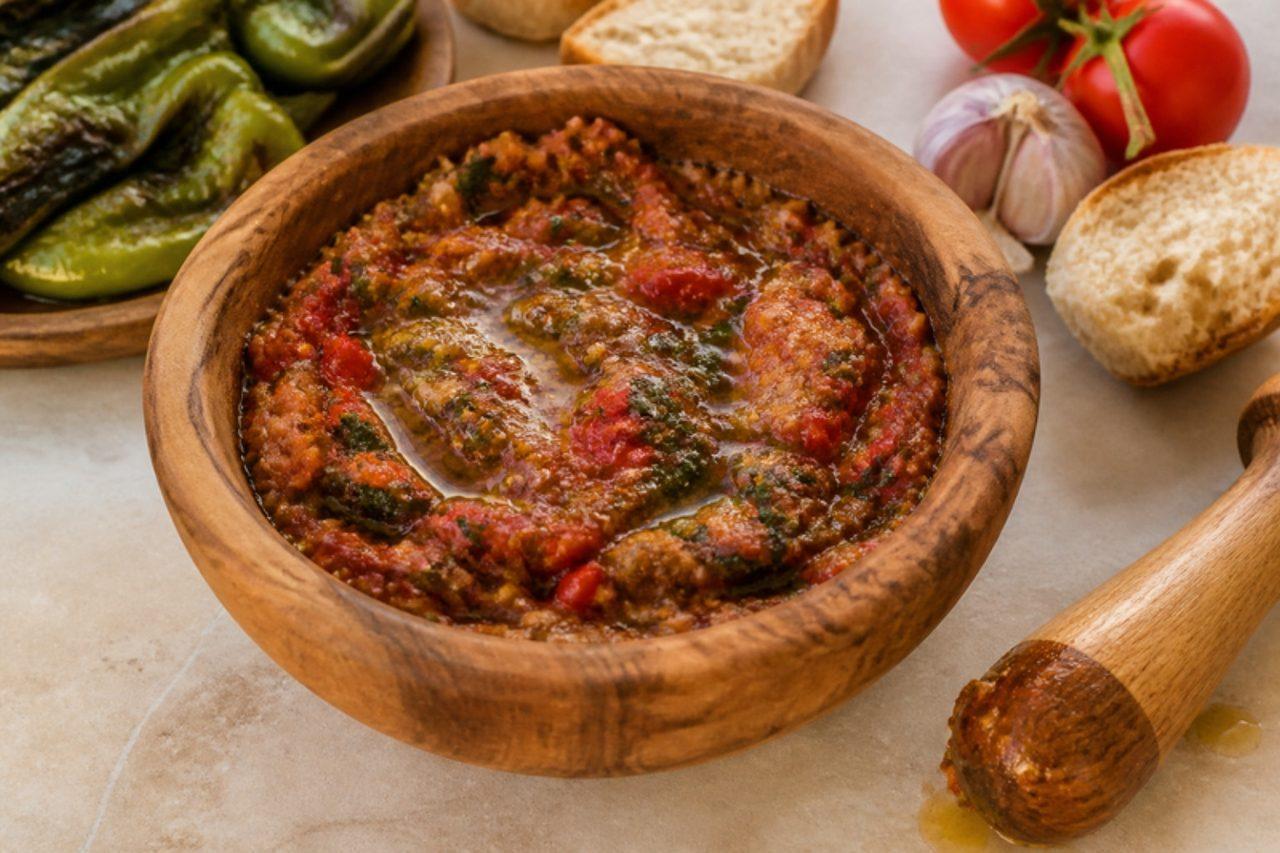
Zviti (pounded pepper and flatbread mash)

Fire-blistered green chillies, a few tomatoes and a fist of garlic go into a wooden mortar, and the cook in Bou Saâda or M'Sila pounds them with torn flatbread until everything turns into a coarse, hot, smoky mash. Zviti is served straight from that wooden bowl, sometimes in a carved mortar the size of a salad bowl, and eaten by hand with more bread, often on cold evenings in the steppe towns. The flavour is sharp and grassy from the chillies, sweet from the charred tomato and soothed by plenty of olive oil. Choose a mix of hot and milder long chillies to set the heat you like. Don't leave the charred skins on the peppers and tomatoes: they turn the mash bitter and stringy. Chef's tip: pound rather than blend; a food processor whips it into a watery soup, so if you must use one, pulse briefly and add the bread last.

by KrazyBadal 0 views

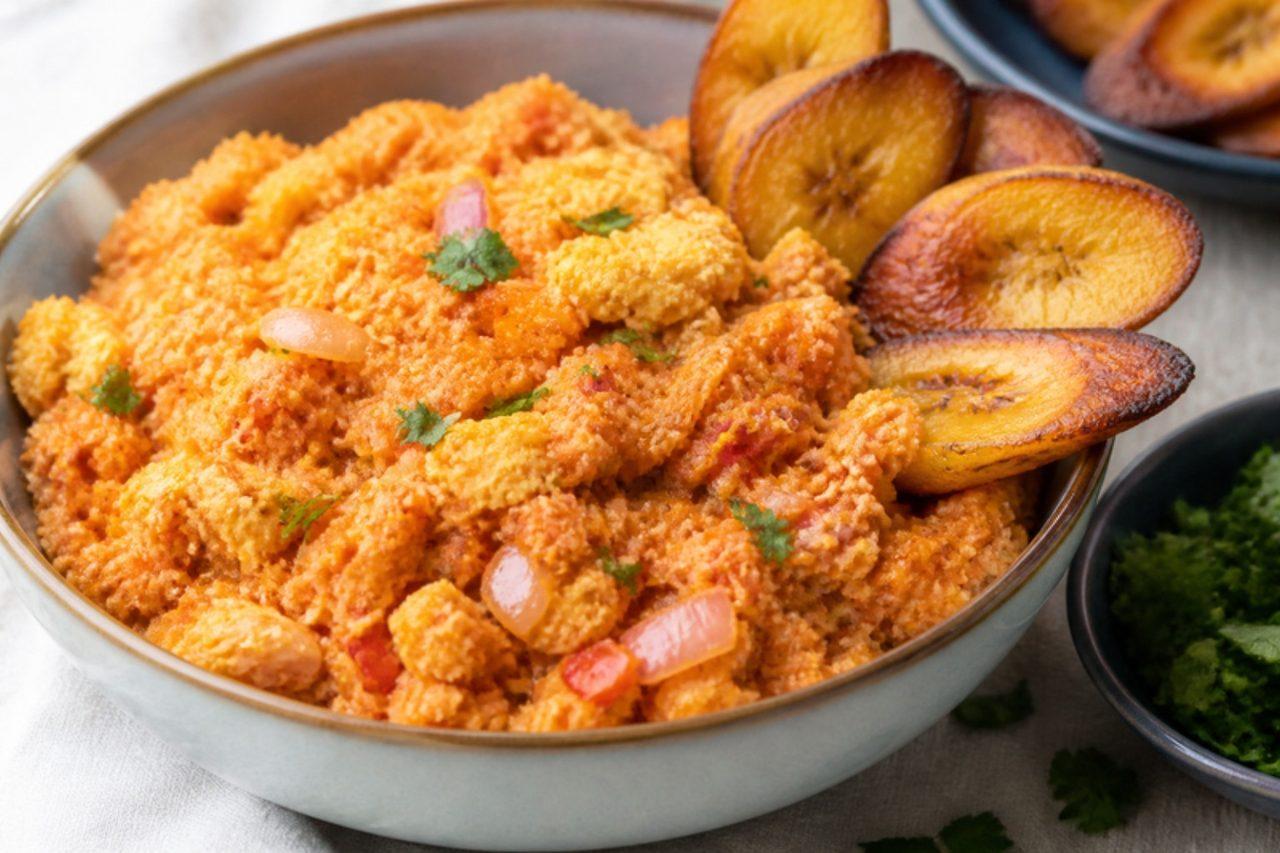
Gari fotoGari with tomato and egg

Gari foto is Ghanaian fast home cooking at its best, most associated with the Volta Region but made in student hostels everywhere: a quick tomato and onion sauce, eggs scrambled into it, then gari folded through until it soaks up the juices and becomes moist and fluffy. It is savoury, slightly tangy and comforting, and it is eaten with fried ripe plantain or avocado on the side. Many cooks add tinned sardines or corned beef; this egg version is vegetarian. The common mistake is adding gari dry, which makes it sandy and heavy, so sprinkle it with water first. Chef's tip: take the pan off the heat before folding in the gari, so it absorbs the sauce gently without sticking.

by KrazyBadal 0 views

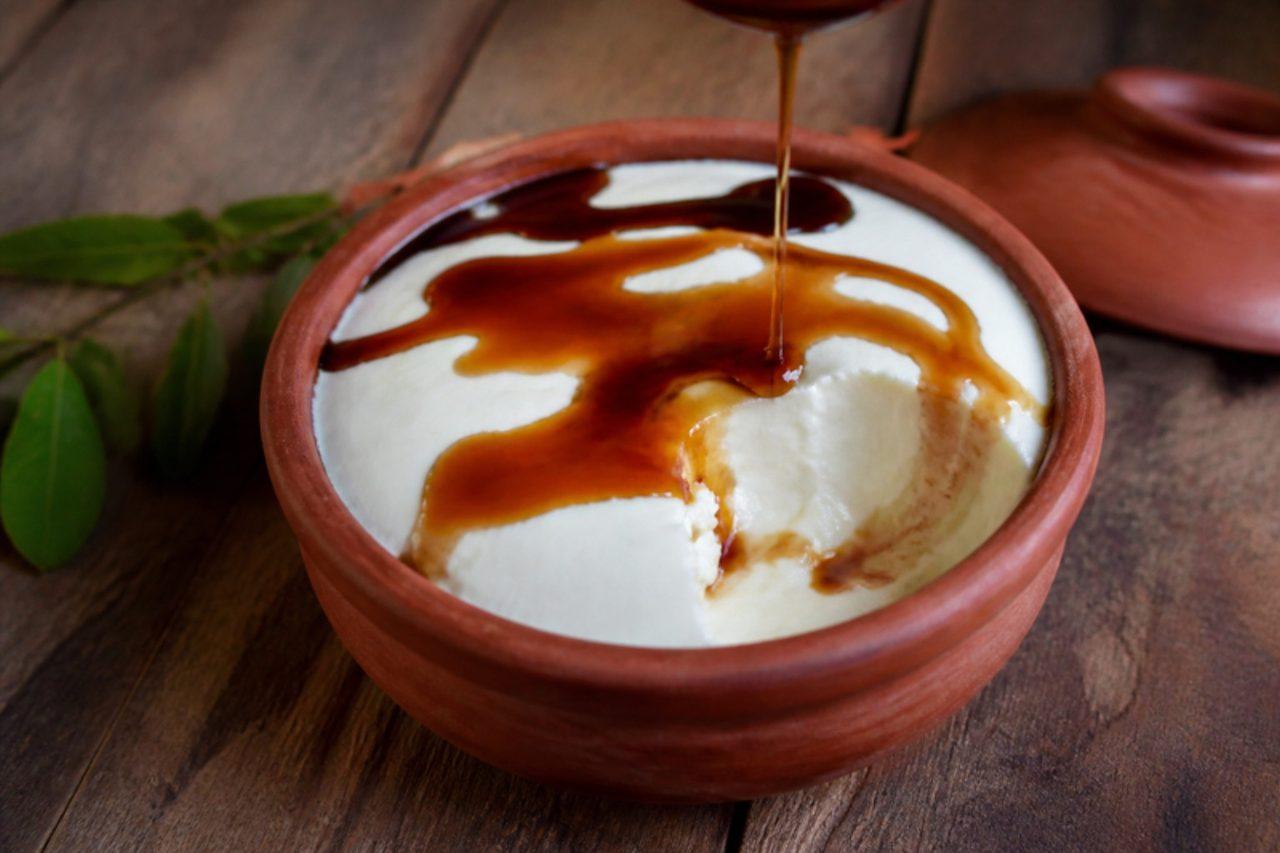
Curd and treacle

Driving the southern coast road past Tangalle towards Hambantota, you pass stall after stall stacked with round clay chatties of meekiri, the firm, slightly sour curd made from buffalo milk, with bottles of dark kithul treacle hanging beside them. Turned out into a bowl and flooded with treacle, it is the South's great dessert: cool, rich and tangy against the smoky, toffee-like sweetness of the palm syrup, eaten after lunch or as a snack in the heat of the day. Setting it at home is easy with pasteurised buffalo milk or creamy whole cow's milk, a spoon of live curd and a warm spot overnight. The mistake that ruins most first batches is adding the starter while the milk is still too hot, which kills the culture and leaves you with warm milk in the morning. Chef's tip: unglazed clay pots draw out a little whey, which is why traditional curd is so thick; soak them in water and dry them well before using.

by KrazyBadal 0 views

Batticaloa fish curry

Batticaloa sits between a long lagoon and the sea, and its Tamil and Muslim cooks make a fish curry that tastes of both: sour with tamarind, round and mellow with coconut milk, and fragrant with fennel, fenugreek and curry leaves. Seer fish, called thora or vanjiram, is the favourite because its firm steaks hold together in the gravy, though any meaty sea fish works. The curry is a weekday staple, cooked in the morning and eaten at lunch with rice, a lentil dhal and a fried vegetable, and it is even better a few hours later once the fish has absorbed the sauce. Most disappointing versions come from stirring the pot after the fish goes in, which breaks the steaks into flakes. Chef's tip: swirl the pan instead of stirring, and spoon the sauce over the fish so it cooks evenly without being moved.

by KrazyBadal 0 views

GarnaalkrokettenGrey shrimp croquettes

Along the Flemish coast, from De Panne to Knokke, the North Sea grey shrimp is king, and garnaalkroketten are the dish every seaside restaurant is judged by: a molten, creamy shrimp-flavoured béchamel packed with little brown shrimps, set firm, crumbed and fried until golden, served with fried parsley and lemon. In Oostduinkerke, shrimp fishers on horseback still drag their nets through the shallows. A common mistake is a béchamel that isn't thick enough, so the croquettes burst in the oil. Chef's tip: make a strong shrimp stock from the shells, if you have them, for the béchamel, and chill the mix overnight so it is firm to shape. The shrimp are already cooked; fry until golden and hot through.

by KrazyBadal 0 views

Gari soakingsSoaked gari with milk and groundnuts

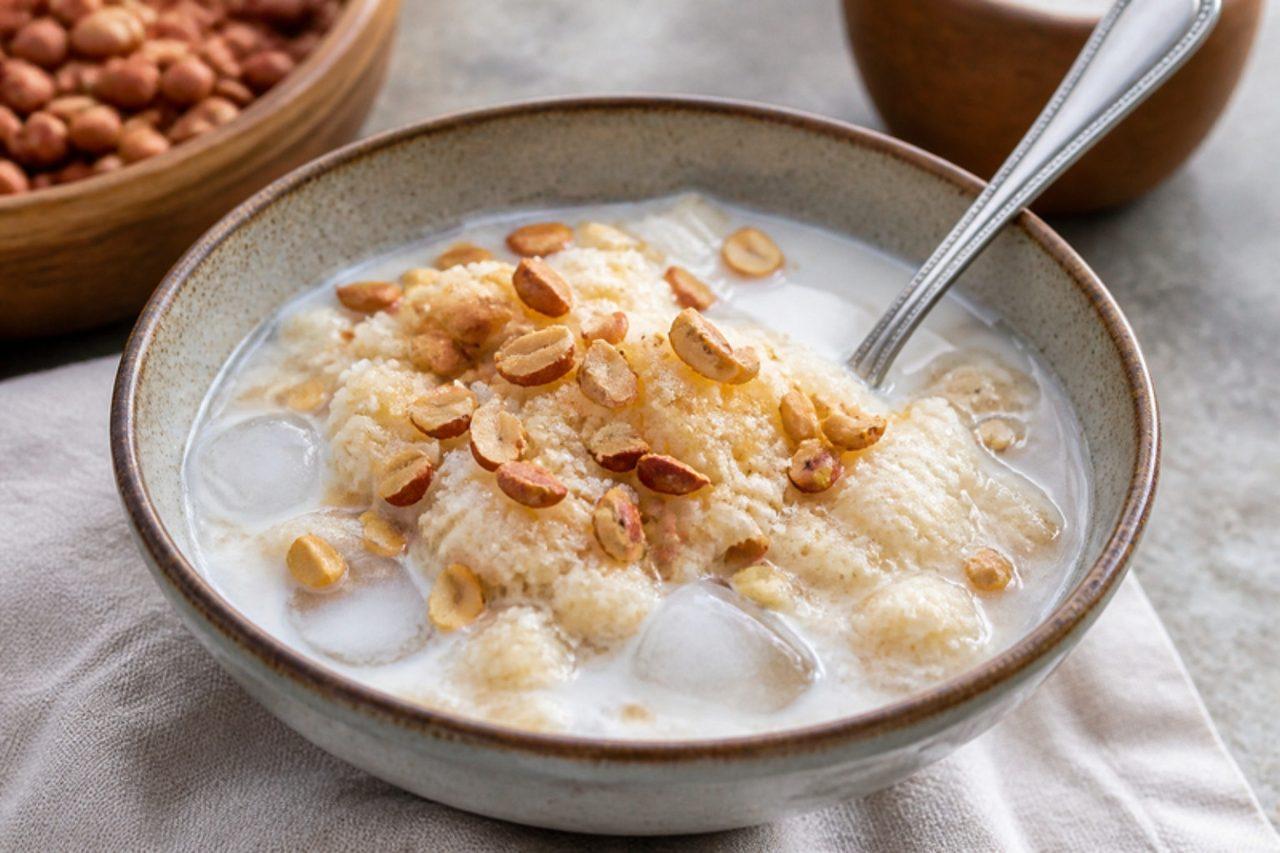
Every Ghanaian who went to boarding school has a story about gari soakings, the cheap, quick fill-up that keeps students going between meals, and on hot Accra afternoons it is still the snack people make without thinking. Toasted cassava grains are soaked in cold water until they swell, then sweetened with sugar and evaporated milk and topped with roasted groundnuts, so it is cool, slightly sour, creamy and crunchy at once. Some add ice cubes or a little coconut. For a vegan bowl, swap the milk for coconut milk. A common slip is adding the groundnuts too early, so they go soft; scatter them on just before eating. Chef's tip: rinse the gari first and pour away the cloudy water with any floating husks, which makes the bowl cleaner and less sandy; eat it within a few minutes, before the grains go mushy.

by KrazyBadal 0 views

GánicaPotato and flour crumble

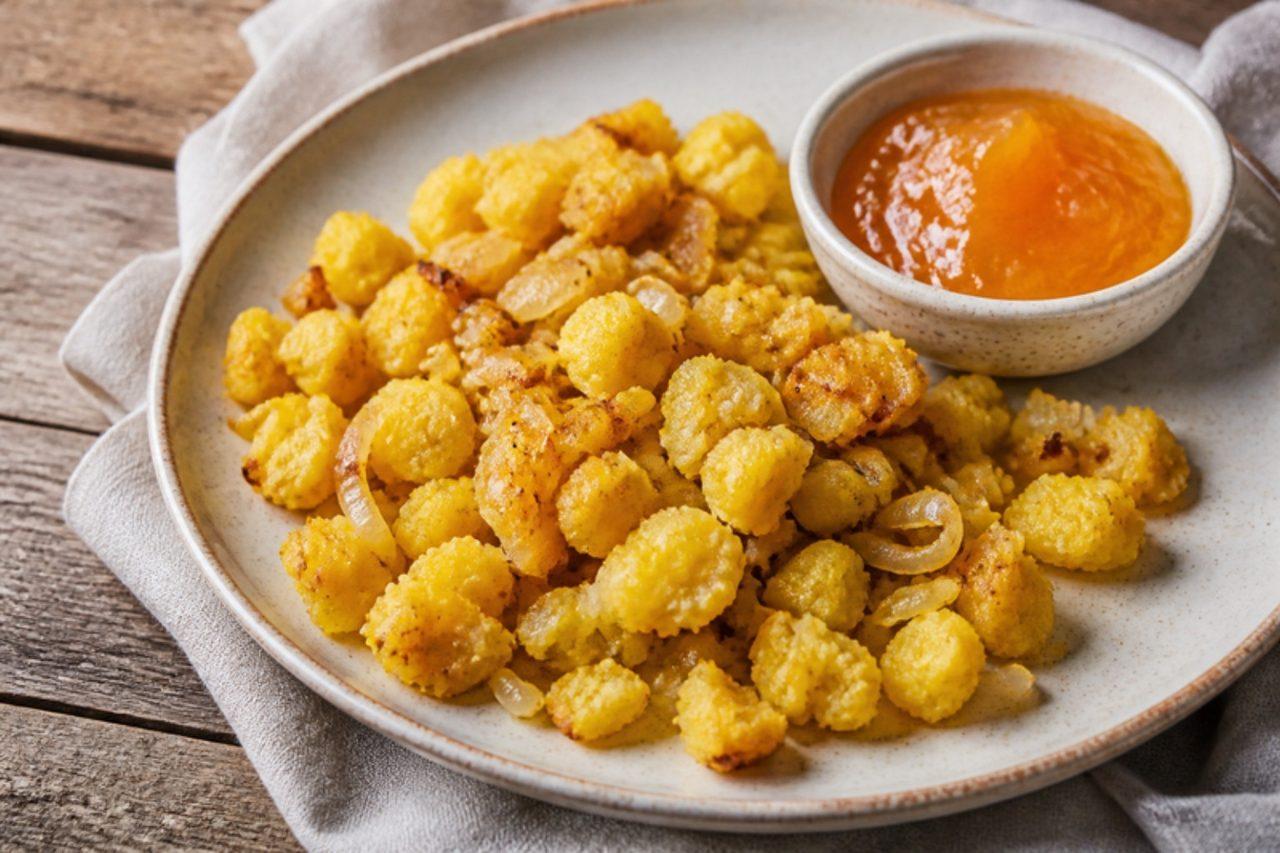
Up in the hills of northern Hungary, in Nógrád and Borsod, potatoes and flour were often all a farmhouse kitchen had in late winter, and gánica made a meal of them. The potatoes are mashed with flour into a heavy dough, then torn apart with two forks into small, uneven crumbs, which are tossed in a pan of onion-scented oil until golden in places. The result is soft and fluffy with crunchy edges, more like a savoury crumble than a dumpling. Eat it as a side with a mushroom stew, or sweet, spooned over with plum jam. The usual slip is under-cooking the flour, which leaves the crumbs pasty; give it the full time over the heat while you beat it. Chef's tip: tear the dough while it is still hot; once it cools it sets into a lump and will not crumble.

by KrazyBadal 0 views

Garash tortaWalnut meringue chocolate cake

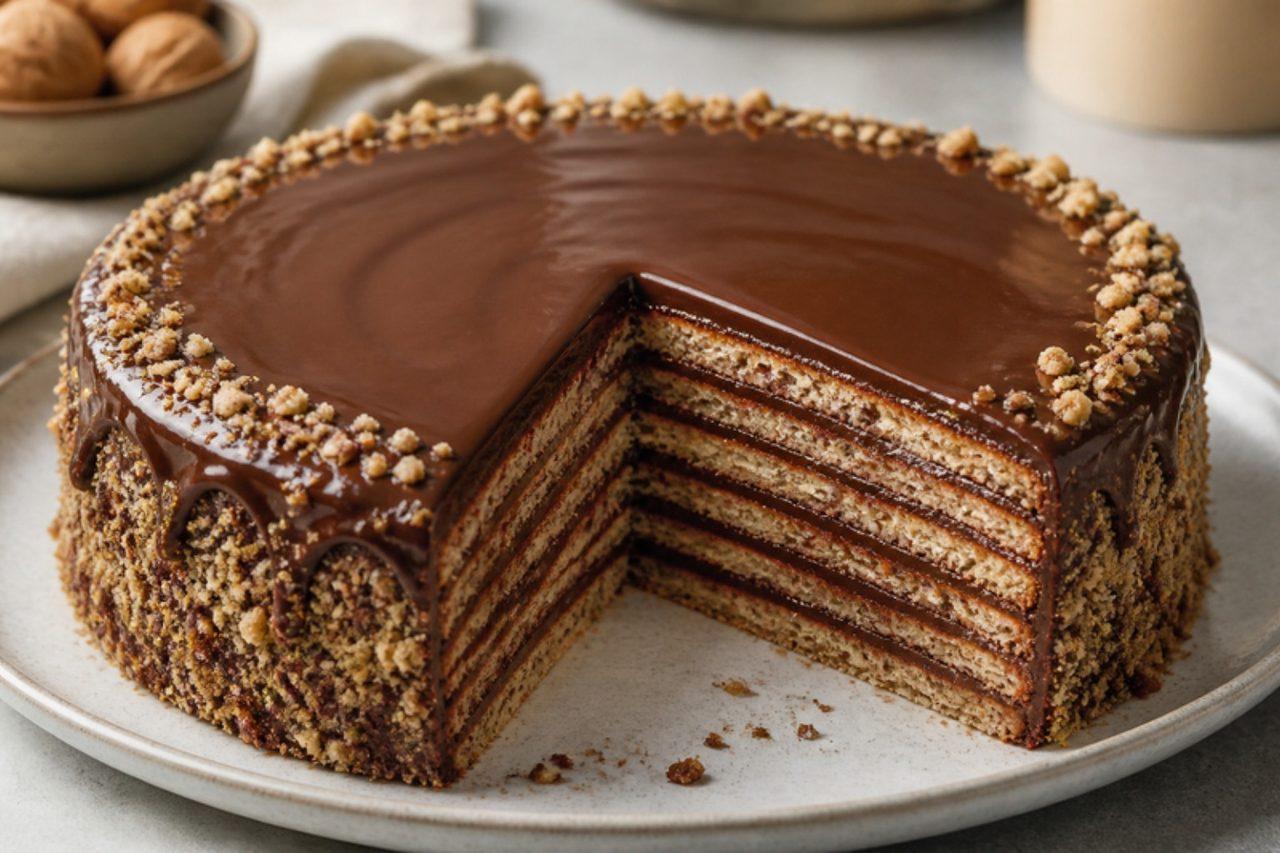
In 1885 a Hungarian confectioner named Kosta Garaš created this cake in Ruse, the elegant Danube town, and it has been the pride of Bulgarian patisseries ever since. Five thin, chewy layers of walnut meringue are stacked with a dark, glossy chocolate ganache and finished with a mirror-like chocolate glaze. Because it uses no flour, it is naturally gluten-free; it is rich and dense, so slices are thin, served with black coffee on name days and anniversaries. The cake is best made a day ahead and chilled so the meringue softens slightly into the ganache. Where most people go wrong is grinding the walnuts to an oily paste; pulse them only until like coarse sand. You will have ten yolks left over: use them for custard or pasta. Chef's tip: bake each layer on a circle drawn on baking paper and trim them all to the same size while still warm, when they cut cleanly.

by KrazyBadal 0 views

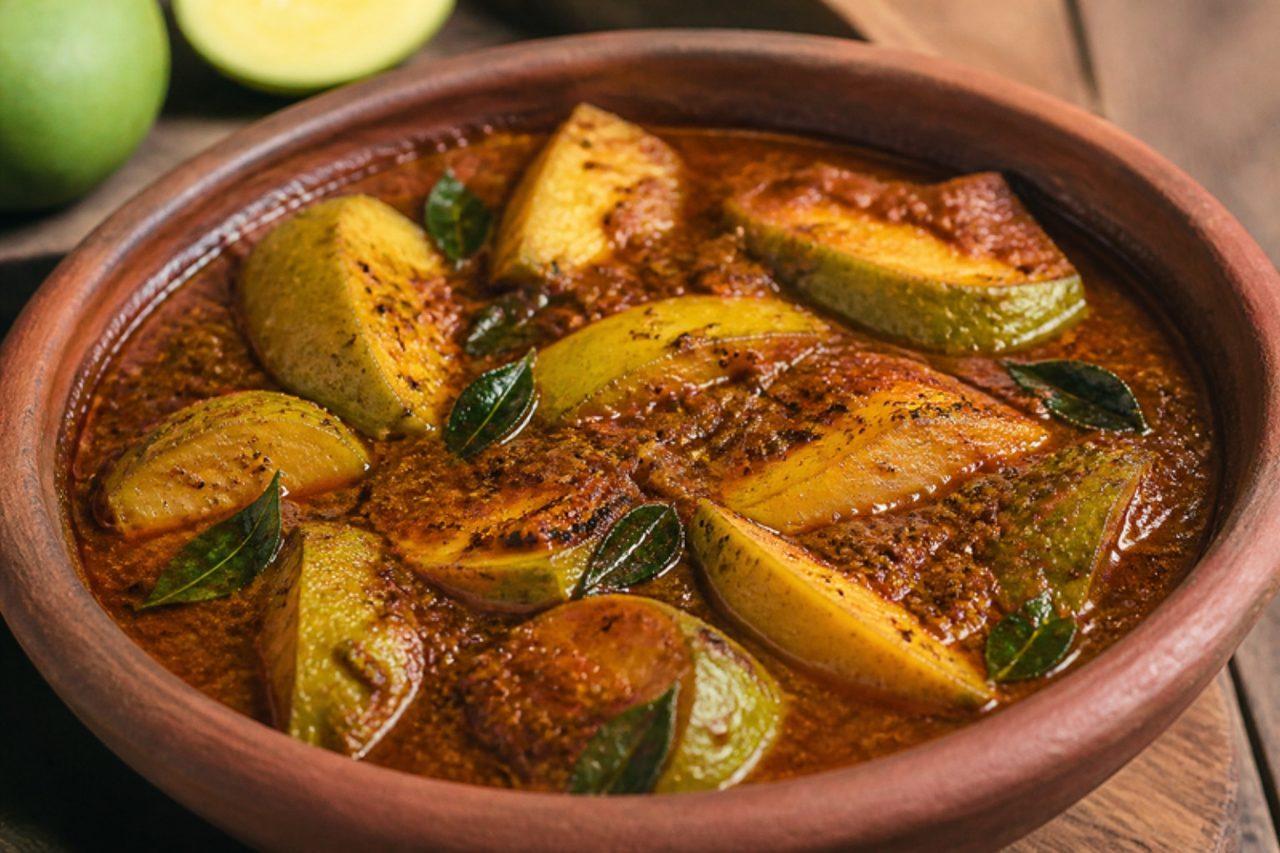
Amba maluwaSweet spicy mango curry

Maluwa usually means a fish curry, yet in Matara and the southern villages the name also goes to this mango dish, perhaps because it is cooked with the same bold spices and was once a stand-in for fish on fasting days. Half-ripe mangoes are cut into chunks with their skin on, then simmered with dark roasted curry powder, chilli, cinnamon and a sharp paste of ground mustard seed and vinegar, sweetened with sugar and finished with coconut milk. The result is hot, sweet and tangy at once, and it is a favourite on wedding and almsgiving spreads, eaten in small amounts with yellow or white rice. Fully ripe mangoes are the wrong choice, because they collapse into jam; pick fruit that is just turning yellow and still firm to the touch. Chef's tip: keep the skin on the mango pieces, as it holds them together during cooking and adds a pleasant, slightly chewy texture.

by KrazyBadal 0 views

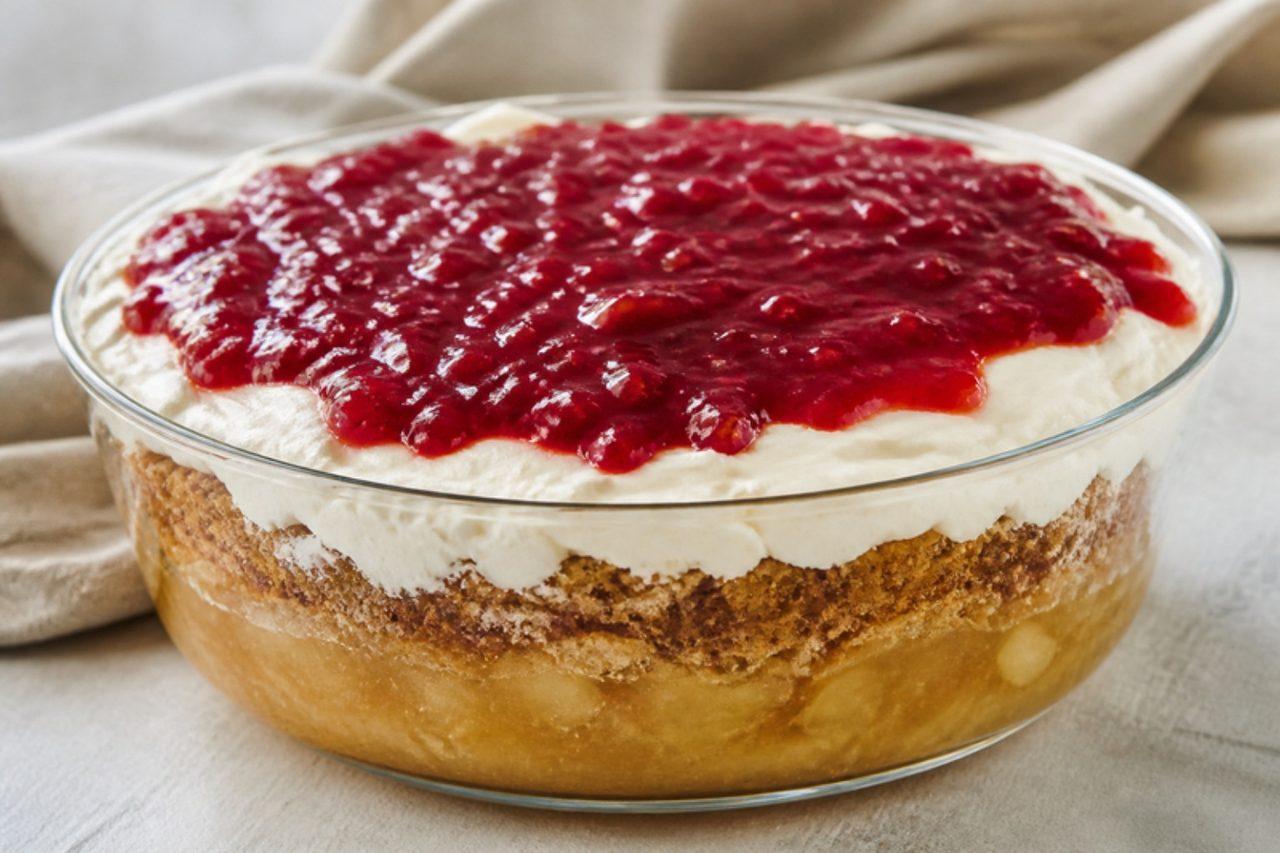
Gammeldags æblekageLayered apple compote dessert

'Old-fashioned apple cake' is not a cake at all but a Danish trifle, made on autumn weekends when the apple trees are heavy: tart apple compote layered in a glass bowl with breadcrumbs or crushed macaroons toasted in butter and sugar, topped with whipped cream and a few dots of redcurrant jelly. The crumbs stay crunchy against the soft fruit. A common mistake is assembling it hours ahead, which turns the crumbs soggy. Chef's tip: toast the crumbs until deep golden and crisp, and assemble within an hour of serving.

by KrazyBadal 0 views

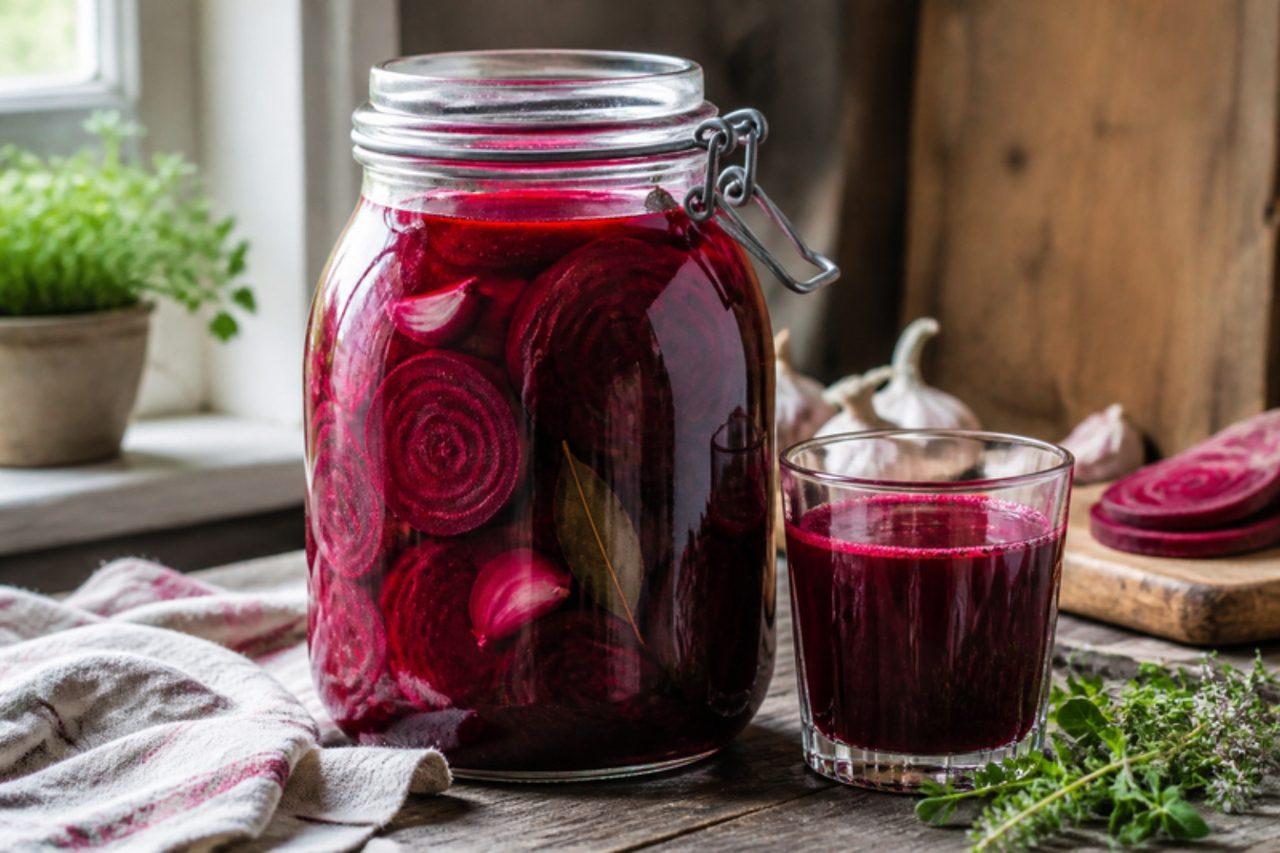
Beet kvass

Before lemons and vinegar were easy to buy, Ukrainian cooks soured their borscht with beet kvass, a ruby-red brine made by leaving sliced raw beetroot in salted water for a few days. It is lightly fermented, so it contains no more than a negligible trace of alcohol, and it tastes earthy, salty and pleasantly sharp. In Poltava and Chernihiv villages a jar always stood by the stove; a splash went into the soup pot and a small glass was drunk in the morning as a tonic. Some families add a crust of rye bread to speed things up, which makes it no longer gluten-free. The mistake most people make is leaving the beetroot floating: anything above the brine can grow mould, so keep it weighed down. Discard any batch with fuzzy or coloured mould, a slimy texture or a rotten smell. Chef's tip: a few slices left in the jar from the previous batch start the next one in half the time.

by KrazyBadal 0 views

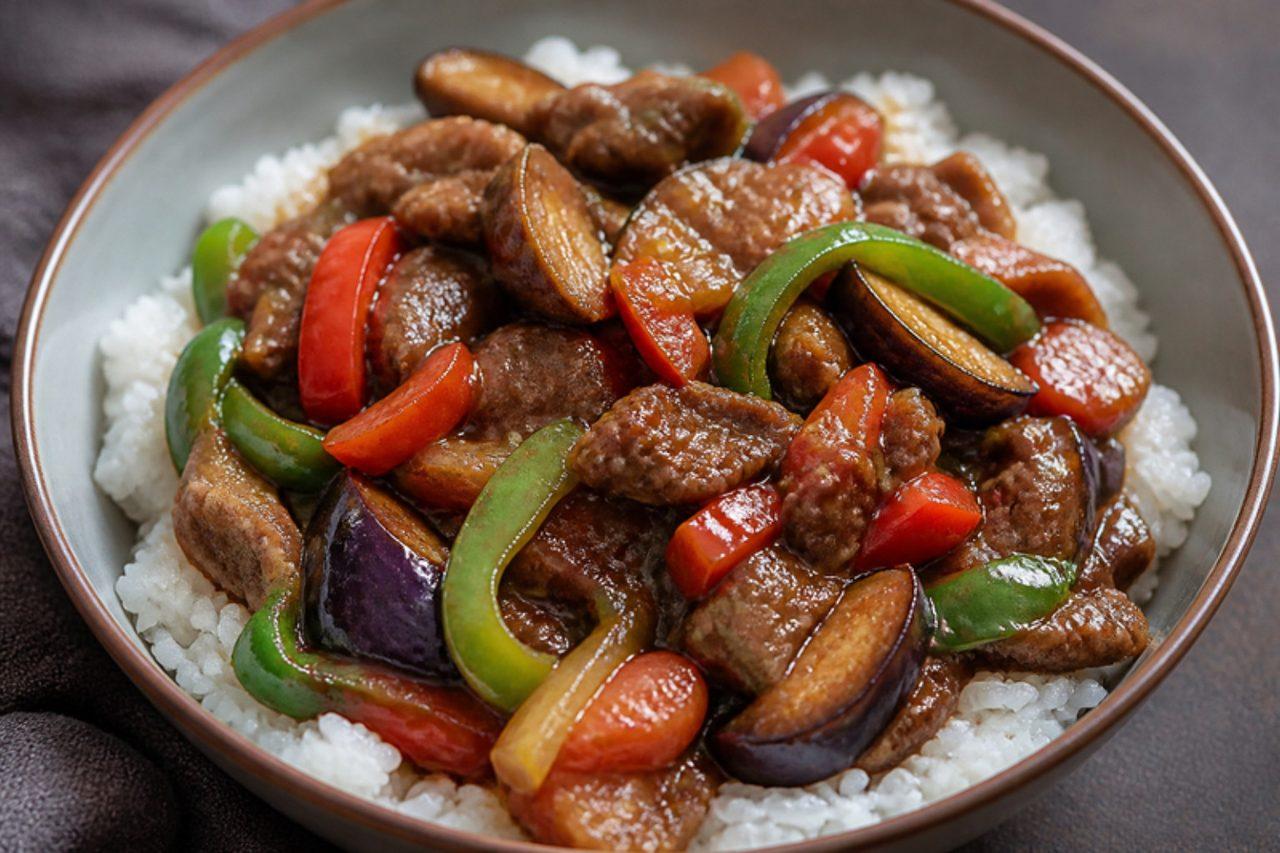
GanfanRice with stir-fried beef and peppers

Ganfan is a dish of the Dungan people, Chinese Muslim communities who settled in Kyrgyzstan and Kazakhstan in the 1870s, and it is ordered in every Dungan café in Bishkek and Karakol: a plate of plain rice with a ladle of stew on top, made by stir-frying thin strips of beef or lamb with peppers, aubergine, celery, tomato and garlic, seasoned with soy sauce and vinegar. A common mistake is crowding the wok, which makes the meat grey and watery. Chef's tip: cut the beef into thin strips against the grain and stir-fry it first in small batches over a fierce heat, then return it at the end. No pork is used in Dungan cooking. Beef strips are done when no pink remains.

by KrazyBadal 0 views

Cocktail bunCoconut-filled sweet buns

Bakeries across Hong Kong pull trays of cocktail buns from the oven before the morning rush, and schoolchildren and commuters buy them warm in paper bags to eat on the bus or with milk tea at a cha chaan teng. The story goes that 1950s bakers invented them to use up day-old bread mixed with sugar and coconut, so the name is a playful nod to a cocktail of leftovers. Today the soft, milky roll holds a sweet, buttery coconut filling that's slightly sandy and chewy, under two piped stripes and a scatter of sesame seeds. A soft, warm filling tends to ooze out during proving and baking, so chill it until firm before you roll the buns. Chef's tip: roll each bun up tightly from the long side and pinch the seam well, then place it seam-down; loose rolls split open in the oven.

by KrazyBadal 0 views

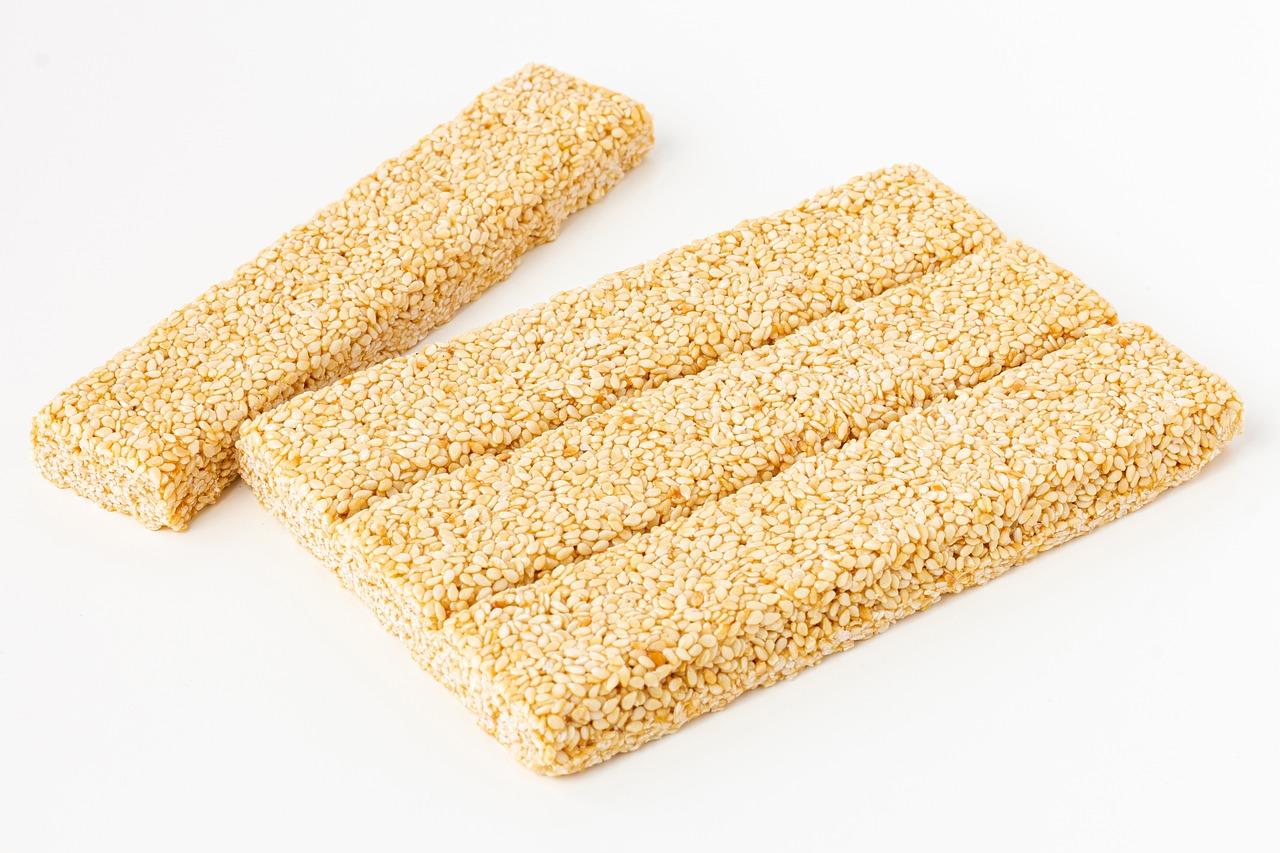
GajakSesame jaggery brittle

Winter in Punjab has a sound, and it is the snap of gajak: thin, glossy sheets of toasted sesame bound in jaggery, sold from piled trays outside the sweet shops of Multan, Gujranwala and Lahore from the first cold week of December. It is nutty, crunchy and toffee-sweet, with the earthy depth of gur, and families keep a tin of it beside the heater to nibble after dinner with green tea or to share with visitors. The commercial kind is hammered and pulled into flaky layers, but the home version poured thin and rolled flat is what most households make. The pitfall is pulling the jaggery off the heat too early, which gives a brittle that turns chewy and sticky after a day. Chef's tip: test the syrup by dropping a little into cold water; it must snap cleanly at once, and that hard-crack stage is reached quickly, so have the sesame warm and ready. Take care: the syrup is far hotter than boiling water.

by KrazyBadal 0 views

Sevan trout

Ishkhan, 'the prince', is the name Armenians give to the trout of Lake Sevan, the vast blue lake high in the mountains north-east of Yerevan, and lakeside restaurants on the Sevan peninsula serve it grilled whole or stuffed with herbs and baked. The native ishkhan is now rare and protected, so the fish served today is farmed trout, cooked the same way: stuffed with tarragon, dill, coriander and garlic, roasted until the skin crisps, with lavash and lemon. A common mistake is wrapping the fish tightly in foil, which steams it soft; leave it uncovered for a crisp skin. Chef's tip: brush the fish with a little tkemali or pomegranate molasses in the last five minutes for a sweet-sour glaze. The fish is done when the flesh is opaque and flakes easily at the backbone.

by KrazyBadal 0 views

GaboutStuffed dumplings in tomato stew

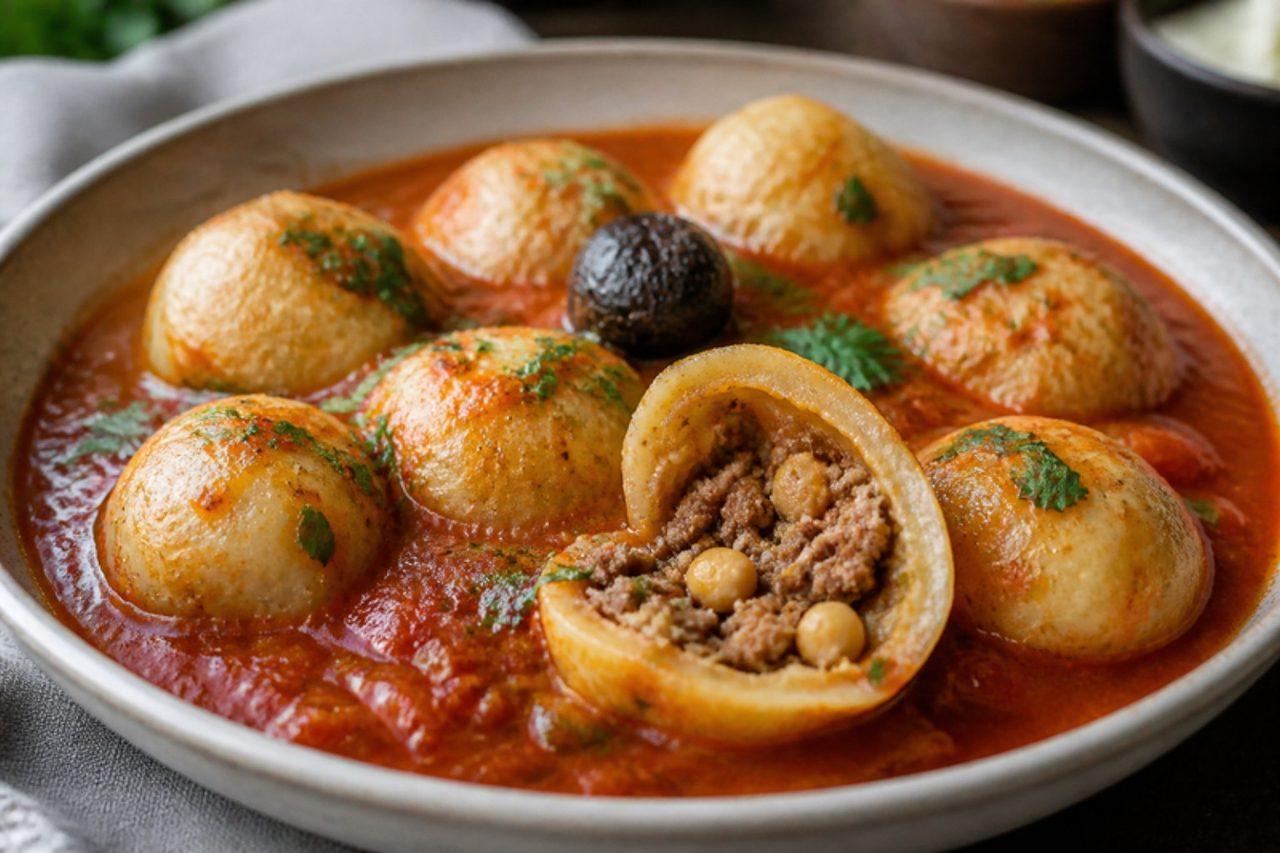
Gabout is old Kuwaiti home cooking, the kind grandmothers in Kuwait City still make for family lunches in winter, and a close relative of the Iraqi dumplings brought along the trading routes of the Gulf. Soft flour dough is wrapped around spiced lamb or beef mince with chickpeas, and the dumplings are simmered in a sour tomato and dried-lime stew until they are tender and plump. It is filling and comforting, eaten with bread or on its own. The mistake people make is rolling the dough too thick, which makes the dumplings heavy and doughy. Chef's tip: wet your fingers when sealing, the dough must close tightly or the filling leaks into the stew.

by KrazyBadal 0 views

MajareteCoconut rice-flour pudding

Puerto Rican grandmothers cook majarete on the stove in one pan, pour it into a dish and leave it to set while the Sunday dinner is eaten; it shows up again at Christmas beside the tembleque. Rice flour, coconut milk and whole milk are stirred with cinnamon and a little orange zest until they thicken into a silky, spoonable pudding, dusted with more cinnamon. In the Dominican Republic the same name goes to a version made with fresh grated corn. The common mistake is walking away from the pan; rice flour lumps and catches in seconds, so whisk constantly. Chef's tip: whisk the rice flour into the cold milks before the pan goes on the heat, and it will be perfectly smooth.

by KrazyBadal 0 views

Tagella (Tuareg sand-baked bread)

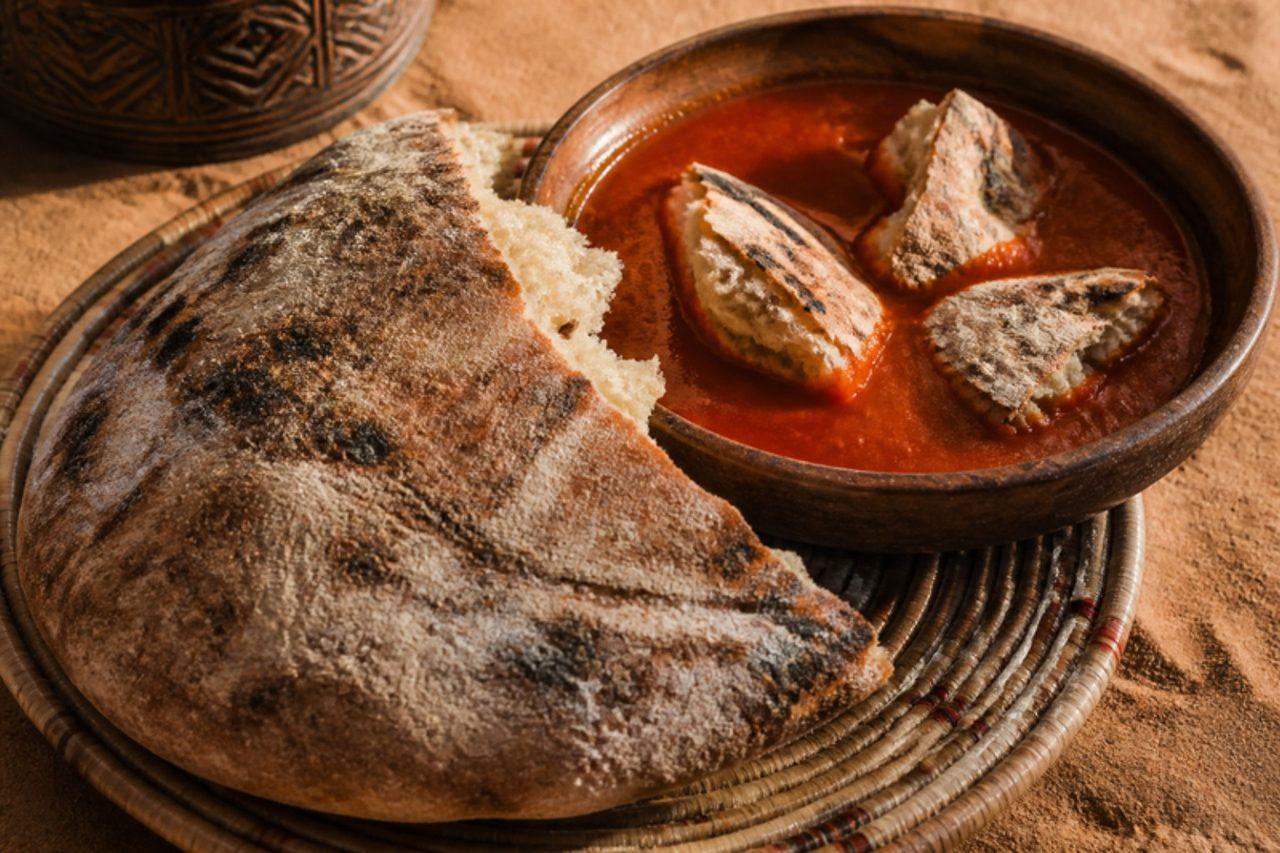
Out in the Hoggar mountains around Tamanrasset, Tuareg cooks bury a thick disc of dough in sand heated by a wood fire, cover it with embers and dig it up half an hour later with a dense, chewy crumb and a thick crust that is beaten clean of sand. The bread is then broken into pieces and soaked in a spicy tomato and onion sauce, a hearty meal for a camp or a desert evening; meat goes in when there is some, and this is the plain version cooked on ordinary days. At home, a very hot oven with a cast-iron pan gives a similar crust. Expect a filling, rustic dish with a smoky, peppery sauce. A frequent slip is making the dough too dry; it should be soft, or the thick round cracks and stays raw in the middle. Chef's tip: bake the bread until it sounds hollow when knocked, because an underbaked, doughy centre turns to paste in the sauce.

by KrazyBadal 0 views

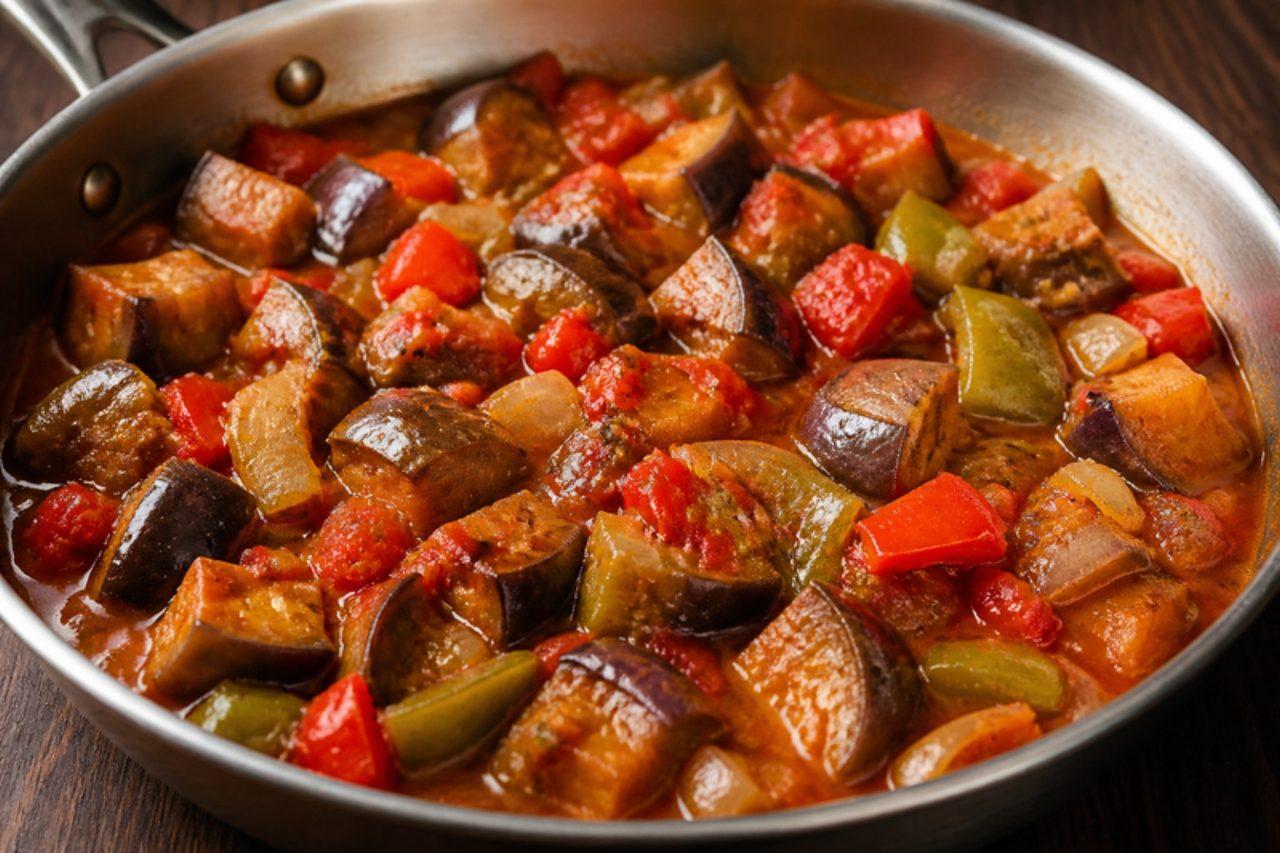
Dominican berenjena guisadaStewed aubergine

Dominican home cooks make berenjena guisada as a weekday side next to white rice and beans, the aubergine stewed down with tomato, sweet peppers and plenty of dried oregano into a soft, savoury guiso. It is light, quick and good hot or at room temperature. The common mistake is adding all the water at the start, which boils the aubergine grey; let it soak up the oil and sofrito first, then add liquid a little at a time. Chef's tip: rub the dried oregano between your palms as it goes in, to release the oils; Dominican cooks swear by it.

by KrazyBadal 1 views

Champola de guanábanaSoursop milk shake

On a sticky afternoon in Havana, a tall glass of champola is the classic cooler: soursop pulp blended with ice-cold milk and a little sugar into something between a shake and a fruit drink. Soursop (guanábana) tastes of pineapple, banana and lemon at once, with a creamy body all its own. The common mistake is blending the black seeds in, which makes the drink bitter, so remove every one or use frozen pulp. Chef's tip: add a squeeze of lime just before serving; it sharpens the fruit and stops the drink tasting flat.

by KrazyBadal 0 views

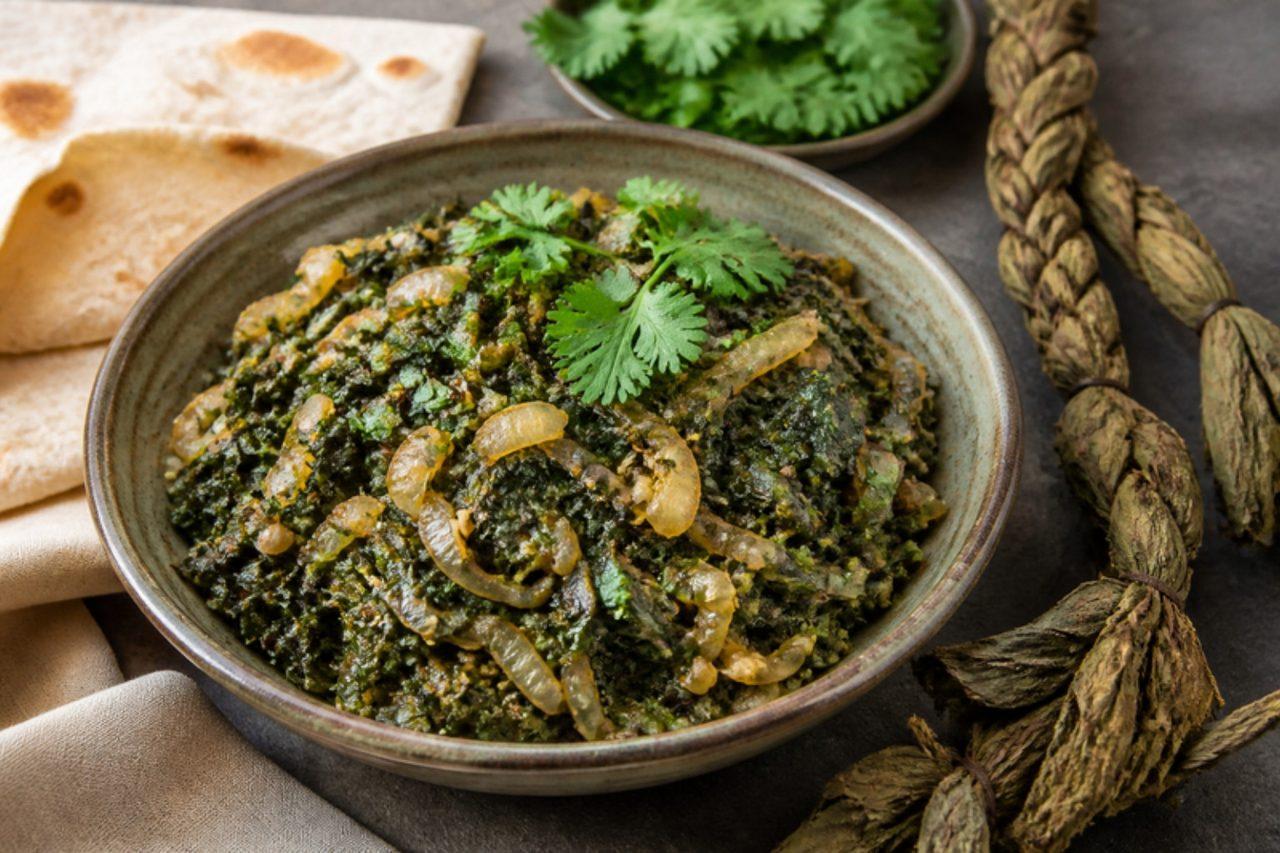
AvelookDried braided sorrel with walnuts

In Syunik, the mountainous south of Armenia around Goris, women pick wild mountain sorrel in May and braid the long leaves into ropes that hang drying in every kitchen. In winter and during Lent the braids are soaked, simmered until soft and fried with onion and walnuts, giving a dark, earthy, sour salad with a taste somewhere between spinach and olives. Braids are sold in Armenian shops. A common mistake is skipping the second boil, which leaves the leaves bitter and tough. Chef's tip: squeeze the cooked sorrel well and fry it long enough to dry and slightly crisp at the edges; that is when the flavour deepens.

by KrazyBadal 0 views

Kogel-mogel

Ask anyone who grew up in a Warsaw block of flats about kogel-mogel and they will remember standing in the kitchen beating yolks and sugar in a mug with a teaspoon, waiting for it to turn pale. It is the simplest Polish treat: thick, mousse-like and very sweet, sometimes with cocoa, eaten from a glass with a spoon or dolloped on fruit. Because the yolks are raw, use pasteurised eggs, which most supermarkets sell as cartons of yolks or as pasteurised whole eggs. Even so, raw eggs are not for pregnant women, young children or anyone with a weakened immune system. The common mistake is stopping too soon; it needs a good 5 minutes of whisking until it doubles and almost all the sugar has dissolved. Chef's tip: use caster sugar, which disappears faster and gives a silkier result.

by KrazyBadal 0 views

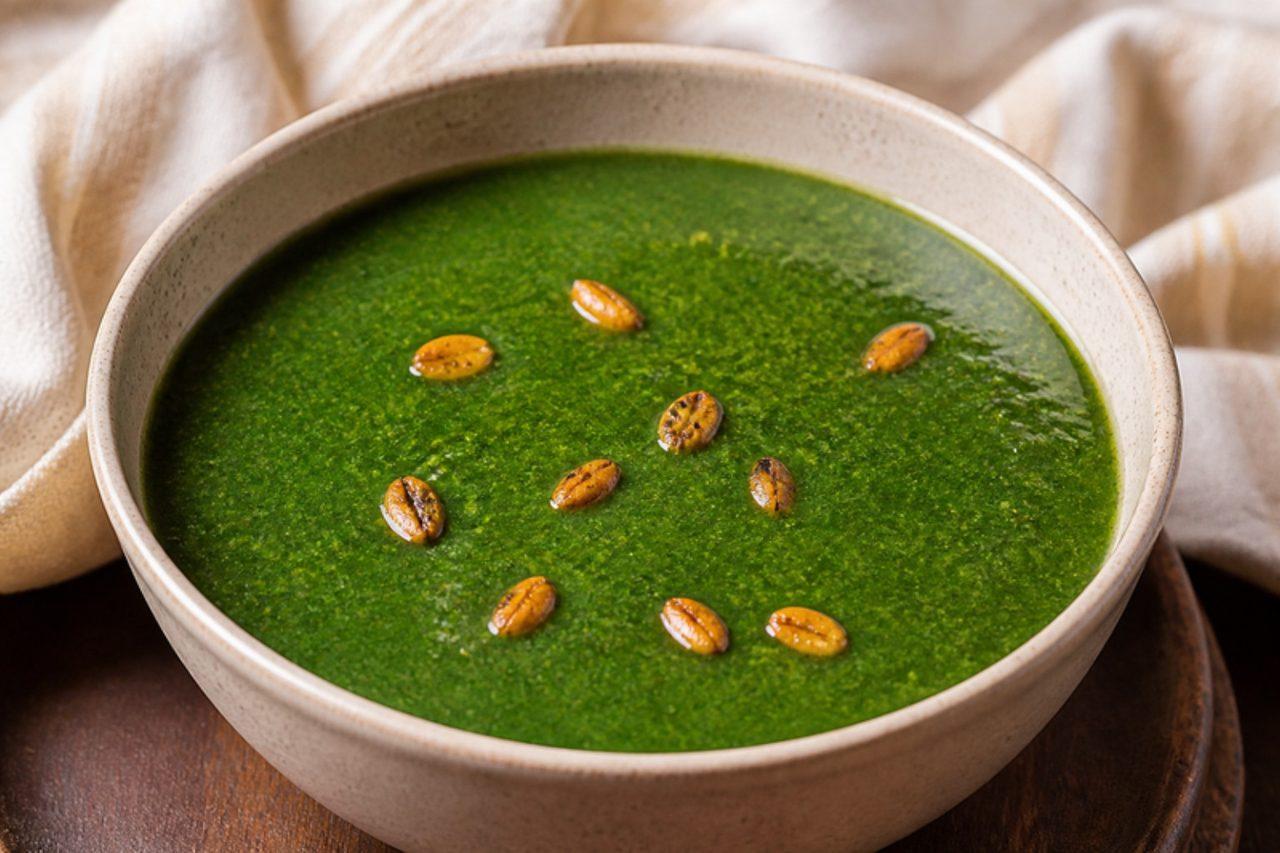
Ewedu (jute leaf soup)

Bright green, light and famously slippery, ewedu is the soup that makes amala slide down so easily, and in Ibadan and across Oyo State it is rare to see one without the other. Only the tender jute leaves are picked from the stems, boiled for a few minutes and then beaten with a small broom until finely shredded and stretchy, with a few locust beans for a savoury, funky depth. Some cooks add crayfish; this version keeps it meat-free. It tastes fresh and grassy and is eaten with amala, gbegiri and a red pepper stew. Frozen chopped ewedu or Egyptian molokhia leaves work well outside Nigeria. Chef's tip: cook it briefly and uncovered; long boiling or a lid turns the bright green an olive drab, the most common ewedu mistake.

by KrazyBadal 0 views

Rougag (Saharan paper-thin flatbread)

Across the oases of the Algerian Sahara, from Biskra to Ouargla, women spread a soft semolina dough over a domed griddle so thin that light shows through it, then lift the sheet off within a couple of minutes. Rougag is the base of chakhchoukha and rfis, torn into pieces and soaked in sauce, but fresh sheets are also eaten folded around dates or a spoon of stew. Freshly made it is soft and flexible with toasty brown blisters; left to dry, it keeps for weeks in a tin. An upturned wok or a large non-stick pan stands in for the griddle. Chef's tip: oil your hands, not the pan; dough that is not wet enough to stretch is the common mistake, so it should feel almost too sticky to handle.

by KrazyBadal 0 views

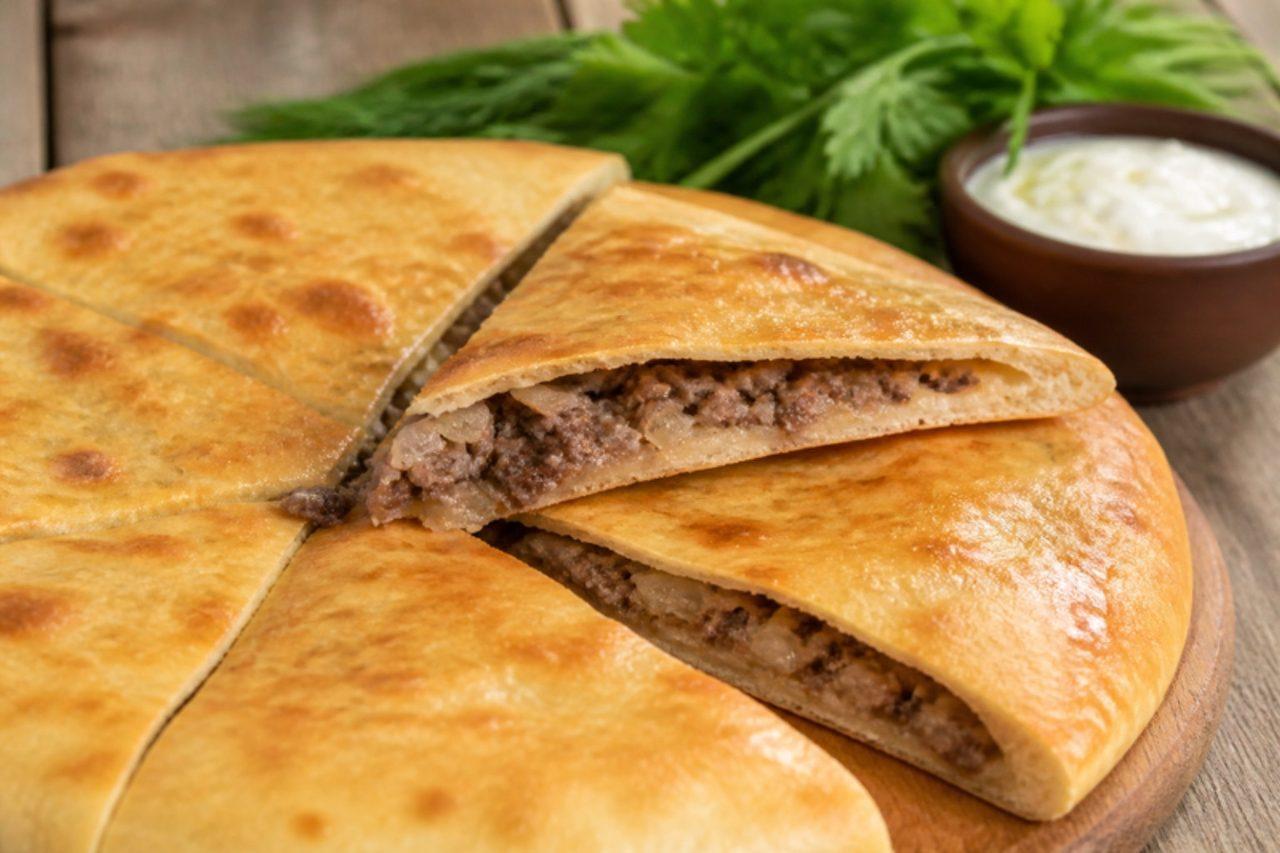
FyddzhynBeef and onion pie

In North Ossetia, pies come in threes, for the sun, earth and sky, and the meat pie in that stack is fyddzhyn: a thin, soft yeast crust wrapped around juicy minced beef, onion, garlic and a little chilli, with a small hole in the middle to let out steam. The Ossetian people serve it at every family gathering and feast, hot and dripping with butter brushed on as it leaves the oven, cut into wedges and eaten with the hands. A common mistake is rolling the crust thick; good fyddzhyn is all filling and the dough should be barely 4 mm. Chef's tip: add a few spoons of cold stock to the mince; it turns to steam in the oven and keeps the filling juicy.

105 minRussianMeat
by KrazyBadal 0 views

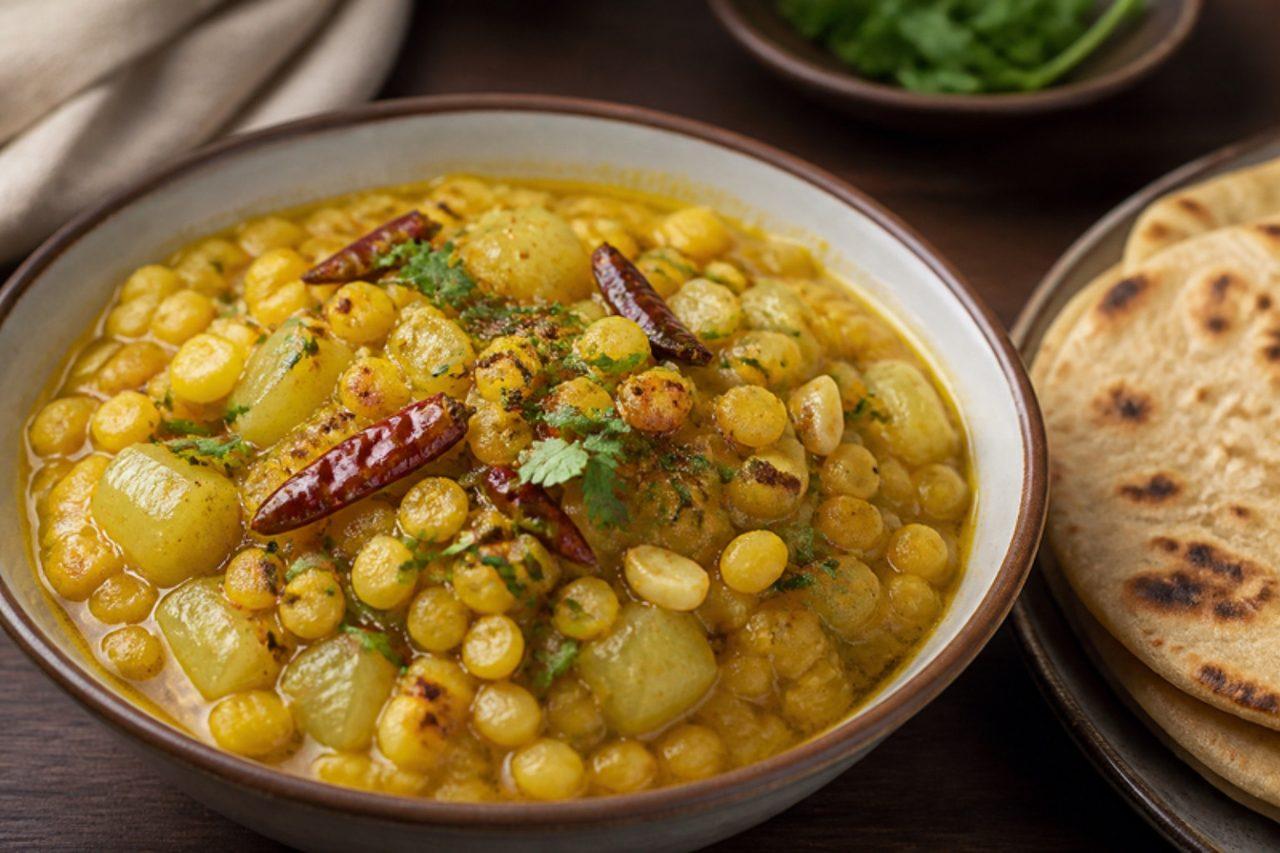
Ghiya chana daalChickpea dal with bottle gourd

Bottle gourd is the vegetable Punjabi mothers reach for when someone in the house needs something gentle, and pairing it with chana daal turns that mildness into a proper meal. The split chickpeas cook until creamy but still slightly nubbly, the ghiya melts into soft, translucent pieces and lends the pot a quiet sweetness, and a last-minute tarka of cumin, garlic and dried red chilli wakes the whole thing up. You will find it on everyday tables from Gujranwala to Sahiwal, eaten with chapati or plain boiled rice and a little sliced onion on the side. A common slip is adding the gourd at the start with the dal, so it disappears completely by the time the lentils are soft. Chef's tip: give the soaked dal a 20-minute head start and add the ghiya only then, so both are done together.

by KrazyBadal 0 views

Showing 90 of 8,120 recipes

Page 217 of 903