


Skip to content
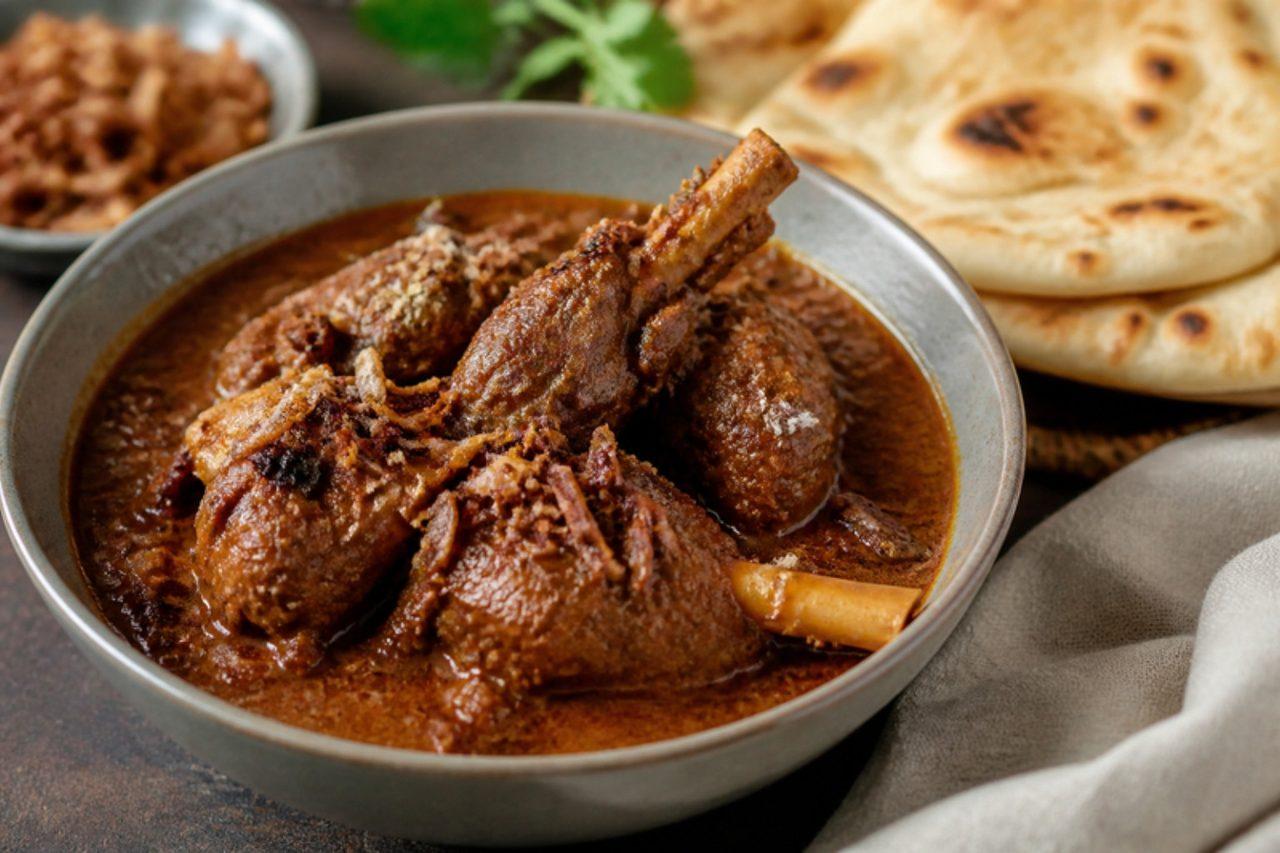
Bhopali gosht korma
Featured recipe

Bhopali gosht korma

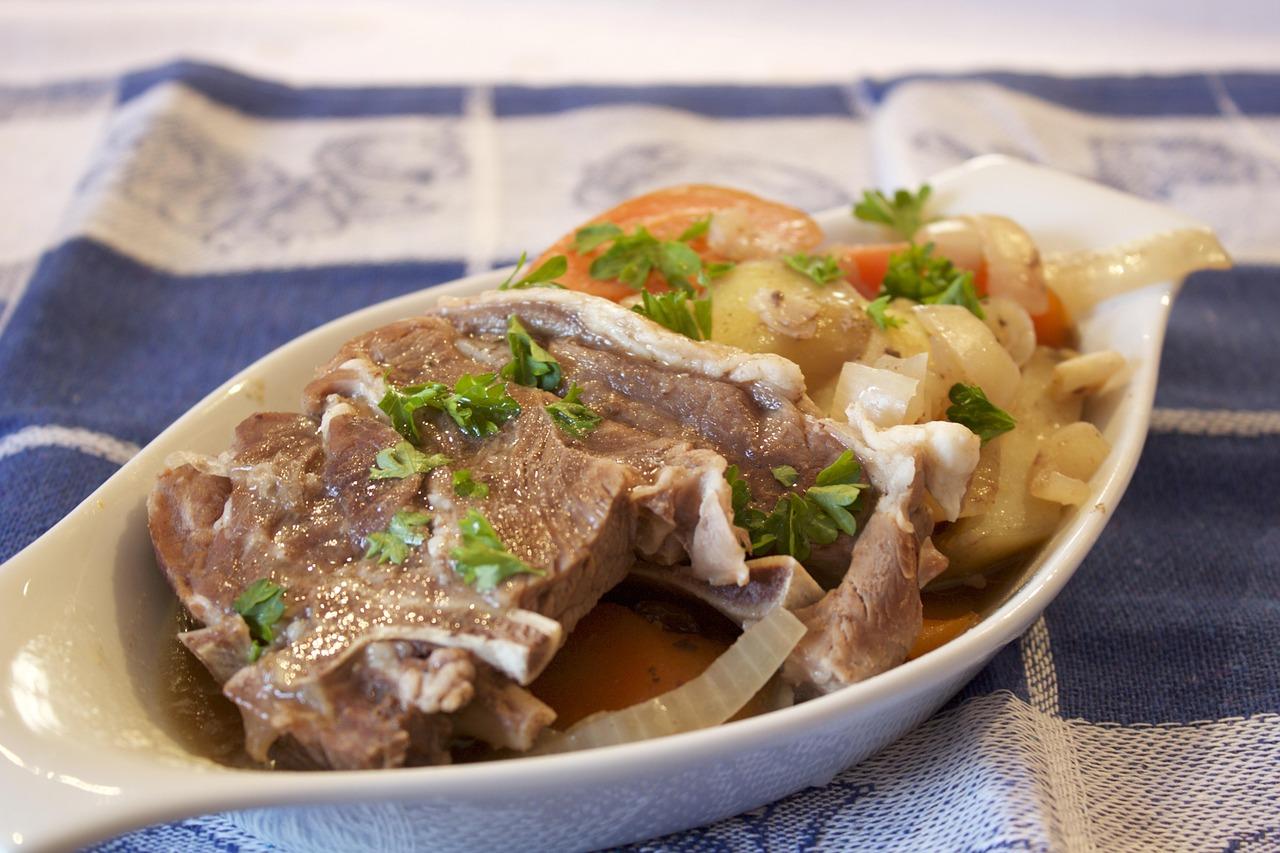
Bhopal was ruled for over a century by the Begums, and its Muslim kitchens developed their own style: earthier and more robust than the delicate cooking of Lucknow, with a liking for red chilli, roasted coriander and a thickening paste of dried coconut and poppy seeds. This mutton korma is the centrepiece of Eid lunches and nikah dinners in the old city around Chowk Bazaar, eaten with sheermal or khamiri roti. Compared with an Old Delhi chicken korma, it is darker, hotter and nuttier, and it's made with goat on the bone. Chef's tip: crush the fried onions roughly with your hands instead of blending them smooth; the little flecks of onion are part of the Bhopali texture.

Read more 0 views

What to eat today?

Around the world

Today's trip: Persian

A new country every day, from every cuisine on the site.

Persian

Ash-e shalgham

Turnip and rice soup 65 minMore from Persian (131) →

This week's collection

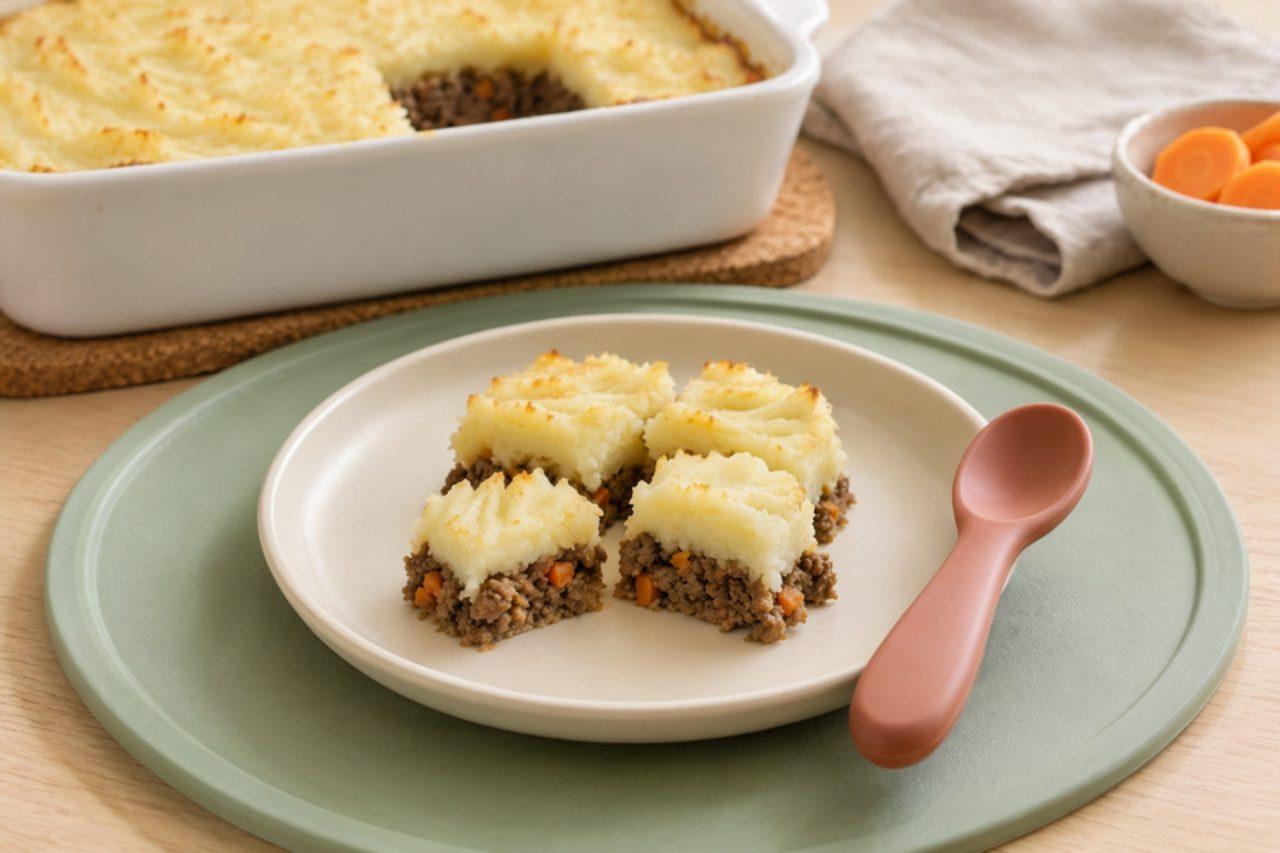
Kid-friendly dinners
537 recipes · a new collection every Monday

Latest recipes

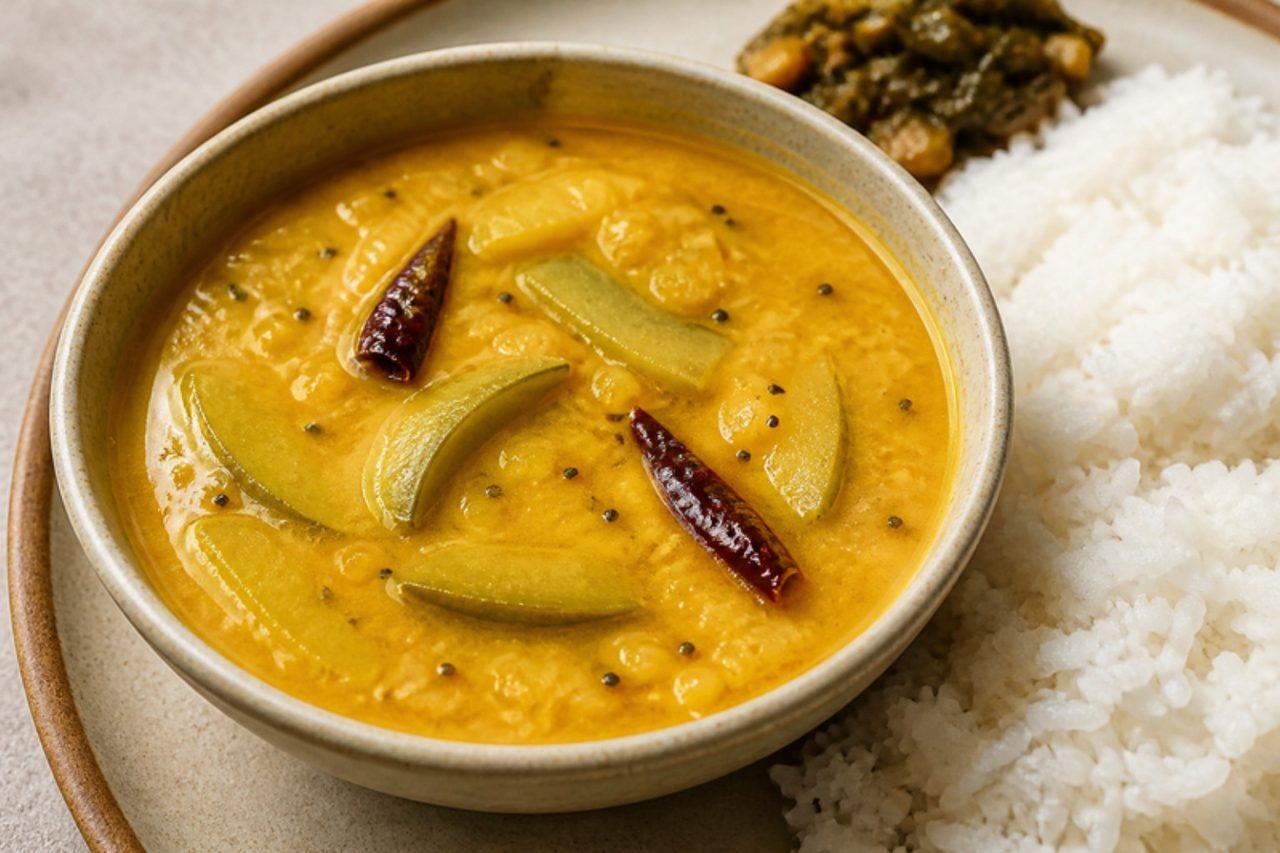
Kancha aamer tok dalGreen mango lentil dal

When the first hard, green mangoes fall from the trees around Rajshahi in April and May, cooks slice them into the dal pot, and the result is the most refreshing bowl of the hot season. Tok dal is deliberately thin, almost like a soup, with soft red lentils and slices of green mango that turn tender and tangy, finished with mustard seed and dried chilli crackling in mustard oil. It is eaten poured over plain rice, often as the last thing before a light fish or vegetable curry, because the sourness is meant to cool the body in the heat. Adding the mango at the start leaves it mushy and the dal overly sour, so it goes in once the lentils are soft. Chef's tip: taste the mango first; very sour fruit may need a pinch more sugar to balance it.

by KrazyBadal 0 views

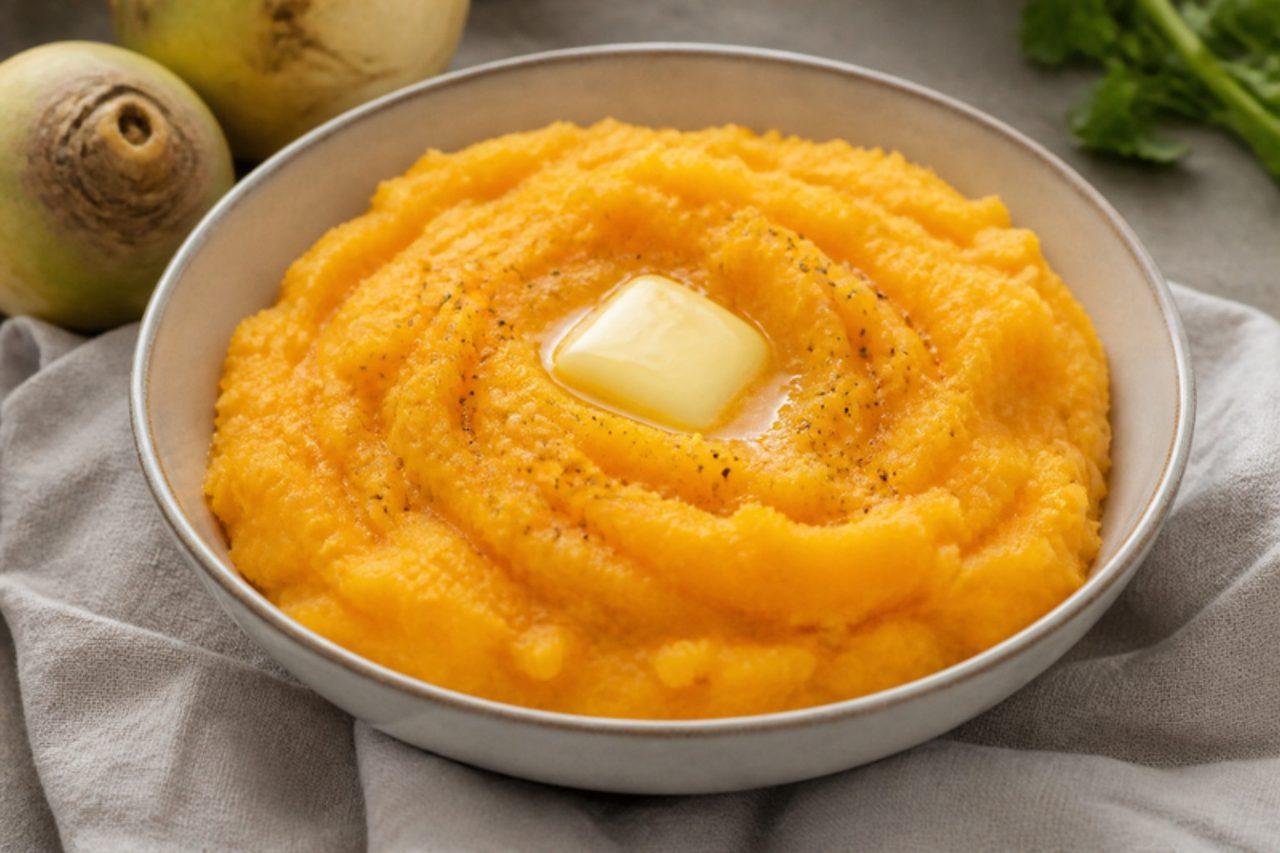
KålrabistappeMashed swede

Kålrabistappe is the bright orange mash of swede that sits beside almost every Norwegian winter dinner: with pinnekjøtt lamb ribs at Christmas in western Norway, with raspeballer on Thursdays, with salted meat and sausages. It is simple: swede and a little potato boiled soft and mashed with butter, a splash of the cooking water and nutmeg. A common mistake is mashing it in a blender, which makes it gluey. Chef's tip: let the swede steam dry in the pan for a couple of minutes after draining; the mash stays fluffy, not watery.

by KrazyBadal 0 views

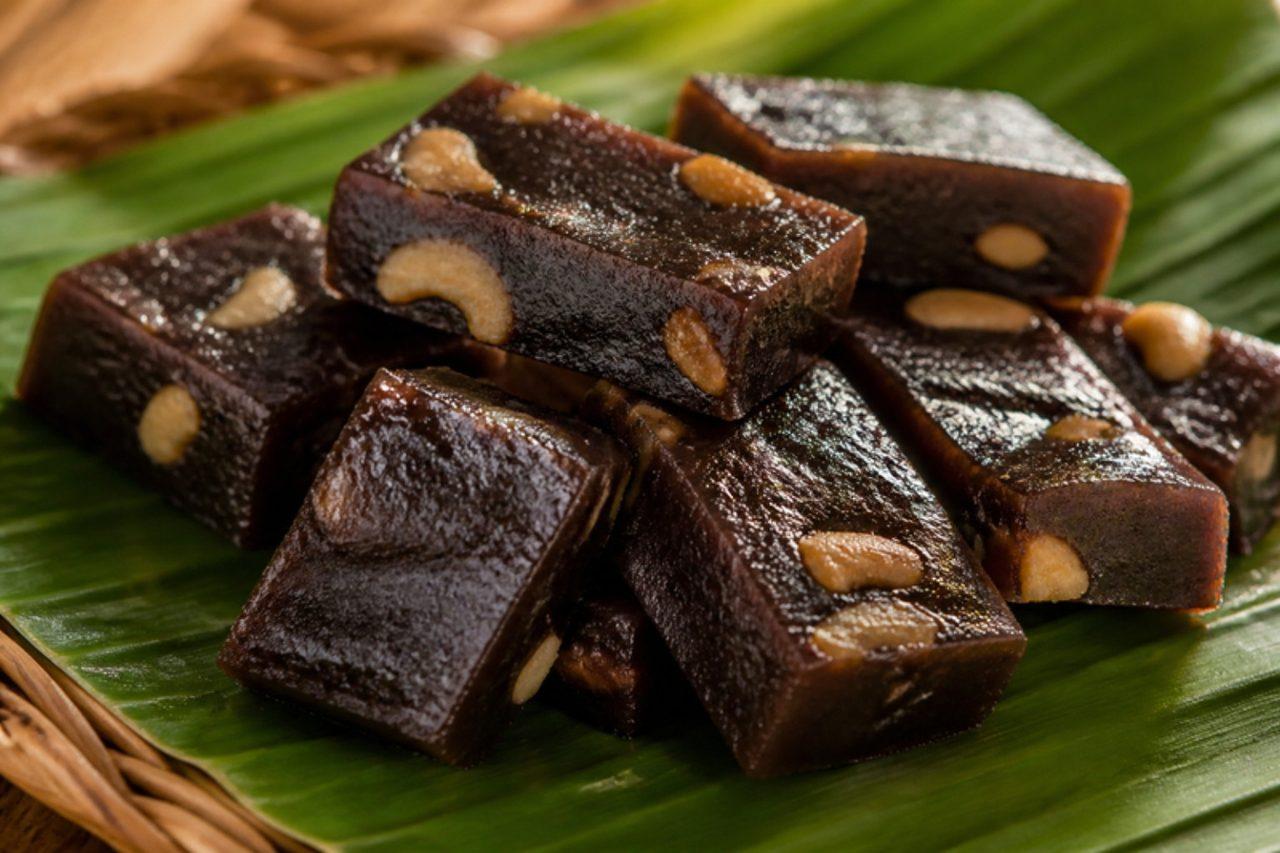
Kalu dodolRice flour and jaggery sweet

Hambantota and Kalutara both claim the best kalu dodol, and roadside shops in each town sell long, black, glistening slabs wrapped in paper, bought by travellers as gifts for the family back home. The sweet is a test of stamina: coconut milk is cooked down until its oil separates, then rice flour and kithul jaggery are stirred in and the mixture is worked over the heat for two to three hours until it turns dark, glossy and stiff, with cashews and cardamom added at the end. It sets into a chewy, fudgy sweet with a deep caramel and coconut flavour, and is served in thin slices during Avurudu and at weddings. Giving up too early is the one mistake everyone makes once; undercooked dodol stays sticky and grey instead of firm and almost black. Chef's tip: use the widest heavy pan you have and a long wooden spoon, and keep stirring the same direction, scraping the base, so nothing catches.

by KrazyBadal 0 views

KalkanFried turbot steaks

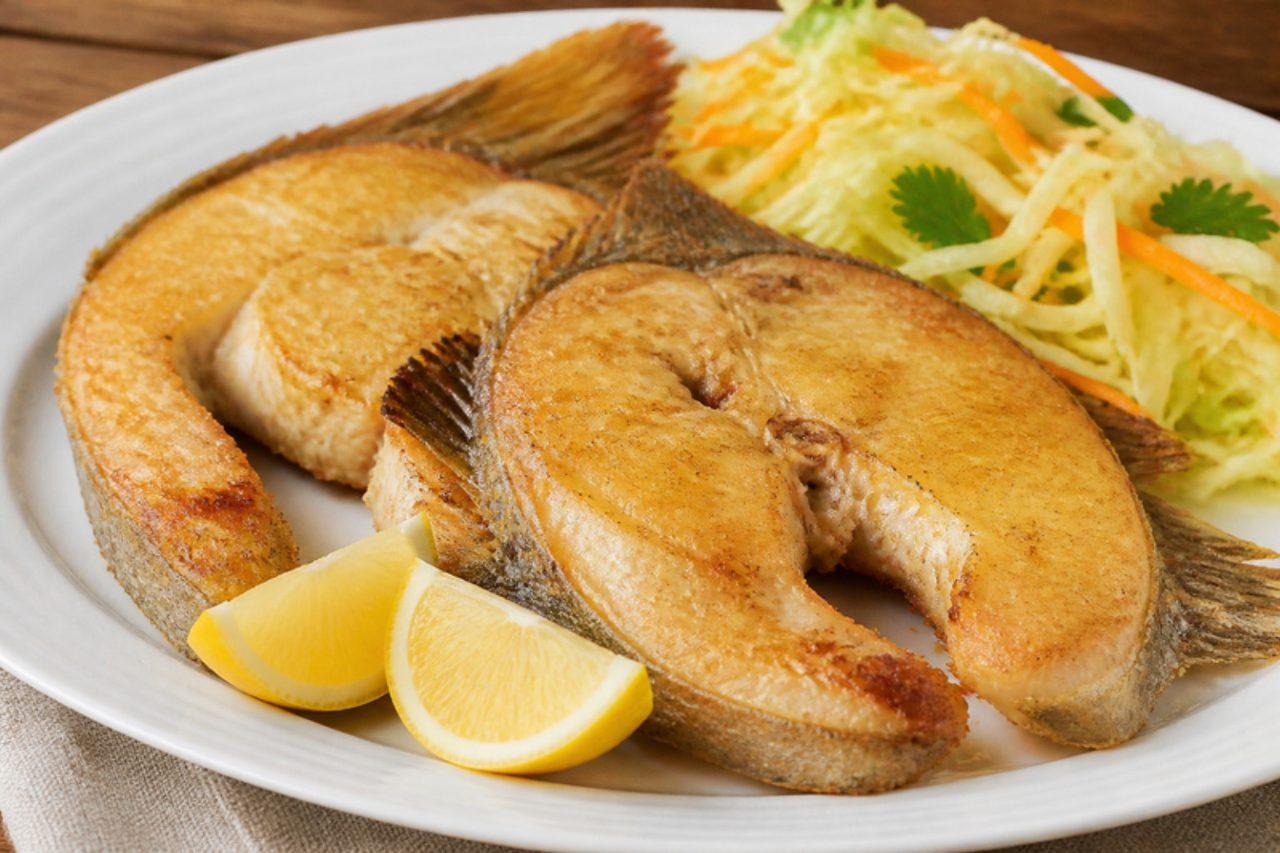
Turbot season on the Bulgarian Black Sea is short and strictly controlled, so in spring locals in Burgas and Balchik queue at the fish market for kalkan, the flat, diamond-shaped fish with firm, sweet white flesh. Seaside restaurants cut it across the bone into thick steaks, dust them with flour and fry them in sunflower oil until the skin is crisp and the flesh pearly, then serve them simply with lemon and a crunchy salad of shredded cabbage and carrot dressed with vinegar. Brill or halibut steaks work the same way if turbot is out of reach. A common mistake is turning the fish too soon, which tears the crust; leave it until it releases from the pan by itself. Chef's tip: score the dark skin twice so the steaks stay flat and cook evenly.

by KrazyBadal 0 views

Asa tibsFried tilapia pieces

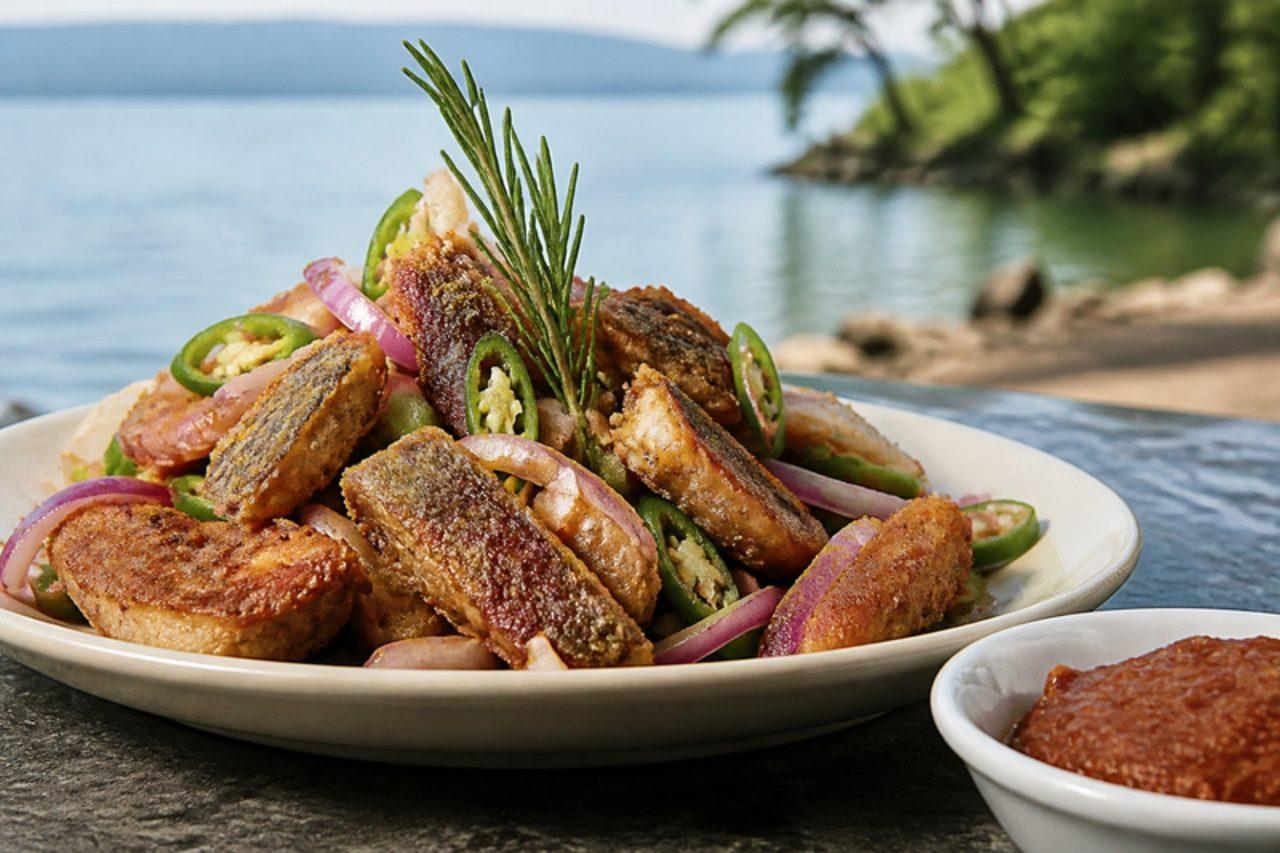
Down by the fish market on the shore of Lake Hawassa, cooks fry tilapia straight from the boats and serve it with injera, bread and a fiery dip, and asa tibs is the version you can easily make at home. Bite-sized pieces of fillet are dusted, fried until crisp and golden, then tossed briefly with soft onion, green chilli and a spoon of awaze, so the fish is crunchy outside, flaky and sweet inside, and coated in a spicy glaze. It is a favourite on fasting days for people who eat fish, and quick enough for a weeknight. Chef's tip: leave each piece undisturbed until it releases from the pan by itself; moving fish too early is the common mistake, and it tears the coating and breaks the flesh.

by KrazyBadal 0 views

Kalo jeera bhortaNigella seed mash

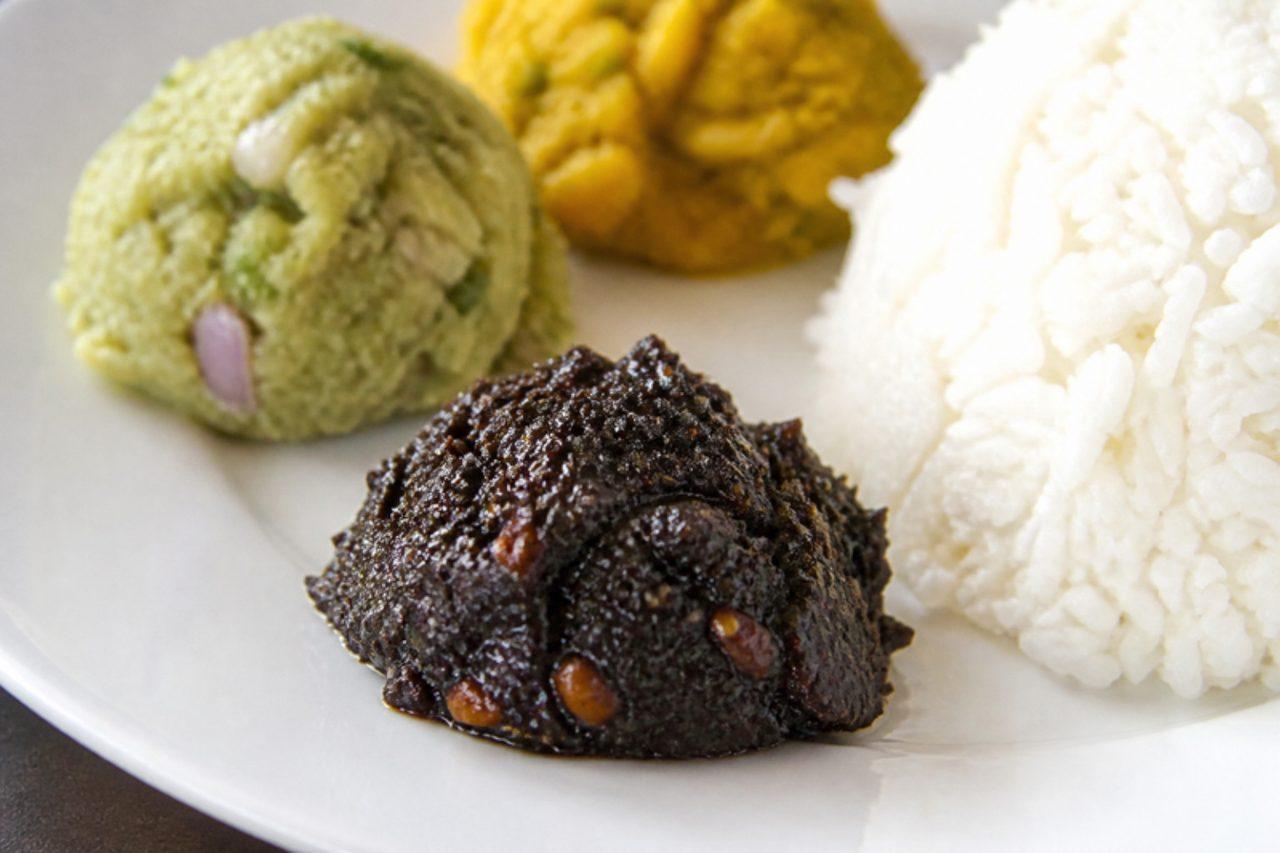
A bhorta lunch spread in a Bangladeshi home always has one tiny, dark mound that people eat a pinch at a time, and that is kalo jeera bhorta. Nigella seeds are toasted until fragrant, then ground on the shil-pata, the stone slab and roller, with garlic, roasted dried chilli, onion and mustard oil into a coarse, almost black paste that is nutty, bitter and fiery all at once. Grandmothers serve it in winter, believing it wards off colds, and a little is mixed into the first handful of hot rice before moving on to fish or dal. Burnt seeds make it acrid, so the trap is toasting over too high a heat; stop as soon as they smell toasty and start to pop. Chef's tip: grind the seeds alone first, then add the garlic and oil, for a smoother paste in a small grinder.

by KrazyBadal 0 views

KamaRoasted grain flour with kefir

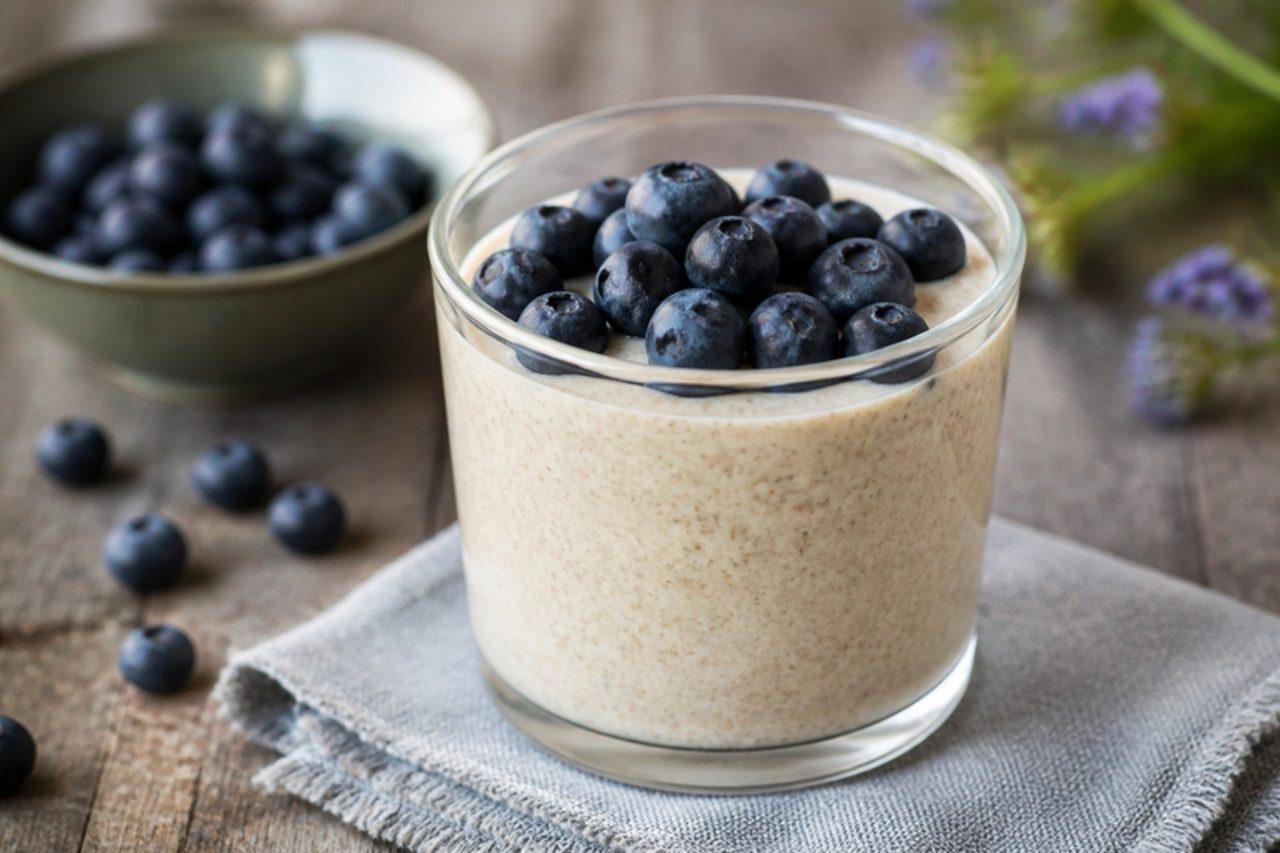
Kama is a uniquely Estonian food: a fine flour of roasted barley, rye, oats and peas, sold in every Tallinn supermarket, stirred into kefir, buttermilk or yogurt with a little sugar or honey and berries. It was once farmers' food for the fields; today it is a fast, filling breakfast and the flavour of Estonian ice creams and sweets. If you can't find kama, roast equal parts barley, rye and oat flour with a little pea flour in a dry pan until nutty. A common mistake is eating it at once; give it a few minutes to thicken. Chef's tip: stir in the kama, leave for 5 minutes, then add the berries, so it thickens like a mousse.

by KrazyBadal 0 views

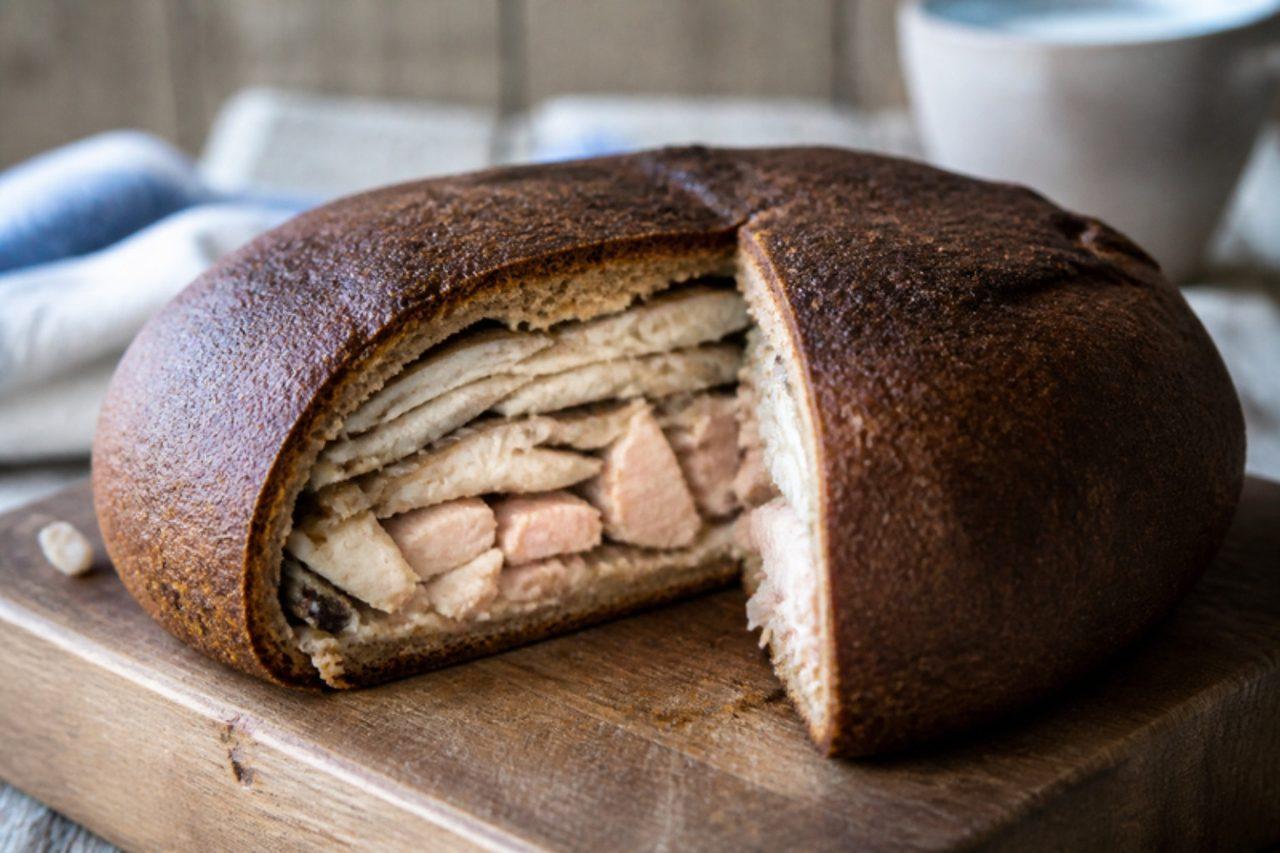
KalakukkoFish and pork rye loaf

Kalakukko is the travelling food of Savonia in eastern Finland, a speciality of Kuopio's market square: a thick rye crust packed with small whole fish, usually vendace (muikku) or perch, and slices of fatty pork belly, sealed and baked for five or six hours, until the fish bones soften completely and the juices soak the inside of the crust. This dish contains pork. It is cut open like a lid and eaten in slices, crust and all, hot or cold. A common mistake is a crack in the crust, which lets the juices escape and dries out the fish. Chef's tip: patch any cracks with a little rye dough during baking, and wrap the loaf in foil and a towel after baking to rest.

by KrazyBadal 0 views

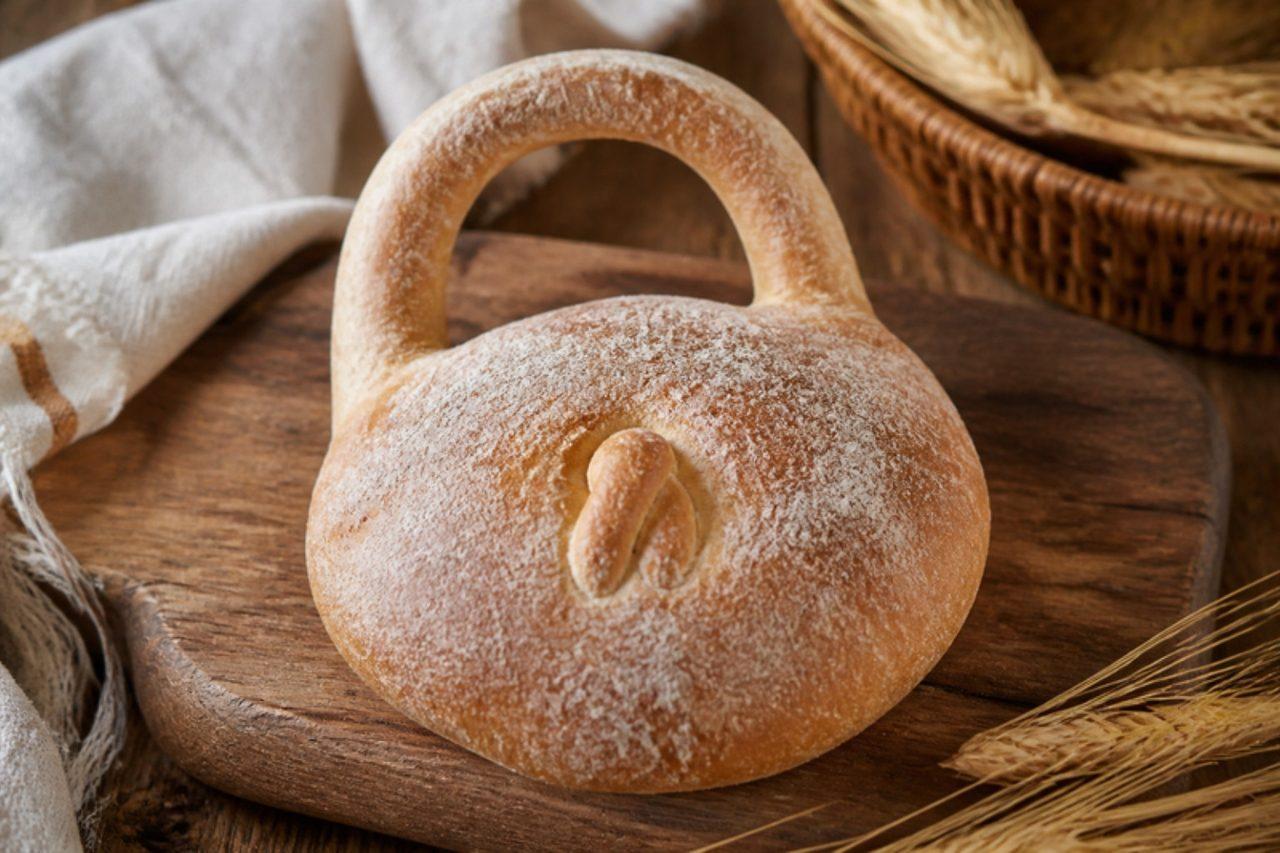
KalachPadlock-shaped wheat bread

Street sellers in nineteenth-century Moscow shouted for kalachi hot from the oven, and the town of Murom near Vladimir had its own famous version. The loaf is shaped like a padlock with a thin arched handle; carters and labourers held it by the handle with grimy hands, ate the plump body and, so the story goes, left the handle for the poor, which gave Russian the phrase 'to come to the handle' for hitting rock bottom. The dough is lean and vegan, just flour, water, yeast and salt, kneaded firm and chilled, so the crumb comes out white, chewy and close under a thin crisp shell. Eat it warm with soup, or tear it with tea and jam. A common mistake is a slack dough; it must feel firm, or the handle loses its shape. Chef's tip: pour hot water into a tin on the oven floor as the bread goes in; the steam gives the glossy, pale crust.

by KrazyBadal 0 views

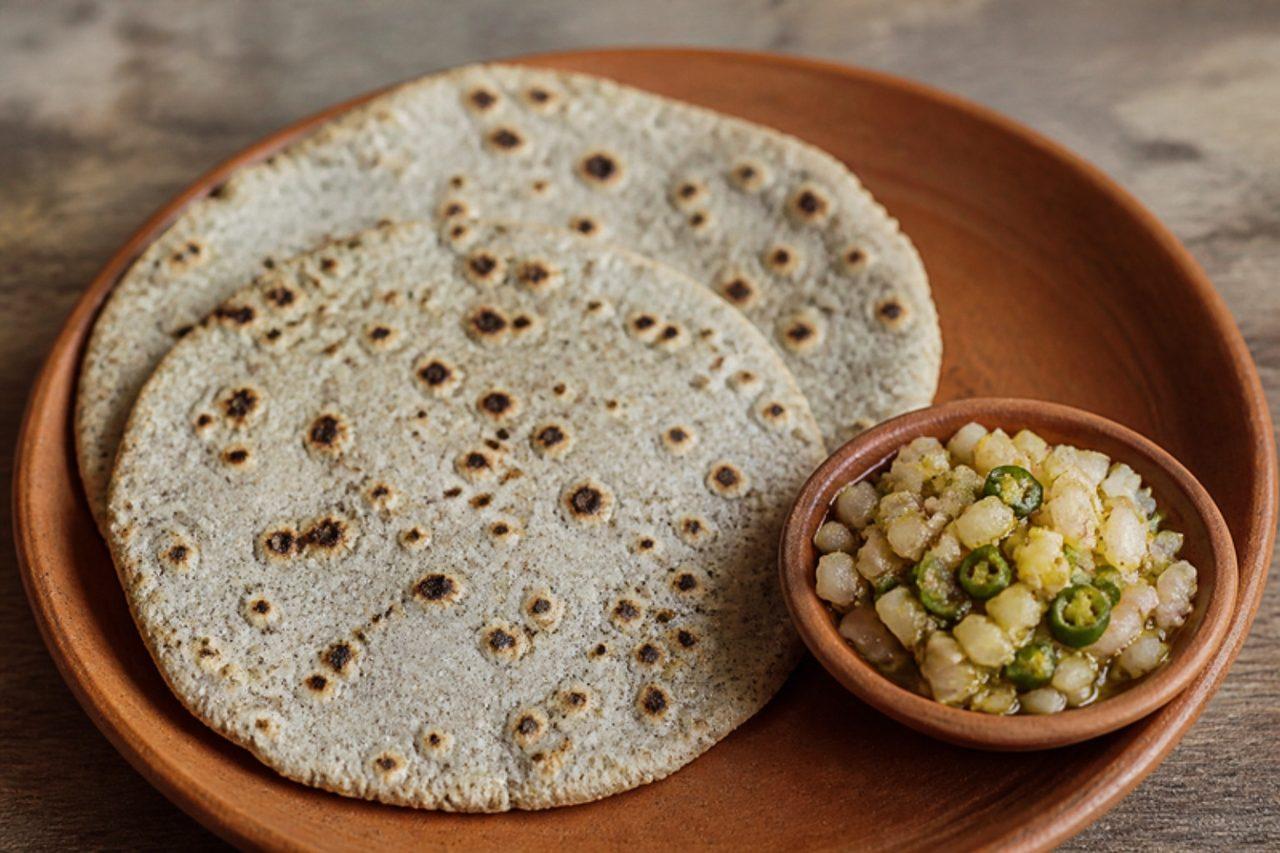
Kalai rutiUrad dal and rice flour bread

In Chapai Nawabganj and Rajshahi, kalai ruti stalls fire up as the weather turns cold, and the bread has become such a regional symbol that people from Dhaka make the trip just to eat it. Flour ground from mashkalai, or urad dal, is mixed with rice flour and hot water, then patted by hand between wet palms into thick rounds and baked on a clay tawa until speckled and toasty. The texture is dense, soft and slightly chewy, with an earthy, nutty taste. It is always eaten with something sharp: a raw bhorta of onion, green chilli and mustard oil, a smoky begun bhorta, or duck or beef curry in winter. Over-wet dough is what defeats most first attempts; it should be soft but hold its shape when patted. Chef's tip: keep a bowl of water beside you and wet your palms before shaping each ruti, which stops sticking and gives the characteristic smooth surface.

by KrazyBadal 0 views

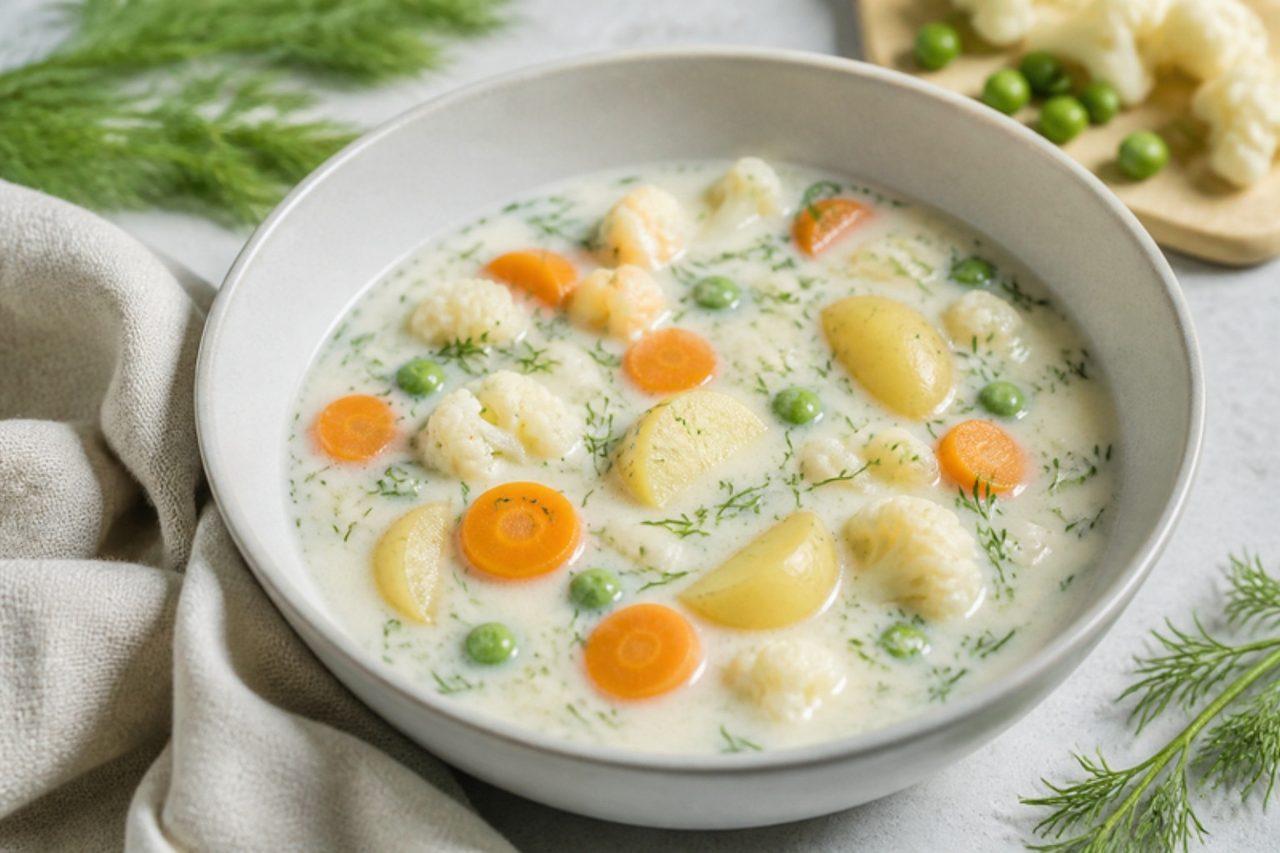
KesäkeittoSummer vegetable and milk soup

In July, when Finland's first new potatoes, baby carrots, peas and cauliflower arrive at market stalls in Helsinki and Turku, families make kesäkeitto: the vegetables simmered in water until just tender, then finished with milk and a knob of butter and lots of dill. It is light, sweet and pale green, eaten with rye bread and butter. A common mistake is boiling it once the milk is in, which can curdle the soup. Chef's tip: add the vegetables in order of cooking time, so each is just tender and keeps its colour.

by KrazyBadal 0 views

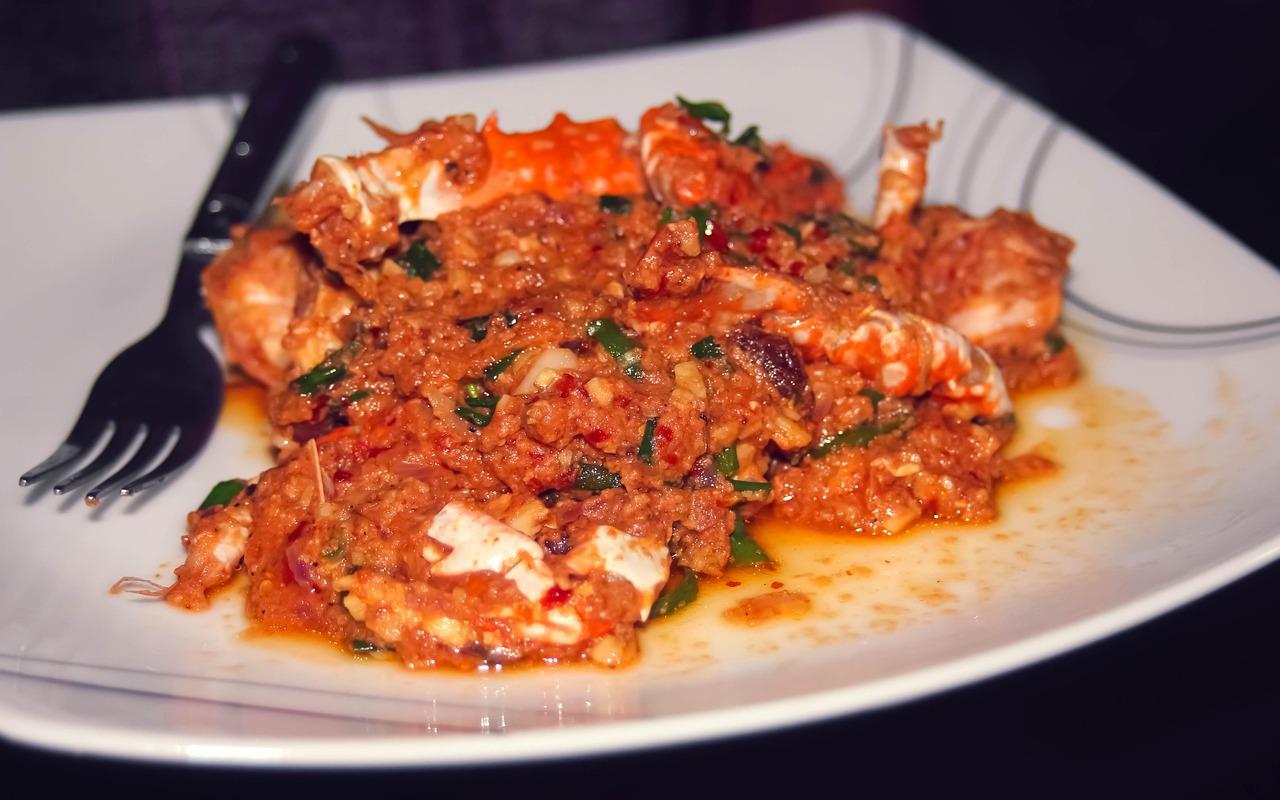
Kakra bhunaMud crab masala

The muddy channels of the Sundarbans and the shrimp farms around Shyamnagar and Paikgachha are crab country, and in Khulna homes the big-clawed mud crabs are chopped in half, fried and then cooked down in a thick, fiery masala until it coats every crack and crevice. It is a dish for eating with your hands, sucking the masala from the shells and cracking the claws, with plain rice and a bowl of water for your fingers. Crabs must be bought alive and lively, or freshly cooked from a fishmonger you trust: throw away any that are dead before cooking, have a cracked shell or smell unpleasant. Ask the fishmonger to dispatch and clean them for you if you are not confident doing it yourself. Undercooking is the risk to avoid; the shells should be bright orange-red and the meat white and opaque right through. Chef's tip: crack the claws lightly before they go in, so the masala seeps inside.

by KrazyBadal 0 views

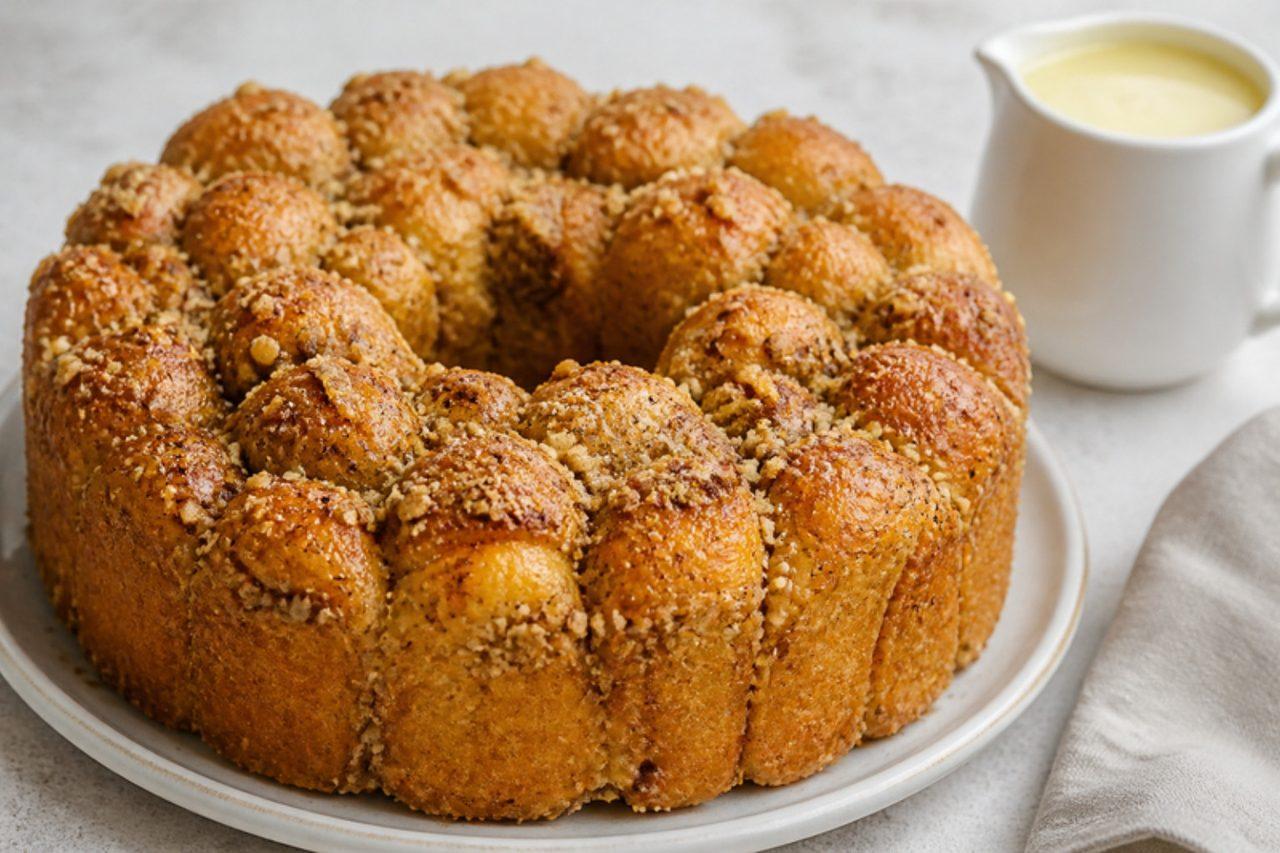
AranygaluskaGolden walnut yeast dumplings

Aranygaluska means golden dumplings, and the pull-apart cake really does come out of the oven bronze and gleaming. Walnut-sized balls of sweet yeast dough are dipped in melted butter, rolled in ground walnuts and sugar, stacked loosely in a ring tin and baked, so the nuts caramelise into a sticky crust. It is a family Sunday pudding all over Hungary and a favourite at school canteens, and Hungarian emigrants took it to America, where it became monkey bread. Pour warm vanilla custard over each helping. Some cooks serve it with a wine custard; this version keeps to vanilla, so it is alcohol-free. Where it goes wrong is packing the balls tightly; leave gaps so they can rise and the walnut coating reaches every side. Chef's tip: spoon a little apricot jam between the layers for a tart note.

by KrazyBadal 0 views

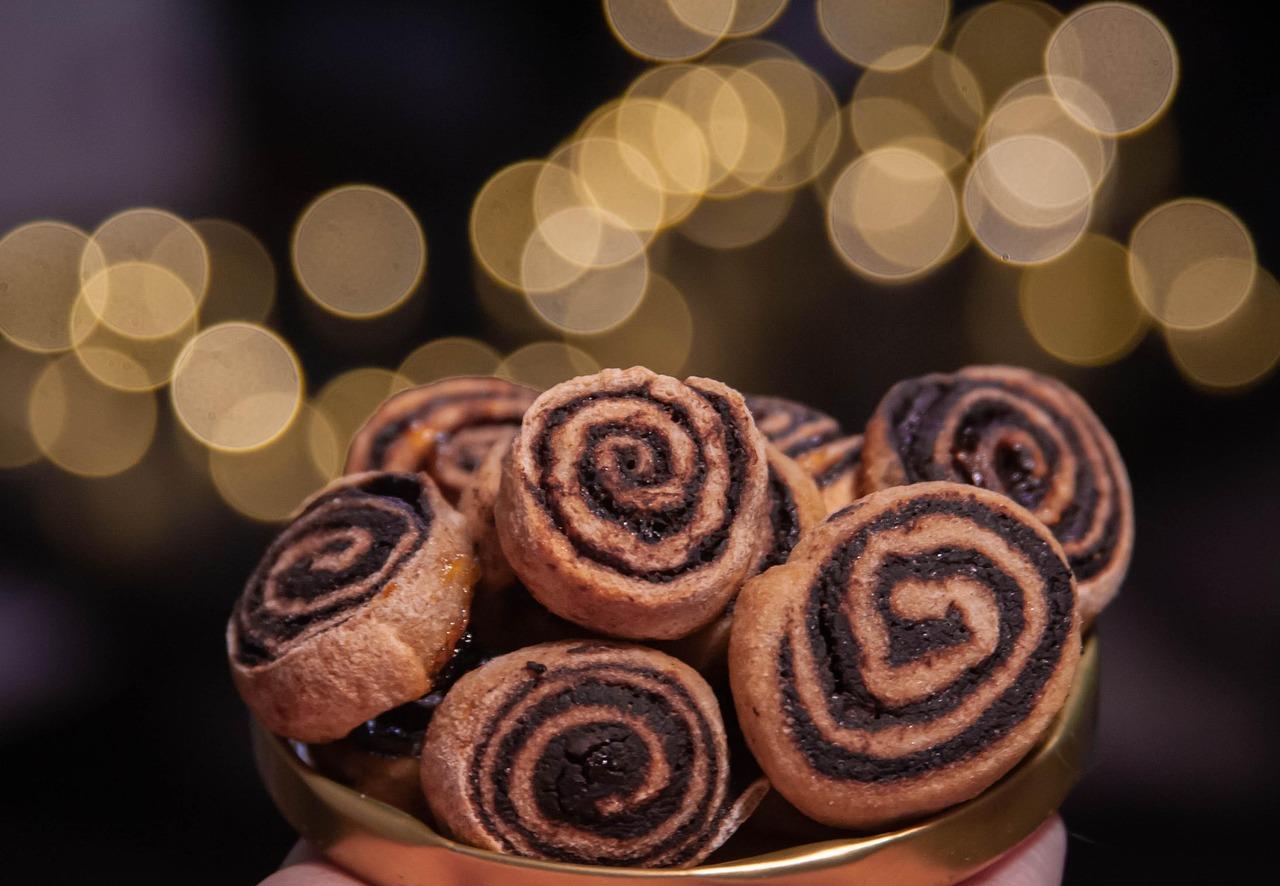
Kakaós csigaCocoa yeast snails

Walk into any Hungarian bakery at seven in the morning and the window will hold trays of kakaós csiga, cocoa snails, glossy on top and dark-striped inside. Children eat them on the way to school with a carton of chocolate milk, and office workers grab one with a coffee. The dough is soft and milky, rolled up with butter, cocoa and sugar so the swirl turns fudgy and slightly sticky; a brush of syrup after baking keeps them shiny and moist for a day. Where most people go wrong is spreading the filling on too-warm dough, which tears; let the risen dough rest for a few minutes after rolling. Chef's tip: roll the dough up from the long side quite tightly and cut with dental floss or a very sharp knife, so the snails keep their round shape.

by KrazyBadal 0 views

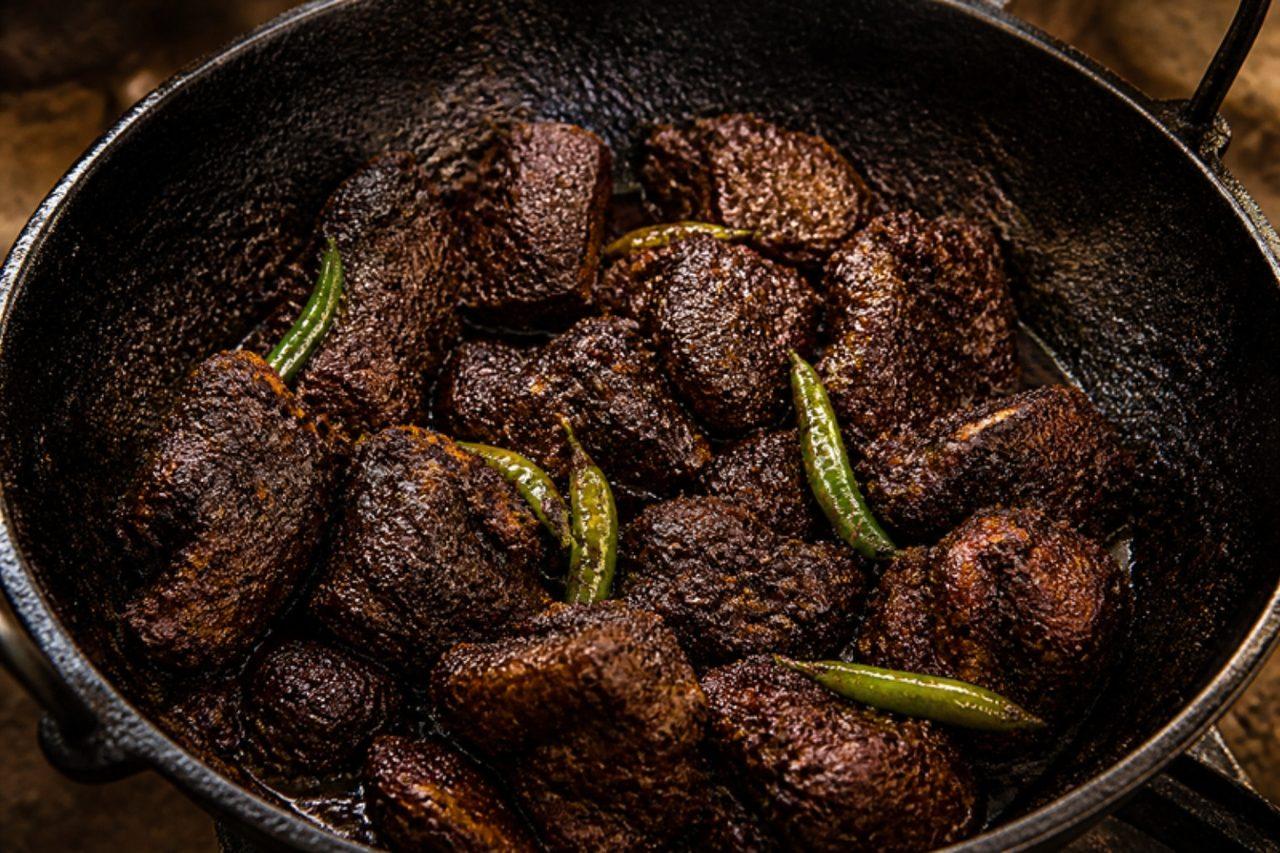
Kala bhunaDark mustard oil beef curry

Kala means black, and that is the colour you are aiming for: Chittagong's kala bhuna is beef that is first cooked with spices until tender and then fried and stirred, patiently, for the best part of an hour until the pieces turn dark brown to nearly black and the masala clings to them like a crust. It is a dish from the port city's wedding and Eid kitchens, now a fixture of Chittagong restaurants in Dhaka, eaten with plain rice, khichuri or rice-flour chitoi ruti. The taste is deep and roasted, sharp with mustard oil, black pepper and a little nutmeg and mace, with no gravy at all. The most common slip is turning up the heat to speed up the blackening, which burns the spices bitter rather than caramelising the meat. Chef's tip: it improves overnight, so make it a day ahead and re-fry it briefly before serving.

by KrazyBadal 0 views

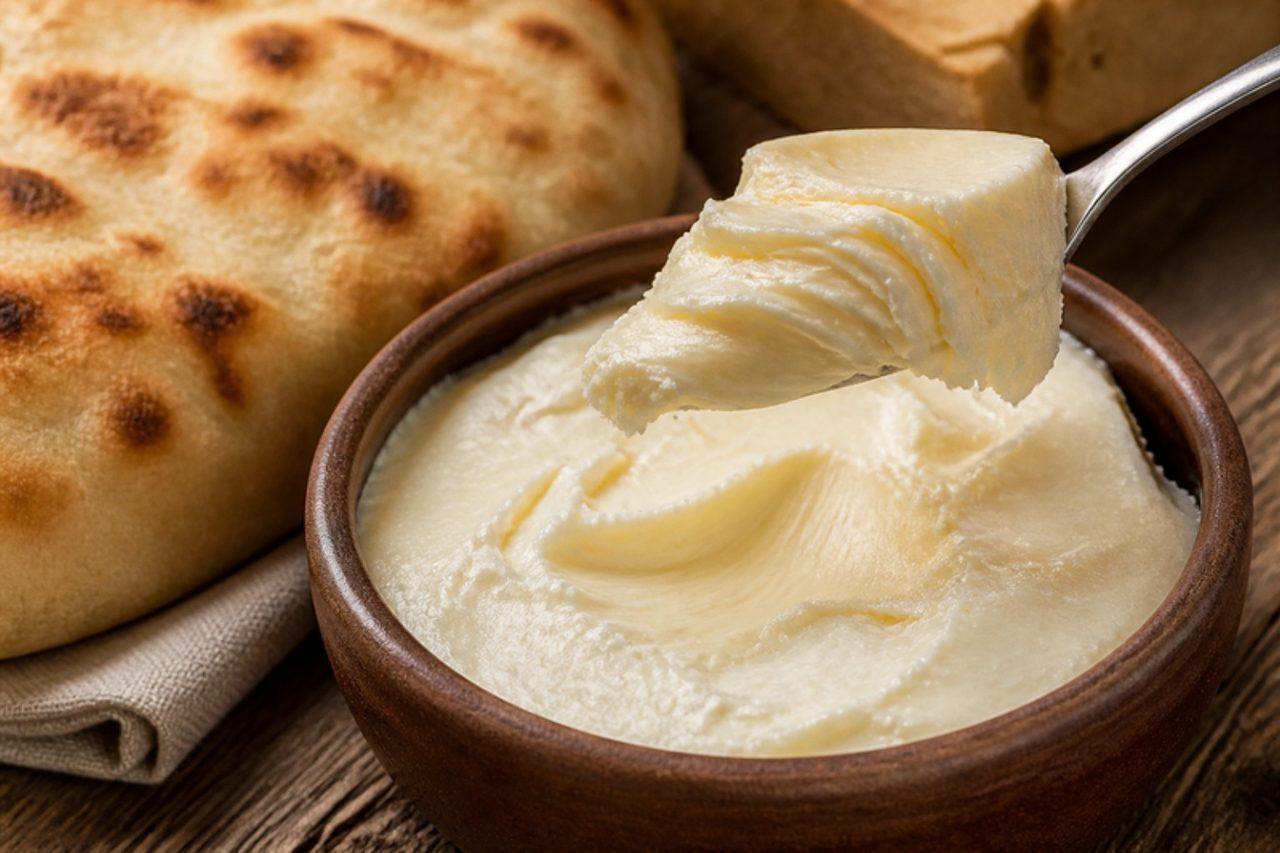
KajmakClotted milk cream

At the Zlatibor and Čačak markets, women sell kajmak from wide tubs, cut in soft ivory folds that taste of cooked milk, butter and a little salt. It is made by slowly heating rich milk, letting it settle in shallow pans and lifting off the thick skin that forms as it cools, then layering those skins with salt. This home version uses pasteurised milk and cream and stays in the fridge throughout; the long-aged, raw-milk kajmak of the villages is not something to copy at home. Spread it on warm lepinja or proja, or stir it into hot potatoes. A common mistake is letting the milk boil: the bubbles tear the skin and you end up with flecks instead of a thick sheet. Chef's tip: keep the skimmed milk left underneath for porridge, proja or pancakes; nothing goes to waste.

1440 minBalkanBasicsGluten free
by KrazyBadal 0 views

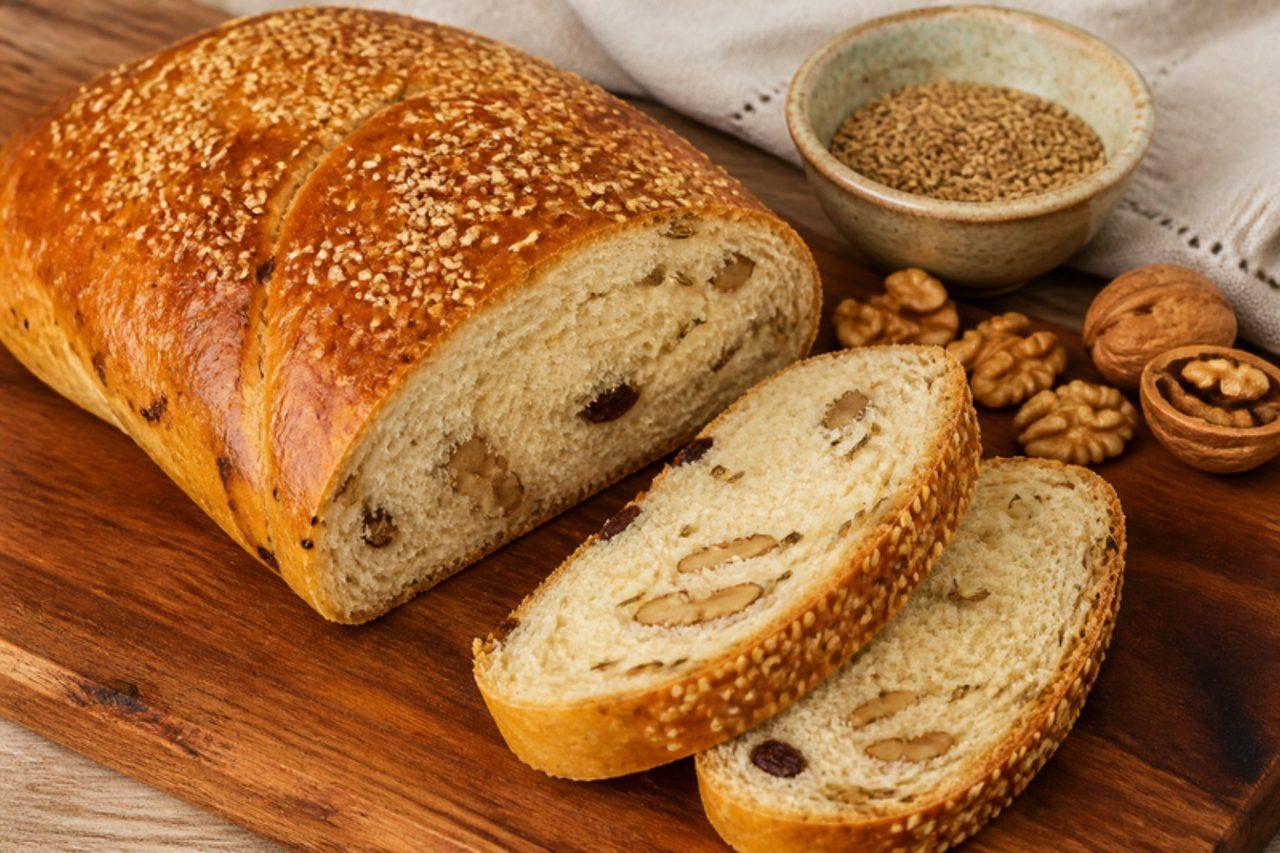
BoulouAnise and raisin loaf

After the long Yom Kippur fast, Moroccan families in Beersheba and Dimona break it gently with tea and slices of boulou, a sweet, cake-like bread scented with anise and studded with raisins and walnuts. It keeps well for days, so many cooks bake it before the holiday and it lasts through Sukkot with coffee. The crumb is tight and tender, closer to a sweet brioche than to challah, with a shiny sesame top. People often under-bake it because the crust browns fast; check with a skewer, not by colour. Chef's tip: toast the anise seeds in a dry pan for a minute before adding them, which deepens the liquorice note without making it sharp.

by KrazyBadal 0 views

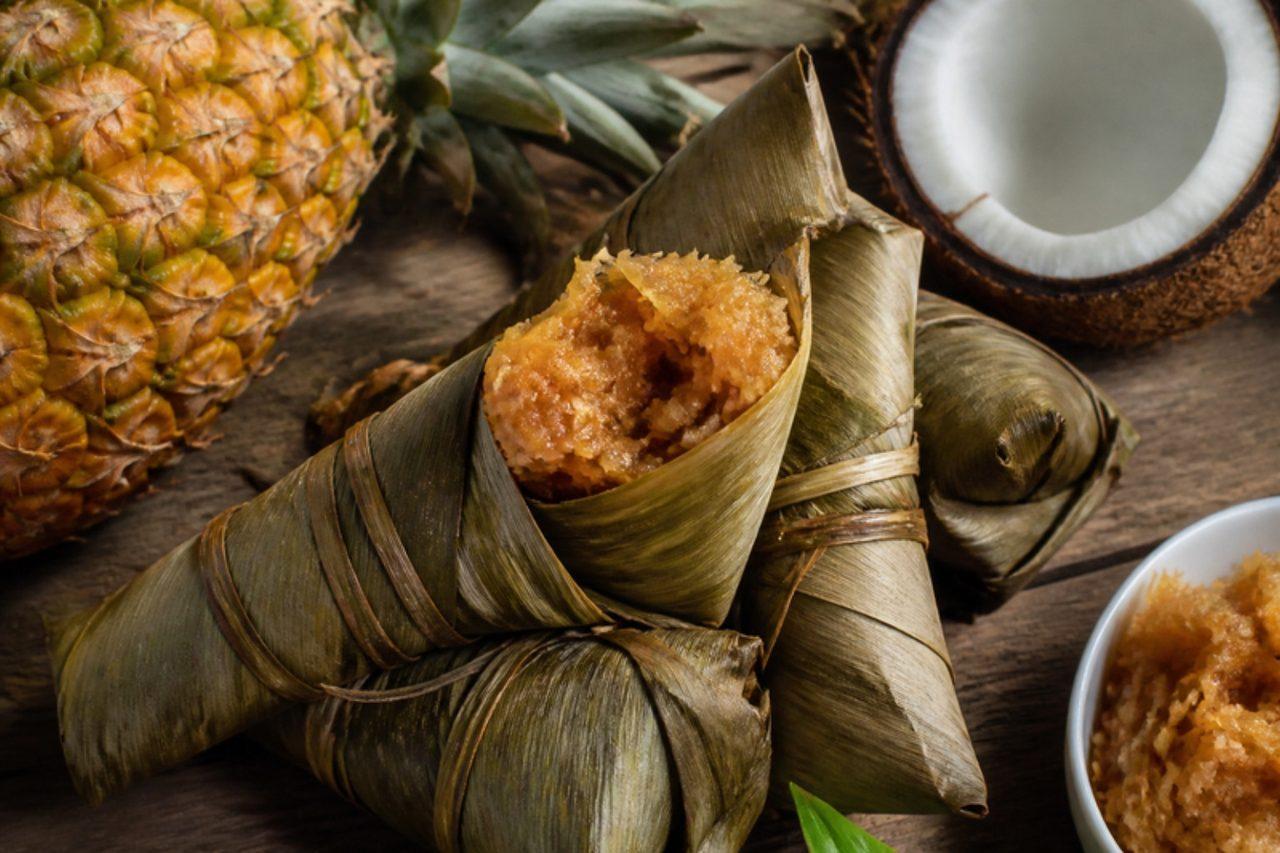
Cucurucho de cocoCoconut and honey cones

Drive into Baracoa on Cuba's far eastern tip and roadside sellers hold up cucuruchos, cones of dried palm bark packed with grated coconut cooked down with sugar, honey and local fruit such as guava, orange or pineapple. It is sticky, chewy and fragrant, a sweet you eat with your fingers on the road. The mistake is stopping too soon; the mix has to cook until it pulls from the pan, or it weeps in the cone. At home, cones of baking paper or small cups stand in for the palm bark. Chef's tip: use fresh coconut if you can and toast it lightly first, which keeps the shreds chewy rather than soggy.

by KrazyBadal 0 views

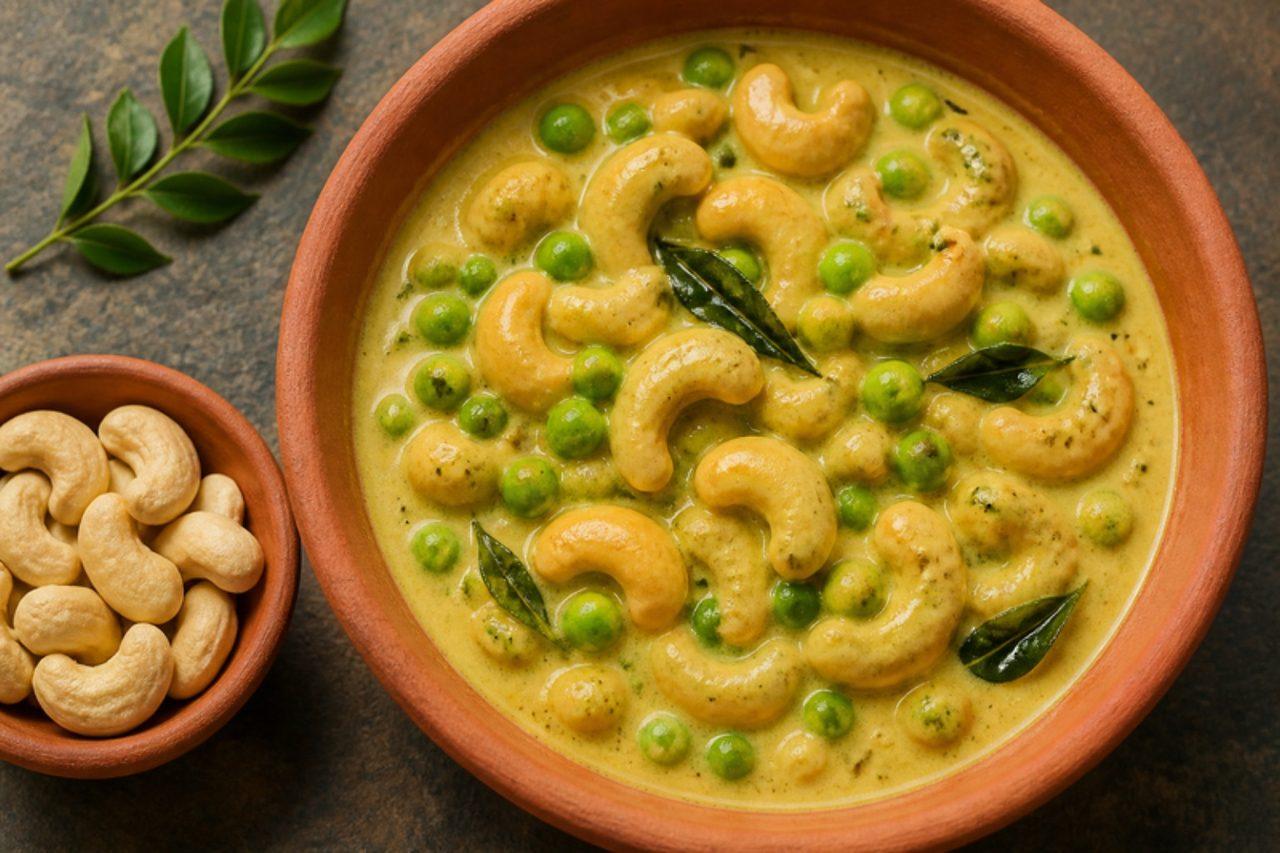
Kaju maluwaCashew and pea coconut curry

In the cashew-growing country north of Colombo, around Kurunegala and Puttalam, fresh green cashews are cooked into this creamy curry for weddings, almsgivings and the Avurudu table, and no one would dream of calling it everyday food. The nuts turn soft and buttery in a mild, pale gravy of coconut milk scented with cinnamon, pandan and unroasted curry powder, with green peas for colour, and it sits on the festive spread beside yellow rice and a sharp pickle. Fresh cashews are hard to find outside Sri Lanka, so this recipe uses raw dried ones soaked until they are almost like the fresh kind. Not soaking them long enough is the usual mistake; they stay chalky in the middle however long they simmer, so give them at least six hours, or overnight. Chef's tip: a pinch of bicarbonate of soda in the soaking water softens the nuts faster and gives them that tender, just-picked texture.

by KrazyBadal 0 views

KhashlamaLamb and vegetable stew

Khashlama is a village dish from across Armenia, made in a big pot for family gatherings in Ararat and Kotayk: chunks of lamb on the bone, or beef, layered with onions, tomatoes, peppers and potatoes and cooked slowly with very little liquid, so the meat stews in its own juices and the vegetables soak them up. It is served in deep plates with lavash and lots of fresh herbs. A common mistake is adding water to cover; the result is a soup, not khashlama. Chef's tip: put the lamb on the bottom and the potatoes on top, so the meat browns slightly and the potatoes steam in the juices without breaking.

170 minArmenianMeatGluten free
by KrazyBadal 0 views

KoryushkaFried smelt

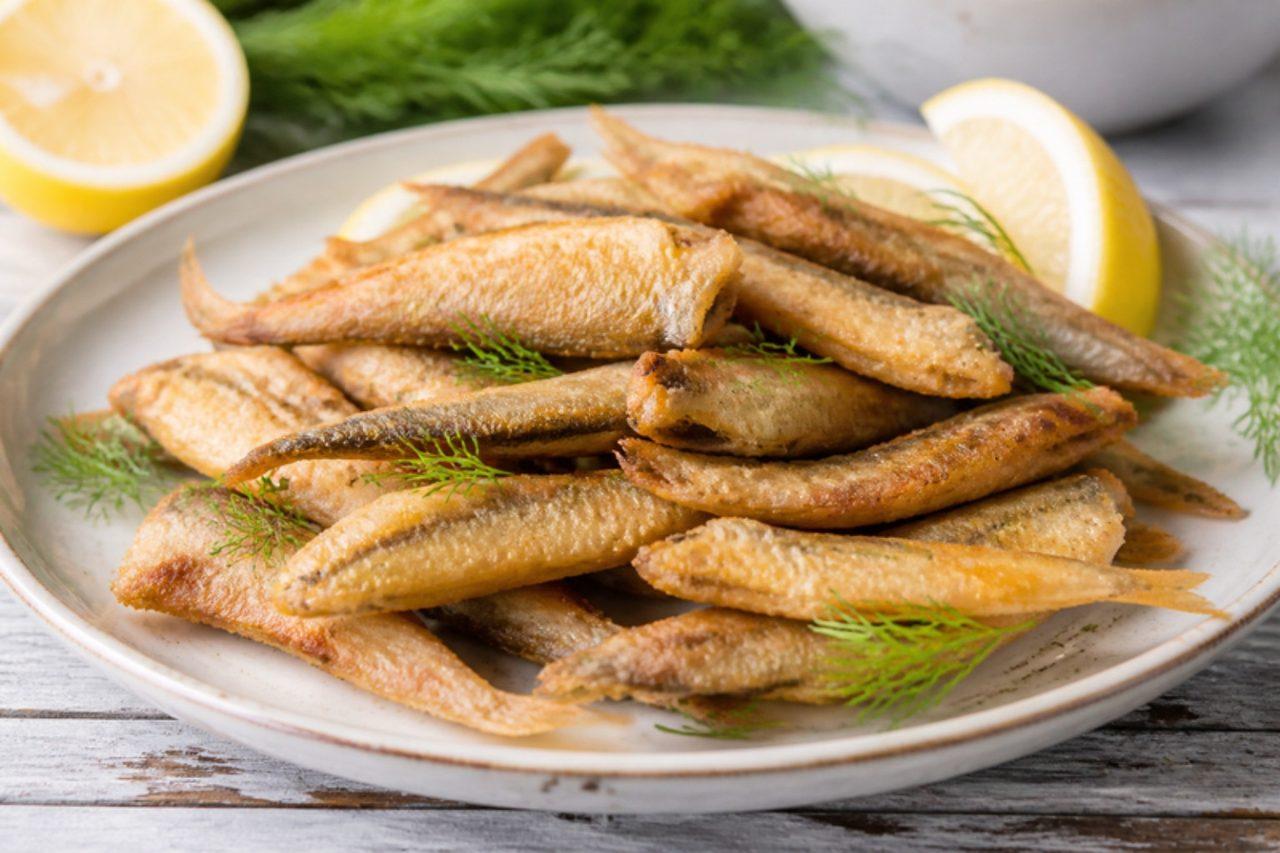
When the ice breaks on the Neva in April and May, St Petersburg goes mad for koryushka, small silvery smelt that famously smell of fresh cucumber. Stalls sell them by the kilo, the city holds a smelt festival, and every cafe fries them by the plateful. Dusted in flour and fried in hot sunflower oil, they come out golden and crunchy outside, sweet and tender inside, eaten with fingers, soft bones and all, with lemon and boiled potatoes with dill. A common mistake is crowding the pan, which drops the oil temperature and leaves the fish soggy; fry in small batches. Fish is done when the flesh is opaque and flakes easily from the backbone. Frozen smelt or sprats work out of season. Chef's tip: rye flour gives a darker, nuttier crust, a favourite in Petersburg homes.

by KrazyBadal 0 views

Kachila (cooked)Spiced buffalo mince

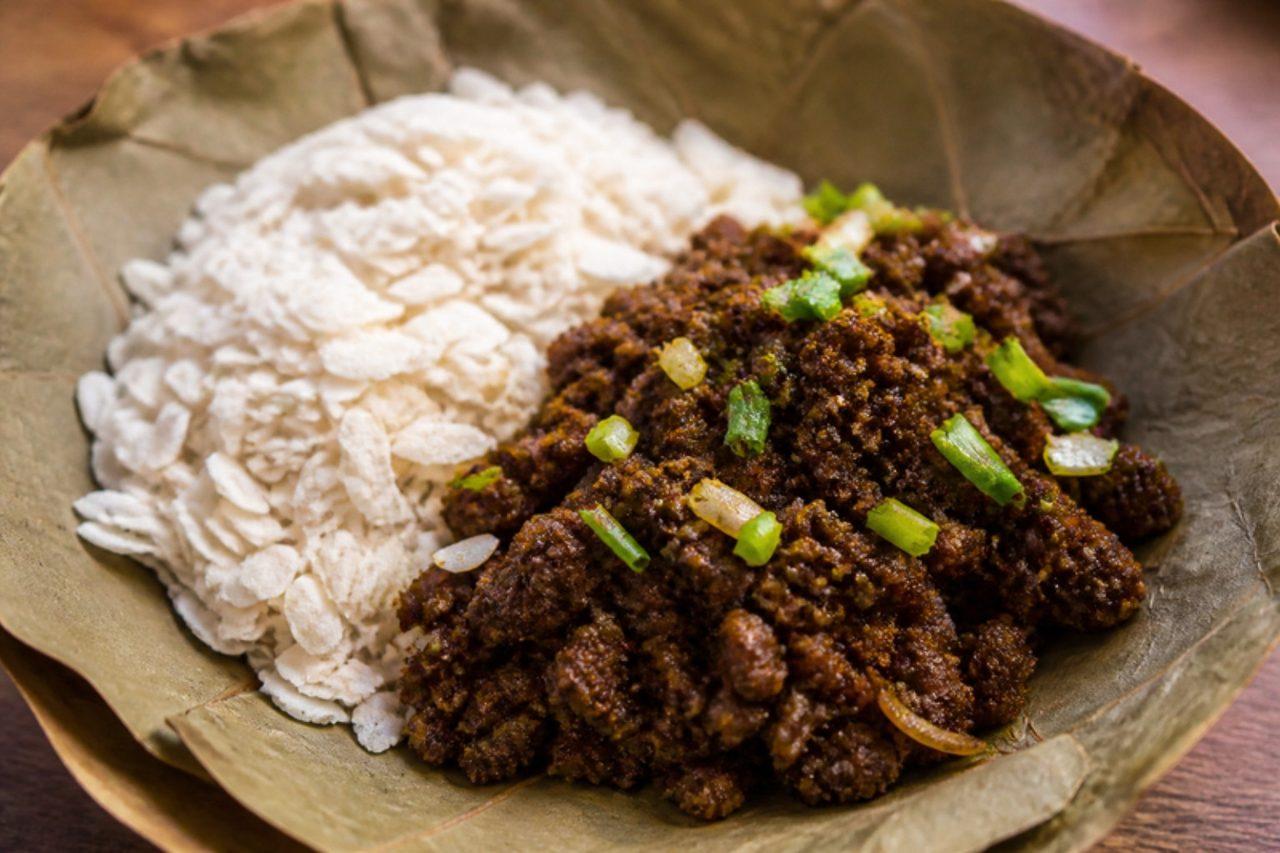
In the Newar homes and bhoj feasts of the Kathmandu Valley, kachila is a prized delicacy: finely minced buffalo meat mixed with mustard oil, garlic, ginger, chilli and numbing timur, eaten in small spoonfuls with beaten rice, traditionally raw. Raw minced meat can carry harmful bacteria and parasites right through, so the traditional raw form is not for pregnant women, young children or anyone with a weakened immune system, and we do not recommend it for anyone at home. This version keeps every bit of the seasoning but sears the mince quickly in a very hot pan to 71 °C, so it stays soft and loose rather than turning into a dry fry, then dresses it with the classic smoking mustard-oil tempering. It is eaten as part of samay baji or as a snack with chiura. The usual slip is overcooking it into crumbly pellets; take it off the heat the moment it is cooked through. Chef's tip: use buffalo or beef mince, or ask the butcher to mince lean beef twice, very fine.

30 minNepaliMeatGluten freeSpicy
by KrazyBadal 0 views

Kachi lassiMilk and water lassi

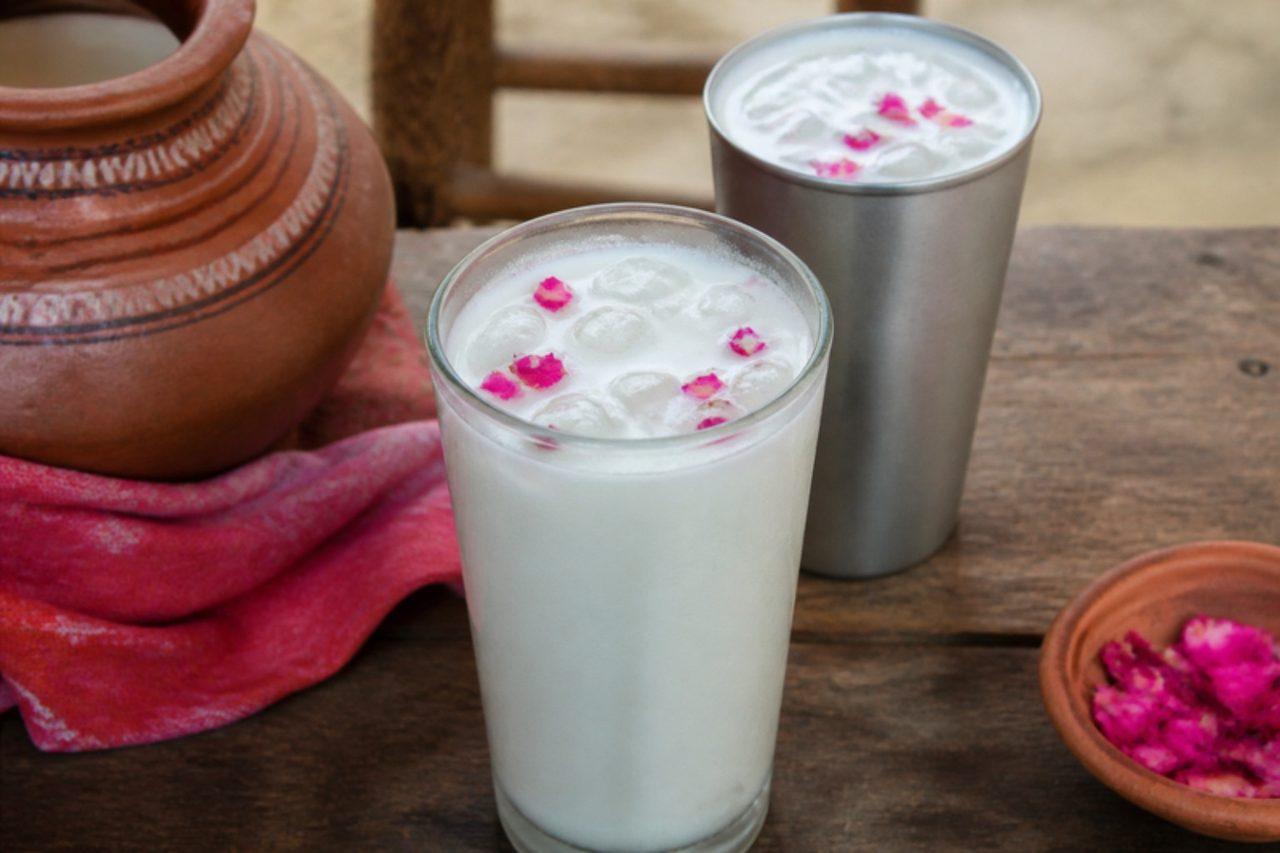
Harvest time in the Punjab is thirsty work: when the wheat is being cut in the April heat, a steel jug of kachi lassi is carried out to the workers: fresh milk thinned with cold water, stirred with sugar and poured over chunks of ice. Unlike yogurt lassi there is no tang, just a light, clean, milky sweetness that quenches thirst better than plain water, and in many villages it is the drink offered to any guest who arrives on a hot afternoon. Some people add a pinch of salt instead of sugar, or a few drops of rose water. The traditional kind uses raw milk straight from the buffalo; use pasteurised milk instead to be safe. The usual mistake is making it with too little water, which turns it heavy instead of refreshing. Chef's tip: whisk it hard or shake it in a jar so it turns frothy, which makes it feel even cooler.

by KrazyBadal 0 views

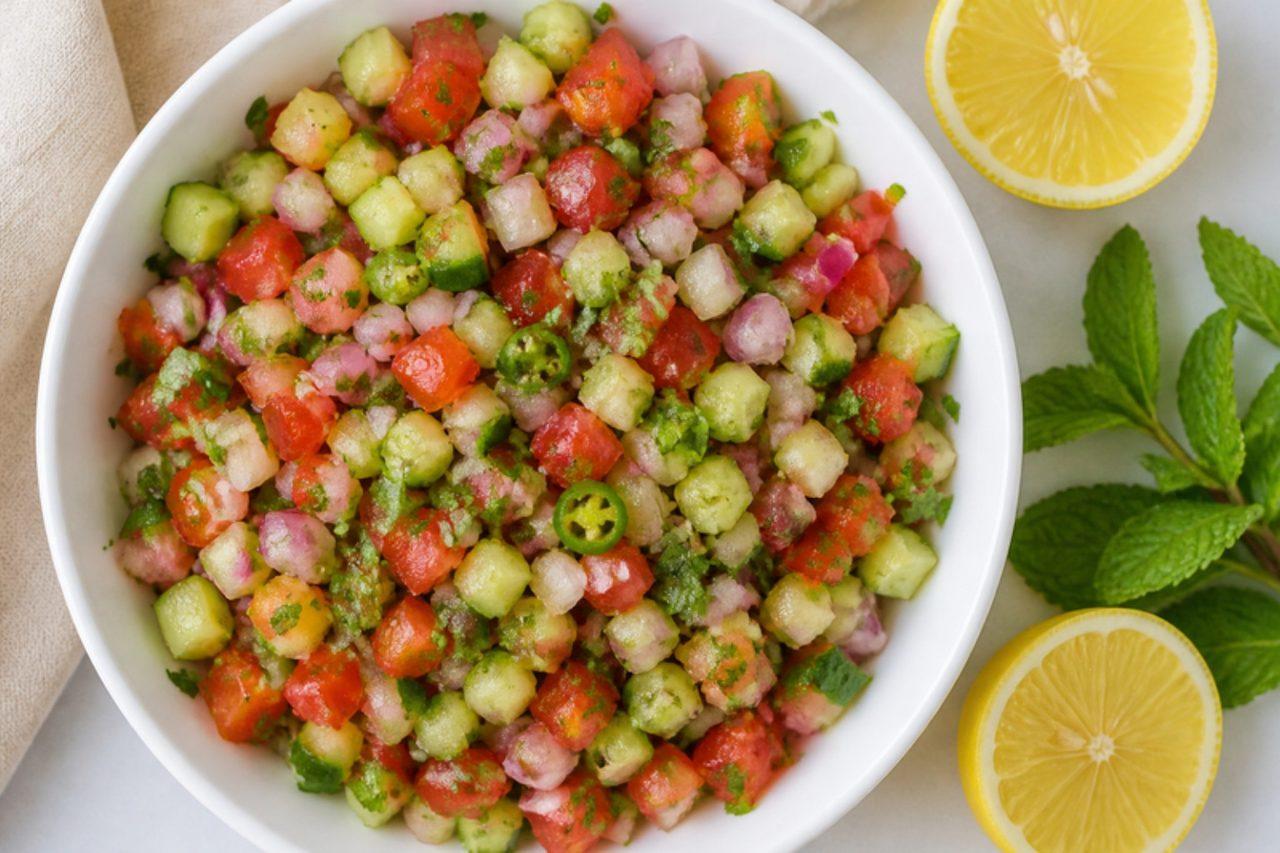
Kachumar saladTomato, onion and cucumber salad

No Pakistani dastarkhwan feels complete without a little bowl of kachumar, whether it sits beside a biryani at a Karachi wedding, a karahi at a highway truck stop or plain dal at home on a Tuesday. It is nothing more than tomato, onion and cucumber cut into very small, even dice, dressed at the last moment with lemon, salt, green chilli and coriander, yet the crunch and sharpness are what make rich food feel lighter. Some families add a pinch of roasted cumin or a few mint leaves; in Punjab it is often spooned straight onto the side of the plate rather than served apart. Dressing it too early is the main trap, because the salt pulls water from the tomatoes and leaves a soggy puddle. Chef's tip: seed the tomatoes and cucumber before dicing so the salad stays crisp for the whole meal.

by KrazyBadal 0 views

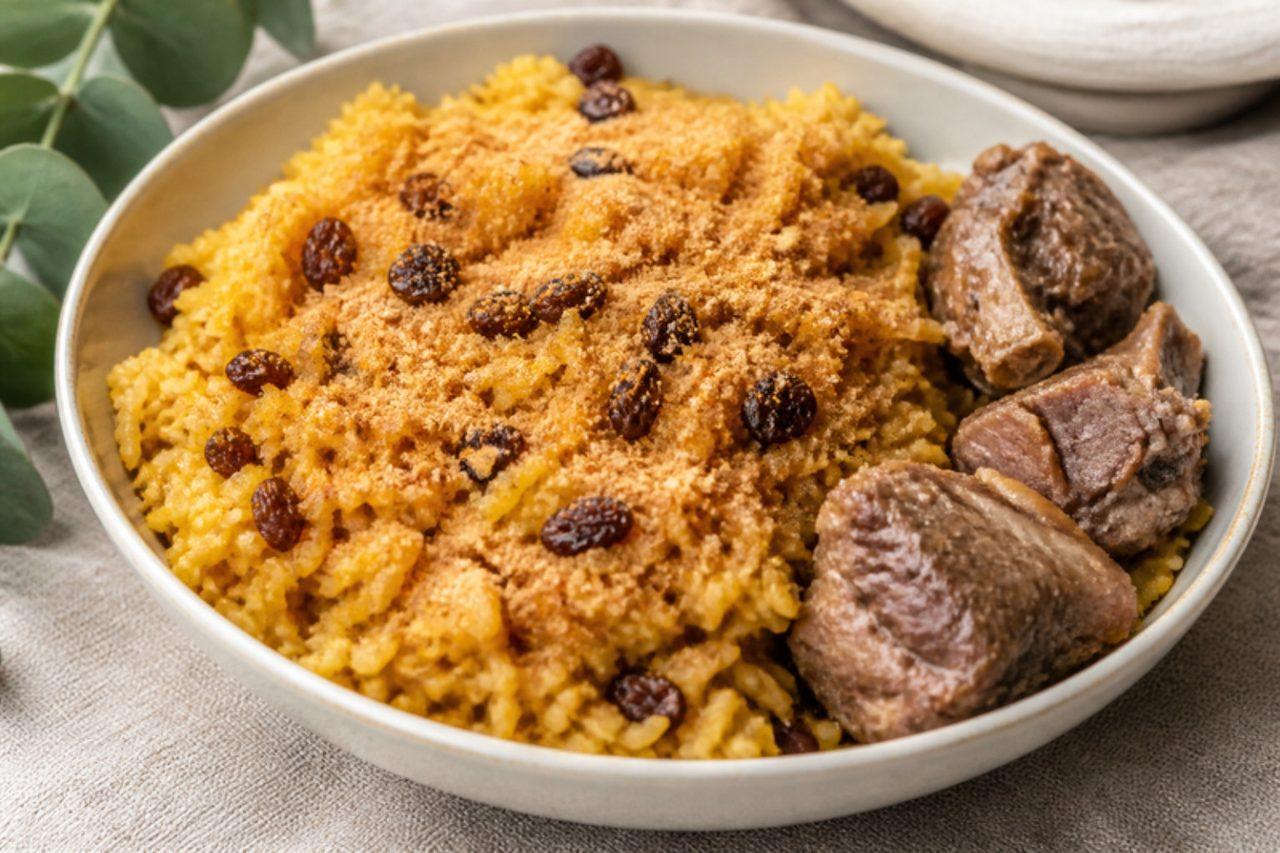
KabuniFestive rice with raisins and cinnamon

Kabuni is one of the oldest dishes of Albania, served in Tirana and the central lowlands at Bajram, weddings and wakes: rice fried in butter, cooked in a savoury lamb broth, then sweetened with sugar and studded with raisins and cinnamon. The result is buttery, gently sweet and fragrant, a sweet course with a savoury soul, eaten warm in small bowls. Because it is cooked in lamb stock it is not vegetarian. Where most people go wrong is skipping the frying of the rice; it is the toasting in butter that gives kabuni its nutty taste. Chef's tip: soak the raisins in hot water while the rice cooks so they swell and stay juicy.

by KrazyBadal 0 views

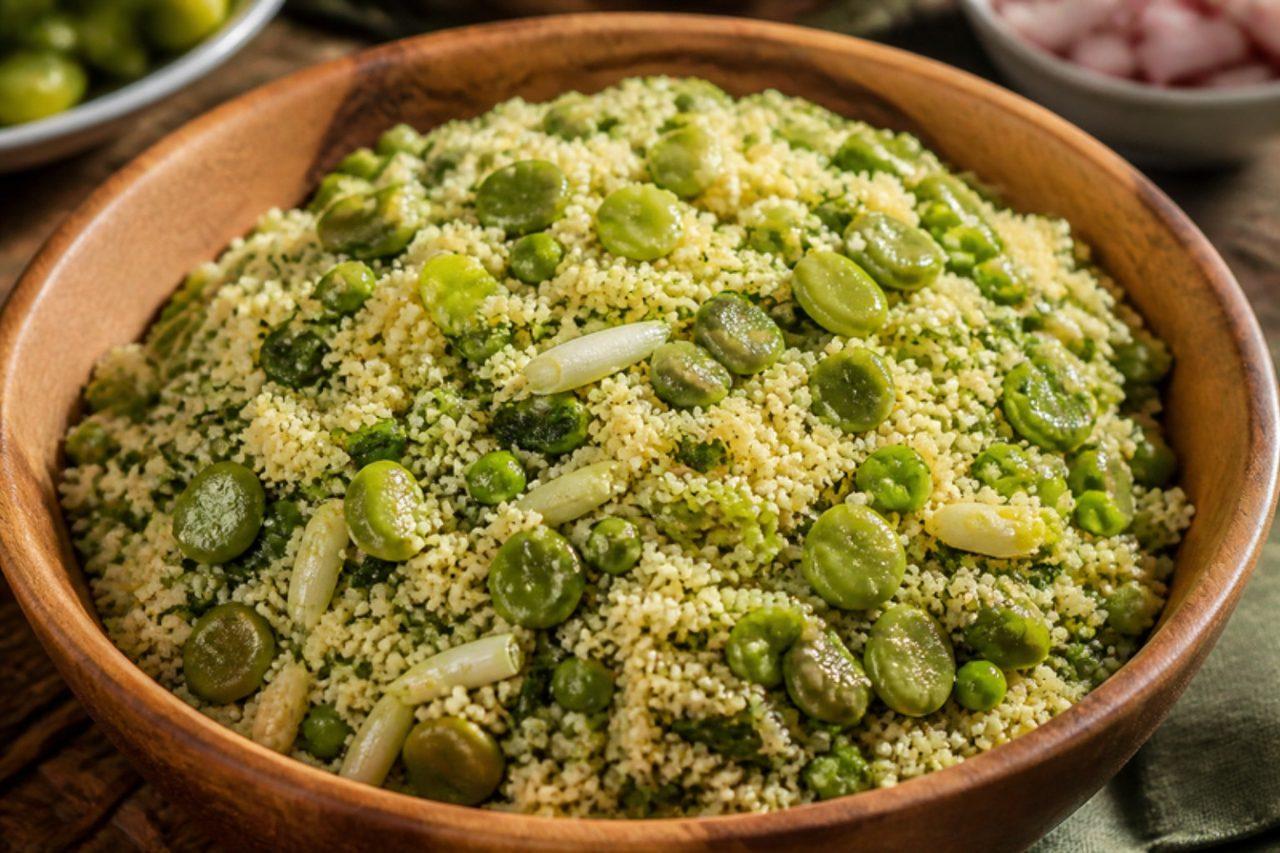
ThamekfoultCouscous with broad beans and peas

Spring in the Kabyle villages means thamekfoult: when the first broad beans and peas come in, they are steamed in the same basket as the couscous, so grain and vegetables cook together in one fragrant cloud of steam. There is no sauce at all; instead, the hot couscous is dressed generously with the region's peppery olive oil, so it tastes green, sweet and grassy. It is a family lunch dish, often eaten with a glass of buttermilk or a few olives; this version keeps it vegan. Chef's tip: oil the couscous before the first steaming, rubbing every grain; that stops it clumping and helps it swell evenly.

by KrazyBadal 0 views

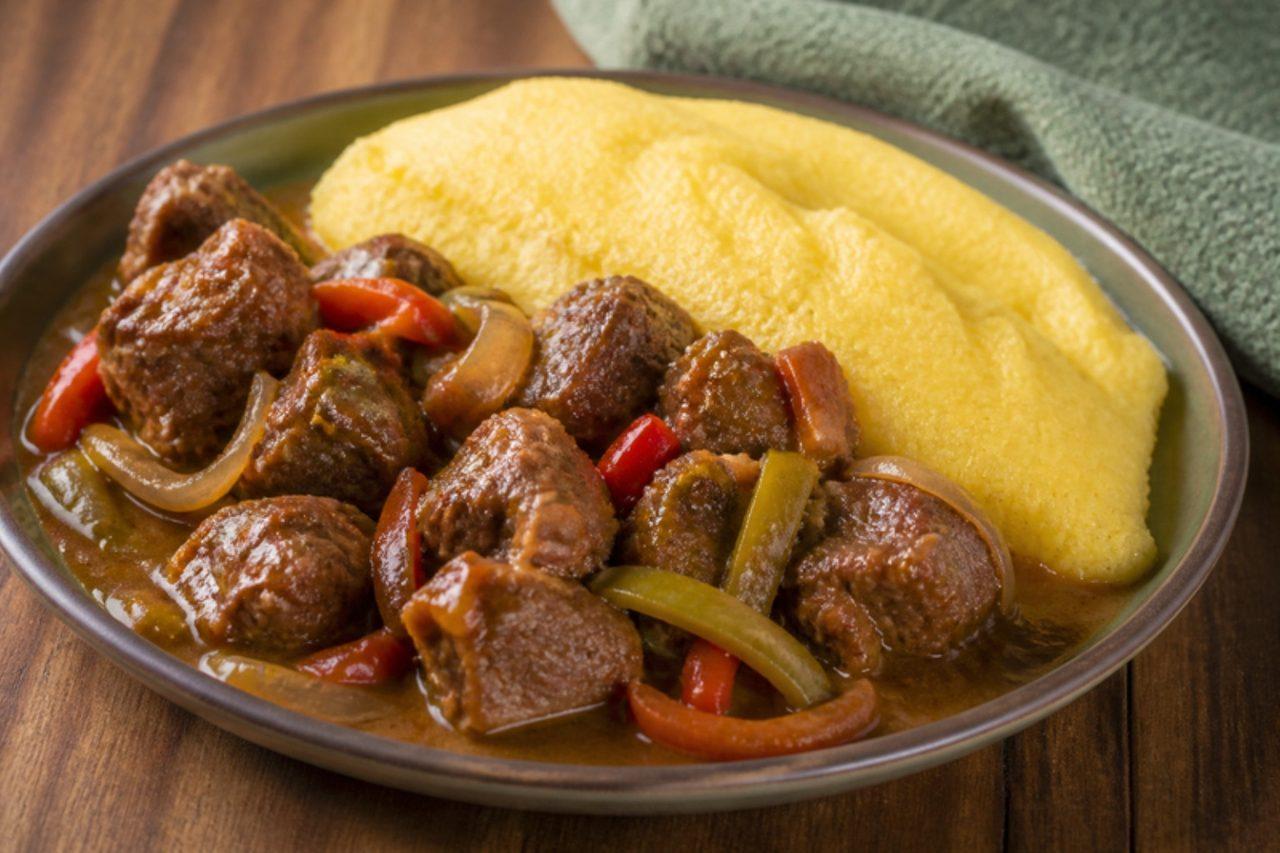
Curaçao kabritu stobaGoat stew with peppers

Stoba di kabritu is the home cooking of Curaçao and Aruba, a goat stew made in nearly every kunuku (country) kitchen and at birthday parties: bone-in goat browned and slowly braised with sweet peppers, tomato, onion, cumin, a hint of nutmeg and hot madame jeanette pepper, often with cucumber or papaya stirred in at the end. It is served with funchi (cornmeal), rice or fried plantain. The usual mistake is browning the goat too briefly; deep colour at the start gives the stew its rich brown sauce. Ask your butcher for goat cut into small pieces. Chef's tip: a teaspoon of brown sugar caramelised in the oil before the meat goes in gives the authentic dark, slightly sweet base.

by KrazyBadal 0 views

Showing 27 of 7,762 recipes

Show more recipes

Page 270 of 863