






Skip to content
Sayur lodeh
Featured recipe

Sayur lodeh

Sayur lodeh is everyday cooking in Central Java, made in big pots in Solo and Semarang kitchens and ladled over rice, with lontong rice cakes at Lebaran, or alongside opor and sambal goreng on festive tables. It's soupy rather than thick: a fragrant broth of coconut milk, galangal, lemongrass and lime leaf that carries chunks of aubergine, long beans, chayote and sweetcorn, plus tempeh and tofu to make it a meal. The flavour is mellow and slightly sweet, so the heat comes from sambal on the side. Chef's tip: keep the pot at a gentle simmer once the coconut milk goes in and stir now and then — a rolling boil splits the coconut milk into oily curds.

Read more 3 views
Can't decide?

What to eat today?

Spin the randomizer, search with what's already in your fridge, or browse recipes from our chefs.

Latest recipes

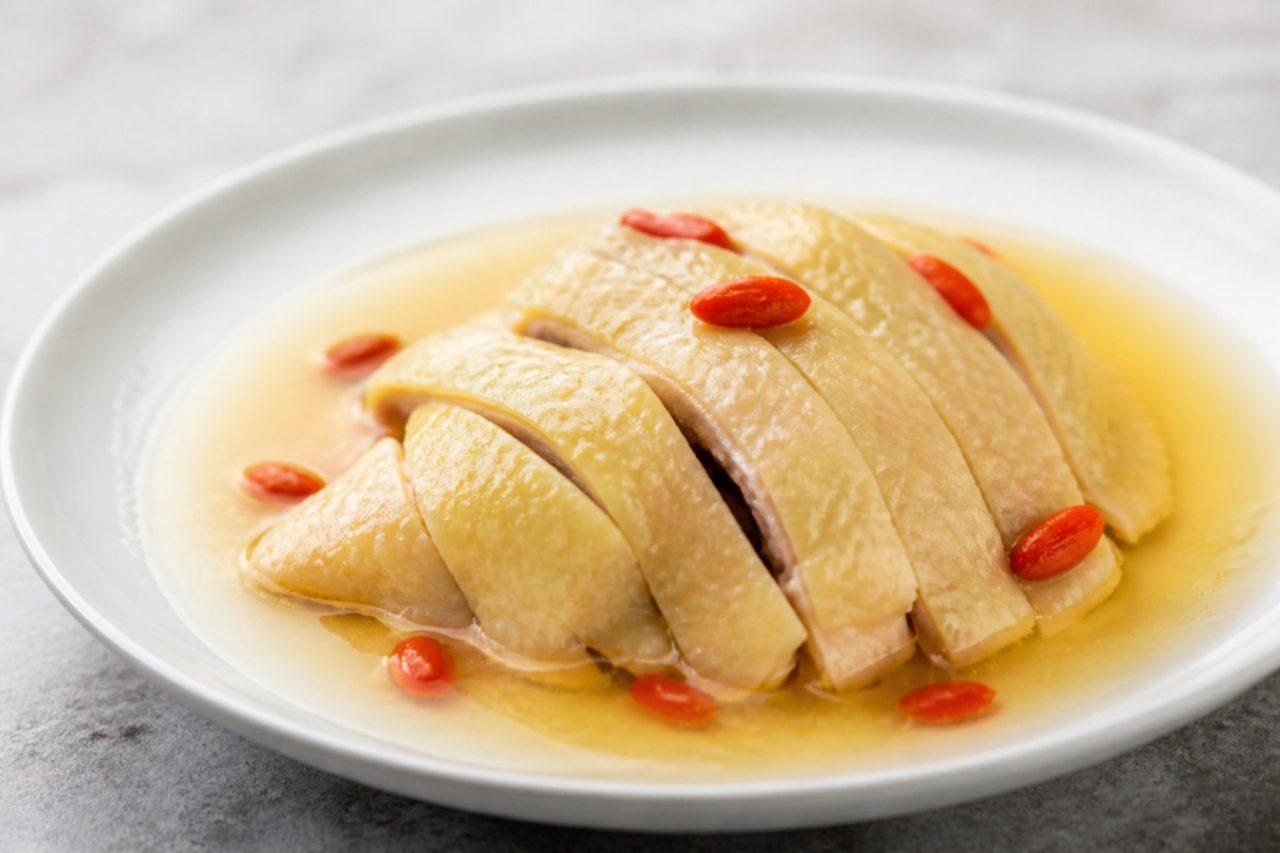
Shanghai drunken chicken

Shanghai's cold-dish counters always have a tray of drunken chicken: smooth, pale poached chicken with jelly-like skin, steeped overnight in a fragrant, slightly sweet bath of Shaoxing wine. Please note that the wine here is not cooked, so the classic dish contains alcohol and is not suitable for children, during pregnancy or for anyone avoiding alcohol. For them, make the fragrant alcohol-free version given in the ingredients, which steeps the chicken in stock with goji berries, dried tangerine peel and a little rice vinegar. Serve it chilled as a starter in summer or at Chinese New Year with other cold dishes. Chef's tip: plunge the chicken into iced water straight after poaching; the quick chill is what gives the skin its springy texture.

by KrazyBadal 0 views

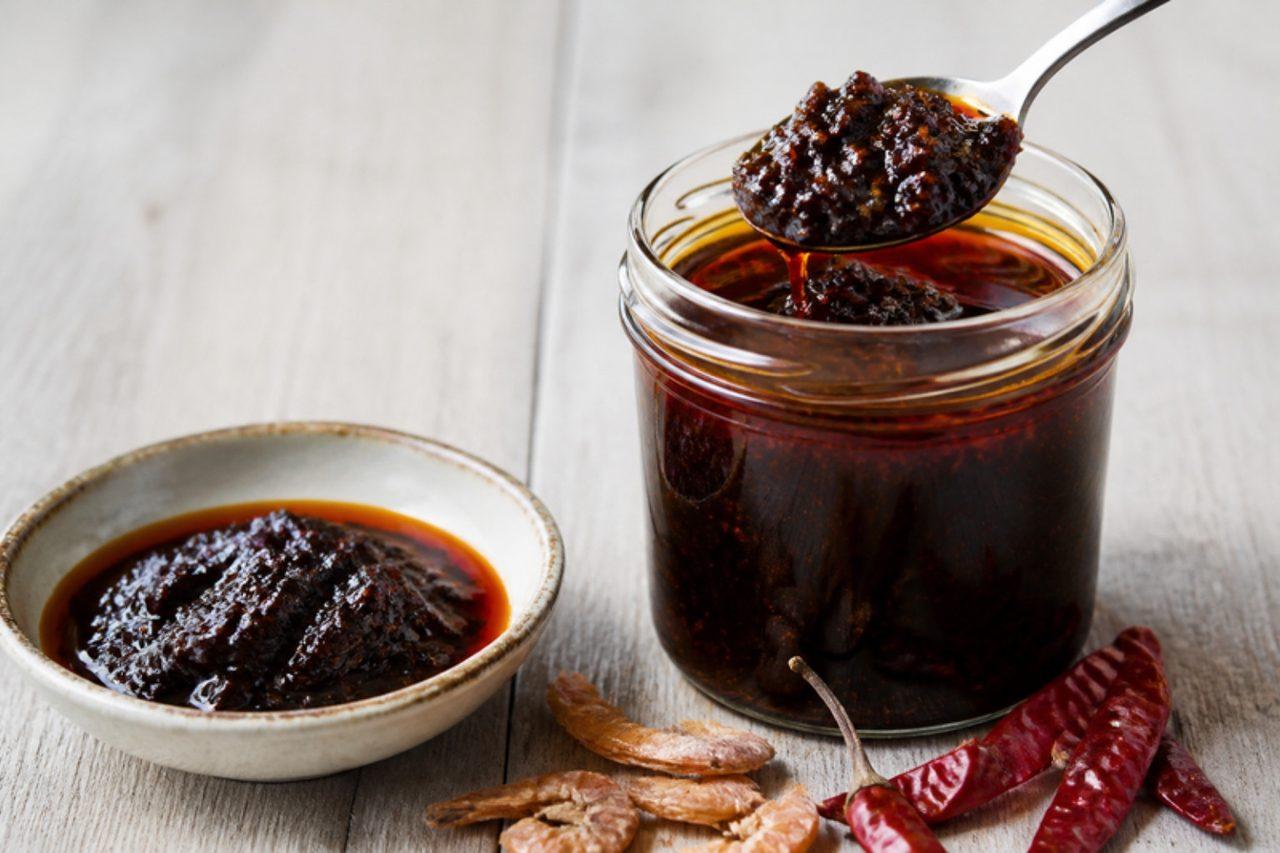
Shito

Shito is the black pepper sauce that sits on every Ghanaian table and travels in every student's suitcase. Onions, ginger and garlic are cooked down slowly in a lot of oil with ground dried shrimp, smoked dried fish and chilli until the mixture turns almost black, rich and crunchy-savoury. A spoonful lifts kenkey, waakye, jollof rice, eggs or plain bread. The mistake almost everyone makes the first time is cooking it on high heat: it scorches and turns bitter. Low and slow is the whole secret. Chef's tip: stir the bottom of the pot every few minutes in the last half hour, when it darkens fastest.

by KrazyBadal 0 views

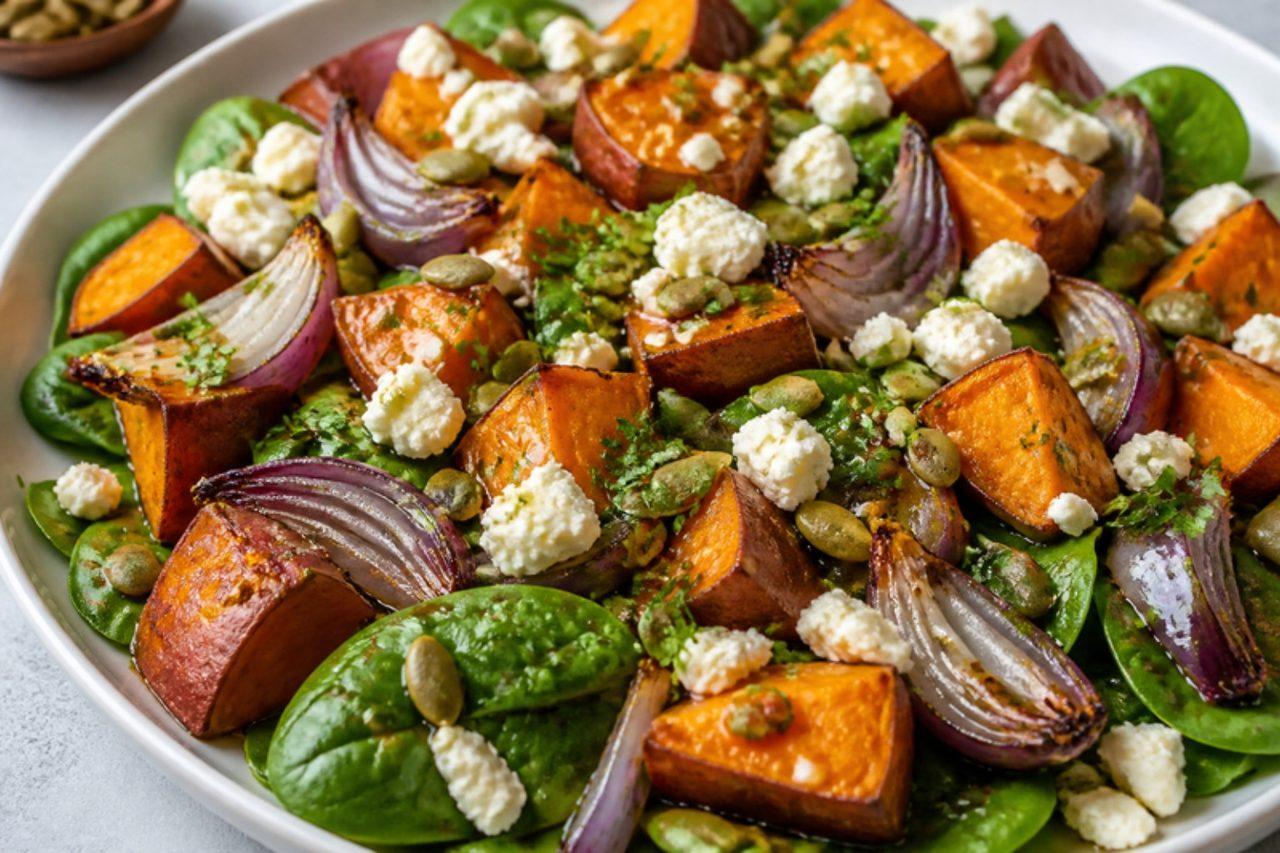
Kūmara and feta salad

Kūmara, the sweet potato the Māori brought to Aotearoa centuries ago, is grown mostly around Dargaville in Northland, and a big bowl of roasted kūmara salad turns up at just about every New Zealand barbecue, 'bring a plate' gathering and Christmas lunch. Chunks of red-skinned kūmara roast until sticky and caramelised, then get tossed while warm with red onion, baby spinach, salty feta and toasted pumpkin seeds in a sweet-sharp honey and mustard dressing. Chef's tip: give the kūmara plenty of room on the tray and a hot oven; crowded pieces steam and go soft instead of browning at the edges.

by KrazyBadal 0 views

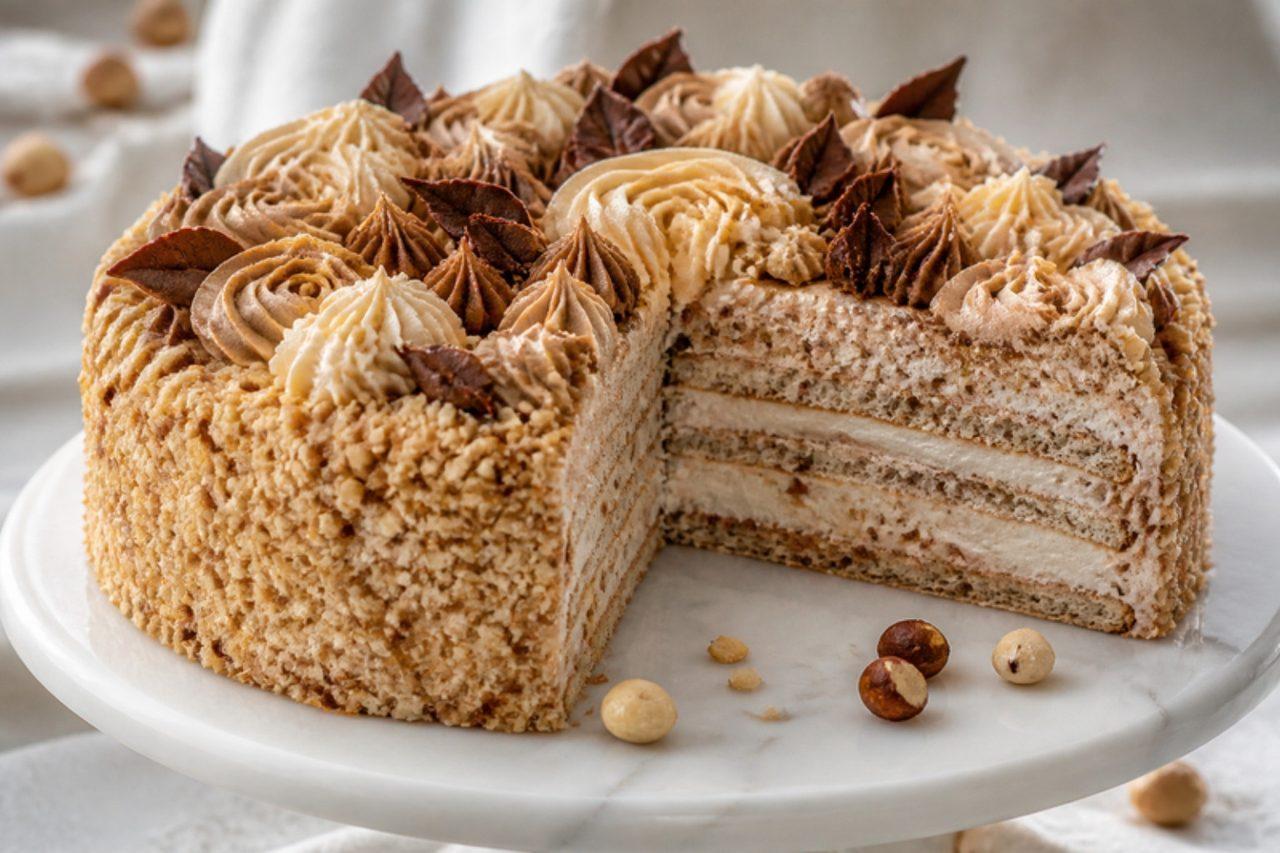
Kyiv cake

Kyiv cake was created in 1956 at the Karl Marx confectionery factory in Kyiv, and for decades a round box tied with string, bought at the station kiosk, was the souvenir every visitor carried home from the capital. Two crisp, chewy layers of nut meringue are sandwiched with a rich vanilla and cocoa buttercream and decorated with more cream. It contains no flour, so it is naturally gluten free, and no gelatine. Our home version uses hazelnuts, as the original did before cashews became the norm. Chef's tip: dry the meringue long and slow and let it cool in the switched-off oven; common mistake is pulling it out too early, when it is still soft inside, and then it turns sticky and collapses under the cream.

by KrazyBadal 0 views

Smashed avo on toast

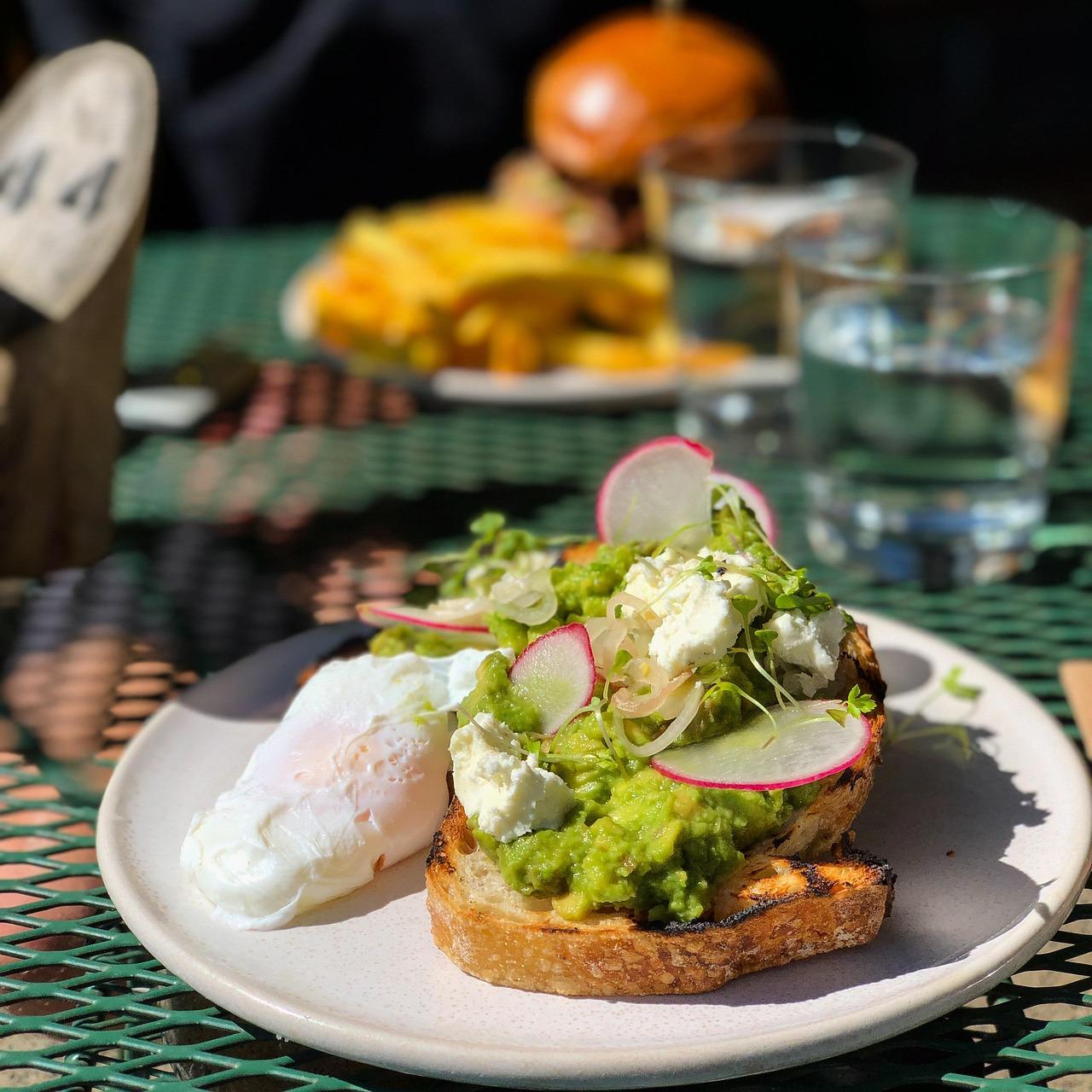
Smashed avo became the signature breakfast of Sydney and Melbourne cafés in the 1990s and 2000s, and today it's on the menu of almost every café in Australia, from Bondi to Fitzroy, eaten on weekend mornings with a flat white. Ripe avocado is crushed roughly with lemon, salt and chilli and piled thickly onto toasted sourdough, then topped with salty crumbled feta and, often, a soft poached egg. It's creamy, sharp, crunchy and salty all at once. Chef's tip: smash the avocado with a fork, not a blender, and leave it chunky; the contrast between the rough avo and the crisp toast is the whole point.

by KrazyBadal 0 views

Pampushky

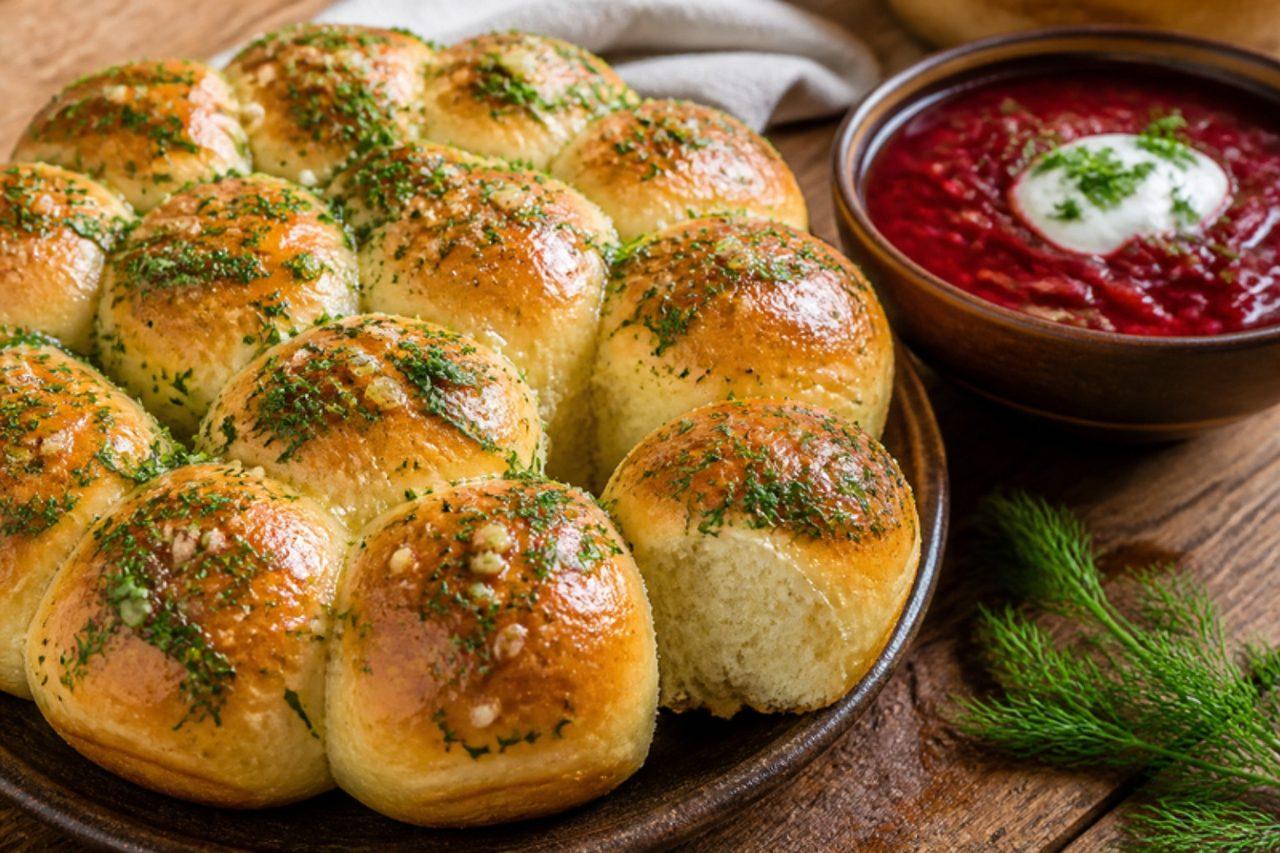
Pampushky are the small, pillowy yeast rolls that arrive in a basket next to borshch in any Ukrainian restaurant, from Kyiv to Poltava, glistening with a raw garlic and dill dressing. They are baked tightly packed in one tin so they pull apart with soft sides and golden tops, and the sharp garlic is the perfect partner for sweet, sour beetroot soup. Sweet pampushky, fried and dusted with sugar, also exist; this is the savoury baked kind. Chef's tip: brush on the garlic oil while the rolls are still hot from the oven, so they drink it in; common mistake is brushing them before baking, which burns the garlic bitter.

by KrazyBadal 0 views

Huizhou stinky mandarin fish

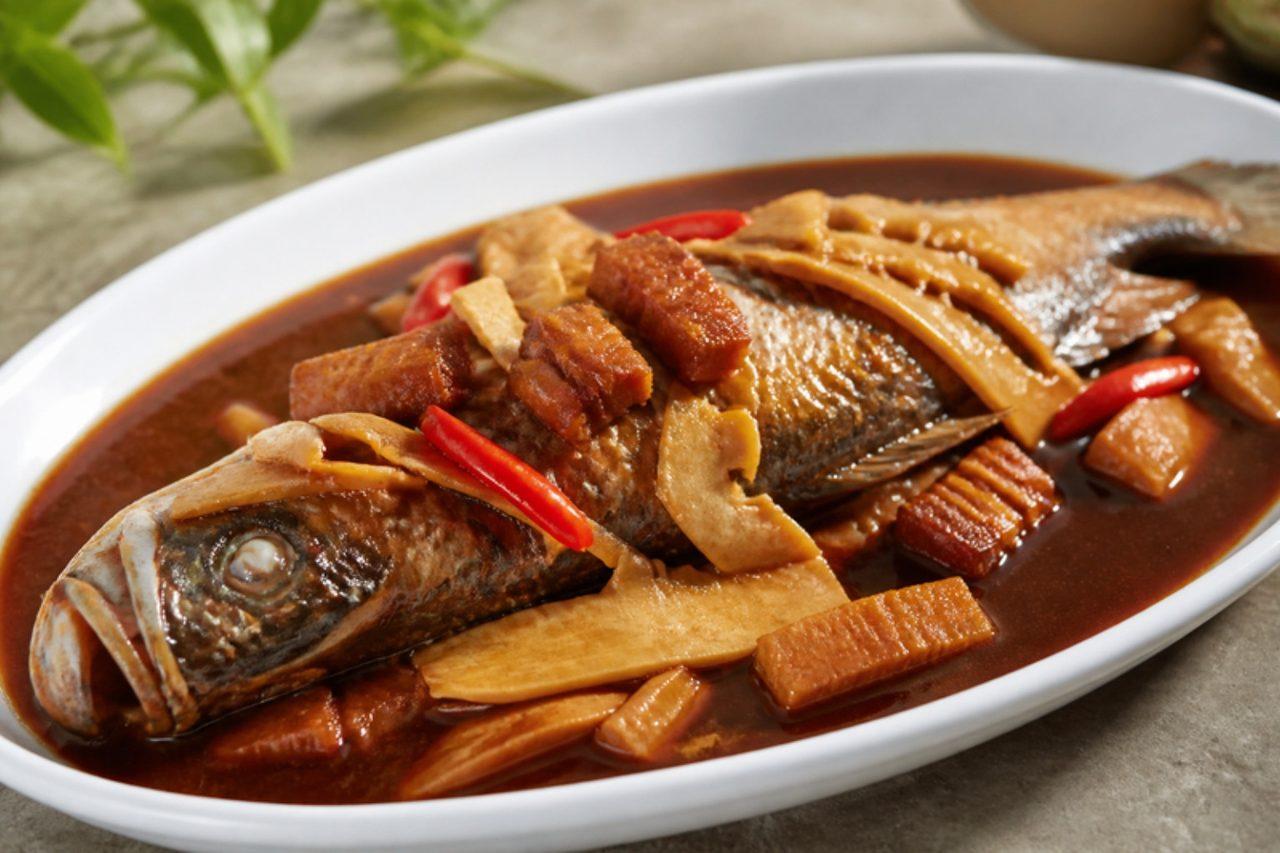
From the mountain towns of Huizhou in southern Anhui comes a fish with a famous smell: mandarin fish lightly fermented for days, then braised with pork belly and bamboo shoots until the flesh separates into firm, almost garlic-clove-like flakes with a savoury, cheesy depth. Traditionally the fish ferments in a barrel at room temperature, which is not safe to copy at home. This version gives the same firm texture and a gentle tang by salt-curing the fish in the fridge for 1–2 days, never at room temperature; it is milder than the real thing. Serve it in its sauce with plenty of rice. Chef's tip: dry the cured fish very well before it goes into the pan, or the skin sticks and tears.

by KrazyBadal 0 views

Damper

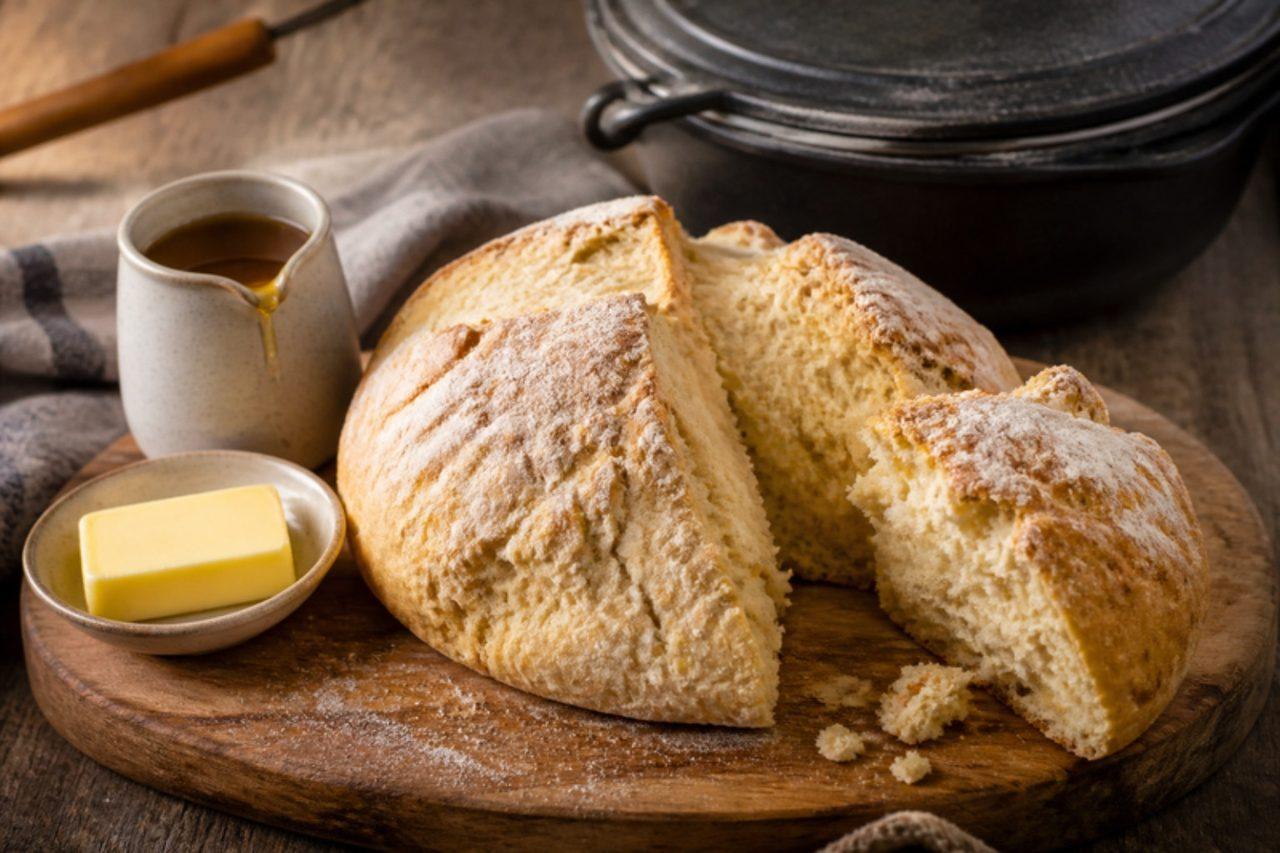
Damper is the bread of the Australian bush: drovers, stockmen and swagmen carried flour and salt across the Outback and baked loaves in the ashes of the campfire, and it's still made in cast-iron camp ovens on camping trips from the Flinders Ranges to the Kimberley. Long before that, Aboriginal peoples ground native seeds into flour and baked seed cakes in the coals. Modern damper uses self-raising flour, a little butter and milk, so it rises into a craggy, golden round with a crisp crust and a soft, scone-like crumb. Tear it while warm and eat it with butter and golden syrup, which bush cooks called cocky's joy, or with soup. Chef's tip: mix with a knife and work quickly; the less you handle the dough, the lighter the damper.

by KrazyBadal 0 views

Kaya

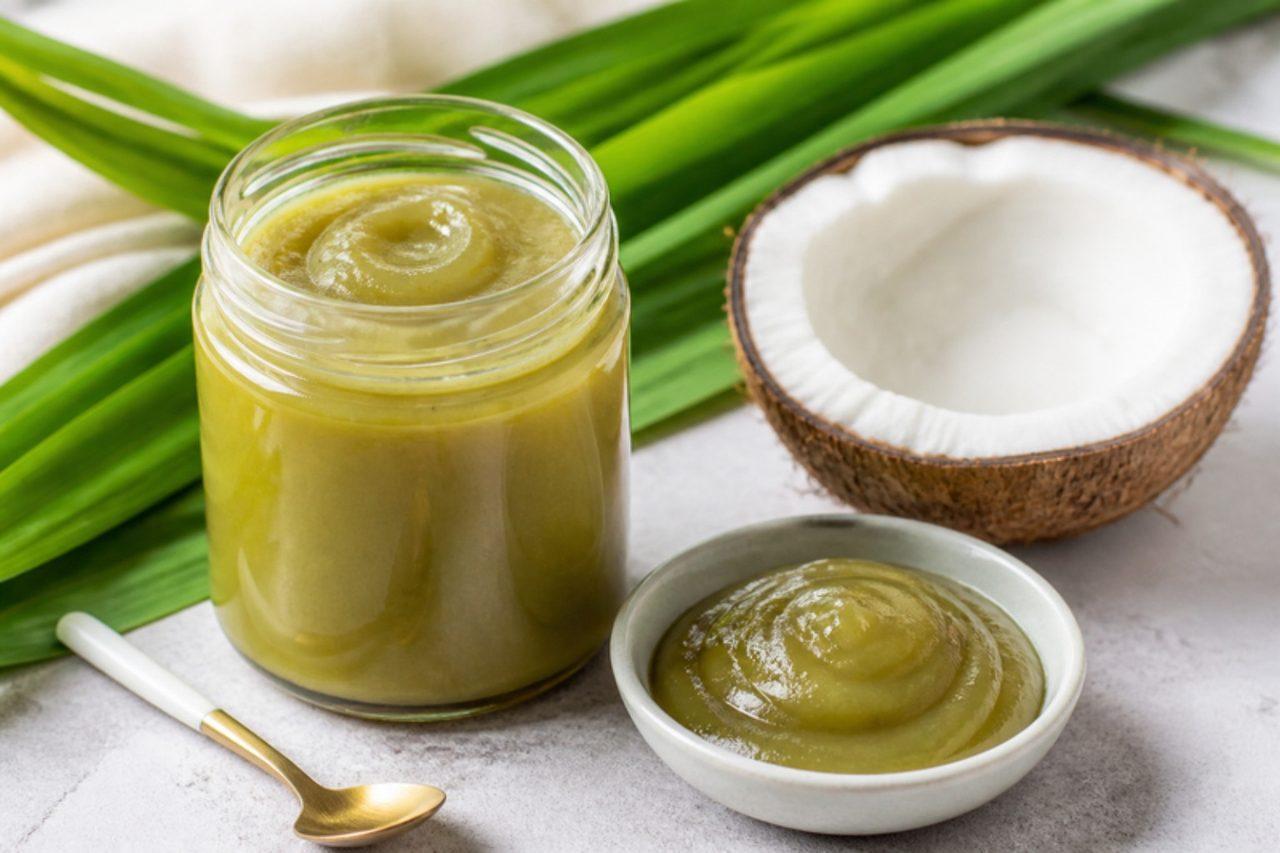
Kaya is the coconut and egg jam spread thickly on toast in every kopitiam in Singapore, from heritage chains to the coffee shop under a housing block. This is the green Nyonya-style kaya, gently cooked with pandan leaves until it turns thick, glossy and custardy; the Hainanese version adds caramel for a brown colour. It keeps for a week in the fridge and is the essential part of kaya toast. Chef's tip: cook it slowly over a pan of barely simmering water and keep stirring; rushed kaya scrambles and turns grainy.

by KrazyBadal 0 views

Singapore carrot cake (chai tow kway)

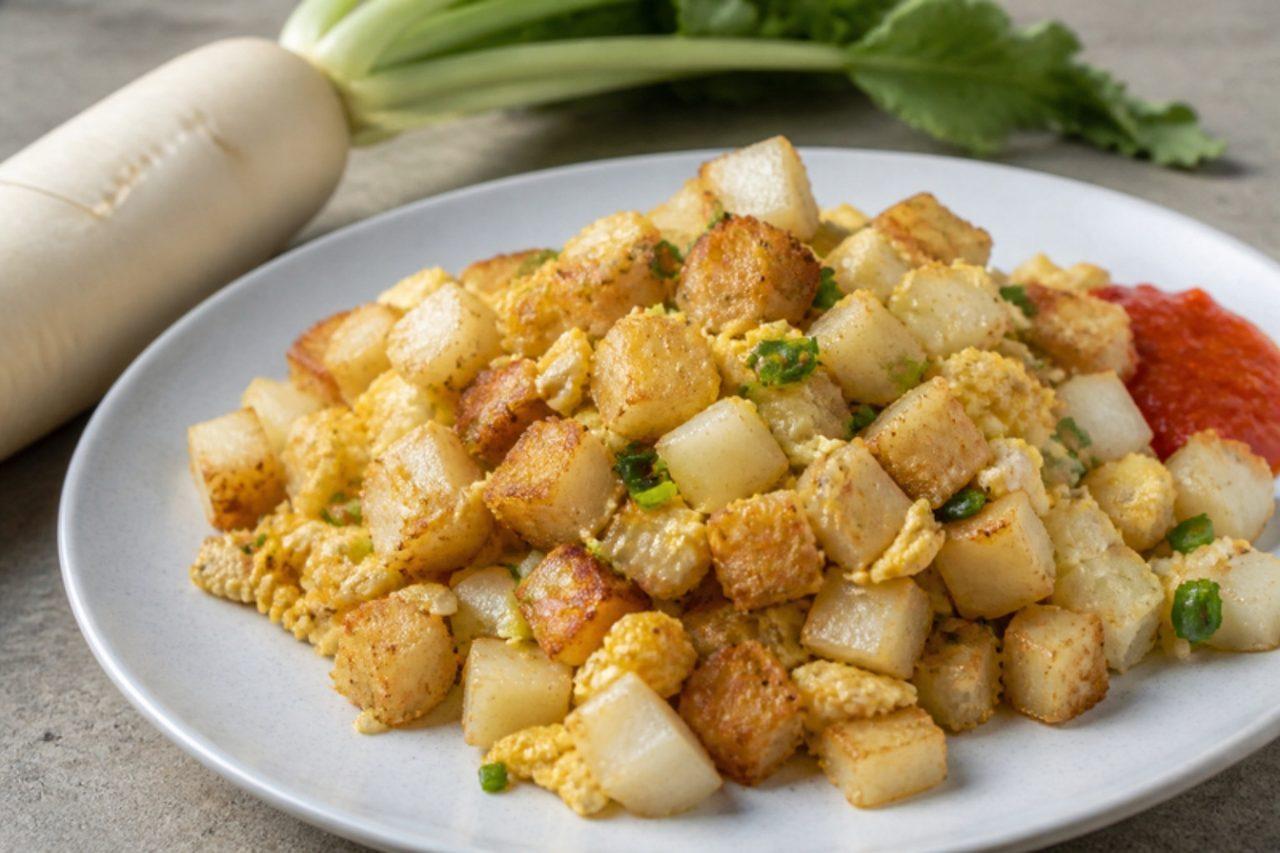
Singapore's carrot cake has no carrot in it: "carrot" is the local word for white radish (daikon). A steamed cake of rice flour and grated radish is cut into cubes and fried with egg and garlic until crisp and golden, either "white" (plain and eggy) or "black" (with sweet dark soy). It's a breakfast and supper favourite at hawker centres like Chinatown Complex. Most stalls add chai poh (preserved radish); this version leaves it out because many brands are made with fish sauce, and spring onions bring the savoury lift instead. Chef's tip: steam the cake a day ahead and chill it overnight; cold, firm cake cuts cleanly and crisps instead of falling apart.

by KrazyBadal 0 views

Vegetarian char kway teow

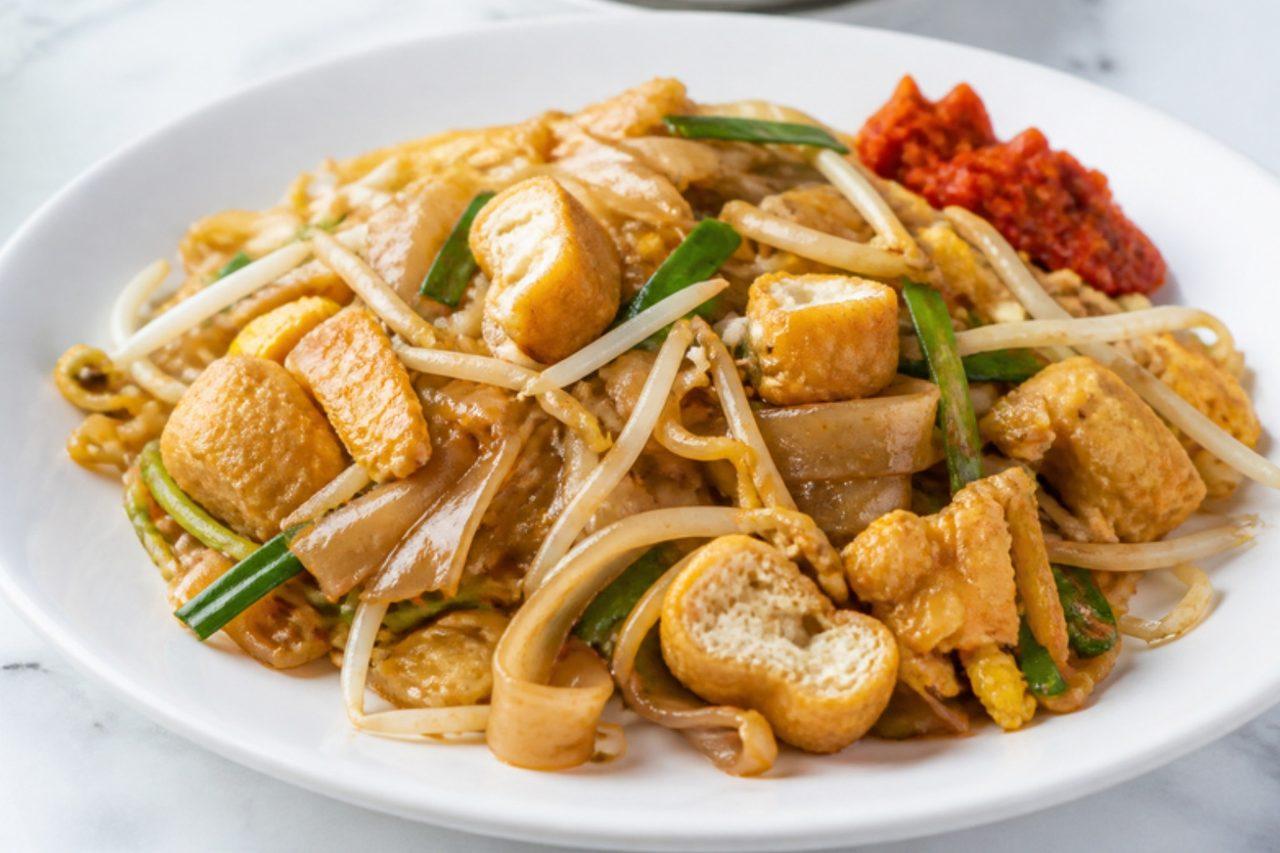
Char kway teow is the dish Singaporeans queue for at hawker centres like Old Airport Road and Zion Riverside: flat rice noodles and yellow noodles tossed over a roaring wok with dark sweet soy, egg, beansprouts and chives until smoky and sticky. The classic uses lard, cockles and Chinese sausage; this vegetarian version gets its richness from fried tofu puffs and plenty of garlic, and its char from a very hot pan. Chef's tip: cook one or two portions at a time; a crowded pan can't get hot enough for the smoky wok hei that defines the dish.

by KrazyBadal 0 views

Pozole rojo

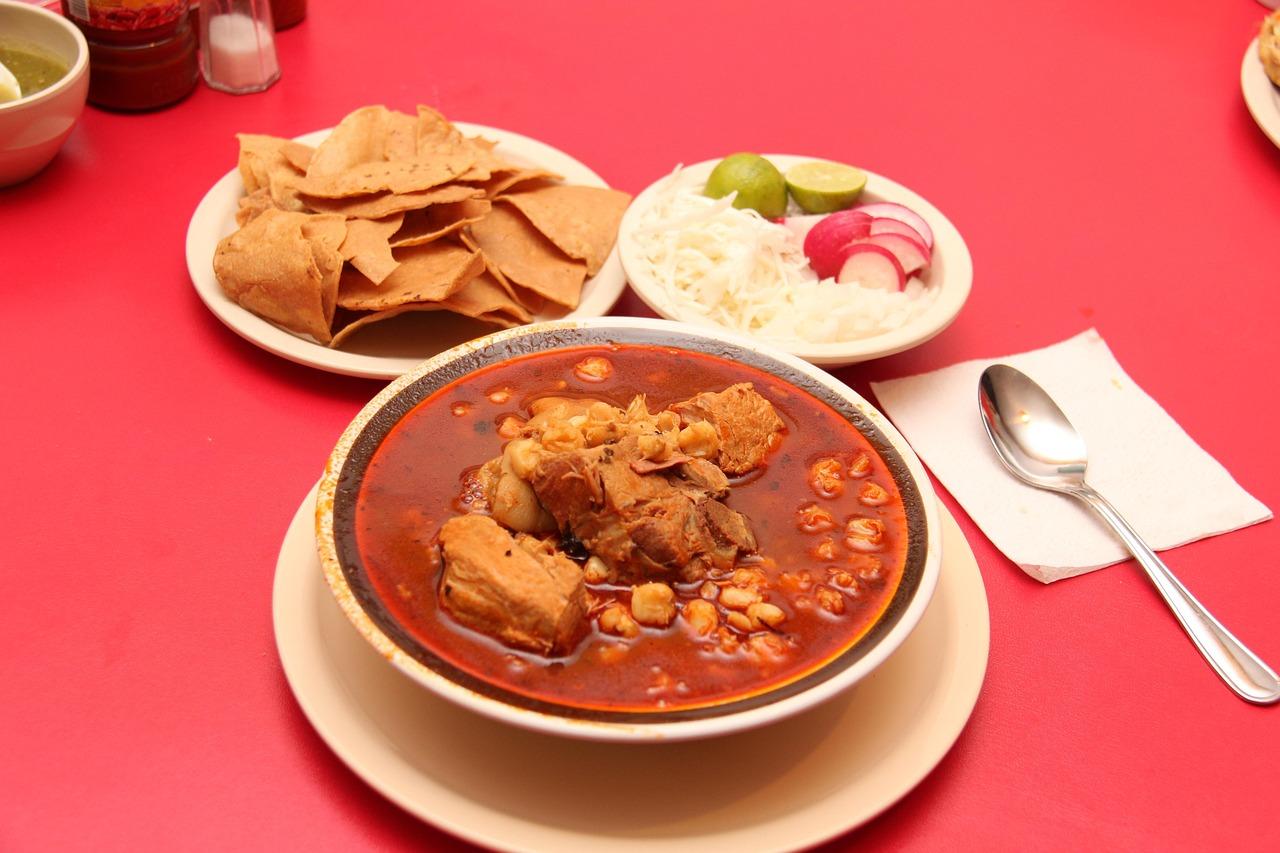
In Jalisco and Guerrero, a pot of red pozole means a crowd: it is made for Independence night on 15 September, for Christmas and New Year, and in Guerrero towns every Thursday is 'jueves pozolero'. Big, chewy kernels of hominy and tender pork simmer in a broth coloured with dried guajillo and ancho chillies, and the bowl is finished at the table with crunchy cabbage, radish, onion, lime and a rub of dried oregano between your palms. It tastes even better the next day, so make the whole pot. Chef's tip: strain the chilli purée through a sieve into the pot, so the broth is silky and free of chilli skins.

180 minMexicanSoupsGluten freeSpicy
by KrazyBadal 0 views

Pad kra pao gai

Ask a Bangkok office worker what they had for lunch and the answer is very often 'kra pao gai, khai dao': chopped chicken flash-fried with garlic, chillies and holy basil, spooned over rice and crowned with a fried egg whose edges have blistered into brown lace. Street stalls and food courts across the city cook it to order in a roaring wok in about three minutes. The chicken should be slightly sticky and salty-sweet, the basil peppery with a hint of clove, and the runny yolk becomes a sauce for the rice. A saucer of prik nam pla (sliced chillies in fish sauce) on the side is all it needs. Chef's tip: chop the chicken by hand with a heavy knife instead of buying fine mince; the coarse, uneven bits catch the sauce and stay juicy.

by KrazyBadal 0 views

La Paz batchoy

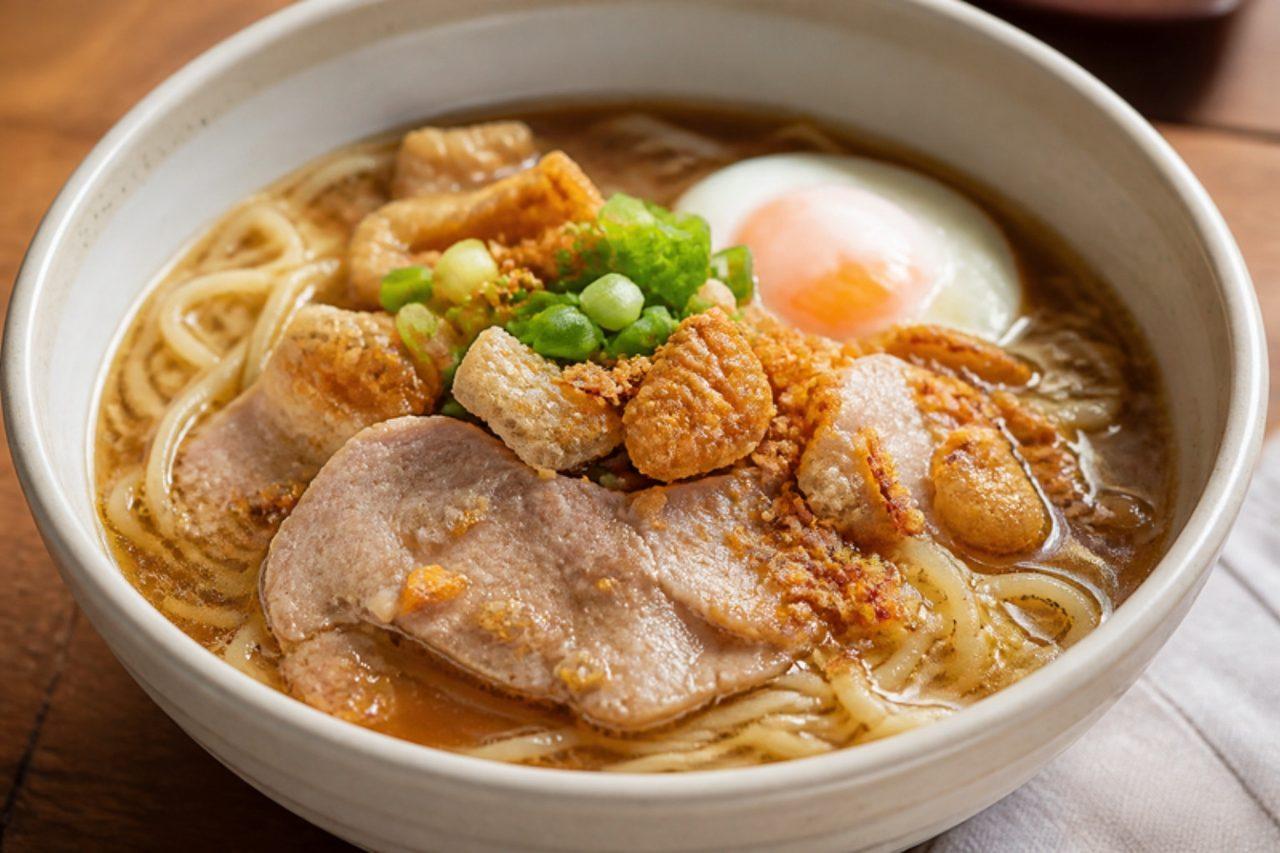
La Paz batchoy was born in the market of La Paz, a district of Iloilo City on Panay, where stalls ladle it out from early morning to late at night. It is a pork noodle soup through and through: fresh egg noodles (miki) in a deep pork-bone broth seasoned with a little shrimp paste, topped with sliced pork, liver, crushed pork crackling (chicharrón) and lots of fried garlic. Locals often crack a raw egg into the bowl and ask for extra broth. It is a warming, savoury bowl for rainy afternoons. Chef's tip: make the broth the day before and chill it; the fat sets on top so you can lift most of it off and fry the garlic in it.

by KrazyBadal 0 views

Satti

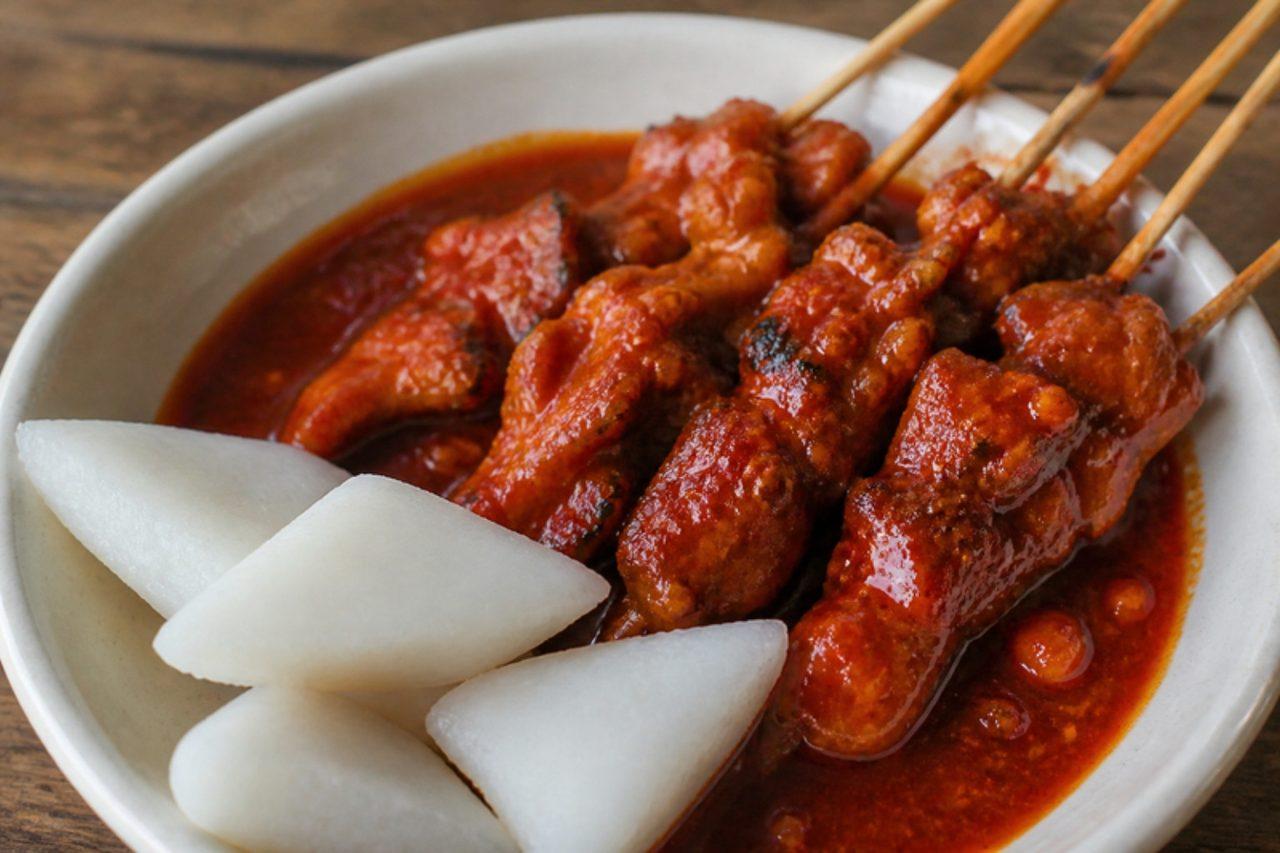
Satti is how Zamboanga City starts the day: small skewers of grilled chicken or beef, smoky from charcoal, drowned in a thin, spicy, slightly sweet red sauce and eaten with ta'mu, little rice cakes cooked in woven palm-leaf pouches. Satti houses near the port open before sunrise and are busiest on weekend mornings. It is a cousin of Malaysian and Indonesian satay, but the sauce is runnier and spiced with chilli and a little peanut. Pressed rice cubes or plain rice stand in well for ta'mu at home. Chef's tip: thread the chicken in small, flat pieces and close together; they cook fast and stay juicy before the outside dries.

by KrazyBadal 0 views

Sheer yakh

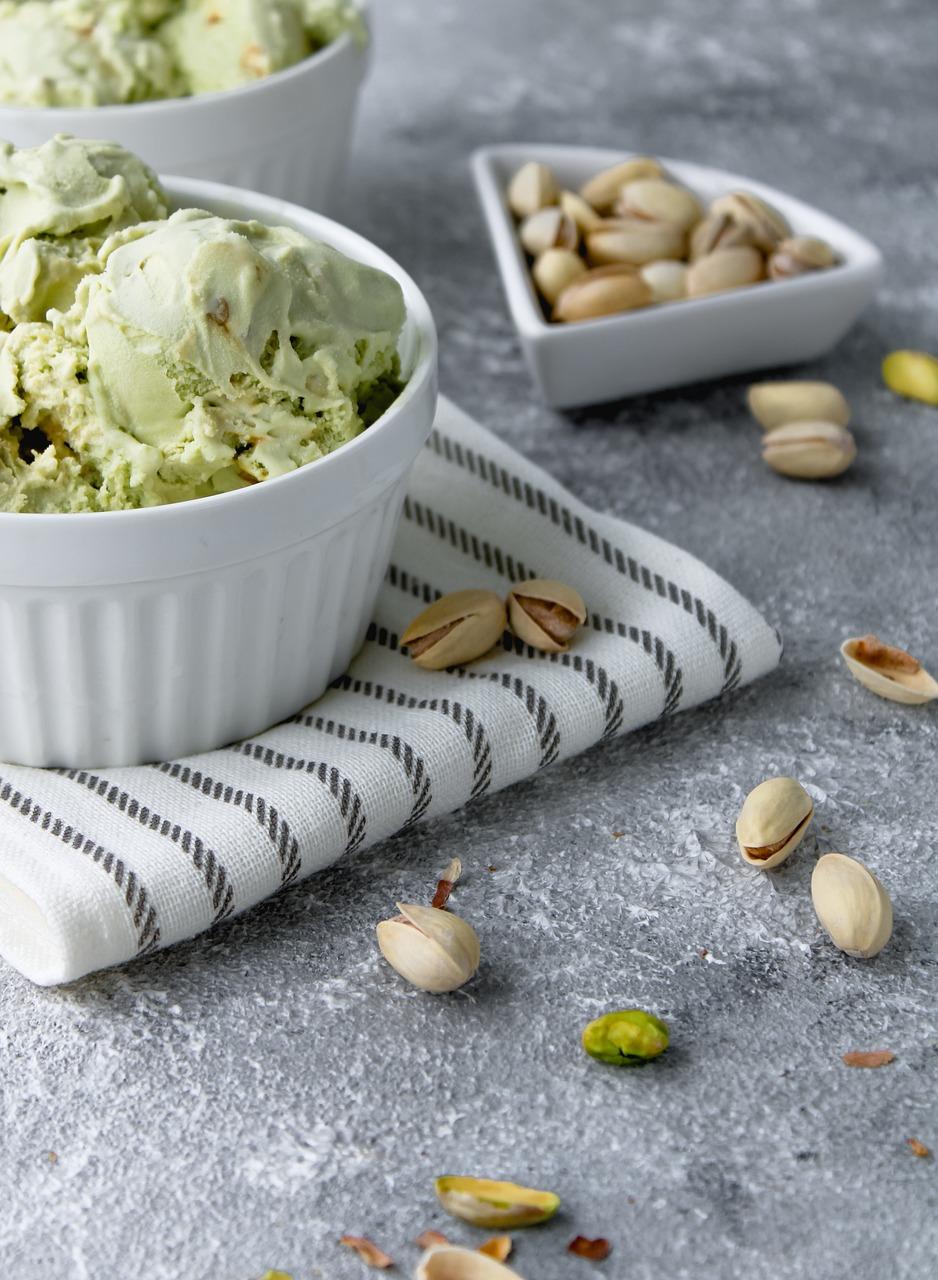
Sheer yakh, literally milk-ice, is the ice cream Kabul's street vendors once churned by hand in metal drums set in buckets of salted ice, and it's still the treat of choice on hot summer evenings and at Eid gatherings. It's dense and slightly stretchy, flavoured with cardamom and rose water and packed with chopped pistachios. Traditional sheer yakh is thickened with salep (orchid root); cornflour gives a similar body at home. Chef's tip: cook the custard until it thickly coats a spoon, then chill it overnight before freezing; a cold, aged base churns denser and smoother.

by KrazyBadal 0 views

Kadu borani

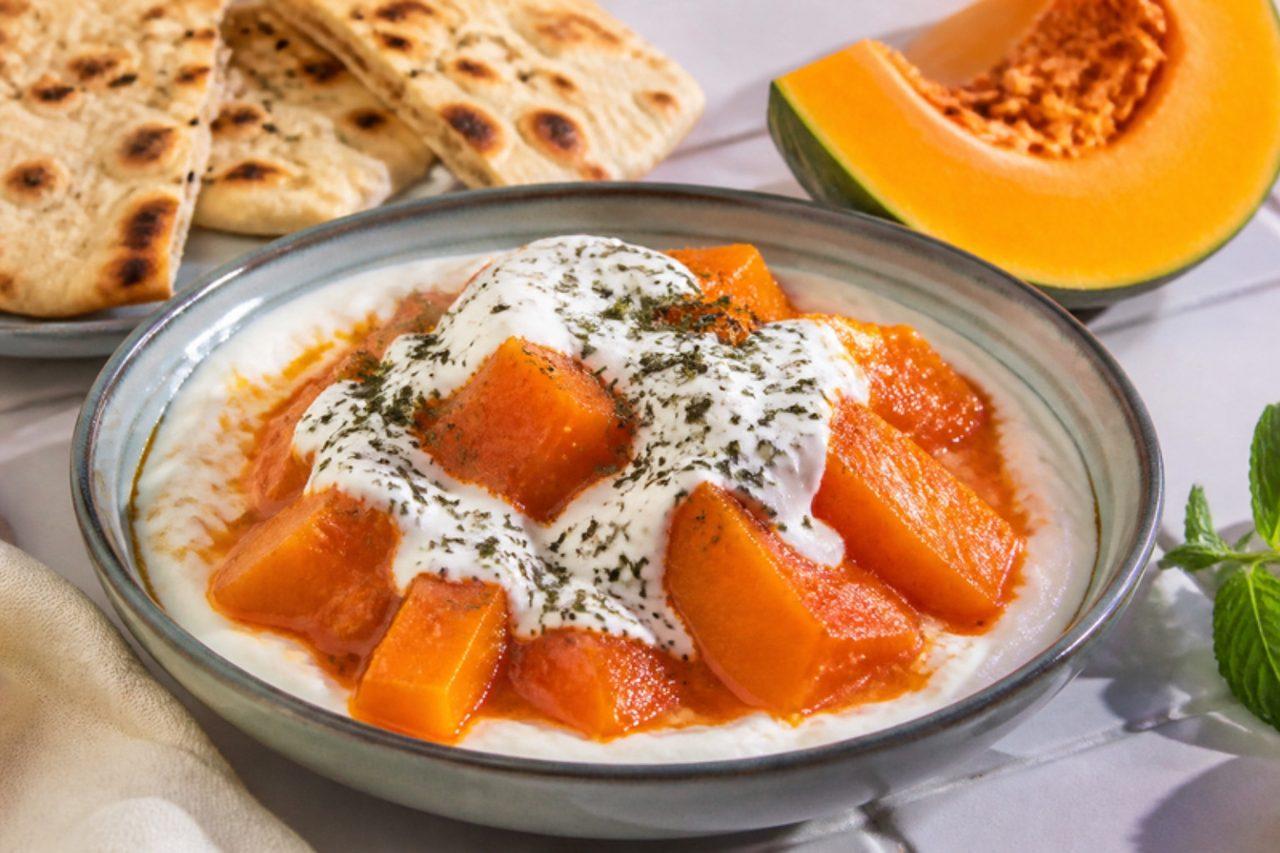
Kadu borani is the dish that wins over people who think they don't like pumpkin. In Afghan homes, especially in autumn around Kabul and Kandahar when the big orange squashes come in, wedges of pumpkin are browned, then braised with tomato, a little sugar and warm spices until sticky and caramelised, and served on garlic yoghurt with dried mint. The mix of sweet, savoury and sour is the point. Eat it with naan or as part of a spread with rice. Chef's tip: use a dense, deep-orange pumpkin or butternut squash; watery pumpkins fall apart and turn bland.

by KrazyBadal 0 views

Borani banjan

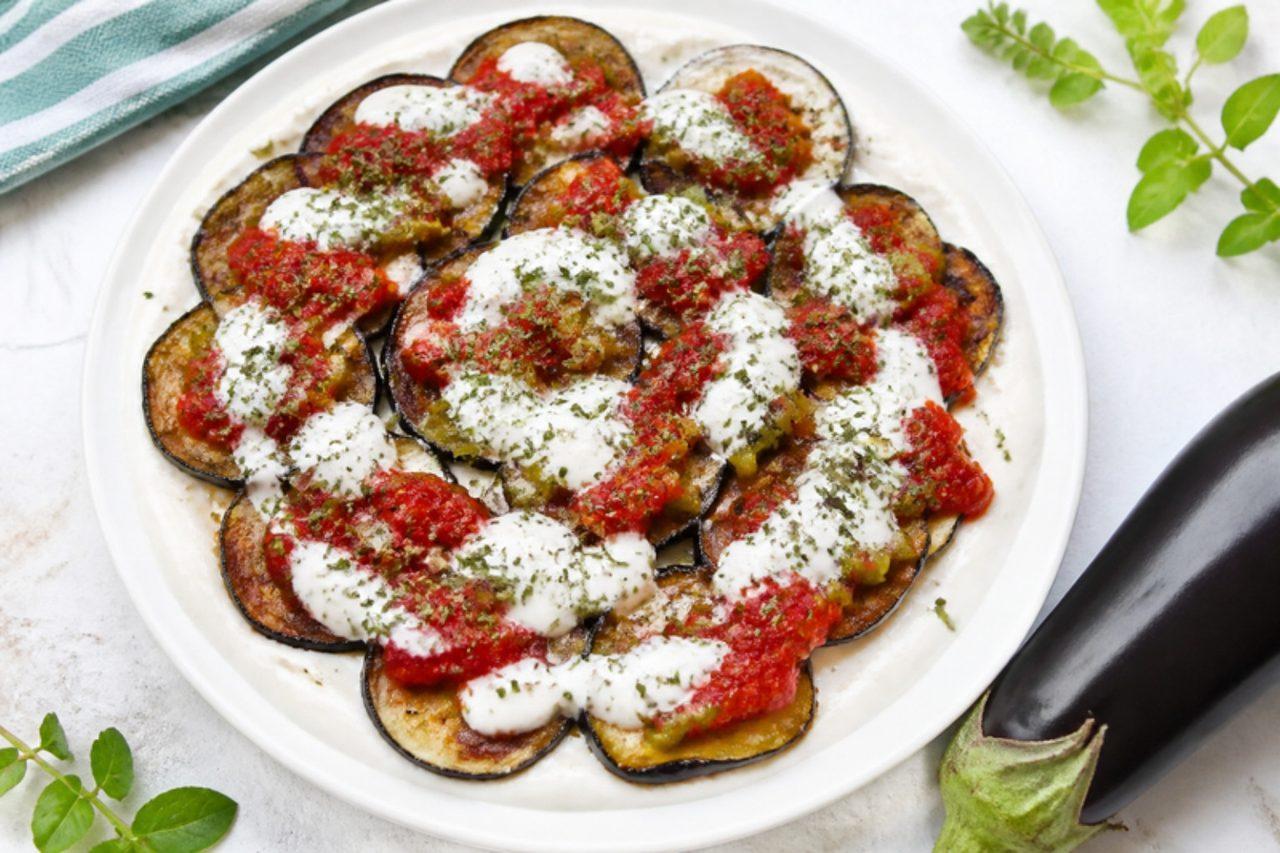
Borani banjan is the aubergine dish Afghan hosts set out at almost every dinner party and Eid meal, from Herat to Mazar-i-Sharif. Thick slices of aubergine are fried until golden, then simmered in a tomato and pepper sauce until meltingly soft and laid over a bed of garlic yoghurt, with dried mint on top. It's eaten warm with naan, or as a side to rice. Chef's tip: fry the aubergine slices in a hot pan and let them drain well before they go into the sauce; well-browned slices hold their shape and give the dish its deep, almost sweet flavour.

by KrazyBadal 0 views

Showing 18 of 4,484 recipes

Show more recipes

Page 275 of 499