Skip to content
Lahpet thoke
Featured recipe

Lahpet thoke

Pickled tea leaf salad

Lahpet thoke is how Myanmar welcomes a guest: a lacquered tray of pickled tea leaves surrounded by fried beans, peanuts, sesame and garlic, offered after meals, at weddings and at monk feasts from Mandalay to Yangon. Mixed into a salad with cabbage, tomato, chilli and lime, it becomes the country's most famous dish: bitter, sour, salty and crunchy at once, with a gentle caffeine lift. Ready-made lahpet sometimes contains fish sauce and the crunchy mix often has dried shrimp, so this version quick-pickles loose green tea at home. Chef's tip: soak the tea in several changes of hot water and squeeze it hard each time; that's what tames the bitterness.

Read more 0 views

What to eat today?

Around the world

Today's trip: Paraguayan

A new country every day, from every cuisine on the site.

Paraguayan

Buñuelos de algas

Sea lettuce fritters 35 minMore from Paraguayan (27) →

This week's collection

Kid-friendly dinners
537 recipes · a new collection every Monday

Latest recipes

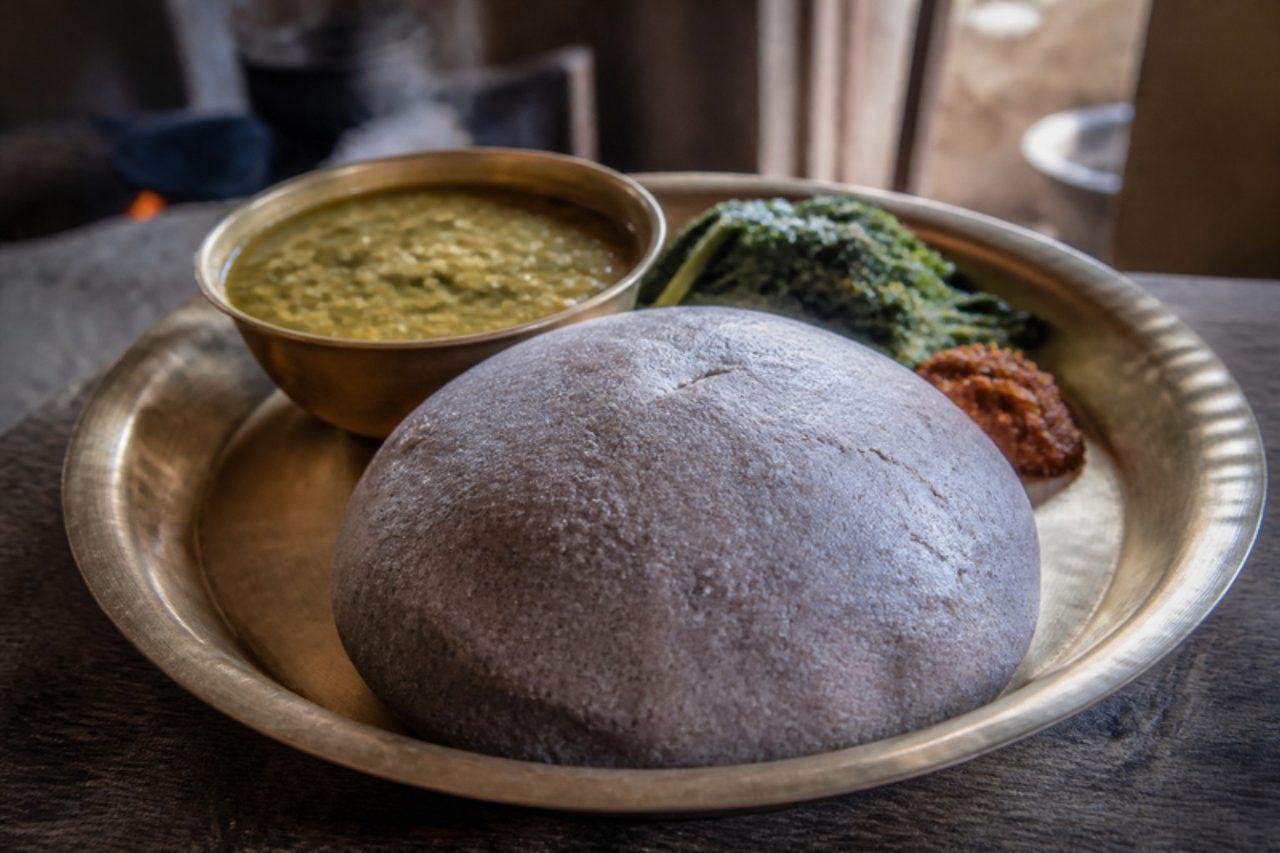
DhidoBuckwheat flour porridge

Before rice reached every corner of Nepal, dhido was what filled bellies in the high villages of Jumla, Dolpa, Mustang and the middle hills, and it is now enjoying a comeback in Kathmandu restaurants as a wholesome, gluten-free choice. Buckwheat or millet flour is rained into boiling water and stirred with a flat wooden paddle until it becomes a smooth, heavy, elastic mass, which is eaten with the fingers, pinched off and dipped into a sour vegetable soup, a bowl of lentils or a fiery tomato pickle. It has an earthy, slightly bitter flavour and a satisfying, sticky texture that is meant to be swallowed rather than chewed. Lumps are what ruin it most often, and they come from adding the flour too quickly. Chef's tip: add the flour in a thin stream with one hand while stirring hard with the other, and keep beating for a full 10 minutes once it is all in.

by KrazyBadal 0 views

Balish mishtiGiant pillow-shaped chhana sweet

Balish means pillow, and in Netrokona, in the north of Mymensingh division, this sweet is sold in sizes up to the length of a hand: a huge, soft, oblong chhana sweet cooked in syrup until golden and spongy, then smothered with a layer of thick, creamy reduced milk. A sweet-maker in the town created it in the early twentieth century and it is now the gift people bring to weddings and family visits in the region, sliced at the table and shared. The inside is soft and syrupy, the topping rich like clotted cream. Large chhana shapes crack open in the boiling syrup if the dough isn't kneaded long enough, which is the main thing that goes wrong, so take the full 10 minutes. Chef's tip: a spoon of plain flour in the chhana helps the big pillows hold their shape as they swell.

by KrazyBadal 0 views

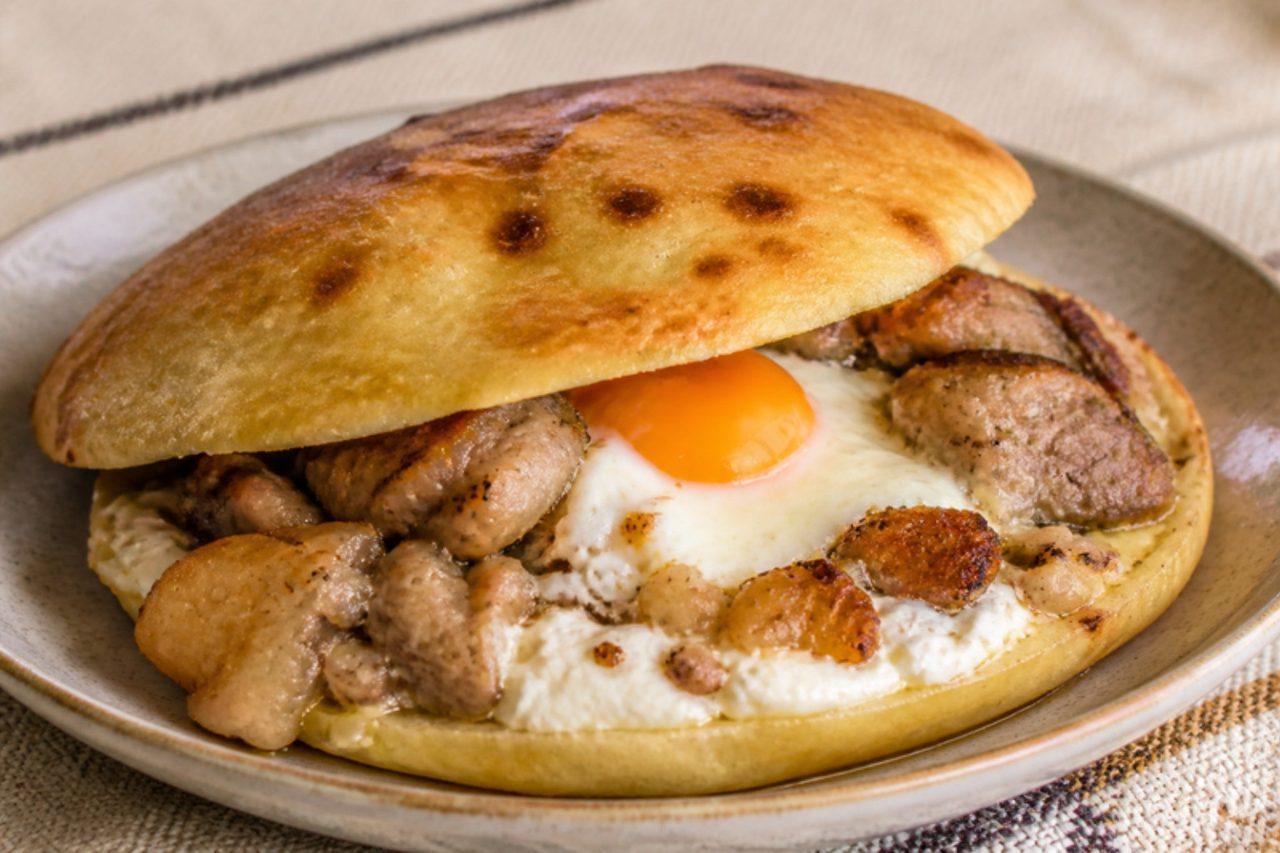
Komplet lepinjaFlatbread with kajmak and egg

Roadside inns in the hills around Užice and Zlatibor in western Serbia serve this as a breakfast for people with a long day ahead: a round flatbread hollowed out and filled with kajmak and an egg, baked, then soaked with pretop, the hot fat and juices left from roasting pork or lamb. It is rich, salty and messy, eaten with your hands with a yogurt drink and pickled peppers. At home, save the drippings from a Sunday pork roast, keep them in the fridge and reheat until bubbling. The usual slip is cutting the lid too thin, which leaves no room for the egg and it spills over the side. Bake until the white is fully set; for anyone pregnant, very young, elderly or unwell, bake on until the yolk is firm too. Chef's tip: put the lid back on for the last two minutes so it toasts, then dunk it straight into the hot drippings.

by KrazyBadal 0 views

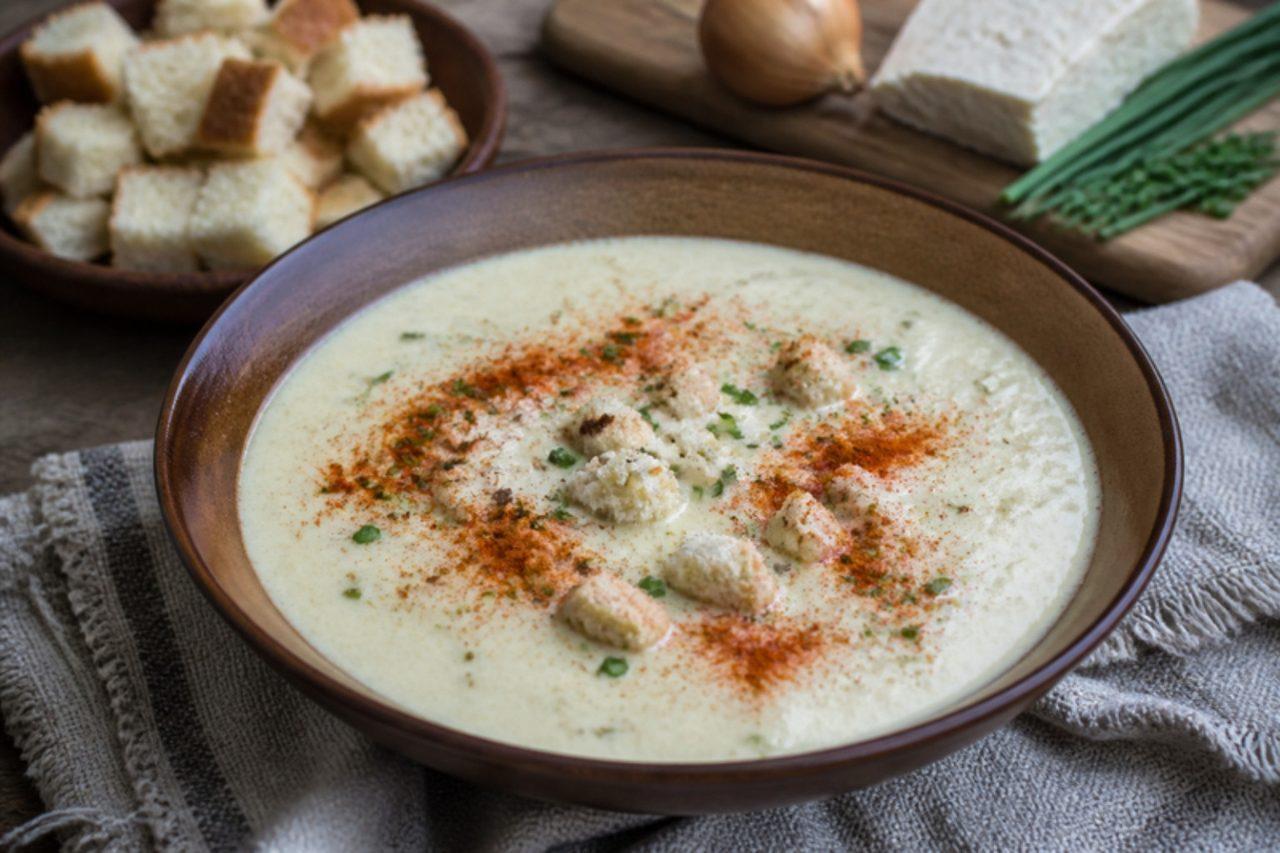
DemikátSheep's cheese soup over bread

Shepherds in the hills of central Slovakia needed only a kettle of water, a lump of bryndza and a loaf of bread to make demikát, a soup that comes together in a quarter of an hour at the salaš, the summer sheep hut. The soft, salty sheep's cheese is mashed with fried onion, paprika and caraway, loosened with boiling water and poured over chunks of bread, then finished with heaps of chives. It is tangy, creamy and very warming. Bryndza is traditionally made with animal rennet and sometimes from raw milk, so for a vegetarian, safer bowl choose a pasteurised sheep's cheese made with vegetarian rennet (a soft feta-style cheese mashed with a little cream cheese works well). The usual slip is boiling the soup after the cheese goes in, which makes it grainy; just bring it to steaming. Chef's tip: use day-old rye bread, toasted, so it soaks up the broth without falling apart.

20 minCzechSoups
by KrazyBadal 0 views

Amra chutneyHog plum chutney

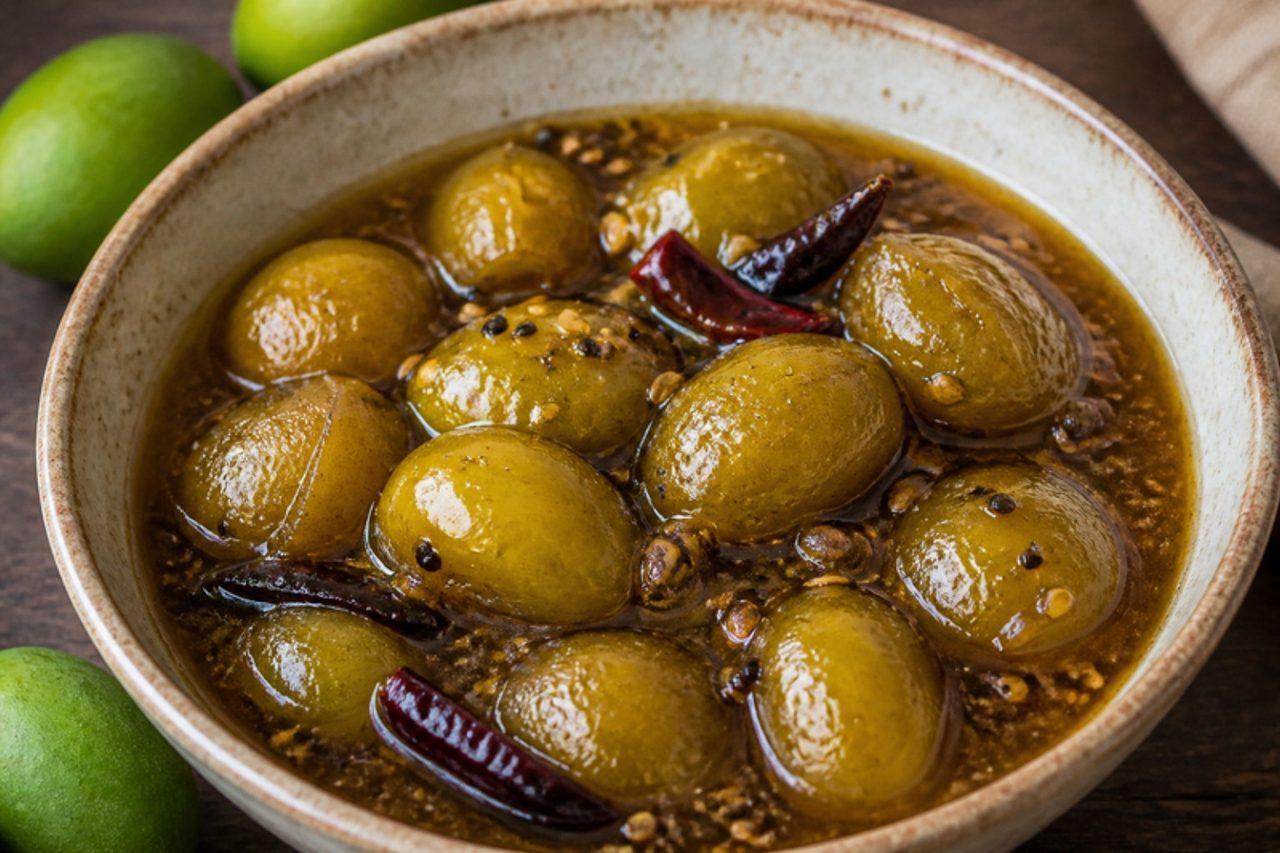
Barisal is famous for its amra, the green, tart hog plums that pile up on market stalls from August to October, and every household there turns some of the harvest into a glossy, jammy chutney. The fruit is scored so the jaggery syrup can soak in, then simmered with panch phoron, dried chilli and a little turmeric until the flesh is soft around the hard, spiny stone. Sweet, sour and gently hot, it is served at the end of a wedding feast or a festive lunch, a spoonful eaten with the last of the rice, and children suck the stones clean. Cooking it too hard reduces the syrup to toffee once it cools, so stop while it still runs off the spoon. Chef's tip: if you can't find hog plums, sour green plums or a firm green mango cut into chunks make a good stand-in.

by KrazyBadal 0 views

DhikriSteamed rice flour dough shapes

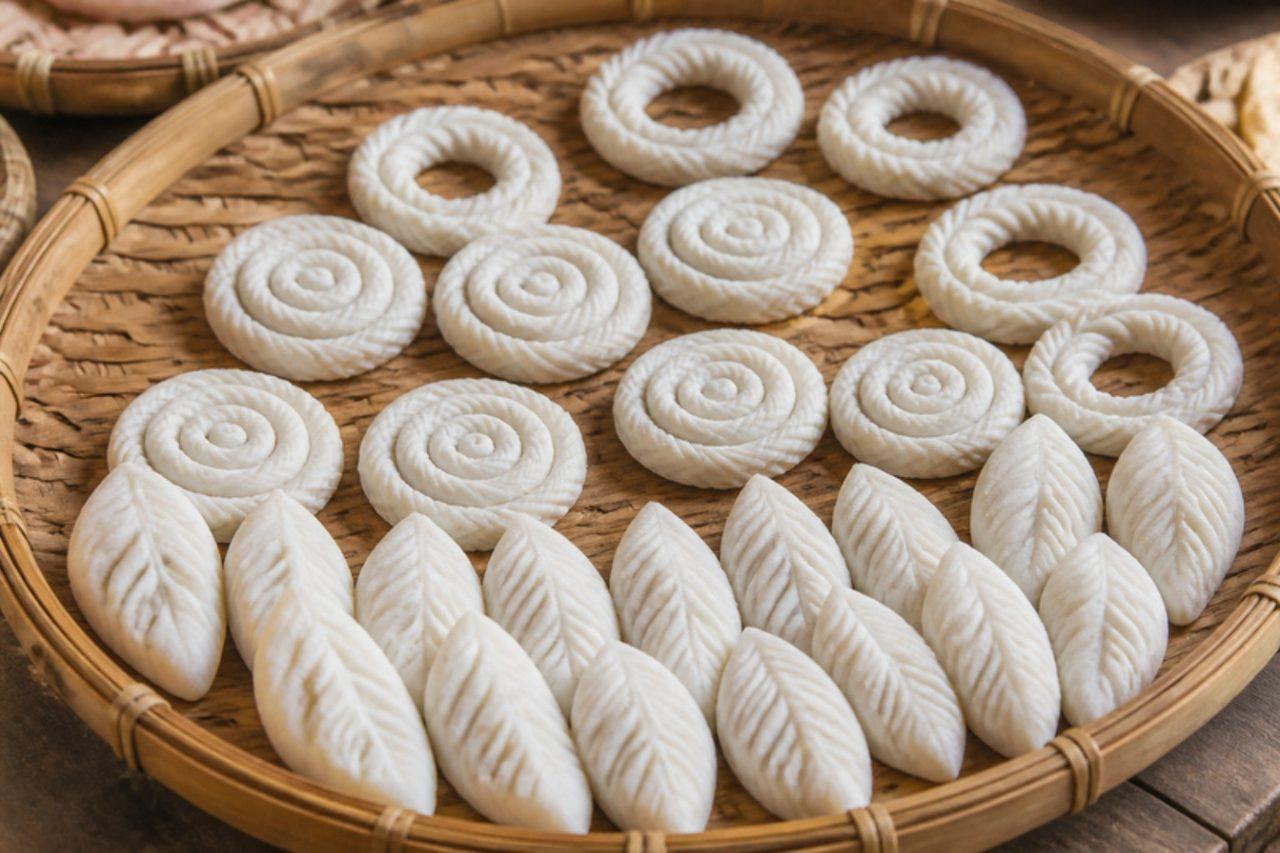
For Maghi, the Tharu new year in mid-January, and for Dashain and Atwari, families in Dang, Bardiya and Kailali sit together on the floor shaping dhikri, long pieces of rice-flour dough rolled and twisted into ropes, spirals, fish, birds and finger-marked ridges before they are steamed. The finished pieces are soft, smooth and chewy, with a clean, sweetish rice flavour that makes them a canvas for whatever is served alongside: a spicy tomato and sesame chutney, a lentil soup, a vegetable curry or, in many homes, a festive meat curry. Leftovers are sliced and fried the next day. The usual mistake is mixing the dough too dry, which cracks as you shape it and steams up hard. Chef's tip: keep the dough covered with a damp cloth while you shape, and dip your fingers in water if it starts to crack.

by KrazyBadal 0 views

KalakukkoFish and pork rye loaf

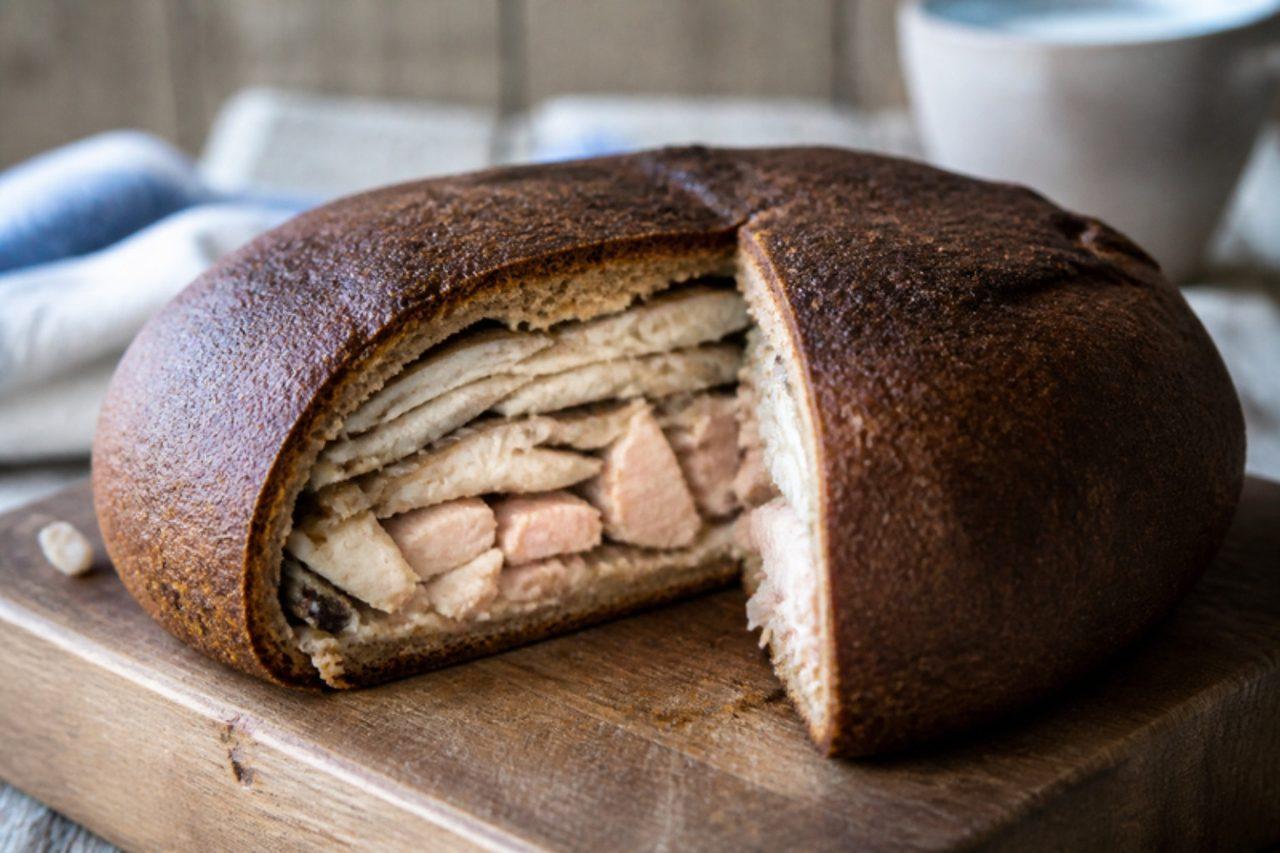
Kalakukko is the travelling food of Savonia in eastern Finland, a speciality of Kuopio's market square: a thick rye crust packed with small whole fish, usually vendace (muikku) or perch, and slices of fatty pork belly, sealed and baked for five or six hours, until the fish bones soften completely and the juices soak the inside of the crust. This dish contains pork. It is cut open like a lid and eaten in slices, crust and all, hot or cold. A common mistake is a crack in the crust, which lets the juices escape and dries out the fish. Chef's tip: patch any cracks with a little rye dough during baking, and wrap the loaf in foil and a towel after baking to rest.

by KrazyBadal 0 views

Cârnați de PleșcoiGarlic and chilli mutton sausages

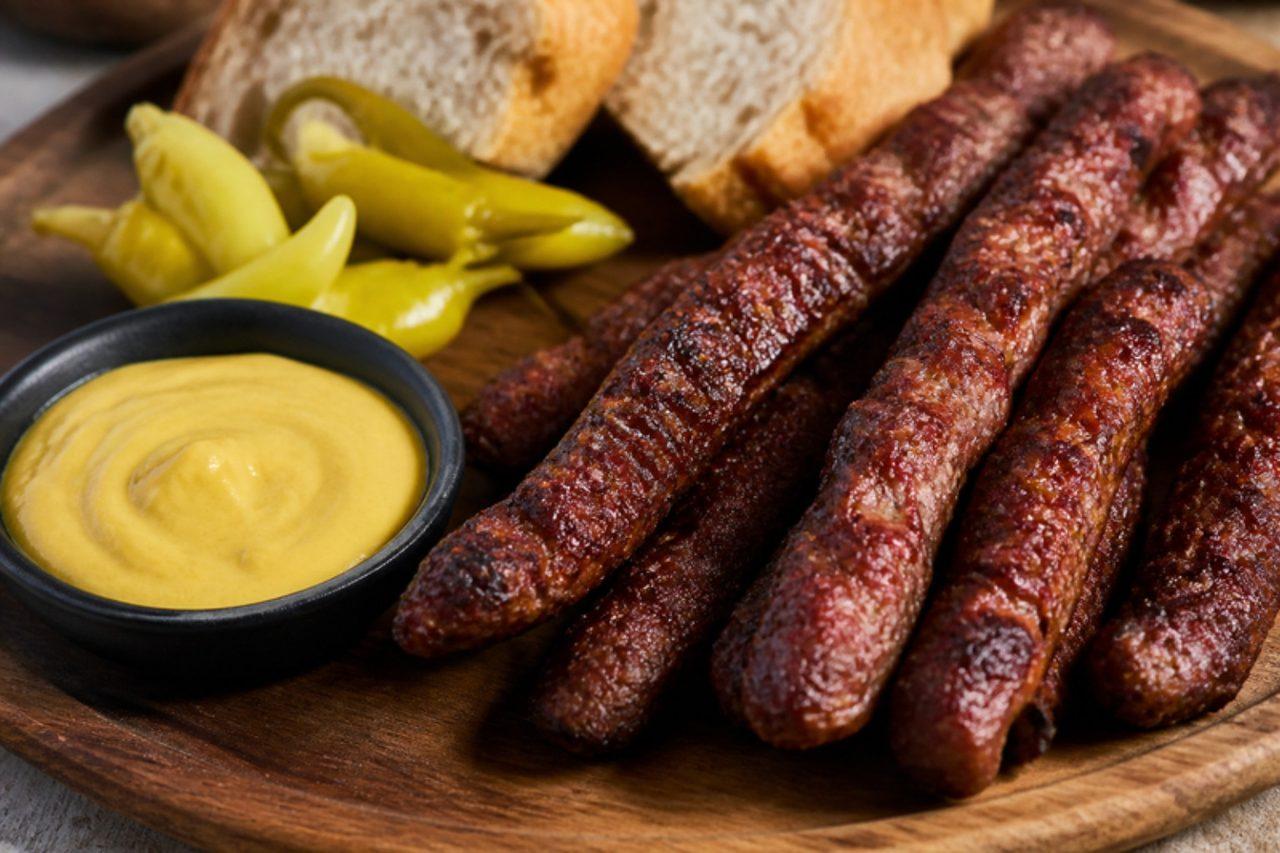
The village of Pleșcoi, in the hills above Buzău, is so proud of its sausages that roadside inns there sell them by the metre: dark red, fiery with chilli and heavy with garlic, made from mutton with a little beef and no pork in the meat. Traditionally they are smoked and air-dried; this home version is a fresh sausage, rested overnight in the fridge for the flavours to settle, then grilled until cooked right through. The casings are usually sheep's casings, but if you buy hog casings they are pork, so check what your butcher sells you. Snappy outside and juicy within, they are eaten straight off the grill with sharp mustard, bread and pickled vegetables. Where people tend to go wrong is letting the meat warm up while mixing; keep everything fridge-cold so the fat does not smear. Chef's tip: fry a small spoonful of the mix before you fill the casings and taste it for salt and chilli; once stuffed, you cannot adjust.

240 minRomanianMeatGluten freeSpicy
by KrazyBadal 0 views

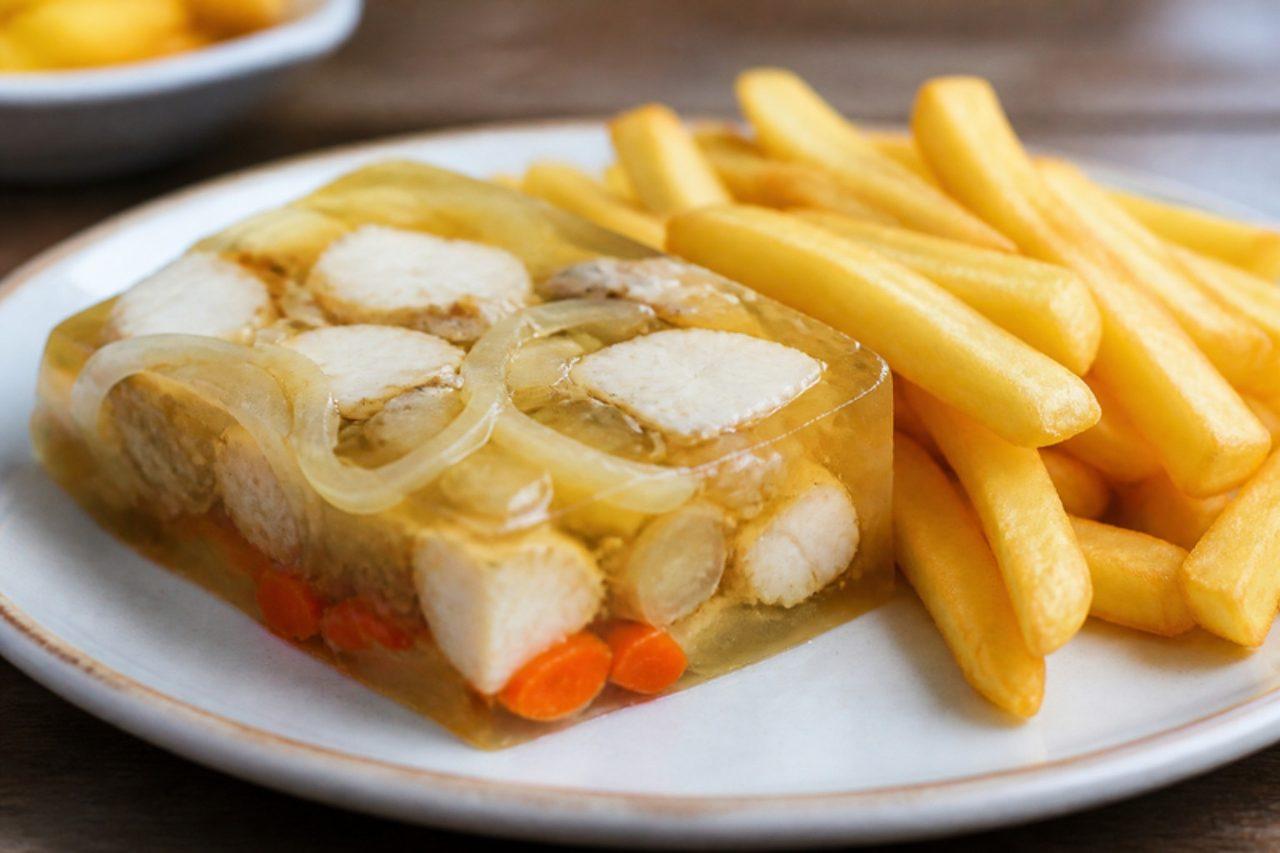
EscavècheCold fried fish in vinegar jelly

Escavèche is a speciality of the Chimay and Couvin area in southern Wallonia, a legacy of Spanish rule in the 16th century: fish fillets, traditionally eel or pike, fried and then covered with a hot marinade of vinegar, onion, thyme and bay that sets into a clear, tangy jelly as it cools. It is eaten cold, sliced, with crisp fries, in the brasseries of the Botte du Hainaut. A common mistake is not cooking the fish through before it goes into the marinade; cold marinade does not cook it. Chef's tip: let it set for at least 12 hours in the fridge; the vinegar mellows and the jelly firms. The fish should be opaque and flaking before marinating.

by KrazyBadal 0 views

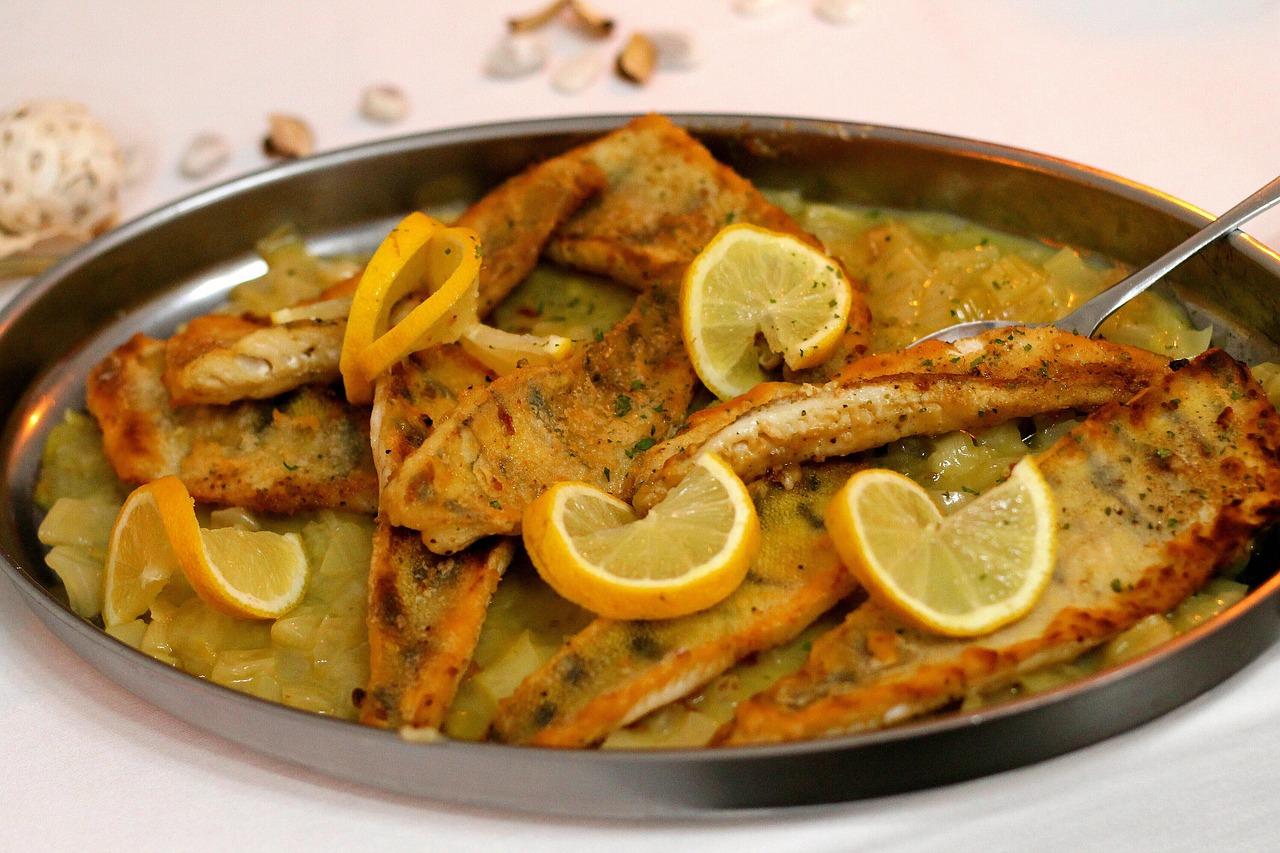
Balatoni fogasButter-fried pikeperch

Fogas, the pikeperch of Lake Balaton, has been the pride of the lakeside restaurants of Tihany, Keszthely and Balatonfüred for over a century, and a fillet on a plate with parsley potatoes is the classic order on a summer evening with a view of the water. The flesh is white, lean and delicate, with a clean, slightly sweet flavour, and the simplest treatment is best: skin side down in foaming butter until the skin turns crisp, with lemon at the end. Zander from any good fishmonger works the same way. Where most people go wrong is moving the fillets too soon, which tears the skin; leave them until they release by themselves. Chef's tip: score the skin lightly twice so the fillets stay flat in the pan.

by KrazyBadal 0 views

KalachPadlock-shaped wheat bread

Street sellers in nineteenth-century Moscow shouted for kalachi hot from the oven, and the town of Murom near Vladimir had its own famous version. The loaf is shaped like a padlock with a thin arched handle; carters and labourers held it by the handle with grimy hands, ate the plump body and, so the story goes, left the handle for the poor, which gave Russian the phrase 'to come to the handle' for hitting rock bottom. The dough is lean and vegan, just flour, water, yeast and salt, kneaded firm and chilled, so the crumb comes out white, chewy and close under a thin crisp shell. Eat it warm with soup, or tear it with tea and jam. A common mistake is a slack dough; it must feel firm, or the handle loses its shape. Chef's tip: pour hot water into a tin on the oven floor as the bread goes in; the steam gives the glossy, pale crust.

by KrazyBadal 0 views

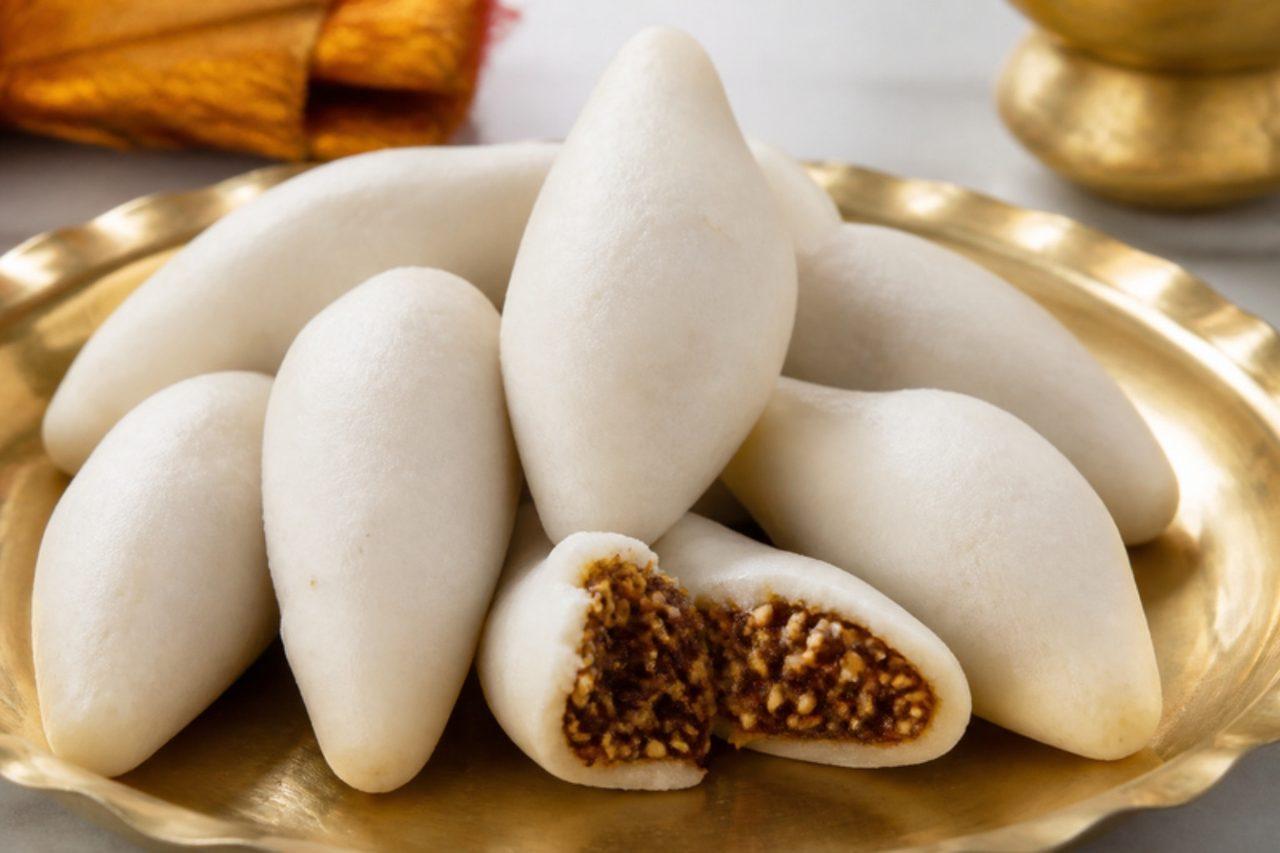
BagiyaSesame jaggery rice dumplings

When the new rice is harvested in late autumn, Maithil households in Janakpur, Siraha and Saptari steam bagiya, plump spindle-shaped dumplings of rice-flour dough that are offered to the gods, given to married daughters visiting home and eaten warm on cold winter mornings. The smooth, chewy shell hides a sweet centre, here toasted sesame bound with melted jaggery and a pinch of cardamom, though some families use molasses toffee (chaku), grated coconut or sweetened milk solids instead. Plain bagiya are also made and eaten with chutney. A common slip is using cold water for the dough, which makes it crumble and split; it must be made with boiling water. Chef's tip: knead the dough while it is still as hot as your hands can bear, with a little oil on your palms, until it is as smooth as play dough.

by KrazyBadal 0 views

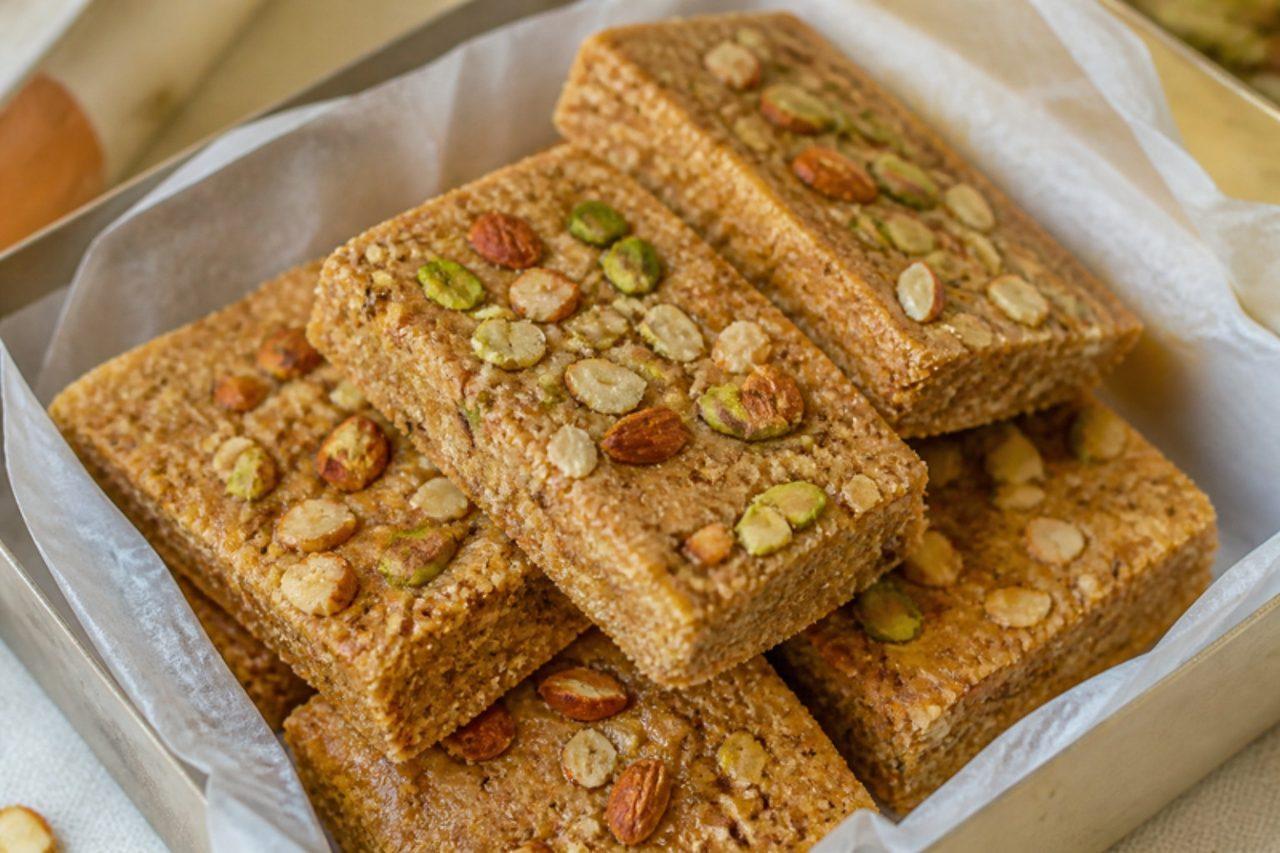
DhodhaMilk, wheat and ghee fudge

Every bus that stops in Khushab, on the road between Sargodha and the Salt Range, is met by boys carrying boxes of dhodha, the town's famous sweet and a standard gift for anyone visiting family in Punjab. It is lighter in colour and softer than habshi halwa, a moist, crumbly fudge of slowly reduced milk, a little wheat flour, ghee and sugar, packed with almonds, pistachios and walnuts and pressed into slabs about two fingers thick. The flavour is milky and nutty with a gentle caramel note, and it is sliced and eaten with tea, especially in the cold months. Where people slip up is under-reducing the milk, so the dhodha never firms and stays soft like a halwa. Chef's tip: keep stirring after you add the sugar until the mass leaves the sides of the pan cleanly and holds a ridge when you draw the spoon through it, then press it into the tin while still warm.

by KrazyBadal 0 views

KremroleCream-filled puff pastry tubes

Every Czech cukrárna, the old-fashioned pastry shop, has a tray of kremrole in the glass counter: flaky puff pastry spirals baked around metal cones and piped full of light, sweet whipped egg-white cream. Children choose them for name days and they are a Sunday coffee treat in towns all over Bohemia and Moravia. The pastry should shatter, the cream should be glossy, stiff and marshmallowy. This filling is a cooked meringue, whisked over simmering water to 70 °C, so it is safe to eat and holds its shape. A common mistake is filling the tubes too early: within a couple of hours the cream softens the crisp pastry. Pipe them just before serving. You will need 12 metal cream horn moulds. Chef's tip: overlap the pastry strips by a third as you wind them on, so the tubes do not unravel in the oven.

by KrazyBadal 0 views

Roz me'ammarCreamy clay-pot baked rice

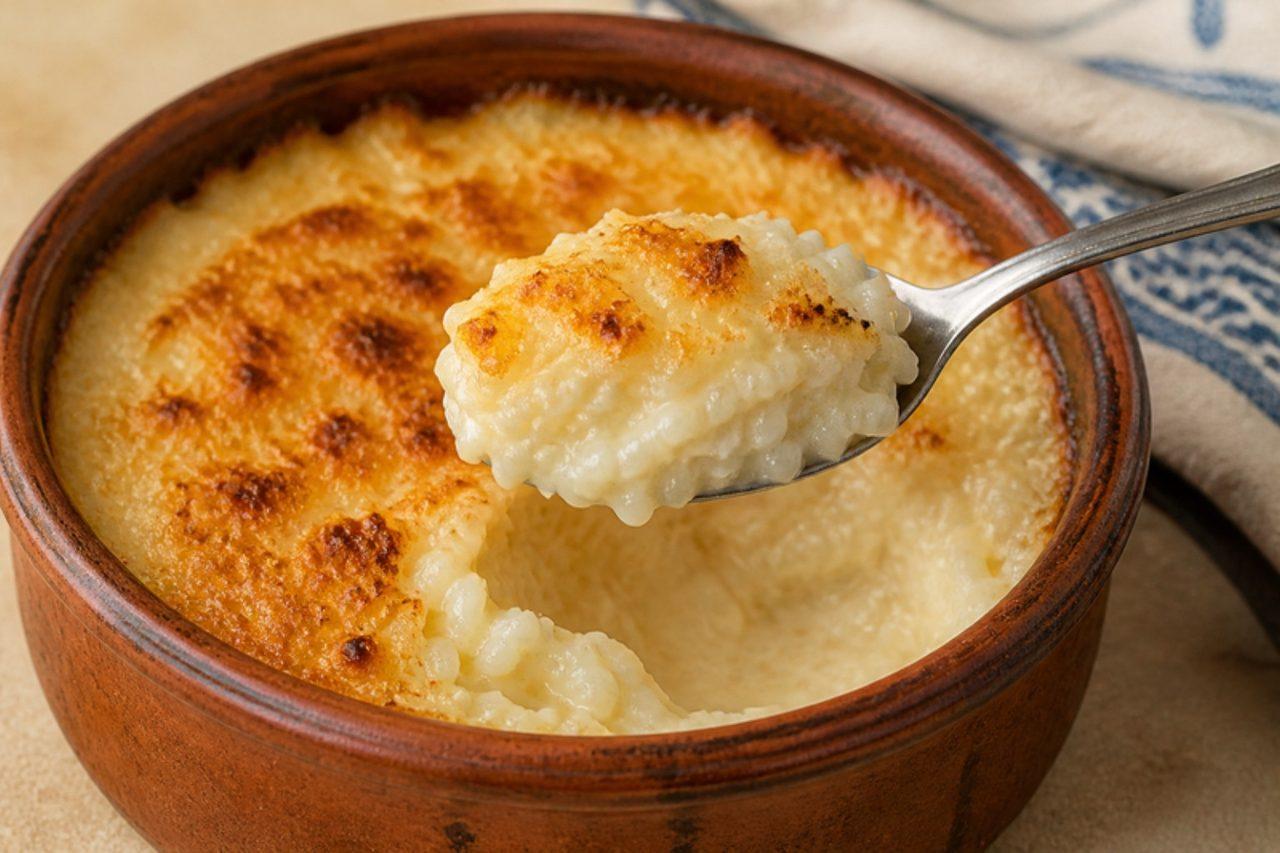
Village kitchens across the Nile Delta, from Menoufia to Sharqia, slide a clay pot of roz me'ammar into the bread oven for feasts, Fridays and Eid lunch. Short-grain rice bakes slowly in milk, cream and butter until it sets into a soft, rich block with a crisp, golden-brown crust on top that everyone fights over. In the Delta it usually comes with roast pigeon or duck; for a meat-free table it is just as good with a sharp salad, pickles and a dish of mish. Stirring it once it is in the oven is the mistake to avoid: it breaks the crust and makes the rice gluey. Chef's tip: use Egyptian or other round, short-grain rice; long-grain rice will not drink up the milk the same way.

by KrazyBadal 0 views

Bahamian cracked conchBattered fried conch

Cracked conch is the Bahamas' answer to fish and chips, served at Potter's Cay dock stalls in Nassau and family restaurants across the Out Islands: conch steaks pounded ("cracked") thin, soaked in lime, dipped in a peppery batter and fried crisp, with chips, peas 'n' rice or coleslaw. Done properly the inside is tender and sweet like calamari. The common mistake is not pounding enough, which leaves the conch chewy; it should be thin and almost lacy. Buy cleaned conch from a trusted fishmonger and discard any that smells strongly. Chef's tip: let the battered pieces rest on a rack for 5 minutes before frying so the coating sticks and stays crisp.

by KrazyBadal 0 views

Bahamian guava duffSteamed guava roll

Guava duff is the Bahamas' best-loved dessert, served at Junkanoo season, Sunday dinners and Nassau restaurants alike: a soft dough spread with sweet stewed guava, rolled up, wrapped in cloth or foil and steamed until tender, then sliced and drowned in a warm butter sauce. Traditionally the sauce has rum in it, which is only lightly cooked, so the rum version is for adults only; the vanilla sauce below makes it alcohol-free for everyone. The most common mistake is rolling the duff too tight, which stops it rising; leave room in the wrapping for it to swell. Chef's tip: sieve the guava pulp to remove the hard seeds, and keep the thick paste for the filling.

by KrazyBadal 0 views

ErgoSoured milk

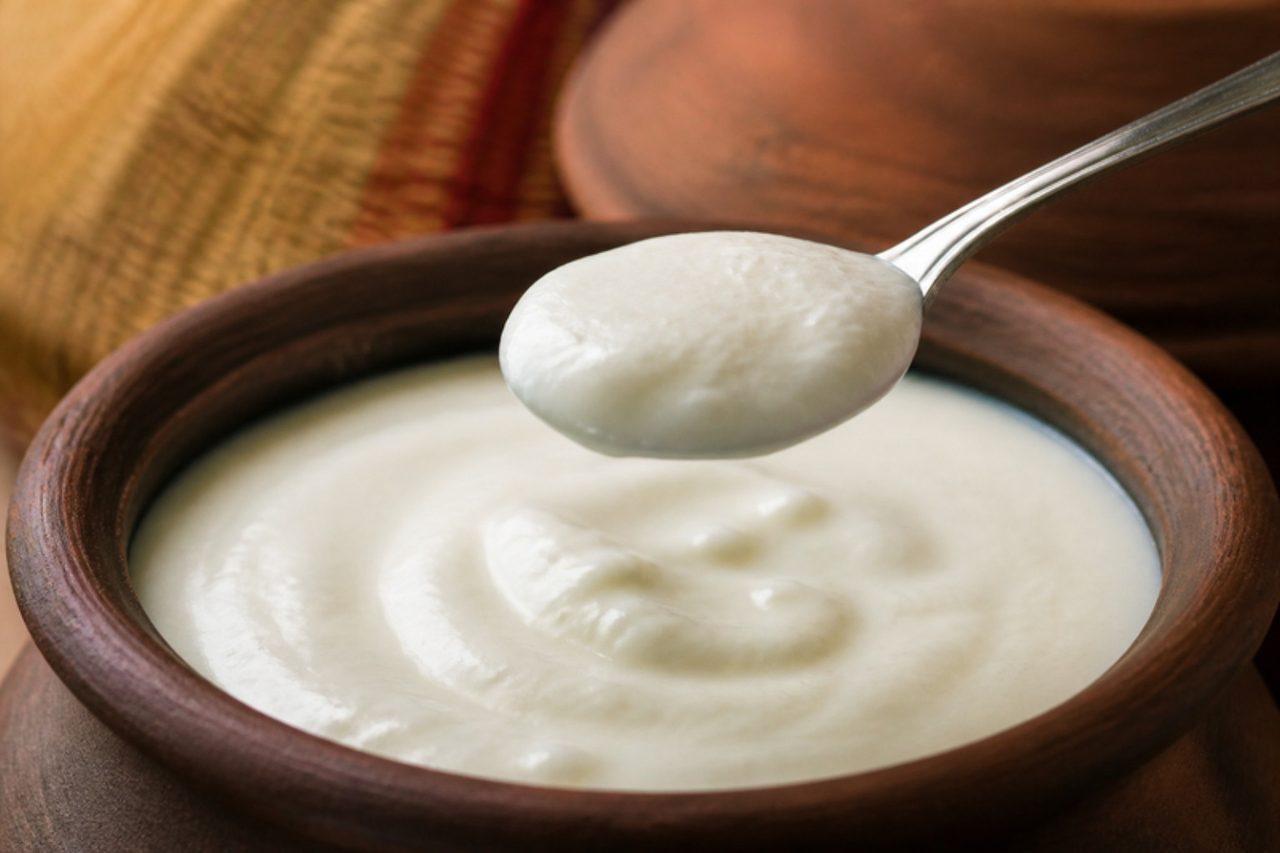
Cattle-keeping families across rural Ethiopia leave fresh milk to thicken in smoked clay pots or gourds, and the result, ergo, is tangier and looser than yoghurt, somewhere between set buttermilk and a soft curd. It is spooned beside a spicy kitfo or wat to calm the heat, eaten for breakfast with bread, or drunk as it is on hot afternoons. The traditional way relies on raw milk souring by itself, which is not safe to copy at home; this version uses pasteurised whole milk with a spoon of live buttermilk or yoghurt as the starter, so the right bacteria do the work. Allow about 24 hours at room temperature for it to set. Chef's tip: keep it somewhere steady at 22–26 °C; too cool and it barely thickens, too warm and it separates into whey and lumps.

by KrazyBadal 0 views

Bahamian stew fishGrouper in roux gravy

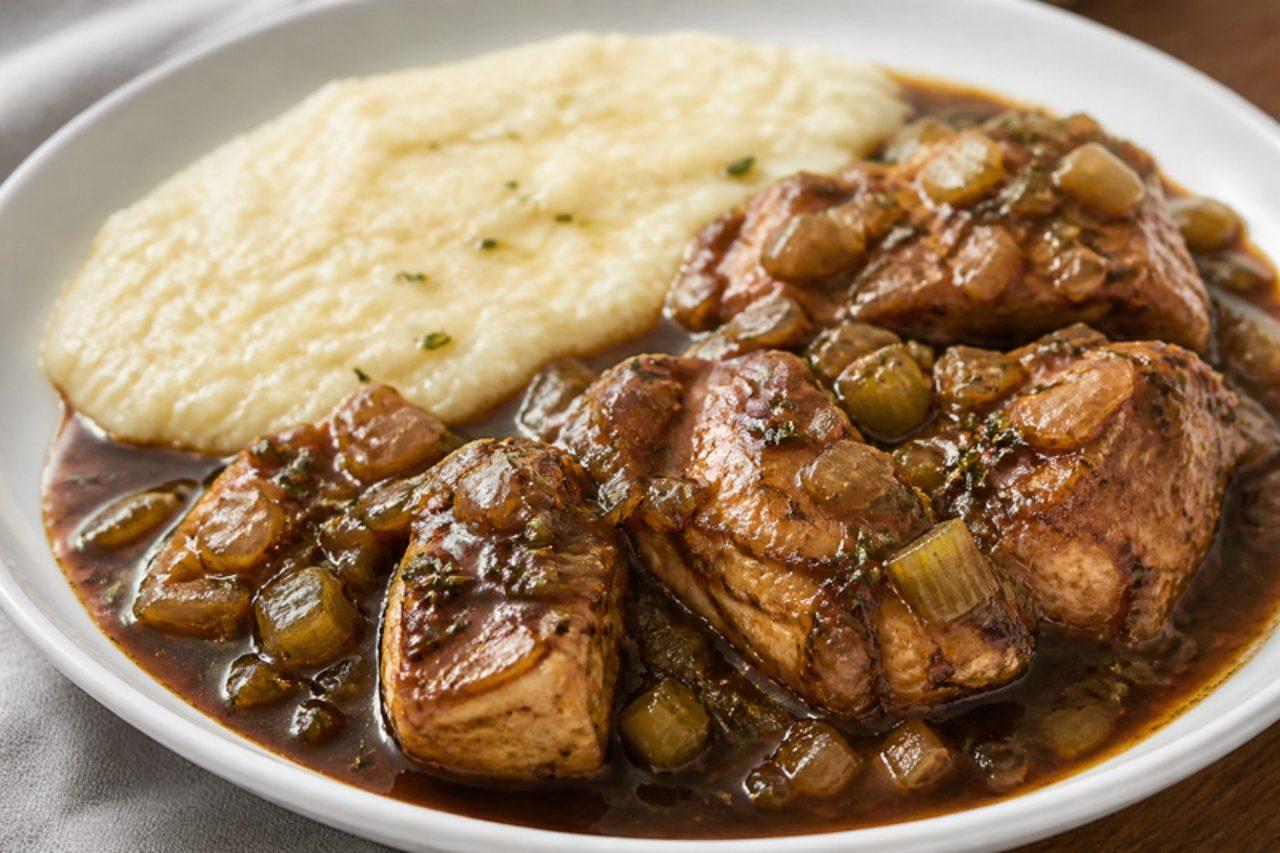
Bahamian stew fish is old-fashioned Sunday breakfast in Nassau and the Family Islands: firm fish such as grouper or snapper simmered in a dark brown gravy built on a flour-and-oil roux, with onion, celery, tomato and thyme, served over grits or with johnnycake. The flavour is deep, savoury and a little smoky from the browned flour. The usual mistake is a pale roux; cook the flour slowly until it is the colour of milk chocolate, but don't let it burn. Ask for thick fish steaks or fillets. Chef's tip: stir the roux with a flat wooden spatula so you can scrape every corner and keep it browning evenly.

by KrazyBadal 0 views

Bahamian switchaKey lime drink

On Bahamian porches and at Fish Fry stalls in Nassau, switcha is the everyday cooler: fresh key limes squeezed with sugar and cold water, stirred up in a big jug with plenty of ice. It's sharper and more fragrant than lemonade, and you'll see the lime halves floating in the jug. The usual mistake is putting sugar straight into cold water, where it sinks undissolved: make a quick syrup first. Chef's tip: drop a few squeezed lime halves into the jug for 10 minutes for extra aroma, then take them out before the pith turns it bitter.

by KrazyBadal 0 views

Kalai rutiUrad dal and rice flour bread

In Chapai Nawabganj and Rajshahi, kalai ruti stalls fire up as the weather turns cold, and the bread has become such a regional symbol that people from Dhaka make the trip just to eat it. Flour ground from mashkalai, or urad dal, is mixed with rice flour and hot water, then patted by hand between wet palms into thick rounds and baked on a clay tawa until speckled and toasty. The texture is dense, soft and slightly chewy, with an earthy, nutty taste. It is always eaten with something sharp: a raw bhorta of onion, green chilli and mustard oil, a smoky begun bhorta, or duck or beef curry in winter. Over-wet dough is what defeats most first attempts; it should be soft but hold its shape when patted. Chef's tip: keep a bowl of water beside you and wet your palms before shaping each ruti, which stops sticking and gives the characteristic smooth surface.

by KrazyBadal 0 views

MuhammarSweet saffron rice

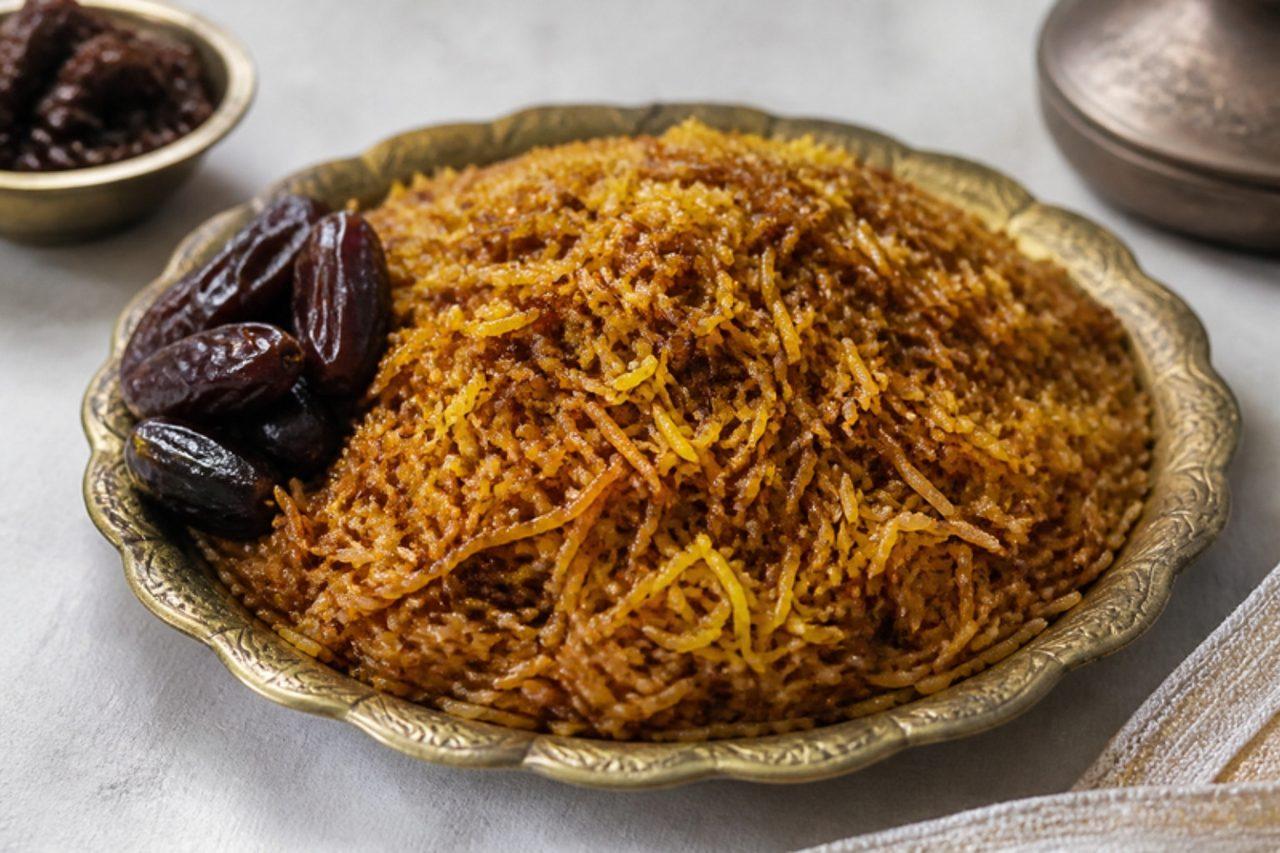
Muhammar is a golden, gently sweet rice from Bahrain, cooked with date syrup or sugar, saffron and rosewater, and its natural partner is fried or grilled fish, especially safi or hamour, so that the sweet rice and the salty, crisp fish balance on the same plate. It is a Friday lunch and Ramadan dish in Manama and Muharraq, and each family argues for its own ratio of sweetness. The grains should be separate and glossy with a faint caramel colour, not sticky. The most common error is boiling the rice too long before steaming, which turns it mushy once the sugar goes in. Chef's tip: let a thin crust form on the base during the steam; Bahrainis prize those crunchy sweet bits.

by KrazyBadal 0 views

Ambarella curryJune plum curry

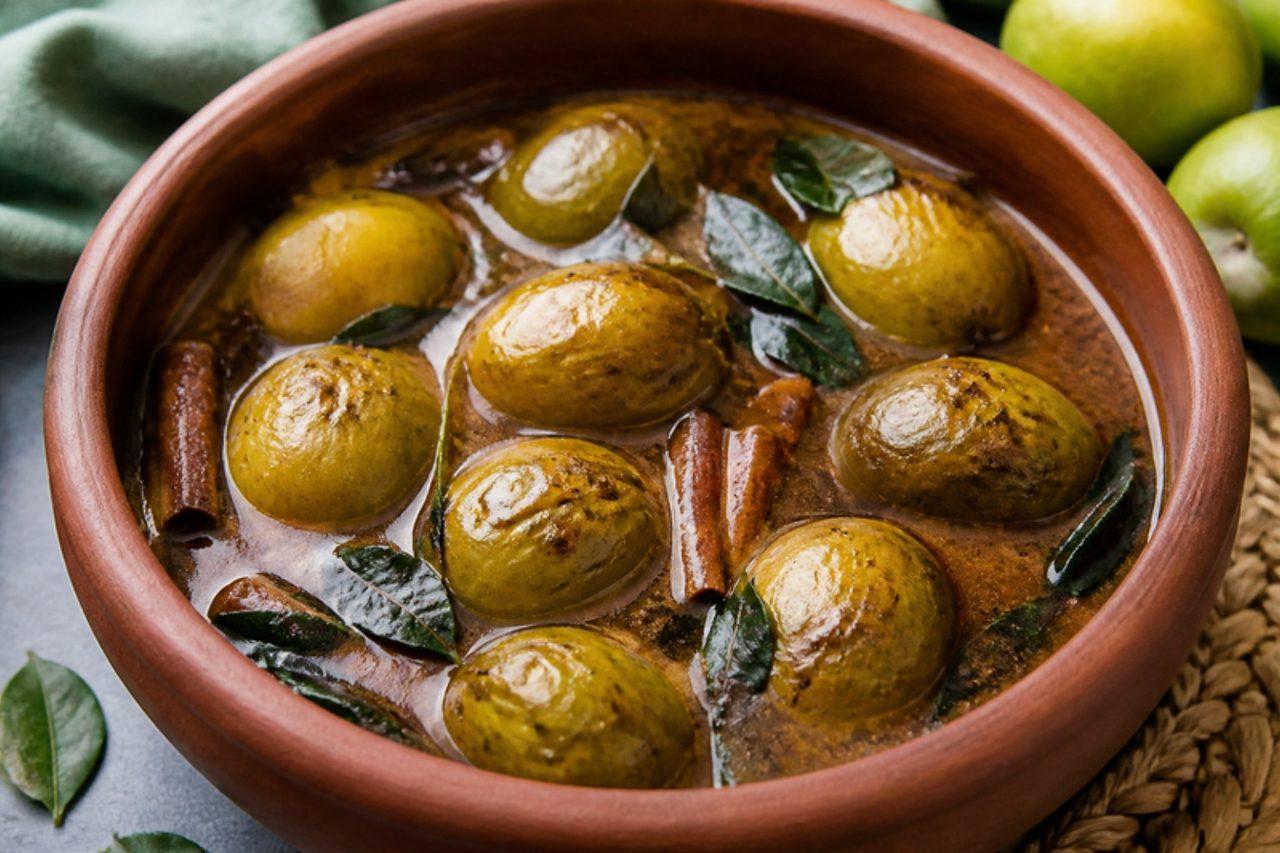
Ambarella trees, heavy with green, plum-sized fruit, shade countless gardens around Galle, and when the crop comes in, cooks turn the sour, crunchy fruit into this sweet-sour curry for Sunday lunch and family gatherings. The fruits are scored and cooked whole with roasted curry powder, garlic, cinnamon and cloves, then sweetened with sugar and finished in coconut milk, until the flesh softens and drinks in the dark, glossy gravy. Its tangy, fruity flavour cuts through richer dishes, and it is served in small portions with rice alongside a dhal and a meat or fish curry. Each fruit hides a spiky, fibrous stone, so warn guests to nibble around it. Leaving the skins whole and unscored is where many go wrong, because the spices never get in; make several deep cuts in each fruit. Frozen ambarella is sold in Sri Lankan shops; firm green mango is the nearest stand-in. Chef's tip: let the curry rest for an hour before serving, as the fruit keeps soaking up flavour.

by KrazyBadal 0 views

BozartmaLamb stew with tomato and saffron

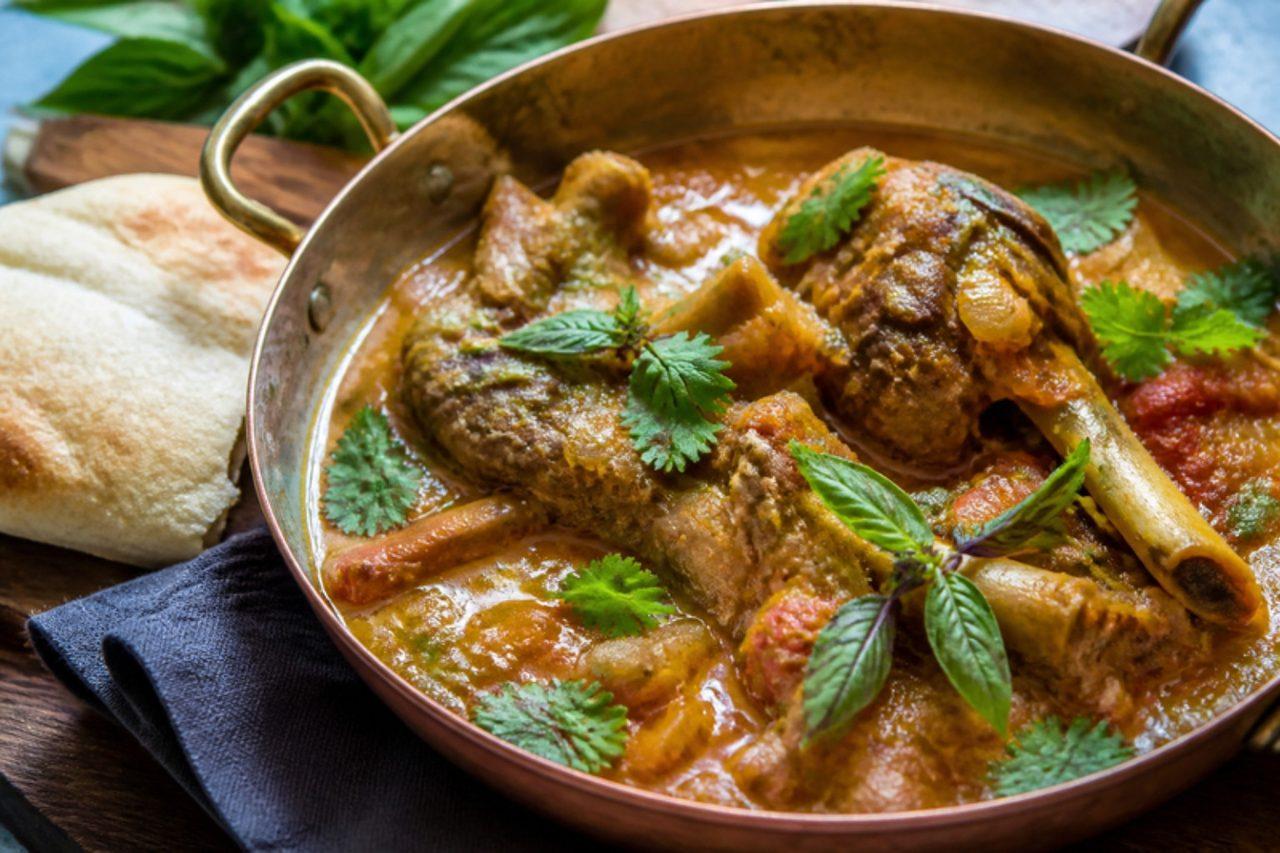
Bozartma comes from Ganja, Azerbaijan's second city at the foot of the Lesser Caucasus, where lamb on the bone is browned and then stewed with a mountain of onions and tomatoes until the sauce turns thick and red-gold with saffron. The name hints at the browning (boz, 'grey-brown'), and Ganja cooks say the onions must melt completely. It is eaten with bread and greens, and a chicken version is common too. A common mistake is adding water; the onions and tomatoes give all the liquid needed. Chef's tip: cook it uncovered for the last 15 minutes, until the fat rises to the top; that is how Ganja cooks know bozartma is ready.

by KrazyBadal 0 views

Ful nabitSprouted fava bean soup

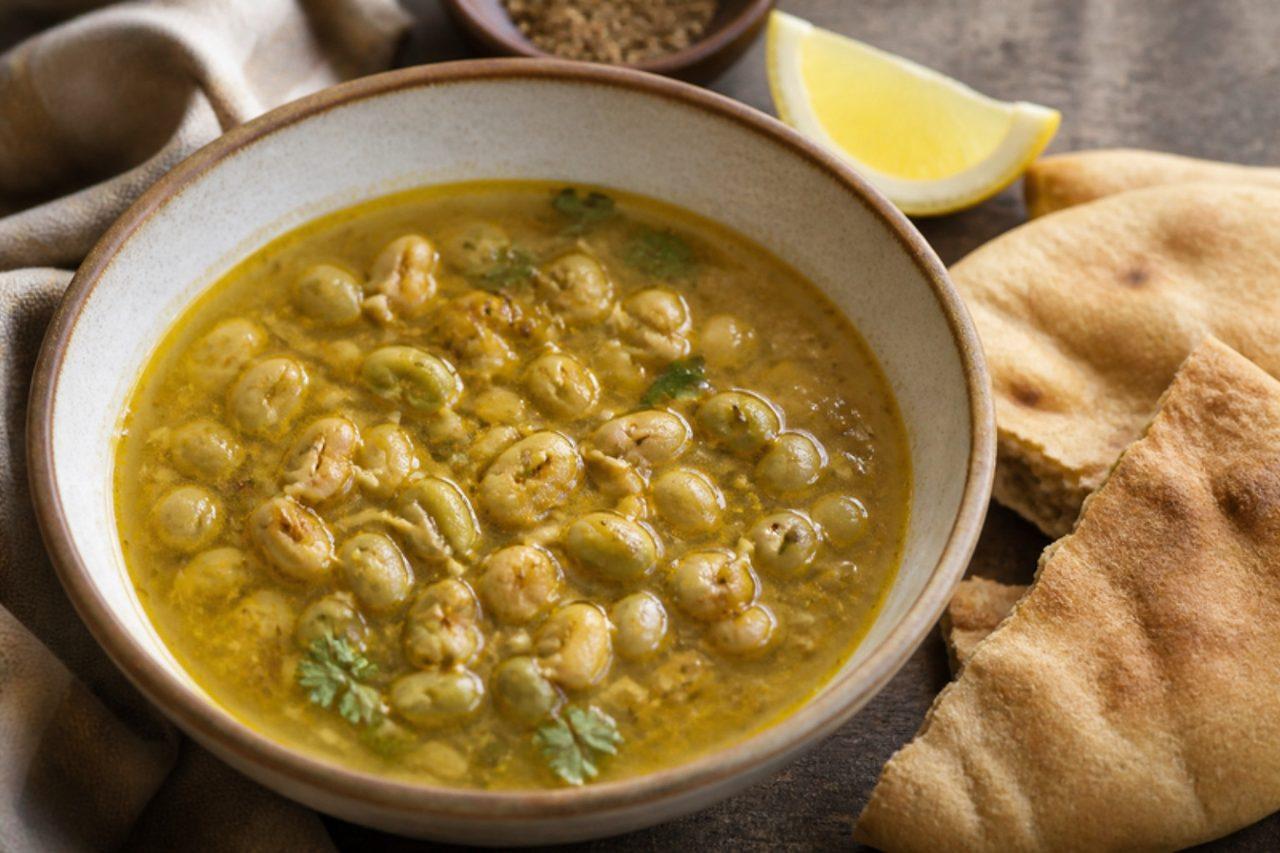
Sprouted beans are ladled out with their cooking liquor in Cairo homes when the weather turns cold or someone is feeling run down, and Egyptians swear by the broth as a pick-me-up. The beans are soaked and left to sprout for a few days, then simmered with onion, garlic and cumin into a light, earthy soup that is sharpened at the table with plenty of lemon. You can eat the beans with a spoon or pop them from their skins. Allow 3 to 4 days for sprouting, although the hands-on work is only about 20 minutes. People with G6PD deficiency (favism) must not eat fava beans. Chef's tip: stop the sprouting when the shoots are about 1 cm long; longer sprouts taste grassy and bitter.

by KrazyBadal 2 views

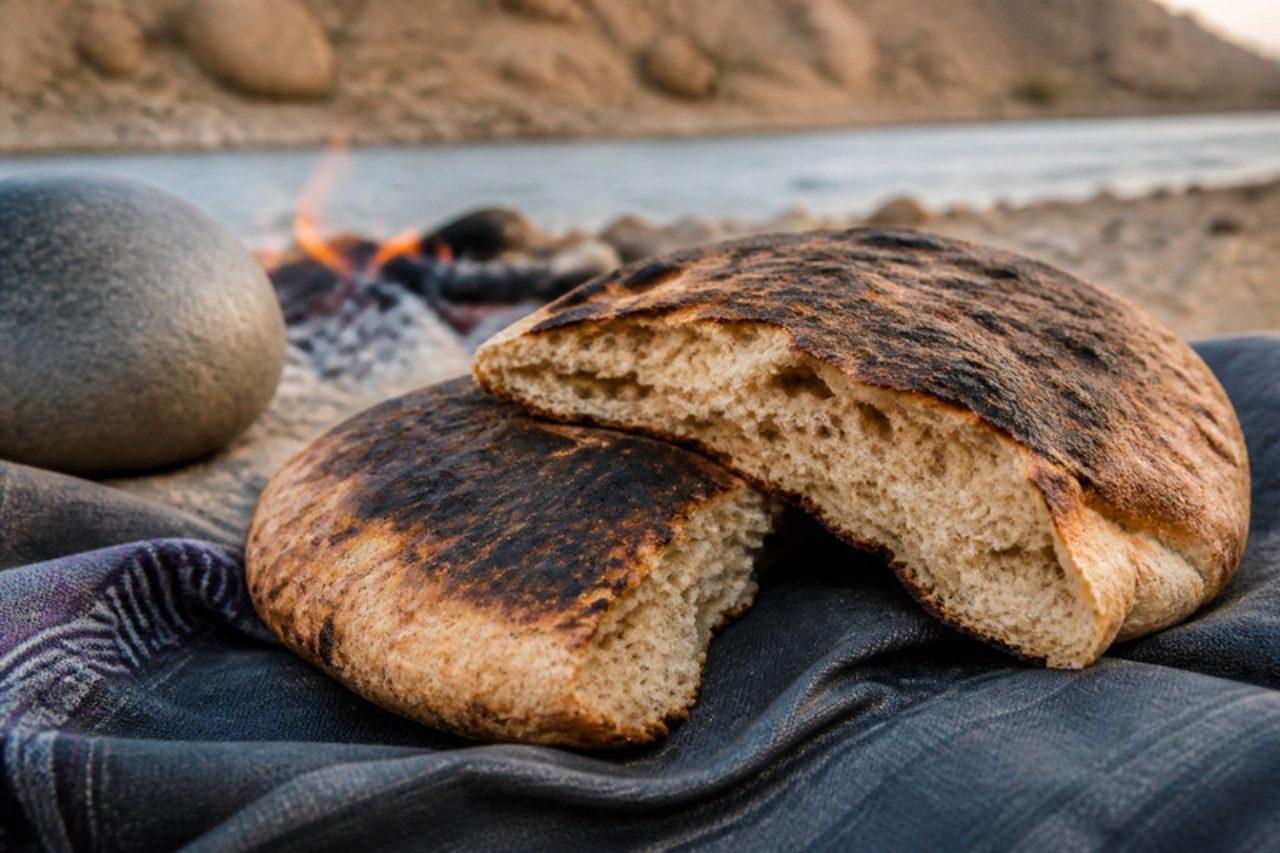
Balochi kaakSmoky wholewheat bread

Out in the hills of Balochistan, from Kalat to the passes above Quetta, kaak is shepherds' and travellers' bread: dough wrapped around a smooth river stone that has been heated in the fire, then propped among the embers until a thick, smoky crust forms and the stone cooks it from inside too. It is served torn into chunks alongside sajji, the slow-roasted lamb of Balochi feasts, or with yogurt and tea on the road. This version is for a home oven: the dough is shaped into a thick round and baked on a very hot tray or stone, then finished over a flame for that charred, campfire taste. Under-heating is the main pitfall, giving a pale, heavy loaf. Chef's tip: preheat the tray in the oven for a full 30 minutes. If you try the stone method outdoors, use only dense, dry stones never taken from water, as wet or porous stones can crack violently when heated.

by KrazyBadal 0 views

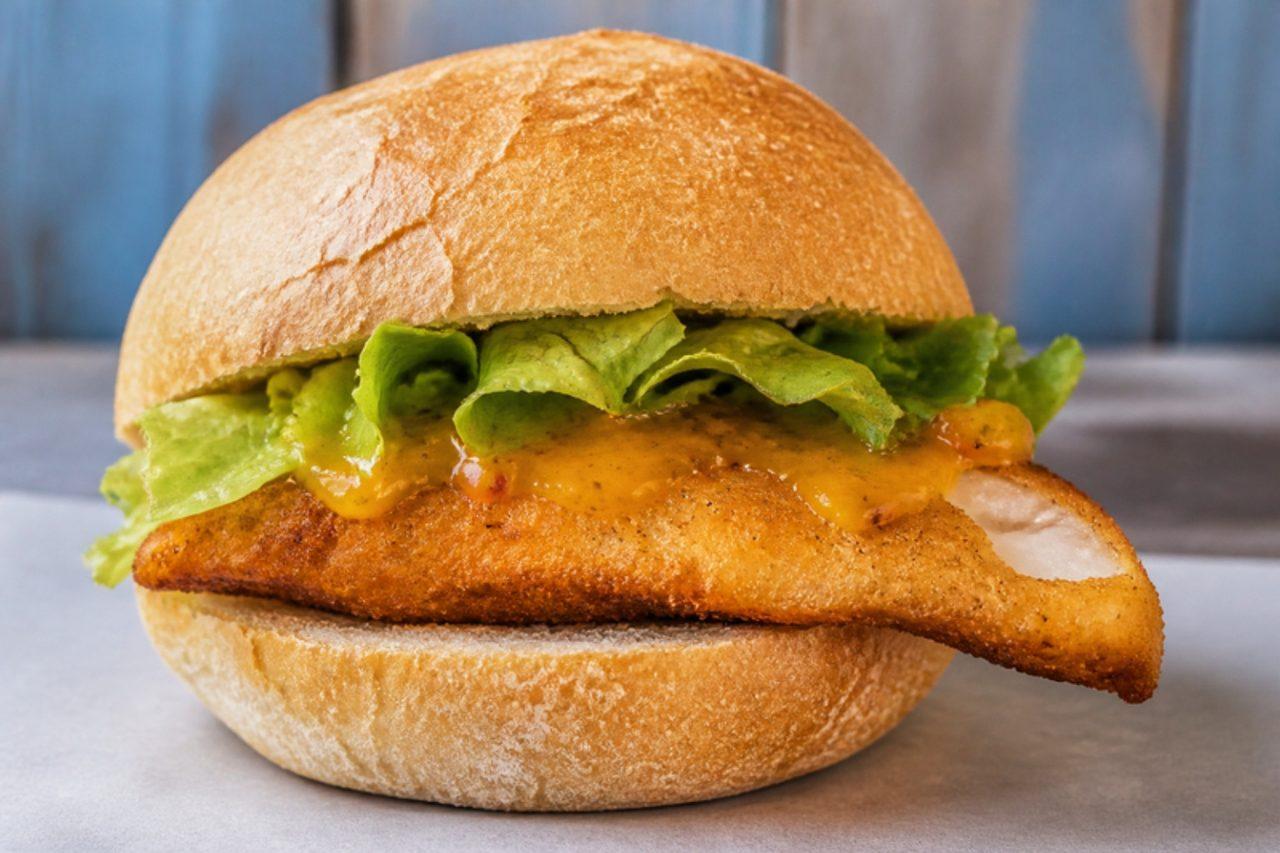
Bajan fish cutterFried flying fish sandwich

Around Barbados a "cutter" is any sandwich in a salt bread roll, and the fish cutter is the lunch people queue for at beach bars from Oistins to Bathsheba: a piece of flying fish (or mahi-mahi, called dolphin locally) seasoned with Bajan seasoning, crumbed, fried crisp and stuffed into a split roll with lettuce, tomato and a dab of fiery yellow pepper sauce. The fish should be juicy and the crust shattering. The usual mistake is frying too cool, which makes the coating greasy; keep the oil hot and fry in small batches. Use flying fish fillets if you can find them frozen, or any thin white fish. Chef's tip: rub a little of the frying oil over the cut sides of the rolls and toast them in a dry pan, so the bread doesn't go soggy under the fish.

by KrazyBadal 0 views

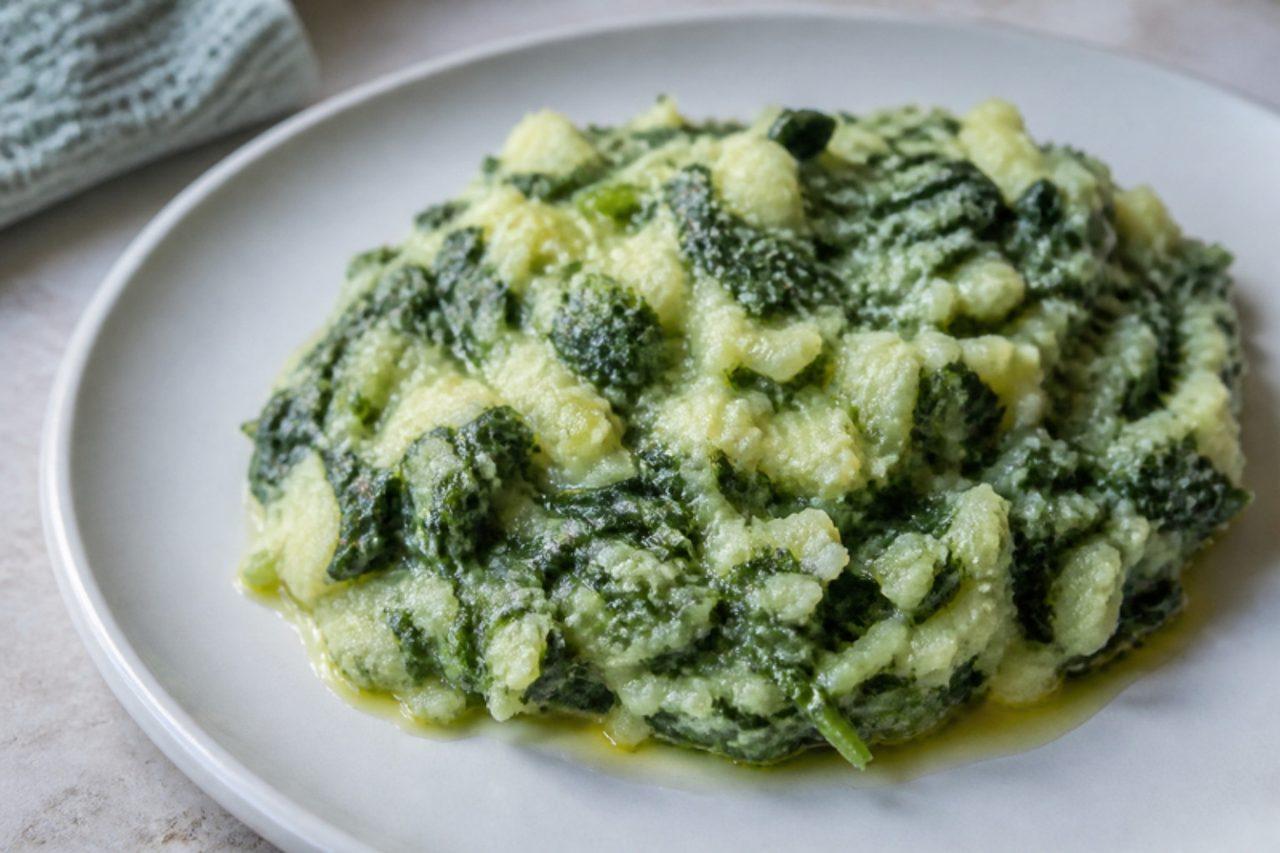
BlitvaSwiss chard and potatoes

Order grilled fish in any konoba along the Dalmatian coast of Croatia, from Zadar down to Dubrovnik, and a heap of blitva usually comes with it. Swiss chard and potatoes are boiled together until soft, then crushed roughly with lots of good olive oil and a little garlic, so the potatoes turn creamy and the chard stays silky and green. It is humble, quick and very good, also with grilled vegetables, eggs or a simple bean dish. The usual slip is not draining well enough, which leaves a watery, grey mush; let everything steam dry in the colander for a minute. Chef's tip: use the best olive oil you have and add a final drizzle at the table, as Dalmatians do, so its peppery taste stays bright.

by KrazyBadal 0 views

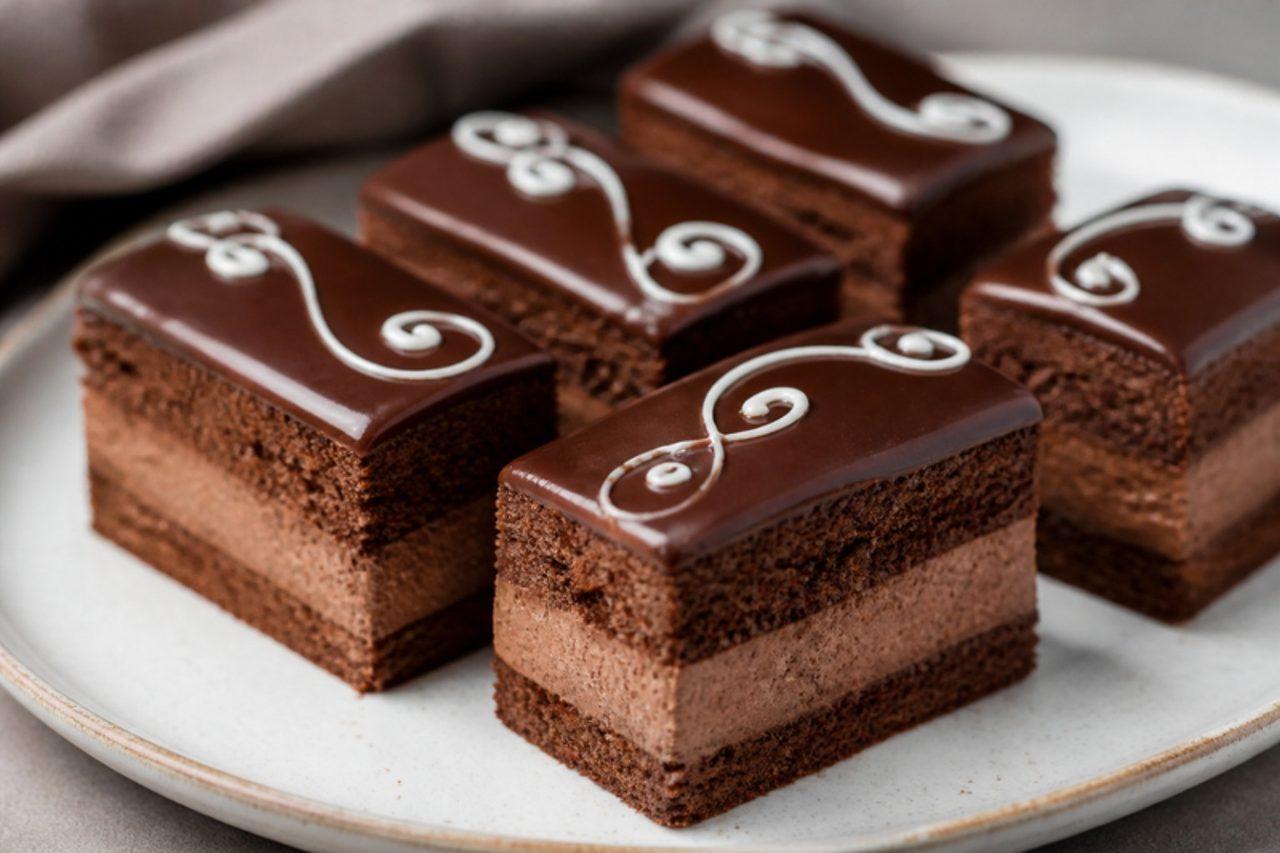
AmandineChocolate sponge cakes

Every Bucharest cofetărie keeps a tray of amandine in the glass case, neat dark oblongs that generations of schoolchildren have bought with their pocket money. Despite the almond-sounding name there are no almonds in them: a cocoa sponge is split, soaked with a cocoa syrup, sandwiched with a rich chocolate custard buttercream and coated in a shiny ganache. Bakeries traditionally add rum to the syrup; this version is alcohol-free and uses vanilla and orange zest instead, though you can add 2 tablespoons of rum if you like. A common mistake is soaking the sponge while the syrup is still hot, which turns it to mush; both should be cool. Chef's tip: chill the filled cake until really firm before glazing and cutting, and wipe the knife hot between each cut for clean edges.

by KrazyBadal 0 views

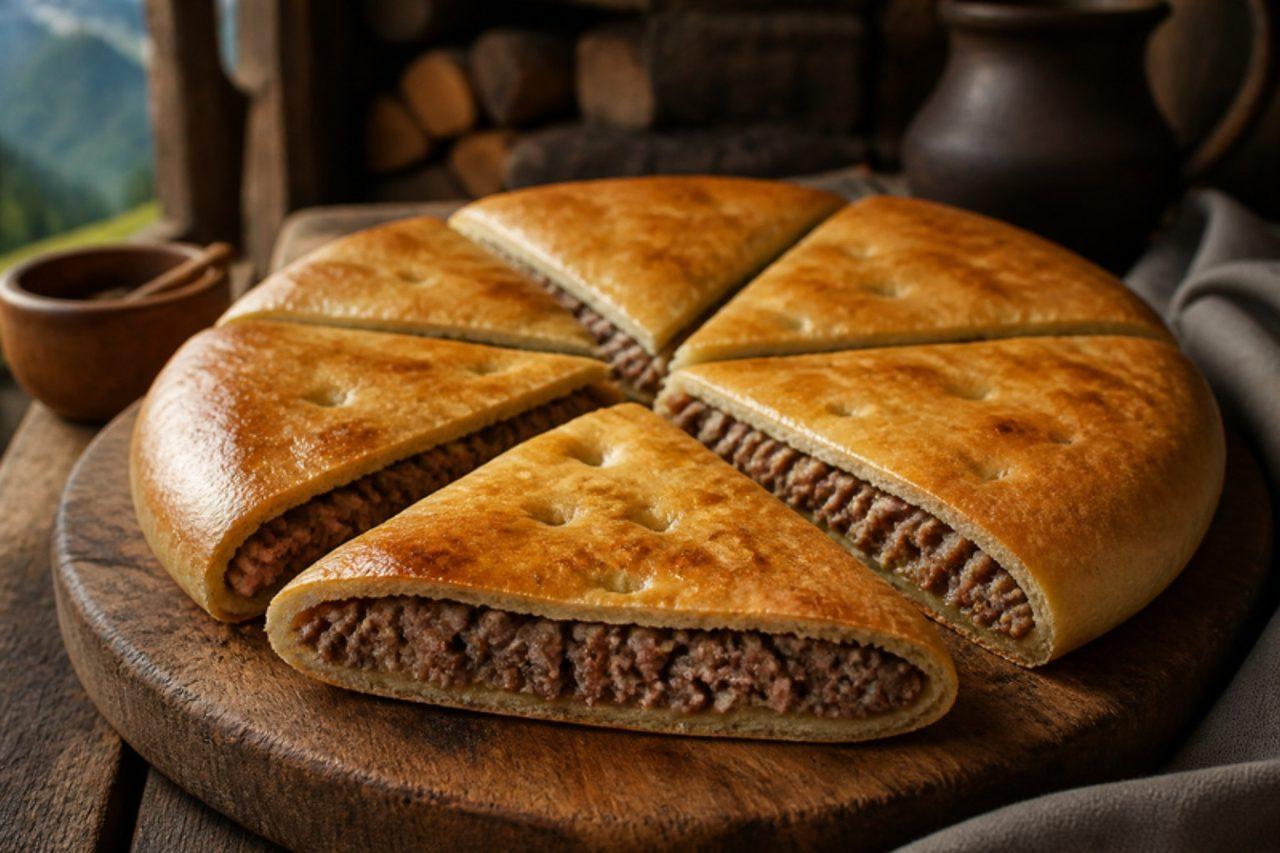
KubdariBeef-stuffed bread

Kubdari is the meat bread of Svaneti, the highest inhabited region of the Caucasus, where hunters and herders needed a pie that would keep them going on the slopes around Mestia: a plain, soft dough wrapped around hand-chopped beef, onion and Svan salt fragrant with blue fenugreek and coriander, then flattened and baked until juicy inside. Some families mix in pork; this version uses beef. A common mistake is using minced meat; hand-chopped pieces stay juicy and give kubdari its texture. Chef's tip: add a spoon of cold water to the filling, which turns to steam in the oven and keeps the meat moist. The filling needs to reach 71 °C.

by KrazyBadal 0 views

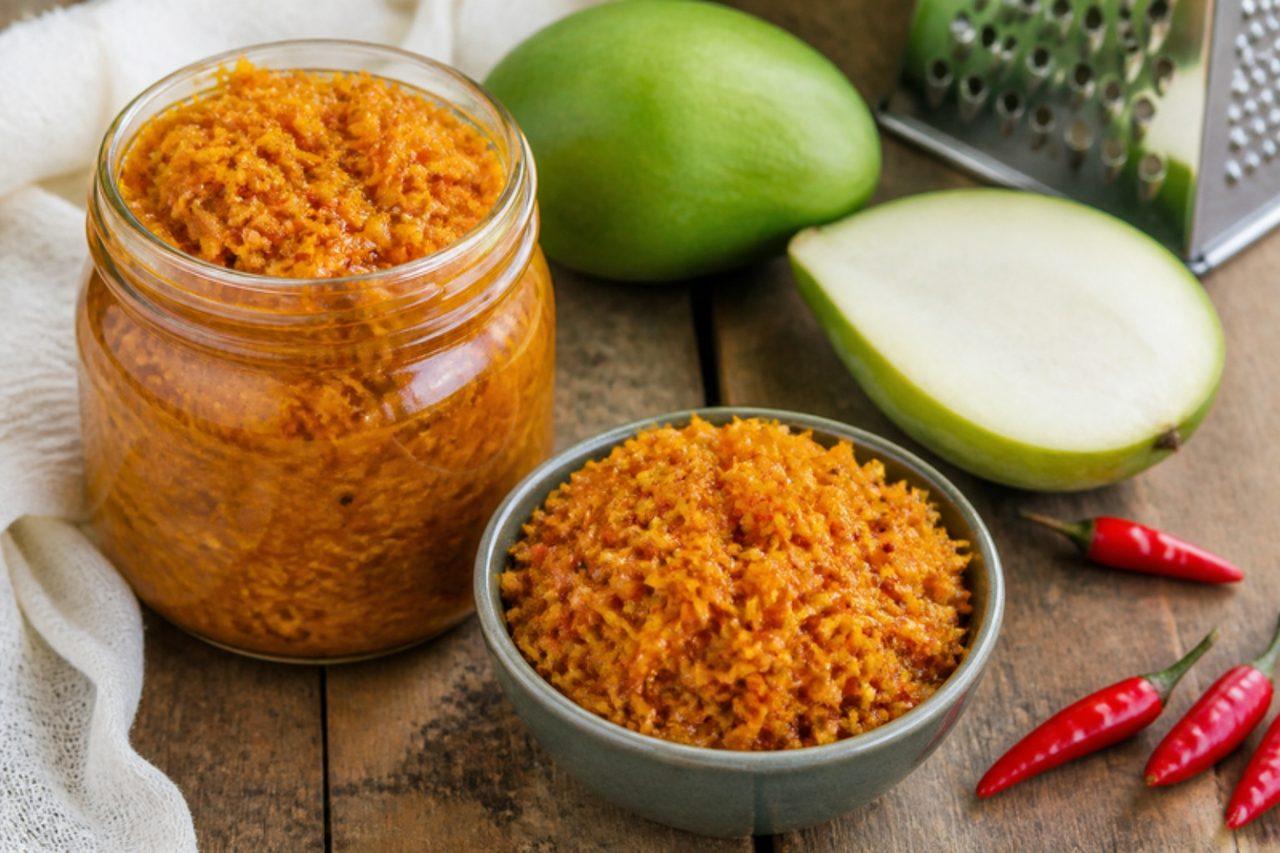
KuchelaSpicy green mango relish

Kuchela is the dark, oily, intensely sour mango relish that sits in a jar on almost every south Trinidad table, spooned beside roti, dhal and rice, curry or doubles. Green mango is grated, squeezed and dried until leathery, then cooked in mustard oil with amchar masala, garlic and scotch bonnet until almost black. The common mistake is skipping the drying; wet mango stews instead of frying and the relish goes mouldy quickly. Mustard oil is traditional; heat it to smoking first to mellow it. Chef's tip: wring the grated mango in a cloth with real force; the drier it is before it hits the oil, the longer the kuchela keeps.

by KrazyBadal 0 views

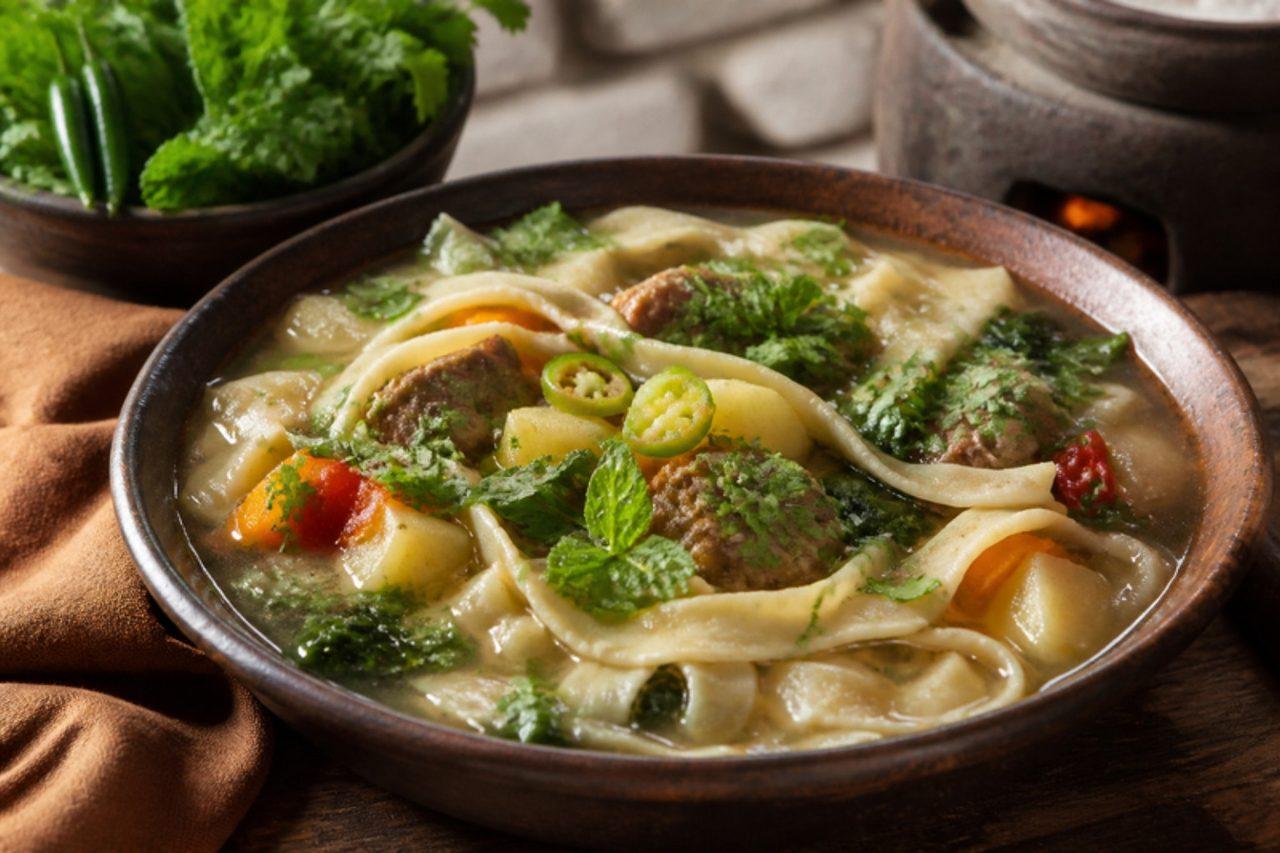
DaudoHand-cut noodle soup with mutton

Once snow closes the passes into Hunza and the apricot trees are bare, families gather around a pot of daudo: a mutton broth thick with short, hand-rolled wheat noodles, potatoes, carrots, spinach and plenty of fresh coriander and mint. It is everyday mountain food, eaten for supper from deep bowls and passed to anyone who comes in from the cold, sometimes with a spoonful of local apricot-kernel oil on top. The noodles are rough and chewy, the broth peppery and green with herbs. Adding the noodles too early leaves them swollen and the soup gluey, so keep them for the last few minutes. Chef's tip: for a vegetarian version, simmer the vegetables in a good vegetable stock and add a handful of chickpeas instead of the mutton.

by KrazyBadal 0 views

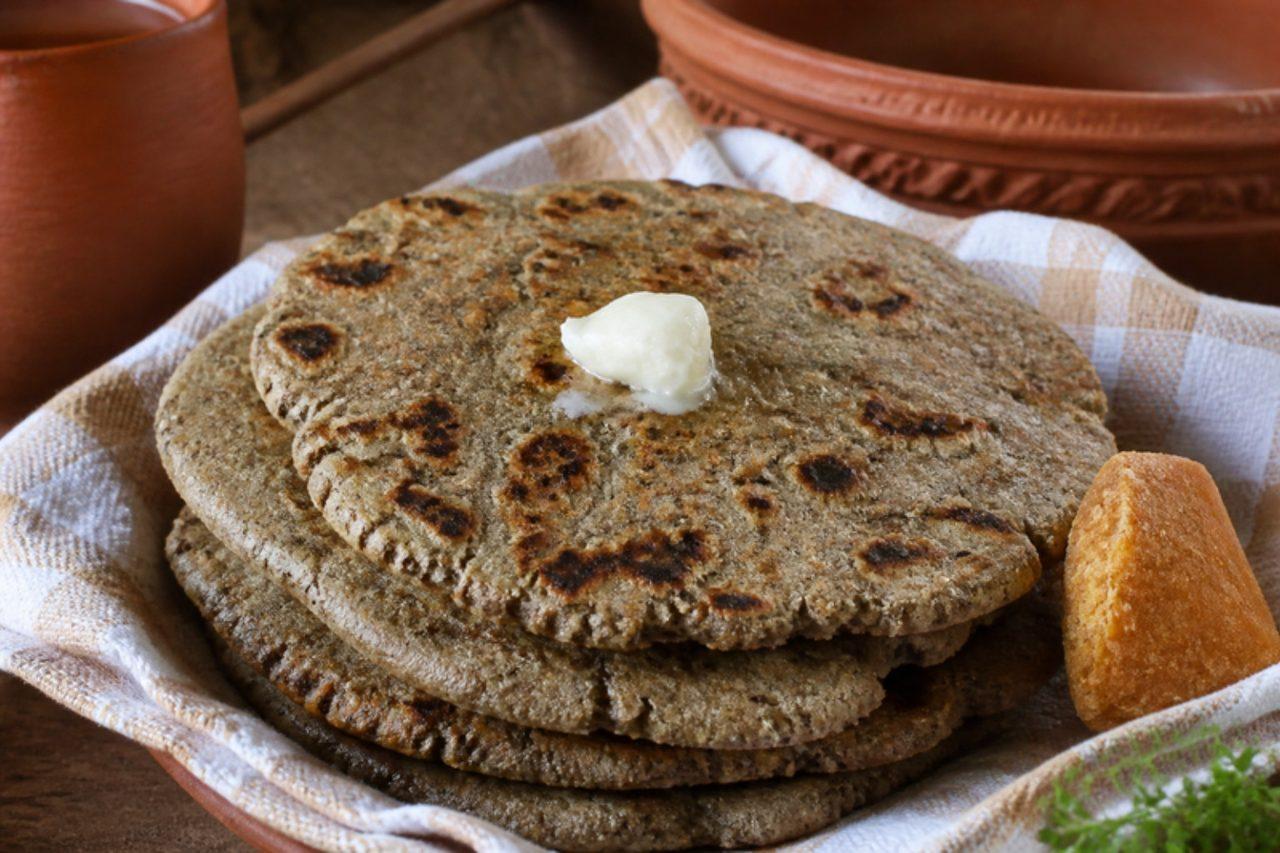
Bajre di rotiPearl millet flatbread

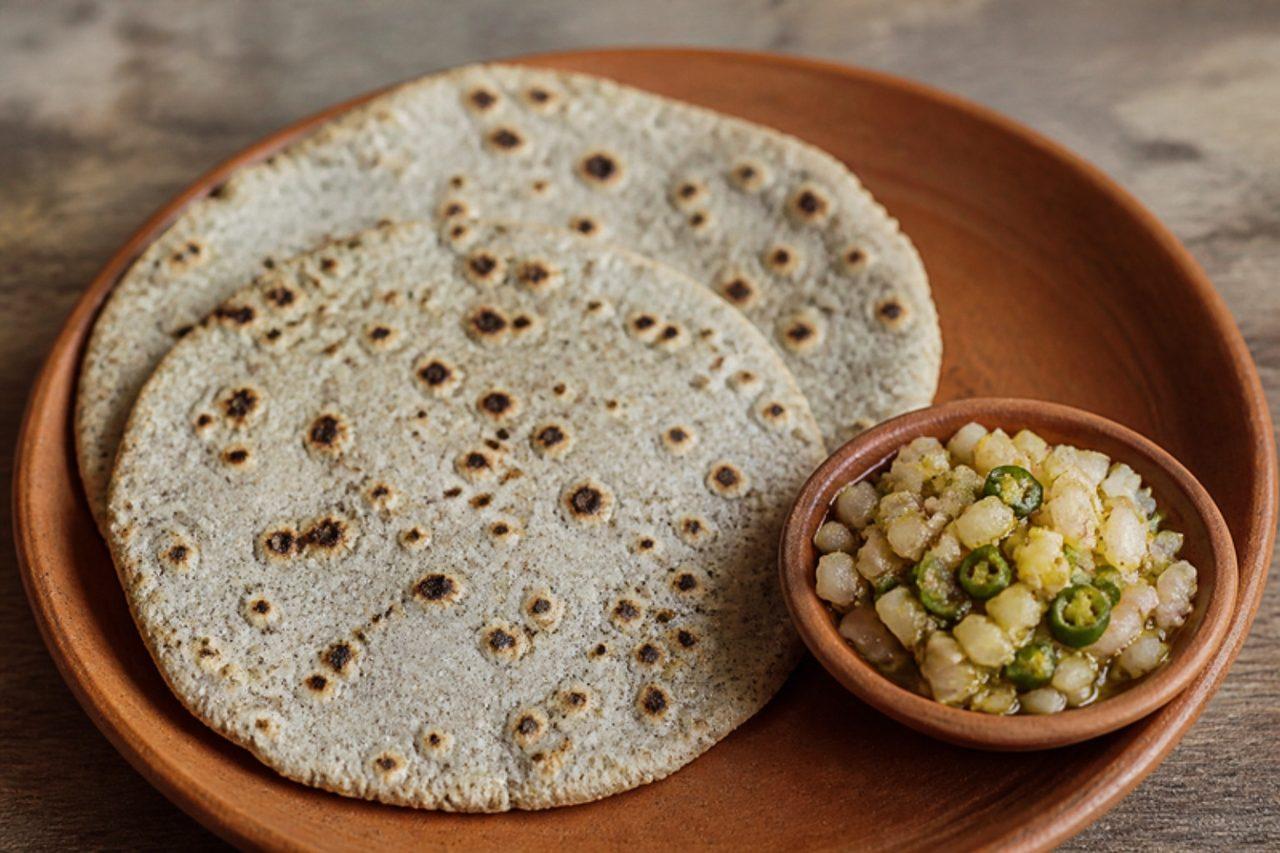
Pearl millet grows where wheat gives up, in the sandy fields on the edge of the Cholistan desert around Bahawalpur, and there bajre di roti is the bread of winter, thick, grey-green and earthy with a slightly sweet, nutty taste. Because millet has no gluten, the dough is kneaded one roti at a time and patted out between wet palms rather than rolled, which takes a little practice but no special equipment. In village homes it is eaten hot with a lump of white butter or ghee and a piece of jaggery, or with sarson ka saag and a bowl of lassi; for a vegan meal, serve it with saag cooked in oil. Making all the dough at once is the classic error: millet dough dries and cracks within minutes. Chef's tip: knead each portion fresh with warm water and the heel of your hand until it feels smooth and slightly sticky, like soft clay.

by KrazyBadal 0 views

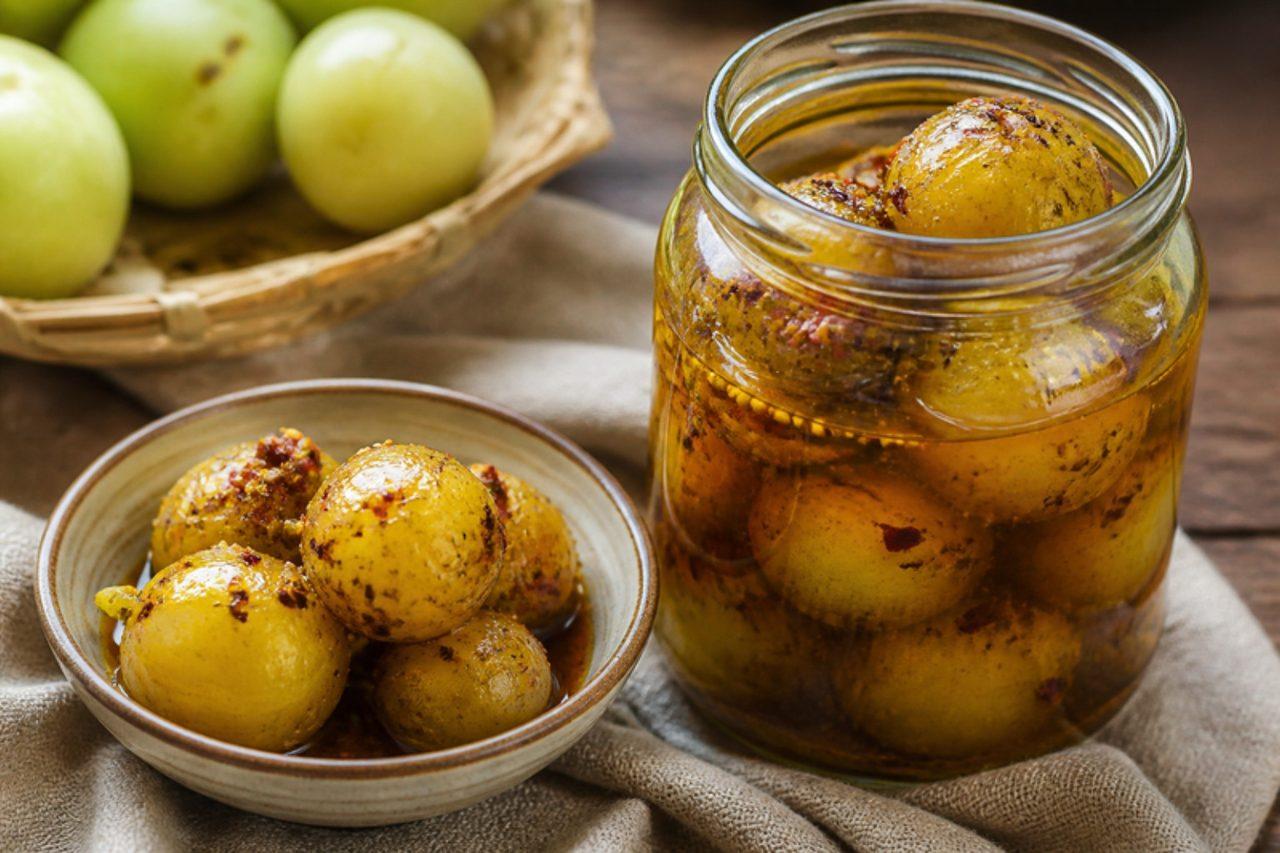
Amala ko acharGooseberry pickle

Amala trees grow wild across the Chure hills and the lower valleys of Nepal, and in winter the hard, translucent green gooseberries are piled high in vegetable markets in Kathmandu, Hetauda and Butwal, prized as a source of vitamin C during the cold months. Steamed until they split into neat segments, then mixed with chilli, turmeric, fenugreek and hot mustard oil, they make a pickle that is crunchy, astringent, sour and spicy all at once, with a lingering sweetness that comes up after each bite. A spoonful goes alongside dal bhat or with a plain bowl of rice porridge when someone is unwell. The trap to avoid is steaming the berries too long, which turns them mushy and dull. Chef's tip: stop as soon as the first cracks appear on the skins; the segments should pull off the stone easily but still have a firm bite.

by KrazyBadal 0 views

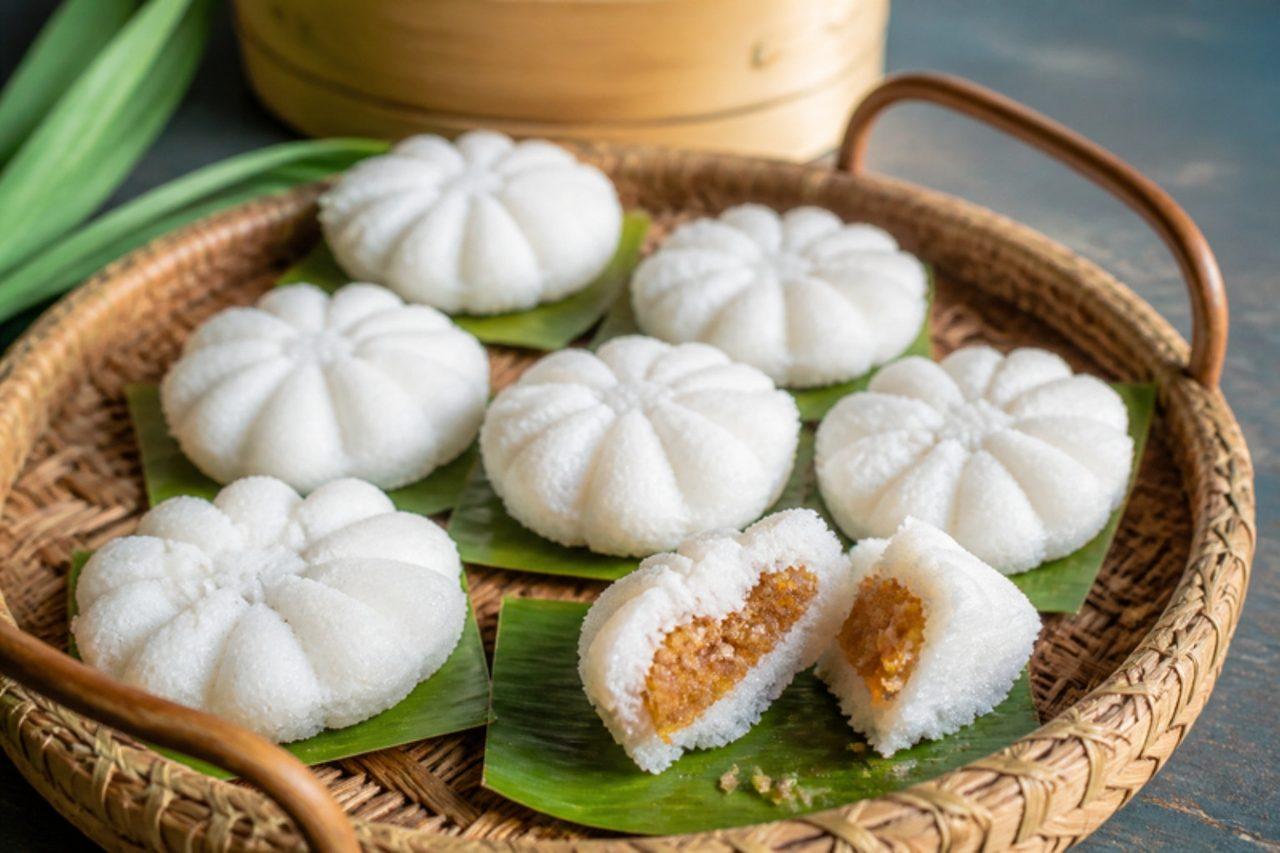
Kueh tutuSteamed rice flour cakes

Pushcart sellers at Tanjong Katong and the old kampungs once made kueh tutu to order, and a few stalls in Queenstown and at Chinatown Complex still do: loose, fragrant rice flour is packed into small flower-shaped wooden moulds around a spoon of sweet ground peanut or brown-sugar coconut, steamed for barely three minutes on a cloth, then tipped onto a square of pandan leaf. Bite in and the white crumb dissolves, light and powdery-soft, around the crunchy or sticky centre. They are an afternoon snack, sold by the half-dozen and eaten warm on the spot. The usual mistake is making the rice flour too wet; it should feel like damp sand that just holds when squeezed, or the cakes turn dense and gummy. Chef's tip: toast the rice flour in a dry pan first and cool it; the cakes smell nuttier and the crumb steams up lighter.

by KrazyBadal 0 views

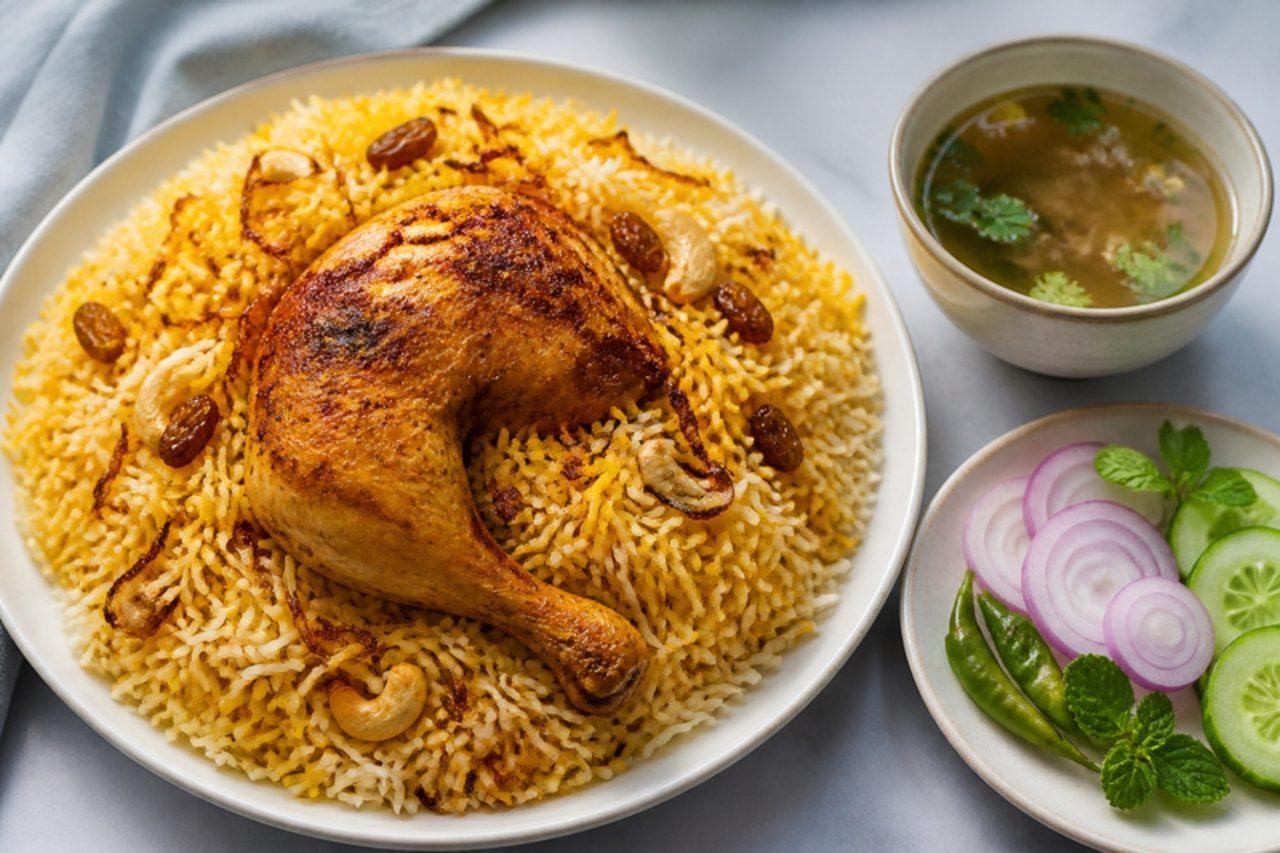
DanbaukChicken biryani

Weddings, birthday donations and the Friday lunch crowd after mosque prayers in downtown Yangon all call for danbauk, the Burmese take on biryani brought by the city's Indian-Muslim families. It is gentler than most South Asian versions: long grains scented with cardamom, cloves and butter, tender yoghurt-marinated chicken hidden underneath, and a crown of fried onions, plump raisins and golden cashews. Every plate comes with a bowl of sour onion, cucumber and green-chilli salad that cuts through the richness, and often a thin sour soup on the side. The usual slip is boiling the rice fully before layering; it then turns to mush during the slow steam, so pull it while each grain still has a chalky white core. Chef's tip: once the pot is sealed, leave the lid alone and dig in from the side at the table so every scoop brings up chicken and rice together.

by KrazyBadal 0 views

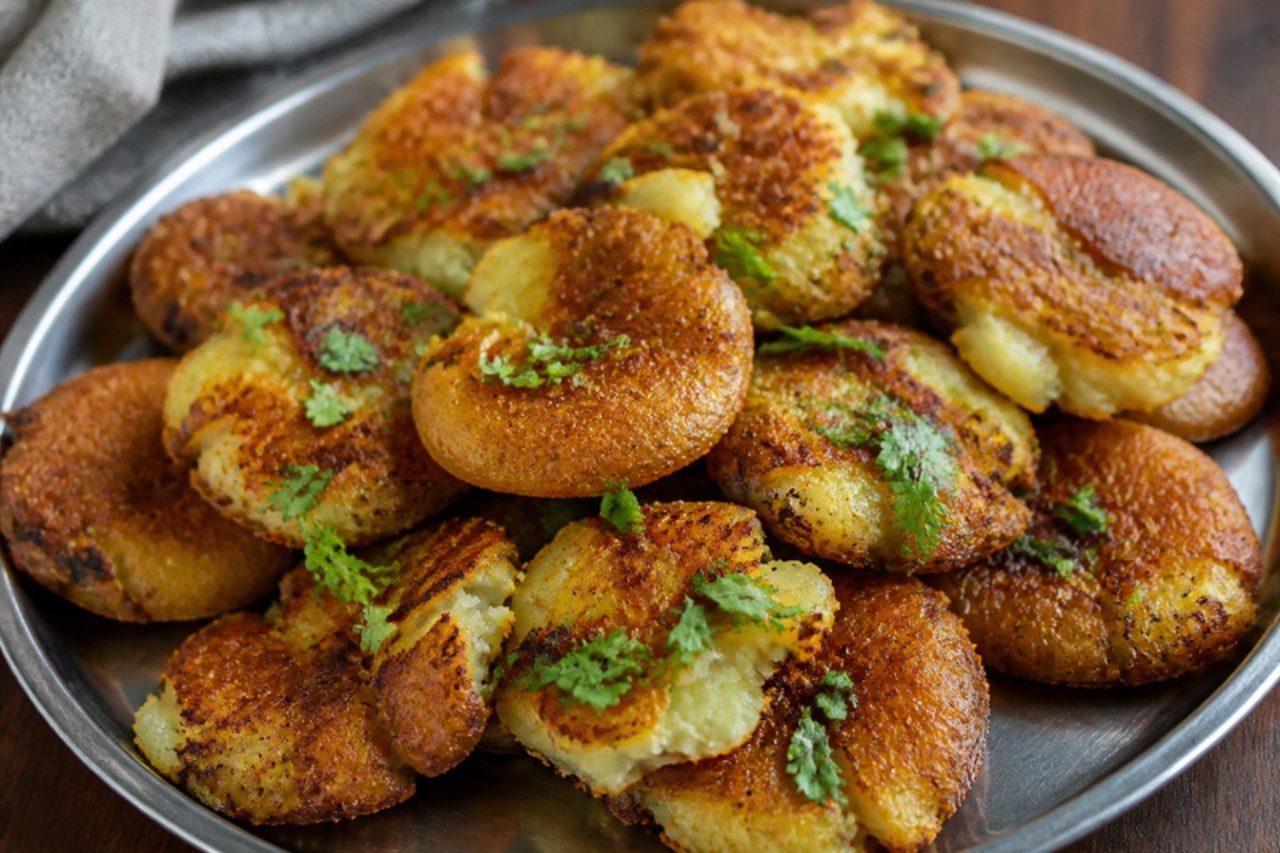
Aloo tukTwice-fried pressed potatoes

Aloo tuk is the crunch on a Sindhi plate, the thing children steal first: small potatoes boiled, fried, squashed flat and fried again until they are craggy and crisp at the edges and fluffy within, then showered with red chilli, tangy amchur and salt. In Sindhi homes from Karachi to Shikarpur they sit beside Sindhi kadhi and rice or dal and bhuga chawal, and they are also served on their own as a teatime snack with green chutney. The most common error is pressing the potatoes while they are still raw-centred or too hot and wet, which makes them tear instead of flatten neatly. Chef's tip: after the first fry let them cool for five minutes, then press each one under a flat-bottomed bowl so it cracks at the edges, since those cracks become the crispest bits. For children, go easy on the chilli and use more amchur.

by KrazyBadal 0 views

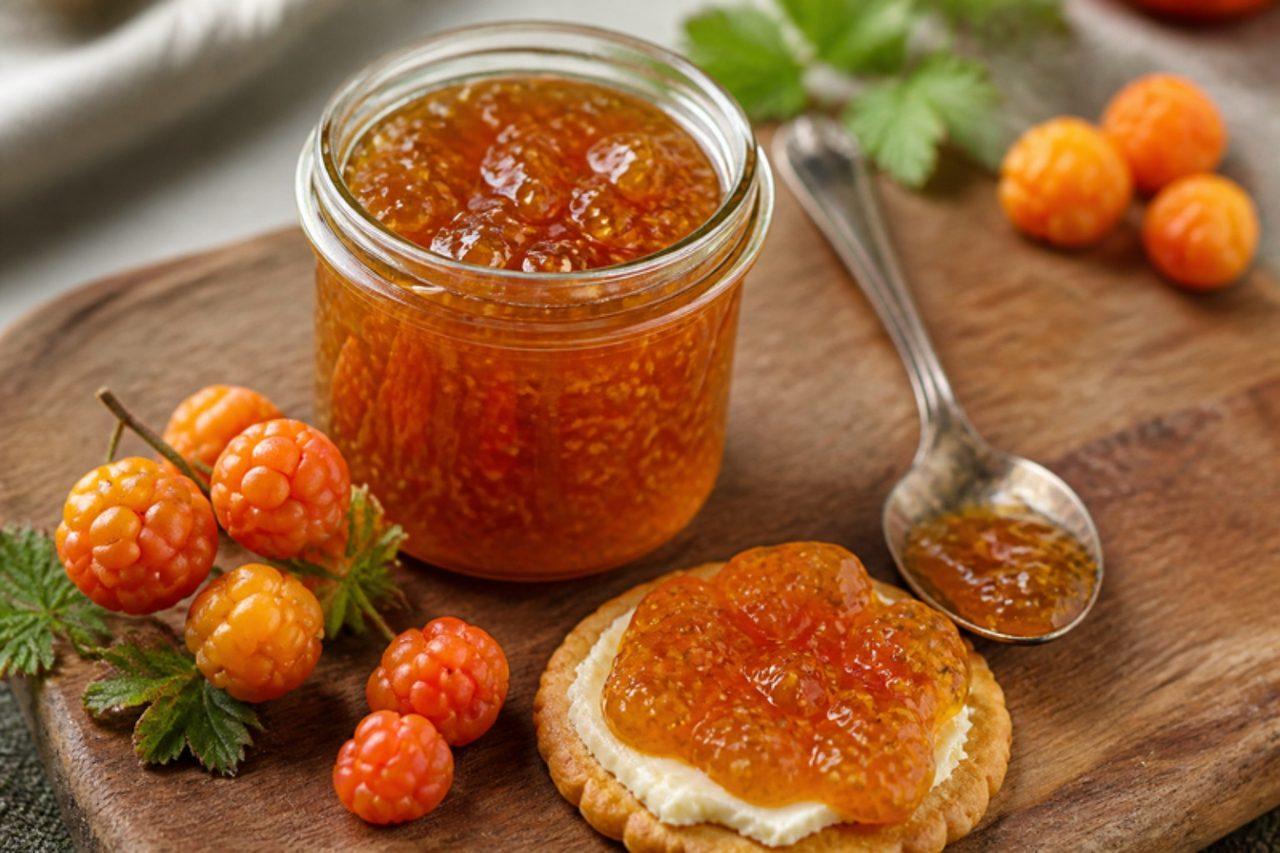
Bakeapple jamCloudberry jam

Bakeapples, the amber cloudberries of the Labrador and Newfoundland bogs, ripen for a few weeks in late July and August, and families on the Northern Peninsula and the Labrador coast pick them by the bucket. Turned into jam, they taste of apricot, honey and wild herbs, and the soft seeds give it texture. It is spread on toast, tea biscuits and toutons, or stirred through cream. Frozen cloudberries work if you can't get fresh. A common mistake is boiling too long, which darkens the colour and dulls the flavour. Chef's tip: test the set early, on a cold saucer.

by KrazyBadal 0 views

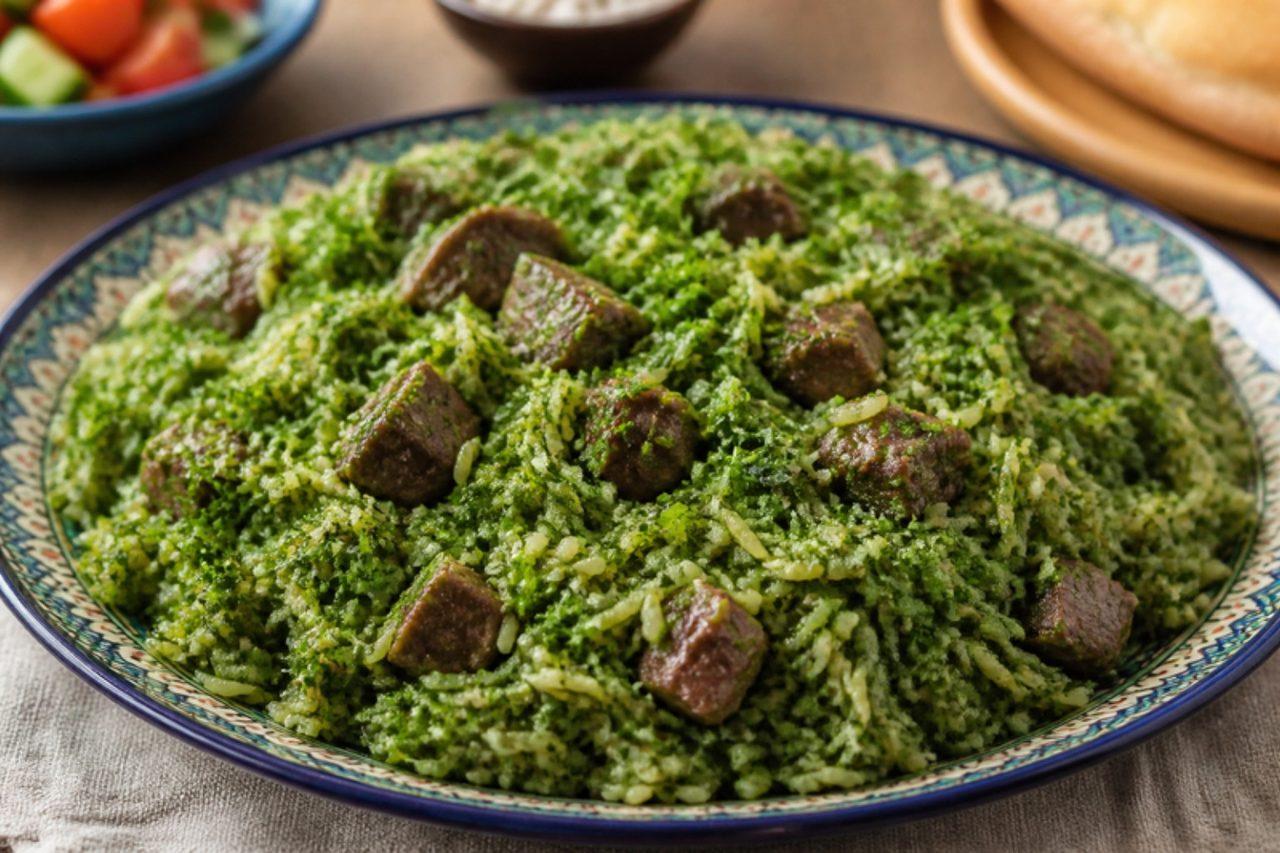
BakhshGreen rice with beef and liver

Bakhsh is the Shabbat and holiday rice of the Bukharan Jews, who lived in Bukhara and Samarkand for centuries before most emigrated to Israel and New York: rice mixed with small cubes of beef and liver and so much chopped coriander that it turns deep green, then cooked slowly in a cloth bag inside a pot of broth (bakhsh khalta) or in a pot sealed on the stove. It is fragrant, rich and moist. This version uses beef and calves' liver and the pot method. A common mistake is chopping the coriander roughly; it should be very fine so the rice turns evenly green. Chef's tip: cut the meat into rice-grain-sized pieces so it cooks in the same time as the rice. The liver and meat should be cooked through, 71 °C.

by KrazyBadal 0 views

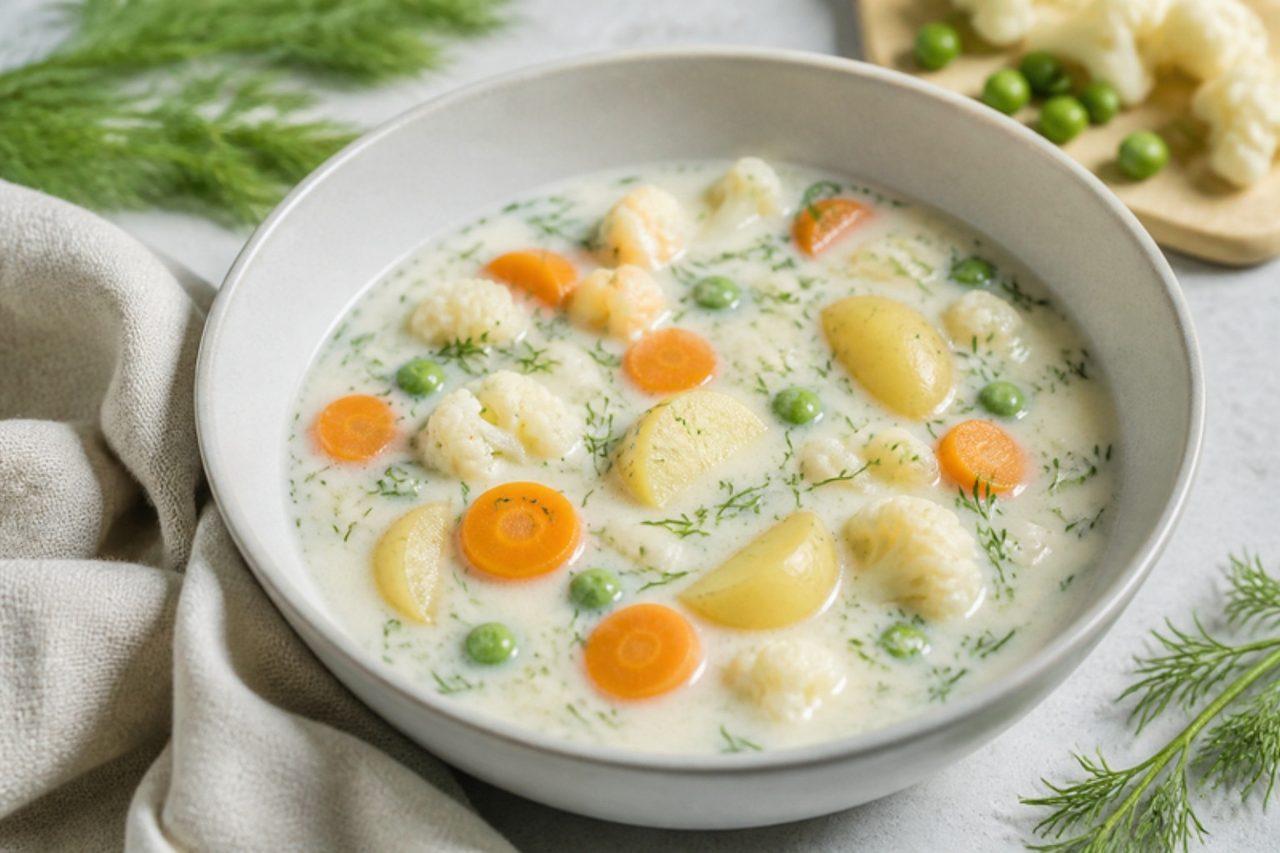
KesäkeittoSummer vegetable and milk soup

In July, when Finland's first new potatoes, baby carrots, peas and cauliflower arrive at market stalls in Helsinki and Turku, families make kesäkeitto: the vegetables simmered in water until just tender, then finished with milk and a knob of butter and lots of dill. It is light, sweet and pale green, eaten with rye bread and butter. A common mistake is boiling it once the milk is in, which can curdle the soup. Chef's tip: add the vegetables in order of cooking time, so each is just tender and keeps its colour.

by KrazyBadal 0 views

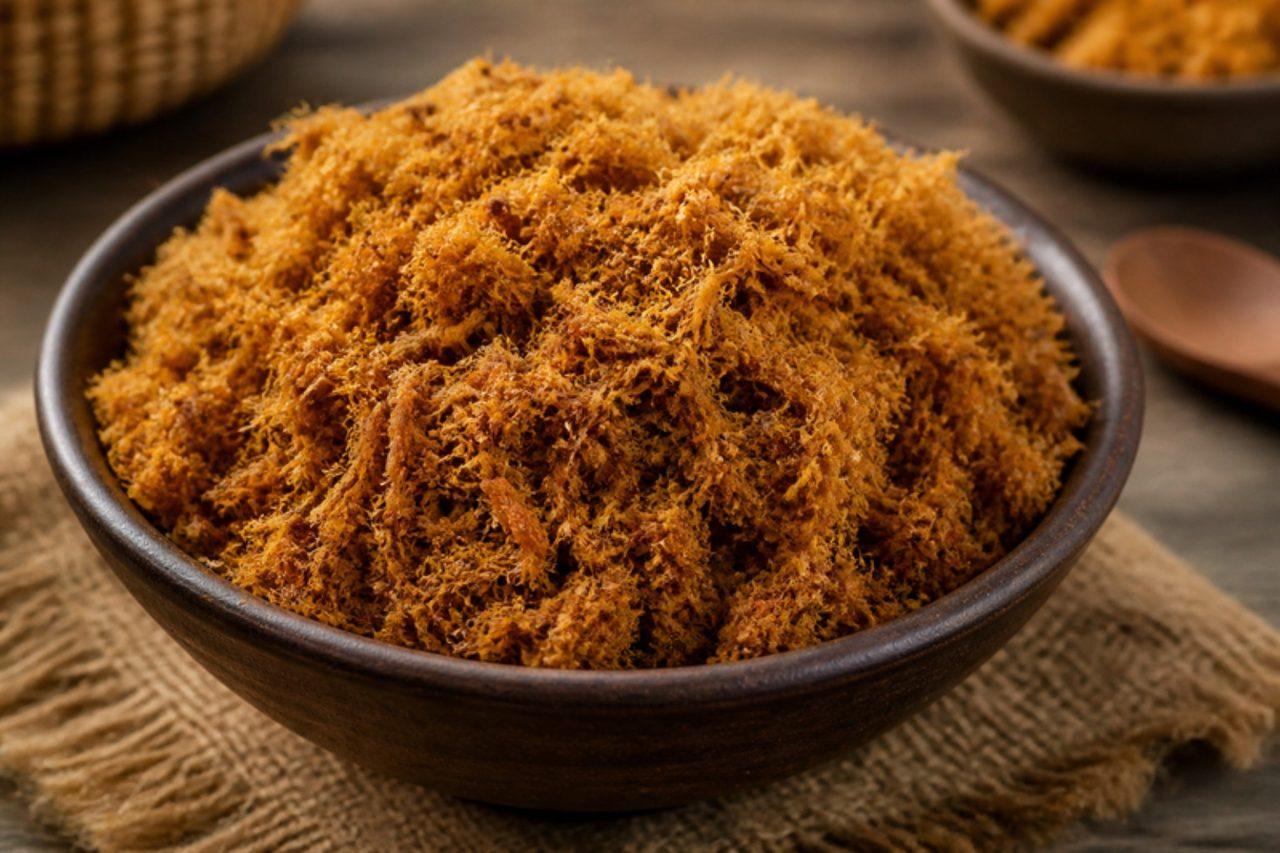
Dambun namaSpiced shredded beef floss

During Ramadan and Eid in Kano, Kaduna and Maiduguri, tins of dambun nama appear on every table: beef boiled tender with onion and ginger, pounded in a mortar until it falls into fine threads, then fried slowly with onion and spices until it is dry, fluffy and golden. It keeps well, which is why it was made before long journeys, and it is eaten as a snack, with rice or tucked into bread. The texture should be like soft wool, not crunchy crumbs. Because the meat is fully cooked before drying, it is safe; store it in the fridge. Chef's tip: let the boiled beef steam dry for ten minutes before pounding, as wet meat clumps in the pan instead of separating into threads, which is the usual mistake.

130 minNigerianMeatGluten free
by KrazyBadal 0 views

MeshabekLacy syrup-soaked fritters

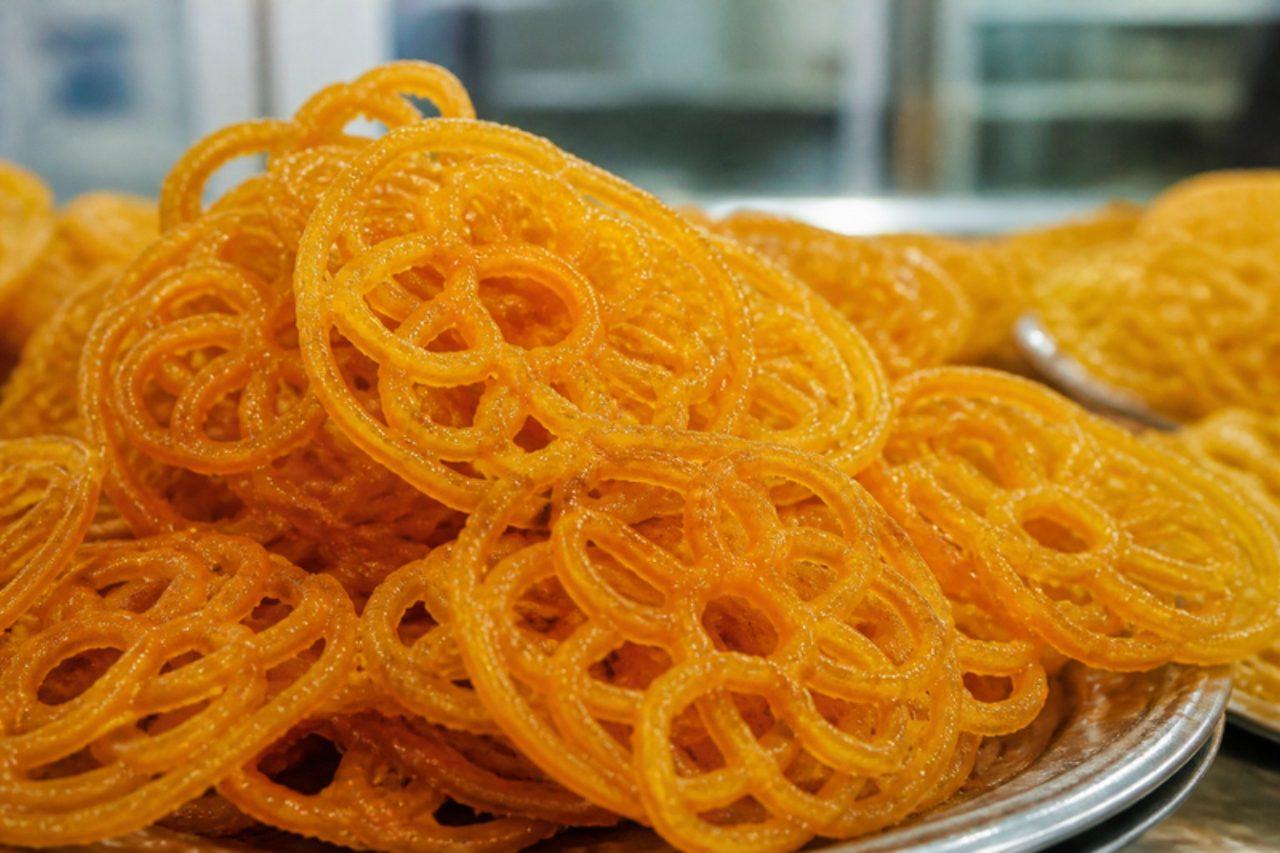
Damietta, the port city where the Nile meets the Mediterranean, is famous across Egypt for its sweet shops, and meshabek is one of their signatures: lattice wheels of fermented batter piped into hot oil and dunked in syrup. Fresh from the fryer they shatter like glass and drip with sugar; by the next day they soften into something chewy and just as good. Families buy them by the box for Ramadan evenings, visits and holidays. The batter needs an hour to ferment before frying. The common mistake is frying in oil that is not hot enough, which leaves them pale, soft and greasy, so test it first. Chef's tip: a squeeze bottle with a 4 to 5 mm opening gives the neatest, thinnest lines.

by KrazyBadal 0 views

KulishMillet and potato soup

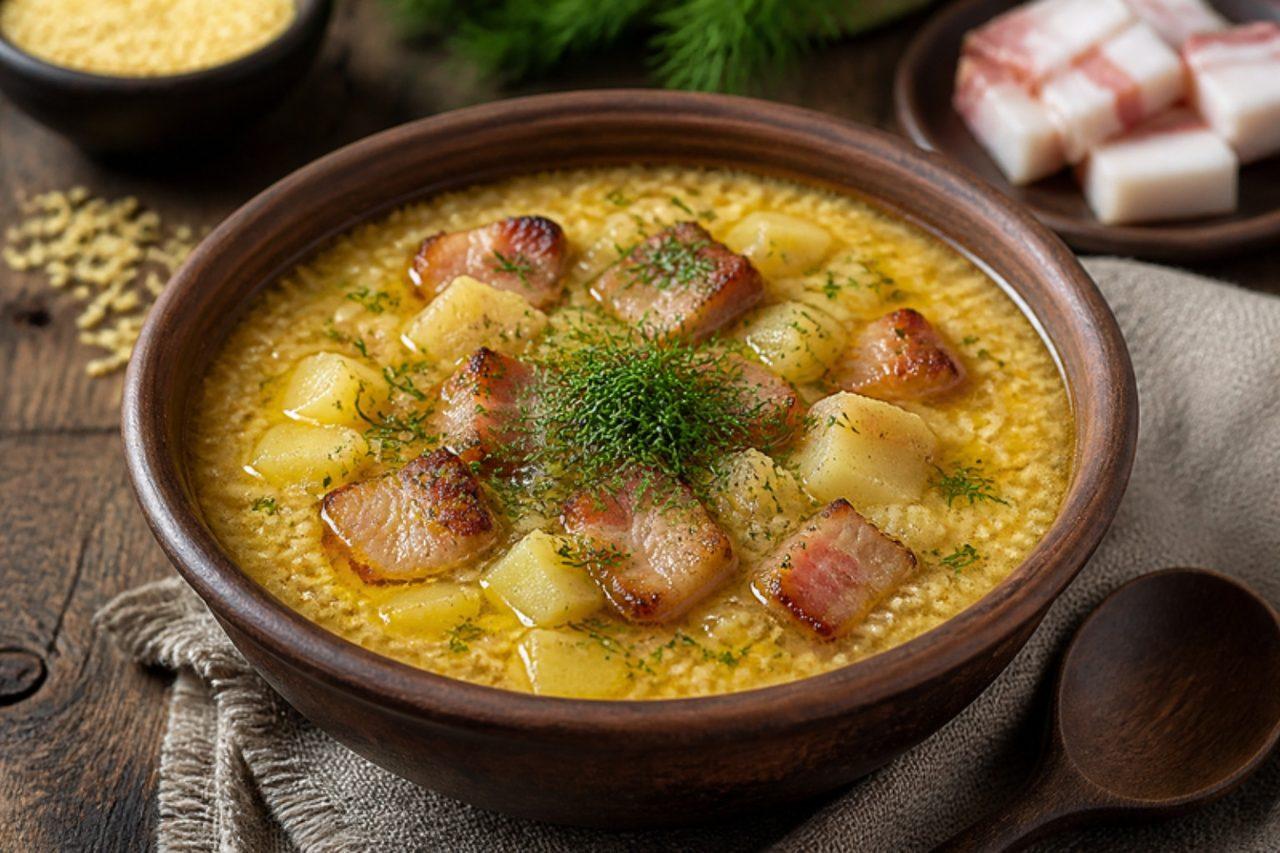
The Zaporizhian Cossacks of the Dnipro steppe cooked kulish in a black kettle over a campfire, and it is still the dish of fishing trips, summer camps and folk festivals on the island of Khortytsia. Millet, potato and onion simmer together into something halfway between a thick soup and a loose porridge, then a sizzling spoonful of fried salo, the salted pork fatback, goes in for smoky, savoury depth. It is humble, golden and comforting, best eaten hot with rye bread and a raw onion or pickle. The most common mistake is skipping the hot rinse of the millet, which leaves the porridge bitter. Kulish thickens as it stands, so loosen leftovers with a splash of water. Chef's tip: fry the salo slowly until the cubes are crisp, then fry the onion in the rendered fat; that fat carries all the flavour through the pot.

by KrazyBadal 0 views

DammsugareMarzipan cake-crumb rolls

The dammsugare, 'vacuum cleaner', got its name because Swedish bakeries invented it to use up crumbs and offcuts of cake swept up at the end of the day: the crumbs are mixed with butter, cocoa and flavouring, rolled into logs, wrapped in bright green marzipan and dipped in dark chocolate at both ends. Bakeries usually flavour the filling with punsch, a sweet arrack liqueur; this version uses vanilla and a little orange, and is alcohol-free. A common mistake is rolling the marzipan too thick, which makes it cloying. Chef's tip: roll the marzipan thin between sheets of baking paper and chill the filled logs before cutting.

by KrazyBadal 0 views

DaqqusTomato garlic chilli sauce

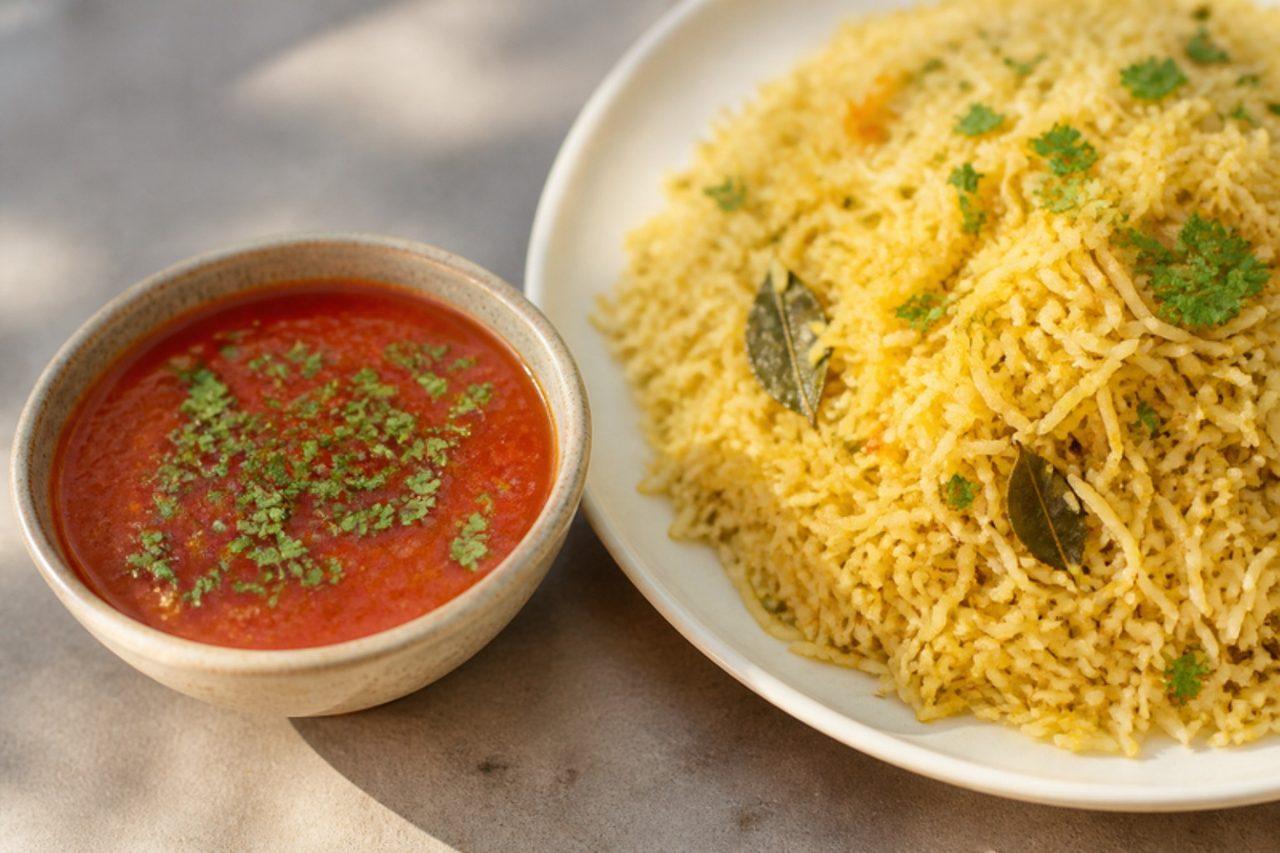
Spoon by spoon, daqqus goes over almost every plate of kabsa, mandi and machboos from Riyadh to Kuwait City: a thin, bright sauce of ripe tomato, lots of garlic and hot chilli that cuts through rich rice. Restaurants in Najd serve it in little bowls beside the rice tray, and some families make it raw, others cook it briefly as here, which mellows the garlic and deepens the colour. It should be pourable and tangy, not thick like ketchup. People often overcook it into a paste; keep it loose with a splash of water. It also works with grilled fish and eggs. Chef's tip: grate the tomatoes on a box grater and discard the skins for a silky sauce without blending.

by KrazyBadal 0 views

Showing 45 of 7,762 recipes

Show more recipes

Page 292 of 863