Skip to content
Asperges à la flamande
Featured recipe

Asperges à la flamande

White asparagus with egg and butter

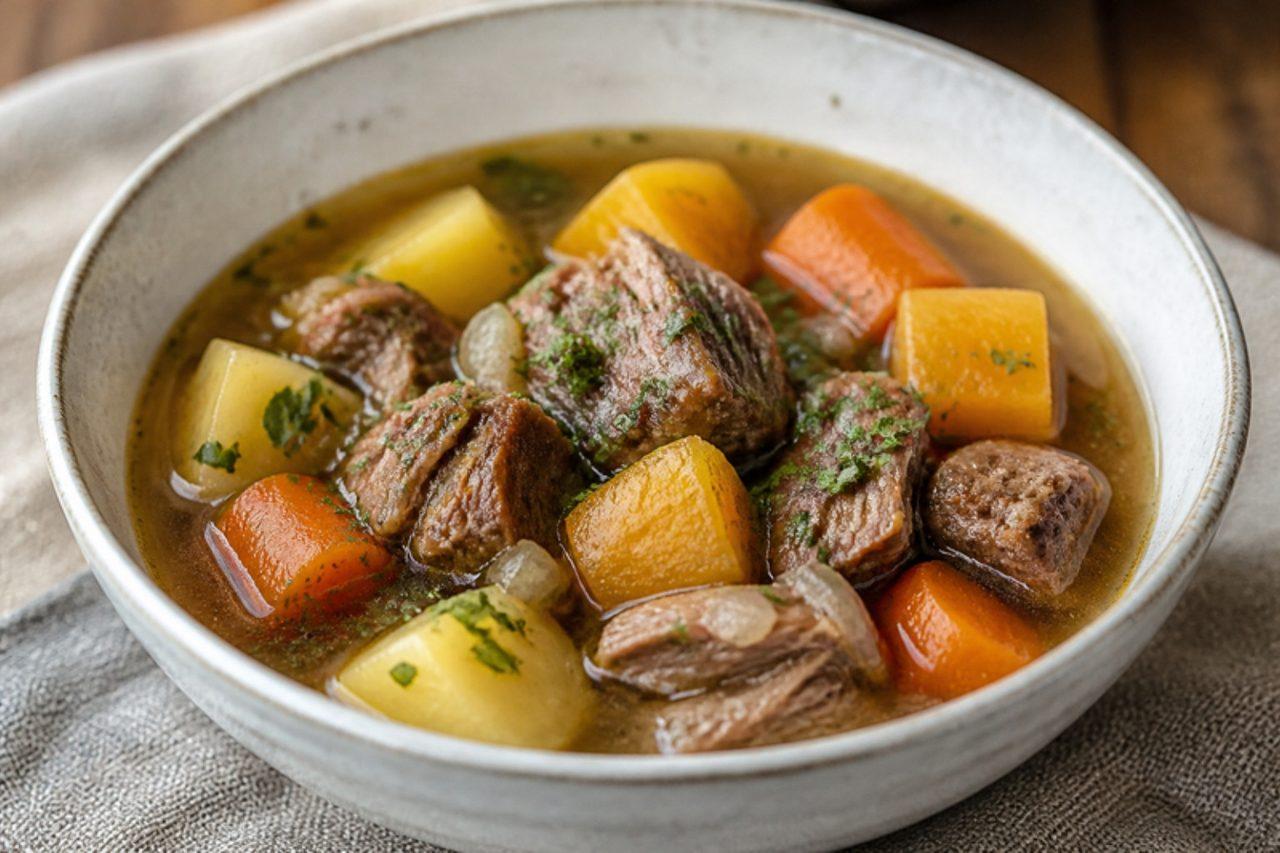
In May and June, white asparagus from Mechelen and the sandy fields around Limburg arrive in Belgian markets, and asperges à la flamande (asperges op Vlaamse wijze) is the way to eat them. The pale spears are peeled and cooked until tender, then covered with a warm sauce of melted butter, chopped hard-boiled egg, parsley and nutmeg that is half sauce and half garnish. It is served as a starter in Flemish restaurants all through the short asparagus season, sometimes with a slice of ham alongside; here it stays meat-free. Chef's tip: peel the spears from just below the tip all the way down with a swivel peeler; white asparagus has a thick, bitter skin, and missing even a strip leaves woody threads.

Read more 0 views

What to eat today?

Around the world

Today's trip: Persian

A new country every day, from every cuisine on the site.

This week's collection

Kid-friendly dinners
541 recipes · a new collection every Monday

Latest recipes

Khasi ko masuGoat curry

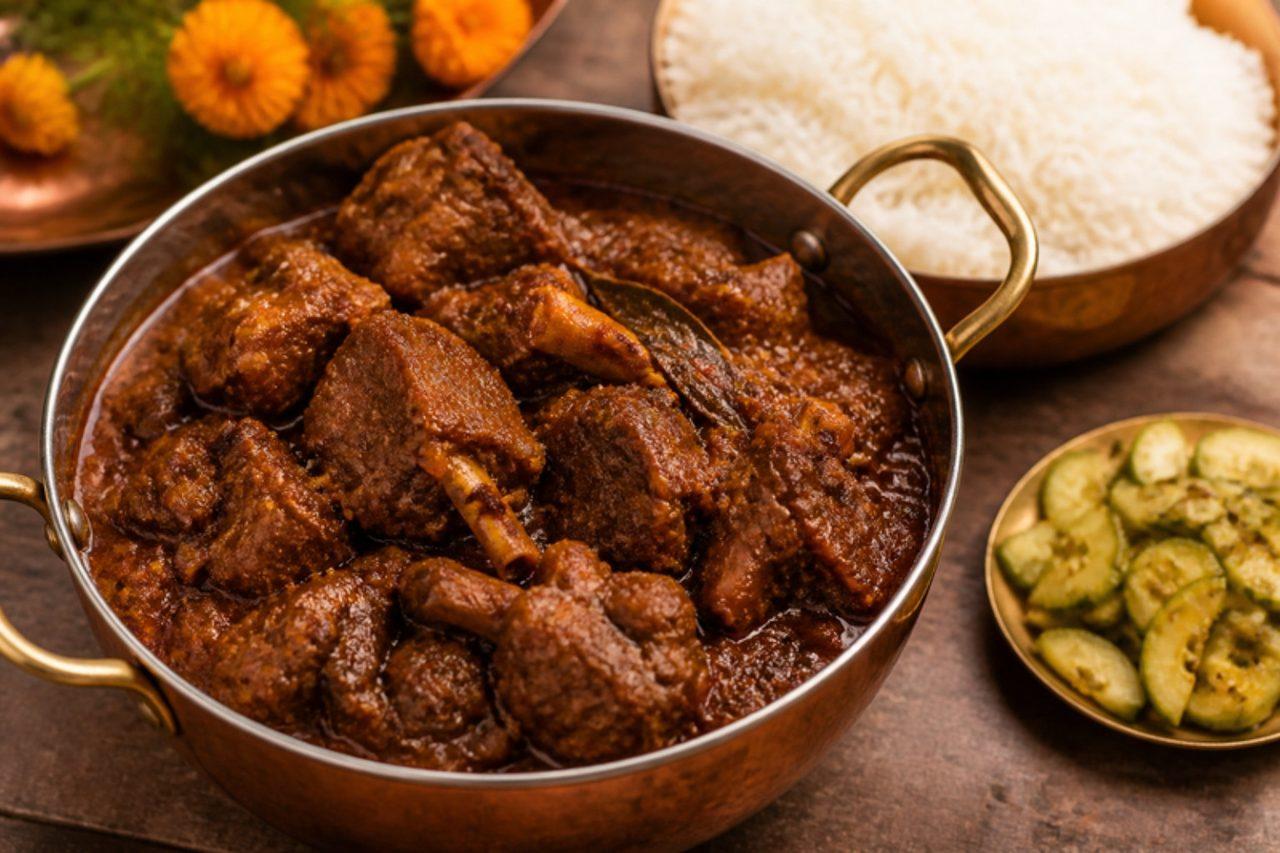
For most Nepali families the tenth day of Dashain, when elders put tika and jamara on younger relatives' foreheads, means a pot of khasi ko masu bubbling in the kitchen, bone-in castrated goat cooked in mustard oil with heaps of onion, ginger and garlic and whole spices until the meat falls from the bone. It is a celebratory but homely curry, with a loose, glossy, deep-red gravy, eaten with plain rice or sel roti and a cucumber achar, and the same curry fills plates at weddings and family visits for weeks after the festival. Use goat or mutton with plenty of bone, since the marrow and connective tissue give the gravy its body. The usual shortcut, rushing the onions, leaves the gravy thin and sharp; they must cook to a deep brown. Chef's tip: a pinch of jimbu, the dried Himalayan herb, added at the end gives the curry its unmistakable hill-country aroma.

by KrazyBadal 0 views

KhirshaReduced milk fudge

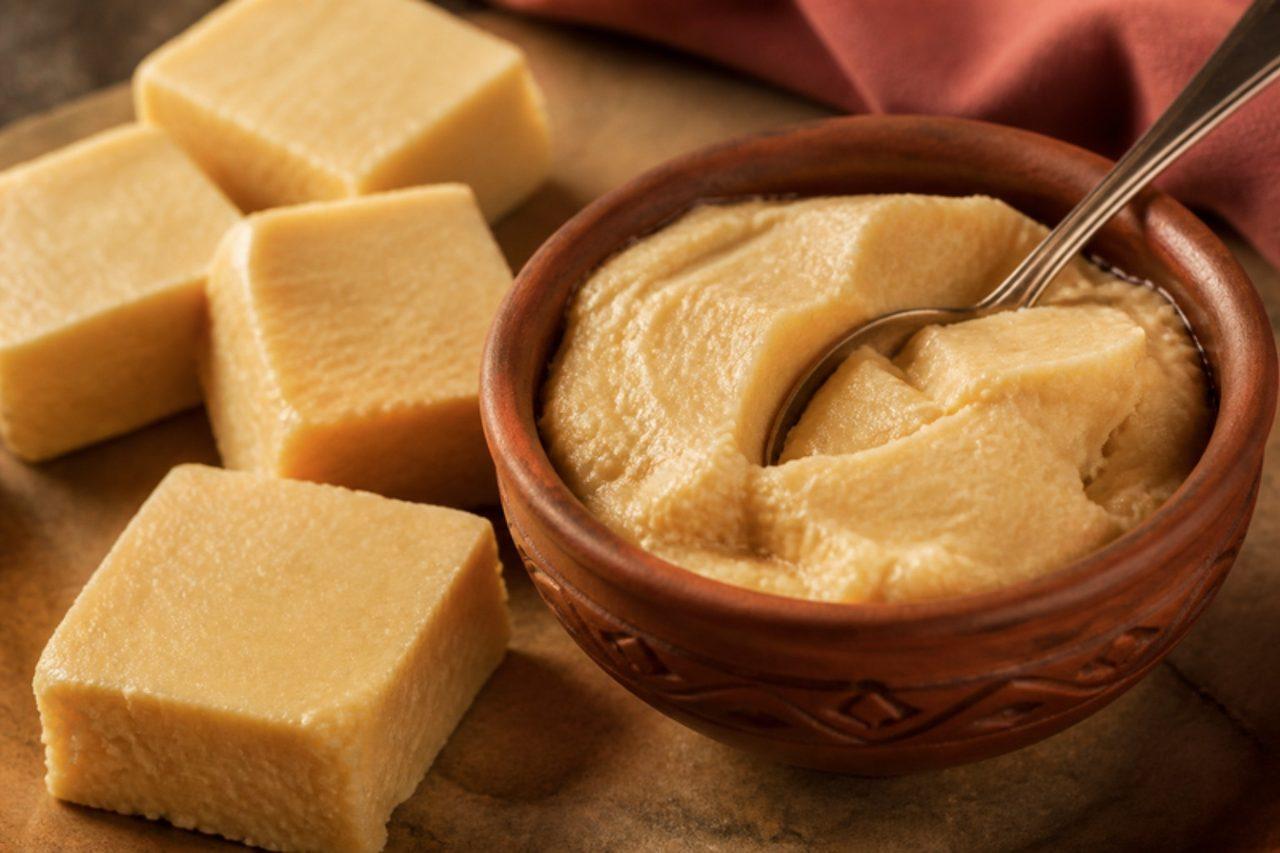
In the dairy belt of Sirajganj and Pabna, where milk is cheap and plentiful, khirsha is made the patient way: milk is boiled in a wide iron karai and stirred for well over an hour until it has reduced to a sixth of its volume and become a thick, pale-caramel paste, then sweetened and cooked a little longer. Sold in clay saucers or pressed into blocks, it tastes of pure cooked milk, sweet and slightly toffee-like, with a fudgy, fine-grained texture. It is eaten on its own, spread on puffed rice, rolled into pithas or packed into the shells of other sweets. Burning the bottom is the classic mishap, which makes the whole batch taste scorched, so stir constantly and scrape the corners once it thickens. Chef's tip: use a wide, heavy pan rather than a deep one; the bigger the surface, the faster the milk reduces.

by KrazyBadal 0 views

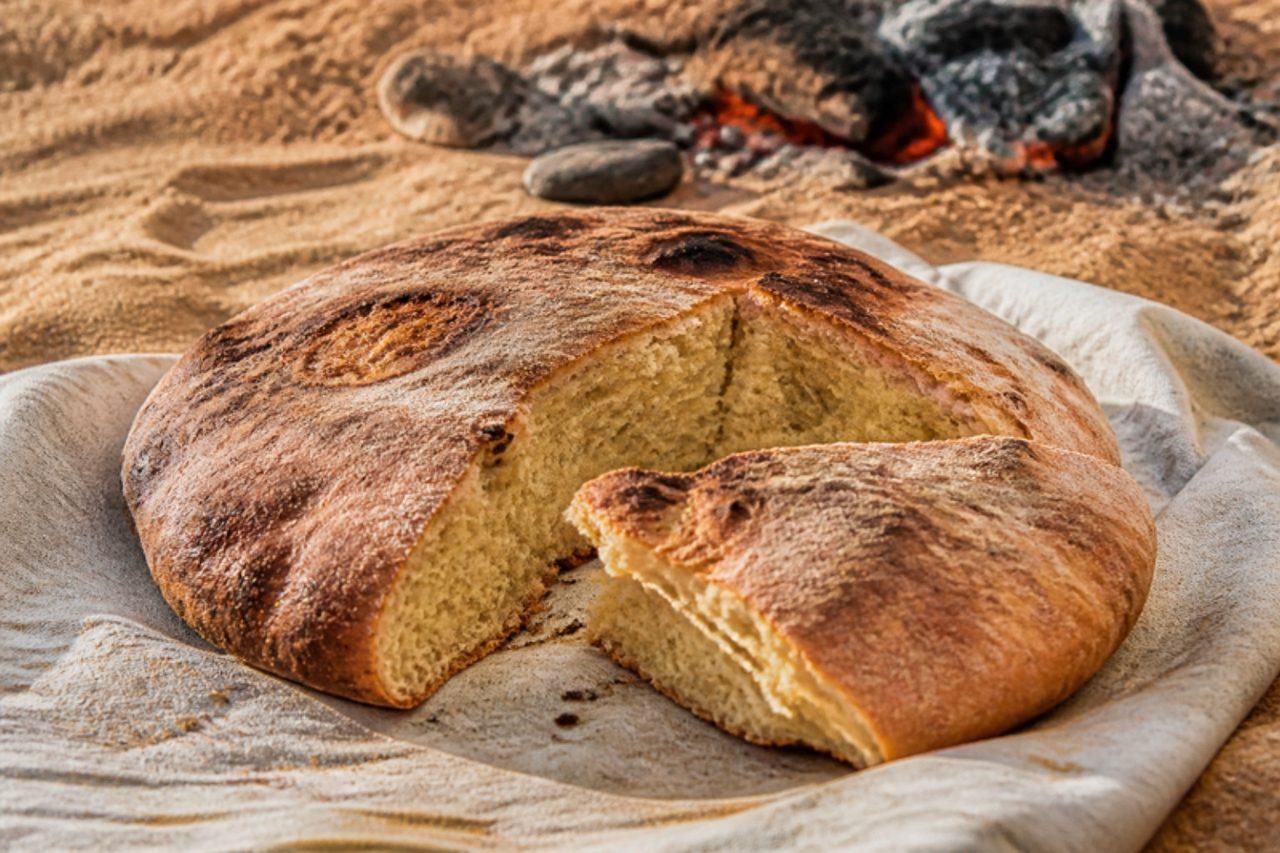
Khobz mellaEmber-baked bread

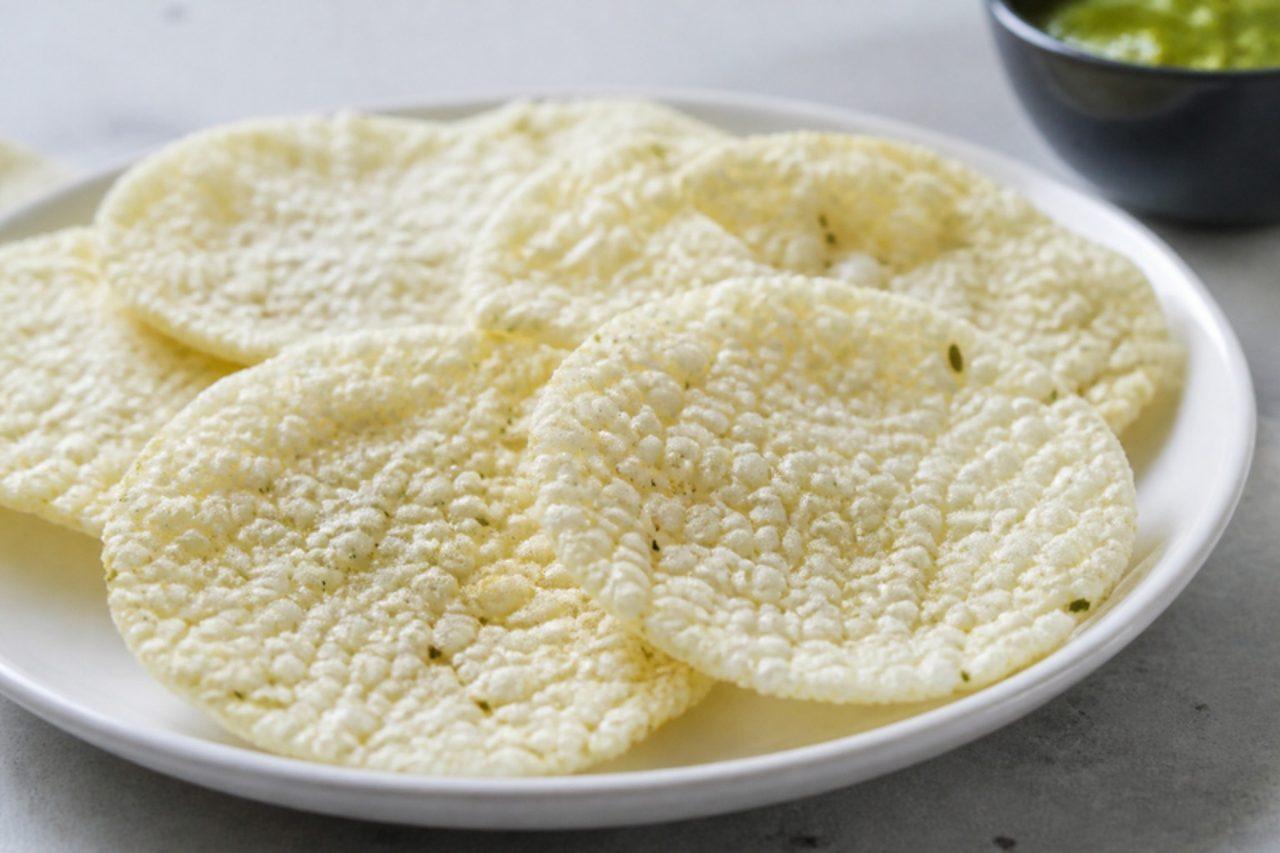
Around Douz, on the edge of the Tunisian Sahara, nomadic herders bake khobz mella by digging a hollow in sand heated under a fire, laying in a thick round of dough and burying it under more hot sand and embers. Brushed off and broken up, the crusty, smoky bread is crumbled into a tomato, pepper and onion stew to make mella, or eaten with olive oil and dates. Visitors to desert camps watch it being made by firelight. At home, a pizza stone or an upturned heavy tray in a very hot oven gives a similar chewy loaf with a thick crust; a charcoal barbecue gets you close to the smoky flavour. Chef's tip: dock the dough well with a fork; without it the round puffs up into a hollow ball and the crust cracks.

by KrazyBadal 0 views

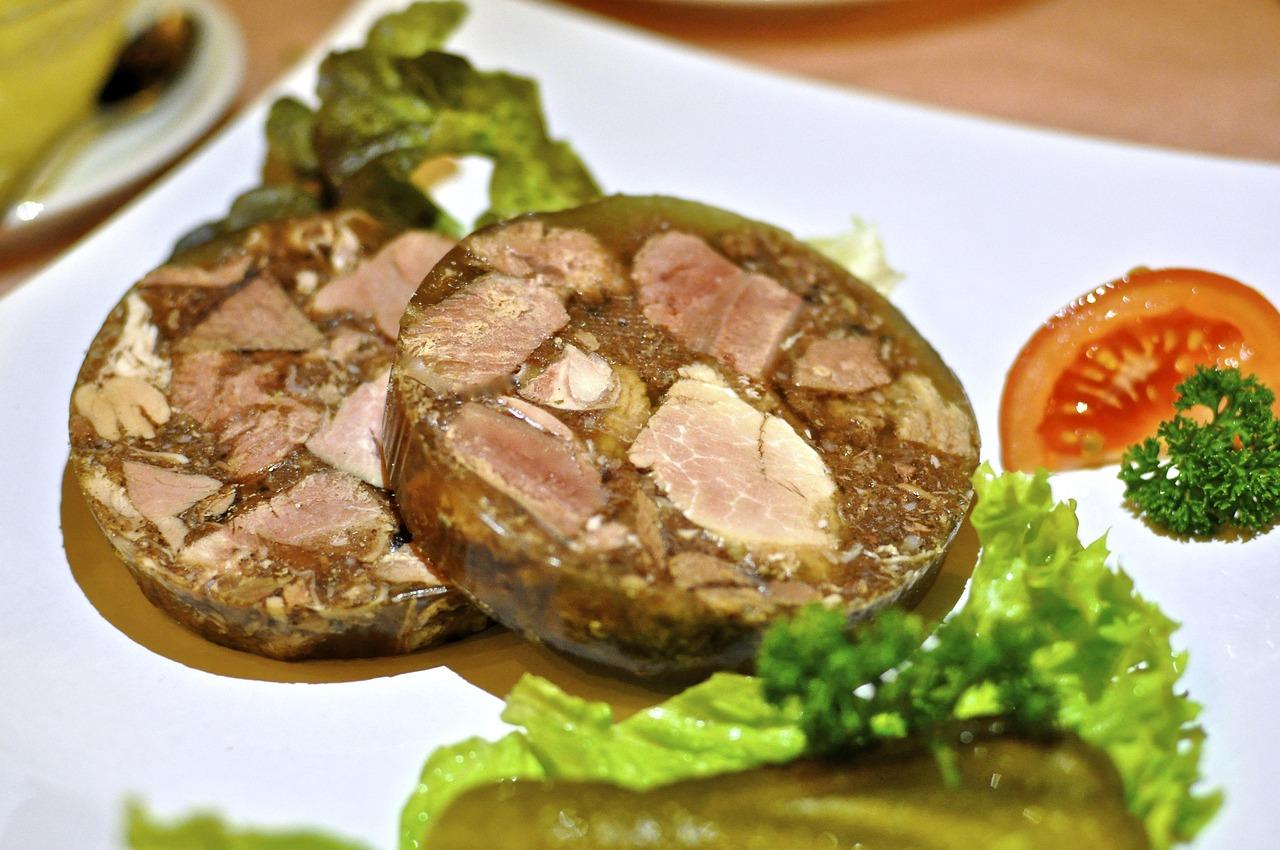
KholodetsMeat jelly

Kholodets is winter food, made in big batches before New Year and Orthodox Christmas when the cold balcony doubles as a fridge. Pork trotters and beef shin are simmered for hours until the broth is rich enough to set on its own, no added setting agent; the meat is shredded, layered with garlic and covered with the strained stock to set into a trembling, clear jelly. It is eaten cold, cut into squares, with sharp horseradish and mustard and hot boiled potatoes. This dish uses pork (trotters and knuckle) as well as beef. Where most people go wrong is letting the pot boil hard, which makes the jelly cloudy and greasy. Chef's tip: spoon a little broth onto a cold saucer after 5 hours; if it sets firm in the fridge in 15 minutes, the stock is ready.

480 minRussianMeatGluten free
by KrazyBadal 0 views

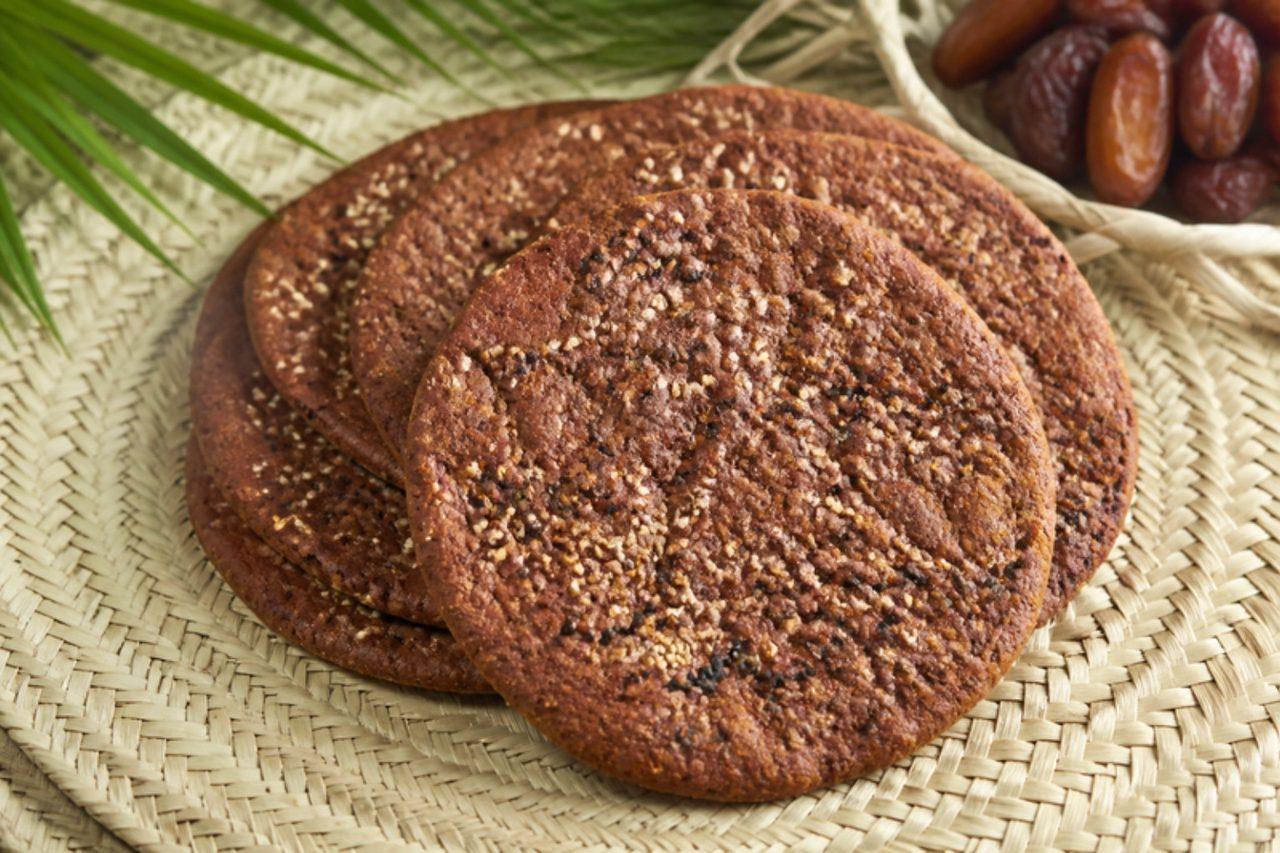
Khubz ahmarRed date bread

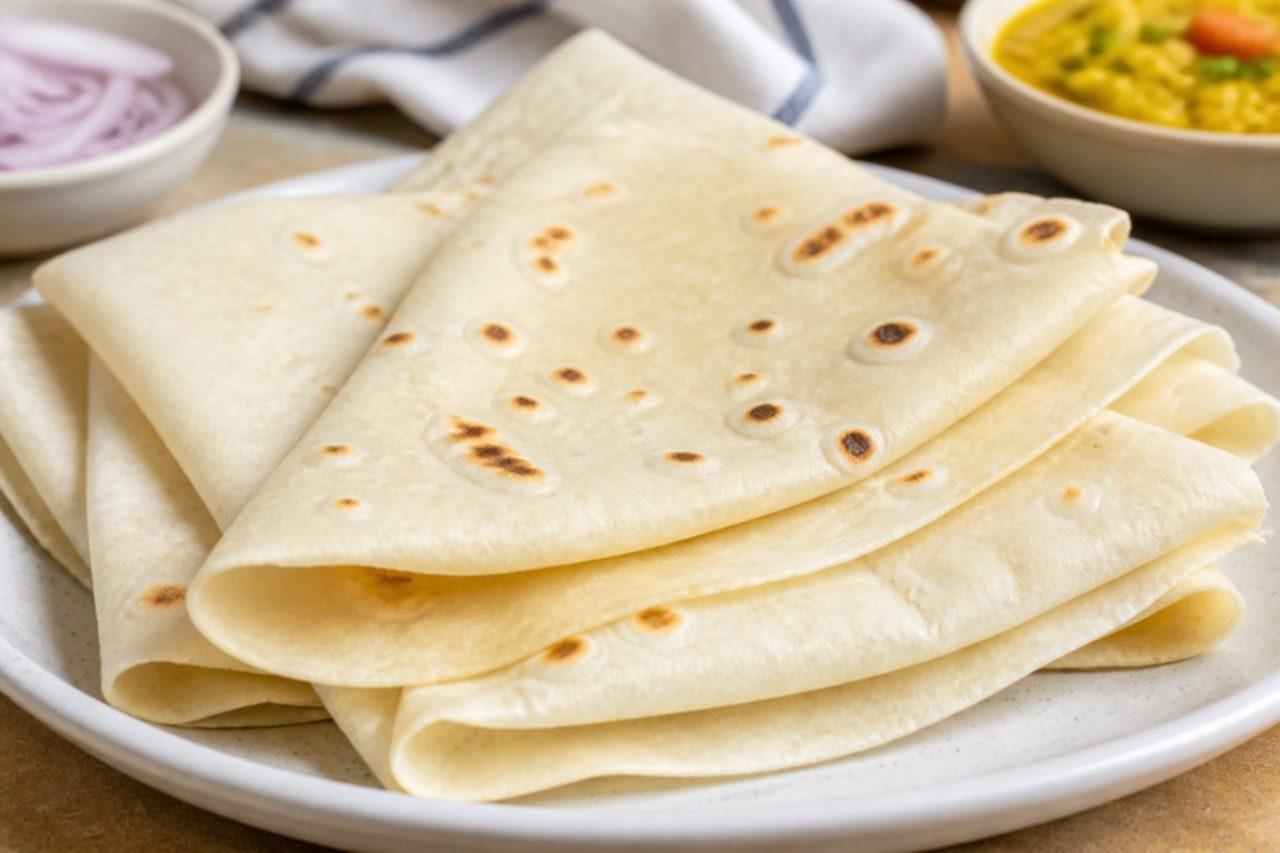
In the palm groves of Al-Ahsa in Saudi Arabia's Eastern Province, bakers slap rounds of khubz ahmar onto the walls of tannour ovens, and its colour, a deep reddish brown, comes from date syrup kneaded straight into the dough. Locals eat it for breakfast and with tea, often spread with cream cheese or dipped in more syrup. Fenugreek and black seed give it a warm, almost maple-like perfume, and the crumb is dense and soft with a chewy crust. A common mistake is adding too much flour because the dough feels sticky; the syrup makes it tacky, and extra flour turns the bread heavy. Oil your hands instead. Chef's tip: bake on a very hot stone and pull the breads once the edges darken; the sugars burn quickly after that.

by KrazyBadal 0 views

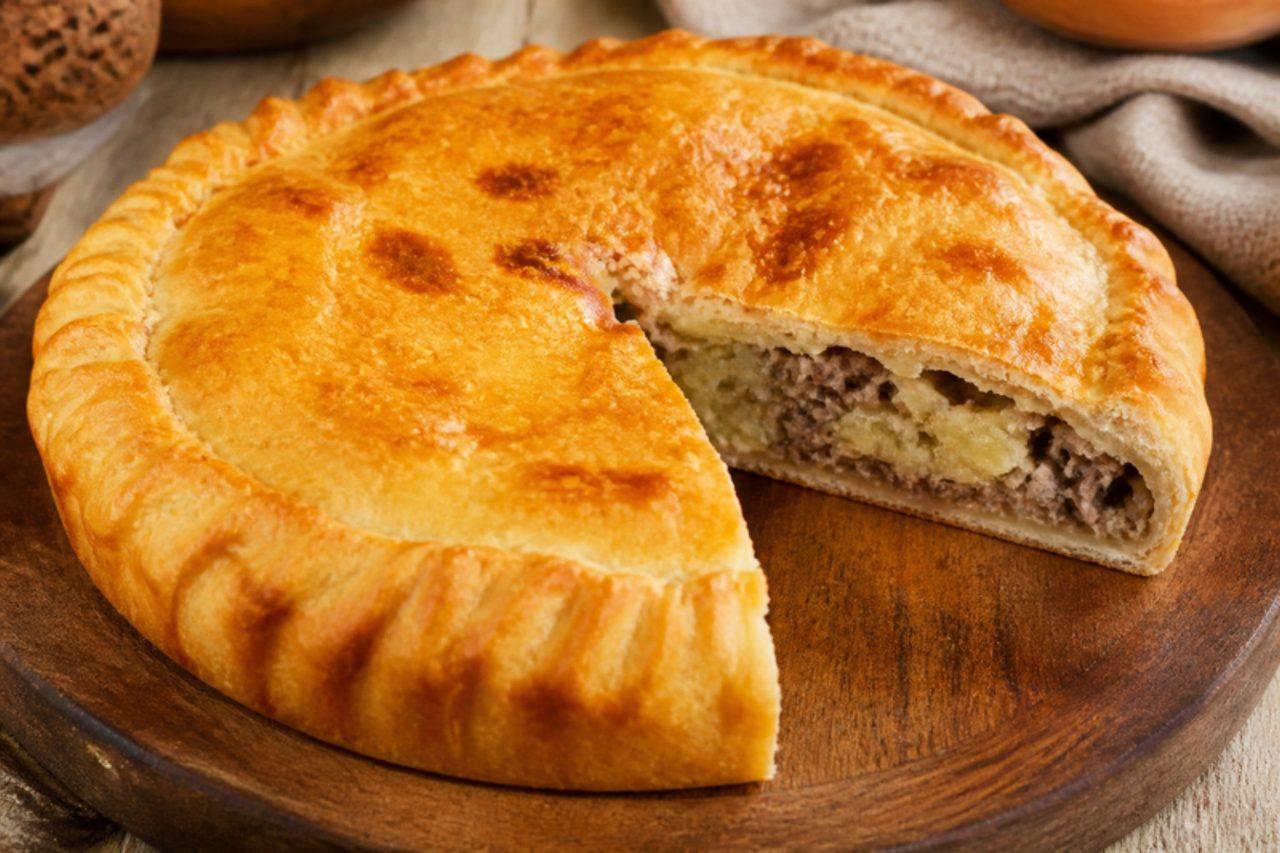
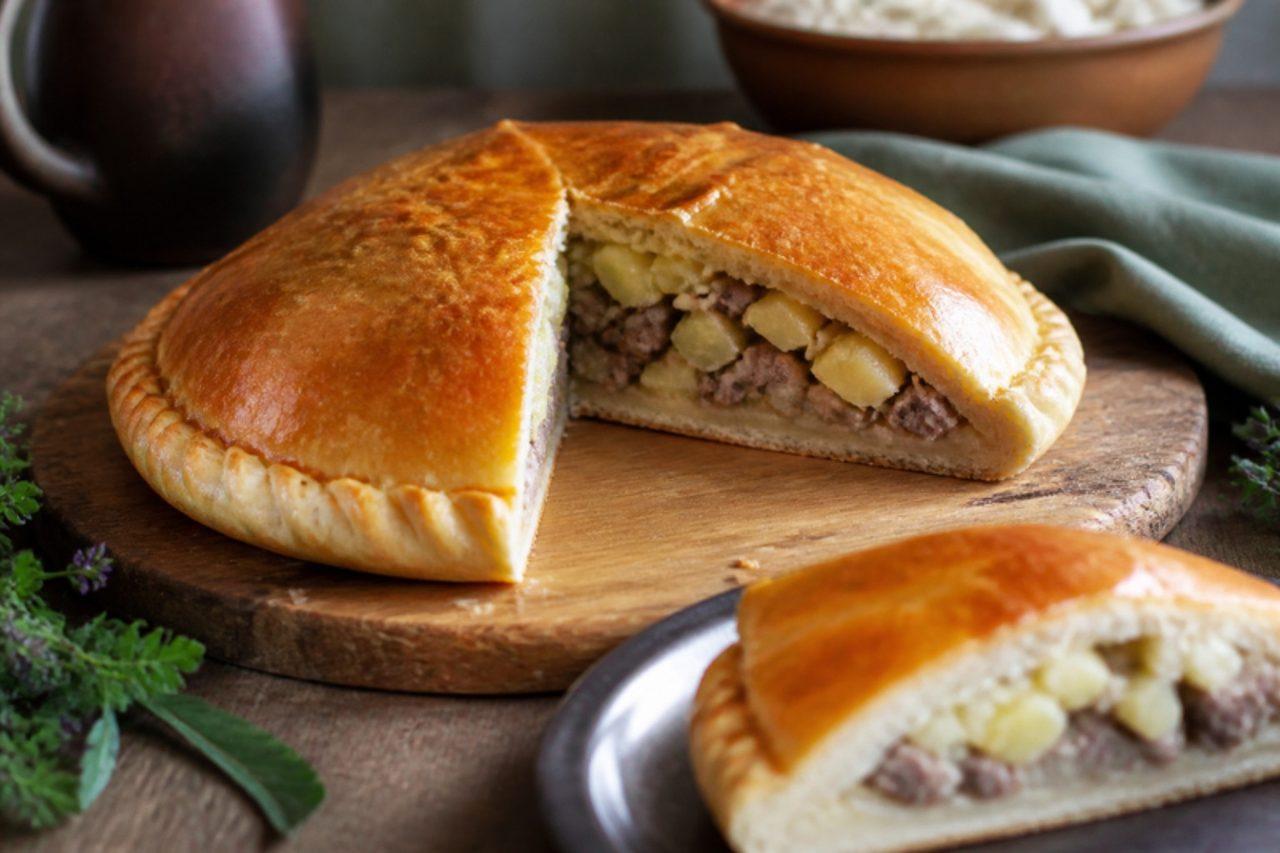
KhupluBeef, lamb and potato pie

The Chuvash people of the middle Volga bake khuplu for harvest festivals and to welcome guests: one large, round, closed pie with a thin yeast crust and a deep filling of diced meat, potato and onion, traditionally with a little vent on top and a ring of dough to decorate it. Cut at the table, it spills meaty juice into the potatoes, and it is eaten warm with a glass of cold buttermilk or a bowl of soup. The usual slip is under-baking; a pie this deep needs well over an hour and a thermometer check. Chef's tip: lay the potatoes at the bottom and the meat on top, so the potatoes drink the juices and the base does not go soggy.

150 minRussianMeat
by KrazyBadal 0 views

KibbelingBattered white fish chunks

Kibbeling is the fish snack of Dutch markets and harbours, sold in paper trays from fish vans at Saturday markets from Volendam to Rotterdam: bite-sized chunks of cod or pollock coated in a spiced batter and fried until crisp, with a pot of garlic sauce or remoulade. It began as a way to use the cheeks of cod. A common mistake is a thick batter, which turns bready and greasy. Chef's tip: season the batter well with a little curry powder and paprika, the market-van secret, and fry at 180 °C until golden; the fish is done when opaque and flaking.

25 minDutchFish
by KrazyBadal 0 views

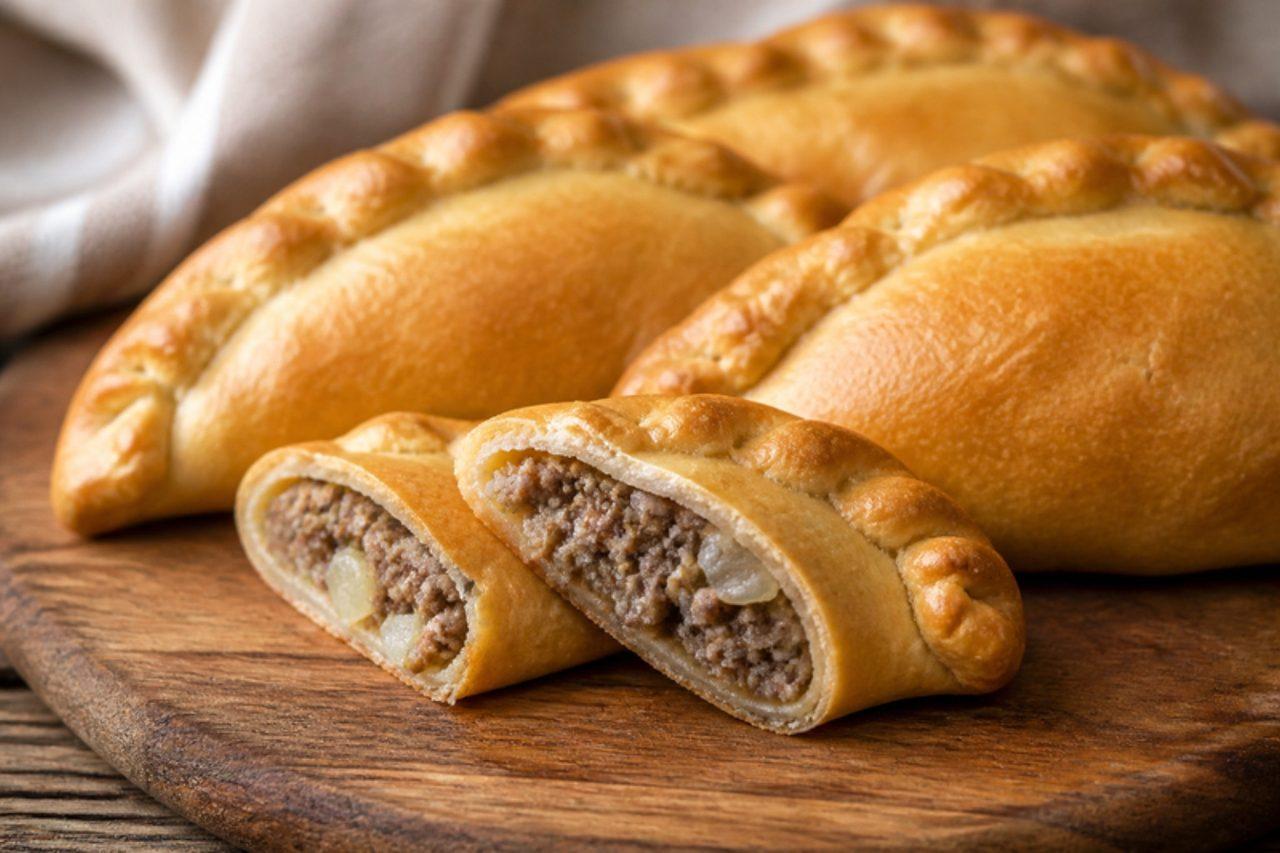
KibinaiLamb and onion pastries

Kibinai are the pastries of the Karaim, a small Turkic community settled in Trakai, the lake-island castle town near Vilnius, since the 14th century. Every café along Karaimų street sells them hot from the oven: half-moon pastries of flaky, buttery dough with a juicy filling of chopped lamb and onion, crimped along the top. A common mistake is mincing the meat; the Karaim chop it into small cubes so the filling stays juicy. Chef's tip: use cold dough and bake hot, so the pastry flakes and the juices stay sealed inside. The filling must reach 71 °C.

by KrazyBadal 0 views

KichelCrisp bow-tie egg cookies

At kiddush in Ashkenazi synagogues, from Bnei Brak to the old shuls of Haifa, plates of kichel sit beside pickled herring and a small glass of something, and children quietly fill their pockets. The dough is barely sweet, rich in eggs, rolled out on sugar and twisted into bow-ties that puff up hollow and shatter when you bite them. They are good with tea, or with salty herring the traditional way. The common mistake is underbaking: they must dry right through and turn golden, or they go soft and chewy within a day. Chef's tip: roll the dough directly onto a layer of sugar so the crystals press in and caramelise underneath.

by KrazyBadal 0 views

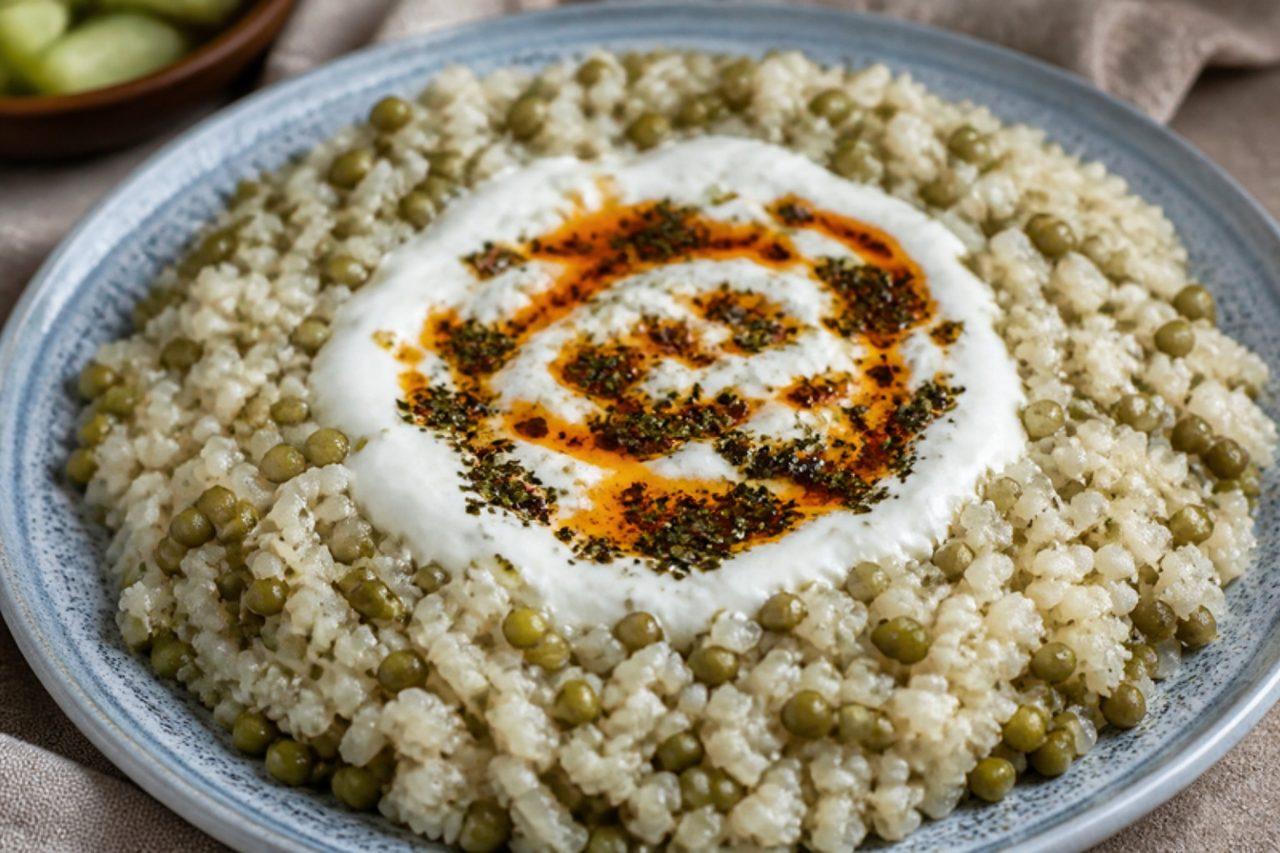
Kichiri qurootRice and mung beans

Ask Afghans what their grandmother cooked on cold winter evenings and kichiri quroot comes up again and again: a soft mound of short-grain rice and mung beans cooked until creamy and sticky, with a well pressed into the top and filled with qurut, the salty sauce made from dried yogurt balls. Hot oil with dried mint is poured over just before it reaches the table, and the rice is eaten with a spoon from a shared plate. Families in Kabul often serve it with a pan of meatballs in tomato sauce on the side; this is the meatless version, which is just as common on a quiet night. If you rinse all the starch away it will never turn sticky, so wash the rice only once. Chef's tip: if you can't find qurut, thick strained yogurt with a pinch of salt and garlic gives you something close.

by KrazyBadal 0 views

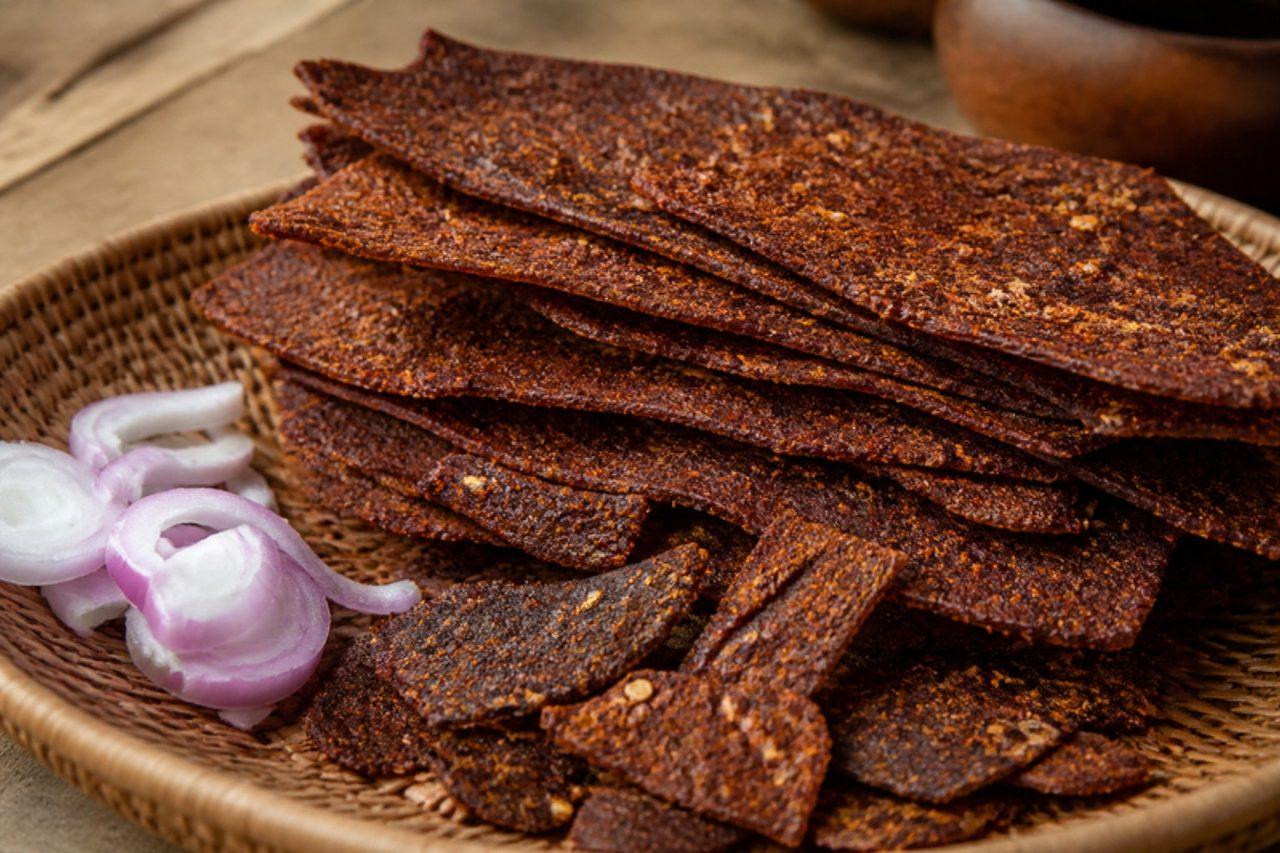
KilishiSpiced dried beef

Long-distance travellers in the Hausa north have carried kilishi for generations: beef sliced so thin you can see light through it, coated in a fiery paste of ground roasted groundnuts, ginger, onion and chilli, dried, then flashed over a fire until it crackles. It is sold in Kano and Sokoto markets in stacked sheets and eaten as a snack or with a cold drink. Traditionally it is sun-dried raw; this home version heats the meat to 71 °C in the oven before drying and is stored in the fridge, which makes it safer. Sun-dried, uncooked kilishi is not for pregnant women, young children or anyone with a weakened immune system. Chef's tip: freeze the beef for an hour before slicing; firm meat is the only way to get sheets 3 mm thin at home.

240 minNigerianMeatGluten freeSpicy
by KrazyBadal 0 views

Kimbula banisCrocodile-shaped sweet bun

Kimbula means crocodile, and these long, ridged buns with tapered ends and a back glittering with sugar are a childhood favourite from every Sri Lankan village bakery and the bread vans that drive the lanes playing tinny music each morning. The sweet, slightly enriched yeast dough is rolled up like a Swiss roll, tapered into a head and a tail, slashed along the top and showered with coarse sugar, which caramelises in the oven into a crunchy crust over a soft, fluffy crumb. They are eaten for breakfast or an afternoon snack with plain tea, often pulled apart along the ridges. Under-baking is the error that bakers see most, leaving the centre doughy; the buns should be a deep golden brown and sound hollow underneath. Chef's tip: sprinkle a layer of sugar on the dough before you roll it up, which gives sweet streaks inside as well as the crust on top.

by KrazyBadal 0 views

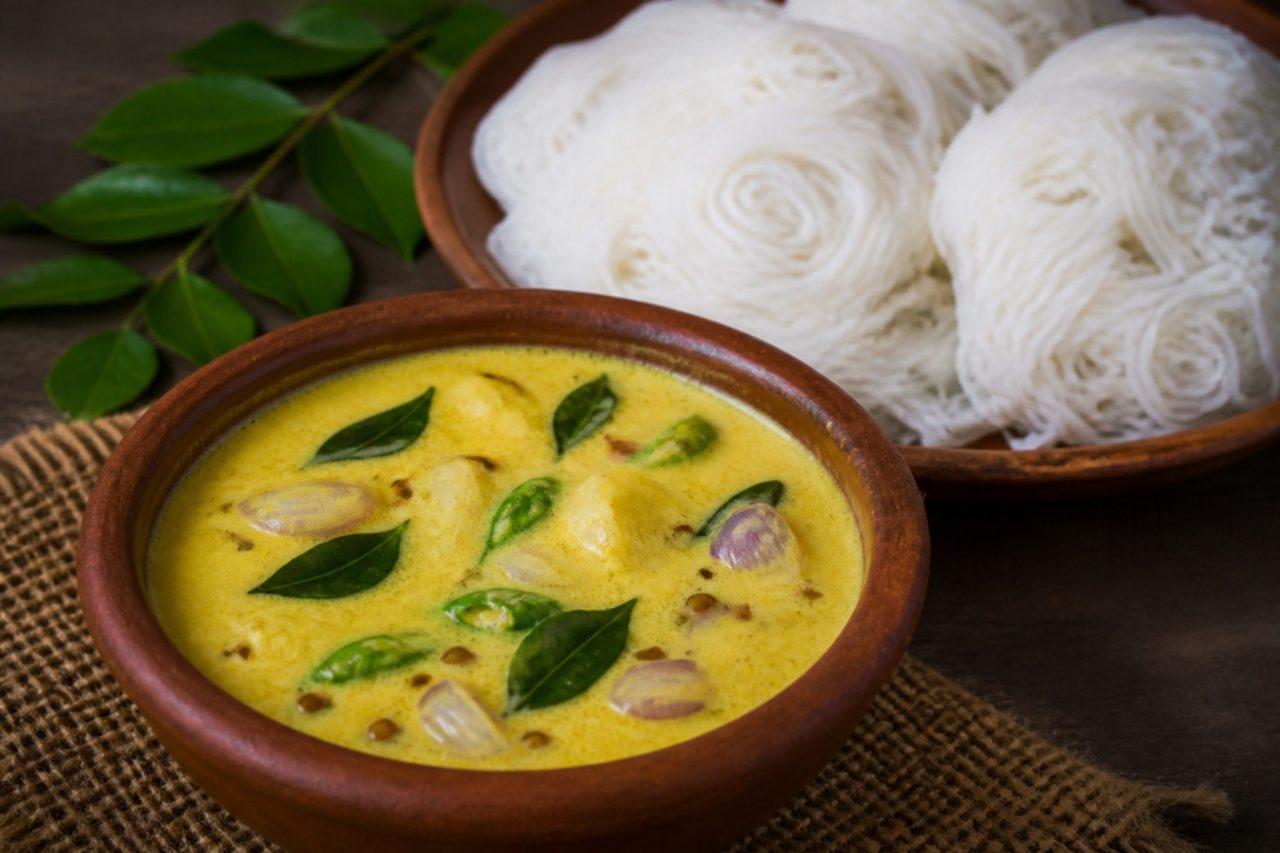
Kiri hodiCoconut milk gravy

Think of kiri hodi as Sri Lanka's comfort sauce: a thin, pale-yellow coconut milk broth, gently soured with lime, that gets ladled over a plate of string hoppers or pittu at breakfast and soaks right into them. Little cafés in Colombo and the coastal towns serve it in a small steel bowl alongside pol sambol, and at home it is often the first thing cooks make when someone is unwell, because it is soothing rather than hot. The flavour comes from fenugreek, cinnamon and curry leaves softened in the milk, with a couple of green chillies for warmth; some families slip in halved boiled eggs or a pinch of Maldive fish, but the plain vegan version is the everyday one. The classic slip is letting it boil hard once the thick milk is in, which curdles it into oily flecks. Chef's tip: add the lime only after the pan is off the heat, so the gravy stays smooth and the sourness stays bright.

by KrazyBadal 0 views

Kishk sa'idiFermented yoghurt and wheat porridge

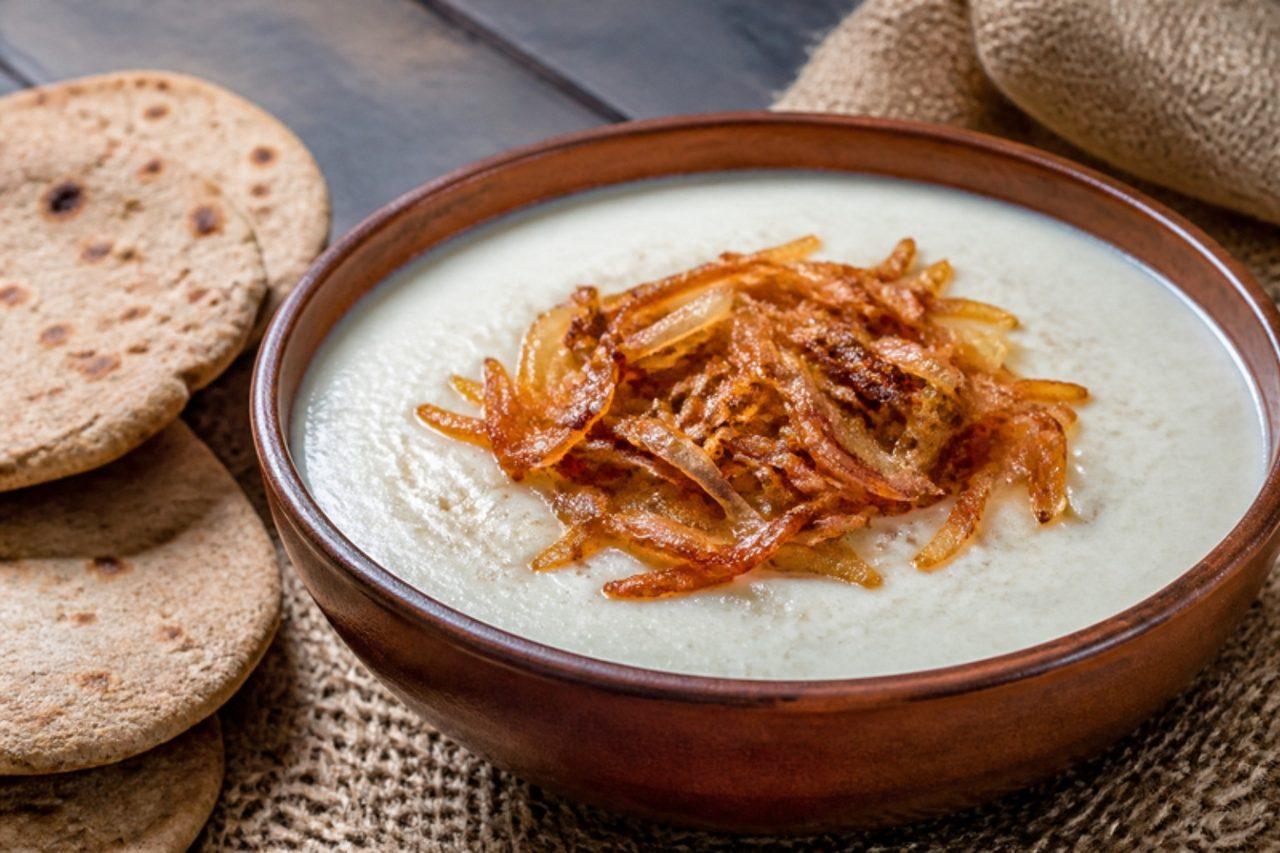
Kishk sa'idi belongs to the villages of the Sa'id, from Minya down to Qena and Luxor, where wheat and soured yoghurt are mixed, rolled into balls and dried on rooftops in the summer sun so the family has it through the winter. Soaked and simmered, the kishk becomes a thick, tangy, creamy porridge, finished with plenty of onions fried in ghee and eaten hot with bread. It is usually cooked in chicken stock; this vegetarian version uses vegetable stock and a little milk for body. Look for Upper Egyptian kishk at Egyptian grocers; Levantine kishk powder works but is often sourer, so add a little extra milk. Allow at least 2 hours for soaking. Chef's tip: keep it at a gentle bubble and stir constantly, because the yoghurt catches on the bottom and turns lumpy within minutes.

by KrazyBadal 0 views

KishkeStuffed baked derma

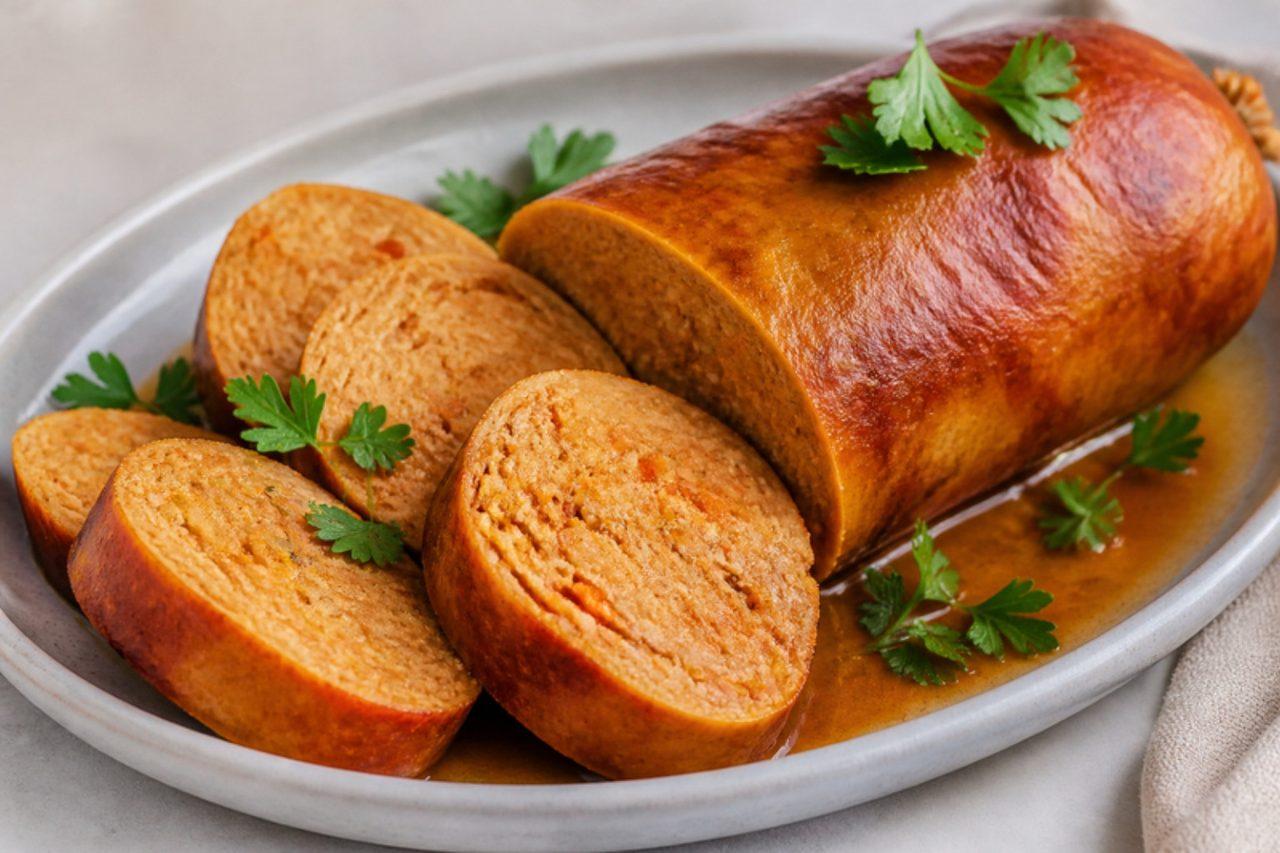
Kishke, also called derma, was once stuffed into cleaned beef intestine and buried in the Shabbat cholent to cook overnight, and Haredi neighbourhoods such as Jerusalem's Geula still sell it at the butcher, orange with paprika, for Friday. The filling is humble: flour or matzo meal, onion, carrot and celery bound with rendered chicken fat, which cooks into a dense, savoury sausage with a crackling crust. This home version fills a sausage casing or rolls the mixture into a paper-and-foil log, then bakes it on its own or lays it on top of the cholent. Too dry a filling is the usual problem; it should feel like a soft, oily dough. Chef's tip: slice leftover kishke and fry the rounds in a dry pan until crisp on both sides.

145 minIsraeliMeat
by KrazyBadal 0 views

Kishmish panirFresh cheese with raisins

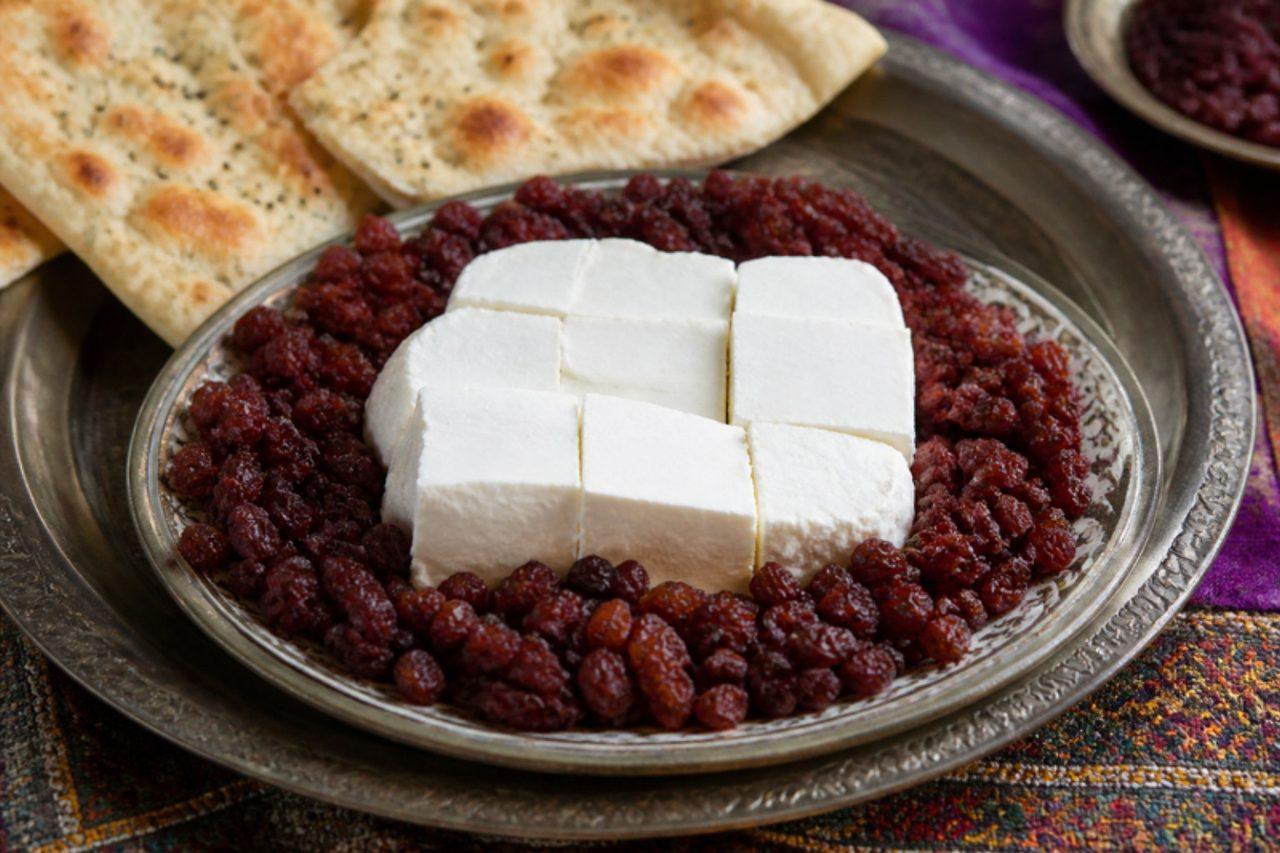
Spring in Kabul is announced by sellers who appear on street corners with trays of soft white panir laid on leaves and a heap of dark red raisins beside it, and kishmish panir becomes the snack of the season. The cheese is unripened and barely salted, milky and springy like a just-set curd, and the chewy, sweet-tart raisins are eaten alongside it in alternate mouthfuls, usually with a piece of naan and a glass of green tea. Afghan panir is set with rennet, traditionally animal rennet, so use a vegetarian (microbial) rennet to keep it vegetarian, and always start with pasteurised milk. The batch that refuses to set has nearly always been made with UHT or ultra-filtered milk, which will not curdle with rennet. Chef's tip: soak the raisins in cold water for half an hour first; they plump up and stop tasting dusty.

by KrazyBadal 0 views

Kittitian goat waterPeppery goat stew

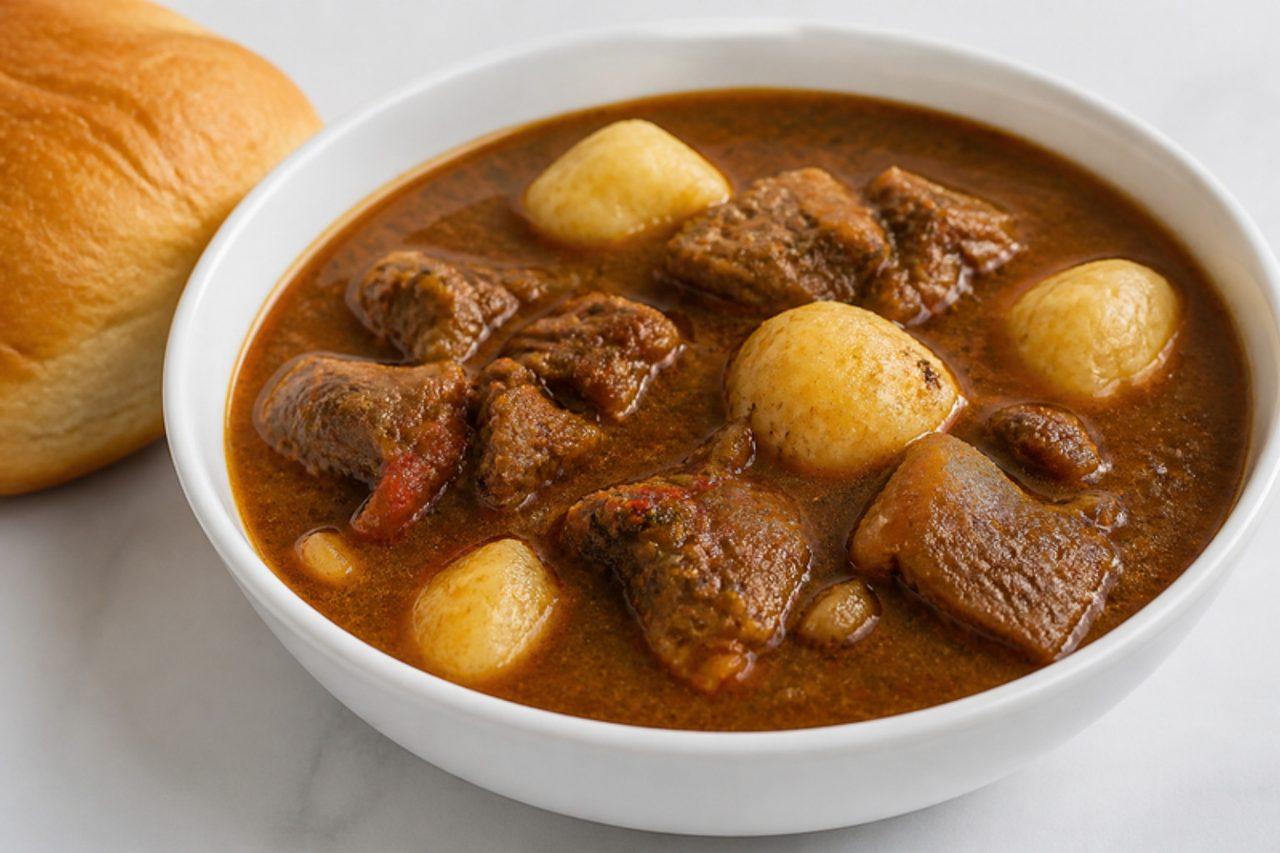
Goat water is what St Kitts, Nevis and Montserrat serve at weddings, village fêtes and every Saturday cookshop: a thick, dark, peppery goat stew-soup flavoured with cloves, thyme, tomato and a heap of hot pepper, thickened with flour and studded with breadfruit, green papaya or dumplings. On Montserrat it is the national dish and comes with crusty bread rolls. The common mistake is thinning it out; despite the name, true goat water should coat a spoon. Ask your butcher to chop bone-in goat into small pieces. Chef's tip: brown a spoonful of flour in the pot before adding the liquid; it gives the gravy its deep colour and nutty taste.

by KrazyBadal 0 views

KjötsúpaLamb and root vegetable soup

Kjötsúpa is the soup every Icelander grew up on, simmered from bony lamb shoulder with swede, potatoes, carrots, onion and a handful of rolled oats or rice to thicken it. Icelandic lamb is free-grazing and flavourful, and on the first day of winter in late October, Kjötsúpudagurinn, free soup is ladled out on Skólavörðustígur in Reykjavík. A common mistake is skimming too little at the start, which leaves a greasy, cloudy soup. Chef's tip: serve the meat on a plate beside the soup, as many Icelandic families do, so everyone can pull it from the bone.

by KrazyBadal 0 views

KleijaDate-filled cardamom cookies

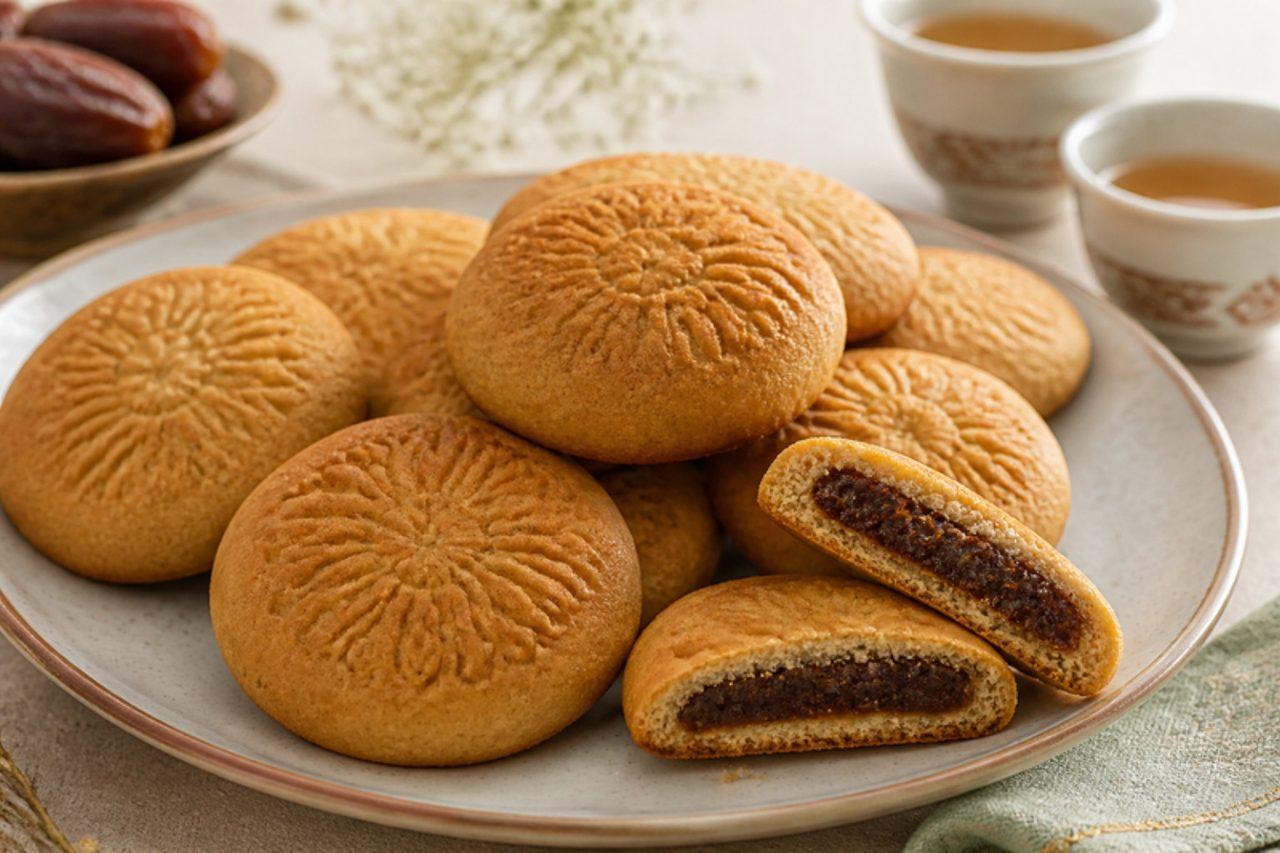
Kleija is the pride of Qassim, the farming heartland north of Riyadh, where an entire festival in Buraidah is devoted to these round, stamped cookies filled with date paste and fragrant with cardamom, saffron and a little fennel. They are packed for journeys, offered to guests with Arabic coffee and baked in big batches before Eid. The pastry is short and crumbly with a soft, chewy date centre. A common mistake is overworking the dough after adding ghee, which makes it tough; mix just until it holds. Store them in a tin for a week. Chef's tip: roll the date paste into small balls with damp hands first, so each cookie gets the same amount and seals neatly.

by KrazyBadal 0 views

KleinurCardamom twisted doughnuts

Kleinur are the twisted doughnuts of Iceland, fried in big batches and kept in tins for coffee time; Icelandic grandmothers cut the dough into diamonds with a special wheel, slit the centre and pull one end through, so each one twists into a knot. The same pastry is known as klejner in Denmark and klenäter in Sweden, made especially at Christmas. The dough is flavoured with cardamom and enriched with buttermilk. A common mistake is frying at too low a heat, which makes them greasy. Chef's tip: roll the dough thin, about 5 mm, and fry at 175 °C; they puff, brown in a minute and stay light.

by KrazyBadal 0 views

KlinRice and cheese filo pie

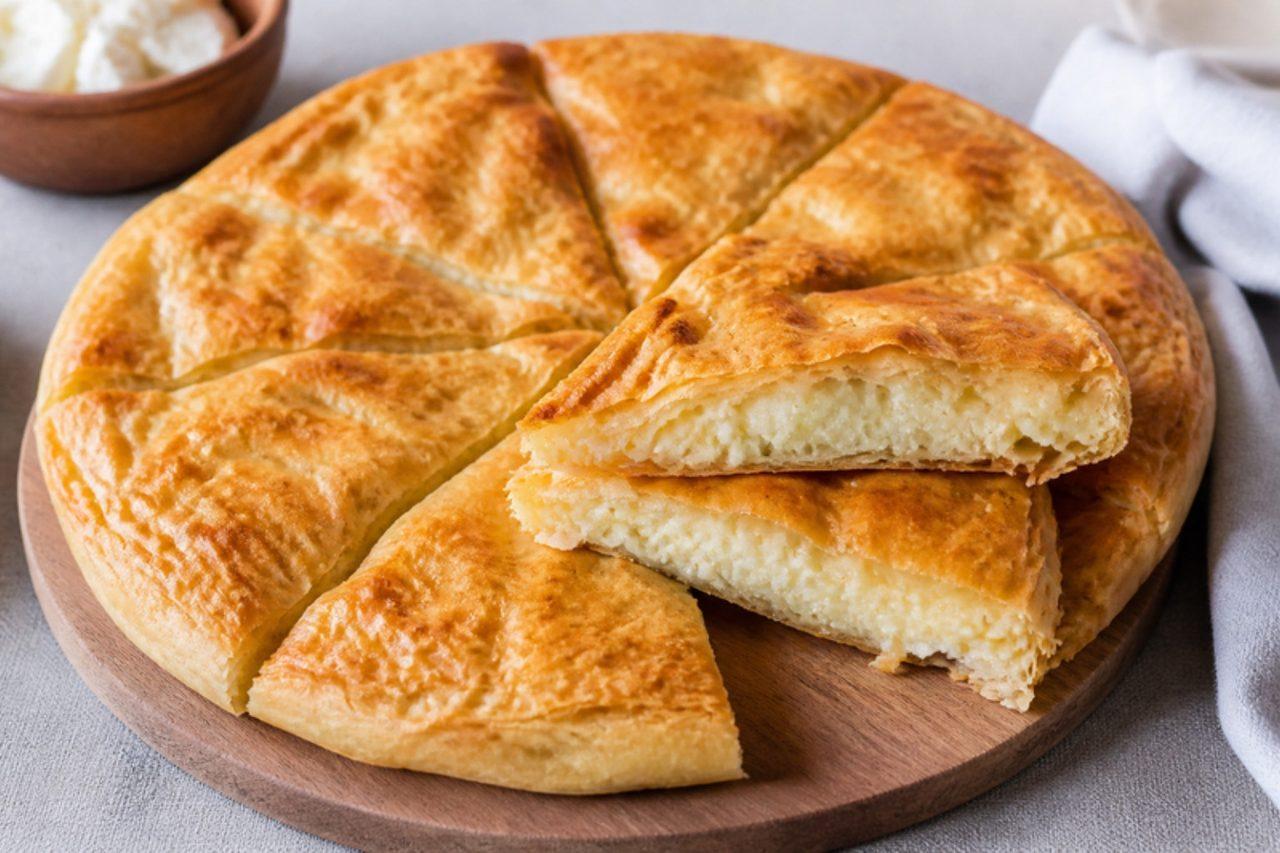
Klin is the festive pie of the Rhodopes, baked for Gergyovden in May, for weddings and for the end of the haymaking, in large round tins that come out to be shared across the village. Thin pastry sheets are layered with a loose, custardy mix of cooked rice, crumbled white cheese, eggs, milk and butter, so it bakes tender and soft inside with a crisp, golden lid. The rice makes it heartier than banitsa and gives every slice a gentle, creamy chew. It is eaten warm or cold with yogurt or ayran. Sirene is often made with animal rennet, so use a vegetarian white cheese. Where most people go wrong is cooking the rice fully; it must stay slightly firm, because it carries on soaking up milk in the oven. Chef's tip: pour any leftover egg and milk over the top just before baking, and the surface puffs into a glossy, golden crust.

by KrazyBadal 0 views

KljukušaBaked grated potato batter

Ask anyone from Bihać or Cazin in north-western Bosnia about kljukuša and they will describe a big tray of it coming out of the oven on a weekday, golden and blistered, then soaked in garlic yogurt at the table. Grated raw potato is stirred into a loose flour batter and baked in a thin layer, giving a crisp, browned top and a soft, slightly chewy middle, a bit like a potato pancake from the oven. The cold, garlicky yogurt against the hot potato is the whole point, with a green salad or pickles on the side. The usual slip is spreading it too thick, which leaves a gummy, undercooked centre; keep the layer to about 1.5 cm. Chef's tip: get the oiled tray smoking hot in the oven first, so the bottom crisps as soon as the batter hits it.

by KrazyBadal 0 views

Kluski leniweLazy cheese dumplings

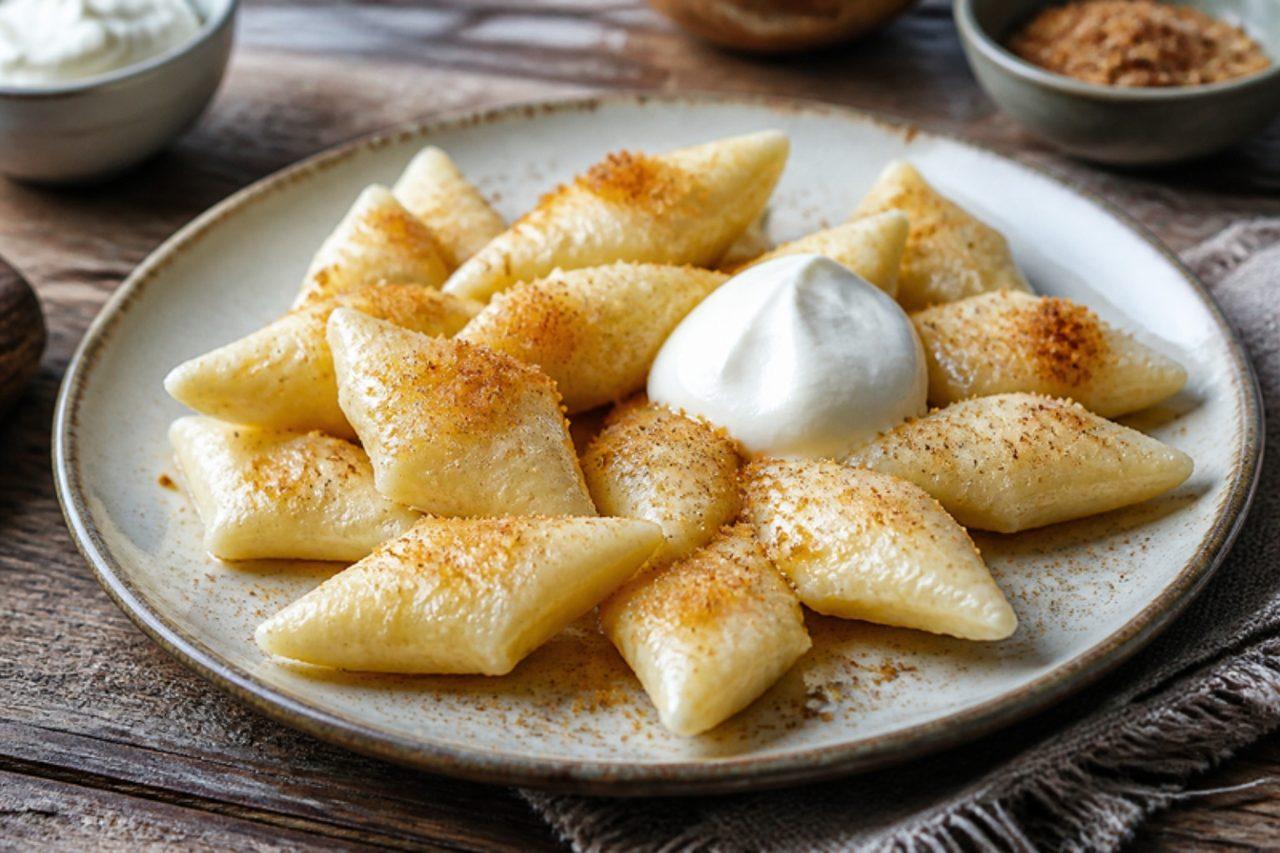
Lazy dumplings earn their name honestly: instead of filling and pinching like pierogi, you knead the cheese straight into the dough and cut it into diamonds. Across Lesser Poland they are a school-day lunch, a canteen favourite and the first thing many Polish children learn to cook. Good ones are pillow-soft and faintly tangy from the twaróg, rolled in breadcrumbs toasted in butter and finished with a spoon of sugar, sometimes sour cream or cinnamon too. The usual slip is adding too much flour to stop the dough sticking, which makes the dumplings heavy and doughy. Twaróg is usually made without rennet, but check the label if you need it strictly vegetarian. Chef's tip: press the twaróg through a sieve or mash it with a fork until completely smooth, so the dough needs less flour.

by KrazyBadal 0 views

Kluski śląskieSilesian potato dumplings

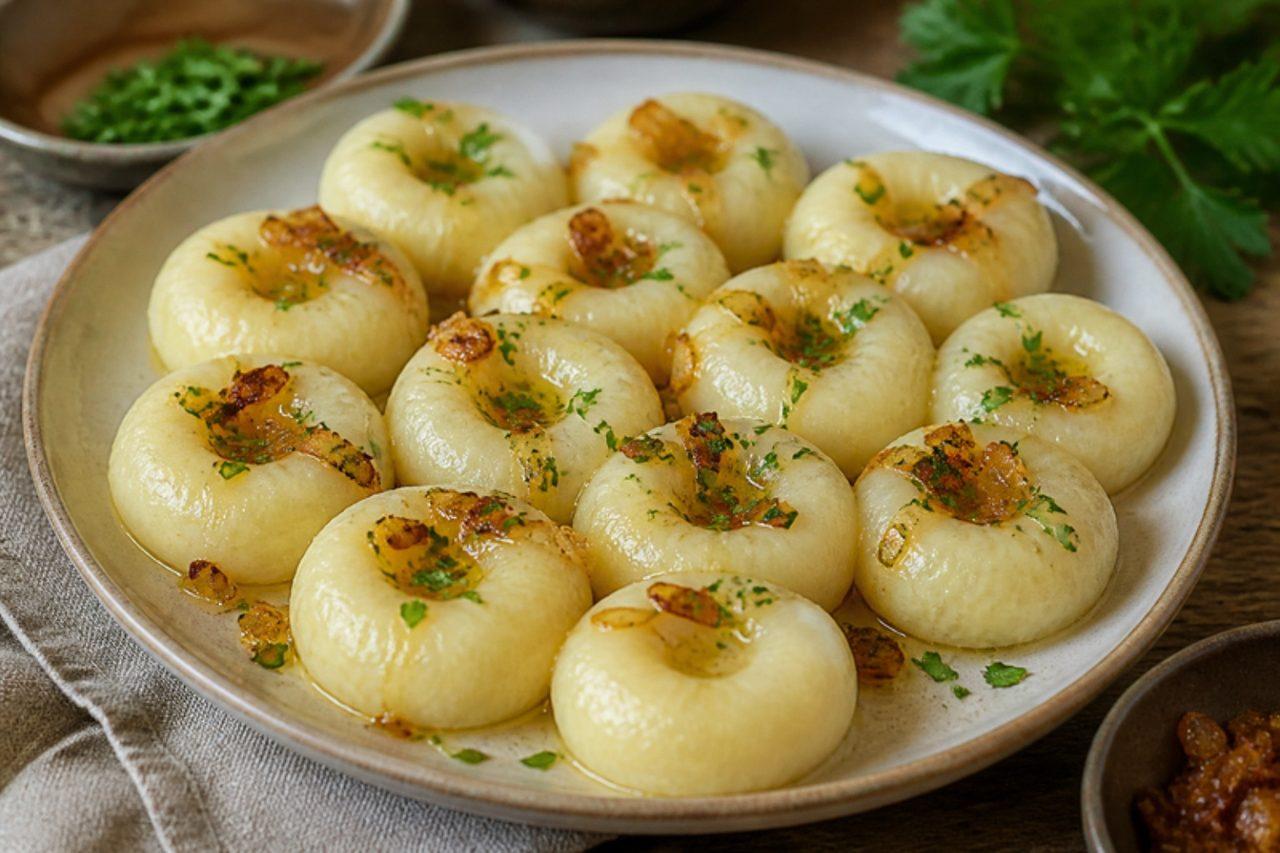
No Sunday dinner in Katowice, Gliwice or Opole feels complete without a heap of these pale, bouncy dumplings, traditionally next to roulade and red cabbage. Here they are served the meatless way, with browned butter and fried onion, or with a mushroom sauce poured into the little dent each one gets from your thumb. They are made from boiled, riced potato and potato starch, so the texture is springy and smooth, almost elastic, with a clean potato taste. The classic error is guessing the starch: Silesian cooks press the cooled potatoes flat, cut out a quarter and fill the gap with starch, which gives the right ratio every time. Chef's tip: rice the potatoes while hot but let them cool completely before mixing, or the dough turns gluey.

by KrazyBadal 0 views

Kluski z makiemNoodles with sweet poppy seed

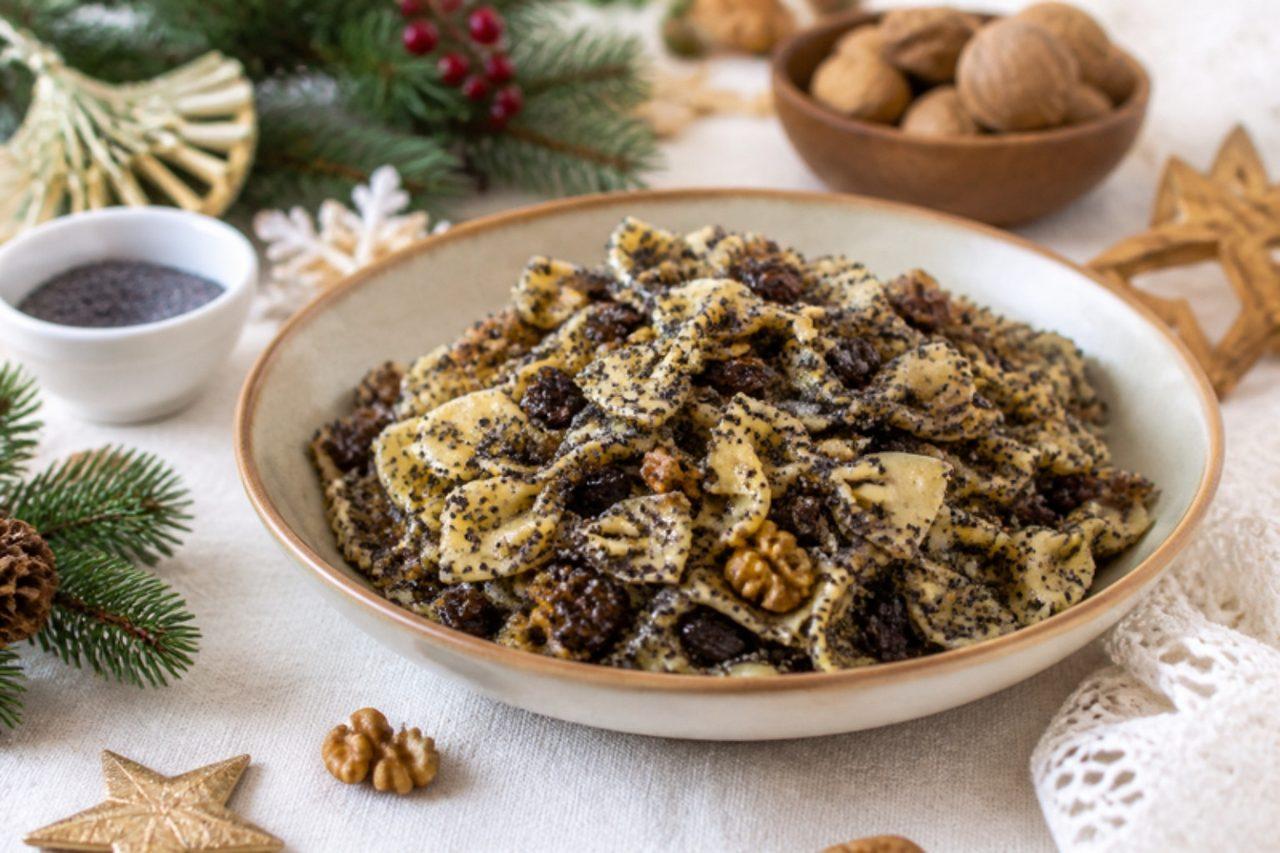
Poppy seed is the taste of a Polish Christmas Eve, and in central and eastern Poland it often reaches the table as a bowl of wide noodles in a sweet, dark poppy mixture with honey, walnuts and raisins. It sounds strange to anyone who expects pasta to be savoury, but it is closer to a pudding: nutty, slightly bitter, sticky with honey, eaten at room temperature as the last dish of the night. Where most people go wrong is using whole poppy seeds straight from the packet; they must be scalded and ground, or the dish is gritty and bland. Chef's tip: buy ready-ground poppy seed or grind scalded seeds twice in a spice grinder until they turn grey and buttery.

by KrazyBadal 0 views

Kmínová polévkaCaraway soup

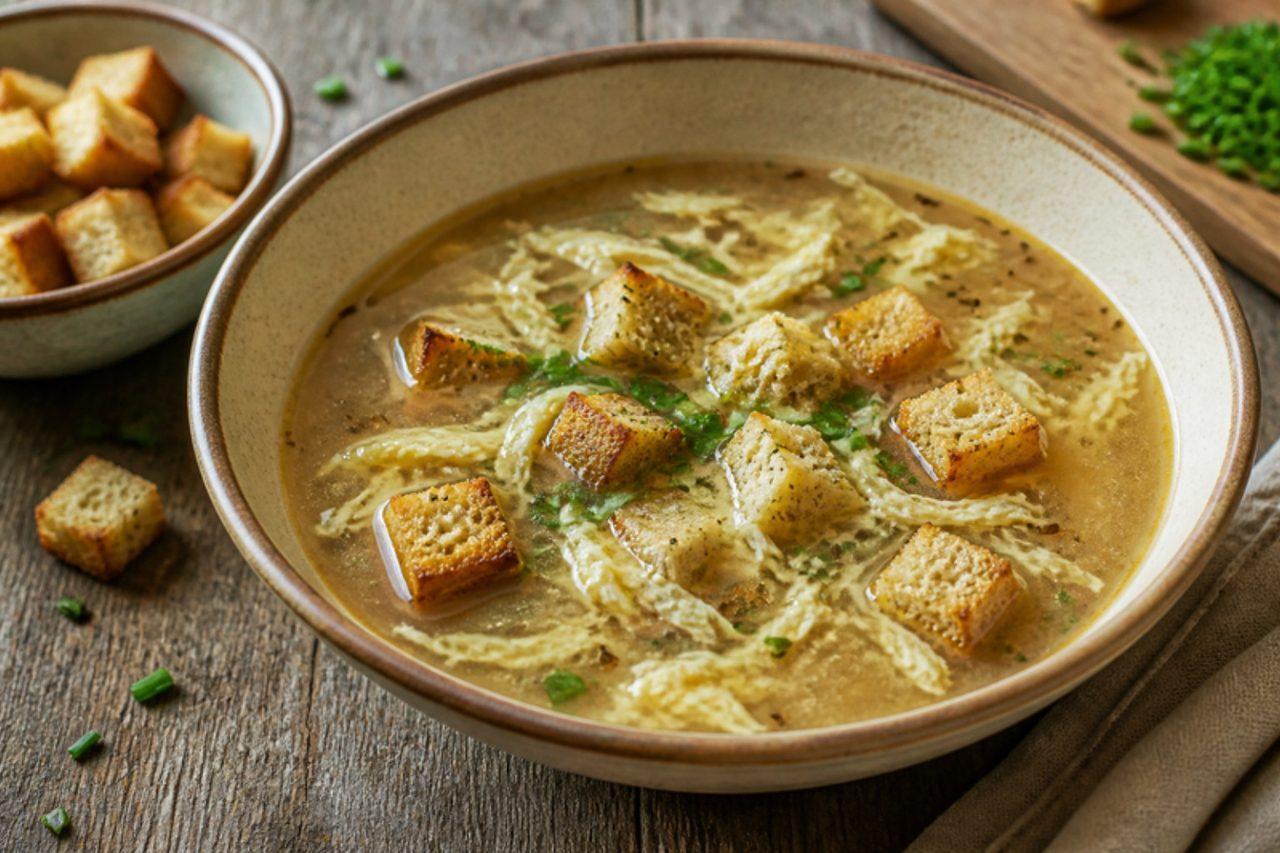
Few soups are as cheap or as old as this one. Kmínová polévka was the Bohemian peasant's breakfast long before coffee arrived, and Czech mothers still make it for an upset stomach or a hangover. The roux is cooked until it smells of toasted hazelnuts, the caraway is fried in butter until it pops, and the hot soup is poured straight onto crunchy toasted bread so it softens at the edges. Where most people go wrong is taking the roux off the heat while it is still pale: you get a floury, raw-tasting soup instead of a nutty one. A beaten egg trickled in at the end makes it more filling. Chef's tip: crush half the caraway in a mortar first, so the flavour spreads through the broth while the whole seeds give little bursts.

25 minCzechSoups
by KrazyBadal 0 views

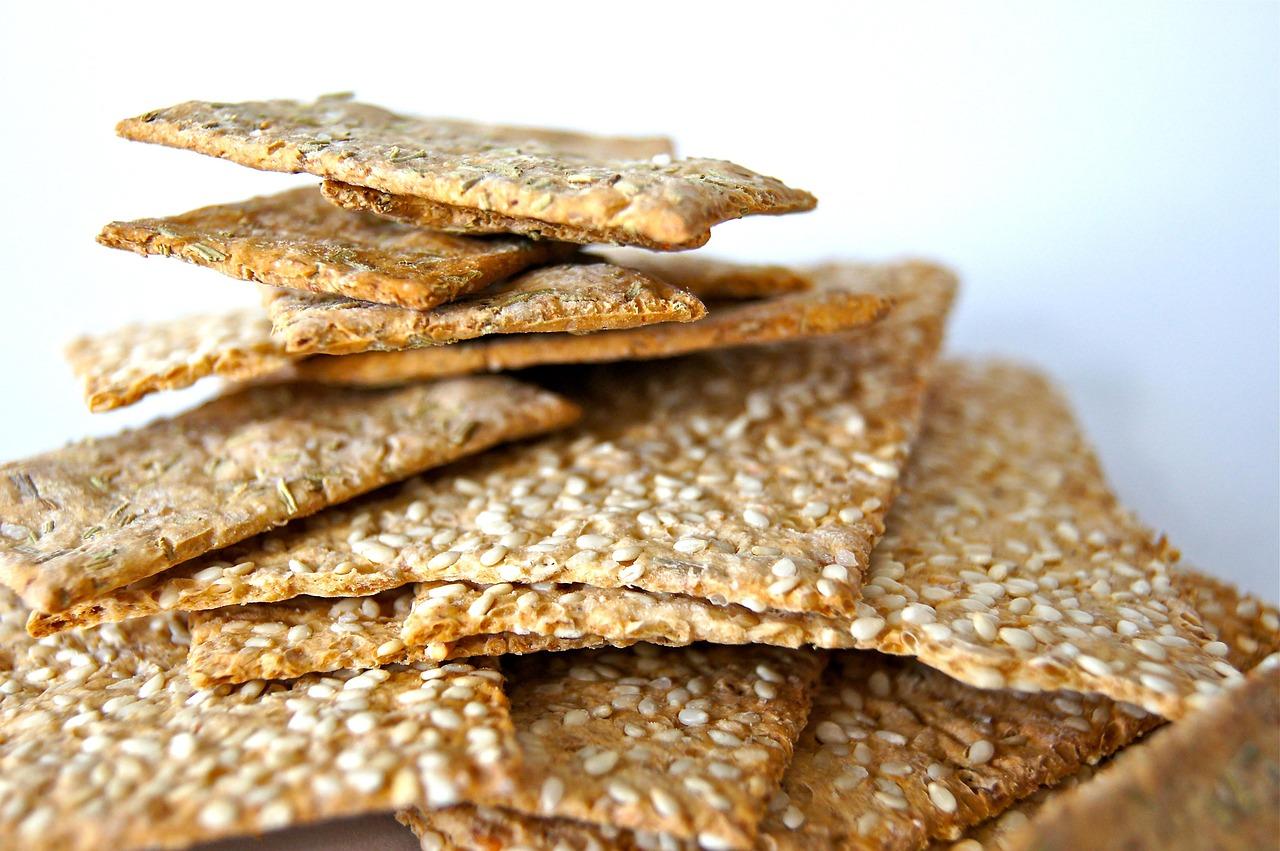
KnäckebrödRye crispbread

Knäckebröd is the crispbread that Swedes have baked since the Vikings: rye flour and seeds rolled thin, pricked all over and baked until bone-dry, so it keeps for weeks; once it was baked with a hole in the middle and hung on poles under the kitchen ceiling. Today it is eaten at breakfast with butter, cheese and cucumber in every Swedish home. A common mistake is rolling unevenly, which leaves soft patches that go stale. Chef's tip: roll the dough directly on baking paper with a knobbled rolling pin or prick it heavily with a fork, then bake twice, the second time low, until completely dry.

by KrazyBadal 0 views

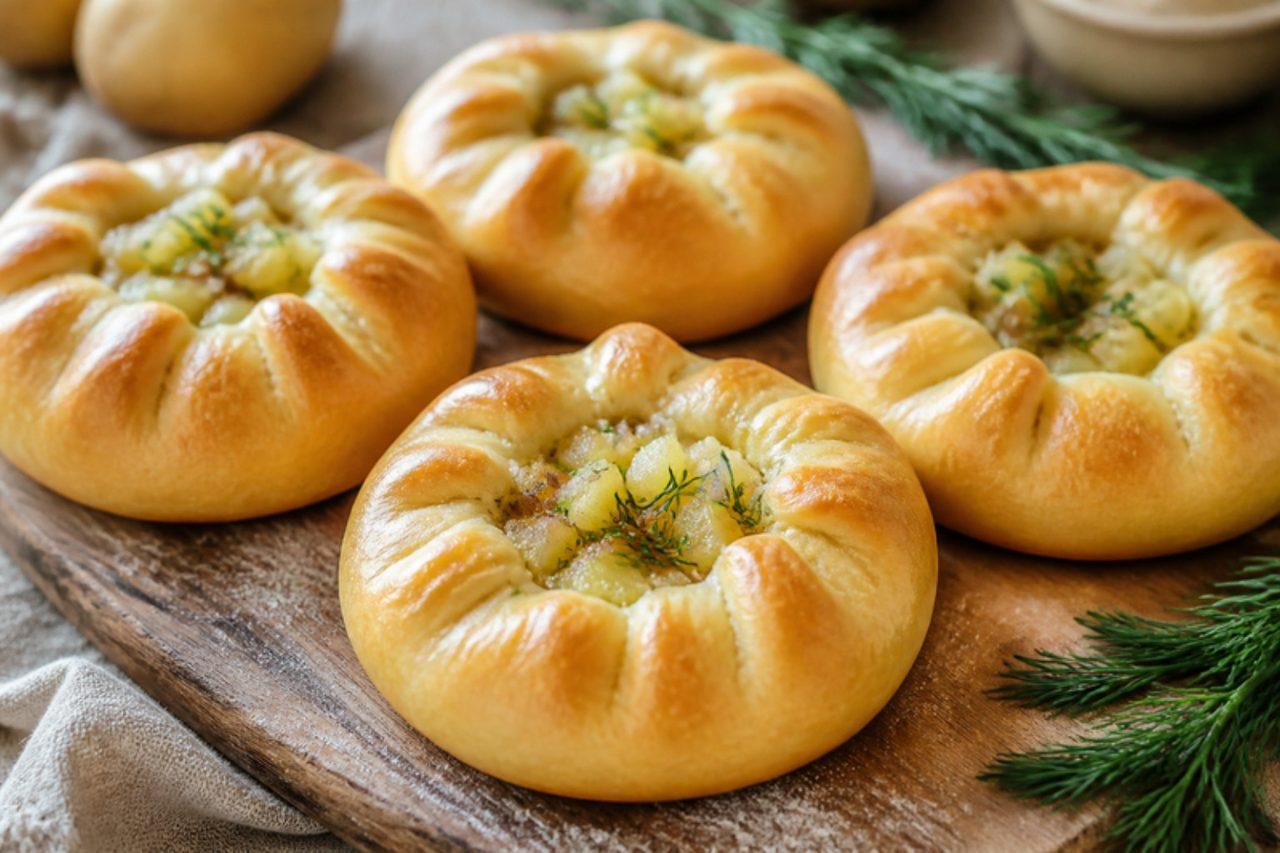
KnyshiPotato-filled yeast buns

On Poltava farms knyshi came out of the stove alongside the bread on baking day: rounds of soft milk dough with their edges pinched up like a little open basket, so the filling shows in the middle. Potato mashed with plenty of onion fried in sunflower oil and a handful of dill is the everyday version, and the buns are eaten warm with a bowl of soup or cold on the way to the fields. Some cooks fill them with curd cheese or poppy seed instead, especially for Christmas Eve. The dough should be pillowy and the potato soft and peppery. Most people go wrong by spooning in warm, wet mash, which steams the dough from inside and makes it soggy; let the filling cool fully. Chef's tip: brush the baked buns with melted butter the moment they come out of the oven, then cover with a towel for 10 minutes so the crust turns soft and silky.

by KrazyBadal 0 views

KobeteLamb and potato pie

Kobete is the grand pie of Crimean Tatar celebrations, a tall golden dome cut at the table like a cake, its name thought to come from an old word for a pastry dome. Inside, small cubes of raw lamb, potato and onion are seasoned with black pepper and baked slowly in a soft, buttery yoghurt pastry, so the meat cooks in its own juices into a peppery broth that soaks the potato. Chicken versions are common too. Serve warm with a sharp salad or ayran. People tend to cut the meat too big; in a sealed pie, large chunks stay chewy while the crust burns. Allow time for the long bake and a short rest before slicing. Chef's tip: pour a ladle of hot stock through the steam hole halfway through baking, which keeps the filling juicy and tells you, by the bubbling, that it is cooking well inside.

by KrazyBadal 0 views

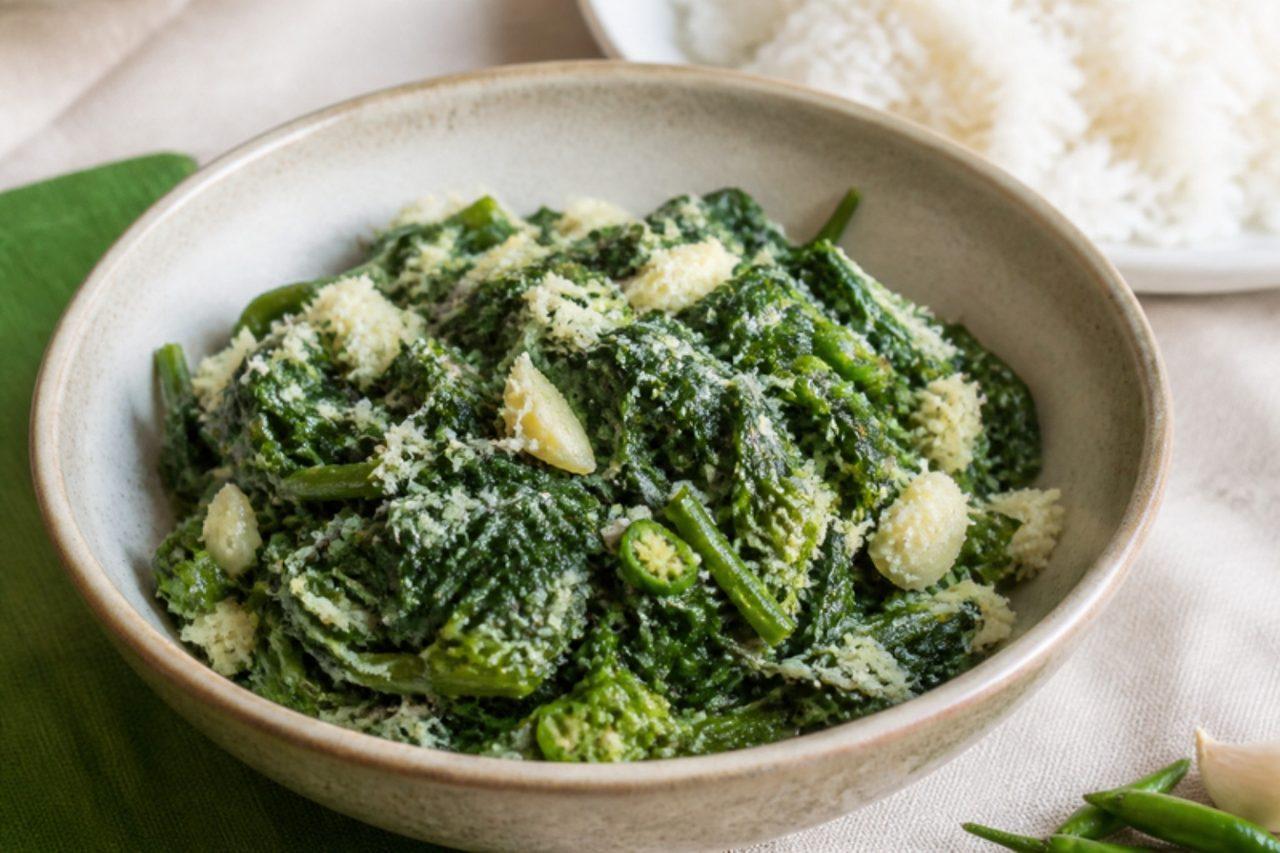
Kochu shakTaro greens with coconut

In the wet villages of Khulna and Bagerhat, near the edge of the Sundarbans, taro grows wild along every pond, and its dark leaves and tender stems are cut, chopped fine and simmered into a soft, creamy green dish with grated coconut. At home it is often cooked with small shrimp or the head of a hilsa for richness; this version keeps it vegetarian and leans on coconut and mustard oil instead. Cooked well, it is soft and silky, coconut-sweet and earthy, and is eaten with rice and a squeeze of lime. Taro leaves contain calcium oxalate crystals that make the mouth itch if they are undercooked, so the classic error is pulling it off the heat too soon; it needs a full 25 minutes and a sour element at the end. Chef's tip: use young leaves from edible taro and wear gloves or oil your hands while cutting the stems.

by KrazyBadal 0 views

Kochur loti chingriTaro stolons with prawns

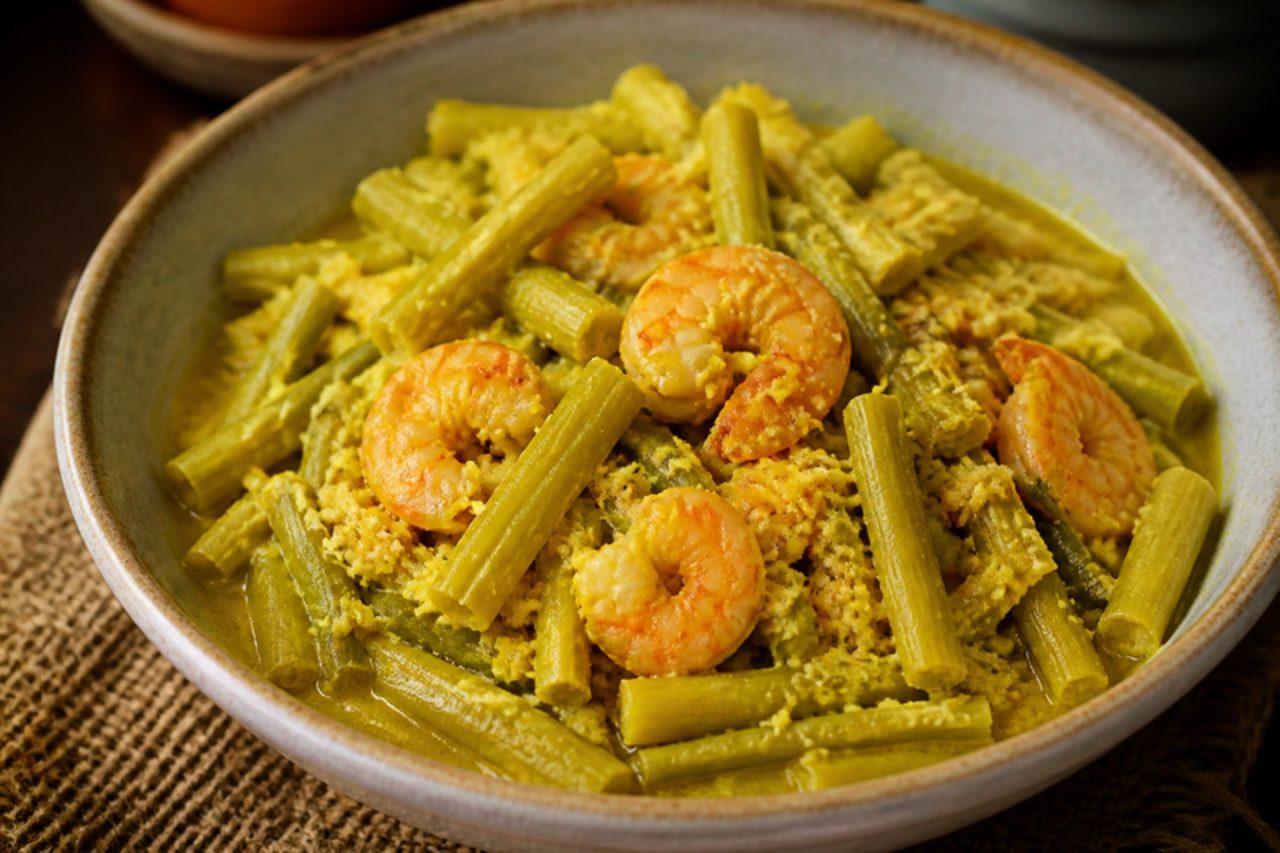
Kochur loti are the long, thin runners that taro plants send out across the pond banks in the rainy season, and in Khulna, where freshwater prawns are farmed in every second field, the two end up in the same karai. The stolons are peeled, cut into short lengths and cooked with small prawns, onion and freshly grated coconut until soft and almost melting, giving a mild, slightly sweet, gently earthy dish for lunch with rice and dal. Taro of all kinds contains crystals that make the mouth and throat itch if it is not cooked enough or balanced with something sour, so the stolons need peeling, a full cook and a squeeze of lime. Many people undercook the loti because they look tender early; give them the whole time. Chef's tip: oil your hands before peeling the stolons, or wear gloves, as the sap can irritate the skin.

by KrazyBadal 0 views

Kofi brokemanRoasted plantain with peanuts

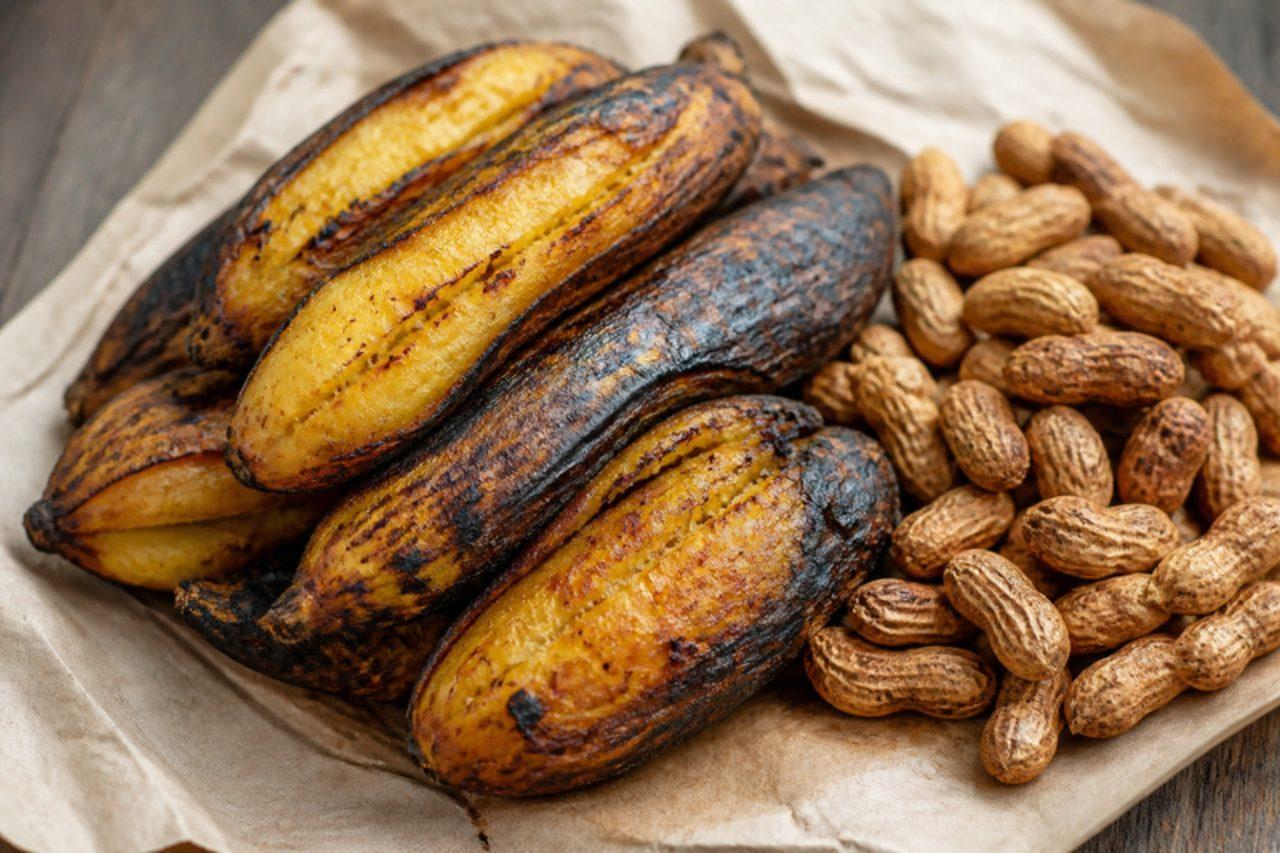
The name jokes that this is food for 'Kofi who is broke': a ripe plantain roasted over a charcoal grill on a street corner in Accra or Kumasi, handed over with a twist of roasted groundnuts for very little money. The skin chars black while the inside turns soft, sweet and smoky, and the nuts give it salt and crunch, so it is surprisingly filling. At home a hot grill pan, oven or barbecue does the job. Chef's tip: choose plantains that are yellow with a few black spots, firm but not green; fully black ones collapse on the grill, and green ones, the usual mistake, stay starchy and dry.

by KrazyBadal 0 views

Kofta chalowMeatballs with rice

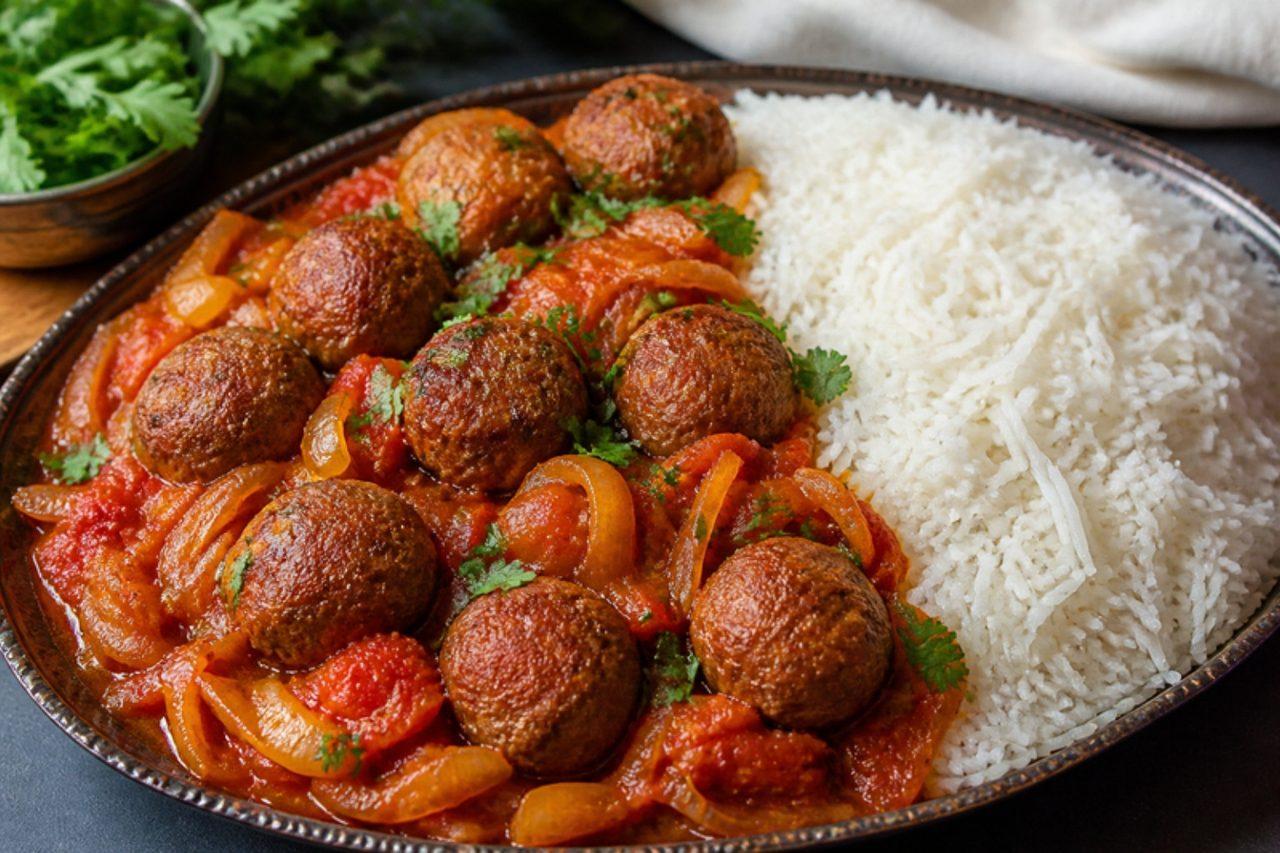
Kofta chalow is weekday comfort in Kabul homes: tender, coriander-flecked meatballs simmered in a brick-red sauce of onion and tomato, spooned over chalow, plain long-grain rice that is boiled, drained and then steamed with a little oil and cumin until each grain stands apart. The sauce soaks into the rice, the meatballs are soft enough to cut with a spoon, and the meal is finished with a salad of chopped tomato, cucumber and onion and a dab of green chutney. The meatballs fall apart in the pan when the grated onion goes in wet, so squeeze it hard in your fist first. Chef's tip: chill the shaped koftas for 20 minutes before they go into the sauce; they firm up and keep their round shape.

85 minAfghanMeatGluten free
by KrazyBadal 0 views

KokonteDried cassava swallow

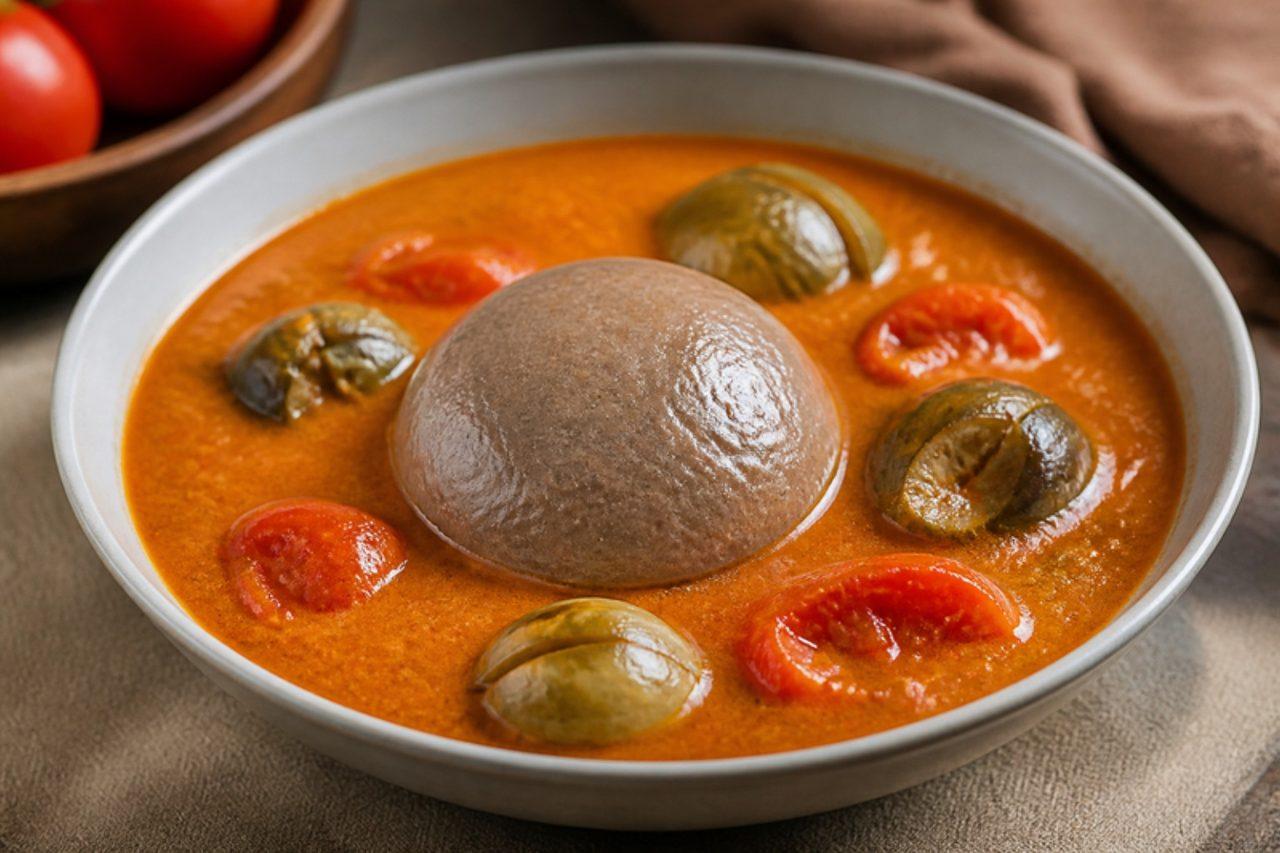
Dried in the sun and ground to a coarse brown powder, cassava keeps for months as kokonte, and in Ashanti villages it is the swallow of the dry season and of lean times. Cooked, it turns into a smooth, firm, earthy-tasting dough, darker than fufu and with a faint smokiness, that is classically eaten with groundnut soup or palm nut soup; its colour earned it the joking nickname 'face the wall'. It takes only minutes to make. Those soups usually carry meat or fish, so serve a vegetable soup for a meat-free meal. Chef's tip: mix a third of the powder with cold water to a paste before it goes into the boiling water; dumping dry powder into hot water is the common mistake and makes stubborn lumps.

by KrazyBadal 0 views

KoktalSmoked carp with vegetables

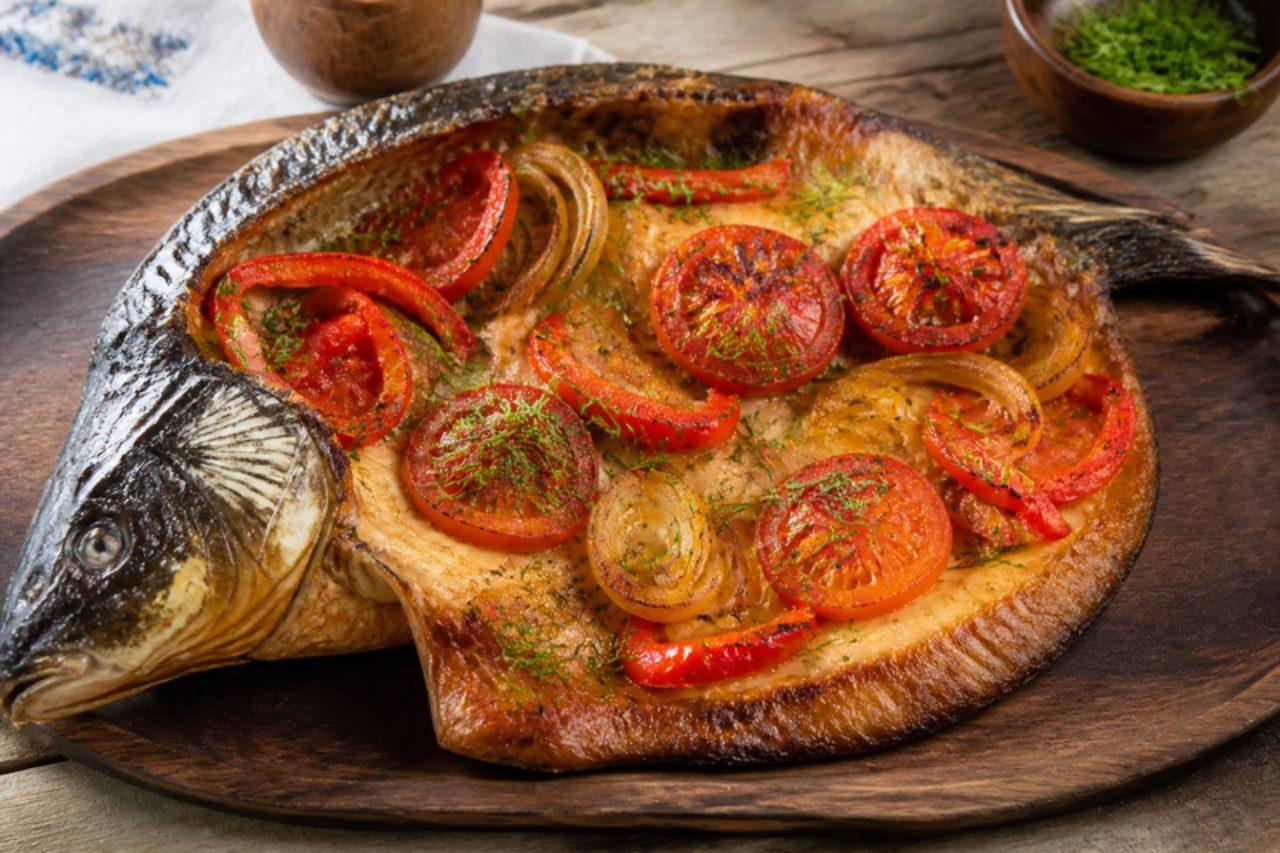
Koktal is the fishermen's dish of Lake Balkhash and the Ili River in south-east Kazakhstan: a large carp split open along the back, salted, scored and roasted skin-side out on a frame over smoky fires, then baked with tomatoes, peppers and onions. In Almaty restaurants it is brought to the table on a wooden board. This version smokes the fish briefly in a covered barbecue and finishes it in the oven. A common mistake is leaving the scales on near the head and tail; scale the fish well, or the skin turns leathery. Chef's tip: score the flesh in a deep diamond pattern so the smoke and seasoning get into the thick fillets. Cook until the flesh is opaque and flakes easily.

80 minKazakhFishGluten free
by KrazyBadal 0 views

Kola kendaHerbal red rice porridge

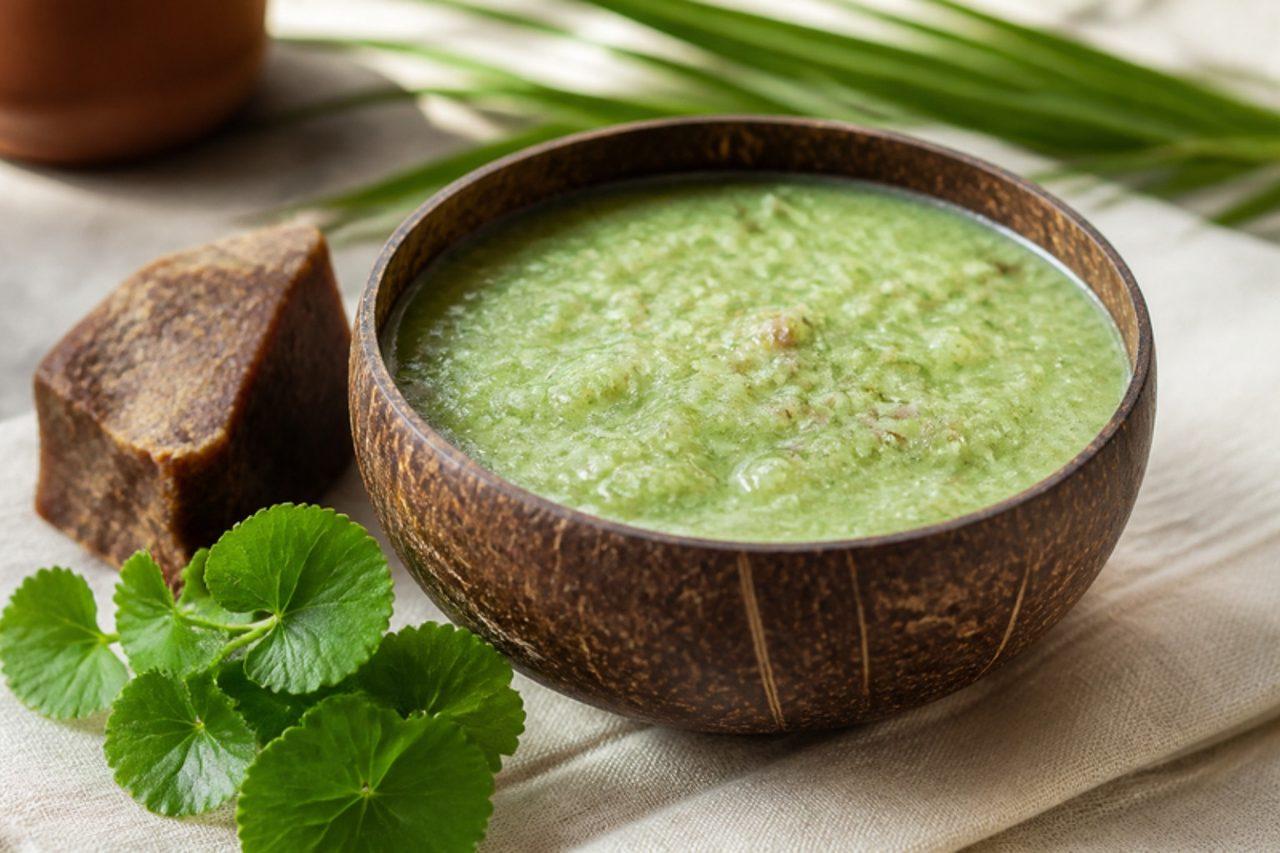
Early in the morning, outside bus stands in Kandy and along the walking paths of Colombo's parks, vendors ladle bright green kola kenda from big pots into cups, handing each customer a lump of jaggery to bite between sips. It is a thin, savoury porridge of red rice cooked until it breaks down, enriched with coconut milk and coloured with the juice of fresh leaves, most often gotu kola, though cooks also use hathawariya, mukunuwenna or even curry leaves. The taste is grassy, slightly bitter and very restoring, and older Sri Lankans drink it as a daily tonic. The leaf juice must never boil; adding it to a bubbling pot is the mistake that turns the porridge khaki and dulls the fresh flavour. Chef's tip: blend the leaves with cold water and strain them through a fine sieve, so the kenda stays silky with no stringy bits.

by KrazyBadal 0 views

KolbullarThick campfire pancakes

Kolbullar were the food of the charcoal burners who tended slow-smouldering kilns in the forests of Norrland and Bergslagen for weeks at a time: a thick batter of flour, milk and water fried in a pan over the fire, usually with pieces of salt pork mixed in. Today they are a favourite of Swedish hiking trips and forest festivals. This version leaves out the pork and is served with lingonberries and a pinch of flaky salt. A common mistake is spreading the batter thin like a crêpe; kolbullar are thick and chewy. Chef's tip: let the batter stand for 20 minutes so the flour swells and the pancakes stay soft in the middle.

by KrazyBadal 0 views

KoldskålCold buttermilk soup

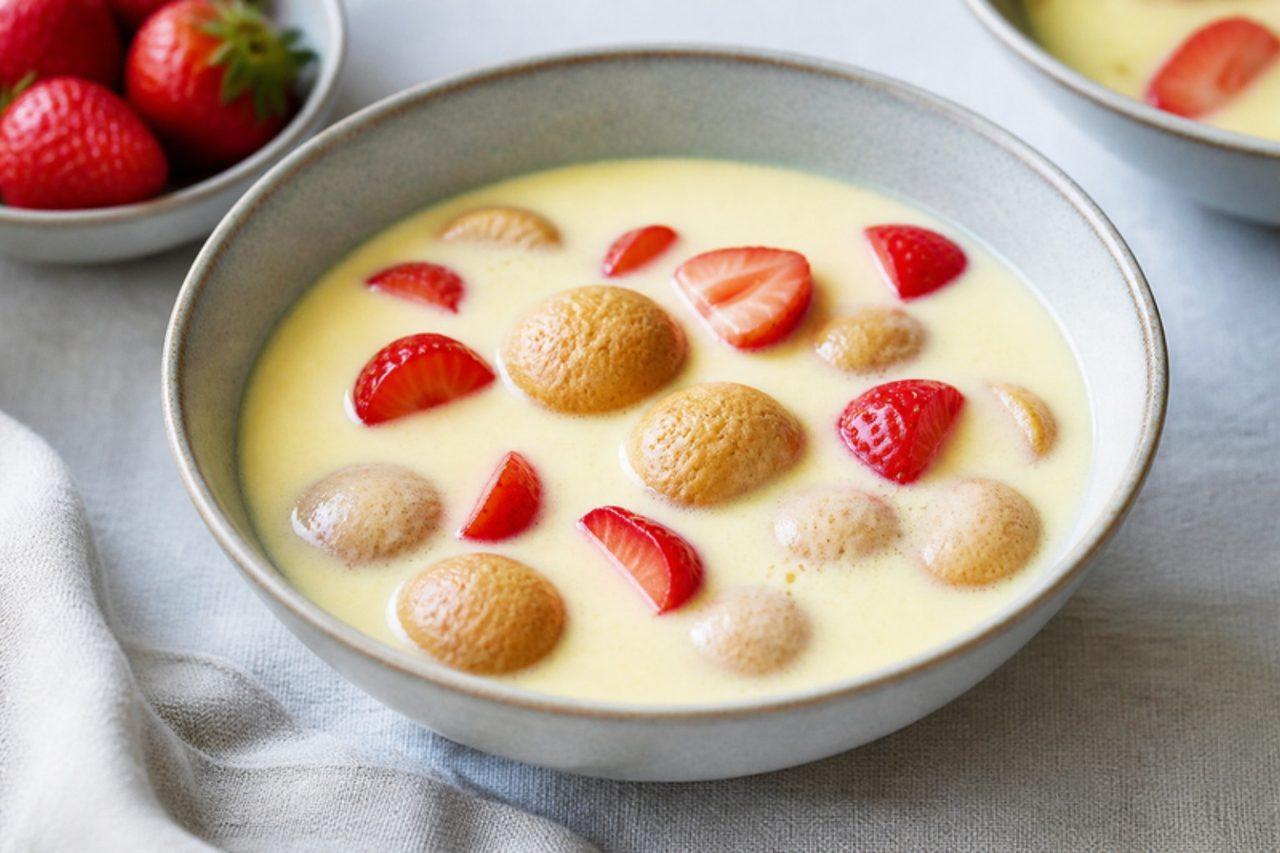
On the first warm day of summer, Danes buy cartons of koldskål and packets of kammerjunker, small crunchy rusks, and the season has begun: koldskål is a cold, sweet, tangy buttermilk 'soup' with lemon and vanilla, eaten from bowls as a dessert or a light supper, sometimes with strawberries. Homemade, it is whisked with egg yolks for richness. Raw egg yolk is not suitable for pregnant women, young children or anyone with a weakened immune system, so this recipe uses pasteurised egg yolks. A common mistake is serving it at room temperature; it must be very cold. Chef's tip: whisk the yolks and sugar until thick and pale before the buttermilk goes in, which gives a silky, foamy soup.

by KrazyBadal 0 views

KoloRoasted barley and peanut snack

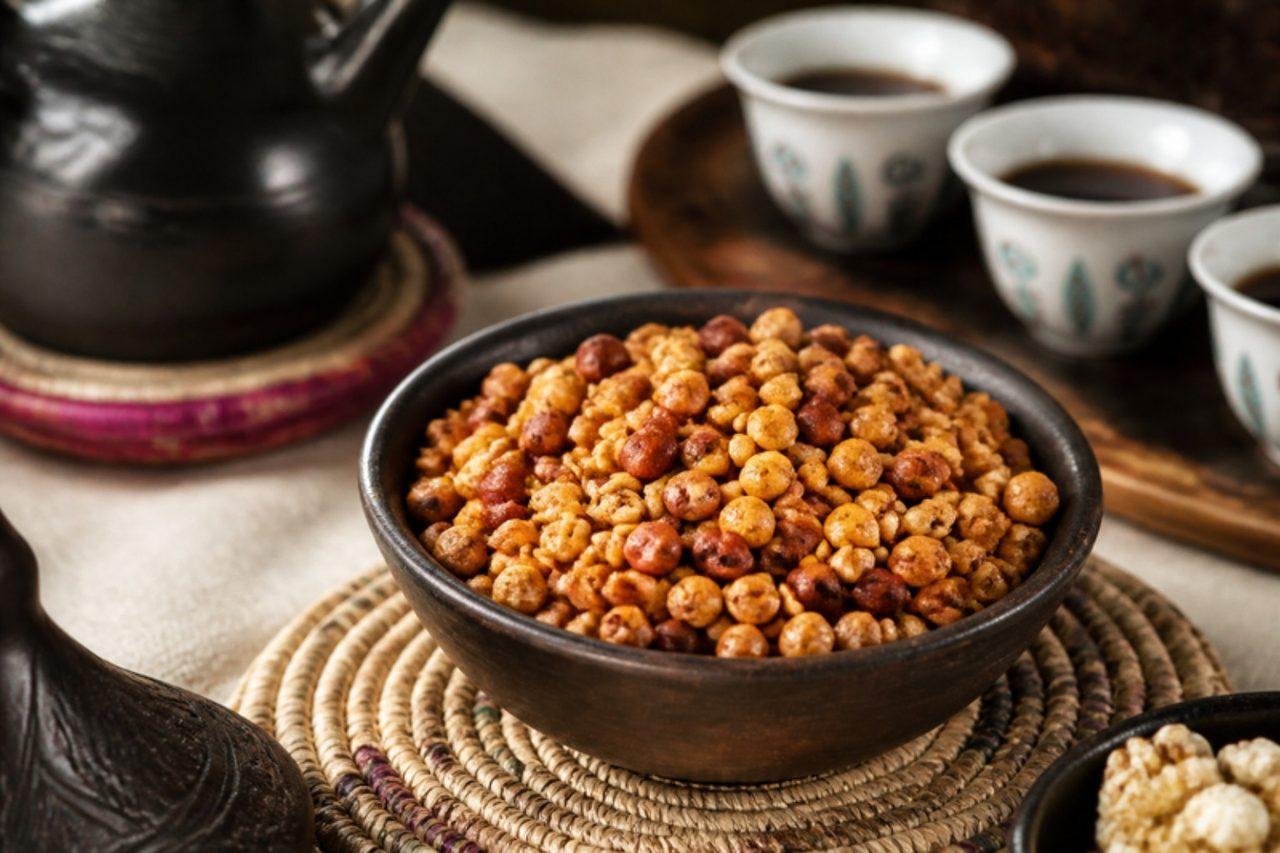
While the beans are roasted and the coffee is brewed three times over, a basket or small bowl of kolo goes round the room, and guests take a handful between cups. It is the simplest of snacks: whole barley grains roasted in a dry pan until they crack and smell like toast, mixed with roasted chickpeas and peanuts, sometimes with sunflower seeds or a little berbere. The barley is crunchy and nutty, the peanuts rich, the chickpeas mealy. Street sellers in Addis Ababa scoop it into paper cones, and families keep a jar for children's lunchboxes and long journeys. Note that barley contains gluten. Chef's tip: sprinkle a little salted water over the barley in the last minute of roasting; it evaporates instantly and leaves the salt clinging to every grain.

by KrazyBadal 0 views

Kołocz śląskiSilesian cheese yeast cake

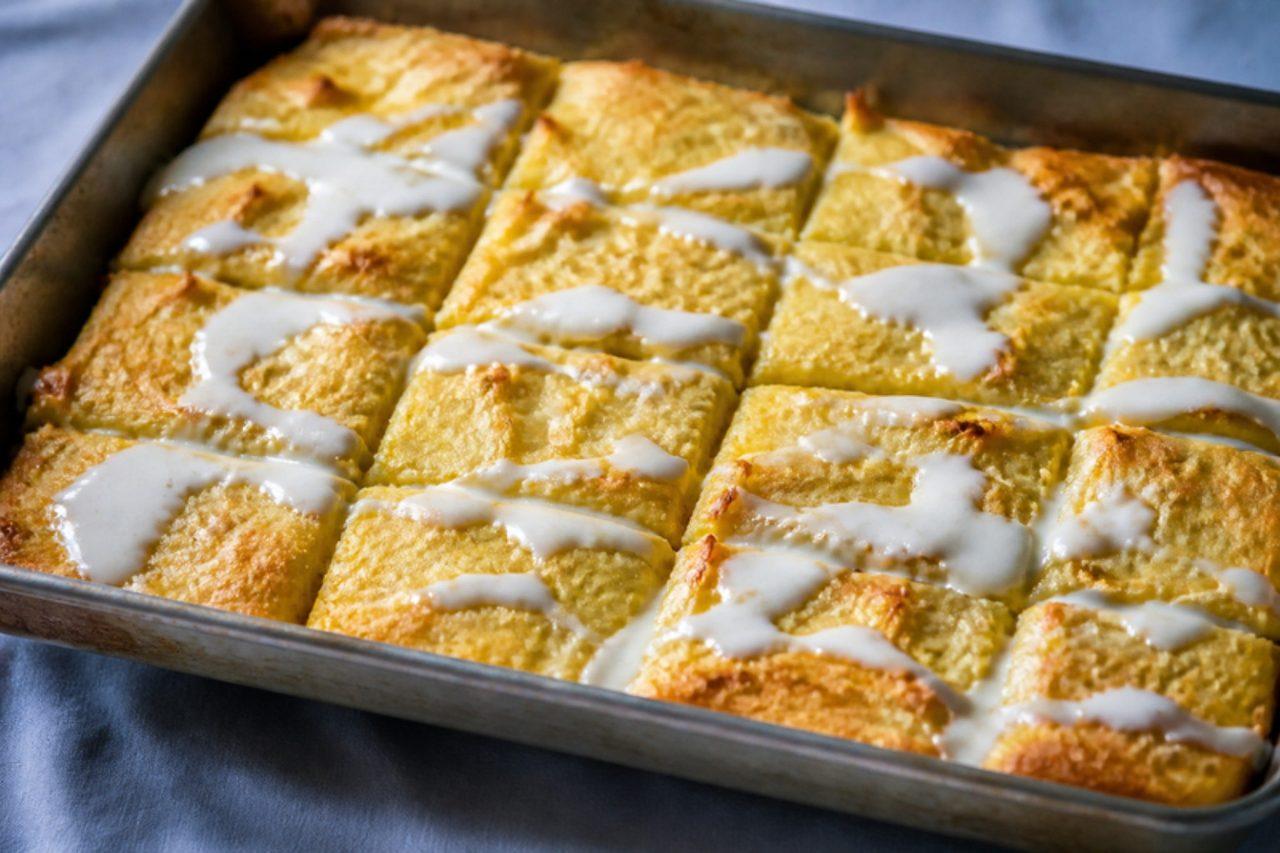
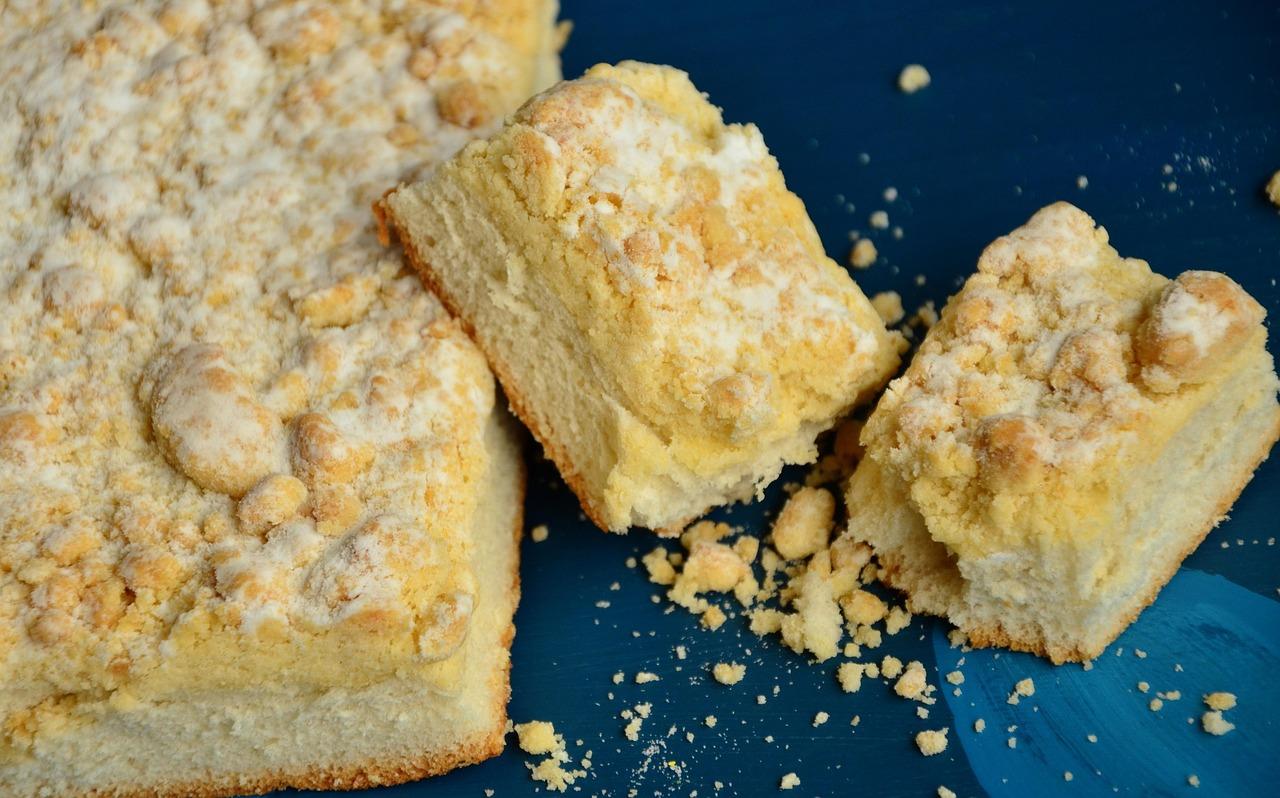
Silesian weddings once had kołocz delivered to every neighbour as a thank-you, and the wide trays still appear at christenings, harvest festivals and church fairs in Opole and around Katowice. The base is a soft, lightly sweet yeast dough, spread with a thick layer of vanilla twaróg and covered with a buttery crumble that bakes into craggy golden lumps. It keeps well for two days and cuts into neat squares for coffee. A common mistake is baking it before the dough has had its second rise under the topping, which gives a dense, bready base. Twaróg is usually rennet-free, but check the label. Chef's tip: keep the crumble in the fridge until the last moment so it stays in distinct lumps in the oven.

150 minPolishBaking
by KrazyBadal 0 views

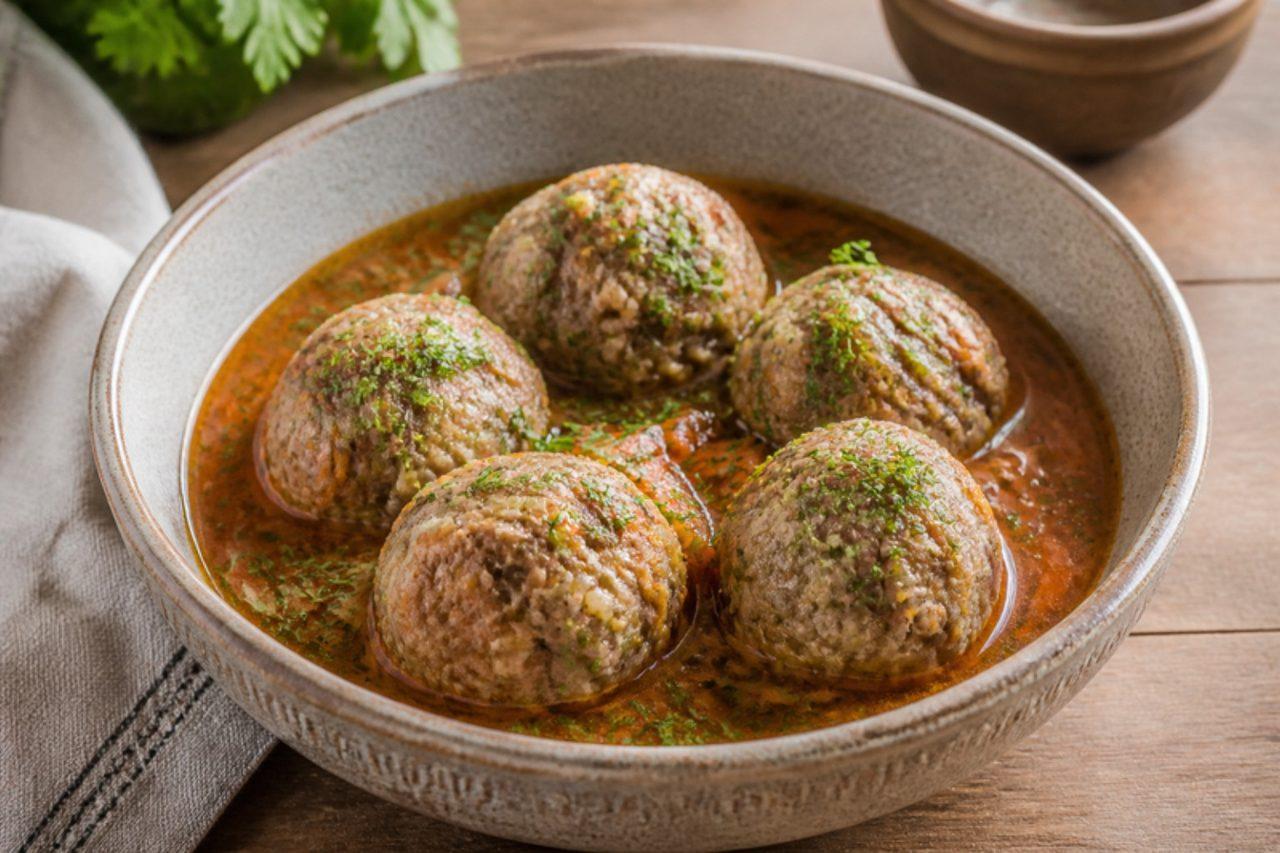
KololakBeef and rice meatballs in broth

Kololak are the big, soft meatballs of Gyumri, Armenia's second city, where they are cooked for family Sunday dinners: very finely minced beef is beaten with rice, onion and egg until smooth and springy, shaped into balls the size of a small orange and simmered in a light broth with tomato and herbs. The broth is served first as soup, the meatballs after. A common mistake is skipping the long kneading, which makes the meatballs crumble in the pot. Chef's tip: wet your hands with cold water while shaping, and lower the balls into broth that is only just simmering, so they hold together. Minced meat must reach 71 °C in the centre.

by KrazyBadal 0 views

Komplet lepinjaFlatbread with kajmak and egg

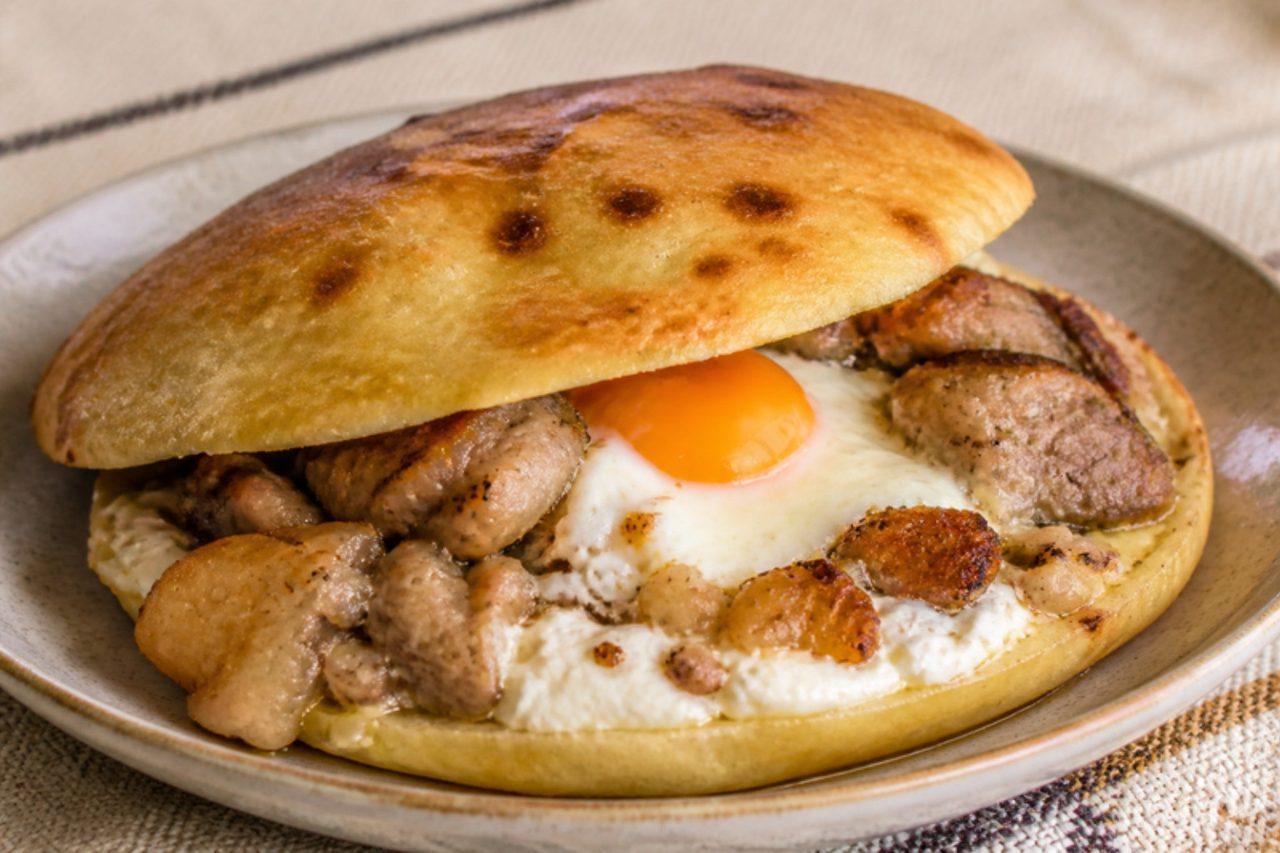
Roadside inns in the hills around Užice and Zlatibor in western Serbia serve this as a breakfast for people with a long day ahead: a round flatbread hollowed out and filled with kajmak and an egg, baked, then soaked with pretop, the hot fat and juices left from roasting pork or lamb. It is rich, salty and messy, eaten with your hands with a yogurt drink and pickled peppers. At home, save the drippings from a Sunday pork roast, keep them in the fridge and reheat until bubbling. The usual slip is cutting the lid too thin, which leaves no room for the egg and it spills over the side. Bake until the white is fully set; for anyone pregnant, very young, elderly or unwell, bake on until the yolk is firm too. Chef's tip: put the lid back on for the last two minutes so it toasts, then dunk it straight into the hot drippings.

by KrazyBadal 0 views

Konijn met pruimenRabbit with beer and prunes

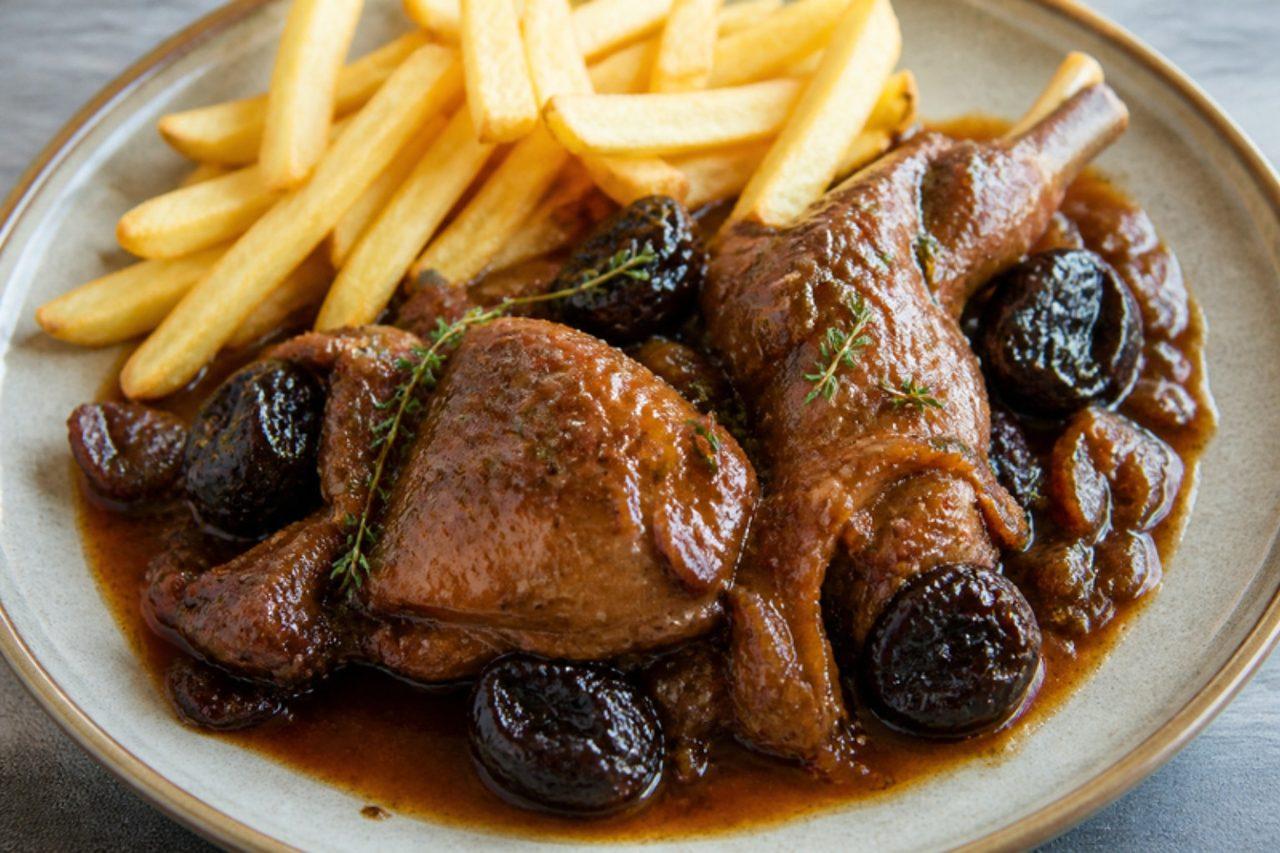
Rabbit with prunes is the Sunday dinner of Flemish grandmothers, from the Westhoek to the Kempen: rabbit joints browned in butter or oil, then braised slowly with onions, thyme, bay and a bottle of brown or abbey-style beer, with prunes added for sweetness and a spoon of mustard for bite. It is served with fries or boiled potatoes and apple sauce. This recipe is cooked with beer, as it traditionally is; for an alcohol-free dish, use the swap in the ingredient note. A common mistake is boiling the rabbit, which makes the lean meat dry and stringy. Chef's tip: keep it at a gentle simmer under a lid, and add the prunes in the last 30 minutes so they stay whole.

150 minBelgianMeat
by KrazyBadal 0 views

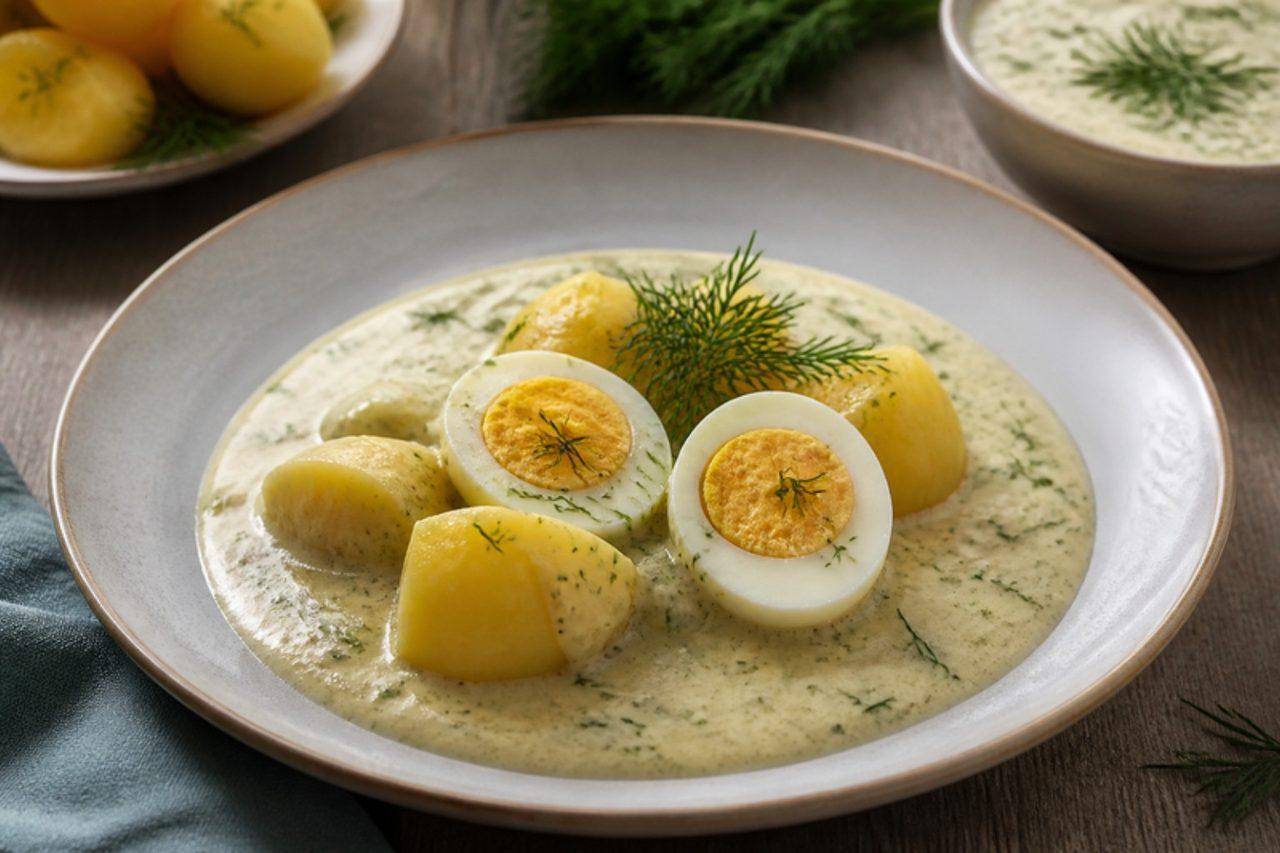
KoprovkaDill sauce with potatoes and eggs

Summer in a Czech garden means dill gone wild between the cucumbers, and koprovka is where most of it ends up. This pale green, gently sour cream sauce is a staple of Bohemian home cooking and of workplace canteens, where it is served over boiled potatoes with halved hard-boiled eggs (or with bread dumplings). It should be smooth, silky and only lightly thick, balanced between cream, a little vinegar and a pinch of sugar. Where it usually goes wrong is boiling the dill: it turns grey and loses its fresh smell, so stir it in at the end, off the heat. Chef's tip: keep the dill stalks, chop them very finely and simmer them in the sauce, then add the soft fronds at the end for a double hit of flavour.

by KrazyBadal 0 views

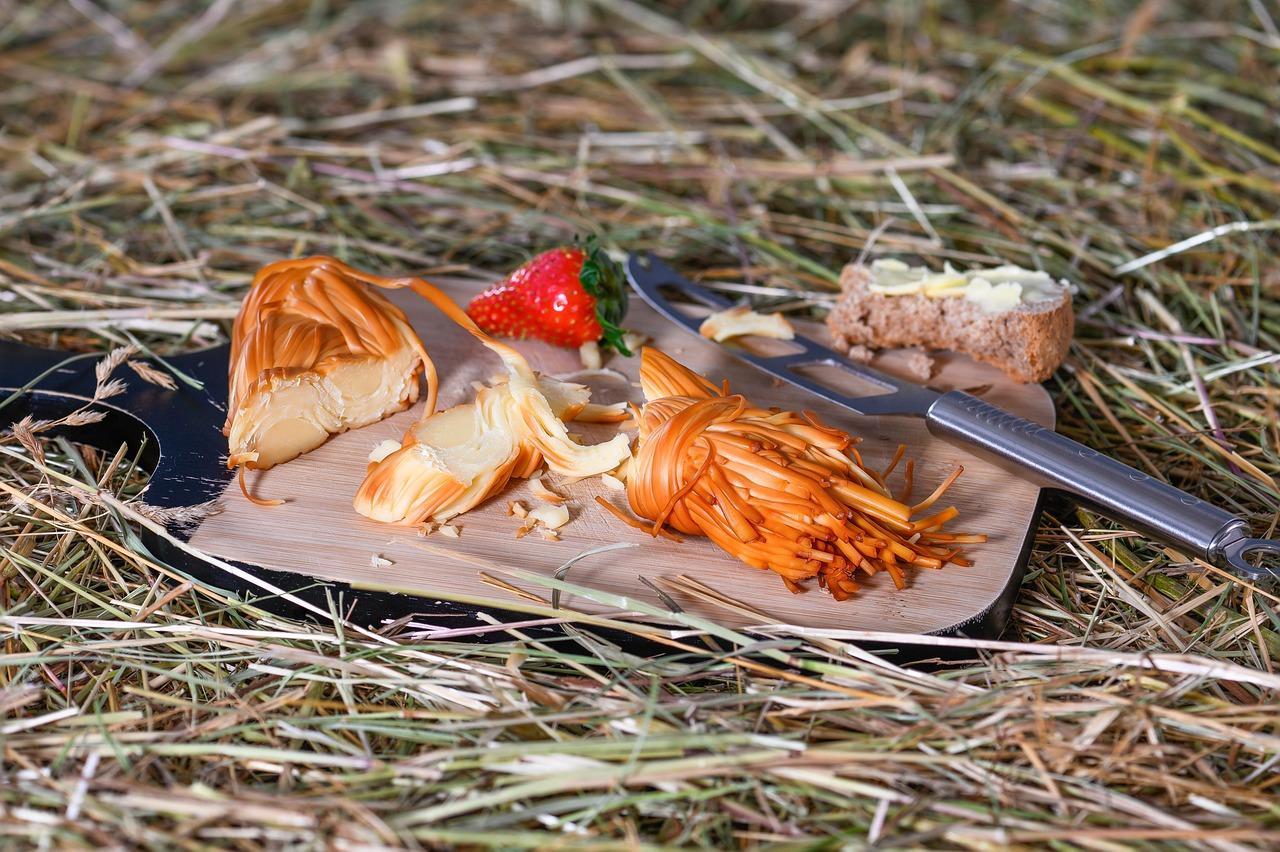
KorbáčikyBraided fresh cheese strings

Korbáčiky (little whips) come from Orava in northern Slovakia, where cheesemakers pull hot, stretchy curd into long thin strings and plait them into braids. Sold at roadside stalls in the Tatra foothills, they are chewy, squeaky and salty, usually lightly smoked, and are pulled apart and eaten with fingers like a snack, often with a cold drink on a hike. At home you can make the curd yourself from pasteurised milk in under an hour. Traditional korbáčiky are set with animal rennet, so this recipe uses vegetarian (microbial) rennet; any shop-bought curd should say the same. Use pasteurised whole milk that is not UHT-treated, or the curd will not set. Where most people go wrong is stretching the curd when it is not hot enough: it tears instead of pulling into glossy ropes. Chef's tip: wear clean rubber gloves for stretching, so you can work with water hot enough to make the curd silky.

by KrazyBadal 0 views

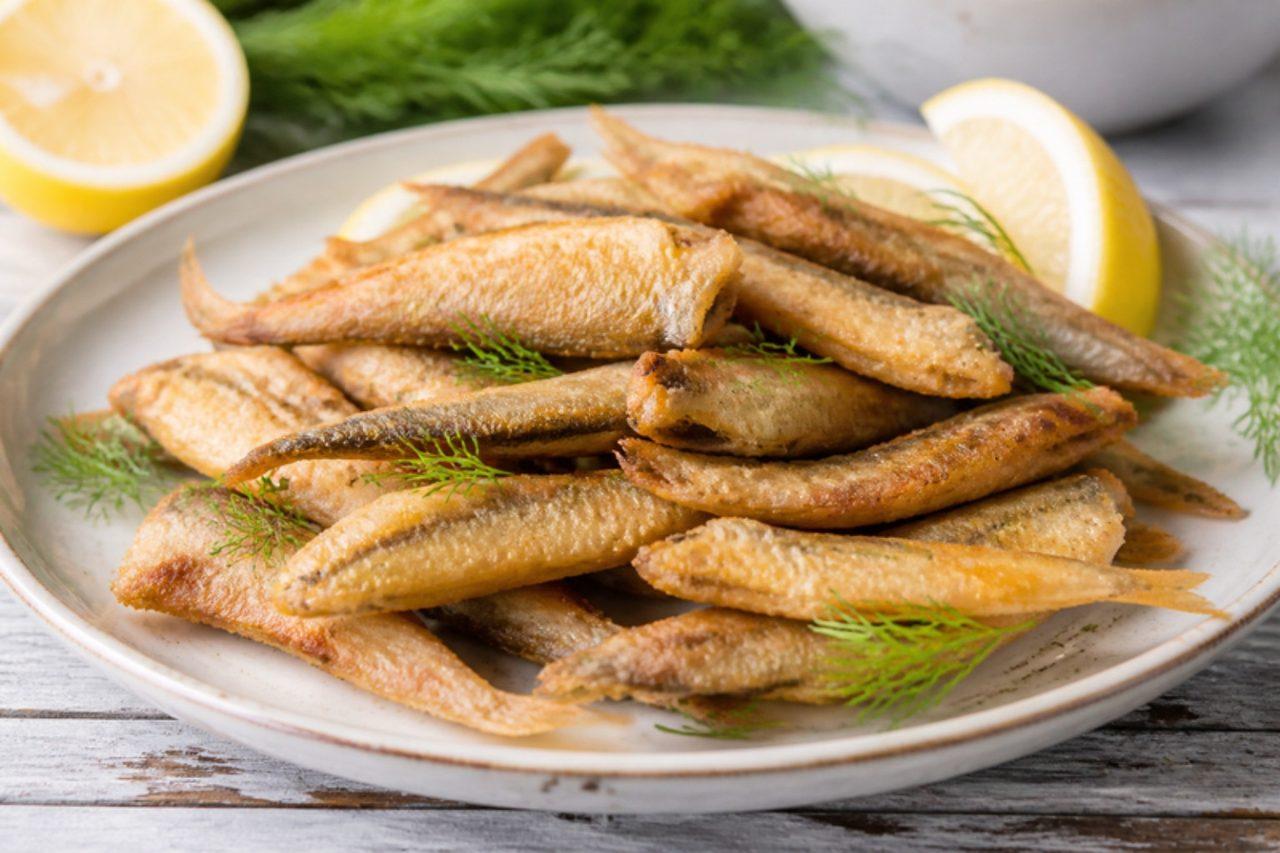
KoryushkaFried smelt

When the ice breaks on the Neva in April and May, St Petersburg goes mad for koryushka, small silvery smelt that famously smell of fresh cucumber. Stalls sell them by the kilo, the city holds a smelt festival, and every cafe fries them by the plateful. Dusted in flour and fried in hot sunflower oil, they come out golden and crunchy outside, sweet and tender inside, eaten with fingers, soft bones and all, with lemon and boiled potatoes with dill. A common mistake is crowding the pan, which drops the oil temperature and leaves the fish soggy; fry in small batches. Fish is done when the flesh is opaque and flakes easily from the backbone. Frozen smelt or sprats work out of season. Chef's tip: rye flour gives a darker, nuttier crust, a favourite in Petersburg homes.

by KrazyBadal 0 views

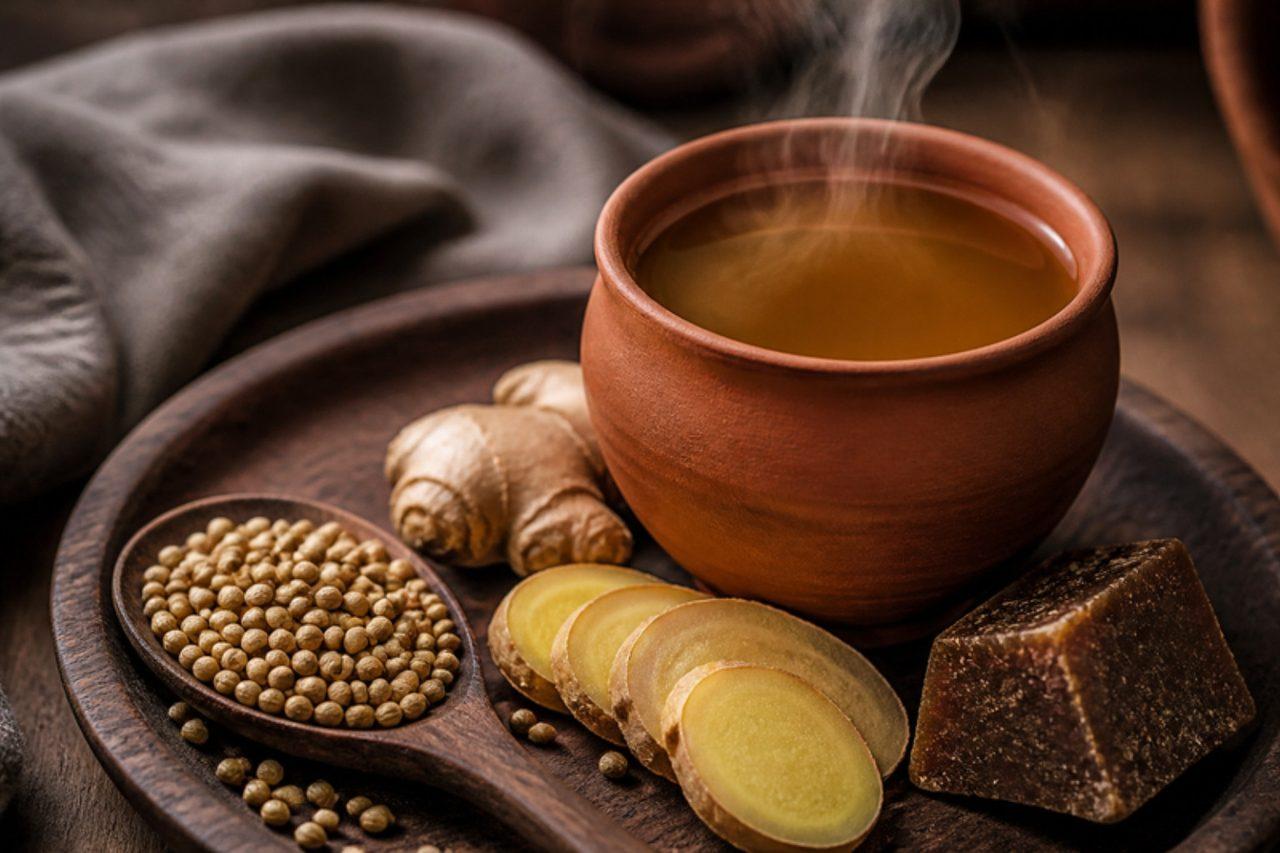
KoththamalliCoriander and ginger brew

At the first sniffle, many Sri Lankan mothers put a pot of koththamalli on the stove, and in Colombo offices and up in the damp hill towns during the monsoon you will see people sipping it from steel tumblers instead of tea. Coriander seeds are toasted, cracked and boiled with plenty of ginger until the water turns amber, giving a warm, earthy, slightly citrusy drink with a gentle ginger burn. It is traditionally drunk unsweetened with a piece of kithul or palm jaggery held in the other hand and nibbled between sips, though you can dissolve the jaggery in if you prefer. Grinding the seeds to powder is a mistake, because the drink turns muddy and gritty; they should only be cracked. Chef's tip: toast the coriander just until it darkens a shade and smells like orange peel; that is when the oils are at their best.

by KrazyBadal 0 views

Koy paMinced fish salad

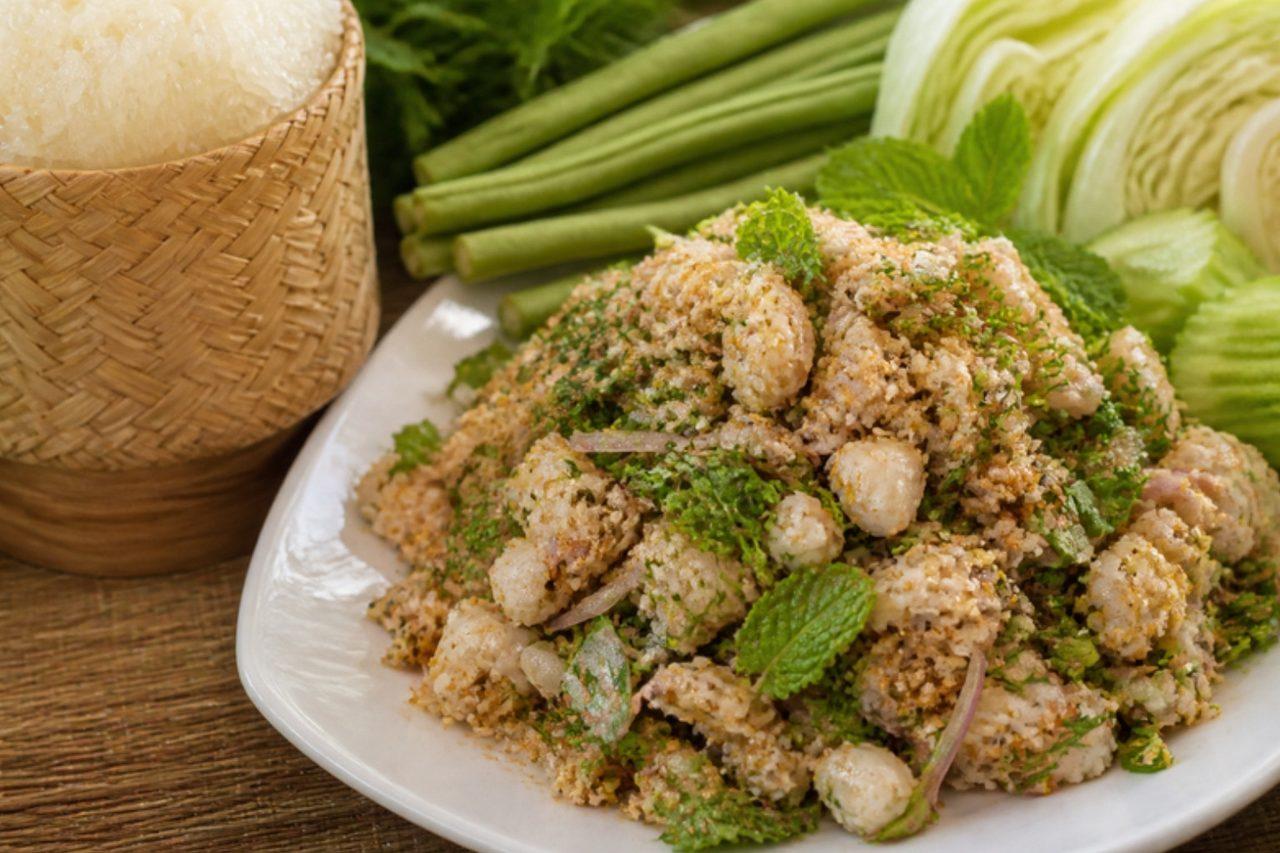
Fishing villages on the Mekong in Champasak, down towards the islands of Si Phan Don, make koy pa from the morning catch and eat it with sticky rice under the stilt houses at lunchtime. It is a fierce, fresh salad: finely chopped fish tossed with lime, roasted chilli, shallot, galangal and toasted rice powder, then buried in mint, dill and sawtooth herb. Traditionally the fish is raw and only 'cooked' by lime, and raw river fish in the region can carry parasites; that raw version is not for pregnant women, young children or anyone with a weakened immune system. Here the fish is poached until opaque and flaking, then chopped, keeping the texture and punch. Stirring the rice powder into hot fish is the mistake that ruins it, turning the salad gluey. Chef's tip: toast your own rice powder with a lemongrass stalk and lime leaf; the shop-bought kind has nothing like the same nutty perfume.

35 minLaoSaladsGluten freeSpicy
by KrazyBadal 0 views

KpokpoiSteamed fermented corn with palm oil

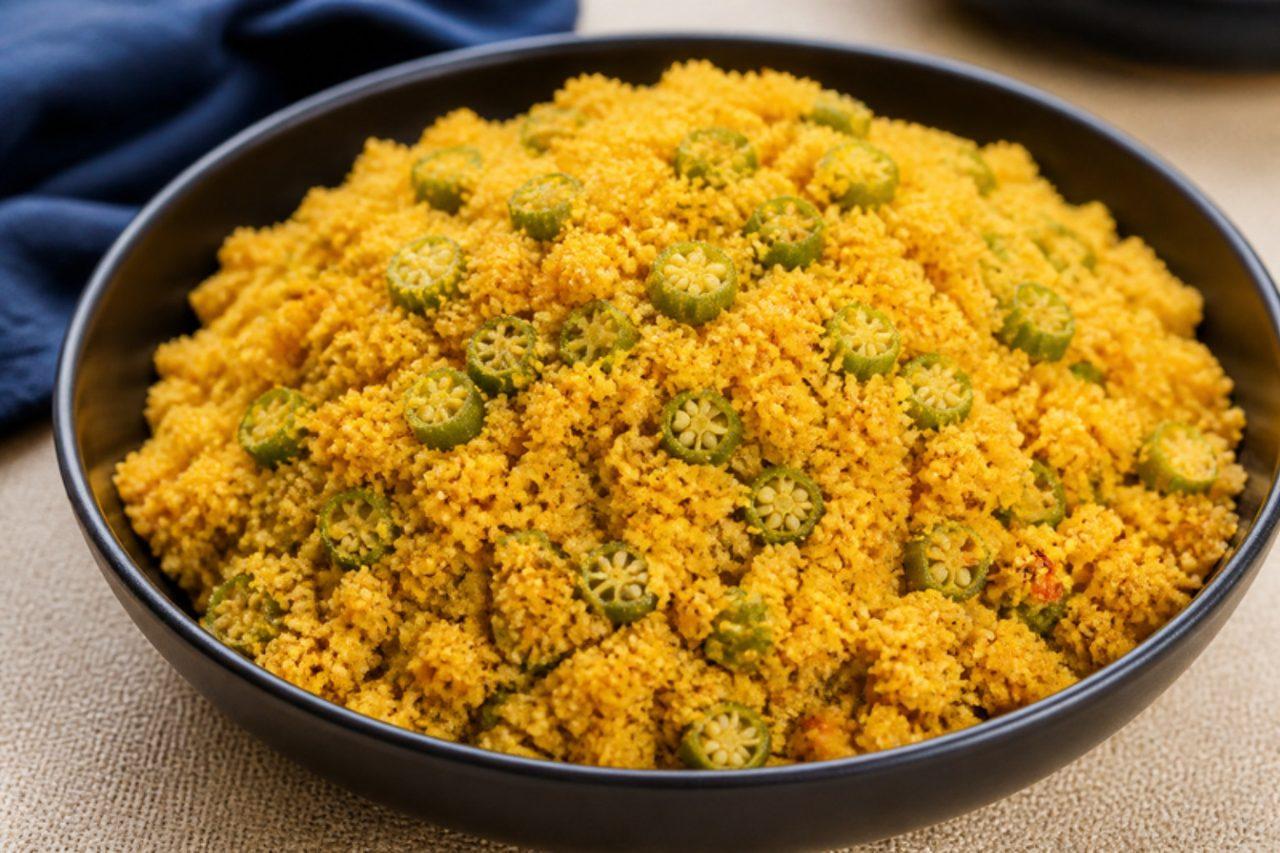
When the Ga people of Accra celebrate Homowo each August, a harvest festival whose name means 'hooting at hunger', chiefs sprinkle kpokpoi on the ground for the ancestors and families eat it from big bowls with palm nut soup. The fermented corn dough is steamed into fluffy, slightly sour crumbs, then rubbed with red palm oil and chopped okra so every grain is coated and the dish is pale orange and loose, not sticky. The festive soup is usually made with fish; this version is meat-free, and a vegetable palm nut soup or a simple pepper sauce goes well with it. Chef's tip: rub the steamed crumbs through a coarse sieve or between your palms while still warm; the usual mistake is leaving lumps, which stay doughy in the middle.

by KrazyBadal 0 views

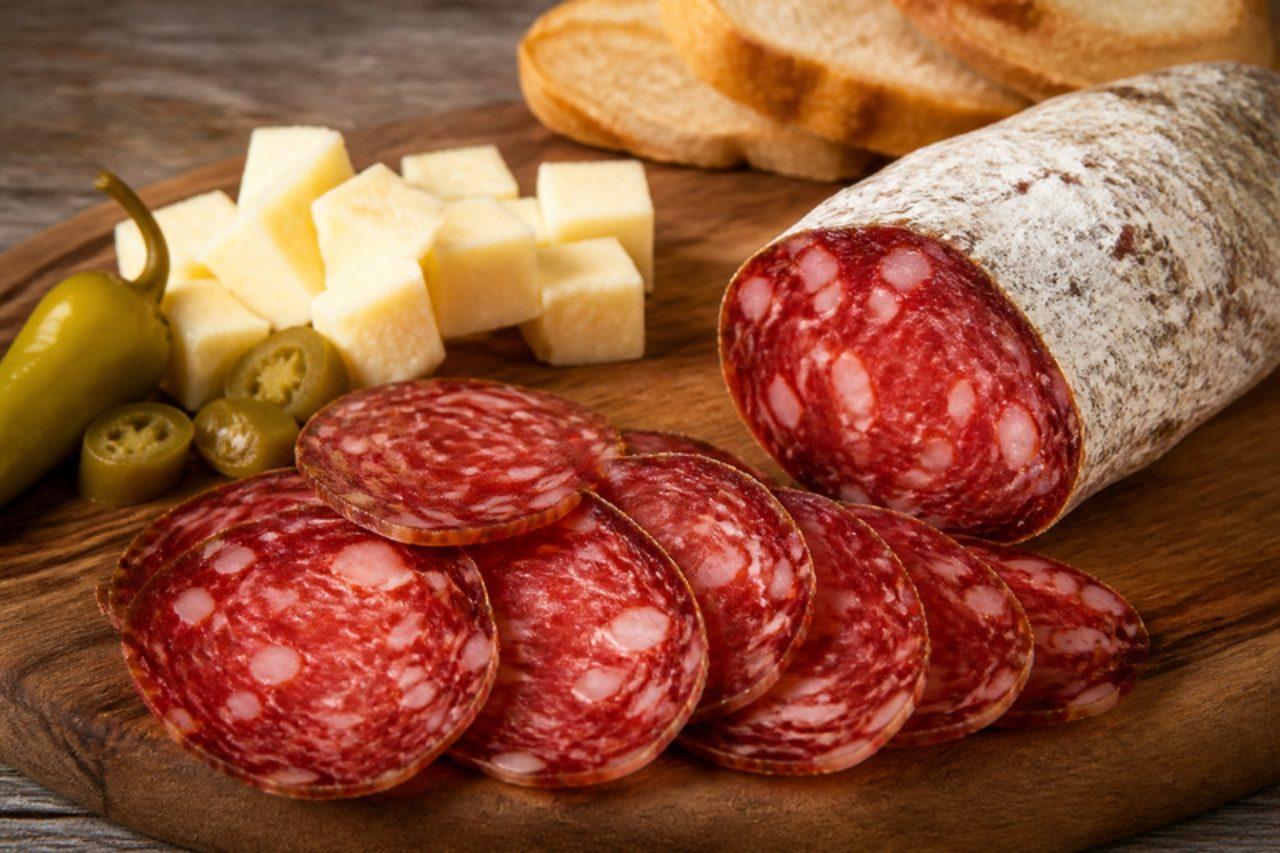
Kranjska klobasaSmoked pork sausage

Slovenians eat Carniolan sausage everywhere, from the stalls of Ljubljana's market to mountain huts and the ski slopes: a coarse, garlicky pork sausage, smoked until bronze, then heated in water and served with mustard, freshly grated horseradish and bread. Made with pork shoulder and back fat chopped rather than finely minced, it snaps when you bite it and spills juice. The official sausage uses curing salt for its pink colour; this home version leaves it out, so the inside is pale, and it is hot-smoked until fully cooked, so it is safe to eat. A common mistake is boiling the sausages to reheat them; they split and dry out, so keep the water just below a simmer. Chef's tip: cut the meat and fat by hand into small dice for some of the mix, it gives the classic chunky bite.

240 minBalkanMeatGluten free
by KrazyBadal 0 views

KremboChocolate-coated meringue cream biscuit

Krembo is Israel's winter treat: from October to February children all over the country unwrap the foil, argue about whether to eat the top or the bottom first, and end up with chocolate on their fingers. A round biscuit carries a tall dome of light, vanilla-scented meringue cream inside a thin shell of dark chocolate. This home version uses a cooked Italian-style meringue, made by pouring hot sugar syrup into whisked egg whites, so the whites are heated and the cream holds its shape without gelatine. The common mistake is dipping when the chocolate is too hot, which melts the meringue; let it cool until just warm. Chef's tip: freeze the piped domes for 20 minutes before dipping so the coating sets in a thin, even shell.

by KrazyBadal 0 views

KremroleCream-filled puff pastry tubes

Every Czech cukrárna, the old-fashioned pastry shop, has a tray of kremrole in the glass counter: flaky puff pastry spirals baked around metal cones and piped full of light, sweet whipped egg-white cream. Children choose them for name days and they are a Sunday coffee treat in towns all over Bohemia and Moravia. The pastry should shatter, the cream should be glossy, stiff and marshmallowy. This filling is a cooked meringue, whisked over simmering water to 70 °C, so it is safe to eat and holds its shape. A common mistake is filling the tubes too early: within a couple of hours the cream softens the crisp pastry. Pipe them just before serving. You will need 12 metal cream horn moulds. Chef's tip: overlap the pastry strips by a third as you wind them on, so the tubes do not unravel in the oven.

by KrazyBadal 0 views

KreplachBeef dumplings

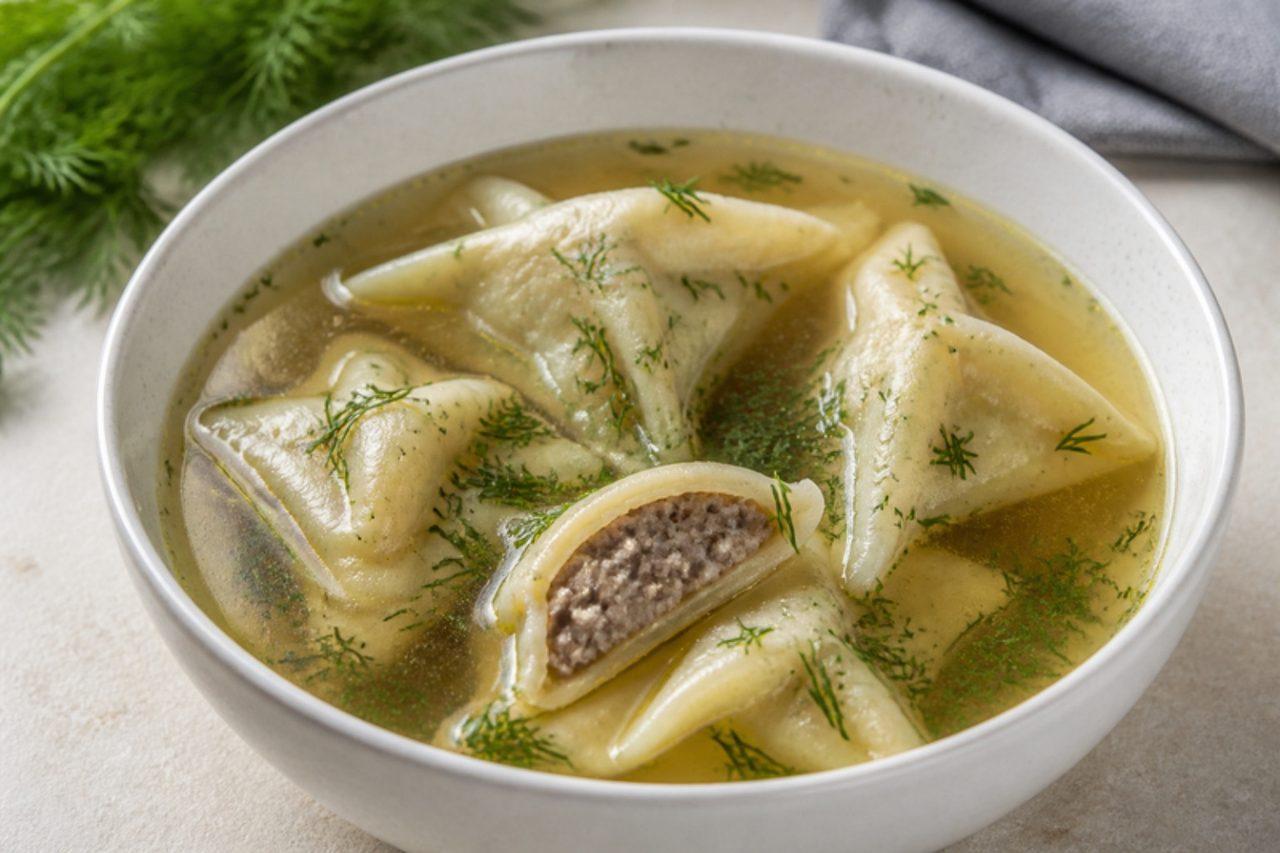
Kreplach are small triangles of egg pasta folded around seasoned beef, dropped into the golden chicken soup served on the eve of Yom Kippur, at Purim and on Hoshana Rabbah in Ashkenazi homes, and in Jerusalem's Mea Shearim neighbourhood they are sold frozen by the bagful before the holidays. The dough is soft and thin, the filling peppery with fried onion, and they float like little hats in each bowl. Some families also fry boiled kreplach in oil until crisp. The mistake to avoid is a thick dough, which turns stodgy; roll it until you can nearly see the board through it. Chef's tip: make a big batch and freeze them raw on a tray before bagging, then cook straight from frozen.

by KrazyBadal 0 views

KrompirušaPotato filo pie

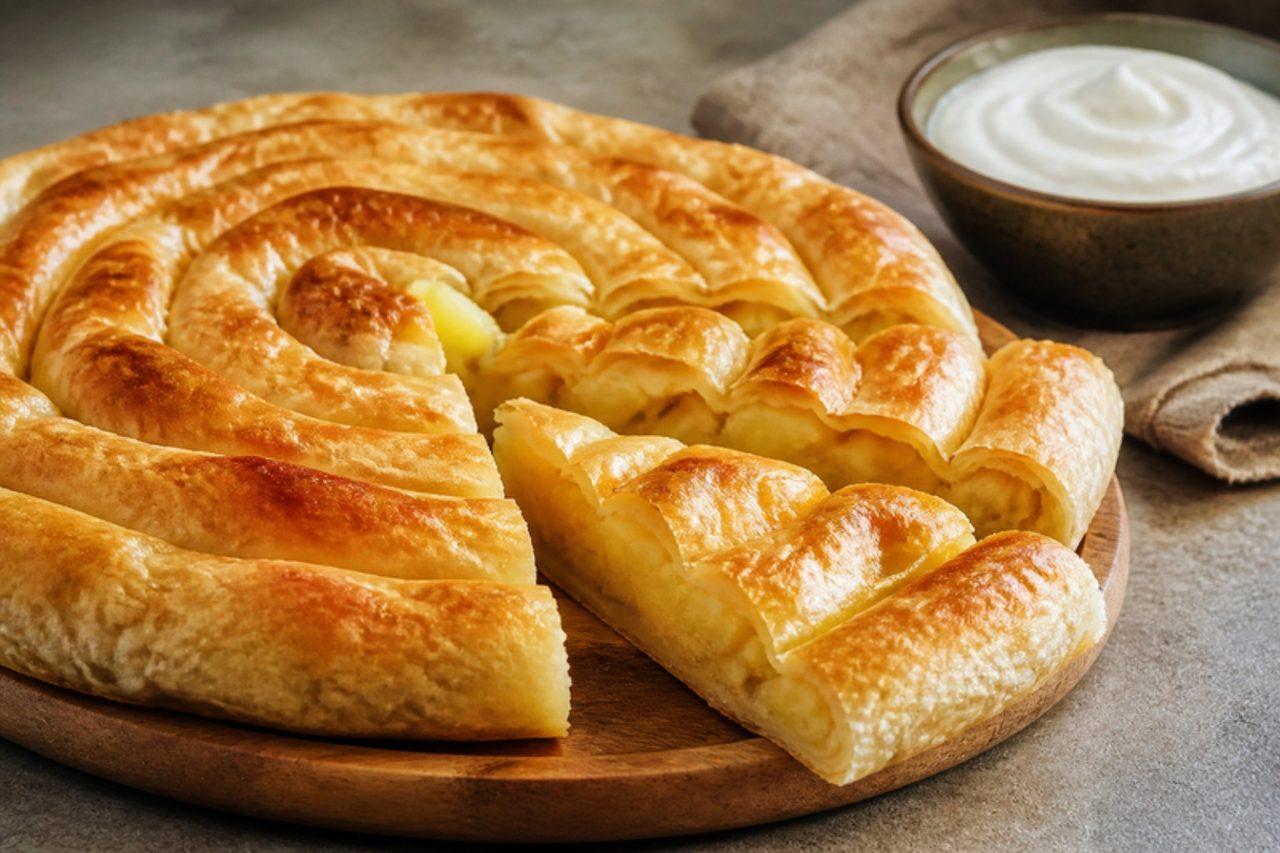
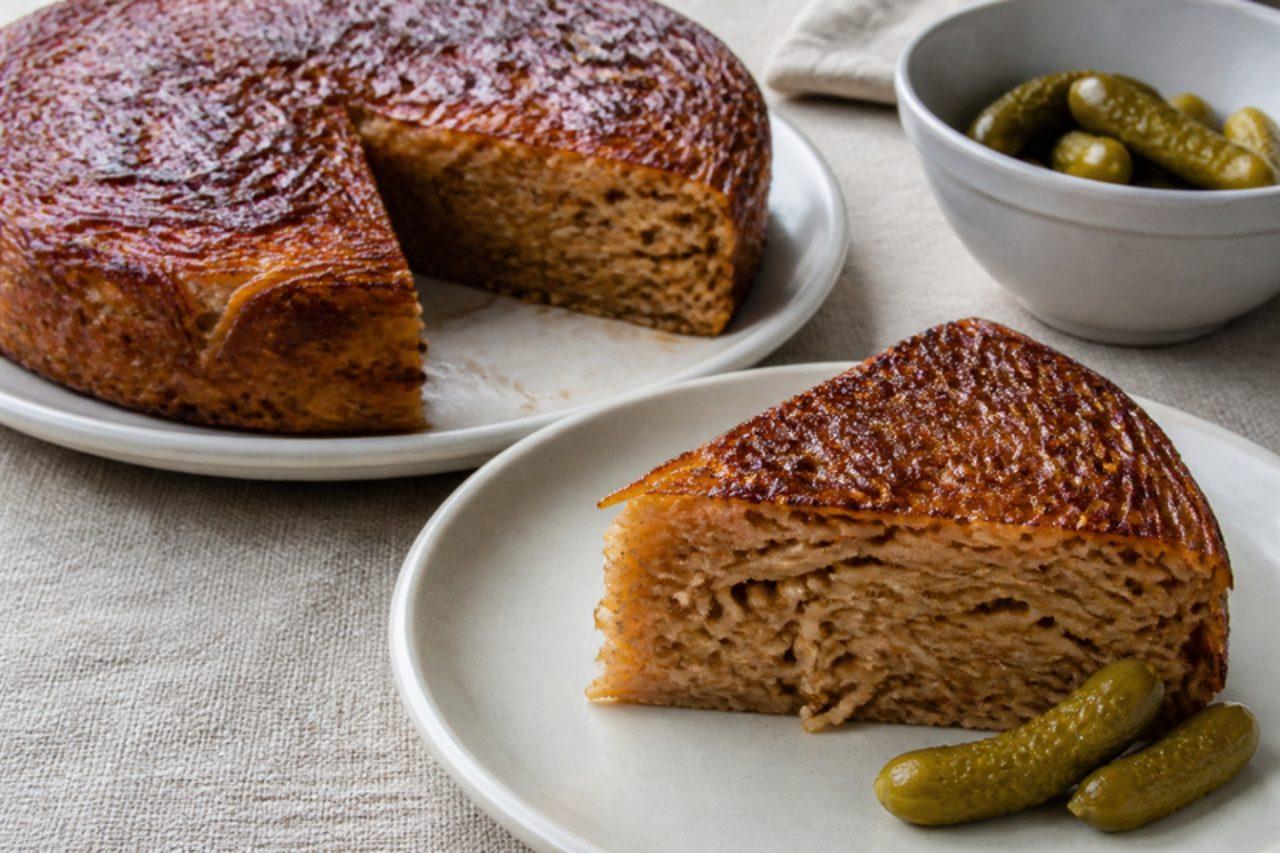
In Bosnia only the meat pie is called burek; the potato version is krompiruša, and Sarajevo's buregdžinice bake it in great round copper trays, coiled like a snail. Thin pastry is wrapped around raw diced potato and onion seasoned with pepper, rolled into long ropes and coiled into the tin, then baked until the outside shatters and the potato inside turns soft and peppery. It is entirely plant-based when made with oil and shop-bought filo, which usually contains only flour, water and oil. Eat it hot with a glass of cold plain yogurt, or soya yogurt to keep it vegan. Where most people go wrong is cutting the potatoes too early, so they turn grey and watery; prepare them just before rolling. Chef's tip: when it comes out of the oven, sprinkle with a little hot water and cover with a clean tea towel for 10 minutes, which softens the top layers just as Bosnian bakers do.

by KrazyBadal 0 views

KroppkakorPotato dumplings with onion and mushroom

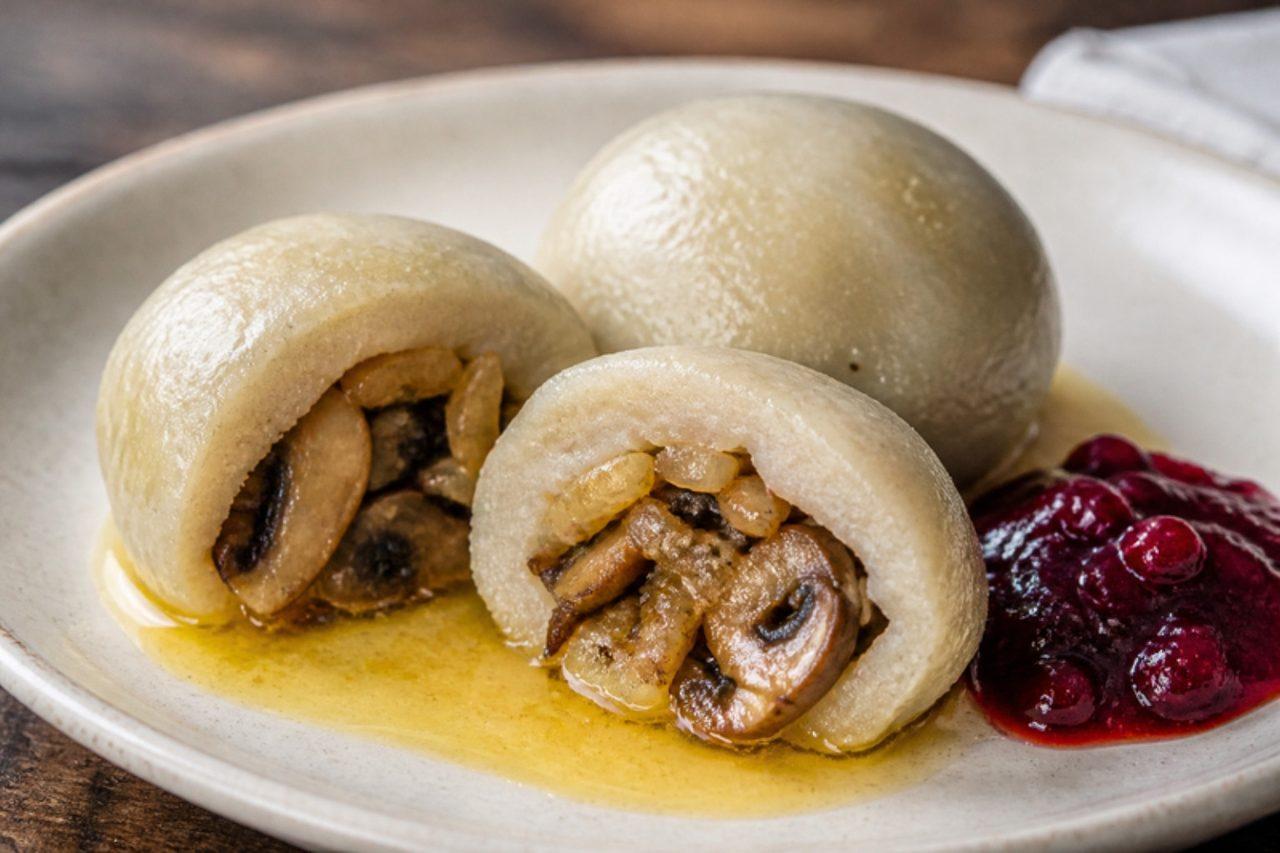
Kroppkakor are the big potato dumplings of Öland and Småland in south-east Sweden, made with a mix of raw grated and boiled potato, which gives them their soft, slightly grey look. On Öland they are the island's own dish, served at village feasts with melted butter and lingonberries; the usual filling is diced salt pork and onion. This version fills them with fried onion, mushroom and allspice. A common mistake is boiling the pot hard; the dumplings break up and turn the water to soup. Chef's tip: squeeze the raw grated potato hard in a cloth, then let the starch settle in the bowl and stir it back in; that starch is what holds kroppkakor together.

by KrazyBadal 0 views

KruchenykyPork rolls with mushrooms and prunes

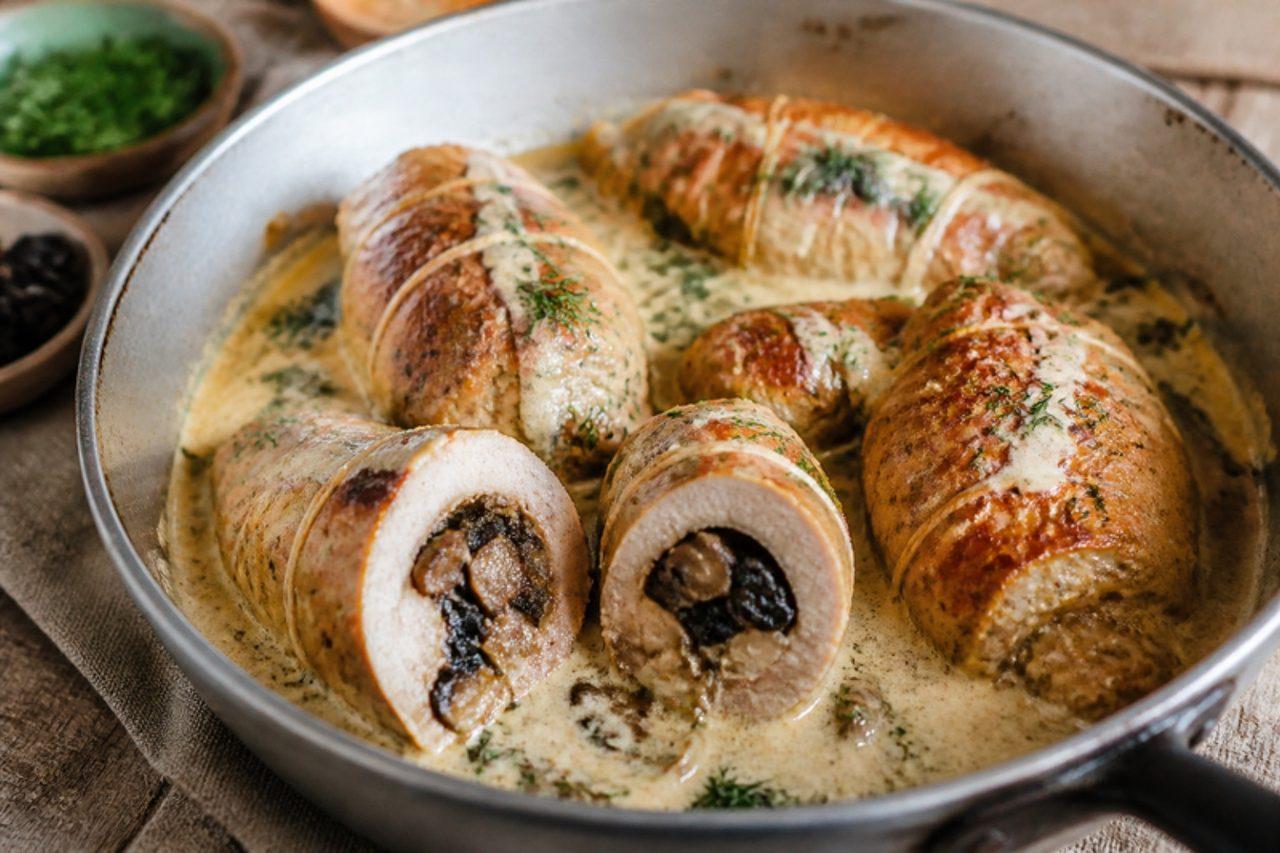
Kruchenyky, literally 'little twists', are the festive rolls of central Ukraine, made for name days, weddings and the big family table around Poltava and Kyiv. Thin slices of pork are pounded, wrapped around a filling of fried mushrooms and onion with chopped prunes, tied, browned and then braised gently in sour cream until the meat is tender and the sauce turns pale gold, sweet-savoury and lightly tangy. Some cooks use beef; pork neck or loin is the most common choice. Serve with buckwheat, mashed potato or boiled potatoes with dill. Boiling the sauce hard after the sour cream goes in is the slip that splits it into grainy flecks; keep it at a lazy bubble. Chef's tip: let the mushroom filling cool before rolling, otherwise the warm filling makes the thin meat sweat and the rolls refuse to hold together.

by KrazyBadal 0 views

Krumplis tésztaPasta with potatoes and paprika

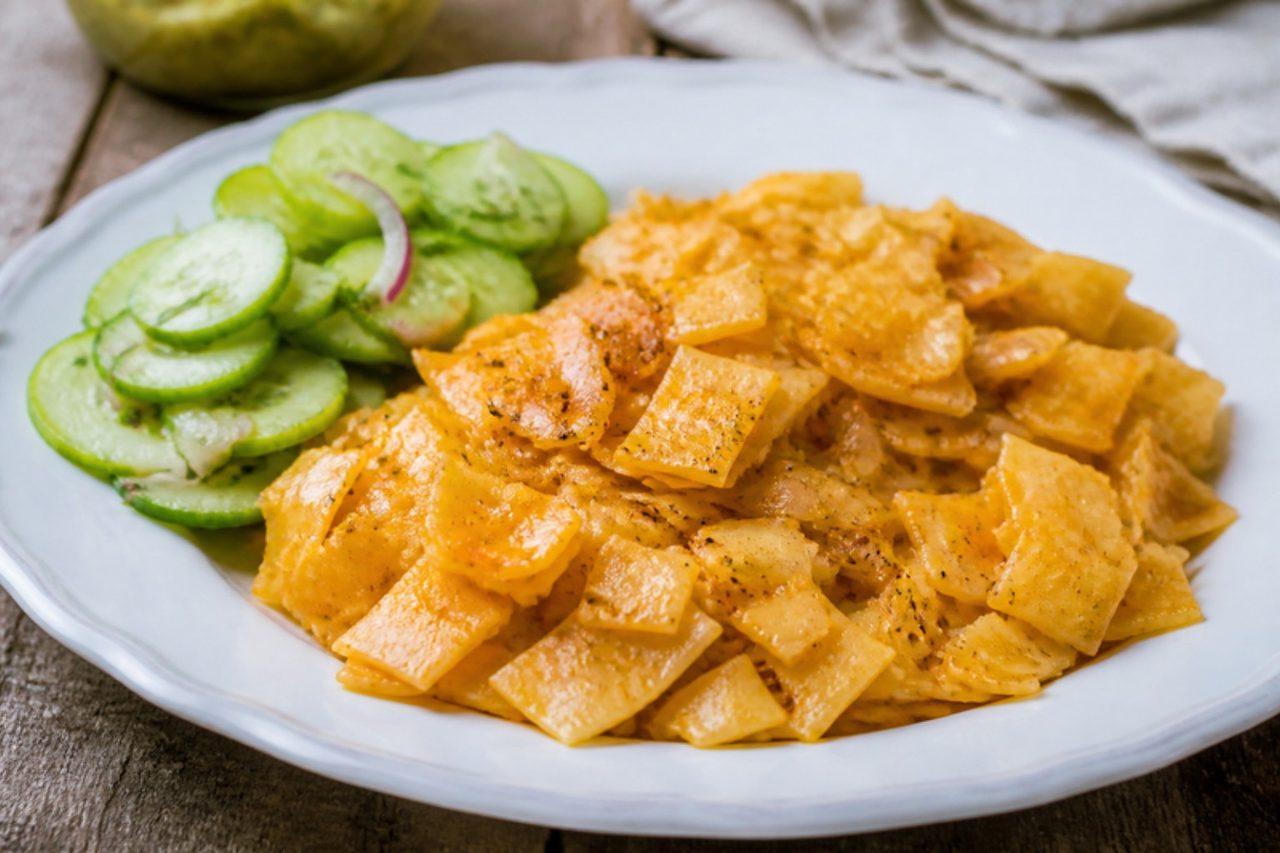
Pasta with potato sounds like a joke to outsiders, but on the farms of the Great Plain krumplis tészta was a thrifty, filling supper for harvest days, and Hungarian children still ask for it by name. Little squares of egg pasta are tossed with soft, crushed potatoes that have been fried in onion and sweet paprika until golden in spots, so every forkful is starchy, soft and smoky-sweet. Traditionally it is cooked in lard; this version uses sunflower oil and is vegetarian. Eat it with a sharp cucumber salad or pickles to cut the richness, and a spoon of sour cream if you like. A common mistake is adding the paprika to a very hot pan, where it scorches in seconds and turns bitter; always pull the pan off the heat first. Chef's tip: let the potatoes catch slightly on the bottom of the pan before you add the pasta, for crunchy, toasty bits.

by KrazyBadal 0 views

KrupenykBaked buckwheat and cheese pudding

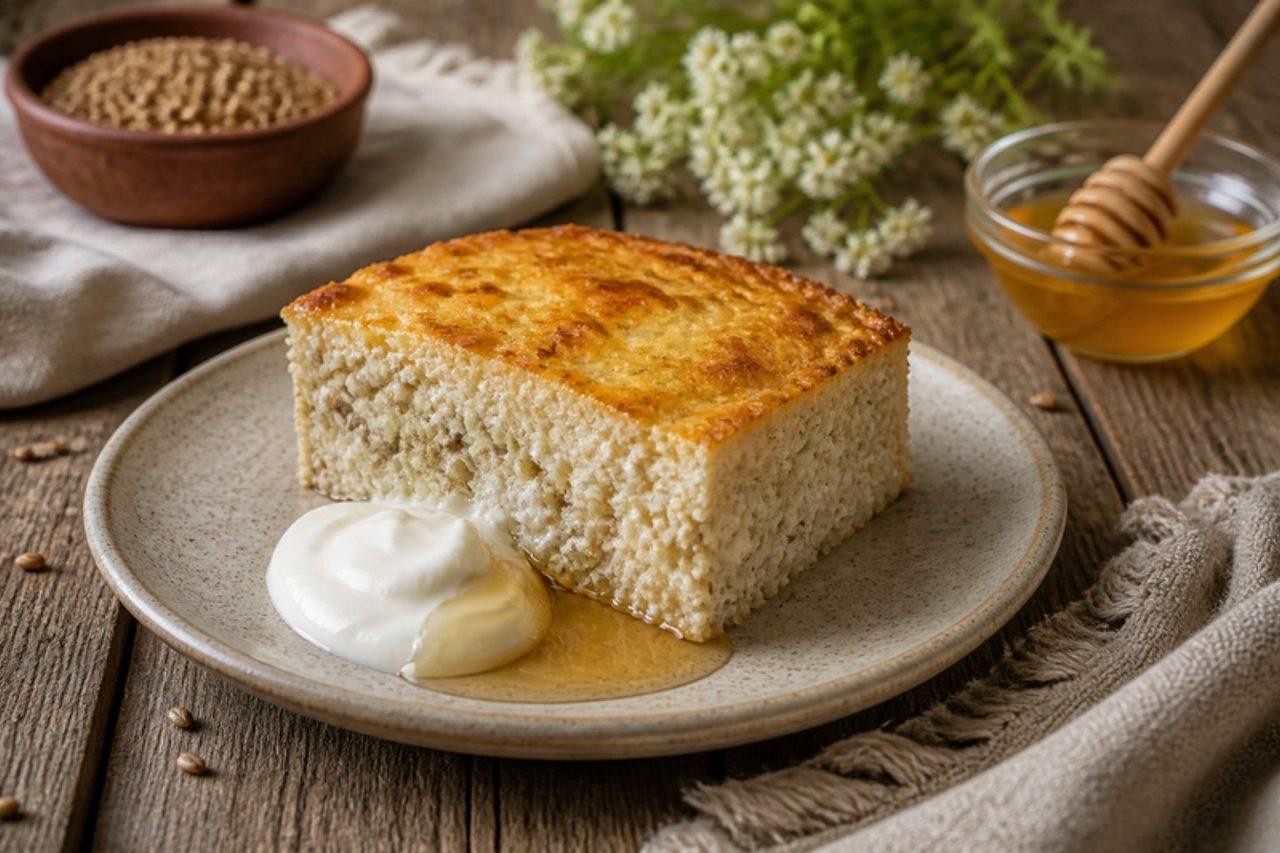
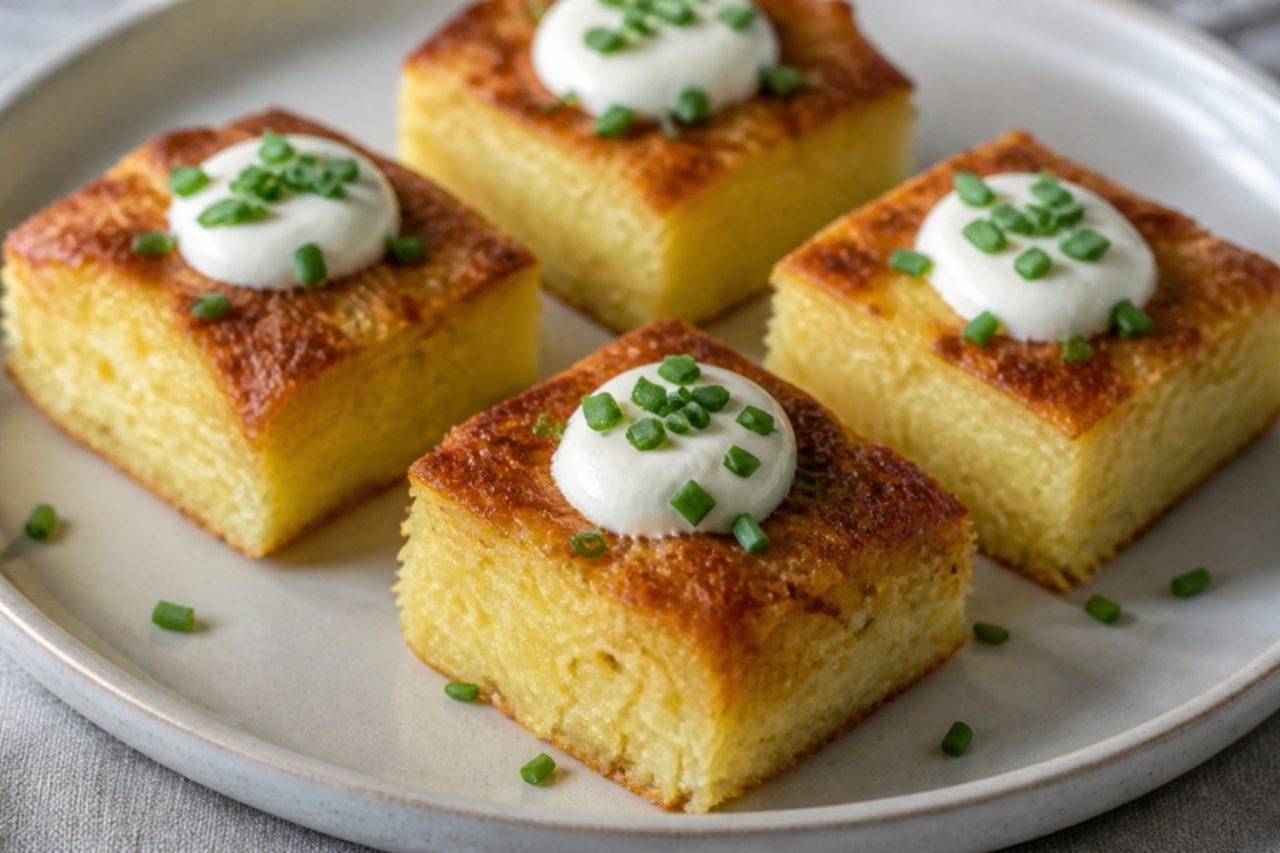
Think of krupenyk as the farmhouse cousin of a soufflé: cooked buckwheat is folded with crumbly cottage cheese, eggs and melted butter, then baked until the top puffs and turns a speckled brown. Families in the Kyiv and Chernihiv countryside made it for Sunday breakfasts and for the days after a christening, when the dairy was full of fresh cheese. It cuts into soft, moist squares that taste nutty and gently tangy, and it is eaten warm with cold sour cream, or with a little honey for those who like it sweet. Tvorog and other cottage cheeses are usually made without animal rennet, but check the label if you are cooking for strict vegetarians. Watch out for dry, crumbly krupenyk: it comes from baking buckwheat that was already firm, so cook the groats until fully soft. Chef's tip: push the cottage cheese through a sieve first; the pudding sets silky instead of grainy.

by KrazyBadal 0 views

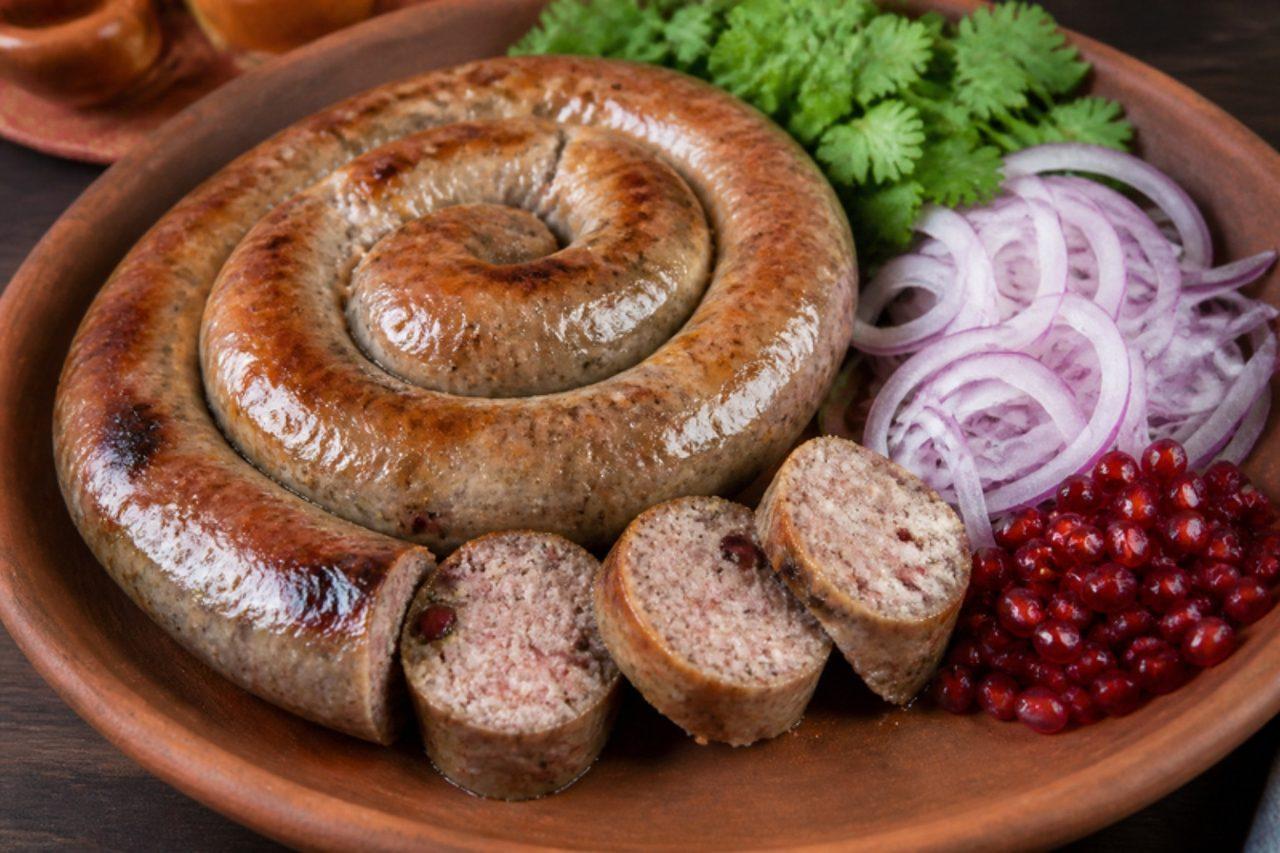
KrupniokBlood and groat sausage

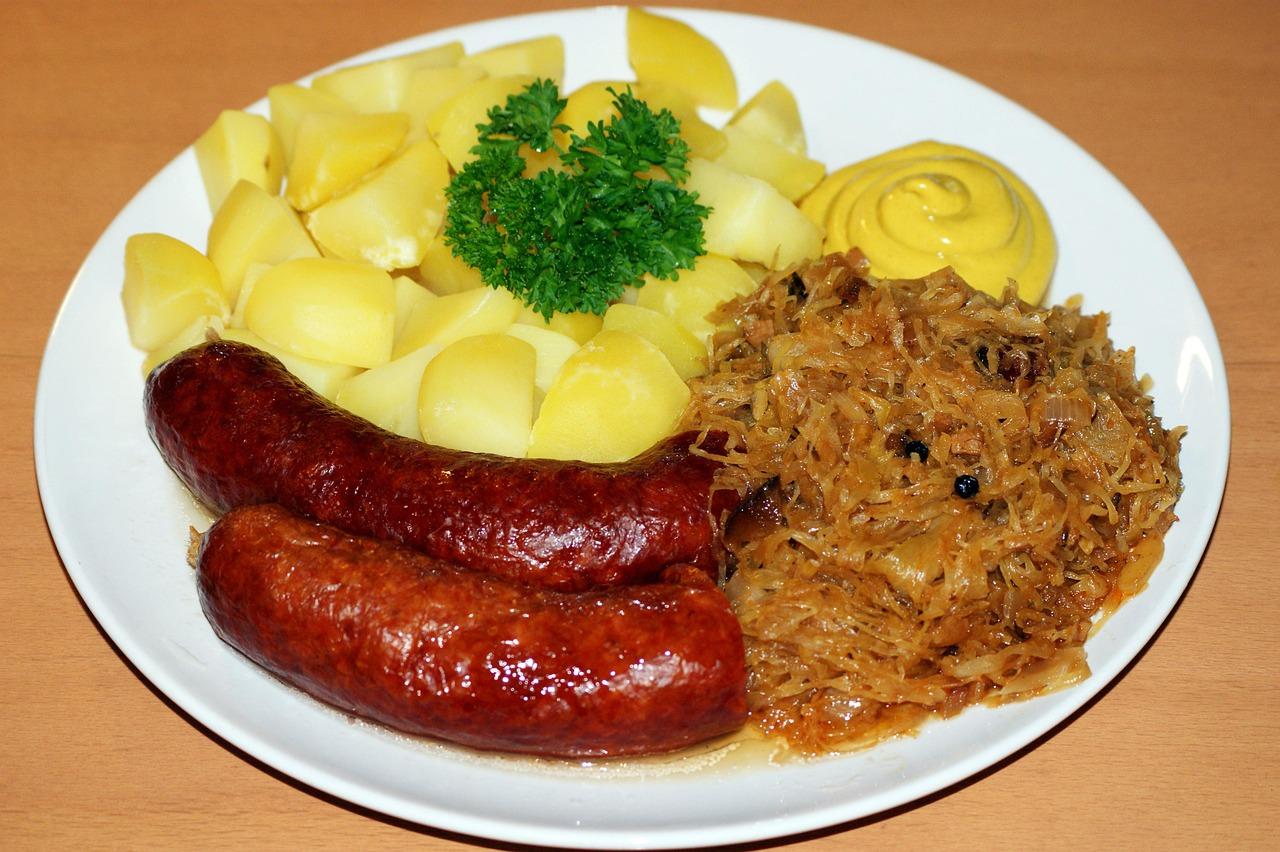
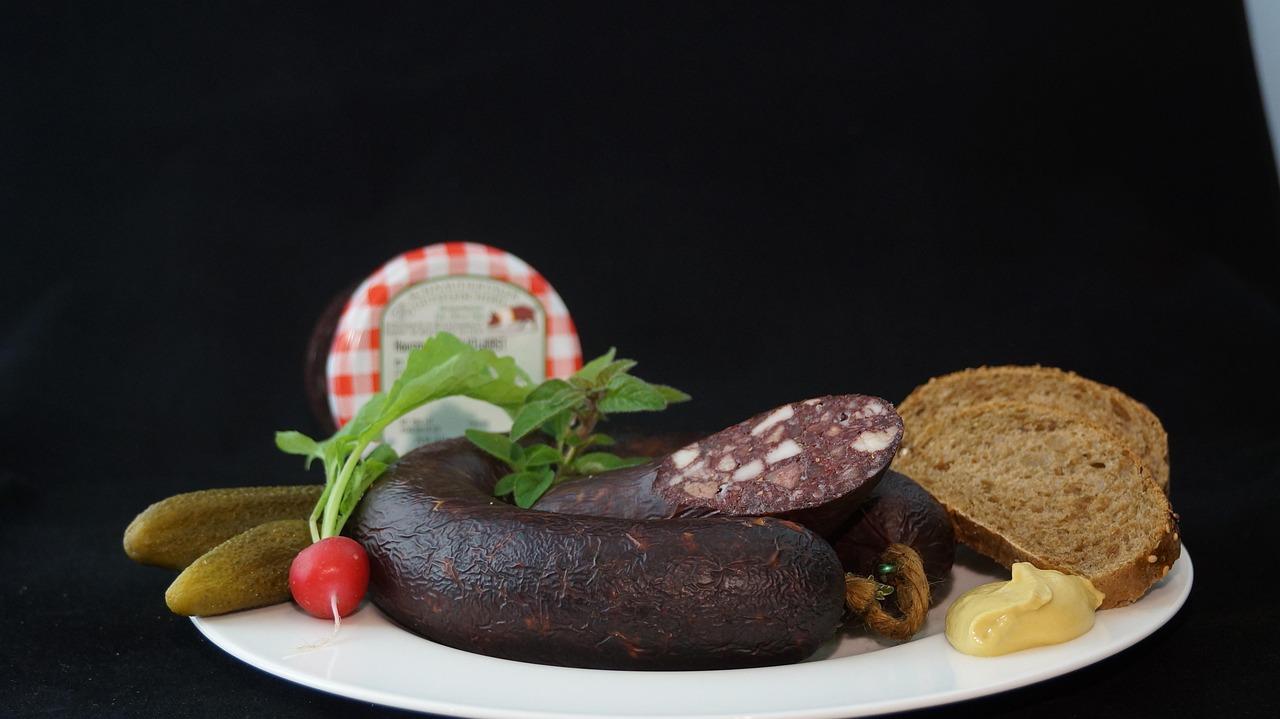
Every Silesian butcher's counter has a tray of krupnioki, plump sausages of pork, pork blood, liver and buckwheat or barley groats, sold ready-cooked and eaten fried for a quick supper, often with sauerkraut, mustard and a slice of bread. Heated in a pan the filling loosens into a soft, peppery, marjoram-scented crumble under a crisp skin, while onions fried alongside add sweetness. This is a pork dish through and through. Because the sausage contains blood and offal, buy it ready-cooked from a butcher you trust, keep it cold and use it within its date. The trap many fall into is frying it too hot: the skin splits and the filling spills before the centre is warm. Chef's tip: for neat slices, chill the sausage well, cut it with the skin on, then fry the rounds; peel the skin away at the table if you prefer.

25 minPolishMeat
by KrazyBadal 0 views

KubanehOvernight pull-apart bread

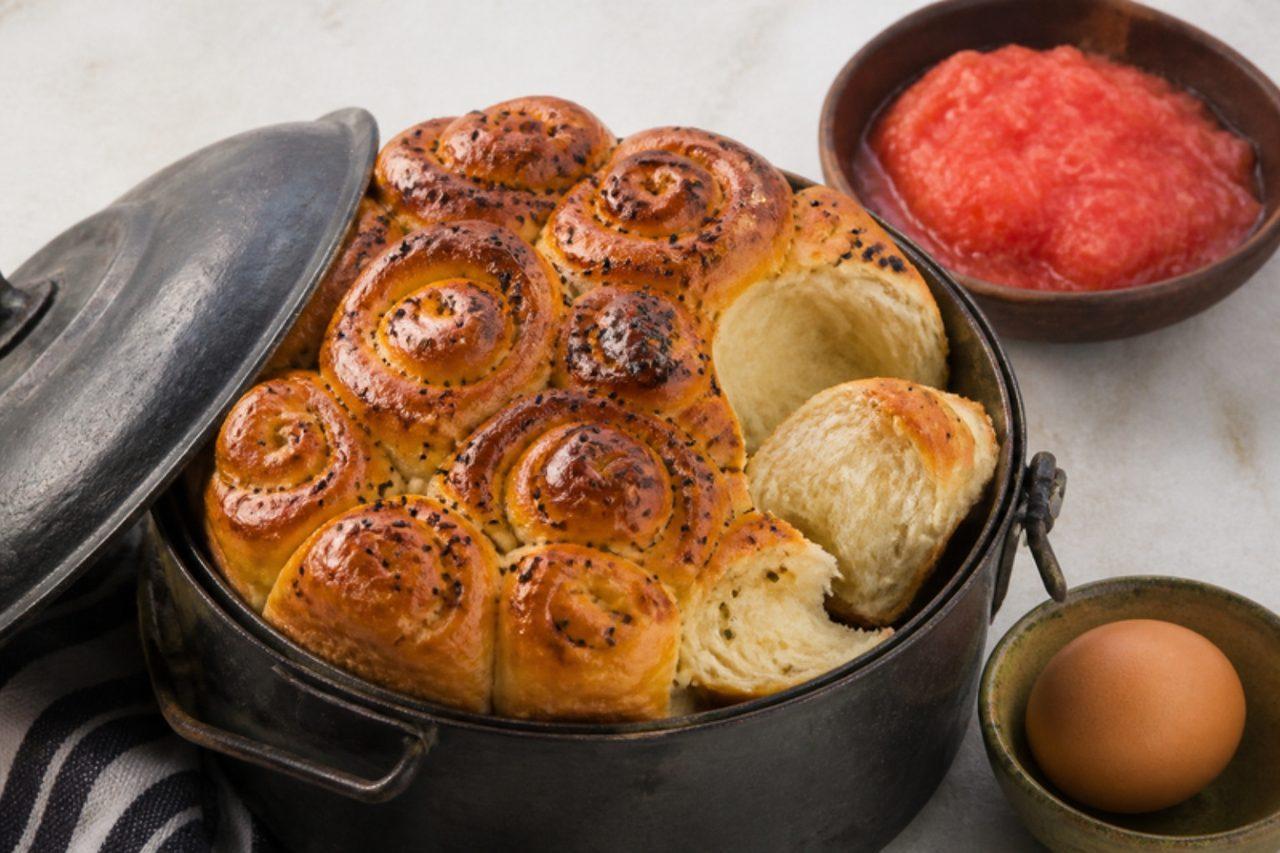
Kubaneh goes into a low oven on Friday afternoon in Yemenite homes in Rosh HaAyin and Tel Aviv's Kerem HaTeimanim, and comes out on Shabbat morning as a burnished, buttery dome that pulls apart into soft coils. It is eaten with grated tomato, zhug and long-baked brown eggs. Because it bakes for hours at a very low heat, the crust turns mahogany and slightly sweet while the inside steams in its own butter. The mistake is using a pot without a tight lid: the bread dries out instead of steaming. Chef's tip: grease the pot generously and seal the lid with a strip of foil, then trust the process; opening the oven at night lets the steam out.

by KrazyBadal 0 views

Kubbat halabBeef-stuffed rice dough torpedoes

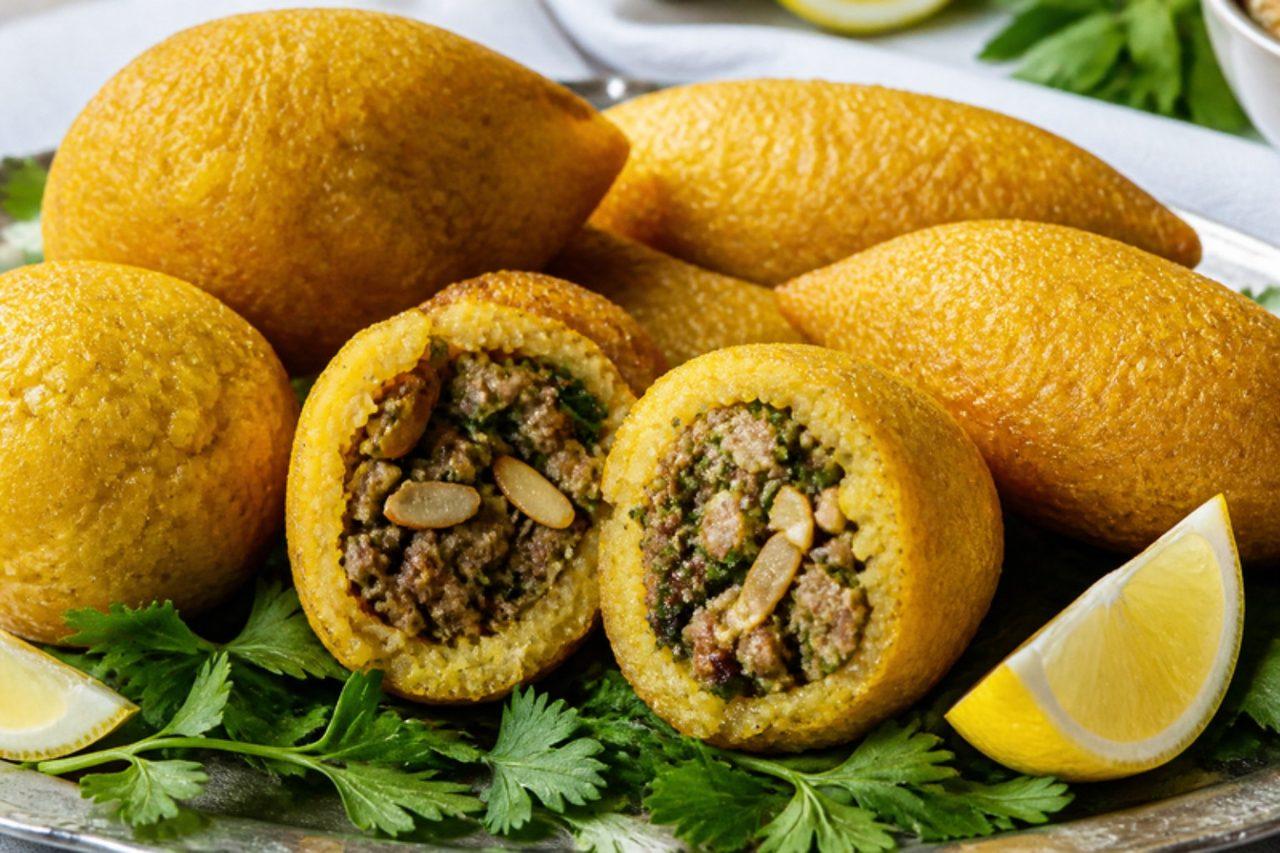
Kubbat halab, named after Aleppo but beloved of Baghdadi Jews, are golden torpedoes of turmeric rice dough wrapped around minced beef with parsley, almonds and raisins, and in Ramat Gan and Or Yehuda they are fried by the tray for weddings, Shabbat lunch and the Iraqi kiosks around the market. The shell is made from soaked, pounded rice rather than bulgur, so it is gluten free with a thin, crunchy crust and a soft inside. Eat them hot with amba and a chopped salad. The classic error is a shell too thick or with cracks, which either stays doughy or bursts in the oil; wet your hands and seal every seam. Chef's tip: cook the rice very soft and knead it while warm; cold rice will not bind.

by KrazyBadal 0 views

Kubbeh hamustaSour lemon soup with dumplings

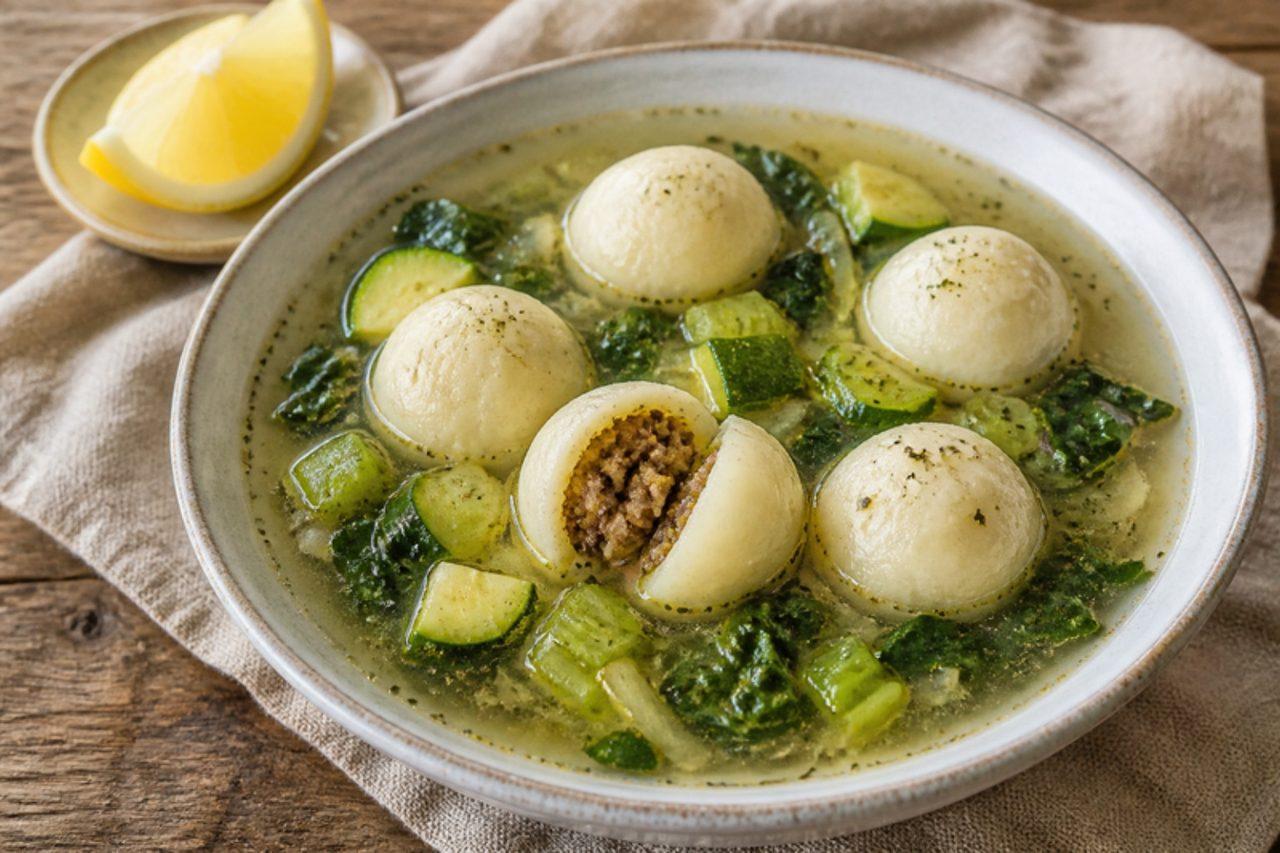
In Jerusalem's Mahane Yehuda market, small kubbeh restaurants ladle out kubbeh hamusta at lunchtime, a bright yellow-green soup of chard, courgette and celery soured with plenty of lemon, carrying semolina dumplings stuffed with spiced beef. It came with Kurdish and Iraqi Jews and is cooked at home on Thursdays and Fridays, often in a big pot that lasts until Shabbat. The broth is sharp, garlicky and light, the dumplings chewy outside and juicy within. Thick semolina shells are the most common mistake; press them thin so they cook through in the soup. Chef's tip: add the lemon in two goes, half at the start and half at the end, so the soup keeps a fresh sour edge.

120 minIsraeliSoups
by KrazyBadal 0 views

Kubbeh selekBeetroot soup with meat dumplings

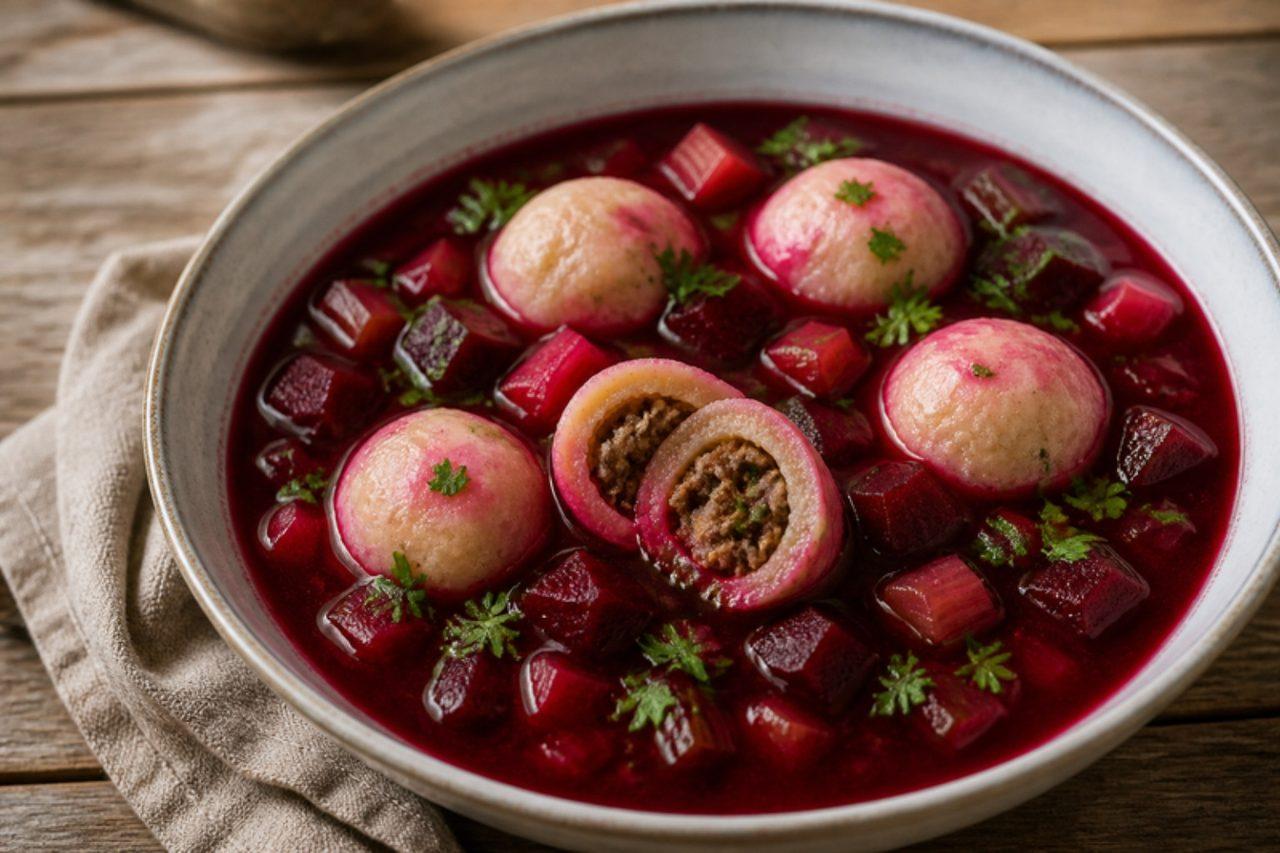
Kubbeh selek is the deep magenta sister of the lemon kubbeh soups, a Kurdish-Jewish Friday dish that Jerusalem kubbeh houses around Mahane Yehuda serve on winter days alongside the yellow hamusta. Beetroot, tomato and a little sugar and lemon give a broth that is sweet and sour at once, and the semolina dumplings stuffed with beef soak up its colour as they simmer. A bowl of white rice on the side is traditional. The mistake most people make is boiling the beetroot too long, which dulls the colour to brown; add the final grated beetroot near the end. Chef's tip: wear gloves when grating beetroot, and keep your semolina hands wet, not floured, for thin, crack-free shells.

120 minIsraeliSoups
by KrazyBadal 0 views

KubdariBeef-stuffed bread

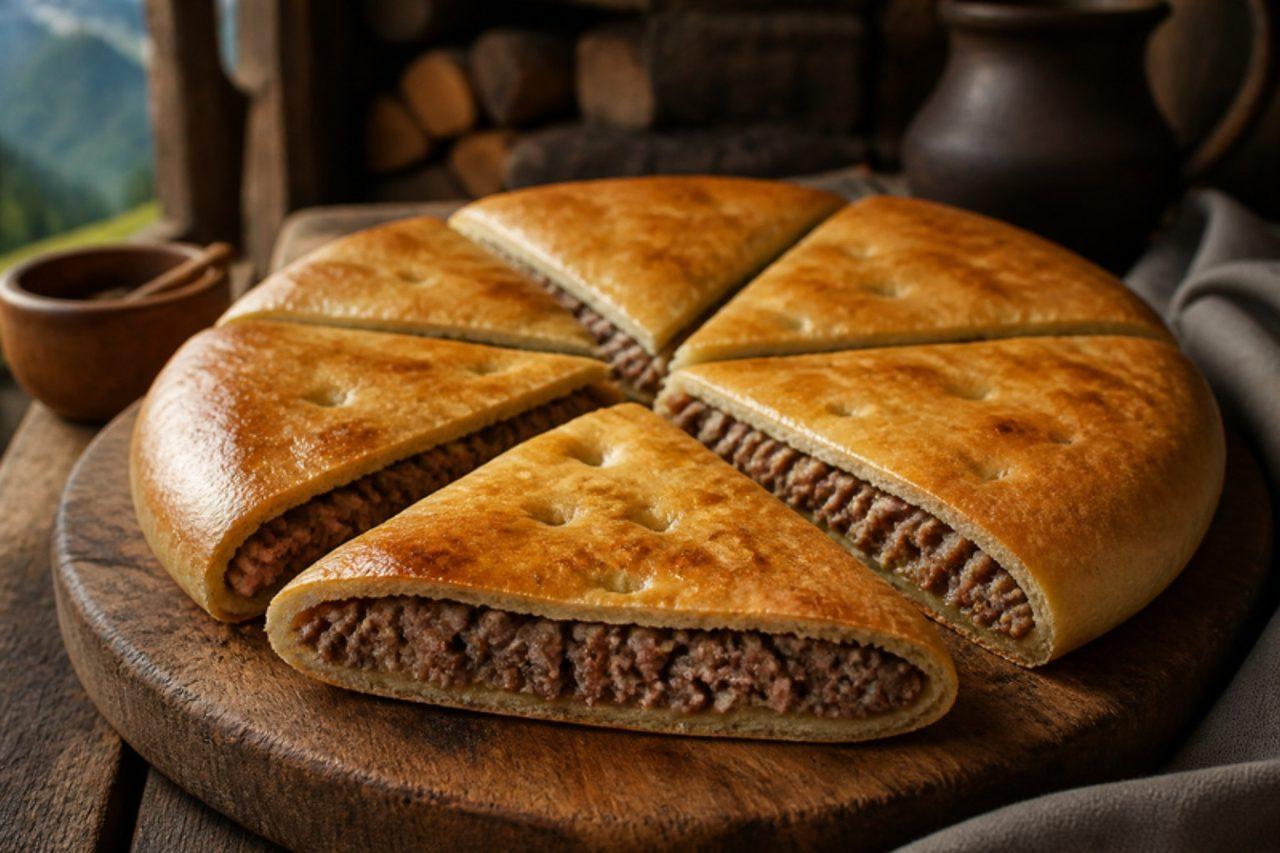
Kubdari is the meat bread of Svaneti, the highest inhabited region of the Caucasus, where hunters and herders needed a pie that would keep them going on the slopes around Mestia: a plain, soft dough wrapped around hand-chopped beef, onion and Svan salt fragrant with blue fenugreek and coriander, then flattened and baked until juicy inside. Some families mix in pork; this version uses beef. A common mistake is using minced meat; hand-chopped pieces stay juicy and give kubdari its texture. Chef's tip: add a spoon of cold water to the filling, which turns to steam in the oven and keeps the meat moist. The filling needs to reach 71 °C.

by KrazyBadal 0 views

KuchelaSpicy green mango relish

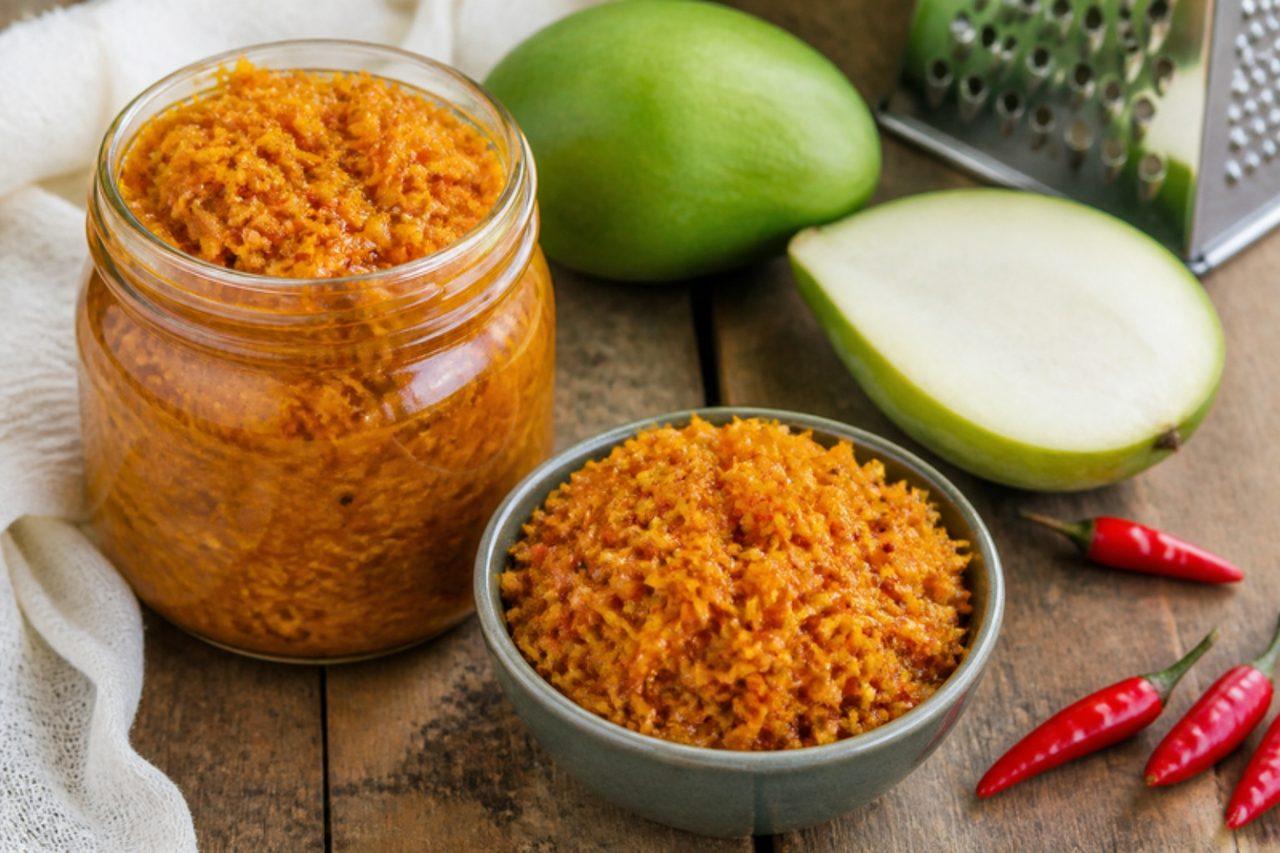
Kuchela is the dark, oily, intensely sour mango relish that sits in a jar on almost every south Trinidad table, spooned beside roti, dhal and rice, curry or doubles. Green mango is grated, squeezed and dried until leathery, then cooked in mustard oil with amchar masala, garlic and scotch bonnet until almost black. The common mistake is skipping the drying; wet mango stews instead of frying and the relish goes mouldy quickly. Mustard oil is traditional; heat it to smoking first to mellow it. Chef's tip: wring the grated mango in a cloth with real force; the drier it is before it hits the oil, the longer the kuchela keeps.

by KrazyBadal 0 views

KuchmachiChicken hearts and livers with walnuts

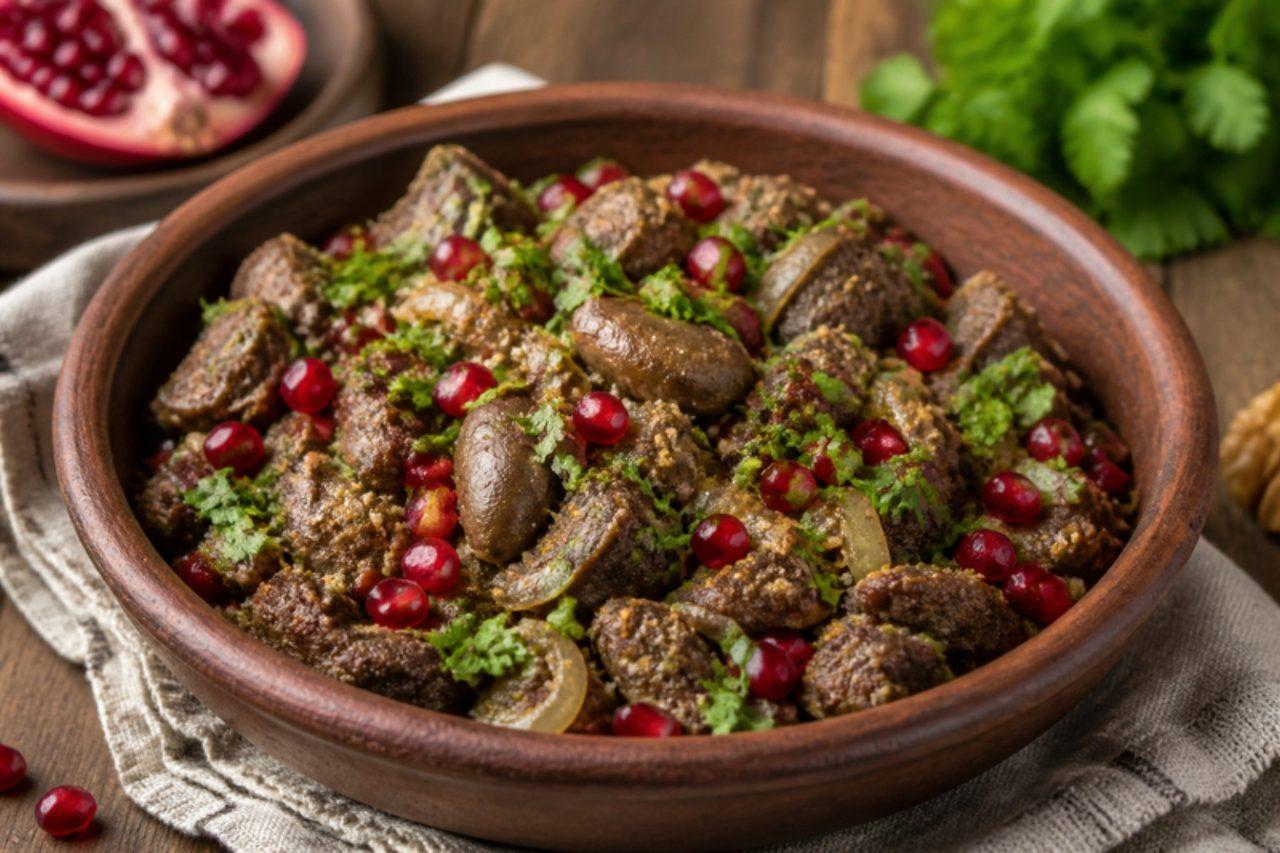
Kuchmachi is supra food from western Georgia, particularly Imereti and Racha: offal, usually chicken hearts and livers or beef tripe and liver, fried with onion and then folded into a spicy walnut sauce and showered with pomegranate seeds. It is served warm or at room temperature in a clay dish, with cold wine and bread. This version uses chicken offal, which is easy to find and quick to cook. A common mistake is overcooking the livers until grainy; take them off as soon as the centre has lost its pink. Chef's tip: fry hearts and livers separately, since hearts need longer. Chicken offal is cooked when no pink remains and it reaches 74 °C.

by KrazyBadal 0 views

Kueh kosuiPalm sugar tapioca cakes

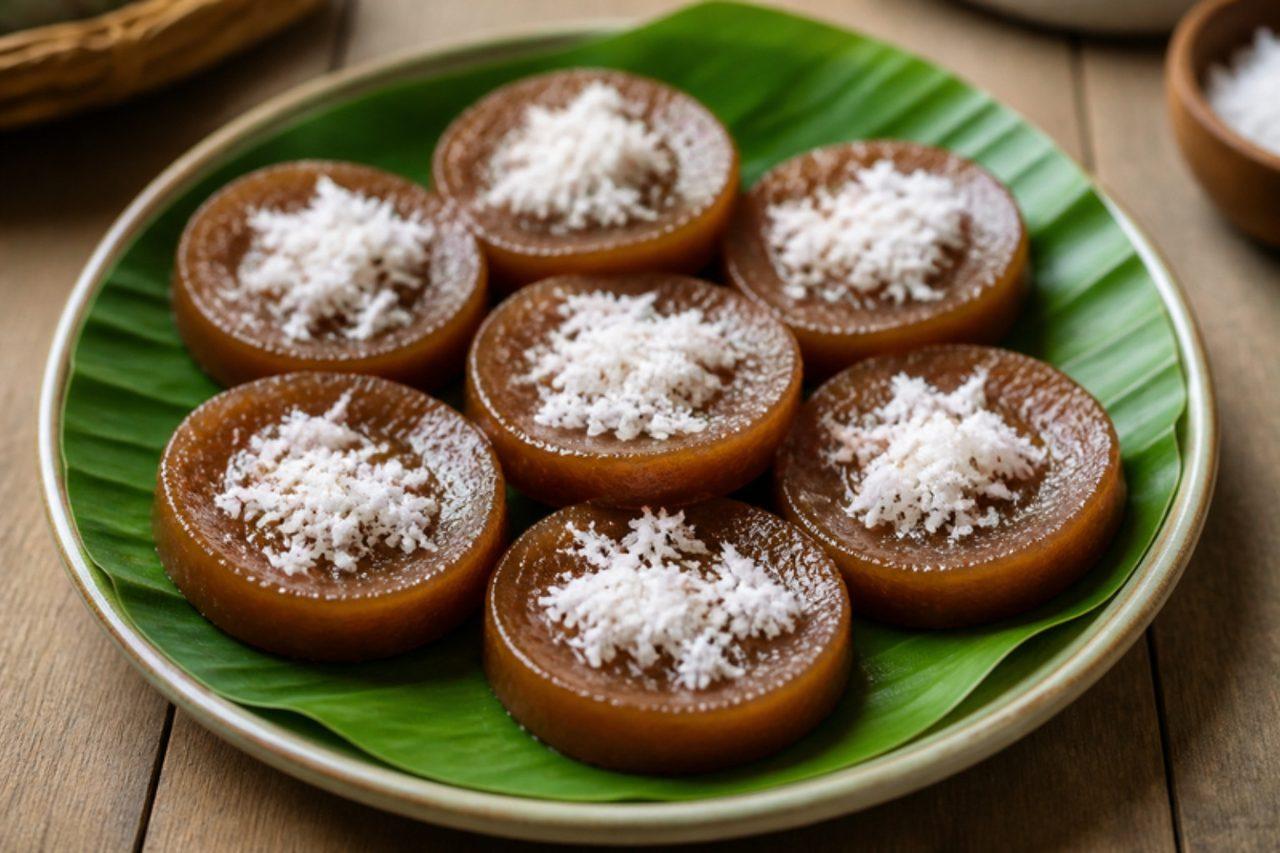
Little brown domes of kueh kosui sit beside the kueh lapis and ondeh-ondeh at Peranakan and Malay kueh shops in Joo Chiat and Bedok, bought by the plastic tray for breakfast or tea and taken to Hari Raya open houses. The cakes are firm, springy and slightly translucent, with a deep caramel flavour from gula melaka and a scent of pandan, and every piece is rolled in fresh grated coconut seasoned with salt so it tastes sweet and savoury at once. A few drops of alkaline water give the classic bounce. The usual mistake is cutting or unmoulding them while warm; they are soft and sticky until fully cool and only then set clean. Chef's tip: strain the batter and stir it right before each pour, as the starch sinks to the bottom in seconds and gives you a hard base with a watery top.

by KrazyBadal 0 views

Kueh tutuSteamed rice flour cakes

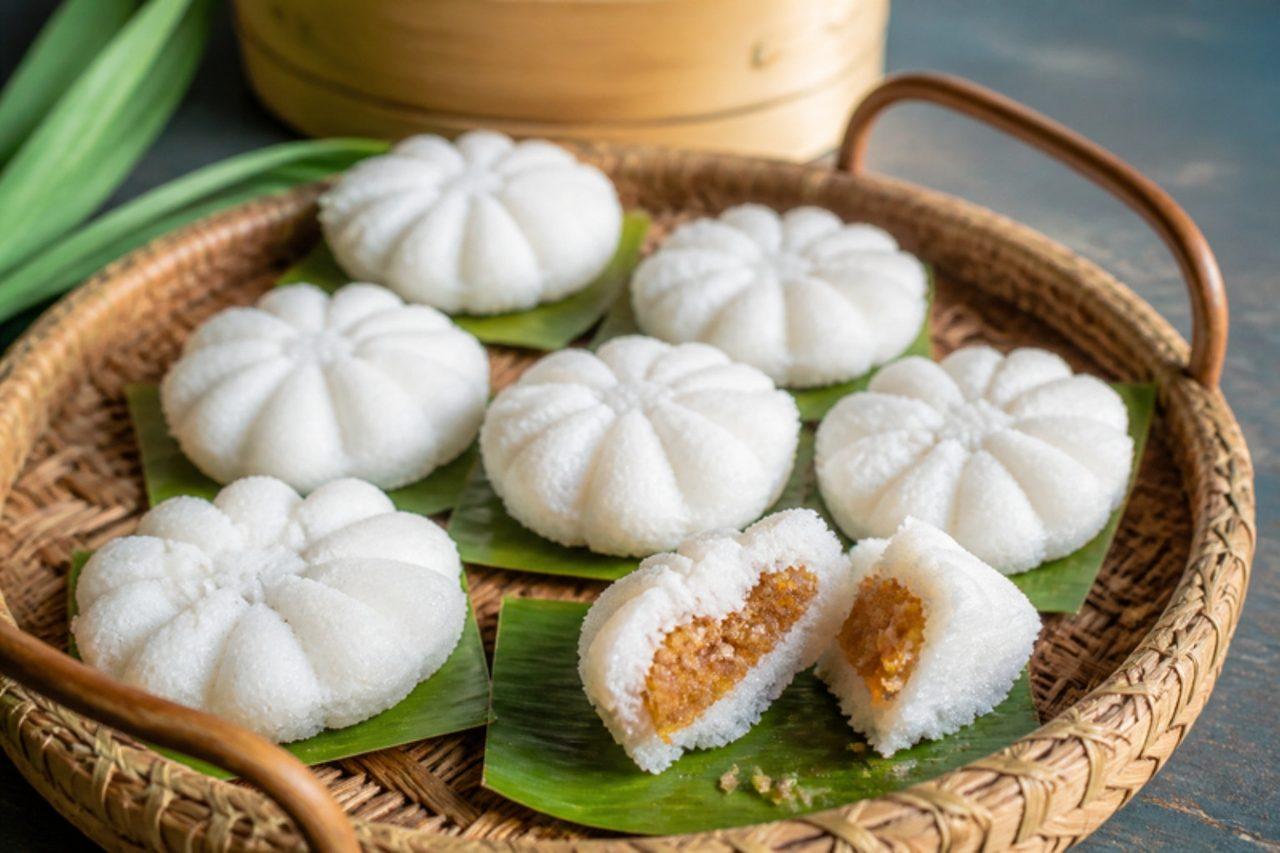
Pushcart sellers at Tanjong Katong and the old kampungs once made kueh tutu to order, and a few stalls in Queenstown and at Chinatown Complex still do: loose, fragrant rice flour is packed into small flower-shaped wooden moulds around a spoon of sweet ground peanut or brown-sugar coconut, steamed for barely three minutes on a cloth, then tipped onto a square of pandan leaf. Bite in and the white crumb dissolves, light and powdery-soft, around the crunchy or sticky centre. They are an afternoon snack, sold by the half-dozen and eaten warm on the spot. The usual mistake is making the rice flour too wet; it should feel like damp sand that just holds when squeezed, or the cakes turn dense and gummy. Chef's tip: toast the rice flour in a dry pan first and cool it; the cakes smell nuttier and the crumb steams up lighter.

by KrazyBadal 0 views

Kufta bozbashLamb meatball chickpea soup

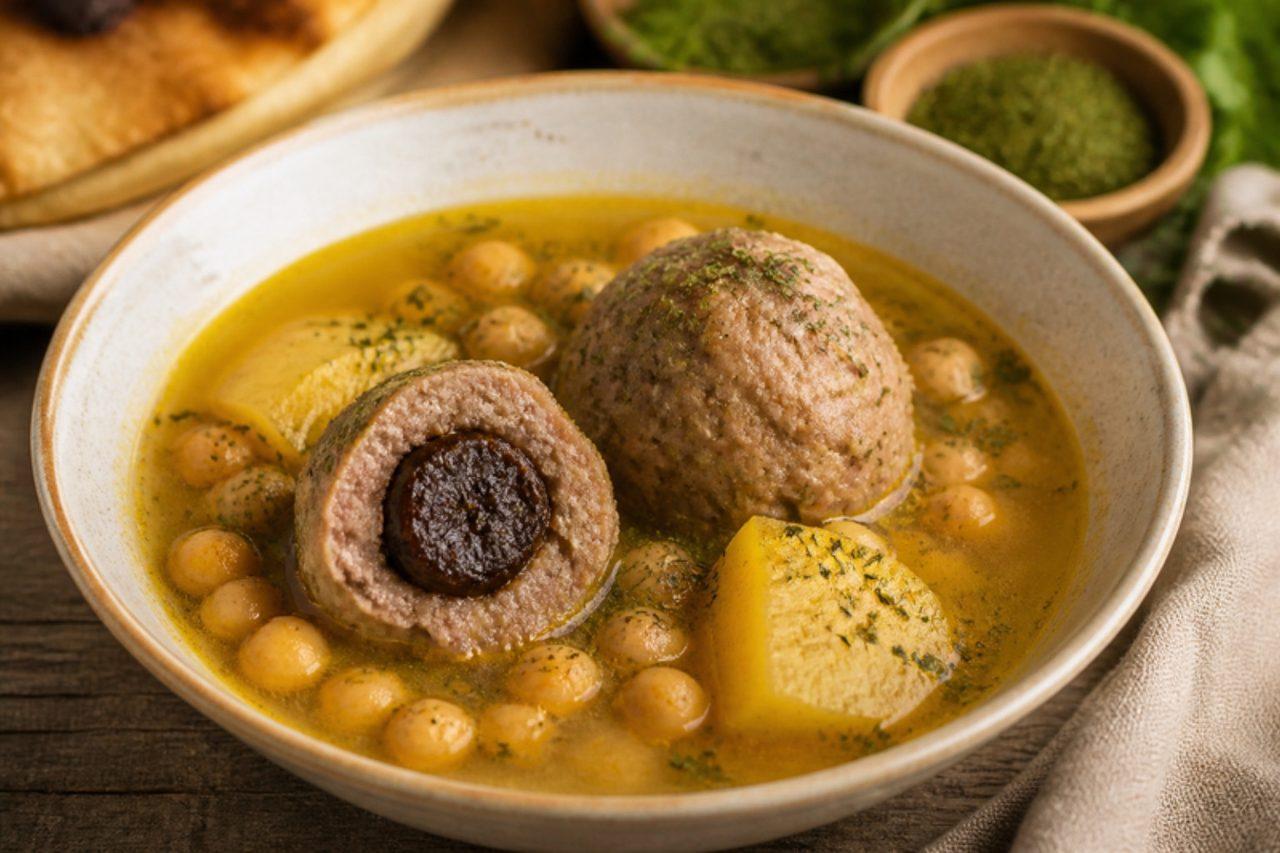
Kufta bozbash is one of Baku's great soups: huge lamb meatballs, each with a sour dried plum (alcha) hidden in the middle, simmered in a saffron-tinted broth with chickpeas and potatoes. Families make it on cold weekends, serving the broth first and then the meatballs, sprinkled with dried mint and sumac. A common mistake is using lean mince; the fat holds the big meatballs together and keeps them tender. Chef's tip: beat the mince with a little cold water until sticky and smooth, then wet your hands to shape; the balls will not crack around the plum. Minced lamb must reach 71 °C in the centre.

by KrazyBadal 0 views

Kugel YerushalmiPeppery caramelised noodle pudding

In the Haredi neighbourhoods of Jerusalem, Mea Shearim and Geula above all, kugel Yerushalmi comes out of the oven after a long night's bake and is sliced at Shabbat morning kiddush. Thin noodles are coated in dark caramel made from sugar and oil, then bound with eggs and plenty of black pepper, so every bite is sweet, sticky and hot at once. It is served warm in wedges with pickled cucumbers, often beside cholent. The classic mistake is a pale caramel: it must be the colour of strong tea before the noodles go in, or the kugel tastes flat and sugary. Chef's tip: stir the caramel into the drained noodles while both are still hot, so it coats them instead of setting in lumps.

120 minIsraeliSides
by KrazyBadal 0 views

KugelisBaked grated potato pudding

Kugelis is Sunday food all over Lithuania: raw potatoes grated very finely, mixed with eggs, hot milk and fried onion, then baked for over an hour in a deep tin until the top and edges are dark and crisp and the inside is dense and creamy. It is cut into squares and eaten with sour cream. Lithuanian families usually add bacon; this version uses plenty of onion fried in butter. A common mistake is leaving the grated potato to sit, which turns it grey. Chef's tip: pour hot milk over the potatoes as soon as they are grated; it stops them darkening and helps the pudding set.

by KrazyBadal 0 views

Kulcha-e-namakiSalted butter biscuits

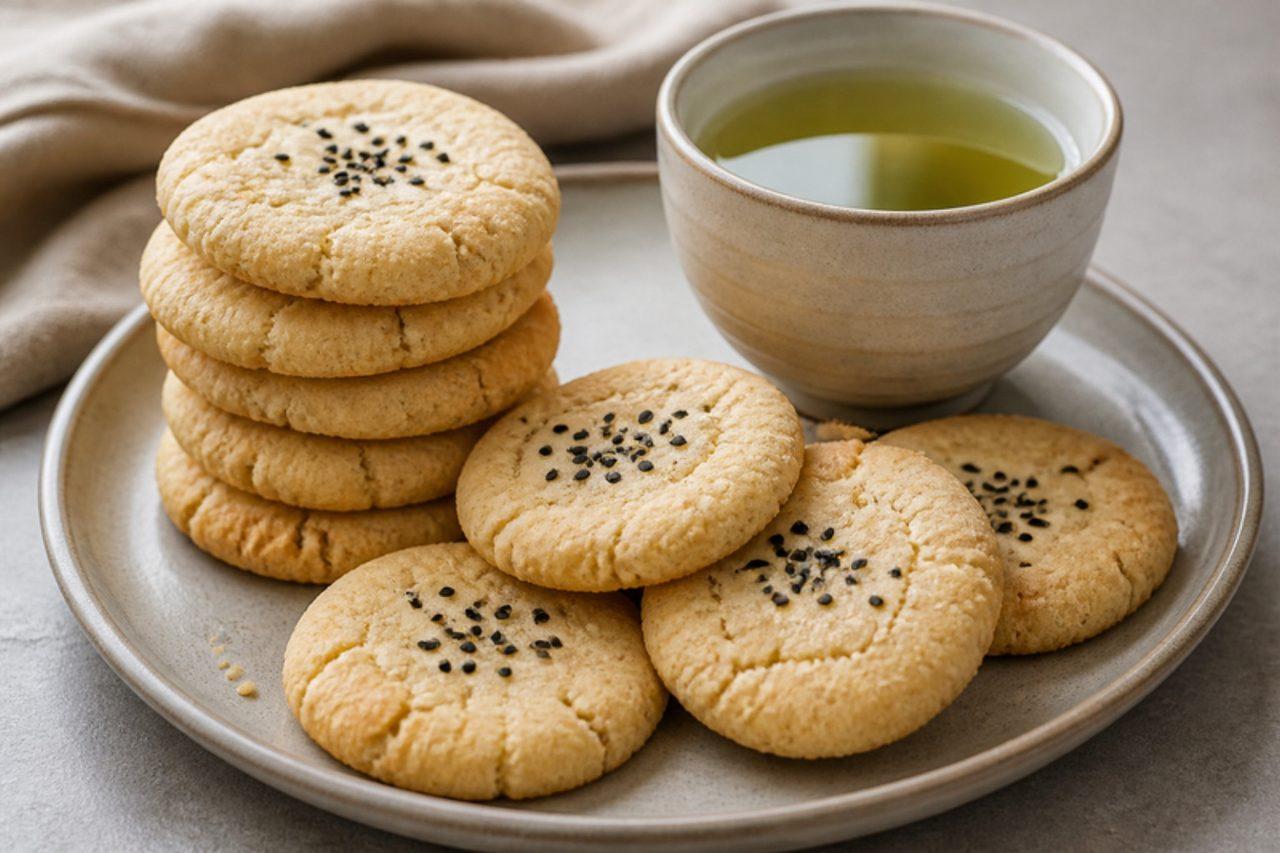
Kabul bakeries pile glass cases with kulcha, and alongside the sweet ones there are always the salty kulcha-e-namaki, pale little rounds flecked with black nigella that disappear by the handful with green or black tea. They are short and crumbly like shortbread but savoury, with a buttery richness and the oniony bite of the seeds, and at Eid and Nowruz a plate of them sits beside the sweets for guests who prefer something less sugary. They should stay pale, so the big mistake is baking them until brown, which makes the butter taste burnt and the biscuits hard. Chef's tip: chill the shaped biscuits for 15 minutes before baking so they hold their crisp edges.

by KrazyBadal 0 views

KulebyakaSalmon and rice pie

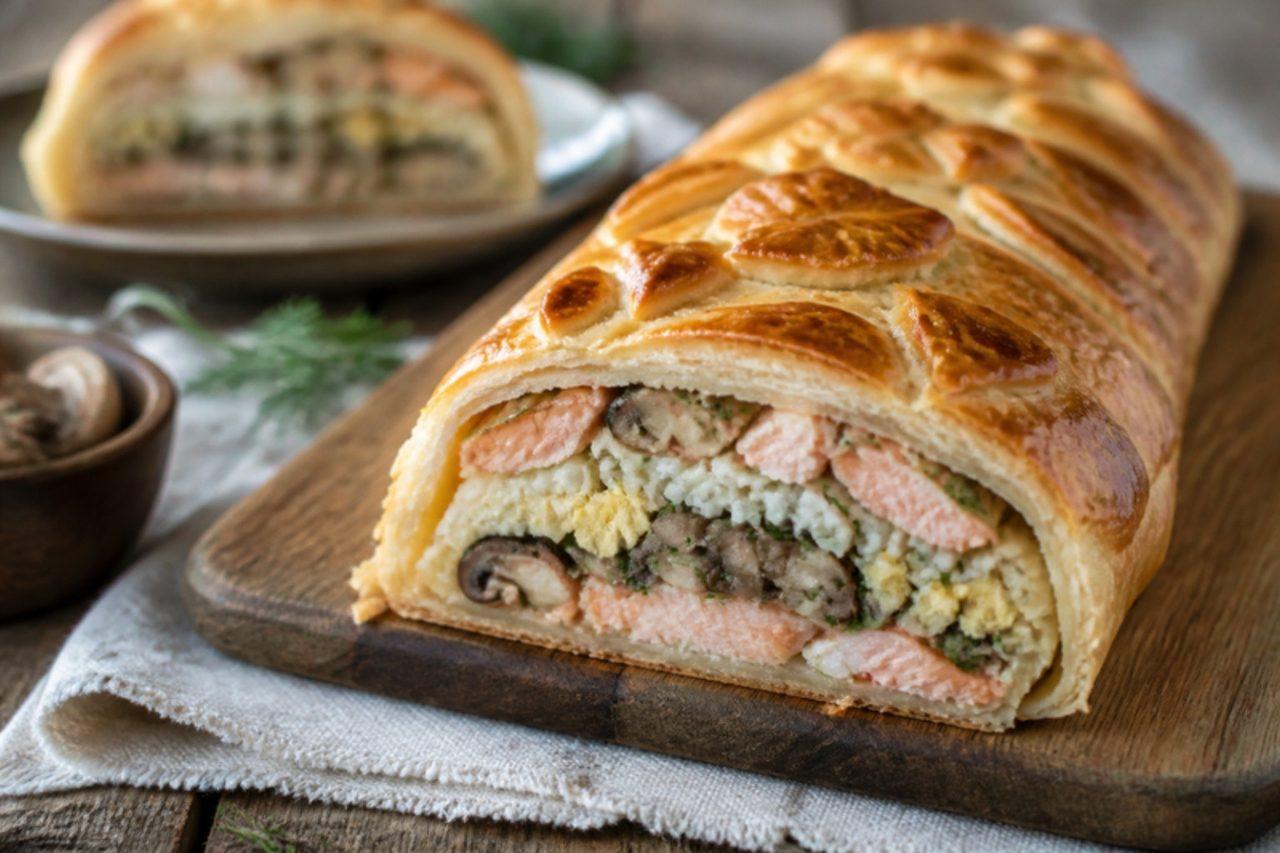
Merchant feasts in old Moscow were judged by their kulebyaka, a long, plaited-top pie cut at the table to show neat stripes of filling, and it still appears at name days, Easter and New Year. Under a golden yeast crust sit layers of dill-scented rice, chopped egg, buttery mushrooms and pink salmon, each one seasoned separately. Slices are eaten warm with melted butter or a cup of clear fish broth. The usual slip is assembling with warm, wet fillings, which steam the base into a soggy mess; cool everything and keep the rice and mushrooms fairly dry. Bake until the salmon at the centre is opaque and reads at least 63 °C. Chef's tip: lay a thin pancake or a sheet of cooked rice under the fish; old cooks used blini as a sponge for the juices.

150 minRussianFish
by KrazyBadal 0 views

KulenPaprika and garlic pork sausage

In Slavonia, eastern Croatia, kulen is the prize of the winter pig slaughter: lean pork, plenty of hot paprika and garlic packed into a thick casing and then smoked and air-dried for months until firm and brick-red. Long home dry-curing needs controlled rooms and curing salts, so this recipe makes a safer fresh kulen-spiced pork sausage, rested overnight in the fridge and cooked through to 71 °C. If you want the real cured kulen, buy it sliced from a good deli; it is eaten uncooked, so it is not for pregnant women, young children or anyone with a weakened immune system. Serve the fresh sausages hot with bread, pickled peppers and sour cream or ajvar. A common mistake is letting the meat get warm while mixing, which makes it crumbly. Chef's tip: chill the mince and the bowl until icy before you start.

1485 minBalkanMeatGluten freeSpicy
by KrazyBadal 0 views

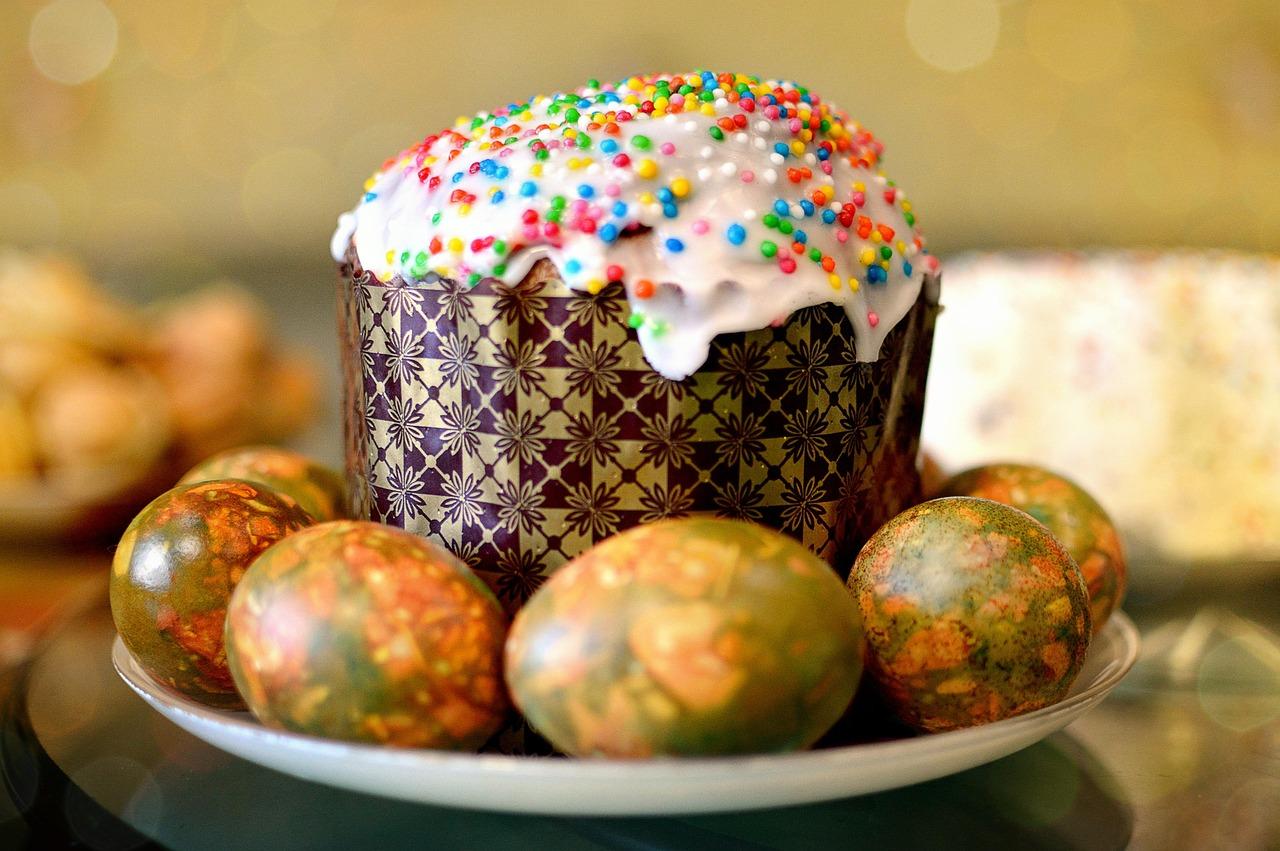
KulichEaster yeast bread

Easter Saturday queues outside Russian churches are full of baskets holding a tall kulich, a few dyed eggs and a pot of paskha, all waiting for the priest's blessing; the bread is then cut in rounds at breakfast after the night service. The crumb is rich with butter and yolks, scented with cardamom, vanilla and lemon zest and dotted with raisins and candied orange, under a white cap of icing and coloured sprinkles. Many families plump the raisins in rum; here they soak in hot tea, so the loaves are alcohol-free. The usual slip is underbaking: the tall tops brown early, so tent them with foil and test with a long skewer. Chef's tip: cool the baked loaves lying on their sides on a folded towel, turning now and then, so the soft crowns do not sink.

by KrazyBadal 0 views

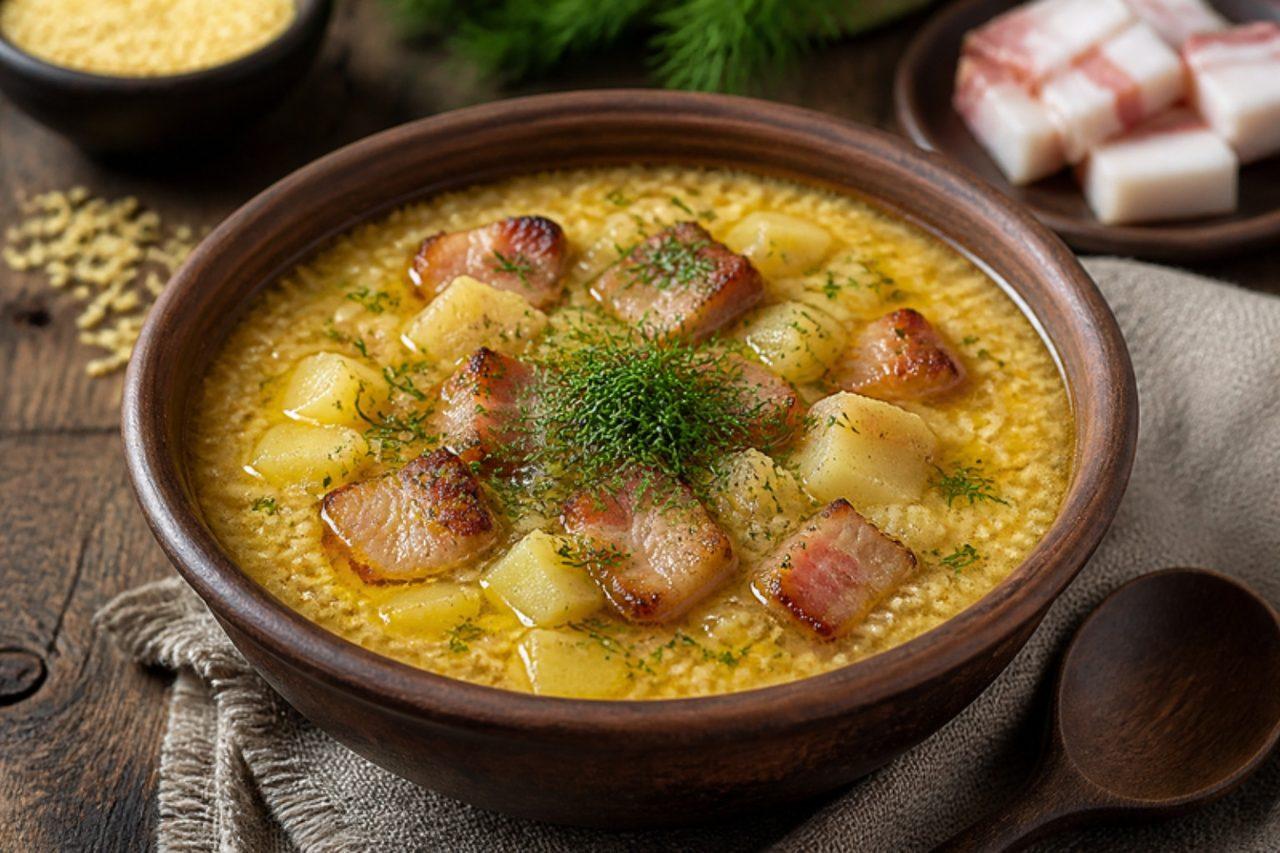
KulishMillet and potato soup

The Zaporizhian Cossacks of the Dnipro steppe cooked kulish in a black kettle over a campfire, and it is still the dish of fishing trips, summer camps and folk festivals on the island of Khortytsia. Millet, potato and onion simmer together into something halfway between a thick soup and a loose porridge, then a sizzling spoonful of fried salo, the salted pork fatback, goes in for smoky, savoury depth. It is humble, golden and comforting, best eaten hot with rye bread and a raw onion or pickle. The most common mistake is skipping the hot rinse of the millet, which leaves the porridge bitter. Kulish thickens as it stands, so loosen leftovers with a splash of water. Chef's tip: fry the salo slowly until the cubes are crisp, then fry the onion in the rendered fat; that fat carries all the flavour through the pot.

by KrazyBadal 0 views

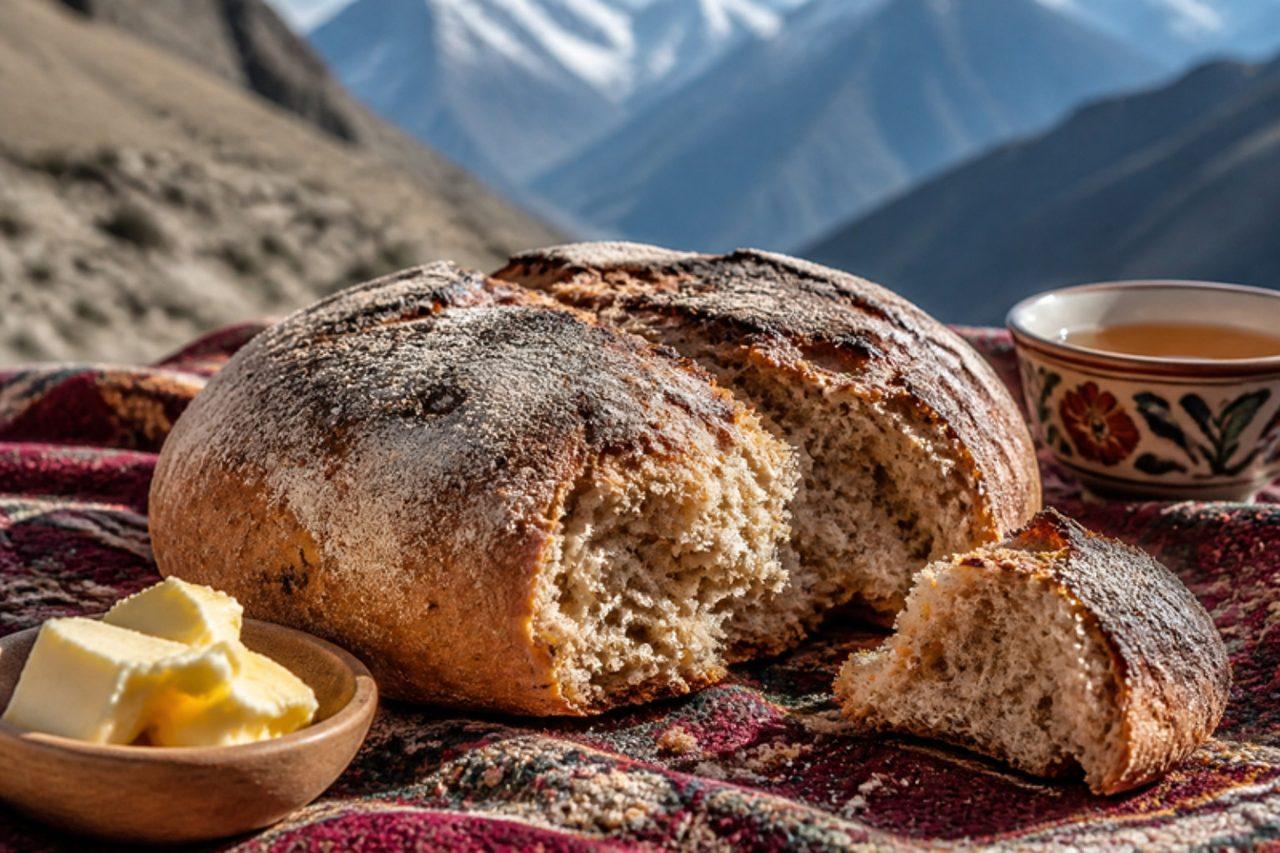
KumochEmber-baked bread

In the high Pamir mountains of eastern Tajikistan, around Khorog and the Wakhan valley, kumoch is a thick, round loaf baked by burying it in the hot ashes and embers of a hearth, then brushing off the ash and wrapping it in a cloth. Pamiri families eat it with butter and shir chai, the salty milk tea of the region. At home, a heavy lidded casserole in a hot oven recreates the ember bake. A common mistake is rolling it thin; kumoch is a thick, soft bread about 4 cm high. Chef's tip: use part wholemeal flour for the nutty taste of Pamiri wheat, and bake it in a preheated pot so the base forms a good crust.

by KrazyBadal 0 views

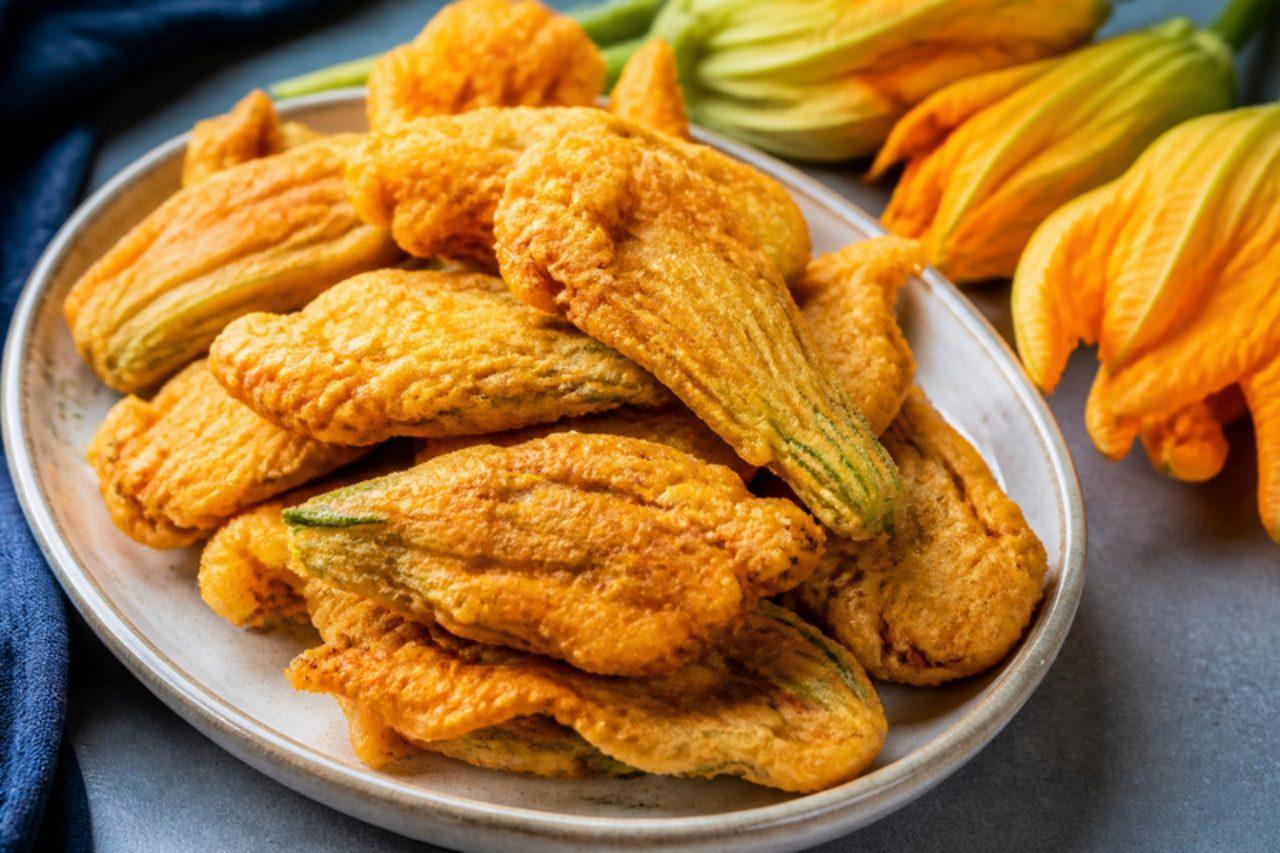
Kumro phool boraPumpkin flower fritters

Pumpkin vines sprawl over village rooftops in the rainy season, and when they bloom the big orange-yellow flowers are picked in the morning, before they close, and fried for lunch. Each flower is dipped whole in a thin batter of rice flour and a little gram flour seasoned with nigella, turmeric and chilli, and fried in mustard oil until the edges are lacy and crisp while the petals inside stay soft and faintly sweet. They are eaten as a starter with hot rice and dal or as an afternoon snack with tea. Thick batter hides the flower and turns the fritter heavy, which is the most common fault; it should only lightly coat the petals. Chef's tip: pinch out the stamen inside the flower and the green sepals at the base before washing; both taste bitter.

by KrazyBadal 0 views

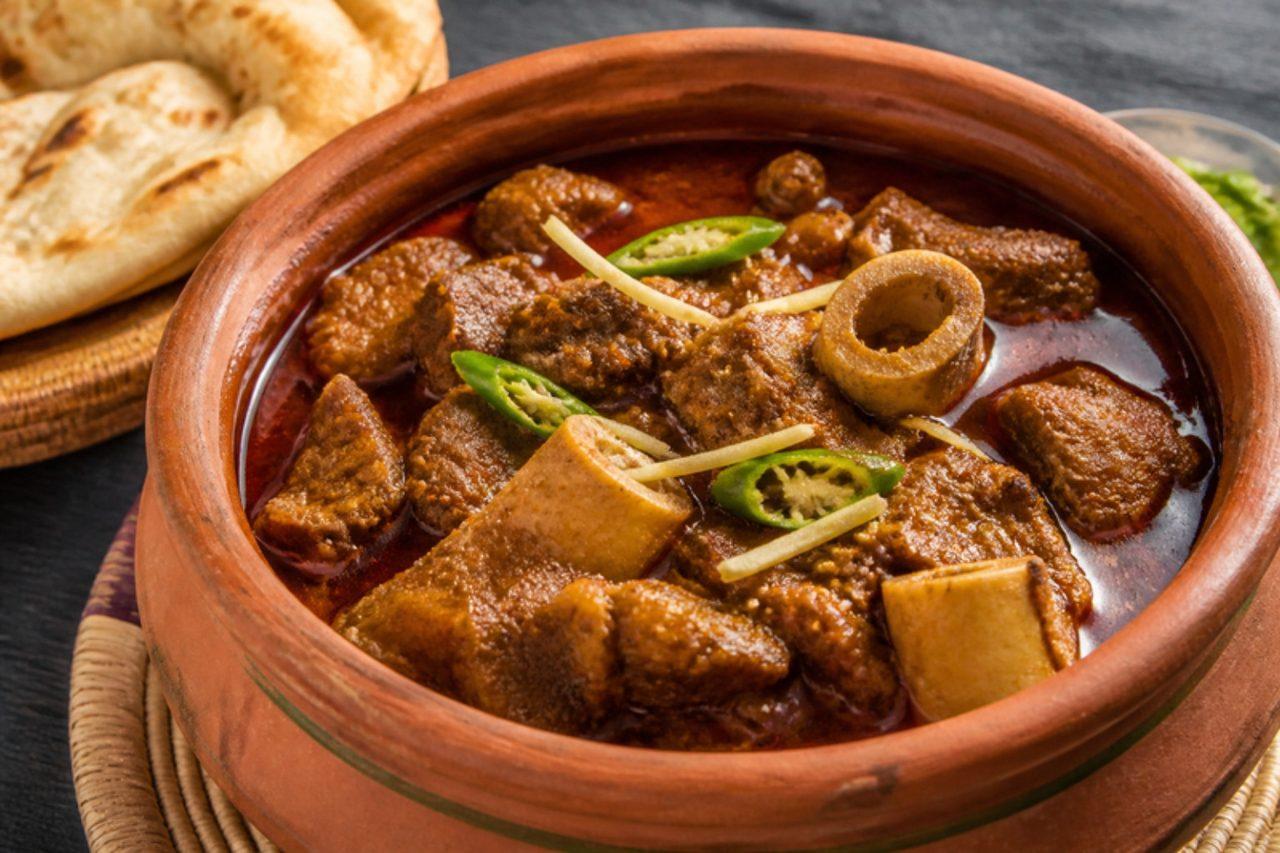
Kunna goshtClay pot mutton

Chiniot, the furniture town on the Chenab, claims this dish as its own: mutton and marrow bones packed into a narrow-necked clay pot called a kunna, sealed with dough and left to cook slowly in the embers of a bakery oven. The result is a deep red, almost syrupy gravy that clings to every piece, with a layer of spiced ghee floating on top, and it is eaten on Sundays and at family gatherings with hot naan straight from the tandoor. At home a heavy casserole sealed with foil under the lid does the same job. People often lift the lid to check, and every peek lets out the steam that makes the gravy glossy; trust the clock and the low heat. Chef's tip: ask for a few pieces of shank and marrow bone in the mix, because the gelatine from them gives kunna its sticky shine.

by KrazyBadal 0 views

KupatiPork and offal sausages

Kupati are the coarse, spicy sausages of Imereti, made after a winter pig slaughter and grilled over vine cuttings or fried in a pan with onions; in Kutaisi they are a staple of village feasts. This is a pork recipe: minced pork shoulder with a share of pork heart and liver, seasoned with dried barberries, garlic, cinnamon, khmeli-suneli and hot pepper, stuffed into casings. A common mistake is overfilling the casings, which makes them burst as they cook. Chef's tip: poach the sausages gently first, then brown them; they cook through evenly and stay juicy. Pork sausages must reach 71 °C in the centre.

by KrazyBadal 0 views

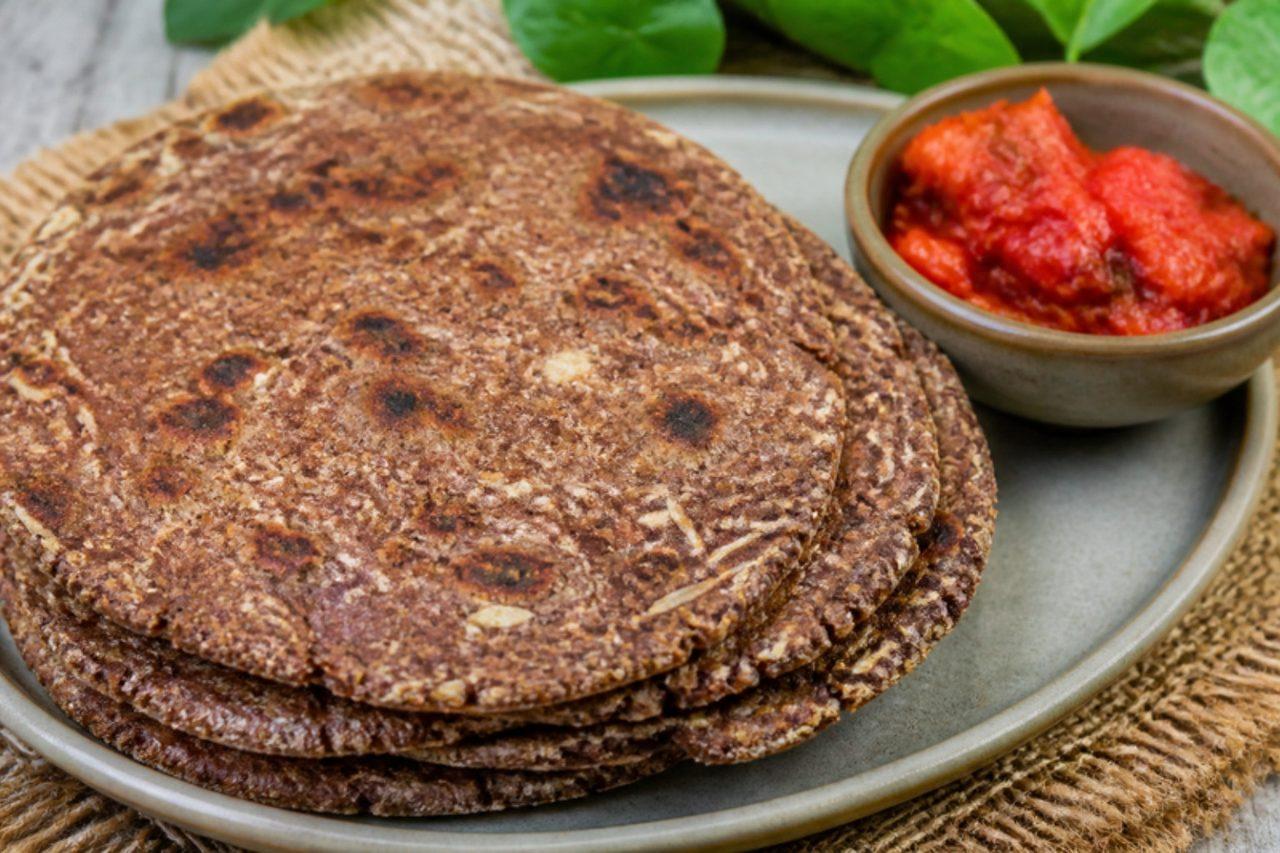
Kurakkan rotiFinger millet and coconut flatbread

Kurakkan, finger millet, was the grain of the dry chena plots and the hill villages long before white bread arrived, and these brown, nutty roti are still what many farming families around Badulla and Monaragala eat for breakfast or dinner. The flour is kneaded with plenty of fresh grated coconut and just enough water to hold, patted flat by hand and cooked on a dry clay pan until speckled and firm. They are dense and earthy, with a faint sweetness from the coconut, and taste best hot with a sharp spoonful of lunu miris or a mild dhal. Pressing the dough too thin is a classic error, because millet has no gluten and the roti crack and break; keep them about 5 mm thick. Chef's tip: shape them on a piece of oiled banana leaf or baking paper and flip them straight onto the pan, which saves them from tearing. Millet is naturally gluten free, but check the packet if you are cooking for coeliacs.

by KrazyBadal 0 views

Kurakkan thalapaFinger millet dumplings

In the dry zone villages behind Hambantota and Tissamaharama, kurakkan thalapa is the old-fashioned lunch of farmers: finger millet flour stirred into boiling salted water until it becomes a smooth, heavy, purplish-brown dough, shaped into balls and eaten by hand. Traditionally it is torn and dipped into a sour, black-peppery fish ambulthiyal, but it is just as good with a vegetable curry, kiri hodi or a fiery lunu miris for a vegan meal. The taste is mild and earthy, and it keeps you full for hours. The most common mistake is tipping all the flour in at once, which leaves dry lumps that never smooth out; add it in stages, beating hard with a wooden spoon. Chef's tip: once the dough comes together, cover the pan and let it steam over a very low heat for five minutes; that is what removes the raw, floury taste.

by KrazyBadal 0 views

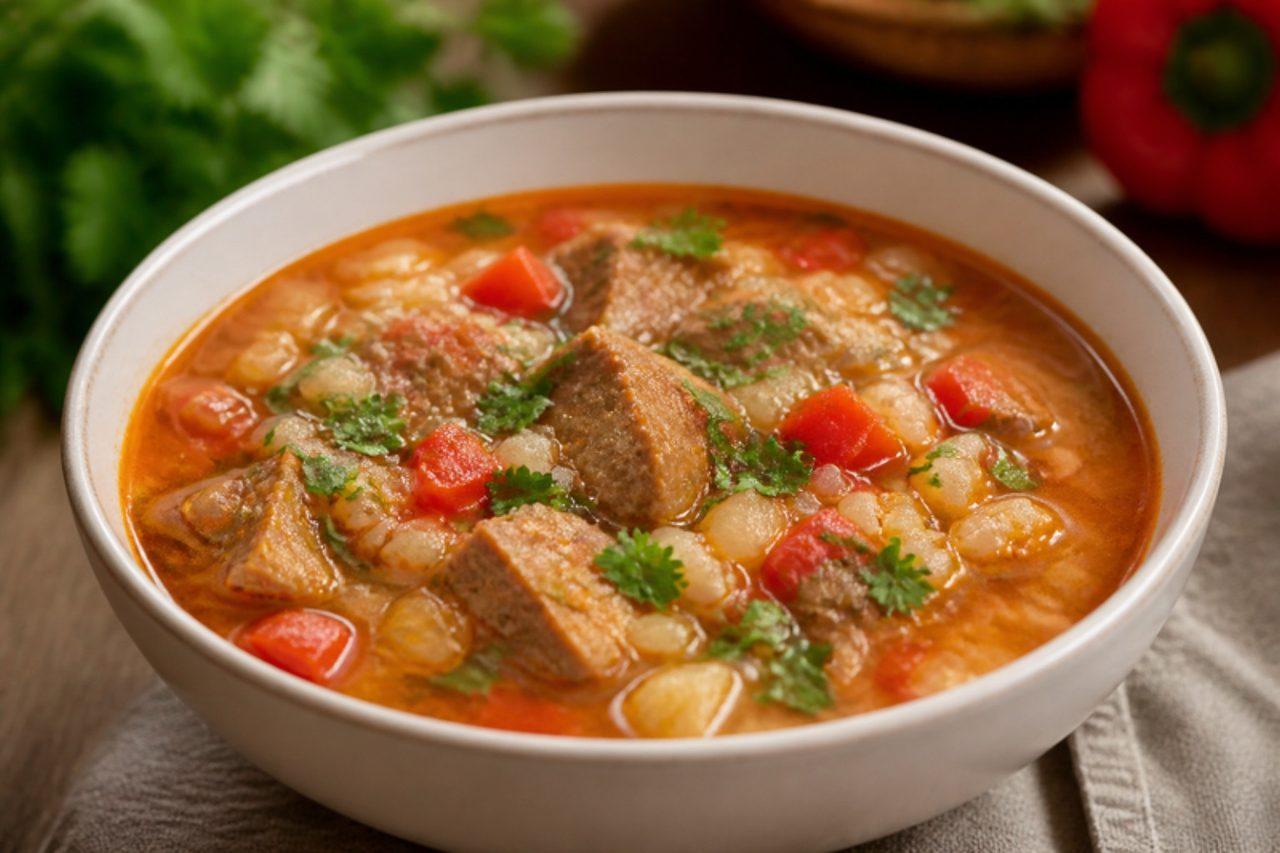
Kurban chorbaLamb and rice feast soup

On saints' days such as St George's in May or St Dimitar's in October, Bulgarian villages set big cauldrons over fires in the churchyard or square, and the kurban, the shared offering, is ladled out as a rich lamb soup to everyone who comes, neighbours and strangers alike. Lamb on the bone simmers gently with onion until tender, then the meat is pulled into pieces and returned to the broth with rice, carrot, red pepper, tomato, paprika, dried mint and plenty of parsley. It tastes deep, meaty and herby, sharpened with a squeeze of lemon, and bread on the side is traditional. The usual slip is skipping the skimming at the start; grey foam left in the pot muddies the broth. Chef's tip: rub the mint and savory between your palms over the pot in the last five minutes, so the herbs stay bright.

by KrazyBadal 0 views

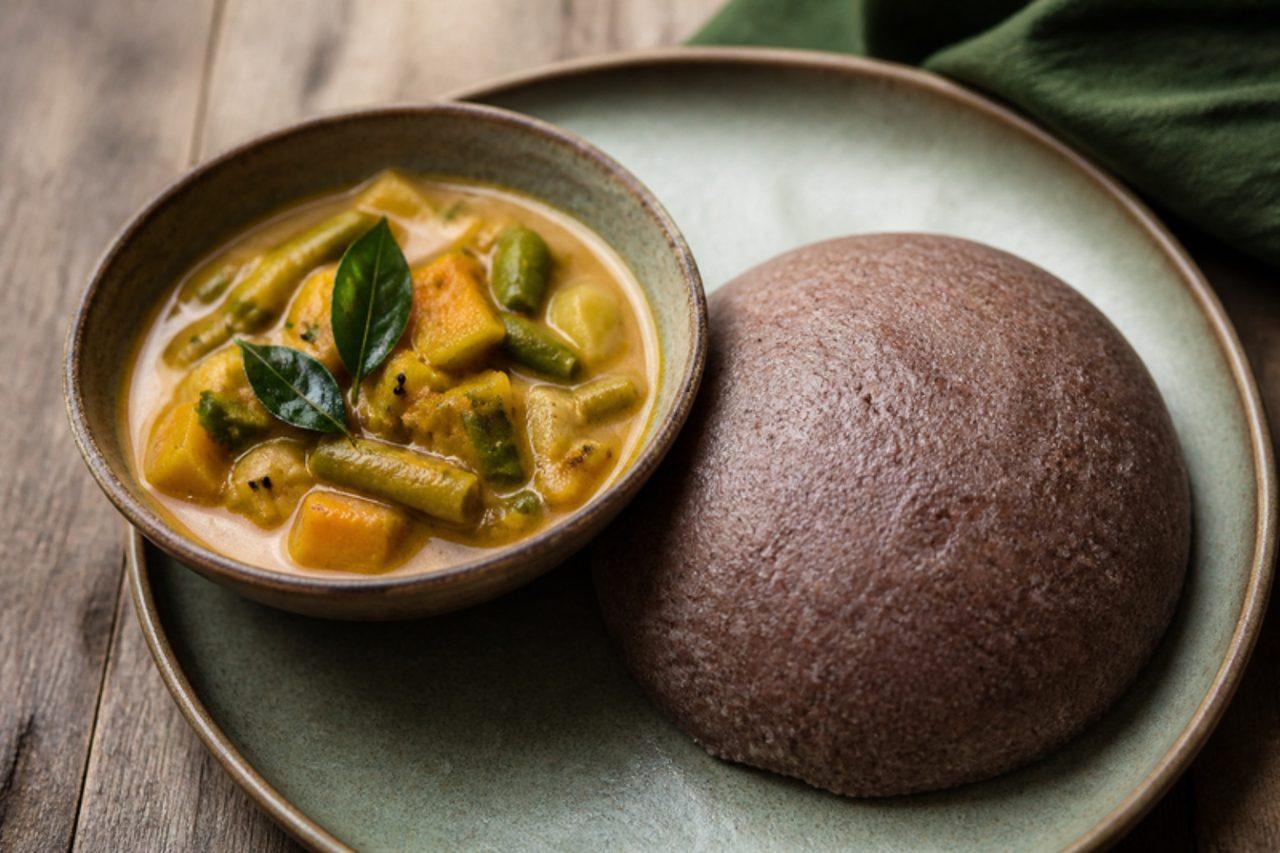
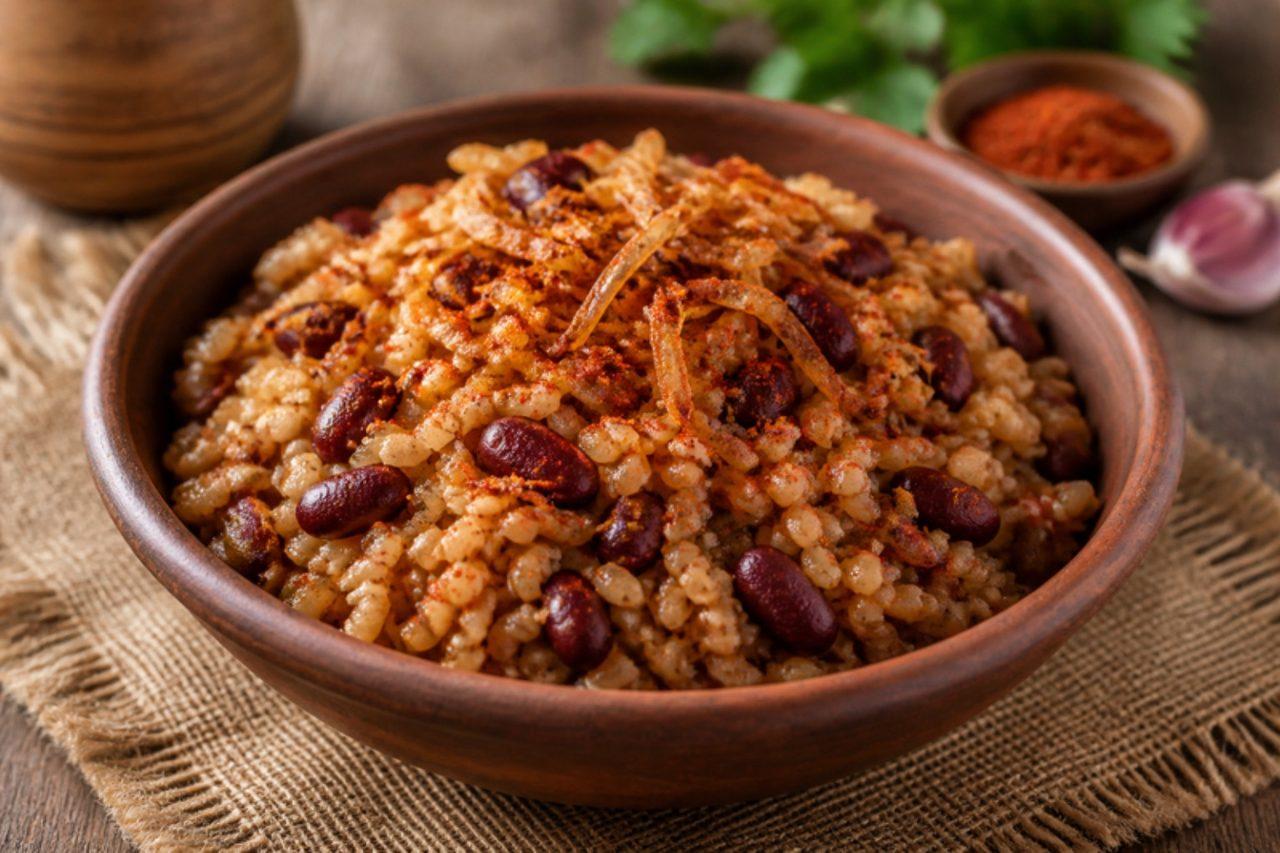
KurkutSlow-cooked wheat with beans

Kurkut is the old harvest porridge of Syunik and the Armenian highlands: whole hulled wheat grains cooked very slowly with beans until they burst and turn creamy, then topped with onion fried golden in oil. In villages around Sisian it was cooked overnight in the tonir oven; on Lenten days it is a meal in itself, and on feast days meat is sometimes added. A common mistake is skipping the soak; unsoaked wheat stays hard even after hours. Chef's tip: stir hard in the last half-hour so the grains rub against each other and release their starch, giving kurkut its creamy, sticky texture.

by KrazyBadal 0 views

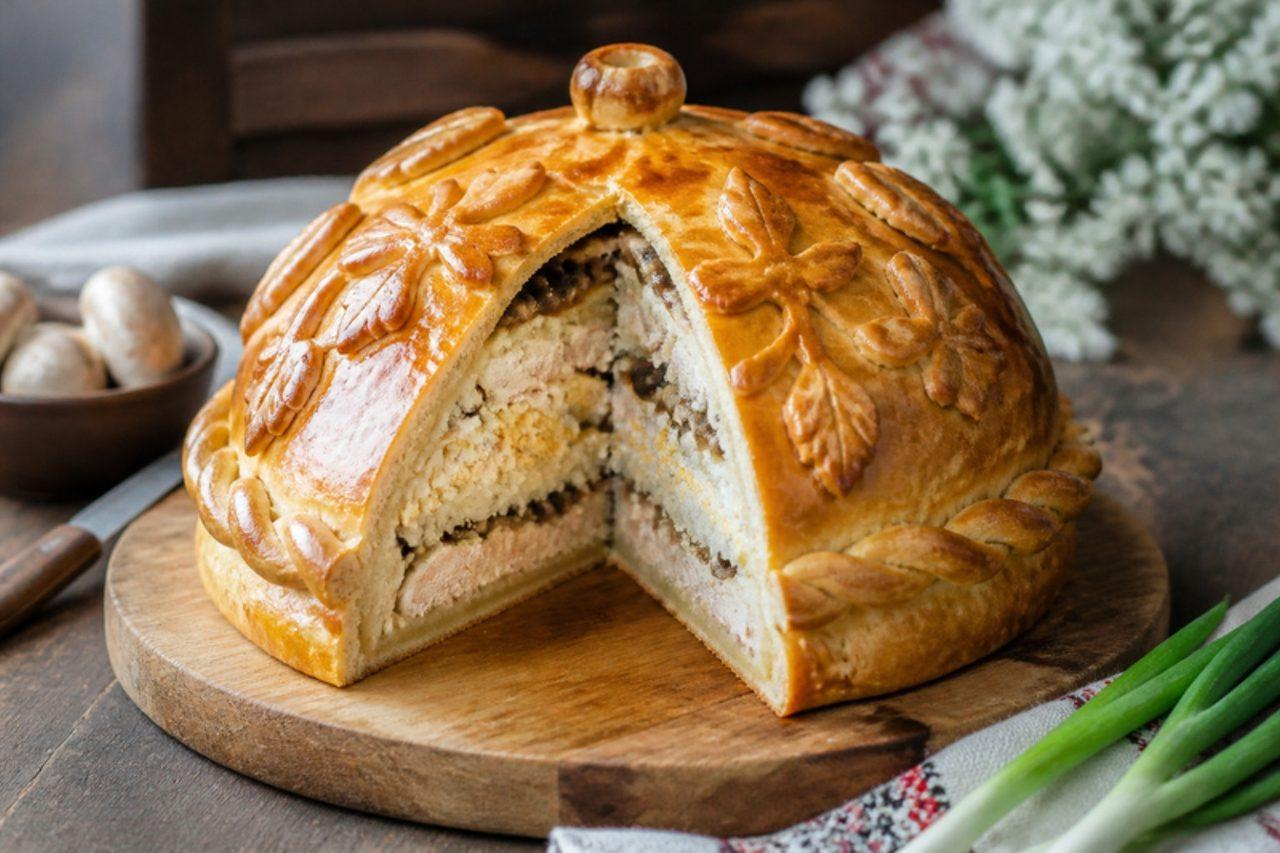
KurnikChicken and rice pancake pie

Cossack weddings along the Don and Kuban were not complete without kurnik, the tall "king of pies": a domed short pastry crust packed with layers of chicken, rice and egg and mushrooms, each separated by a thin pancake so the juices stay put. Bride and groom each had a kurnik baked by their families, and it is still made for big birthdays and holidays. The crust is crumbly and rich from sour cream; the inside moist and savoury. A common mistake is skimping on the broth: spooning some of the chicken poaching liquid over each layer keeps the rice from drying out. Poach the chicken until it reaches 74 °C. Chef's tip: make the pancakes and fillings the day before and chill them; the pie then goes together in half an hour.

by KrazyBadal 0 views

KurzeLamb dumplings in broth

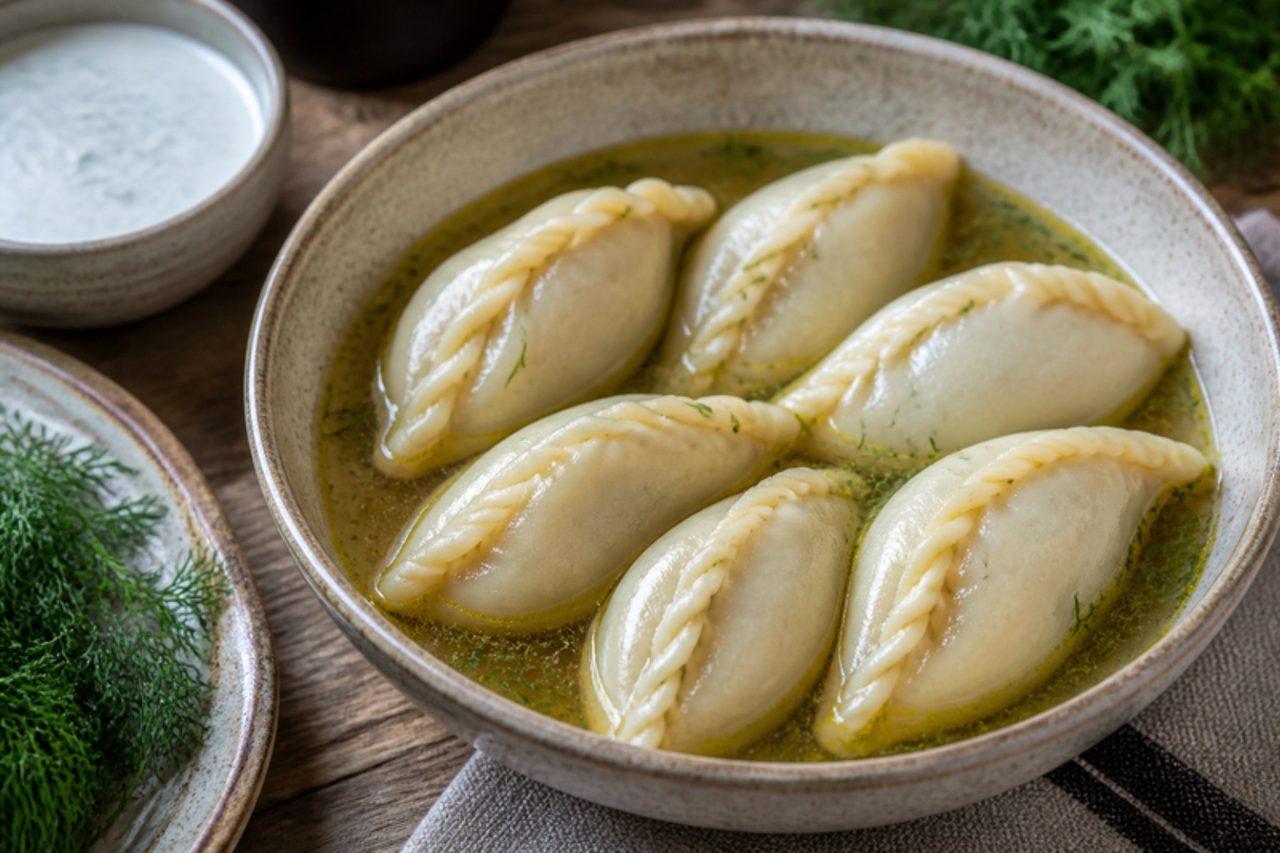
Every mountain people of Dagestan, Avars, Laks and Dargins among them, has its own kurze, but all share the beautiful plaited seam that runs along each teardrop dumpling like a braid. The lamb filling is chopped with plenty of onion and a little fat, then the dumplings are boiled and served in their broth with a sharp garlic and tomato dressing. In mountain villages they are made in big batches for guests, and in summer the same dough is filled with pumpkin or young nettles. The usual slip is overfilling, which makes the pleats burst in the pot. Chef's tip: practise the plait on a few pieces without filling first; once your fingers know the rhythm it goes quickly.

105 minRussianMeat
by KrazyBadal 0 views

BajellaBoiled fava beans with cumin

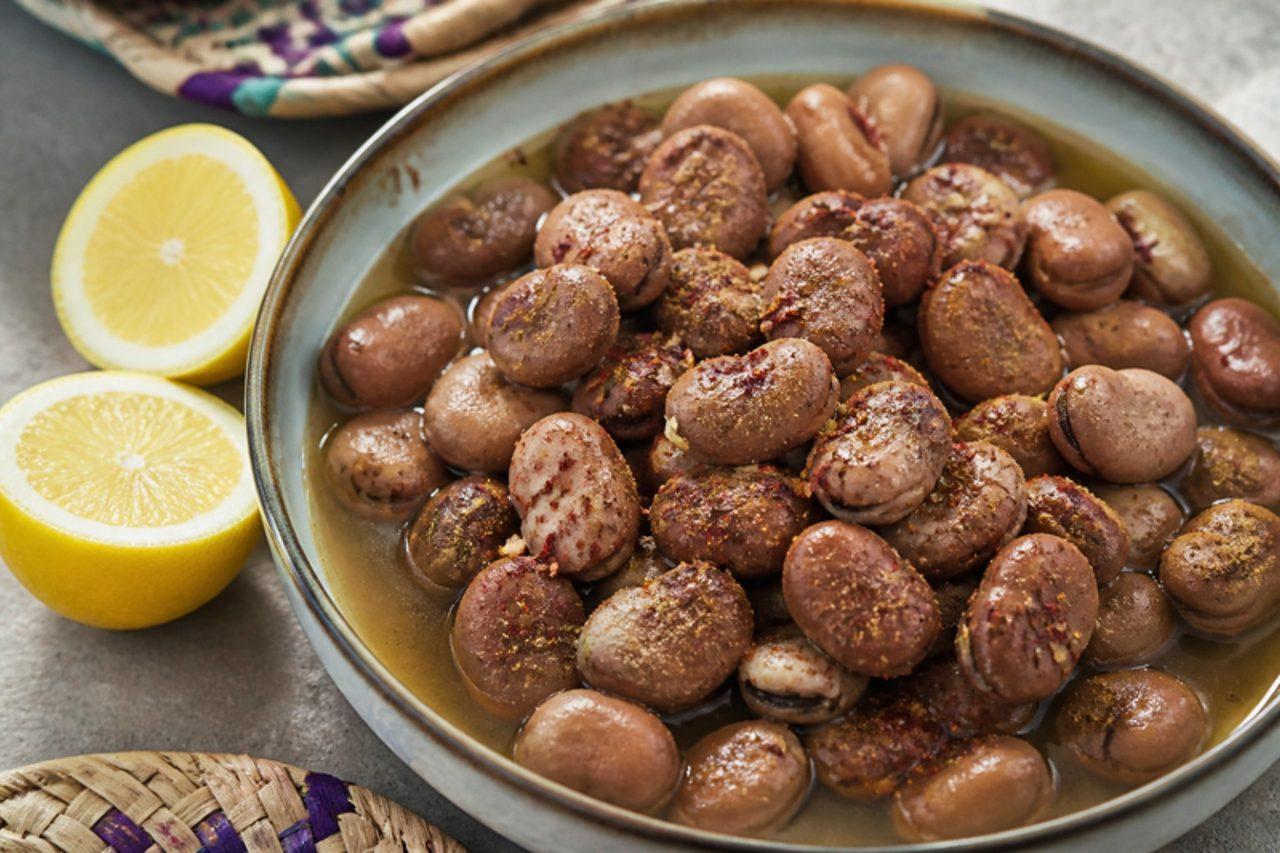
On cold mornings in Kuwait City, street carts and old-style breakfast cafés ladle out bajella into paper cups: whole dried fava beans boiled until creamy, served in their hot, salty broth with cumin and a squeeze of lemon. It is cheap, filling and warming, and families cook a big pot at home in winter and during Ramadan. Eat it with a spoon, drinking the broth as you go, or with Arabic bread and pickles. Skipping the overnight soak is the mistake: unsoaked beans take hours and split unevenly. Chef's tip: add the salt only once the beans are tender; salting at the start keeps the skins tough.

by KrazyBadal 0 views

KvæfjordkakeSponge, meringue and cream cake

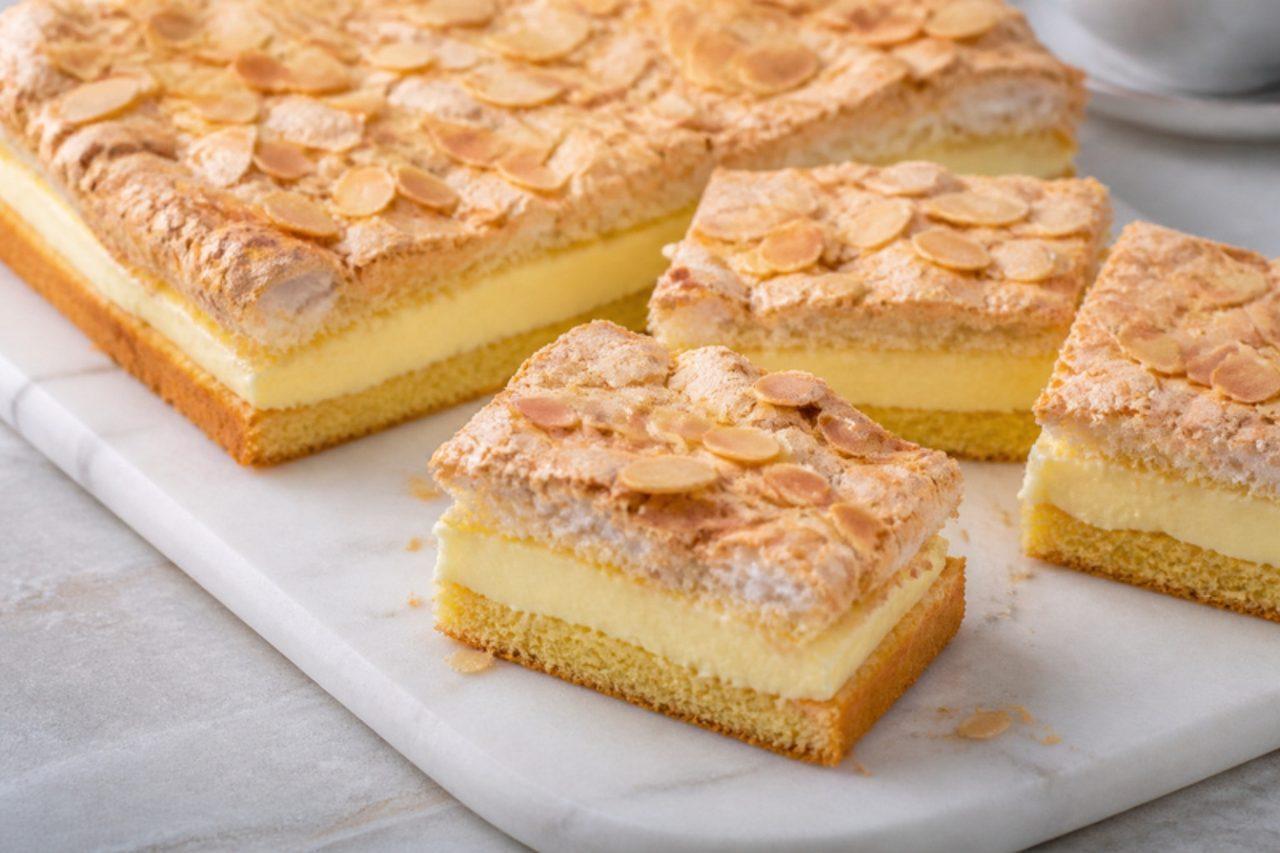
Kvæfjordkake comes from the Kvæfjord district in Troms, northern Norway, and Norwegians voted it their national cake, which is why it is also called 'verdens beste', the world's best cake: a thin buttery sponge baked with a layer of meringue and almonds on top, then cut in half and sandwiched with vanilla custard cream. It is baked for confirmations, May 17th and birthdays. A common mistake is underbaking the meringue, which goes sticky. Chef's tip: bake in a shallow tray and let the meringue turn pale golden and crisp; cool completely before filling.

by KrazyBadal 0 views

KwaśnicaSauerkraut and smoked rib soup

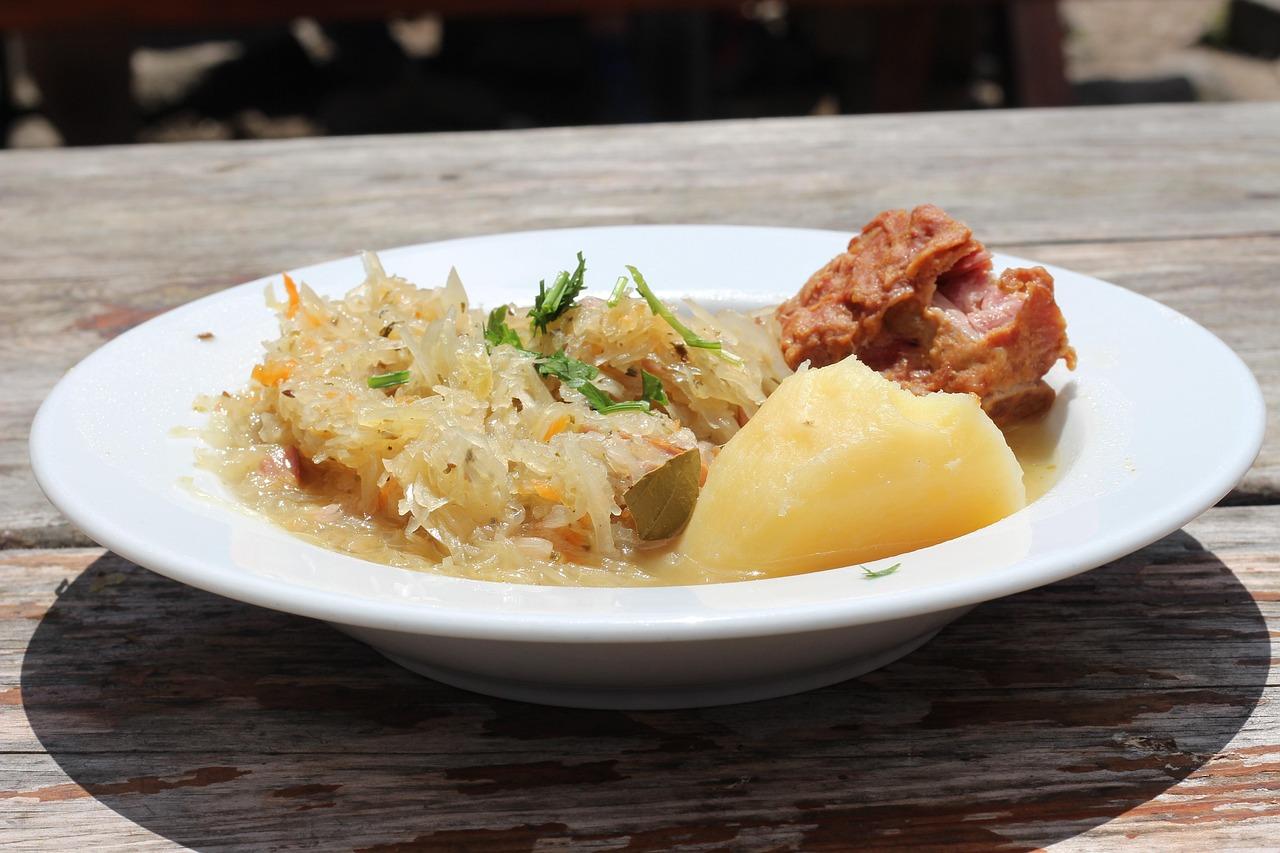
Ask for soup in a Zakopane karczma and the answer is nearly always kwaśnica, the sour, smoky broth of the Tatra highlanders, ladled from a big pot with smoked pork ribs on the bone and a bowl of boiled potatoes alongside. Unlike most cabbage soups, the base here is the fermented sauerkraut juice itself, so it is sharper and lighter, warmed by allspice, caraway and a whiff of garlic. Skiers and shepherds alike swear by it after a cold day on the slopes. Too many cooks rinse the sauerkraut, which washes away the very sourness the soup is named for. If yours is very harsh, taste and loosen it with water instead. Chef's tip: simmer the ribs on their own first, so the broth is rich and smoky before the cabbage goes in and the meat is falling off the bone by the end.

120 minPolishSoupsGluten free
by KrazyBadal 0 views

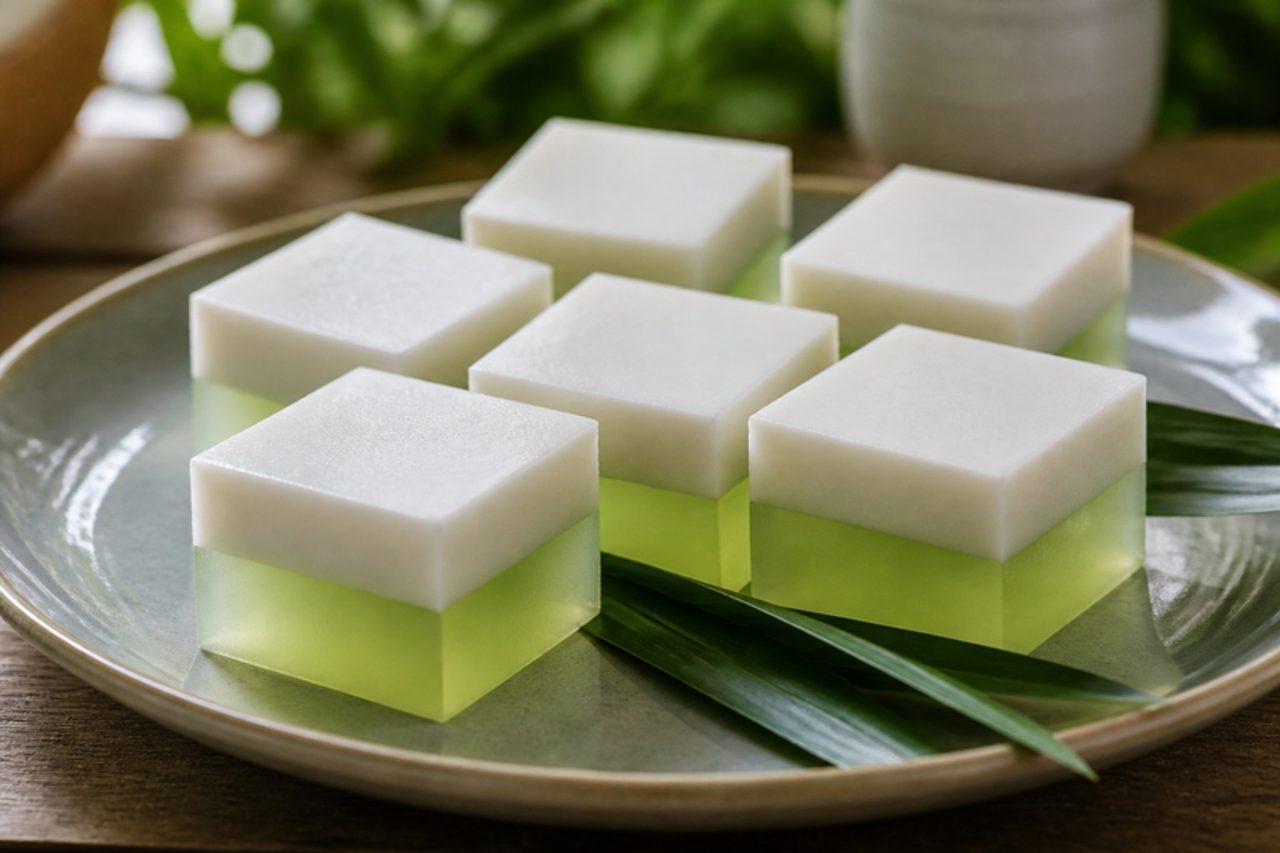
Kyauk kyawTwo-layer coconut jelly

Trays of kyauk kyaw are cut into diamonds for nearly every Burmese celebration, from birthday donation lunches to the water-splashing days of Thingyan in April, when a cold, firm jelly is exactly what the heat calls for. Agar sets far firmer than gelatine, and that clean, snappy bite is the whole point: a translucent sweet layer on the bottom and an opaque, lightly salted coconut cream layer on top, each tasting of fresh coconut and a hint of pandan. It is served chilled, on its own or alongside shwe yin aye and other festival sweets. If the bottom layer sets completely hard before you pour the top, the two layers slide apart when you cut them. Chef's tip: pour the coconut layer while the clear layer has just formed a skin that holds a fingertip but is still warm.

by KrazyBadal 0 views

Showing 90 of 7,888 recipes

Page 311 of 877