


Skip to content
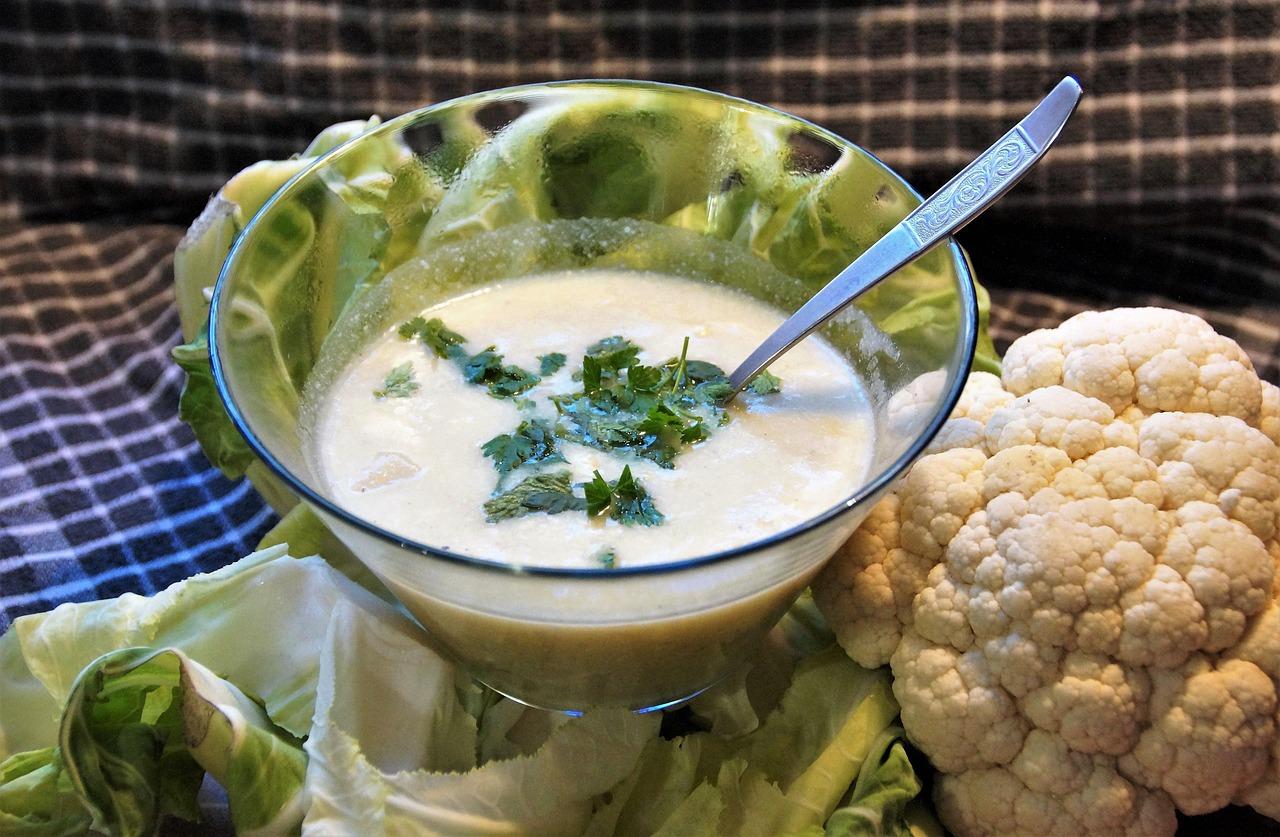
Cauliflower soup with farfalle
Featured recipe

Cauliflower soup with farfalle

A smooth, creamy cauliflower soup flavoured with nutmeg and Parmesan, with little bow-tie pasta stirred through. It's served with crisp, curled melba toast sprinkled with Parmesan and paprika, so it makes a light meal on its own.

Read more 1 views

What to eat today?

Around the world

Today's trip: Persian

A new country every day, from every cuisine on the site.

Persian

Shirini danmarki

Cinnamon cardamom pastry swirls 70 minMore from Persian (181) →

This week's collection

Kid-friendly dinners
756 recipes · a new collection every Monday

Coming up

All occasions →

Latest recipes

GotoGinger rice porridge with tripe

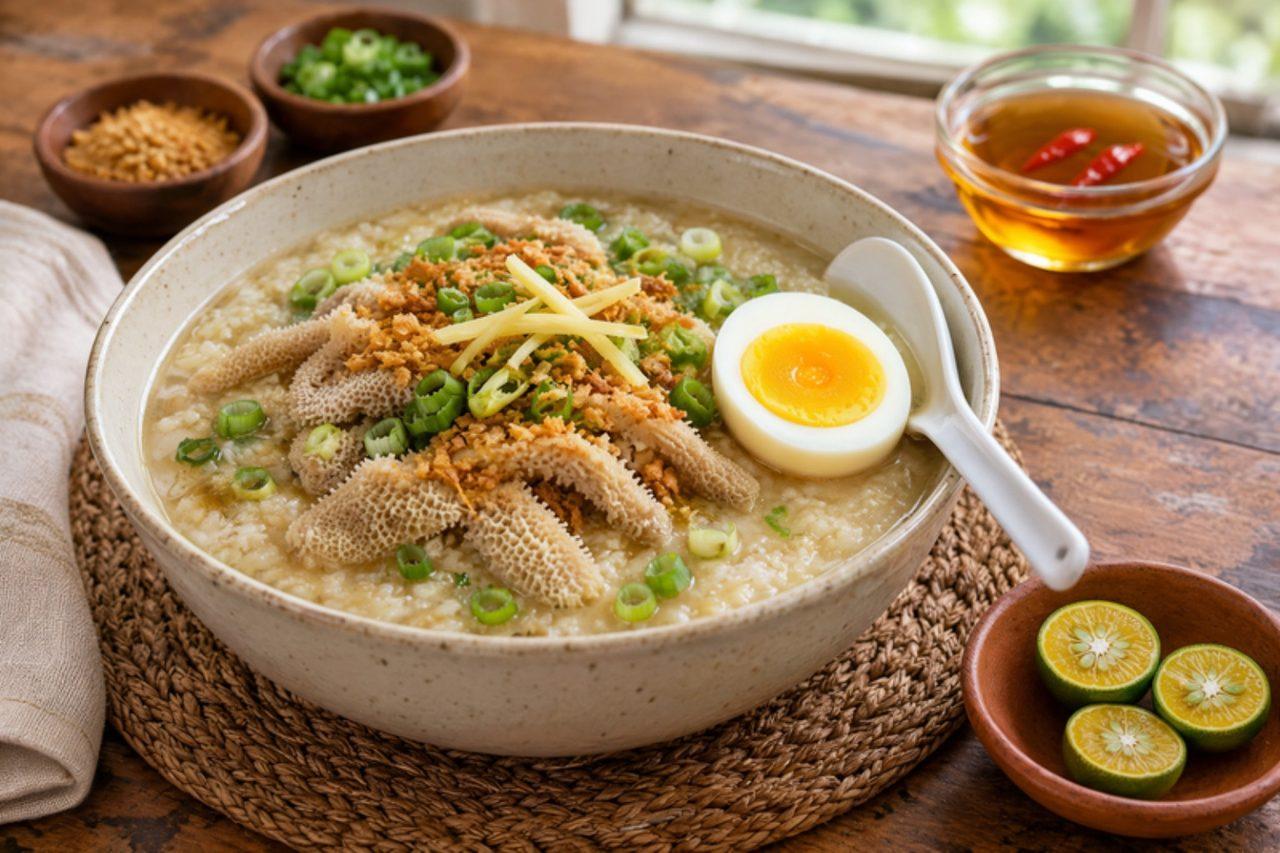
Goto is the tripe-rich cousin of arroz caldo, sold at dawn and late at night from gotohan stalls across Luzon, especially in Manila and Batangas. Glutinous rice is cooked in a ginger broth with long-simmered beef tripe until thick, then topped with toasted garlic, spring onion, a boiled egg and a squeeze of calamansi. The common mistake is skipping the pre-boil of the tripe, which leaves a strong farmyard smell. Chef's tip: buy cleaned honeycomb tripe and simmer it until a knife slides in easily before it meets the rice; it will not soften further once the porridge thickens.

by KrazyBadal 0 views

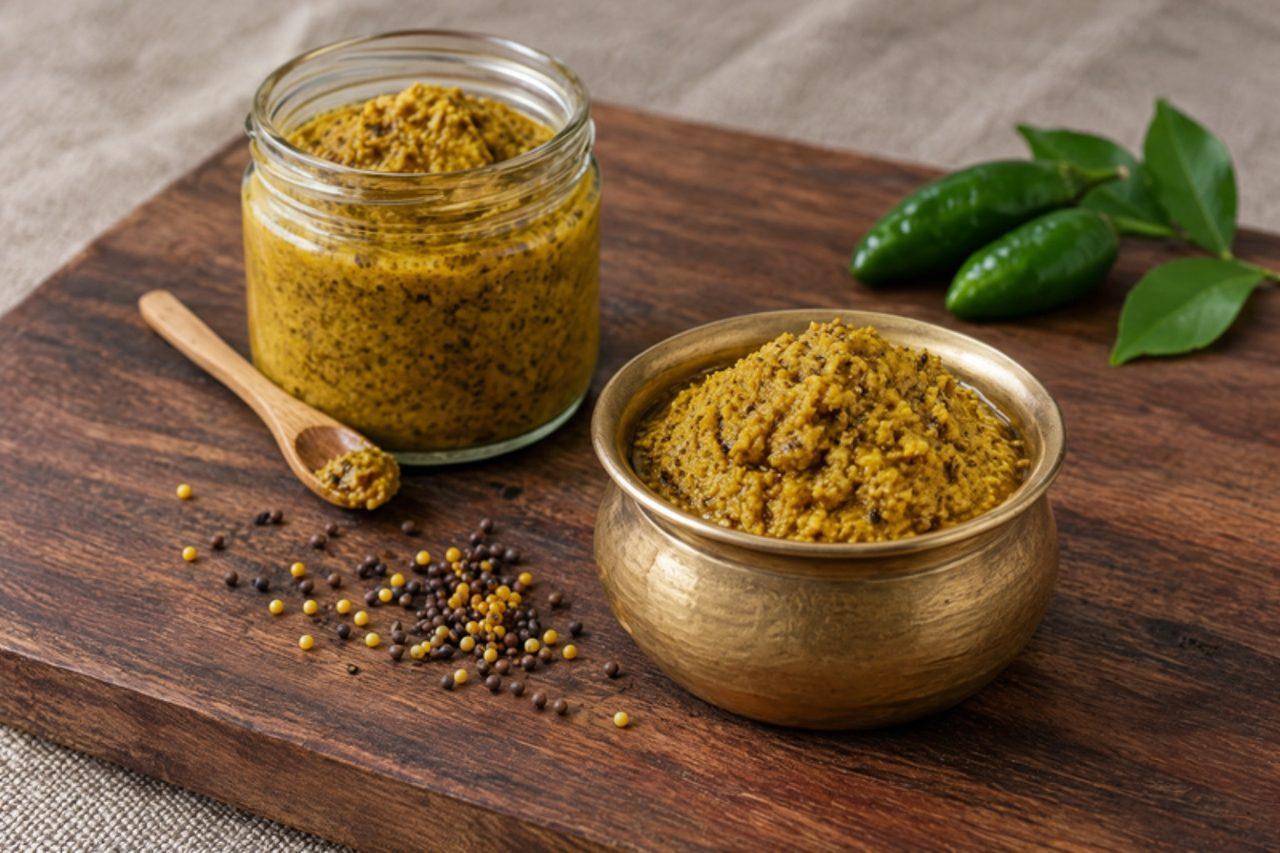
KharoliFermented mustard relish

Kharoli is an old Assamese relish from the villages of upper Assam: ground mustard seed is mixed with khar, the alkaline water filtered from burnt banana peel, packed into a jar and left to ferment until sharp and funky. A small spoon with mustard oil and green chilli is eaten with the first balls of rice, and families make it in the cooler months. The common mistake is using a damp jar or spoon, which lets mould in. Ferment at 20–28 °C for 4–6 days; it is ready when it smells sharply pungent and tangy. Throw it away if you see fuzzy mould, pink or black spots, or it smells rotten or putrid rather than sour. Chef's tip: if you have no banana-ash khar, a quarter teaspoon of bicarbonate of soda in the water gives a similar alkaline bite.

by KrazyBadal 0 views

Gondhoraj gholLime-scented yogurt drink

In Kolkata the gondhoraj lime arrives with the monsoon heat, a knobbly green fruit whose peel smells of flowers and pine more than of sour citrus. Bengali households use it to lift dal and fish, but in the sticky months from Boishakh into Srabon it goes into ghol: dahi churned with cold water until frothy, sweetened lightly and scented with the zest, a squeeze of juice and a torn leaf. Cafés along Gariahat and old sweet shops serve it in clay bhaar cups after lunch, and it is just as good mid-afternoon with a plate of muri. It drinks thin, cool and silky, with a soft tang and a perfume that hits the nose before the first sip. The usual mistake is grating too deep or leaving the zest to sit for an hour: the white pith and the oils turn bitter. Take only the green outer layer, add it just before serving, and stop when the ghol smells floral rather than sharp. It is ready when the top is covered in fine foam and a spoon comes out lightly coated. Chef's tip: for the salted version, swap the sugar for black salt and a pinch of roasted cumin, as many Kolkata homes do on the hottest days.

by KrazyBadal 0 views

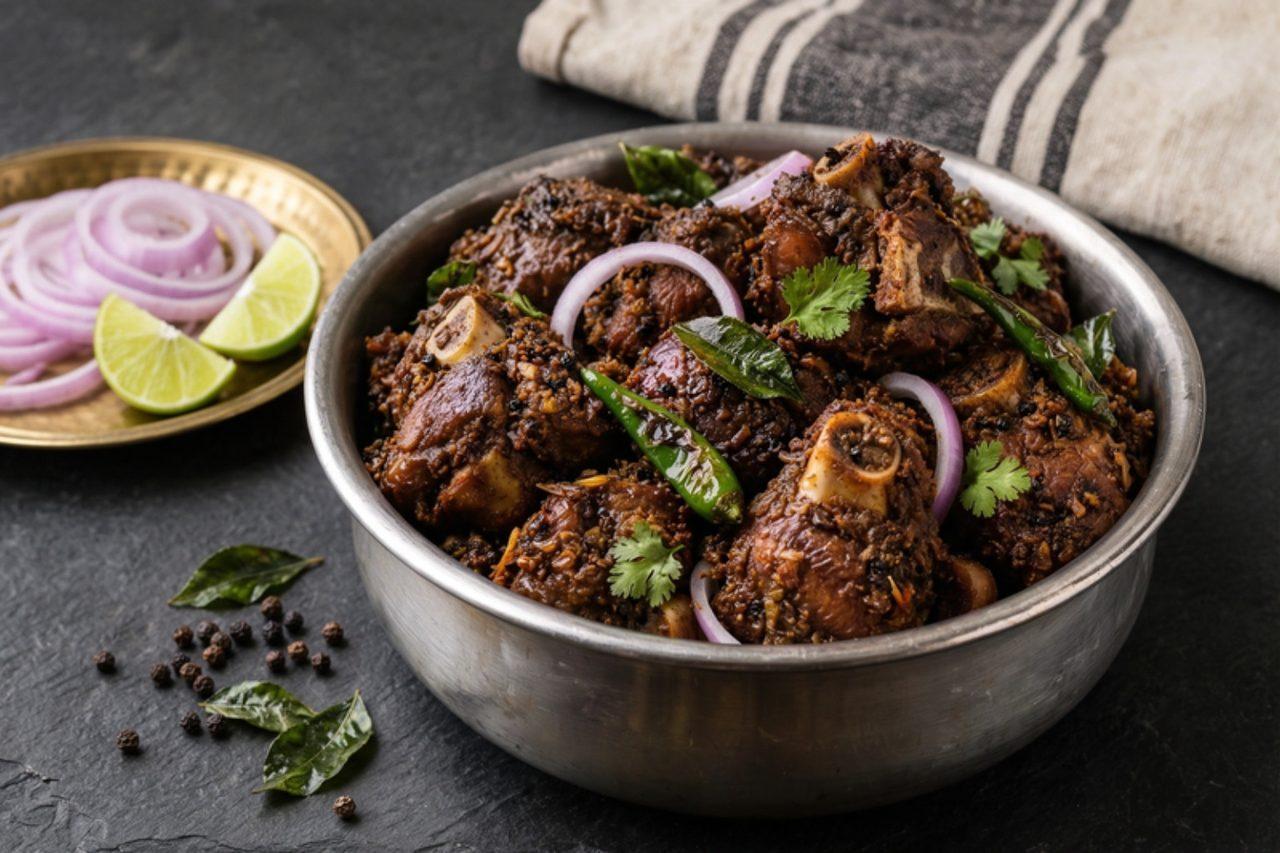
Golichina mamsamDry-fried mutton

Golichina mamsam is the dark, dry mutton fry of Telangana's village kitchens and Bonalu feasts, where mutton on the bone is first cooked soft with ginger-garlic and then fried with onions in plenty of oil until every piece is nearly black and crusted with masala. It is eaten with rice, sarva pindi or jonna rotte. The usual mistake is rushing the final fry on high heat; the masala burns before the meat darkens, so keep the heat medium and stir patiently. Food safety: cook the mutton until it reaches 71 °C inside and is tender before the final fry. Chef's tip: grind black pepper and cumin fresh just before they go in; that aroma defines the dish.

105 minIndianMeatGluten freeSpicy
by KrazyBadal 0 views

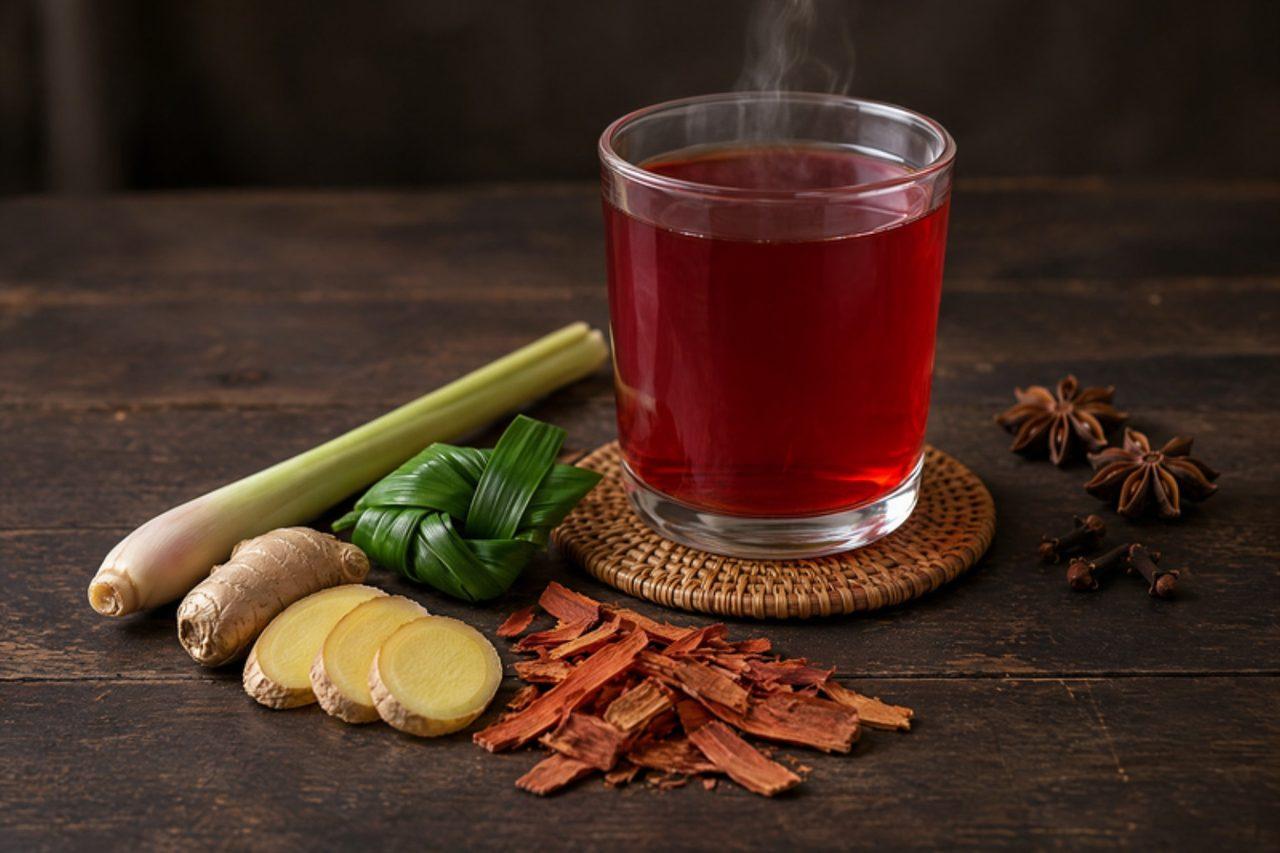
Bir pletokSpiced ginger drink

Bir pletok was the Betawi answer, in old Batavia, to the beer and wine drunk by the Dutch: a red, warming spice drink with no alcohol at all, served at weddings, at Lebaran open houses and in the evenings at Jakarta's Setu Babakan cultural village. 'Pletok' is said to be the popping sound it made when shaken in a bamboo tube to raise a foam. Ginger, lemongrass, pandan, cloves, cinnamon and cardamom are simmered with chips of secang (sappanwood), which turns the liquid deep ruby. It tastes hot and peppery from the ginger, perfumed from the pandan, sweet and lightly woody, and is drunk warm or with ice. The common mistake is skimping on ginger or slicing it thin and boiling briefly; you need plenty, bruised, and a slow simmer to draw out the heat. It is ready when the liquid is a clear ruby red and the ginger burn catches at the back of your throat. Secang chips are in Indonesian shops; dried hibiscus flowers give a similar red, slightly sourer. Keeps 5 days in the fridge. Chef's tip: shake each serving hard in a closed jar before pouring to get the foamy head.

by KrazyBadal 0 views

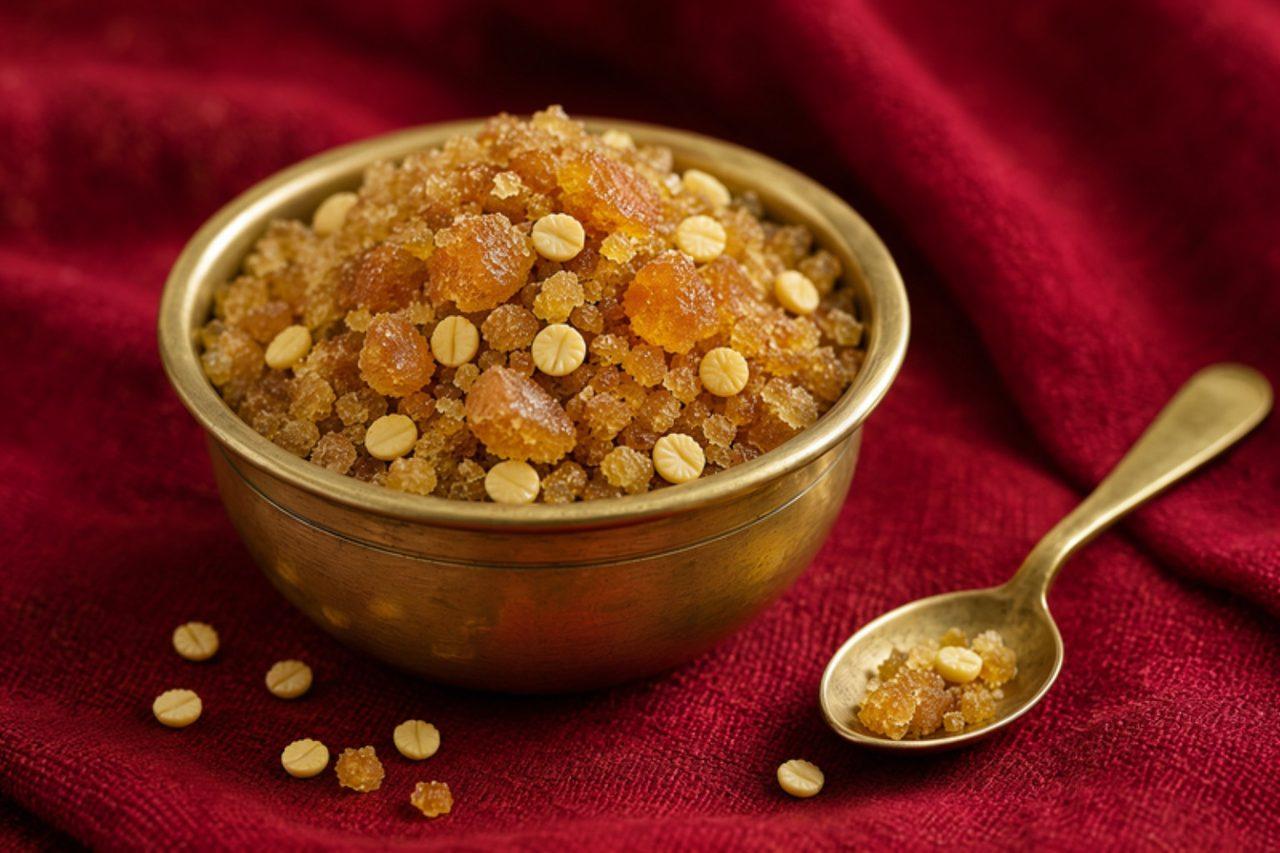
Gol dhanaJaggery and coriander seed sweet

In Gujarat, when two families agree on a match, a plate of gol dhana is passed around before anything else, and the engagement itself is often simply called 'gol dhana'. The same mix appears on auspicious days, at a griha pravesh and at the start of a new venture: soft jaggery rubbed together with dhana dal, the split, lightly roasted coriander seeds sold in every Gujarati grocery. It takes five minutes and needs no cooking. The common mistake is using whole coriander seeds, which are hard and bitter; buy dhana dal, or split and toast the seeds yourself. Chef's tip: choose a soft, golden Kolhapuri-style jaggery that crumbles between your fingers, so it coats the seeds instead of staying in lumps.

by KrazyBadal 0 views

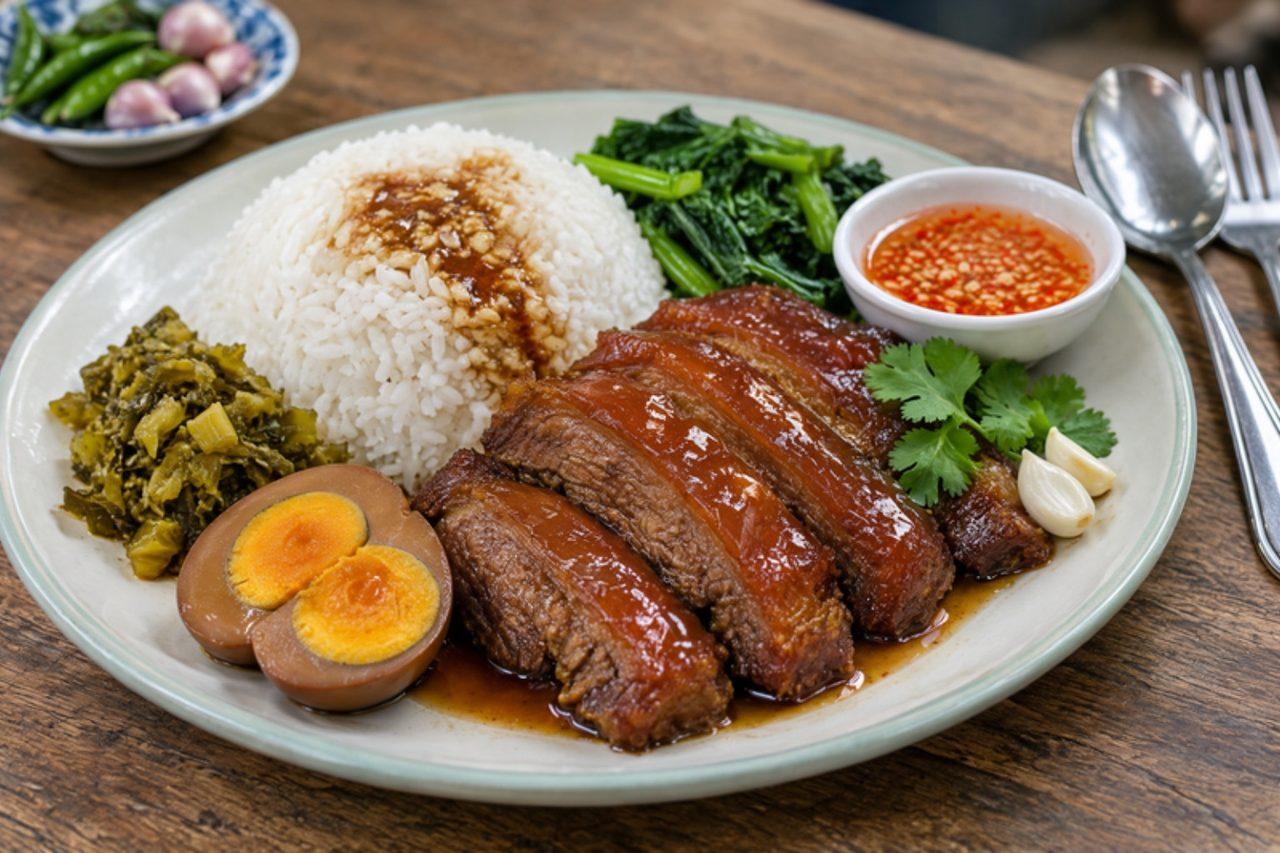
Khao kha mooBraised pork leg rice

Khao kha moo is Bangkok's great one-plate lunch, and the shophouses along Charoen Krung Road in Bang Rak have been simmering pork leg in the same dark, star-anise-scented pots for decades. Fresh pork hock is braised in soy, palm sugar and five-spice until the skin turns glossy and gelatinous and the meat falls away in tender strands. It is sliced onto jasmine rice with a soy-stained boiled egg, pickled mustard greens, blanched Chinese kale and a fierce green chilli and garlic vinegar to cut the richness. Chef's tip: keep the braise at a lazy simmer; a hard boil tears the skin and turns the meat stringy.

185 minThaiMeat
by KrazyBadal 0 views

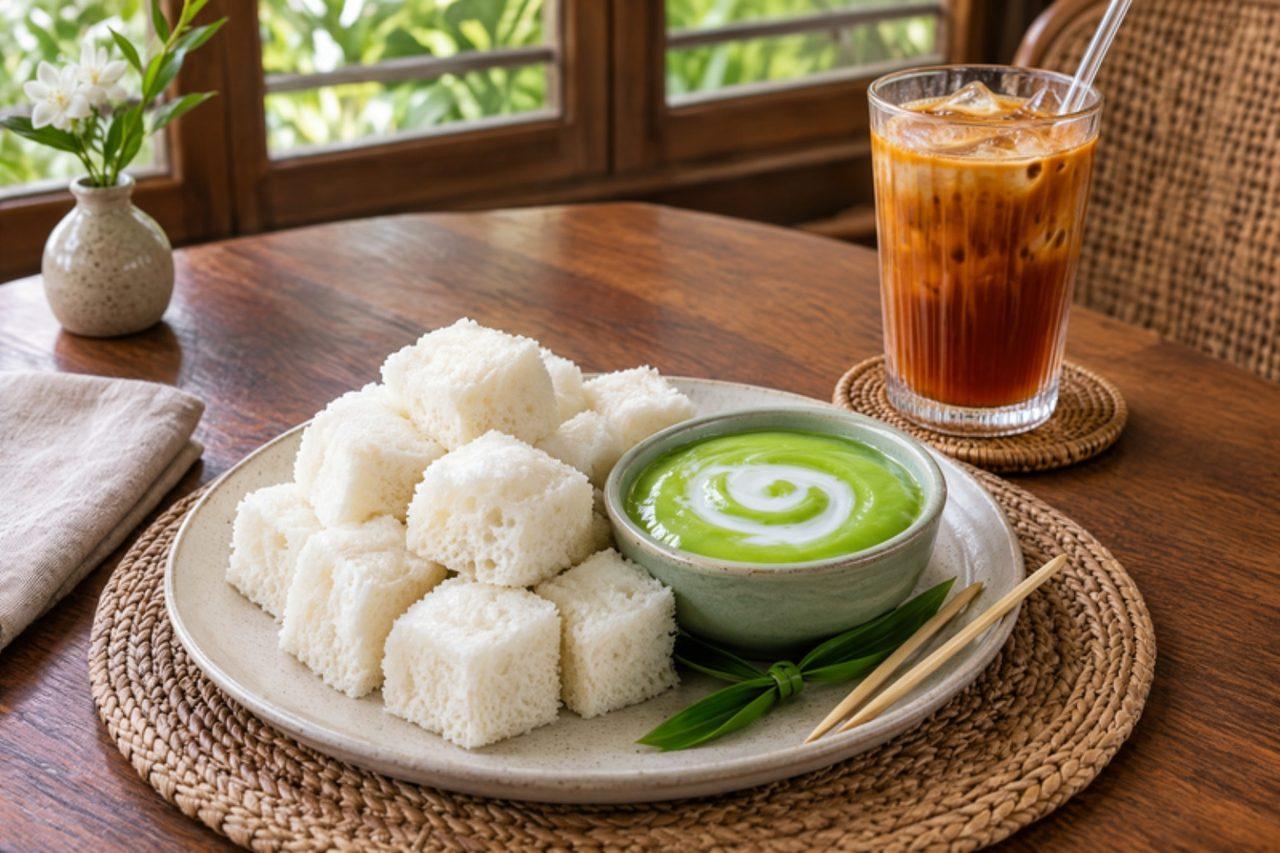
Khanom pang sangkhayaBread with pandan custard

In Bangkok, from the old Chinese coffee shops of Yaowarat to night markets, khanom pang sangkhaya is soft steamed or toasted bread dunked into a bowl of bright green pandan custard made with coconut milk and egg. It is eaten in the morning with patongko dough sticks and strong iced coffee. The mistake is cooking the custard over high heat; the egg scrambles and it turns grainy, so stir it slowly over a gentle flame. Chef's tip: blitz fresh pandan leaves with a splash of water and squeeze the juice through a cloth; it gives a colour and fragrance that essence can't match.

by KrazyBadal 0 views

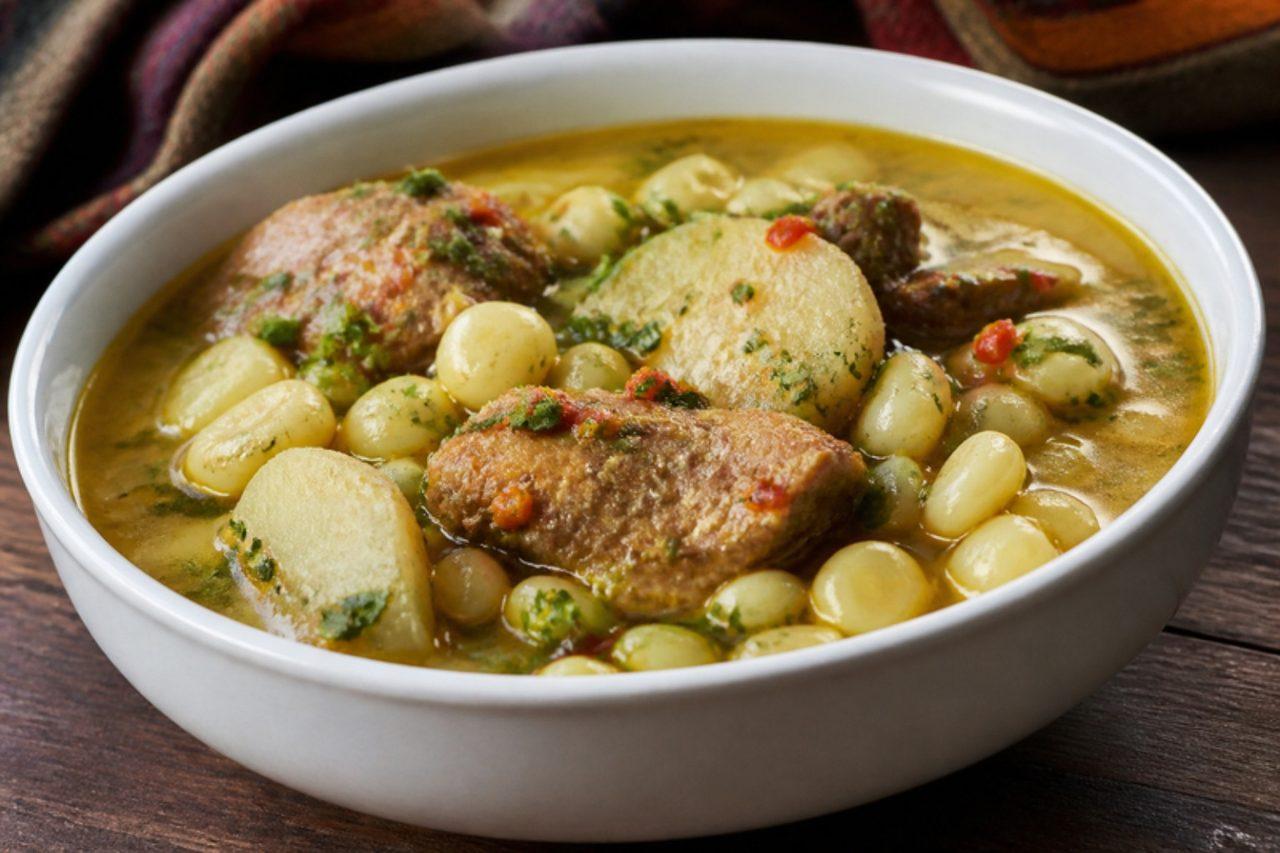
Fricasé paceñoSpicy pork stew with chuño

On Sunday mornings in La Paz, after a long night out or simply because it is cold, people head to the comedores for fricasé: a pork stew of ribs and shoulder in a yellow broth of ají amarillo, cumin and black pepper, with chuño (freeze-dried potato) and big white corn kernels in each bowl. This recipe is made with pork. Many cooks thicken it with breadcrumbs; we use ground chuño or cornflour so it stays gluten free. The usual mistake is boiling it hard, which makes the pork stringy; it should barely tremble. Chef's tip: soak the chuño overnight and squeeze it in several changes of water, which removes its earthy bitterness.

180 minAndeanMeatGluten freeSpicy
by KrazyBadal 0 views

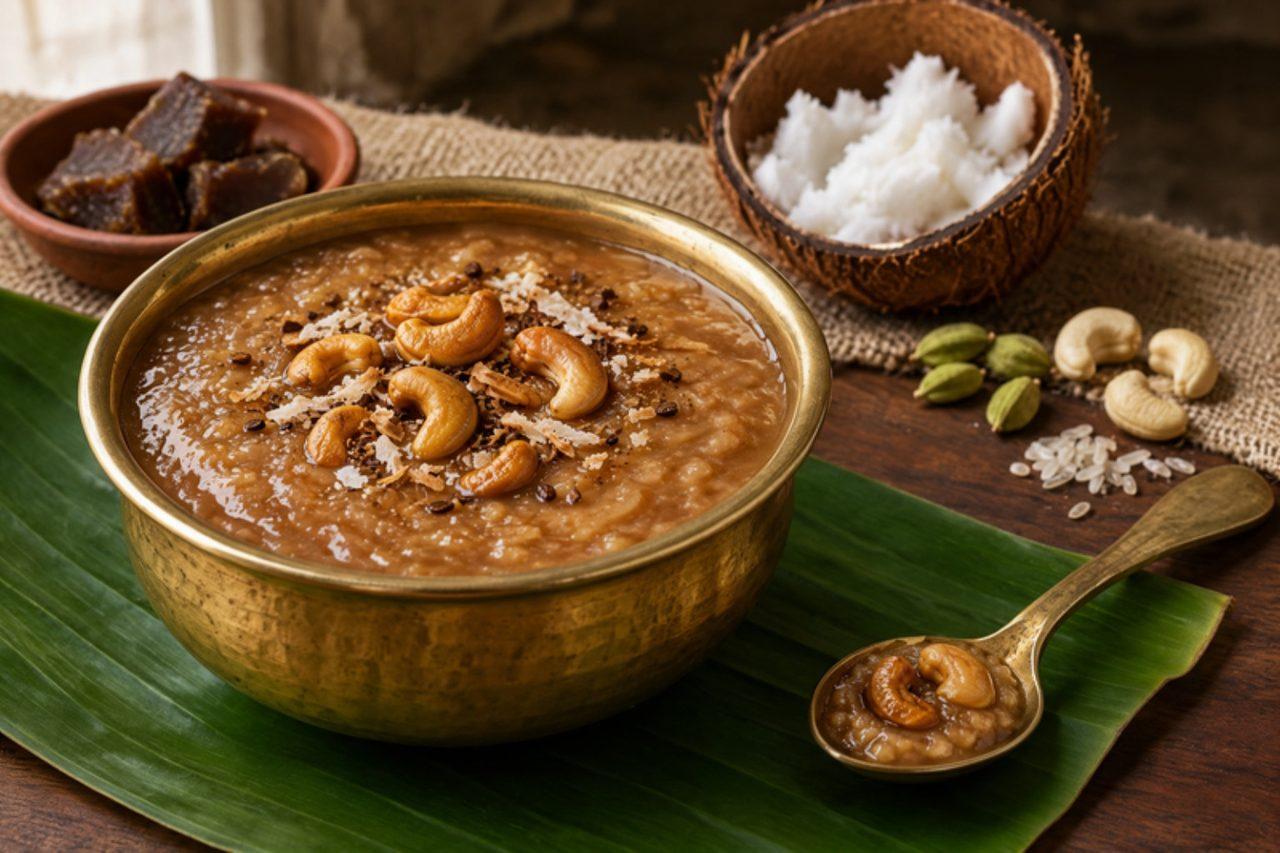
GodsheBroken rice and jaggery pudding

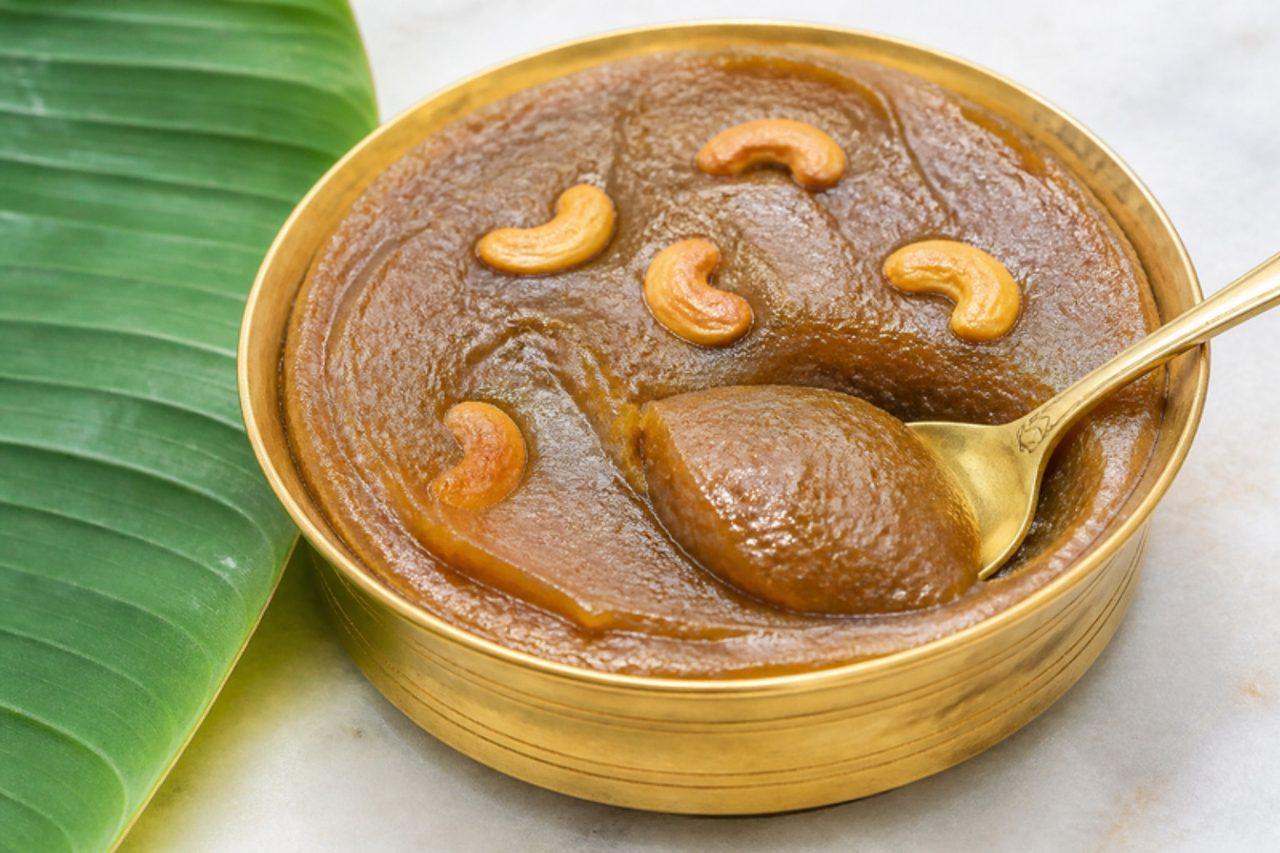
Godshe is the quiet sweet of Goan Saraswat and Gaud Saraswat kitchens, made on festival mornings, for a family puja, or simply when there is fresh coconut and good jaggery in the house. Broken rice is cooked until soft and creamy, then sweetened with dark coconut jaggery and loosened with first-press coconut milk, giving a pudding thicker than payasam and deeply caramel in flavour. Many families make the same dish with chana dal instead of rice. The usual mistake is adding jaggery while the rice is still firm, because the sugar stops the grains from softening any further. Chef's tip: a few slivers of fresh coconut and a pinch of nutmeg on top make it taste like a temple offering.

by KrazyBadal 0 views

GodrogodroCoconut rice flour sweet

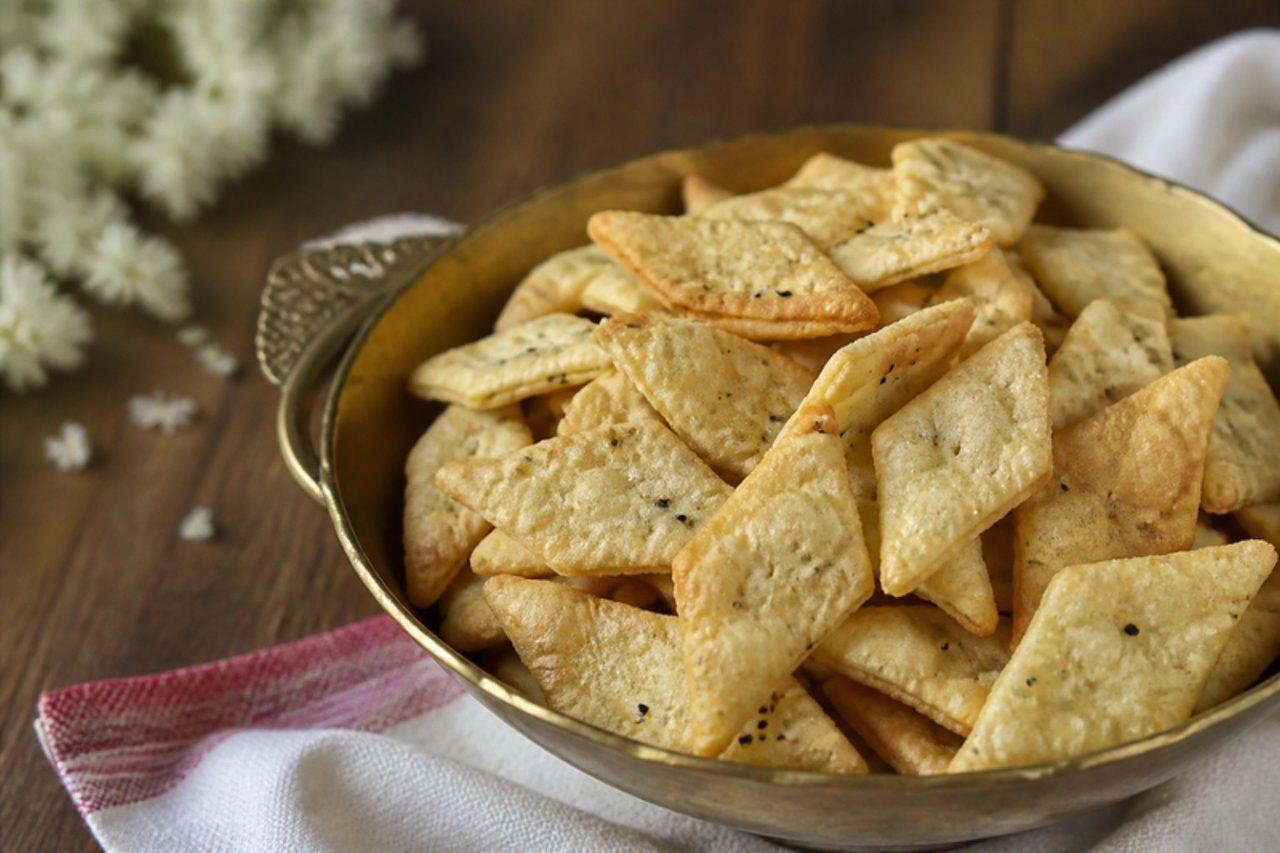
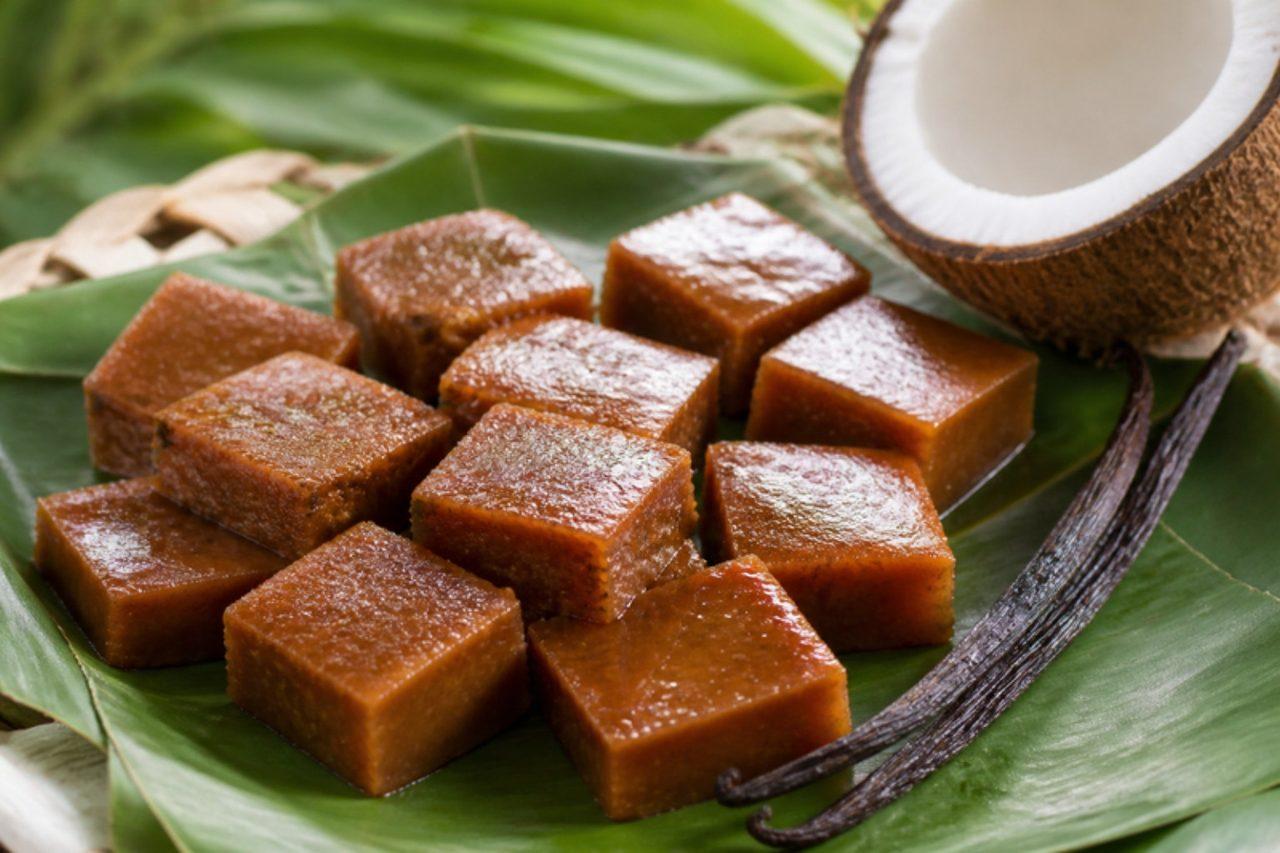
Along the northern coast around Antsiranana, and down to Mahajanga, godrogodro is a festival and family-celebration sweet, cut into diamonds and passed round at weddings, circumcision ceremonies and the New Year. Coconut milk, rice flour and dark sugar are stirred for the best part of an hour until the mixture thickens, darkens and pulls away from the pan, then it sets into a dense, sliceable fudge-like block, fragrant with vanilla and cardamom. It is rich, so small squares with a cup of tea are plenty. Stopping too early is the mistake to avoid: undercooked godrogodro stays sticky and pale and will not hold a clean edge. Chef's tip: use a heavy, non-stick pan and a flat wooden spatula that scrapes the whole base, and keep stirring as it thickens, as the bottom scorches easily.

by KrazyBadal 0 views

Godeulppaegi kimchiBitter wild lettuce kimchi

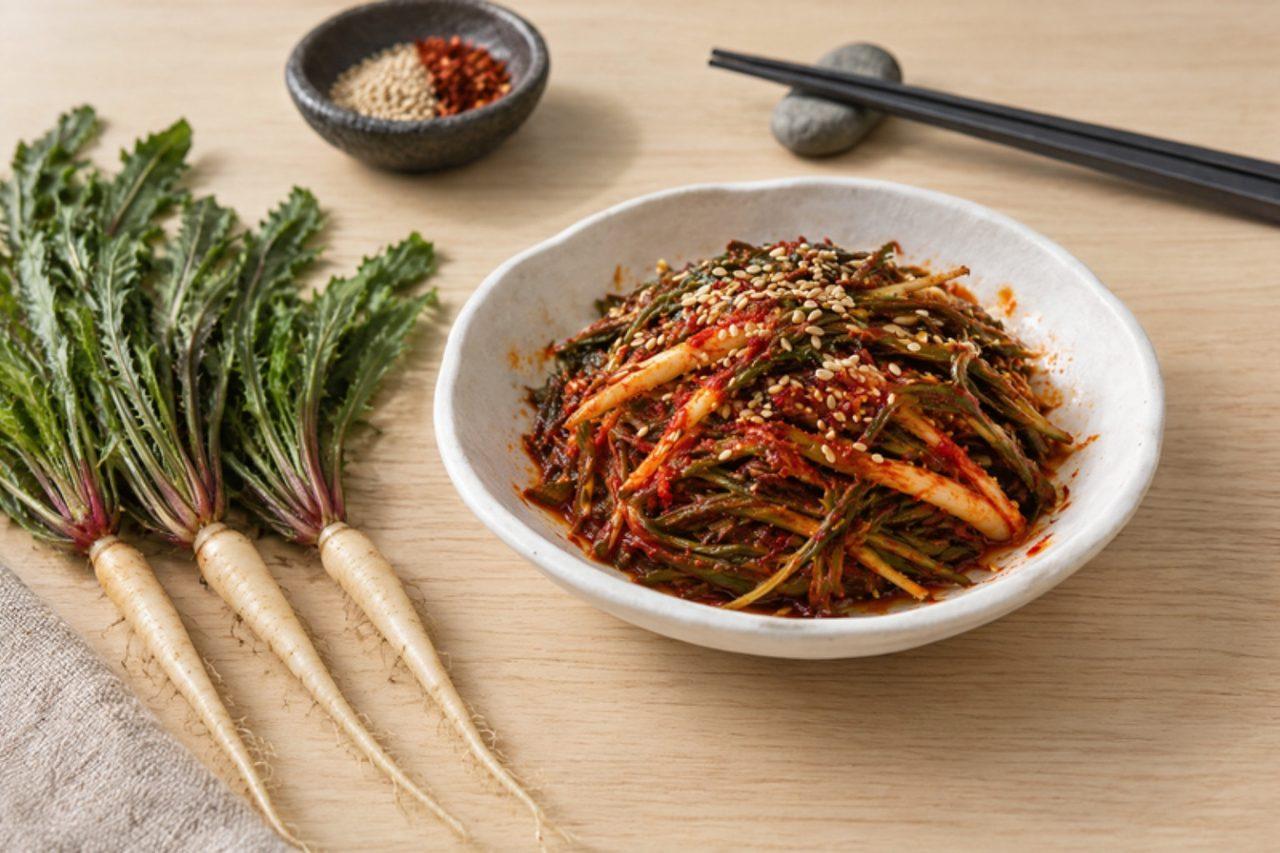
In Suncheon and the hills of South Jeolla, godeulppaegi is dug up from fields and banks in late autumn and again in early spring, and the kimchi made from it is a point of local pride, eaten through winter beside rice, grilled fish and pork. The plant is a small wild lettuce with a pale, carrot-like root and leaves full of milky, bitter sap. Soaked in salt water for several days, the bitterness softens to a pleasant, coffee-like edge that pairs with the deep anchovy sauce and sweet, sticky chilli dressing. Chewy roots, tender leaves, sweet, savoury and gently bitter all at once. The common mistake is rushing the soak: the kimchi is then too bitter to enjoy. Change the brine every day and taste a leaf; stop when the bitterness is noticeable but no longer harsh, usually day 3 to 5. Outside Korea, look for it frozen or dried in Korean shops, or use young dandelion plants with their roots. The kimchi is ready after about 2 weeks in the fridge, when the dressing turns glossy and the roots taste mellow and sour-sweet. Chef's tip: twist a few plants into small coils so each serving comes out of the jar neatly.

by KrazyBadal 0 views

Goan tendli bhajiIvy gourd stir-fry

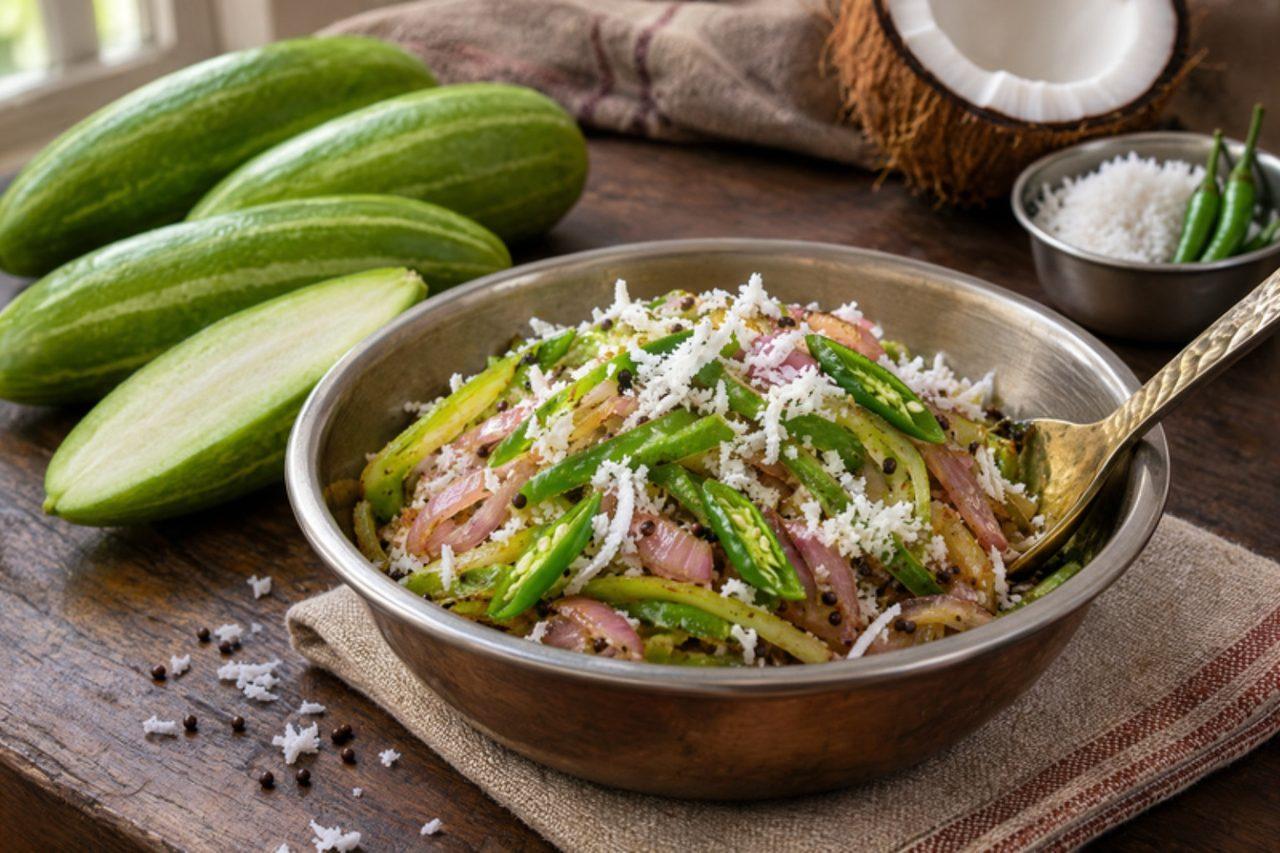
On an everyday Goan plate of rice, fish curry and a vegetable, the vegetable is very often this quick tendli bhaji. Thin rounds of ivy gourd are softened with onion and green chilli in coconut oil, then tossed with fresh grated coconut just before serving, so they stay crunchy-tender and sweet. Hindu homes make it without onion on fasting or puja days. The mistake to avoid is cutting the tendli thickly and covering the pan for too long, which gives grey, soggy rings; thin slices cooked mostly uncovered keep their green colour. Chef's tip: pick firm, bright green tendli and discard any that are red inside, as they are overripe and slimy.

by KrazyBadal 0 views

Goan pezRice porridge with pickle and papad

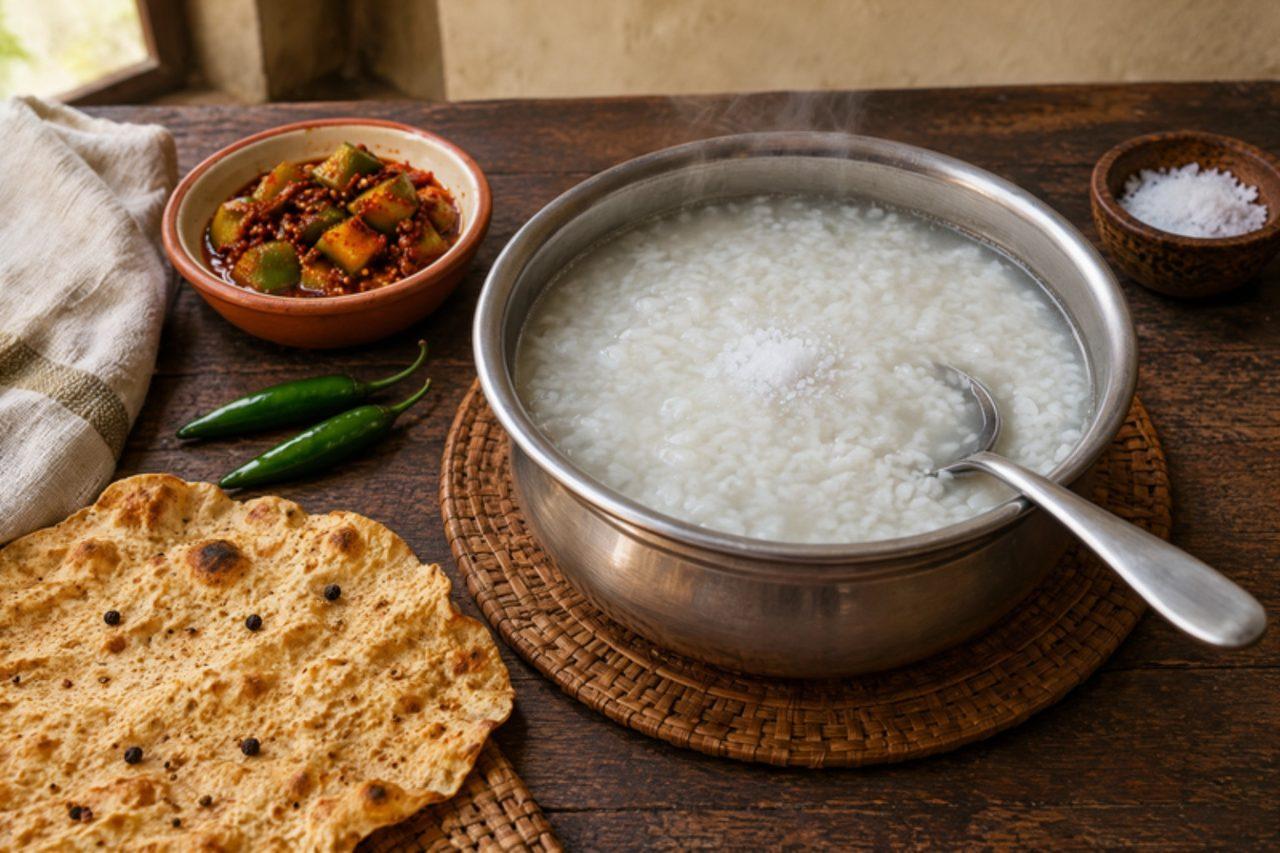
Pez is the plainest food in a Goan kitchen and one of the most loved: red parboiled rice simmered in plenty of water until the grains burst and the liquid turns milky. Fishermen and farmers ate it before a day's work, mothers serve it to anyone who feels unwell, and on heavy monsoon evenings it comes with a spoon of mango or lime pickle, a roasted papad and sometimes a dry fish or vegetable on the side. The mistake is cooking it in too little water so it becomes a sticky porridge; good pez has whole soft grains floating in thin, starchy broth. Chef's tip: stir in a little salt only at the end and let everyone add buttermilk or coconut milk to their own bowl.

by KrazyBadal 0 views

Frijoles volteadosFried black bean log

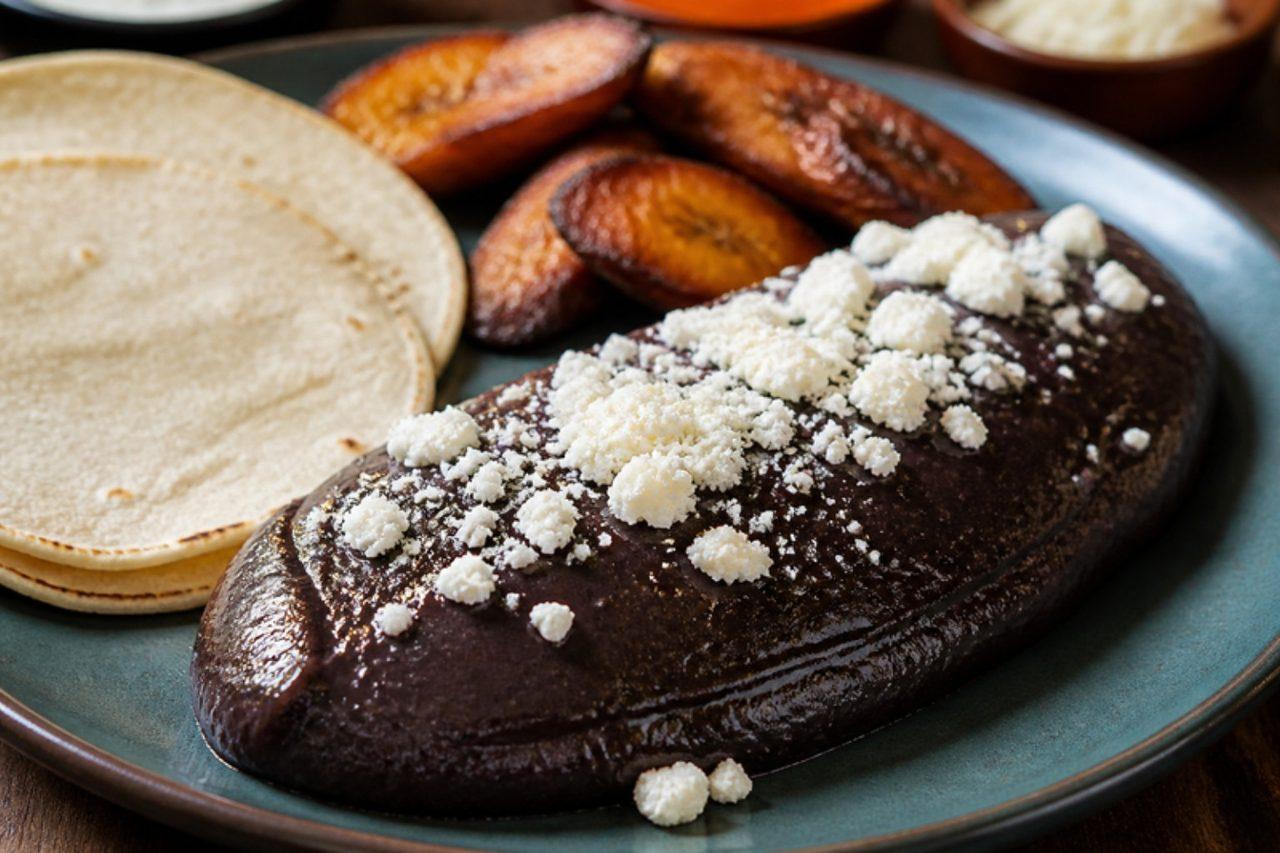
Breakfast in a Guatemala City comedor often arrives with a glossy, dark log of beans beside the eggs and plantain: frijoles volteados, black beans blended smooth and fried until thick enough to roll out of the pan. The texture is dense and spreadable, almost like a pâté, with a sweet earthiness from slow-cooked onion. Spread them on hot tortillas or eat them with a spoonful of thick cream and crumbled cheese if you are not keeping it vegan. Most people stop frying too soon; if the purée still slumps when you tilt the pan, it needs more time. Chef's tip: use a non-stick pan and keep scraping the base with a flat spatula; the thin crust that forms is what gives the log its deep, almost smoky flavour.

by KrazyBadal 0 views

FritadaGarlic and cumin fried pork

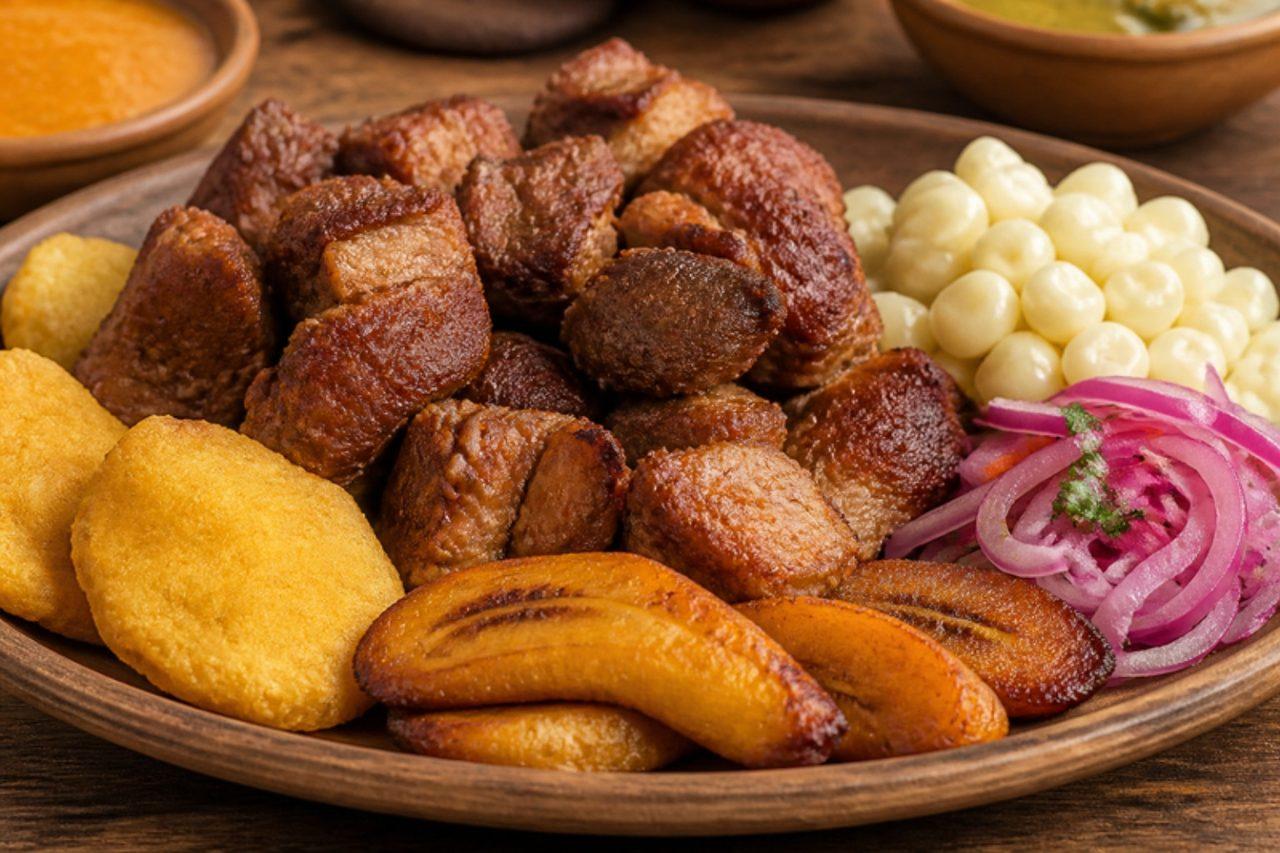
Fritada is weekend food all over the Sierra, from roadside stops in Sangolquí to family lunches in Ibarra: chunks of pork shoulder simmered in water with garlic, cumin and orange juice in a wide pan until the water boils away and the meat fries in its own rendered fat, turning sticky and deep golden. It is served with mote, fried ripe plantain, potato cakes and a sharp onion curtido. The usual mistake is using a lean cut and stirring constantly; shoulder with some fat, and patience while it browns, give crisp edges and juicy centres. The pork is cooked well past 71 °C by the time it browns. Chef's tip: use a wide, heavy pan so the liquid evaporates evenly and every piece touches the bottom.

95 minAndeanMeatGluten free
by KrazyBadal 0 views

Ginataang gulayVegetables in coconut milk

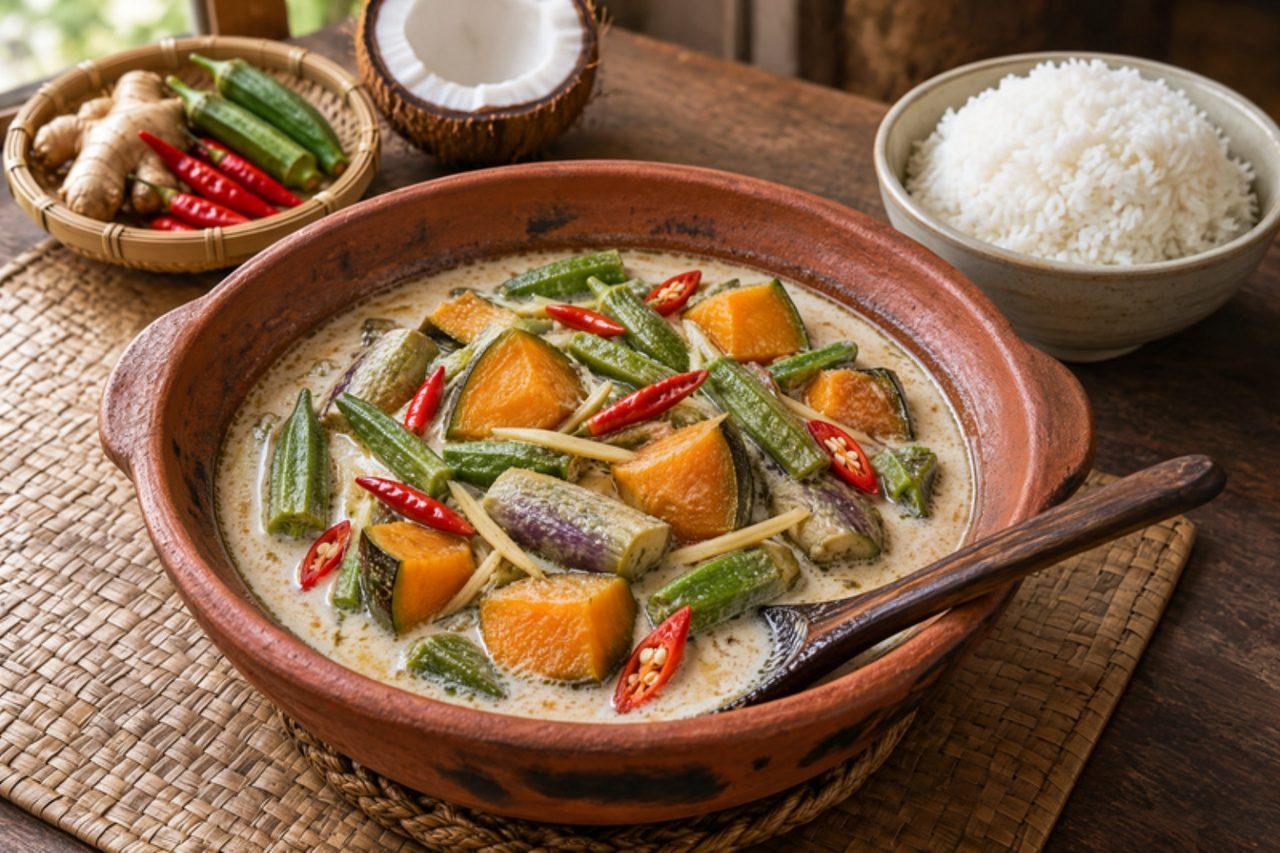
Bicol is the Philippine region of coconut and chilli, and ginataang gulay is what a Naga or Legazpi household cooks on meatless Fridays and in Lent: squash, string beans, eggplant and okra stewed in coconut milk with ginger and plenty of siling labuyo. The squash melts a little into the sauce and makes it golden and slightly sweet, while the beans stay crisp. Serve with rice. The usual mistake is boiling the coconut milk hard, which splits it into oil and curds; keep it at a lazy simmer. Chef's tip: add the thick first-press coconut cream only at the end so the dish tastes fresh and rich.

by KrazyBadal 0 views

GimjabanFried seasoned seaweed

Korean children grow up eating gimjaban scattered over rice or rolled into jumeokbap rice balls, and a little tub of it is the easiest way to make a plain dosirak exciting. It is laver seaweed toasted, crushed and stirred in a pan with sesame oil, a little sugar and plenty of sesame seeds until crisp and savoury-sweet. The common mistake is adding the soy sauce while the pan is very hot, which turns the flakes soggy and clumped. Chef's tip: mix the soy and sugar into the oil first, then toss in the crushed seaweed off the heat and return it to a gentle flame just to dry out.

by KrazyBadal 0 views

Frittatina di pastaFried pasta rounds

The frittatina is Naples' way of turning a pot of pasta into street food: bucatini bound with thick béchamel, cooked ham (pork), peas and grated cheese, set in rounds, dipped in a flour batter and deep-fried. Pizzerias from Via dei Tribunali to Fuorigrotta fry them as a starter while your pizza bakes, and friggitorie sell them in a napkin to eat on the go, often in the late afternoon. The crust is crisp, the inside creamy with a little chew from the pasta. Chef's tip: chill the shaped rounds overnight; cold, firm frittatine hold their shape in the batter and the oil.

by KrazyBadal 0 views

FrittolaFried veal scraps

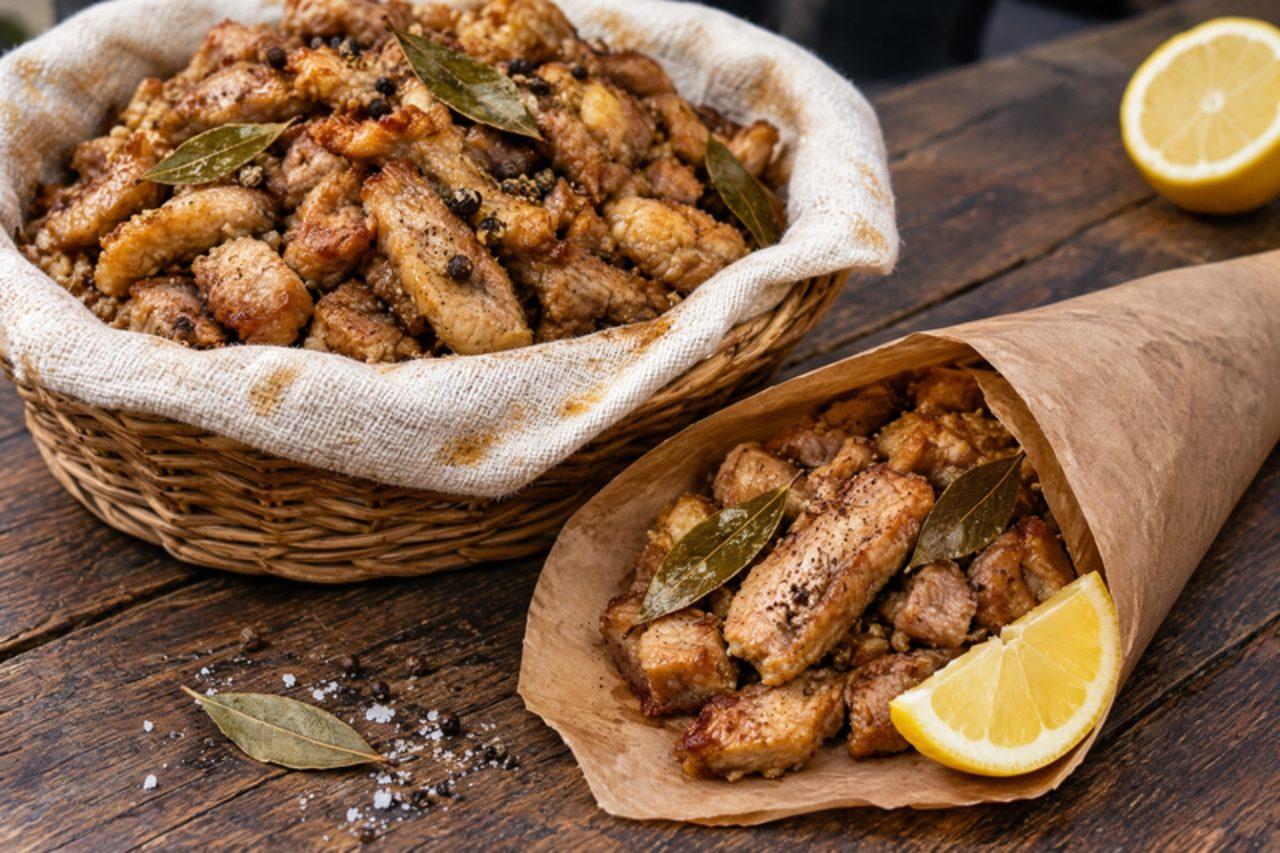
The frittularu of Palermo carries a wicker basket covered with a cloth, and when you order he reaches in blind and pulls out a handful of frittola: soft, fatty veal trimmings and cartilage that have been boiled, then fried slowly in pork lard with bay leaves and black pepper. You find him at dawn and mid-morning in the Vucciria and Ballarò markets, serving it on paper or in a soft bun with lemon. This home version uses veal brisket and its cartilage, which most butchers will sell. Chef's tip: let the boiled meat dry well before it goes into the lard, so it fries rather than spits and stews.

180 minItalianMeatGluten free
by KrazyBadal 0 views

Gilgeori toastStreet toast with cabbage omelette

Outside Seoul subway stations at 7 am, stall owners butter bread on a big griddle, fry a thick omelette packed with shredded cabbage and carrot, and stack it all with a slice of cheese, a sprinkle of sugar and a squiggle of ketchup. Sweet and savoury together sounds odd but is exactly why commuters queue for it. The common mistake is a thin, floppy omelette: make it as wide as the bread and about 2 cm thick so it holds the vegetables. Processed cheese slices are often made with animal rennet; choose a vegetarian slice if that matters to you. Chef's tip: shred the cabbage as thinly as you possibly can, almost like hair, so it softens in the egg in the short frying time.

by KrazyBadal 0 views

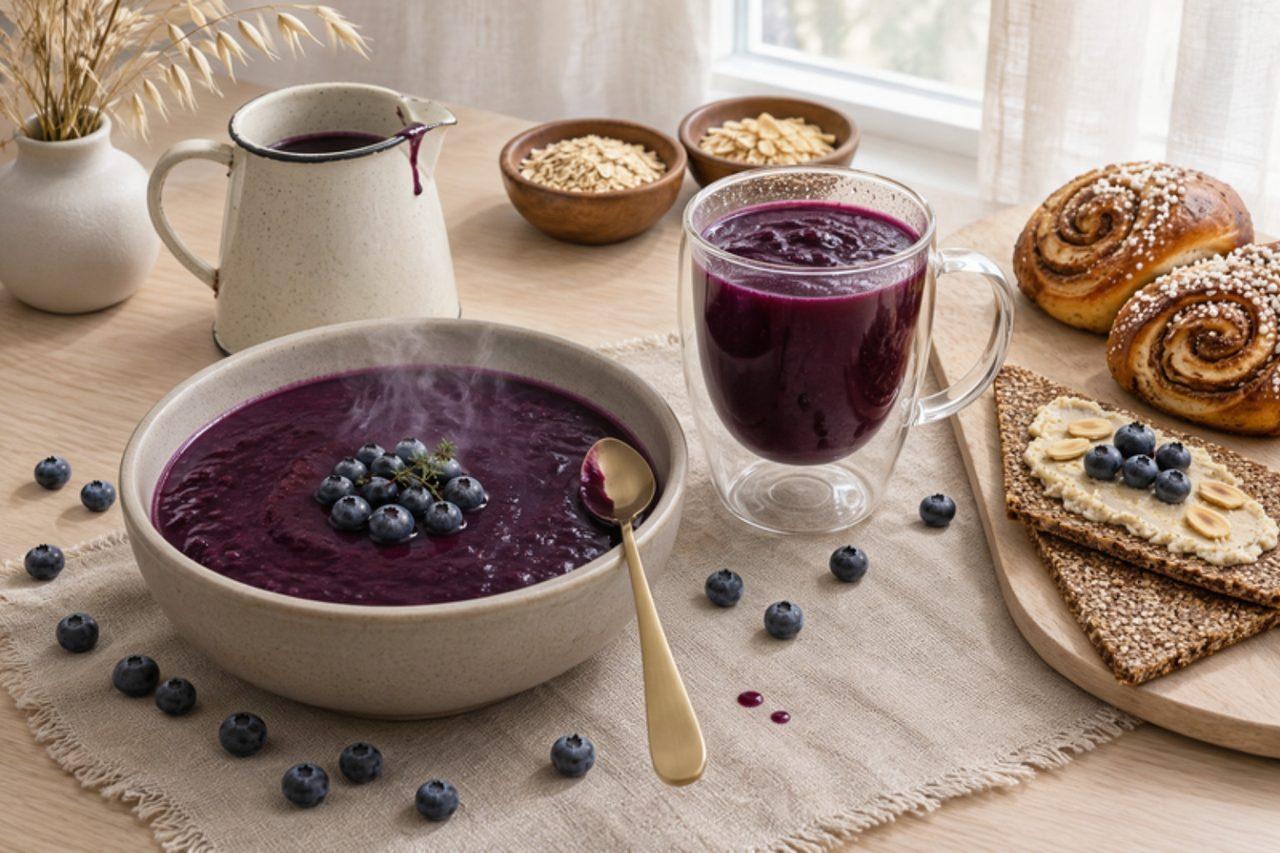
BlåbärssoppaBilberry soup

Swedes have drunk blåbärssoppa for generations, warm on a winter morning and cold from a cup after the Vasaloppet ski race, where skiers are handed it at every station. It is a thin, deep purple soup of bilberries or blueberries, sweetened and thickened just enough with potato starch to coat the tongue. The common mistake is boiling the soup after adding the starch: it turns stringy and then thins out again, so take it off the heat as soon as it thickens. Chef's tip: wild bilberries give a far deeper colour and flavour than cultivated blueberries, and frozen ones work perfectly.

by KrazyBadal 0 views

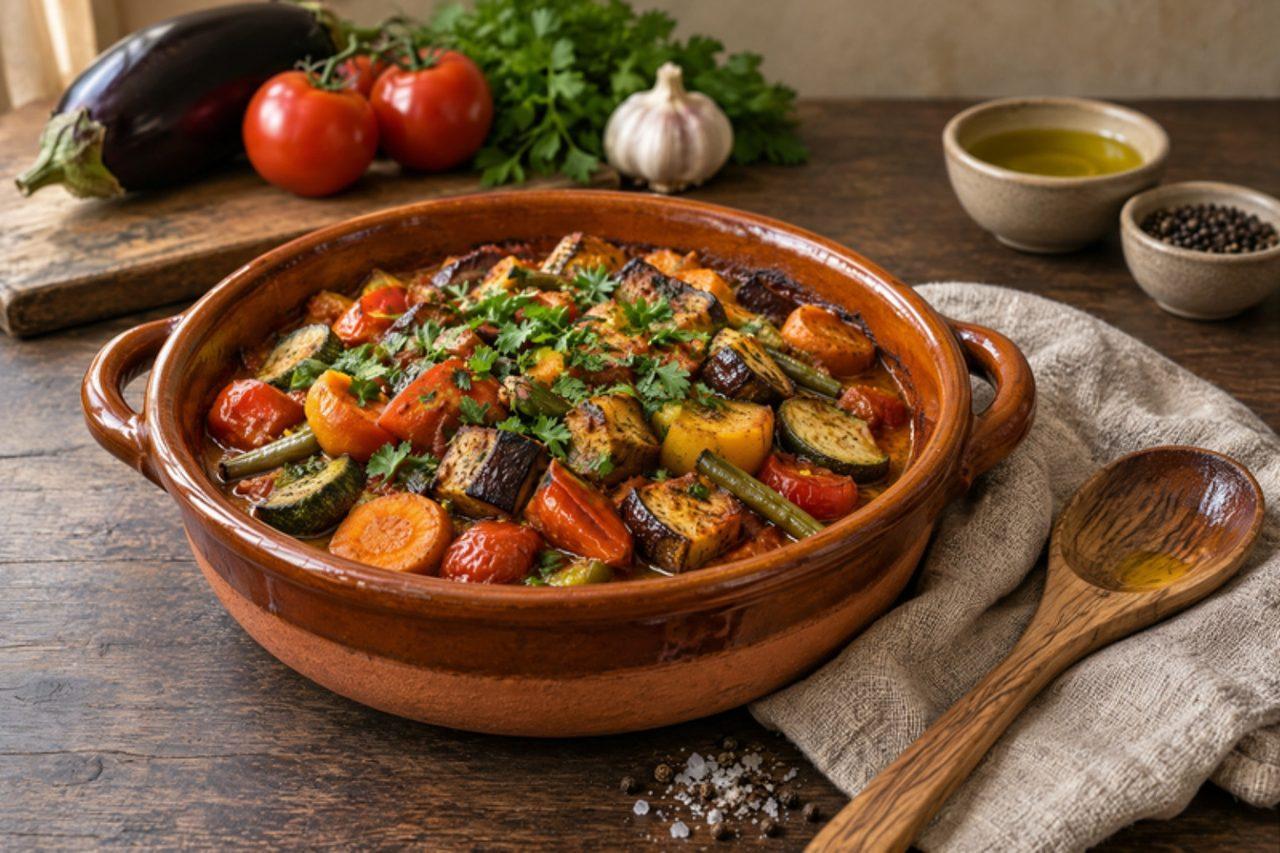
GhiveciBaked mixed vegetable stew

Ghiveci is the Romanian answer to a late-summer glut, made in August and September and often bottled for winter, and it is a mainstay on Orthodox fasting days because it contains no animal products. Aubergine, peppers, courgette, green beans, carrots and onion are layered with tomato and herbs and baked slowly until soft and sweet, with a little browned crust on top. Serve warm or cold with bread, or beside beans. Suitable as part of a balanced diet. About 190 kcal and 20 g carbohydrate per portion. The usual mistake is cutting the vegetables all the same size: harder carrots and beans need smaller pieces than courgette and aubergine so everything is tender at once. Chef's tip: bake uncovered for the last 20 minutes so the juices reduce and the top caramelises.

by KrazyBadal 0 views

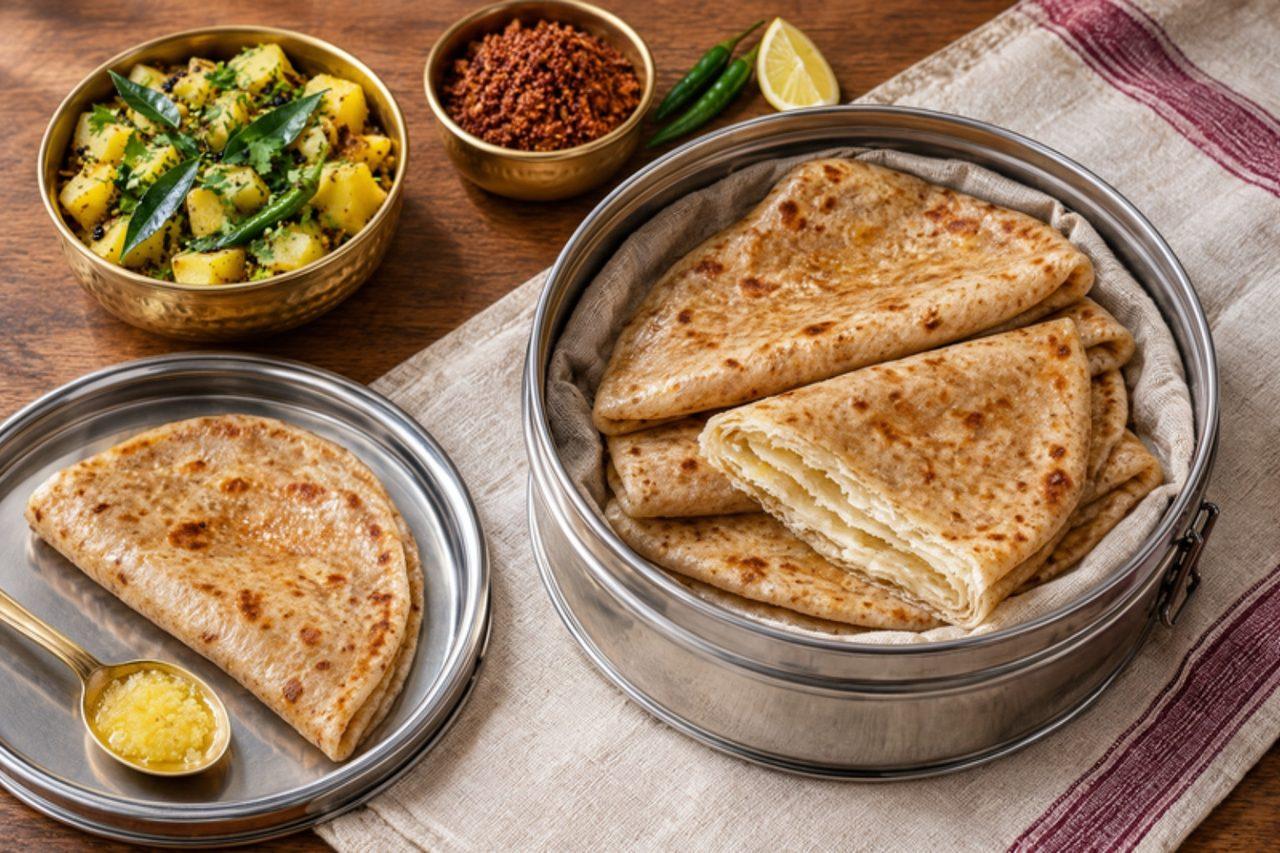
Ghadichi poliLayered chapati

In Maharashtrian homes the everyday poli is not a plain chapati but a ghadichi poli: the dough is oiled, folded into a triangle and rolled again, so it puffs into soft, separate layers that stay tender in a dabba until lunchtime. Mumbai's dabbawalas carry thousands of them every day alongside bhaji and dal. The common mistake is a stiff dough, which makes leathery polis; it should be softer than you think. Chef's tip: as soon as each poli comes off the tawa, clap it between your palms to break open the layers, then stack it in a cloth-lined box.

by KrazyBadal 0 views

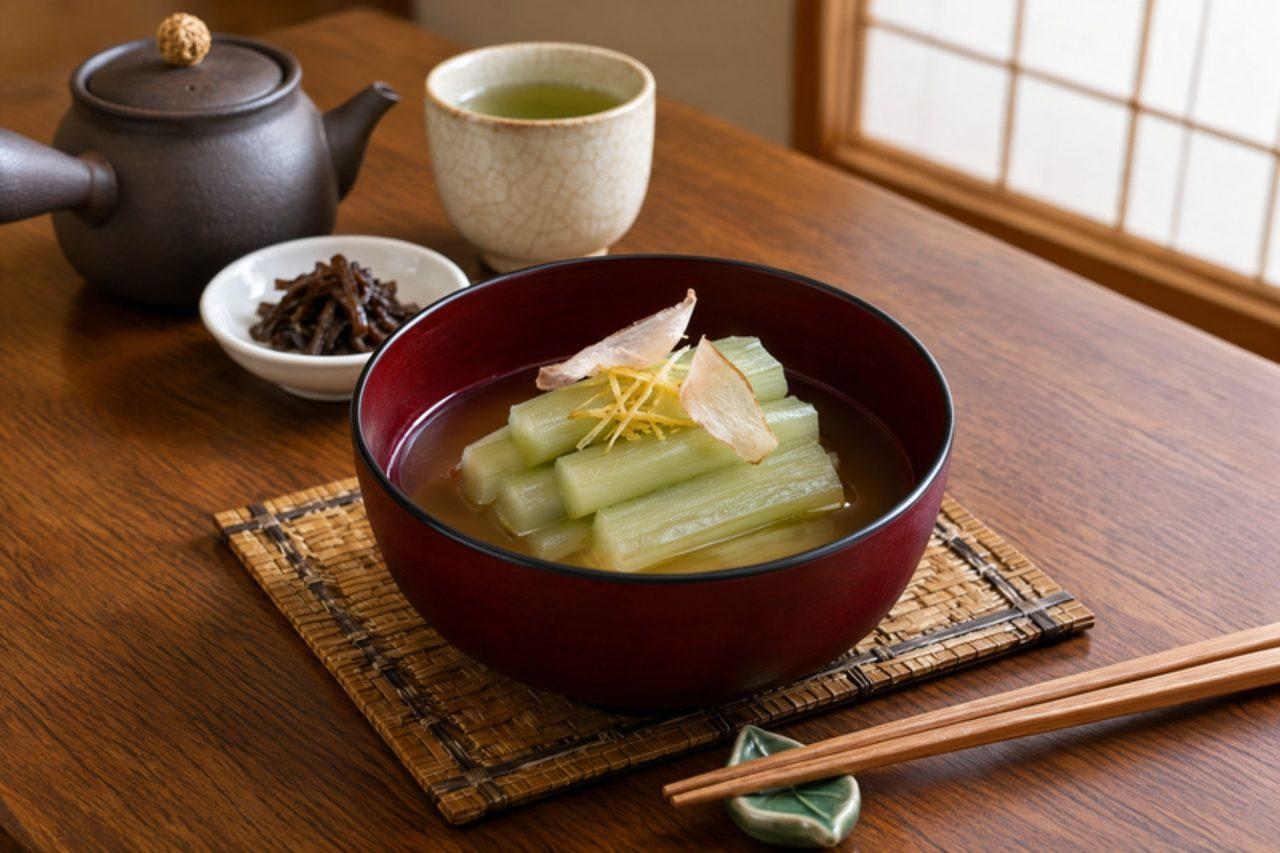
Fuki no nimonoSimmered butterbur stalks

Fuki, giant butterbur, is one of the wild spring vegetables Japanese families look forward to each April, especially in the mountain prefectures of Akita and Tohoku, where the stalks grow taller than a child. Simmered lightly in dashi, the pale green stalks keep a gentle crunch and a fresh, slightly bitter flavour, and they are served cold as a small dish with rice and miso soup. Suitable as part of a balanced diet: it is very high in fibre and low in starch. About 35 kcal and 4 g carbohydrate per portion. The sugar is optional, or use a sweetener. The usual mistake is skipping the salt rub and blanch before peeling: unpeeled fuki is stringy and harsh. For a vegetarian version, use kombu dashi. Chef's tip: cool the stalks in the broth in a bowl set over ice; they keep their bright green colour.

by KrazyBadal 0 views

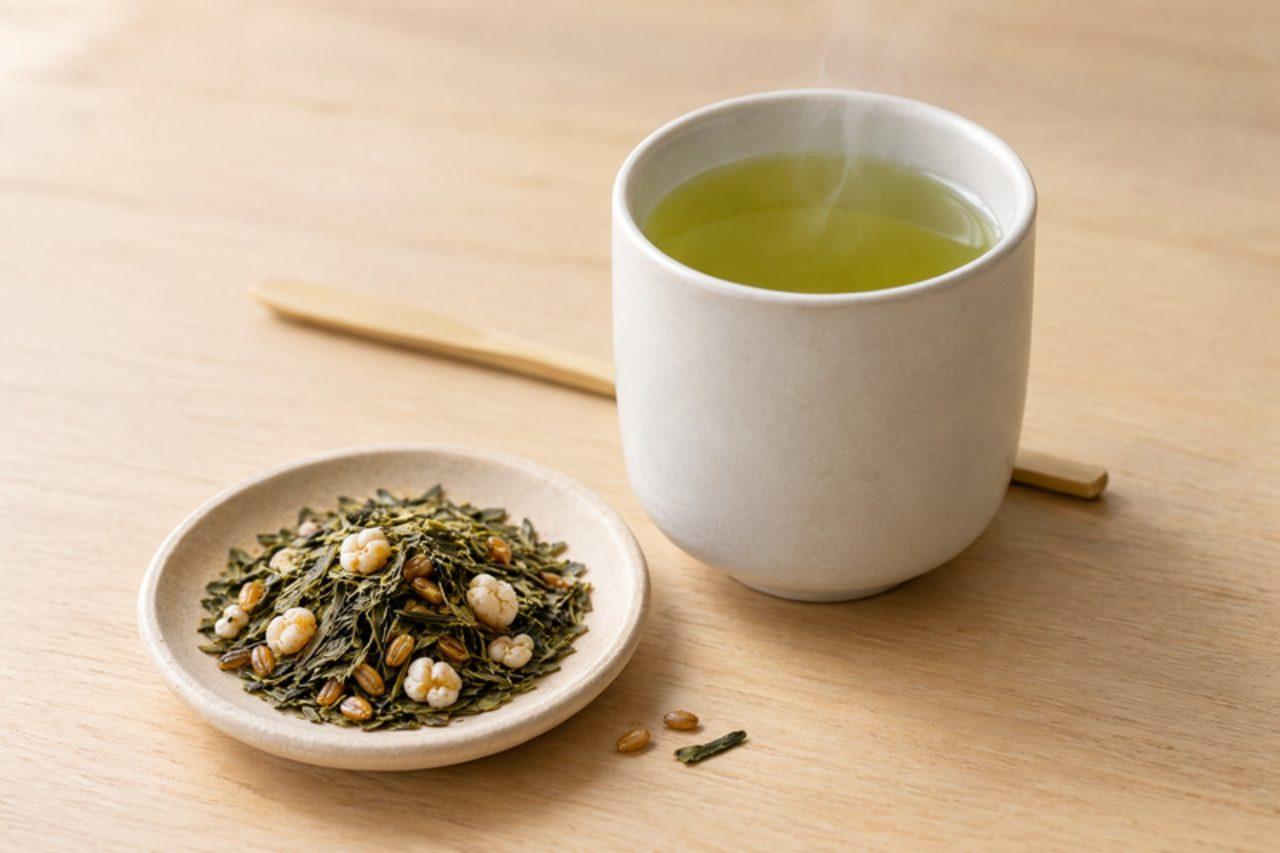
GenmaichaGreen tea with toasted rice

Genmaicha started as a thrifty Japanese blend: toasted rice stretched expensive tea leaves and made the pot go further. It is now loved for itself and turns up everywhere, from office kettles in Tokyo to the free tea at sushi counters and ramen shops, poured all through the meal because its gentle, roasted flavour does not fight with soy or fish. The rice gives a nutty, savoury, almost buttery taste; the green tea adds a light grassy edge. It has about half the caffeine of plain sencha, so many people drink it in the afternoon. The usual mistake is pouring boiling water straight onto it: the green leaves scald and the cup turns bitter while the rice flavour gets lost. Let the kettle sit for a minute or two so the water is around 80–85 °C, and steep for no more than a minute. It is ready when the liquor is pale yellow-green and clear, and the steam smells of popcorn and cut grass. Chef's tip: matcha-iri genmaicha, with powdered matcha dusted over the blend, gives a greener, fuller cup; use it the same way but stir the pot once before pouring.

by KrazyBadal 0 views

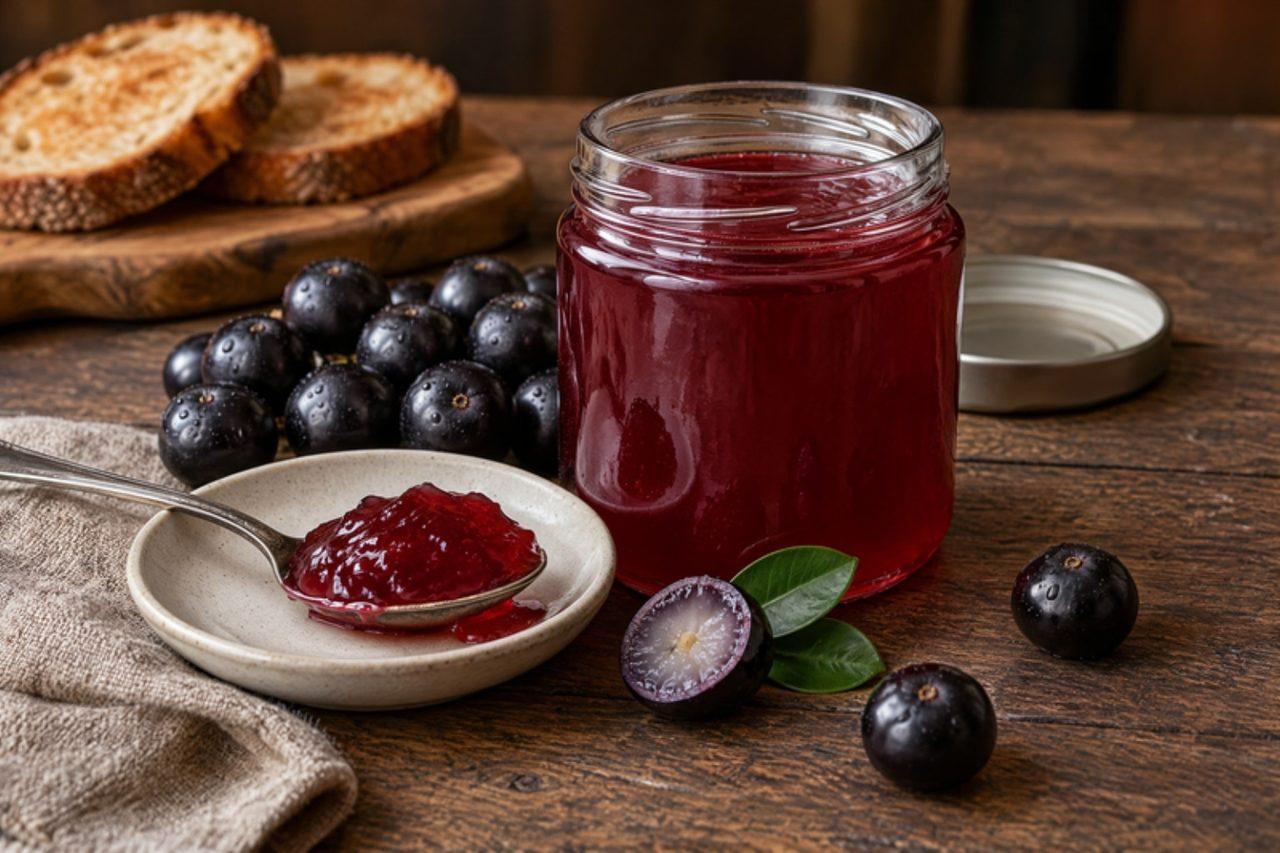
Geleia de jabuticabaJabuticaba jelly

Jabuticabas grow in clusters straight on the trunk of the tree, and in the Minas Gerais spring, from September to November, backyards from Sabará to the south of the state are suddenly covered in shiny black berries. The fruit starts to ferment two or three days after picking, so families turn the glut into jelly, liqueur and syrup; Sabará even celebrates the harvest with a festival. Boiling the berries whole draws colour, tannin and pectin out of the thick skins, so the jelly sets with no added pectin. It is deep ruby-purple, sweet and tart like a dark grape, with a faint astringent edge from the skins. Spread it on pão de queijo or toast, or serve it with fresh white cheese. Abroad, use Concord or other dark, slip-skin grapes, or muscadines. Common mistake: boiling past the setting point; the jelly darkens, turns gummy and the tannins taste bitter, so start testing early. It is ready at 104 °C, or when a drop on a frozen saucer wrinkles when pushed. Chef's tip: let the juice drip through the cloth without squeezing; pressing it makes the jelly cloudy.

by KrazyBadal 0 views

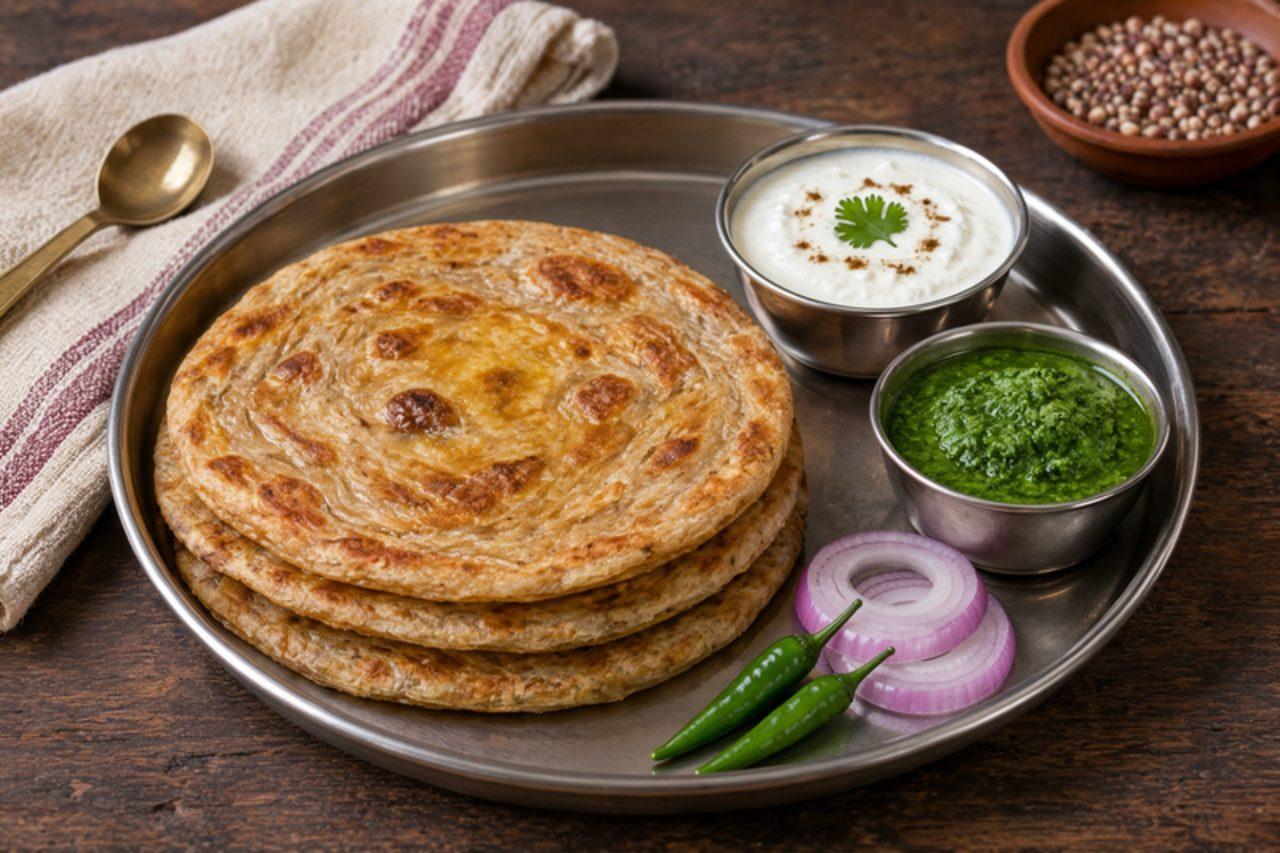
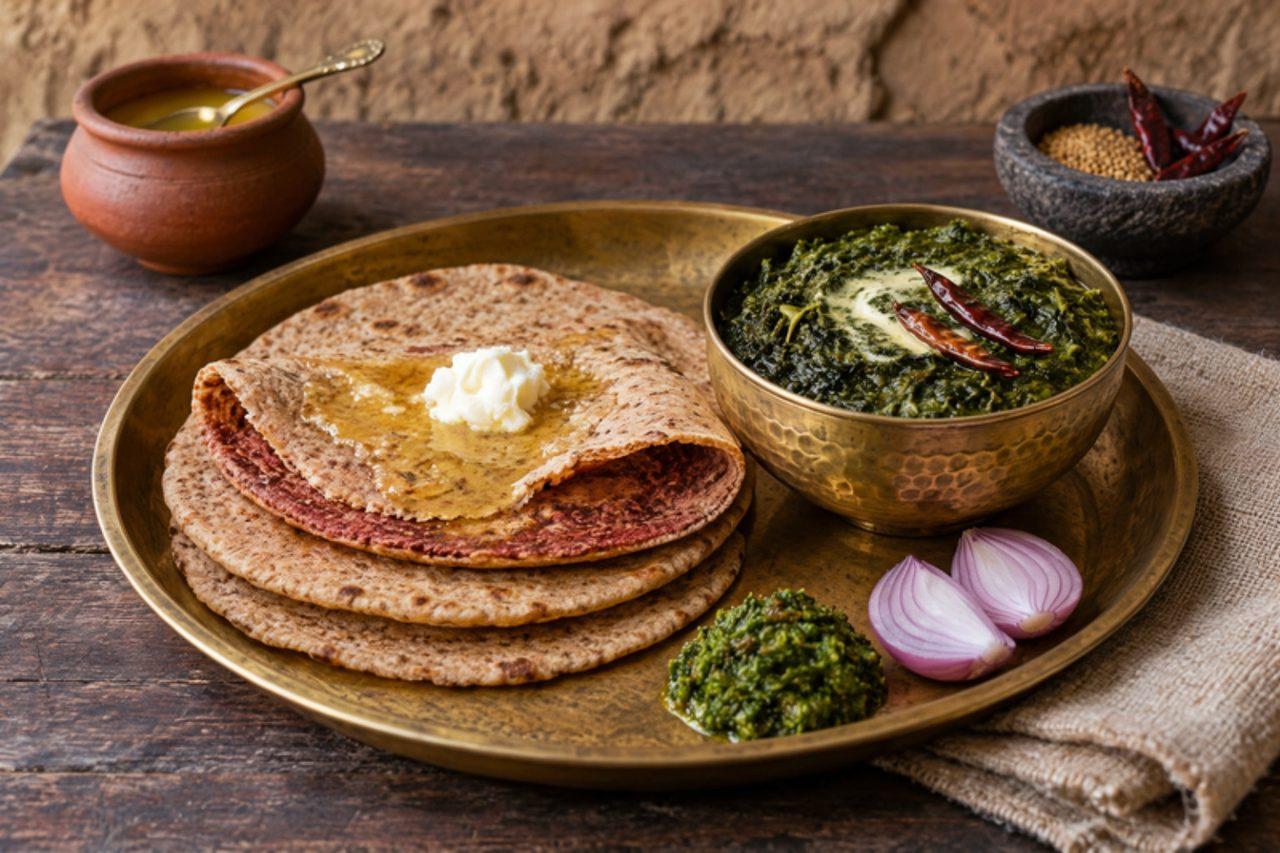
Gahat ke paratheHorse gram stuffed parathas

Gahat (horse gram) is the warming winter lentil of Uttarakhand, and in Garhwal it is boiled, mashed and stuffed into parathas for cold mornings, served with butter, curd and a hill pickle. The filling is spiked with ginger, garlic, green chilli and coriander, and the parathas keep you full for hours. Gahat is hard, so it needs a long soak and a pressure cooker. The common mistake is leaving the filling wet; moisture steams through the dough and the paratha tears. Chef's tip: dry the mashed gahat in a pan for a few minutes after mashing until it holds together like a soft crumble.

by KrazyBadal 0 views

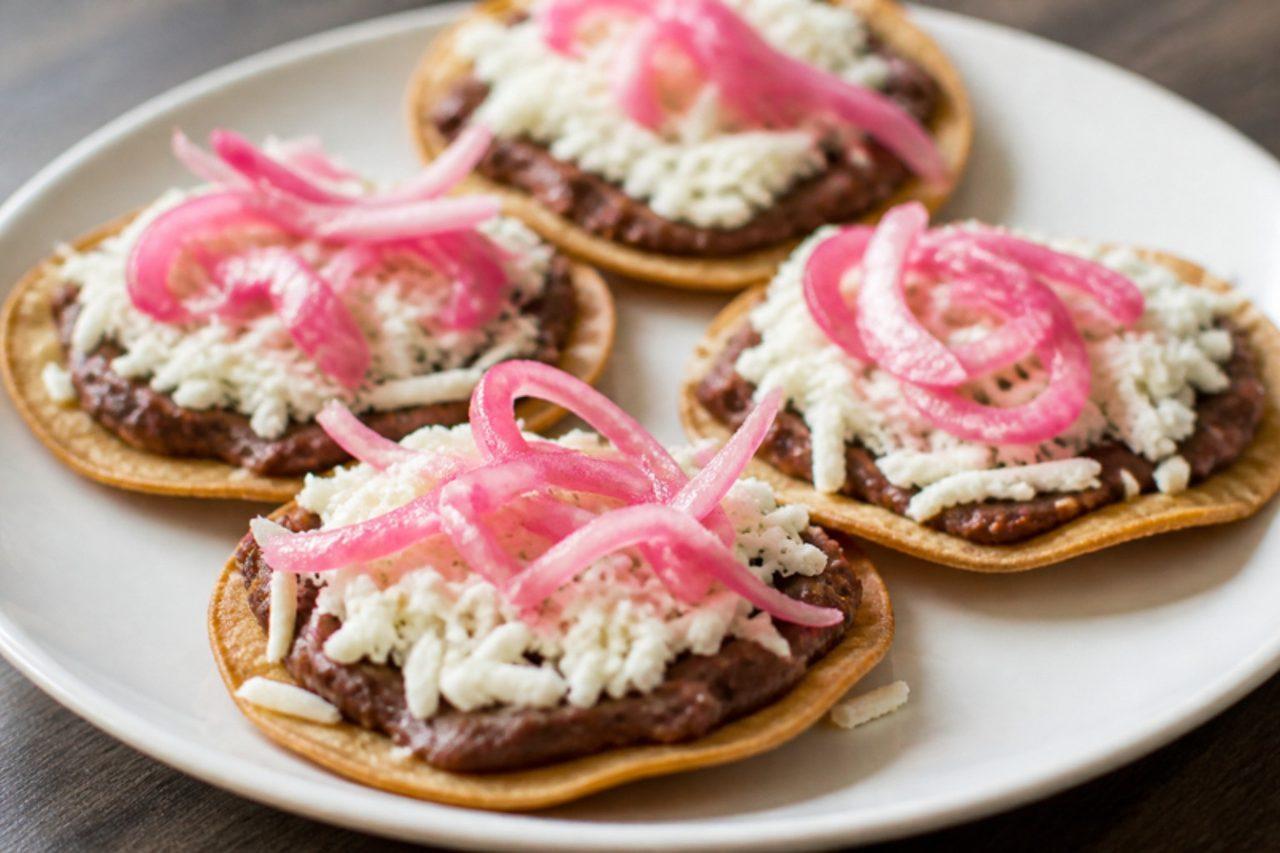
GarnachesCrisp tortillas with beans and cheese

Belize City snack shops and Saturday-morning stalls sell garnaches by the half dozen, wrapped in paper: small corn tortillas fried until they crackle, spread with refried beans, showered with grated cheese and topped with a sharp pickle of onion and hot pepper. They are crunchy, salty and tangy, and gone in three bites. Belizeans like a round red Edam-style cheese, which is usually made with animal rennet, so use a vegetarian hard cheese if needed. The common mistake is frying in oil that is not hot enough, which gives greasy, bendy tortillas. Chef's tip: make the onion pickle a day ahead; it gets pinker and milder overnight.

by KrazyBadal 0 views

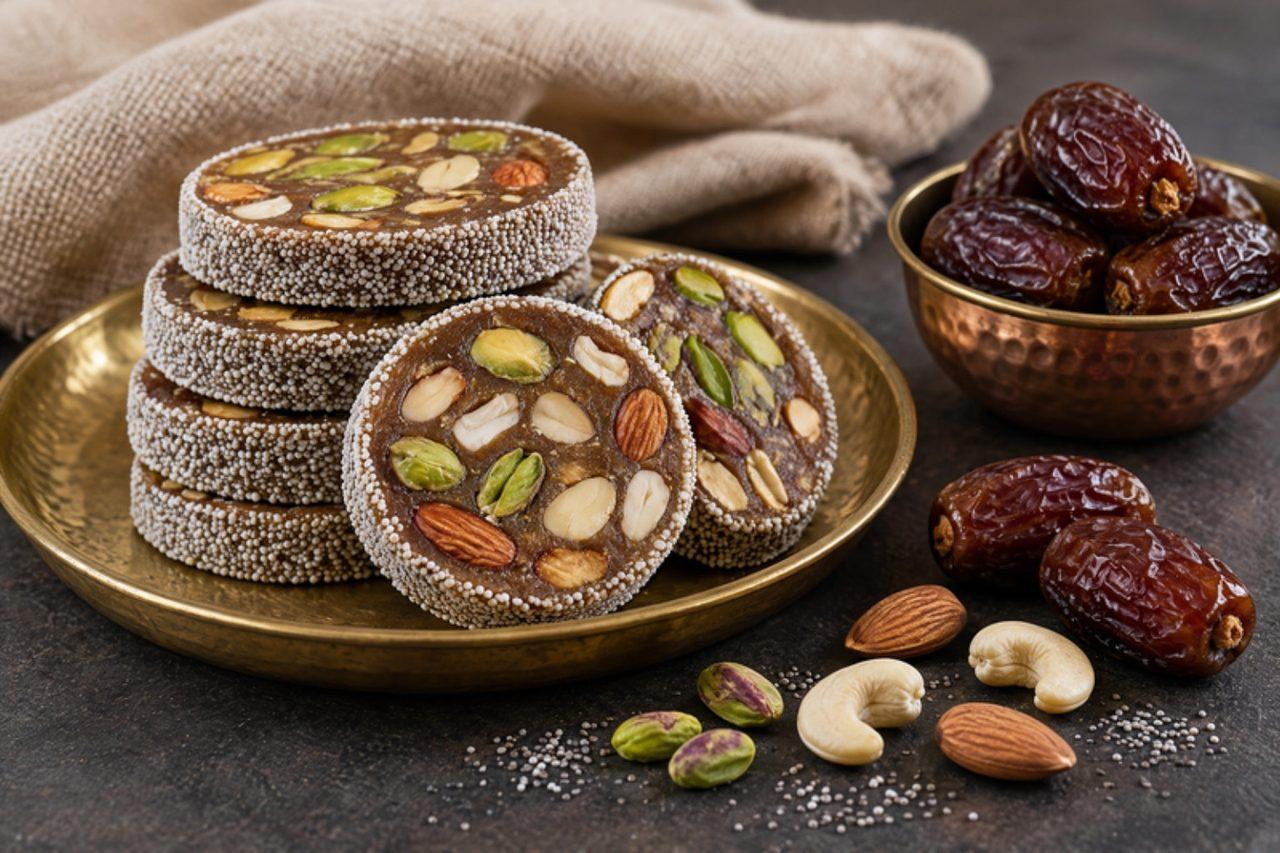
Khajur pakDate and nut fudge

Kutch grows some of India's best dates, and in Bhuj and Anjar homes khajur pak is the sweet made for Diwali boxes and for Ekadashi and other fast days, since it needs nothing but dates, ghee, nuts and coconut. The dates melt in warm ghee into a sticky paste, the nuts give crunch, and the log is rolled in poppy seeds and sliced into neat coins. The common mistake is cooking the dates too long, which dries them out so the log cracks when you slice it. Chef's tip: for a harder winter version, swap a third of the soft dates for chopped kharek (dry dates) soaked overnight in a little milk.

by KrazyBadal 0 views

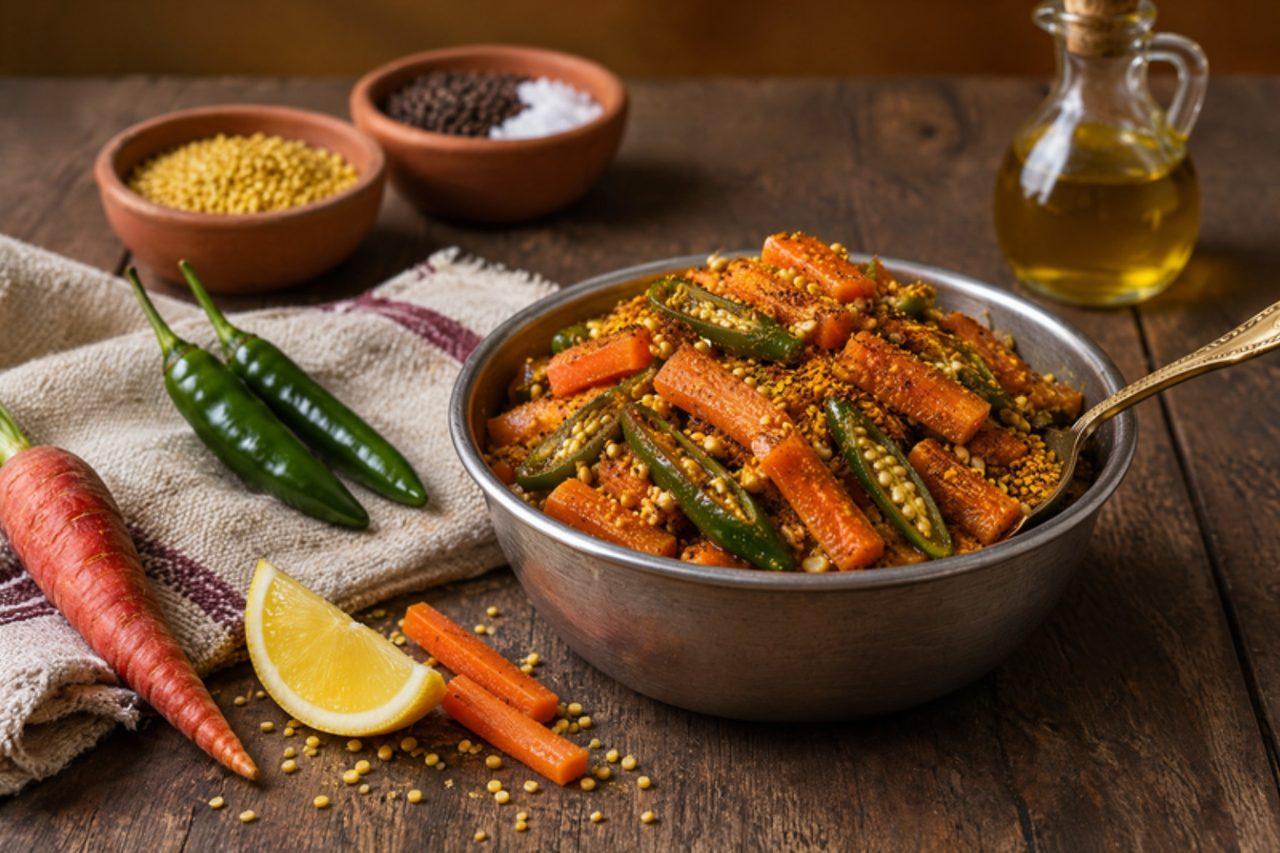
Gajar marcha nu athanuCarrot and chilli pickle

Every Gujarati thali, from Ahmedabad homes to Surat lunch houses, has a little bowl of something fresh and sharp to cut through the dal, kadhi and sweet shaak, and in the cold months it is very often this instant carrot and chilli athanu. Winter brings the sweet, deep red desi carrots and fat, mild bhavnagri chillies, and the pickle is mixed in ten minutes: sticks of both coated in split mustard seed, turmeric, hing, salt and lemon, then dressed with warm oil. It is crunchy, juicy and bright, with the nose-tingling pungency of rai kuria and a clean lemon tang. Eat it with rotli, thepla, khichdi or a full thali. The common mistake is pouring smoking-hot oil straight on, which cooks the mustard and makes it bitter; let the oil cool until just warm. It is ready when the mustard has softened and the carrots look glossy, about an hour after mixing, though it is good straight away. With fresh chilli and no long cure, keep it in the fridge and eat within a week. Chef's tip: if bhavnagri chillies are hard to find, use a mix of mild long green peppers and a couple of hot green chillies.

by KrazyBadal 0 views

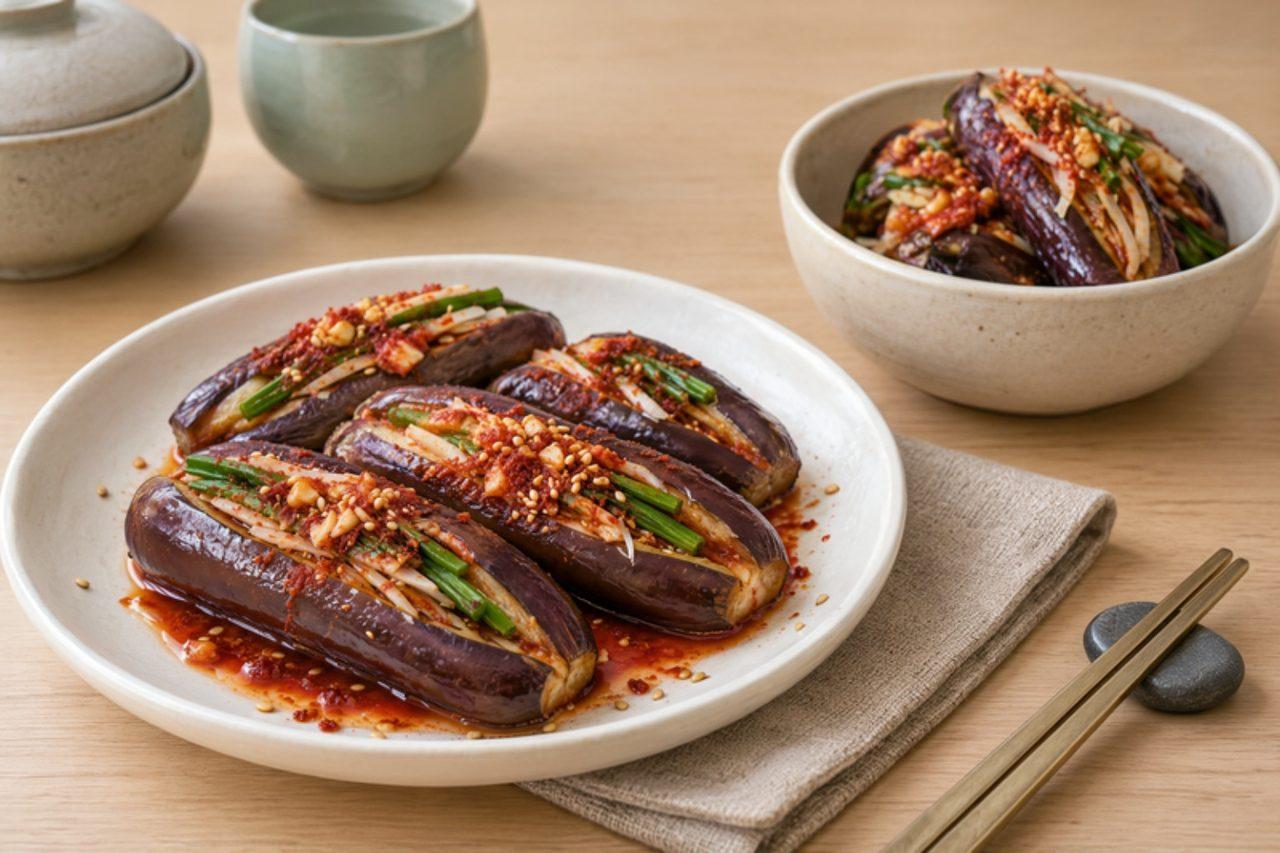
Gaji kimchiStuffed aubergine kimchi

When the long jangma rains end and markets across Korea are heaped with slim purple eggplants in July and August, home cooks turn some of them into gaji kimchi, a short-lived summer kimchi eaten cold beside barley rice, cucumber naengguk or a simple grilled fish. The eggplant is steamed just long enough to soften, then split into a cross and stuffed with garlic chives, shredded radish and a bright chilli dressing seasoned with fish sauce. It is silky and juicy, almost melting, with a crunchy, garlicky centre, and after a day the juices turn gently tangy. The usual mistake is steaming too long: the pieces collapse when you stuff them and go mushy in the jar, so pull them as soon as the skin darkens and the flesh bends but still springs back. It is ready to eat after a few hours, best on day two, when the brine in the box tastes lightly sour and the eggplant has turned deep red at the cuts. For a vegetarian version use tamari in place of fish sauce. Chef's tip: choose slim Korean or Japanese eggplants with few seeds; fat globe eggplants hold too much water.

by KrazyBadal 0 views

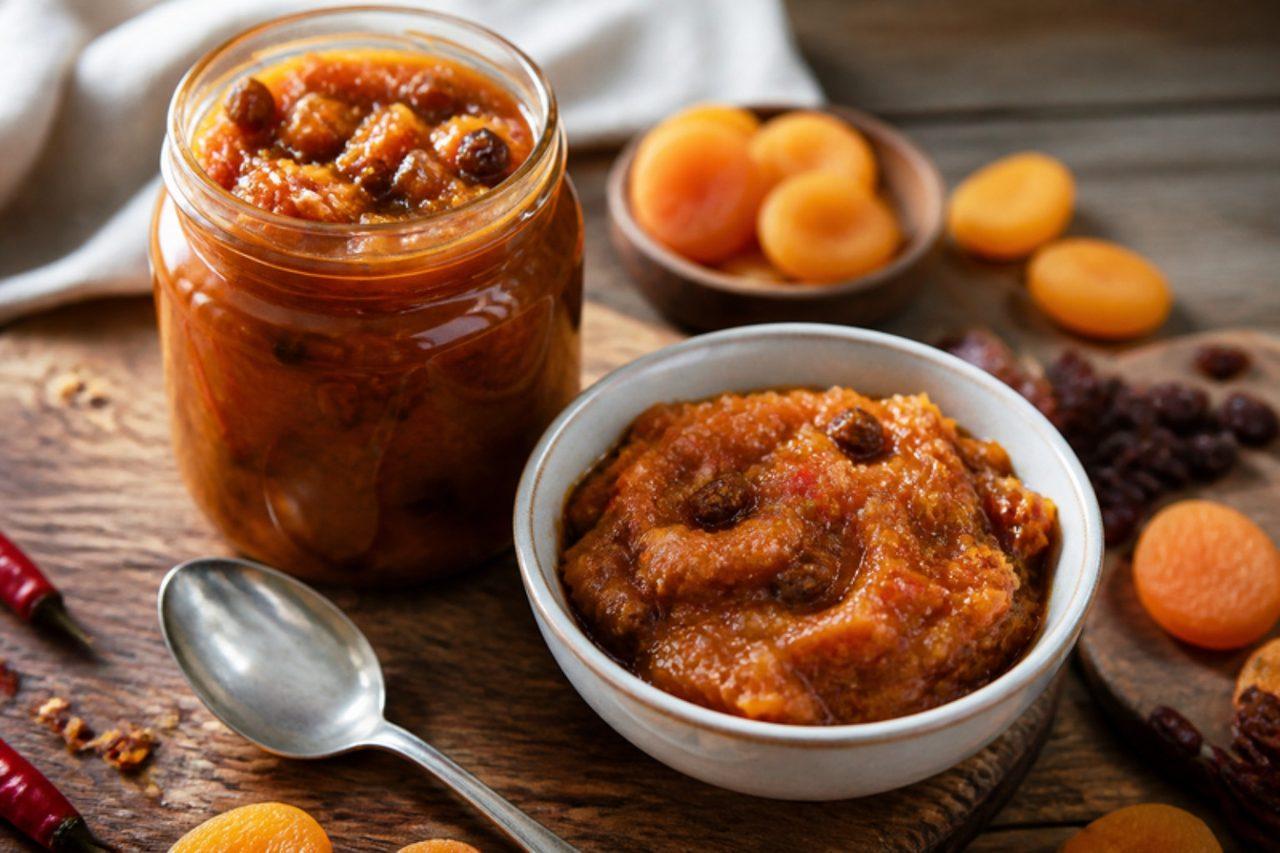
BlatjangDried apricot chutney

Bo-Kaap households keep a jar of blatjang beside the salt, because a spoonful goes next to almost everything: bobotie, a bowl of curry and rice, cheese on toast, a braaied mielie. Dried apricots are simmered down in vinegar with onion, ginger, garlic and red chilli until the fruit collapses into a thick, glossy, burnt-orange paste that is sweet first, then sour, then warm at the back of the throat. Some aunties keep it chunky, others push it through a sieve until it is as smooth as a sauce; both are right. The usual mistake is to take it off the heat while it still looks loose in the pot, which leaves a runny chutney that weeps in the jar. Chef's tip: soak the apricots overnight in the vinegar and they break down in half the time, with a cleaner, brighter fruit flavour.

by KrazyBadal 0 views

SwaleFried lentil-stuffed breads

In Garhwal, swale are fried in huge batches for weddings, for the bride's send-off parcel and for festivals like Basant Panchami, then eaten warm or cold over the next couple of days. Soaked urad or gahat dal is ground with ginger and spices and sealed inside wholewheat dough, then fried until the breads puff and blister. They travel well and taste good with raita or a hill pickle. The common mistake is overfilling, which tears the dough and makes the oil spit. Chef's tip: roll them gently from the centre outwards with almost no dusting flour, so the edges seal and the swale puffs evenly.

by KrazyBadal 0 views

LesuWheat and finger millet roti

Lesu is a clever Garhwali farmhouse roti in which a small ball of mandua (finger-millet) dough is wrapped inside wheat dough and rolled out, so each bite has a soft wheat outside and a dark, earthy layer within. Families eat it for breakfast or dinner in winter with a big dollop of ghee, jaggery or a green saag. The millet adds minerals and a pleasant nutty taste. The common mistake is making the millet dough too dry, which cracks and pokes through the wheat when you roll. Chef's tip: knead the mandua dough with hot water and keep it as soft as the wheat dough, so the two roll out together.

by KrazyBadal 0 views

Blote billetjes in het grasWhite and green beans with butter

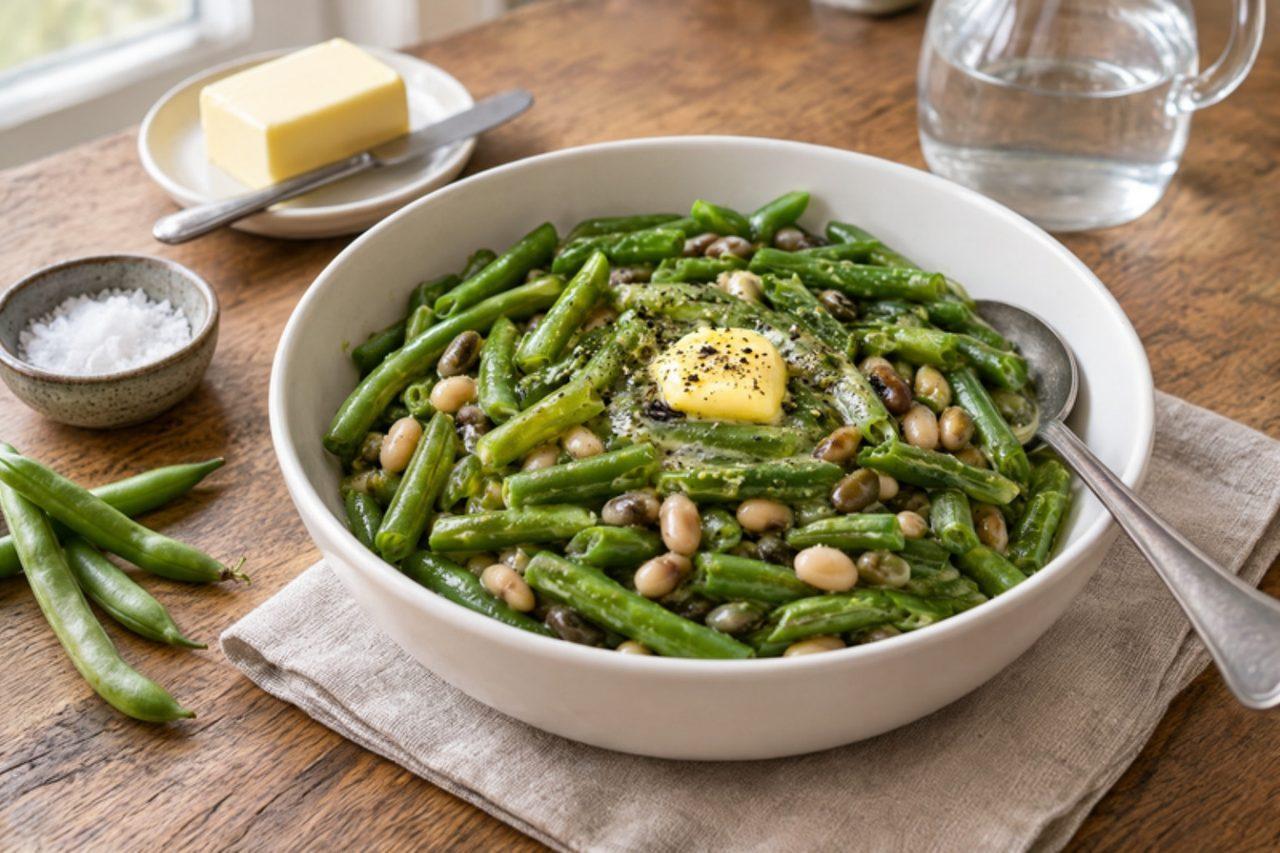
Dutch grandmothers named this dish 'bare bottoms in the grass' for the pale white beans peeping out between the green ones, and it is a summer weekday supper all over the Netherlands, when runner and French beans are cheap. Green beans and cooked white beans are simmered together, then stirred with butter, a little stock and plenty of pepper, often with boiled potatoes on the side. Many families add bacon or a smoked sausage; this version keeps it vegetarian, so serve it with a fried egg or a vegetarian sausage if you want more. The usual mistake is boiling the green beans until grey: they should stay bright with a slight bite. Chef's tip: a splash of the bean-cooking liquid stirred in with the butter makes a glossy little sauce that clings to everything.

by KrazyBadal 0 views

Garbanzos en dulceChickpeas in spiced syrup

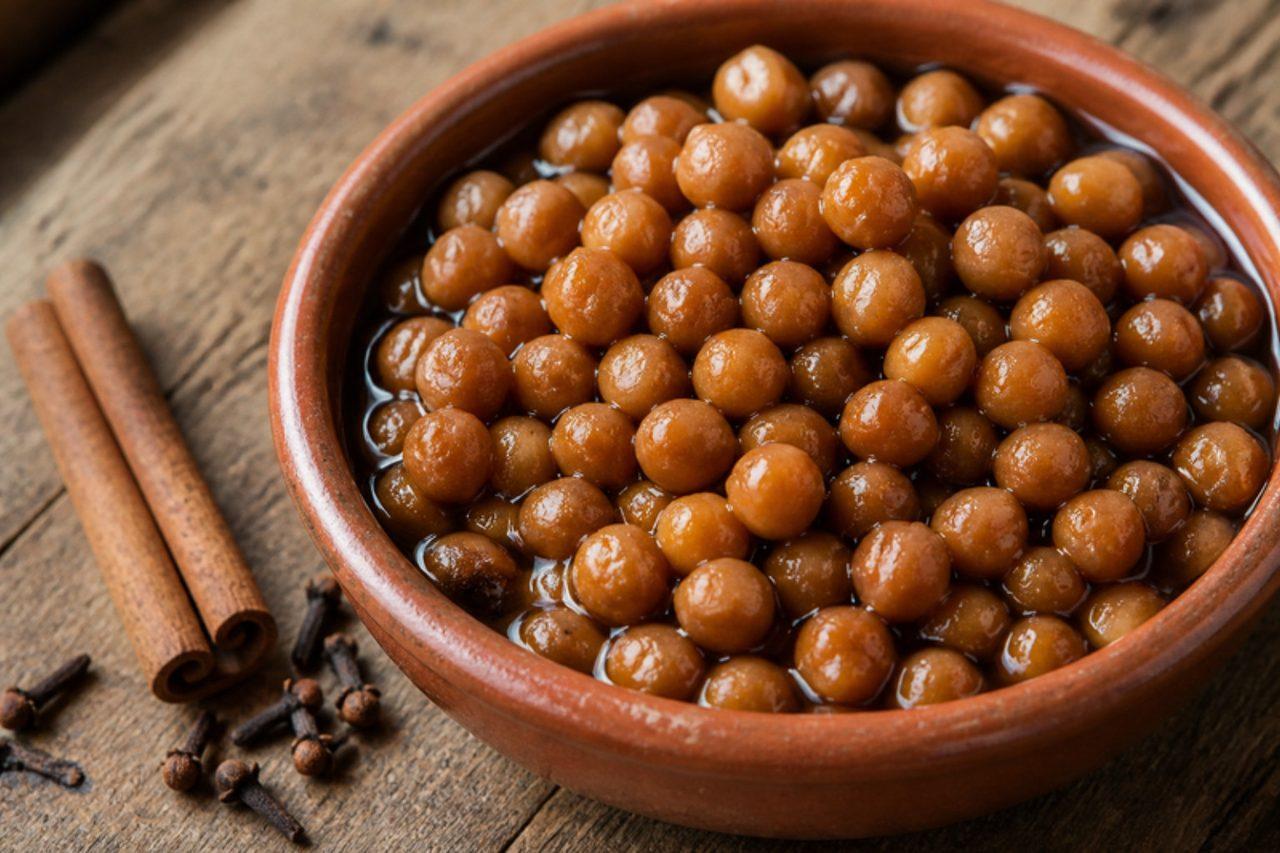
In Antigua Guatemala, where the Semana Santa processions walk over carpets of coloured sawdust, the kitchens fill with sweets in dark panela syrup, and chickpeas are among the first to be made. The peeled garbanzos are cooked tender and then simmered slowly in syrup with cinnamon, allspice and cloves until they turn mahogany and glossy, sweet right through but still holding their shape. They are eaten cold from small bowls, often beside sweet mango or fig preserves. Hurrying the syrup is the usual mistake: boil it hard and the chickpeas stay pale inside and the syrup tastes burnt. Chef's tip: rub off the chickpea skins after the first cooking; it takes ten minutes but lets the syrup soak in and gives a silky bite.

by KrazyBadal 0 views

Gangaur guneFried dough shapes in syrup

Gangaur, Rajasthan's spring festival for Gauri, is when women fast and pray for their husbands and married daughters receive a sindhara of sweets from home, and gune are always in it. A ghee-rich dough is rolled thin, pleated or pressed into ribbed shapes and fried crisp, then dipped in sugar syrup or jaggery. They are crunchy, flaky and lightly sweet. The common mistake is under-rubbing the ghee into the flour, which makes them hard rather than short and flaky. Chef's tip: rub until the flour holds a clear fist mark when squeezed; that is when the gune will shatter, not crack.

by KrazyBadal 0 views

GamjatangPork backbone stew

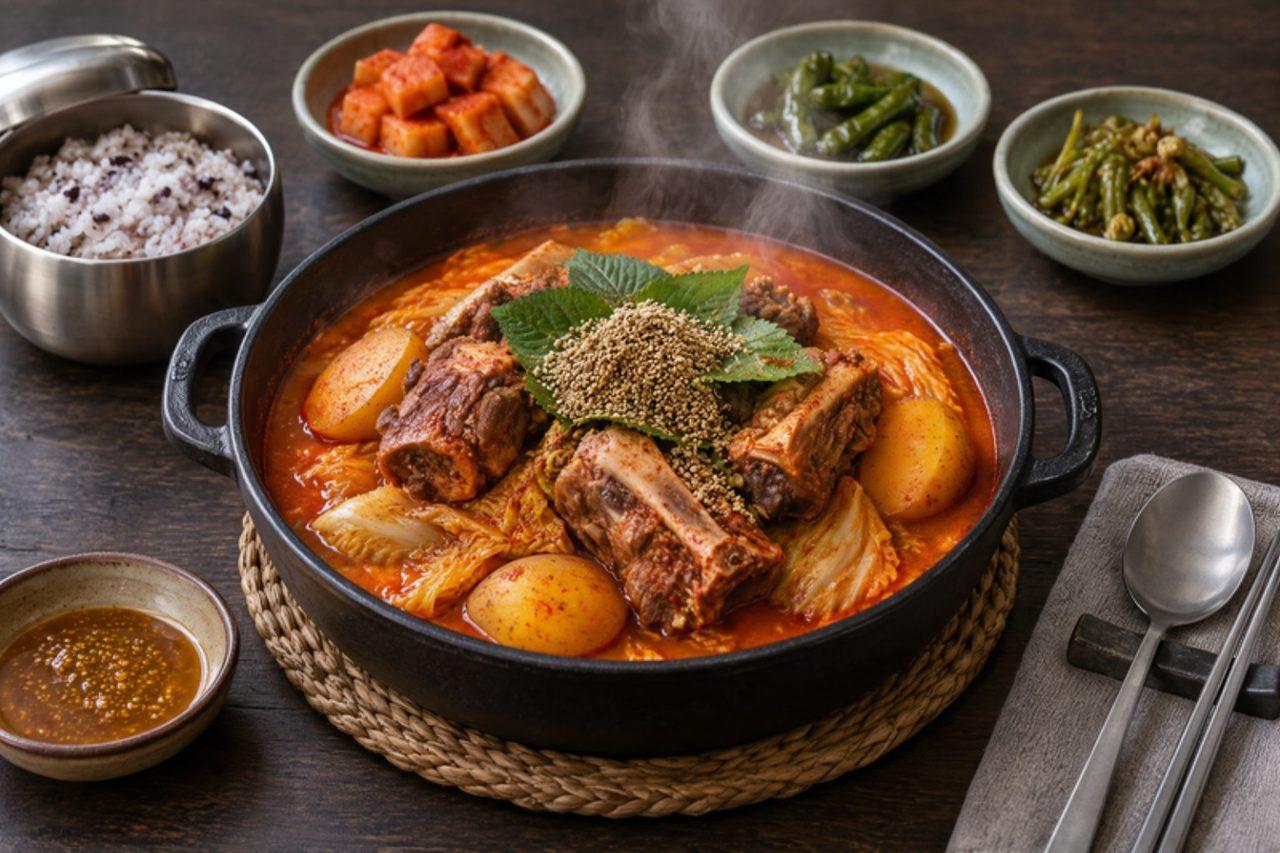
Gamjatang is a late-night favourite in Seoul and Incheon, where restaurants keep huge pots of pork backbone stew bubbling for shift workers and friends after a night out. Pork neck bones are soaked, blanched and simmered with doenjang until the meat pulls away, then finished with potatoes, napa cabbage, perilla leaves and nutty ground perilla seeds in a chilli-red broth. Everyone picks the meat off the bones at the table and ends the meal by frying rice in the leftover broth. The usual mistake is skipping the soaking and blanching, which leaves the broth grey and scummy. A pressure cooker cuts the bone simmering to 45 minutes. Chef's tip: stir the perilla seed powder in only at the end; boiled too long it loses its fragrance.

180 minKoreanMeatSpicy
by KrazyBadal 0 views

Bohar bhajiFlower bud curry

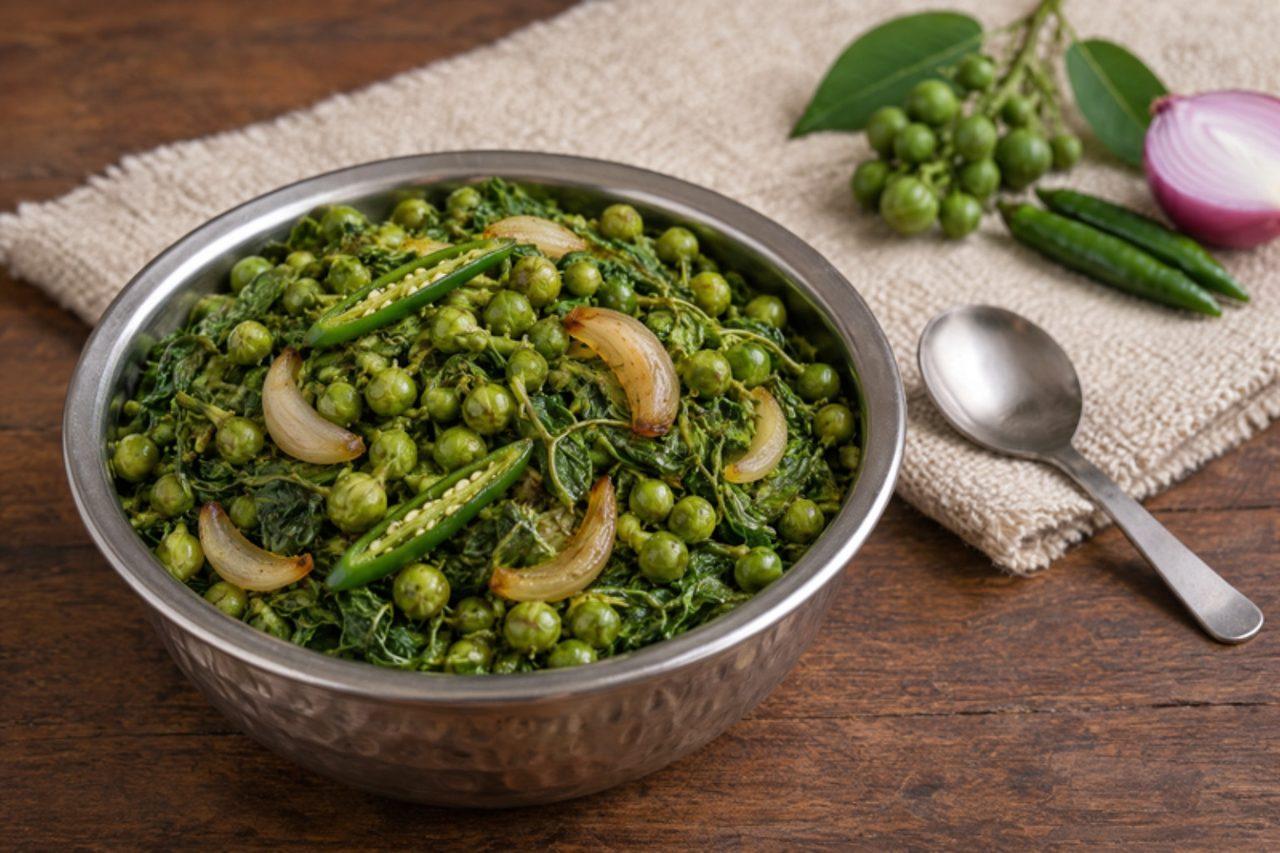
For a few weeks each spring, Raipur's markets sell small heaps of bohar, the young buds of the lasoda (Cordia) tree, and they are one of the most prized and pricey vegetables in Chhattisgarh. Cooked with onion, chilli and a spoon of curd, they have a pleasant, slightly sticky bite and an earthy taste, and families eat them with rice and dal for as long as the season lasts. People often skip the boiling step; without it the buds stay gummy and slightly bitter. Chef's tip: if you cannot find bohar, the same masala works with tender lasoda (gunda) fruit from Indian grocers, which is the same tree.

by KrazyBadal 0 views

KetwurstSausage in a hollowed roll

Ketwurst, from ketchup plus Wurst, was invented in 1977 in East Berlin as the GDR's own fast food, served from state-run snack counters around Alexanderplatz. A long roll was speared onto a heated metal spike to hollow and toast it at the same time, the hole was filled with a spicy ketchup and a hot boiled sausage, usually pork, was pushed inside. It vanished after reunification but is back at a few kiosks in Prenzlauer Berg and Friedrichshain, eaten on the go at lunchtime by Berliners who grew up with it. Chef's tip: heat the sausages in water just below a simmer; boiling hard splits the skins.

by KrazyBadal 0 views

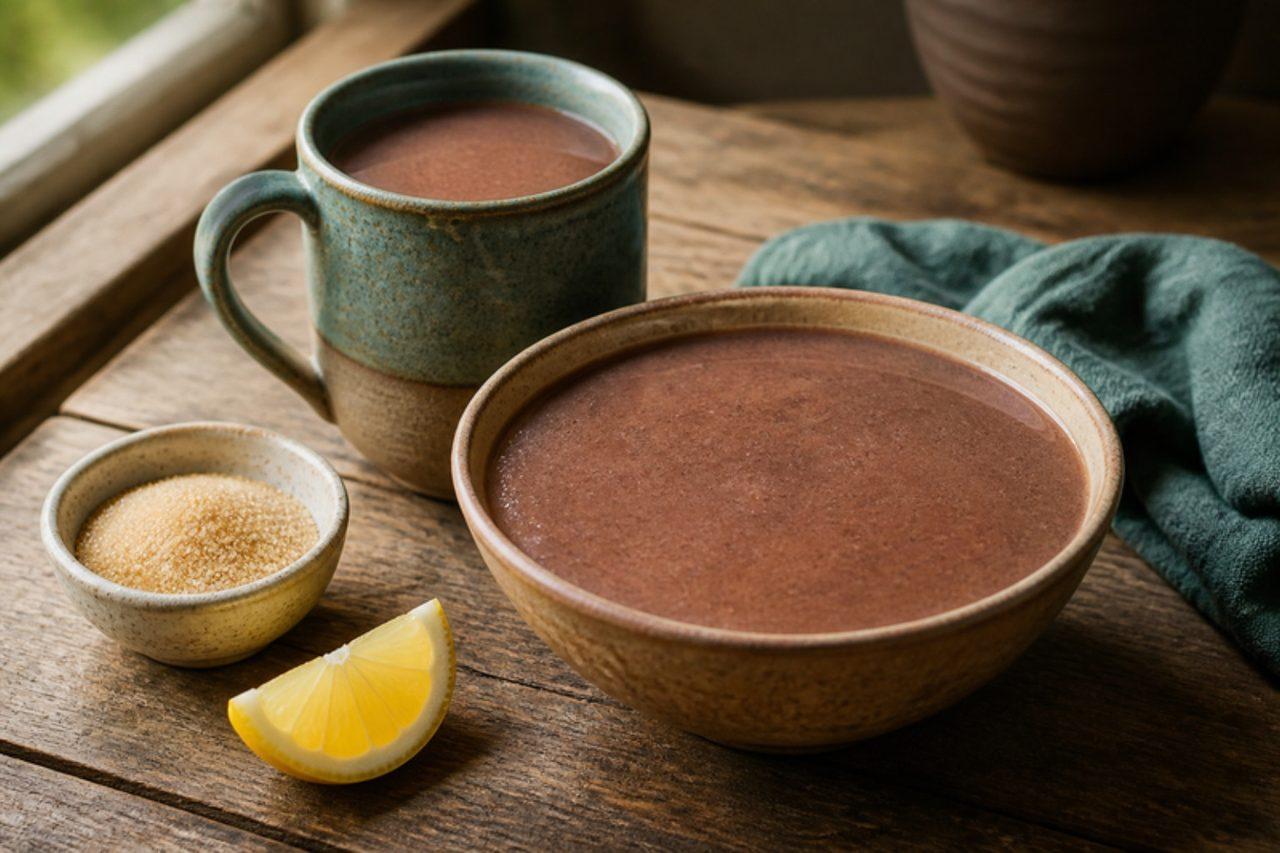
Atol shucoSour black corn drink

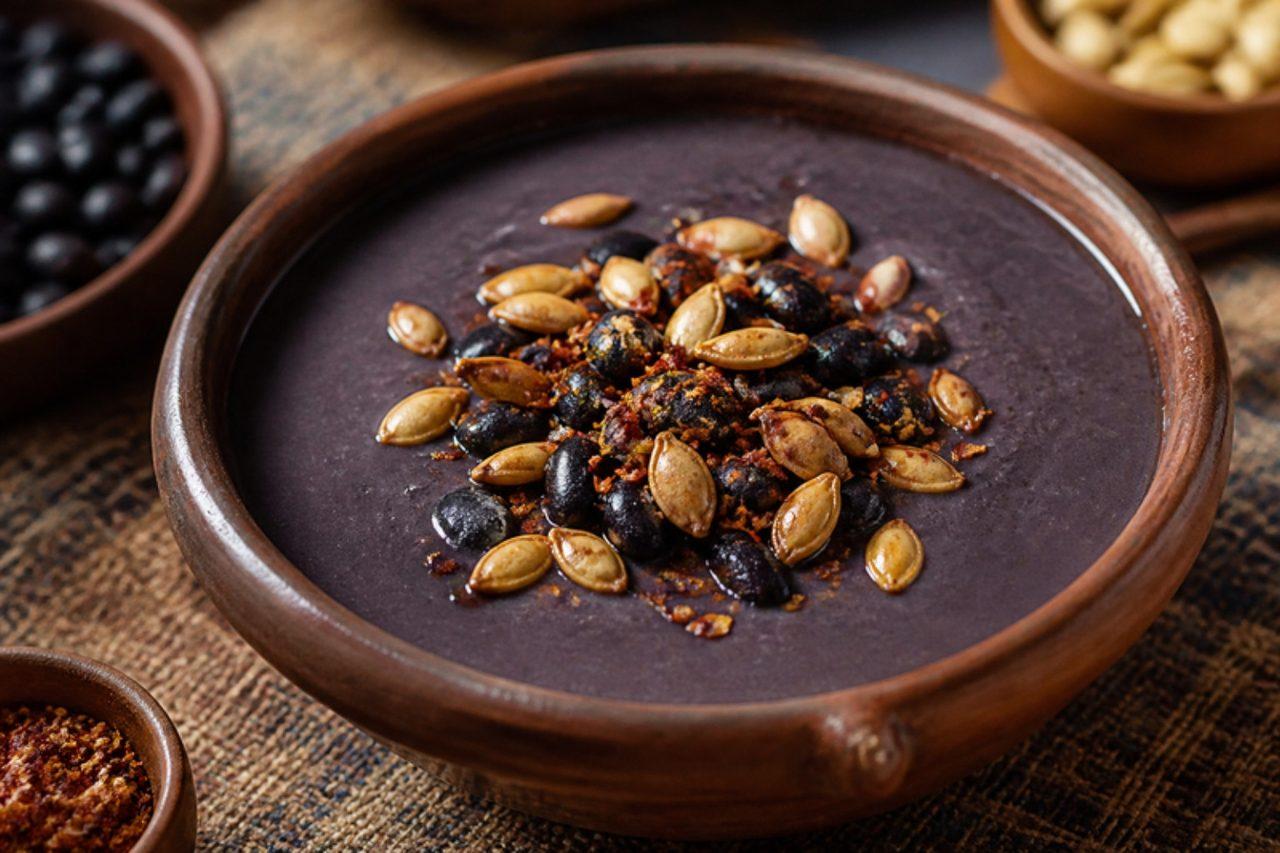
In San Salvador's Plaza Libertad and outside churches on cool mornings, atol shuco is ladled from steaming clay pots into gourd bowls. Shuco means 'dirty', for its dusky purple-grey colour: it is made from fermented black corn, so it tastes slightly sour and earthy, topped with ground toasted pumpkin seeds, a few whole black beans and a pinch of chilli salt. It is savoury and filling rather than sweet. The usual mistake is leaving the masa to ferment too long in a hot kitchen; check it after a day and use it as soon as it smells pleasantly tangy. Throw it away if you see mould or it smells unpleasant. Chef's tip: if you can't wait for fermentation, a squeeze of lime at the end gives a similar tang.

by KrazyBadal 0 views

Boller i karry for toddlersMeatballs in mild curry for toddlers

Boller i karry, meatballs in curry, is one of Denmark's best-loved dinners, voted a national favourite and cooked on weeknights from Copenhagen's Nørrebro to farmhouses in Jutland. The meatballs are pork, poached gently rather than fried, and the sauce is mild and creamy, made from the poaching liquid with apple and leek and just a pinch of curry powder. For toddlers from 12 months there is no stock cube and very little salt, and the meatballs are cut small. It contains wheat (gluten), milk and egg; there are no nuts or soya. Chef's tip: keep the poaching water at a bare shiver; boiling makes the meatballs tough and crumbly.

by KrazyBadal 0 views

Bollitos pelonesBeef-stuffed corn dumplings in tomato sauce

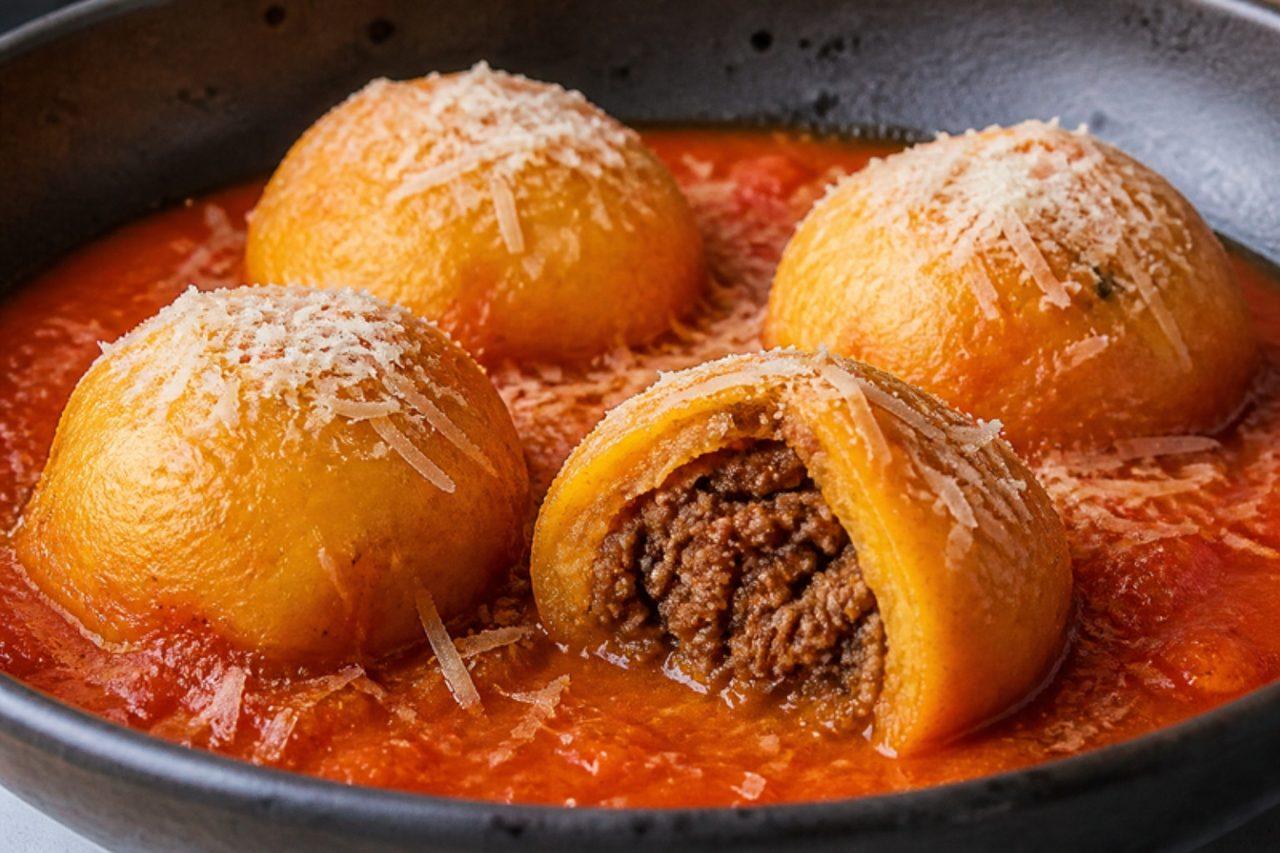
Bollitos pelones are proper home cooking from central Venezuela: little balls of corn dough tinted with onoto, stuffed with a spoonful of spiced minced beef and simmered in a light tomato sauce until the dough firms. Mothers make them for school-day lunches with white rice, and they reheat well. The common mistake is stirring the pot, which breaks the balls apart. Chef's tip: give the pan a gentle shake instead of stirring, and don't touch them for the first 10 minutes.

by KrazyBadal 0 views

Finger bunsIced coconut finger buns

Finger buns are the classic Australian school canteen and tuckshop bun, sold in every suburban bakery and supermarket from Perth to Brisbane: soft, slightly sweet long rolls, sometimes with sultanas, topped with bright pink icing and a scatter of desiccated coconut. Kids eat them split and buttered. A common mistake is icing them warm, which makes it run off; let them cool completely. Chef's tip: brush them with a sugar glaze straight from the oven for a soft, shiny crust under the icing.

by KrazyBadal 0 views

Rum ballsChocolate rum balls

Rum balls are the grown-ups' Christmas sweet in Australia, rolled by the trayful in December and handed round at end-of-year parties from Sydney to Perth. They are made from chocolate cake crumbs or crushed biscuits, condensed milk, cocoa and dark rum, rolled in coconut. They contain alcohol and are for adults only; for children or anyone avoiding alcohol, use rum essence and a splash of orange juice instead. A common mistake is a mix that's too wet; chill it before rolling. Chef's tip: make them a day ahead so the flavours mellow.

by KrazyBadal 0 views

Kue pancongCoconut rice flour cakes

Kue pancong is a Betawi breakfast cake you smell before you see: vendors on Jalan Sabang and around Pasar Senen pour a coconut and rice-flour batter into blackened half-moon moulds over charcoal from first light, and office workers buy them by the paper bag with their morning coffee. The edges turn crisp and toasty, the middle stays almost molten and tastes of fresh coconut, and a scatter of sugar goes on just before they are handed over. At home, a takoyaki pan, an aebleskiver pan or a cast-iron kue cubit mould does the job. Chef's tip: grated fresh or frozen coconut gives the chewy, fibrous bite that defines pancong; desiccated coconut alone makes them dry.

by KrazyBadal 0 views

Bolo de pubaFermented cassava cake

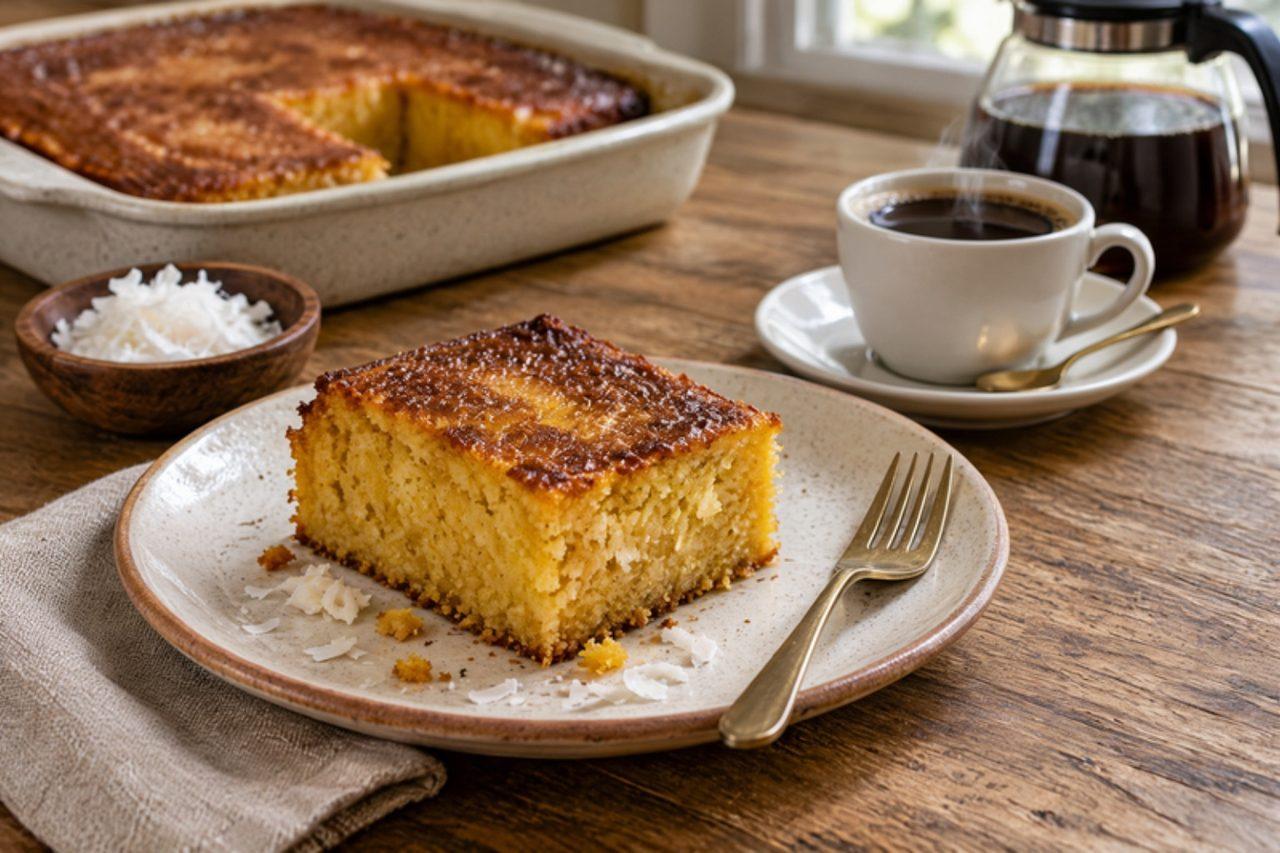
In Bahia, Pernambuco and Maranhão the afternoon and early-morning coffee table often carries a slab of bolo de puba, a dense, custardy cake made from puba, cassava that has been soaked until it ferments and softens into a tangy white paste. Coconut milk, grated coconut, eggs and butter turn it into something between a cake and a pudding, with a caramel-brown crust and a moist, slightly springy middle; it is especially loved around the June São João festivals. Puba is sold in Brazilian and African grocers as massa puba or carimã; it contains no wheat, so the cake is naturally gluten free. The common mistake is cutting it hot: it sets as it cools and will be gummy if sliced too early. Chef's tip: squeeze the puba in a clean cloth first if it is very wet, so the batter is thick enough to hold the coconut in suspension rather than letting it sink.

by KrazyBadal 0 views

Aval kanji for babiesRice flake porridge for babies

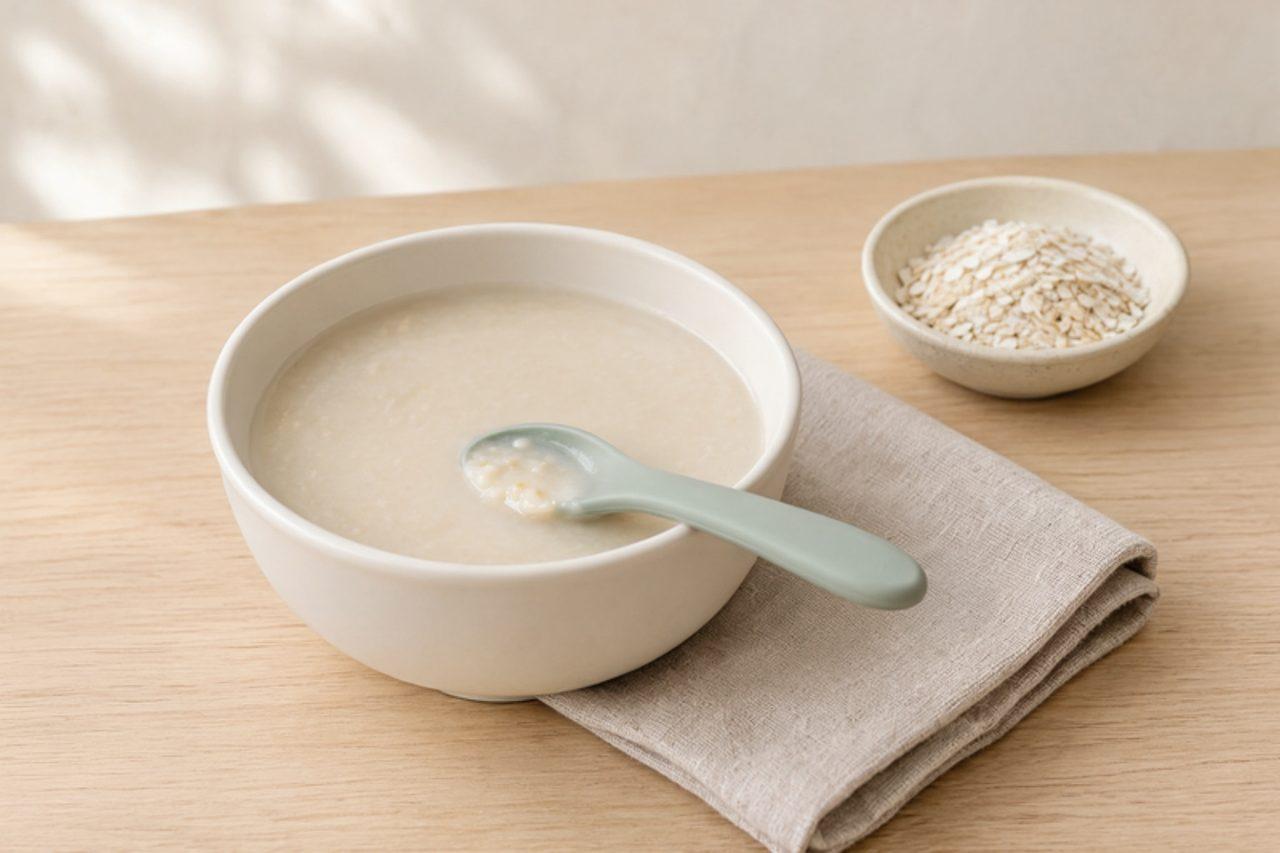
In Tamil homes from Madurai to Chennai, aval (flattened rice, the same poha sold in every kirana shop) is one of the first grains a grandmother reaches for when a baby turns six months. The flakes are dry-roasted until they smell like puffed rice, ground to a fine powder and simmered with water into a thin, pale porridge with a gentle toasted flavour, usually given as a mid-morning feed. For babies it is made with no salt, sugar, jaggery or honey. It is free of the major allergens: no milk, egg, gluten, nuts, soya, sesame or fish. Chef's tip: roast a whole cup of aval at once, grind it and keep the powder in a dry jar for up to two weeks, so each feed takes five minutes.

by KrazyBadal 0 views

Kudrum chutneyRoselle chutney

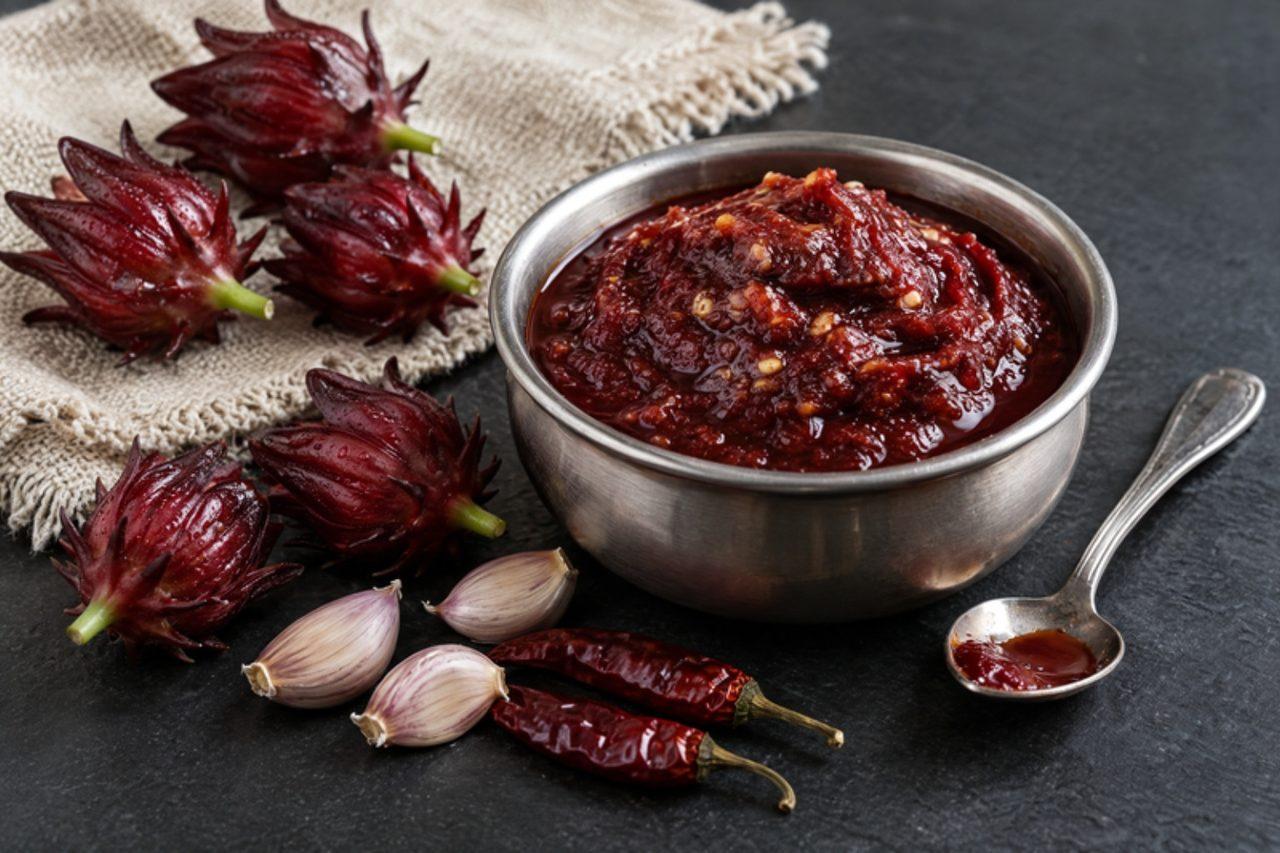
Kudrum is roselle, the red-calyxed hibiscus that tribal households in Jharkhand grow round their homes, and in the post-monsoon months its sour fleshy calyces and leaves are cooked into this bright red chutney. It is eaten with plain rice, dhuska or pitha, and a spoonful wakes up a simple meal of dal and saag. A frequent mistake is leaving the hard green seed pod inside each calyx, which makes the chutney woody; split each one and pop the pod out. Chef's tip: dried hibiscus flowers sold for tea make a good stand-in; soak them 20 minutes in hot water first.

by KrazyBadal 0 views

Kesar pendaSaffron milk pendas

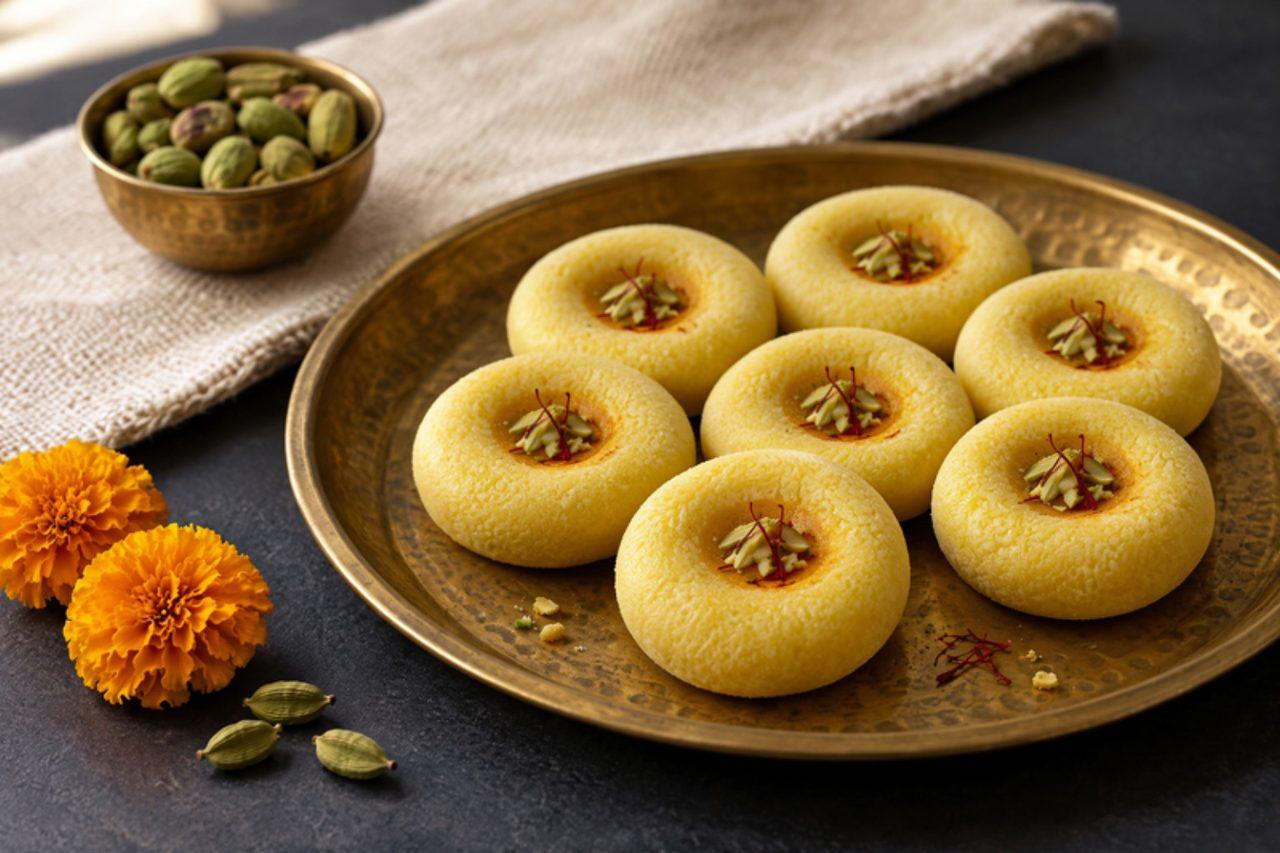
In Ahmedabad, any good news, from exam results to a new home or a newborn, means a box of kesar penda passed around the office and the street. These are soft, creamy pendas of fresh mawa cooked briefly with sugar and plenty of saffron, so they stay pale gold and fudgy, quite unlike the browned pedas of Mathura or Dharwad. The common mistake is overcooking the mawa once the sugar goes in, which turns the pendas dry and cracked at the edges. Chef's tip: stop cooking as soon as a small piece rolls into a smooth ball between your palms; they firm up as they cool.

by KrazyBadal 0 views

Kering kentangSweet and spicy potato matchsticks

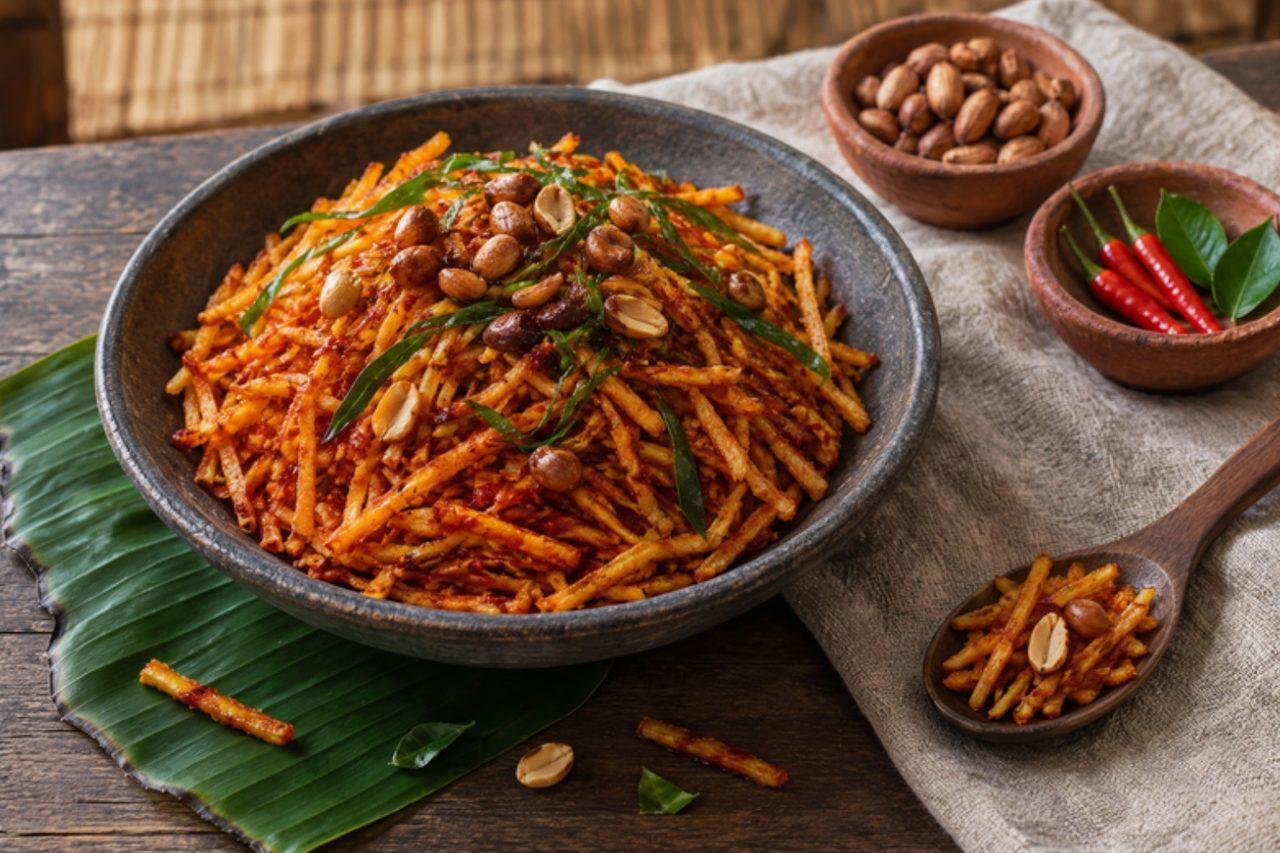
Javanese households fry a big batch of kering kentang before Lebaran or a long journey, because these candied potato sticks stay crunchy in a jar for a week and make a plain bekal lunchbox of rice and egg feel special. They are sweet, hot and tangy all at once. The common mistake is frying wet potatoes all at once, which steams them; they must be soaked, dried thoroughly and fried in small batches until they rattle. Chef's tip: let the sugar glaze bubble until it threads from the spoon before adding the potatoes, so it coats them in a thin, glassy shell instead of making them soft.

by KrazyBadal 0 views

Keri no murabboSweet raw mango preserve

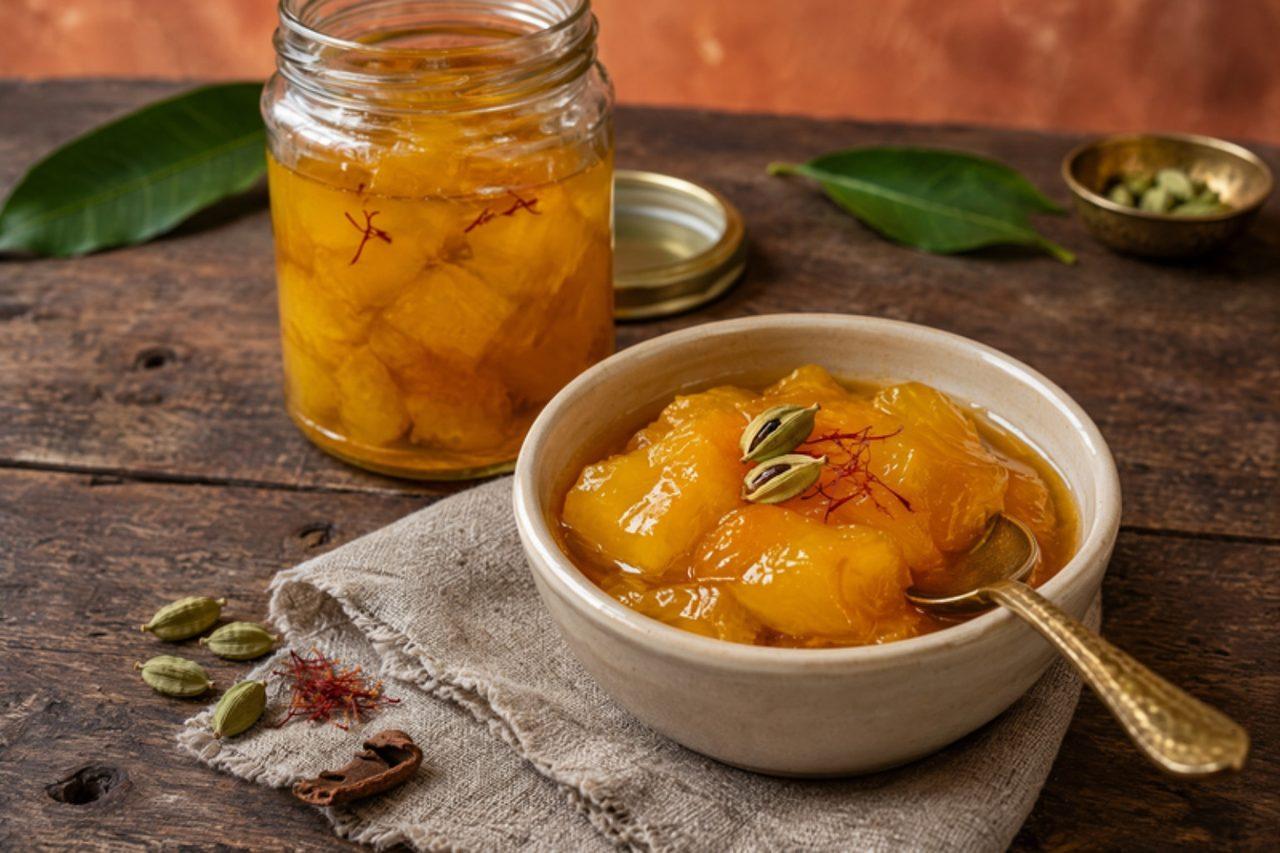
In Gujarat, when the summer stock of pickles goes up in May, murabbo is the gentle, sweet one that children are allowed to dip into freely. Pieces of firm raw mango (rajapuri or totapuri) are cooked slowly in sugar syrup until they turn translucent and glossy, then scented with saffron and cardamom. Unlike chhundo, which is grated and spiked with chilli, murabbo keeps the mango in distinct, tender-firm pieces in a clear, golden syrup; it tastes like candied fruit with a sour edge. Spread it on a warm thepla or rotli, serve it with khakhra at breakfast, or spoon a little beside a Gujarati thali. The common mistake is boiling the mango hard in the syrup, which breaks the pieces and clouds it; keep it at a gentle simmer. It is ready when the pieces look see-through at the edges and the syrup reaches one-string consistency (a cooled drop stretches into a single thread between finger and thumb). With this much sugar it keeps 6 months in a cool cupboard in a sterilised, dry jar, or longer in the fridge. Chef's tip: soak the cut mango in lightly salted water for 10 minutes first; it firms the pieces and stops browning.

by KrazyBadal 0 views

Kerda nu athanuDesert berry pickle

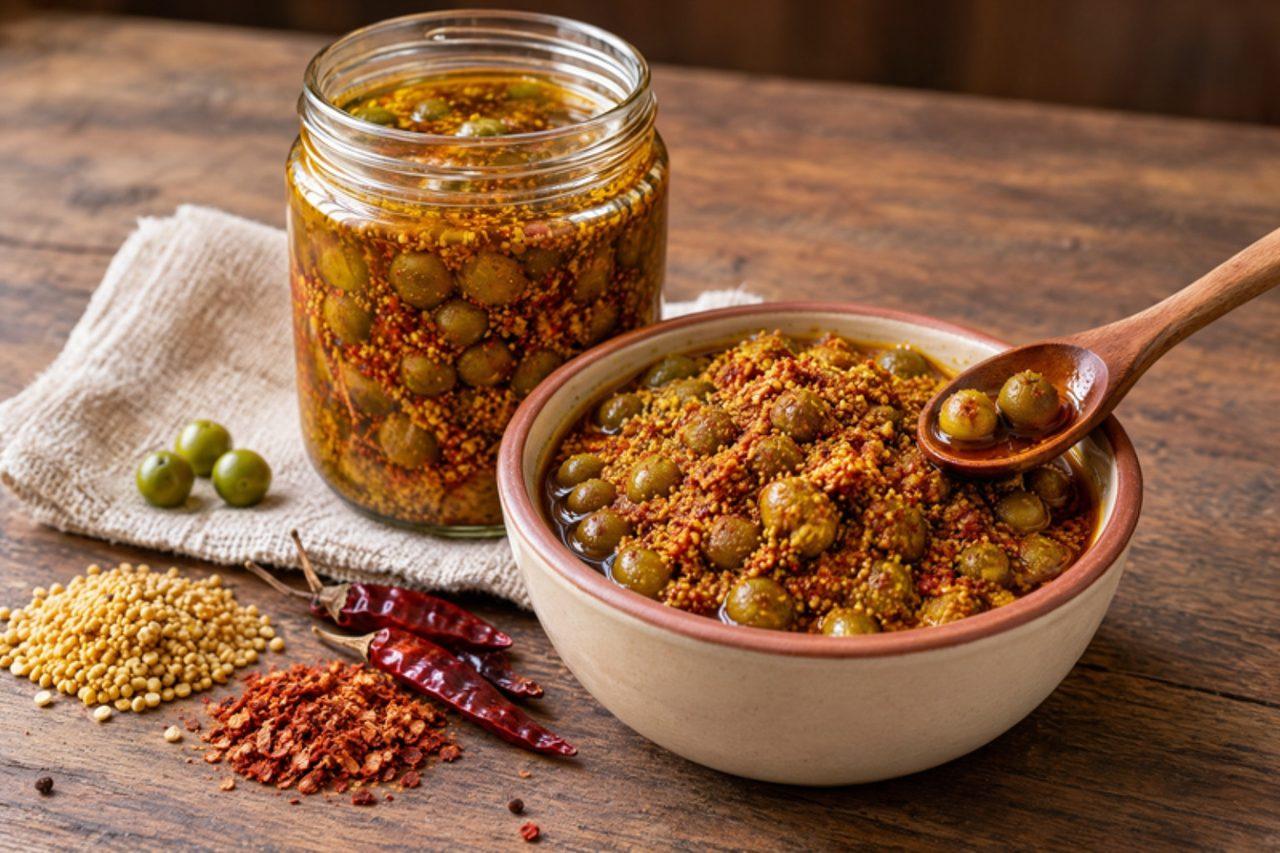
Ker is a leafless desert shrub that grows wild across Kutch and the Thar, and in April and May, before the monsoon, it is covered in small green berries that families pick by hand. Fresh ker are fiercely bitter, so they are soaked and boiled until the bitterness fades, then pickled with split mustard, split fenugreek, chilli and lemon juice and covered in oil. The berries are firm, pea-sized and slightly chewy, with a sour, earthy, caper-like flavour under the mustard heat. In Kutch the pickle goes with bajra rotlo and buttermilk, or is mixed into khichdi; across Rajasthan the same berries go into ker sangri. The common mistake is rushing the soaking: if the water is not changed several times the pickle stays harsh. Taste a berry: it should be pleasantly sour-bitter, like an olive, not acrid. It is ready to eat after 3–4 days, once the berries have absorbed the lemon. Boiled ker are low in acid, so the lemon matters and the pickle lives in the fridge, where it keeps up to 2 months. Abroad, use dried ker from Indian grocers (they swell back well), or, at a pinch, capers soaked to remove the salt. Chef's tip: add a few cubes of raw mango in season for extra sourness.

by KrazyBadal 0 views

KeperíSlow-roast beef flank

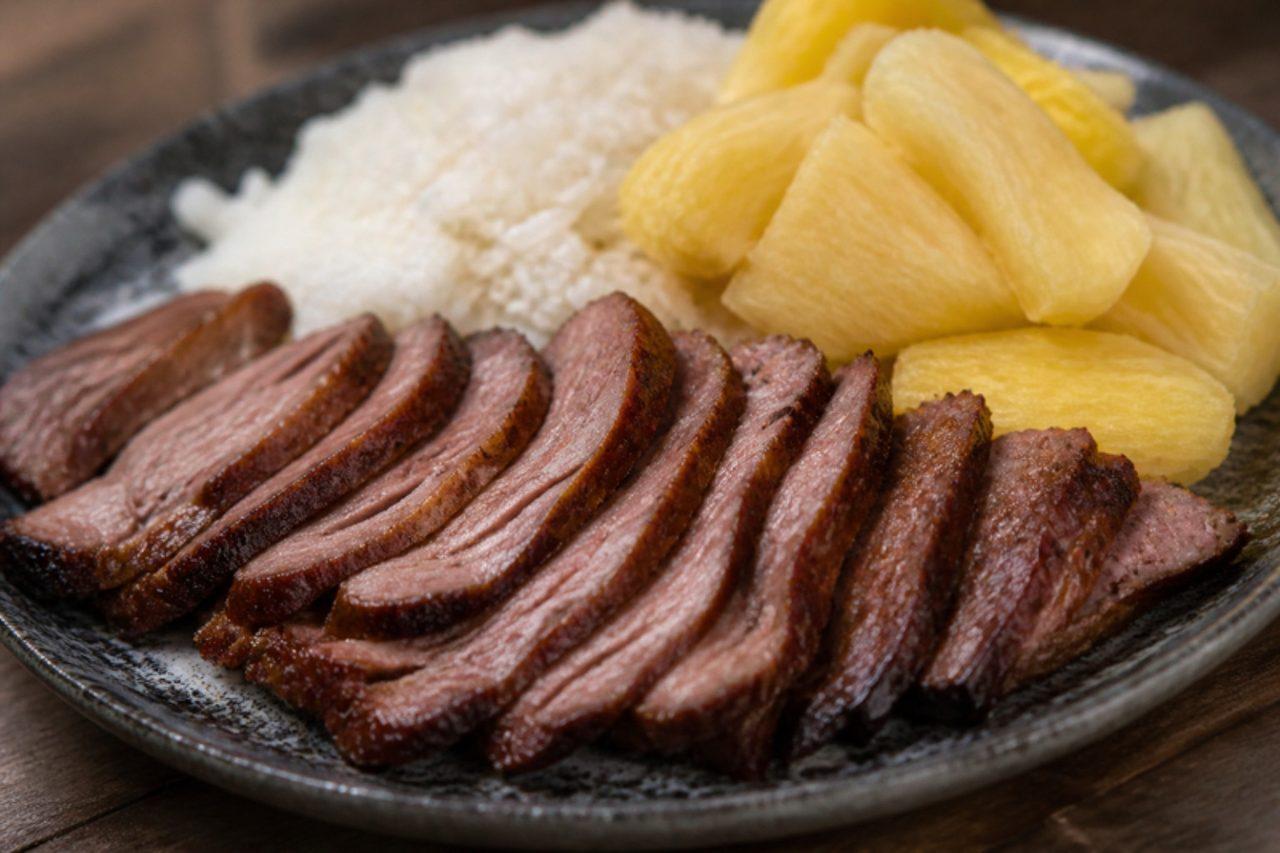
Keperí is the cut Santa Cruz families save for Sundays and birthdays: a flat, well-marbled piece of beef from the flank, rubbed with garlic, cumin and salt, slow-cooked under cover until meltingly soft, then browned hard at the end. It comes to the table sliced across the grain with boiled yuca, rice and a fresh tomato salad. Beef flank or skirt in one piece is the closest cut outside Bolivia. The most common mistake is slicing along the grain, which makes even tender meat chewy. Chef's tip: let the marinade work overnight in the fridge, then cook the meat fat side up so it bastes itself.

200 minAndeanMeatGluten free
by KrazyBadal 0 views

UjiFinger millet porridge

Mugs of brown uji are handed out at breakfast in Kenyan homes and schools, sold from steaming flasks at bus stages, and given to children and nursing mothers for strength. Finger millet flour (wimbi) makes a thin, drinkable porridge with a malty, slightly chocolatey taste; it is sweetened with sugar and soured with lemon, or left overnight to ferment for a deeper tang. Look for finger millet flour at African grocers or as ragi flour in Indian shops, and never tip it straight into boiling water, the mistake that gives lumps every time; always make a cold slurry first. Drink it hot in a mug, with mandazi or roasted groundnuts on the side. Chef's tip: for fermented uji, mix the slurry the night before and leave it covered on the counter; by morning it smells gently sour and needs only half the lemon.

by KrazyBadal 0 views

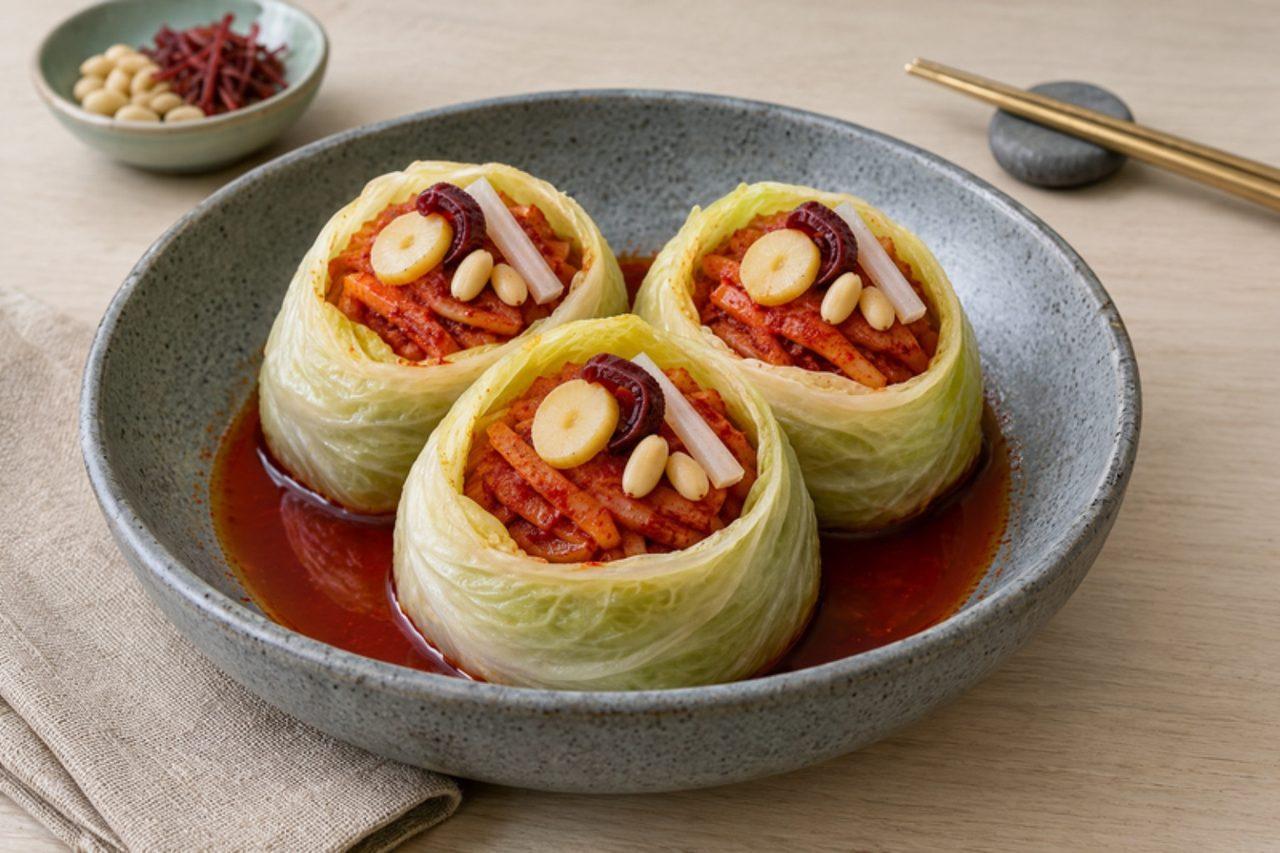
Bossam kimchiWrapped cabbage kimchi

Bossam kimchi comes from Gaeseong, the old Goryeo capital just north of today's border, and it is the kimchi families make with special care at kimjang time in late November and set out for Seollal guests. Instead of rubbing seasoning into whole cabbage halves, the inner leaves are folded around a rich filling of radish, Korean pear, chestnut, jujube, pine nuts and herbs, then wrapped in large outer leaves like a gift. Unwrapped at the table, it is crisp, juicy and sweet from the pear, with mellow chilli heat and the savoury depth of salted shrimp. Traditional versions add raw oysters; here they are optional. Raw oysters are not safe for pregnant people, babies, older people or anyone with weak immunity, so leave them out for those guests or for any kimchi you mean to keep beyond 3 days. The common mistake is under-rinsing the cabbage, which makes every parcel too salty; rinse three times and taste a stem. It is ready after 3–4 days in the fridge, when the juice turns pleasantly sour and slightly fizzy. Chef's tip: tie each parcel with a blanched scallion if the leaves won't stay closed.

by KrazyBadal 0 views

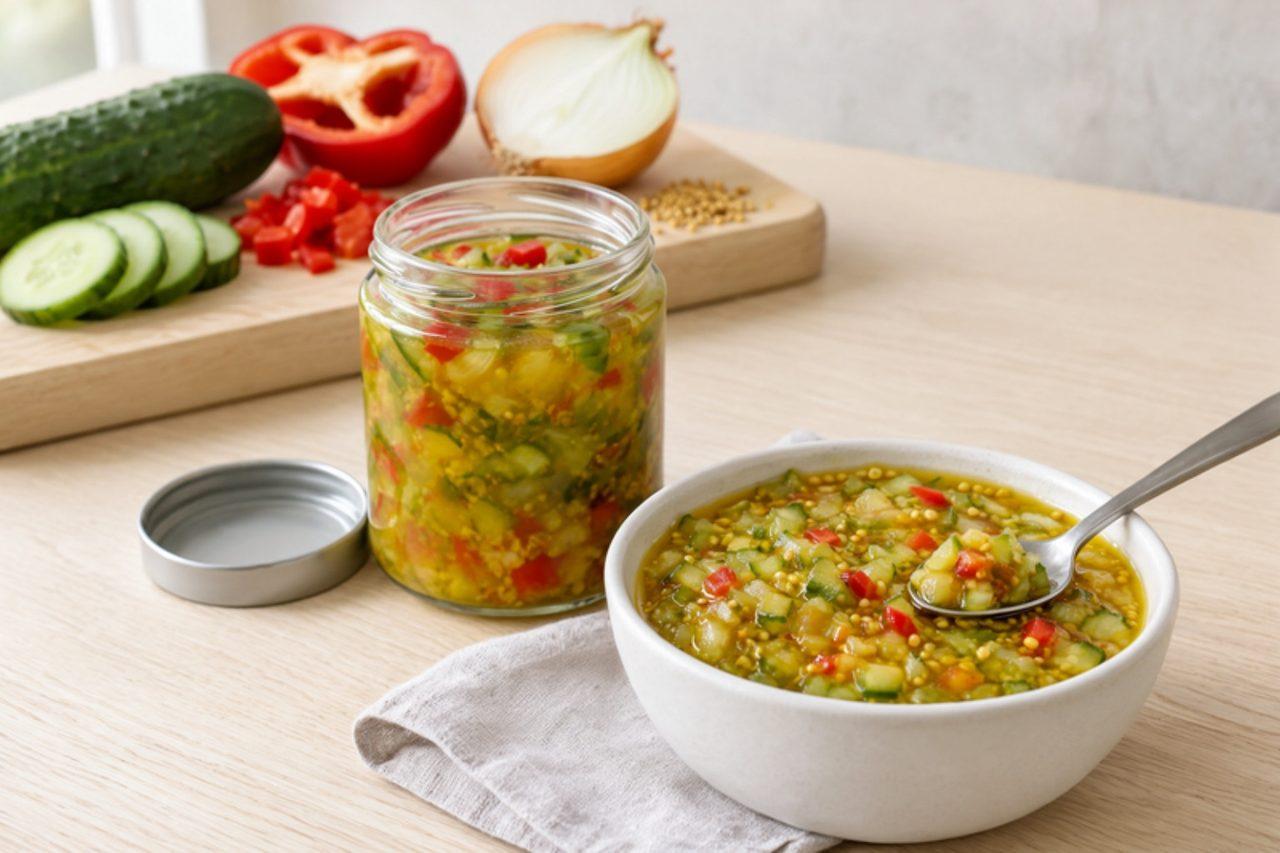
BostongurkaSweet cucumber relish

Every Swedish korvkiosk, from Stockholm's Södermalm to the ferry ports of Gothenburg, offers bostongurka in a squeeze bottle, and most Swedes still put it on their grillkorv with mustard, ketchup and crispy fried onions. Families make their own in August and September, when cucumbers are cheap at the farm stands, and spoon it onto hot dogs at summer barbecues, beside meatballs, into potato salad and onto cheese sandwiches all winter. It is a fine-chopped relish: sweet and sour, golden-yellow from turmeric, with crunch from the cucumber and the soft warmth of mustard seed. Common mistake: skipping the overnight salting; without it the cucumber leaks water and the relish turns soupy and dull. Squeeze the vegetables hard before cooking. It is ready when the vegetables are just tender but still crunchy and the liquid has thickened enough to cling to them. Chef's tip: chop by hand or pulse very briefly in a processor; a purée loses the crunch that makes it bostongurka.

by KrazyBadal 0 views

Smokie pasuaSausage with kachumbari

Glass-fronted carts on Nairobi corners, outside schools and matatu stages, keep a tray of smokies warm in water all day, and 'pasua' means the vendor splits one down the middle and packs it with kachumbari. Kenyan smokies are smoked sausages usually made from pork and beef, so check the pack if you avoid pork; beef-only and chicken versions are sold too. They come already cooked, and the job is to heat them through until piping hot, then pile in the cool, sharp tomato-onion salad and a squirt of chilli or tomato sauce for a snack that crunches, snaps and drips. Cutting all the way through is the common slip: the smokie falls apart and the filling spills. Chef's tip: salt the kachumbari onions for a few minutes and squeeze them before mixing, which tames their bite the way the street vendors' do.

by KrazyBadal 0 views

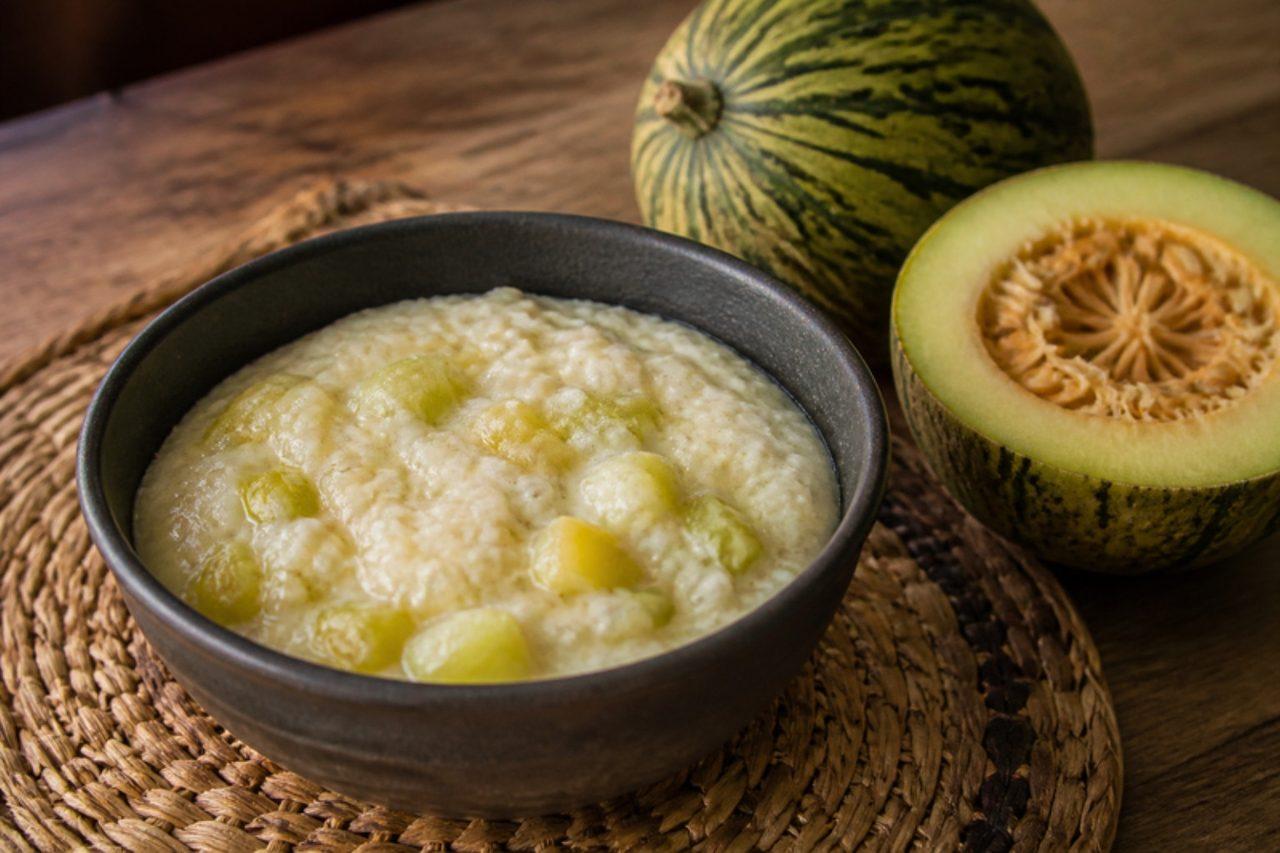
Bogobe jwa lerotseSorghum and melon porridge

When the lerotse melons ripen on the lands around Serowe and Mahalapye after the summer rains, households stir their pale flesh into the evening pot of sorghum, and the porridge turns soft, smooth and quietly sweet. Lerotse is a hard-skinned field melon, closer to a mild marrow than a dessert melon, so it melts into the bogobe and gives it a light, fresh taste against the sour, nutty grain. It is eaten as a side with seswaa, beans or morogo, or on its own for supper with a sprinkle of sugar. Outside Botswana, look for lerotse at African grocers; otherwise a firm cooking melon or a winter melon gives a very close result. Chef's tip: the mistake people make is dumping the sorghum in at once, which gives lumps; rain it in slowly while you whisk.

by KrazyBadal 0 views

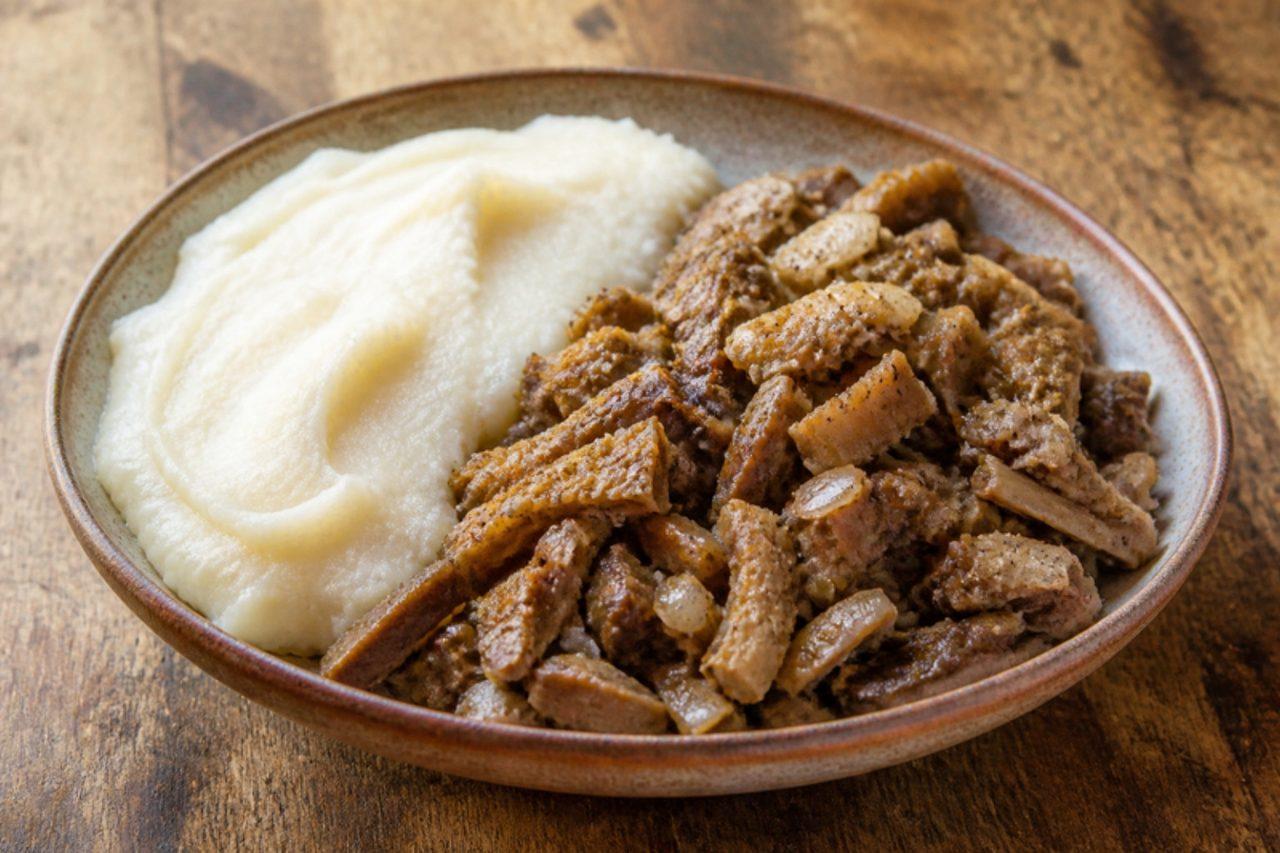
SerobeChopped tripe and offal

At a Tswana wedding or a funeral gathering, the men tending the three-legged pots will make serobe from the insides of the slaughtered goat or ox while the seswaa cooks alongside, and it is served first to the elders. Tripe, heart and liver are boiled until tender, chopped very fine and seasoned simply with salt, onion and a little of the rich broth, so it comes out soft, chewy in places and deeply savoury. Eat it with bogobe, pap or samp and a spoonful of morogo. Buy dressed (cleaned and scalded) tripe from a butcher, and cook everything right through. Chef's tip: chopping it fine by hand is the whole point; a food processor turns it into paste, so take your time with a heavy knife.

by KrazyBadal 0 views

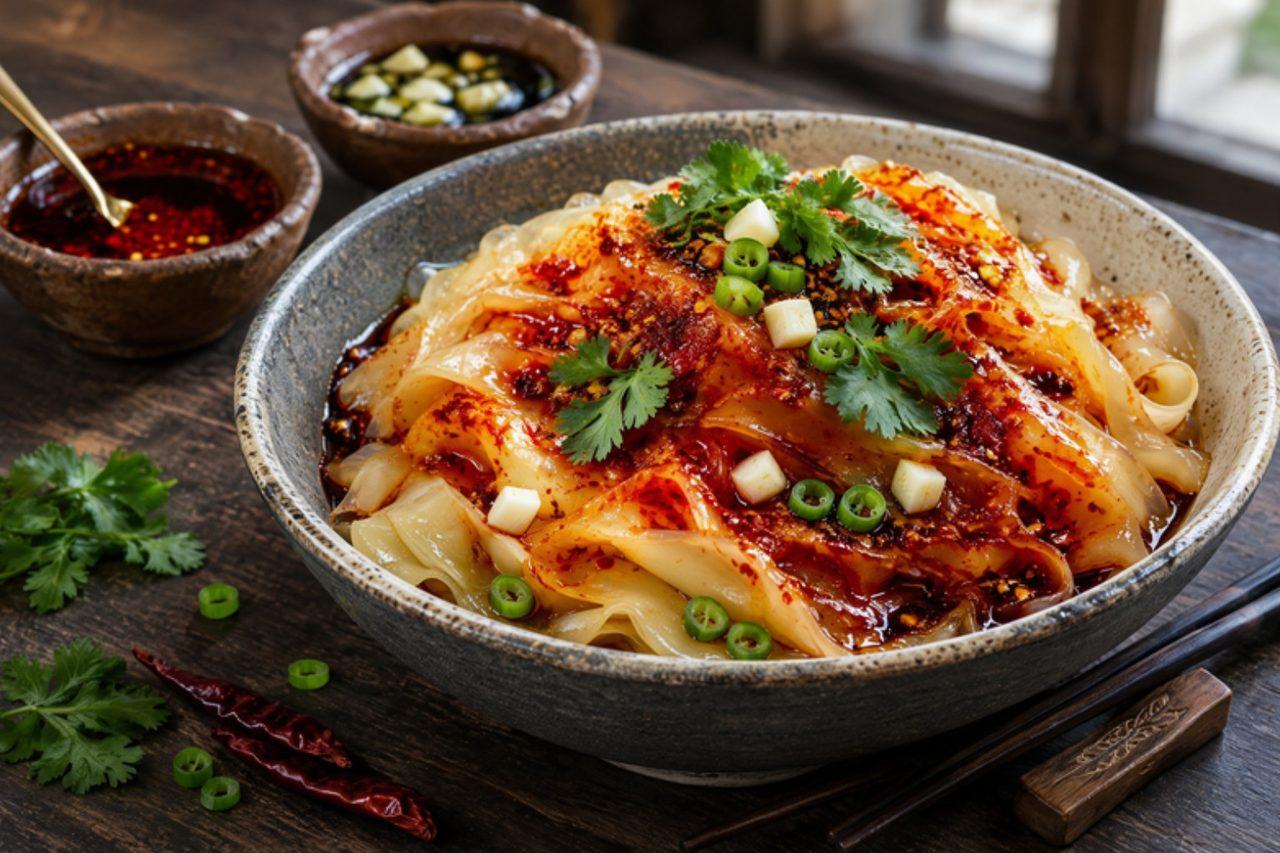
LaphingCold starch sheet noodles

Laphing came to Kathmandu with Tibetan families, and the alleys around the great stupa at Boudha are full of tiny stalls selling it every afternoon, to monks, students and office workers alike. Flour dough is washed in water to separate the starch from the gluten; the starch is steamed into thin, jelly-like sheets and the gluten into a spongy filling, then everything is rolled up and drowned in fiery chilli oil, garlic water, soy sauce and vinegar. It is cold, slippery, chewy and very hot. Contains wheat (gluten) and soya. Chef's tip: steam each sheet no thicker than 3 mm; thick layers set rubbery instead of silky.

by KrazyBadal 0 views

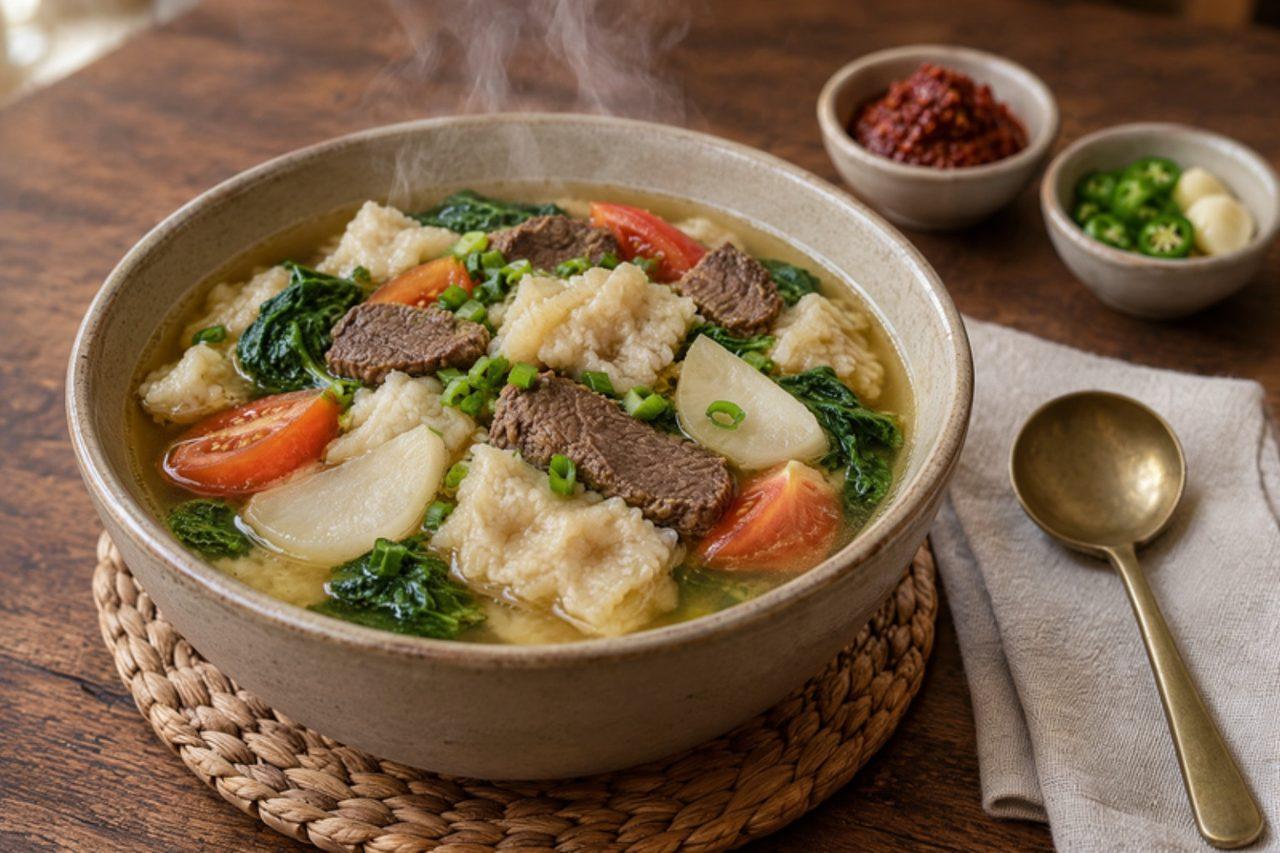
ThenthukHand-pulled noodle soup

In the Tibetan restaurants around Boudha stupa in Kathmandu, thenthuk is what people order on cold evenings and winter mornings: pieces of dough are pulled flat and pinched straight into a light broth with mutton or buffalo, tomato, radish and spinach. The noodles are thick, soft and slightly uneven, and the soup is gentle and warming, with a little soy and spring onion. This home version uses mutton or lamb. Contains wheat and soya. Chef's tip: pull the dough so thin you can almost see your fingers through it; thick pieces stay doughy in the middle.

by KrazyBadal 0 views

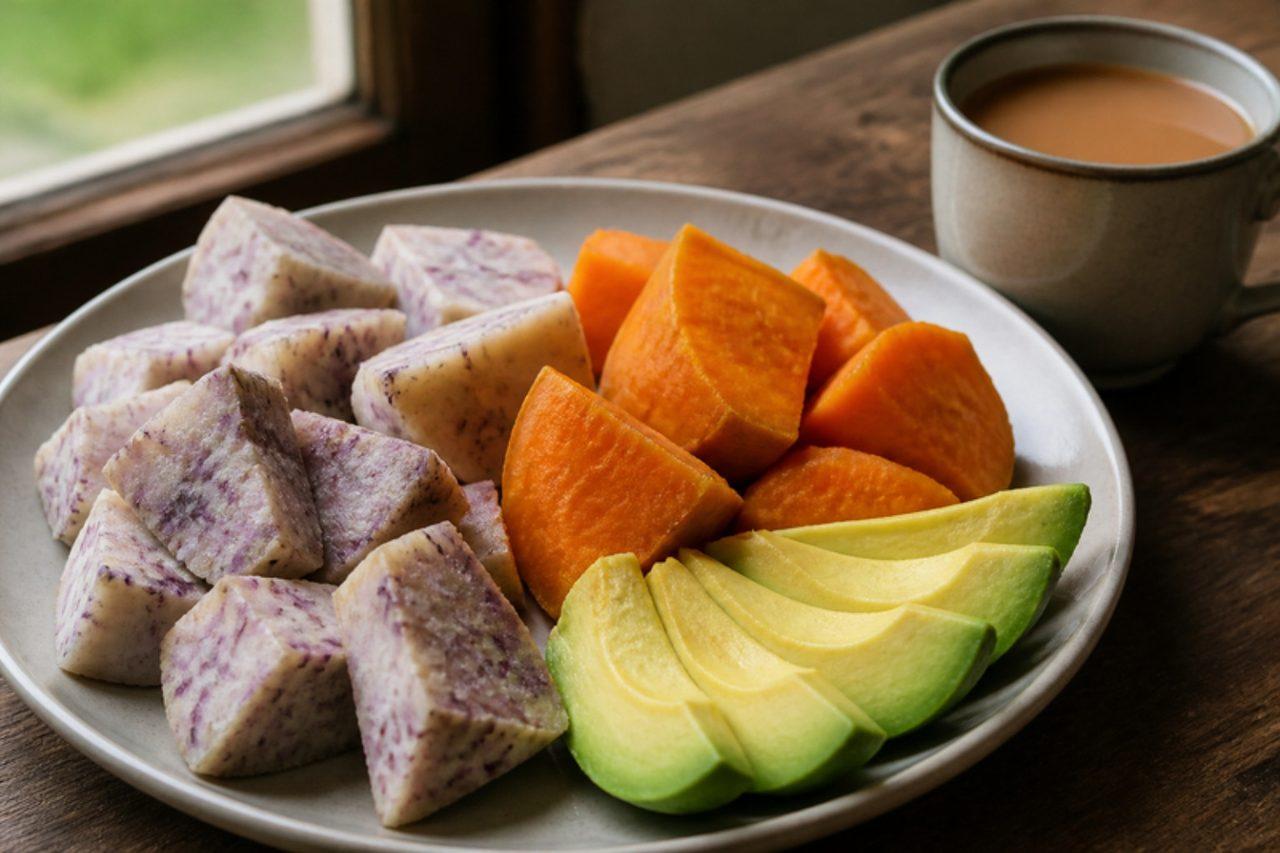
Nduma na viazi vitamuBoiled arrowroot and sweet potato

A plate of nduma and sweet potatoes with a mug of hot milky chai is the classic weekend breakfast in Kiambu and Murang'a homes, and farmers eat the same before a long day in the shamba. What Kenyans call arrowroot is taro, a starchy corm with a dense, nutty flesh that turns faintly purple and almost creamy when boiled; the sweet potatoes beside it are soft and honeyed, lovely with sliced avocado. Find taro (also called eddoes or dasheen) at African, Caribbean and Asian grocers. Raw taro irritates skin and mouth, so wear gloves to peel it and make sure it is boiled right through: undercooking is the one real mistake here and leaves an itchy, scratchy feeling in the throat. Chef's tip: cut taro and sweet potato into similar-sized pieces but add the sweet potato 10 minutes later, so both are done at once.

by KrazyBadal 0 views

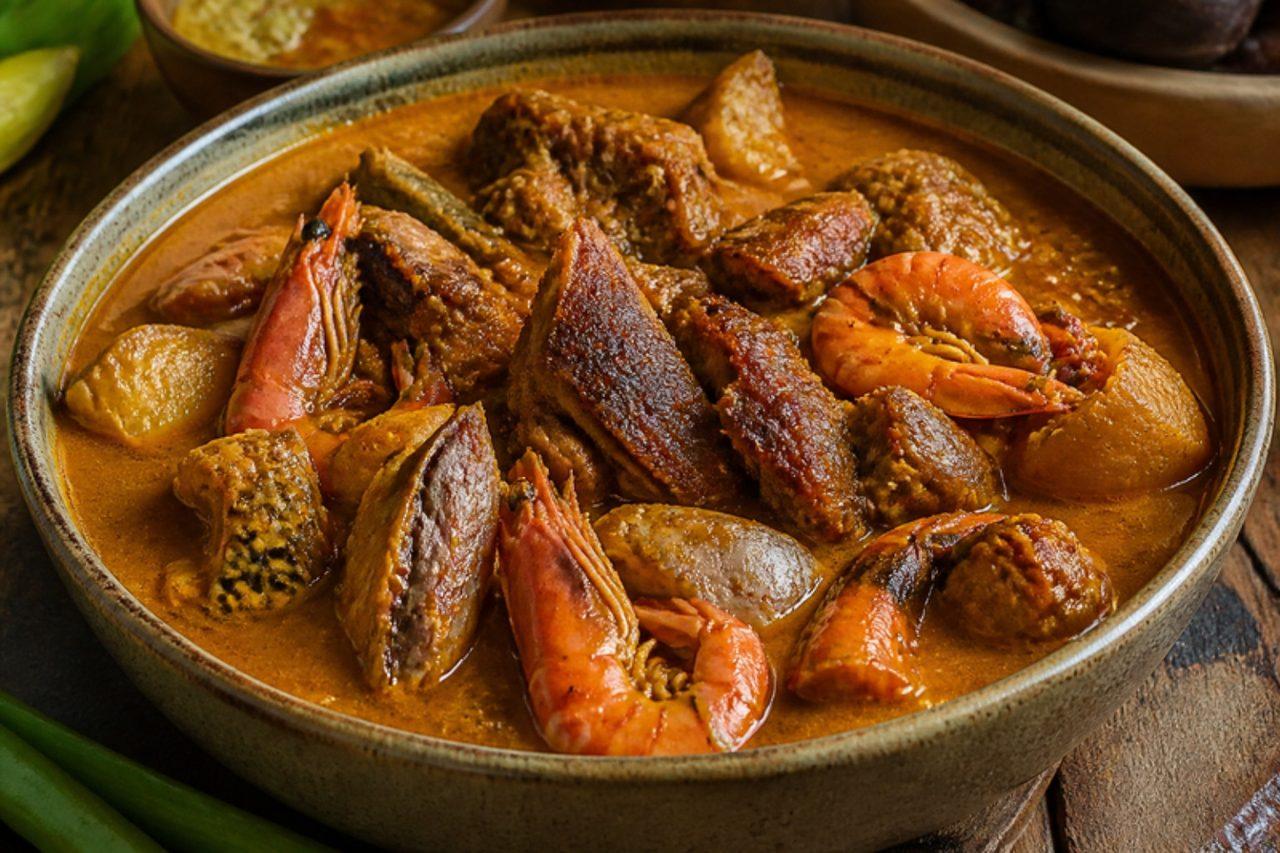
Bouillon d'awaraAwara palm fruit stew

Families in Cayenne, Kourou and Mana start bouillon d'awara days before Easter Monday, when it is eaten together and shared with neighbours; local lore says whoever eats it will come back to Guiana. The base is a thick orange paste of awara palm fruit, cooked very slowly with smoked chicken, salted pork, smoked fish, crab or prawns and a mass of vegetables until everything melds. Awara paste is sold frozen or in jars in Guianese and Antillean shops; if you can't find it, use a mix of palm-fruit concentrate (sold for West African banga soup) and puréed pumpkin, which gives a similar richness though not the same flavour. Salted meats must soak in the fridge overnight. The usual mistake is letting the thick stew catch on the bottom, so stir often. Chef's tip: the stew tastes even better on the second day, reheated until piping hot.

360 minGuyaneseMeatGluten free
by KrazyBadal 0 views

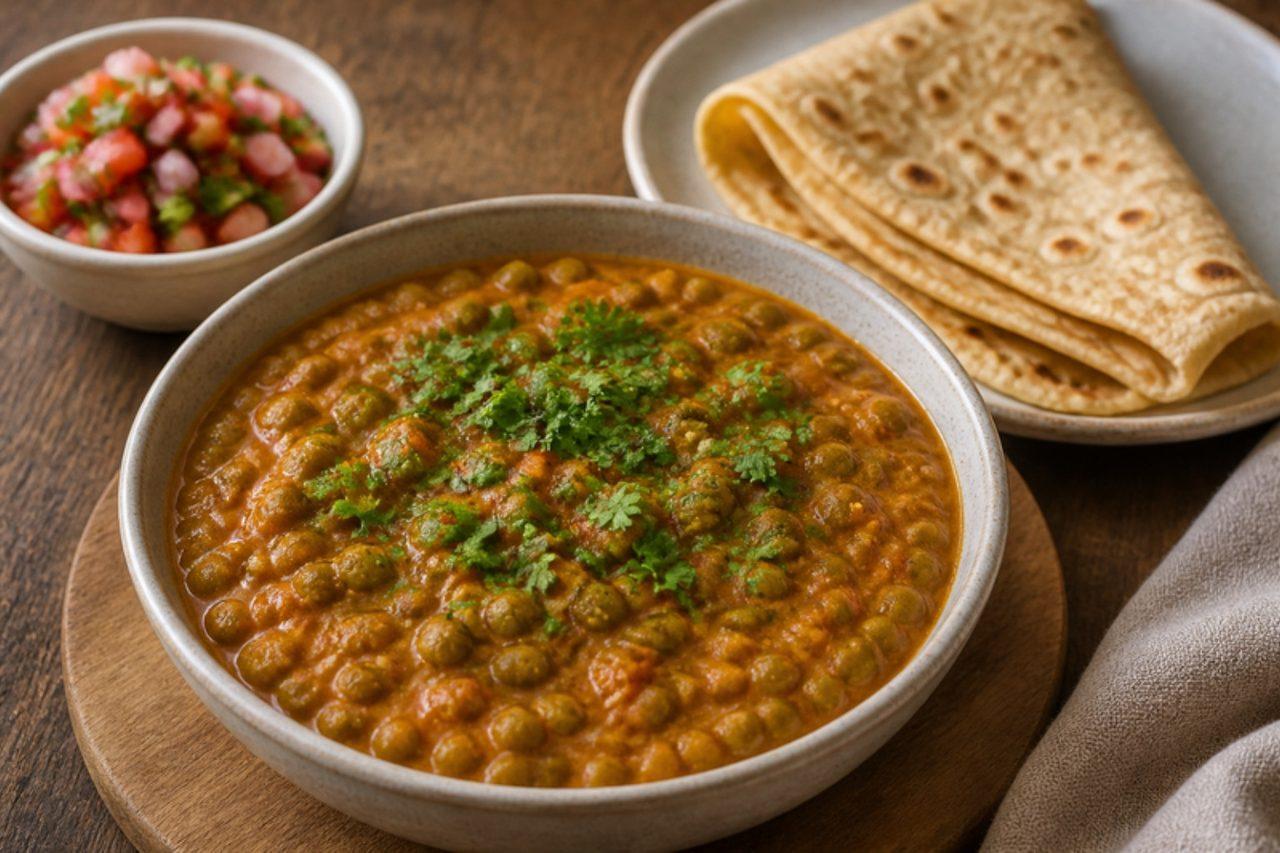
NdenguGreen gram stew

Lunchtime kibandas around Nairobi's Industrial Area ladle ndengu over rice or tear chapati into it, and office workers queue for it because it is cheap, filling and ready fast. Whole green grams (mung beans) are boiled until soft, then folded into an onion and tomato base with garlic, a little cumin and a splash of coconut milk, so the gravy is earthy, mellow and just thick enough to coat a spoon. Serve it with chapati, plain rice or ugali and a heap of kachumbari. The usual mistake is adding the tomatoes and salt before the grams are tender; acid and salt keep the skins tough, so cook the grams first. Chef's tip: mash a ladleful of the cooked grams against the pot before you add the coconut milk; it thickens the gravy without any flour.

by KrazyBadal 0 views

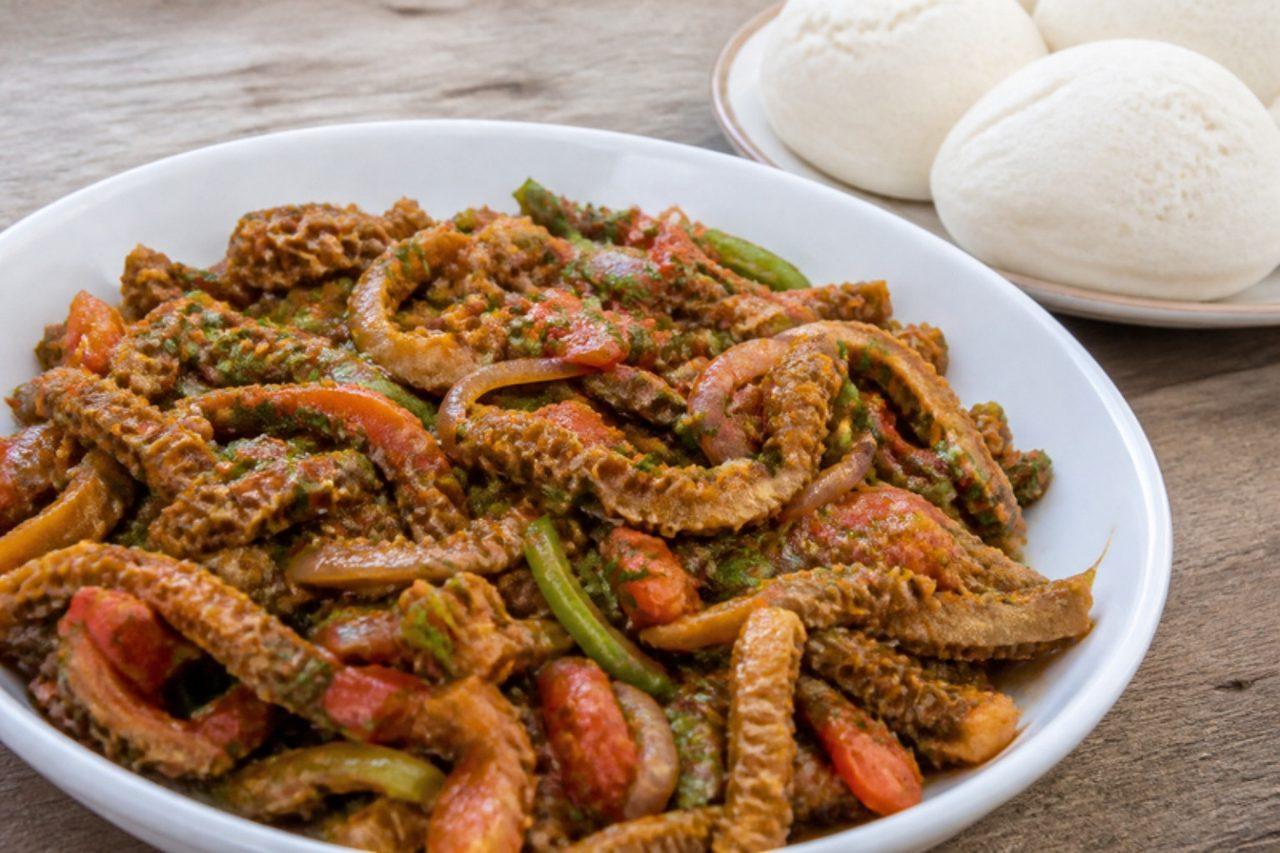
MatumboFried tripe

Nairobi's office workers and matatu crews know which roadside hoteli does the best matumbo, and they queue for it at lunchtime with a mound of ugali on the side. The tripe is boiled until it is soft but still has a gentle bounce, then cut into strips and fried hard with onion, tomato and green chilli so the edges catch and the sauce turns thick and peppery. Buy cleaned (dressed) beef tripe from a butcher: the white, honeycomb kind has already been scalded and scraped, which you should not attempt at home. Even cleaned tripe needs a thorough wash and a long simmer, and cutting it before it is tender is the usual mistake, because it then stays rubbery however long you fry it. Chef's tip: add a squeeze of lemon and a chopped onion to the boiling water; they freshen the smell in the kitchen and leave the tripe tasting clean.

by KrazyBadal 0 views

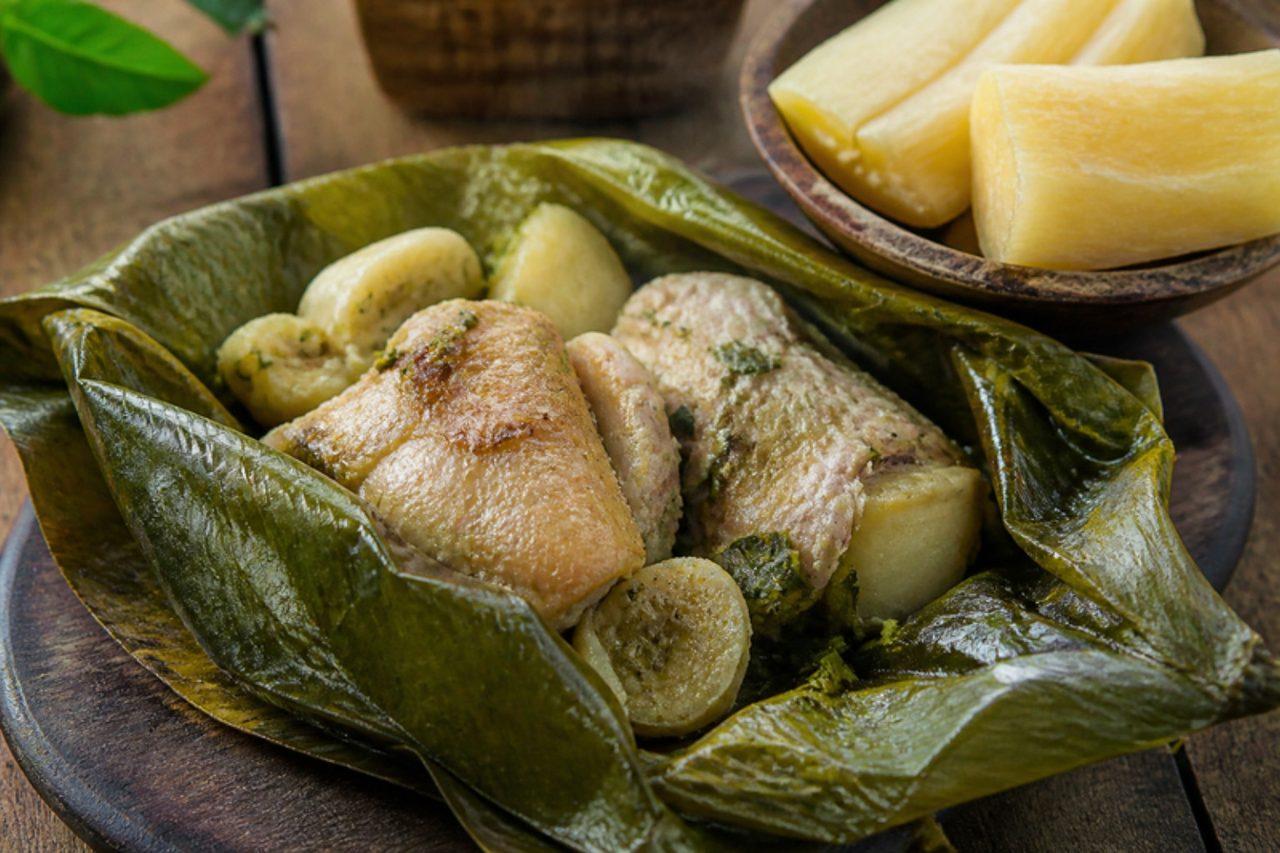
AyampacoLeaf-steamed chicken and palm heart

From Macas and the Shuar communities of Morona Santiago comes ayampaco: chicken with palm heart, garlic, culantro and spring onion wrapped in bijao leaves and cooked over the fire, so everything steams together into a fragrant, juicy bundle. It is a celebration dish at festivals and family gatherings, served with boiled cassava and a sharp chilli sauce. Banana leaves stand in for bijao at home. The usual mistake is packing the parcels too full, so the middle stays undercooked; keep them flat and check the chicken reaches 74 °C. Chef's tip: let the chicken marinate in the fridge for at least 30 minutes so the garlic and herbs flavour it right through.

by KrazyBadal 0 views

KabichiFried cabbage and carrot

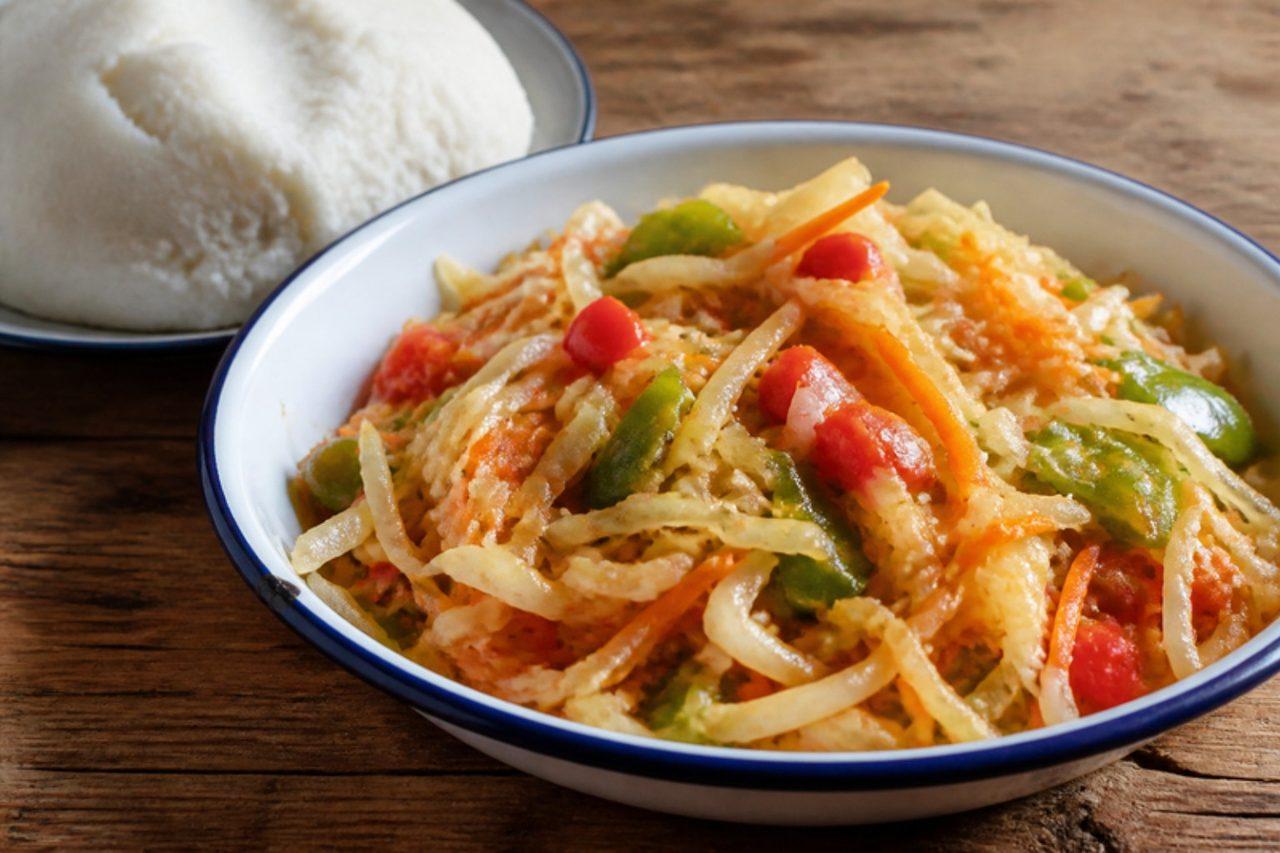
Hardly a weekday supper in a Nairobi flat goes by without a pan of kabichi next to the ugali: it costs little, uses one cabbage from the corner duka and is on the table in twenty minutes. Thin ribbons of cabbage meet onion, grated carrot, tomato and green pepper in a hot pan, staying sweet with a little bite and soaking up just enough tomato to turn rosy. Pair it with ugali and ndengu or beans, or roll it into a chapati. Most cooks go wrong by covering the pan and letting the cabbage steam to a grey, sulphurous heap; keep the lid off and the heat up. Chef's tip: salt the cabbage only at the very end, because salt pulls out water and stops it frying.

by KrazyBadal 0 views

Ayote en mielSquash in spiced syrup

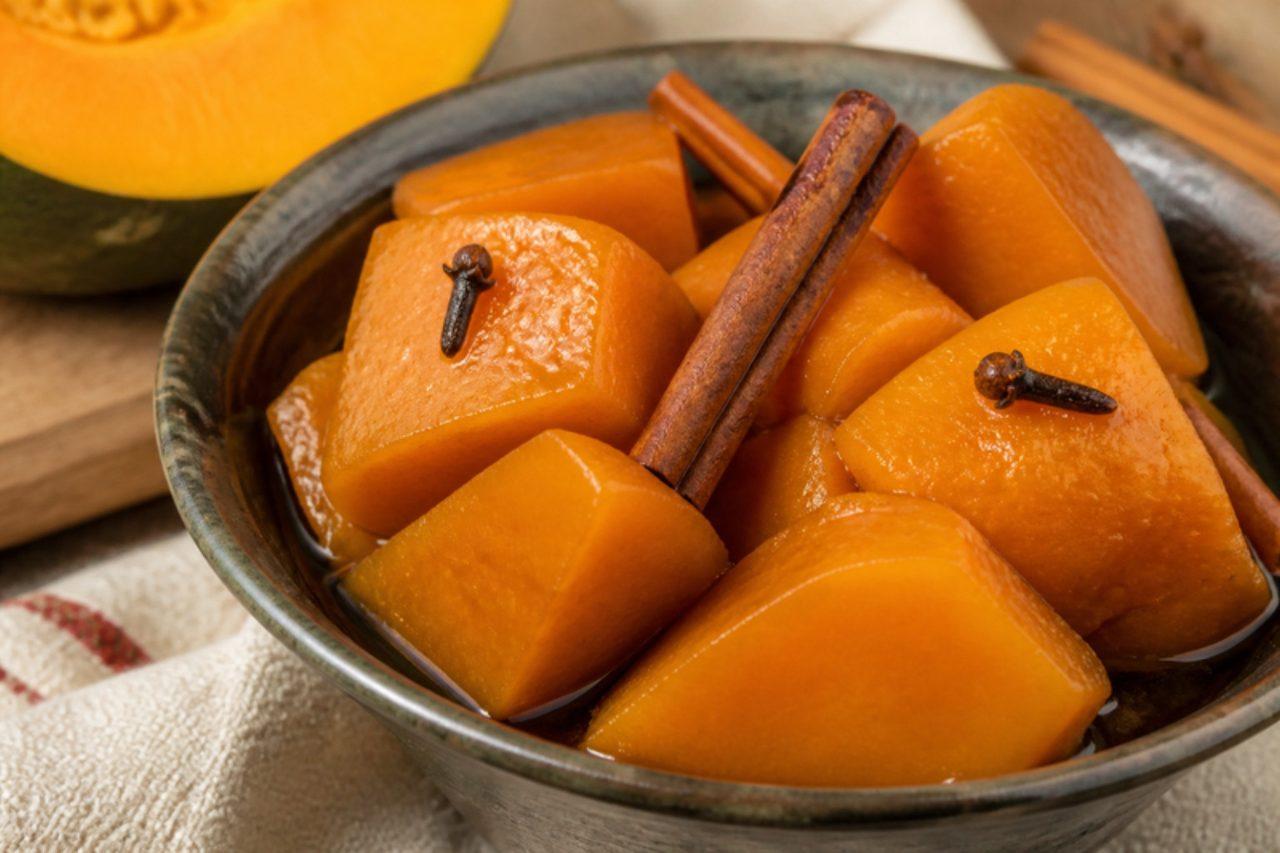
Nicaraguan grandmothers set a pot of ayote en miel on the stove on Holy Wednesday, so there is something sweet to share with neighbours right through Easter week, often alongside sweet green mango and coconut. Chunks of squash simmer in dark panela syrup with cinnamon, cloves and allspice until they are glossy and tender and the syrup tastes of caramel and spice. Stirring is the common mistake: a spoon breaks the soft squash into mush, so shake the pot instead. Chef's tip: leave the skin on the squash; it holds each piece together and turns soft enough to eat.

by KrazyBadal 0 views

Kelli chanaSpiced chickpea snack

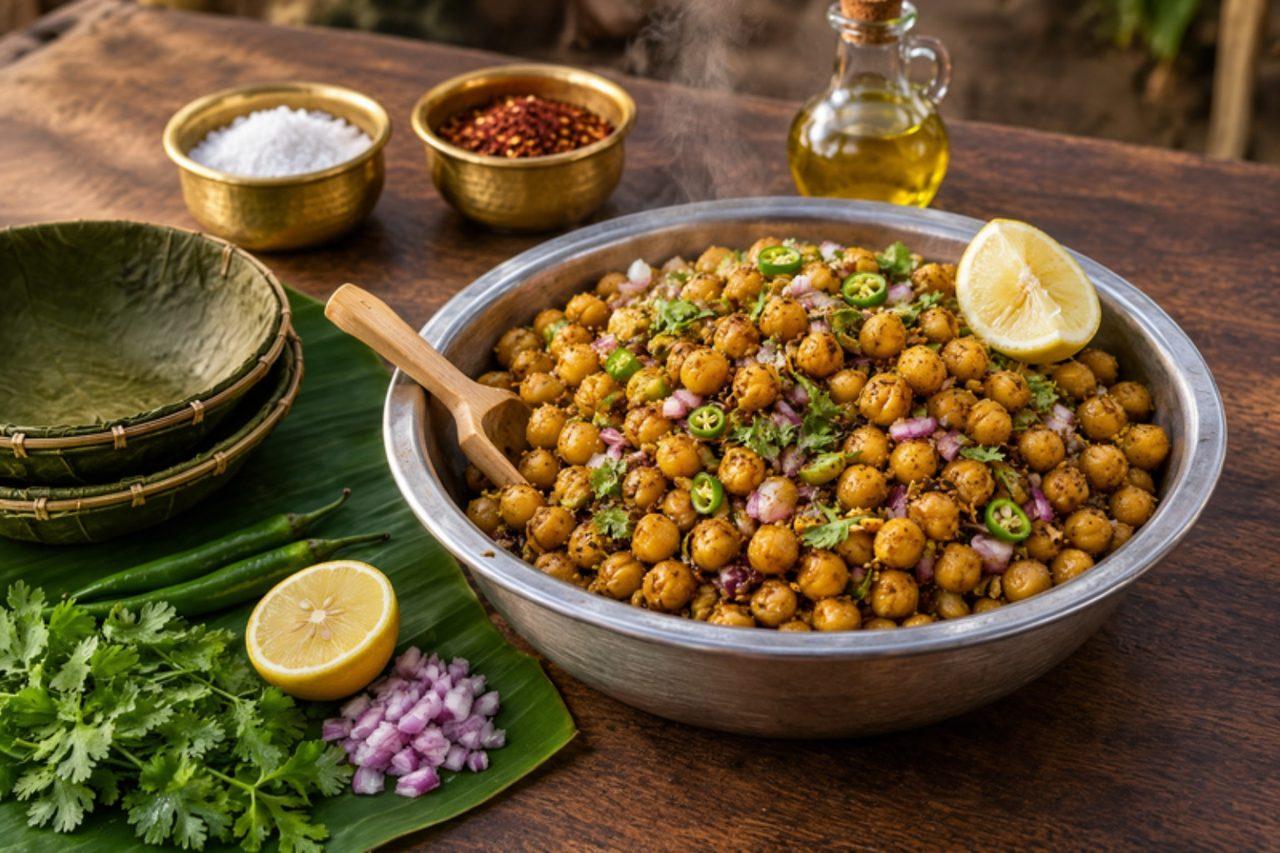
On Imphal evenings, kelli chana is sold from steaming pots at street stalls and outside markets: boiled chickpeas tossed while hot with raw onion, chilli, coriander and lemon, sometimes with a spoon of roasted chilli. It is a cheap, filling snack before dinner. The mistake is using under-cooked chickpeas, which stay hard; they should squash easily between finger and thumb. Chef's tip: toss the chickpeas while still hot so they soak up the lemon and salt.

by KrazyBadal 0 views

Arepa peladaHand-peeled corn arepas

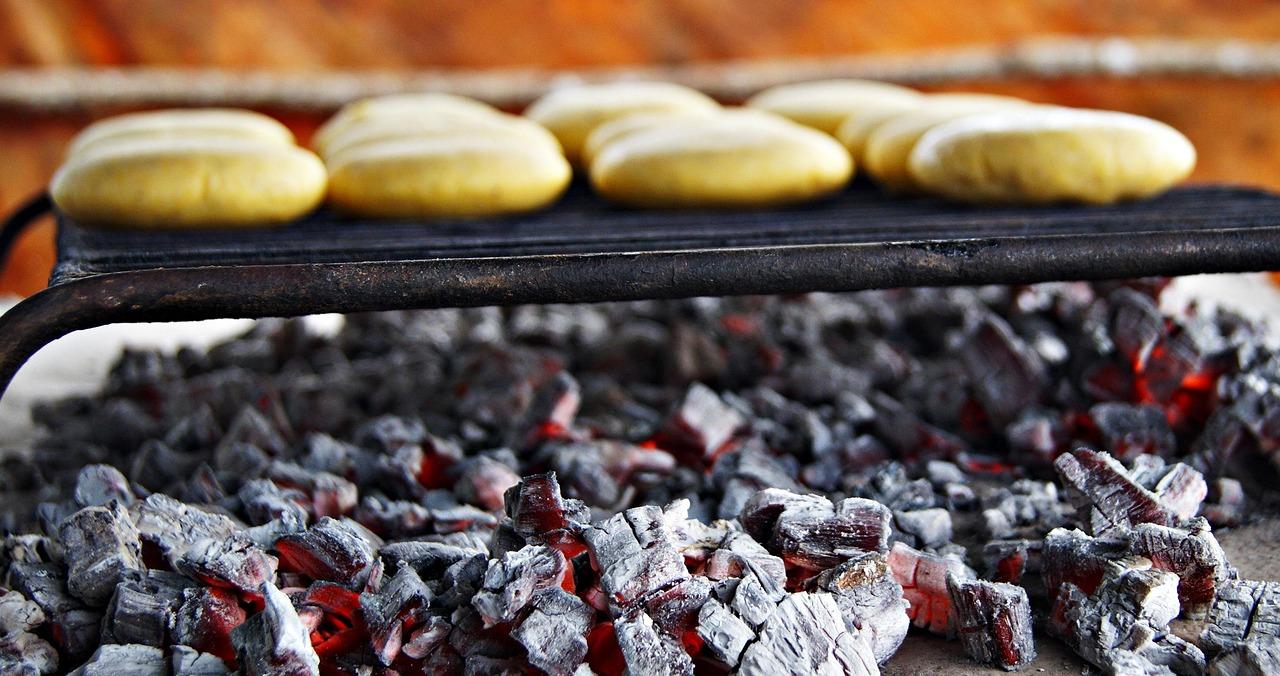
Before bagged flour reached every shop, arepas in Lara and across the Llanos began with whole dried corn boiled with a spoon of food-grade lime until its skins slipped off; 'pelada' means peeled. The dough has a deeper, slightly smoky corn taste and a coarser crumb than flour arepas, and on cattle ranches it is still eaten at breakfast with butter or avocado. Handle the lime (calcium hydroxide) with care: keep it off your skin and away from children. The common mistake is rinsing too lightly, which leaves the dough yellow, soapy and bitter. Chef's tip: grind the corn twice and add water a spoonful at a time; a dough that is too wet slumps on the griddle.

by KrazyBadal 0 views

Showing 72 of 10,495 recipes

Show more recipes

Page 326 of 1,167