


Skip to content
Tortillitas de camarones
Featured recipe

Tortillitas de camarones

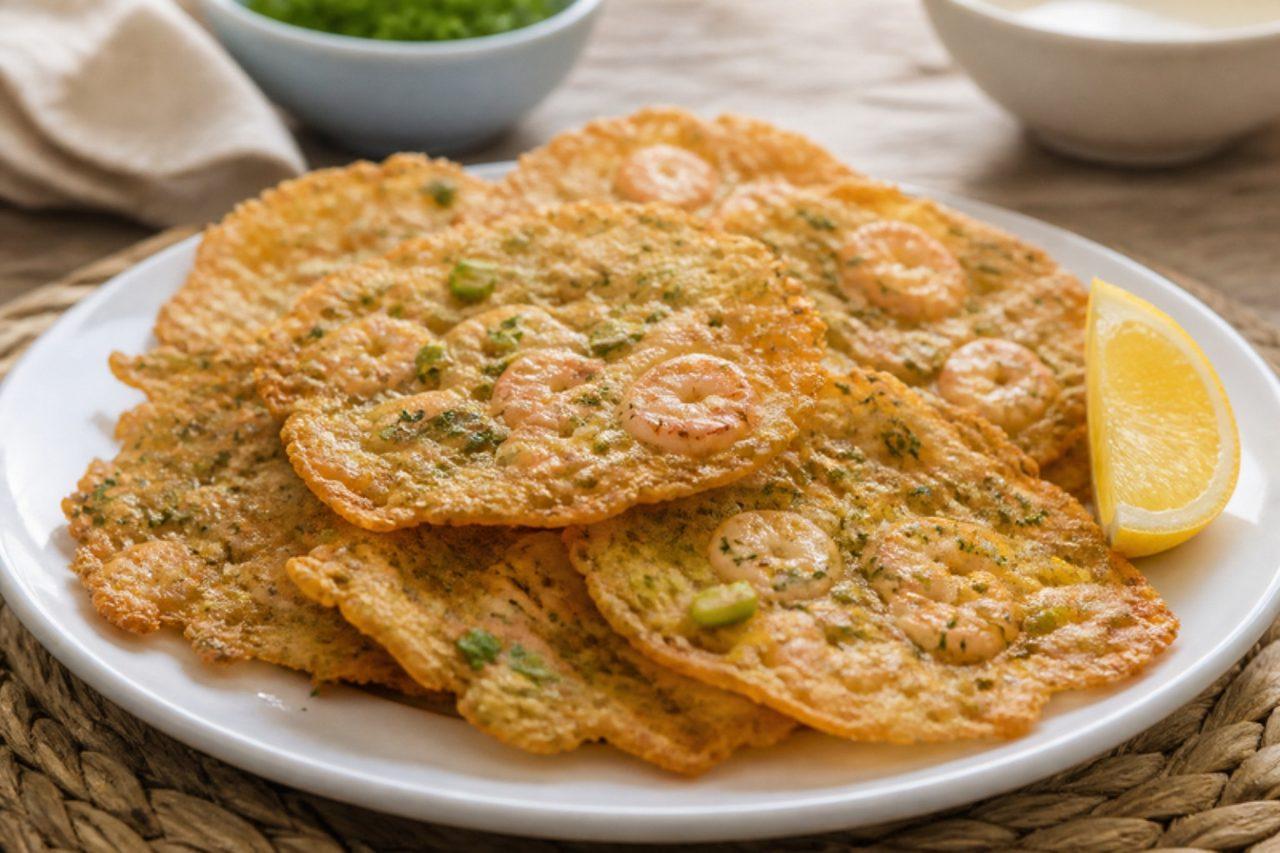
Around the Bay of Cádiz, especially in San Fernando and Sanlúcar de Barrameda, tortillitas de camarones are fried to order in bars and eaten with fingers: thin, lacy fritters of chickpea flour, spring onion and parsley studded with tiny whole shrimp. The local camarones are eaten shell and all; outside the bay, small raw peeled prawns, roughly chopped, work well. The batter must be as thin as single cream, so it spreads into a crisp lace in the oil. Chef's tip: keep the batter in the fridge until the last moment; cold batter hitting hot oil gives the most delicate lace.

Read more 0 views

What to eat today?

Around the world

Today's trip: Moroccan

A new country every day, from every cuisine on the site.

This week's collection

Make-ahead meals
1569 recipes · a new collection every Monday

Latest recipes

Diples

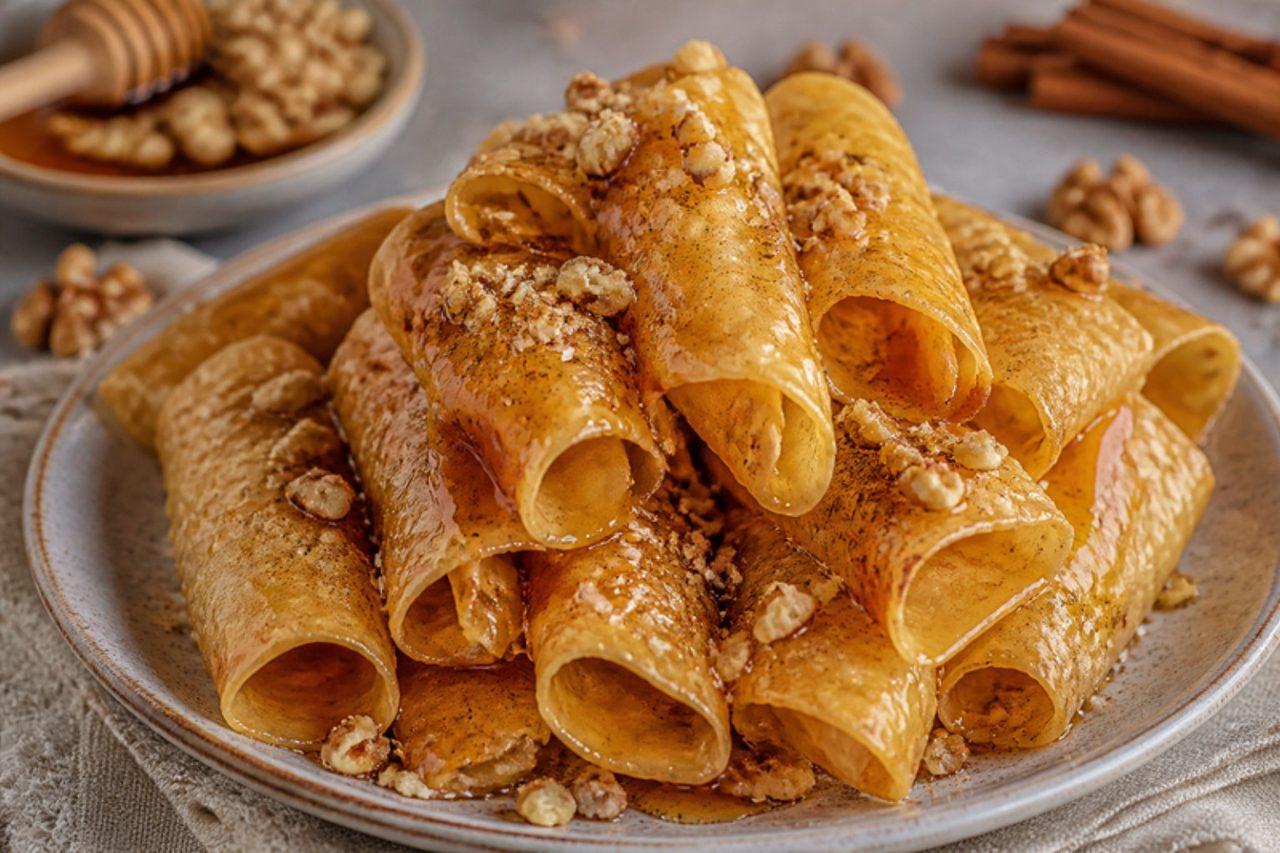
In the tower villages of the Mani, no wedding, christening or New Year passes without trays of diples: paper-thin egg dough fried in a rolling twist, so each strip curls into a crisp, bubbled scroll, then drenched in warm thyme honey and showered with walnuts and cinnamon. They shatter when you bite and stay crunchy for days in a tin. Common mistake: rolling the dough too thick, which gives chewy, oily diples — you should almost see your hand through it. Chef's tip: hold the end of each strip in the oil with two forks and roll it as it puffs; the first few are practice, so don't worry about shape.

by KrazyBadal 0 views

Lalagia

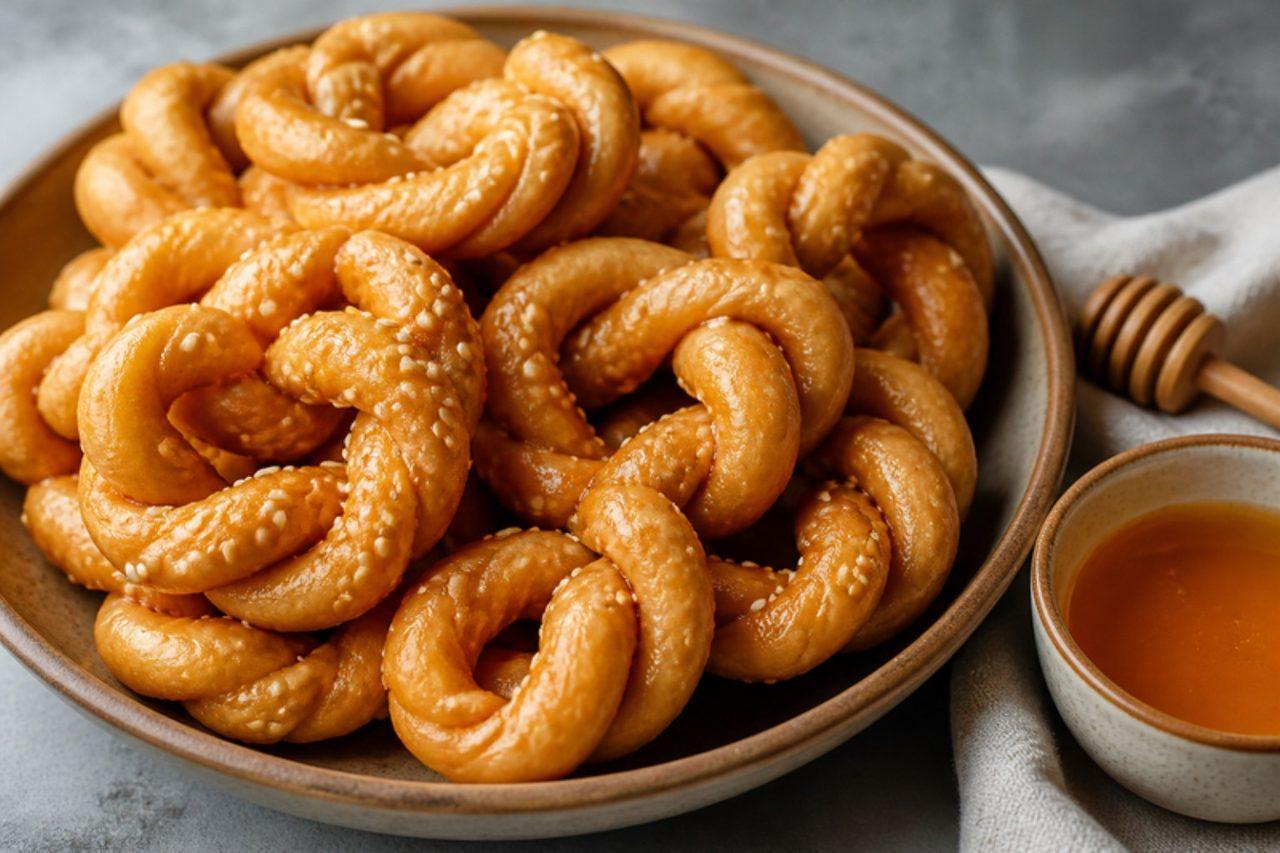
Lalagia are the savoury cousins of diples, twisted ropes of olive-oil dough that women in the Mani fry by the hundred in the days before Christmas and on Clean Monday, when they're eaten with olives, cheese or a drizzle of honey. The dough is plain and lightly yeasted, rolled into thin cords, folded and twisted into figures of eight, then fried until crunchy and blond. They keep for weeks in a tin. Common mistake: frying in oil that's too hot, which browns the outside before the centre crisps. Chef's tip: keep the dough cords as thin as a pencil — they puff a lot in the oil.

by KrazyBadal 0 views

Kourabiedes

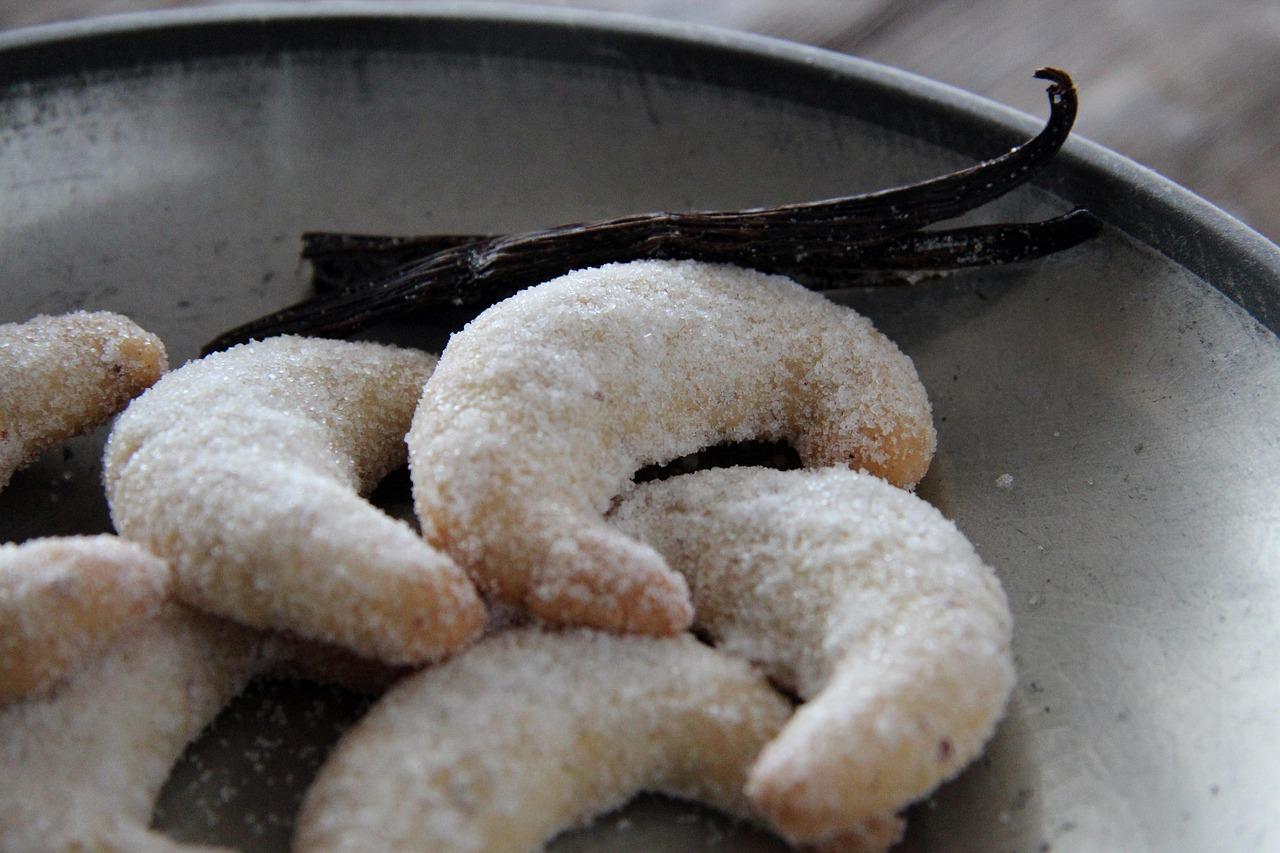
Snow-white kourabiedes are piled into pyramids at Greek Christmas, New Year and christenings, and in Macedonia they are handed out at weddings, so guests leave with sugar on their clothes. The crumb is short and sandy from well-whipped butter and toasted almonds, with a whisper of rose or orange-blossom water. Common mistake: dusting with icing sugar while the cookies are still hot, which melts into a paste instead of a soft coat. Chef's tip: beat the butter for a full 10 minutes until almost white; the air you whip in is what makes them melt in the mouth.

by KrazyBadal 0 views

Tsoureki

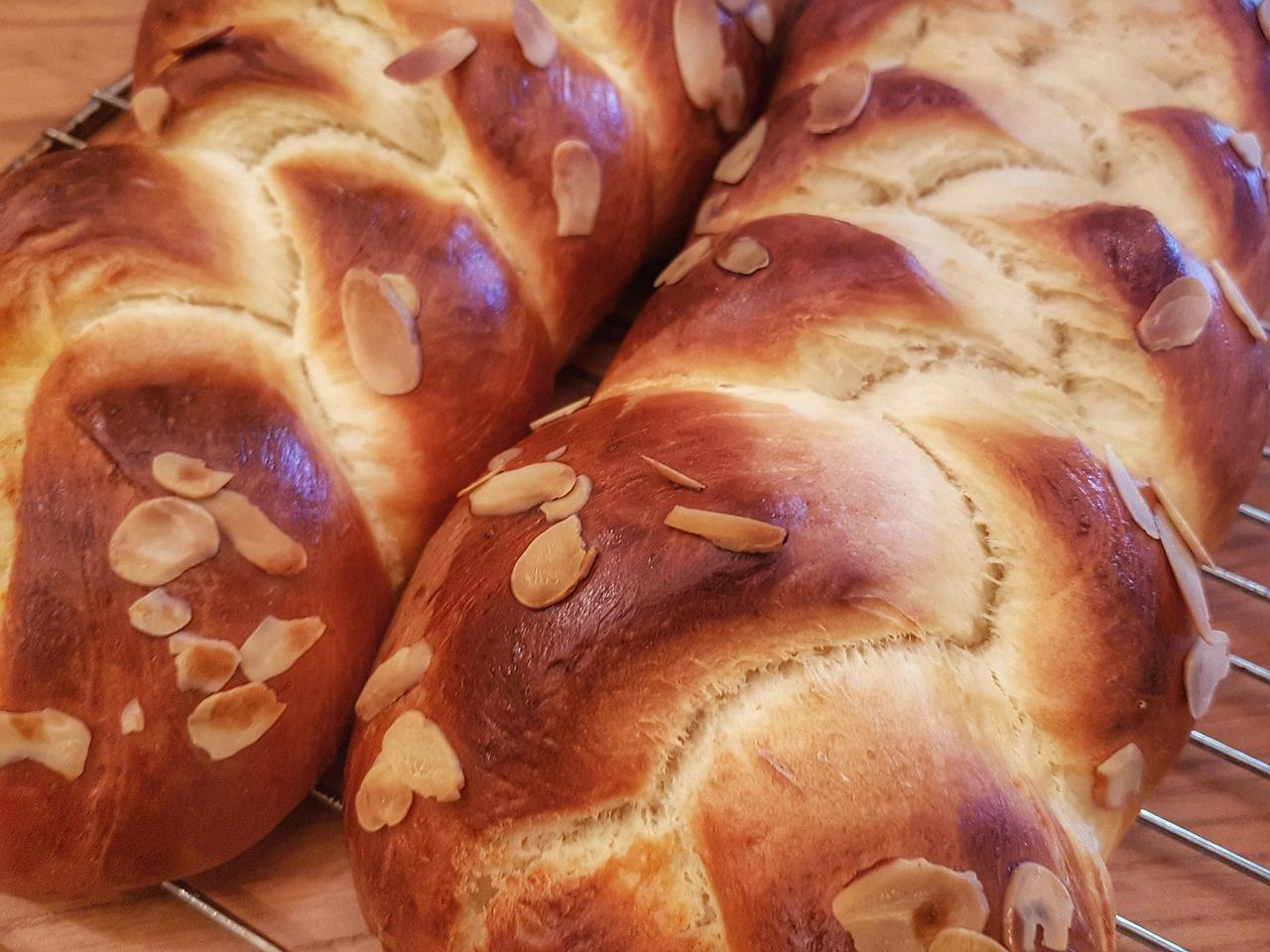
On Holy Thursday Greek homes braid tsoureki, the shining Easter loaf that is broken on Sunday after the midnight service and eaten for breakfast all week with coffee. It pulls apart in long, feathery strands and smells of mahlab (cherry-stone spice), mastic resin and orange. Common mistake: adding extra flour to a sticky dough; it is meant to be soft, and the long knead and cold rest make it manageable. Chef's tip: grind mastic with a pinch of sugar in a cold mortar; on its own it gums up into sticky lumps.

by KrazyBadal 0 views

Lagana

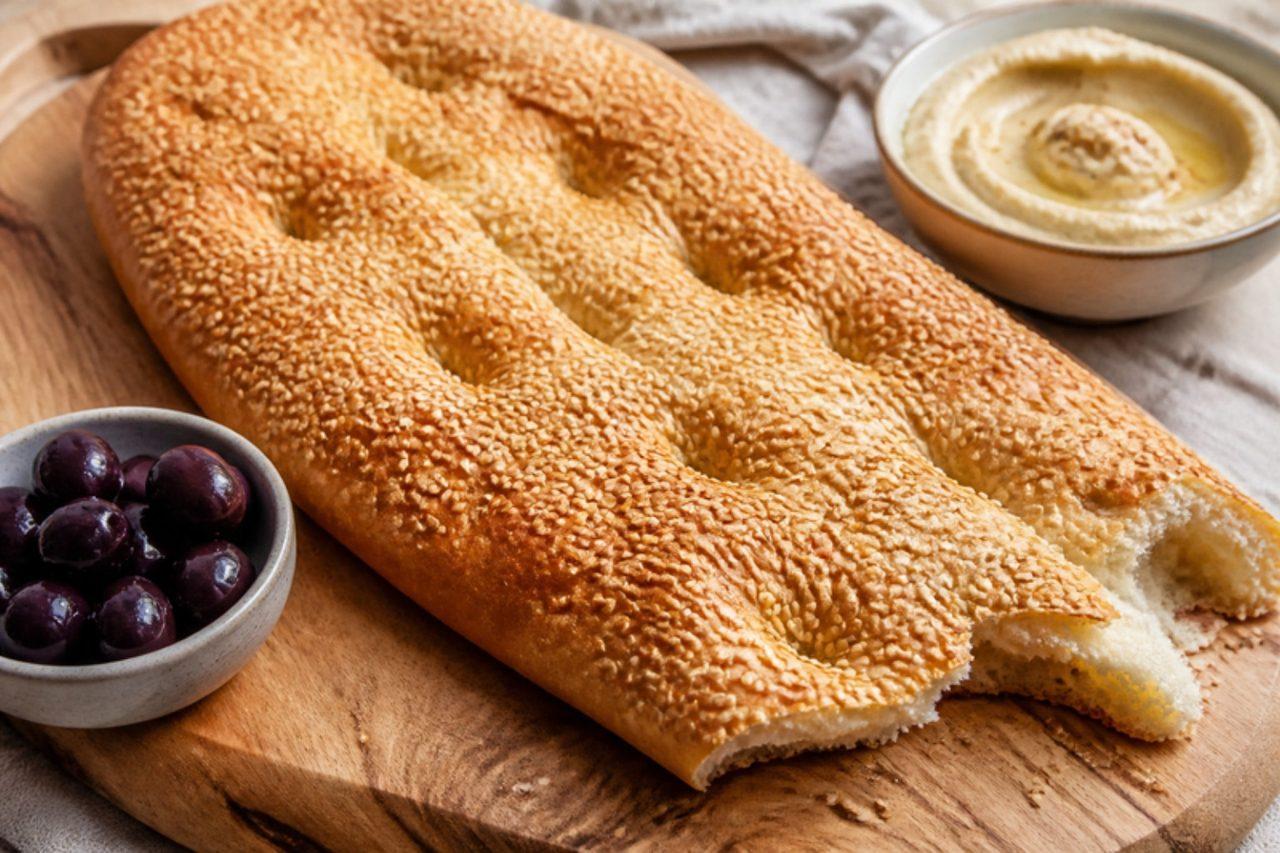
Lagana appears in Greek bakeries for a single day, Kathara Deftera (Clean Monday), when families head outdoors to fly kites and spread out a Lenten picnic of taramosalata, olives, pickles and halva. It is a long, oval, dimpled flatbread, chewy inside with a crust covered in toasted sesame, and since it is eaten on a fasting day it has no eggs, milk or butter. Common mistake: baking it on a cold tray, which gives a pale, bready base. Chef's tip: press deep dimples with oiled fingertips just before baking so the loaf stays flat instead of puffing up like a pitta.

by KrazyBadal 0 views

Vasilopita

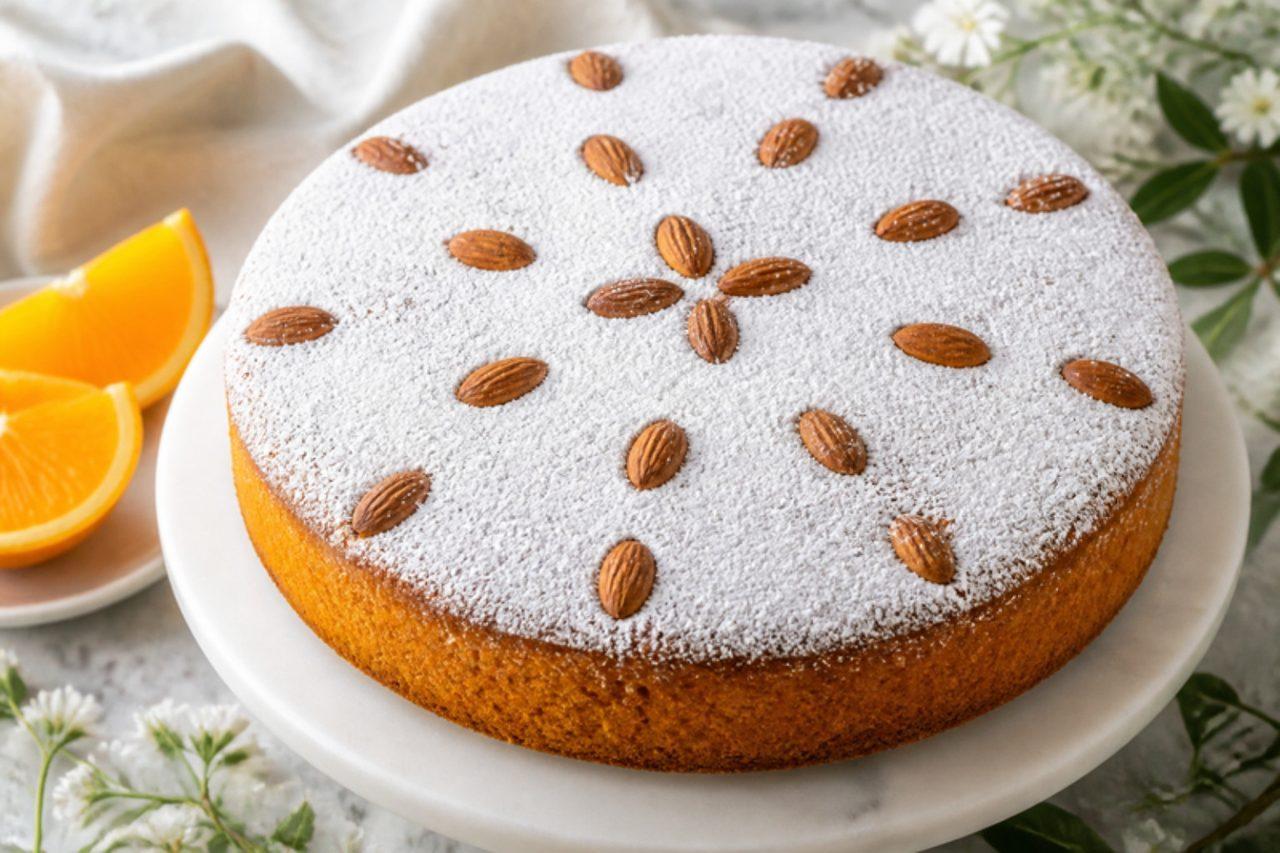
Just after midnight on New Year's Eve, or at lunch on 1 January, the head of a Greek household crosses the vasilopita with a knife and cuts slices in strict order: for Christ, for the house, then for each person from oldest to youngest. Whoever finds the foil-wrapped coin has luck for the year. This Athenian-style version is a tall, fluffy orange cake, dusted with icing sugar with the new year's numbers stencilled on top. Common mistake: slicing it warm, which makes the crumb gummy and drags the coin around. Chef's tip: beat the butter and sugar until almost white and fold the whipped whites in by hand; that is where the light, cottony crumb comes from.

by KrazyBadal 0 views

Melitzanosalata

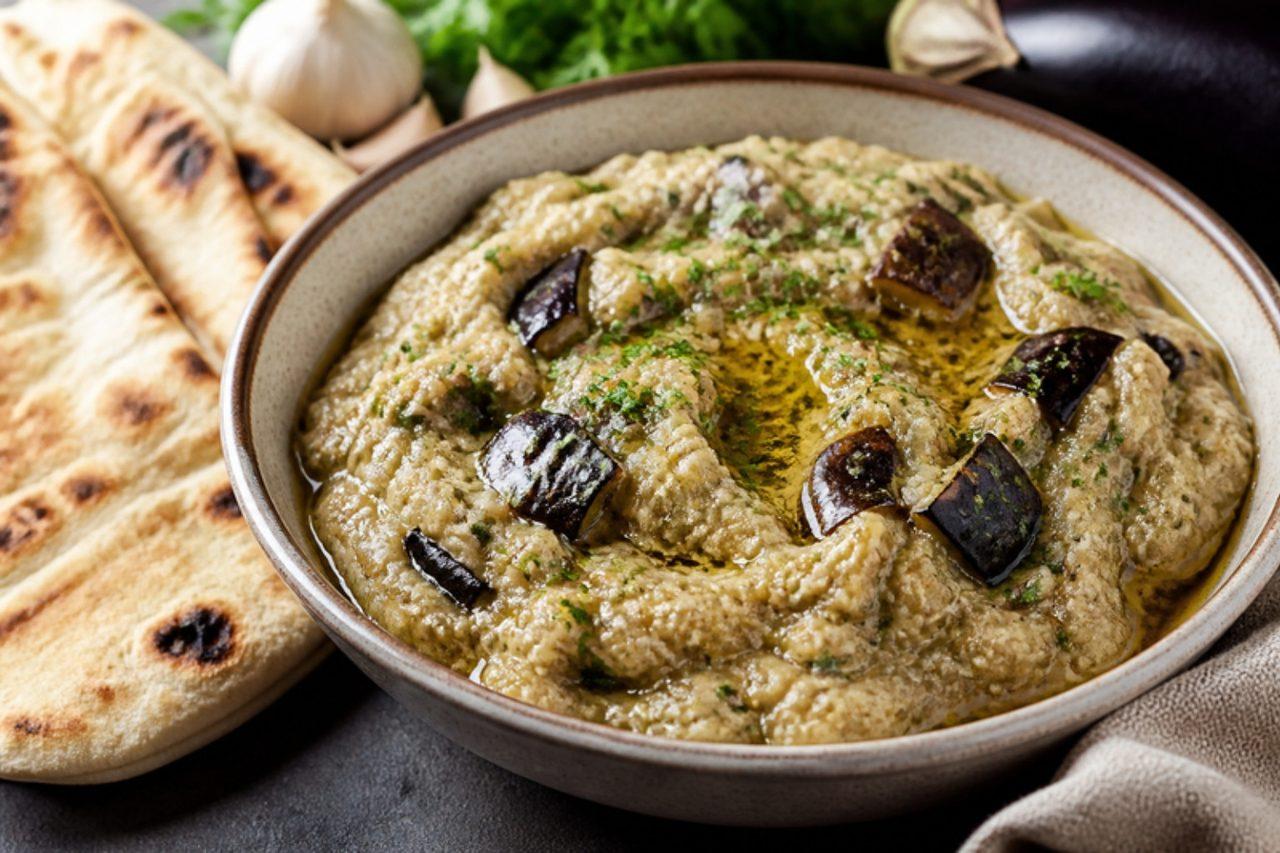
Every Greek taverna puts melitzanosalata on the meze table, especially in summer when aubergines are charred over the same coals as the souvlaki. Unlike Levantine dips it has no tahini: the smoky flesh is chopped with a knife, not puréed, and sharpened with red wine vinegar, raw garlic, parsley and plenty of fruity olive oil, so it stays rough-textured and bright. Serve with warm pitta, grilled bread or alongside fried fish. Common mistake: leaving the bitter juices in; drain the cooked flesh in a sieve for 10 minutes. Chef's tip: char the aubergines directly on a gas flame or barbecue until they collapse; the oven alone will not give the smoky taste.

by KrazyBadal 0 views

Lahanorizo

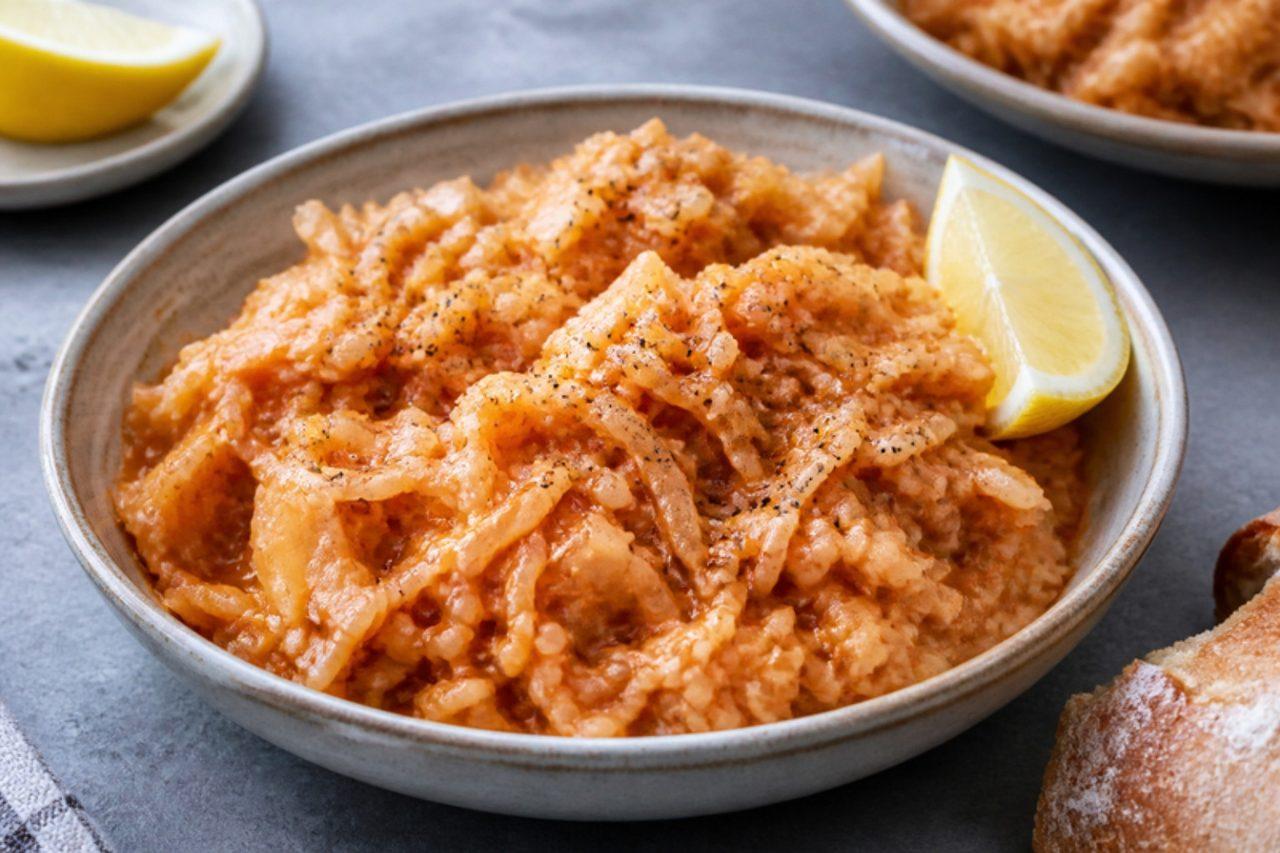
Lahanorizo is what Greek grandmothers make on a cold winter Wednesday or Friday when the family is fasting: a cheap white cabbage softened in plenty of olive oil, cooked with rice, tomato and dill until silky and spoonable. It is eaten warm or at room temperature, with feta and bread on non-fasting days, and lemon squeezed over at the table. Common mistake: adding the rice too early; the cabbage needs a head start or the rice turns to porridge before the leaves are tender. Chef's tip: use more olive oil than feels right; ladera dishes are meant to finish glossy, and that is where the flavour lives.

by KrazyBadal 0 views

Eliopsomo

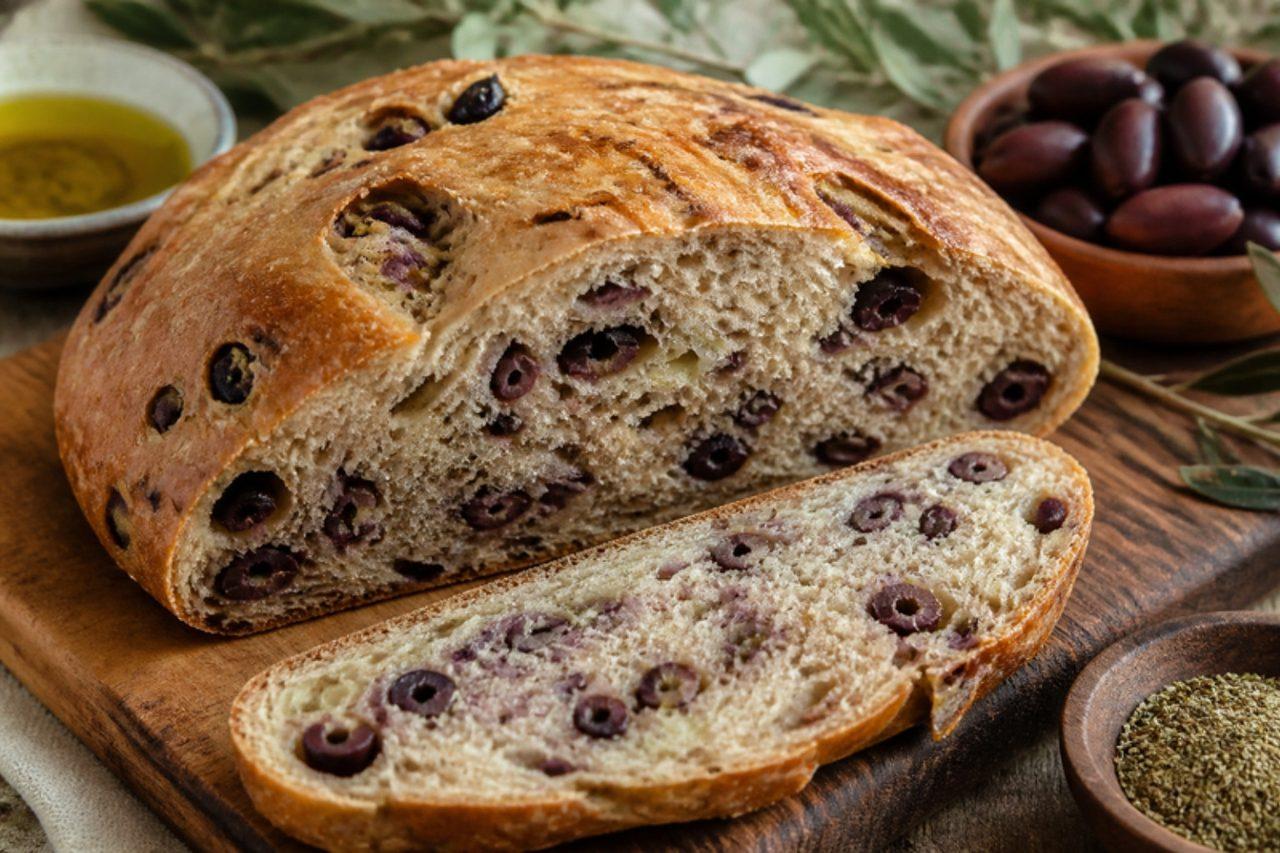
Around Kalamata, where the almond-shaped black olives ripen in groves running down to the Messinian gulf, bakers make eliopsomo for the long fasting weeks of Lent, when bread, olives and oil are lunch. The dough is rich with olive oil and folded with a generous handful of chopped Kalamata olives, soft-fried onion and dried oregano, then baked into a crusty round with a soft, purple-flecked crumb. Slice it with tomatoes and cucumber or dip into soups. Common mistake: adding wet, brined olives straight from the jar — drain and pat them dry, or the dough turns sticky and grey. Chef's tip: fold the olives in after the first rise so they don't break up while kneading.

by KrazyBadal 0 views

Arakas laderos

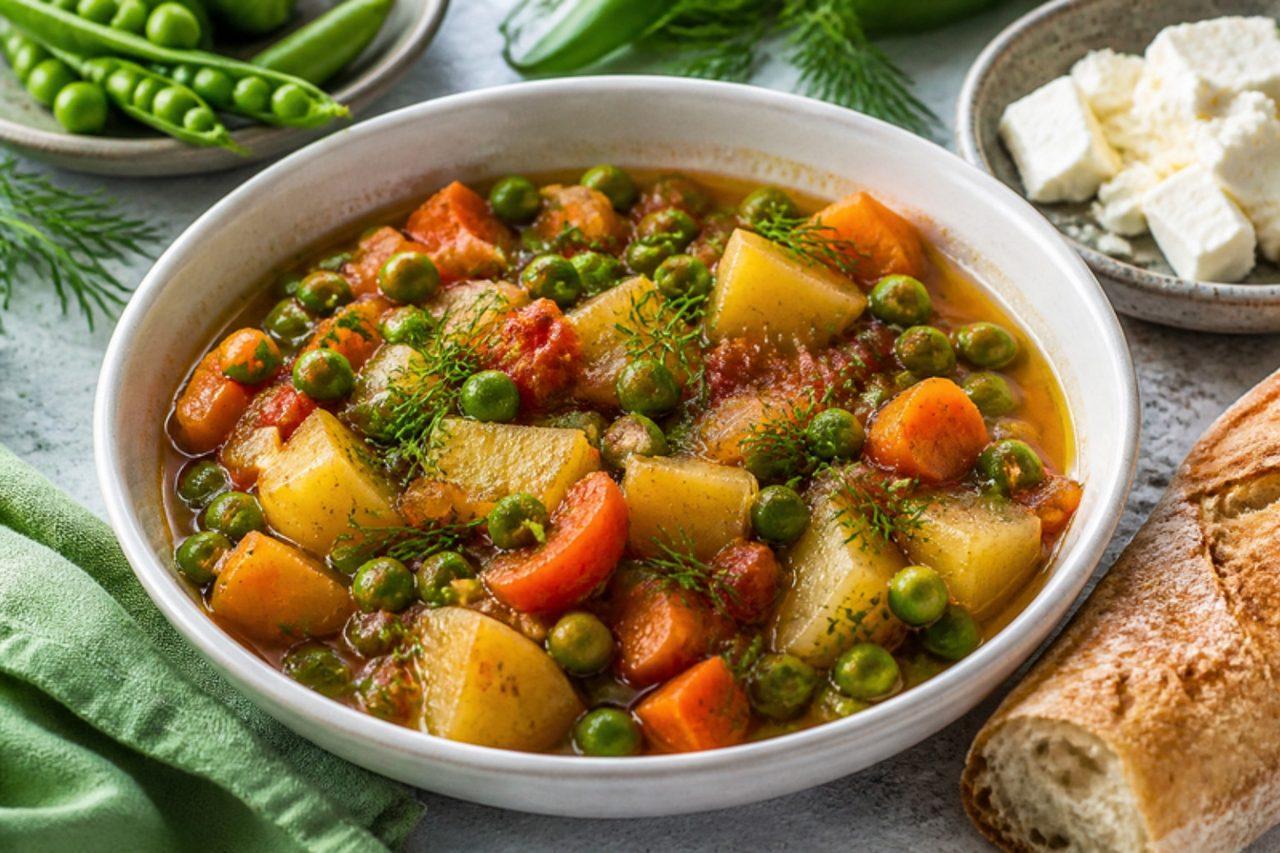
In Peloponnese villages from Argos to Messinia, the first sweet peas of April become this humble ladero, the olive-oil stew that fills the table during Lent and on any meatless Wednesday or Friday. Peas, potato and carrot simmer slowly in tomato and plenty of oil until the sauce is thick and the peas are soft and almost creamy. It's eaten warm with feta (or vegan cheese), olives and crusty bread to mop the oil. Common mistake: cooking for only 10 minutes as if the peas were a side; laderá need time for the oil and vegetables to come together. Chef's tip: frozen petits pois work perfectly — add them after the potatoes have had 10 minutes.

by KrazyBadal 0 views

Patates lemonates

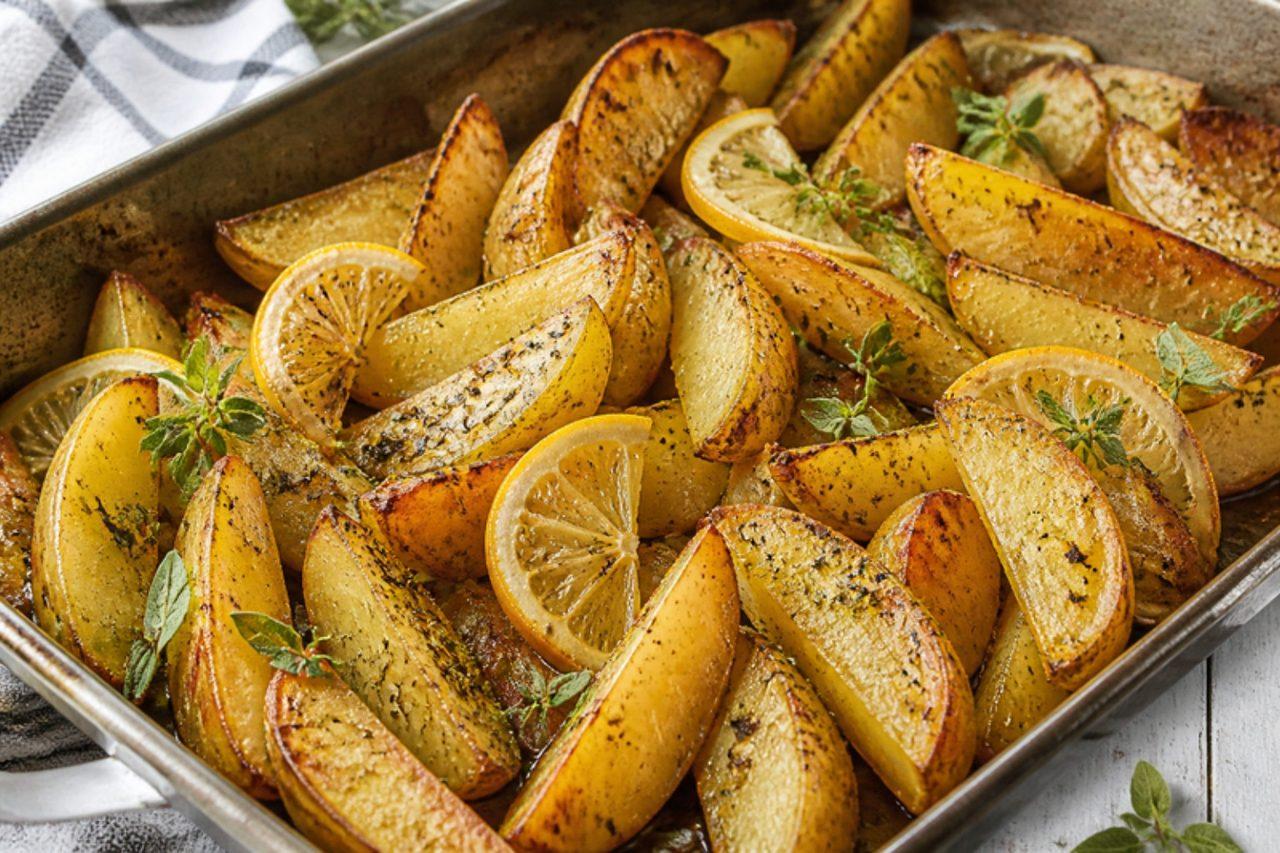
These are the potatoes that come out of Peloponnese bakers' ovens alongside Sunday roasts, and that every Greek grandmother has a firm opinion on. Wedges roast in a bath of lemon juice, olive oil, garlic and oregano; the liquid soaks into the potatoes, then evaporates, leaving them sticky, golden and tangy, with fluffy middles. Serve with roast chicken or lamb, or with feta, a salad and bread for a meatless lunch. Common mistake: crowding the tin, so the potatoes steam instead of browning. Chef's tip: add a final squeeze of fresh lemon as they come out of the oven; the cooked juice loses its brightness.

90 minGreekSidesVeganGluten free
by KrazyBadal 0 views

Kokoras krasatos

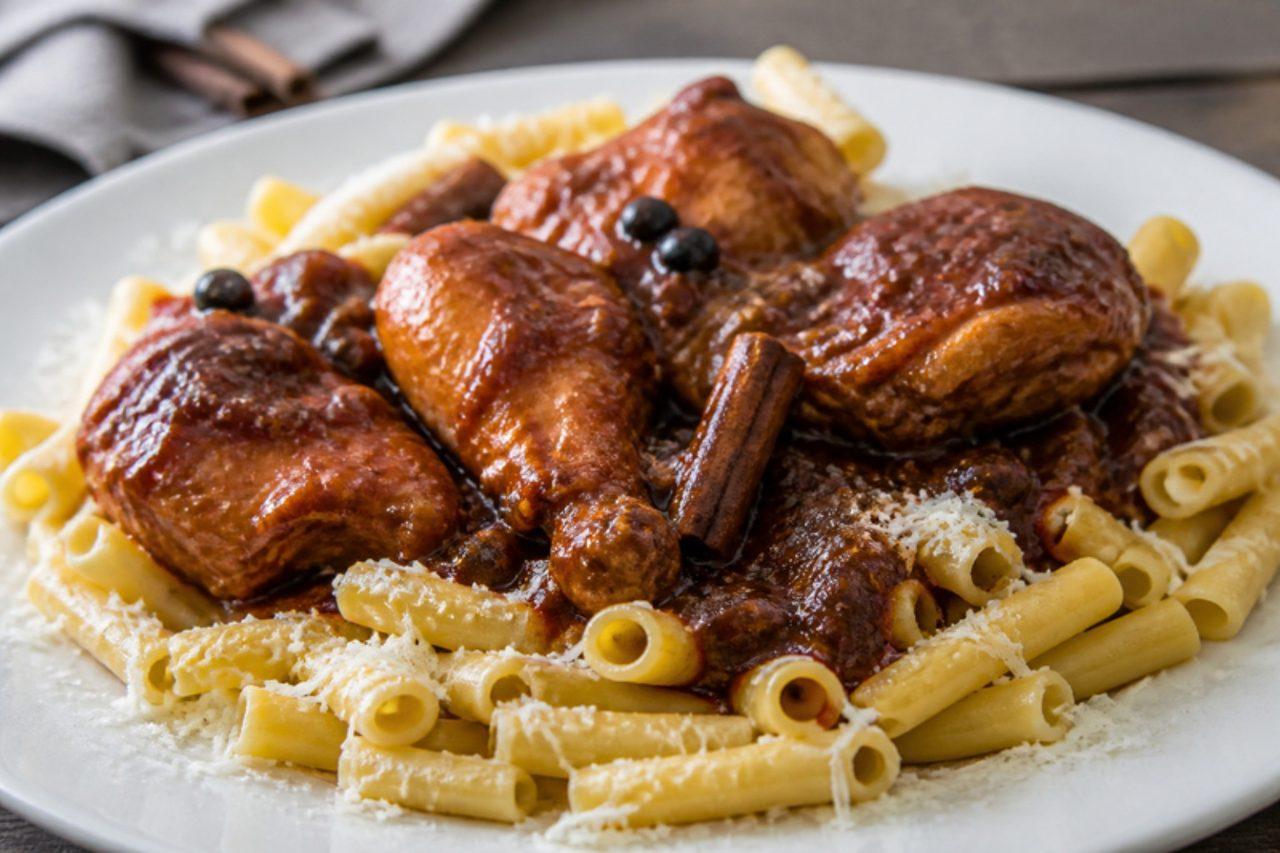
Sunday in a Peloponnese village often meant a rooster from the yard, braised for hours in the local Nemea red with tomato, cinnamon, cloves and allspice until the sauce turned deep, glossy and fragrant. It goes over thick spaghetti or hilopites with plenty of grated cheese. This dish contains red wine; for an alcohol-free version use the same amount of red grape juice with 2 tablespoons of red wine vinegar. A supermarket chicken works well, cooked for less time. Common mistake: skipping the browning — the dark crust on the skin flavours the whole sauce. Chef's tip: let the wine bubble hard for 2 minutes before the tomato goes in, so its raw edge cooks off.

110 minGreekChicken
by KrazyBadal 0 views

Haneeneh

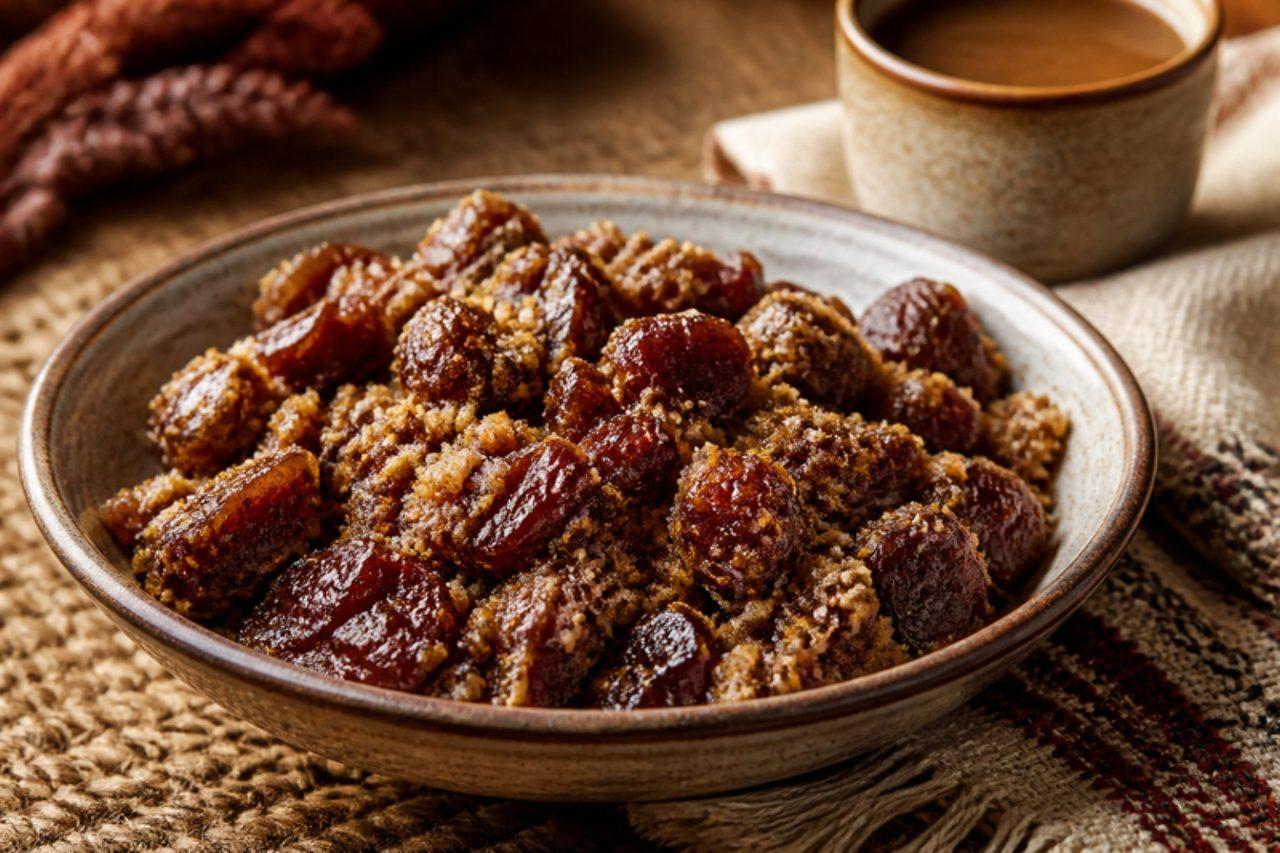
Haneeneh is desert comfort food from the Bedouin tents of the Jordanian Badia: soft dates mashed into hot samneh with crumbs of yesterday's flatbread, scented with cardamom and pressed into a rich, fudgy sweet. It is made for guests, for new mothers and for cold mornings before herding, eaten by hand with black tea or Arabic coffee. It takes ten minutes and uses only store-cupboard things. The mistake to avoid is cooking the dates too long once they meet the ghee; they turn stiff and chewy instead of jammy. Chef's tip: toast the crumbs in the ghee first until nutty, then add the dates off the heat so the mixture stays soft.
by KrazyBadal 0 views

Vermont maple cream pie

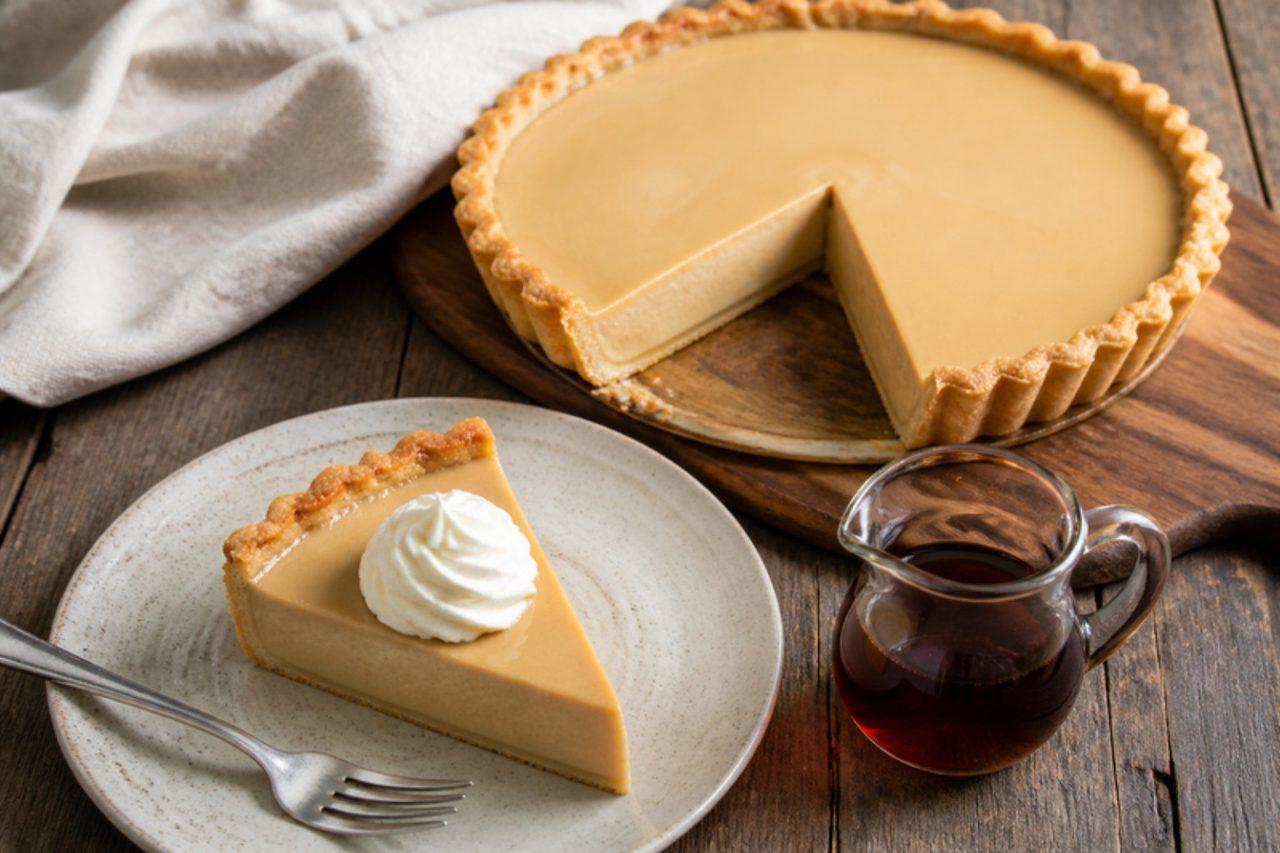
In March, when the sugarhouses of Vermont steam day and night boiling sap, diners and country stores sell this pale caramel-coloured pie made with the new season's syrup. The filling is a simple custard of maple syrup, cream and eggs, so the flavour is pure maple, deep and woody. Use dark, strong-tasting maple syrup, not pancake syrup. Chef's tip: bake until the edges are set but the middle still wobbles like jelly; it firms as it cools.

by KrazyBadal 0 views

Zarb

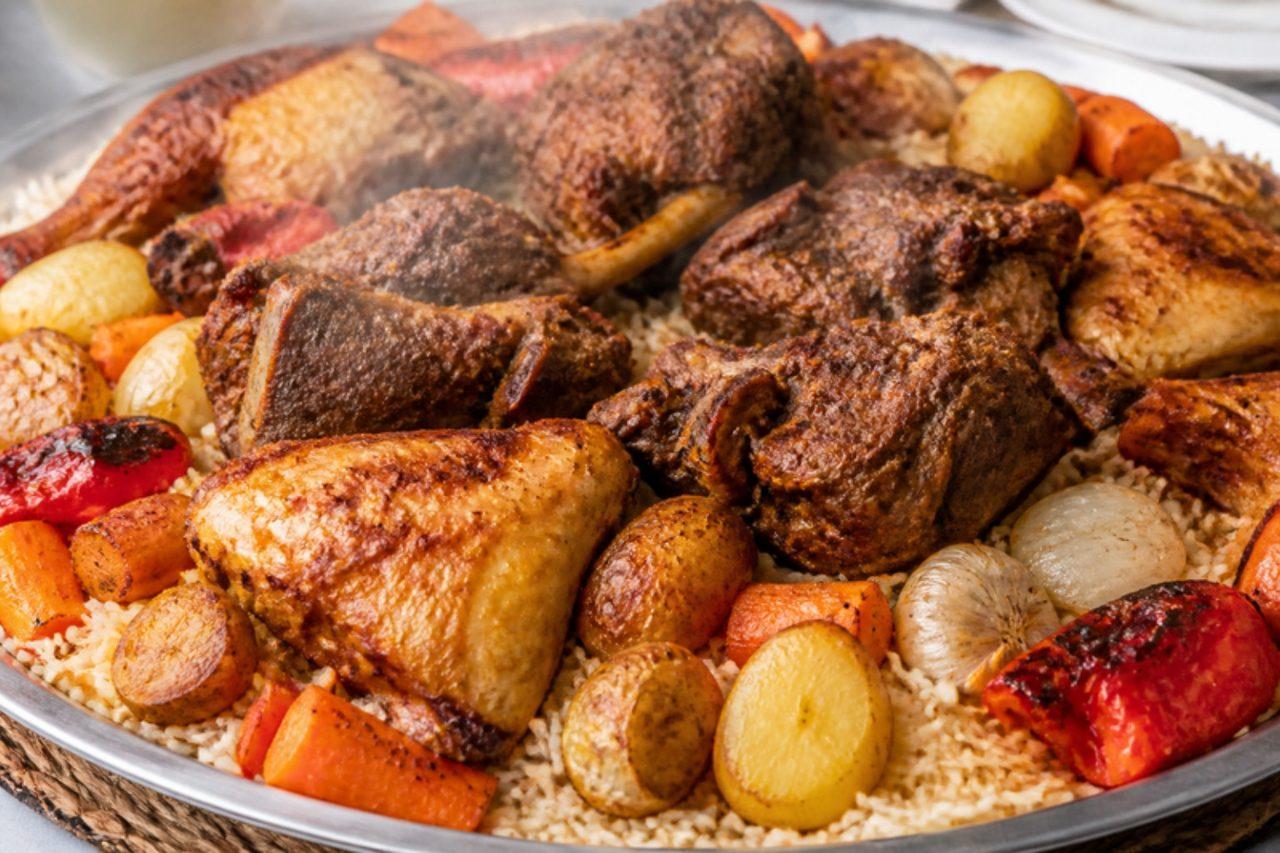
Visitors to the desert camps of Wadi Rum often watch the zarb come up from the sand at sunset: tiered racks of spiced lamb, chicken, potatoes and onions that have steamed for hours in a pit of embers, then lifted out smoky and falling apart. At home you get close with a deep roasting tin sealed tightly with foil, a long, low oven and a short blast of heat at the end. Serve it on a big platter over rice or with shrak, with yoghurt and a tomato salad. The mistake most people make is leaving gaps in the foil, so the steam escapes and the meat dries. Chef's tip: marinate overnight in the fridge and add a little smoked paprika to the spice mix; it brings back the taste of the pit.

by KrazyBadal 0 views

Shorbat freekeh

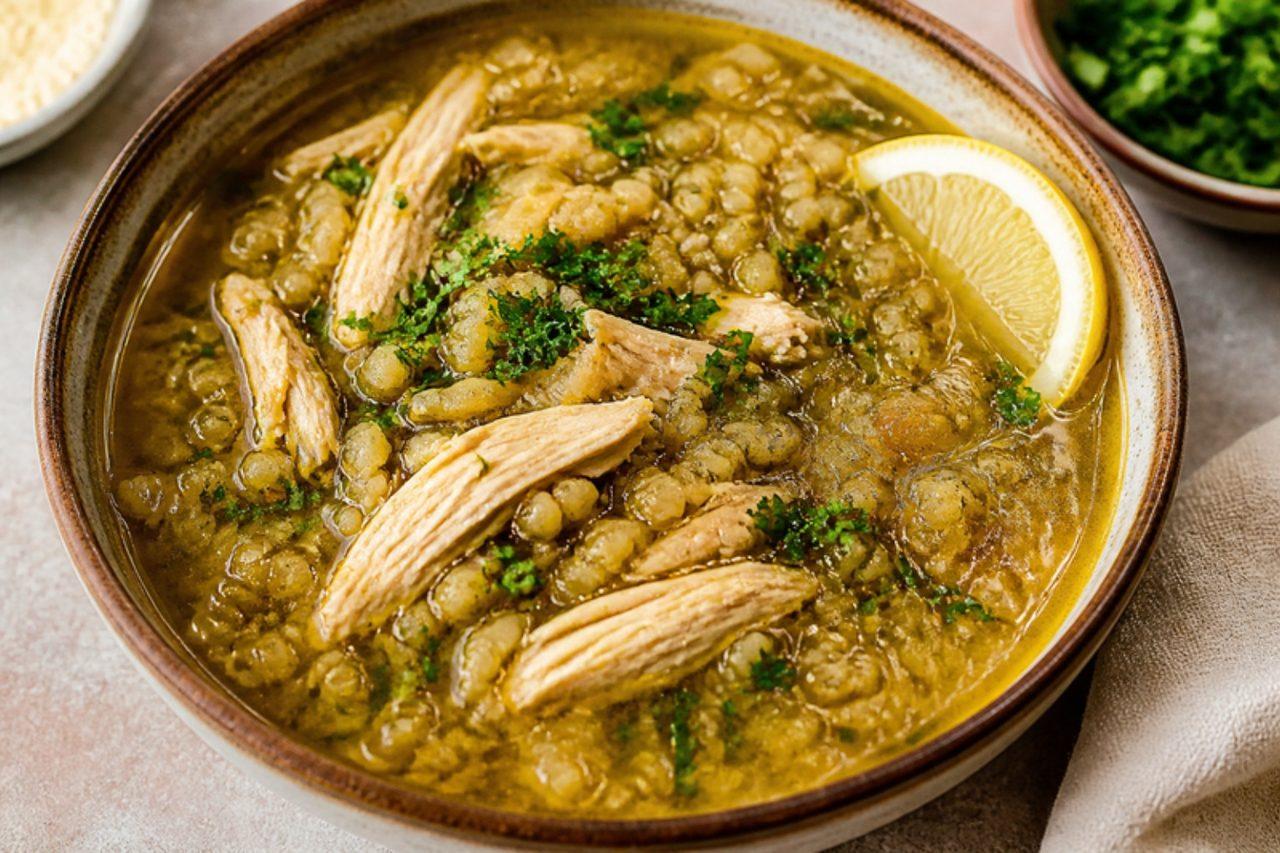
When the sunset call to prayer ends the Ramadan fast in Amman, the first spoonfuls are very often shorbat freekeh, a nourishing broth thickened with cracked green wheat that was roasted in the field while still young. The smoke from that roasting gives the soup its distinctive, almost barbecue-like depth, while chicken, cinnamon and cardamom keep it gentle on an empty stomach. It is followed by dates, salad and the main dish. The usual mistake is not picking over and rinsing the freekeh, which can hold tiny stones and chaff. Chef's tip: toast the rinsed freekeh in butter for a couple of minutes before adding the broth; it brings out the smokiness.

by KrazyBadal 0 views

Ouzi

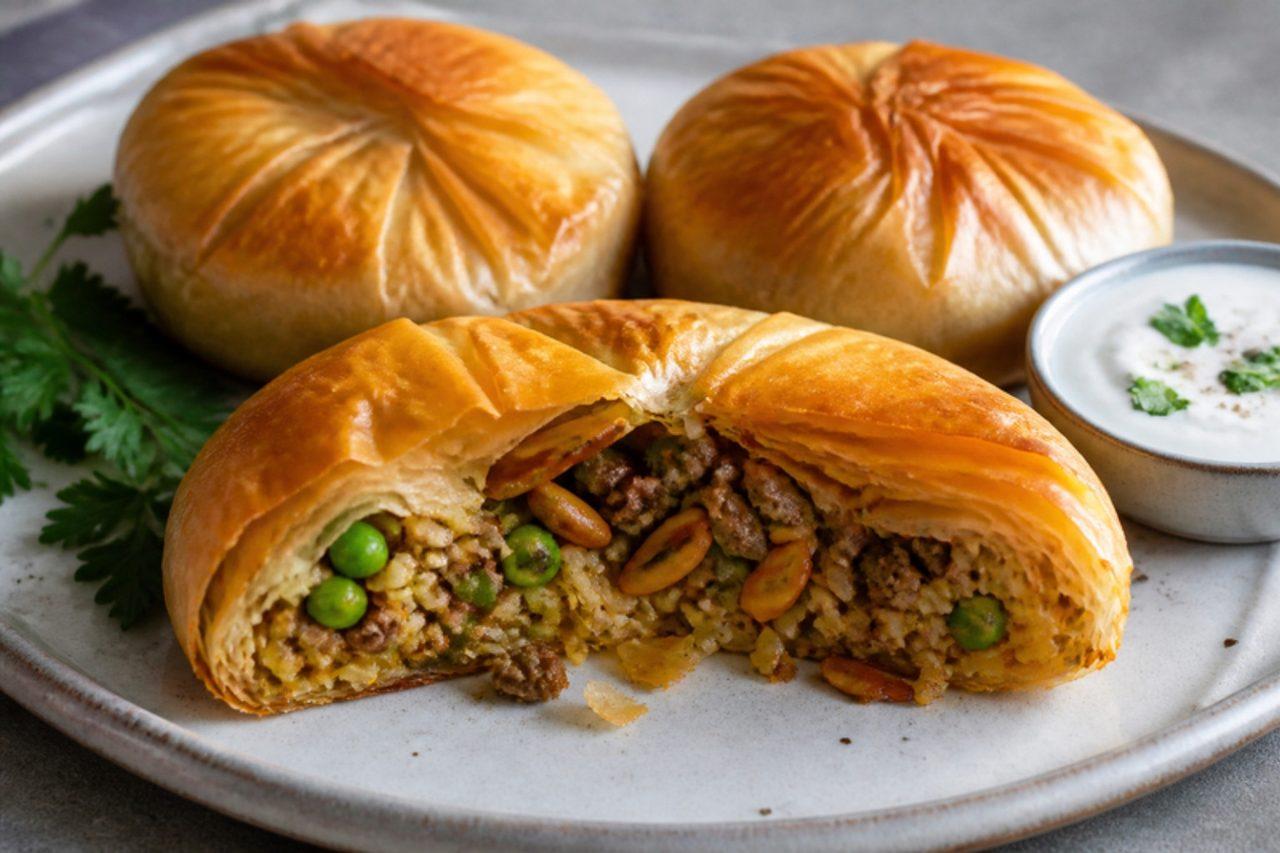
Ouzi is the showpiece of Jordanian and Damascene wedding buffets and Eid lunches: golden filo bundles that break open to spiced rice, minced lamb, peas and toasted nuts. The name comes from the whole roast lamb once served on a mountain of rice; the parcels are the neat, home-sized version, made ahead and baked as guests arrive. Serve with plain yoghurt or a cucumber-yoghurt salad. The common mistake is filling the filo with wet rice, which turns the bottoms soggy, so cook the rice until just tender and spread it out to steam dry. Chef's tip: lay a few nuts and peas in the bowl first, then the filo, then the filling, so each parcel comes out with a pretty top.
by KrazyBadal 0 views

Gourounopoula

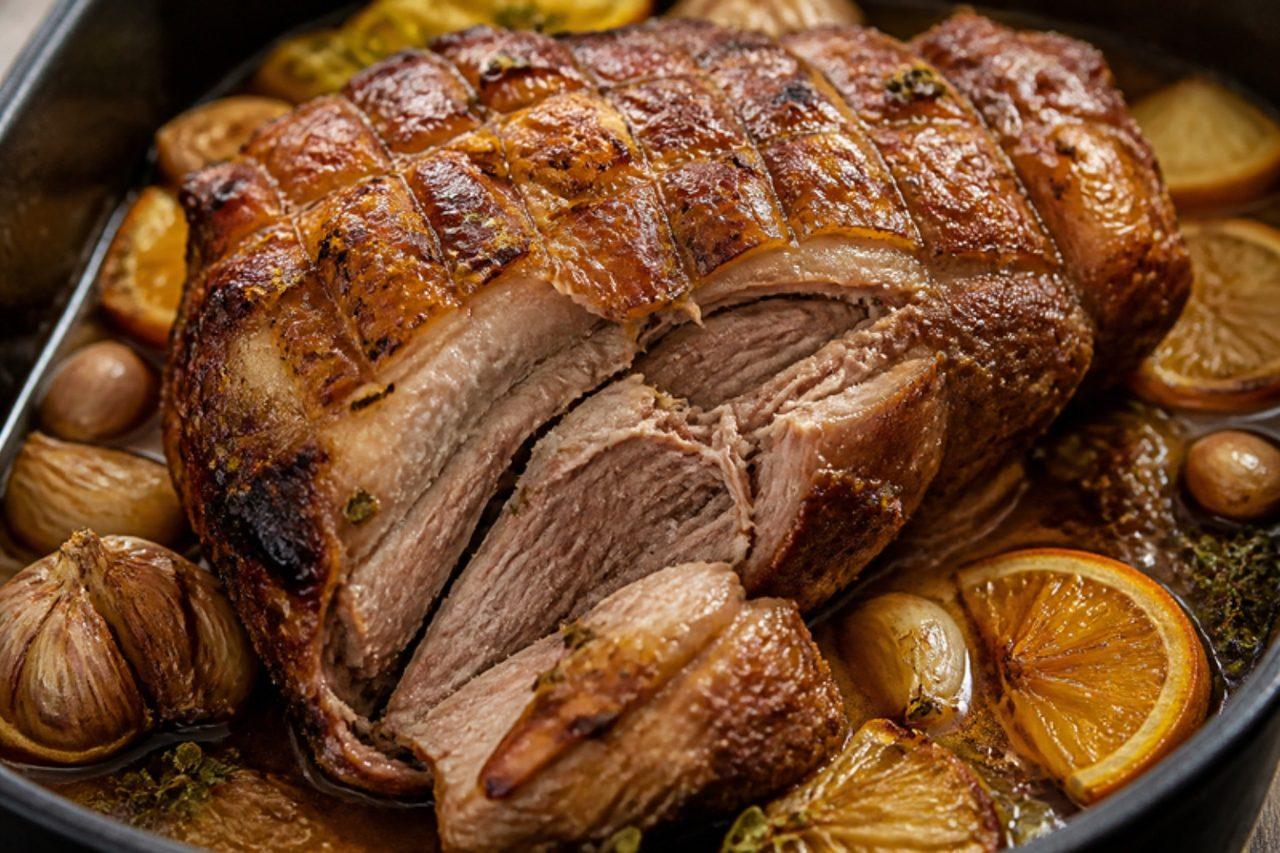
At the summer festivals of Messinia, whole young pigs are roasted overnight in bakers' wood ovens, then sold by the kilo at stalls with bread and pickled peppers. This home version uses a bone-in pork shoulder, rubbed with garlic, orange zest, oregano and chilli, left in the fridge overnight, and roasted low and slow until the meat pulls apart and the crackling shatters. Serve with lemon potatoes and a cabbage salad. Common mistake: wet skin — dry it well and salt it the night before, or it never crackles. Chef's tip: start covered at a low heat and finish uncovered at a high heat; that's how the meat stays juicy and the skin turns glassy.

290 minGreekMeatGluten free
by KrazyBadal 0 views

Bakaliaros skordalia

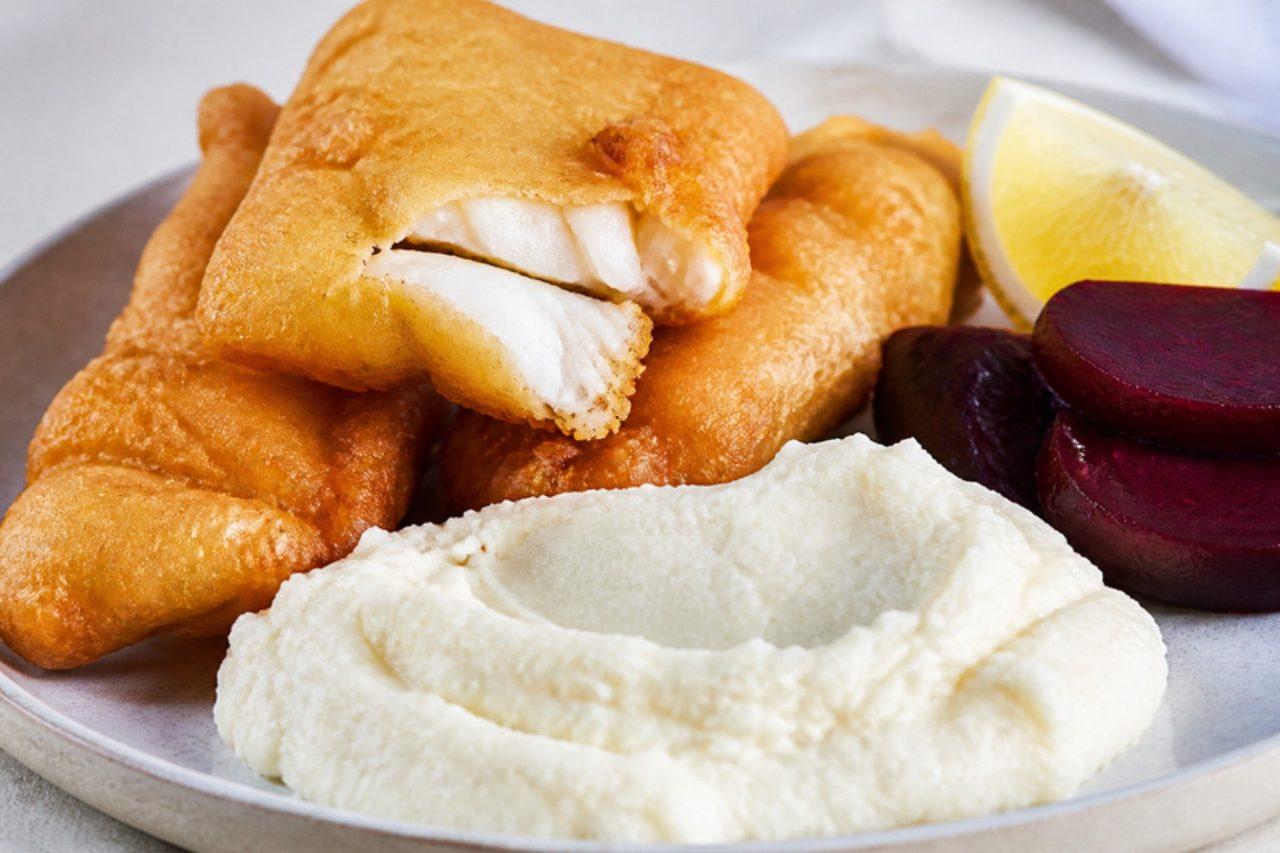
On 25 March, Greek Independence Day and the Annunciation, the Lenten fast is relaxed for fish, and families from Nafplio to Patras sit down to golden fritters of salt cod with a sharp, garlicky potato skordalia and a beetroot salad. Salt cod is soaked for a day or two to draw out the salt, then dipped in a light sparkling-water batter and fried until puffed and crackly. Common mistake: not soaking long enough — taste a flake; it should be pleasantly seasoned, not salty. Chef's tip: make the skordalia while the potatoes are hot, and pound or mash by hand; a blender turns it to glue.

75 minGreekFish
by KrazyBadal 0 views

Youvarlakia

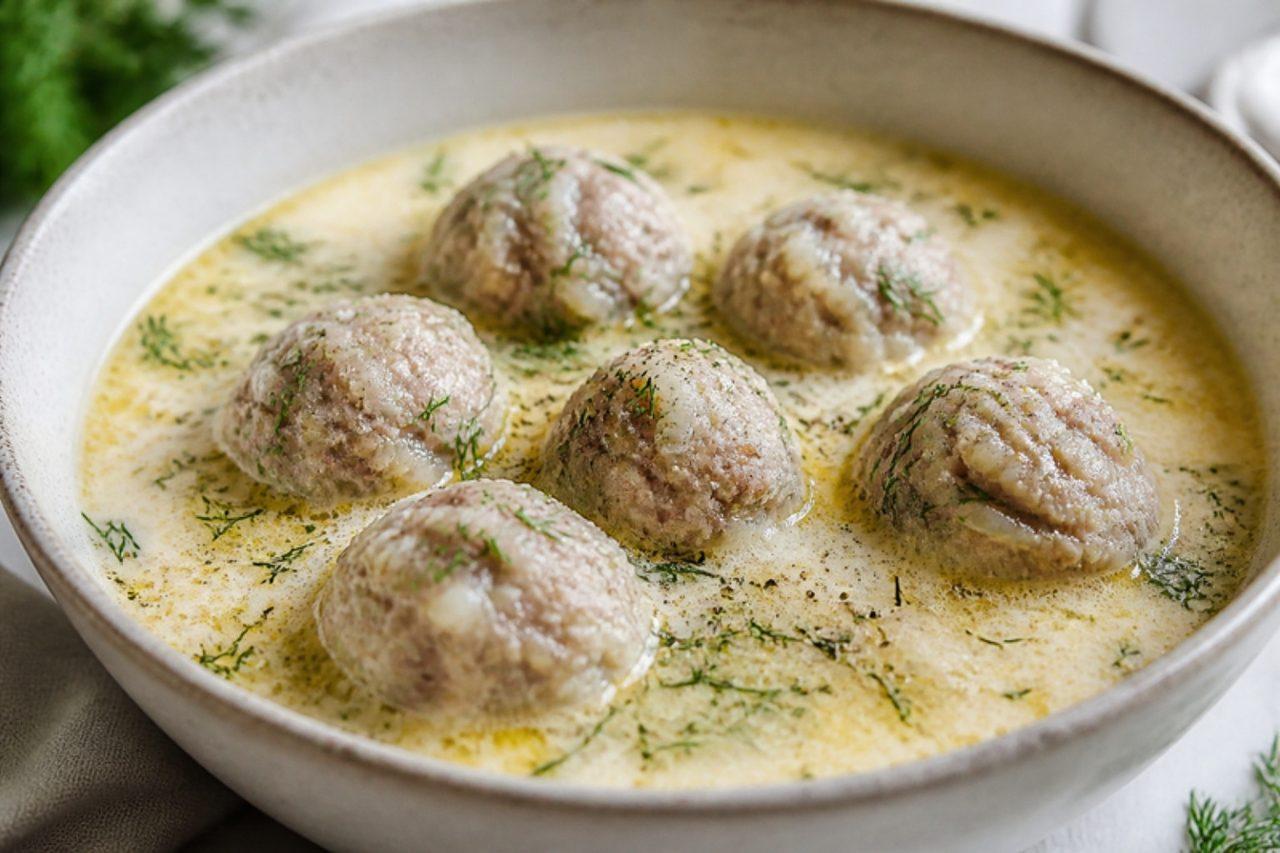
Youvarlakia is the soup Greek mothers, from Tripoli in the Arcadian hills to the Athens suburbs, make for a cold night or anyone feeling under the weather. Little meatballs of beef, rice, onion and herbs poach in a light broth until tender, and the broth is thickened at the end with whisked egg and lemon into a pale, silky avgolemono. It's a meal in a bowl, with bread and feta. Common mistake: boiling the soup after the egg goes in, which curdles it — take the pot off the heat first. Chef's tip: roll the meatballs with wet hands and drop them into simmering, not boiling, broth so they hold together.

70 minGreekSoupsGluten free
by KrazyBadal 0 views

Tsigareli

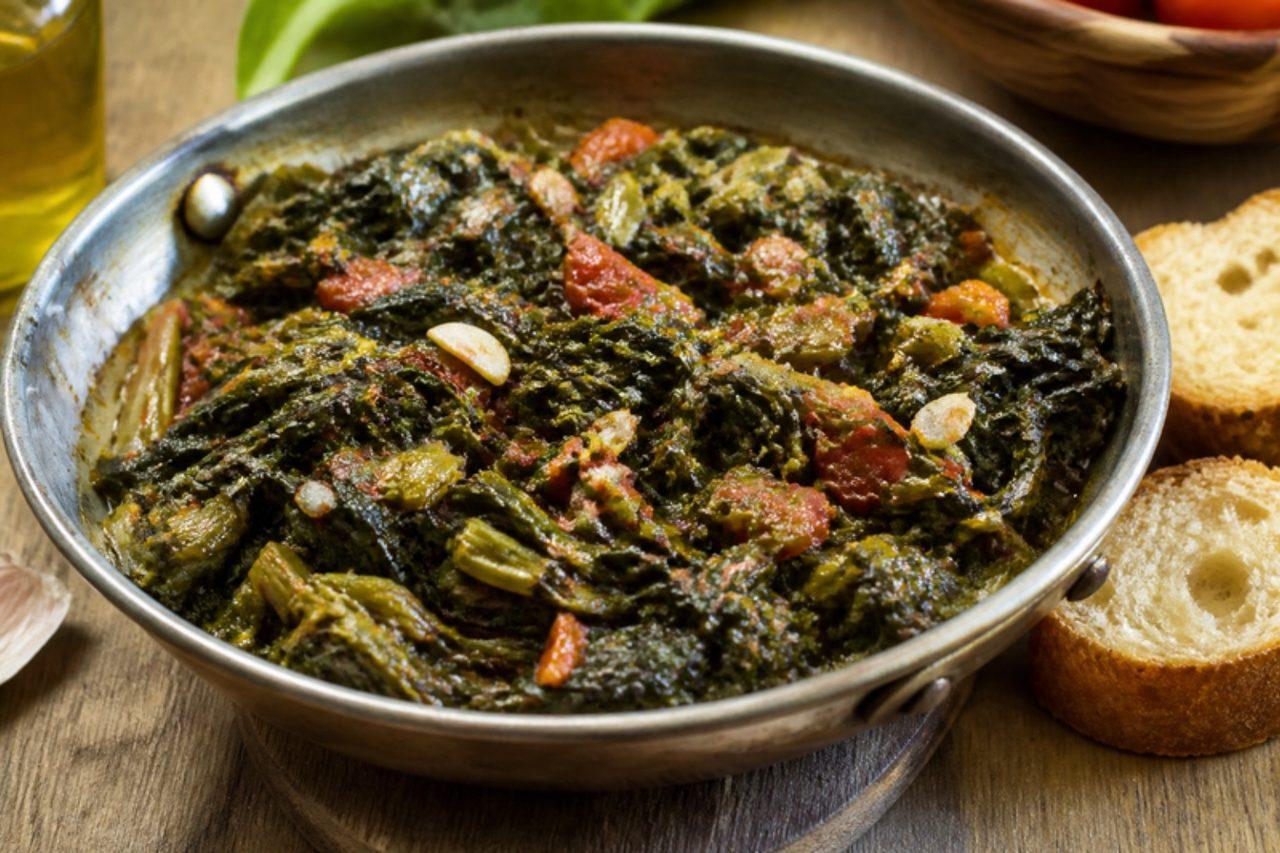
Corfiots gather wild chicory, sow-thistle, fennel tops and young chard from the olive groves in winter and spring and stew them into tsigareli, a peppery, oily braise that sits on the table with bread, feta and a fried egg or two. The Venetian-era love of hot red pepper shows: it should warm the back of your throat. Common mistake: drowning the greens in water — they make their own juice, so add only a splash. Chef's tip: shop-bought mixes of spinach, chard, rocket and dill work well; add the tender leaves last so they keep some colour.

by KrazyBadal 0 views

Amygdalopita

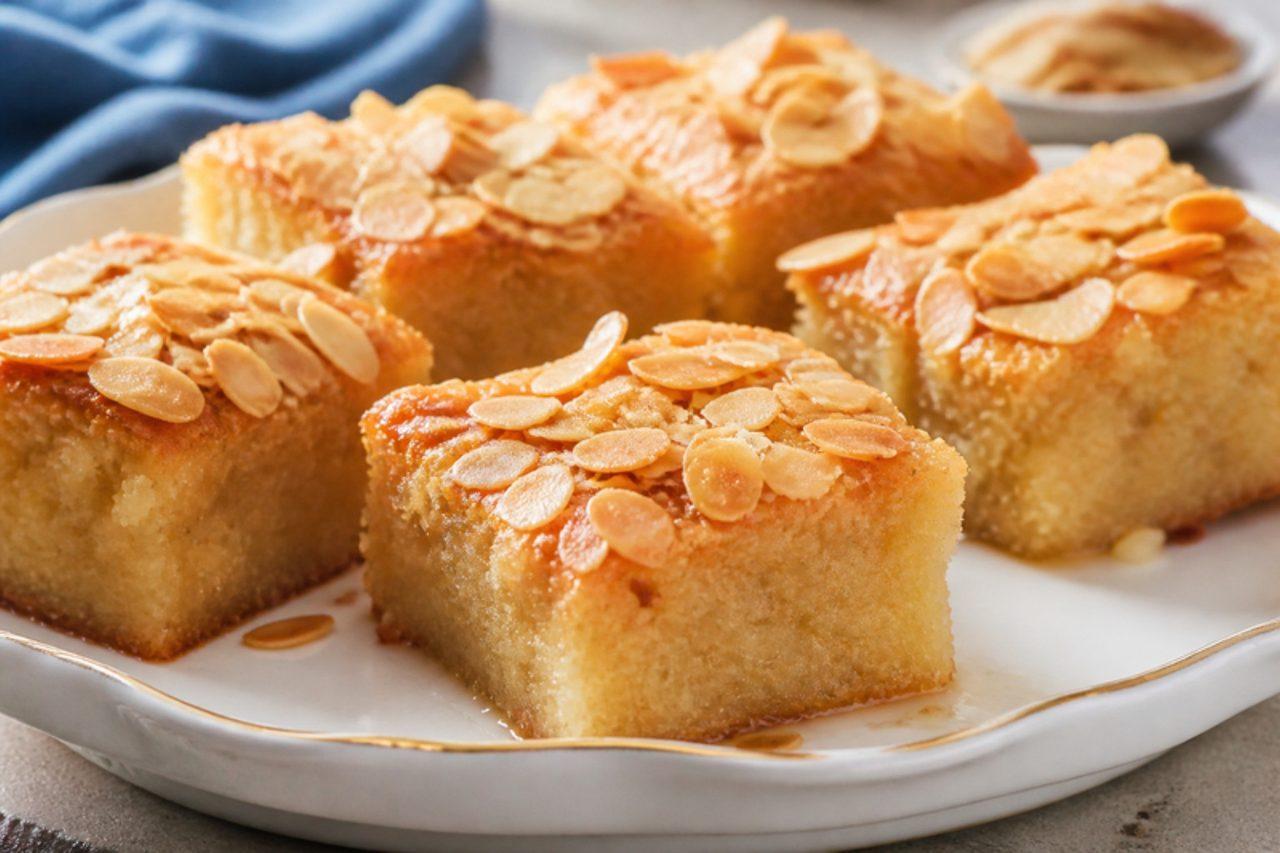
Kefalonia is almond country, and amygdalopita is what islanders bake for the feast of Agios Gerasimos in August and for guests all year round: a moist, flourless-leaning cake of ground almonds, eggs and breadcrumbs, soaked in light lemon syrup until it's dense and fragrant. Serve a small square with coffee or a spoon of thick yoghurt. Common mistake: grinding the almonds too long, so they turn oily and the cake heavy — pulse them until just sandy. Chef's tip: toast half the almonds before grinding for a deeper, nuttier flavour.

by KrazyBadal 0 views

Batzina

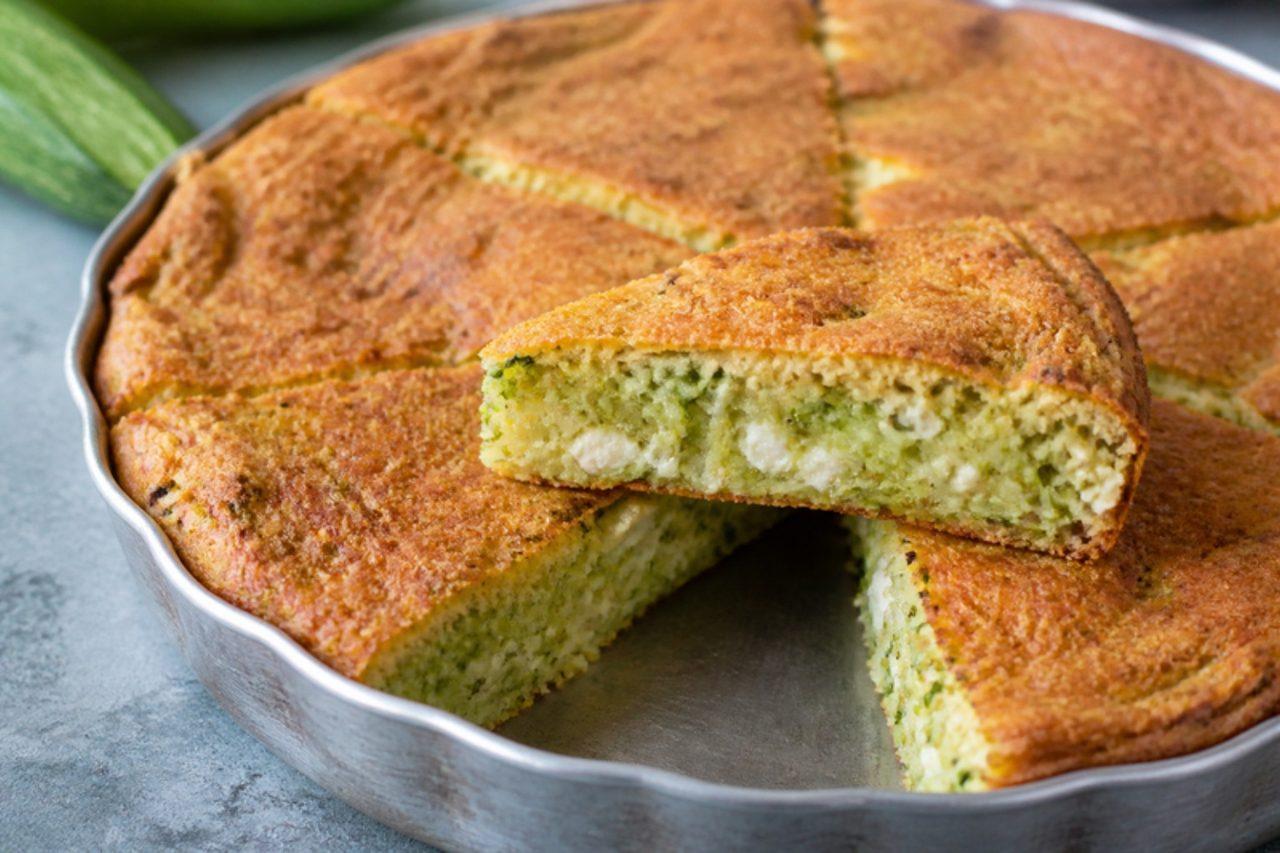
Batzina is the lazy pie of Thessaly and the Pelion villages, the one you make in summer when courgettes are taking over the garden and nobody wants to roll filo. Grated courgette and feta are mixed with a thin batter of flour, cornmeal, milk and eggs, poured into an oiled tin and baked until the top is cracked and golden and the inside soft and savoury, like a crustless quiche. It travels well to the beach. Feta is usually made with animal rennet; choose a vegetarian feta-style cheese if needed. Common mistake: skipping the squeezing — watery courgettes make a soggy pie. Chef's tip: sprinkle cornmeal over the oiled tin before pouring in; it gives a crisp base.

by KrazyBadal 0 views

Halvas Farsalon

Farsala, a market town on the Thessalian plain, is famous across Greece for its halva: not the sesame kind but a chewy, translucent sweet of cornflour, sugar and butter, cooked until it caramelises, then baked until the top turns glassy amber. Shops sell it by the slab at fairs and on Sundays, and visitors take it home to Athens. Common mistake: stopping too early, when it's still pale and starchy — keep stirring until it pulls away from the pan in one golden mass. Chef's tip: use a heavy non-stick pan and a strong wooden spoon; it gets very thick, and you'll be glad of both.

by KrazyBadal 0 views

Vyssino glyko

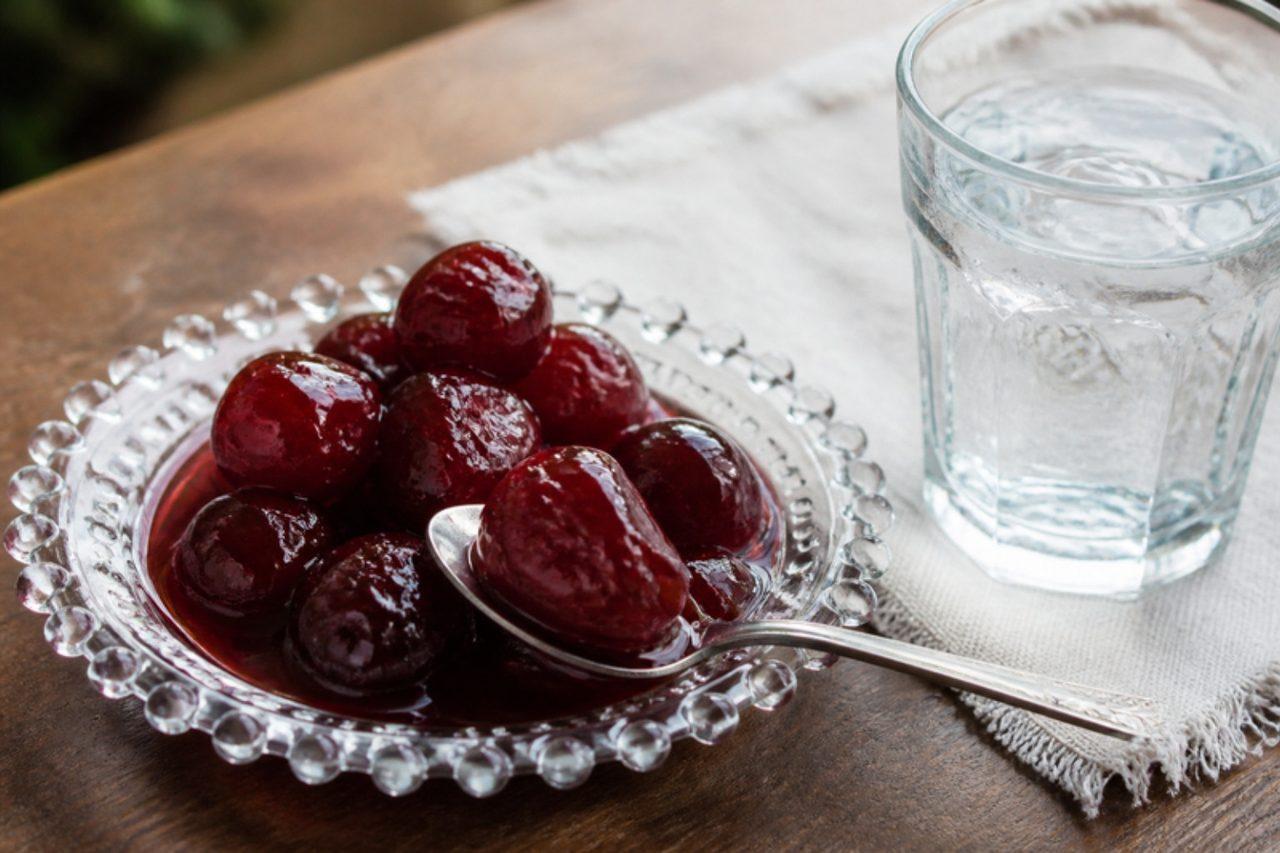
In the mountain villages of Pelion, above Volos, every pantry holds jars of spoon sweets, and the sour cherry one is the jewel: whole stoned cherries in a thick, ruby syrup, offered to visitors on a tiny plate with a glass of cold water. It also spoons beautifully over Greek yoghurt or vanilla ice cream, and the syrup makes vyssinada, a summer drink. Common mistake: boiling too long, which shrivels the cherries and turns the syrup to toffee — test it on a cold saucer. Chef's tip: macerate the stoned cherries in sugar overnight; they release their juice and stay plump.

by KrazyBadal 0 views

Vyssinada

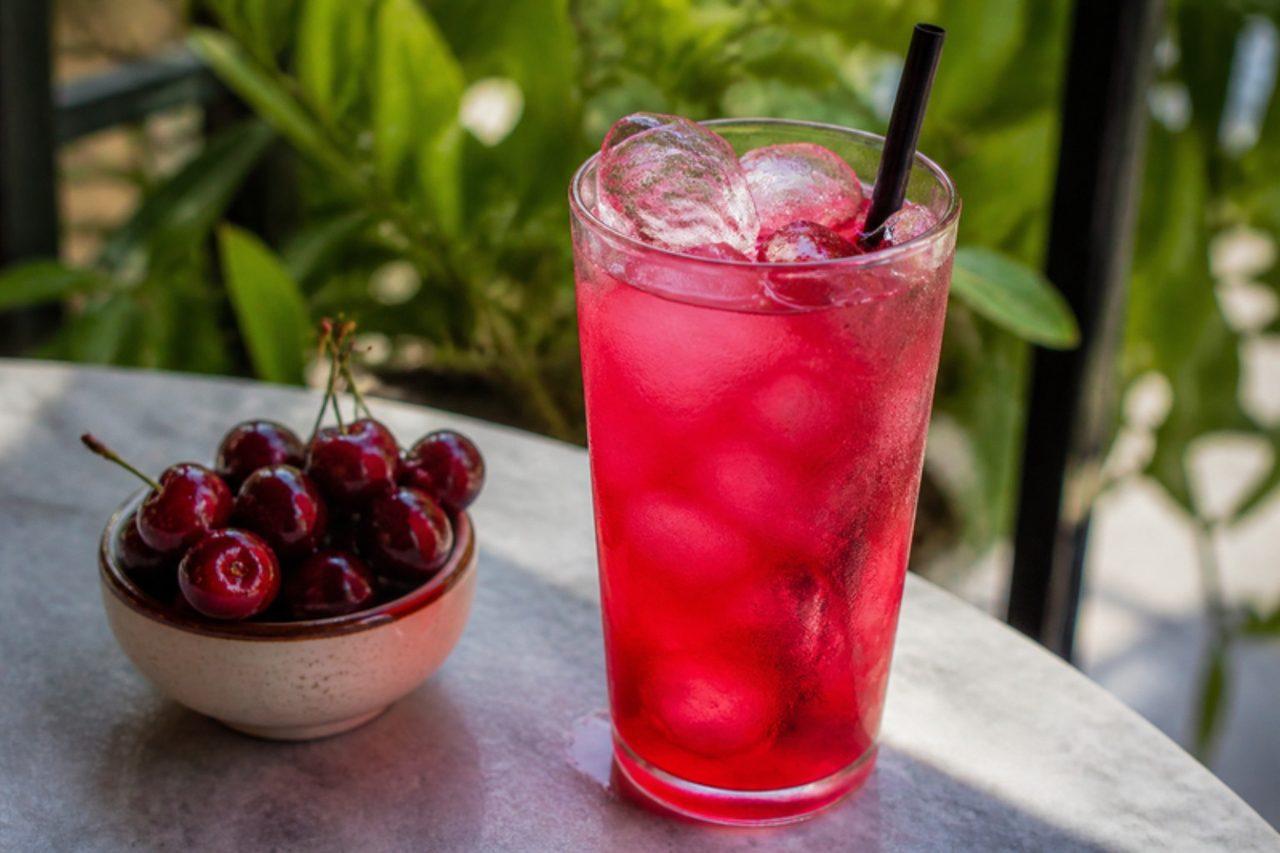
Before fizzy drinks arrived, a tall glass of vyssinada was what you ordered in a Volos or Larissa kafeneio on an August afternoon: sour cherry syrup topped with iced water, sweet and sharp and bright red. Families in Thessaly still make a cordial from the summer cherry crop and keep the bottles in the fridge for weeks. Common mistake: squashing the cherries too hard through the sieve, which clouds the syrup — let the juice drip. Chef's tip: top with sparkling water and a squeeze of lemon for a lighter, livelier glass.

by KrazyBadal 0 views

Pastitsada

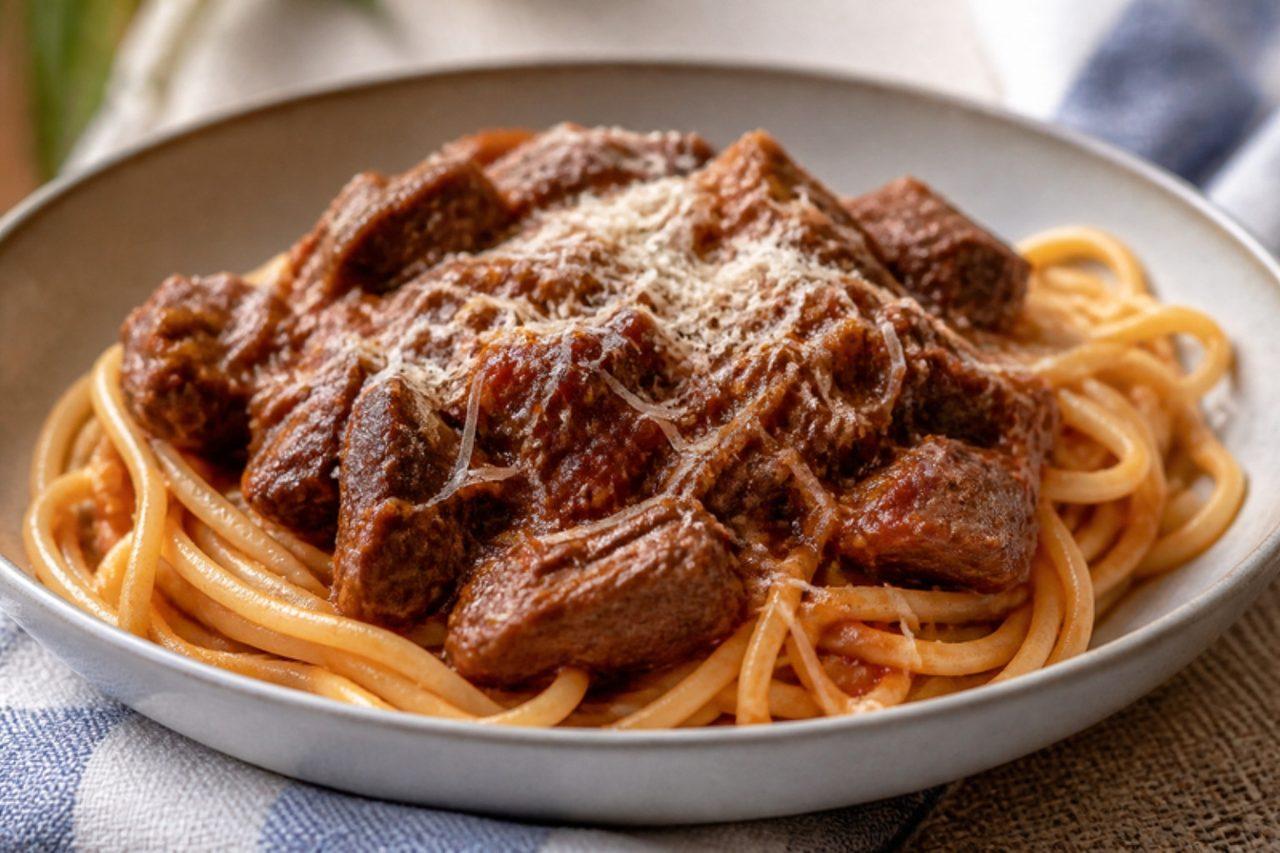
Pastitsada is Corfu's great Sunday and feast-day dish, a legacy of four centuries of Venetian rule: big pieces of beef (or rooster) slowly braised in tomato with a heady spice mix of cinnamon, clove, allspice, nutmeg and sweet paprika, sharpened with vinegar, then served over bucatini with grated cheese. The sauce should be thick enough to coat the pasta and taste warm rather than hot. Many Corfiots add red wine; this version uses red wine vinegar and stock, so it's alcohol-free (swap 150 ml of the stock for red wine if you like). Common mistake: rushing the braise — beef shin needs a long, gentle simmer to turn soft. Chef's tip: make it a day ahead; the spices settle and the sauce tastes rounder.

175 minGreekMeat
by KrazyBadal 0 views

Sofrito

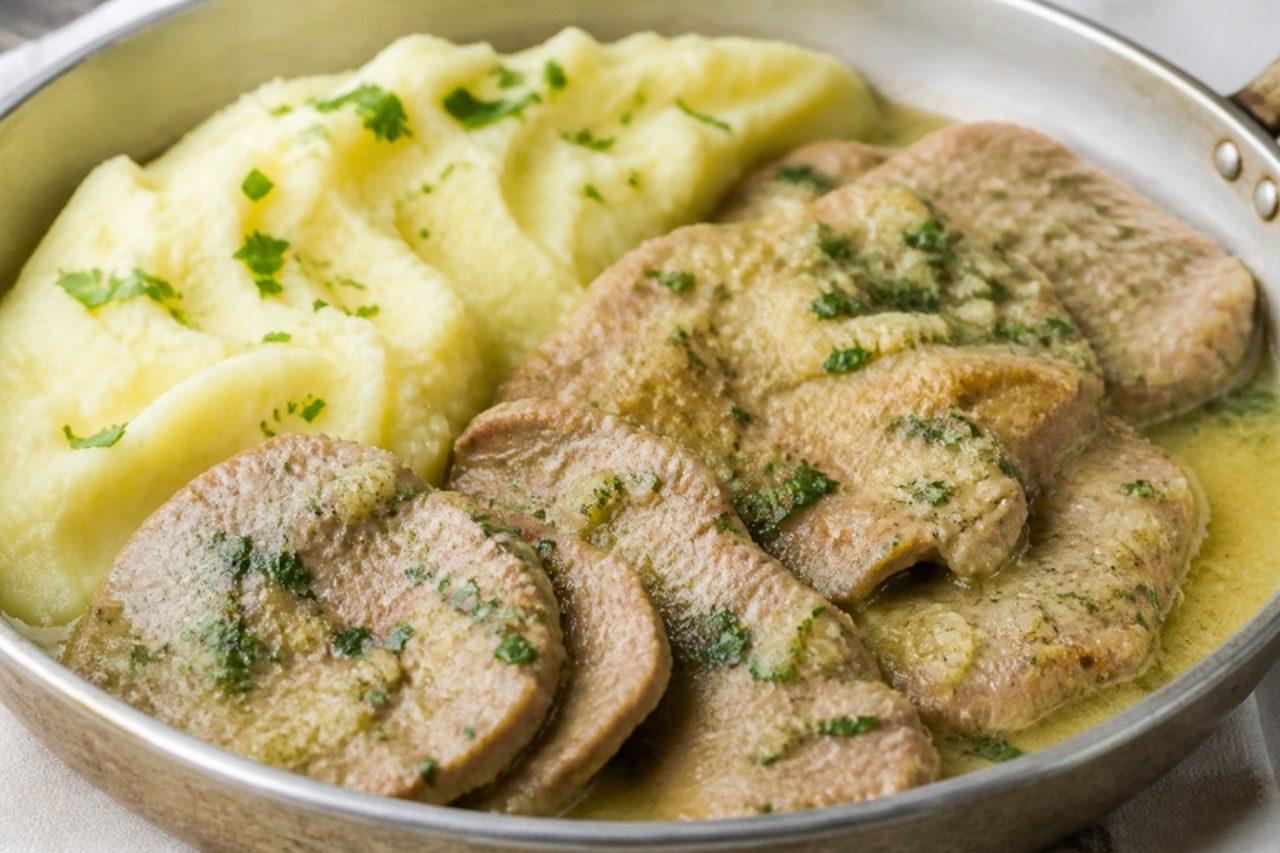
Not to be confused with the Spanish base sauce, Corfu's sofrito is a dish of thinly sliced veal or young beef, floured and browned, then gently simmered in a sharp, pale sauce of garlic, vinegar and parsley until tender. Corfiot tavernas serve it with creamy mashed potato or rice to soak up the garlicky juices, especially on Sundays and name days. Some cooks add white wine; this version uses only vinegar and stock, so it's alcohol-free. Common mistake: letting the garlic brown, which makes the sauce bitter — it should stay pale. Chef's tip: flatten the slices with a rolling pin so they cook evenly and soak up the sauce.

75 minGreekMeat
by KrazyBadal 0 views

Bourdeto

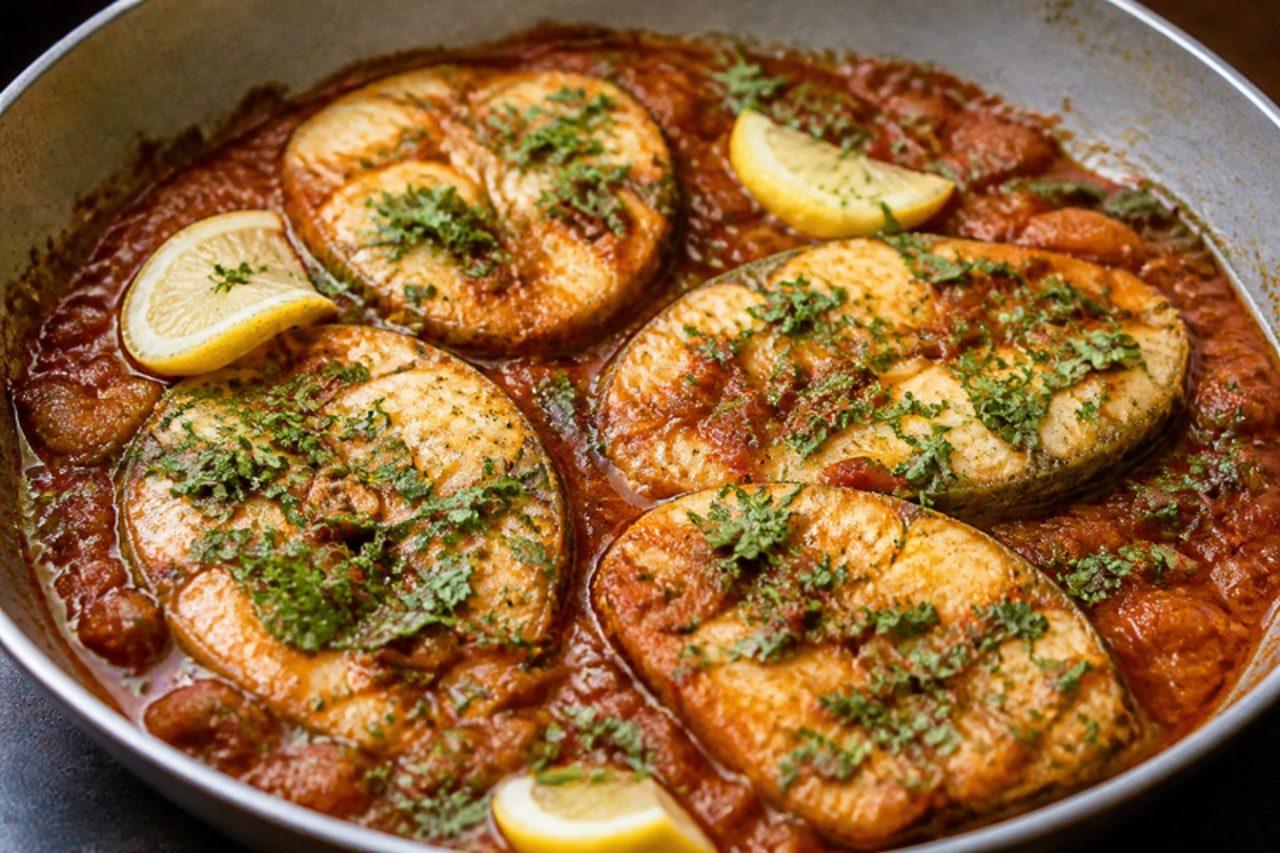
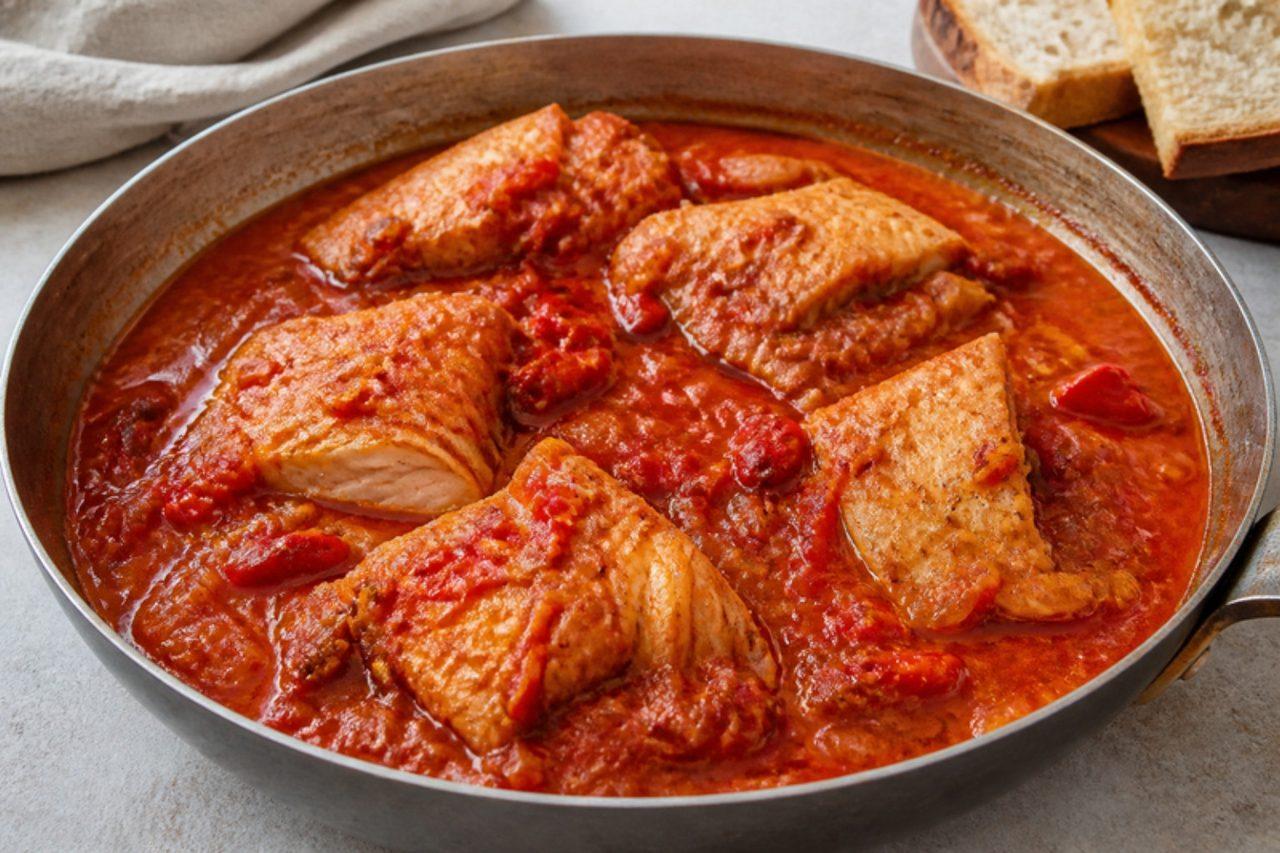
Bourdeto, from the Venetian 'brodetto', is the fishermen's dish of Corfu: chunks of firm white fish (scorpion fish in the tavernas of Kassiopi and Paleokastritsa) poached in a fierce sauce of onions, olive oil, a little tomato and a lot of hot red pepper. It's eaten with bread for the oily, scarlet juices and a cool salad alongside. Common mistake: stirring once the fish is in, which breaks it up — shake the pan instead. Chef's tip: use fish on the bone, cut into steaks; the bones give the sauce body and the flesh stays moist.

50 minGreekFishGluten freeSpicy
by KrazyBadal 0 views

Kefalonian kreatopita

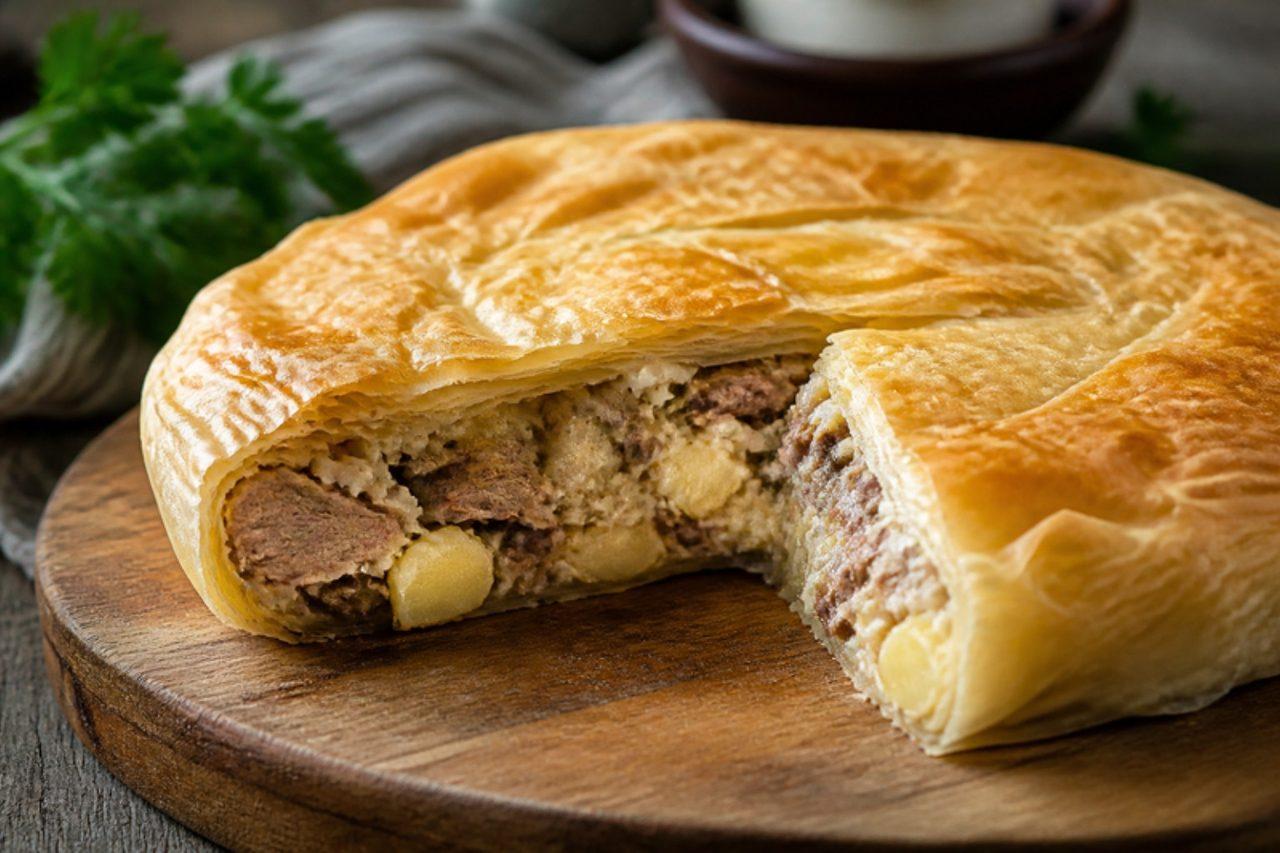
On Kefalonia, kreatopita is baked for Carnival Sunday, just before Lent, and for big family days: a deep pie of lamb and pork pieces (not mince) mixed with rice, potatoes, tomato, garlic, mint and grated cheese, enclosed in a thick homemade-style crust or filo. It's hearty, fragrant and meant to feed a crowd, warm or at room temperature. This version uses lamb shoulder and pork shoulder. Many island cooks splash in wine; here the moisture comes from stock and tomato, so it's alcohol-free. Common mistake: dicing the meat too large, so it isn't tender when the pastry is done — keep it to 2 cm. Chef's tip: let the filling sit in the fridge overnight so the rice soaks up the juices and the flavours meld.

145 minGreekMeat
by KrazyBadal 0 views

Spetzofai

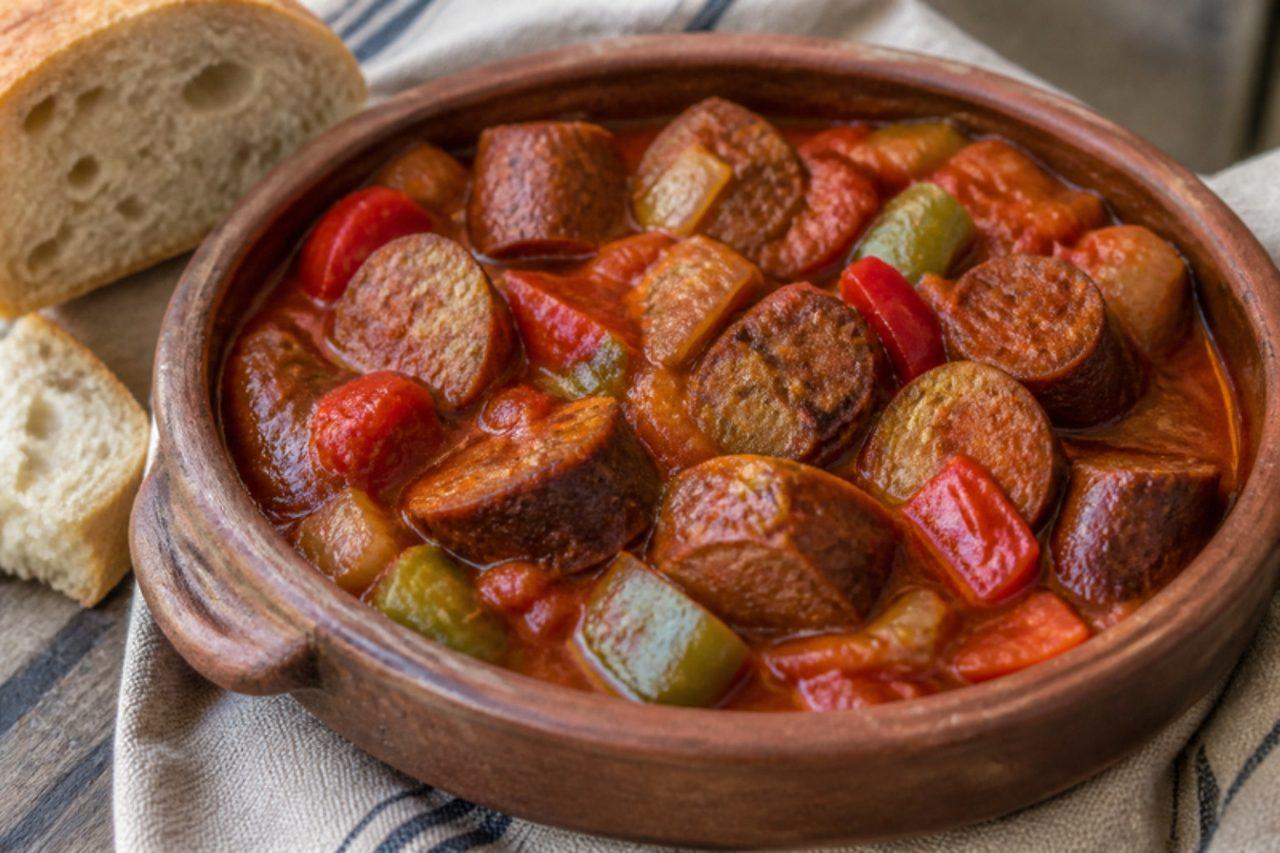
Spetzofai is the dish shepherds in the Pelion mountains near Volos cooked over the fire: spicy village pork sausages sliced and stewed with long green and red peppers in a thick tomato sauce. Now it's on every tsipouro-bar menu in Volos, served sizzling in a clay dish with bread and feta. Use coarse pork sausages with leek or orange peel if you can find them. Common mistake: cooking the peppers to mush — they should be soft but still hold their shape. Chef's tip: brown the sausage slices hard first; the fat they leave flavours the peppers.

55 minGreekMeatGluten freeSpicy
by KrazyBadal 0 views

Kotopoulo me hilopites

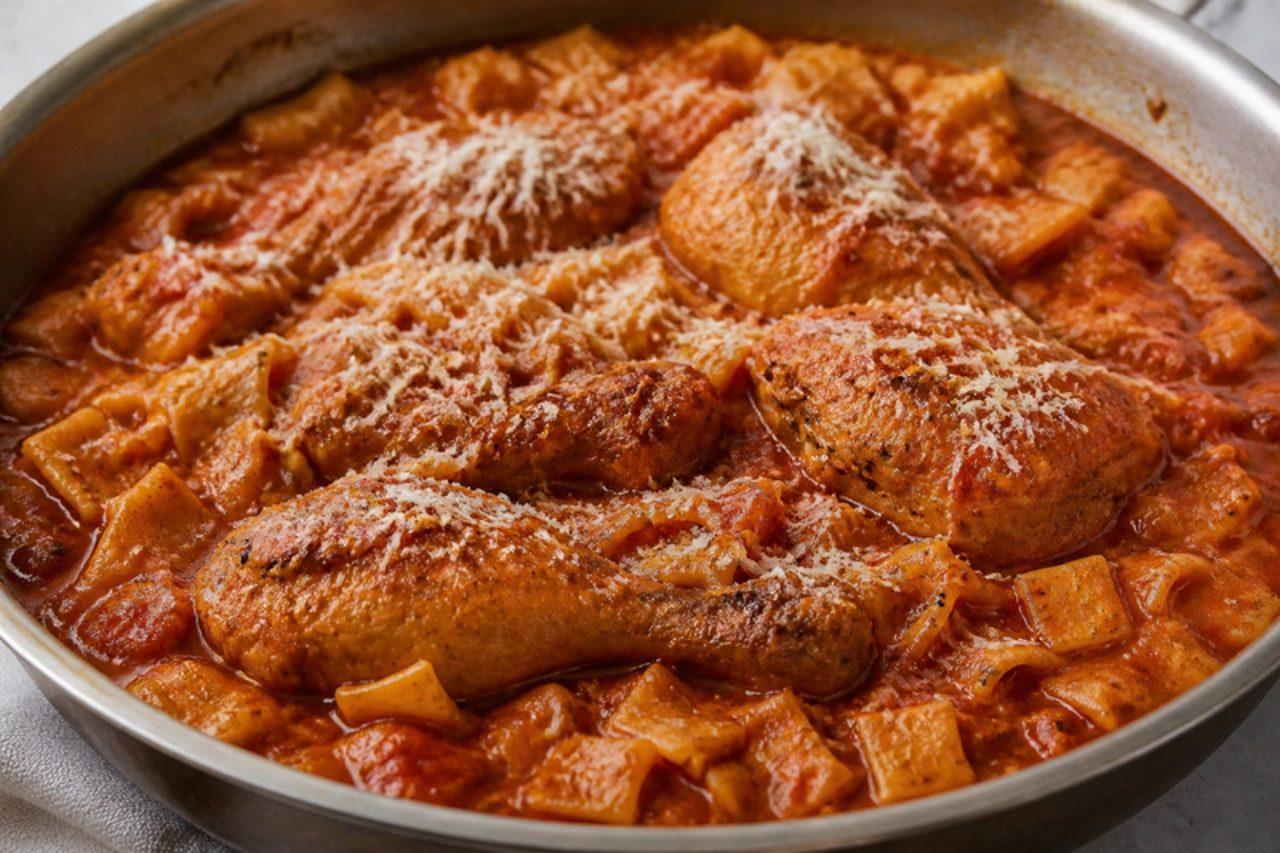
Across the Thessalian plain, from Larissa to Trikala, Sunday lunch is often a chicken braised in tomato with a cinnamon stick, its sauce stretched with broth so the little hilopites pasta squares can cook right in the pot. The pasta soaks up the sauce until thick and almost risotto-like, and a fistful of grated cheese goes on at the table. Use homemade hilopites or a good shop-bought pack. Common mistake: adding the pasta to too little liquid — it absorbs a lot, so have hot water ready. Chef's tip: brown the chicken skin well, then finish the dish in the oven if you like a crispy top.

by KrazyBadal 0 views

Melomakarona

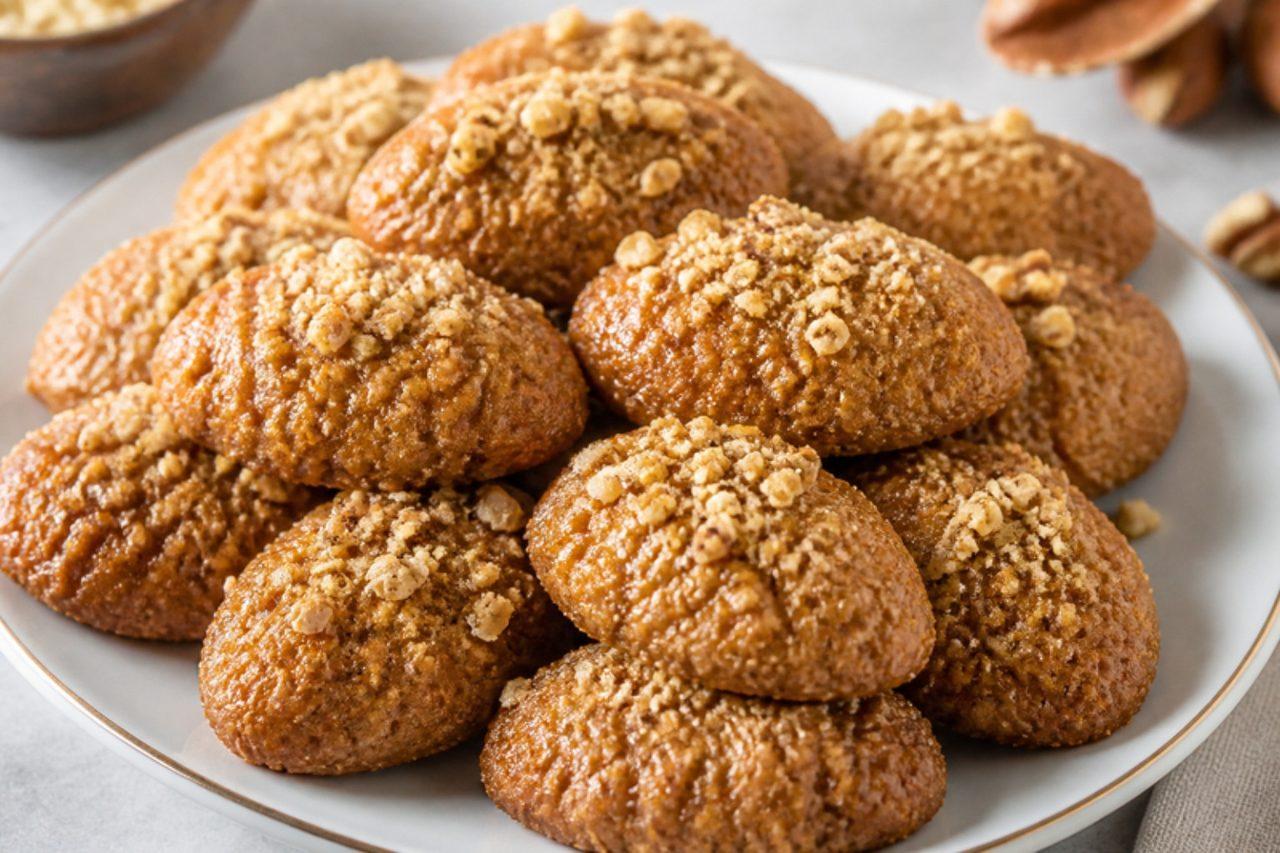
From early December, bakeries and kitchens all over Greece fill tins with melomakarona, the oval cookies that sit beside kourabiedes on every Christmas table and get handed to visitors with coffee. The dough is made with olive oil and orange juice rather than butter, scented with cinnamon and clove, then baked and plunged into warm honey syrup so the inside turns soft and sticky while the edges stay crisp. Common mistake: dipping hot cookies into hot syrup, which turns them to mush; one of the two must be cool. Chef's tip: mix the dough only until it comes together; overworking it squeezes out the oil and the cookies bake hard and greasy.

by KrazyBadal 0 views

Giouvetsi

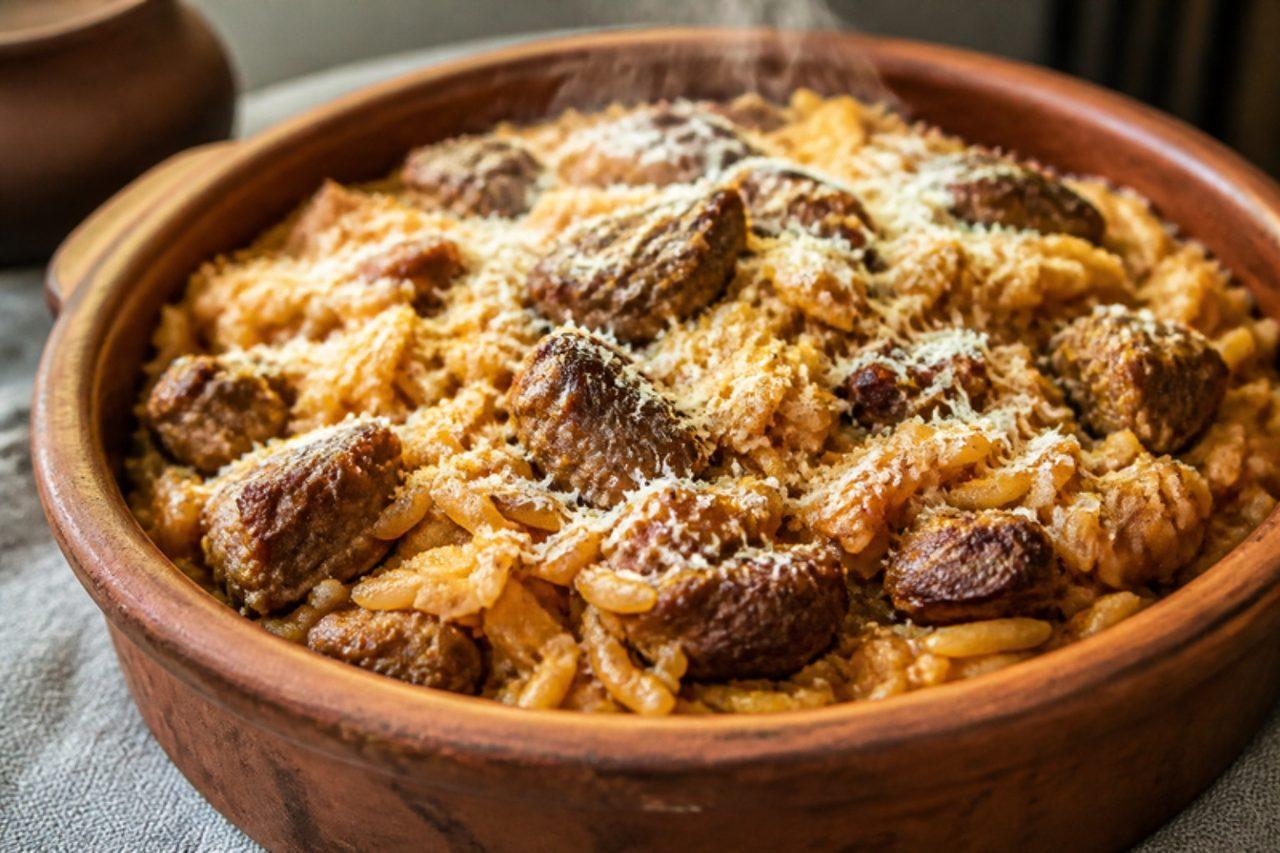
Giouvetsi takes its name from the glazed clay dish it is baked in, and in Greek homes it is the Sunday lunch that gets put in the oven before church: chunks of beef braised with tomato, cinnamon and allspice, then finished with kritharaki (orzo) that soaks up every drop of the sauce. It arrives at the table bubbling, with grated cheese melting on top. This version uses wine to deglaze, which is traditional; use extra stock for an alcohol-free dish. Common mistake: adding the orzo with too little liquid, so it bakes dry and sticks; it needs about four times its weight in hot stock. Chef's tip: stir the orzo halfway through baking so the top pieces don't harden.

170 minGreekMeat
by KrazyBadal 0 views

Tsai tou vounou

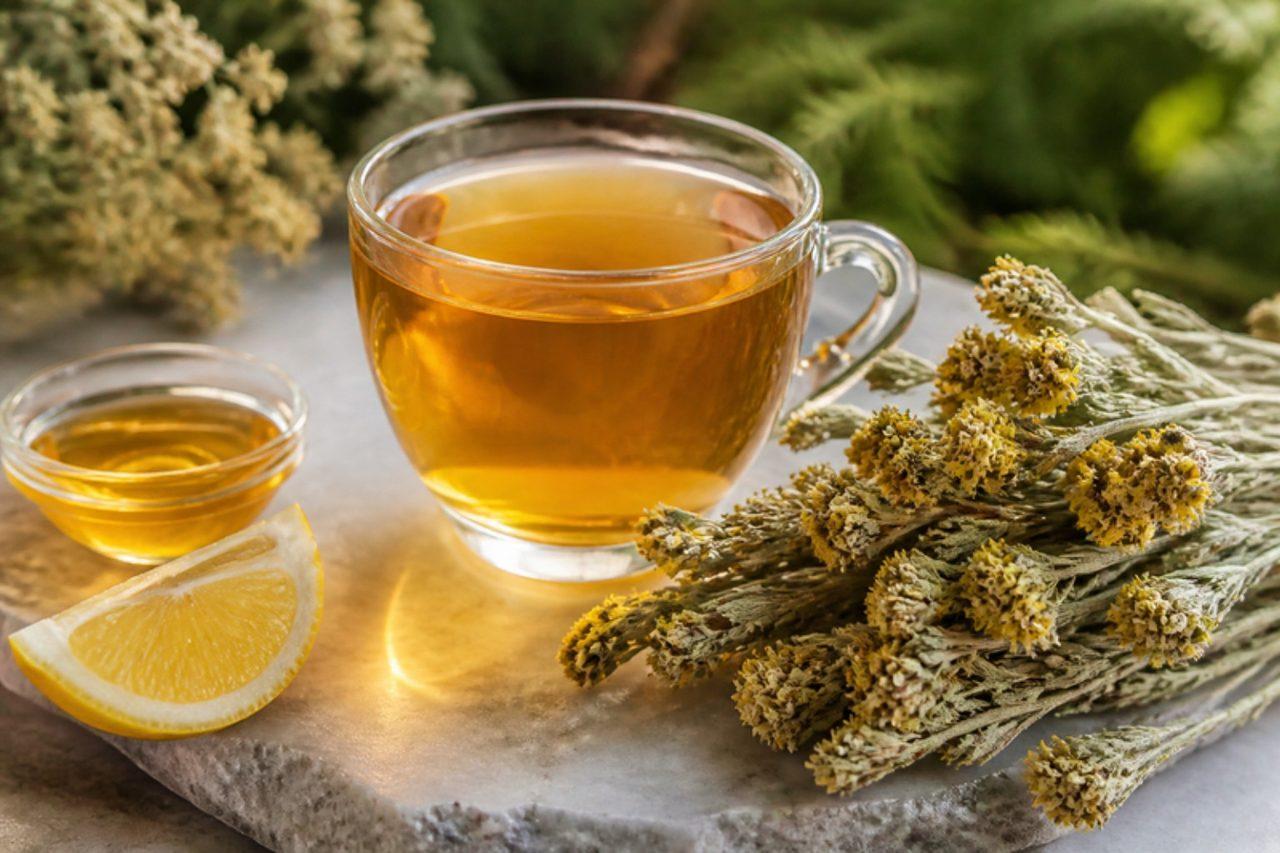
Bunches of dried sideritis, the woolly-leaved herb Greeks call mountain tea, hang in village kitchens from Mount Olympus to Taygetos, and a pot is brewed at the first sniffle of winter or after a long walk. The tea is pale gold with a gentle lemony, earthy, slightly floral taste, and it is drunk with honey, a slice of lemon and sometimes a cinnamon stick. Common mistake: brewing it like black tea with boiling water for a minute; it needs a gentle simmer to draw out flavour. Chef's tip: break the dried stems into the pot along with the flowers; the flower heads hold most of the aroma, the stems add body.

by KrazyBadal 0 views

Horta vrasta

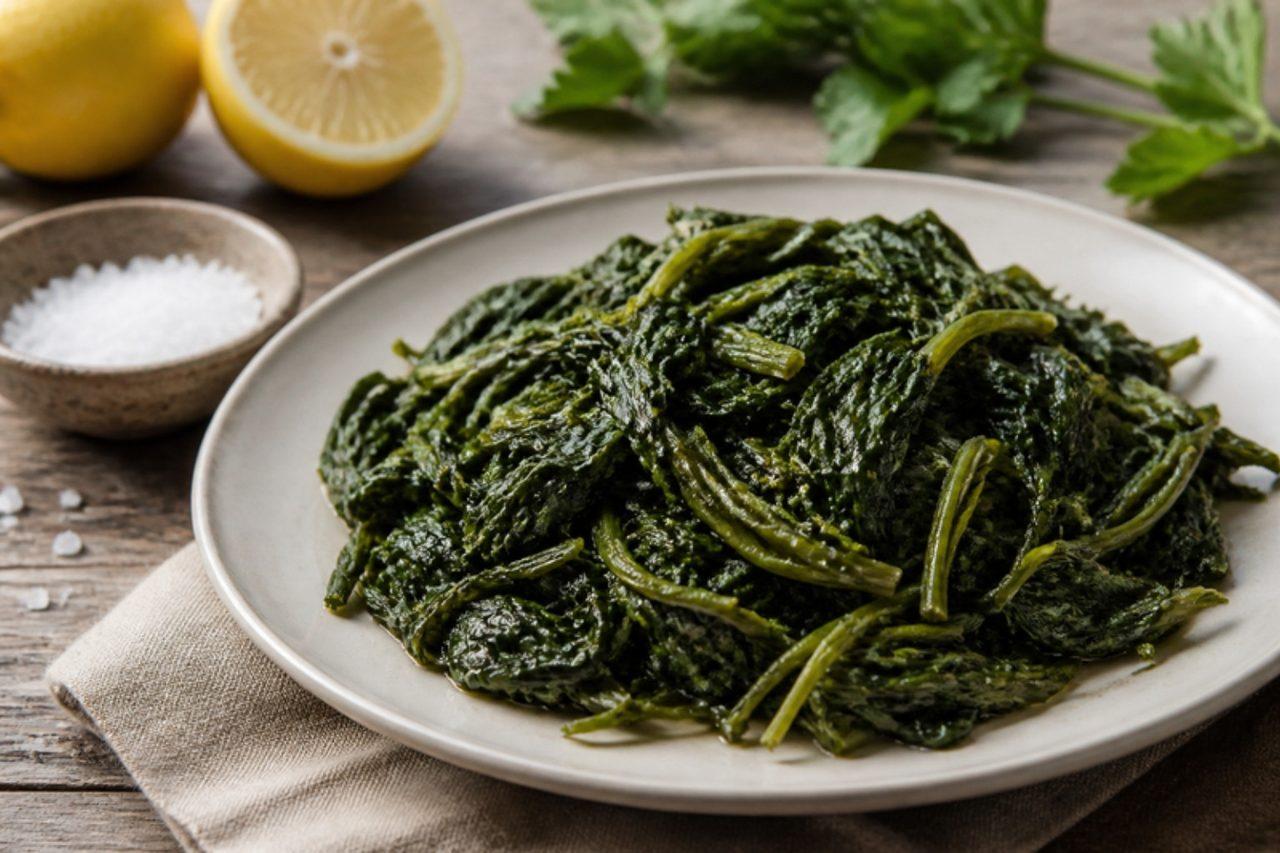
In Greek villages women still go out with a knife and a bag after the first autumn rains to gather horta: dandelion, wild chicory, amaranth, mustard greens. Boiled and dressed with the best olive oil and lemon, they are served warm or cool with almost every meal, from fried fish in a seaside taverna to a fasting-day plate of beans. The taste is pleasantly bitter and grassy. Common mistake: boiling them to khaki; cook only until the stems are tender and the leaves still deep green. Chef's tip: salt the cooking water generously like pasta water and dress the greens while warm, so they drink up the oil and lemon.

25 minGreekSidesVeganGluten free
by KrazyBadal 0 views

Karydopita

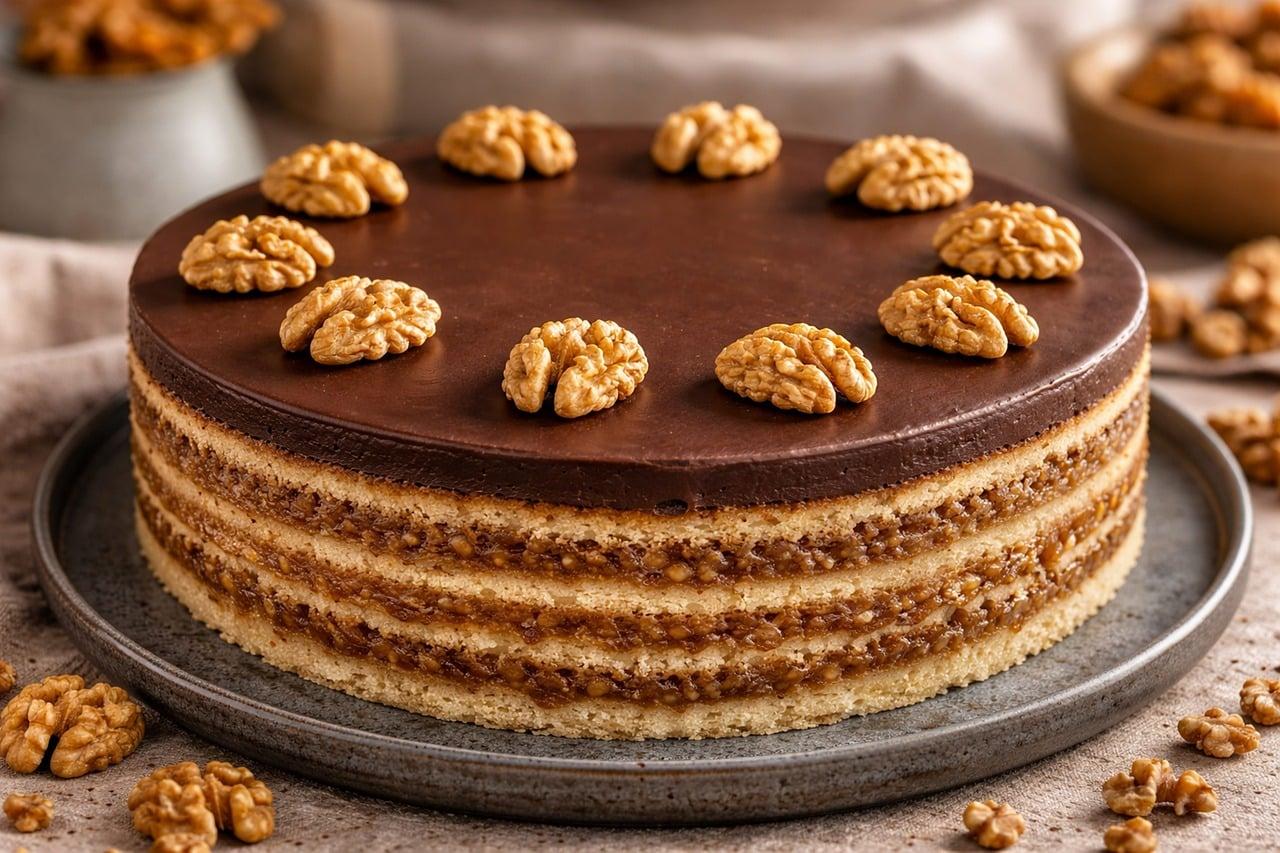
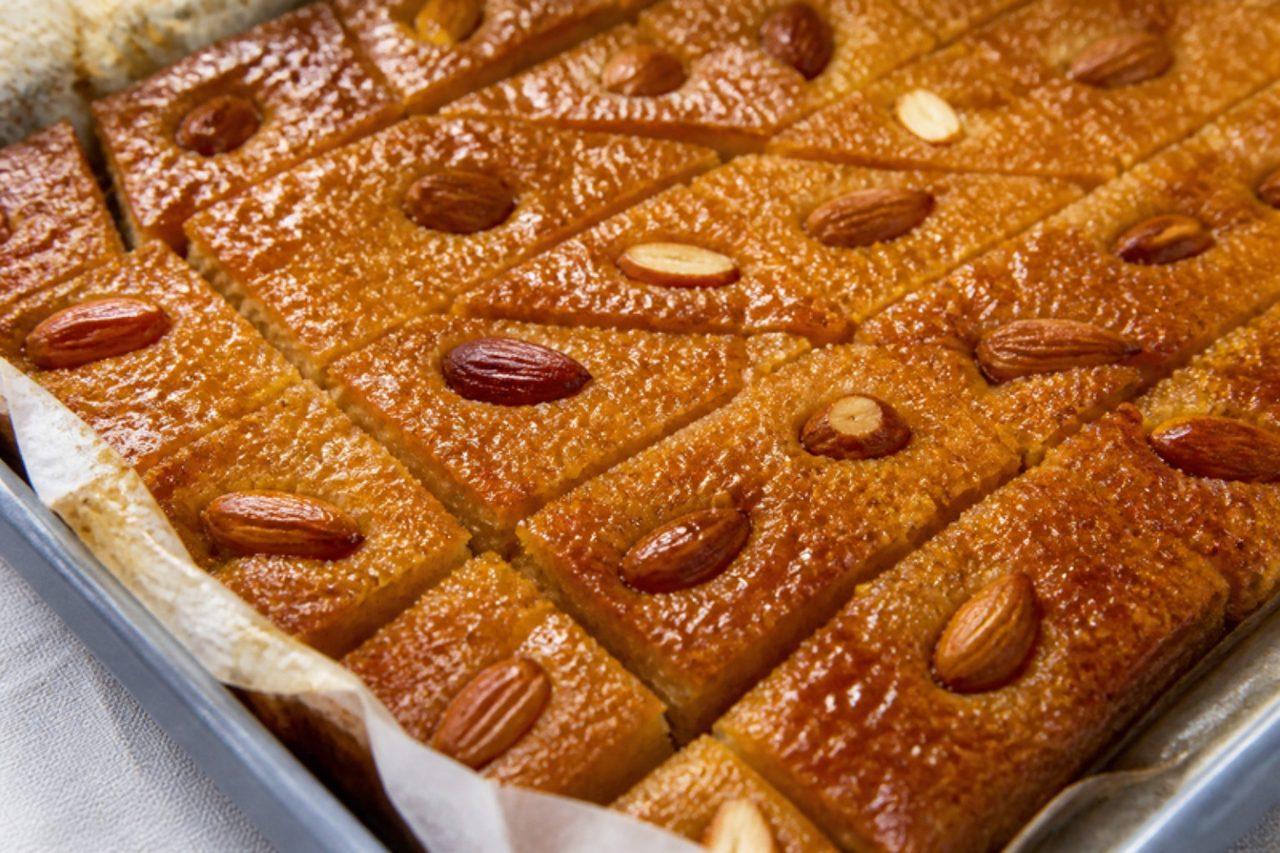
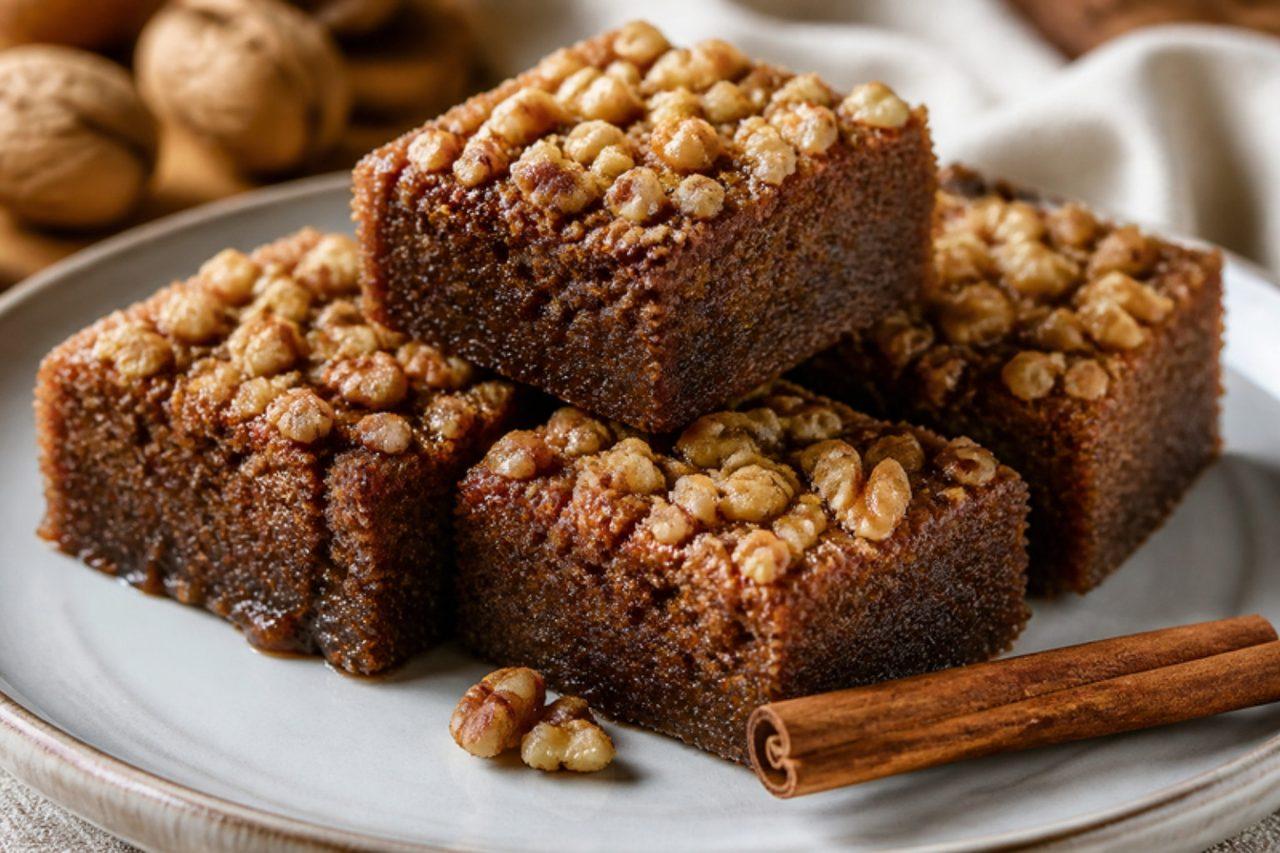
Karydopita is the cake Greek households bake for name days and Sunday visitors, cut into diamonds and set out with coffee or a scoop of vanilla ice cream. Ground walnuts and dried breadcrumbs replace much of the flour, giving a moist, dense crumb fragrant with cinnamon and clove, then the hot cake drinks up a cool syrup. Common mistake: pouring hot syrup over a hot cake, which leaves it soggy at the bottom and dry on top. Chef's tip: let it sit for at least 3 hours after syruping; it slices more cleanly and tastes even better the next day.

by KrazyBadal 0 views

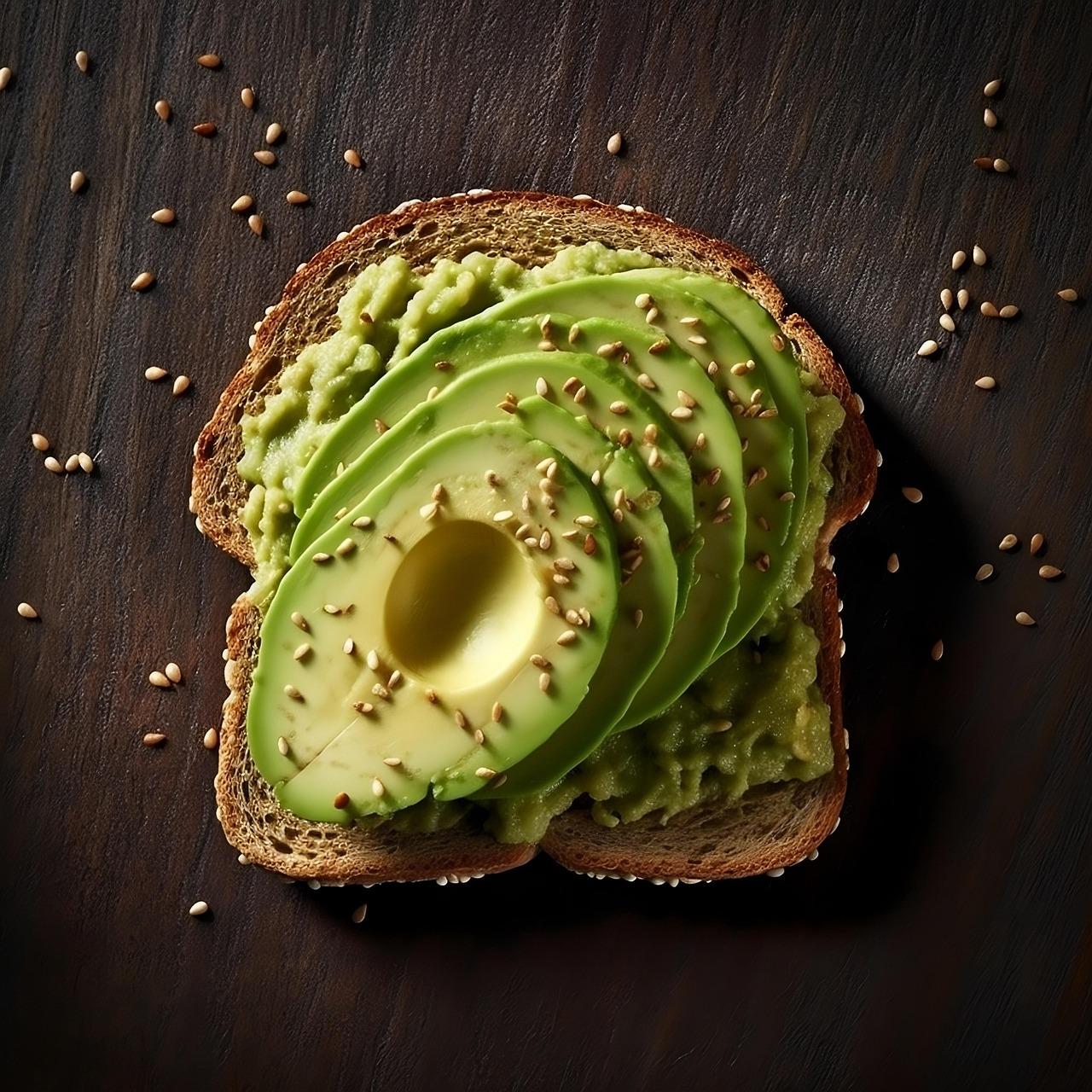
California avocado toast

Avocado toast took off in the cafés of Los Angeles and San Francisco, where California's Hass avocados are grown, and it is now the state's standard weekend brunch. The trick is simple ingredients done well: thick sourdough toasted hard, ripe avocado smashed with lemon and good salt, and something crunchy and sharp on top. Chef's tip: season the avocado more than you think, with salt and lemon; underseasoned avocado tastes flat.

by KrazyBadal 0 views

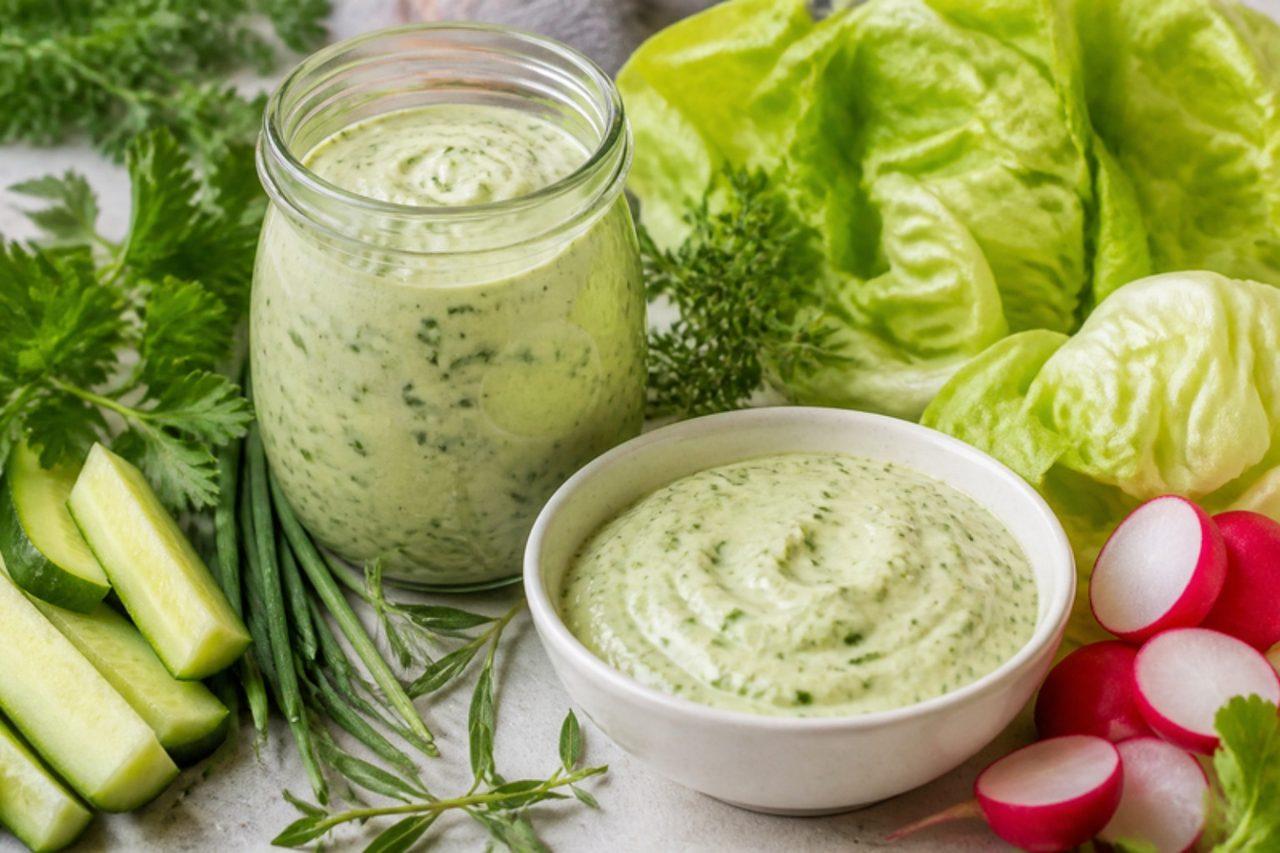
Green goddess dressing

Green goddess dressing was created at the Palace Hotel in San Francisco in the 1920s, named after a popular play, and it came back as the herb-packed dressing of California salad bars and grain bowls. It is pale green and creamy, full of tarragon, parsley and chives. The hotel's original used anchovies; this vegetarian version gets its savoury punch from capers. Use it on salads, as a dip for crudités or on roast vegetables. Chef's tip: blend the herbs with the lemon first, before the creamy ingredients, so they break down fully and turn the dressing bright green.

by KrazyBadal 0 views

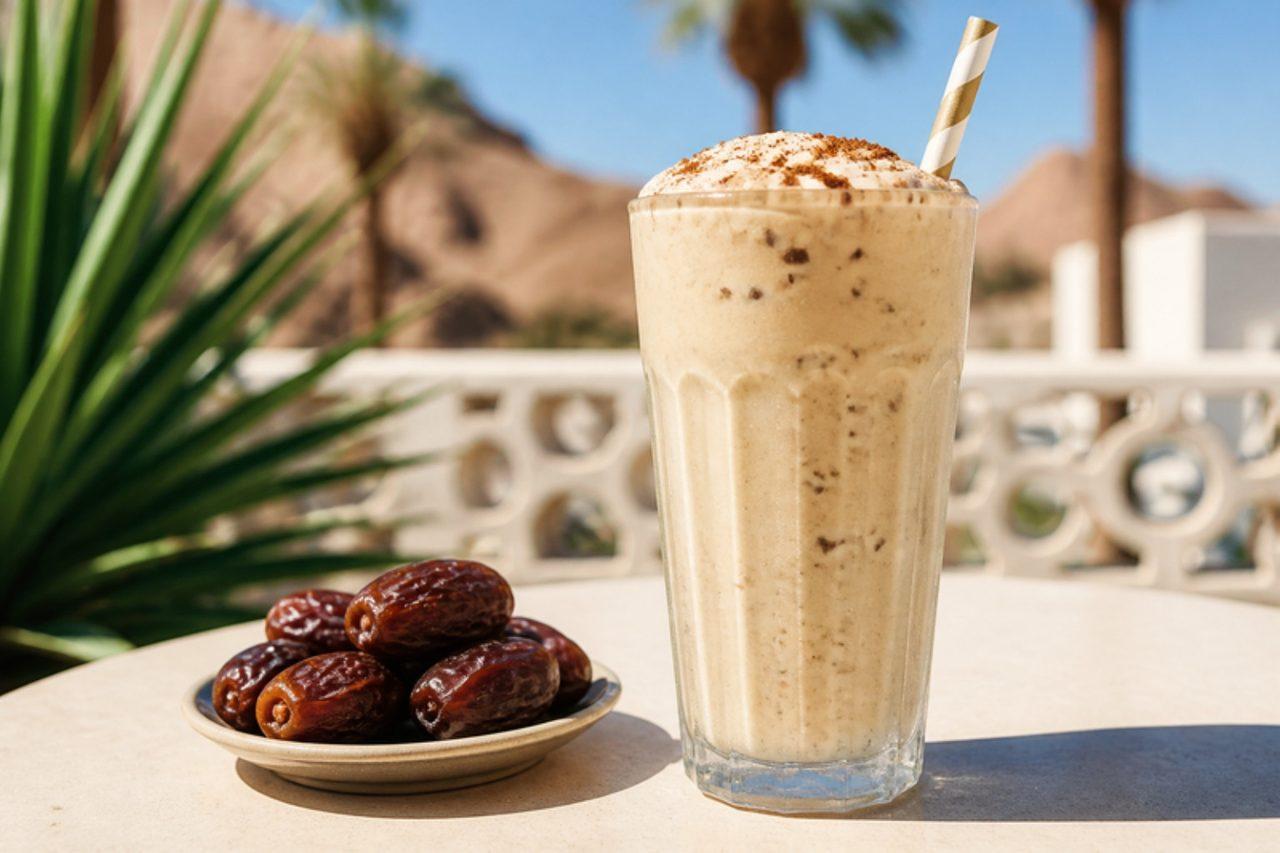
Palm Springs date shake

The Coachella Valley around Palm Springs and Indio grows most of America's dates, and roadside date farms along the desert highway have sold this shake to thirsty drivers since the 1930s. Soft Medjool dates are blended with vanilla ice cream and milk into a thick, caramel-flavoured shake. Chef's tip: soak the chopped dates in a little warm milk for 10 minutes first, so they blend completely smooth instead of leaving chewy bits in the straw.

by KrazyBadal 0 views

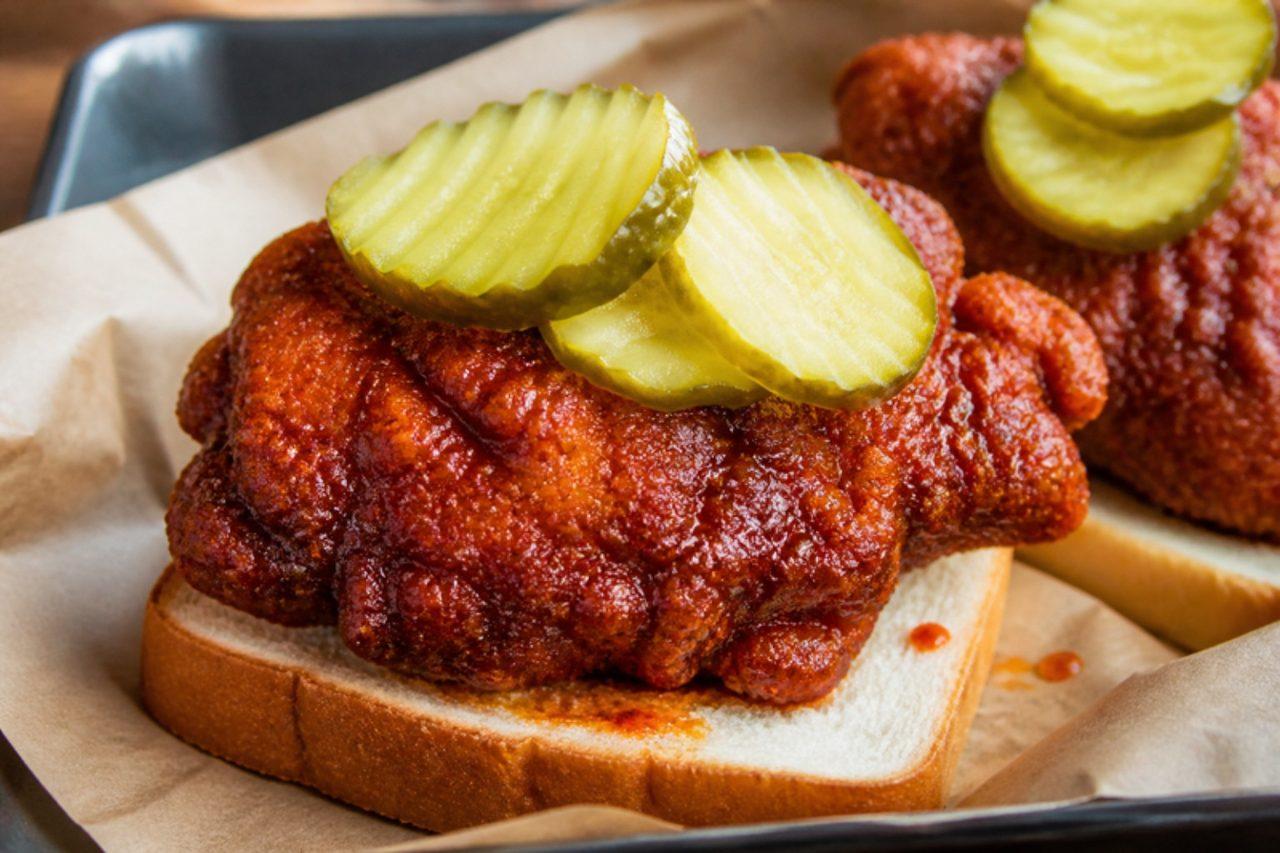
Nashville hot chicken

Hot chicken has been a Nashville institution since the 1930s and is eaten at late-night shacks and the city's summer hot-chicken festival: crisp buttermilk-brined fried chicken painted while hot with a paste of cayenne and brown sugar in hot oil, served on a slice of white bread with dill pickle chips to cool things down. Chef's tip: brine the chicken overnight in the fridge; it seasons the meat right through and keeps it juicy under all that heat.

by KrazyBadal 0 views

Arni fricassee

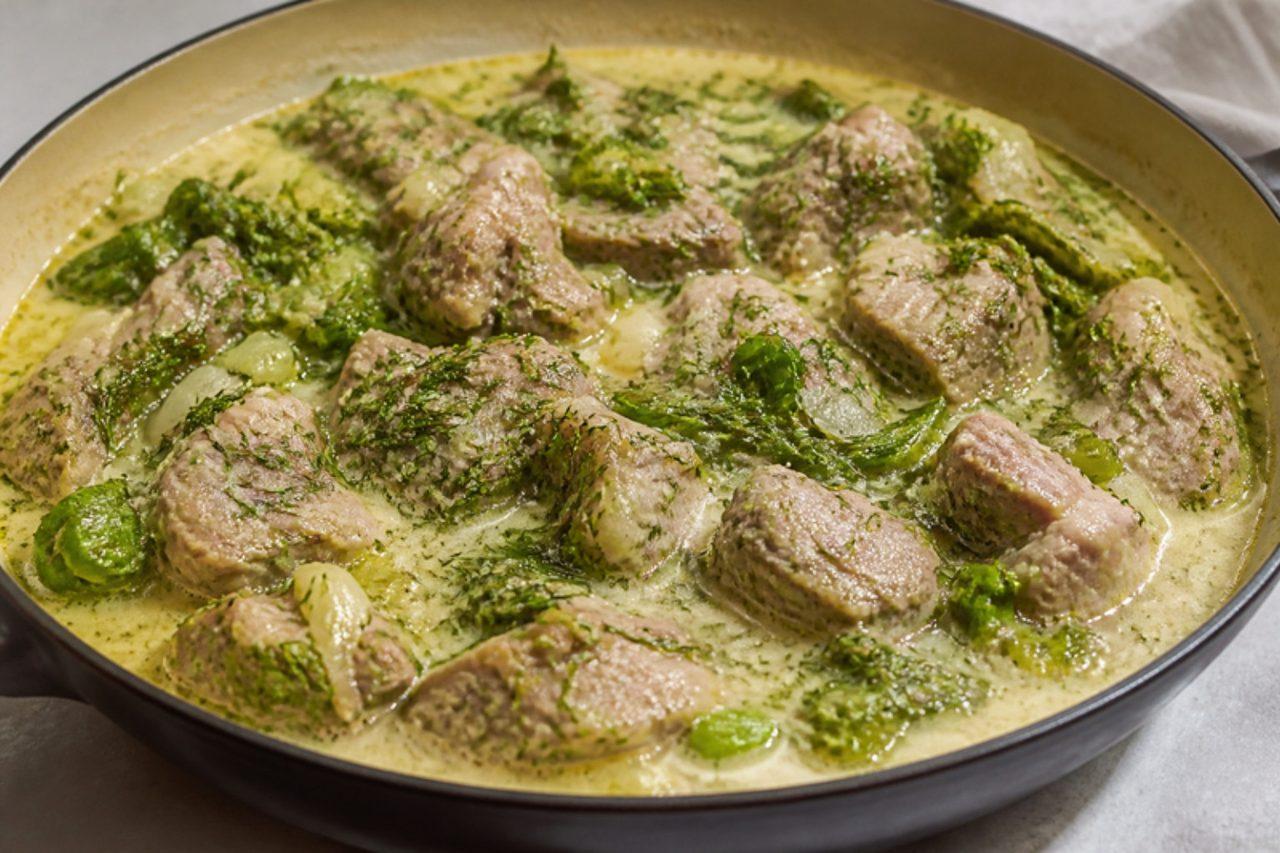
When cos lettuces and spring onions flood the markets around Easter, Greek cooks make arni fricassee: lamb braised slowly with mountains of greens and dill, then thickened at the last moment with avgolemono, the frothy egg and lemon sauce. The result is tender, tangy and fresh, a lighter alternative to the roast lamb of Easter Sunday, served with crusty bread to mop up the sauce. Common mistake: pouring the eggs straight into the bubbling pot, which scrambles them; temper them with hot broth first and keep the pot off the heat. Chef's tip: shake the pot to swirl the sauce in rather than stirring, so the lamb and greens stay whole.

125 minGreekMeatGluten free
by KrazyBadal 0 views

Bifteki gemisto

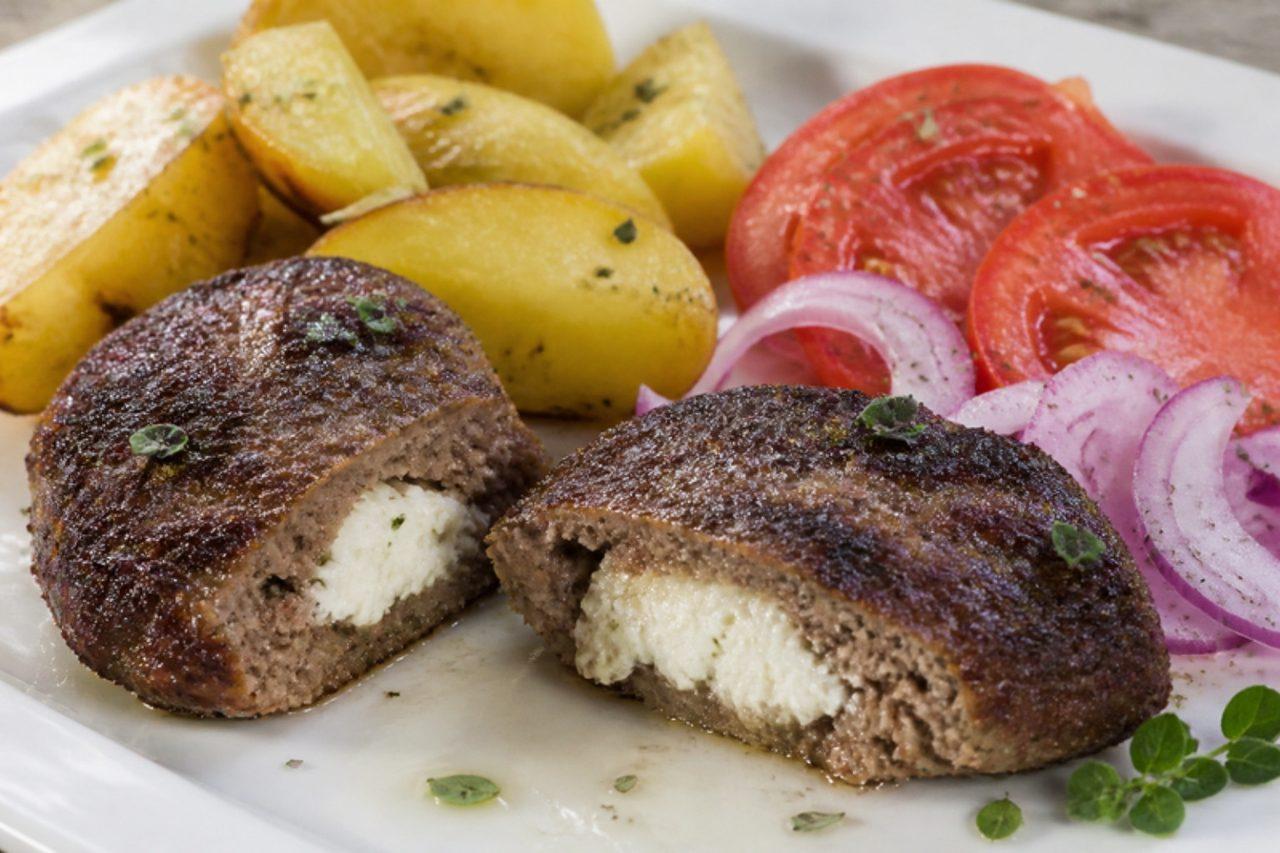
In Greek grill houses (psistaries) and in summer back gardens, bifteki are big, flattened patties of minced beef with grated onion, mint and oregano, and the stuffed version hides a slab of feta that melts as they cook. Serve with chips fried in olive oil, a village salad and tzatziki. Common mistake: using lean mince, which makes dry patties; 15–20 % fat keeps them juicy. Chef's tip: grate the onion and squeeze out its juice before mixing; you keep the flavour without making the mixture too wet to seal around the cheese.

35 minGreekMeat
by KrazyBadal 0 views

Kotopoulo me bamies

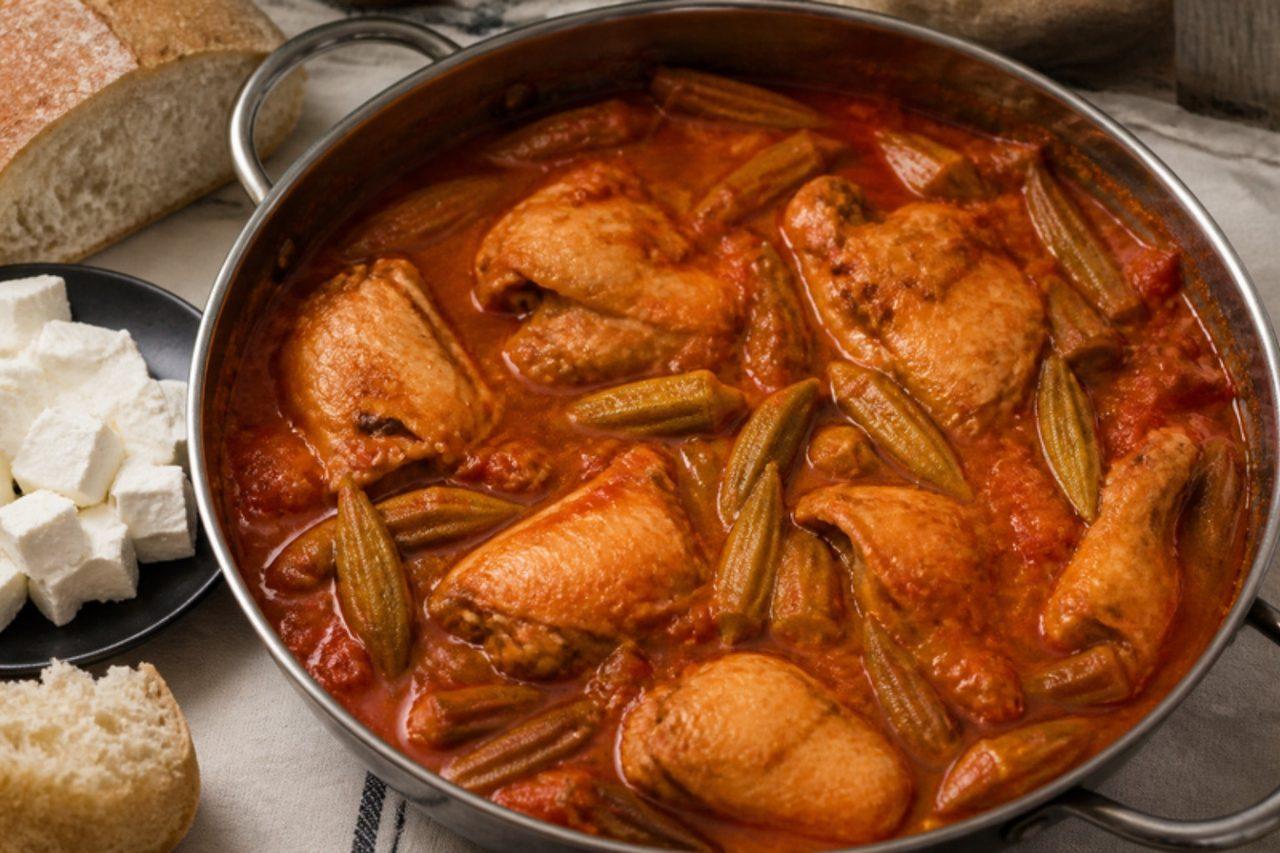
In late summer, when Greek markets are full of small, firm okra, home cooks braise them with chicken thighs, tomato and onions until the sauce is thick and glossy; it is a Wednesday-night dish, served with feta and bread. The trick is to keep the okra whole and un-slimy so it holds its shape. Common mistake: stirring the pot once the okra is in; shake it instead. Chef's tip: trim only the very top of each okra cone without cutting into the pod, then toss them with vinegar and salt and leave in the sun or a warm spot for 30 minutes; it firms them up and keeps the sauce clean.

100 minGreekChickenGluten free
by KrazyBadal 0 views

Erk sous

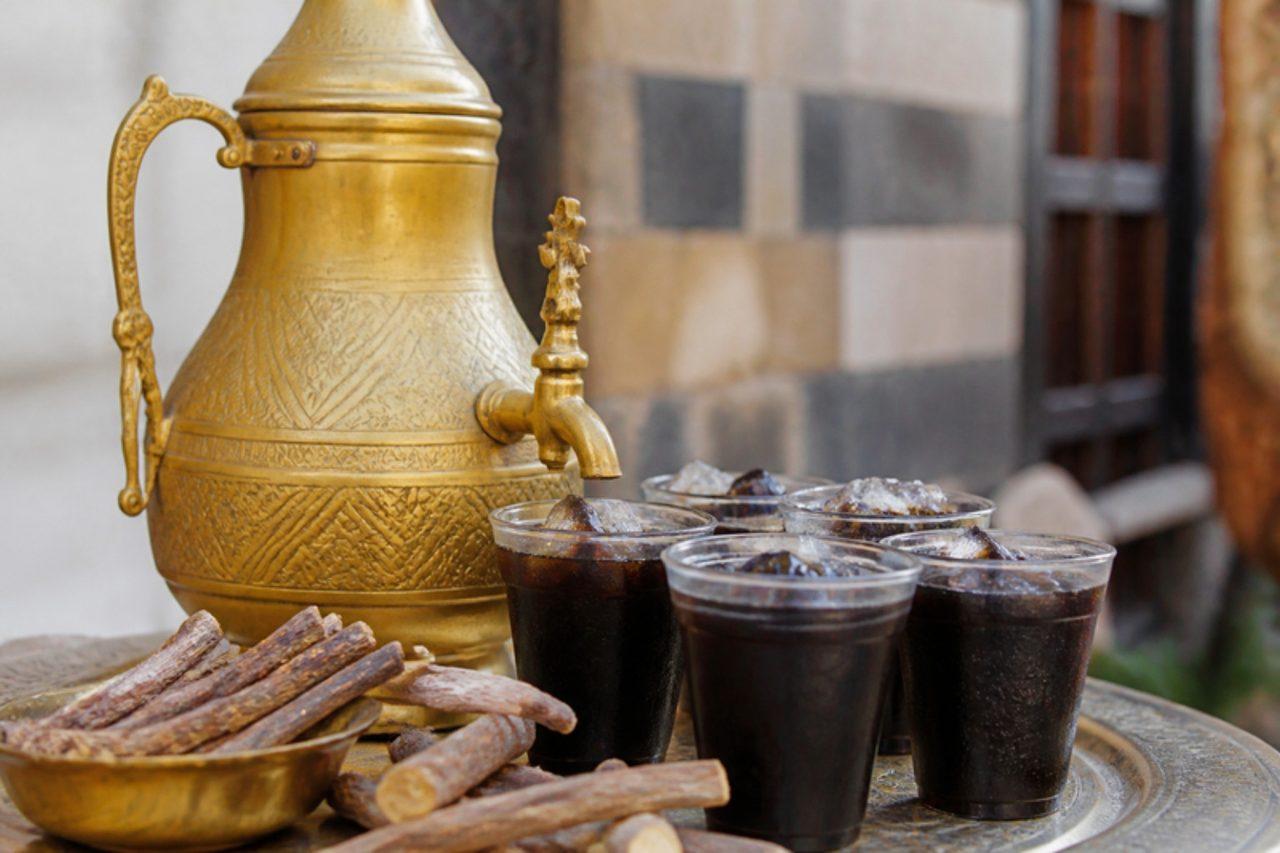
In the lanes of old Damascus and Aleppo, the erk sous seller is heard before he is seen, clacking brass cups as he walks with a great curved jug strapped to his back. His drink is liquorice root, slowly dripped through with cold water, dark, earthy, faintly bitter and naturally sweet, poured with a flourish over the shoulder during Ramadan iftars and hot afternoons. At home a sieve and a cloth do the job. The mistake people make is pouring boiling water over the root, which pulls out harsh bitterness; cold water and patience give a smooth, foamy drink. Liquorice root raises blood pressure if you drink a lot of it, so keep to a glass or two a day and skip it if you are pregnant or have high blood pressure. Chef's tip: a pinch of bicarbonate of soda in the damp root gives the drink its traditional thick, frothy head.

by KrazyBadal 0 views

Turmus

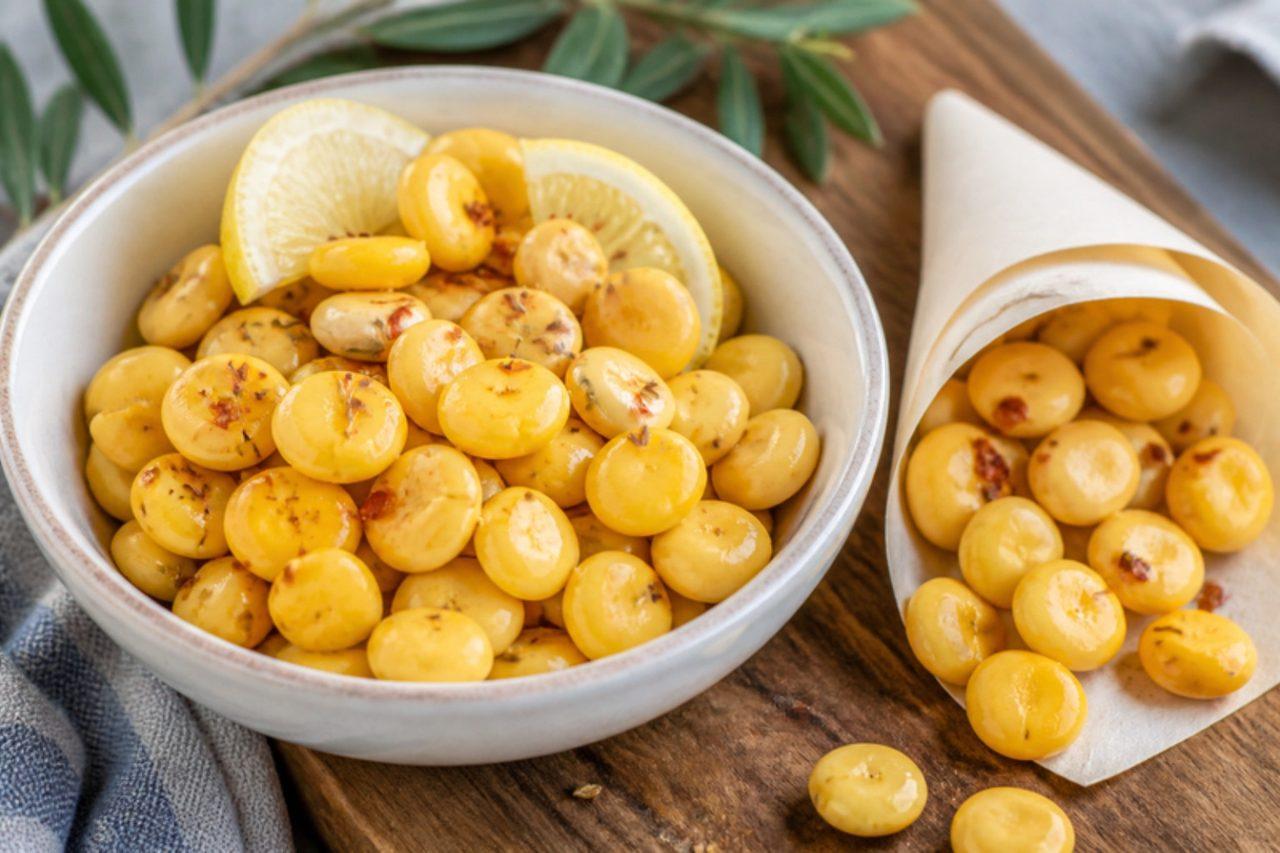
Strolling the Beirut Corniche or a Sunday market in Amman, you will pass carts selling turmus: plump golden lupini beans kept in salted water, scooped into paper cones and eaten by nicking the skin with your teeth and popping out the bean. They are also a fixture on mezze tables and a fasting snack for Lent. Dried lupins are naturally very bitter and must be soaked for days to wash those compounds out; never eat them while they still taste bitter, and if you are allergic to peanuts, check with a doctor first as lupin allergy is linked. A jar of ready-debittered lupini, drained and seasoned, is a quick shortcut. The common mistake is salting the beans before they are fully sweet, which seals the bitterness in. Chef's tip: finish with lemon, cumin and a little chilli just before serving; the salty brine keeps them, the dressing makes them moreish.

by KrazyBadal 0 views

Lemonana

From café terraces in Ramallah and Jaffa to juice bars along Hamra Street in Beirut, summer means tall glasses of lemonana: lemons and fistfuls of fresh mint blended with ice into a sharp, sweet, electric-green slush. It is the drink handed to you after a walk through the market at noon, and it cools a mezze lunch like nothing else. Everything goes in a blender, but the mint must be fresh and plentiful. The common mistake is blending the mint for too long, which bruises it and turns the drink murky and grassy. Chef's tip: make a lemon-sugar syrup first and chill it; dissolved sugar sweetens evenly and lets you blend for only a few seconds.

by KrazyBadal 0 views

Bizri

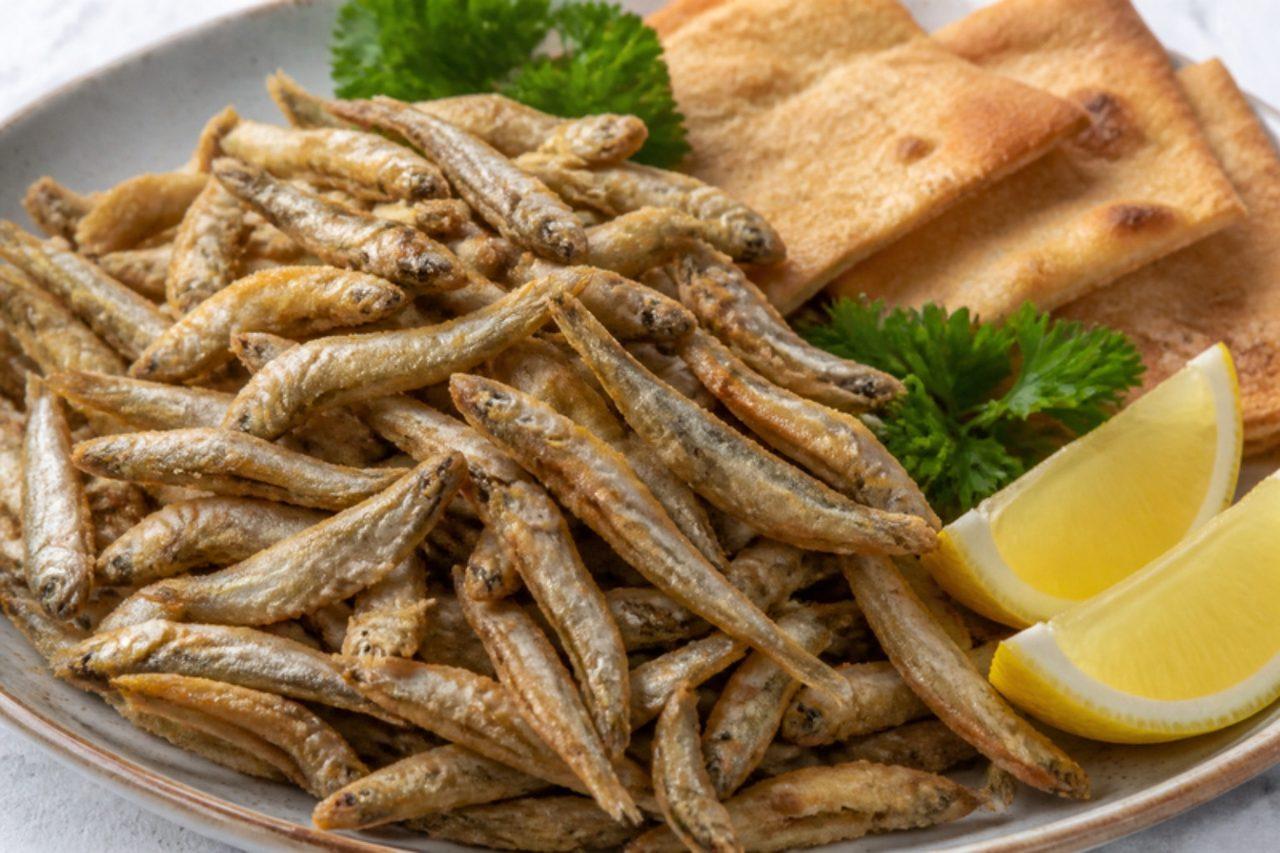
Fish restaurants on the harbours of Byblos, Batroun and Tyre bring bizri to the table within minutes of ordering: a heap of tiny whitebait, dusted in seasoned flour and fried so crisp you eat them whole, heads and all, with a squeeze of lemon. It is a mezze for sharing with fattoush, tahini sauce and fried pitta, usually while waiting for the bigger grilled fish. Buy the fish very fresh and keep it on ice until it goes into the pan. The common mistake is crowding the pan, which drops the oil temperature and leaves the fish greasy and soft. Chef's tip: toss the damp fish in flour in a sieve and shake off every bit of excess; a thin coating fries glassy-crisp.

by KrazyBadal 0 views

Sujuk

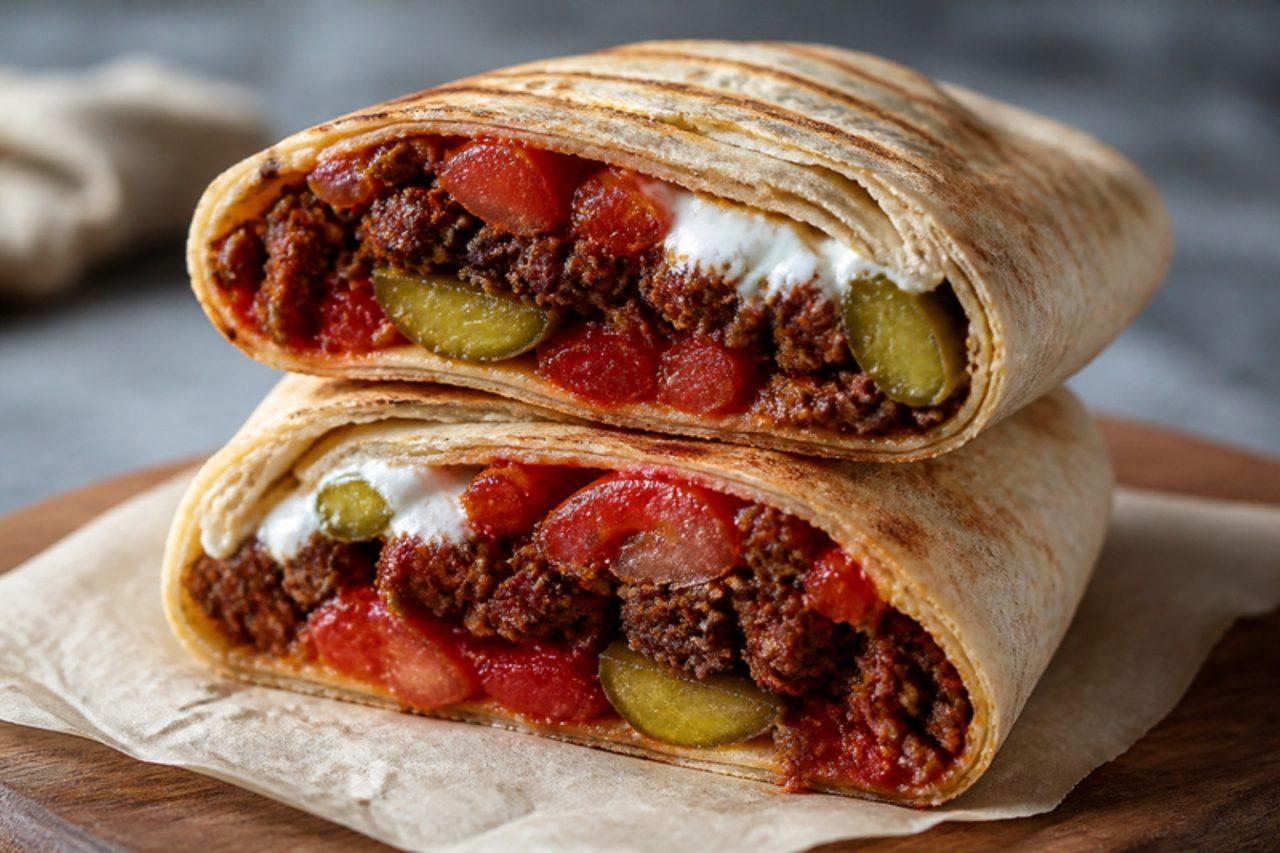
Late-night sandwich counters in Bourj Hammoud, Beirut's Armenian quarter, fry sujuk on a flat-top until it crackles, toss in tomatoes and wrap the lot in thin bread with toum and pickles. Ready-made sujuk is usually dried and cured; this home version is a fresh, uncured beef sausage mix seasoned with garlic, cumin, sumac and Aleppo pepper and shaped into skinless fingers, so it cooks quickly and safely. It is just as good at breakfast with fried eggs. The common mistake is frying on a high heat from the start, which burns the spices before the meat cooks through. Chef's tip: chill the shaped sausages for 30 minutes first; they hold together and brown better.

by KrazyBadal 0 views

Psari plaki

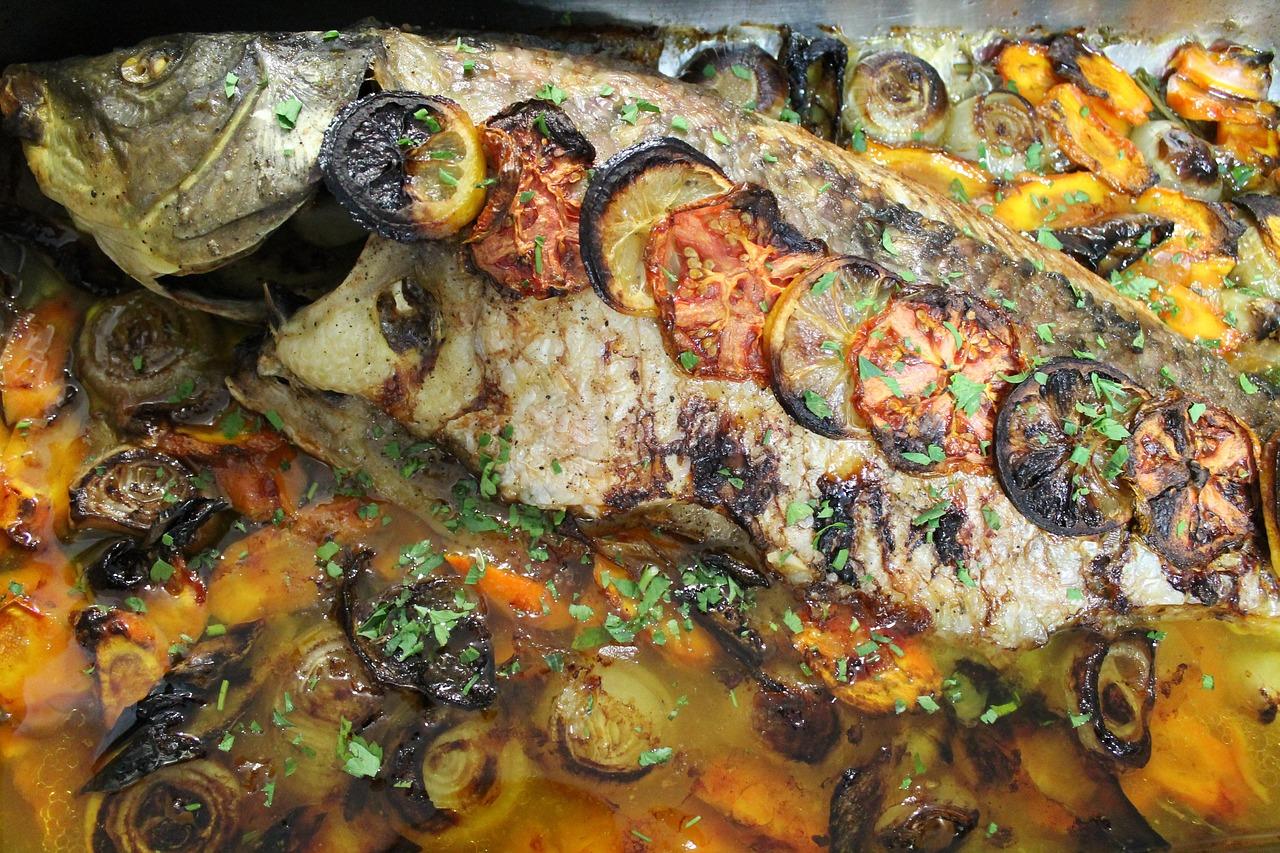
Psari plaki is how Greek island families cook the day's catch for a crowd: the fish laid on a bed of soft onions, garlic, tomatoes and parsley, drizzled with olive oil and baked until the sauce turns jammy. It is a traditional Friday and Palm Sunday dish, eaten with bread, horta and plenty of lemon. Use cod, hake, sea bream or grouper. Common mistake: putting the fish in with raw vegetables, which leaves them crunchy and watery when the fish is done; cook the base first. Chef's tip: squeeze lemon over the fish and let it sit while the base bakes; it firms the flesh and seasons it to the bone.

70 minGreekFishGluten free
by KrazyBadal 0 views

Htapodi sti skara

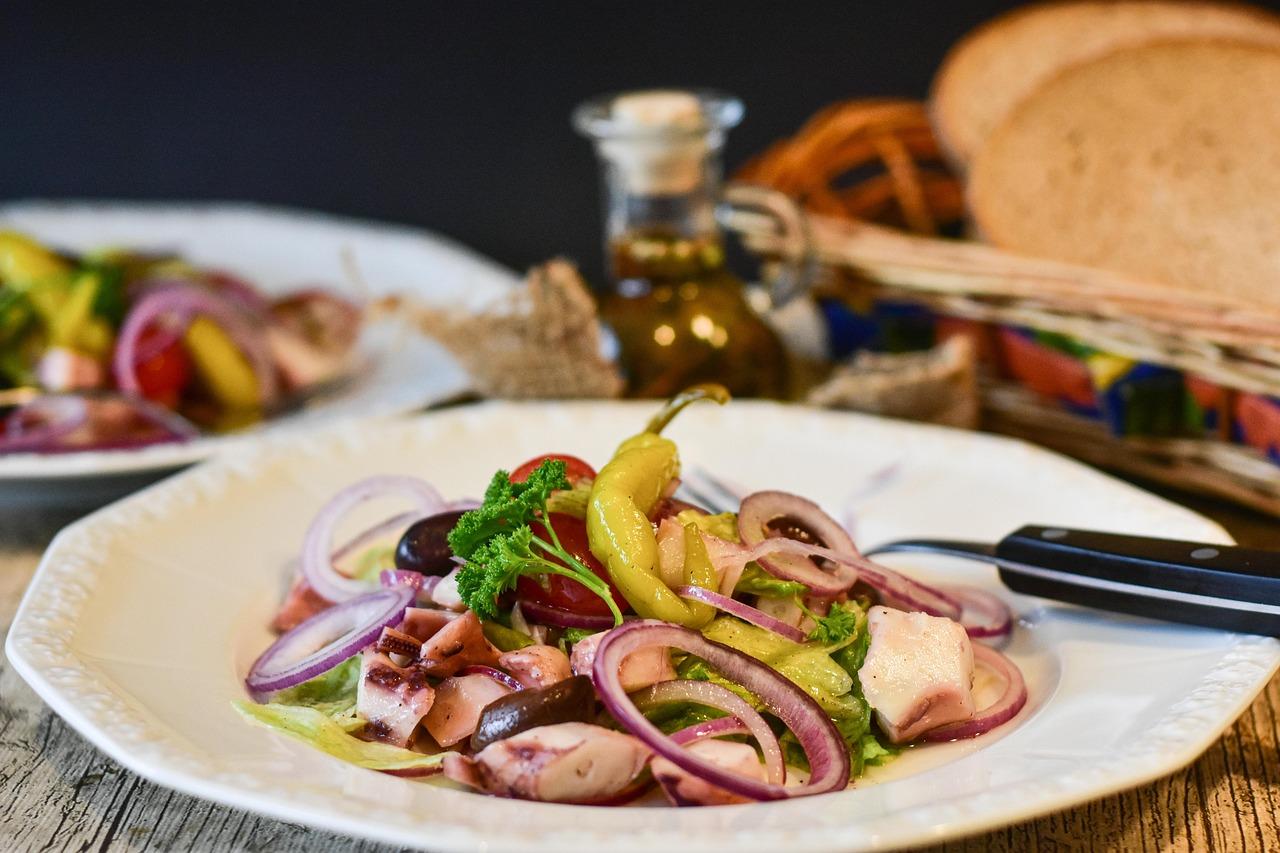
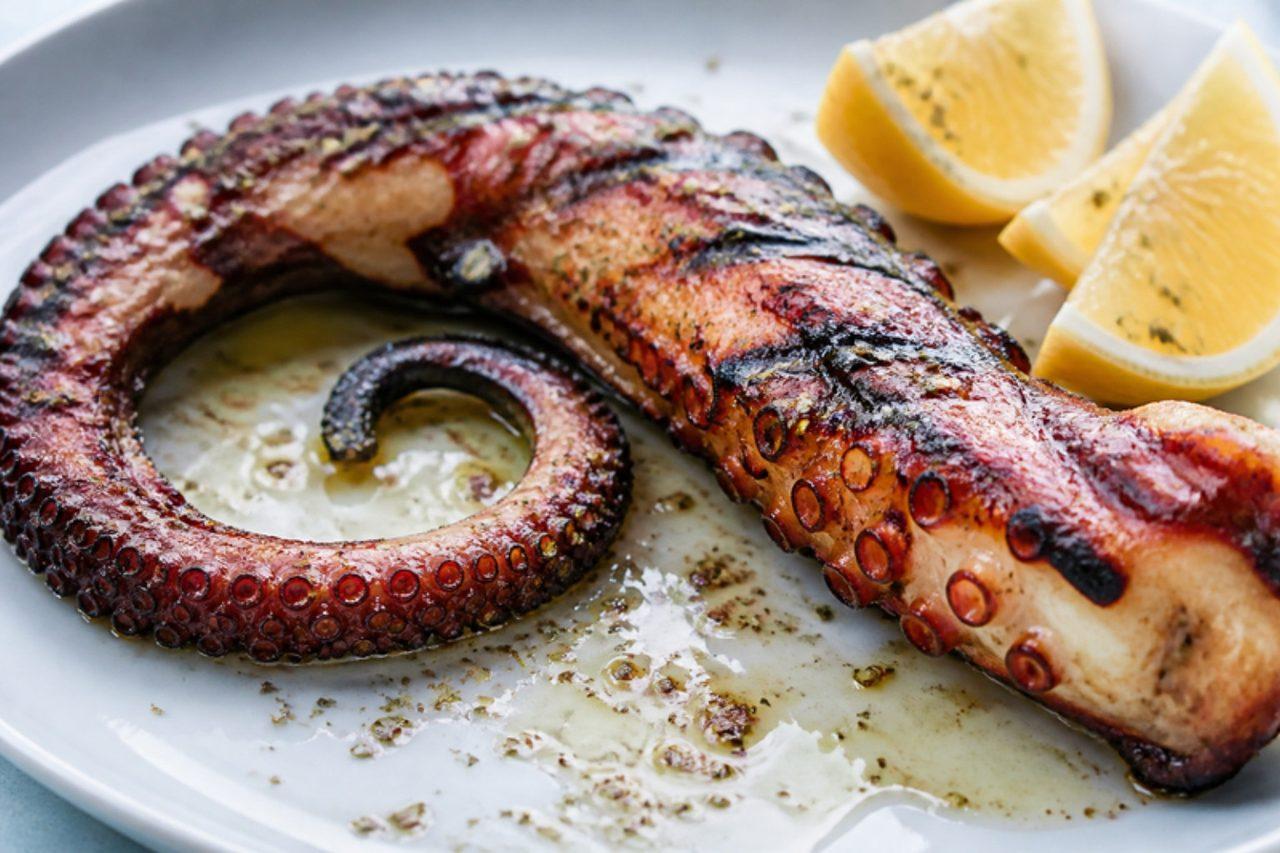
Octopus tentacles hanging to dry on a line outside a harbour taverna are a summer sight across the Greek islands, and they end up on the grill as one of the great ouzo mezedes, though they are just as good with a cold lemonade. Simmering first makes the octopus tender; the grill adds smoky, crisp tips. It is also a favourite Lenten dish, since shellfish and octopus are allowed on fasting days. Common mistake: grilling raw octopus straight away, which leaves it rubbery. Chef's tip: cook it in its own juices without added water; it gives off plenty of liquid and stays more flavourful.

90 minGreekFishGluten free
by KrazyBadal 0 views

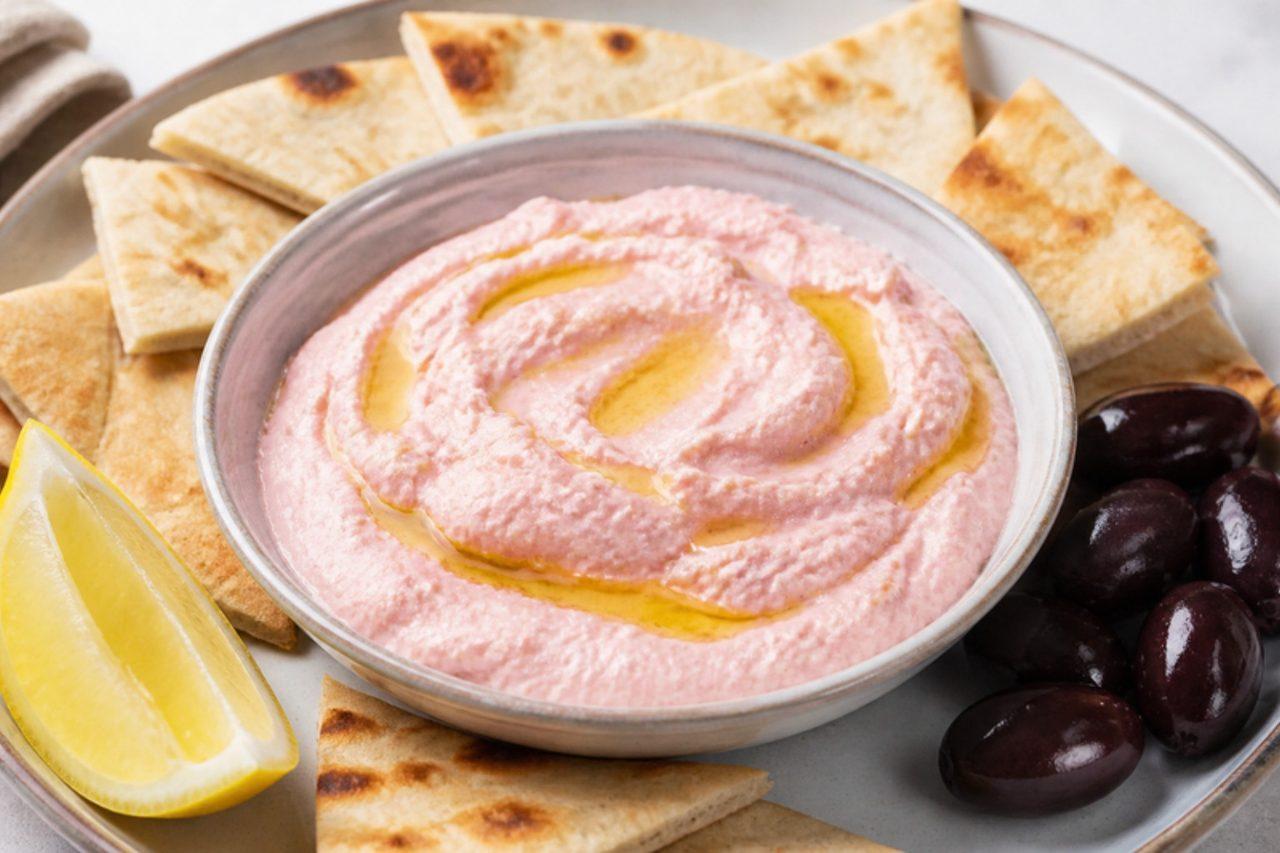
Taramosalata

Taramosalata is the star of Clean Monday, the first day of Greek Lent, scooped onto torn lagana at picnics while children fly kites, and it stays on taverna meze tables all year. The real thing is beige-pink, not bright pink, made from salted cured carp or cod roe (tarama) beaten with soaked bread, onion, lemon and oil into a salty, briny, mousse-like dip. Because tarama is cured rather than cooked, buy pasteurised roe for a safer version; even so, this dip is not for pregnant women, young children or anyone with a weakened immune system. Common mistake: adding the oil too fast, which splits it. Chef's tip: use white tarama if you can find it; it is less salty and lets the lemon shine.

by KrazyBadal 0 views

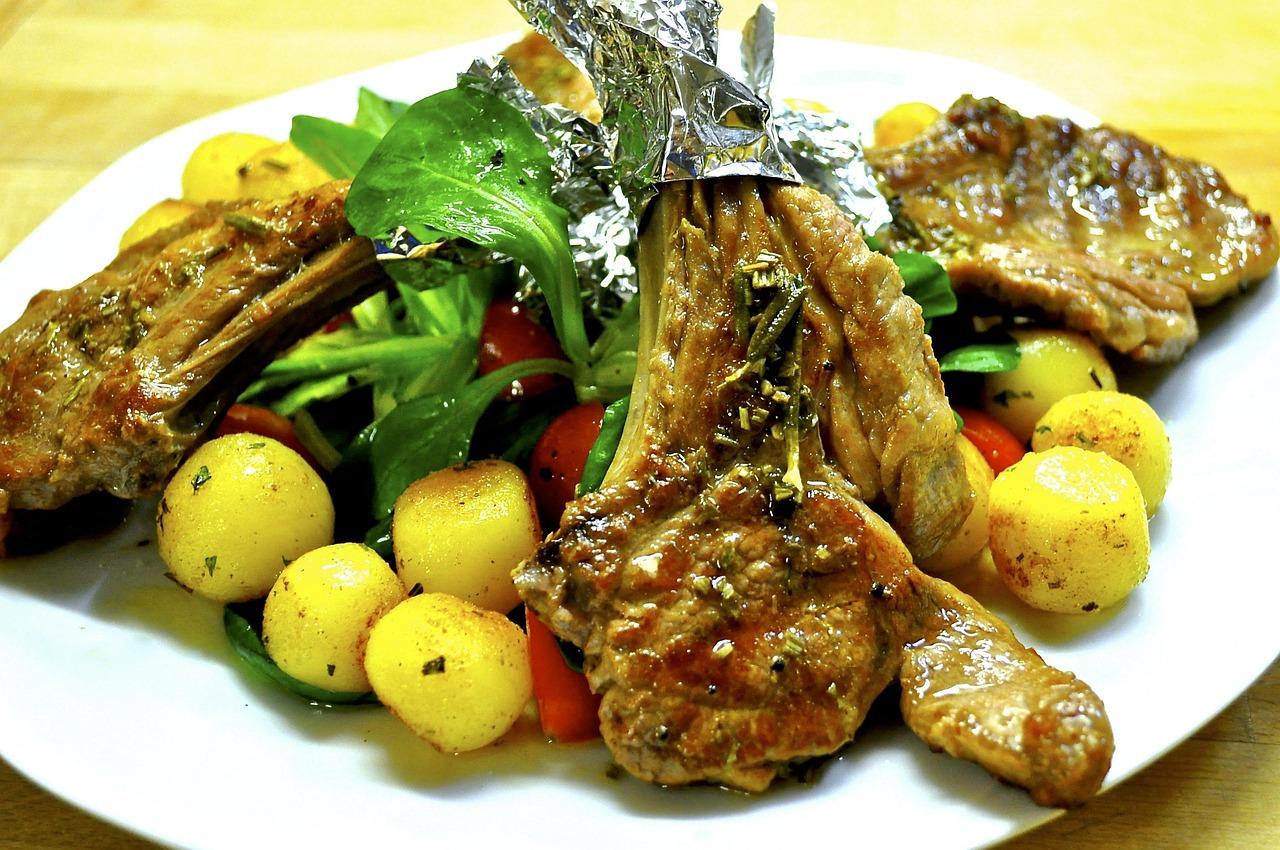
Paidakia

In the mountain villages around Athens and in Roumeli, families drive out on Sunday to psistaries where paidakia are sold by the kilo: thin lamb rib chops grilled over charcoal until the fat crackles, then showered with lemon, salt and oregano and eaten with your fingers. Chips, a horiatiki salad and tzatziki complete the meal. Common mistake: marinating them for hours in lemon, which makes the meat mushy; season simply and add lemon after grilling. Chef's tip: leave a thin rim of fat on each chop and grill fat-side first for a minute; it renders and bastes the meat.

20 minGreekMeatGluten free
by KrazyBadal 0 views

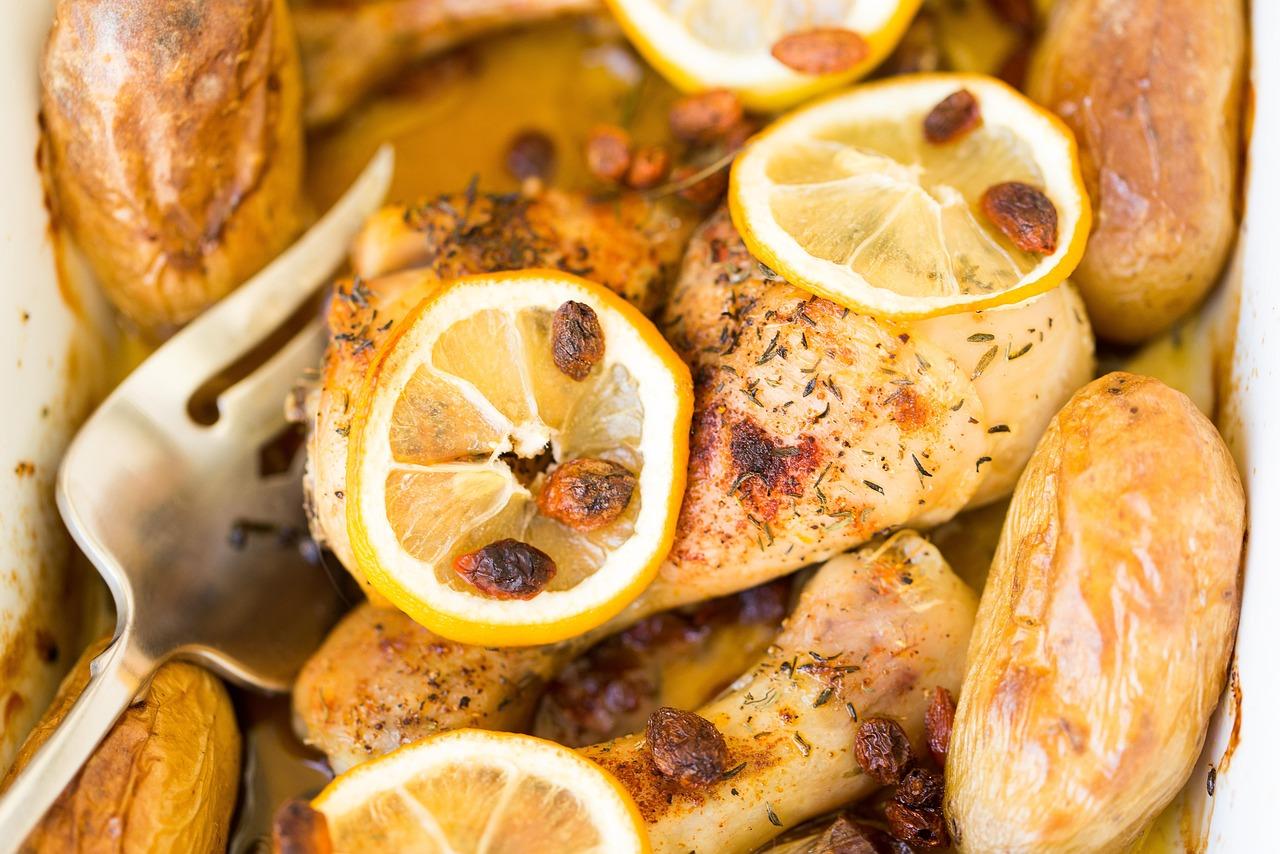
Kotopoulo lemonato

Kotopoulo lemonato is the roast that fills Greek apartment blocks with the smell of lemon and oregano on Sunday mornings: chicken pieces and potato wedges baked in a single tin with plenty of lemon juice, olive oil, garlic and a little mustard, until the potatoes soak up the juices and catch at the edges. Serve with a cabbage-carrot salad and feta. Common mistake: crowding the tin so everything steams; use a big roasting tin and a single layer. Chef's tip: add a splash of hot water halfway; it dissolves the browned bits into a sauce that the potatoes drink up.

by KrazyBadal 0 views

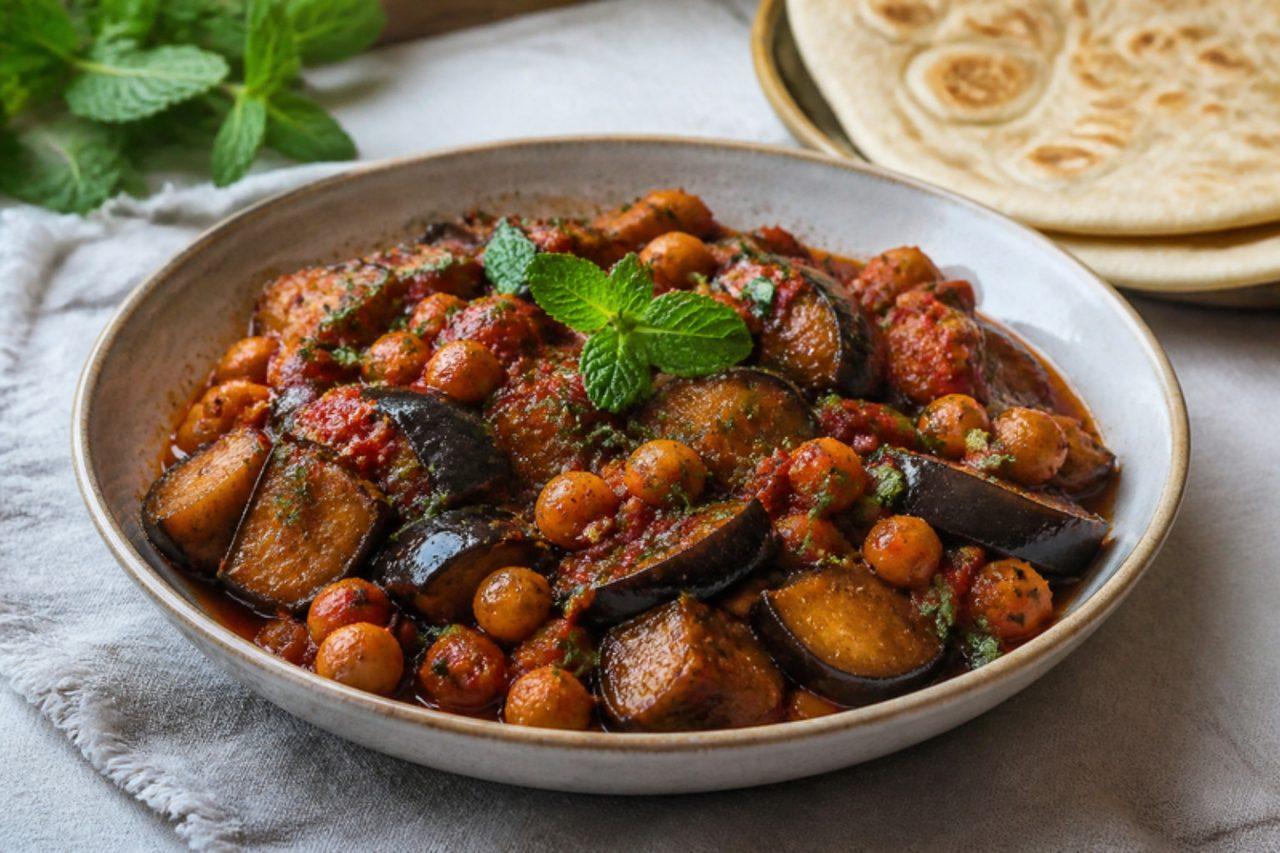
Maghmour

In Lebanese villages from the Chouf to the Bekaa, maghmour turns up on the table during the long Lenten fasts and through the summer, when aubergines are piled high at every greengrocer. Chunks of fried or roasted aubergine collapse into a sweet, garlicky tomato sauce with chickpeas and plenty of olive oil, so the dish is soft and silky rather than chunky. Lebanese cooks serve it at room temperature with flatbread, pickles and a bowl of olives, and it tastes even better on the second day. Roasting the aubergine instead of deep-frying keeps it lighter without losing the melting texture. Common mistake: stirring hard once the aubergine is in; fold gently or it turns to mush. Chef's tip: add a final drizzle of good olive oil and a pinch of dried mint just before serving to lift the deep, sweet flavours.

by KrazyBadal 0 views

Shanklish

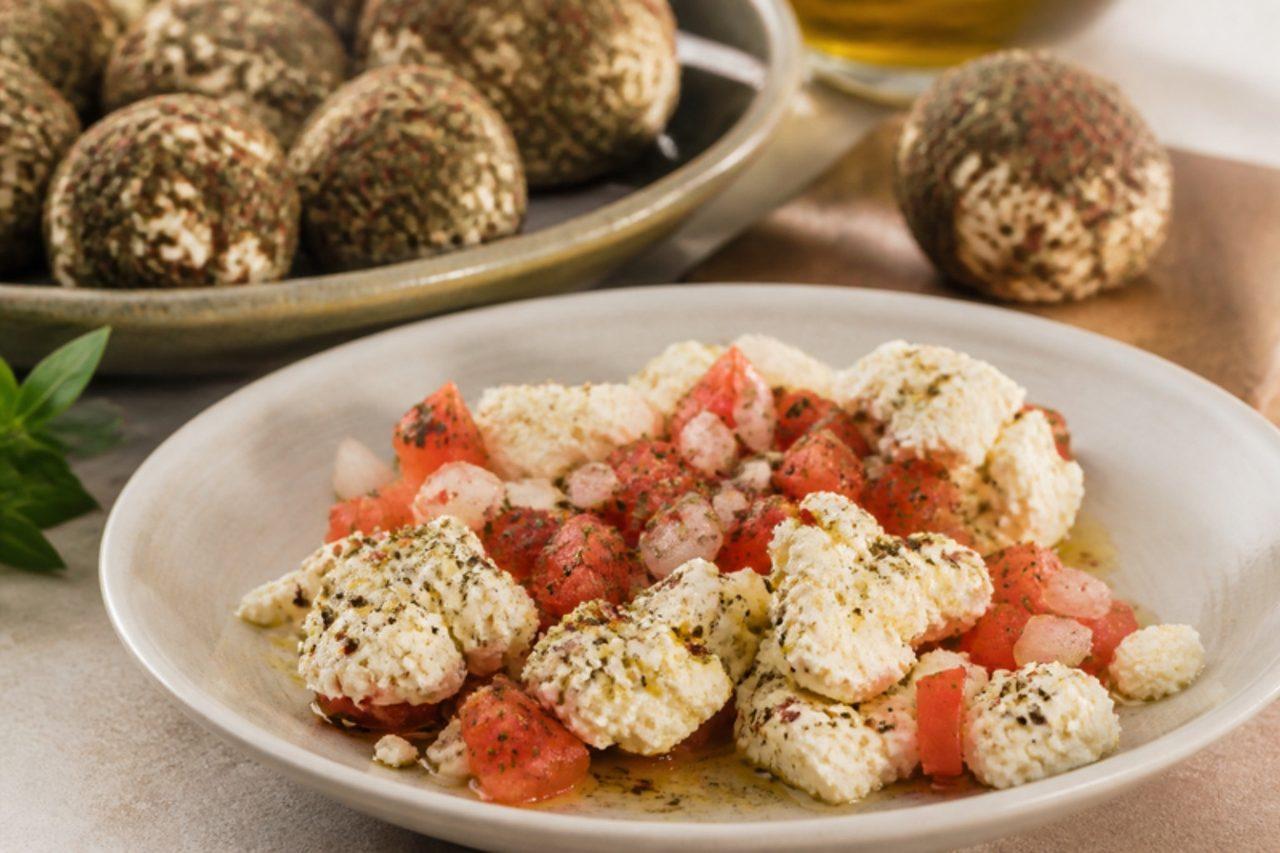
Up in the mountain villages of northern Lebanon and around Tartus on the Syrian coast, families once made shanklish at the end of summer to keep milk through the winter. This home version starts from strained yoghurt (labneh), seasoned and dried into firm balls, then coated in za'atar and Aleppo pepper for a tangy, crumbly cheese with a herby crust. Crumble it over chopped tomato and onion, drown it in olive oil and eat it with bread for breakfast or as mezze. Because it is made from labneh rather than rennet cheese, it is fully vegetarian. Common mistake: rolling the balls while the labneh is still soft; it must be firm enough to hold a thumbprint. Chef's tip: dry the balls uncovered in the fridge for two extra days if you like a sharper, more crumbly cheese.
by KrazyBadal 0 views

Meghli

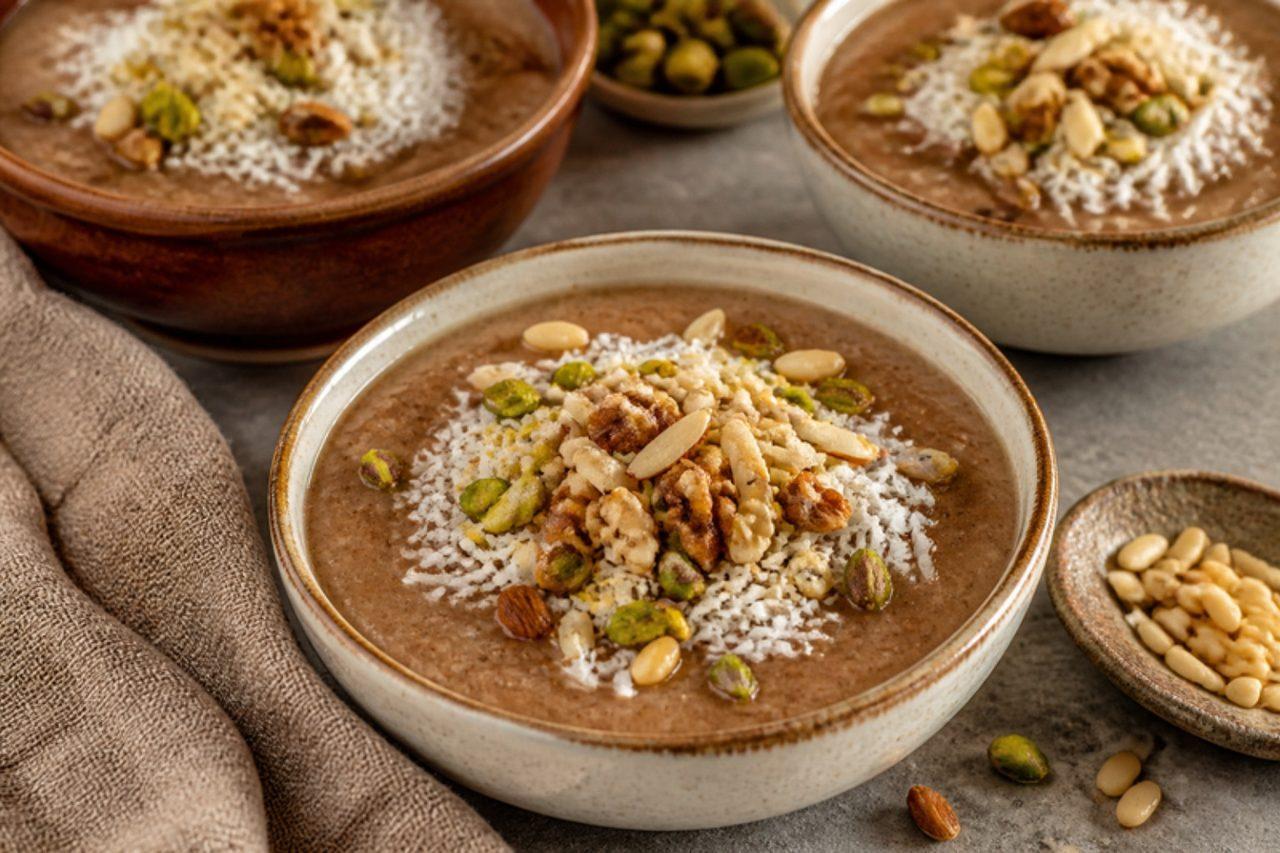
When a baby is born in Lebanon, the family cooks a big pot of meghli and hands out bowls to every visitor who comes to congratulate them; it also appears at Christmas in Christian homes. Ground rice is simmered with sugar and warm spices — caraway, cinnamon and anise — until it sets into a smooth, cocoa-brown pudding with no milk or eggs at all. Each bowl is topped with desiccated coconut and a generous pile of soaked walnuts, almonds, pistachios and pine nuts. Common mistake: walking away from the pot; ground rice catches and lumps fast, so it needs steady stirring. Chef's tip: soak the nuts in cold water overnight and peel the almonds; they turn plump and crisp, which is the hallmark of a good meghli.

by KrazyBadal 0 views

Adas bi hamod

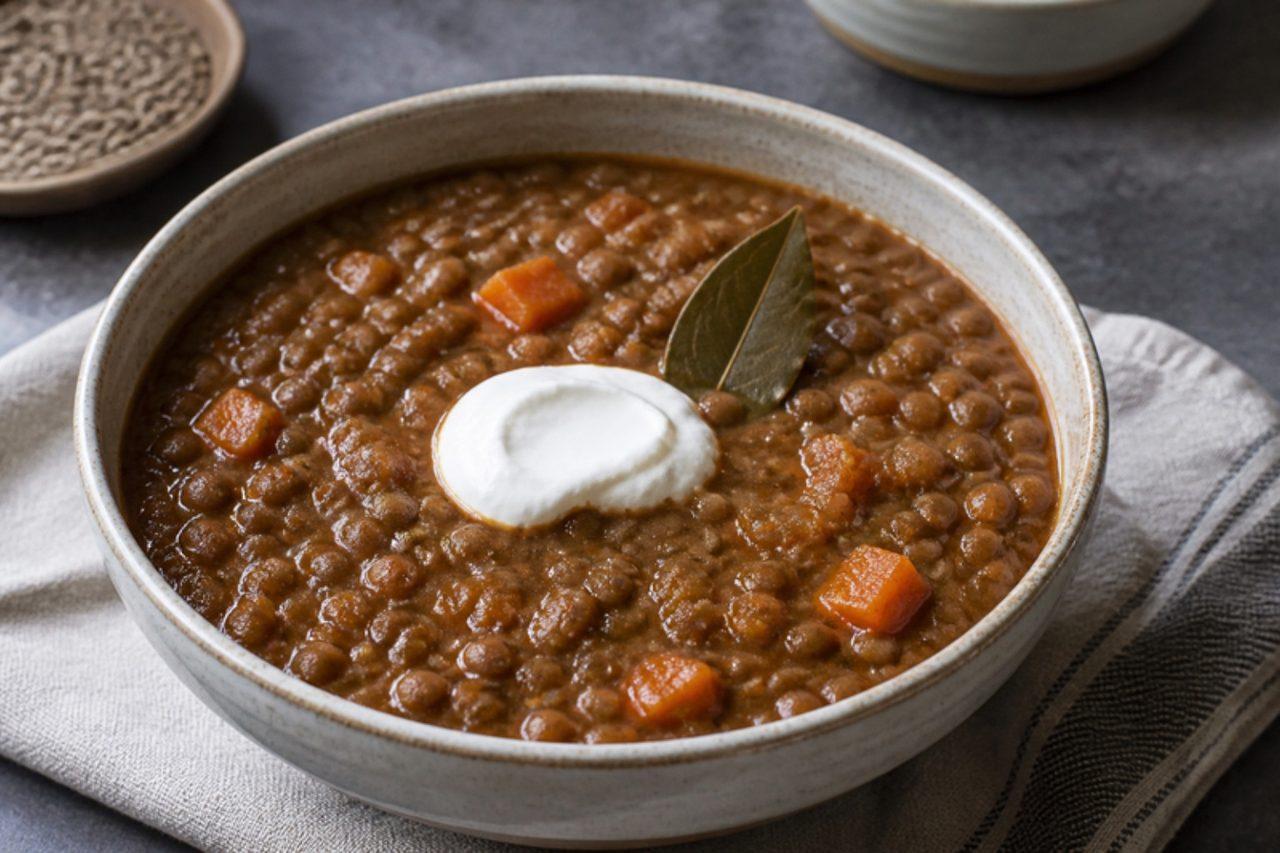
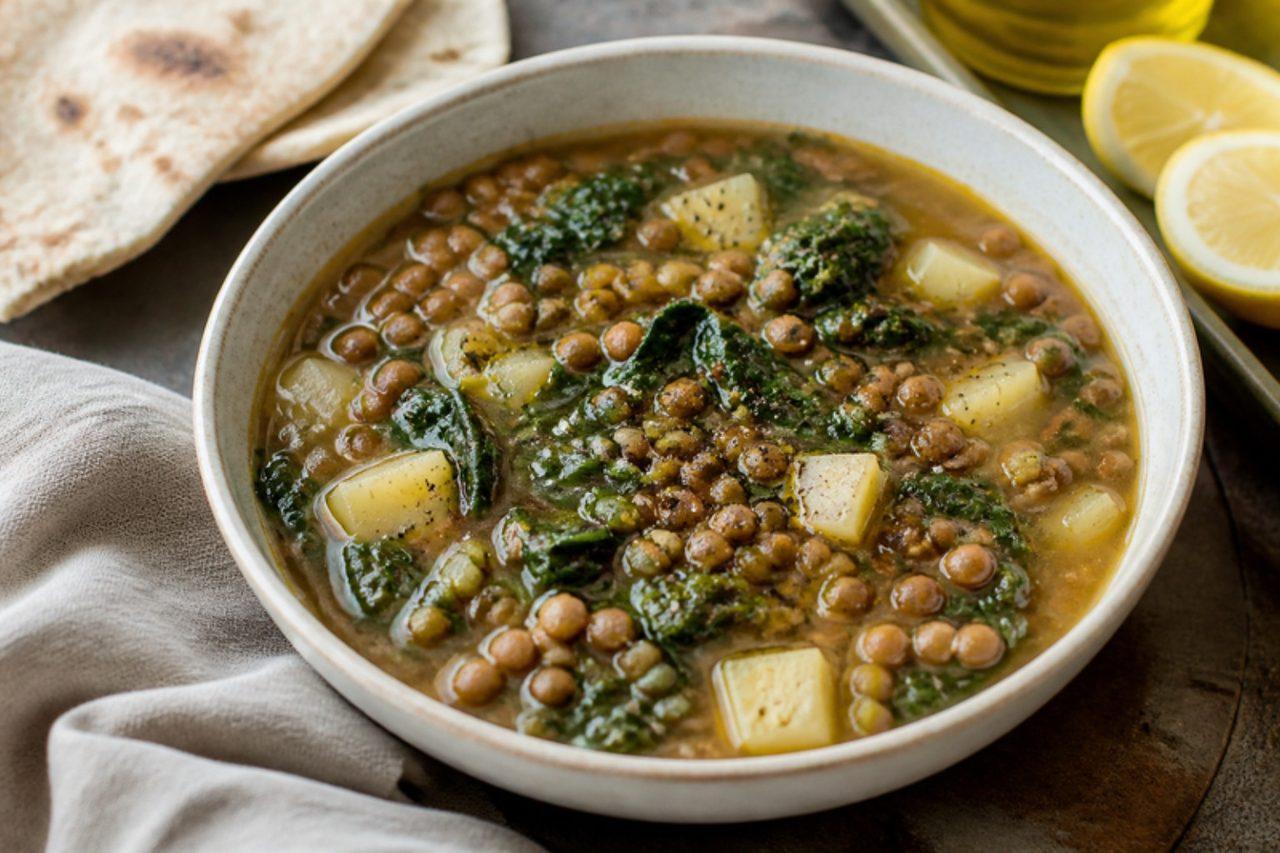
Adas bi hamod — 'lentils with sourness' — is a Lenten staple in Lebanese Christian homes and a thrifty weeknight pot everywhere else, especially in the south. Brown lentils simmer with chard, potato and a fried paste of garlic and coriander until the broth turns thick, then a generous amount of lemon makes it tangy and refreshing. It is somewhere between a soup and a stew and is just as good warm or at room temperature with bread. Common mistake: adding the lemon at the start; the acid stops the lentils softening, so add it at the end. Chef's tip: mash a ladleful of lentils against the side of the pot to give the broth body without any flour.

by KrazyBadal 0 views

Salatet el raheb

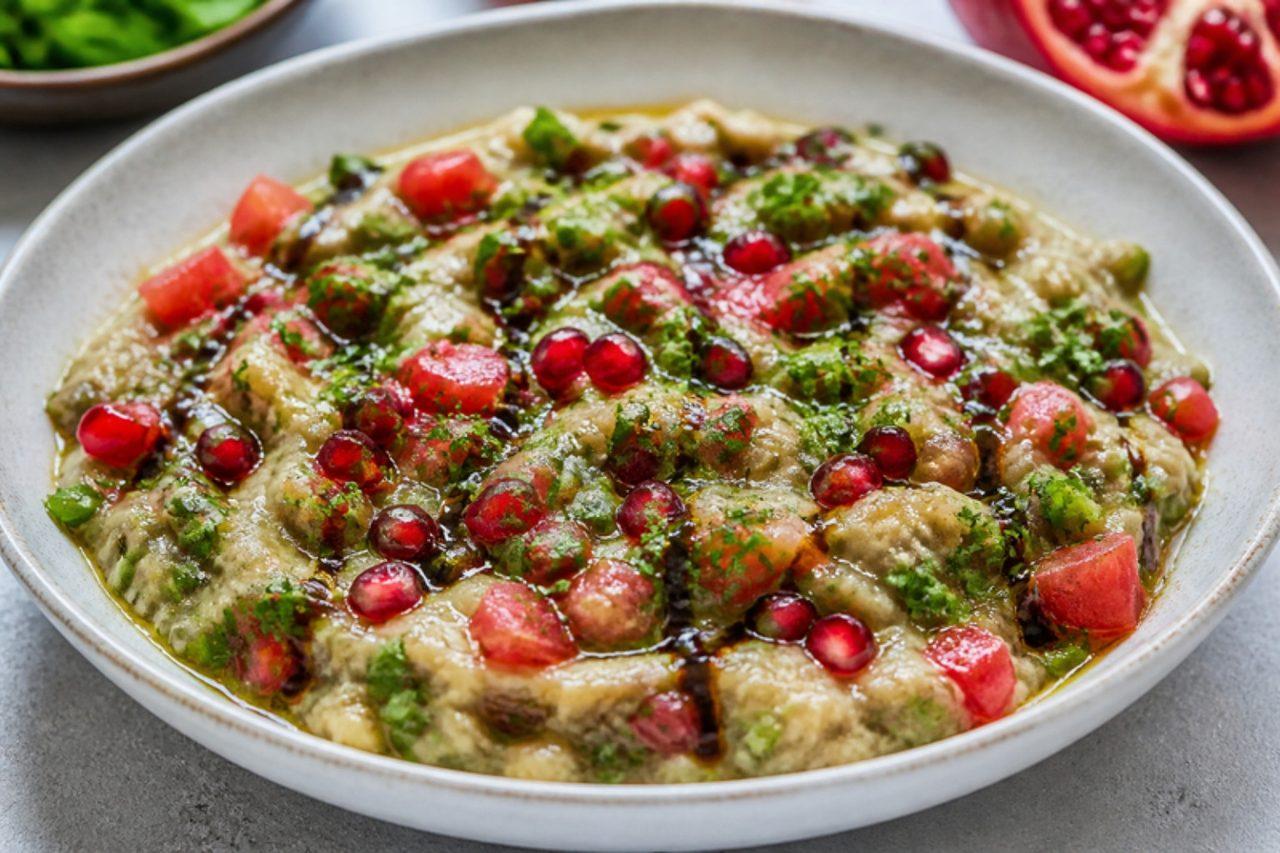
Mezze restaurants along the Lebanese coast serve salatet el raheb as the fresh, chunky cousin of baba ghanoush: the aubergine is charred until smoky, then chopped rather than puréed and tossed with tomato, peppers, spring onion, parsley and a sharp dressing of lemon and pomegranate molasses. There is no tahini, so it is light and summery and sits well next to grilled halloumi or kebabs. Common mistake: leaving the aubergine juices in; drain the flesh in a sieve or the salad turns watery. Chef's tip: char the aubergines directly over a gas flame or on a barbecue rather than in the oven — the smoky flavour is the soul of the dish.

by KrazyBadal 0 views

Kallaj

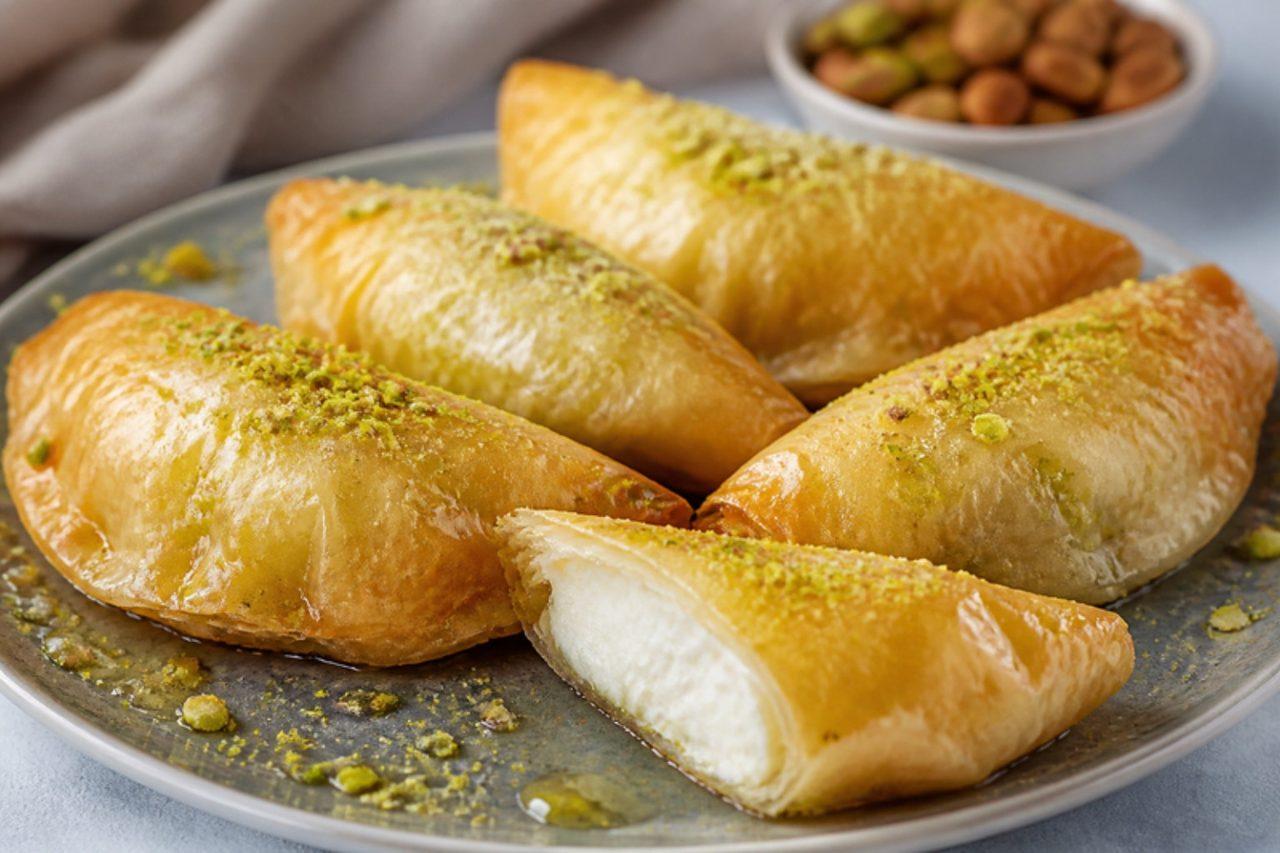
Kallaj appears in the sweet shops of Beirut and Tripoli only during Ramadan, when bakers sell paper-thin starch sheets to wrap around cream or cheese and fry for after iftar. Home cooks recreate it with filo: square parcels of thick milk cream, baked until they crackle, then soaked briefly in rose and orange-blossom syrup and finished with pistachios. Serve them warm, a few minutes after the syrup goes on, while the outside is still crisp. Common mistake: drowning them in syrup and leaving them to sit; spoon it over just before serving. Chef's tip: a cheese version — fill with half mozzarella, half unsalted ricotta — is just as traditional; choose a vegetarian-rennet mozzarella if you need it.

by KrazyBadal 0 views

Kibbeh bil sanieh

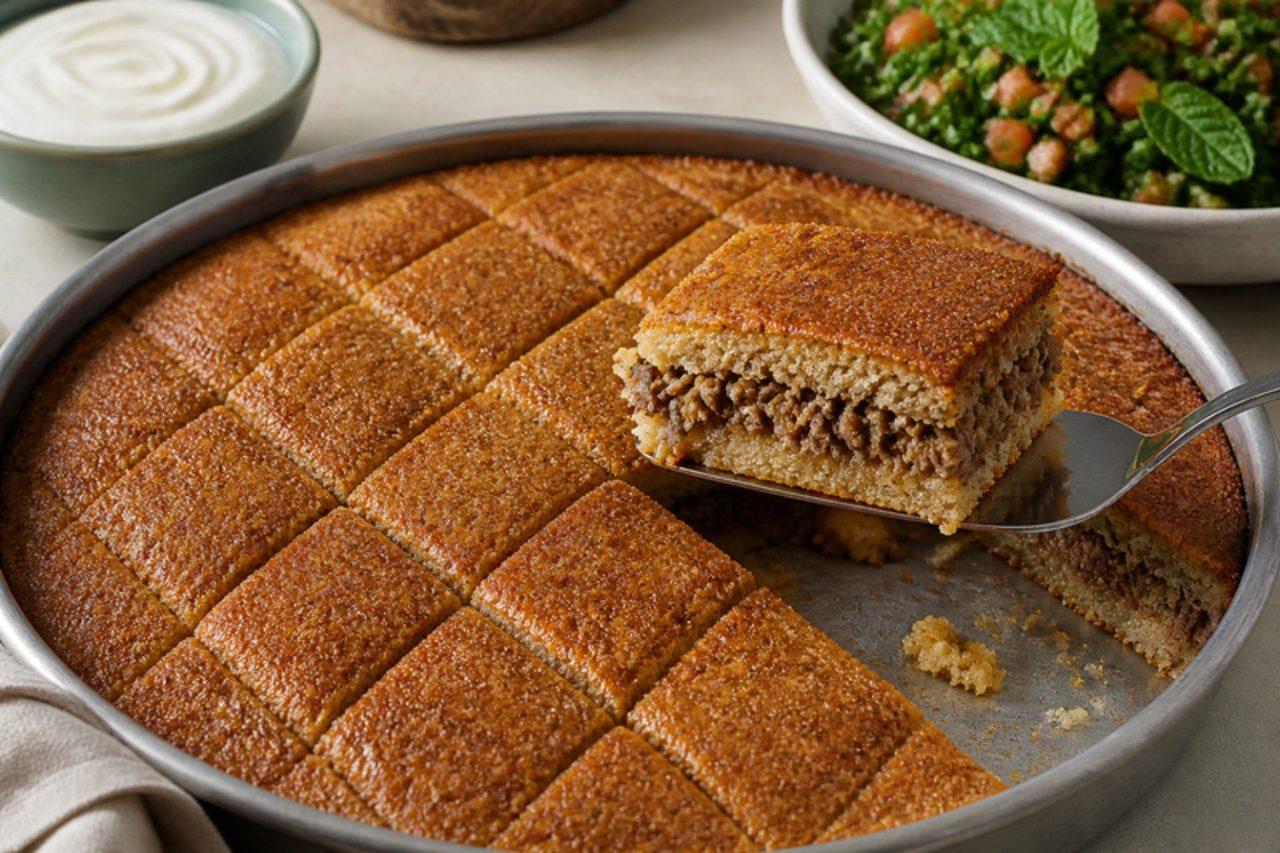
When a Lebanese family is expecting a crowd for Sunday lunch, out comes the round tray of kibbeh bil sanieh, cut into diamonds before baking so everyone can lift a neat piece. Two layers of lamb and fine bulgur kneaded with onion and spices sandwich a filling of minced lamb fried with onions and toasted pine nuts; the top bakes crisp and brown while the inside stays moist. Serve it warm or at room temperature with yoghurt, cucumber salad or fattoush. Common mistake: using coarse bulgur, which won't bind; you need fine bulgur (number 1). Chef's tip: dip your hands in iced water while you press the top layer — it smooths the surface and stops the mixture sticking.

by KrazyBadal 0 views

Kibbeh labanieh

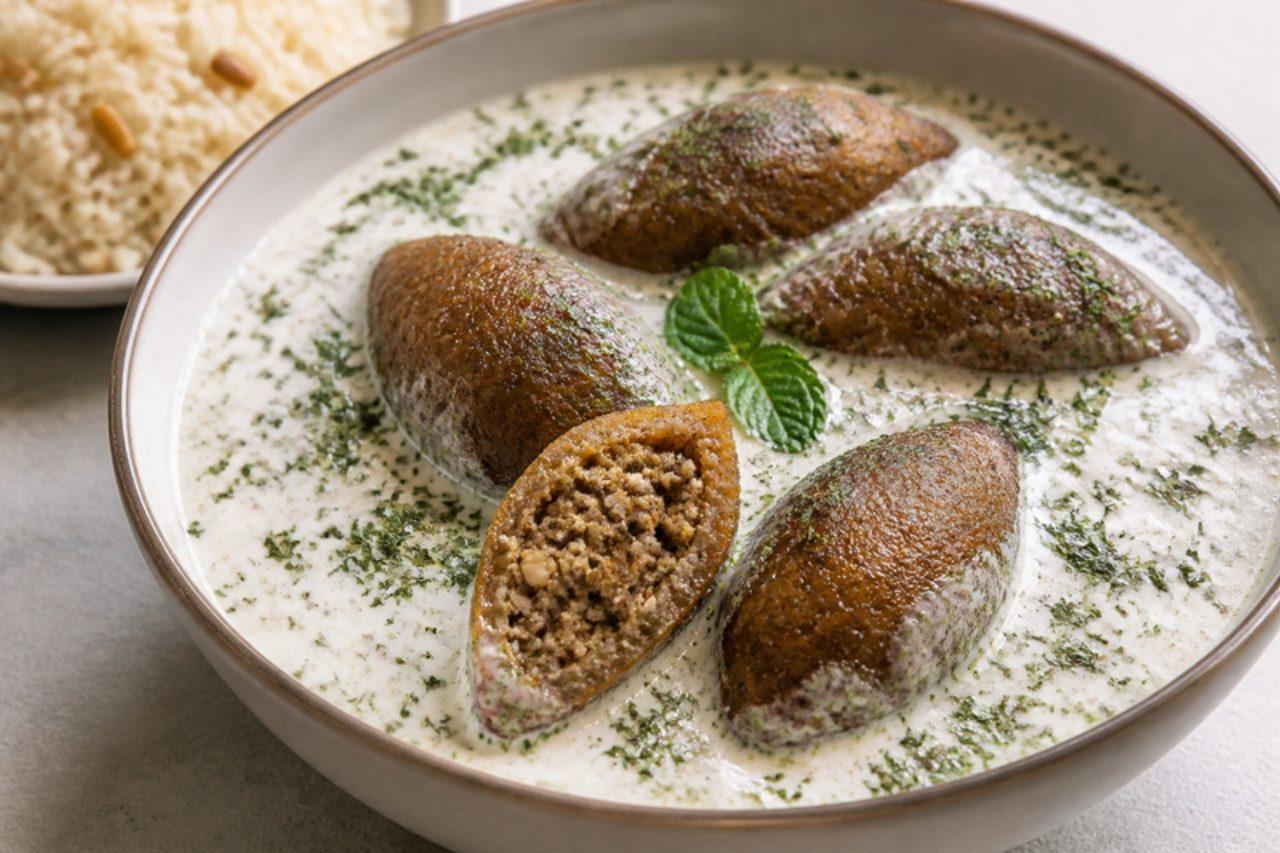
In Lebanese homes, kibbeh labanieh is the dish that turns a batch of stuffed kibbeh into a comforting winter supper: the little torpedo-shaped shells of bulgur and lamb, filled with spiced mince and pine nuts, are poached in a silky yoghurt sauce scented with garlic and dried mint. It is eaten hot, ladled over vermicelli rice. The yoghurt has to be stabilised with cornflour and stirred in one direction while it heats, or it splits. Common mistake: letting the sauce boil hard before it has thickened; it curdles instantly. Chef's tip: make the kibbeh balls a day ahead and freeze them on a tray — they hold their shape better in the sauce.

by KrazyBadal 0 views

Sayadieh

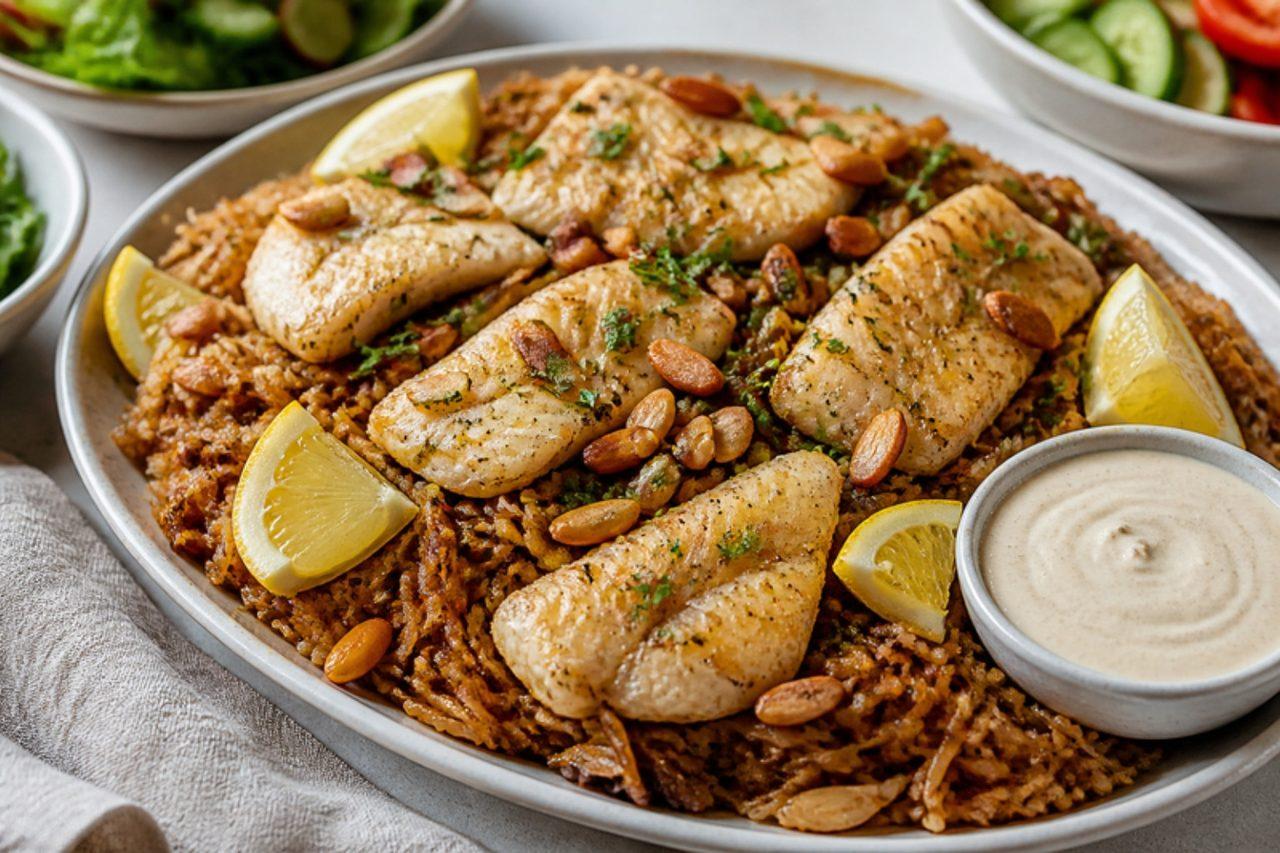
In the port towns of Saida, Tyre and Batroun, sayadieh is what fishermen's families cook with the day's white fish: rice simmered in a deep brown stock made from very dark caramelised onions and cumin, topped with flakes of fried fish, toasted almonds and pine nuts. The rice is savoury and faintly sweet from the onions, and it comes with a tahini-lemon sauce (tarator) on the side. Common mistake: stopping the onions too early — they need to be almost mahogany for the right colour and taste. Chef's tip: simmer the fish trimmings in the onion stock for 20 minutes before cooking the rice; it doubles the sea flavour.

by KrazyBadal 0 views

Shish barak

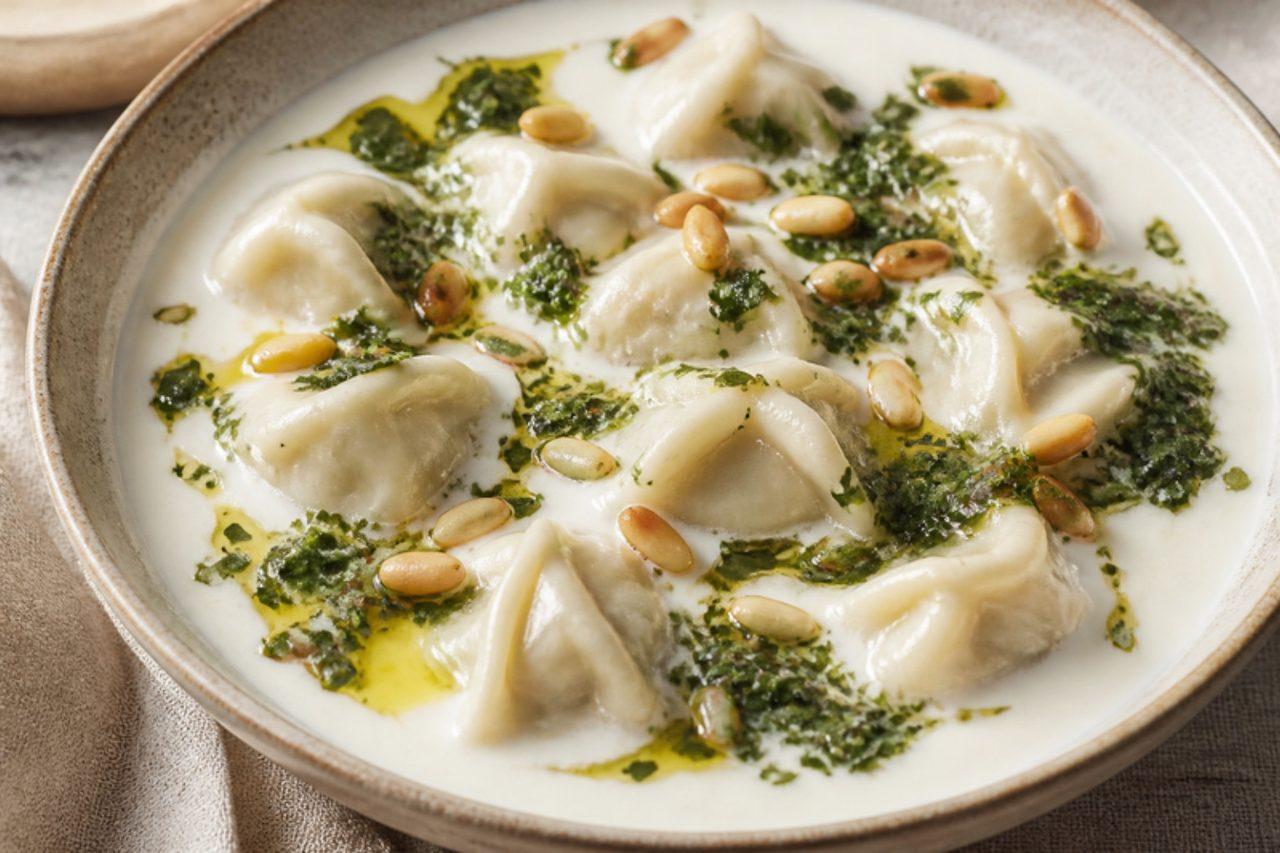
Shish barak is a labour of love that Lebanese grandmothers turn into a family afternoon: everyone sits round the table pinching hundreds of tiny dumplings filled with spiced lamb and onion. The dumplings are baked until lightly golden, then dropped into hot yoghurt sauce, and the bowl is finished with garlic and coriander fried in butter. It is rich, tangy and deeply comforting, served on its own or with plain rice. Common mistake: rolling the dough thick — it should be thin enough to see the board through, or the dumplings turn stodgy. Chef's tip: baking the dumplings before they go into the sauce sets their shape and adds a toasty flavour; you can freeze them at this stage.

115 minLebaneseMeat
by KrazyBadal 0 views

Riz a djej

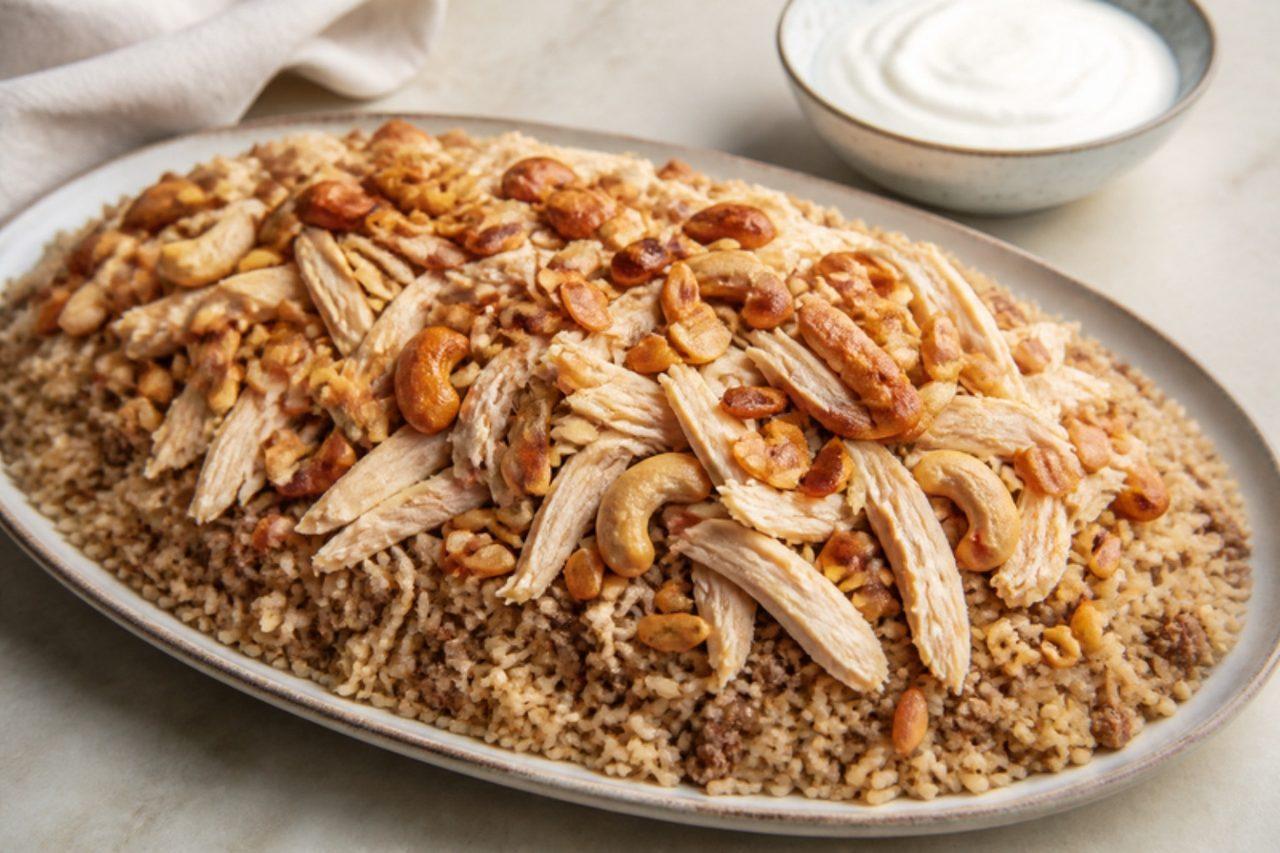
Riz a djej is the centrepiece of Lebanese celebrations and Eid lunches, carried to the table on a huge platter: rice cooked in chicken broth with a little spiced minced beef, crowned with pulled poached chicken and a heavy scattering of fried almonds, pine nuts and cashews. The flavours are gentle and warm — cinnamon, allspice, nutmeg — so it is a favourite with children too. Plain yoghurt and a crisp salad go alongside. Common mistake: skipping the rinse; unrinsed rice turns sticky in the rich broth. Chef's tip: poach the chicken the day before and chill the broth so you can lift off the fat; you get a cleaner, more savoury rice.

by KrazyBadal 0 views

Boston baked beans

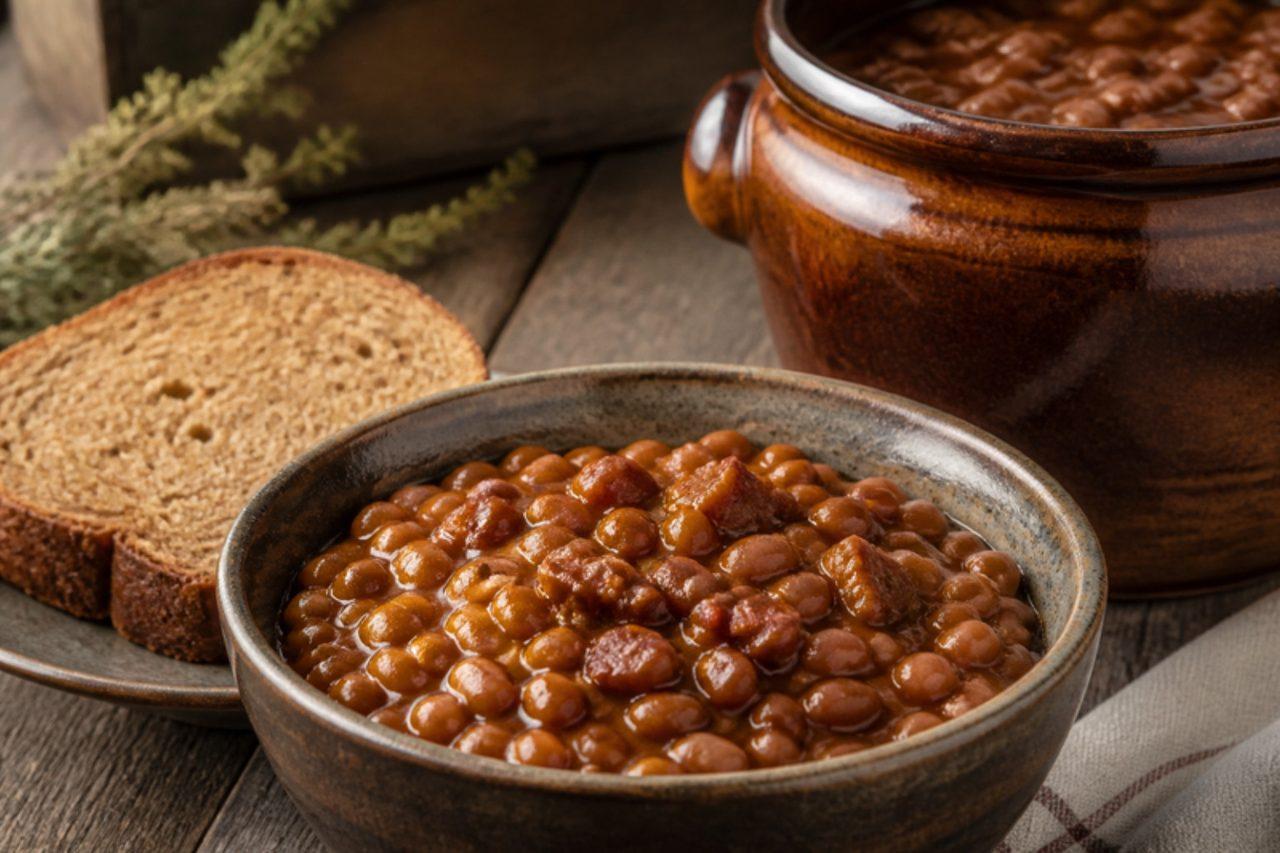
Boston earned the nickname Beantown from this pot: small white beans baked all day with salt pork, molasses and mustard, traditionally put in the oven on Saturday morning to be eaten that night with brown bread and kept warm for Sunday. The pork, cured belly with its rind, melts into the beans and gives a savoury richness against the dark, sweet sauce. Chef's tip: keep the beans just covered with water as they bake; if they dry out on top they turn hard and leathery.

435 minAmericanMeat
by KrazyBadal 0 views

Moghrabieh

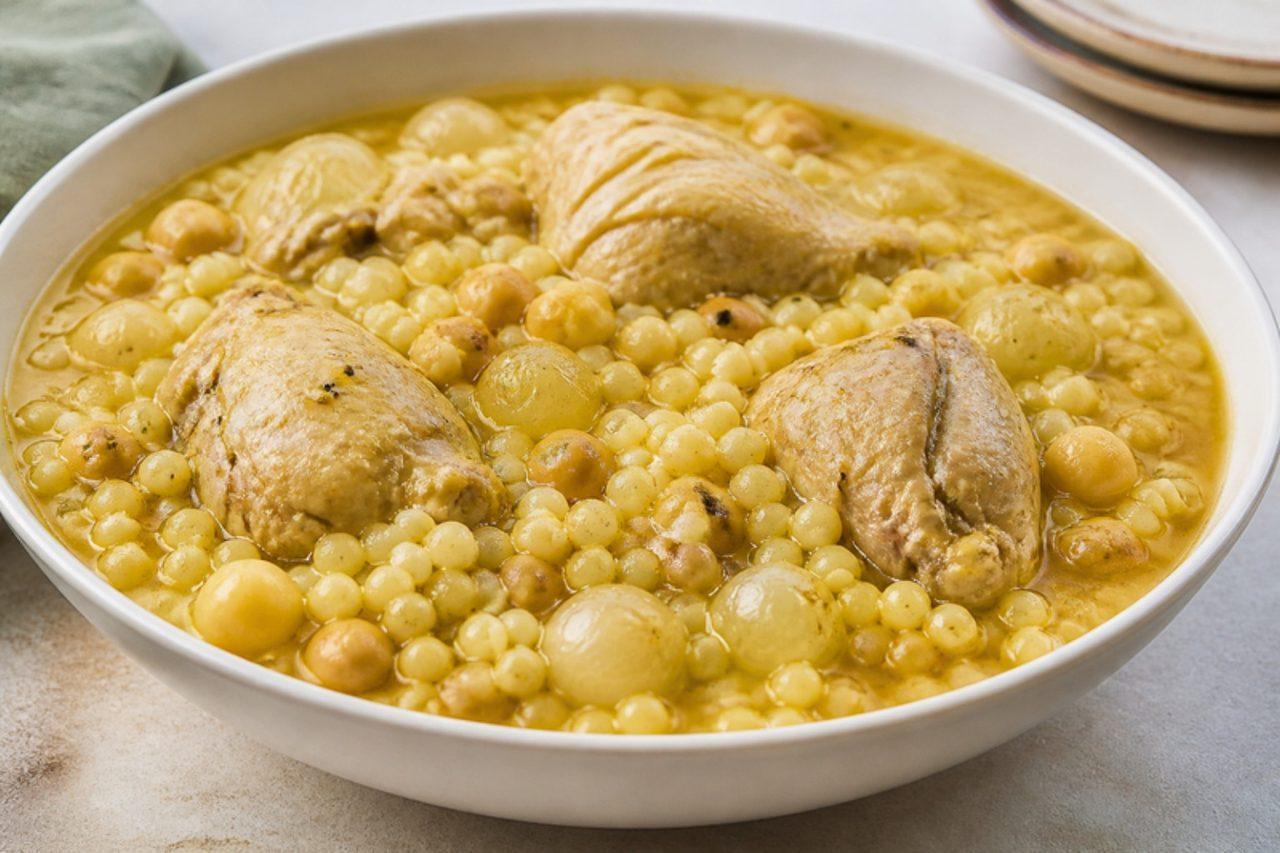
Despite its name, which nods to North Africa, moghrabieh is thoroughly Lebanese: big, chewy pearls of hand-rolled semolina cooked with chicken, baby onions and chickpeas in a broth scented with caraway and cinnamon. Families in Beirut and the mountains make it for Sunday lunch and especially on Christmas Eve in some villages. The pearls are served in a mound with the chicken and onions on top and a jug of broth to moisten each plate. Common mistake: boiling the pearls in the broth from the start; they turn gluey, so parboil them in water first. Chef's tip: toss the drained pearls in a little butter and caraway before mixing them with the onions — they stay separate and glossy.

by KrazyBadal 0 views

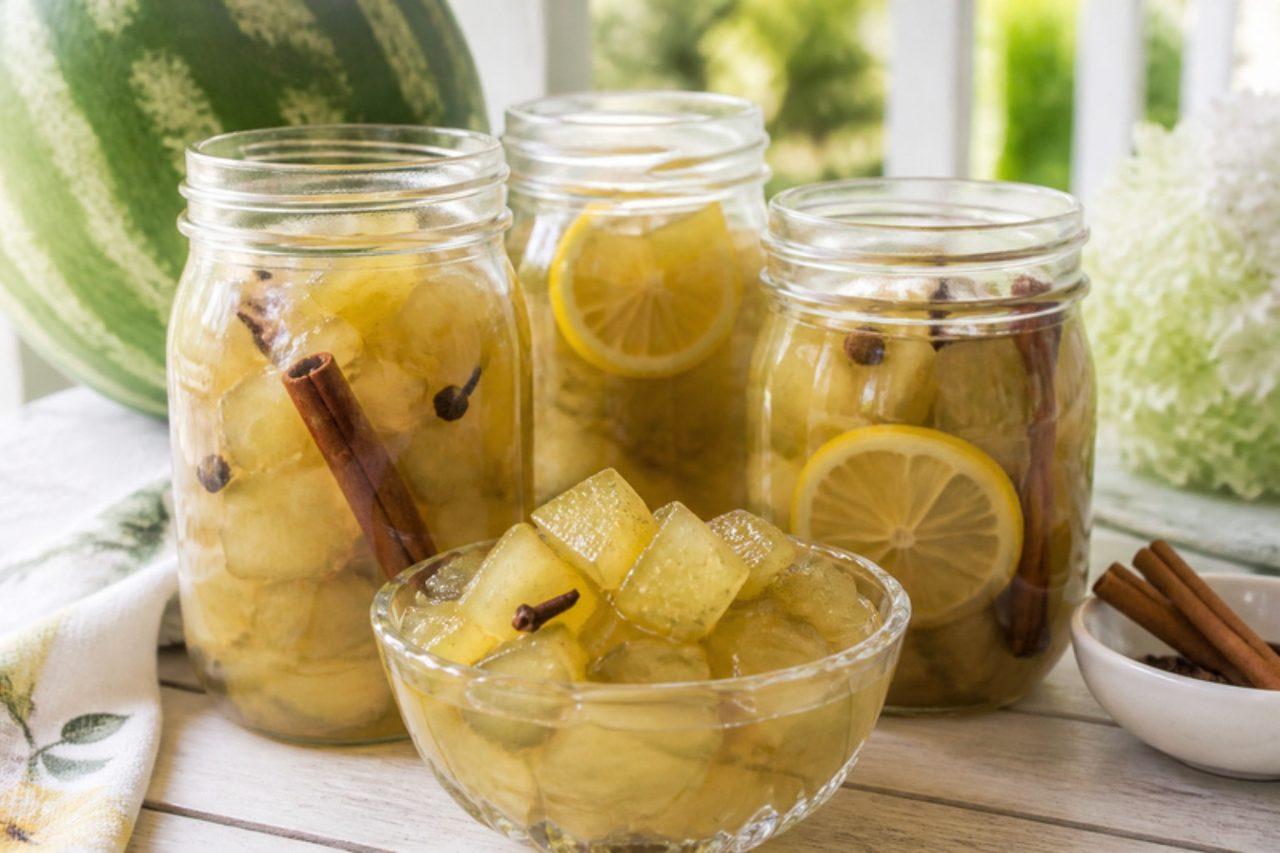
Watermelon rind pickles

Waste-not Southern cooks in Georgia and the Carolinas turned the white part of the watermelon rind into these sweet, glassy pickles, served on relish trays at Christmas and with fried chicken in summer. The rind is brined, then simmered in a cinnamon and clove syrup until translucent and crisp-tender. Chef's tip: cut away every bit of green skin and pink flesh; the skin stays tough and the flesh goes mushy.

by KrazyBadal 0 views

New Orleans beignets

Beignets are the pillowy fried dough squares served three to a plate, under a drift of icing sugar, at the open-air coffee stands of the French Quarter in New Orleans, day and night. The dough is a soft, slightly sweet yeast dough enriched with evaporated milk, and the squares puff up hollow in hot oil. Drink them with chicory café au lait. Chef's tip: roll the dough only 5 mm thick; thicker squares stay doughy in the middle.

by KrazyBadal 0 views

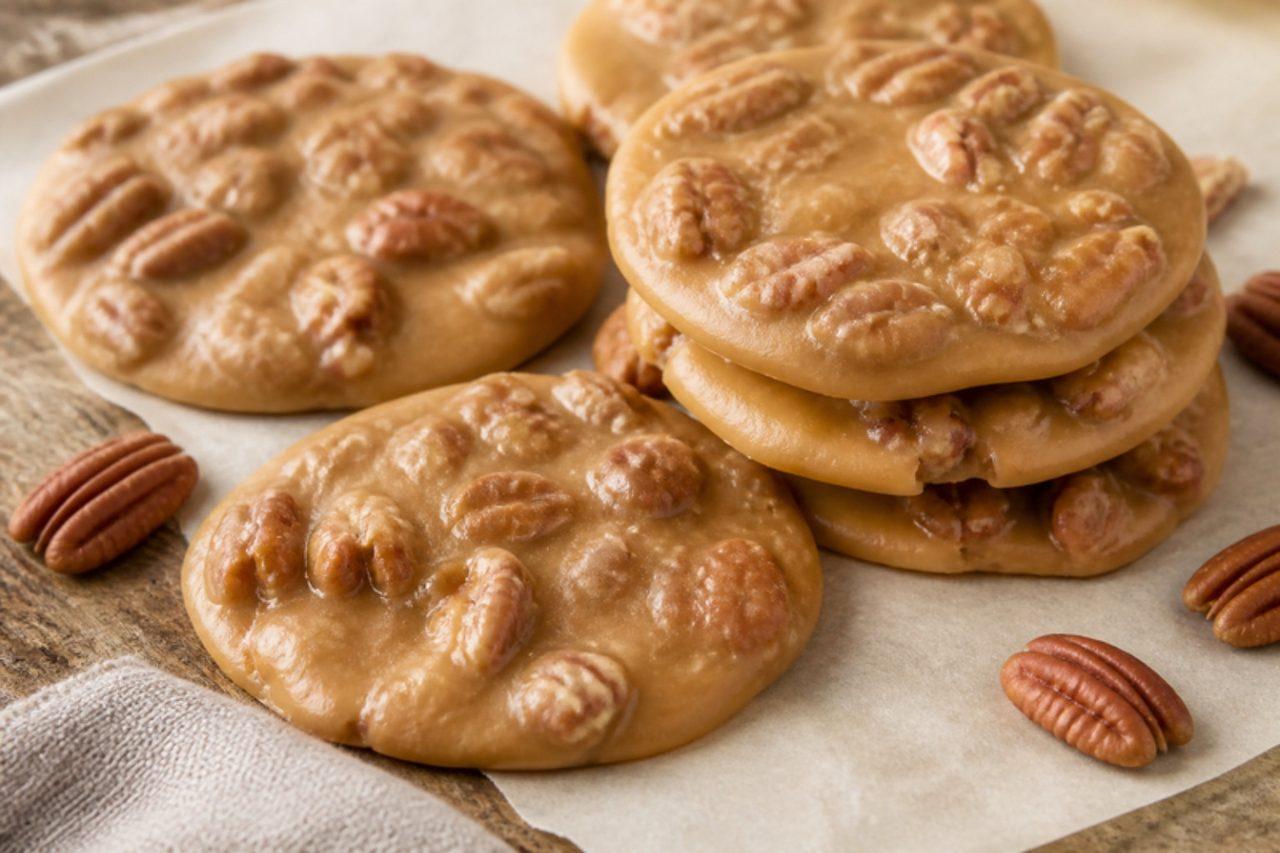
New Orleans pralines

In New Orleans a praline (say 'praw-leen') is a flat, fudgy disc of pecans set in brown sugar and cream, sold in waxed paper from candy shops along Decatur Street and by street vendors since the 1800s. It melts on the tongue rather than snapping like brittle. Chef's tip: use a sugar thermometer and take the pan off at 114 °C; a few degrees more and they turn grainy and hard.

by KrazyBadal 0 views

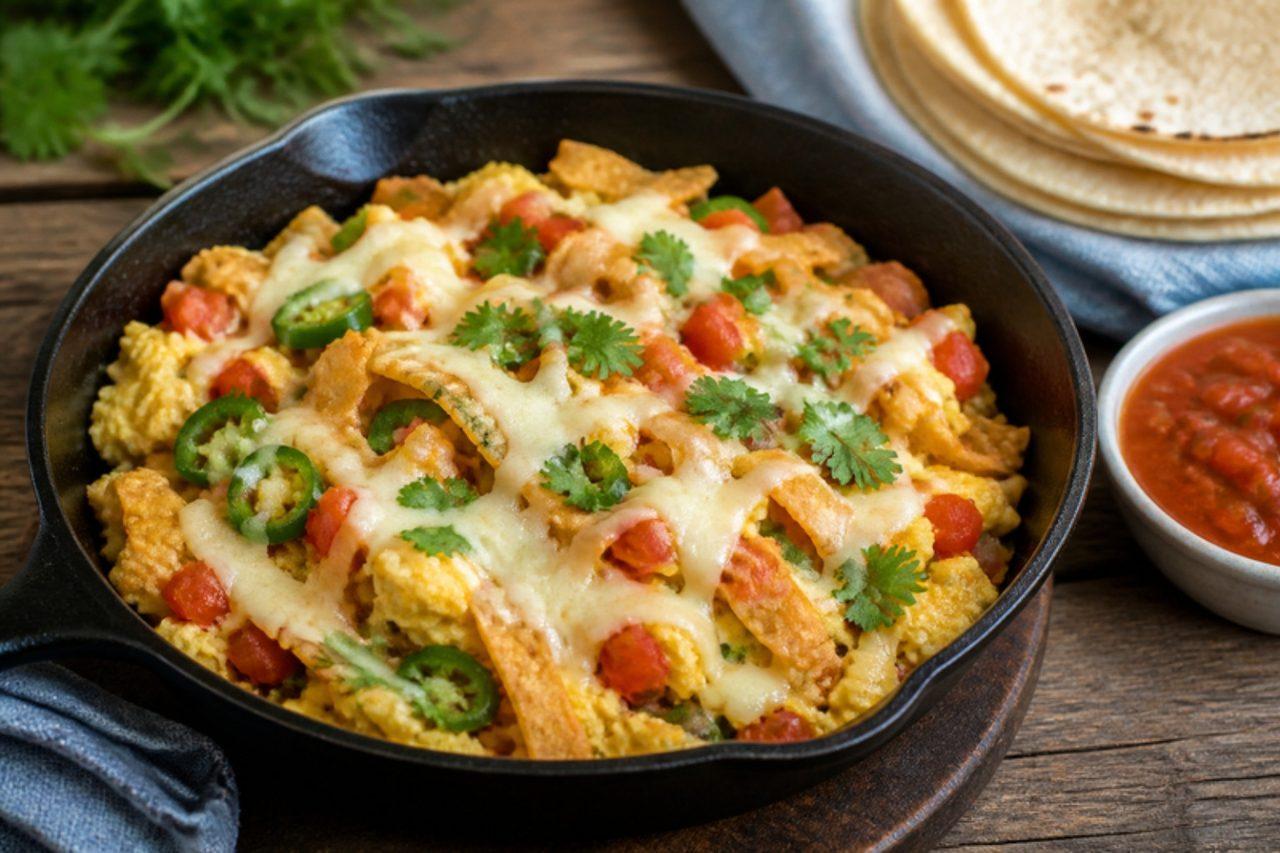
Tex-Mex migas

Texas migas is the Austin diner breakfast for using up stale corn tortillas: strips are fried crisp, then tossed with onion, jalapeño and tomato and scrambled with eggs and melting cheese, served with refried beans and warm flour tortillas. It is a quite different dish from the bread-crumb migas of Spain. Chef's tip: add the eggs while the tortilla strips are still crisp, so some stay crunchy and some soften.

by KrazyBadal 0 views

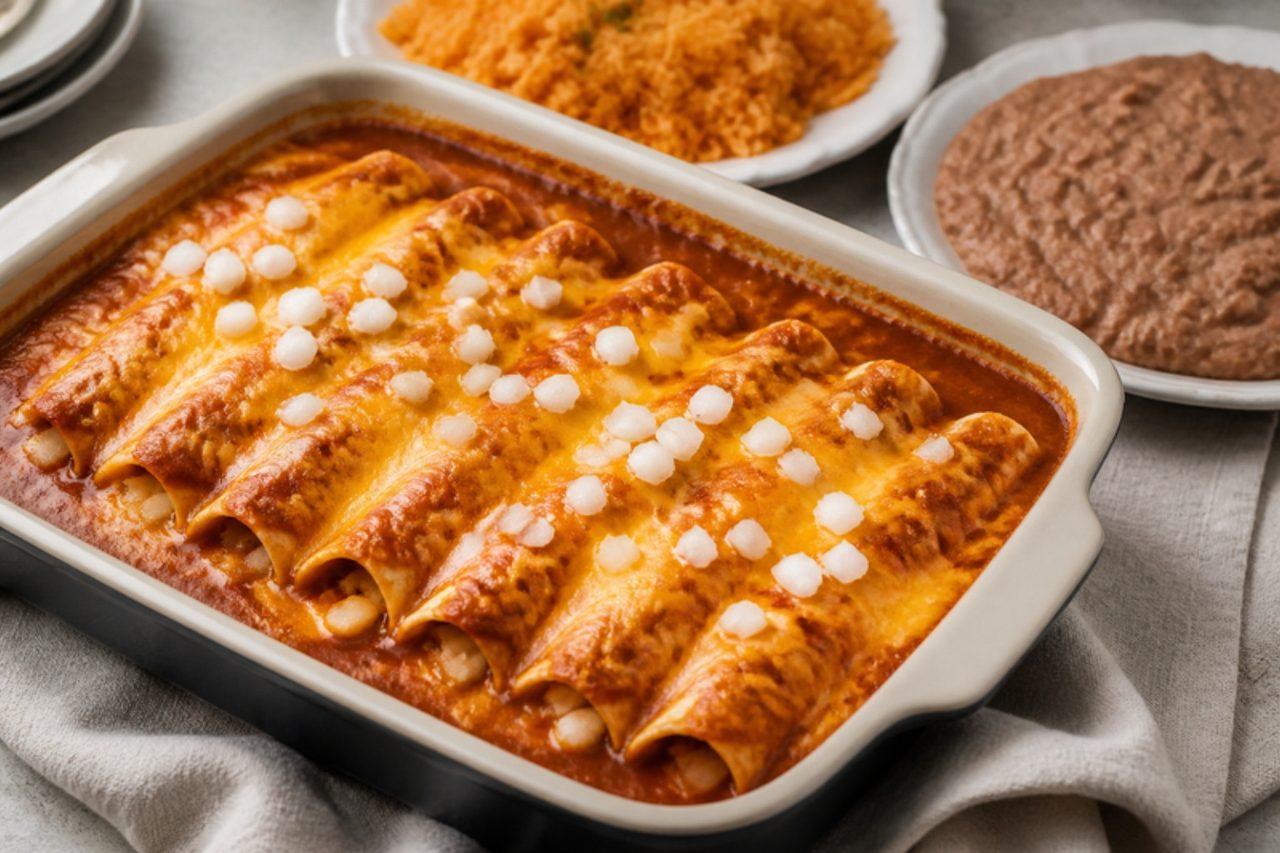
Tex-Mex cheese enchiladas with chili gravy

Cheese enchiladas in chili gravy are the heart of the Tex-Mex combination plate, served in Houston, Dallas and San Antonio cafés since the early 1900s with rice and refried beans. Unlike Mexican enchiladas in fresh chile sauce, the Texas version uses a roux-thickened 'chili gravy' spiced with chili powder and cumin, and lots of melted yellow cheese with raw onion inside. Traditional cheddar is often made with animal rennet; choose a vegetarian cheese. Chef's tip: dip each tortilla in hot oil for a few seconds first, so it rolls without cracking and doesn't go soggy.

by KrazyBadal 0 views

Fried shrimp po'boy

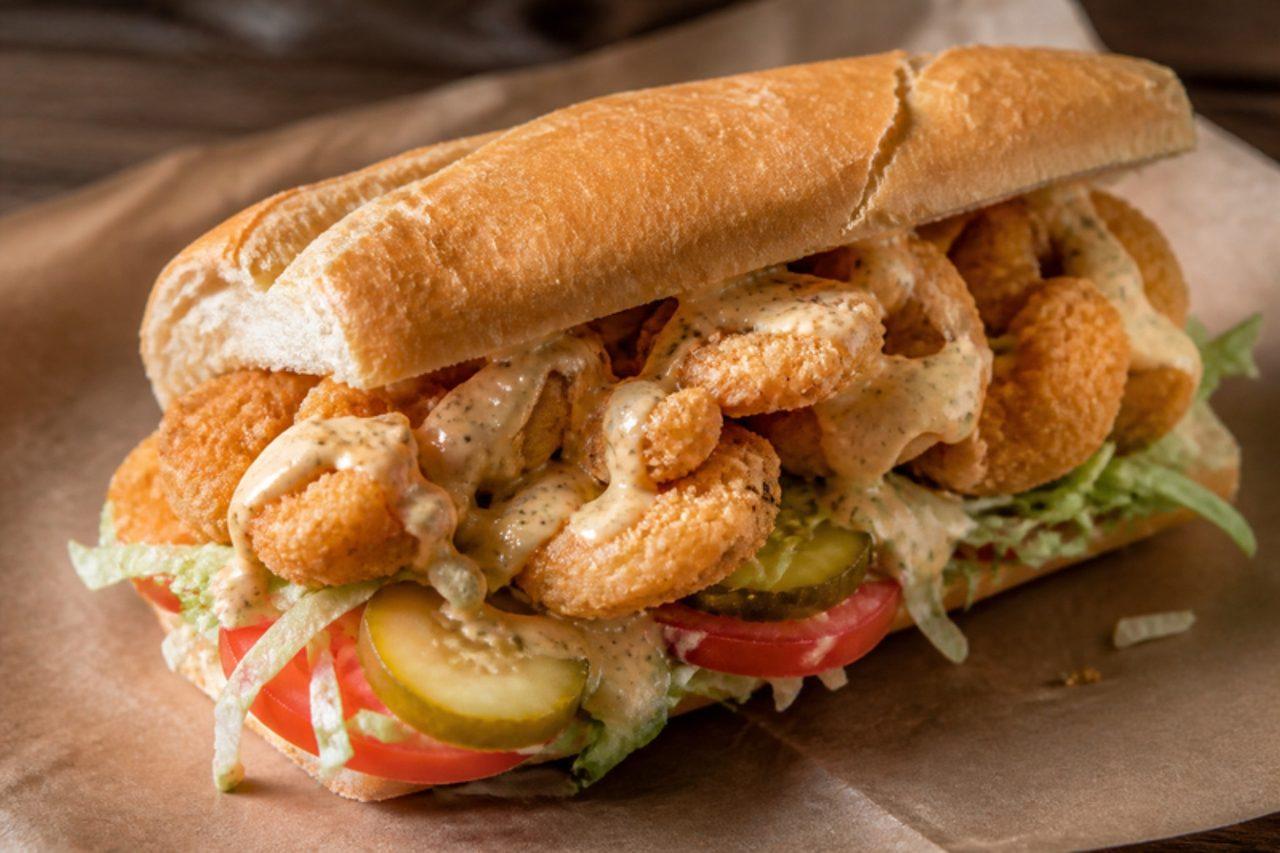
The po'boy was born in 1929 when two former streetcar drivers fed striking workers free sandwiches at their New Orleans restaurant, and today every neighbourhood joint from Mid-City to the Bywater fries them. The bread is a light, flaky-crusted French loaf, and a shrimp po'boy comes 'dressed' with shredded lettuce, tomato, pickles and rémoulade or mayonnaise. Chef's tip: use the lightest, crustiest baguette you can find and warm it; dense bread fights the filling.

by KrazyBadal 0 views

Boudin balls

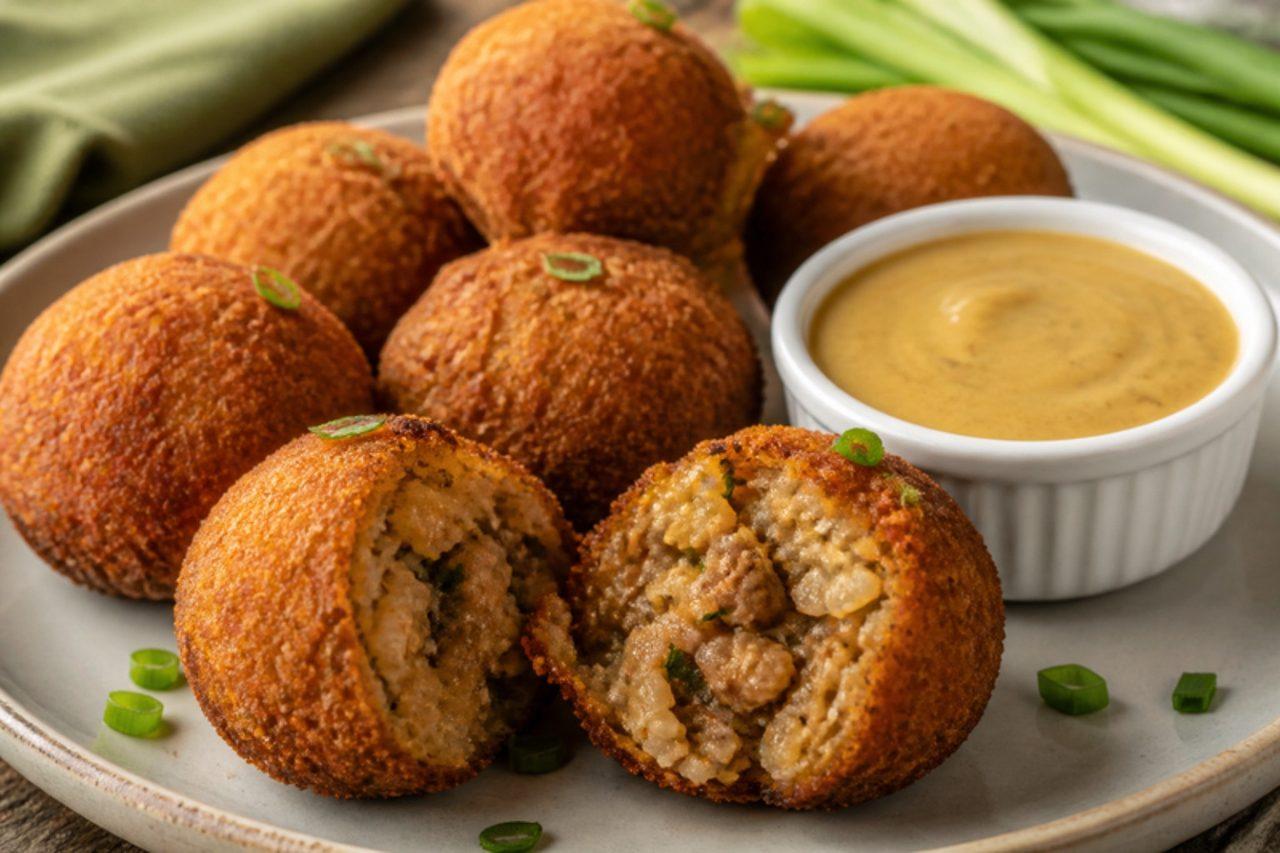
Boudin is a soft Cajun sausage of pork, pork liver, rice and the holy trinity sold hot from the counters of meat markets and petrol stations along Interstate 10 between Lake Charles and Lafayette. Boudin balls take the same filling, roll it in breadcrumbs and fry it, and they are the snack of LSU tailgates and crawfish boils. This recipe uses pork shoulder and pork liver. Chef's tip: chill the rolled balls for 30 minutes before frying so they keep their shape.

by KrazyBadal 0 views

New Orleans barbecue shrimp

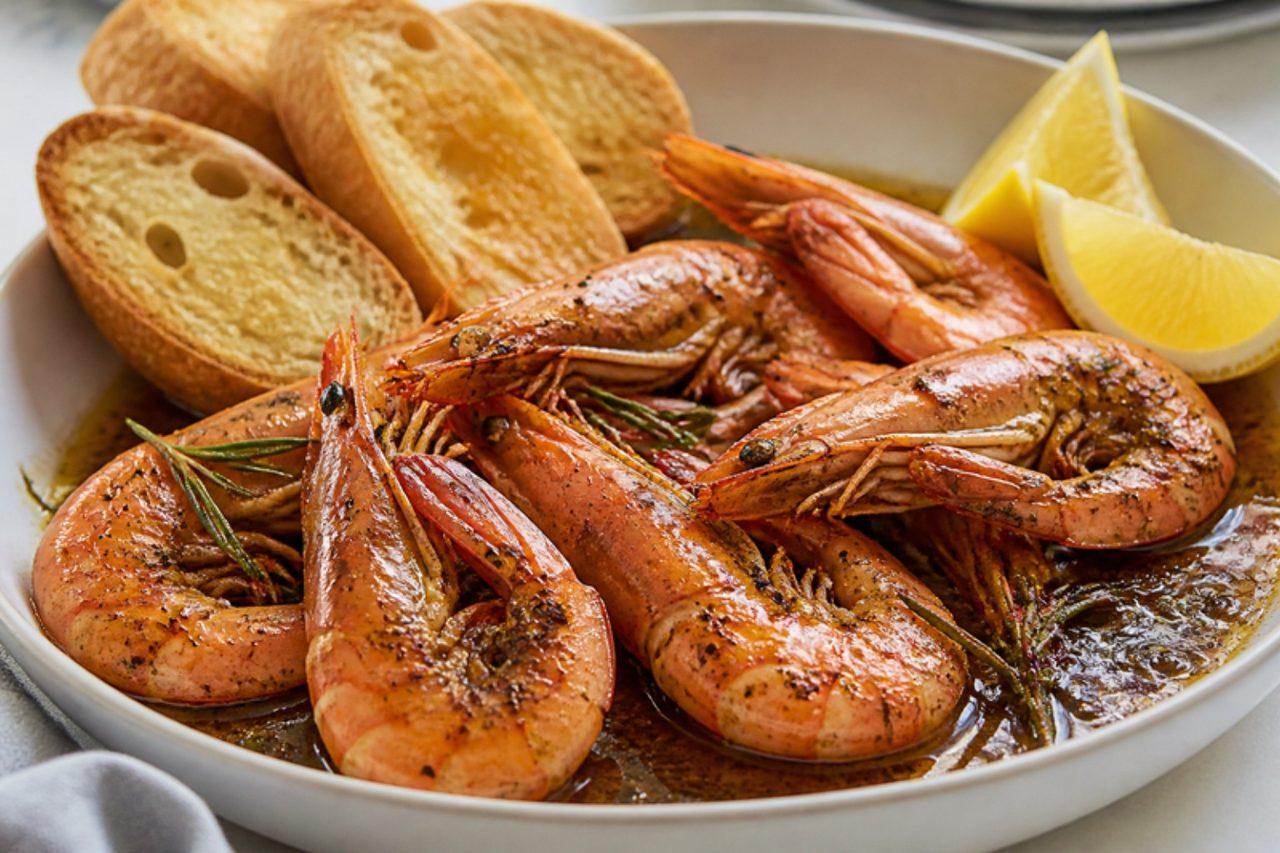
New Orleans barbecue shrimp never touch a grill or a barbecue sauce: they are big head-on Gulf prawns baked or pan-cooked in an outrageous amount of butter, black pepper, garlic, Worcestershire sauce and lemon, made famous in an Uptown restaurant in the 1950s. You peel them at the table and mop up the sauce with French bread. Some cooks add a splash of beer, which contains alcohol; this version uses stock, so it is alcohol-free. Worcestershire sauce contains anchovy. Chef's tip: keep the heads on; they hold the juices that make the sauce.

by KrazyBadal 0 views

Blackened redfish

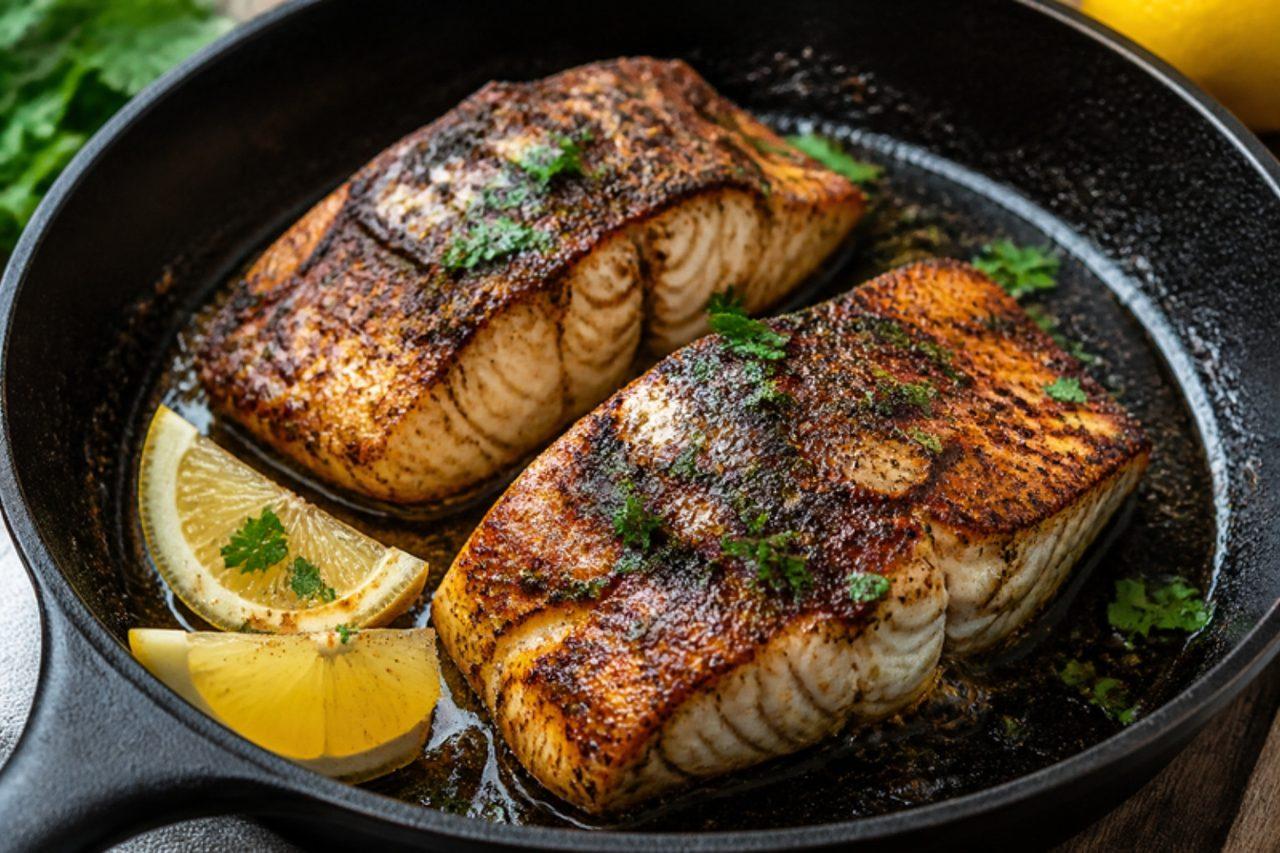
Blackened redfish was the dish that made Cajun cooking famous across America in the 1980s, created in a New Orleans restaurant by a chef from Opelousas. Fillets are dipped in butter, coated thickly in paprika, cayenne, thyme and pepper and seared in a white-hot cast-iron pan, so the spices char into a dark, smoky crust while the fish stays moist. It produces a lot of smoke, so open the windows or cook it outside. Chef's tip: the pan must be heated empty for a full 5 minutes; a lukewarm pan steams the fish instead of blackening it.

by KrazyBadal 0 views

Ghraybeh

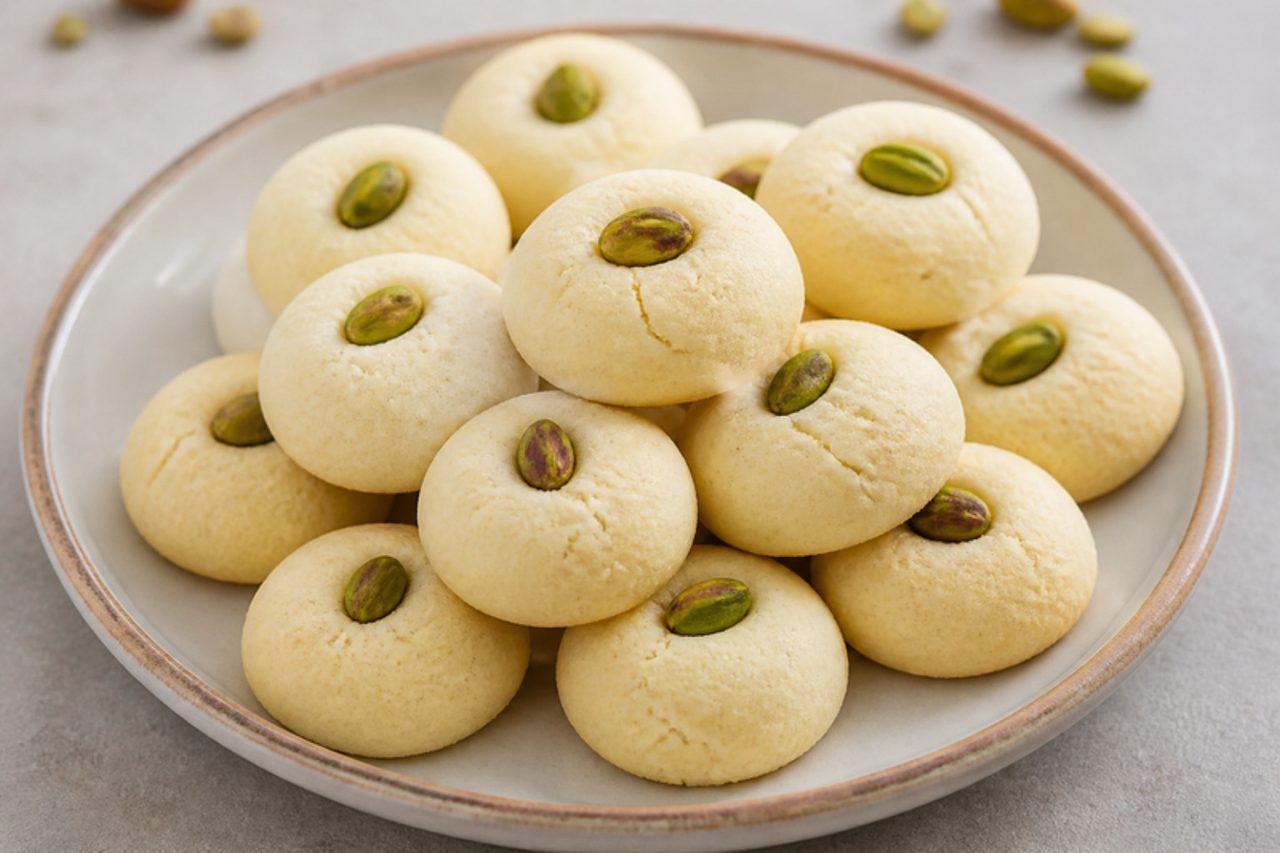
Across Syria, Lebanon and Palestine, trays of ghraybeh appear for Eid and weddings next to ma'amoul; in Aleppo they are often shaped into little bracelets with a pistachio at the join. Made from just ghee, icing sugar and flour, they are so tender they crumble as soon as you bite, and they should stay ivory-white, never brown. Serve with strong coffee or mint tea. Common mistake: baking until golden — they should come out pale and still soft, and firm up as they cool. Chef's tip: whip the ghee and sugar for a full 10 minutes until white and fluffy; that is what gives the melting texture.

by KrazyBadal 0 views

Mamounieh

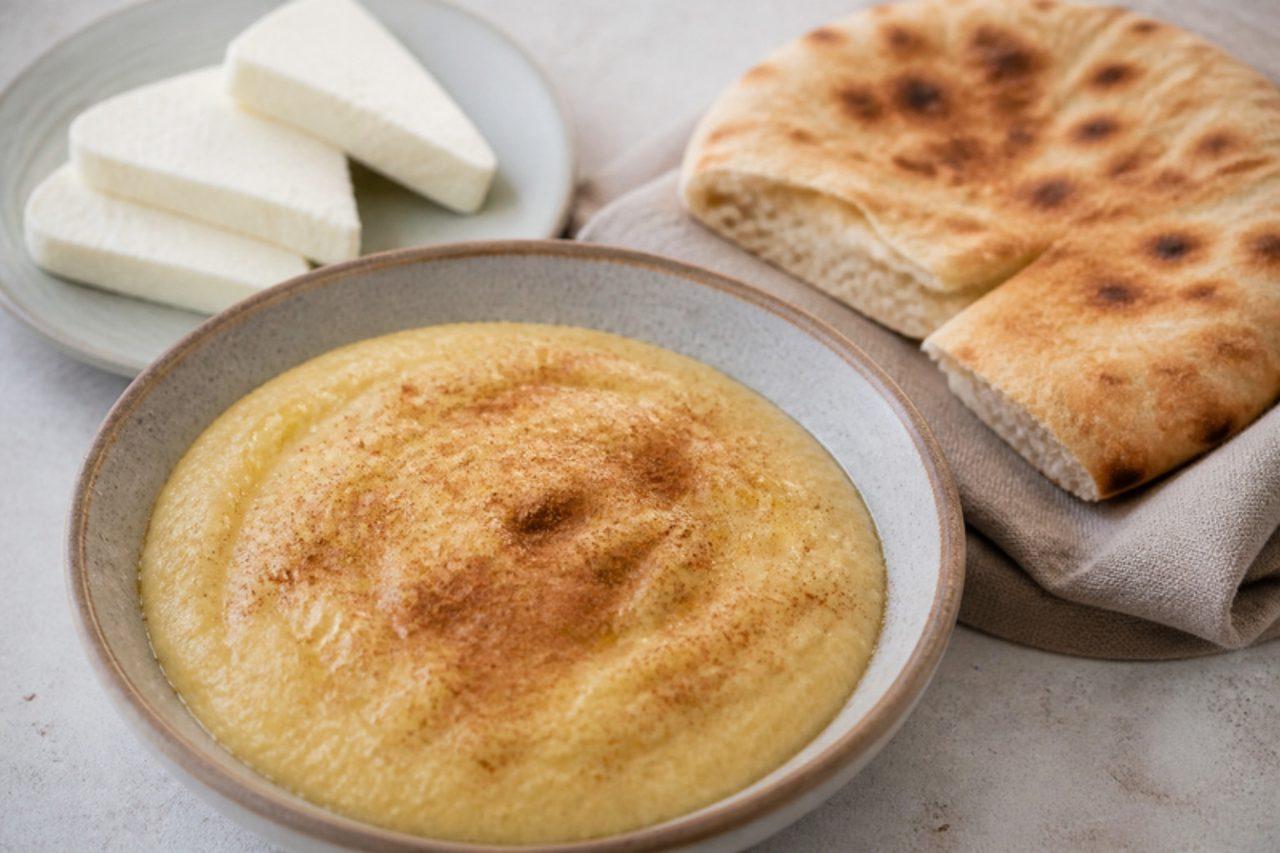
In the old souks of Aleppo, mamounieh shops open at dawn, serving bowls of this hot, buttery semolina pudding to workers before the day starts. Semolina is toasted in butter, then cooked in a light syrup until it sets soft and spoonable, and dusted with cinnamon; Aleppans eat it with a slice of salty white cheese and warm bread on the side, which makes the sweetness sing. Common mistake: pouring cold syrup onto the hot semolina; use hot syrup so it doesn't seize into lumps. Chef's tip: toast the semolina only to pale straw colour — any darker and it loses its delicate milky flavour. Akkawi and halloumi are often made with animal rennet; choose a vegetarian white cheese if needed.

by KrazyBadal 0 views

Tamar hindi

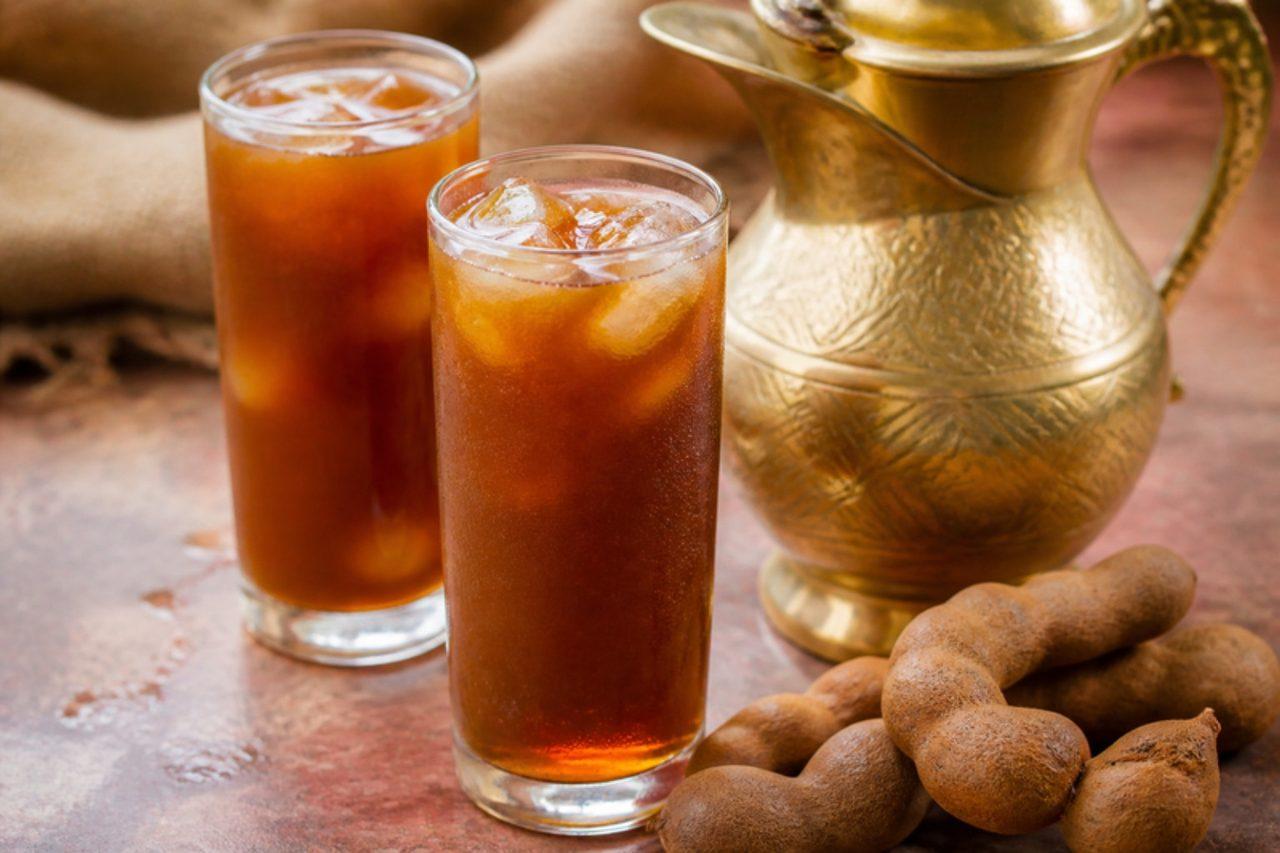
During Ramadan in Damascus, street sellers in bright waistcoats pour tamar hindi from tall brass jugs on their backs, clinking cups to call buyers before iftar. The drink is a deep brown infusion of tamarind, sweetened and sharpened with lemon and a touch of rose or orange blossom, served ice cold to quench a day's thirst. It is fruity, tangy and refreshing, and made in a big batch to keep in the fridge. Common mistake: boiling the tamarind hard — gentle soaking gives a clean taste, while boiling makes it muddy. Chef's tip: strain twice, the second time through a cloth, for a clear, glossy drink.

by KrazyBadal 0 views

Qamar al-din

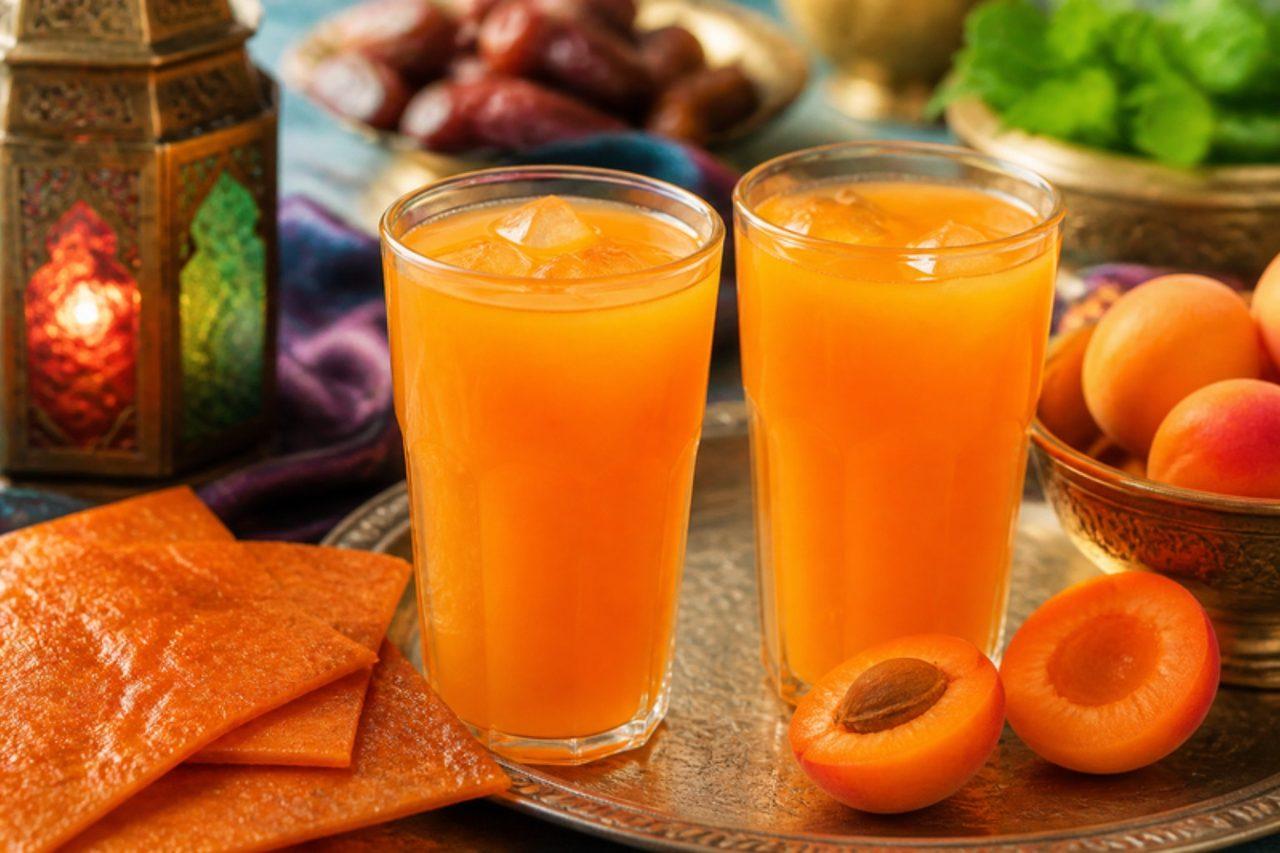
Damascus is famous for its apricots, and much of the summer harvest is pressed into thin orange sheets of apricot leather called qamar al-din. In Ramadan, almost every Syrian home soaks a sheet overnight and blends it into a thick, velvety drink to break the fast — it is sweet, slightly tart and full of energy after a long day. Serve it chilled, sometimes with a few soaked pine nuts on top. Common mistake: blending without soaking long enough; the leather needs time to soften or the drink is gritty. Chef's tip: add a splash of orange blossom water and a squeeze of lemon to wake up the apricot flavour.

by KrazyBadal 0 views

Booza

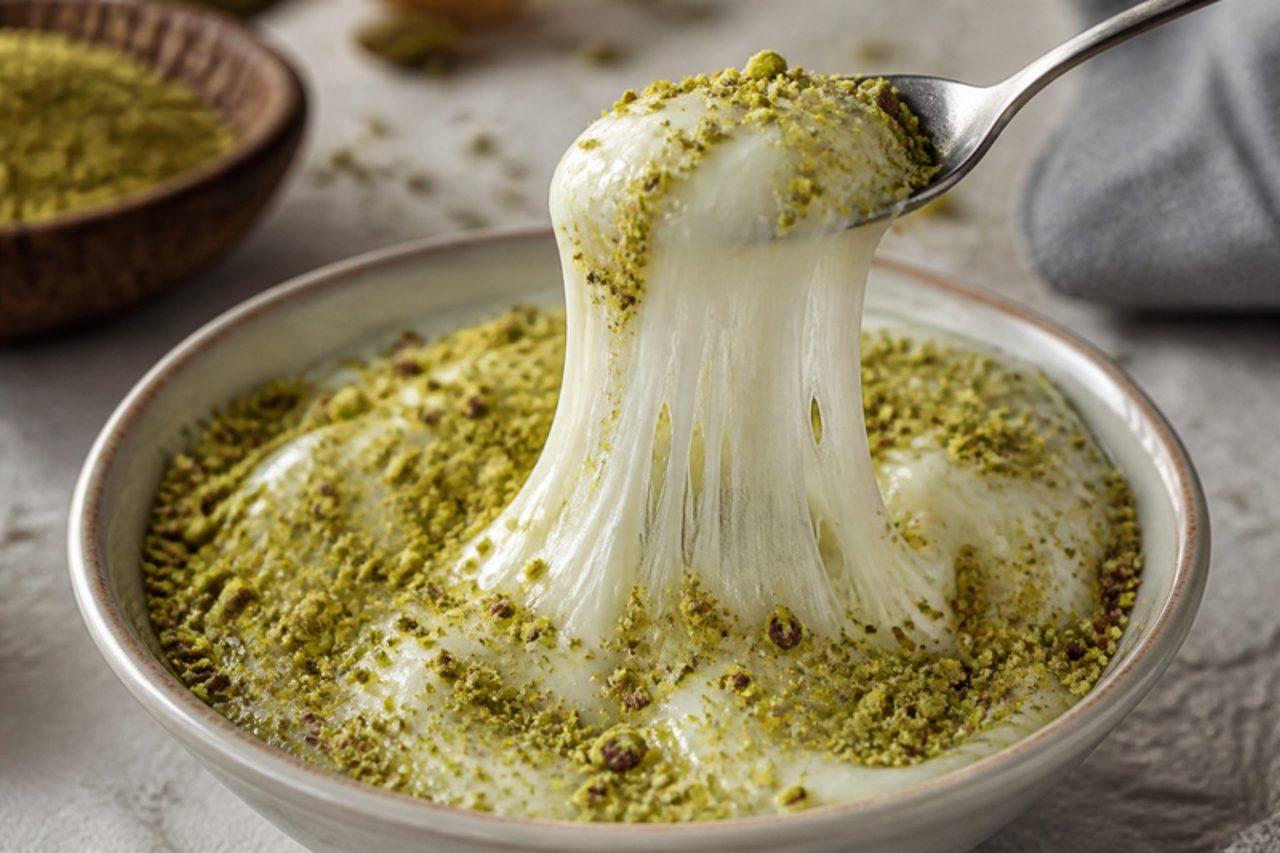
In the covered Hamidiyeh souk in Damascus, men pound booza in frozen metal drums with long wooden pestles, and the thump of the mallets is part of the show. The ice cream is milky, chewy and elastic, thanks to sahlab (orchid-root flour) and mastic, then rolled in crushed pistachios. This home version thickens the milk with sahlab powder or cornflour and beats it as it freezes to get that stretch. Serve in scoops or slices, plain or with a spoon of rose syrup. Common mistake: grinding the mastic alone, which turns gummy; always pound it with a spoonful of sugar. Chef's tip: real sahlab gives the true chew, but a mix of cornflour and a pinch of guar gum gets very close.

by KrazyBadal 0 views

Showing 81 of 6,261 recipes

Show more recipes

Page 345 of 696