


Skip to content
Appalachian soup beans
Featured recipe

Appalachian soup beans

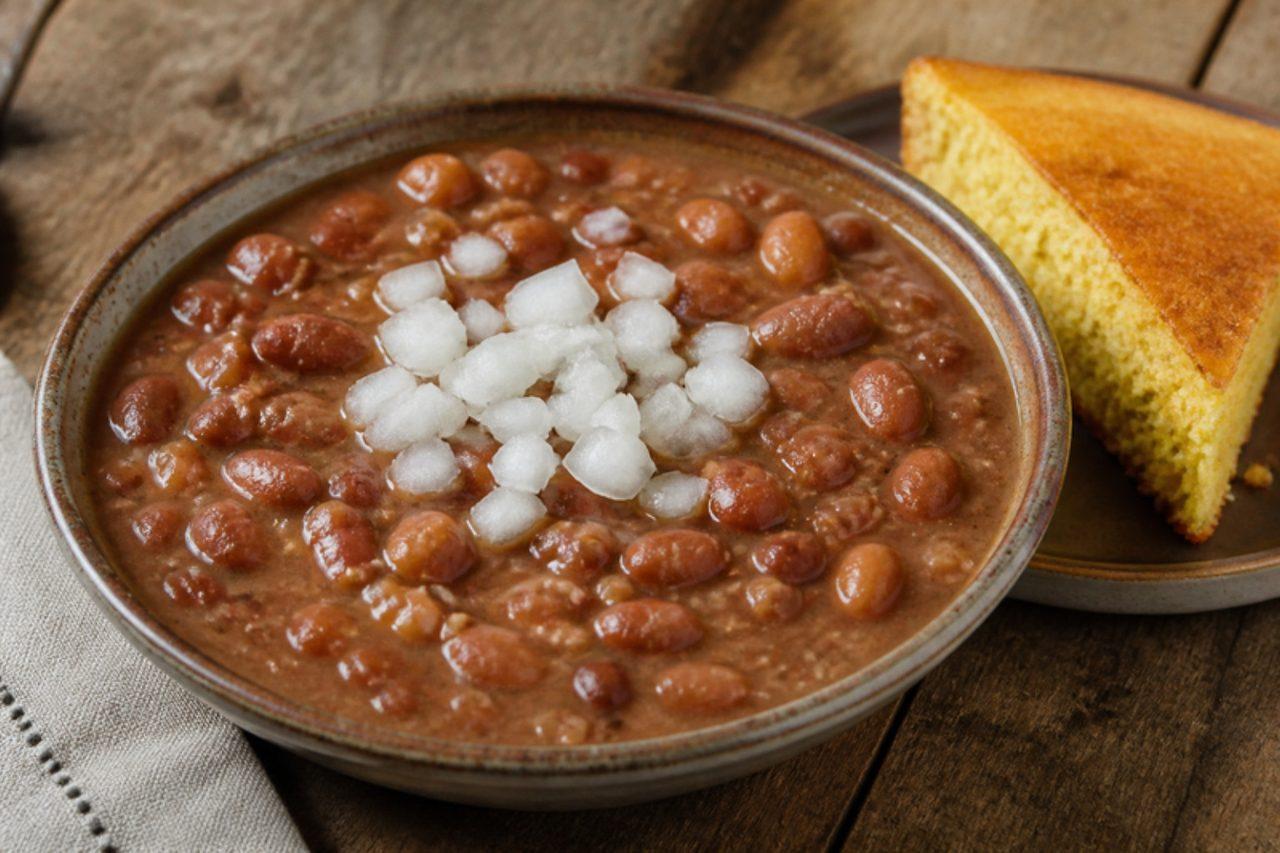
Soup beans, a pot of brown pintos simmered all afternoon until the broth turns thick and creamy, are the everyday supper of the coal-country hollows of Kentucky and West Virginia, served with cornbread, raw onion and chow-chow. Most mountain cooks add a ham hock or salt pork; this meat-free pot gets its savour from browned onion, garlic and a little smoked paprika. Chef's tip: mash a ladle of beans against the pot side near the end to thicken the 'pot likker'.

Read more 0 views

What to eat today?

Around the world

Today's trip: Persian

A new country every day, from every cuisine on the site.

Persian

Dizi

Lamb and chickpea stew 245 minMore from Persian (131) →

This week's collection

Kid-friendly dinners
537 recipes · a new collection every Monday

Latest recipes

Encocado de pescadoFish in coconut milk

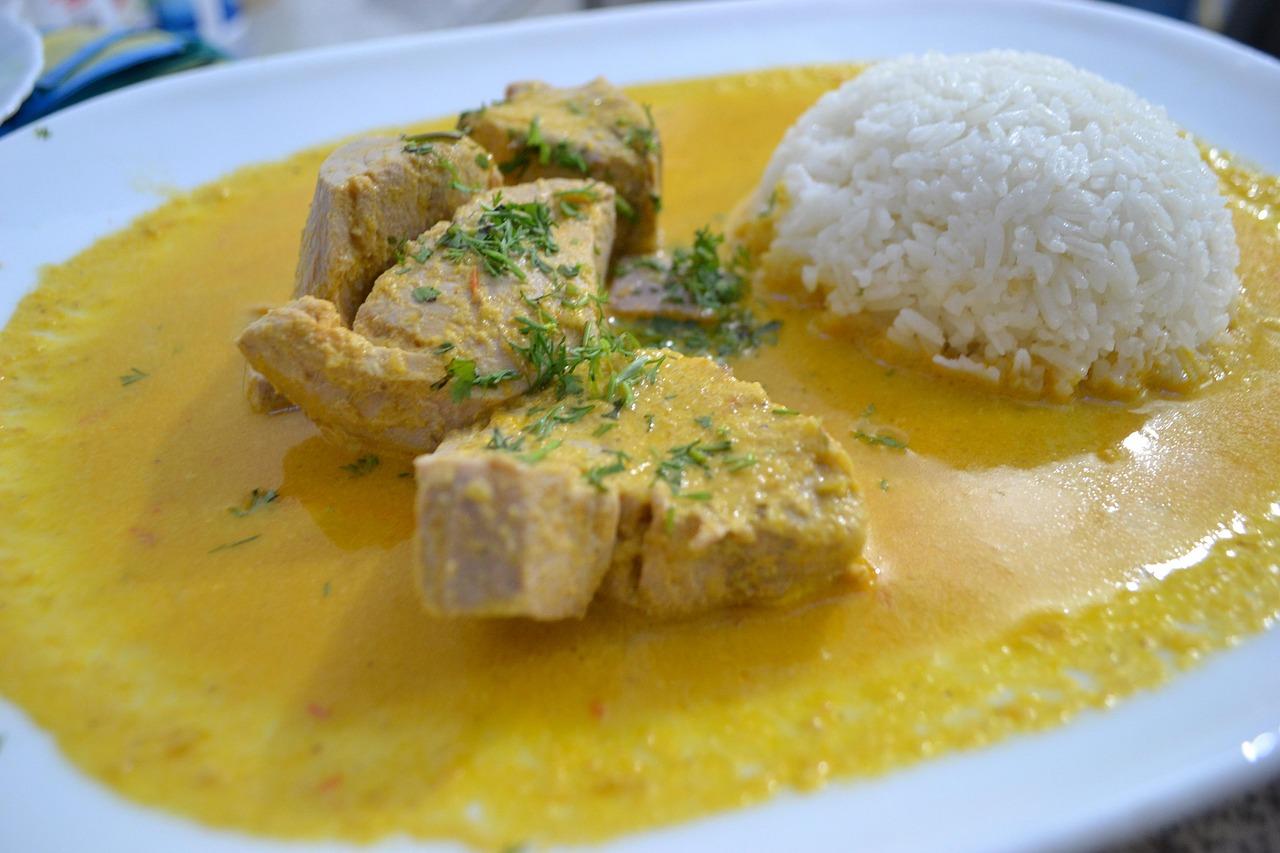
Fishing towns of the Colombian Pacific, from Buenaventura's Pueblo Nuevo market to the stilt houses of Tumaco, cook their catch in coconut milk scraped from fresh coconuts, with a refrito of onion, peppers and garlic and the coast's wild herbs: chillangua (culantro), poleo and oregano cimarrón. Encocado is lighter and more herbal than many coconut stews, mild rather than hot, with the fish just cooked in a creamy, pale-orange sauce. It is eaten at lunch with white or coconut rice and patacones or boiled green plantain. Boiling the coconut milk hard after the fish goes in is the classic error: the sauce splits and the fillets toughen, so keep it at a gentle bubble. Chef's tip: culantro (sawtooth coriander) is sold in Asian and Caribbean shops; if you can't find it, use twice the amount of ordinary coriander plus a few mint leaves to stand in for poleo.

by KrazyBadal 0 views

Arroz de lisaRice with salted mullet

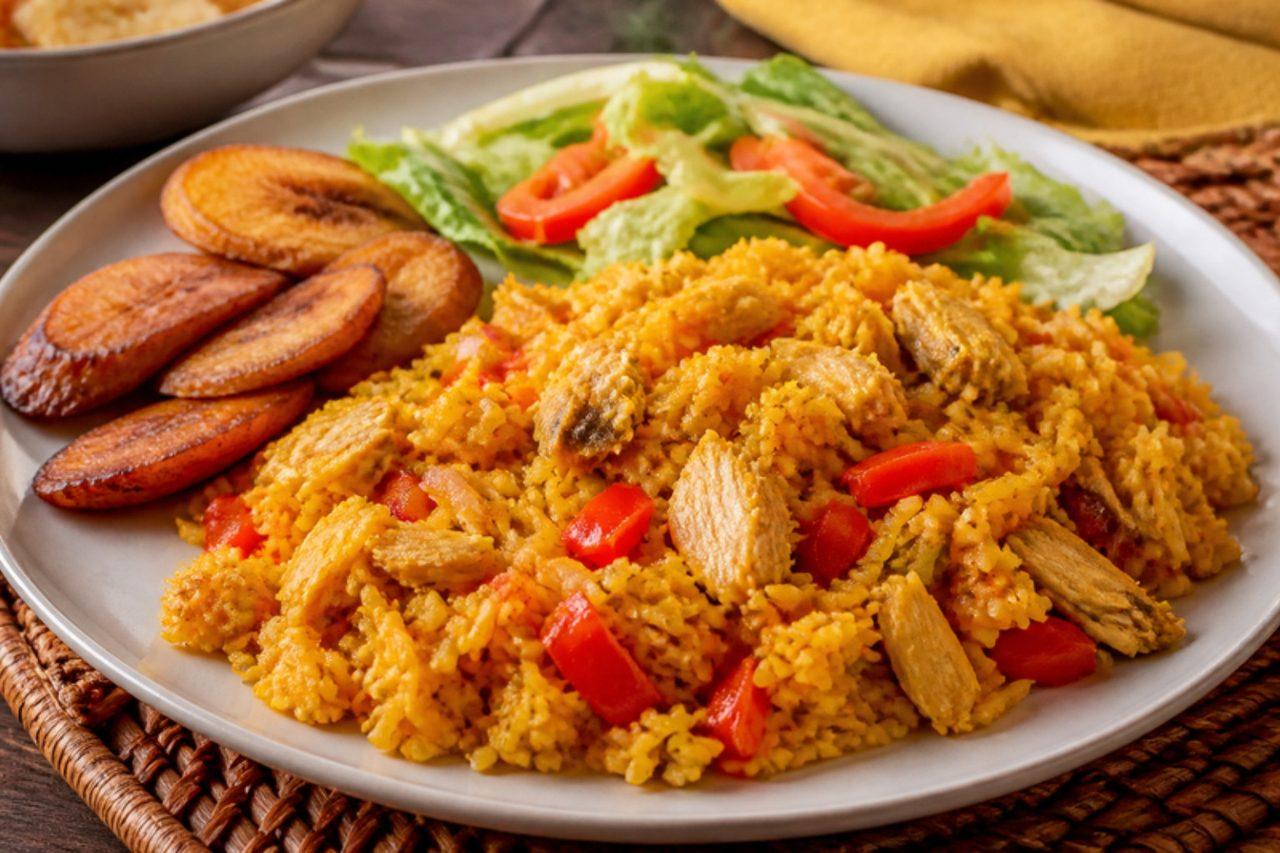
Carnival in Barranquilla isn't complete without a plate of arroz de lisa, and the market at Barranquillita and the old neighbourhoods around it sell it every day: salted, dried mullet from the Ciénaga Grande, soaked, shredded and cooked into rice with sweet peppers, onion, tomato and achiote. The rice comes out loose, orange and deeply savoury, with flakes of fish all the way through. It is served with bollo de yuca, fried ripe plantain or a simple tomato and onion salad. Plan ahead: the salted fish needs a day's soaking in the fridge. Skipping enough soaking is the usual downfall; the rice ends up far too salty, so taste a flake of the fish before you cook and keep soaking if it is still sharp. Chef's tip: if you can't find salted mullet, salt cod from any fishmonger works well, and use the poaching water for the rice only after tasting it.

by KrazyBadal 1 views

Arroz atolladoSoupy rice with chicken and pork

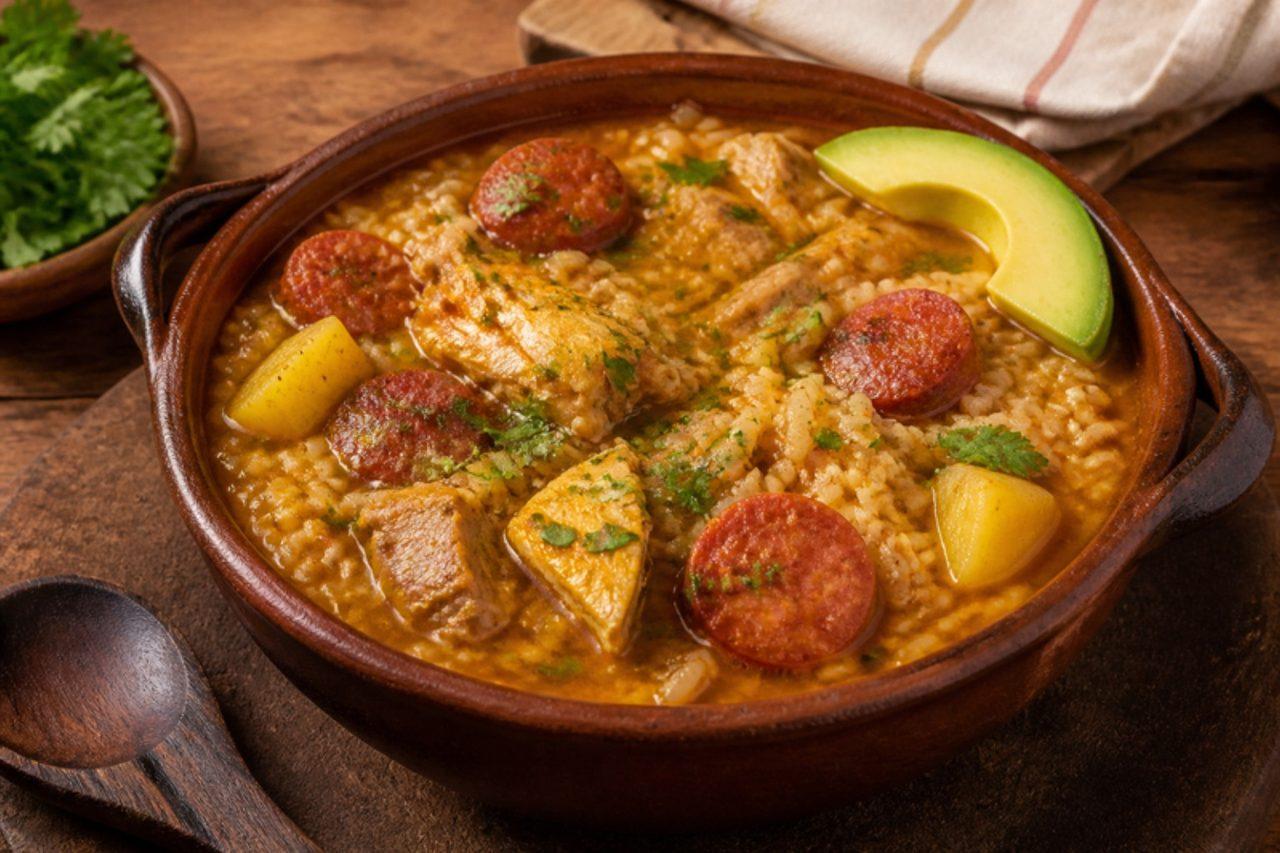
Cali's cooks say the rice should be 'atollado', stuck in the mud: wet, creamy and spoonable, somewhere between a risotto and a thick soup. It is the Valle del Cauca's Sunday and paseo dish, cooked in a big pot by the river or for a crowd at home, with chicken, pork, Colombian chorizo and two kinds of potato all simmered into the rice, the whole thing coloured orange-gold with achiote. The papa criolla melts and gives the body; the meats give a deep, porky savour. Serve it straight from the pot with ripe avocado, fried plantain and a squeeze of lime, and don't wait: it keeps thickening as it stands. People often rinse the rice or use long-grain, which gives separate grains; medium-grain, unrinsed, keeps it creamy. Chef's tip: hold back a ladle of hot stock and stir it in just before serving to bring the rice back to that loose, muddy consistency.

by KrazyBadal 0 views

Chorizo santarrosanoThin garlicky pork sausages

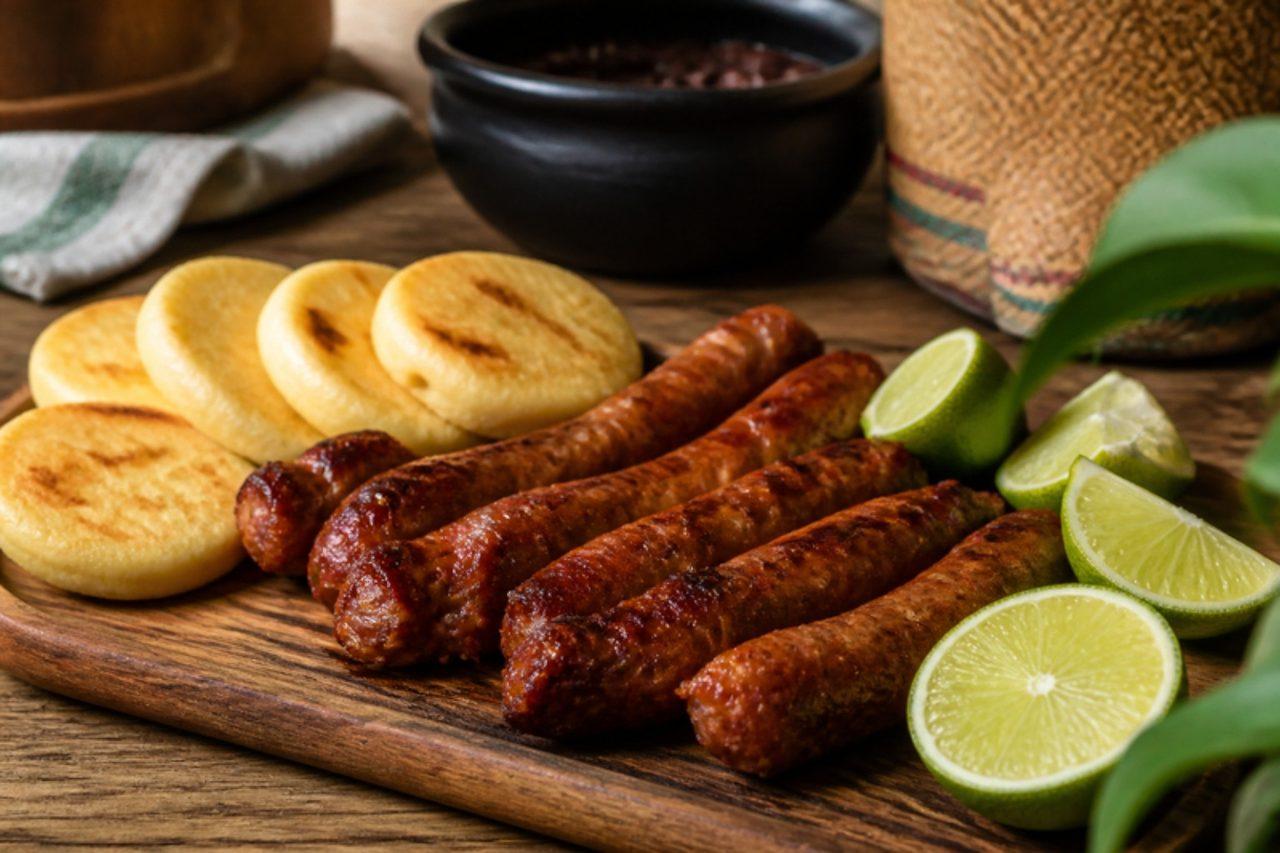
Santa Rosa de Cabal, on the road to the hot springs in Risaralda, is lined with grills where thin, tightly linked pork chorizos sizzle over charcoal and are sold with a small white arepa and half a lime. They are leaner and finer than Spanish chorizo, with no paprika: just pork, a little fat, spring onion, garlic, cumin and a touch of coriander, so they taste fresh and herby, with a smoky edge from the coals. Squeeze over the lime, wrap a piece in the arepa and eat it standing up. Making them at home needs natural casings and a sausage stuffer or a piping bag, and a night in the fridge for the flavours to settle. Overstuffing is the classic problem: tight casings burst on the grill, so fill them firmly but leave a little give. Chef's tip: keep the meat and fat very cold, even half-frozen, while you mince and mix; warm fat smears and the sausages turn crumbly instead of juicy.

by KrazyBadal 0 views

Smen (salted, herbed butter)

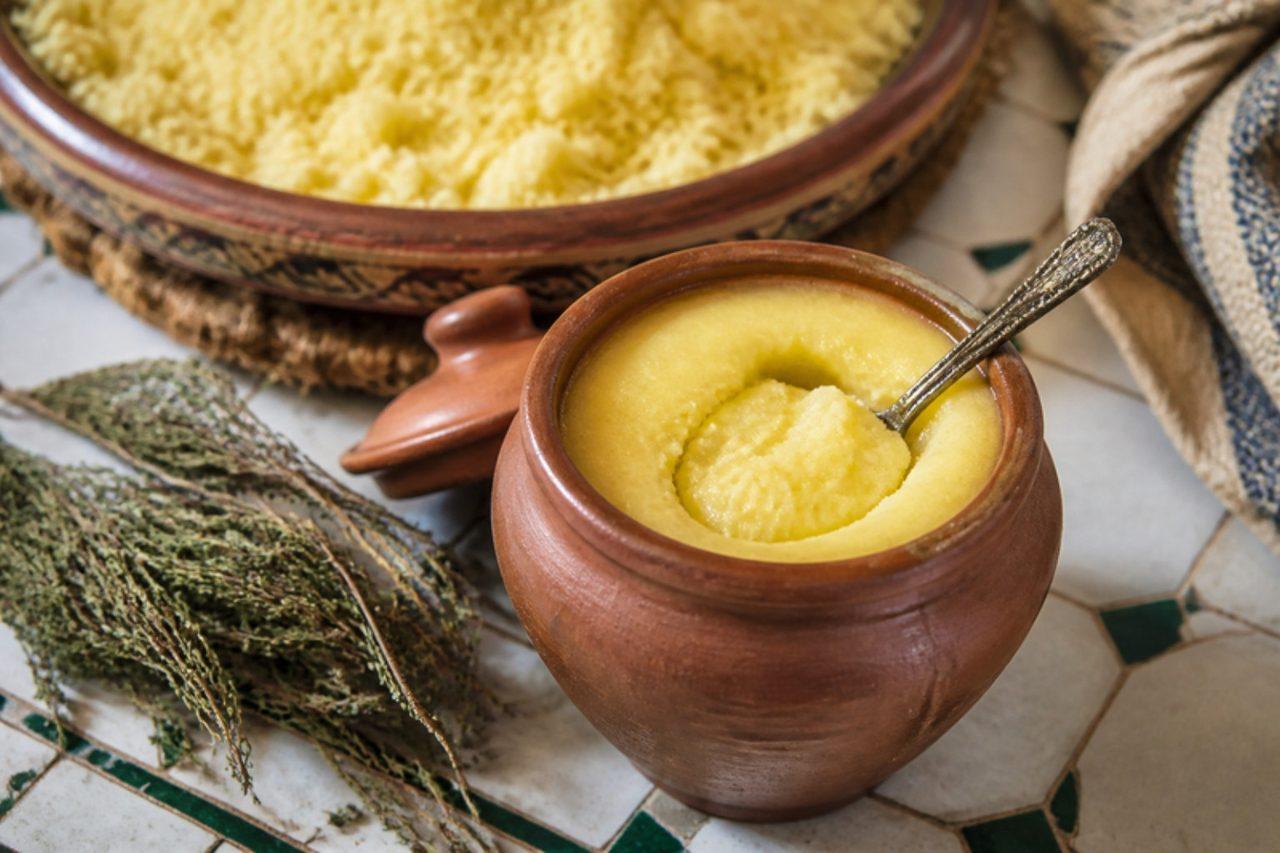
Atlas households once kept jars of smen for months, even years, until the salted butter developed a pungent, almost blue-cheese aroma; a spoonful stirred into couscous, harira or a chicken tagine gives a depth nothing else can. Long ageing at room temperature is risky at home, so this is a safer fridge version: pasteurised unsalted butter is simmered with dried za'atar or oregano, strained, salted and then matured in the fridge for 2–4 weeks, which gives a mellow, nutty, faintly tangy smen rather than the fiercely strong old kind. For the real long-aged flavour, buy smen from a reputable shop. Use it a teaspoon at a time; it is meant as a seasoning, not a cooking fat. The mistake to avoid is leaving any milk solids or water in the butter, as that is what turns it rancid or mouldy rather than pleasantly aged. Chef's tip: strain it through muslin until perfectly clear; any milky bits left in the jar are what turn butter rancid.

by KrazyBadal 0 views

XnipecHabanero and sour orange salsa

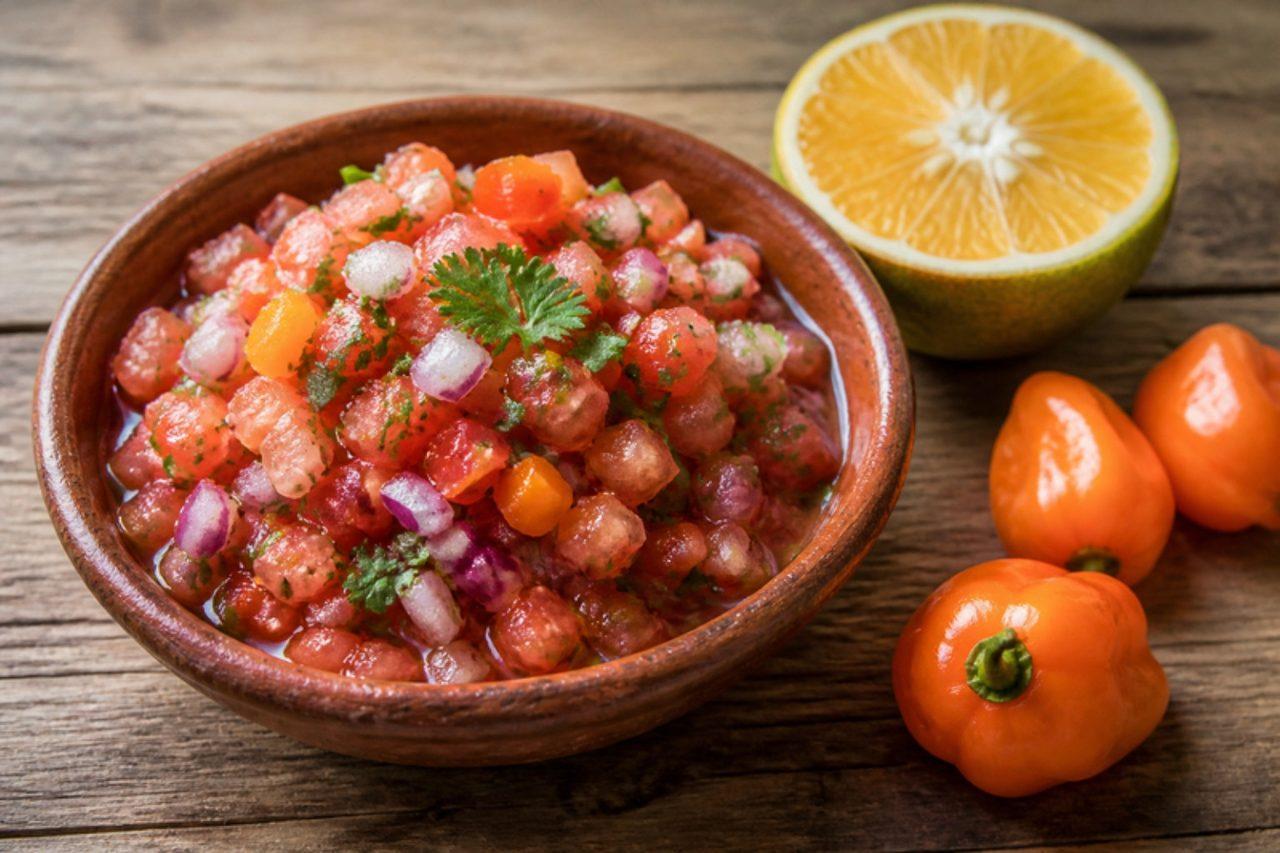
The name comes from Maya: xni' pek means 'dog's nose', because the salsa is hot enough to make your nose run and stay wet like a dog's. It is the raw table salsa of the Yucatán, made in minutes from tomato, red onion, coriander and plenty of habanero, all soaked in sour orange juice. In Mérida it is spooned over black-bean dishes, eggs and rice, and it brightens anything rich. It is best on the day it is made. Chef's tip: chop everything by hand into small, even dice; a blender makes it watery and the habanero turns bitter.

by KrazyBadal 0 views

Sudado de polloChicken stewed in its own juices

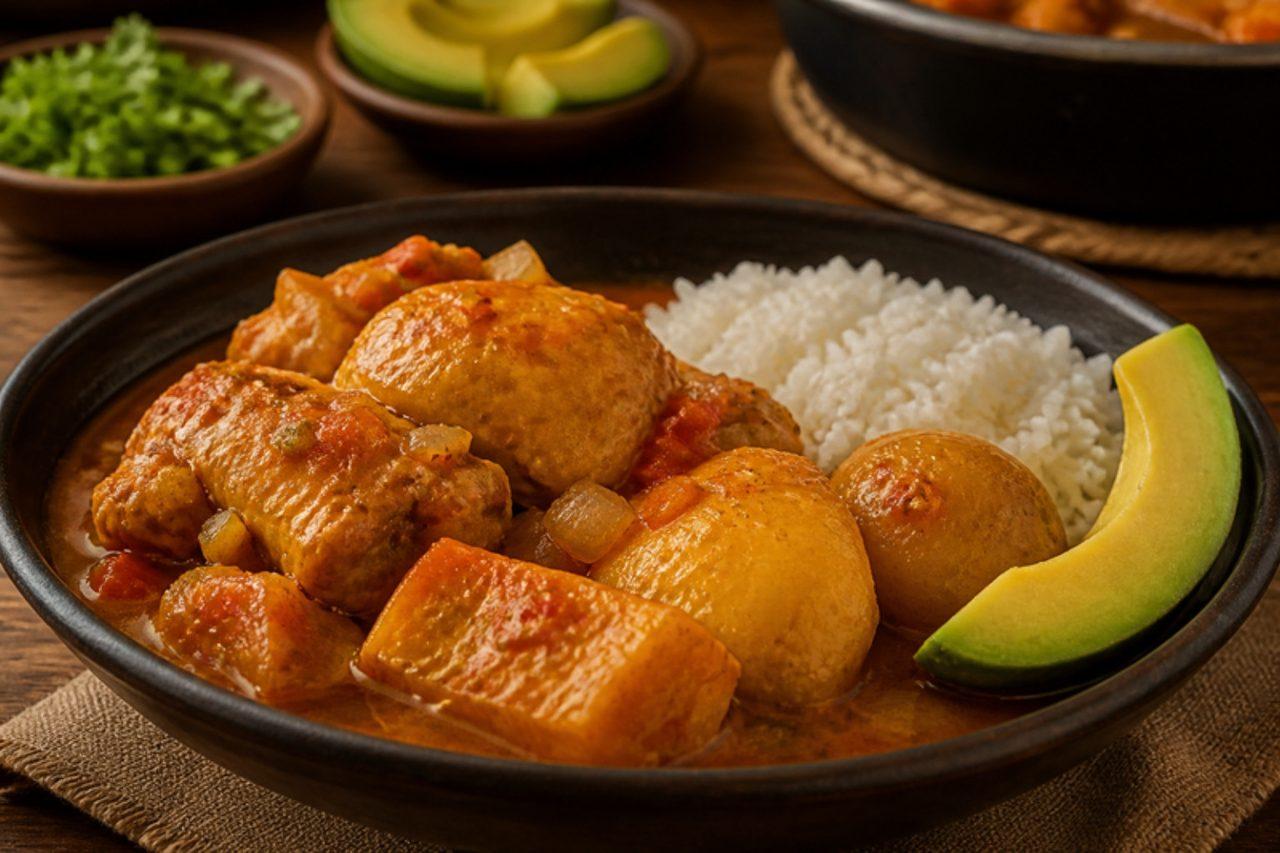
Any corrientazo (set-lunch place) in Medellín will have a sudado on the menu on weekdays, and it is just as common at home on a busy Tuesday: chicken pieces cooked in a closed pot with tomato, onion and potatoes until they release their own juices and turn into a thin, savoury, reddish sauce. No stock, no water to speak of, just patience and a tight lid. The meat goes tender and soaks up the cumin and garlic; the potatoes thicken the sauce at the end. It belongs next to white rice, a few slices of avocado and maybe a ripe plantain. The thing people get wrong is lifting the lid over and over: every look lets out the steam that does the cooking. Chef's tip: marinate the chicken with the garlic, cumin and salt in the fridge for 30 minutes to an hour first; the seasoning goes deeper and the sauce tastes richer.

by KrazyBadal 0 views

Yucatán pickled red onions

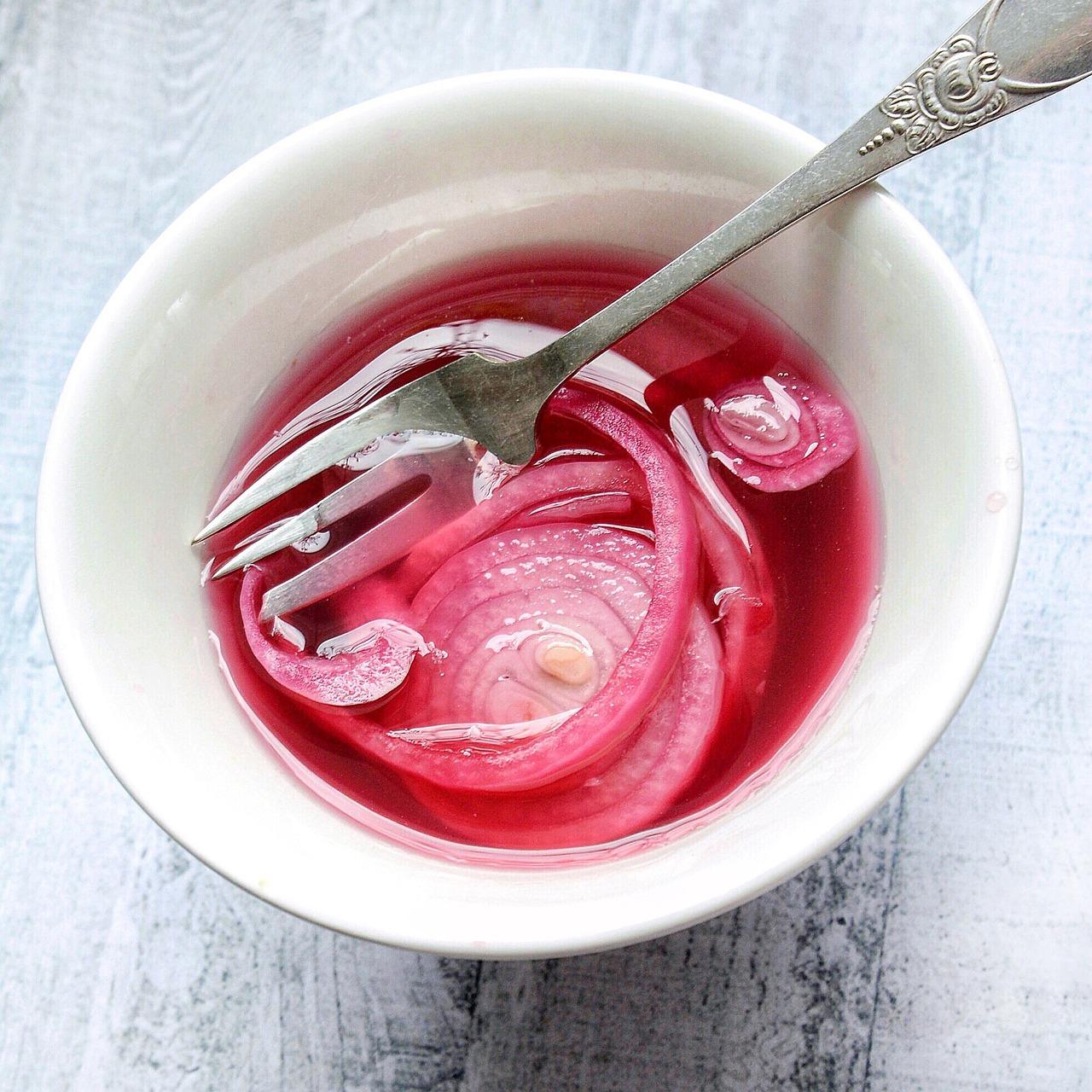
No table in Mérida is complete without a bowl of these bright pink onions. They go on almost everything in the Yucatán, from panuchos and salbutes to bean tacos, eggs and grilled vegetables, and their sharp crunch is what cuts through rich, earthy food. The traditional pickle uses naranja agria, the sour Seville-type orange that grows all over the peninsula, with a little habanero and dried oregano. Chef's tip: pour boiling water over the sliced onions for 10 seconds first; it softens their raw bite and makes them turn pink much faster.

by KrazyBadal 0 views

Besugo a la donostiarraSea bream with garlic vinegar dressing

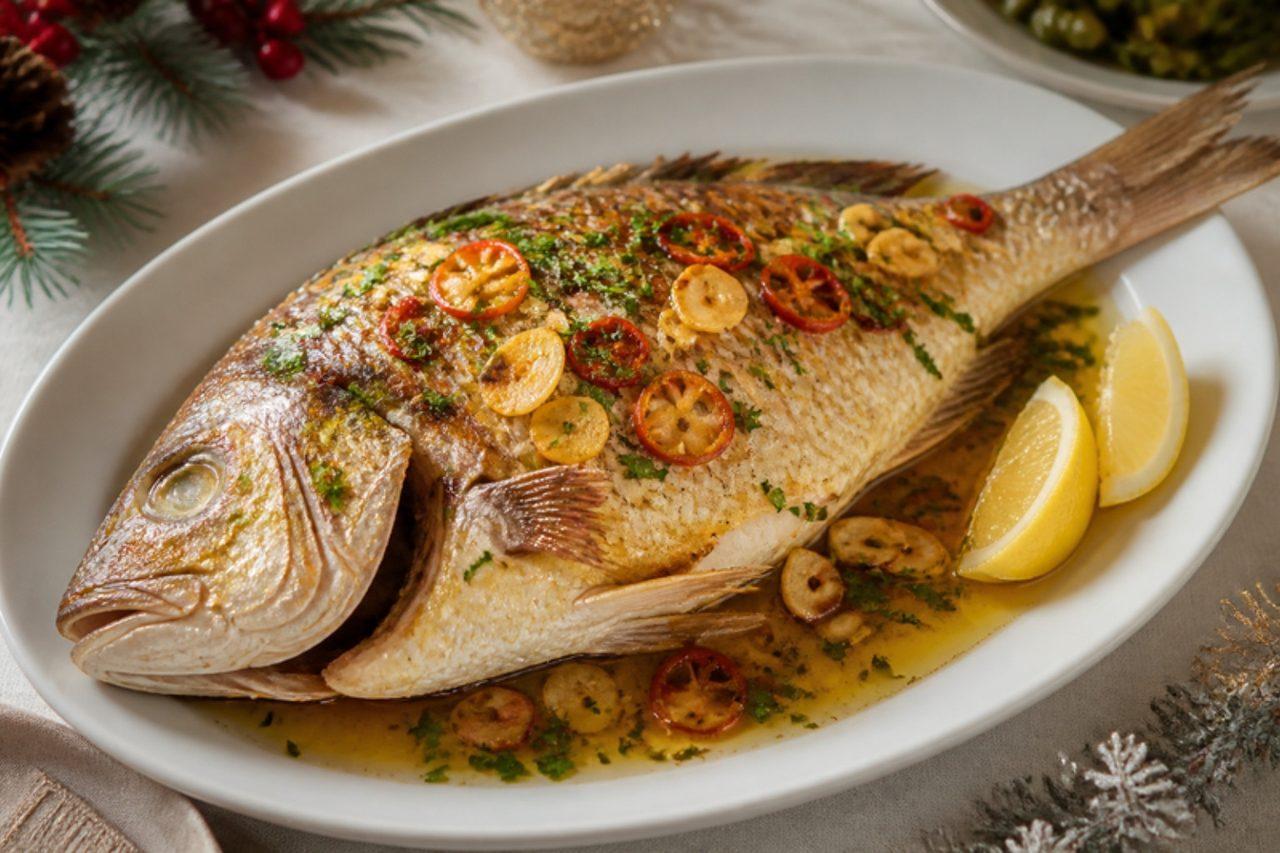
For many San Sebastián families, Christmas Eve dinner isn't complete without a whole sea bream, roasted or grilled and finished with a refrito: hot olive oil with sliced garlic, dried chilli and a splash of vinegar poured over at the table. The traditional fish is red sea bream (besugo), but gilt-head bream works well. A common mistake is letting the garlic go dark brown, which makes the dressing bitter; take it off when it is pale gold. Chef's tip: cut a few slashes into the thick part of the fish so it cooks evenly and the dressing soaks in.

by KrazyBadal 0 views

Chorizo a la sidraChorizo in cider

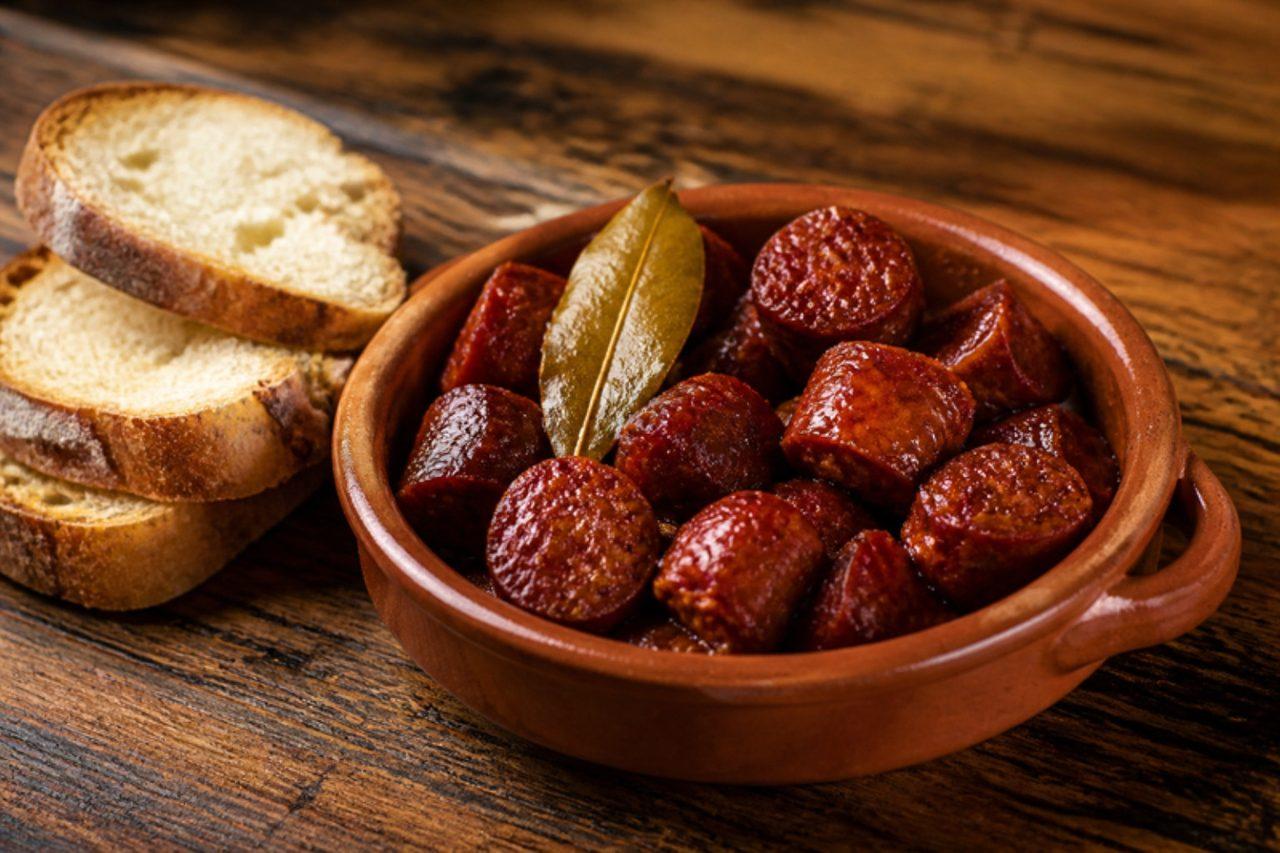
No sidrería in Oviedo's Calle Gascona is without a clay dish of chorizo bubbling in cider, served with bread to mop up the paprika-red juices. It takes minutes, is cheap, and is the first thing ordered while the waiter pours cider from shoulder height. This contains pork (chorizo) and uses dry Asturian cider, which is alcoholic; for an alcohol-free version use cloudy apple juice with a splash of cider vinegar, as noted below. Chef's tip: prick the chorizo all over first so it releases fat into the cider and drinks the cider back in.

by KrazyBadal 0 views

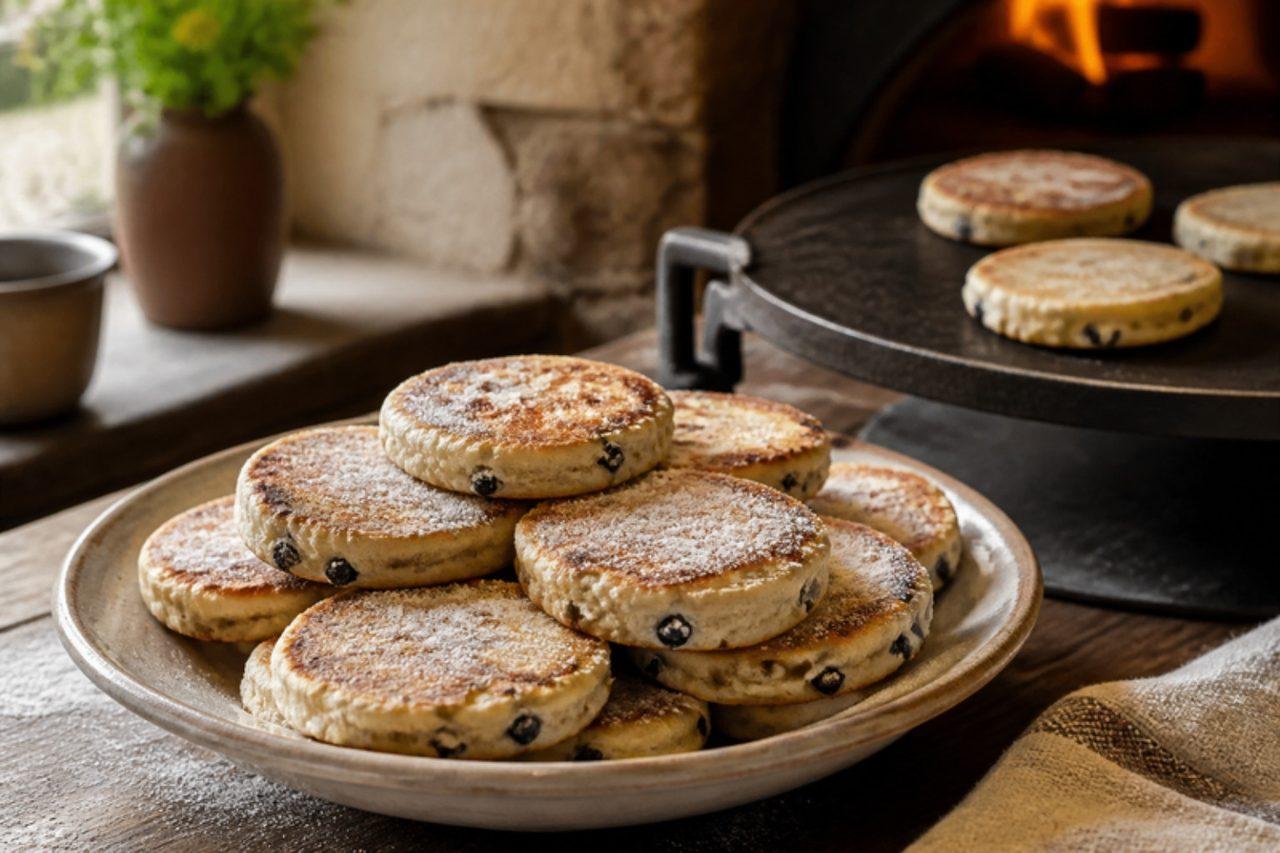
Welsh cakes

Welsh cakes, picau ar y maen or 'cakes on the stone', are cooked on a cast-iron bakestone in kitchens across Wales and sold warm at markets and rugby matches, and they are a must on St David's Day, 1 March. The dough is like a rich scone with currants and mixed spice, and they are dusted with sugar while hot. Chef's tip: keep the heat medium-low; they need time for the middle to cook before the outside darkens.

by KrazyBadal 0 views

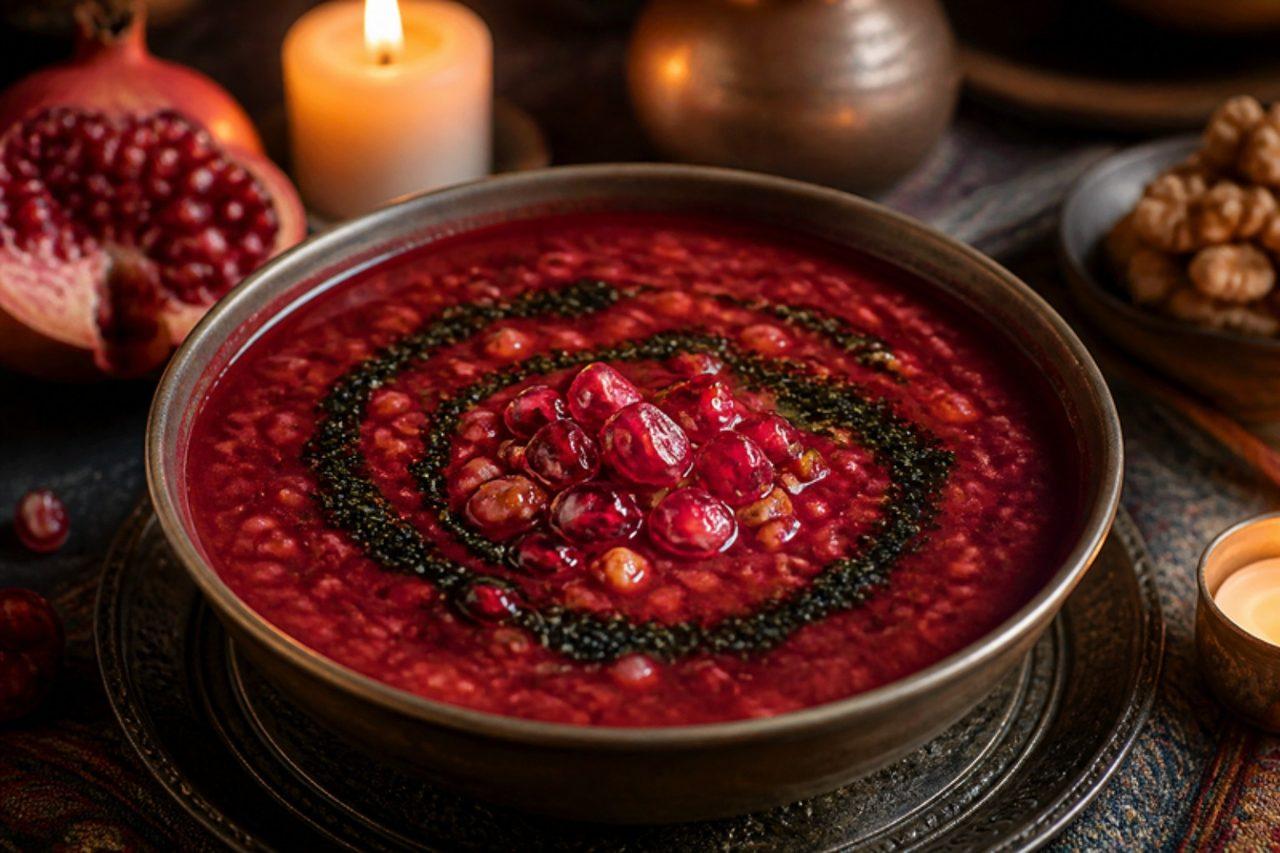
Ash-e anarPomegranate soup with herbs and rice

Ash-e anar is a soup for Yalda, the long December night when families across Tehran, Tabriz and Mashhad stay up late with pomegranates, watermelon and poetry. Fresh pomegranate juice and molasses give the broth a sour-sweet ruby colour, thick with split peas, rice and a mass of parsley, coriander, mint and spring onion. Many families drop in small meatballs; this version leaves them out and finishes with a sizzling garnish of dried mint in oil (nana dagh) for depth. The common mistake is adding the pomegranate too early, which dulls the colour to brown; it goes in for the last half hour. Chef's tip: taste and balance at the end with sugar or more molasses; the soup should make your mouth water, sour first and sweet after.

100 minPersianSoupsVeganGluten free
by KrazyBadal 0 views

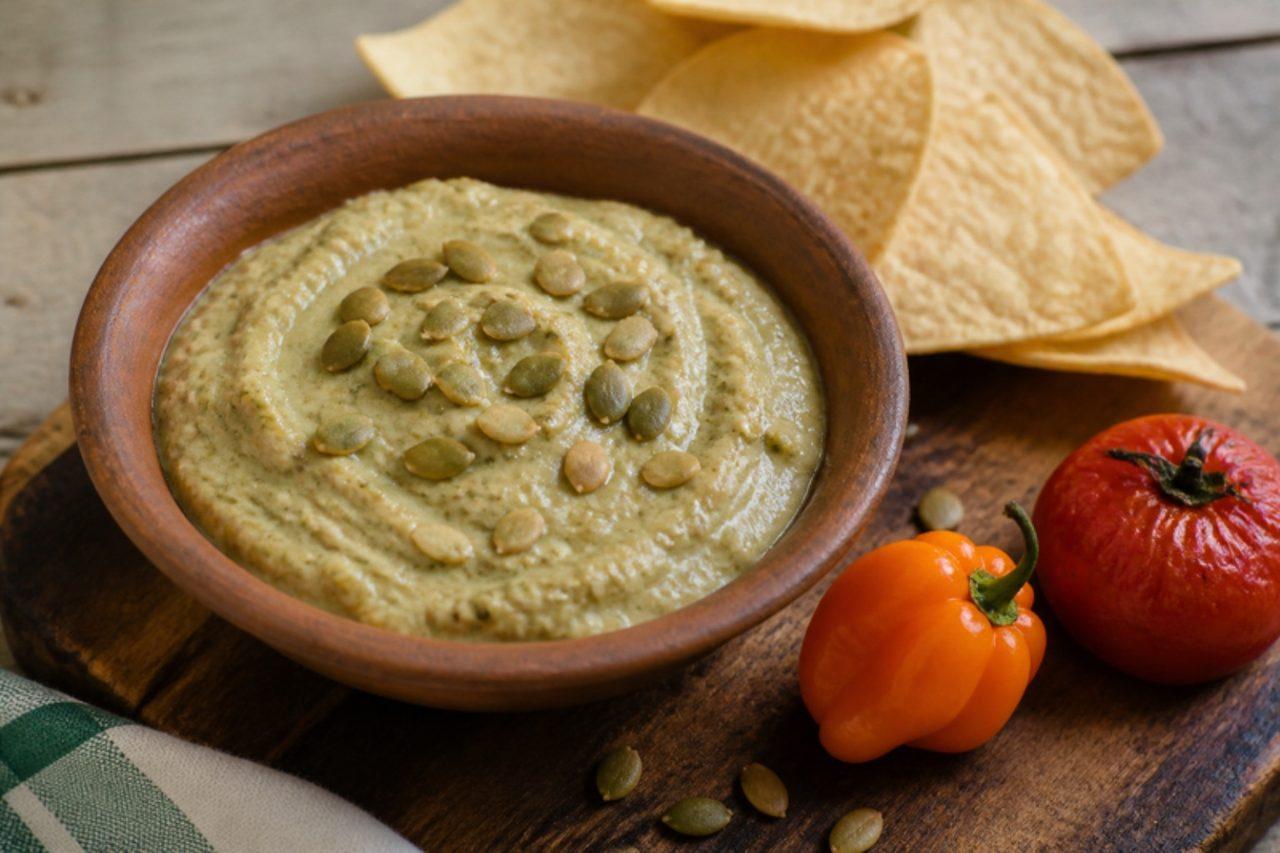
Sikil pakPumpkin seed dip

In Yucatec Maya, sikil means squash seed and p'aak means tomato, and that is almost all there is to this pale, coarse dip from the Yucatán Peninsula. Cooks in Mérida and the villages around it toast the seeds on a comal until they pop, grind them with charred tomato, chives and a little habanero, and serve the dip with tostadas or crisp tortilla chips before a meal. It tastes nutty, smoky and fresh at the same time, and is naturally vegan. Chef's tip: roast the habanero whole and add it a little at a time; you can always grind in more, but you can't take the heat back out.

by KrazyBadal 0 views

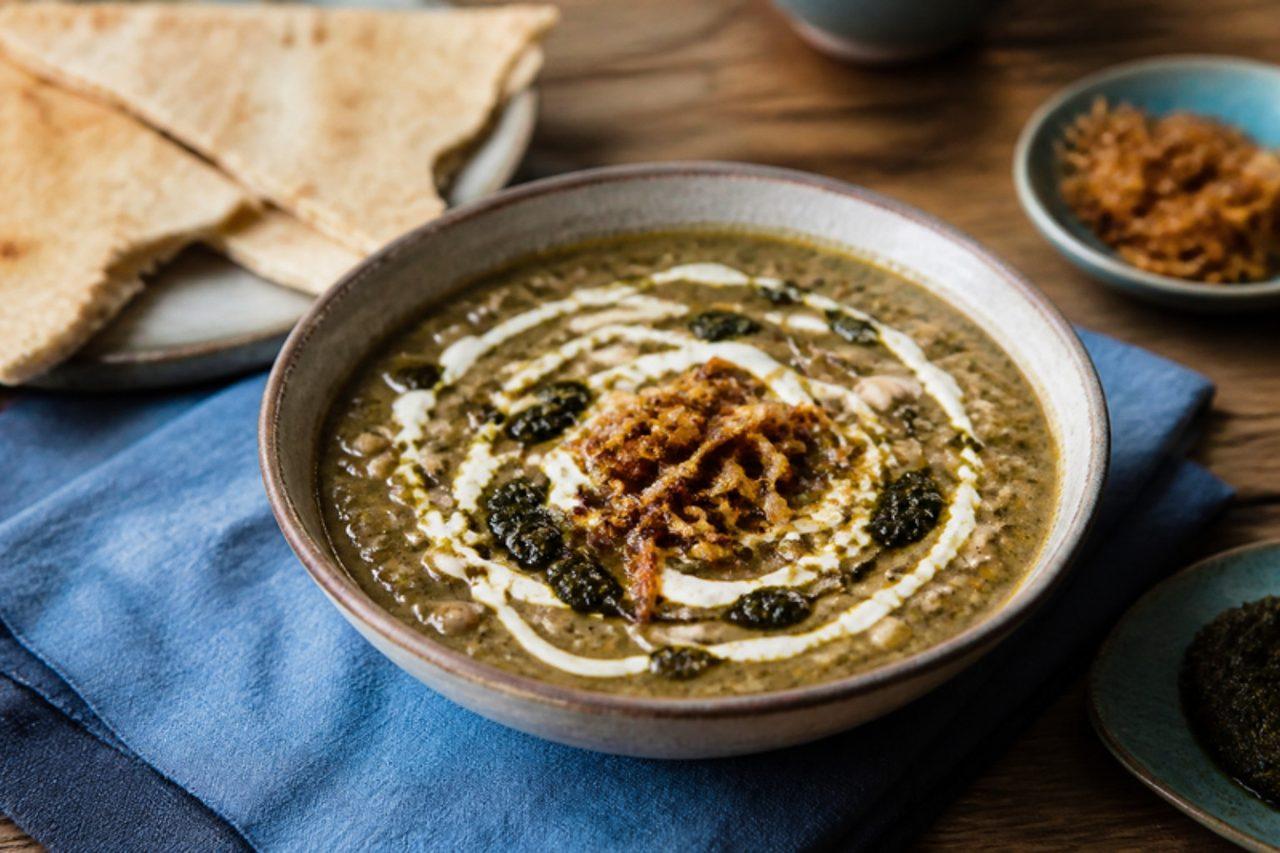
Ash-e kashkWheat, bean and herb soup

Ash-e kashk is the winter ash of Khorasan and the central plateau, simmered in big pots in Mashhad and Neyshabur homes and served from the pot for long Friday lunches. Cracked wheat, chickpeas, beans and lentils cook down with a mountain of herbs until creamy and thick, then each bowl gets a swirl of kashk, crisp fried onion and sizzling mint oil. Kashk is fermented dried whey, made without rennet, so it is vegetarian. A common mistake is adding the herbs too early, which turns them grey and muddy; stir them in for the last 30 minutes only. Chef's tip: stir the kashk in a little hot broth before swirling, so it blends smoothly rather than splitting.

125 minPersianSoups
by KrazyBadal 0 views

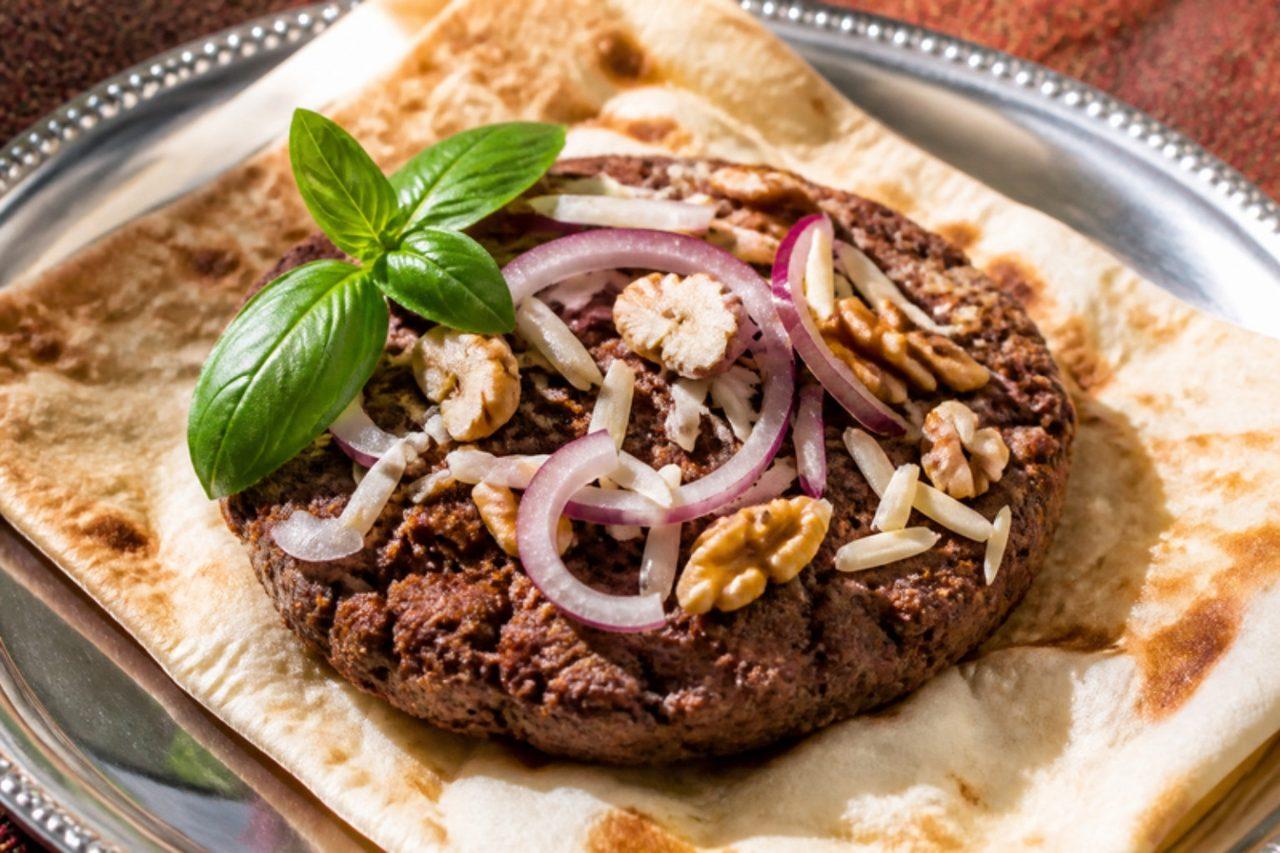
BeryaniSpiced lamb on flatbread with basil

Beryani is Isfahan's signature lunch, eaten in old bazaar eateries near Naqsh-e Jahan Square for more than a century, and nothing like the rice biryanis of South Asia. Lamb shoulder and, traditionally, lamb lung are simmered, minced, seasoned with cinnamon and fried on a small round pan with the fat from the pot, then turned out onto soft sangak or taftoon bread and eaten with fresh basil, raw onion and walnuts. Lung is hard to buy outside Iran, so this home version uses lamb shoulder and a little lamb mince for the same soft texture. A common mistake is draining away the cooking fat; Isfahanis spoon it over the bread for flavour, so keep it. Chef's tip: press the meat into a small frying pan to make a neat round patty, the way the bazaar cooks do.

120 minPersianMeat
by KrazyBadal 0 views

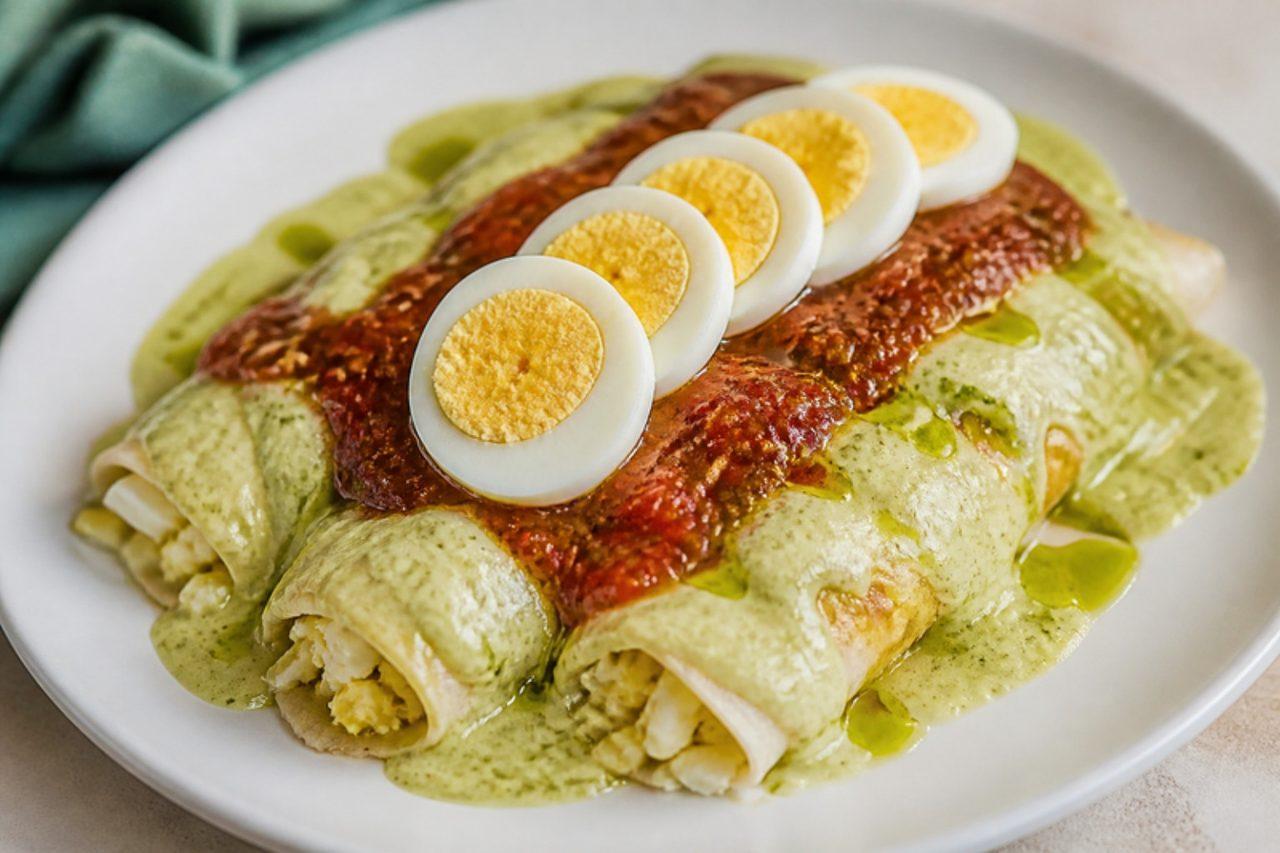
PapadzulesEgg tortillas in pumpkin seed sauce

Papadzules may be the oldest dish still eaten in the Yucatán: Maya cooks were rolling tortillas in ground squash seeds long before the Spanish brought chickens and their eggs. Today they are a lunch and Lent dish in Mérida, Valladolid and Campeche. Corn tortillas are dipped in a pale green sauce of toasted pumpkin seeds and epazote, rolled around chopped hard-boiled egg, then topped with a cooked habanero-tomato sauce and a few drops of green pumpkin-seed oil squeezed from the paste. The flavours are nutty, herbal and gently hot. Chef's tip: keep the seed sauce warm, never boiling; heat makes it split and turn grainy, and the oil that separates is meant to be drizzled on top, not stirred back in.

by KrazyBadal 0 views

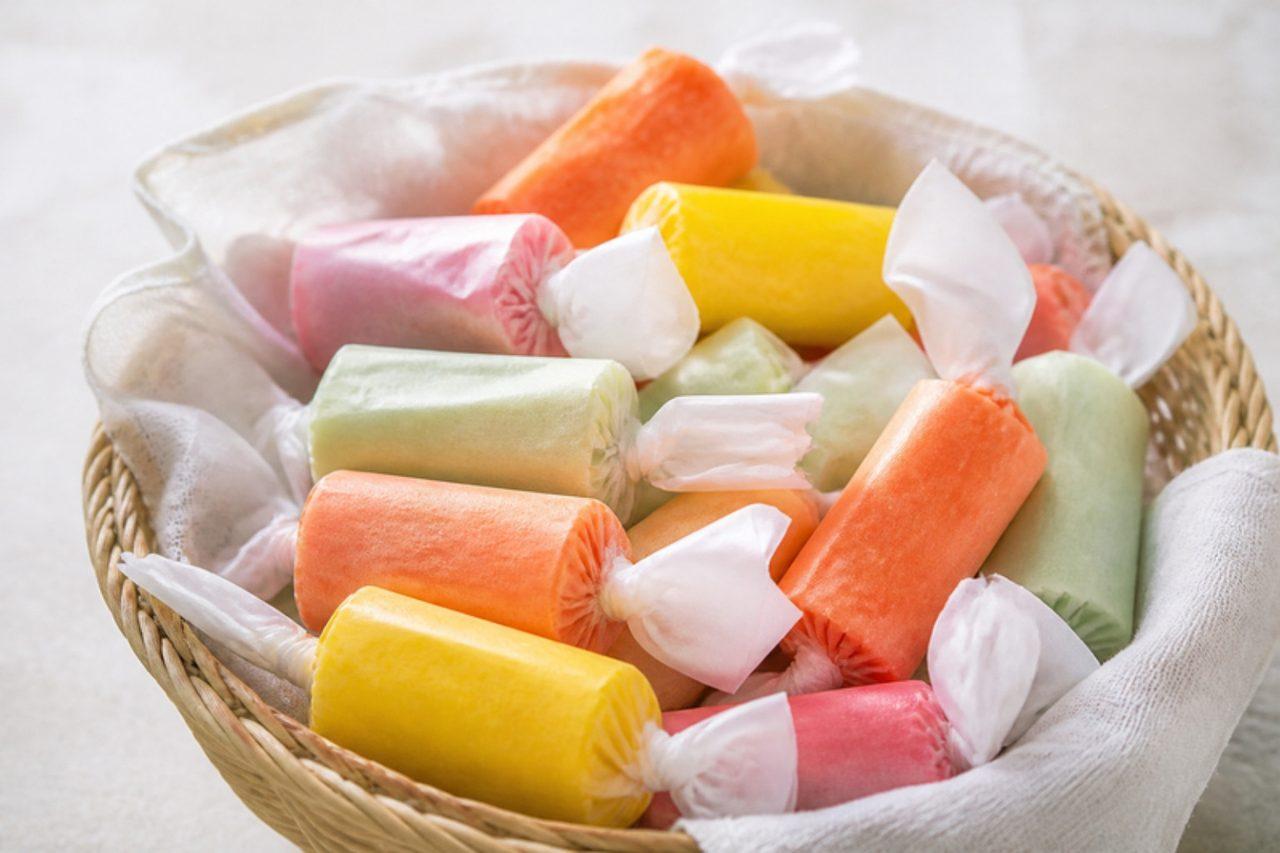
Camotes poblanosSweet potato candies

Camotes are the sweet Puebla is most famous for: finger-long rolls of sweet-potato fondant, flavoured with pineapple, lemon, strawberry or orange and wrapped individually in paper. Like tortitas de Santa Clara, they come from the city's convent kitchens, and you will find them at every candy shop on Puebla's Calle de los Dulces. The texture is soft and smooth, like a firm marzipan, and very sweet, so one or two is plenty. Chef's tip: sieve the cooked sweet potato while it is hot; fibres caught in the sieve are what would make the candy stringy.

by KrazyBadal 0 views

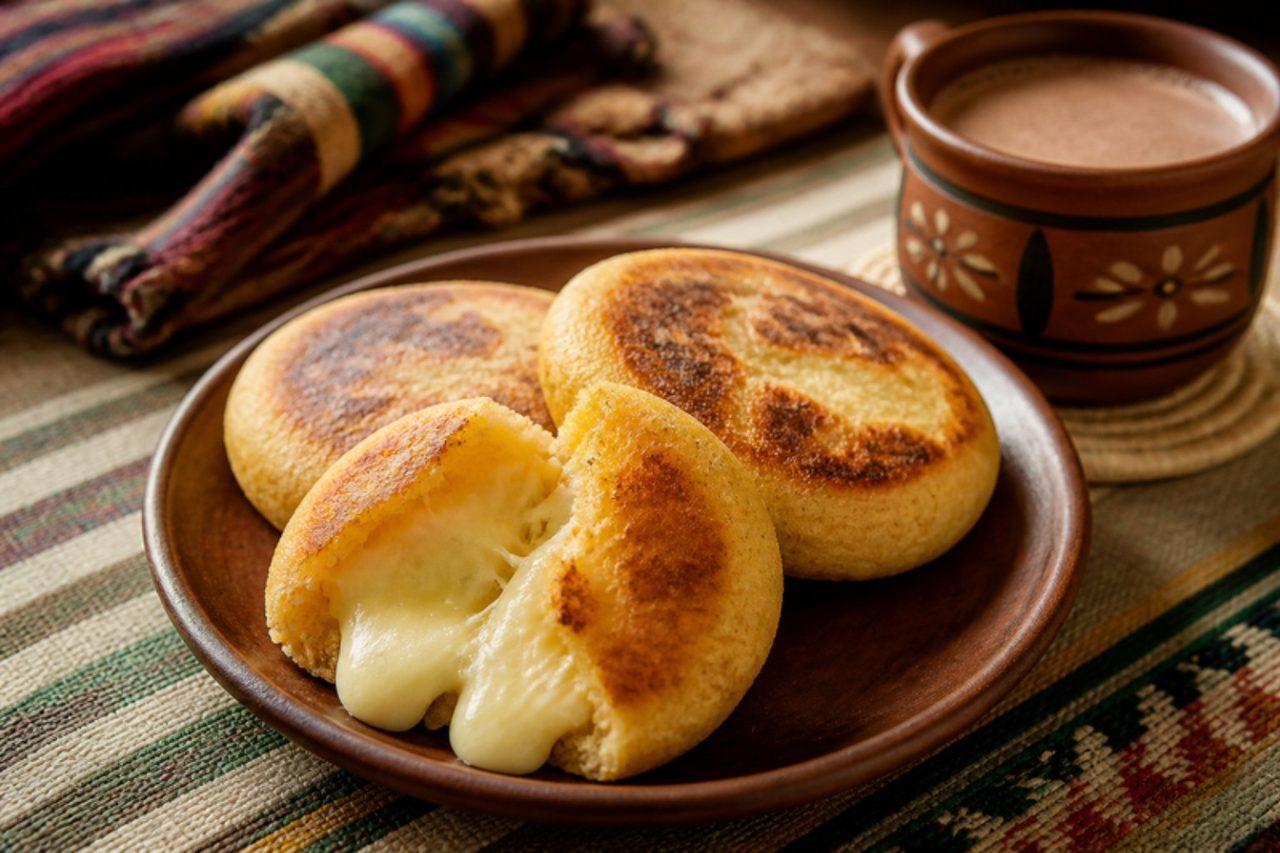
Arepas boyacensesCheese-stuffed sweet arepas

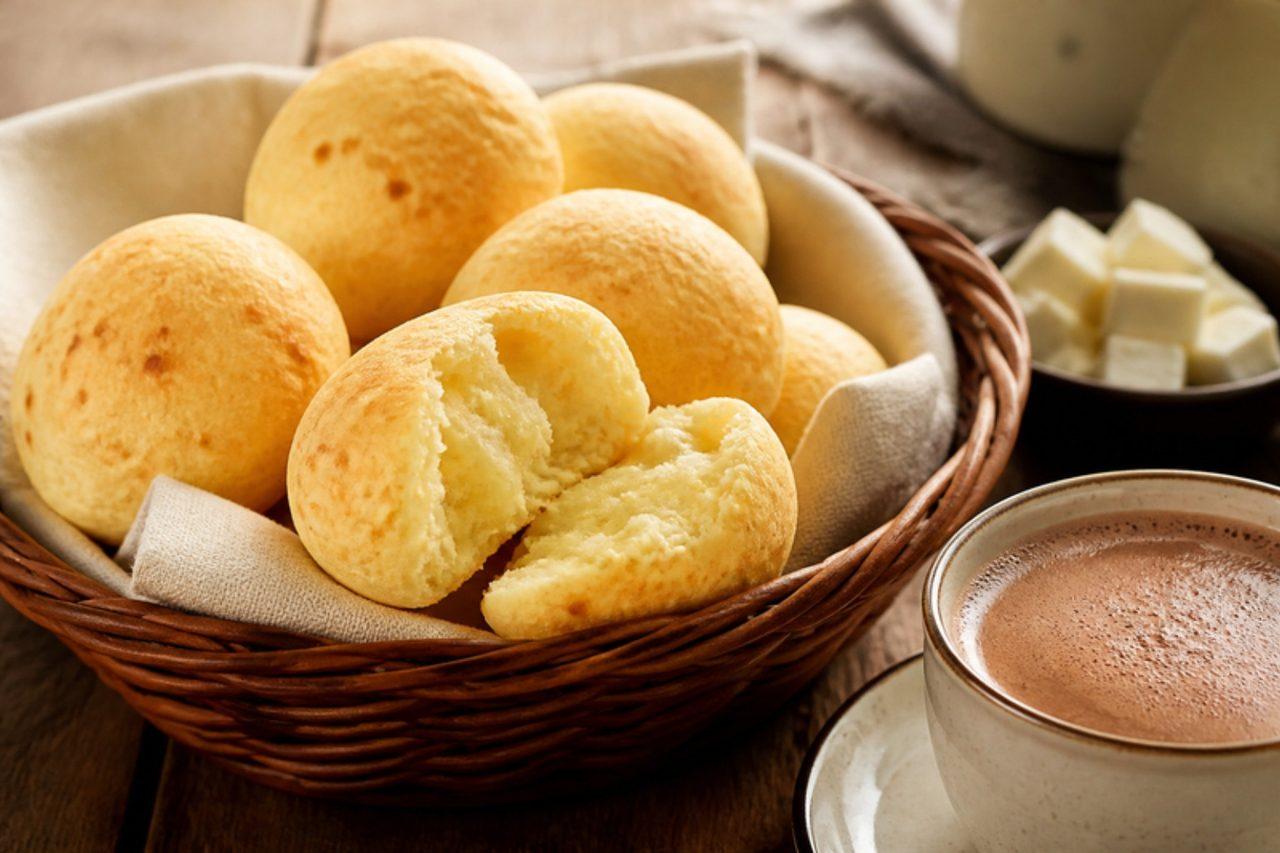
Roadside stalls on the highway from Bogotá to Tunja sell these golden, puffed discs straight off the griddle. Unlike the plain arepas of Antioquia, the boyacense mixes yellow corn with wheat flour, butter and a little sugar, and it hides a layer of fresh cheese that melts as it cooks, so each bite is sweet, salty and buttery at once. Eat them warm with coffee, hot chocolate or a cup of aguapanela. Queso campesino or cuajada is traditionally set with animal rennet; choose a vegetarian mozzarella or other microbial-rennet fresh cheese. The trap is cooking them on a high heat: the sugar browns fast and the middle stays raw and doughy. Chef's tip: keep the griddle at low-medium and give them time; a slow cook gives a thin crisp crust and lets the cheese melt fully.

by KrazyBadal 0 views

Papas criollas fritasFried small yellow potatoes

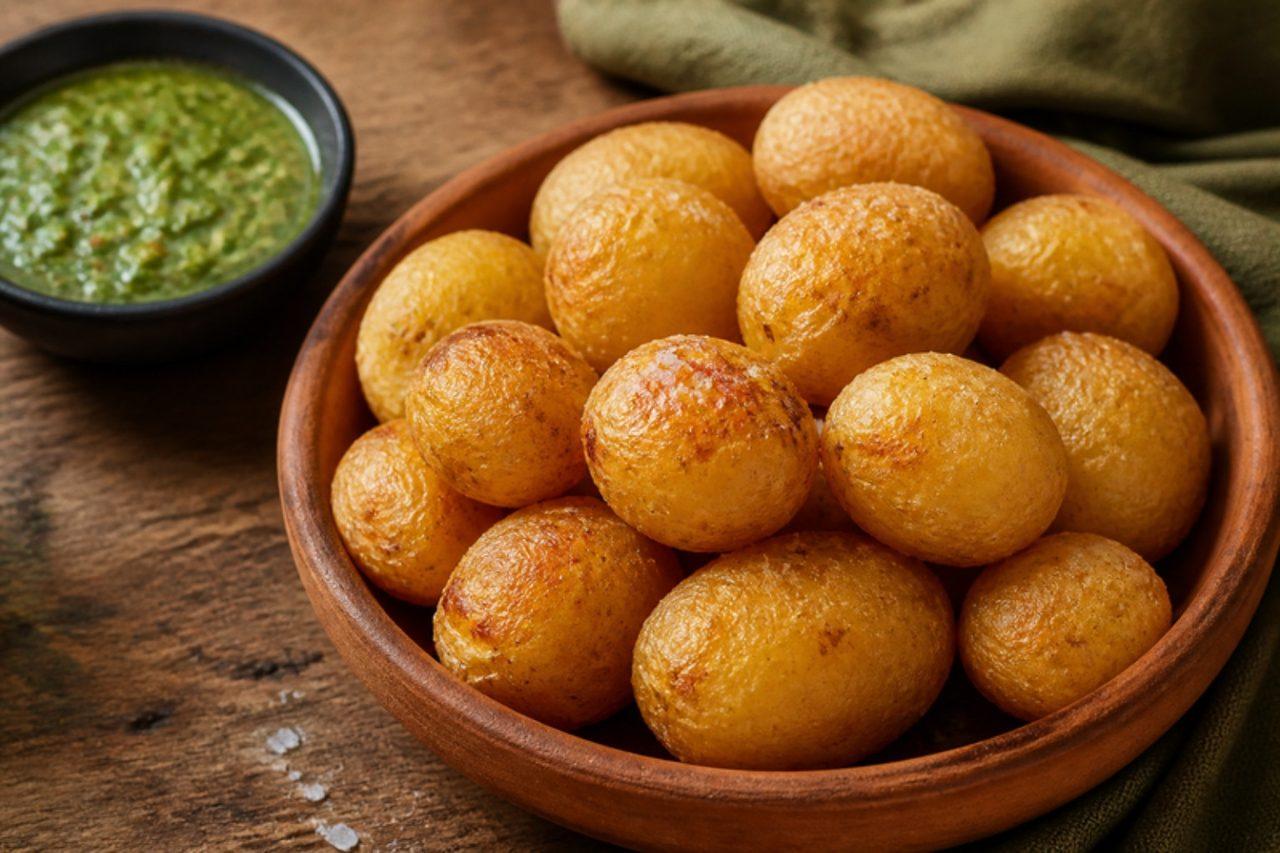
Little golden papas criollas are the potato Bogotá loves best: thin-skinned, buttery-yellow and so creamy they almost melt. At the asaderos along the roads out of the capital, and next to every plate of ajiaco or fritanga, they come fried whole, skin on, crackling outside and soft in the middle, with nothing but salt and a bowl of ají. Frozen papas criollas are sold in Latin American shops; otherwise use the smallest waxy yellow potatoes you can find. Frying them raw is the usual mistake: the skins brown before the insides are cooked. A quick boil first fixes that. Chef's tip: let the boiled potatoes steam dry for a few minutes and squash a few slightly with your palm before frying, so the split skins catch extra crunch.

by KrazyBadal 0 views

Bobó de camarãoPrawns in cassava and coconut purée

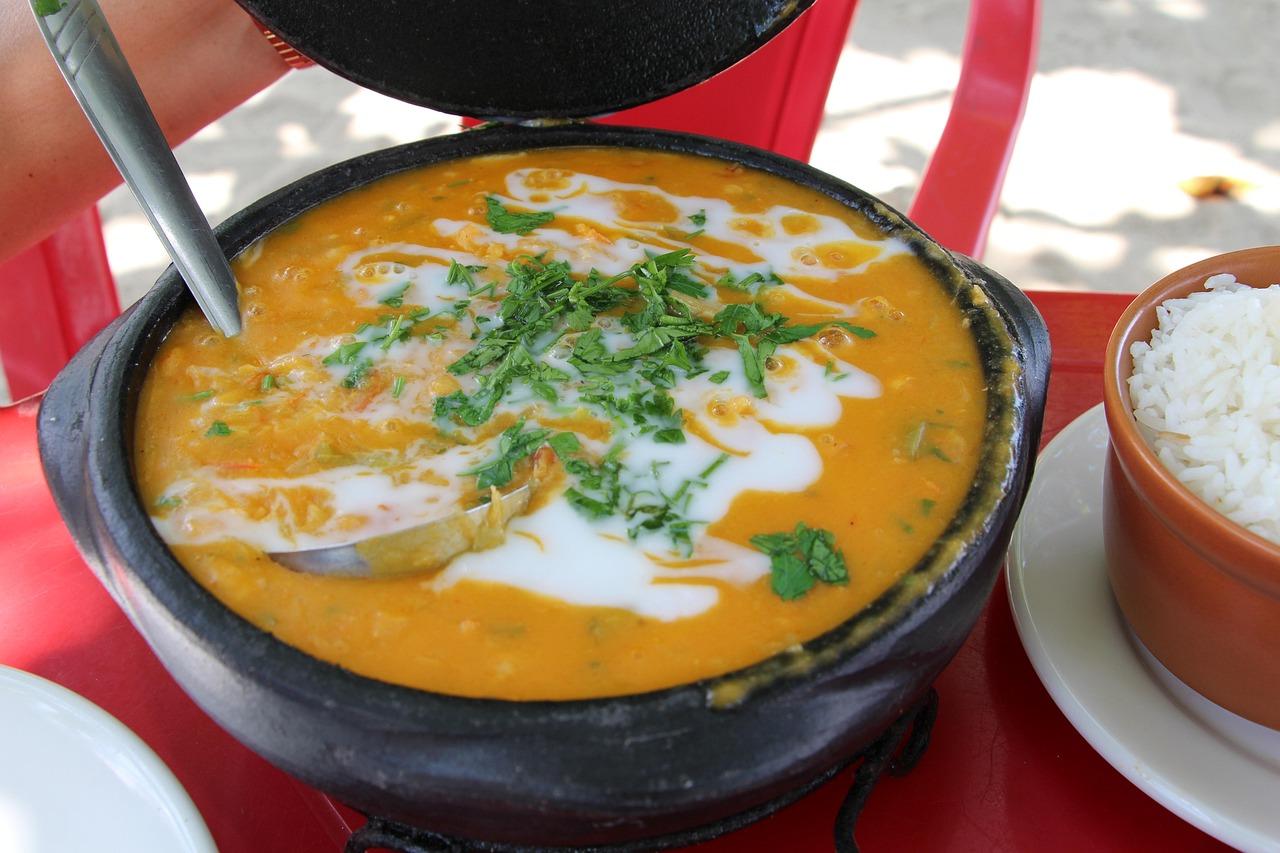
Velvety, coral-coloured and rich with coconut, bobó de camarão is what Bahian families put on the table when there is something to celebrate, and beach restaurants from Praia do Forte to Itacaré serve it in clay pots with white rice and farofa. Cassava is boiled until it falls apart, blended with coconut milk into a smooth cream, then folded into prawns cooked with onion, tomato, peppers and a slick of dendê oil. The result is somewhere between a stew and a thick sauce, sweet from the prawns and gently earthy from the cassava. A frequent mistake is boiling the prawns in the purée for too long, which leaves them tough and curled; they go in at the very end. Cassava must always be cooked right through, never eaten raw: cut out the woody core and boil it until a knife meets no resistance. Chef's tip: blend the cassava while it is still hot, with some of its cooking water; cold cassava turns gluey in the blender.

by KrazyBadal 1 views

Envueltos de mazorcaSteamed corn parcels

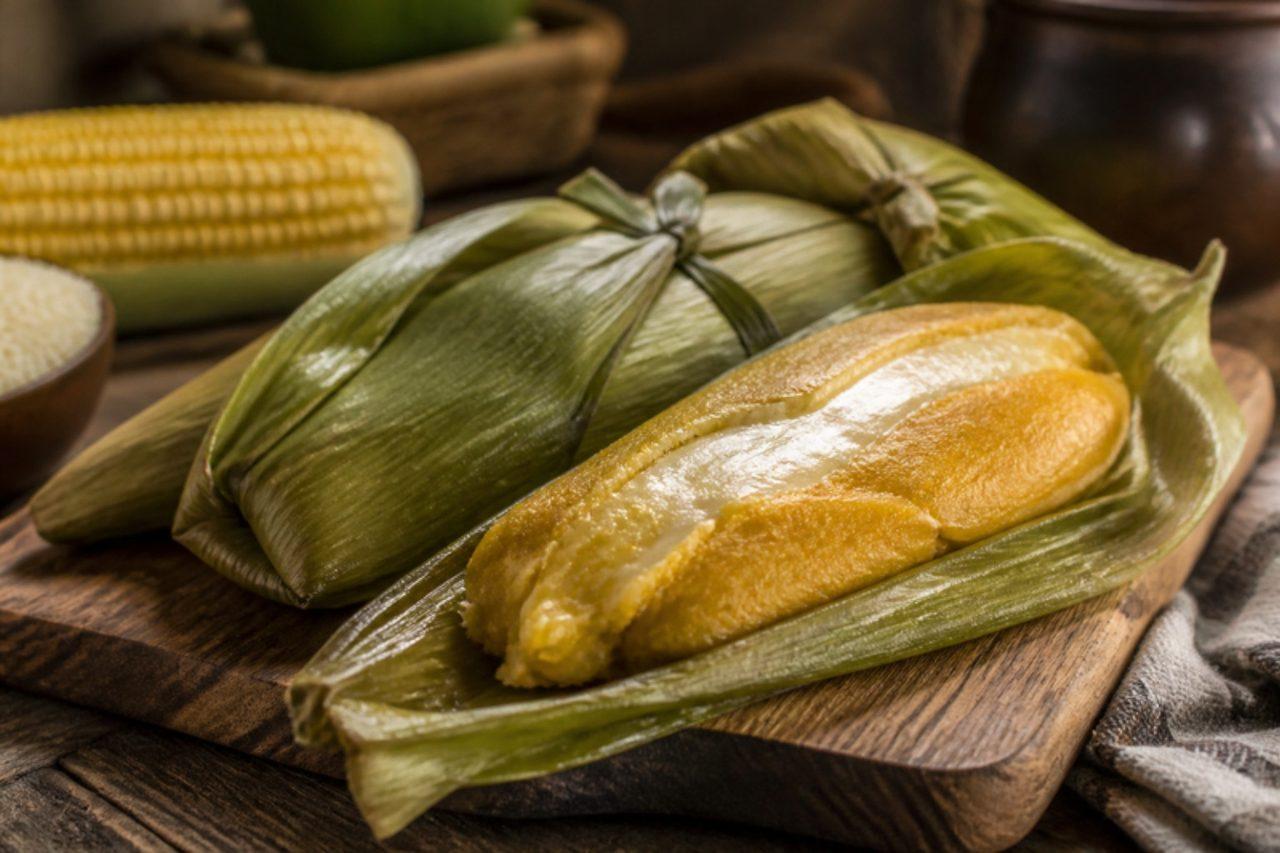
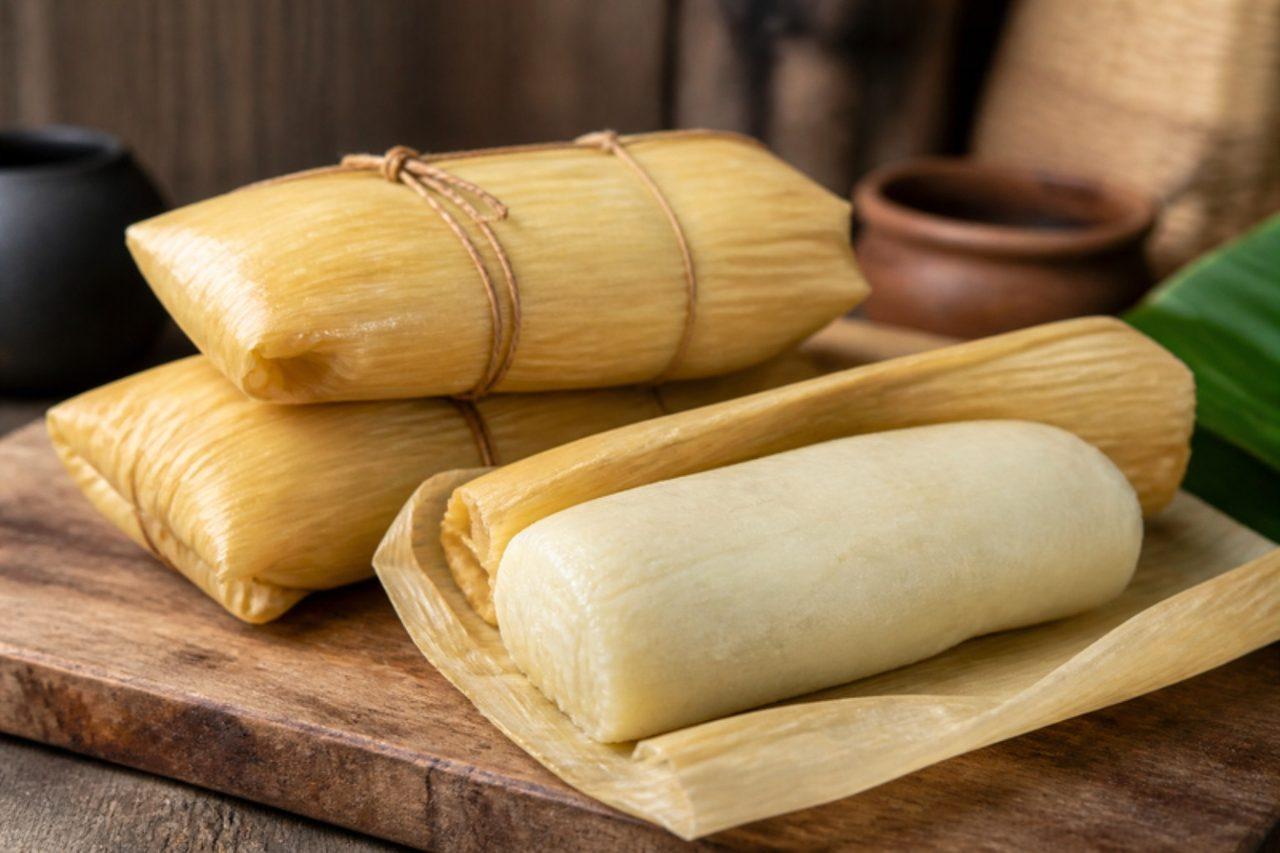
When the maize ripens in the fields of Boyacá, families grind the fresh kernels and steam little husk-wrapped parcels that are sold at Sunday markets in Tunja, Paipa and Duitama. Envueltos are soft, moist and gently sweet, somewhere between a tamal and a corn pudding, with pockets of melted cheese, and they are eaten for breakfast or as an onces snack with hot chocolate or coffee. Use fresh corn on the cob; the starchier, less sugary types are closest to Colombian maíz, and frozen kernels work at a pinch. Fresh campesino cheese is usually made with animal rennet, so pick a vegetarian one. The commonest fault is wrapping the parcels loosely, so water gets in and they turn soggy. Chef's tip: grind the corn coarsely, not to a purée; a little texture lets the envueltos set firm and sliceable.

by KrazyBadal 0 views

Arepa paisaThin white corn arepa

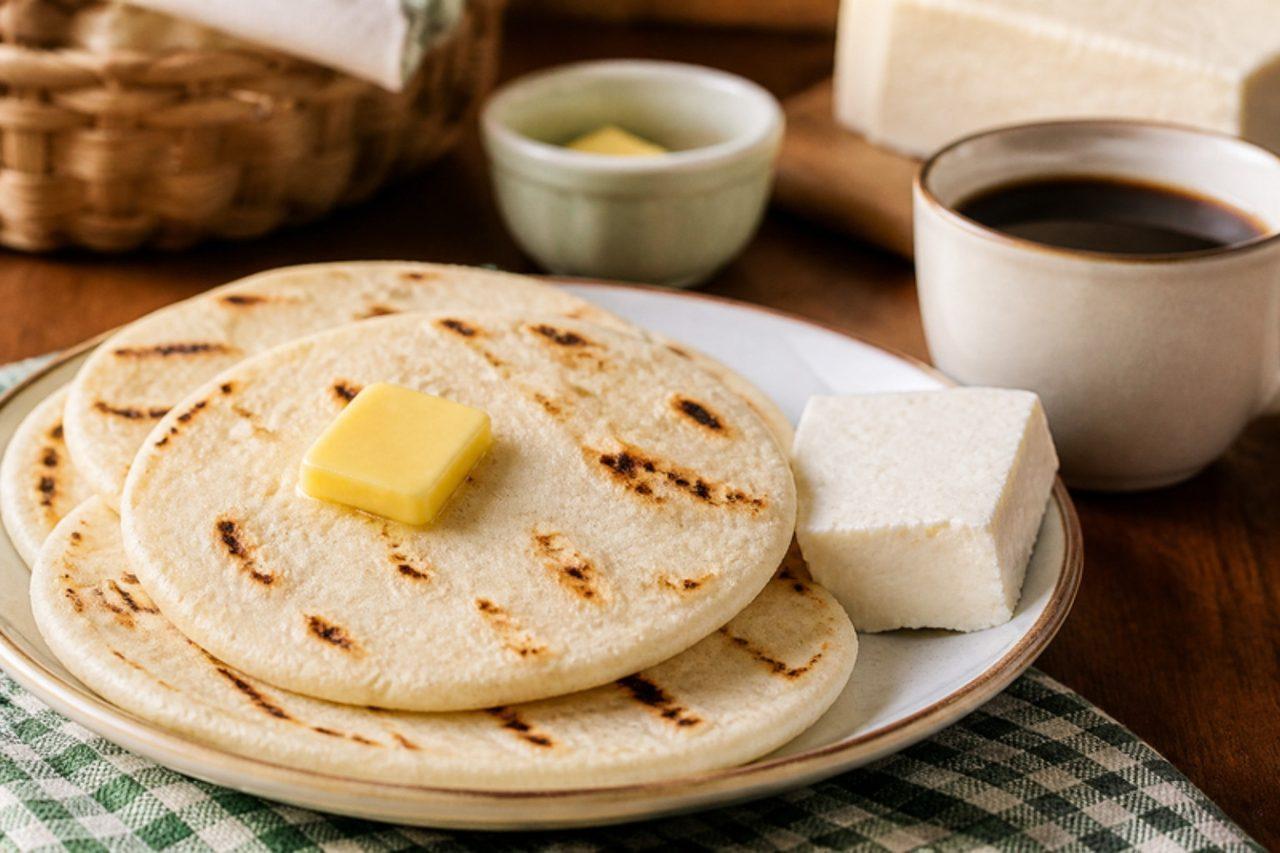
Antioquia eats arepas the way other places eat bread: a thin, pale disc of white corn sits beside the eggs at breakfast, the bandeja paisa at lunch and the hot chocolate at night. The paisa arepa is deliberately plain, with no salt, cheese or butter in the dough, so it frames whatever comes with it; locals spread it with butter or a slice of quesito at the table. It is chewy and soft inside with a toasted, freckled skin. Traditionally it is made from boiled, ground pilado corn; precooked white corn meal (masarepa) makes an excellent home version. The mistake is a dry dough: the edges crack and the arepas turn hard. Chef's tip: knead in warm water until the dough feels like soft play dough, and rest it 5 minutes before shaping.

by KrazyBadal 0 views

New York cheesecake

New York cheesecake is the tall, dense, rich slice served in Manhattan delis and Brooklyn bakeries since the 1920s, made with cream cheese and a little soured cream rather than the curd cheese of European cakes. It is smooth and heavy, with a slight tang and a thin biscuit base, and is usually eaten plain or with strawberries. Chef's tip: have every ingredient at room temperature and beat on low speed; cold cheese makes lumps and fast beating whips in air, which cracks the top.

by KrazyBadal 0 views

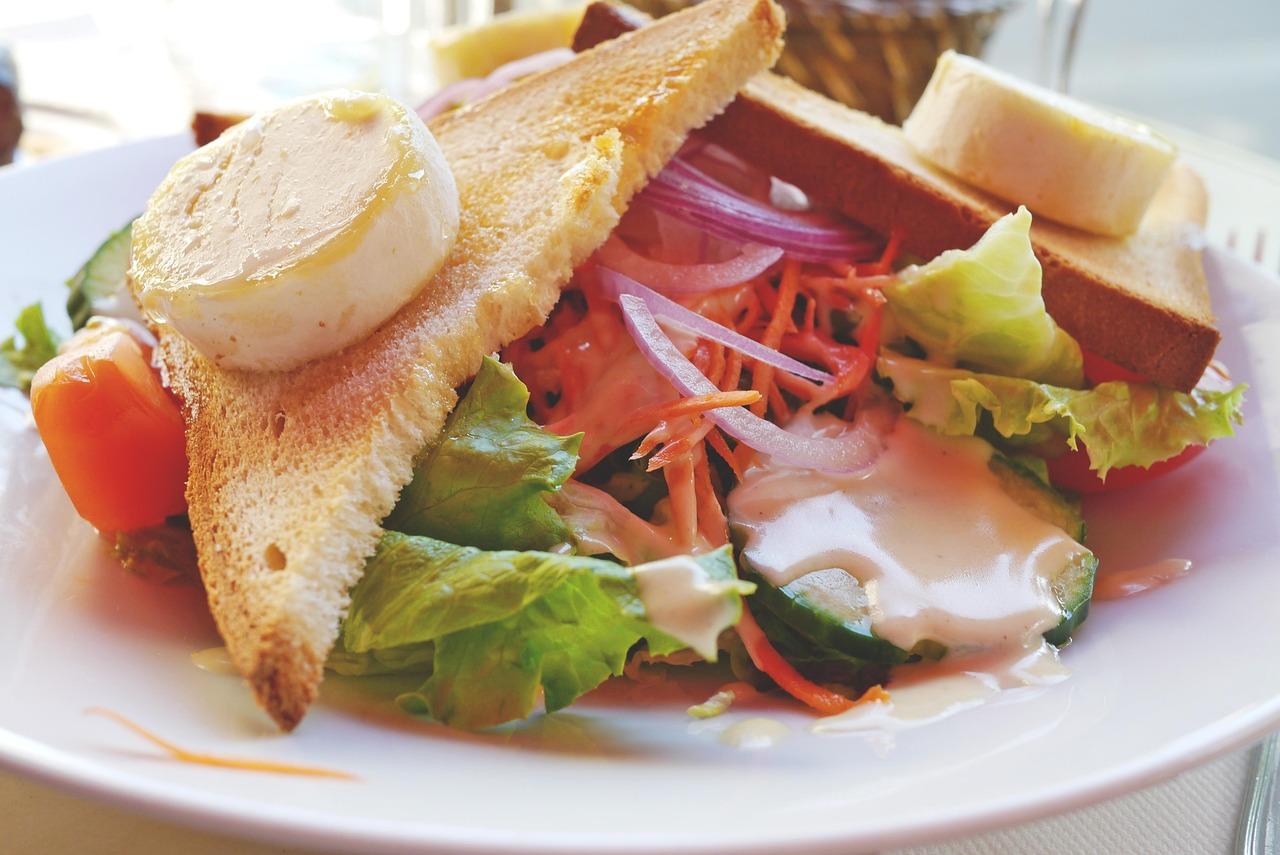
Warm goat's cheese salad

The Loire Valley and the Centre region, around Sancerre, Chavignol and Sainte-Maure-de-Touraine, make some of France's best goat's cheeses, and this salad is how bistros all over the country serve them: rounds of cheese melted on toast, laid over dressed leaves with walnuts and a thread of honey. It is a lunch dish in cafés and a starter at home, ready in 20 minutes. Small crottins or slices from a log both work. Many French goat's cheeses use animal rennet; look for one labelled vegetarian. Chef's tip: grill the toasts with the cheese on top only until the cheese softens and freckles; if it melts flat it slides off and loses its creamy centre.

by KrazyBadal 0 views

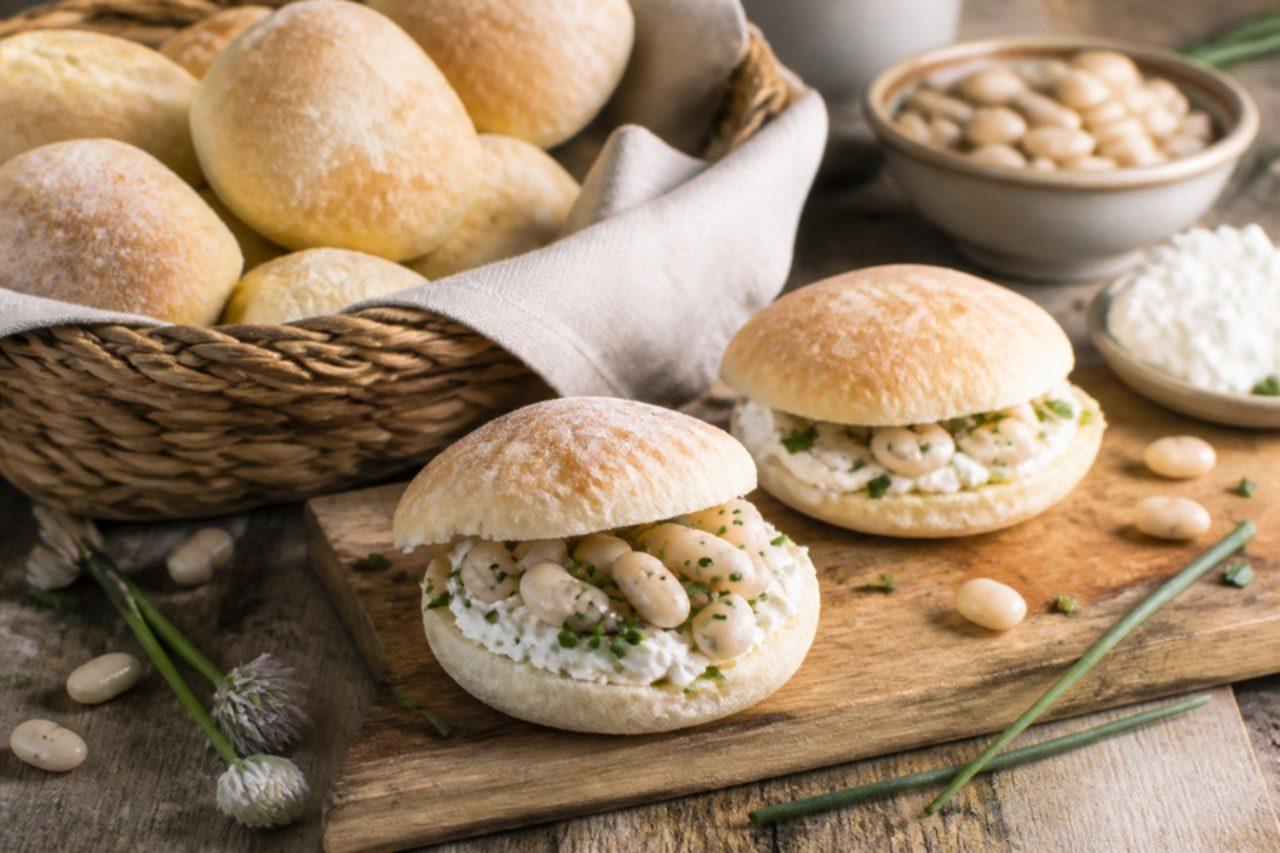
FouéesPuffed little breads

In the troglodyte restaurants carved into the tufa cliffs near Saumur and Tours, bakers slap small rounds of bread dough onto the floor of a wood-fired oven, and in a minute they puff up like balloons. Fouées (also called fouaces) are split while still steaming and filled at the table, and a fouée evening is a favourite outing for families and groups in the Loire. Rillettes are the classic filling, but butter, fresh goat's cheese and garlicky white mogette beans are just as traditional, and those are what we use here. At home, a very hot oven and a preheated tray do the job. Chef's tip: roll the rounds evenly thin, about 4 mm; uneven dough puffs only on one side.

by KrazyBadal 0 views

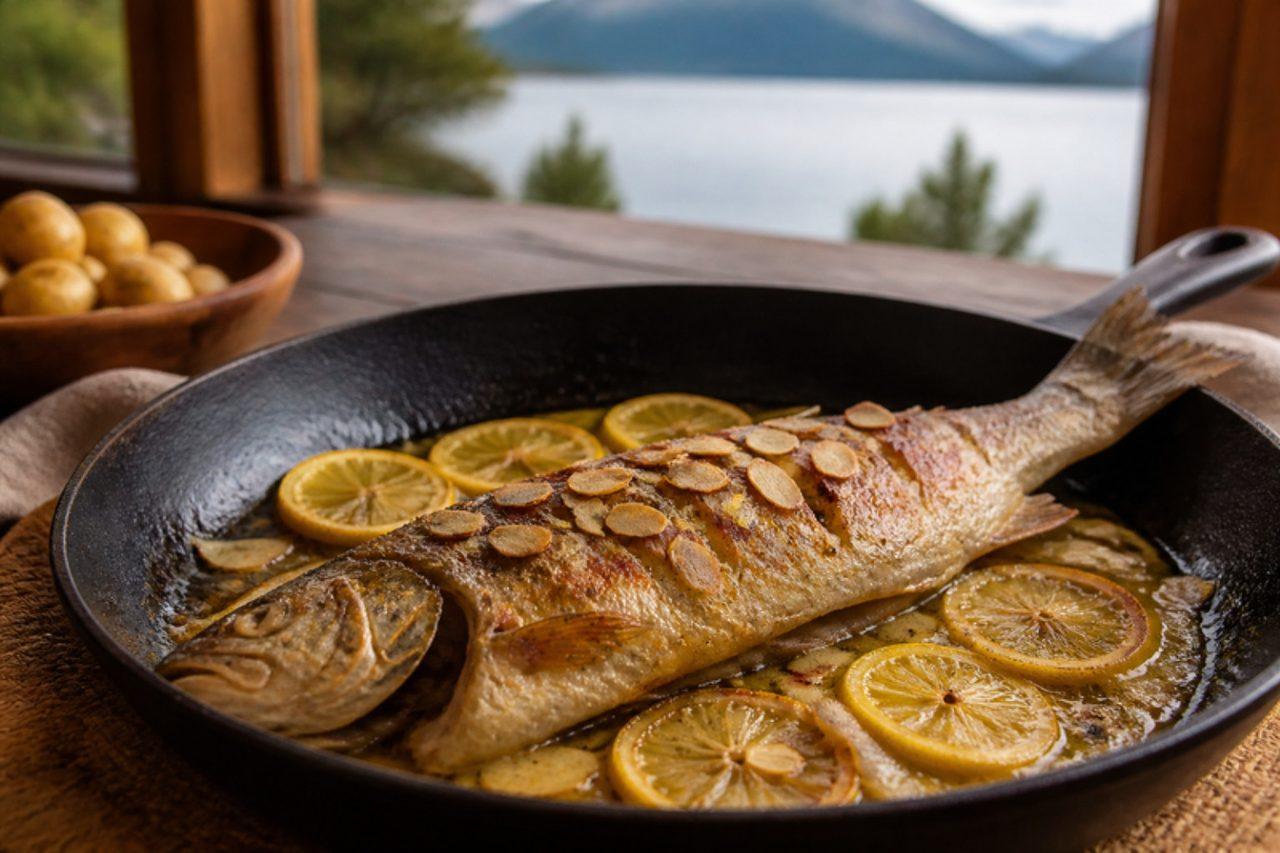
Trucha a la mantecaTrout with brown butter

Restaurants on the shores of Nahuel Huapi, in Bariloche and Villa La Angostura, put rainbow trout from the cold Andean lakes on almost every menu, and this butter version is the one locals order most. Fillets are fried with crisp skin, then drenched in butter browned with flaked almonds and sharpened with lemon. Serve with boiled new potatoes and a green salad. Any trout or char works. People commonly start the fish in butter, which burns before the skin crisps; fry it in a film of oil and make the brown butter after. Chef's tip: dry the skin really well and dust it with rice flour; it gives a thin, glassy crust without any gluten.

by KrazyBadal 0 views

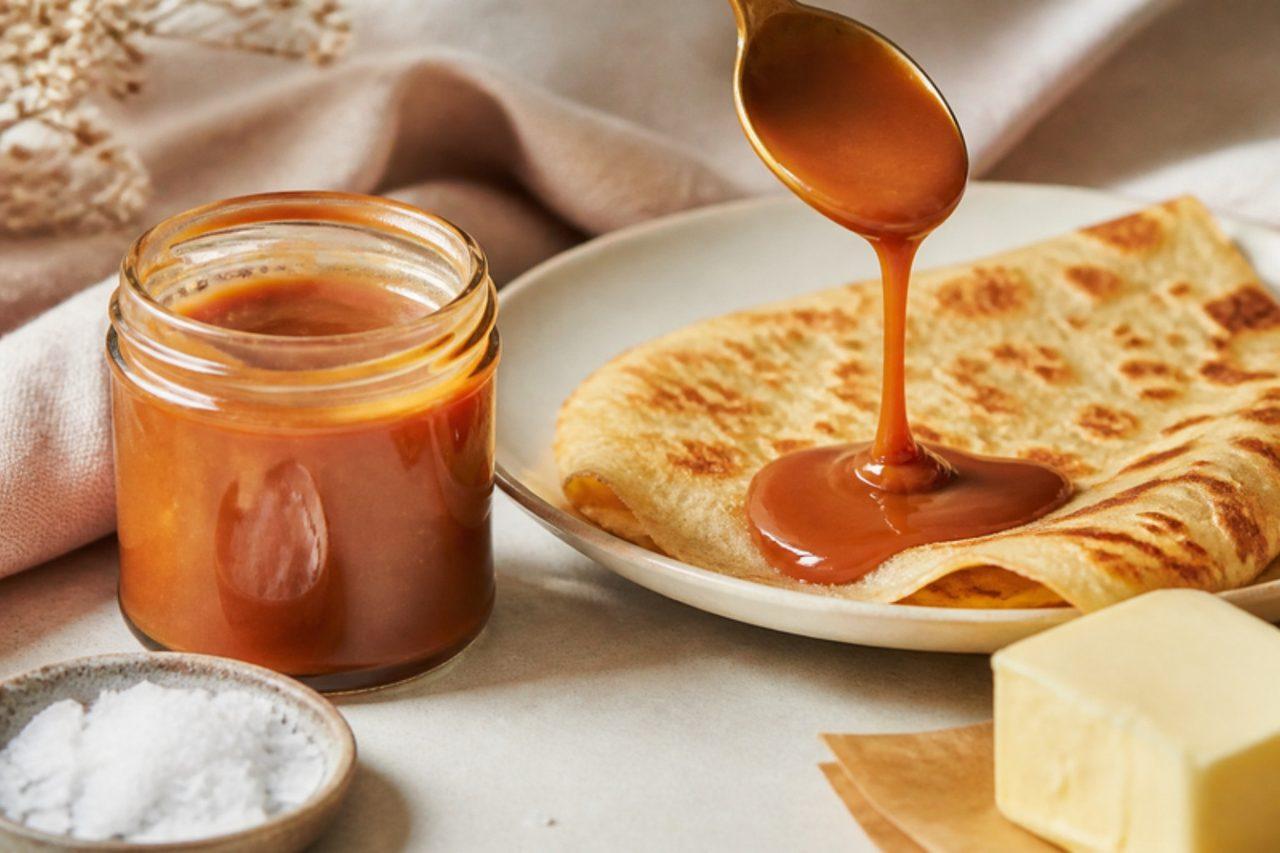
Salted butter caramel

Salted butter caramel was made famous by a confectioner in Quiberon in the 1970s, and now every crêperie from Rennes to Brest pours it over sweet crêpes, and every Breton cupboard has a jar for ice cream, apples or simply a spoon. Brittany kept the habit of salted butter long after the rest of France, so the salt is part of the flavour, not a trend. The caramel is cooked dark, loosened with hot cream and finished with butter flecked with sea salt. It keeps for two weeks in the fridge. Chef's tip: warm the cream before adding it; cold cream makes the caramel seize into hard lumps and spit furiously.

by KrazyBadal 0 views

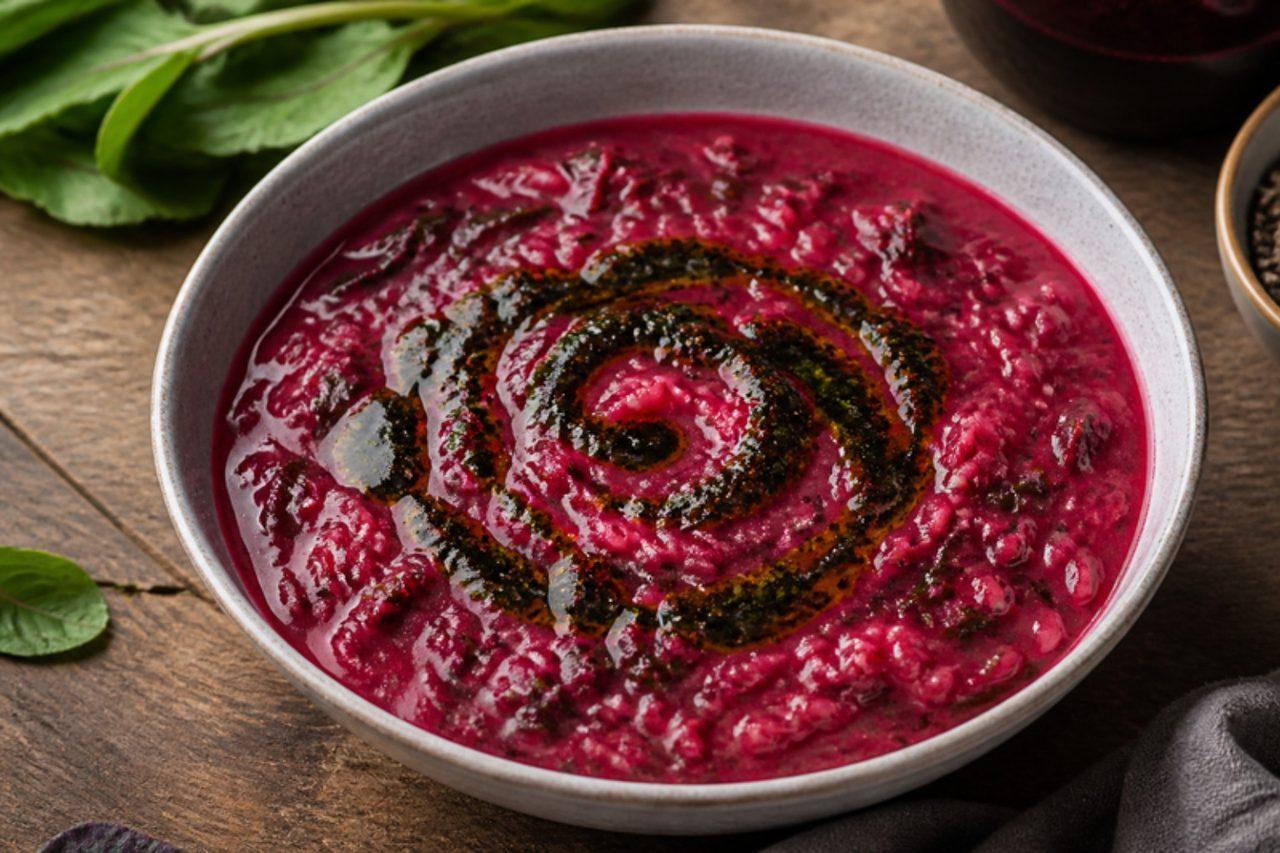
Ash-e shooliBeetroot, spinach and herb soup

In the desert city of Yazd, ash-e shooli is what grandmothers cook on the first cold nights of autumn and through winter, and what they bring to anyone with a cold. It is a thick, deep-red soup of beetroot, spinach and green herbs, thickened with a little flour and balanced between vinegar and a touch of sugar or date syrup, finished with fried mint. Nothing else in Iran tastes quite like it. A common mistake is adding the vinegar early, which keeps the beetroot hard; put it in once everything is tender. Chef's tip: taste and adjust at the very end, adding sour and sweet a spoon at a time until neither one wins.

by KrazyBadal 0 views

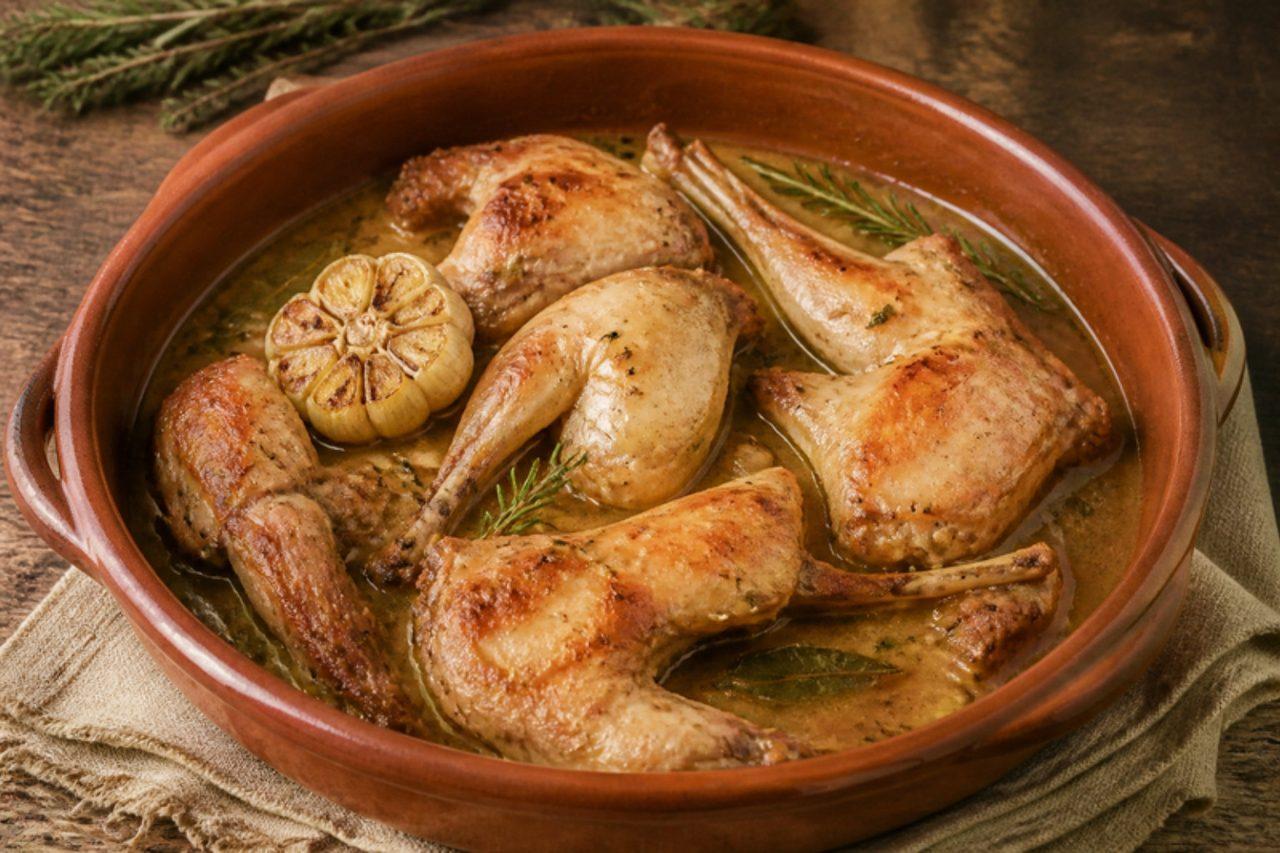
Conejo a la aragonesaRabbit braised with garlic and wine

Rabbit has always been the everyday meat of rural Aragon, and in the farmhouses of the Somontano and the Cinco Villas it is braised slowly in a clay pot with lots of garlic, thyme and rosemary from the hillside, and a glass of the local white wine. The result is lean, tender meat in a small amount of rich, garlicky sauce, served with fried potatoes or bread. The wine can be replaced with chicken stock and a spoonful of vinegar if you prefer no alcohol. A common mistake is boiling the rabbit hard; the lean meat tightens and goes stringy, so keep it at the gentlest simmer. Chef's tip: mash a few of the soft braised garlic cloves into the sauce at the end; they thicken it and make it sweeter.

by KrazyBadal 0 views

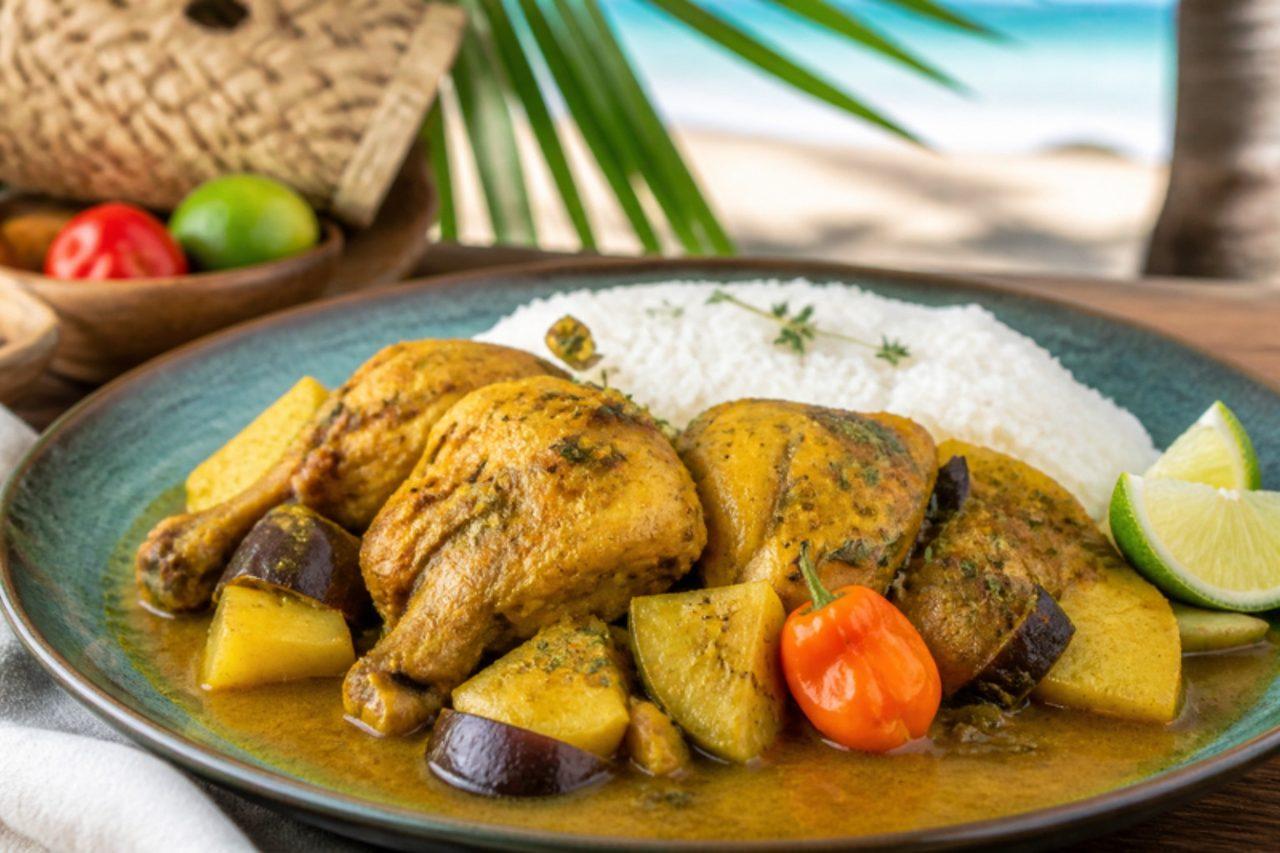
Colombo de pouletChicken curry with aubergine and chayote

In Guadeloupe and Martinique, colombo is the curry brought by Tamil workers in the nineteenth century and now a fixture of Sunday lunches, christenings and Carnival feasts. Its spice blend, also called colombo, mixes toasted coriander, cumin, fenugreek, mustard seed and turmeric with a little toasted rice that thickens the sauce. Chicken is marinated in lime and garlic in the fridge, then simmered with aubergine, chayote (christophine) or courgette and potato into a golden, earthy, gently tangy stew, with a whole Scotch bonnet for perfume. Serve with white rice and a wedge of lime. Chef's tip: leave the Scotch bonnet whole and lift it out at the end for flavour without fierce heat; prick it only if you want it hot.

by KrazyBadal 0 views

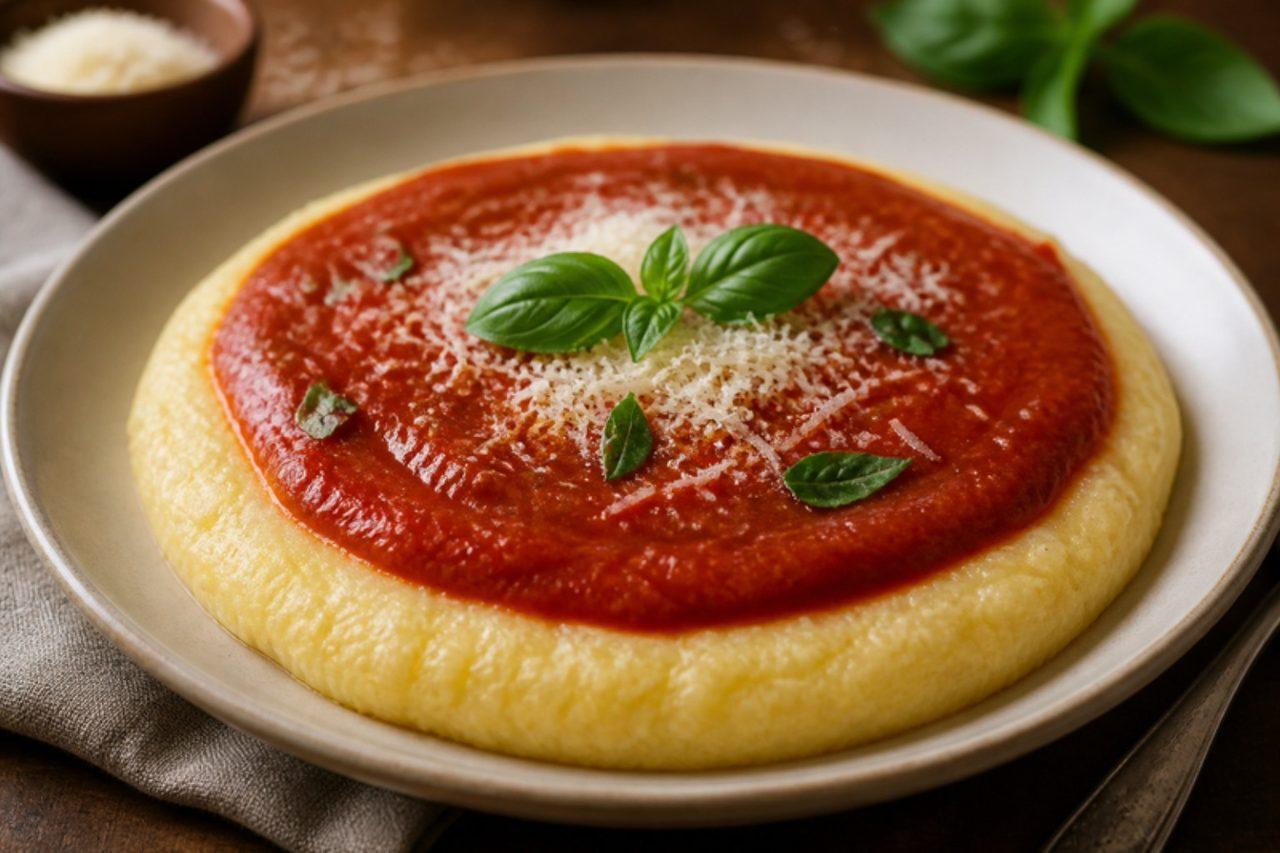
Polenta con tucoPolenta with tomato sauce

Tuco is what Argentines call the red sauce of their Italian grandparents, and spooned over a mound of soft polenta it is one of the most ordinary, best-loved cold-weather suppers in Buenos Aires and across the pampas. On Sundays the sauce often gets a piece of beef; this is the everyday meatless version, with onion, red pepper, carrot, bay and a long simmer that turns the tomato sweet and deep. The polenta is enriched with butter and cheese until it falls off the spoon like thick custard. The most common mistake is pouring the cornmeal into the water all at once, which gives you lumps you will never beat out, so rain it in slowly while whisking. Grated hard cheese is usually made with animal rennet; choose a vegetarian one if needed. Chef's tip: make the tuco first and let it rest off the heat while the polenta cooks; even 15 minutes of standing rounds out its flavour.

by KrazyBadal 0 views

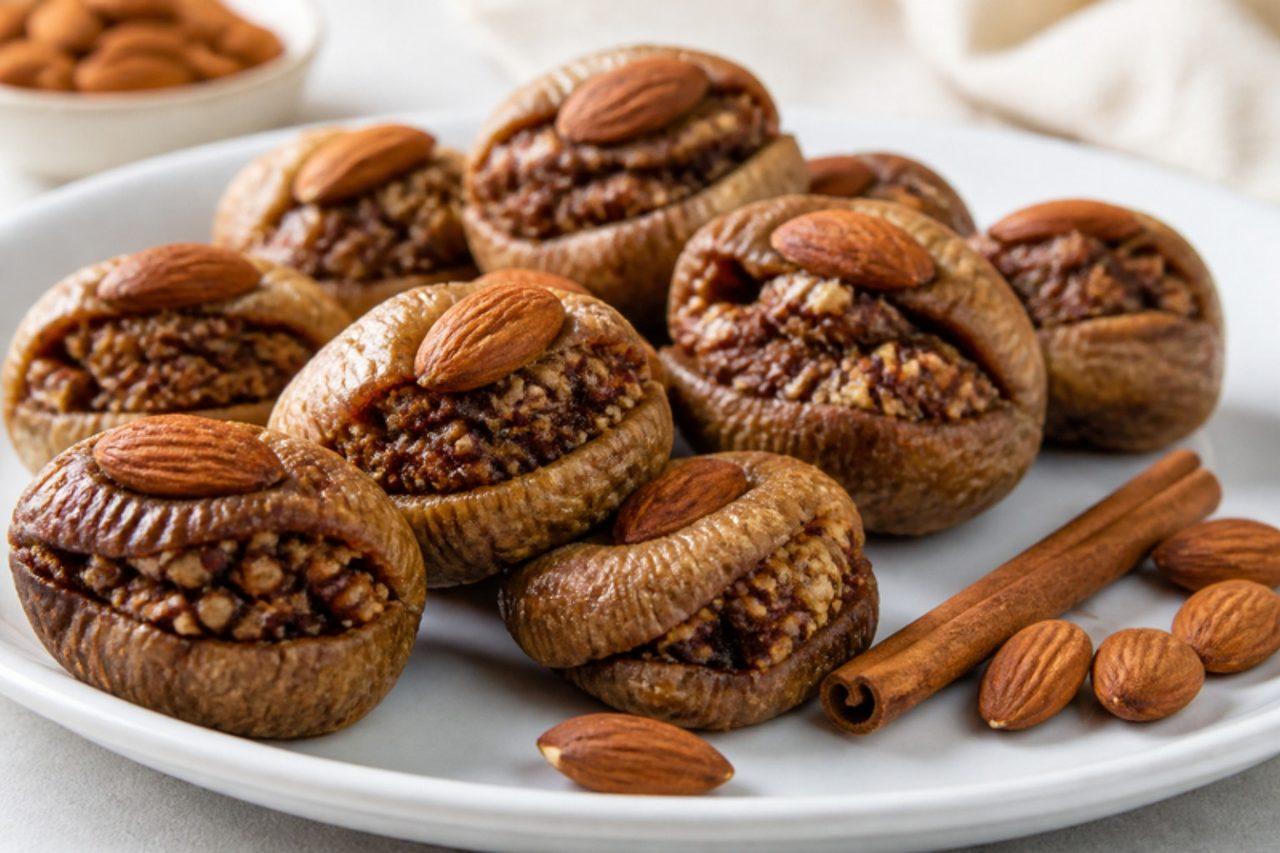
Figos cheiosAlmond-stuffed dried figs

In the Algarve, Christmas trays are never without figos cheios, sun-dried figs split open, packed with a paste of toasted almonds and cocoa, pressed together in pairs and baked until fragrant. They come from a time when every farm in the Barrocal dried its own figs on cane racks in August. They take half an hour to make and keep for weeks, so they make an easy edible present. Chef's tip: choose soft, plump dried figs; if yours are hard, steam them over simmering water for 5 minutes first.

by KrazyBadal 0 views

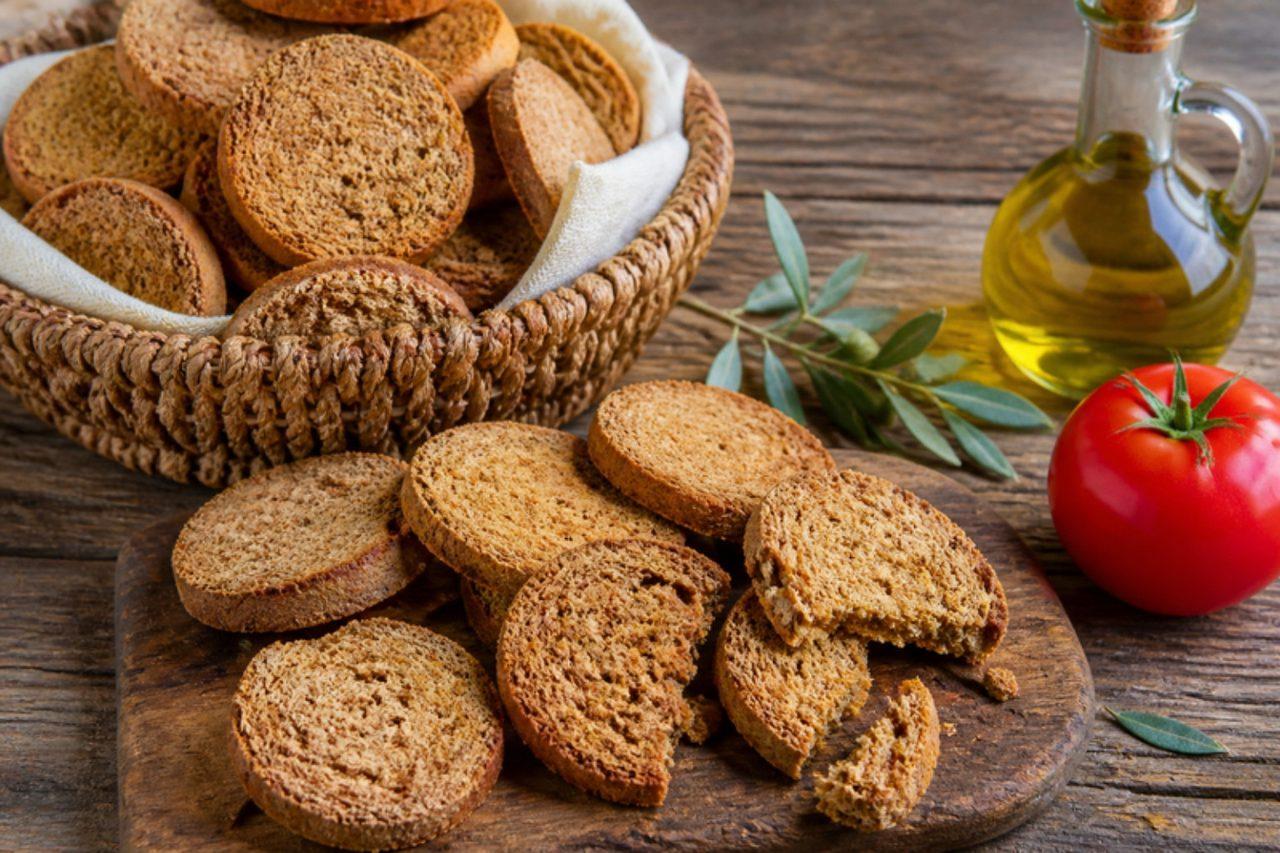
Kritika paximadiaTwice-baked barley rusks

Every Cretan bakery stacks bags of dark, rock-hard paximadia, and every Cretan home keeps a tin: barley bread baked once, sliced, then dried slowly until it will keep for months. Farmers carried them to the fields, and they are still the base for dakos, softened with a splash of water and piled with grated tomato and soft cheese, or broken into salads and dunked into coffee. They taste nutty and faintly sweet, with a crunch that softens to chewiness when moistened. Common mistake: drying them too hot, which browns the outside while the centre stays soft and goes mouldy in the tin. Chef's tip: dry the slices at the lowest oven setting with the door slightly ajar; they are ready when one snaps cleanly and sounds hollow.

by KrazyBadal 0 views

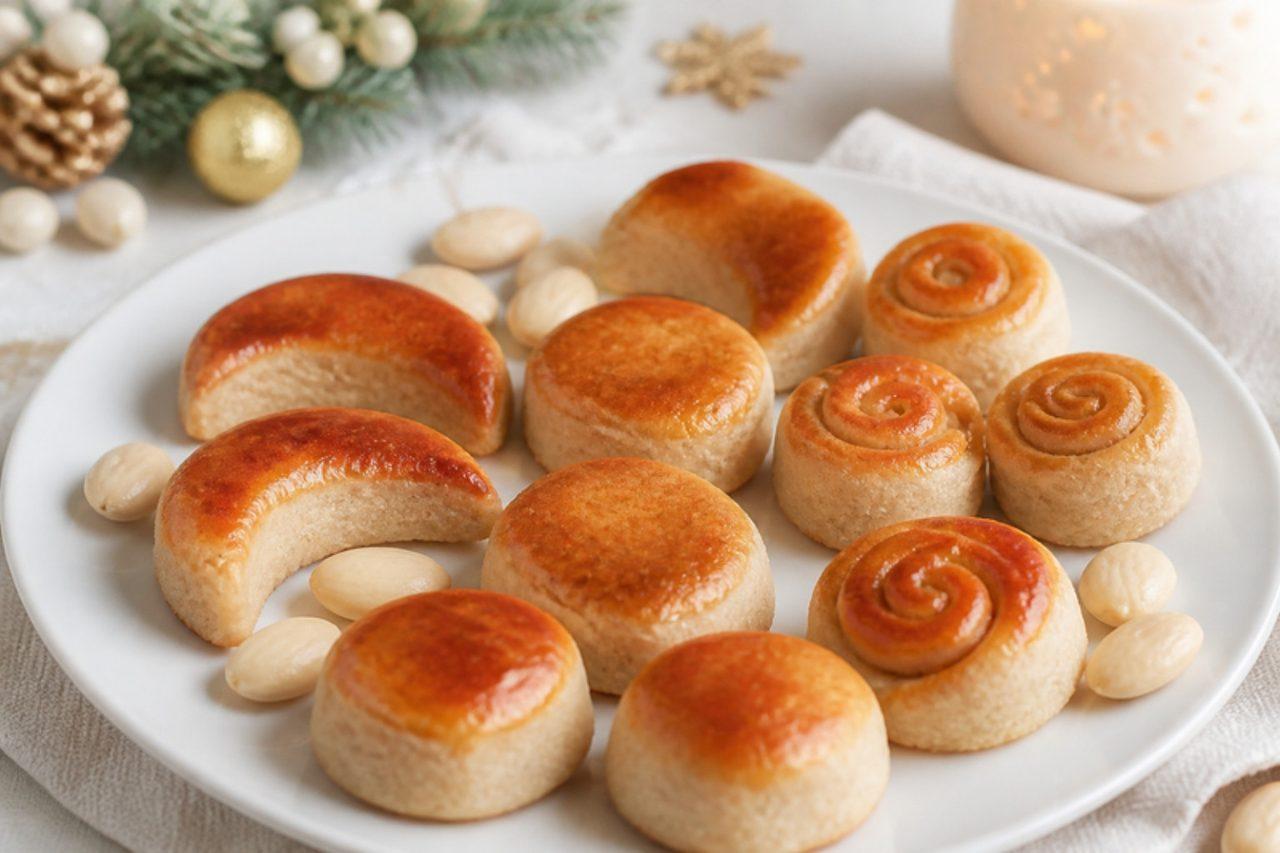
Mazapán de ToledoAlmond marzipan figures

Toledo's convents have shaped marzipan for centuries, and in December the city's pastry shops fill their windows with coiled eels, half-moons and little figures, glazed golden and sold by weight for Christmas. Toledo's version is firm and almond-rich, with less sugar than many, and the best is made with Marcona almonds. Chef's tip: let the shaped pieces dry, uncovered, overnight before glazing; they hold their shape and the glaze sets glossy instead of soaking in.

by KrazyBadal 0 views

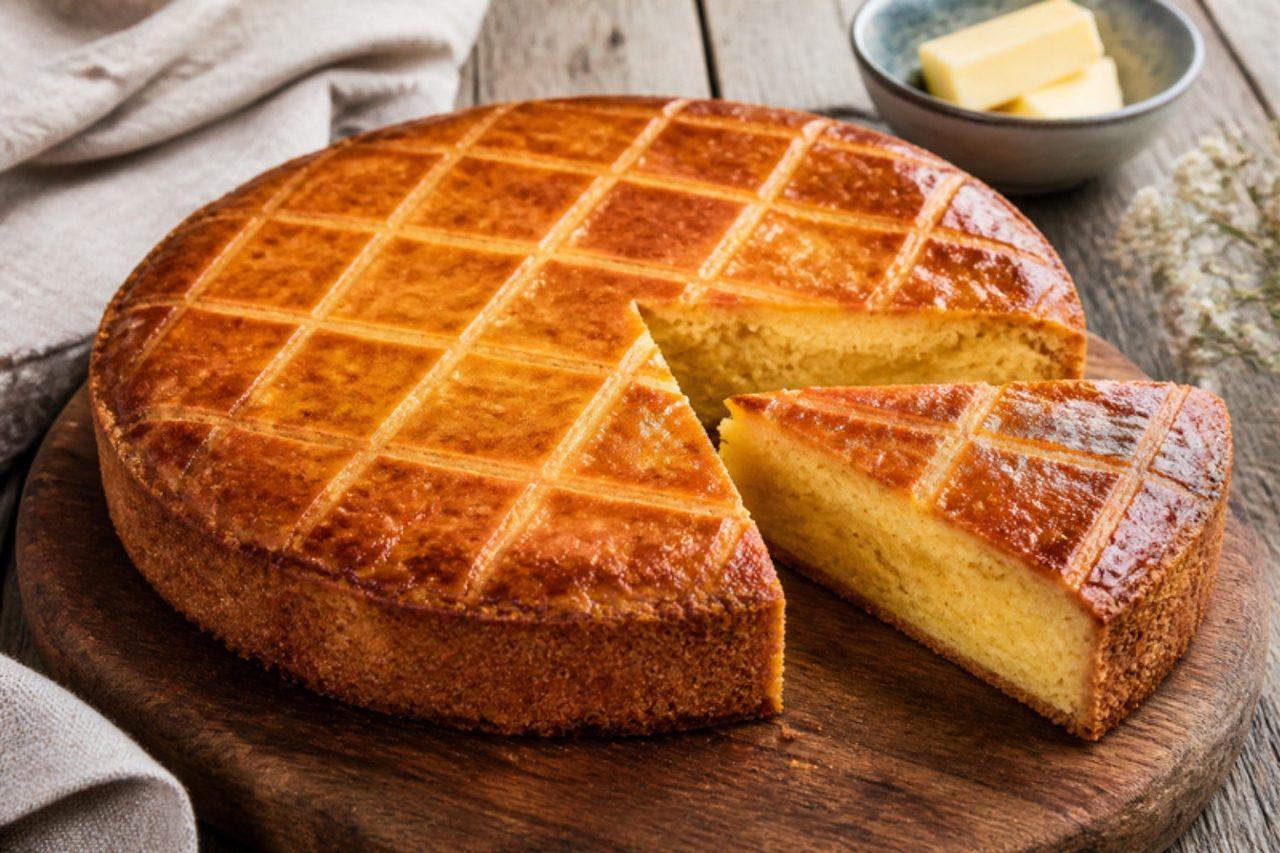
Gâteau bretonSalted butter cake

Somewhere between a shortbread and a cake, gâteau breton is the big round that Breton bakeries cut into wedges for the road, and families buy one for the weekend or a picnic at the coast near Concarneau or Lorient. It is made from almost as much salted butter as flour, with lots of egg yolks, and baked thick so the edges are crisp and the middle is dense, moist and fudgy. The top is glazed and marked with a criss-cross pattern using a fork. Plain is traditional; some bakers add a layer of prune purée in the middle. Chef's tip: chill the dough in the tin before baking; it holds its pattern and bakes up with a sharp, shiny crust.

by KrazyBadal 0 views

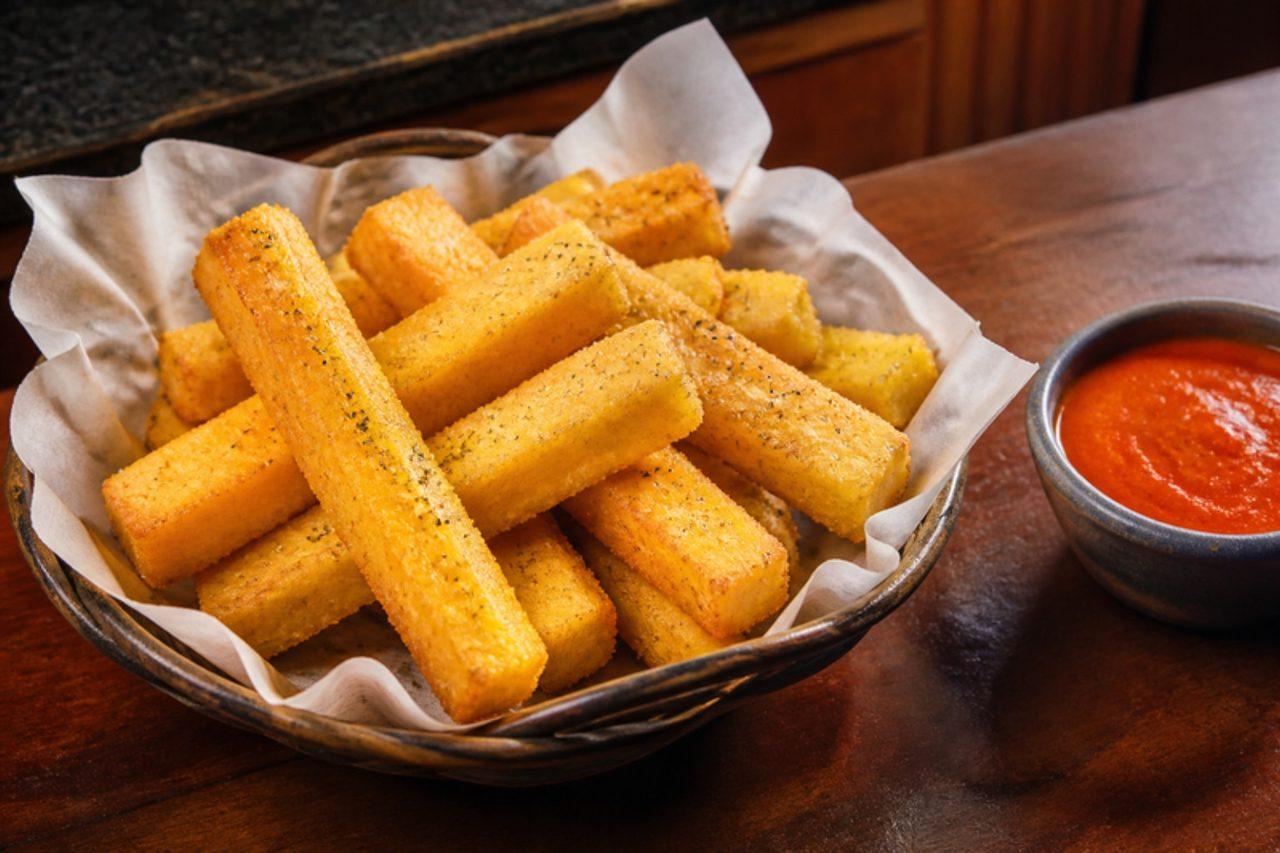
Polenta fritaFried polenta sticks

Italian immigrants brought polenta to São Paulo, and the city's bars and cantinas turned the leftovers into one of its best snacks: thick sticks of set polenta, deep-fried until the outside is crunchy and bubbled and the inside stays soft and creamy. They arrive in paper-lined baskets in Bixiga cantinas and corner botecos alike, sprinkled with salt, to be eaten with a cold drink; some places dust them with grated cheese, which makes them no longer vegan. Kids love them as a side with tomato sauce. They fall apart in the oil when the polenta is too soft, so cook it until very thick and let it set completely in the fridge. Chef's tip: dry the cut sticks on kitchen paper and fry in small batches, so the oil temperature stays high and the crust forms at once.

by KrazyBadal 0 views

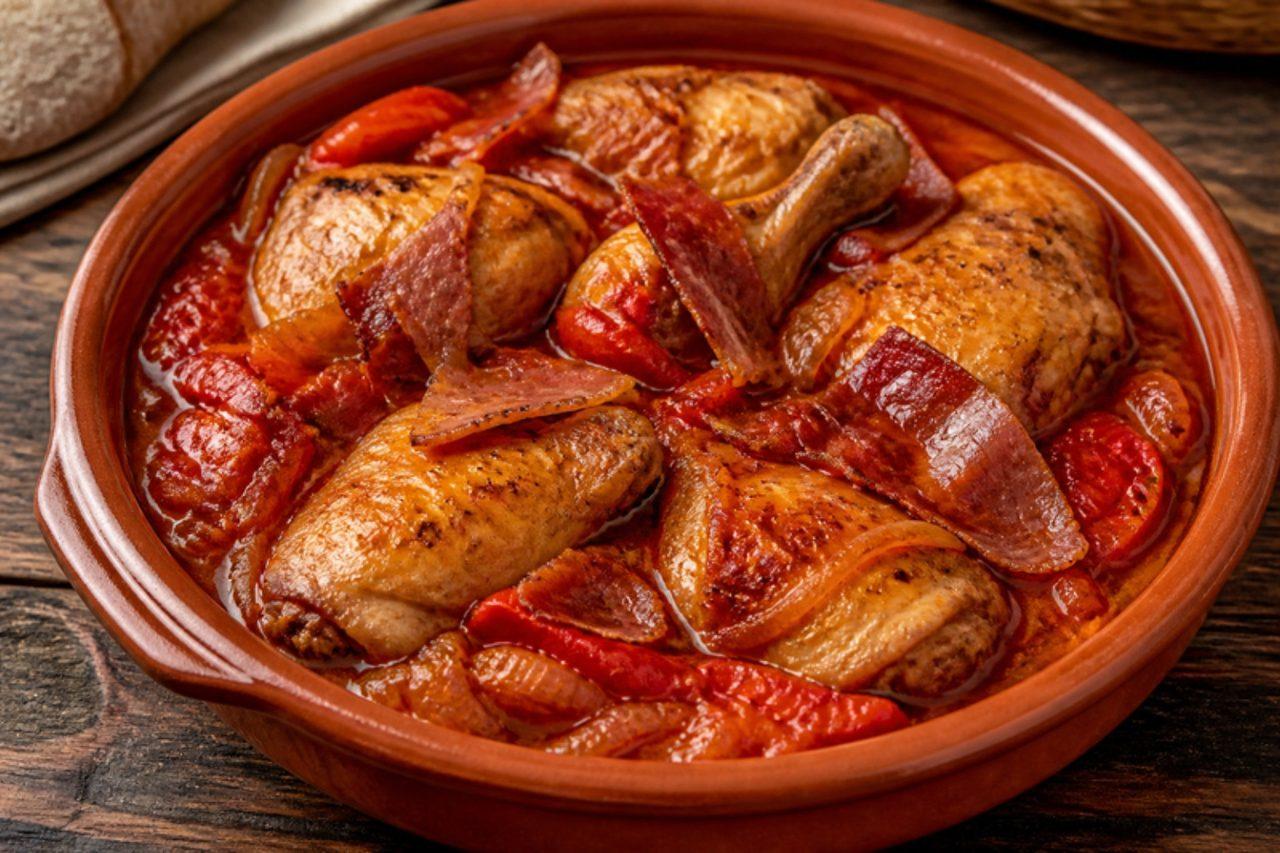
Pollo al chilindrónChicken with pepper, tomato and ham

Chilindrón is the red sauce that Aragon is known for across Spain: sweet red peppers, onion and tomato cooked down slowly with serrano ham until thick and glossy. Chicken is the most common partner (lamb is the other), and a big pot of it is a typical dish at summer village fiestas in the Pyrenees foothills and at family meals all year. This contains pork (cured serrano ham). The recipe uses a little white wine; use chicken stock instead for no alcohol. A common mistake is hurrying the sofrito: the peppers need a slow 20 minutes to soften and sweeten before the chicken goes back in. Chef's tip: if you have roasted red peppers or a spoonful of choricero pepper paste, stir some in for a deeper, smokier colour.

by KrazyBadal 0 views

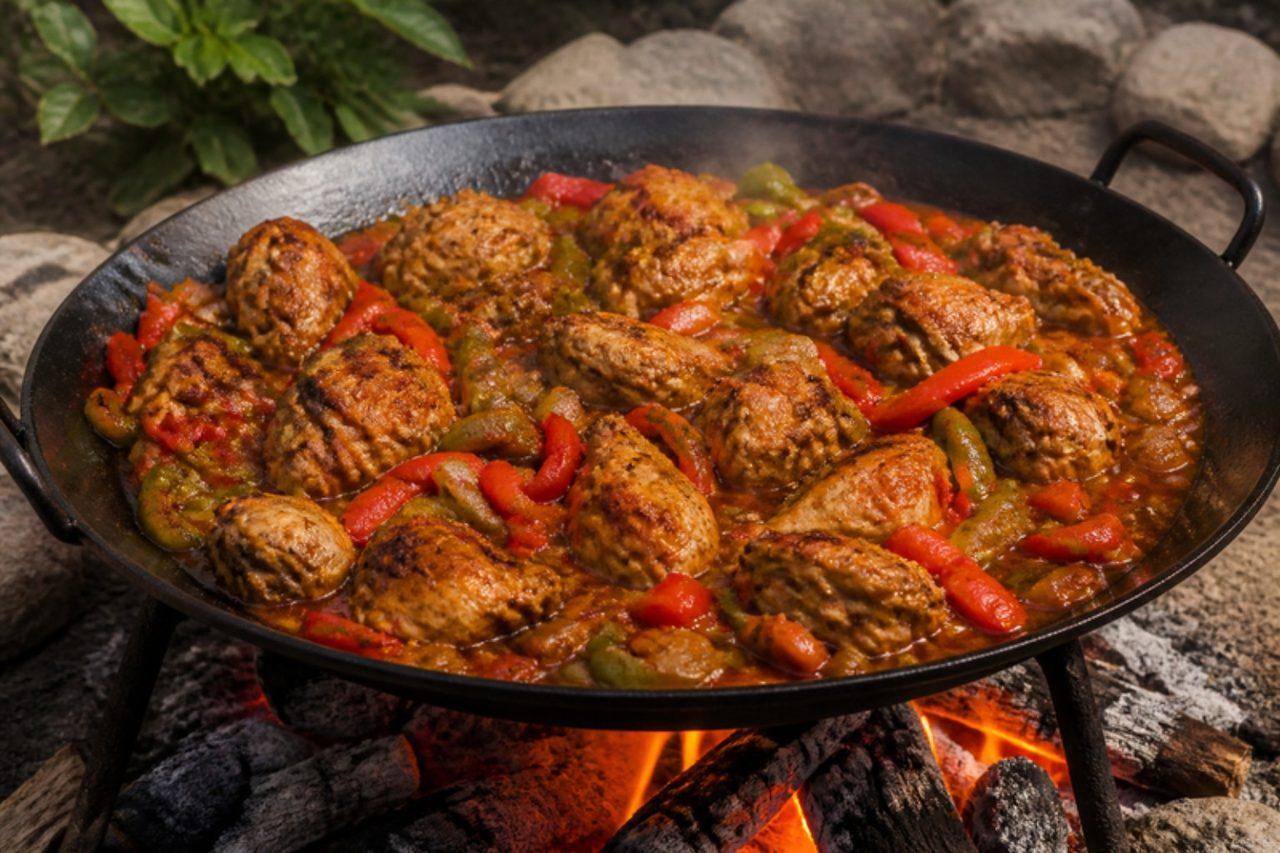
Pollo al discoChicken with peppers and wine

Out on the estancias of the Pampas, the disco de arado (an old plough disc welded onto legs) is set over a wood fire for long weekend lunches, and chicken braised in it is one of the most loved dishes: pieces browned in the wide, sloping pan, then cooked down with onions, peppers, garlic, paprika and a splash of white wine until the sauce is sweet and glossy. Friends stand around the fire with bread for dipping. A large, heavy casserole or wok on the hob does the job at home. The recipe uses white wine; for an alcohol-free version, use the same amount of chicken stock plus 1 tablespoon of white wine vinegar. Chicken must reach 74 °C at the thickest part near the bone. The common mistake is piling everything in at once, which boils the chicken pale, so brown it well first. Chef's tip: push the browned chicken up the sloping sides while the vegetables cook in the centre, as disco cooks do; in a casserole, lift it onto a plate.

by KrazyBadal 0 views

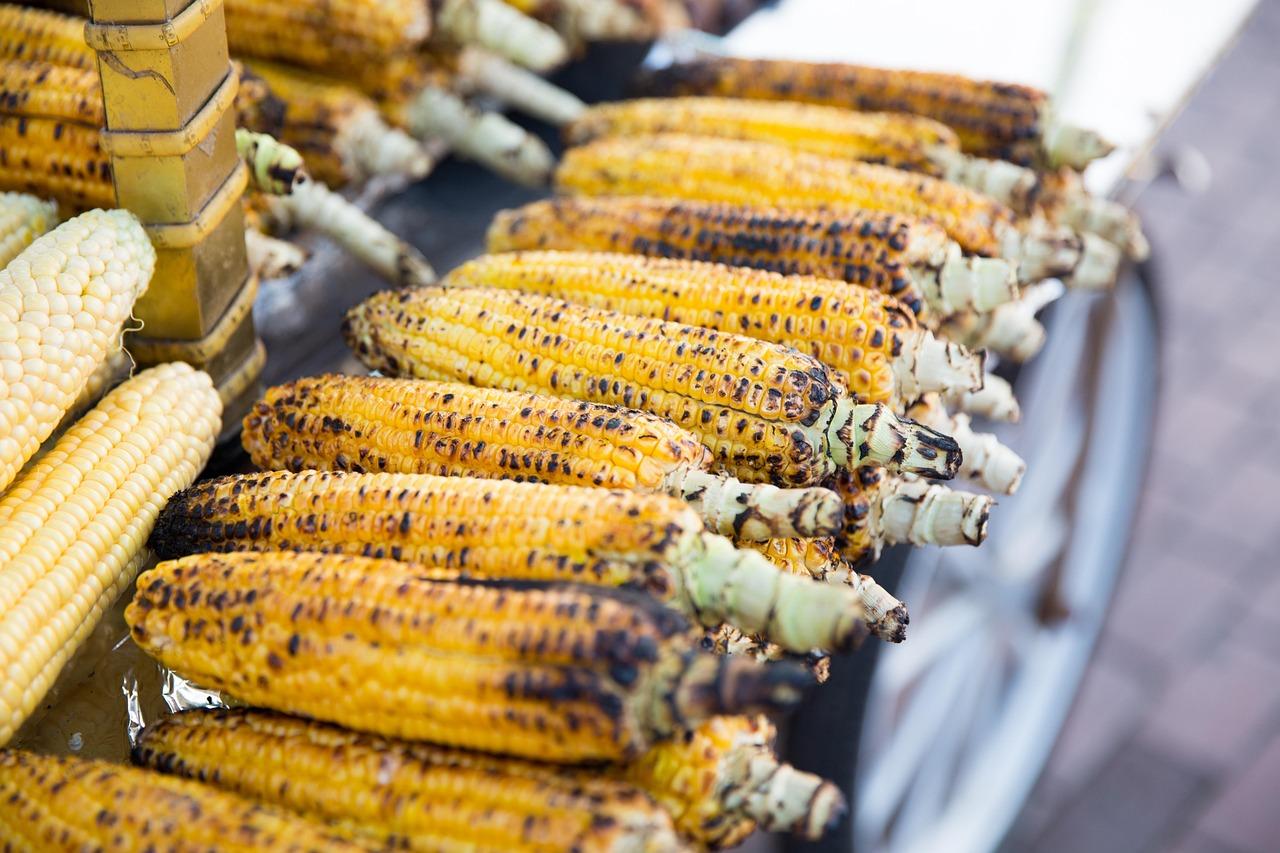
BalalCharcoal-grilled corn

Walk up the stepped lanes of Darband in the north of Tehran on a summer night and the air is smoky with balal: corn cobs fanned over charcoal until blistered, then dunked straight into a bucket of salty water so they hiss and steam. The quick dip seasons every kernel and softens the charred skin, so the corn is smoky, juicy and salty all at once. It is eaten standing up, between a walk and a cup of tea. The mistake people make is grilling over flames rather than glowing coals, which blackens the outside before the kernels are cooked. Chef's tip: keep the salted water warm by the grill so the corn doesn't cool down when you dip it.

by KrazyBadal 0 views

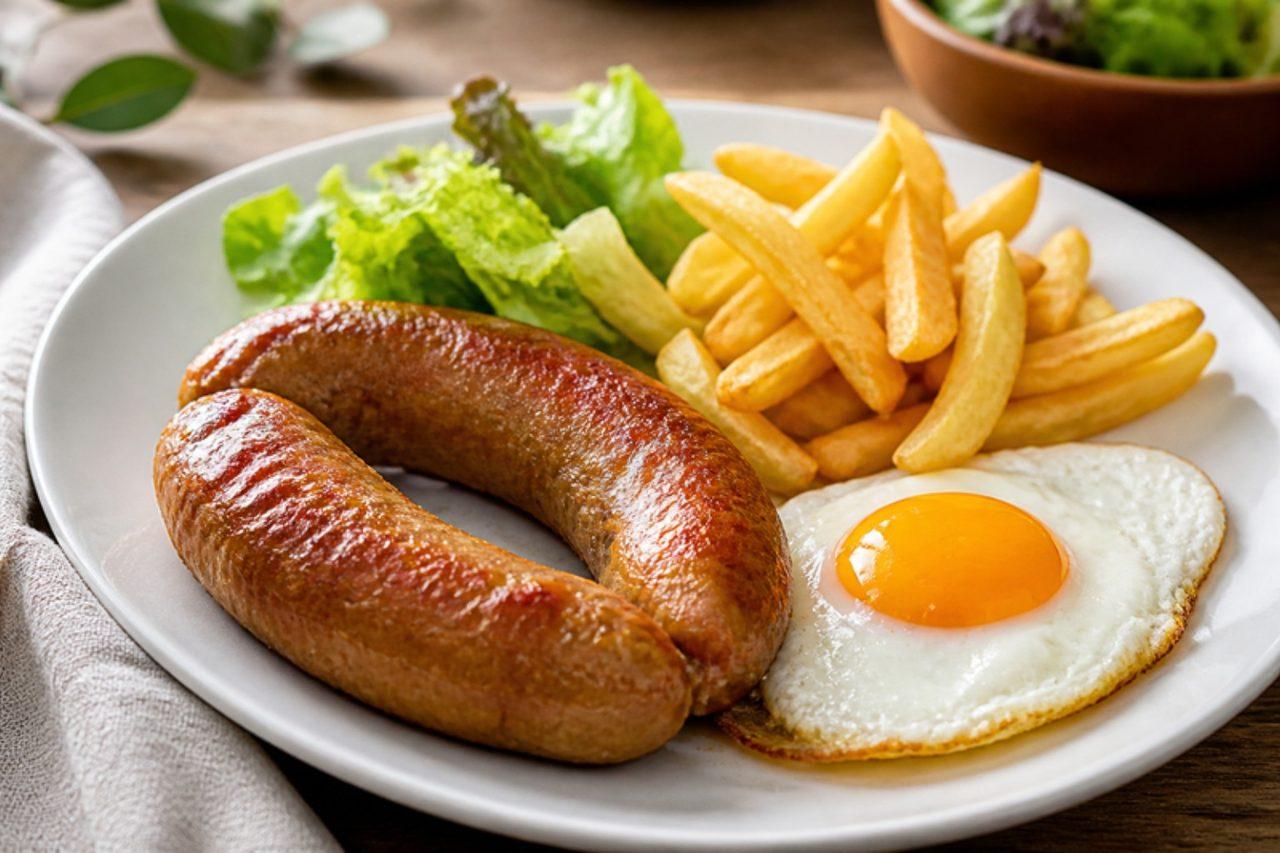
Alheira com ovo e batata fritaGarlic sausage with egg and chips

Mirandela, on the Tua river in Trás-os-Montes, is the home of alheira, a garlicky smoked sausage of bread and poultry, said to have been invented by Jewish families who needed something that looked like pork sausage. Today most alheiras contain pork, so this dish contains pork; look for the rare poultry-only kind if you avoid it. In every northern café it comes the same way: roasted until the skin crackles, with a fried egg, chips and sautéed greens. A common mistake is frying the alheira over a high heat, so the skin bursts and burns before the inside is hot. Chef's tip: prick the skin a few times and roast it in the oven rather than frying, so it stays whole and crisp.

by KrazyBadal 0 views

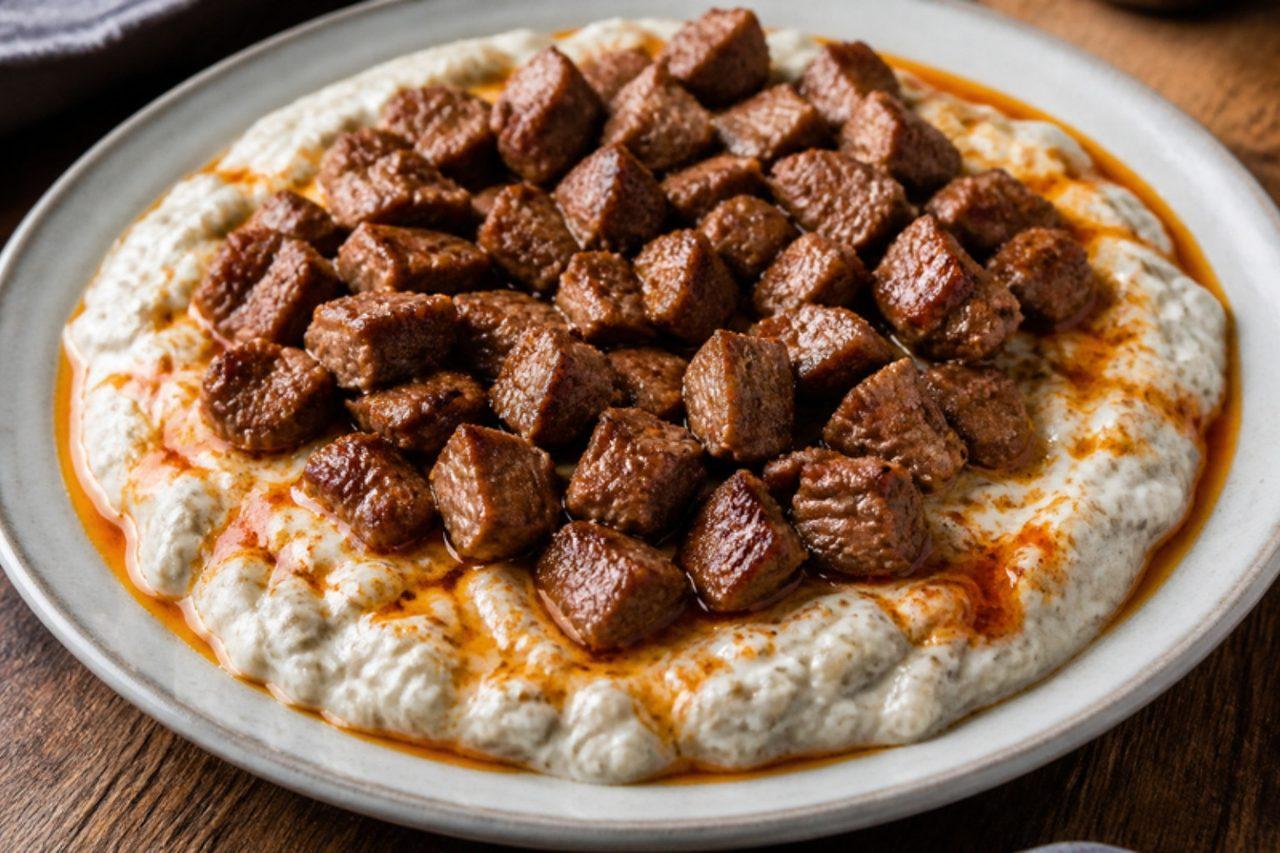
Ali nazikLamb on smoky aubergine and yoghurt

Gaziantep cooks char aubergines over coals until they collapse, mash the flesh with garlicky yoghurt and spoon pan-fried lamb with tomatoes and peppers on top: that is ali nazik, a lunchtime favourite in the city's lokantas. The cool, smoky base and the hot, buttery meat are the whole point, so assemble it just as you serve. A gas flame or a very hot grill gives the same smoky flesh at home. The usual mistake is not draining the aubergine, which makes the yoghurt runny and grey. Chef's tip: stir the yoghurt into the aubergine off the heat with a spoonful of butter; warm, not hot, keeps it from splitting.

by KrazyBadal 0 views

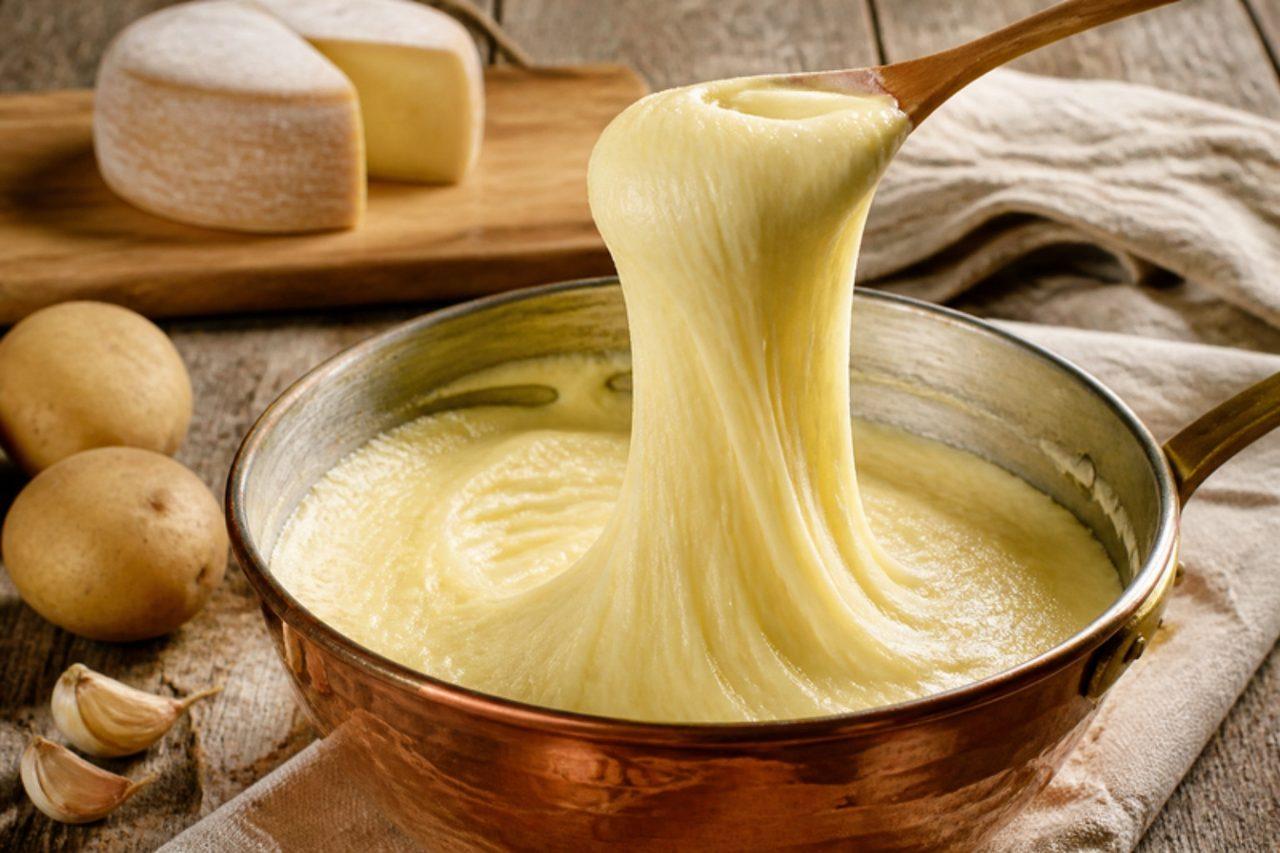
AligotCheesy garlic mashed potato

High on the Aubrac plateau, where Aveyron, Cantal and Lozère meet, aligot was once the meal monks gave to pilgrims on the road to Santiago. Today it is beaten in huge copper pans at village fêtes and buron farm restaurants around Laguiole, then lifted high on a wooden spoon in long, glossy ribbons before it is served beside sausages or, for a vegetarian table, a big green salad and roasted mushrooms. It is a mash of floury potato, butter, cream and garlic, worked with young tomme fraîche until it stretches like mozzarella. Tomme fraîche is made with animal rennet; a mix of vegetarian mozzarella and a vegetarian mild cheddar gives a similar stretch. Chef's tip: keep beating in a figure of eight once the cheese goes in; the stretch only comes with steady work.

by KrazyBadal 0 views

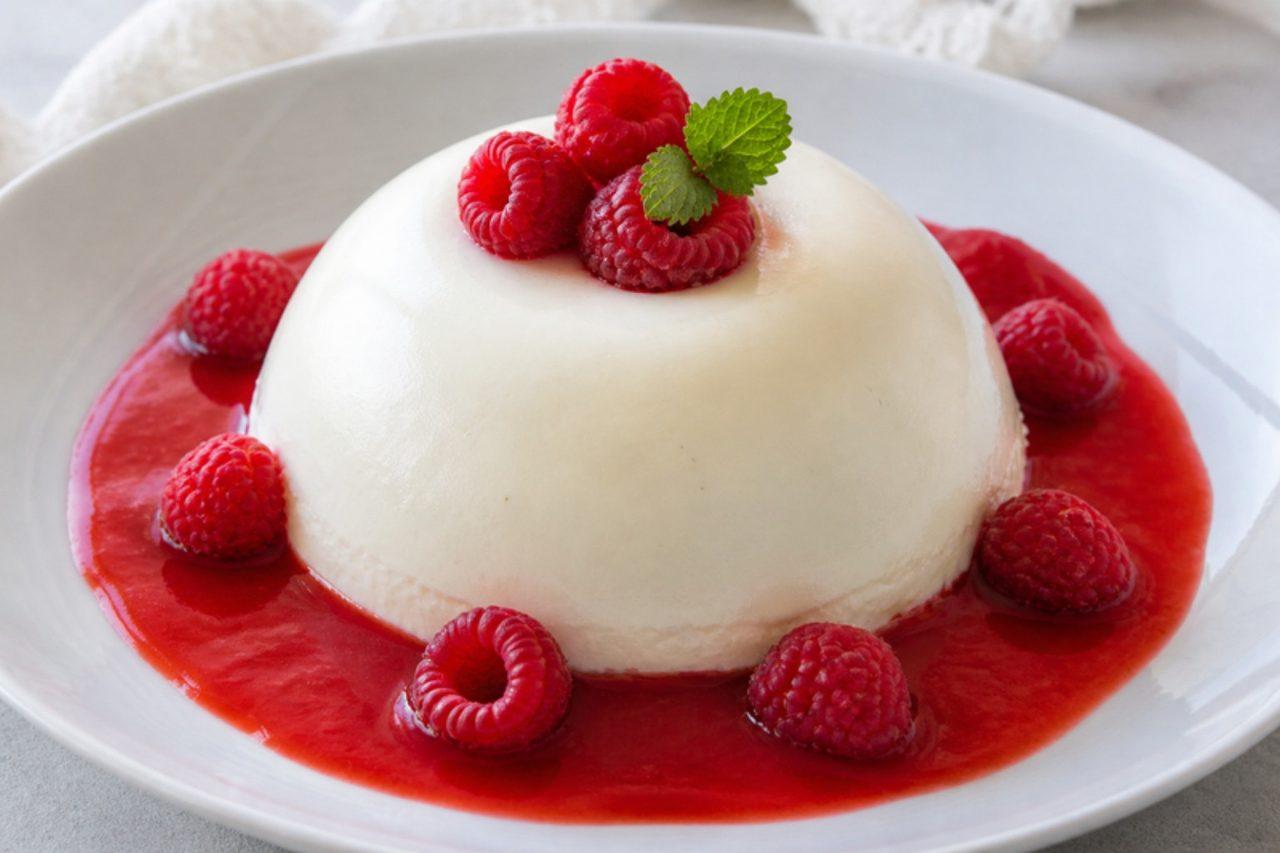
Bayerische CremeVanilla cream with raspberry sauce

Bayerische Creme is the light, wobbling vanilla cream that Munich coffee houses and Bavarian wedding buffets have served for generations: a cooked egg custard folded with whipped cream and set in moulds, then turned out onto a pool of berry sauce. It is traditionally set with gelatine, which is made from animal bones and skin; this version uses agar so it stays vegetarian. A common mistake with agar is adding it to a cool custard: it only sets after it has boiled, so it is simmered in milk first and then whisked into the warm custard. Chef's tip: fold in the cream when the custard has cooled to just warm and is starting to thicken, so the cream stays airy and doesn't melt into it.

by KrazyBadal 0 views

Mazamorra antioqueñaHulled corn with milk

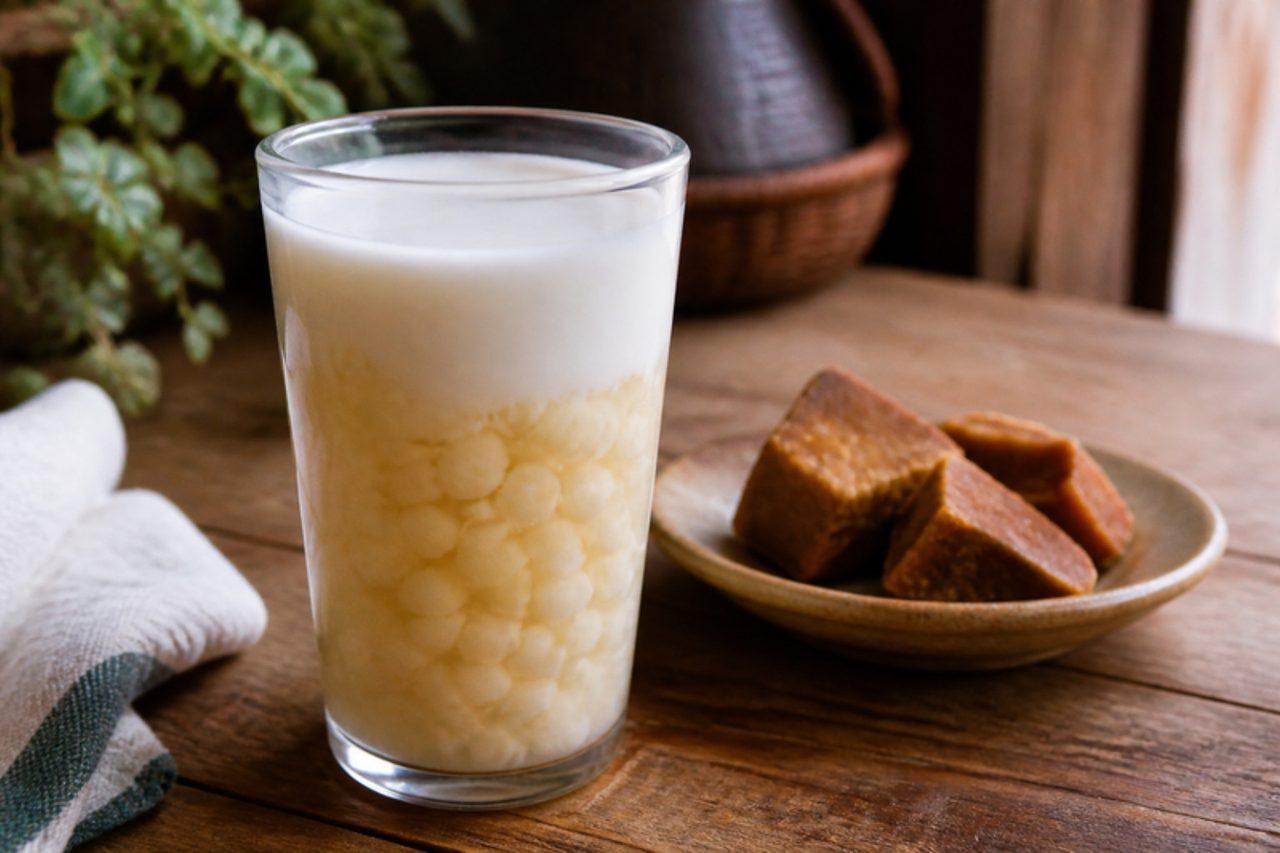
Paisas finish lunch with a glass of mazamorra the way others take dessert: soft, swollen kernels of hulled white corn in their own starchy cooking liquid, topped up with cold milk and eaten with a piece of panela or guava paste to nibble between sips. In Medellín it is sold from carts as well as made in big pots at home for the week, and it is mild, milky and quietly filling. Look for dried hulled white corn (maíz pilado or peto) in Latin American shops. Soak it overnight first. A common mistake is serving it before the corn is fully soft; the kernels should split open and be tender to the bite. Chef's tip: save the thick cooking liquid; it gives the drink its silky body, and the corn keeps in it for 4 days in the fridge.

by KrazyBadal 0 views

Borraja con patatasBorage and potatoes with garlic oil

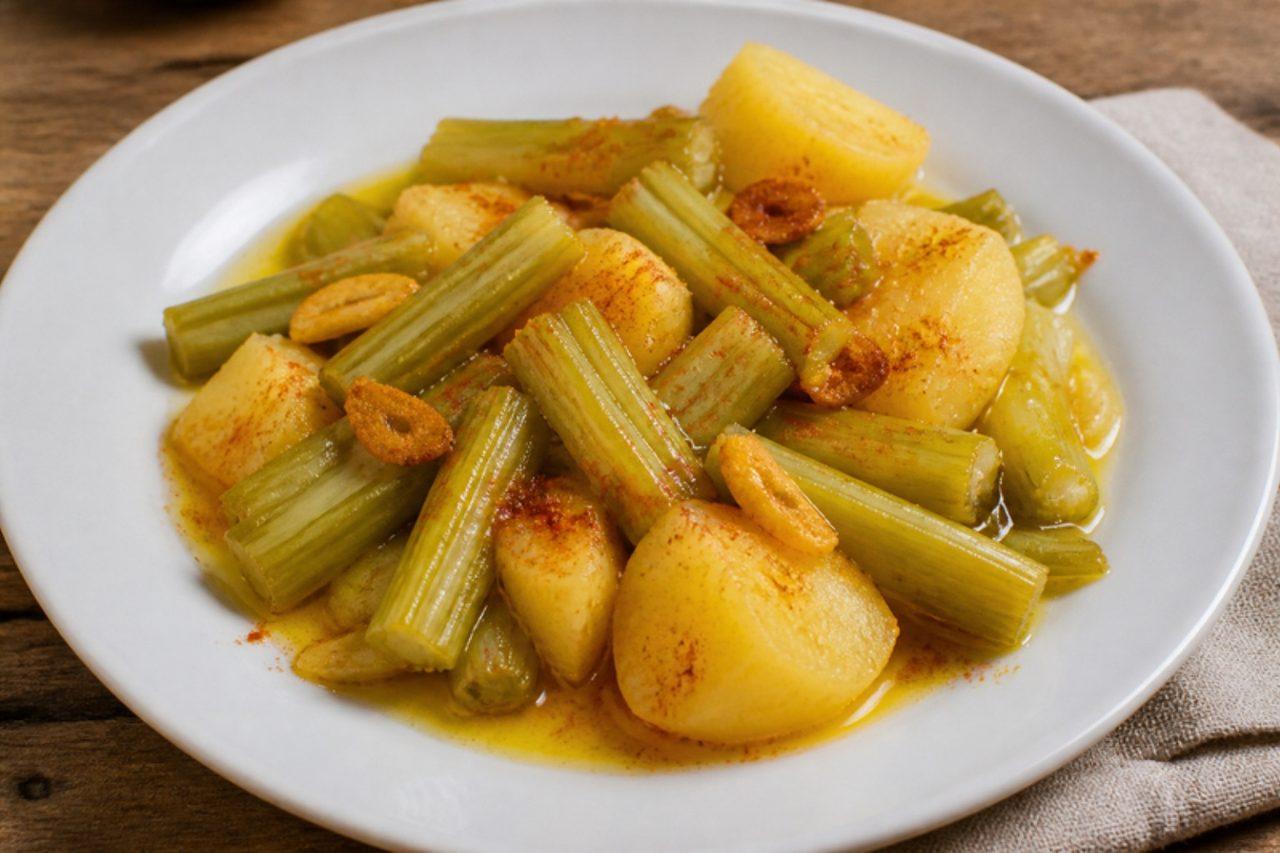
Borage grows all along the Ebro valley, and in Zaragoza it is almost a point of pride: markets sell bundles of the thick, hairy stalks from autumn to spring, and borraja con patatas is a weeknight supper in thousands of Aragonese homes. Boiled until tender, the stalks taste mild and green, a little like a cross between cucumber and chard, and the floury potatoes soak up a simple dressing of olive oil and fried garlic. It is vegan and gluten free. A common mistake is skipping the cleaning: the fine hairs and stringy outer fibres must come off, or the dish feels prickly. If you can't get borage, chard stalks are the closest stand-in. Chef's tip: fry the garlic in the oil slowly, off a high flame, and pour it over sizzling hot so it sings when it hits the vegetables.

by KrazyBadal 0 views

KrautkrapfenBraised sauerkraut dough rolls

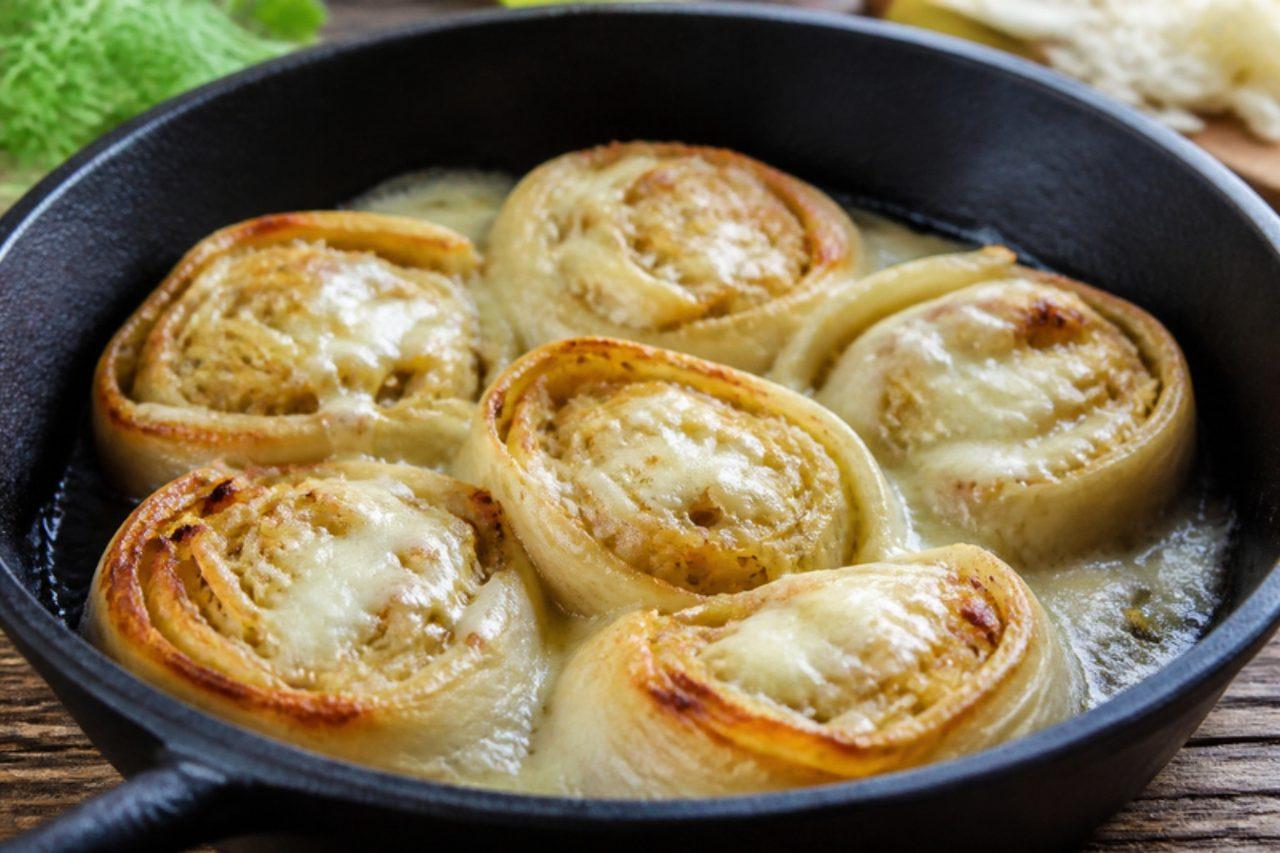
Krautkrapfen come from the Allgäu and the Swabian Alb, where farm cooks rolled noodle dough paper-thin, spread it with sauerkraut and fried onion, rolled it up like a strudel and sliced it into snails. The slices are packed upright in a buttered pan, fried until the bottoms crisp, then half-covered in stock and braised until the dough is tender. They are a Friday or winter supper with a green salad. A common mistake is pouring in too much stock: it should come only a third of the way up, or the crisp base turns soggy. Chef's tip: let the dough rest a full 30 minutes; relaxed dough rolls out thin without shrinking back.

by KrazyBadal 0 views

AllioliGarlic and olive oil sauce

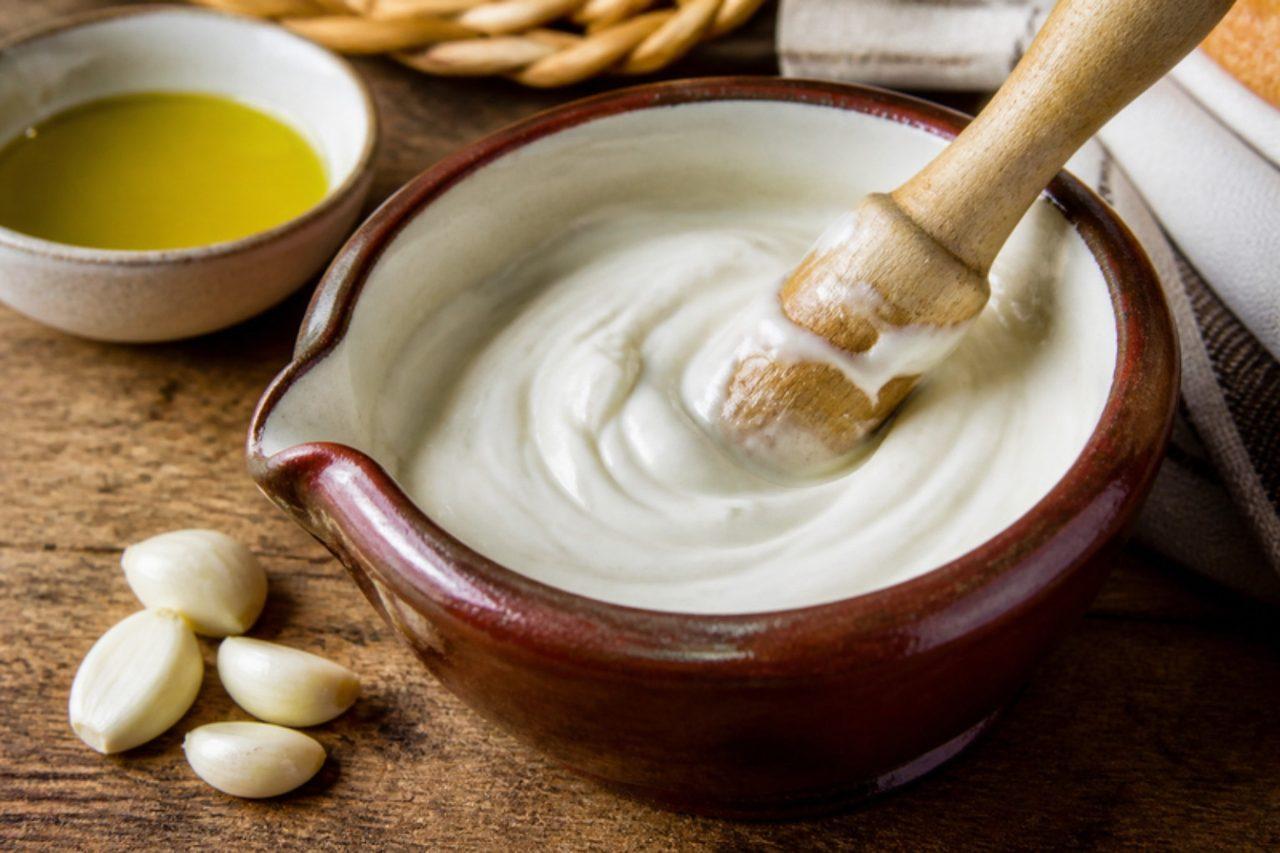
True Catalan allioli is just garlic, salt and oil, all ('garlic') i oli ('and oil'), worked slowly in a mortar until it becomes a stiff, pale emulsion with a fierce bite. Families serve it with grilled lamb, rice dishes, boiled potatoes and snails, and making it by hand is a small point of pride. It takes patience and steady arms, but no egg is needed. Chef's tip: if it splits, start a new paste with one crushed clove and a few drops of water, then work the broken sauce back in a spoonful at a time.

by KrazyBadal 0 views

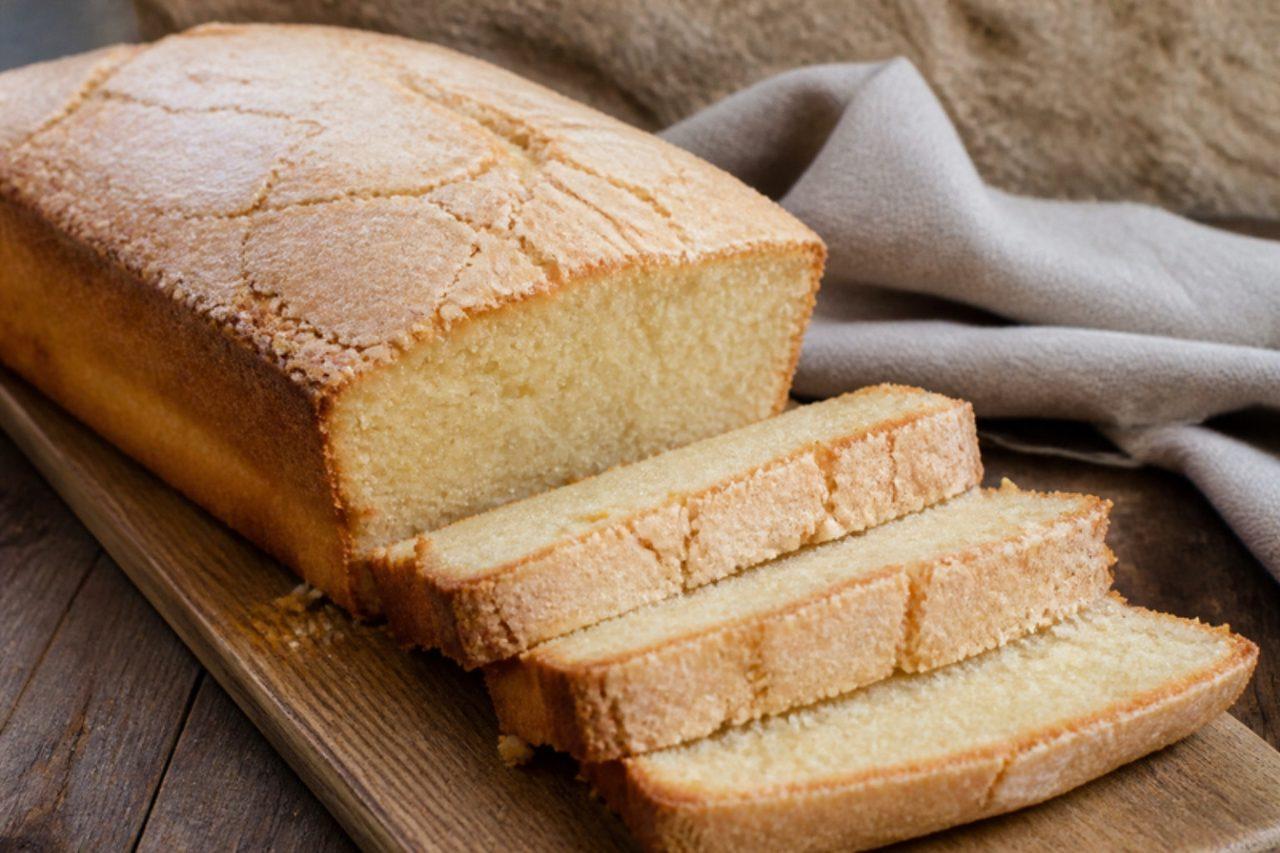
Bica de TrivesButtery cream cake

Pobra de Trives, a mountain town in Ourense, holds a festival every August in honour of its bica, a rich, close-textured cake made with fresh cream and butter from local dairies. It is baked in a rectangular tin, sold in paper and eaten in thick slices with coffee or a glass of milk. The sugar scattered on top bakes into a thin, crackly crust. A common mistake is overmixing once the flour goes in, which makes it tough; fold just until no streaks remain. Chef's tip: whip the egg whites separately and fold them in last for a lighter crumb.

by KrazyBadal 0 views

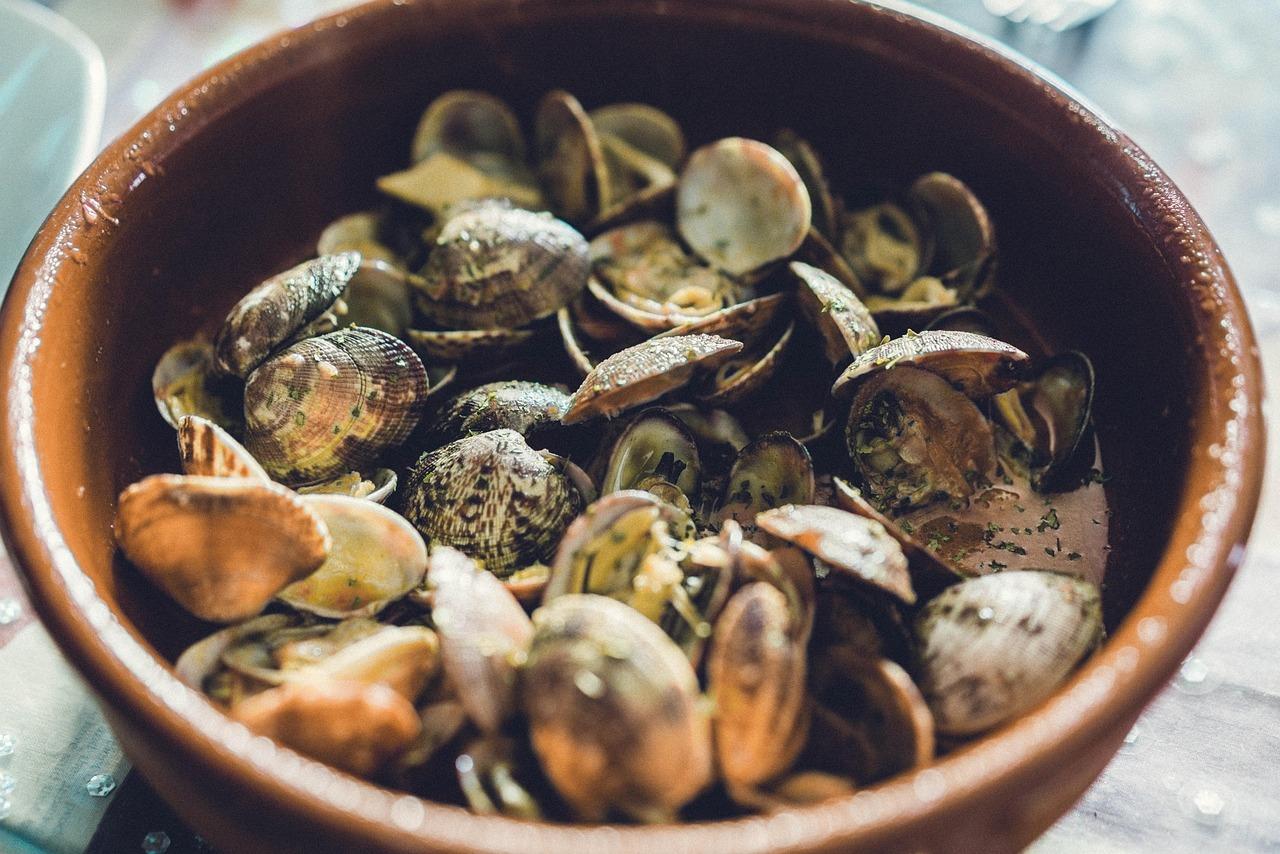
Almejas á mariñeiraClams in garlic and white wine

Carril, a fishing village on the Arousa estuary, is famous across Spain for its clams, and Galician bars serve them á mariñeira in small clay dishes with bread for the sauce. They are cooked with onion, garlic and a little paprika, and the sauce is lightly thickened with flour and loosened with white wine. This recipe contains alcohol (white wine); for an alcohol-free version, use fish stock with a squeeze of lemon. Throw away any clams with cracked shells, and any open ones that don't close when tapped, before cooking. A common mistake is overcooking: clams toughen once they open, so take them off the heat as soon as most are open. Chef's tip: soak the clams in salted water in the fridge for an hour so they spit out their sand.

by KrazyBadal 0 views

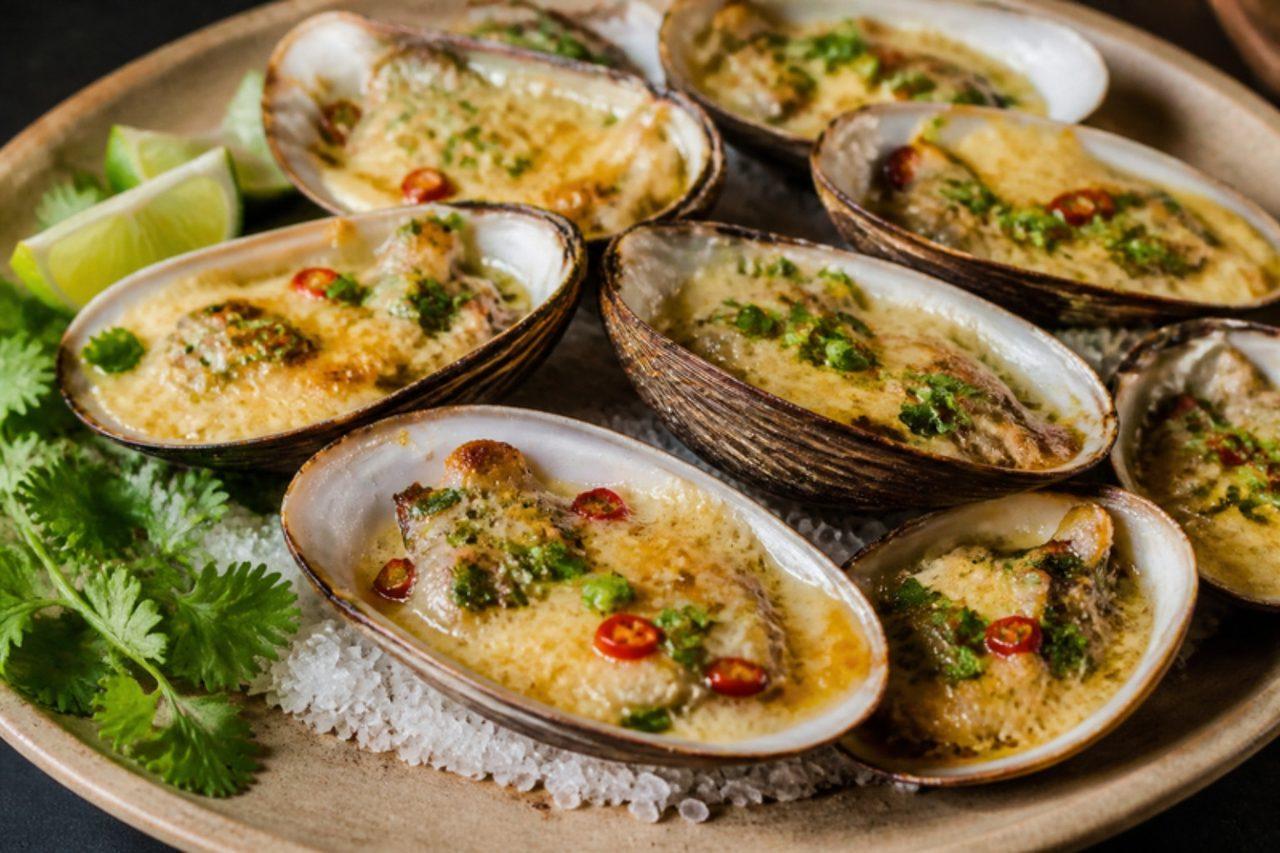
Almejas chocolatasBaked clams with garlic cheese

Loreto, on the Gulf of California side of Baja, is famous for its almejas chocolatas: large clams named for their glossy brown shells, sold by local divers and cooked at seafood stands along the bay. One popular way is to open them, top the meat with butter, garlic, chilli and melting cheese, and bake them until bubbling. Chocolate clams are rarely found elsewhere, so use the largest hard-shell clams you can buy, such as quahogs or cherrystones. Serve them hot as a starter with lime and cold drinks. Chef's tip: chop the clam meat before returning it to the shell, so every bite gets butter and cheese instead of one chewy mouthful.

by KrazyBadal 0 views

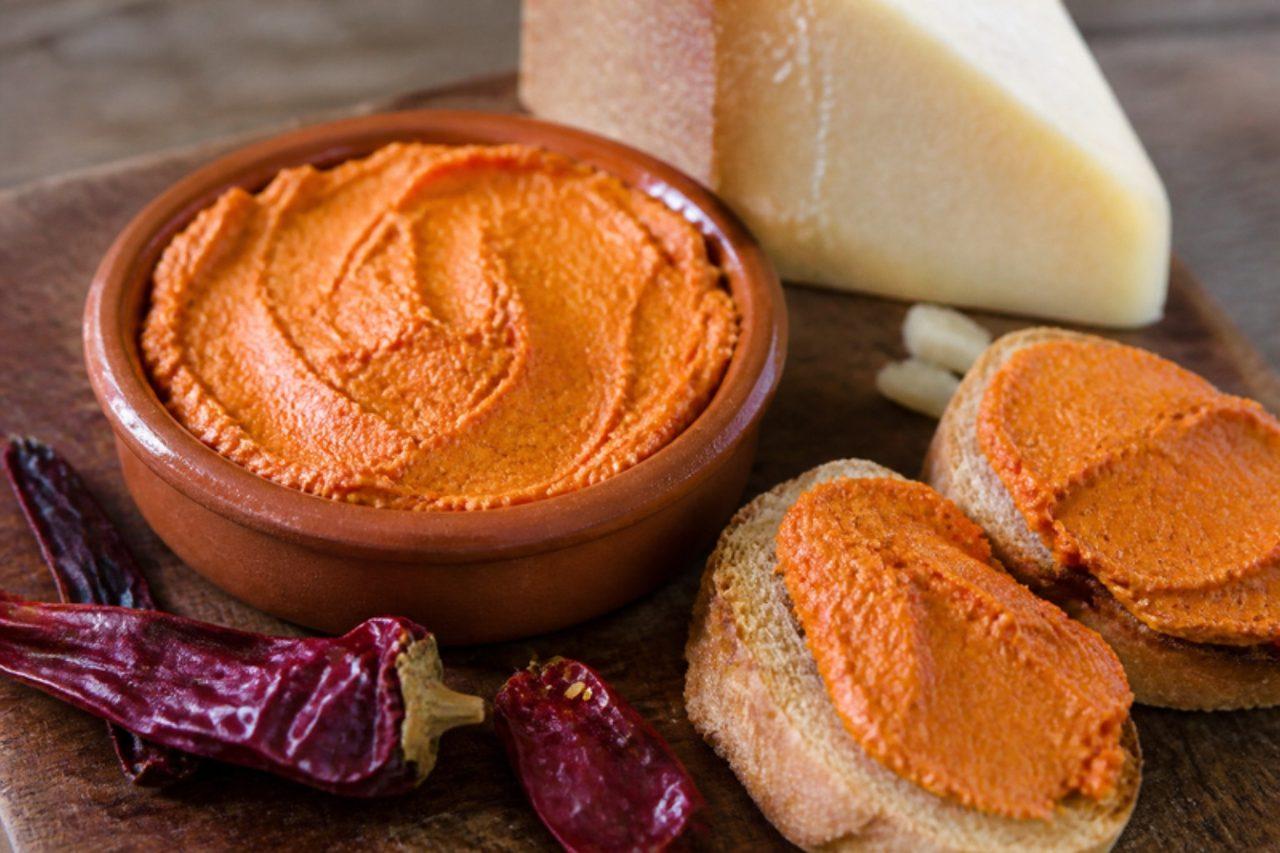
Almogrote gomeroGoat cheese and red pepper spread

On La Gomera, the small, steep island west of Tenerife, almogrote is the sharp, punchy paste you find spread on toast in every bar in San Sebastián and Valle Gran Rey, often with a glass of the island's wine. It was a thrifty way to use up hard, aged goat's cheese: grated, pounded with garlic, hot red pepper and a little tomato, and bound with olive oil. The result is salty, spicy and pungent. Traditional Gomeran cheese is made with animal rennet; use a vegetarian aged goat's or hard cheese if that matters to you. Chef's tip: grate the cheese very finely first, so it pounds smooth instead of staying gritty.

by KrazyBadal 0 views

AlmojábanasGlazed choux rings

In Aragonese bakeries, almojábanas are the rings stacked by the till at Easter and for local fiestas: rings of choux-like dough that puff up hollow and airy in the oven and are then brushed with a white sugar glaze that cracks as you bite. The name comes from Arabic, and versions are found from Teruel to the Ribagorza, some flavoured with lemon and others with anise. They are best the day they are made, with a coffee or a glass of cold milk. A common mistake is opening the oven early: choux collapses if the steam escapes before the shells have set. Chef's tip: beat the eggs in one at a time and stop when the paste falls from the spoon in a thick, glossy V; you may not need the last egg.

by KrazyBadal 0 views

Colombian almojábanasCheese bread rolls

Few Bogotá breakfasts beat a warm almojábana torn open next to a cup of hot chocolate. Bakeries across Cundinamarca and Boyacá, and especially roadside stops near Chía and Sopó, bake these pale, puffy rolls from fresh cuajada and fine corn meal, so they are springy, moist and salty-sweet inside with a thin, lightly browned crust. They are gluten free by nature. Cuajada is curd set with rennet, usually animal-derived; use vegetarian curd or ricotta drained very well. Too much corn meal is the mistake most people make: the almojábanas come out dry and heavy. The dough should feel soft and slightly tacky. Chef's tip: they are best within an hour of baking; reheat leftovers briefly in a hot oven, never the microwave, which makes them rubbery.

by KrazyBadal 0 views

BoozaStretchy mastic ice cream

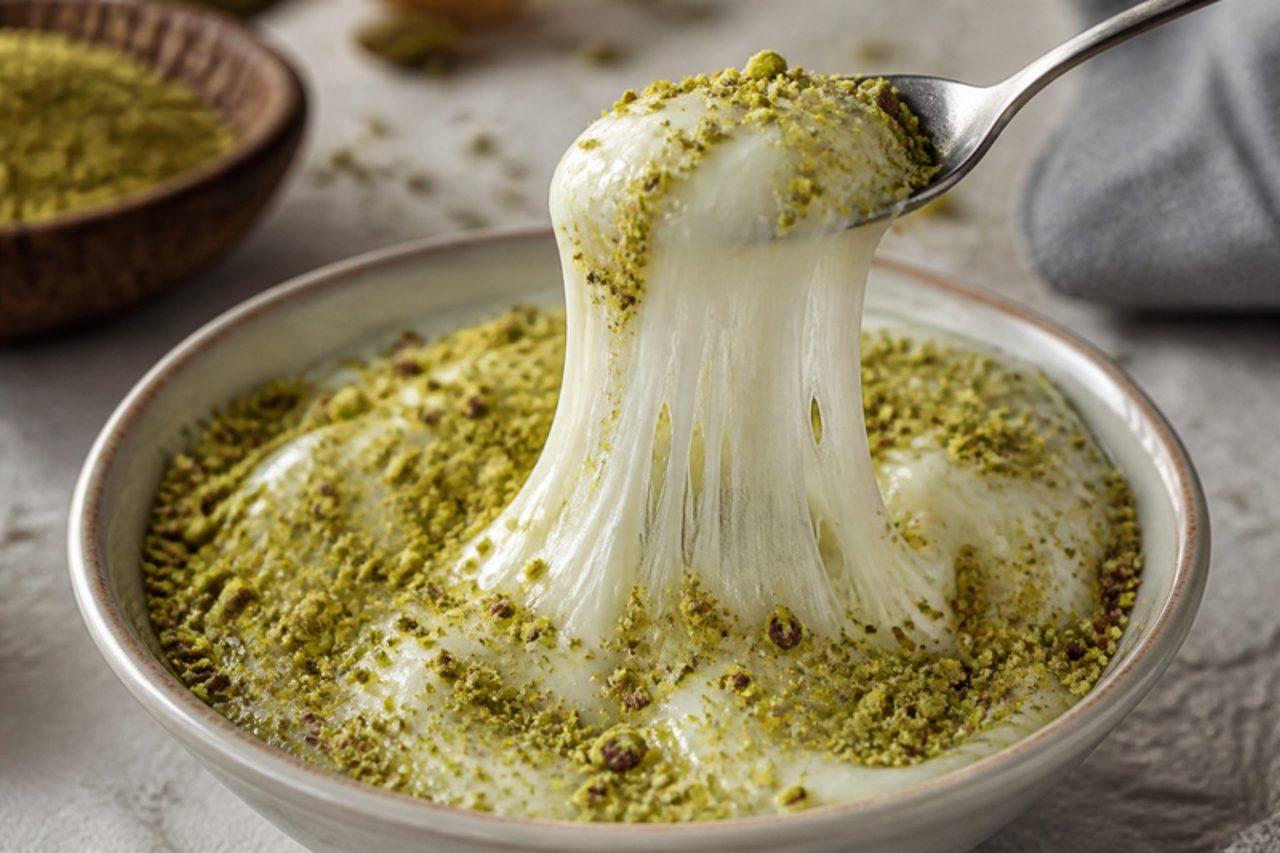
In the covered Hamidiyeh souk in Damascus, men pound booza in frozen metal drums with long wooden pestles, and the thump of the mallets is part of the show. The ice cream is milky, chewy and elastic, thanks to sahlab (orchid-root flour) and mastic, then rolled in crushed pistachios. This home version thickens the milk with sahlab powder or cornflour and beats it as it freezes to get that stretch. Serve in scoops or slices, plain or with a spoon of rose syrup. Common mistake: grinding the mastic alone, which turns gummy; always pound it with a spoonful of sugar. Chef's tip: real sahlab gives the true chew, but a mix of cornflour and a pinch of guar gum gets very close.

by KrazyBadal 0 views

Bacalao a la vizcaínaSalt cod in red pepper sauce

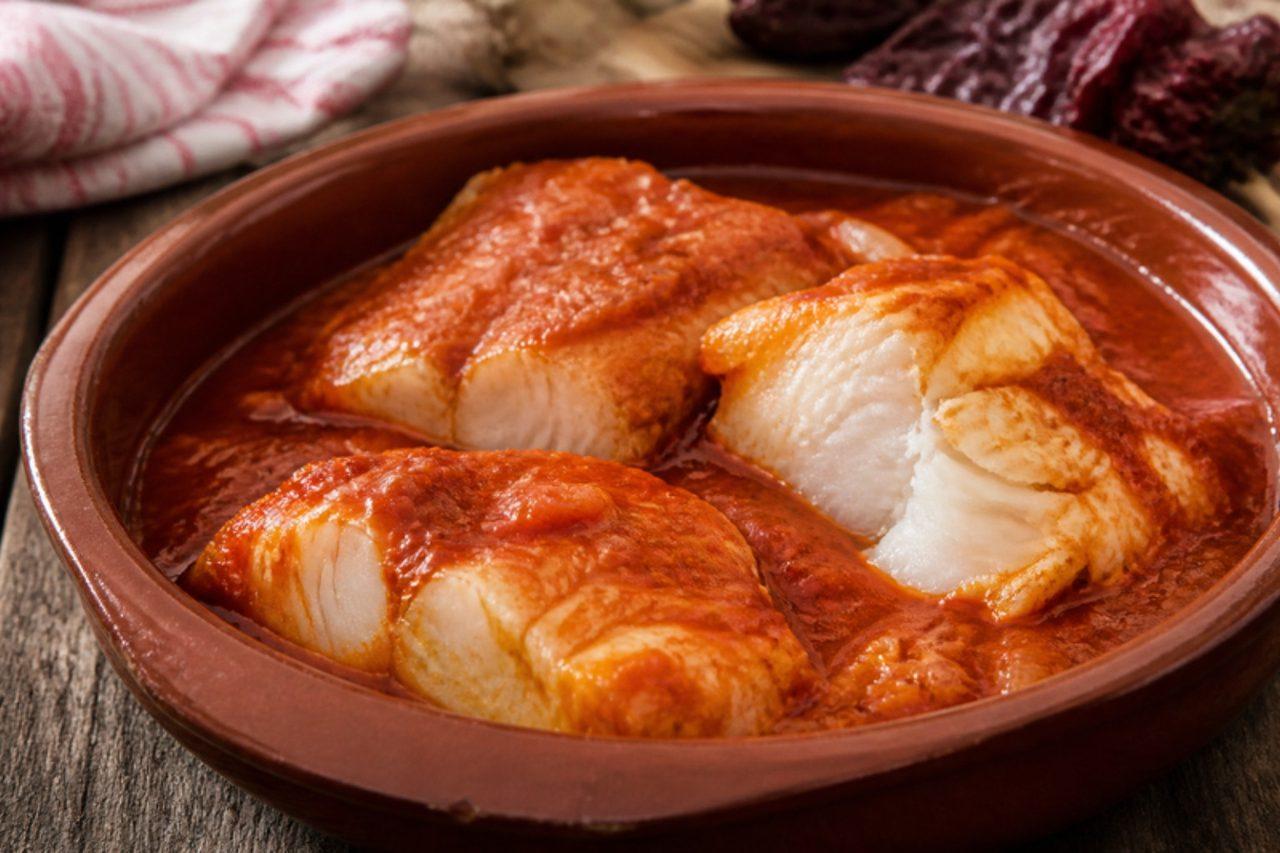
Bilbao's great salt cod dish shows up every Lent and on Good Friday, and in the city's old taverns its sauce is judged as fiercely as the fish. The sauce is made only from onions cooked for a long time and the flesh of dried choricero peppers, with no tomato, which gives it its deep red colour and gentle sweetness. Salt cod needs 36–48 hours of soaking in the fridge, so start two days ahead. A common mistake is hurrying the onions: they need at least 40 minutes on a low heat to turn soft and sweet. Chef's tip: taste a flake of the soaked cod before cooking, and if it's still salty, soak it a few hours more.

105 minSpanishFishGluten free
by KrazyBadal 0 views

Djaj mahshiRoast chicken stuffed with spiced rice

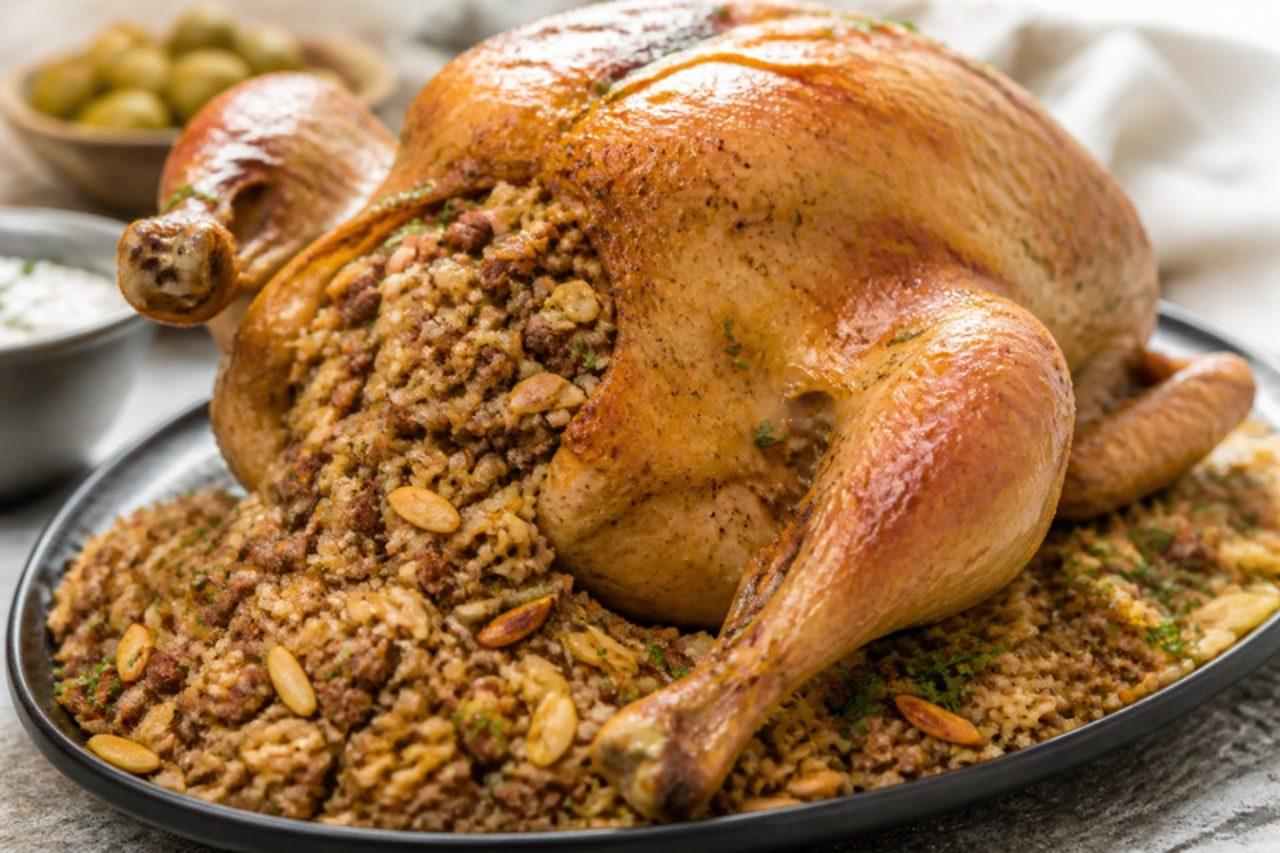
For Eid, Christmas or a wedding lunch in Palestine, a whole chicken stuffed with spiced rice is the centrepiece: the rice cooked with a little minced lamb, seven-spice and cardamom, packed into the bird and roasted until the skin is lacquered brown, then piled on a platter under handfuls of fried almonds and pine nuts. Serve with yoghurt and a chopped salad. Common mistake: packing the cavity tightly with raw rice, which leaves the centre undercooked; part-cook the rice first and stuff loosely. Chef's tip: simmer the chicken briefly in spiced water before roasting, as many Palestinian cooks do; it seasons the meat and keeps it moist.

by KrazyBadal 0 views

Discada norteñaMixed-meat skillet with peppers and onions

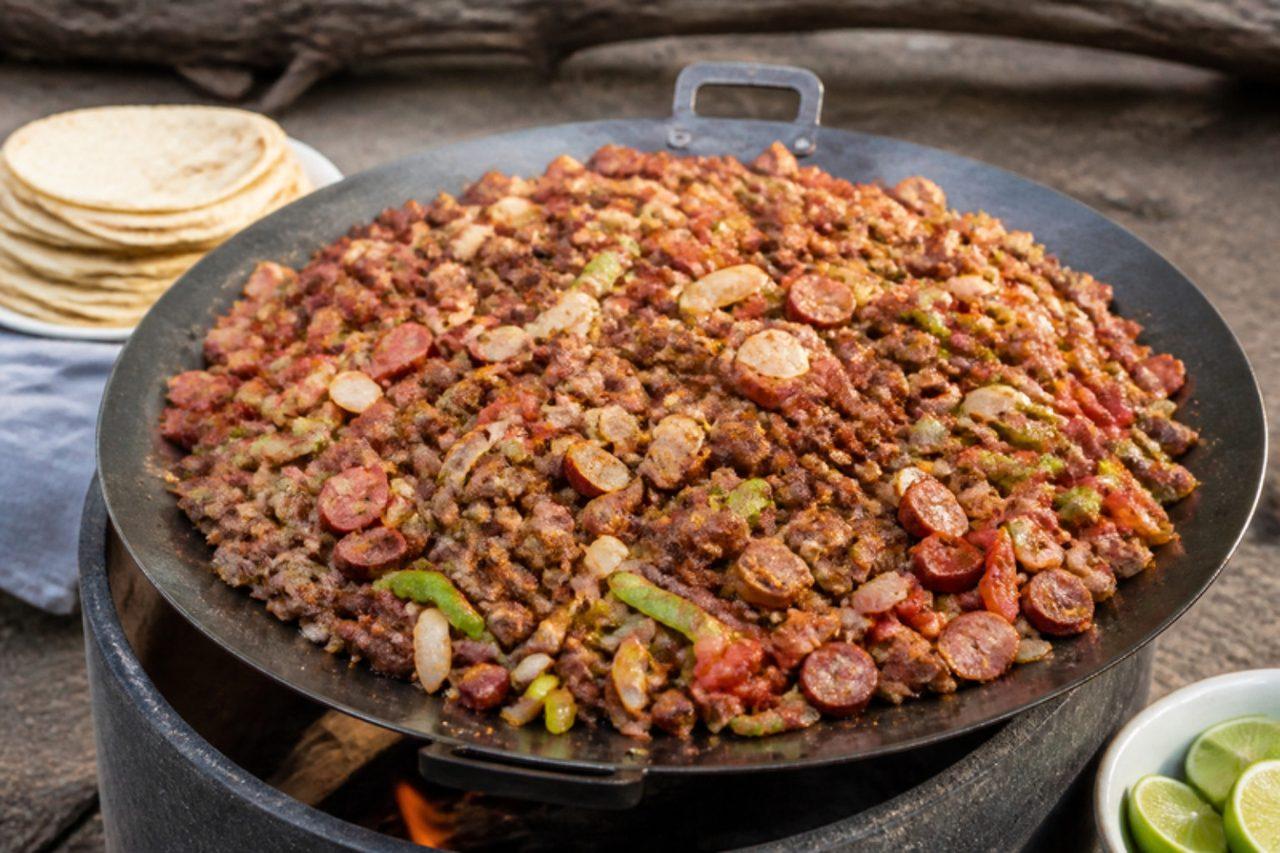
In Chihuahua and across the northern ranchlands, discada is party food: a worn-out plough disc is set over a wood fire and filled, one by one, with bacon, pork chorizo, beef, ham and sausages, then peppers, onions and tomatoes, while everyone stands around with tortillas. It is a big, smoky, pork-heavy dish, made with pork bacon, pork chorizo and ham, and many cooks splash in beer near the end, for which stock is a fine alcohol-free swap. At home, a large wok or your widest heavy skillet does the job. Serve it straight from the pan with corn tortillas, salsa and lime. Chef's tip: add the meats in order, fattiest first, so each one browns in the fat of the last.

by KrazyBadal 0 views

Bolos lêvedosSweet griddle muffins

In the steamy valley of Furnas, on São Miguel, bakers have been cooking these slightly sweet, lemon-scented muffins on flat griddles for generations, and visitors queue for them warm on the way to the hot springs. Thick, soft and pale with golden tops and bottoms, they are split and toasted for breakfast with butter, or used as buns for a sandwich. Chef's tip: the dough is very soft and sticky, so use oiled hands rather than more flour when shaping, or they turn dense.

by KrazyBadal 0 views

Nebraska runzasBeef and cabbage bread pockets

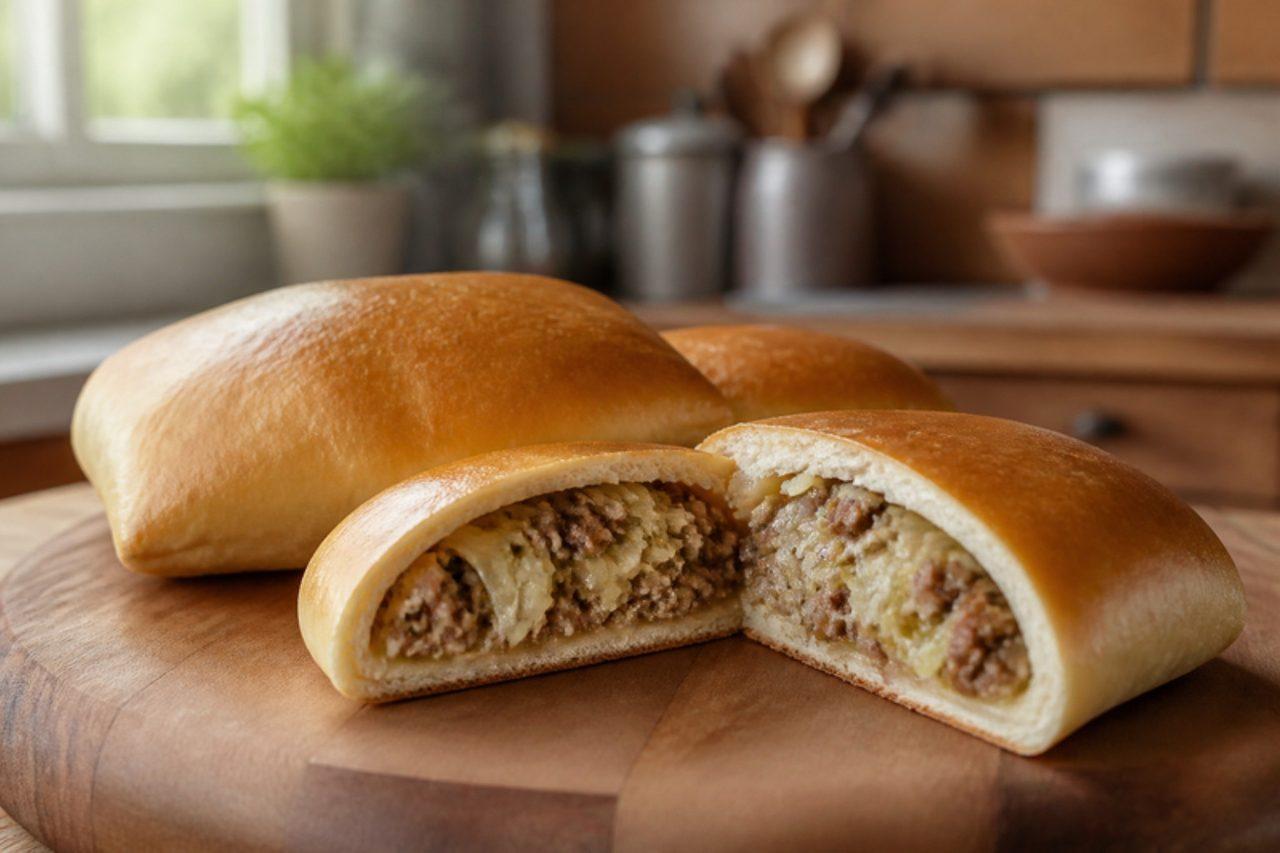
Runzas came to Nebraska with Volga German settlers, who called them bierocks, and today they are the state's fast food, packed for Cornhusker football games and long drives across the plains. A soft, slightly sweet bread dough is wrapped around a peppery filling of beef mince, onion and cabbage and baked into a rectangular pocket. Chef's tip: let the filling cool and drain it in a sieve before filling; hot, wet filling makes the dough soggy and tear.

by KrazyBadal 0 views

Bolo Souza LeãoCassava and coconut cake

Named after a sugar-planter family of nineteenth-century Pernambuco, this cake is closer to a set pudding than a sponge: fresh grated cassava, coconut milk, a clove-scented syrup, butter and a generous number of egg yolks, baked slowly in a water bath until glossy and firm. In Recife it is a centrepiece at weddings, christenings and Christmas, sliced thin and eaten at room temperature with coffee. The texture is smooth, slightly sticky and very rich, so a small piece is enough. Use only sweet cassava (aipim/macaxeira) and bake it fully; cassava must never be eaten raw. The mistake people make is not squeezing the grated cassava dry, which leaves the cake watery and grey in the centre. Chef's tip: strain the batter through a fine sieve before baking; it removes the fibres and gives that silky, flan-like slice.

by KrazyBadal 0 views

Bolo-reiCandied fruit and nut king cake

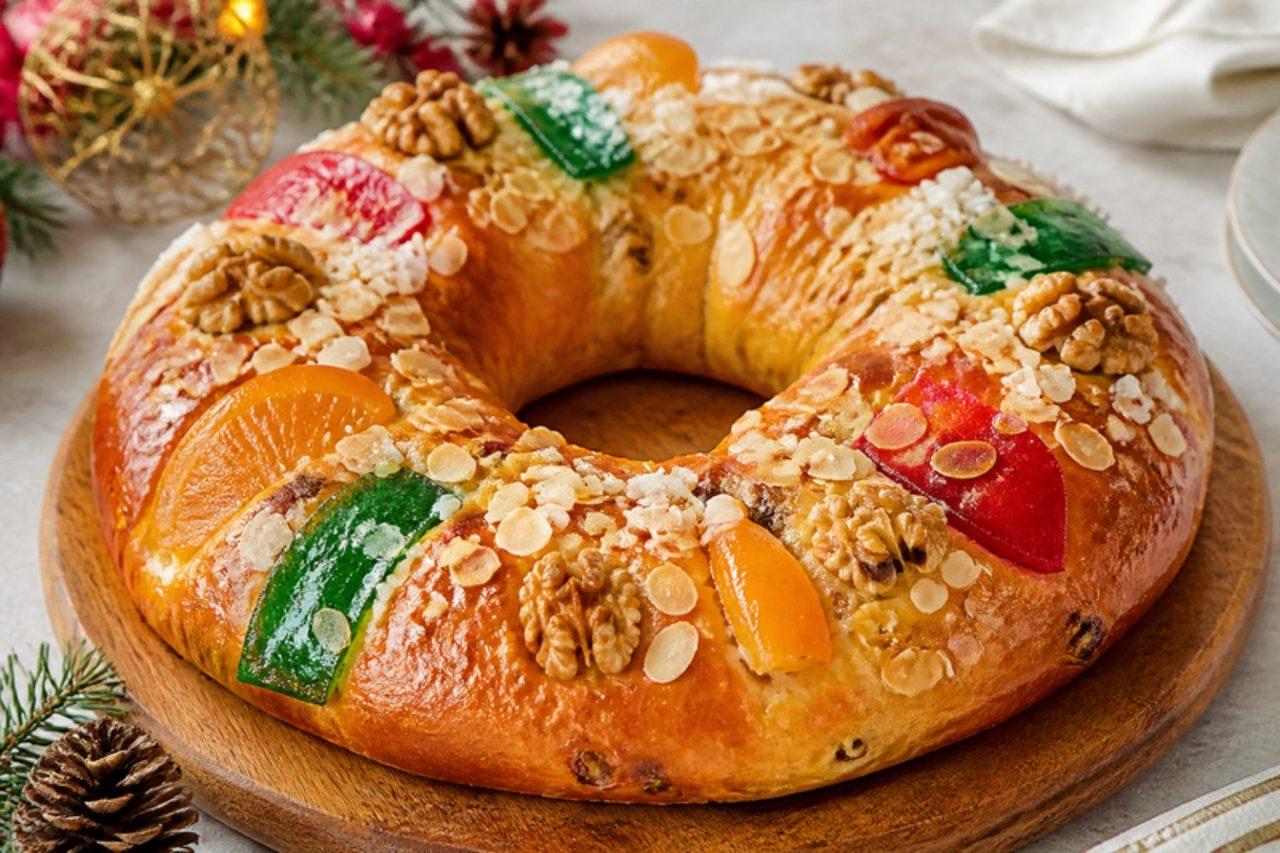
From early December to Twelfth Night every Lisbon pastelaria stacks its counter with these glossy rings, crowned with candied fruit and sugar, and families buy one for Christmas Eve and another for the Day of the Kings. A Lisbon confectioner brought the idea from France in the nineteenth century and it became the centre of the Portuguese Christmas table. Traditionally the raisins are soaked in port wine, which contains alcohol; orange juice works just as well. Old recipes hid a dried broad bean inside, and whoever found it bought next year's cake; we leave it out, as it is a choking hazard for children. Chef's tip: let the dough rise slowly in a cool place, even overnight in the fridge; the rich, buttery dough needs time to taste of anything.

by KrazyBadal 0 views

Bolo formigueiroVanilla sponge with chocolate sprinkles

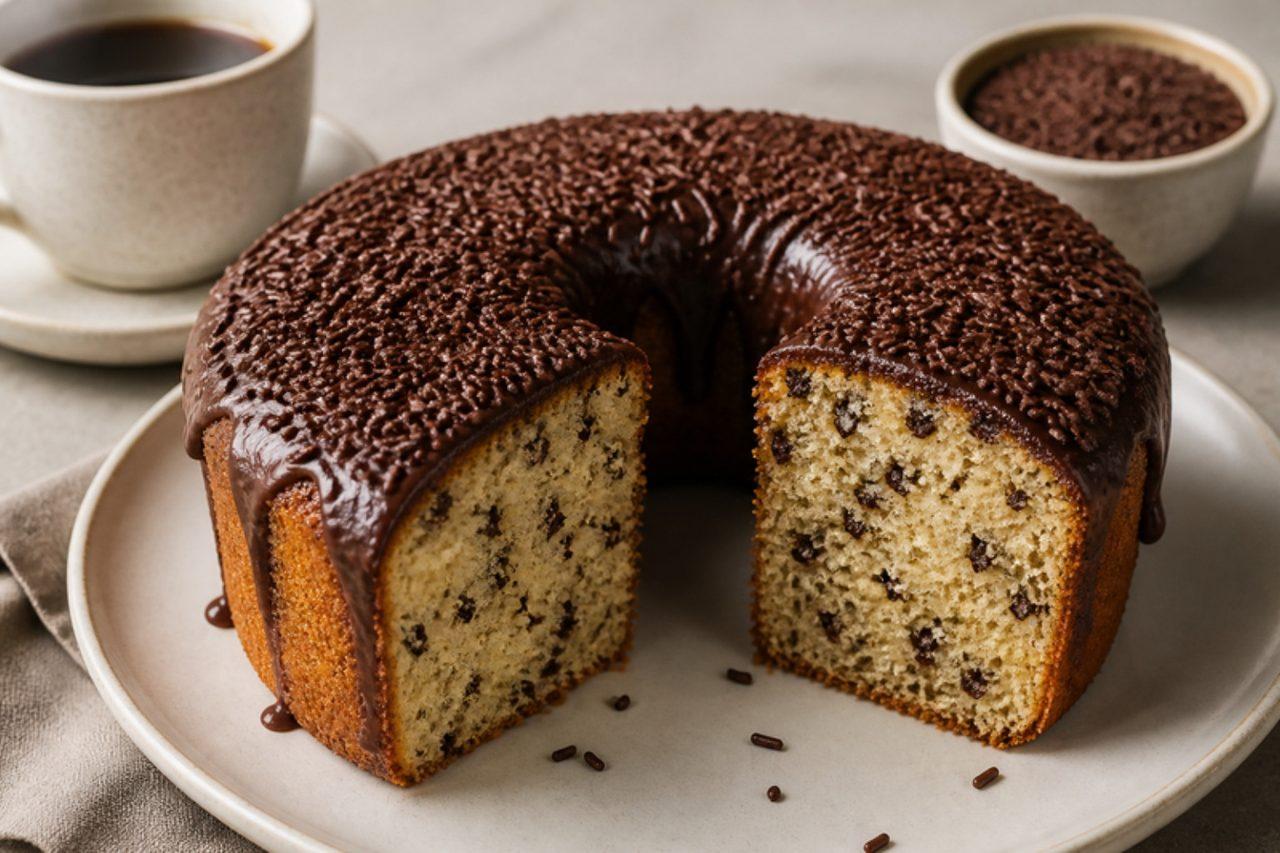
Slice into a bolo formigueiro and the crumb is dotted with dark specks, like ants on a sandy anthill, which is where the name comes from. This is the cake a Brazilian kid would want at merenda time: a soft, buttery vanilla sponge with chocolate sprinkles (granulado) folded through, often finished with a simple chocolate glaze and more sprinkles on top. Padarias and lanchonetes from São Paulo to Belo Horizonte sell it by the slice with a coffee. The cake contains wheat flour, eggs and milk. People often stir the sprinkles into the batter at the start, so they melt and turn the cake muddy grey. Chef's tip: fold the sprinkles in last, with a light hand, and use the chocolate kind (not candy-coloured), which hold their shape in the oven.

by KrazyBadal 0 views

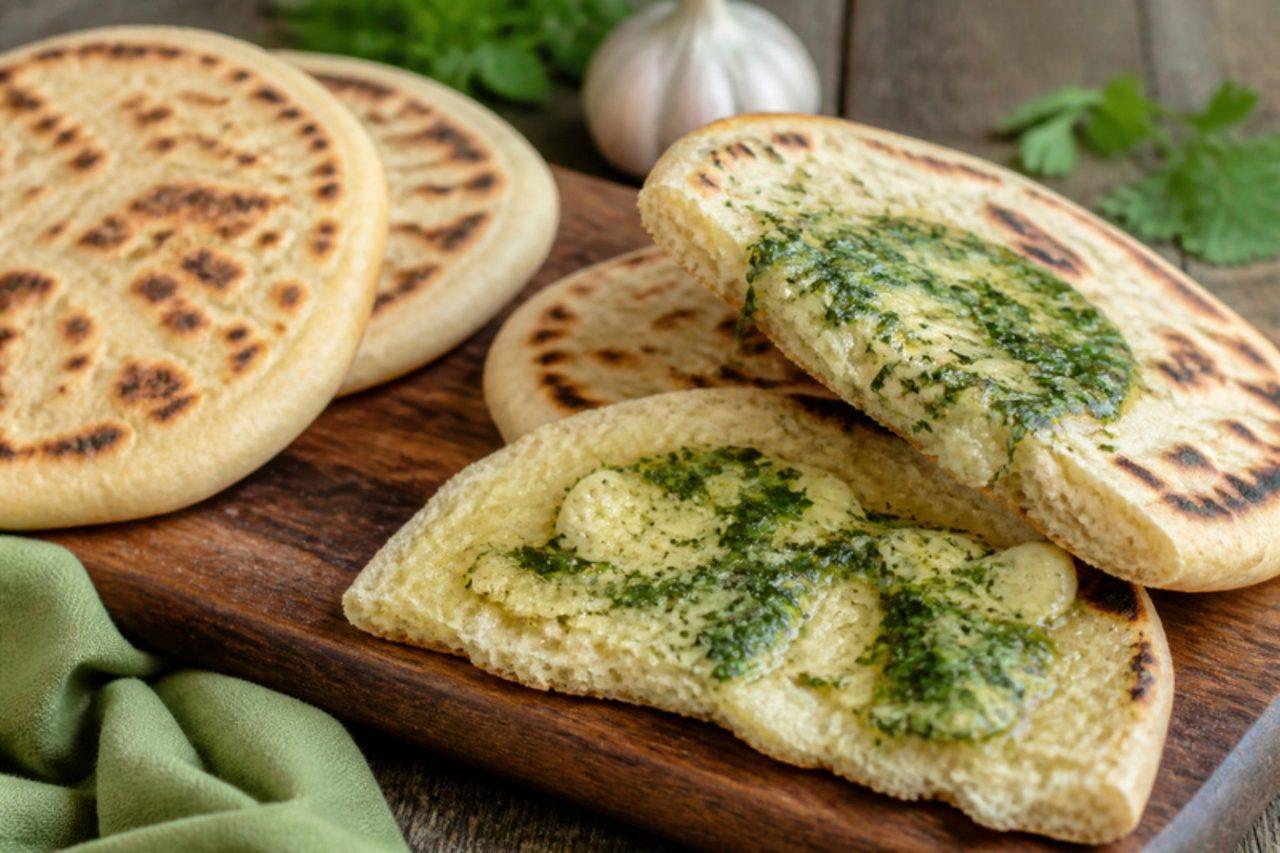
Bolo do cacoSweet potato flatbread with garlic butter

Every street stall at the Funchal flower festival and every village arraial on Madeira has a hot stone griddle going, turning out these flat, chewy rounds of bread made with sweet potato. They are split while hot, spread with garlic and parsley butter and eaten on their own, or stuffed with a skewer's worth of espetada. The name comes from the caco, the basalt slab they were first baked on, but a heavy frying pan does the job at home. Chef's tip: cook them low and slow; a hot pan burns the crust before the thick middle is done.

by KrazyBadal 0 views

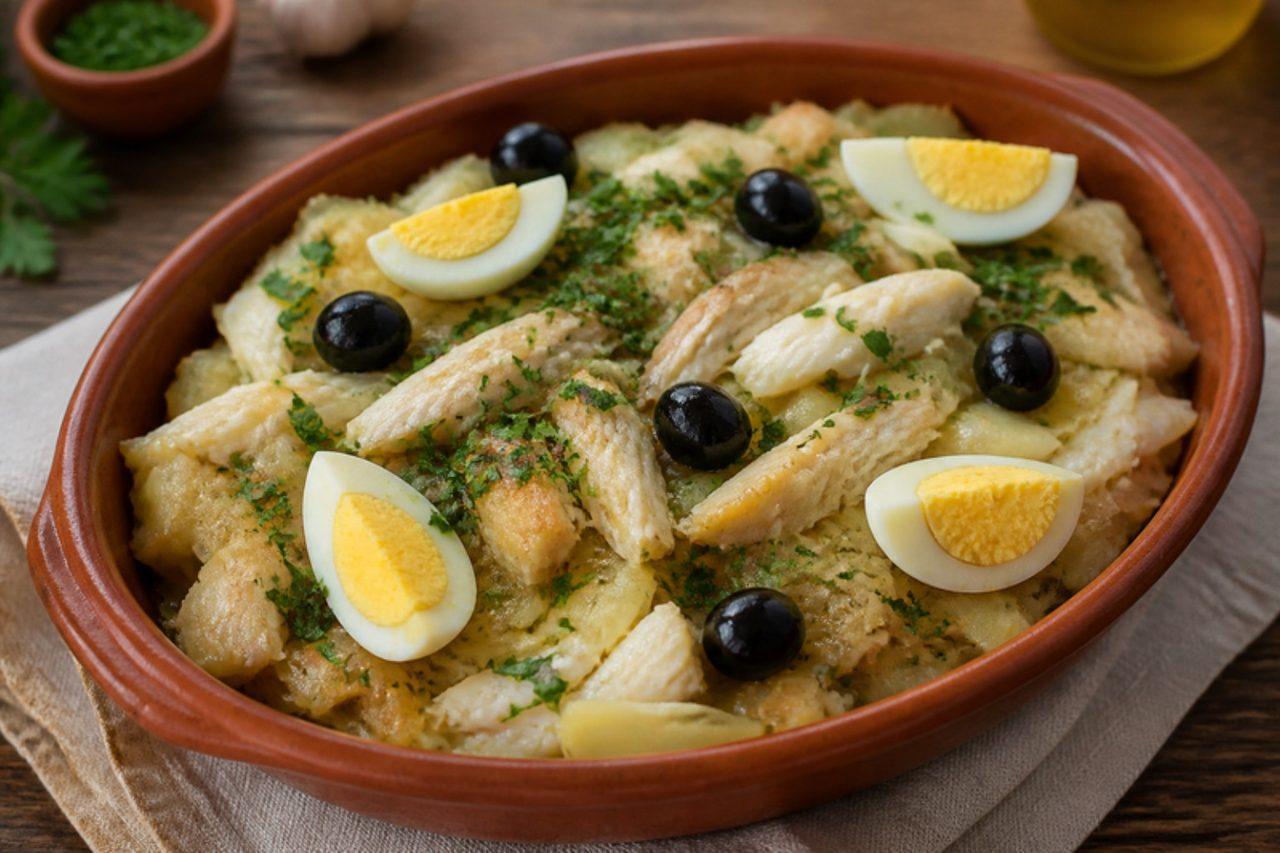
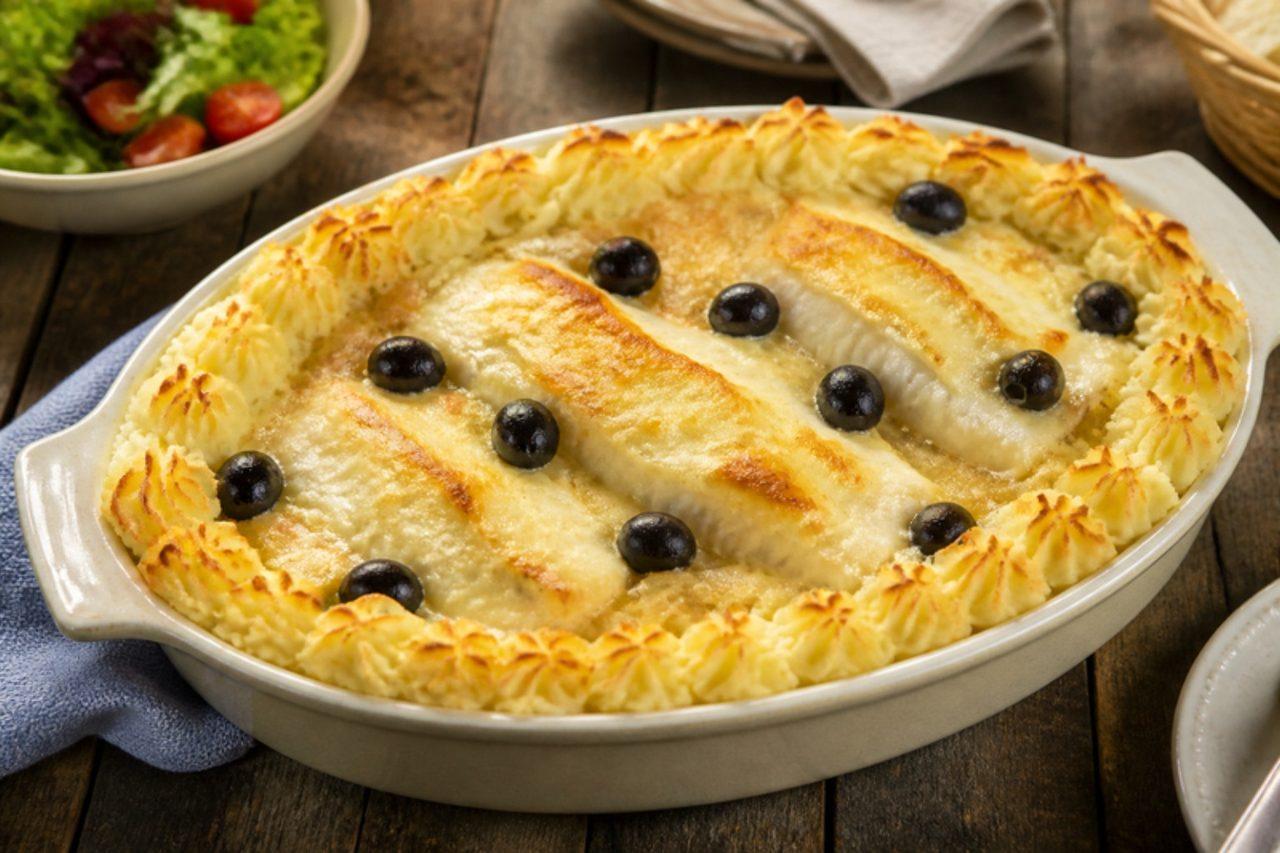
Bacalhau à Gomes de SáBaked salt cod and potatoes

Named after the Porto cod merchant who is said to have created it in the late nineteenth century, this is the city's most loved salt cod dish and a fixture of Christmas Eve and family gatherings across the north. Cod is soaked, warmed in milk, flaked and baked with sliced potatoes and plenty of onions softened in olive oil, then crowned with hard-boiled eggs and black olives. Chef's tip: steep the cod in hot milk rather than boiling it, so the flakes stay moist and come apart in big, glossy pieces.

by KrazyBadal 0 views

Bolo de roloGuava paste roll cake

Cut a slice of bolo de rolo and you see a tight spiral of a dozen hair-thin layers, alternating pale butter sponge and dark red guava. It is Pernambuco's proudest cake, protected as a cultural heritage of the state, sold in Recife's bakeries and airport shops in long boxes and served at birthdays and with coffee in the afternoon. The batter is rich with butter and eggs, spread so thinly it bakes in minutes; each sheet is brushed with melted guava paste and rolled around the last. It takes patience rather than skill. The classic slip is spreading the batter too thick, which gives a fat swiss roll instead of fine stripes; you should almost see the paper through it. Chef's tip: roll each layer while it is still hot from the oven, on a clean cloth dusted with sugar, because the thin sponge cracks as soon as it cools.

by KrazyBadal 0 views

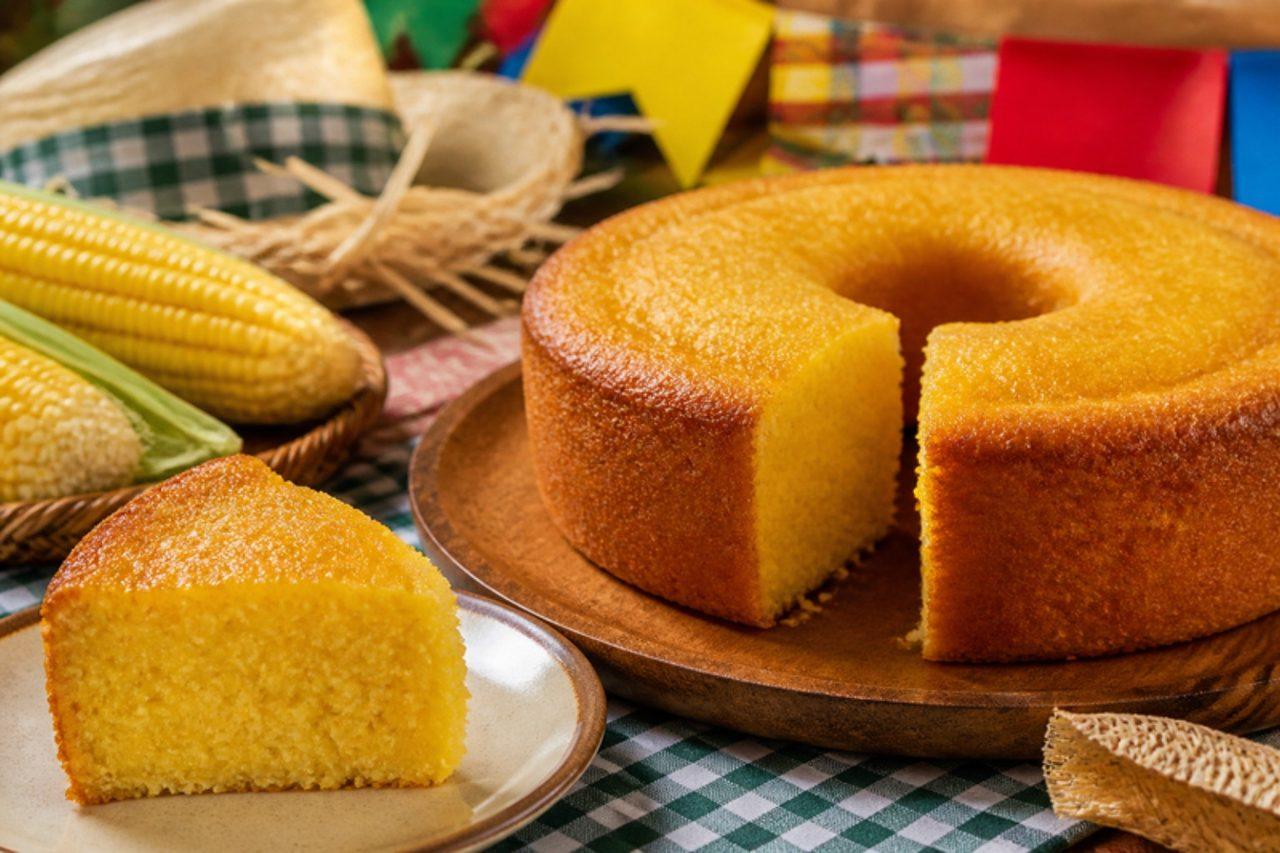
Bolo de milho verdeSweetcorn cake

Almost every Brazilian padaria keeps a tray of bolo de milho verde by the till, and in June it multiplies across festa junina stalls, sliced into squares and wrapped in napkins. Everything goes into a blender: sweetcorn kernels, eggs, milk, oil, sugar and a little fine cornmeal, so the cake comes out yellow, dense and moist, almost custardy in the middle, with real corn flavour. It is made without wheat flour, which keeps it gluten free as long as your baking powder is. Eat it with afternoon coffee or warm from the tin. Opening the oven early is where it usually goes wrong; this batter is heavy and sinks if the door opens before 35 minutes. Chef's tip: leave the cake in the tin for 20 minutes after baking; it finishes setting as it cools and comes out in clean slices.

by KrazyBadal 0 views

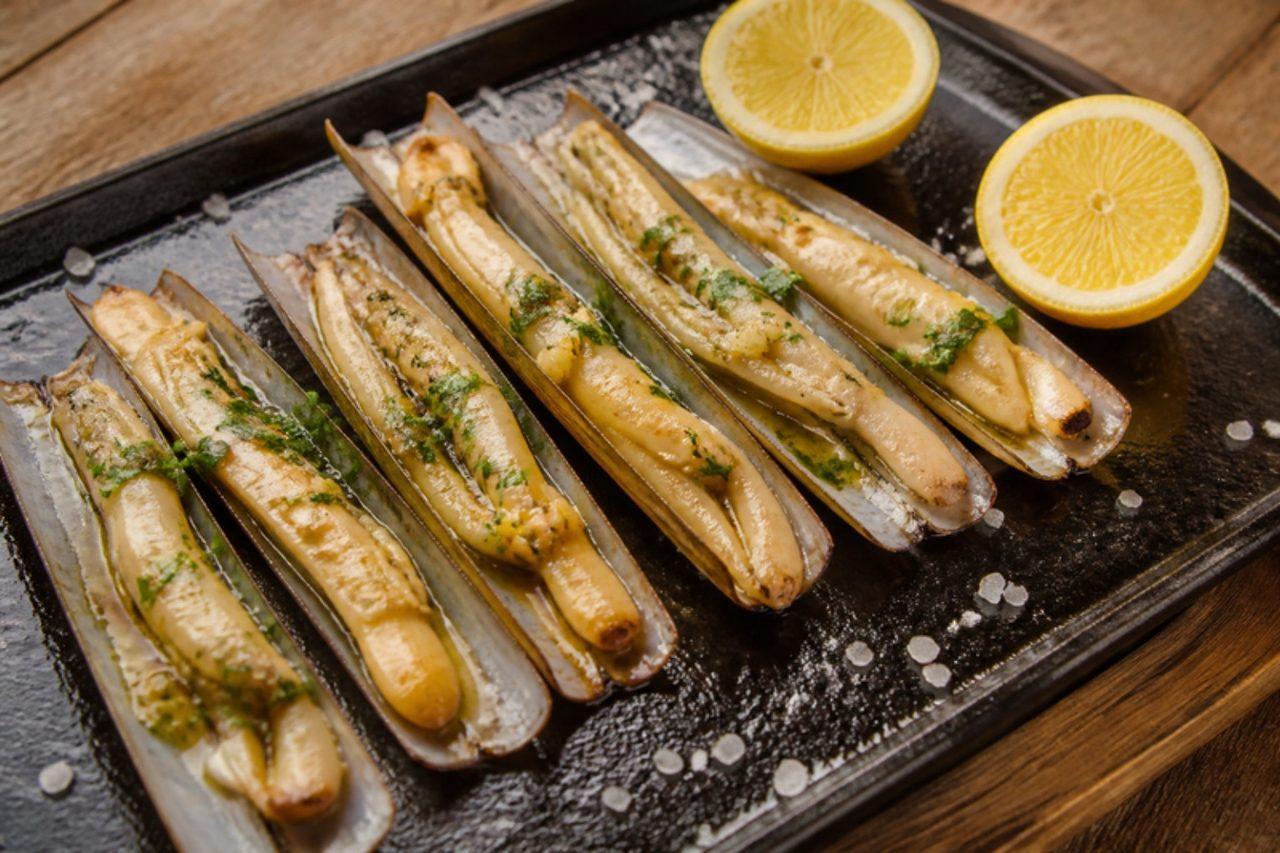
Navajas á pranchaGriddled razor clams

Razor clams are pulled from the sandy beds of the Galician rías, and in the seafood bars of Vigo and A Coruña they arrive straight from the griddle, opened up and glistening with garlic oil. They take two minutes to cook and are eaten with the fingers. Live razor clams twitch or pull in when touched: throw away any with cracked or broken shells, or that don't react at all. A common mistake is leaving them on the heat after they open, which turns the meat rubbery. Chef's tip: lay them all hinge side down in the same direction so they open evenly and the juices stay in the shells.

by KrazyBadal 0 views

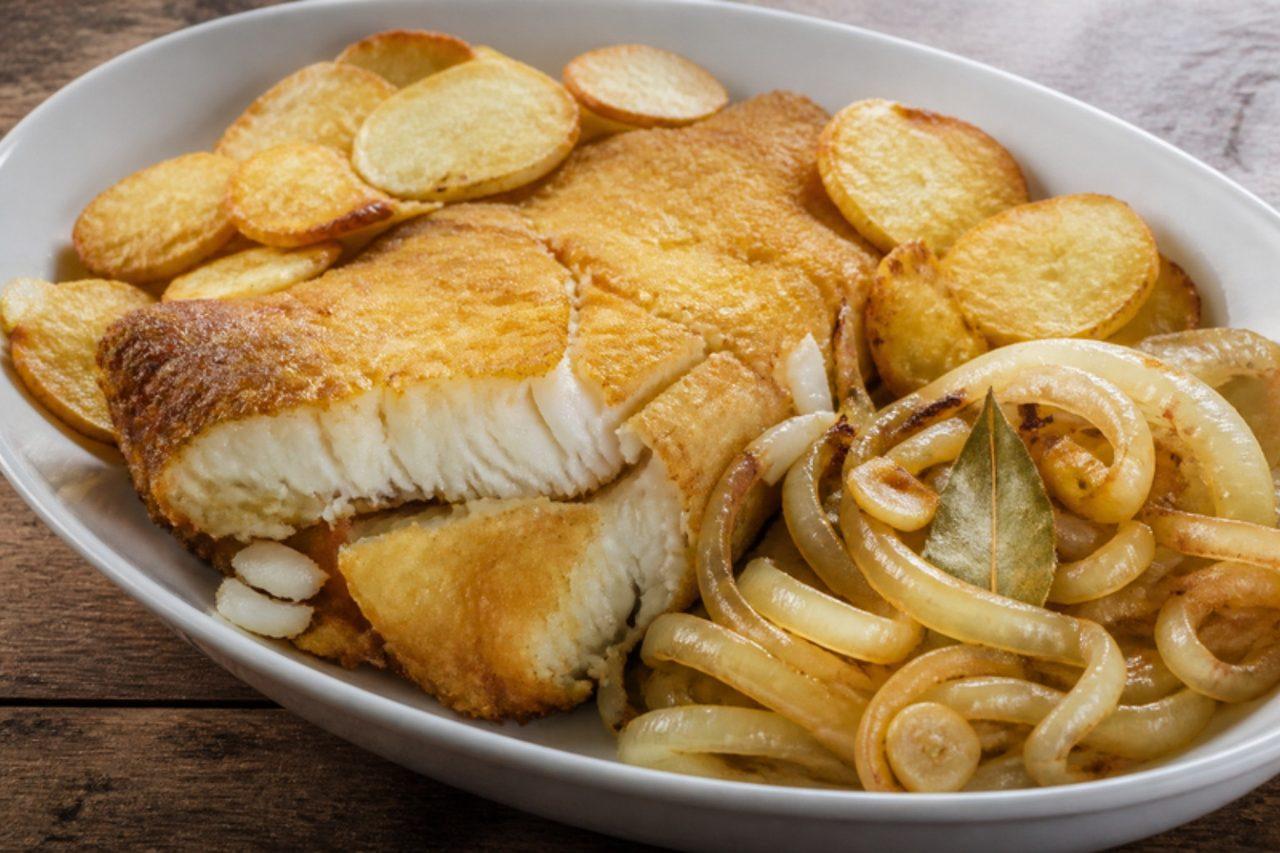
Bacalhau à minhotaFried salt cod with onions

Every Minho restaurant has its bacalhau à minhota on Fridays: a thick loin of salt cod, floured and fried in olive oil, served with crisp potato slices and a tangle of onions cooked in the same oil with garlic and paprika. It is plain, generous country food that relies on good fish. Start two days ahead, as the cod must soak in the fridge to lose its salt. A common mistake is skipping the taste test after soaking; fry a flake first, and soak longer if it is still very salty. Chef's tip: taste a flake of the soaked cod before cooking; if it is still too salty, give it another change of water.

by KrazyBadal 0 views

Bacalhau à Zé do PipoSalt cod with mayonnaise mash

Zé do Pipo was the nickname of a Porto tavern keeper in the 1960s whose cod won a national cooking competition, and the dish became a celebration plate in northern restaurants ever since. Thick cod loins sit on a bed of slow-cooked onions, are covered in mayonnaise and ringed with piped mashed potato, then baked until the top turns golden and blistered. Use a good shop-bought mayonnaise made with pasteurised egg; homemade mayonnaise with raw yolks is not for pregnant women, young children or anyone with a weakened immune system. A common mistake is a runny purée; the potato must be stiff enough to pipe, or it slumps under the mayonnaise. Chef's tip: pipe the mash while it is still warm, as cold mash cracks.

by KrazyBadal 0 views

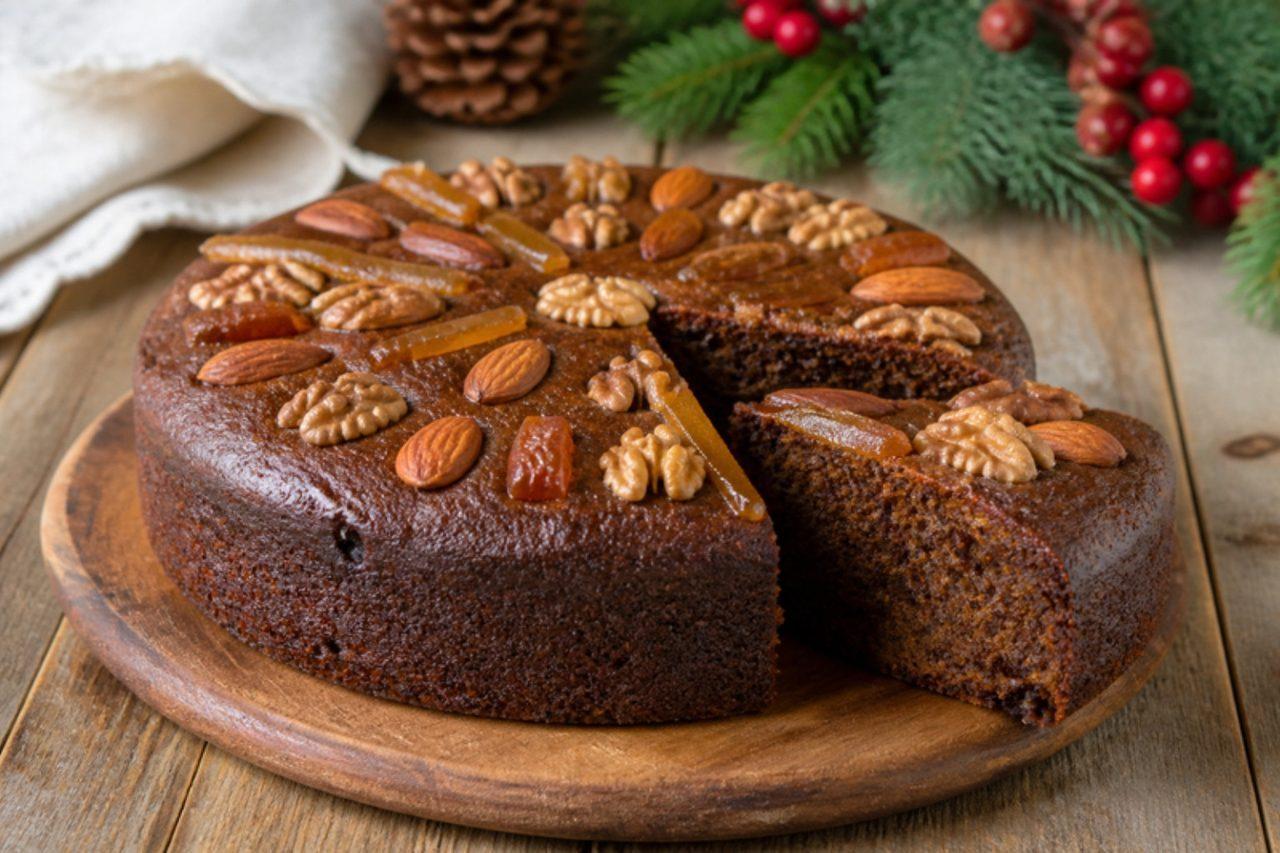
Bolo de mel da MadeiraSpiced molasses cake with nuts

Madeiran families bake bolo de mel on 8 December so it can mellow in time for Christmas, and a well-wrapped one is said to keep until the following year. It is dense, almost black and fragrant with cinnamon, clove and aniseed, sweetened with mel de cana, the island's sugarcane molasses, and studded with walnuts, almonds and candied peel. Tradition says it should be broken by hand, never cut with a knife. Many old recipes use some lard; this one uses butter only. Chef's tip: wrap it in foil and wait at least a week before eating; the spices and molasses soften and blend as it rests.

by KrazyBadal 0 views

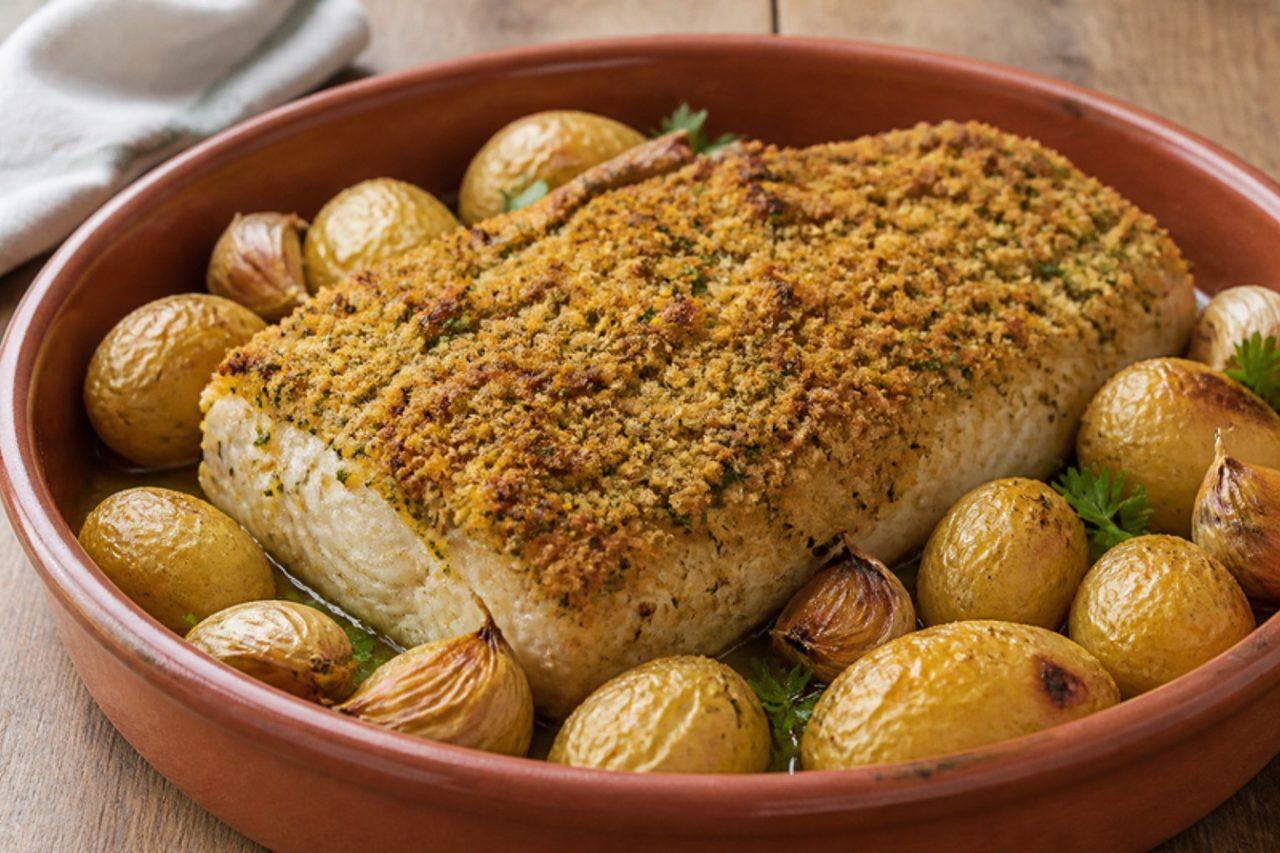
Bacalhau com broaSalt cod with cornbread crust

In central Portugal, where corn broa is the everyday bread, cooks crumble it over thick salt cod loins with garlic, parsley and olive oil, and the dish has become a favourite on restaurant menus from Coimbra to Leiria, especially for Christmas Eve and festive lunches. The crumb crust turns crunchy and golden while the cod stays moist and flaky underneath. It comes with punched potatoes and greens. Chef's tip: use broa that is a day or two old, as fresh crumb goes soggy instead of crisp.

by KrazyBadal 0 views

Gachas dulcesSweet aniseed flour porridge

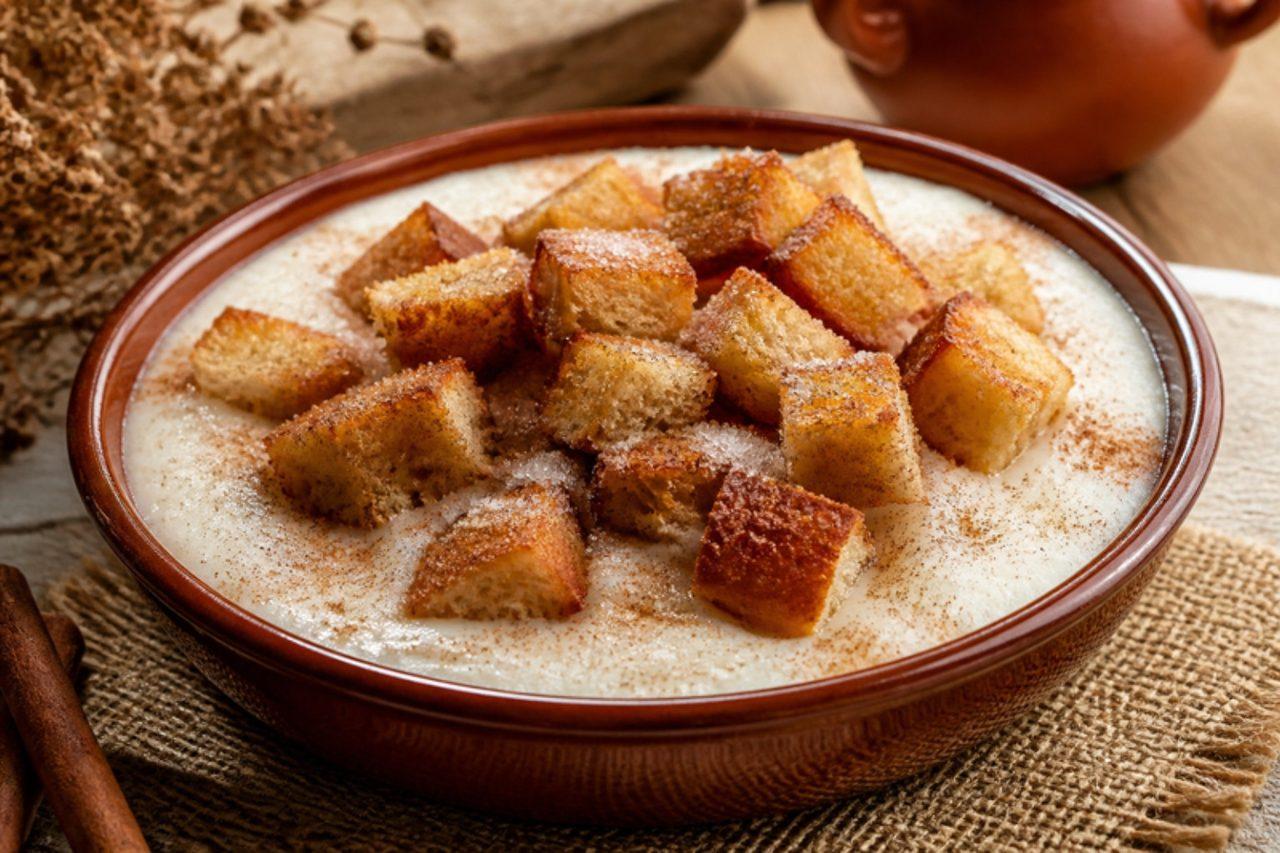
On the night of 31 October and on All Saints' Day, families across La Mancha make sweet gachas: flour toasted in olive oil with aniseed, loosened with milk and sugar into a soft cream, and topped with crisp cubes of fried bread. Each person dips a spoon into the communal dish while the season's first cold nights settle in. Chef's tip: toast the flour in the oil until it smells nutty before adding any milk; raw flour tastes pasty.

by KrazyBadal 0 views

Bolo de mandiocaGrated cassava and coconut cake

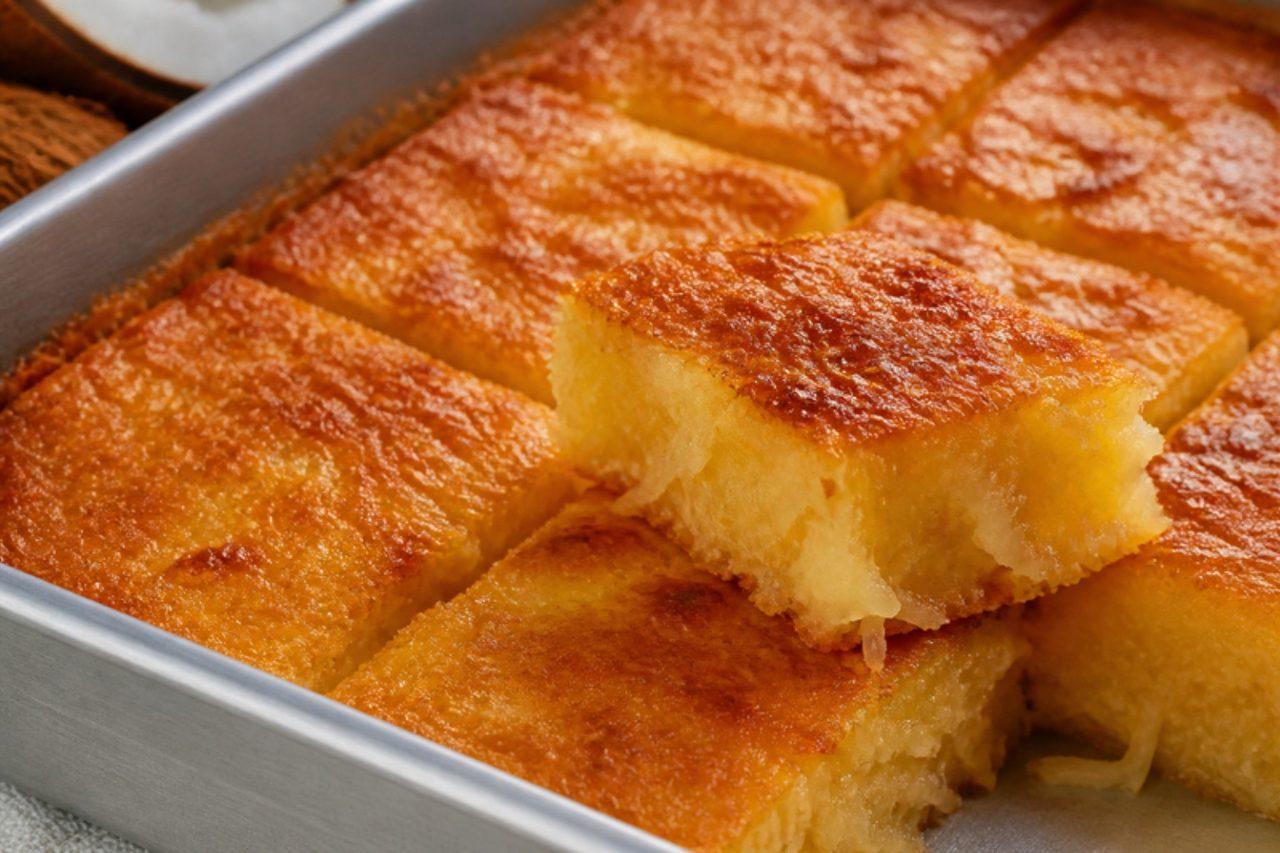
Grated raw cassava makes a cake unlike any flour cake: heavy, sticky and pudding-like, with a chewy golden crust and a moist, almost translucent middle. Bolo de mandioca (or bolo de aipim in Rio) is baked all over Brazil, sold by the slice at roadside stands in the interior of Bahia and Minas, and is a regular at June festivals next to the corn cakes. Coconut milk and grated coconut make it fragrant, butter makes it rich. Fresh cassava is sold in Latin, African and Caribbean shops; frozen peeled cassava is fine once thawed. Raw cassava must be fully cooked, and baking this long is enough. A classic error is blending in the fibrous core of the root, which leaves woody threads in the cake; cut it out first. Chef's tip: squeeze a little of the liquid out of the grated cassava in a cloth before mixing, and the cake gets a firmer, more cake-like texture without turning dry.

by KrazyBadal 0 views

DaggaPounded tomato, dill and chilli salad

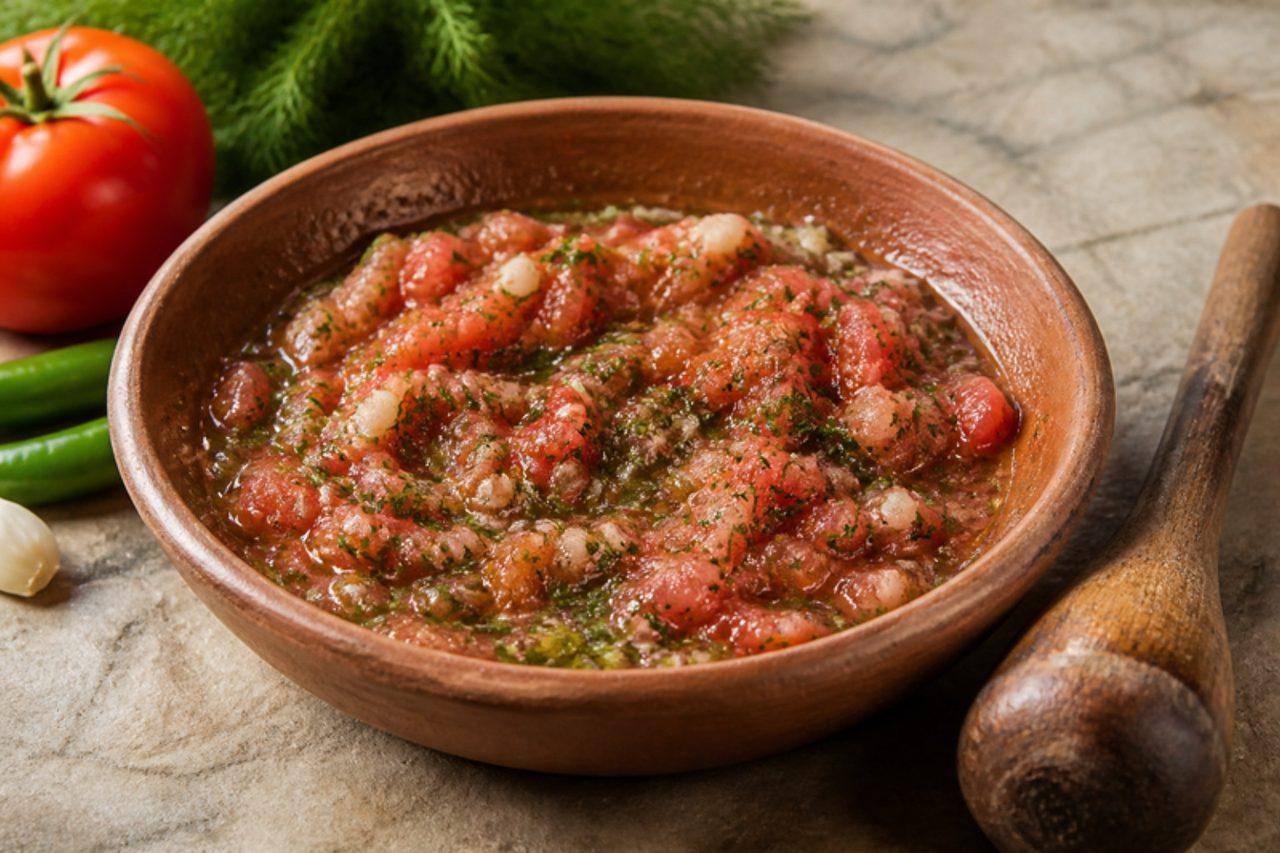
Dagga, sometimes called salata ghazawiyya, is the salad that sits on every table in Gaza, pounded in a clay bowl (zibdiya) with a wooden pestle until the tomatoes collapse into a juicy, chunky relish. Fresh dill, green chilli, garlic and lemon make it sharper and hotter than any salad in the north, and it is spooned over fish, rice and grilled meat or scooped up with bread. Common mistake: using a blender, which turns it into a smooth sauce; you want broken pieces in their own juice. Chef's tip: pound the garlic, chilli and salt to a paste first, then add the dill, so its oils bloom before the tomatoes go in.

by KrazyBadal 0 views

Bolo de alfarrobaCarob and orange cake

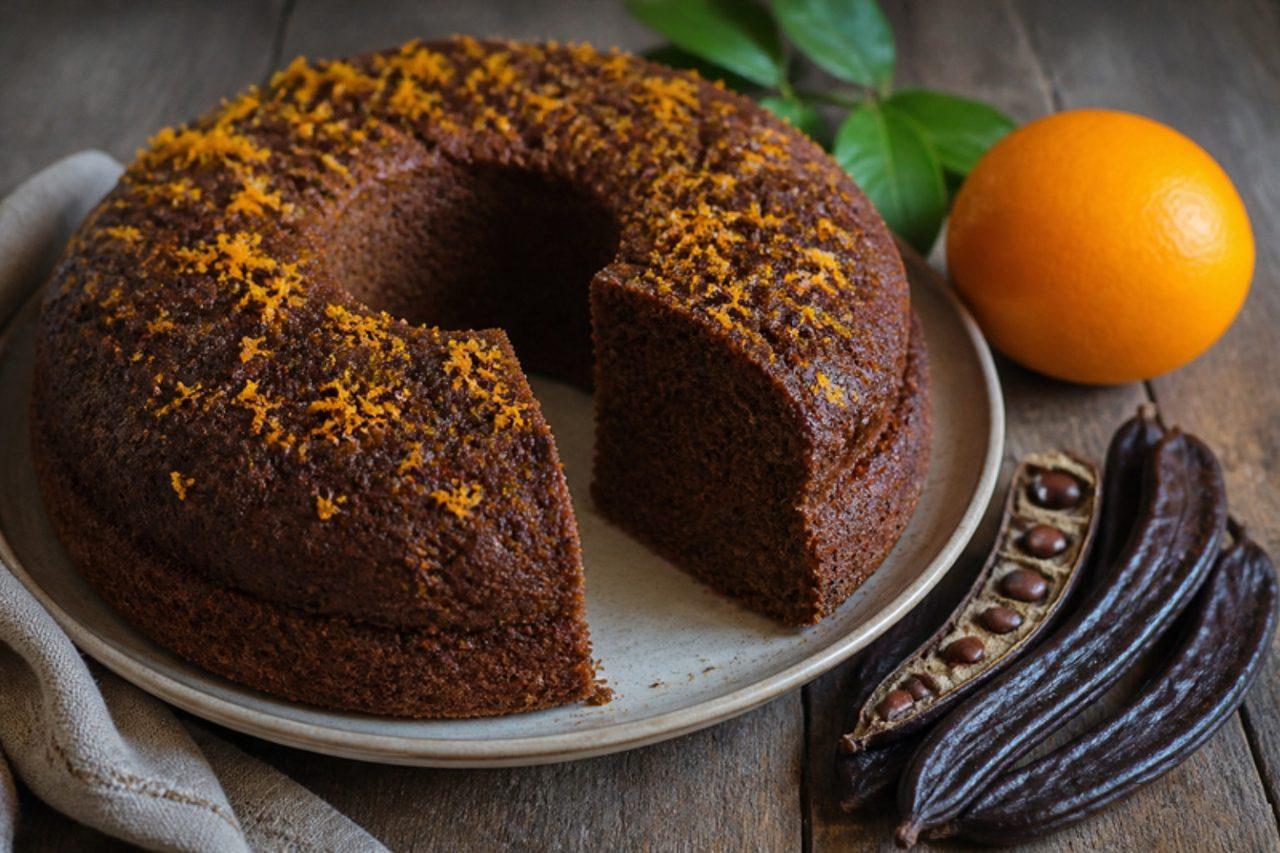
Carob trees grow all through the dry Barrocal hills behind the Algarve coast, and the toasted pods are ground into a sweet, cocoa-coloured flour that local bakers have used for generations. This cake, sold by the slice in cafés around Loulé and São Brás de Alportel, is made with olive oil and orange, so it stays moist for days. It has a gentle caramel, almost malty taste rather than a chocolate one. A common mistake is using too much carob; it is sweet and earthy and turns bitter when overdone, so stick to the amount given. Chef's tip: sieve the carob flour with the wheat flour, because it lumps easily and leaves dry pockets in the crumb.

by KrazyBadal 0 views

Bollo de yucaBoiled cassava bundles

Along the Caribbean coast from Cartagena to Santa Marta, the bollo de yuca is a staple to set beside fried fish, a bowl of soup or a slice of fresh white cheese. Raw cassava is grated, kneaded with a little salt and sometimes a few anise seeds, then wrapped and boiled until it turns translucent and pleasantly chewy, with a mild, slightly sweet flavour. Market sellers stack them by the dozen, and they keep well, so many households buy enough for several days. Cassava must always be fully cooked and peeled down past the pink inner layer, since the raw root contains natural toxins that cooking removes. Squeezing the grated cassava too hard is the error that ruins it: bone-dry dough gives tough, rubbery bollos, so you only want to press out the loose juice. Frozen grated cassava from Latin or African shops works well. Chef's tip: wet your hands before rolling the logs, because the starch sticks to dry palms.

by KrazyBadal 0 views

Pollo chi jau kayFried chicken in oyster sauce

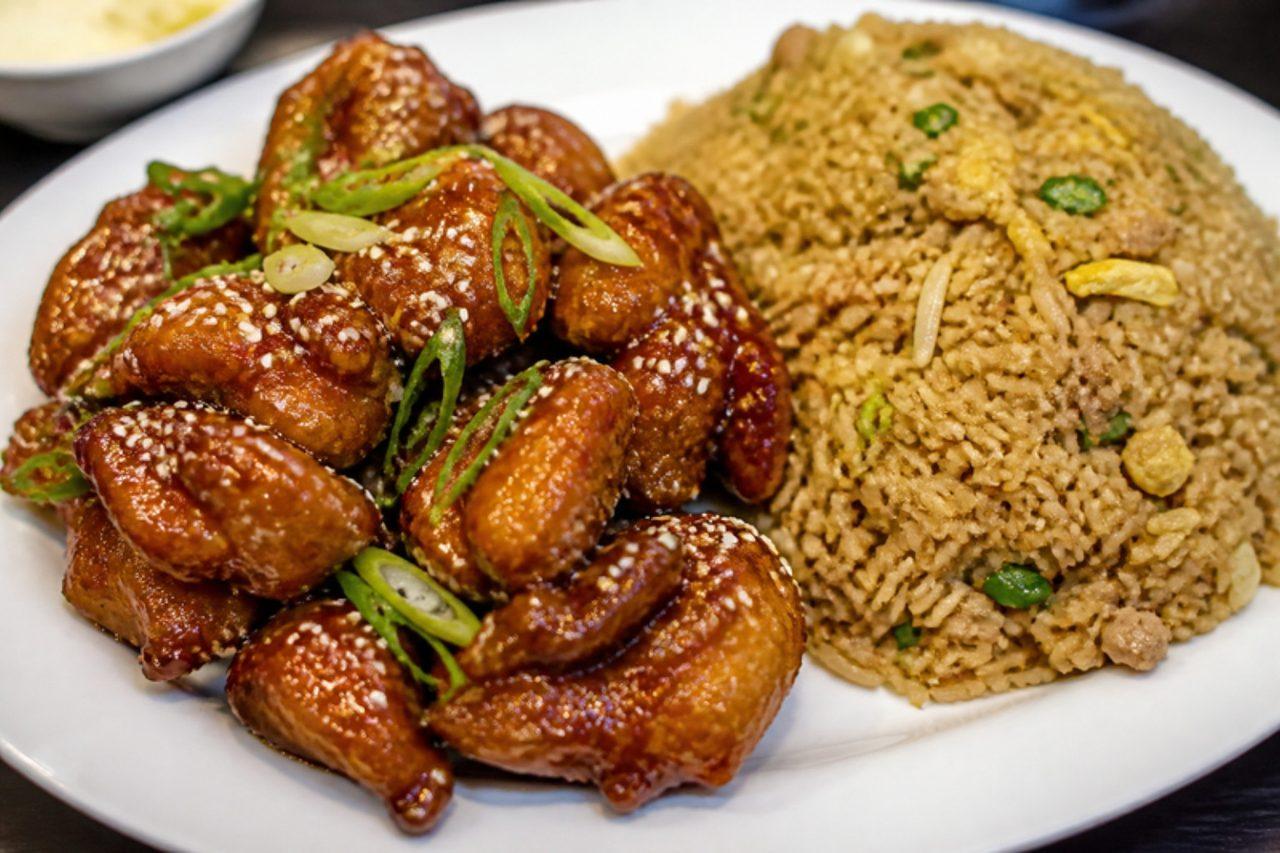
Any chifa in Lima, from the old dining rooms of Barrio Chino on Calle Capón to the corner chifa in every district, will have chi jau kay on the menu: boneless chicken marinated in soy and ginger, fried in a crisp coating and served under a dark, glossy oyster sauce, scattered with sesame seeds and spring onion. The crust stays crunchy where the sauce hasn't reached and goes sticky where it has. It is shared with arroz chaufa or plain rice and a Chinese soup. The usual misstep is tossing the chicken in the sauce in the pan, which makes it soggy; Lima chifas pour the sauce over at the table. Chef's tip: fry the chicken twice, once to cook and once very hot for a minute to crisp, and it will stay crunchy under the sauce.

by KrazyBadal 0 views

Confit de canard, pommes sarladaisesDuck confit with garlic potatoes

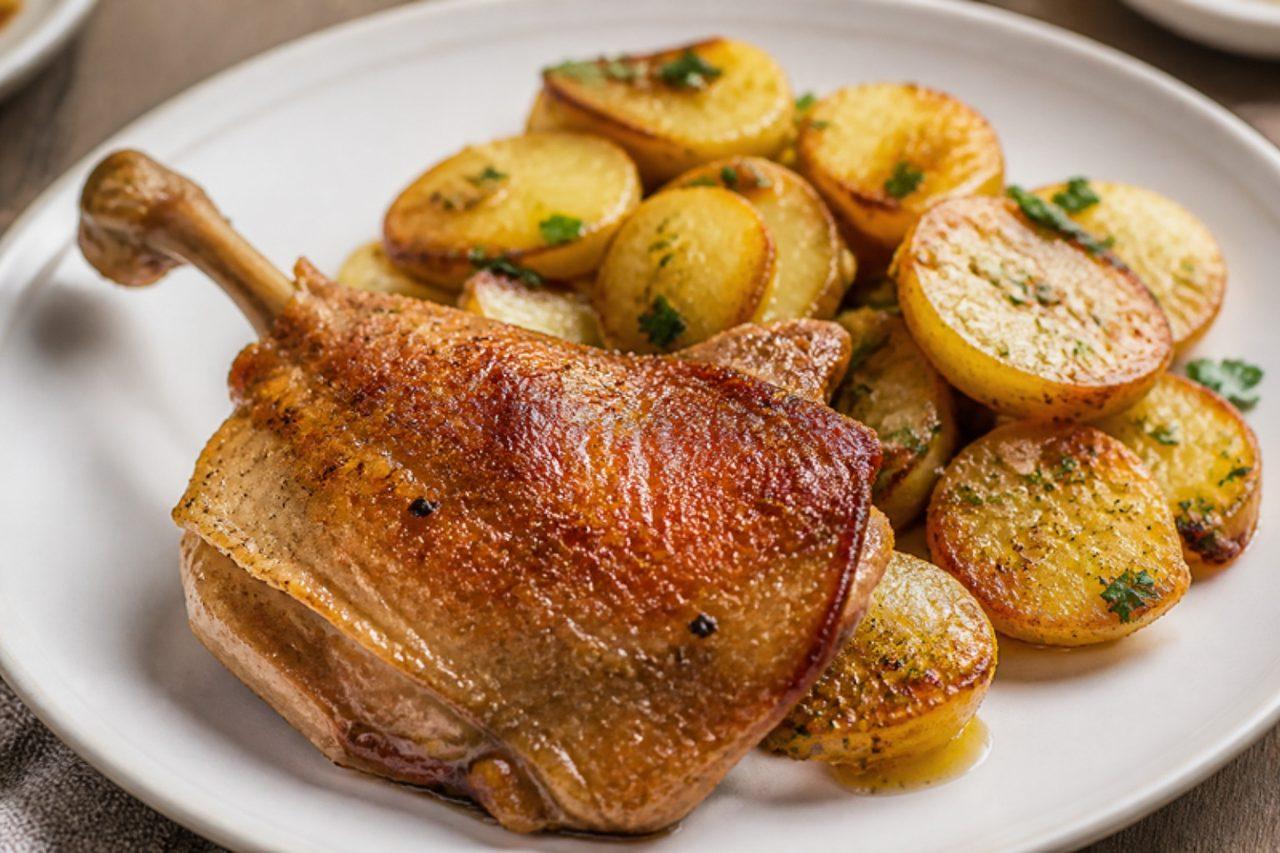
Every farmhouse in the Périgord and Gascony once lined its larder with stoneware jars of confit, duck legs salted, cooked slowly in their own fat and sealed under it to last the winter. Today it is the order of the day at Sarlat's Saturday market restaurants, served with pommes sarladaises: potato slices fried in that same duck fat until golden, then tossed with garlic and parsley. The skin should crackle and the meat should fall from the bone in soft, savoury shreds. The legs are cured for 12–24 hours in the fridge before cooking, so start the day before; a sharp green salad with walnut oil is all it needs alongside. Chef's tip: add the garlic and parsley to the potatoes only in the last two minutes, so the garlic stays sweet instead of turning bitter.

240 minFrenchMeatGluten free
by KrazyBadal 0 views

Baccalà mantecatoWhipped salt cod

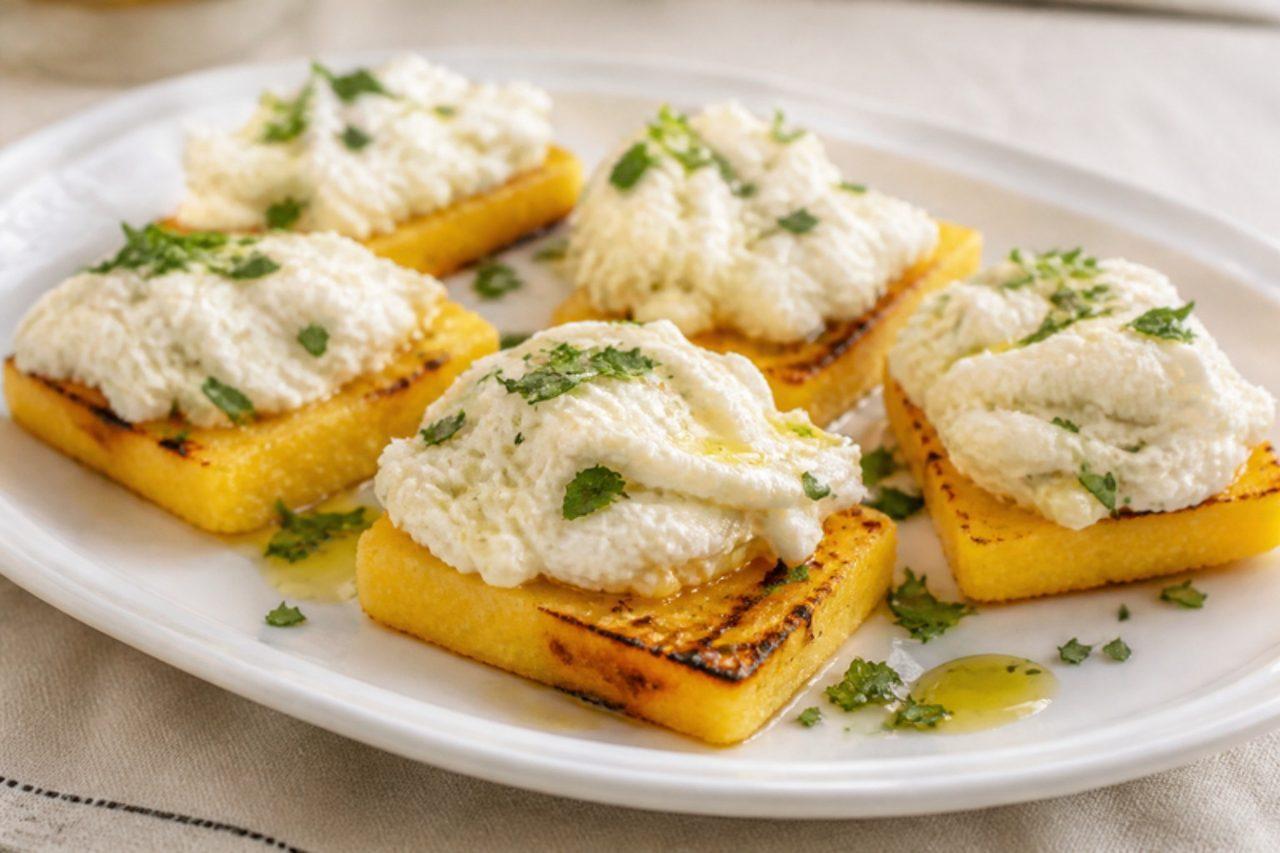
No cicchetti bar in Venice is without a bowl of baccalà mantecato: dried salt cod soaked, poached and beaten with olive oil until it turns pale, fluffy and spreadable, then piled on squares of grilled polenta or toasted bread to eat standing at the counter with a glass of something. It is mild, creamy and gently garlicky, despite containing no cream at all. Venetians traditionally use stockfish (air-dried cod), which is hard to find elsewhere, so this version uses salted cod, which is easier to buy and behaves the same way. The cod needs two days of soaking in the fridge, so start early. Chef's tip: beat the oil in a thin trickle, the way you would make mayonnaise; it is the slow addition that gives the light, creamy texture.

by KrazyBadal 0 views

Bolinho de estudanteTapioca and coconut fried fingers

Baianas de acarajé sell these next to their black-eyed pea fritters, and the name, 'student's cake', comes from how cheap and filling they are for schoolchildren in Salvador. A dough of granulated tapioca soaked in hot milk and coconut milk with grated coconut is shaped into short fingers, fried until the outside shatters, and rolled while still warm in cinnamon sugar. Inside they stay chewy and moist, a little like a coconut doughnut. Eat them with afternoon coffee, or make a tray for a festa junina. A common error is frying before the tapioca has fully absorbed the liquid, which makes the fingers burst open in the oil; give the dough its full 30-minute rest. Chef's tip: keep a bowl of water by you and wet your hands while shaping, so the sticky dough rolls into smooth fingers that fry evenly.

by KrazyBadal 0 views

AmbrosiaSweet milk and egg curds

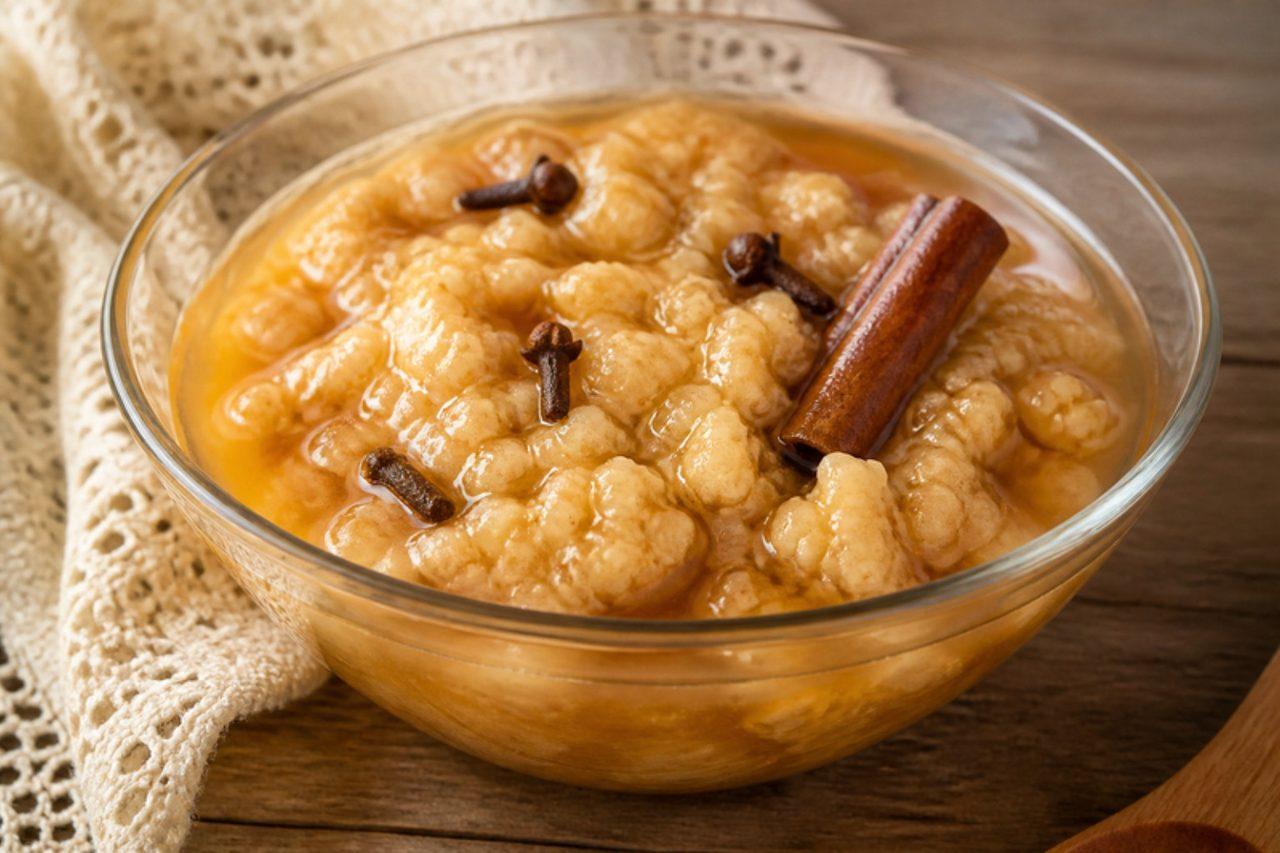
Found in glass jars at farm-shop counters in Minas Gerais and on the dessert tables of gaúcho family lunches, ambrosia is an old Portuguese-rooted sweet that turns milk, eggs and sugar into soft, golden curds bathed in a caramel-coloured syrup. The eggs are poured into the sweet milk and then left to set and simmer for an hour with clove and cinnamon, so the curds form large and tender rather than scrambled. Cold from the fridge it is creamy, eggy and fragrant, rather like a rustic crème caramel broken into pieces. Serve small bowls with a slice of fresh cheese or nothing at all. Where most people go wrong is stirring as soon as the eggs go in; that breaks the curd into grainy crumbs, so wait until it has set before moving it gently. Chef's tip: a squeeze of lemon juice into the milk before the eggs helps the curds form quickly and keeps them in large, tender clouds.

by KrazyBadal 0 views

Showing 81 of 7,762 recipes

Show more recipes

Page 406 of 863