


Skip to content
Bánh da lợn
Featured recipe

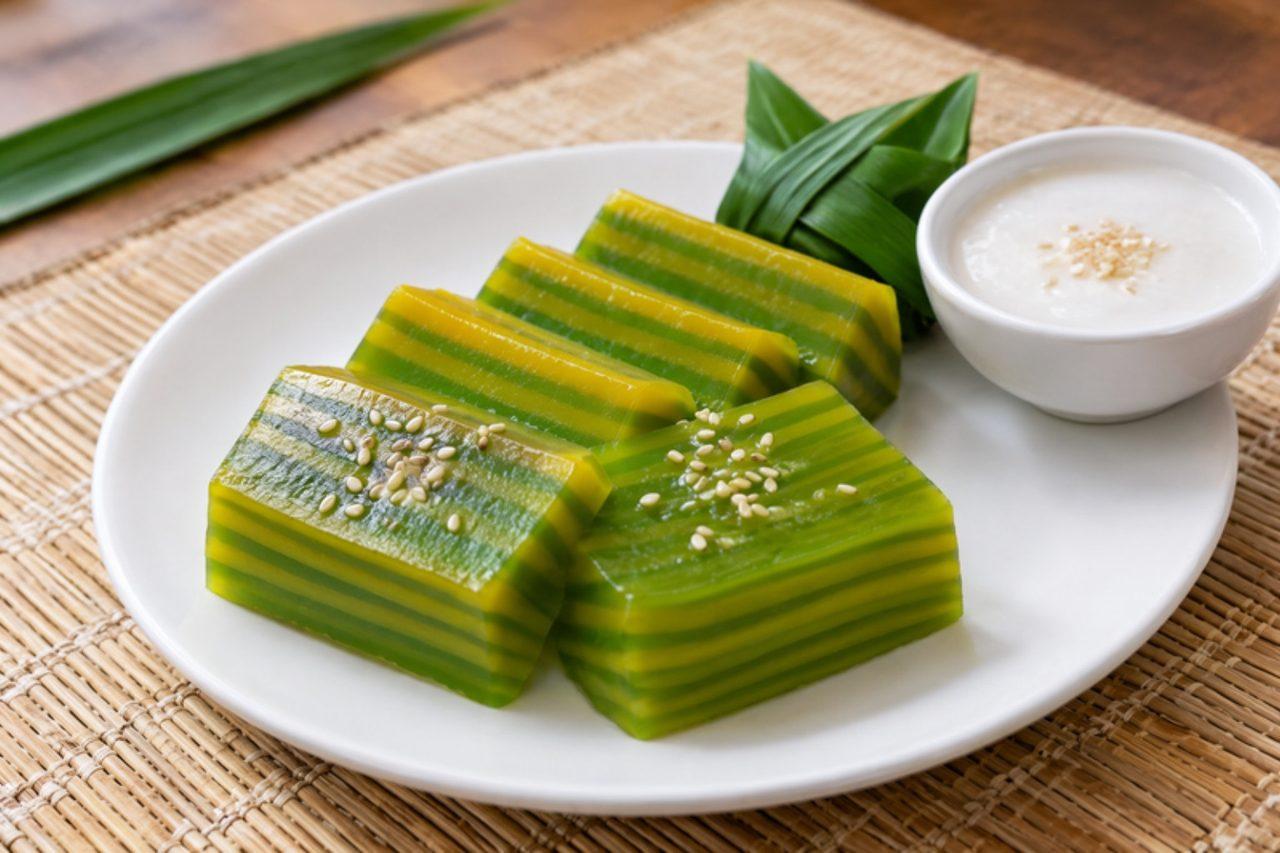
Bánh da lợn

Steamed layer cake

Bánh da lợn is piled up in glistening slabs at the dessert stalls of Bến Thành Market and on the trays of Saigon's afternoon sweet sellers. Thin layers of tapioca and coconut batter are steamed one at a time, alternating fragrant pandan green with nutty mung bean yellow, so every slice shows neat stripes and has a soft, bouncy, slightly springy bite. People peel the layers off one by one, especially children. Chef's tip: let each layer set until it turns translucent before pouring the next, or the colours run into each other.

Read more 0 views

What to eat today?

Around the world

Today's trip: Persian

A new country every day, from every cuisine on the site.

Persian

Dizi

Lamb and chickpea stew 245 minMore from Persian (131) →

This week's collection

Kid-friendly dinners
578 recipes · a new collection every Monday

Latest recipes

Putu piringPalm sugar steamed rice cakes

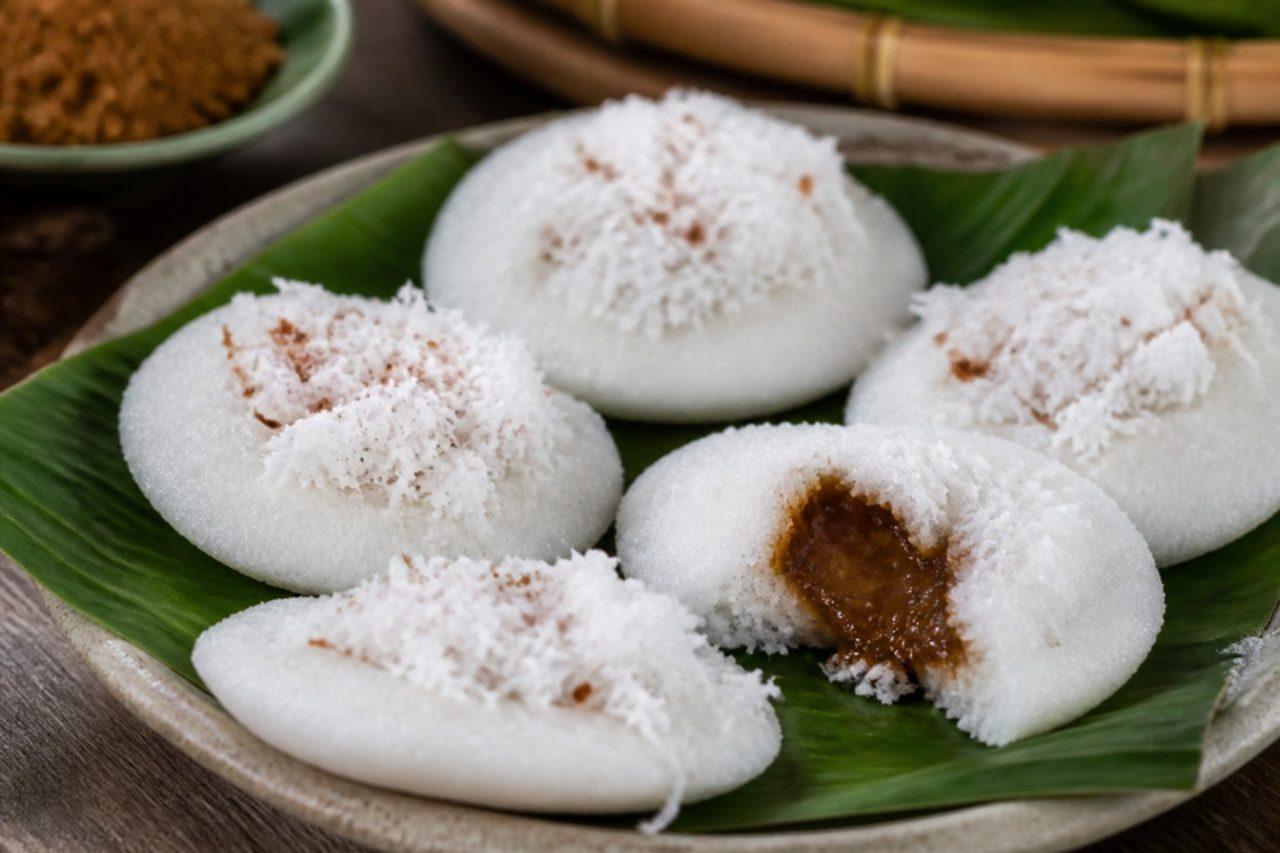
Long lines form outside the putu piring stalls around Haig Road and Geylang Serai, especially in the evenings of Ramadan, for these soft white discs steamed one by one in shallow cone-shaped moulds. Each one hides a centre of gula melaka that melts into a dark, smoky syrup, and the cakes come off the steamer on a pandan leaf with a heap of fresh grated coconut, lightly salted, on top. The texture is crumbly and light, and the salt in the coconut keeps the palm sugar from cloying; eat them hot, with a cup of teh. The usual mistake is chopping the gula melaka too coarsely, so the big chunks never melt and stay grainy; shave or chop it fine. Chef's tip: steam the grated coconut with a pinch of salt and a pandan leaf for a few minutes first, so it stays fresh-tasting and keeps longer.

by KrazyBadal 0 views

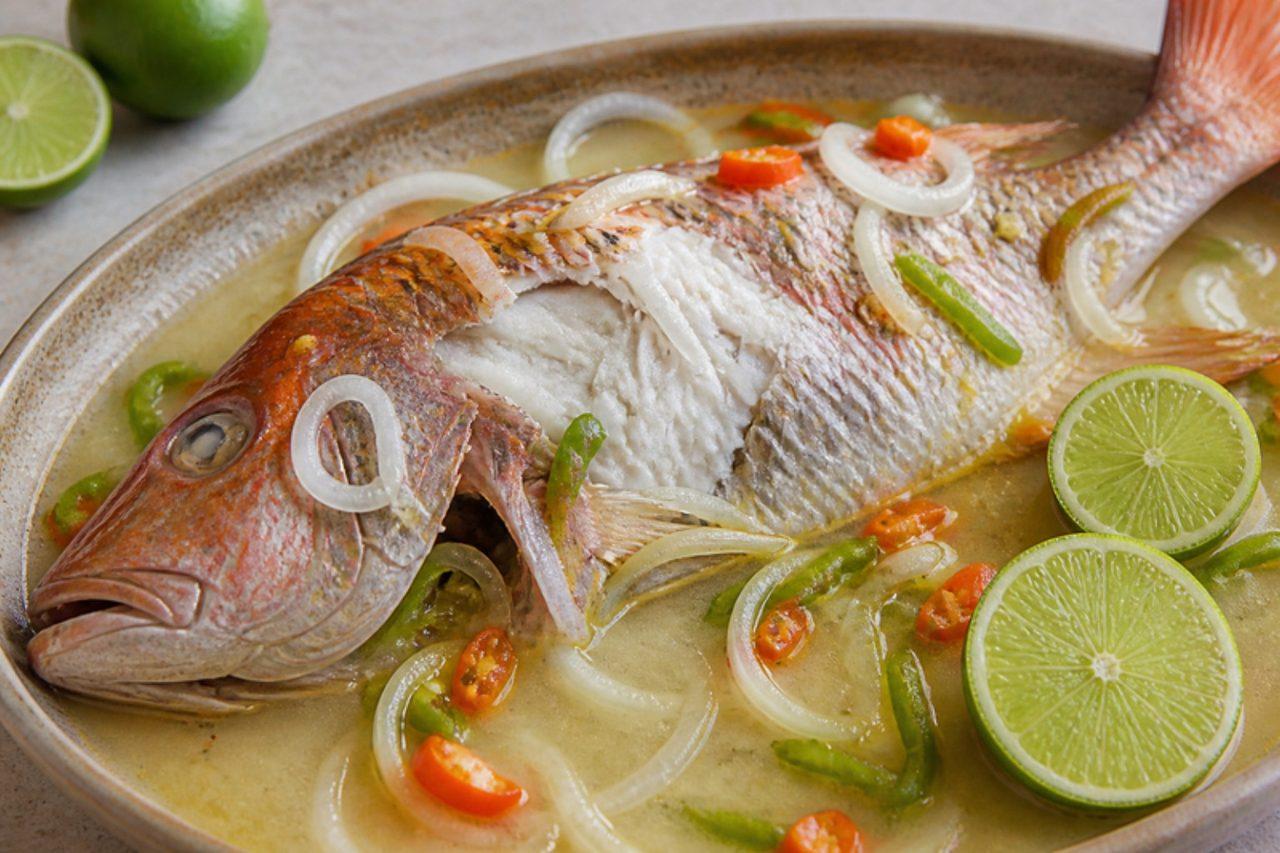
Pwason gwo sèlFish poached in lime broth

Fishing villages on Haiti's southern coast make pwason gwo sèl, "big-salt fish", when the catch is fresh: whole snapper rubbed with lime and coarse salt, then gently poached in a peppery broth with onion, peppers, thyme and a whole scotch bonnet. The fish stays moist and clean-tasting, and the light broth is spooned over boiled plantain or rice. The common mistake is boiling it hard, which breaks the flesh; keep it at a gentle shiver. Ask for the fish scaled and gutted. Chef's tip: slash the fish twice on each side and push epis into the cuts so the flavour reaches the bone.

by KrazyBadal 0 views

PyshkiRing doughnuts

On Bolshaya Konyushennaya street in St Petersburg a small pyshechnaya has been frying these since the 1950s, and locals will tell you firmly that a pyshka is not a ponchik, the filled Moscow doughnut. They come in a paper bag five or six at a time, so hot that the icing sugar melts at the edges, with a glass of sweet milky coffee from a big urn. The soft, fairly wet yeast dough gives a light, open crumb inside a thin golden shell. The usual slip is oil that is too cool: the rings soak it up and turn heavy, so keep a thermometer in the pan at 175 °C. Chef's tip: set each shaped ring on its own small square of baking paper and lower the paper into the oil with it; the paper slips off after a few seconds and the ring stays perfectly round.

by KrazyBadal 0 views

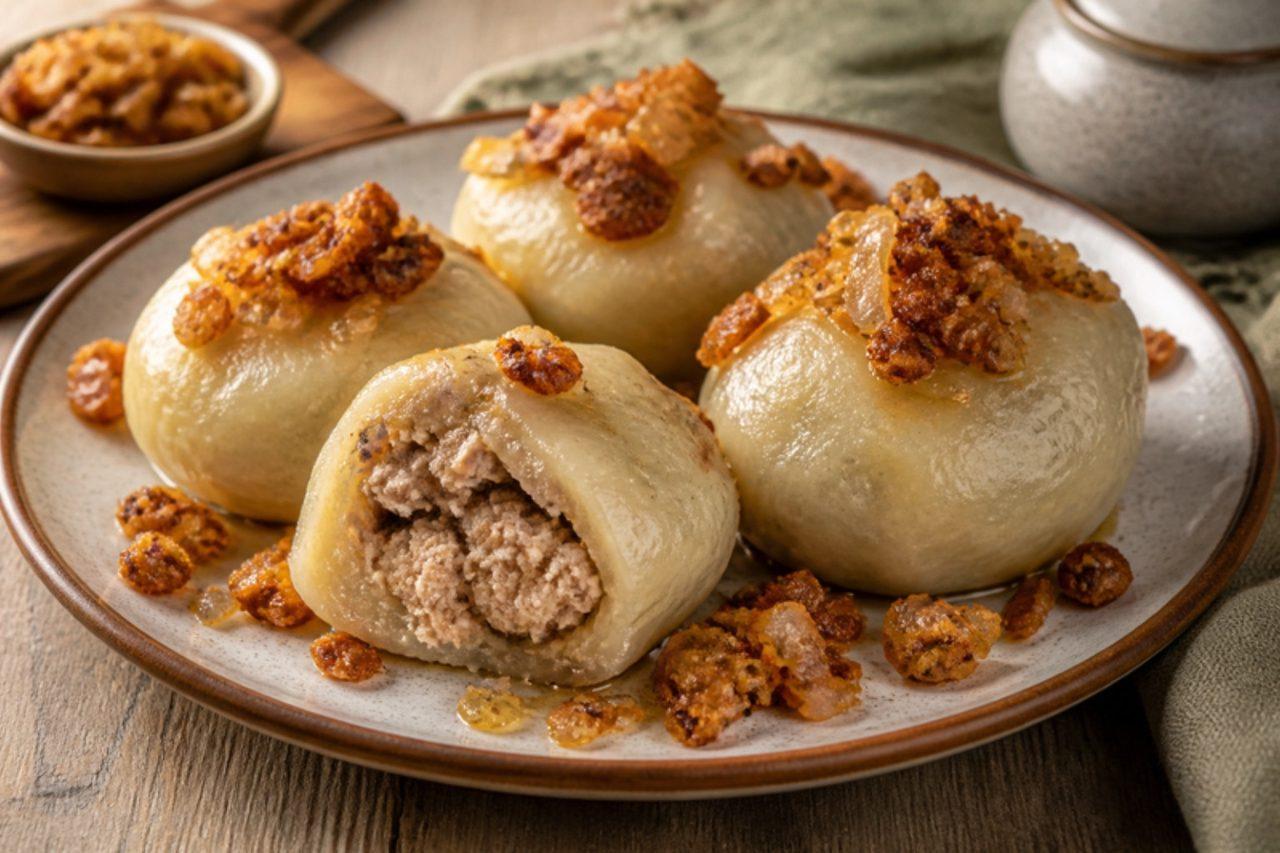
Pyzy z mięsemPork-filled potato dumplings

Old Warsaw's Praga district made pyzy famous: at the Bazar Różyckiego market, traders once ladled them hot from jars wrapped in blankets. These are large, soft balls of raw and boiled potato, filled with seasoned minced pork and topped with fried onion and crisp pork crackling (skwarki) that drips its fat over the plate. The outside is silky and slightly chewy, the middle savoury with marjoram. A glass of kefir or a bowl of sauerkraut salad cuts the richness. The pitfall is leaving too much water in the grated raw potato, so the dough is sticky and the dumplings fall apart. Chef's tip: let the squeezed potato liquid stand for 10 minutes, pour off the water and scrape the white starch at the bottom back into the dough; it binds everything for free.

90 minPolishMeat
by KrazyBadal 0 views

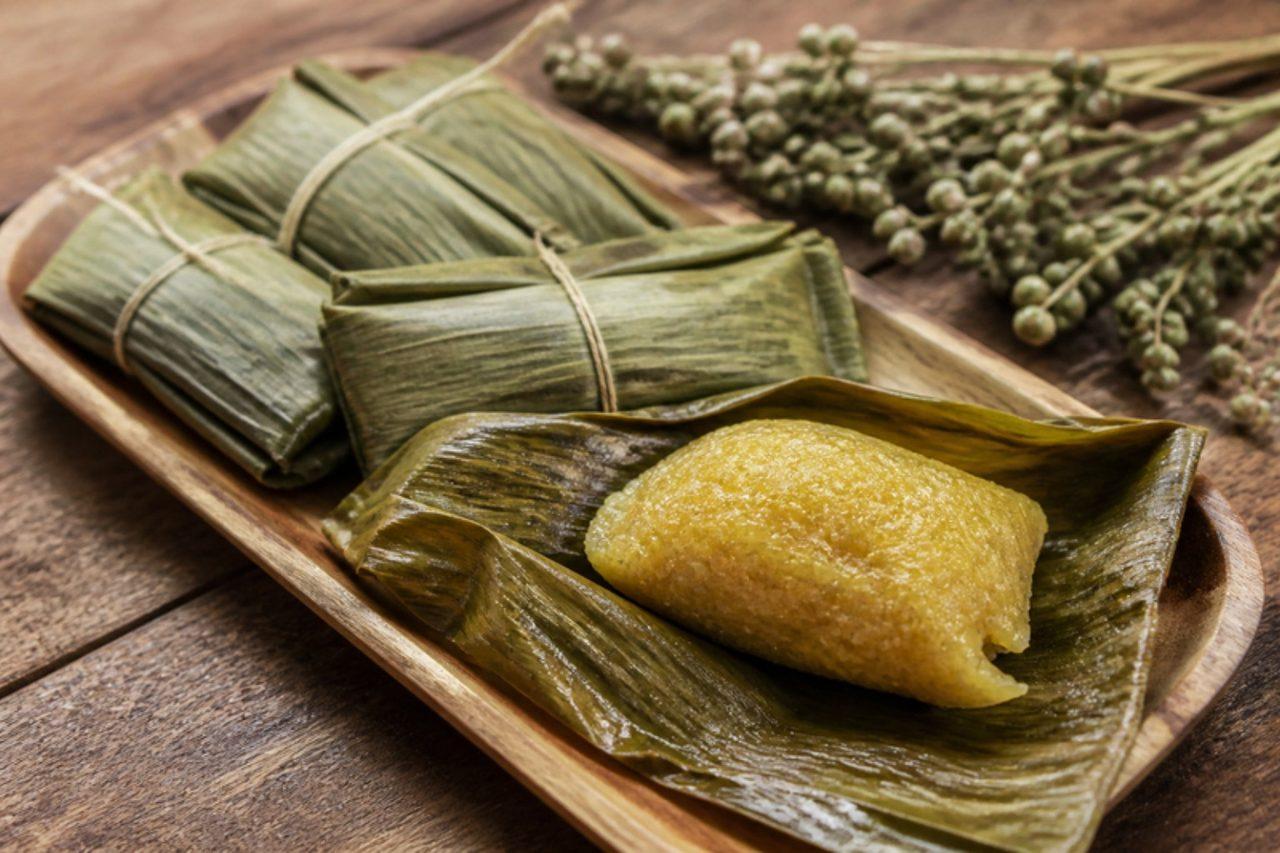
Millet mochi (abai)Pork-filled millet dumplings

Paiwan and Rukai families in the mountains of Pingtung and Taitung make abai for harvest festivals, weddings and visitors, and roadside stalls in southern Taiwan sell them warm, still in their leaves. A sticky dough of millet is spread on an inner leaf, wrapped around a seasoned pork filling, then tied in an outer leaf and steamed, so each parcel comes out dense, chewy and gently perfumed by the leaves. Traditionally the inner leaf is djinavu (a soft local leaf) and the outer is shell ginger; banana leaves work well at home. A common mistake is wrapping too loosely, so steam gets in and the dough turns soggy; fold the parcels snugly and tie them firmly. Chef's tip: use wet hands to spread the dough, and keep the layer even, about 1 cm thick, so the centre cooks in the same time as the edges.

by KrazyBadal 0 views

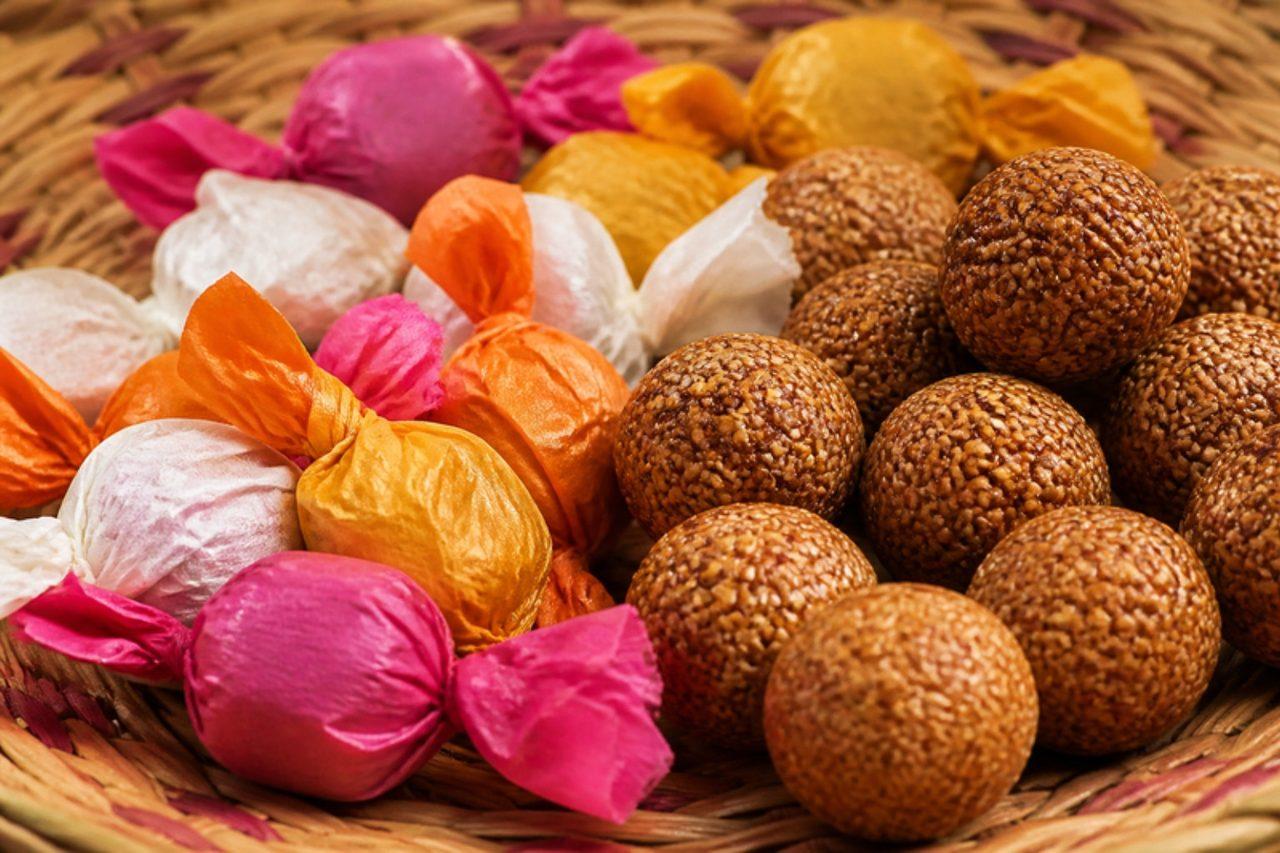
Thala guliSesame and jaggery balls

Small boutique shops all over Sri Lanka hang strings of thala guli by the till, each ball wrapped in a twist of coloured paper, and children spend their coins on them on the way home from school. They also have a place on the Avurudu table and at almsgivings, as sesame is considered an auspicious, strengthening food. Toasted sesame seeds are pounded with jaggery and a pinch of salt until the oil comes out and the mixture holds together, then rolled into little balls that are rich, nutty, slightly bitter and sweet. No cooking beyond toasting is needed, so they take barely twenty minutes. Under-toasting the seeds is the trap: pale seeds taste raw and will not release enough oil to bind, so roast until they pop and turn evenly golden. Chef's tip: pound while the seeds are still warm, when they give up their oil easily; a food processor in short pulses works too.

by KrazyBadal 0 views

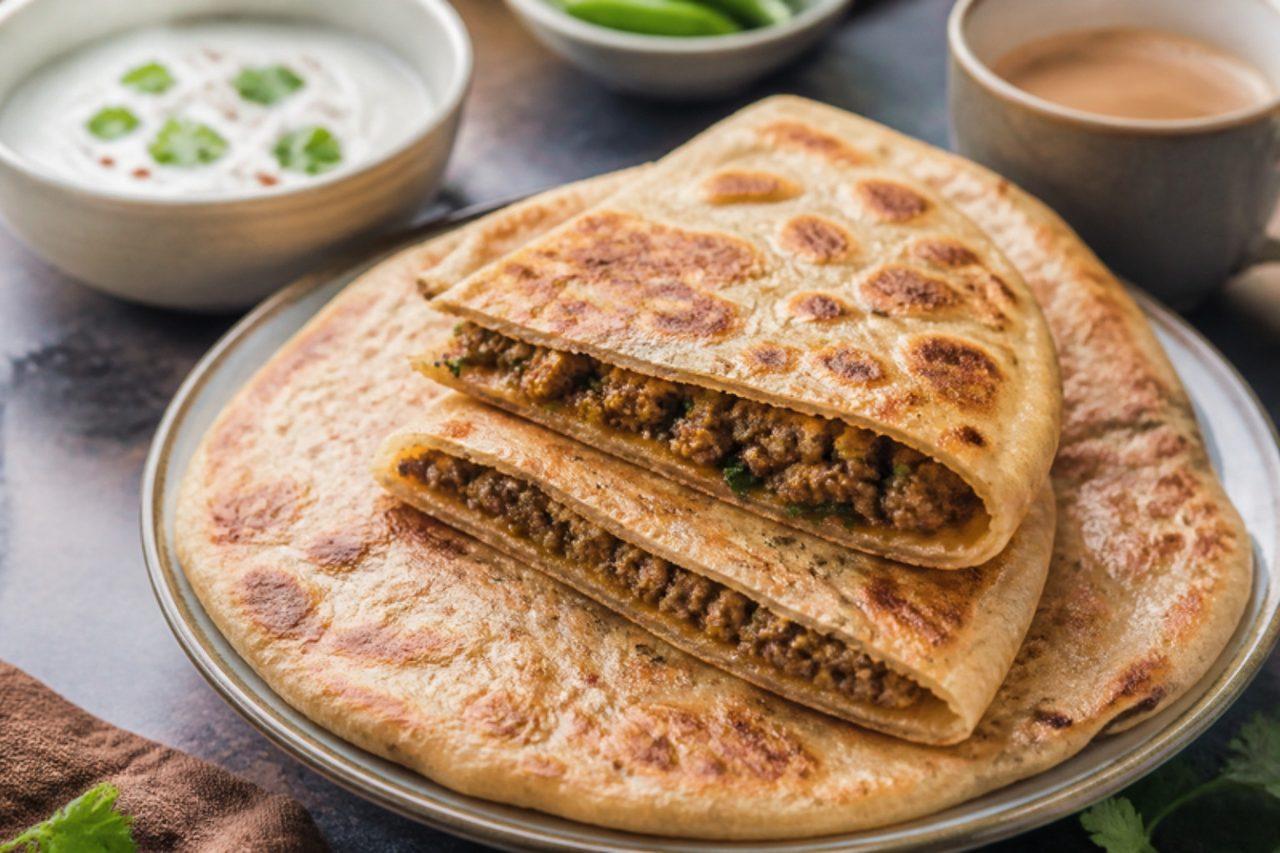
Qeema parathaMince-stuffed paratha

Leftover keema from last night's dinner becomes the best breakfast in a Pakistani kitchen, cooked dry, packed into paratha dough and fried on a tawa until crisp and flaky, then served with a cup of strong doodh patti chai and a bowl of yogurt. It is weekend nashta from Islamabad to Hyderabad, and roadside dhabas on the GT Road make it to order for truck drivers before dawn. The filling is savoury, fragrant with cumin and green chilli, and lifted with onion and coriander. A wet filling is the big hazard; it tears the dough and steams instead of crisping, so cook the mince until completely dry and let it cool before stuffing. Chef's tip: mince the cooked keema briefly in a food processor so it is fine and spreads evenly, giving thinner, flakier parathas that do not split.

by KrazyBadal 0 views

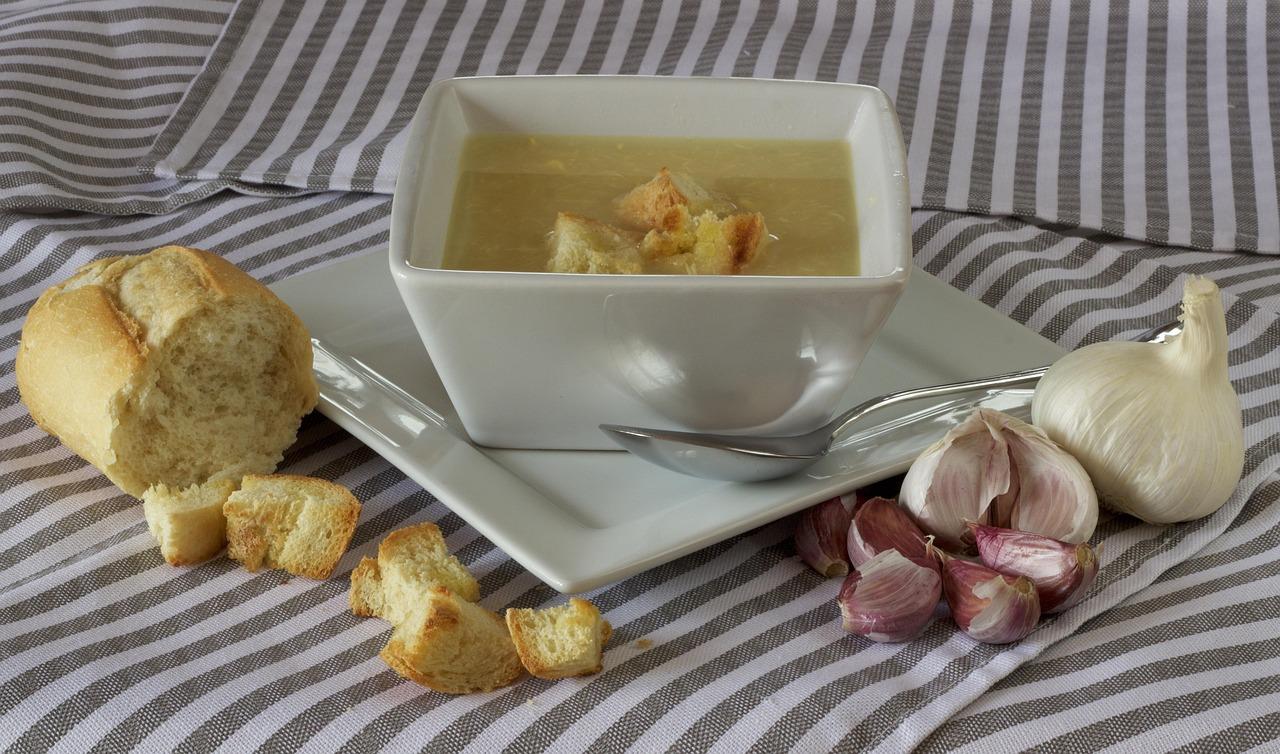
WodzionkaGarlic and rye bread soup

Miners' families in Upper Silesia made this from almost nothing: a few slices of yesterday's rye bread, a garlic clove, a knob of butter and boiling water poured straight into the bowl. Called brotzupa by some older Silesians, it still turns up in Zabrze and Ruda Śląska homes as a cheap, soothing supper, and newer versions use vegetable stock and add caraway or a fried onion. The bread softens into a rich, garlicky porridge with crisp-edged croutons on top. The usual slip is using fresh bread, which turns to slime; it has to be properly dry. Chef's tip: toast the cubes in butter first for a nuttier flavour and a little crunch.

by KrazyBadal 0 views

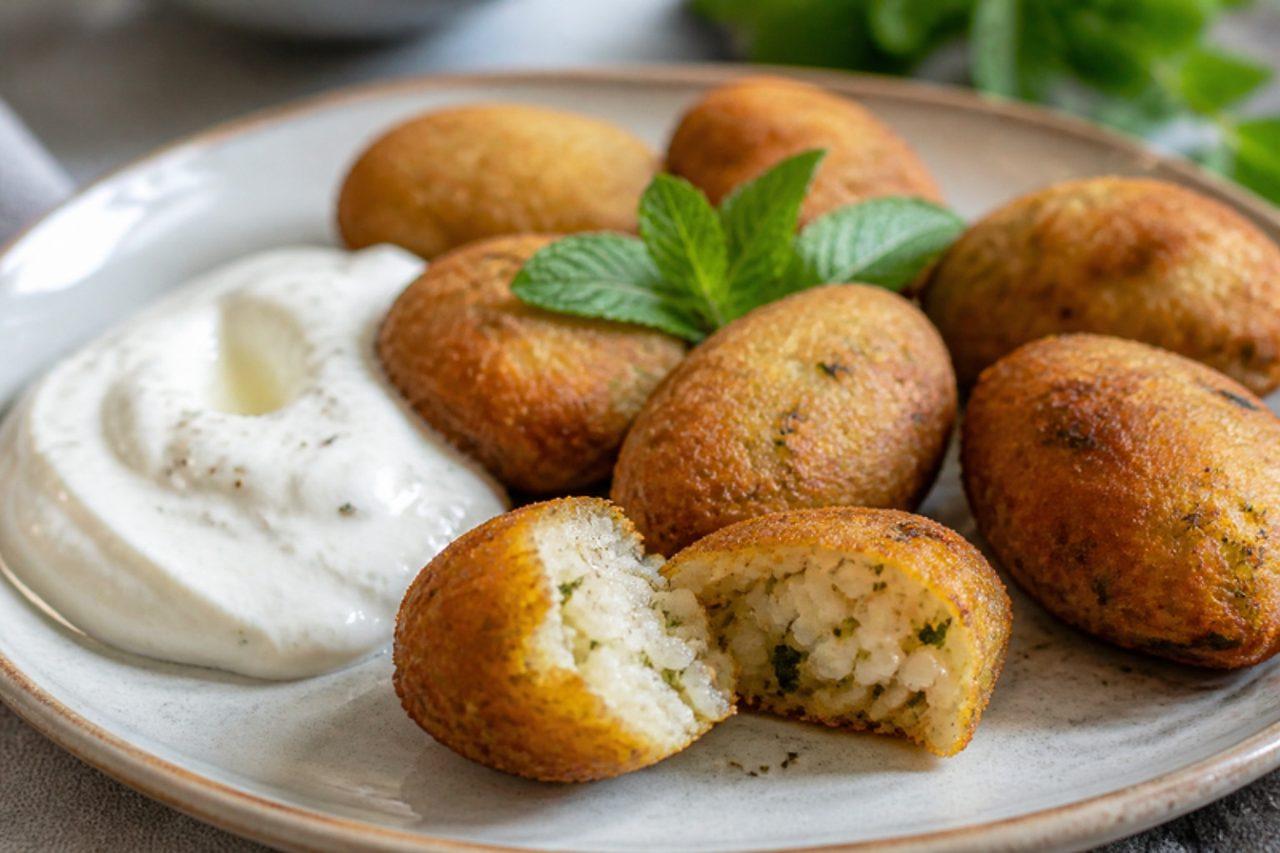
QifqiRice balls with egg and mint

Walk the steep cobbled lanes of Gjirokastër, the stone city of southern Albania, and you may catch the smell of qifqi frying: small egg-bound rice balls flavoured with dried mint and plenty of black pepper, traditionally cooked in a heavy pan with round hollows called a qifqilore. Golden and crisp outside, soft and slightly sticky inside, they appear as a meze with yogurt and pickles, or as a light supper with a tomato and cucumber salad. A frying pan works perfectly well at home. Rice cooked too wet is the classic error, because sloppy grains never hold a shape; cook it until every drop of water is absorbed and let it cool before mixing. Chef's tip: wet your hands and squeeze each ball firmly, like a snowball, before flattening it slightly; a loosely packed ball splits as soon as it hits the oil.

by KrazyBadal 0 views

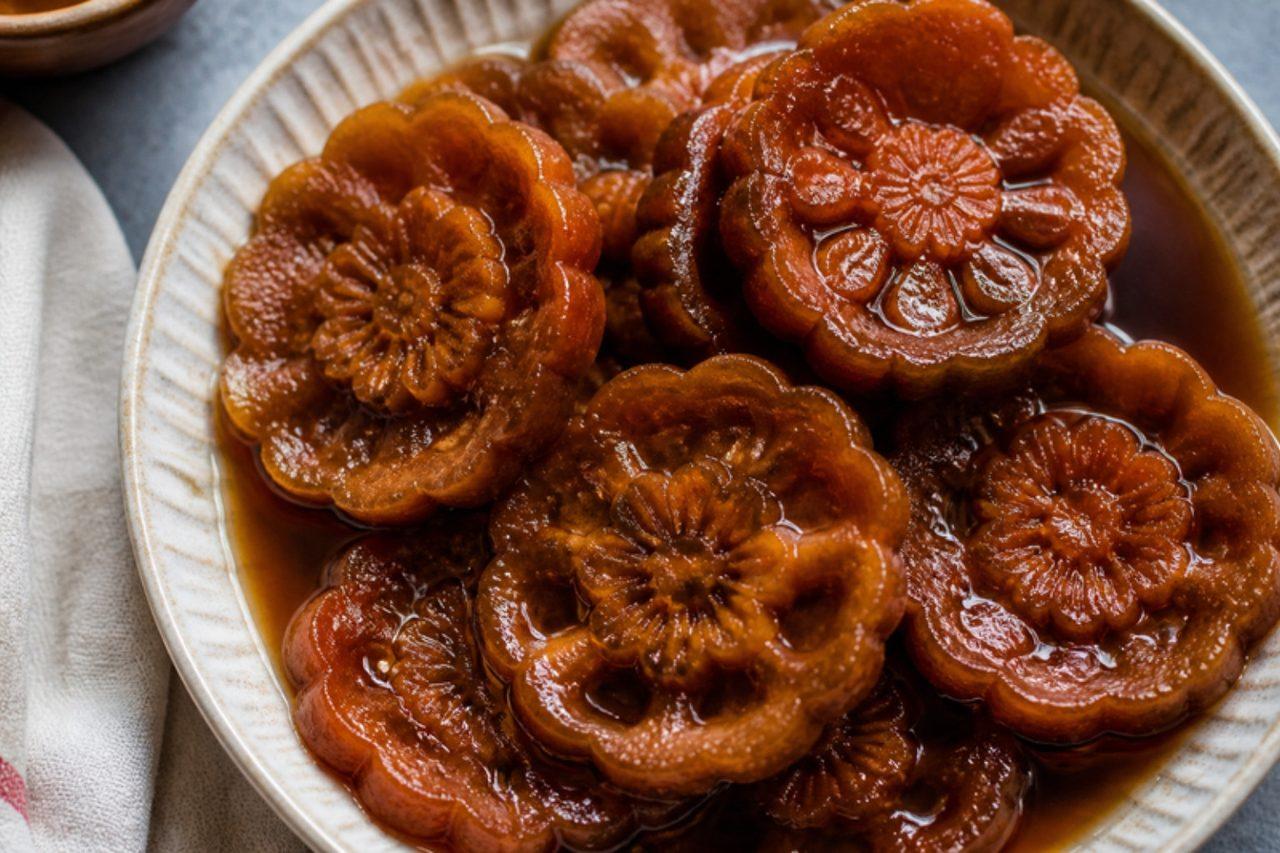
Pakan pithaFried rice flowers in date syrup

Pakan pitha belongs to the long nights of the Bengali month of Poush, when village kitchens in Rajshahi, Bogura and the Mymensingh plains make batch after batch for guests and for relatives coming home for the harvest. Smaller and quicker than nakshi pitha, each cake is cut into a flower and stamped with a carved wooden pitha mould or the tines of a fork, fried until crunchy, then dipped in syrup made with khejur gur, the date-palm jaggery that gives it a smoky, caramel colour and taste. The outside softens slightly in the syrup while the centre stays crisp, and they are eaten warm with tea or kept in a tin for visitors. Frying straight from the board with the dough warm and sticky makes the shapes collapse, so let the cut flowers dry for 10 minutes first. Chef's tip: a little sugar in the dough helps the pitha colour evenly.

by KrazyBadal 0 views

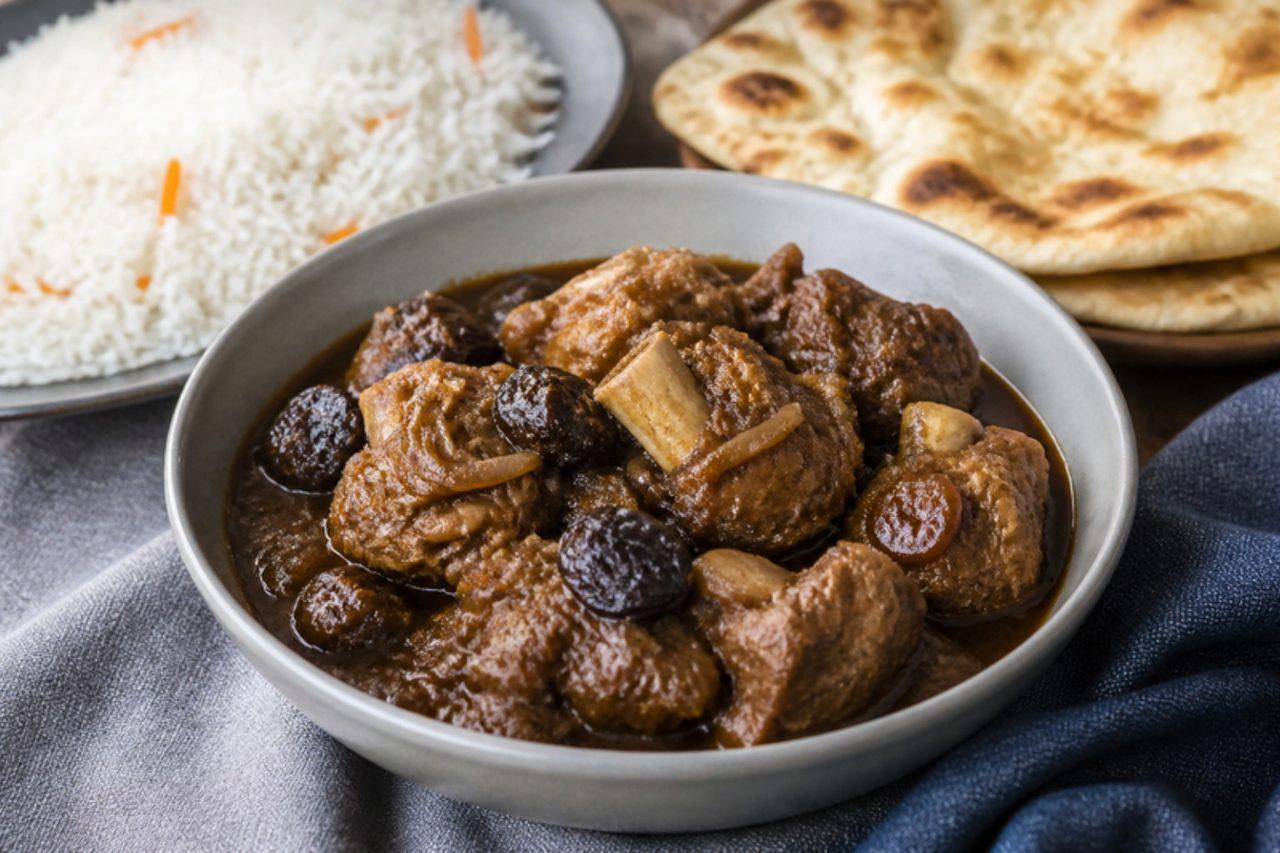
Qorma-e-alu bukharaLamb stew with dried plums

Of all the qormas served at Kabul dinner parties, the one with alu bukhara, small sour dried plums, is the one guests remember: lamb braised slowly in a dark sauce of caramelised onion, garlic and warm spices, with plums that collapse into it and leave a sweet-sour tang that cuts through the richness. It is ladled over chalow or eaten with naan, often alongside a lighter vegetable dish and a bowl of yogurt. Chicken works too, using thighs on the bone and halving the simmering time. Pale, half-fried onions give a thin, sweet sauce with none of the proper colour, so be patient and take them to a deep chestnut brown. Chef's tip: add the plums for the last half hour only; if they cook from the start they vanish completely and make the sauce too sour.

105 minAfghanMeatGluten free
by KrazyBadal 0 views

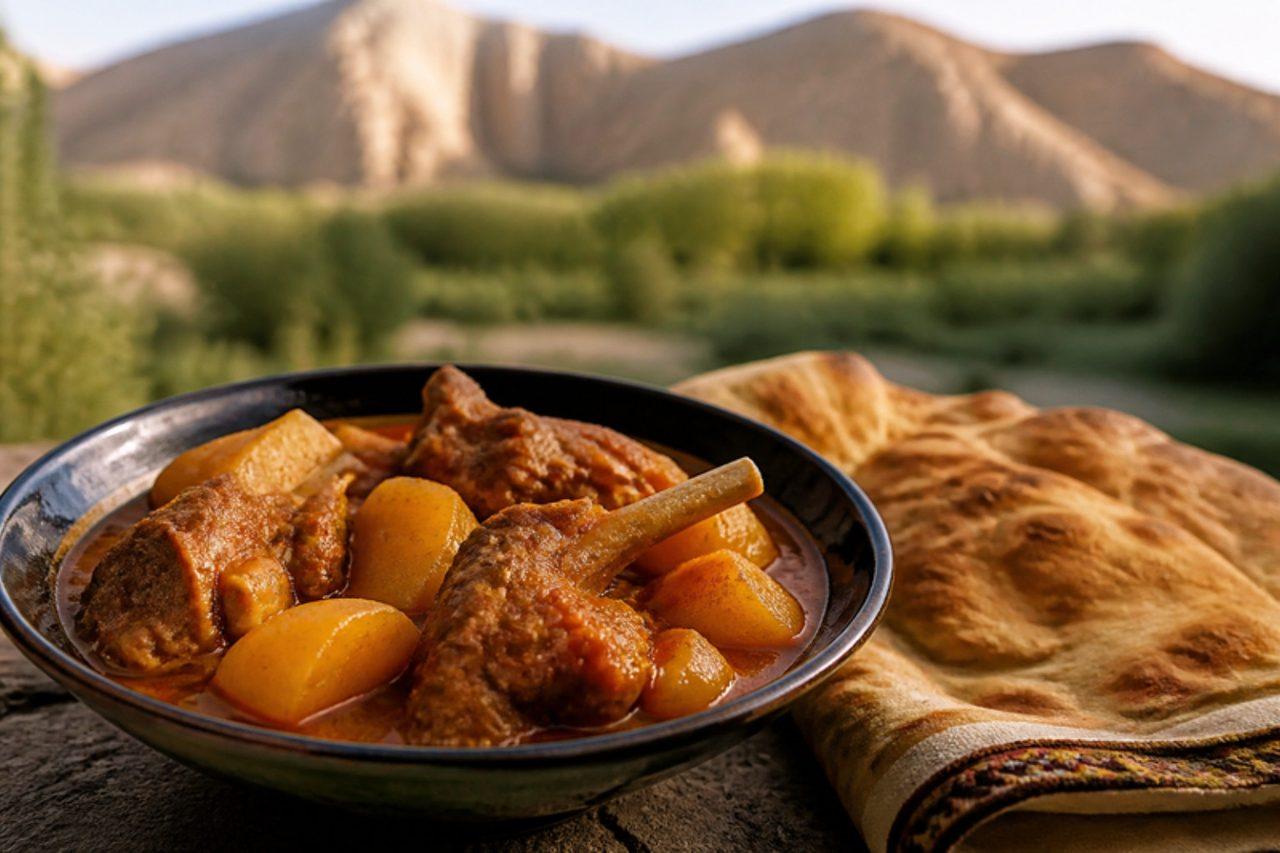
Qorma-e-kachalooPotato and lamb stew

The Bamiyan valley is famous across Afghanistan for its potatoes, grown in terraced fields below the cliffs, and Hazara families turn them into qorma-e-kachaloo, a homely stew where chunks of potato soak up an onion and tomato sauce made rich by a modest amount of lamb. The potatoes go soft and slightly floury at the edges, thickening the sauce, and the dish is eaten with naan or bata on long winter evenings. It is just as often made without meat: use a tin of chickpeas instead of the lamb and cut the cooking time to about 35 minutes. Potatoes added at the start disintegrate long before the lamb is tender, so give the meat a head start. Chef's tip: cut the potatoes into large chunks and fry them briefly in the oil before they join the stew, so they hold their shape.

by KrazyBadal 0 views

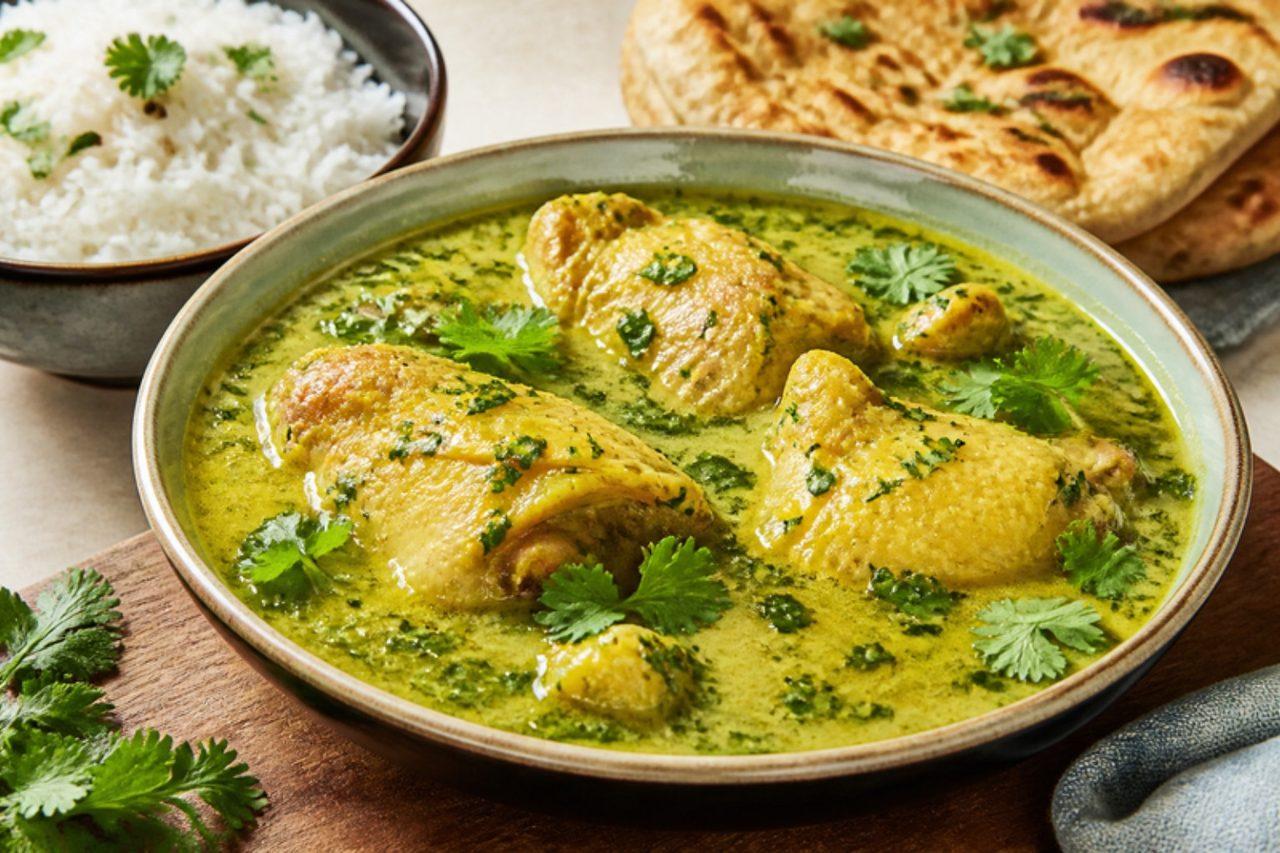
Qorma-e-lawandChicken in yogurt coriander sauce

Lawand is the gentle member of the Kabul qorma family, the one cooked for children, for guests who don't eat chilli and for anyone recovering from illness: pieces of chicken simmered with onion, garlic and turmeric, then folded into a creamy yogurt sauce thick with chopped fresh coriander. The sauce is pale gold, tangy and smooth, and it is always served with rice, usually chalow or soft bata, to soak it up. Lamb can be used instead; simmer it for about 70 minutes before the yogurt goes in. Boiling the sauce once the yogurt is added makes it curdle into grainy specks, which is why it must only shiver gently. Chef's tip: beat a teaspoon of cornflour into the yogurt first; it stabilises it so the sauce stays silky.

by KrazyBadal 0 views

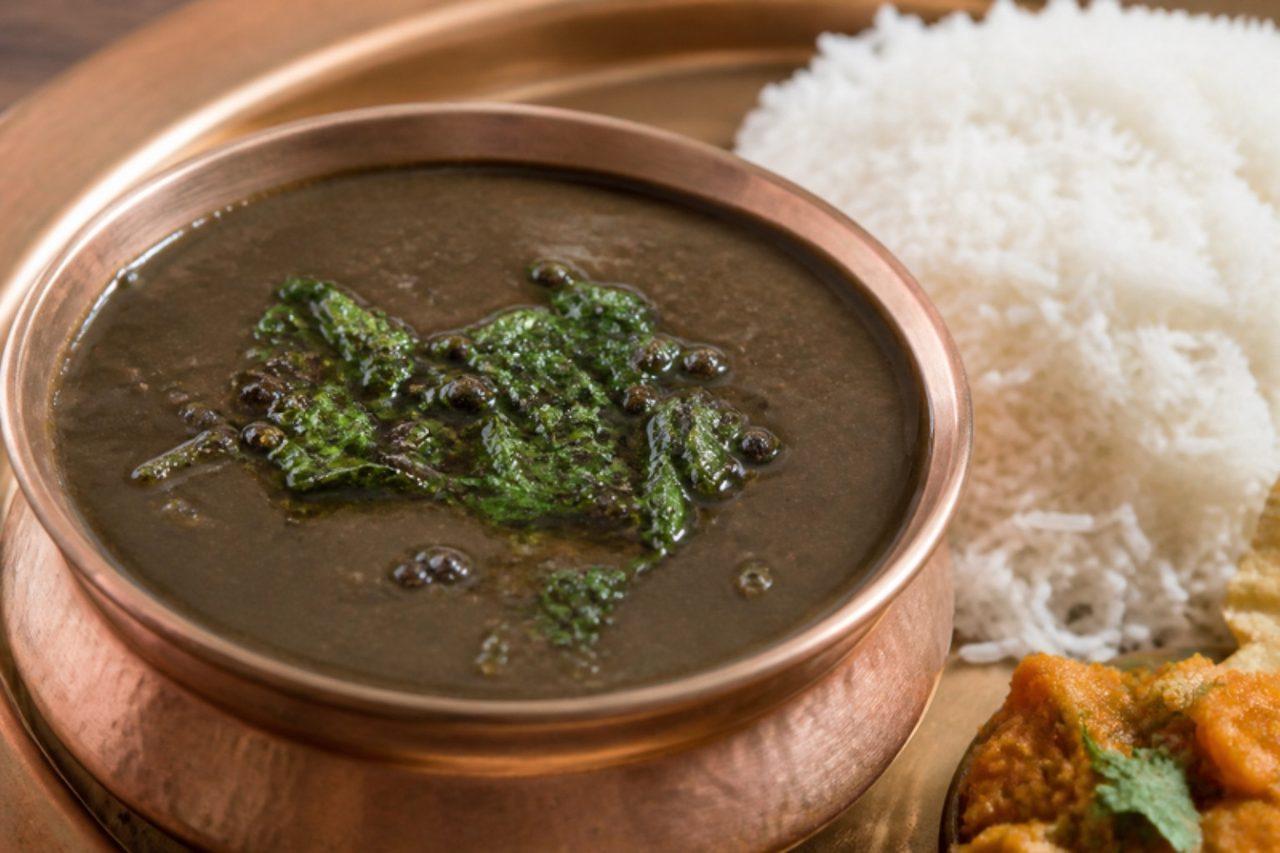
Thakali kalo dalBlack lentil dal

Trekkers on the Annapurna circuit meet Thakali food in the guesthouses of Marpha, Tukuche and Jomsom, and the dal on the brass Thakali plate is the dish they remember: whole black lentils simmered until creamy in a heavy iron pot, then finished with ghee crackling with jimbu, a dried Himalayan herb that tastes like a cross between chives and garlic. A pinch of timur adds a tingling citrus note. It is thick, smoky and deeply savoury, eaten with rice or buckwheat dhido, gundruk pickle, potatoes and a fresh tomato achar, and refilled until the guest says stop. Skip the overnight soak and you will taste it, because the lentils never turn creamy. Chef's tip: once the lentils are soft, mash about a quarter of them against the side of the pot with the back of a ladle, which gives body without any cream.

by KrazyBadal 0 views

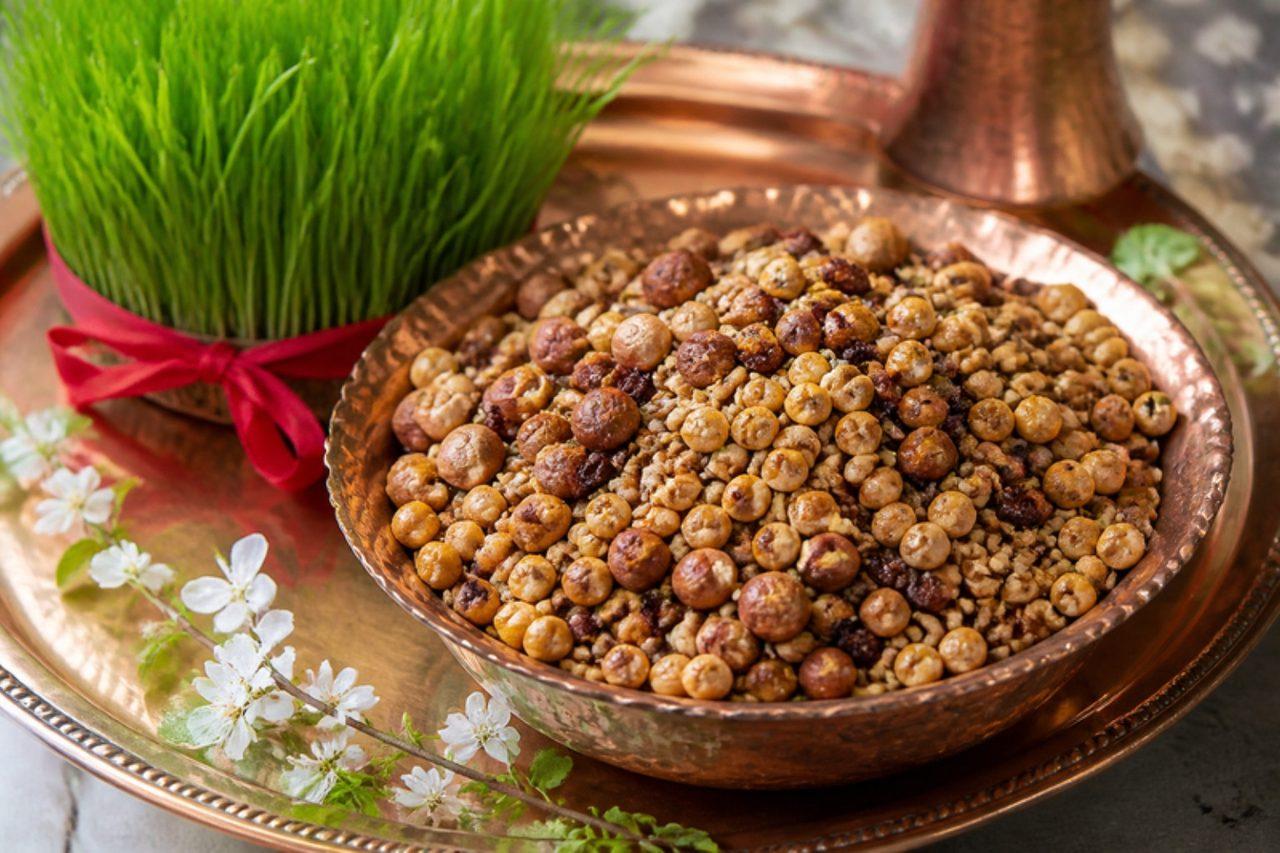
GovurgaRoasted wheat and nut mix

Govurga is one of the small symbolic foods on the Novruz table in Baku and the Absheron villages: wheat grains roasted in a dry pan until they crack, mixed with roasted hemp seeds, chickpeas, hazelnuts and raisins, and eaten by the handful through the festival. Children fill their pockets with it. A common mistake is roasting everything together; each part browns at a different speed. Chef's tip: shake the pan constantly and stop each batch as soon as it smells toasty and starts to pop. Hulled hemp seeds sold for cooking are fine to use.

by KrazyBadal 0 views

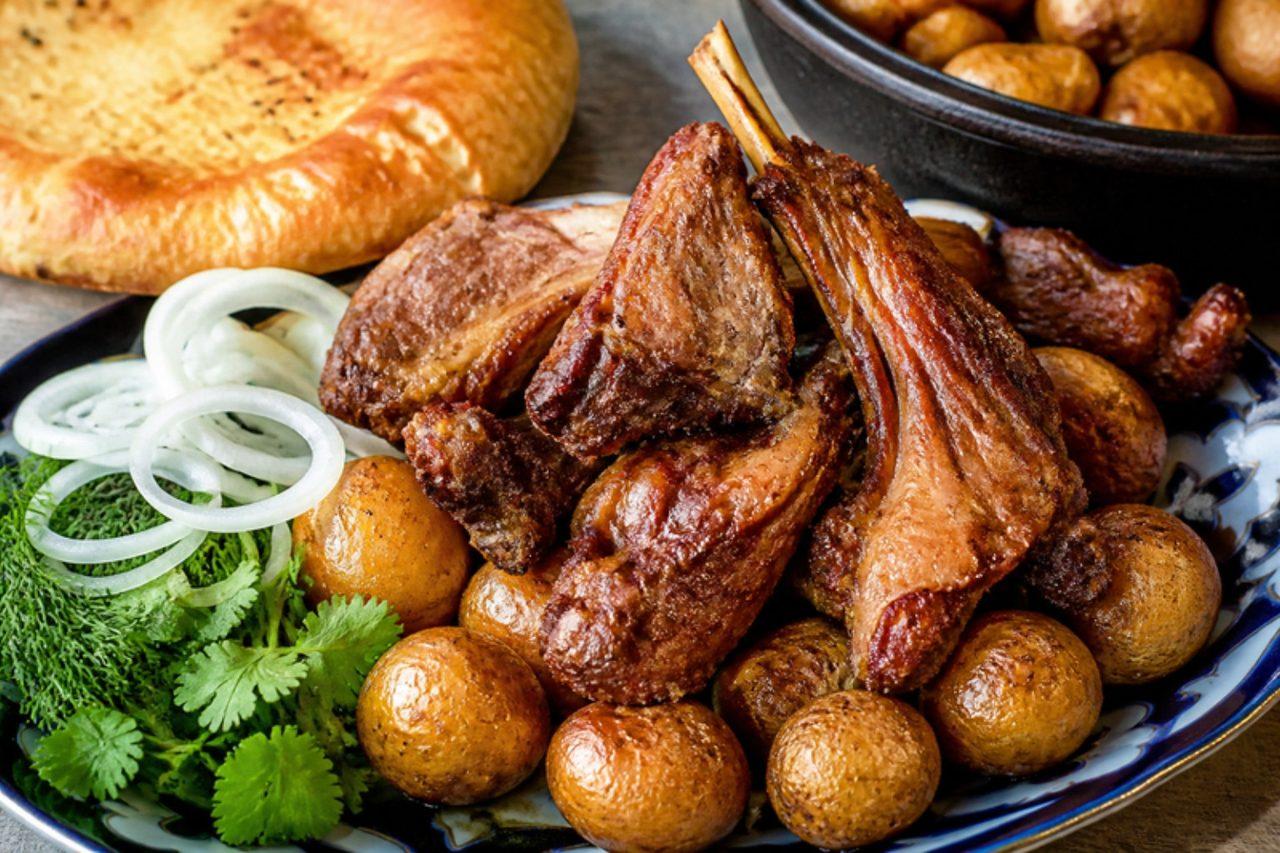
Kazan kabobCrisp lamb ribs and potatoes

Kazan kabob is men's food in Tashkent, cooked outdoors in a big cast-iron kazan for a weekend gathering: lamb ribs fried hard in their own fat until crusty, then covered and cooked until tender, with whole small potatoes added to fry in the lamb fat until golden. It is served piled on a platter with raw onion, cumin and fresh herbs. A heavy cast-iron casserole does the job at home. A common mistake is adding water; the dish should fry and steam in its own fat and juices. Chef's tip: salt the ribs well in advance and fry them without moving them for the first 5 minutes, so they get a deep crust.

90 minUzbekMeatGluten free
by KrazyBadal 0 views

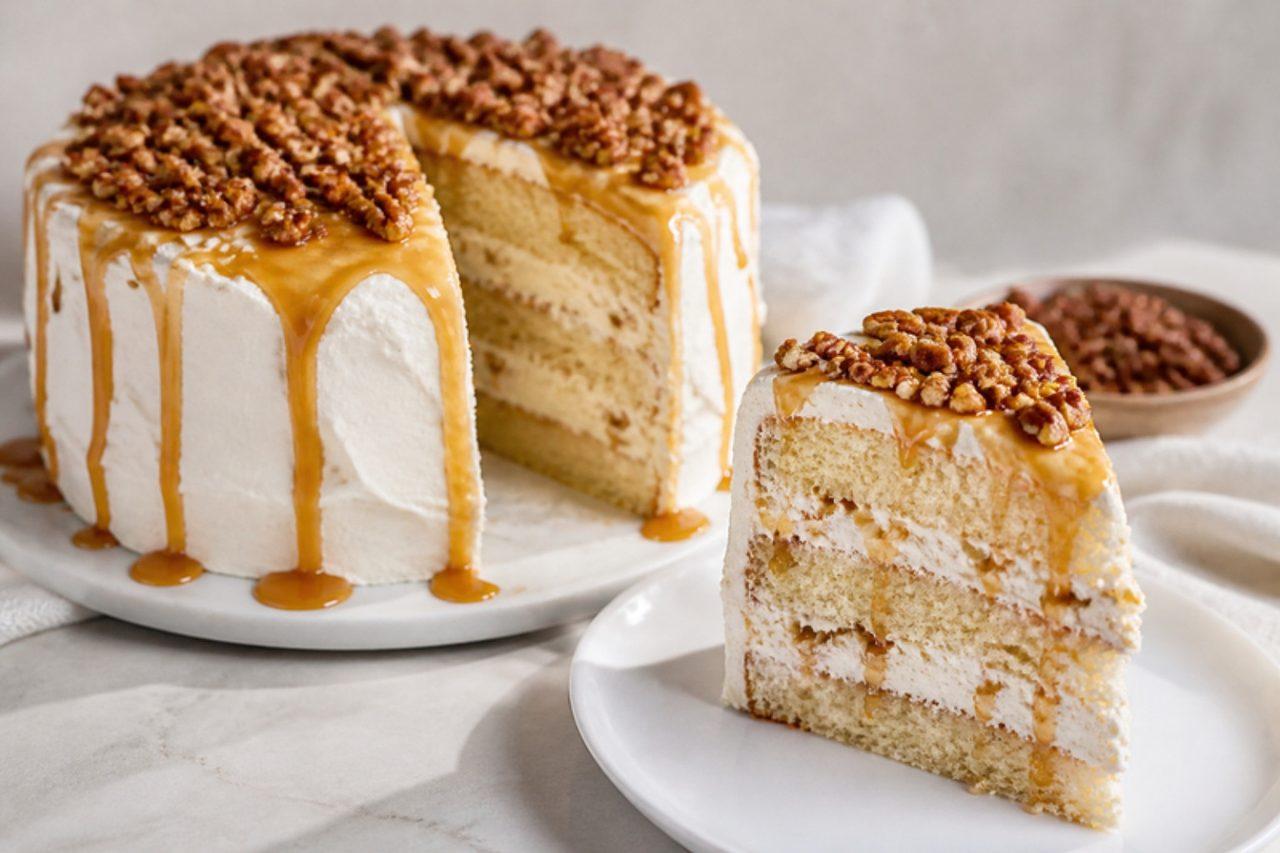
Schmoo tortePecan sponge with cream and caramel

Schmoo torte is Winnipeg's own celebration cake, served at bar mitzvahs, weddings and birthday parties in the city's Jewish community since the 1950s and now found in bakeries all over Manitoba. A light angel-style sponge made with ground pecans is split into layers, filled and covered with whipped cream, then drizzled with a warm butterscotch caramel and more nuts. It is a project but most of it can be done the day before. A common mistake is opening the oven too early; the egg-white sponge collapses. Chef's tip: cool the sponge upside down in its tin so it stays tall.

by KrazyBadal 0 views

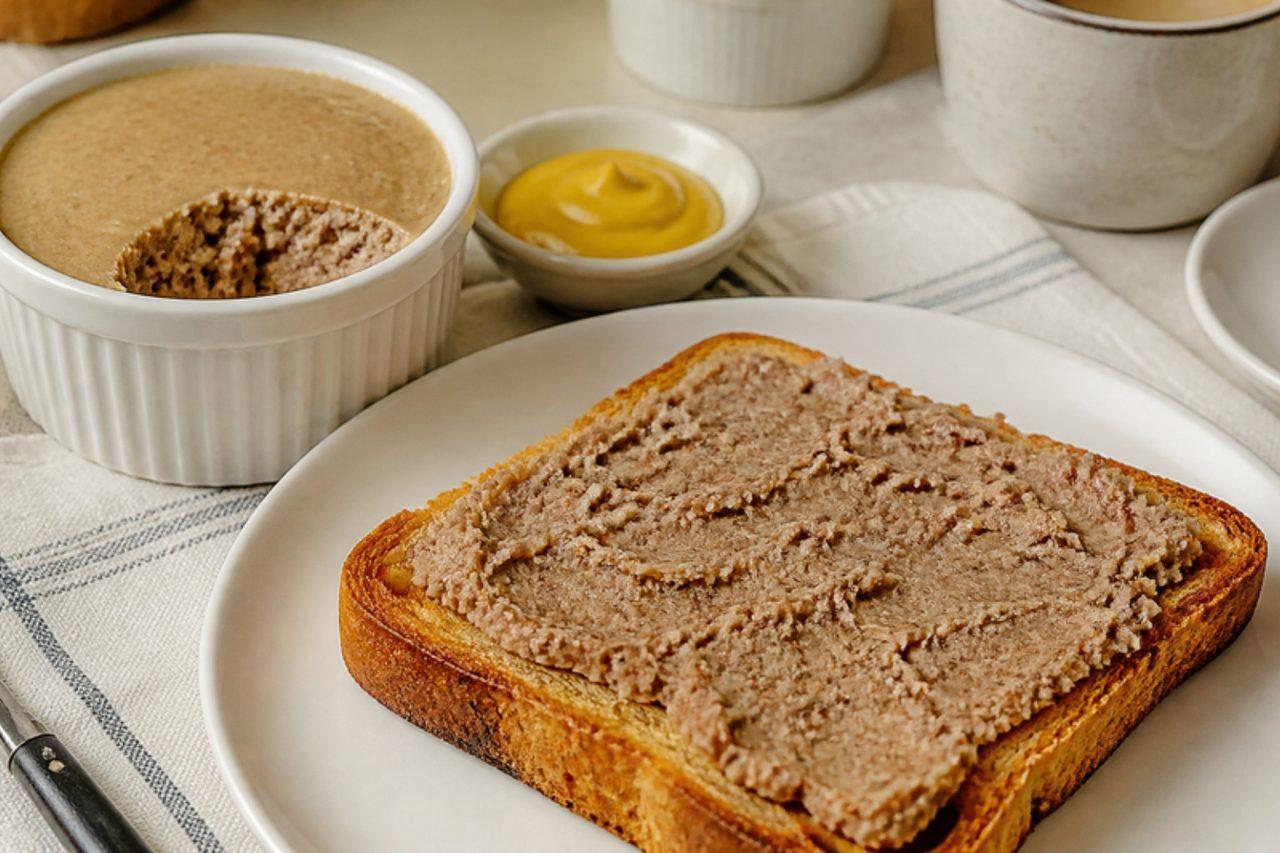
CretonsSpiced pork spread

Cretons is a spiced pork spread found on the breakfast table in Quebec homes and diners, from Montreal casse-croûtes to Lac-Saint-Jean farmhouses, spread thick on hot toast with mustard alongside eggs and beans. Minced pork is simmered slowly with onion, milk, breadcrumbs and warm spices until soft, then set in small pots. It keeps for a week in the fridge. A common mistake is not cooking it long enough, which leaves a grainy, watery spread; it needs the full hour. Chef's tip: stir it as it cools so the fat stays mixed through instead of setting on top.

by KrazyBadal 0 views

Quebec hot chicken sandwichHot chicken sandwich with gravy

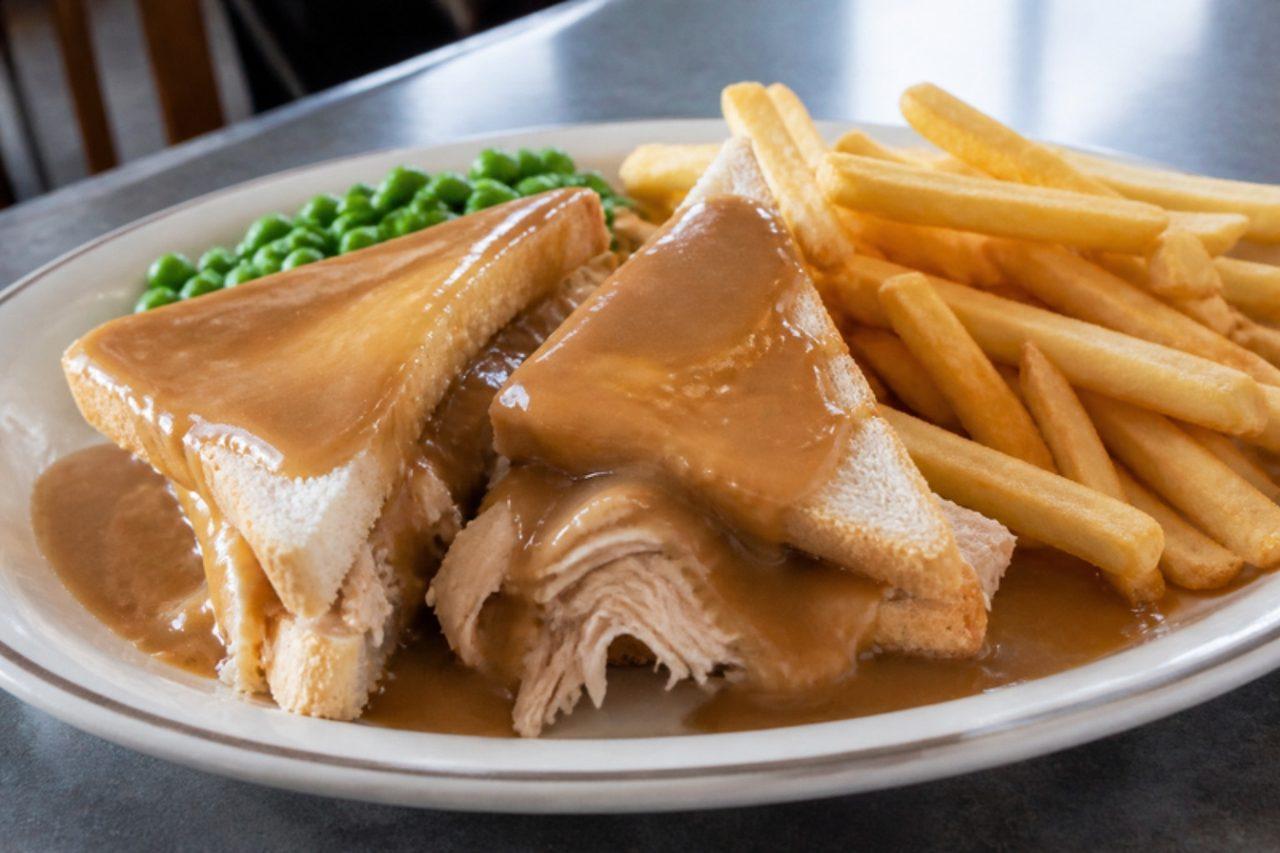
The hot chicken is a fixture of Quebec rotisserie restaurants and roadside diners from Sherbrooke to Rimouski, ordered at lunch with a side of fries and a little dish of canned peas. Pulled roast chicken is piled between two slices of soft white bread, then the whole sandwich is drowned in a peppery brown chicken gravy and eaten with a knife and fork. It is a great way to use the meat from a roast chicken. A common mistake is a thin gravy; it should coat a spoon thickly so it clings to the bread. Chef's tip: add a spoonful of the roasting juices to the gravy for real rotisserie flavour.

by KrazyBadal 0 views

Wild boar curry (pork)Hill-country pork curry

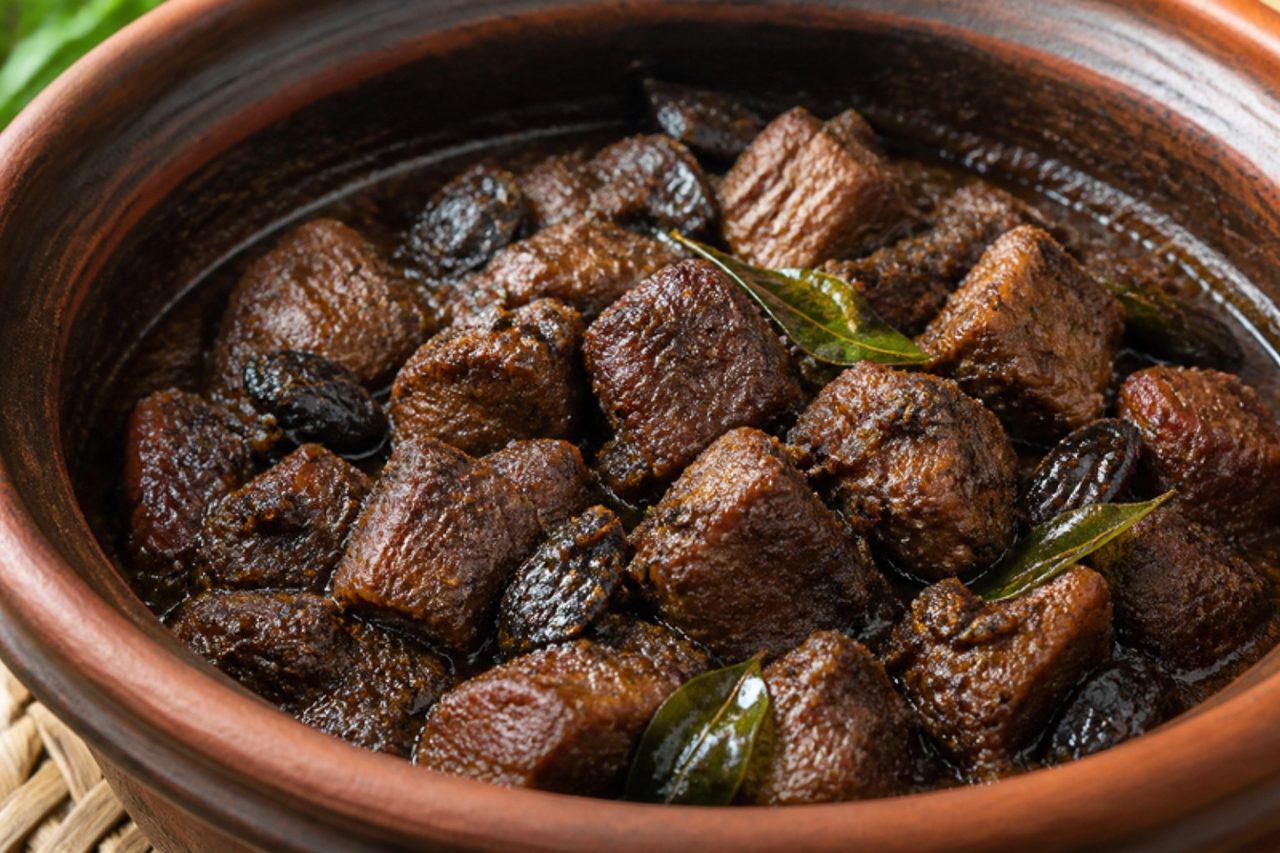
This is a pork curry. In the villages around Kandy, Matale and the hill country, wal uru, wild boar, was once hunting-season meat, cooked over wood fires in clay pots with goraka, black pepper from the home garden and a dark roasted curry powder; today most cooks make it with pork shoulder, which works beautifully, and wild boar if you can find it from a licensed game supplier. The goraka gives a sour, slightly smoky edge that cuts through the richness of the fat, and the pepper builds a slow, warming heat rather than a sharp sting. Serve it with red rice, a pol sambol and a cooling cucumber salad. One error people make is cutting the pork too small, which dries it out during the long simmer. Chef's tip: cook it the day before; the gravy thickens and the pepper and goraka flavours deepen overnight in the fridge.

by KrazyBadal 0 views

Palak goshtMutton and spinach curry

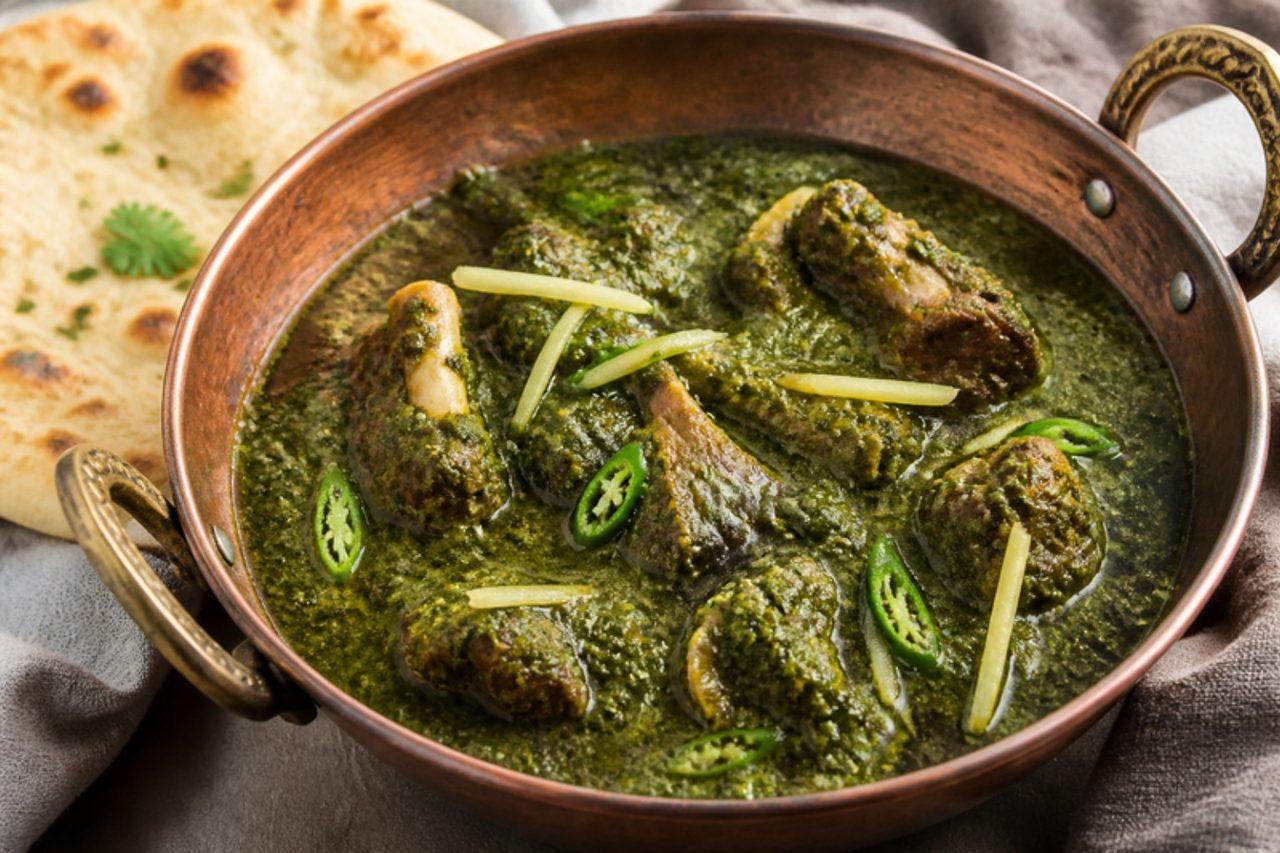
When the winter spinach comes in around Gujranwala and Sheikhupura, bunches of it are piled on carts by the armful, and palak gosht is what many Punjabi kitchens make with them. The spinach is cooked into the mutton until it collapses into a dark green, garlicky gravy, loose but not soupy, with flecks of ginger and the warmth of green chilli rather than a lot of red spice. It is eaten with makki ki roti or plain chapati and a glass of lassi. Puréeing the spinach to a smooth paste is a frequent misstep; Punjabi cooks chop it and let it melt so you can still see the leaves. Chef's tip: add a knob of butter or ghee and a pinch of dried fenugreek leaves at the end, which rounds off the iron edge of the spinach.

by KrazyBadal 0 views

Paling in 't groenEel in green herb sauce

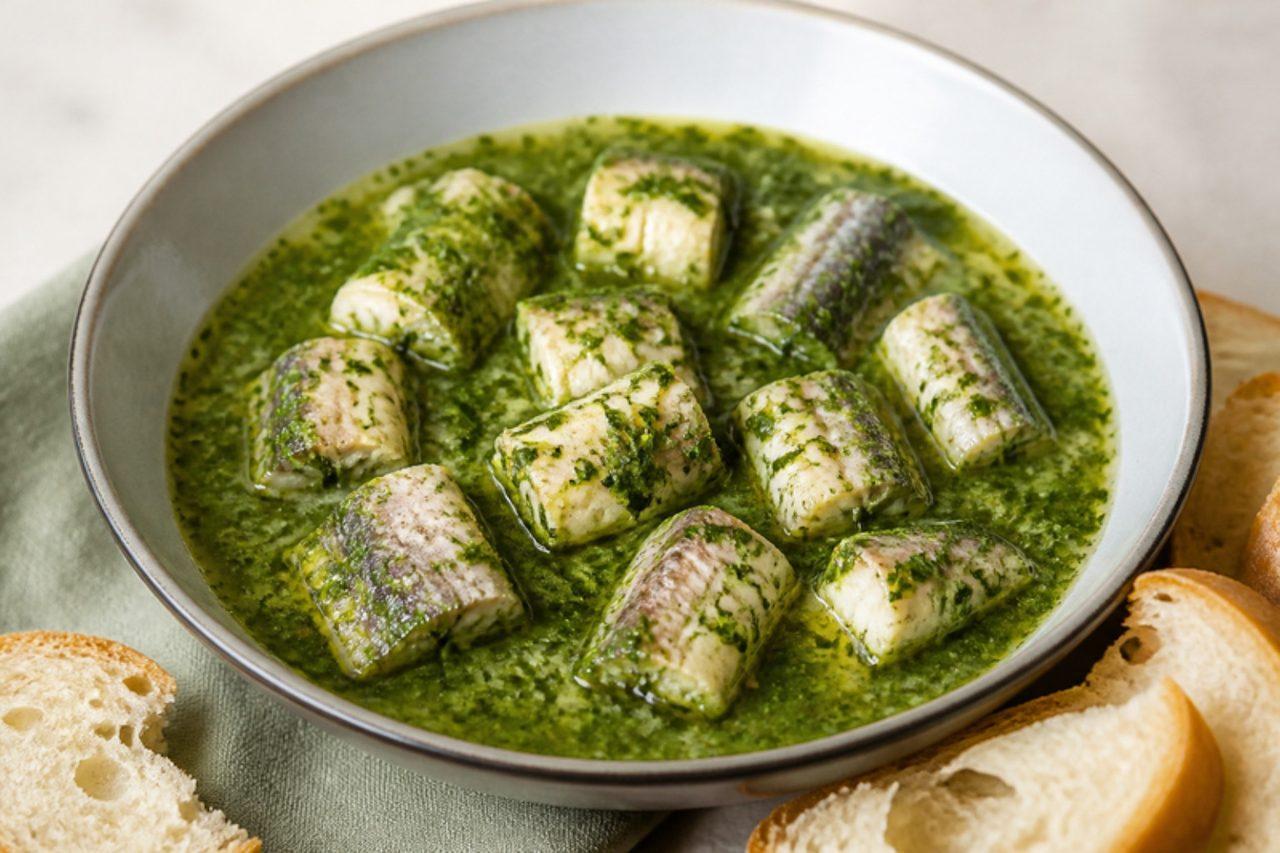
Paling in 't groen, 'eel in green', is the old riverside dish of the Scheldt valley between Antwerp and Ghent, served in summer in cafés along the river at places like Hamme and Lillo: pieces of eel cooked briefly in butter, then simmered in a vivid green sauce of sorrel, spinach, chervil, parsley, tarragon, mint and sage, thickened with egg yolk. It is eaten hot or cold with fries or bread. European eel is critically endangered, so buy only eel from a legal, responsibly managed source, cleaned and skinned by the fishmonger, or use thick pieces of another firm, oily fish such as mackerel. A common mistake is cooking the herbs for long, which turns the sauce khaki. Chef's tip: add the herbs only for the last 3 minutes, then bind with yolk off the heat. The fish is cooked when firm and opaque at the bone.

by KrazyBadal 0 views

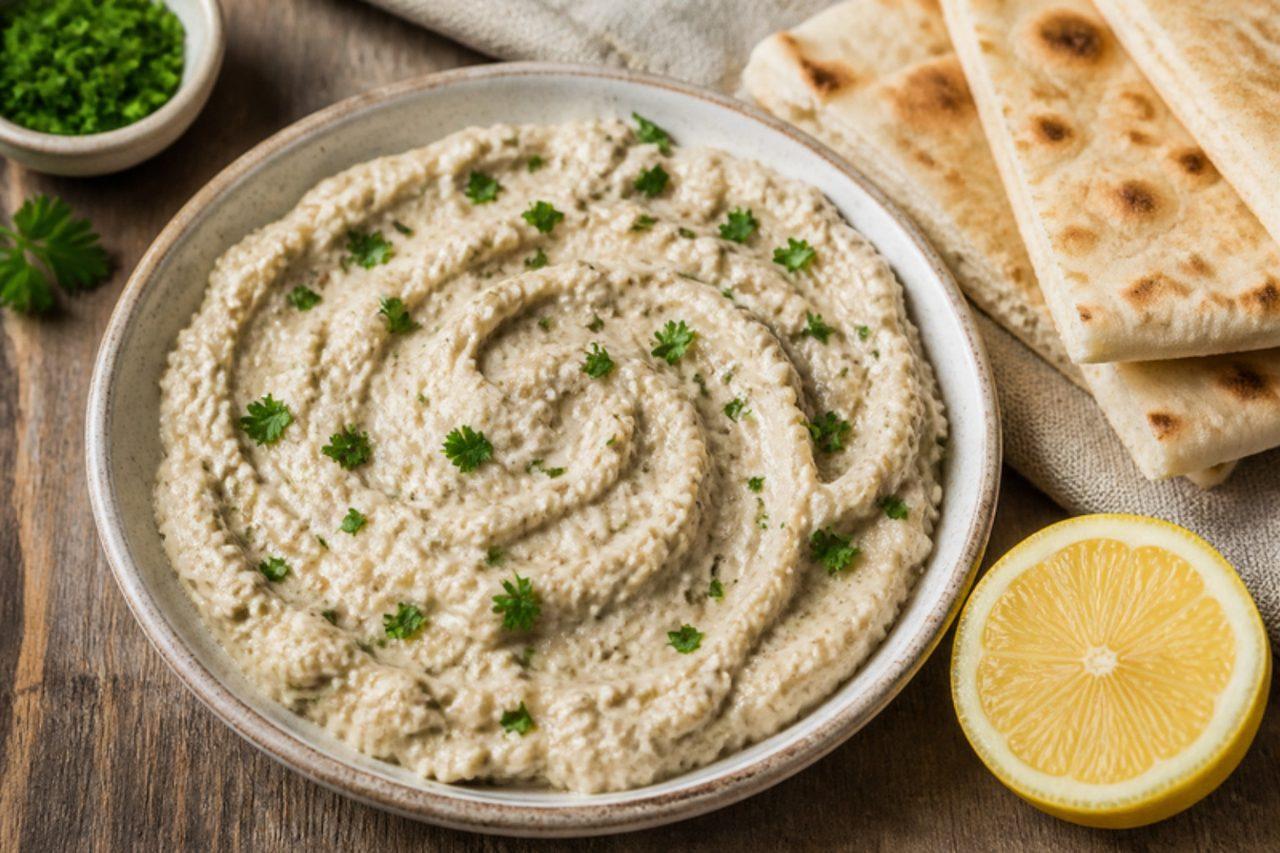
Salat hatzilim b'mayonnaiseAubergine salad with mayonnaise

Romanian-Jewish immigrants brought this smoky aubergine salad to Israel, and it has become a fixture of the Shabbat and festival salad spread in Haifa, Netanya and Petah Tikva, scooped up with challah or frena. Aubergines are charred until the flesh collapses, chopped by hand and folded with mayonnaise, garlic and a little raw onion, giving a creamy, smoky spread with a sharp bite. The mistake is skipping the draining, which leaves a watery, grey salad. Chef's tip: chop the flesh with a wooden or plastic knife, as Romanian grandmothers insist, so it stays pale and does not turn bitter.

by KrazyBadal 0 views

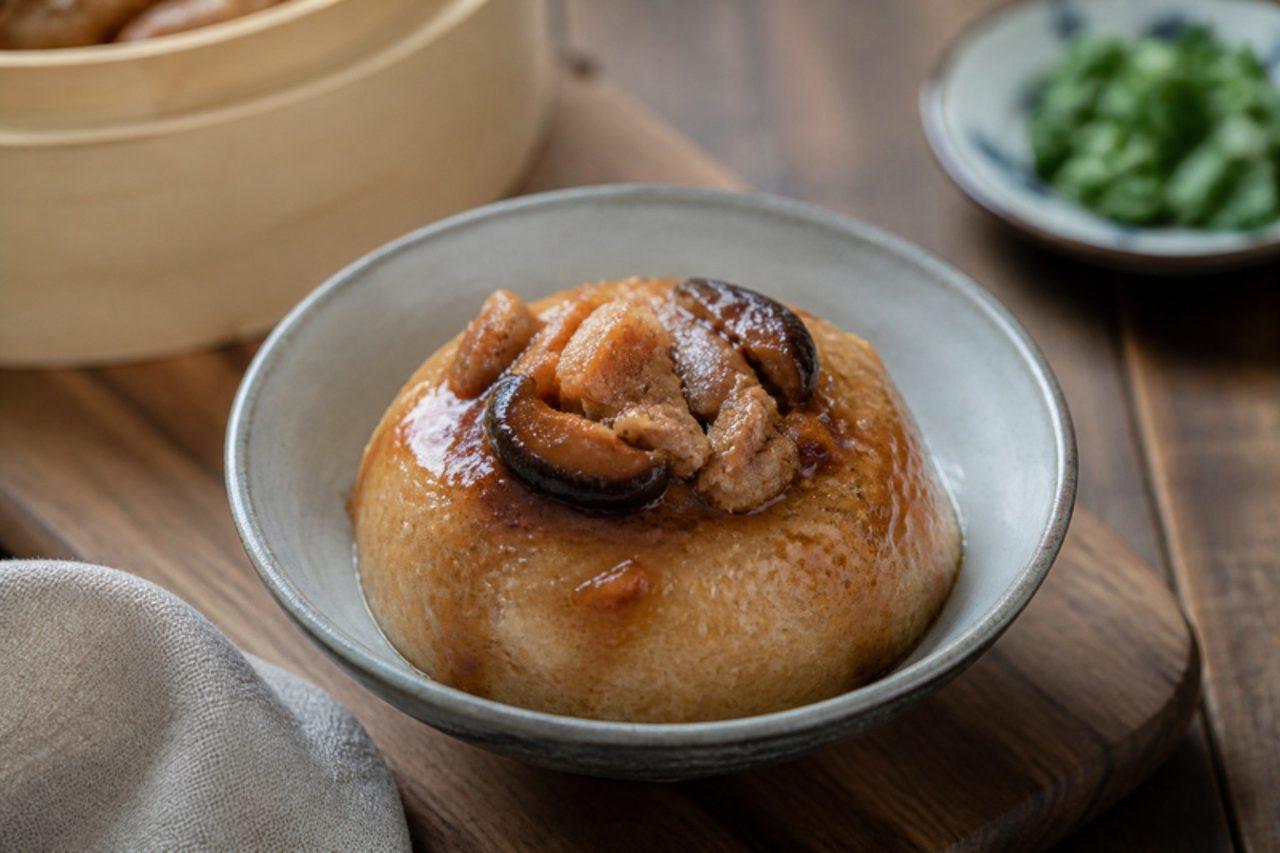
Tainan rice bowl cakeSteamed savoury rice bowl cakes

Small china bowls of this turn up at Tainan breakfast counters and temple-side stalls from early morning, each one turned out or eaten straight from the bowl with a bamboo spatula. The rice batter steams into a soft, slightly springy cake, tinted brown with shallot oil and soy, hiding a nugget of pork, shiitake and dried shrimp in its centre, and it is always doused in a thick, sweet soy sauce and a little garlic paste. People get it wrong by pouring raw, watery batter into the bowls, so the fillings sink and the cake turns out dense; cook it on the stove to a thin porridge first. For a truly gluten-free version, make the sauce with tamari or gluten-free soy sauce, as here. Chef's tip: steam on a steady medium heat and wrap the lid in a tea towel, so drips don't pit the smooth tops.

by KrazyBadal 0 views

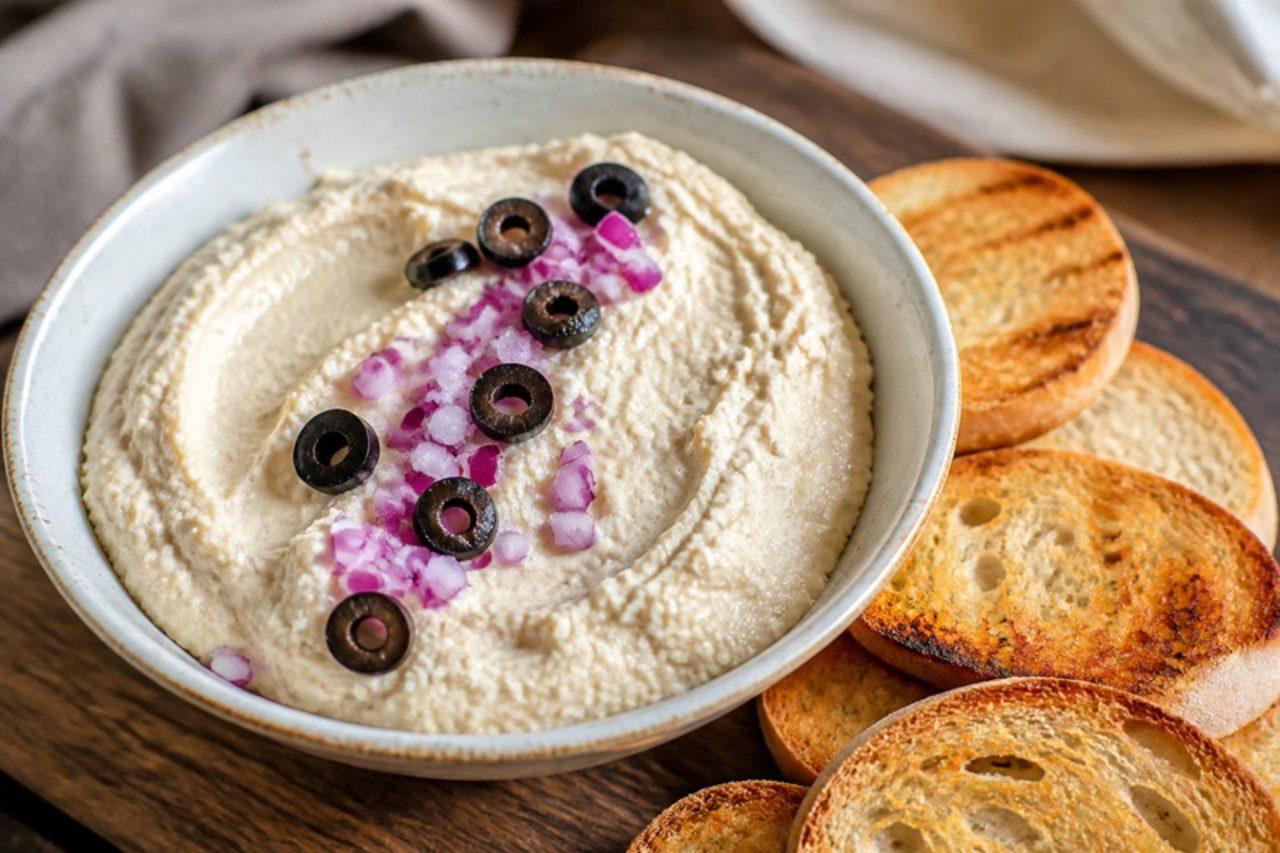
Salată de icreSalted roe spread

No Romanian buffet, Christmas table or Lent meal of the Delta is complete without a bowl of salată de icre, the pale pink spread made by whisking salted carp or pike roe with sunflower oil and lemon until it becomes light and fluffy, like a fish mayonnaise. Spread thickly on toasted bread with a ring of raw onion and a few black olives, it is salty, creamy and briny, and it vanishes in minutes. The roe is cured with salt but not cooked, so buy ready-salted roe from a good fishmonger or deli and keep it chilled; this spread is not for pregnant women, young children or anyone with a weakened immune system. The mistake to avoid is pouring the oil in quickly, which makes it split and greasy; add it a few drops at a time. Chef's tip: if it does split, whisk a teaspoon of cold water into a clean bowl and slowly whisk the split mixture back into it.

by KrazyBadal 0 views

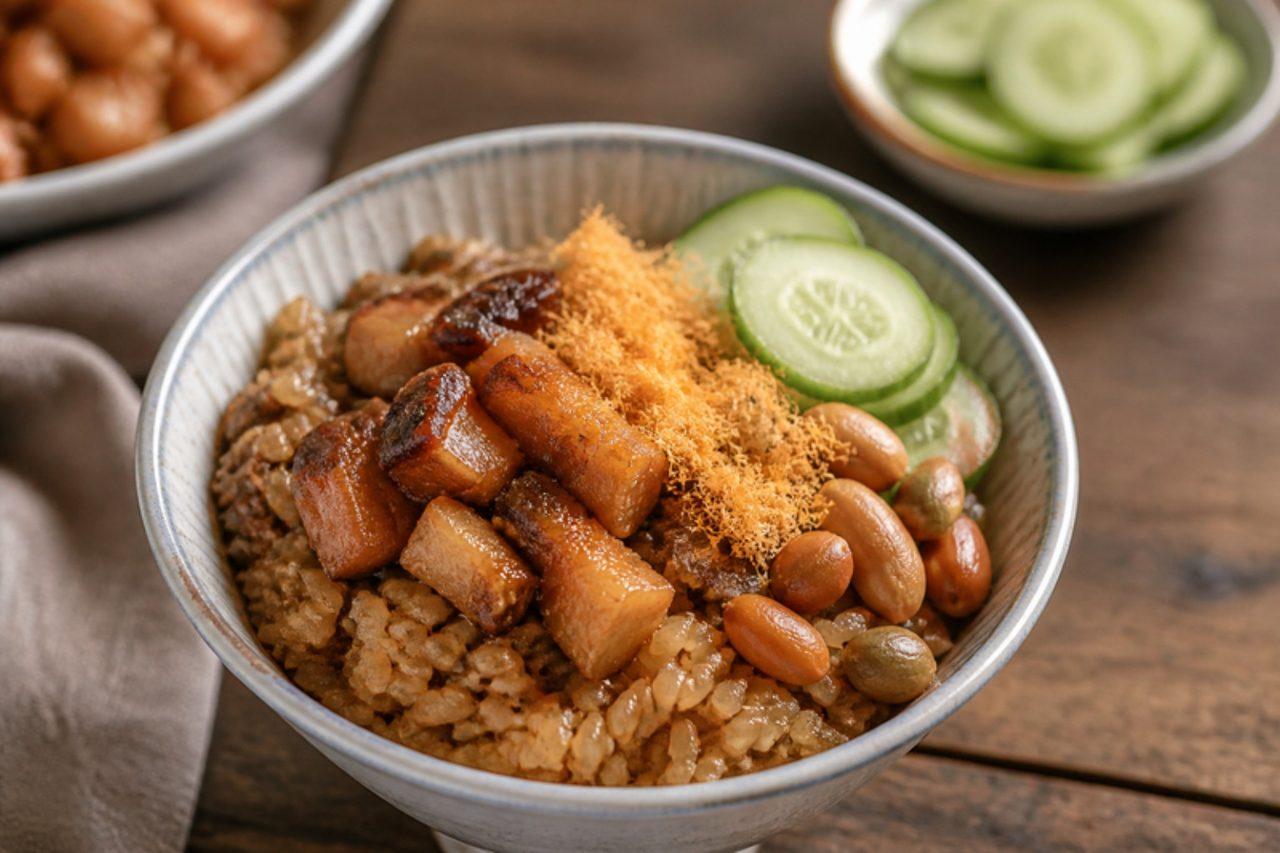
Tainan mi gaoSticky rice with braised pork

Order a bowl of this in Tainan, alongside a cup of fish ball soup, and you get a compact mound of glistening glutinous rice, chewy and seasoned with shallot oil and soy, topped with a spoonful of sticky braised pork, a tuft of sweet fish floss, soft boiled peanuts and a slice of cucumber pickle. Shops serve it from late morning into the night as a filling snack between meals. The rice must be soaked ahead, so start it the night before or in the morning. A frequent slip is boiling glutinous rice in water like ordinary rice, which turns it into paste; steam it instead. Chef's tip: sprinkle a few spoonfuls of the pork braising liquid over the rice halfway through steaming; the grains soak it up and turn glossy and amber.

by KrazyBadal 0 views

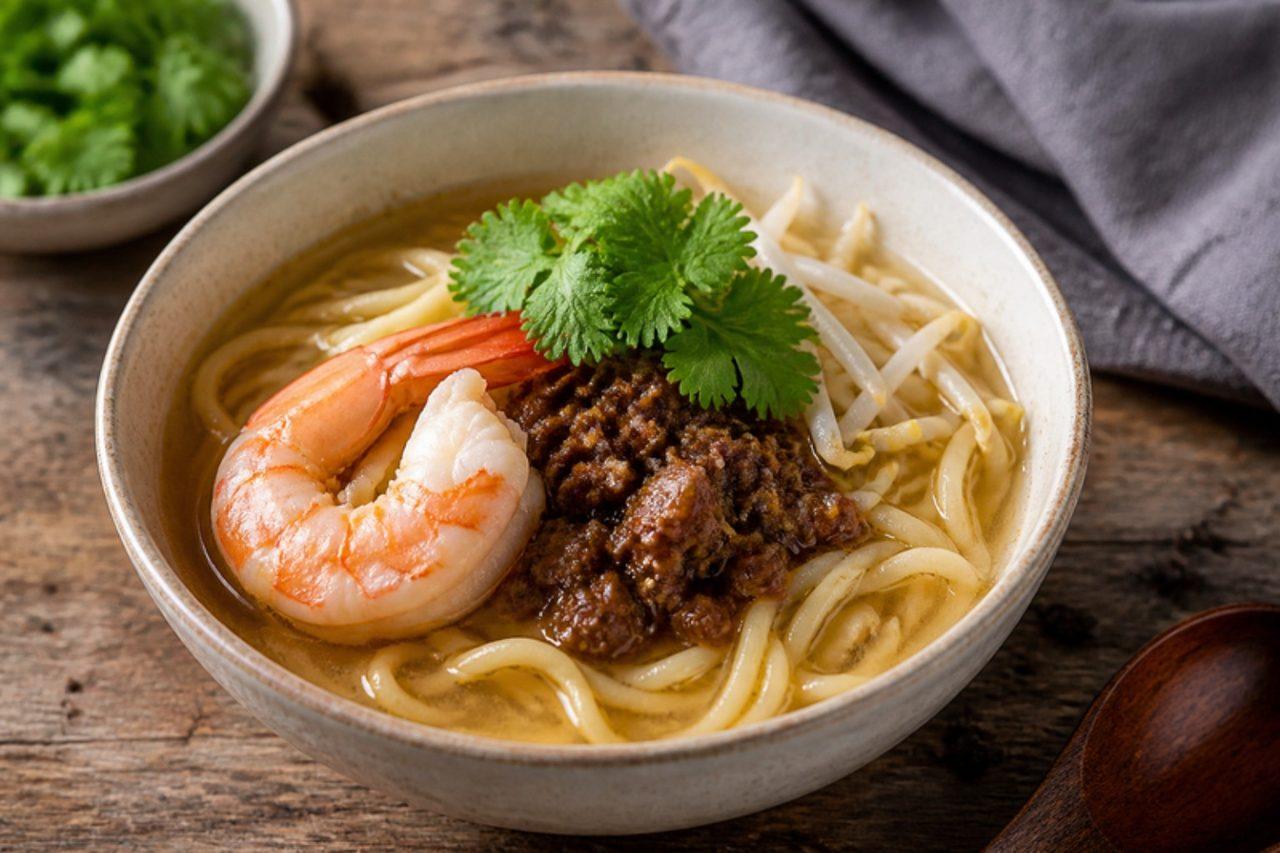
Danzai noodlesNoodles with prawn and minced pork

Tainan's most famous snack began with fishermen who, in the stormy months when boats stayed in harbour, carried noodles and broth through the streets on a shoulder pole. It is still served in deliberately small bowls, eaten as a between-meals bite rather than a dinner: springy yellow noodles and bean sprouts in a sweet, clear prawn-shell broth, crowned with a spoonful of slow-cooked minced pork, a single prawn, garlic paste and a dot of black vinegar. Pork is the heart of the topping, braised until sticky with shallots and five-spice. The mistake to avoid is drowning the bowl: use only enough broth to half-cover the noodles, so the meat sauce seasons it. Chef's tip: toast the prawn shells and heads in a dry pot until they turn bright red before adding water; it doubles the sweetness of the broth.

by KrazyBadal 0 views

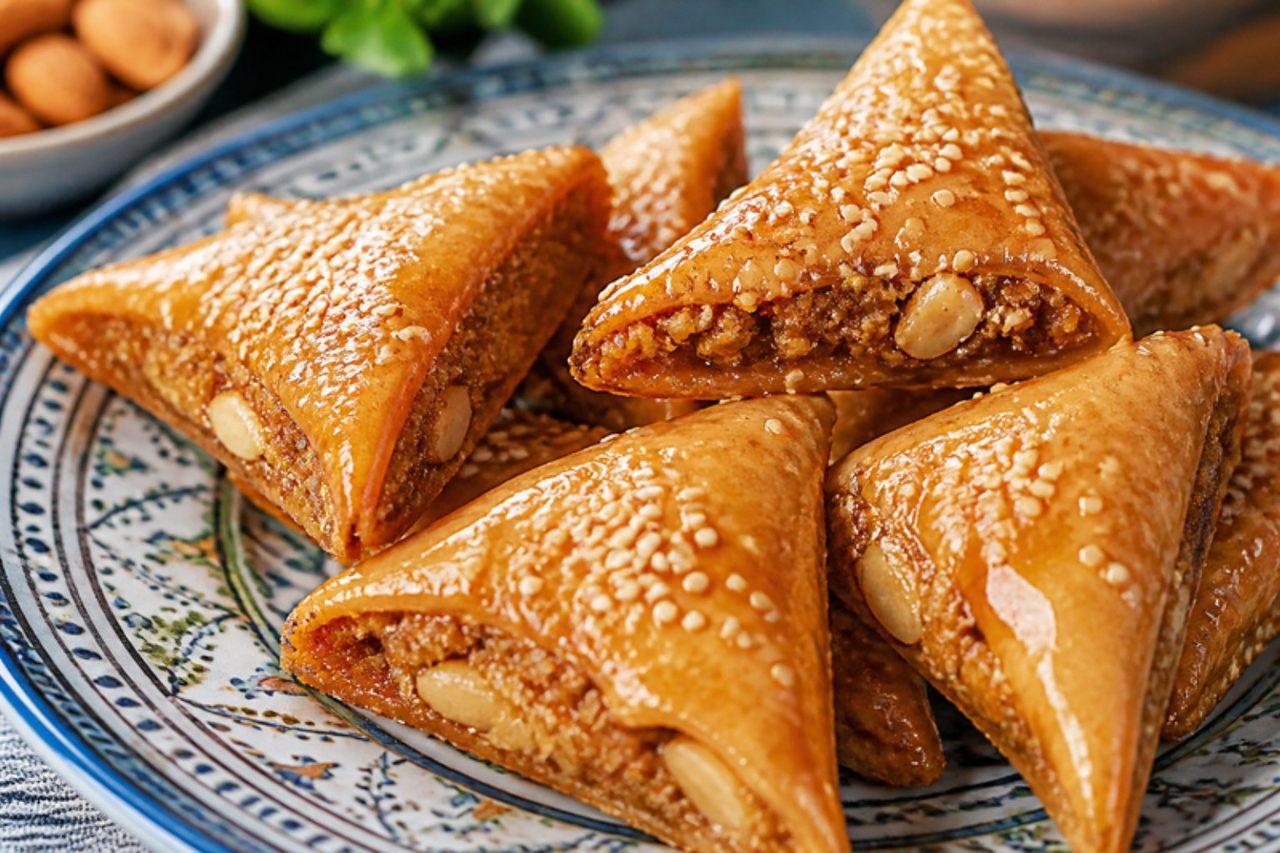
Tunisian samsaAlmond pastry triangles

Tunisian pastry shops in the old medina stack samsa in neat pyramids at Eid and weddings, and families make trays of them at home before the feast. The triangles are folded from malsouka, a paper-thin pastry also used for brik, around a filling of ground almonds and toasted sesame scented with orange zest and orange-flower water, then baked or fried and dropped into a lemony syrup. They are shatteringly crisp at the corners, sticky and nutty in the middle, and go with a glass of mint or pine-nut tea. Spring roll pastry, brick pastry or filo can stand in for malsouka. Chef's tip: dip hot pastries into cool syrup, never hot into hot; that contrast keeps them crisp instead of soggy.

by KrazyBadal 0 views

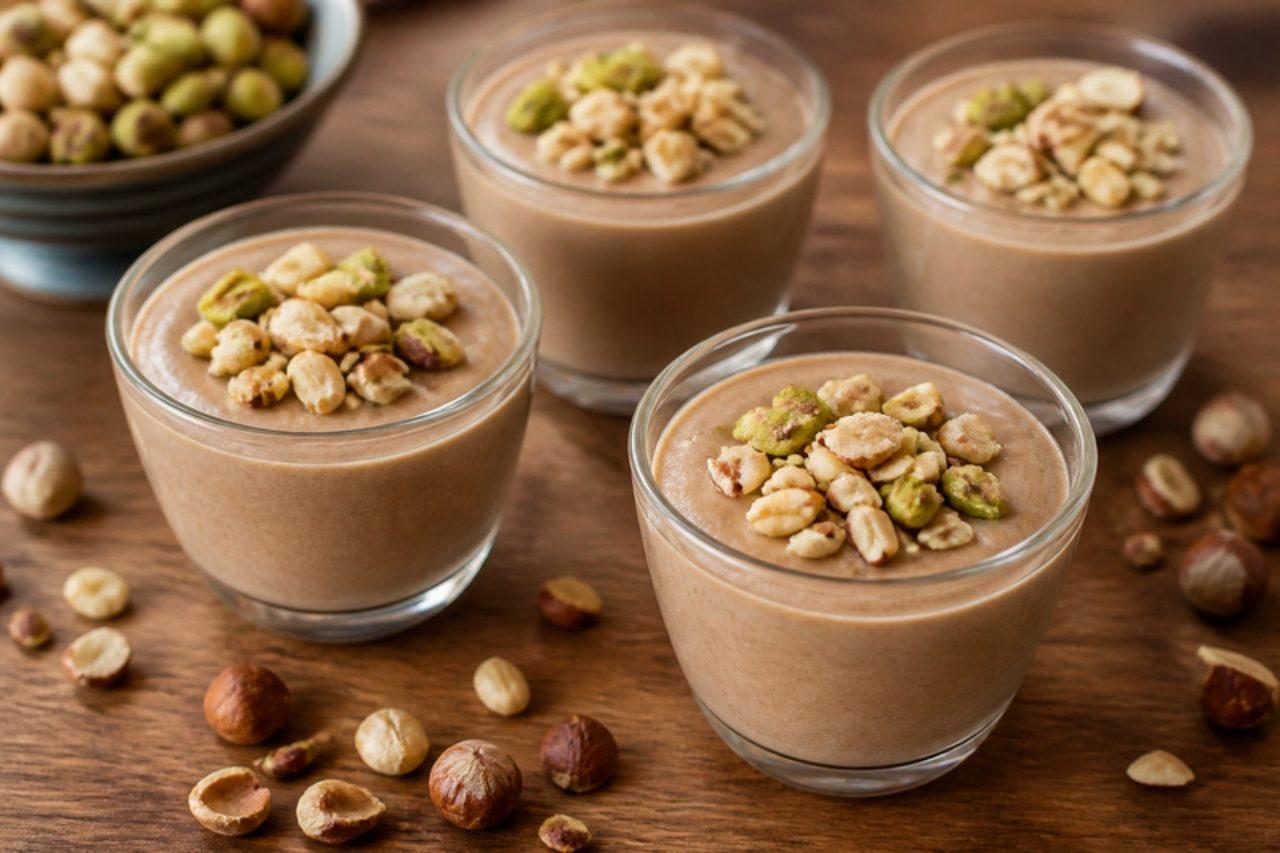
BouzaSorghum and hazelnut cream

On the morning of Mawlid, the Prophet's birthday, Tunis families make large bowls of creamy pudding and send small ones to neighbours, and bouza made from sorghum flour with roasted hazelnut paste is one of the best loved. The sorghum gives a fine, slightly earthy cream; the hazelnuts make it taste almost like praline. It is poured into glasses, left to set and decorated with a thick layer of chopped nuts, pistachios and sometimes sugared almonds. Make it the day before so it chills firm. Chef's tip: whisk the sorghum flour into cold liquid before it goes near the heat, or it seizes into lumps you cannot whisk out.

by KrazyBadal 0 views

BsissaRoasted barley flour with olive oil

A tin of bsissa sits in many Tunisian kitchen cupboards, from Tunis flats to farmhouses in the south: a finely ground flour of roasted barley, roasted chickpeas and spices such as coriander, fennel and aniseed. In the morning a few spoonfuls are worked with olive oil and something sweet into a nutty, crumbly paste, or stirred with water into a thick drink, and it keeps you going until lunch. Travellers and pilgrims once carried it for the road. Roasting your own flour takes 15 minutes and makes a jar that lasts weeks. Sugar and dates keep it vegan; some families use honey. Chef's tip: roast the flours separately over a low heat and stir constantly; the moment they smell like toasted biscuits and turn light tan, tip them out of the pan.

by KrazyBadal 2 views

CitronnadeWhole lemon cooler

Café terraces in Tunis serve citronnade in tall glasses on hot afternoons and through Ramadan evenings, and it is nothing like clear lemonade: whole lemons, peel and all, are blended with sugar and water, then strained, giving a cloudy, pale-yellow drink that tastes of the zest as much as the juice. A drop of orange-flower water rounds it off. It should be sharp, sweet and very cold. Use unwaxed lemons with thin skins. Chef's tip: let the cut lemons sit with the sugar for 10 minutes before blending; the sugar draws out the fragrant oils from the peel.

by KrazyBadal 0 views

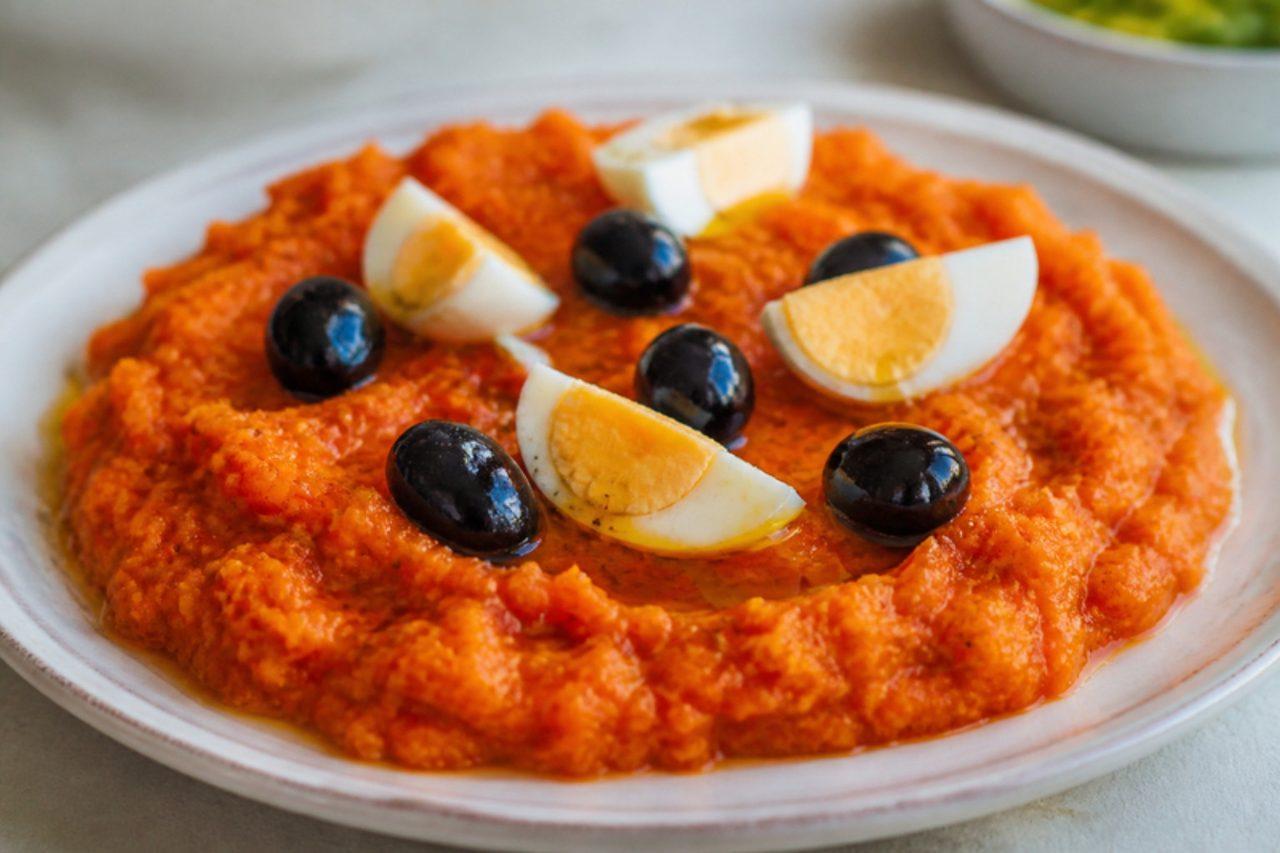
Omek houriaMashed carrot salad with harissa

Nobody quite agrees why this salad is called mother of Houria, but every Tunis household knows it as one of the small dishes that open a meal, set out with bread, olives and brik during Ramadan or at a Sunday lunch. Carrots are boiled soft, crushed with a fork rather than puréed, and seasoned boldly with garlic, ground caraway, harissa, vinegar and good olive oil, so the sweetness of the carrot sits under a garlicky, warm heat. It is finished with black olives and wedges of hard-boiled egg and eaten at room temperature, scooped up with crusty bread. This version is vegetarian; some cooks add tuna on top. Chef's tip: dress the carrots while still warm; they soak up the oil and vinegar far better than cold ones.

by KrazyBadal 0 views

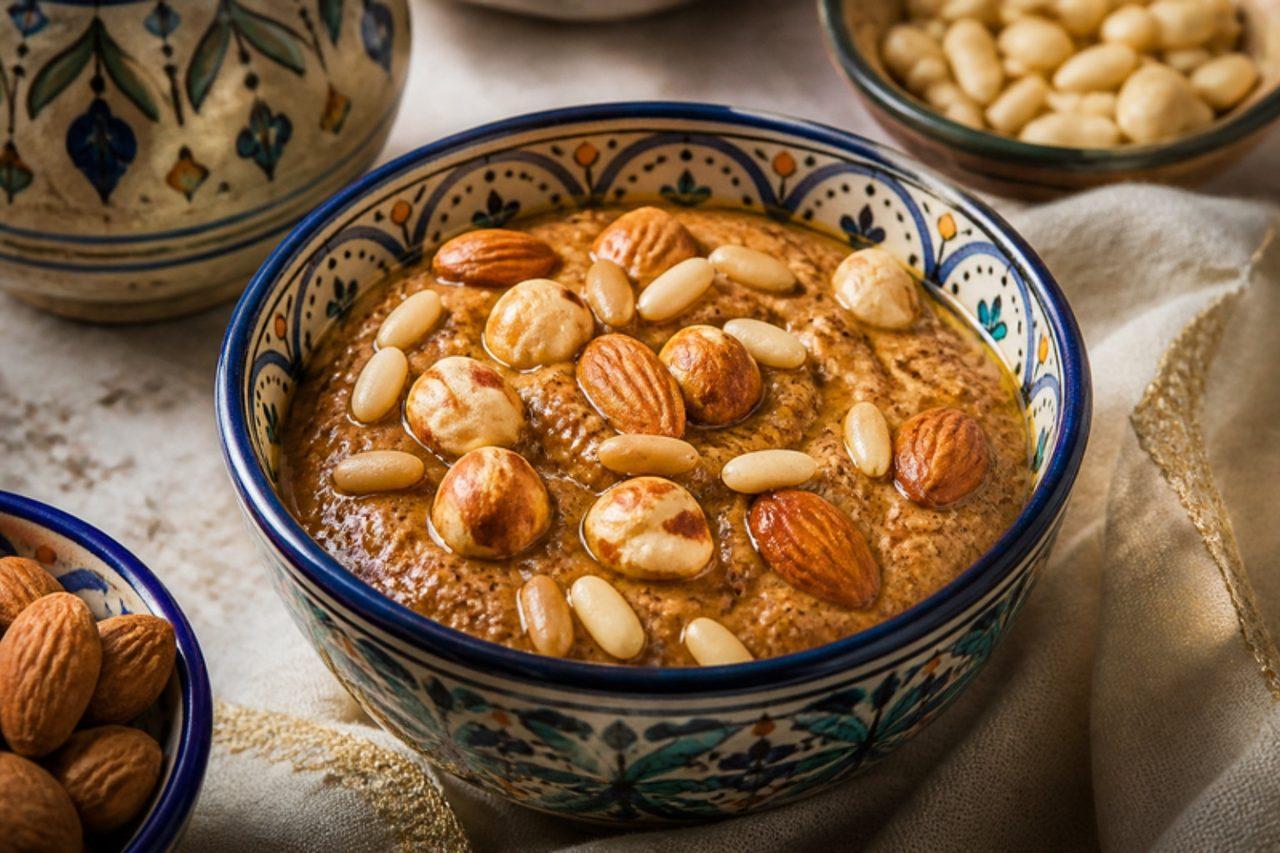
ZrirSesame, nut and honey paste

When a baby arrives in a Tunis family, visitors who come to see mother and child are offered zrir, a dense, glossy paste of toasted sesame, hazelnuts and almonds bound with butter and honey, believed to give strength to the new mother. It is served in tiny bowls or shaped into a mound and studded with nuts, and a spoonful is plenty. The taste is like a very rich halva with honey and toasted nuts. It keeps for a couple of weeks in a jar. Chef's tip: grind the sesame while it is still slightly warm; the oils release more easily and the paste turns smooth rather than sandy.

by KrazyBadal 1 views

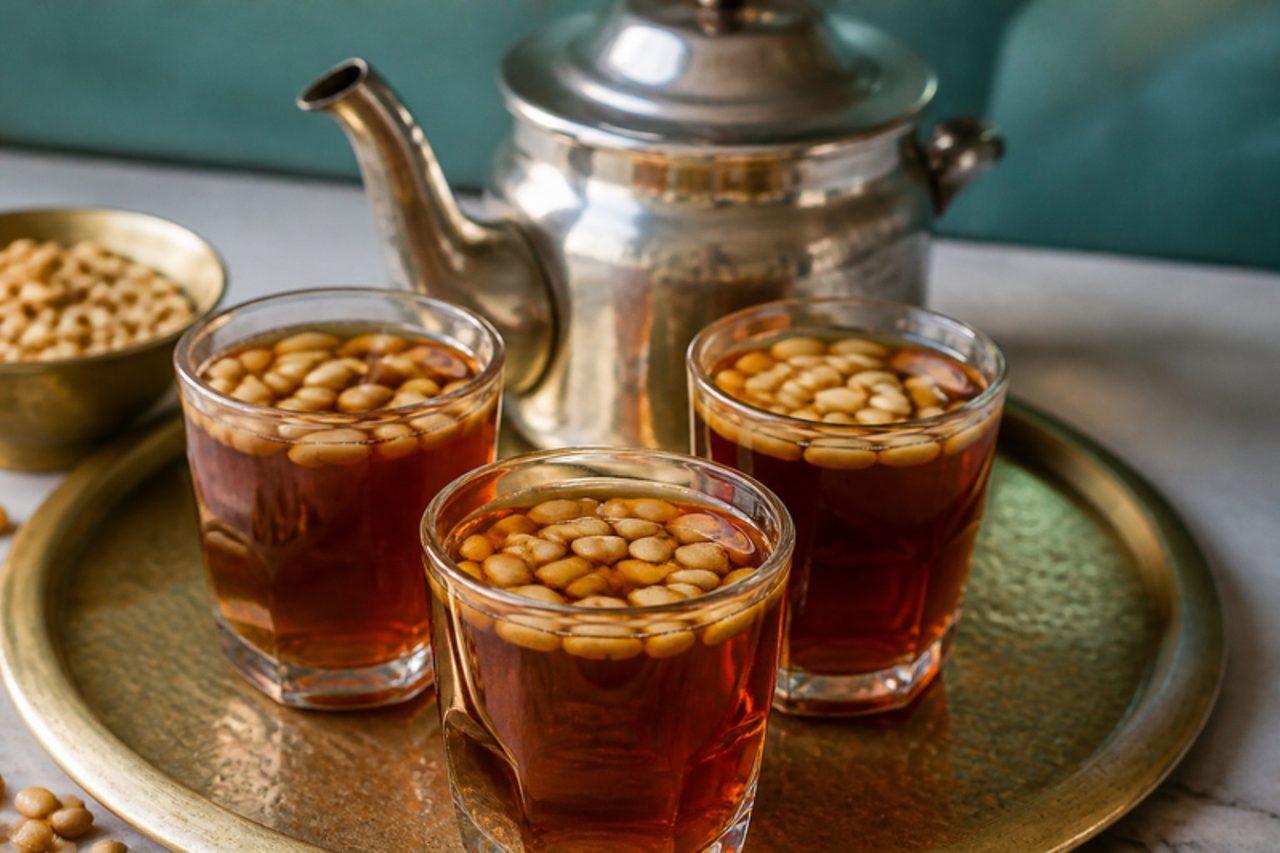
Pine nut tea

Order tea in a Tunis café, especially in the cafés of Sidi Bou Said overlooking the bay, and it often arrives with a spoonful of pale pine nuts bobbing on top. The tea itself is brewed strong and very sweet, green with mint or dark black tea boiled until syrupy, and poured from a height into small glasses so it froths. The nuts soften slightly in the heat and you eat them at the bottom of the glass, buttery against the bitter-sweet tea. It is drunk after meals and through the evening. Chef's tip: toast the pine nuts lightly in a dry pan; just a hint of colour brings out their butteriness without making them sink.

by KrazyBadal 0 views

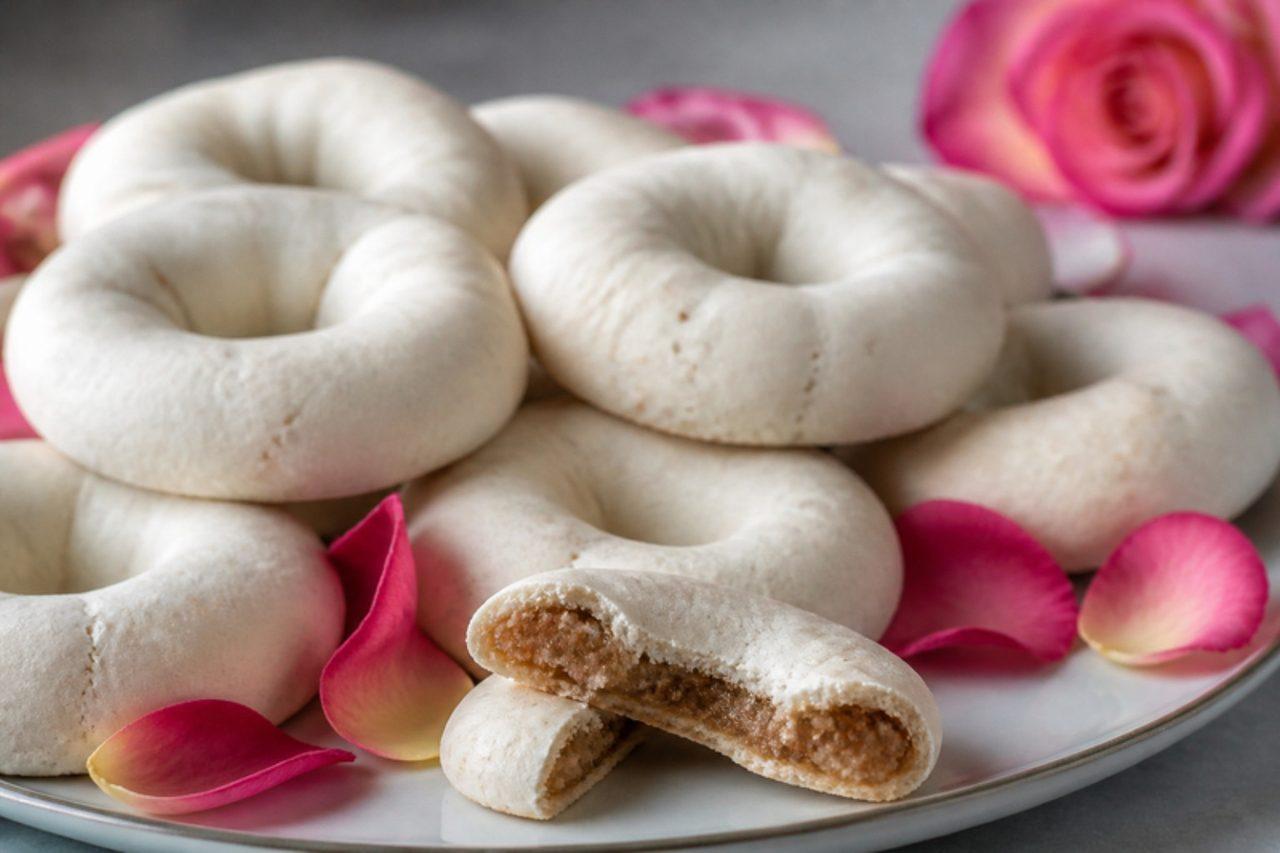
Kaak warkaAlmond-filled pastry rings

The hill town of Zaghouan, south of Tunis, is famous for two things: its Roman water temple and kaak warka, delicate rings of very thin, crumbly pastry wrapped around almond paste perfumed with rose geranium or rose water. They are a celebration sweet, bought in boxes for weddings, circumcisions and Eid, and should stay white when baked, with a fine sugary crumb and a soft, fragrant centre. Making them takes patience: the dough is rolled thin, wrapped around ropes of almond paste and shaped into rings. Chef's tip: bake low and short; the moment the bases colour, they are done, as any browning on top ruins their famous pale look.

by KrazyBadal 0 views

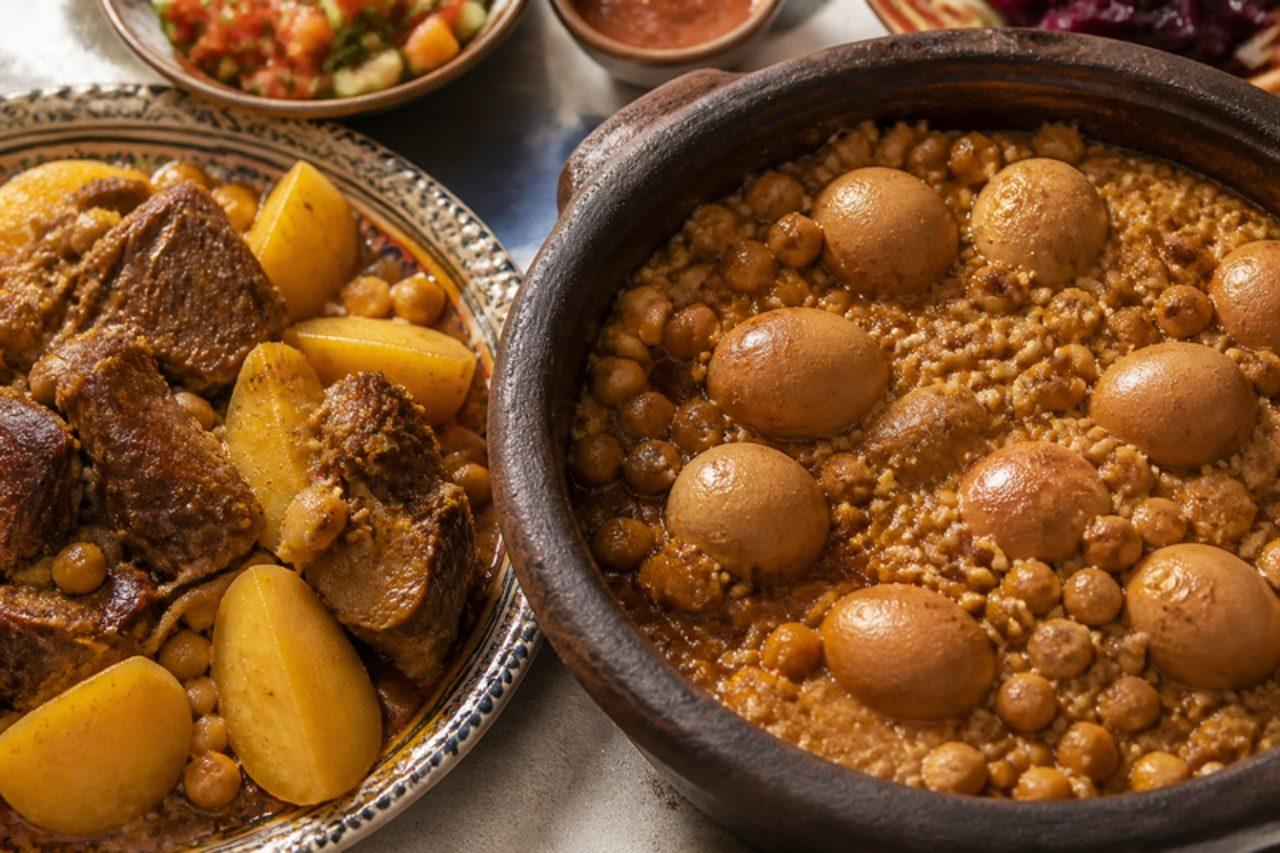
DafinaSlow-cooked Shabbat beef and chickpea stew

Dafina, meaning buried or covered, is what Moroccan Jewish families from Casablanca to Meknes set to cook before sundown on Friday, so a hot lunch is waiting after synagogue on Saturday without lighting a fire on the Sabbath. Beef, a marrow bone, chickpeas, potatoes, sweet potatoes and dates go into one big pot with whole eggs in their shells and a cloth bag of wheat berries, all seasoned with paprika, turmeric, cinnamon and a little honey. Overnight the eggs turn creamy and brown, the wheat becomes sticky, and the broth is sweet-savoury and deep. There is no pork in it, and kosher cooks use kosher beef. Chef's tip: wrap the wheat berries loosely in a cloth bag or a roasting bag with holes; packed too tight, the grain cannot swell and stays hard.

760 minMoroccanMeat
by KrazyBadal 0 views

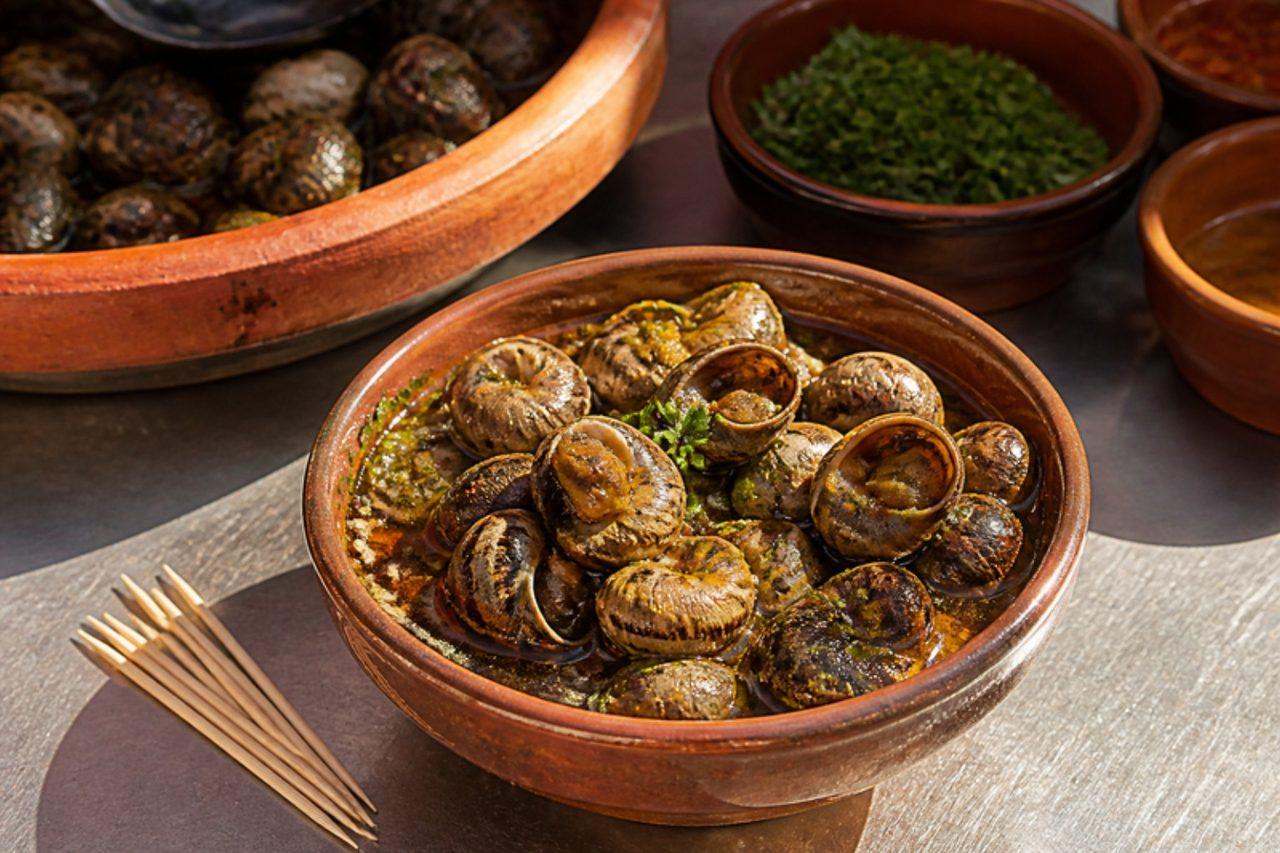
BabboucheSpiced snail broth

After dark in Marrakech's great square, the babbouche stalls are recognisable by their steaming cauldrons and the toothpicks laid out by every bowl. Small land snails simmer in a dark broth of liquorice root, aniseed, thyme, caraway, bitter orange peel, chilli and a bundle of herbs that sellers say has fifteen ingredients, believed to soothe the stomach and warm you on a cold night. You pick the snails out with a toothpick, then drink the peppery, herbal, faintly sweet broth. At home, buy live snails sold for cooking, already purged by a reputable seller, discard any with broken shells or that do not move or retract when touched, and cook them through for at least 45 minutes. Chef's tip: keep the spices in a muslin bag; the broth stays clear and you avoid crunching on seeds.

by KrazyBadal 2 views

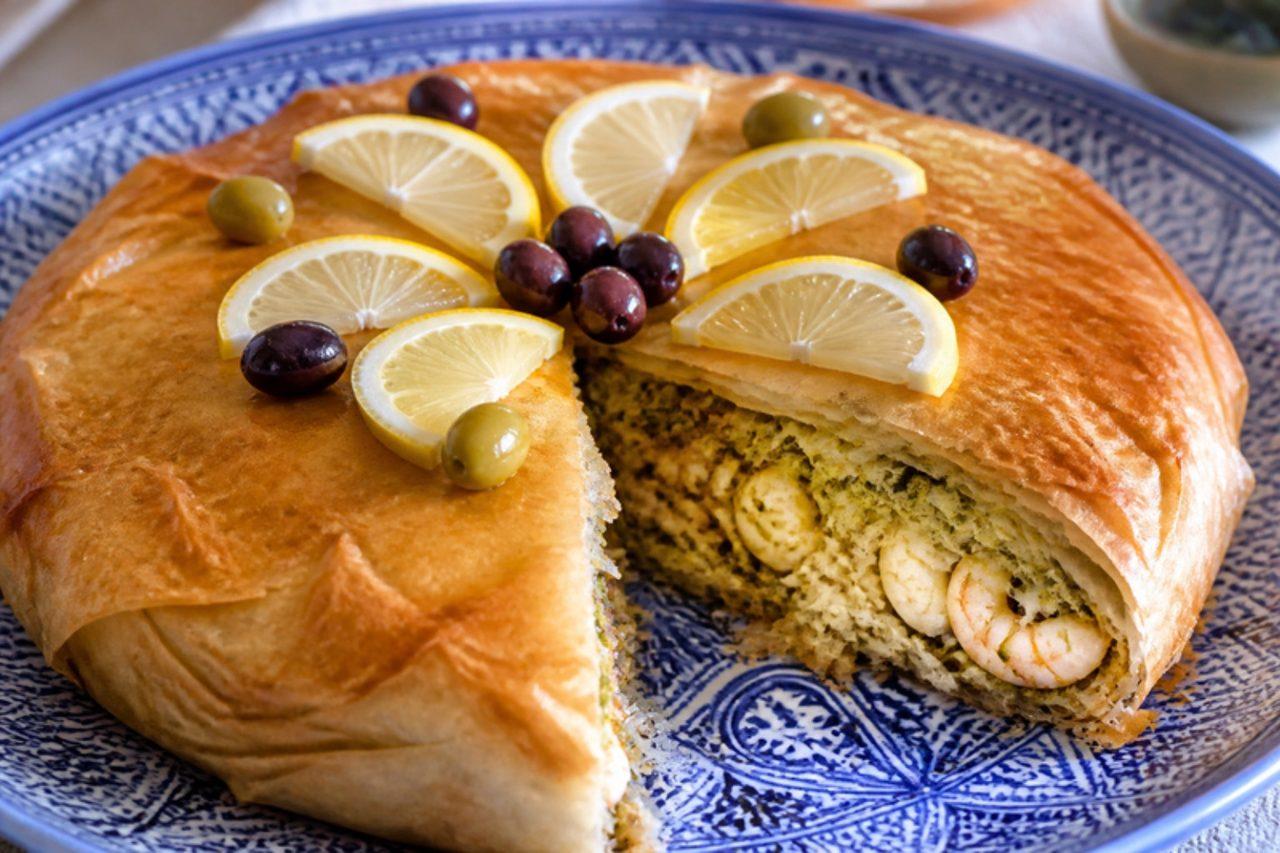
Seafood pastilla

The sweet pigeon pastilla belongs to Fez; along the northern coast, from Tetouan to Tangier and down to the Atlantic towns, the savoury seafood version is what turns up at weddings and Ramadan dinners. Thin warqa pastry wraps a filling of prawns, white fish and squid, rice vermicelli and plenty of chermoula, the lemony herb, garlic, cumin and paprika marinade, and the pie is baked until it shatters at the touch. Inside it is juicy, tangy and a little spicy. Serve it hot, cut into wedges, with a green salad. Filo works if you cannot find warqa or brick pastry. Chef's tip: drain the cooked filling in a sieve for 10 minutes before you fill the pie; wet filling is what makes a soggy base.

120 minMoroccanFish
by KrazyBadal 0 views

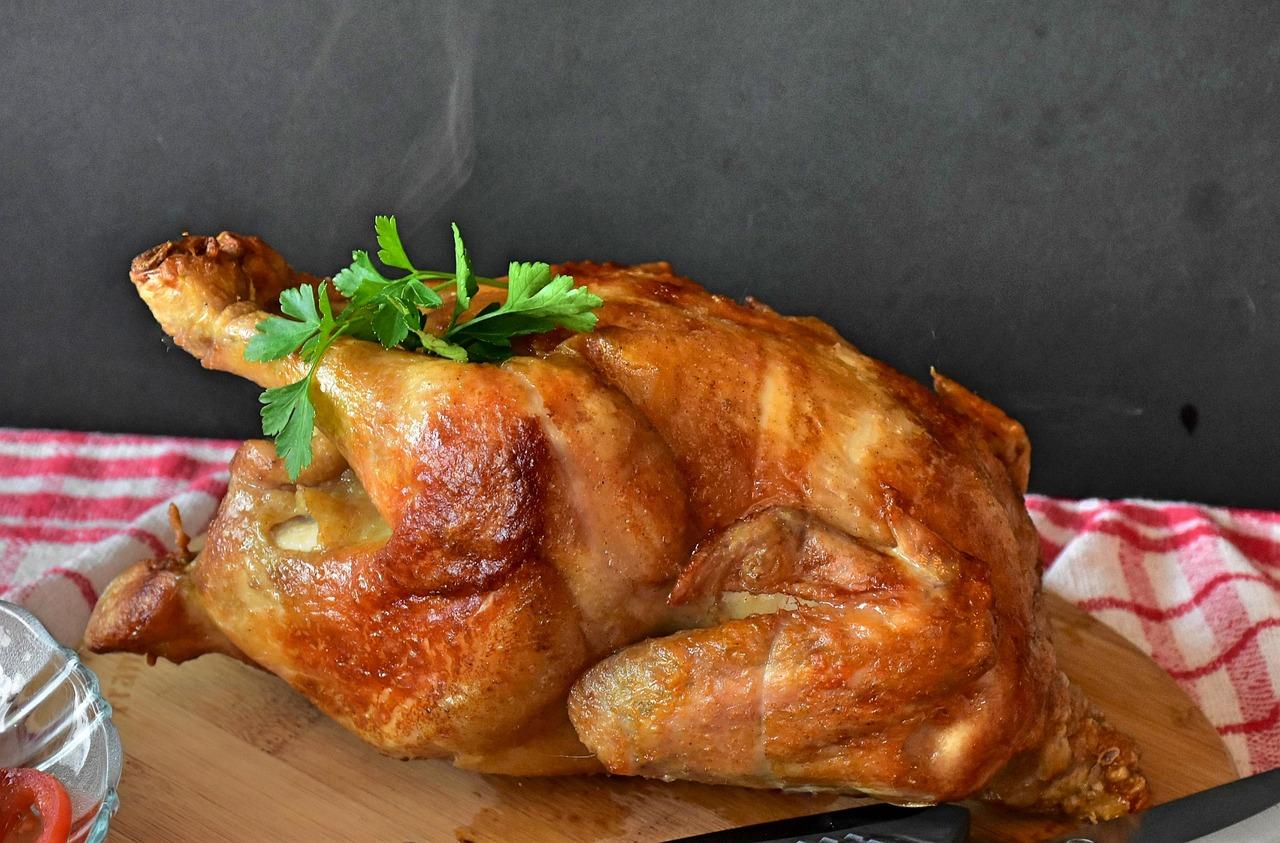
Djaj mhammerSaffron butter roast chicken

Mhammer means reddened or browned, and that final colour is what sets this Rabat and Fez favourite apart from a tagine. The bird is first poached in a little water with butter, garlic, saffron, cumin and paprika, so the meat soaks up the spices and stays juicy, then it goes into a hot oven to crisp and turn burnished while the cooking liquid reduces into a rich, buttery sauce. Moroccan families serve it at weddings and on Eid with olives, preserved lemon, fried or roasted potatoes and bread. Chef's tip: keep the poaching liquid at a gentle shiver, not a boil; boiling tightens the meat and the skin splits before it ever browns.

by KrazyBadal 0 views

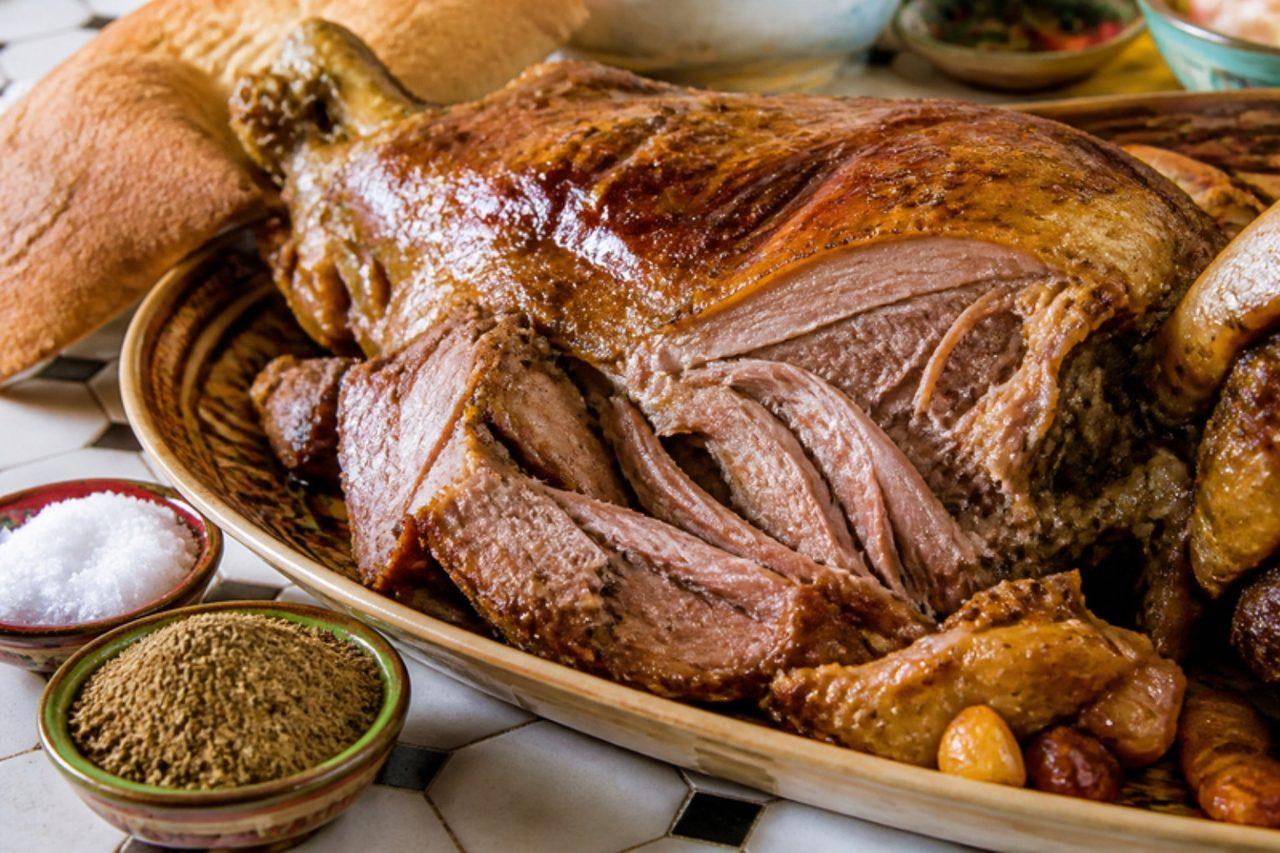
MechouiSlow-roast lamb shoulder

Under the arcades by the Marrakech spice square, mechoui sellers lift whole lambs out of clay pits sunk in the ground, where they have roasted since dawn, and sell it by weight with a twist of paper holding cumin and salt. A home oven cannot quite reproduce the pit, but a bone-in shoulder rubbed with garlic, paprika and cumin and roasted low and slow gets you close: crackling-crisp outside, tender enough to pull apart with fingers inside. It is festival and wedding food, and also a Sunday treat, eaten with bread and nothing more than the salt-cumin dip. Many cooks baste with butter; olive oil keeps this version dairy free. Chef's tip: leave the lamb uncovered for the last 30 minutes at a higher heat; that short blast is what gives the bark-like crust.

290 minMoroccanMeatGluten free
by KrazyBadal 0 views

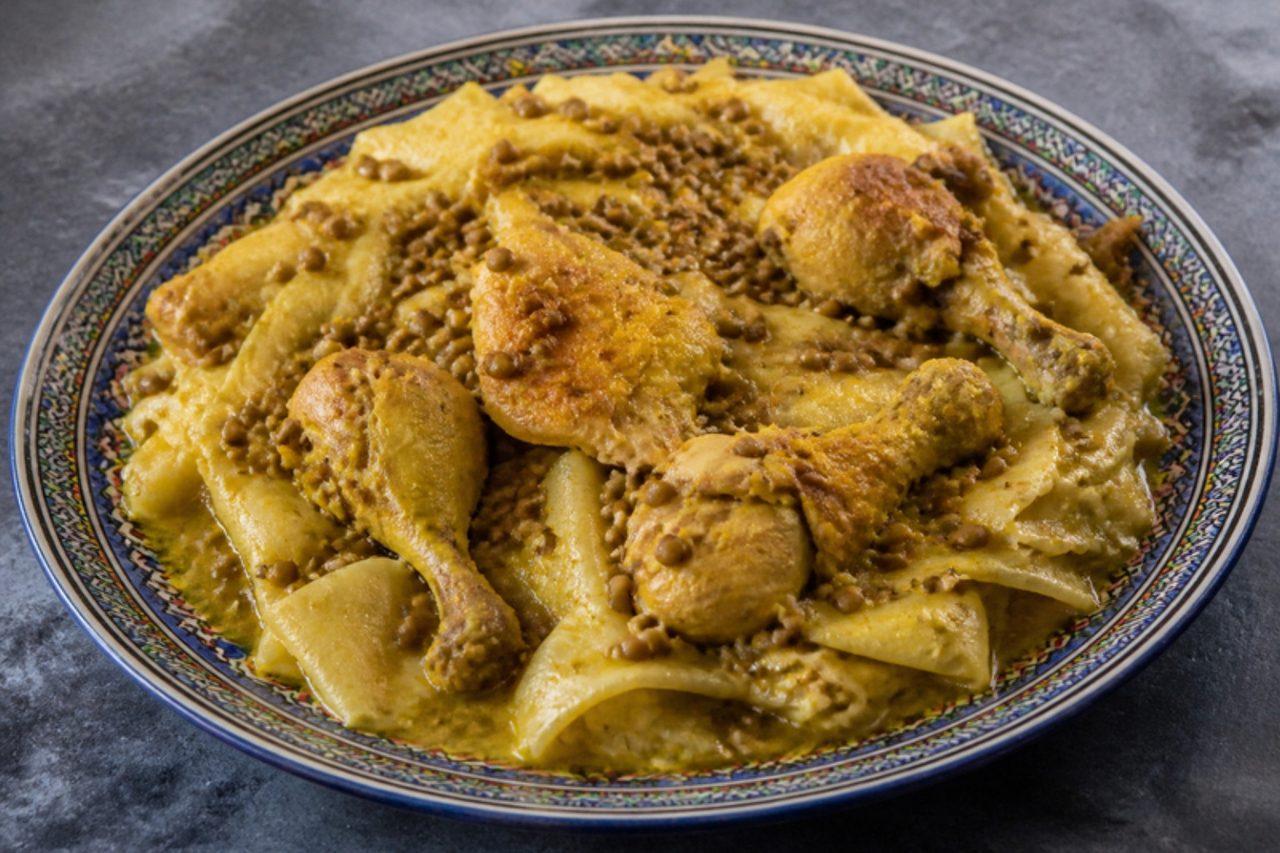
TridSaffron chicken on pastry sheets

Before pastilla became the showpiece, Fez and Marrakech made trid, a dish so old it is sometimes called the grandmother of rfissa. Sheets of dough are stretched until you can read through them, cooked briefly on an upturned pot, then layered on a platter and soaked with the cooking juices of chicken simmered with onions, lentils, saffron and a whisper of fenugreek. The pastry softens into silky, almost noodle-like folds, the sauce is golden and peppery, and the chicken sits on top in big pieces to be shared by hand. It is served at family lunches, for guests, and to women after childbirth. Chef's tip: oil your hands and the work surface generously when stretching the dough; it is the oil, not flour, that lets it go paper-thin without tearing.

by KrazyBadal 0 views

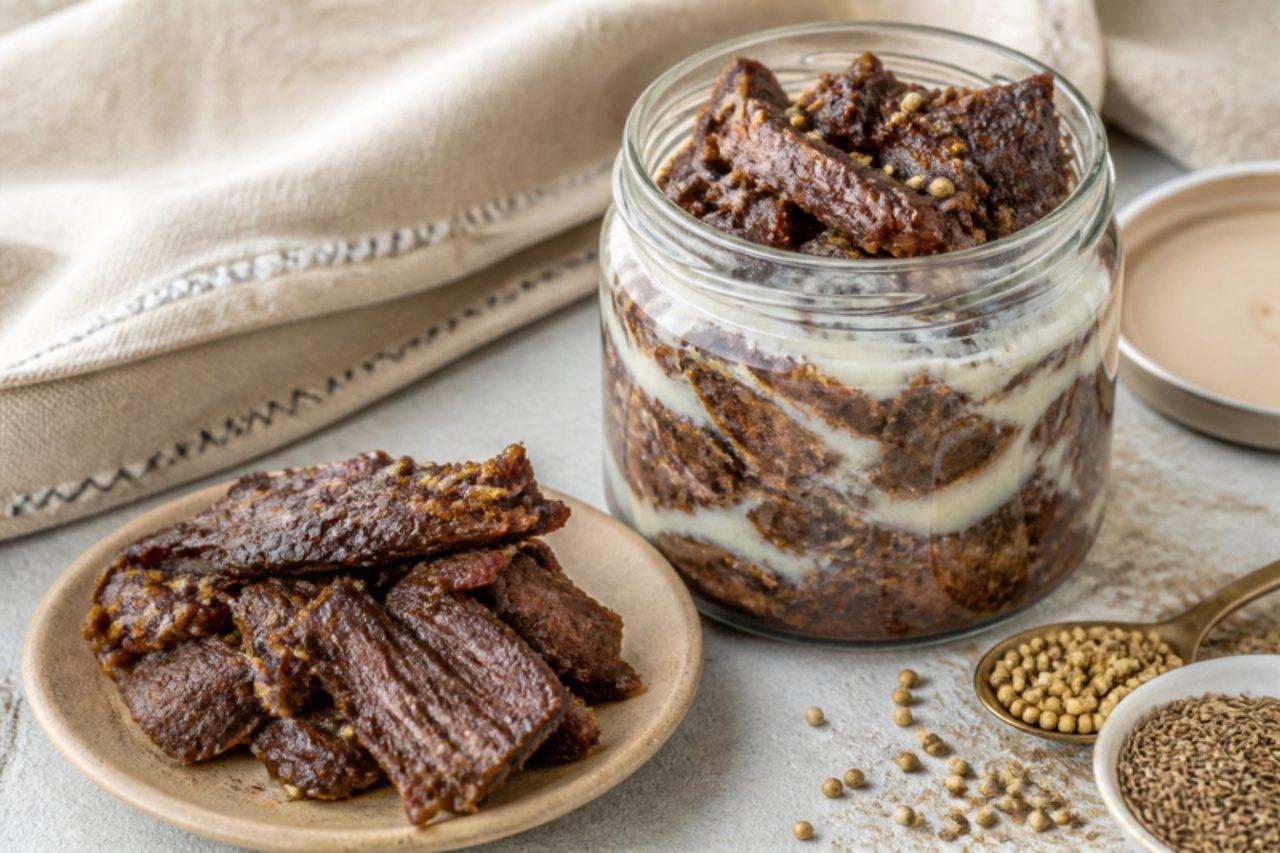
KhliiSpiced dried preserved beef

Once made in late summer from the Eid al-Adha meat, khlii was marinated, hung on rooftop lines in the Fez medina sun, then simmered in beef fat and olive oil and packed into earthenware jars for the year. It is deeply savoury and chewy, scented with coriander seed, cumin and garlic, and the fat it sits in is as prized as the meat, for frying eggs, enriching lentils or folding into couscous. This home version swaps the rooftop for the fridge and a low oven: the meat marinates for 24 hours in the fridge, dries for about 6 hours at a temperature that takes it well above 71 °C, then confits for about 90 minutes and goes back into the fridge, where it keeps for up to a month under its fat. Because it is a home-preserved meat, it is not for pregnant women, young children or anyone with a weakened immune system. Chef's tip: slice the beef with the grain into long strips no thicker than your little finger; thicker strips stay wet inside and spoil.

520 minMoroccanMeatGluten free
by KrazyBadal 0 views

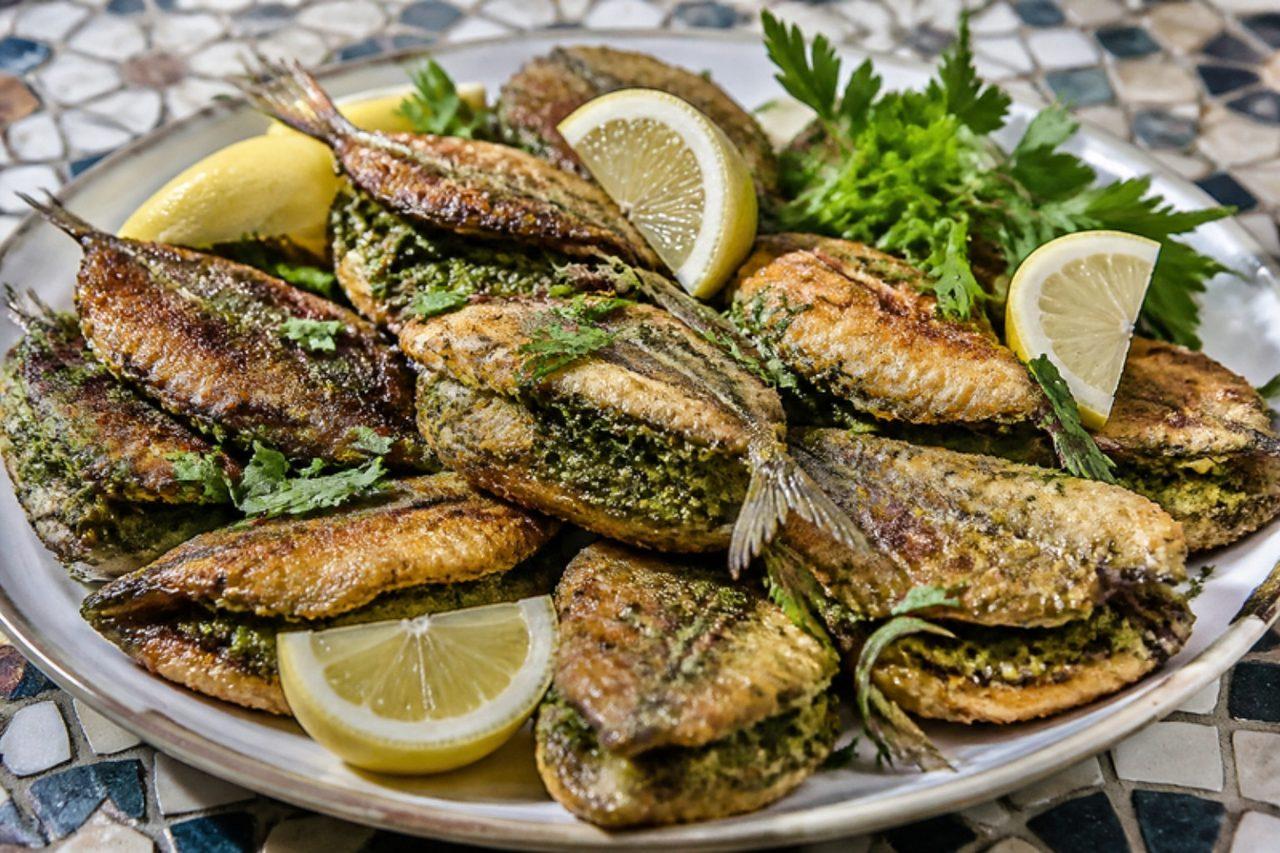
Sardines stuffed with chermoula

Walk past the fish stalls by Essaouira's harbour and you smell this before you see it: sardines opened flat, smeared with a green-red paste of herbs, garlic, cumin and paprika, pressed together in pairs, dusted with flour and fried until the edges crunch. The fish stays moist and rich inside, sharpened by lemon and a little chilli. In Safi and Agadir homes they appear at lunch with a tomato and onion salad and bread, or tucked into sandwiches from street carts. Chef's tip: ask the fishmonger to butterfly the sardines and remove the backbone; it saves a fiddly 20 minutes and they lie flat.

by KrazyBadal 0 views

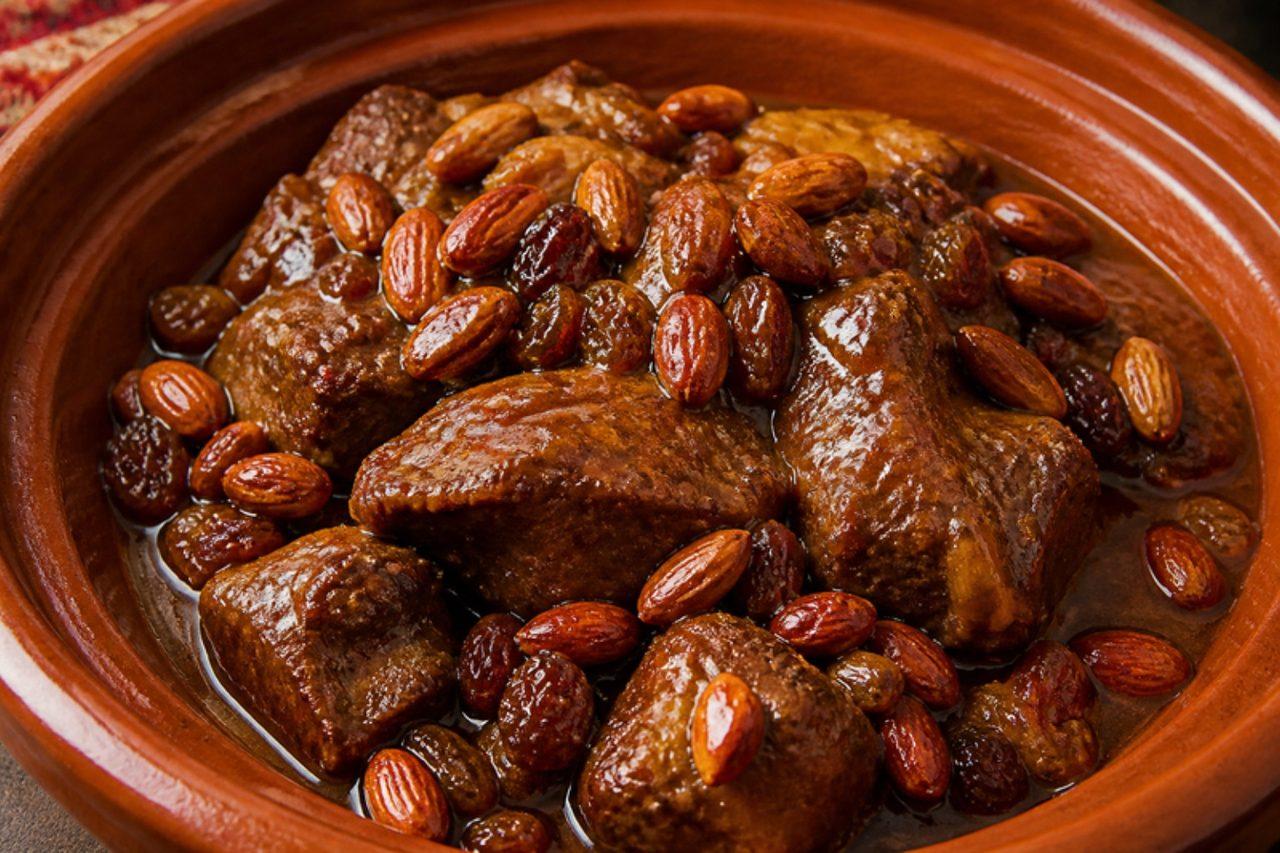
MrouziaLamb with honey and raisins

Families make a big pot of mrouzia in the days after Eid al-Adha, partly as a treat and partly as a way to keep meat: cooked down with honey, smen and spices until almost confit-like, it keeps for days, and in the past for weeks. The lamb is very tender and dark, coated in a thick, sweet-spiced sauce heavy with ras el hanout, cinnamon and saffron, with plump raisins and fried almonds on top. Serve small portions with bread and a sharp salad to balance the richness. The usual mistake is adding the honey too early, so it catches and turns bitter before the lamb is tender. Chef's tip: add the honey only once the meat is tender; added early, it scorches on the base during the long cook.

150 minMoroccanMeatGluten free
by KrazyBadal 0 views

Couscous with gueddidCouscous with dried spiced lamb

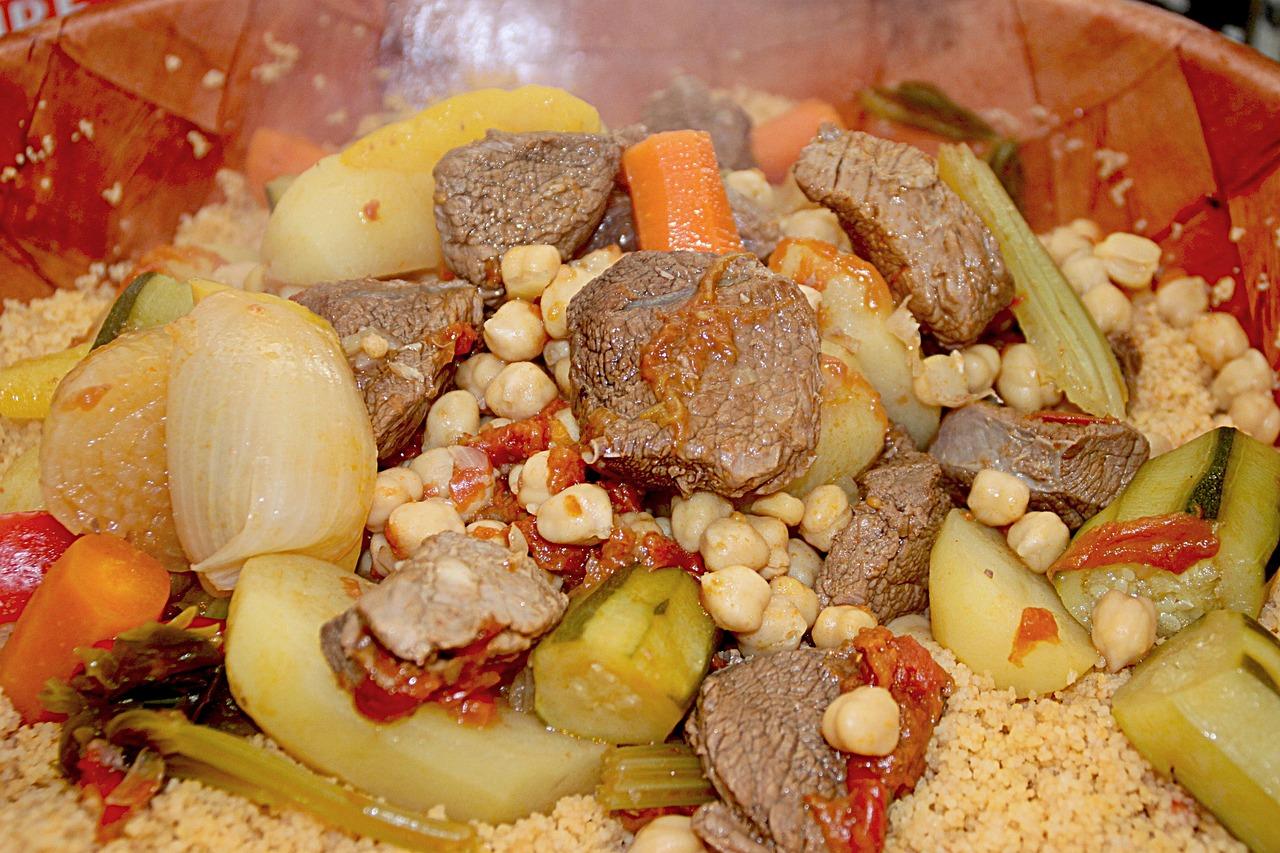
Gueddid is the strips of salted, spiced lamb that Moroccan households dry after Eid al-Adha, and on Ashura, a month later, many families bring out the last of it for a couscous. A few pieces go a long way: they give the broth a deep, almost smoky savour, turn tender as they simmer, and sit on the mound of grain with chickpeas, turnip, carrots, courgette and pumpkin. This version makes a small batch of gueddid the safer way, marinated for 24 hours in the fridge, then dried for about 4 hours in a low oven that takes the meat above 71 °C; it keeps 2 weeks in the fridge or 3 months frozen. Because it is a home-cured meat, any gueddid eaten without cooking in the broth is not for pregnant women, young children or anyone with a weakened immune system. Chef's tip: rinse the gueddid and soak it for 30 minutes before cooking, or the broth will be far too salty.

by KrazyBadal 0 views

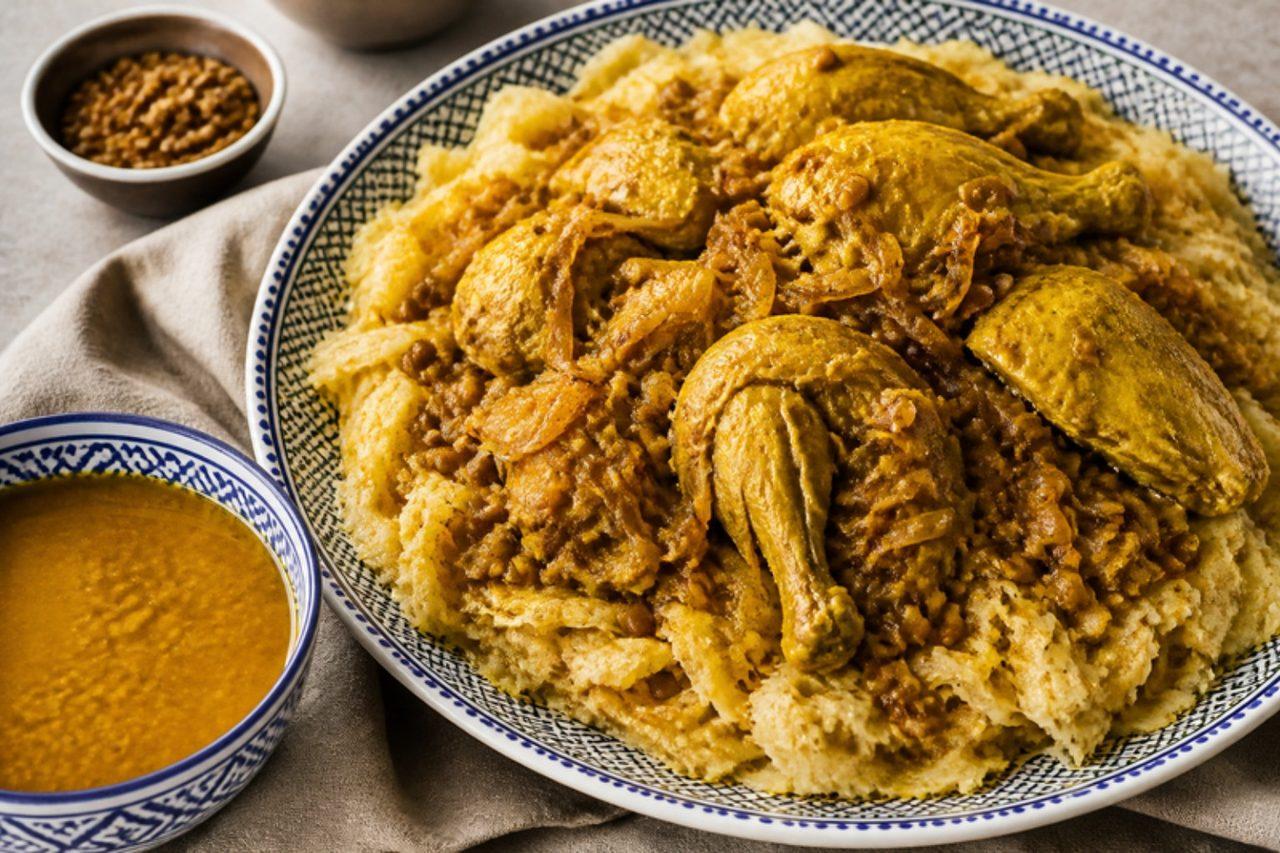
RfissaChicken with shredded flatbread and lentils

Ask anyone in Rabat or Salé when they last ate rfissa and the answer is often a birth, a naming day or a big family Friday: it is the dish brought to new mothers, because fenugreek and lentils are believed to restore strength. Torn strips of msemen, the flaky square pancake, are steamed until soft and piled high, then drenched in a broth of chicken, onion, ras el hanout and fenugreek that is warming, earthy and a little bitter-sweet. The chicken crowns the mound and everyone eats from the shared platter. Use homemade or bought msemen; day-old is best. Chef's tip: steam the shredded msemen over the simmering broth before saucing it, so it swells and softens instead of turning claggy.

by KrazyBadal 0 views

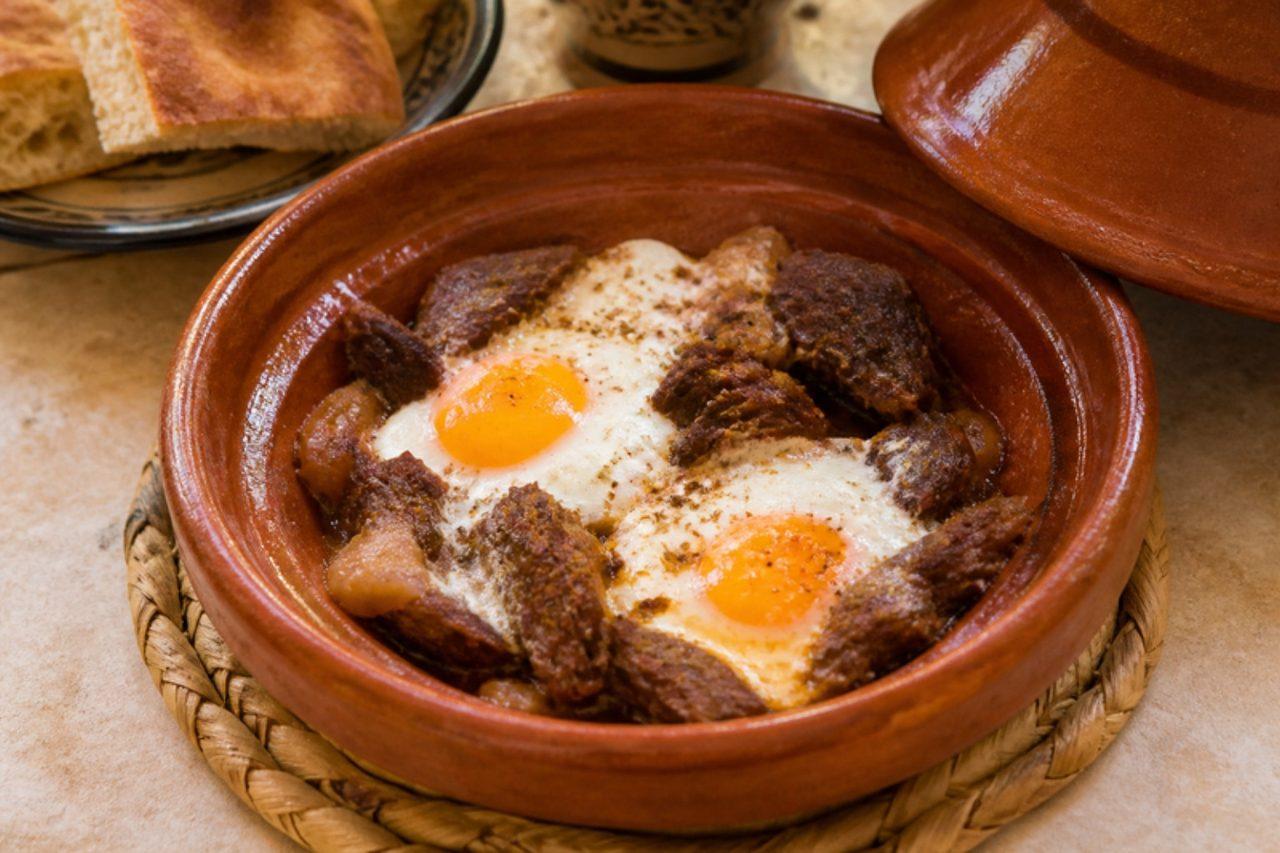
Eggs with khlii

Old Fassi households keep a jar of khlii in the cold for exactly this: a spoonful of its spiced fat warmed in a small pan, a few strands of the dried beef crisped in it, then eggs cracked straight on top. The whites set lacy and savoury from the cumin and coriander in the fat, the yolks stay soft, and the beef shards turn chewy-crisp like the best bacon bits. It is eaten on a weekend morning or on a cold day with warm khobz or msemen torn into the pan, alongside mint tea. Use khlii made by our safer oven-dried, fridge-stored method, and if you cook for anyone pregnant, very young or vulnerable, fry the eggs until the yolks are firm. Chef's tip: warm the khlii fat gently before the eggs go in; too hot and the meat burns bitter before the whites have set.

by KrazyBadal 0 views

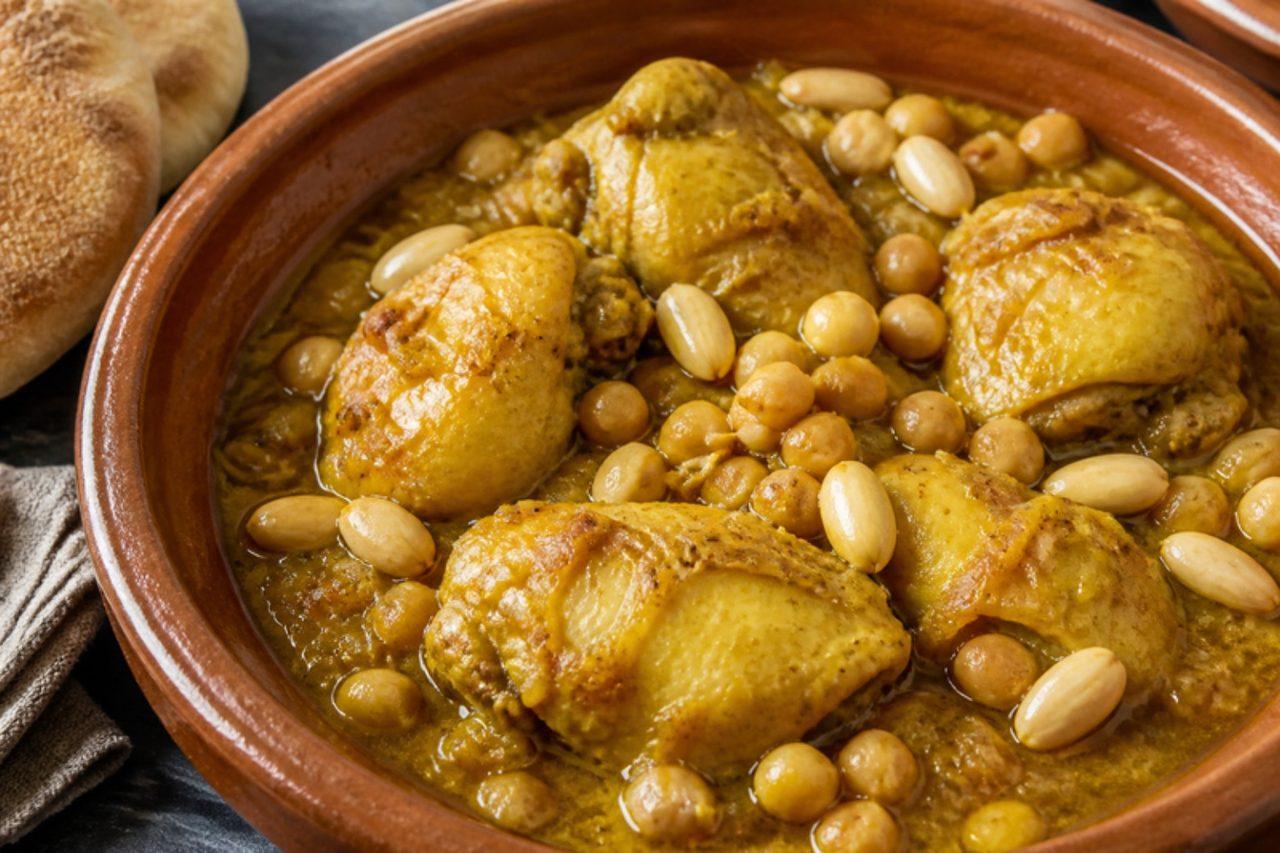
Chicken kdra with almonds

Kdra takes its name from the tall copper pot it was cooked in, and in Fez it is a festive dish for weddings and family gatherings rather than an everyday tagine. The sauce is the point: kilos of onion melted down with smen, saffron, white pepper and cinnamon until it turns pale gold and creamy, with no tomato or paprika at all. Soft chickpeas and almonds simmered until tender go into it, and the whole thing is scooped up with bread. Expect a mellow, perfumed, buttery richness rather than heat. Chef's tip: soak and simmer the blanched almonds with the chicken; they lose their crunch and become creamy like the chickpeas, which is how Fassi cooks like them.

by KrazyBadal 0 views

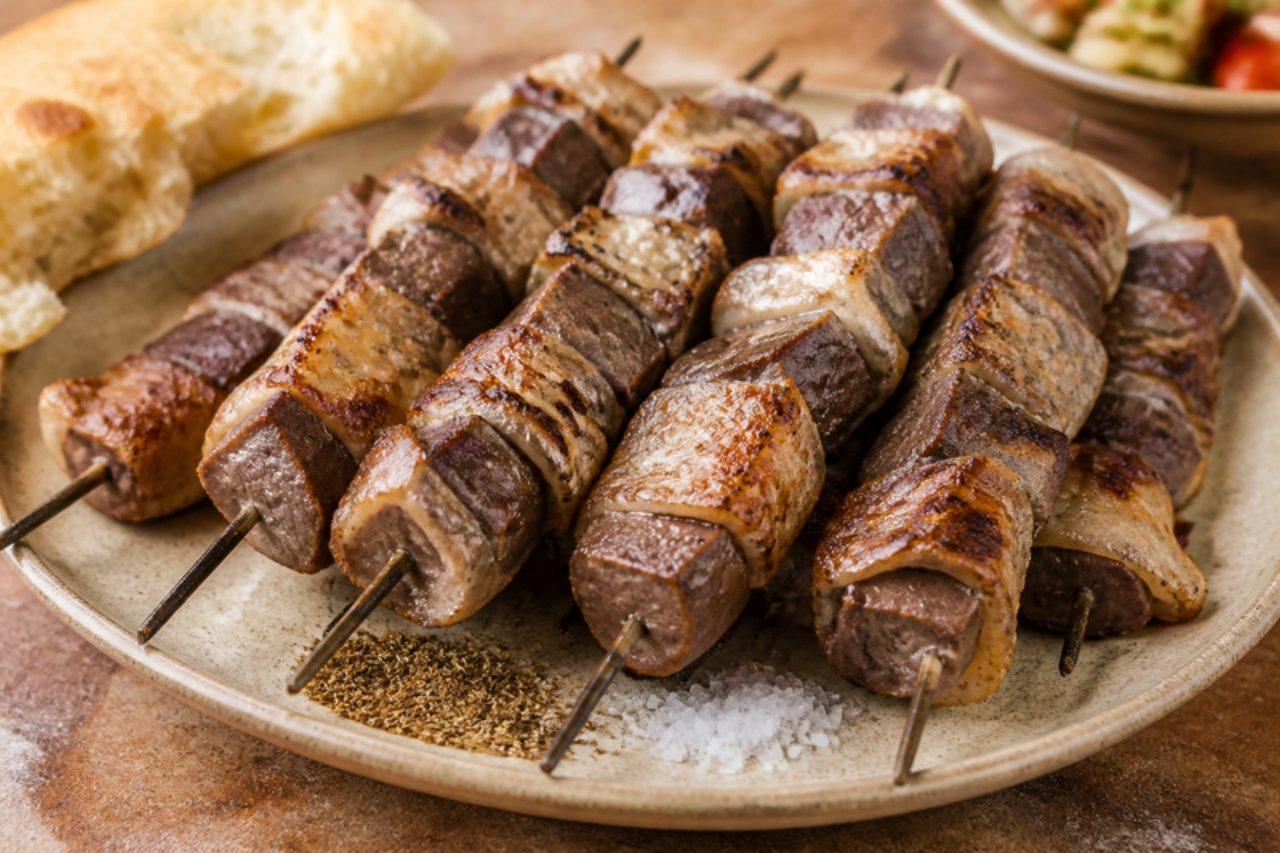
BoulfafGrilled lamb liver skewers

On the first day of Eid al-Adha, while the rest of the sheep hangs to rest, Moroccan families light the brazier on the roof or in the courtyard and make boulfaf from the fresh liver. The liver is seared whole, cut into cubes, rolled in cumin, paprika and salt, wrapped in lacy caul fat and grilled until the fat crisps and melts into it. Each bite is rich, smoky and soft, and the skewers go round with mint tea. Liver from your butcher works just as well on any day, and caul fat can be ordered. Chef's tip: wrap each cube snugly, not in a loose sheet; tight wrapping melts into a thin crisp shell instead of flaring up.

by KrazyBadal 0 views

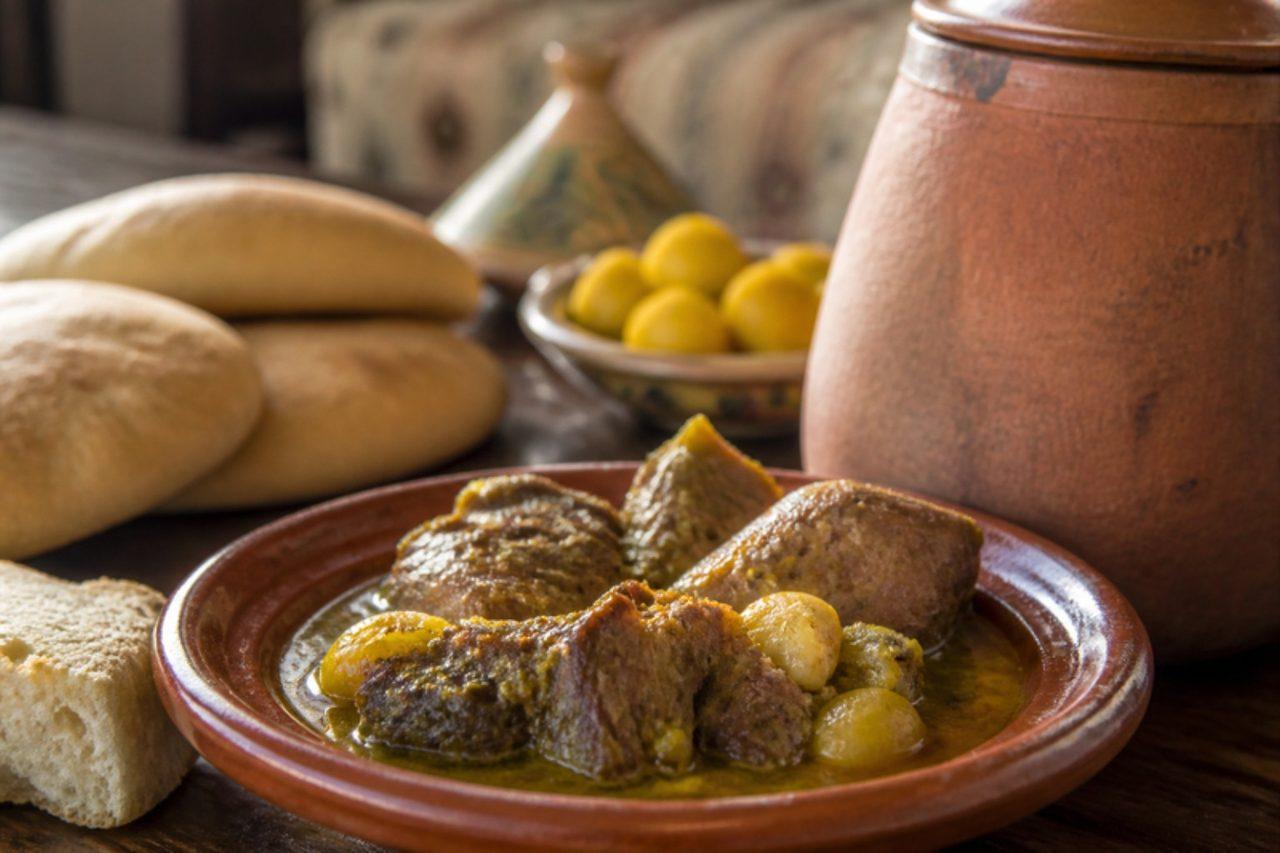
Tanjia marrakchiaSlow-cooked beef with preserved lemon

Marrakech men's dish par excellence, tanjia is packed into a tall clay urn on a Friday morning, sealed with paper and string, and carried to the furnace man of the local hammam, who buries it in the warm ashes all day. Nothing is browned and almost no water goes in: the beef shin collapses in its own juices with preserved lemon, a whole head of garlic, cumin, saffron and smen into soft, sticky strands with a sharp, salty, lemony sauce. It comes to the table in the evening with bread and nothing else. At home, a lidded casserole in a low oven gives the same result. Chef's tip: wrap the lid of the pot in foil before closing it; a tight seal keeps in the steam that braises the meat without adding water.

375 minMoroccanMeatGluten free
by KrazyBadal 0 views

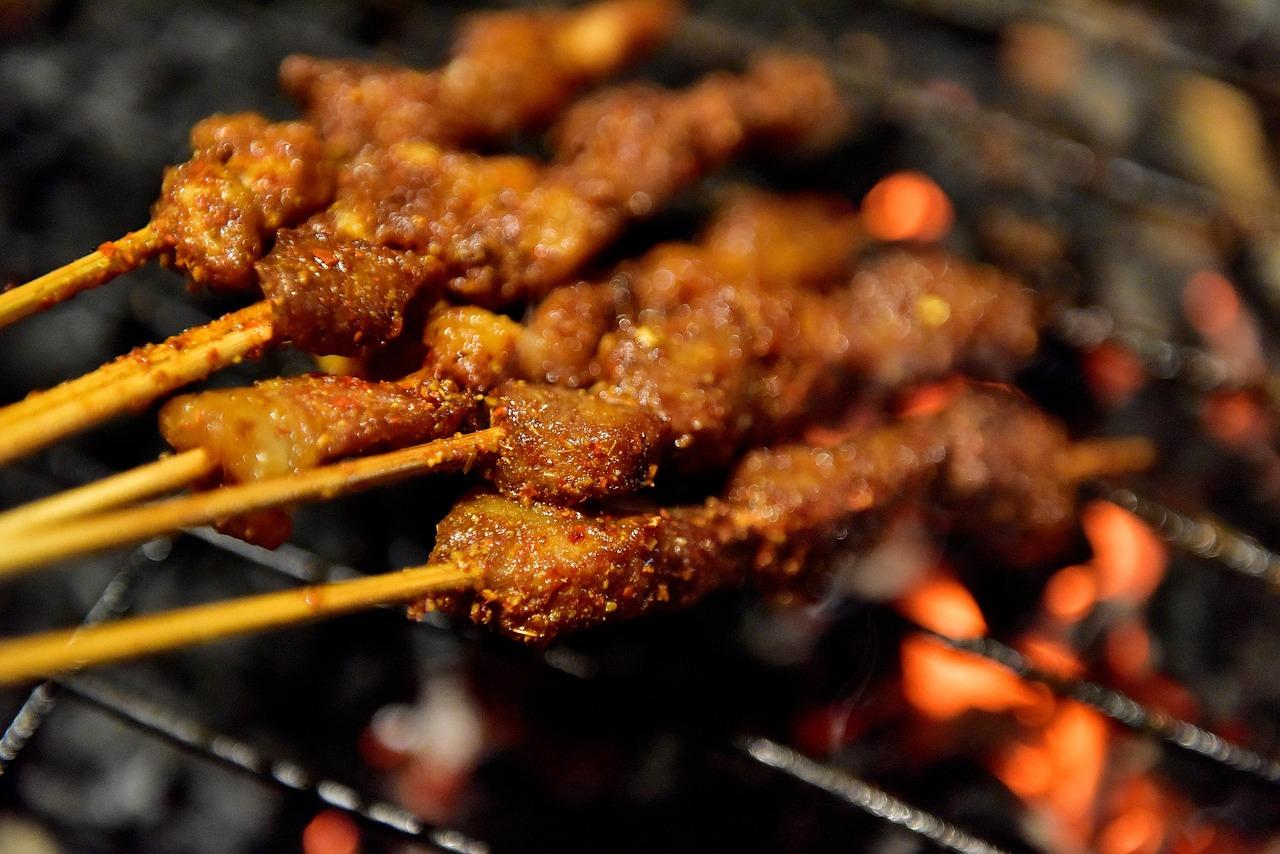
QodbanGrilled lamb skewers

Smoke rising off long braziers marks the qodban sellers of Marrakech, who thread lamb cubes with little pieces of fat so the meat bastes itself over the coals. Cumin, paprika, grated onion and parsley go on before grilling; more cumin and salt go on after. The result is charred and juicy, fragrant rather than fiery, and eaten straight off the skewer, wrapped in khobz with a little harissa and tomato. Leg or shoulder of lamb both work. Chef's tip: alternate every two pieces of lean meat with one small piece of fat; it melts as the skewer turns and keeps the lean pieces moist.

by KrazyBadal 0 views

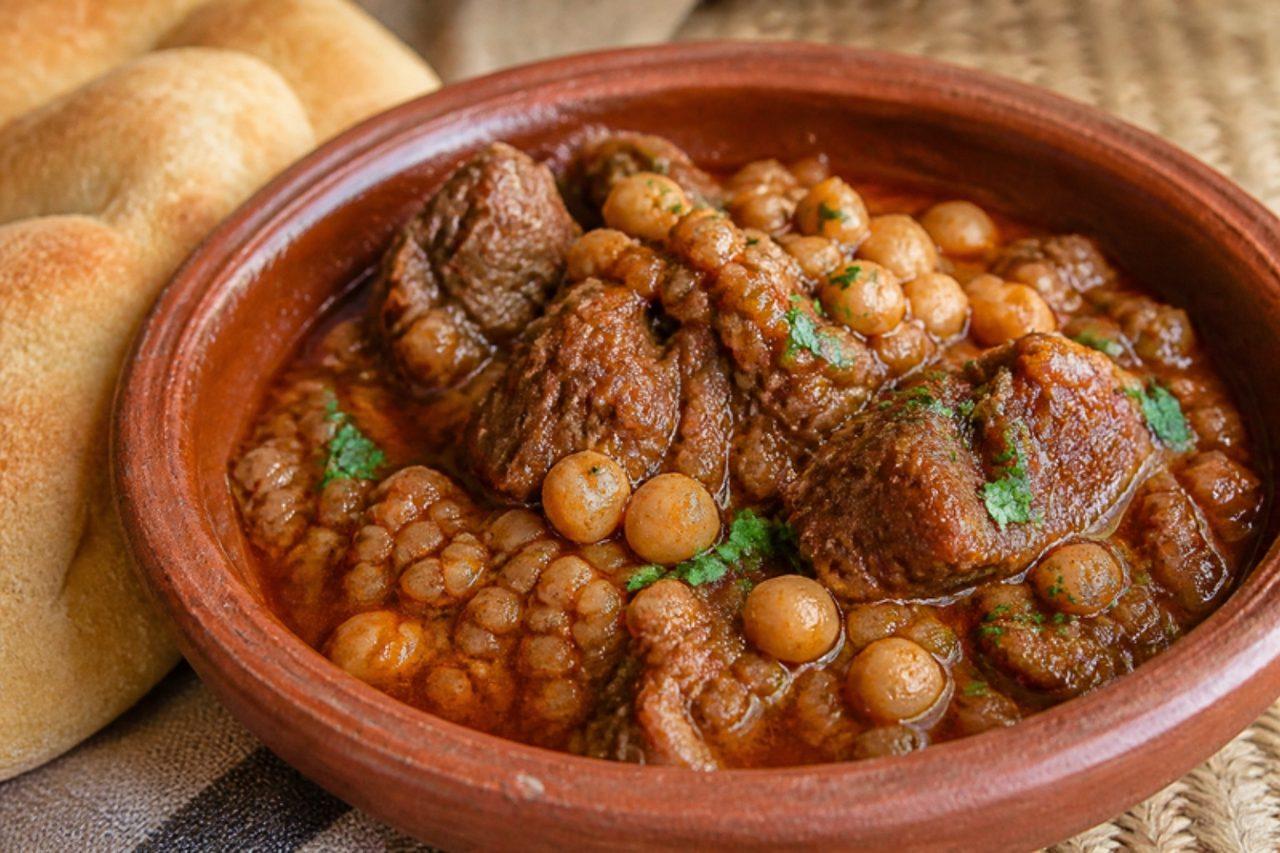
HergmaLamb trotters with chickpeas

Sticky with gelatine and warmed by cumin and ginger, hergma is the winter comfort food of Rabat's working kitchens and the dish families make from the trotters after Eid al-Adha. The feet cook for hours with chickpeas, whole wheat berries, garlic and a warm mix of paprika, cumin and ginger, until the gelatine melts into a sauce so sticky it glues your fingers together. Some cooks add raisins for a sweet edge. Eat it hot with bread, picking the tender meat and soft cartilage from the bones. A butcher who sells halal or Mediterranean cuts will clean, singe and split the trotters for you; ask for that. Chef's tip: blanch the trotters and throw away the first water; it carries off the scum and gives a clean-tasting sauce.

260 minMoroccanMeat
by KrazyBadal 0 views

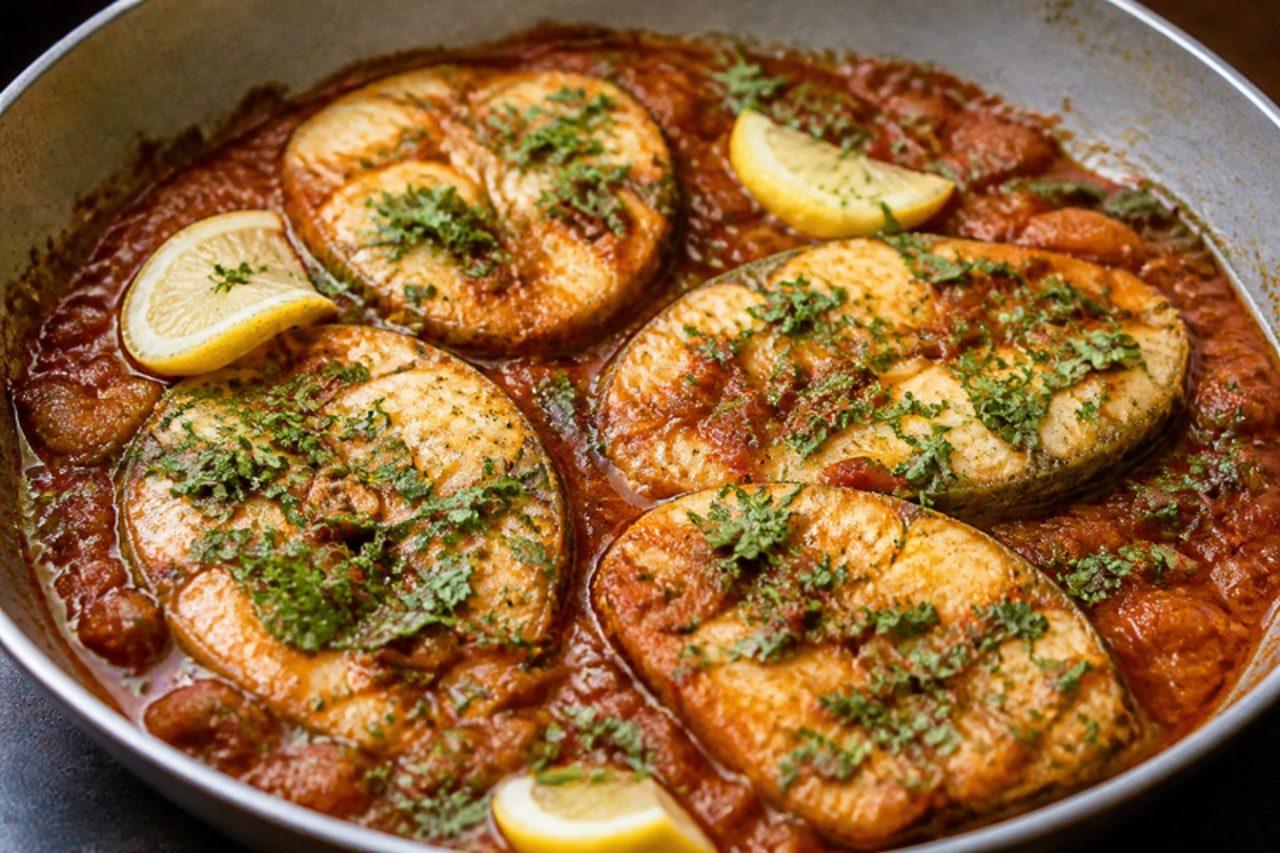
ChraimeFish in spicy garlic paprika sauce

Friday night in Moroccan and Libyan Jewish homes, from Casablanca to Tripoli and now Paris and Tel Aviv, often begins with a plate of chraime before the main course. Thick fish steaks simmer in a brick-red sauce built from a frightening amount of garlic, sweet and hot paprika, chilli, caraway and cumin, loosened with oil and a squeeze of lemon. It is spicy, garlicky and very savoury, and the oily sauce begs to be mopped up with challah or other good bread. It is also eaten cold the next day. Chef's tip: cook the spices in the oil over a low heat until they smell toasty but not dark; burnt paprika tastes acrid and you cannot rescue it.

by KrazyBadal 1 views

Lemon verbena tea (louiza)

After a big dinner or before bed, many Moroccan households swap green mint tea for a pot of louiza, lemon verbena, whose long, narrow leaves give a pale golden infusion that smells of lemon sherbet and has no caffeine. The fresh herb is sold in bunches alongside mint and absinthe at market herb stalls, and dried leaves keep all year. Drink it plain, lightly sweetened, or brewed with a few mint sprigs. It is soothing, clean-tasting and fragrant. Chef's tip: pour boiling water over the leaves and let them steep off the heat for 5 minutes; boiling the leaves in the pot, a common mistake, turns the tea grassy and bitter.

by KrazyBadal 0 views

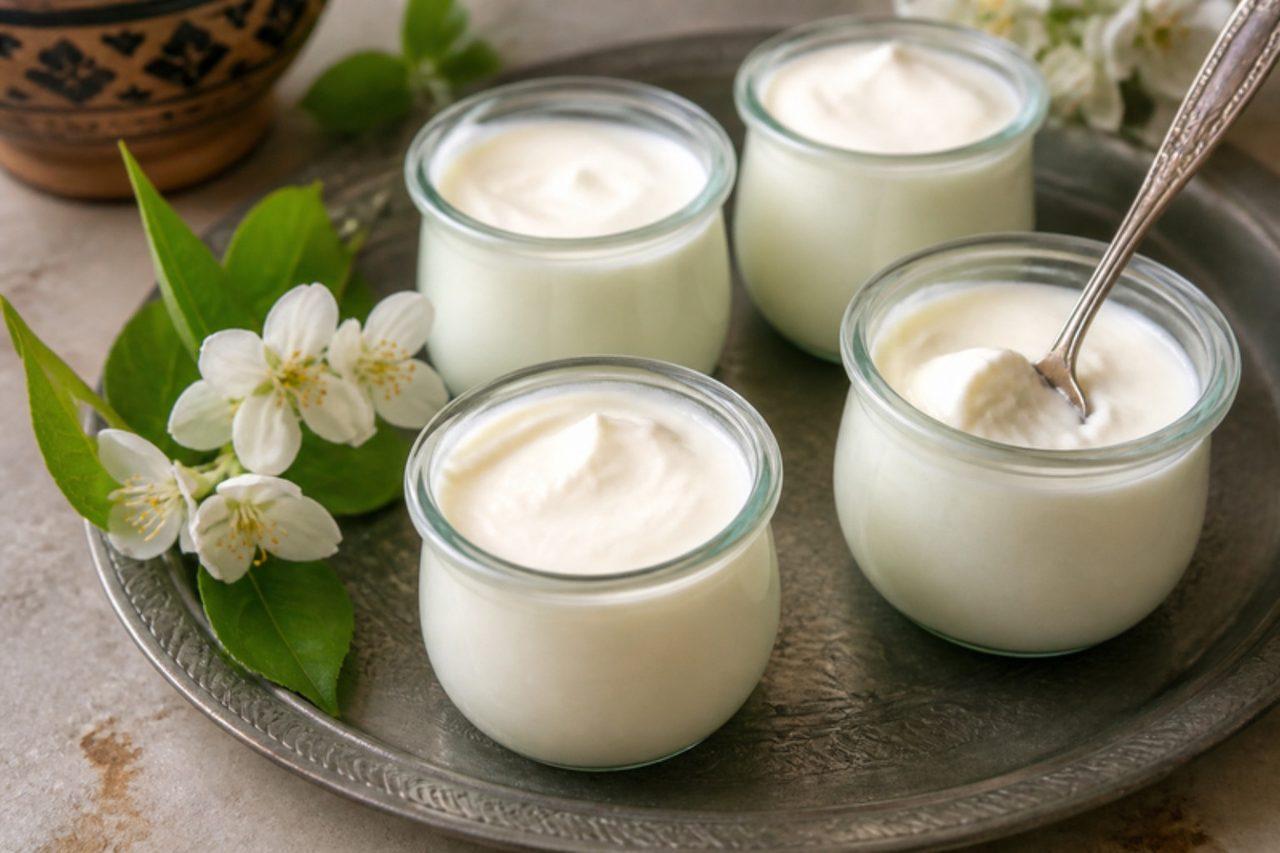
Raib (set yogurt with orange-flower water)

Every Moroccan town has a mahlaba, a dairy café, with a fridge full of little glass pots of raib: soft, wobbly set yogurt, lightly sweetened and often scented with orange-flower water or flavoured with strawberry. It is eaten with a spoon as a snack, as a dessert after dinner, or with msemen at breakfast. The texture is delicate and spoonable rather than thick like strained yogurt. The oldest versions were set with rennet; this home version uses live yogurt as a starter (if you try rennet tablets, choose a vegetarian one). It needs 6–8 hours to set and a few hours to chill. Chef's tip: let the milk cool to 43 °C before adding the starter; too hot and the cultures die, so the raib never sets, which is the most common mistake.

by KrazyBadal 0 views

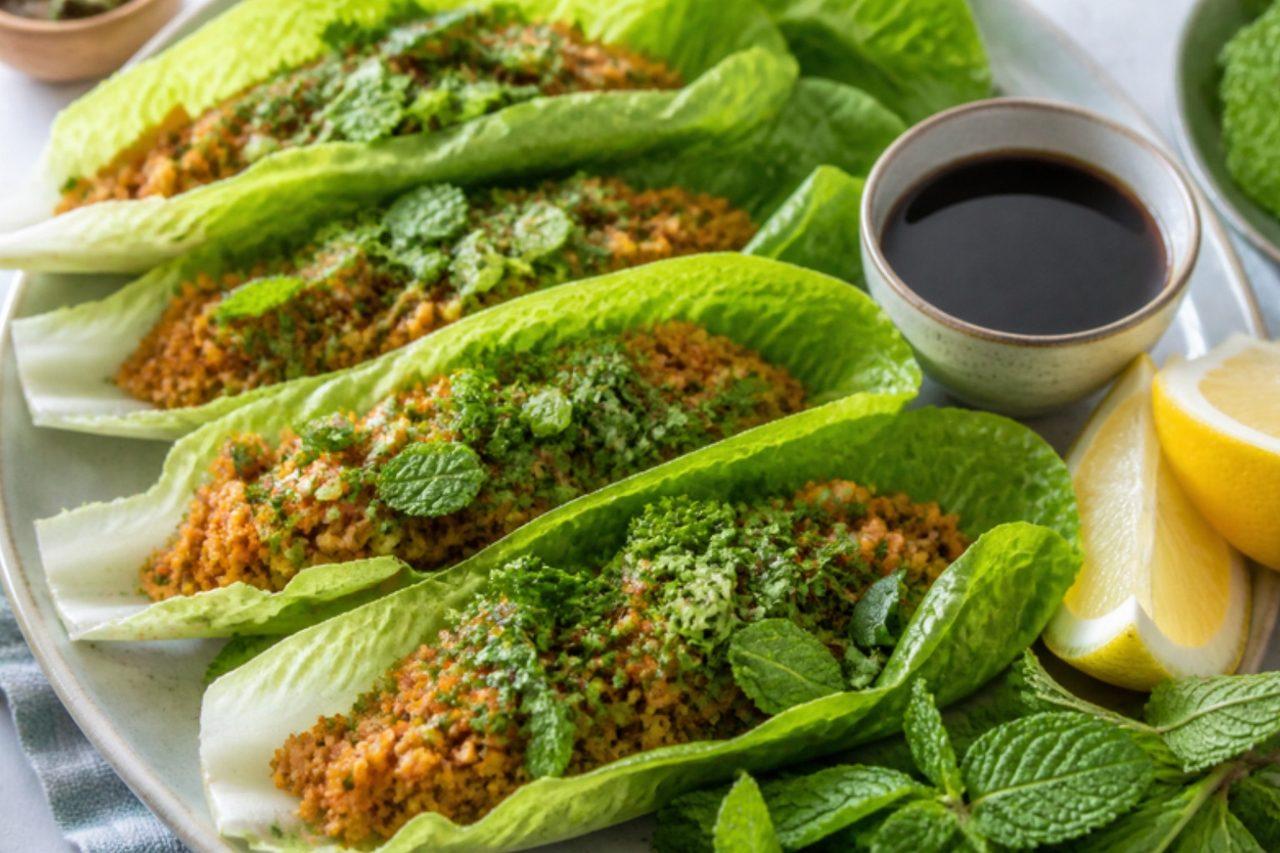
Çiğ köfteSpicy bulgur and pepper paste rolls

Şanlıurfa is the home of çiğ köfte, and the version sold today from shops all over Turkey is entirely meatless: fine bulgur kneaded for a long time with isot (Urfa's dark, smoky chilli), pepper paste, onion, garlic and pomegranate molasses until it turns soft and dough-like. Squeezed into finger shapes, it is wrapped in lettuce or lavaş with a squeeze of lemon and plenty of parsley, and in Urfa it is often made by a group of friends on a winter evening. Don't add all the water at once; the bulgur should be just moist, never wet. Chef's tip: the kneading is the cooking, so knead for at least 20 minutes until the mixture is glossy and holds a fingerprint.

by KrazyBadal 0 views

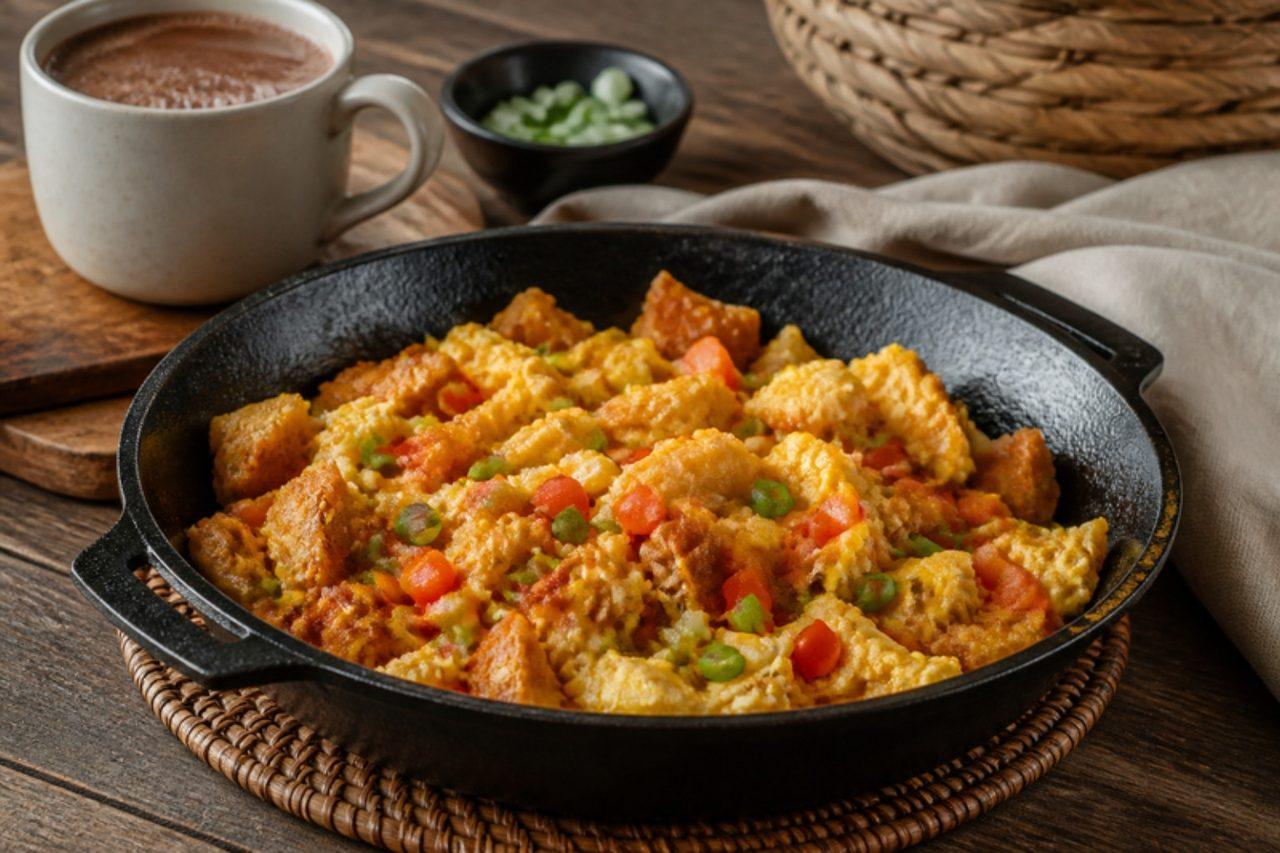
Migas de arepaArepa and scrambled egg hash

Nothing goes to waste in a paisa kitchen. Yesterday's arepas are torn into rough pieces and fried in a pan of hogao, the slow tomato and spring onion sauce of Antioquia, then folded through with soft scrambled eggs. It is a weekday breakfast across Medellín and the coffee towns, served with a cup of hot chocolate or a strong coffee, and it takes about as long as making toast. The texture should be part crisp, part soft, coated in eggy tomato. Most people stir it too much, which turns the arepa to mush; fry it first and let it crisp before the eggs go in. Use plain white-corn arepas, homemade or bought. Chef's tip: take the pan off the heat while the eggs still look a touch wet; they finish in the residual warmth and stay creamy.

by KrazyBadal 0 views

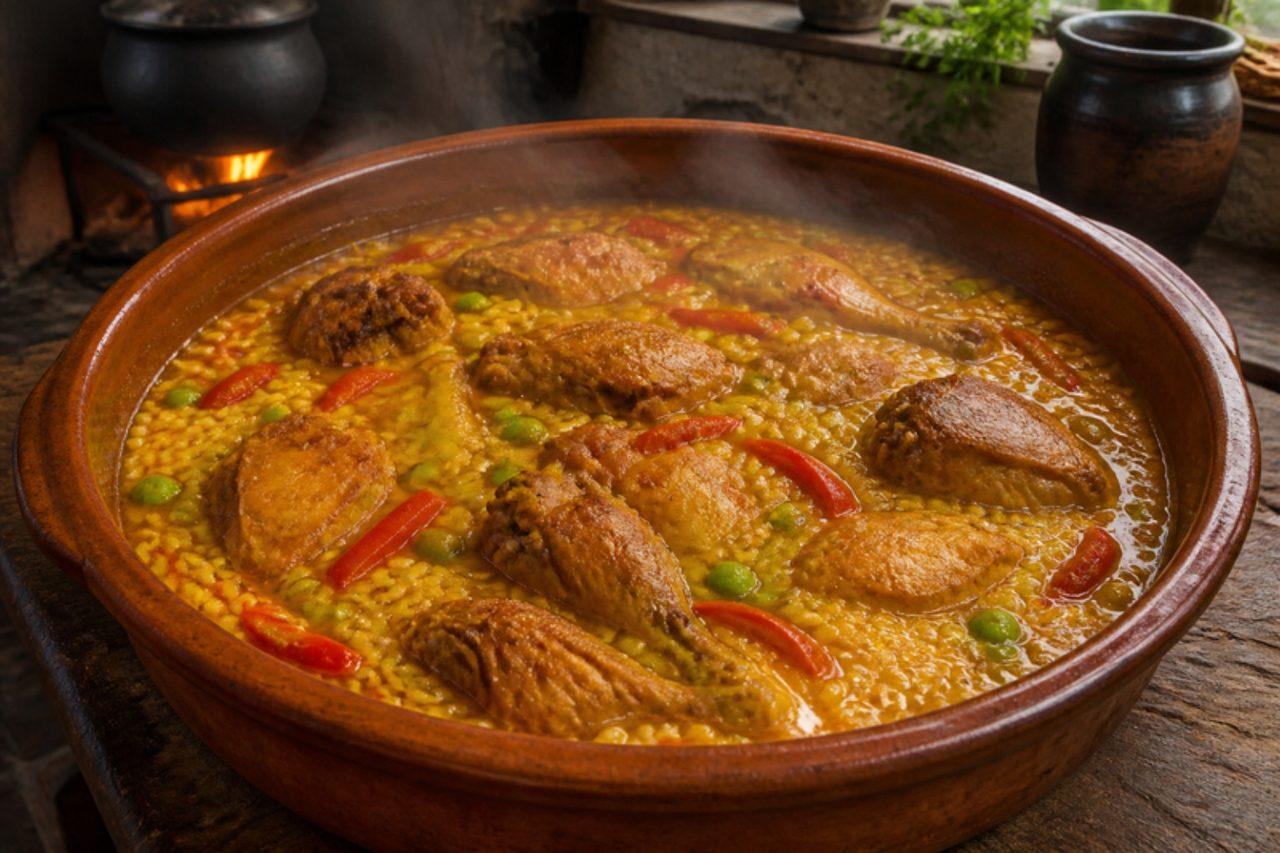
Arroz con pitu de caleyaSoupy rice with chicken

A pitu de caleya is a cockerel raised free in the lanes, or caleyas, of rural Asturias; its firm, flavourful meat needs long stewing, and families around Villaviciosa and Grado still cook it for feast days. The stew is often finished as a soupy rice, so the deep chicken juices go into every grain. Use the best free-range chicken you can find. The braise includes dry white wine; replace it with extra stock and a squeeze of lemon if you want it alcohol-free. Chef's tip: brown the chicken slowly and deeply; that colour is where the flavour of the whole pot comes from.

by KrazyBadal 1 views

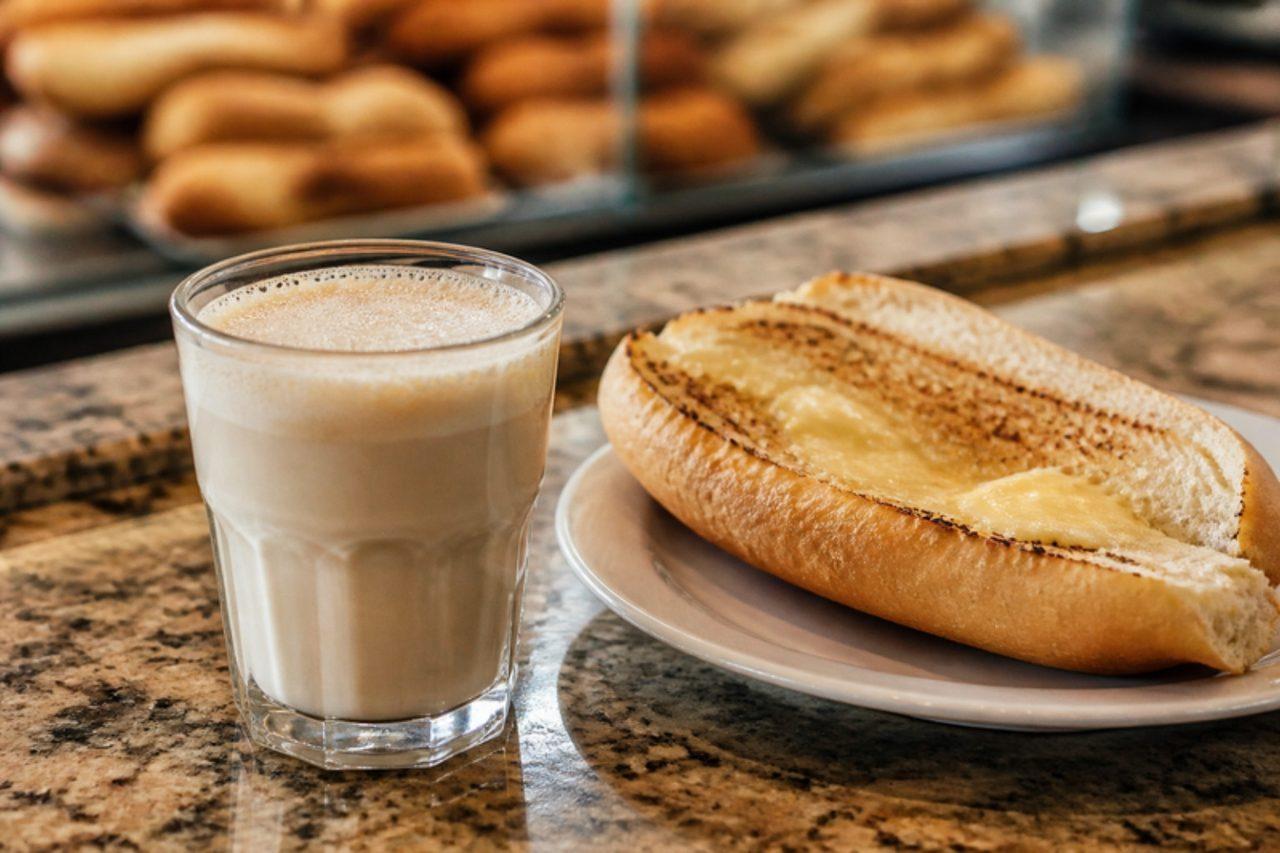
PingadoHot milk with coffee

Order 'um pingado' at the balcão of any São Paulo padaria at 7 in the morning and the attendant pours hot milk into a ridged glass tumbler (the copo americano) and 'drips' in a splash of strong coffee, hence the name. It is milkier and gentler than a média (half coffee, half milk), creamy and lightly sweet, usually drunk standing up with a pão na chapa, a toasted buttered roll. At home you need strong filter coffee and milk heated until steaming. Scalding the milk is the frequent mistake, as boiled milk tastes flat and forms a skin. Chef's tip: froth the hot milk for a few seconds with a whisk or by pouring it back and forth between two jugs before adding the coffee, as padaria machines do.

by KrazyBadal 1 views

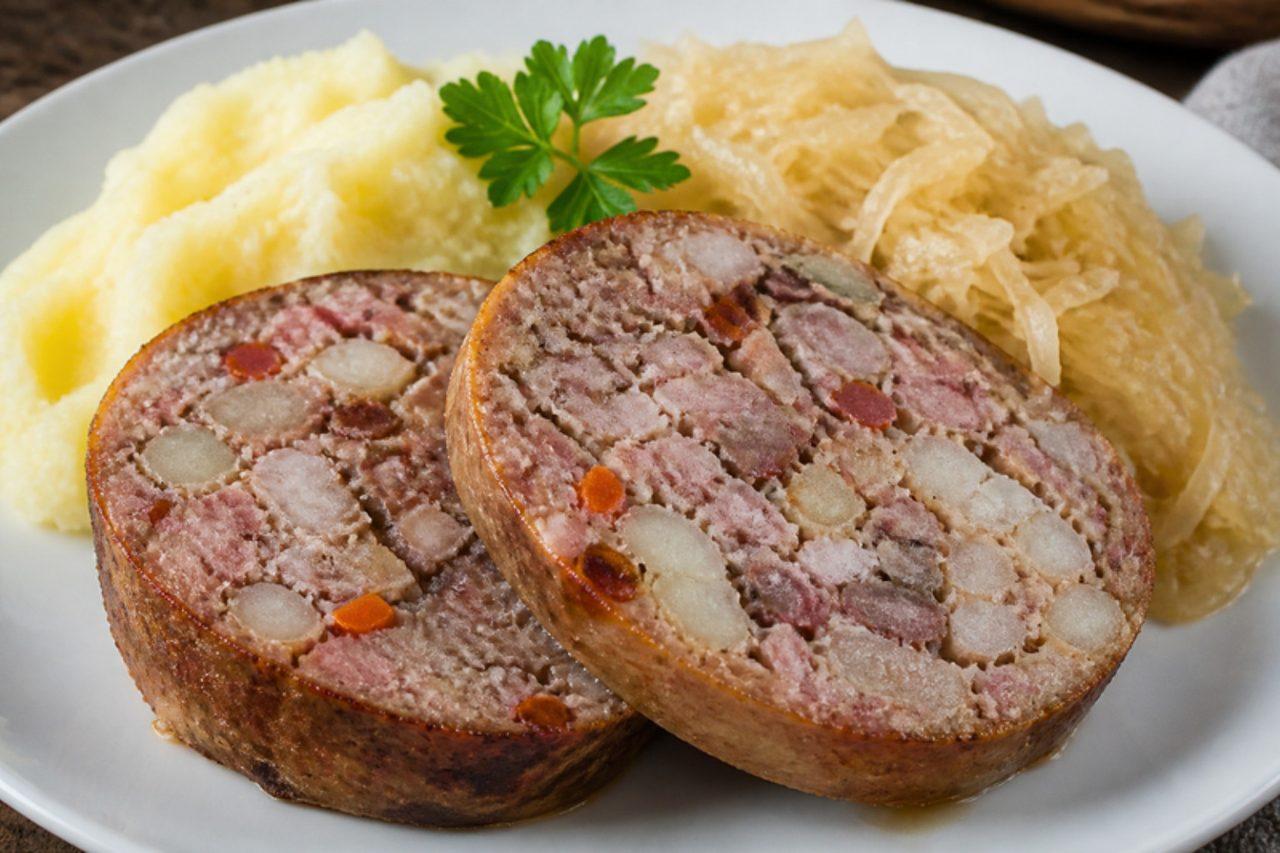
Pfälzer SaumagenStuffed pig's stomach

Saumagen is the pride of the Palatinate, served at wine-village festivals and family dinners from the Haardt hills to Ludwigshafen. A cleaned pig's stomach is stuffed with diced pork shoulder, pork sausage meat, potato and carrot seasoned with marjoram and nutmeg, poached slowly, then sliced thick and fried until crusty. The stomach works only as a casing and is ordered from a butcher; if you can't get one, bake the same filling in a covered terrine in a water bath. Serve with sauerkraut and mashed potato. Chef's tip: fill the stomach only three-quarters full, or it bursts as the potatoes swell.

225 minGermanMeatGluten free
by KrazyBadal 1 views

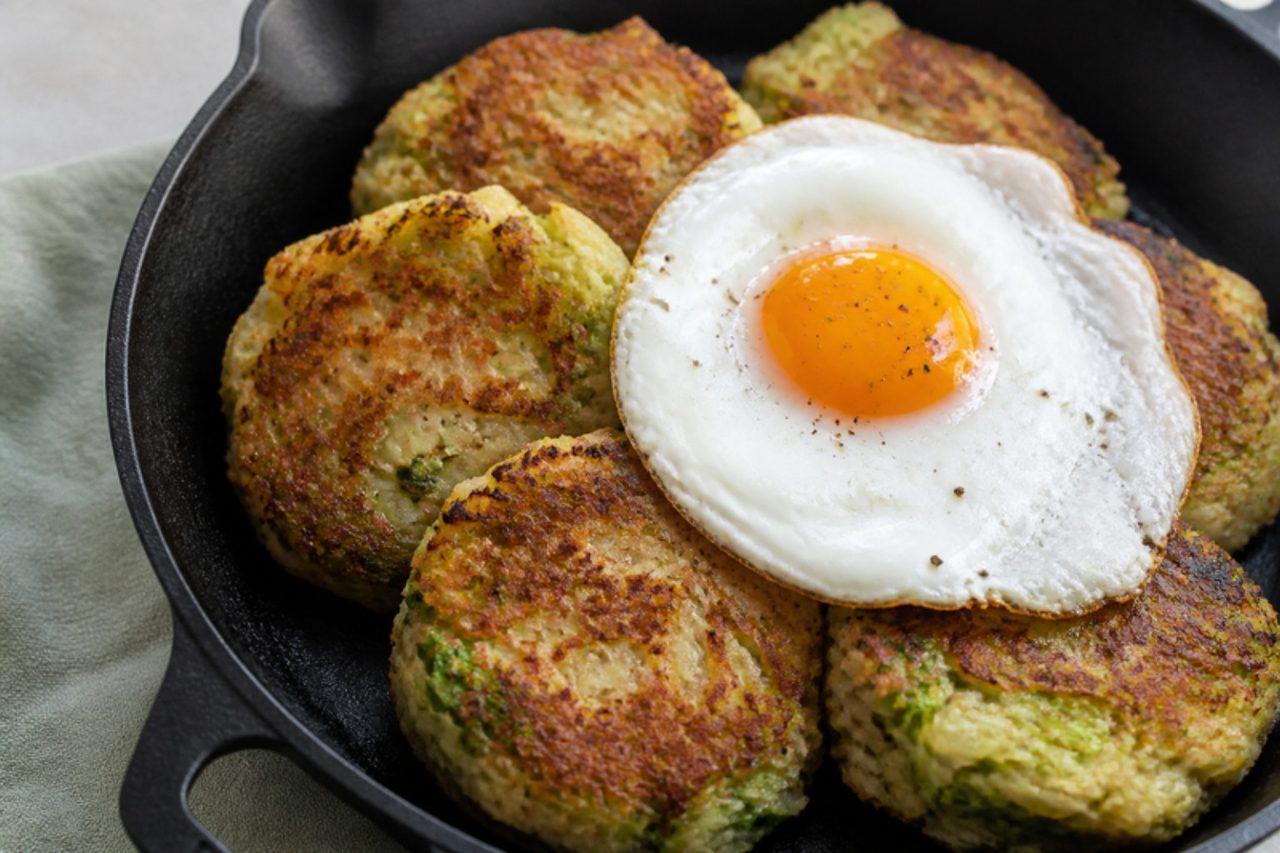
Bubble and squeak

Bubble and squeak is what English households, especially in London, make on Boxing Day and Monday mornings from the Sunday roast's leftover potatoes and greens. It's named for the noise it makes in the pan. The mash and cabbage or sprouts are fried until a deep brown crust forms, then turned and crisped again. Serve with a fried egg and brown sauce. Chef's tip: press it flat and leave it alone in the pan; the crust only forms if you don't keep stirring.

by KrazyBadal 0 views

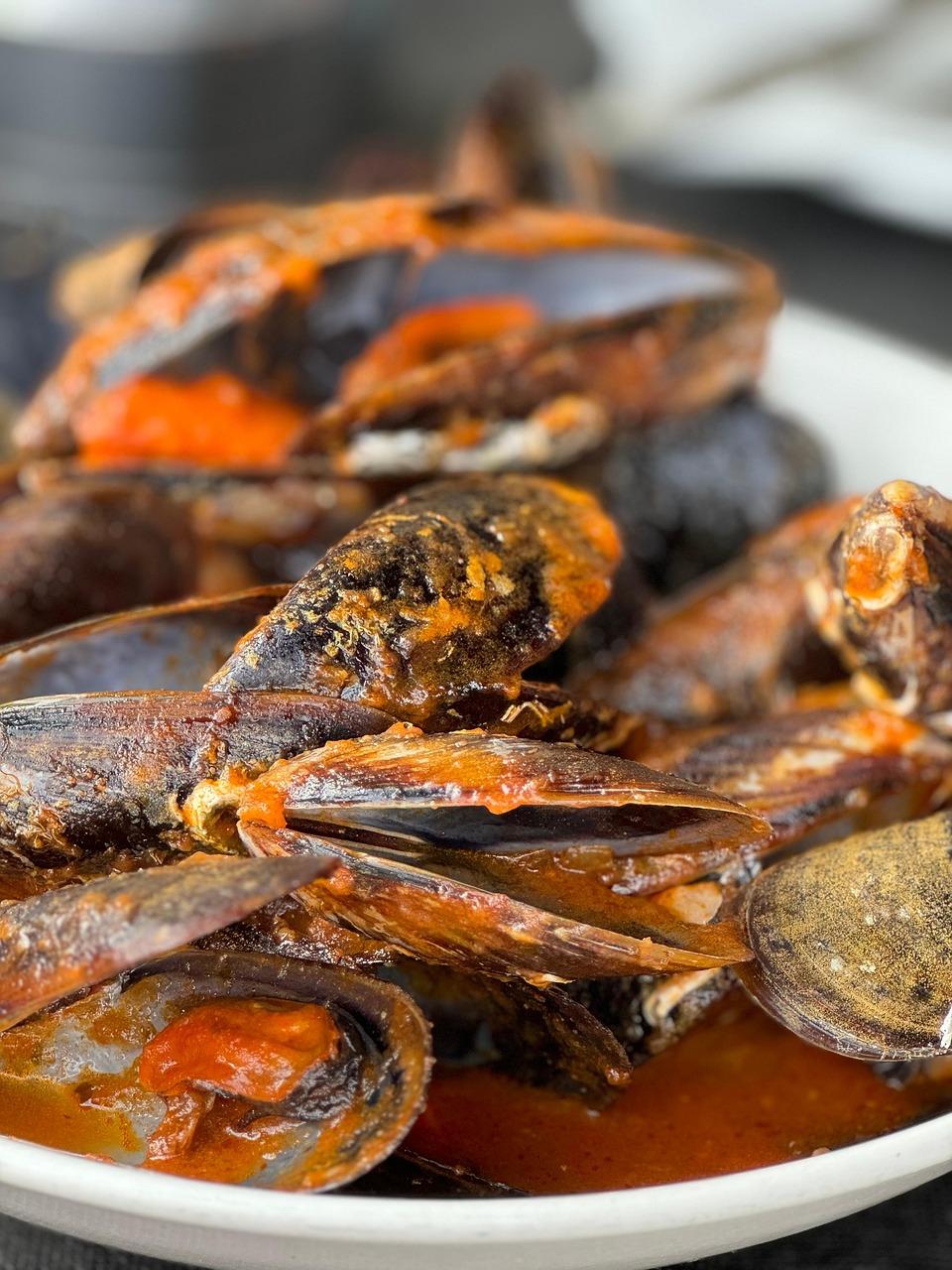
Midia saganakiMussels with tomato and feta

Thessaloniki is Greece's mussel capital, with farms in the Thermaic Gulf a few kilometres from the seafront ouzeries where this two-handled pan arrives, still bubbling, at the table. Mussels steam open in a quick sauce of peppers, tomato and chilli, and crumbled feta melts into the juices at the end. Bread is essential. The classic version adds a splash of ouzo; this one is alcohol-free, using a pinch of fennel seed for that aniseed note (add 2 tbsp ouzo with the tomatoes if you like). Common mistake: overcooking — take the pan off the heat as soon as the shells open. Chef's tip: buy mussels on the day and keep them in the fridge in a bowl covered with a damp cloth, never in water.

30 minGreekFishGluten freeSpicy
by KrazyBadal 1 views

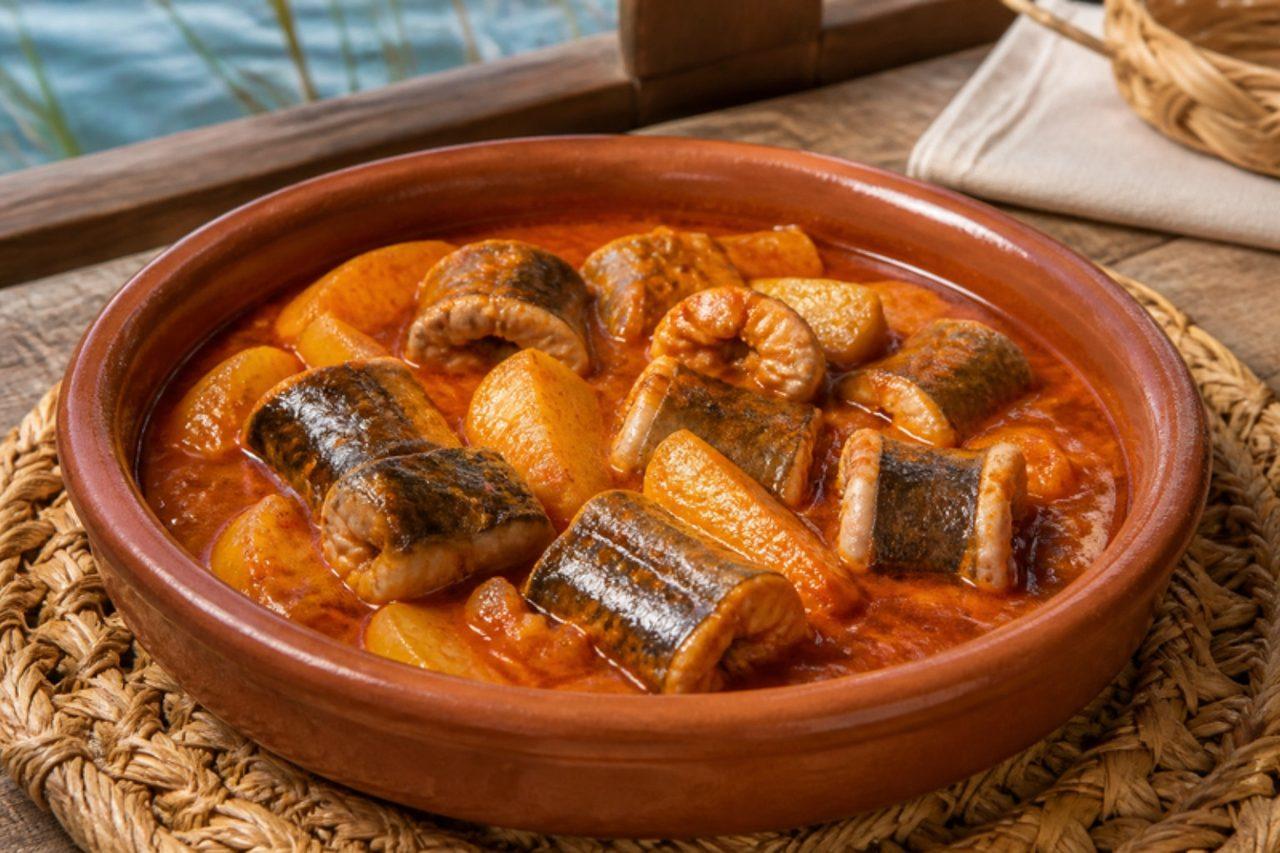
All i pebreEel and potato paprika stew

In El Palmar and the other villages around the Albufera lagoon south of Valencia, the restaurants that are famous for paella serve something older first: all i pebre, "garlic and pepper", a brick-red stew of lagoon eel and potatoes thickened with a pounded almond and fried-bread picada. It is rich, garlicky and gently hot, eaten with bread to mop up the sauce. Ask your fishmonger to skin and cut the eel, and handle it with gloves: raw eel blood is irritating, though harmless once cooked. If you can't find eel, monkfish or hake works well. A common mistake is letting the paprika burn; it turns bitter in seconds, so add it off the heat. Chef's tip: break the potatoes with a knife instead of cutting cleanly; the rough edges release starch and thicken the sauce.

by KrazyBadal 1 views

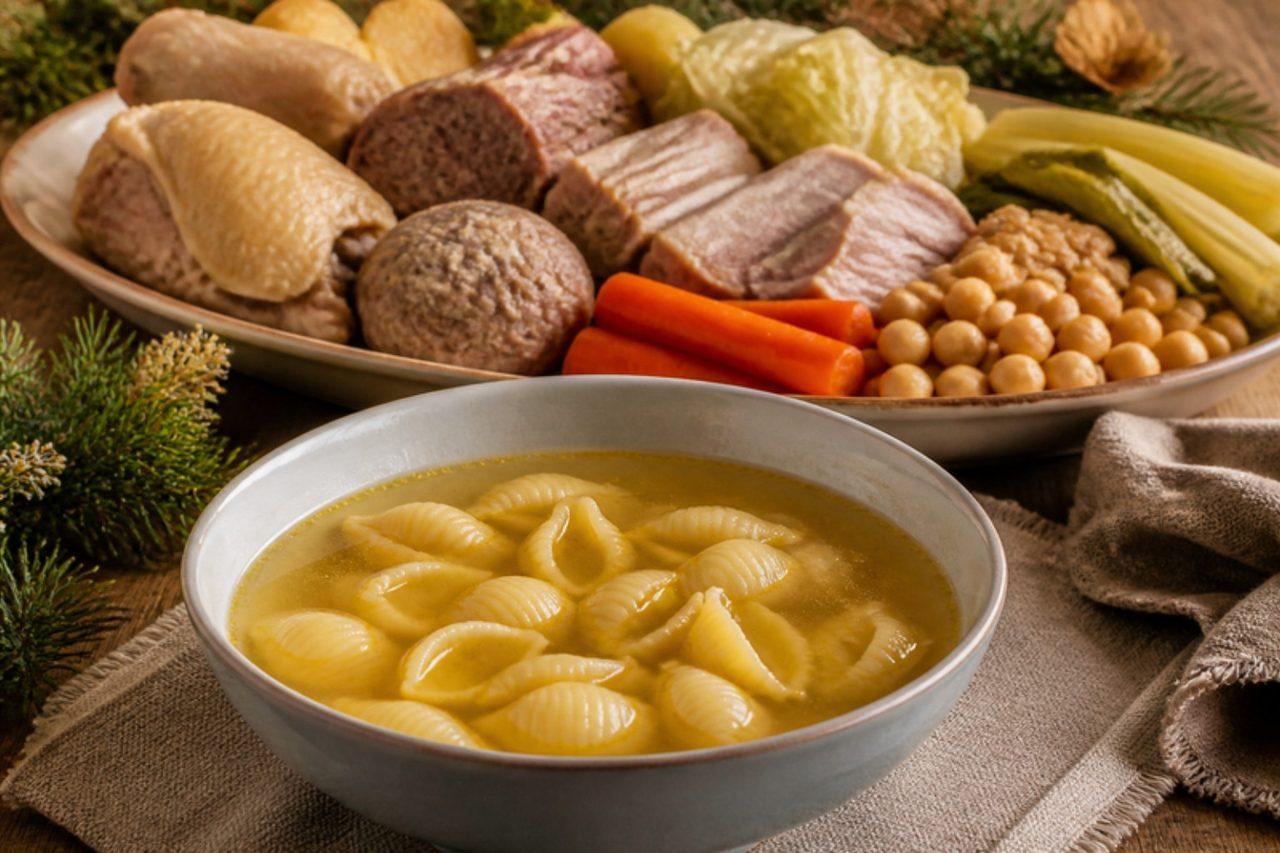
Escudella i carn d'ollaChristmas soup with giant pasta

This contains pork (pork belly and pork mince). On Christmas Day, Catalan families sit down to escudella i carn d'olla, served in two courses: first the broth with giant snail-shaped galets pasta, then the carn d'olla, a platter of the meats, chickpeas and vegetables that made it, including the pilota, a large herby meatball. The pot simmers for hours, and the leftovers become the next day's canelons. Chef's tip: start the meats in cold water and skim patiently as it comes to the boil; it is the only way to a clear, golden broth.

255 minSpanishSoups
by KrazyBadal 1 views

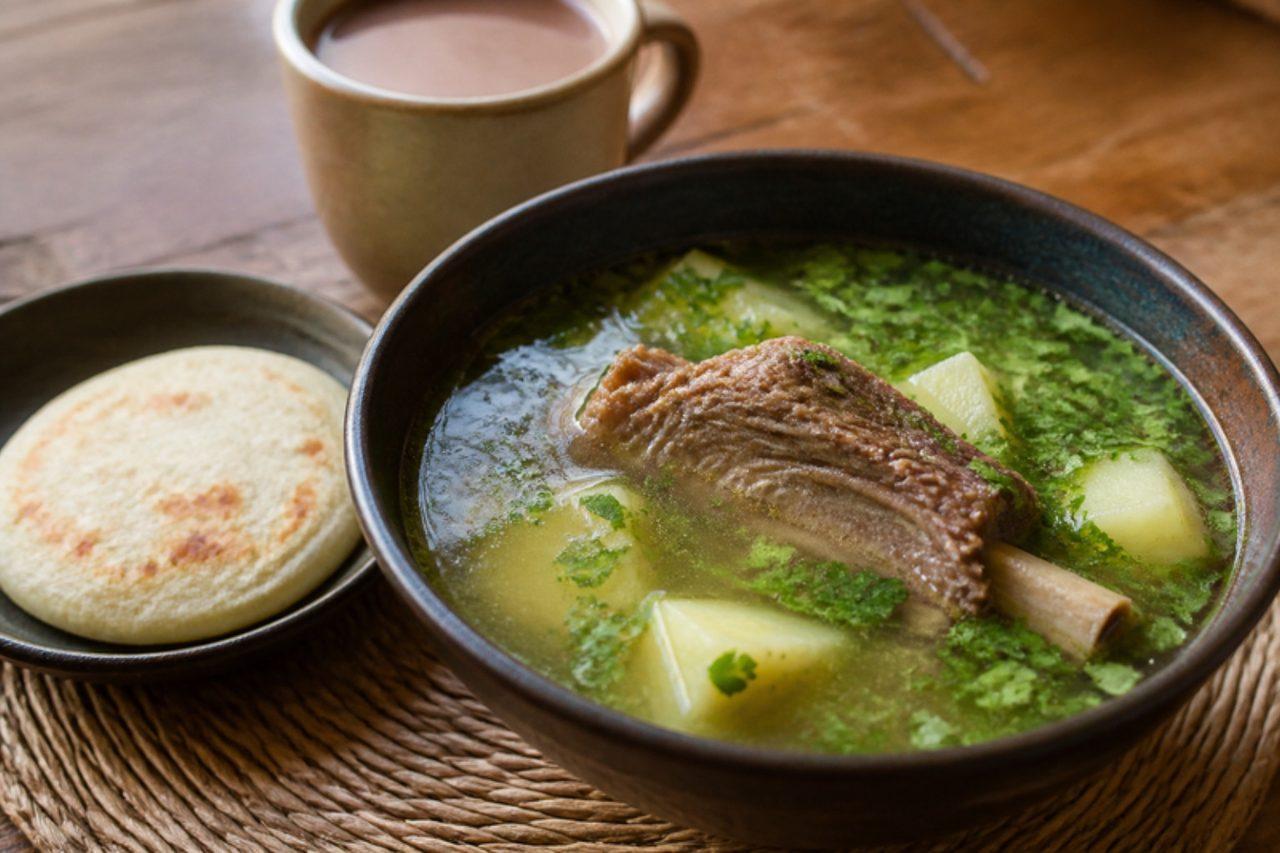
Caldo de costillaBeef rib broth

Bogotá wakes up to caldo de costilla. Cafeterías near markets and bus terminals ladle it out from early morning, and it is the city's famous cure after a late night: beef short ribs simmered until tender in a clear, golden broth with potatoes, onion, garlic and a big handful of coriander. It's simple, beefy and restoring, served with an arepa, a cup of hot chocolate or coffee and maybe a slice of bread. People are tempted to boil it hard to save time; the broth turns cloudy and greasy and the meat tightens, so give it a slow, steady simmer. Chef's tip: make the broth the night before and chill it; you can lift off the solid fat in the morning and simply reheat with the potatoes for a fast, clean breakfast.

by KrazyBadal 0 views

Millionaire's shortbread

Millionaire's shortbread, called caramel shortcake in much of Scotland and caramel squares across the water in Belfast, is the traybake of school bake sales, cafés and church teas. A crisp shortbread base is covered with thick condensed-milk caramel and a layer of chocolate, rich enough to justify the name. Chef's tip: keep stirring the caramel the whole time it bubbles; it catches on the bottom in seconds.

by KrazyBadal 0 views

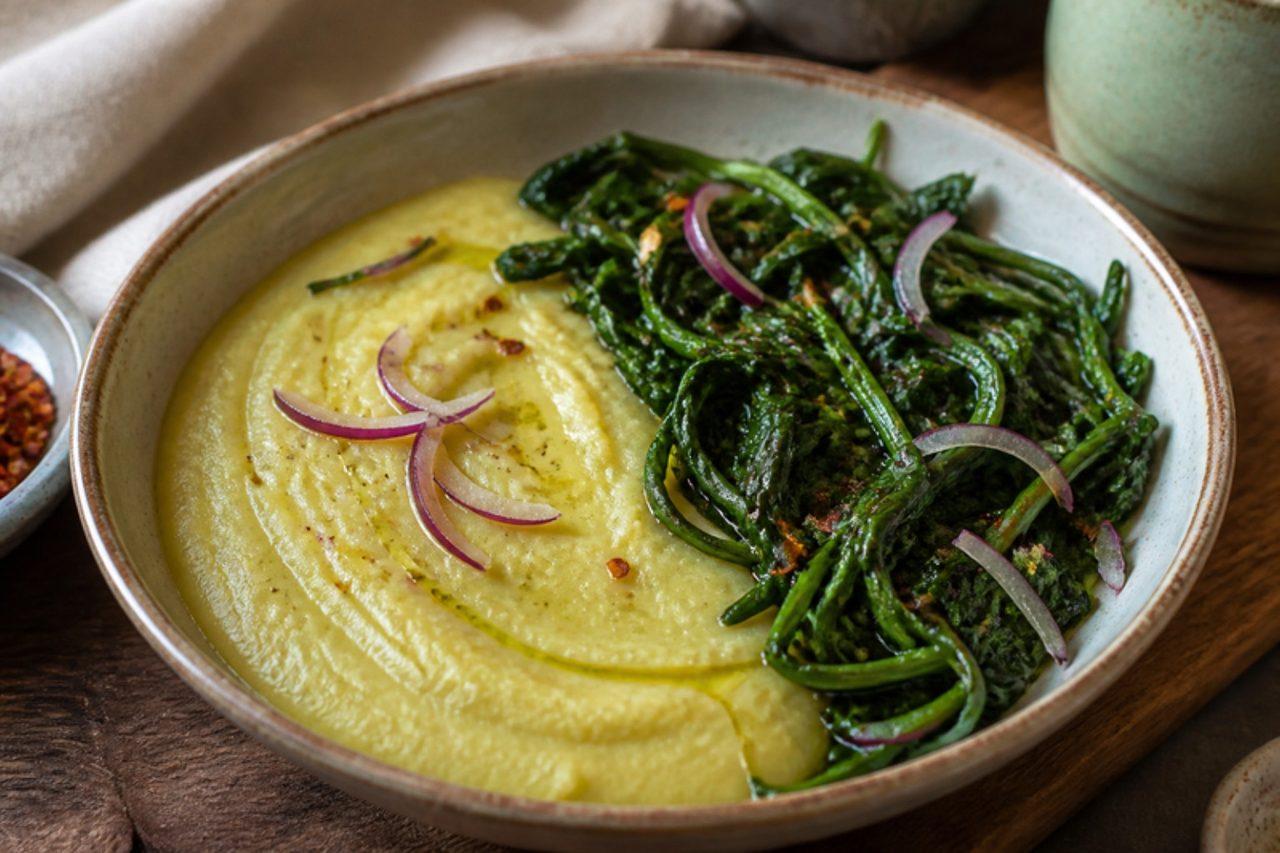
Fave e cicorieBroad bean purée with chicory

Few plates say Puglia as plainly as this one: a pale, velvety purée of dried broad beans beside a tangle of boiled wild chicory, the two joined by a stream of green olive oil. Families from the Murgia to the Salento cook it on winter weekdays and through Lent, and Bari trattorias still put it on the menu as the true taste of cucina povera. The beans are sweet and earthy, the greens bitter, and every forkful should carry a little of both. Chef's tip: buy dried broad beans that are already skinned and split; they cook to a cream on their own, with no sieving.

by KrazyBadal 0 views

Agua de fresa cremosaCreamy strawberry drink

In Hidalgo, the pulque country north of Mexico City, the pulquerías serve curados: pulque blended with fruit, and the strawberry one is pink, thick and creamy. Home cooks and taquerías make this alcohol-free cousin for the whole family, a strawberry agua fresca blended with evaporated milk, so it is like a light milkshake that you drink with tacos on a hot afternoon. It contains no pulque or alcohol. Chef's tip: use the ripest, darkest strawberries you can find; pale ones give a thin, sour drink.

by KrazyBadal 0 views

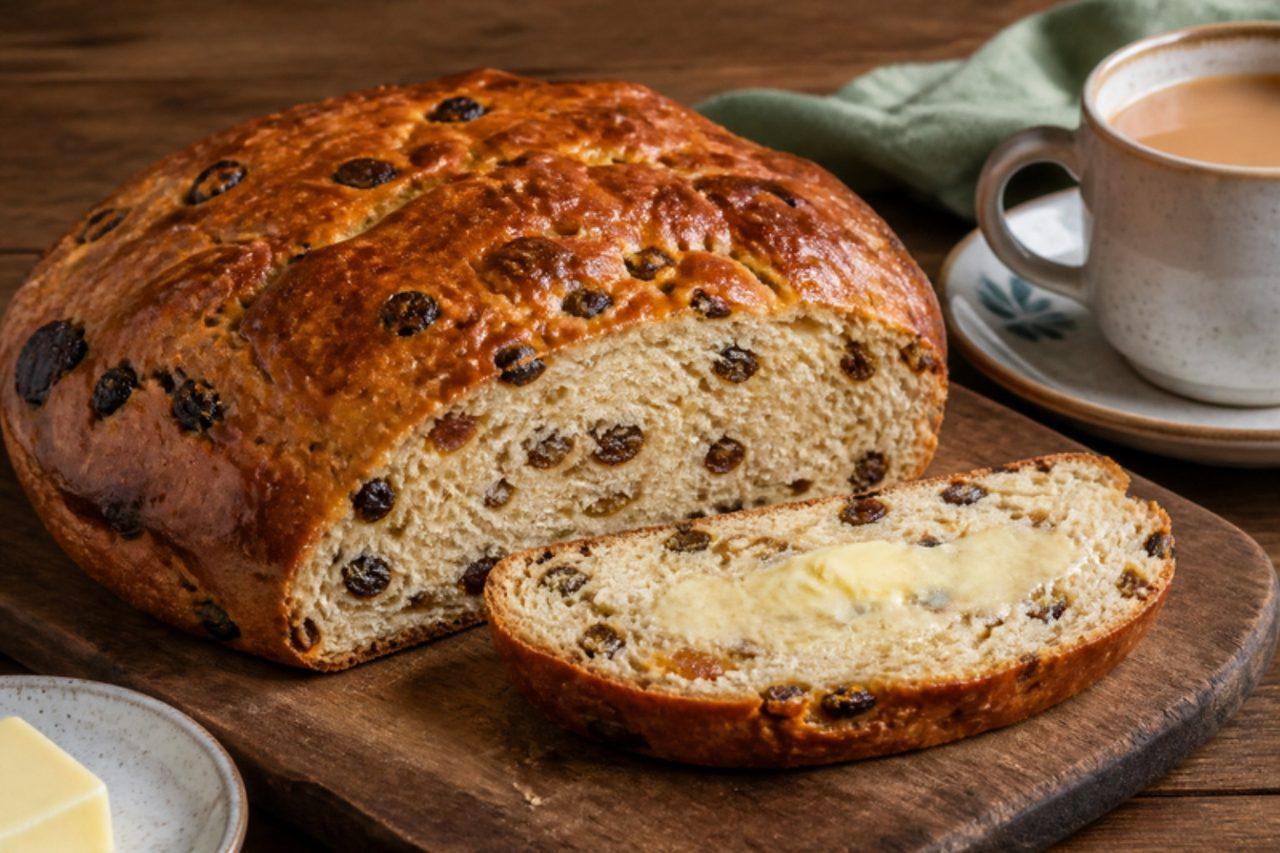
Selkirk bannockSultana yeasted loaf

The Selkirk bannock is a round, glossy fruit bread from the Border town of Selkirk, first baked in the 1850s and famously eaten by Queen Victoria at Abbotsford. Unlike a plain oat bannock it is a rich yeast dough that is mostly sultanas, sliced and buttered with afternoon tea. Chef's tip: work the sultanas in only after the dough has risen once, or they tear the gluten and the loaf won't lift.

by KrazyBadal 0 views

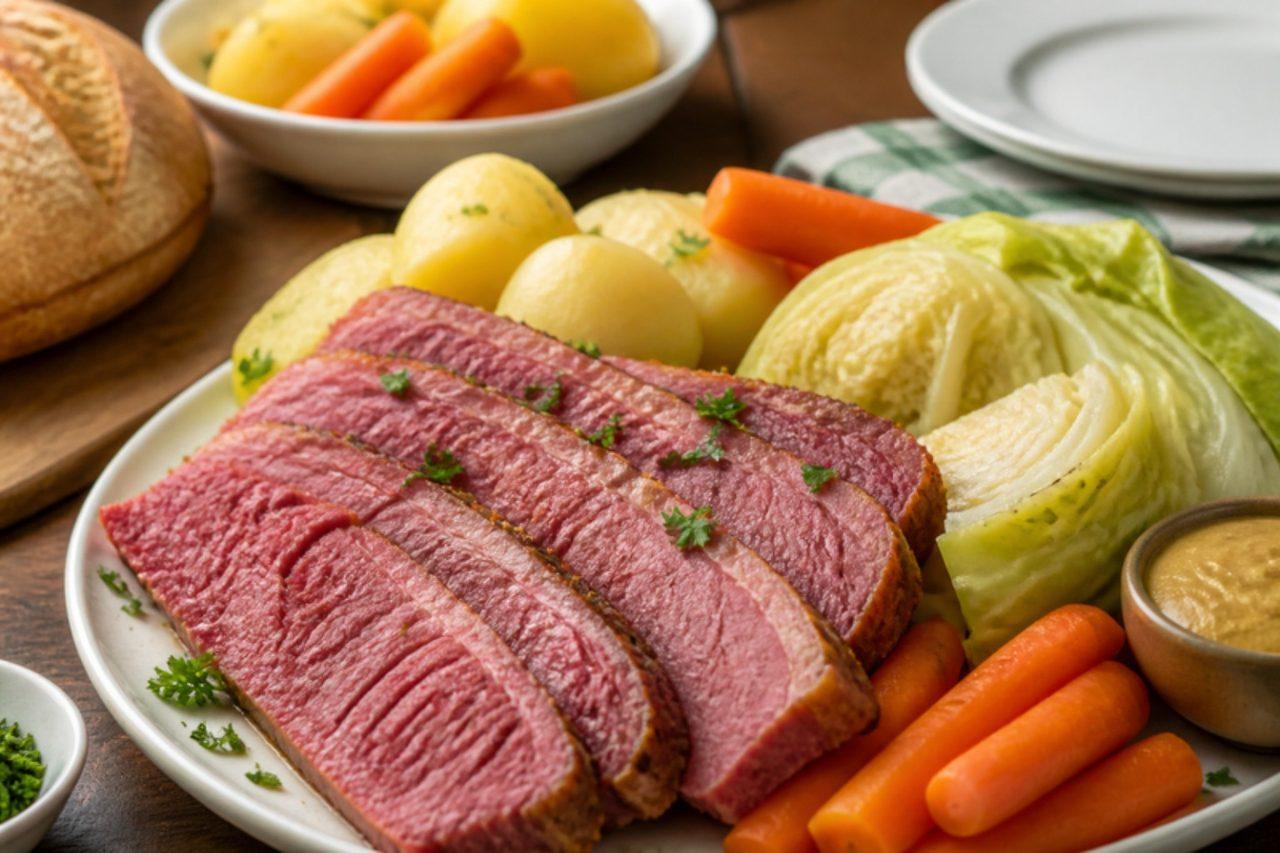
Corned beef and cabbage

In Boston, Irish families made corned beef the centre of St Patrick's Day, swapping the bacon joint of home for the cheaper brisket sold by Jewish butchers, and New Englanders still call the whole pot a boiled dinner. Salt-cured beef brisket is simmered for hours with spices, then potatoes, carrots and wedges of cabbage cook in the same broth. Serve with grainy mustard. Chef's tip: slice the beef across the grain, thinly; cut along the grain it looks stringy and chews tough.

230 minAmericanMeat
by KrazyBadal 0 views

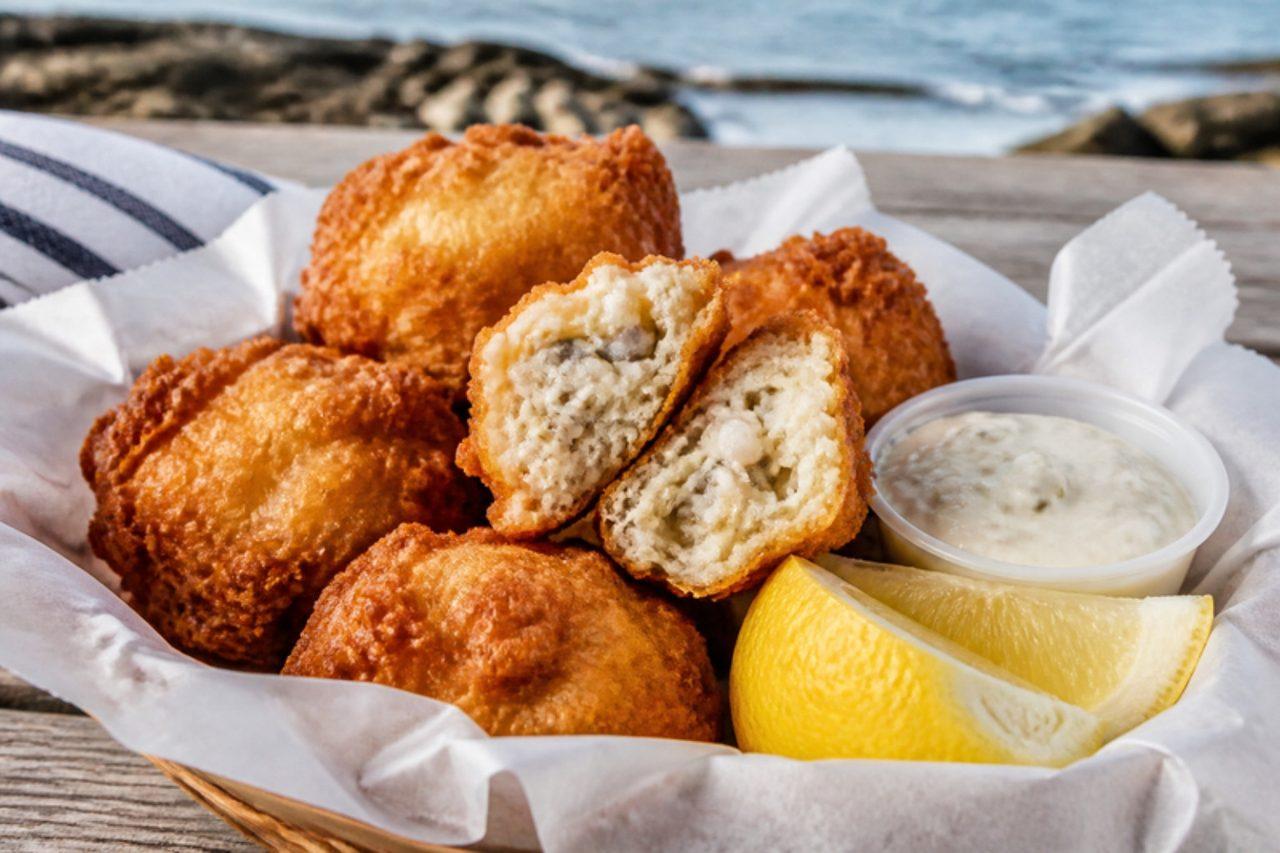
Rhode Island clam cakes

At beach shacks along Narragansett Bay and in Galilee, clam cakes are bought by the paper bag, half a dozen at a time, to dunk in a cup of clear clam chowder. They are not patties but craggy, golden fritters, crisp outside and soft inside, studded with chopped quahog clams. Chef's tip: use the clam juice as part of the liquid; it puts the sea flavour into every bite of batter.

by KrazyBadal 0 views

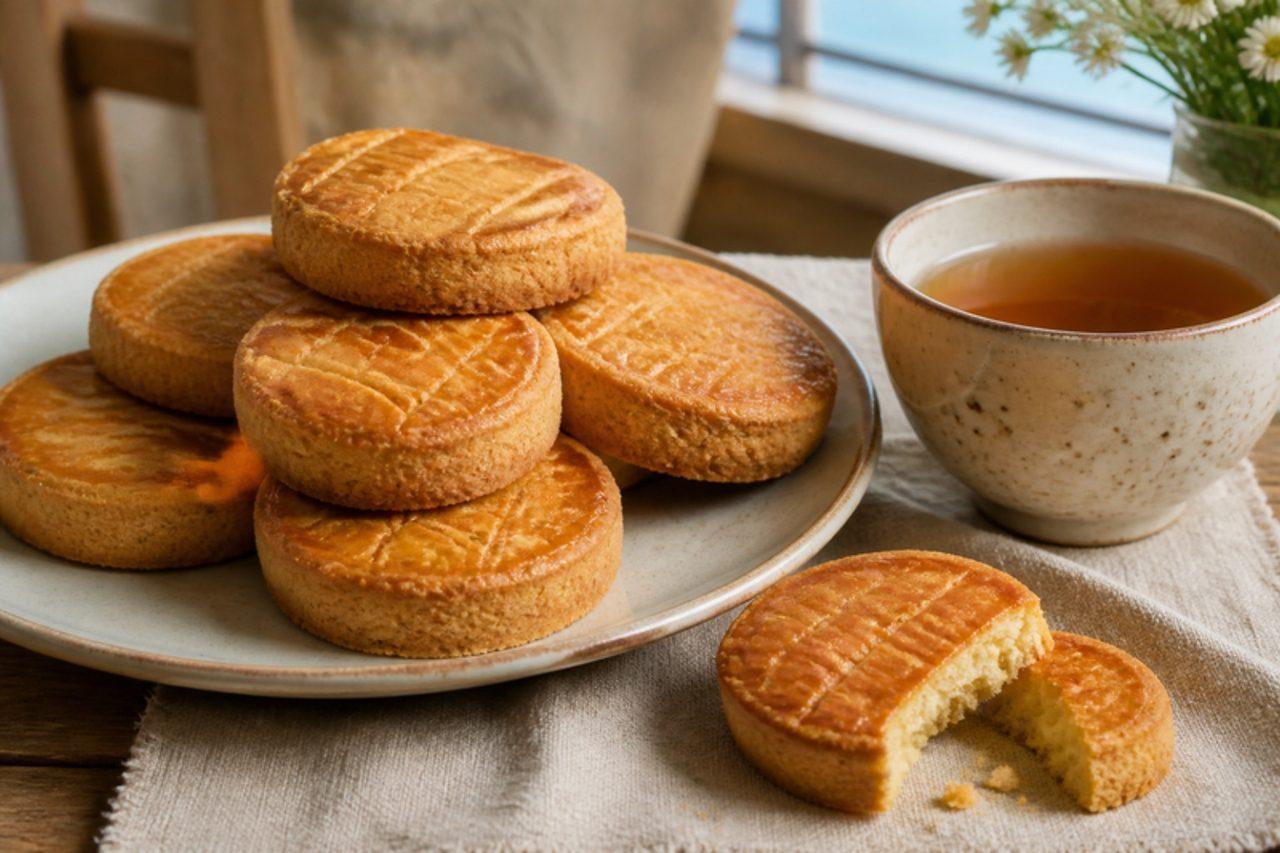
Palets bretonsSalted butter biscuits

Palets are the thick cousin of the thin Breton galette biscuit: chunky rounds as wide as a small cookie and nearly a centimetre high, crisp on the outside and crumbly within, tasting strongly of salted butter. Bakeries in Pont-Aven and all along the Finistère coast sell them in tins, and Breton families serve them with coffee, with a bowl of cider-poached apples or crumbled over ice cream. Baking them in muffin tins or metal rings keeps their shape and straight edges. Chef's tip: use proper salted butter rather than adding salt to unsalted; the flavour is rounder and the dough handles better.

by KrazyBadal 0 views

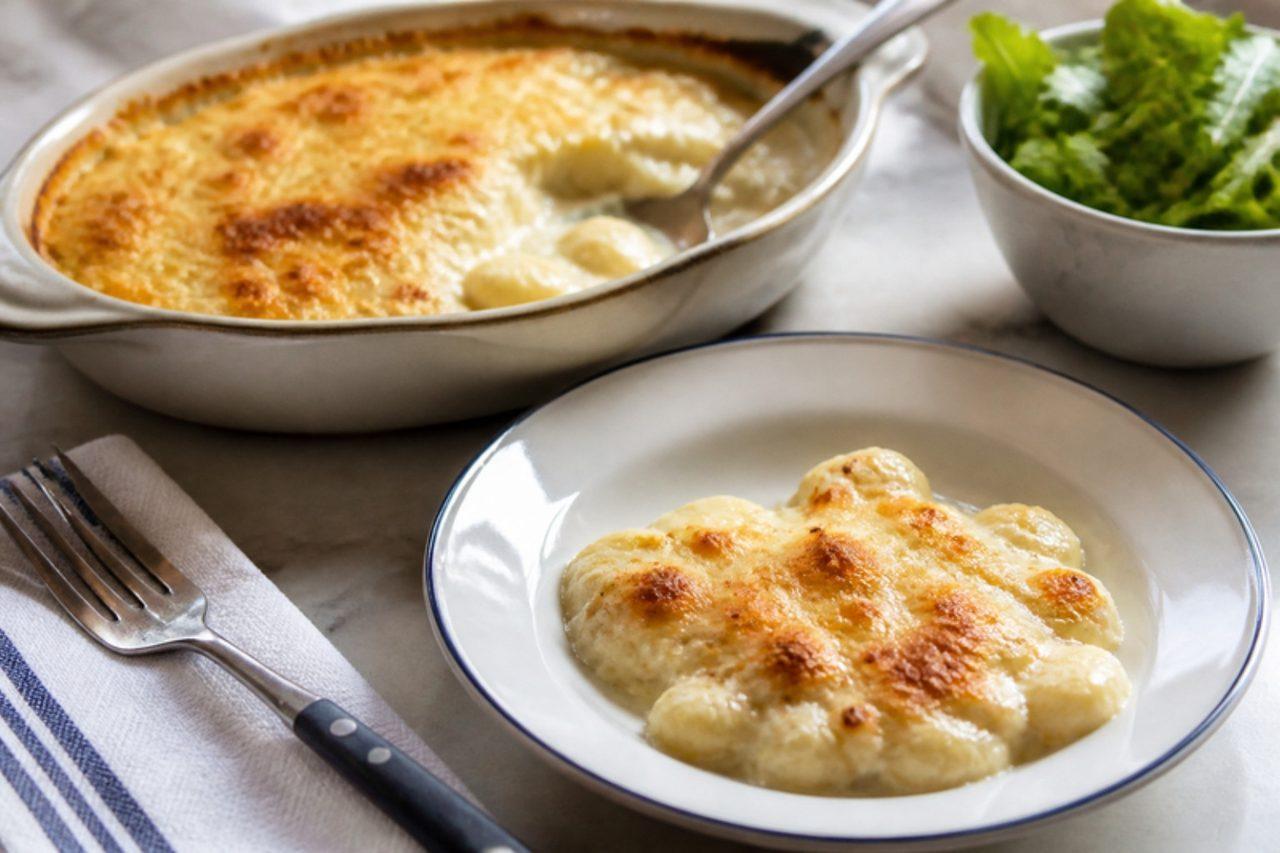
Gnocchi à la parisienneChoux dumplings in béchamel

Unlike Italian potato gnocchi, the Paris version is made from choux paste flavoured with cheese and mustard, piped straight into simmering water and cut into little logs with a knife. The poached dumplings go into a dish with béchamel and more cheese and are baked until puffed and golden. It was a classic of old Parisian brasseries and grand-hotel kitchens and still turns up as a comforting supper or a side in bistros. Gruyère and Comté are traditionally made with animal rennet, so use a vegetarian mountain cheese. Chef's tip: dip the knife in hot water between cuts; the paste drops off cleanly instead of stretching into strings.

by KrazyBadal 0 views

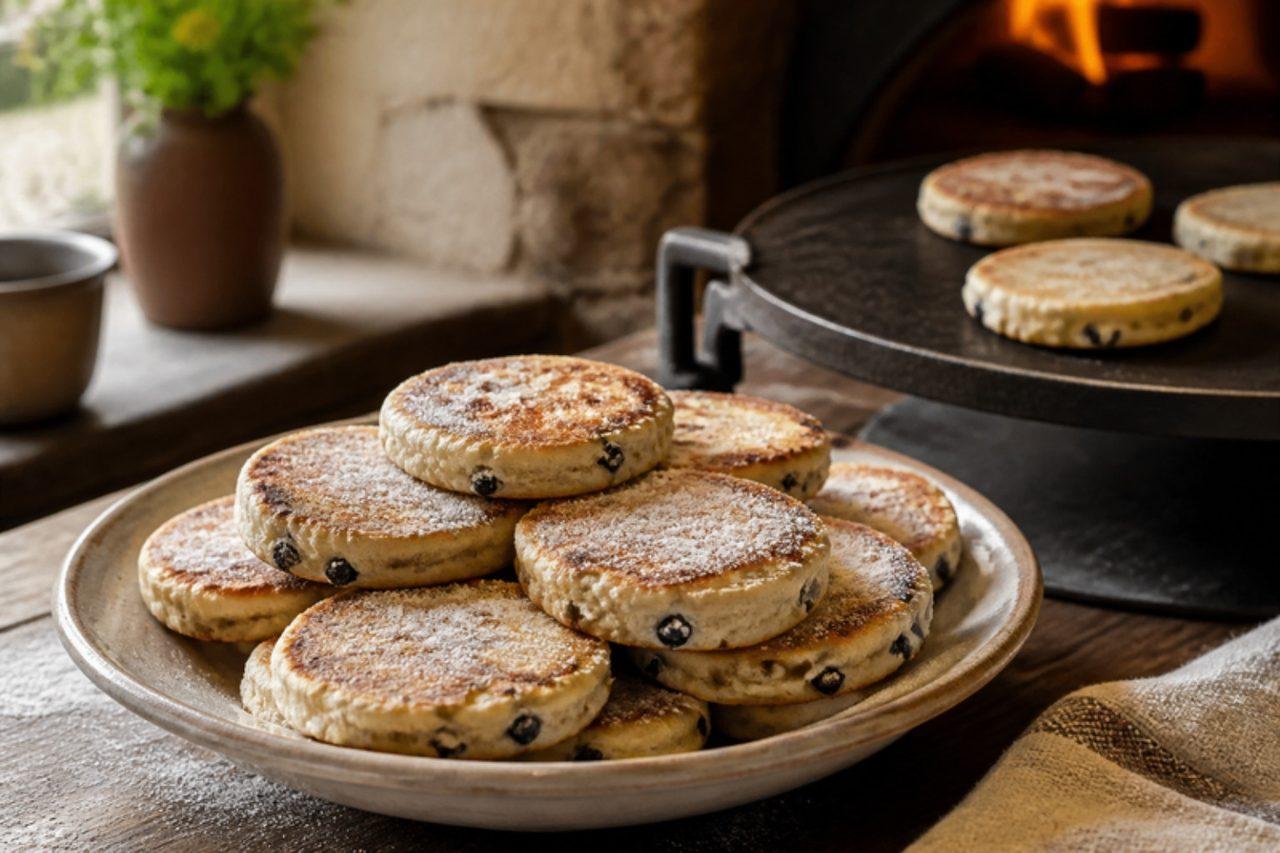
Welsh cakes

Welsh cakes, picau ar y maen or 'cakes on the stone', are cooked on a cast-iron bakestone in kitchens across Wales and sold warm at markets and rugby matches, and they are a must on St David's Day, 1 March. The dough is like a rich scone with currants and mixed spice, and they are dusted with sugar while hot. Chef's tip: keep the heat medium-low; they need time for the middle to cook before the outside darkens.

by KrazyBadal 0 views

Rosquillas de San IsidroAniseed doughnut rings

Every 15 May, crowds head to the Pradera de San Isidro on Madrid's southern edge for the patron saint's festival, and stalls sell rosquillas by the dozen: plain "tontas" (silly ones) and iced "listas" (clever ones). Many families now bake them at home that week. Old recipes ice the listas with raw egg white; this one uses a lemon and icing-sugar glaze, which is safer and sets just as white. Chef's tip: oil your hands to shape the rings; the dough is soft and sticky by design.

by KrazyBadal 0 views

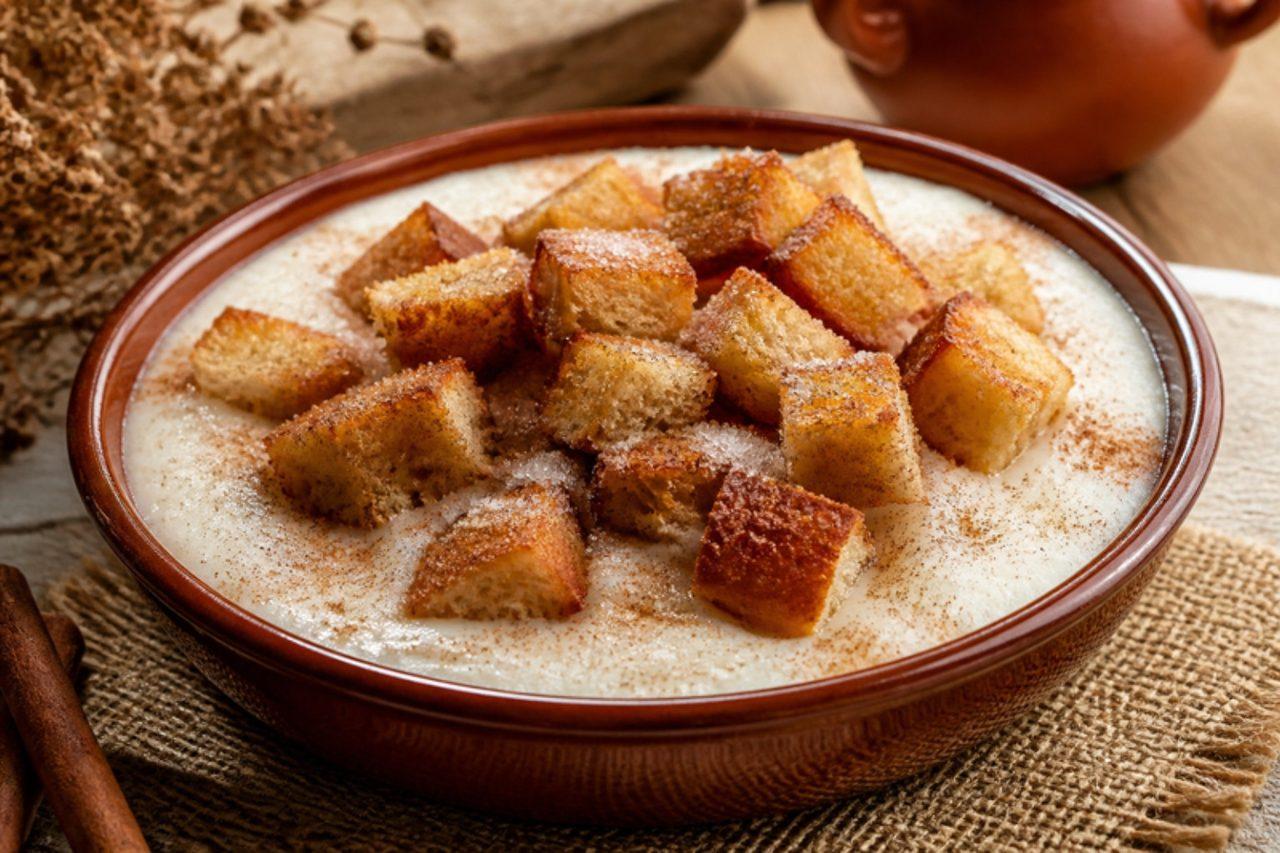
Gachas dulcesSweet aniseed flour porridge

On the night of 31 October and on All Saints' Day, families across La Mancha make sweet gachas: flour toasted in olive oil with aniseed, loosened with milk and sugar into a soft cream, and topped with crisp cubes of fried bread. Each person dips a spoon into the communal dish while the season's first cold nights settle in. Chef's tip: toast the flour in the oil until it smells nutty before adding any milk; raw flour tastes pasty.

by KrazyBadal 0 views

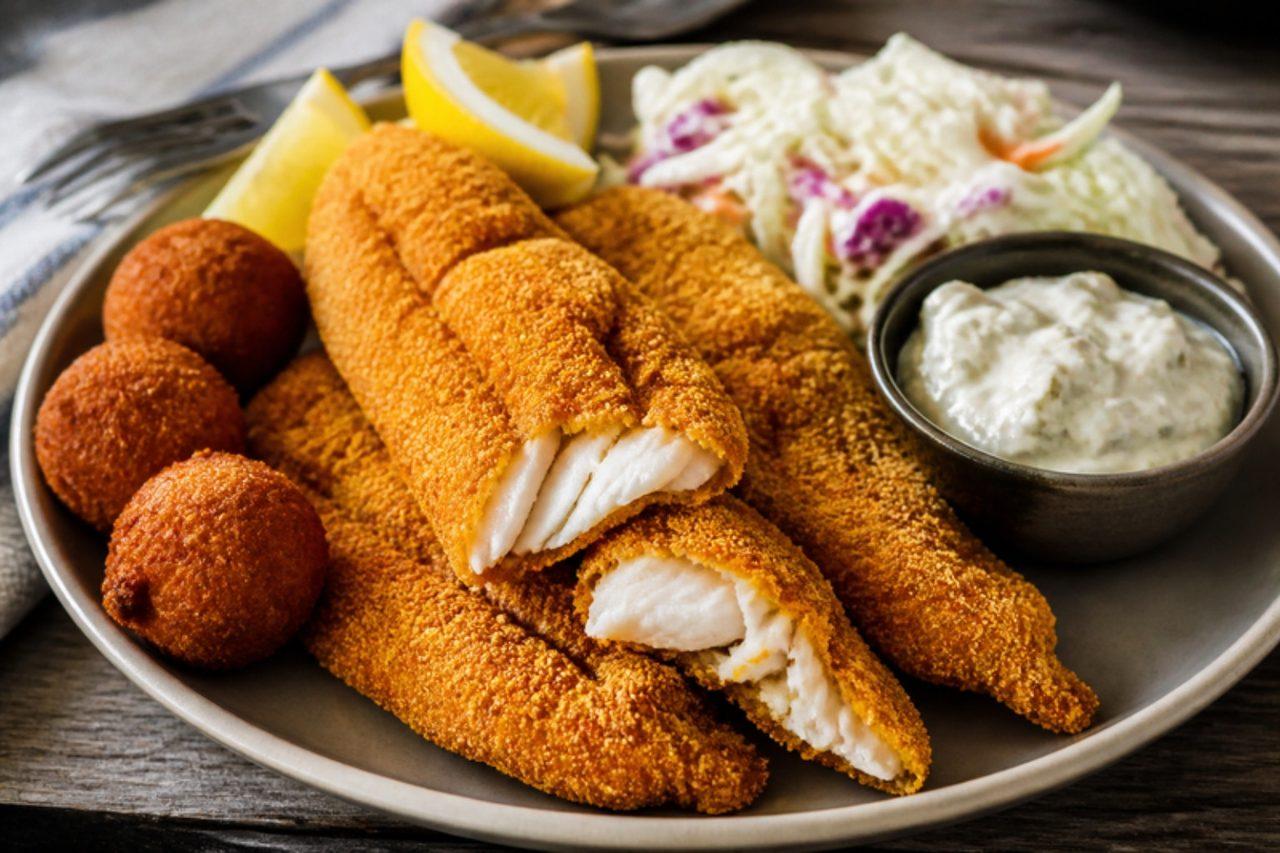
Southern fried catfish

Fried catfish is the Friday night fish-fry and Delta church supper of Mississippi and Arkansas, where much of America's catfish is farmed. Fillets are soaked in seasoned milk or buttermilk, rolled in cornmeal and fried until the crust crackles and the mild, sweet fish inside flakes apart. Serve with hushpuppies, slaw and lemon. Chef's tip: cut thick fillets in half lengthways so they cook in the same time as the crust browns.

by KrazyBadal 0 views

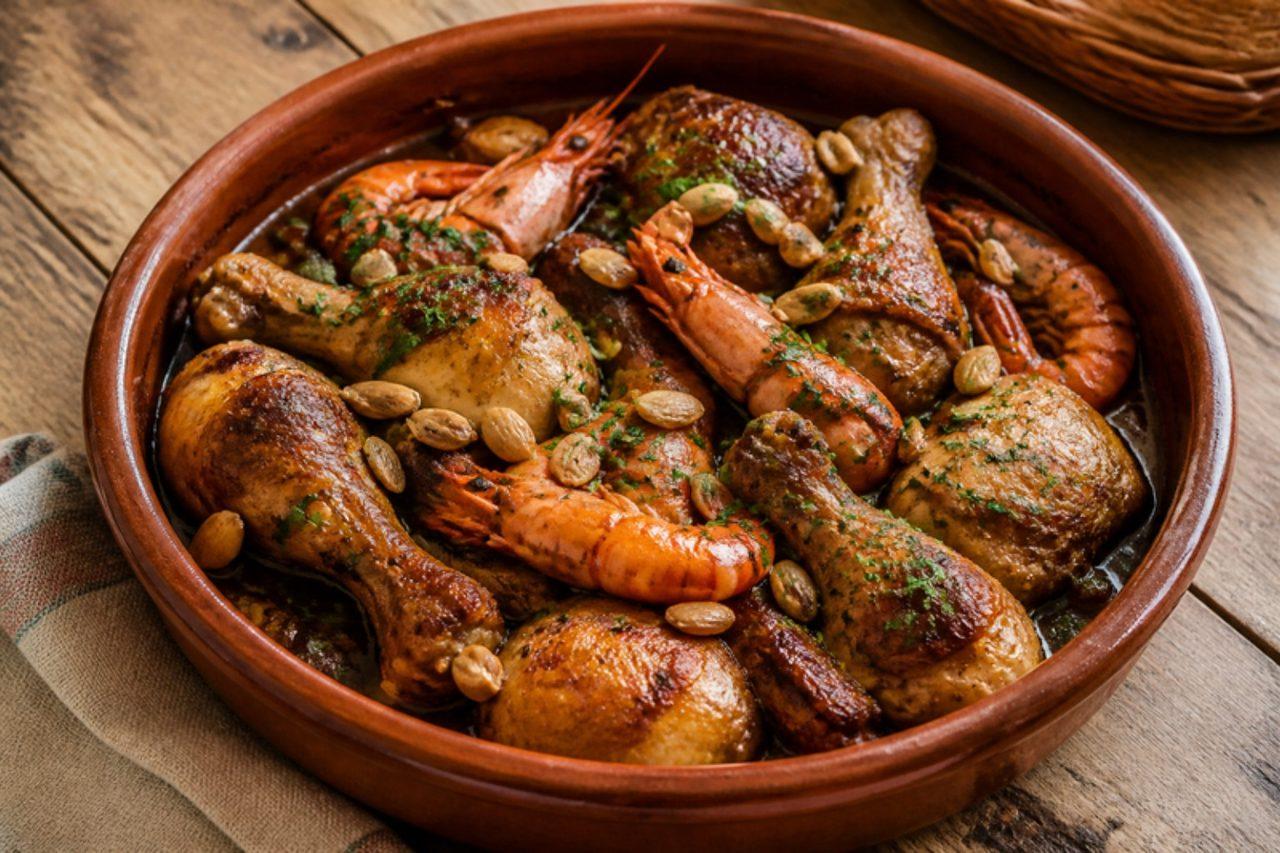
Mar i muntanyaChicken and prawn casserole

Sea and mountain: the cooks of the Empordà, between the Pyrenees and the Costa Brava, have long put chicken and seafood in one pot, and this version with prawns is the one most families make for a celebration lunch. The sauce is a dark sofrito finished with a picada of almonds, hazelnuts, garlic and a little dark chocolate, which adds depth rather than sweetness. It uses wine; the alcohol-free option is in the ingredient list. Chef's tip: cook the prawns only briefly at the start and return them at the end, so they stay juicy while the chicken braises.

by KrazyBadal 0 views

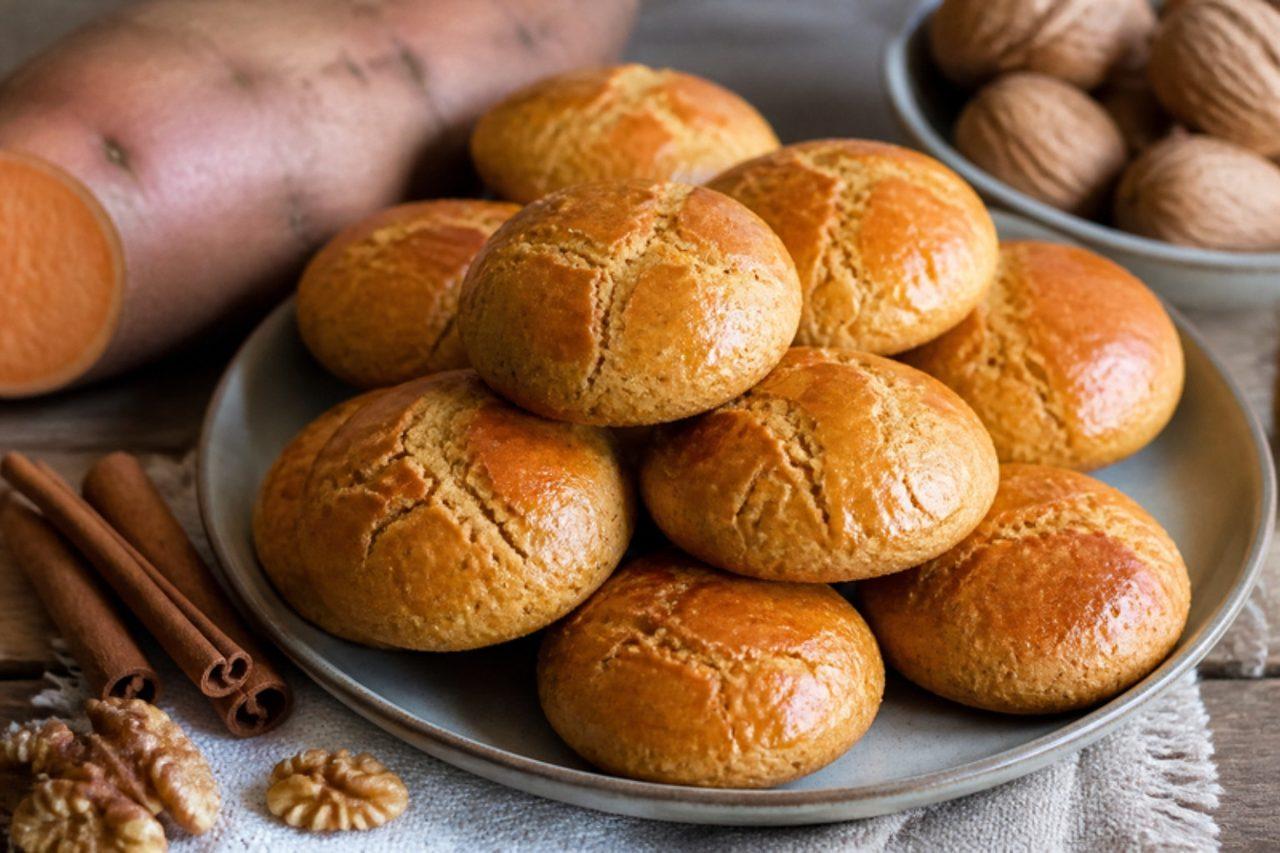
Broas de batata-doceSweet potato spiced cookies

Every December, kitchens across the Beiras fill with the smell of these broas: soft, cakey cookies made with mashed sweet potato, flour, olive oil and honey, spiced with cinnamon and fennel seed and glazed with egg yolk. Families bake big batches to share with neighbours and keep in tins over the holidays. They are only lightly sweet, with a tender crumb and a shiny top. Chef's tip: dry the cooked sweet potato in the pan for a minute before mashing, as watery mash makes a sticky dough that spreads.

by KrazyBadal 0 views

Biscuits and sausage gravy

Biscuits and gravy is the working breakfast of the rural South and Appalachia, served at truck stops in Tennessee and diners in the Virginia mountains: fresh biscuits split open and smothered in a thick white 'sawmill' gravy made from crumbled pork sausage, its fat, flour, milk and plenty of black pepper. Chef's tip: don't drain the sausage fat; it is what thickens and flavours the gravy.

by KrazyBadal 0 views

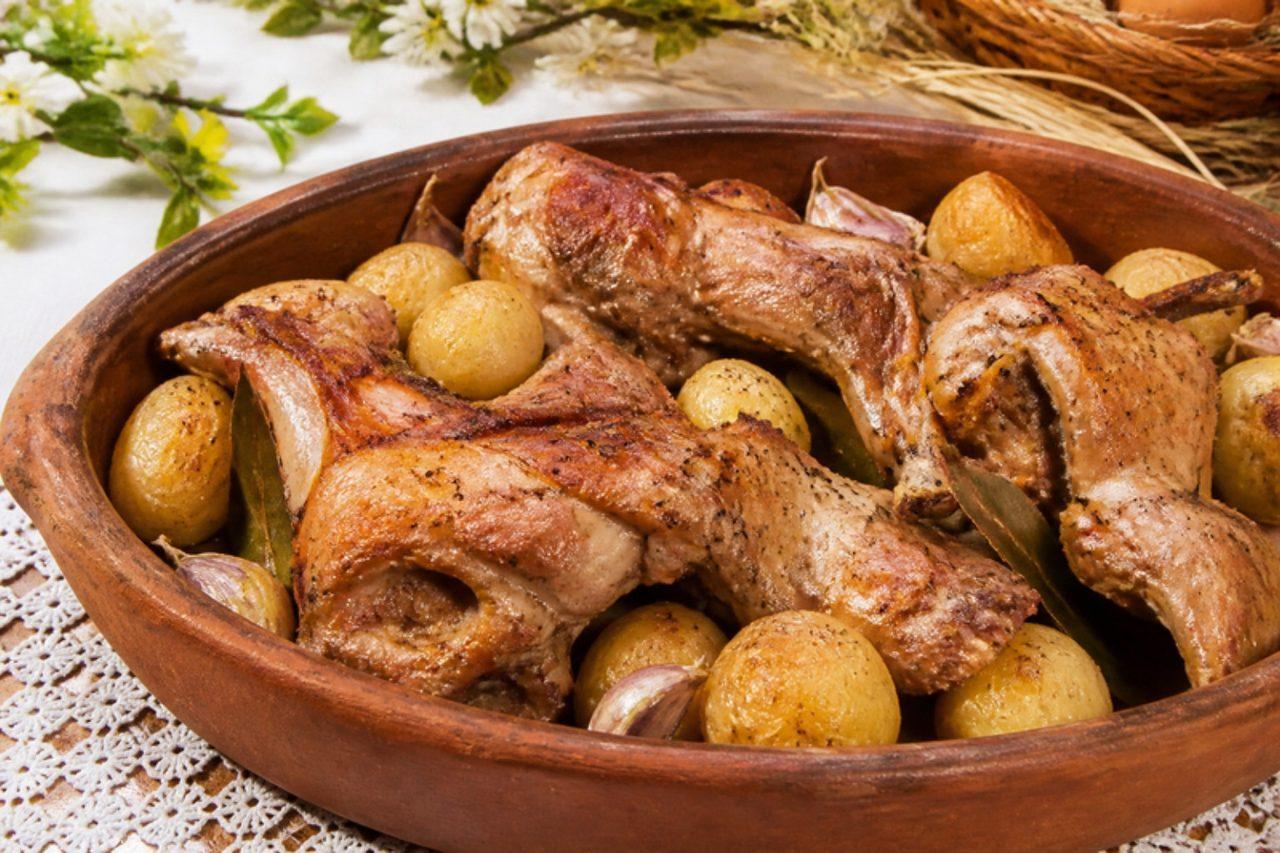
Cabrito assado à minhotaRoast kid with potatoes

Easter Sunday in the Minho means cabrito: young goat rubbed with garlic, paprika and lard, soaked overnight in white wine and roasted until the meat falls from the bone. Families in Arcos de Valdevez and Monção serve it with roast potatoes and a tray of rice baked in the meat juices. This contains pork (lard and smoked bacon) and uses wine; an alcohol-free option is in the ingredient note. Chef's tip: baste every 20 minutes, as kid is lean and dries out quickly without it.

by KrazyBadal 0 views

Chorizo a la sidraChorizo in cider

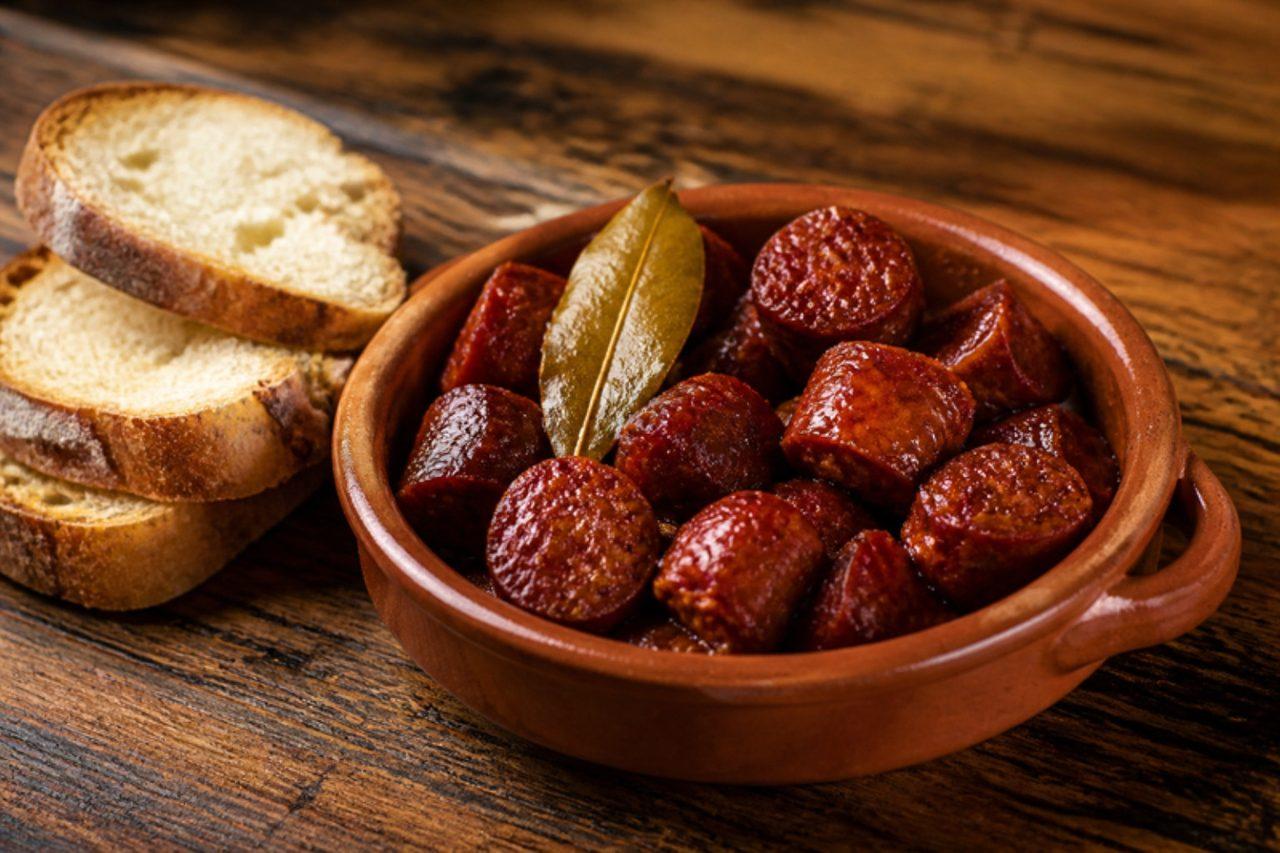
No sidrería in Oviedo's Calle Gascona is without a clay dish of chorizo bubbling in cider, served with bread to mop up the paprika-red juices. It takes minutes, is cheap, and is the first thing ordered while the waiter pours cider from shoulder height. This contains pork (chorizo) and uses dry Asturian cider, which is alcoholic; for an alcohol-free version use cloudy apple juice with a splash of cider vinegar, as noted below. Chef's tip: prick the chorizo all over first so it releases fat into the cider and drinks the cider back in.

by KrazyBadal 0 views

Farçon savoyardBaked potato pudding with prunes

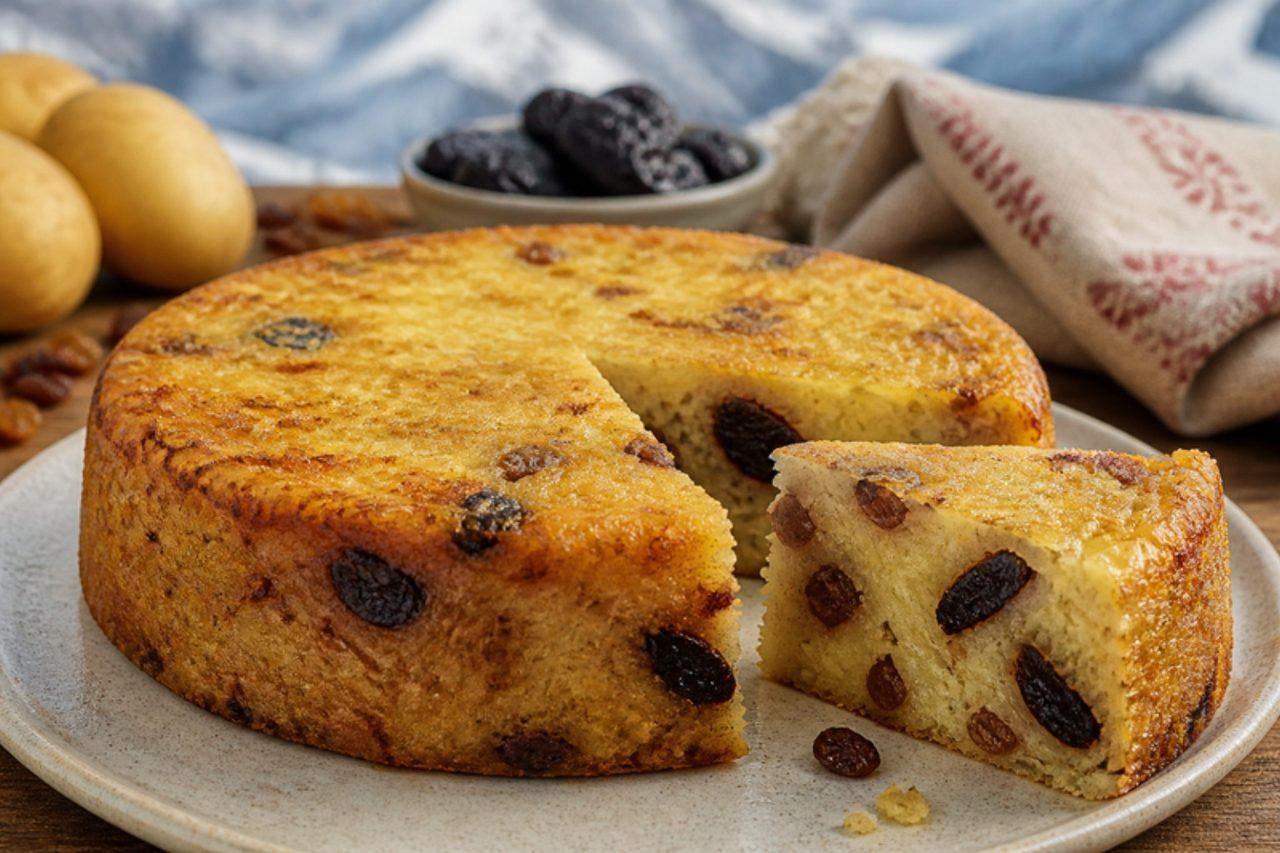
In the Savoyard valleys, especially around Albertville and the Val d'Arly, farçon was the Sunday dish left to cook slowly while the family was at Mass: grated potatoes mixed with eggs, cream, prunes and raisins, set in a tall mould and cooked for hours in a water bath. The result is a sliceable, sweet-and-savoury cake, soft and golden, served with a green salad or as a side at a winter feast. Traditionally the mould is lined with bacon; this version uses a buttered mould instead, so it is vegetarian. Chef's tip: let it rest for 15 minutes in the mould before turning it out; it firms up and slices cleanly.

145 minFrenchSidesGluten free
by KrazyBadal 0 views

FariñesCornmeal porridge with honey

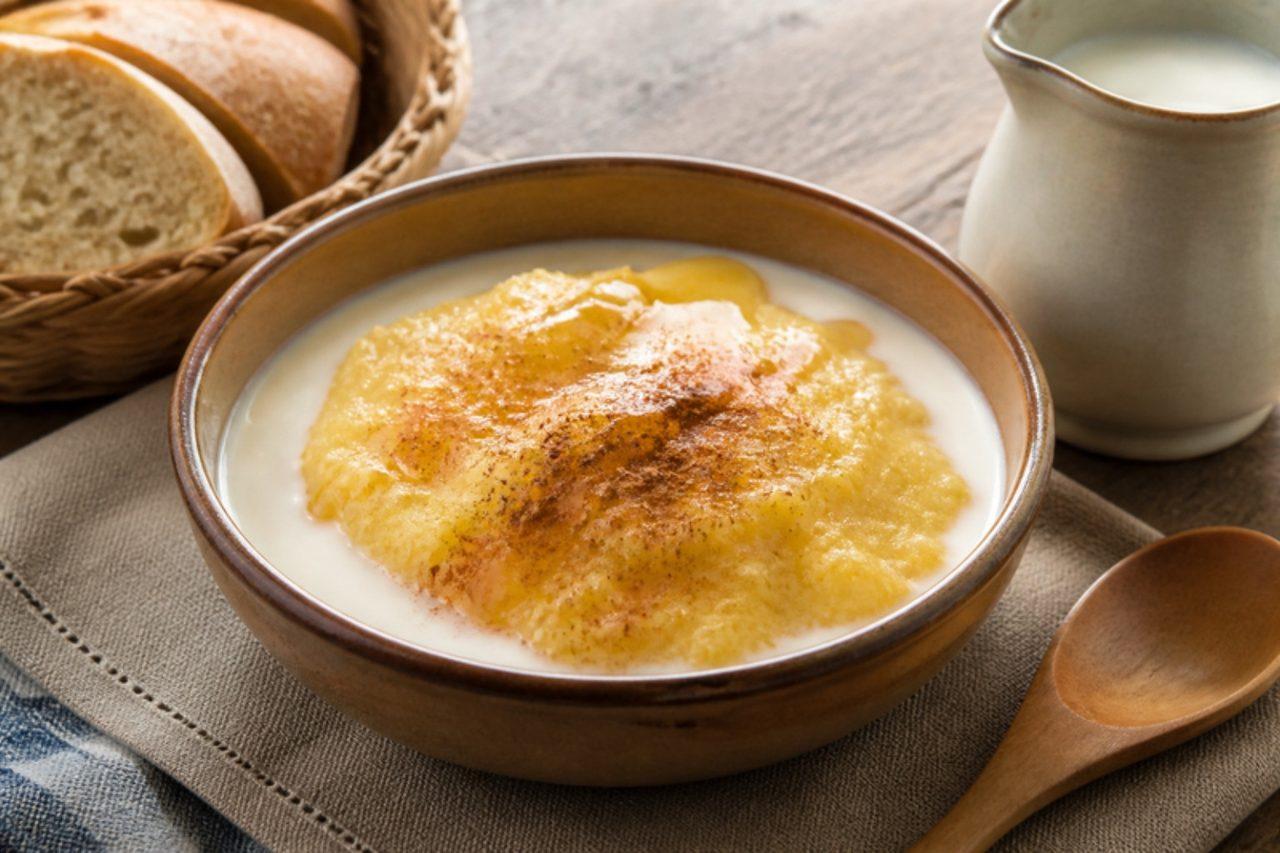
Fariñes, or farrapes in some valleys, fed Asturian farming families through the winter: a pot of maize meal stirred over the fire, eaten for breakfast or as a light supper with cold milk poured over the hot porridge. Today it is comfort food again, offered at rural guesthouses in the Oriente and made at home when the weather turns. The contrast of warm, soft porridge and cold milk is the whole point. Chef's tip: whisk the cornmeal into cold water before it heats so it never forms lumps.

by KrazyBadal 0 views

Merluza a la sidraHake baked in cider

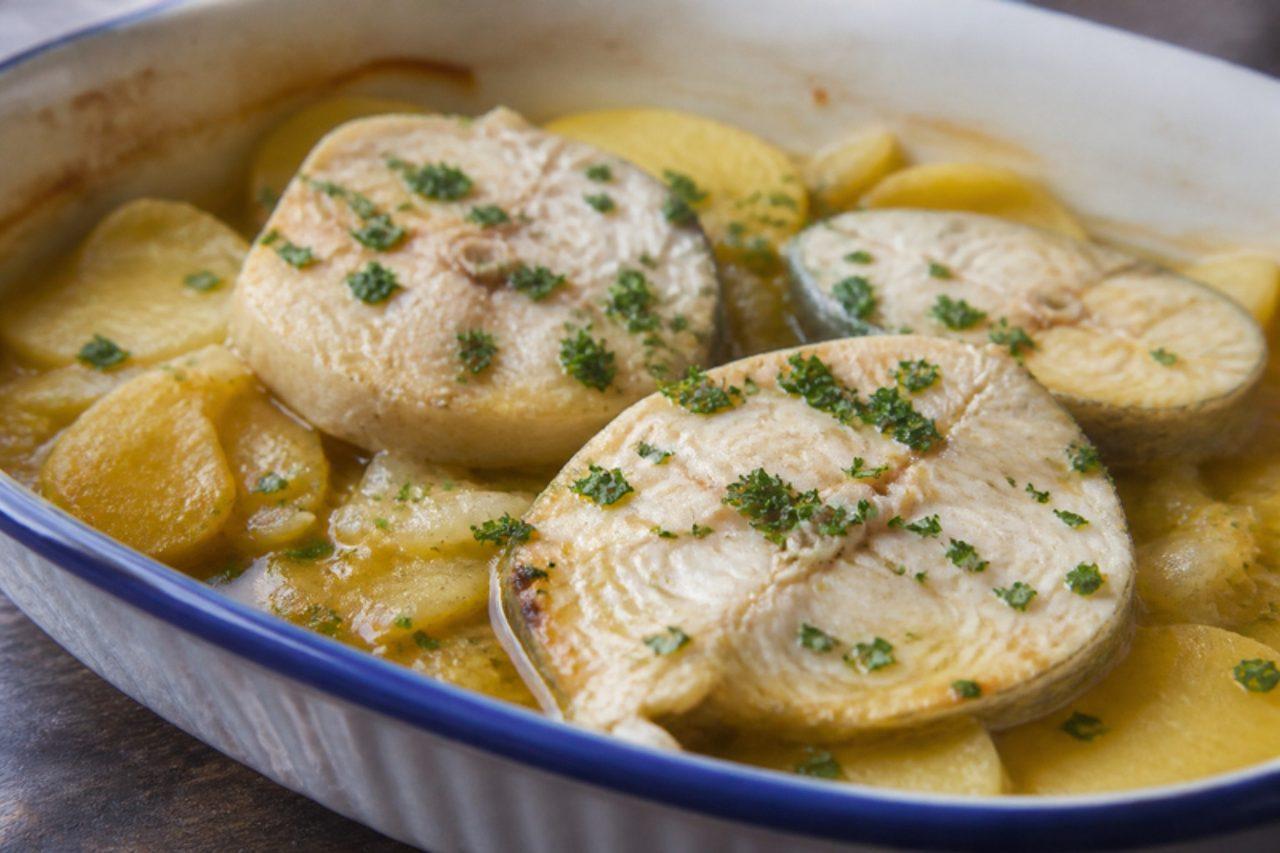
Asturias has two great loves at table, the fish landed at ports like Cudillero and Avilés and the cider pressed from its orchards, and merluza a la sidra brings them together. Families cook it for Sunday lunch, the hake settled on a bed of soft onion and potato with cider poured over, until the sauce turns sweet-sharp. The cider is alcoholic; cloudy apple juice with a little cider vinegar makes a good alcohol-free swap. Chef's tip: add the hake only when the potatoes are nearly tender, so the fish stays juicy.

by KrazyBadal 0 views

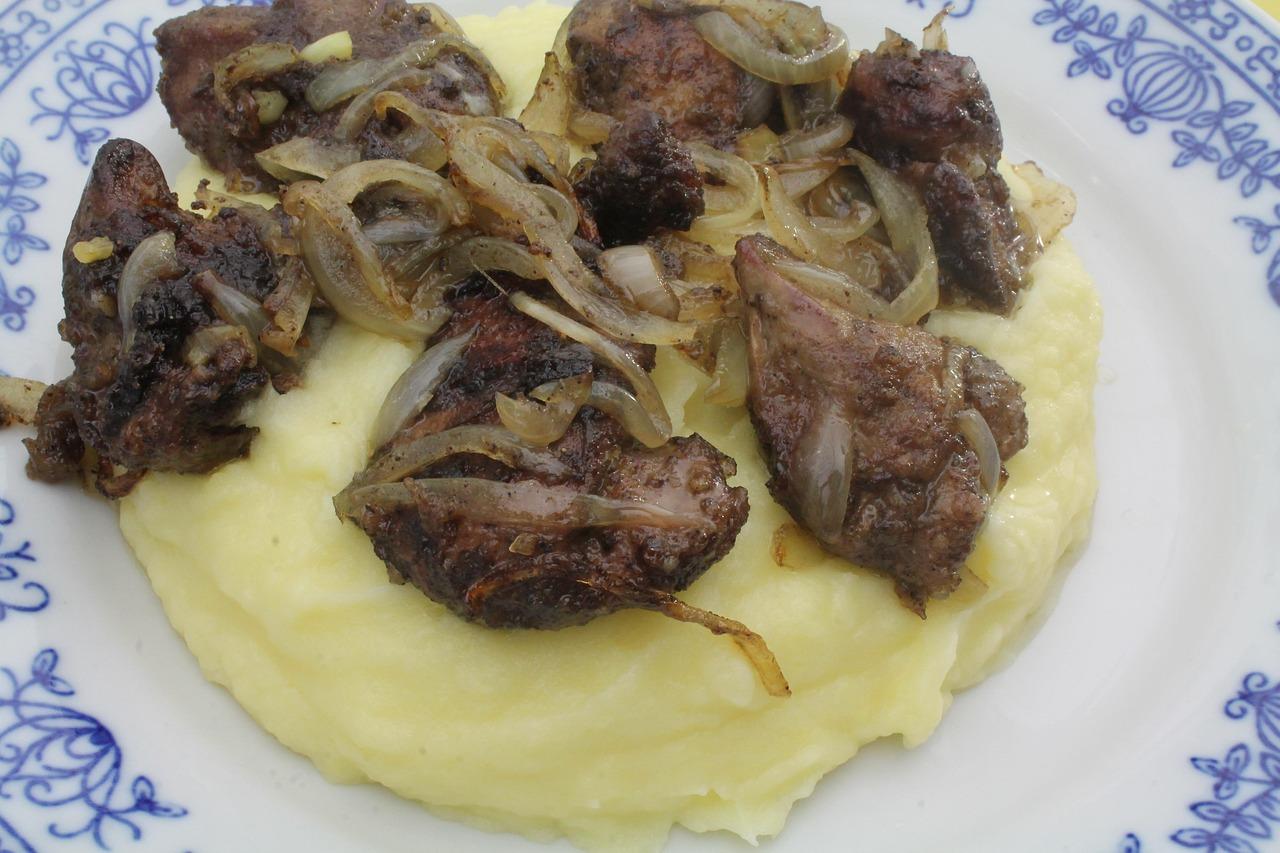
Fegato alla venezianaCalf's liver with onions

Fegato alla veneziana is one of the oldest dishes in Venice and still a weekday staple in the trattorie around the Rialto market. Mountains of onions are cooked gently until soft and sweet, then thin strips of calf's liver are tossed through them for barely two minutes, so the liver stays tender against the jammy onions, with a splash of vinegar and parsley to finish. The classic partner is soft white or yellow polenta, which soaks up the buttery juices. Chef's tip: slice the liver into thin strips, no thicker than your little finger, so it cooks through in moments without going tough.

by KrazyBadal 0 views

Bollos preñaosChorizo-filled bread rolls

At every Asturian romería, the summer pilgrim fairs held in meadows from Llanes to Cangas del Narcea, stalls sell bollos preñaos by the dozen, warm from the oven, to eat with cider on the grass. The name means "pregnant buns": each soft roll carries a chorizo inside, and its paprika fat seeps into the crumb as it bakes. This contains pork (chorizo). Chef's tip: use semi-cured chorizo sausages that are already safe to eat; raw fresh chorizo may not cook through inside the dough.

by KrazyBadal 0 views

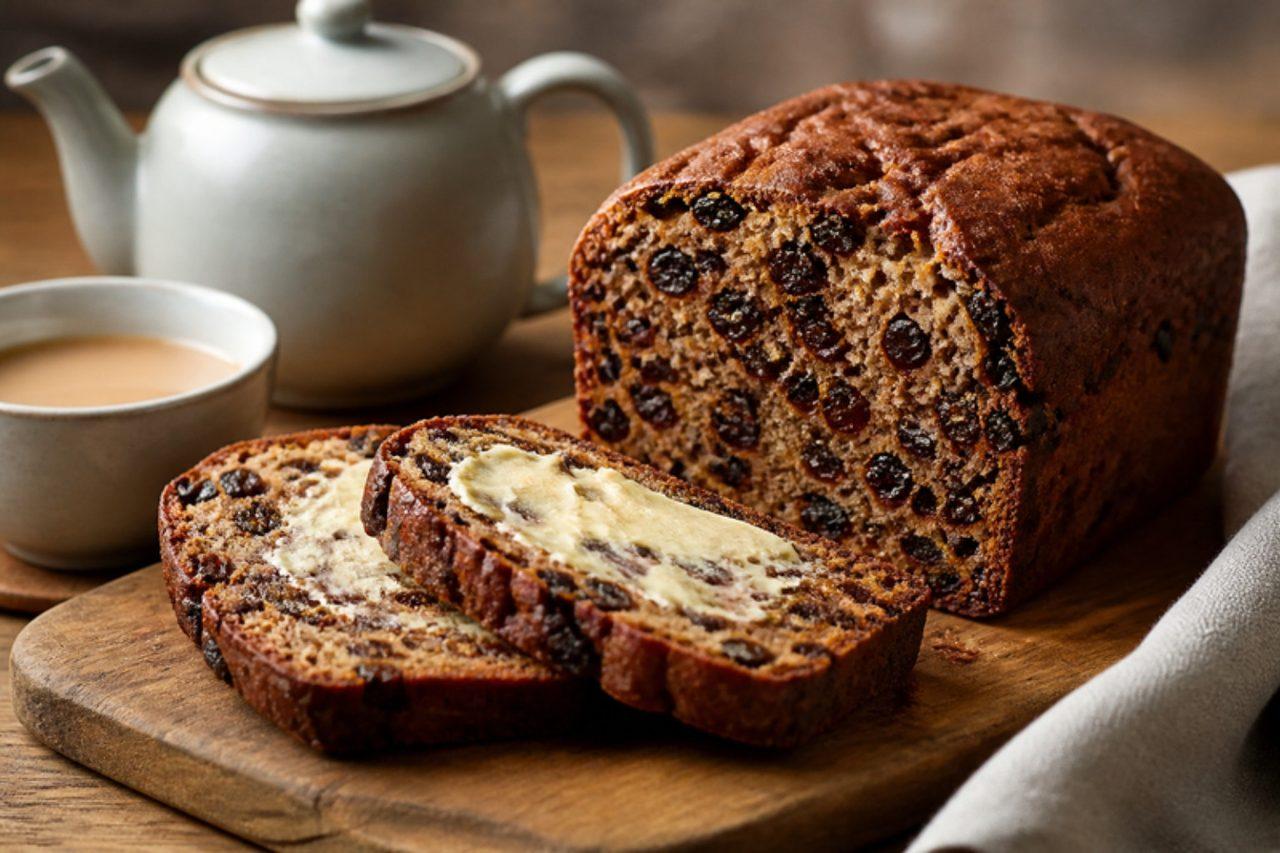
Bara brithTea-soaked fruit loaf

Bara brith means 'speckled bread', and this is the fruit loaf of Welsh farmhouses and tea rooms from Snowdonia to the Gower. Dried fruit is soaked overnight in strong black tea, then mixed with sugar, egg, flour and spice, so it is moist, dark and keeps well without any butter in the mix. Slice it thickly and spread with salted Welsh butter. Chef's tip: wrap it and wait a day before cutting; it gets stickier and slices cleaner.

by KrazyBadal 0 views

Fouace aveyronnaiseOrange blossom brioche crown

Every village fête in the Aveyron, the old province of Rouergue, has a baker selling fouace: a big golden brioche ring scented with orange flower water and topped with crunchy sugar, carried home in a paper bag to be torn up at breakfast or after Sunday lunch. Laguiole and Rodez bakeries are famous for it, and families bake one for Easter, weddings and christenings. It is softer and less buttery than a Paris brioche, with a light, cottony crumb. Chef's tip: let the shaped crown rise until it is puffy and a fingertip leaves a dent that springs back slowly; underproved fouace tears in the oven.

240 minFrenchBaking
by KrazyBadal 0 views

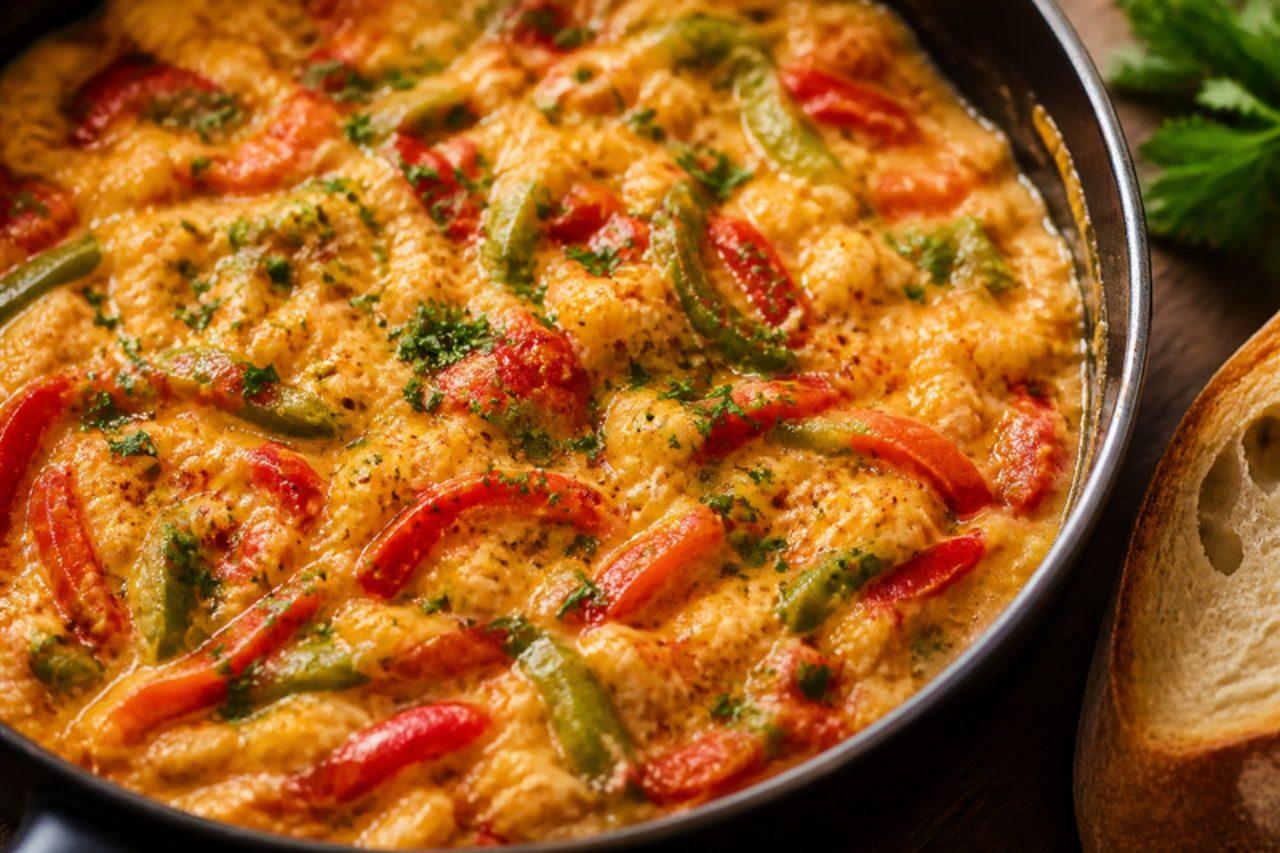
PiperadePepper and tomato stew

Red, white and green, the colours of the Basque flag, sit in one pan in piperade, the summer dish of Bayonne, Espelette and the villages of the French Basque Country. Green peppers, onions and ripe tomatoes are stewed in olive oil until soft and sweet, then warmed with the region's mild, fruity Espelette pepper. Basque families eat it at lunch with crusty bread, spooned beside rice, or with eggs softly scrambled into it; restaurants often add a slice of Bayonne ham, which this version leaves out. Chef's tip: cook it slowly and let the liquid reduce; a good piperade is jammy, not watery.

by KrazyBadal 0 views

Showing 90 of 8,120 recipes

Page 411 of 903