Skip to content
Classic tiramisu
Featured recipe

Classic tiramisu

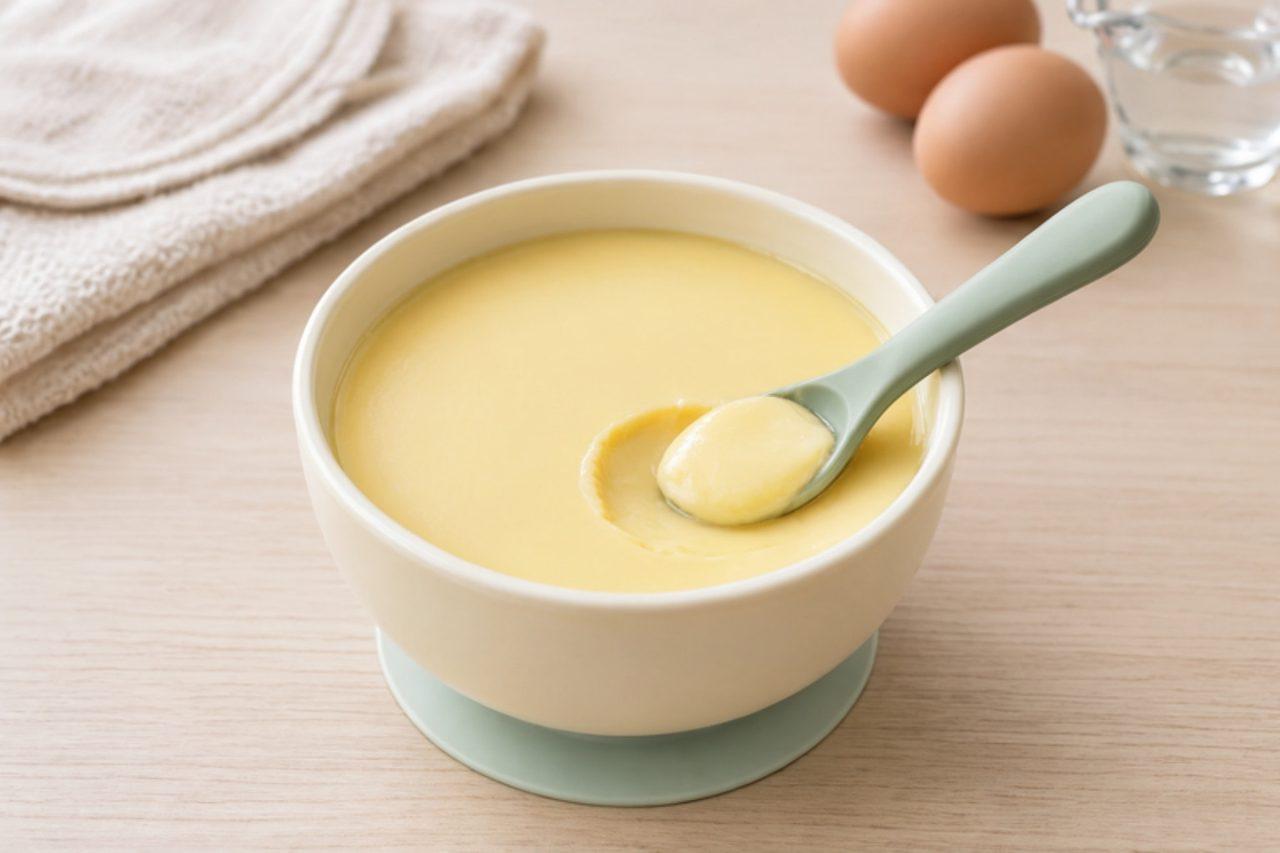
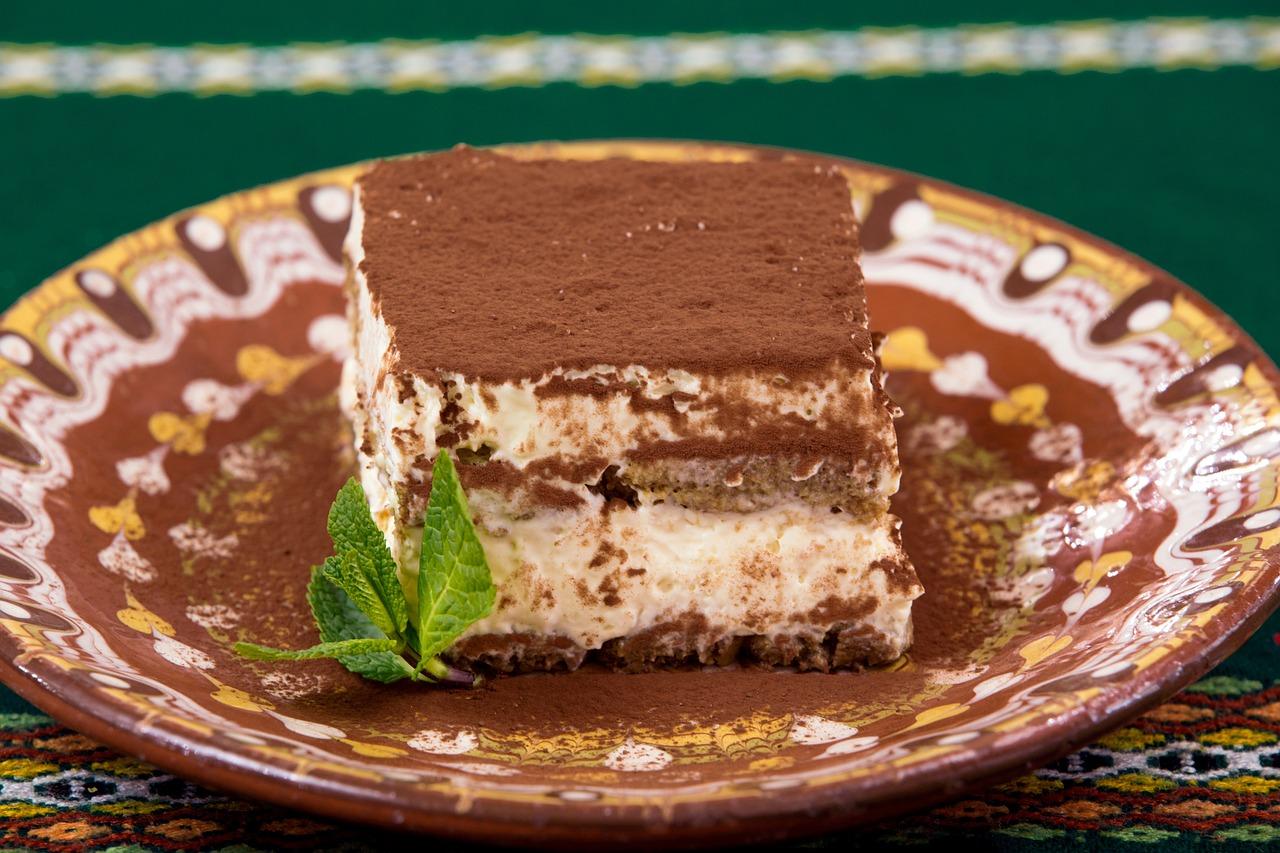
Tiramisù ('pick me up') was created in Treviso, in the Veneto, around the 1960s and 70s; the restaurant Le Beccherie is the best-known claimant. The original is simple: savoiardi biscuits dipped in espresso, layered with a cream of egg yolks, sugar and mascarpone, and dusted with cocoa. No alcohol and no cream in the Treviso version, which is different from this site's Baileys tiramisu. It is best made the morning of, or the day before. Because the eggs are raw, use the freshest you can find, or pasteurised eggs. Chef's tip: beat the yolks and sugar for a full 5 minutes until pale and thick as custard; that is what makes the cream light without whipped cream.

Read more 1 views

What to eat today?

Around the world

Today's trip: Paraguayan

A new country every day, from every cuisine on the site.

Paraguayan

Chipa

Cheese bread rings 50 minMore from Paraguayan (27) →

This week's collection

Kid-friendly dinners
537 recipes · a new collection every Monday

Latest recipes

Irish buttermilk scones

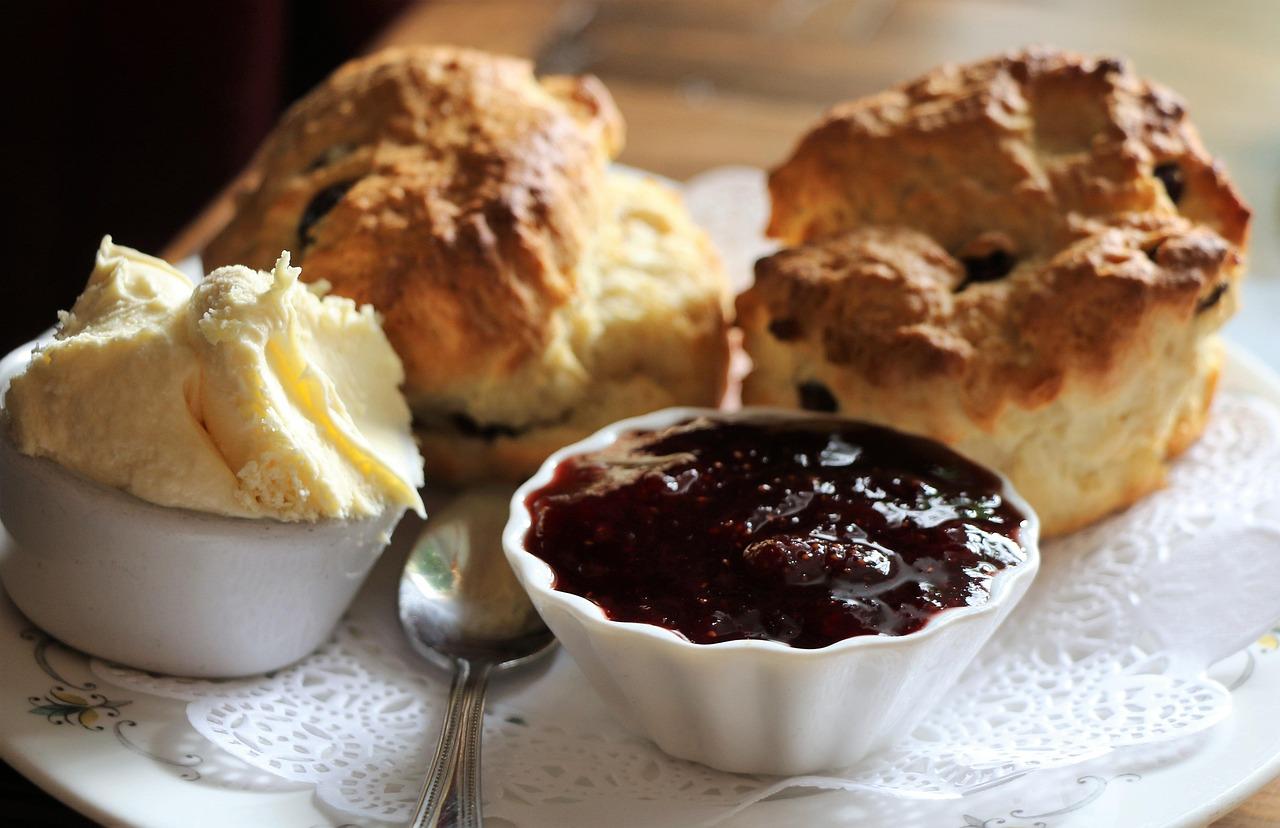
Irish scones are the centre of afternoon tea in hotels and country houses from Galway to Wicklow, and the bake that every Irish cook makes from memory. Buttermilk makes them light and tender with a faint tang, and an egg wash gives the glossy golden top. Serve warm, split, with butter, raspberry jam and whipped cream. Chef's tip: press the cutter straight down without twisting; twisting seals the edges and stops them rising tall.

by KrazyBadal 0 views

Irish rhubarb tart

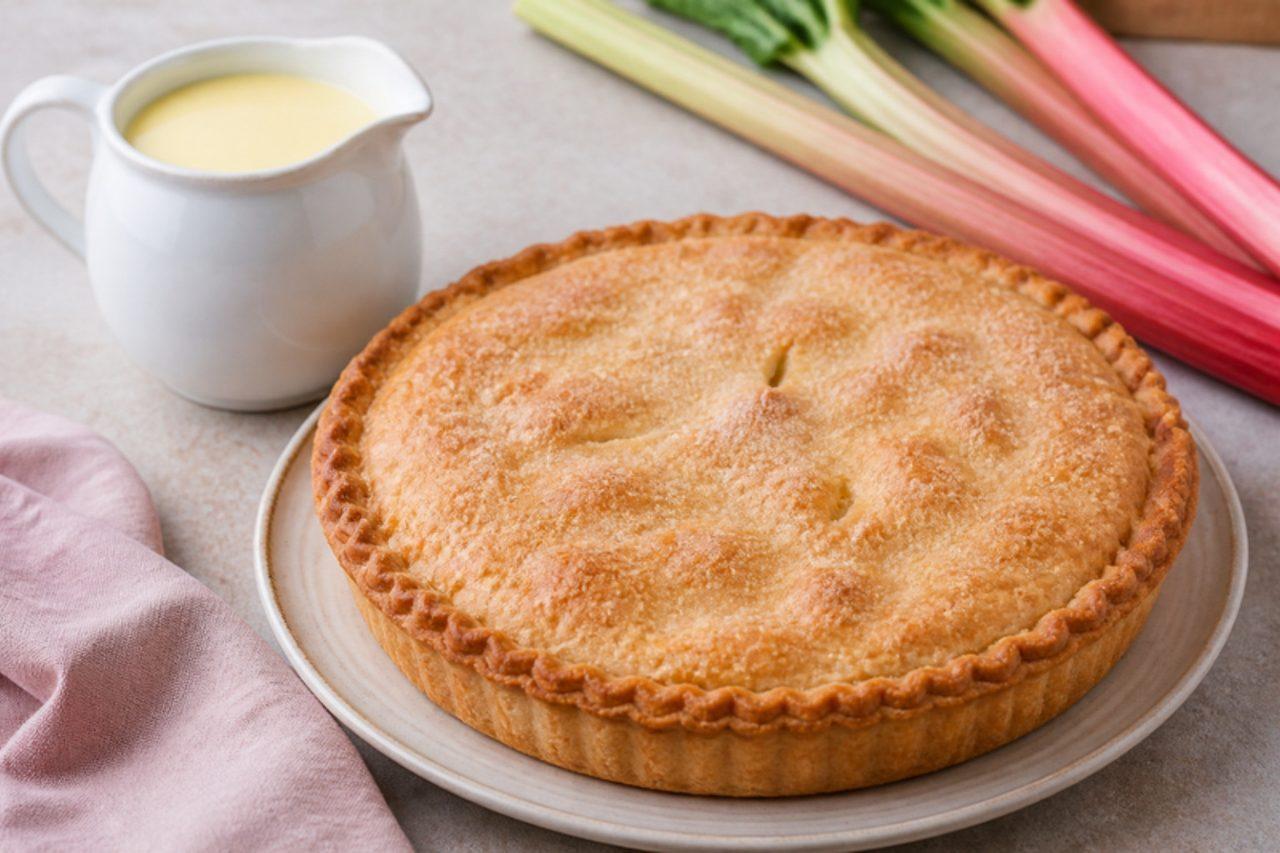
In April and May rhubarb crowns burst up in kitchen gardens all over Ireland, and the first of it goes into this plate tart, baked on an enamel plate in farmhouses from Cork to Donegal. The rhubarb is sweet-sour under a crisp, sugar-crusted lid of shortcrust. Serve warm with custard or a jug of cream. Chef's tip: sprinkle a spoonful of semolina or cornflour over the bottom pastry before adding the fruit; it soaks up the juice and stops a soggy base.

by KrazyBadal 0 views

Irish coffee

Irish coffee was first served in the 1940s at Foynes on the Shannon estuary, to cold passengers stepping off the flying boats from America, and it is now poured in hotel bars across Ireland after a long dinner. Hot black coffee is sweetened with brown sugar and laced with Irish whiskey, then topped with a layer of lightly whipped cream that you drink the coffee through. This drink contains alcohol; for an alcohol-free version, leave out the whiskey and add a few drops of vanilla. Chef's tip: whip the cream only until it just thickens, so it floats in a soft layer rather than sinking or sitting in stiff blobs.

by KrazyBadal 0 views

Brown bread ice cream

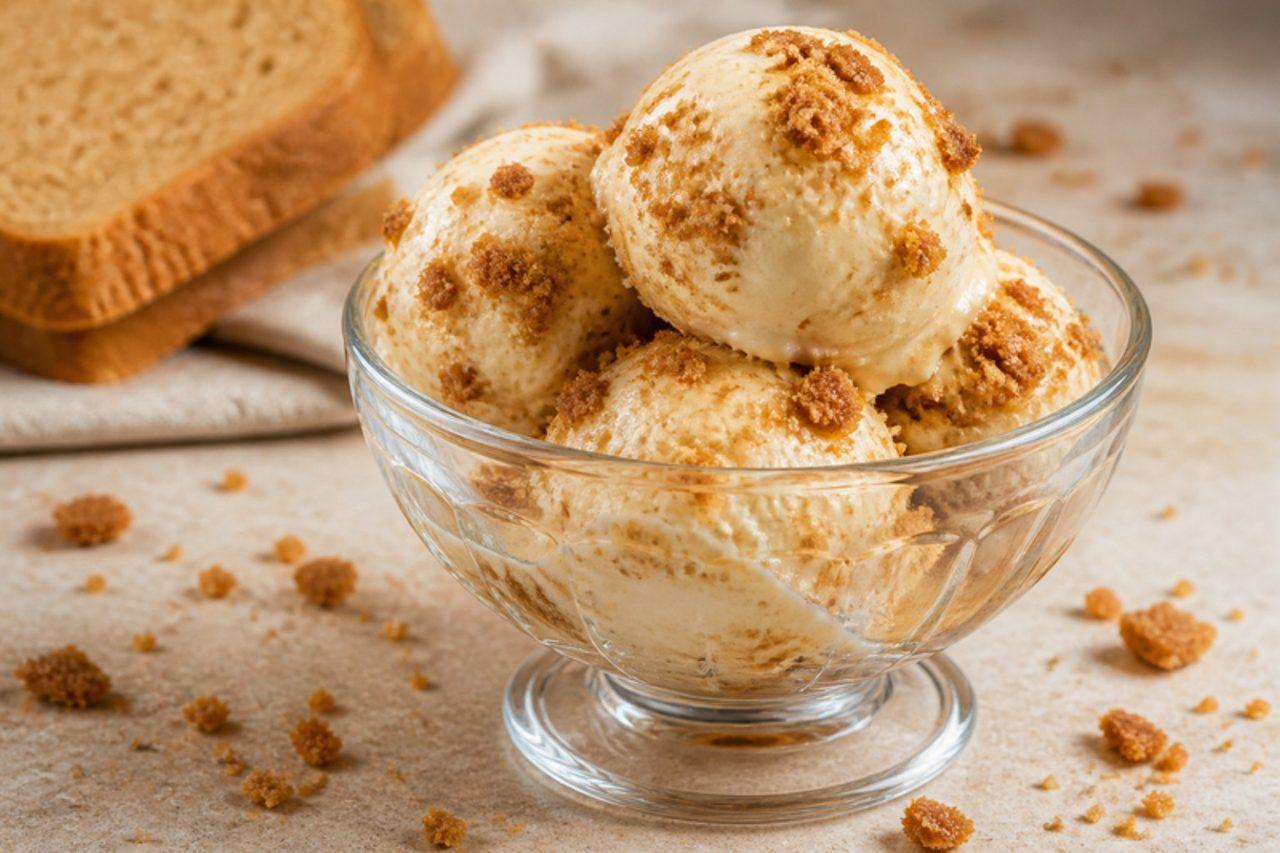
Brown bread ice cream has been a country-house dessert in Ireland since Victorian times and still turns up on menus in Kenmare, Kinsale and Dublin restaurants. Crumbs of brown soda bread are toasted with brown sugar until crisp and toffee-like, then folded through a rich vanilla ice cream, so it tastes of caramel and malty, nutty bread. This no-churn version needs no machine. Chef's tip: let the caramelised crumbs cool and break up completely before folding them in, or they sink and clump.

by KrazyBadal 0 views

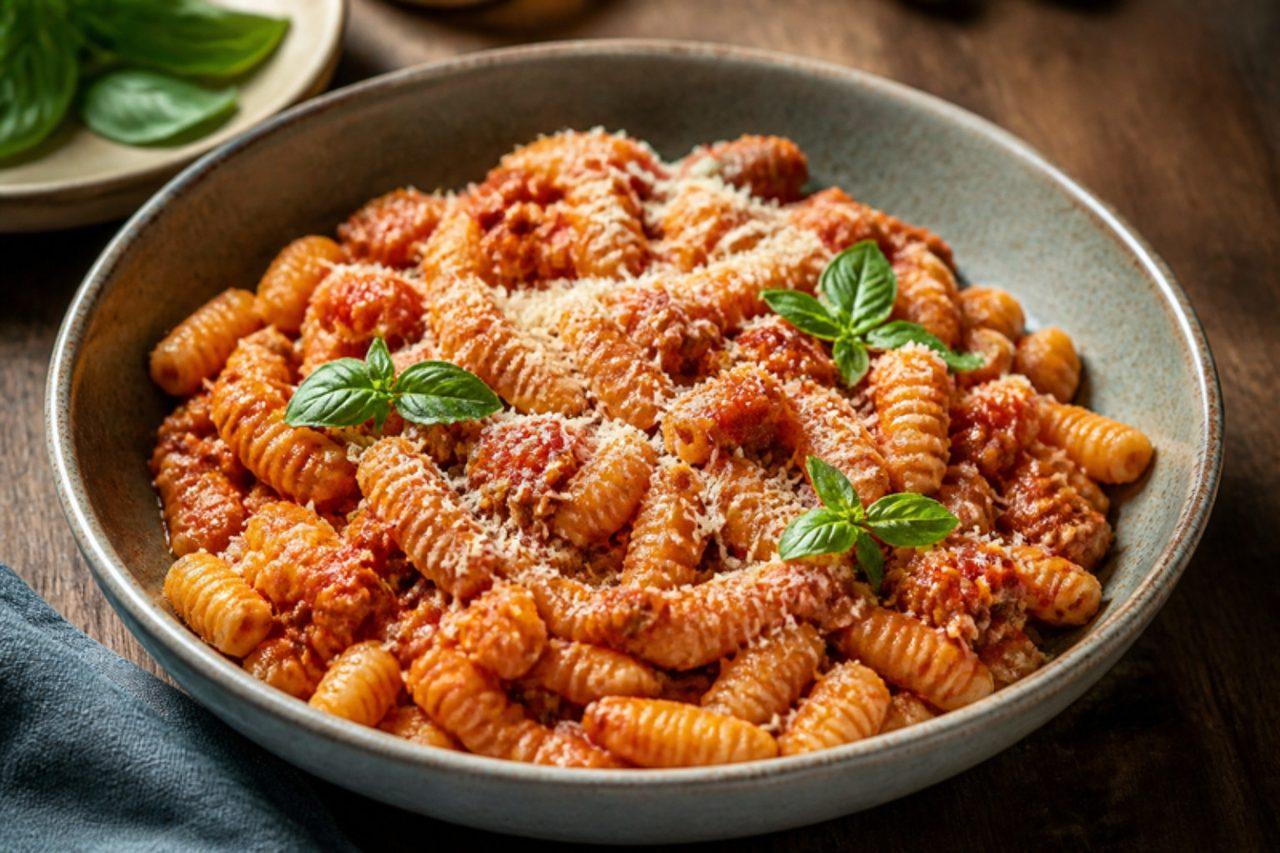
Malloreddus alla campidaneseSaffron gnocchetti with sausage

Malloreddus, small ridged shells of semolina pasta coloured with saffron, are Sardinia's festive pasta, and on the plain of Campidano, north of Cagliari, they're served at weddings, saints' days and Sunday lunch with this sauce. It's a pork dish: crumbled fennel pork sausage is browned, then simmered with tomato until rich, and the little ridged shells catch every bit of it. A shower of sharp pecorino sardo finishes it. Dried malloreddus (sometimes sold as gnocchetti sardi) are easy to find; homemade ones are a lovely weekend project. Chef's tip: steep the saffron in a spoonful of hot water before adding it to the sauce; the colour and perfume spread evenly instead of staying in threads.

by KrazyBadal 0 views

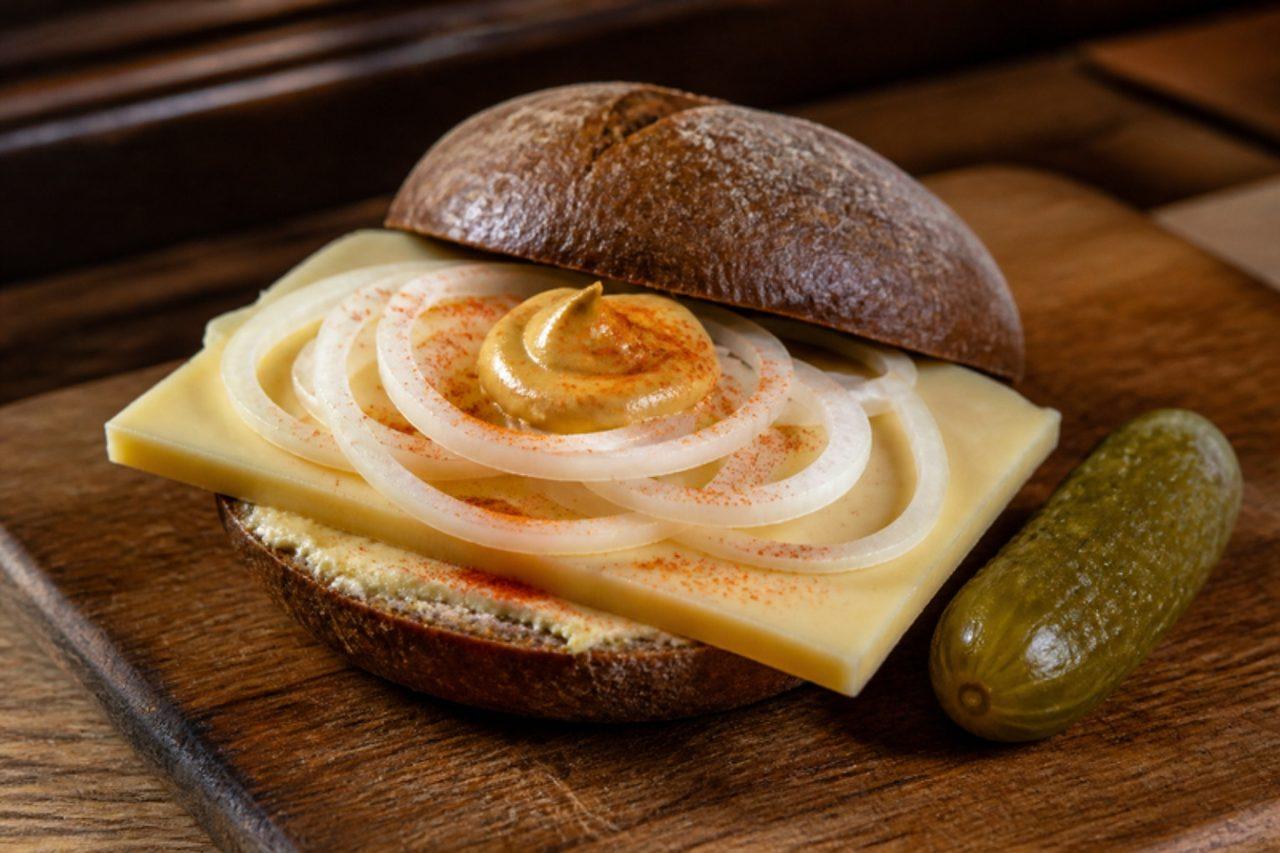
Halve HahnRye roll with Gouda and mustard

Order a Halve Hahn in a Cologne brewpub and you will not get half a chicken, whatever the name says: you get a buttered rye roll, a slab of aged Gouda, sharp mustard and raw onion rings. It is the standard snack on the long wooden tables of the Altstadt, eaten with a small glass of the local beer, though it is just as good with apple juice spritzer. The point is the contrast of crusty rye, nutty crystalline cheese and the bite of onion and mustard. Aged Gouda is usually made with animal rennet, so look for one labelled vegetarian or made with microbial rennet. A common mistake is slicing the cheese thin like a sandwich; the Cologne way is a slice as thick as your finger. Chef's tip: take the cheese out of the fridge 30 minutes ahead so its flavour opens up.

by KrazyBadal 0 views

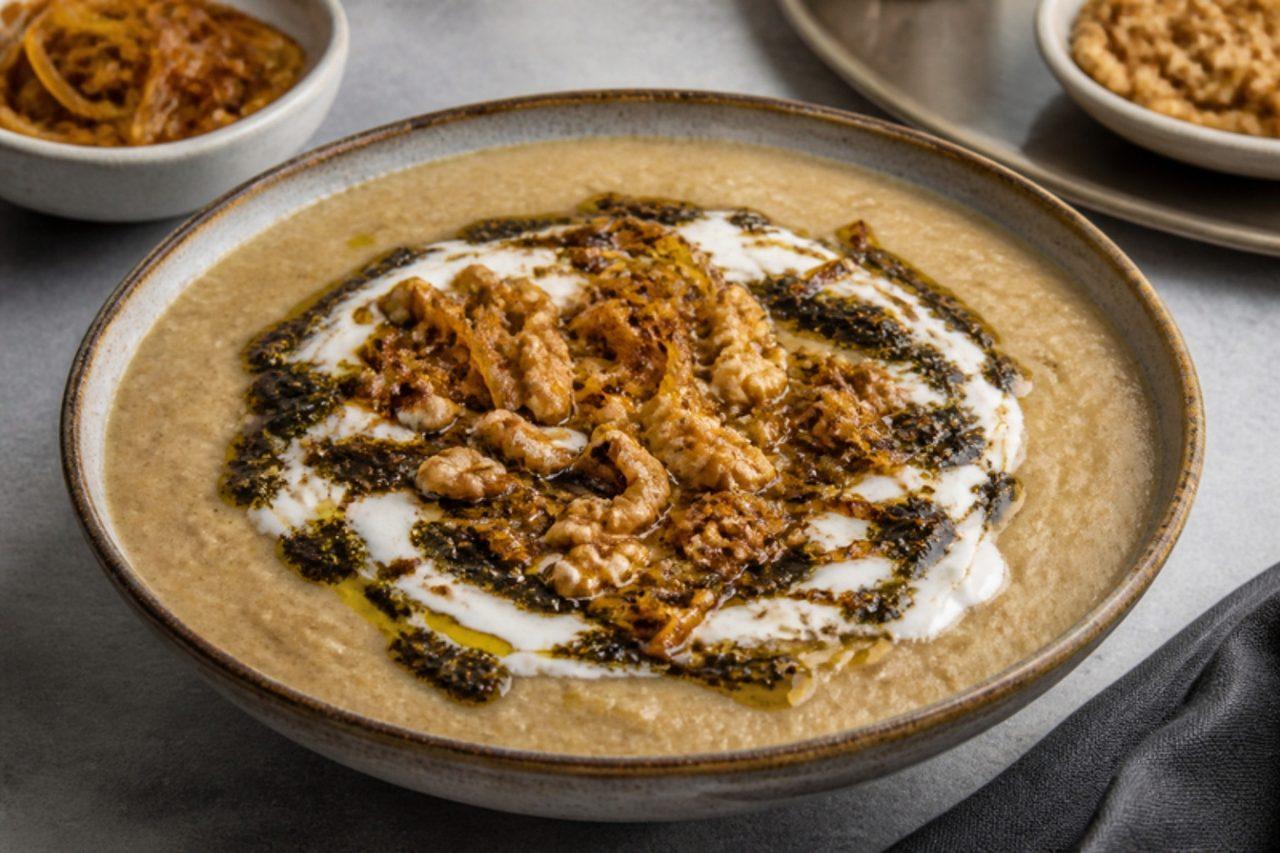
Halim bademjanAubergine, wheat and lentil porridge

In Kashan and Isfahan, halim bademjan is the thick, savoury porridge served at religious vows and at long family lunches in autumn, ladled onto a platter and drawn over with patterns of kashk, fried mint and crisp onion. Usually it is cooked with lamb that is pounded into the grains; this vegetarian version keeps the soaked wheat and green lentils, which give the same velvety body. The texture should be smooth enough to spread but still hold a spoon line. Kashk is a fermented whey product made without rennet, so the dish is vegetarian; sour cream thinned with lemon is the nearest swap. A common mistake is not soaking the wheat overnight, which leaves the halim gritty. Chef's tip: mash the aubergine into the grains with a wooden pestle rather than a blender, so you keep some threads of texture.

by KrazyBadal 0 views

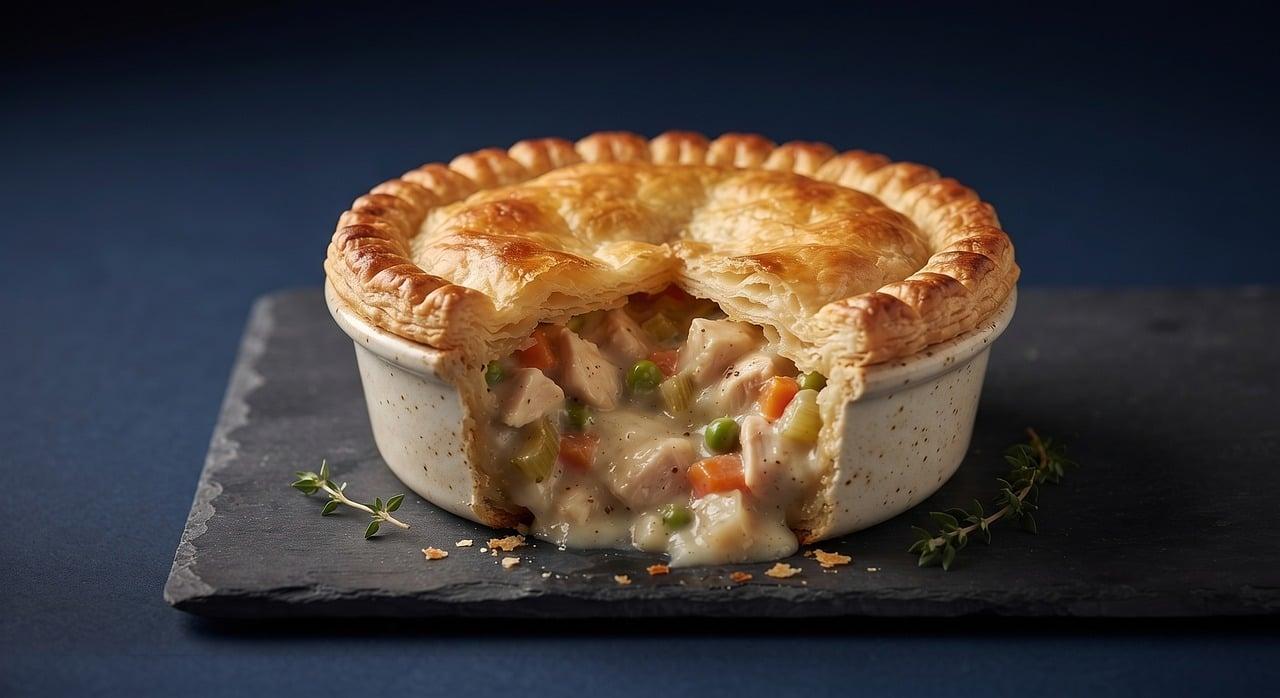
Irish chicken and ham pie

Chicken and ham pie is the family supper of Irish homes from Westmeath to Wicklow, the way to stretch a roast chicken and a piece of cooked ham into another meal, and a staple of hotel carveries. The ham is pork. Both meats sit in a creamy leek and mushroom sauce under a puff pastry lid. Chef's tip: let the filling cool before putting on the pastry, or the butter in the puff melts and it won't rise.

by KrazyBadal 0 views

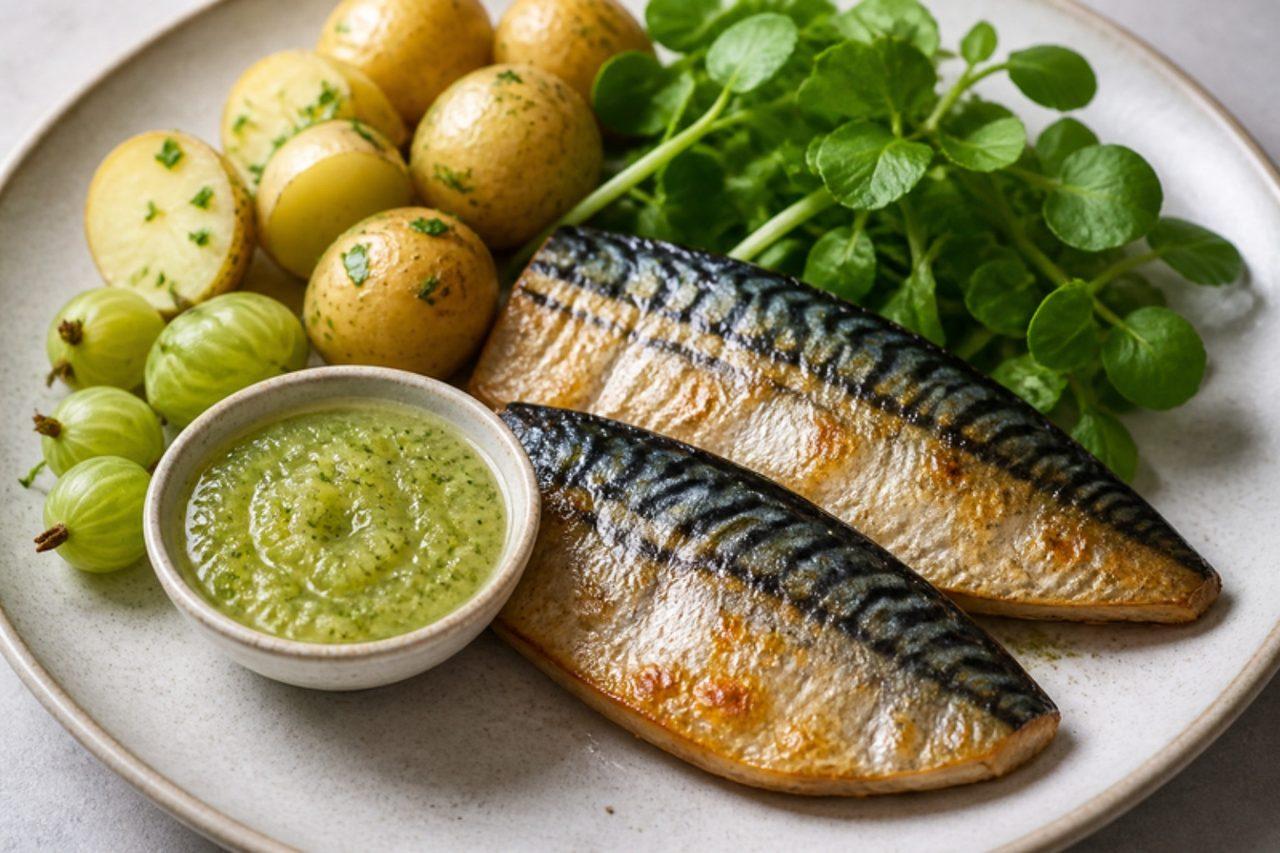
Mackerel with gooseberry sauce

In July and August shoals of mackerel come close to the piers from Kilmore Quay to Killybegs, and children catch them on hand lines for the evening pan. The old Irish partner for the oily fish is a sharp sauce of the gooseberries ripening in the garden at the same time, which cuts through the richness. Serve with new potatoes. Chef's tip: cook the fillets skin-side down almost all the way, so the skin crisps and the delicate flesh stays moist.

25 minIrishFishGluten free
by KrazyBadal 0 views

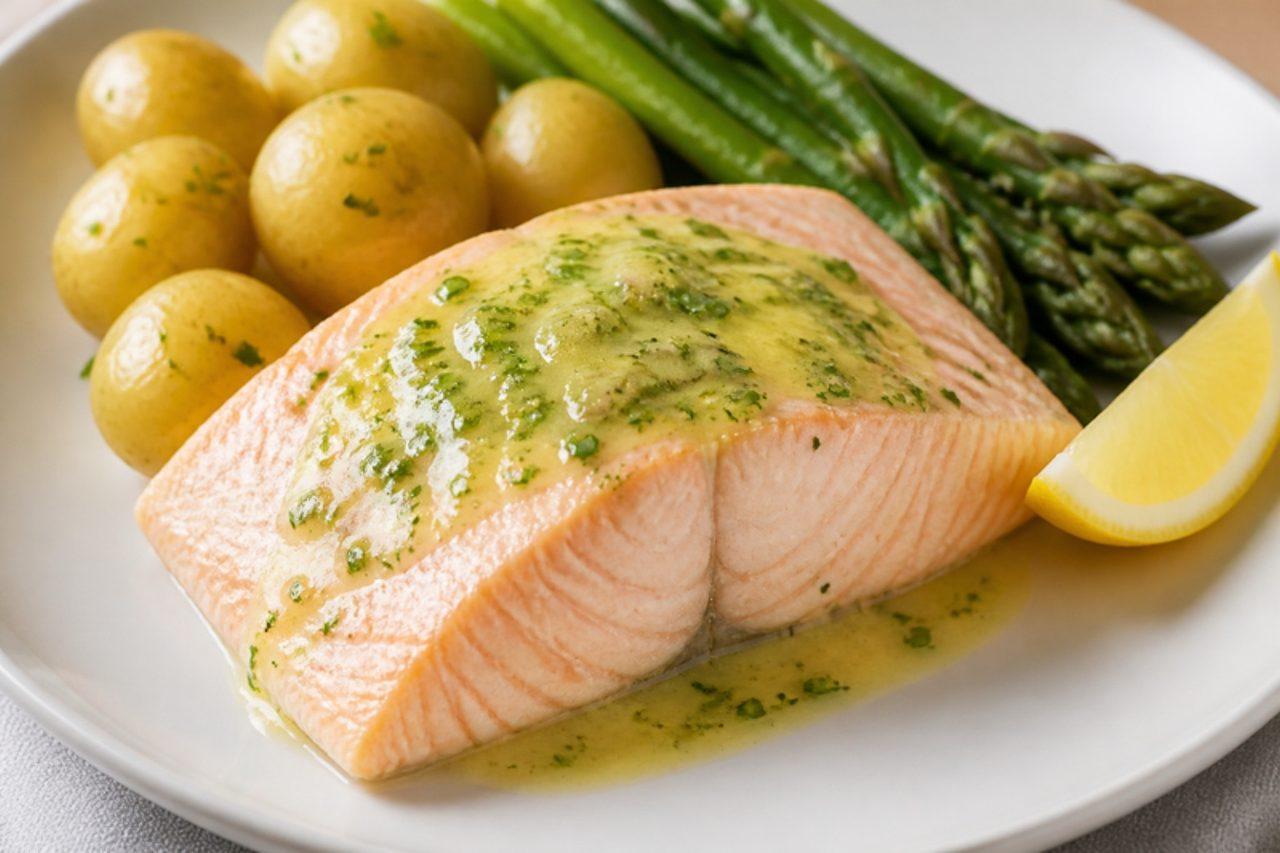
Poached Irish salmon with herb butter

A side of poached salmon is the centrepiece of Irish wedding buffets, First Communion lunches and summer gatherings along the Moy and the Blackwater, where wild salmon once ran thick. Poached gently in a court bouillon, it stays silky and moist, and here it is served warm with a simple chive and lemon butter sauce, new potatoes and peas. Chef's tip: never let the poaching liquid boil; it should barely shiver, or the salmon tightens and leaks white curds.

30 minIrishFishGluten free
by KrazyBadal 0 views

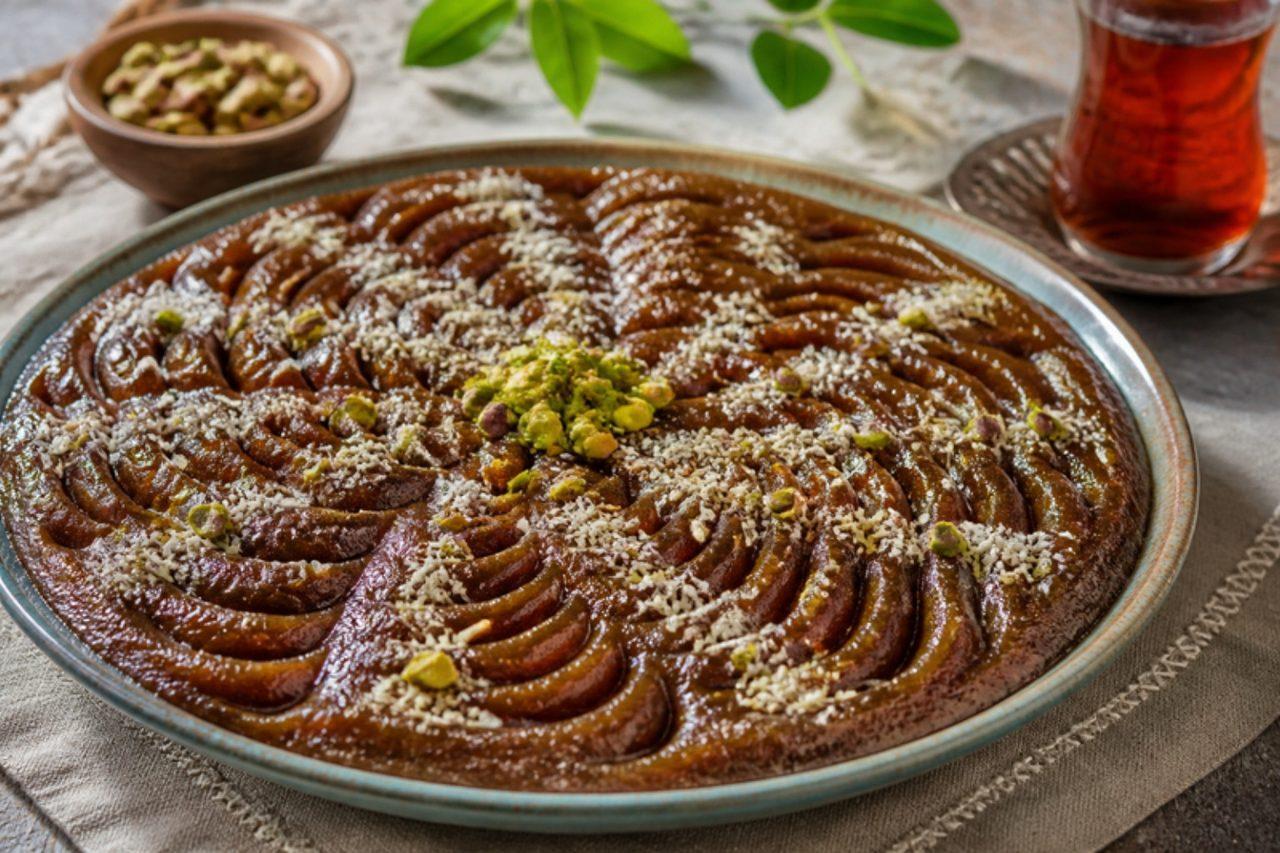
Halva-ye khormaDate halva

Along the Gulf coast, in Bushehr, Ahvaz and Abadan, halva-ye khorma is made from the year's soft dates and served at breakfast with bread, at funerals and on Thursday evenings in memory of the dead. Flour is toasted slowly until nutty, then beaten with warm date paste, saffron, cardamom and rosewater into a dense, glossy halva that is pressed into a dish and decorated. A common mistake is adding cold date paste to the hot flour, which seizes into lumps; warm the dates first. Chef's tip: keep stirring until the halva leaves the sides of the pan in one smooth ball, which means it will slice neatly once cool.

by KrazyBadal 0 views

Halvas FarsalonCaramelised almond halva

Farsala, a market town on the Thessalian plain, is famous across Greece for its halva: not the sesame kind but a chewy, translucent sweet of cornflour, sugar and butter, cooked until it caramelises, then baked until the top turns glassy amber. Shops sell it by the slab at fairs and on Sundays, and visitors take it home to Athens. Common mistake: stopping too early, when it's still pale and starchy — keep stirring until it pulls away from the pan in one golden mass. Chef's tip: use a heavy non-stick pan and a strong wooden spoon; it gets very thick, and you'll be glad of both.

by KrazyBadal 0 views

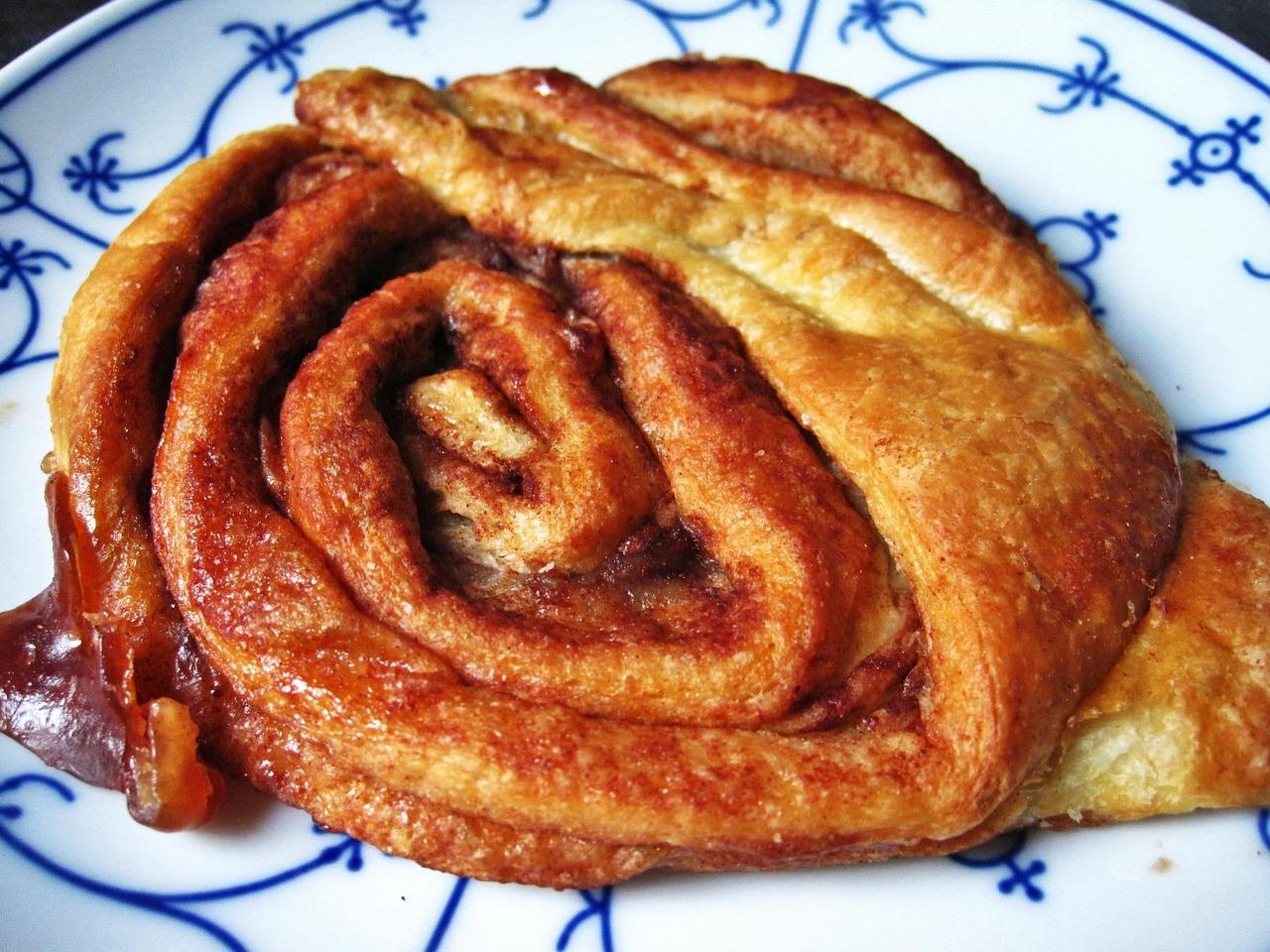
FranzbrötchenCinnamon butter pastries

No Hamburg bakery opens without a tray of Franzbrötchen: flaky, buttery yeast pastry rolled with cinnamon sugar, cut into pieces and pressed down hard in the middle with a wooden spoon handle so the spirals splay out into a squashed butterfly. The sugar caramelises underneath into a sticky, crunchy base. They are breakfast with coffee on the way to work and a Sunday treat at the harbour. The common mistake is letting the butter go soft while laminating: it oozes out and you get bread, not layers. Chef's tip: chill the dough between every fold, and press the shape down firmly before the final rise or it will spring back in the oven.

by KrazyBadal 0 views

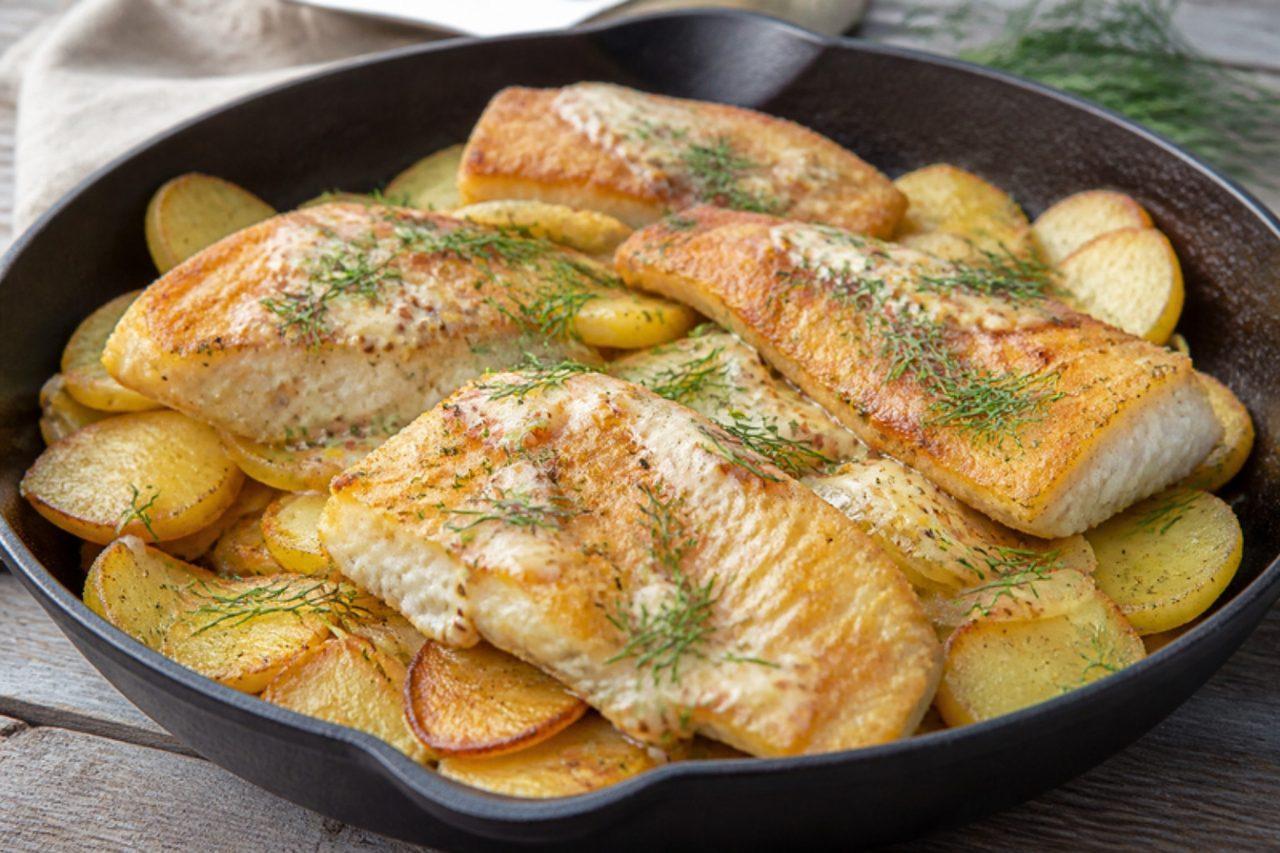
Hamburger PannfischFish and potatoes in mustard sauce

Pannfisch began as the thrifty Monday supper of Hamburg's harbour families, made from the odds and ends of the weekend's fish and the cold potatoes from Sunday. Chunks of white fish are fried golden and laid over crisp Bratkartoffeln, with a creamy mustard sauce poured round, and today it is a fixture of the fish restaurants along the Elbe. Use whatever firm white fish is good: cod, saithe, haddock or plaice. Chef's tip: boil the potatoes the day before and chill them; cold potatoes fry crisp instead of breaking up.

45 minGermanFish
by KrazyBadal 0 views

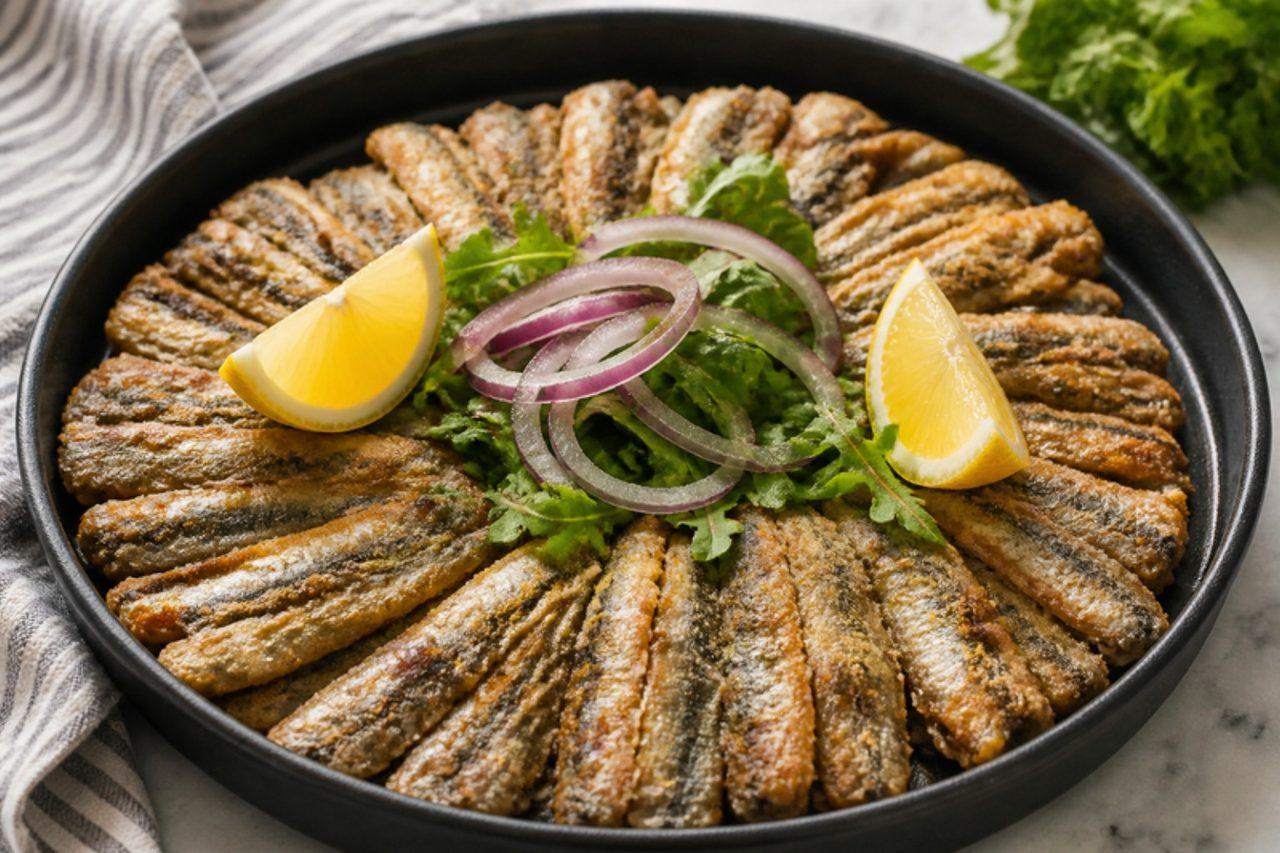
Hamsi tavaFried anchovies

When the first winter storms push shoals of anchovy along the coast, fish markets from Samsun to Hopa are heaped with silver hamsi and the whole region seems to smell of frying. Hamsi tava is the simplest way to eat them: heads off, butterflied, dusted in cornmeal and laid in a hot pan in a neat circle, then flipped like a cake. They come out crisp outside and soft and sweet within, with red onion, rocket, lemon and cornbread alongside. Common mistake: crowding the pan, which steams the fish and leaves the coating soggy. Cook until the flesh is opaque and flakes from the backbone. Chef's tip: shake off every bit of loose cornmeal; a thin coat is what stays crunchy.

by KrazyBadal 0 views

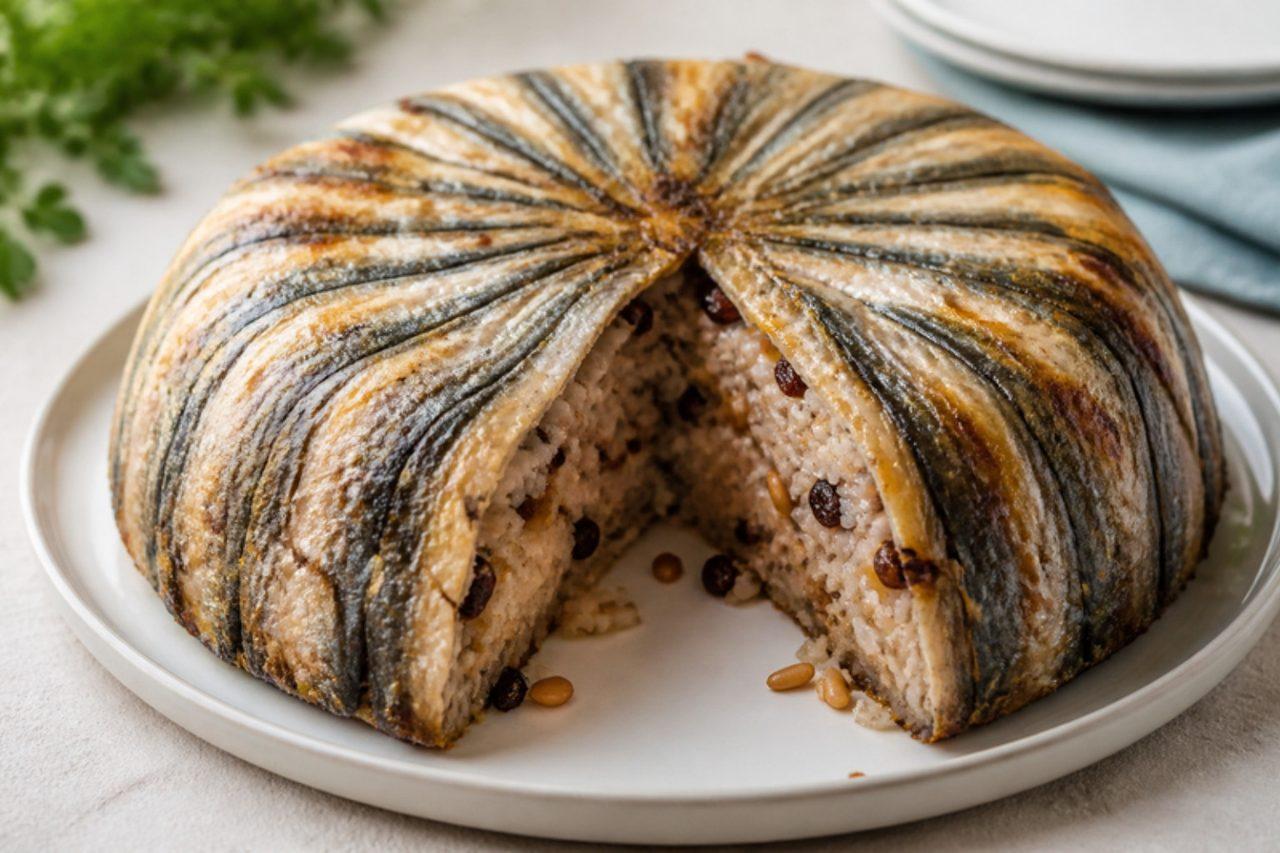
Hamsili pilavAnchovy-wrapped rice bake

Hamsili pilav is the showpiece of a Trabzon or Rize winter table: a dome of rice cooked with currants, pine nuts, allspice and dill, packed into a tin lined with butterflied anchovies, more fish laid over the top, and baked until the skins turn crisp. Turned out and cut like a cake, it shows silver fish outside and fragrant rice within, and families make it for guests and New Year gatherings. Serve with a sharp salad and lemon. Common mistake: fully cooking the rice before baking, which turns it mushy; it should still have a bite when it goes into the tin. Bake until the fish is opaque and flakes. Chef's tip: lay the anchovies skin side down against the tin, overlapping like roof tiles, so no rice escapes.

100 minTurkishFishGluten free
by KrazyBadal 0 views

Handkäs mit MusikMarinated sour-milk cheese

Handkäs mit Musik is the bar snack of Frankfurt's Sachsenhausen cider taverns, where it is served on a small plate beside a glass of apple wine; apple juice or a sour apple spritzer is the alcohol-free match. Handkäse is a small, firm, low-fat sour-milk cheese, ripened until it turns glassy and translucent at the edge, and the 'music' is the marinade of onion, vinegar, oil and caraway it soaks in. It is eaten with a knife and fork on buttered rye bread. Most Handkäse is made without rennet, using acid alone, but check the label if you are strict. A common mistake is serving it straight away: the cheese needs at least an hour in the marinade. Chef's tip: choose a cheese that is still chalky white in the very middle, which gives a mix of creamy and fresh textures.

by KrazyBadal 0 views

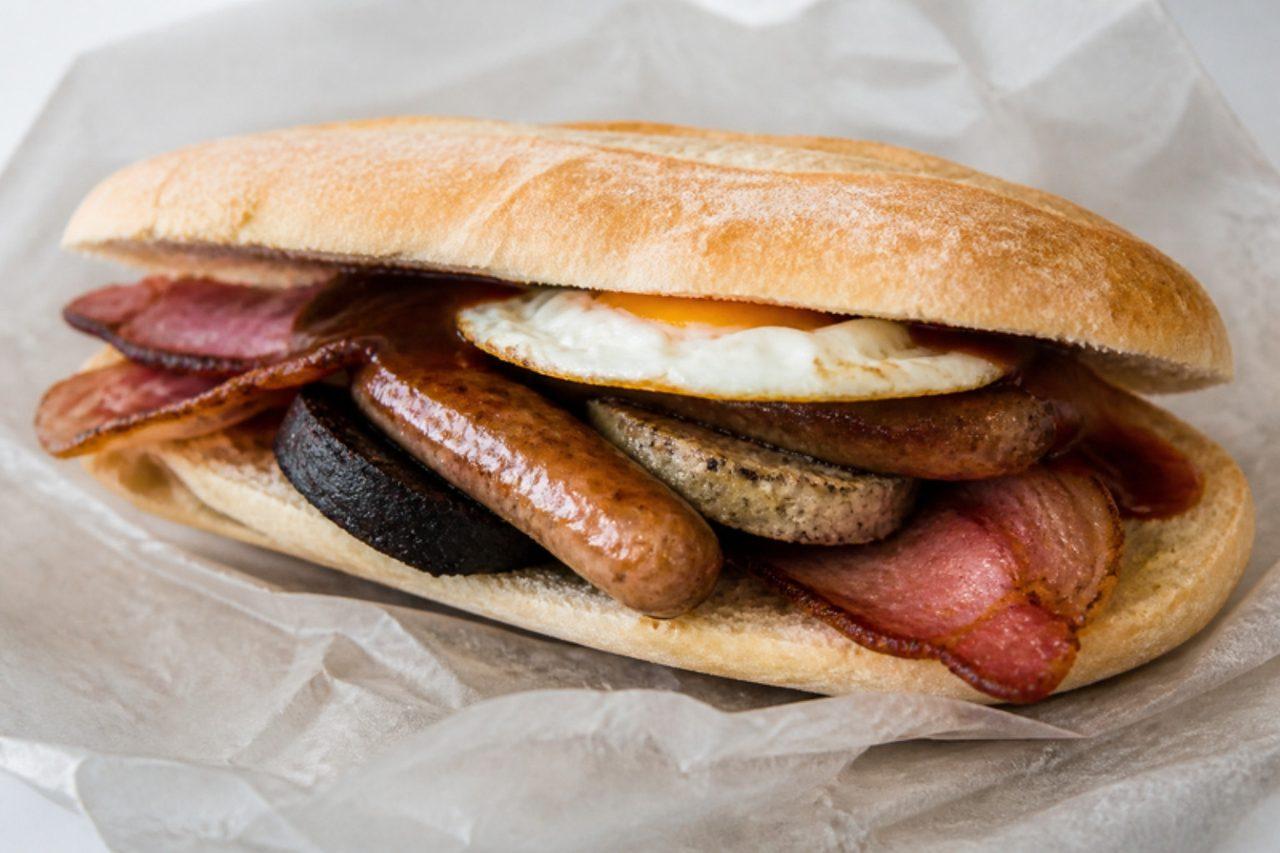
Irish breakfast roll

The breakfast roll is the hot deli sandwich of Irish petrol stations and corner shops, eaten from its paper bag by builders, commuters and students all over the country from early morning. A long, crusty baguette-style roll is packed with what is in a fry: pork sausages, rashers, black and white pudding and a fried egg, with butter and brown sauce or ketchup. Chef's tip: warm the roll in the oven so it is crisp outside and soft within before you load it.

by KrazyBadal 0 views

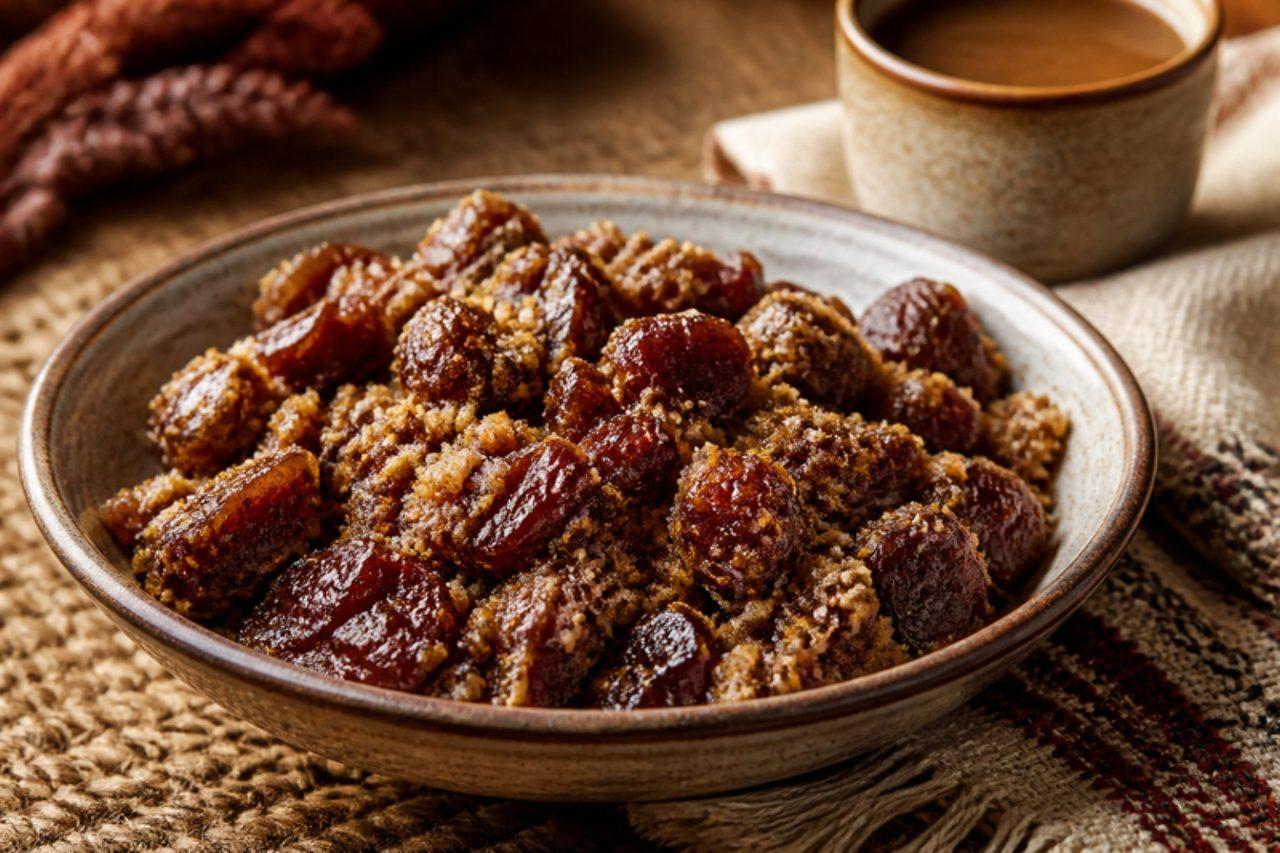
HaneenehWarm dates with breadcrumbs and ghee

Haneeneh is desert comfort food from the Bedouin tents of the Jordanian Badia: soft dates mashed into hot samneh with crumbs of yesterday's flatbread, scented with cardamom and pressed into a rich, fudgy sweet. It is made for guests, for new mothers and for cold mornings before herding, eaten by hand with black tea or Arabic coffee. It takes ten minutes and uses only store-cupboard things. The mistake to avoid is cooking the dates too long once they meet the ghee; they turn stiff and chewy instead of jammy. Chef's tip: toast the crumbs in the ghee first until nutty, then add the dates off the heat so the mixture stays soft.

by KrazyBadal 0 views

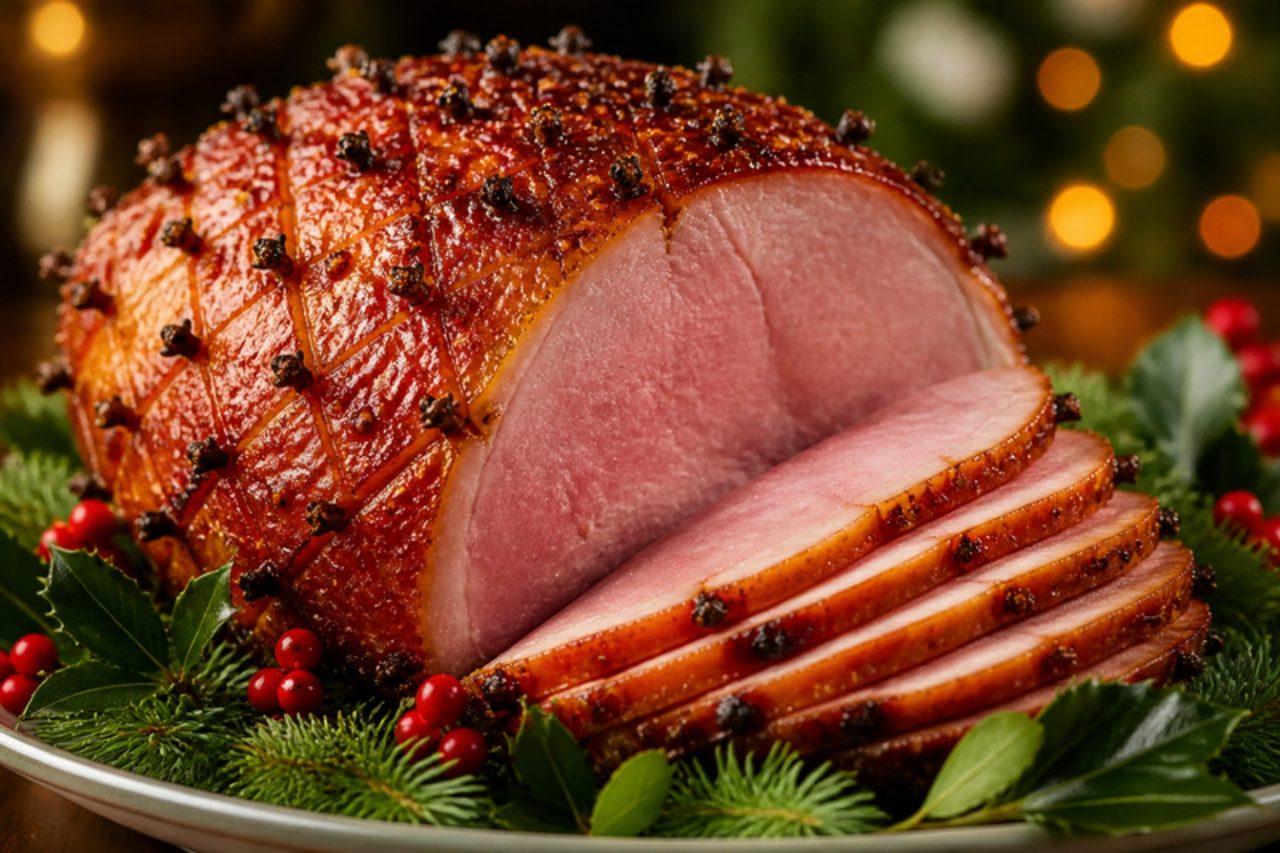
Limerick ham with cider glaze

Limerick was once famous across Europe for its hams, cured in the city's bacon factories, and a glazed ham is still the centrepiece of the Irish Christmas table next to the turkey. This is a gammon joint, which is pork: simmered gently in cider with an onion and spices, then studded with cloves and glazed in a hot oven until sticky and dark. Serve hot with mash and parsley sauce, or cold for St Stephen's Day sandwiches. The cider contains alcohol, which mostly cooks off; for an alcohol-free version use cloudy apple juice. Chef's tip: score the fat in a neat diamond pattern only through the fat, not the meat, so the glaze grips without the meat drying.

200 minIrishMeatGluten free
by KrazyBadal 0 views

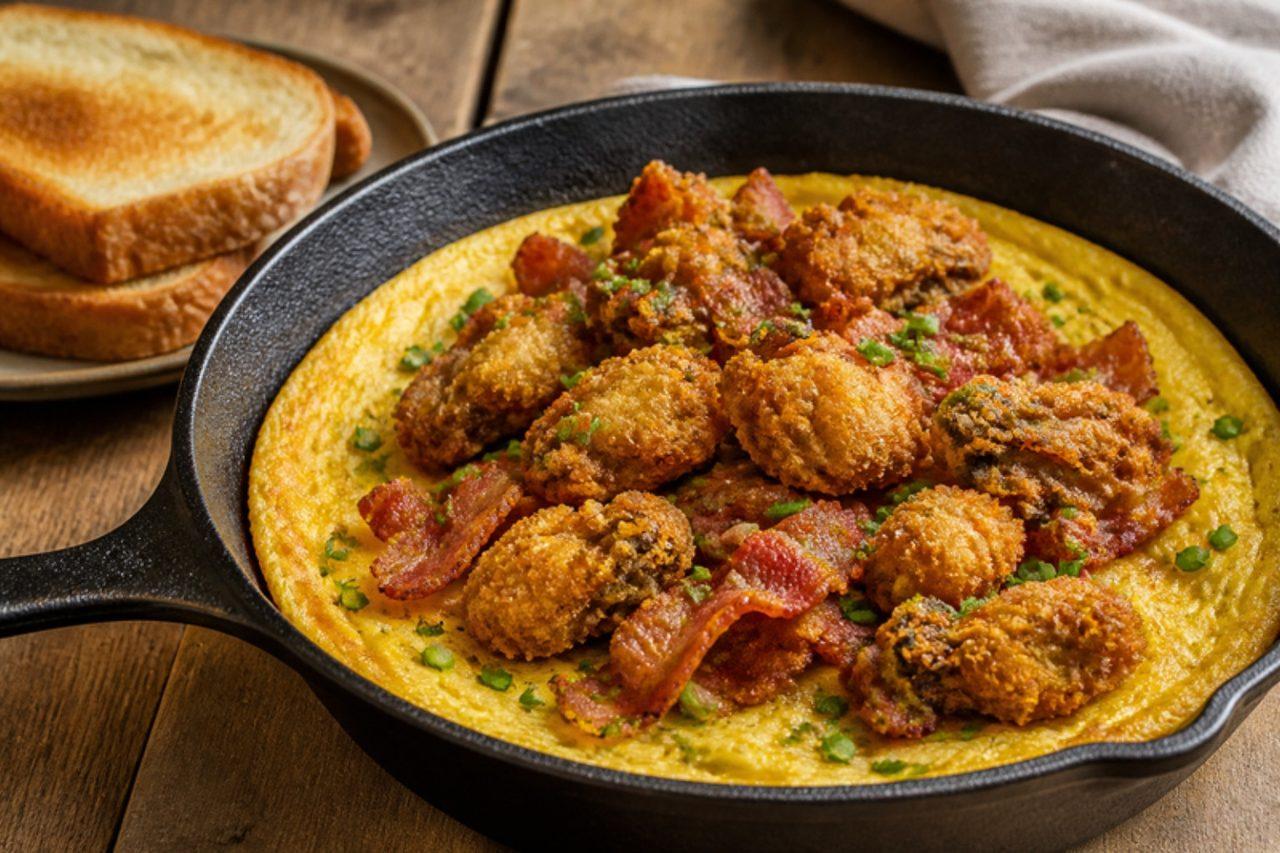
Hangtown fryOyster and bacon omelette

The Hangtown fry is said to have been ordered by a miner who struck gold near Placerville, then nicknamed Hangtown, in 1849, asking for the dearest dish in the house: oysters shipped up from San Francisco Bay, bacon (pork) and eggs, which were rare and costly in the gold fields. Today it is brunch at old San Francisco grills. Crisp crumbed oysters and bacon are set in a soft omelette. Chef's tip: fry the oysters before they meet the egg so their coating stays crisp.

by KrazyBadal 0 views

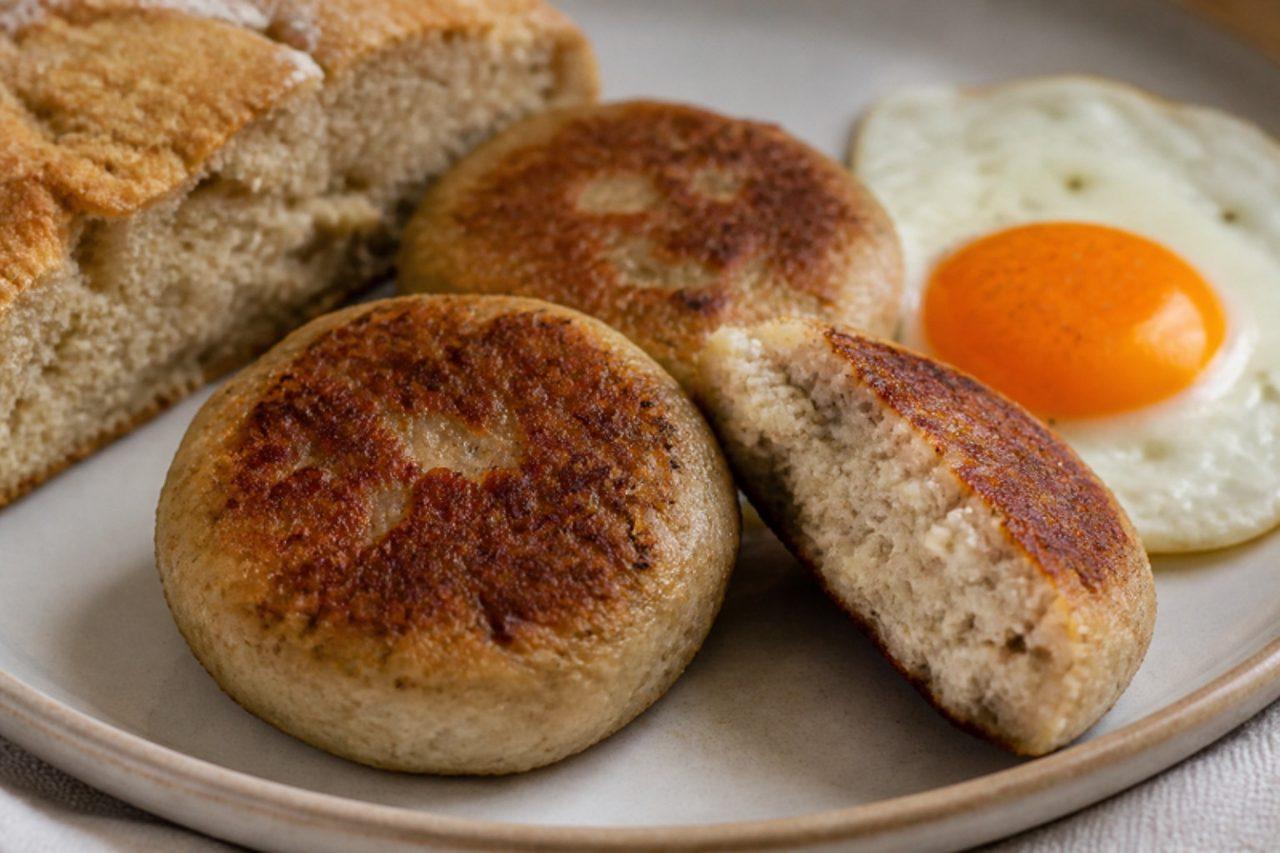
Irish white pudding patties

White pudding is the pale partner to black pudding on the Irish breakfast plate, made in butchers' shops from West Cork to Sligo with pork, pork fat, oatmeal, onion and a secret blend of spices. Making it at home in casings is fiddly, so this version shapes the same mix into patties to fry for the full Irish or a breakfast roll. Chef's tip: toast the oats in a dry pan first; it gives the nutty flavour that good shop-bought white pudding has.

by KrazyBadal 0 views

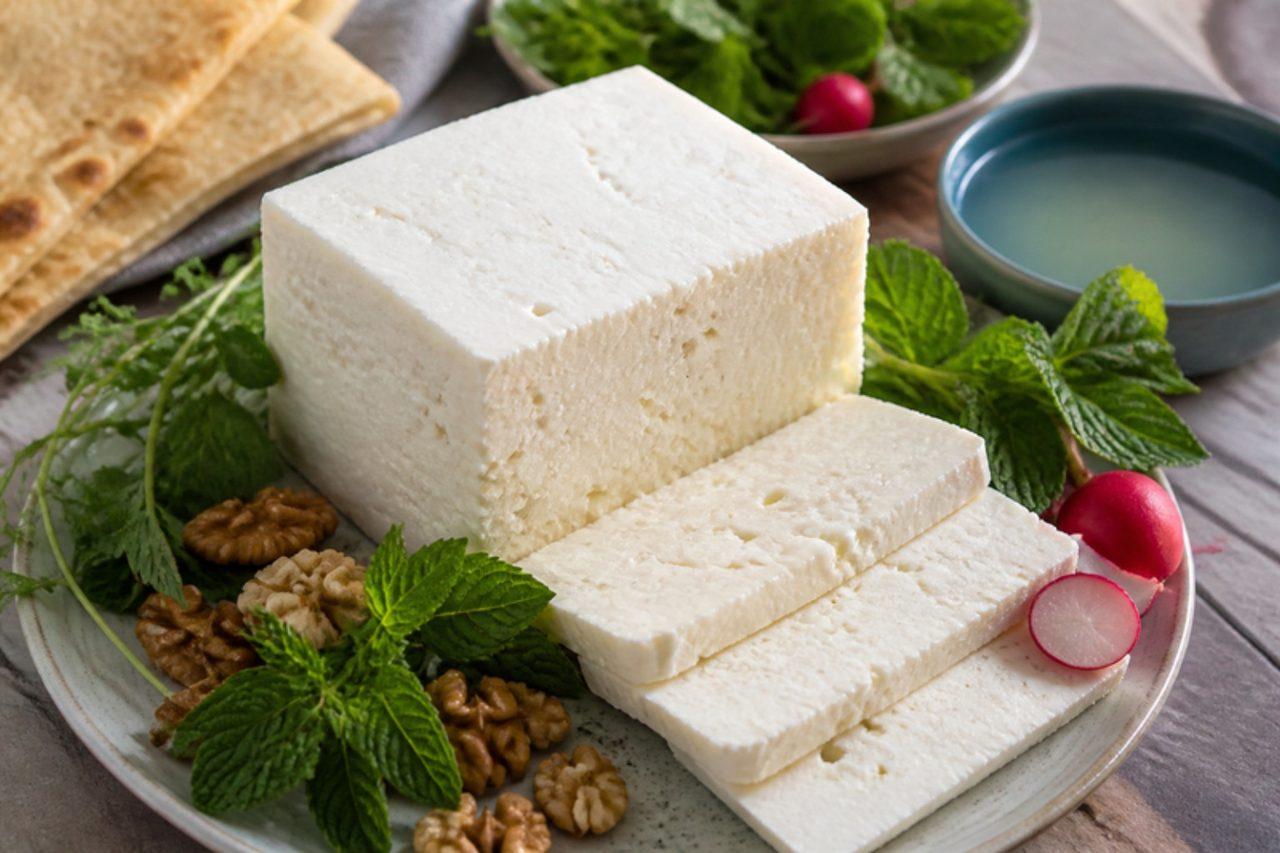
Lighvan-style brined cheese

The village of Lighvan, on the slopes of Mount Sahand south of Tabriz, gives its name to Iran's most loved breakfast cheese: a white, holey, tangy sheep's milk cheese matured in brine, traditionally in goatskins or tins in mountain caves. Across Azerbaijan province it is eaten every morning with warm bread, walnuts, fresh herbs and sweet tea. This home version uses pasteurised sheep's milk (or a mix with goat's milk) so it is safe to make in your kitchen. Village Lighvan is set with animal rennet; use a vegetarian (microbial) rennet to keep it vegetarian. The commonest mistake is cutting the curd before it gives a clean break, which loses yield and makes a crumbly cheese. Chef's tip: let the cheese firm in the fridge for a full week in the brine; it develops its classic tang and little holes as it matures.

1500 minPersianBasicsGluten free
by KrazyBadal 0 views

Golab (home-distilled rosewater)

Every May the valleys around Kashan and Qamsar fill with pickers gathering Damask roses at dawn for golabgiri, the rose-water festival, when copper stills bubble in village courtyards. Golab is the backbone of Persian sweets, sharbat and rice, and a small batch can be made at home with a stockpot, an upturned lid and a bowl of ice. You need fragrant roses that have never been sprayed: florist roses are not safe to use in food. A common mistake is boiling hard, which cooks the petals and gives a grassy, dull water; the pot should only simmer. Chef's tip: pick the roses early in the morning, when their scent is strongest, and distil the same day.

by KrazyBadal 0 views

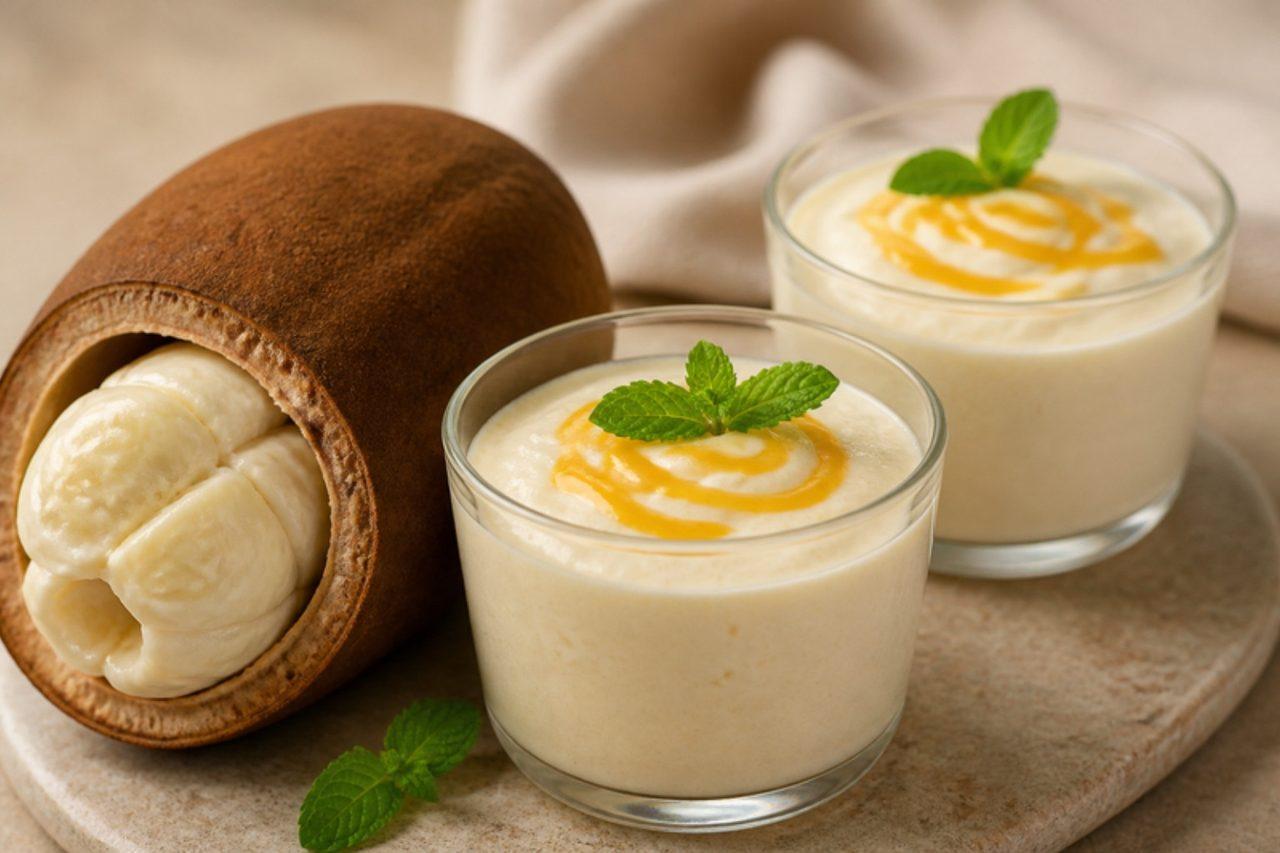
Mousse de cupuaçu

Cupuaçu, a cousin of cacao with a velvety white pulp, smells of pineapple, banana and chocolate at once and is one of the great flavours of Pará. Belém's ice-cream parlours and lunch restaurants turn it into this light, sharp-sweet mousse, and home cooks make it the night before a birthday or Sunday lunch because it is just whipped and chilled. Condensed milk and cream soften the fruit's sourness; a spoon of cupuaçu syrup on top adds colour and bite. Outside Brazil, buy frozen unsweetened cupuaçu pulp from Brazilian or Latin shops. Many cooks blend the cream with everything else, which leaves the mousse runny; whip it separately and fold it in. Chef's tip: thaw the pulp in the fridge rather than in hot water, so it keeps its perfume, and chill the mousse for at least 4 hours.

by KrazyBadal 0 views

Harput köftesiBulgur meatballs in tomato broth

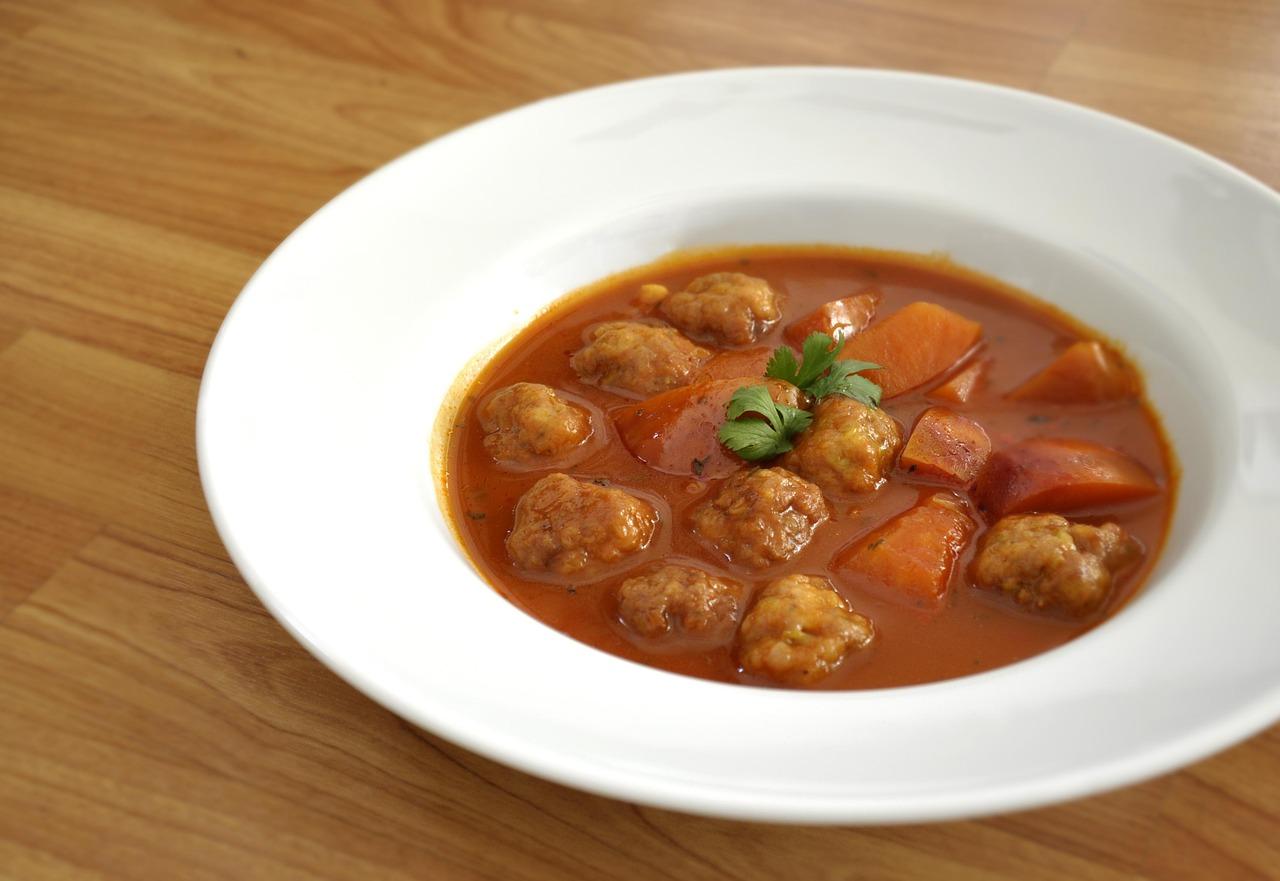
Harput is the old hilltop town above Elazığ, and its köfte are a soup and a main course at once: firm balls of fine bulgur kneaded with lean beef mince and spices, simmered in a tomato and pepper broth with chickpeas. They're eaten at home on winter evenings, the broth mopped up with bread. Common mistake: not kneading long enough; the bulgur and meat need to become a smooth, stretchy paste or the köfte fall apart in the broth. Simmer until the köfte are firm and cooked through to 71 °C. Chef's tip: add a few ice cubes while kneading; cold keeps the meat binding the bulgur together.

by KrazyBadal 0 views

Harrak osbaoLentils with pasta and tamarind

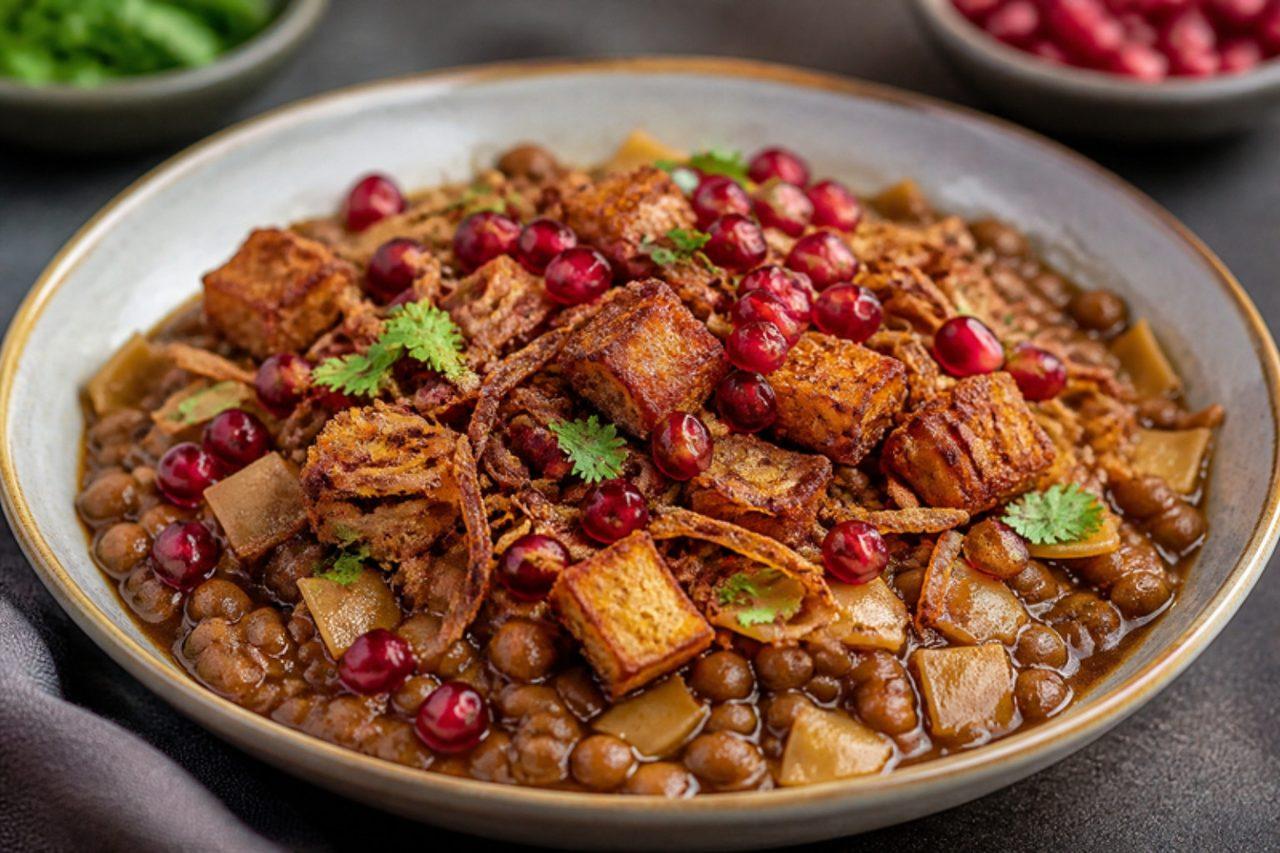
The name means 'he burnt his finger', and the Damascene story goes that it is so good people can't wait for it to cool. Brown lentils and fresh pasta are cooked together in a sour sauce of tamarind and pomegranate molasses, then topped with coriander, garlic, crisp fried onions and fried bread so every bite is soft, tangy and crunchy at once. It is a Lenten and summer favourite in Damascus, served at room temperature with flatbread. Common mistake: frying the croutons and onions too early; they go soft on top of the lentils, so add them just before serving. Chef's tip: use a mix of pomegranate molasses and tamarind for a rounder sourness than either alone.

by KrazyBadal 0 views

Fried mahi sefid with bitter orange

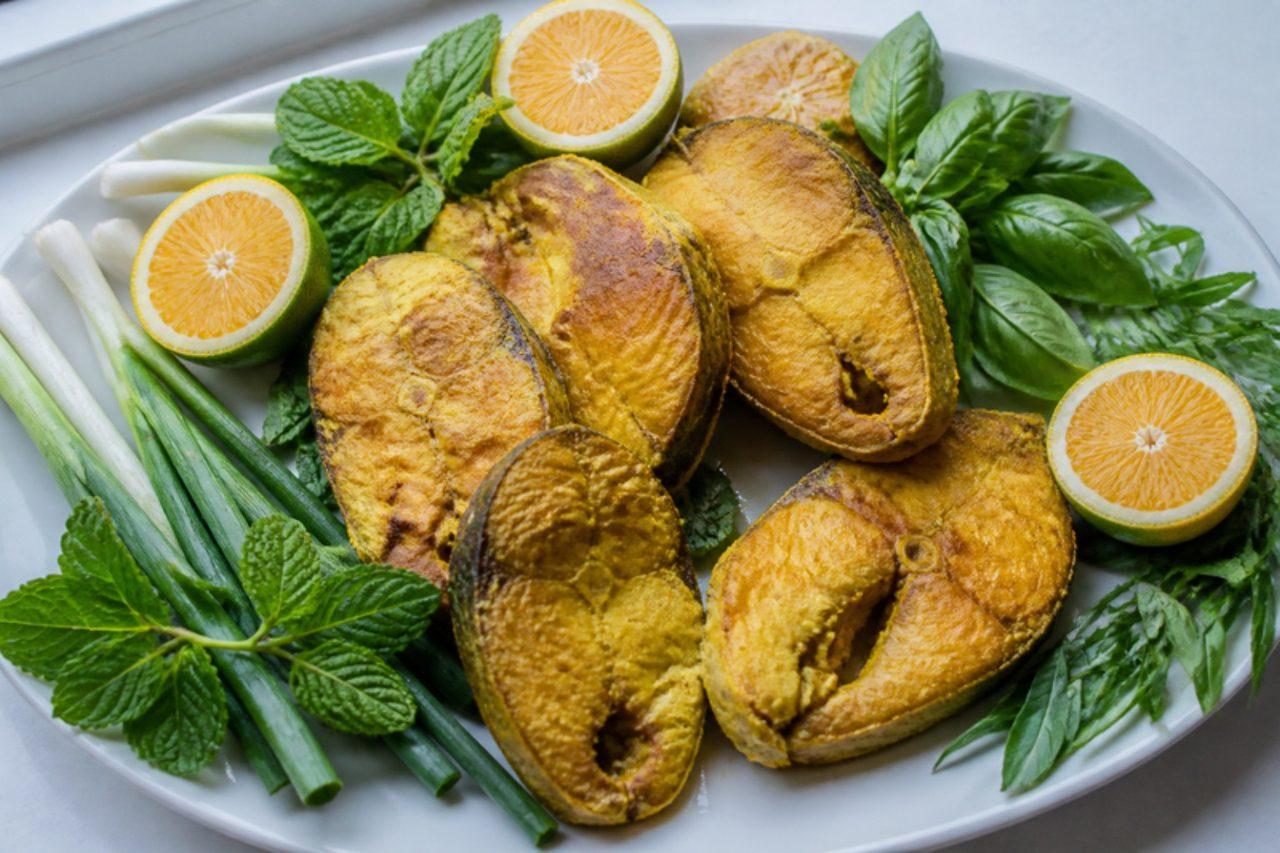
Along the Caspian shore from Bandar Anzali to Babolsar, the silvery kutum (mahi sefid) arrives in late winter, and families fry thick steaks of it for weekday lunches and for the Nowruz table. The coating is nothing more than flour, turmeric, salt and pepper, so the sweet, firm flesh does the talking; it comes to the table with wedges of bitter orange (narenj), rice and a plate of fresh herbs. Any firm white fish with skin works if you can't find kutum: sea bass, hake or cod steaks. A common mistake is crowding the pan, which drops the oil temperature and leaves the crust pale and greasy. Chef's tip: dry the fish properly and flour it only at the last moment, so the turmeric crust fries to a crisp golden shell instead of turning pasty.

by KrazyBadal 0 views

Mahi sobour stuffed with herbs and tamarind

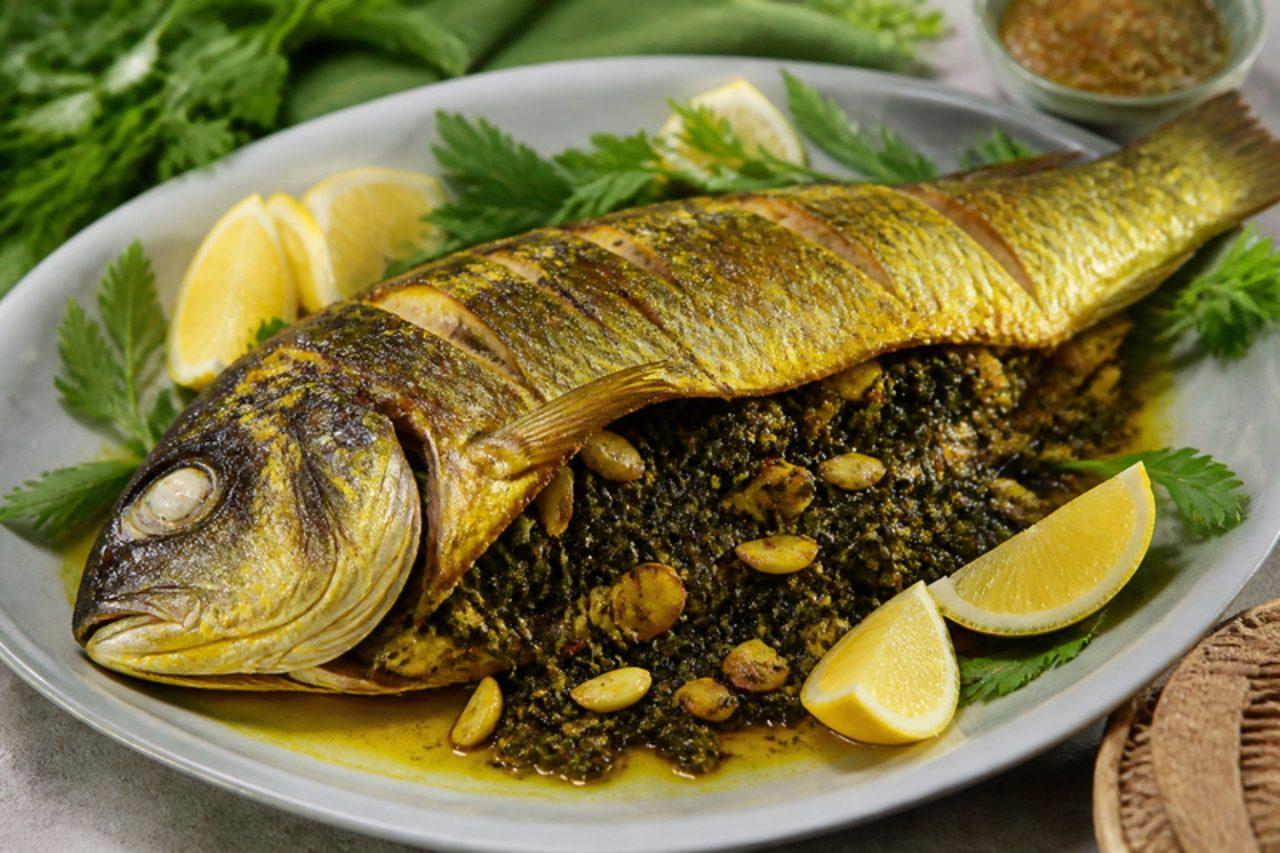
Each spring the shad (sobour) swims up the Karun and Arvand rivers, and in Ahvaz and Khorramshahr the season is marked by whole fish split open, packed with a sour paste of herbs, garlic and tamarind and cooked over coals or in a hot oven. The rich, oily flesh is a perfect match for the sharp filling. Shad is very bony, so most home cooks outside Khuzestan use sea bass, sea bream or mackerel, which take the same filling beautifully. A common mistake is overfilling the fish so it bursts open and the stuffing burns; pack it firmly but leave a finger's width at the edges. Chef's tip: cut three shallow slashes in each side and rub a little filling into them, so the sourness reaches the whole fish.

by KrazyBadal 0 views

Biberli ekmekPepper paste flatbread

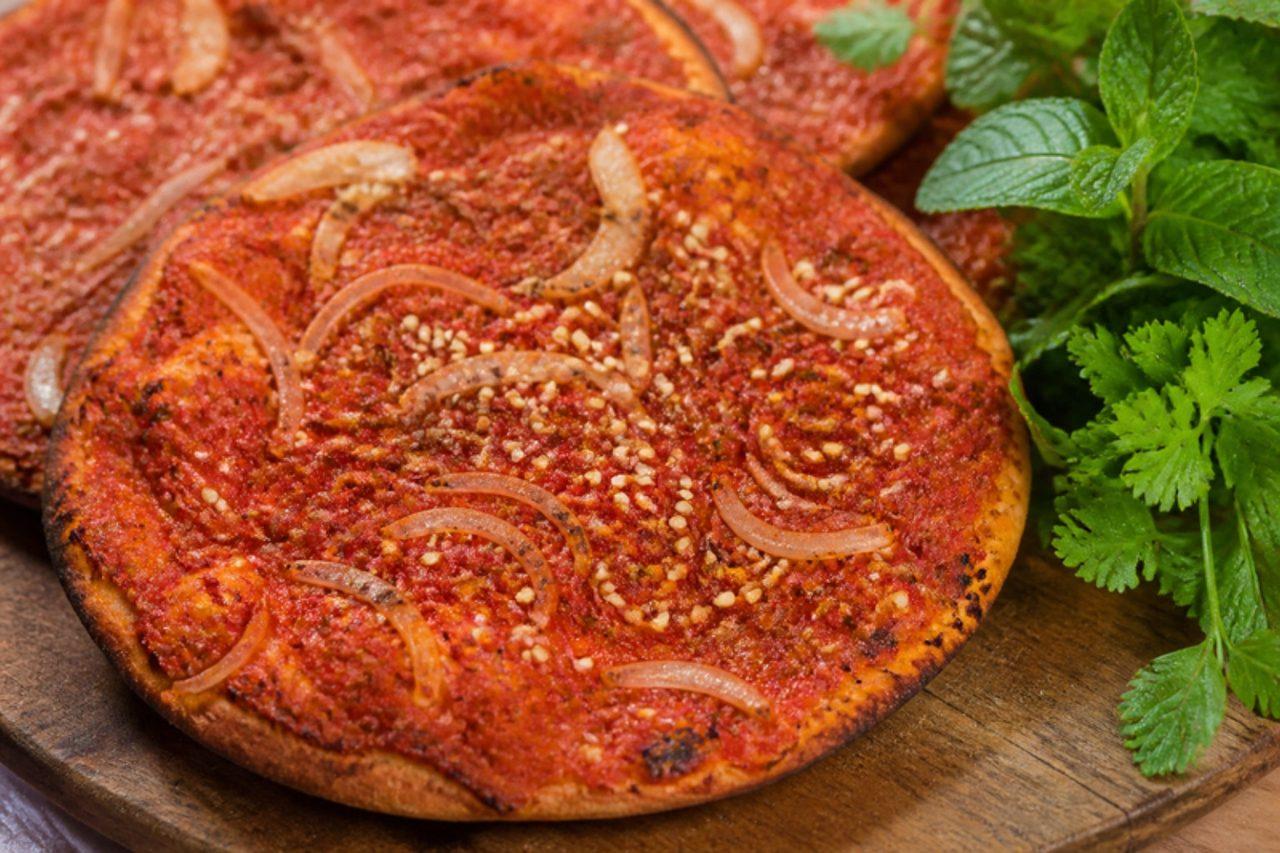
Antakya's neighbourhood bakeries take trays of topping from customers each morning and bake biberli ekmek in the wood oven to order: soft flatbreads smeared with a spiced paste of red pepper, onion, parsley, cumin and sesame. It is breakfast, a school snack and a picnic bread all in one, often eaten with a glass of tea and a few olives. Some families add a little crumbled cheese, but the classic is meat-free and dairy-free. Spread the topping thin; a thick layer stays raw and wet in the middle. Chef's tip: bake on the hottest preheated tray you have so the base blisters before the topping dries out.

by KrazyBadal 0 views

Tepsi kebabıBaked spiced lamb tray

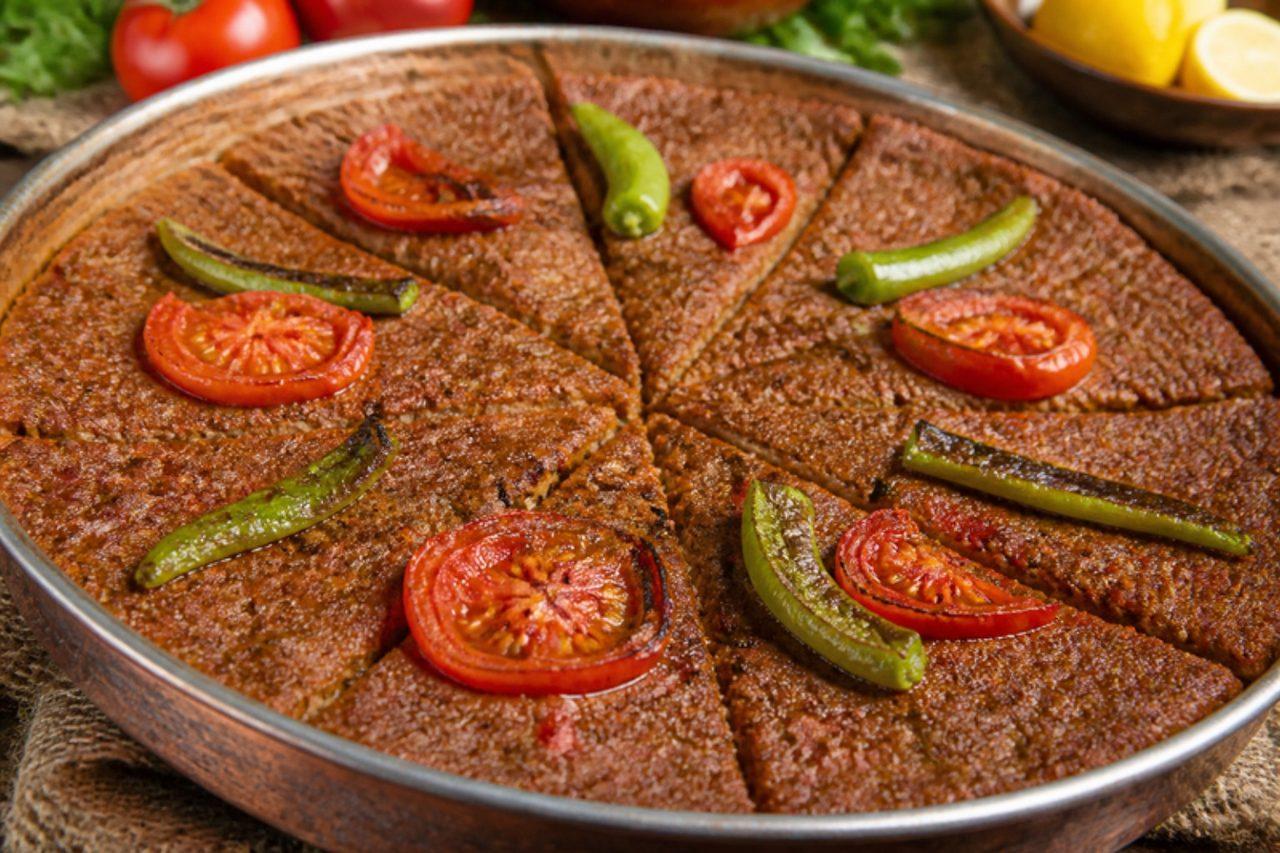
In Antakya people still carry their tepsi kebabı to the neighbourhood bakery: a round copper tray of spiced lamb mince spread thin, scored into wedges and covered with sliced tomatoes, peppers and onions. The bread oven turns it juicy and crusty, and it comes home with a stack of hot flatbread. It is weekend lunch for the family, eaten with a parsley and onion salad and a bowl of yoghurt. Common mistake: pressing the meat more than 2 cm thick; it stews instead of roasting. Chef's tip: add a ladle of tomato water halfway through baking so the juices around the edges turn into a glossy sauce for dipping bread.

by KrazyBadal 0 views

Hatay zeytin salatasıGreen olive and walnut salad

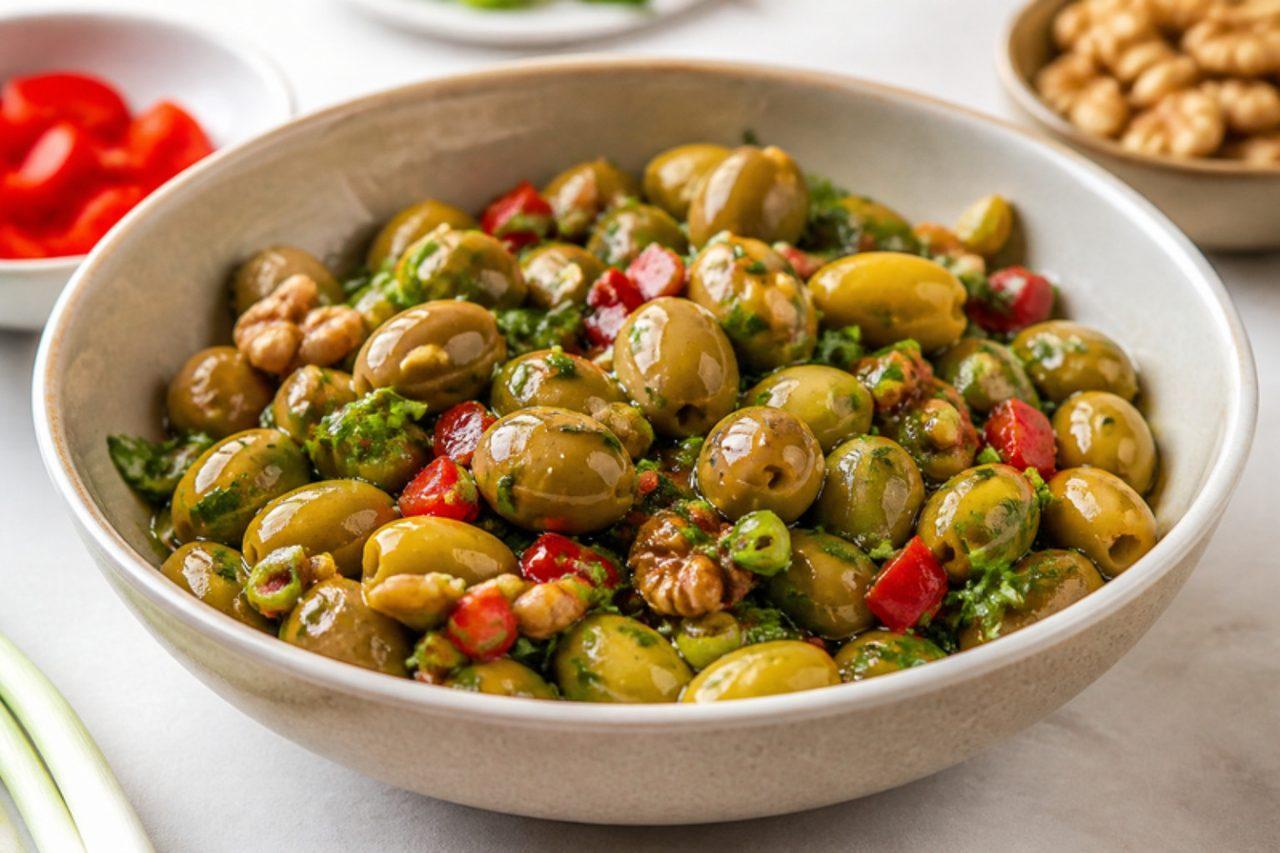
Hatay grows olives on every hillside towards the Syrian border, and its meyhanes and breakfast tables always have a bowl of this salad: green olives tossed with walnuts, spring onion, tomato, parsley, pepper paste and pomegranate molasses. It is salty, sour and sweet at once, and sits happily next to cheese, eggs and flatbread in the morning or as a meze in the evening. Pit and chop the olives yourself; jarred sliced olives are too soft. Rinse very salty olives first, or the salad is overwhelming. Chef's tip: dress it an hour ahead so the olives soak up the molasses, but add the tomatoes and herbs just before serving.

by KrazyBadal 0 views

Mahyaveh-style anchovy and spice spread

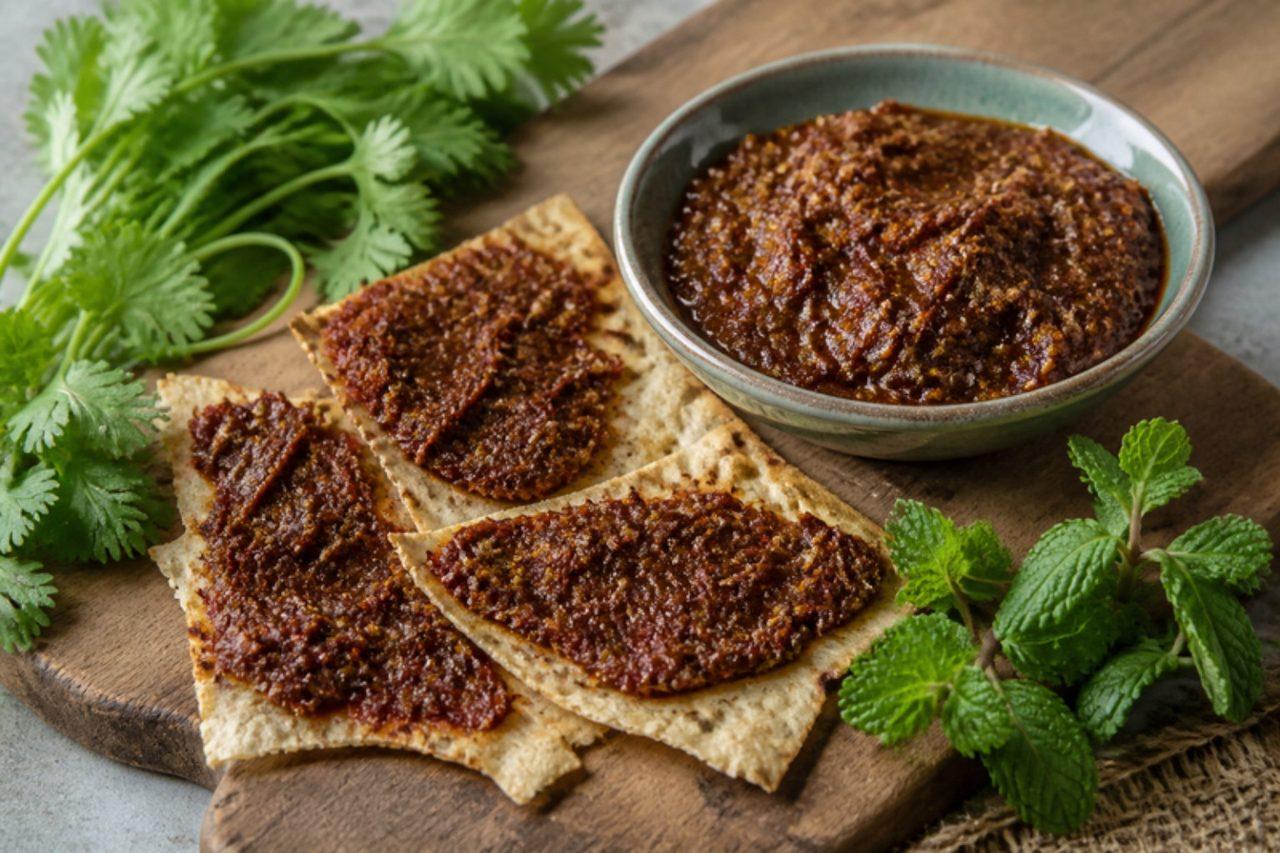
In Bandar Abbas, Lar and the villages of Hormozgan, mahyaveh is a dark, pungent sauce made by leaving tiny fish with salt, mustard seed and spices to ferment in the sun for weeks; it is smeared on hot flatbread for breakfast or with eggs. That open-air fermentation is hard to control safely at home, so this version gets the same deep, salty flavour from ready-cured anchovy fillets blended with toasted mustard seed, cumin, coriander seed, fennel and a little vinegar, and it lives in the fridge from the start. It is still a cured-fish product: not for pregnant women, young children or anyone with a weakened immune system. A common mistake is spreading it thickly like a pâté; it is a seasoning, so a thin smear is enough. Chef's tip: toast the spices until the mustard seeds just start to pop, which takes the raw bitterness out and gives the spread its roasted edge.

by KrazyBadal 0 views

Mahi doodi with sabzi polo

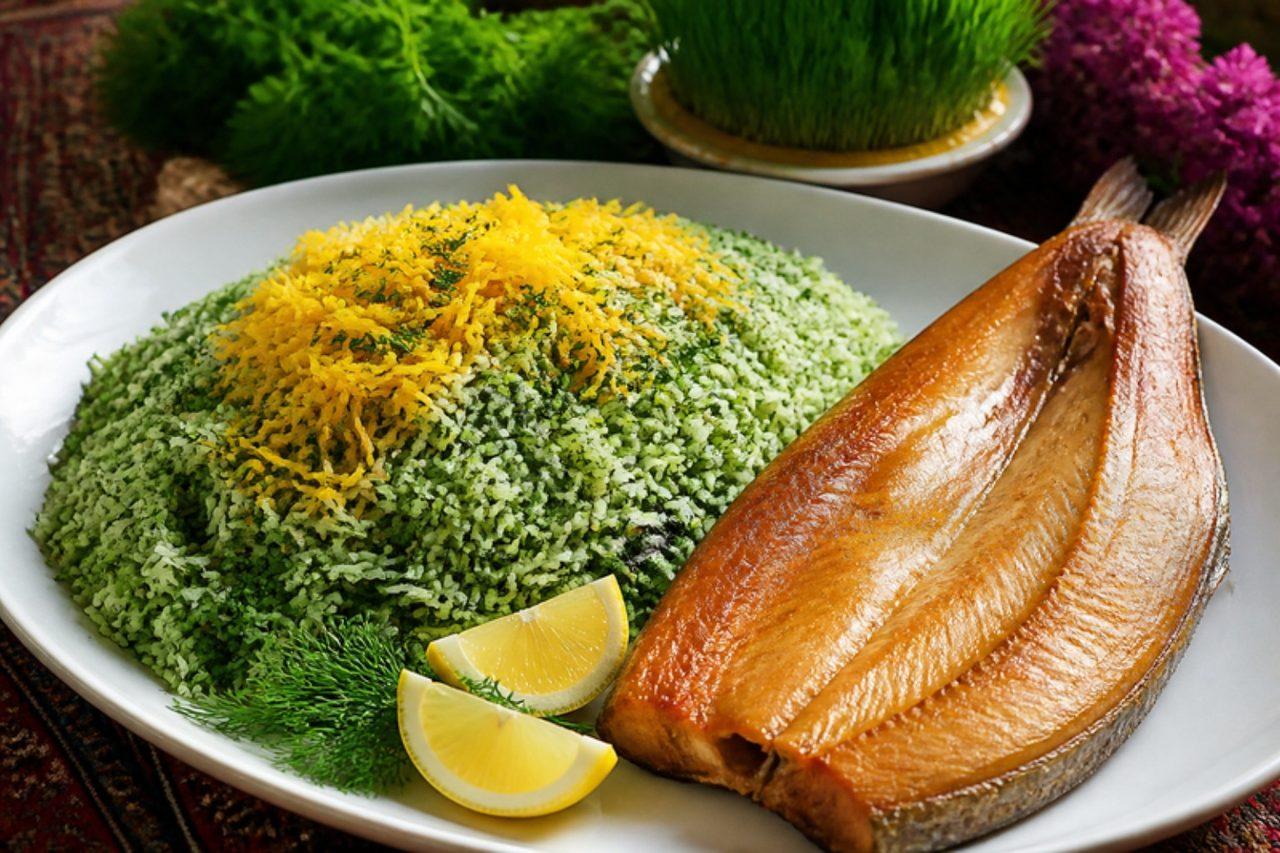
On the first day of the Persian new year, from Rasht to Tehran, the classic lunch is sabzi polo, a green herb rice, with fish, and on the Caspian side that fish is often golden hot-smoked white fish (mahi doodi). Fresh herbs stand for spring and the fish for life, so the plate is full of meaning as well as flavour. Most cooks buy the smoked fish ready made and simply warm it with a little garlic and saffron butter, which is what this recipe does; the rice is steamed with dill, parsley, coriander and chives until it forms a crisp tahdig. Hot-smoked fish is already cooked; heat it until piping hot, at least 70 °C in the middle. A common mistake is warming the fish dry in a hot oven, which makes it tough and salty; wrap it with a splash of water so it steams. Chef's tip: soak the smoked fish in warm water for 10 minutes first to draw out some of the salt.

by KrazyBadal 0 views

LaulauSteamed pork and fish bundles

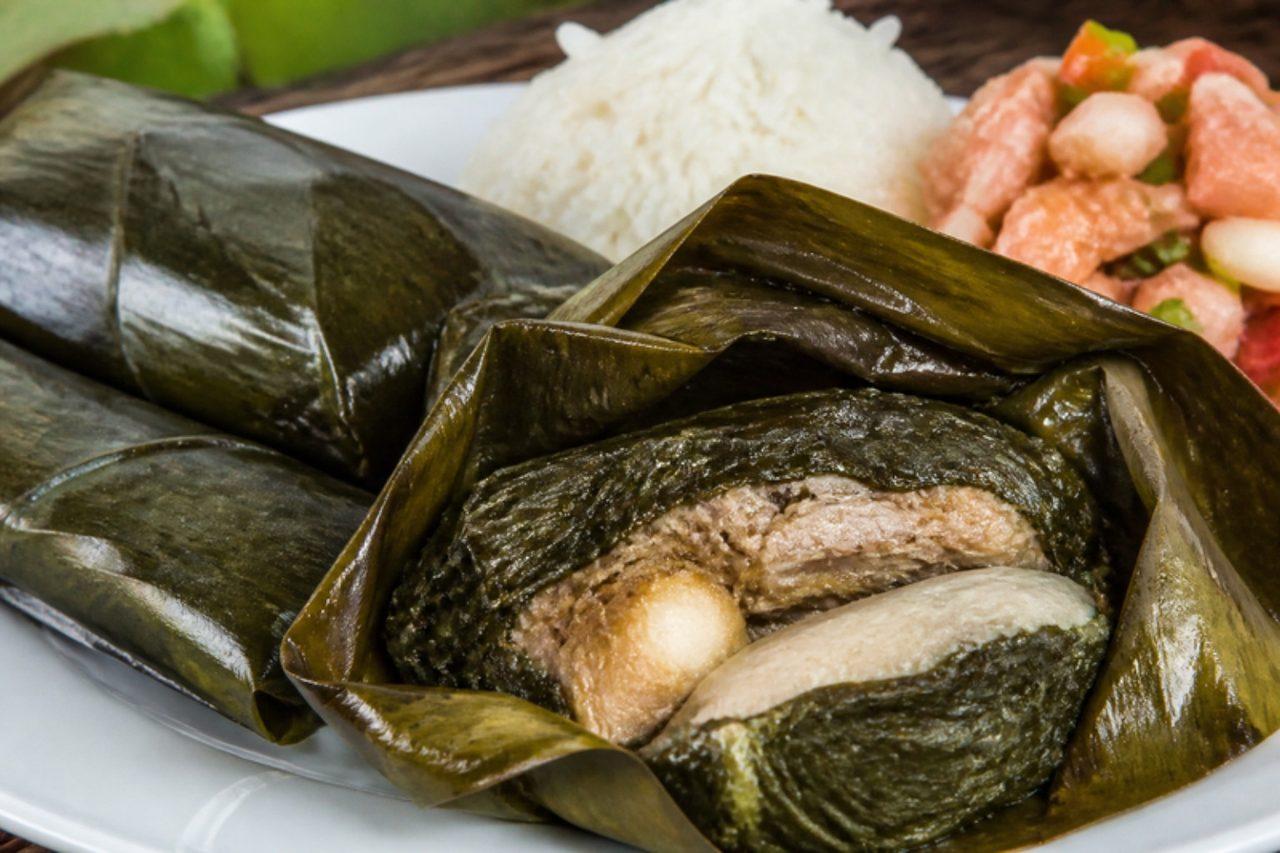
Laulau is one of the oldest dishes of Native Hawaiian cooking: fatty pork and salted butterfish are wrapped in young taro (lūʻau) leaves, tied in a ti-leaf parcel and steamed for hours until the leaves turn soft as cooked spinach and the pork is meltingly tender. It is the centrepiece of a plate with poi, lomi lomi salmon and haupia at lūʻau and family celebrations. Taro leaves must be cooked a long time, as they irritate the throat when undercooked; if you can't find them, use large spinach leaves and wrap in banana leaves or foil. Chef's tip: steam the bundles for the full four hours; shortcutting leaves the taro leaves scratchy.

by KrazyBadal 0 views

Mamón en almíbarCandied green papaya

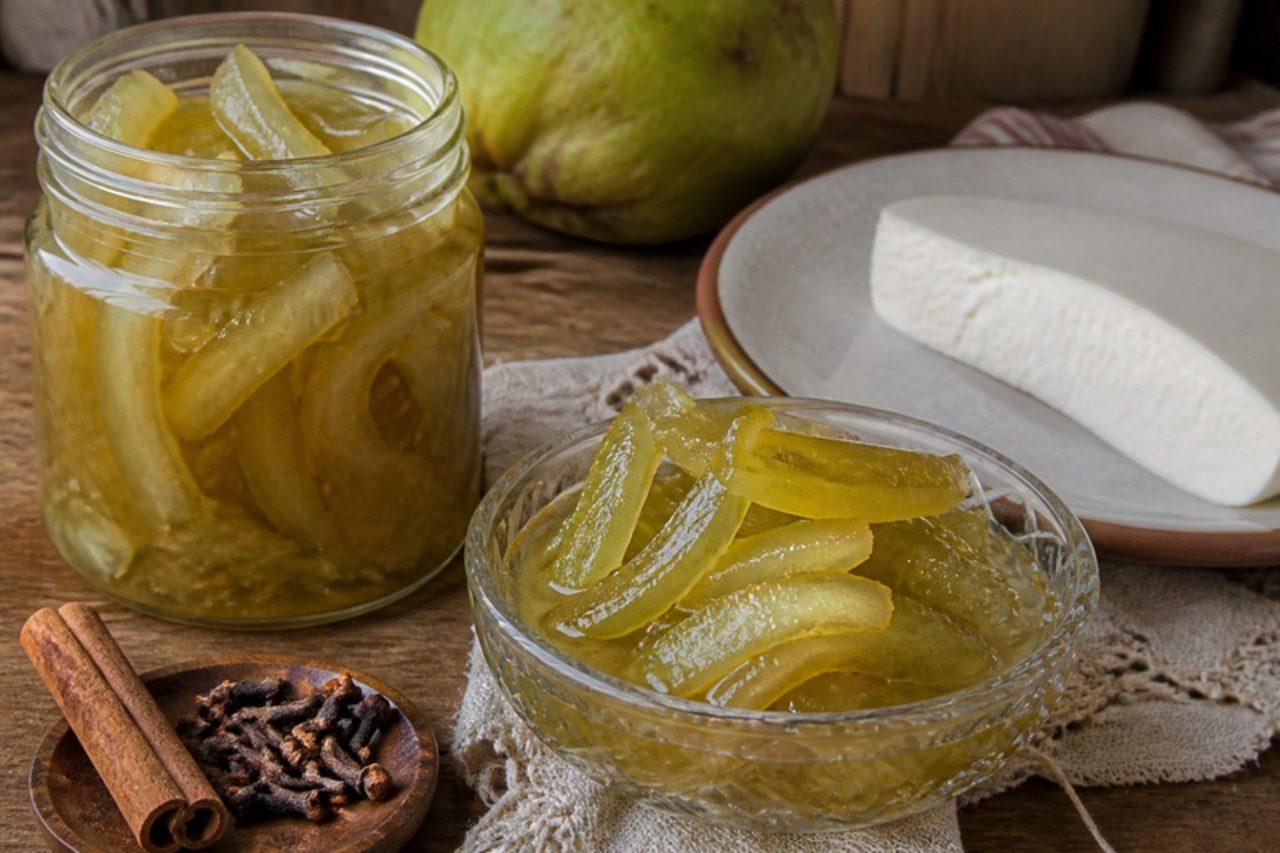
Along the subtropical northeast, papaya (mamón) trees grow in backyards from Corrientes to Formosa, and the unripe fruit is turned into this old-fashioned dessert: strips of firm green papaya poached slowly in syrup with cloves and cinnamon until they turn amber and translucent, chewy at the edges and tender inside. It is served cold in little bowls, traditionally next to a slice of fresh cheese for that sweet-and-salty contrast (choose a plant-based cheese to keep it vegan). Rushing the syrup is the misstep that turns the papaya hard and sugary on the outside and raw within, so the heat stays low for well over an hour. Green papaya is sold in Asian and Latin grocers. Wear gloves when peeling; the milky sap can irritate the skin. Chef's tip: soak the strips in water with a teaspoon of bicarbonate of soda for an hour before cooking; it firms the outside so the pieces hold their shape in the syrup.

by KrazyBadal 0 views

Sachertorte

This dense, dark chocolate torte is Vienna's most famous cake, eaten in coffee houses all over the city with a cup of Melange and, always, a cloud of unsweetened whipped cream on the side. The sponge is made with melted chocolate and whisked egg whites, so it is fine-crumbed and slightly dry by design; a thin layer of sharp apricot jam runs through the middle and over the top, under a shiny, snappy chocolate glaze. A common mistake is pouring the glaze too hot or too cold; too hot and it runs off thin, too cold and it sets dull and lumpy. It is a cake for birthdays and Sunday visits, and it keeps well for days. Chef's tip: bake it the day before and let it rest overnight wrapped; it cuts far more neatly and the crumb softens.

by KrazyBadal 0 views

Linzer Torte

Linz, the Danube city in Upper Austria, has baked this tart for centuries, and it still fills bakery windows there all year, with extra demand in Advent. It is closer to a soft, crumbly nut biscuit than a pastry: ground hazelnuts, butter, cinnamon and cloves are pressed into the tin, filled with tart redcurrant jam and topped with a lattice. Serve a thin slice with coffee or tea. A common mistake is eating it on the day it is baked; it is much better after two or three days, when the jam soaks into the crumb. Chef's tip: chill the lattice strips on a tray before lifting them on, and they will not tear.

by KrazyBadal 0 views

Westphalian pumpernickel

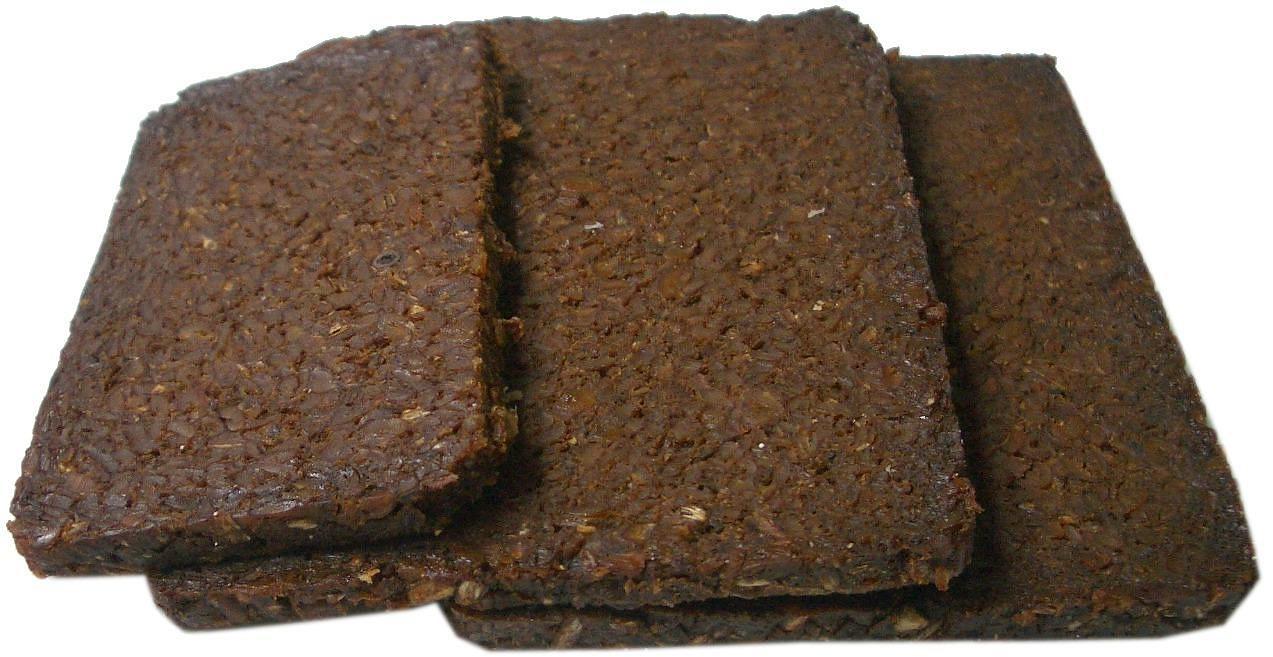
Real pumpernickel comes from Westphalia, where bakers in towns like Soest once left loaves in the cooling bread oven overnight, and it is still sliced paper-thin for breakfast with butter, quark and radishes or with a sharp cheese. There is no colouring and no molasses here: the near-black colour and the malty sweetness come only from cracked rye cooked for many hours in steam at a low heat. The crumb is moist, dense and slightly sticky, and the loaf keeps for over a week wrapped in cloth. A common mistake is slicing it on the day it comes out of the tin; it needs a full day to settle or it tears into gummy crumbs. Chef's tip: wrap the tin tightly in two layers of foil and stand it in a roasting tray of hot water, because a dry loaf turns hard instead of dark and sweet.

by KrazyBadal 0 views

Heiße MaronenRoasted chestnuts

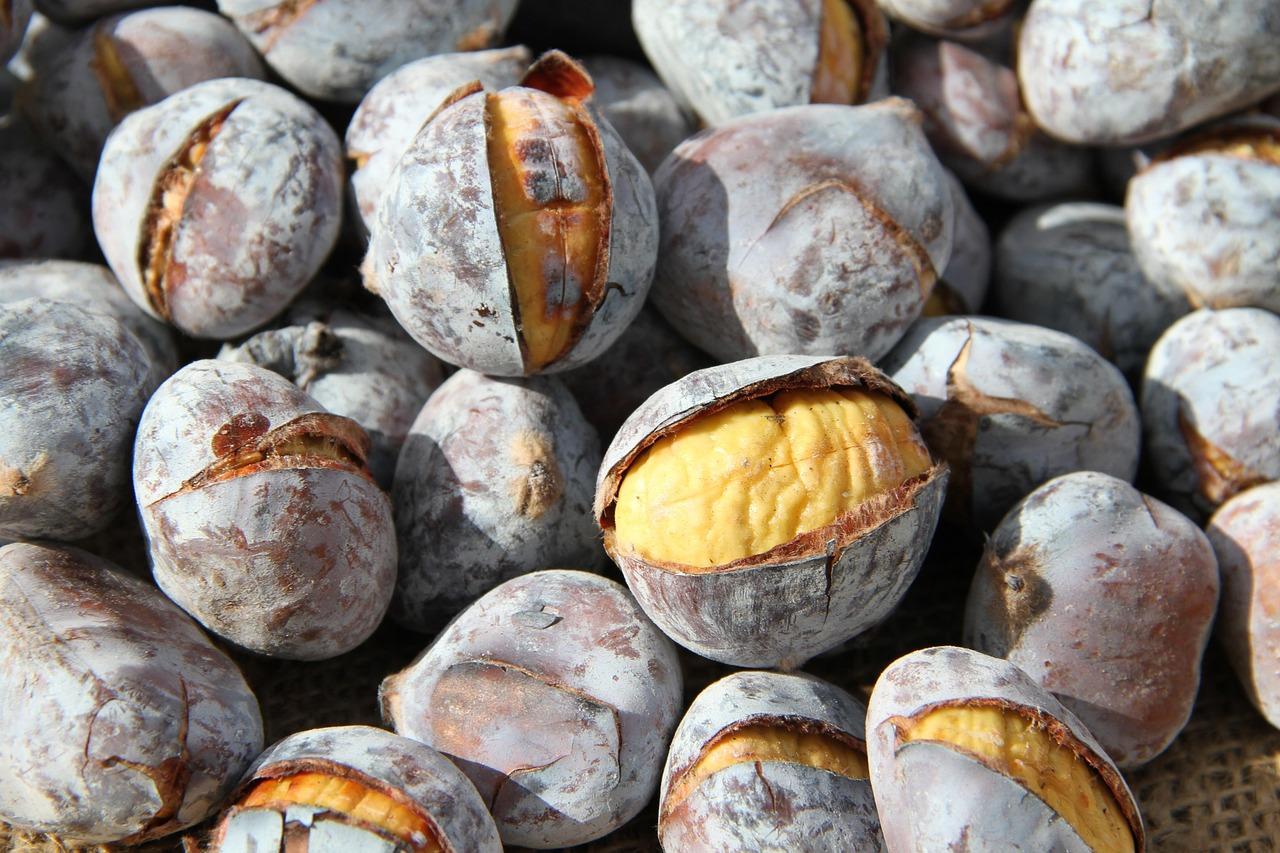
From late October the Maronibrater set up their black drum ovens on street corners in Vienna, Salzburg and every German Christmas market, and the smoky smell of roasting chestnuts means winter has properly begun. Hot chestnuts in a paper cone warm your hands first and your stomach second. At home a hot oven and a bowl of water give the same soft, sweet, slightly charred result. The commonest mistake is not scoring the shells deeply enough: steam builds up inside and the chestnuts can burst in the oven. Chef's tip: wrap the roasted chestnuts in a tea towel for 5 minutes before peeling; the steam loosens the bitter inner skin so it comes away with the shell.

by KrazyBadal 0 views

Helado de lúcumaLúcuma ice cream

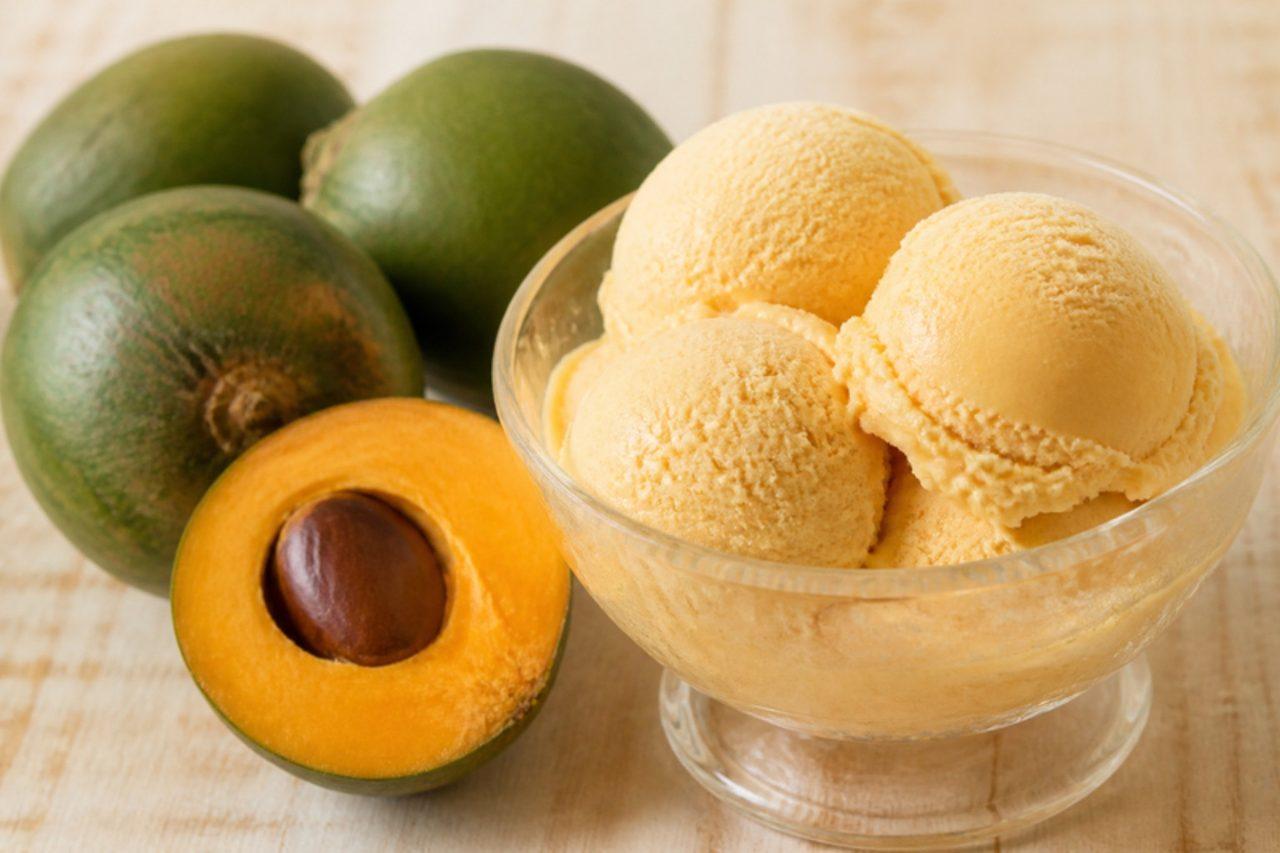
Ask anyone in Lima, Cusco or Trujillo for the national ice-cream flavour and they will say lúcuma, the green-skinned Andean fruit with dry, golden-orange flesh that tastes of butterscotch, maple and sweet potato. Every ice-cream parlour, supermarket freezer and street cart sells it, and it's also folded into cakes and milkshakes. This no-churn version needs no machine: frozen lúcuma pulp (or lúcuma powder, both in Latin shops and health-food stores) is whisked into condensed milk, then folded into whipped cream and frozen. It comes out smooth, rich and naturally caramel-coloured. The mistake is over-whipping the cream to stiff peaks, which makes the ice cream grainy and buttery; stop at soft peaks. It needs at least 6 hours in the freezer, so make it the day before. Serve with a slice of chocolate cake or on its own. Chef's tip: a pinch of salt and a few drops of lime sharpen lúcuma's mellow flavour so it doesn't taste flat when frozen.

by KrazyBadal 0 views

Helado de pailaHand-spun blackberry sorbet

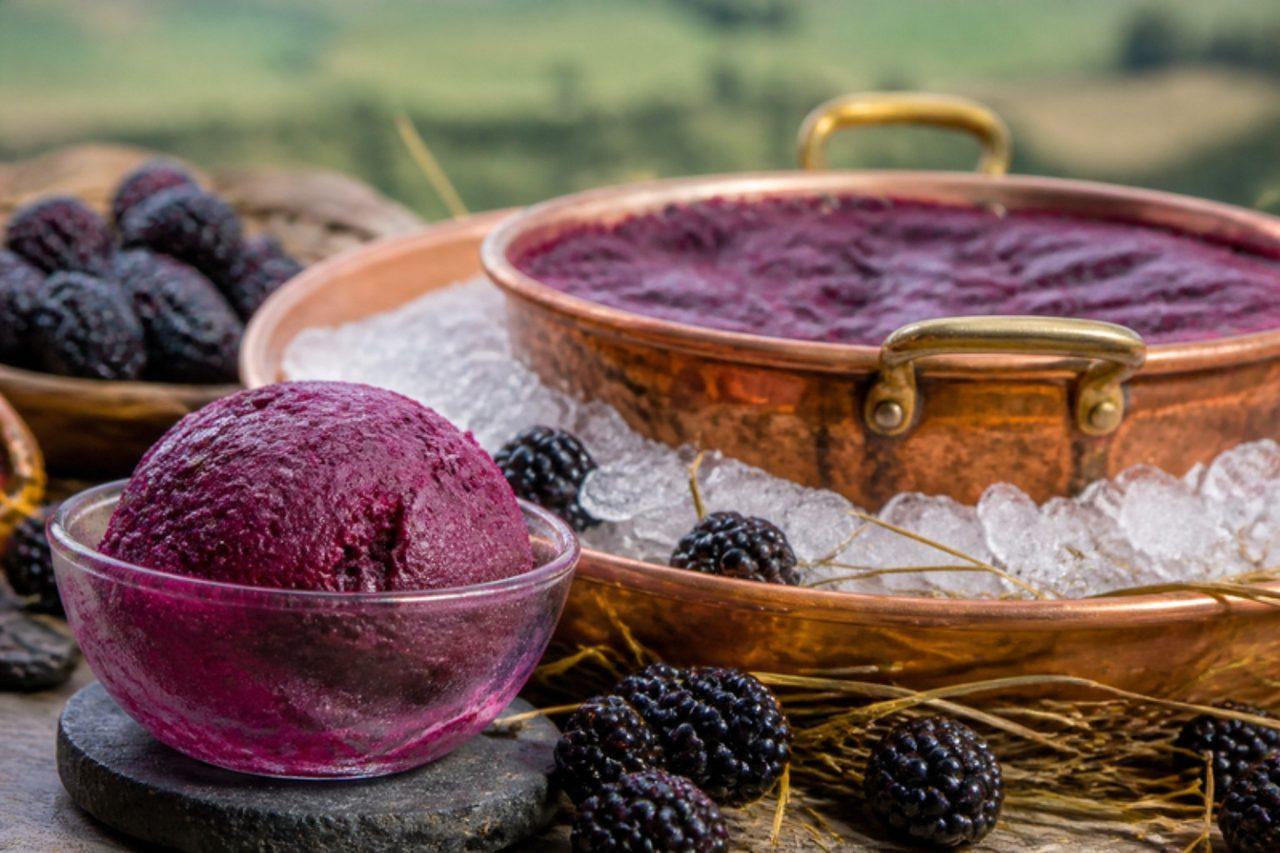
Watching helado de paila being made is half the pleasure. In Pasto and Ipiales, and over the border in Ecuador, a wide copper or steel pan (the paila) spins on a bed of ice and salt in a straw-lined barrel, while the maker scrapes the fruit juice from the sides with a wooden paddle until it turns into a light, intensely fruity sorbet. Mora, lulo and naranjilla are the favourite flavours. At home a wide steel bowl sitting in a larger bowl of salted ice does the same job, and the hand-churning takes about 30 minutes, so get everyone to take turns. The base must be cold before it goes into the bowl; a warm base never freezes properly and turns into slush. Andean blackberries are tart and bright; ordinary blackberries with extra lime work. Chef's tip: keep scraping the frozen layer off the sides and folding it in, every 20–30 seconds; that motion is what makes the texture smooth.

by KrazyBadal 0 views

MamouniehSemolina pudding with cinnamon

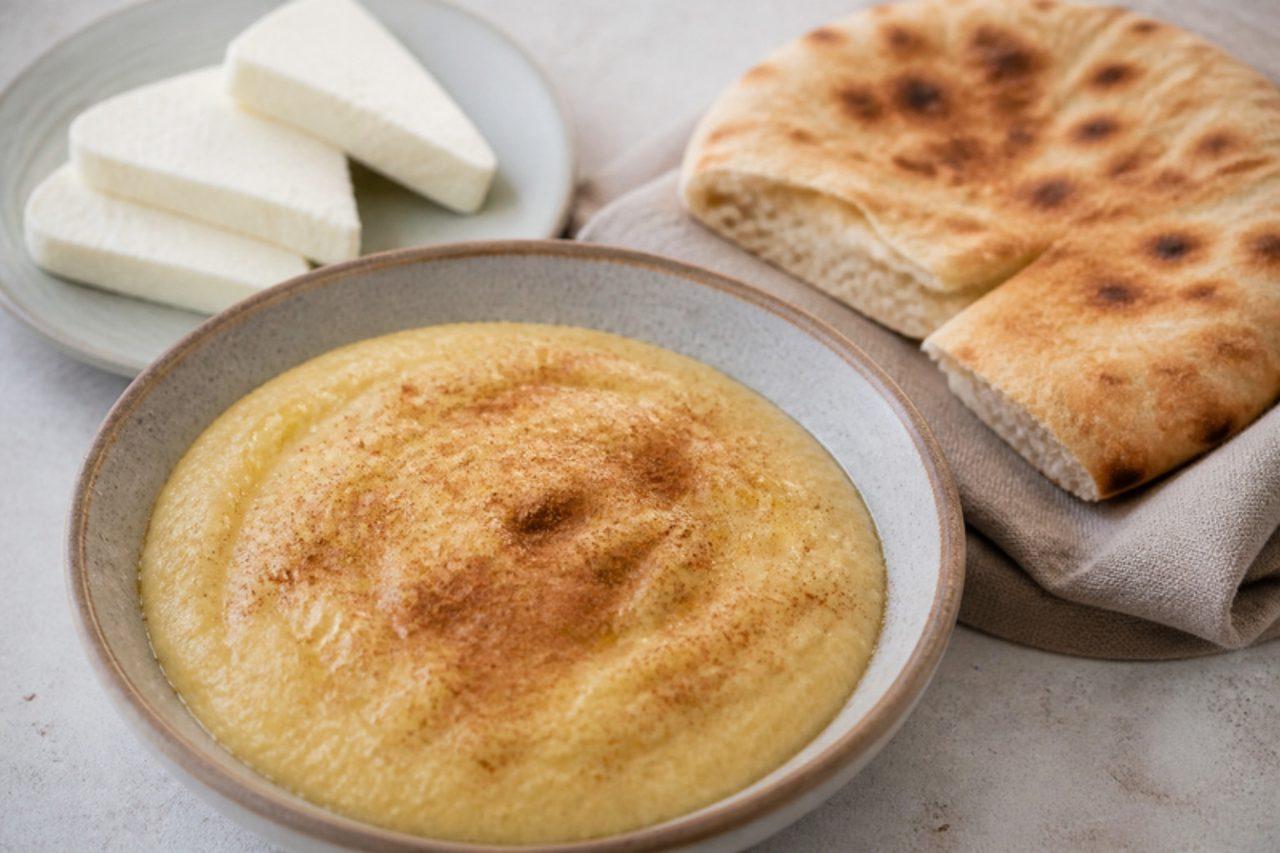
In the old souks of Aleppo, mamounieh shops open at dawn, serving bowls of this hot, buttery semolina pudding to workers before the day starts. Semolina is toasted in butter, then cooked in a light syrup until it sets soft and spoonable, and dusted with cinnamon; Aleppans eat it with a slice of salty white cheese and warm bread on the side, which makes the sweetness sing. Common mistake: pouring cold syrup onto the hot semolina; use hot syrup so it doesn't seize into lumps. Chef's tip: toast the semolina only to pale straw colour — any darker and it loses its delicate milky flavour. Akkawi and halloumi are often made with animal rennet; choose a vegetarian white cheese if needed.

by KrazyBadal 0 views

Sweet-sour pickled pumpkin

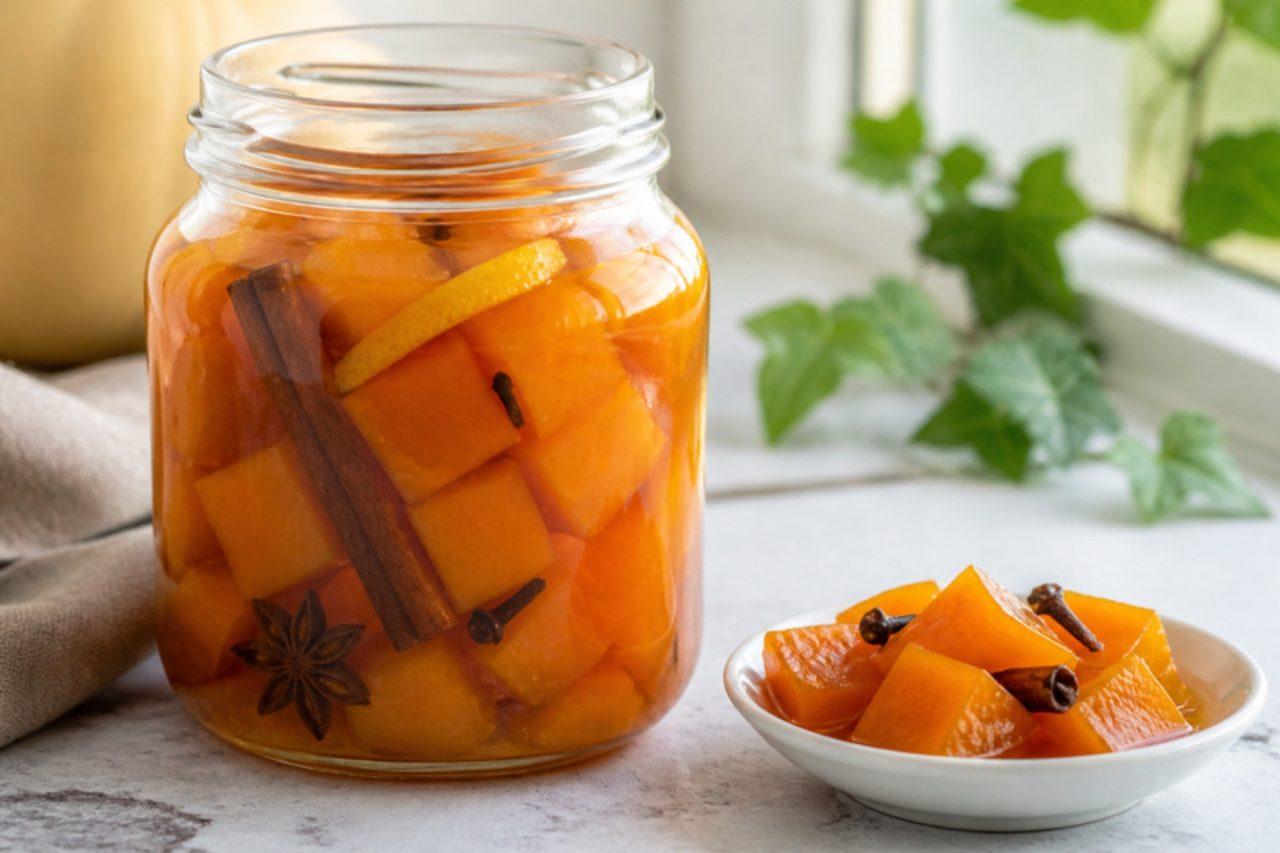
When the pumpkin harvest peaks in October, from the Rhineland to Saxony, German kitchens turn the firm orange flesh into Süß-sauer eingelegter Kürbis, golden cubes preserved in sweet spiced vinegar. Through the winter they come out of the cellar to sit beside roast dinners, game, cheese boards and cold cuts, or a simple plate of potatoes and quark. Cinnamon, cloves, ginger and a little lemon peel make them taste of Christmas. The mistake is using a watery carving pumpkin, which falls apart; choose a dense one such as Hokkaido or butternut. Chef's tip: steep the raw cubes in the cold vinegar overnight before cooking; it firms them so they stay in neat, glassy cubes.

by KrazyBadal 0 views

EisbeinCured pork knuckle

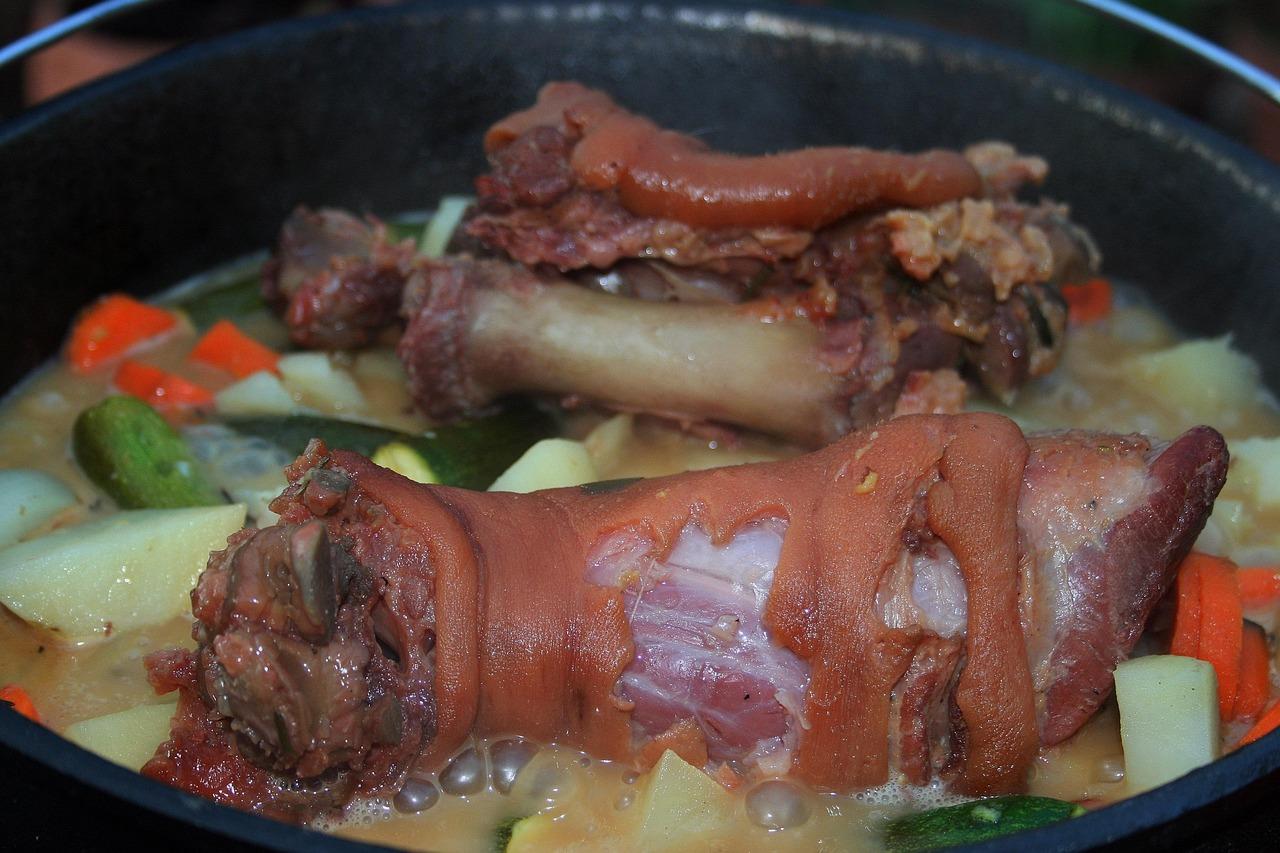
Eisbein is old Berlin pub food, the cured pork knuckle served in Kneipen across the city with a mound of yellow pease pudding (Erbspüree) and sauerkraut, and it is especially popular in the cold months. Unlike the Bavarian roast Haxe, this pork knuckle is pickled in brine by the butcher and then simmered slowly, so the meat turns pink, tender and gently salty and the rind stays soft. Order a cured ("gepökelt") knuckle from a German or Polish butcher. Chef's tip: soak the knuckle in cold water for a few hours first if your butcher's cure is strong; taste a little of the simmering water after 30 minutes and change it if it is very salty.

180 minGermanMeatGluten free
by KrazyBadal 0 views

Rollmops

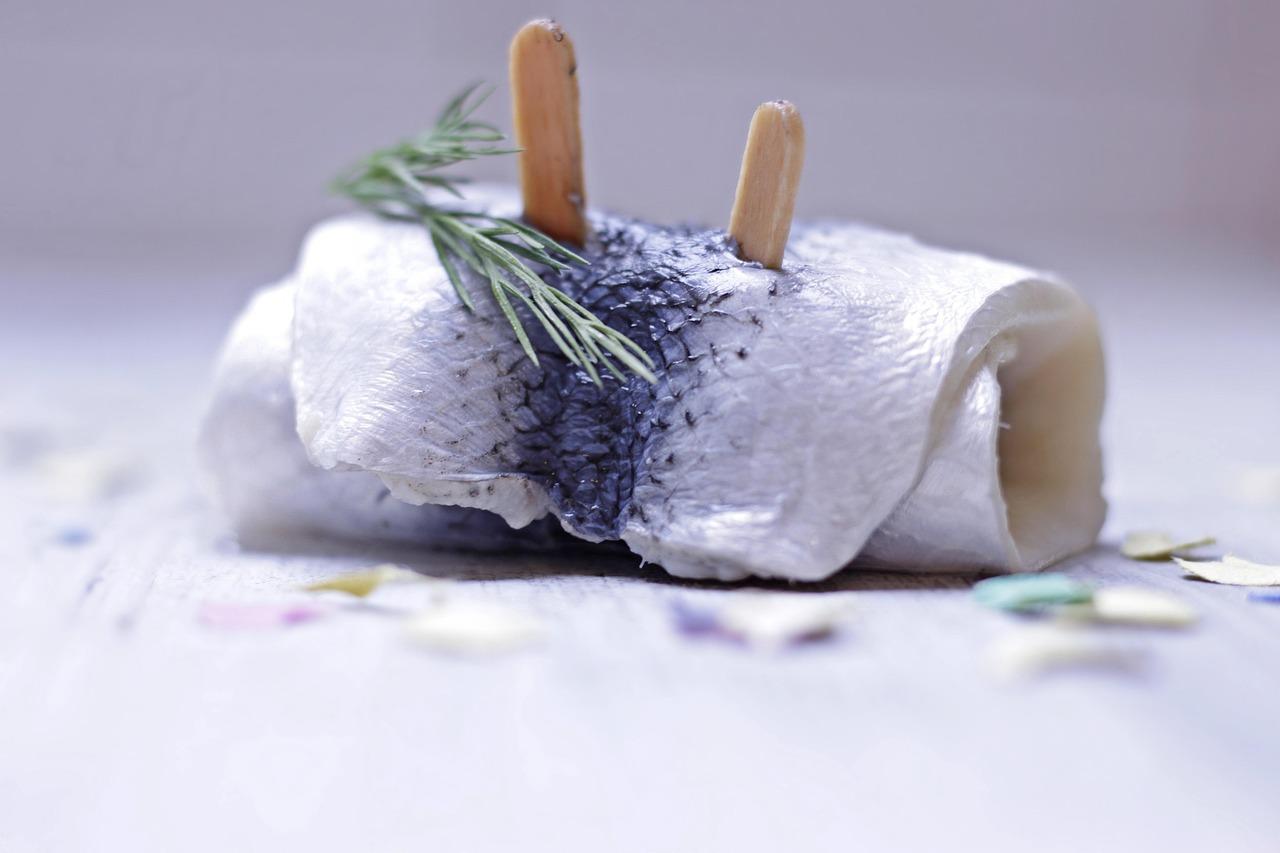
Rollmops are the pickled herring rolls of the North Sea and Baltic coasts, pinned with a wooden pick around gherkin and onion and kept in a jar of spiced vinegar; in Berlin and Hamburg they are the classic morning-after breakfast and a fixture of New Year's Day tables. Making them at home takes a week of fridge time but very little work. Because the fish is never cooked, use herring that has been frozen at −20 °C for at least 24 hours (most fresh 'sashimi-grade' or commercially frozen fillets qualify; ask your fishmonger), and keep everything chilled. Rollmops are not for pregnant women, young children or anyone with a weakened immune system. Chef's tip: let the jars rest a full five days; the vinegar needs that long to firm the flesh and soften the tiny bones.

60 minGermanFishGluten free
by KrazyBadal 0 views

AbaráSteamed black-eyed pea parcels

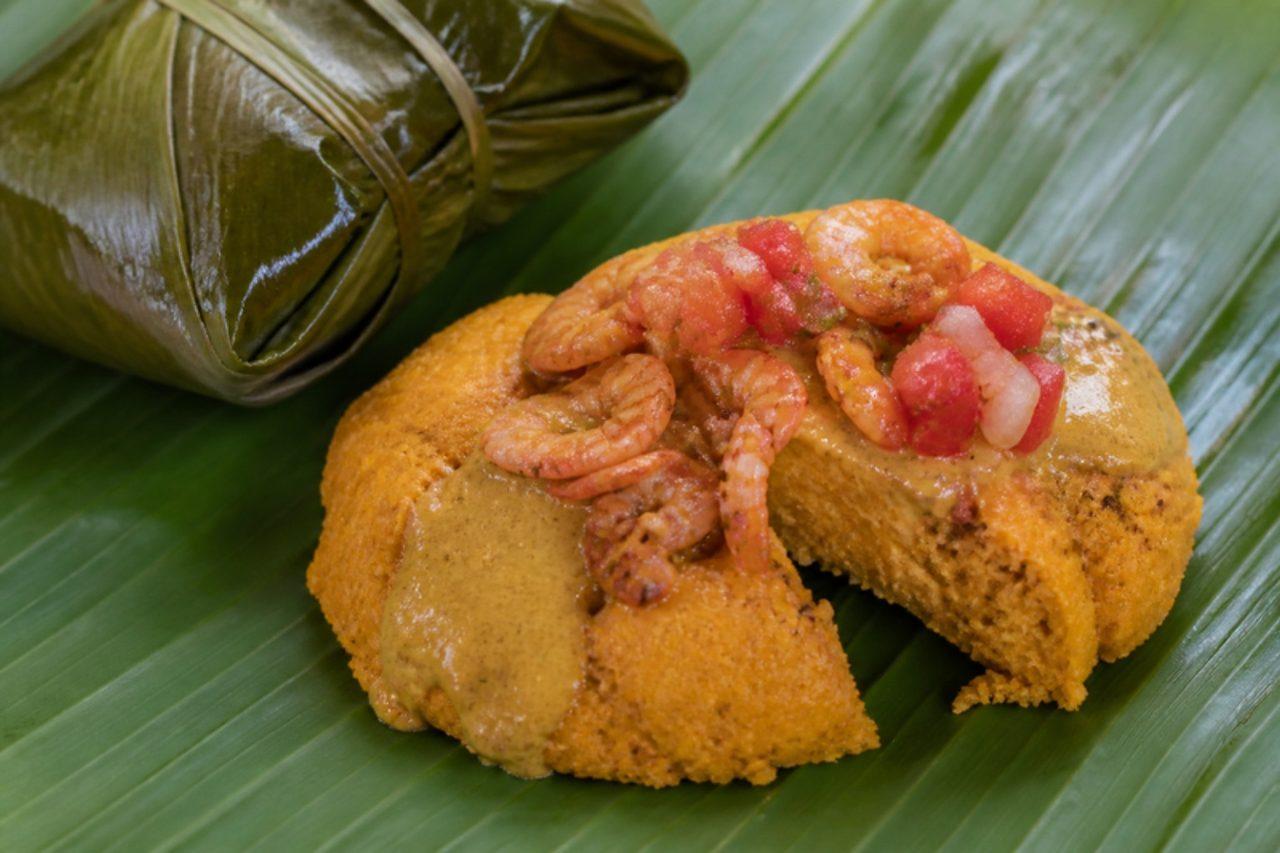
Abará is the steamed sister of acarajé, sold from the same wooden trays by the baianas in white lace who set up on the corners of Salvador's Pelourinho, Rio Vermelho and the Barra seafront. The batter is identical, black-eyed peas skinned and ground with onion and dried shrimp, but instead of hitting hot dendê it is wrapped in banana leaf and steamed, so it comes out soft, dense and sunset-orange, tasting of palm oil, sea and pulses. Baianas split it open and fill it with vatapá, caruru, vinagrete and a few whole shrimp; at home it is lovely with just a spoonful of pepper sauce. Plan ahead: the peas need soaking overnight. The usual mistake is leaving the skins on, which makes the parcels grey, gritty and heavy. For a vegetarian version, leave out the shrimp and add a pinch more salt. Chef's tip: beat the paste hard with a wooden spoon for a few minutes before wrapping; the air you work in is what keeps abará light rather than rubbery.

by KrazyBadal 0 views

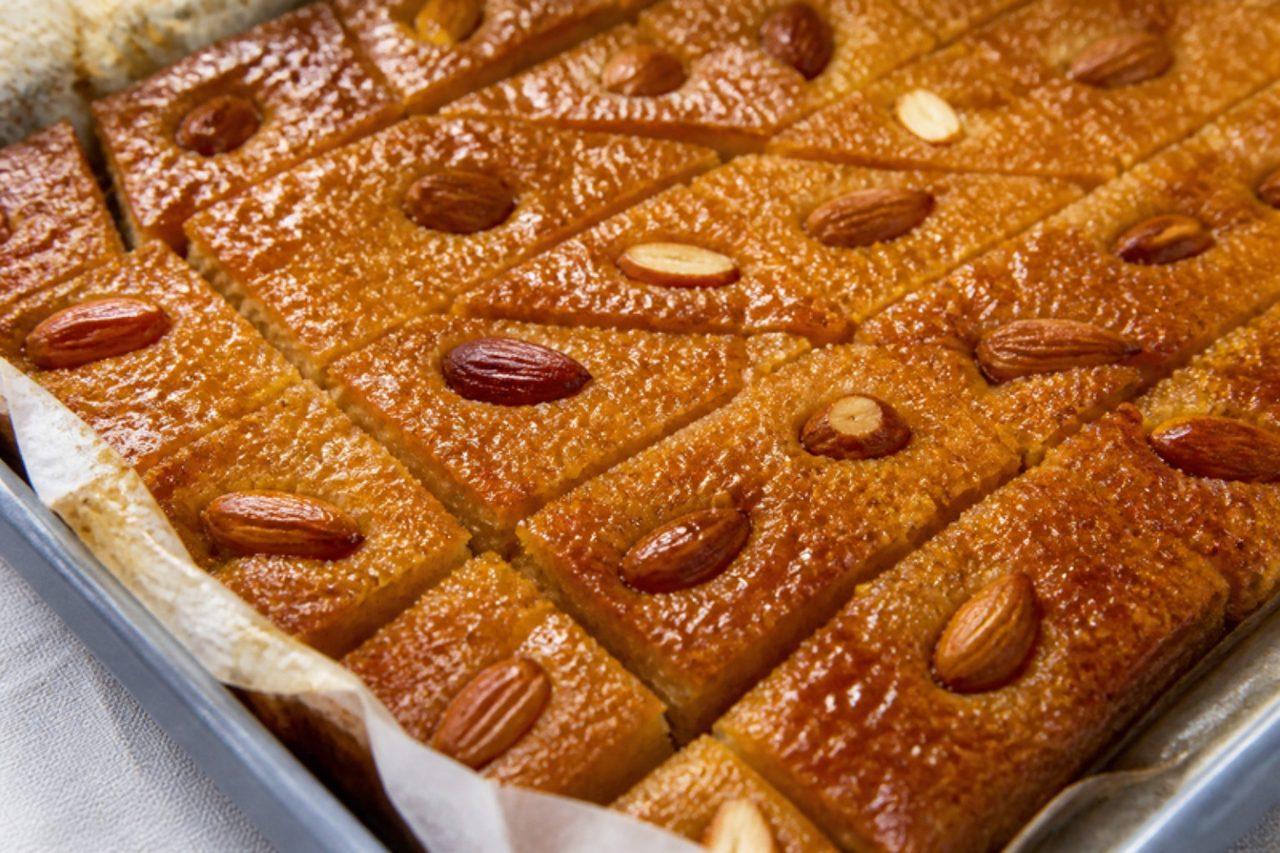
HilbehFenugreek semolina cake

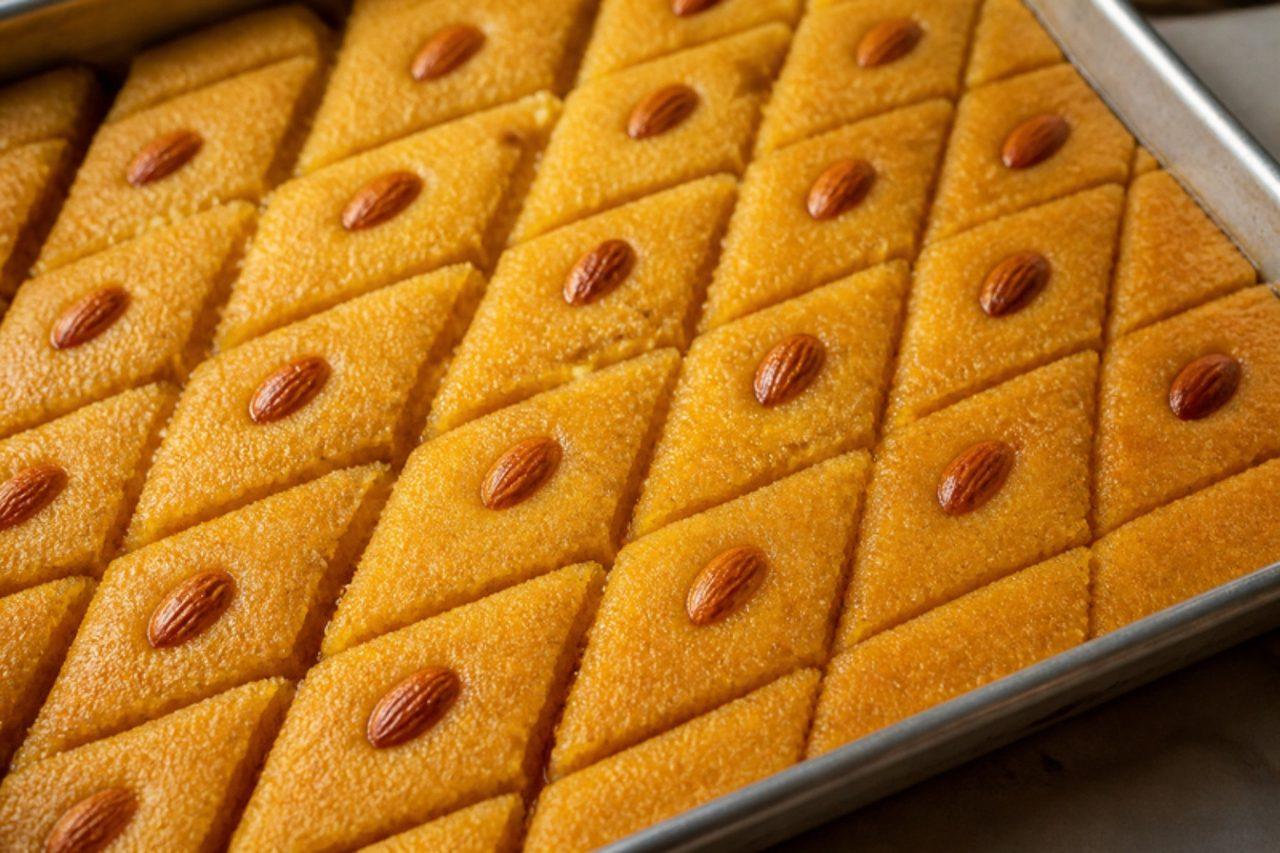
Hilbeh is the tray cake Jordanian grandmothers bake in winter and for visits after childbirth, when fenugreek is believed to warm and strengthen. Soaked fenugreek seeds swell into soft, jelly-coated beads that dot a dense semolina crumb, giving a gently bitter, maple-like scent that the hot syrup softens. Cut into diamonds, each topped with an almond, it sits on the coffee table beside Arabic coffee from Irbid to Aqaba. The mistake people make is using the seeds dry: they stay hard and bitter, so boil and soak them first. Chef's tip: pour cold syrup over the cake the moment it leaves the oven; hot-on-cold soaks in evenly and keeps the top from going soggy.

by KrazyBadal 0 views

HilopitesEgg pasta with butter and cheese

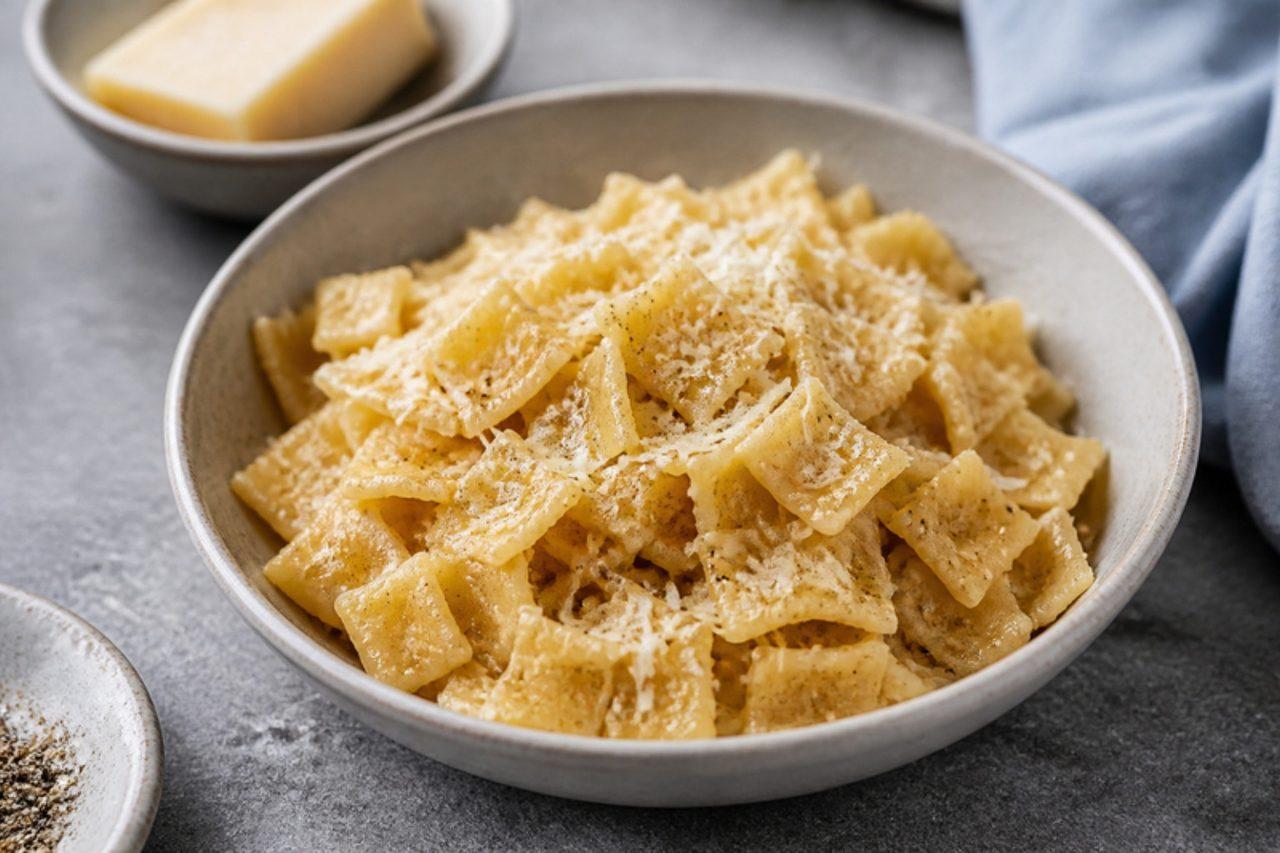
In late summer, when sheep's milk and eggs are plentiful, the women of Epirus and Thessaly gather to make hilopites: a stiff egg-and-milk dough rolled thin, dried on cloths and cut into tiny squares, then stored in sacks for winter. They're cooked like any pasta, in stock with chicken or simply tossed with sizzling butter and grated cheese, which is how children in Ioannina eat them. This recipe makes a fresh batch and serves it the simple way. Kefalotyri and myzithra are often made with animal rennet; choose a vegetarian hard cheese if needed. Common mistake: cutting the sheets while still soft, so the squares stick — dry them until leathery first. Chef's tip: dried fully, they keep for months in a jar.

by KrazyBadal 0 views

Himmel un ÄädApple potato mash with black pudding

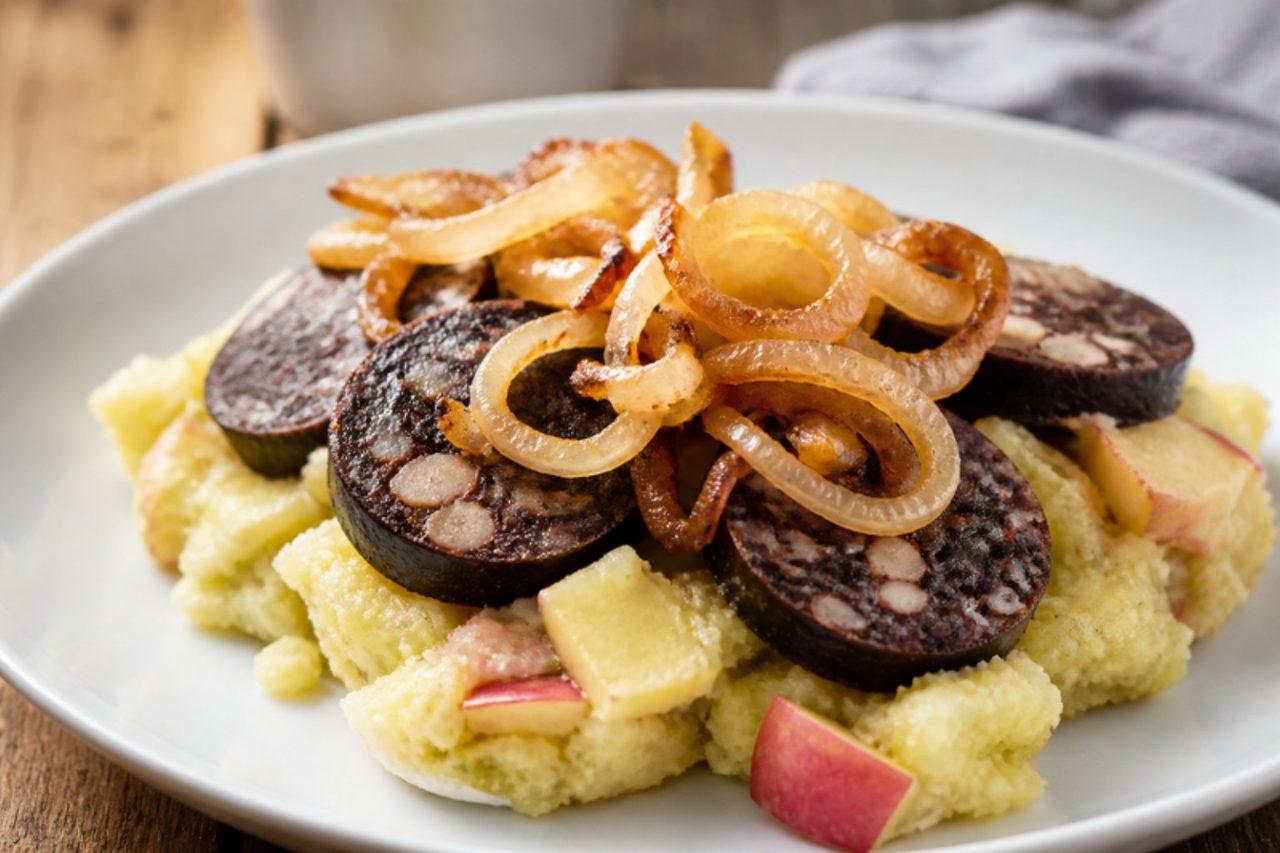
Himmel un Ääd is Cologne dialect for "heaven and earth": apples from the trees above and potatoes from the ground below, mashed together and topped with slices of fried Flönz, the soft Rhineland black pudding, and crisp onions. It is a classic in Cologne's brewery taverns, especially around Carnival and in autumn when the apples are new. For a vegetarian plate, skip the blood sausage and add extra fried onions and a fried egg. Chef's tip: use a sharp apple like Boskop or Bramley, which balances the rich sausage much better than a sweet one.

45 minGermanMeatGluten free
by KrazyBadal 0 views

KumpirLoaded baked potato

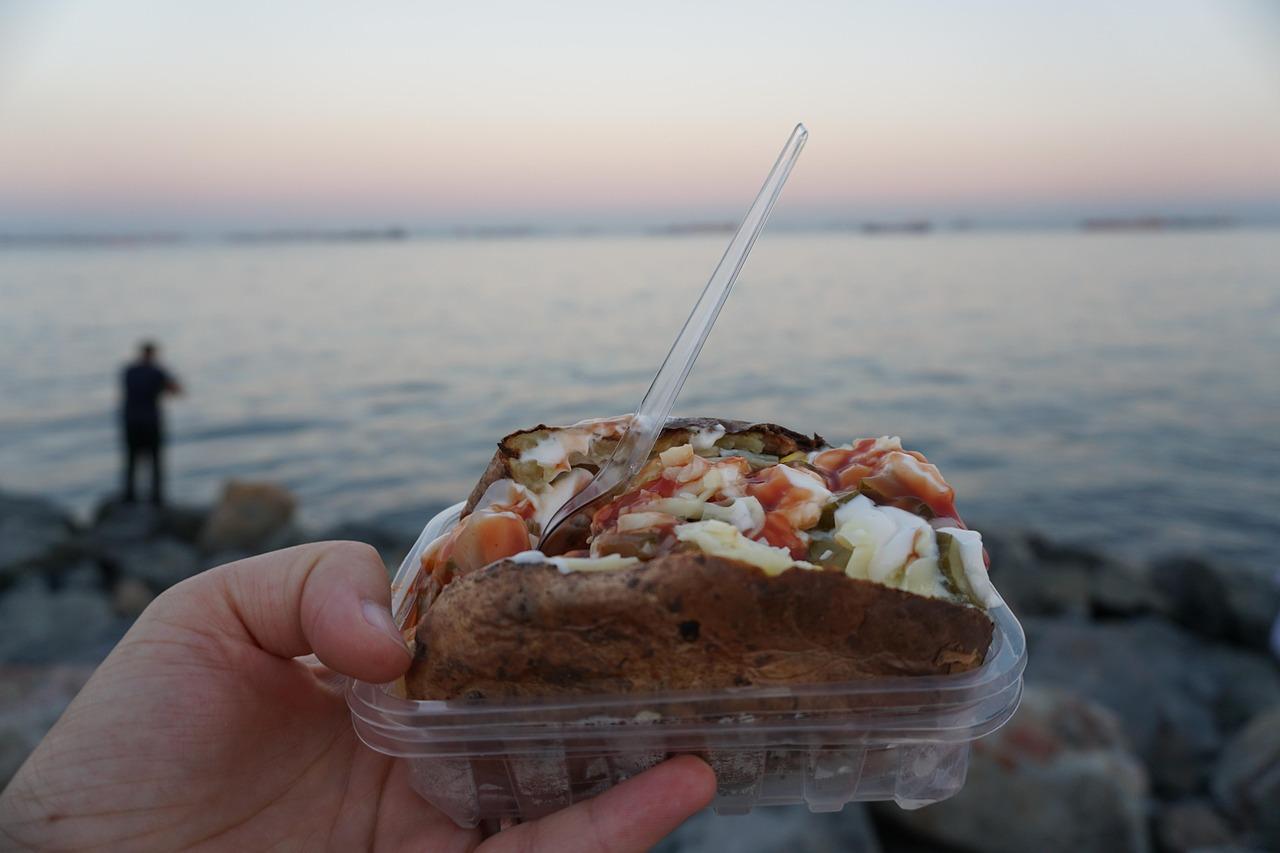
On a warm evening in Ortaköy, under the Bosphorus Bridge, the kumpir stalls line up with trays of toppings and queues of students waiting for a potato the size of a fist and a half. The vendor splits it, beats butter and grated kaşar into the hot flesh right in the skin until it turns stretchy, then piles on whatever you point at: corn, olives, pickles, peppers, Russian salad. At home it makes a filling supper that everyone builds for themselves. Kaşar is usually made with animal rennet, so pick a vegetarian mild melting cheese if that matters to you. Chef's tip: bake the potatoes on a bed of coarse salt; the skins dry and crisp while the inside goes floury, which is what lets the cheese melt into it.

by KrazyBadal 0 views

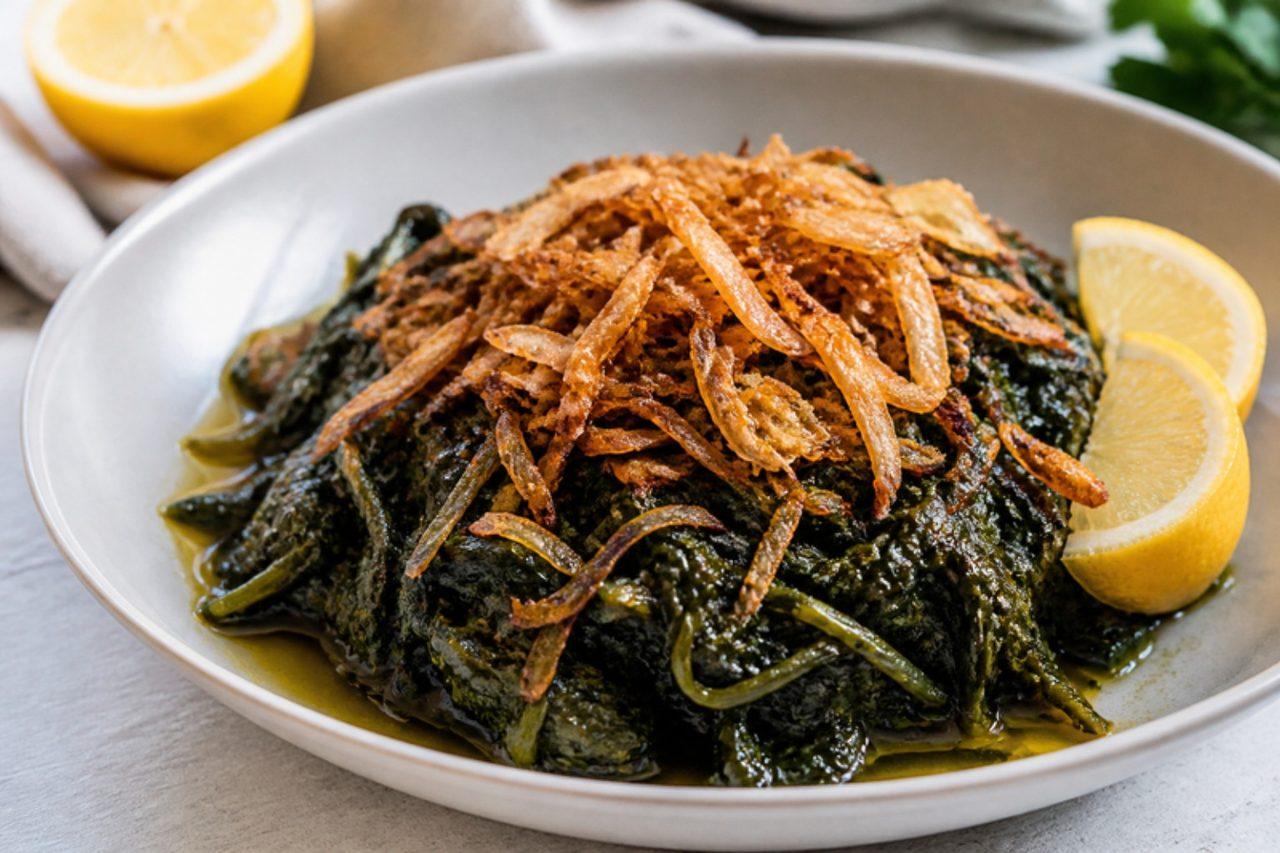
HindbehDandelion greens with fried onions

Each spring, people in the Lebanese hills go out with a knife and a bag to gather wild chicory and dandelion for hindbeh, a Lenten favourite in Christian homes and a regular on mezze tables all year. The bitter greens are blanched, squeezed and fried with garlic in olive oil, then piled with a tangle of deeply browned, crisp onions and served with lemon wedges. The bitterness, the sweetness of the onions and the sharp lemon balance each other, and it is eaten at room temperature with bread. Cultivated dandelion or curly endive from a greengrocer works well. Common mistake: not squeezing the greens dry; water stops them frying and dilutes the oil. Chef's tip: fry the onions slowly and pull them out a shade lighter than you want — they keep darkening on the paper.

by KrazyBadal 0 views

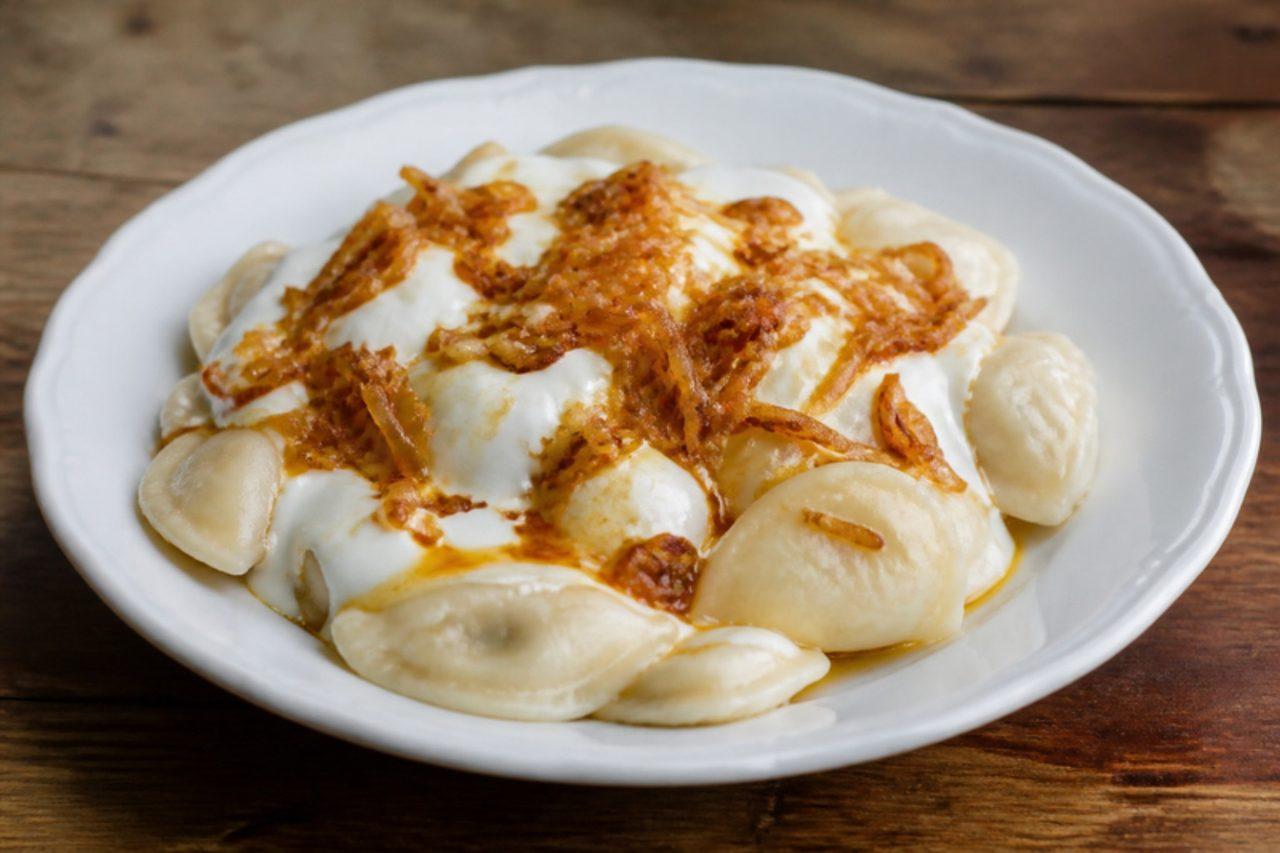
HingelPotato dumplings with browned butter

Hingel is the comfort food of Kars and Ardahan, on Turkey's high north-eastern border, where long winters made potatoes and butter everyday staples. Half-moon dumplings are filled with mashed potato and onion, boiled, then smothered in caramelised onions, garlic yoghurt and plenty of browned butter, much like manti but larger and softer. Common mistake: a wet potato filling that leaks through the seams; dry the boiled potatoes in the pan for a minute before mashing. Chef's tip: fry the onions slowly in the same butter you pour over at the end; it picks up their sweetness.

by KrazyBadal 0 views

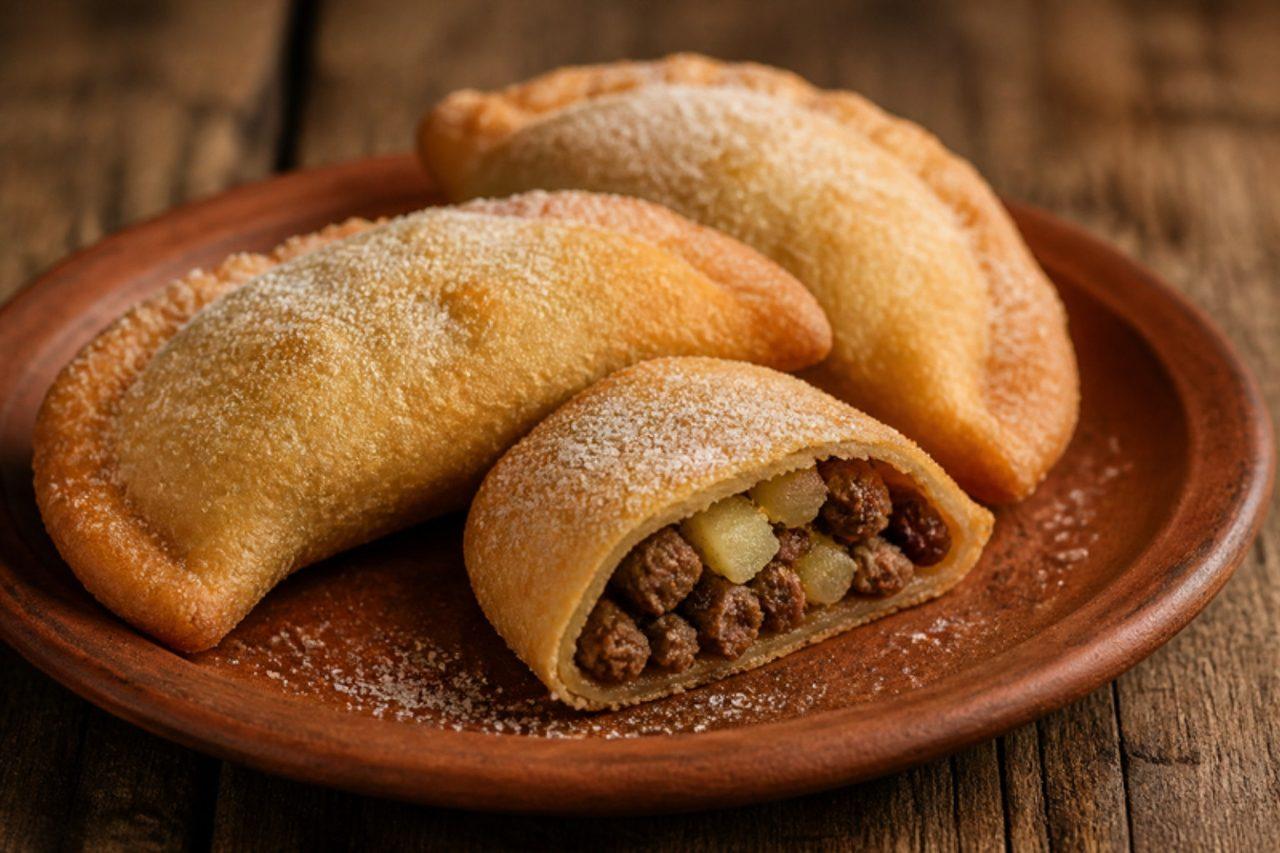
Empanadas cordobesas

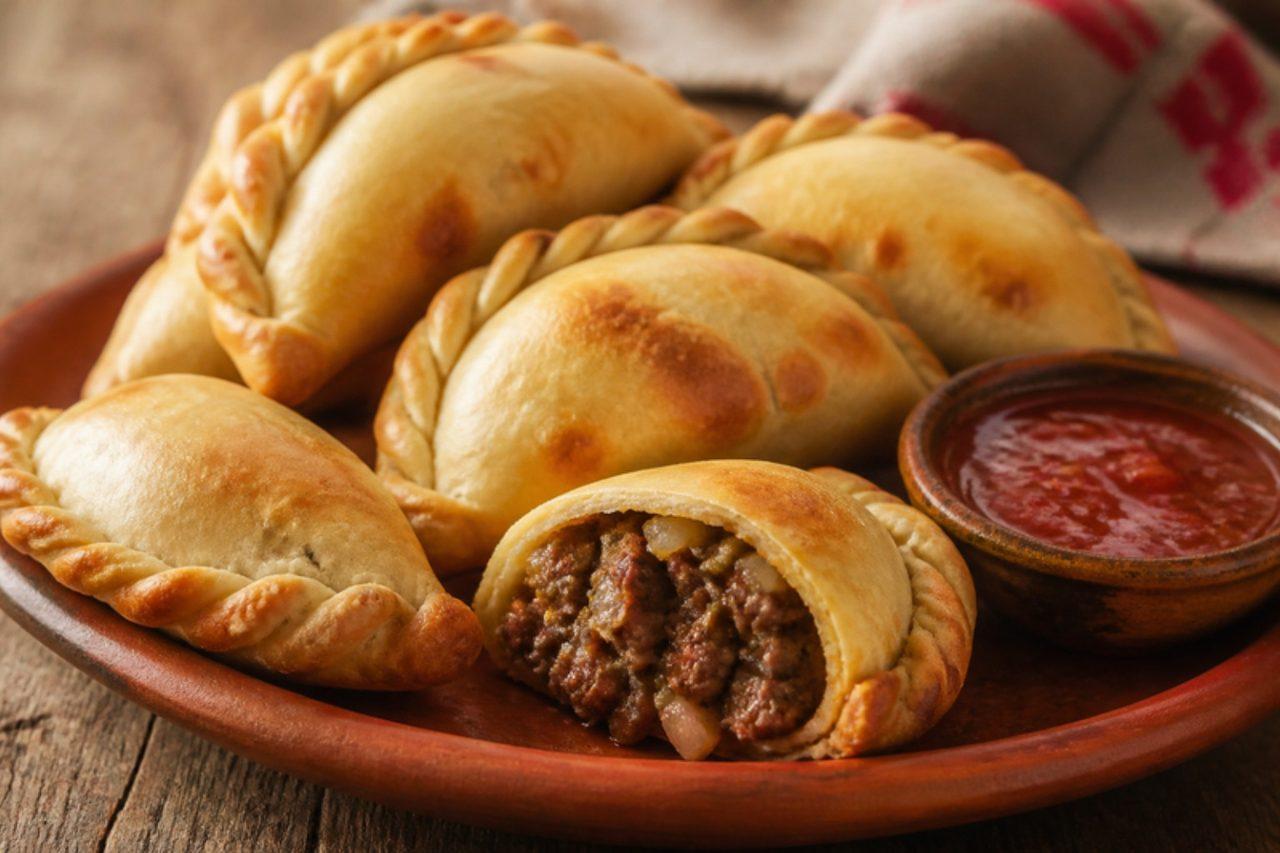
Sweet and salty is the whole point here. Córdoba's empanadas hold a filling of beef, onion, a little potato, raisins and olives, and the moment they come out of the fryer they get a sprinkle of sugar that melts into the crackly crust. They turn up at birthday parties, school fundraisers and the patriotic holidays of 25 May and 9 July, often next to a bowl of locro. If the sugar on top sounds odd, try one: the contrast with the cumin and paprika is the local hallmark. The error that ruins them is frying in oil that isn't hot enough, which leaves them pale and greasy; keep it at 175 °C. Chef's tip: dust with sugar within seconds of draining, while the surface is still glistening, or it won't stick.

by KrazyBadal 0 views

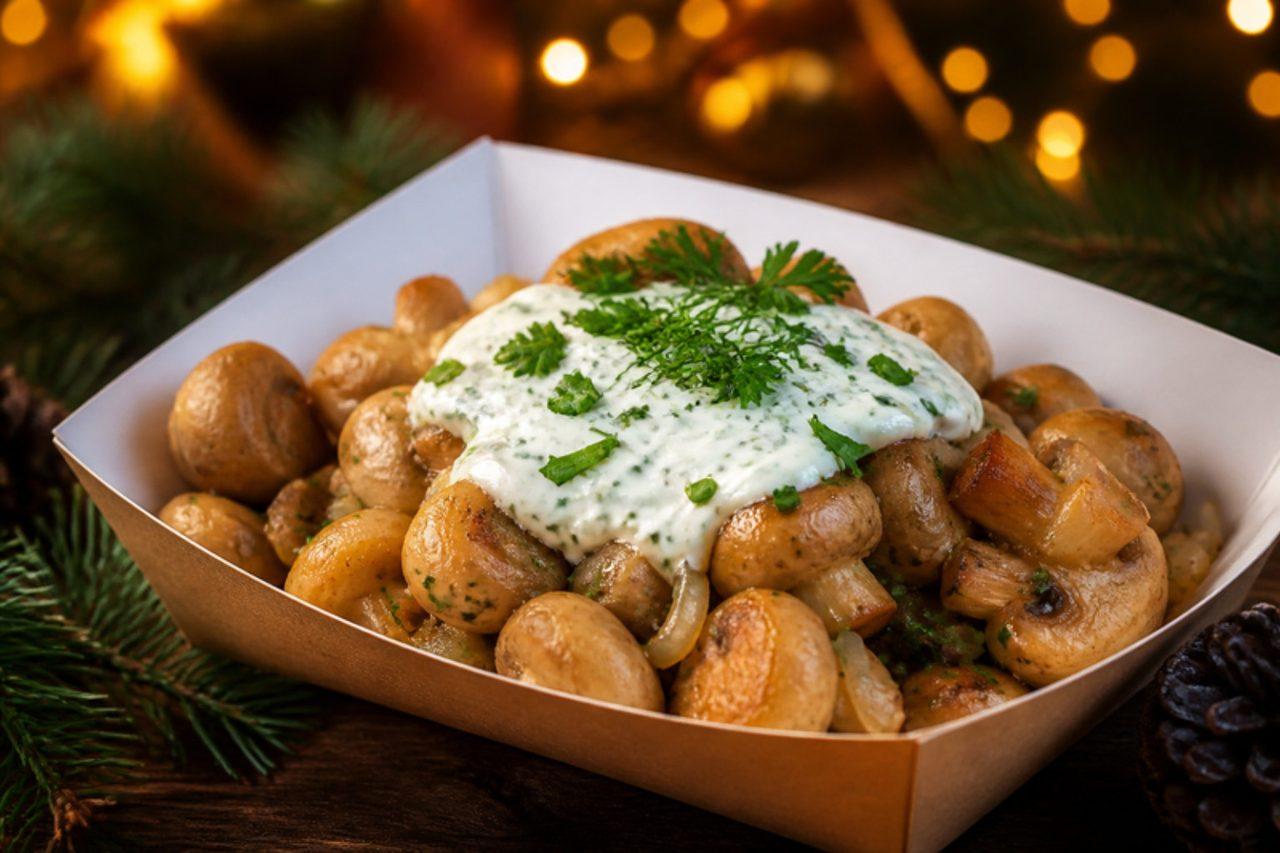
ChampignonpfanneGarlic mushrooms with sour cream sauce

Walk through any German Weihnachtsmarkt, from Cologne's cathedral square to Nuremberg's Hauptmarkt, and you will smell the Champignonpfanne before you see it: a huge flat pan of button mushrooms frying with onion and garlic, scooped into paper boats and topped with a cool herb sauce. It is the market's favourite meat-free snack on a cold December evening, and it takes twenty minutes at home. Serve it with crusty bread or as a side to potato pancakes. The common mistake is piling every mushroom into the pan at once, which makes them stew grey in their own water instead of browning. Chef's tip: salt the mushrooms only once they have coloured; salt added early draws out the liquid and stops the browning.

by KrazyBadal 0 views

ChampMashed potato with spring onion

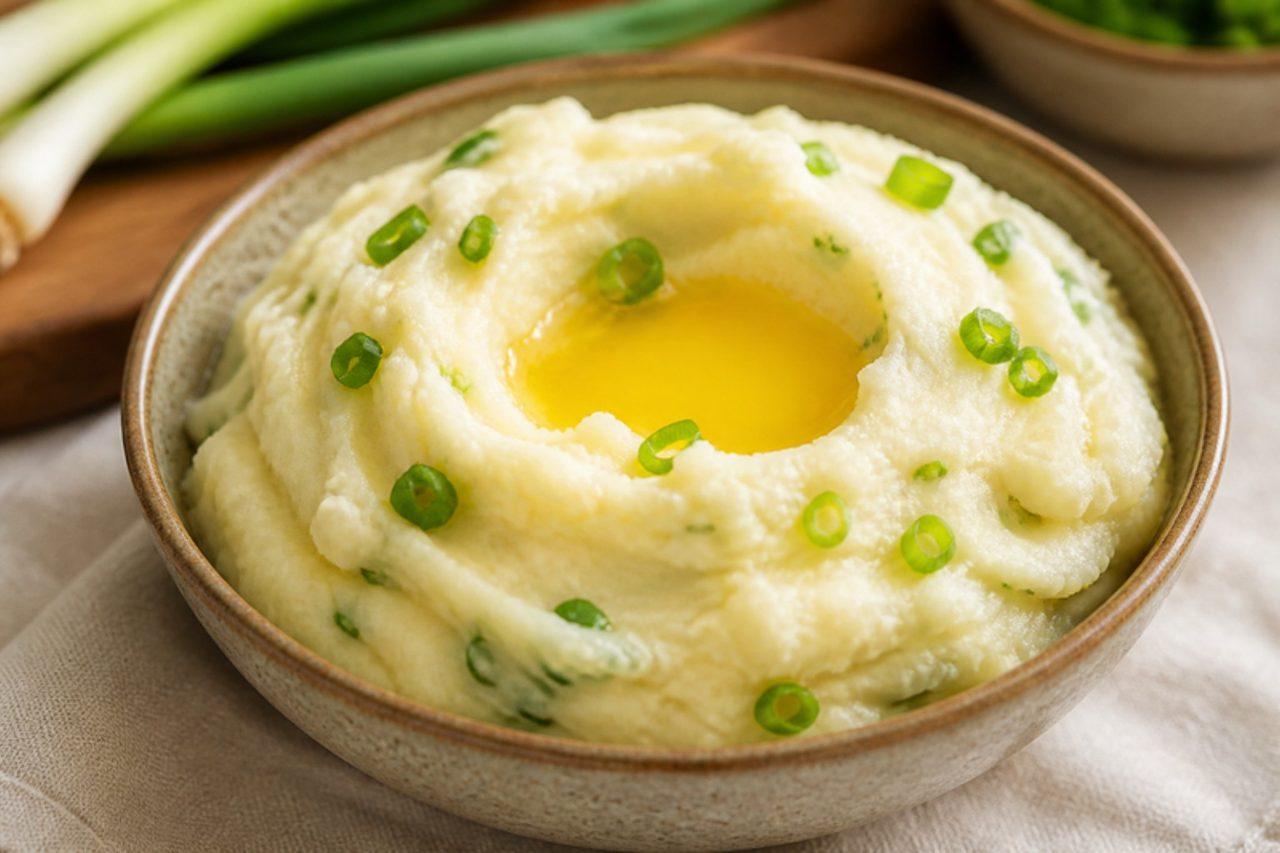
Champ is the creamy mashed potato of Ulster, eaten in farmhouse kitchens from Tyrone to Monaghan, and once pounded in a big pot with a wooden beetle for the whole family. Scallions are steeped in hot milk, then beaten into floury potatoes with salt, pepper and butter, so it is soft, green-flecked and gently oniony. Serve in a mound with a pool of butter in the centre, next to sausages or a pie. Chef's tip: dip each forkful into the butter well, as is done at home; don't stir the butter through.

35 minIrishSidesGluten free
by KrazyBadal 0 views

MolotesFried potato and chorizo masa turnovers

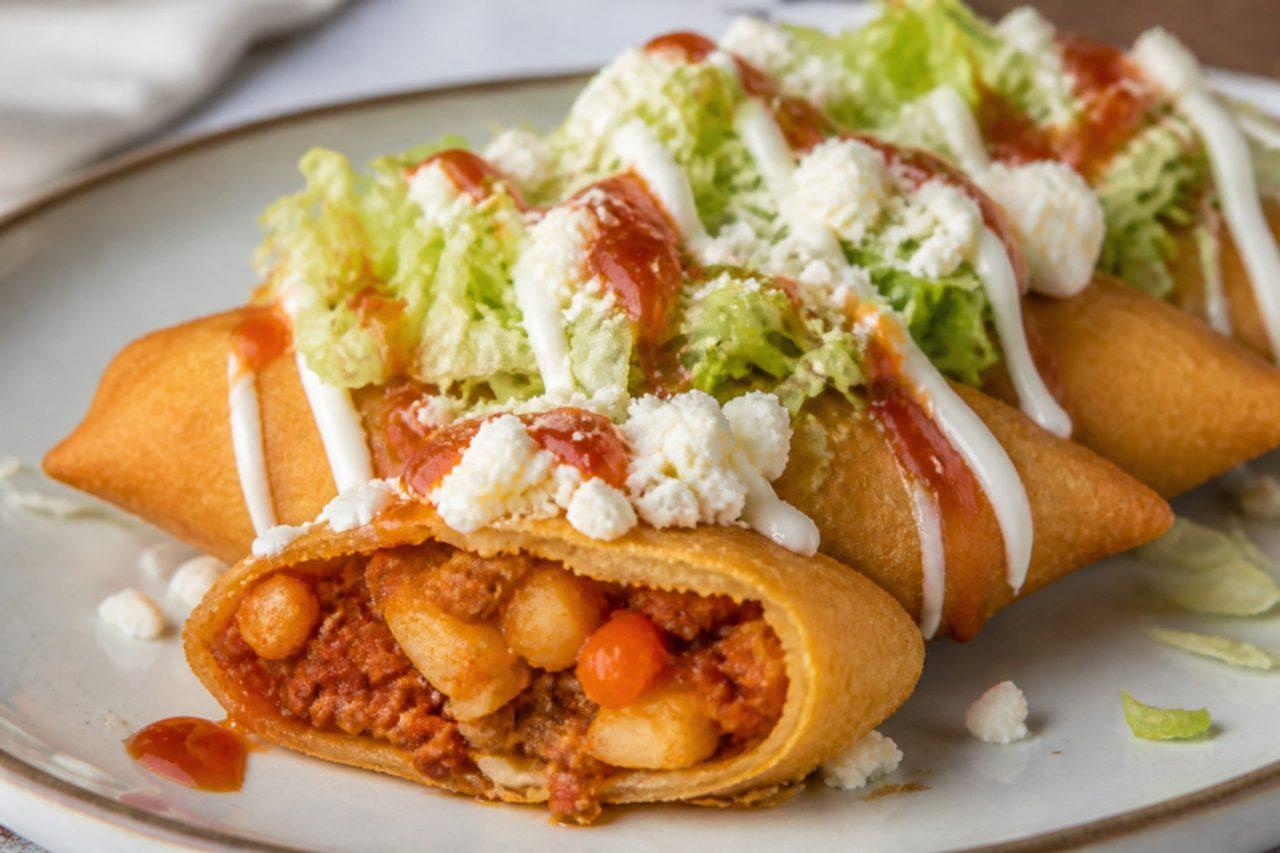
Around Puebla's zócalo and in the evening stalls outside its churches, molotes are fried to order: masa turnovers rolled into long spindles with pointed ends, crisp and blistered outside and soft inside. The favourite filling is potato mashed with pork chorizo, though stalls also sell them with tinga, quesillo or huitlacoche. They are eaten hot from a paper plate, split open and spooned with salsa, cream and crumbled cheese, as an evening snack or a light supper. Chef's tip: press the dough between two sheets of plastic cut from a freezer bag, so the thin disc lifts off cleanly and doesn't tear when you fold it.

by KrazyBadal 0 views

Empanadas de pescado

Along the coast of Santa Fe, especially during Lent and Holy Week, fishmongers' stalls and riverside kiosks sell fried empanadas filled with sábalo or surubí. The fish is poached, flaked and folded through soft onion and sweet pepper, then sealed in a thin oil-based dough and fried until blistered and crisp. Squeeze lemon over them and eat them warm, with a green salad or just a paper napkin. Any firm white fish works: hake, cod or a farmed catfish. The mistake people make most is skipping the bone check; river fish such as sábalo hide fine bones, so run your fingers through every flake. Chef's tip: keep the filling quite dry and cold before you fill the discs; extra liquid turns to steam in the hot oil and bursts the seams.

by KrazyBadal 0 views

Empanadas mendocinas

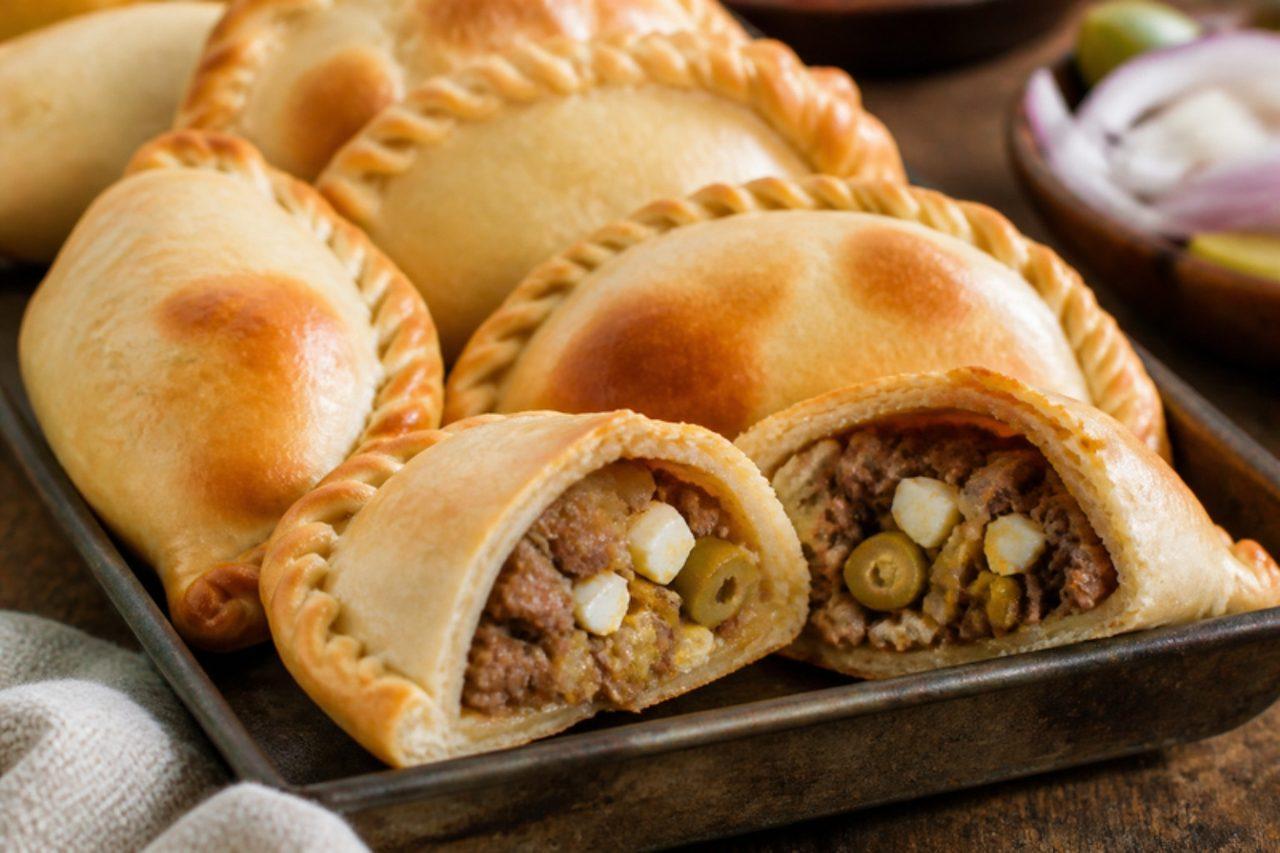
Mendoza's empanadas are all about juice. The filling uses roughly as much onion as beef, cooked only briefly so it stays sweet and wet, then gets folded with hard-boiled egg and a whole green olive in every pastry; the dough is a tender one made with beef fat. They come out of wood ovens across the province for Sundays, family gatherings and the grape harvest, and are eaten by hand, leaning forward, with a tomato and onion salad on the side. The classic error is filling the dough while the meat is still warm: the fat melts, the pastry turns soggy and the seal splits in the oven. Cool the filling completely, ideally overnight. Chef's tip: cut the beef into small cubes with a knife instead of buying mince; it stays juicier and gives the bite a Mendoza cook expects.

by KrazyBadal 0 views

Moqueca de ovosEggs in coconut and tomato sauce

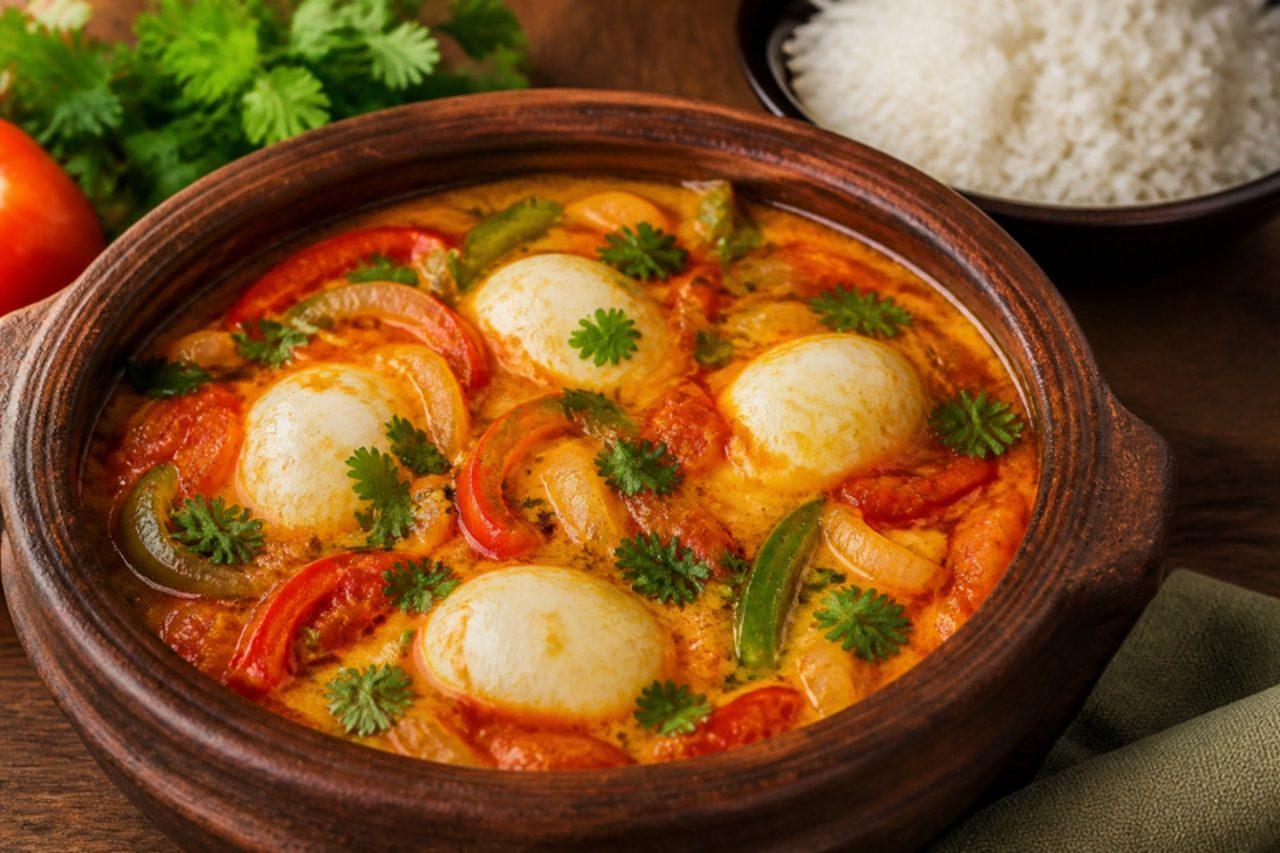
When fish money runs short or it is a meatless Friday, Bahian kitchens make moqueca with eggs instead: the same orange sauce of coconut milk, tomato, peppers, coriander and dendê palm oil, with whole eggs poached right in it until the whites set and the yolks stay soft. It is everyday food in Salvador and the Recôncavo, cooked in a clay pan and carried straight to the table with white rice, farofa de dendê and a spoon of pimenta sauce for those who want heat. The sauce is mellow, slightly sweet from the peppers and rich from the coconut, and the runny yolks thicken it on the plate. The usual mistake is stirring after the eggs go in; they break and turn the sauce cloudy, so cover the pan and leave it alone. Chef's tip: add half the dendê at the start and the rest just before the eggs; heated too long it loses its nutty, floral perfume and only the colour remains.

by KrazyBadal 0 views

Licuado de bananaBanana milk shake

Order a licuado in any Argentine café or bar and you will get a tall glass of fruit blended with milk (con leche) or water (con agua), and banana with milk is the one nearly everyone grows up on. It is breakfast for teenagers in a hurry, a merienda with tostados, and the drink parents in Buenos Aires make when the fruit bowl has spotty bananas. It should be thick, cold and smooth, with a light froth, sweet mainly from ripe fruit. Using under-ripe bananas is the mistake: they taste chalky and need lots of sugar, so wait for brown freckles. Chef's tip: slice and freeze the bananas the night before and you can skip the ice; the shake comes out colder and thicker without being watered down.

by KrazyBadal 0 views

Empanadas tucumanas

Tucumán takes its empanadas so seriously that the town of Famaillá holds a national empanada festival every September, and judges count the pleats. The local style is small and juicy, filled with beef cut by hand with a knife (never minced), lots of white onion and spring onion, cumin, paprika and hard-boiled egg, and the dough is made with beef fat. They are baked very hot, traditionally in a clay oven, until blistered, and eaten standing up at peñas, football matches or family lunches, a drop of lemon squeezed in. The beef filling must reach 71 °C; it cooks first in the pan and again in the oven. A dry filling is the mistake to avoid: cook the onion slowly and let the filling cool so the fat sets, which turns to juice in the oven. Chef's tip: chill the filling overnight if you can; cold filling is easier to spoon and the empanadas come out juicier.

by KrazyBadal 0 views

Mango bicheGreen mango with salt and lime

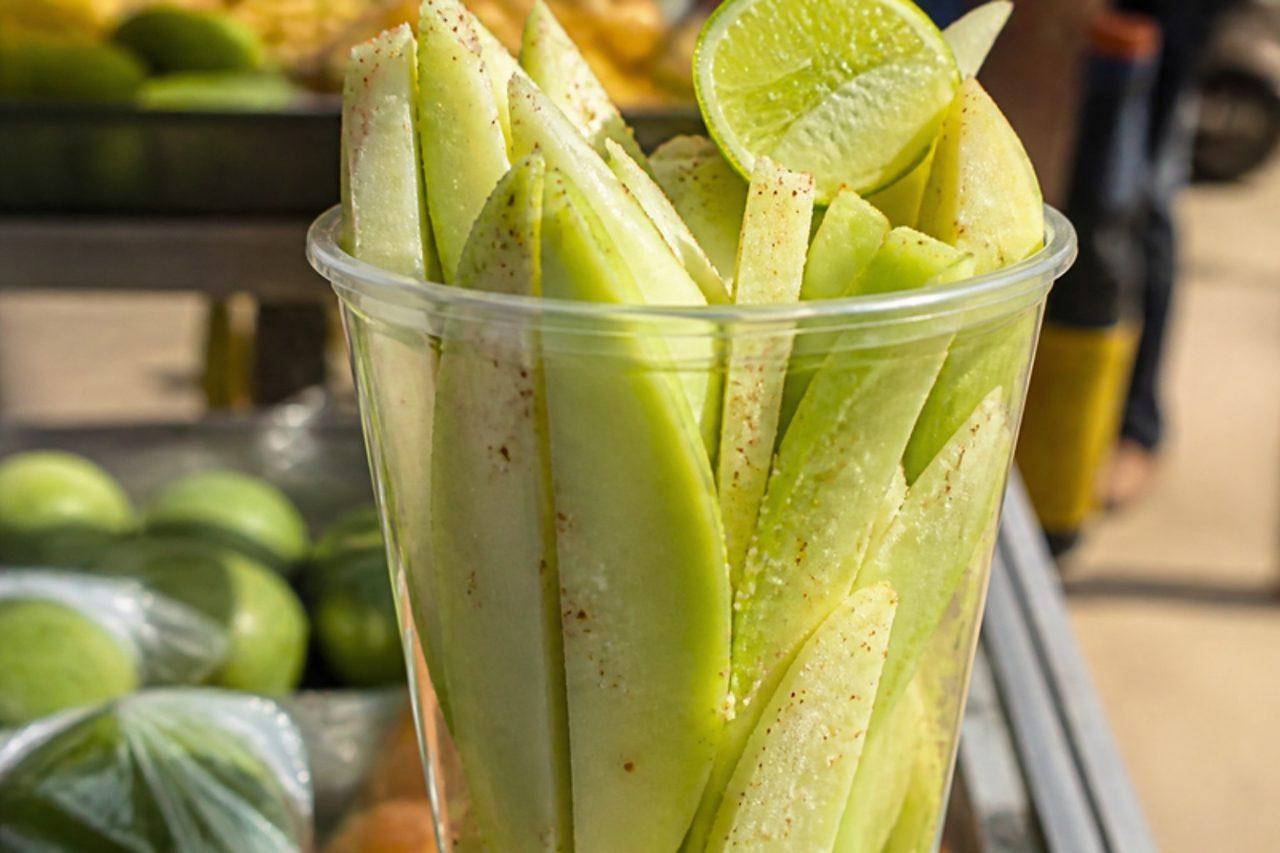
Paper and plastic cones of mango biche are sold from street carts in Cali, Barranquilla and Bogotá, especially around schools, parks and bus stops. Biche means unripe: the mango is still hard and pale green inside, so it is crunchy and mouth-puckeringly sour, and the vendor cuts it into long strips and shakes on salt, lime and black pepper, sometimes a pinch of chilli. It is a refreshing, almost savoury snack, eaten in the afternoon heat. Choosing a mango that has started to ripen is the slip that spoils it: the flesh should be firm and white-green with no yellow, or it turns soft and sweet. Look for green mangoes in Asian and Latin shops. Chef's tip: chill the mango for 30 minutes before cutting; the strips stay crisp and the salt and lime cling better.

by KrazyBadal 0 views

KumruSausage and cheese sesame sandwich

The kumru takes its name from the dove-shaped sesame roll baked in İzmir and is the city's favourite beach snack, especially at the stands of Çeşme. The roll is filled with slices of beef sucuk (spicy Turkish sausage), melting kaşar, tomato and green pepper, then pressed flat in a hot sandwich press until the crust crackles. Eat it with an ayran in the shade. Chef's tip: fry the sucuk slices briefly first so they release their red, spicy fat into the bread before you press it.

by KrazyBadal 0 views

Tatws pum munudBacon and potato stew

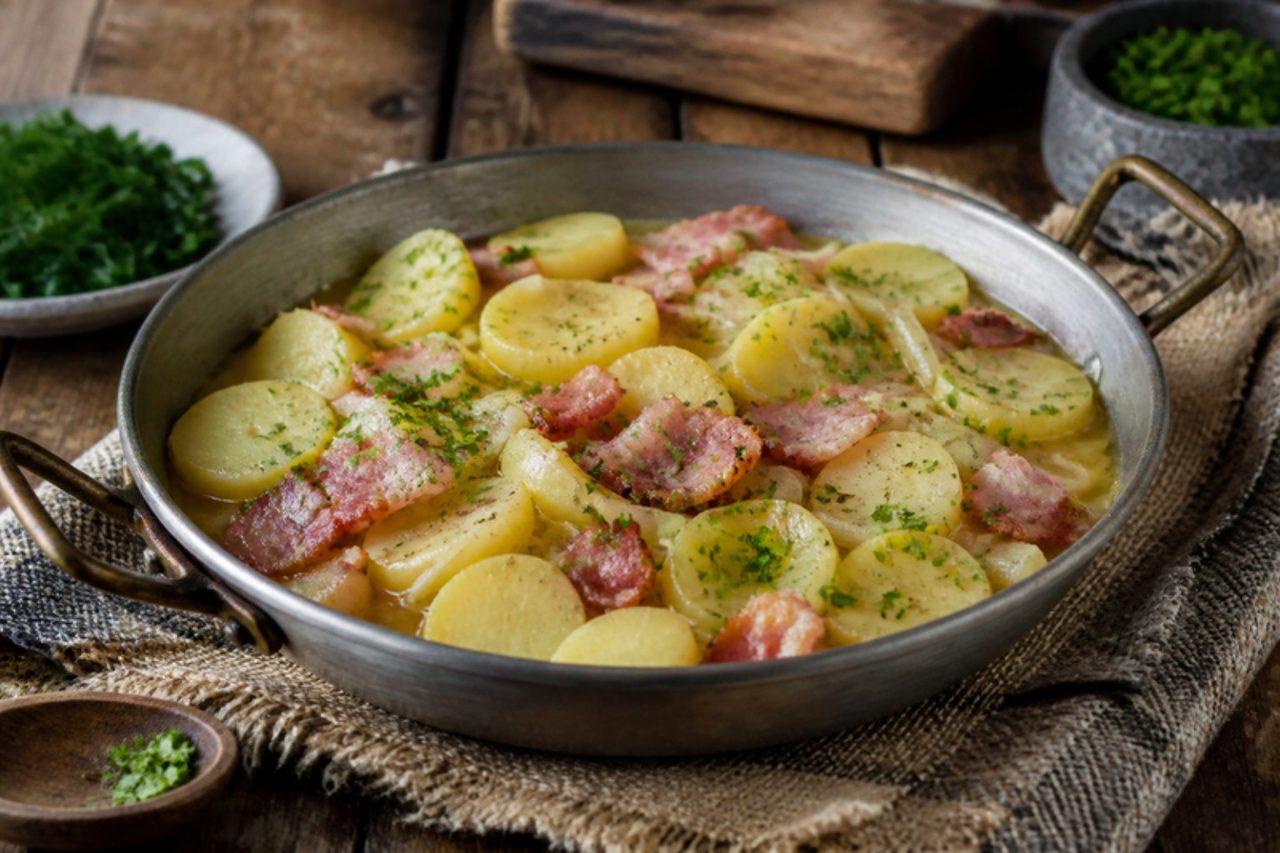
Tatws pum munud means 'five-minute potatoes' in Welsh, a joke, since it takes half an hour, but it was the quick, cheap one-pot supper of North Wales quarry and farm families. Sliced potatoes and onions are simmered on a bed of smoked bacon (pork) in stock until the potatoes are soft and the bottom layer catches and turns golden. Chef's tip: don't stir; shake the pan instead so the layers stay intact and the bottom crisps.

by KrazyBadal 0 views

Enchiladas placeras with potato and carrot

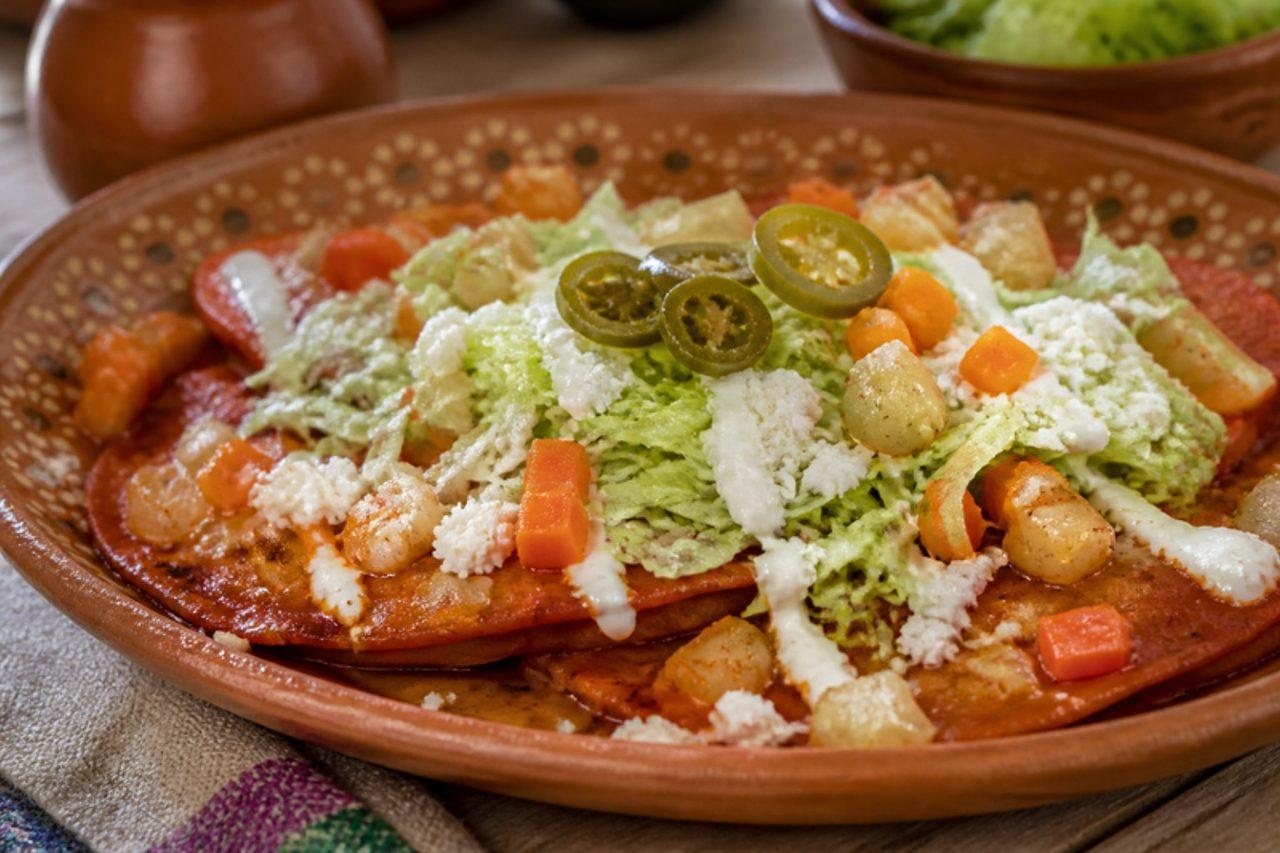
Under the arcades around Morelia's plazas, cooks sell enchiladas placeras in the evenings: tortillas dipped in guajillo sauce, fried on a griddle, folded over crumbled cheese and onion, then buried under fried potato and carrot cubes, shredded lettuce and pickled chillies. In Michoacán they usually come with a piece of fried chicken on the side; we leave that out, as the potatoes and carrots fried in the chilli-stained oil are the part everyone fights over. Cheese may be made with animal rennet, so choose a vegetarian one if needed. Chef's tip: fry the potatoes and carrots in the same pan after the tortillas so they pick up the red chilli oil.

by KrazyBadal 0 views

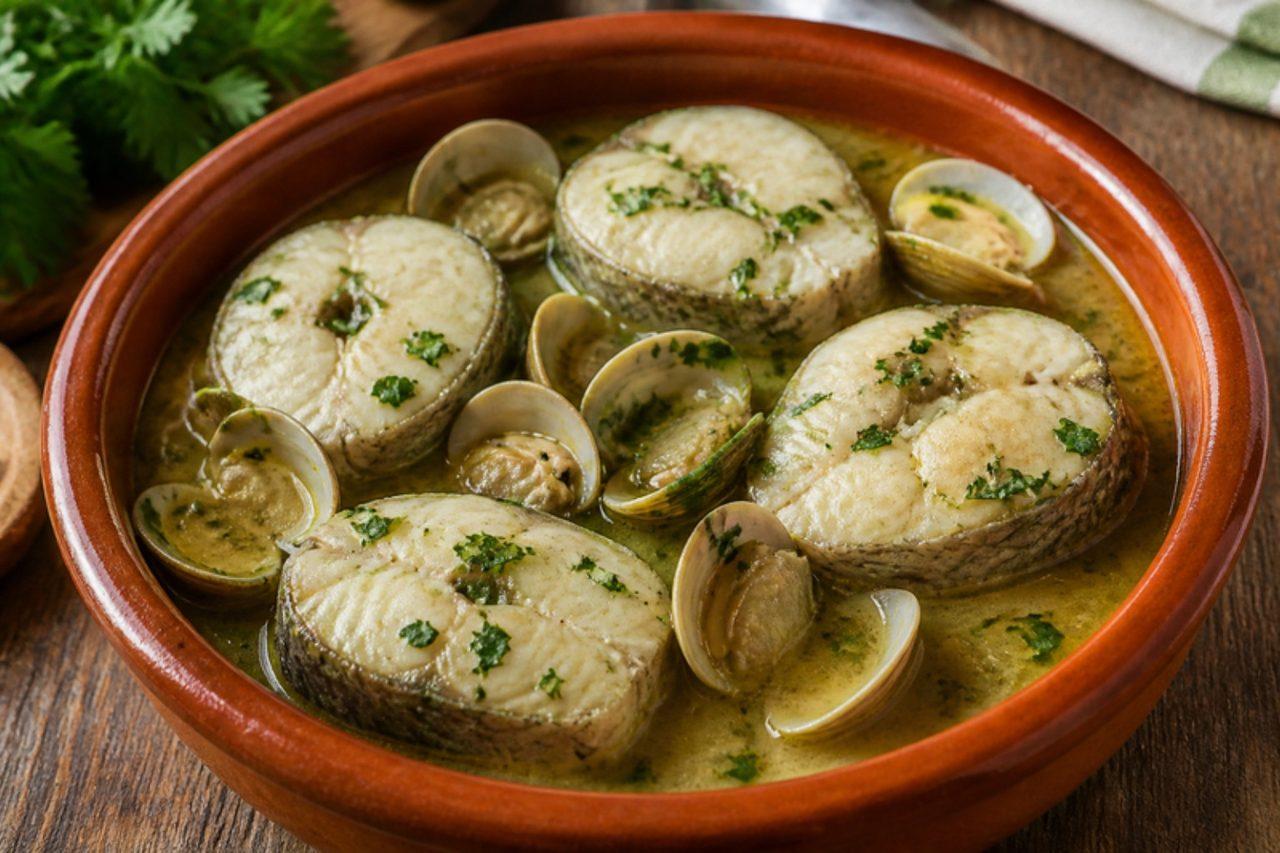
Merluza en salsa verdeHake and clams in parsley sauce

Bilbao families have cooked merluza en salsa verde in a shallow clay cazuela for generations, and it still turns up at Sunday lunch and on Christmas Eve. The sauce is just olive oil, garlic, parsley and the fish's own juices, thickened by gently shaking the dish so the gelatine from the hake binds it, much like a pil-pil. Clams open on top at the end. A common mistake is stirring with a spoon, which breaks the fish; swirl the dish instead. Chef's tip: keep the heat low once the hake goes in, because the sauce only comes together when it barely simmers.

by KrazyBadal 0 views

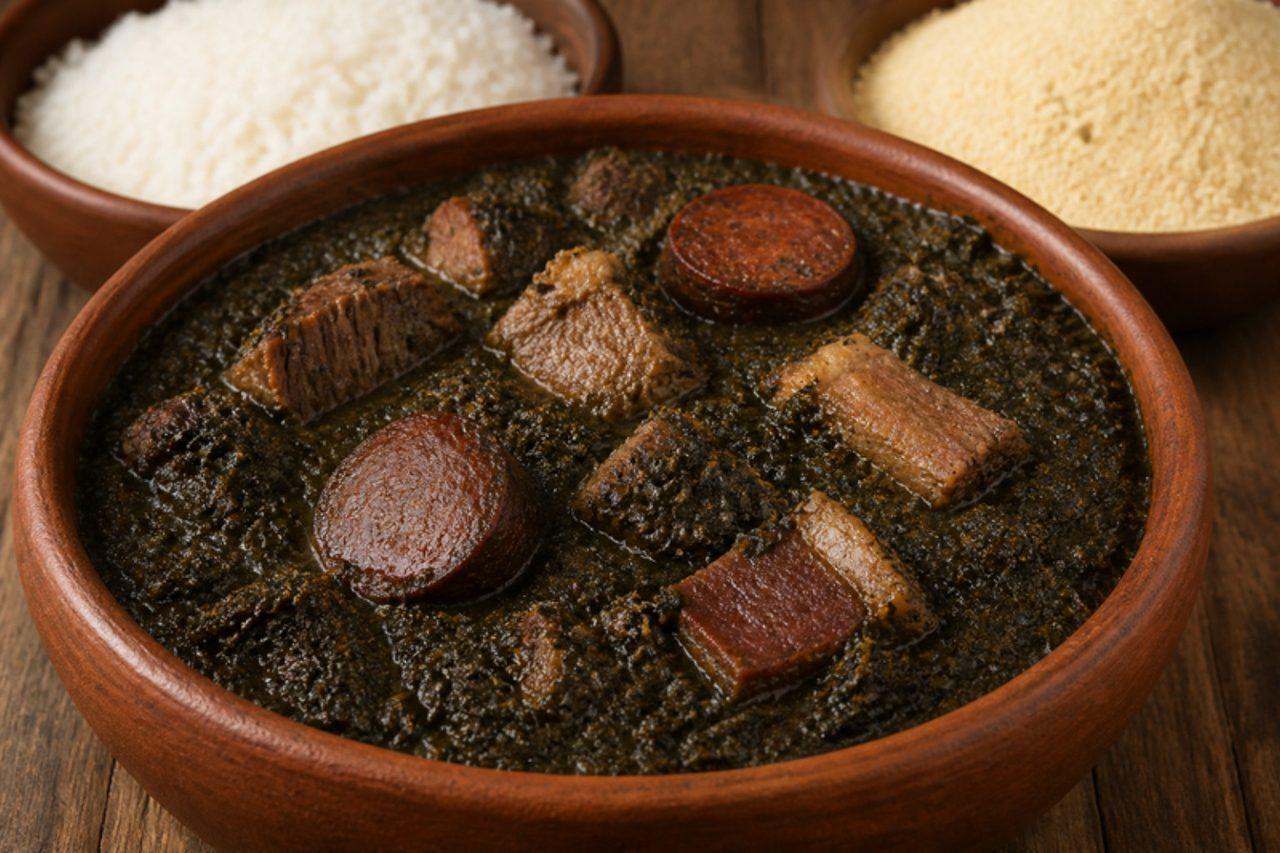
ManiçobaManioc leaf and smoked pork stew

Black-green, smoky and rich, maniçoba is the dish Belém cooks for the Círio de Nazaré in October, when families gather after the great procession, and it is sold all year at the Ver-o-Peso market. Its base is maniva, ground manioc leaves, which contain natural cyanide and must be cooked for days before they are safe; in Pará cooks simmer it for up to a week. Never use raw or home-ground manioc leaves for this dish. Buy only ready-cooked ground maniva (sold frozen in Brazilian shops and labelled pre-cooked), and follow the pack's further cooking time if it is longer than ours. The leaves are then simmered for hours with the cuts of a feijoada: salted pork ribs, smoked bacon, smoked pork sausage, beef jerky and pig's trotter, until the meat falls apart into a thick, smoky, faintly bitter stew. Serve it with white rice, farinha d'água and pimenta-de-cheiro. Plan ahead: the salted meats need soaking overnight. The usual mistake is adding the meat too early, so it disintegrates. Chef's tip: maniçoba tastes even better reheated the next day.

by KrazyBadal 0 views

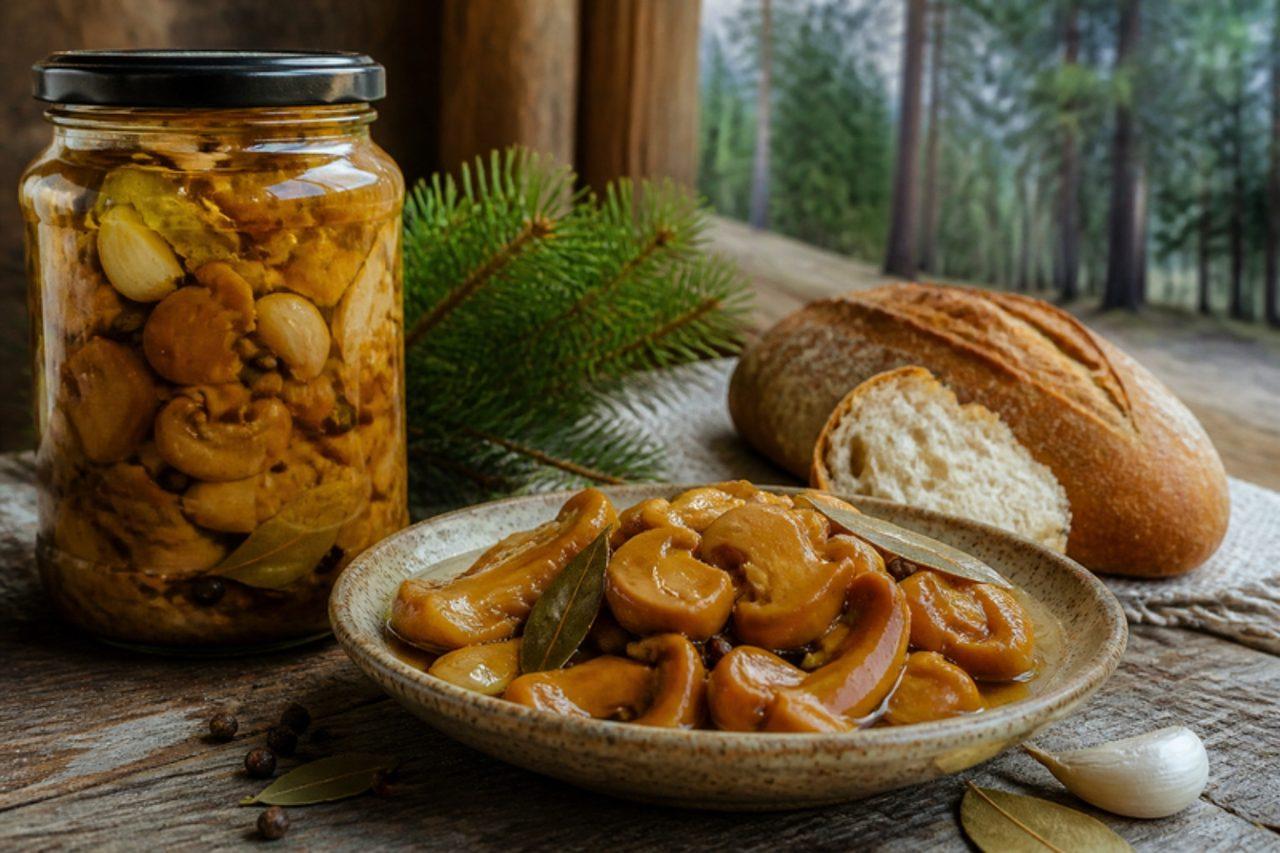
Hongos de pino en escabechePickled pine mushrooms

After the autumn rains in the pine plantations of Neuquén and Río Negro, slippery jacks (Suillus luteus) pop up by the thousand, and around San Martín de los Andes and Villa La Angostura they are sold fresh by the roadside, dried in bags, or bottled like this. The mushrooms are blanched in vinegar, then kept in oil with garlic, bay and peppercorns, ending up tender, tangy and slightly silky, a classic part of a picada with cheese and bread or beside grilled vegetables. Wild mushrooms must only be eaten if identified by an expert or bought from a trusted seller; if in doubt, use cultivated mushrooms such as chestnut or king oyster. The common mistake is skipping the peeling: the slimy skin on the cap turns the pickle gluey, so pull it off first. Garlic in oil can carry botulism, so the jar must live in the fridge and be eaten within two weeks. Chef's tip: let the jar rest for two days before opening; the vinegar mellows and the flavours come together.

by KrazyBadal 0 views

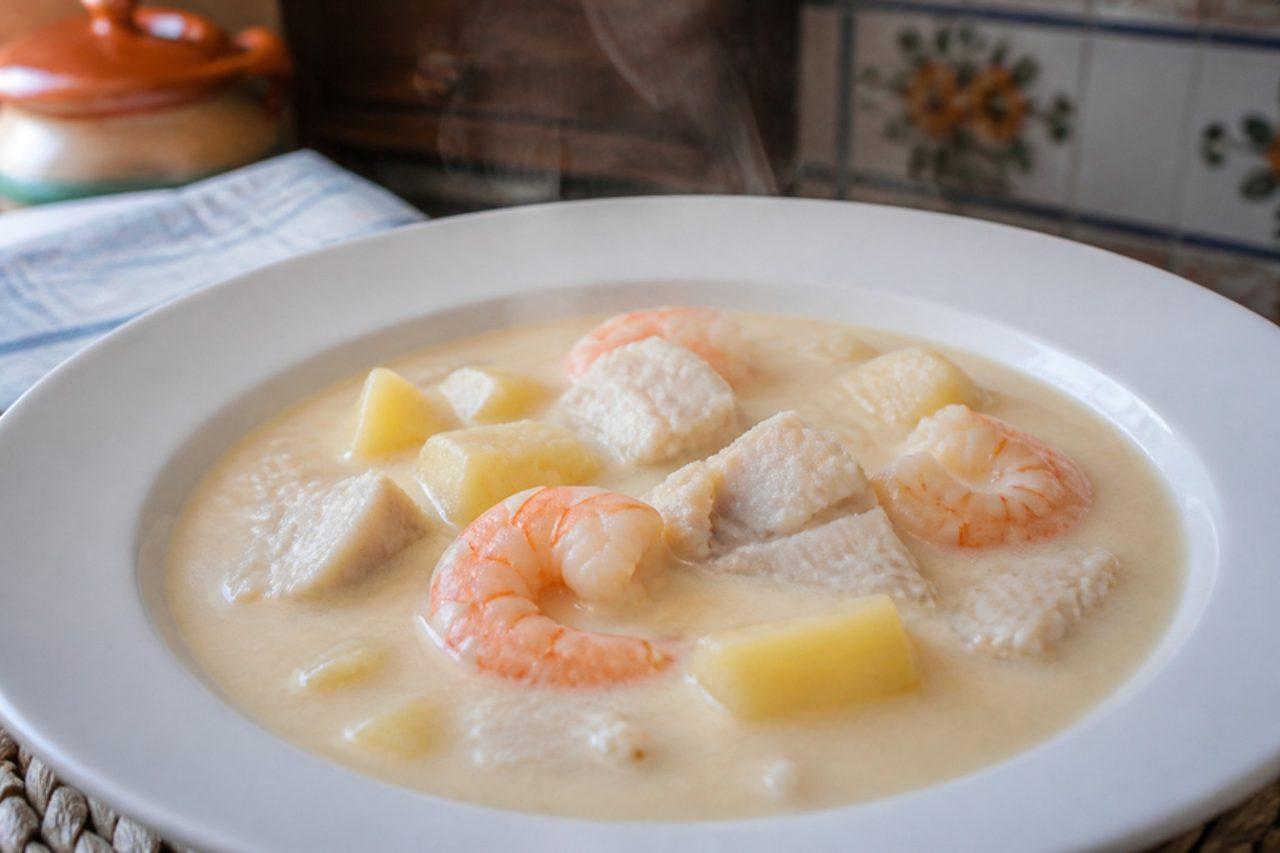
Gazpachuelo malagueñoHot fish soup with mayonnaise

Málaga's fishermen once made gazpachuelo on the beach with whatever the nets brought in, and today it is a winter comfort soup in the city's homes and old-style taverns: a clear broth with potatoes, hake and prawns, slowly poured over a homemade mayonnaise until it turns pale and creamy. Done right it is silky, lemony and light. The eggs in the mayonnaise must be heated through properly, so this method brings the soup to 72 °C at the end without boiling it. Chef's tip: add the broth to the mayonnaise, never the other way round, and at first only a ladle at a time.

by KrazyBadal 0 views

Manjar de cocoCoconut blancmange with prune syrup

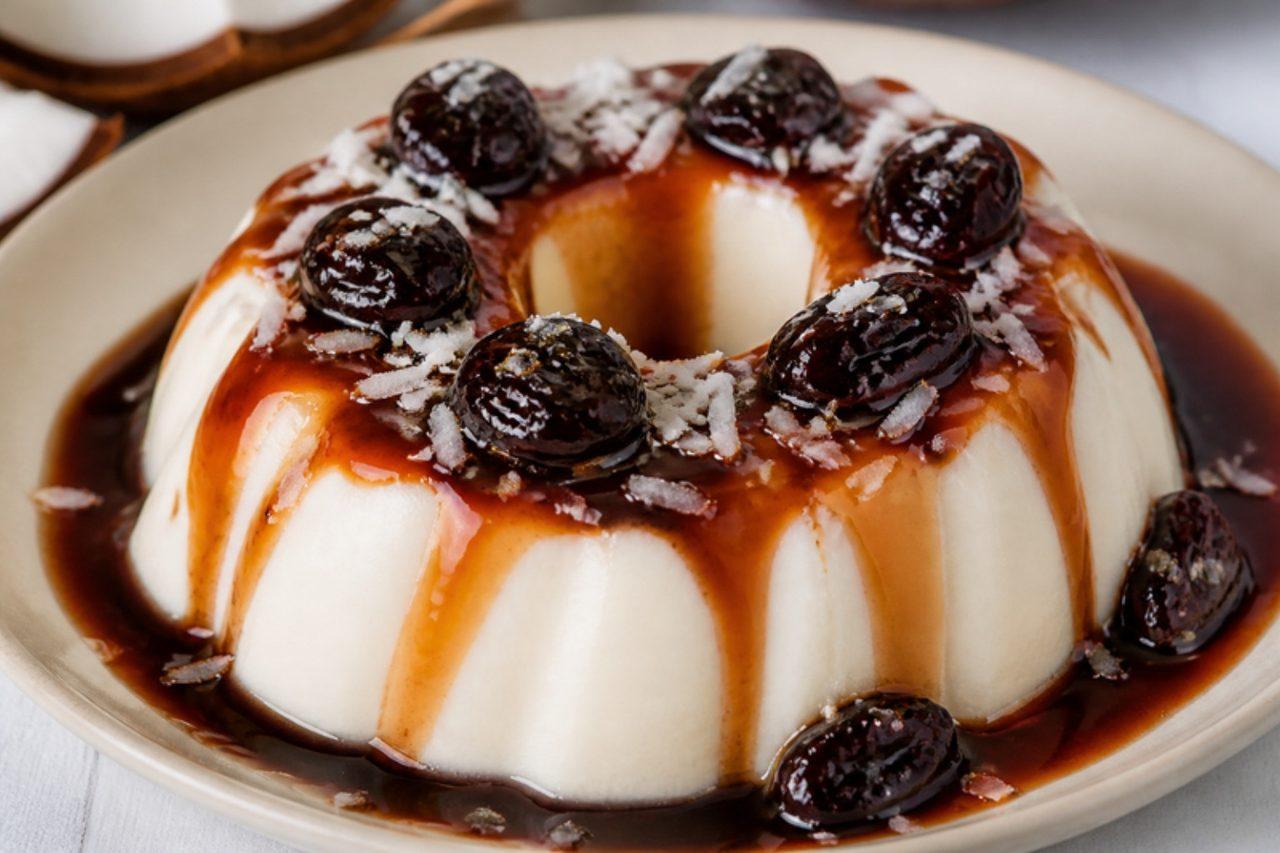
Sunday lunch at a grandmother's in Rio, Minas or Pernambuco often ends with a manjar, a snowy ring of coconut blancmange turned out of its mould and drowned in glossy, nearly black prune syrup. It is smooth and cool, with a soft wobble, the mild sweet coconut cream set off by the deep, winey taste of the prunes. The dessert is set with cornflour alone, so it is gluten free, and it has to be made at least 4 hours ahead. Under-cooking the cornflour is what usually goes wrong: the manjar tastes chalky and breaks when turned out. Chef's tip: wet the mould with cold water instead of greasing it, then shake out the drops; the manjar slides out cleanly with a coconut taste unspoilt by oil.

by KrazyBadal 0 views

Patlıcan kebabıAubergine and meatball skewers

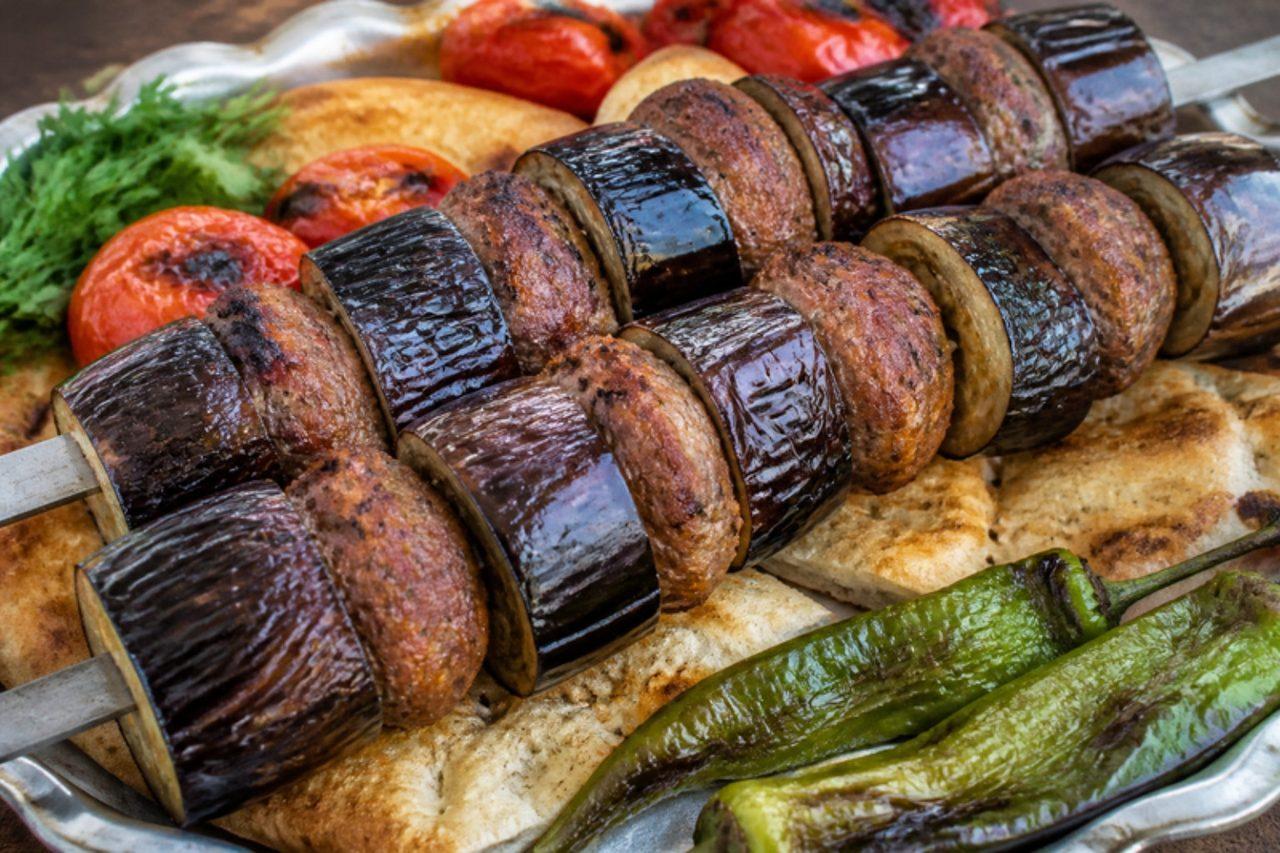
Late summer in southeastern Turkey, from Urfa to Gaziantep, means patlıcan kebabı: thick rounds of unpeeled aubergine threaded between small patties of spiced lamb, so the fat from the meat bastes the aubergine as it chars. Served on lavaş, the aubergine is pressed with a spoon into the bread and the whole thing is eaten with onions and green chillies. Use small, firm aubergines that won't split on the skewer. Common mistake: cutting the aubergine thinner than the meat; it burns before the köfte is cooked. Chef's tip: peel the charred aubergine skin off on the plate, but leave it on while grilling.

by KrazyBadal 0 views

Hornazo de SalamancaPork, chorizo and egg pie

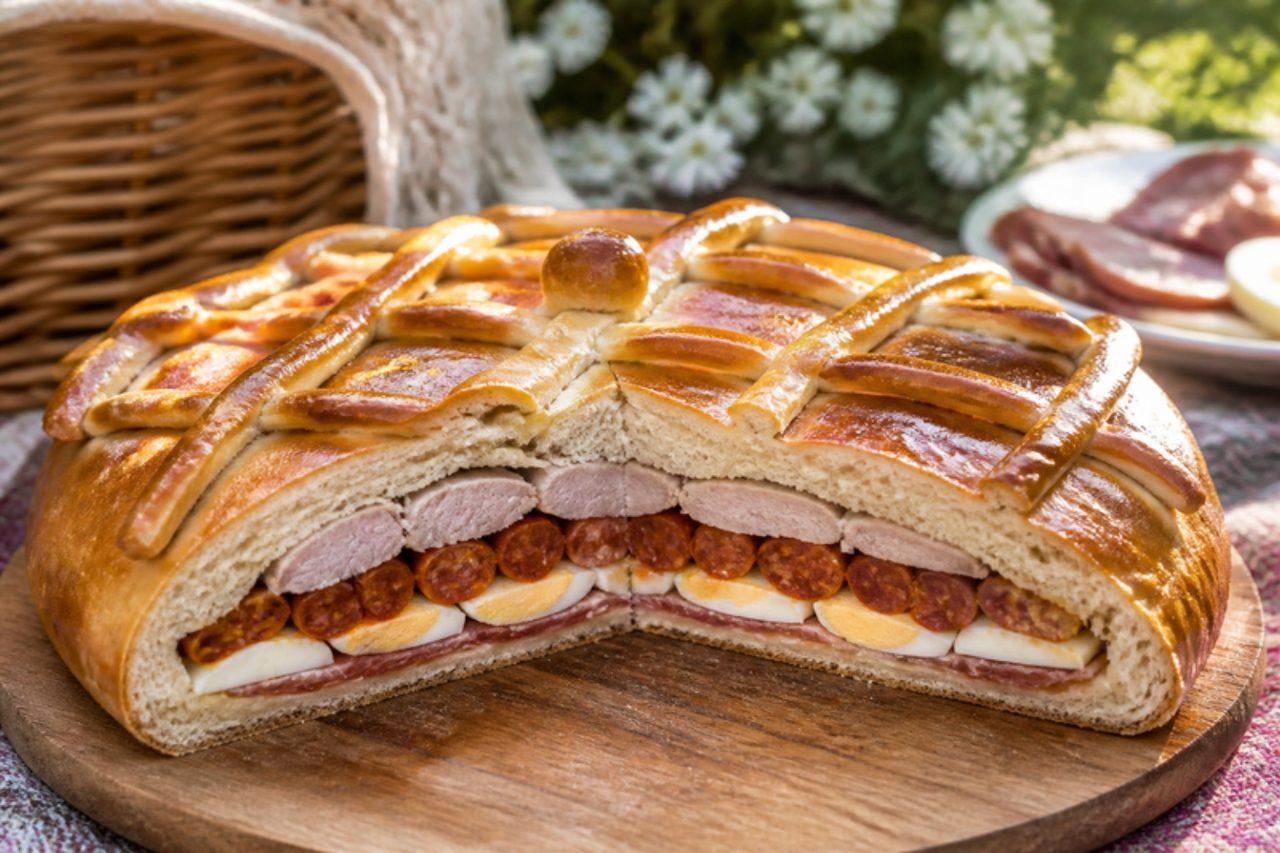
Salamanca's students and families picnic by the river Tormes on Lunes de Aguas, the Monday after Easter Monday, and the hornazo is what they unwrap: a golden pie with a bread-like crust, packed with layers of marinated pork loin, chorizo, cured ham and hard-boiled egg. It is eaten cold, in thick slices, and bakeries sell it all through spring. This contains pork (loin, chorizo and ham). The dough traditionally includes white wine; use water with a little lemon juice to keep it alcohol-free. Chef's tip: fry the loin slices first so they are cooked through before they go into the pie.

100 minSpanishMeat
by KrazyBadal 0 views

Horta vrastaBoiled greens with lemon and oil

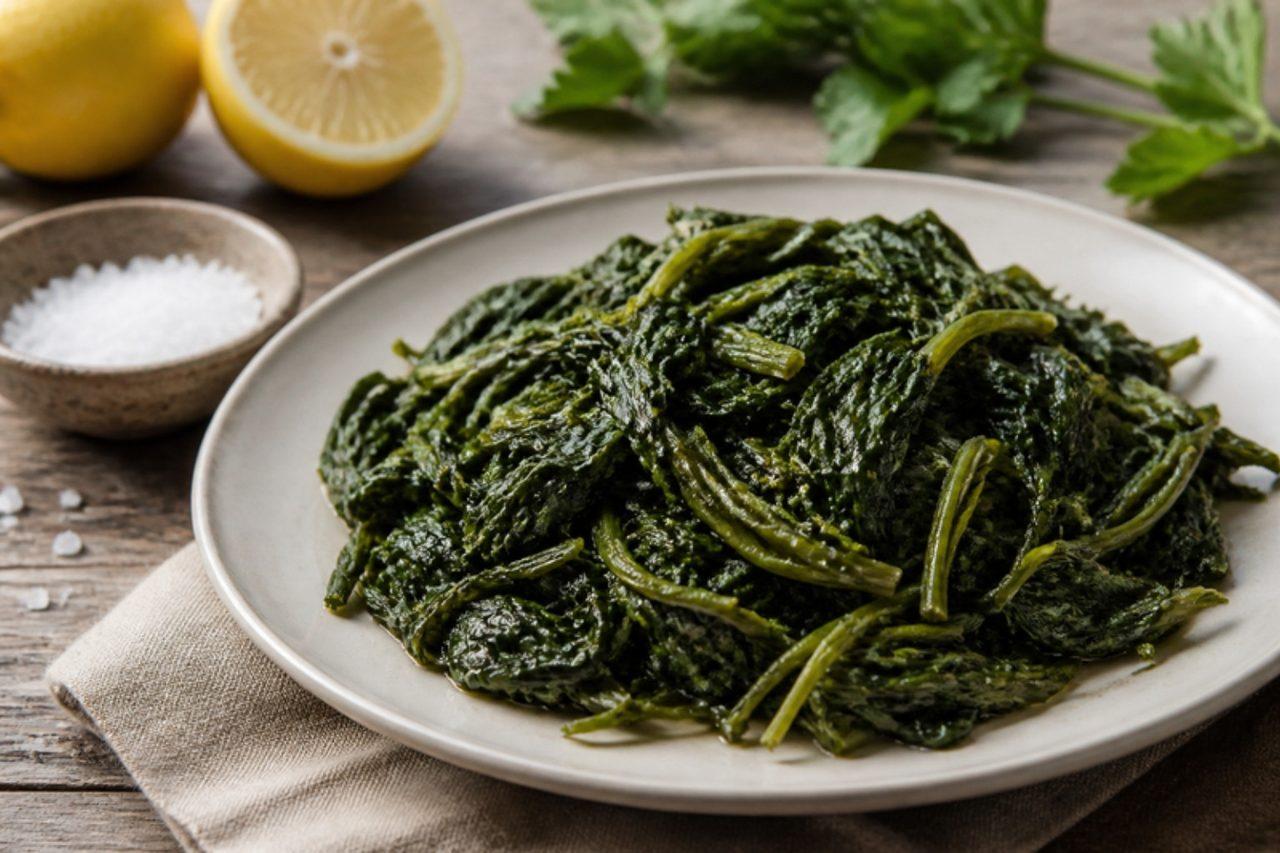
In Greek villages women still go out with a knife and a bag after the first autumn rains to gather horta: dandelion, wild chicory, amaranth, mustard greens. Boiled and dressed with the best olive oil and lemon, they are served warm or cool with almost every meal, from fried fish in a seaside taverna to a fasting-day plate of beans. The taste is pleasantly bitter and grassy. Common mistake: boiling them to khaki; cook only until the stems are tender and the leaves still deep green. Chef's tip: salt the cooking water generously like pasta water and dress the greens while warm, so they drink up the oil and lemon.

25 minGreekSidesVeganGluten free
by KrazyBadal 0 views

HöşmerimCheese and semolina halva

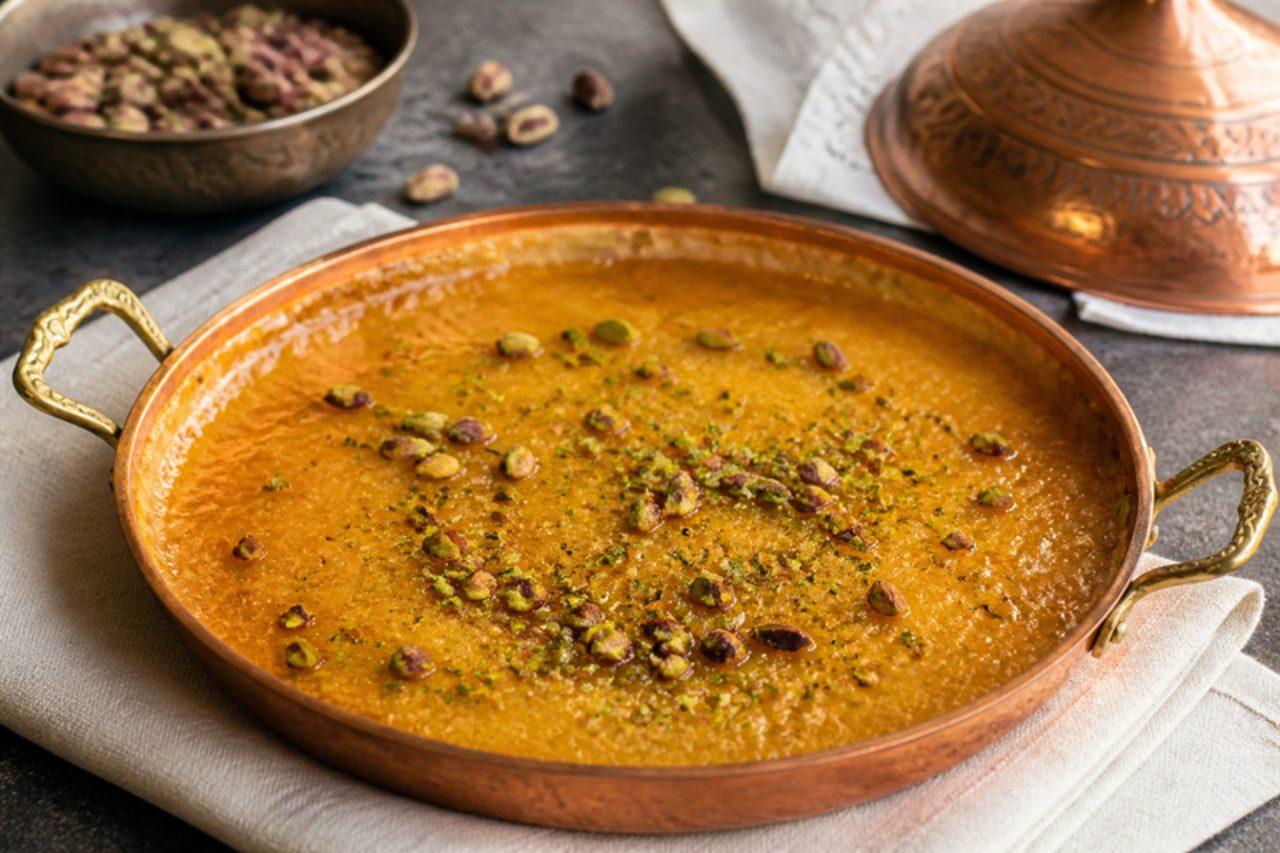
Höşmerim is a winter dessert of the Erzurum plateau and the Bolu highlands, made from unsalted fresh cheese melted with butter and semolina until it turns golden and gives off its own butter, then soaked with syrup. It's eaten warm in small bowls, chewy and rich, topped with crushed walnuts or pistachios, often after a long cold day. Common mistake: using salty or aged cheese, which turns oily and bitter; you need a soft, unsalted fresh cheese such as lor or ricotta. Chef's tip: keep cooking until the fat starts seeping out at the edges and the mixture is the colour of light toffee; that's where the flavour comes from.

by KrazyBadal 0 views

ŞalgamFermented purple carrot drink

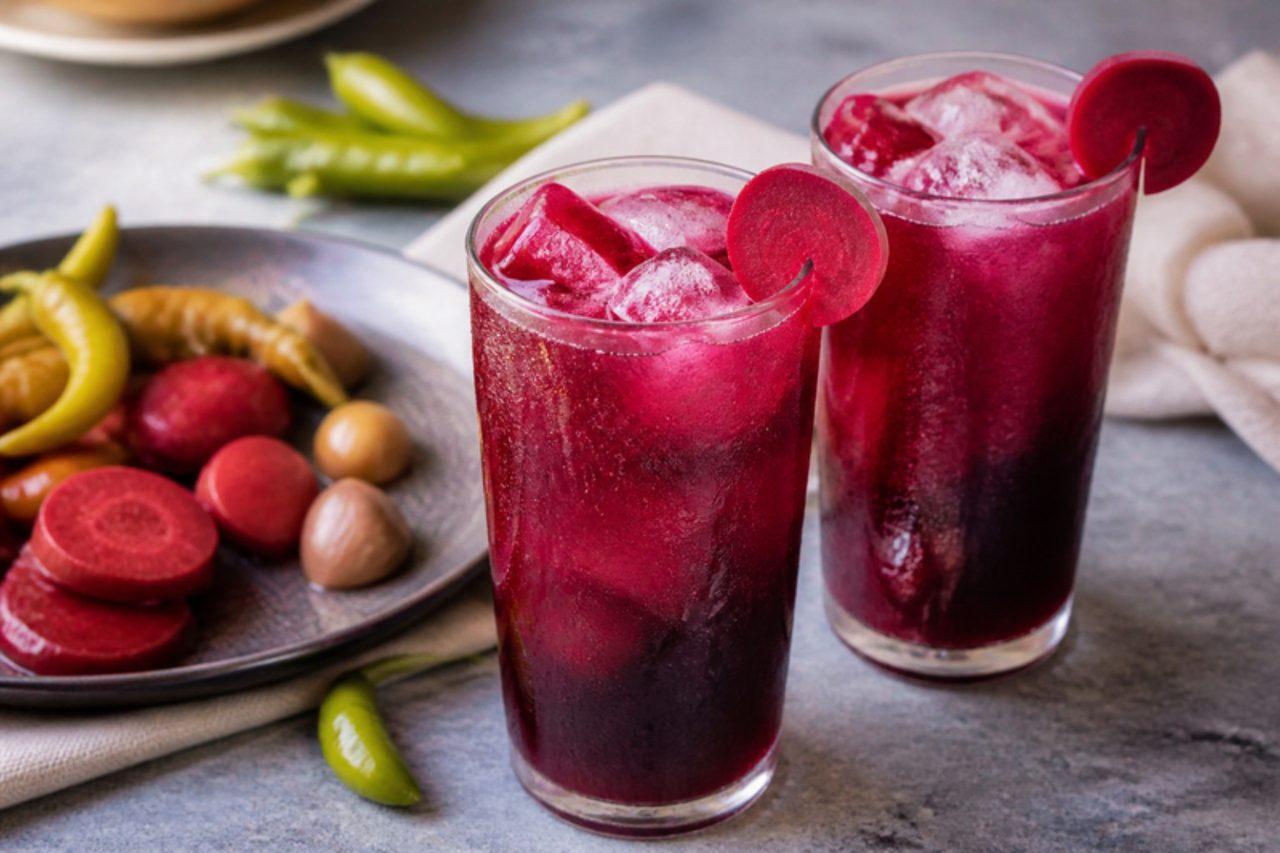
Order an Adana kebab in its home city and a tall glass of şalgam arrives with it, deep purple, salty, sour and often fiery. It is made by fermenting black carrots with a little bulgur and salt for a week or more, and the sharpness clears the palate between bites of lamb and grilled onion. Street carts in Adana sell it by the glass in summer. This home version skips the separate bulgur-sour-dough stage the big producers use. Use non-iodised salt: iodised salt can stall the ferment. Chef's tip: taste from day 5; when it is sour enough to make you blink, strain and chill it, because it keeps fermenting at room temperature.

by KrazyBadal 1 views

Flores manchegasSugared flower-shaped fritters

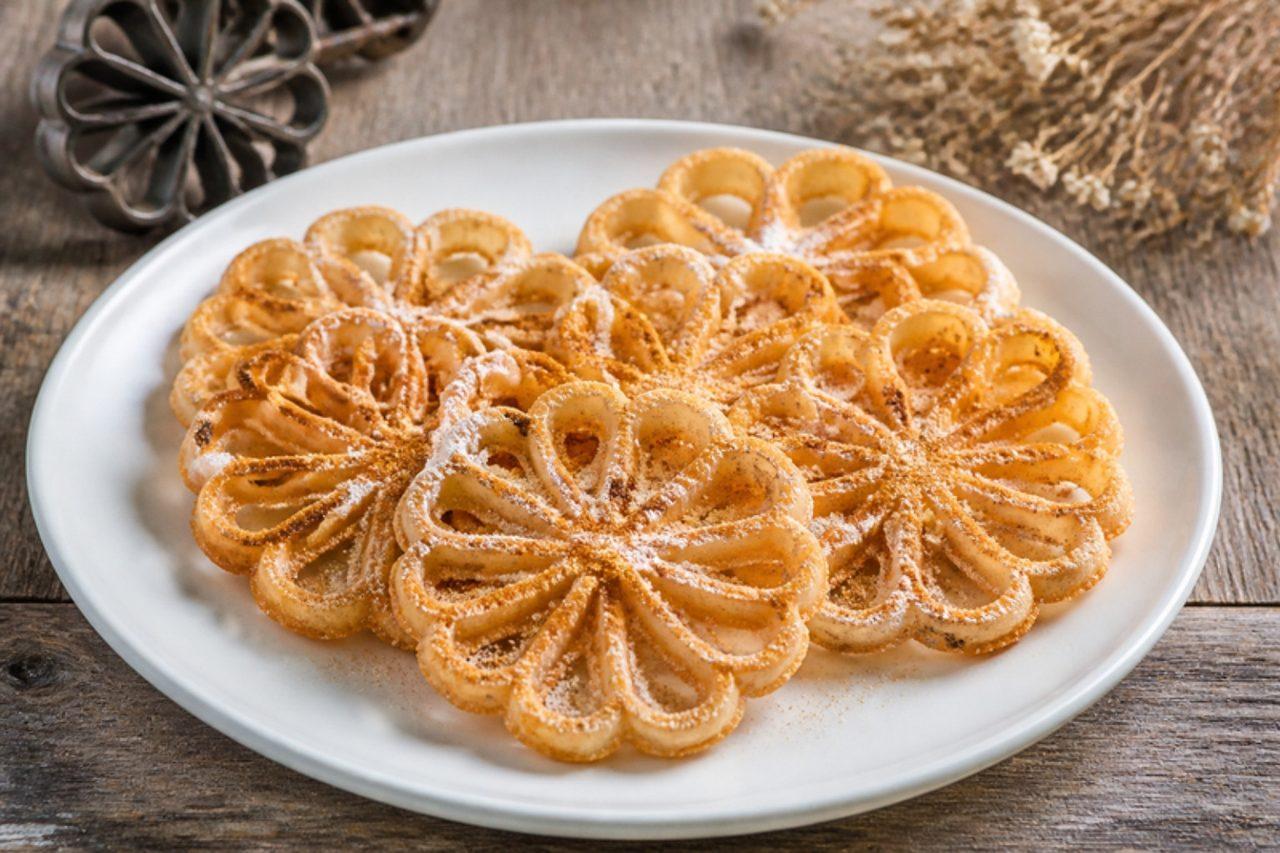
Every household in La Mancha seems to own a flower-shaped iron, a long-handled mould that is dipped in hot oil, then in batter, then back in the oil, where a lacy flower slides off as it sets. Grandmothers make towers of them for Holy Week and Carnival, and they are sold in bags at village fiestas from Cuenca to Tomelloso. You can buy the iron, sometimes called a rosette iron, in kitchen shops. Chef's tip: the iron must be very hot each time it goes into the batter, or the batter won't cling.

by KrazyBadal 0 views

Htapodi me kofto makaronakiOctopus and pasta in tomato

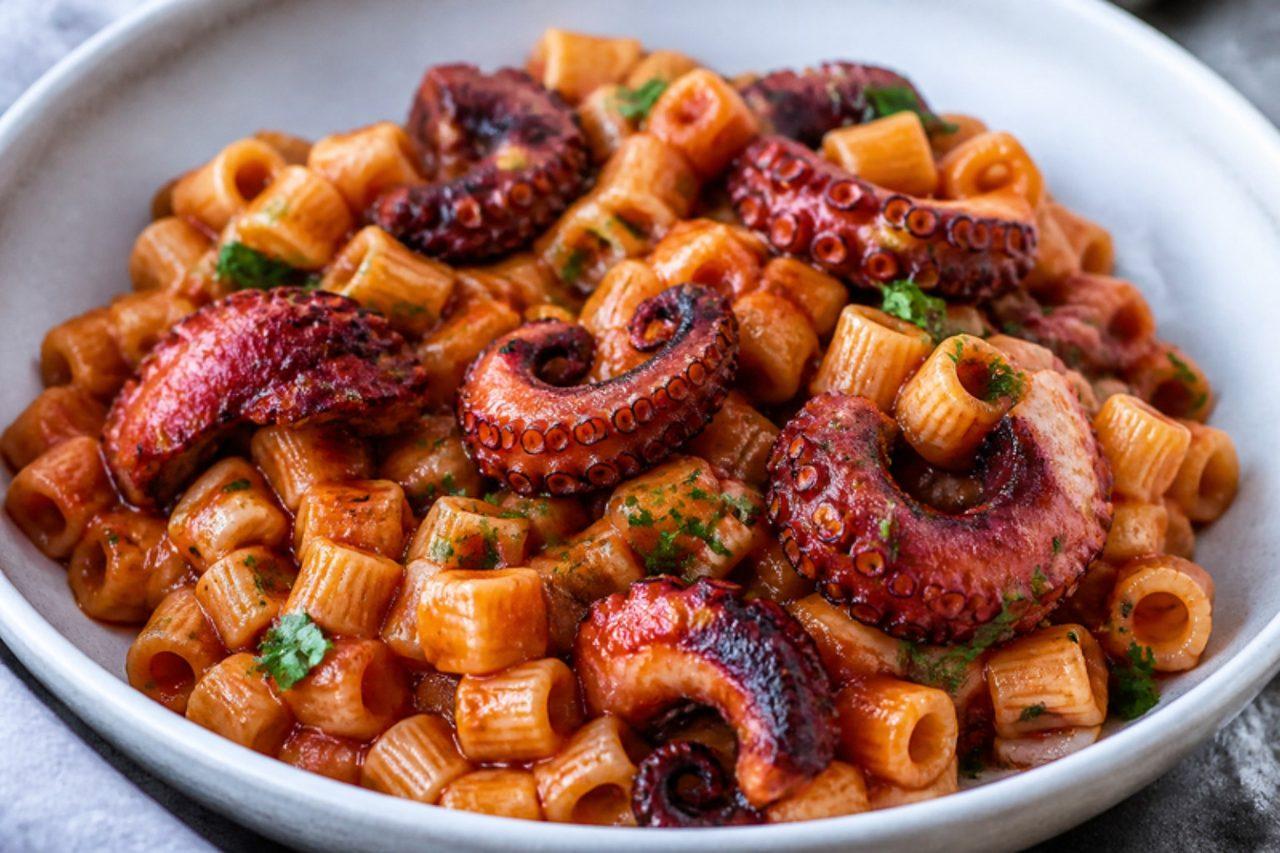
During Lent and on fasting days, coastal families in Crete and the islands turn to octopus, which the church counts as fasting food. In this one-pot dish it is first stewed in its own juices until tender, then simmered in tomato with cinnamon and allspice, and finally the little cut pasta tubes cook right in the sauce, soaking up the deep red, faintly sweet liquid. It is served hot with a squeeze of lemon and a green salad. Common mistake: salting the octopus at the start, which tightens it; season only once it is tender. Chef's tip: buy frozen octopus or freeze fresh for a day; freezing breaks down the tough fibres and saves you the traditional beating on the rocks.

110 minGreekFish
by KrazyBadal 0 views

Htapodi sti skaraCharcoal-grilled octopus

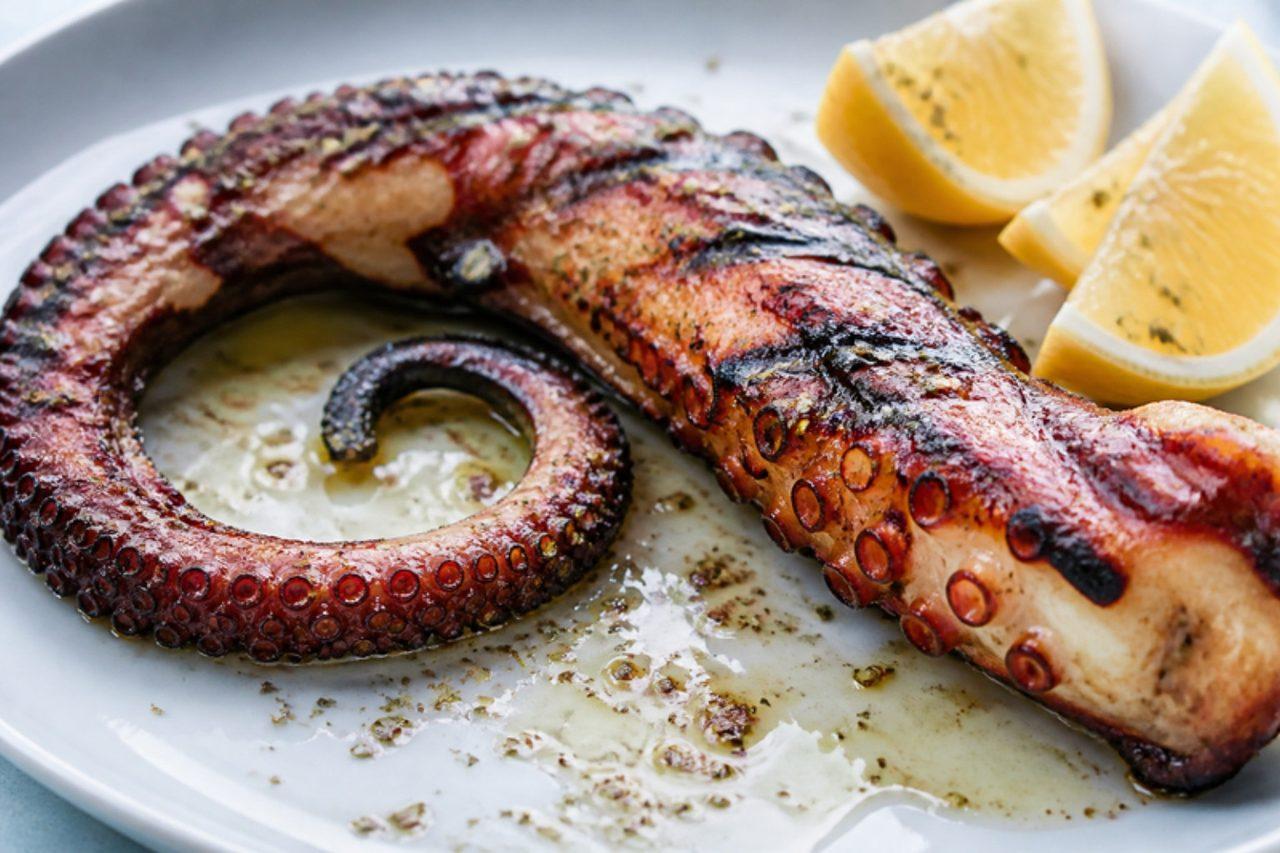
Octopus tentacles hanging to dry on a line outside a harbour taverna are a summer sight across the Greek islands, and they end up on the grill as one of the great ouzo mezedes, though they are just as good with a cold lemonade. Simmering first makes the octopus tender; the grill adds smoky, crisp tips. It is also a favourite Lenten dish, since shellfish and octopus are allowed on fasting days. Common mistake: grilling raw octopus straight away, which leaves it rubbery. Chef's tip: cook it in its own juices without added water; it gives off plenty of liquid and stays more flavourful.

90 minGreekFishGluten free
by KrazyBadal 0 views

Huachinango a la veracruzanaRed snapper in tomato sauce

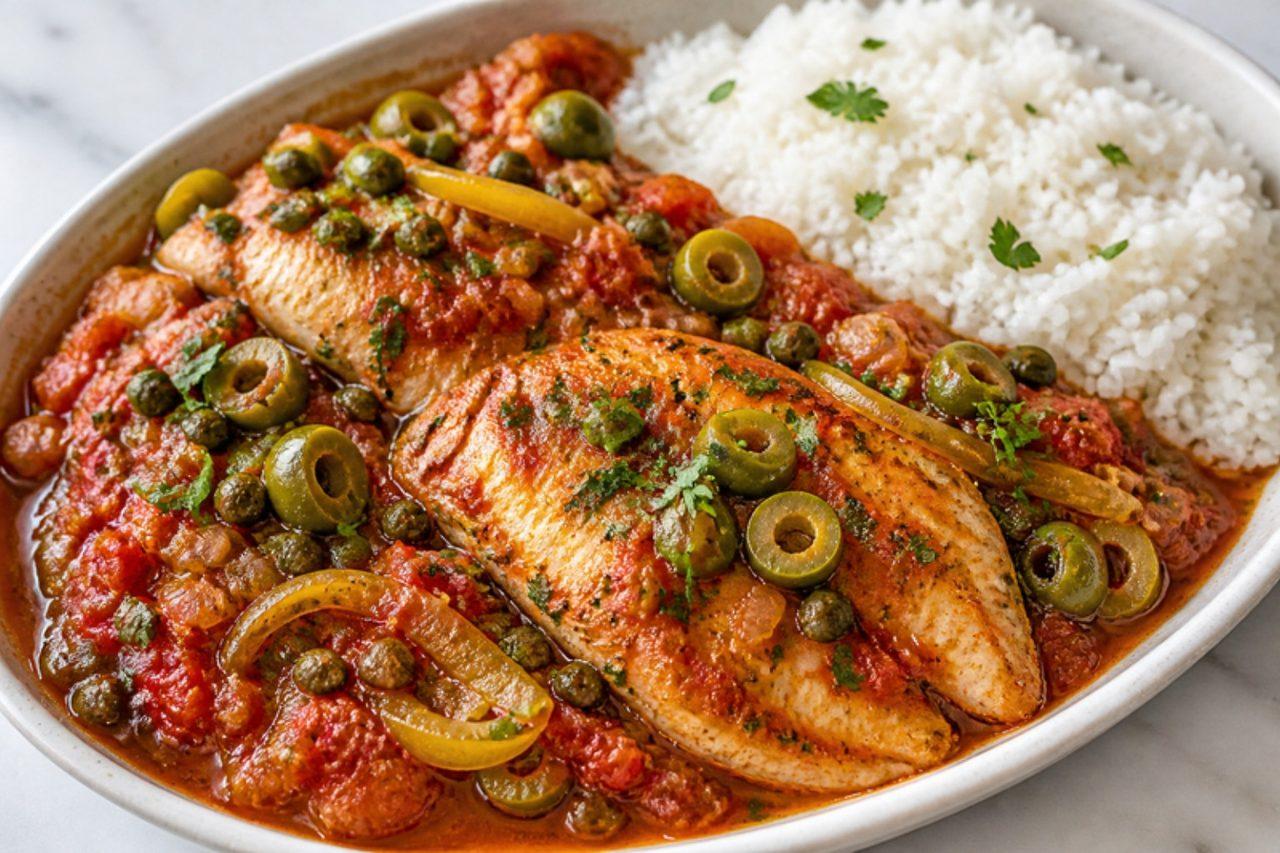
In the port of Veracruz, fish a la veracruzana shows the city's centuries of trade with Spain: red snapper baked in a sauce of tomato, onion and garlic with green olives, capers, bay and herbs, sharpened with pickled yellow chillies. It is served at seafront restaurants on Sundays and is a favourite on Christmas Eve, when many families eat fish. The sauce is tangy, briny and gently hot, and the fish stays moist under it. Serve it with plain white rice to soak up the sauce. Chef's tip: cook the sauce down until thick before the fish goes in; the fish releases juices as it bakes and will thin it out.

by KrazyBadal 0 views

HuatiaEarth-baked potatoes

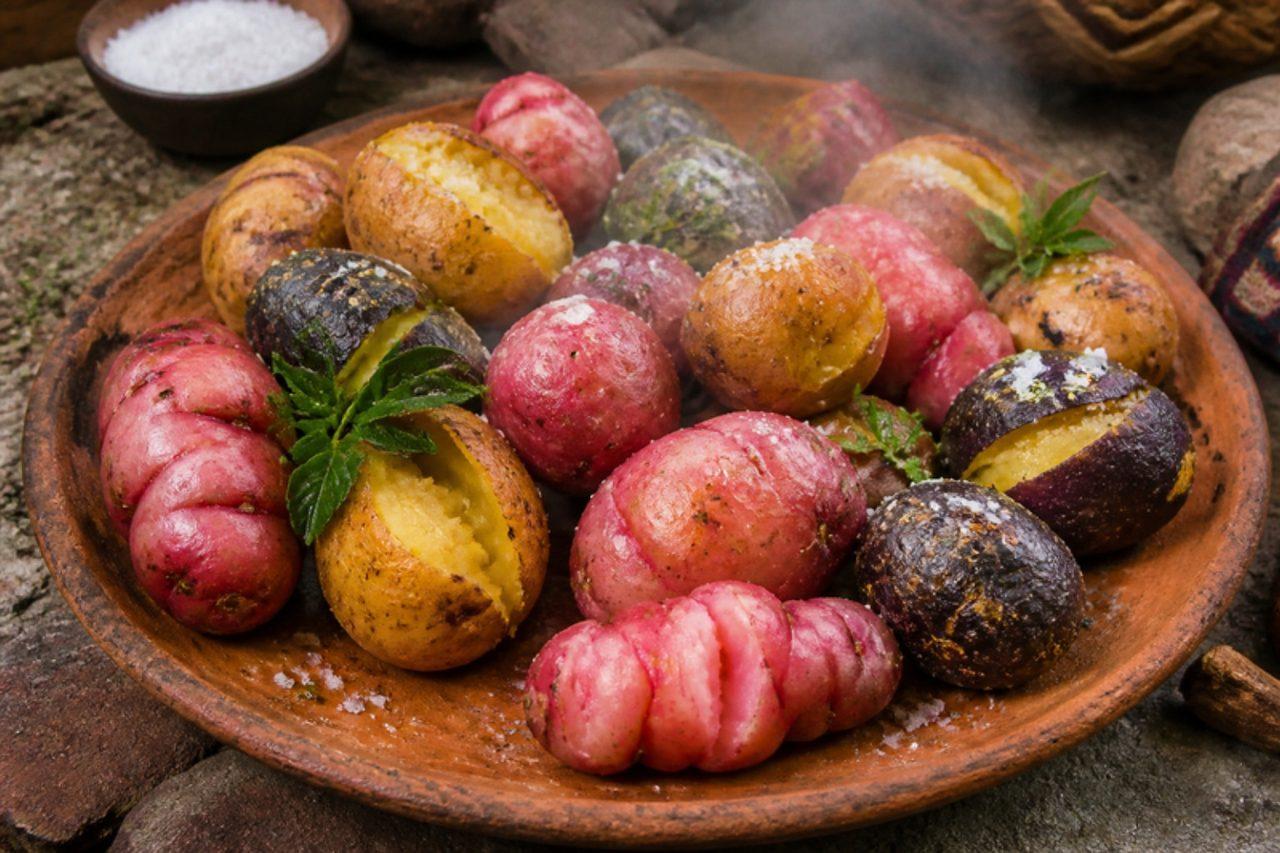
After the potato harvest in May and June, families in Puno, Cusco and across the highlands build a huatia in the field: a little dome of dry earth clods heated with dried brush until the clods glow, then knocked down over freshly dug potatoes and oca so they bake slowly underground. Opened an hour later, the potatoes are smoky, floury and so soft their skins split, and the oca turns sweet and tangy. Everyone eats them with their hands, with salt, chilli sauce and fresh cheese. This recipe gives an oven method for home cooks: a lidded pot bedded with coarse salt and herbs, which traps heat and steam much like the earth. If you do try a real huatia outdoors, use a clear patch of ground away from anything that can catch fire and keep water nearby. Don't uncover the pot early to check: the steam escapes and the potatoes turn leathery. Fresh oca is sold in some markets as New Zealand yam; small sweet potatoes will do. Chef's tip: choose potatoes of a similar size so they all finish together, and serve with uchucuta.

by KrazyBadal 0 views

Showing 81 of 7,762 recipes

Show more recipes

Page 415 of 863