Skip to content
Caramelised clay-pot tofu and mushrooms
Featured recipe

Caramelised clay-pot tofu and mushrooms

Braised tofu and mushrooms

Kho is the slow braise of the Mekong Delta: food simmered in a little clay pot (nồi đất) with dark caramel and seasoning until the sauce is sticky and the flavours go deep. This vegetarian cousin of cá kho tộ (braised fish) uses golden tofu and meaty mushrooms in place of fish, cooked in coconut water, as cooks do in the south, and finished with plenty of black pepper. Serve it bubbling in its pot with steamed rice and a sour soup or plain boiled vegetables. Chef's tip: take the caramel (nước màu) to a deep mahogany, darker than you think, just before it smokes; pale caramel only tastes sweet, while dark caramel gives the bittersweet, smoky flavour of a real kho.

Read more 2 views

What to eat today?

Around the world

Today's trip: Paraguayan

A new country every day, from every cuisine on the site.

Paraguayan

Chipa

Cheese bread rings 50 minMore from Paraguayan (27) →

This week's collection

Kid-friendly dinners
537 recipes · a new collection every Monday

Latest recipes

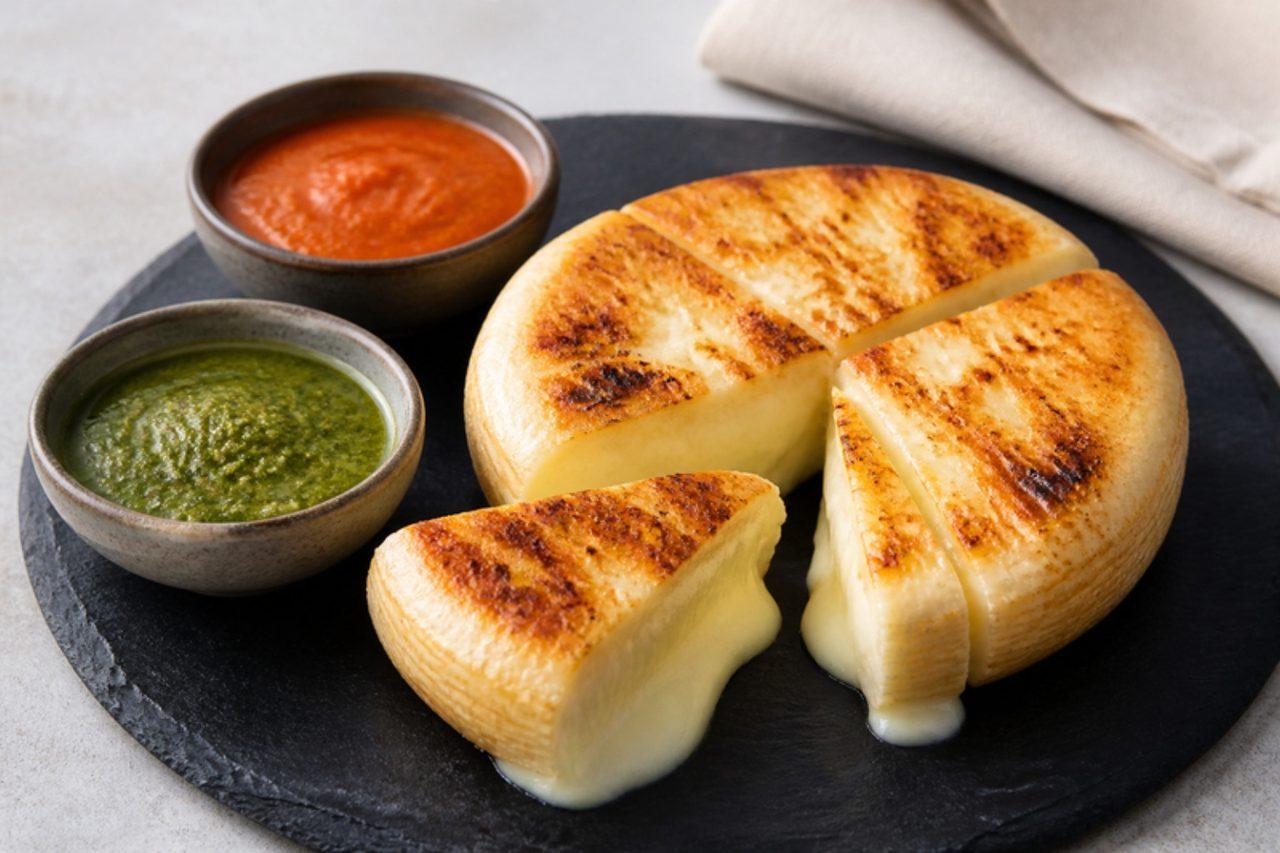
Queso asado con mojoGriddled goat's cheese with red sauce

Thick slabs of semi-cured goat's cheese, seared on a hot griddle until golden outside and soft within, then splashed with red mojo: it is the starter that opens lunch at country restaurants across Fuerteventura and Gran Canaria, the islands of Majorero and Flor de Guía cheeses. Some places serve it with palm honey instead, for a sweet-salty version. Traditional Canarian cheeses use animal rennet; choose a vegetarian semi-cured goat's cheese if that matters to you. Eat it with bread while it is still soft. Chef's tip: use a firm, semi-cured cheese at least 1.5 cm thick, as fresh cheese melts flat and runs off the pan.

by KrazyBadal 0 views

Quesillo con miel de cañaFresh cheese with cane syrup

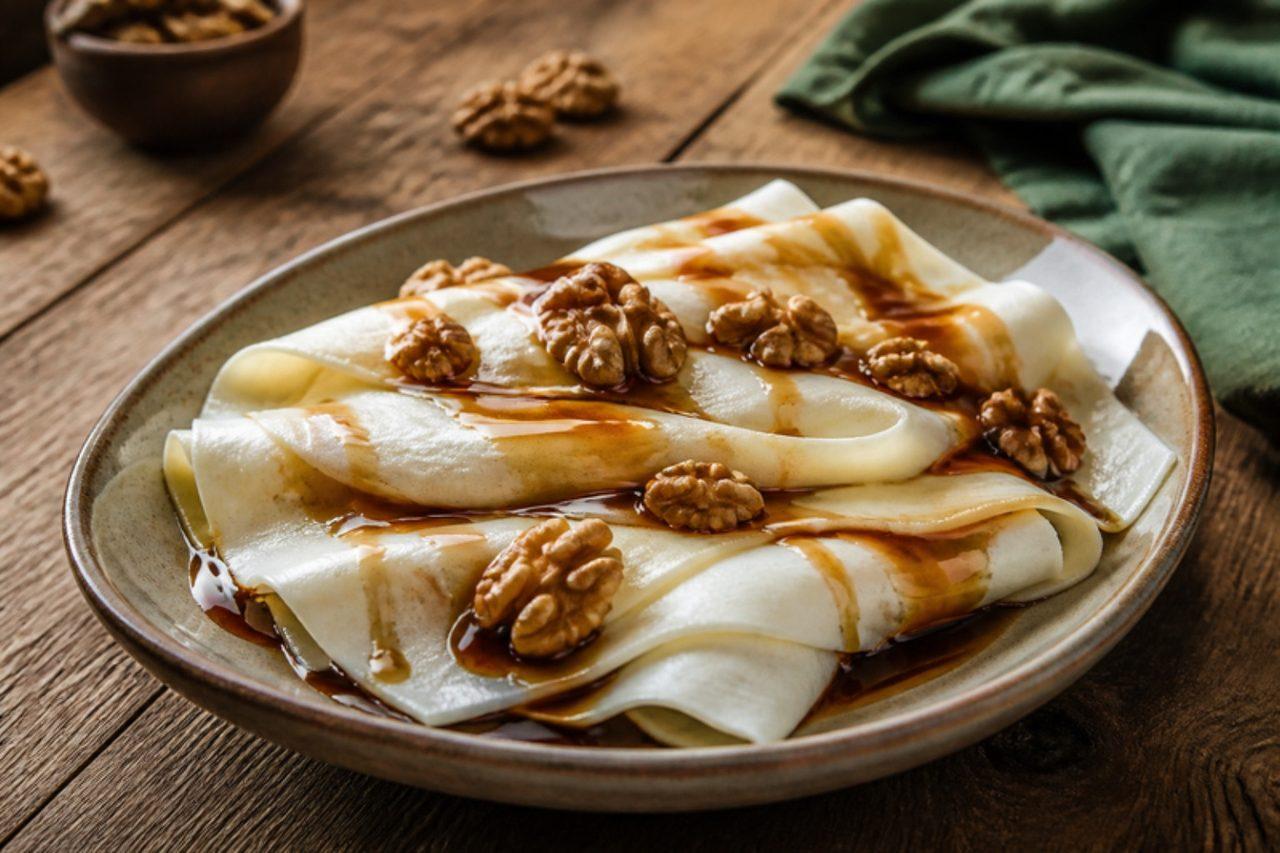
In the Tafí del Valle hills above San Miguel de Tucumán, quesillo is made by stretching hot curd into long, thin, elastic sheets and folding them into flat rounds; along the road up from the city, stalls sell it beside jars of miel de caña, the dark syrup boiled from the juice of Tucumán's sugarcane. Put the two together and you have the province's simplest dessert: mild, milky, slightly squeaky cheese with a pour of syrup that tastes of molasses and caramel, plus walnuts for crunch. It is eaten after lunch or as a merienda with mate. Drowning the cheese is the usual misstep; the syrup is intense, so pour a ribbon, not a puddle. Real quesillo is hard to find abroad: fresh mozzarella, Oaxaca cheese or another fresh stretched-curd cheese is closest, and light cane syrup or a 2:1 mix of golden syrup and black treacle stands in for miel de caña. Most of these cheeses use animal rennet; choose a vegetarian one if needed. Chef's tip: warm the syrup slightly so it runs into the folds of the cheese.

by KrazyBadal 0 views

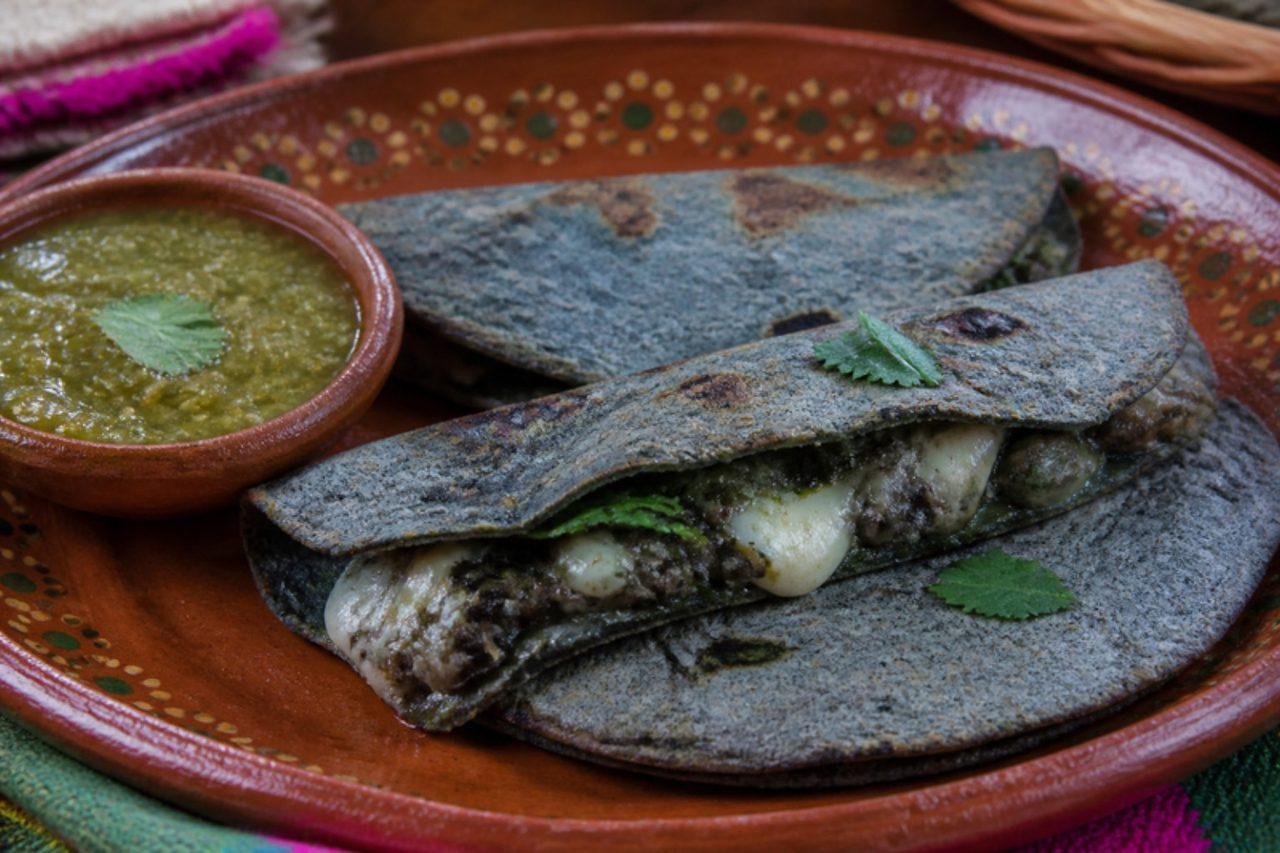
Quesadillas de huitlacocheCorn mushroom quesadillas

Huitlacoche is a fungus that swells the kernels of rain-soaked corn into silvery-black, inky lobes, and in central Mexico it is a delicacy prized for its deep, mushroomy, slightly smoky taste. In the rainy months, the quesadilla stalls of Mexico City and Coyoacán fry it with onion, chilli and epazote and fold it into fresh masa turnovers; in the capital you ask for cheese separately. Fresh huitlacoche turns up at Mexican grocers from July to October, and tinned or frozen works the rest of the year. Chef's tip: cook it until the black juices have mostly evaporated; a wet filling makes the masa soggy and grey.

by KrazyBadal 0 views

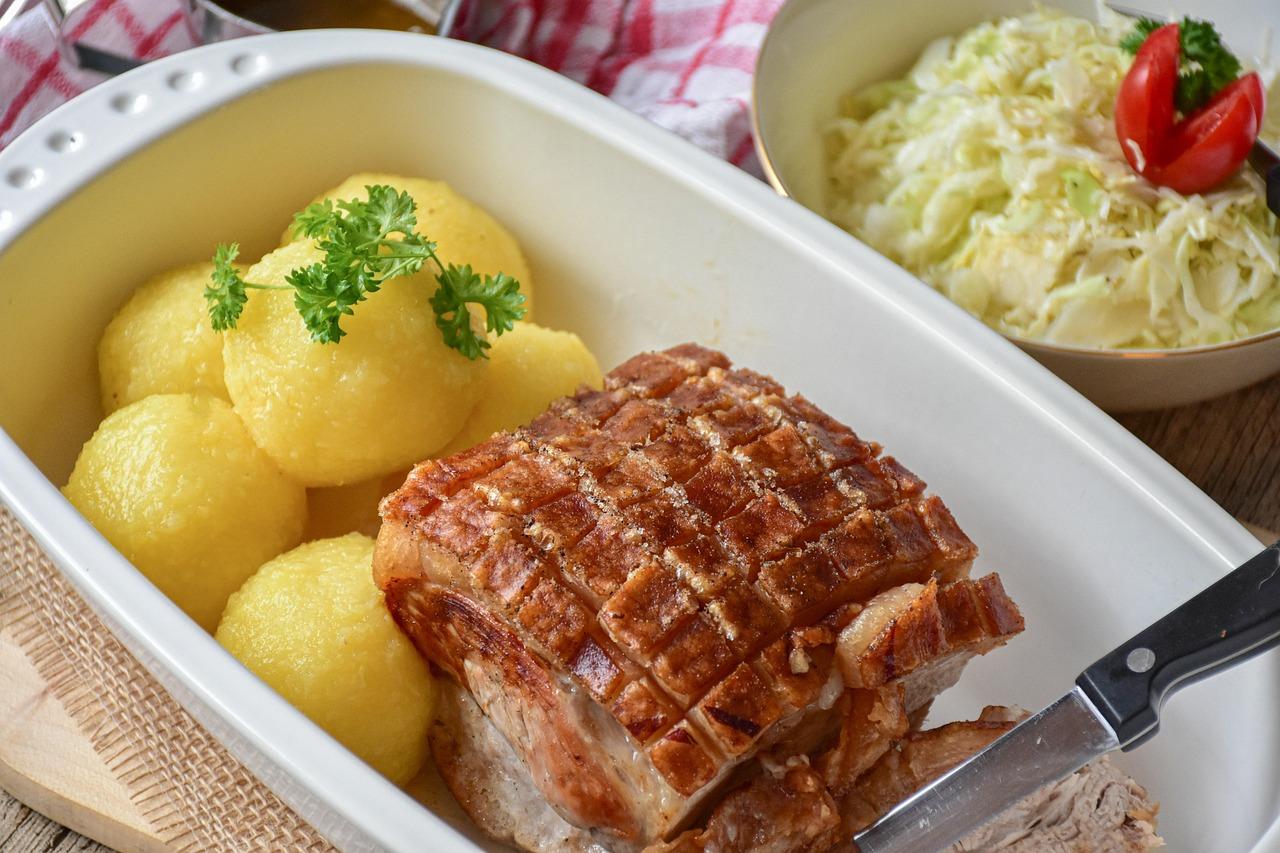
SchweinebratenRoast pork with crackling

Schweinebraten is the Sunday roast of Bavaria, the dish a Munich family sits down to after church and the one every village inn chalks up on its board. This is pork shoulder with its rind still on, roasted on a bed of onion, carrot and celeriac while the rind blisters into crackling, and the gravy is built from the roasting juices and a bottle of dark beer. The beer contains alcohol; most cooks off but not all, so use alcohol-free dark beer, or the same amount of beef stock with 1 tsp dark molasses, for a gravy without it. Serve with bread or potato dumplings and warm cabbage salad. Chef's tip: score the rind through to the fat but not into the meat, or juices leak up and the crackling turns leathery.

190 minGermanMeat
by KrazyBadal 0 views

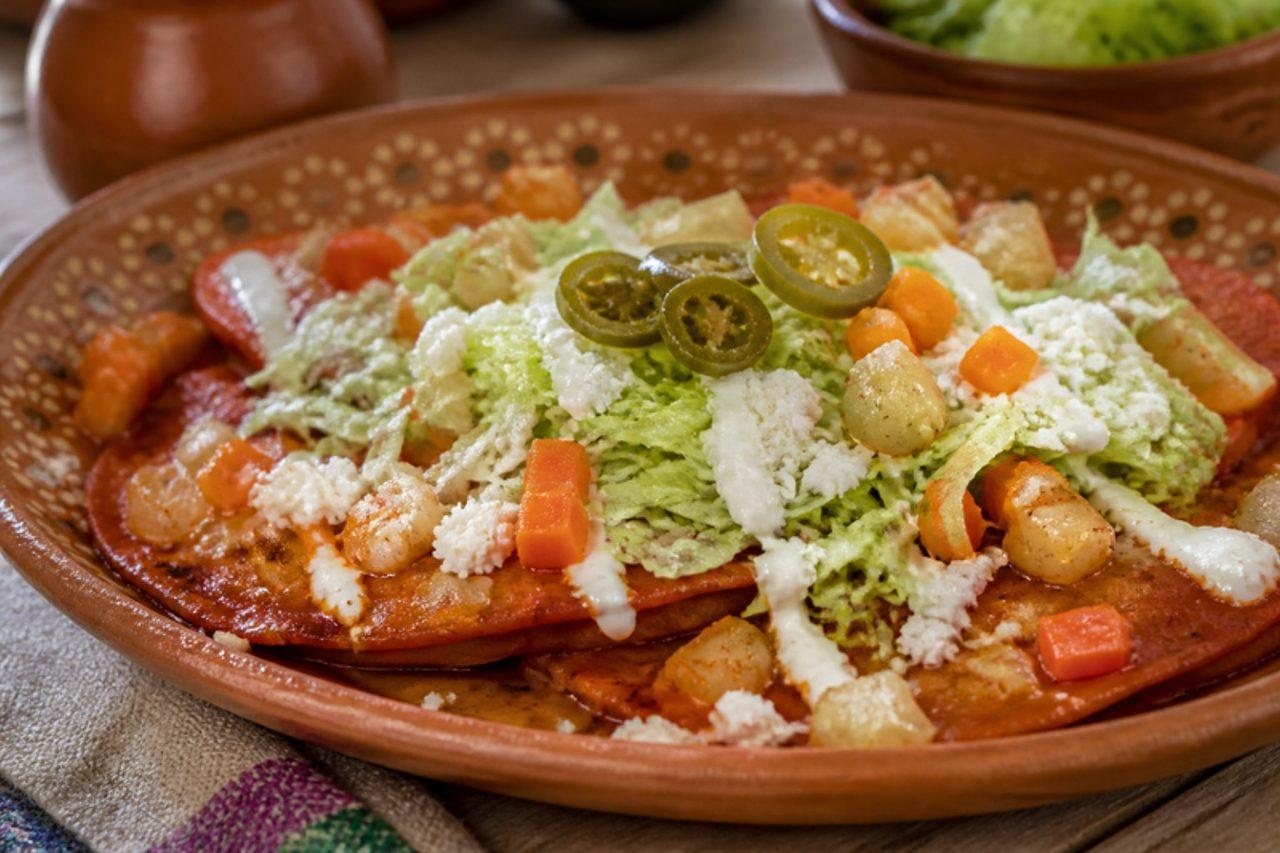
Enchiladas placeras with potato and carrot

Under the arcades around Morelia's plazas, cooks sell enchiladas placeras in the evenings: tortillas dipped in guajillo sauce, fried on a griddle, folded over crumbled cheese and onion, then buried under fried potato and carrot cubes, shredded lettuce and pickled chillies. In Michoacán they usually come with a piece of fried chicken on the side; we leave that out, as the potatoes and carrots fried in the chilli-stained oil are the part everyone fights over. Cheese may be made with animal rennet, so choose a vegetarian one if needed. Chef's tip: fry the potatoes and carrots in the same pan after the tortillas so they pick up the red chilli oil.

by KrazyBadal 0 views

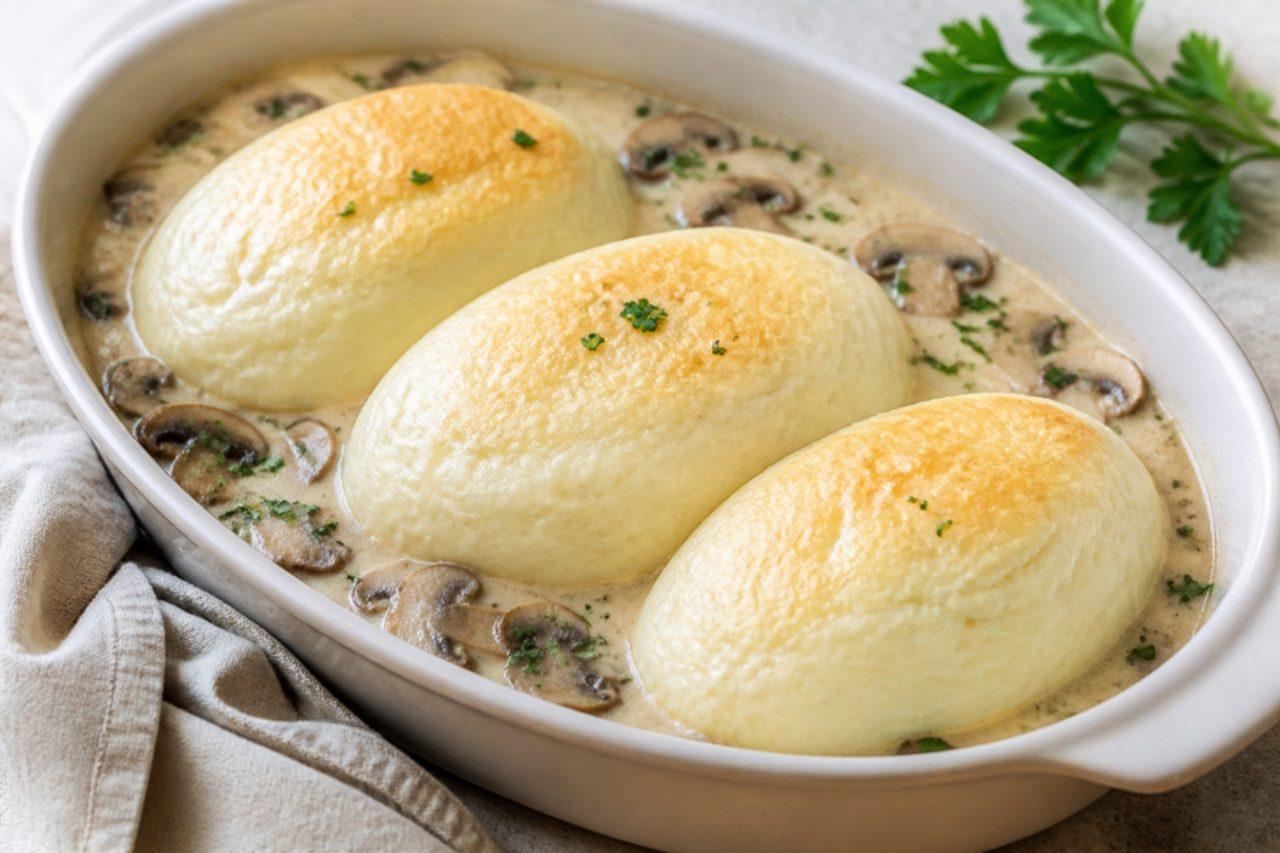
Quenelles lyonnaises natureBaked quenelles in mushroom sauce

Every charcuterie and traiteur in Lyon sells quenelles, the soft oval dumplings that the city's bouchons bake until they swell to twice their size in a bubbling dish. The famous version contains pike, but Lyonnais families also buy quenelles nature, plain ones made from a flour, milk, butter and egg panade, and bake them for a weeknight supper with a mushroom or tomato cream sauce and a green salad. Made at home they are light and wobbly, with a hint of nutmeg. Gruyère for the top is usually made with animal rennet; use a vegetarian alternative if you prefer. Chef's tip: chill the dough well and shape it with two wet spoons; cold dough holds a neat shape and puffs evenly.

by KrazyBadal 0 views

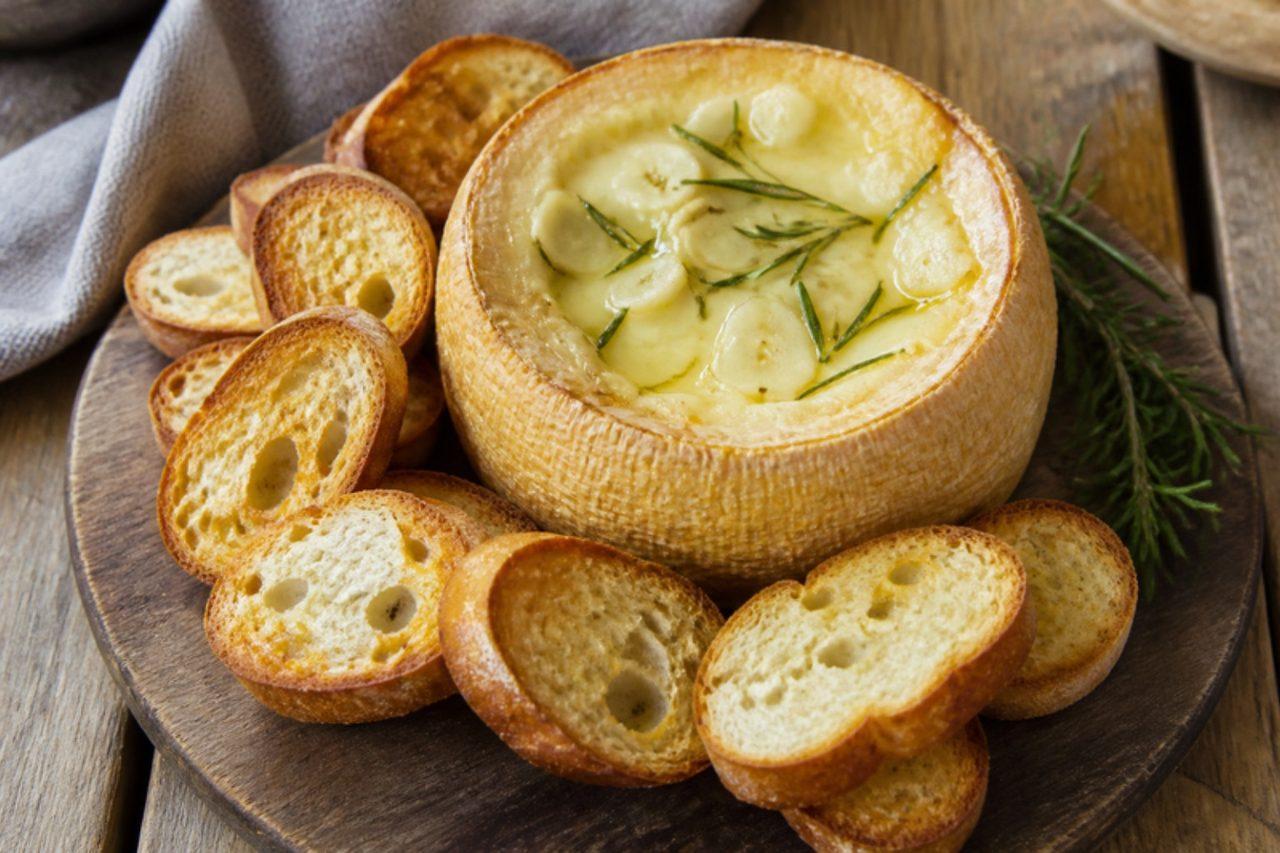
Queijo da Serra no fornoBaked cheese with garlic and herbs

High in the Serra da Estrela, shepherds still make Portugal's most famous cheese from raw ewe's milk, curdled with the flowers of the wild cardoon thistle, which also means it uses no animal rennet and suits vegetarians. In mountain villages such as Seia and Manteigas it is served whole, the rind cut open and the runny inside scooped onto bread, and a short bake makes it even more molten. If you use another soft cheese instead, check the label for vegetarian rennet. Raw-milk soft cheese is not for pregnant women, young children or anyone with a weakened immune system unless it is baked until piping hot throughout. Chef's tip: bake it in a dish only just bigger than the cheese, so it melts without spreading.

by KrazyBadal 0 views

Queijo coalho assadoGrilled squeaky cheese skewers

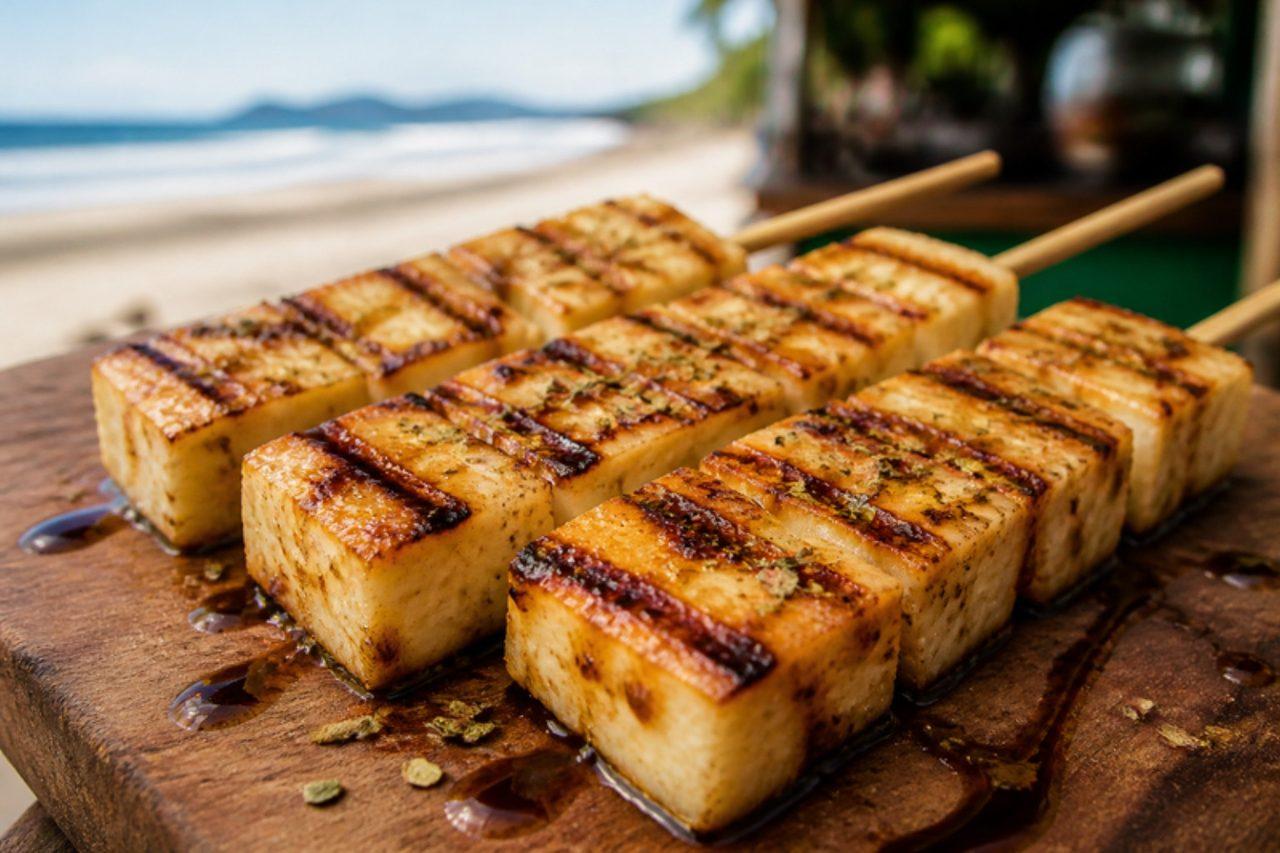
Along the beaches of Recife, Porto de Galinhas and Fortaleza, vendors walk the sand with a small charcoal brazier, toasting sticks of coalho cheese to order. Coalho is a firm, salty curd cheese that holds its shape over the heat, so it browns and blisters on the outside while the inside turns soft and squeaky. Buyers choose it plain, sprinkled with dried oregano, or drizzled with dark sugarcane molasses for a salty-sweet bite. At home it works on a barbecue, a ridged griddle or under a hot grill, and makes a good starter for a churrasco. Most coalho is made with animal rennet, so look for one labelled vegetarian or with microbial rennet, or use a vegetarian halloumi. Everyone's first error is turning the cheese too soon: it tears and sticks until a crust has formed. Chef's tip: pat the sticks dry and brush the grill, not the cheese, with oil, so the crust forms quickly and releases cleanly.

by KrazyBadal 0 views

Queijadas de SintraFresh cheese and cinnamon tarts

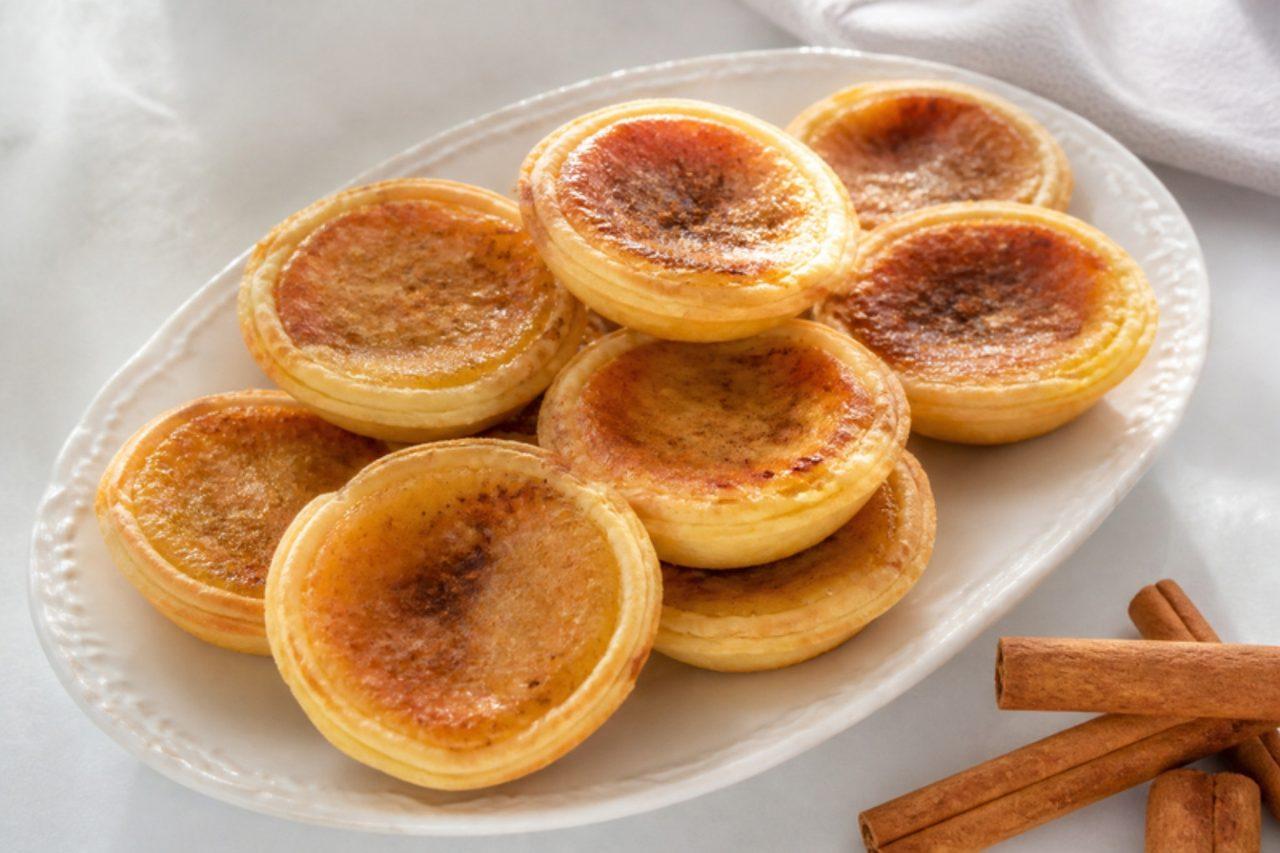
Day-trippers queue for these in Sintra's old town, buying them by the paper-wrapped half dozen to eat on the train back to Lisbon. They have been made around the palace town for centuries: a creamy filling of fresh cheese, sugar, egg yolk and cinnamon, baked in a thin, crisp case until the top blisters brown in patches. Traditional fresh cheese is curdled with animal rennet; look for ricotta or curd cheese made with vegetarian (microbial) rennet if that matters to you. A common mistake is rolling the pastry too thick: it should be almost see-through, so it crisps instead of turning bready. Chef's tip: press the cheese through a sieve before mixing, so the filling bakes silky rather than grainy.

by KrazyBadal 0 views

BitoqueSteak with fried egg and chips

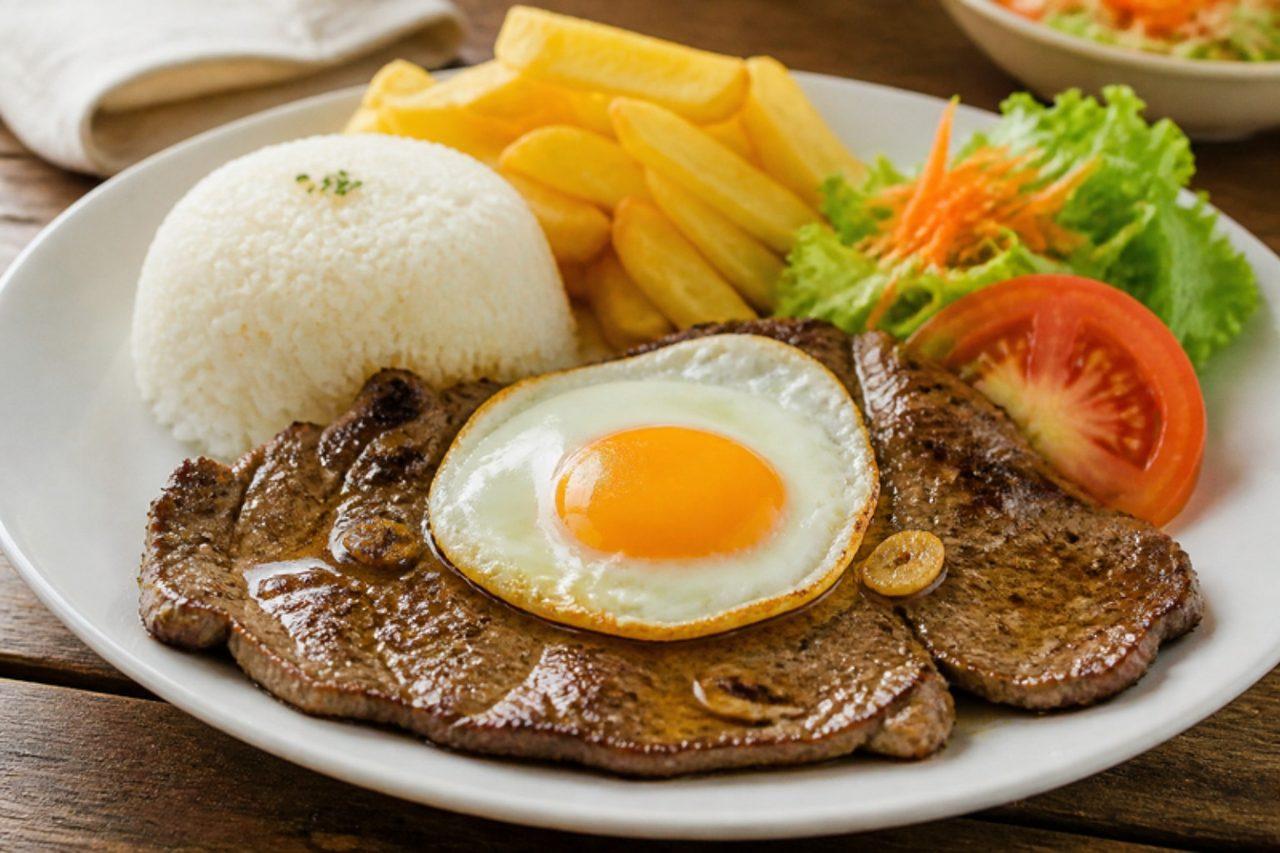
Bitoque is the dish Portuguese office workers order when they can't decide: on every café lunch menu in Lisbon there is a thin steak in a garlicky pan sauce, a fried egg sliding over it, and chips, rice and a little salad heaped alongside. It is cheap, filling and quick, and a good one depends on a properly hot pan and a runny yolk that mixes into the sauce. Some cooks splash in beer; this version keeps it alcohol-free with stock. A common mistake is crowding the pan, which stews the steaks instead of searing them. Chef's tip: fry the eggs in the steak pan's garlicky fat so they pick up its flavour.

by KrazyBadal 0 views

CancoillotteWarm runny cheese with garlic

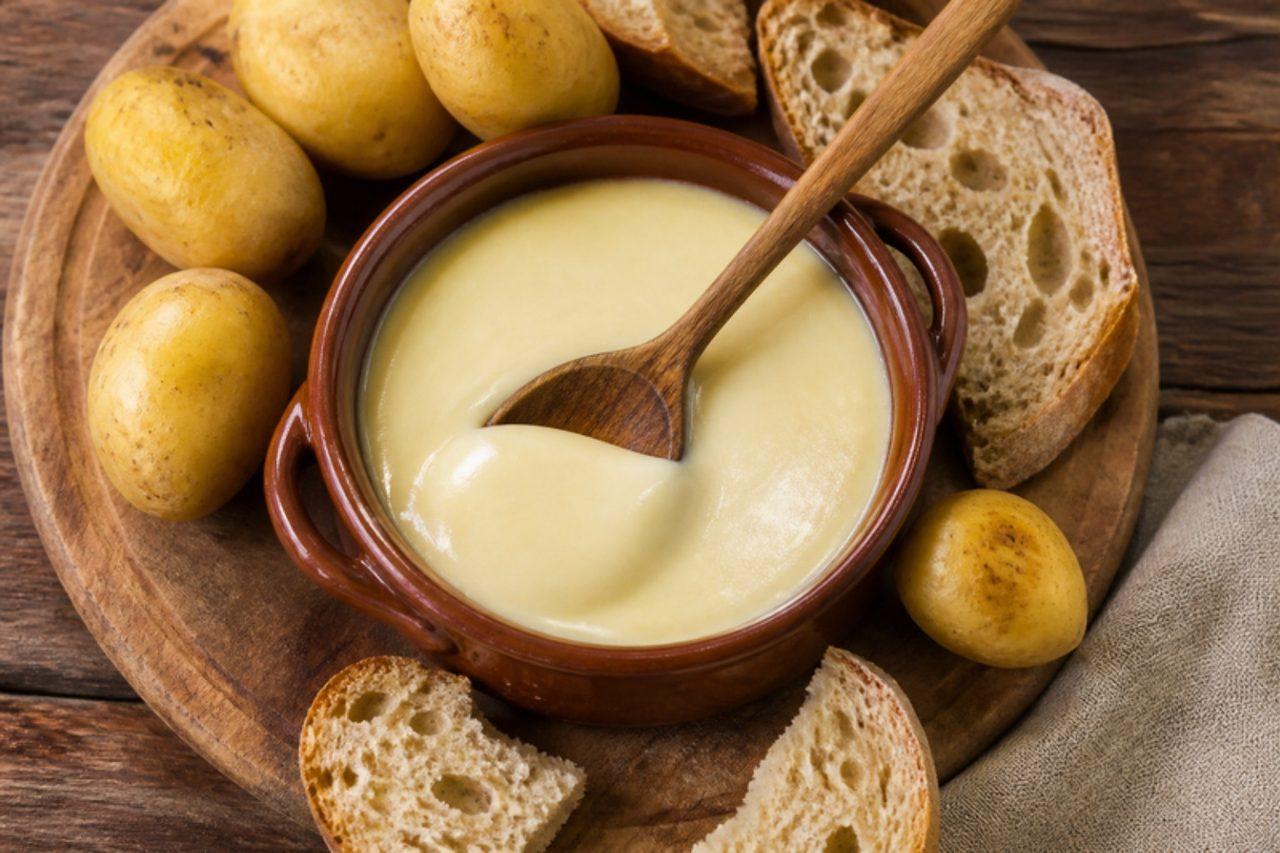
Cancoillotte is the loose, pale-gold melted cheese of Franche-Comté, the region around Besançon, Morteau and the Jura border. Families keep a pot of it in the fridge and warm it for Sunday supper, pouring it over boiled potatoes, dipping bread into it or spooning it over a baked potato. The real thing starts from metton, a ripened curd that is hard to find outside the region, so this home version uses quark and a pinch of bicarbonate of soda, the same trick German cooks use for Kochkäse: the soda turns the curd soft and melty, and butter, garlic and a little milk give the silky, slightly tangy finish. Most quark is made with little or no rennet, but check the label if that matters to you. Chef's tip: leave the quark and soda to rest for a full hour; it should turn translucent and gooey before it goes near the heat.

by KrazyBadal 0 views

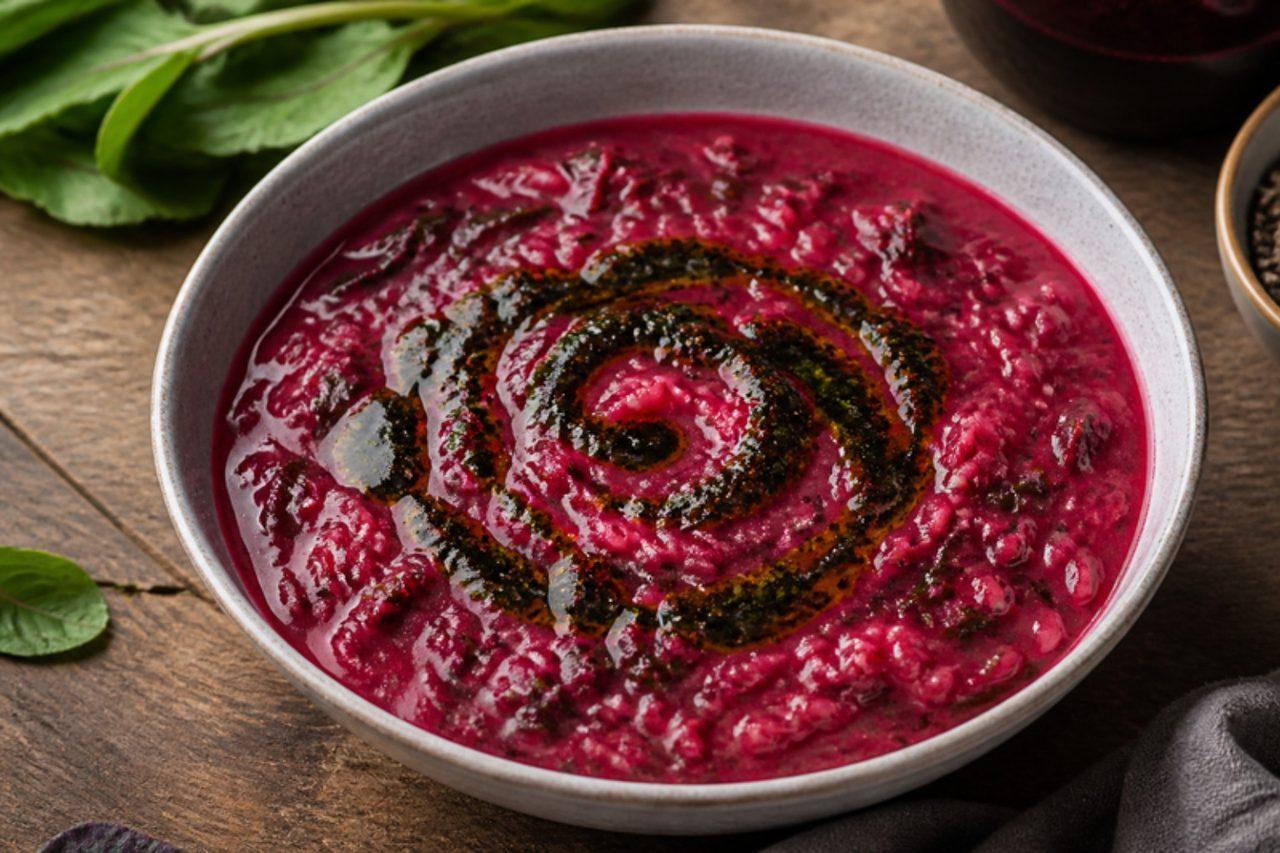
Ash-e shooliBeetroot, spinach and herb soup

In the desert city of Yazd, ash-e shooli is what grandmothers cook on the first cold nights of autumn and through winter, and what they bring to anyone with a cold. It is a thick, deep-red soup of beetroot, spinach and green herbs, thickened with a little flour and balanced between vinegar and a touch of sugar or date syrup, finished with fried mint. Nothing else in Iran tastes quite like it. A common mistake is adding the vinegar early, which keeps the beetroot hard; put it in once everything is tender. Chef's tip: taste and adjust at the very end, adding sour and sweet a spoon at a time until neither one wins.

by KrazyBadal 0 views

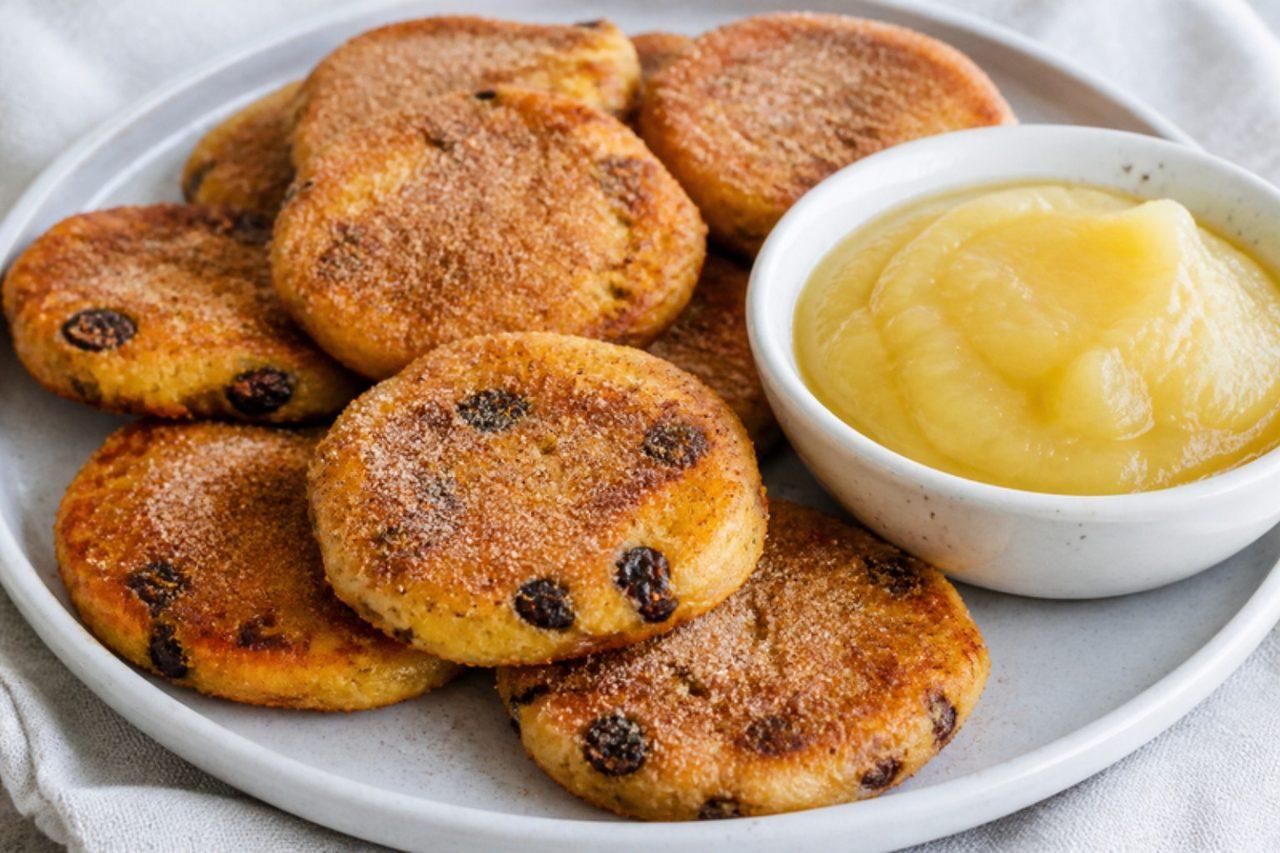
QuarkkeulchenPotato and quark pancakes

Quarkkeulchen are the sweet little pancakes of Saxony, the kind a Dresden or Leipzig grandmother makes on a Saturday afternoon from yesterday's boiled potatoes: mashed potato, quark, egg, a little flour and sugar, lemon zest and raisins, shaped into small thick discs and fried in butter until golden. They are crisp outside, soft and slightly tangy inside, and come dusted with cinnamon sugar beside a bowl of apple sauce. A common mistake is using freshly boiled warm potatoes, which make a sticky dough; use cold ones from the day before. Chef's tip: soak the raisins in hot water for 10 minutes so they plump up and don't burn in the pan.

by KrazyBadal 0 views

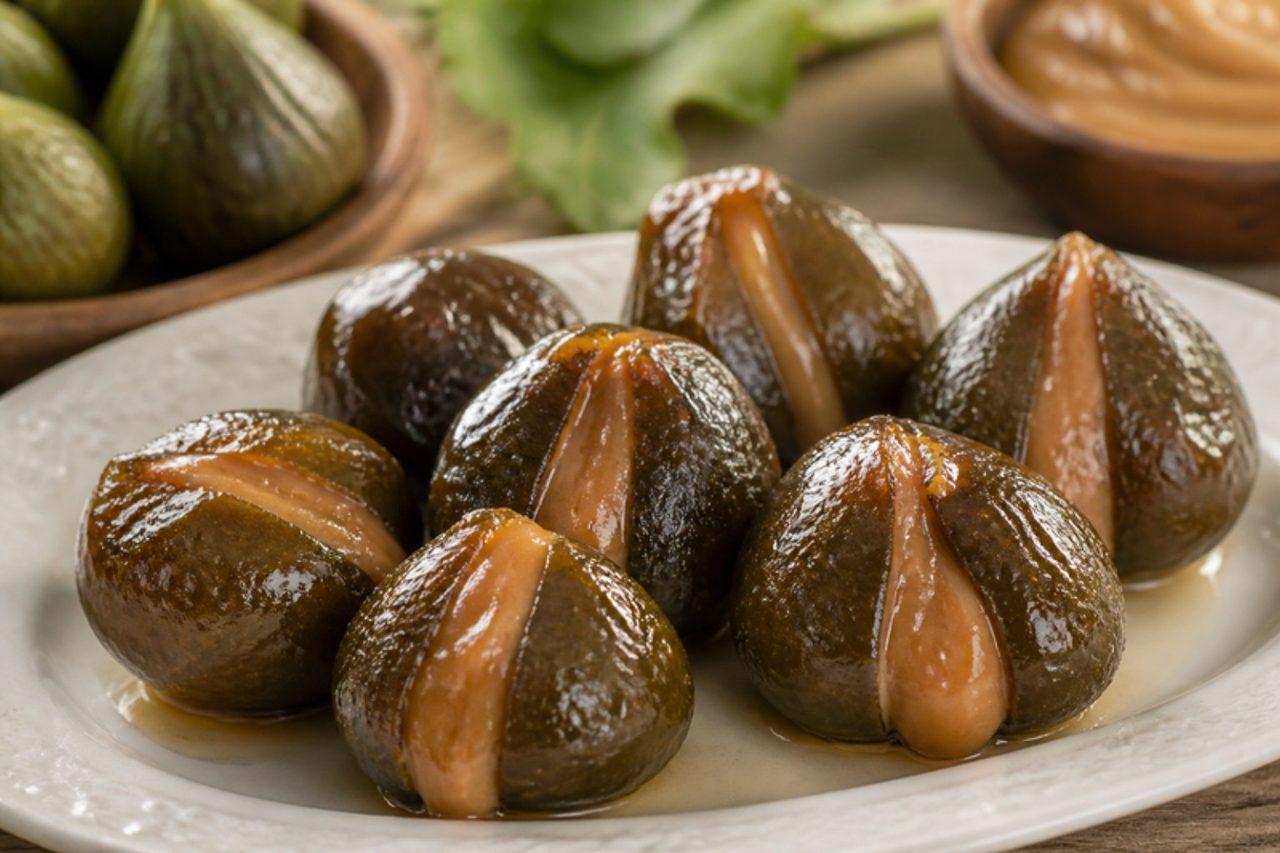
Brevas con arequipeCandied figs with milk caramel

Bogotá's old sweet shops and the dessert counters of Cundinamarca sell brevas caladas, firm green figs cooked for hours in panela syrup until they turn dark, glossy and tender, then split and filled with arequipe. A slice of salty fresh cheese alongside balances all that sugar. They are a classic Christmas and Sunday treat and keep for a week in the fridge, so make them ahead. Use hard, unripe green figs from Middle Eastern or Latin shops; ripe figs fall apart. Arequipe is Colombian milk caramel, the same as dulce de leche. The fresh cheese is usually animal-rennet, so pick a vegetarian one. Skipping the first boils is the common error: the figs keep a bitter, milky sap that spoils the syrup. Chef's tip: cook the syrup slowly and keep the figs just covered; a hard boil splits the skins.

by KrazyBadal 0 views

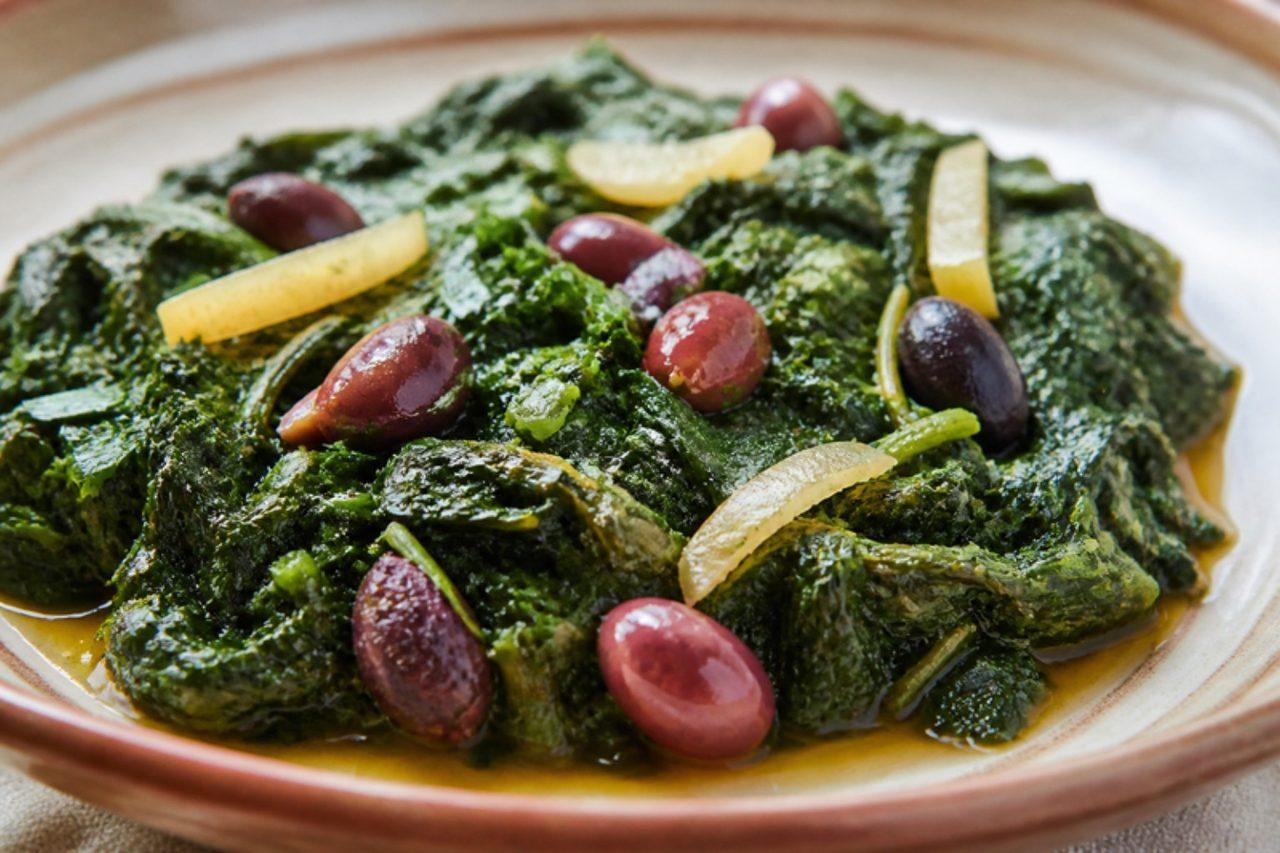
Bakoula (warm mallow and herb salad)

When the winter rains come, bunches of khobiza, wild mallow, are piled up at Marrakech market stalls, and households turn them into bakoula: the leaves are steamed, chopped and cooked down with garlic, parsley, coriander, paprika and cumin, then finished with violet olives and slivers of preserved lemon. The result is soft, dark green and savoury with a lemony lift, a little like a well-seasoned spinach dish with more character. It is eaten warm or at room temperature as one of the cooked salads, scooped up with bread. Outside Morocco, use spinach with a handful of chard or rocket for a bit more bite. Most people go wrong by not squeezing the steamed leaves dry, which leaves the salad watery and bland. Chef's tip: squeeze the steamed greens hard in your fists before chopping; leftover water makes bakoula sloppy and dilutes the spices.

by KrazyBadal 0 views

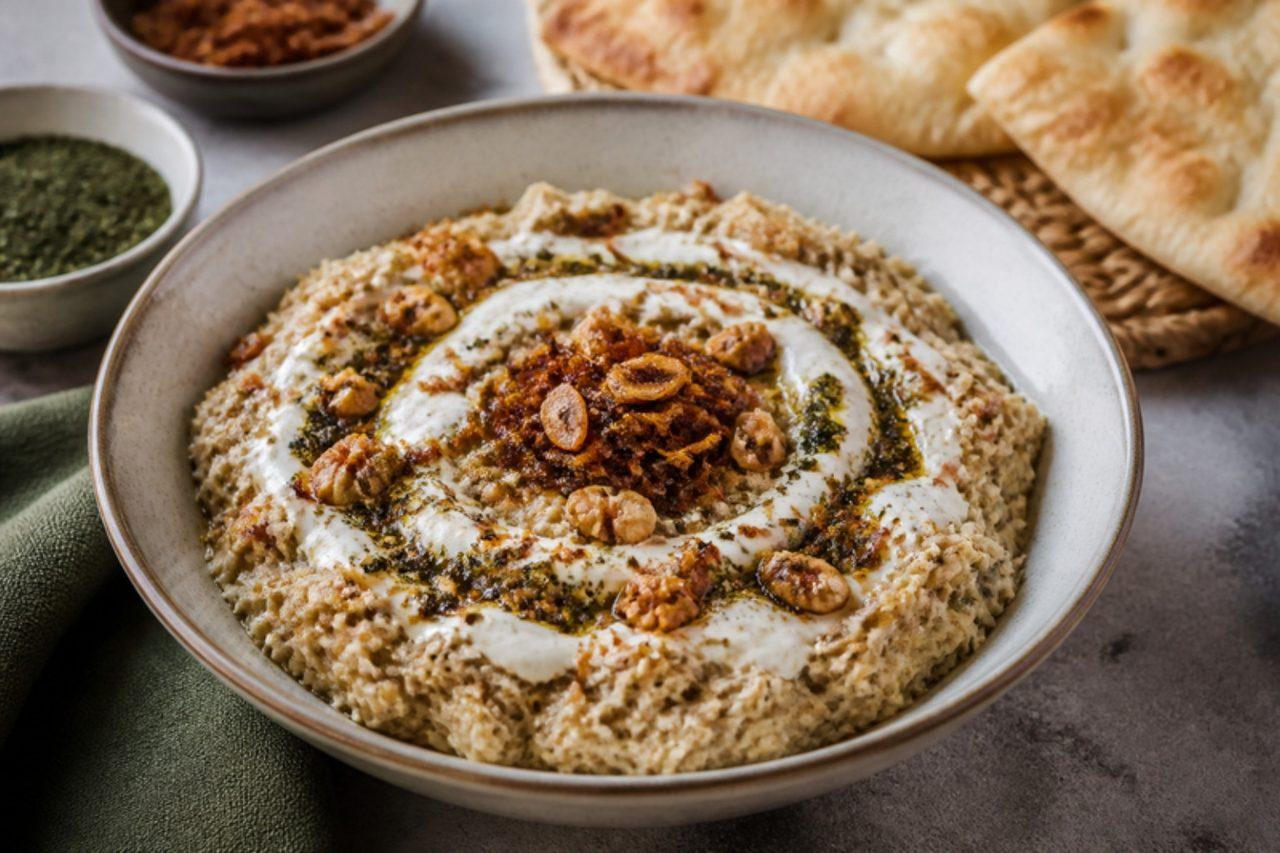
BozghormehPounded lamb and chickpeas with kashk

Bozghormeh is a dish of Kerman, the desert city in south-east Iran, cooked on winter weekends and for family gatherings. Lamb and chickpeas are simmered with turmeric until soft, then pounded together and finished with kashk (salty fermented whey), lots of fried onion and garlic and a dusting of dried mint; it is scooped up with flatbread rather than eaten with rice. The result is creamy, tangy and deeply savoury. A common mistake is boiling after the kashk goes in; it turns grainy, so add it at the end over a low heat. Chef's tip: if you can't find kashk, mix thick Greek yogurt with a pinch of salt and a squeeze of lemon; it's milder but close.

150 minPersianMeat
by KrazyBadal 0 views

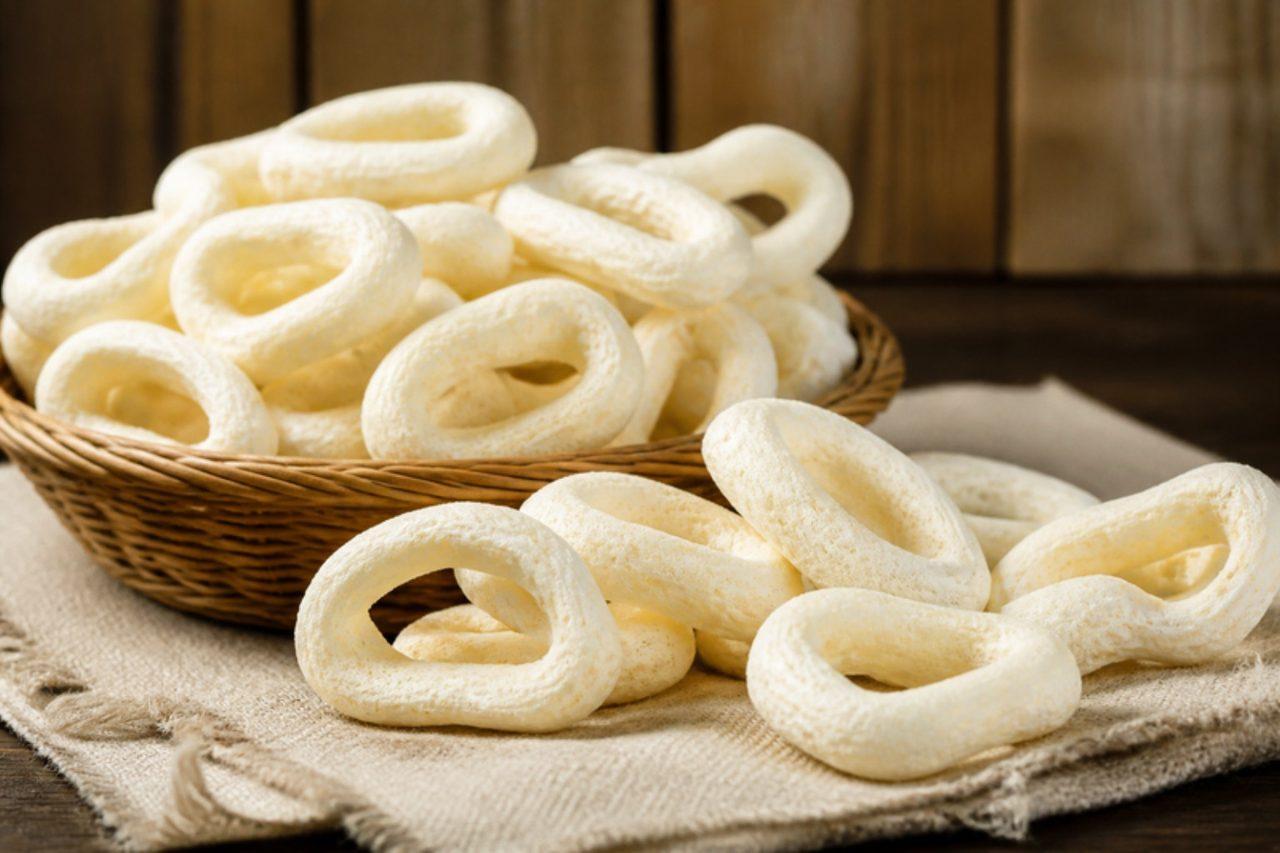
Biscoito de polvilhoCrunchy cassava starch rings

Light enough to float off the plate, these rings are sold by the bagful at bus stations, beaches and football grounds all over Brazil, but they belong to Minas Gerais, where sour cassava starch (polvilho azedo) has been made for centuries. Scalding the starch with hot milk, water and oil and then beating in eggs gives a sticky paste that puffs in a hot oven into crisp, airy, slightly tangy shells. Mineiros eat them with coffee in the afternoon or nibble them all day. Bake them in a hot oven and do not open the door: the rings collapse into flat, hard discs if the heat drops in the first 20 minutes. Chef's tip: the paste should pipe like thick mayonnaise; add a spoon of water if it is too stiff, because a soft dough is what makes the biscuits hollow.

by KrazyBadal 0 views

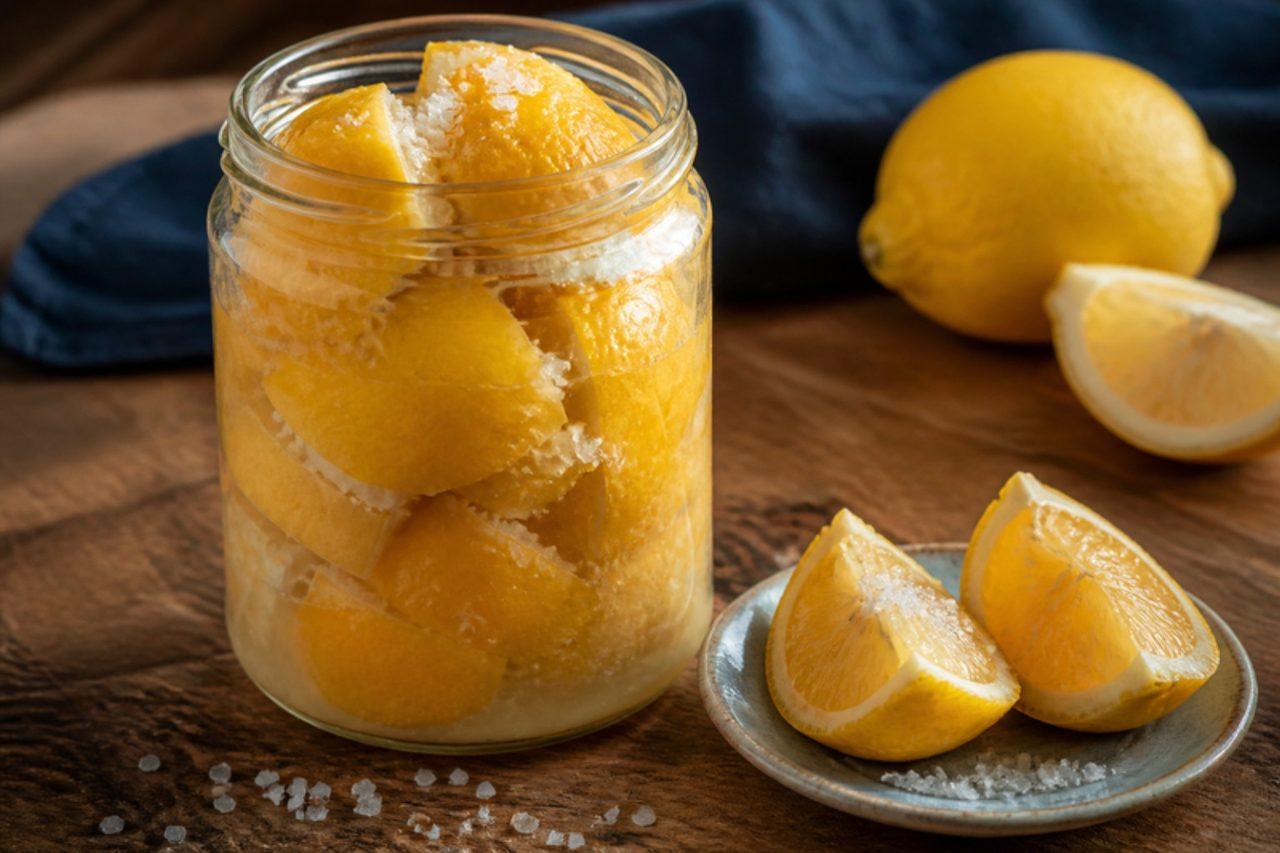
Preserved lemons (l'hamd marked)

No Moroccan pantry is complete without a jar of l'hamd marked, lemons packed in salt and their own juice and left for about a month until the rind softens and takes on a mellow, floral, almost sweet flavour. The rind is what you use: finely chopped into salads, slivered over chicken with olives, added to fish tagines, chermoula and bean dishes. Fez cooks traditionally use small, thin-skinned doqq or beldi lemons, but any unwaxed lemon works. Hands-on work is only 20 minutes; the jar then needs 3–4 weeks in a cool, dark cupboard before it is ready. Chef's tip: press the lemons down hard every day for the first week; as they release juice they shrink, and you can squeeze one more lemon into the jar.

by KrazyBadal 0 views

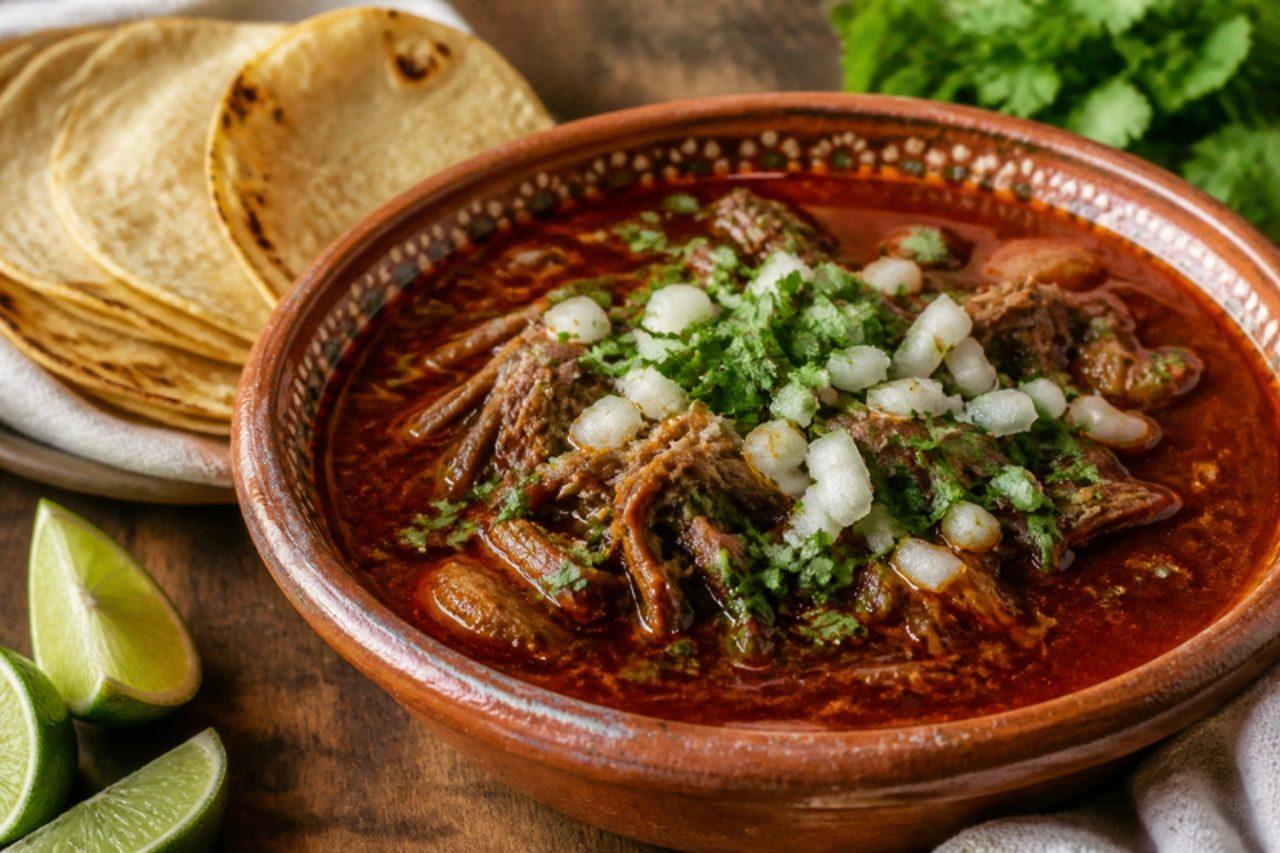
Birria de resChilli-braised beef

Birria comes from Jalisco, where it is the dish of weddings, baptisms and Sunday mornings after a long night, ladled out at market stalls in Guadalajara from dawn. Beef on the bone is rubbed with a paste of guajillo and ancho chillies, vinegar, garlic and warm spices, left overnight in the fridge, then braised for hours until it falls into soft, glossy strands. The cooking liquid becomes the consommé: sip it from a cup, spoon it over the meat in a bowl, or dip tortillas in its red fat and fry them with the beef and a little cheese for crisp-edged tacos. Serve with chopped onion, coriander, lime and a fiery chile de árbol salsa. Chef's tip: skim the red fat off the top of the finished consommé and keep it for frying the tortillas; it gives the tacos their colour and crunch.

285 minMexicanMeatGluten freeSpicy
by KrazyBadal 0 views

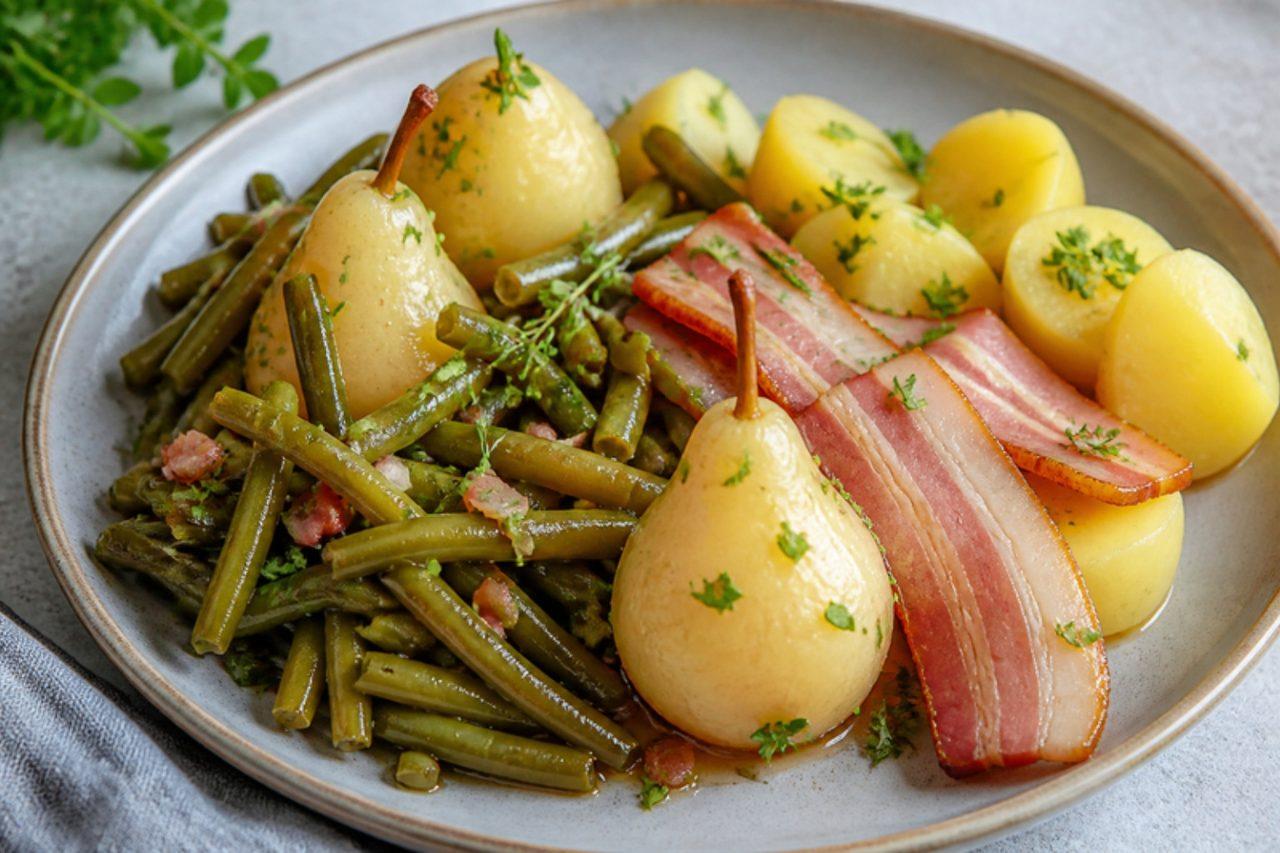
Birnen, Bohnen und SpeckGreen beans, pears and smoked bacon

Birnen, Bohnen und Speck is late-summer cooking from Hamburg and Schleswig-Holstein, made in August when green beans and small, firm cooking pears ripen at the same time in the Vierlande market gardens. A piece of smoked pork belly bacon is simmered until tender, and its smoky broth then cooks the beans, whole pears and potatoes, with summer savory to tie the sweet and salty together. It is one pot, served straight from the stove with the bacon sliced on top. Chef's tip: choose pears that are still hard; ripe dessert pears collapse into the beans.

90 minGermanMeatGluten free
by KrazyBadal 0 views

Hawaiian sweet bread

Hawaiian sweet bread grew from the pão doce that Portuguese families baked in the islands at Easter, and bakeries in Hilo made it famous as a soft, golden, faintly tangy loaf. Pineapple juice gives a gentle fruity sweetness, and the crumb is pillowy and pulls apart in strands. Eat it toasted with butter, or use it for French toast. Chef's tip: the dough should be very soft; be patient during kneading instead of adding extra flour.

by KrazyBadal 0 views

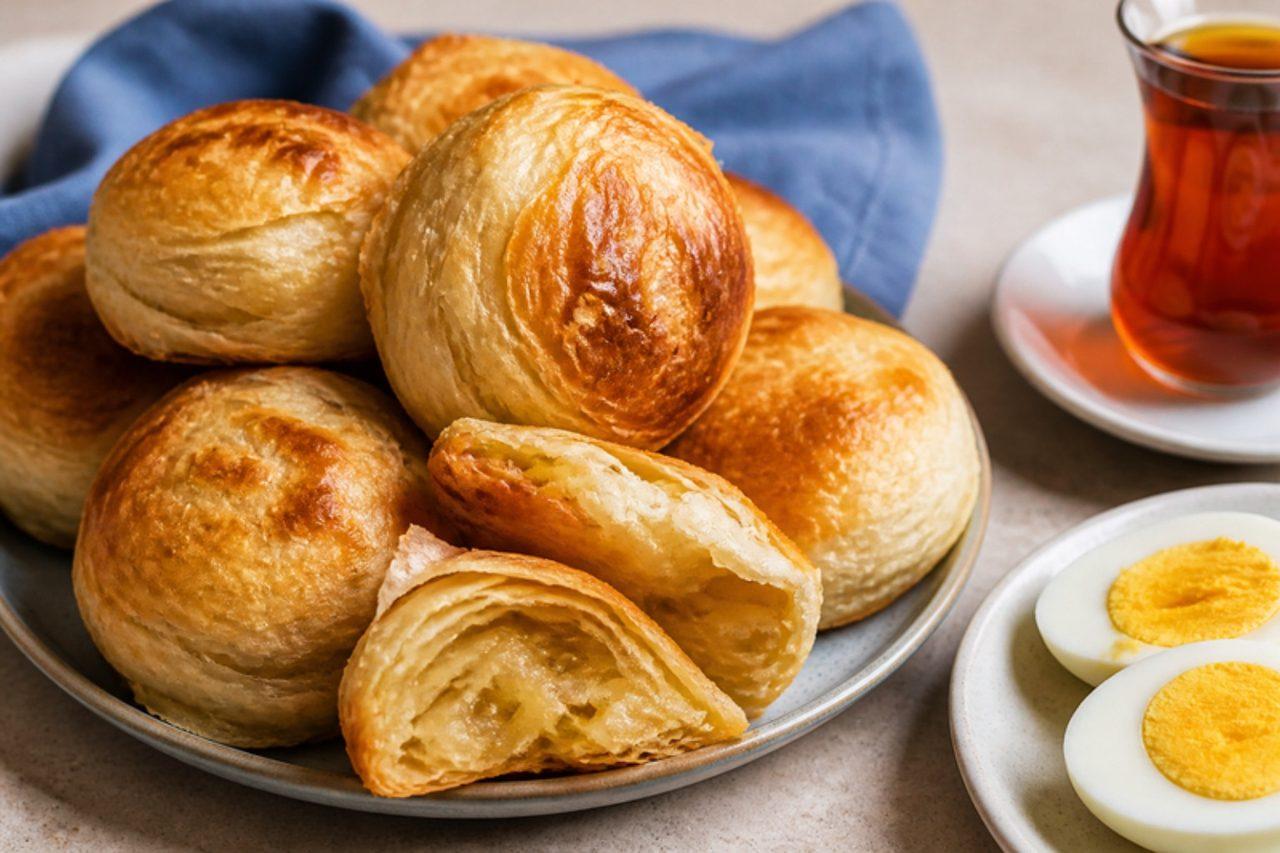
BoyozFlaky layered breakfast pastry

İzmir mornings begin at a boyoz stand in Alsancak or Kemeraltı: a small round pastry of paper-thin, oil-stretched dough, coiled into a snail and baked until the layers shatter, eaten beside a halved hard-boiled egg and a glass of tea. Sephardic Jews brought it to the city centuries ago, and İzmir has guarded it ever since. The dough itself is plain; the magic is in the long rest in oil and the stretching. Chef's tip: let the dough balls sit submerged in oil for a full two hours; they relax so completely that you can stretch them almost transparent without tearing.

by KrazyBadal 0 views

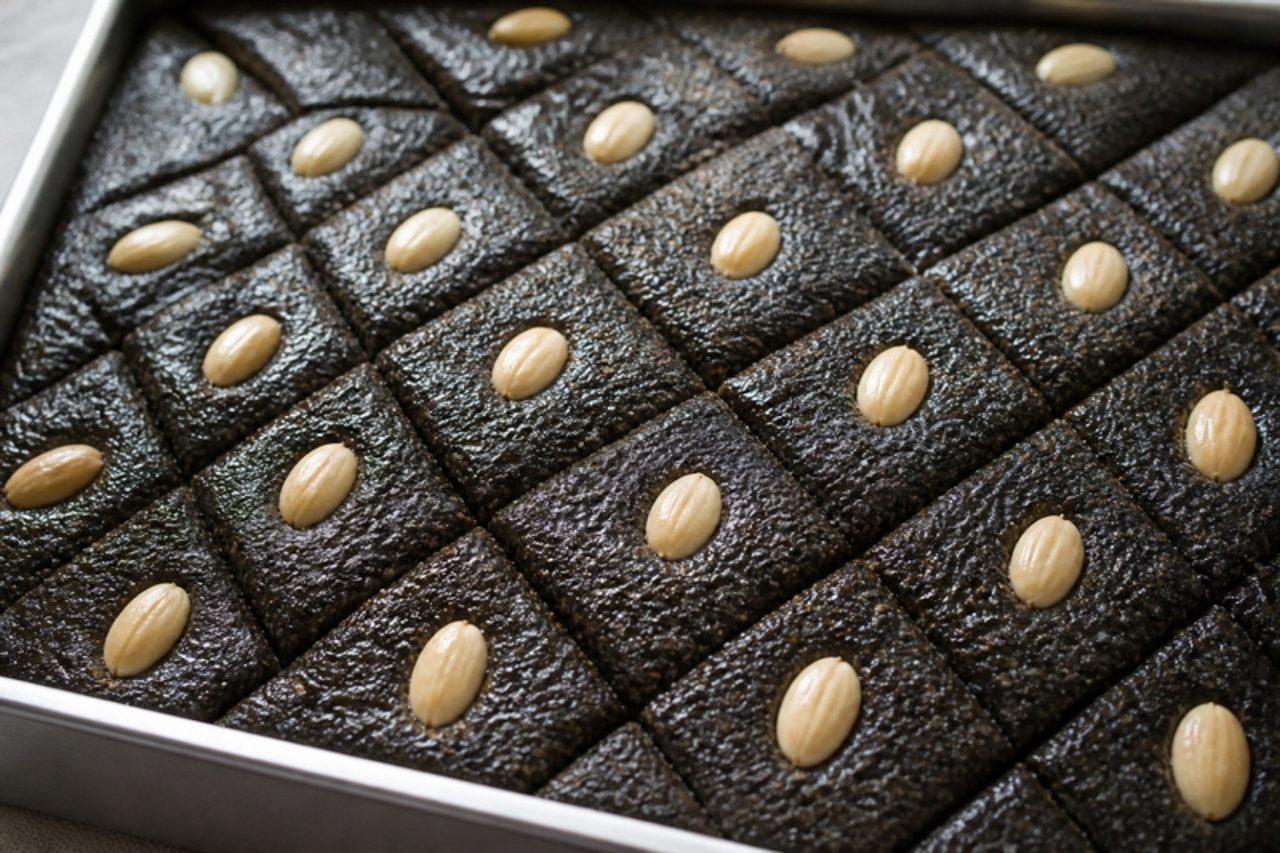
QizhaNigella seed cake

Qizha is Gaza's own sweet: a dense, near-black semolina cake made with a paste of roasted nigella seeds, eaten especially in winter and during Ramadan, when bakeries in Gaza City stack trays of it. It tastes nutty and slightly bitter, a little like dark sesame, softened by syrup and topped with almonds or pistachios. Nigella paste is sold in some Middle Eastern shops; if you can't find it, grind toasted nigella with tahini as below. Common mistake: over-toasting the nigella, which turns it acrid; stop as soon as it smells fragrant. Chef's tip: rest the mixed batter for 30 minutes before baking so the semolina swells and the cake slices cleanly.

by KrazyBadal 0 views

Black and white cookies

The black and white is a New York bakery fixture, a saucer-sized, soft, lemony cookie that is closer to a sponge than a biscuit, iced half in vanilla and half in chocolate. Delis and Jewish bakeries from the Upper West Side to Brooklyn sell them by the till. Chef's tip: ice the flat underside, not the domed top, and do the vanilla half first so the chocolate doesn't bleed into it.

by KrazyBadal 0 views

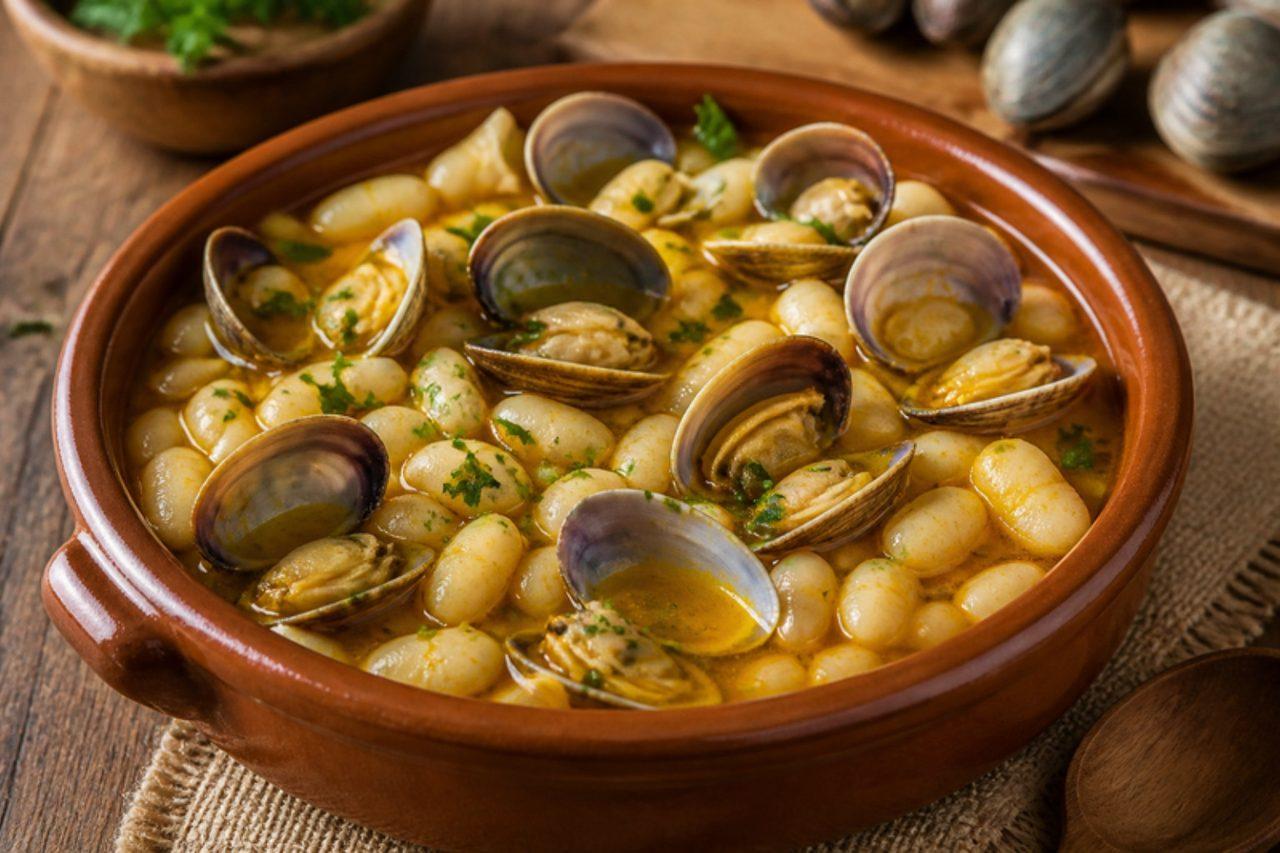
Fabes con almejasWhite beans with clams

Along the coast, from Lastres to Ribadesella, fabes are cooked not with sausage but with clams, in a pale, saffron-tinted broth that tastes of the sea. It is a dish for a long weekend lunch in a seaside restaurant, eaten slowly with a spoon and bread. The broth uses a glass of dry white wine; an alcohol-free swap is given. Chef's tip: "scare" the beans by adding a splash of cold water whenever the pot boils up during cooking; it keeps the skins whole and the insides creamy.

175 minSpanishFishGluten free
by KrazyBadal 0 views

Chocolate de aguaHot chocolate made with water

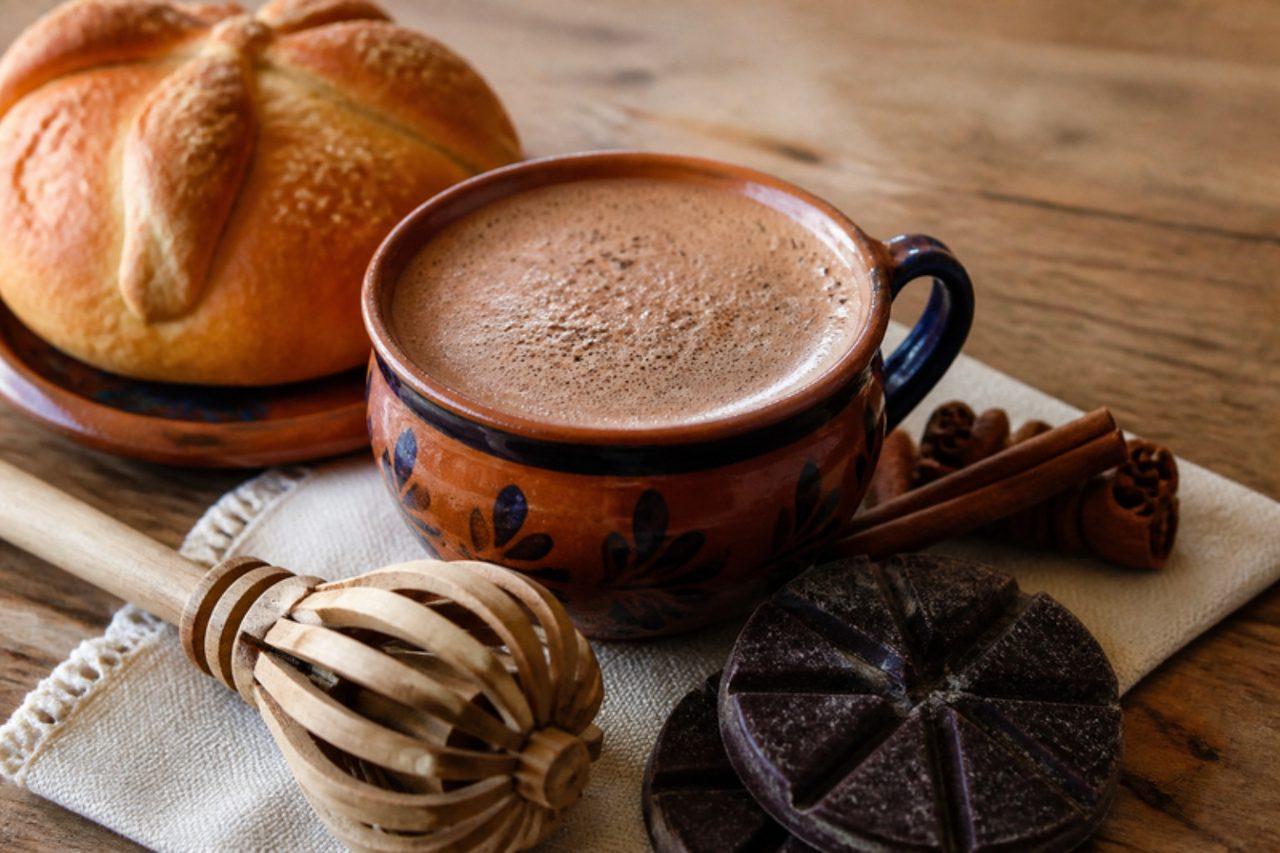
Walk down Calle Mina in Oaxaca City and the air smells of cacao, cinnamon and almonds, roasted and ground into chocolate in front of you at the mills. Most Oaxacans drink it made with water, not milk, so the taste of the cacao comes through clean and slightly bitter, with a thick head of foam raised with a wooden molinillo. It is drunk for breakfast with pan de yema and at every wedding and Day of the Dead altar. The tablets already hold sugar and cinnamon; we give a version with dark chocolate too. Chef's tip: the foam is the point, so whisk hard just before pouring and serve in wide cups.

by KrazyBadal 0 views

Ev eriştesiEgg noodles with walnuts

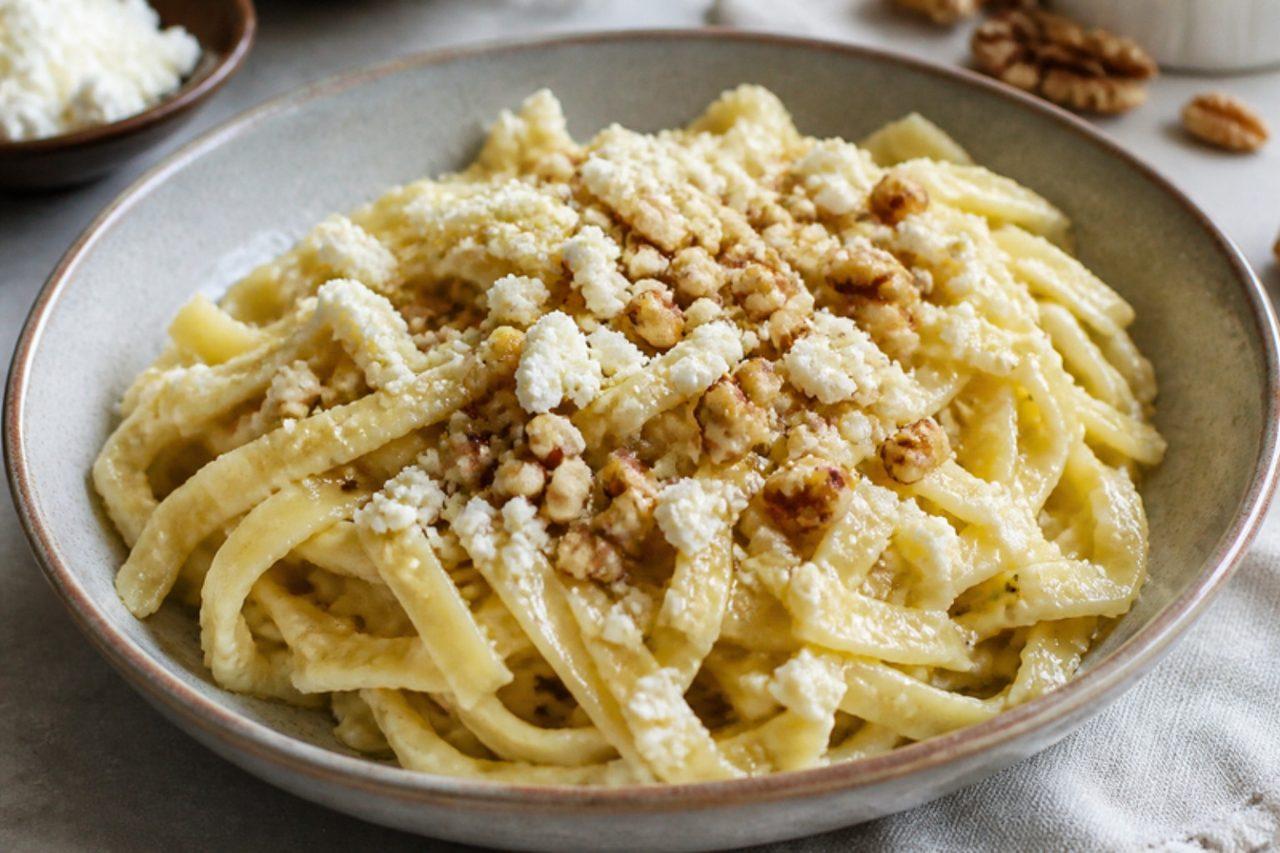
Late summer in Sivas, Tokat and Kayseri villages means erişte days, when neighbours roll out huge sheets of egg dough, cut them into ribbons and dry them on cloths to last the winter. Freshly cut, they cook in minutes and are tossed with browned butter, toasted walnuts and crumbled white cheese, a simple dish that tastes of the farm. Common mistake: cutting the noodles before the rolled sheet has dried a little, so they stick into a clump; let it sit 15–20 minutes until leathery. Feta-style white cheese is often made with animal rennet; use a vegetarian one if needed. Chef's tip: toast a few raw noodles in the butter until golden before the boiled ones go in; they add a lovely crunch.

by KrazyBadal 0 views

Etli nohutLamb and chickpea stew

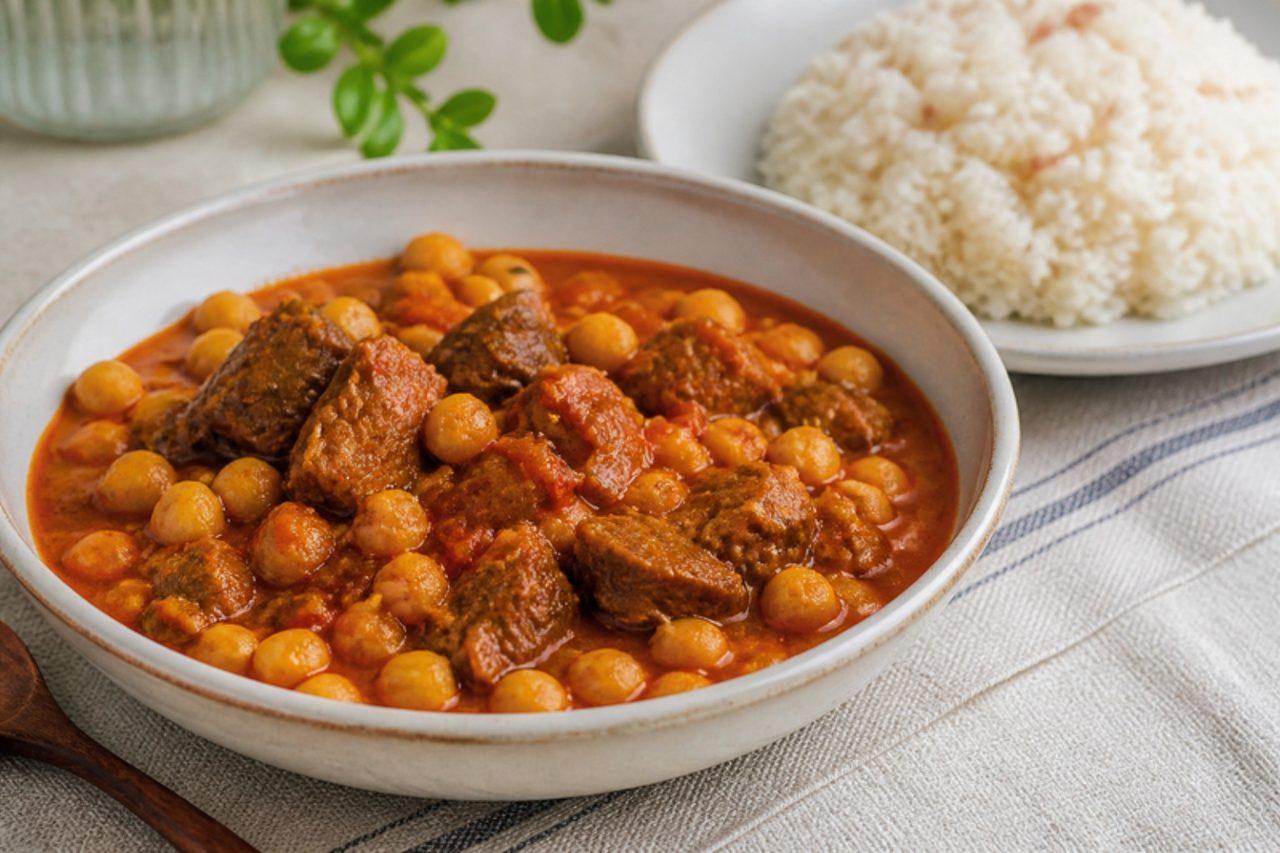
Ask anyone in Turkey for the taste of a school lunch or a lokanta set menu and many will say etli nohut with pilav: chickpeas simmered with cubes of lamb, onion, tomato and pepper paste until the sauce is thick and the chickpeas creamy. Spooned over buttery rice with a few pickles alongside, it is cheap, filling and better the next day. Soaking dried chickpeas overnight makes the biggest difference. Common mistake: adding salt and tomato paste before the chickpeas are tender, which keeps them hard. Chef's tip: brown the lamb in batches so it sears instead of stewing in its own juice; that crust flavours the whole pot.

115 minTurkishMeatGluten free
by KrazyBadal 0 views

Etli ekmekThin flatbread with lamb mince

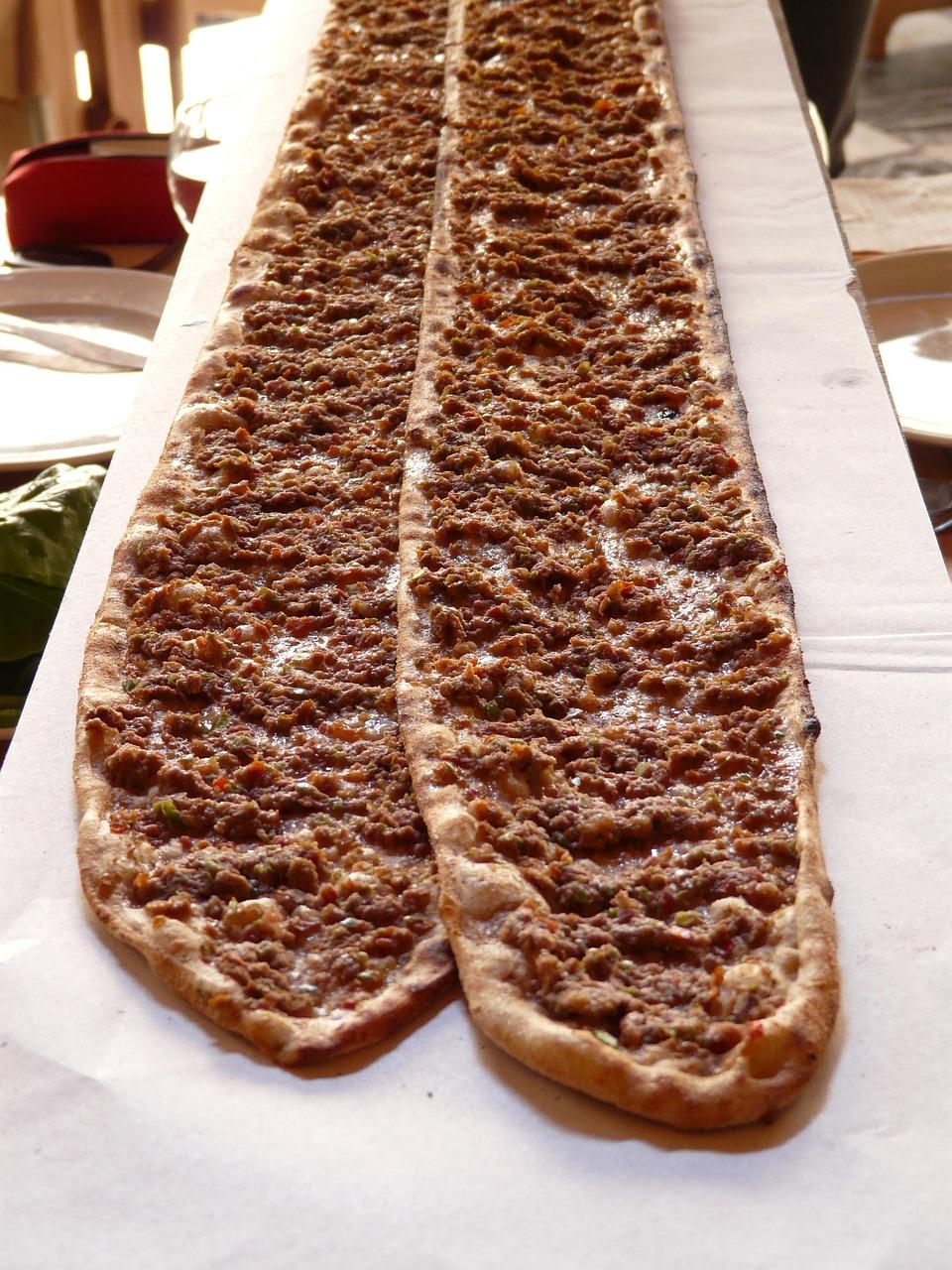
In Konya, etli ekmek is the city's own fast food: dough stretched into a strip almost a metre long and thin as card, spread with hand-chopped lamb or beef, onion, tomato and pepper, baked for a few minutes in a stone oven and cut into squares with a pizza wheel. Unlike lahmacun, the topping is generous and the bread is crisp all the way through. At home, make shorter strips on a hot tray and serve with ayran, lemon and a heap of parsley and onion. Common mistake: piling the topping thick, which keeps the base soft; spread it thin right to the edges. The meat must reach 71 °C. Chef's tip: chop the mince again on a board with the onion and peppers; it spreads thinner and cooks faster.

by KrazyBadal 0 views

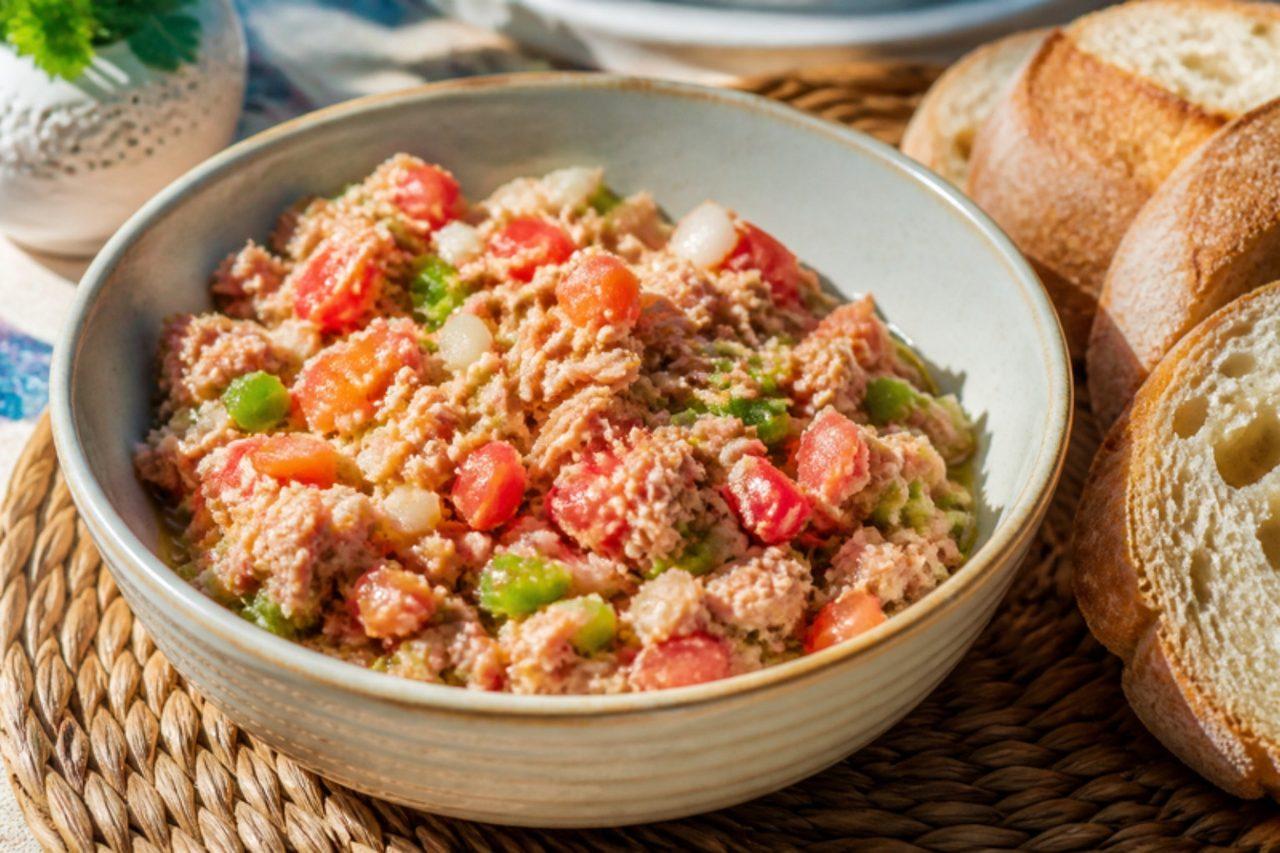
Estupeta de atumShredded tuna salad

Vila Real de Santo António and Tavira grew rich on tuna, and estupeta is what the fishing families made from the salted belly: shredded into threads and tossed with tomato, green pepper and onion in a sharp olive-oil dressing. Today it appears every summer in tascas along the Guadiana as a starter with bread and cold drinks. The traditional salted tuna is cured, not cooked, so it is not for pregnant women, young children or anyone with a weakened immune system; this version uses fresh tuna poached until cooked through, which anyone can eat. Chef's tip: shred the tuna with two forks while it is still warm, as it pulls into finer threads.

by KrazyBadal 0 views

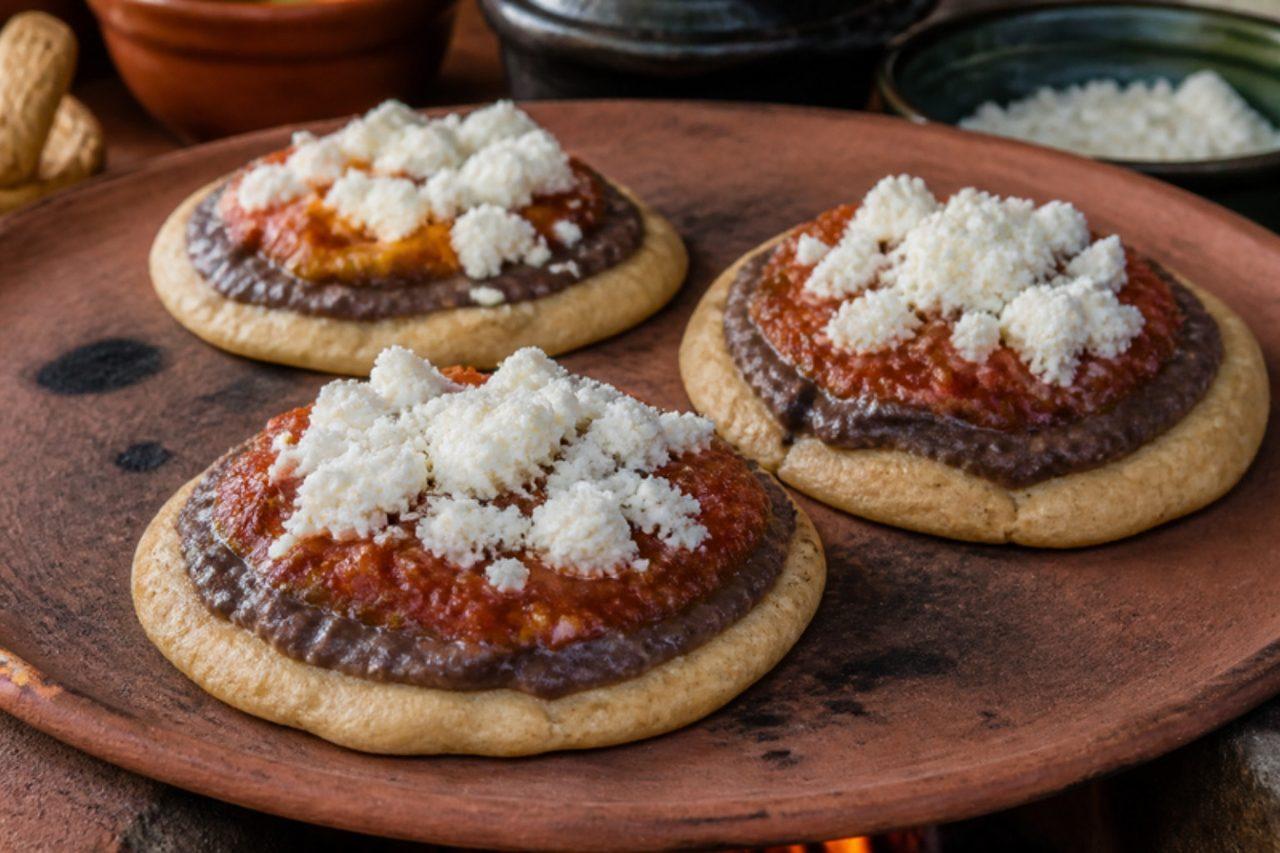
Memelas oaxaqueñasThick masa rounds with beans

Early morning at the Oaxaca City markets, women press masa into thick ovals, bake them on clay comales and pinch up the edges while they are still hot: these are memelas, eaten standing at the stall with coffee. Each one is smeared with asiento, the toasty unrefined pork lard of Oaxaca, then black beans, salsa and crumbled cheese. For a vegetarian version we use browned butter (or vegetable shortening for a dairy-free base), which gives a similar nutty richness. The masa should be soft and slightly chewy, the base speckled brown. Queso fresco is often made with animal rennet, so choose a vegetarian fresh cheese if needed. Chef's tip: pinch the rim while the memela is too hot to handle comfortably (use a damp cloth); once it cools, the masa sets and cracks.

by KrazyBadal 0 views

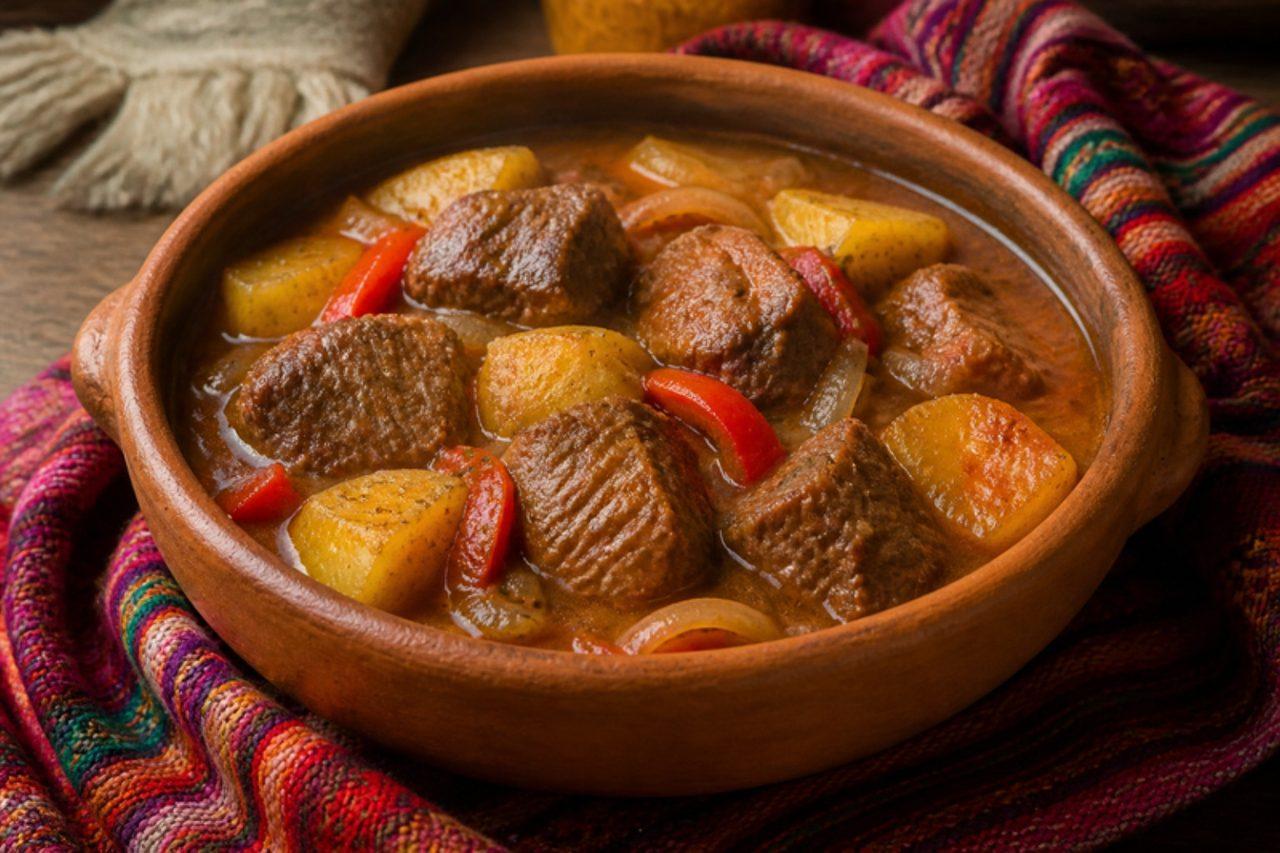
Estofado de llamaBraised llama stew

Llama herds have grazed the Puna of Jujuy for thousands of years, and in Purmamarca, Tilcara and Humahuaca restaurants now proudly serve their meat to visitors, most often as a slow estofado. The meat is very lean, dark red and mild, a little like venison, and it is braised with onion, red pepper, tomato, cumin, ají molido and a sprig of muña or oregano until tender, then served with Andean potatoes, quinoa or rice. Outside the Andes, llama is sold by a few specialist game and alpaca farms; lean venison or beef topside are the closest substitutes. Treat it like beef and braise it until fork-tender. Because the meat has almost no fat, the common mistake is cooking it at a rolling boil, which makes it dry and stringy: keep the heat low and the lid on. Chef's tip: dust the meat lightly with a little cornflour before browning; it protects the lean pieces and thickens the sauce without making it heavy.

by KrazyBadal 0 views

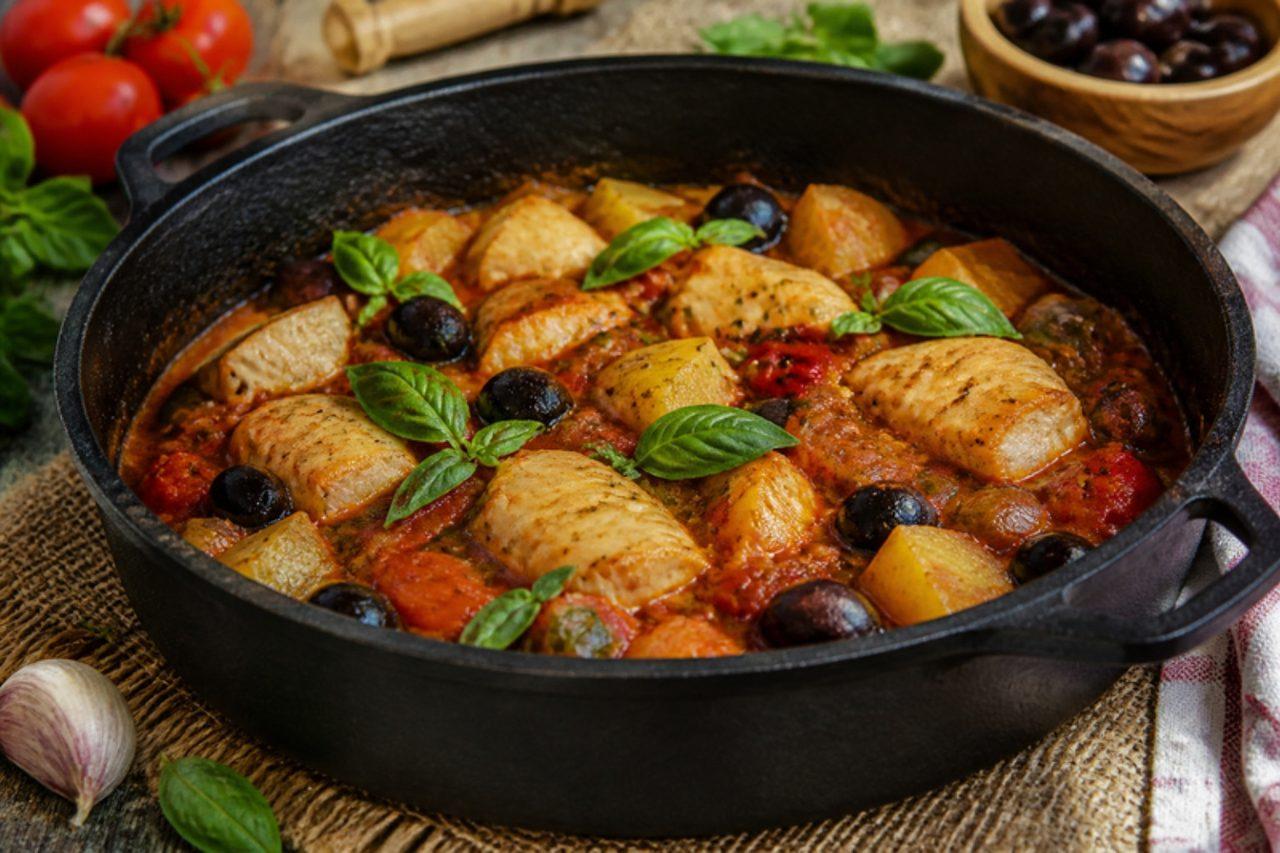
Estocaficada (stockfish niçois)Dried cod stew with tomato

Estocaficada is the old winter dish of Nice's port and old town, where Norwegian stockfish arrived in exchange for olive oil and wine centuries ago; it is still cooked for family Friday lunches and at the city's food festivals. Air-dried cod is rehydrated and stewed slowly with tomatoes, onions, peppers, black olives and potatoes, giving a rich, rust-red stew with a deep, almost meaty flavour. True stockfish is hard to find outside specialist shops and needs 4–5 days of soaking, so this recipe uses salt cod, which is easier and gives a gentler result; the note explains both. Serve in deep plates with crusty bread for the sauce. Chef's tip: add the cod at the end and keep it at a gentle simmer so it stays in juicy flakes rather than turning rubbery.

105 minFrenchFishGluten free
by KrazyBadal 0 views

EsterházytorteAlmond meringue layer cake

Named after a Hungarian noble family and claimed by both Budapest and Vienna, this torte is a showpiece of Viennese pastry shops, where it sits in the glass counter beside richer chocolate cakes. Five or six crisp-chewy almond meringue layers are stacked with a vanilla custard buttercream, then topped with white icing and the famous feathered chocolate lines. It has no flour at all, so it suits gluten-free guests. A common mistake is baking the layers too pale; they should be light golden, or they go soft and sticky in the cream. Chef's tip: draw the circles on baking paper first and spread the meringue to the line with a palette knife, so every layer matches.

by KrazyBadal 0 views

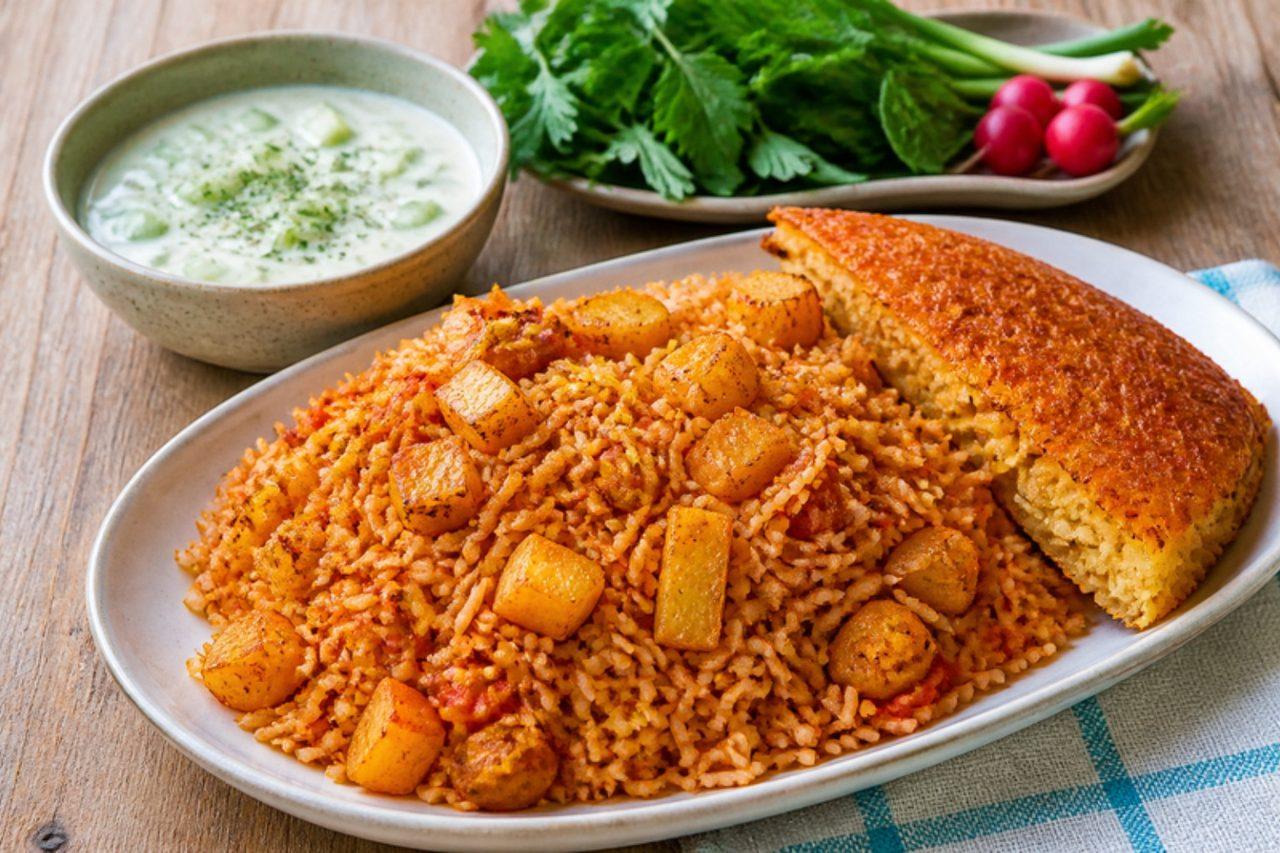
Estamboli poloTomato rice with potatoes

In Tehran flats, estamboli polo is the weeknight rice that turns up when the fridge holds little more than tomatoes and potatoes, and children ask for it by name. Basmati is par-boiled, then layered back into the pot with a turmeric-and-tomato sauce and cubes of fried potato, and steamed under a cloth-wrapped lid until each grain is separate and orange-tinged. The bottom turns into a golden, crunchy tahdig that everyone fights over. Serve it with mast-o khiar, a plate of fresh herbs and torshi. A common mistake is stirring the tomato sauce through boiling rice, which makes it sticky; layer it instead and let the steam do the work. Chef's tip: lay thin potato slices on the base of the pot for the tahdig; they crisp evenly and lift out in one piece.

by KrazyBadal 0 views

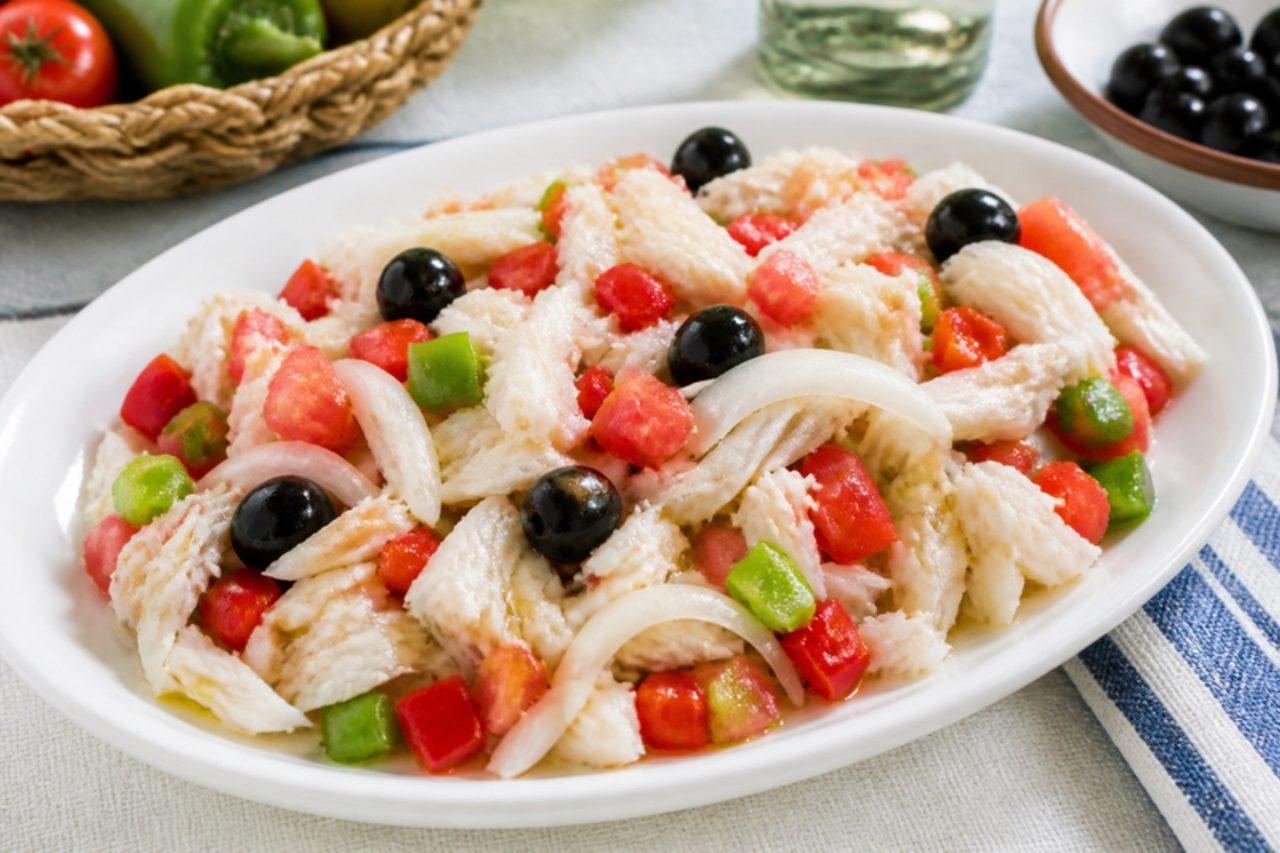
EsqueixadaShredded salt cod salad

Esqueixada, from esqueixar, to tear, is the summer starter of Barcelona's old taverns: salt cod that has been soaked, shredded by hand and dressed with tomato, peppers, onion and black olives. Traditionally the cod is never cooked, only desalted, so it stays translucent and firm; raw cured fish is not for pregnant women, young children or anyone with a weakened immune system. The safer version, given in the steps, poaches the cod gently first, and this is the one to choose whenever in doubt. Chef's tip: tear the cod with your fingers along its natural flakes; a knife makes it mushy and you lose the pleasing chew.

by KrazyBadal 0 views

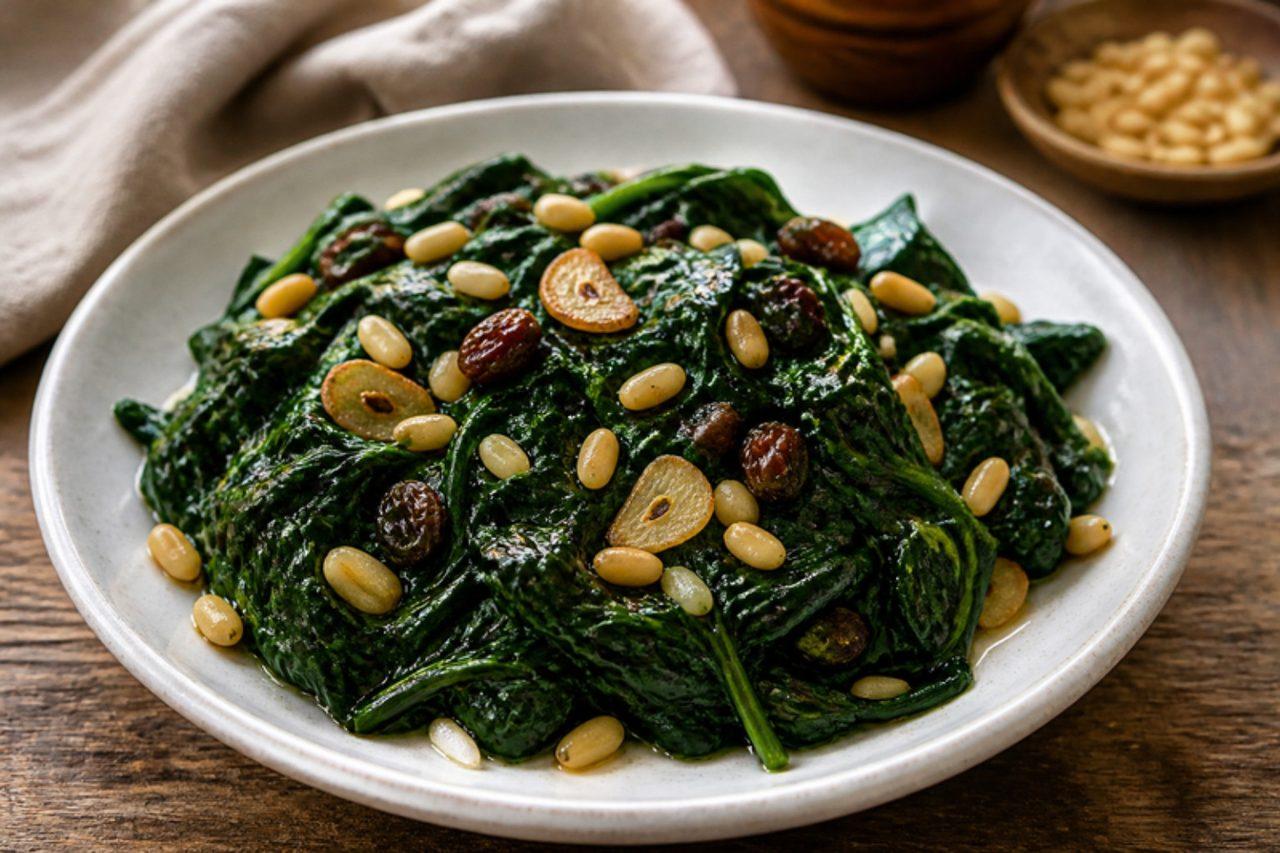
Espinacs a la catalanaSpinach with raisins and pine nuts

This dish carries the sweet-and-savoury taste of medieval Catalan cooking: spinach wilted with plump raisins and toasted pine nuts, sometimes with a little pork fat or anchovy, though olive oil is just as traditional. Families cook it in spring and autumn as a side for fish or chicken, or as a light first course before the main. It takes ten minutes. Chef's tip: soak the raisins in warm water first so they swell and burst sweetly, instead of turning hard in the hot pan.

by KrazyBadal 0 views

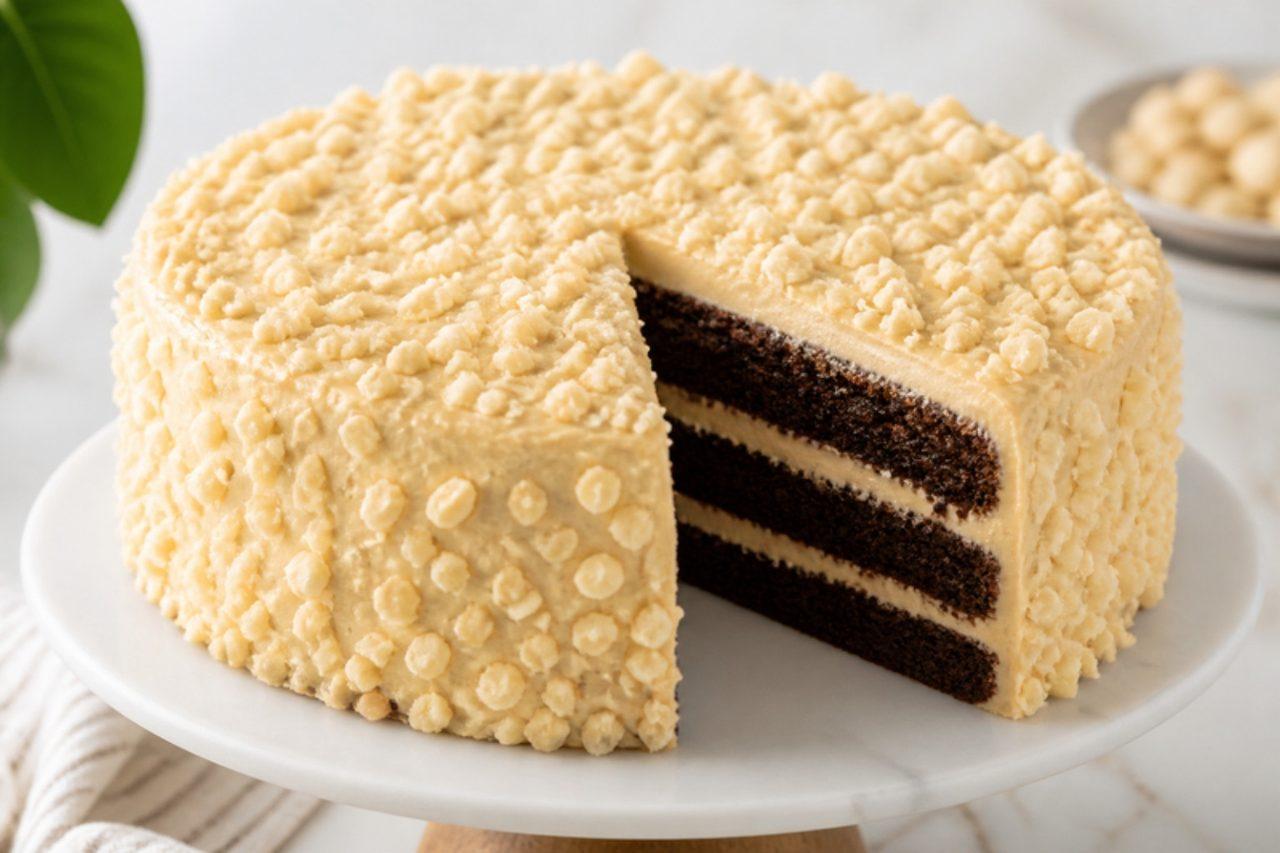
Hawaiian Chantilly cake

In Hawaii, Chantilly cake means a chocolate layer cake covered in a rich, caramel-coloured frosting made from evaporated milk, egg yolks and butter, not the whipped cream the name suggests. Honolulu bakeries have sold it for birthdays and graduations for decades, and it is very different from mainland cakes. Chef's tip: cook the frosting base slowly and stir constantly until it is as thick as pudding; if it is runny, the frosting will slide off the cake.

by KrazyBadal 0 views

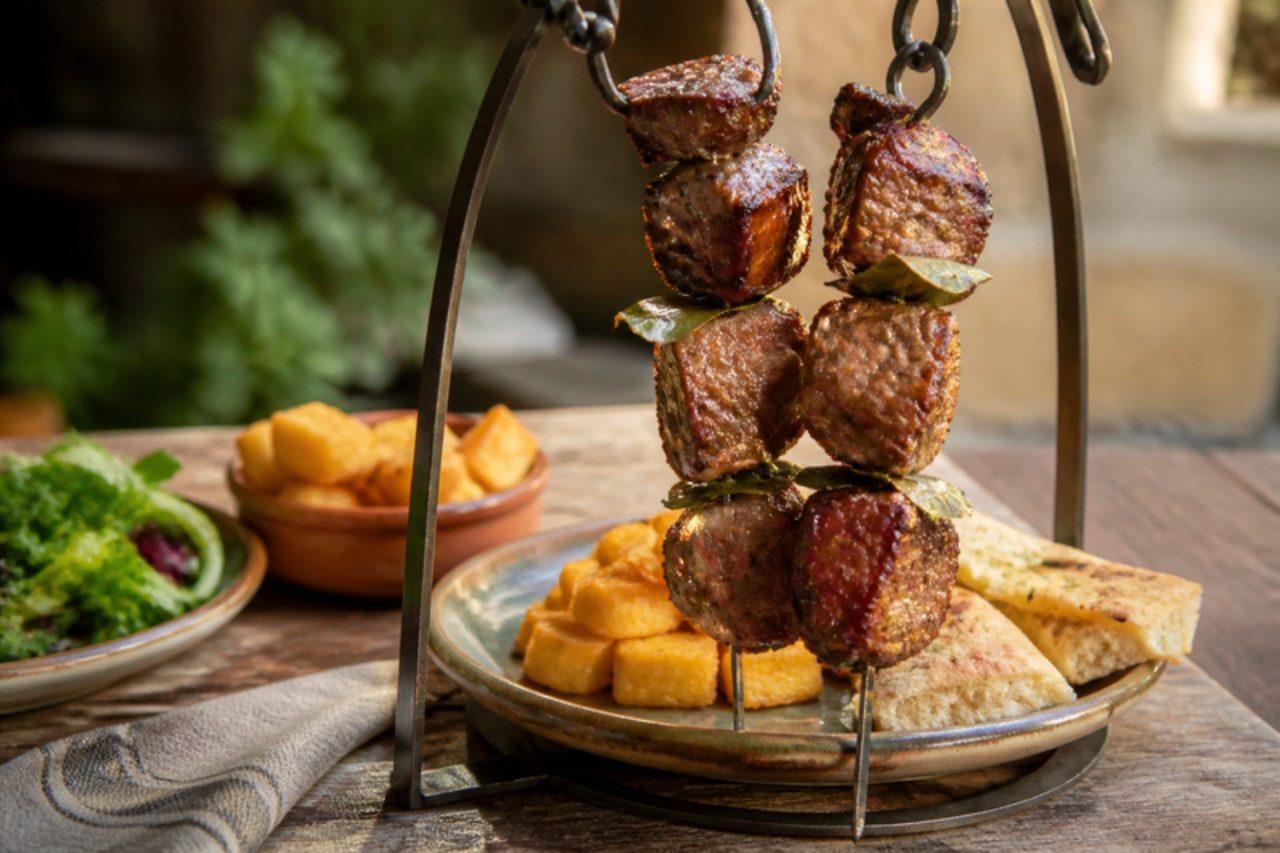
Espetada madeirenseGarlic and bay beef skewers

In Estreito de Câmara de Lobos, on the hillsides above Funchal, the September wine harvest ends with espetada: big cubes of beef rubbed with garlic, salt and crushed bay, threaded onto bay branches and roasted over a wood fire. Restaurants hang the long skewers from hooks above the table, so everyone slides off their own pieces. It is eaten with bolo do caco, milho frito and a salad. Chef's tip: cut the beef into large 4 cm cubes, which stay juicy in the middle while the outside chars.

by KrazyBadal 0 views

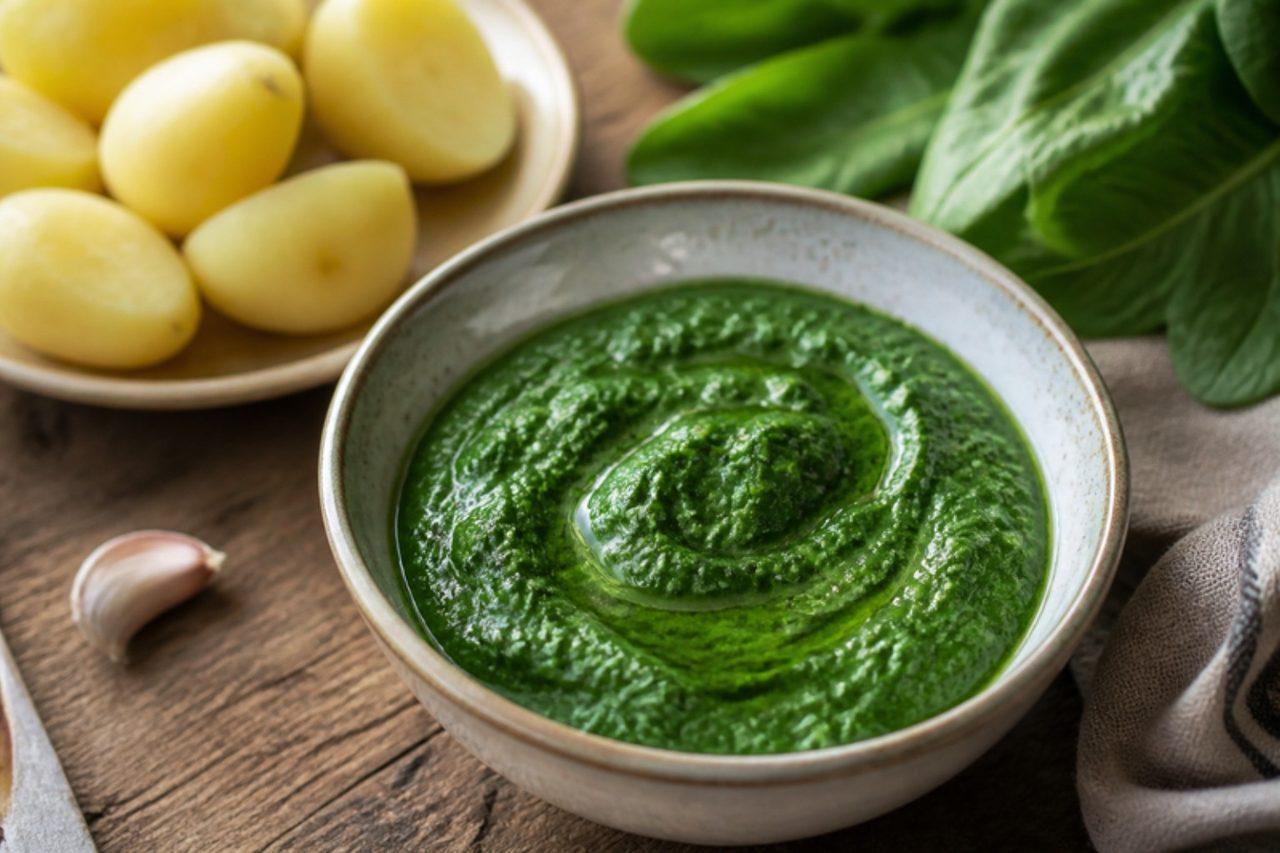
EsparregadoGarlic puréed greens

Fried fish in a Lisbon casa de pasto often comes with a spoonful of soft, dark green esparregado on the side, and the roast lamb at Easter lunch in the Ribatejo does too. Cooks use whatever leaves are in season: turnip tops in winter, spinach the rest of the year, sometimes a handful of wild asparagus. The greens are cooked, chopped very fine and stirred into garlic-scented olive oil with a little flour until creamy, then lifted with a dash of vinegar. It is good with fried cuttlefish, grilled sardines or a fried egg. A common mistake is skipping the squeeze; wet greens make a watery purée, so press out as much water as you can. Chef's tip: squeeze the cooked greens really hard before chopping; watery greens give a thin, grey purée.

by KrazyBadal 0 views

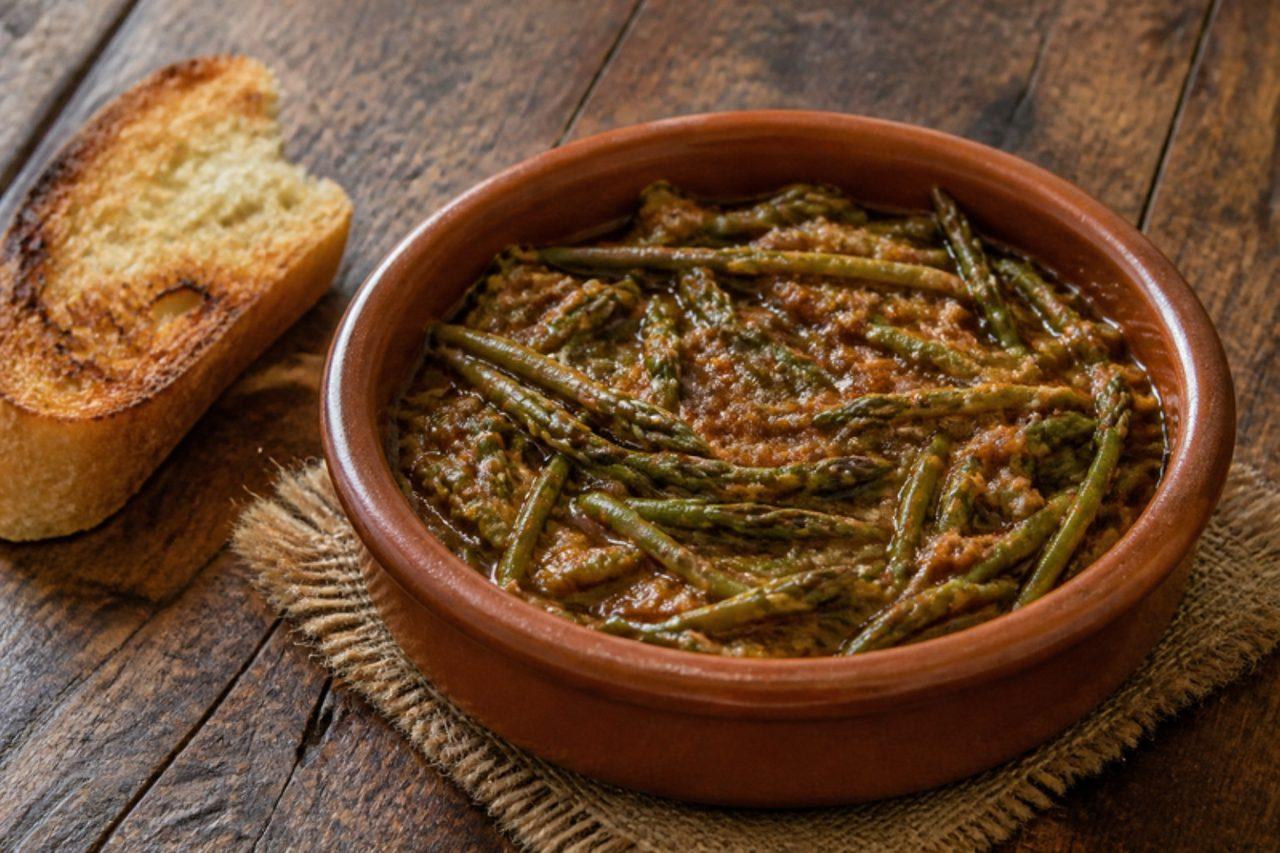
Espárragos trigueros esparragadosWild asparagus with fried bread

From March to May, families around Granada and Córdoba walk the field edges gathering thin, bitter wild asparagus, and the classic way to cook the haul is esparragados: simmered in a sauce of pounded fried bread, garlic, cumin and paprika, with an egg poached on top. Thin green asparagus from the shop works well too. The sauce should be thick enough to hold the egg. Chef's tip: pound the bread and garlic while still warm from the pan; they break down into a smooth paste far more easily.

by KrazyBadal 0 views

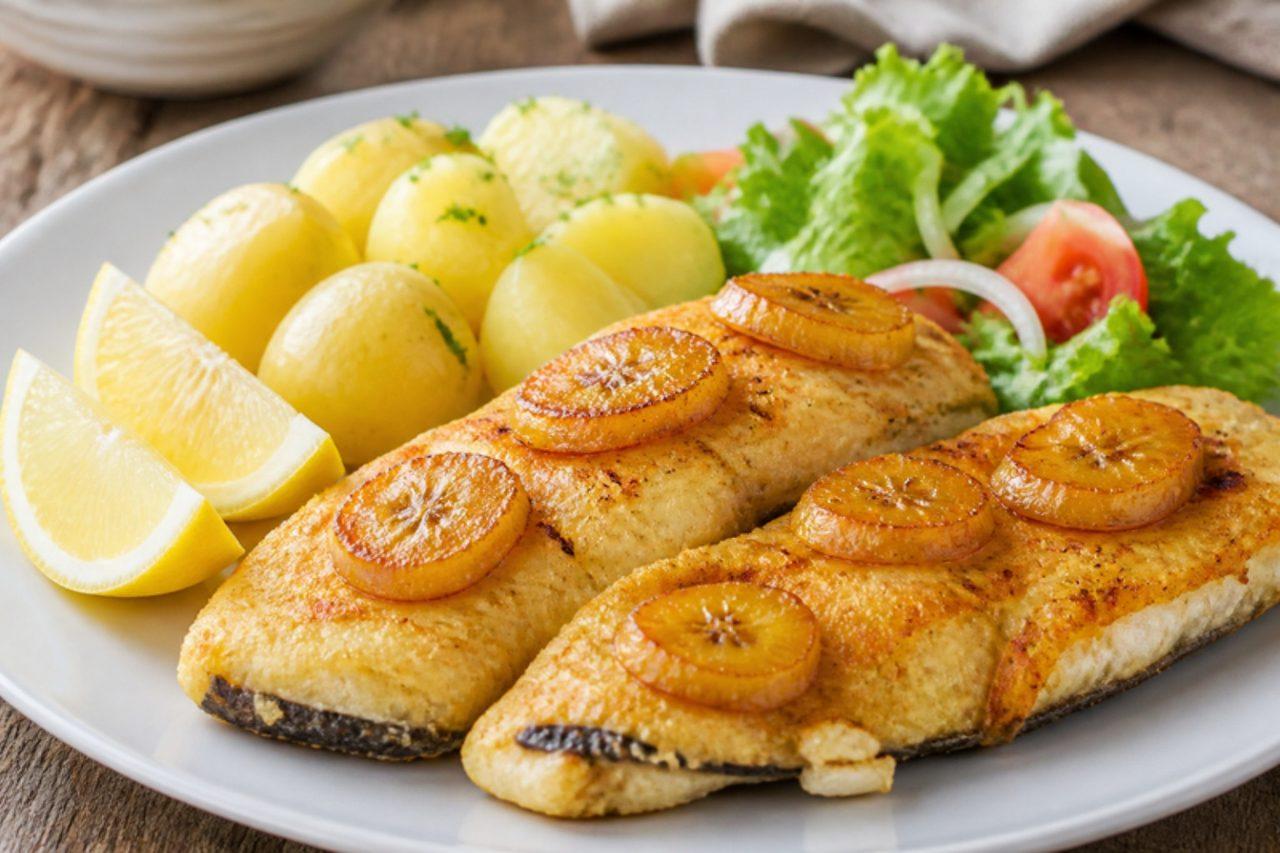
Espada com bananaFried scabbardfish with banana

The long, black, sharp-toothed espada is caught at great depth off Madeira at night, and the Funchal fish market sells it every morning. Its white, tender fillets are eaten everywhere on the island, most famously dipped in egg and fried, then crowned with slices of the small, sweet local banana fried in butter. Black scabbardfish is hard to find elsewhere; hake, ling or cod fillets work well. Chef's tip: pat the fish completely dry before flouring it, so the egg coating clings and fries crisp.

by KrazyBadal 0 views

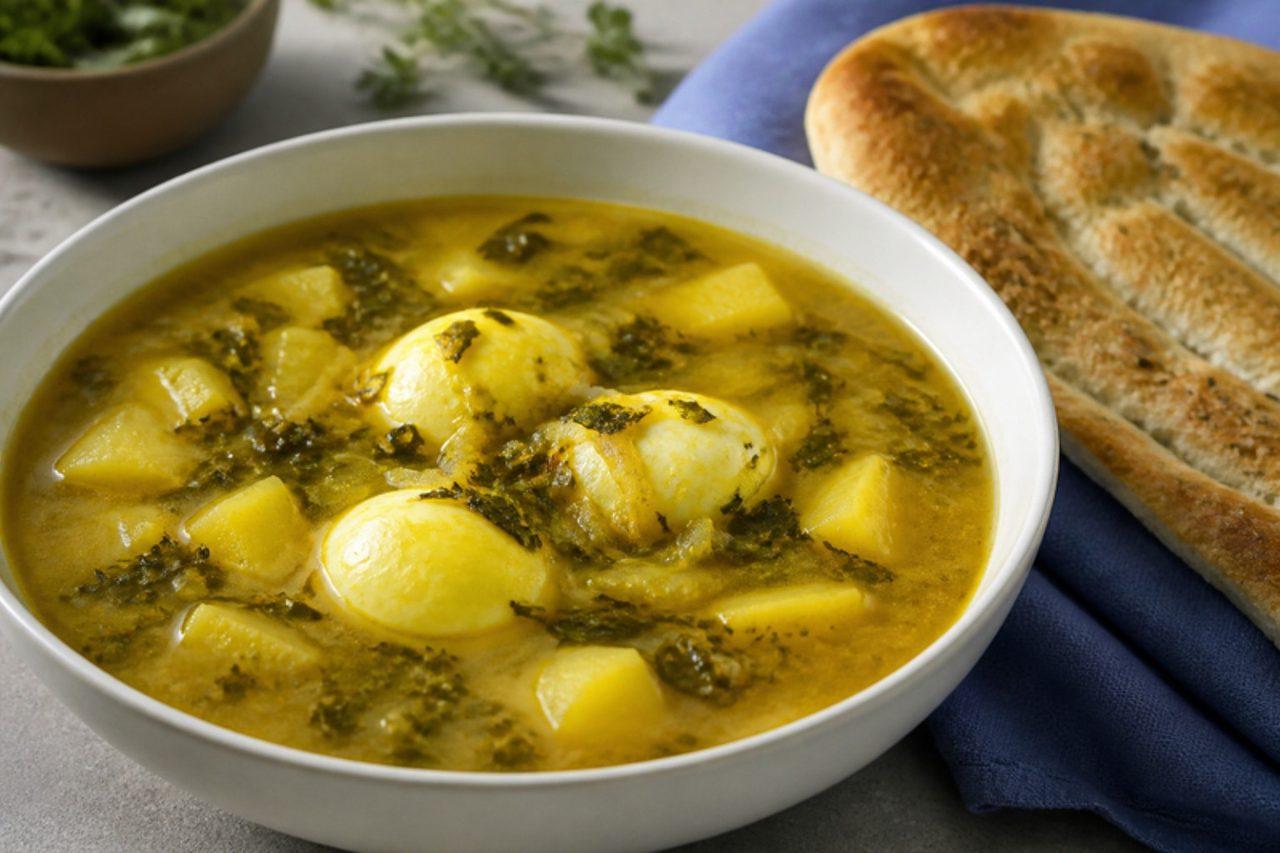
EshkenehOnion, fenugreek and egg soup

Eshkeneh is the soup of the cold north-west, cooked in Tabriz kitchens on winter evenings when there is little in the house but onions, eggs and dried fenugreek. The onions are fried very slowly until sweet and brown, a spoon of flour and turmeric thickens the broth, and eggs are dropped in to poach at the end; a little sour from lemon or dried sour cherries balances it. Azerbaijani families crumble barbari or lavash into their bowls so the bread soaks up the broth. A common mistake is rushing the onions, which leaves the soup thin and harsh rather than mellow and golden. Chef's tip: add the dried fenugreek with the flour, not before, because it scorches quickly and turns bitter.

by KrazyBadal 0 views

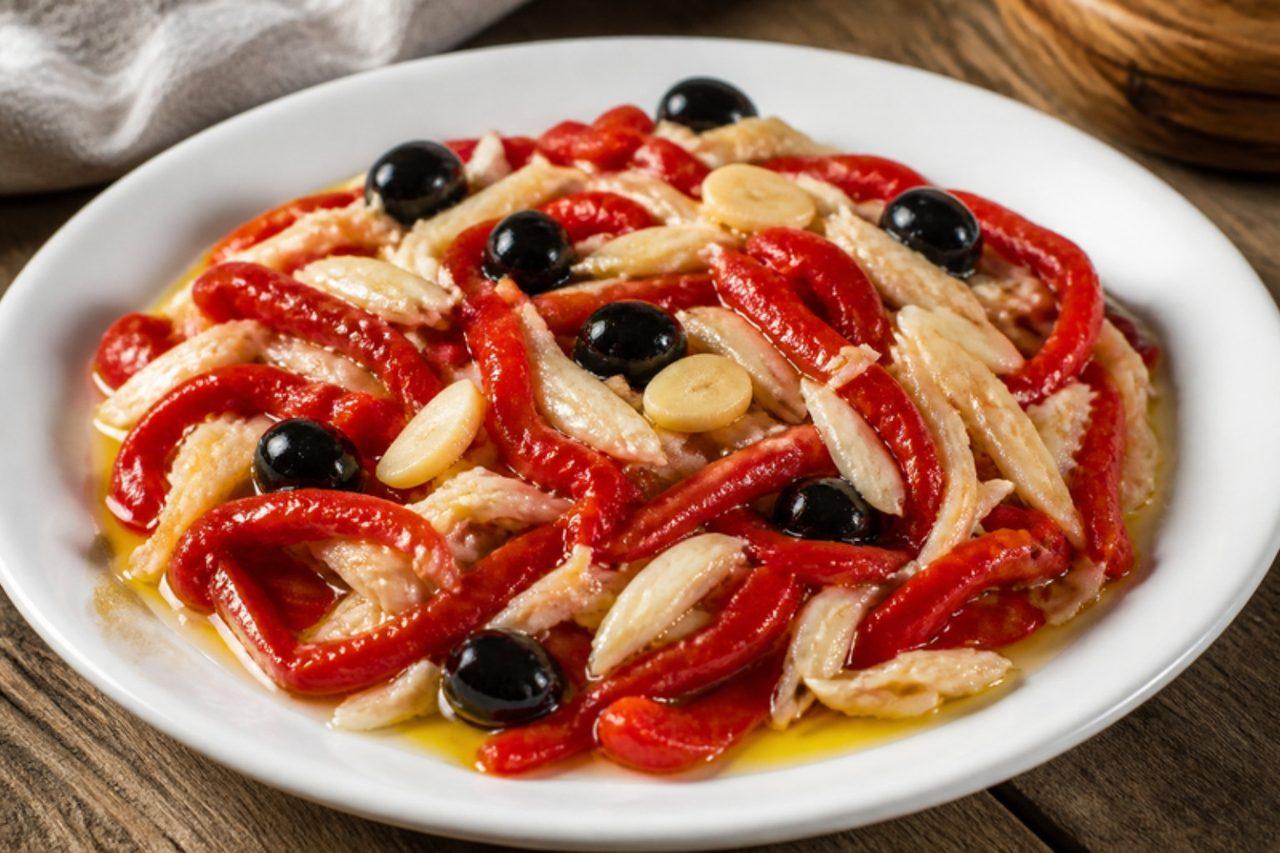
EsgarraetRoast pepper and salt cod salad

Esgarraet means "torn", and that is the whole technique: red peppers are roasted until soft and sweet, then pulled into strips by hand and layered with shredded salt cod, garlic and plenty of olive oil. Valencia's bars put it out as a tapa with crusty bread, and families make a big dish of it to pick at before a summer paella. Traditionally the cod is only desalted, not cooked, which means it is raw cured fish. That version is not for pregnant women, young children or anyone with a weakened immune system; this recipe gently poaches the cod first, which keeps it tender and makes it safe for everyone. A common mistake is rinsing the roast peppers under the tap to peel them; you wash away the sweet juices. Chef's tip: make it a day ahead; the peppers and cod drink up the garlicky oil overnight.

by KrazyBadal 0 views

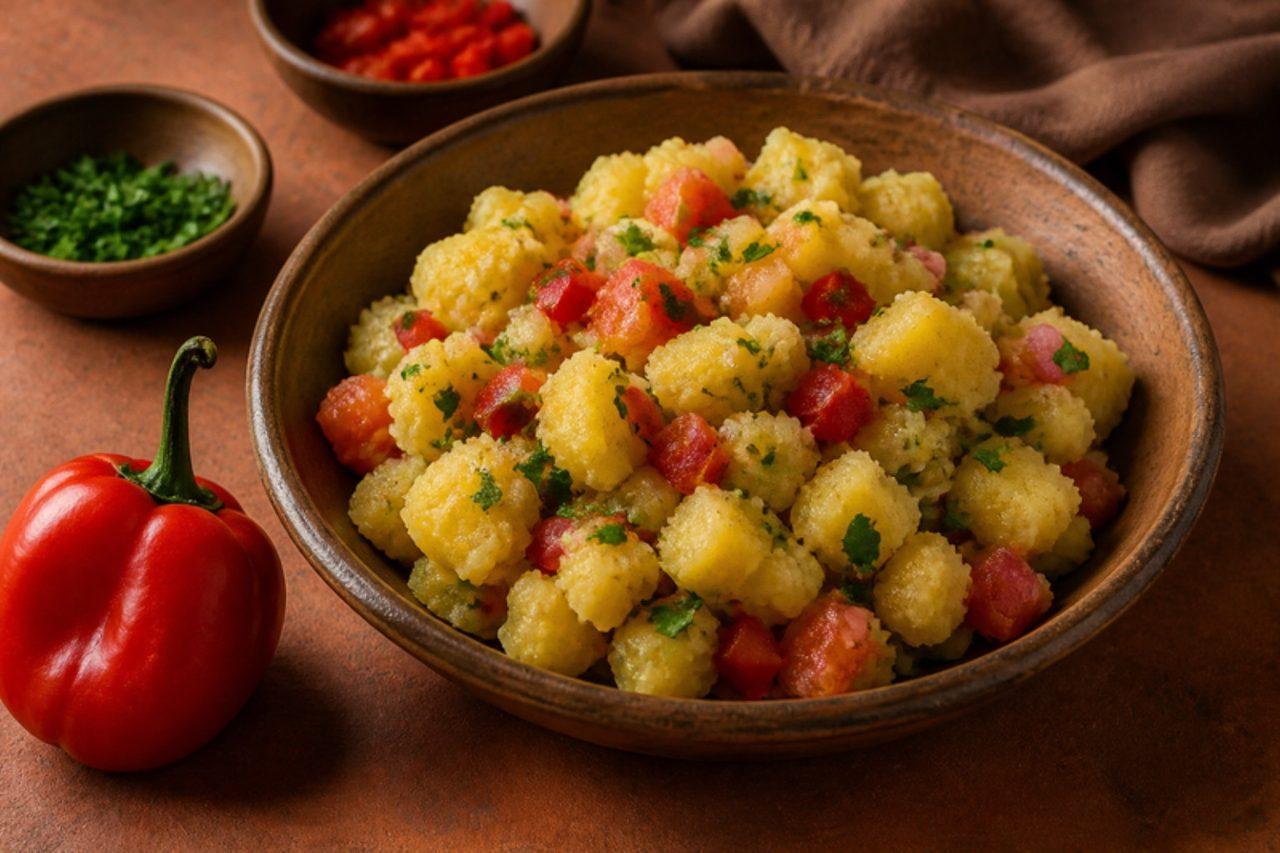
EscribanoCrushed potato salad with rocoto

Mid-morning in Arequipa's traditional picanterías, before the big plates come out, regulars order escribano: a bowl of warm yellow potato crushed with a fork and drenched in rocoto, ripe tomato, vinegar and oil. Local lore says it was a snack for the court clerks (escribanos) who worked nearby, and it is still eaten as a sharp, spicy wake-up with a glass of chicha or a soft drink. The texture should be rough and juicy, somewhere between a salad and a mash, with the red chilli bright against the potato. Don't purée it: overworked potato goes gluey and loses the chunks that hold the dressing. Rocoto is fiercely hot, so start with half and taste. Serve it alone with crusty bread, or beside fried cheese or grilled vegetables. Chef's tip: dress the potatoes the moment they are drained and peeled, while they are steaming, so they drink in the vinegar.

by KrazyBadal 0 views

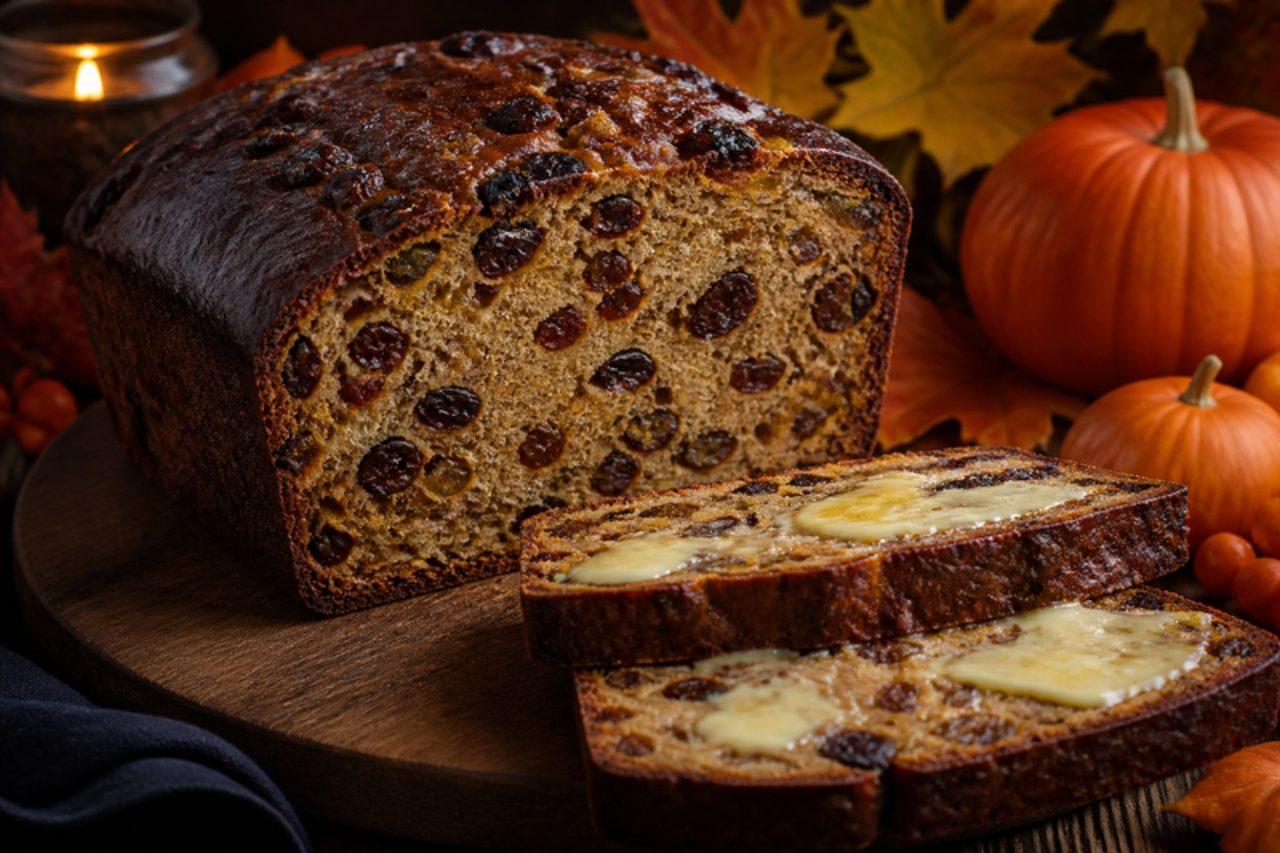
BarmbrackTea-soaked fruit loaf

Barmbrack is the speckled fruit loaf eaten in Ireland at Halloween, when a ring wrapped in baking paper is baked inside, and whoever finds it is said to marry within the year. This is the quick tea brack version made all over Connacht and Munster, with the dried fruit soaked overnight in strong tea so the loaf is dark, moist and fragrant with mixed spice. Serve sliced and buttered with a cup of tea. Chef's tip: soak the fruit for a full night; short soaking gives dry, chewy fruit.

by KrazyBadal 0 views

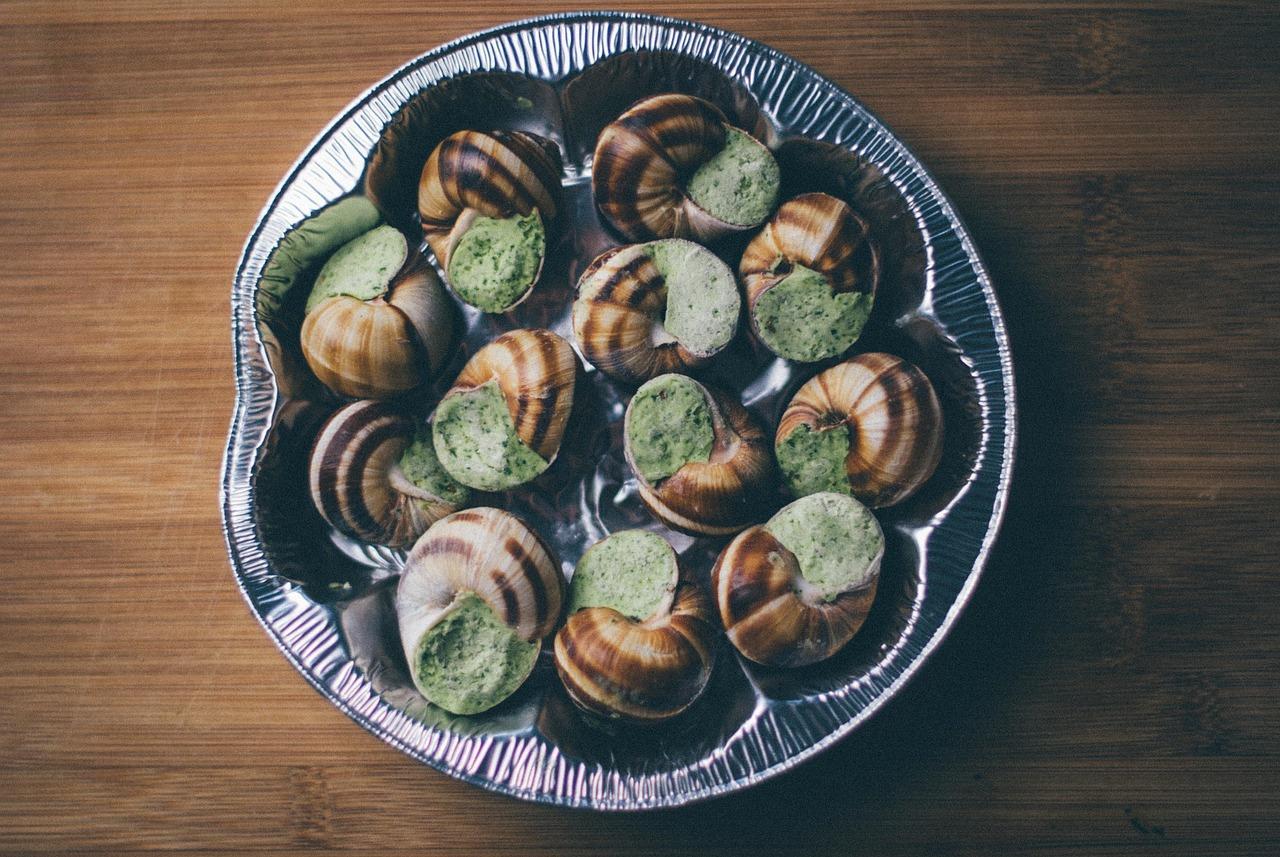
Escargots de BourgogneSnails in garlic parsley butter

Burgundy snails in green garlic butter are the festive starter of the Côte-d'Or, eaten at Christmas and New Year all over France and in Paris brasseries year round, served by the dozen in dimpled dishes. The snails themselves taste mild and earthy and have a pleasantly firm bite; the real attraction is the sizzling butter packed with garlic, shallot and parsley, mopped up with bread. Live snails need days of preparation, so this recipe uses ready-prepared tinned or jarred snails, with clean shells or snail dishes bought separately. Chef's tip: make the butter a day ahead so the garlic flavour deepens, and pack the shells well so the butter seals the snail in.

by KrazyBadal 0 views

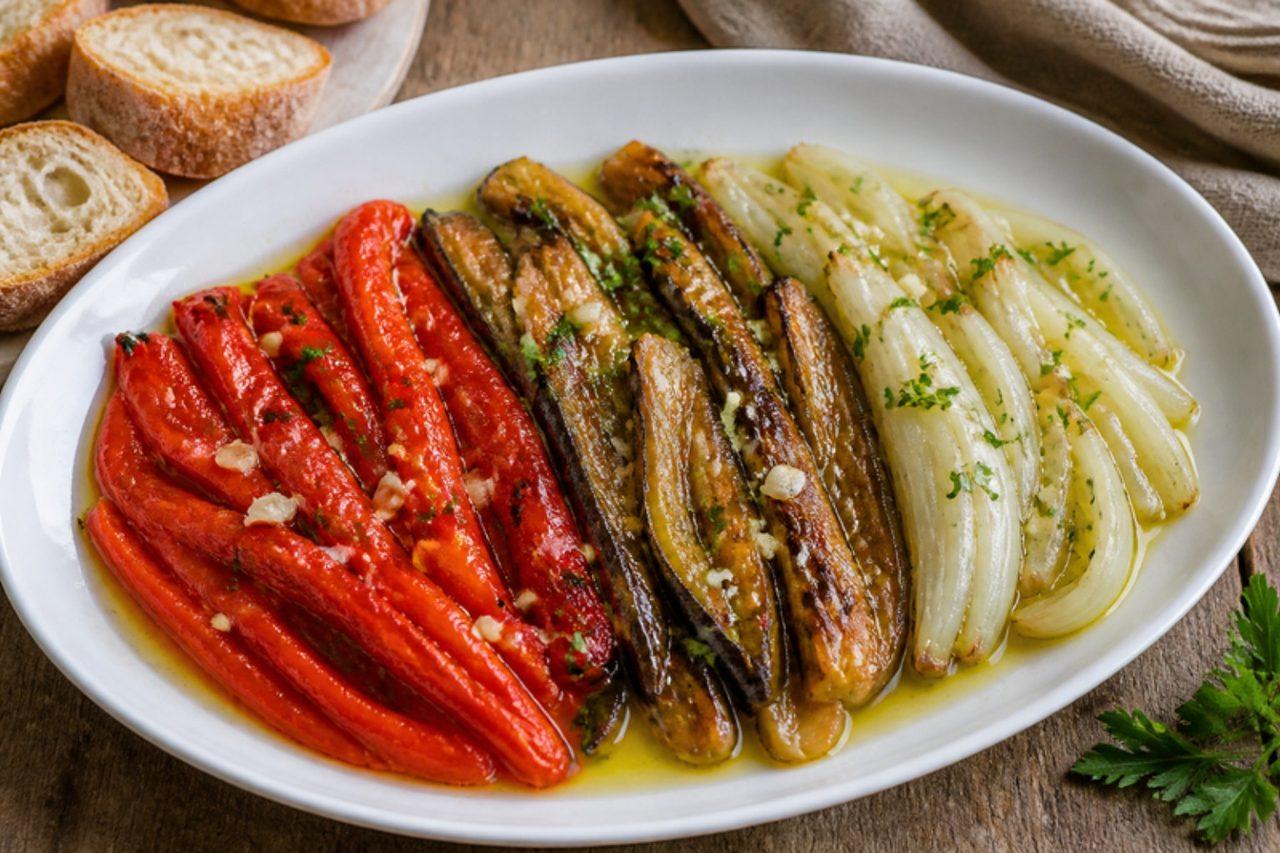
EscalivadaRoasted aubergine, pepper and onion

The name comes from the Catalan escalivar, to cook in the embers, and in country masies across Catalonia the vegetables still go straight into the dying fire after a Sunday grill. Aubergines, red peppers and onions char black outside and turn smoky and soft within, then are peeled, torn into strips and dressed with nothing but olive oil, salt and a little garlic. Serve it warm or at room temperature with bread, beside grilled meat, or on toast. Chef's tip: wrap the roasted vegetables in a cloth or put them in a covered bowl for 15 minutes; the steam lifts the skins clean off.

by KrazyBadal 0 views

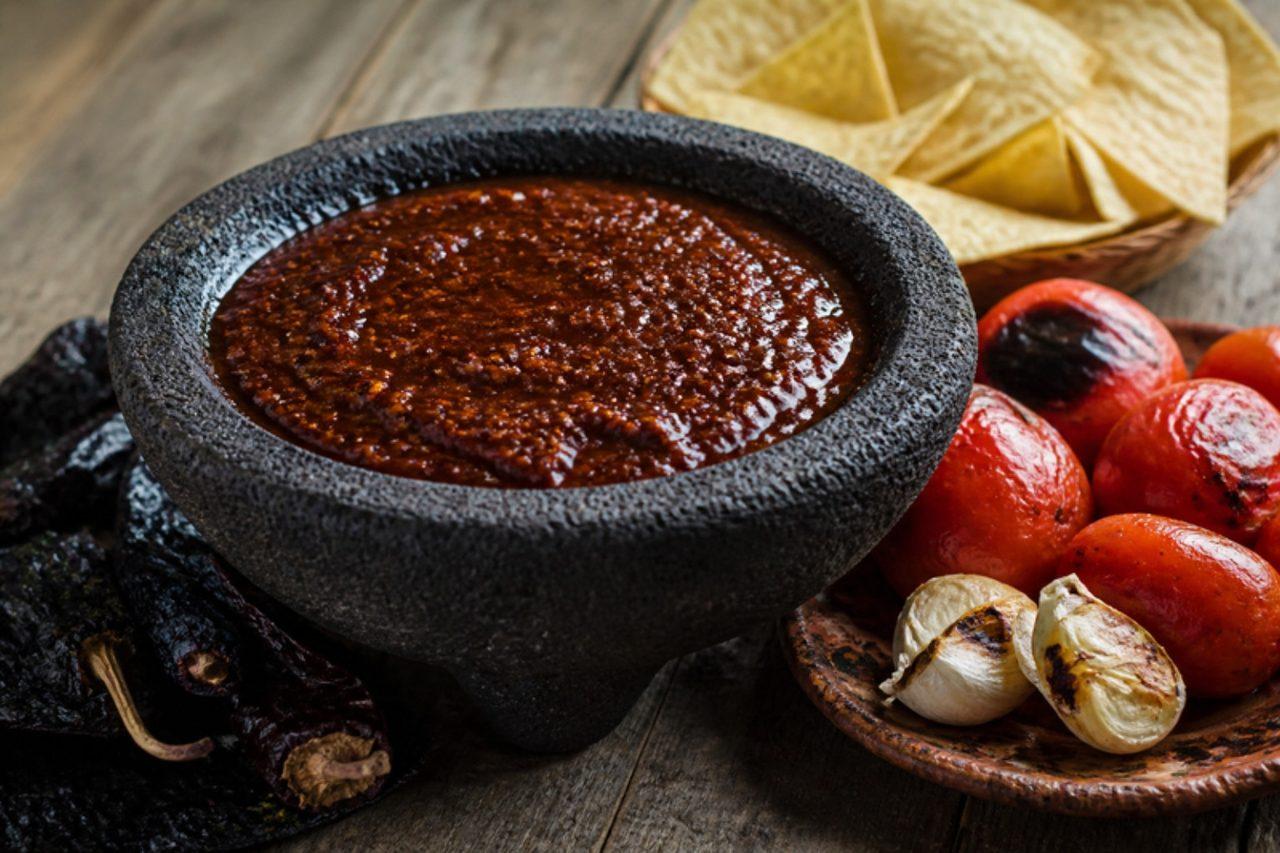
Salsa de chile pasilla oaxaqueñoSmoky dried chilli salsa

The pasilla mixe is a small, wrinkled, red-brown chilli smoked in the Sierra Mixe mountains east of Oaxaca City, and it tastes of campfire, tobacco and dried fruit. Ground in a molcajete with roasted tomato and garlic, it becomes the salsa that sits on every table in Oaxacan fondas, spooned over memelas, eggs, beans and grilled vegetables. It keeps a week in the fridge and improves after a day. If you cannot find pasilla mixe, use chipotle mora plus one ancho. Chef's tip: grind the garlic and salt first, then the chillies, then the tomato; working in that order gives a rough, clinging texture rather than a watery purée.

by KrazyBadal 1 views

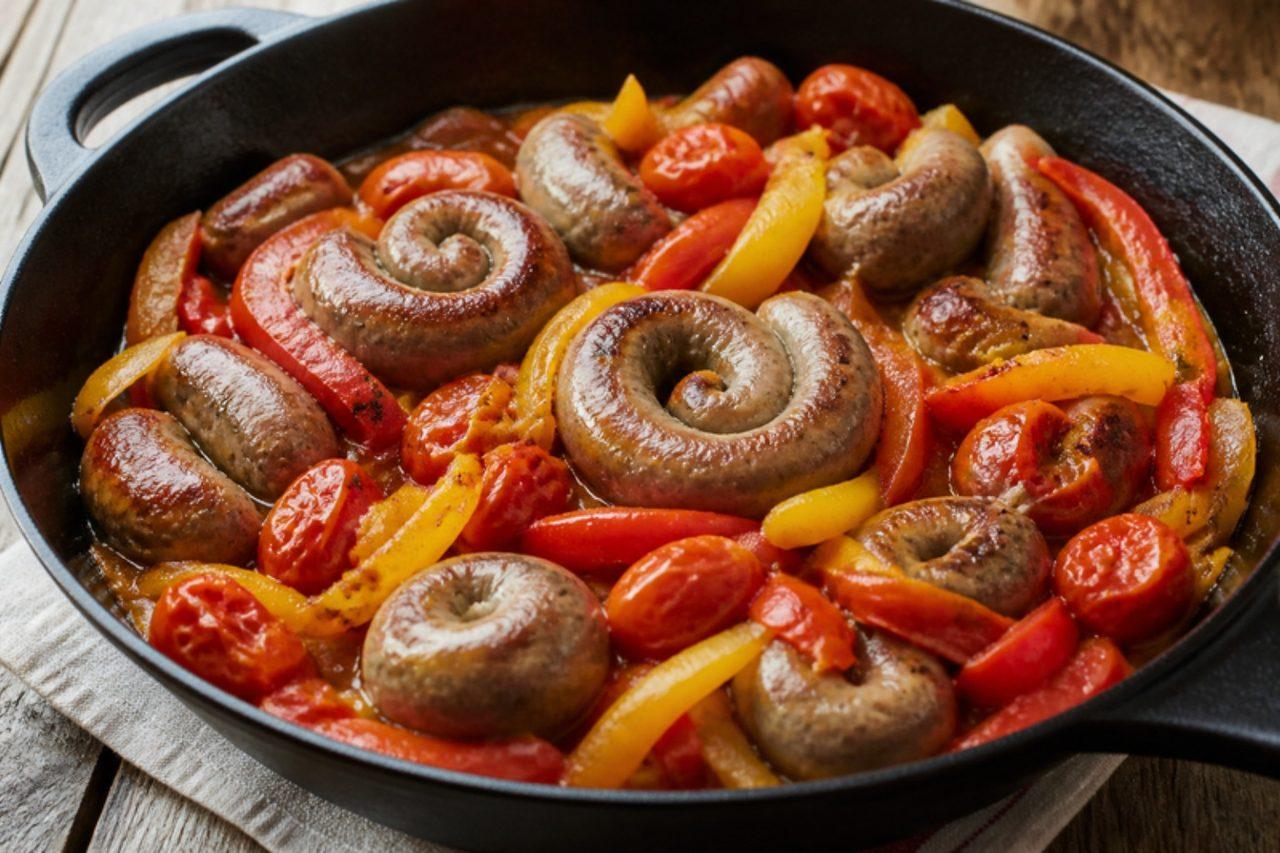
Lucanica con peperoniFennel sausage with peppers

Lucanica, the coiled fennel-seed pork sausage of Basilicata, is so old that Roman writers named it after the region. At home it's often cooked the simplest way, braised with sweet peppers and a little tomato until the peppers turn silky and the sausage fat flavours everything. It's a pork dish for a weekday supper or a village festival, served with crusty bread or a pile of soft polenta. If you can't find lucanica, use any coarse Italian pork sausage with fennel. Chef's tip: prick the sausage only once or twice; too many holes let all the juices run out and the sausage dries.

by KrazyBadal 0 views

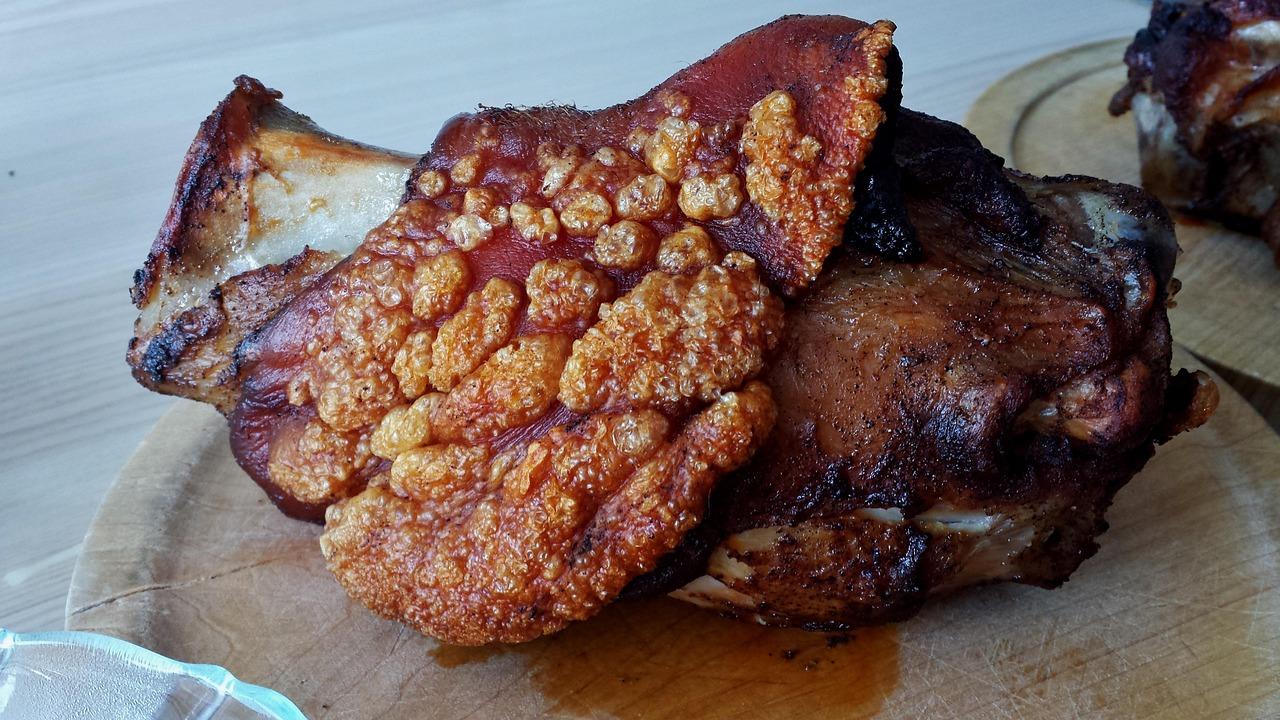
SchweinshaxeRoast pork knuckle

In Munich beer halls and Upper Bavarian village inns, a Schweinshaxe arrives as a whole roast pork knuckle, crackling glassy on the outside and the meat falling off the bone, usually with a potato dumpling and a spoon of sauerkraut. At home it is a weekend dish for cold months: the fresh (not cured) pork hocks are simmered first, then roasted hard so the skin puffs. Ask the butcher for hind knuckles, which carry more meat than front ones. Chef's tip: dry the simmered skin with kitchen paper and leave it uncovered for 20 minutes before roasting; dry skin is the secret to crackling that shatters.

190 minGermanMeatGluten free
by KrazyBadal 0 views

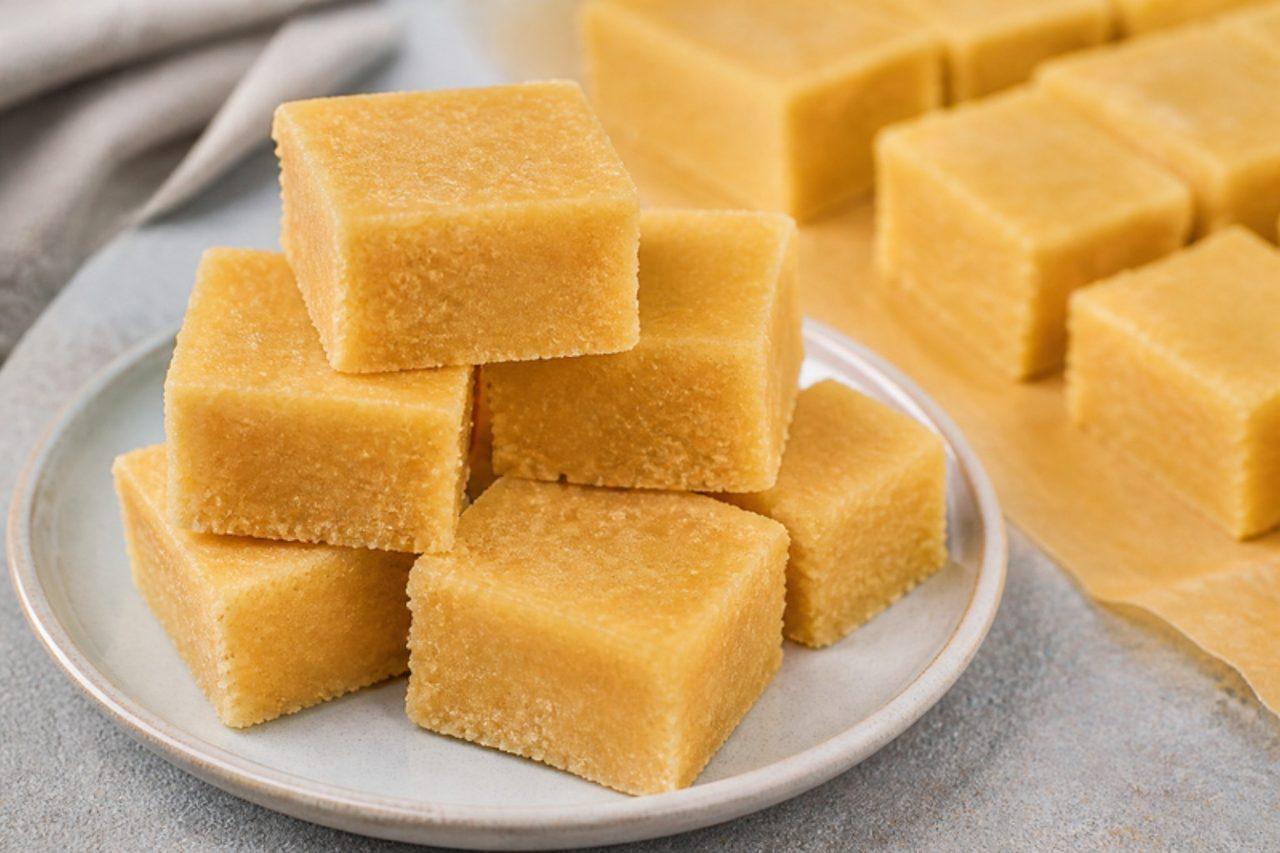
Scottish tabletButter fudge

Tablet is harder and grainier than fudge, a sugary square sold at every church fête, Highland games and corner shop in Scotland and taken home in paper bags by visitors. Sugar, butter, milk and condensed milk are boiled to the soft-ball stage and beaten until they crystallise, giving that crumbly, melting snap. Chef's tip: beat it hard off the heat until it loses its gloss and drags on the spoon; stop too early and you have soft fudge.

by KrazyBadal 0 views

Erk sousLiquorice root drink

In the lanes of old Damascus and Aleppo, the erk sous seller is heard before he is seen, clacking brass cups as he walks with a great curved jug strapped to his back. His drink is liquorice root, slowly dripped through with cold water, dark, earthy, faintly bitter and naturally sweet, poured with a flourish over the shoulder during Ramadan iftars and hot afternoons. At home a sieve and a cloth do the job. The mistake people make is pouring boiling water over the root, which pulls out harsh bitterness; cold water and patience give a smooth, foamy drink. Liquorice root raises blood pressure if you drink a lot of it, so keep to a glass or two a day and skip it if you are pregnant or have high blood pressure. Chef's tip: a pinch of bicarbonate of soda in the damp root gives the drink its traditional thick, frothy head.

by KrazyBadal 0 views

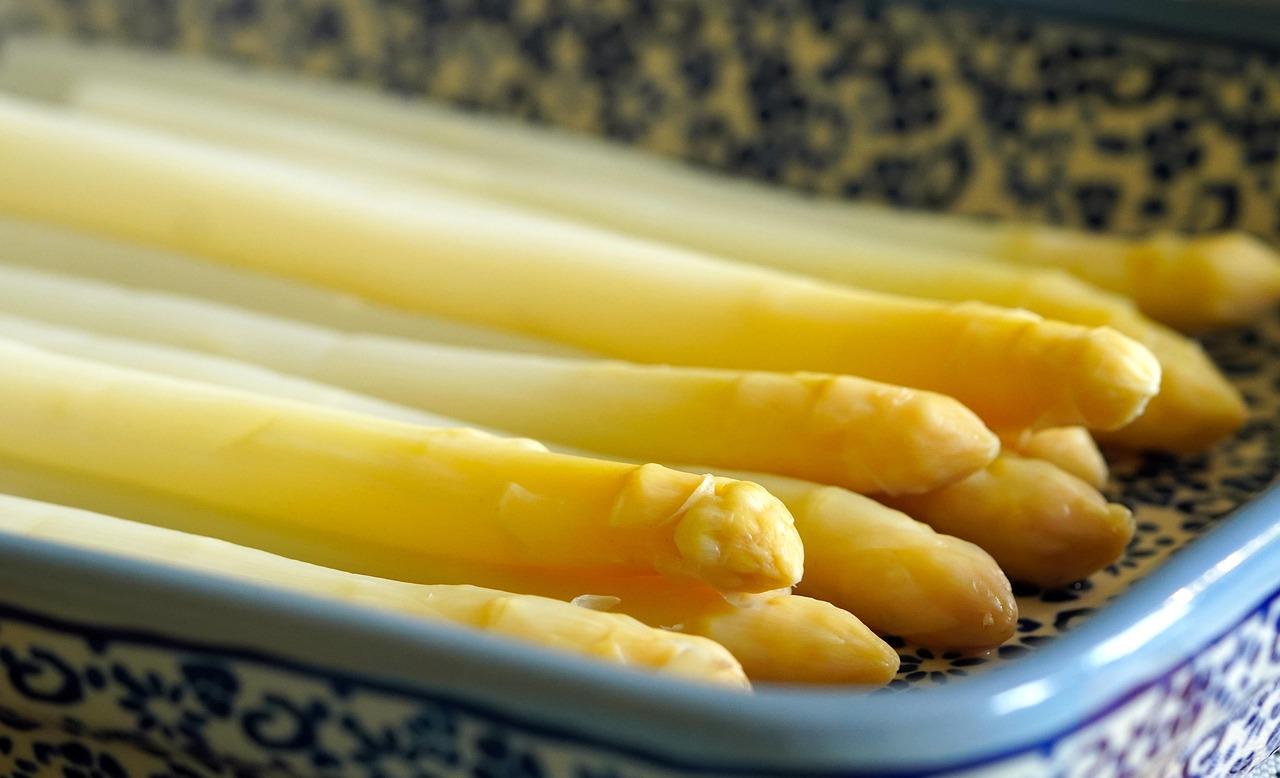
Espárragos de Navarra con vinagretaWhite asparagus with vinaigrette

White asparagus grows under mounded earth in the sandy fields along the Ebro and its tributaries, and the Espárrago de Navarra label covers the spears picked there from April to June. In spring, restaurants from Pamplona to Tudela serve them freshly boiled, still warm or just cool, as a starter on their own or with a sharp vinaigrette full of finely diced peppers and egg. The rest of the year the jarred ones are a pantry staple. Chef's tip: add a teaspoon of sugar to the cooking water; it softens the faint bitterness of the stems.

by KrazyBadal 0 views

New York bagels

The New York bagel came with Jewish bakers from Poland to the Lower East Side, and it is still breakfast on the go across the five boroughs, split and spread thickly with cream cheese. The dough is stiff and rested overnight in the fridge, then each ring is boiled before baking, which gives the dense, chewy crumb and the glossy, crackly crust. Chef's tip: test one bagel before boiling them all; if it floats in a bowl of cold water, they are ready.

by KrazyBadal 0 views

BoxtyPotato pancakes

Boxty is the potato pancake of the north midlands, from Leitrim, Cavan and Fermanagh, remembered in the rhyme 'boxty on the griddle, boxty in the pan'. Raw grated potato is mixed with mashed potato, flour and buttermilk, then fried, giving a cake that is crisp and lacy outside and soft and slightly chewy inside. Eat it for breakfast with eggs and tomatoes, or wrapped round a creamy mushroom filling. Chef's tip: squeeze the grated potato hard in a cloth; wet potato gives soggy, grey boxty.

by KrazyBadal 0 views

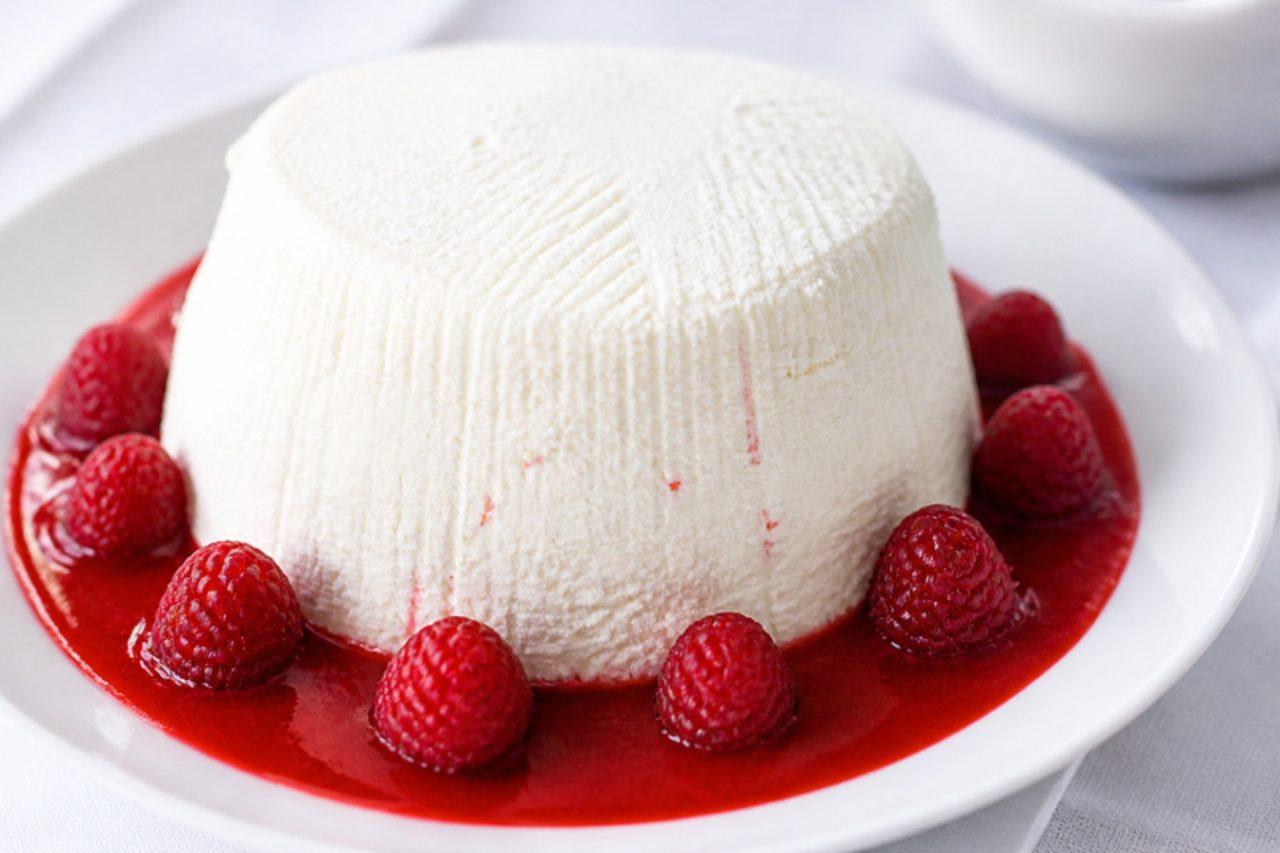
Crémet d'AnjouLight cream dessert

Angers and the Anjou countryside have served crémets since the 1800s: a mixture of fresh cheese, whipped cream and whisked egg white, drained in muslin until it holds its shape, then unwrapped onto a plate with berries or a red fruit coulis. It is soft, cool and barely sweet, and Angevin cheese shops sell it by the pot in spring and summer. This version swaps raw egg white for a little extra whipped cream, so it is safe for everyone. You need muslin or a clean J-cloth and small sieves or ramekins with holes. Chef's tip: give it a full 12 hours in the fridge; it firms up and turns light and mousse-like as the whey drips away.

by KrazyBadal 0 views

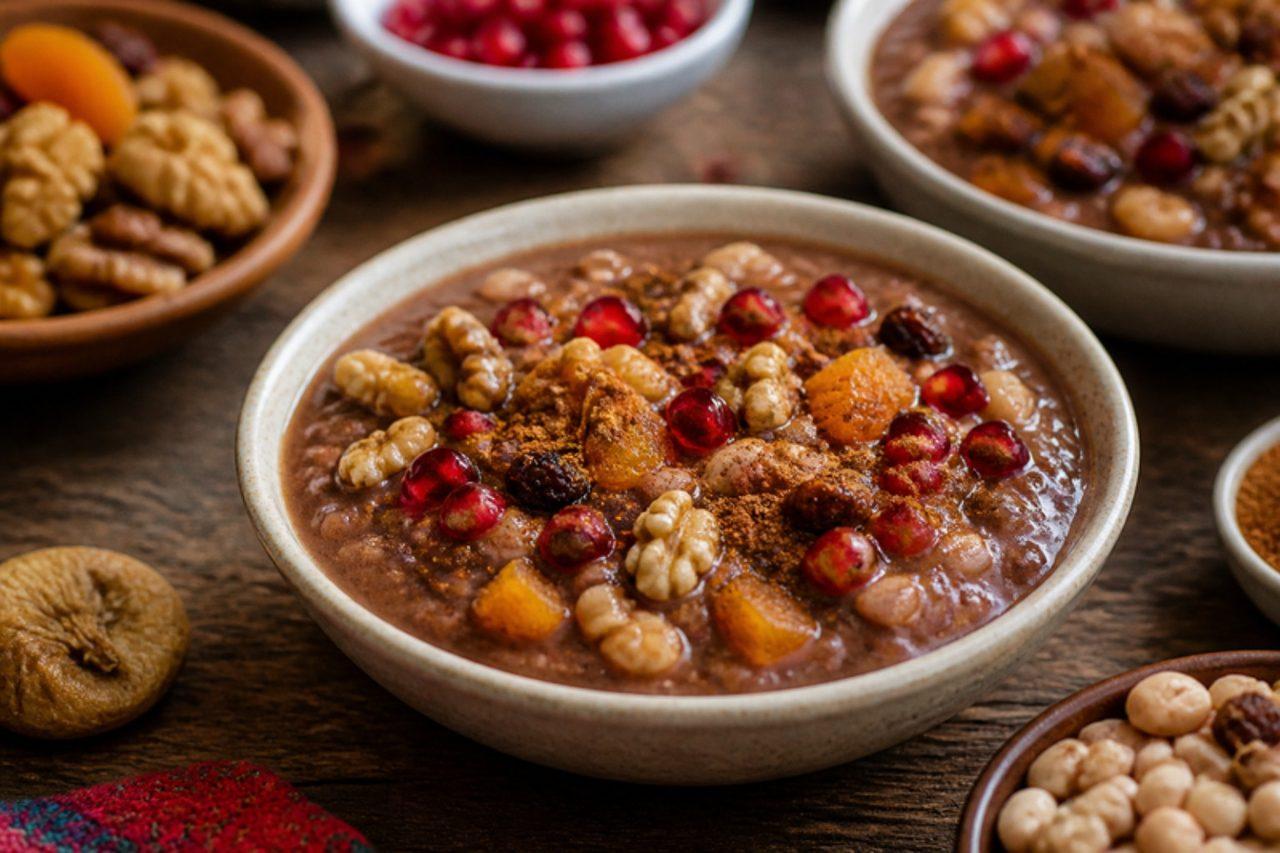
AşureWheat, bean and dried fruit pudding

In the month of Muharram, kitchens all over Anatolia, especially in conservative Konya and Sivas, boil great pots of aşure and send bowls to every neighbour, regardless of faith, so the sweet is as much about sharing as eating. Legend says it was cooked on Noah's ark from the last of the stores, which is why it combines whole wheat, chickpeas, white beans, dried apricots, figs and raisins in a thick, gently sweet pudding. It's topped with walnuts, pomegranate and cinnamon. Common mistake: adding sugar before the wheat is fully tender; sugar firms the grains and they never soften. Chef's tip: soak the wheat and pulses overnight and cook the wheat in its soaking water for the creamiest result.

by KrazyBadal 0 views

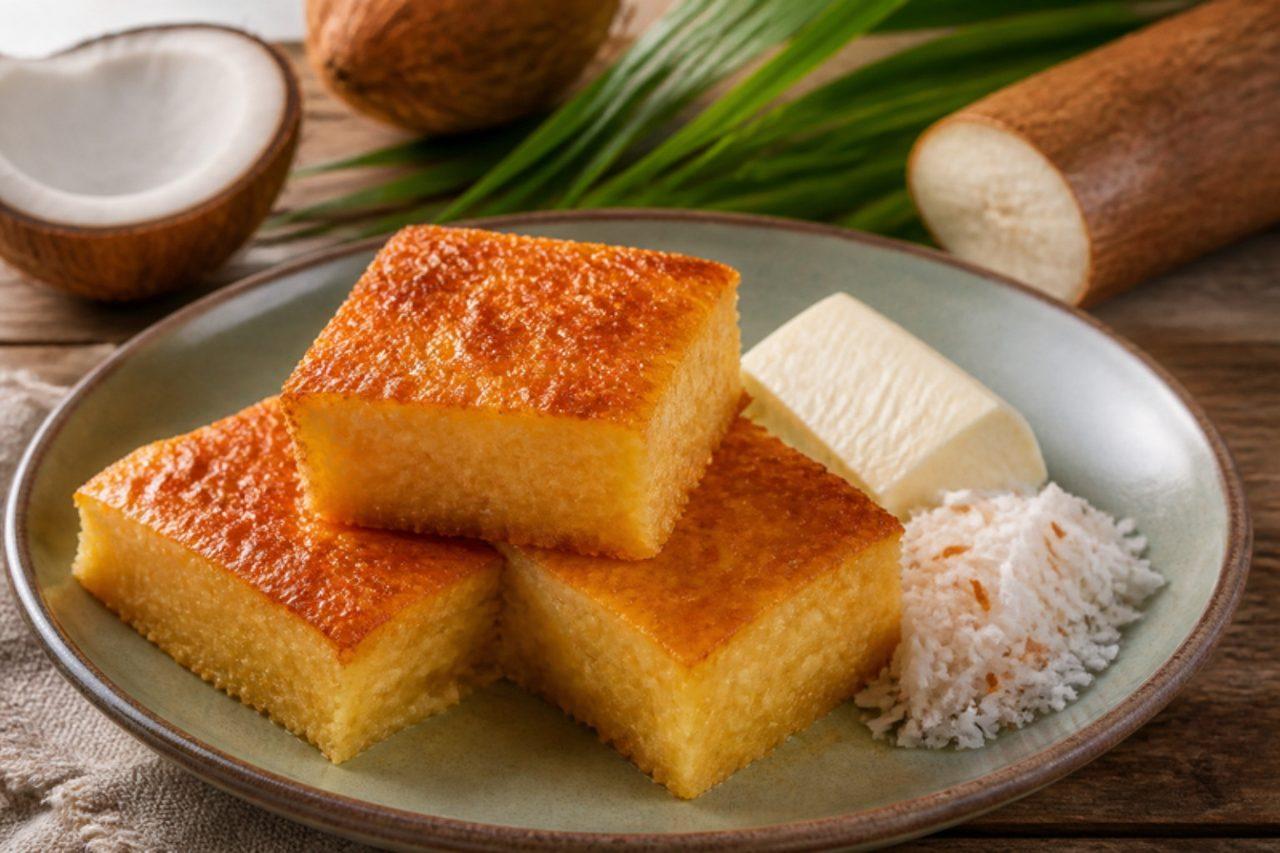
EnyucadoCassava coconut cake

Bakeries and street vendors in Cartagena, Barranquilla and Montería sell enyucado by the square, wrapped in paper, as an afternoon sweet with coffee. It is a dense, moist cassava cake held together by coconut milk, sweetened with sugar, scented with aniseed and given a salty edge by grated white cheese; the top bakes to a golden, slightly chewy crust while the middle stays soft and pudding-like. It is also a fixture at birthday and holiday tables along the coast. Queso costeño is the cheese used; a firm feta-style one is the nearest swap, and as both are usually set with animal rennet, choose a vegetarian (microbial-rennet) cheese. People most often go wrong by cutting it warm: the starch needs at least an hour to set, otherwise the slices are gummy and fall apart. Frozen grated cassava from Latin or African shops saves a lot of work. Chef's tip: squeeze the grated cassava lightly so the cake sets well but stays moist.

by KrazyBadal 0 views

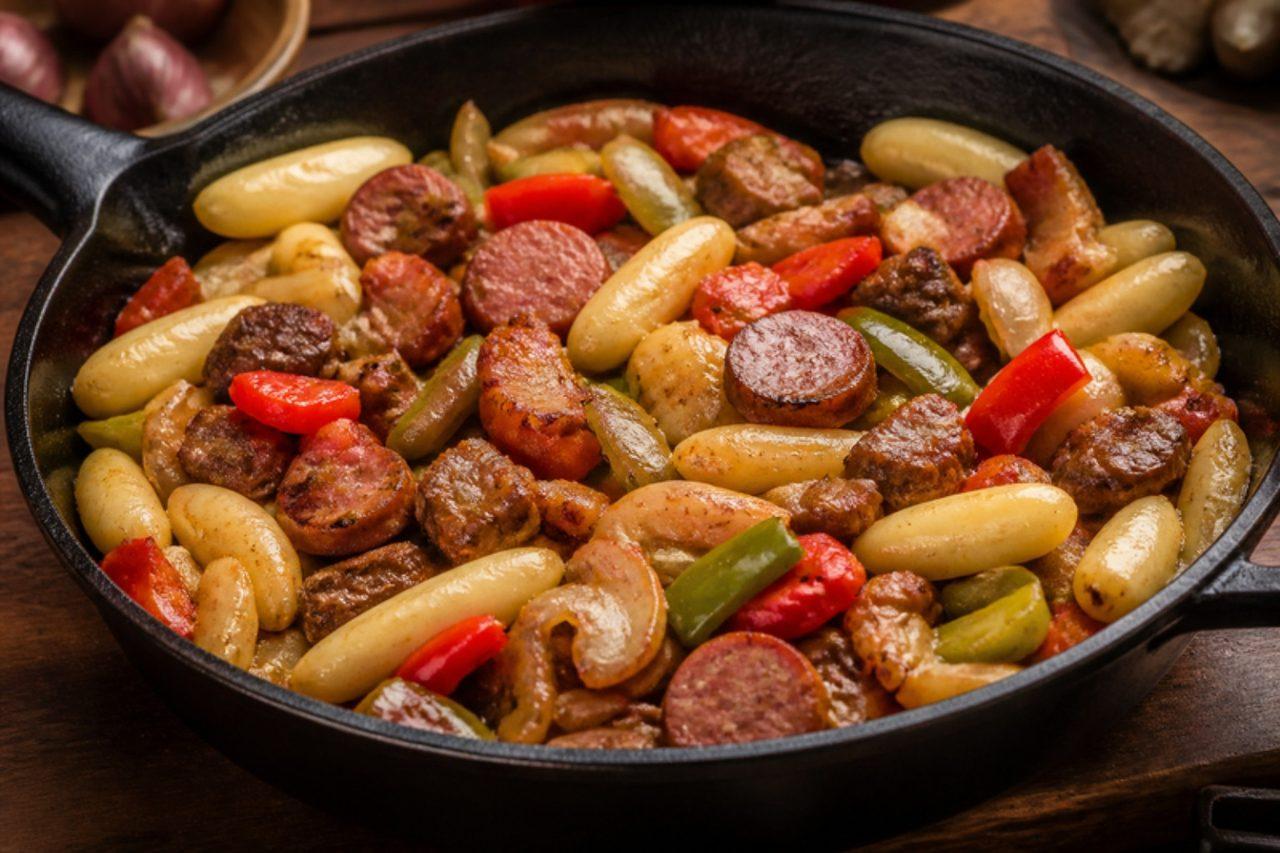
Entrevero de pinhãoPine nut and mixed meat stir-fry

In the cold highlands of Santa Catarina, Lages throws a Festa do Pinhão every winter, and the star is entrevero: a huge pan of beef, pork loin, pork sausage and bacon fried with onions, peppers, tomato and pinhão, the large, starchy seeds of the Araucaria pine. The name means a jumble, and that is what it is, cooked in stages on a wide pan over the fire and eaten straight away. Pinhão tastes like a cross between a chestnut and a potato; vacuum-packed cooked chestnuts are the best stand-in. There is plenty of pork here, so cook every strip through. The pitfall is throwing everything in at once, which stews the meat; add each meat in turn so it browns. Chef's tip: cook the pinhão in a pressure cooker, then peel it while still warm, when the shell and the bitter inner skin come off easily.

by KrazyBadal 0 views

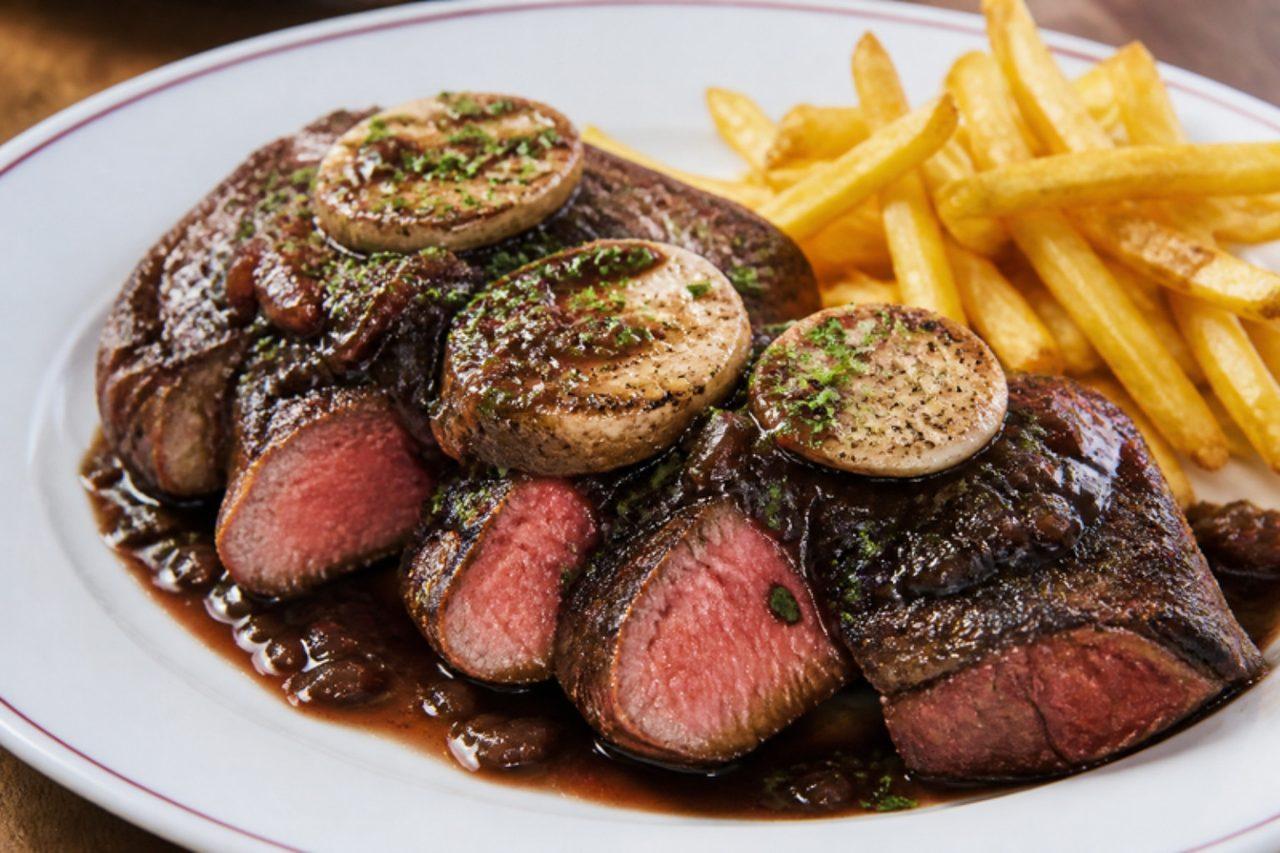
Entrecôte bordelaiseRib steak in red wine sauce

Bordeaux's brasseries, from the quays of the Garonne to the old Chartrons wine-merchant quarter, still grill entrecôte over vine cuttings and serve it with sauce bordelaise: shallots, thyme and red wine reduced to a syrup, then enriched with stock and cold butter. Poached bone marrow, folded in at the end, is the old-school touch and well worth trying. The sauce is glossy, deep and a little sweet against the well-browned, juicy steak. The sauce uses red wine; the ingredient note gives an alcohol-free version. Serve with frites or sautéed potatoes and a crisp green salad. Chef's tip: let the steaks sit out of the fridge for 30 minutes before cooking so the centre cooks evenly.

50 minFrenchMeat
by KrazyBadal 0 views

Ensopado de borregoLamb stew over bread

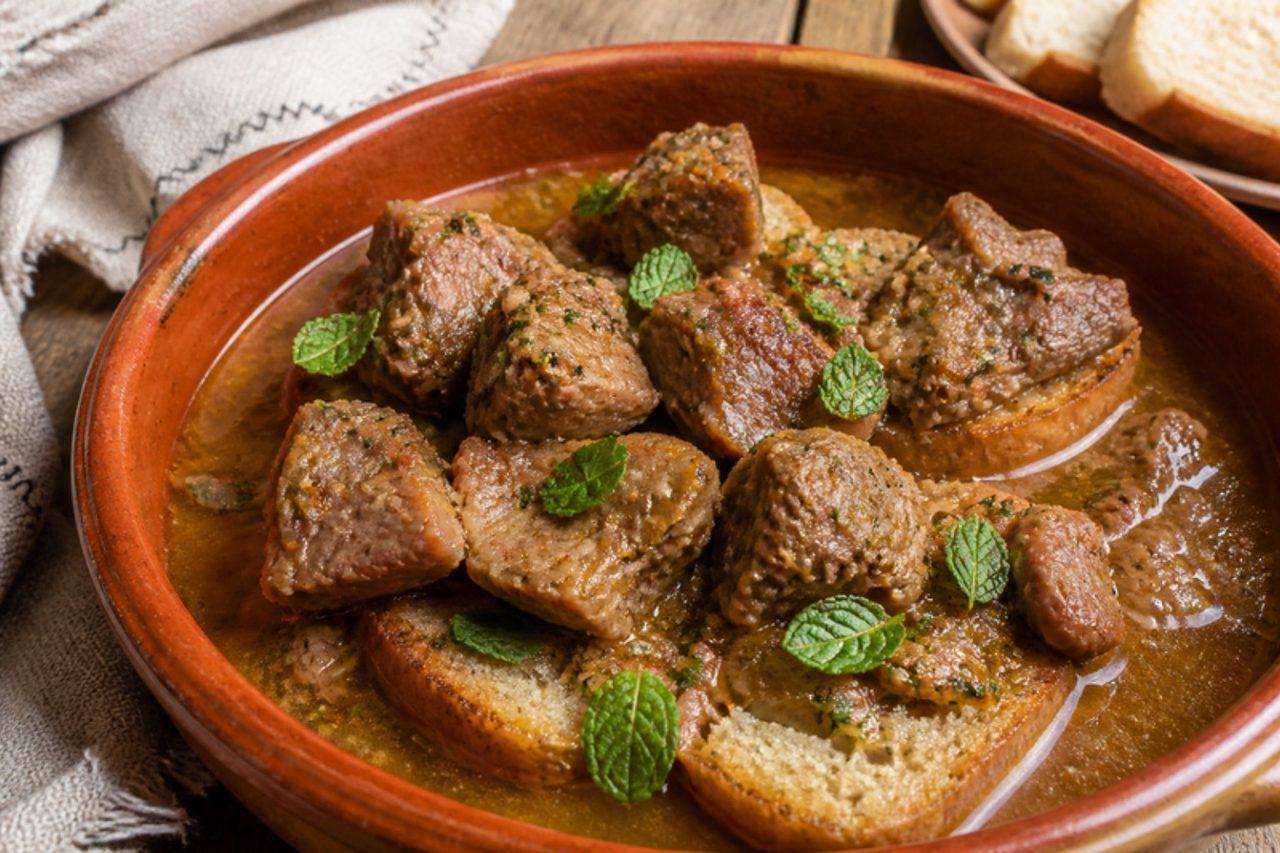
Ensopado means soaked, and the bread is the point: Alentejo shepherds' lamb is stewed with garlic, onion, paprika and a little white wine until it falls off the bone, then the rich broth is ladled over slices of country bread in deep plates. It is Easter food in the region, when the spring lambs are ready, and a dish for long Sunday lunches. The wine contains alcohol; use extra stock with a spoonful of vinegar if you prefer. A common mistake is using lean leg meat, which turns dry; shoulder or neck stays juicy. Chef's tip: marinate the lamb overnight in the fridge with the garlic and paprika; the flavour goes right through.

by KrazyBadal 0 views

Alubias de TolosaBlack beans with chorizo and pork

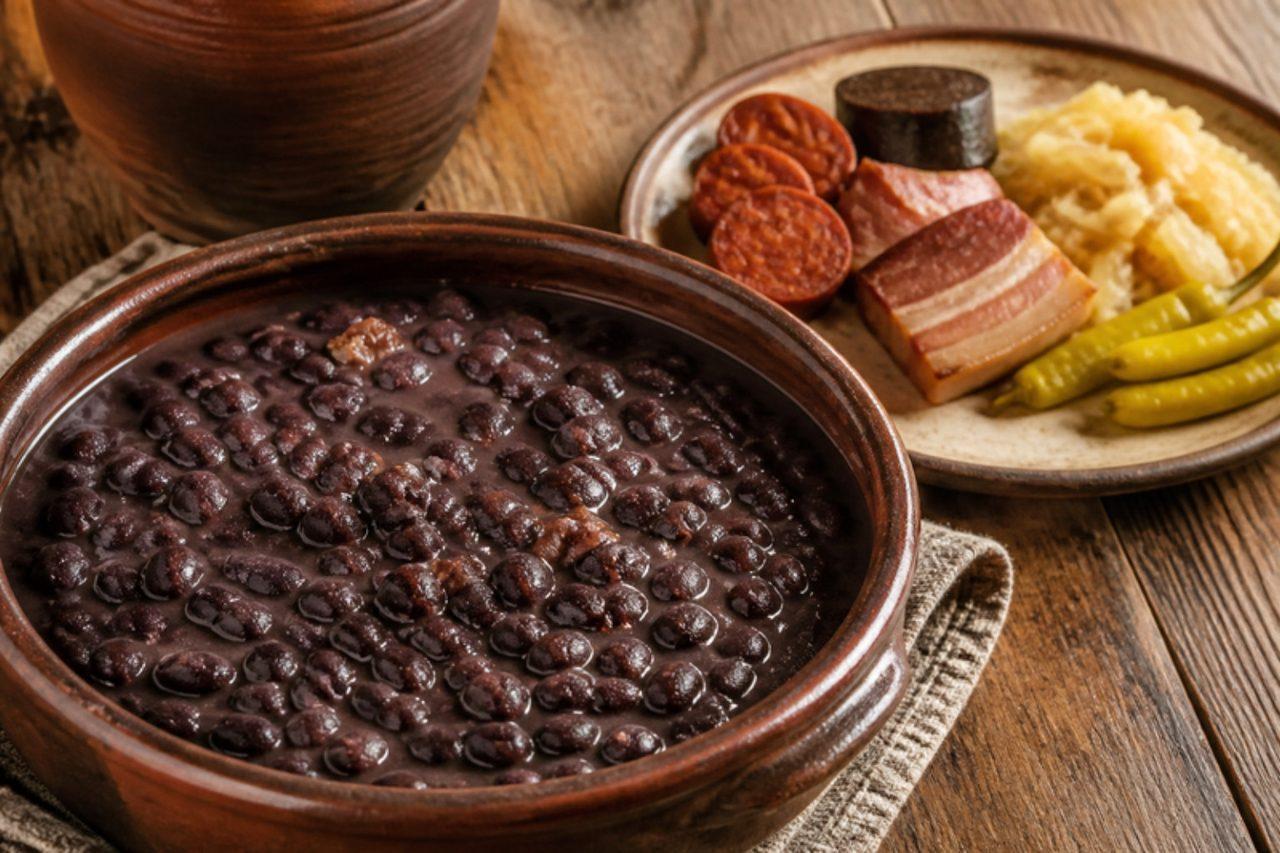
Tolosa, in the Oria valley, celebrates its dark purple-black beans every autumn, and the town's restaurants serve them in clay pots with the 'sacramentos' on the side: chorizo, morcilla and pork belly, plus cabbage and pickled guindillas. This contains pork (chorizo, morcilla and pork belly). The beans are cooked very slowly with only onion and oil until creamy and the broth is thick and dark. A common mistake is boiling the beans hard, which splits their skins; they should barely tremble. Chef's tip: add a splash of cold water three times while they cook ('scaring' the beans), which keeps the skins tender and whole.

195 minSpanishMeat
by KrazyBadal 0 views

Showing 63 of 7,762 recipes

Show more recipes

Page 431 of 863