Skip to content
Talkhan
Featured recipe

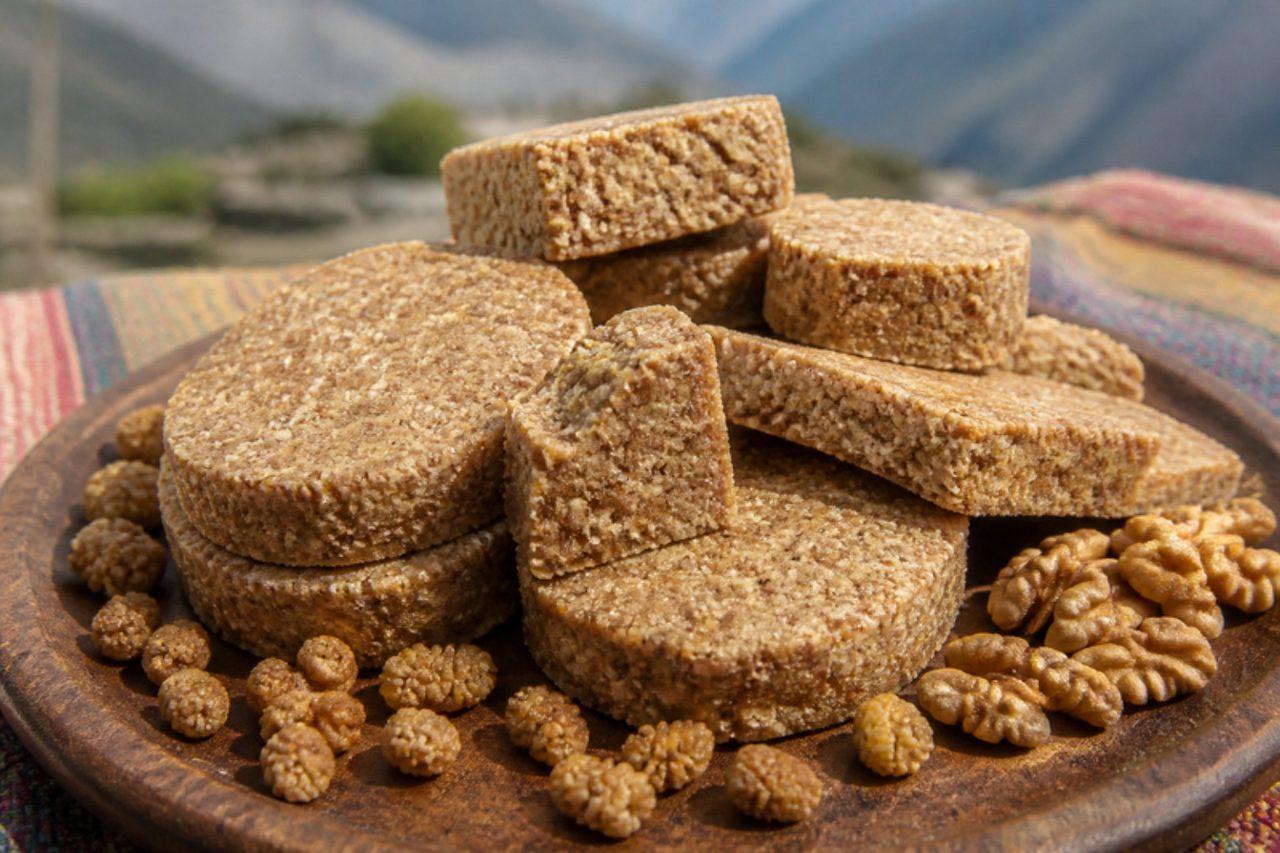
Talkhan

Around Bamiyan and Daikundi in the central mountains, where mulberry trees line the irrigation channels, families dry the white berries on rooftops in summer and pound them with walnuts into talkhan, a dense, chewy sweet that keeps for months. It was the food shepherds and travellers carried in a cloth for long days on foot, and it is still offered with green tea to guests in Hazara homes in winter. The flavour is honeyed, faintly fig-like and nutty, with no added sugar at all. Grinding it too fine and too long is the usual misstep, as the walnuts turn oily and the cake goes greasy; stop while there is still some texture. Chef's tip: toast the walnuts lightly and let them cool before pounding, which takes away any bitterness from the skins.

Read more 0 views
Can't decide?

What to eat today?

Spin the randomizer, search with what's already in your fridge, or browse recipes from our chefs.

Latest recipes

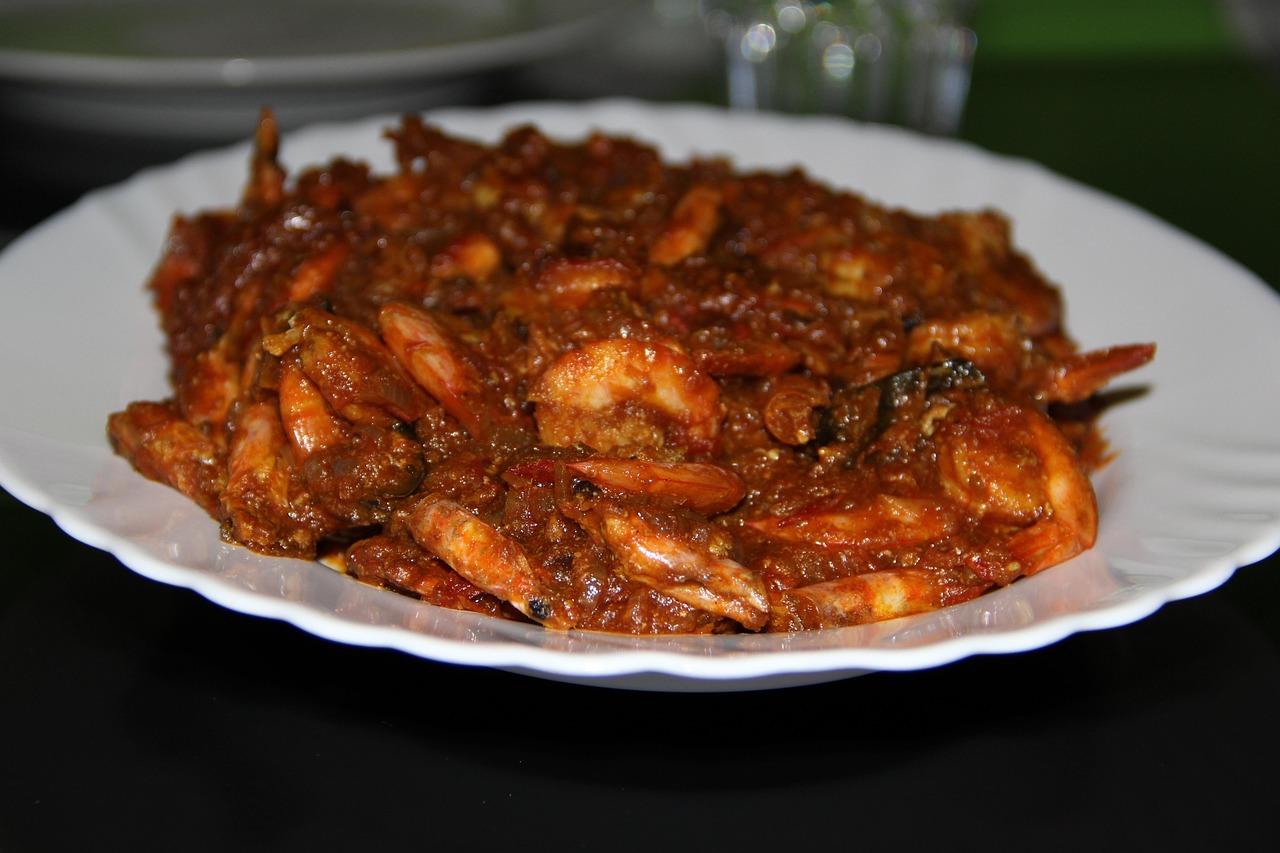
Prawn balchão

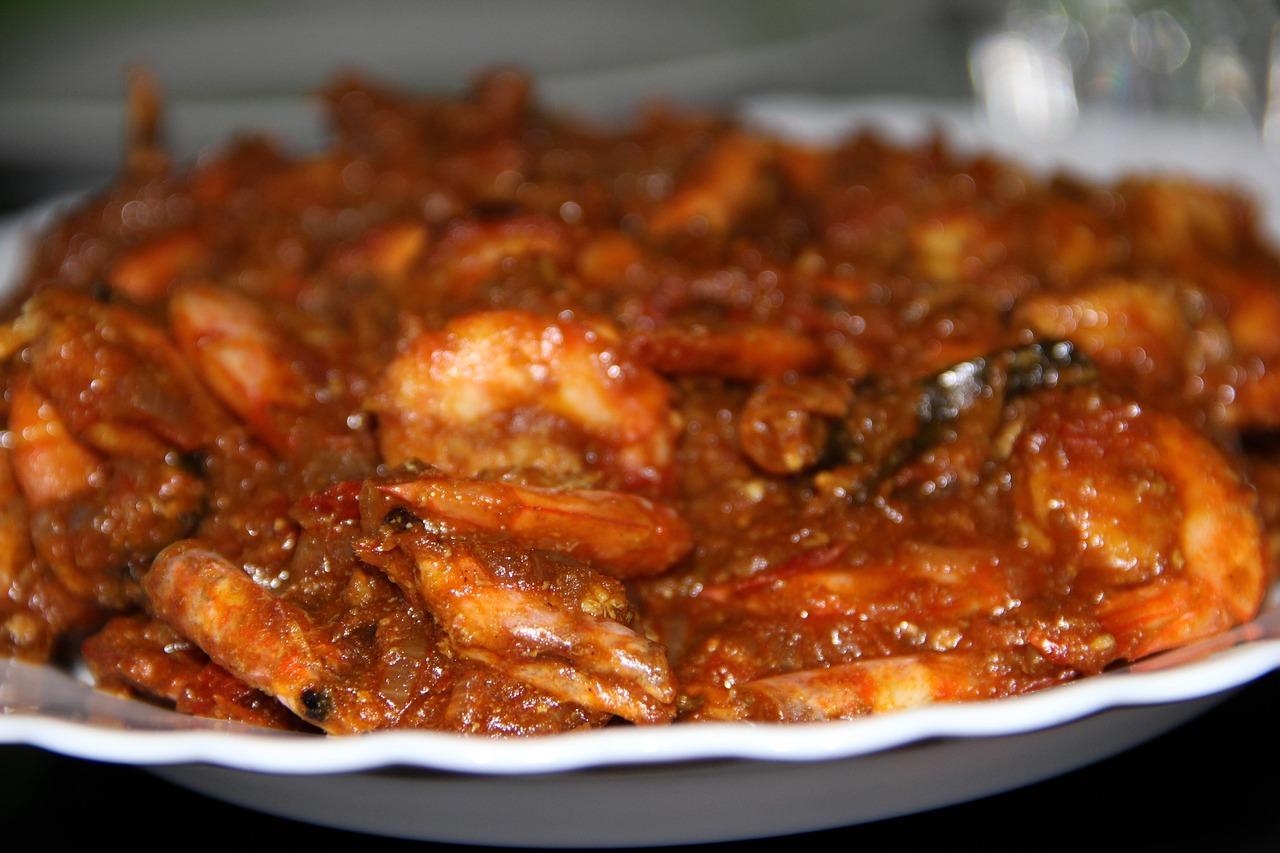
Balchão started as a way to keep the catch from the Goan monsoon season: prawns cooked down in a fierce red masala with vinegar and sugar until they keep like a pickle. In Goan homes a jar sits in the fridge to spoon beside rice and dal, and a fresh batch is served as a main curry on Sundays. Its taste is bold: hot, sharp and sweet all at once. Chef's tip: fry the masala slowly until the oil separates and it turns a deep brick colour; undercooked balchão tastes raw and vinegary.

50 minIndianFishGluten freeSpicy
by KrazyBadal 0 views

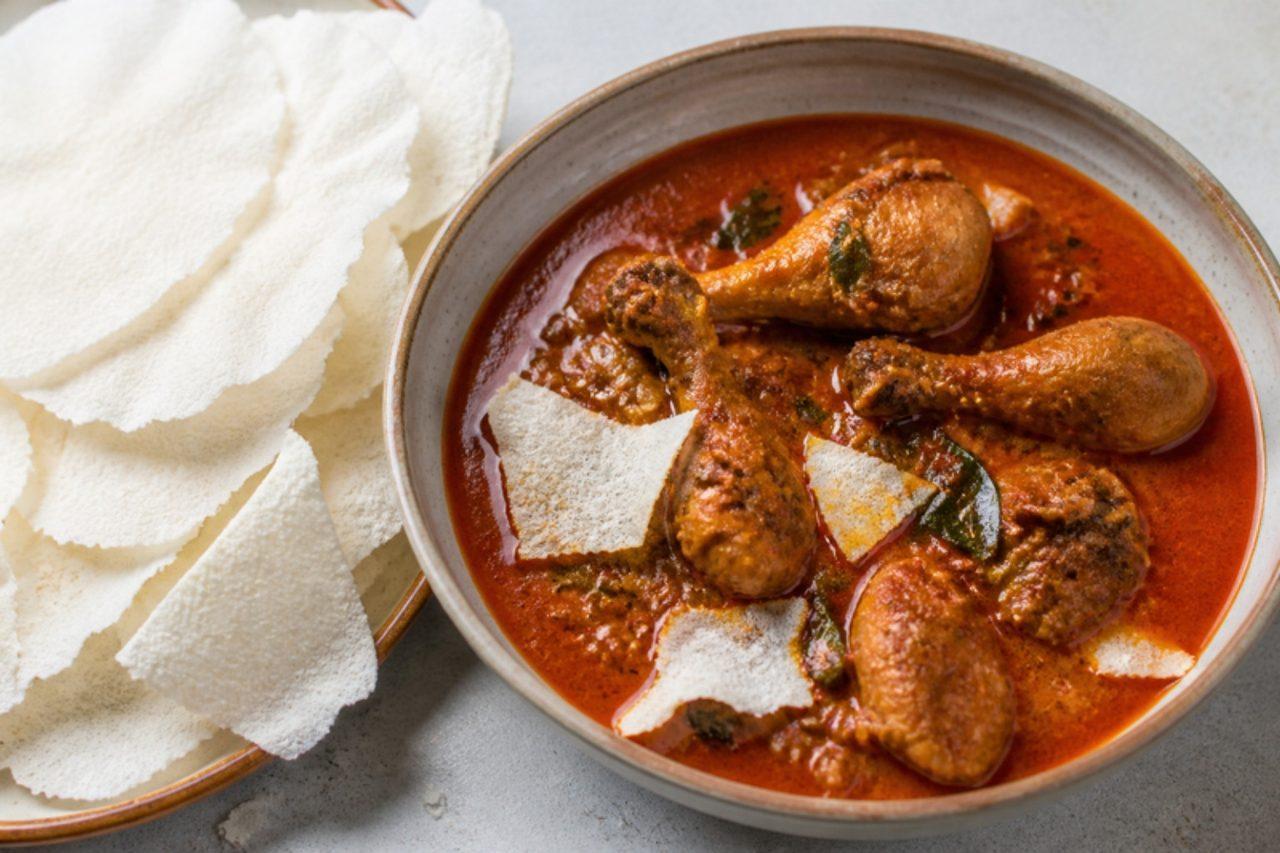
Mangalorean kori rotti

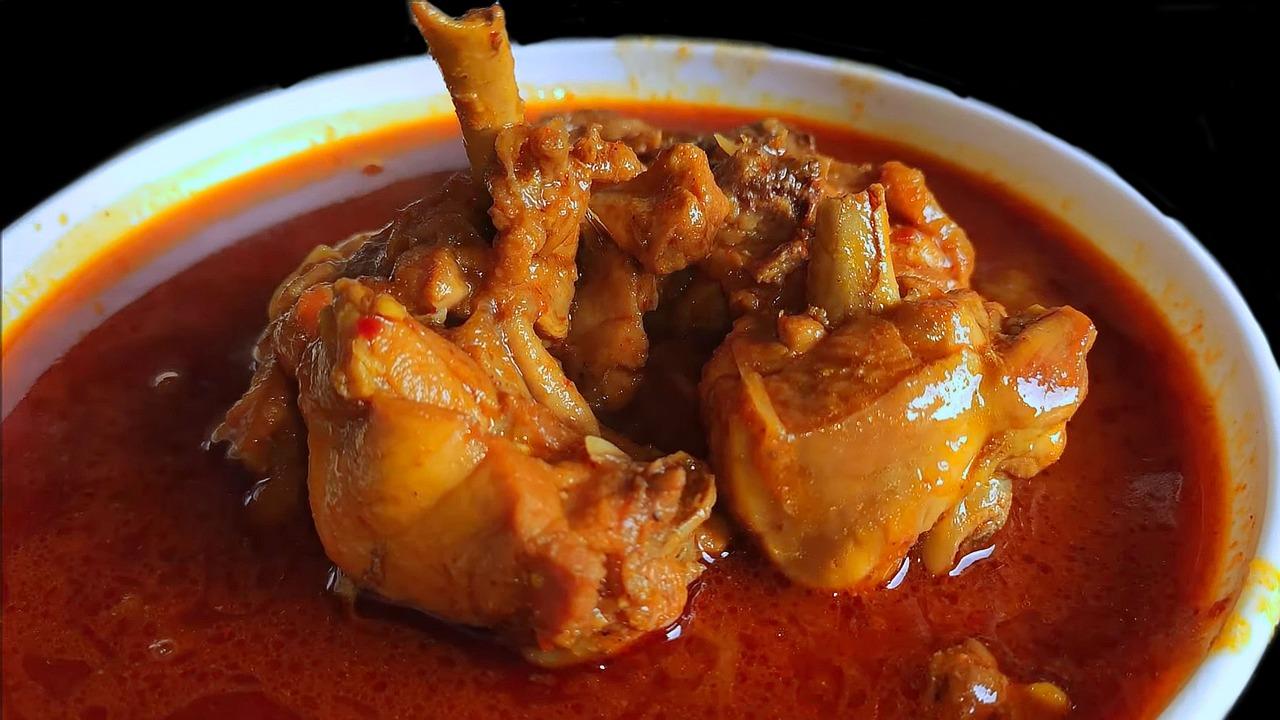
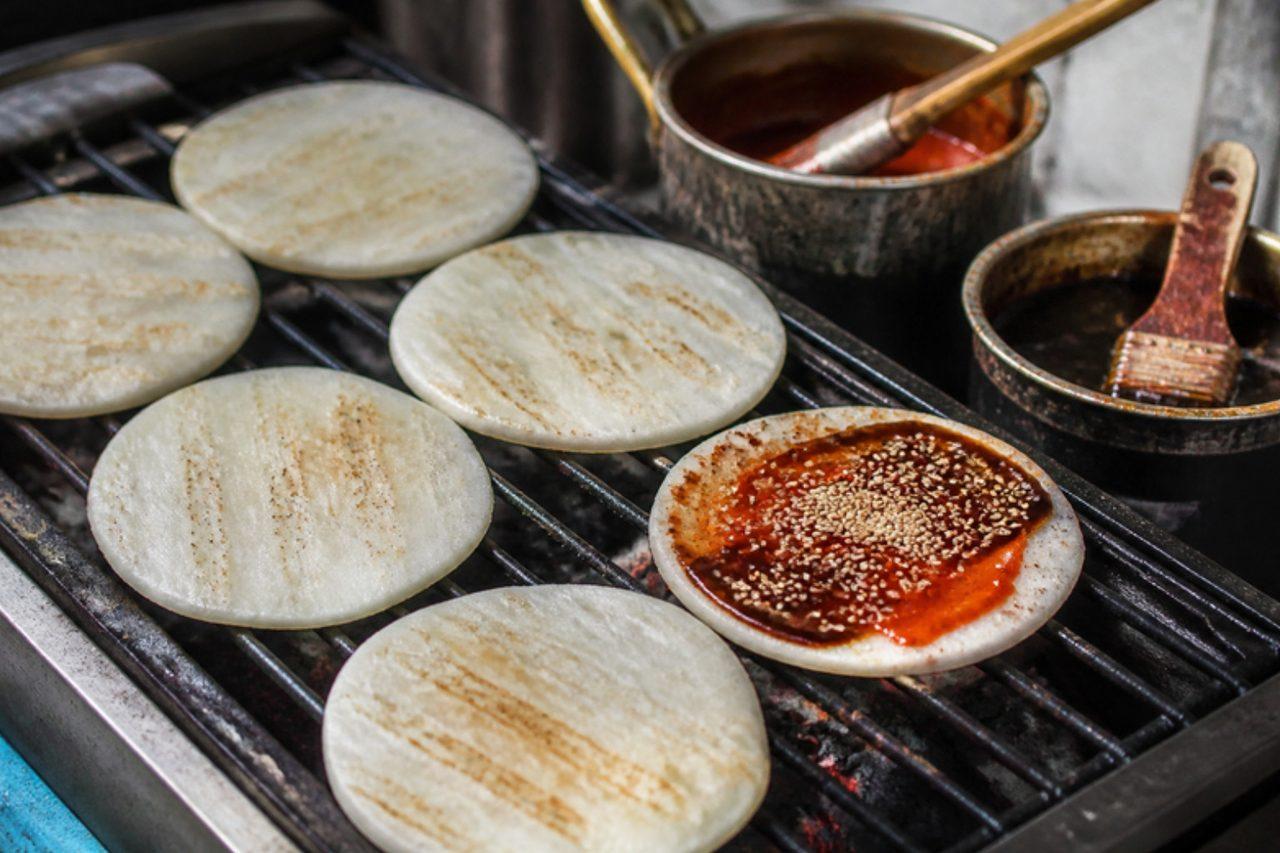
Kori rotti belongs to the Bunt community of Mangalore and Udupi, where it is cooked for weddings, the Aati festival and Sunday lunches. Kori is chicken, simmered in a thin, red coconut-milk gravy built on roasted Byadgi chillies; rotti are paper-thin dried rice wafers, bought in stacks and crumbled into the plate just before the curry goes over. They soften at the edges and stay crunchy in the middle. Chef's tip: pour the curry over the rotti only at the table; left to sit, the wafers turn to mush.

by KrazyBadal 0 views

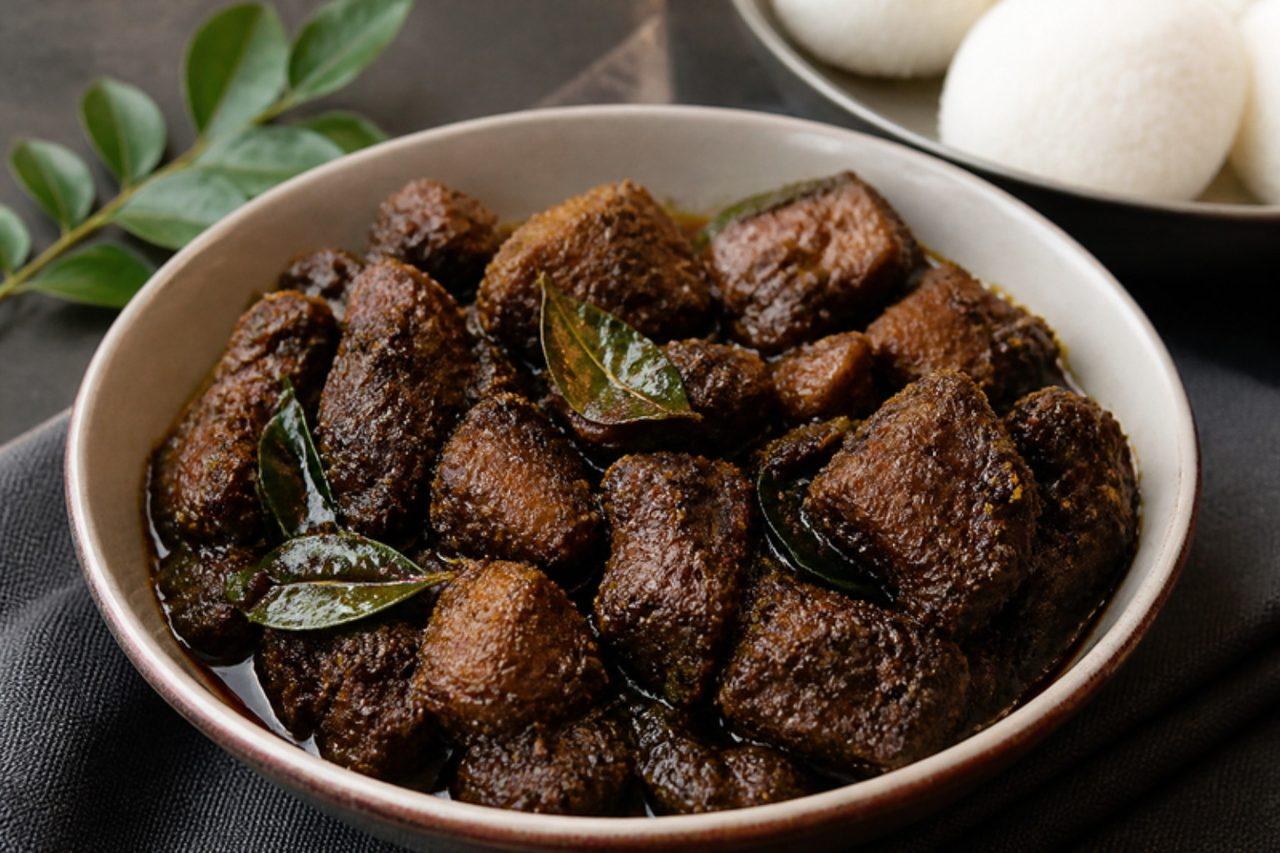
Coorg pandi curry

Up in the coffee estates of Kodagu (Coorg), pandi curry is the dish of the Kodava people, cooked for Puttari, the harvest festival, and for every family gathering in between. Fatty pork simmers in its own juices with a masala of coriander and black pepper roasted almost black, then finishes with kachampuli, a dark, sour vinegar made from the Garcinia fruit. It is eaten with kadambuttu (steamed rice balls) or akki otti. Chef's tip: roast the spices slowly over a low heat until they are the colour of strong coffee; this is the dark colour and smoky flavour of a real pandi curry.

105 minIndianMeatGluten freeSpicy
by KrazyBadal 0 views

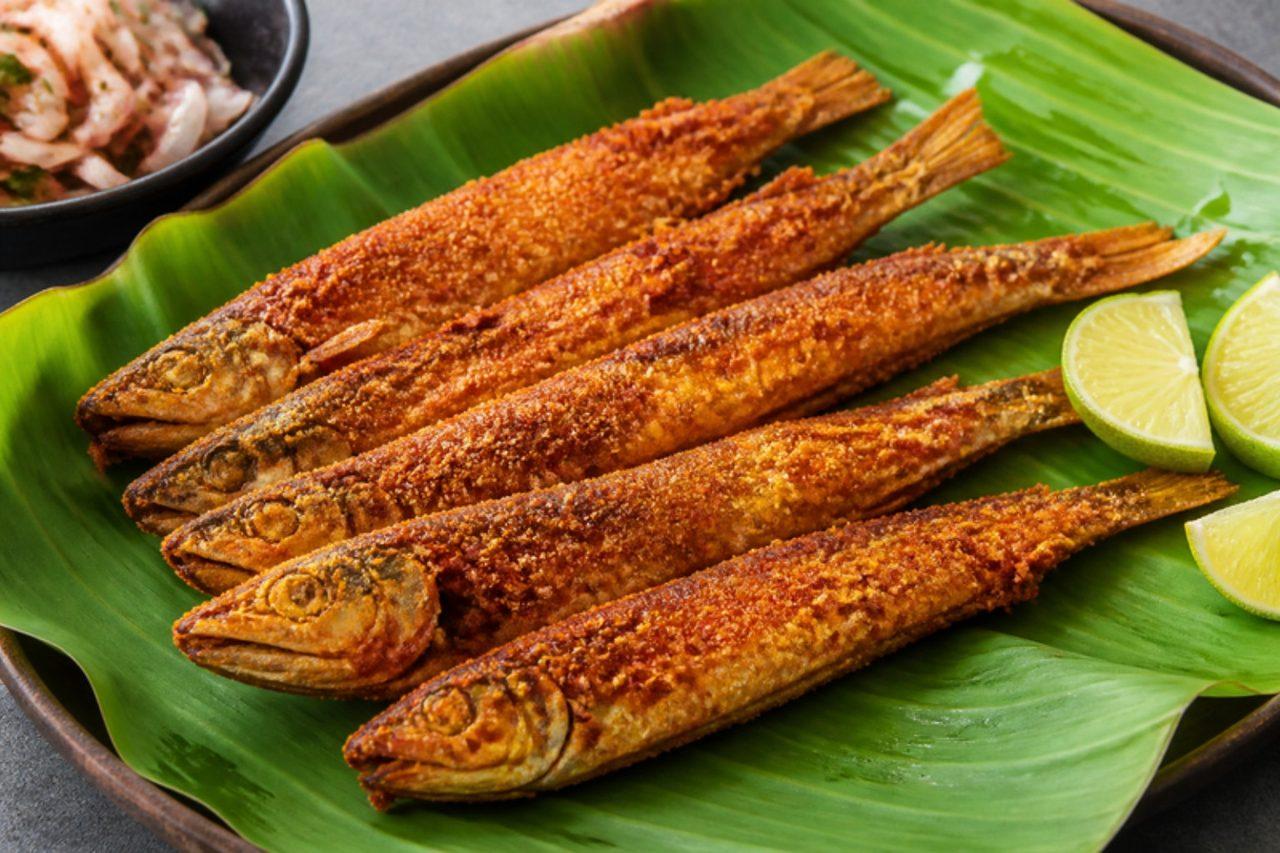
Kane rava fry

In the seafood canteens of Mangalore and along the Udupi coast, kane, a slim, sweet ladyfish, is the fried fish everyone orders with a fish thali. It is slashed, packed with a red masala of Byadgi chilli, garlic and tamarind, then pressed into coarse semolina and shallow-fried in coconut oil until the crust crackles. Unlike Mumbai's soft bombil, kane is firm, so it holds its shape and is eaten off the bone. Chef's tip: leave the fish alone for the first 3 minutes in the pan; the crust sets and then releases on its own.

30 minIndianFish
by KrazyBadal 0 views

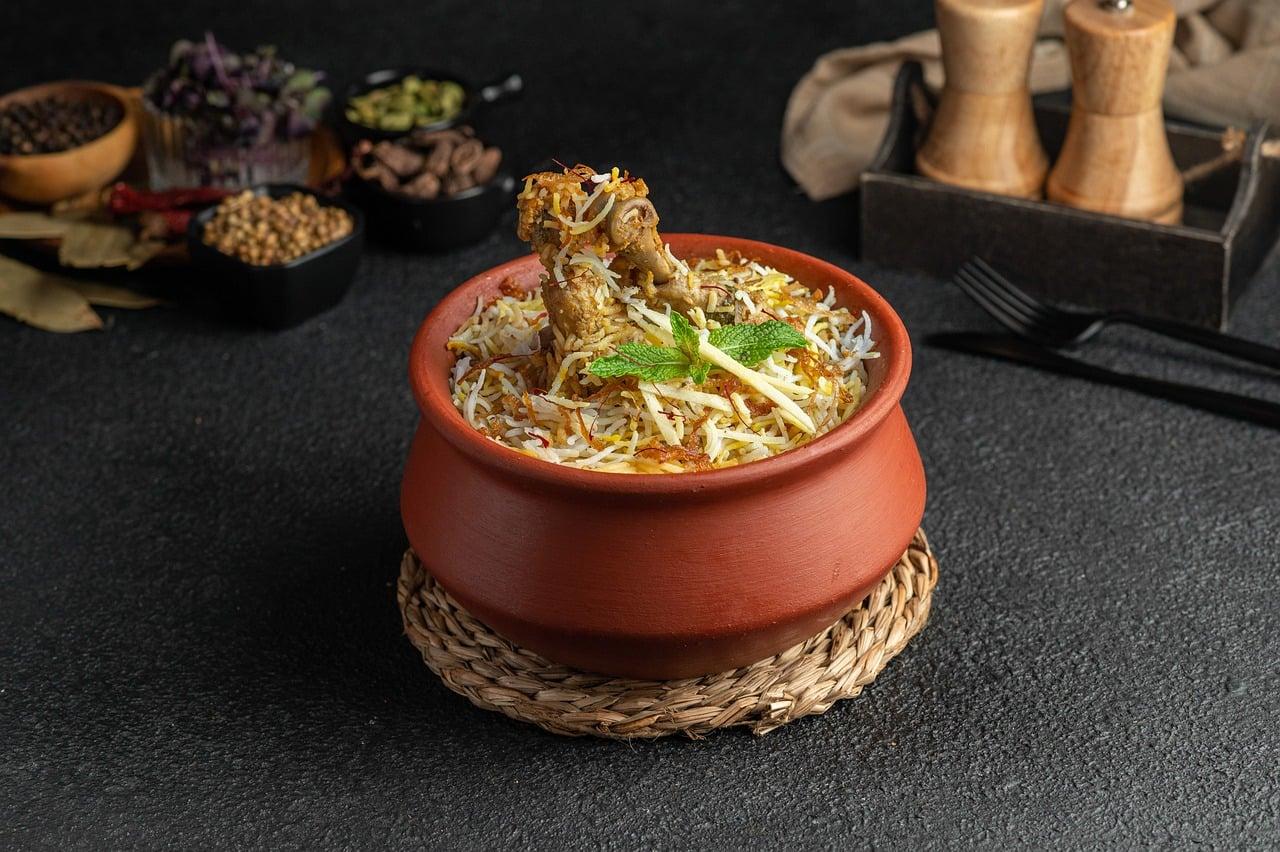
Thalassery chicken biryani

On the Malabar coast of northern Kerala, the port town of Thalassery makes its biryani with kaima (jeerakasala), a tiny fragrant rice that stays separate and buttery instead of long and dry. Mappila Muslim families serve it at weddings, at Eid and at Friday lunches, the chicken cooked first in a green-chilli and tomato masala, then buried under ghee rice and sealed for dum. There is no red chilli powder in it; the heat comes from fresh green chillies, and the sweetness from cashews, raisins and deeply fried onions. Serve it with a sharp date-and-onion pickle or a simple raita. Chef's tip: toast the washed, drained rice in ghee until it smells nutty before the water goes in; it keeps every grain whole.

by KrazyBadal 0 views

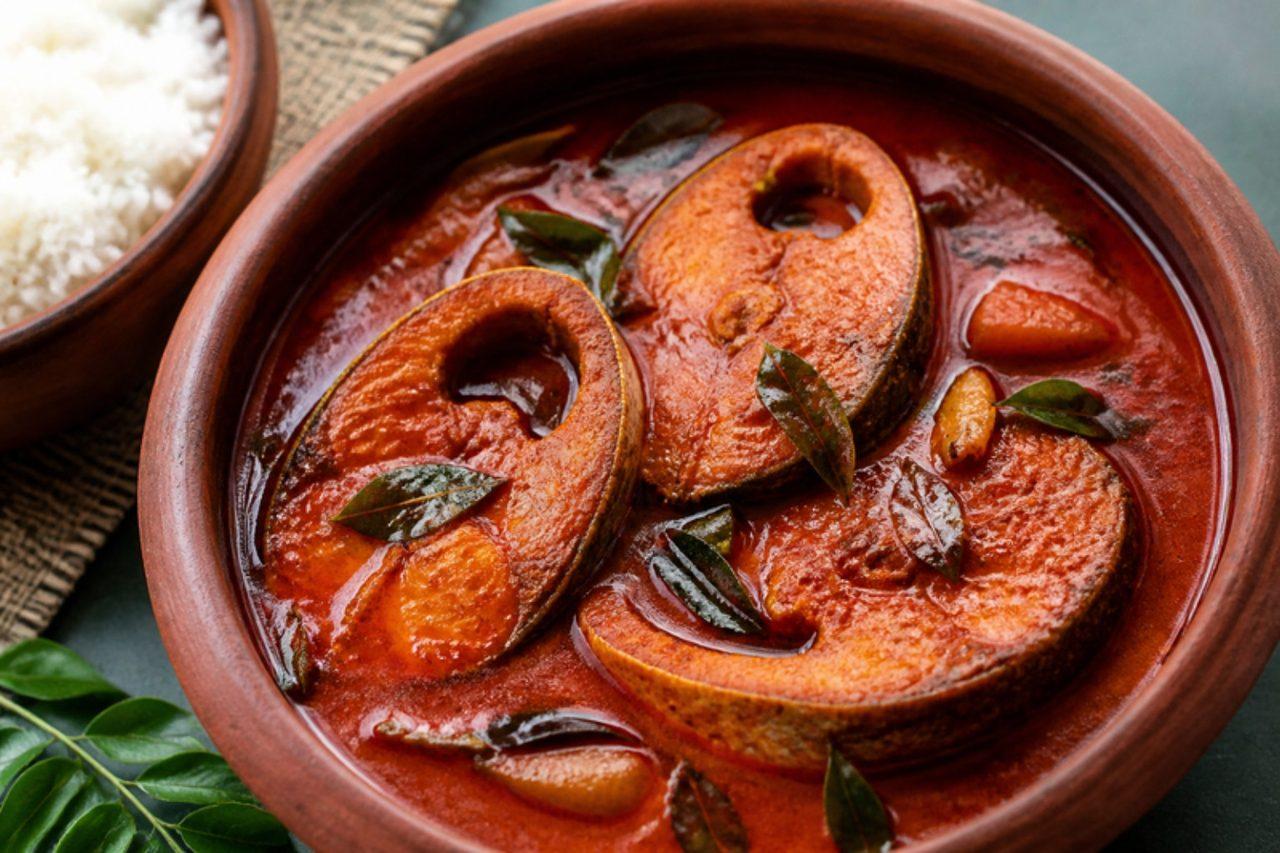
Kerala meen curry

Down the southern backwater districts of Travancore, around Kottayam and Alappuzha, the everyday fish curry has no coconut at all: just a brick-red gravy of chilli, shallots and coconut oil, made sour and smoky with kudampuli (Malabar tamarind). It is traditionally made in a clay pot (manchatti) and left to sit, because it tastes better hours later or the next morning, when the fish has soaked up the sourness. Kingfish, sardines and mackerel are the usual choices; eat it with boiled red Kerala rice or tapioca. Chef's tip: once the fish is in, never use a spoon — hold the pot with a cloth and swirl it so the sauce coats the pieces without breaking them.

45 minIndianFishGluten freeSpicy
by KrazyBadal 0 views

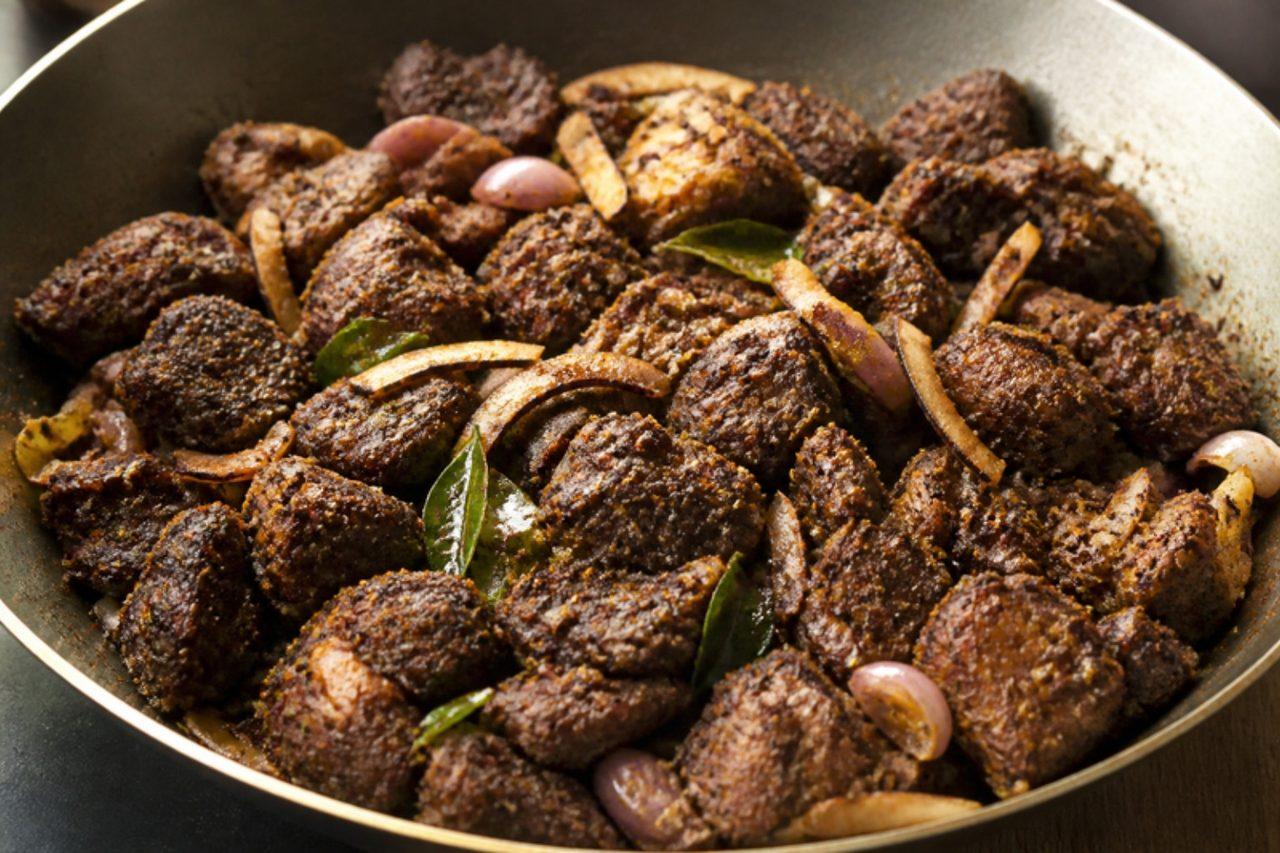
Beef ularthiyathu

Among the Syrian Christian families of central Kerala, from Kottayam to Pala, a pan of beef ularthiyathu sits on the table at Christmas and Easter, at weddings and with Sunday appam. The beef is first stewed soft in pepper, fennel and coriander, then roasted slowly in coconut oil with shallots, curry leaves and crunchy slivers of fresh coconut until it turns almost black and every piece is coated. It keeps well for days and is just as good with porotta, rice or a cold glass of something fizzy. Chef's tip: keep the final roast at medium-low and be patient; the dark colour should come from slow caramelising, not scorching.

140 minIndianMeatGluten freeSpicy
by KrazyBadal 0 views

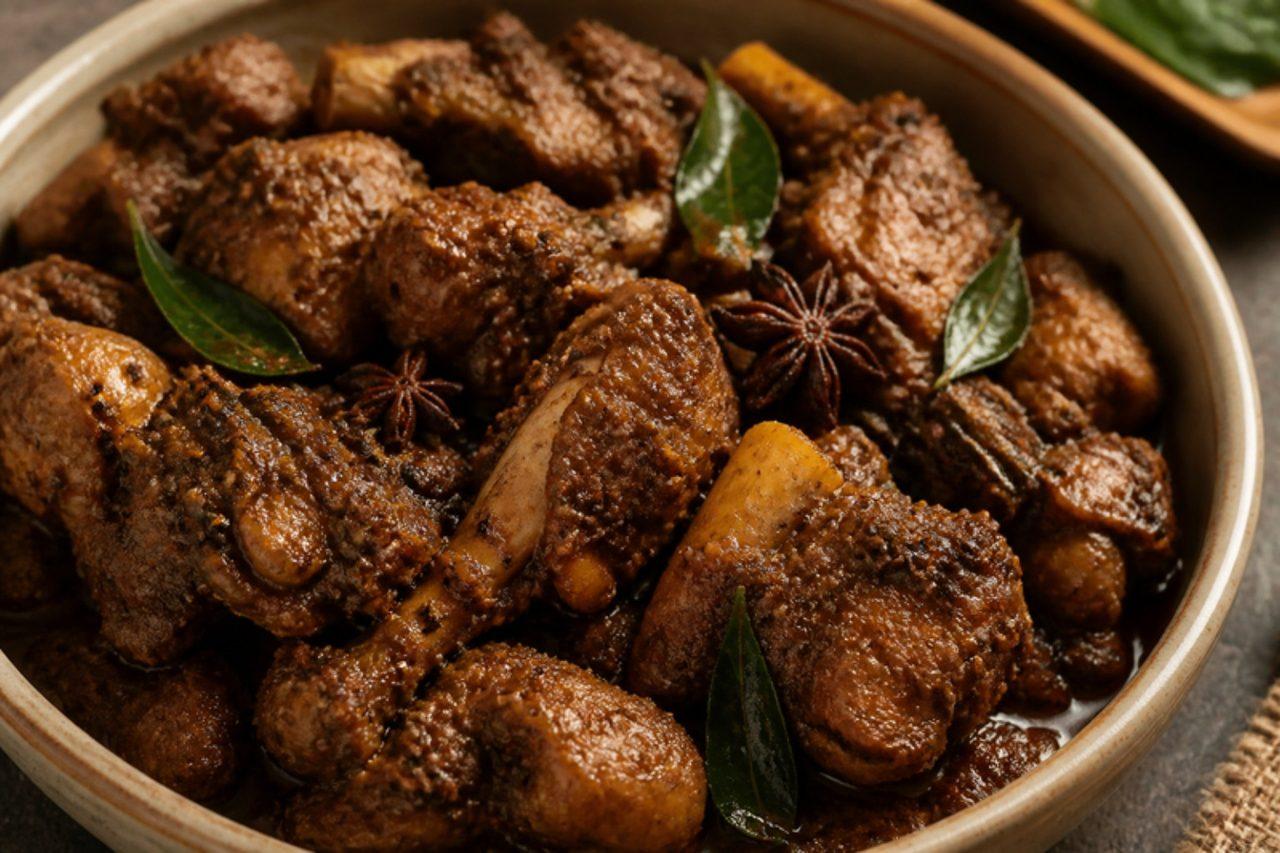
Chettinad chicken

The Nattukottai Chettiar merchants of Karaikudi and the villages around it in southern Tamil Nadu built grand mansions on the spice trade, and their kitchens show it. Their chicken curry is built on a masala roasted and ground at home: dried red chillies, black pepper, fennel, star anise, coconut and the earthy lichen called kalpasi. It is hot, aromatic and deep brown, and in Chettinad it is eaten at Sunday lunch and festivals with rice, idiyappam or flaky parotta. Chef's tip: grind the roasted masala while it is still warm with a splash of water; the oils release and the paste comes out smooth.

by KrazyBadal 0 views

Pondicherry fish assad

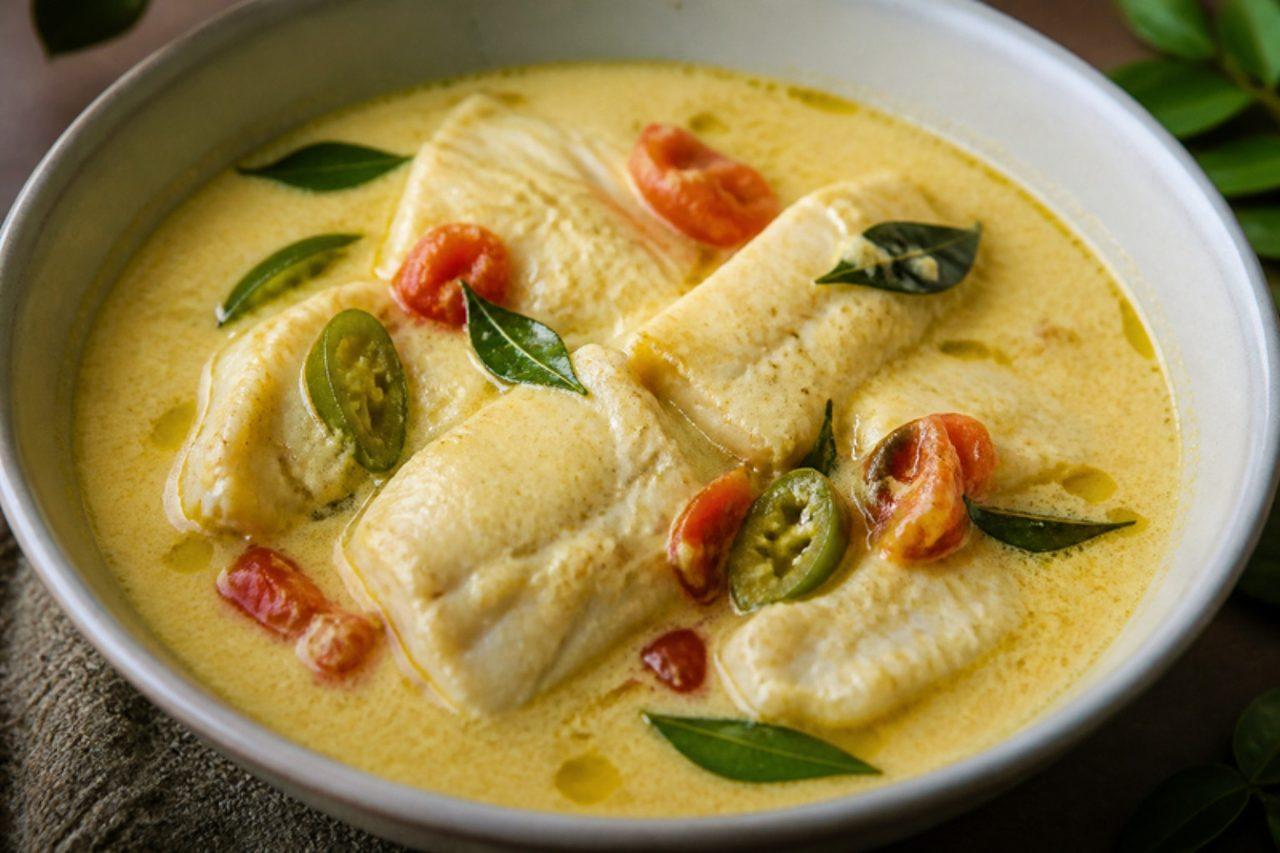
In Puducherry, the former French enclave on the Tamil coast, Creole families of mixed Tamil and French descent cook a fish curry that is softer and creamier than anything else along that shore. Assad is mild and pale, fragrant with fennel, pepper and curry leaves, with the fish poached in thin coconut milk and finished with a thick, rich pour. It is a Sunday-lunch and Christmas dish in these homes, eaten with plain rice or a crusty loaf from the town's bakeries. Chef's tip: add the thick coconut milk only at the very end and keep the curry below a boil, so it stays silky and white.

40 minIndianFishGluten free
by KrazyBadal 0 views

Andhra kodi kura

Guntur district grows more red chilli than almost anywhere on earth, and Andhra home cooking wears that proudly. Kodi kura is the Sunday chicken curry of Andhra homes, from Vijayawada to the Rayalaseema villages: thick, red and properly hot, with a little ground poppy seed and coconut to round out the sauce. It is eaten with heaps of plain rice, a spoon of ghee and a bowl of rasam on the side, or with jowar rotis. Chef's tip: fry the masala until oil pools at the sides before adding any water; that is where the colour and flavour come from.

by KrazyBadal 0 views

Royyala iguru

Along the coastal Andhra delta, where the Godavari meets the sea near Kakinada and Bhimavaram, prawns come in fresh every morning and often end up as iguru. The word means cooked down: the onion-chilli masala is reduced until it clings to the prawns, with only a spoonful of sauce left in the pan. It goes onto hot rice with ghee, alongside sambar or pappu, and is a favourite in Telugu homes on weekends. Chef's tip: cook the masala fully first and add the prawns only for the last few minutes, so they stay plump.

40 minIndianFishGluten freeSpicy
by KrazyBadal 0 views

Hyderabadi lukhmi

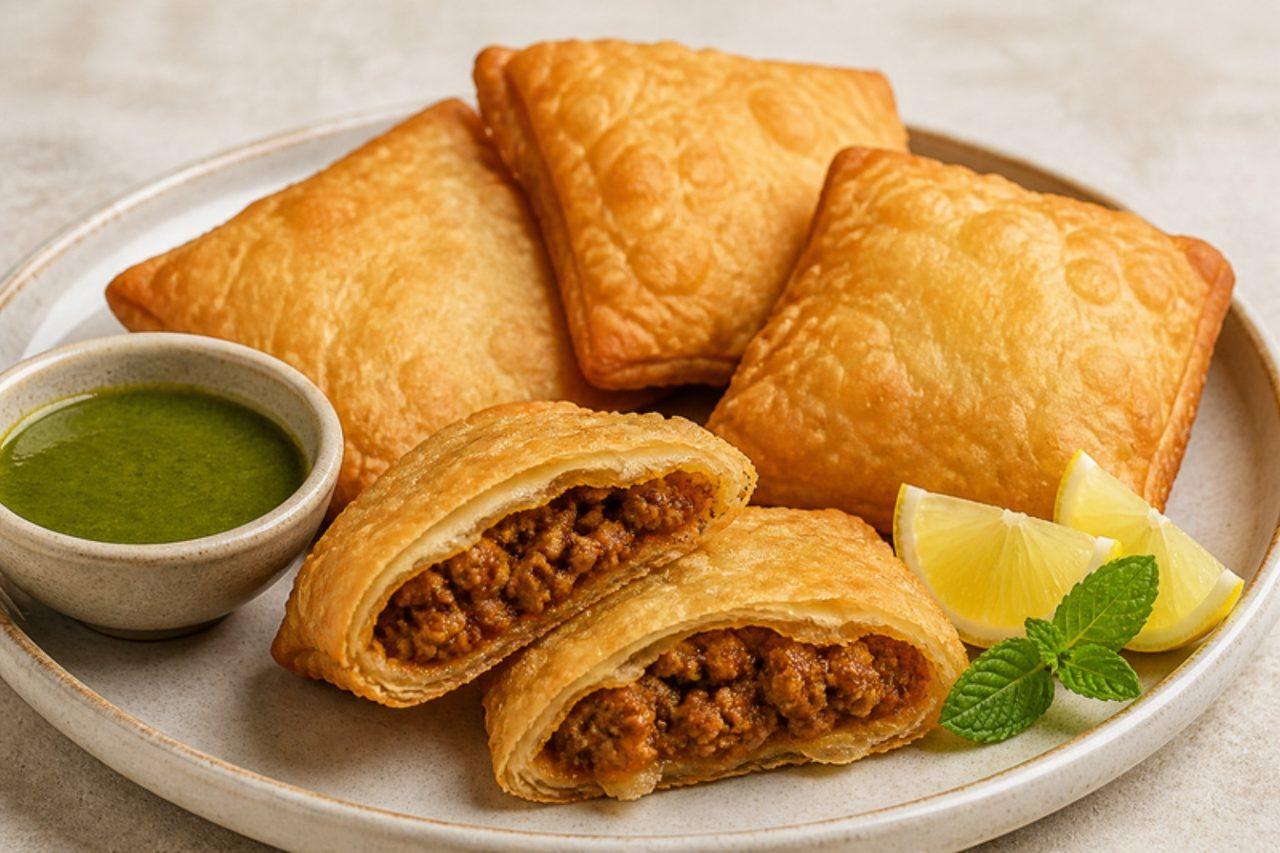
Lukhmi are Hyderabad's answer to the samosa: flat, square, crisp little pastries with a filling of spiced mutton keema, fork-crimped at the edges. In the Deccani homes of the old city they are a fixture of wedding dinners and the evening iftar table in Ramadan, and a plate of them often arrives with Irani chai at the city's old cafés. They can be shaped a day ahead and fried just before guests come. Chef's tip: cook the keema until completely dry and let it cool fully; a damp or warm filling makes the pastry burst in the oil.

by KrazyBadal 0 views

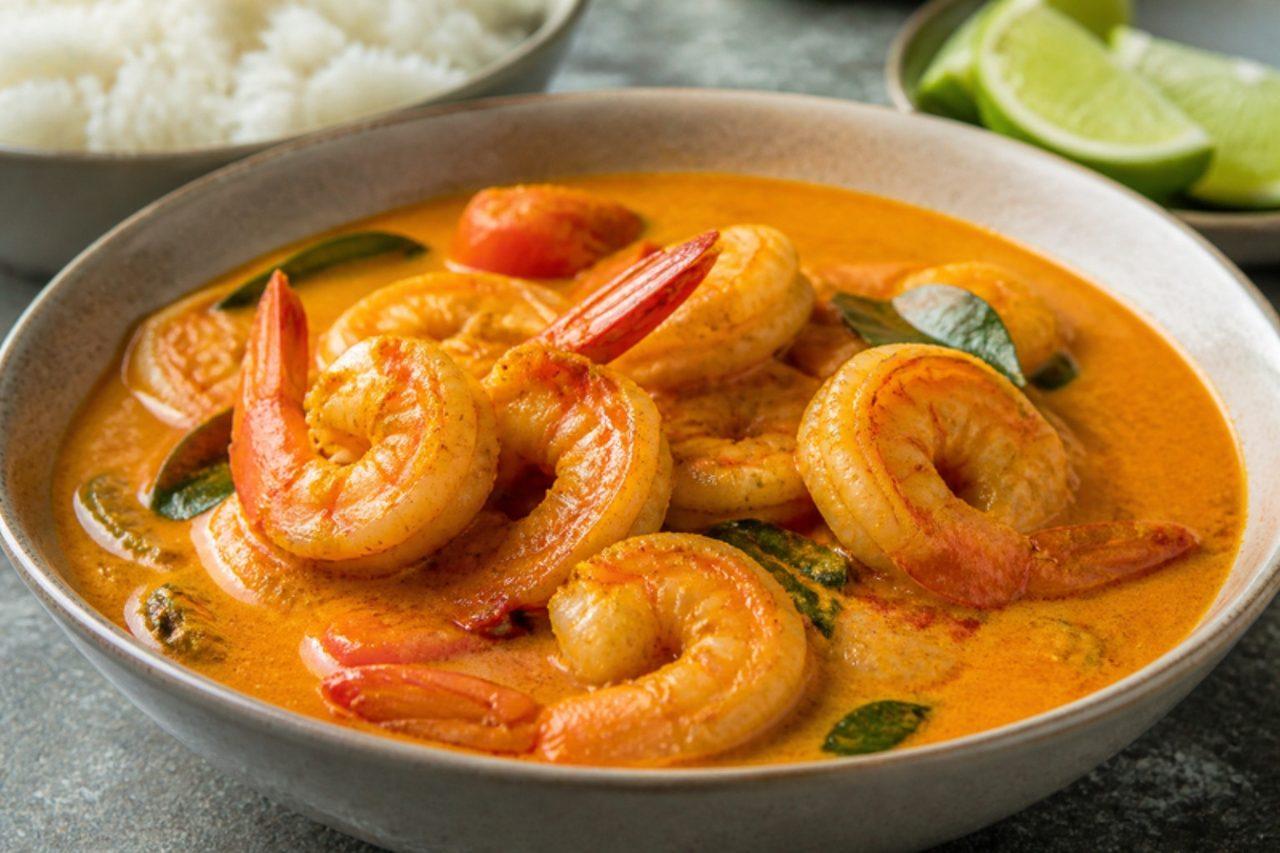
Andaman coconut prawn curry

Many families in Port Blair and the South Andaman villages trace their roots to Bengal, and their seafood cooking blends that heritage with the coconut palms growing everywhere on the islands. This prawn curry starts like a Bengali malaikari — mustard oil, bay leaf, whole garam masala and onion paste — but leans more heavily on fresh coconut milk, and the prawns come straight from the Junglighat fish market. It is everyday island food, eaten with plain rice and a squeeze of lime. Chef's tip: heat the mustard oil until it just smokes, then let it cool for a minute; that takes off the raw, sharp edge.

40 minIndianFishGluten free
by KrazyBadal 0 views

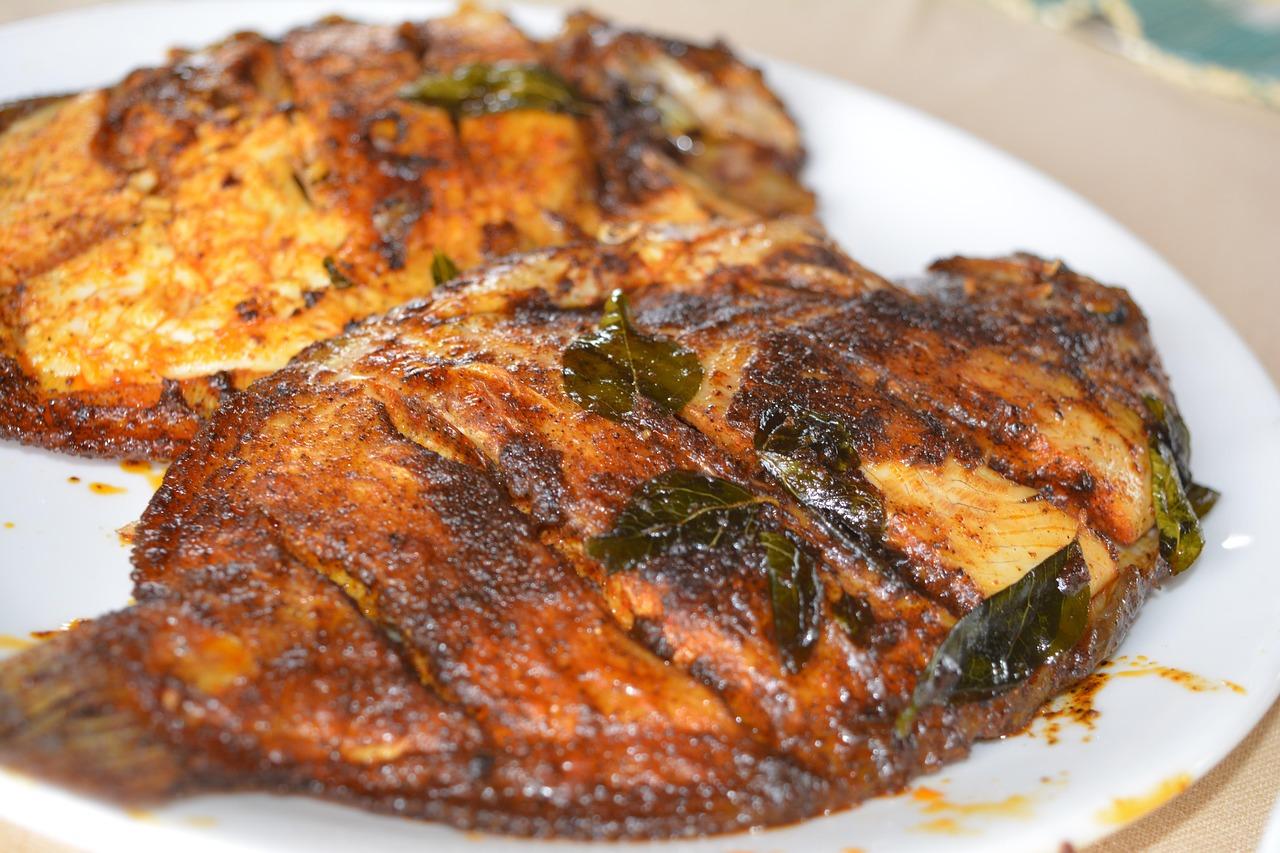
Andaman tamarind fried fish

Small seaside stalls at Corbyn's Cove and the fish shacks of Havelock fry the morning's catch this way: red snapper, mackerel or pomfret rubbed with a tangy paste of tamarind, chilli and garlic, dusted with rice flour and fried in a heavy pan until the edges blister. On the islands it is lunch with rice and dal, or a beach snack with onion rings and lime. It takes very little time, so cook it just before you eat. Chef's tip: dry the fish well with kitchen paper before the marinade goes on, so the paste sticks and the crust crisps.

37 minIndianFishGluten free
by KrazyBadal 0 views

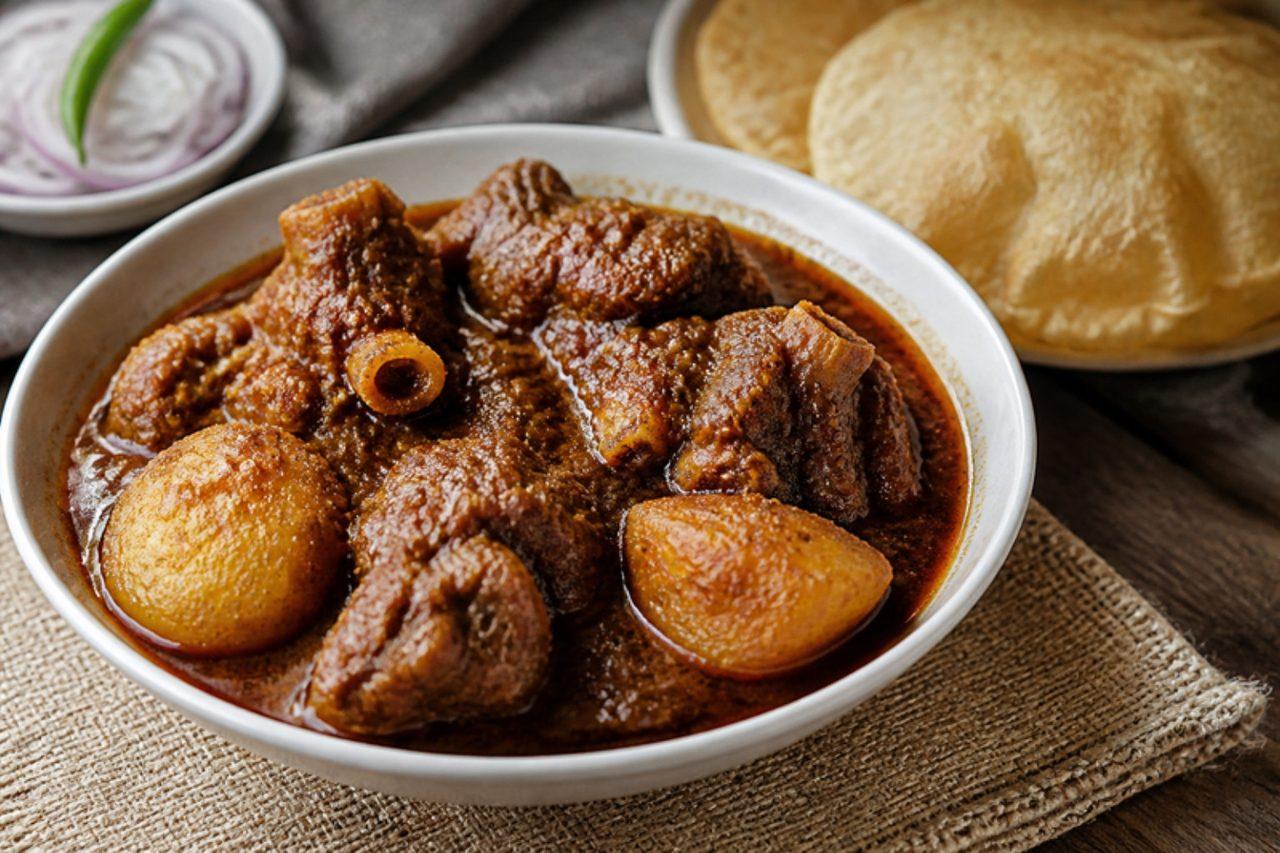
Kosha mangsho

Sunday lunch in a Bengali home in Kolkata often means kosha mangsho: goat on the bone, fried patiently in mustard oil until the masala turns almost mahogany and clings to every piece. The word 'kosha' describes that long stirring over the heat, and it is what separates this dish from an ordinary mutton curry. Families eat it with luchi or plain rice, and it also turns up at Durga Puja feasts and wedding dinners. Chef's tip: buy bone-in goat or mutton shoulder cut into curry pieces; the bones and a little fat give the gravy its body.

135 minIndianMeatGluten free
by KrazyBadal 0 views

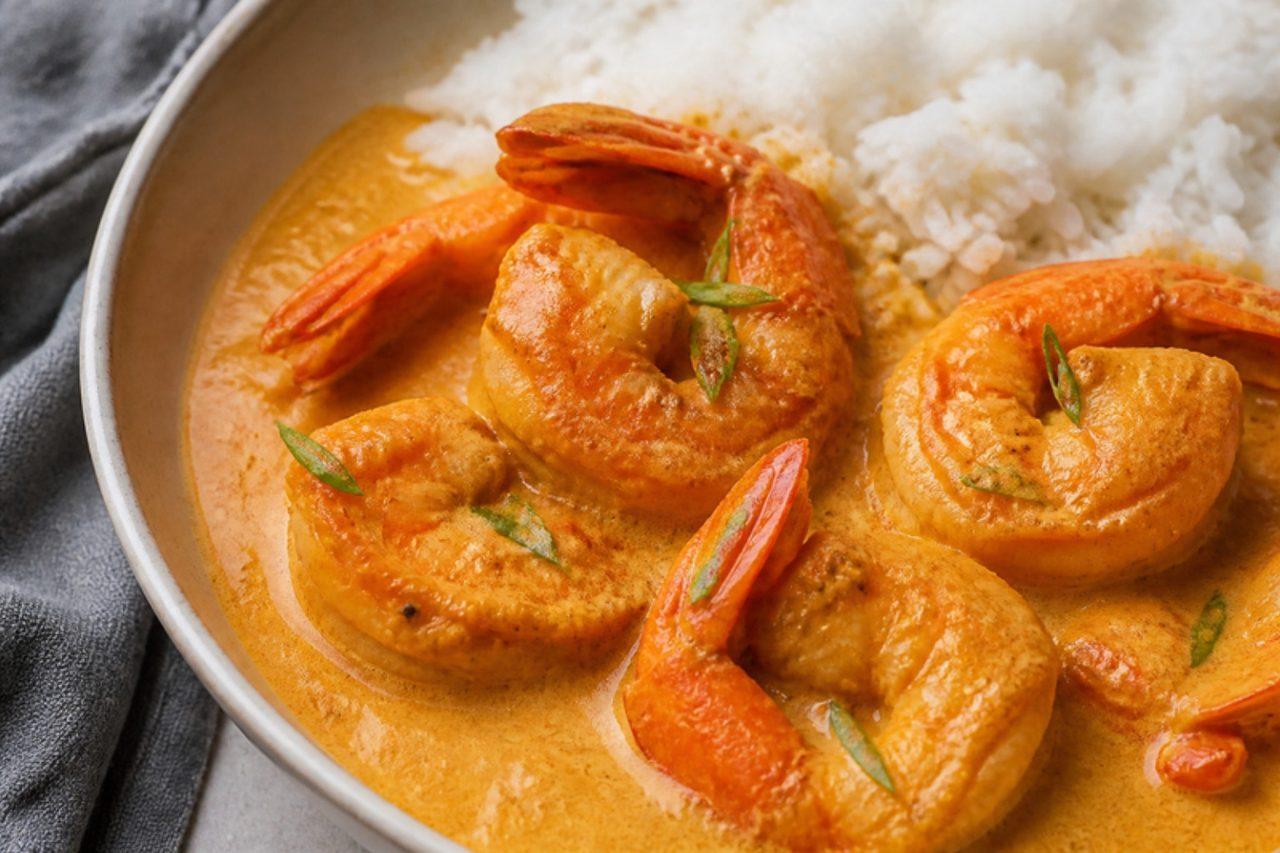
Chingri malaikari

Big prawns in a pale, silky coconut gravy are what a Bengali family cooks for guests, for a new son-in-law at Jamai Sasthi, or for a wedding lunch. The dish is gently spiced, a little sweet, and leans on the head fat of the prawns for richness, so it tastes of the sea rather than of chilli. Serve it with steamed gobindobhog or basmati rice. Chef's tip: if you can find shell-on prawns with heads, leave the heads on; squeeze them into the gravy as you eat for the full flavour.

45 minIndianFishGluten free
by KrazyBadal 0 views

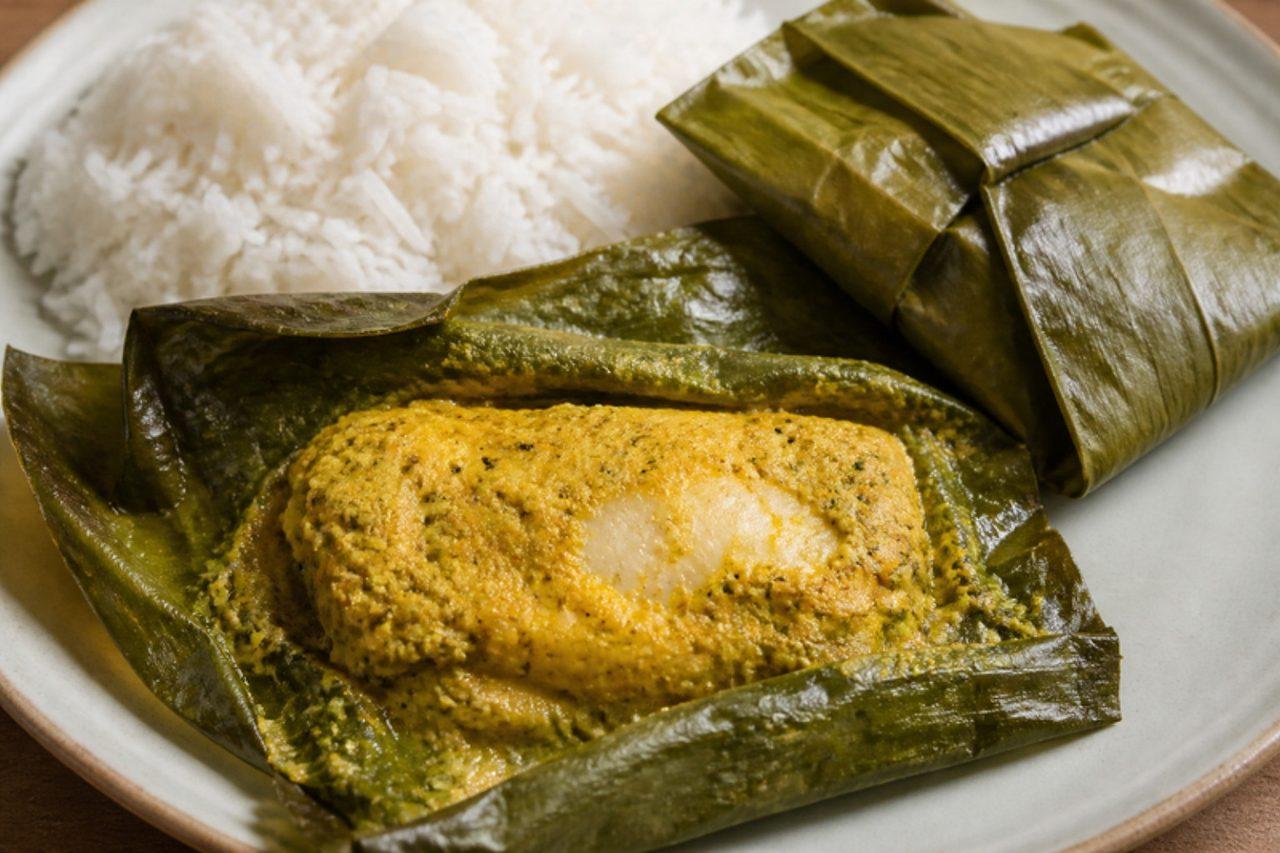
Bhetki paturi

Paturi means 'wrapped in a leaf', and in Bengal the favourite fish for it is bhetki, the meaty barramundi of the Sundarbans estuaries. Fillets are coated in a sharp paste of mustard, coconut and green chilli, tied up in banana leaf and steamed or cooked on a griddle, so they come out moist and fragrant. It is a dish for celebration lunches in Kolkata and is unwrapped at the table over hot rice. Chef's tip: no banana leaves? Use baking paper inside foil; you lose a little aroma but none of the texture.

55 minIndianFishGluten free
by KrazyBadal 0 views

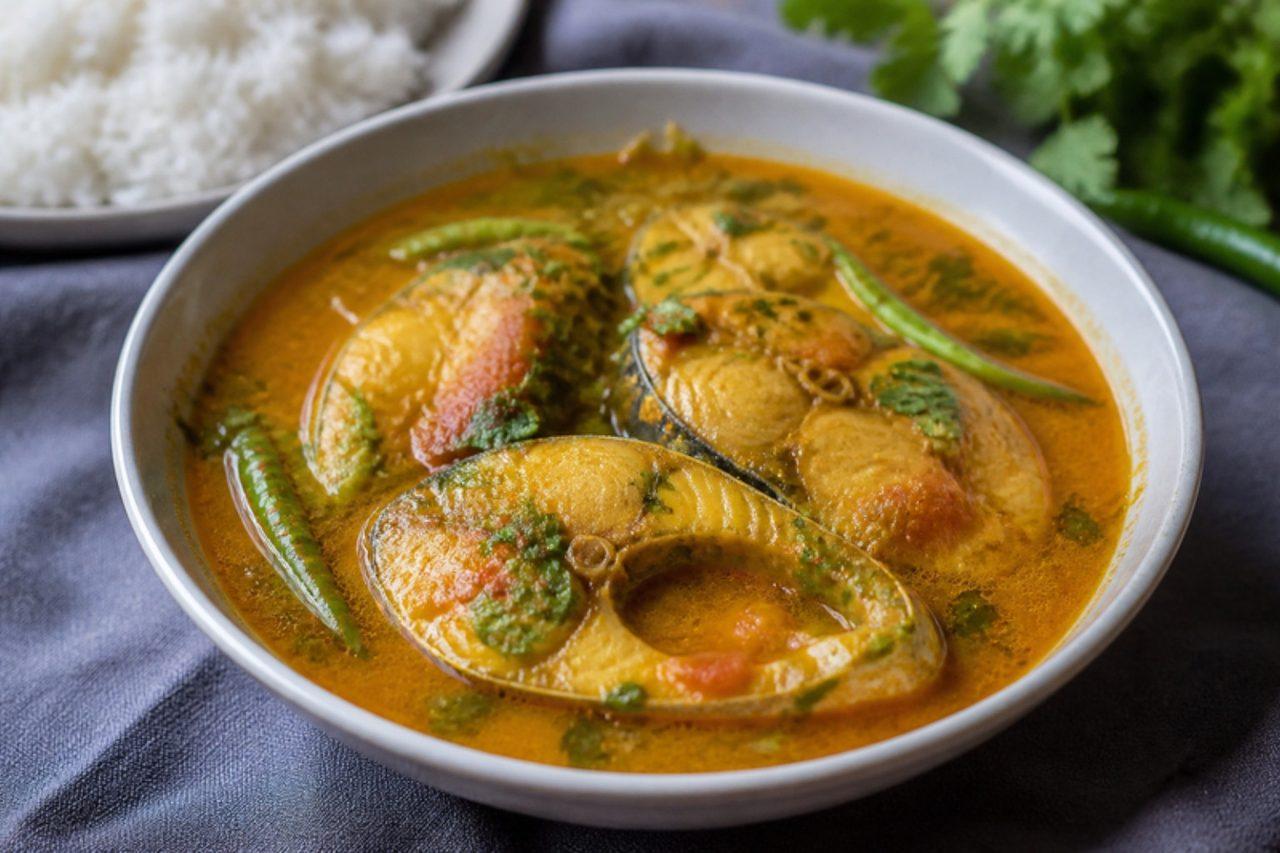
Masor tenga

In Assamese homes the meal usually ends, not begins, with a sour dish, and masor tenga is the most loved of them: river fish in a thin, tangy broth of ripe tomatoes and lemon. It is light enough for a hot afternoon on the Brahmaputra plains and is eaten with plenty of plain rice. Some families sour it with elephant apple or dried mangosteen (thekera) instead of lemon. Chef's tip: cook it in mustard oil and let a few fenugreek seeds sizzle first; that slight bitterness is the backbone of the broth.

40 minIndianFishGluten free
by KrazyBadal 0 views

Showing 18 of 6,261 recipes

Show more recipes

Page 432 of 696