


Skip to content
Griot with pikliz
Featured recipe

Griot with pikliz

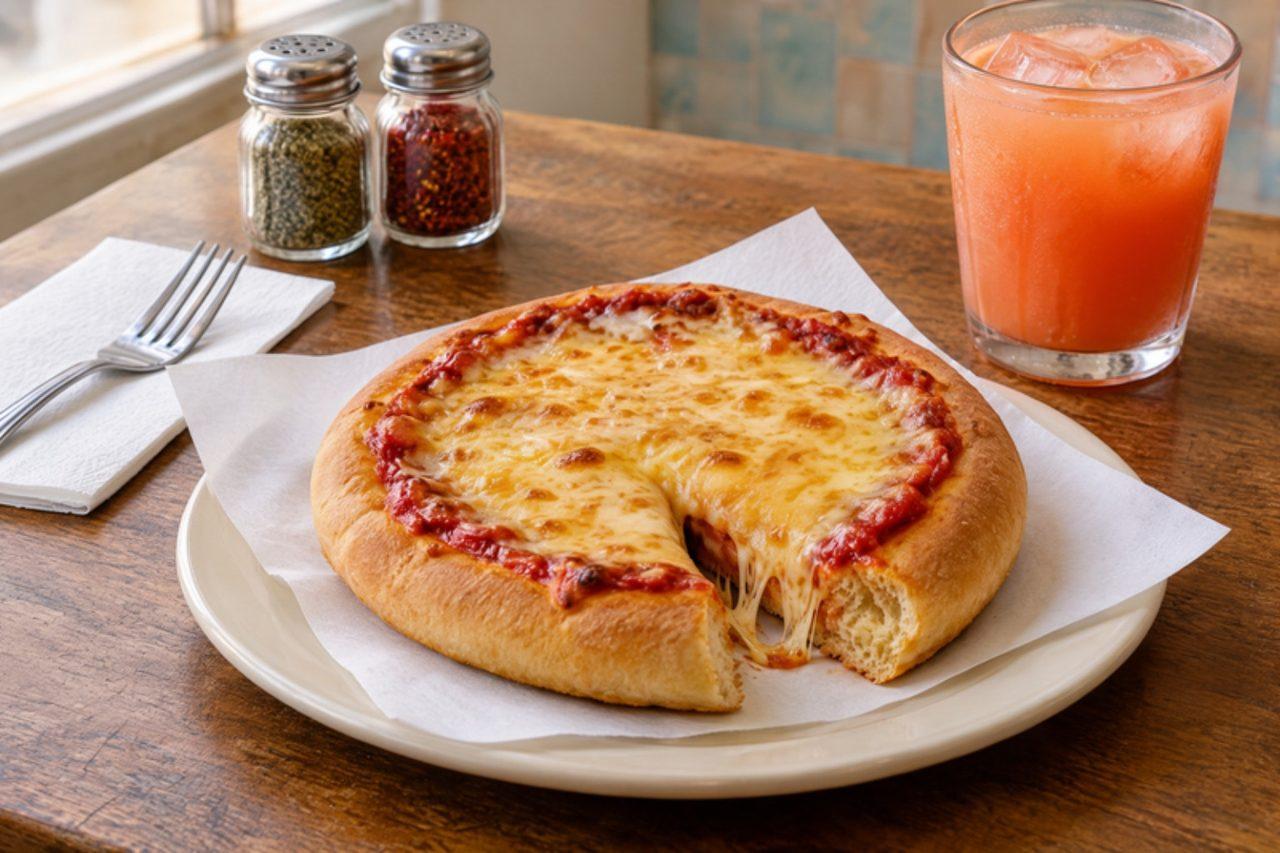
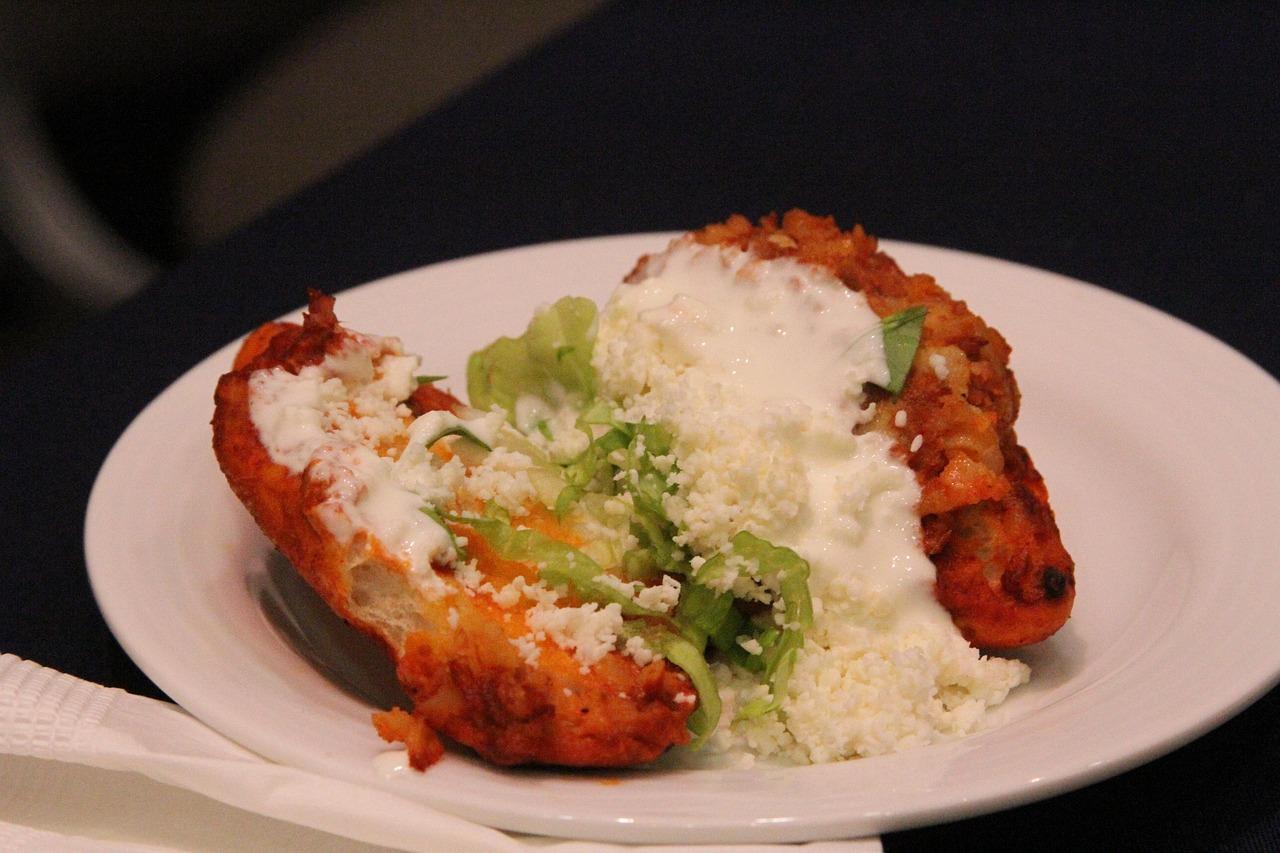
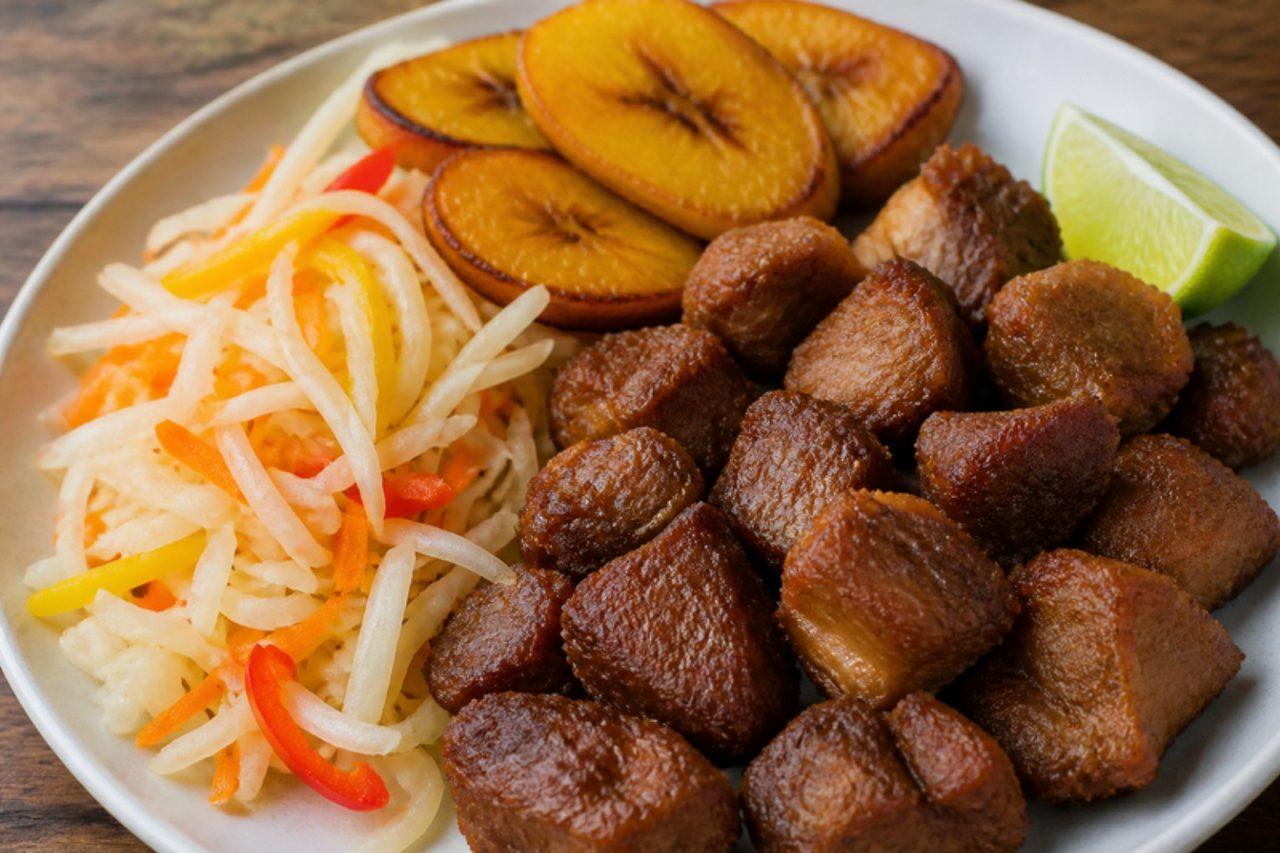
Griot is Haiti's party food: it is piled on platters at weddings, first communions and Saturday-night fritay stalls in Port-au-Prince, always with pikliz, a crunchy, very hot pickle of cabbage, carrot and Scotch bonnet. Chunks of pork shoulder soak up a green epis marinade of sour orange, herbs and garlic, simmer until tender and then fry until the outside turns dark and crisp. This is a pork dish. Serve it with fried plantain (bannann peze) and rice with beans. The mistake that ruins the crust is frying the pork straight from the pot while still wet; it spits and steams instead of browning, so drain and dry the pieces first. Chef's tip: make the pikliz at least a day ahead; after a night in the fridge the heat softens and spreads through the vinegar.

Read more 0 views

What to eat today?

Around the world

Today's trip: Paraguayan

A new country every day, from every cuisine on the site.

Paraguayan

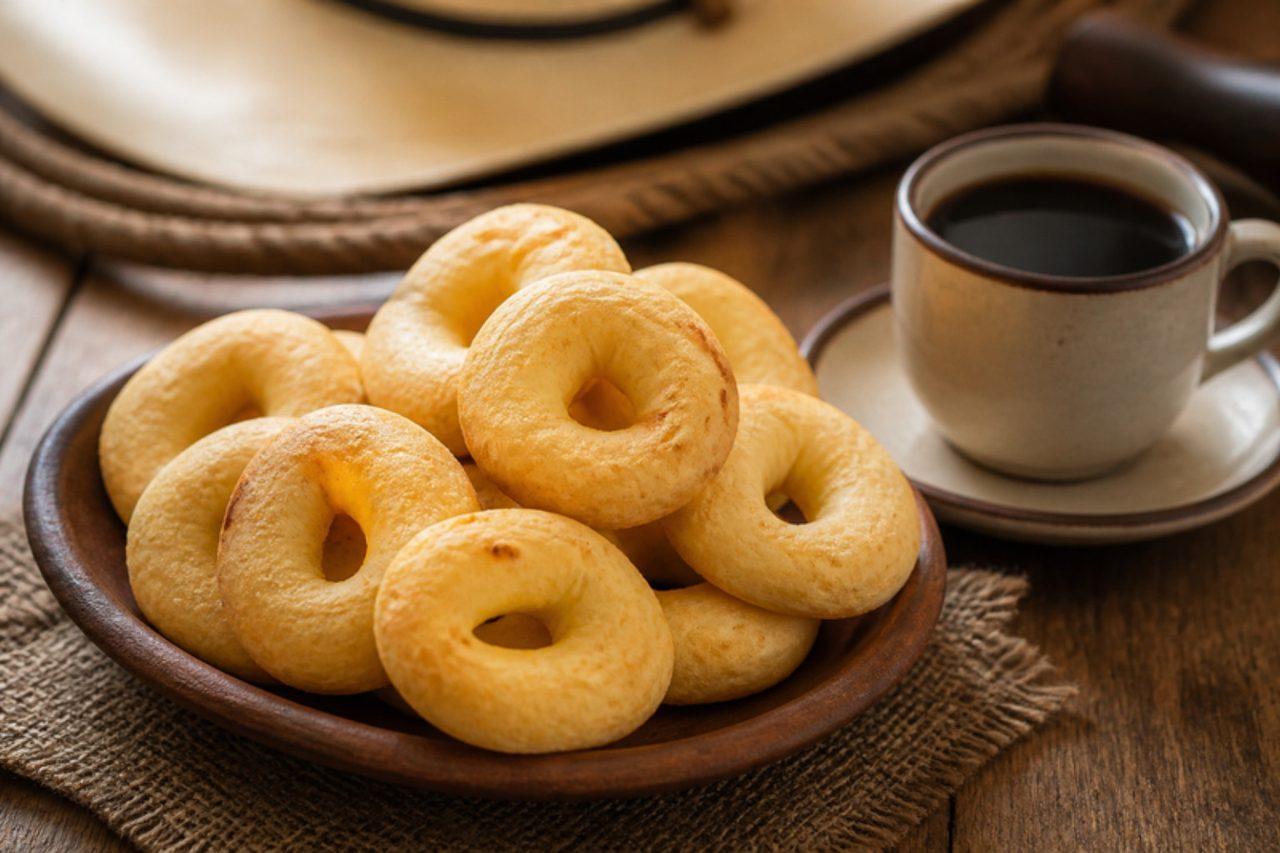
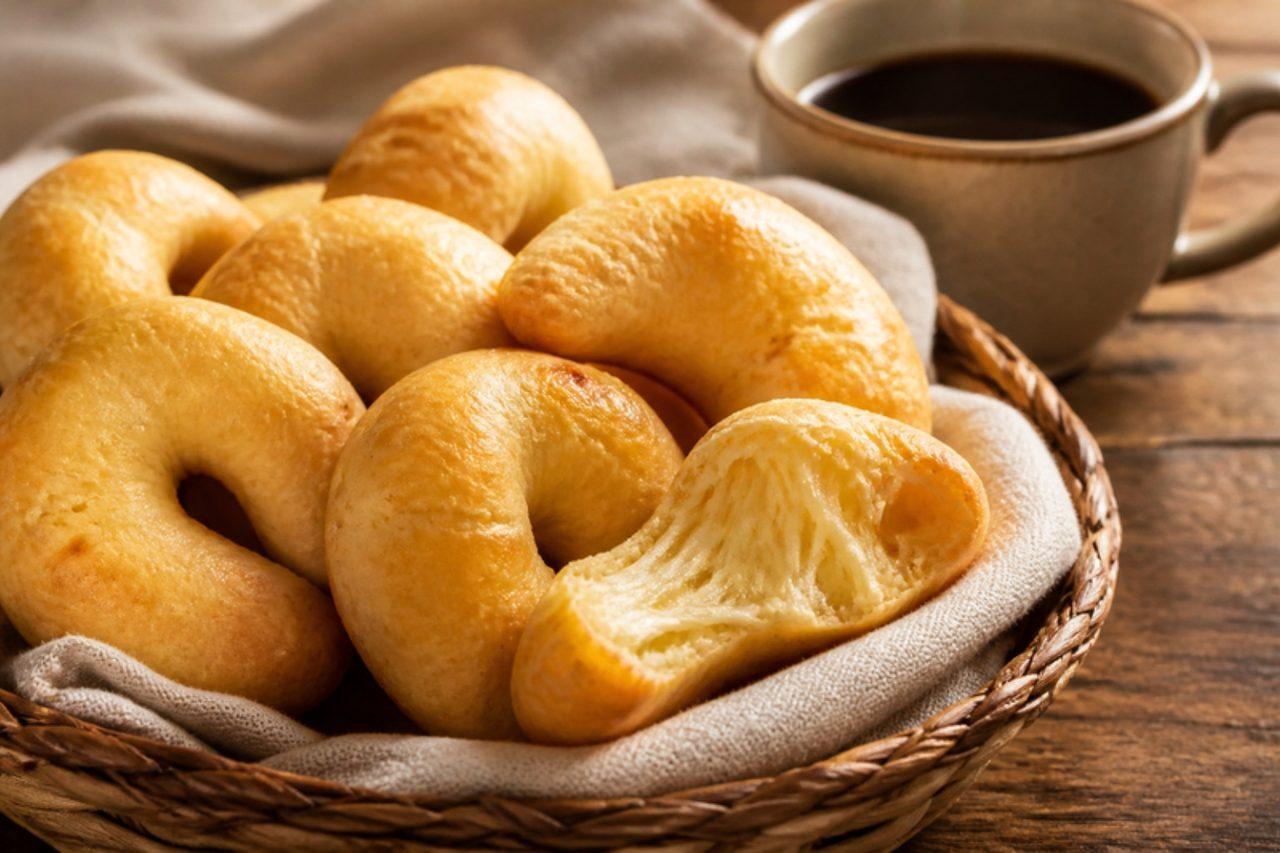
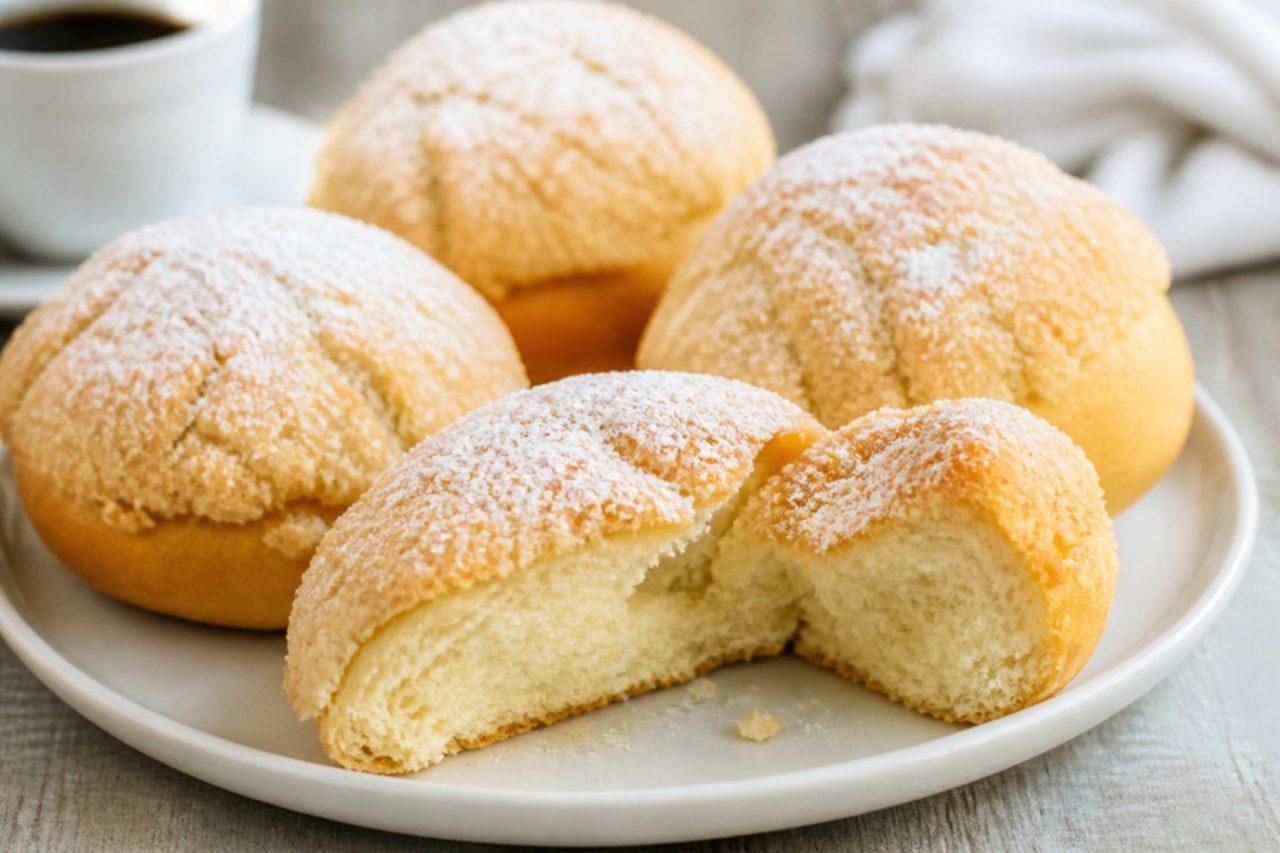
Chipa

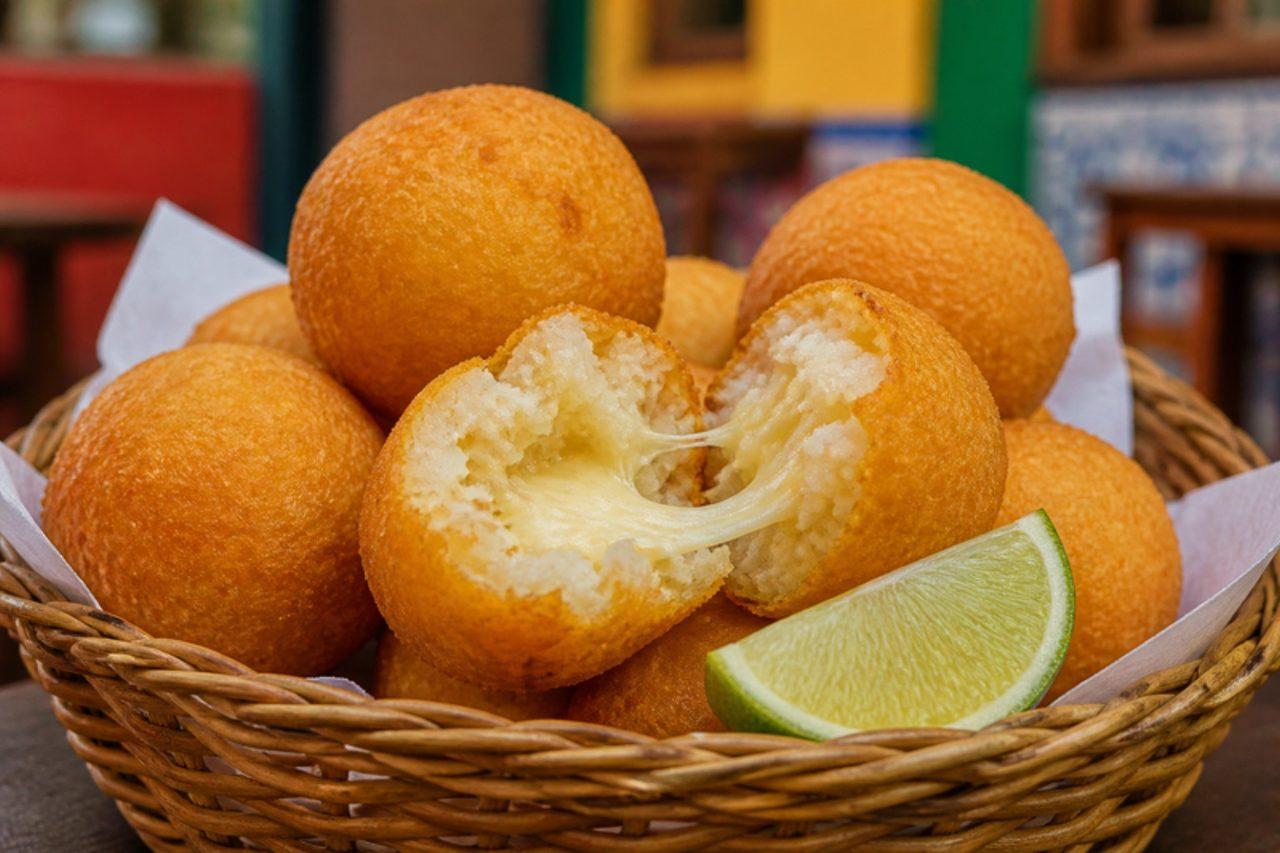
Cheese bread rings 50 minMore from Paraguayan (27) →

This week's collection

Kid-friendly dinners
537 recipes · a new collection every Monday

Latest recipes

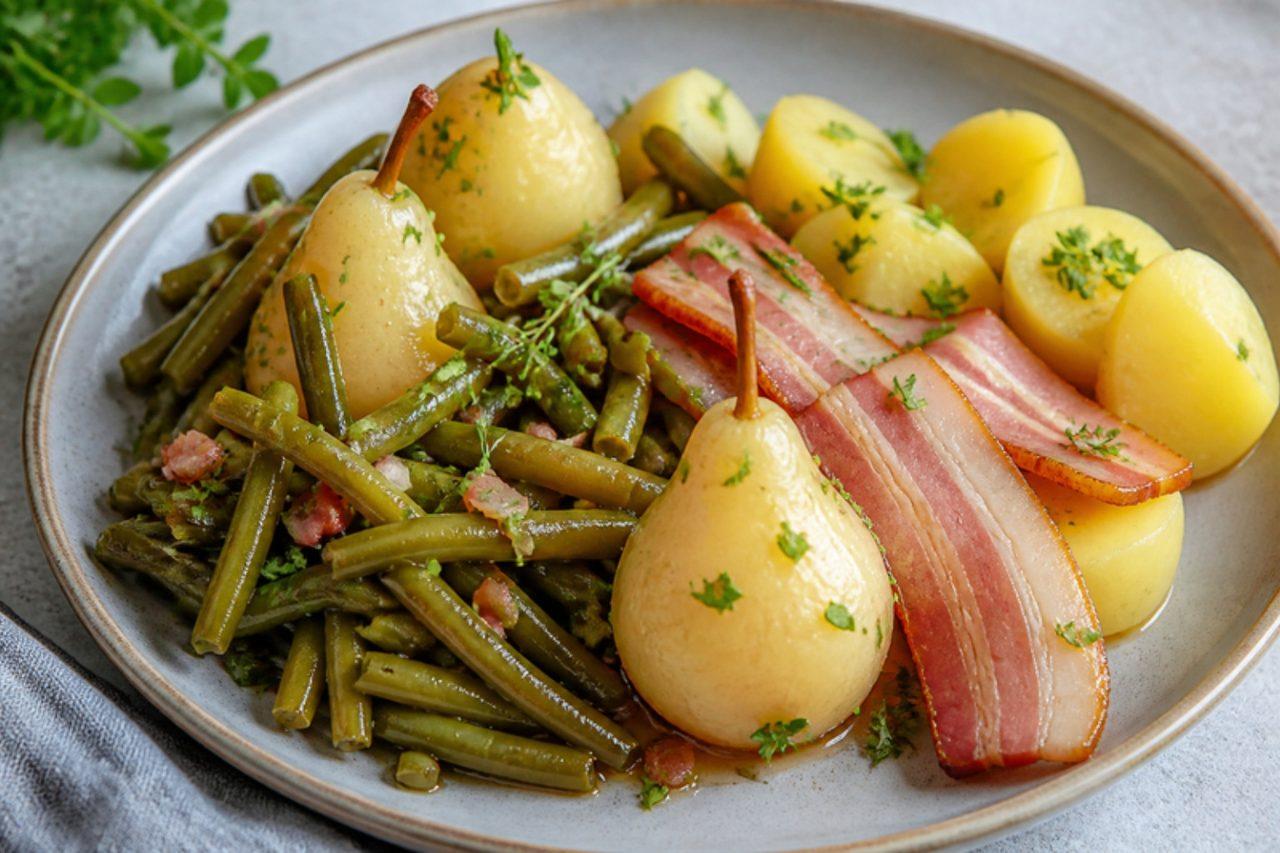
Birnen, Bohnen und SpeckGreen beans, pears and smoked bacon

Birnen, Bohnen und Speck is late-summer cooking from Hamburg and Schleswig-Holstein, made in August when green beans and small, firm cooking pears ripen at the same time in the Vierlande market gardens. A piece of smoked pork belly bacon is simmered until tender, and its smoky broth then cooks the beans, whole pears and potatoes, with summer savory to tie the sweet and salty together. It is one pot, served straight from the stove with the bacon sliced on top. Chef's tip: choose pears that are still hard; ripe dessert pears collapse into the beans.

90 minGermanMeatGluten free
by KrazyBadal 0 views

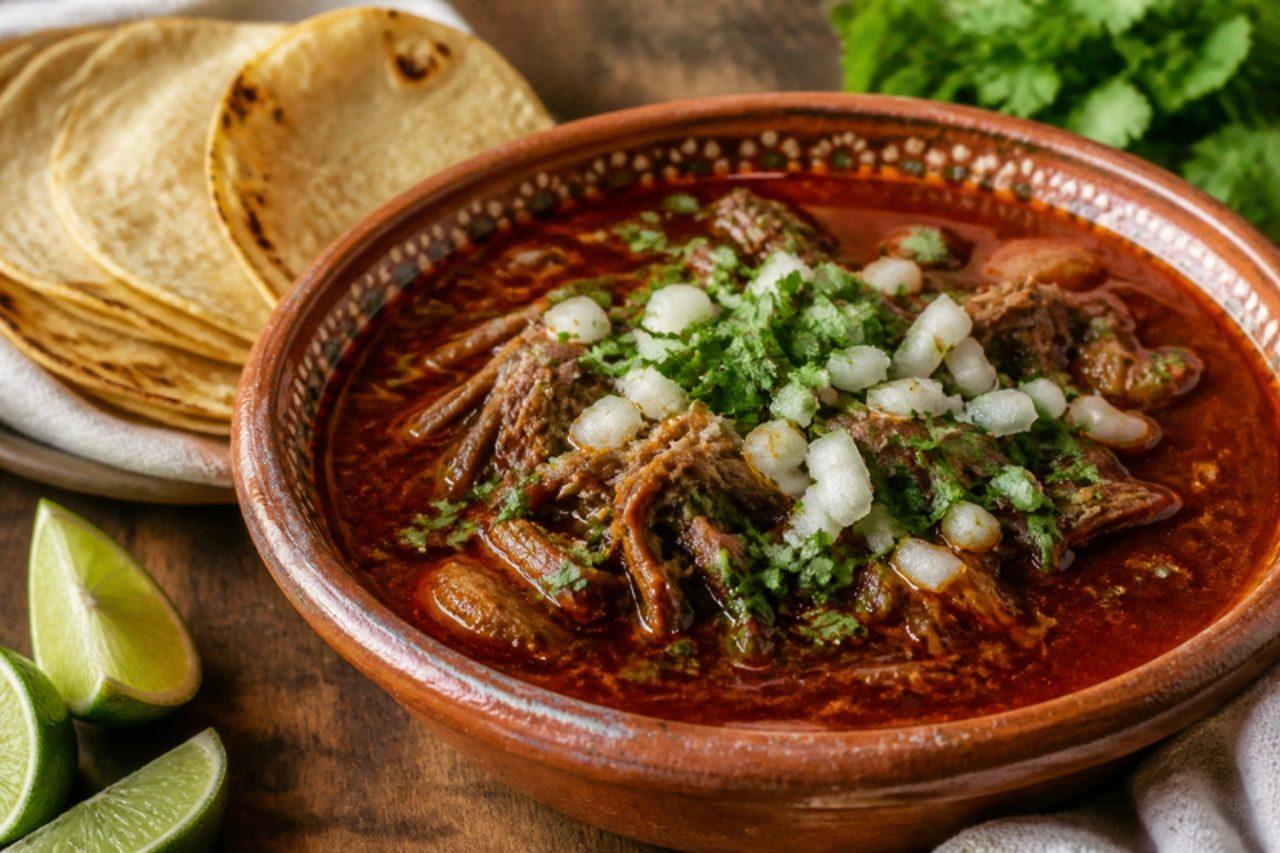
Birria de resChilli-braised beef

Birria comes from Jalisco, where it is the dish of weddings, baptisms and Sunday mornings after a long night, ladled out at market stalls in Guadalajara from dawn. Beef on the bone is rubbed with a paste of guajillo and ancho chillies, vinegar, garlic and warm spices, left overnight in the fridge, then braised for hours until it falls into soft, glossy strands. The cooking liquid becomes the consommé: sip it from a cup, spoon it over the meat in a bowl, or dip tortillas in its red fat and fry them with the beef and a little cheese for crisp-edged tacos. Serve with chopped onion, coriander, lime and a fiery chile de árbol salsa. Chef's tip: skim the red fat off the top of the finished consommé and keep it for frying the tortillas; it gives the tacos their colour and crunch.

285 minMexicanMeatGluten freeSpicy
by KrazyBadal 0 views

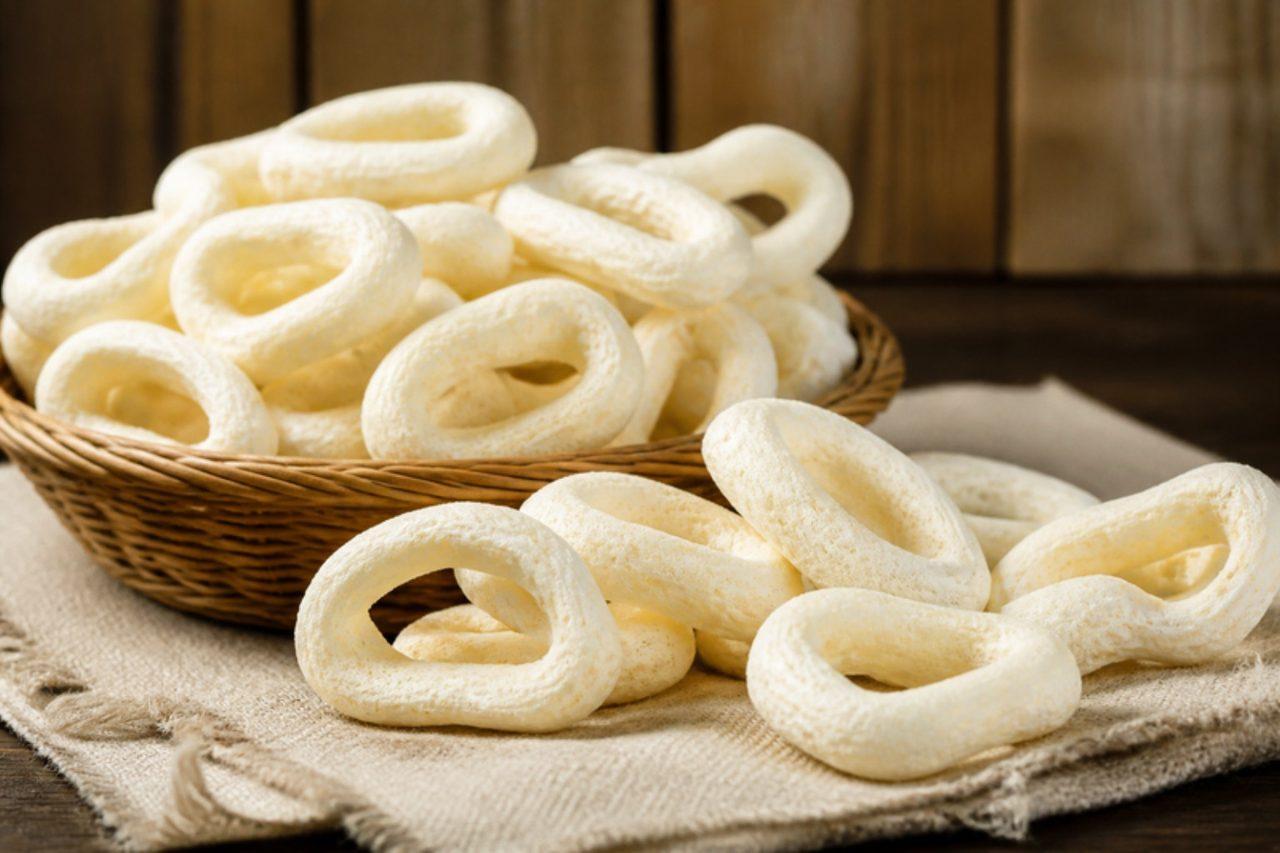
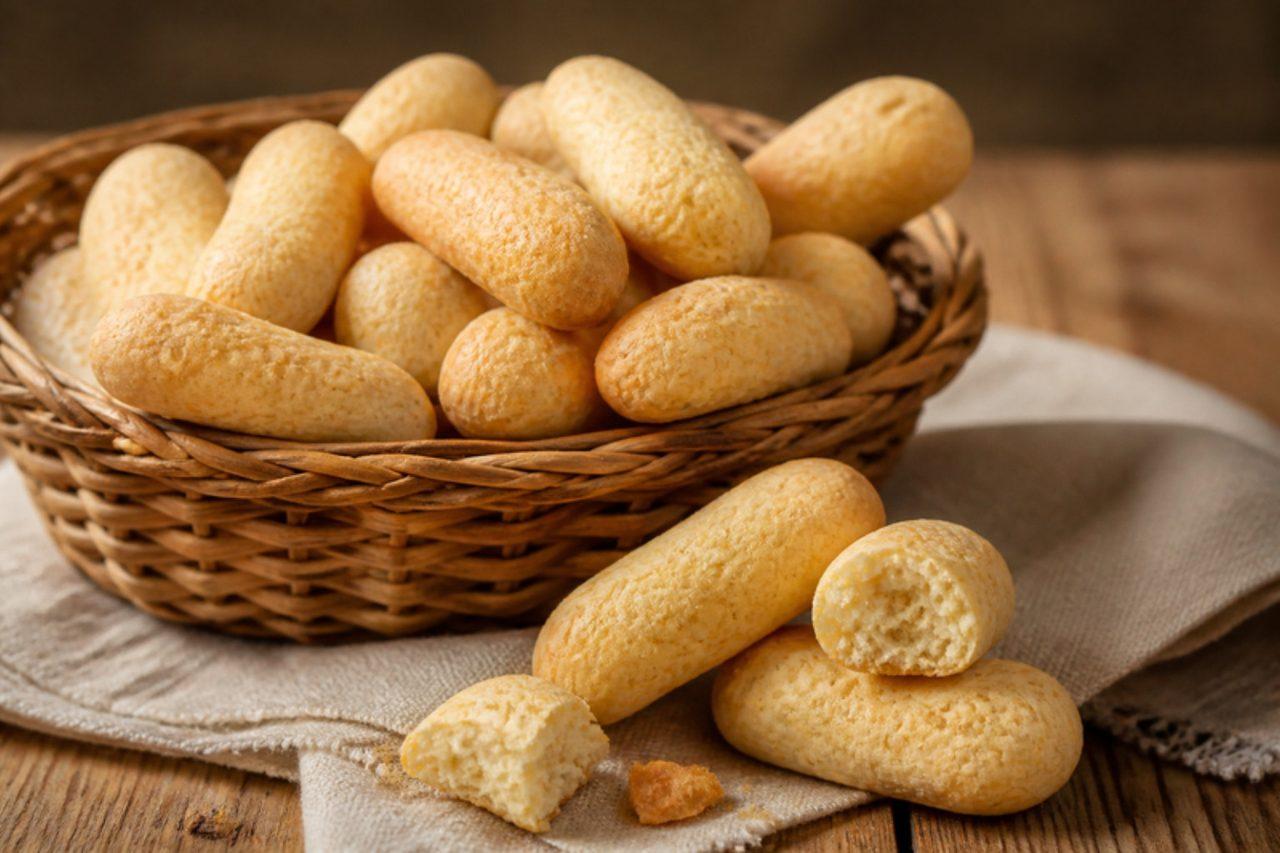
Biscoito de polvilhoCrunchy cassava starch rings

Light enough to float off the plate, these rings are sold by the bagful at bus stations, beaches and football grounds all over Brazil, but they belong to Minas Gerais, where sour cassava starch (polvilho azedo) has been made for centuries. Scalding the starch with hot milk, water and oil and then beating in eggs gives a sticky paste that puffs in a hot oven into crisp, airy, slightly tangy shells. Mineiros eat them with coffee in the afternoon or nibble them all day. Bake them in a hot oven and do not open the door: the rings collapse into flat, hard discs if the heat drops in the first 20 minutes. Chef's tip: the paste should pipe like thick mayonnaise; add a spoon of water if it is too stiff, because a soft dough is what makes the biscuits hollow.

by KrazyBadal 0 views

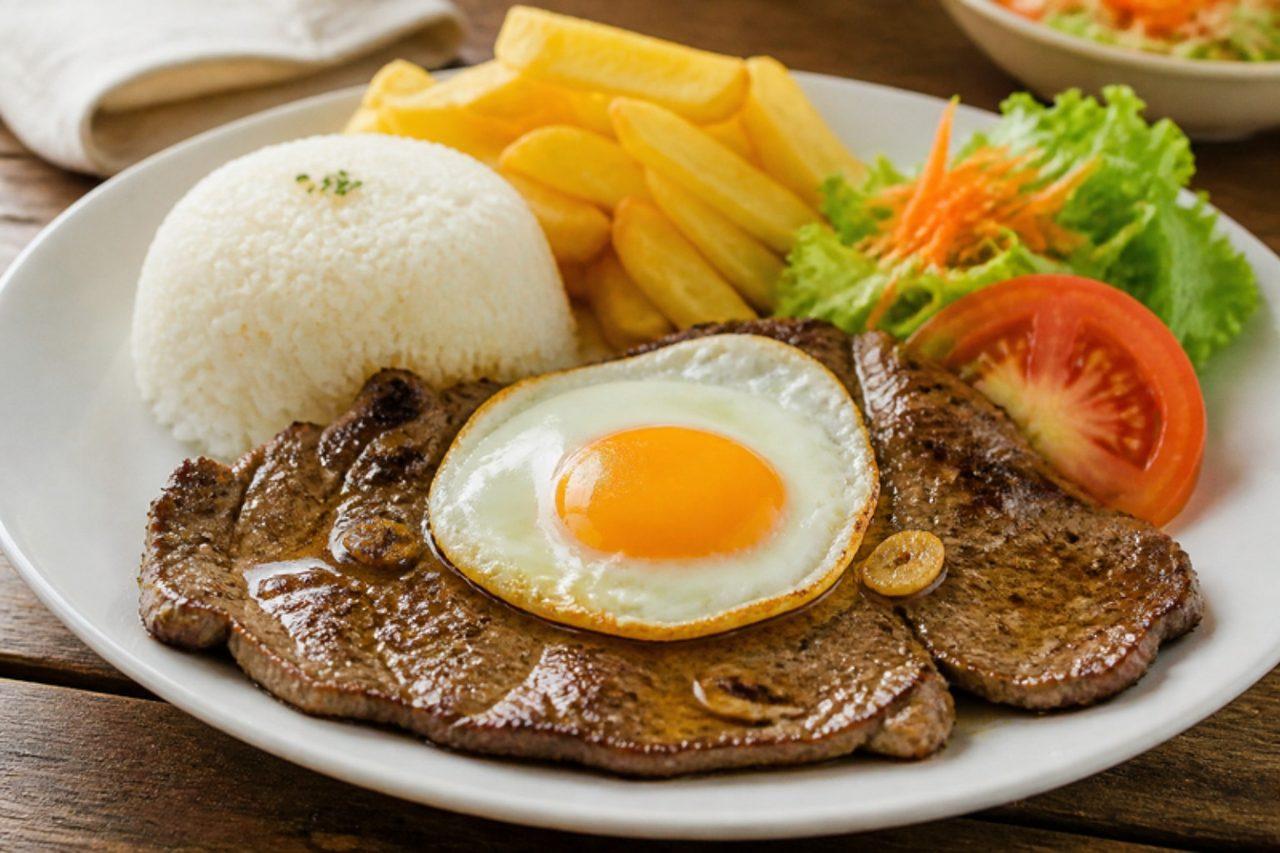
BitoqueSteak with fried egg and chips

Bitoque is the dish Portuguese office workers order when they can't decide: on every café lunch menu in Lisbon there is a thin steak in a garlicky pan sauce, a fried egg sliding over it, and chips, rice and a little salad heaped alongside. It is cheap, filling and quick, and a good one depends on a properly hot pan and a runny yolk that mixes into the sauce. Some cooks splash in beer; this version keeps it alcohol-free with stock. A common mistake is crowding the pan, which stews the steaks instead of searing them. Chef's tip: fry the eggs in the steak pan's garlicky fat so they pick up its flavour.

by KrazyBadal 0 views

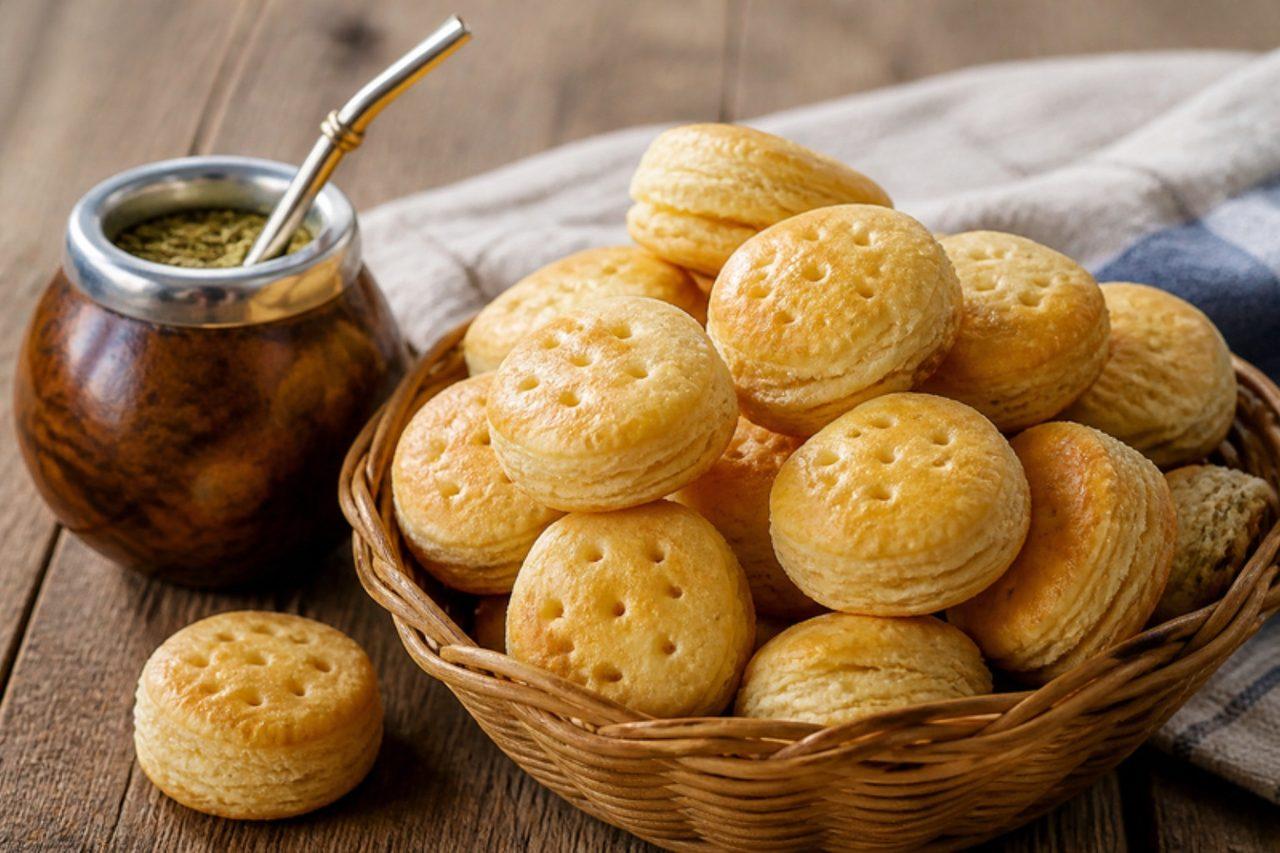
Bizcochitos de grasaSavoury beef fat biscuits

A paper bag of bizcochitos de grasa sits next to the mate gourd in kitchens, offices and roadside service stations across Argentina, from Buenos Aires to the Andes. These little rounds, a couple of bites each, are layered with beef fat, so they flake and crumble, salty and plain enough to eat by the dozen with bitter mate in the afternoon. The fat is rendered beef fat (grasa vacuna), so they are not vegetarian; ask your butcher for dripping or render suet yourself. A dough worked too warm is the mistake that robs them of their layers; the fat melts into it instead of staying in sheets. Chef's tip: chill the dough for 10 minutes between folds whenever it starts to feel greasy, and prick each round right through so it puffs in flakes rather than domes.

by KrazyBadal 0 views

Bizcochos de achiraAchira starch cheese biscuits

Achira is a canna plant whose root gives a fine, silky starch, and in Huila and Tolima it becomes bizcochos: crunchy, cheesy little sticks and rings that dissolve on the tongue. They are sold in long plastic bags at roadside stands near Neiva, Altamira and the Magdalena valley, and they travel everywhere as a snack with coffee or a cold drink. Look for achira flour in Colombian shops; arrowroot powder is the nearest substitute, while tapioca starch gives a chewier result. The cheese is traditionally a dry, aged curd made with animal rennet, so pick a vegetarian hard cheese. The usual mistake is pulling them from the oven too early: they look done but go soft as they cool. Chef's tip: bake them right through until dry and only lightly coloured; they should snap cleanly once cold.

by KrazyBadal 0 views

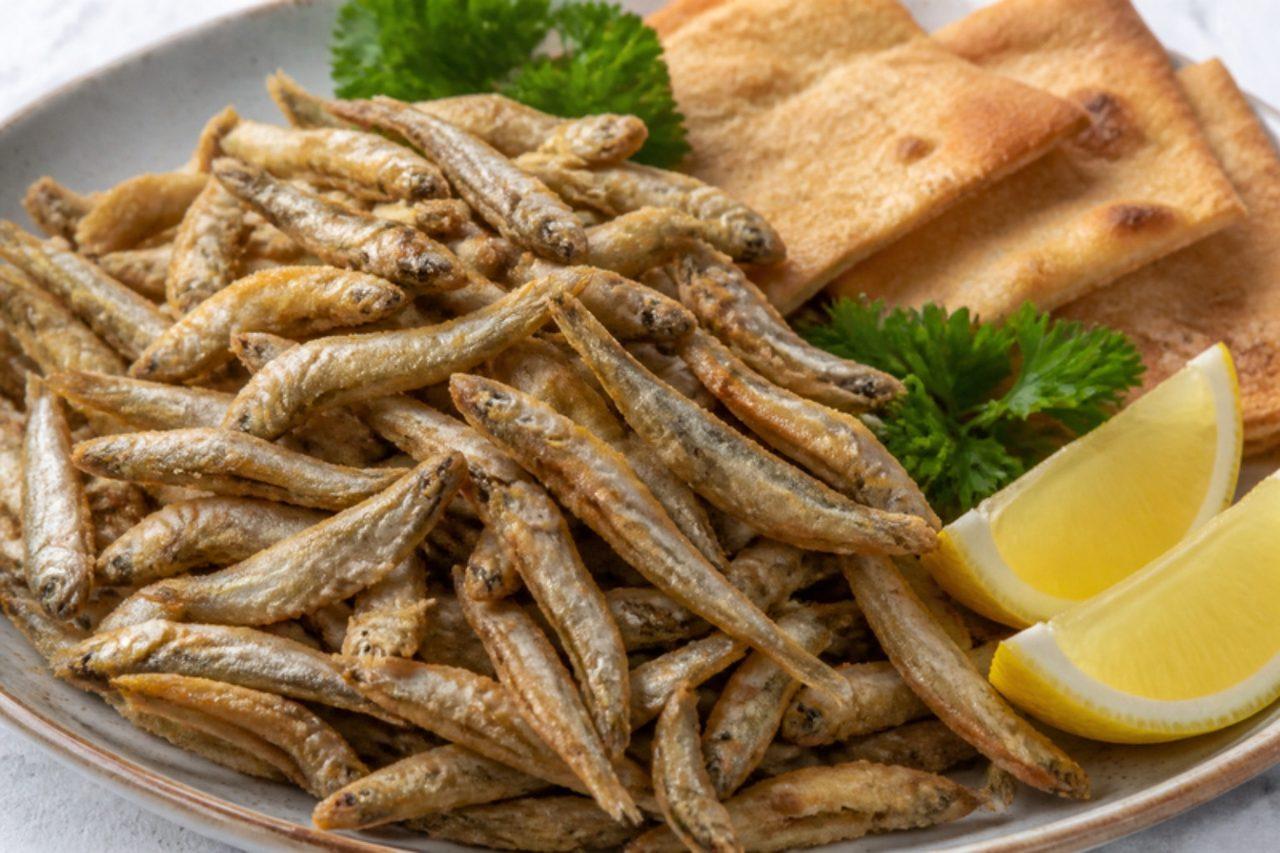
BizriFried whitebait

Fish restaurants on the harbours of Byblos, Batroun and Tyre bring bizri to the table within minutes of ordering: a heap of tiny whitebait, dusted in seasoned flour and fried so crisp you eat them whole, heads and all, with a squeeze of lemon. It is a mezze for sharing with fattoush, tahini sauce and fried pitta, usually while waiting for the bigger grilled fish. Buy the fish very fresh and keep it on ice until it goes into the pan. The common mistake is crowding the pan, which drops the oil temperature and leaves the fish greasy and soft. Chef's tip: toss the damp fish in flour in a sieve and shake off every bit of excess; a thin coating fries glassy-crisp.

by KrazyBadal 0 views

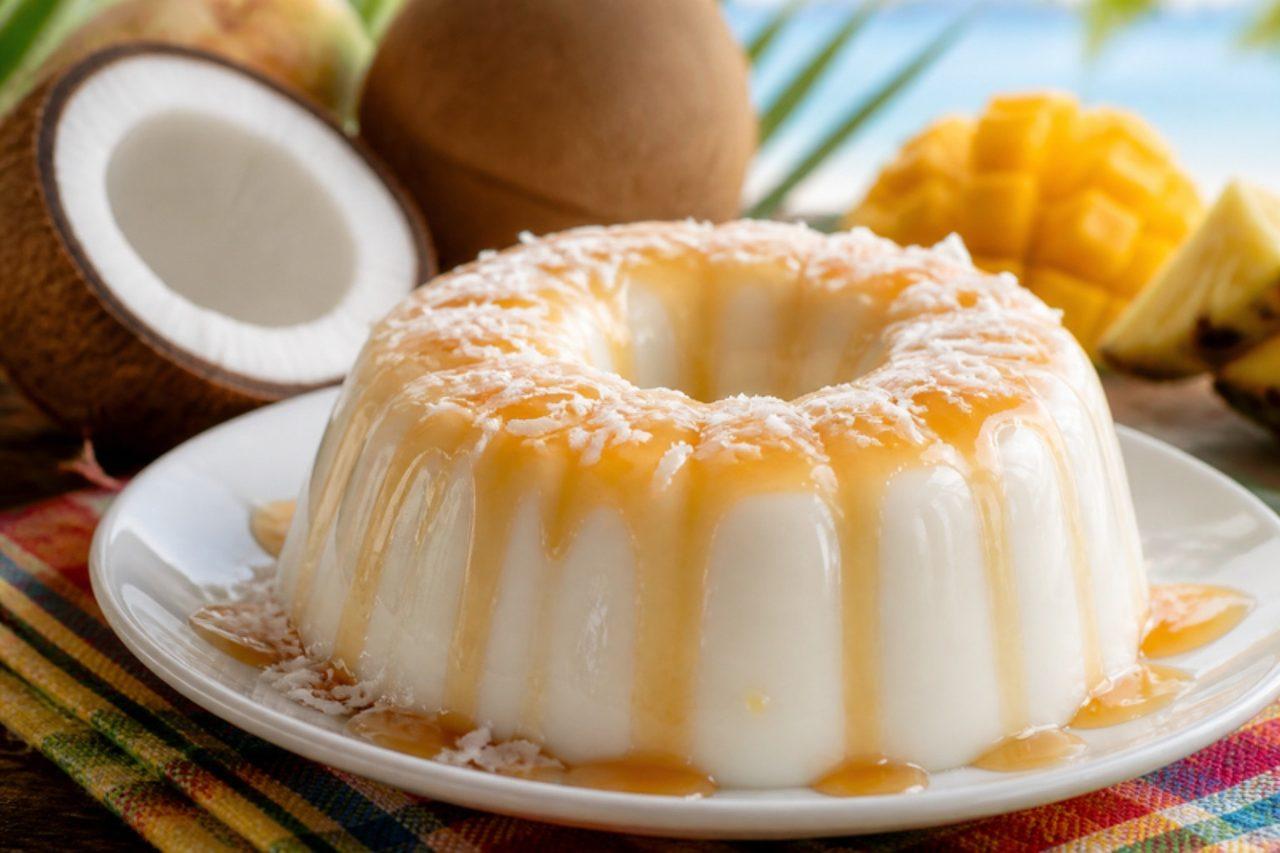
Blanc-manger cocoCoconut dessert

In Martinique, blanc-manger coco is the cool, wobbly dessert that closes a Christmas or Sunday family lunch: coconut milk and sweetened condensed milk scented with lime zest, cinnamon, vanilla and nutmeg, set and turned out of a mould. Many island cooks set it with gelatine, which is not vegetarian; this recipe uses agar-agar, a seaweed setting agent, so it is meat-free and holds well even in the heat. Serve it chilled with passion fruit or a guava coulis. Chef's tip: once the agar is in, keep the mixture boiling for 2 full minutes; agar only sets after it has been properly boiled.

by KrazyBadal 0 views

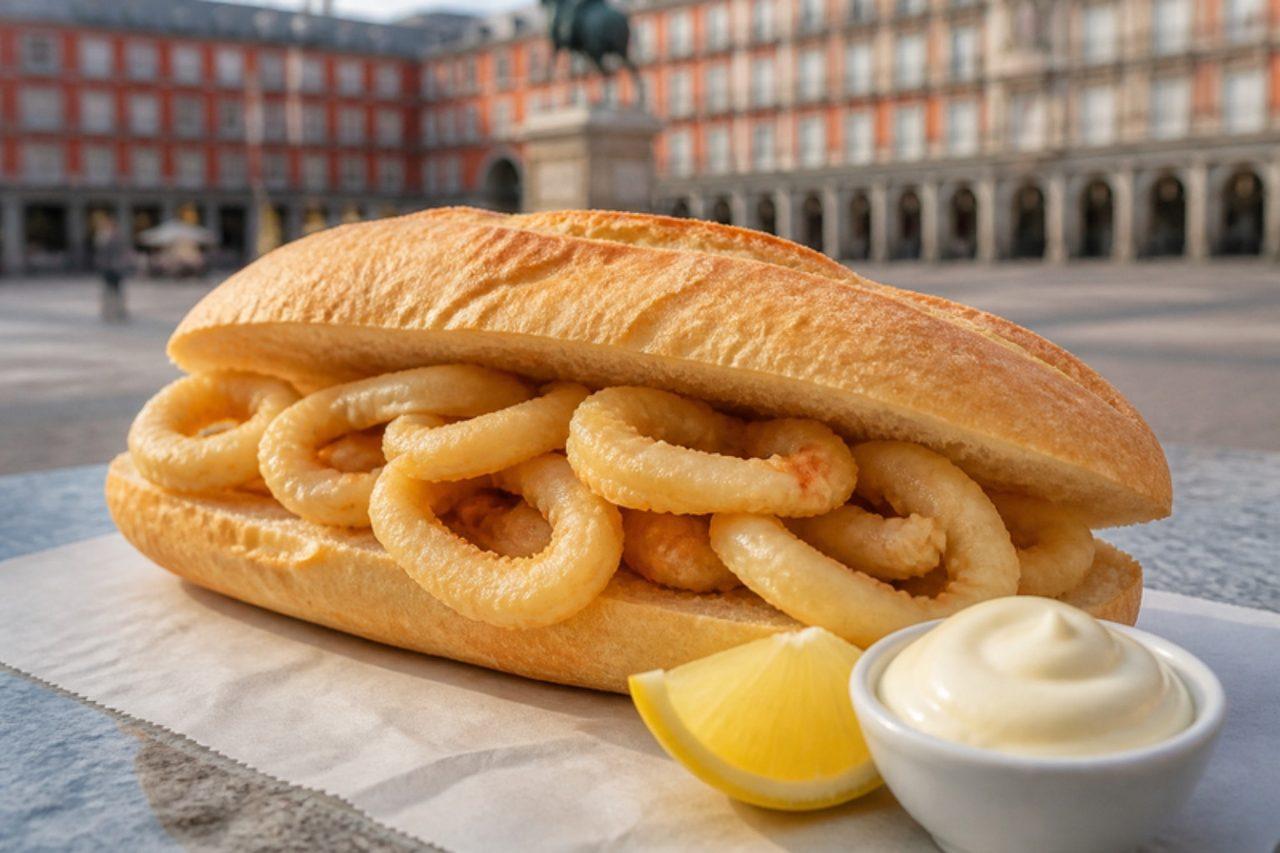
Bocadillo de calamaresFried squid sandwich

Madrid sits hundreds of kilometres from the sea, yet its most famous snack is a crusty roll stuffed with hot fried squid rings, eaten standing at the bars around the Plaza Mayor at any hour. Locals order one with a cold drink at the counter and squeeze over a little lemon; some add a smear of mayonnaise. Chef's tip: fry the squid in very hot oil and for barely a minute, so it stays tender inside a crisp coat.

by KrazyBadal 0 views

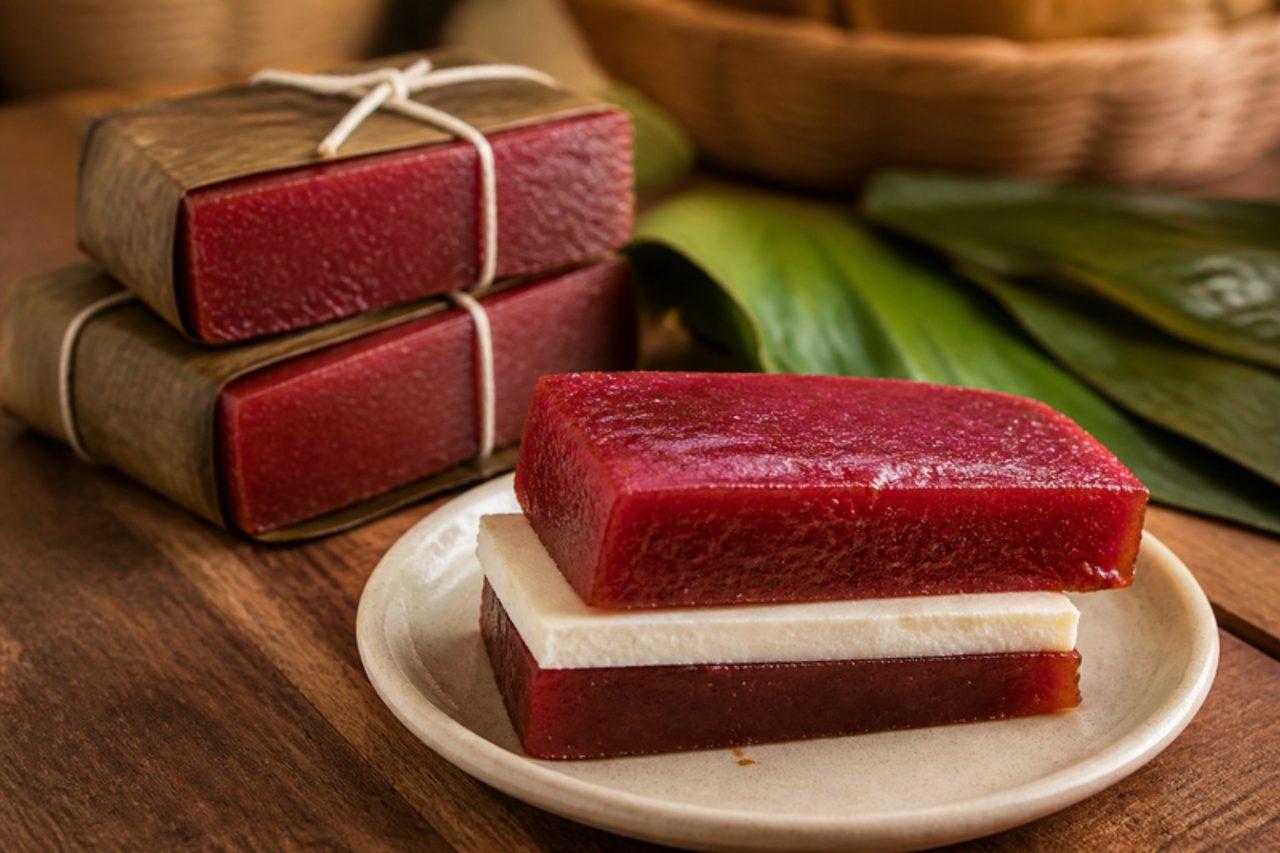
Bocadillo veleñoGuava and panela paste

Vélez, a hill town in Santander, has given its name to Colombia's favourite sweet. Bocadillo veleño is guava pulp cooked down with panela and sugar until it sets into a firm, sliceable paste, deep red and fruity with a caramel edge, then cut into bars and wrapped in dried bijao leaves. It is the snack of bus journeys and school lunchboxes, and with a slice of fresh white cheese it becomes the classic pairing Colombians call a matrimonio. Plan for overnight setting. Stopping the cooking too early is the familiar mistake: the paste looks thick in the pan but stays soft and weeps once cool, so cook until it pulls away from the pan and a spoon drawn across the bottom leaves a clear track. Long sleeves are a good idea; it splutters. Bijao leaves are hard to find abroad; banana leaves or baking paper work. Chef's tip: use pink-fleshed guavas for colour, and add the lime early so the pectin sets firm.

by KrazyBadal 0 views

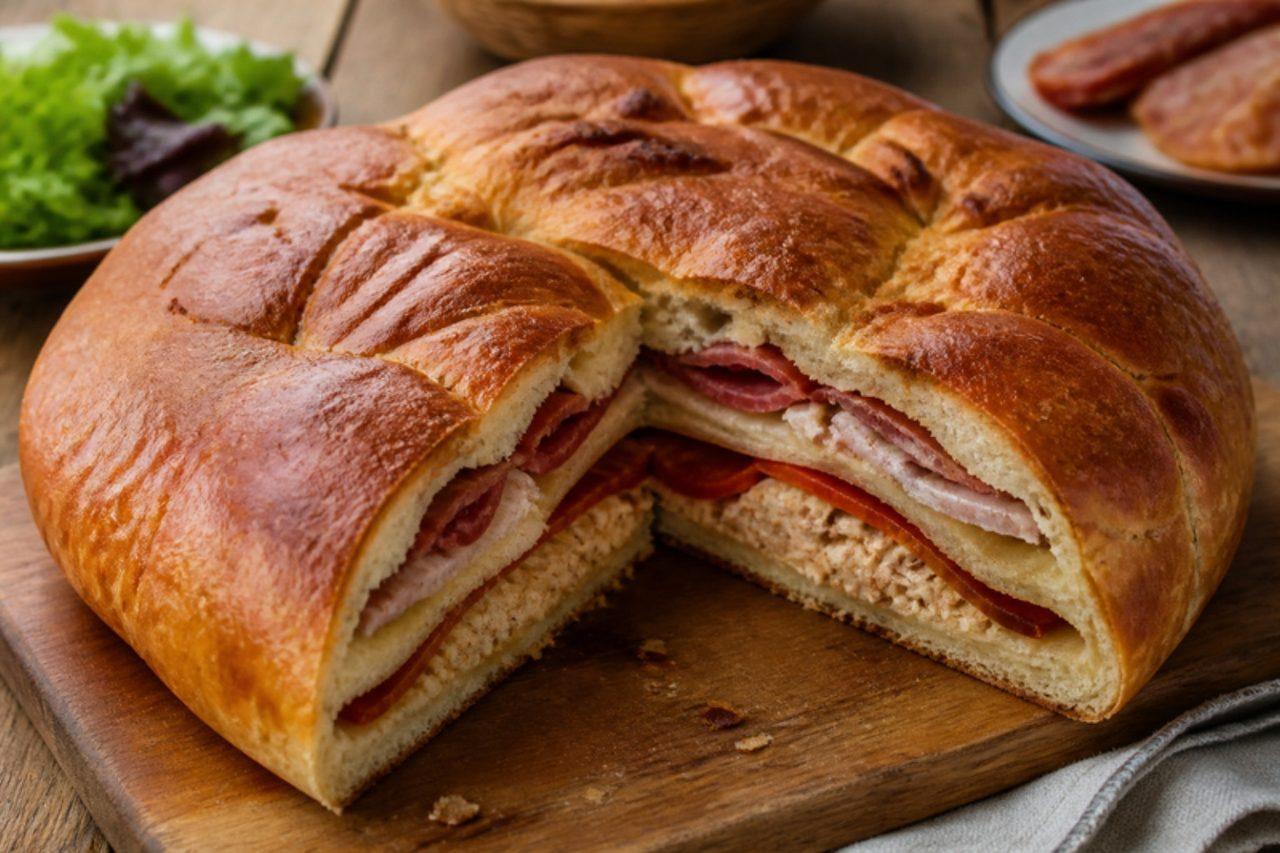
Bola de LamegoBread stuffed with ham and sausage

Lamego, the cathedral town above the Douro, is famous for its cured hams, and its bola is a bread baked with them inside: a soft, slightly rich yeasted dough layered with presunto, chouriço, salpicão and often chicken or veal. It is taken on picnics, to the pilgrimage of Nossa Senhora dos Remédios in September, and sold by the slice in local cafés. This contains pork (presunto and chouriço). Chef's tip: let the bola cool for an hour before slicing; the juices from the meats settle into the crumb.

by KrazyBadal 0 views

Bolas de fraileDulce de leche doughnuts

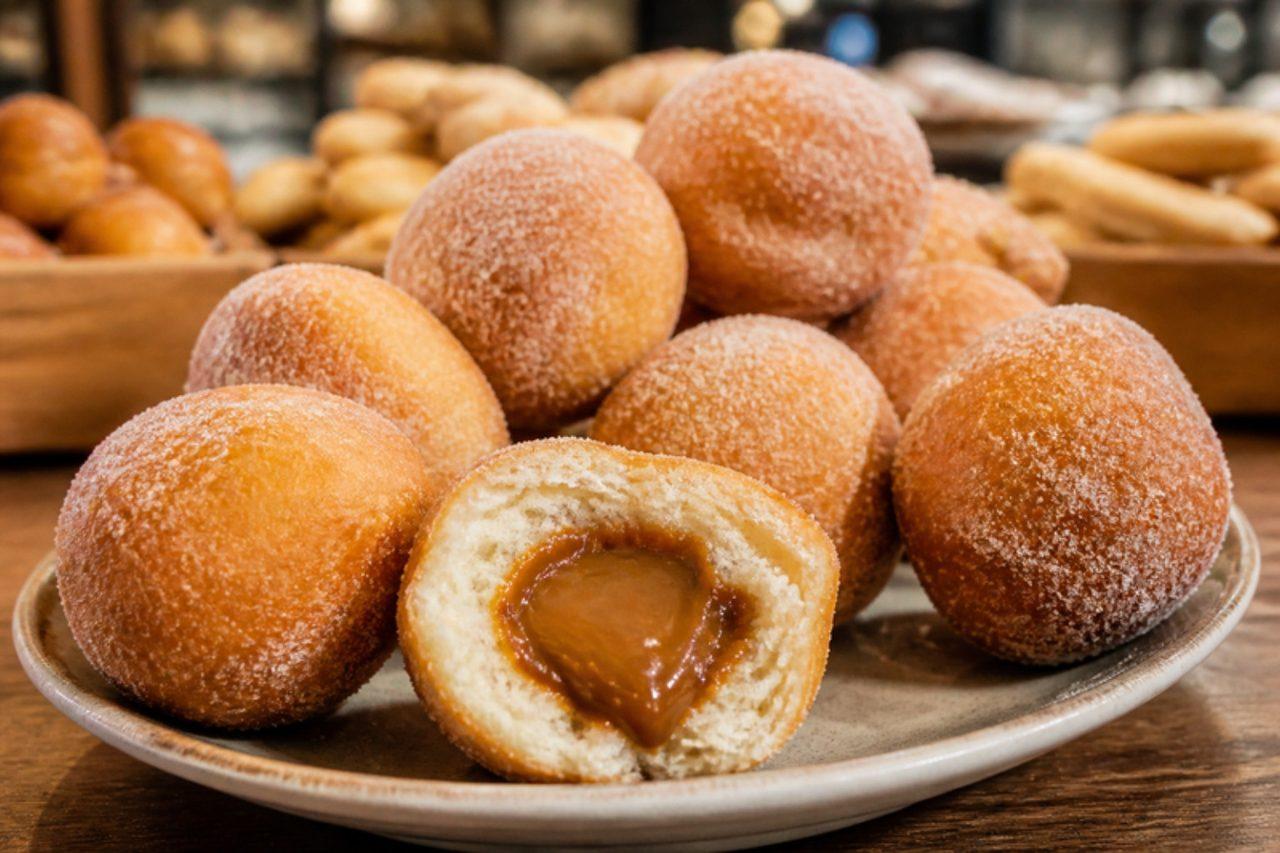
Friars' balls, to translate them literally, are a fixture of the Buenos Aires panadería counter among the facturas that porteños buy by the dozen on Sunday morning: soft, round yeast doughnuts, fried golden, rolled in sugar and split or piped with dulce de leche or crema pastelera. Children dive for them first. Inside they are light and fluffy, outside slightly crisp and sweet, and they are at their best within a few hours, with mate or coffee with milk. Oil that is too hot is the mistake: the outsides brown in seconds and the centres stay raw and doughy, so keep it at 170 °C and fry slowly. A thermometer helps a lot. Pastry cream is the other classic filling if you prefer it. Chef's tip: let the shaped balls rise on individual squares of baking paper and slide them into the oil on the paper; they keep their round shape and the paper peels off after a few seconds.

by KrazyBadal 0 views

Boleima de maçãApple and cinnamon cake

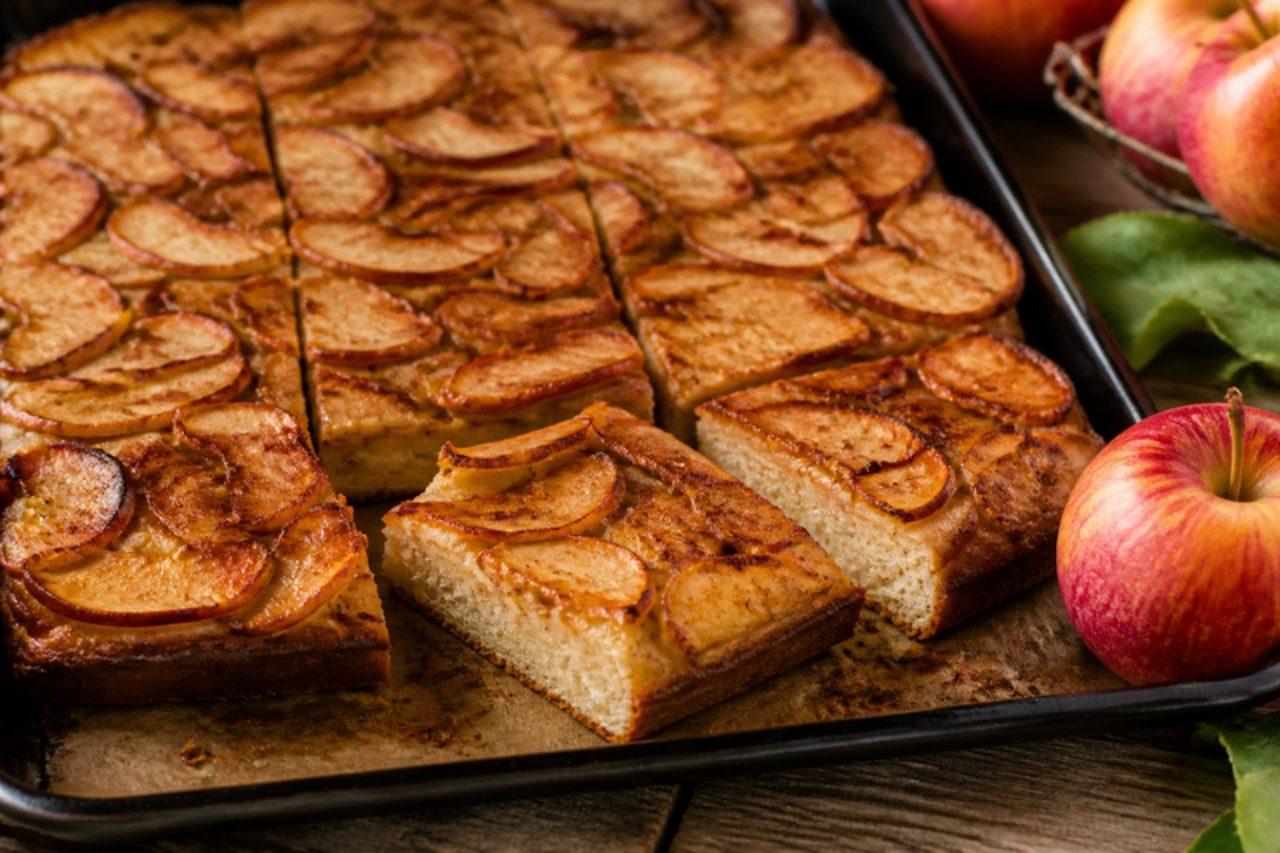
In Portalegre, in the hills of the north Alentejo, boleima was born on baking day: a piece of the bread dough was set aside, enriched with olive oil, sugar and cinnamon, layered with sliced apples and baked in the cooling oven. It is not a delicate cake but a flat, moist, fragrant slab with caramelised edges, eaten at Christmas and at coffee time in autumn. It has no egg, butter or milk. A common mistake is slicing the apples thick, which leaves them hard while the dough is done; cut them thin. Chef's tip: give the dough a long, slow rise; that is where the bread-like flavour comes from.

by KrazyBadal 0 views

Bolinho de aipimCheese-stuffed cassava balls

Order a round of chope in a Rio boteco and a plate of these usually follows: golf-ball-sized fritters of mashed aipim (cassava) with a molten cheese centre, crisp and craggy outside, soft and stretchy within. Places like the bars of Tijuca and Botafogo fill them with everything from dried beef to shrimp, but cheese is the classic veggie order. The cassava dough needs no egg or flour to bind it, so they are naturally gluten free. Use a mozzarella or Minas cheese made with microbial rennet to keep them vegetarian. They go wrong when the cassava is mashed while wet: the balls soften and split in the oil. Drain it very well and let the steam escape. Chef's tip: chill the shaped balls for 30 minutes before frying, so the cheese stays inside and the crust sets before the centre melts.

by KrazyBadal 0 views

Bolinho de estudanteTapioca and coconut fried fingers

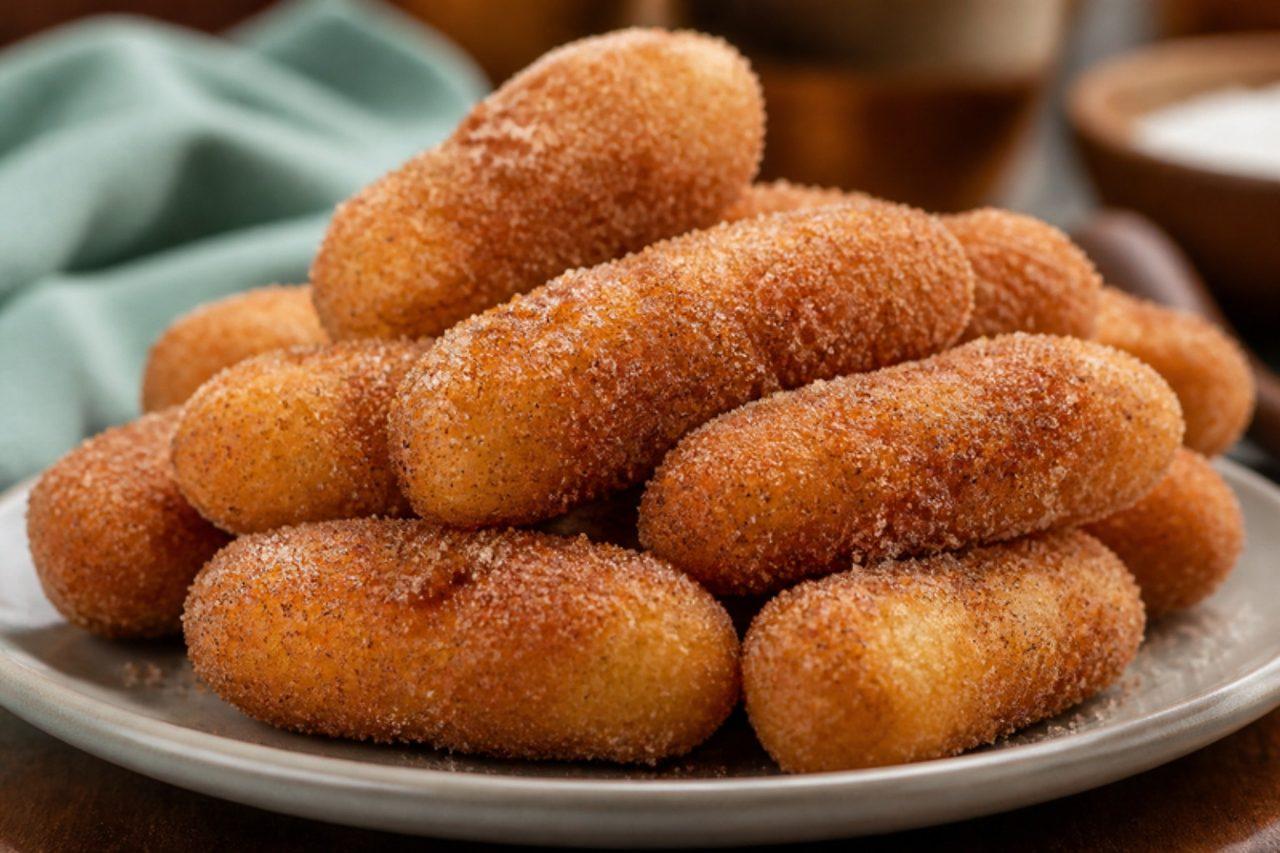
Baianas de acarajé sell these next to their black-eyed pea fritters, and the name, 'student's cake', comes from how cheap and filling they are for schoolchildren in Salvador. A dough of granulated tapioca soaked in hot milk and coconut milk with grated coconut is shaped into short fingers, fried until the outside shatters, and rolled while still warm in cinnamon sugar. Inside they stay chewy and moist, a little like a coconut doughnut. Eat them with afternoon coffee, or make a tray for a festa junina. A common error is frying before the tapioca has fully absorbed the liquid, which makes the fingers burst open in the oil; give the dough its full 30-minute rest. Chef's tip: keep a bowl of water by you and wet your hands while shaping, so the sticky dough rolls into smooth fingers that fry evenly.

by KrazyBadal 0 views

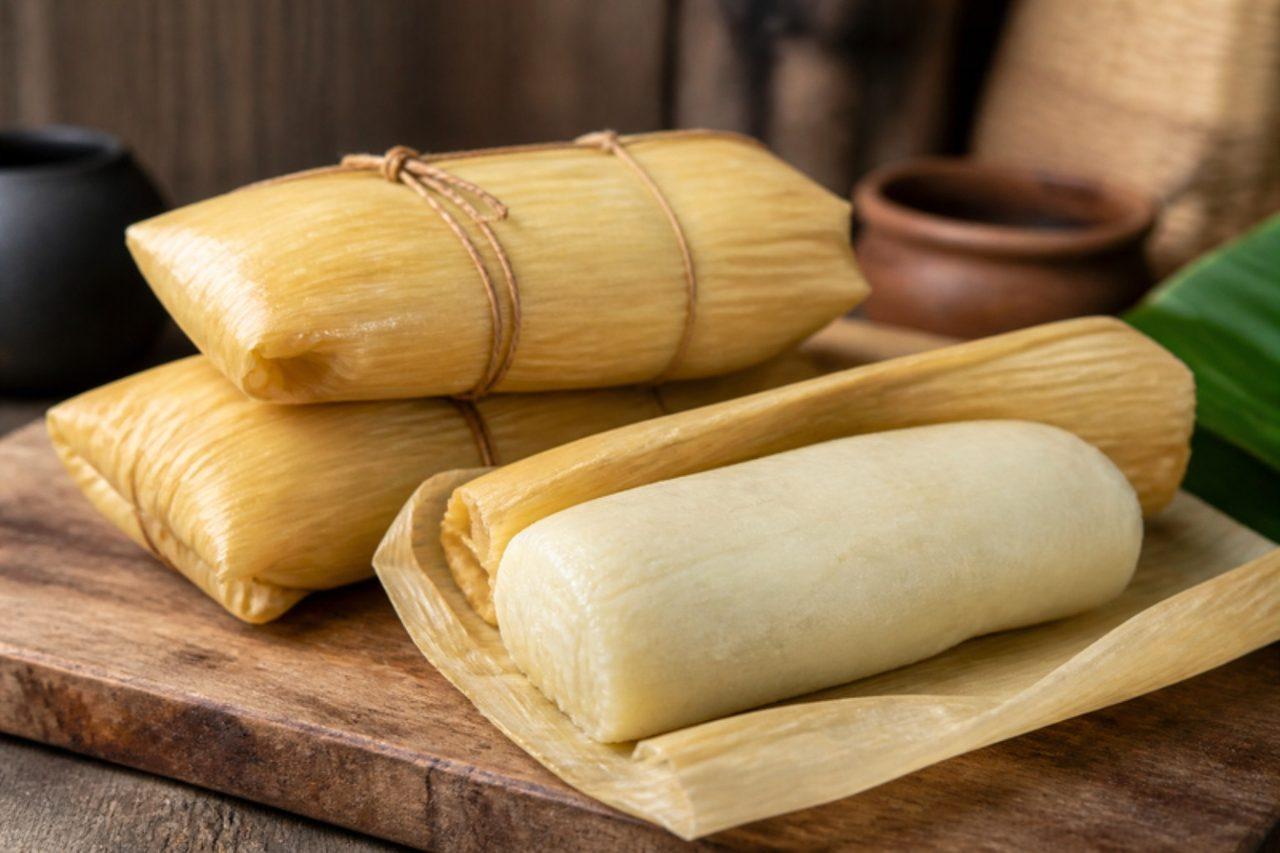
Bollo de yucaBoiled cassava bundles

Along the Caribbean coast from Cartagena to Santa Marta, the bollo de yuca is a staple to set beside fried fish, a bowl of soup or a slice of fresh white cheese. Raw cassava is grated, kneaded with a little salt and sometimes a few anise seeds, then wrapped and boiled until it turns translucent and pleasantly chewy, with a mild, slightly sweet flavour. Market sellers stack them by the dozen, and they keep well, so many households buy enough for several days. Cassava must always be fully cooked and peeled down past the pink inner layer, since the raw root contains natural toxins that cooking removes. Squeezing the grated cassava too hard is the error that ruins it: bone-dry dough gives tough, rubbery bollos, so you only want to press out the loose juice. Frozen grated cassava from Latin or African shops works well. Chef's tip: wet your hands before rolling the logs, because the starch sticks to dry palms.

by KrazyBadal 0 views

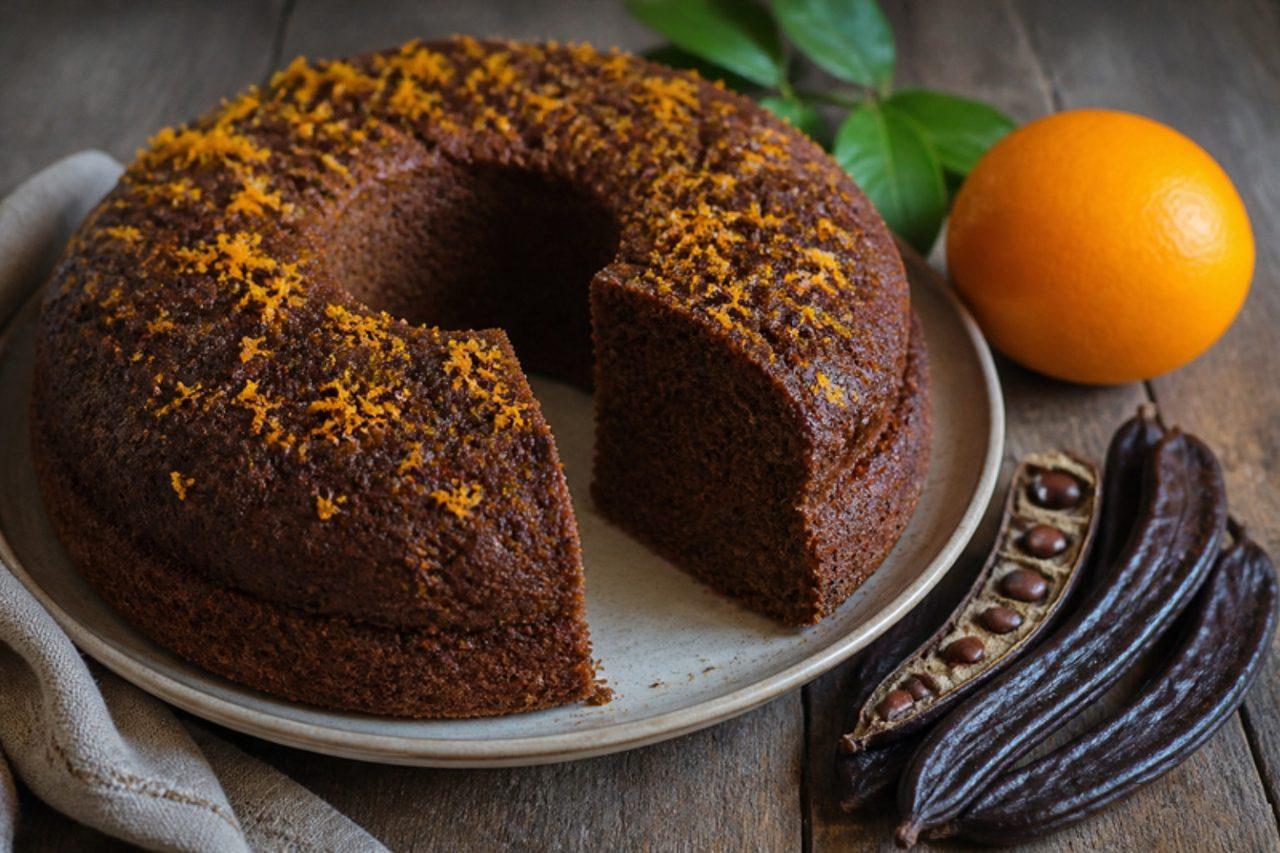
Bolo de alfarrobaCarob and orange cake

Carob trees grow all through the dry Barrocal hills behind the Algarve coast, and the toasted pods are ground into a sweet, cocoa-coloured flour that local bakers have used for generations. This cake, sold by the slice in cafés around Loulé and São Brás de Alportel, is made with olive oil and orange, so it stays moist for days. It has a gentle caramel, almost malty taste rather than a chocolate one. A common mistake is using too much carob; it is sweet and earthy and turns bitter when overdone, so stick to the amount given. Chef's tip: sieve the carob flour with the wheat flour, because it lumps easily and leaves dry pockets in the crumb.

by KrazyBadal 0 views

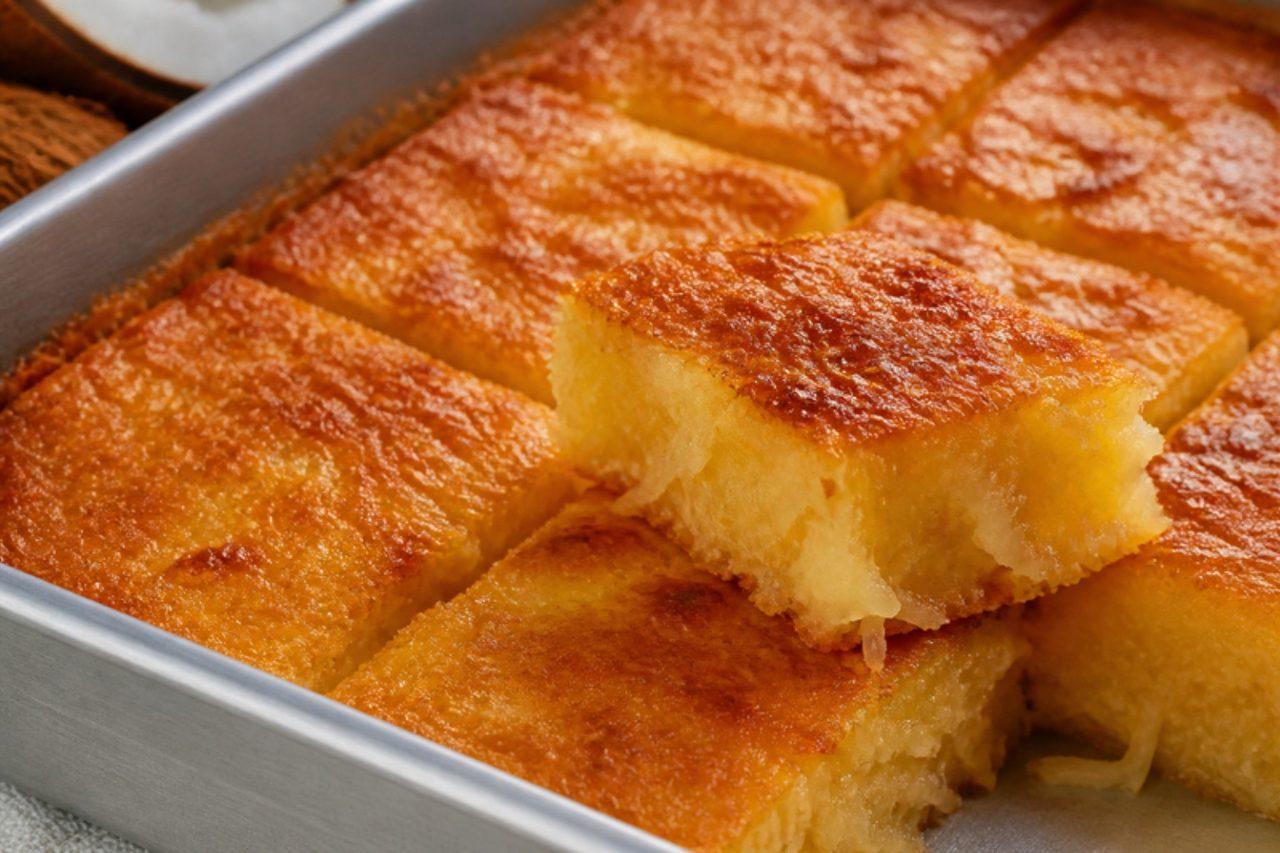
Bolo de mandiocaGrated cassava and coconut cake

Grated raw cassava makes a cake unlike any flour cake: heavy, sticky and pudding-like, with a chewy golden crust and a moist, almost translucent middle. Bolo de mandioca (or bolo de aipim in Rio) is baked all over Brazil, sold by the slice at roadside stands in the interior of Bahia and Minas, and is a regular at June festivals next to the corn cakes. Coconut milk and grated coconut make it fragrant, butter makes it rich. Fresh cassava is sold in Latin, African and Caribbean shops; frozen peeled cassava is fine once thawed. Raw cassava must be fully cooked, and baking this long is enough. A classic error is blending in the fibrous core of the root, which leaves woody threads in the cake; cut it out first. Chef's tip: squeeze a little of the liquid out of the grated cassava in a cloth before mixing, and the cake gets a firmer, more cake-like texture without turning dry.

by KrazyBadal 0 views

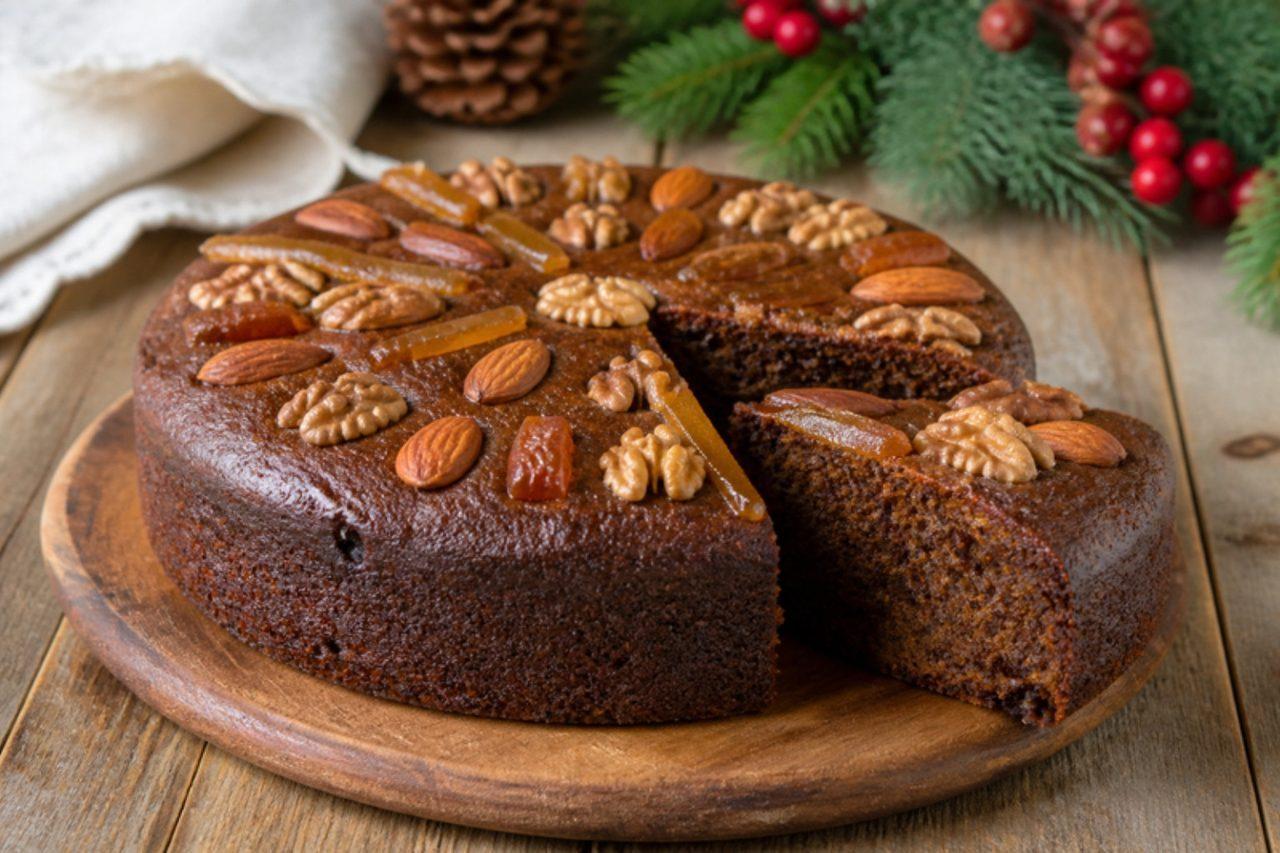
Bolo de mel da MadeiraSpiced molasses cake with nuts

Madeiran families bake bolo de mel on 8 December so it can mellow in time for Christmas, and a well-wrapped one is said to keep until the following year. It is dense, almost black and fragrant with cinnamon, clove and aniseed, sweetened with mel de cana, the island's sugarcane molasses, and studded with walnuts, almonds and candied peel. Tradition says it should be broken by hand, never cut with a knife. Many old recipes use some lard; this one uses butter only. Chef's tip: wrap it in foil and wait at least a week before eating; the spices and molasses soften and blend as it rests.

by KrazyBadal 0 views

Bolo de milho verdeSweetcorn cake

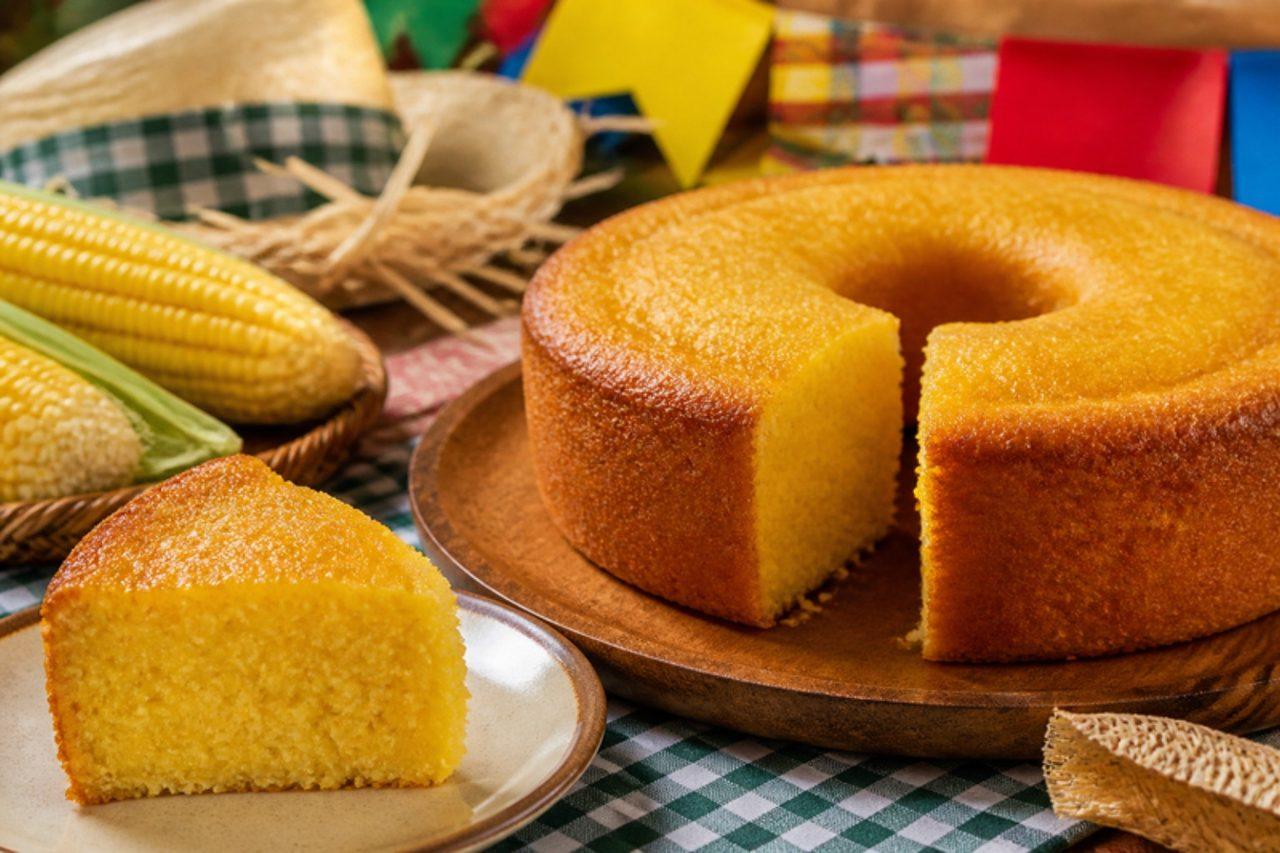
Almost every Brazilian padaria keeps a tray of bolo de milho verde by the till, and in June it multiplies across festa junina stalls, sliced into squares and wrapped in napkins. Everything goes into a blender: sweetcorn kernels, eggs, milk, oil, sugar and a little fine cornmeal, so the cake comes out yellow, dense and moist, almost custardy in the middle, with real corn flavour. It is made without wheat flour, which keeps it gluten free as long as your baking powder is. Eat it with afternoon coffee or warm from the tin. Opening the oven early is where it usually goes wrong; this batter is heavy and sinks if the door opens before 35 minutes. Chef's tip: leave the cake in the tin for 20 minutes after baking; it finishes setting as it cools and comes out in clean slices.

by KrazyBadal 0 views

Bolo de roloGuava paste roll cake

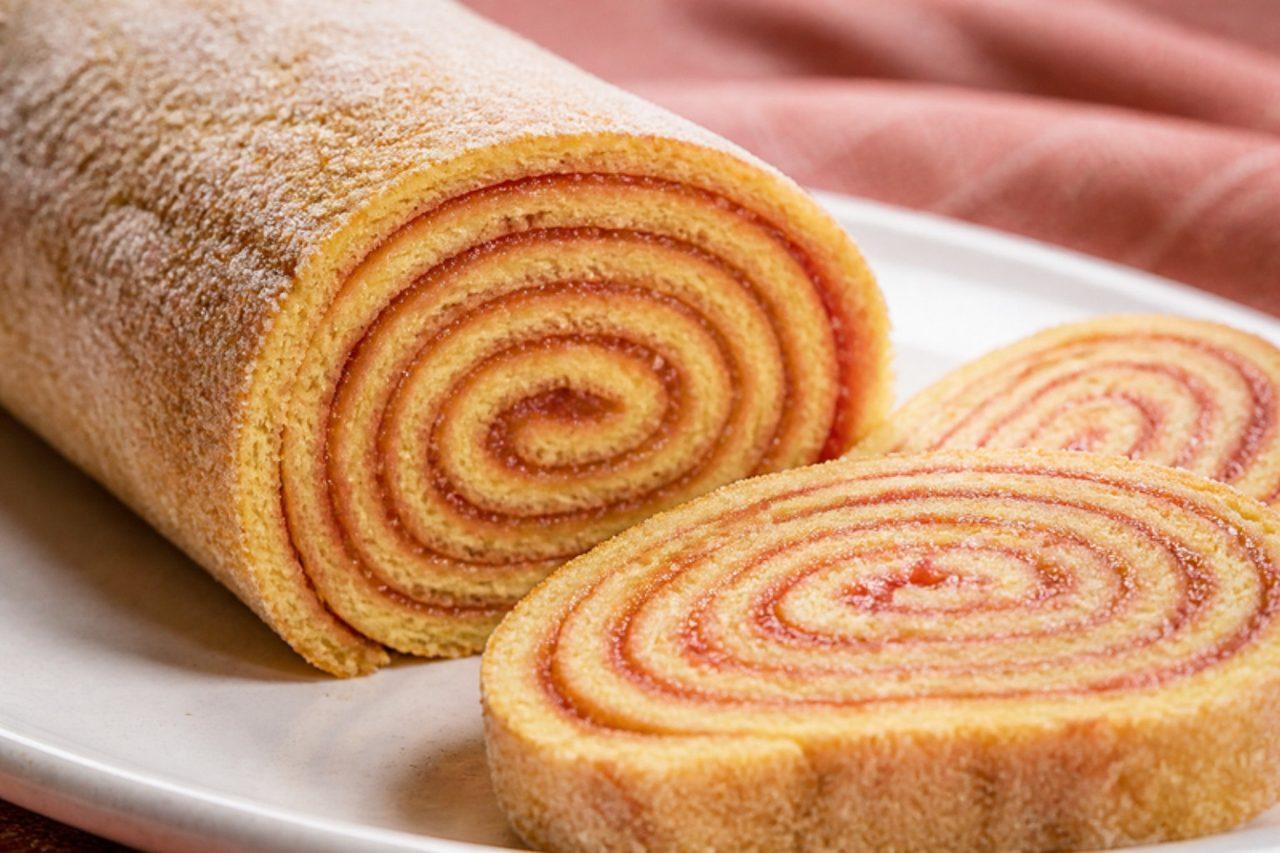
Cut a slice of bolo de rolo and you see a tight spiral of a dozen hair-thin layers, alternating pale butter sponge and dark red guava. It is Pernambuco's proudest cake, protected as a cultural heritage of the state, sold in Recife's bakeries and airport shops in long boxes and served at birthdays and with coffee in the afternoon. The batter is rich with butter and eggs, spread so thinly it bakes in minutes; each sheet is brushed with melted guava paste and rolled around the last. It takes patience rather than skill. The classic slip is spreading the batter too thick, which gives a fat swiss roll instead of fine stripes; you should almost see the paper through it. Chef's tip: roll each layer while it is still hot from the oven, on a clean cloth dusted with sugar, because the thin sponge cracks as soon as it cools.

by KrazyBadal 0 views

Bolo do cacoSweet potato flatbread with garlic butter

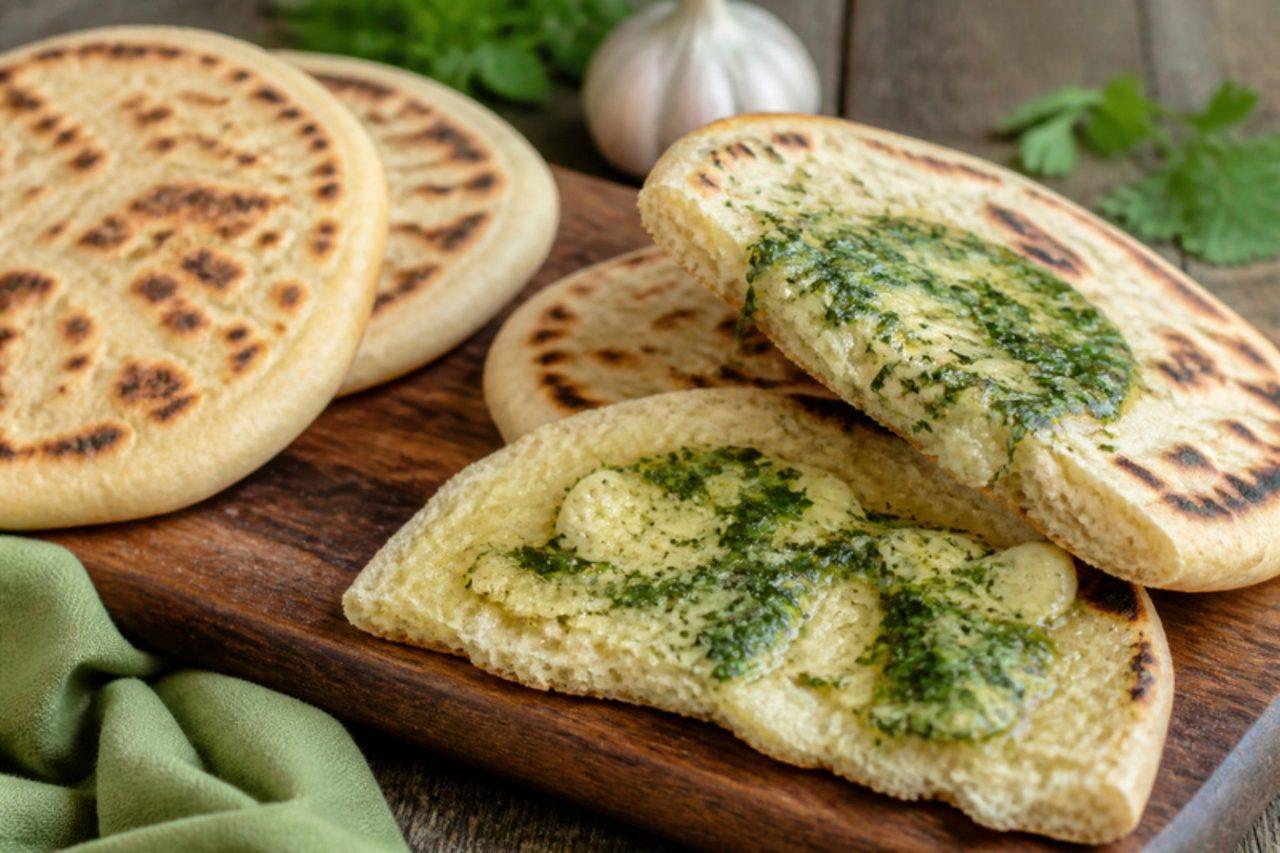
Every street stall at the Funchal flower festival and every village arraial on Madeira has a hot stone griddle going, turning out these flat, chewy rounds of bread made with sweet potato. They are split while hot, spread with garlic and parsley butter and eaten on their own, or stuffed with a skewer's worth of espetada. The name comes from the caco, the basalt slab they were first baked on, but a heavy frying pan does the job at home. Chef's tip: cook them low and slow; a hot pan burns the crust before the thick middle is done.

by KrazyBadal 0 views

Bolo formigueiroVanilla sponge with chocolate sprinkles

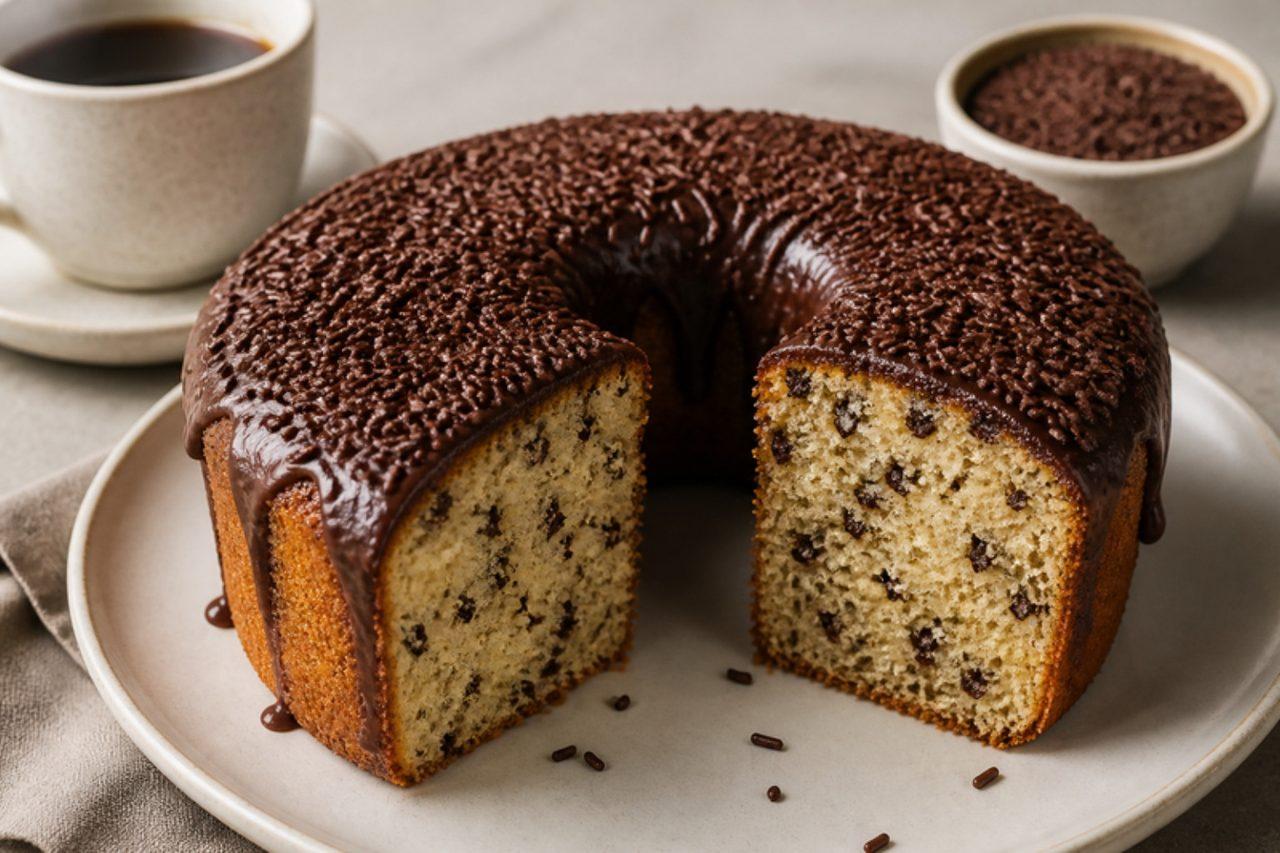
Slice into a bolo formigueiro and the crumb is dotted with dark specks, like ants on a sandy anthill, which is where the name comes from. This is the cake a Brazilian kid would want at merenda time: a soft, buttery vanilla sponge with chocolate sprinkles (granulado) folded through, often finished with a simple chocolate glaze and more sprinkles on top. Padarias and lanchonetes from São Paulo to Belo Horizonte sell it by the slice with a coffee. The cake contains wheat flour, eggs and milk. People often stir the sprinkles into the batter at the start, so they melt and turn the cake muddy grey. Chef's tip: fold the sprinkles in last, with a light hand, and use the chocolate kind (not candy-coloured), which hold their shape in the oven.

by KrazyBadal 0 views

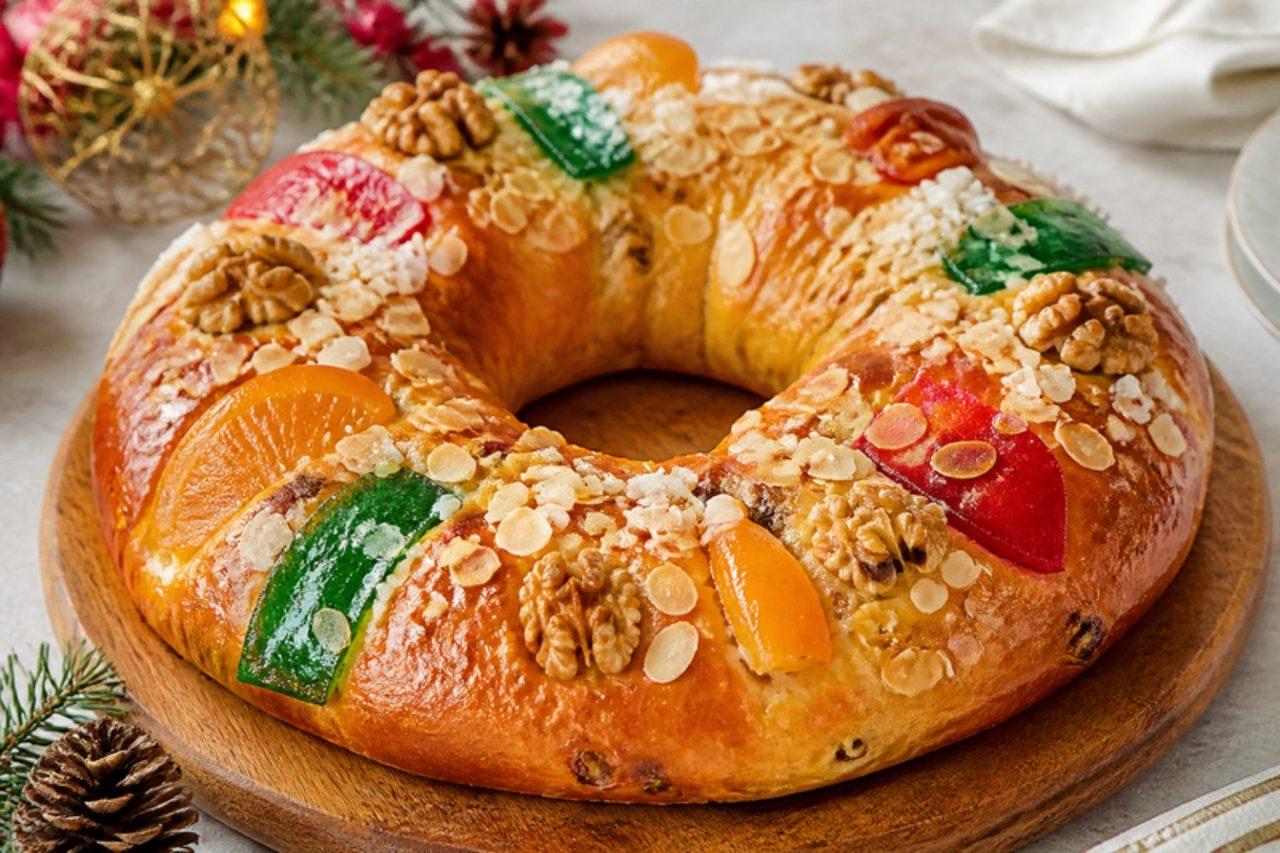
Bolo-reiCandied fruit and nut king cake

From early December to Twelfth Night every Lisbon pastelaria stacks its counter with these glossy rings, crowned with candied fruit and sugar, and families buy one for Christmas Eve and another for the Day of the Kings. A Lisbon confectioner brought the idea from France in the nineteenth century and it became the centre of the Portuguese Christmas table. Traditionally the raisins are soaked in port wine, which contains alcohol; orange juice works just as well. Old recipes hid a dried broad bean inside, and whoever found it bought next year's cake; we leave it out, as it is a choking hazard for children. Chef's tip: let the dough rise slowly in a cool place, even overnight in the fridge; the rich, buttery dough needs time to taste of anything.

by KrazyBadal 0 views

Bolo Souza LeãoCassava and coconut cake

Named after a sugar-planter family of nineteenth-century Pernambuco, this cake is closer to a set pudding than a sponge: fresh grated cassava, coconut milk, a clove-scented syrup, butter and a generous number of egg yolks, baked slowly in a water bath until glossy and firm. In Recife it is a centrepiece at weddings, christenings and Christmas, sliced thin and eaten at room temperature with coffee. The texture is smooth, slightly sticky and very rich, so a small piece is enough. Use only sweet cassava (aipim/macaxeira) and bake it fully; cassava must never be eaten raw. The mistake people make is not squeezing the grated cassava dry, which leaves the cake watery and grey in the centre. Chef's tip: strain the batter through a fine sieve before baking; it removes the fibres and gives that silky, flan-like slice.

by KrazyBadal 0 views

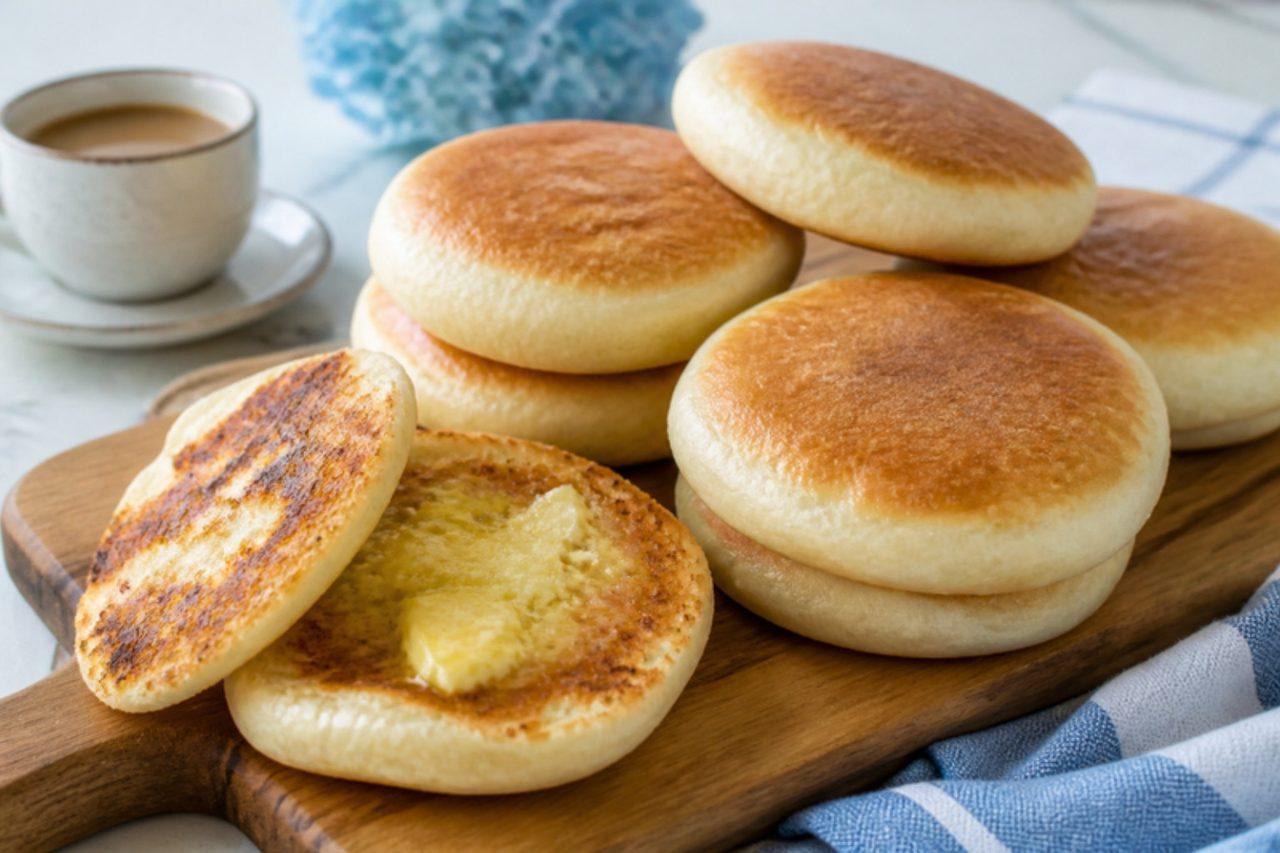
Bolos lêvedosSweet griddle muffins

In the steamy valley of Furnas, on São Miguel, bakers have been cooking these slightly sweet, lemon-scented muffins on flat griddles for generations, and visitors queue for them warm on the way to the hot springs. Thick, soft and pale with golden tops and bottoms, they are split and toasted for breakfast with butter, or used as buns for a sandwich. Chef's tip: the dough is very soft and sticky, so use oiled hands rather than more flour when shaping, or they turn dense.

by KrazyBadal 0 views

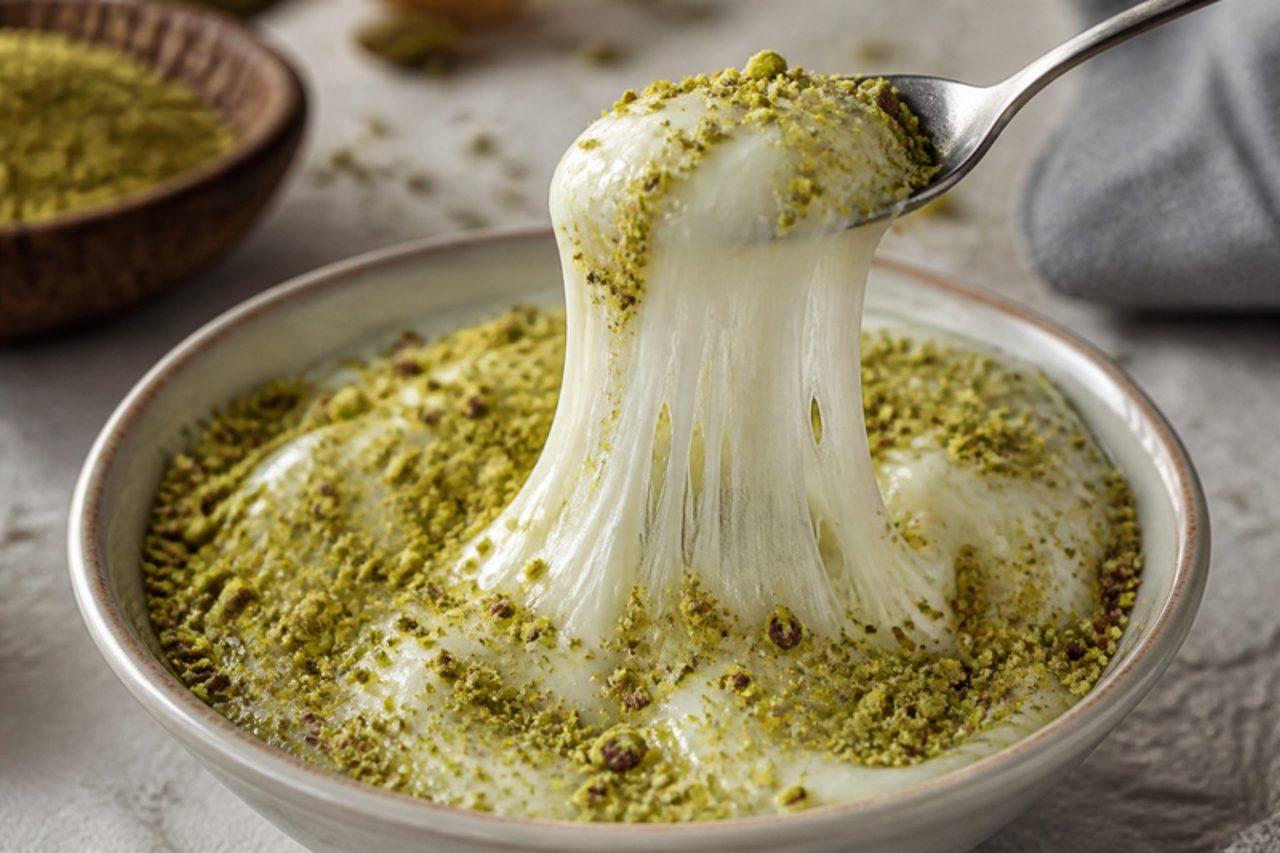
BoozaStretchy mastic ice cream

In the covered Hamidiyeh souk in Damascus, men pound booza in frozen metal drums with long wooden pestles, and the thump of the mallets is part of the show. The ice cream is milky, chewy and elastic, thanks to sahlab (orchid-root flour) and mastic, then rolled in crushed pistachios. This home version thickens the milk with sahlab powder or cornflour and beats it as it freezes to get that stretch. Serve in scoops or slices, plain or with a spoon of rose syrup. Common mistake: grinding the mastic alone, which turns gummy; always pound it with a spoonful of sugar. Chef's tip: real sahlab gives the true chew, but a mix of cornflour and a pinch of guar gum gets very close.

by KrazyBadal 0 views

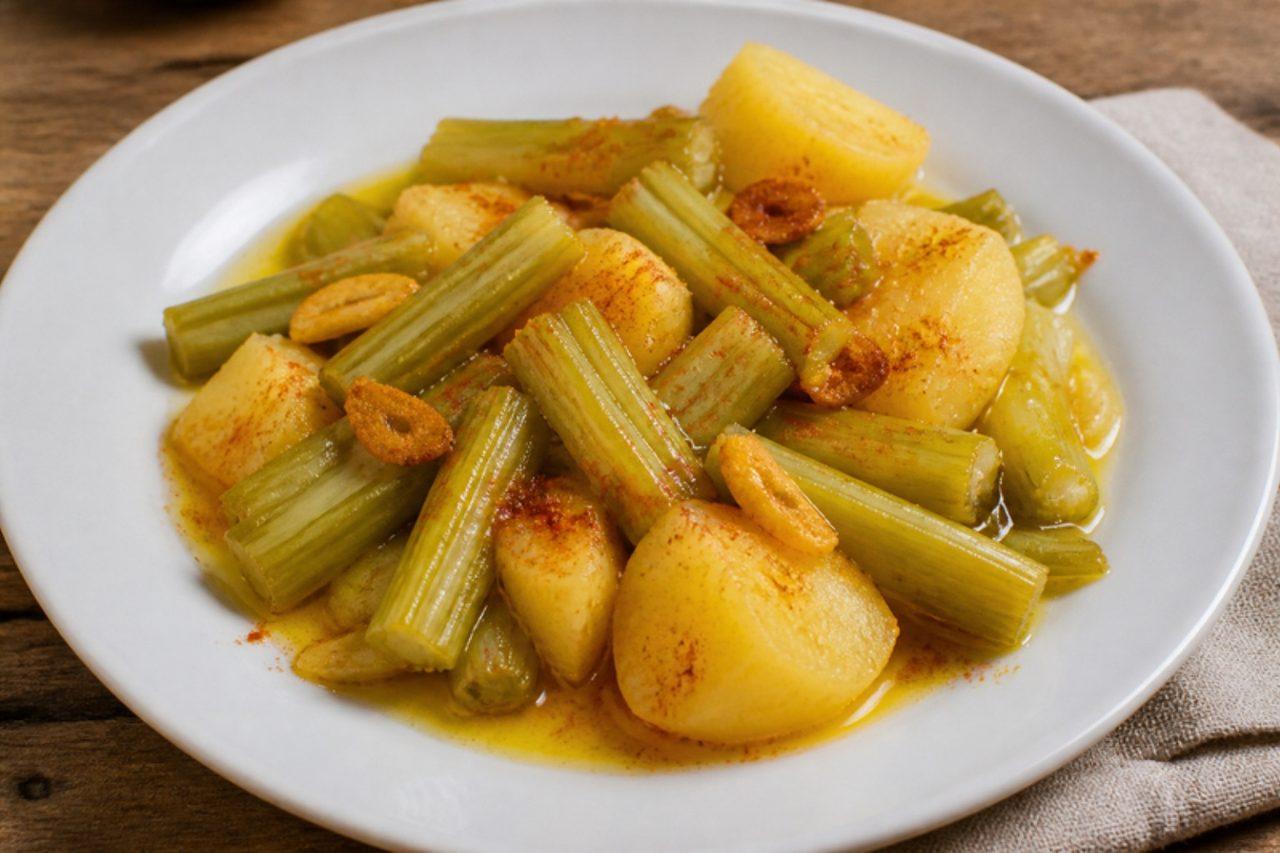
Borraja con patatasBorage and potatoes with garlic oil

Borage grows all along the Ebro valley, and in Zaragoza it is almost a point of pride: markets sell bundles of the thick, hairy stalks from autumn to spring, and borraja con patatas is a weeknight supper in thousands of Aragonese homes. Boiled until tender, the stalks taste mild and green, a little like a cross between cucumber and chard, and the floury potatoes soak up a simple dressing of olive oil and fried garlic. It is vegan and gluten free. A common mistake is skipping the cleaning: the fine hairs and stringy outer fibres must come off, or the dish feels prickly. If you can't get borage, chard stalks are the closest stand-in. Chef's tip: fry the garlic in the oil slowly, off a high flame, and pour it over sizzling hot so it sings when it hits the vegetables.

by KrazyBadal 0 views

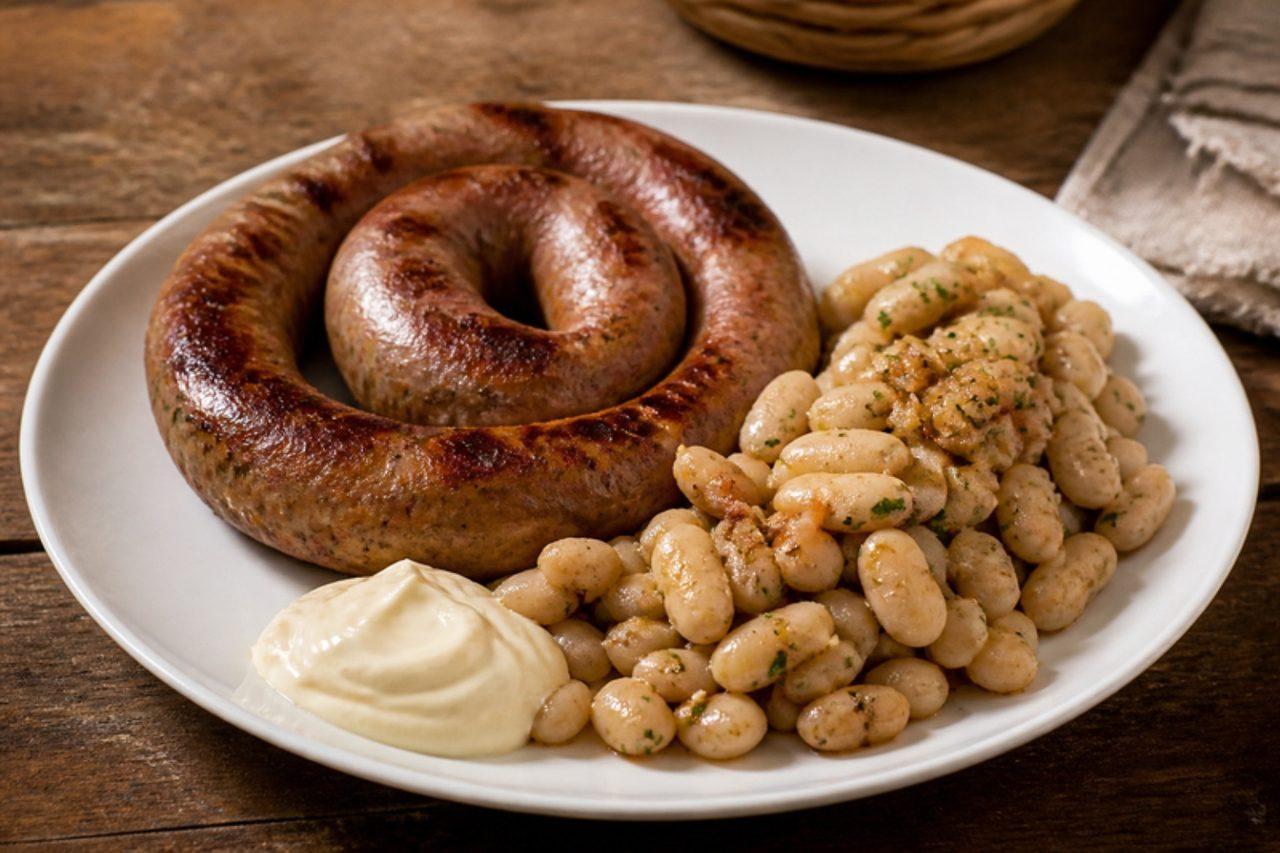
Botifarra amb mongetesPork sausage with white beans

This contains pork (botifarra sausage). Ask in any Barcelona neighbourhood restaurant for the most Catalan plate on the menu and you will probably get this: a coil of grilled botifarra, a fresh pork sausage seasoned with little more than salt and pepper, beside white beans sautéed with garlic and parsley until crisp at the edges. It is everyday lunch food, and often comes with allioli. If you cannot find botifarra, use coarse, plain fresh pork sausages. Chef's tip: let the beans sit untouched in the hot pan for a minute between stirs, so some of them catch and crisp.

by KrazyBadal 0 views

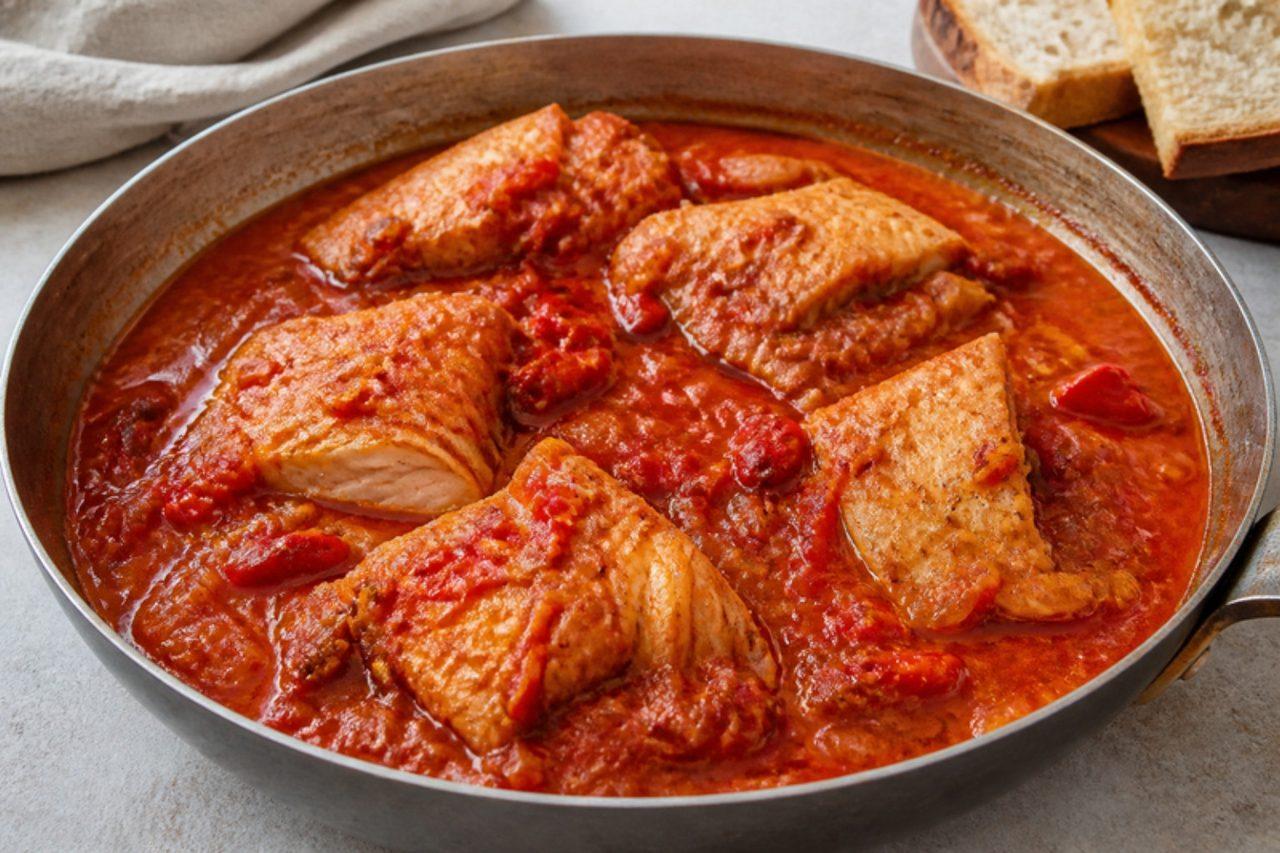
BourdetoSpicy red pepper fish stew

Bourdeto, from the Venetian 'brodetto', is the fishermen's dish of Corfu: chunks of firm white fish (scorpion fish in the tavernas of Kassiopi and Paleokastritsa) poached in a fierce sauce of onions, olive oil, a little tomato and a lot of hot red pepper. It's eaten with bread for the oily, scarlet juices and a cool salad alongside. Common mistake: stirring once the fish is in, which breaks it up — shake the pan instead. Chef's tip: use fish on the bone, cut into steaks; the bones give the sauce body and the flesh stays moist.

50 minGreekFishGluten freeSpicy
by KrazyBadal 0 views

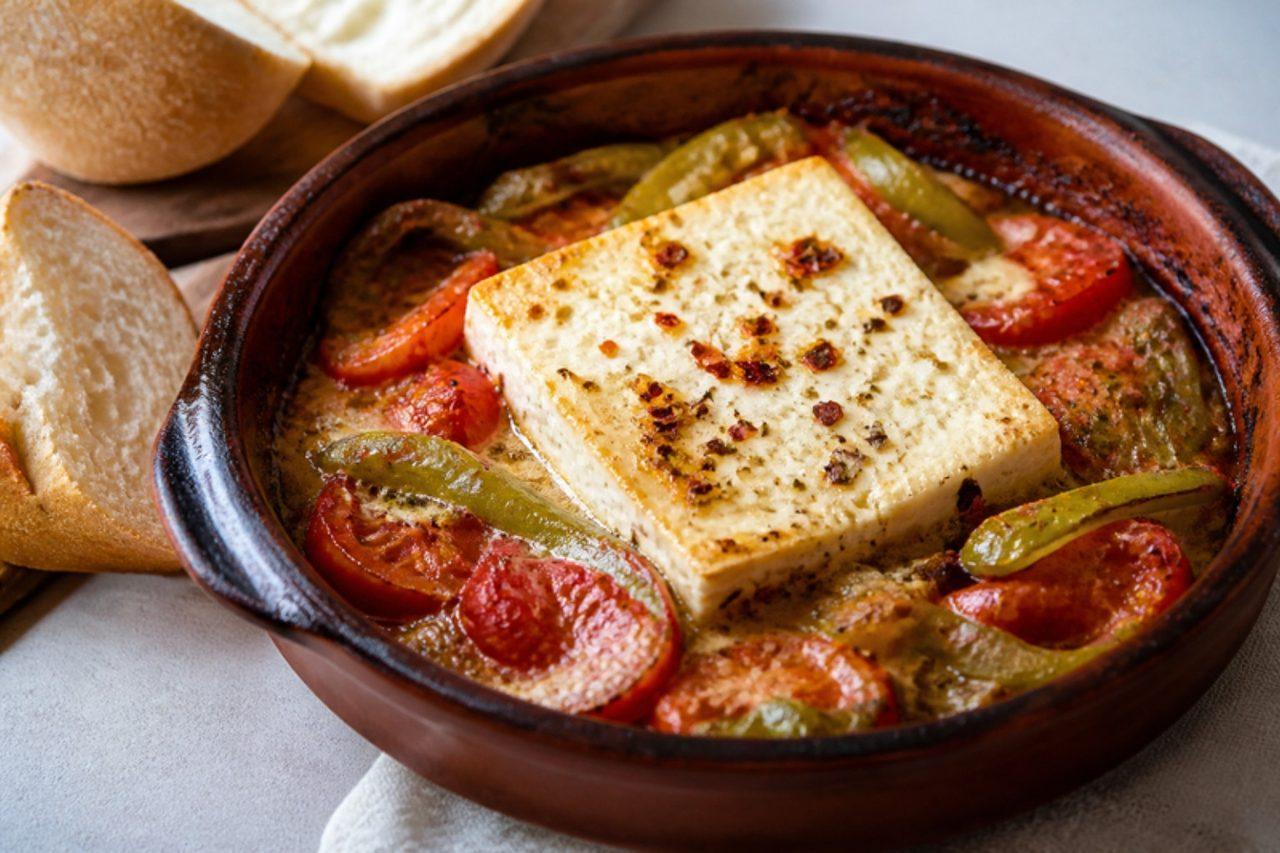
BouyiourdiBaked feta with tomato and chilli

Order a round of tsipouro in a Thessaloniki taverna and a little clay dish of bouyiourdi often arrives with it, still spitting from the oven. A slab of feta is buried under tomato, sweet and hot peppers, oregano and olive oil and baked until the cheese slumps and the edges catch. You scoop it straight from the dish with crusty bread. There's no alcohol in the dish itself; serve it with sparkling water and lemon instead of tsipouro if you like. Feta is usually made with animal rennet; a vegetarian feta-style cheese works well. Common mistake: using a big dish — the sauce spreads thin and burns, so pick one the cheese nearly fills. Chef's tip: wrap the dish in foil for the first 10 minutes so the feta turns creamy before the top browns.

by KrazyBadal 0 views

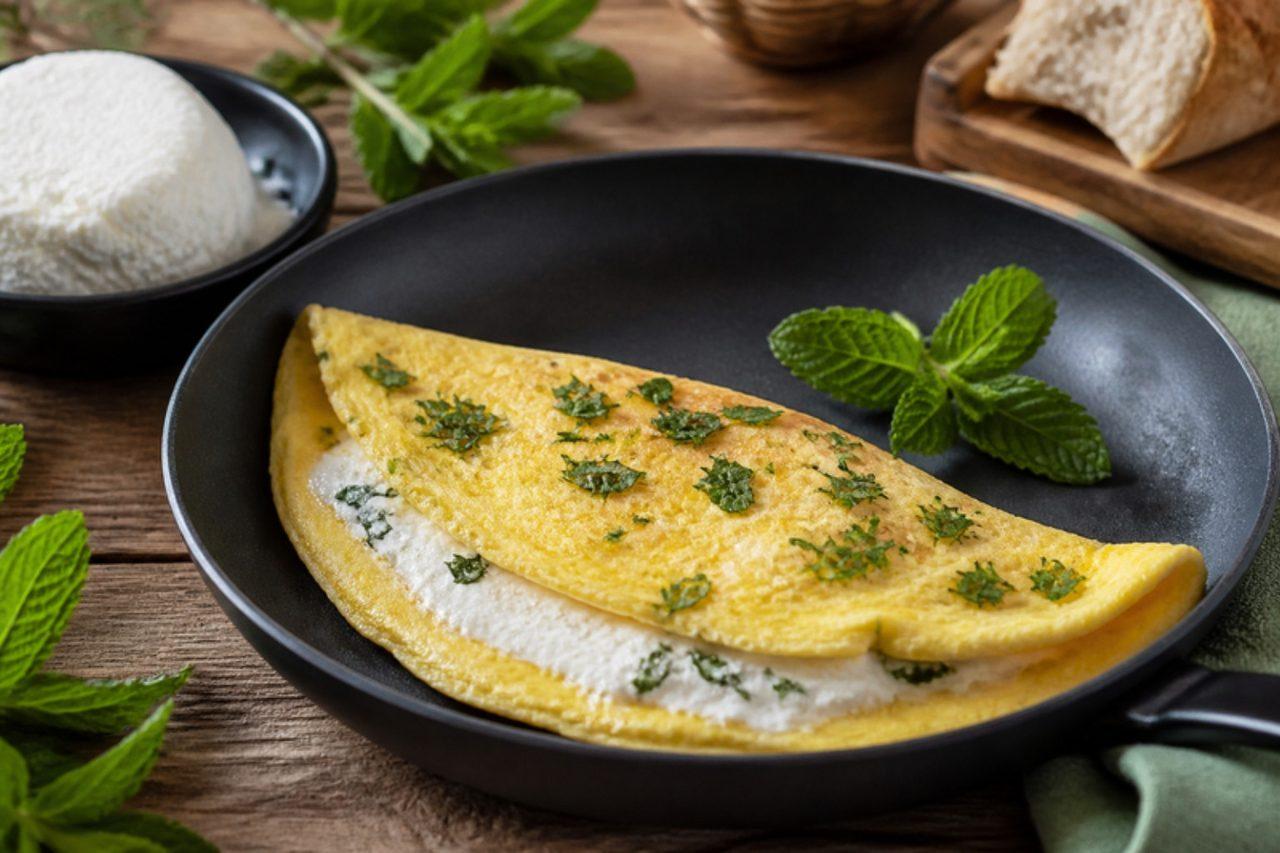
Omelette au brocciu et à la mentheFresh cheese and mint omelette

Inland Corsica, around Corte and the mountain villages, serves this omelette from late autumn to early summer, the months when shepherds make fresh brocciu. The cheese goes in at the last moment so it stays creamy, and wild mint picked from the maquis cuts through its richness; it is a light lunch or supper with a green salad and bread. Brocciu is made from the whey of rennet cheeses, so vegetarians often use ricotta labelled vegetarian instead. Chef's tip: season the cheese and mint, not just the eggs, because fresh whey cheese is very mild.

by KrazyBadal 0 views

Orellas de EntroidoCrisp sugared carnival pastries

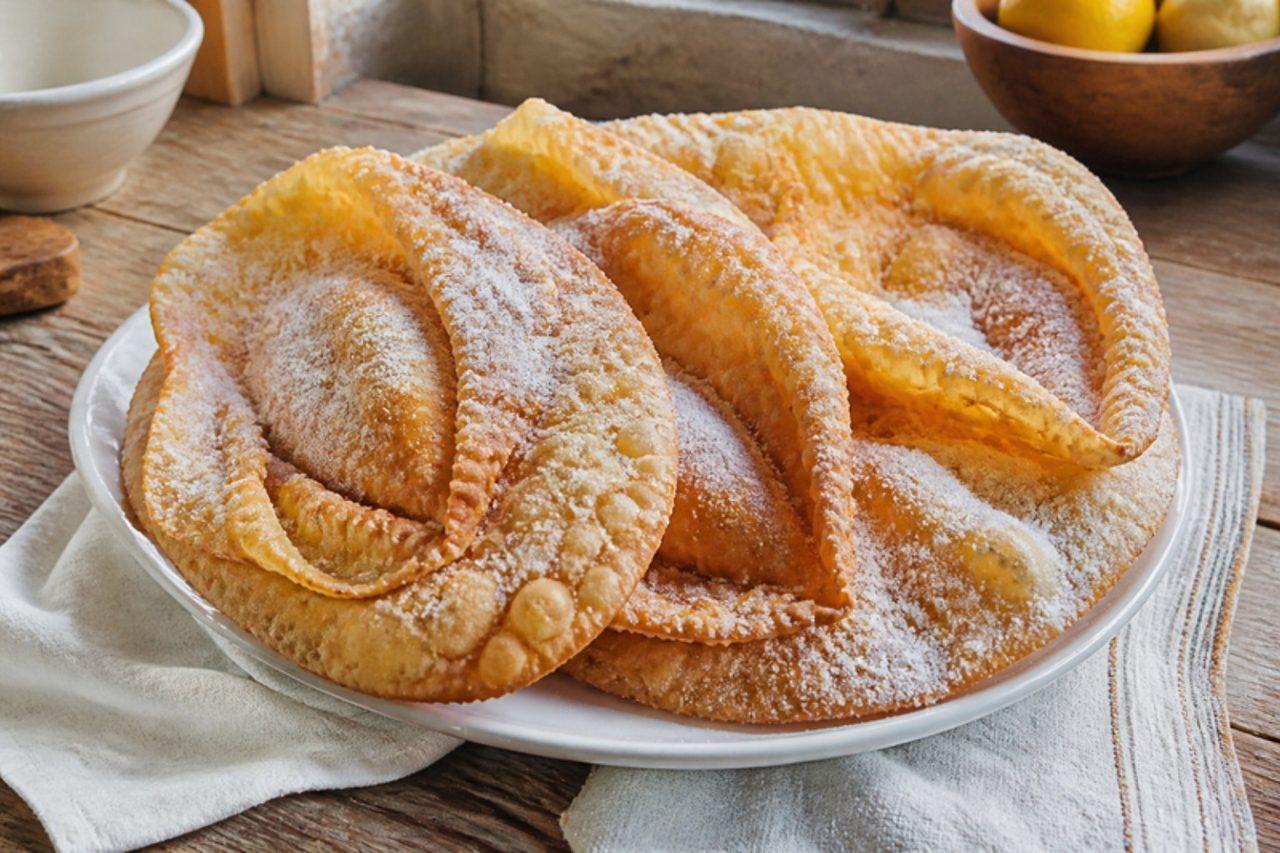
Orellas, 'ears' in Galician, are fried for Entroido in villages across Ourense and Lugo, from Laza to Xinzo de Limia, and handed round in big baskets during the carnival days. The thin dough blisters and turns crisp in hot oil, and the pastries are finished with sugar or honey. This version uses a little aniseed spirit (aguardiente), as is traditional, so it contains alcohol; for an alcohol-free version use orange juice with a pinch of ground anise. Old recipes use pork fat; this one uses butter, so it is vegetarian. A common mistake is rolling the dough too thick, which gives chewy, greasy pastries instead of crisp ones. Chef's tip: roll until you can almost see the worktop through the dough.

by KrazyBadal 0 views

Orkney clapshotSwede and potato mash

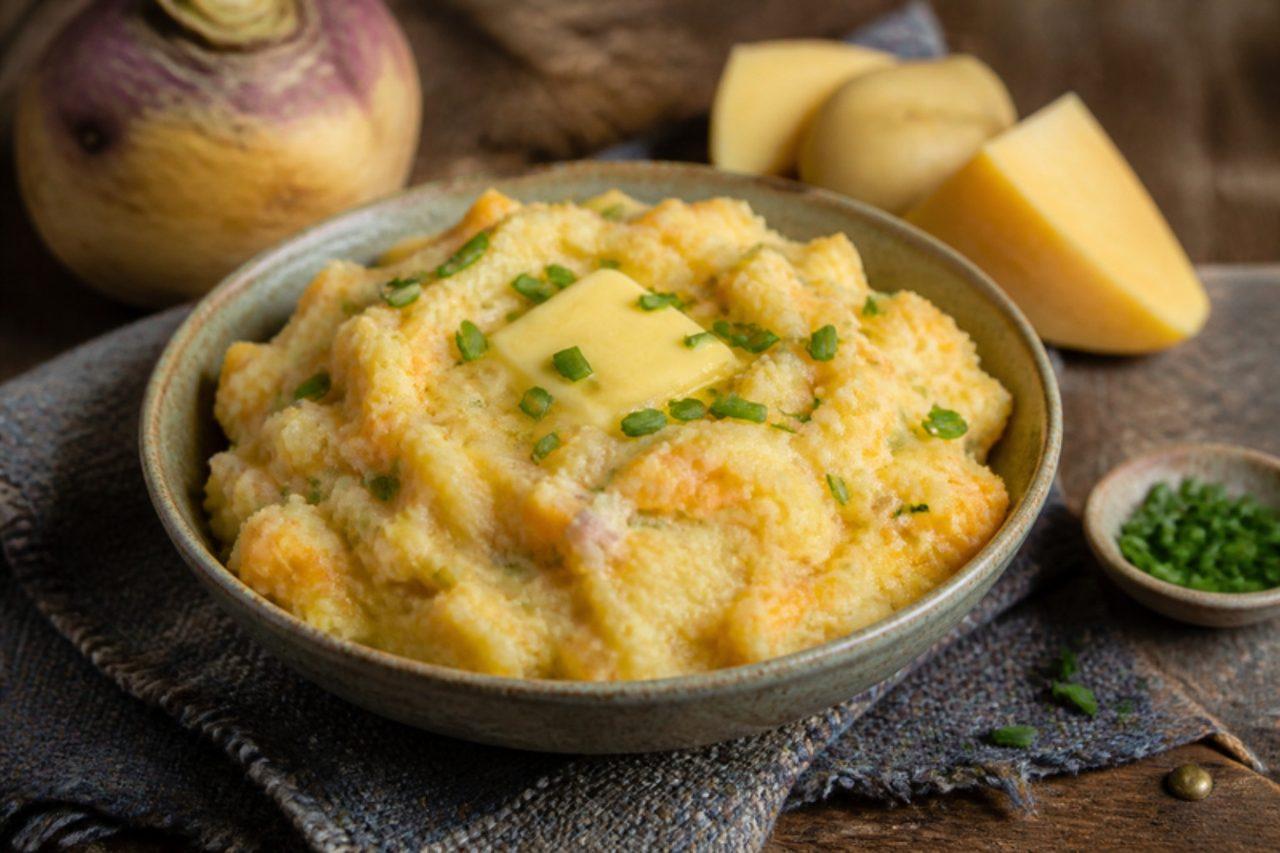
Clapshot is the Orkney way with neeps and tatties: equal amounts of swede and potato mashed together with butter, chives and plenty of pepper, rather than served side by side. Islanders eat it with oatcakes and cheese, with mince, or alongside haggis on Burns Night. It is sweet, earthy and soft-orange. Chef's tip: dry the boiled vegetables in the hot pan before mashing, or the swede makes it watery.

by KrazyBadal 0 views

PaidakiaGrilled lamb chops

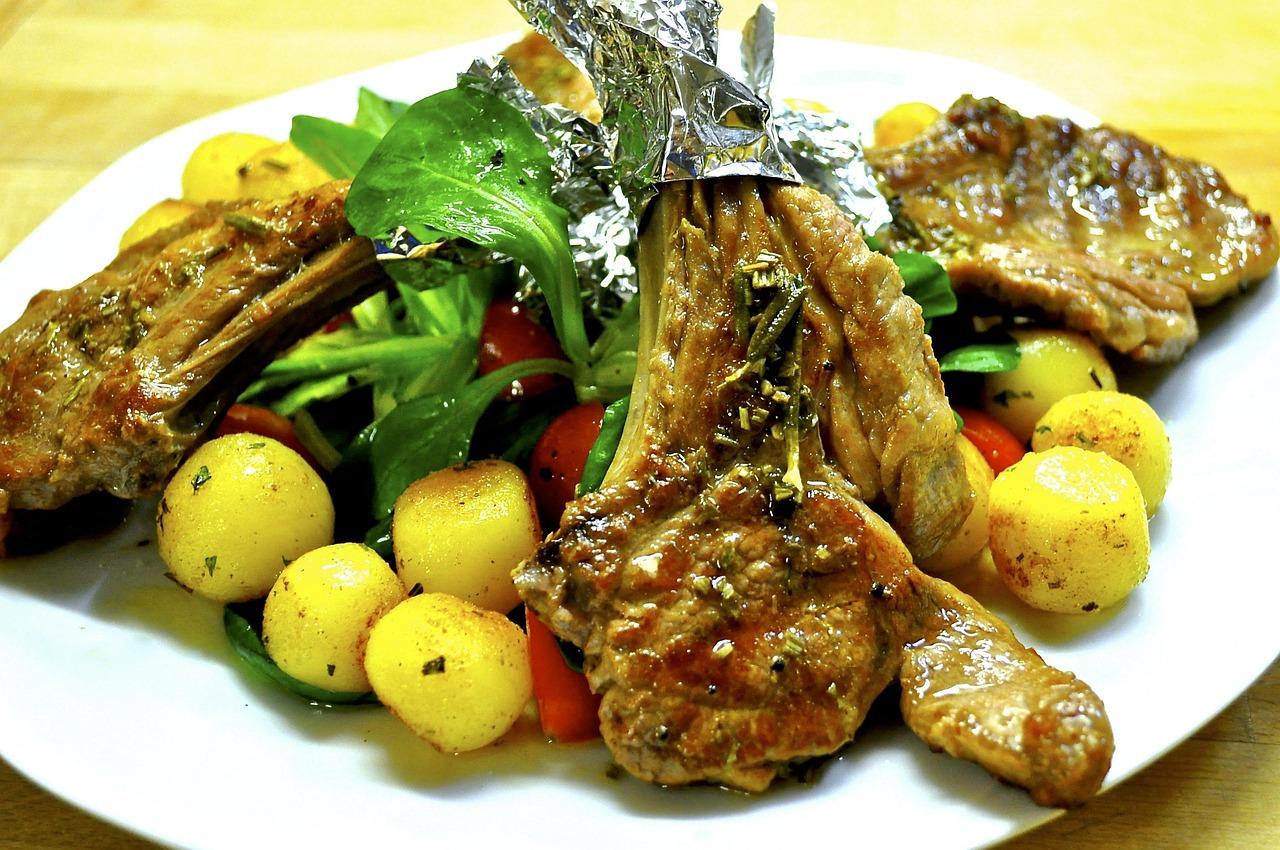
In the mountain villages around Athens and in Roumeli, families drive out on Sunday to psistaries where paidakia are sold by the kilo: thin lamb rib chops grilled over charcoal until the fat crackles, then showered with lemon, salt and oregano and eaten with your fingers. Chips, a horiatiki salad and tzatziki complete the meal. Common mistake: marinating them for hours in lemon, which makes the meat mushy; season simply and add lemon after grilling. Chef's tip: leave a thin rim of fat on each chop and grill fat-side first for a minute; it renders and bastes the meat.

20 minGreekMeatGluten free
by KrazyBadal 0 views

OuziSpiced rice and lamb filo parcels

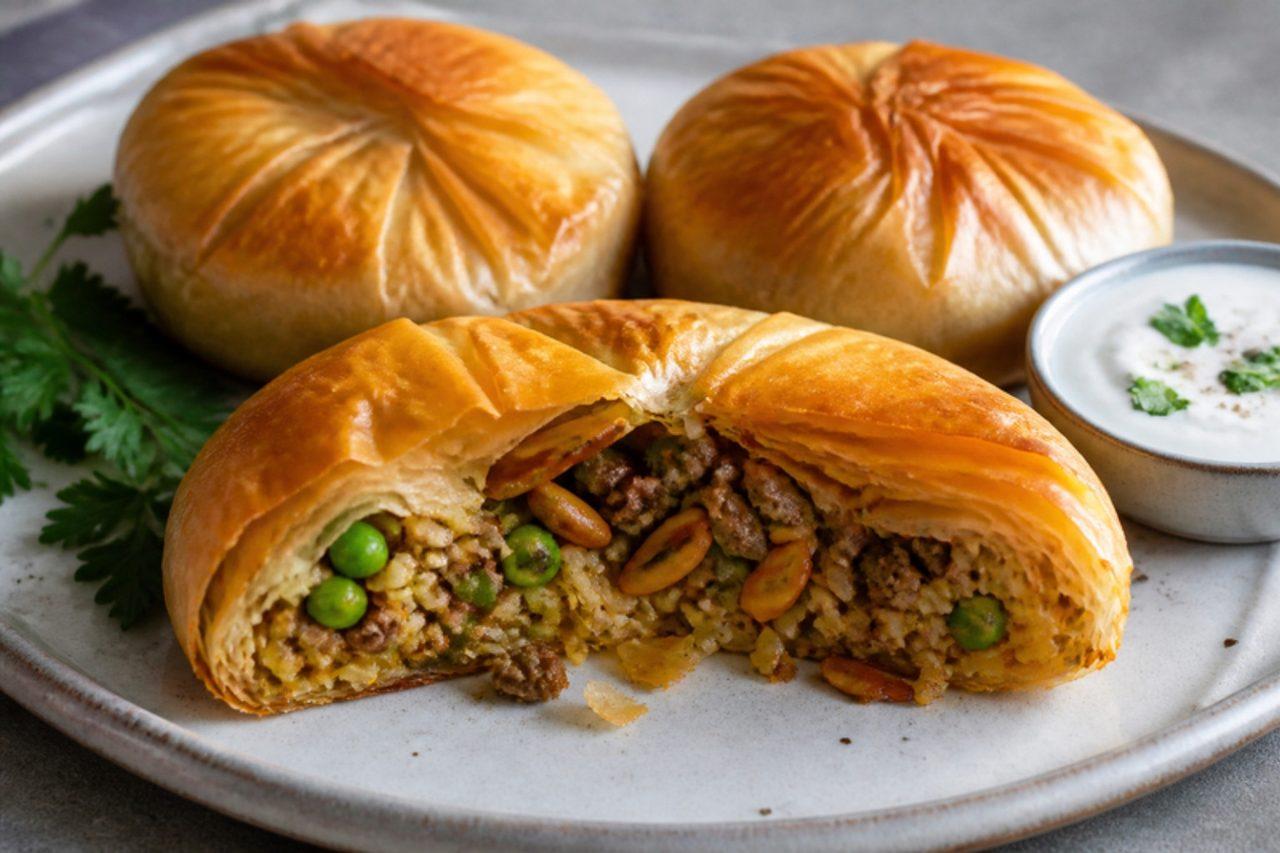
Ouzi is the showpiece of Jordanian and Damascene wedding buffets and Eid lunches: golden filo bundles that break open to spiced rice, minced lamb, peas and toasted nuts. The name comes from the whole roast lamb once served on a mountain of rice; the parcels are the neat, home-sized version, made ahead and baked as guests arrive. Serve with plain yoghurt or a cucumber-yoghurt salad. The common mistake is filling the filo with wet rice, which turns the bottoms soggy, so cook the rice until just tender and spread it out to steam dry. Chef's tip: lay a few nuts and peas in the bowl first, then the filo, then the filling, so each parcel comes out with a pretty top.

by KrazyBadal 0 views

Ovos moles de AveiroEgg-yolk and sugar cream

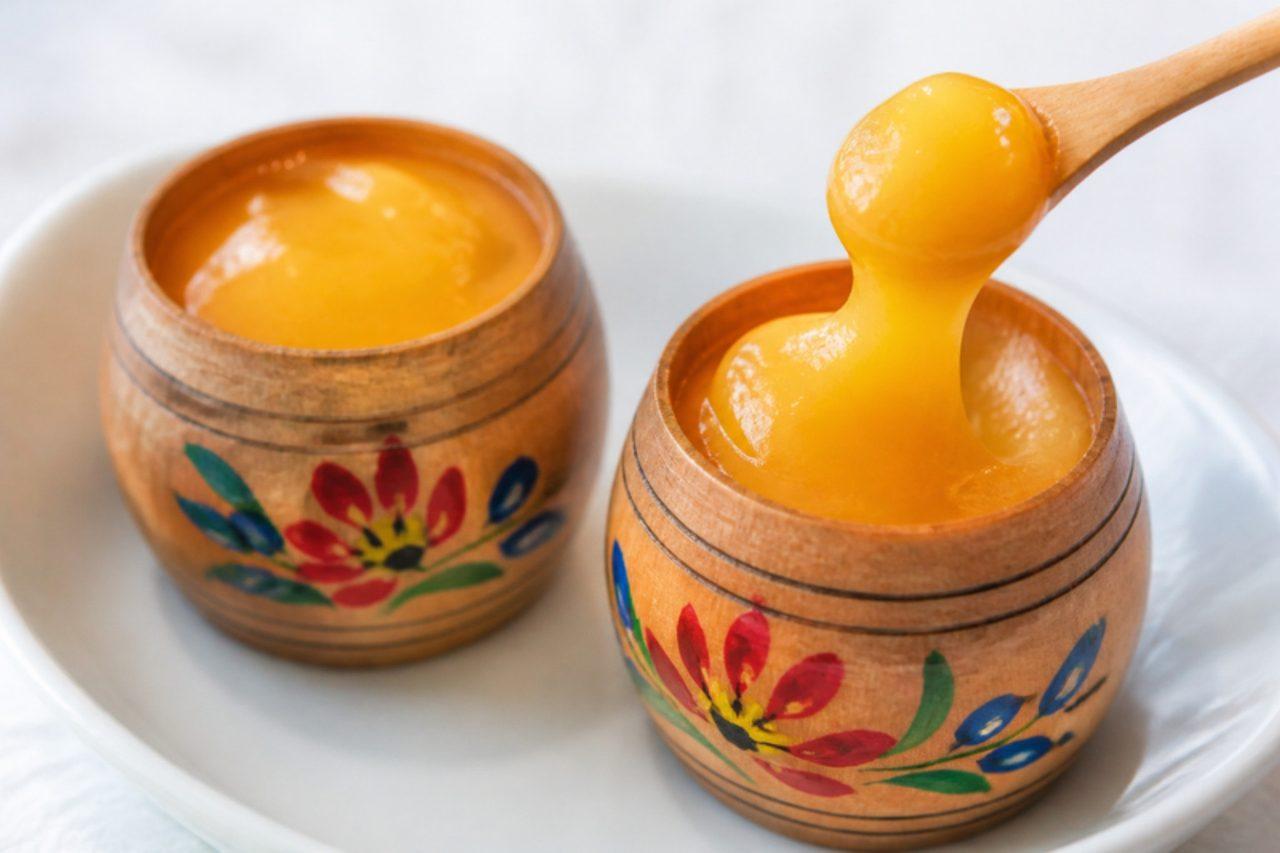
Nuns in Aveiro's convents used leftover yolks, after the whites had starched their habits, to make this soft, intensely sweet cream, and the town's shops now sell it in painted wooden barrels or wrapped in thin wafer shaped like shells and fish. Visitors buy boxes at the railway station and along the canals where the moliceiro boats run. Only yolks, sugar and water go in, cooked slowly until thick and shiny. Chef's tip: cool the syrup slightly before adding the yolks and cook over the lowest heat, as a common mistake is hurrying it and ending up with sweet scrambled egg.

by KrazyBadal 0 views

Pa amb oli mallorquíTomato olive oil bread

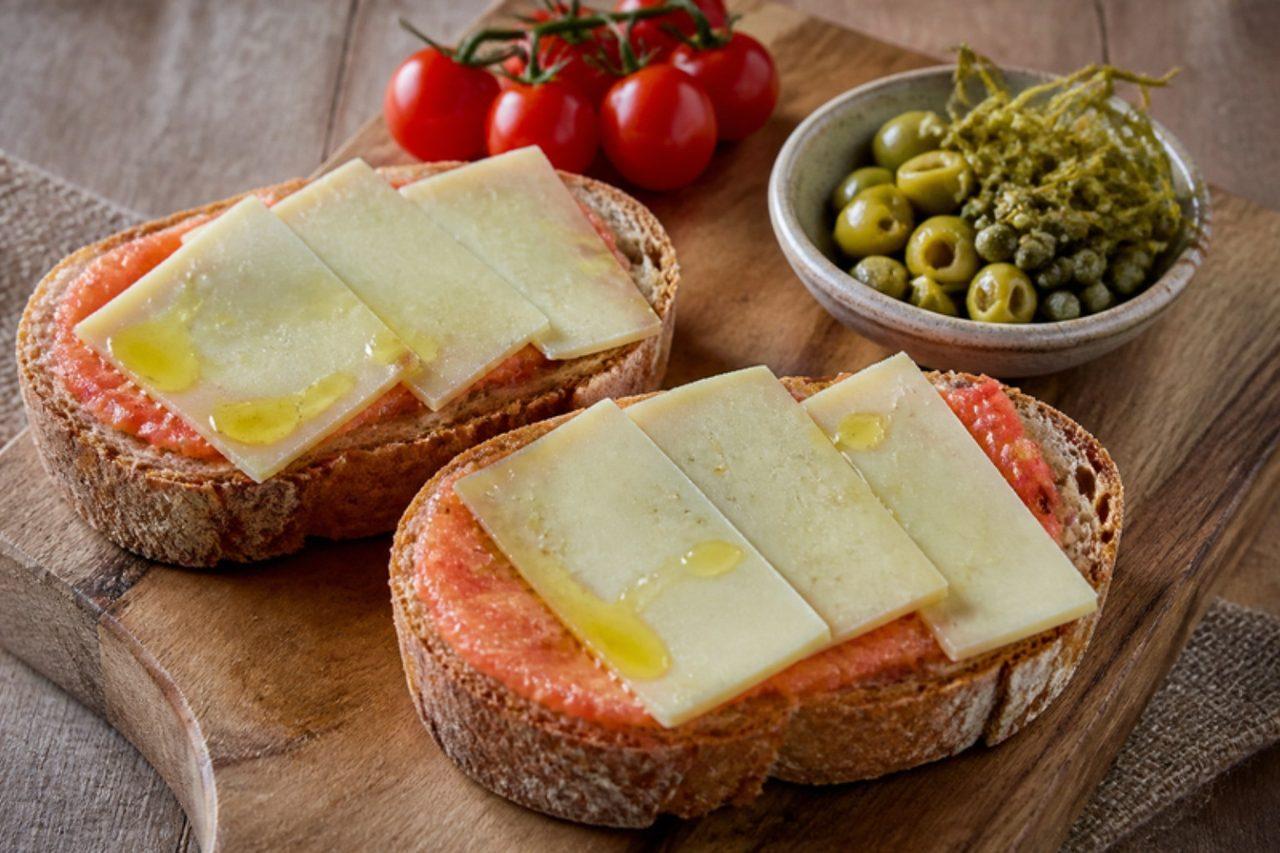
In Mallorca pa amb oli is supper on a hot evening, the snack in every village bar and the picnic on a boat. Slices of dense, unsalted brown country bread are rubbed with the island's tomàtigues de ramellet, small tomatoes kept hanging in bunches through winter, then soaked with olive oil and salted. On the side go green olives, capers, pickled sea fennel and slices of Mahón cheese; this vegetarian plate leaves out the usual cured ham. Mahón is normally made with animal rennet, so pick a vegetarian semi-cured cow's milk cheese if that matters to you. Chef's tip: toast the bread only lightly, or not at all, so it stays soft enough to drink up the tomato.

by KrazyBadal 0 views

PaçocaPeanut and cassava flour sweet

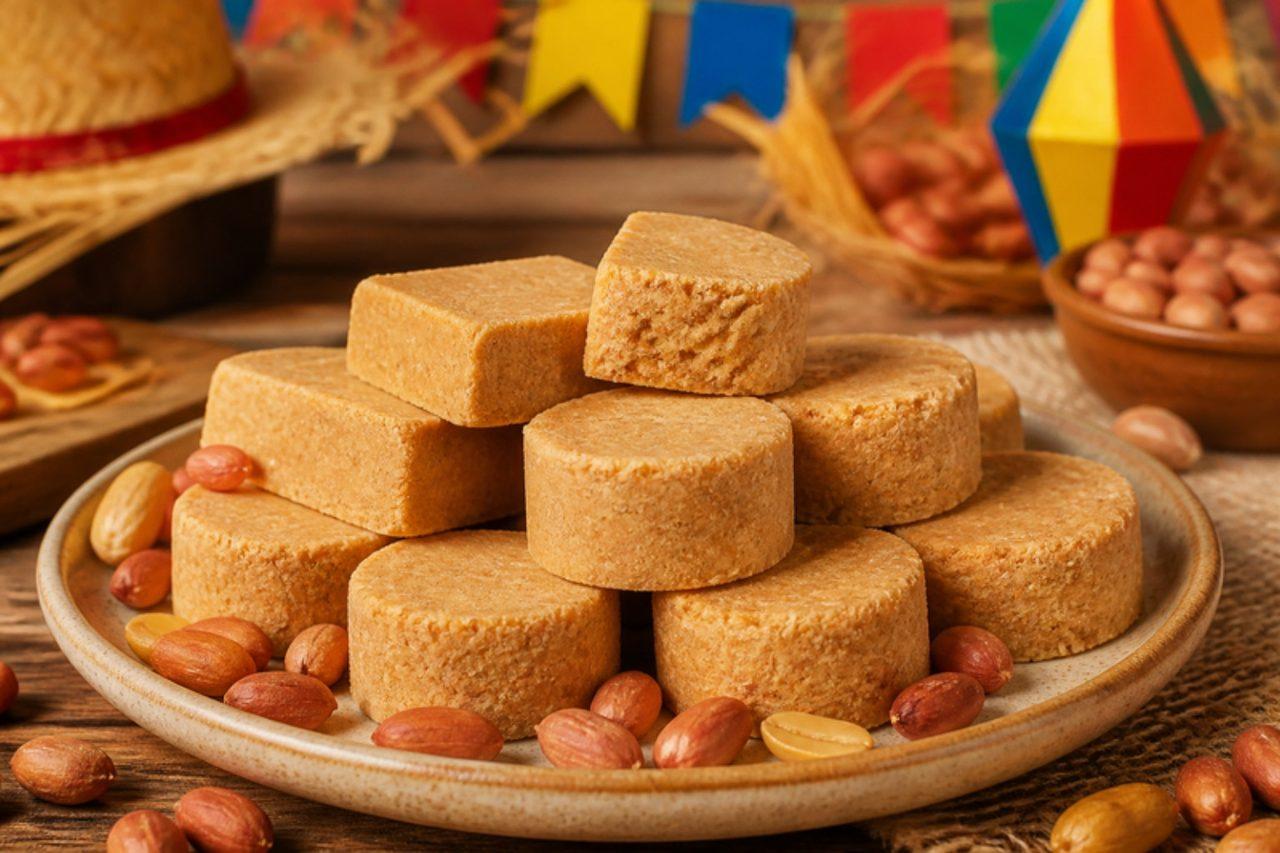
Kids across Brazil grow up on paçoca, the pale peanut sweet that melts into sandy crumbs the moment it is bitten, and no festa junina bag of treats is complete without a few. It started in the countryside of São Paulo and Minas as a way to use the peanut harvest, pounded in a wooden pestle with sugar and cassava flour, and today it is mostly pressed into little discs called rolhas. The flavour is pure toasted peanut, salty-sweet, with a texture between shortbread and fudge. Fine cassava flour (farinha de mandioca fina) is sold in Brazilian shops; you can leave it out for a richer, softer paçoca. Under-roasting the peanuts is the usual pitfall: pale peanuts give a raw, beany taste. Chef's tip: grind the mixture only until it just starts to clump; if it turns to butter, it will not hold a crumbly shape.

by KrazyBadal 0 views

Paçoca de carne de solPounded dried beef with cassava flour

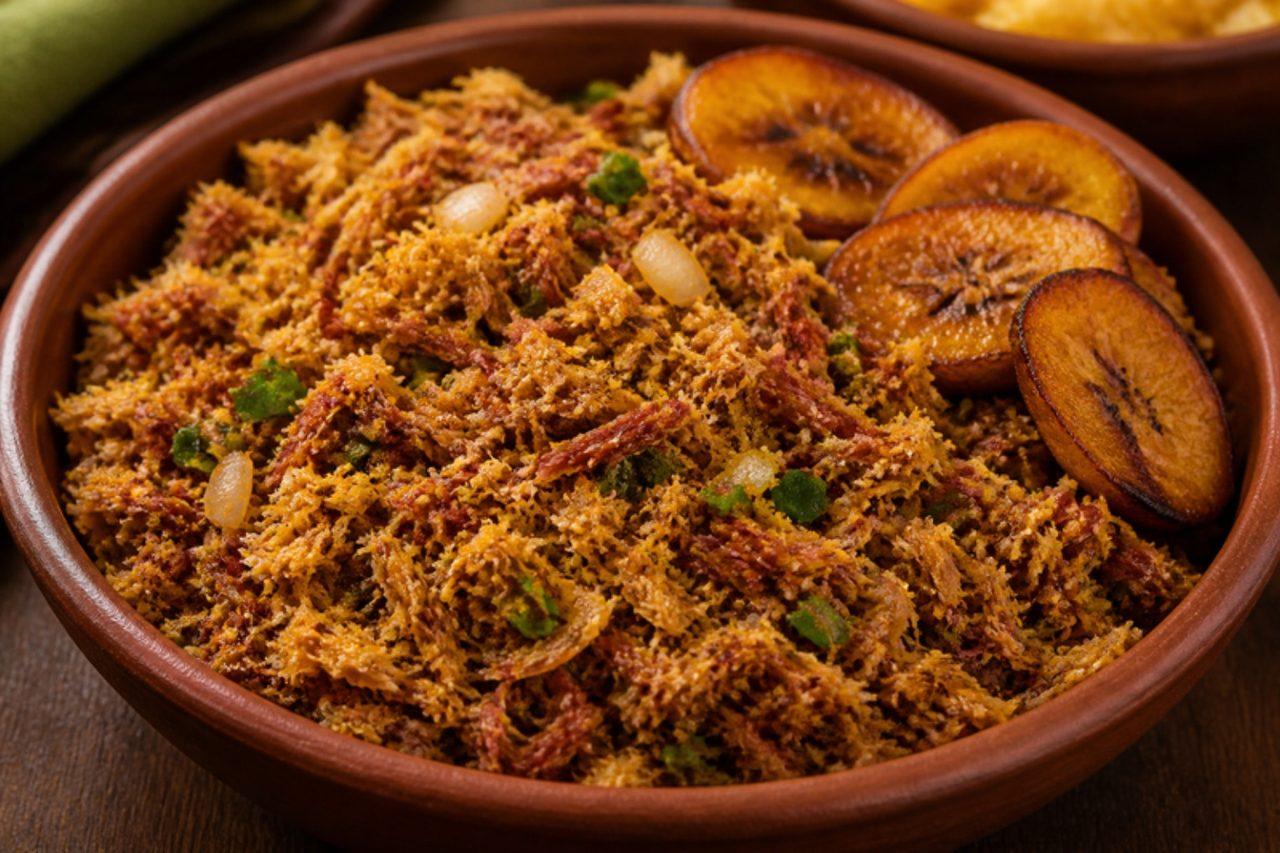
Not the peanut sweet of the same name: in Ceará, Piauí and Maranhão, paçoca is a savoury, fluffy tangle of fried carne de sol pounded with toasted cassava flour and onion in a big wooden pilão. Cowboys of the sertão carried it on long rides because it keeps for days, and today it is served at roadside restaurants and at home with baião de dois, boiled macaxeira, ripe banana and a cold glass of cajá juice. It should be dry, crumbly and full of crisp beef threads, salty and deeply savoury. The thing that goes wrong most often is adding the cassava flour to a wet pan, which turns it into paste; the beef must be fried really dry first. Without a pilão, a large mortar or short pulses in a food processor do the job. Chef's tip: let the pounded paçoca rest for ten minutes before serving; the farinha soaks up the beef fat and the texture turns soft and fluffy.

by KrazyBadal 0 views

Pacu assadoRoast whole river fish

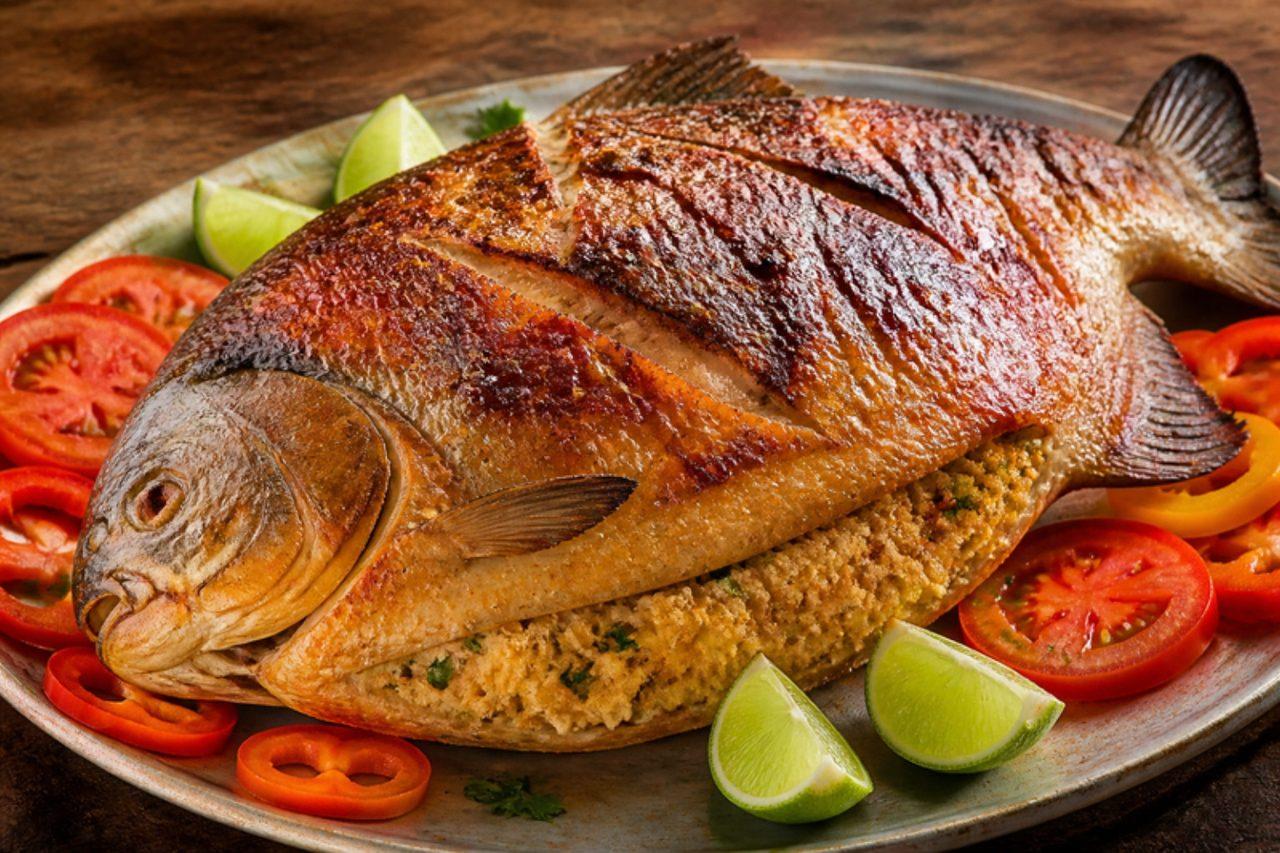
Cuiabá's fish restaurants and weekend riverside lunches in the Pantanal put a whole pacu on the table, stuffed with farofa and roasted until the skin is golden and crisp. Pacu is a round, fat-rich river fish with sweet, juicy flesh; ask your fishmonger for whole sea bream, pompano or a large tilapia if pacu is not available. The stuffing is cassava flour toasted with onion, garlic, pepper, tomato and herbs, and it soaks up the fish juices as it cooks. Serve with white rice, a tomato vinagrete and lime. The mistake to watch for is over-roasting until the flesh dries out; check at the backbone and stop when it is just opaque. Pacu has fine Y-shaped bones in the belly, so eat carefully. Chef's tip: cut deep slashes on both sides and push a little lime-garlic paste into them; it seasons the thick flesh and helps it cook evenly.

by KrazyBadal 0 views

Paiche a la parrillaGrilled paiche steaks

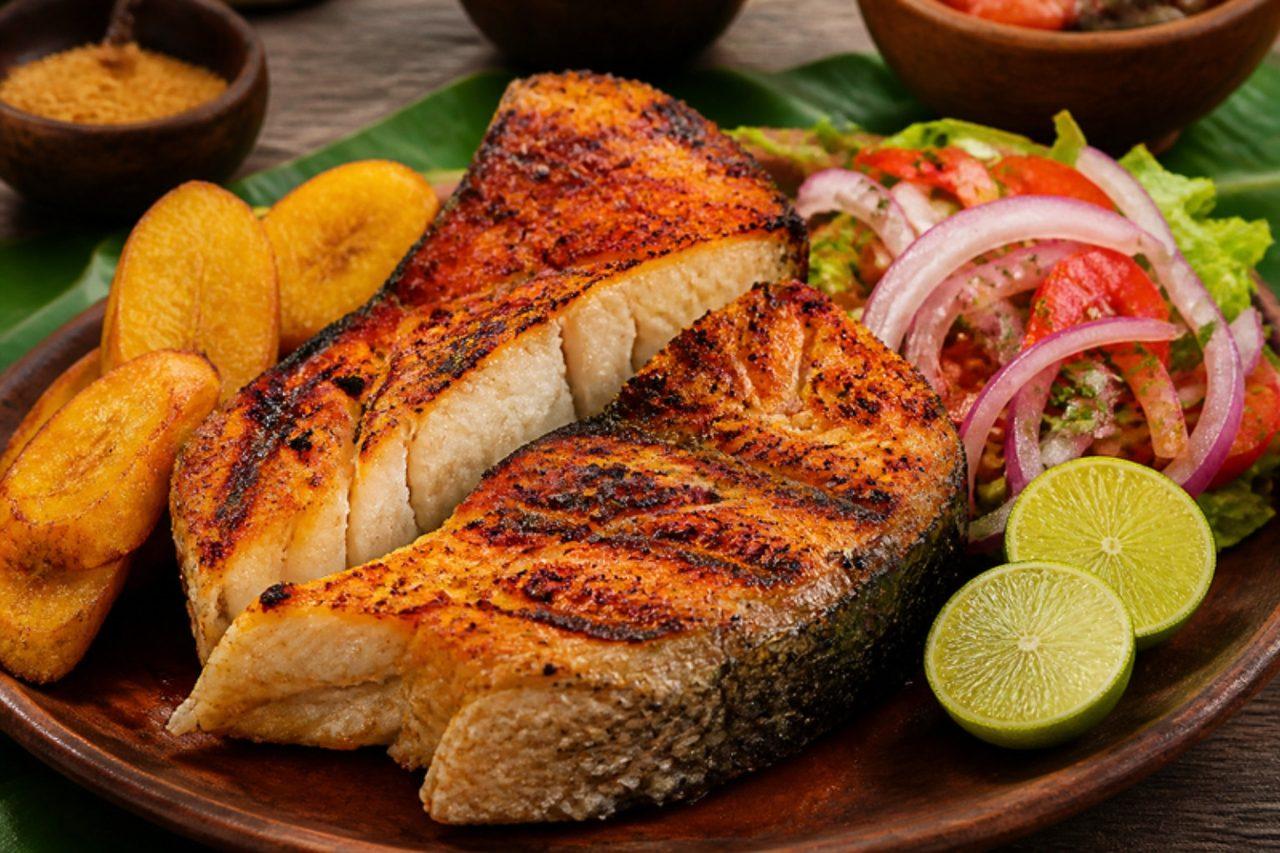
Paiche (arapaima), one of the largest freshwater fish on earth, has thick, white, almost boneless flesh, and in Iquitos it is farmed and cut into meaty steaks that sizzle on the grills of riverside restaurants. Marinated briefly in garlic, lime, cumin and achiote, it chars on the outside and stays juicy and mild inside, a little like cod but firmer. Serve it with a tomato and onion salad, rice, or tacacho (mashed fried plantain balls). Frozen farmed paiche is sold in some fishmongers; thick cod, halibut or hake loin are good stand-ins. Leaving it in lime too long is the big mistake: the acid starts to 'cook' the surface and it sticks and tears on the grill, so 15 minutes is plenty. Chef's tip: oil the fish, not the grill, and don't move it for the first 3 minutes so it forms a crust and releases cleanly.

by KrazyBadal 0 views

Pain d'épices de DijonHoney spice loaf

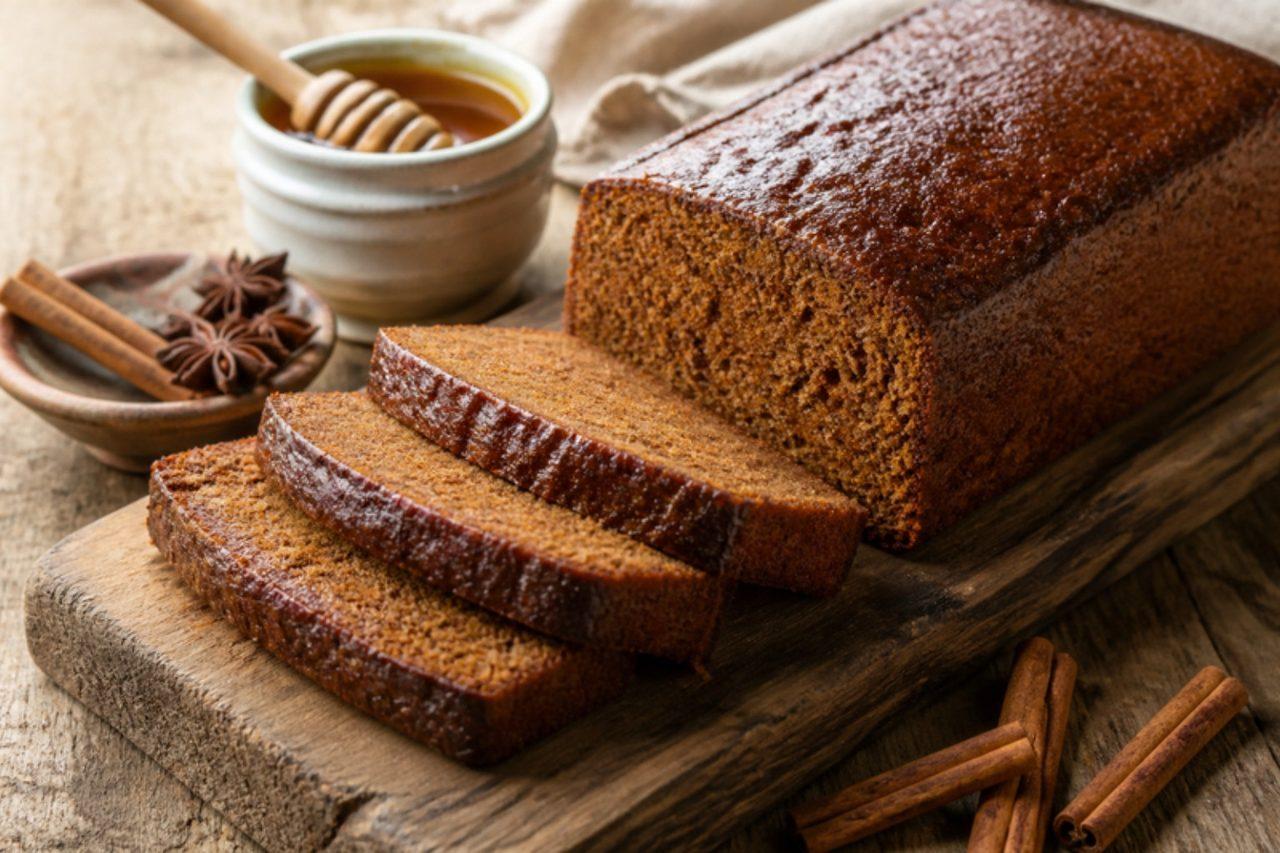
Dijon has been baking pain d'épices since the Middle Ages, and the shops near the old ducal palace still sell it by the slice, plain or glazed with orange. It is a dense, fragrant honey loaf, sold all year but eaten most in December, when Burgundian families toast slices for breakfast, spread them with butter, or serve them with cheese and pears. The Dijon style uses wheat flour and a whole egg, which makes it softer than the rye-flour loaves of Reims. Chef's tip: wrap it and wait a day before cutting; the crumb turns moist and the spices settle and deepen.

by KrazyBadal 0 views

Pan de CalatravaCaramel bread pudding

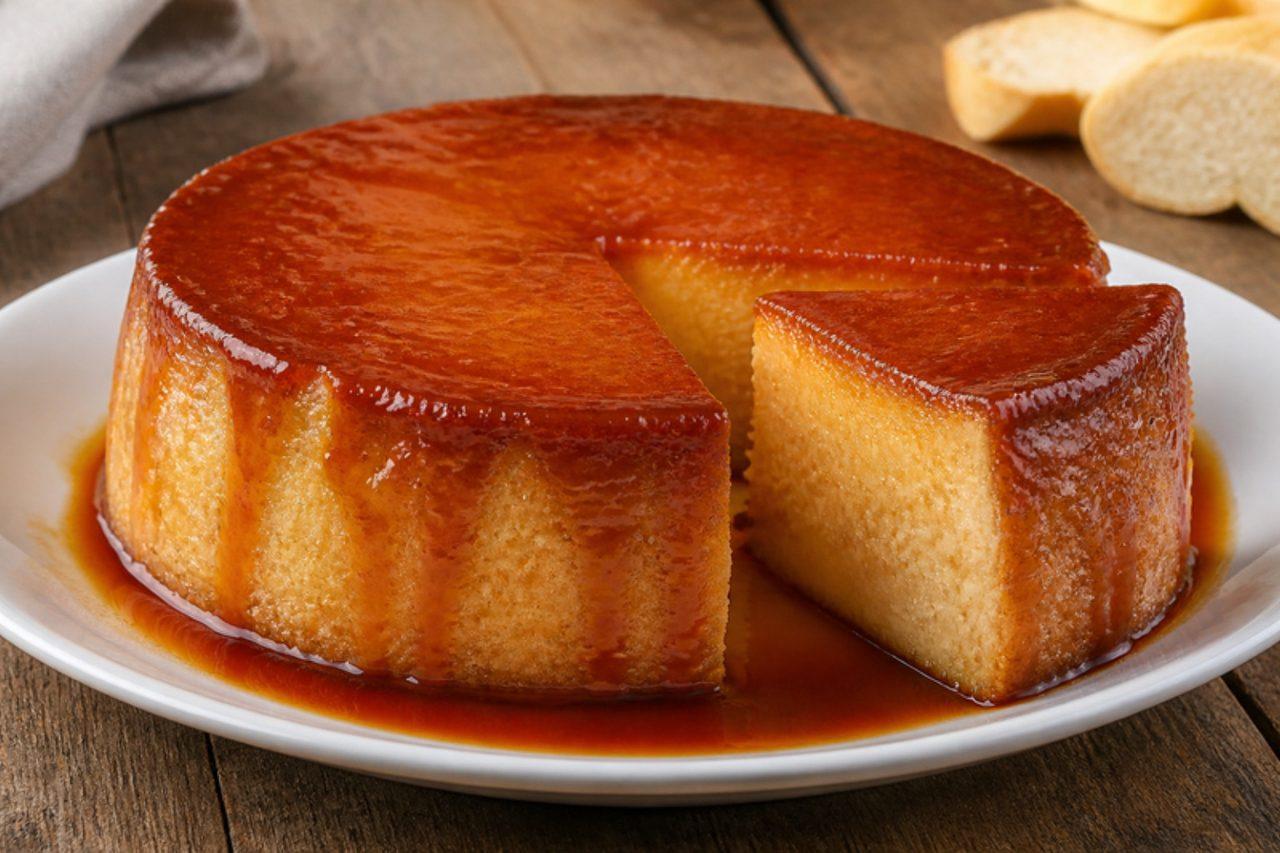
Pan de Calatrava is Murcia's thrifty Sunday dessert, a flan thickened with yesterday's bread or leftover sponge and baked over a layer of dark caramel. Murcian grandmothers made it to use up the end of a loaf, and it is still on the menu at family-run restaurants across the region, cut into slices and served cold with the caramel running down. The milk is infused first with lemon peel and cinnamon. Chef's tip: let it chill overnight before turning it out, so it slices cleanly and the caramel turns to syrup.

by KrazyBadal 0 views

PambazoDipped roll with potato and chorizo

Pambazos are a Mexico City street classic, sold at night from griddles outside metro stations and at the fondas that open for Lent and village fiestas. A soft, light roll is split, filled with potato fried with pork chorizo, then dipped in a garlicky red guajillo sauce and crisped on the griddle, so the outside turns deep red, slightly crunchy and a little messy. Inside go shredded lettuce, cream and crumbled cheese, with salsa verde for heat. Eat it straight off the griddle with plenty of napkins. Chef's tip: use day-old rolls; fresh, soft bread soaks up too much sauce and falls apart on the griddle.

by KrazyBadal 0 views

PamonhaSteamed fresh corn parcels

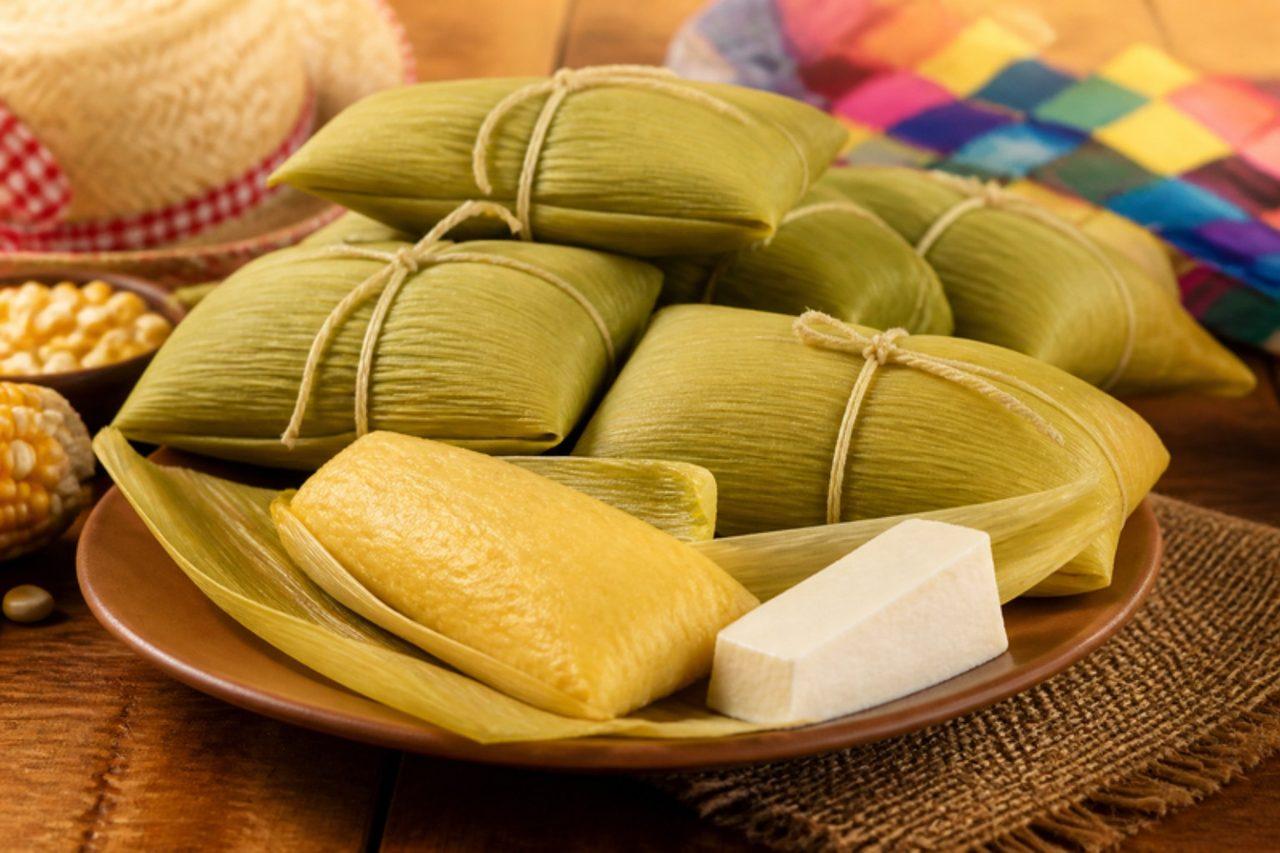
Corn season in Goiás and across the Northeast means pamonharias, roadside shops where pamonha comes out of huge steaming pots all afternoon, and in June it is one of the anchors of the festa junina table. Freshly grated green corn is mixed with milk and sugar, wrapped in its own husks, tied and boiled until it sets into a soft, sweet, slightly chewy parcel that smells of fresh corn. The Goiás way is also savoury, with salt instead of most of the sugar and cubes of cheese inside; that option is in the last step. Traditional queijo minas or curd cheese is often made with animal rennet, so pick a vegetarian cheese made with microbial rennet. Serve hot, with coffee, or with butter melting on top. The usual mistake is using mature, starchy supermarket corn or tinned kernels: the mixture will not set properly and the flavour is flat. Chef's tip: use corn so young that a fingernail pressed into a kernel squirts milky juice, and save every intact husk for wrapping.

by KrazyBadal 0 views

Pan bagnatPressed tuna and anchovy sandwich

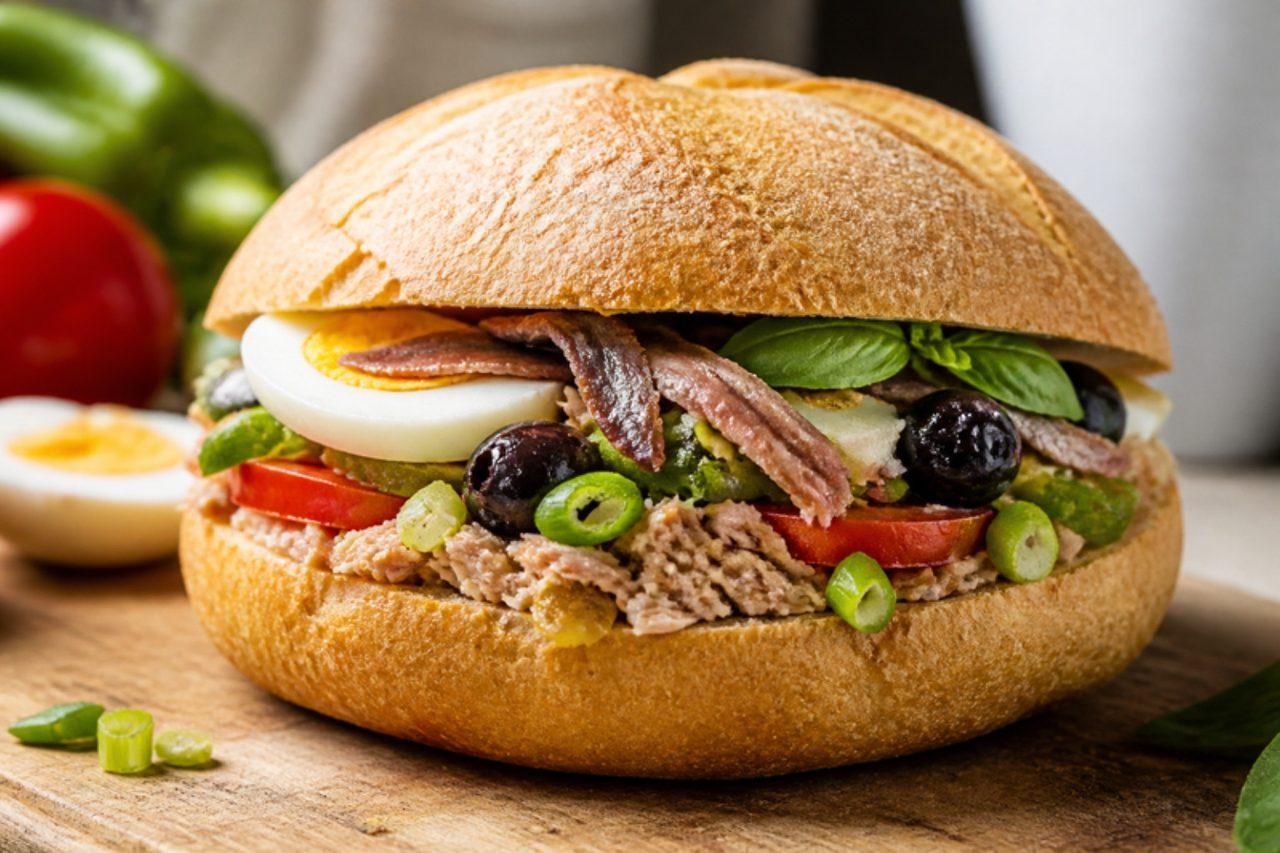
Pan bagnat, 'bathed bread' in Niçois, is the beach and market lunch of Nice, sold wrapped in paper from kiosks around the Cours Saleya and packed for picnics on the pebbles of the Promenade. A round crusty roll is soaked with fruity olive oil and filled with everything that goes into a salade niçoise: tuna, anchovies, hard-boiled egg, tomato, sweet green pepper, spring onion and black olives. Pressed for an hour, it turns juicy, compact and easy to eat in big, messy bites. Serve it on its own or with a few radishes and a glass of something cold. Chef's tip: rub the cut bread with garlic before the oil goes on; it perfumes every bite without overpowering the fish.

by KrazyBadal 0 views

Pan con chicharrónCrisp pork sandwich

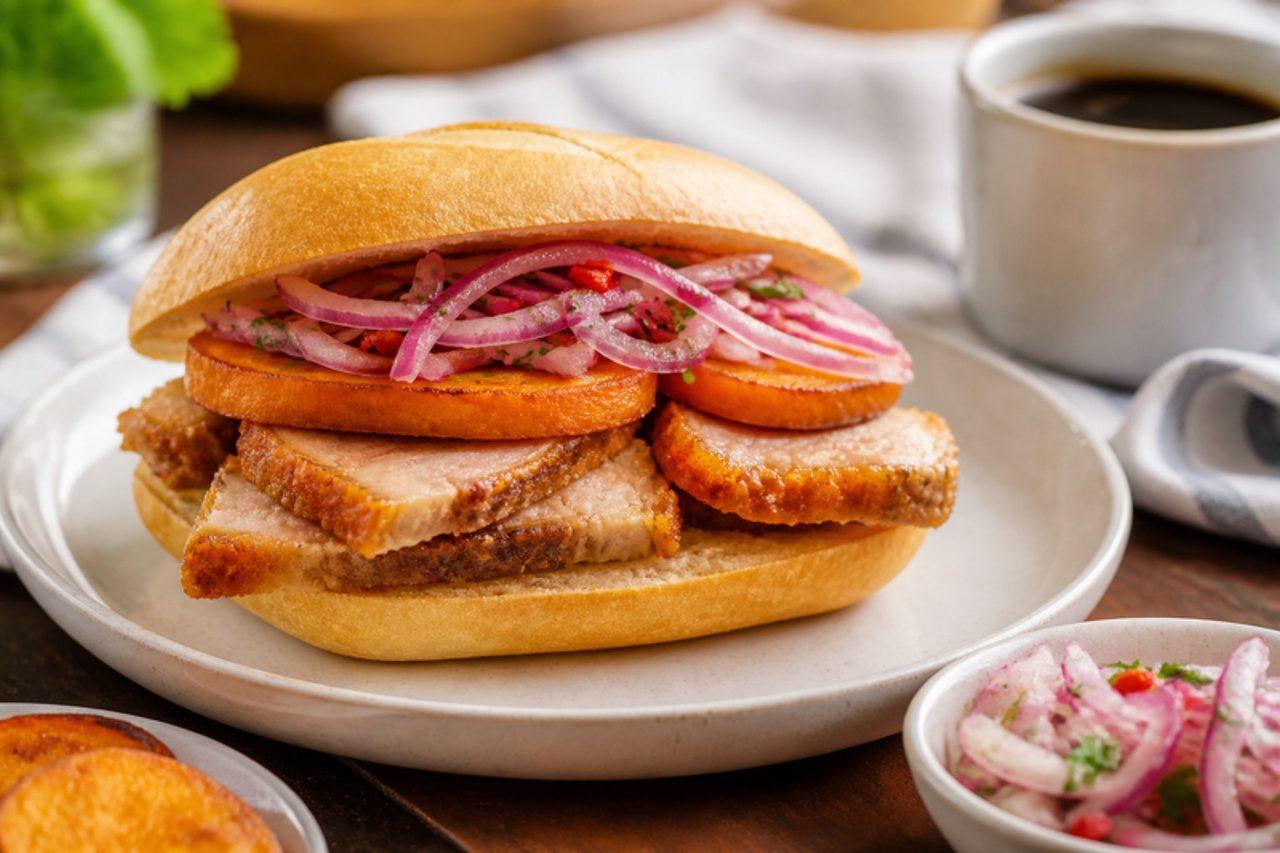
Sunday mornings in Lima mean a queue at the neighbourhood sanguchería or a stop at Barranco's old cafés for this: a crusty pan francés roll stuffed with chicharrón, pork that has been simmered in salted water until the water evaporates and then fried in its own fat, layered with slices of fried sweet potato and a crown of salsa criolla. The pork is crisp at the edges, juicy inside, the sweet potato sweet and soft, the onion sharp and cold. It comes with coffee or a hot drink. The usual mistake is frying the pork in extra oil from the start; the water has to boil off first so the meat renders and fries in its own fat, otherwise it stays pale and tough. Chef's tip: use pork belly mixed with shoulder for the right balance of crackle and meat.

by KrazyBadal 0 views

Pan de arrozRice flour cheese rings

Coffee in Arauca or Casanare rarely comes alone: there is usually a basket of pan de arroz, small golden rings made from rice flour and grated salty cheese, sold at roadside stalls, bakeries and village fiestas across the plains. They bake crisp on the outside and soft, slightly chewy and cheesy within, a cousin of pandebono but lighter and more crumbly. Eat them warm with a cup of tinto or hot chocolate in the afternoon. The cheese on the plains is queso llanero, a firm, salty farm cheese; mix feta-style cheese with a little mozzarella if you cannot find it, and as both are usually made with animal rennet, choose vegetarian (microbial-rennet) ones. The mistake that causes trouble is coarse, lumpy cheese, which makes the dough crack as you shape it; crumble or grate it very finely. Chef's tip: rest the dough for 10 minutes before shaping so the rice flour hydrates and the rings close without splitting.

by KrazyBadal 0 views

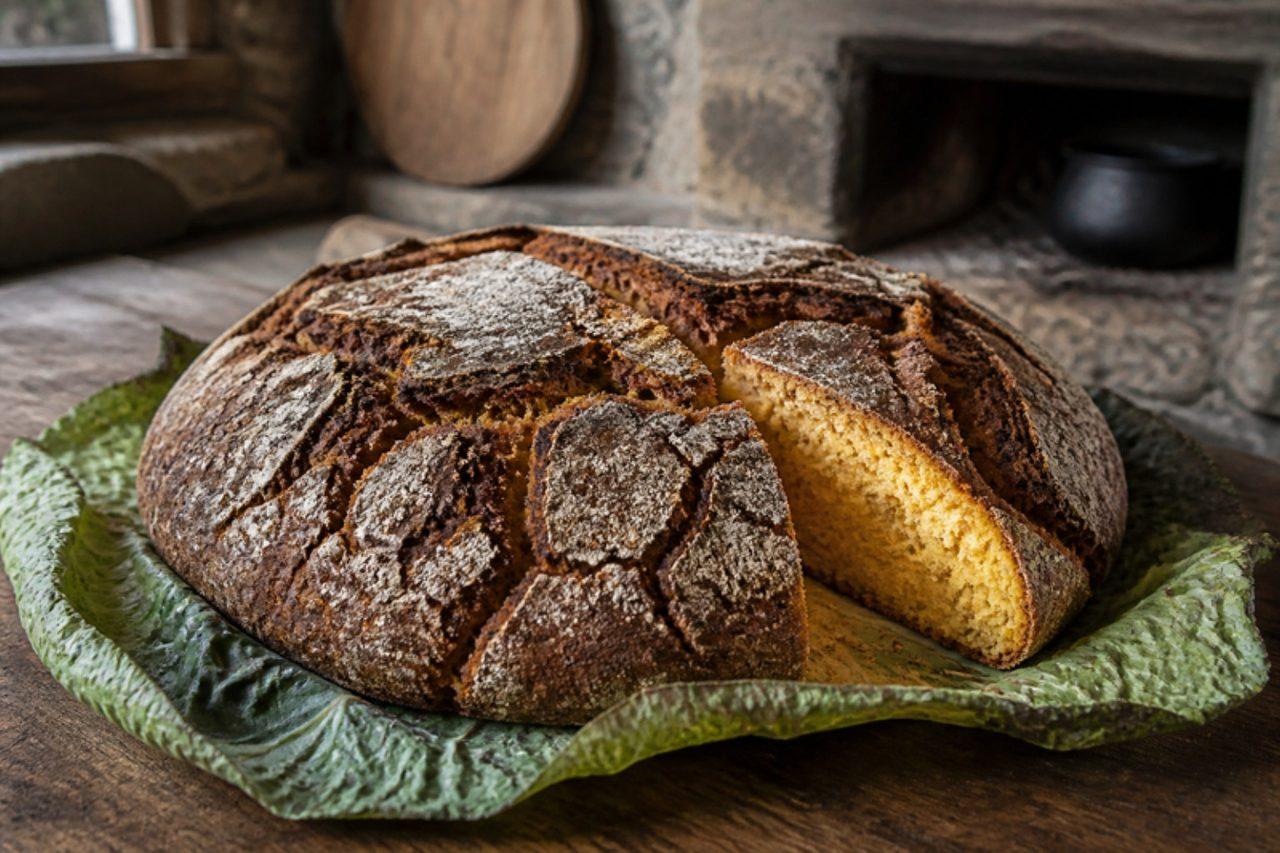
Pan de milloGalician cornbread

In the inland villages of Lugo and Ourense, and in the Deza area of Pontevedra, pan de millo, also called broa, was the everyday bread before wheat became common, baked in wood ovens and sometimes on a cabbage leaf. It is heavy, moist and slightly sweet inside, with a thick, cracked crust, and it is eaten with caldo, cheese or simply olive oil. Maize flour has no gluten of its own, so this version mixes in some wheat flour to help it rise; it is vegan. A common mistake is expecting a light loaf: it should feel heavy and close-textured. Chef's tip: scald the maize flour with boiling water first, which makes the crumb tender and stops it crumbling.

by KrazyBadal 0 views

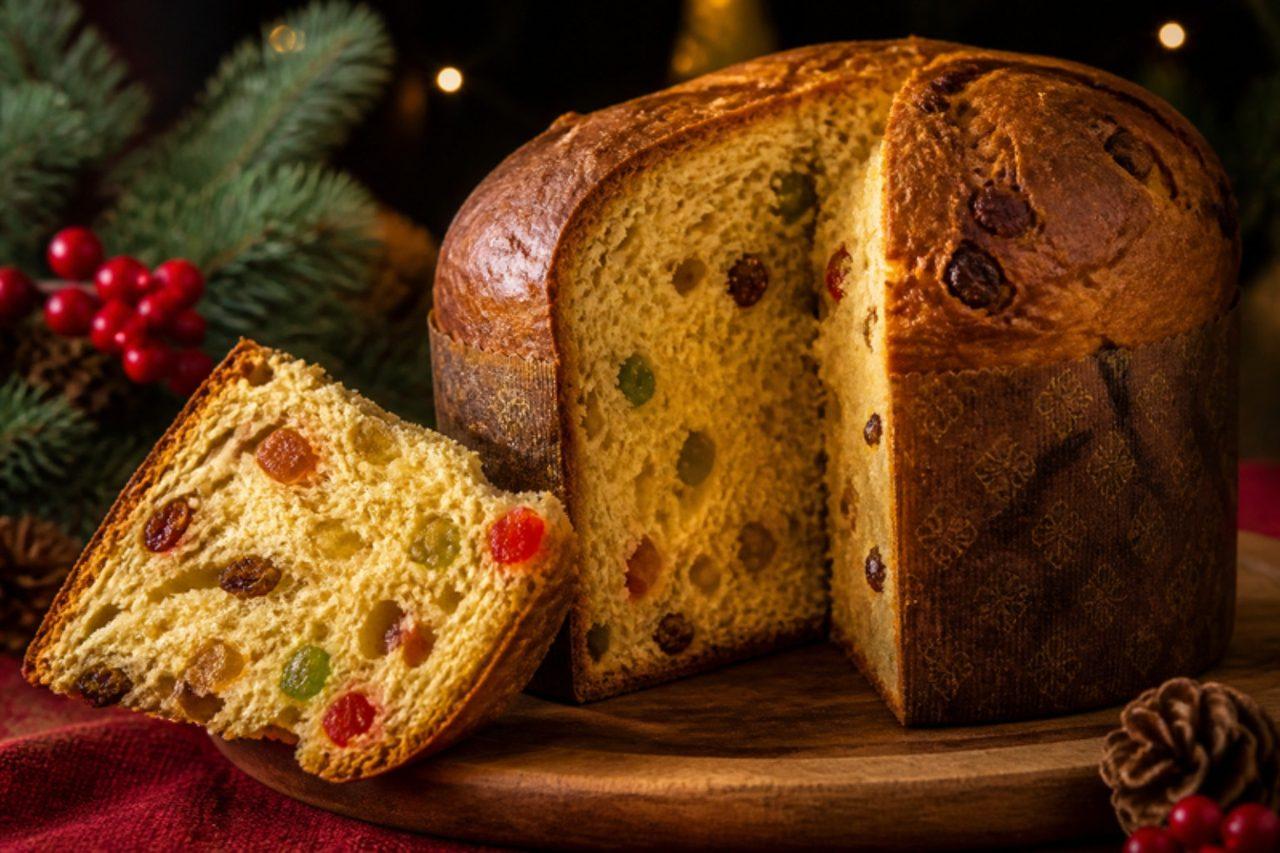
Pan dulceChristmas fruit bread

No Argentine Christmas Eve table is complete without a pan dulce, set out at midnight with turrón, nuts and a cold cider for the adults. The bread is the River Plate take on Genoese pandolce and Milanese panettone: a tall, buttery yeast dough scented with orange blossom and lemon, packed with candied fruit, raisins and walnuts. The crumb is closer and moister than panettone, and it keeps for a week wrapped in a cloth. Allow a long day, as the dough has a sponge and two rises. Some bakers soak the fruit in rum or sweet wine; here it is soaked in orange juice, so the bread is alcohol-free. People often add the fruit at the start of kneading, which shreds the gluten and gives a heavy, sunken loaf; work it in only once the dough is silky. Chef's tip: bake it in a tall paper mould or a 16 cm tin lined with a collar of baking paper, and turn it upside down onto a rack for the first 20 minutes of cooling so the top does not sink.

by KrazyBadal 0 views

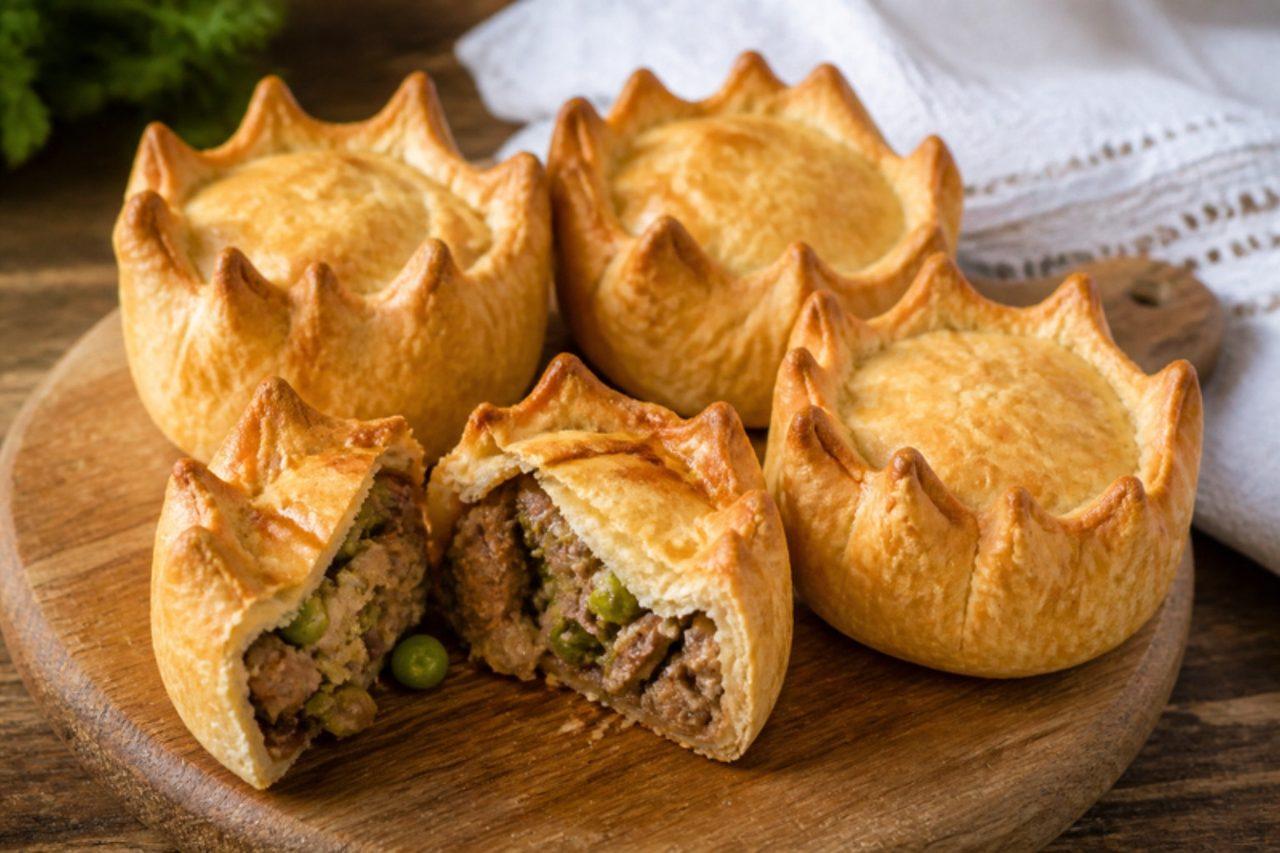
PanadesLamb and pea pies

On Easter Saturday, Mallorcan kitchens turn into pie workshops: whole families shape panades, small upright pies with pinched rims and a pastry lid, filled with raw diced lamb, peas and a little pork belly, then bake them to eat on Easter Sunday and the picnics of the days after. This contains pork (lard in the pastry and pork belly in the filling); butter can replace the lard and the belly can be left out. The meat cooks inside the pastry, staying juicy. Chef's tip: cut the lamb small, no bigger than 1.5 cm, so it cooks right through in the time the pastry takes to brown.

120 minSpanishMeat
by KrazyBadal 0 views

Pan de yucaCassava starch cheese rolls

Cali bakeries sell pandeyucas warm in paper bags from early morning, often in a horseshoe shape, to go with a glass of kumis yoghurt drink or a café con leche. Made only from cassava starch, cheese, egg and a little butter, they are gluten free, puff up in the oven and stay hollow and stretchy inside with a thin crisp skin. Unlike pandebono, there is no corn flour, so they are lighter and chewier. Use tapioca (cassava) starch, sold in Asian and Latin shops; the cheese is typically a salty queso costeño made with animal rennet, so mix a vegetarian feta-style cheese with vegetarian mozzarella. Dough that is too wet makes them spread flat; it should feel like soft play dough. Chef's tip: they are at their best within 30 minutes of baking, so shape them ahead and bake just before eating.

by KrazyBadal 0 views

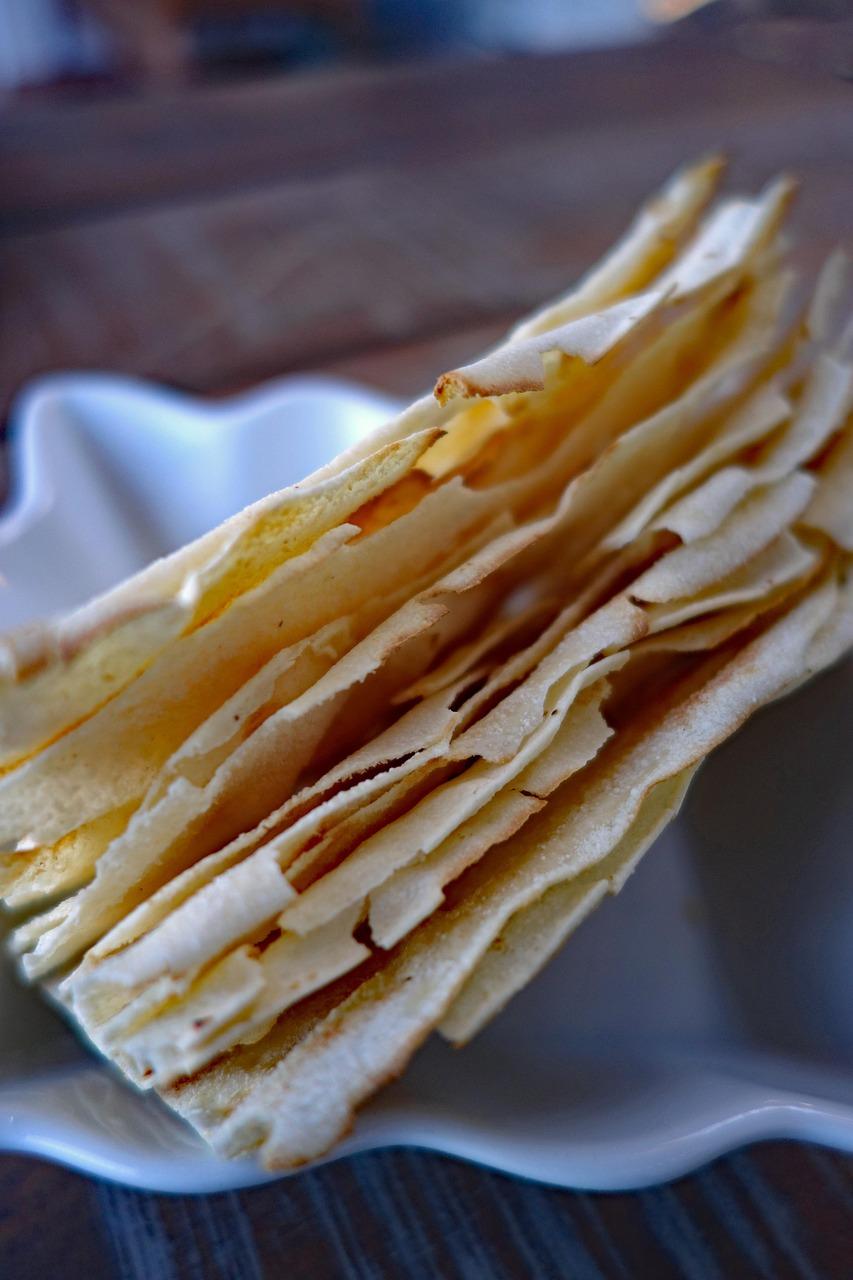
Pane carasauThin crisp flatbread

Shepherds in Barbagia, the mountainous heart of Sardinia, took stacks of pane carasau with them for weeks on the high pastures, because this dry, glass-thin flatbread never goes stale. Each disc is baked until it balloons, split in two while hot, then baked again until crisp and golden; Italians call it carta da musica, music paper, for how thin and crackly it is. Sardinians eat it with olive oil and salt as a snack, break it into soups and layer it into pane frattau. Making it at home takes patience and a very hot oven. Chef's tip: split each puffed disc the moment it comes out of the oven; once it cools, the two layers fuse together.

by KrazyBadal 0 views

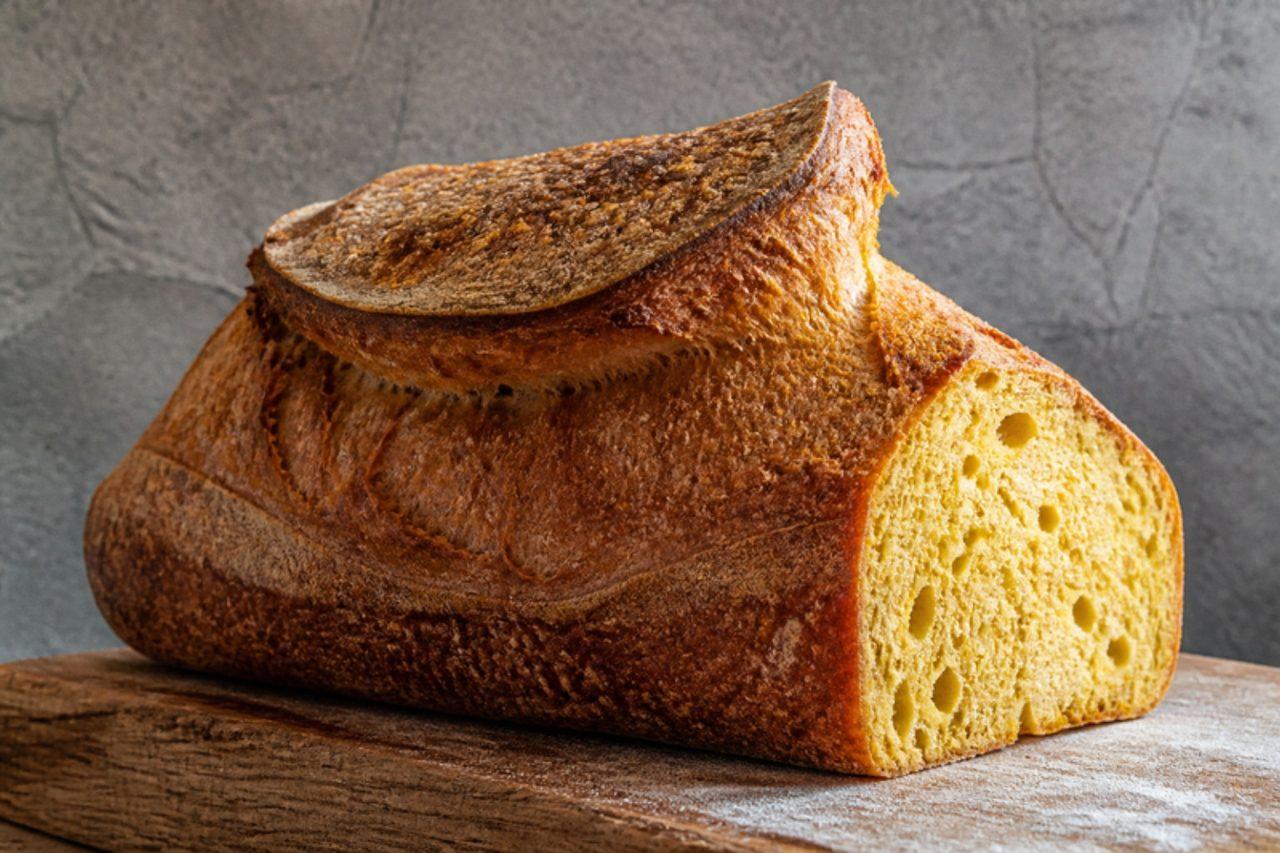
Pane di MateraDurum wheat sourdough bread

Matera's bread is a big golden loaf of durum-wheat semolina and sourdough, with a thick crackling crust and a crumb the colour of straw that stays moist for a week. It is shaped into a horned cornetto or a high-backed loaf, and until the 1950s families in the Sassi took their dough to the communal oven, each loaf marked with a carved wooden stamp so it came back to the right house. It is still eaten every day in the city, sliced thickly with olive oil and tomato or soaked in soups. Plan over two days, with a cold rise overnight. Chef's tip: feed your starter with semolina the day before, so its flavour matches the dough.

1440 minItalianBakingVegan
by KrazyBadal 0 views

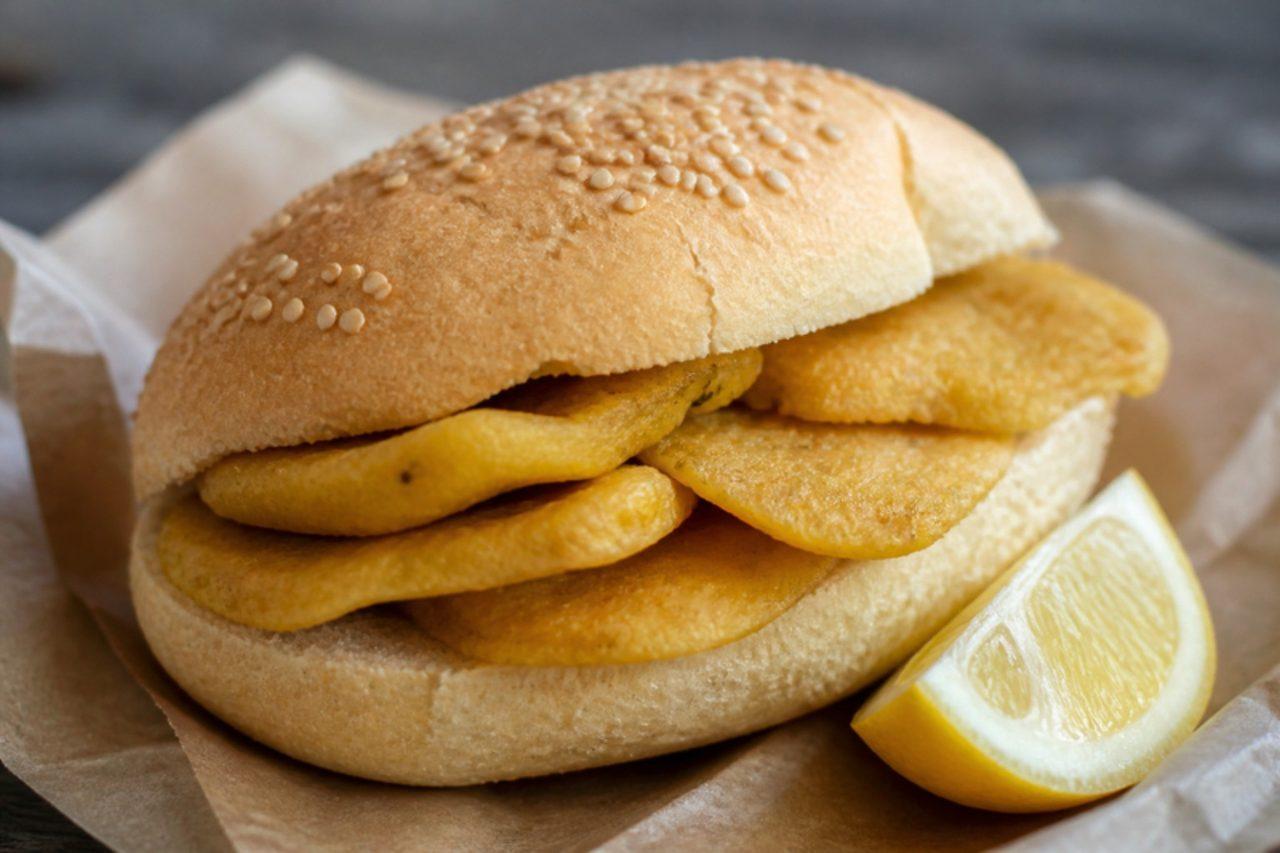
Pane e panelleChickpea fritters in a bun

Pane e panelle is Palermo's breakfast on the run: wafer-thin squares of chickpea batter fried until puffed and crisp at the edges, stuffed five or six at a time into a soft sesame roll and squeezed with lemon. Friggitorie at the Vucciria and Ballarò markets sell them from early morning, often alongside potato crocchè, and the city eats them standing at the counter. The panelle are creamy inside and nutty with a little parsley. Chef's tip: whisk the chickpea flour into cold water, never hot, and you will have no lumps.

by KrazyBadal 0 views

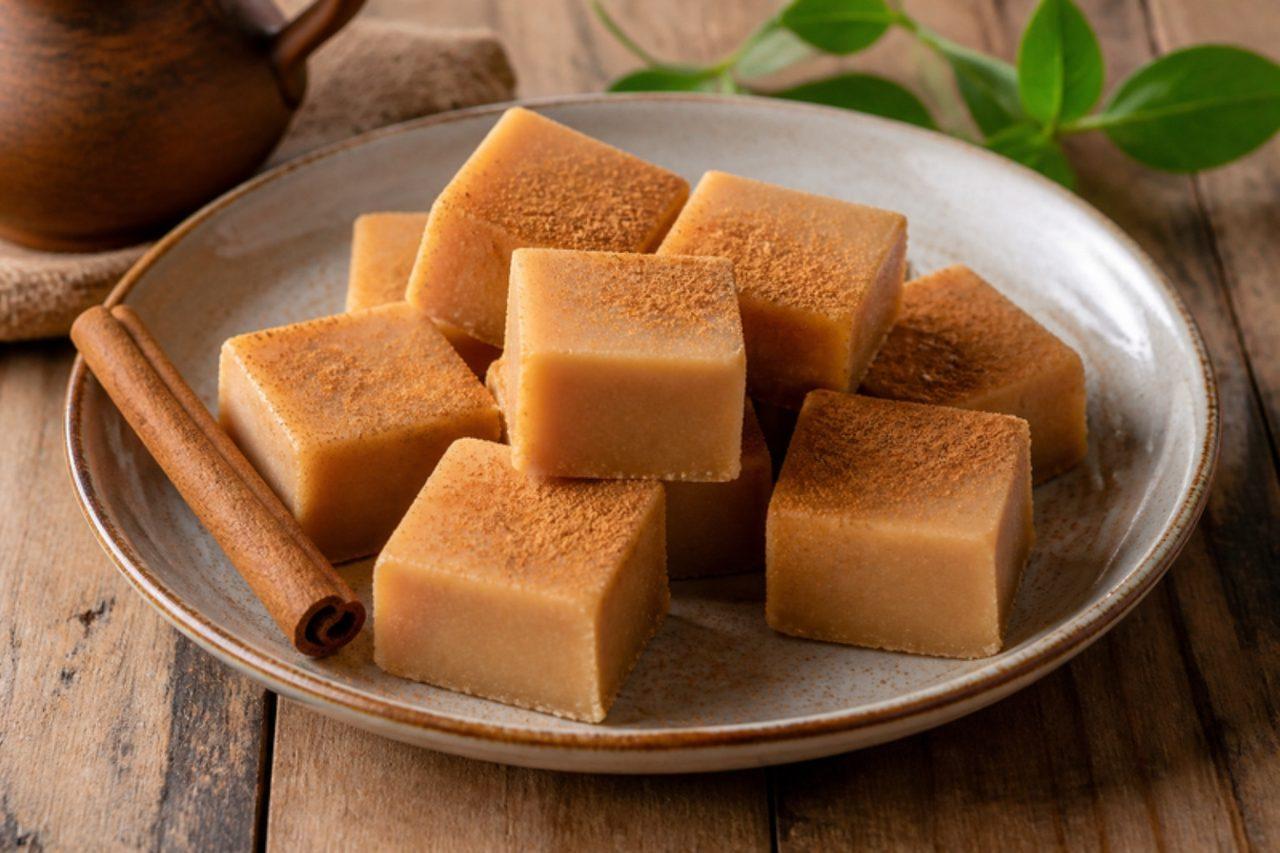
PanelitasMilk fudge squares

Small paper-wrapped panelitas are sold by the bagful at roadside sweet stalls through Santander, often next to obleas and bocadillo. They are milk boiled with sugar and panela until it becomes a thick caramel, then beaten off the heat until it loses its shine and sets into a soft, crumbly fudge with a warm cinnamon and molasses taste. Kids and grandparents both reach for them after lunch with a coffee. The batch here makes a tray of bite-sized squares that keep for a week. Most failures come from beating too little: the mixture stays glossy and never sets beyond soft arequipe, so keep going until it turns matte and starts to hold its shape. A pinch of bicarbonate of soda stops the milk from curdling as the panela heats. Chef's tip: lightly score the squares while the fudge is still warm, then cut through once cold, for neat edges.

by KrazyBadal 0 views

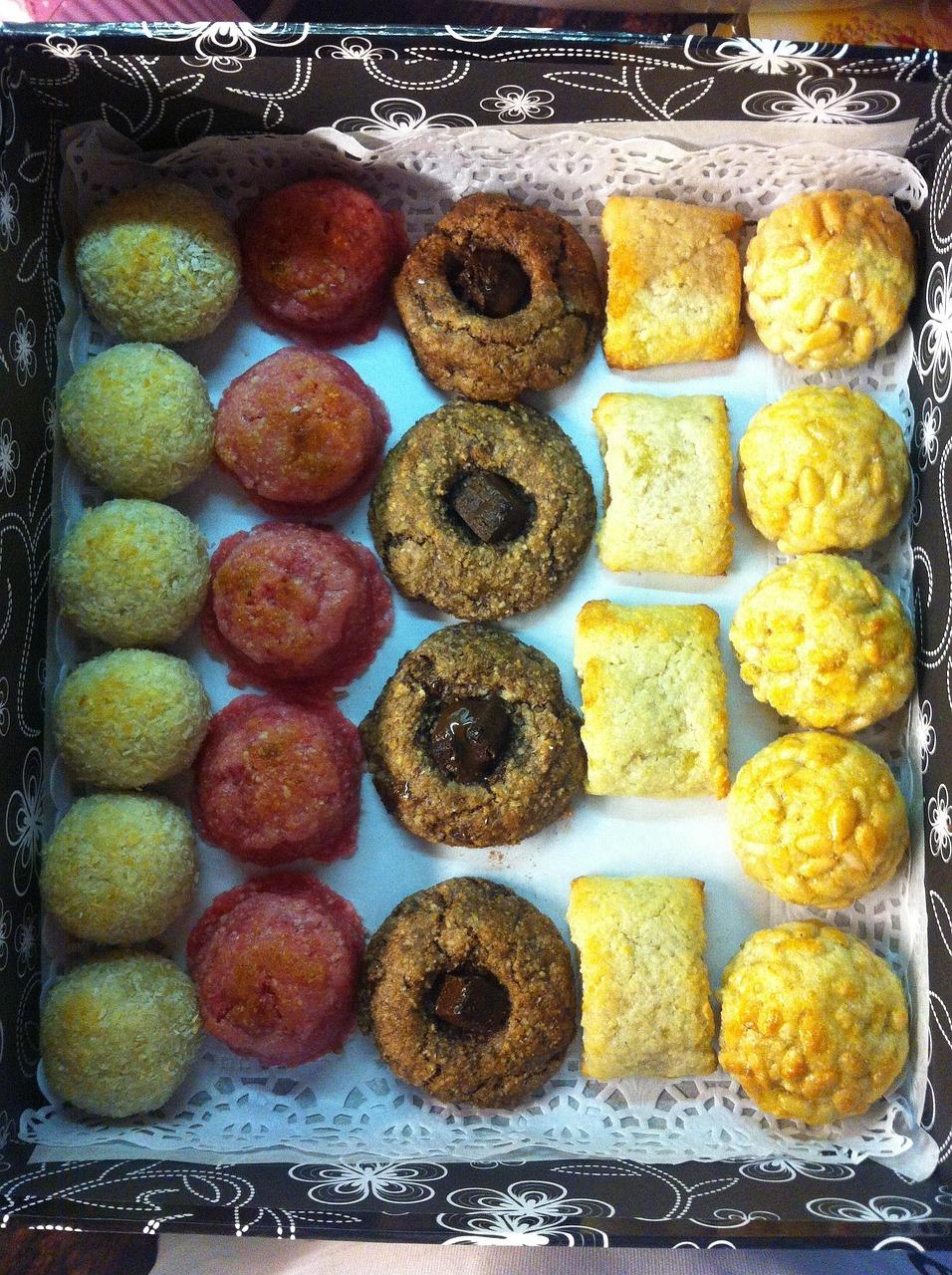
PanelletsPine nut marzipan sweets

For the Castanyada on 31 October and All Saints' Day, Catalan families roast chestnuts, eat sweet potatoes and make panellets: little balls of almond marzipan, bound with a spoonful of cooked potato, then rolled in pine nuts, glazed with egg and baked until golden. The pine-nut ones are the classic, and children often help roll them. They are eaten with a glass of sweet wine or a cup of coffee. Chef's tip: wet the marzipan balls lightly with egg white before rolling; it is the glue that holds the pine nuts on.

by KrazyBadal 0 views

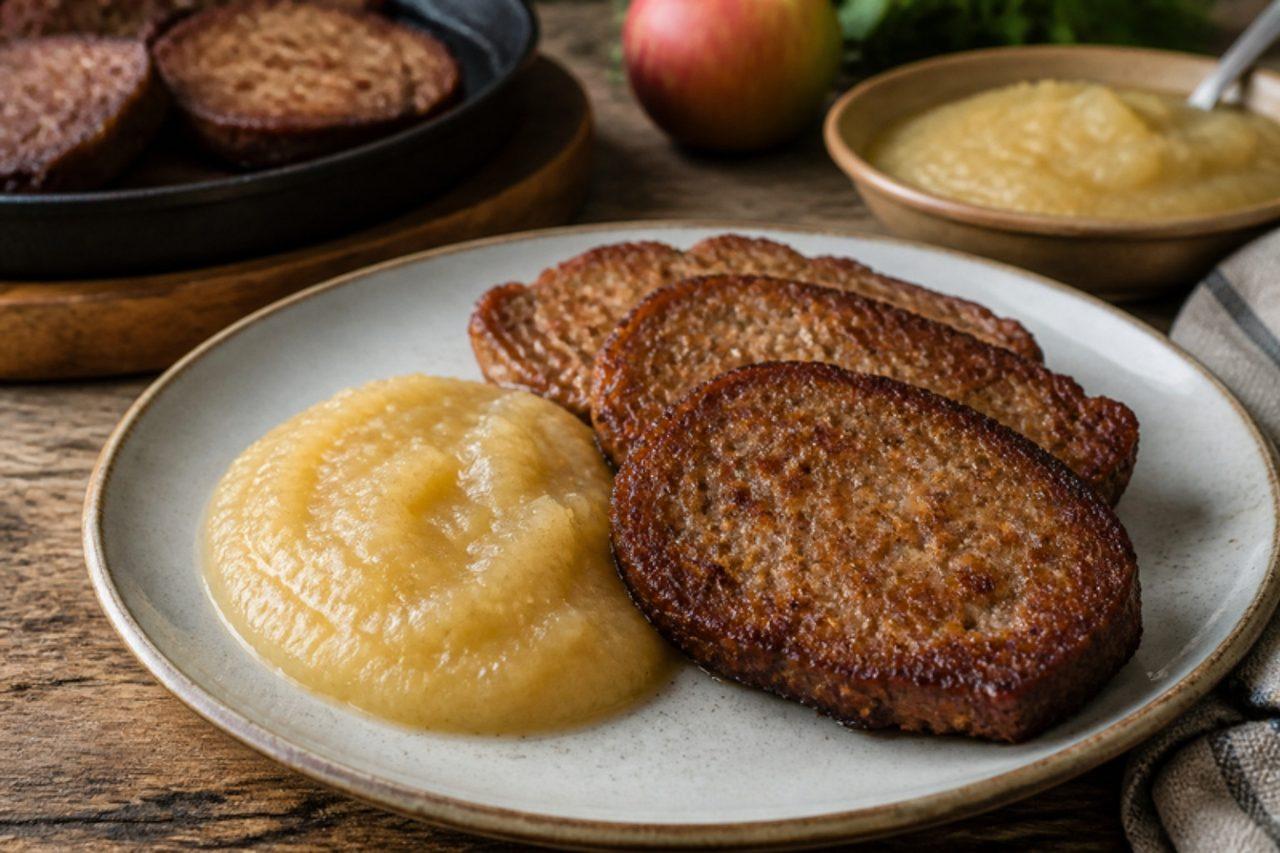
PanhasBuckwheat and pork loaf

Panhas comes from the slaughter days of Westphalia and the Lower Rhine, when the pork broth left in the kettle was thickened with buckwheat flour and the scraps of meat and sausage so nothing went to waste. It sets into a firm loaf that keeps for days in the fridge; thick slices are fried until crisp and eaten for breakfast or supper with apple sauce, fried potatoes or rye bread. This version uses pork belly and coarse liver sausage. Chef's tip: fry the slices in a hot pan and leave them alone for the first 4 minutes, so a crust forms before you turn them.

90 minGermanMeat
by KrazyBadal 0 views

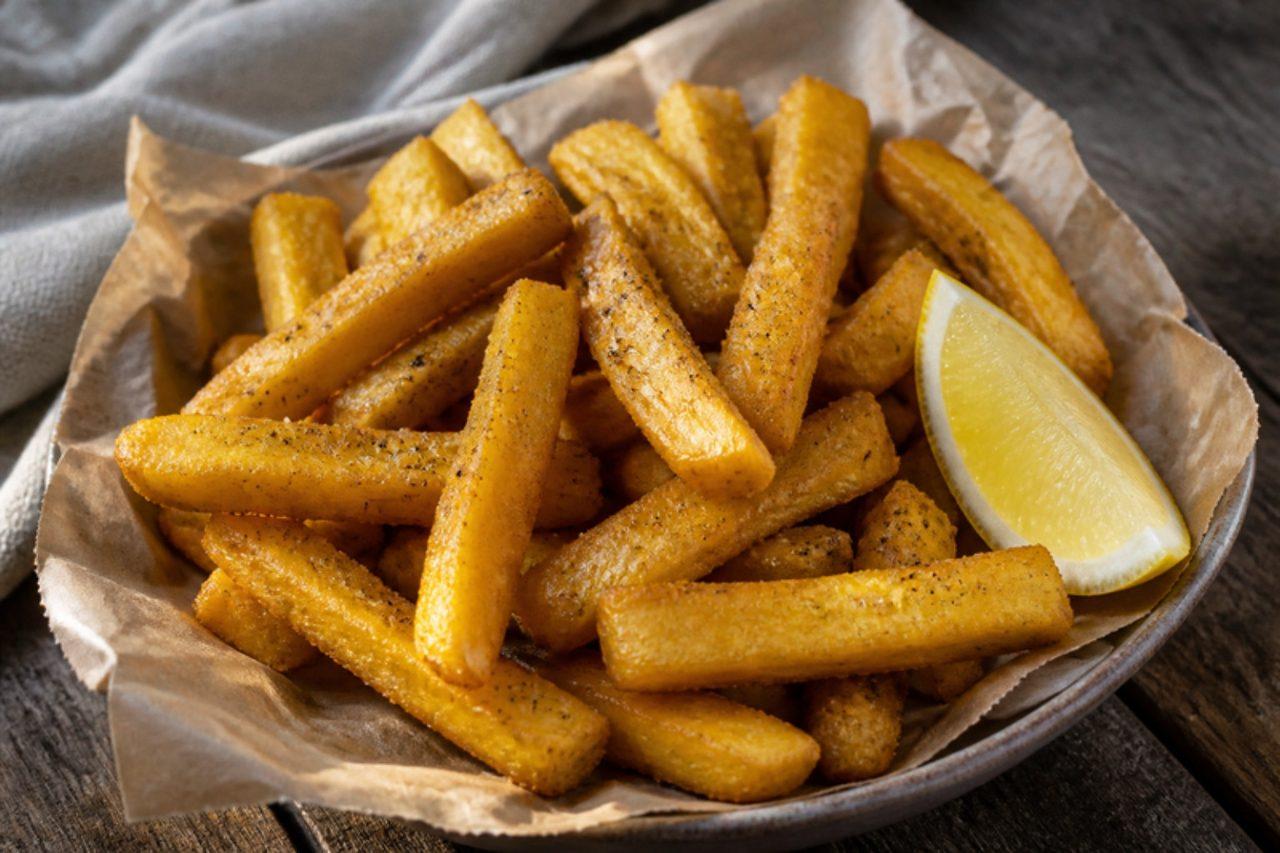
PanissesFried chickpea fingers

In L'Estaque, the old fishing quarter on the western edge of Marseille, panisses are sold hot in paper cones from seafront kiosks on summer evenings. They start as a thick chickpea-flour porridge, set in a tray, then cut into fingers and fried until the outside is crisp and the middle is soft and creamy, like a chickpea chip. Along the coast in Nice the same flour becomes socca, a thin baked pancake. Serve panisses with a squeeze of lemon and lots of pepper. Chef's tip: make the base the day before; a night in the fridge firms it up, and the fingers keep their shape in the oil.

by KrazyBadal 0 views

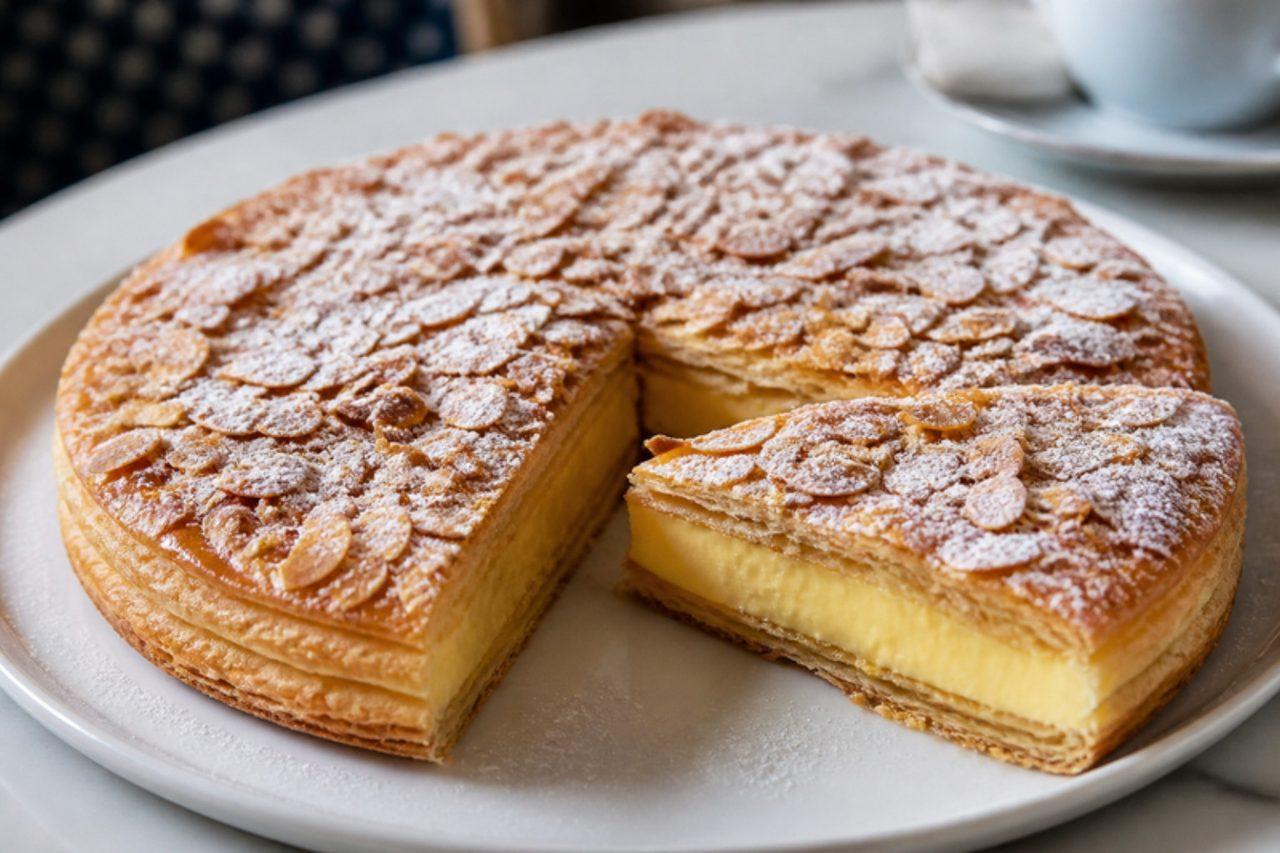
PantxinetaCustard and almond puff pastry tart

Pantxineta was first baked in a pastry shop in San Sebastián's old town in the early twentieth century, and Donostiarras still buy it on Sunday mornings to take to family lunch. Two layers of buttery puff pastry enclose vanilla pastry cream, and the top is covered with flaked almonds and icing sugar. It is best eaten warm on the day it is made, while the pastry shatters. A common mistake is filling the pastry with warm custard, which melts the butter layers and stops them rising. Chef's tip: chill the assembled tart for 20 minutes before baking so the pastry keeps sharp edges.

by KrazyBadal 0 views

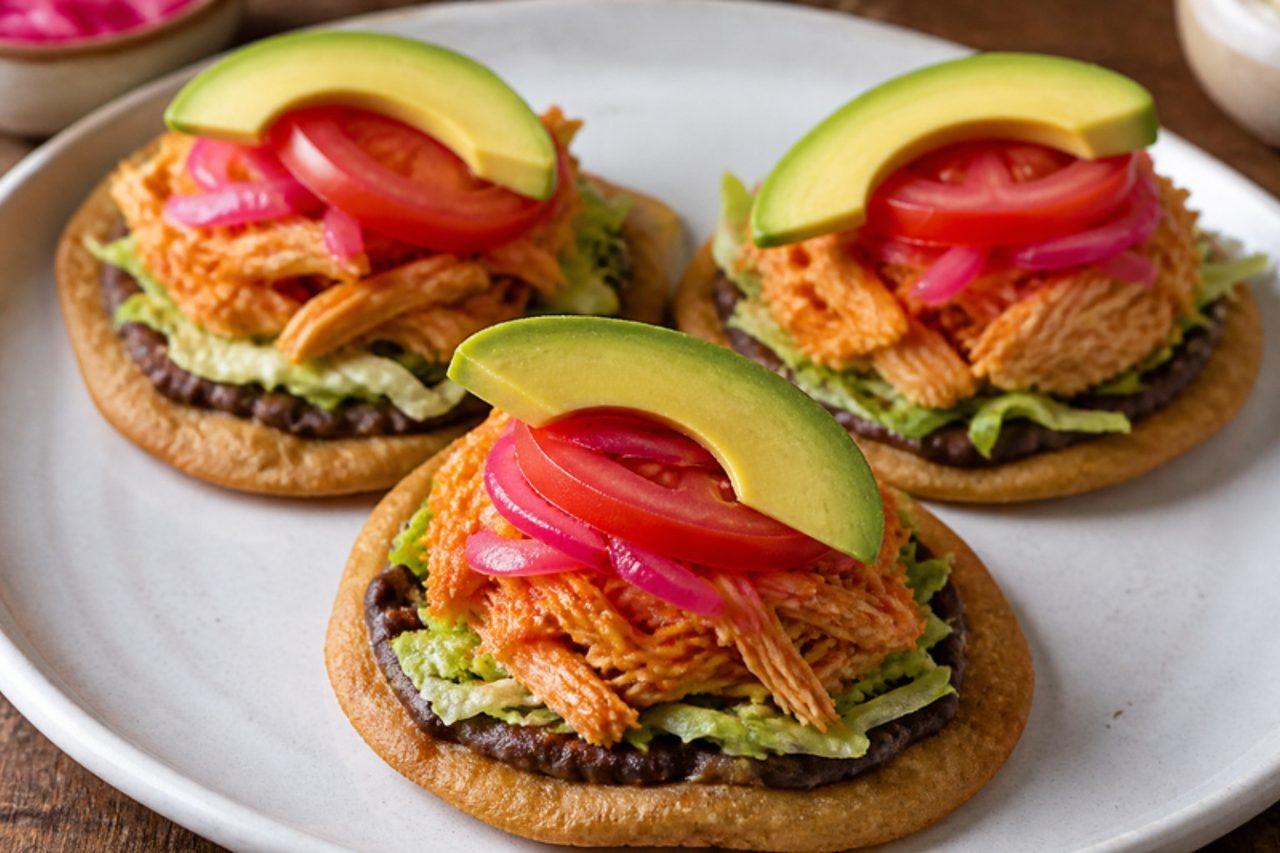
PanuchosBean-stuffed tortillas with chicken

Mérida's loncherías and the evening stands around its parks sell panuchos by the plateful: small corn tortillas puffed on the griddle, slit open, stuffed with black bean paste and fried until the edges crisp. They are topped with shredded chicken marinated in achiote and bitter orange, sharp pink pickled onion, tomato and avocado, with fiery habanero salsa on the side for those who want it. Bitter (Seville) orange is the traditional sour; a mix of orange and lime juice works well. Two or three make a supper with a cold drink. Chef's tip: let the tortilla balloon on the hot comal before you slit it; if it doesn't puff, there is no pocket for the beans.

by KrazyBadal 0 views

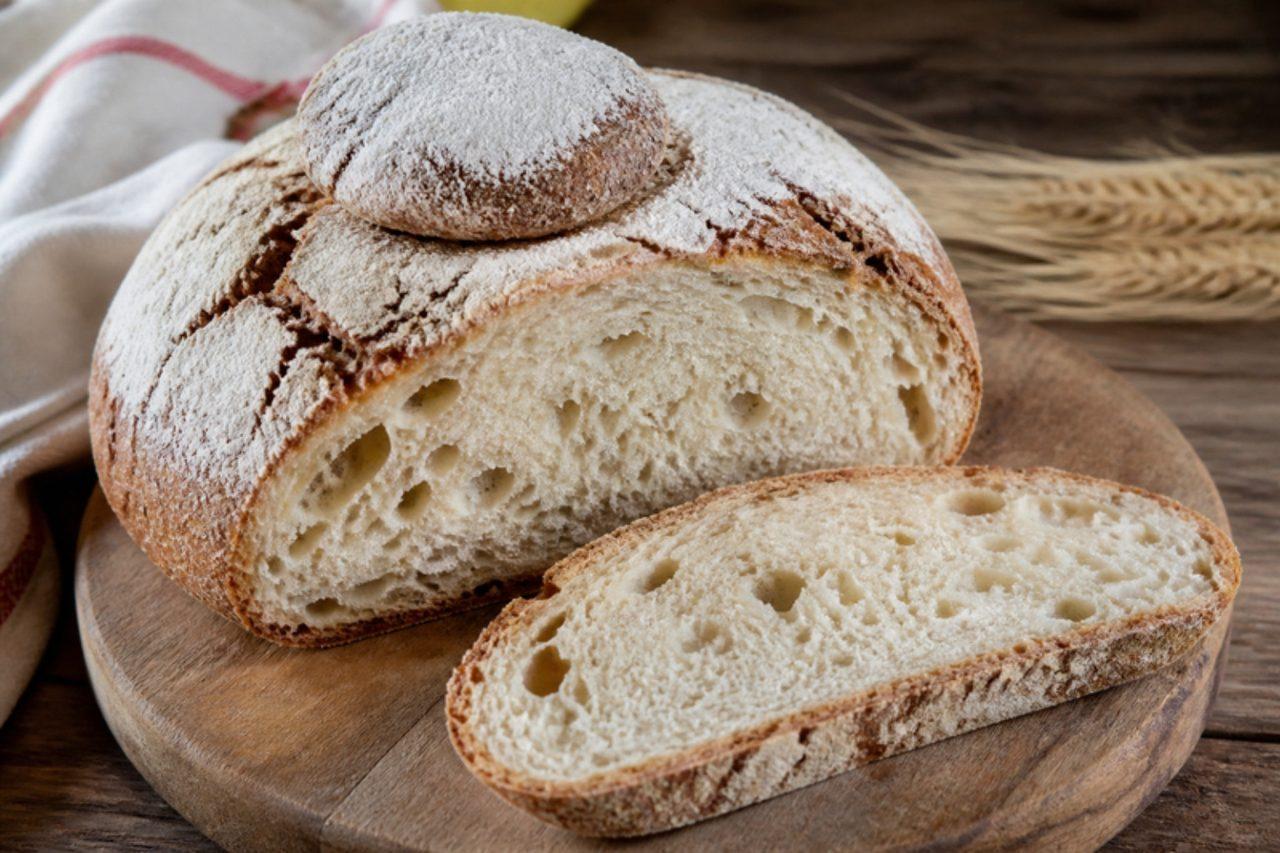
Pão alentejanoSourdough country loaf

Almost every Alentejo meal leans on this bread: it is crumbled into açorda, laid under soups and stews, fried into migas and, fresh, eaten with olives and sheep's cheese. Village bakers make it with a sourdough starter, white wheat flour, water and salt, and give each round loaf a little knob of dough on top, called the cuco. The crumb should be dense, moist and chewy and the crust thick and crackling, so it lasts a week. You need an active starter that doubles within 6 hours of feeding. A common mistake is baking too pale; let the crust go a deep brown for flavour and keeping. Chef's tip: use a wetter dough than you think; it gives the open, moist crumb that keeps the bread soft for days.

by KrazyBadal 0 views

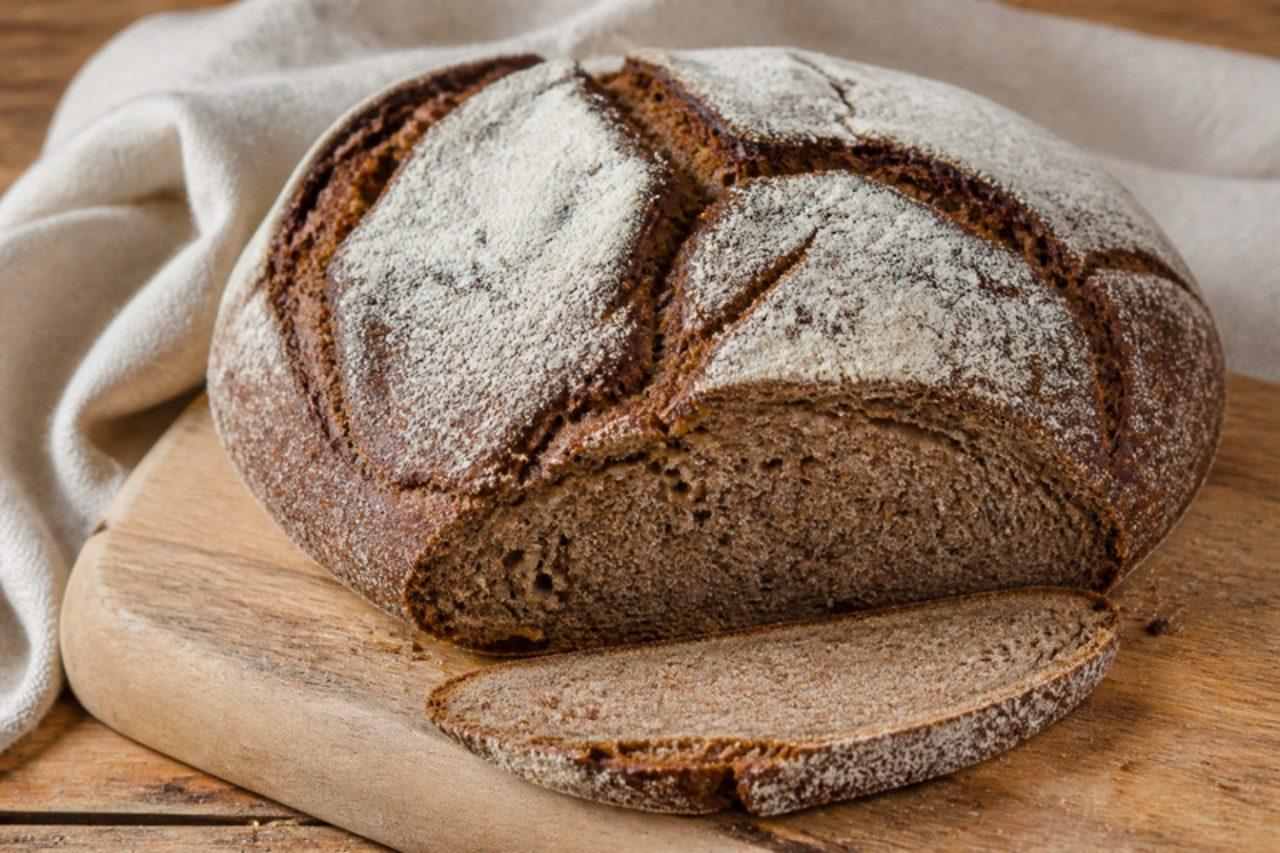
Pão de centeio transmontanoDark rye loaf

On the cold uplands of Trás-os-Montes, where wheat struggled, rye was the bread grain, and village bakeries around Montalegre and Miranda do Douro still bake big rounds with a dark, floury crust. The crumb is dense, tangy and moist, made to keep for a week and to sit beside cured meats, cheese and soups. This home loaf mixes rye with some wheat so it rises reliably. A common mistake is kneading rye dough like wheat dough; it never turns elastic, so mix it to a sticky paste and stop. Chef's tip: rye dough is sticky by nature, so shape it with wet hands rather than adding flour.

by KrazyBadal 0 views

Pão de DeusCoconut-topped sweet buns

Lisbon bakeries pile these 'God's bread' buns in their windows every morning, and regulars split them and spread them with butter, or tuck in a slice of cheese, for breakfast with a galão. The dough is soft and milky like brioche, and the top is a sweet blanket of grated coconut, egg and sugar that bakes crisp and golden. A common mistake is spreading the coconut too thin: pile it on thickly so it stays moist underneath and toasty on top. Chef's tip: let the shaped buns rise fully before topping them, or the heavy coconut layer squashes them flat.

by KrazyBadal 0 views

Pão na chapaGriddled buttered roll

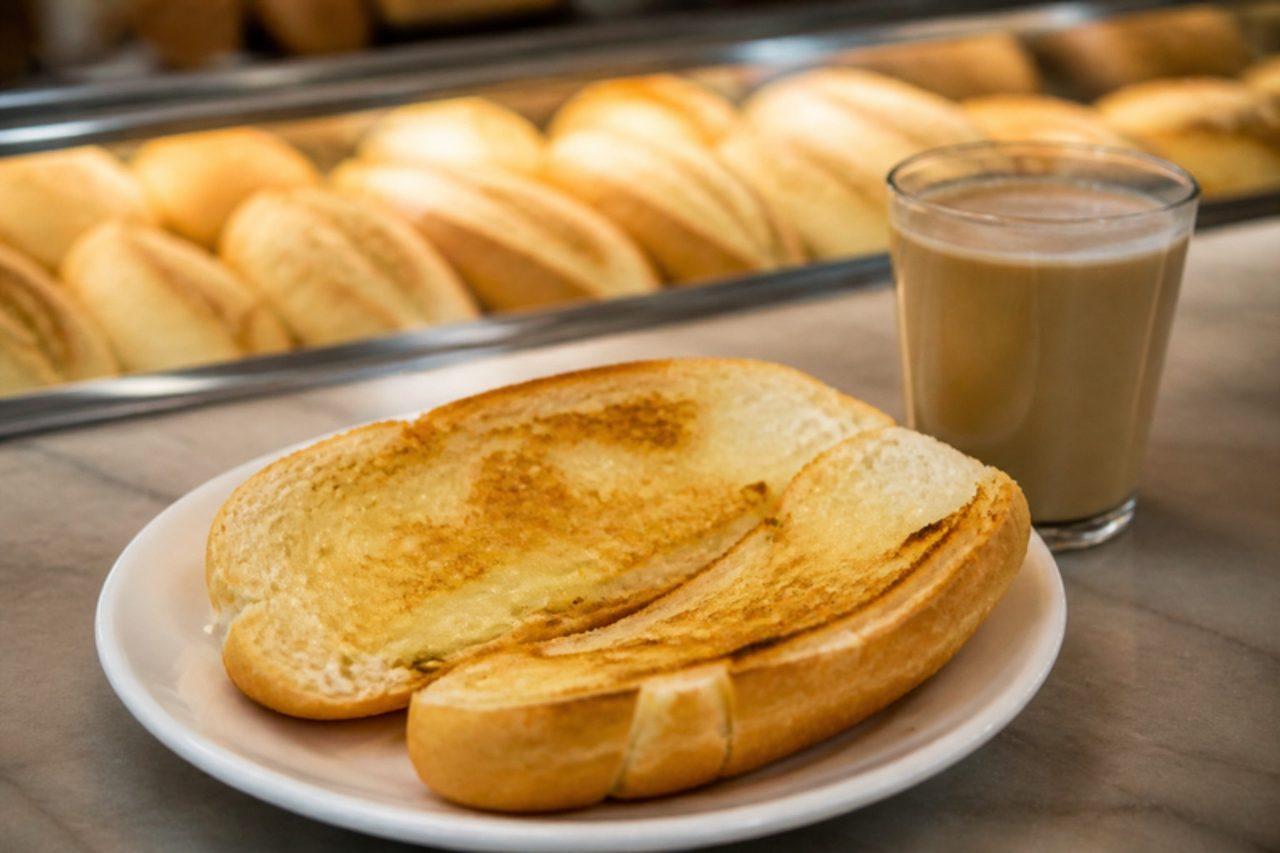
Stand at the counter of any São Paulo padaria at seven in the morning and you will hear the order a hundred times: 'um pão na chapa e um pingado'. A pão francês, the city's crusty little roll, is split, spread generously with salted butter and pressed cut-side down on the griddle until the crumb turns golden, crisp at the edges and soaked with butter, while the crust stays crackly. It comes with a café com leite and nothing else. At home a heavy frying pan and a second pan to press it do the job. The trap is a pan that is too hot, so the butter burns before the bread toasts; use a medium heat. Chef's tip: butter right to the edges and press the roll down firmly with a spatula or small pan, so the whole surface touches the metal and browns evenly.

by KrazyBadal 0 views

Papa rellenaStuffed potato croquettes

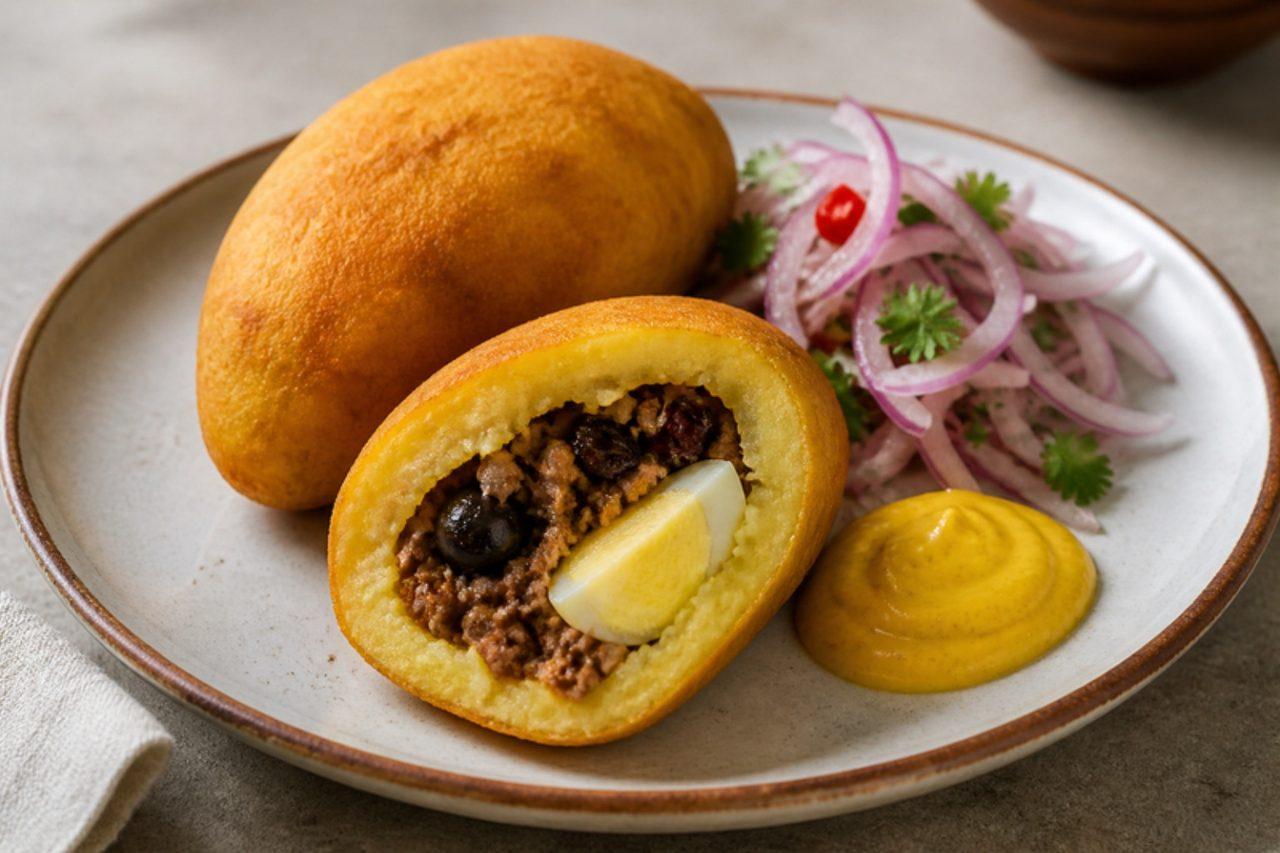
Torpedo-shaped and golden, papas rellenas sit stacked in the glass cases of Lima's sangucherías and market stalls, and they are just as often made at home on a weekday to use up a pot of mash. The shell is plain yellow potato with a crisp, thin crust; inside is a picadillo of minced beef with onion, ají panca, cumin, sliced egg, black olives and a few raisins for sweetness. They are eaten warm with a heap of salsa criolla and a spoon of ají sauce. The usual mistake is working the potato while it is still hot and wet: it turns gluey and splits in the oil, so let it steam dry and cool before shaping. Chef's tip: dust your hands and the croquettes with rice flour rather than wheat flour; it gives a thinner, crisper shell and keeps them gluten free. For a meat-free version, swap the beef for chopped mushrooms fried hard until dry.

by KrazyBadal 0 views

PaparajotesLemon leaf fritters with cinnamon sugar

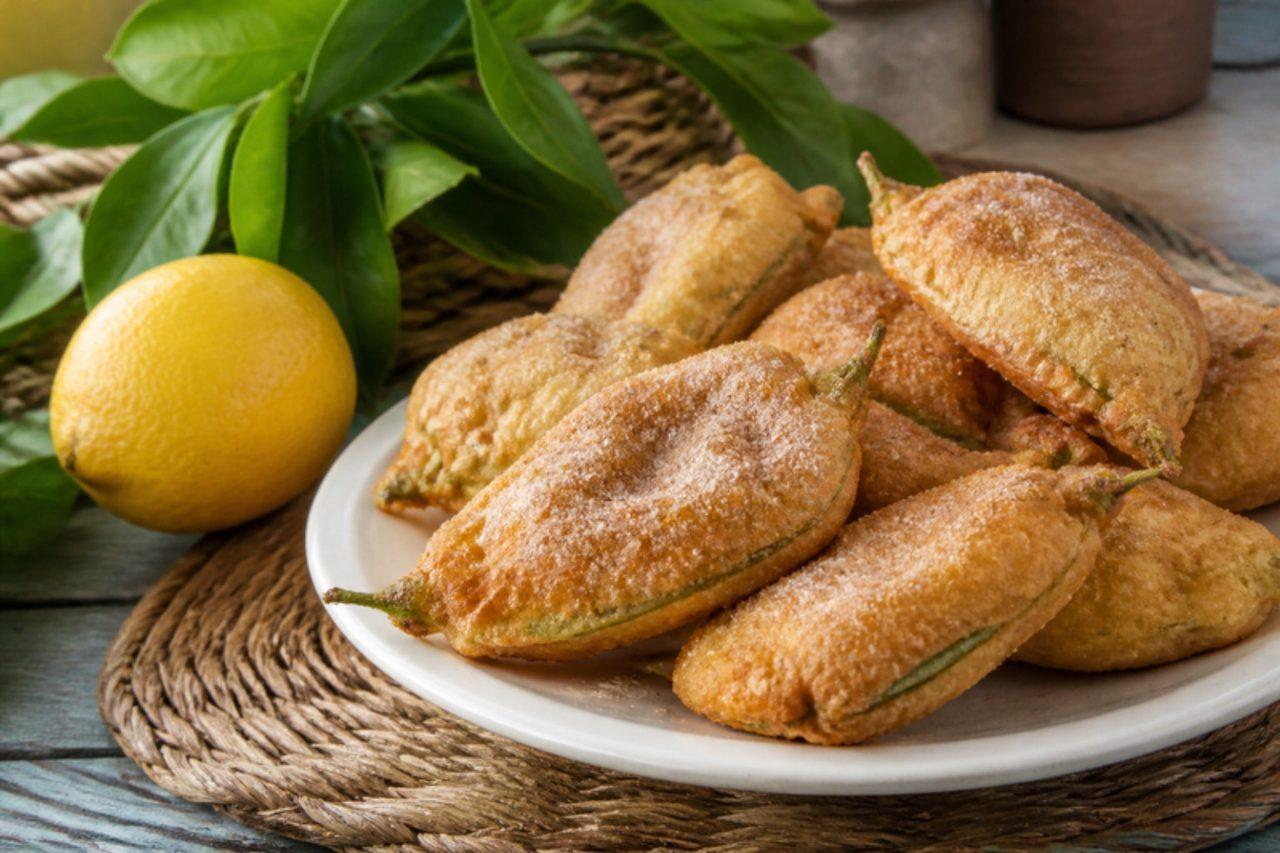
Paparajotes are the sweet of the Murcian huerta's spring festivals, above all the Bando de la Huerta, when the city fills with people in traditional dress and stalls fry them by the hundred. A lemon tree leaf is dipped in a light batter, fried and dusted with cinnamon sugar; you hold it by the stalk, pull off the crisp coating with your teeth and leave the leaf, which flavours the batter but is not food. Newcomers who try to eat the whole thing are a long-standing local joke. Chef's tip: use only leaves from an unsprayed lemon tree, washed and dried.

by KrazyBadal 0 views

Papas a la provenzalFries with garlic and parsley

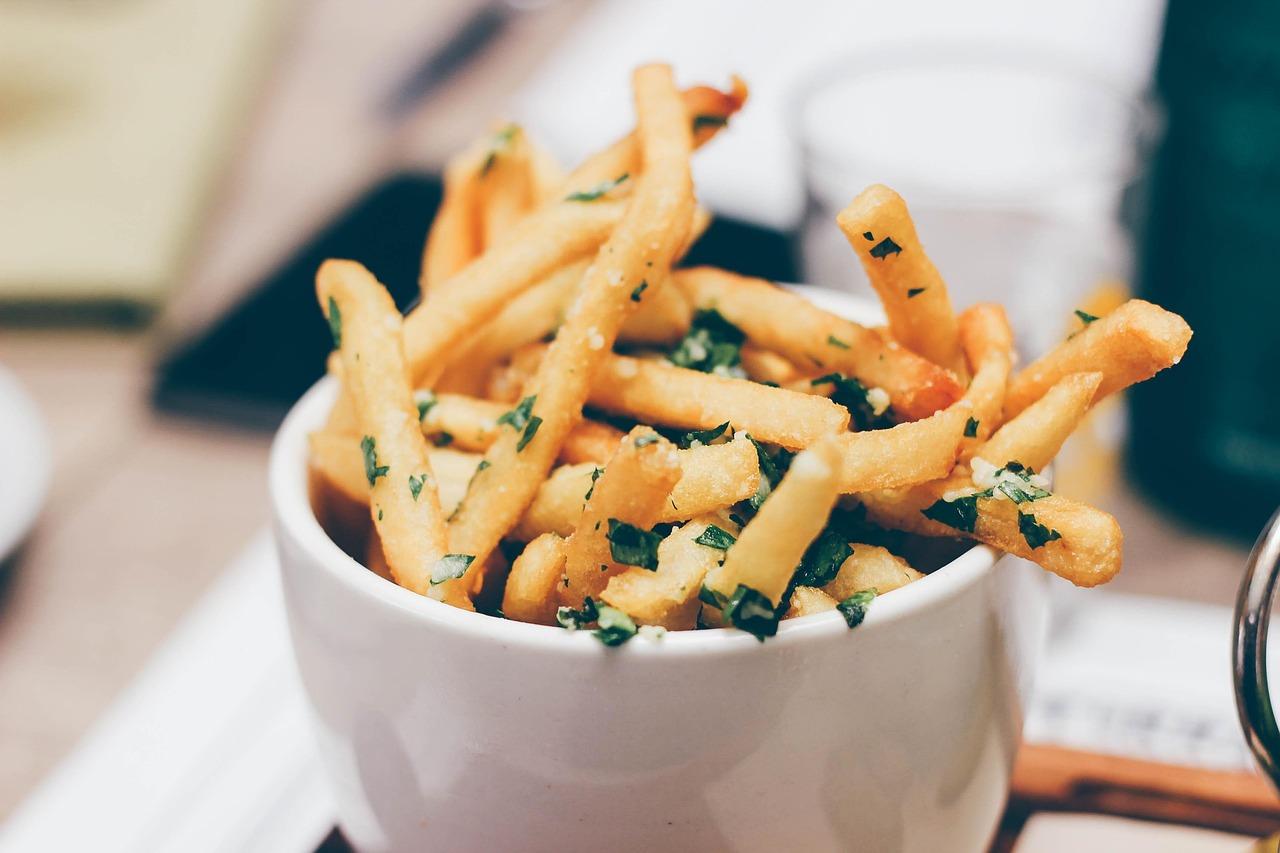
Bodegones, the old-school Buenos Aires canteens with jamón hanging from the ceiling and waiters in white jackets, serve mountains of papas fritas, and the upgrade everyone orders is "a la provenzal": crisp chips tossed while still sizzling in a mix of finely chopped raw garlic and parsley. The heat of the potatoes takes the edge off the garlic, so it turns fragrant rather than fiery, and the parsley stays bright green. They go with milanesas, grilled steak or a plate of fried eggs. Adding the garlic to the frying oil is the error many make: it burns in seconds and turns bitter; it goes on only after frying. This method fries the chips twice for a crunch that lasts; for an oven version, toss the chips with 3 tbsp oil and roast at 220 °C for 35 minutes, turning once, then dress them the same way. Chef's tip: rinse and dry the cut potatoes very well; surface starch and water are what make chips limp.

by KrazyBadal 0 views

Papas aliñásPotato salad with sherry vinegar

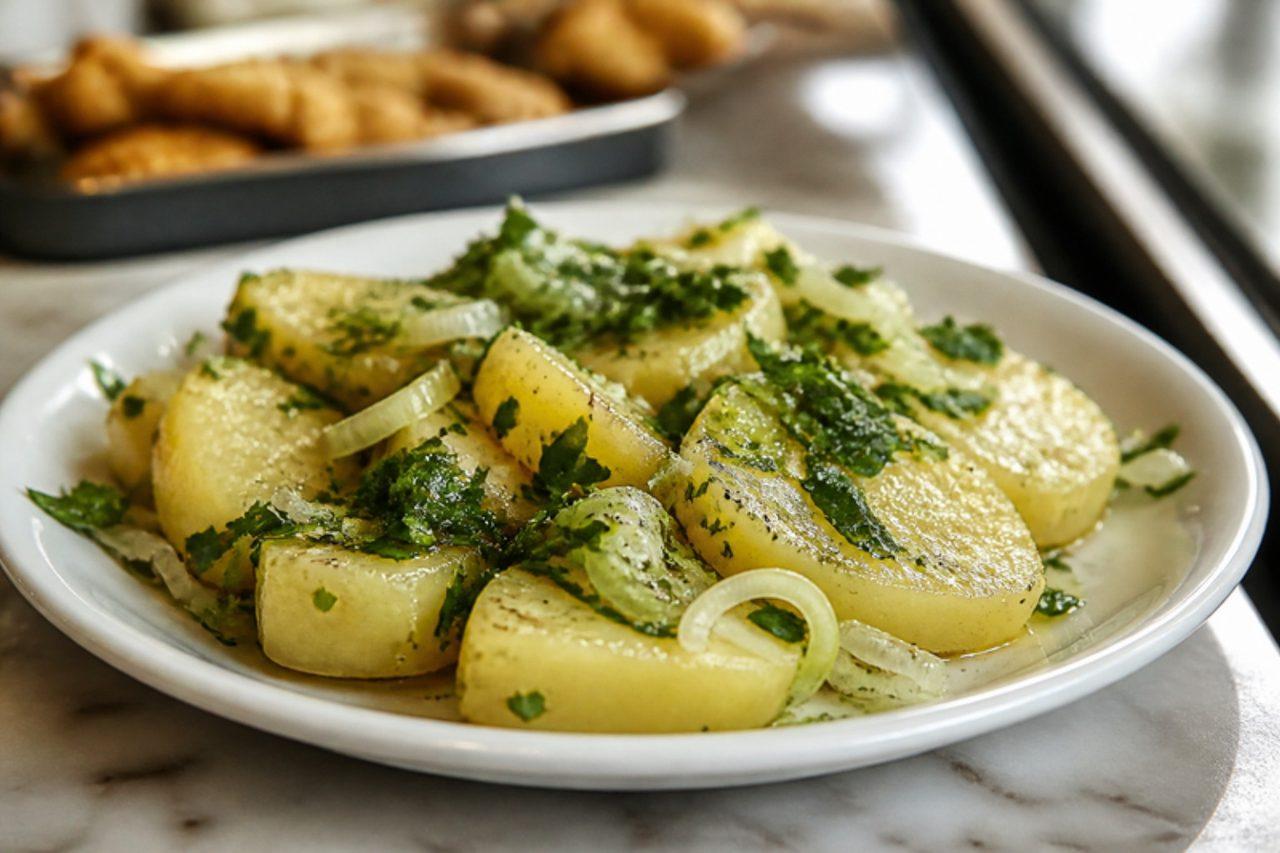
Every tapas bar around the Plaza de Abastos in Cádiz keeps a tray of papas aliñás on the counter, and gaditanos eat them as a cold tapa on summer evenings with a glass of something cold. The potatoes are dressed while still warm, so they drink up the sherry vinegar and oil, then rest until they taste sharp, green and soft. Bars usually lay tuna and boiled egg on top; this version is fully plant-based and keeps all the flavour in the dressing. Chef's tip: choose waxy potatoes and cut them only after cooking, so they keep their shape when you toss them.

by KrazyBadal 0 views

Papas arrugadas con mojo picónWrinkled potatoes with red pepper sauce

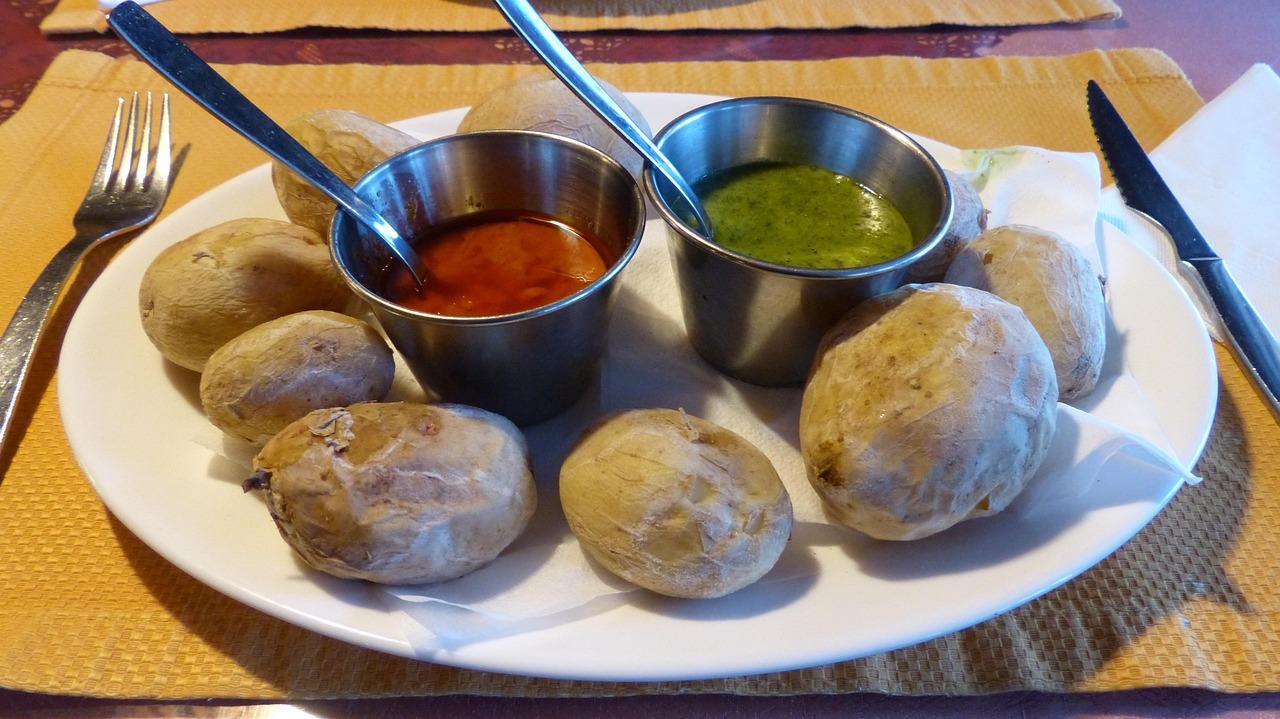
No meal in the Canary Islands seems complete without a bowl of papas arrugadas, small potatoes boiled in water as salty as the Atlantic until their skins wrinkle and frost over with white salt. In every guachinche, the pop-up wine-farm eateries in the hills of northern Tenerife, they arrive with a pot of mojo picón, a thick, garlicky sauce of dried red peppers, cumin, paprika and vinegar. Eat them skin and all, dragged through the mojo. Chef's tip: once drained, put the pot back on a low heat and shake it for a minute or two, as that drying is what forms the wrinkles and the salt crust.

by KrazyBadal 0 views

Papas chorreadasPotatoes in tomato cheese sauce

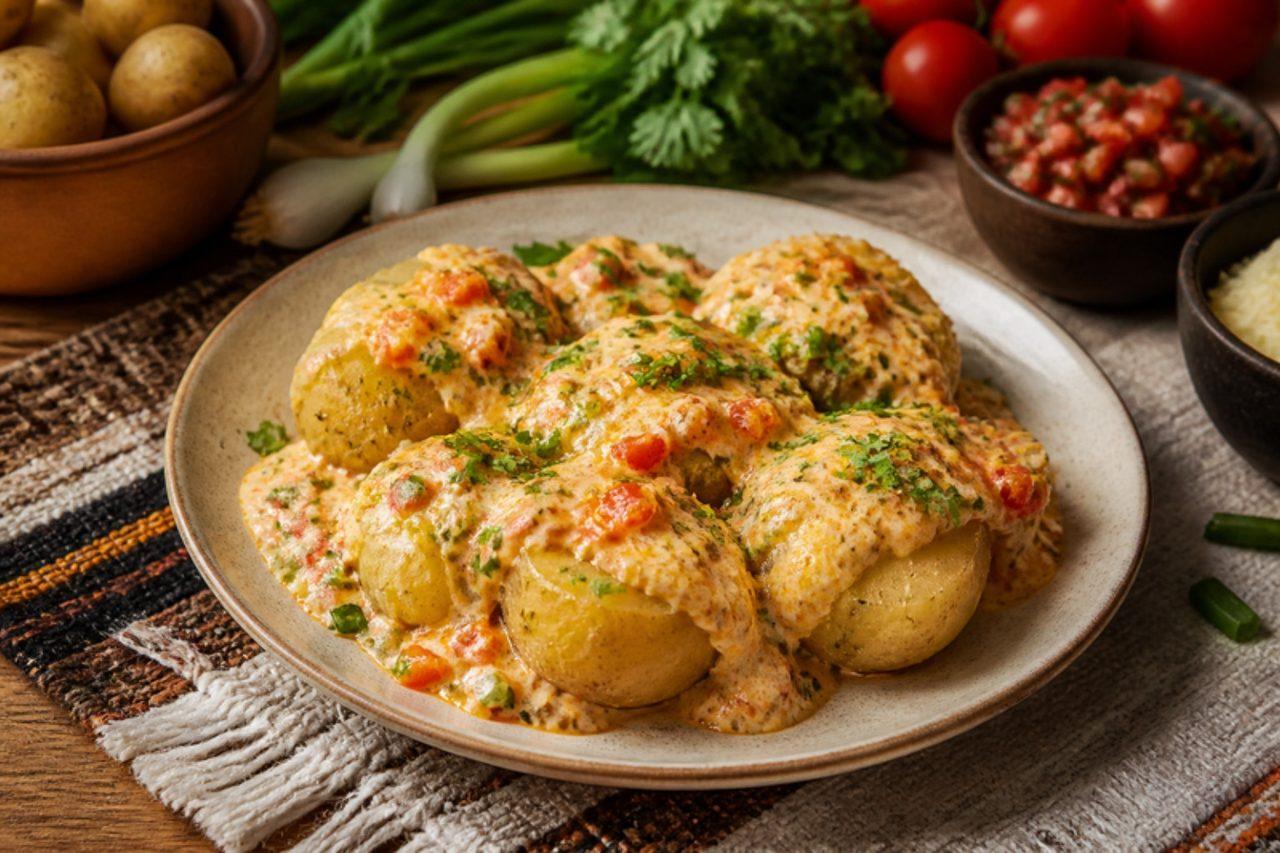
Chorreadas means drenched, and that is the idea: in farmhouse kitchens of Boyacá and Cundinamarca, whole boiled potatoes get a hot, loose sauce of tomato and long spring onion poured over them, enriched with milk and stretchy fresh cheese. It is comfort food from the cold highlands, served beside grilled meat on Sundays or on its own with an arepa and a mug of aguapanela on a weeknight. Colombians use queso campesino or doble crema, both usually made with animal rennet; a vegetarian mozzarella or other microbial-rennet melting cheese works perfectly. The mistake to avoid is adding the cheese to a boiling sauce, which makes it split and turn stringy; keep the heat low. Chef's tip: let the tomato and onion cook until really soft and jammy before the milk goes in, so the sauce tastes sweet and deep rather than raw.

by KrazyBadal 0 views

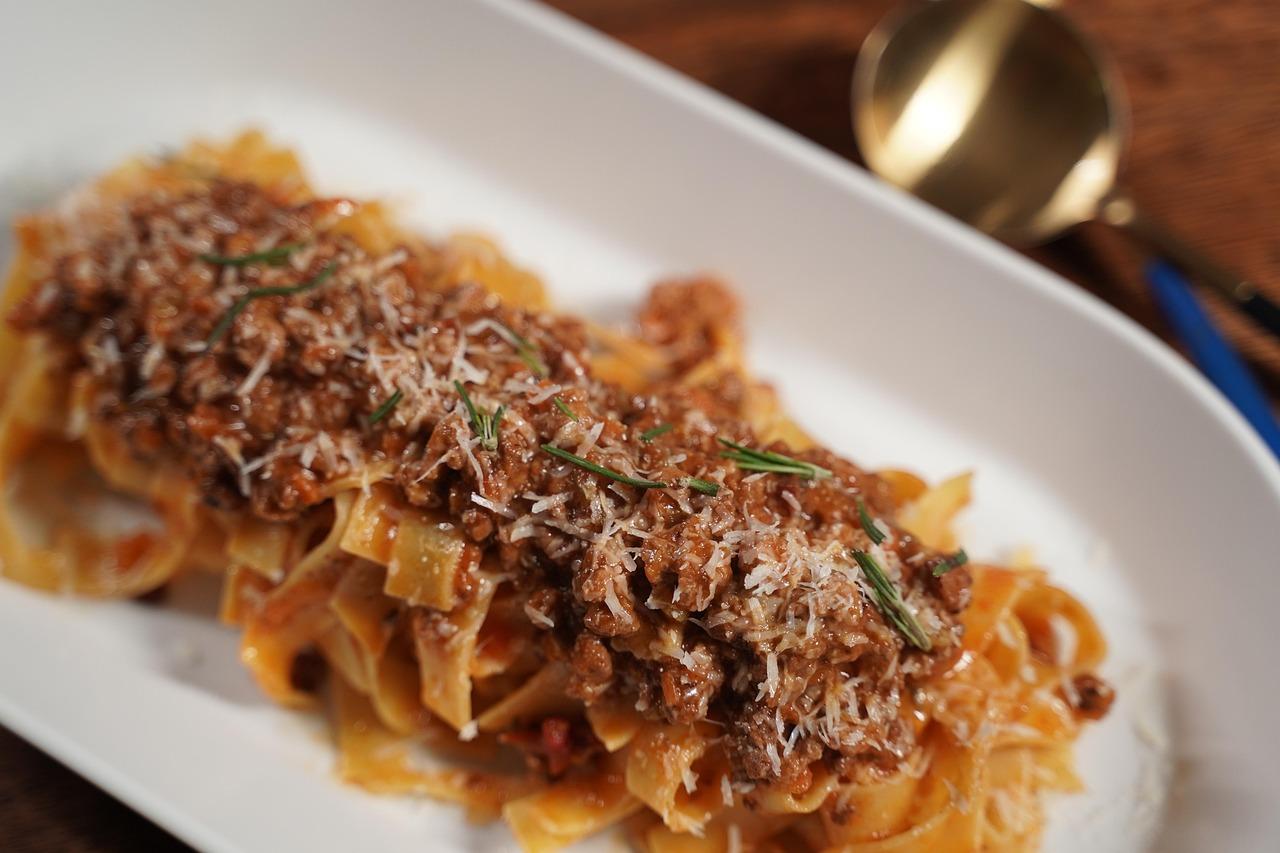
Pappardelle al ragù di cinghialePappardelle with wild boar ragù

Wild boar roam the Maremma, the wooded south-west corner of Tuscany, and in autumn, when the hunting season opens, every country trattoria serves pappardelle with a dark, gamey boar ragù. The meat is marinated overnight in red wine with juniper and herbs, then simmered slowly with tomato until it falls into shreds and coats the wide egg ribbons. Wild boar is hard to find outside game butchers, so pork shoulder is a good substitute, giving a milder but still rich ragù; either way the sauce also uses pancetta, making it a pork dish. It uses red wine, and the note gives an alcohol-free option. Chef's tip: shred the meat with two forks rather than mincing it; the uneven strands cling to the pappardelle far better.

by KrazyBadal 0 views

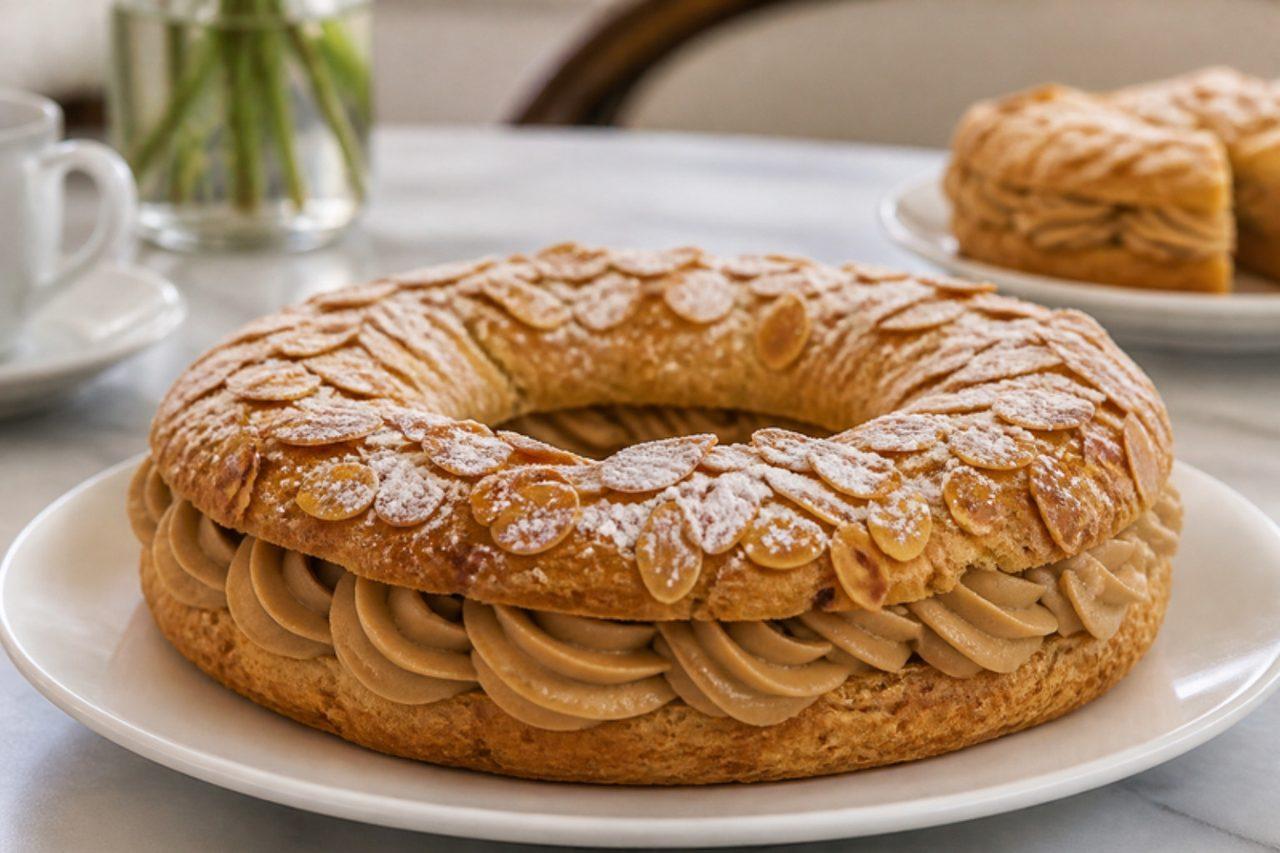
Paris-BrestChoux ring with praline cream

A Maisons-Laffitte pâtissier created this ring of choux pastry in 1910 to honour the Paris–Brest–Paris bicycle race, shaping it like a wheel, and it has been a fixture of Paris pâtisseries ever since. The ring is baked crisp, scattered with flaked almonds, split and piped full of a rich hazelnut-praline buttercream, then dusted with icing sugar. It is a celebration cake for birthdays and Sunday lunches, best eaten the day it is filled. Smooth hazelnut praline paste is sold in baking shops; or blend toasted hazelnuts with caramel. Chef's tip: let the baked ring dry in the switched-off oven with the door ajar; a dry shell stays crisp under the cream instead of going soft.

120 minFrenchBaking
by KrazyBadal 0 views

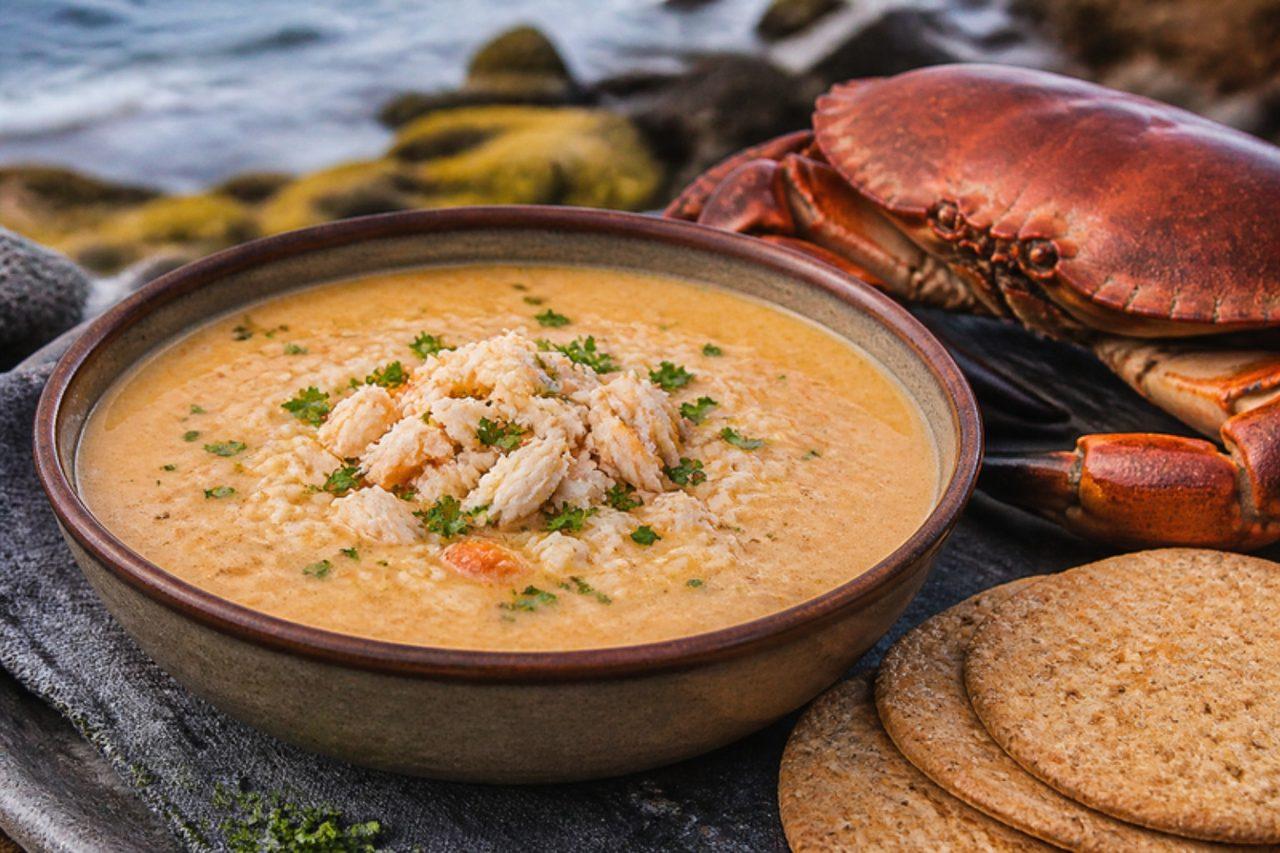
Partan breeCrab and rice soup

Partan bree comes from the fishing villages of the north-east of Scotland, where partan is the Scots word for the brown crab and bree means broth. Rice is simmered in milk and fish stock until soft, blended with the crab's brown meat, and finished with sweet white claw meat and a little cream. It is the coast's answer to a bisque, simpler and milder. Buy ready-cooked crab meat and keep it chilled. Chef's tip: add the white meat right at the end and only warm it through, so it stays in flakes.

by KrazyBadal 0 views

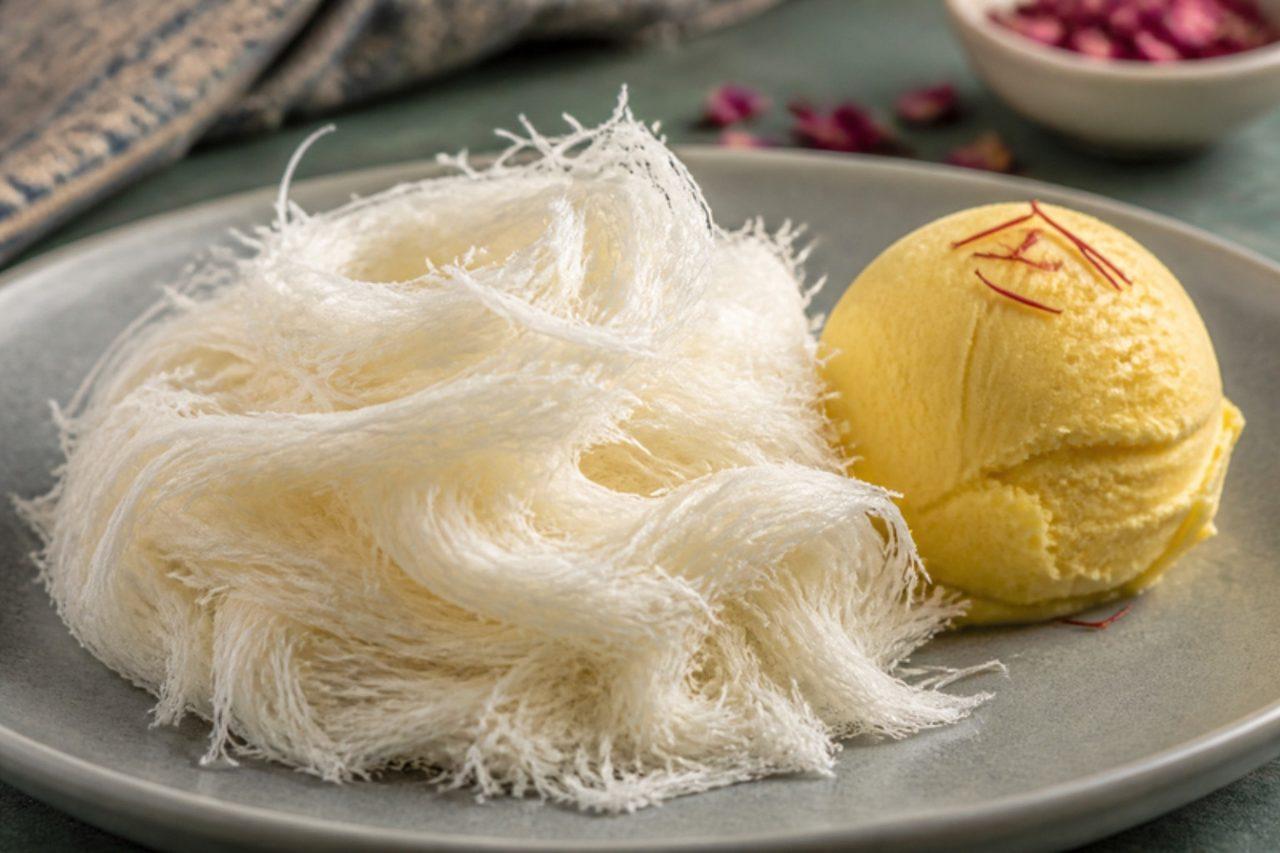
PashmakSesame candy floss

Pashmak, 'little wool', is the fine, silky candy floss of Yazd, sold in boxes beside the city's qottab and baklava and piled on top of ice cream or cakes at weddings. Unlike fairground floss it is made by hand: a hot sugar ring is pulled again and again through toasted flour cooked in butter and sesame oil until it splits into thousands of threads. It is a project for two pairs of hands. A common mistake is letting the sugar get too cool before pulling; it should be warm and pliable, like soft plasticine, or it snaps instead of stretching. Chef's tip: wear clean cotton gloves under food-safe gloves, because the sugar is hot at first.

by KrazyBadal 0 views

Pasta con 'ndujaPasta with spicy 'nduja sausage

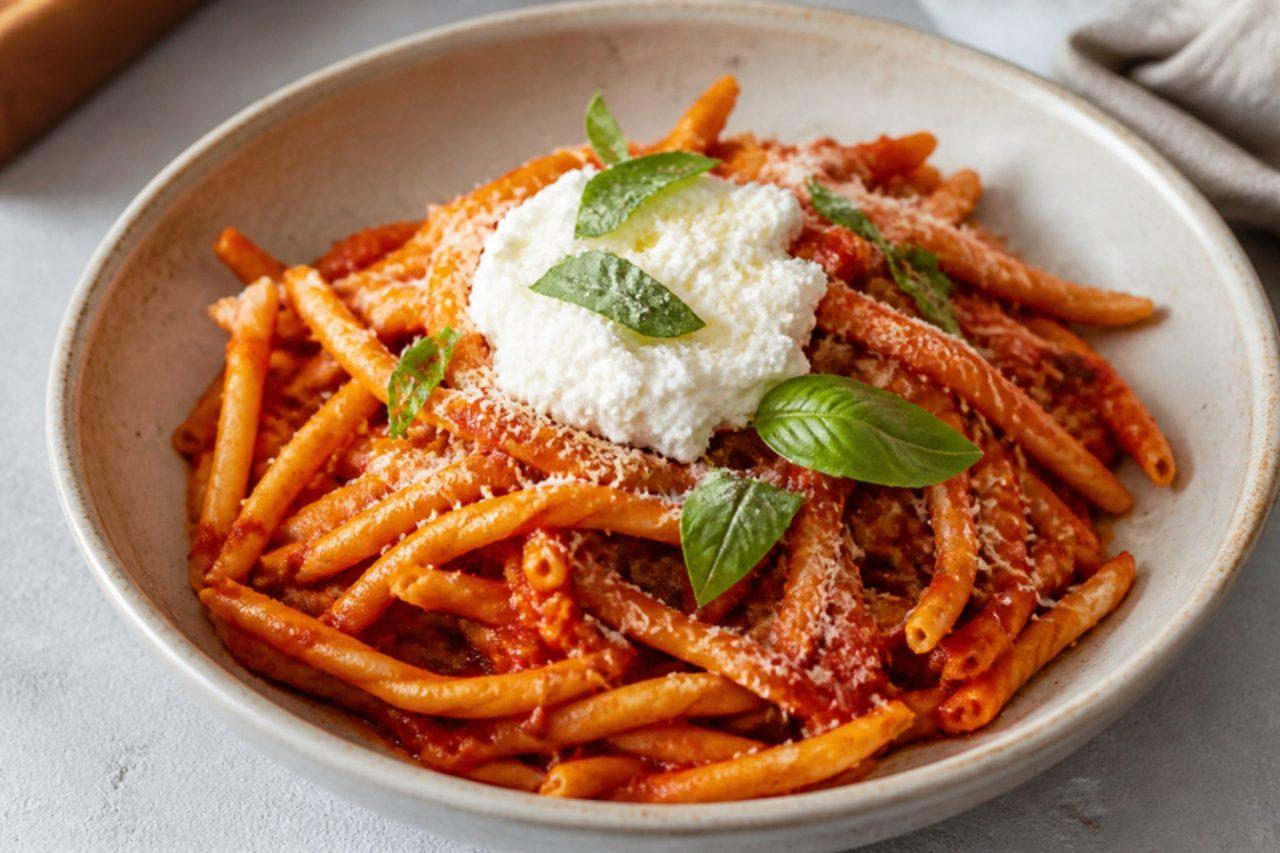
Spilinga, a small hill town above the Calabrian coast, celebrates 'nduja with its own summer festival. This soft, spreadable salumi of pork fat and meat with huge amounts of Calabrian chilli melts straight into a pan, turning a simple tomato sauce brick-red, rich and properly hot. It's a quick weeknight pasta in Calabria, often made with fileja or short pasta, and finished with a little pecorino or a dollop of ricotta to soften the heat. Chef's tip: add the 'nduja off the heat at first and let it melt gently, then simmer; frying it hard burns the chilli and makes it bitter.

by KrazyBadal 0 views

Pasta frolaQuince tart

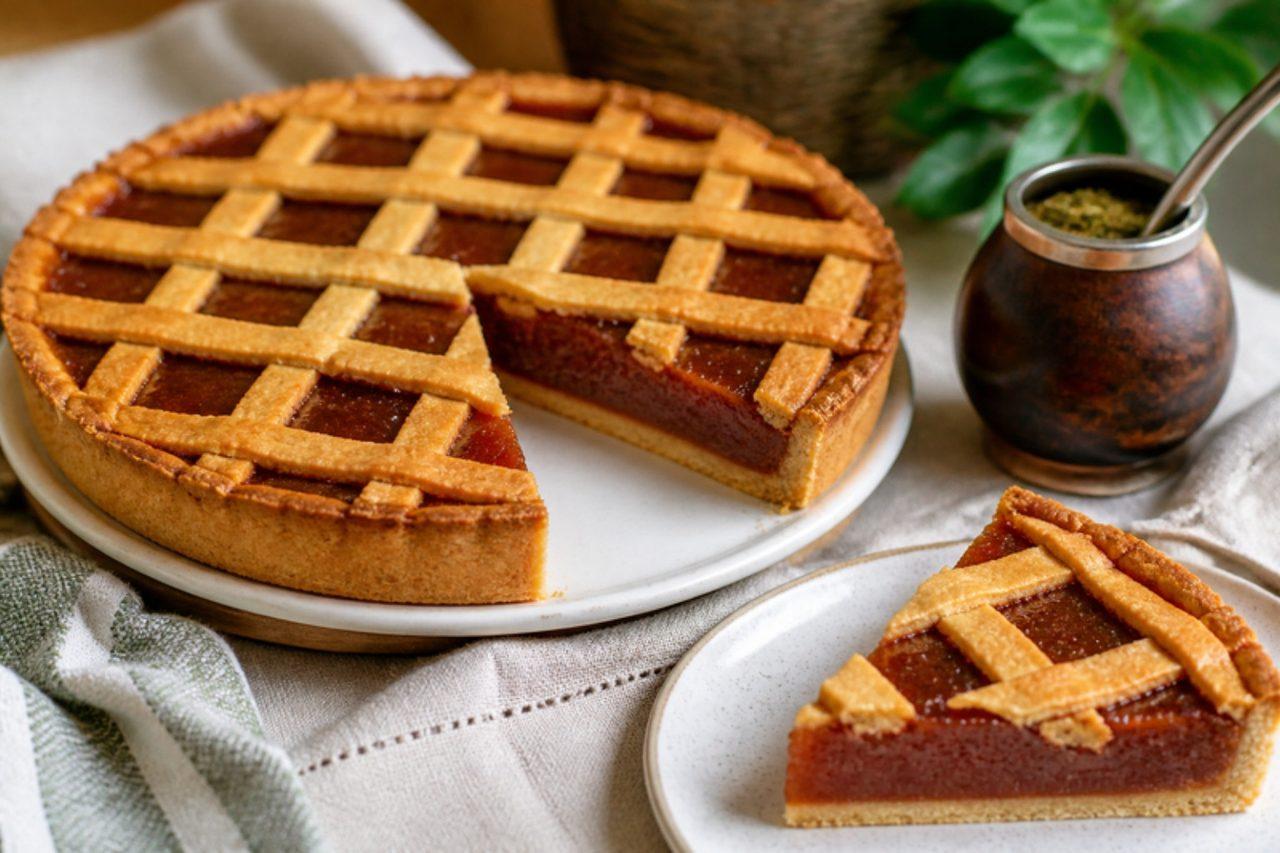
Pasta frola came to the River Plate with Italian immigrants (it is a cousin of the crostata), and it is now the tart every Argentine kitchen keeps on the counter for afternoon mate. The crust is short and cakey rather than crisp, scented with lemon zest and vanilla, and the filling is dulce de membrillo melted down into a spreadable jam; dulce de batata is the other classic. Bakeries in Buenos Aires sell it by the square and it keeps for days in a tin, getting better on the second day. The lattice strips should be thin and slightly wider apart than you think, so the dark filling shows through. A common slip is to spread the quince paste straight from the block: it will not spread, it tears the base and it turns leathery in the oven, so loosen it first with a little hot water. Chef's tip: chill the lined tin and the cut strips for 15 minutes before baking, so the lattice keeps its shape instead of slumping into the filling.

by KrazyBadal 0 views

Pasta 'ncasciataBaked pasta with aubergine and ragù

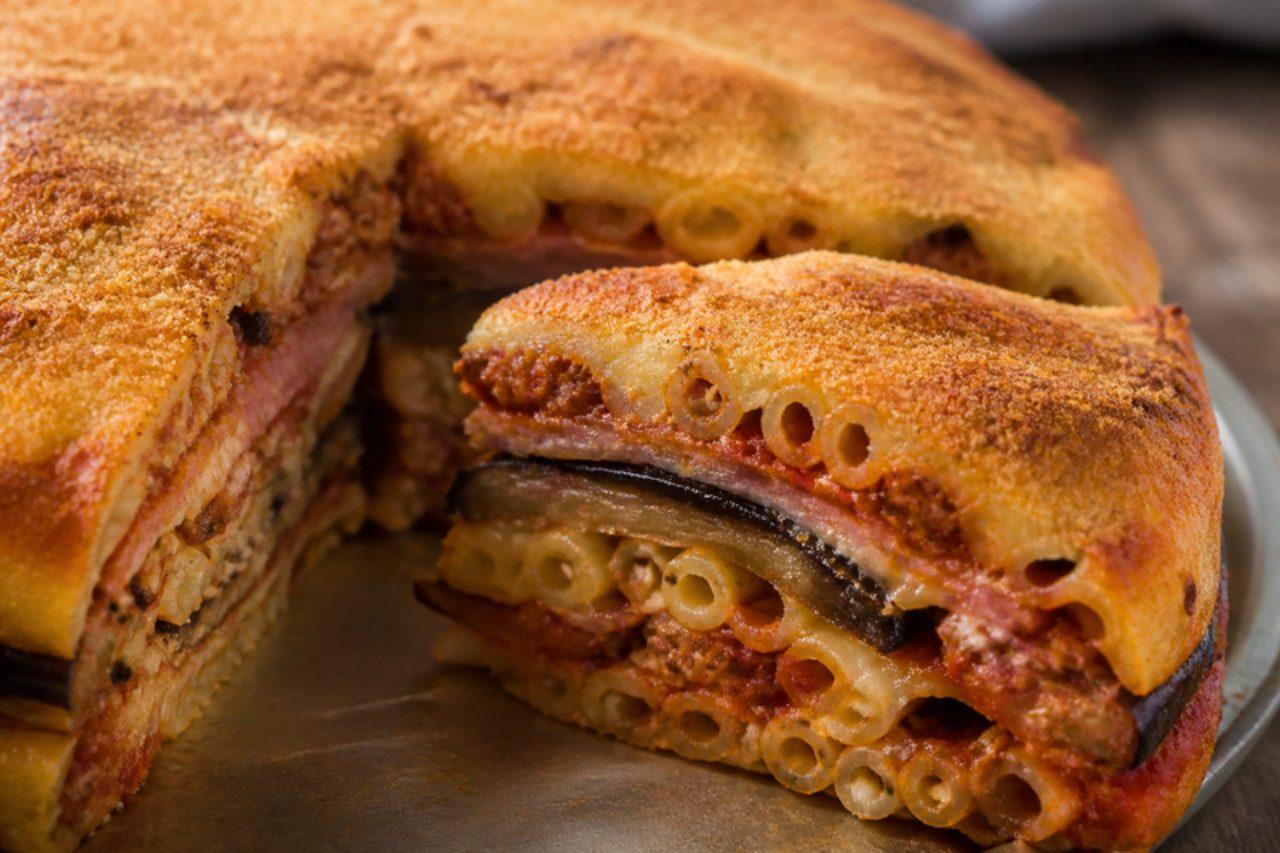
In Messina and around Catania, pasta 'ncasciata is the dish for Ferragosto, Sunday lunch and any big family table, and it travels well to the beach. Short pasta is tossed with a beef and pork ragù, then layered in a deep tin with slices of fried aubergine, cubes of salami and cooked ham (both pork), hard-boiled egg and caciocavallo cheese, and baked until the top is crisp. It cuts into dense, generous wedges that are just as good warm as at room temperature. Chef's tip: salt the aubergine slices and leave them to drain before frying, so they soak up less oil and turn creamy rather than greasy.

by KrazyBadal 0 views

Pastéis de bacalhauSalt cod and potato croquettes

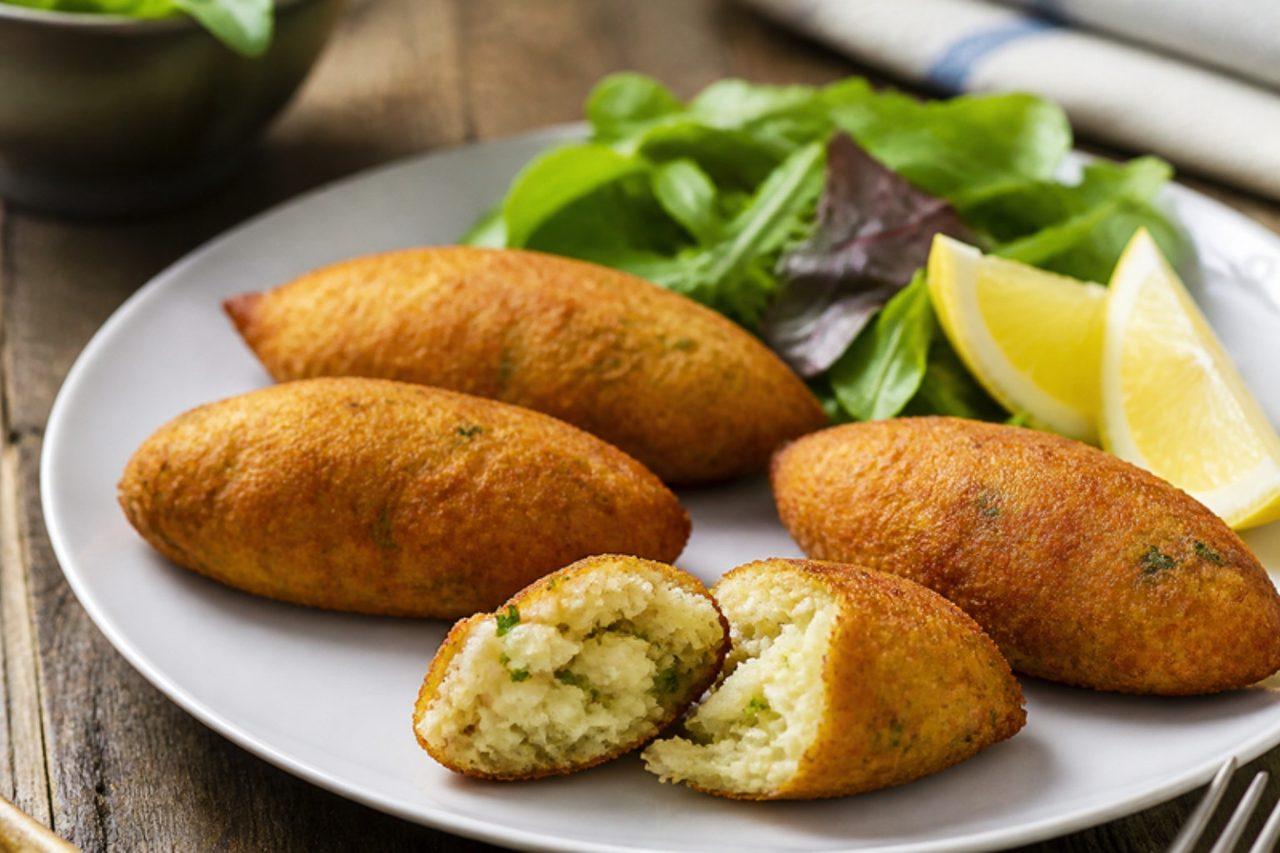
These torpedo-shaped croquettes of salt cod, potato, egg and parsley are everywhere in Lisbon: piled on café counters, packed for picnics, and served at weddings and christenings in their dozens. Every family argues over the cod-to-potato ratio; about equal parts gives a fluffy inside that still tastes properly of fish. Salt cod needs 24–48 hours of soaking in the fridge, so start two days ahead. A common mistake is a wet mixture from boiled potatoes, which makes the croquettes burst in the oil; bake or steam the potatoes instead, or dry them well. Chef's tip: shape each one between two wet tablespoons, passing the mixture back and forth until it has three smooth sides.

by KrazyBadal 0 views

Pastéis de feijãoWhite bean and almond tarts

Torres Vedras, in the wine country west of Lisbon, has turned a humble white bean into its sweet emblem: tiny tarts with a moist filling of bean purée, ground almond and egg yolks, sold in pastelarias and at the town's carnival. Nobody would guess beans from the taste; they give a soft, marzipan-like body to the filling. Serve with a strong coffee in the afternoon. A common mistake is filling the cases to the top: the mixture puffs and spills, so stop at three-quarters. Chef's tip: blitz the beans with a little of the syrup until completely smooth; any skins left in make the filling chalky.

by KrazyBadal 0 views

Showing 81 of 7,762 recipes

Show more recipes

Page 443 of 863