Skip to content
Kartoshka cake
Featured recipe

Kartoshka cake

Cocoa and cake crumb truffles

Soviet cafés and school canteens sold these knobbly brown 'potatoes' for a few kopecks, and they began as a thrifty way to use up sponge and biscuit trimmings at the bakery. Crumbs are bound with butter and sweetened condensed milk, flavoured with cocoa and vanilla, shaped into little potatoes, rolled in cocoa and finished with two dabs of pale butter cream for the sprouts. They are fudgy and dense like a brownie truffle, need no oven, and children love making them. Traditional bakers added a spoonful of rum, an optional extra for adult batches only; this version is alcohol-free with vanilla. The usual slip is coarse crumbs, which make the potatoes crack, so blitz them as fine as sand. Chef's tip: chill the shaped potatoes for at least 20 minutes so they hold their shape and slice cleanly.

Read more 2 views

What to eat today?

Around the world

Today's trip: Persian

A new country every day, from every cuisine on the site.

Persian

Dizi

Lamb and chickpea stew 245 minMore from Persian (131) →

This week's collection

Kid-friendly dinners
537 recipes · a new collection every Monday

Latest recipes

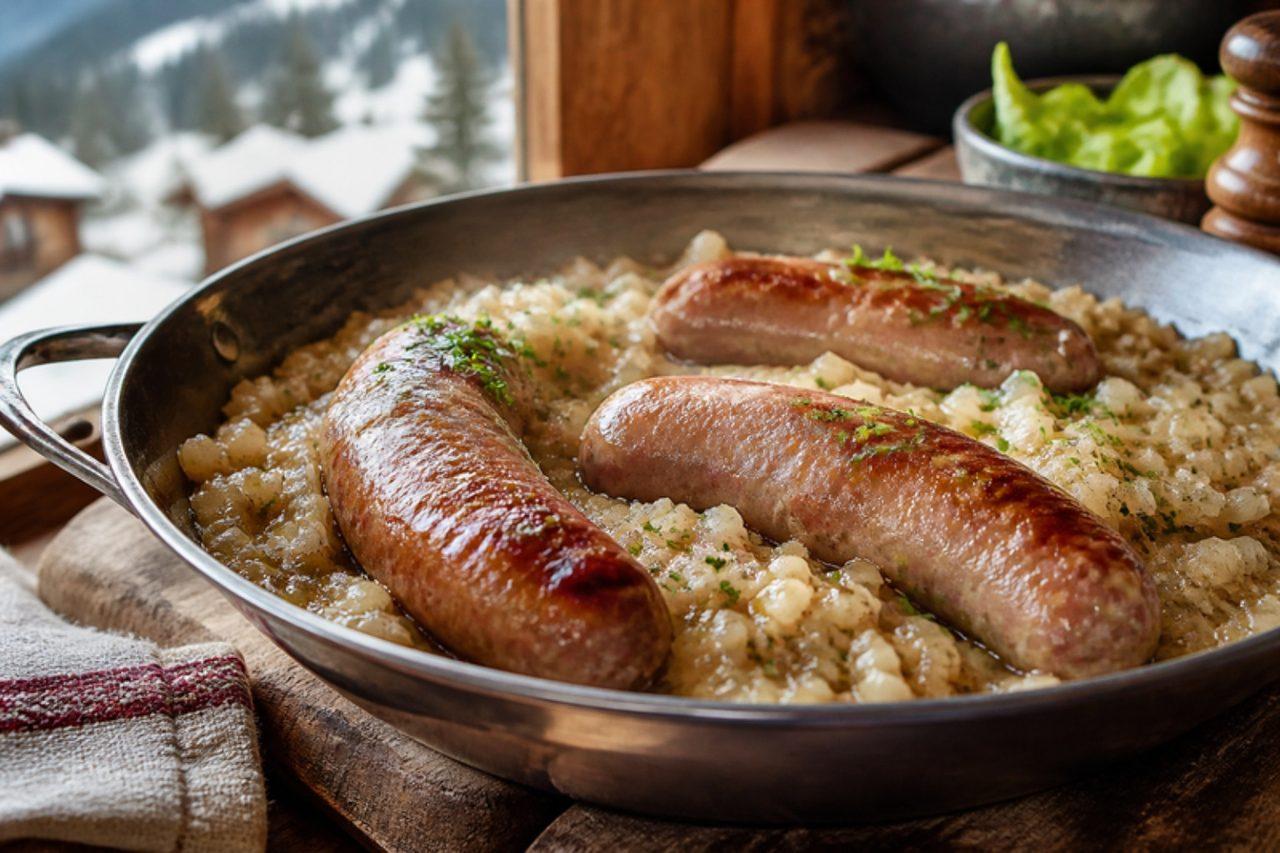
Diots au vin blancSausages braised in white wine

Diots are the small pork sausages of Savoie, sold in every butcher's from Chambéry to Annecy and eaten at ski-resort tables and village fêtes all winter. They are browned, then braised slowly with plenty of onions in dry Savoie white wine with a bay leaf, until the onions melt into a sweet, winey sauce around the plump sausages. The traditional partner is crozets, tiny square buckwheat or wheat pasta, or a soft polenta. The braise uses white wine; an alcohol-free version is in the notes. If you can't find diots, use any coarse, garlicky pork sausage. Chef's tip: brown the sausages slowly over a medium heat rather than fiercely, so the skins colour without bursting.

70 minFrenchMeat
by KrazyBadal 0 views

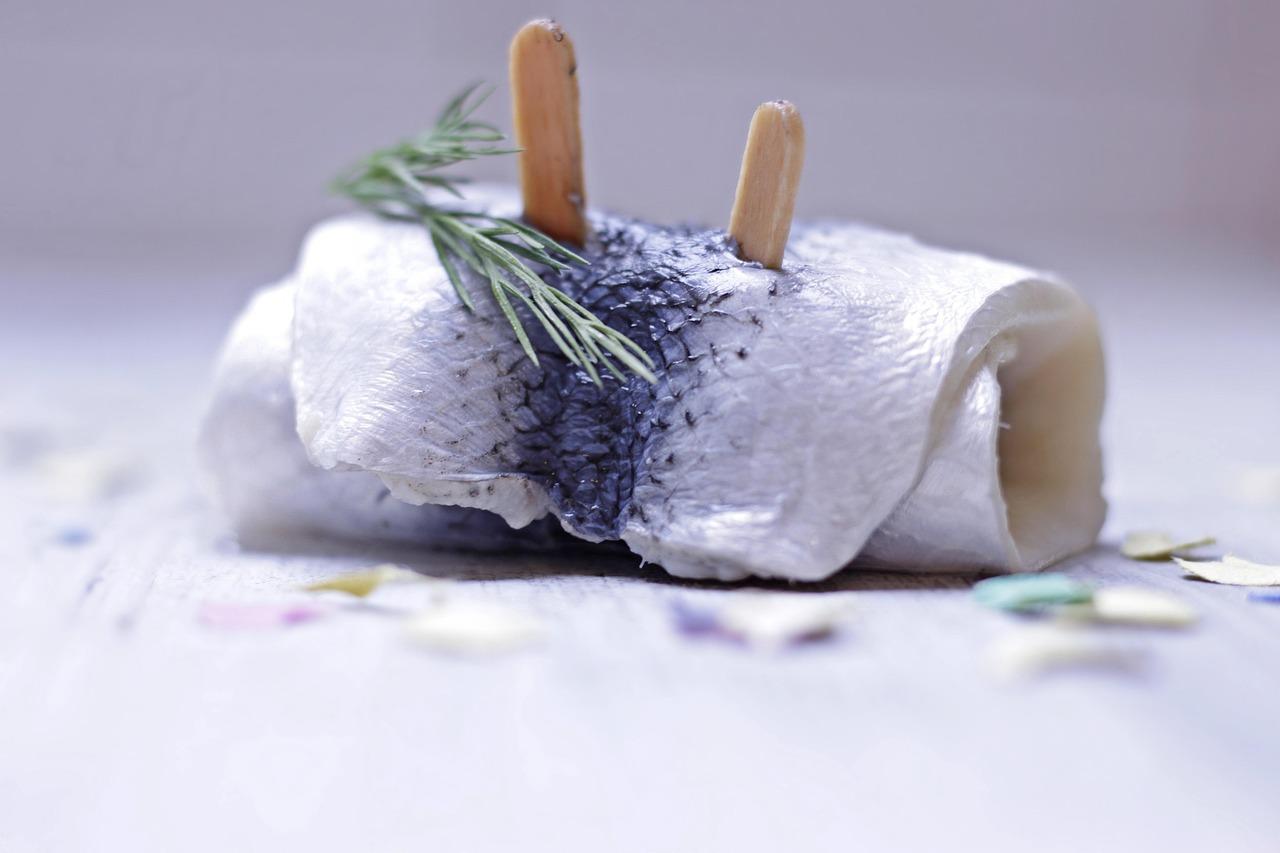
Rollmops

Rollmops are the pickled herring rolls of the North Sea and Baltic coasts, pinned with a wooden pick around gherkin and onion and kept in a jar of spiced vinegar; in Berlin and Hamburg they are the classic morning-after breakfast and a fixture of New Year's Day tables. Making them at home takes a week of fridge time but very little work. Because the fish is never cooked, use herring that has been frozen at −20 °C for at least 24 hours (most fresh 'sashimi-grade' or commercially frozen fillets qualify; ask your fishmonger), and keep everything chilled. Rollmops are not for pregnant women, young children or anyone with a weakened immune system. Chef's tip: let the jars rest a full five days; the vinegar needs that long to firm the flesh and soften the tiny bones.

60 minGermanFishGluten free
by KrazyBadal 0 views

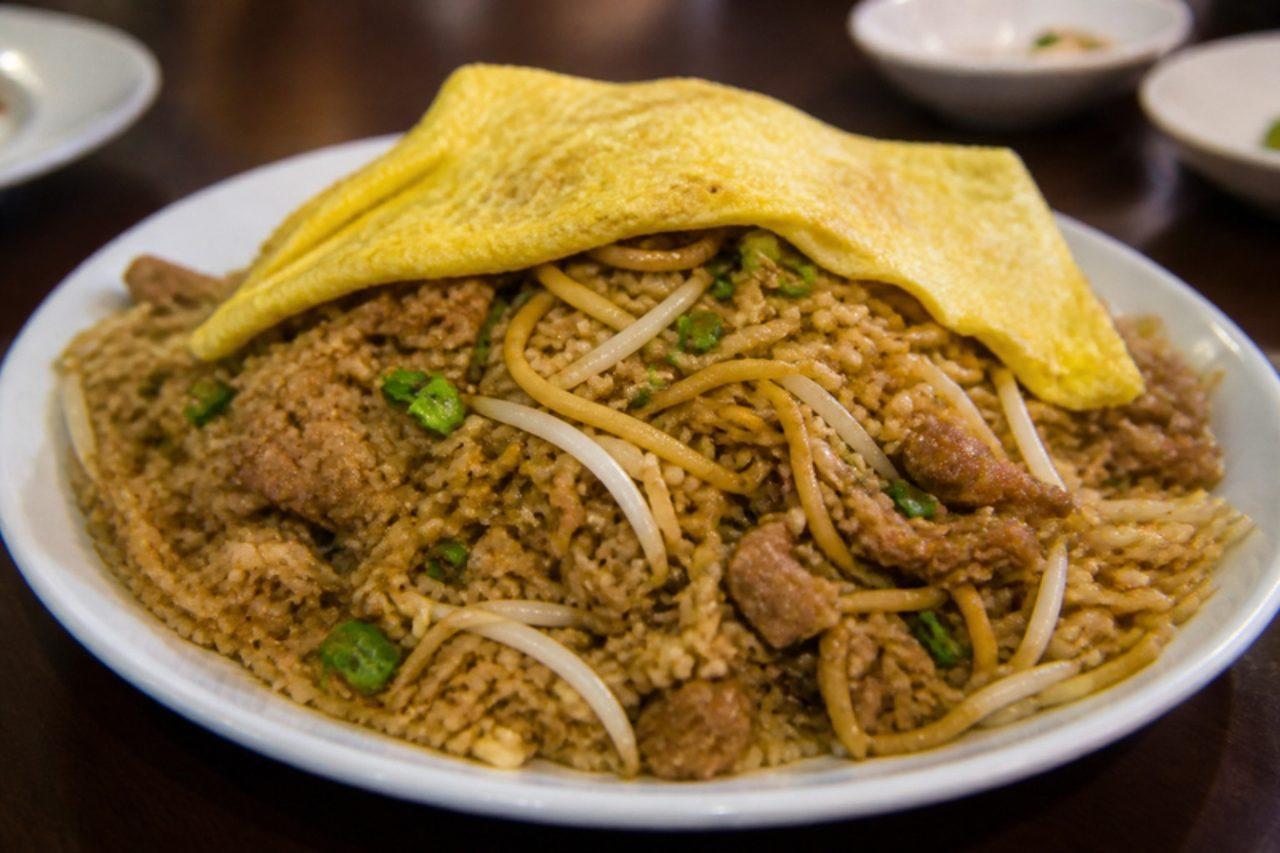
AeropuertoFried rice and noodles with omelette

Nobody agrees why Lima's chifas call it 'airport', though the favourite story is that everything 'lands' on one plate: arroz chaufa and fried noodles stir-fried together in a smoking wok with roast pork, bean sprouts, snow peas and spring onion, then crowned with a thin egg omelette, sometimes with a few fried wontons alongside. It is hearty, smoky and salty from soy and oyster sauce, a late-night and lunchtime favourite to share. The main mistake is using freshly cooked rice, which goes mushy; use rice cooked the day before and kept in the fridge. Chef's tip: for a veg version, swap the pork for firm tofu and extra vegetables, and use a mushroom-based 'oyster' sauce.

by KrazyBadal 0 views

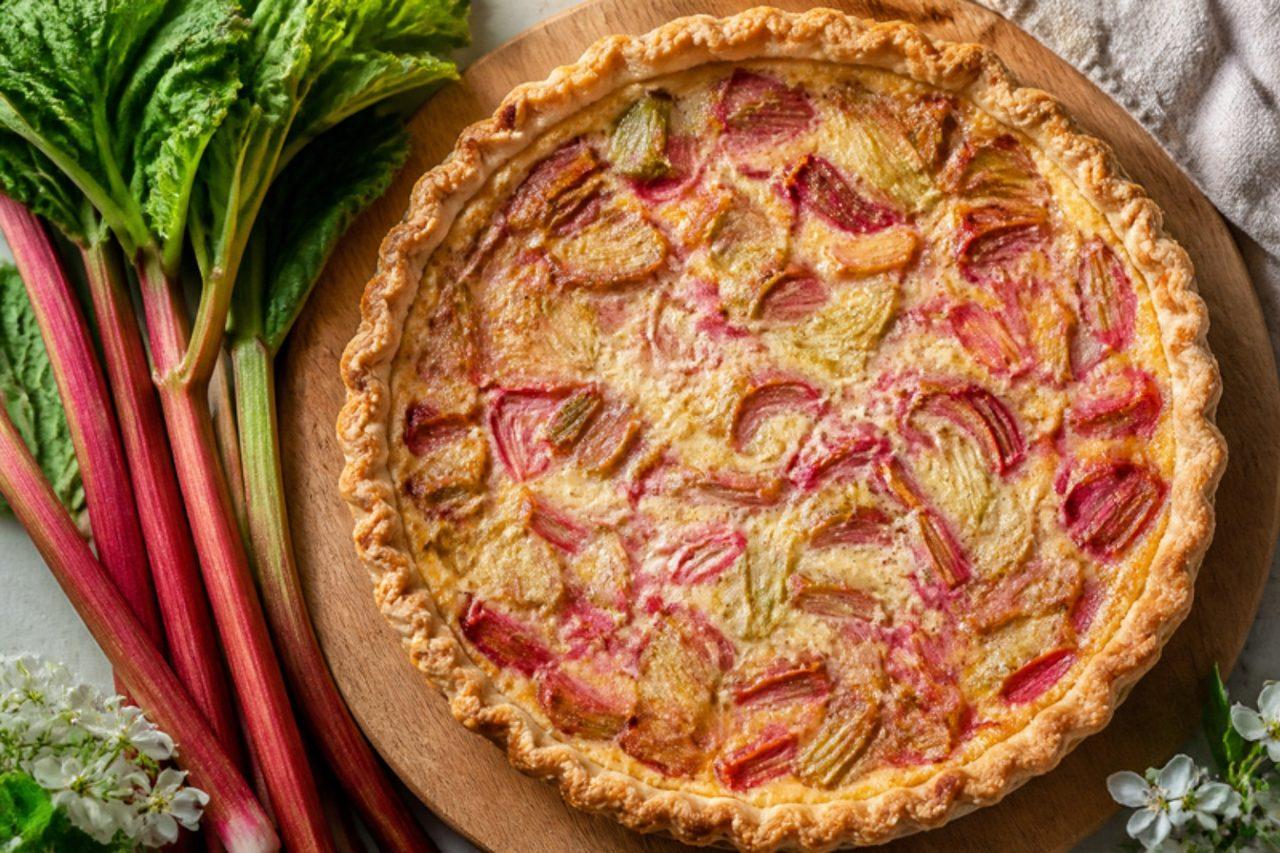
Rhubarb custard pie

Farm wives across Minnesota, Iowa and the Dakotas called rhubarb 'pie plant', because the first stalks in May went straight into this pie after a long winter without fresh fruit. Chopped rhubarb is baked in a sweet egg custard, so each slice is soft, creamy and tart at the same time. It turns up at Memorial Day picnics and church bake sales. Chef's tip: toss the rhubarb with the sugar and flour and let it sit 10 minutes before adding the eggs; it starts drawing out juice and the custard sets more evenly.

by KrazyBadal 0 views

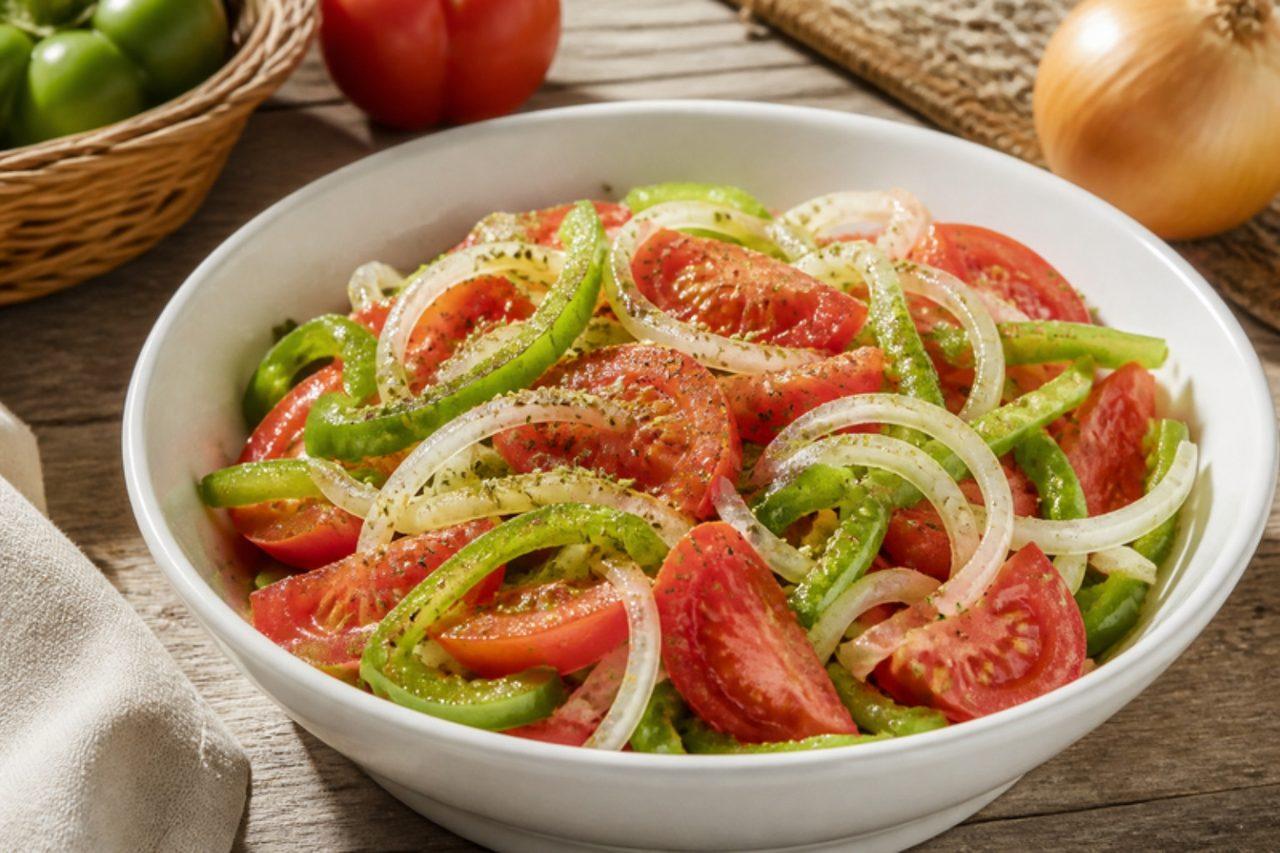
Salada algarviaTomato, pepper and onion salad

Order grilled sardines or fish at any beach shack between Sagres and Monte Gordo and this salad arrives alongside without anyone asking. It is little more than summer tomatoes, crisp green pepper and sweet onion, dressed with olive oil, a splash of vinegar and plenty of dried oregano, but the juices left in the bowl are the best part, mopped up with bread. Chef's tip: salt the tomatoes 10 minutes before dressing them so they release their juice into the dressing.

by KrazyBadal 0 views

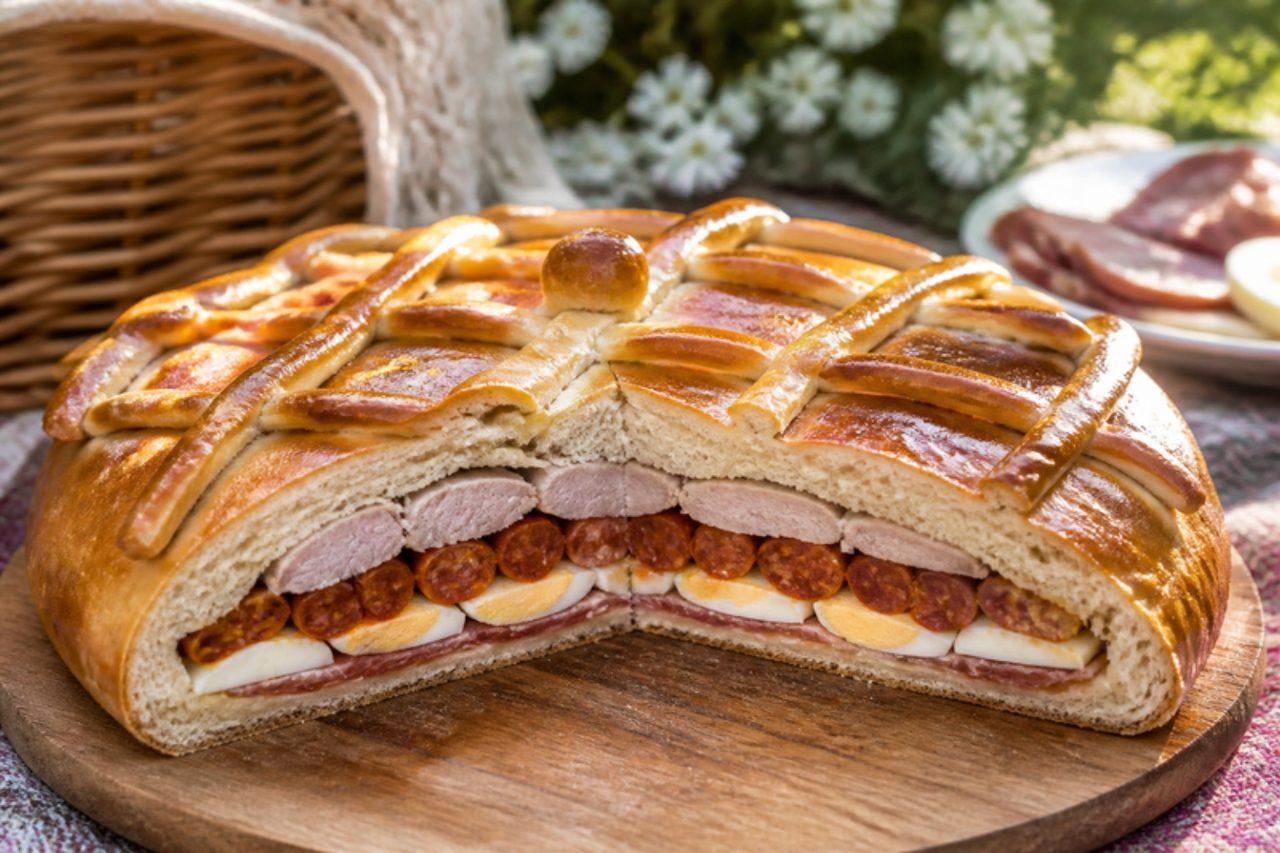
Hornazo de SalamancaPork, chorizo and egg pie

Salamanca's students and families picnic by the river Tormes on Lunes de Aguas, the Monday after Easter Monday, and the hornazo is what they unwrap: a golden pie with a bread-like crust, packed with layers of marinated pork loin, chorizo, cured ham and hard-boiled egg. It is eaten cold, in thick slices, and bakeries sell it all through spring. This contains pork (loin, chorizo and ham). The dough traditionally includes white wine; use water with a little lemon juice to keep it alcohol-free. Chef's tip: fry the loin slices first so they are cooked through before they go into the pie.

100 minSpanishMeat
by KrazyBadal 0 views

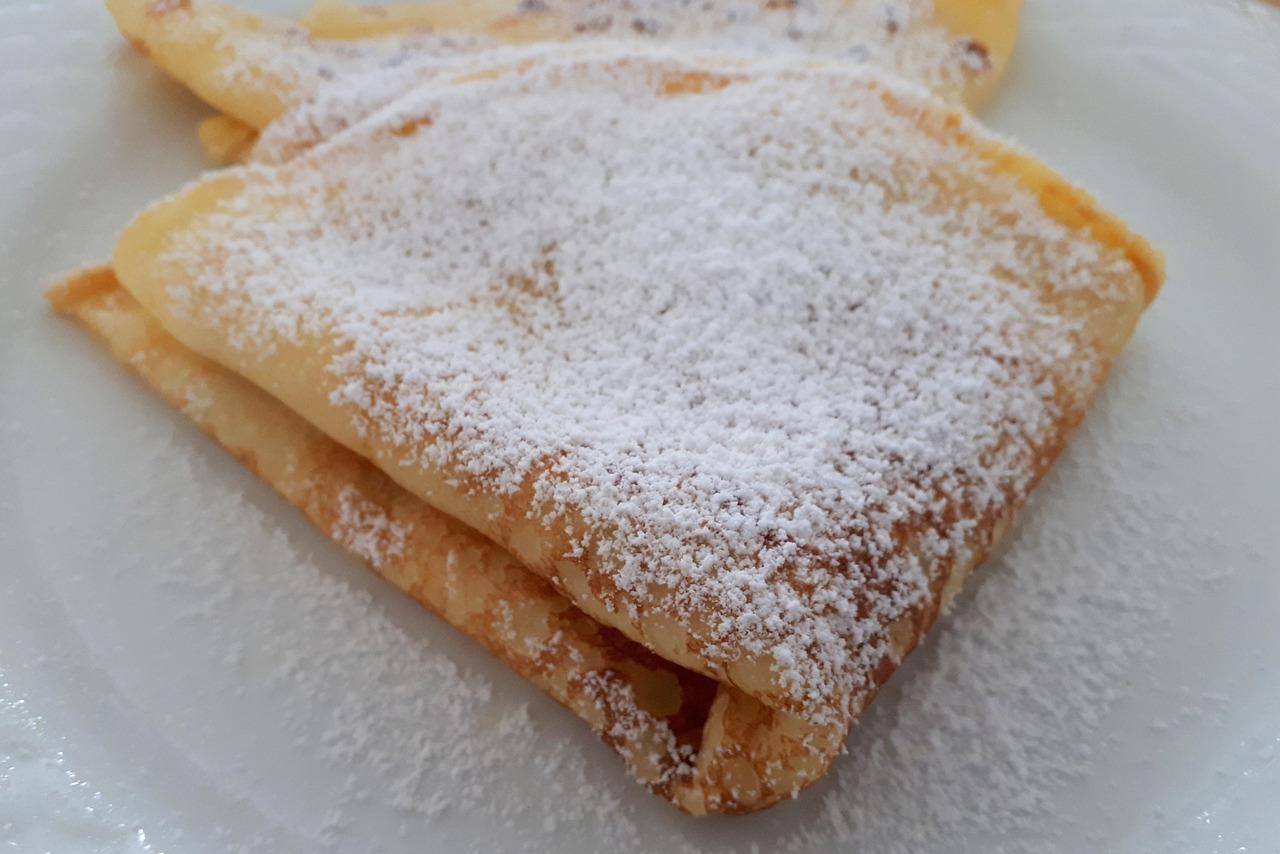
FrixuelosThin crêpes with sugar or honey

When Antroxu, the Asturian Carnival, comes round in February, kitchens from Avilés to the Oriente villages fill with the smell of butter and batter, and plates of frixuelos stack up for anyone who calls in. They are thinner and lighter than a pancake, flavoured with lemon zest, and are rolled or folded while warm with a dusting of sugar, a drizzle of honey or a spoon of rice-pudding cream. Grandmothers also make them on cold Sunday afternoons, so they are hardly kept for Carnival alone. Chef's tip: rest the batter for at least 30 minutes so the flour softens and the frixuelos turn out lacy and tender instead of rubbery.

by KrazyBadal 0 views

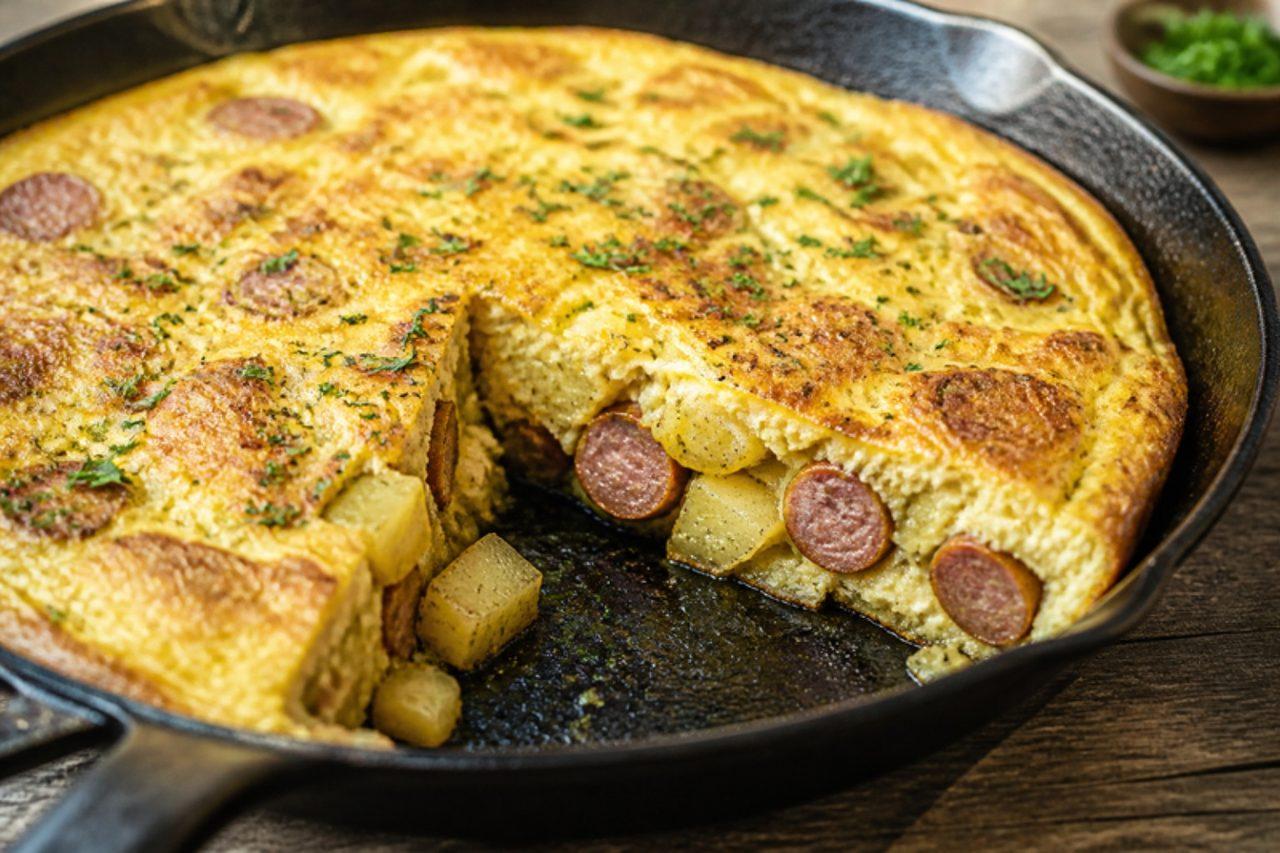
FroutaliaOmelette with potatoes and sausage

On Andros and Tinos, froutalia is the thick, golden omelette farm families ate after a morning in the fields: potatoes and local pork sausage fried in a deep pan, then bound with eggs and a little cheese and cooked until set right through. It is cut in wedges like a Spanish tortilla and eaten hot or cold, with bread and a tomato and cucumber salad, at any time of day. On the island it is made with louza or a smoked pork sausage seasoned with fennel; any good coarse pork sausage works. Common mistake: adding the eggs while the potatoes are still hard; they never soften once the eggs set. Chef's tip: flip it onto a plate halfway so both sides brown evenly.

by KrazyBadal 0 views

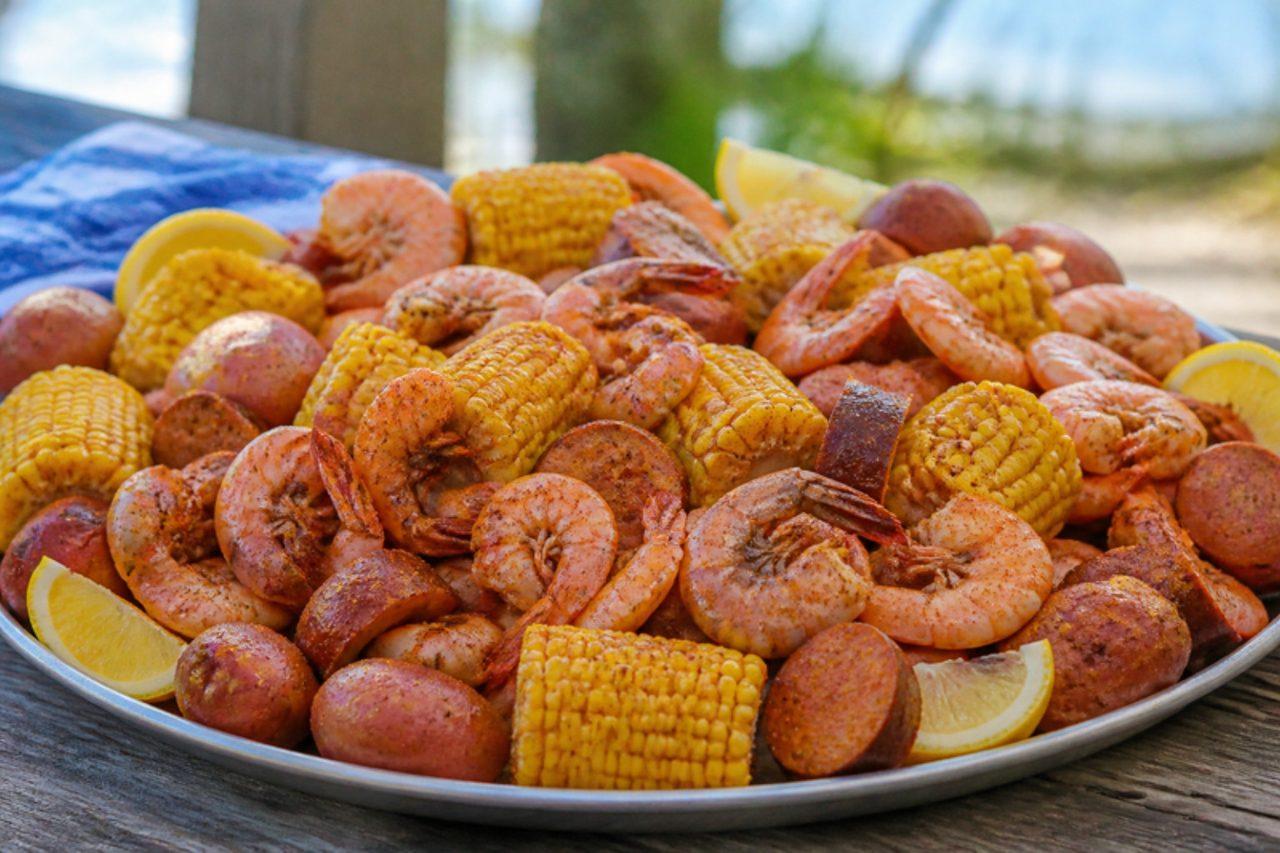
Lowcountry boil

Lowcountry boil, also called Frogmore stew after a village on St Helena Island, South Carolina, is the one-pot party of the Carolina and Georgia coast: new potatoes, corn cobs, smoked pork sausage and fresh shrimp boiled in spiced water, drained and tipped straight onto a newspaper-covered table for everyone to dig in. It is summer food for beach houses, church picnics and Fourth of July. Chef's tip: add everything in stages, timed so the shrimp go in last for only a few minutes.

by KrazyBadal 0 views

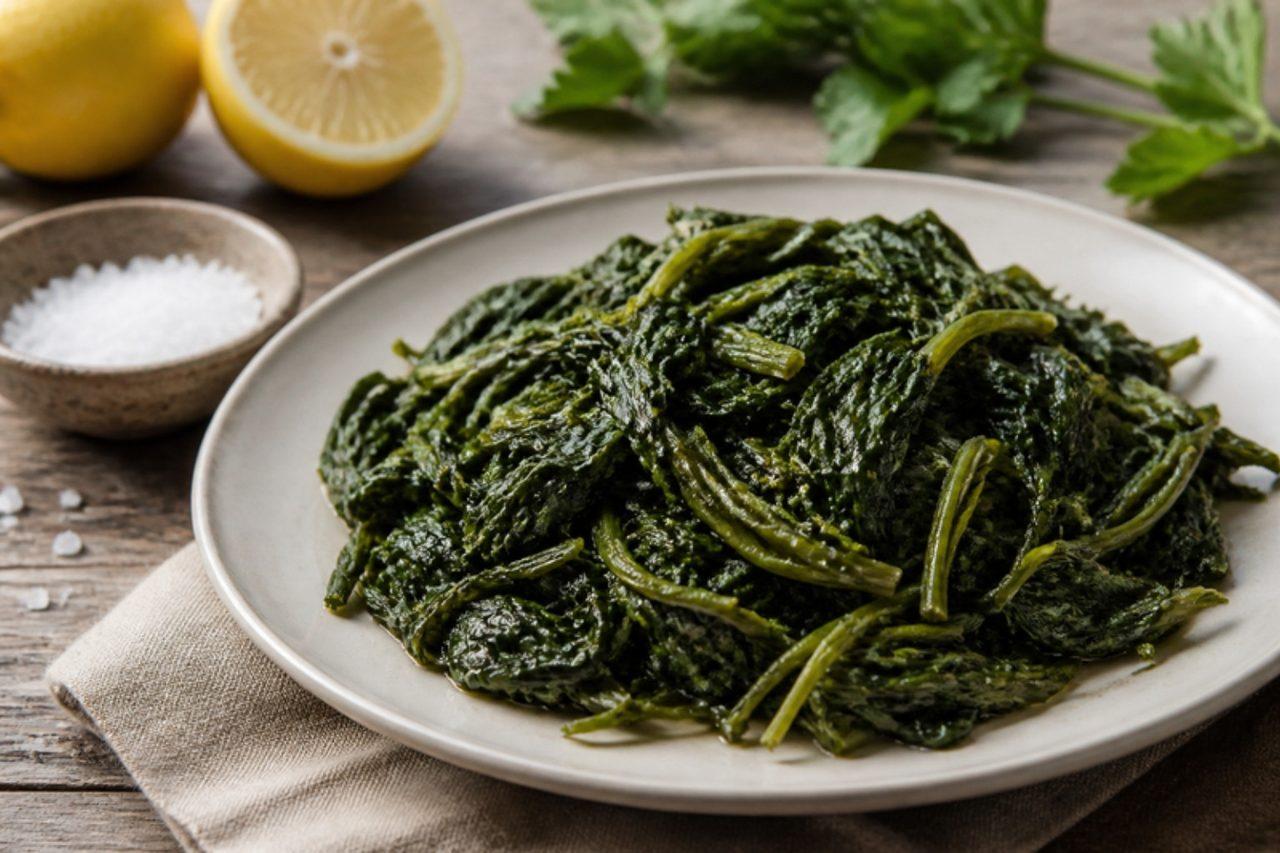
Horta vrastaBoiled greens with lemon and oil

In Greek villages women still go out with a knife and a bag after the first autumn rains to gather horta: dandelion, wild chicory, amaranth, mustard greens. Boiled and dressed with the best olive oil and lemon, they are served warm or cool with almost every meal, from fried fish in a seaside taverna to a fasting-day plate of beans. The taste is pleasantly bitter and grassy. Common mistake: boiling them to khaki; cook only until the stems are tender and the leaves still deep green. Chef's tip: salt the cooking water generously like pasta water and dress the greens while warm, so they drink up the oil and lemon.

25 minGreekSidesVeganGluten free
by KrazyBadal 0 views

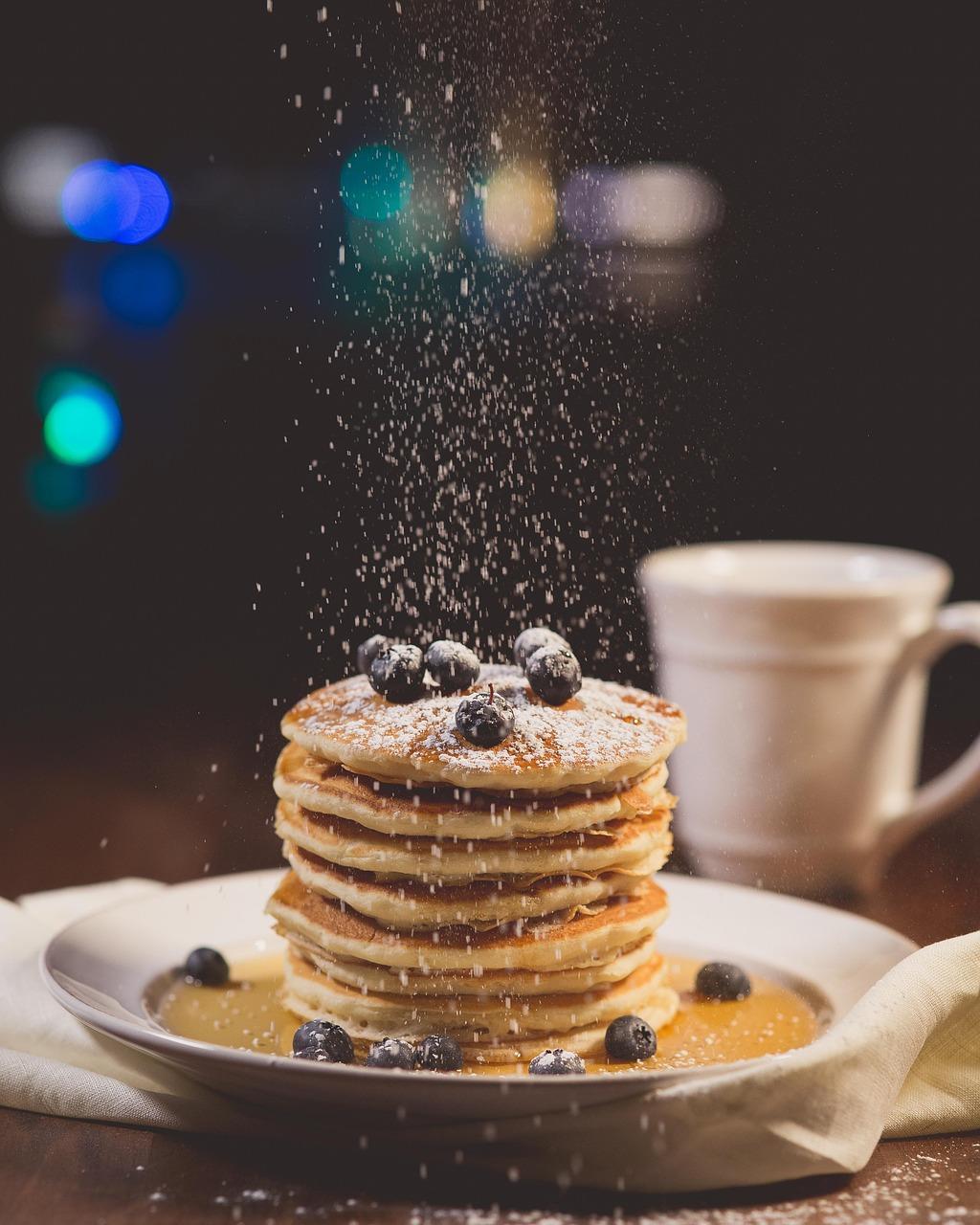
Huckleberry pancakes

In August, families in northern Idaho, Montana and the Washington Cascades hike to mountain slopes to pick wild huckleberries, which have never been farmed and taste like a sharper, more perfumed blueberry. Lodges and diners from Sandpoint to Glacier National Park serve them in fluffy buttermilk pancakes. Wild blueberries are the best substitute. Chef's tip: drop the berries onto each pancake in the pan instead of stirring them into the batter, so the batter doesn't turn purple and the berries don't sink.

by KrazyBadal 0 views

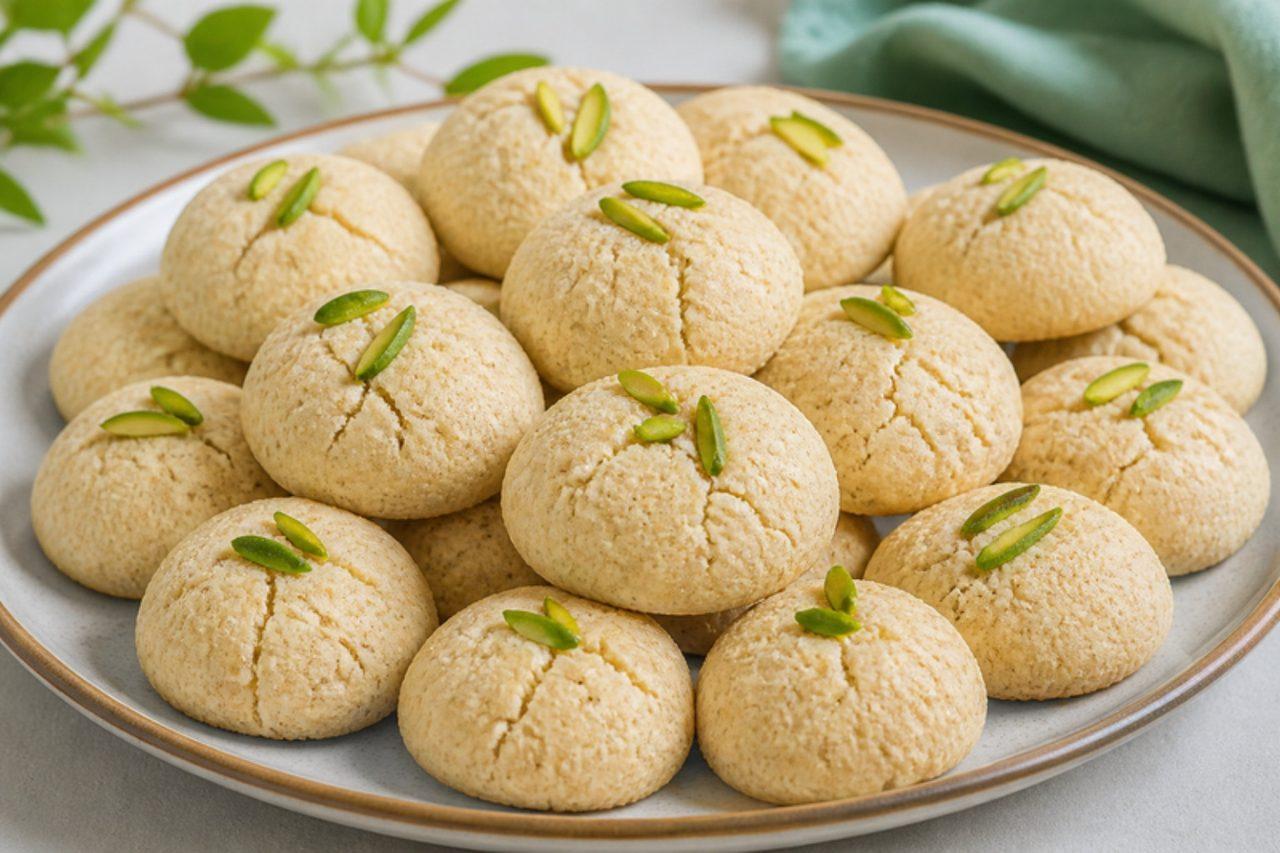
Haji badamAlmond and cardamom cookies

Haji badam are the small, pale almond cookies of Yazd, crisp at the edge and soft and chewy inside, baked for Nowruz and kept in tins for guests through the new year. They need only ground almonds, sugar, egg yolk and cardamom, so they are naturally gluten-free. Each one is rolled into a ball and pinched or pressed with a pistachio sliver. A common mistake is baking them until golden all over: pull them when only the bottoms colour, or they go hard and dry. Chef's tip: let the dough rest in the fridge for 30 minutes, which makes it much easier to roll without cracking.

by KrazyBadal 0 views

Oregon marionberry pie

The marionberry was bred at Oregon State University and named after Marion County in the Willamette Valley, and in July it fills farm stands and pie shops from Portland to Salem. It is a blackberry with a deeper, wine-like flavour and more juice. Elsewhere, use blackberries mixed with a few raspberries. Chef's tip: let the sugared berries sit for 15 minutes and add only half the juice they release, or the pie will be runny.

by KrazyBadal 0 views

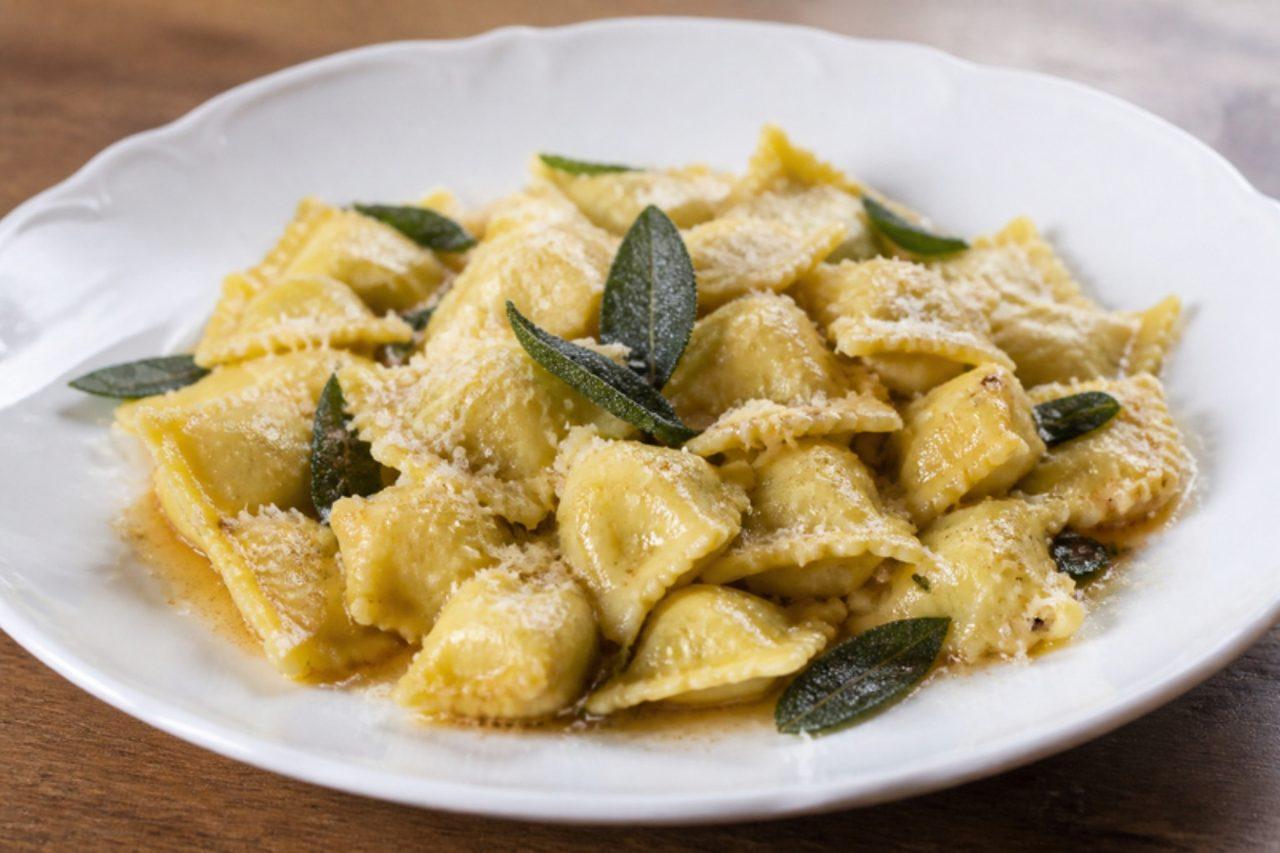
Agnolotti del plinSmall pinched meat pasta parcels

In the Langhe and Monferrato hills of Piedmont, agnolotti del plin are the Sunday and feast-day pasta, made from whatever roast was left from the day before and pinched shut with a quick twist of the fingers (plin means pinch in dialect). Each parcel is barely a mouthful of thin egg pasta around a savoury filling of roast veal, pork shoulder and beef with a little cabbage, egg and parmigiano, so this is a pork dish as well as a veal one. In the trattorie of Alba they arrive either glossed with butter and sage or simply dressed in the reduced roasting juices, sometimes with no plate at all, served in a napkin. They want nothing alongside except a green salad afterwards. Chef's tip: keep the filling quite firm and the blobs small, no bigger than a hazelnut, or the pasta will not seal tightly around them.

by KrazyBadal 0 views

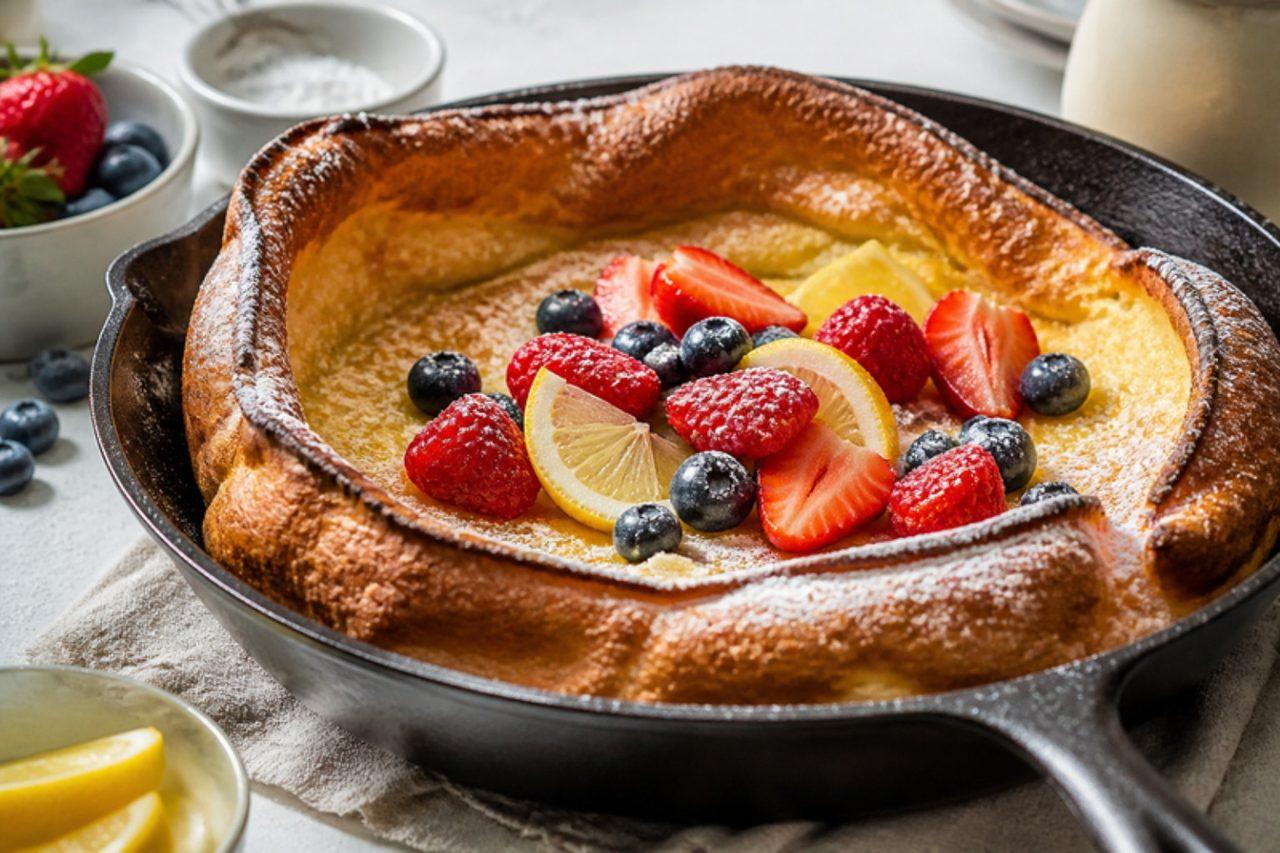
Seattle Dutch baby

The Dutch baby was first served in the early 1900s at a family café in Seattle, whose owner's daughter supposedly mispronounced 'Deutsch' and gave it the name. A thin batter poured into a sizzling buttered pan balloons in the oven into a crisp-edged, custardy bowl. It is a Pacific Northwest brunch dish, eaten straight from the pan with lemon juice and icing sugar or summer berries. Chef's tip: blend the batter until frothy and have the pan really hot; that is what makes it climb the sides.

by KrazyBadal 0 views

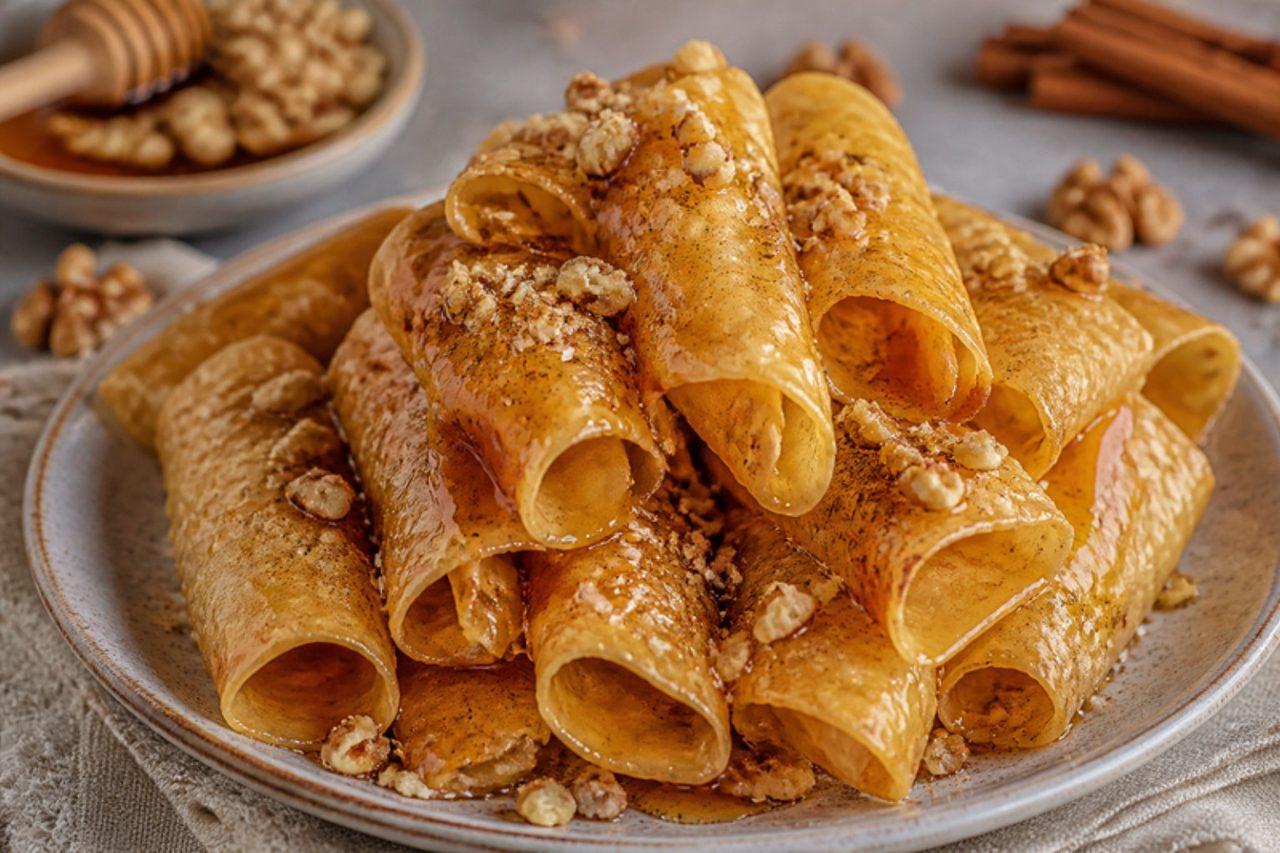
DiplesFried pastry rolls in honey

In the tower villages of the Mani, no wedding, christening or New Year passes without trays of diples: paper-thin egg dough fried in a rolling twist, so each strip curls into a crisp, bubbled scroll, then drenched in warm thyme honey and showered with walnuts and cinnamon. They shatter when you bite and stay crunchy for days in a tin. Common mistake: rolling the dough too thick, which gives chewy, oily diples — you should almost see your hand through it. Chef's tip: hold the end of each strip in the oil with two forks and roll it as it puffs; the first few are practice, so don't worry about shape.

by KrazyBadal 0 views

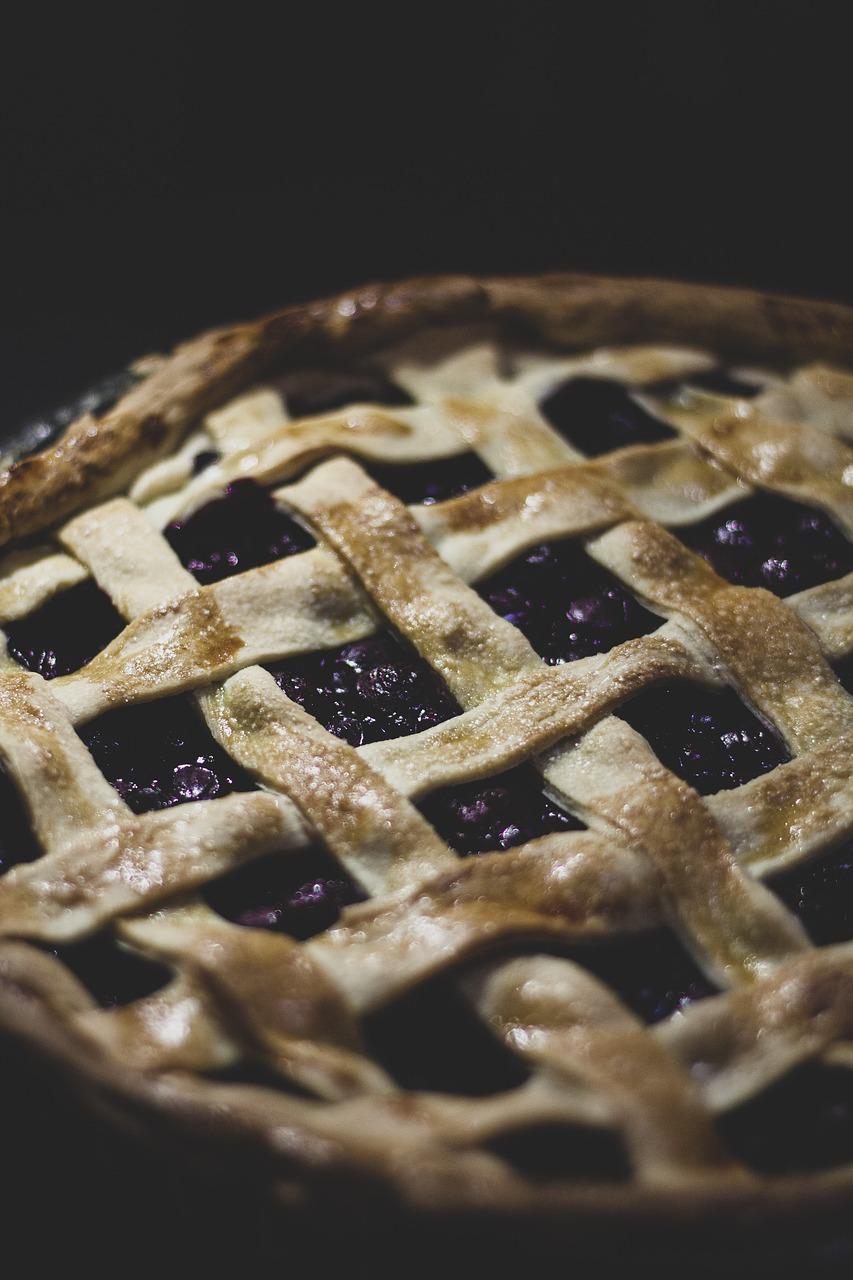
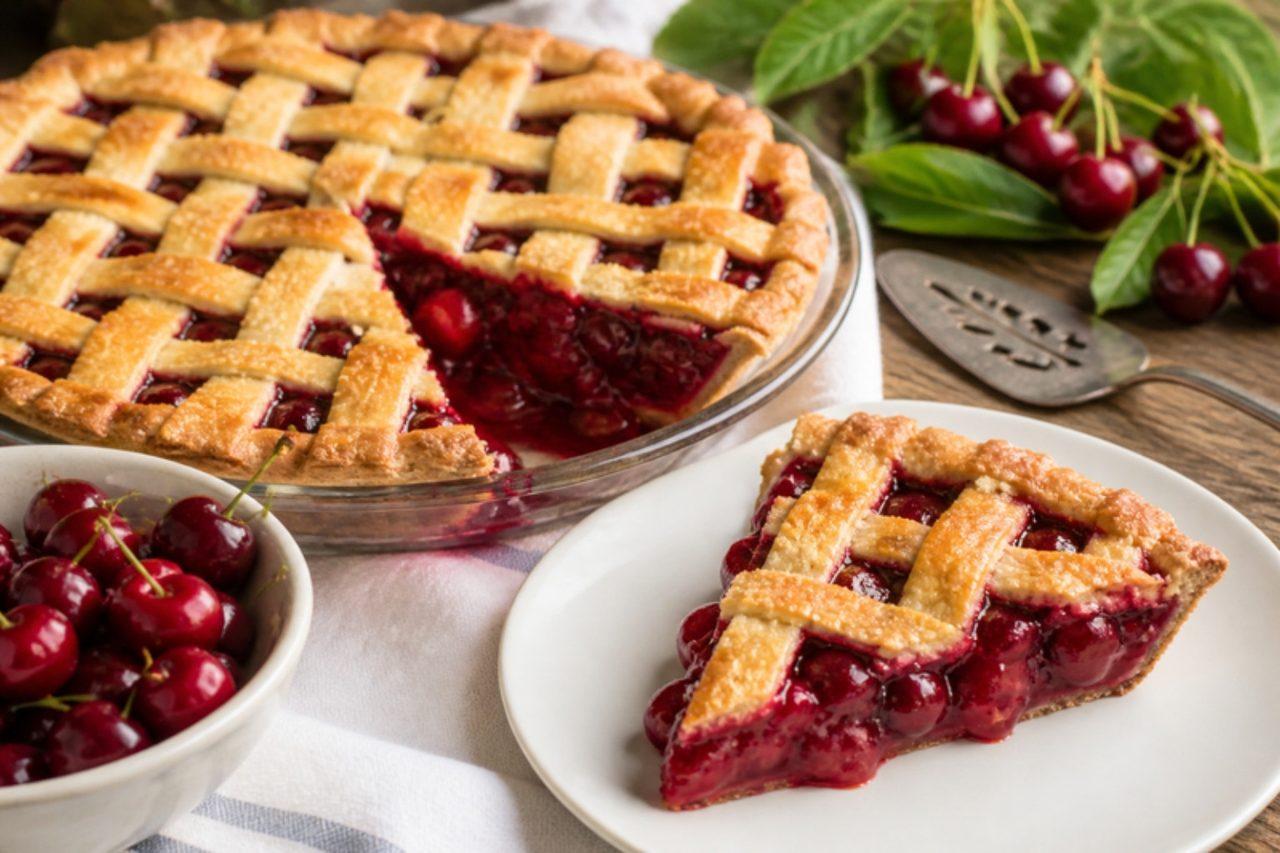
Michigan tart cherry pie

Traverse City, on the shores of Lake Michigan, calls itself the cherry capital of the world and holds a National Cherry Festival every July, where this bright red, lattice-topped pie is everywhere. It uses Montmorency sour cherries, not sweet ones, so the filling is sharp and jammy with a hint of almond. Frozen or jarred pitted sour cherries work well. Chef's tip: cook the filling on the hob until it thickens before it goes in the pie, so the bottom crust doesn't drown.

by KrazyBadal 0 views

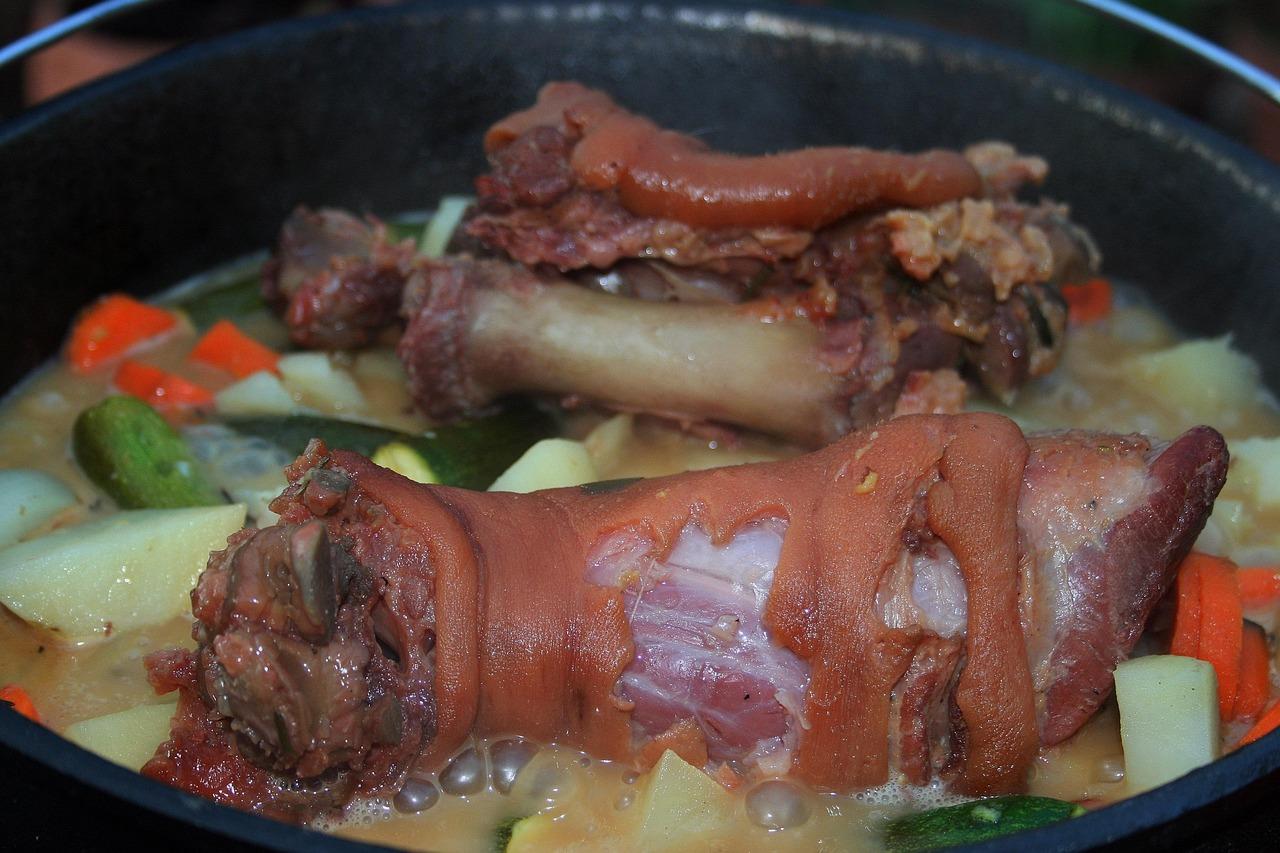
EisbeinCured pork knuckle

Eisbein is old Berlin pub food, the cured pork knuckle served in Kneipen across the city with a mound of yellow pease pudding (Erbspüree) and sauerkraut, and it is especially popular in the cold months. Unlike the Bavarian roast Haxe, this pork knuckle is pickled in brine by the butcher and then simmered slowly, so the meat turns pink, tender and gently salty and the rind stays soft. Order a cured ("gepökelt") knuckle from a German or Polish butcher. Chef's tip: soak the knuckle in cold water for a few hours first if your butcher's cure is strong; taste a little of the simmering water after 30 minutes and change it if it is very salty.

180 minGermanMeatGluten free
by KrazyBadal 0 views

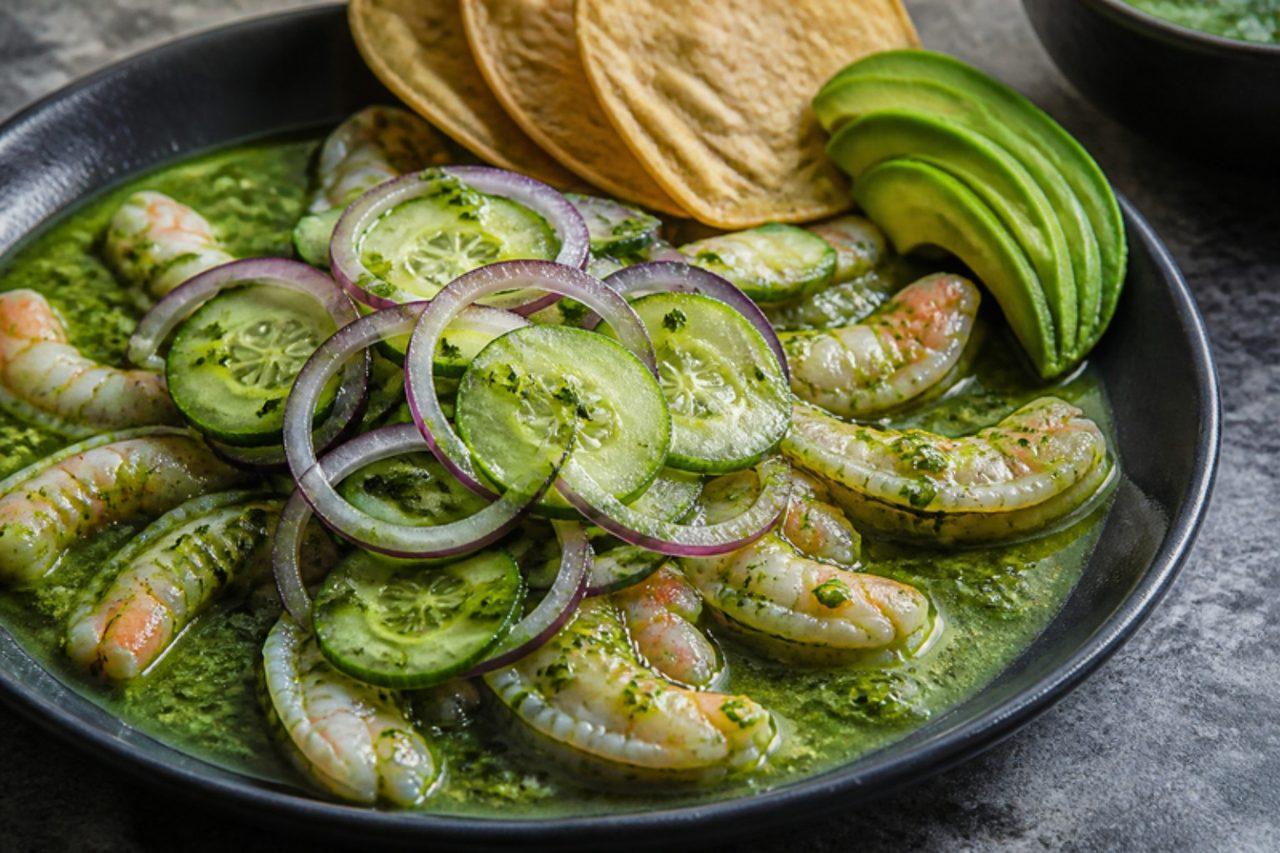
AguachilePrawns in lime and chilli water

Along the Sinaloa coast, from Mazatlán to Culiacán, aguachile is the cold plate that starts a long seafood lunch at the beachside palapas, eaten straight from a stone molcajete with tostadas and a cold drink. The classic version is raw prawns cured only in lime, and that raw version is the risky one: lime juice does not kill bacteria or parasites the way heat does. This safer version poaches the prawns for a minute or two until just pink and opaque, chills them and then dresses them, so you keep the snap and the fierce, grassy chilli heat. Even so, treat any cold seafood dish with care: the raw classic is not for pregnant women, young children or anyone with a weakened immune system. Serve with crisp corn tostadas and slices of avocado. Chef's tip: blend the chilli water with ice-cold water and pour it on at the last minute, so it stays vivid green and the prawns stay crisp.

by KrazyBadal 0 views

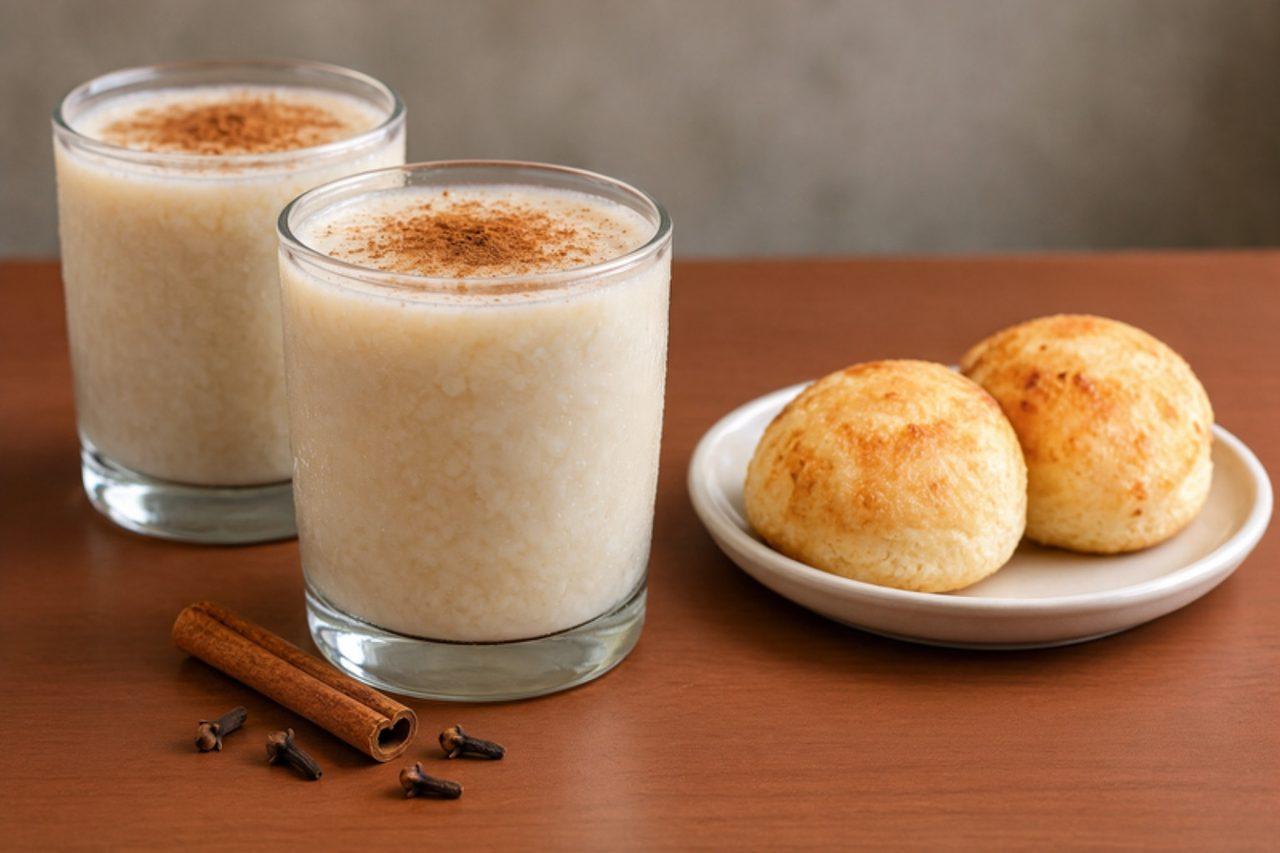
AguajinaAguaje palm fruit drink

Aguaje is the scaly, chestnut-red fruit of the moriche palm that grows in the flooded forests around Iquitos, and its orange flesh ends up in ice lollies, ice cream and, above all, aguajina, the cold drink sold in plastic cups at every corner and in Belén market. The taste is unusual and loved locally: tangy, a little like apricot and carrot, with a rich, slightly oily body. Fresh aguaje must be softened in warm water for an hour before its thin layer of pulp can be scraped off; outside Peru, frozen aguaje pulp from Latin American shops is the realistic choice and gives a good result. A common slip is adding all the sugar before tasting: the pulp's sourness varies from pack to pack, so sweeten at the end. Serve very cold with lunch or on a hot afternoon. Chef's tip: blend the pulp with only part of the water first, so it breaks down fully, then stir in the rest.

by KrazyBadal 0 views

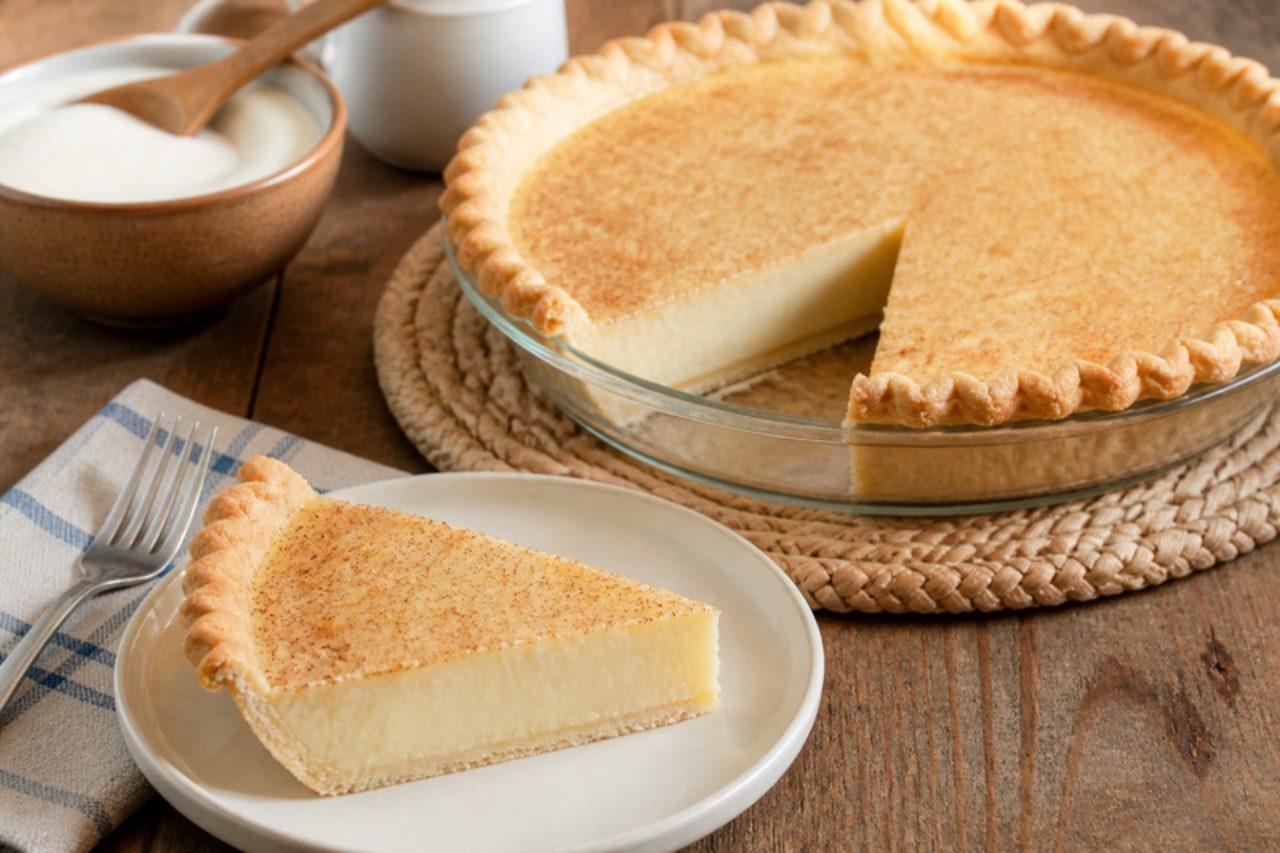
Hoosier sugar cream pie

Sugar cream pie, Indiana's official state pie, came from Shaker and Amish farm kitchens that had cream and sugar in winter when there was no fruit. There are no eggs: cream, sugar and a little flour bake into a pale, silky, vanilla custard with a dusting of nutmeg, sold at diners and county fairs across the state. Chef's tip: stir the filling gently with your finger in the pastry case during the first 20 minutes of baking, as old Hoosier cooks do; it keeps the flour from settling.

by KrazyBadal 0 views

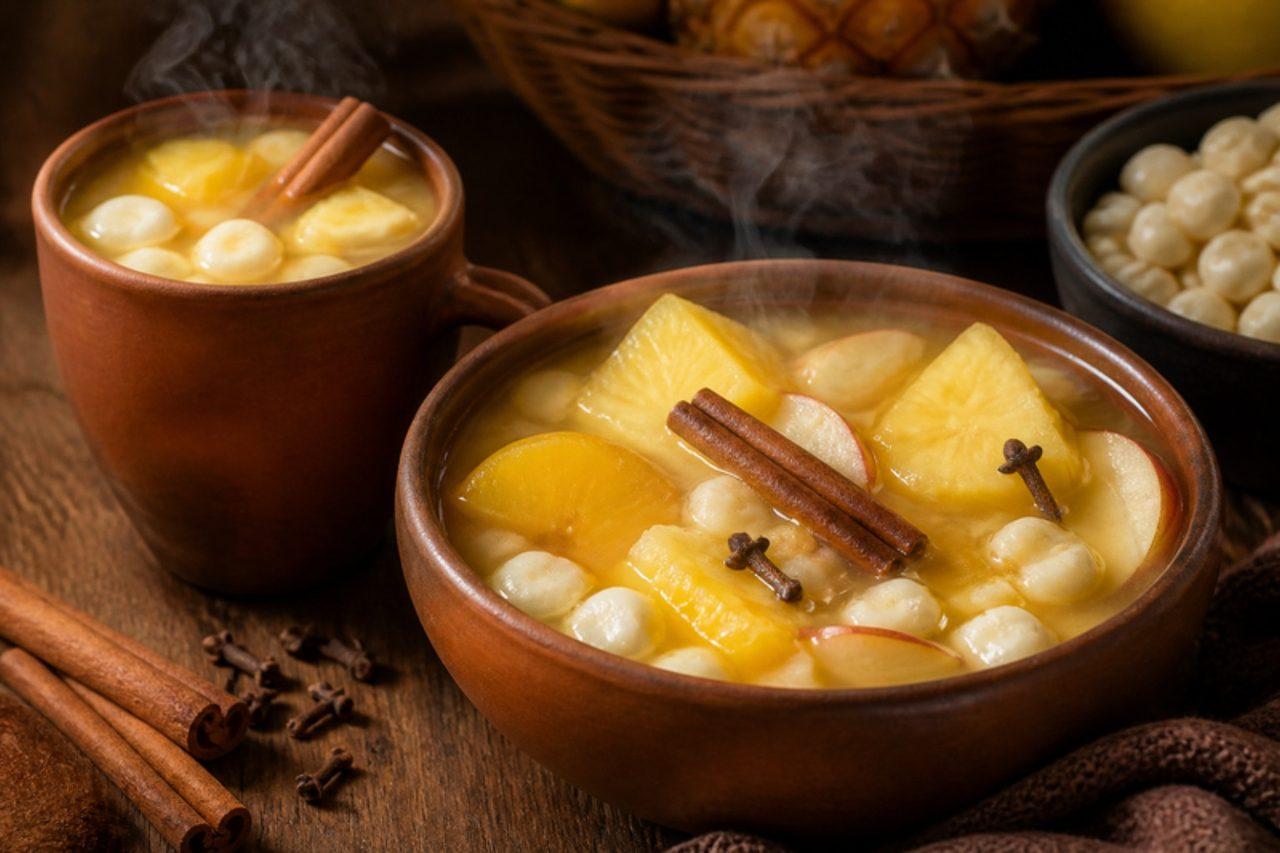
ChampúsMote corn and pineapple drink

When Lima's grey winter sets in, from June to September, champús sellers set up on street corners with big pots of this thick, fruity drink, ladled warm into glasses and eaten as much as drunk. It's made from mote (hulled white corn), simmered with pineapple, quince or apple, soursop, chancaca and warm spices, then thickened lightly with corn flour, so every spoonful has soft fruit and chewy corn in a spiced, molasses-sweet base. It is close in spirit to mazamorra morada but paler and tangier. The mistake people make is adding the thickener straight into the hot pot, where it forms lumps; always slake it in cold water first and pour it in while stirring. Canned or jarred hominy saves hours; frozen soursop (guanábana) pulp is in Latin shops and can be left out. Serve warm in glasses with spoons. Chef's tip: simmer the pineapple peel and core with the spices for the first 20 minutes, then strain them out; they give much of the flavour.

by KrazyBadal 0 views

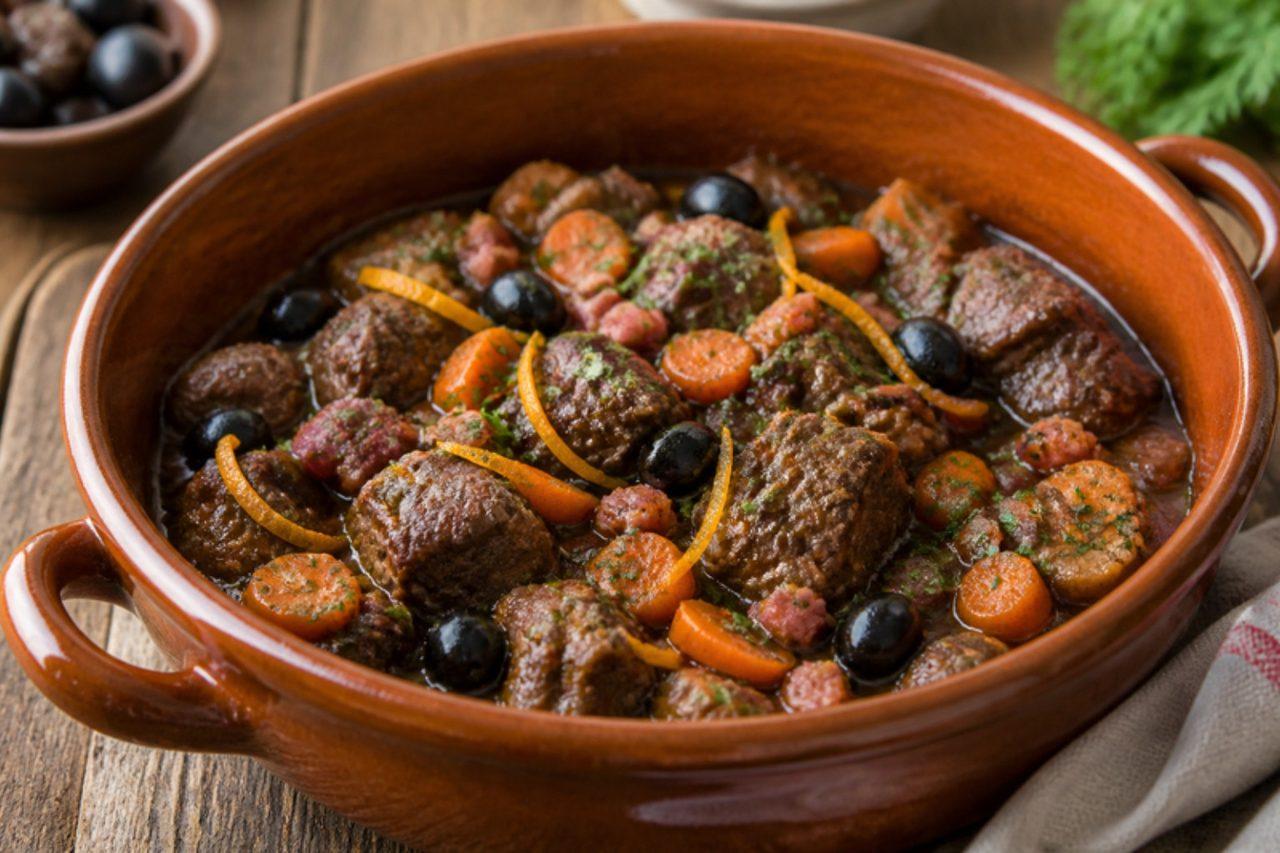
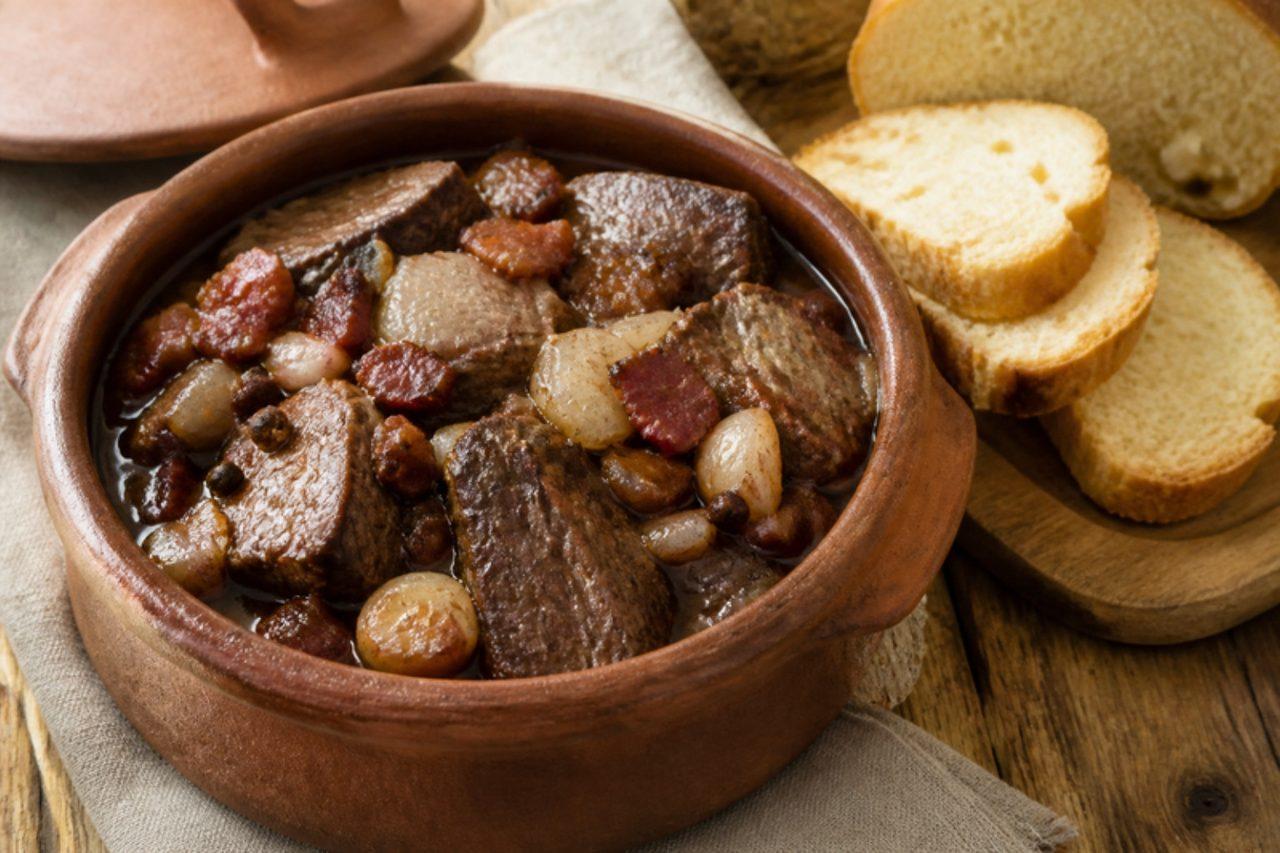
Daube provençaleRed wine beef stew with olives

In Provence the daube is the Sunday and winter-feast dish, traditionally simmered all morning in a pot-bellied clay daubière at the edge of the fire. Chunks of beef are marinated overnight in the fridge with red wine, garlic, herbs and a strip of orange peel, then braised slowly with black olives until the sauce turns dark, glossy and fragrant with citrus. It uses red wine, and the ingredient note gives an alcohol-free version; the optional smoked lardons make it a pork dish too. In Avignon and Nice the leftover sauce dresses macaroni (the macaronade), but polenta or plain boiled potatoes are just as good. Chef's tip: make it a day ahead; it tastes even better reheated, and the fat is easy to lift off once cold.

250 minFrenchMeatGluten free
by KrazyBadal 0 views

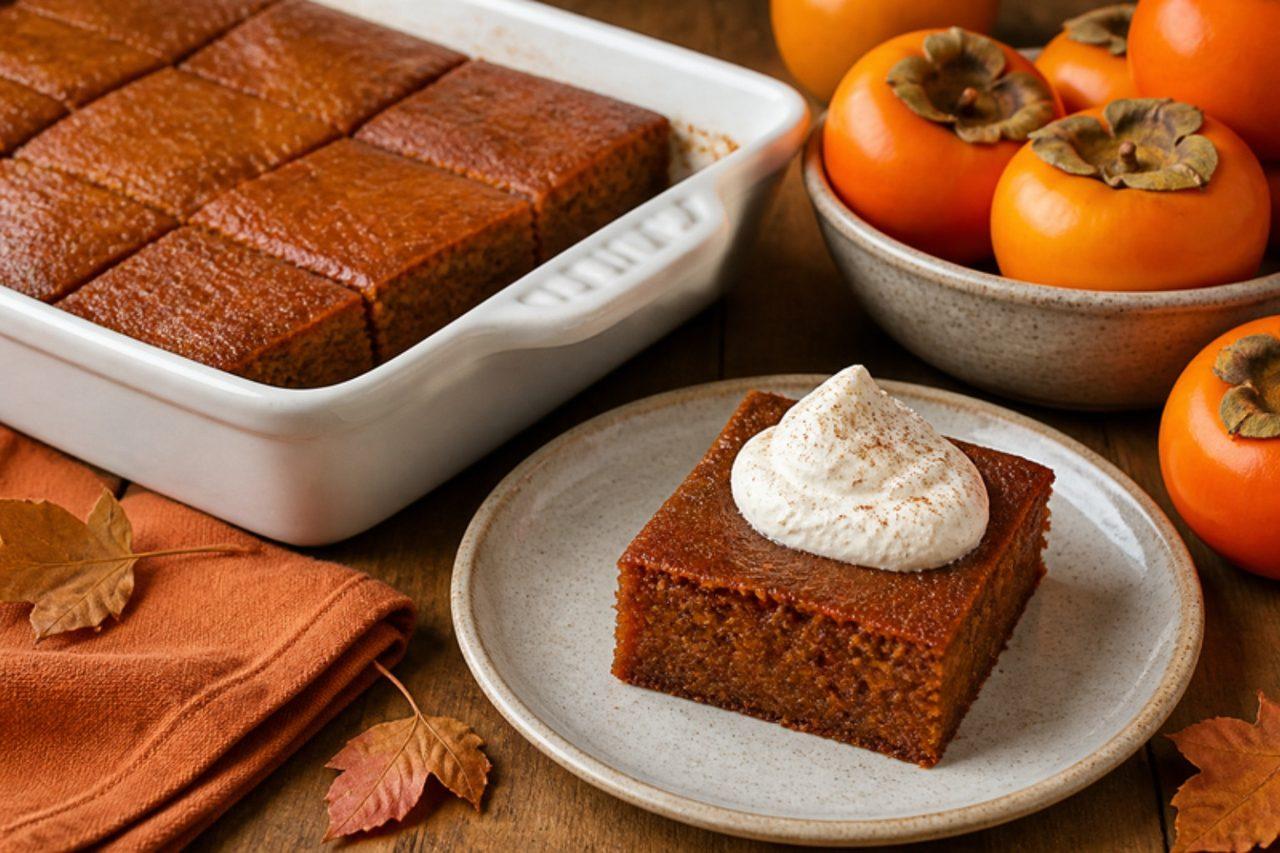
Indiana persimmon pudding

In southern Indiana, wild persimmons drop from the trees after the first frost, and the town of Mitchell holds a festival every September where this pudding is judged and sold. The pulp is baked with buttermilk and warm spices into something between a cake and a custard: dense, moist, dark orange-brown and tasting of dates and pumpkin. Use very ripe, jelly-soft Hachiya or wild persimmons. Chef's tip: serve it warm with whipped cream, as it firms up and darkens as it cools.

by KrazyBadal 0 views

CrozifletteBuckwheat pasta with reblochon

Ski stations across the Savoie, from Val Thorens to the villages above Chambéry, serve croziflette in the same bubbling dish as tartiflette, but with crozets in place of potatoes: tiny square buckwheat pasta that is a speciality of the region. It is warming après-ski food, nutty and rich, eaten with a sharp green salad. Restaurants add lardons; this one uses browned mushrooms for the same savoury depth. Reblochon is a raw-milk cheese made with animal rennet, so use a vegetarian washed-rind or soft rind cheese if you need to. Chef's tip: cook the crozets fully before baking; unlike other pasta, they stay firm and need a good 15–20 minutes.

by KrazyBadal 0 views

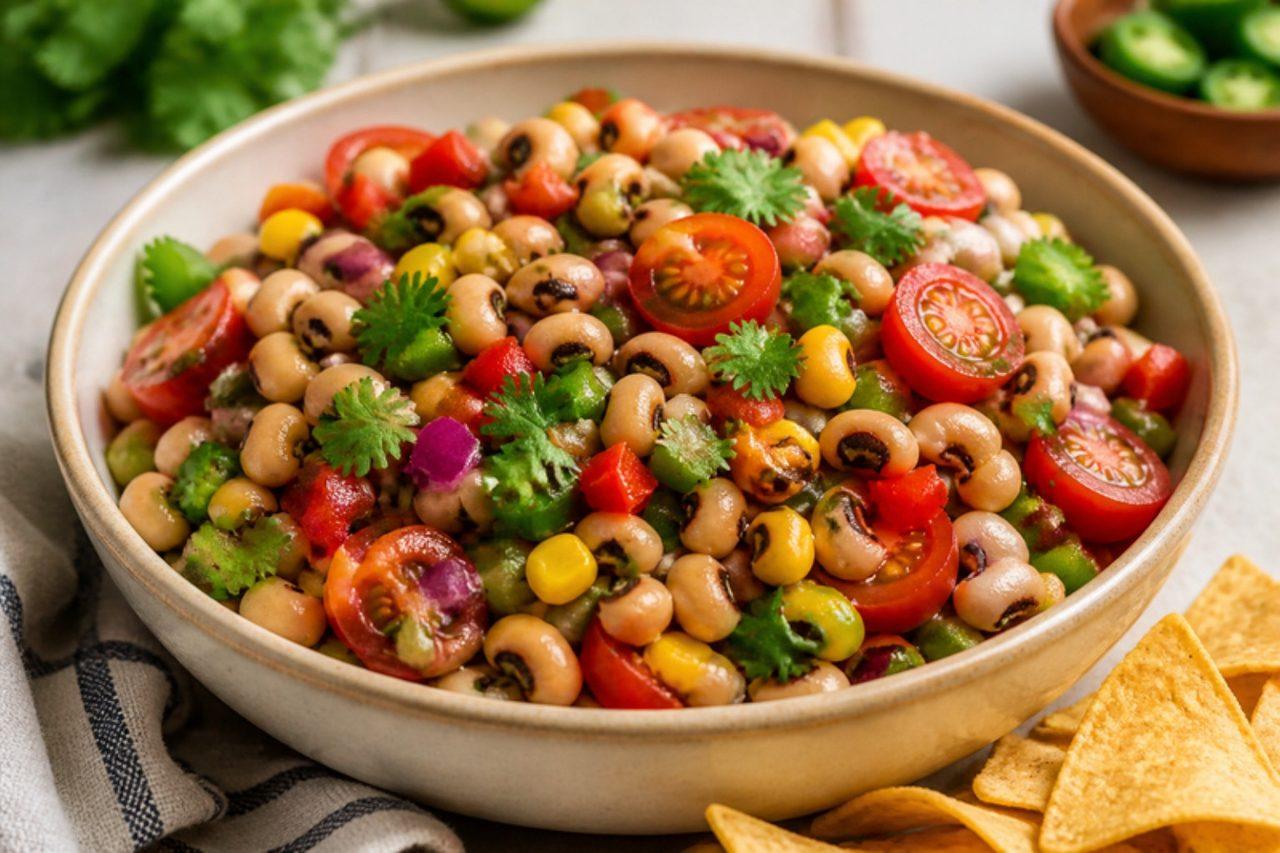
Texas caviar

Texas caviar is a bright, chunky salad of black-eyed peas, peppers, corn and jalapeño soaked in a sharp vinaigrette, created in Dallas in the 1940s and now a fixture at Texas tailgates, barbecues and New Year's Day parties, where black-eyed peas are eaten for luck. Scoop it with tortilla chips or serve as a side. Chef's tip: dress it at least an hour ahead; the peas soak up the dressing and get much tastier.

by KrazyBadal 0 views

New Orleans king cake

From Twelfth Night on 6 January until Mardi Gras, every office, school and party in New Orleans has a king cake: a ring of soft, cinnamon-swirled brioche, glazed and covered in sugar in the Carnival colours of purple, green and gold. A small trinket or bean is hidden inside, and whoever finds it buys the next cake. Chef's tip: push the trinket in from underneath after baking, and warn your guests, so nobody bites on it.

by KrazyBadal 0 views

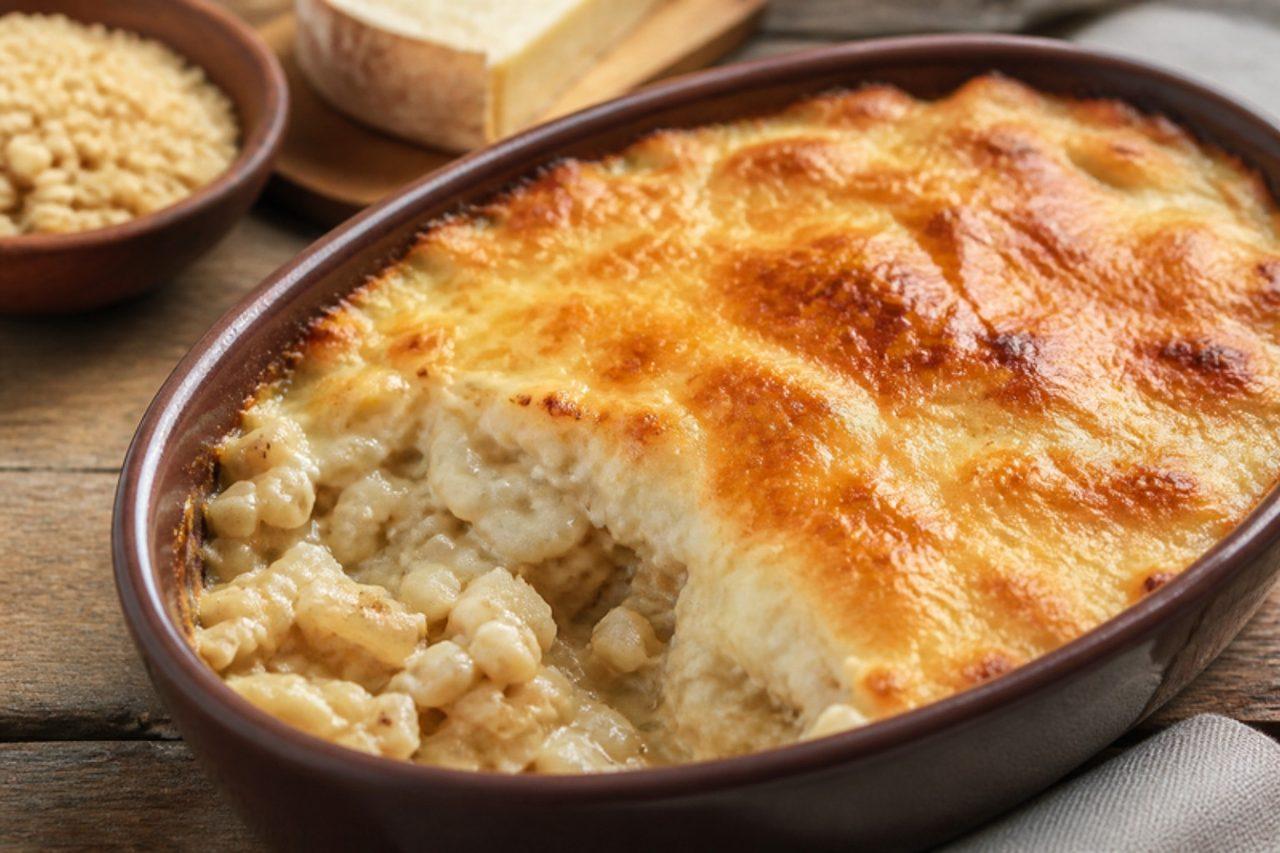
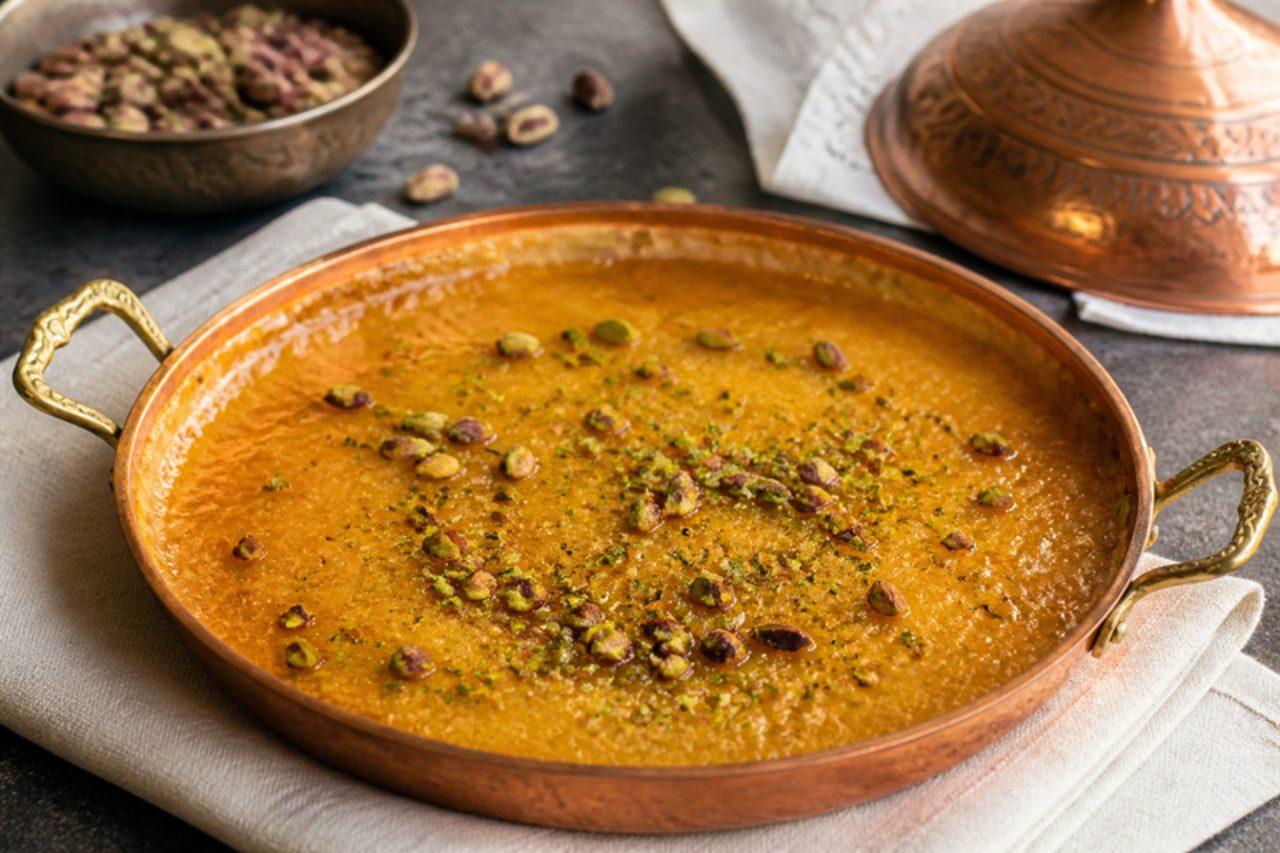
HöşmerimCheese and semolina halva

Höşmerim is a winter dessert of the Erzurum plateau and the Bolu highlands, made from unsalted fresh cheese melted with butter and semolina until it turns golden and gives off its own butter, then soaked with syrup. It's eaten warm in small bowls, chewy and rich, topped with crushed walnuts or pistachios, often after a long cold day. Common mistake: using salty or aged cheese, which turns oily and bitter; you need a soft, unsalted fresh cheese such as lor or ricotta. Chef's tip: keep cooking until the fat starts seeping out at the edges and the mixture is the colour of light toffee; that's where the flavour comes from.

by KrazyBadal 0 views

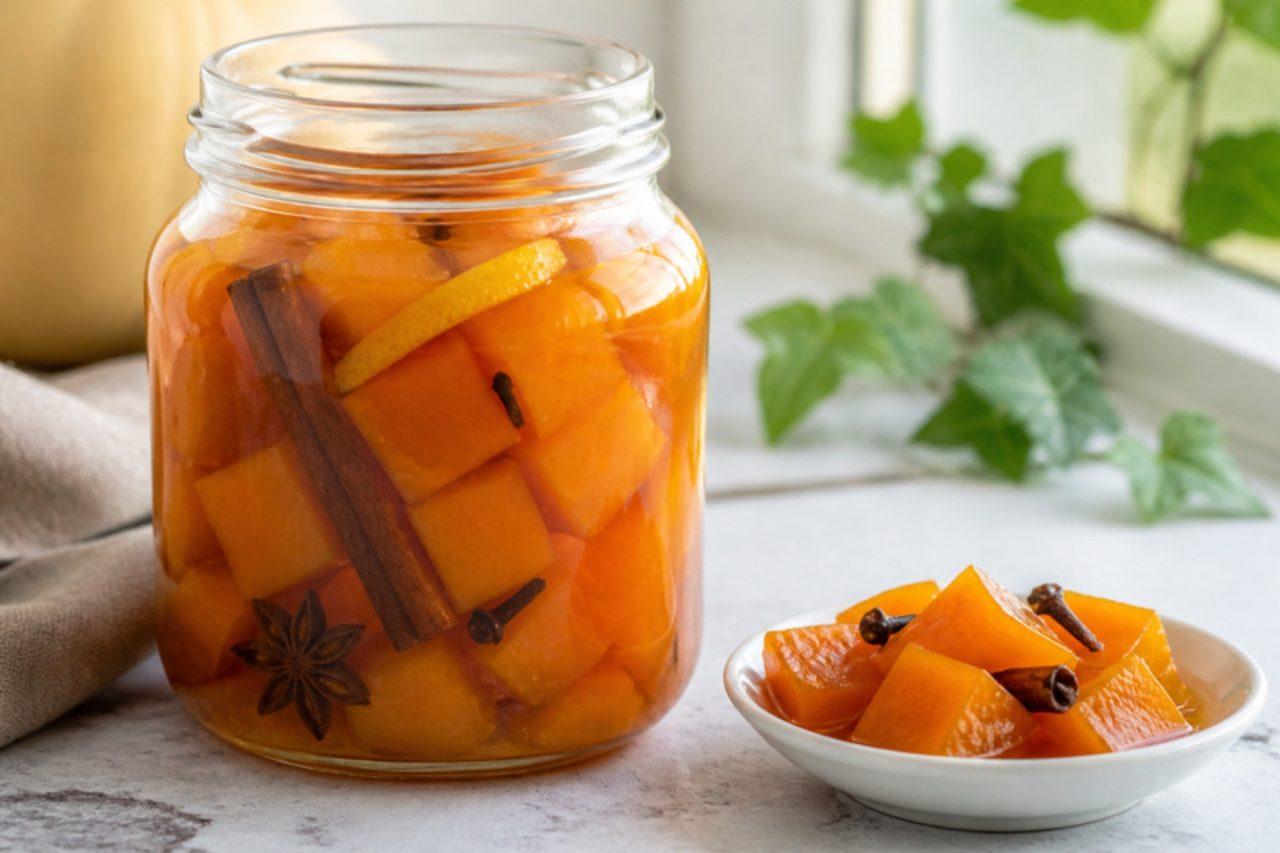
Sweet-sour pickled pumpkin

When the pumpkin harvest peaks in October, from the Rhineland to Saxony, German kitchens turn the firm orange flesh into Süß-sauer eingelegter Kürbis, golden cubes preserved in sweet spiced vinegar. Through the winter they come out of the cellar to sit beside roast dinners, game, cheese boards and cold cuts, or a simple plate of potatoes and quark. Cinnamon, cloves, ginger and a little lemon peel make them taste of Christmas. The mistake is using a watery carving pumpkin, which falls apart; choose a dense one such as Hokkaido or butternut. Chef's tip: steep the raw cubes in the cold vinegar overnight before cooking; it firms them so they stay in neat, glassy cubes.

by KrazyBadal 0 views

Ajil-e moshkel goshaMixed nuts and dried fruit

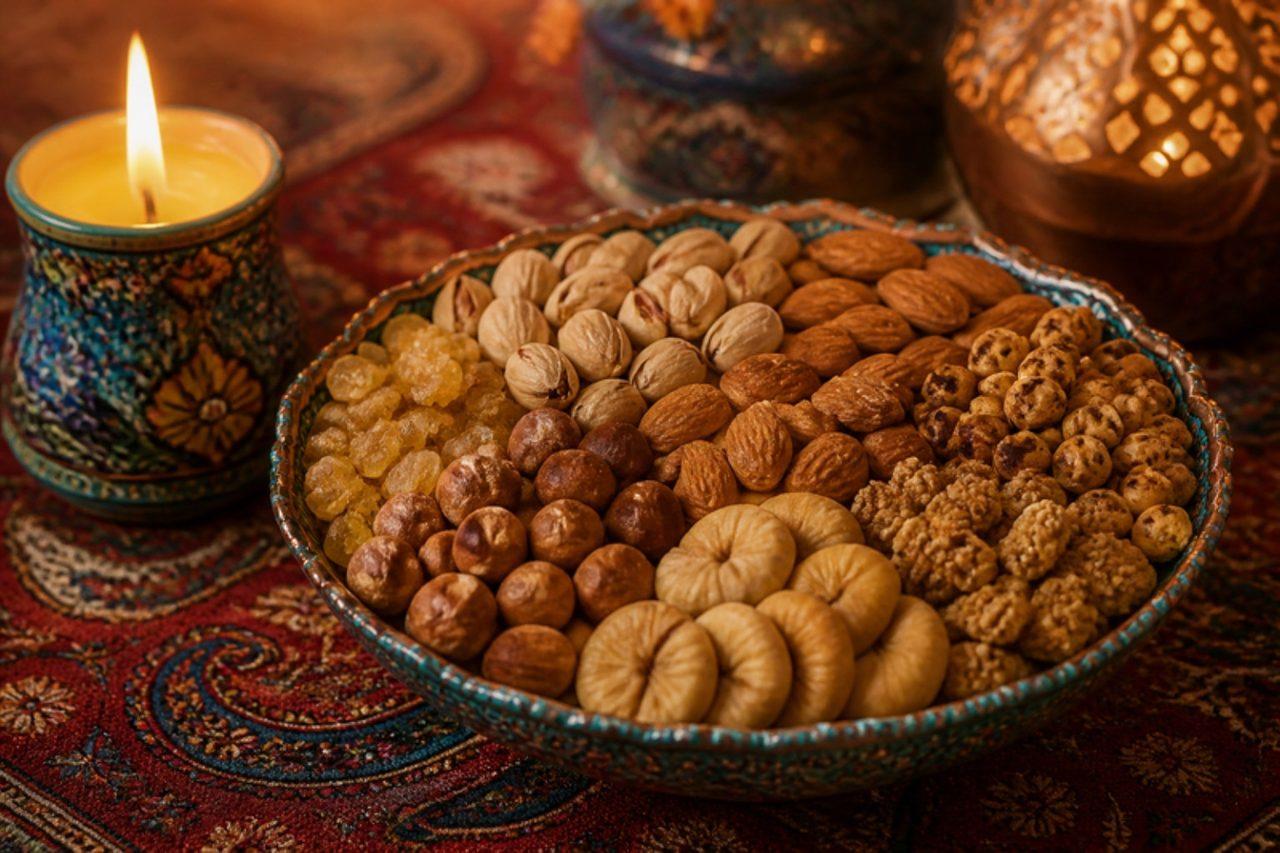
On Chaharshanbe Suri, the bonfire night on the last Tuesday evening before Nowruz, families across Iran jump over small fires in the street and then share a big bowl of ajil-e moshkel gosha, the 'nuts that untie problems', making a wish as they eat. The same mix comes out again on Yalda, the longest night of the year in December. It mixes salted roasted pistachios and almonds with roasted chickpeas, sweet dried figs, white mulberries, raisins and sugared almonds, so every handful is sweet, salty and crunchy. The common mistake is using raw nuts; the toasting is what makes it taste like the bazaar version. Chef's tip: toss the warm nuts with a little salted water and let them dry in the oven for a light salty coating that sticks.

by KrazyBadal 0 views

Batbout (griddled pocket breads)

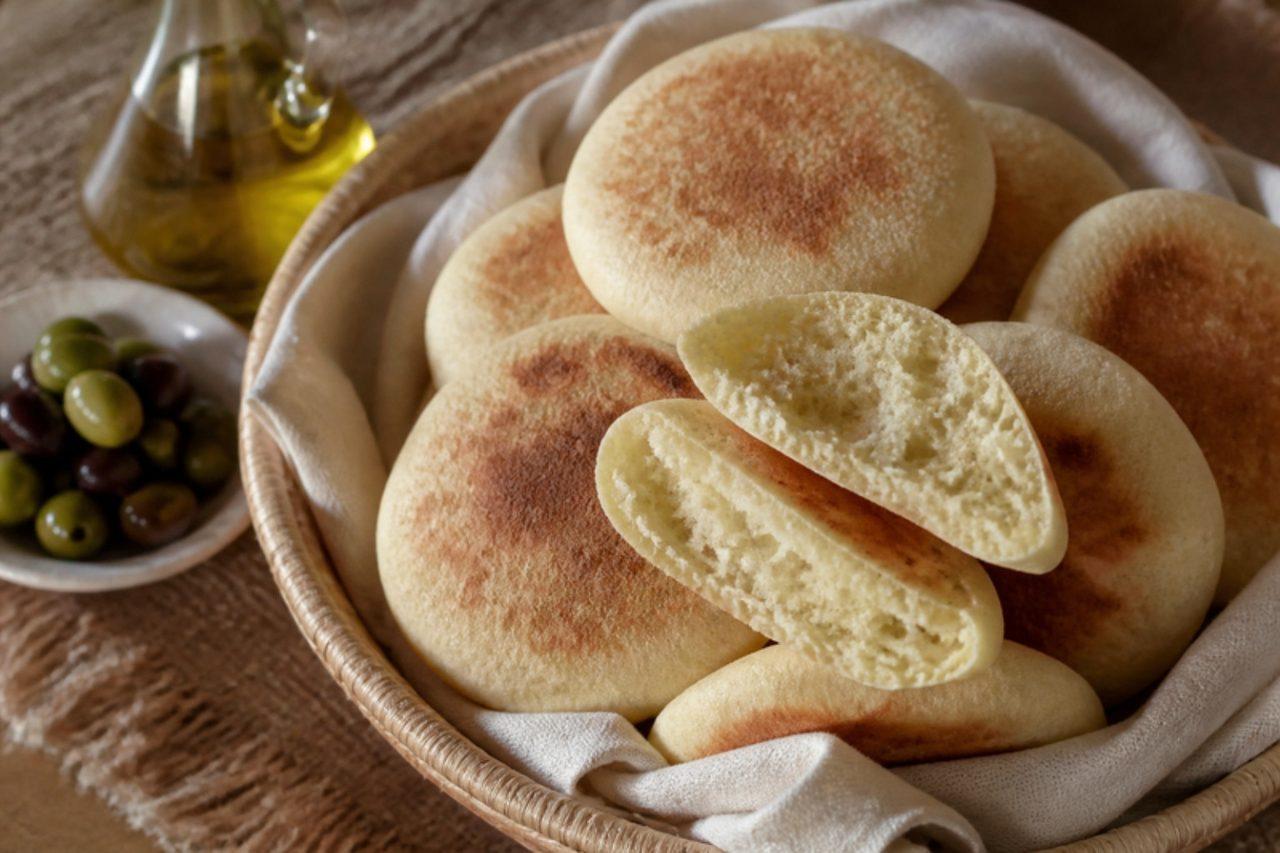
Batbout, also called mkhamar, are small soft rounds of semolina and flour dough cooked on a dry griddle rather than in the oven, so they puff up like balloons and open into a pocket when split. Moroccan families make them for breakfast and teatime, and snack bars stuff them with all sorts of fillings; vegetarian favourites are zaalouk, egg and potato, soft cheese, or simply butter and honey or amlou. They are tender and slightly chewy, with a pale, freckled surface. The dough needs about an hour to rise and another short rest after shaping. A frequent slip is rolling the rounds too thin or cooking them on a fierce heat, so they scorch before they puff into pockets. Chef's tip: roll them no thinner than 5 mm and cook over a medium-low heat; thin rounds or a fierce pan scorch before they have a chance to puff.

by KrazyBadal 0 views

Bacalao al ajoarrieroSalt cod with garlic and pepper

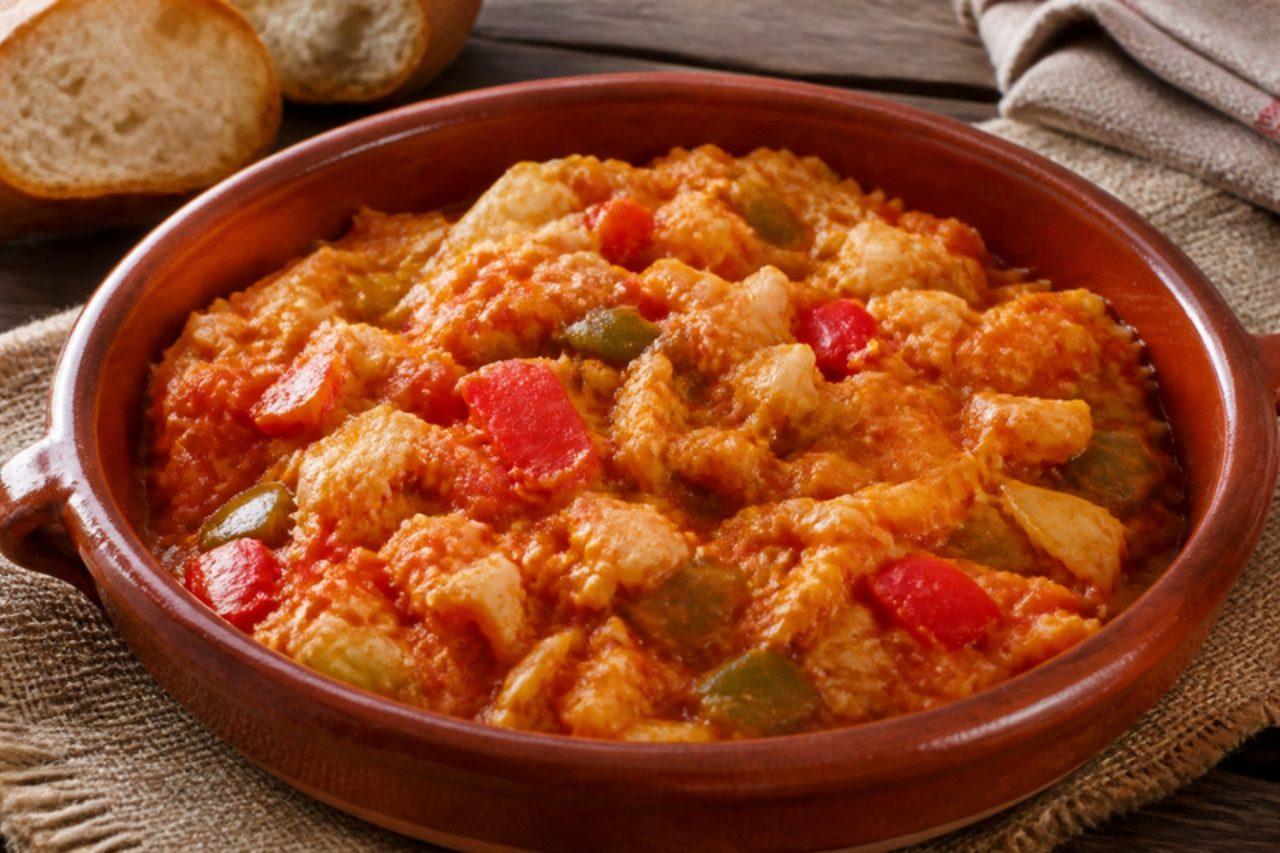
The muleteers who carried goods over the mountain roads into Pamplona, the arrieros, lived on salt cod because it kept for weeks, and the garlicky way they cooked it took their name. Today ajoarriero is ordered in the bars around Pamplona's Plaza del Castillo, especially during San Fermín, and served in small earthenware dishes with bread. The Navarrese version is red with peppers, tomato and dried choricero pepper, and many cooks stir in egg at the end. Chef's tip: taste the cod after soaking and only salt the dish at the very end, if at all.

by KrazyBadal 0 views

Chickpeas with cumin (hummus bel kamoun)

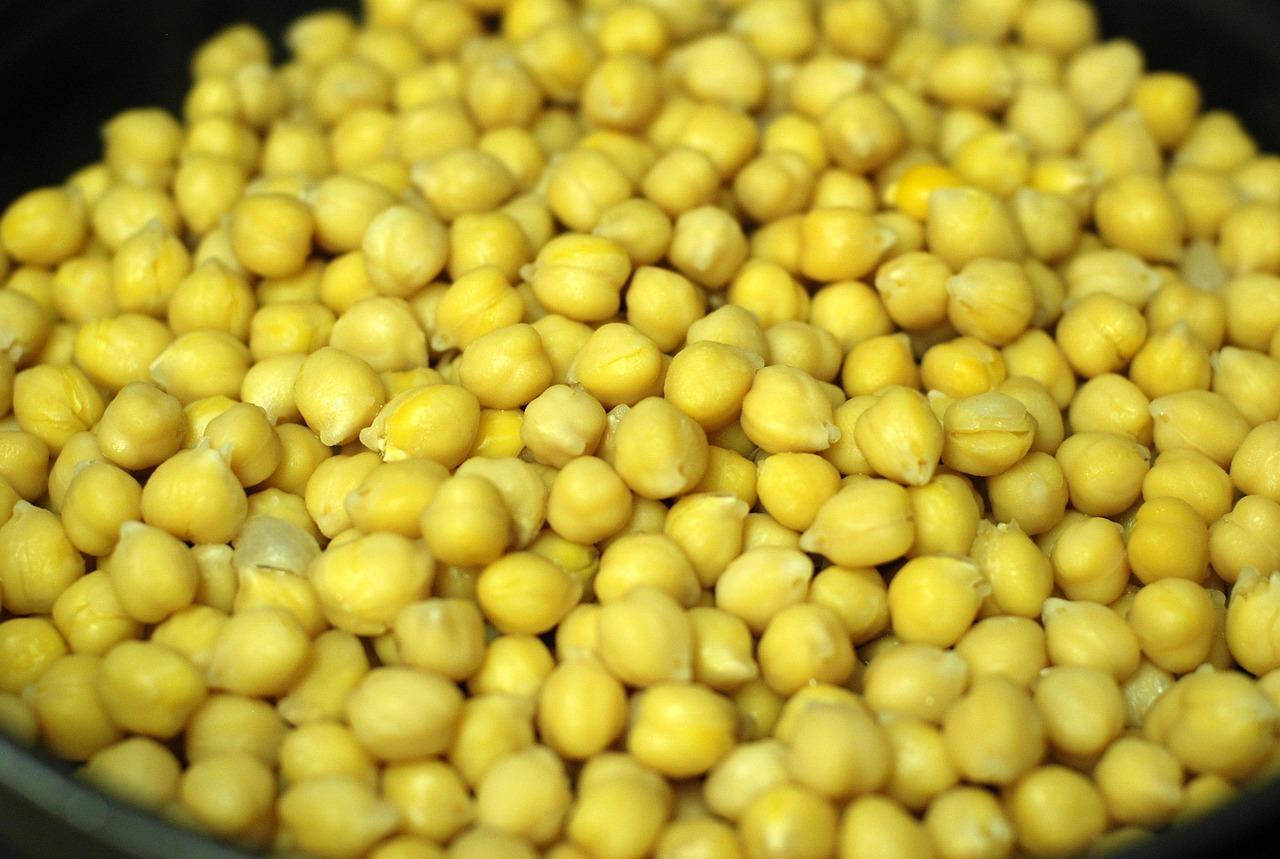
On chilly evenings, street carts in the medinas steam a great pot of chickpeas and scoop them, piping hot, into paper cones with a shake of cumin, salt and sometimes a little chilli. It is one of the cheapest and most comforting snacks in the country, eaten while strolling, and the chickpeas should be tender and creamy but whole, never mushy. At home they make a lovely warm nibble, a lunchbox protein or something to pick at alongside soups. Dried chickpeas give the best texture and need an overnight soak; tinned ones work in a hurry, just warmed through in salted water. Chef's tip: toss the cumin and salt onto the chickpeas the moment they come out of the water, while they are still steaming and damp, so the seasoning clings.

by KrazyBadal 0 views

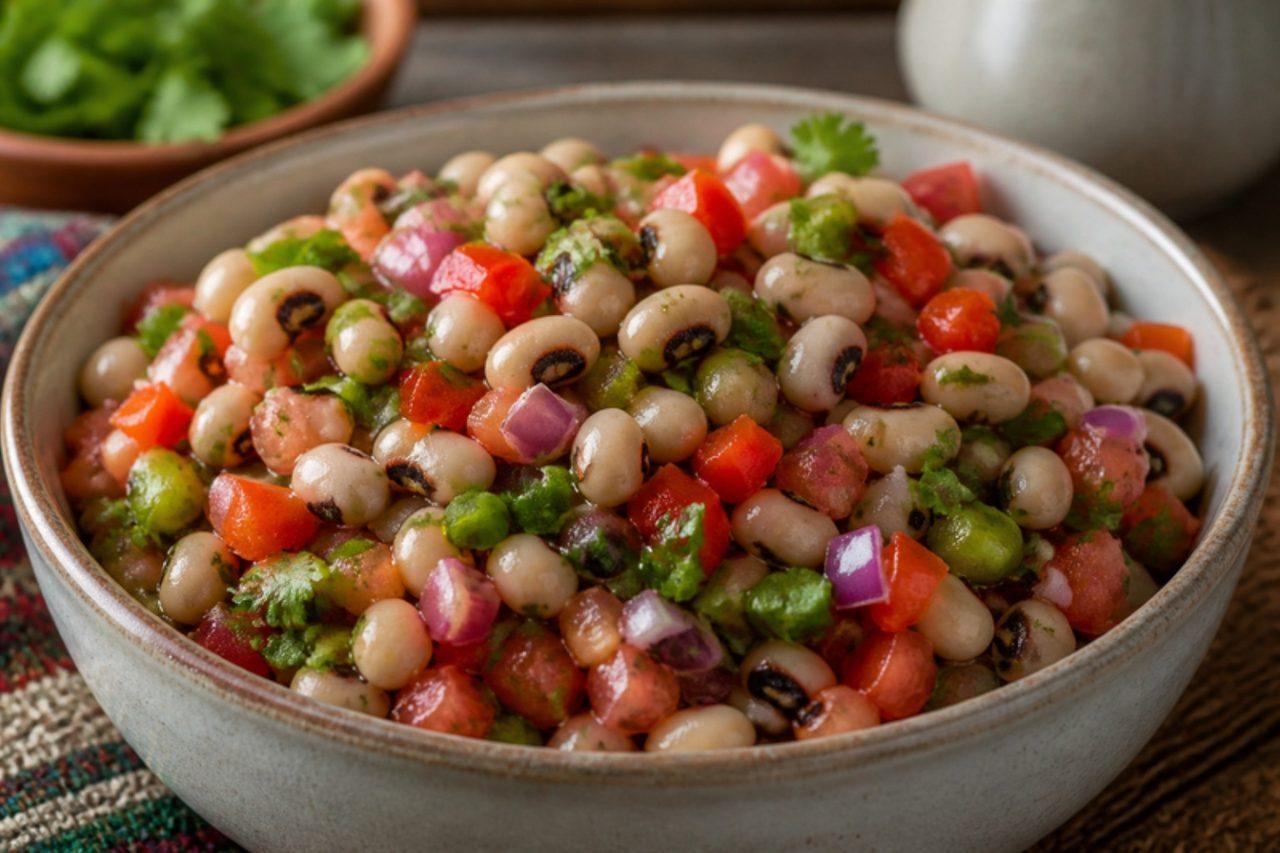
Salada de feijão-fradinhoBlack-eyed pea salad

Black-eyed peas are the bean of Bahia, ground for acarajé and abará and simmered whole for the caruru feasts of late September. Cooked until just tender and dressed while warm, they also make this bright salad that appears on Salvador's por-quilo lunch buffets and next to grilled food at weekend gatherings. Tomato, red onion, two kinds of pepper, coriander and plenty of lime give it crunch and sharpness, and the peas stay creamy inside. It goes with rice and grilled vegetables, or stands alone as a light lunch. Soak the dried peas for at least 4 hours or overnight before you start. The trap to avoid is boiling the peas hard until the skins split; they turn to mush when tossed. Chef's tip: dress the peas while they are still warm with the lime, oil and salt only, then add the raw vegetables once they are cool so everything stays crisp.

by KrazyBadal 0 views

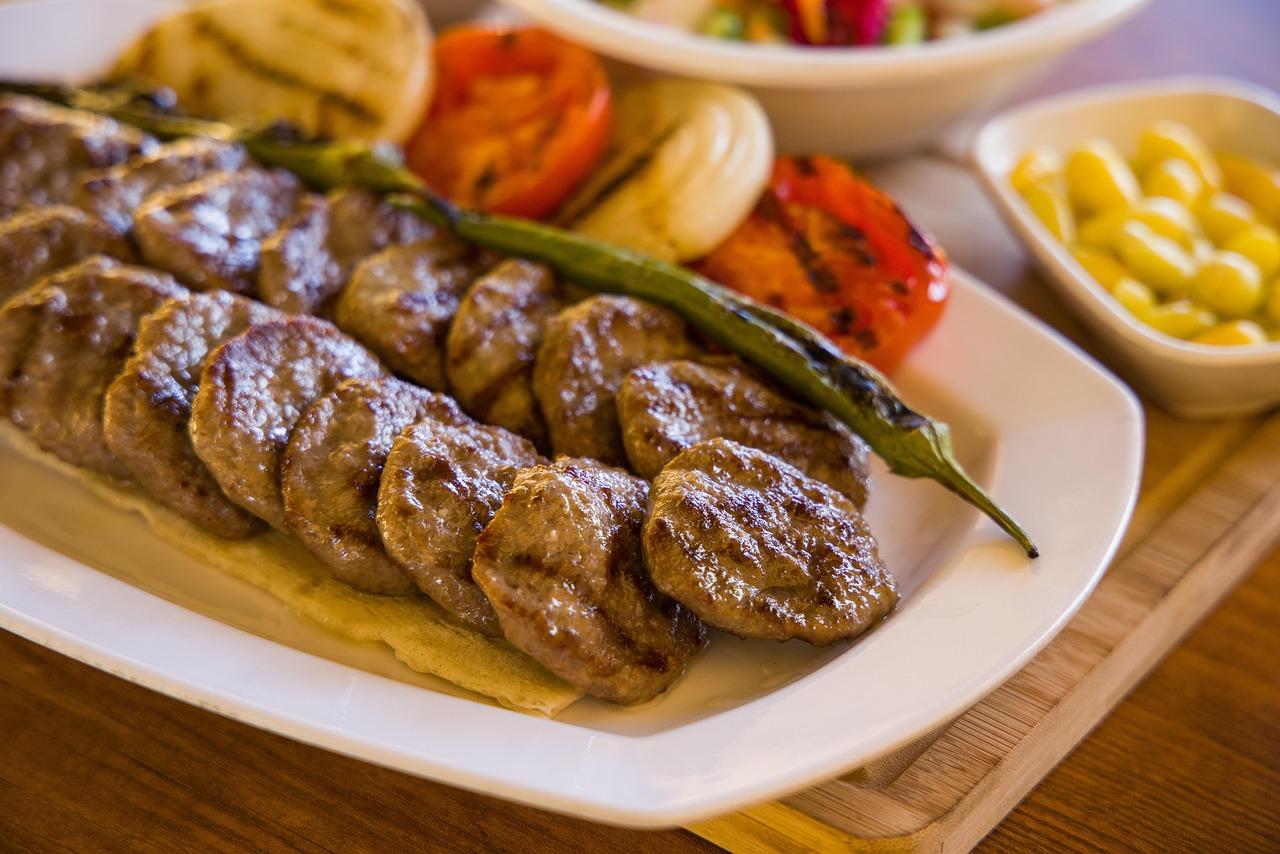
Akçaabat köftesiGarlicky beef meatballs

The town of Akçaabat, just west of Trabzon, is lined with köfte houses whose grills turn out small, oblong, firm meatballs that taste strongly of garlic. Made from beef mince bound with soaked stale bread, they are seared fast so the outside chars while the inside stays juicy, then served with grilled peppers, a pile of onion and parsley, and a white bean salad. Common mistake: overworking the meat with wet hands after the bread has gone in, which turns them dense; knead hard before adding bread, then mix gently. Cook until the centre reaches 71 °C. Chef's tip: rest the shaped köfte in the fridge overnight; they hold their shape on the grill and the garlic mellows into the meat.

by KrazyBadal 0 views

Sfenj (Moroccan doughnut rings)

Early in the morning, in medina lanes from Fez to Casablanca, the sfenji pulls handfuls of sticky dough from a bowl, pokes a hole through each with his thumb and drops the rings into a big pan of oil, where they puff into crisp, golden, irregular doughnuts with a chewy, airy inside. Customers carry them away threaded on a strip of palm leaf, to eat hot with mint tea or coffee, plain, dusted with sugar or dipped in honey. The dough is just flour, yeast, salt and water, and deliberately very wet; that is what gives the open, holey crumb. Allow about 1 1/2 hours for it to rise. Where sfenj go wrong is a dough that is too stiff; it should be sticky and slack, or the rings come out bready instead of open and chewy. Chef's tip: keep a bowl of water beside you and wet your hands before every piece, so the sticky dough slides off your fingers instead of clinging to them.

by KrazyBadal 0 views

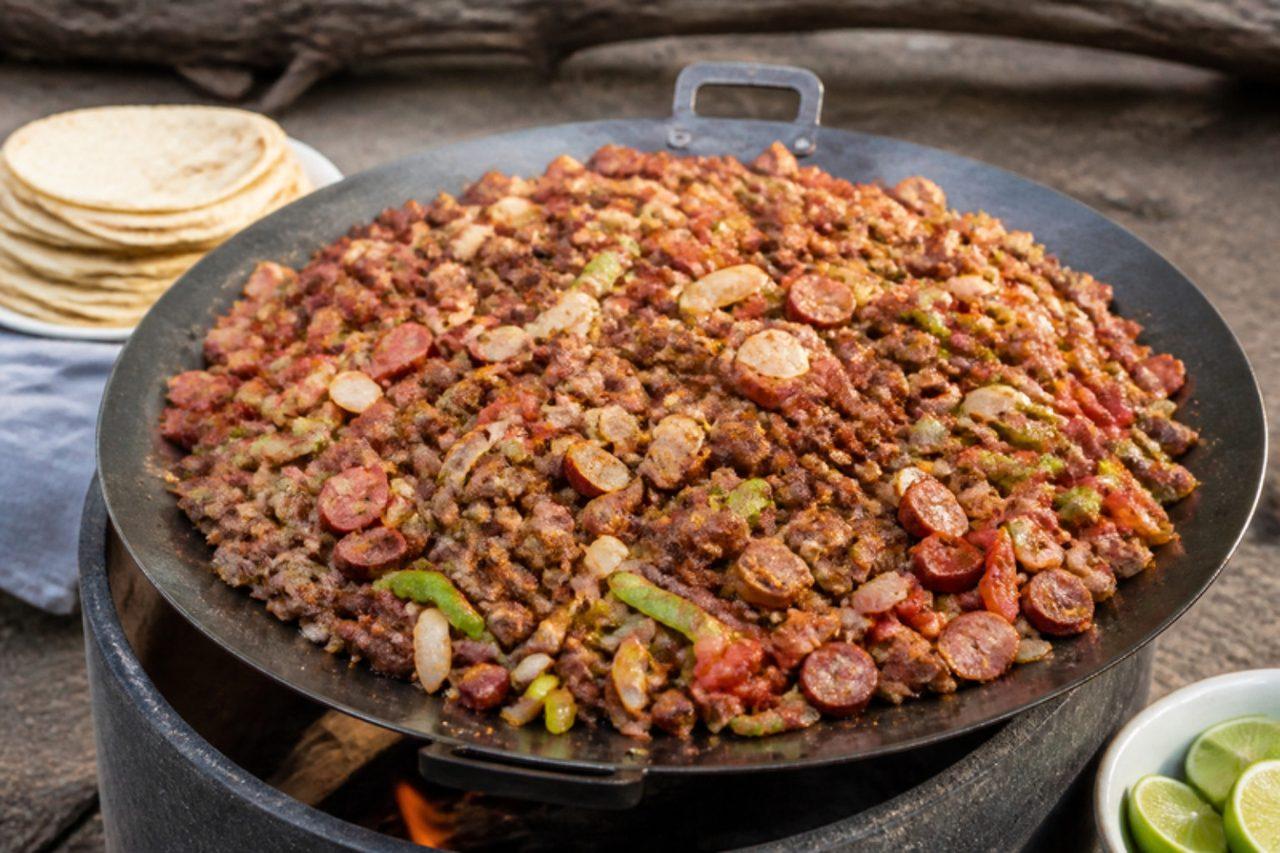
Discada norteñaMixed-meat skillet with peppers and onions

In Chihuahua and across the northern ranchlands, discada is party food: a worn-out plough disc is set over a wood fire and filled, one by one, with bacon, pork chorizo, beef, ham and sausages, then peppers, onions and tomatoes, while everyone stands around with tortillas. It is a big, smoky, pork-heavy dish, made with pork bacon, pork chorizo and ham, and many cooks splash in beer near the end, for which stock is a fine alcohol-free swap. At home, a large wok or your widest heavy skillet does the job. Serve it straight from the pan with corn tortillas, salsa and lime. Chef's tip: add the meats in order, fattiest first, so each one browns in the fat of the last.

by KrazyBadal 0 views

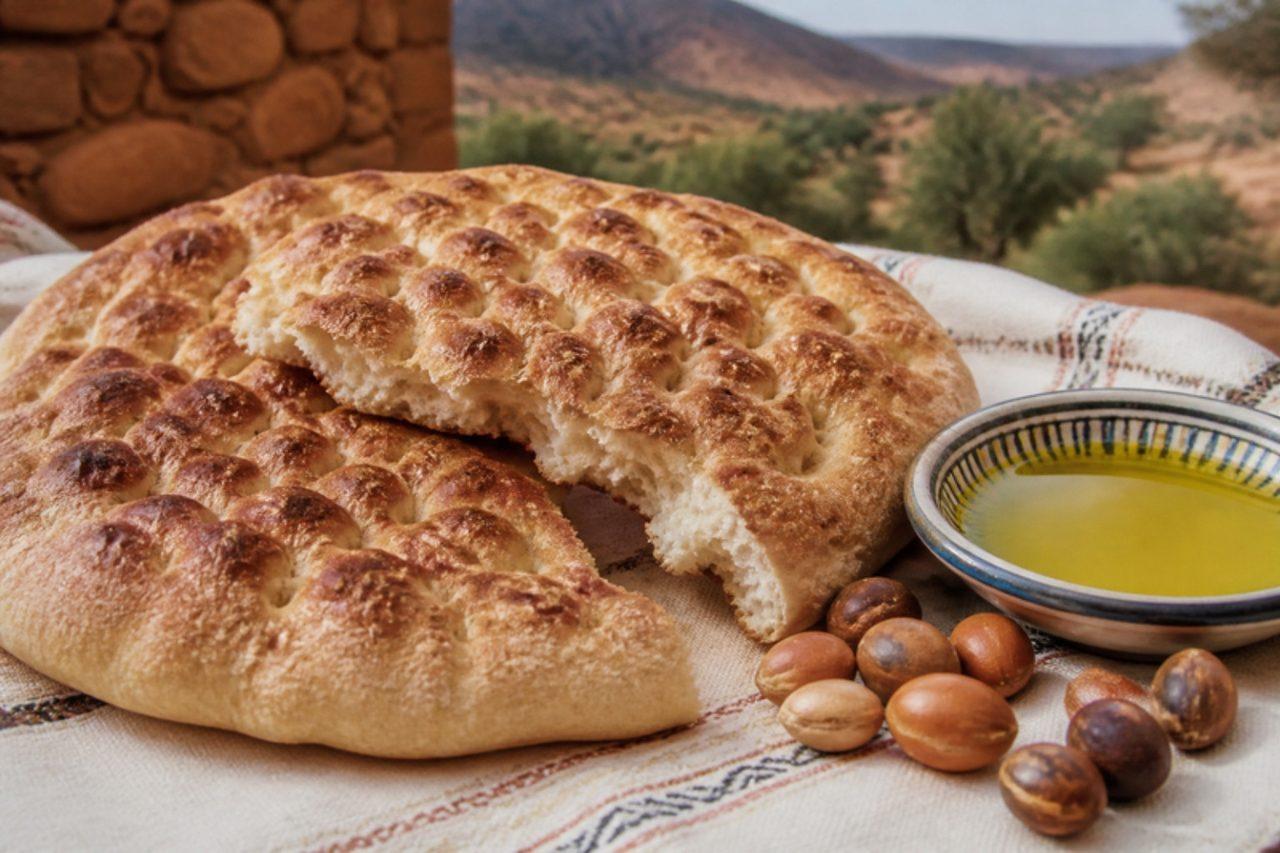
Tafarnout (pebble-baked Amazigh bread)

In the villages of the Anti-Atlas and the south, tafarnout is named after the domed clay oven it is baked in, lined with pebbles that are heated by a wood fire until the dough slapped onto them puffs and blisters within minutes. The stones leave the bottom deeply dimpled and charred in spots, while the top stays soft; it is torn and dipped into argan oil, amlou or olive oil, or eaten with tagines. You can come close at home with a tray of clean, smooth river pebbles or a baking stone in a very hot oven. Allow about 1 1/2 hours for the dough to rise. Use only smooth, dense pebbles, scrubbed and dried for an hour in a low oven first: stones with trapped water can crack in the heat. Chef's tip: let the pebbles heat for a full 40 minutes; lukewarm stones make a pale, flat loaf.

by KrazyBadal 0 views

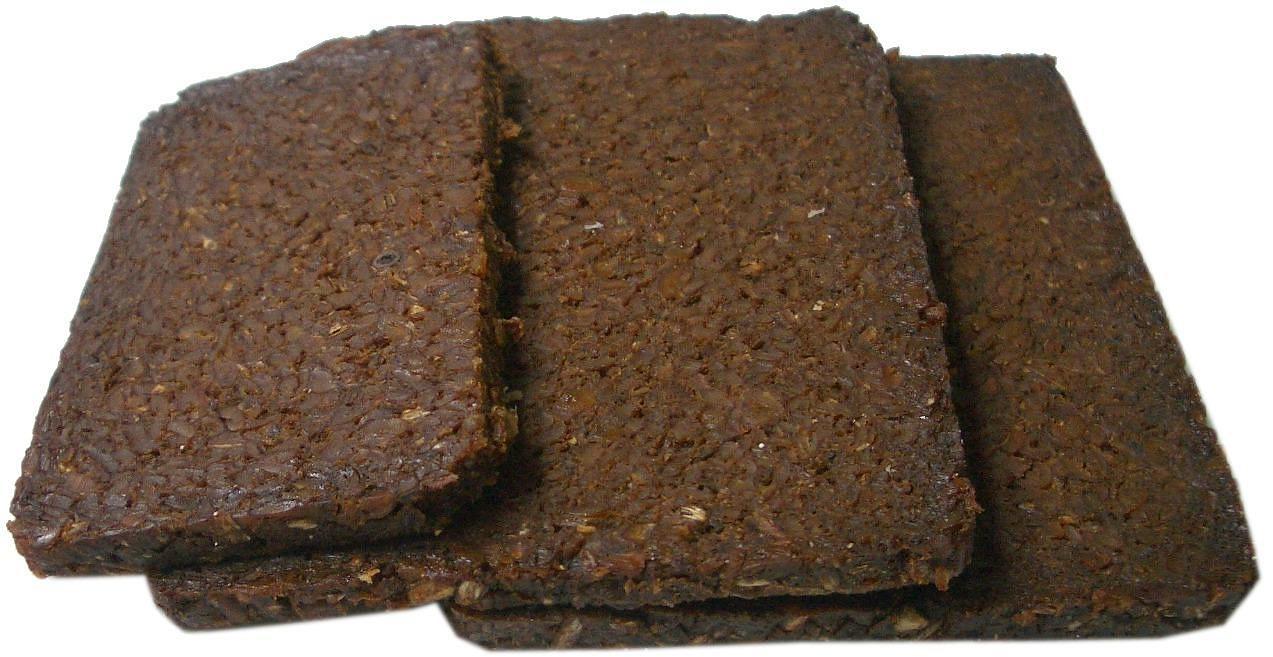
Westphalian pumpernickel

Real pumpernickel comes from Westphalia, where bakers in towns like Soest once left loaves in the cooling bread oven overnight, and it is still sliced paper-thin for breakfast with butter, quark and radishes or with a sharp cheese. There is no colouring and no molasses here: the near-black colour and the malty sweetness come only from cracked rye cooked for many hours in steam at a low heat. The crumb is moist, dense and slightly sticky, and the loaf keeps for over a week wrapped in cloth. A common mistake is slicing it on the day it comes out of the tin; it needs a full day to settle or it tears into gummy crumbs. Chef's tip: wrap the tin tightly in two layers of foil and stand it in a roasting tray of hot water, because a dry loaf turns hard instead of dark and sweet.

by KrazyBadal 0 views

Linzer Torte

Linz, the Danube city in Upper Austria, has baked this tart for centuries, and it still fills bakery windows there all year, with extra demand in Advent. It is closer to a soft, crumbly nut biscuit than a pastry: ground hazelnuts, butter, cinnamon and cloves are pressed into the tin, filled with tart redcurrant jam and topped with a lattice. Serve a thin slice with coffee or tea. A common mistake is eating it on the day it is baked; it is much better after two or three days, when the jam soaks into the crumb. Chef's tip: chill the lattice strips on a tray before lifting them on, and they will not tear.

by KrazyBadal 0 views

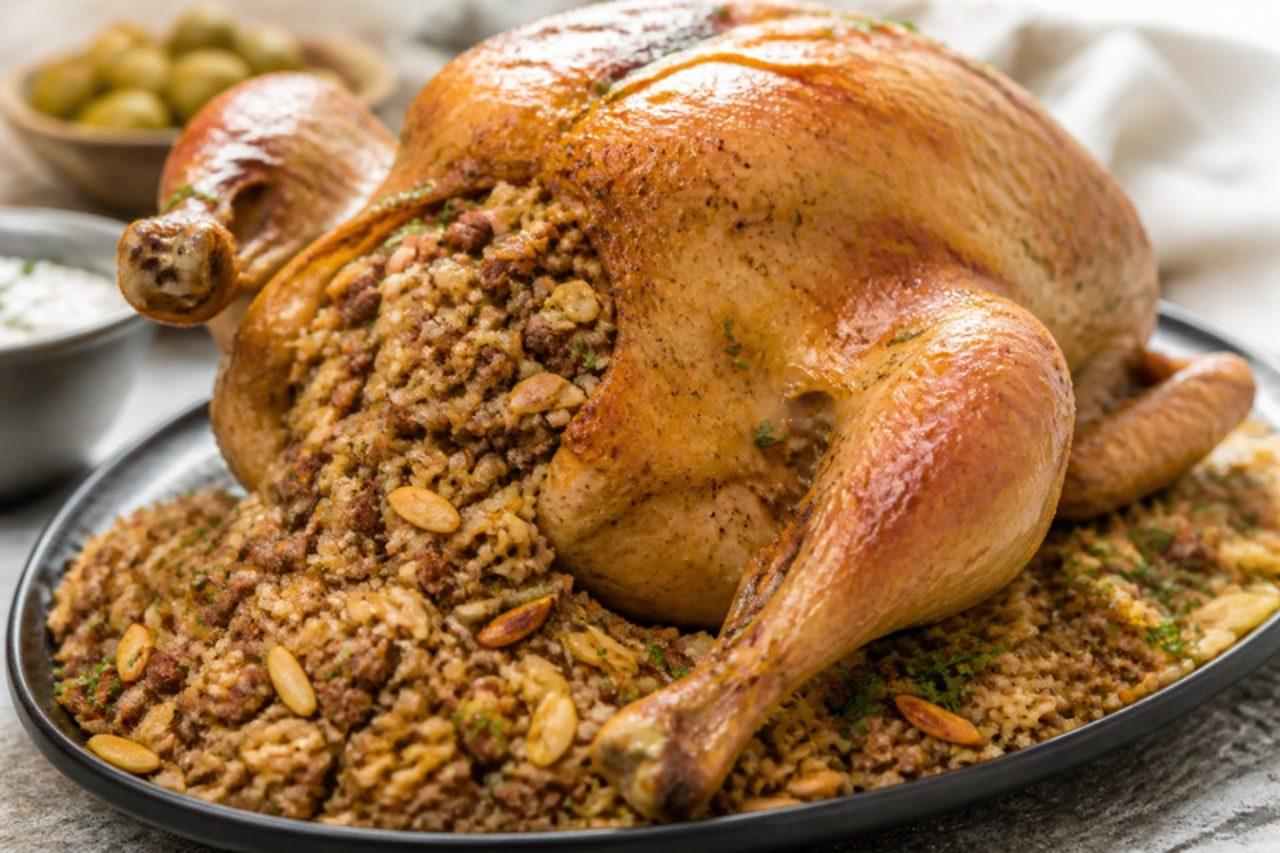
Djaj mahshiRoast chicken stuffed with spiced rice

For Eid, Christmas or a wedding lunch in Palestine, a whole chicken stuffed with spiced rice is the centrepiece: the rice cooked with a little minced lamb, seven-spice and cardamom, packed into the bird and roasted until the skin is lacquered brown, then piled on a platter under handfuls of fried almonds and pine nuts. Serve with yoghurt and a chopped salad. Common mistake: packing the cavity tightly with raw rice, which leaves the centre undercooked; part-cook the rice first and stuff loosely. Chef's tip: simmer the chicken briefly in spiced water before roasting, as many Palestinian cooks do; it seasons the meat and keeps it moist.

by KrazyBadal 0 views

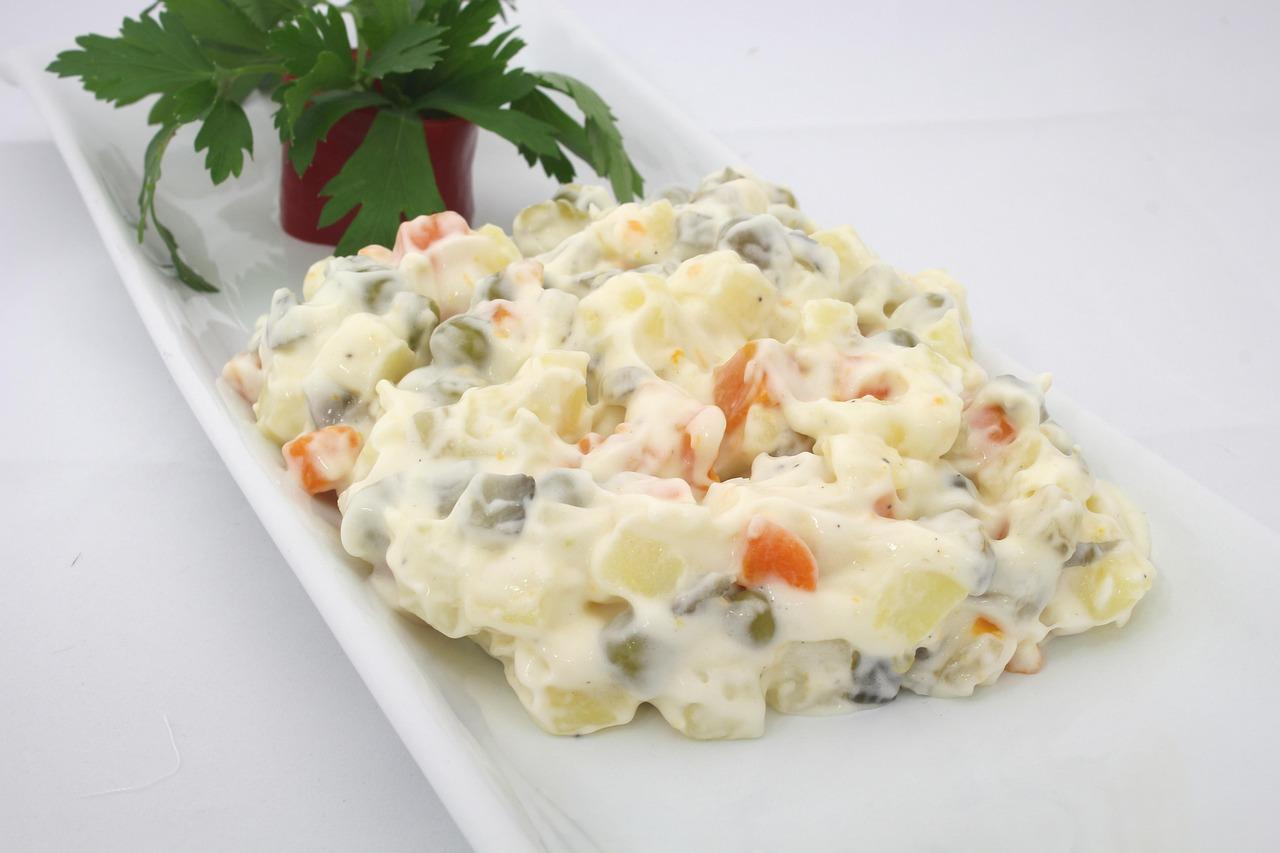
Salada de maionesePotato, carrot and pea mayonnaise salad

Sunday lunch in Rio, a birthday churrasco, the Christmas Eve table: wherever Brazilian families gather, a bowl of salada de maionese is there. Potatoes and carrots are cooked in small cubes, mixed with peas, chopped hard-boiled egg, a squeeze of lime and plenty of mayonnaise, then chilled until cold and creamy. Some homes add diced green apple or olives; the soft potato and sweet carrot with the tangy dressing are the heart of it. Serve it with rice, farofa and anything grilled. Dressing the potatoes while still hot is the usual misstep: the mayonnaise splits and turns oily, so let them cool first. Keep it in the fridge and don't leave it out in the heat for more than two hours. Chef's tip: toss the warm potatoes with the lime juice and salt only, so they absorb the seasoning before the mayonnaise goes on.

by KrazyBadal 0 views

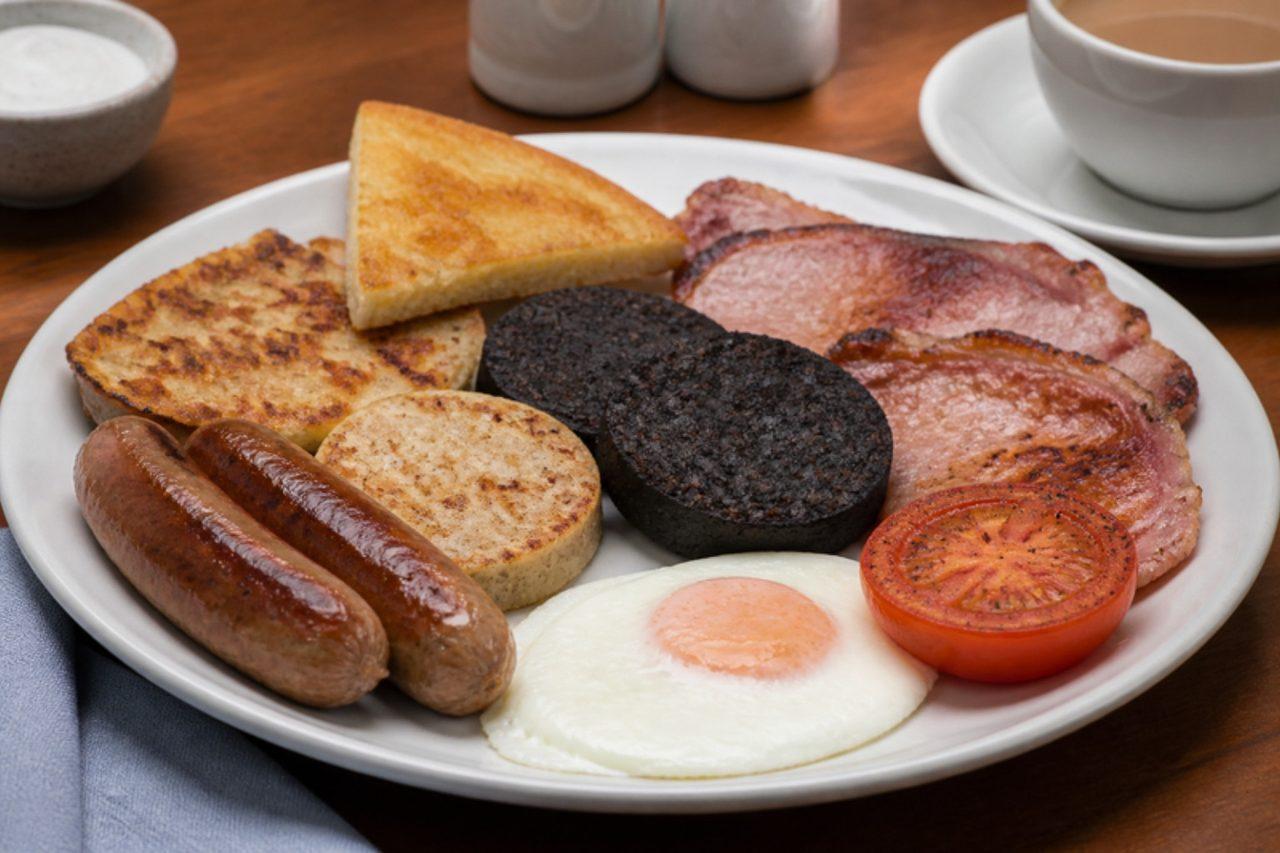
Ulster fry

The Ulster fry is the big weekend breakfast of Northern Ireland, from Belfast cafés to County Down B&Bs, and what sets it apart is the bread: soda farls and potato bread fried golden in the pan juices. Pork sausages, back bacon, black pudding, eggs, tomatoes and mushrooms complete the plate. Chef's tip: cook in order of what takes longest and keep things warm in a low oven, so the eggs go in last and are served soft.

by KrazyBadal 0 views

Barley couscous with vegetables (belboula)

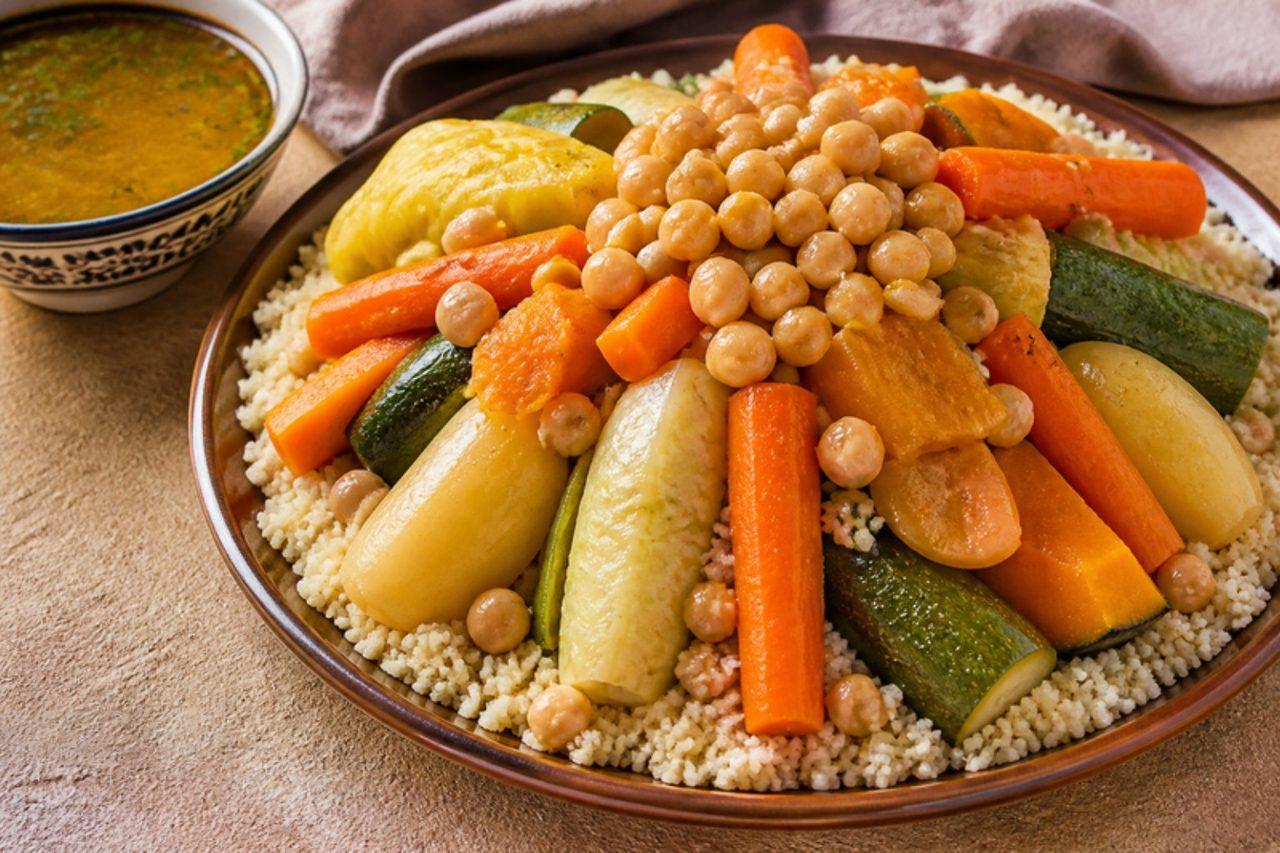
In the palm oases of the Draa Valley, south of the Atlas, barley grows where wheat struggles, and the couscous cooked for family meals is often belboula: cracked barley grains steamed three times until fluffy, nutty and slightly chewy. It is heaped on a big platter, crowned with vegetables from the broth bubbling beneath it, such as carrots, turnips, pumpkin, courgettes and cabbage, plus chickpeas, then moistened with ladles of the turmeric-and-ginger broth. On hot days the same couscous is eaten cold with buttermilk instead. It takes time but very little skill once you know the rhythm of steaming. Chef's tip: oil and rub the grains between your palms before each steaming so they stay separate.

by KrazyBadal 0 views

Sachertorte

This dense, dark chocolate torte is Vienna's most famous cake, eaten in coffee houses all over the city with a cup of Melange and, always, a cloud of unsweetened whipped cream on the side. The sponge is made with melted chocolate and whisked egg whites, so it is fine-crumbed and slightly dry by design; a thin layer of sharp apricot jam runs through the middle and over the top, under a shiny, snappy chocolate glaze. A common mistake is pouring the glaze too hot or too cold; too hot and it runs off thin, too cold and it sets dull and lumpy. It is a cake for birthdays and Sunday visits, and it keeps well for days. Chef's tip: bake it the day before and let it rest overnight wrapped; it cuts far more neatly and the crumb softens.

by KrazyBadal 0 views

Halve HahnRye roll with Gouda and mustard

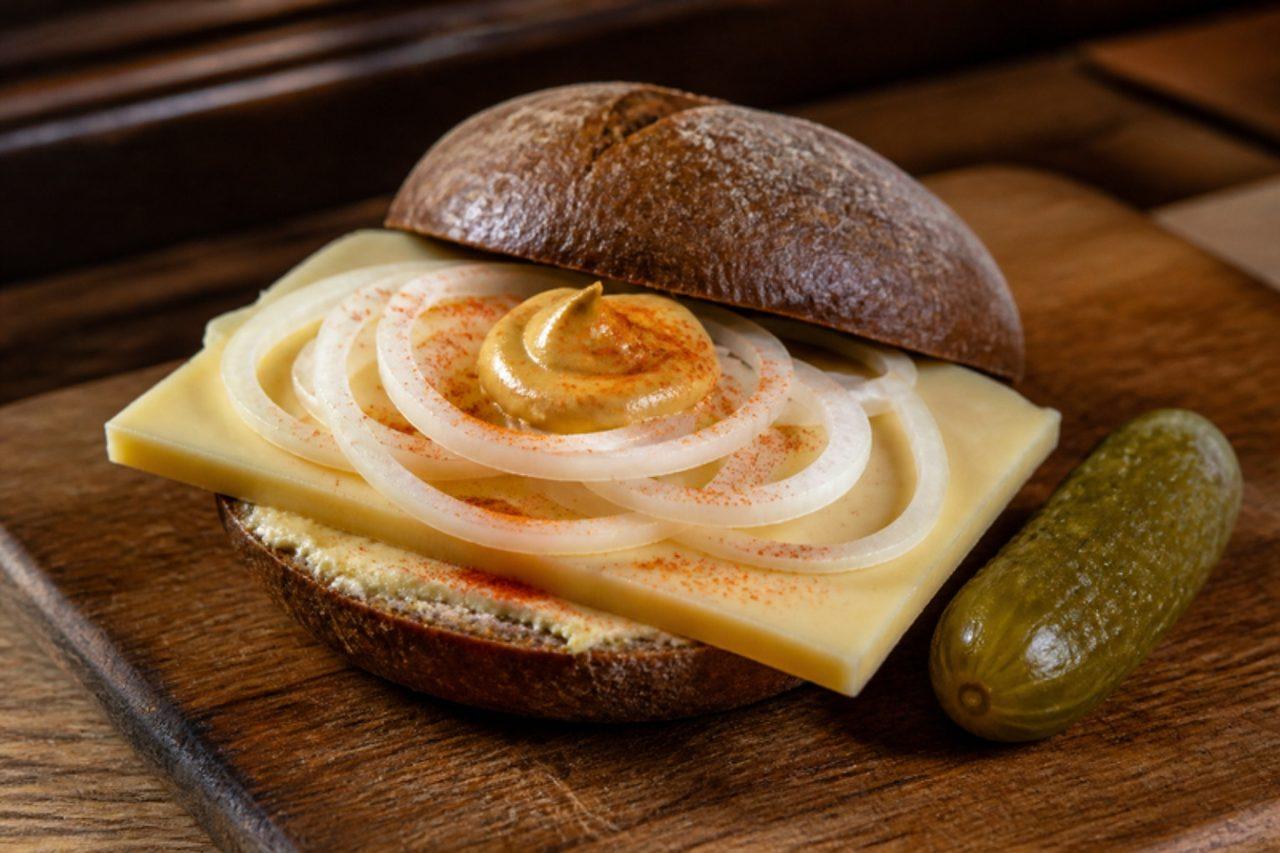
Order a Halve Hahn in a Cologne brewpub and you will not get half a chicken, whatever the name says: you get a buttered rye roll, a slab of aged Gouda, sharp mustard and raw onion rings. It is the standard snack on the long wooden tables of the Altstadt, eaten with a small glass of the local beer, though it is just as good with apple juice spritzer. The point is the contrast of crusty rye, nutty crystalline cheese and the bite of onion and mustard. Aged Gouda is usually made with animal rennet, so look for one labelled vegetarian or made with microbial rennet. A common mistake is slicing the cheese thin like a sandwich; the Cologne way is a slice as thick as your finger. Chef's tip: take the cheese out of the fridge 30 minutes ahead so its flavour opens up.

by KrazyBadal 0 views

Halim bademjanAubergine, wheat and lentil porridge

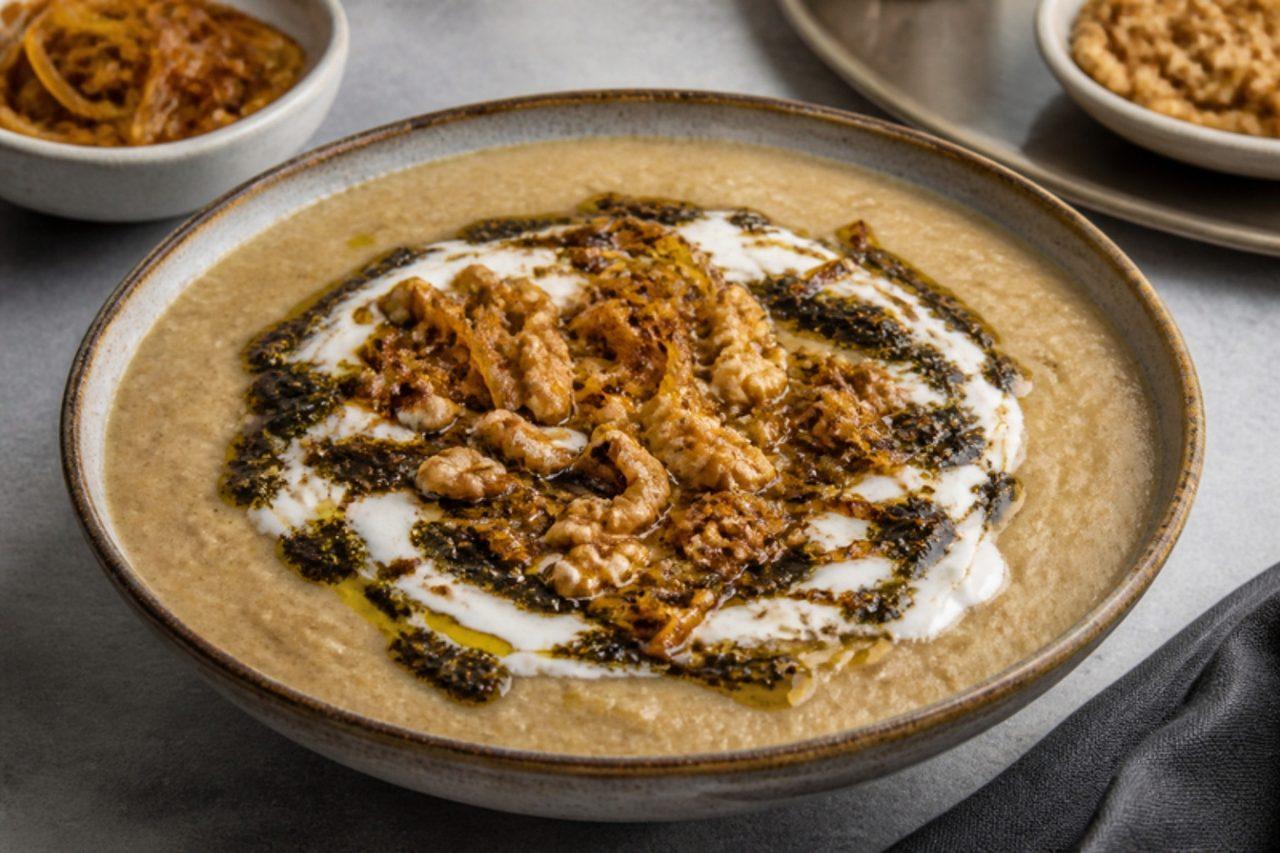
In Kashan and Isfahan, halim bademjan is the thick, savoury porridge served at religious vows and at long family lunches in autumn, ladled onto a platter and drawn over with patterns of kashk, fried mint and crisp onion. Usually it is cooked with lamb that is pounded into the grains; this vegetarian version keeps the soaked wheat and green lentils, which give the same velvety body. The texture should be smooth enough to spread but still hold a spoon line. Kashk is a fermented whey product made without rennet, so the dish is vegetarian; sour cream thinned with lemon is the nearest swap. A common mistake is not soaking the wheat overnight, which leaves the halim gritty. Chef's tip: mash the aubergine into the grains with a wooden pestle rather than a blender, so you keep some threads of texture.

by KrazyBadal 0 views

Albaloo poloSour cherry rice with meatballs

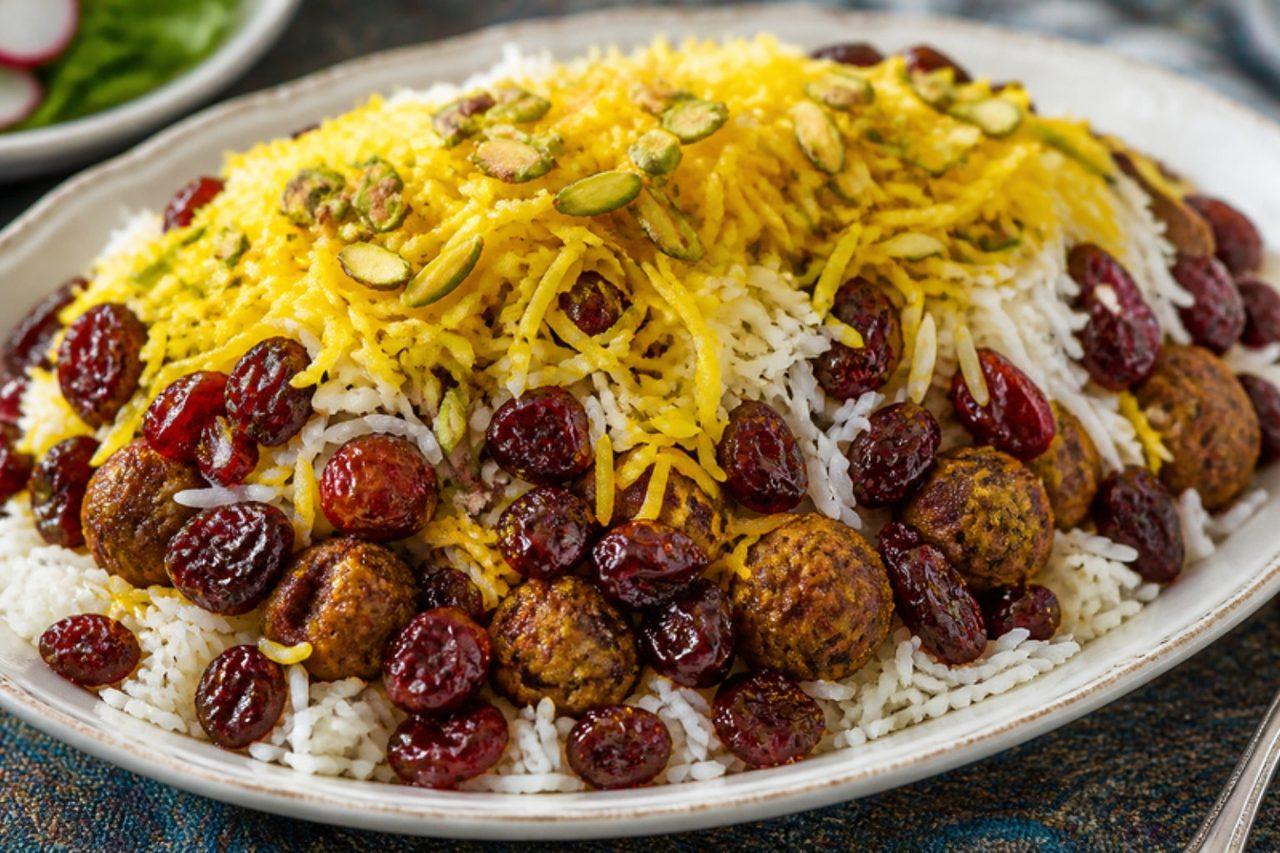
In early summer the markets of Tehran fill with dark sour cherries, and many families cook a pot of albaloo polo the same week, also bringing it out for weddings and Yalda night because the red-and-gold rice looks so festive. The cherries are simmered into a glossy syrup, then layered through basmati with marble-sized lamb meatballs (some cooks use shredded chicken instead), and the whole pot is steamed until the rice turns pink and fragrant. The taste is sweet, sharp and savoury at once. A common mistake is pouring in all the syrup; it makes the rice soggy, so keep some back to drizzle at the table. Chef's tip: frozen or jarred pitted sour cherries in light syrup work well out of season; drain them and use half the sugar.

by KrazyBadal 0 views

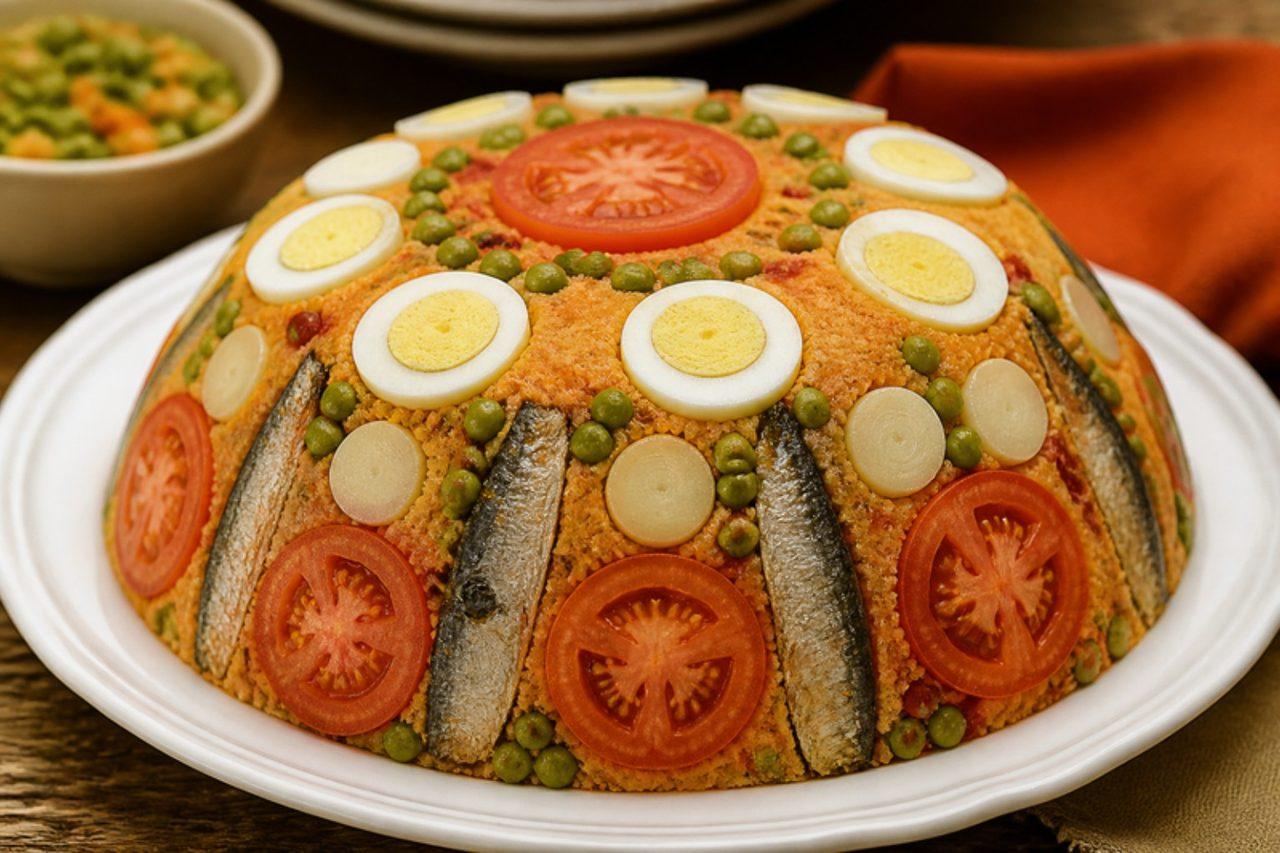
Cuscuz paulistaCornmeal with palm heart and sardines

Nothing like North African couscous, cuscuz paulista is a moulded cake of corn flakes cooked in a rich tomato sauce, packed into a ring mould decorated with sardines, sliced egg, tomato, palm hearts and peas, then turned out so the pattern shows. São Paulo bakeries and family lunches serve it cold or at room temperature, in slices, for birthdays, Easter and Sunday tables. It is moist, savoury and tangy, with bursts of olive and fish. It needs at least an hour to set in the fridge, so it is perfect to make the day before. The thing that most often goes wrong is a mixture that is too dry, which crumbles when turned out; it should look like soft, wet polenta before it goes into the mould. For a vegetarian version, skip the sardines and add extra palm hearts. Chef's tip: oil the mould generously and press the decoration against the sides firmly, so it sticks to the cuscuz and not the tin.

by KrazyBadal 0 views

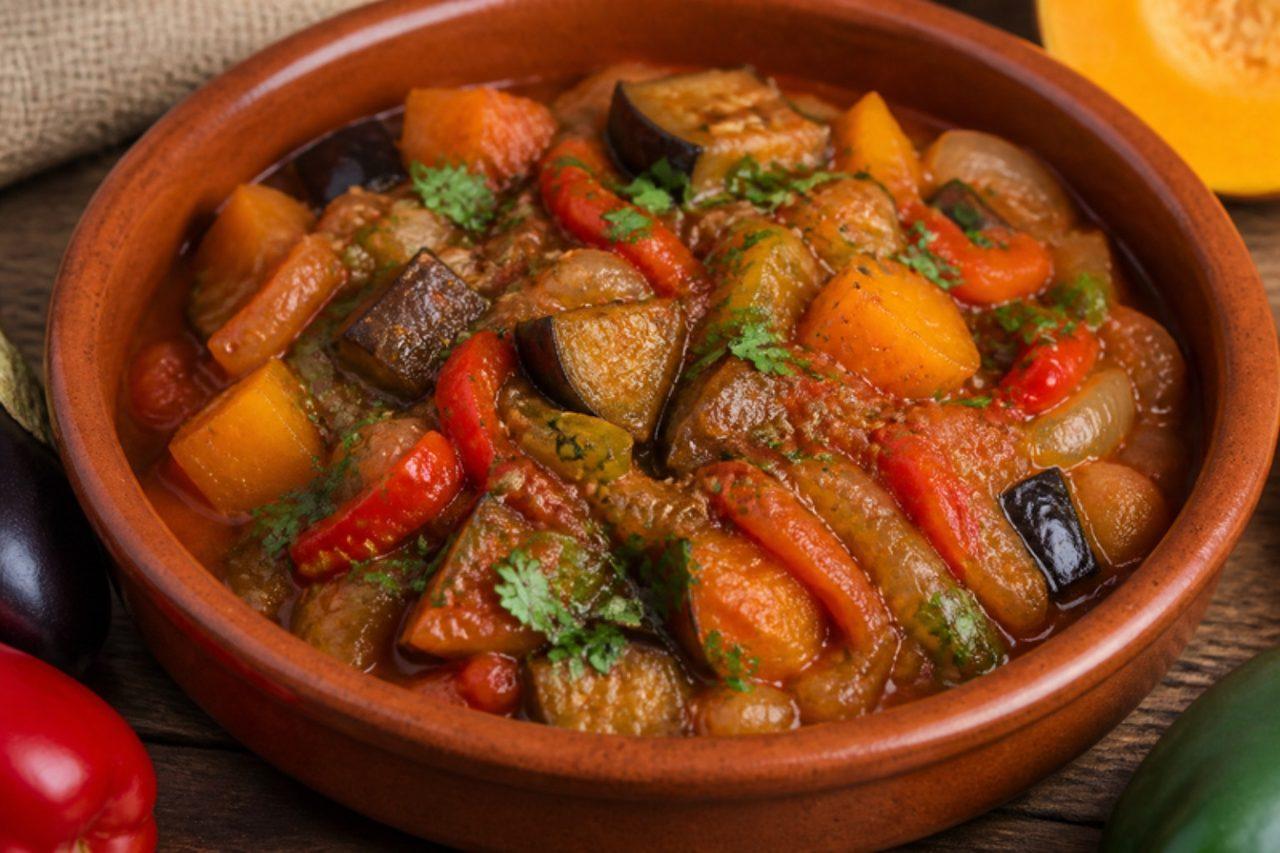
AlboroníaAubergine, pumpkin and pepper stew

Alboronía is one of the oldest dishes in Andalusia; its name comes from the Arabic of al-Andalus, and cooks in Córdoba, Jaén and the villages of the Sierra Morena still make it in late summer, when aubergines, peppers and the first pumpkins share the market stalls. The vegetables cook down slowly with cumin, paprika and a little vinegar until they melt together into something between a stew and a jam-like sauté. Eat it warm with bread, or cold the next day as a tapa. A common mistake is stirring the pumpkin too often, which mashes it into the sauce instead of leaving soft chunks. Chef's tip: let the pumpkin go in only after the onion and peppers are soft, so it holds a few pieces among the purée instead of disappearing.

by KrazyBadal 0 views

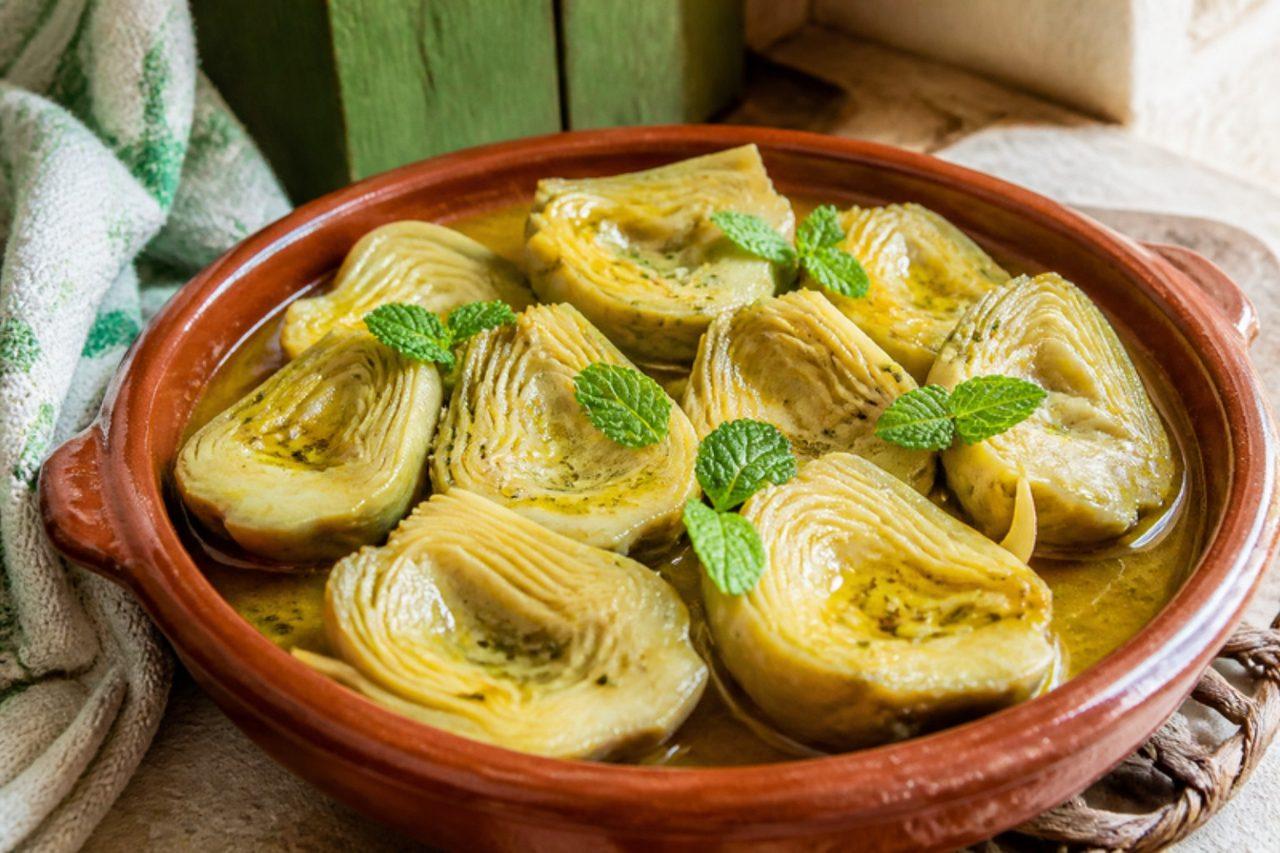
Alcachofas a la montillanaArtichokes braised in wine with mint

Montilla, south of Córdoba, makes a pale, dry wine from sun-dried Pedro Ximénez grapes, and in late winter and spring its kitchens braise young artichokes in it with a little saffron and fresh mint. Many cooks add cubes of cured ham; this version leaves it out and lets the artichokes, wine and mint carry the dish. It uses wine; the alcohol-free option is in the ingredient list. Serve it as a starter, or as a main with bread and a fried egg. A common mistake is trimming the artichokes without dropping them straight into lemon water, so they turn black before they reach the pan. Chef's tip: drop each trimmed artichoke straight into lemon water, because cut artichokes blacken within a minute in the air.

by KrazyBadal 0 views

Alcatra da TerceiraBeef pot roast in wine

Alcatra is the feast dish of Terceira, cooked for the Holy Spirit festivals of spring and summer in unglazed clay pots that go into the bread oven after the loaves come out. Big pieces of beef braise for hours in wine with onions, bacon, allspice and bay, until the meat falls apart and the sauce turns dark and spiced. It is served with slices of massa sovada to soak up every drop. This contains pork (streaky bacon) and uses red wine; for an alcohol-free version, use the same amount of beef stock with 2 tablespoons of red wine vinegar. Chef's tip: crush the allspice just before using; whole berries give the sauce its warm, clove-like scent.

by KrazyBadal 0 views

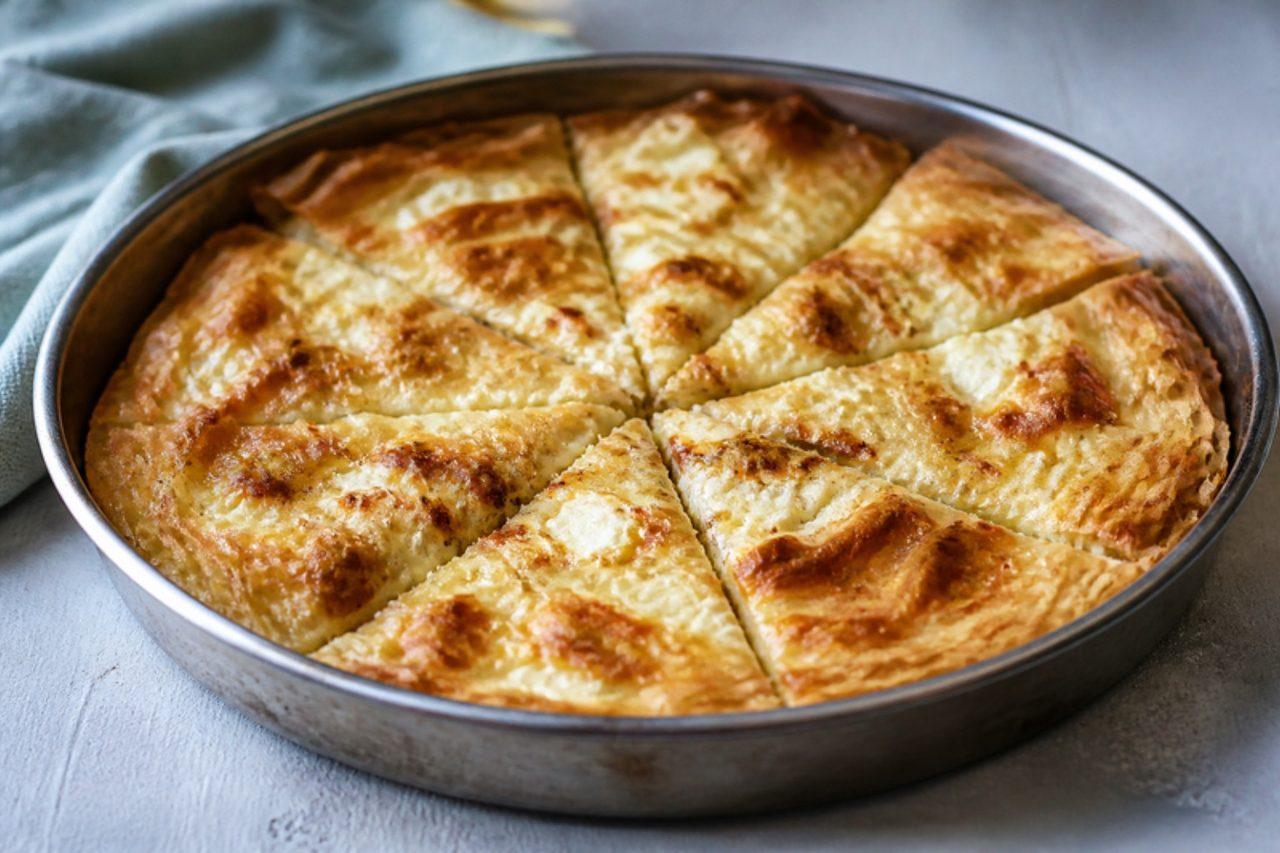
AlevropitaCrisp batter pie with feta

Shepherd families in the stone villages of Zagori, north of Ioannina, made alevropita when there was no time to roll pastry: a runny flour batter poured over sizzling oil in a very hot tin, dotted with feta and baked until crisp and lacy at the edges. It's now on every taverna table in Epirus, cut into rough squares and eaten warm with a bowl of thick yoghurt or a tomato salad. Feta is usually made with animal rennet; use a vegetarian feta-style cheese if you need to. Common mistake: pouring the batter into a cold tin — the oil must be smoking-hot, or the pie turns heavy instead of crunchy. Chef's tip: use a wide, shallow metal tray so the batter is only about 5 mm deep.

by KrazyBadal 0 views

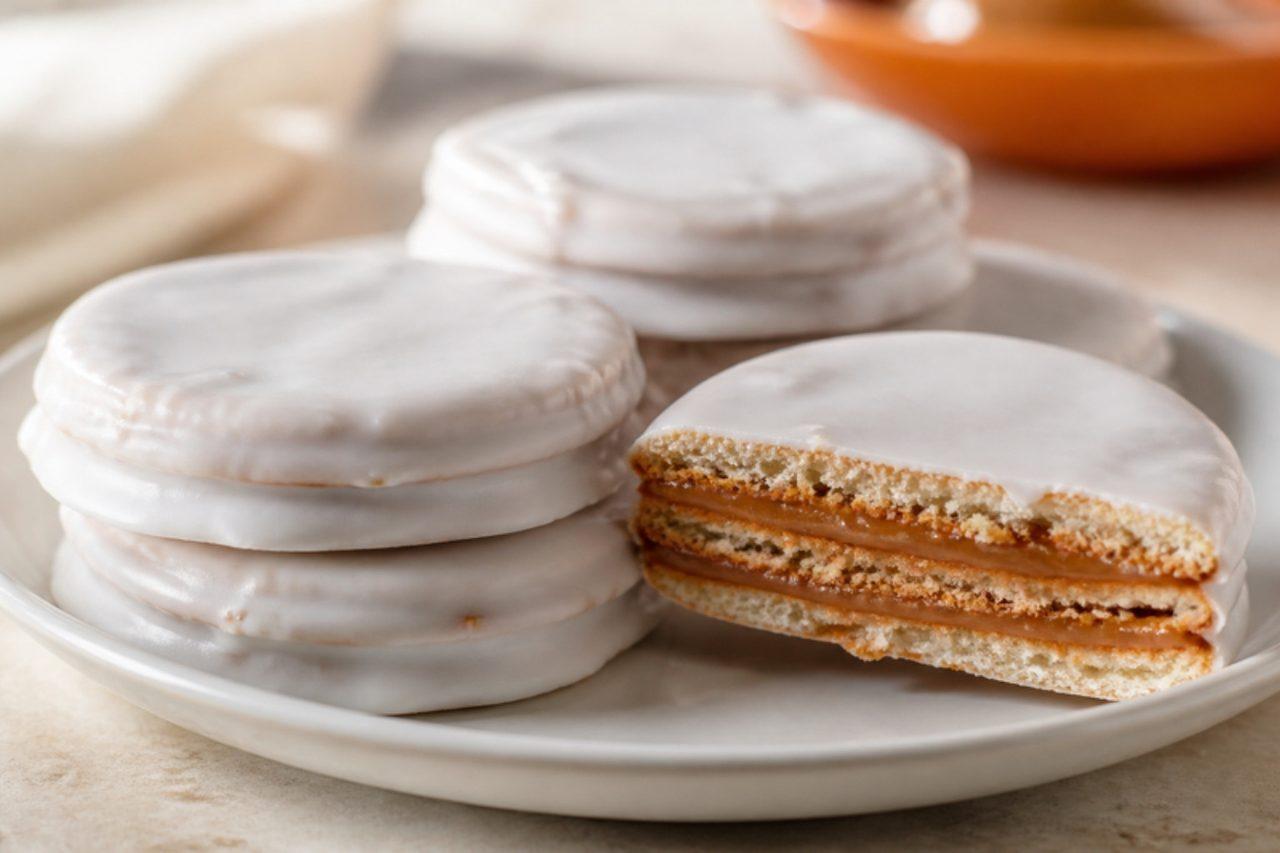
Alfajor cordobésJam sandwich cakes with sugar glaze

Córdoba's version of the alfajor is the soft one: two tender, slightly spongy honey-scented rounds sandwiched with fruit jam, usually quince or mixed fruit, and coated in a thin sugar glaze that dries to a crackly white shell. They are sold by the dozen in the sierras towns of Villa General Belgrano, La Falda and Capilla del Monte, where tourists buy boxes on the way home from holidays. Expect a gentle crunch, a cakey bite and a tart-sweet centre, best with a cup of coffee or mate. Overworking the dough is where they usually go wrong: knead it like bread and the rounds bake tough and flat, so mix only until it comes together. Quince paste (dulce de membrillo) loosened with water works well if you can't find a soft quince jam. Chef's tip: dry the glazed alfajores for 5 minutes in a barely warm oven; the glaze sets glassy and crackles when you bite.

by KrazyBadal 0 views

Alfajor santafesinoPastry discs with dulce de leche

Santa Fe's alfajor is a different animal from the soft cornflour kind sold everywhere else: three wafer-thin, crackly discs of yolk-rich pastry, stacked with dulce de leche, then dipped in a cooked sugar glaze that sets hard, white and shiny. Bakeries in Santa Fe city and along the Paraná river ship them all over the country in boxes, and travellers bring them home as the regional present. Bite through and the glaze shatters, the pastry flakes and the dulce de leche holds it all together. Thick pastry is the mistake that ruins the texture; it has to be rolled until you can almost see the worktop through it, or the alfajor turns bready. Some old recipes add a splash of cane spirit to the dough; this version uses only water and is alcohol-free. Use a thick, pastry-chef's dulce de leche (repostero) so it doesn't ooze. Chef's tip: bake the discs in batches and keep the rest of the dough covered; it dries out fast and then cracks when rolled.

by KrazyBadal 0 views

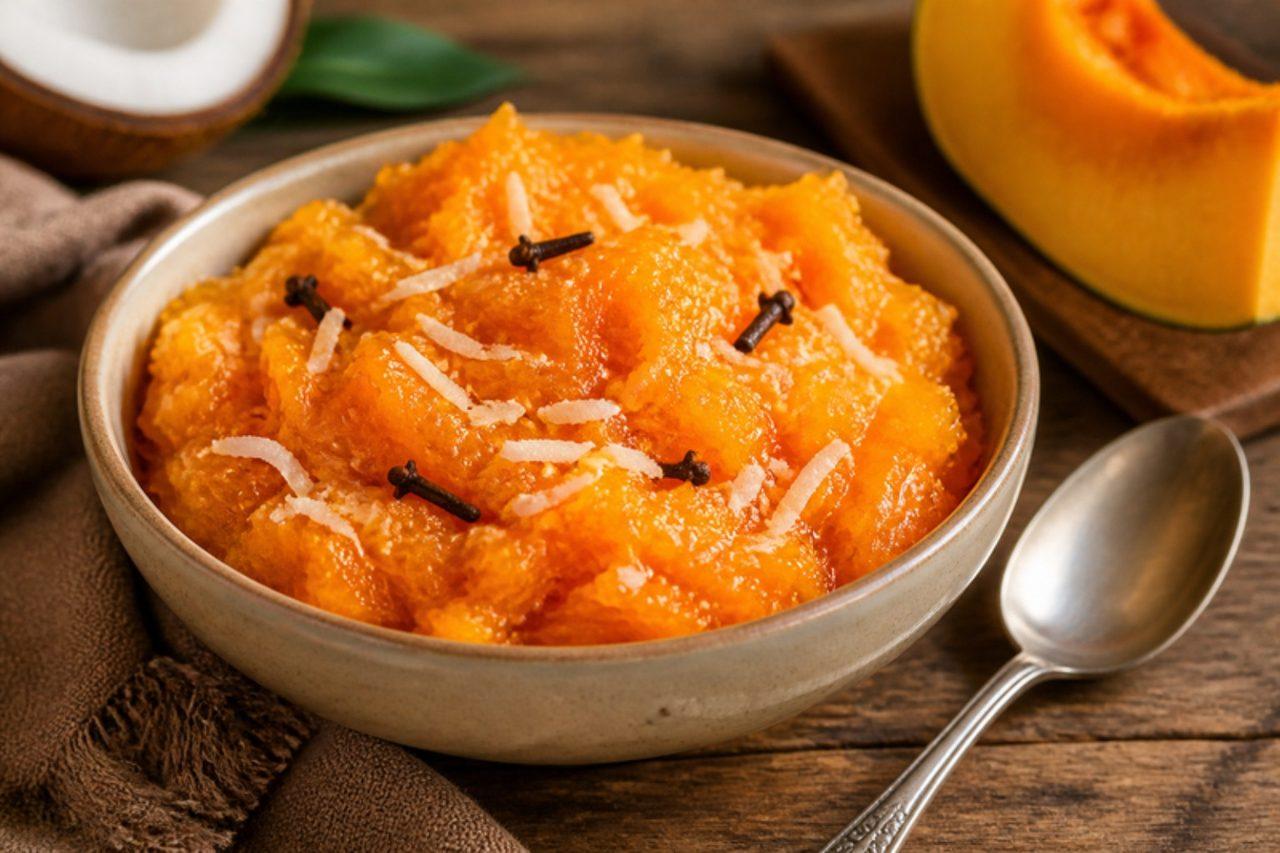
Doce de abóbora com cocoPumpkin and coconut sweet

Mineiro farm kitchens and the June festivals of the interior both lean on doce de abóbora, a deep orange spoon sweet of pumpkin cooked with sugar and cloves until thick, here finished with fresh grated coconut. It is eaten cold, by the spoonful from little bowls, or with a slice of fresh white cheese, the Brazilian way of pairing sweet and salty (pick a microbial-rennet cheese if you are vegetarian). The flavour is caramel-sweet and spiced, with the soft chew of coconut. Use a dry, dense pumpkin such as kabocha or butternut; watery pumpkins take forever to reduce. Adding the sugar before the pumpkin softens is a common misstep; the sugar firms the pieces and they never break down. Chef's tip: stop cooking when you see the base of the pan for a second as you drag the spoon through, as the sweet thickens further as it cools.

by KrazyBadal 0 views

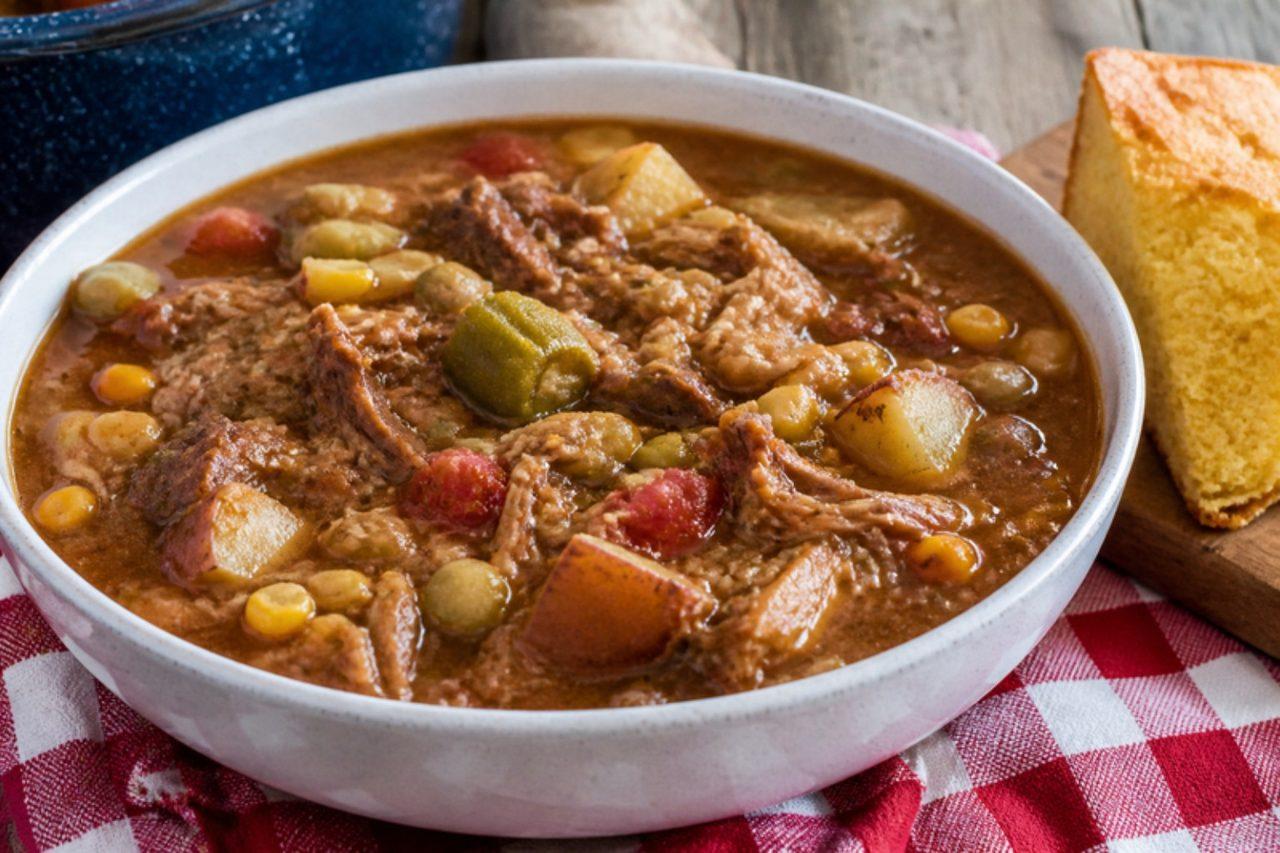
Kentucky burgoo

Burgoo is the thick, peppery stew Kentuckians cook in iron kettles for Derby parties, church picnics and political rallies, stirred for hours with a wooden paddle. Traditionally it used whatever meat was shot or raised; today it is usually beef, pork shoulder and chicken simmered with tomatoes, corn, okra, butter beans and potatoes until it all melts together. Chef's tip: burgoo should be thick enough that the paddle stands up; cook it down more if it's soupy.

180 minAmericanMeat
by KrazyBadal 0 views

Mahi doodi with sabzi polo

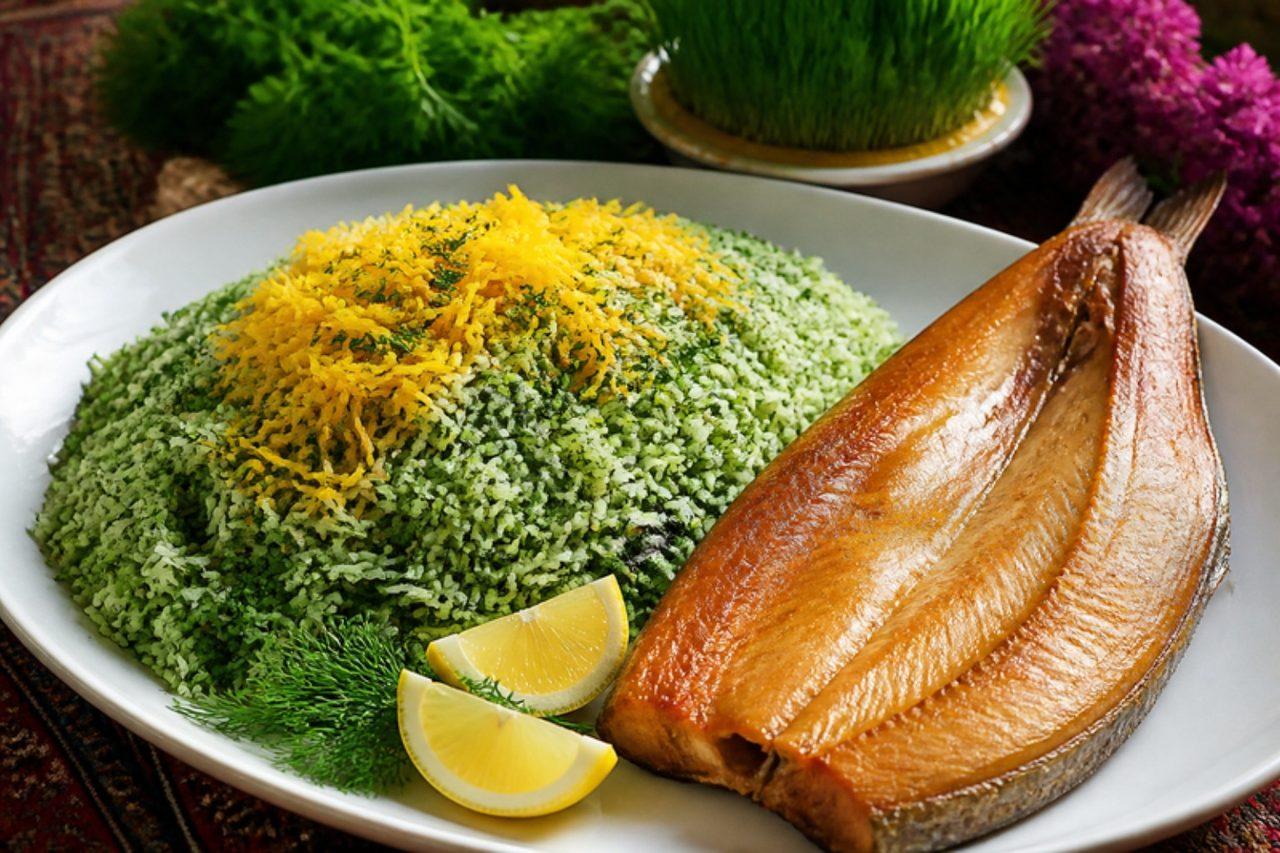
On the first day of the Persian new year, from Rasht to Tehran, the classic lunch is sabzi polo, a green herb rice, with fish, and on the Caspian side that fish is often golden hot-smoked white fish (mahi doodi). Fresh herbs stand for spring and the fish for life, so the plate is full of meaning as well as flavour. Most cooks buy the smoked fish ready made and simply warm it with a little garlic and saffron butter, which is what this recipe does; the rice is steamed with dill, parsley, coriander and chives until it forms a crisp tahdig. Hot-smoked fish is already cooked; heat it until piping hot, at least 70 °C in the middle. A common mistake is warming the fish dry in a hot oven, which makes it tough and salty; wrap it with a splash of water so it steams. Chef's tip: soak the smoked fish in warm water for 10 minutes first to draw out some of the salt.

by KrazyBadal 0 views

EiernockerlSoft dumplings with scrambled eggs

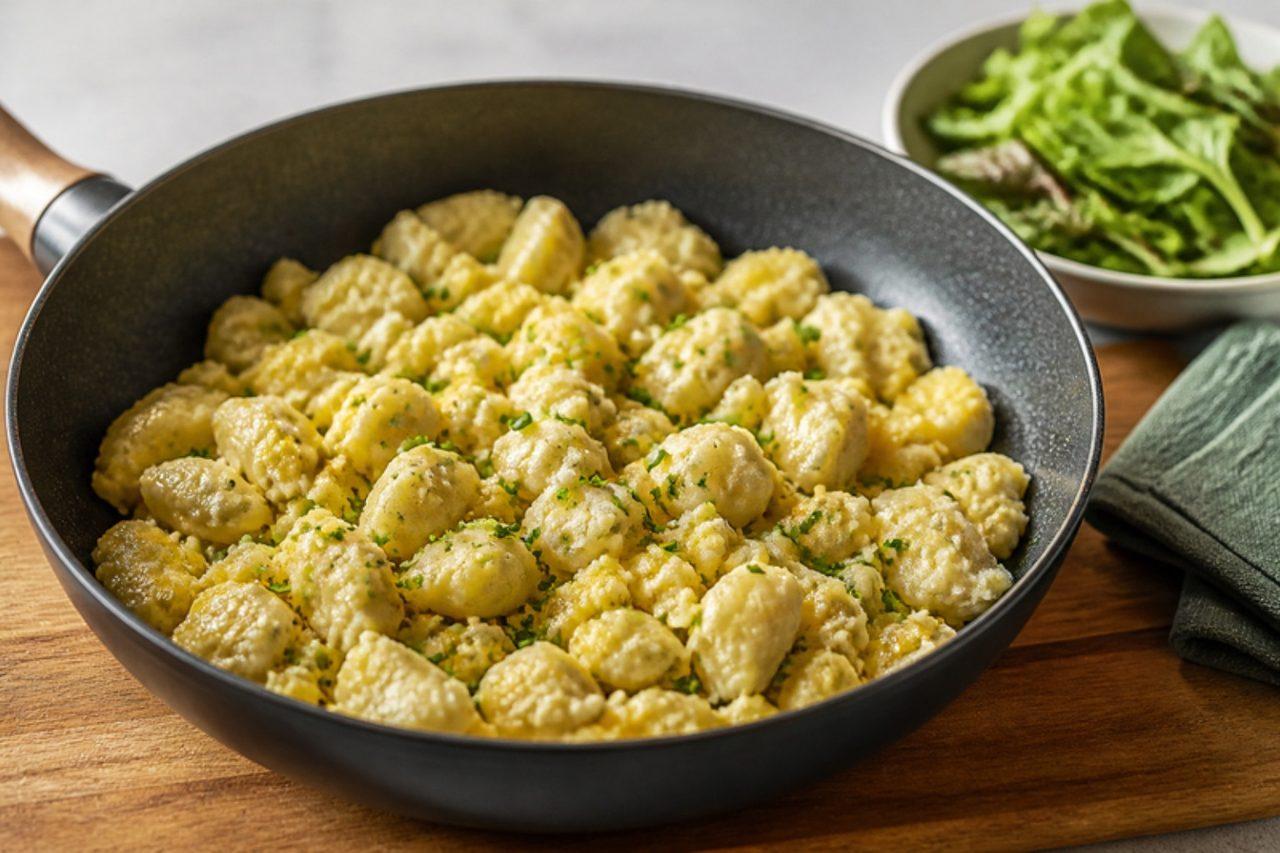
Eiernockerl is what Viennese grandmothers cook when the larder is nearly bare: a loose flour batter is scraped in little nubs into boiling water, then tossed in foaming butter and set with beaten eggs. In Vienna it turns up on weekday lunch tables and in old-fashioned Beisln, usually with a green salad in a sharp vinegar dressing on the side. The nockerl should be soft and slightly chewy, the egg just set and glossy, with lots of chives. A common mistake is cooking the eggs until dry and grainy; take the pan off the heat while they still look a little wet. Chef's tip: let the batter rest for 10 minutes before you cut it into the water, so the flour swells and the nockerl hold their shape.

by KrazyBadal 0 views

FurrunduGreen papaya and cane sugar sweet

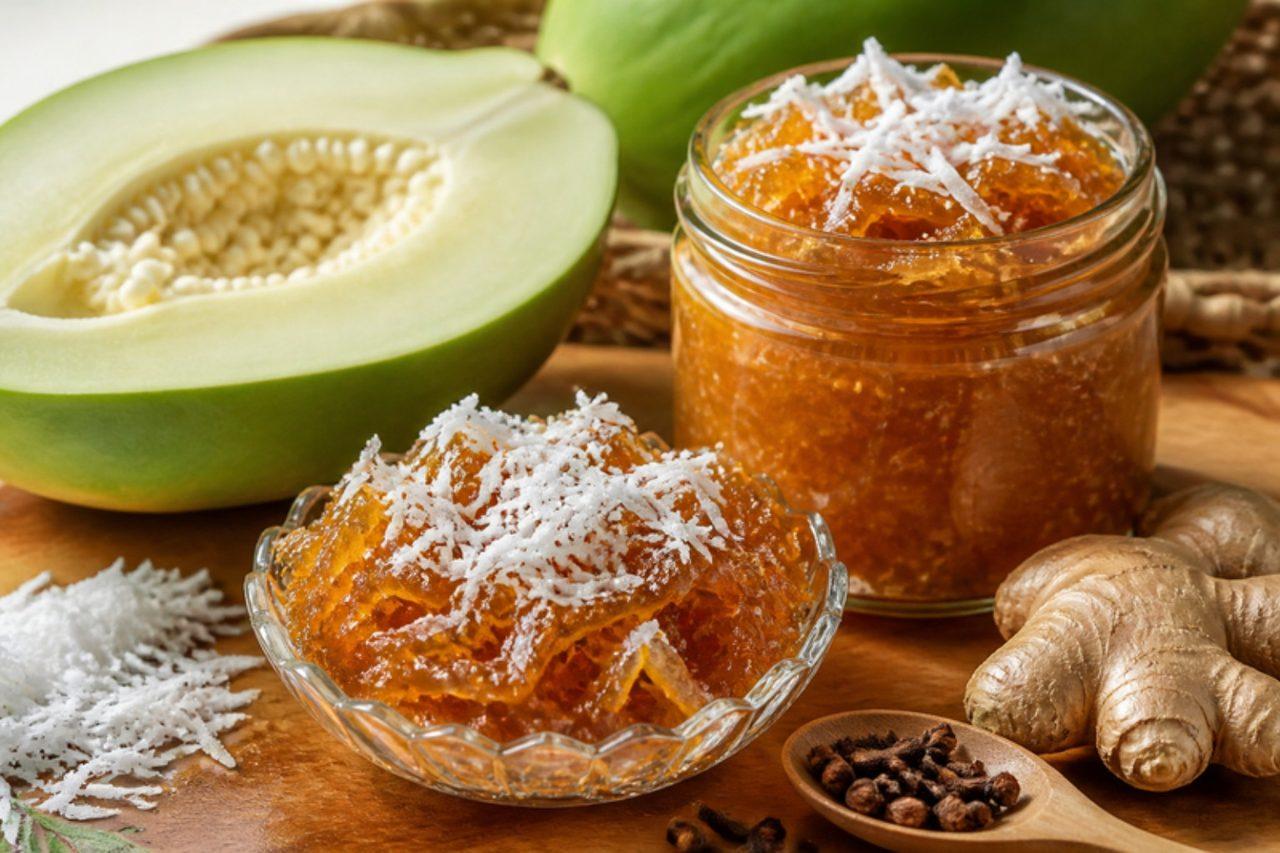
Cuiabá's grandmothers have a sweet for every fruit, and furrundu is the one that turns an unripe papaya into something special. The green fruit is grated, squeezed and cooked slowly with rapadura (dark unrefined cane sugar), fresh ginger, cloves and cinnamon until it is dark brown, sticky and chewy, with a warm spice that lingers. It is sold in small pots at Cuiabá's Mercado do Porto and at festas de santo in Mato Grosso, eaten by the spoonful with a slice of fresh cheese or on its own. The mistake to avoid is skipping the rinse: green papaya oozes a milky latex that tastes bitter and can irritate the skin, so wear gloves and wash the grated fruit well. Chef's tip: stop cooking when you can drag a spoon across the bottom of the pan and see the base for a second; it firms up a lot as it cools.

by KrazyBadal 0 views

Mahyaveh-style anchovy and spice spread

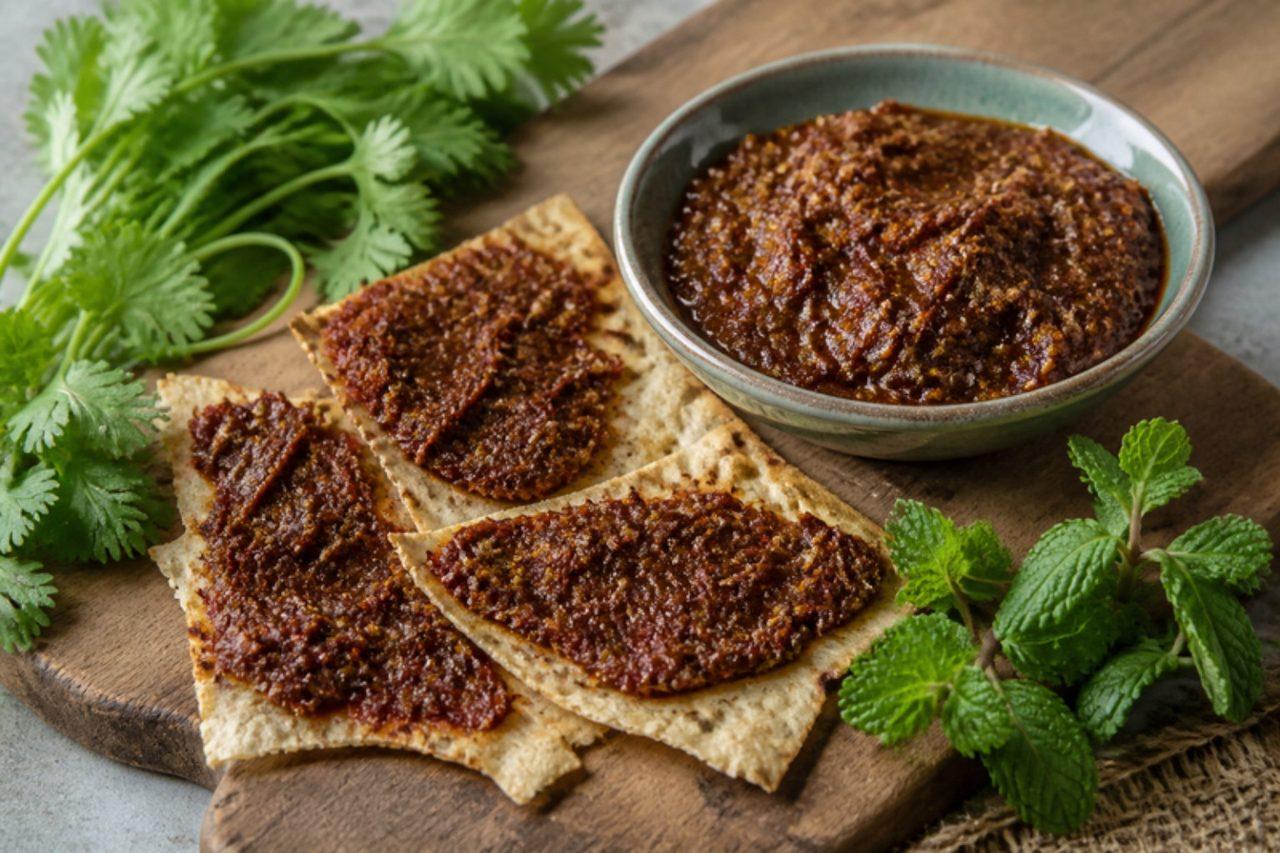
In Bandar Abbas, Lar and the villages of Hormozgan, mahyaveh is a dark, pungent sauce made by leaving tiny fish with salt, mustard seed and spices to ferment in the sun for weeks; it is smeared on hot flatbread for breakfast or with eggs. That open-air fermentation is hard to control safely at home, so this version gets the same deep, salty flavour from ready-cured anchovy fillets blended with toasted mustard seed, cumin, coriander seed, fennel and a little vinegar, and it lives in the fridge from the start. It is still a cured-fish product: not for pregnant women, young children or anyone with a weakened immune system. A common mistake is spreading it thickly like a pâté; it is a seasoning, so a thin smear is enough. Chef's tip: toast the spices until the mustard seeds just start to pop, which takes the raw bitterness out and gives the spread its roasted edge.

by KrazyBadal 0 views

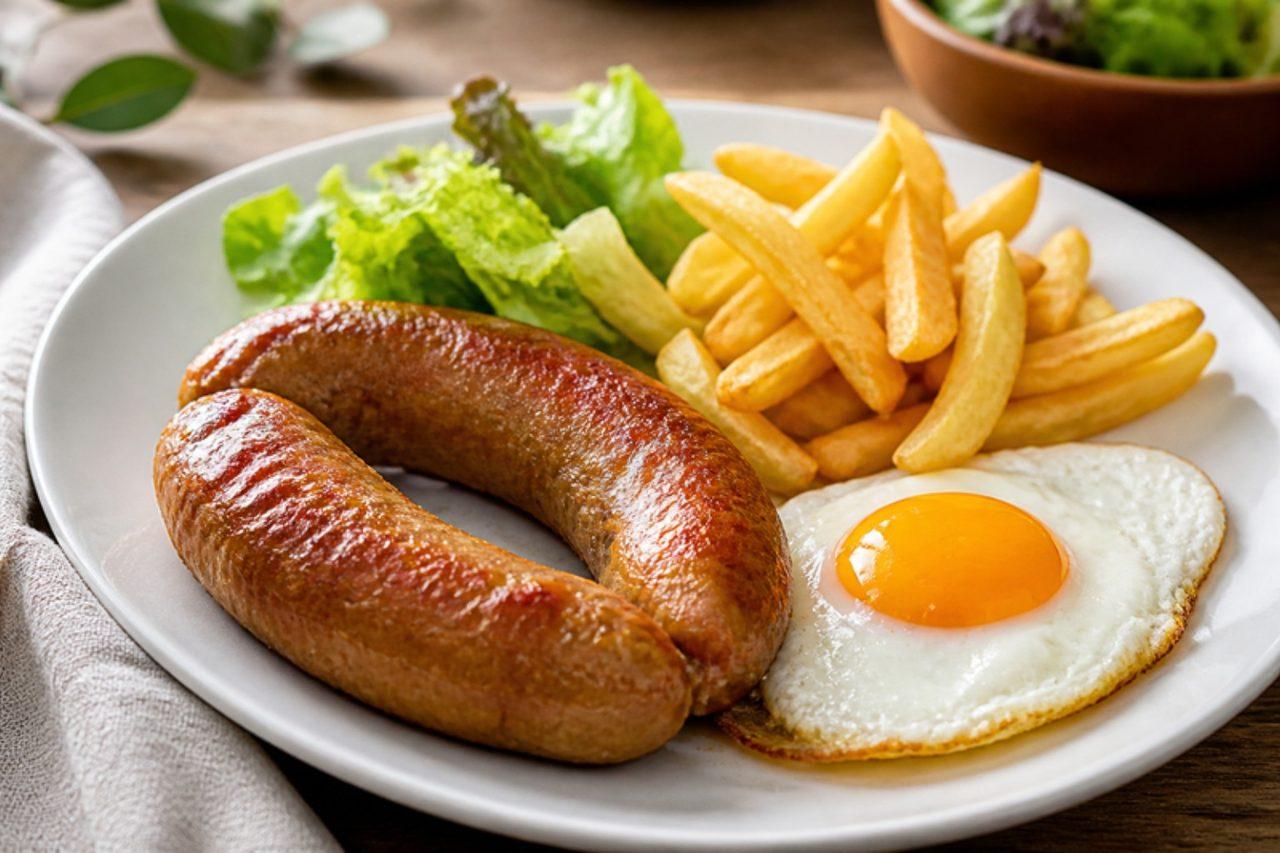
Alheira com ovo e batata fritaGarlic sausage with egg and chips

Mirandela, on the Tua river in Trás-os-Montes, is the home of alheira, a garlicky smoked sausage of bread and poultry, said to have been invented by Jewish families who needed something that looked like pork sausage. Today most alheiras contain pork, so this dish contains pork; look for the rare poultry-only kind if you avoid it. In every northern café it comes the same way: roasted until the skin crackles, with a fried egg, chips and sautéed greens. A common mistake is frying the alheira over a high heat, so the skin bursts and burns before the inside is hot. Chef's tip: prick the skin a few times and roast it in the oven rather than frying, so it stays whole and crisp.

by KrazyBadal 0 views

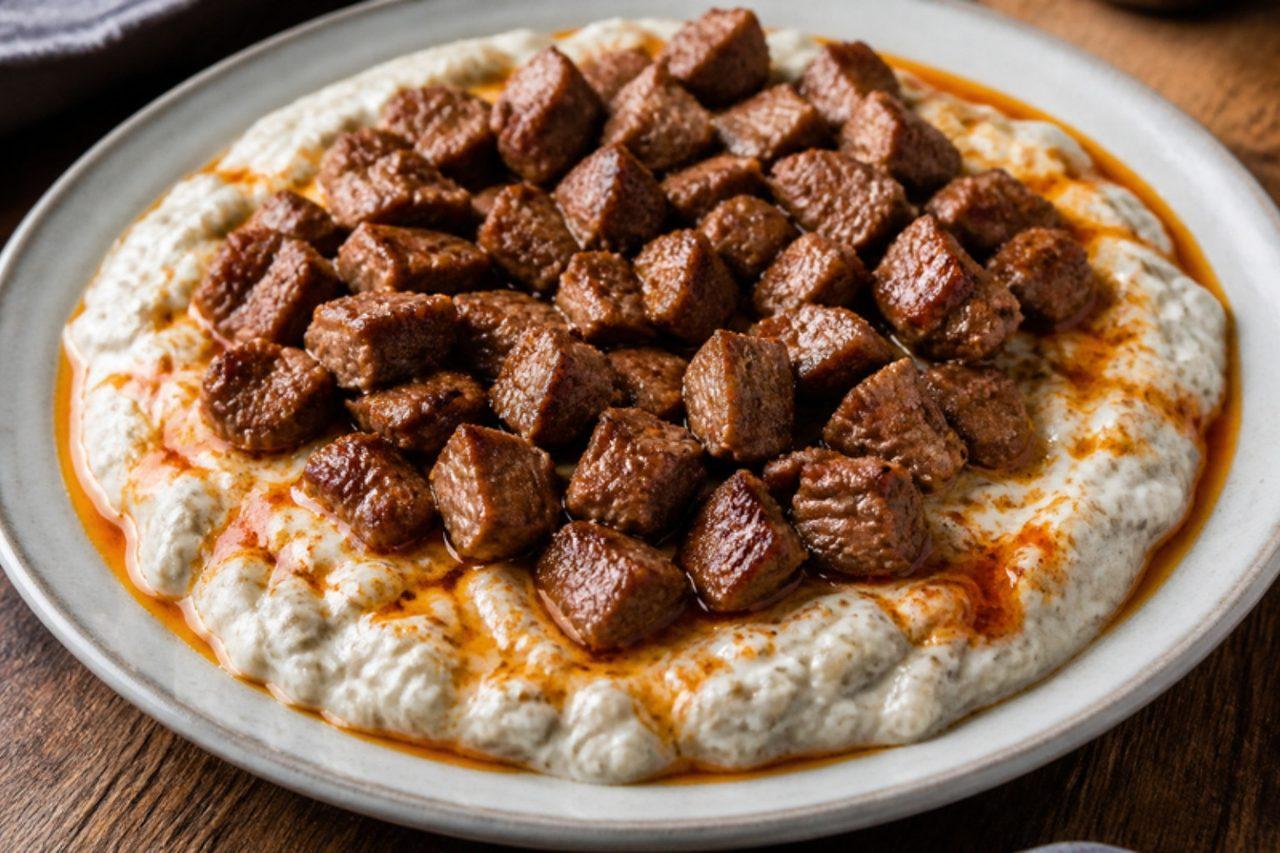
Ali nazikLamb on smoky aubergine and yoghurt

Gaziantep cooks char aubergines over coals until they collapse, mash the flesh with garlicky yoghurt and spoon pan-fried lamb with tomatoes and peppers on top: that is ali nazik, a lunchtime favourite in the city's lokantas. The cool, smoky base and the hot, buttery meat are the whole point, so assemble it just as you serve. A gas flame or a very hot grill gives the same smoky flesh at home. The usual mistake is not draining the aubergine, which makes the yoghurt runny and grey. Chef's tip: stir the yoghurt into the aubergine off the heat with a spoonful of butter; warm, not hot, keeps it from splitting.

by KrazyBadal 0 views

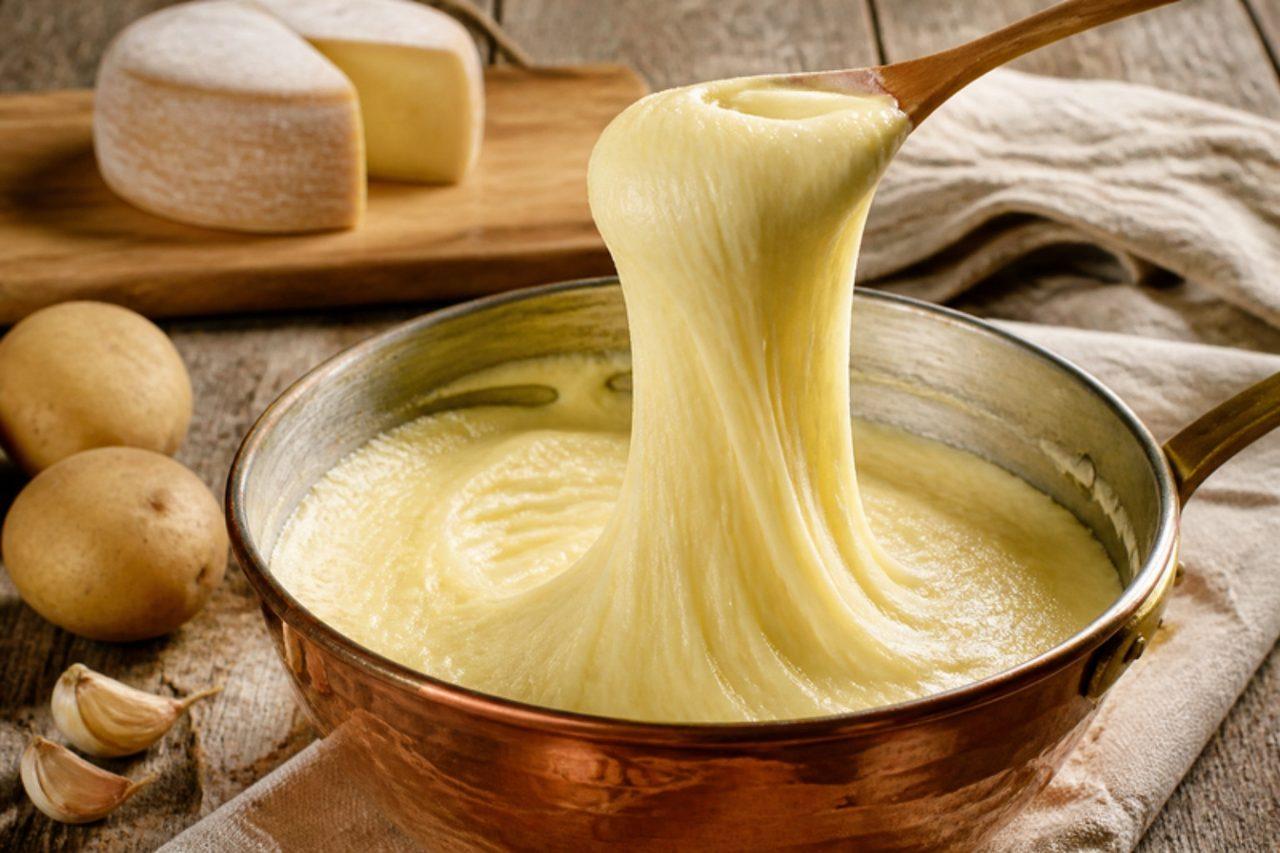
AligotCheesy garlic mashed potato

High on the Aubrac plateau, where Aveyron, Cantal and Lozère meet, aligot was once the meal monks gave to pilgrims on the road to Santiago. Today it is beaten in huge copper pans at village fêtes and buron farm restaurants around Laguiole, then lifted high on a wooden spoon in long, glossy ribbons before it is served beside sausages or, for a vegetarian table, a big green salad and roasted mushrooms. It is a mash of floury potato, butter, cream and garlic, worked with young tomme fraîche until it stretches like mozzarella. Tomme fraîche is made with animal rennet; a mix of vegetarian mozzarella and a vegetarian mild cheddar gives a similar stretch. Chef's tip: keep beating in a figure of eight once the cheese goes in; the stretch only comes with steady work.

by KrazyBadal 0 views

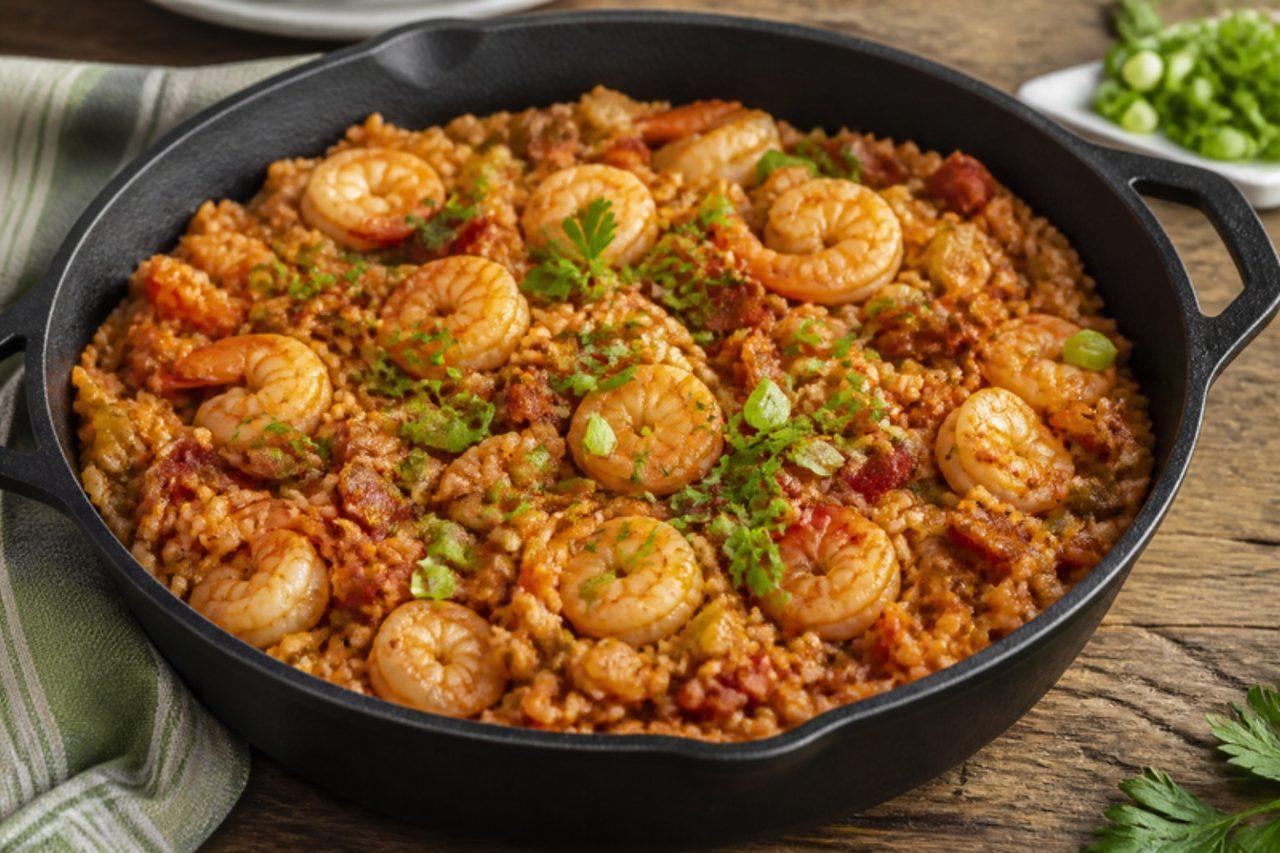
Lowcountry shrimp perloo

Perloo (or purloo, pilau) is the Charleston and Savannah family of rice dishes born on the Carolina Gold rice plantations, where West African cooks simmered rice in rich broth with whatever the coast or yard gave. This one uses smoked bacon (pork), tomato and fresh shrimp, so every grain is separate, red-tinged and full of flavour. Chef's tip: once the lid goes on, don't lift it or stir; perloo should be fluffy, never creamy like risotto.

by KrazyBadal 0 views

Hushpuppies

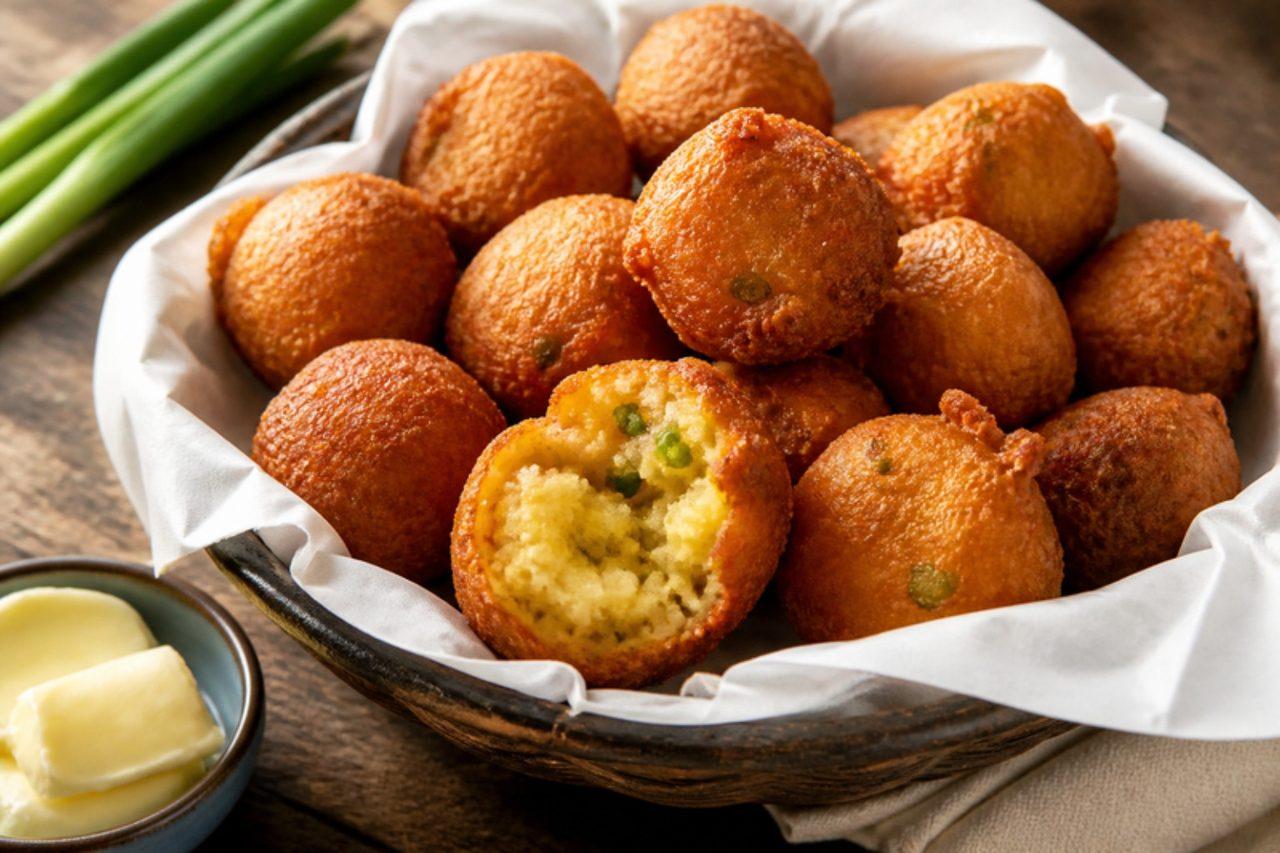
Hushpuppies are the little golden cornmeal fritters served in paper baskets at fish camps and seafood shacks from the North Carolina coast to the Gulf, always next to fried catfish and slaw. The batter has onion and buttermilk, so they are crunchy outside and steamy and slightly sweet inside. Chef's tip: let the batter rest for 10 minutes so the cornmeal hydrates; it makes them rounder and less gritty.

by KrazyBadal 0 views

San Francisco sourdough bread

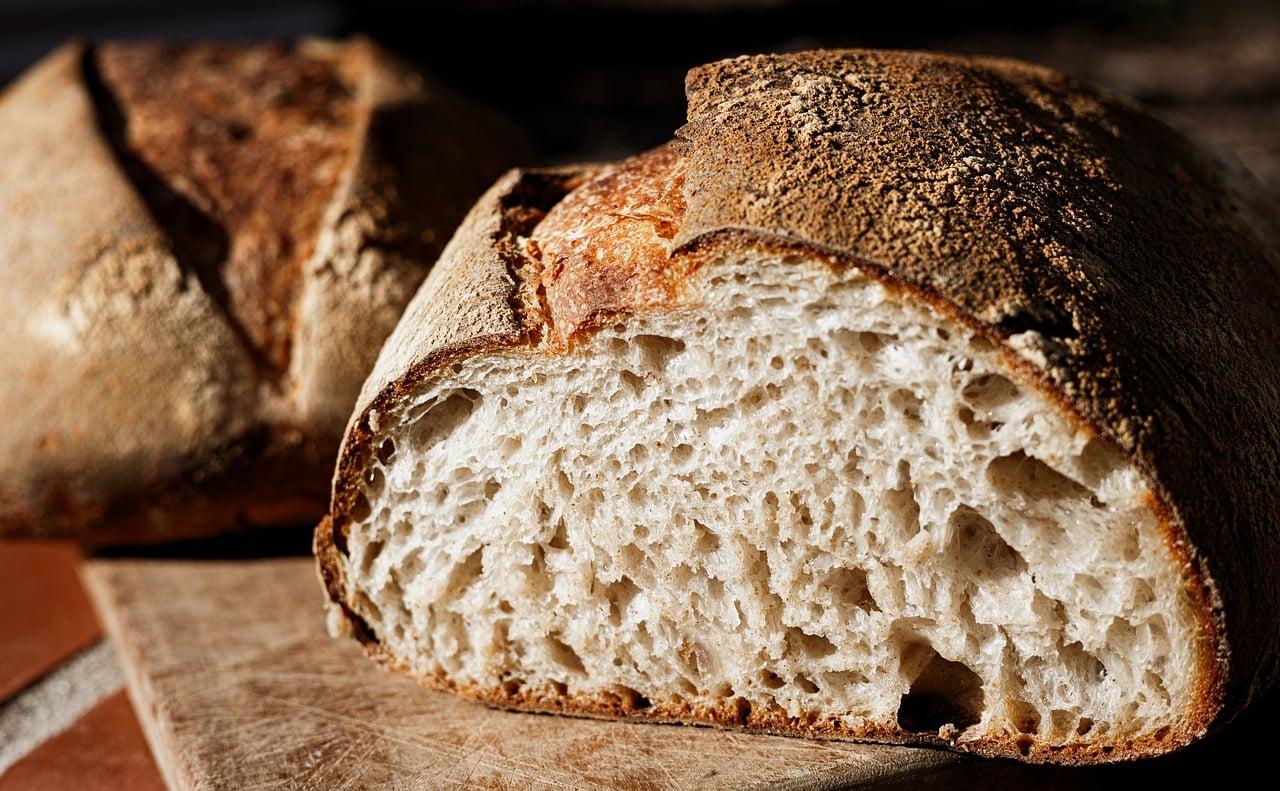
Sourdough has been San Francisco's bread since the Gold Rush of 1849, when miners kept a wild starter going, and the cool, foggy climate around the Bay helps give it its famously sour tang. Bakeries at Fisherman's Wharf still serve it hollowed out as a bowl for chowder. A long, cool rise gives a crackling dark crust and a chewy, open crumb. You need an active starter, fed 6–8 hours before. Chef's tip: for a more sour loaf, give the shaped dough a longer, colder rest in the fridge, up to 36 hours.

by KrazyBadal 0 views

KrautkrapfenBraised sauerkraut dough rolls

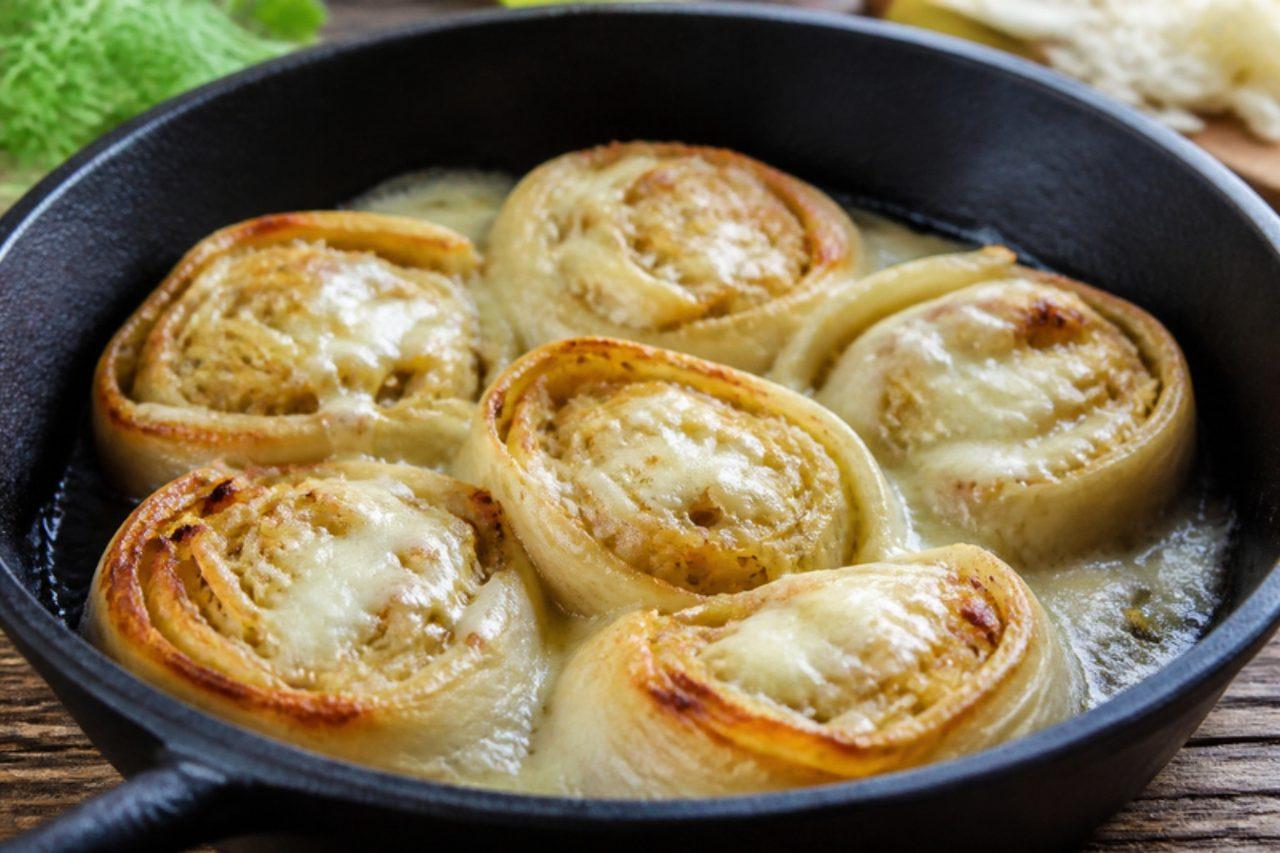
Krautkrapfen come from the Allgäu and the Swabian Alb, where farm cooks rolled noodle dough paper-thin, spread it with sauerkraut and fried onion, rolled it up like a strudel and sliced it into snails. The slices are packed upright in a buttered pan, fried until the bottoms crisp, then half-covered in stock and braised until the dough is tender. They are a Friday or winter supper with a green salad. A common mistake is pouring in too much stock: it should come only a third of the way up, or the crisp base turns soggy. Chef's tip: let the dough rest a full 30 minutes; relaxed dough rolls out thin without shrinking back.

by KrazyBadal 0 views

AllioliGarlic and olive oil sauce

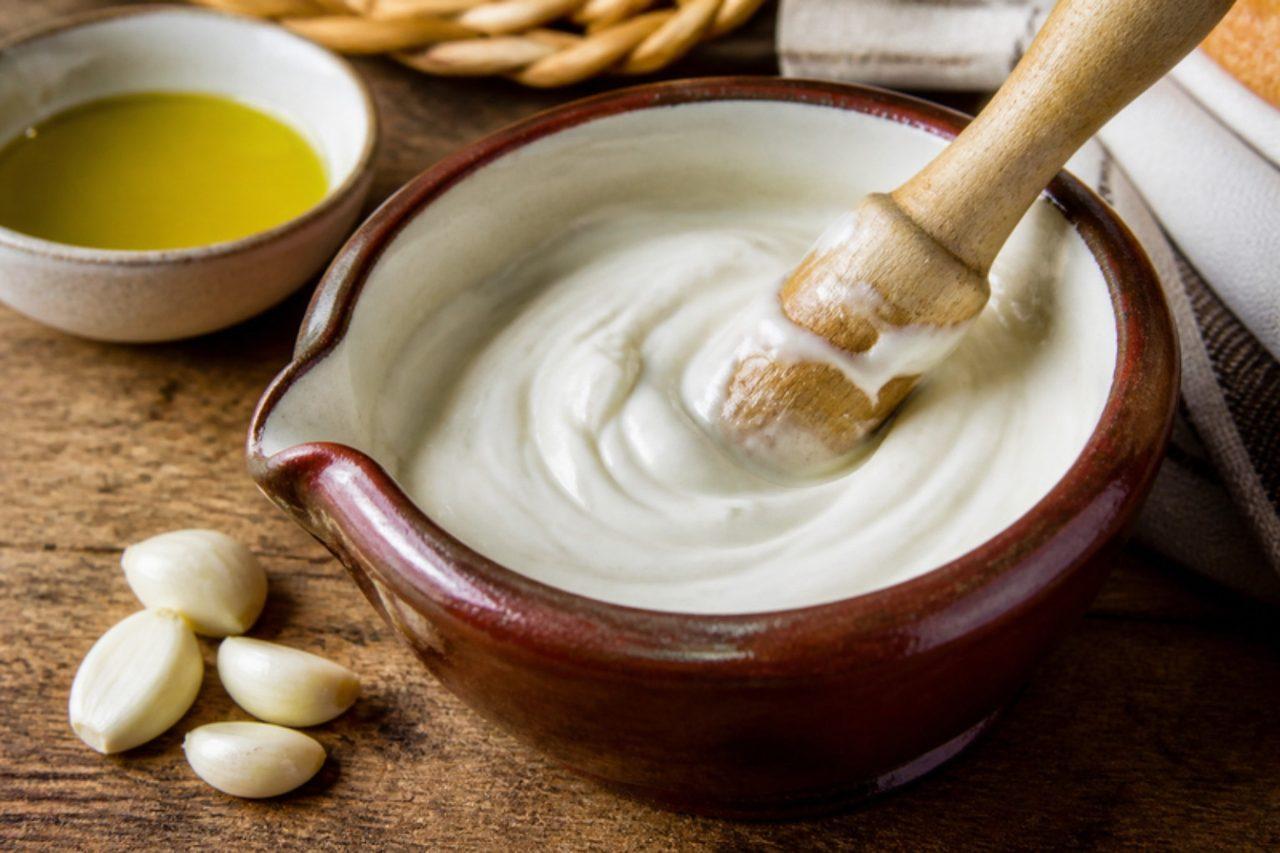
True Catalan allioli is just garlic, salt and oil, all ('garlic') i oli ('and oil'), worked slowly in a mortar until it becomes a stiff, pale emulsion with a fierce bite. Families serve it with grilled lamb, rice dishes, boiled potatoes and snails, and making it by hand is a small point of pride. It takes patience and steady arms, but no egg is needed. Chef's tip: if it splits, start a new paste with one crushed clove and a few drops of water, then work the broken sauce back in a spoonful at a time.

by KrazyBadal 0 views

EierscheckeThree-layer quark custard cake

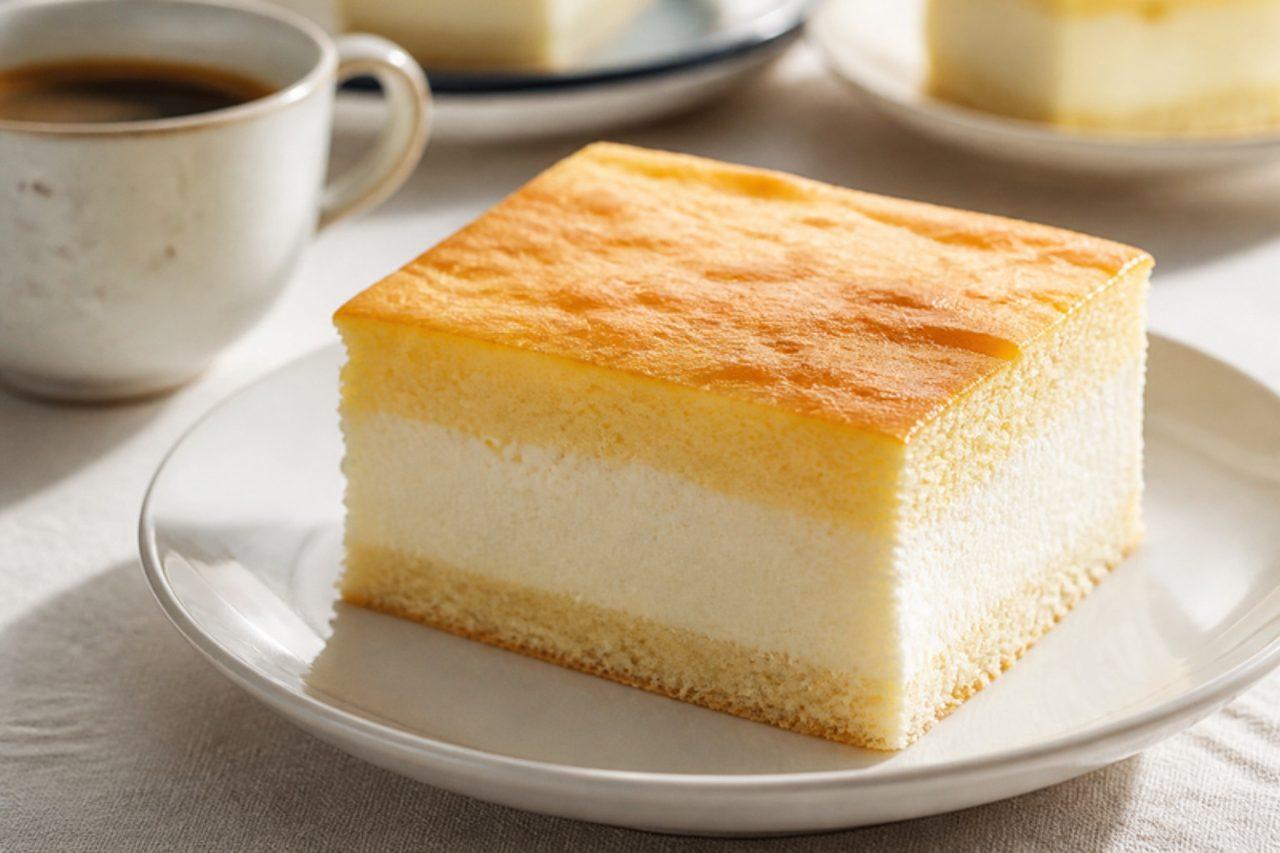
Eierschecke is Dresden's café cake, cut in squares from a big tray in every Saxon bakery: a thin yeasted base, a thick layer of vanilla quark, and on top the 'Schecke', a wobbly, golden egg-and-butter custard that bakes into a soft, almost soufflé-like crust. It is eaten on Sunday afternoons with strong filter coffee, and Saxons argue about whether raisins belong in the quark. A common mistake is pouring the custard on too thickly or baking too hot, so it puffs and cracks; bake it low and slow. Chef's tip: the cake cuts neatly only when completely cold, so make it the day before.

105 minGermanBaking
by KrazyBadal 0 views

Almejas á mariñeiraClams in garlic and white wine

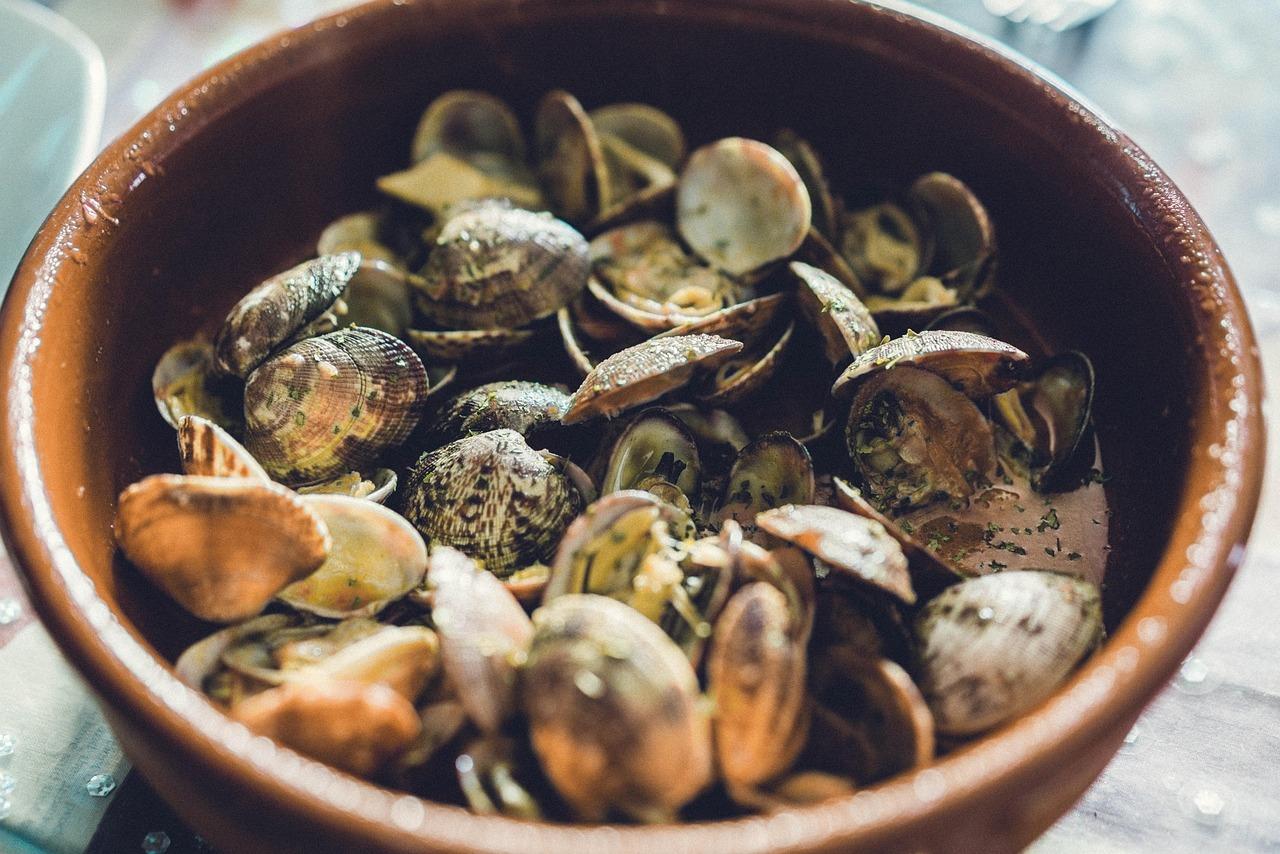
Carril, a fishing village on the Arousa estuary, is famous across Spain for its clams, and Galician bars serve them á mariñeira in small clay dishes with bread for the sauce. They are cooked with onion, garlic and a little paprika, and the sauce is lightly thickened with flour and loosened with white wine. This recipe contains alcohol (white wine); for an alcohol-free version, use fish stock with a squeeze of lemon. Throw away any clams with cracked shells, and any open ones that don't close when tapped, before cooking. A common mistake is overcooking: clams toughen once they open, so take them off the heat as soon as most are open. Chef's tip: soak the clams in salted water in the fridge for an hour so they spit out their sand.

by KrazyBadal 0 views

Almejas chocolatasBaked clams with garlic cheese

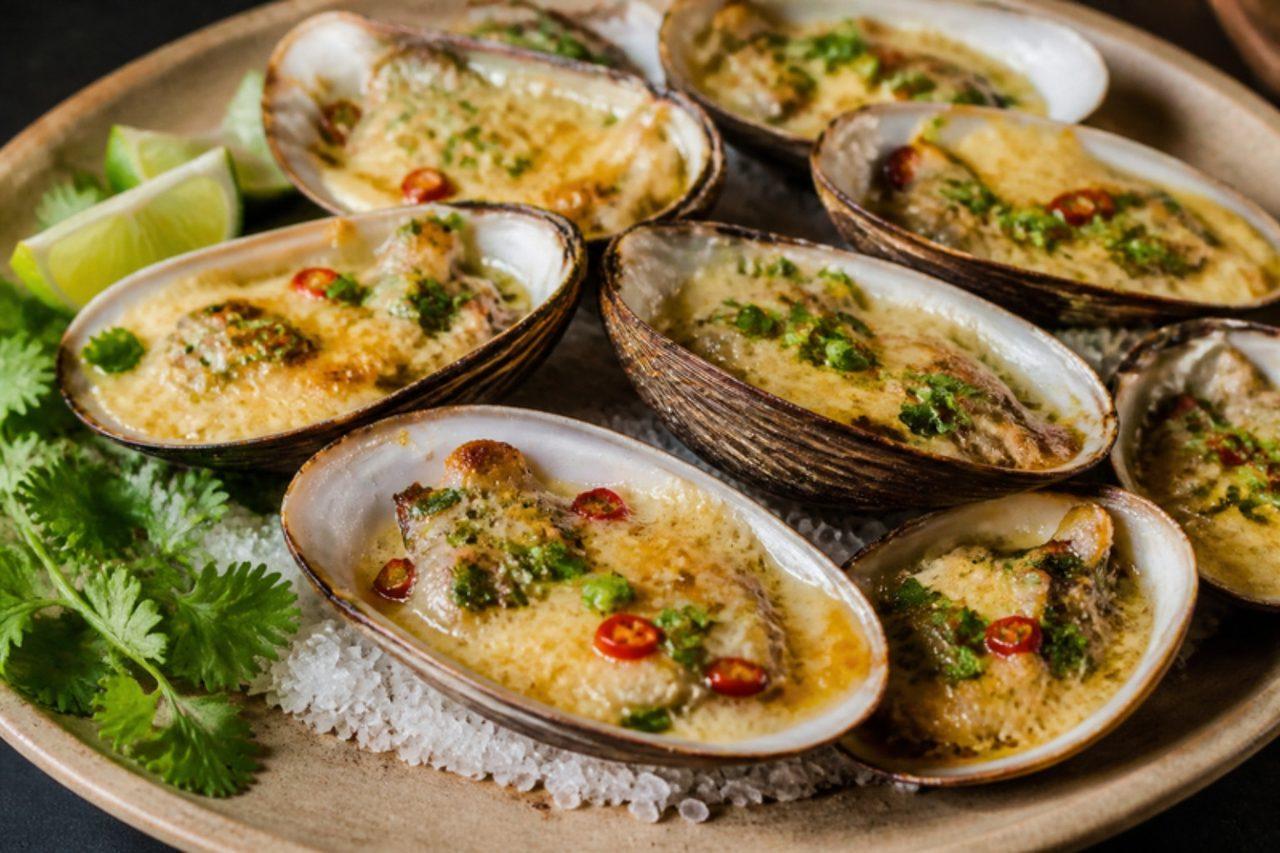
Loreto, on the Gulf of California side of Baja, is famous for its almejas chocolatas: large clams named for their glossy brown shells, sold by local divers and cooked at seafood stands along the bay. One popular way is to open them, top the meat with butter, garlic, chilli and melting cheese, and bake them until bubbling. Chocolate clams are rarely found elsewhere, so use the largest hard-shell clams you can buy, such as quahogs or cherrystones. Serve them hot as a starter with lime and cold drinks. Chef's tip: chop the clam meat before returning it to the shell, so every bite gets butter and cheese instead of one chewy mouthful.

by KrazyBadal 0 views

Showing 72 of 7,762 recipes

Show more recipes

Page 443 of 863