


Skip to content
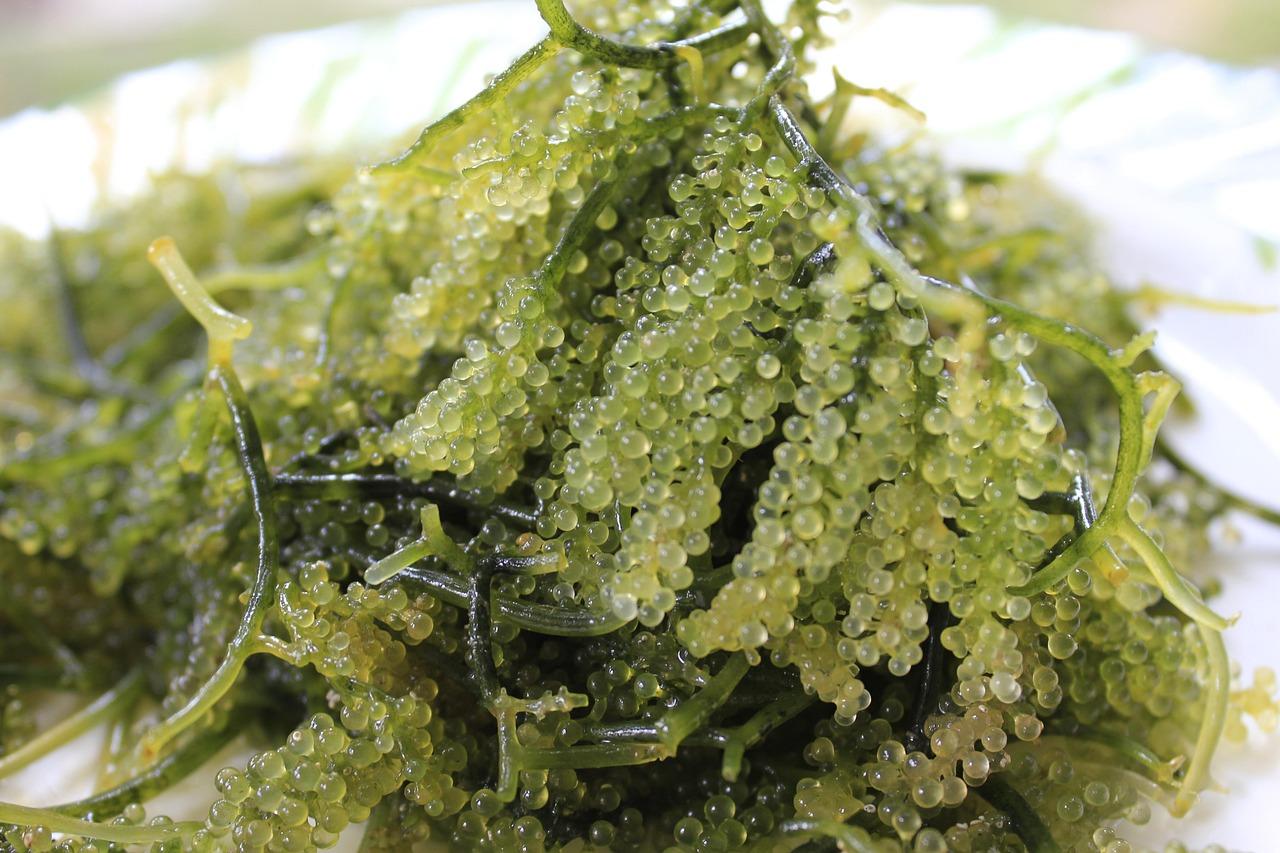
Umibudo salad
Featured recipe

Umibudo salad

Sea grapes salad

Umibudo, 'sea grapes', is a seaweed farmed in the warm, clear waters around Okinawa and Miyako island. Its tiny green beads burst in the mouth with a salty, oceanic pop, which is why Okinawans also call it green caviar. It's served as a starter in island izakaya, often next to a cold Orion beer, either plain with a dish of citrus soy or piled on a simple salad. Look for it vacuum-packed in salt at Japanese grocers; it keeps for weeks unopened. Chef's tip: dress the salad, not the sea grapes. Pour the dressing on the greens and dip the sea grapes as you eat, because vinegar and soy make the beads shrivel within minutes.

Read more 0 views

What to eat today?

Around the world

Today's trip: Paraguayan

A new country every day, from every cuisine on the site.

Paraguayan

Buñuelos de algas

Sea lettuce fritters 35 minMore from Paraguayan (27) →

This week's collection

Kid-friendly dinners
537 recipes · a new collection every Monday

Latest recipes

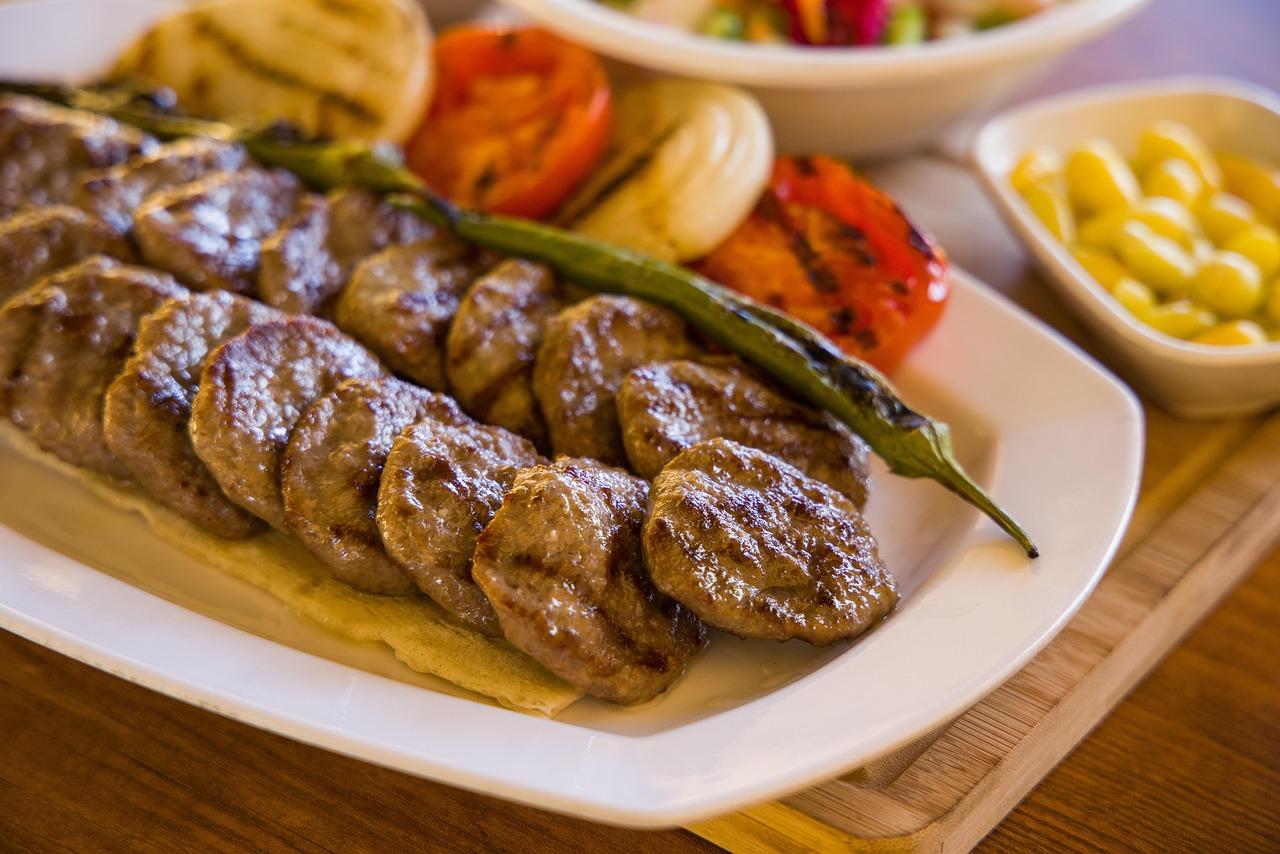
Akçaabat köftesiGarlicky beef meatballs

The town of Akçaabat, just west of Trabzon, is lined with köfte houses whose grills turn out small, oblong, firm meatballs that taste strongly of garlic. Made from beef mince bound with soaked stale bread, they are seared fast so the outside chars while the inside stays juicy, then served with grilled peppers, a pile of onion and parsley, and a white bean salad. Common mistake: overworking the meat with wet hands after the bread has gone in, which turns them dense; knead hard before adding bread, then mix gently. Cook until the centre reaches 71 °C. Chef's tip: rest the shaped köfte in the fridge overnight; they hold their shape on the grill and the garlic mellows into the meat.

by KrazyBadal 0 views

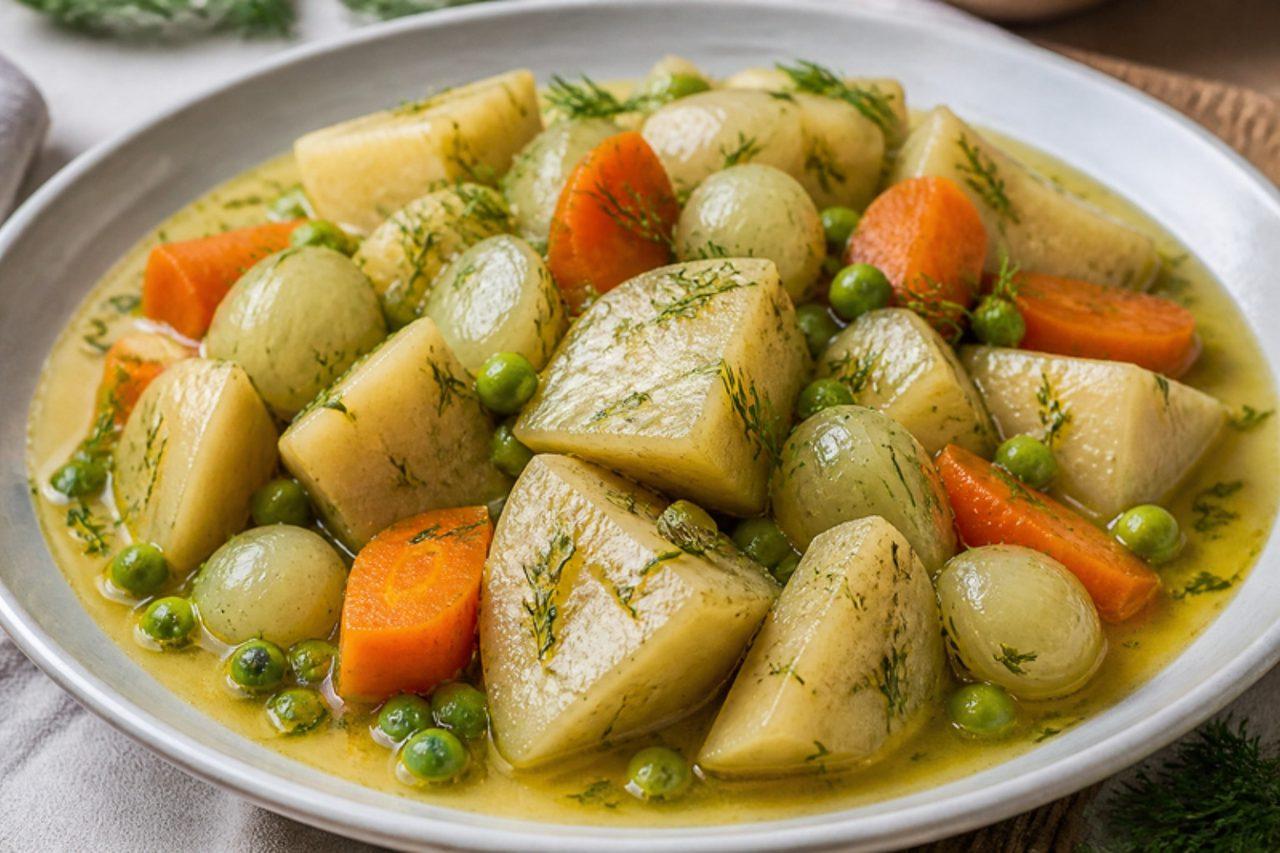
Zeytinyağlı kerevizCeleriac braised in olive oil

When celeriac fills the Kadıköy market stalls in winter, Istanbul home cooks braise thick slices of it in olive oil with orange juice, carrots and baby onions, then serve it cold the next day as a starter. The root turns silky and sweet, the orange gives it a bright, almost marmalade edge, and a little dill keeps it fresh. It sits happily on a meze table or alongside a bowl of lentil soup. Chef's tip: drop the cut celeriac straight into lemon water, otherwise it greys within minutes and never looks as good on the plate.

by KrazyBadal 0 views

Veau aux olivesVeal stew with green olives

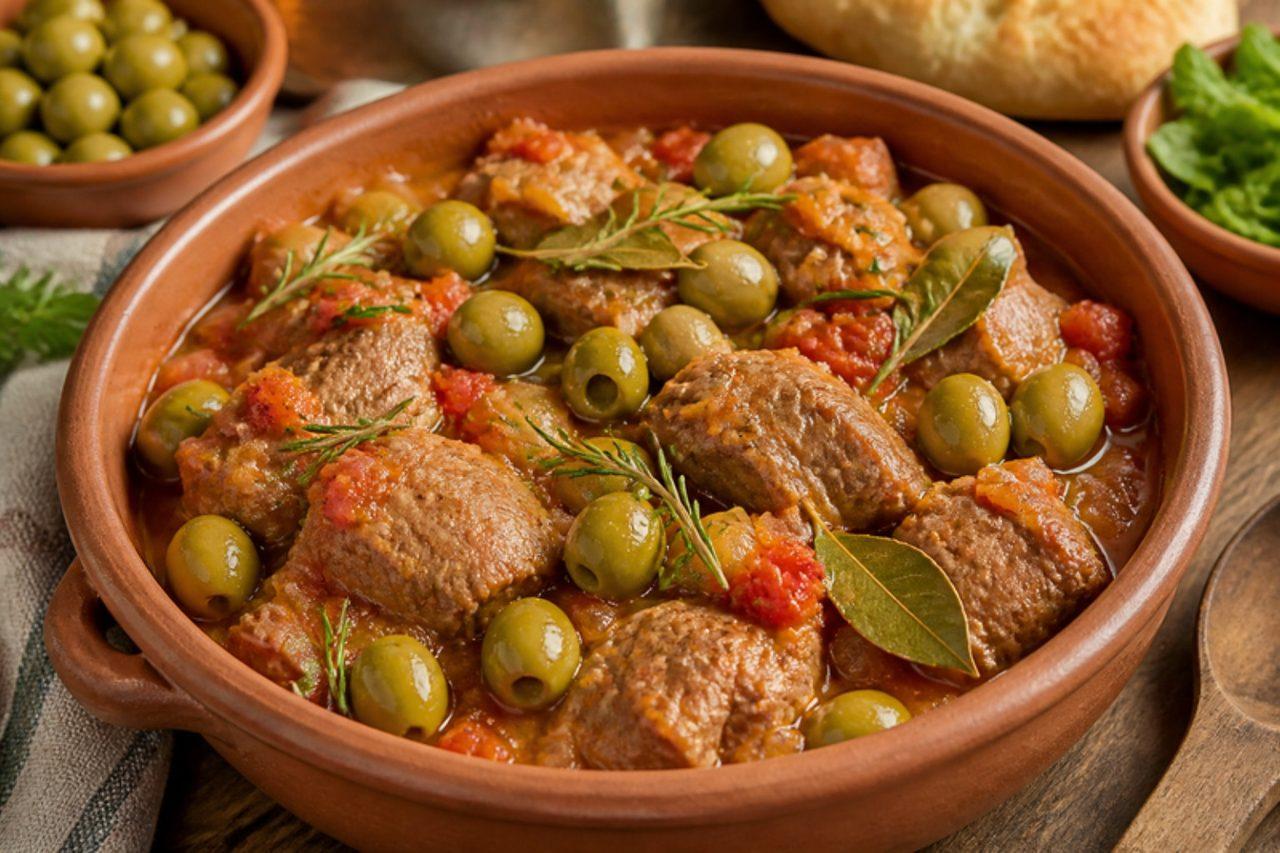
In the villages of Corsica's mountainous interior, veau aux olives is the dish of Sunday lunch and of family gatherings on saints' days, made with the island's free-roaming veal. The meat is browned, then stewed slowly with tomato, garlic, rosemary and plenty of green olives, giving a rich, savoury sauce with a pleasant salty-bitter edge from the olives. Corsicans often add a little panzetta (cured pork belly), which is optional here; with it, the dish contains pork. White wine is used too, and the ingredient note gives an alcohol-free version. Serve with soft polenta, ideally the island's chestnut-flour pulenda, or with fresh pasta. Chef's tip: blanch the olives for two minutes before adding them, so their brine doesn't oversalt the sauce.

145 minFrenchMeatGluten free
by KrazyBadal 0 views

MuhlamaCornmeal, butter and melted cheese

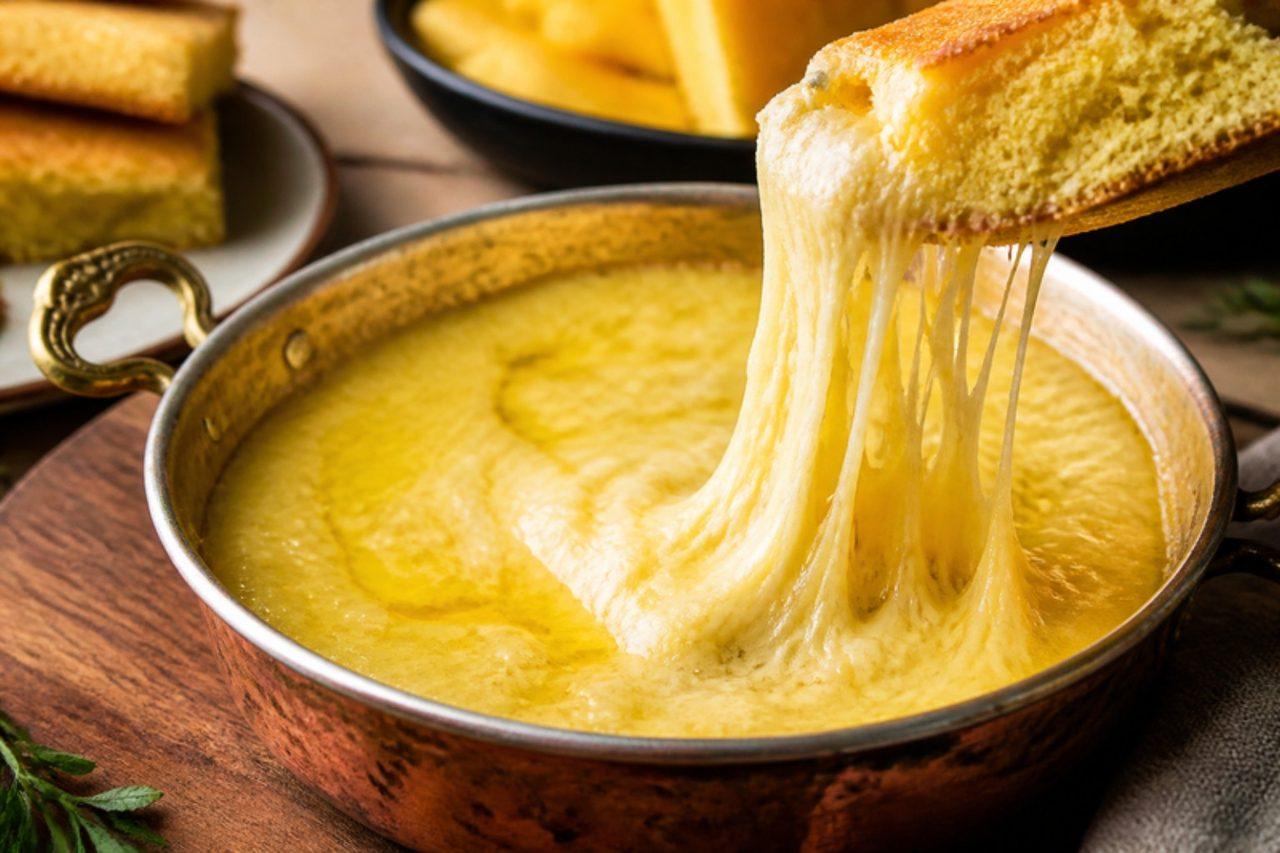
Up in the yayla summer pastures above Trabzon and Rize, breakfast often arrives as one blackened pan set in the middle of the table, with everyone tearing bread and dragging it through. Muhlama is butter, coarse cornmeal and a young stringy cheese stirred together until the cheese melts into long, glossy threads and a pool of golden butter rises to the top. Eat it straight from the pan with cornbread or crusty bread, black tea and a plate of tomatoes and cucumbers. Common mistake: adding the cheese before the cornmeal has toasted in the butter, which leaves a raw, gritty taste and stops the oil separating. The Black Sea cheese (Trabzon or Kolot) and kaşar are usually made with animal rennet; a vegetarian mozzarella-style cheese works well. Chef's tip: don't stir once the cheese has gone in until it has fully melted, then stir in one direction only; that is what gives the long, elastic strands.

by KrazyBadal 0 views

Yorkshire parkinOatmeal and treacle ginger cake

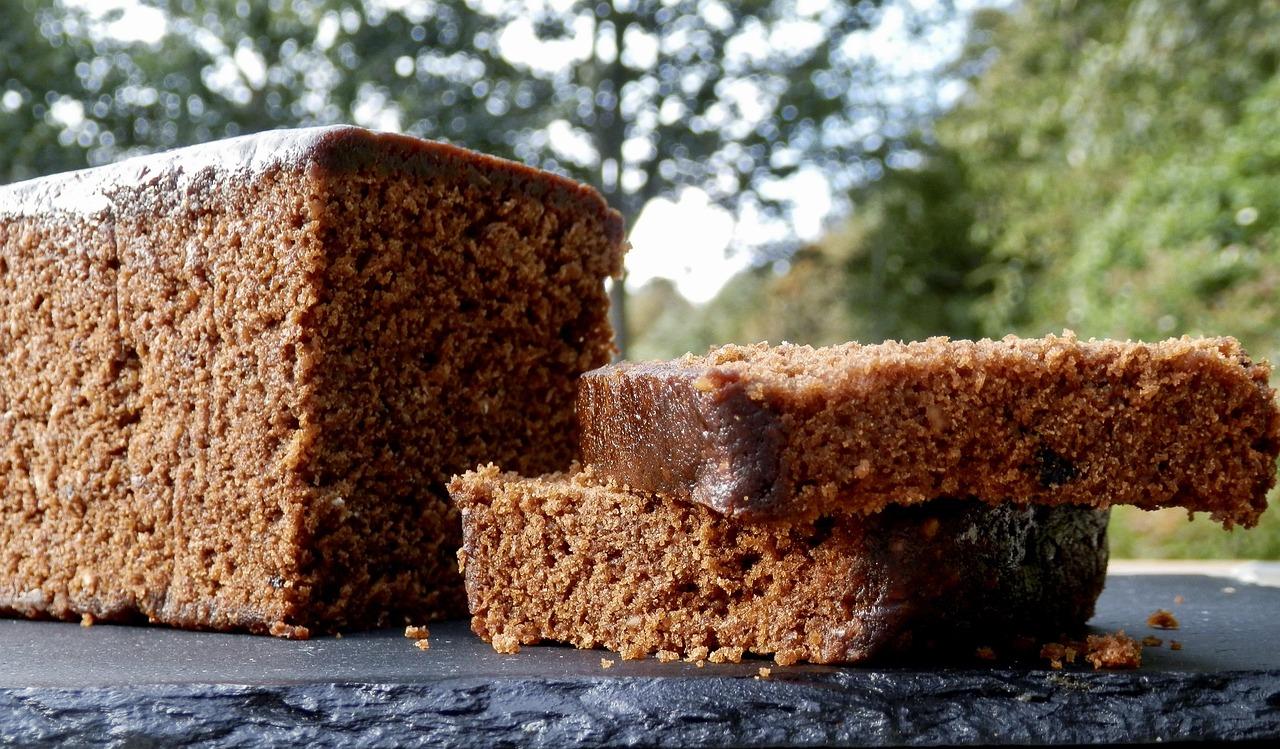
Parkin is the dark ginger cake that West Yorkshire bakes for the 5th of November, cut into squares and handed round at Bonfire Night fires in Leeds, Halifax and Bradford. It is made with oatmeal, black treacle and golden syrup, so it is dense, chewy and gingery rather than light. It gets better with time, turning stickier after a few days in a tin. Chef's tip: wrap it and keep it for three days before cutting; fresh parkin is dry and crumbly by comparison.

by KrazyBadal 0 views

Thüringer RostbratwurstGrilled bratwurst in a roll

In Thuringia the long, thin Rostbratwurst is grilled over charcoal at every market, football ground and village fête, and has been since at least the 15th century. It is a raw, finely seasoned pork sausage with marjoram, caraway and garlic, bought from a Thuringian butcher, and the local rules are strict: grilled slowly over glowing coals, served in a roll that is too short for it, with a sharp, coarse mustard and never with ketchup. Here you grill good fresh bratwurst and make a medium-hot mustard to go with it. Vegetarians can grill vegetarian bratwurst the same way. Chef's tip: grill over glowing coals with no flames, rubbing the sausages with a bacon rind or a little oil so they colour evenly and the skin crackles.

35 minGermanMeat
by KrazyBadal 0 views

PrasopitaLeek and feta pie

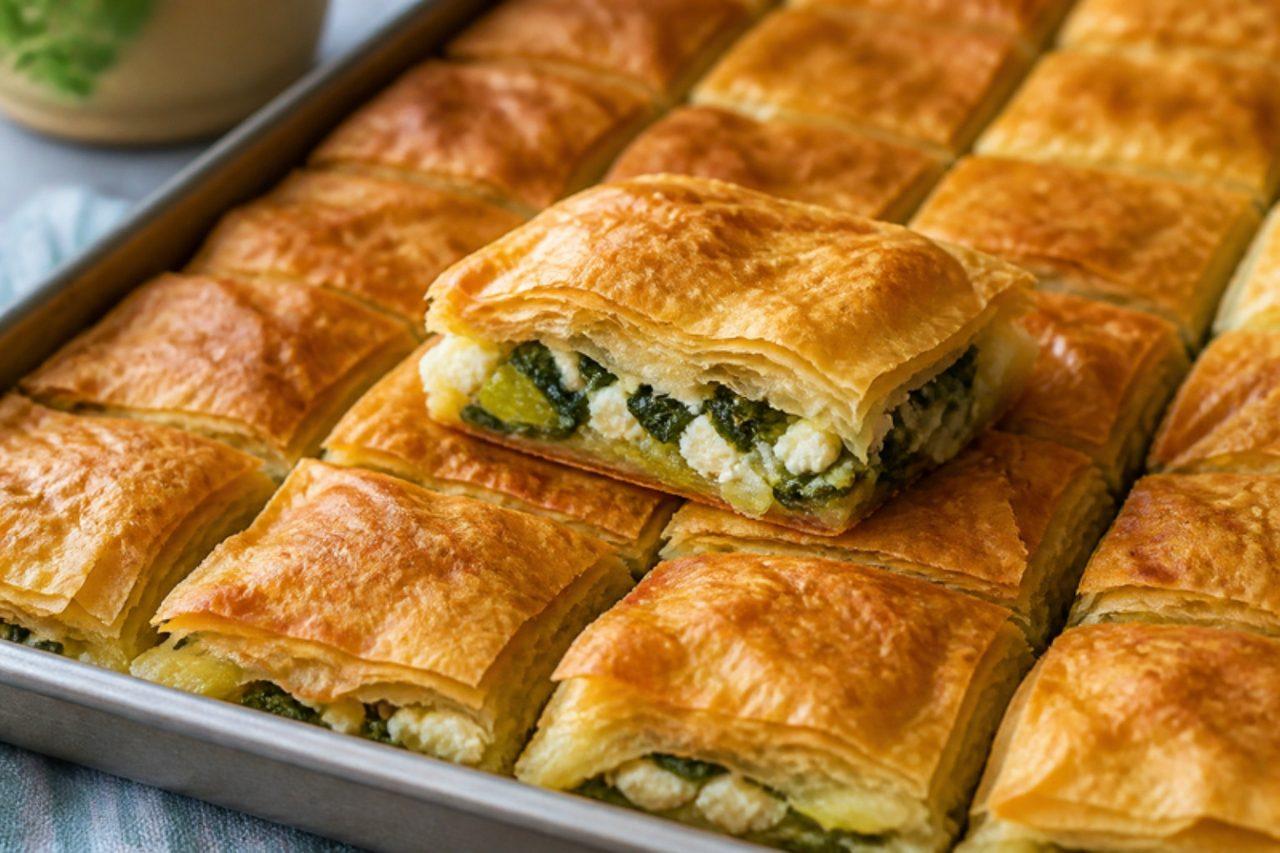
In the villages around Kozani and Kastoria, winter leeks pulled from frozen ground go into this pie, made on Sundays and taken to the fields in slabs wrapped in paper. The leeks are sweated slowly in butter and olive oil until silky and sweet, bound with eggs, feta and a little semolina, then baked between buttery sheets of filo. It is softer and gentler than spinach pie, and just as good cold the next day. Feta and kefalotyri usually use animal rennet; choose vegetarian versions if needed. Common mistake: leaving grit in the leeks — split and wash them under the tap before slicing. Chef's tip: cook the leeks until all their liquid has gone, or the bottom pastry turns soggy.

by KrazyBadal 0 views

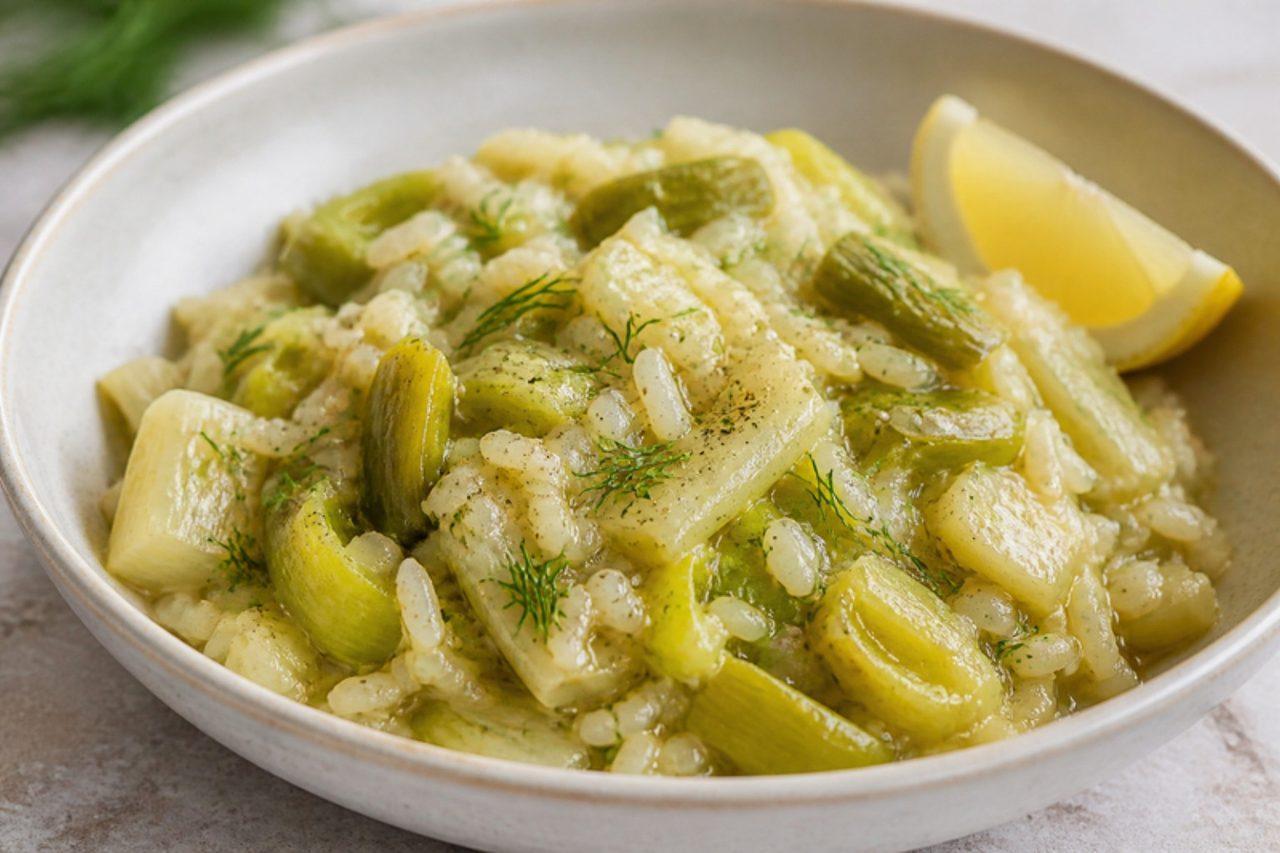
PrasorizoLeek and rice with lemon

Prasorizo is the cheap, comforting pot that northern Greek kitchens turn to through the Lenten weeks and the cold months, when leeks are at their best and meat is off the table. Leeks are stewed in plenty of olive oil until meltingly soft, then rice simmers in the same pot until creamy and loose, finished with dill and a sharp squeeze of lemon. It is eaten warm, never piping hot, with feta (or a vegan alternative) and olives on the side. Common mistake: stirring like risotto, which turns it gluey — stir once or twice and let it bubble. Chef's tip: be generous with the oil; in a ladera dish the olive oil is the sauce.

by KrazyBadal 0 views

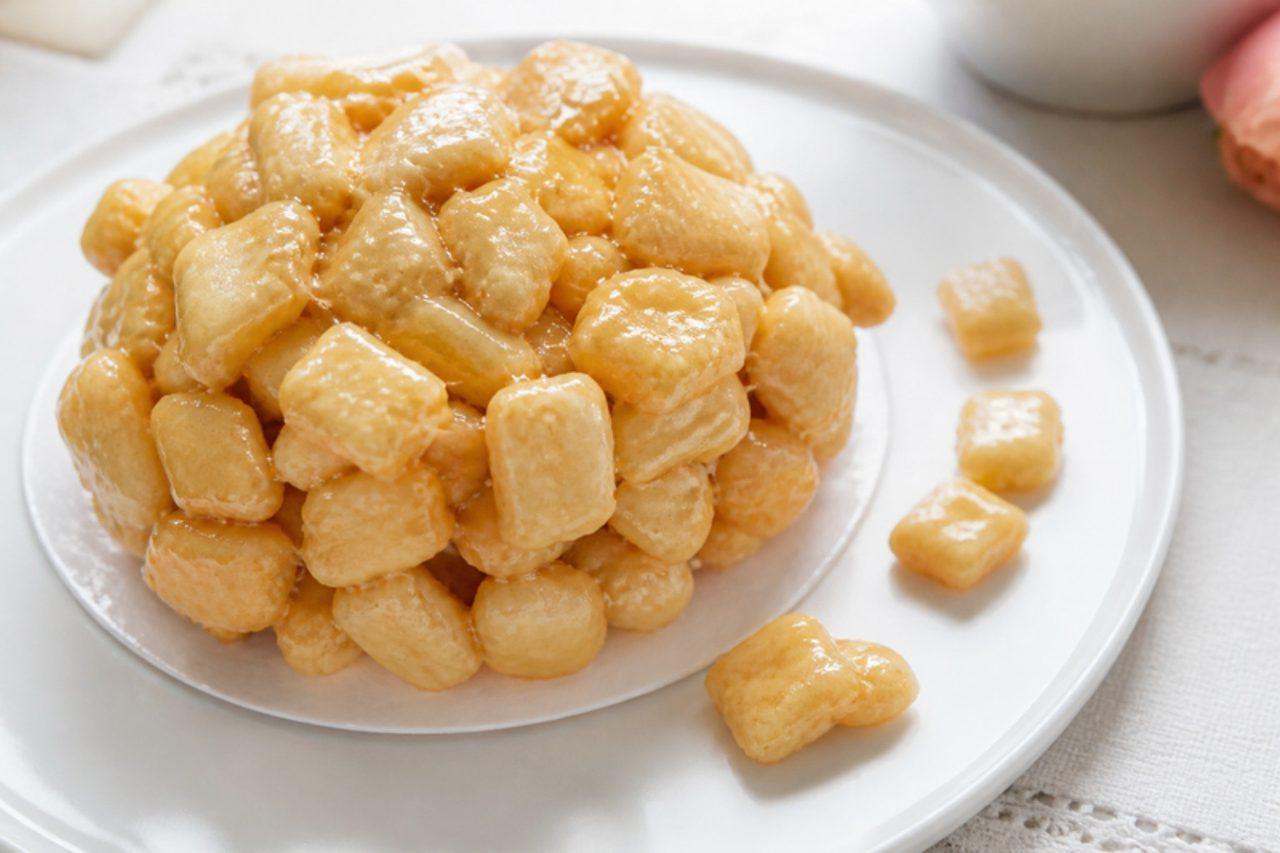
Muéganos de HuamantlaFried dough in piloncillo syrup

Huamantla, in Tlaxcala, is known for its August fair, when the streets are carpeted with coloured sawdust and flowers, and for muéganos: little cubes of fried dough glued together with dark piloncillo syrup into a sticky cluster, often pressed onto a round wafer. Visitors buy them in stacks from sweet shops around the main square. The dough is crisp and light, the syrup spiced with cinnamon and clove. Chef's tip: cut the dough into small, even cubes so they all fry golden at the same time.

by KrazyBadal 0 views

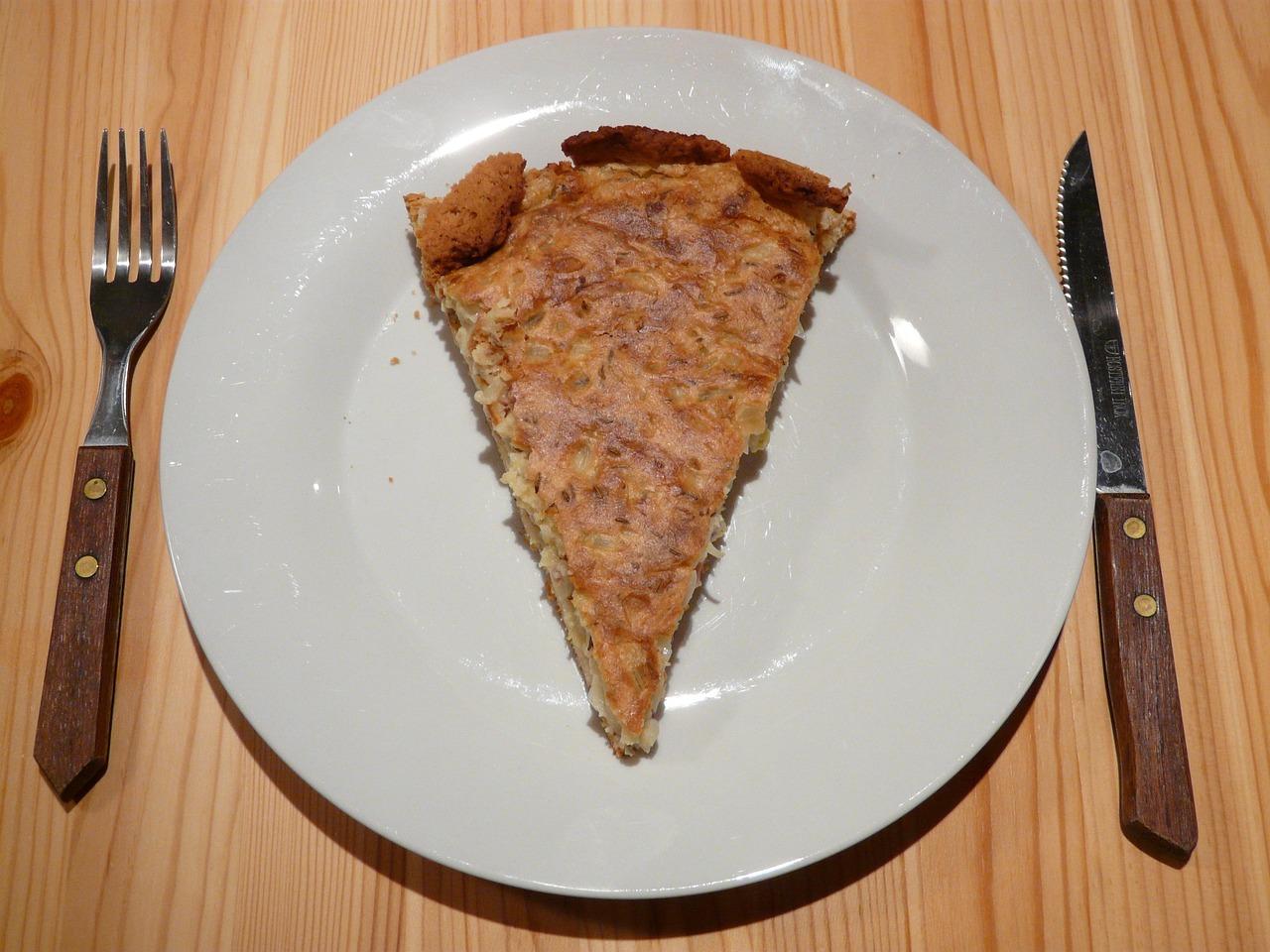
ZwiebelkuchenOnion tart

When the grape harvest starts in Baden and the Württemberg vineyards in September, bakeries pull out trays of Zwiebelkuchen: a thin yeast base piled with slowly softened onions under a sour-cream and egg custard, sprinkled with caraway. It is traditionally eaten warm with Neuer Wein or Federweißer, the young, still-fermenting wine; that is alcoholic, so pour cloudy fresh grape juice or apple juice instead, which tastes just as right. Many bakers add bacon; this version is vegetarian. A common mistake is rushing the onions on a high heat: they need 25 minutes on low until soft and sweet but still pale. Chef's tip: cool the onions before adding the custard, or the eggs start setting in the bowl.

by KrazyBadal 0 views

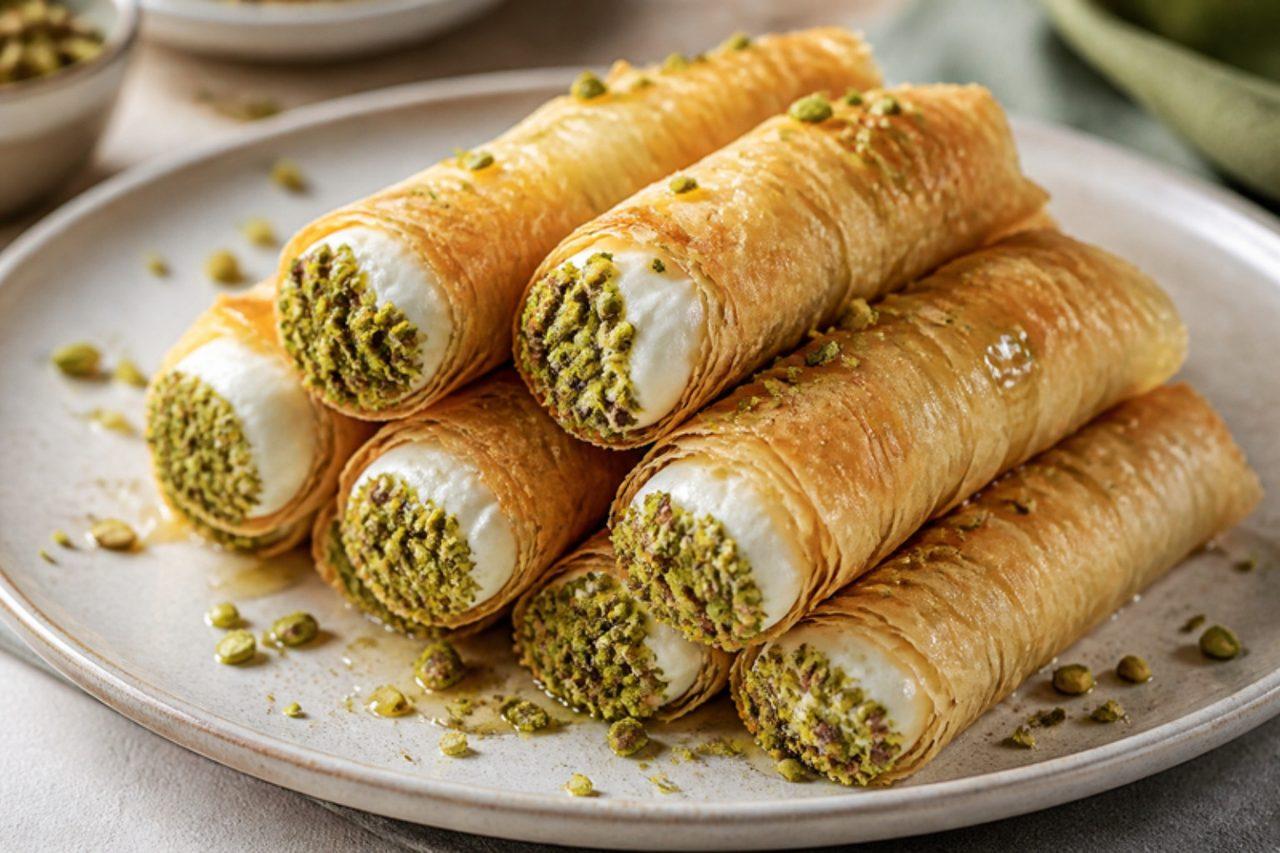
Znoud el sitCream-filled filo fingers

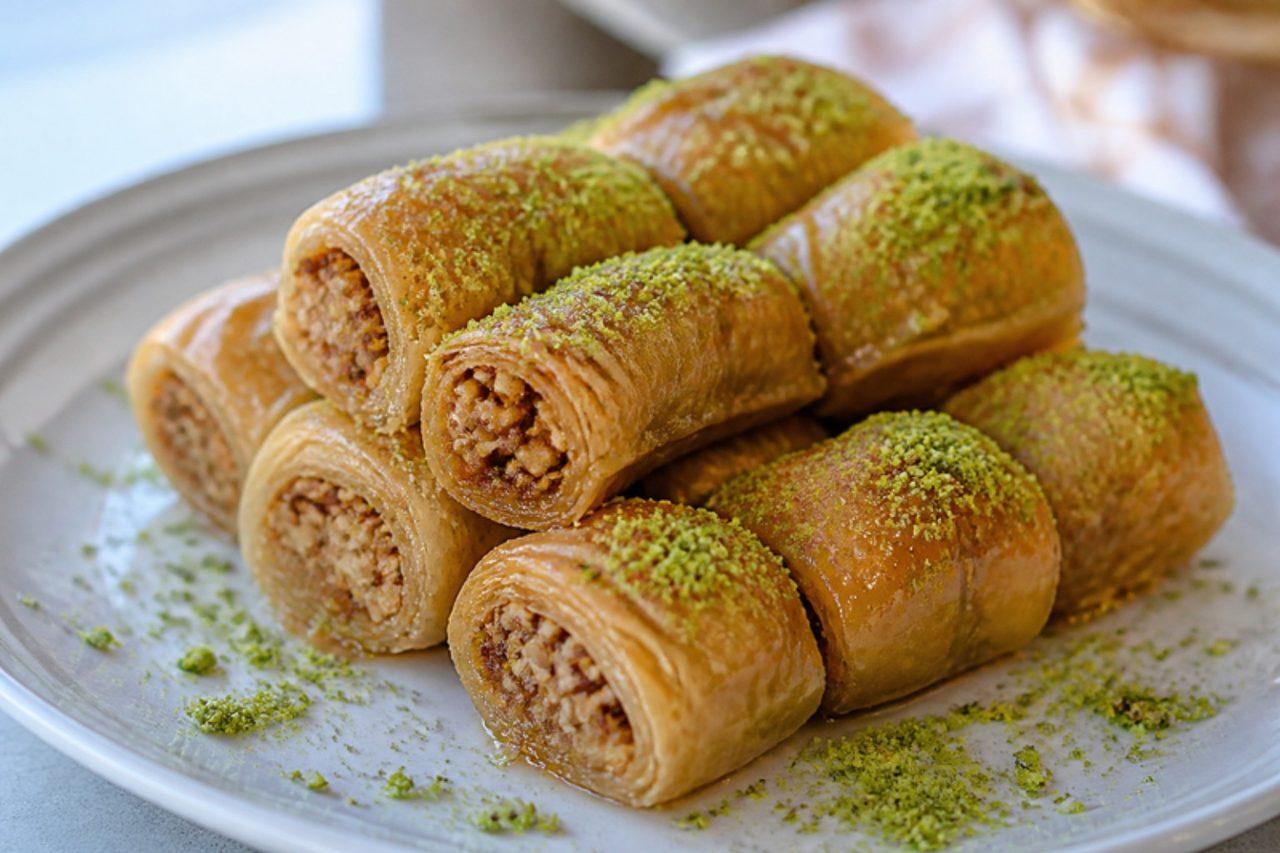
Lebanese sweet shops in Tripoli and Saida fry trays of znoud el sit every evening during Ramadan, and families queue for them after iftar. Filo is rolled around a thick, set milk cream (a home version of ashta), baked or fried until shatteringly crisp, then dipped in cold syrup and dusted with ground pistachios. The contrast of crackling pastry and cool, fragrant cream is the whole point, so eat them within an hour or two of filling. Common mistake: filling with warm cream; it leaks and makes the pastry soggy, so chill it until firm. Chef's tip: brush with clarified butter rather than whole butter — it browns evenly without burning and keeps the rolls crisp longer.

by KrazyBadal 0 views

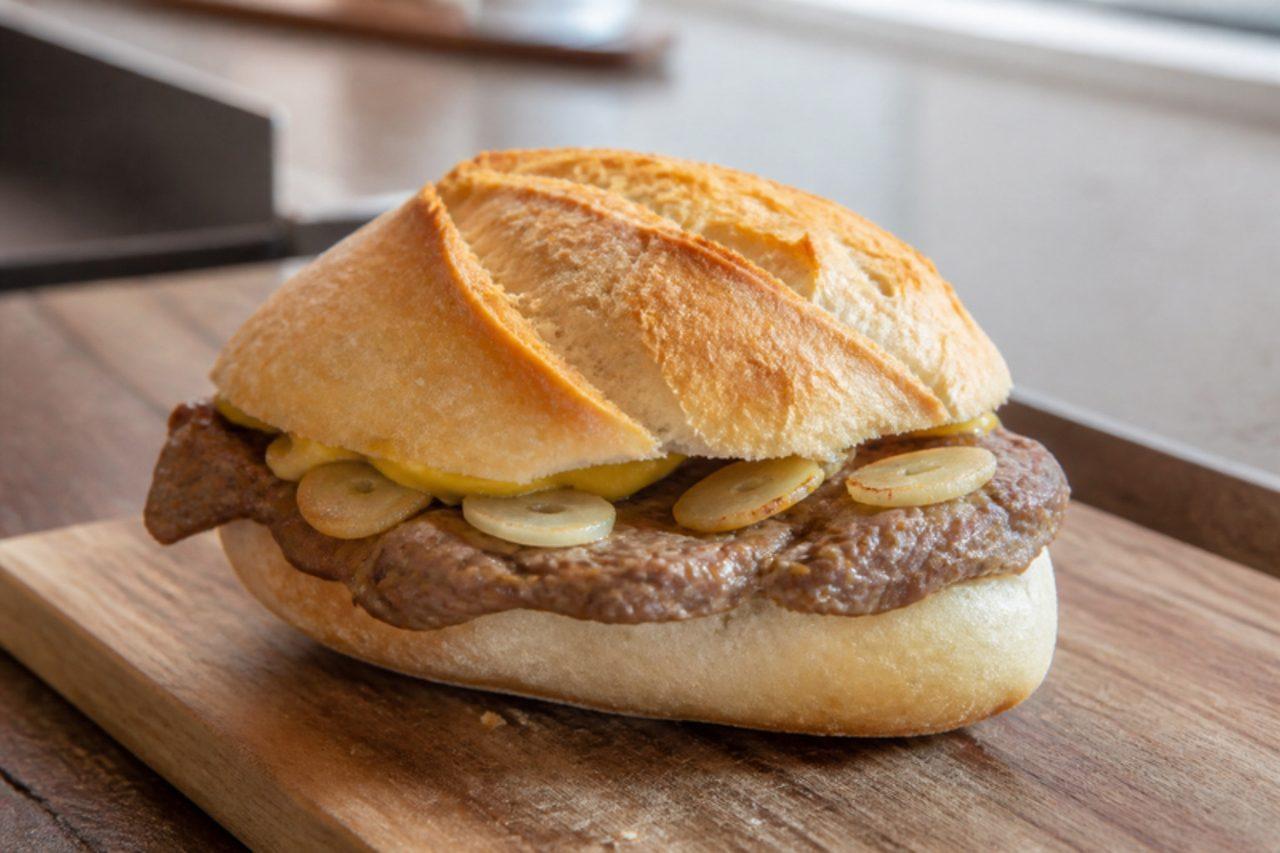
Prego no pãoGarlic steak roll

Lisbon diners order a prego at the end of a long seafood lunch, at football matches and after midnight from a beach-bar hatch: a thin slice of beef, beaten flat, fried hard in garlic and bay and stuffed into a crusty papo-seco roll. The name means 'nail', perhaps for the garlic that is hammered into the meat. Mustard or a dash of piri-piri is all it needs. A common mistake is a thick steak; it must be thin enough to cook in a minute a side or it steams and turns grey. Chef's tip: dip the cut side of the roll in the hot pan juices just before you close it.

by KrazyBadal 0 views

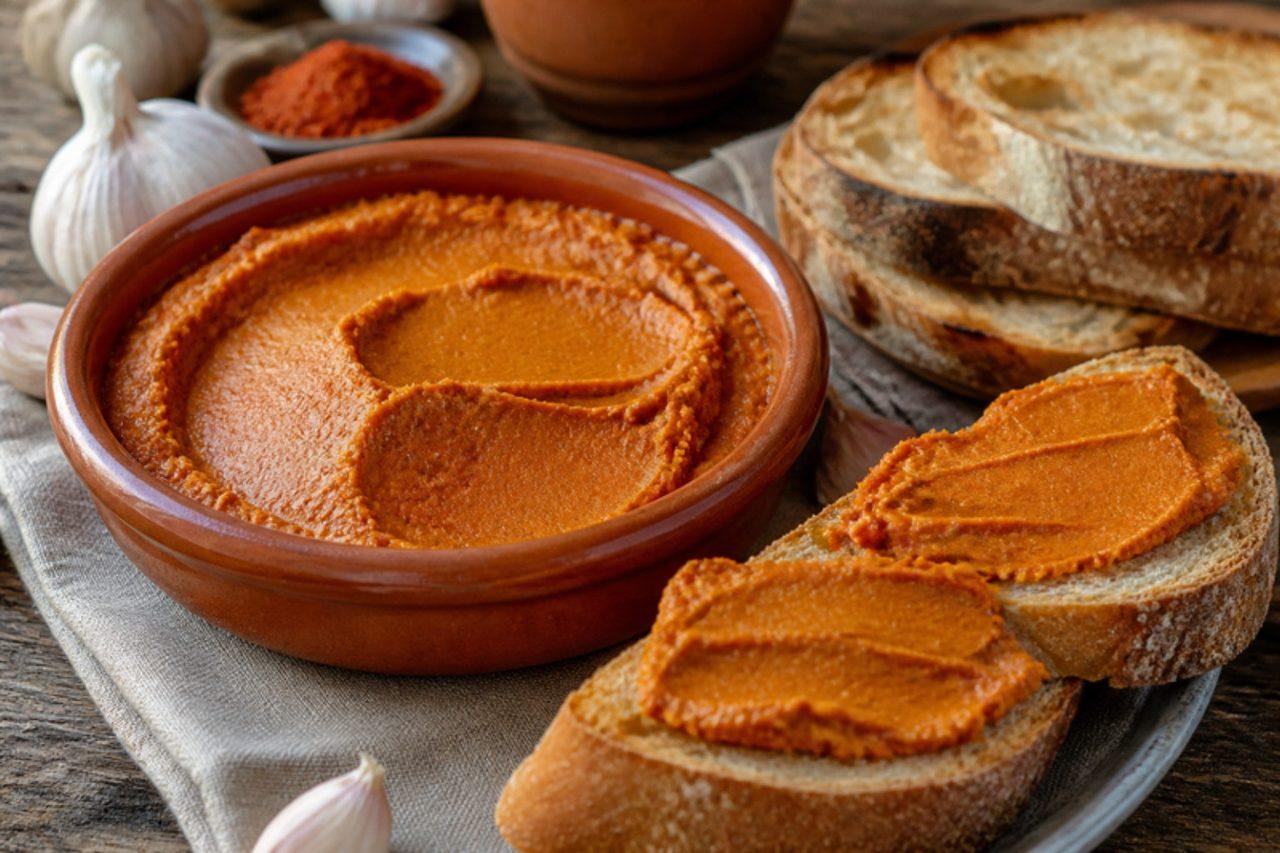
CachuelaSpiced pork liver spread

Cachuela belongs to the matanza, the winter pig slaughter that once filled every village in Extremadura with family and neighbours for several days. The fresh liver was cooked straight away with lard, onion, garlic and plenty of pimentón, then mashed into a coarse, spicy spread for breakfast on toast. People still make it in Badajoz and Cáceres homes through the cold months, and it keeps for a few days in the fridge. This contains pork (pork liver and pork lard). Chef's tip: cook the liver through but not a minute longer; overcooked liver turns grainy and bitter.

by KrazyBadal 0 views

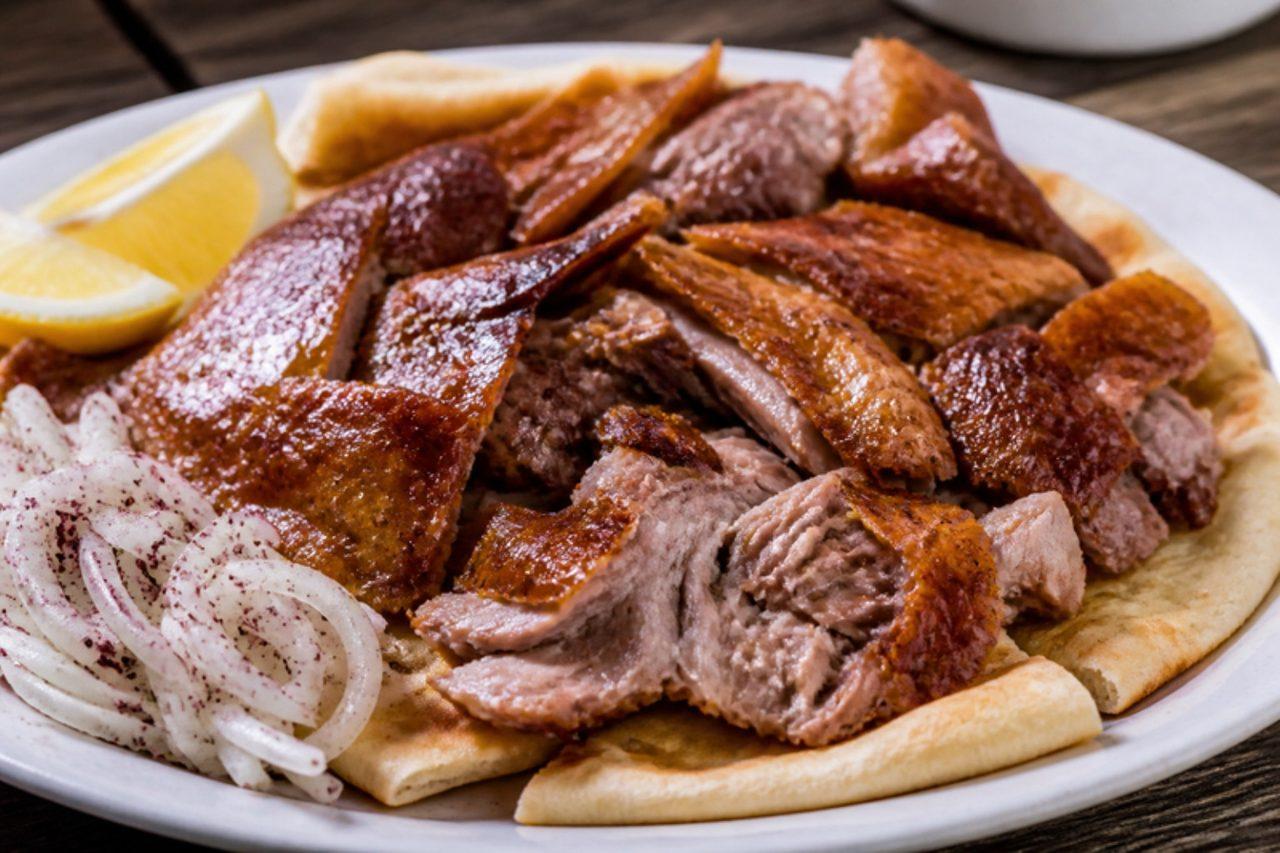
BüryanSlow-roasted lamb

In Siirt, büryan is eaten for breakfast: whole sides of young lamb hang for hours in a deep clay pit oven sealed with mud, and by early morning the meat is falling apart with crackling skin, served on thin bread with nothing but salt. This home version uses a bone-in shoulder roasted low and slow, sealed under foil to trap the steam as the pit does, then blasted at the end for the crisp outside. It needs no marinade beyond salt; the flavour is all lamb. Common mistake: lifting the foil to check; every peek lets the steam out and dries the meat. Chef's tip: pull it apart with two forks at the table and pile it straight onto warm lavaş to catch the juices.

280 minTurkishMeat
by KrazyBadal 0 views

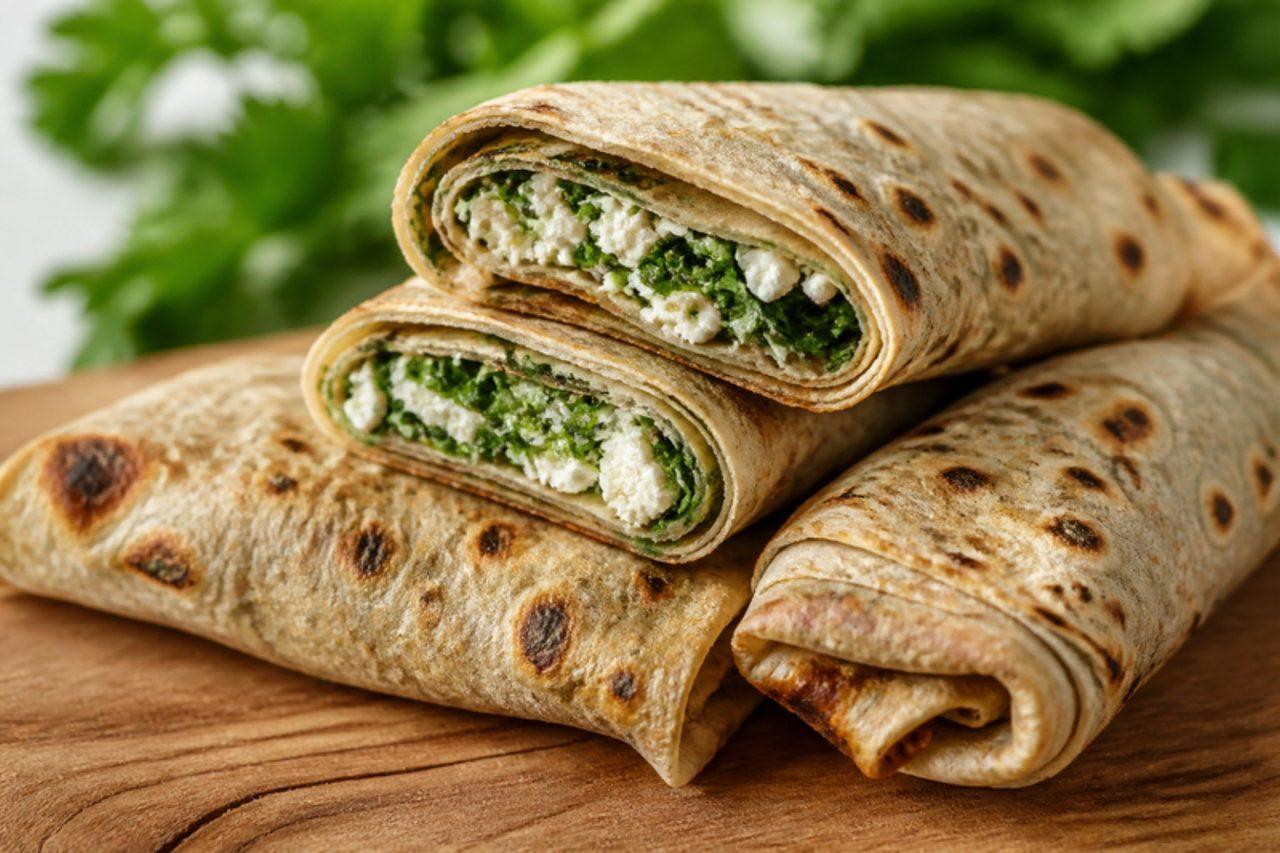
SıkmaCheese and herb rolled flatbread

At village markets in the hills behind the Aegean and Mediterranean coasts, women sit at a convex sac griddle rolling out paper-thin dough, cooking it in seconds and 'squeezing' (sıkmak) it around a filling of white cheese and herbs. You eat it rolled up and still hot, with ayran. It is the simplest snack there is and easily done in a large frying pan. Beyaz peynir is often made with animal rennet; choose a vegetarian one if needed. Chef's tip: roll the dough as thin as you can and cook it fast on a very hot, dry pan; slow cooking makes it brittle instead of soft and foldable.

by KrazyBadal 0 views

PrinzregententorteSeven-layer chocolate buttercream torte

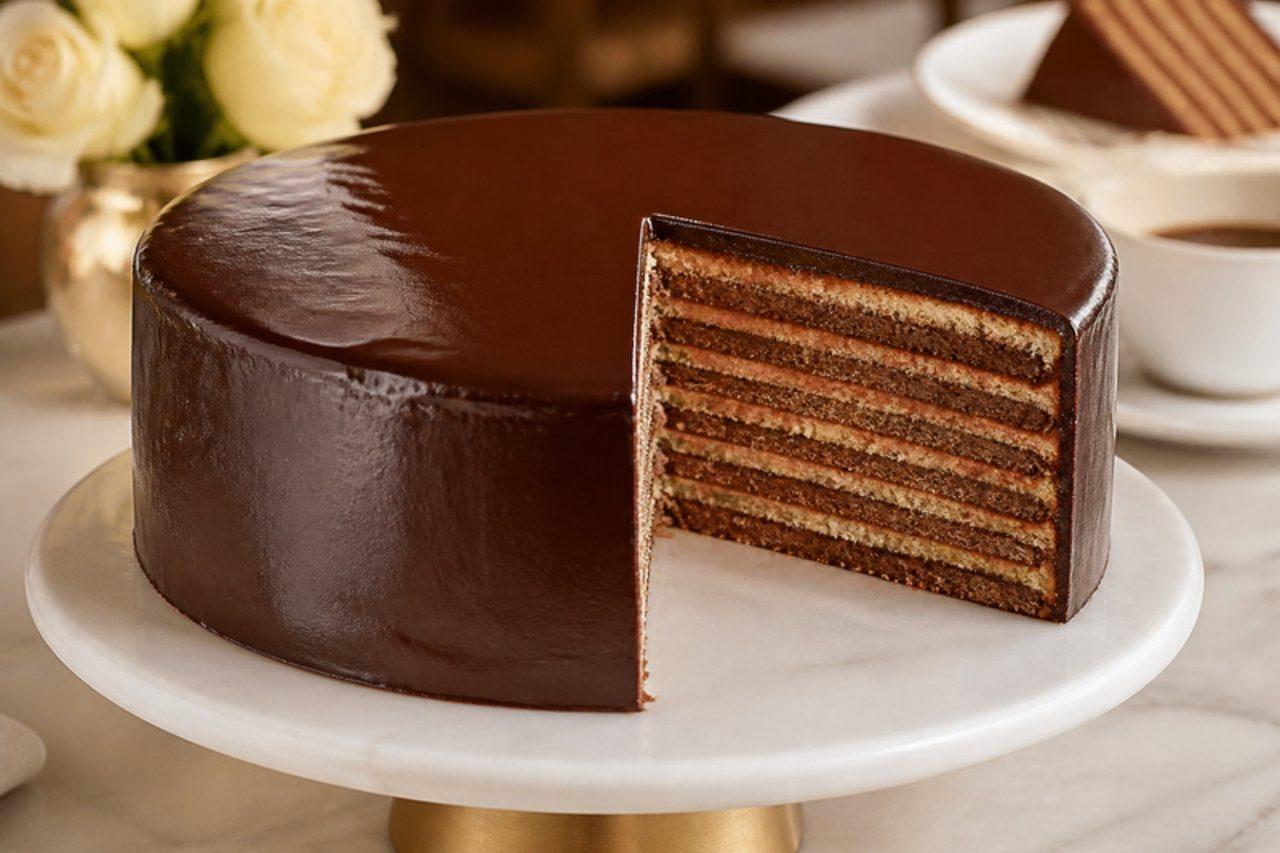
Prinzregententorte was created in Munich for Prince Regent Luitpold, who ruled Bavaria from 1886, and it is still the cake Munich cafés and families bring out for name days and big birthdays. Seven very thin sponge layers, one for each of the old Bavarian districts, are stacked with chocolate buttercream, brushed with apricot jam and sealed under a shiny dark chocolate glaze. The slices show neat stripes and taste rich but not heavy. A common mistake is baking the sponge as one thick cake and slicing it; it is far easier and neater to spread each layer thinly on a tin base and bake it for a few minutes. Chef's tip: trace a 26 cm circle on seven sheets of baking paper before you start, then bake two layers at once on separate trays.

150 minGermanBaking
by KrazyBadal 0 views

Silesian StreuselkuchenCrumble-topped yeast cake

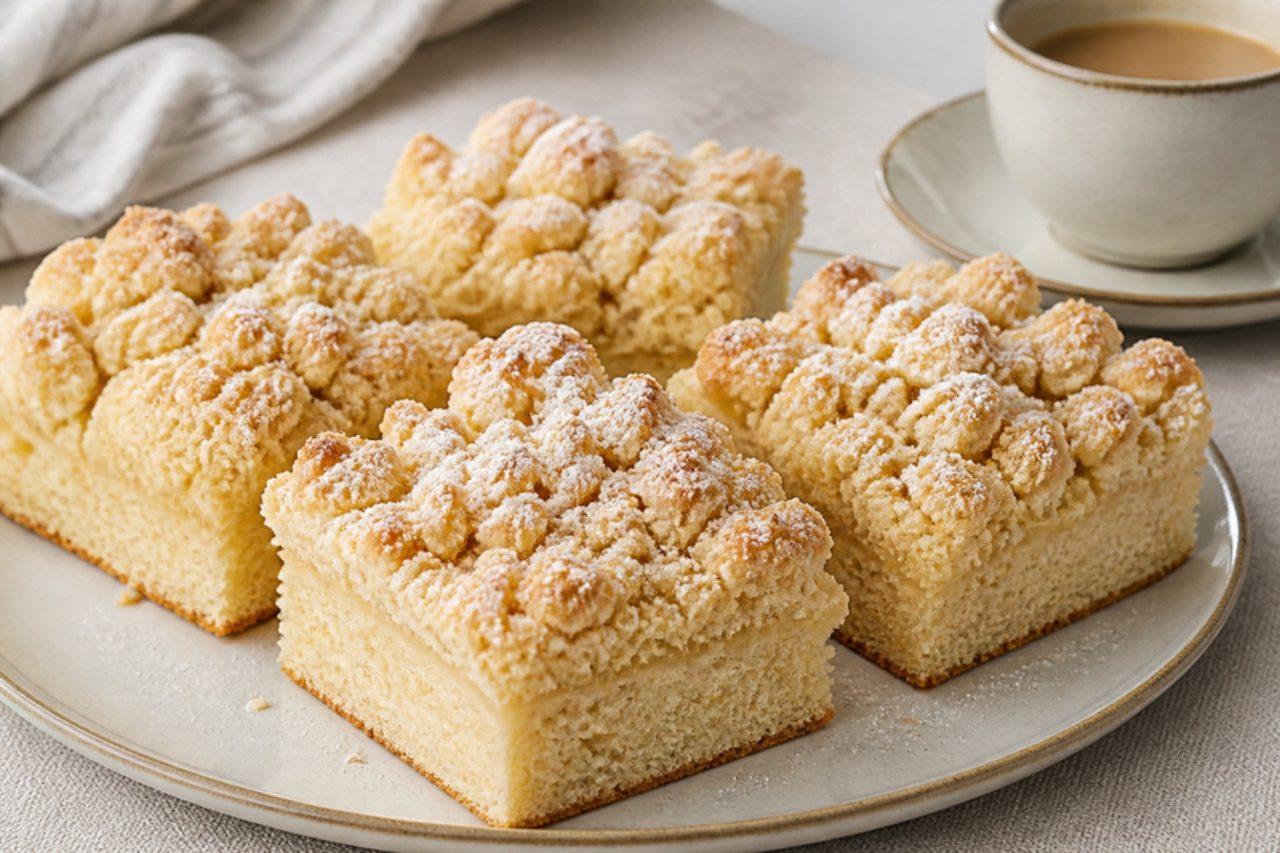
Streuselkuchen came west with families from Silesia, where a tray of it was baked for every wedding and church fair, and it is now sold in every German bakery. The point is the crumble: big, buttery, vanilla-scented lumps sitting almost as thick as the soft yeast base underneath. It is served plain with coffee in the afternoon, often a day old, when the streusel has gone crisp and the base slightly chewy. A common mistake is rubbing the streusel to fine sand; it should be squeezed into clumps the size of hazelnuts. Chef's tip: use cold, cubed butter and chill the finished streusel for 20 minutes before scattering it, so the lumps keep their shape in the oven.

120 minGermanBaking
by KrazyBadal 0 views

ŞıllıkWalnut crepes in lemon syrup

Şıllık is a home sweet of Şanlıurfa, made for guests and special Fridays: lacy crepes cooked on a hot sac or flat pan, filled with sugared walnuts, rolled up and doused in syrup until soft and sticky. Rich with butter and cut into short logs, it is eaten warm with a tiny cup of bitter mırra coffee to balance the sweetness. The batter should be as thin as single cream; thick batter gives rubbery pancakes. Chef's tip: syrup and crepes should be at different temperatures, so pour cooled syrup over the warm rolls, which drink it up without falling apart.

by KrazyBadal 0 views

Pastes de Real del MonteBeef and potato pasties

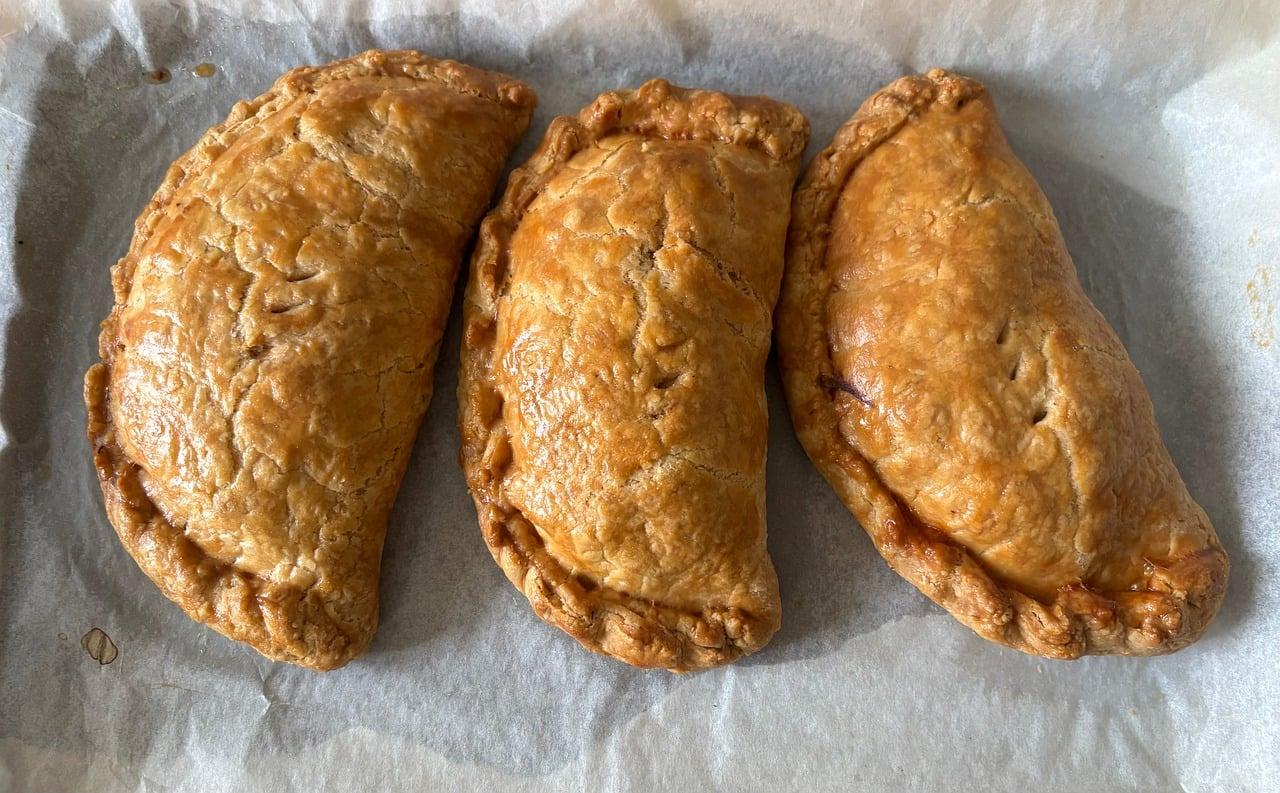
Cornish miners arrived in the silver mines around Real del Monte and Pachuca in the 1820s, and their pasties stayed: today the hilltop town in Hidalgo has paste shops on every street, selling them warm from the oven to visitors and locals all day. The classic filling is close to the original, diced beef, potato, onion and parsley seasoned with plenty of pepper, sealed in a short, buttery crust and baked until the juices turn to gravy inside; Mexican kitchens added a little chilli and many other fillings, including chicken in mole, which you can use instead of the beef. Eat them with a hot salsa or alone, with coffee. Chef's tip: cut the beef and potato small and evenly, about 1 cm; it all cooks raw inside the pastry, so even pieces are what make it tender.

by KrazyBadal 0 views

PanadesLamb and pea pies

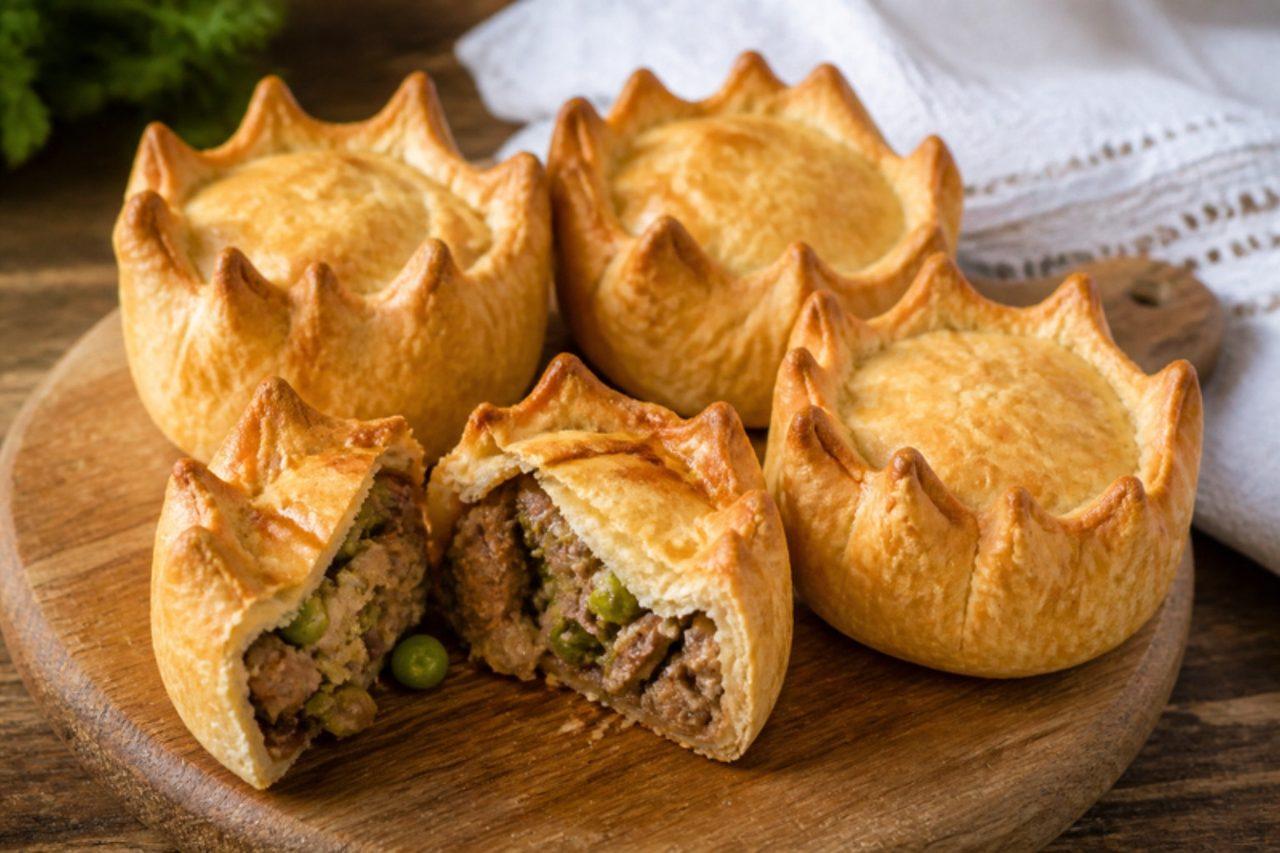
On Easter Saturday, Mallorcan kitchens turn into pie workshops: whole families shape panades, small upright pies with pinched rims and a pastry lid, filled with raw diced lamb, peas and a little pork belly, then bake them to eat on Easter Sunday and the picnics of the days after. This contains pork (lard in the pastry and pork belly in the filling); butter can replace the lard and the belly can be left out. The meat cooks inside the pastry, staying juicy. Chef's tip: cut the lamb small, no bigger than 1.5 cm, so it cooks right through in the time the pastry takes to brown.

120 minSpanishMeat
by KrazyBadal 0 views

Bacalao a la vizcaínaSalt cod in red pepper sauce

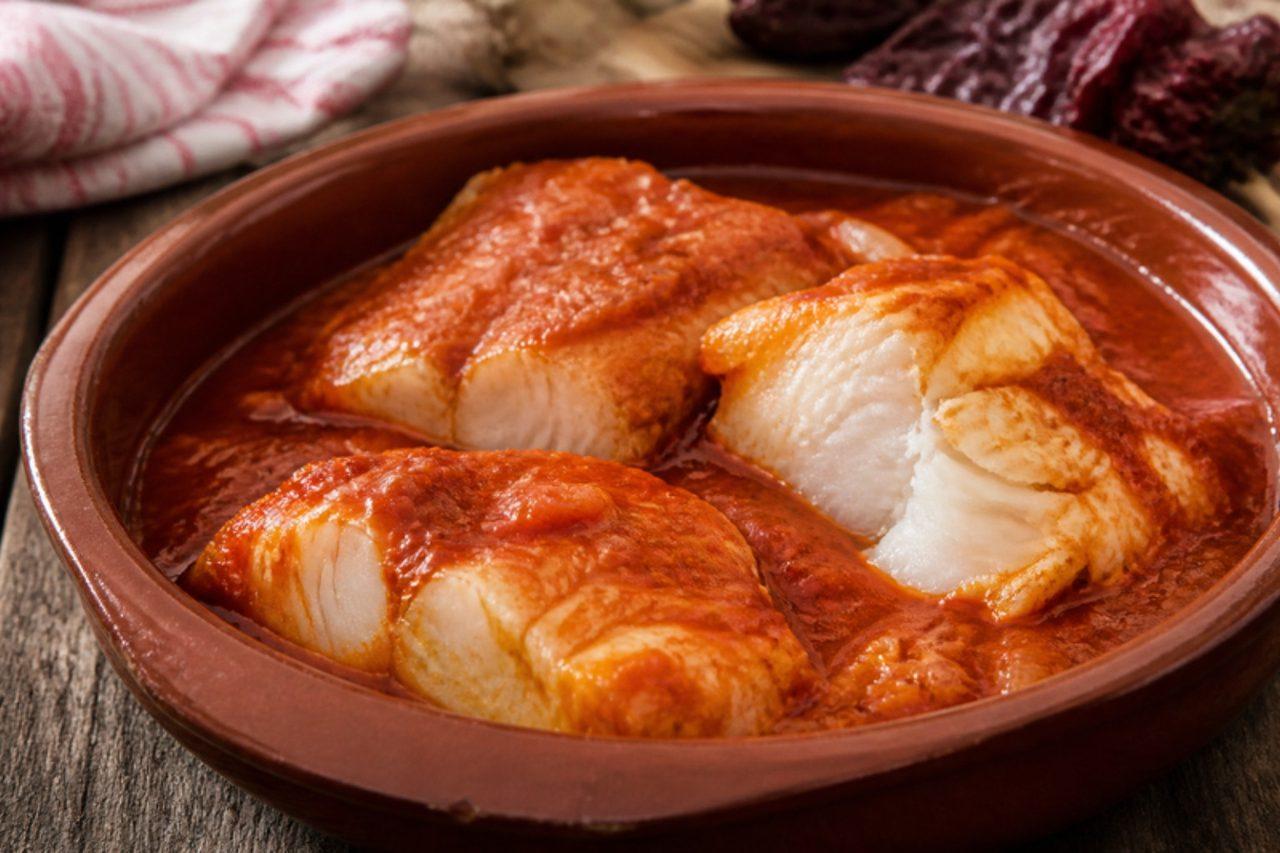
Bilbao's great salt cod dish shows up every Lent and on Good Friday, and in the city's old taverns its sauce is judged as fiercely as the fish. The sauce is made only from onions cooked for a long time and the flesh of dried choricero peppers, with no tomato, which gives it its deep red colour and gentle sweetness. Salt cod needs 36–48 hours of soaking in the fridge, so start two days ahead. A common mistake is hurrying the onions: they need at least 40 minutes on a low heat to turn soft and sweet. Chef's tip: taste a flake of the soaked cod before cooking, and if it's still salty, soak it a few hours more.

105 minSpanishFishGluten free
by KrazyBadal 0 views

PasticciottoCustard-filled shortcrust pastries

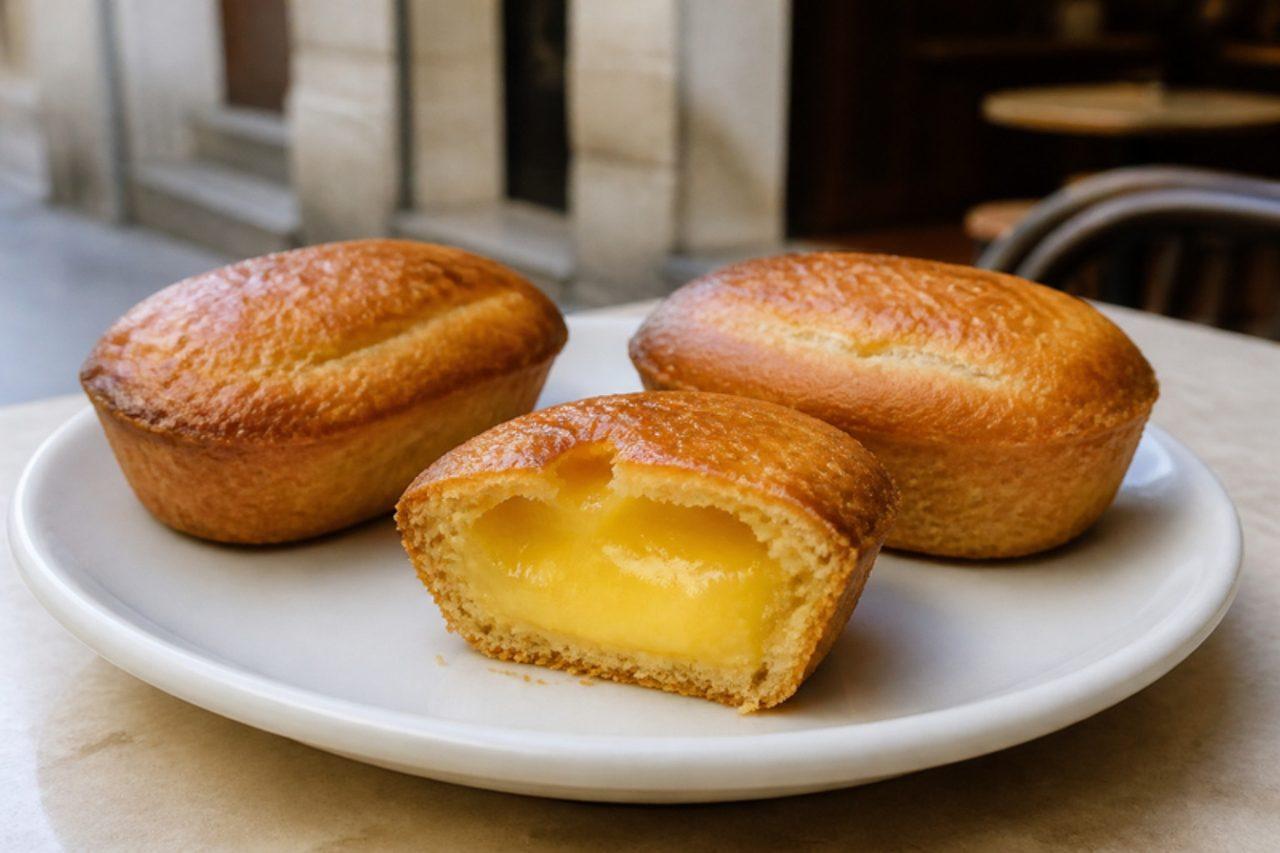
In Lecce the day starts at the bar with a pasticciotto still warm from the oven: a little oval of crumbly, golden shortcrust split open to reveal thick lemon-scented custard. It is said to come from a pastry shop in nearby Galatina in the 1700s, and the whole Salento eats it at breakfast, after Sunday Mass and with a caffè in ghiaccio in summer. The traditional pastry is made with lard; this version uses butter, which keeps it short and crisp. Chef's tip: make the custard first and chill it well; cold, thick custard stays put inside the pastry while it bakes.

by KrazyBadal 0 views

Simit kebabıBulgur and lamb mince skewers

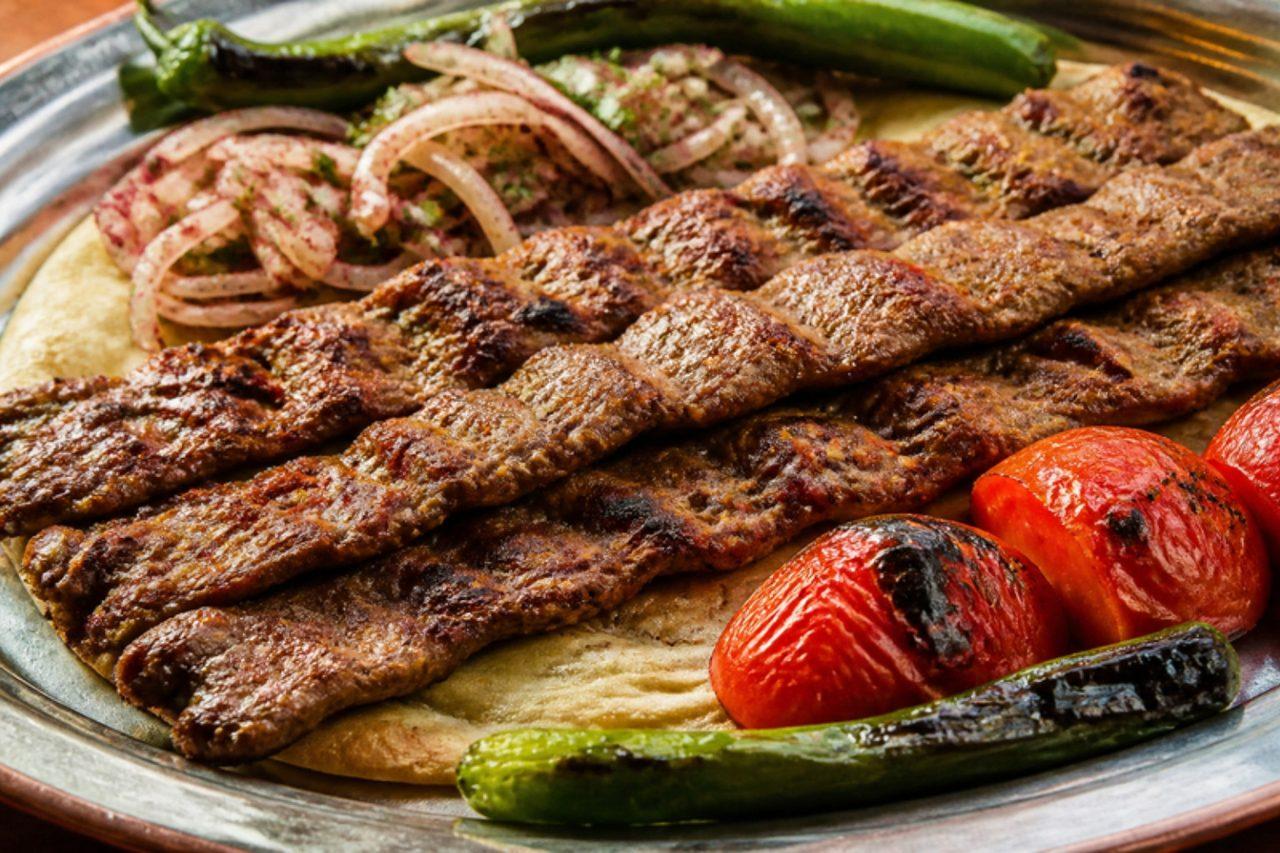
In Gaziantep 'simit' means fine bulgur, not the sesame ring, and the city's kebab grills knead it into spicy lamb mince before shaping long flat skewers over charcoal. The bulgur soaks up the juices, so the kebab is tender inside with a crisp, charred crust. Serve on lavaş or thin flatbread with grilled tomatoes, peppers and a heap of sumac onions. Knead the mixture for a full ten minutes; under-kneaded meat falls off the skewer. Chef's tip: chill the shaped skewers for 30 minutes before grilling so they keep their shape over the heat.

by KrazyBadal 0 views

AntikristoSlow-roasted lamb

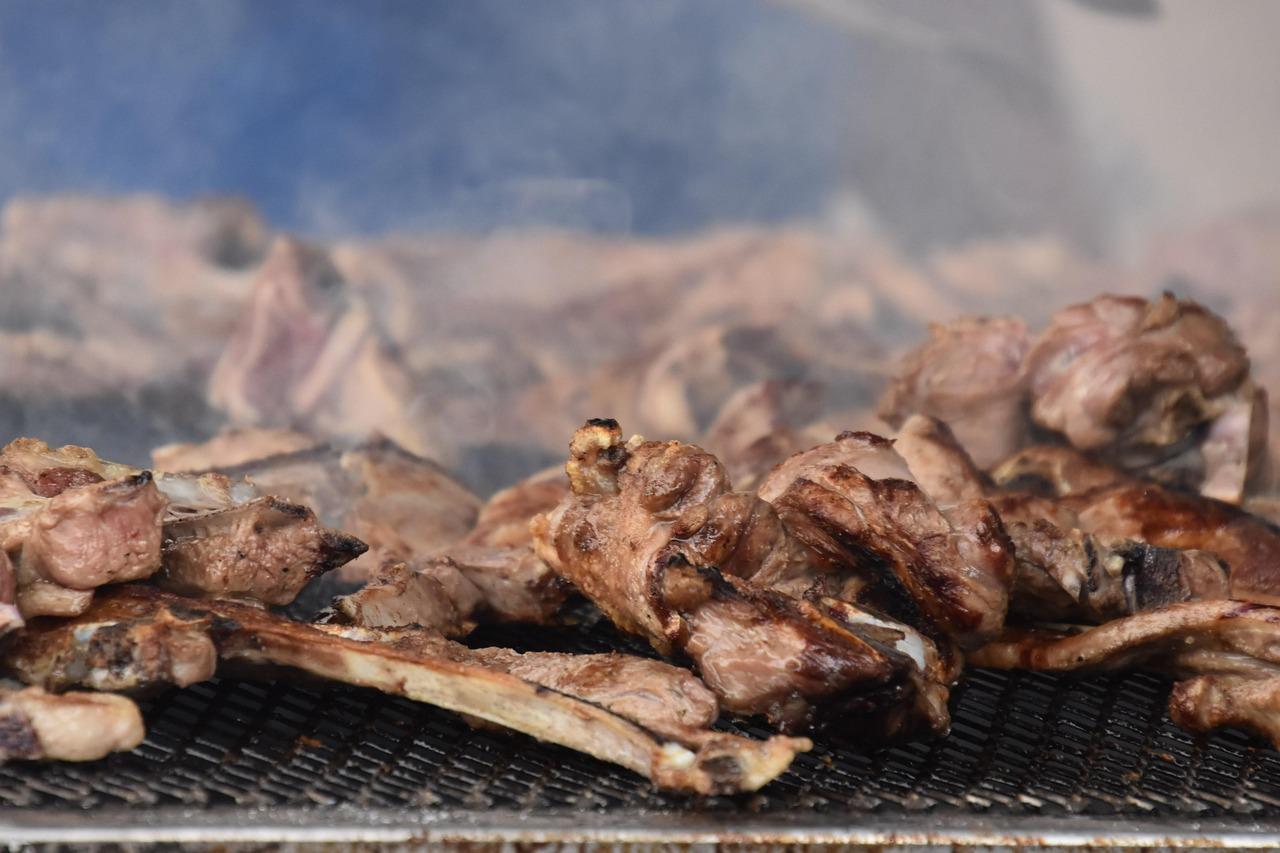
Antikristo means 'facing each other', and in the Psiloritis mountain villages above Anogeia it describes big pieces of lamb on long skewers set upright round a wood fire, turned now and then for four or five hours until the fat has dripped away and the meat is smoky and crisp. At village feasts and saint's-day fairs it is carved straight from the skewer onto paper with nothing more than salt and a squeeze of lemon. This home version roasts salted lamb shoulder and ribs slowly in the oven, then finishes them hot for crackling edges. Common mistake: adding herbs and marinades; the Cretan way is only coarse salt, so the lamb's own flavour comes through. Chef's tip: salt the meat the night before and leave it uncovered in the fridge so the surface dries and crisps.

255 minGreekMeatGluten free
by KrazyBadal 0 views

Anar ba golparPomegranate seeds with golpar

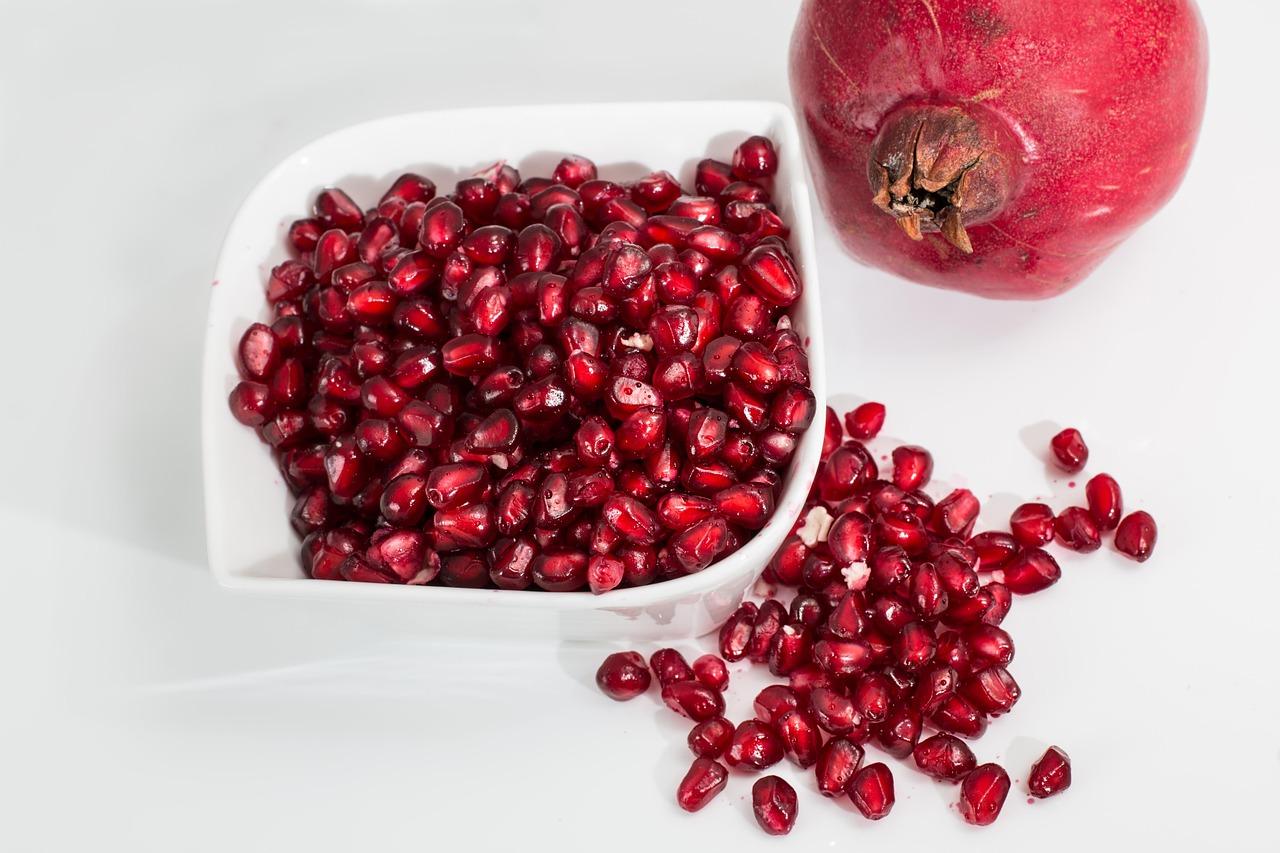
On Yalda night, the longest night of the year in late December, a bowl of jewel-red pomegranate seeds sits at the centre of the korsi in homes from Tehran to Shiraz, symbolising the dawn and the return of light. Many families sprinkle the seeds with golpar (ground Persian hogweed) and a little salt, which makes the sweet-sour fruit taste brighter and more savoury, almost like a salad. A common mistake is bashing the fruit too hard to free the seeds, which bursts them and leaves a puddle of juice. Chef's tip: seed the pomegranates under a bowl of water; the seeds sink, the white pith floats and the juice doesn't stain the kitchen.

by KrazyBadal 0 views

Pastis gasconCrackling apple pastry

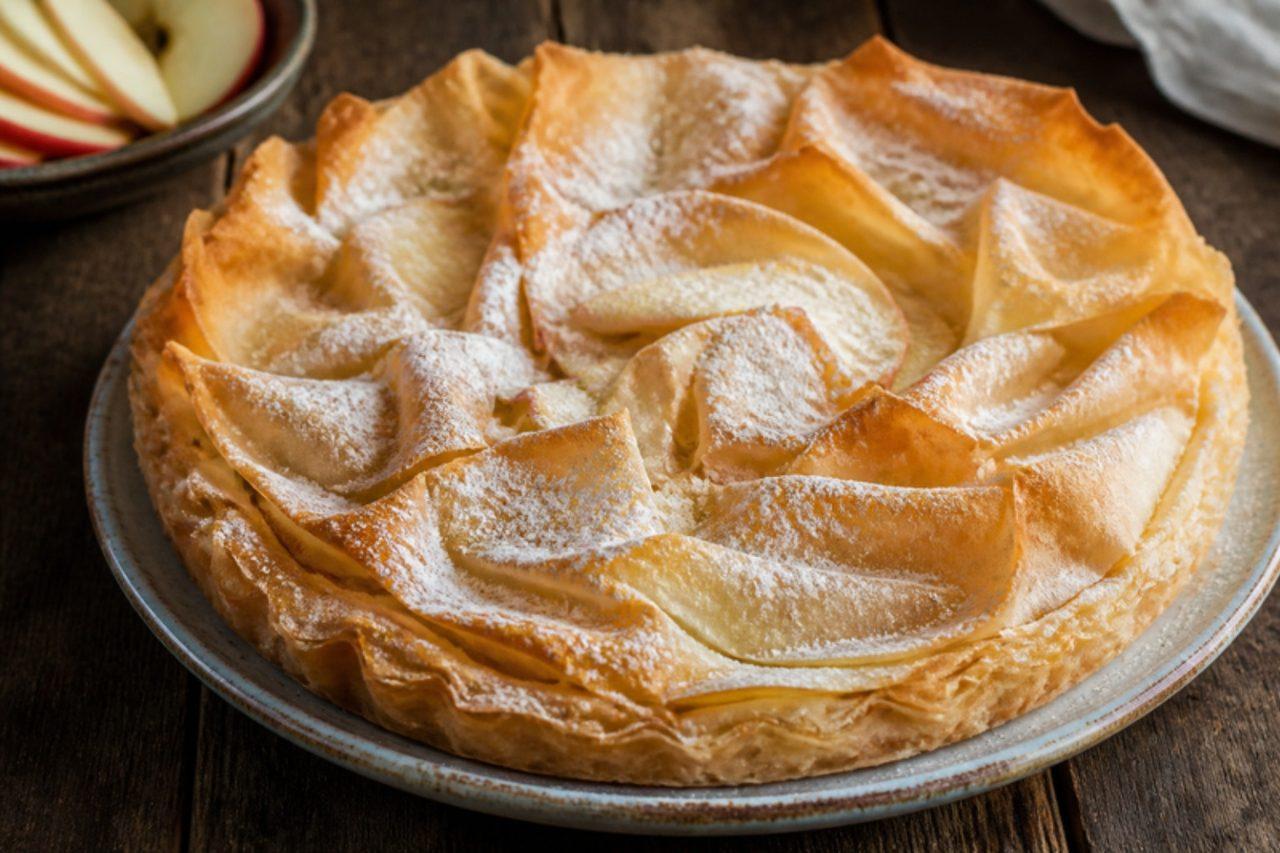
In the Gers and the Lot-et-Garonne, grandmothers once stretched pastis dough over the kitchen table until it was thin enough to read a newspaper through, then layered it with apples and butter into a crackling, golden dome. Called pastis in Gascony and croustade in Quercy, it is served at Sunday lunch, weddings and village fêtes. The apples are traditionally soaked in Armagnac, the local brandy; this home version uses filo pastry and gives an alcohol-free soak of apple juice and orange flower water, with Armagnac as the option. Chef's tip: scrunch the top sheets loosely like crumpled silk; the folds turn into the crisp, shattering crown.

by KrazyBadal 0 views

Pastissets de moniatoSweet potato pastry half-moons

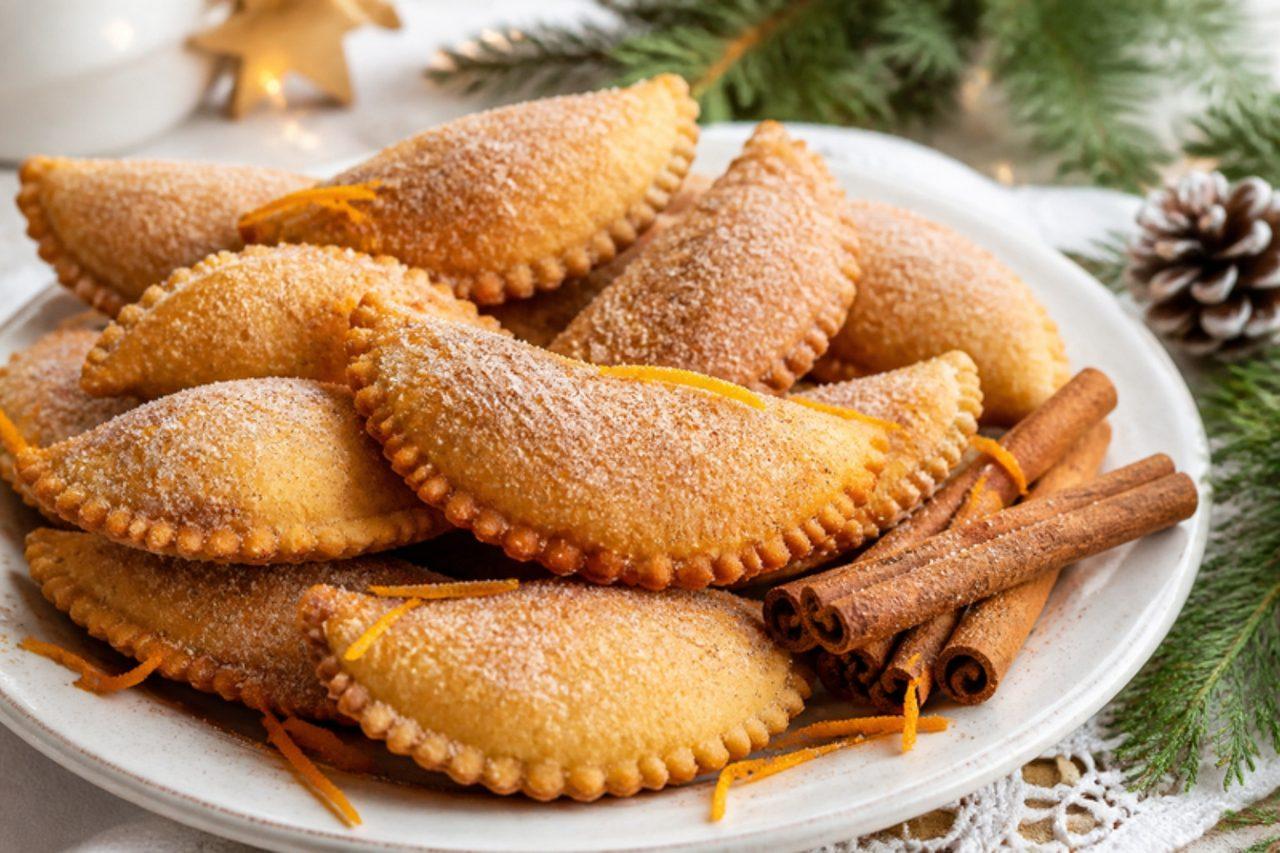
As Christmas nears, bakeries and home kitchens from Valencia to Alicante turn out trays of pastissets, little half-moon pies of crumbly olive-oil pastry wrapped around a filling of sweet potato cooked with sugar, lemon and cinnamon, finished with a snowy dusting of sugar. They are eaten with coffee or a glass of mistela after the big family meals, and also for All Saints in November. The pastry traditionally includes a splash of sweet mistela wine; orange juice works just as well for an alcohol-free version. A common mistake is overfilling, which splits the seams in the oven; a heaped teaspoon is enough. Chef's tip: chill the filling until firm before you shape, so it sits neatly in the centre and is easy to seal.

by KrazyBadal 0 views

PastitsadaSpiced beef with thick pasta

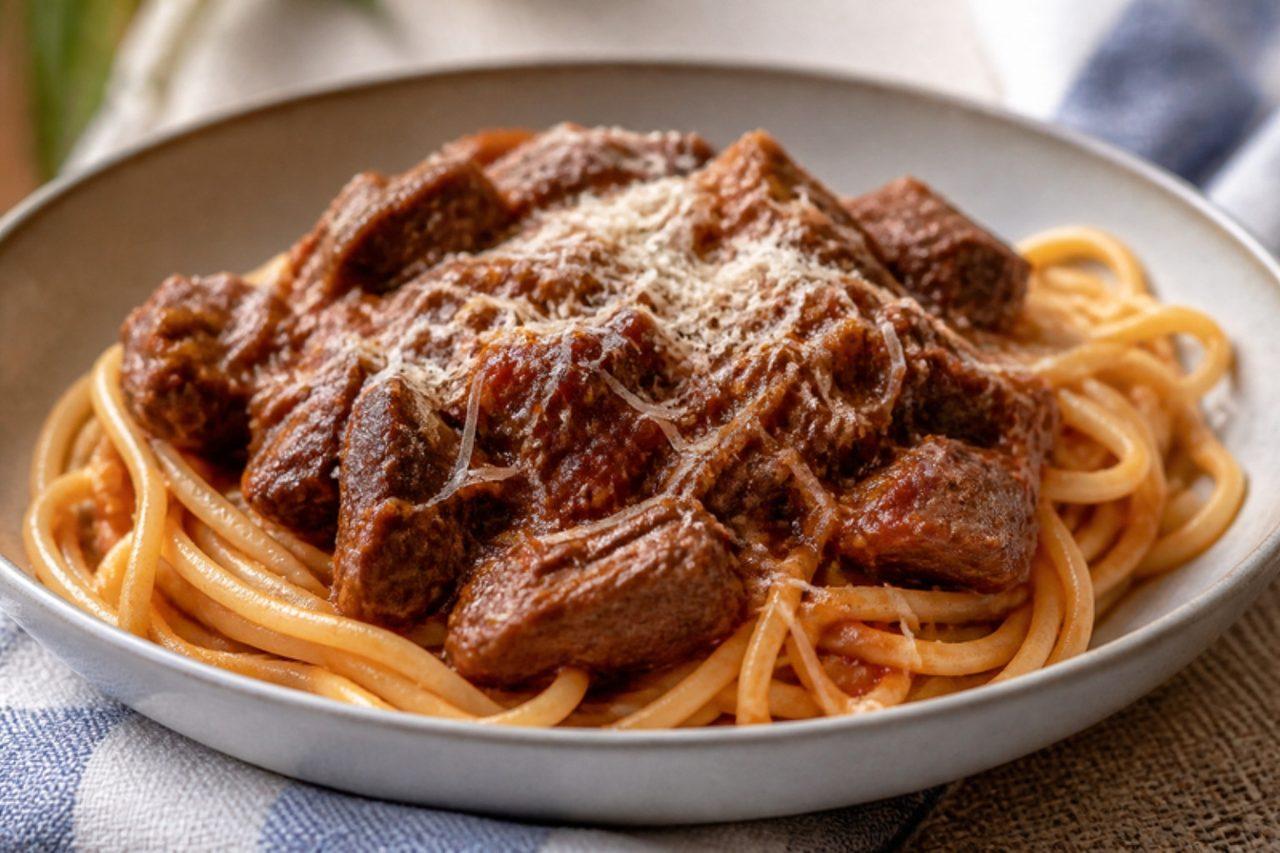
Pastitsada is Corfu's great Sunday and feast-day dish, a legacy of four centuries of Venetian rule: big pieces of beef (or rooster) slowly braised in tomato with a heady spice mix of cinnamon, clove, allspice, nutmeg and sweet paprika, sharpened with vinegar, then served over bucatini with grated cheese. The sauce should be thick enough to coat the pasta and taste warm rather than hot. Many Corfiots add red wine; this version uses red wine vinegar and stock, so it's alcohol-free (swap 150 ml of the stock for red wine if you like). Common mistake: rushing the braise — beef shin needs a long, gentle simmer to turn soft. Chef's tip: make it a day ahead; the spices settle and the sauce tastes rounder.

175 minGreekMeat
by KrazyBadal 0 views

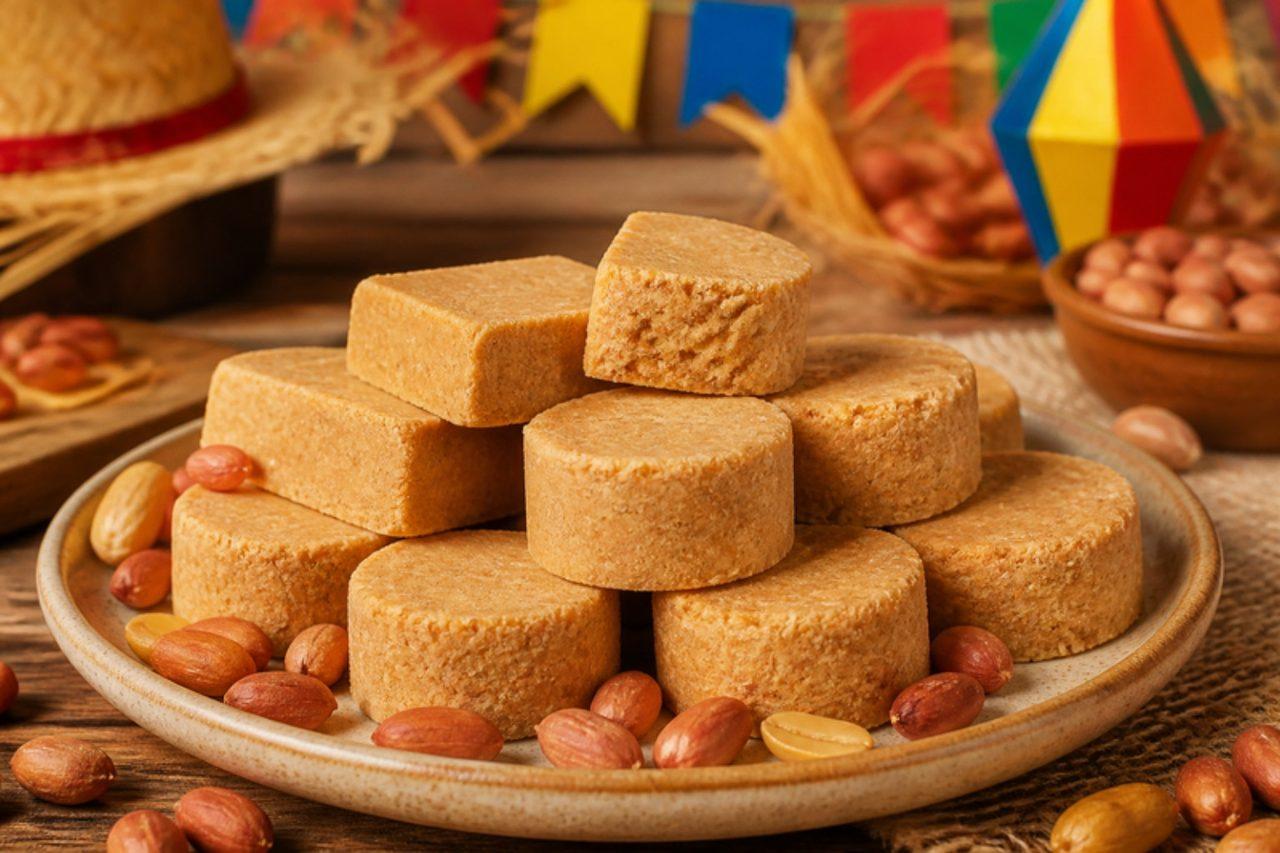
PaçocaPeanut and cassava flour sweet

Kids across Brazil grow up on paçoca, the pale peanut sweet that melts into sandy crumbs the moment it is bitten, and no festa junina bag of treats is complete without a few. It started in the countryside of São Paulo and Minas as a way to use the peanut harvest, pounded in a wooden pestle with sugar and cassava flour, and today it is mostly pressed into little discs called rolhas. The flavour is pure toasted peanut, salty-sweet, with a texture between shortbread and fudge. Fine cassava flour (farinha de mandioca fina) is sold in Brazilian shops; you can leave it out for a richer, softer paçoca. Under-roasting the peanuts is the usual pitfall: pale peanuts give a raw, beany taste. Chef's tip: grind the mixture only until it just starts to clump; if it turns to butter, it will not hold a crumbly shape.

by KrazyBadal 0 views

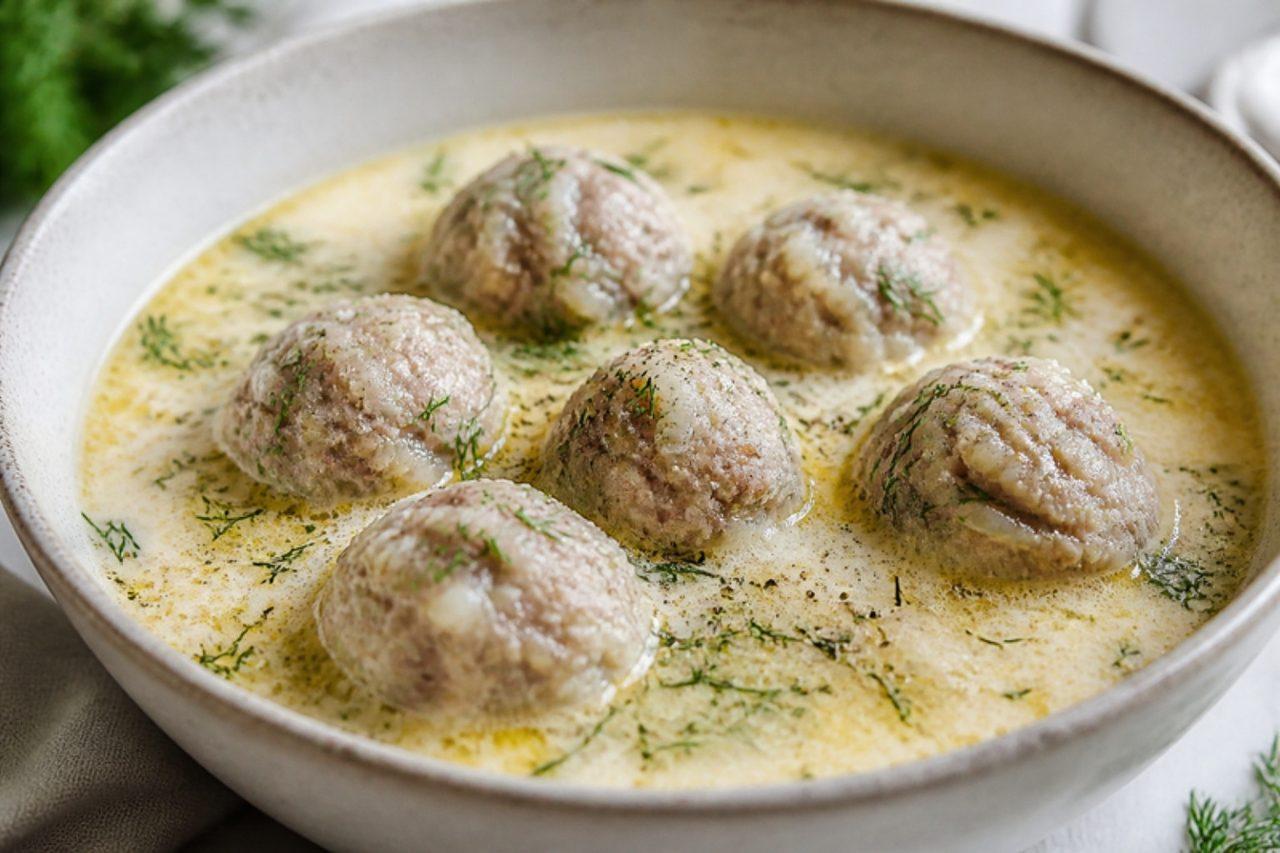
YouvarlakiaRice meatballs in egg-lemon broth

Youvarlakia is the soup Greek mothers, from Tripoli in the Arcadian hills to the Athens suburbs, make for a cold night or anyone feeling under the weather. Little meatballs of beef, rice, onion and herbs poach in a light broth until tender, and the broth is thickened at the end with whisked egg and lemon into a pale, silky avgolemono. It's a meal in a bowl, with bread and feta. Common mistake: boiling the soup after the egg goes in, which curdles it — take the pot off the heat first. Chef's tip: roll the meatballs with wet hands and drop them into simmering, not boiling, broth so they hold together.

70 minGreekSoupsGluten free
by KrazyBadal 0 views

Bolo de roloGuava paste roll cake

Cut a slice of bolo de rolo and you see a tight spiral of a dozen hair-thin layers, alternating pale butter sponge and dark red guava. It is Pernambuco's proudest cake, protected as a cultural heritage of the state, sold in Recife's bakeries and airport shops in long boxes and served at birthdays and with coffee in the afternoon. The batter is rich with butter and eggs, spread so thinly it bakes in minutes; each sheet is brushed with melted guava paste and rolled around the last. It takes patience rather than skill. The classic slip is spreading the batter too thick, which gives a fat swiss roll instead of fine stripes; you should almost see the paper through it. Chef's tip: roll each layer while it is still hot from the oven, on a clean cloth dusted with sugar, because the thin sponge cracks as soon as it cools.

by KrazyBadal 0 views

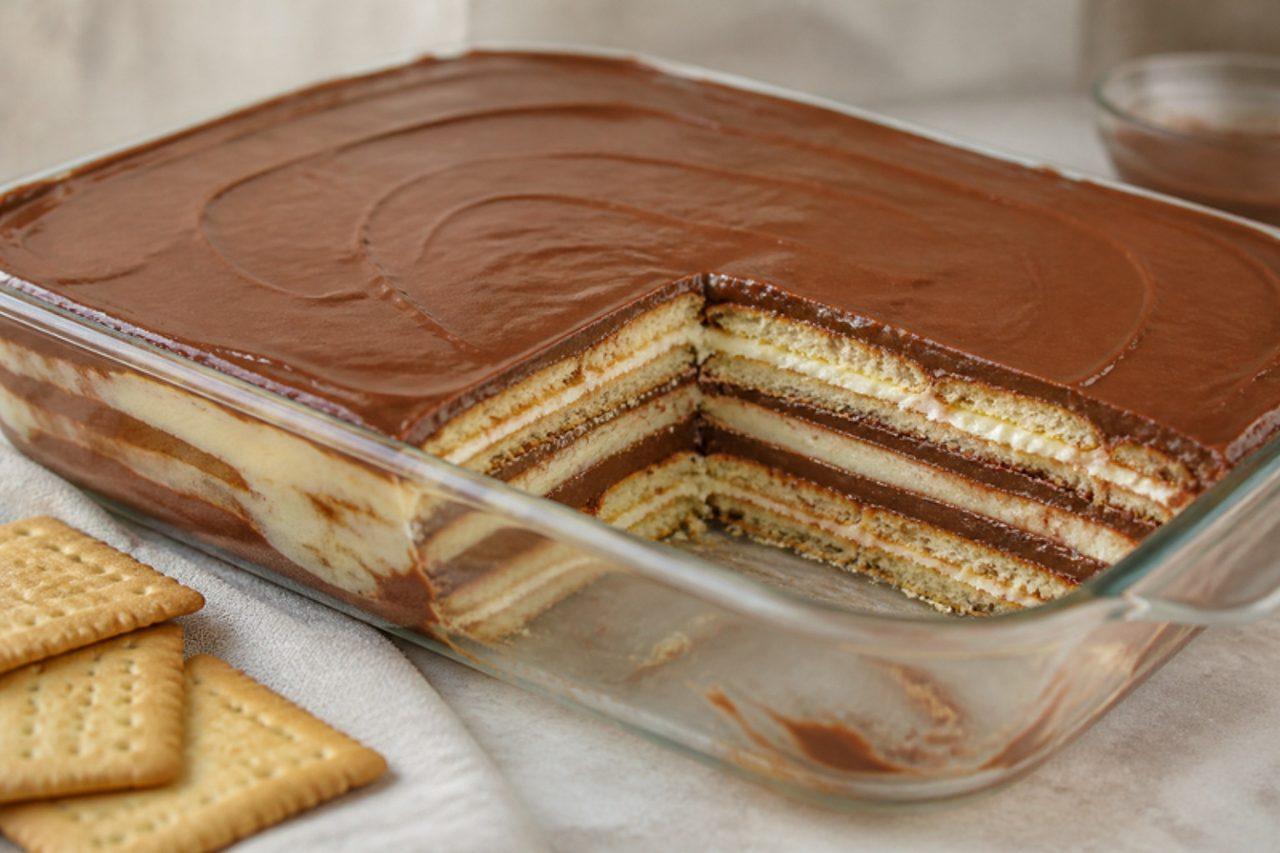
Torta de bolachaNo-bake biscuit and custard cake

Gaúcho birthday tables almost always carry a torta de bolacha, the fridge cake that grandmothers in Porto Alegre and the Serra Gaúcha towns put together the night before. Plain Maria biscuits are dipped in sweet milk and stacked with two stovetop creams, one pale vanilla custard and one chocolate, until the biscuits soften into something close to sponge. It is cool, soft and very sweet, and slices best after a night in the fridge; serve it with coffee or as the birthday cake itself, with candles on top. It contains egg yolks and wheat biscuits. Most failures come from soaking the biscuits too long: they should be dipped for a second, not left to swim, or the layers collapse into mush. Chef's tip: let both creams cool until just warm before layering, so they stay thick enough to hold the next row of biscuits.

by KrazyBadal 0 views

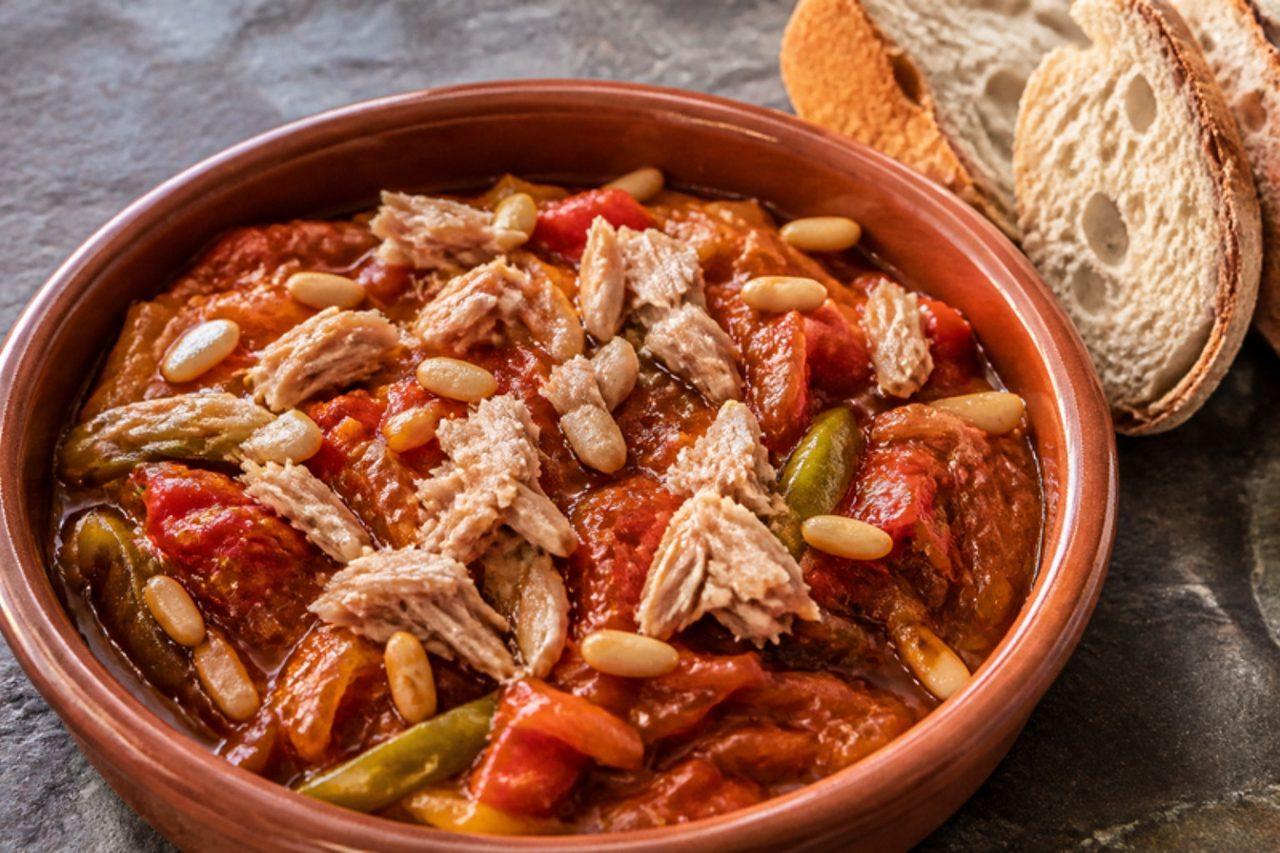
TitainaTomato, pepper and tuna stew

Titaina comes from the Cabanyal, the tiled fishermen's neighbourhood by Valencia's beach, where it is still served as a tapa in the old bars and spooned onto bread at home on summer evenings. Green peppers, onion and ripe tomatoes are cooked down in olive oil with toasted pine nuts until sweet, then mixed with tuna. Fishermen used tonyina de sorra, salt-cured tuna belly; this version uses good tinned tuna in olive oil, which is already cooked and easy to find. A common mistake is cooking it fast on a high heat: it needs a slow 40 minutes so the vegetables melt instead of fry. Chef's tip: add a pinch of sugar only if your tomatoes are sharp, and stir in the tuna at the very end so it stays in flakes.

by KrazyBadal 0 views

Psari plakiFish baked with tomatoes and onions

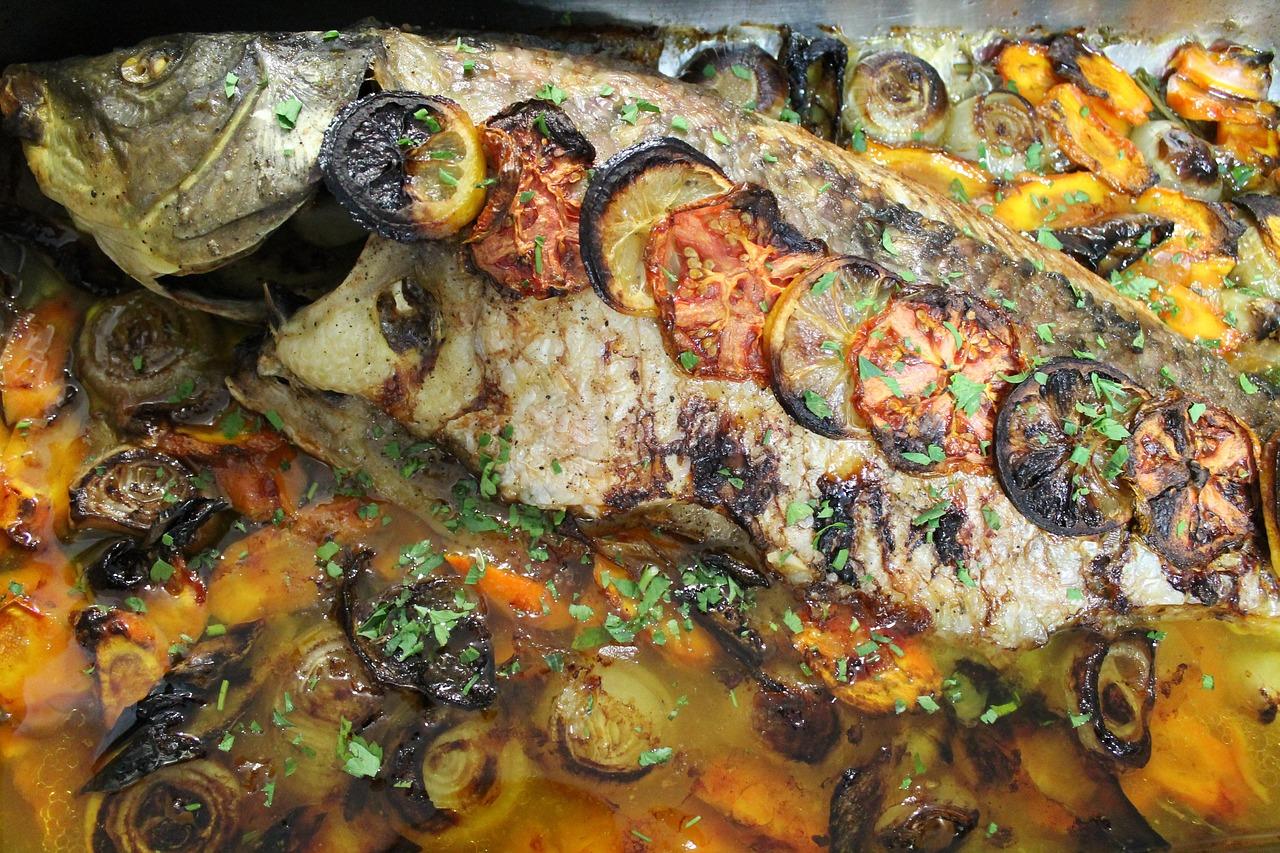
Psari plaki is how Greek island families cook the day's catch for a crowd: the fish laid on a bed of soft onions, garlic, tomatoes and parsley, drizzled with olive oil and baked until the sauce turns jammy. It is a traditional Friday and Palm Sunday dish, eaten with bread, horta and plenty of lemon. Use cod, hake, sea bream or grouper. Common mistake: putting the fish in with raw vegetables, which leaves them crunchy and watery when the fish is done; cook the base first. Chef's tip: squeeze lemon over the fish and let it sit while the base bakes; it firms the flesh and seasons it to the bone.

70 minGreekFishGluten free
by KrazyBadal 0 views

NicuatoleCorn and cinnamon pudding

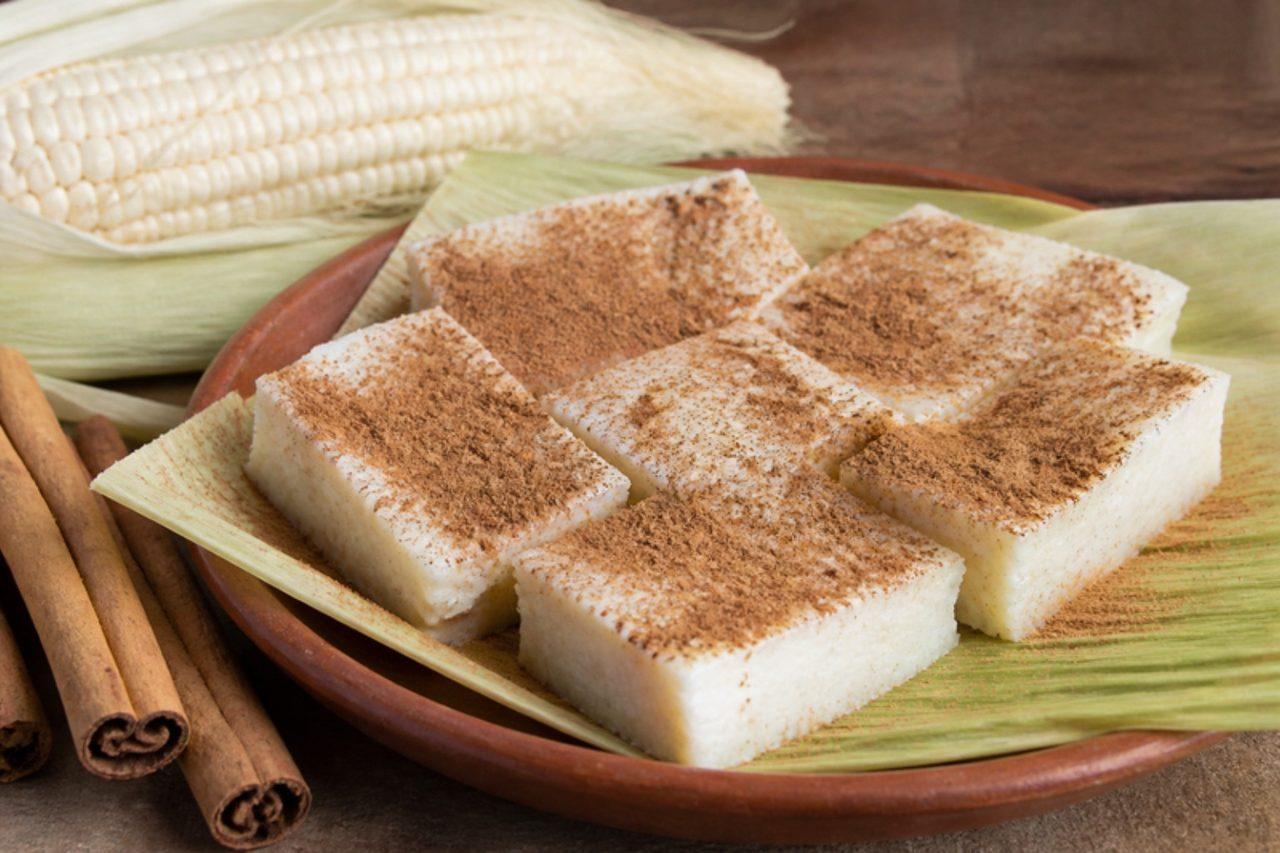
Nicuatole is a Zapotec sweet sold in little squares from glass cases at Oaxacan markets and at village fiestas, often with a bright pink top coloured with cochineal. It is made from corn masa cooked with water, sugar and cinnamon until it thickens enough to set when cool, a cousin of atole you can cut with a knife. The texture is soft, slightly bouncy and cool, and it is eaten as an afternoon treat. We give a coconut-milk option and use beetroot juice or a natural red food colouring instead of cochineal (which comes from insects) for the red layer. Chef's tip: cook it until the spoon leaves a clear path across the pan base for a full second; undercooked nicuatole never sets.

by KrazyBadal 0 views

Biscoito de polvilhoCrunchy cassava starch rings

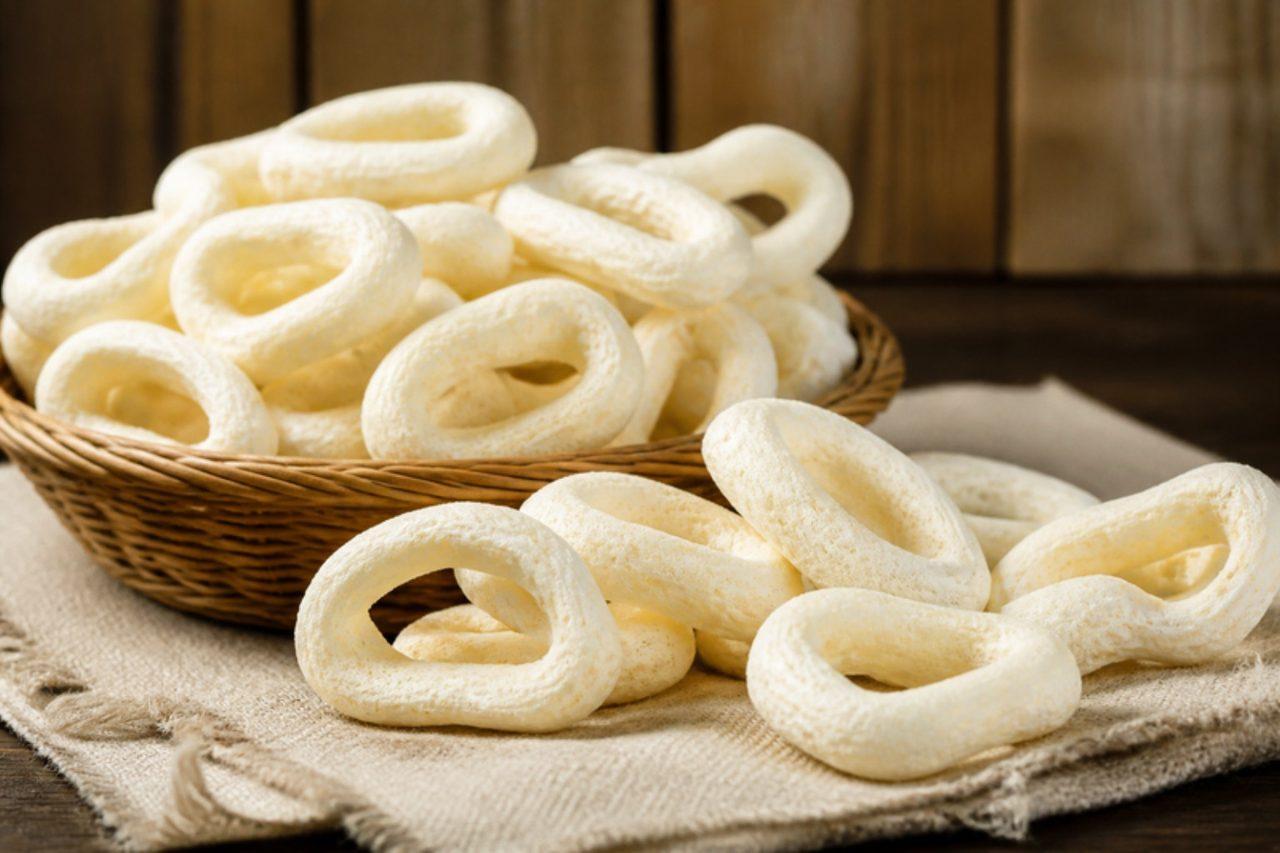
Light enough to float off the plate, these rings are sold by the bagful at bus stations, beaches and football grounds all over Brazil, but they belong to Minas Gerais, where sour cassava starch (polvilho azedo) has been made for centuries. Scalding the starch with hot milk, water and oil and then beating in eggs gives a sticky paste that puffs in a hot oven into crisp, airy, slightly tangy shells. Mineiros eat them with coffee in the afternoon or nibble them all day. Bake them in a hot oven and do not open the door: the rings collapse into flat, hard discs if the heat drops in the first 20 minutes. Chef's tip: the paste should pipe like thick mayonnaise; add a spoon of water if it is too stiff, because a soft dough is what makes the biscuits hollow.

by KrazyBadal 0 views

Sinop mantısıOpen beef dumplings with yoghurt

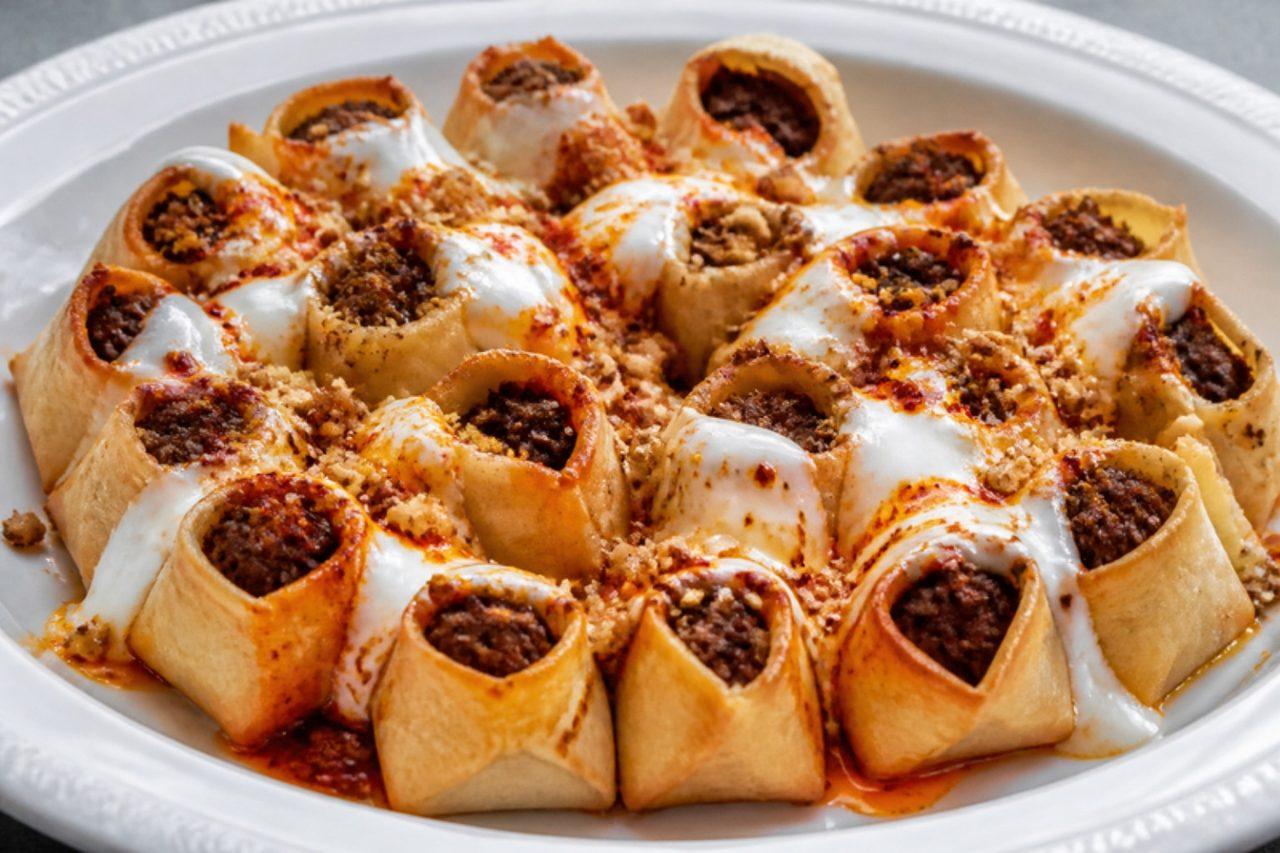
Sinop's mantı are not the tiny sealed parcels of Kayseri but larger squares pinched at the corners, filled with spiced beef mince and served in a deep plate with garlic yoghurt, crushed walnuts and a sizzling spoon of chilli butter. In the port town they are a cold-weather lunch, and the walnuts are what make them Sinop's own. Common mistake: boiling them too hard so they burst; keep the water at a lively simmer and cook until the filling is firm and reaches 71 °C. Chef's tip: let the dough rest a full 30 minutes; a relaxed dough rolls thin without springing back and the dumplings cook evenly.

by KrazyBadal 0 views

Birria de resChilli-braised beef

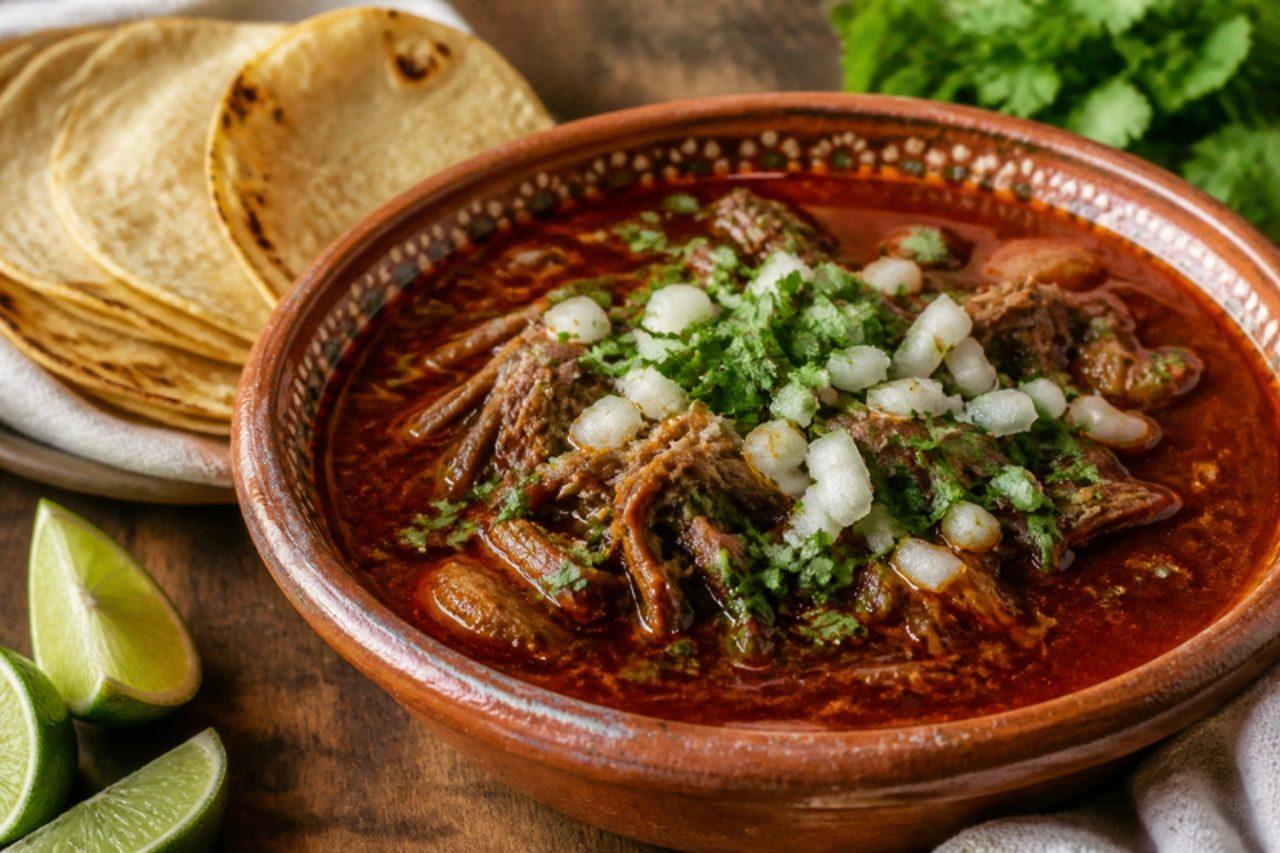
Birria comes from Jalisco, where it is the dish of weddings, baptisms and Sunday mornings after a long night, ladled out at market stalls in Guadalajara from dawn. Beef on the bone is rubbed with a paste of guajillo and ancho chillies, vinegar, garlic and warm spices, left overnight in the fridge, then braised for hours until it falls into soft, glossy strands. The cooking liquid becomes the consommé: sip it from a cup, spoon it over the meat in a bowl, or dip tortillas in its red fat and fry them with the beef and a little cheese for crisp-edged tacos. Serve with chopped onion, coriander, lime and a fiery chile de árbol salsa. Chef's tip: skim the red fat off the top of the finished consommé and keep it for frying the tortillas; it gives the tacos their colour and crunch.

285 minMexicanMeatGluten freeSpicy
by KrazyBadal 0 views

Azevias de grãoSweet chickpea fried pastries

Come December, Alentejo kitchens fill with the smell of these: thin, crisp pastries folded around a sweet chickpea paste flavoured with orange and cinnamon, fried until blistered and rolled in cinnamon sugar. Families make them by the hundred and share them with neighbours over Christmas. Many recipes add a splash of aguardente, a grape spirit containing alcohol, to the dough for crispness; it is optional here, and orange juice alone works. This version contains no egg or dairy. A common mistake is rolling the dough too thick; it should be thin enough to see light through, so it bubbles and crisps. Chef's tip: make the filling the day before; cold, firm filling is far easier to wrap.

by KrazyBadal 0 views

Sir ghelyehFried green garlic with eggs

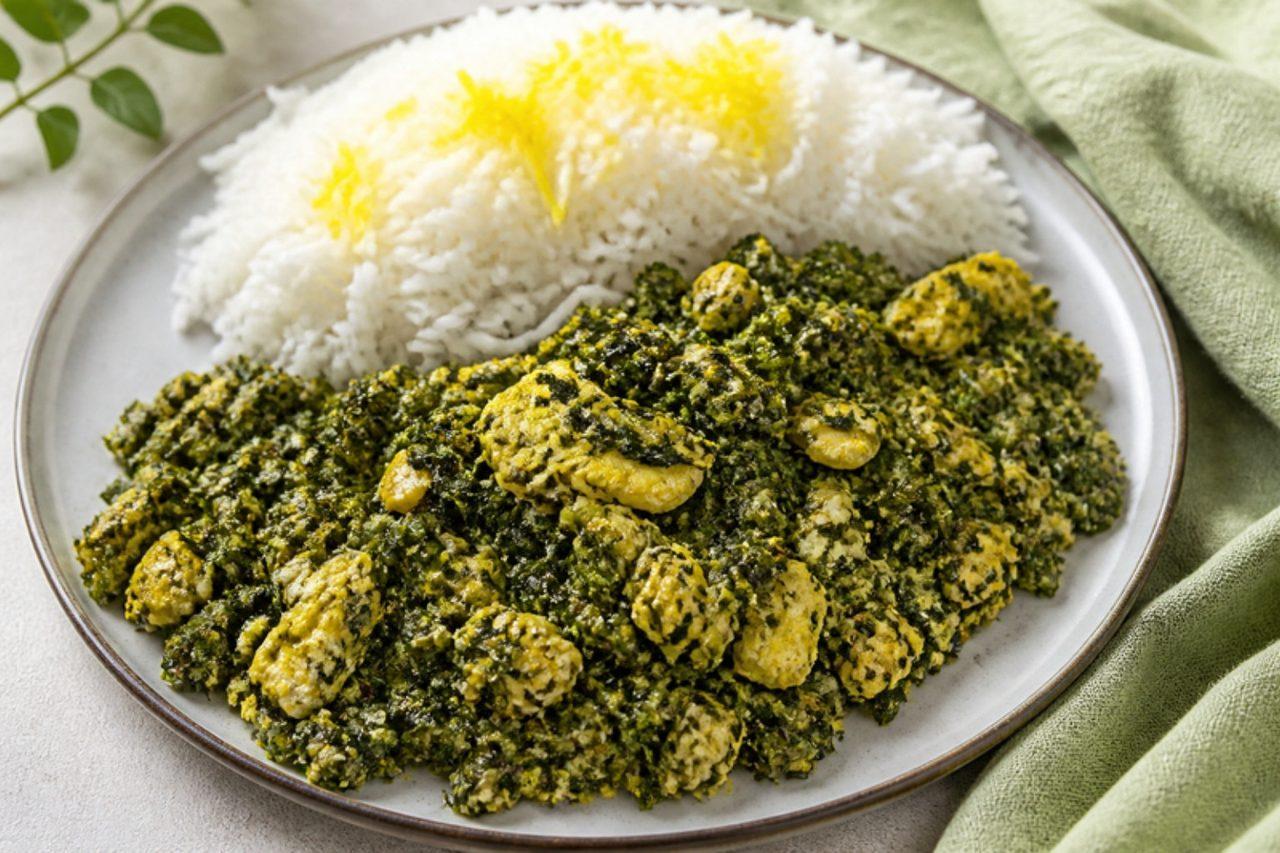
In early spring, when the rice fields of Gilan are still wet and the markets of Rasht fill with bundles of green garlic, families make sir ghelyeh: young garlic stems and leaves fried slowly with herbs and turmeric, then set with eggs. It is a quick lunch with kateh rice, eaten with a pickle on the side, and it smells of the whole season. The common mistake is frying the green garlic on a high heat, which burns the edges and leaves it bitter instead of sweet. Out of season, use the swap in the ingredients. Chef's tip: a small splash of verjuice or lemon juice just before the eggs go in lifts the whole pan.

by KrazyBadal 0 views

Puca picantePork and potato peanut stew

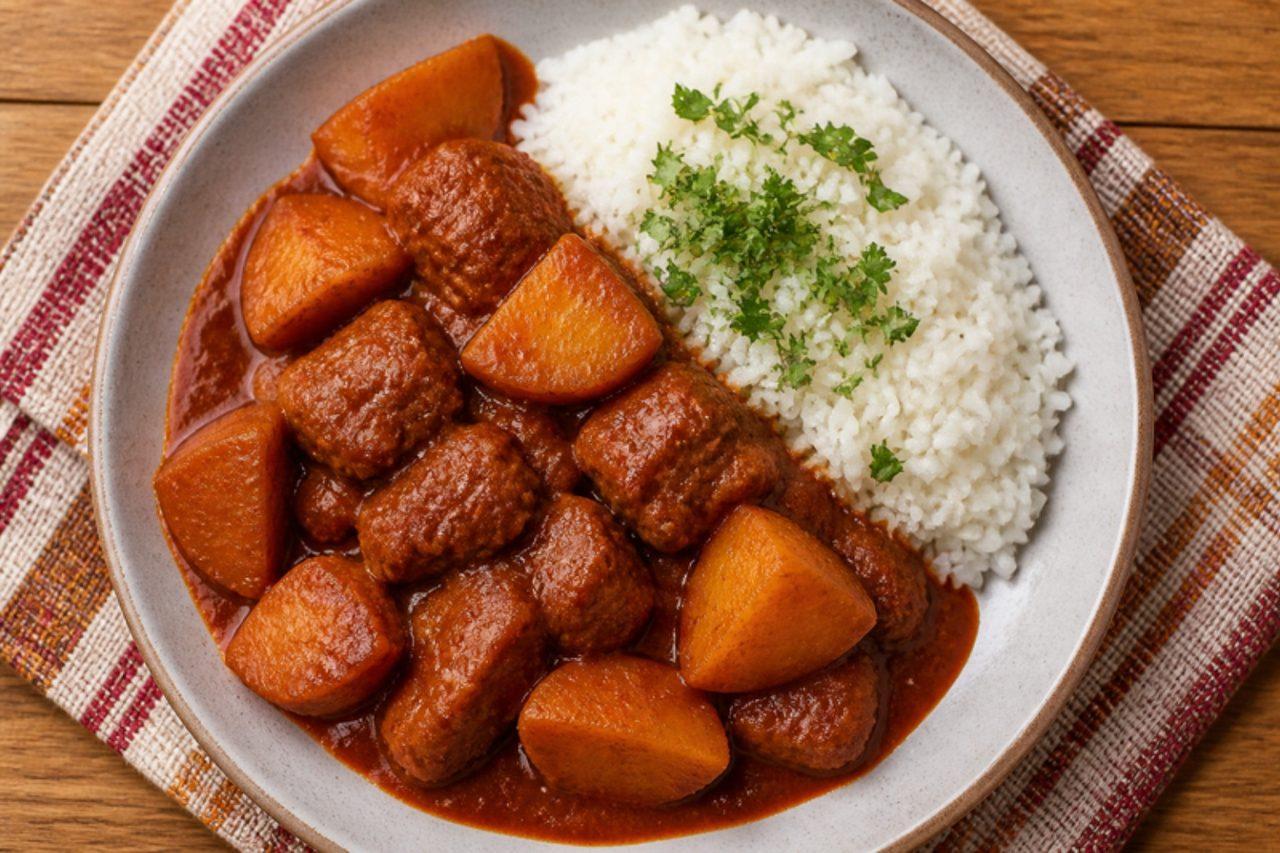
Puca means red in Quechua, and Ayacucho's puca picante is as red as a stew gets, thanks to ají panca and a little beetroot. Cubes of pork and potato simmer in a sauce thickened with ground toasted peanuts until creamy, nutty and mildly hot; it is served at Ayacucho's Sunday lunches and during Semana Santa with white rice, a fried pork chunk on top and a sharp salsa criolla. A frequent error is too much beetroot, which makes it earthy and sweet; you only need enough for the colour. Chef's tip: toast the peanuts in a dry pan before grinding them, and the sauce tastes twice as deep.

by KrazyBadal 0 views

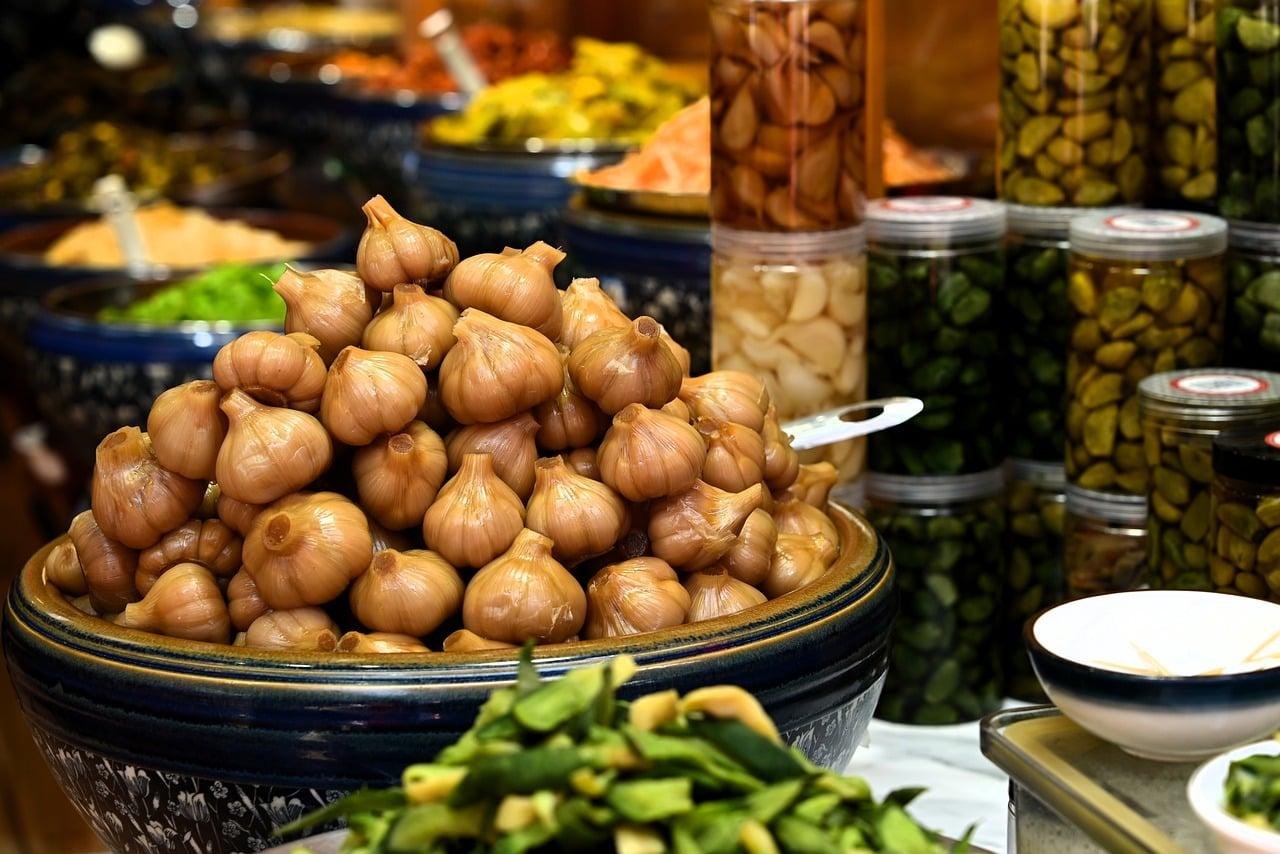
Sir torshiGarlic pickled in vinegar

Along the Caspian coast in Gilan and Mazandaran, almost every larder has a jar of sir torshi tucked at the back, and the older it is the prouder the cook. Whole heads of garlic sit in vinegar for months, sometimes seven years, until the cloves turn amber, then nearly black, and lose all their harshness; they become soft, sweet-sour and almost jammy. A clove or two goes on the side of a plate of rice and khoresh, mirza ghasemi or a bowl of ash. Chef's tip: use firm, dry, mature garlic with tight skins; fresh green garlic goes slimy instead of mellow.

by KrazyBadal 0 views

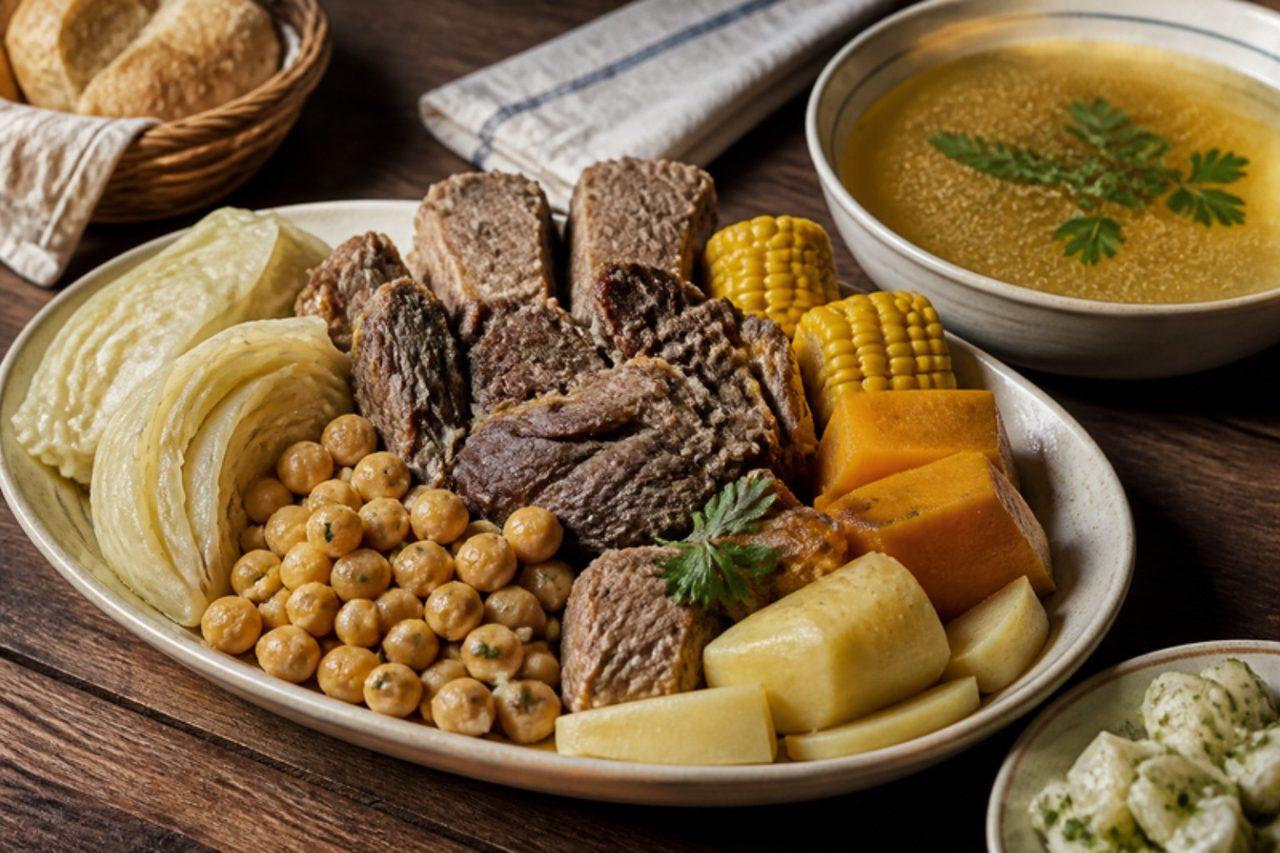
PucheroBoiled beef and vegetable stew

Winter Sundays in the towns of Buenos Aires Province mean a big pot of puchero bubbling from mid-morning: beef shin and brisket on the bone, a marrow bone, chickpeas, corn on the cob, squash, sweet potato, potato, carrots and cabbage, all simmered together. The meal comes in two courses, as in the Spanish cocido it descends from: first the golden broth, often with fine noodles or rice, then a platter of meat and vegetables doused with olive oil, salt and a spoon of salsa criolla. It is gentle and clean-tasting rather than rich. Many families add chorizo colorado or pancetta (pork); this version keeps to beef. Plan for the chickpeas to soak overnight. Boiling it hard is the classic mistake, which clouds the broth and toughens the meat; it should barely shiver. Chef's tip: add the vegetables in stages, longest-cooking first, so the cabbage and squash hold their shape instead of dissolving.

by KrazyBadal 0 views

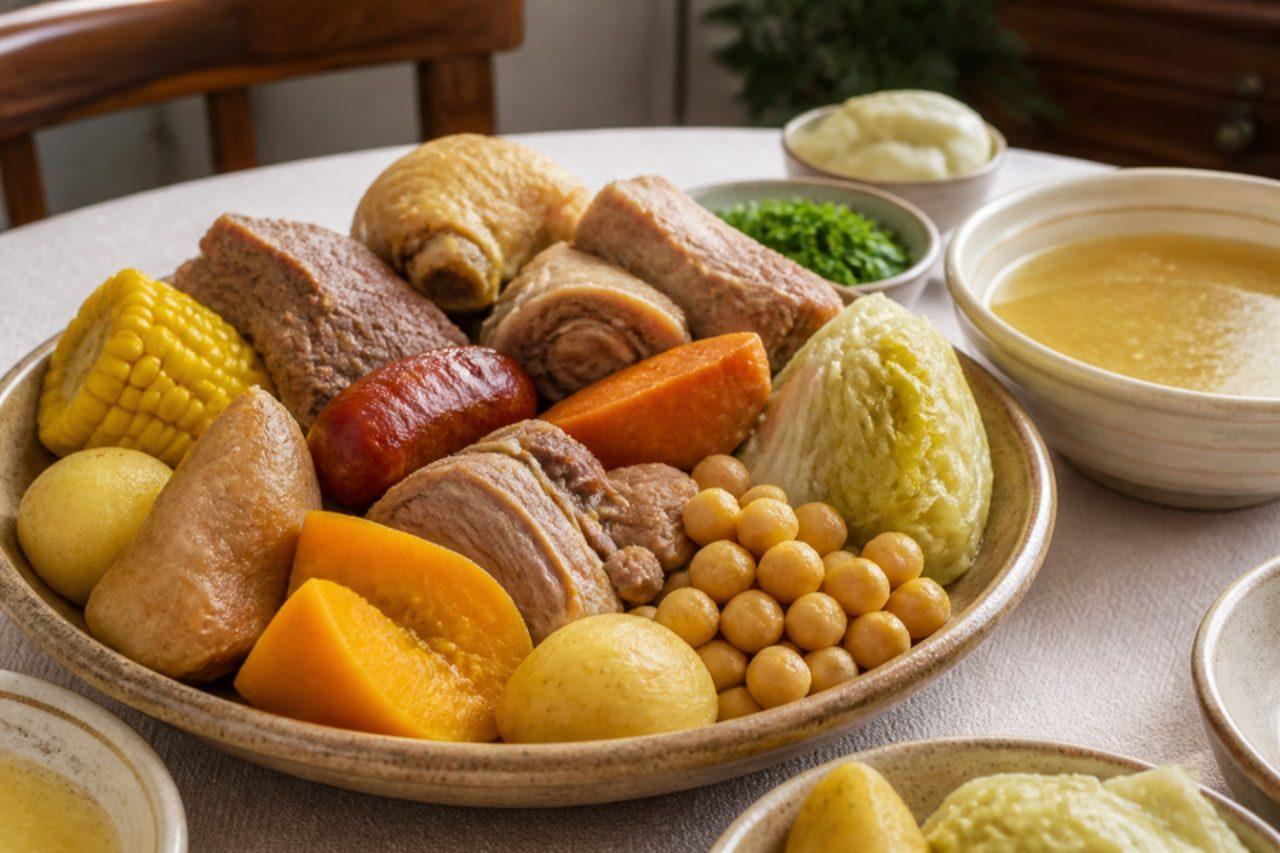
Puchero canarioMeat, chickpea and pumpkin stew

Puchero is the feast-day pot of the Canary Islands, simmered for hours on Sundays and at Christmas and on the night after pig-killing in the old days, big enough to feed a whole family twice. Beef, chicken and pork go in with chickpeas, then a long list of vegetables: pumpkin, sweet potato, corn, cabbage, carrots, green beans, chayote and even pears. This contains pork (pork ribs and chorizo). The broth is served first, sometimes thickened with gofio, then the meats and vegetables on a platter with mojo. Chef's tip: add the vegetables in stages by how long they take, so the pumpkin and pears hold their shape.

190 minSpanishMeatGluten free
by KrazyBadal 0 views

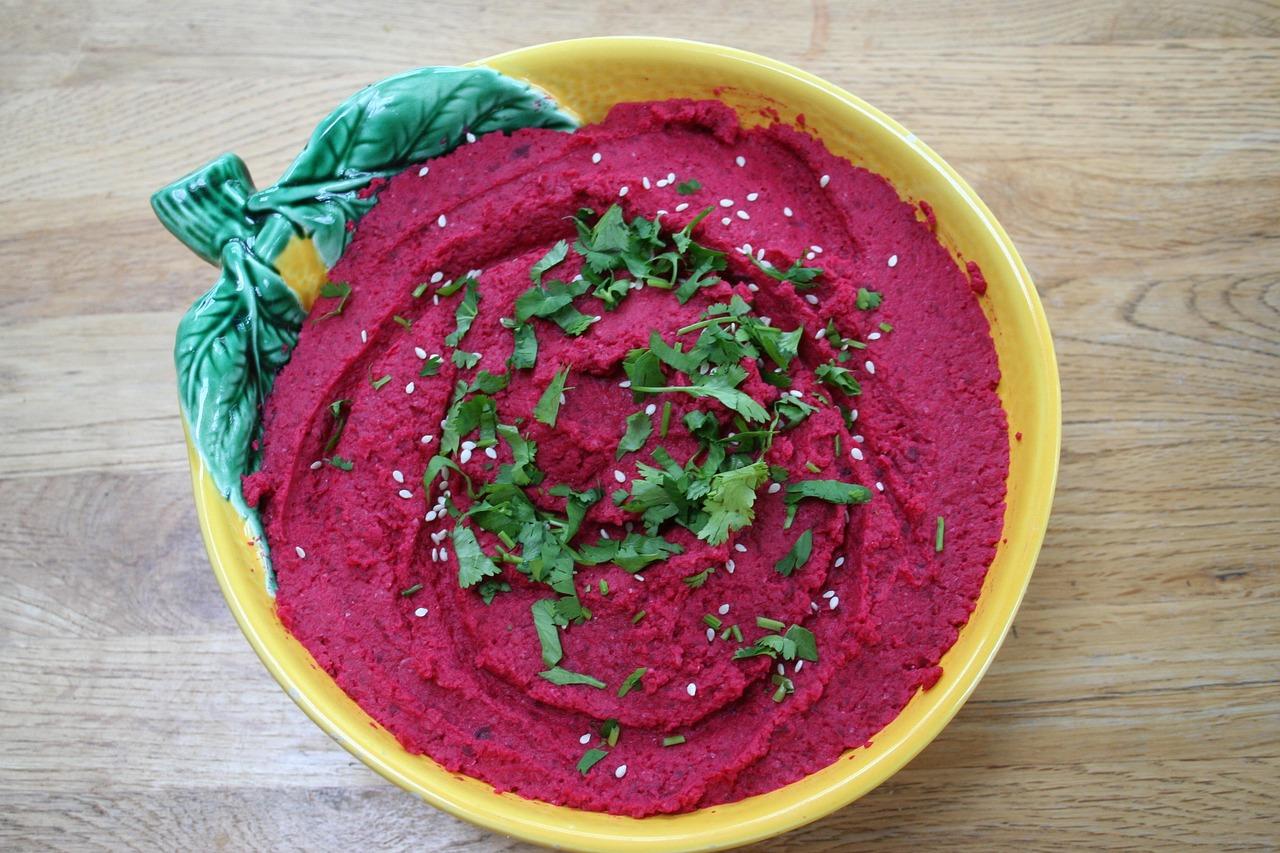
Mtabbal shamandarBeetroot and tahini dip

Beirut's modern mezze bars made mtabbal shamandar a fixture next to hummus and moutabal: roasted beetroot blended with tahini, garlic, lemon and a little yoghurt into a magenta dip that is earthy, nutty and bright. It is quick to make and keeps well, so it is good for a weekend spread with warm flatbread, crisp cucumbers and radishes. Common mistake: boiling the beetroot, which waters it down; roasting in foil concentrates the sweetness. Chef's tip: add the lemon a little at a time and taste — beetroot varies a lot in sweetness, and the dip should taste lively, not sugary. Use plant yoghurt to make it vegan.

by KrazyBadal 0 views

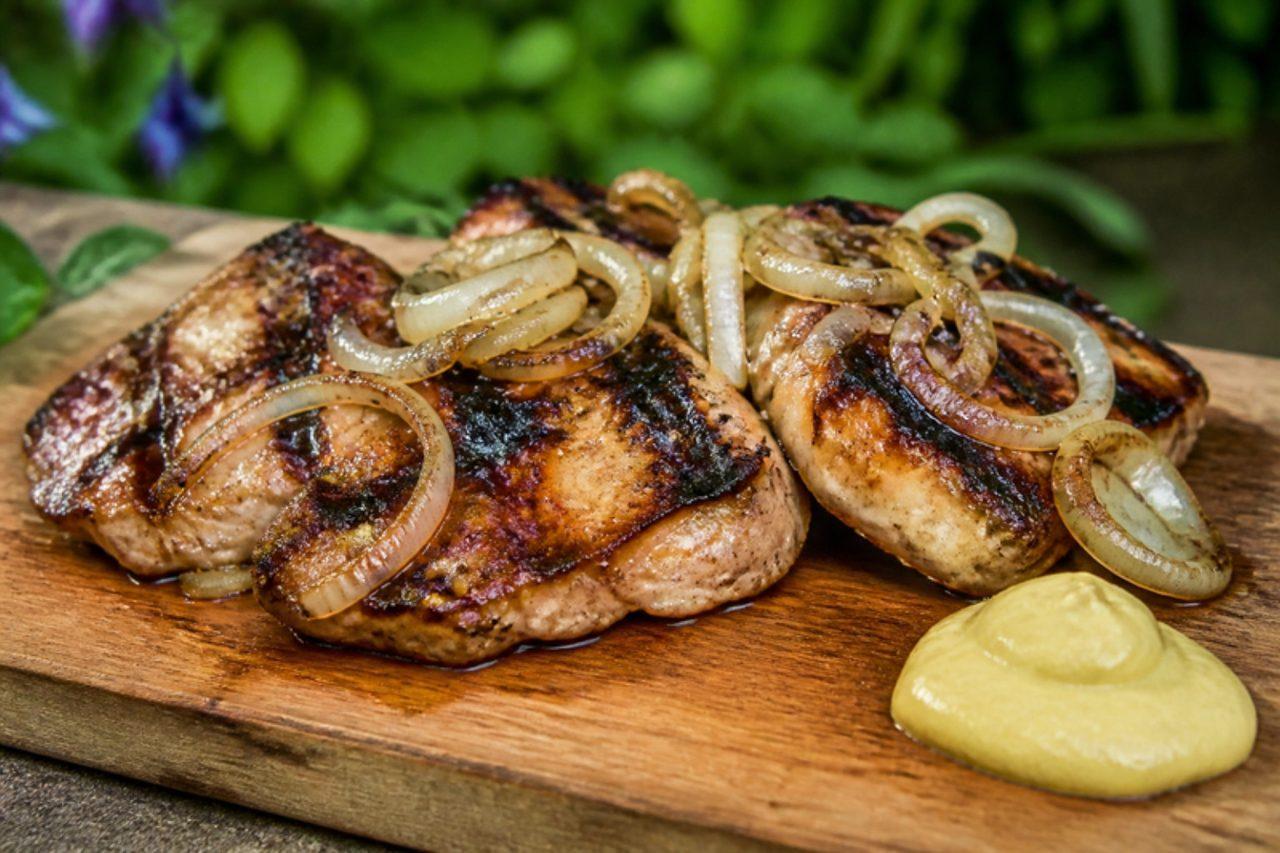
Thüringer RostbrätelMarinated grilled pork neck steaks

In Thuringia, a summer garden party or village fair isn't complete without a Rost, the charcoal grill, loaded with Rostbrätel: pork neck steaks that have spent a night in mustard and plenty of sliced onion. The fat in the neck keeps the meat juicy over the coals, and the onions from the marinade are fried and piled on top, with rye bread on the side. Many Thuringian grillers splash beer over the meat while it cooks; this version needs no alcohol. Chef's tip: scrape most of the onion off before grilling, as it burns on the coals; fry it separately instead.

35 minGermanMeatGluten free
by KrazyBadal 0 views

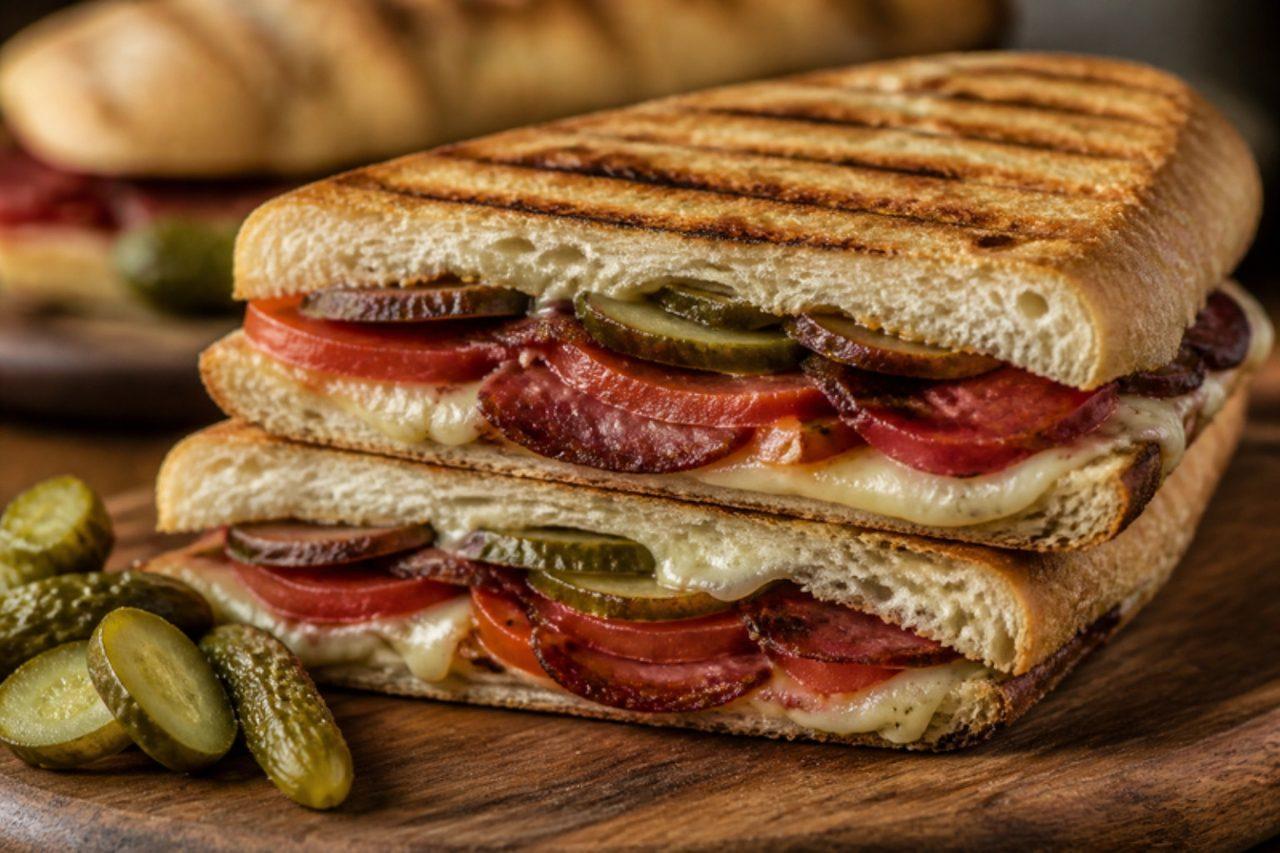
Ayvalık tostuSausage, cheese and pickle toastie

Ayvalık, the olive-oil town on the north Aegean, turned the humble cheese toastie into a feast: a long, soft loaf split and stuffed with kaşar, beef sucuk, beef salami, tomatoes and pickles, pressed hot, then opened up again to be piled with ketchup, mayonnaise and Russian salad. It is eaten for breakfast or as a late snack after a swim. This one has beef sausage and salami, so check the label if you avoid pork. Chef's tip: press it twice, once with the cheese and meats, then again after opening it to add the cold toppings, so the bread stays crisp.

by KrazyBadal 0 views

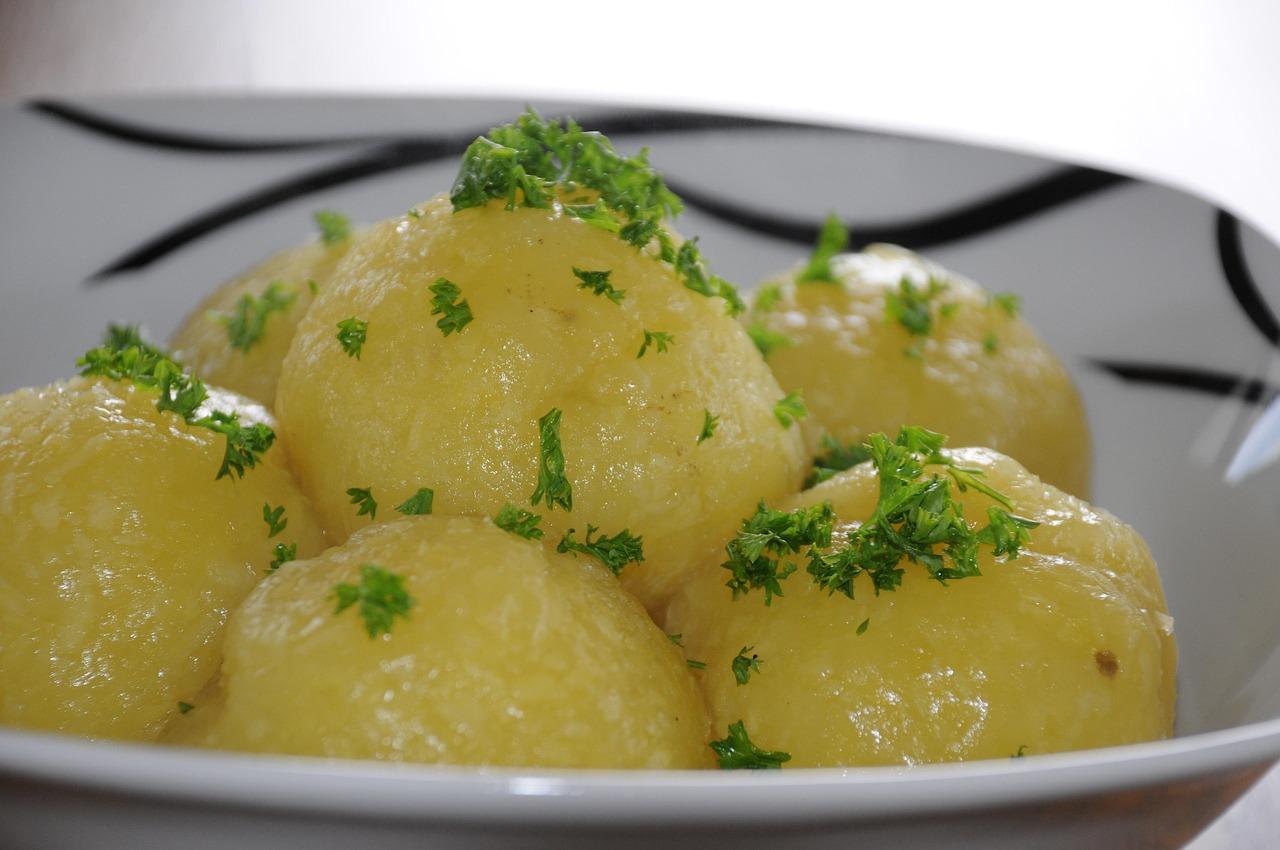
Thüringer KlößePotato dumplings

In Thuringia, Sunday lunch without Klöße hardly counts: big, pale, springy dumplings made from two-thirds raw grated potato and one-third hot cooked potato paste, each hiding a few butter-fried croutons in the middle. They come to the table beside roasts with lots of gravy, red cabbage or a mushroom sauce, and the texture is unique, smooth, slightly chewy and very good at soaking up sauce. A common mistake is letting the water boil once the dumplings are in, which makes them fall apart; they should only just tremble. Chef's tip: work fast once the raw potato is pressed, because it greys as it meets the air.

by KrazyBadal 0 views

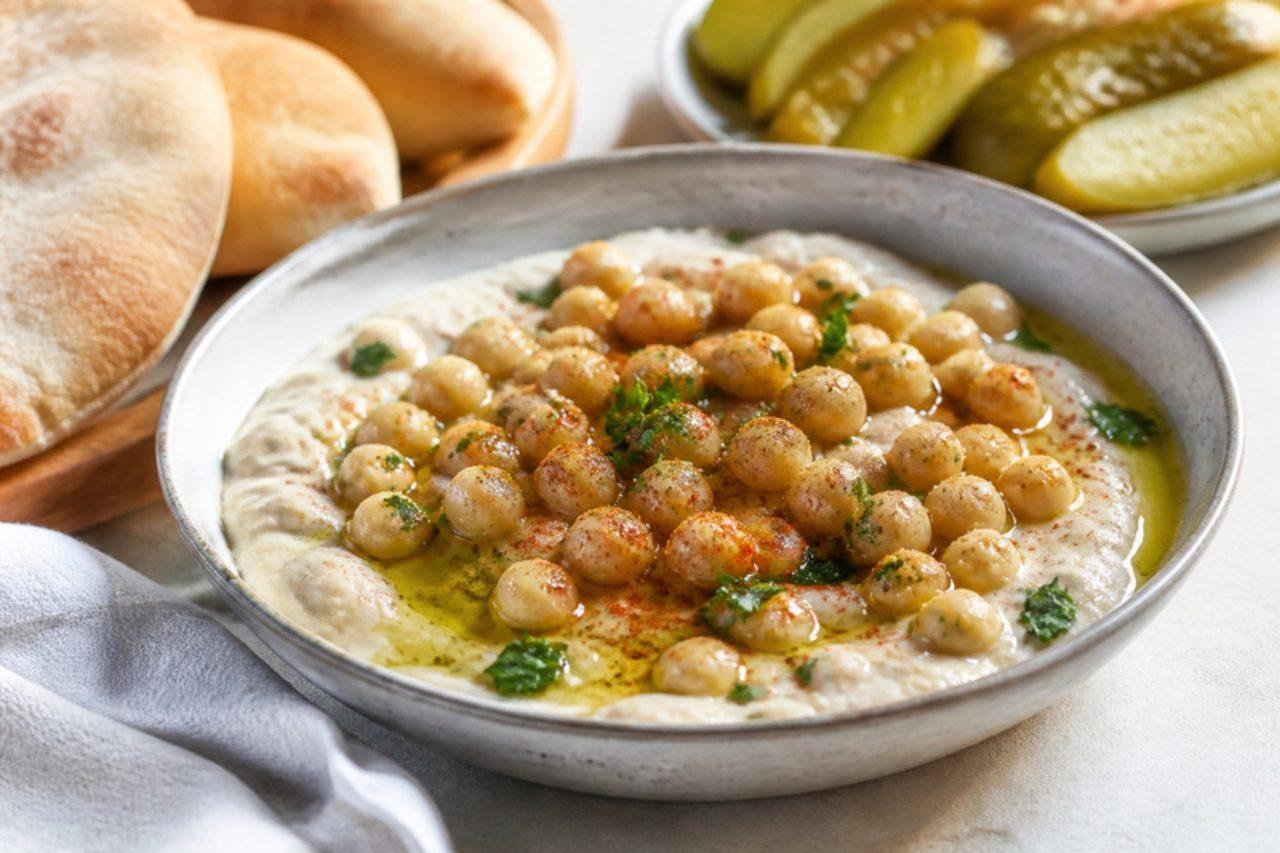
MsabbahaWhole chickpeas in tahini sauce

Hummus shops in Jerusalem's Old City and in Nablus open before dawn, and alongside the smooth hummus they ladle out msabbaha: whole, just-cooked chickpeas bathed in a loose, garlicky tahini and lemon sauce, still warm. It is a working breakfast, eaten with raw onion wedges, green chilli and plenty of bread, and it is just as popular in south Lebanon. The texture is the point, soft chickpeas in a creamy pool rather than a purée. The common mistake is making the tahini sauce too thick; it should pour like double cream so it seeps around every chickpea. Chef's tip: crush a handful of the hot chickpeas into the sauce before you spoon it over; it makes the msabbaha richer and creamier.

by KrazyBadal 0 views

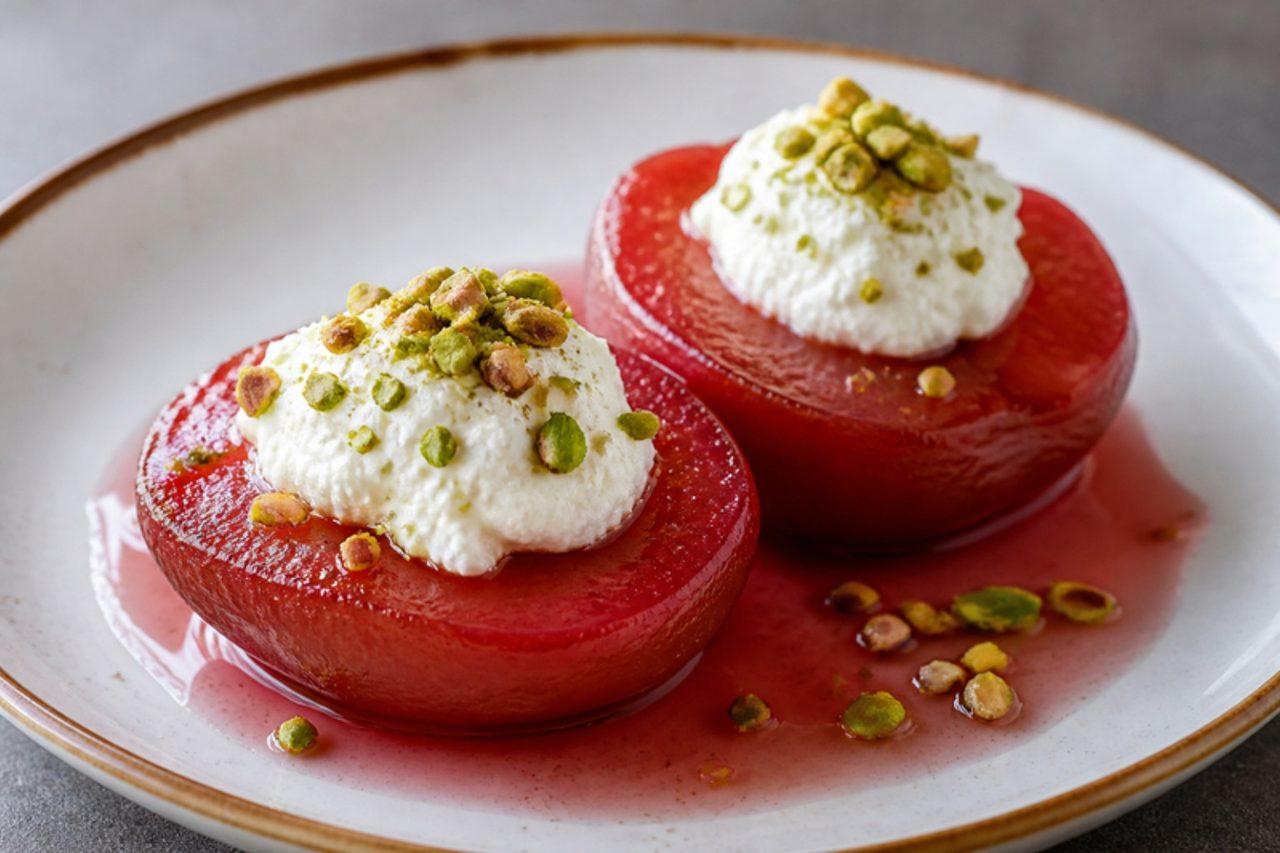
Ayva tatlısıPoached quince with clotted cream

In autumn the market stalls of Ankara and Kayseri are piled with knobbly yellow quinces, and the best-loved thing to make with them is ayva tatlısı: halves poached slowly in syrup with their own seeds and a few cloves until they turn translucent and a deep garnet colour. Each half is filled with thick kaymak or clotted cream and topped with pistachio. Common mistake: rushing it on a high heat; the red colour only comes with long, gentle cooking. Chef's tip: tie the cores and seeds in a little muslin bag and cook them with the fruit; their natural pectin and tannins give the syrup body and that ruby glow.

by KrazyBadal 0 views

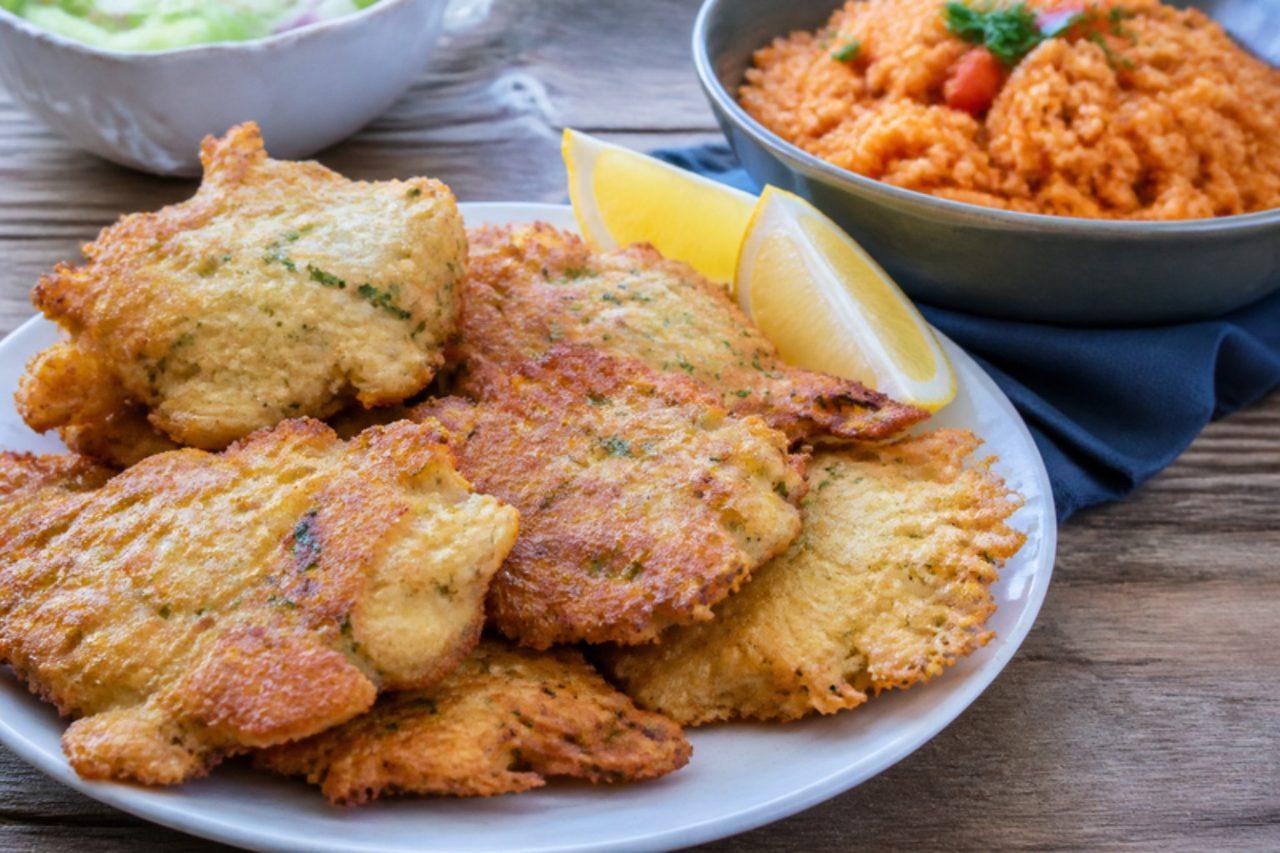
Pataniscas de bacalhauSalt cod fritters

Where pastéis de bacalhau are neat and smooth, pataniscas are rough and generous: spoonfuls of a loose batter packed with shreds of salt cod, onion and parsley, fried into wide, crisp-edged fritters. Lisbon tascas serve them at lunch with arroz de feijão, a soupy red-bean rice, or tucked into a bread roll as a snack. Soak the cod in the fridge for a day or two first. A common mistake is a batter as thick as pancake mix, which gives doughy fritters; it should drop loosely from the spoon. Chef's tip: let the batter rest for 30 minutes so the flour swells and the fritters hold together without needing more.

by KrazyBadal 0 views

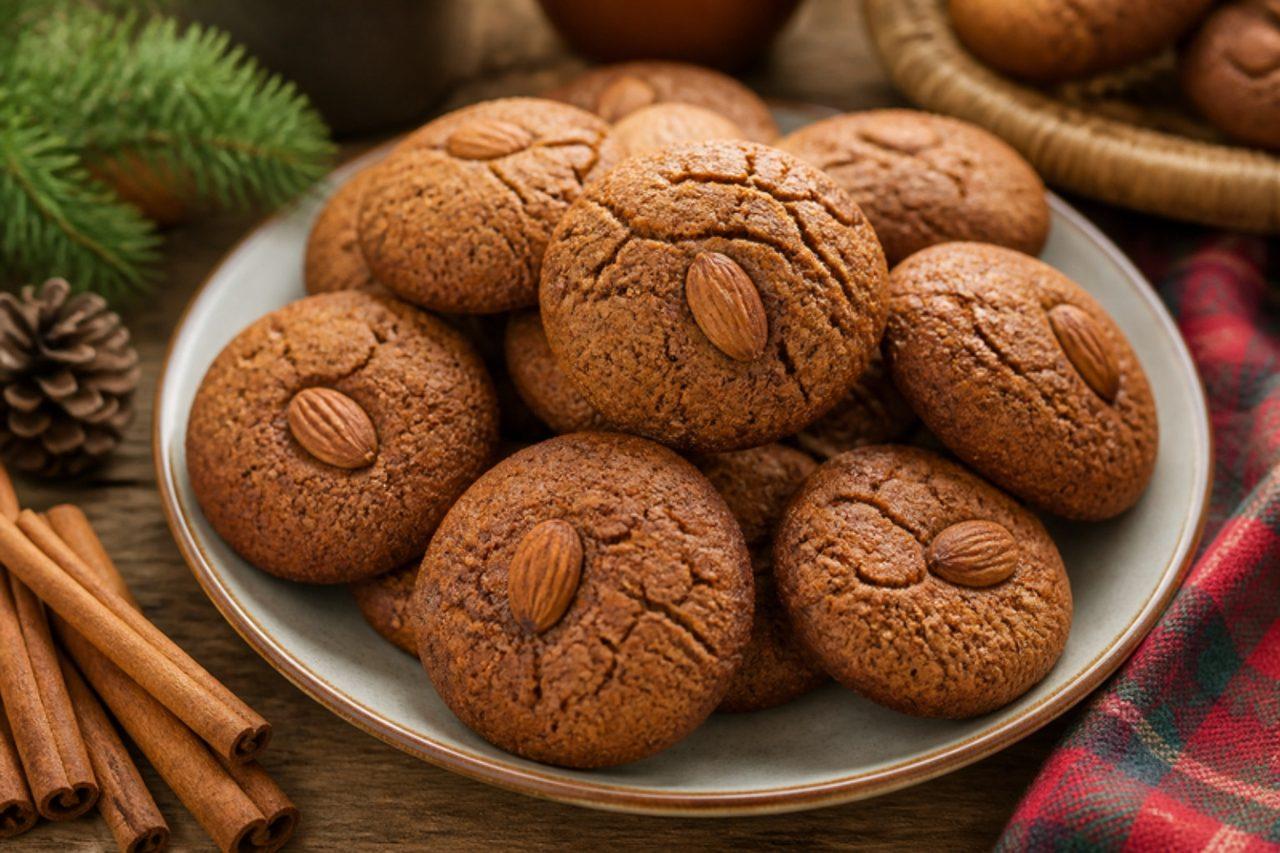
Broas de melSpiced molasses biscuits

Alongside bolo de mel, every Madeiran Christmas table has a tin of broas de mel: small, round, dark biscuits made with the same sugarcane molasses and spices, crisp at the edge and slightly chewy inside. Children are given them when they go door to door on the Missas do Parto mornings before Christmas, and they are good dunked in coffee or tea. Chef's tip: chill the dough for half an hour before shaping; molasses dough is sticky when warm.

by KrazyBadal 0 views

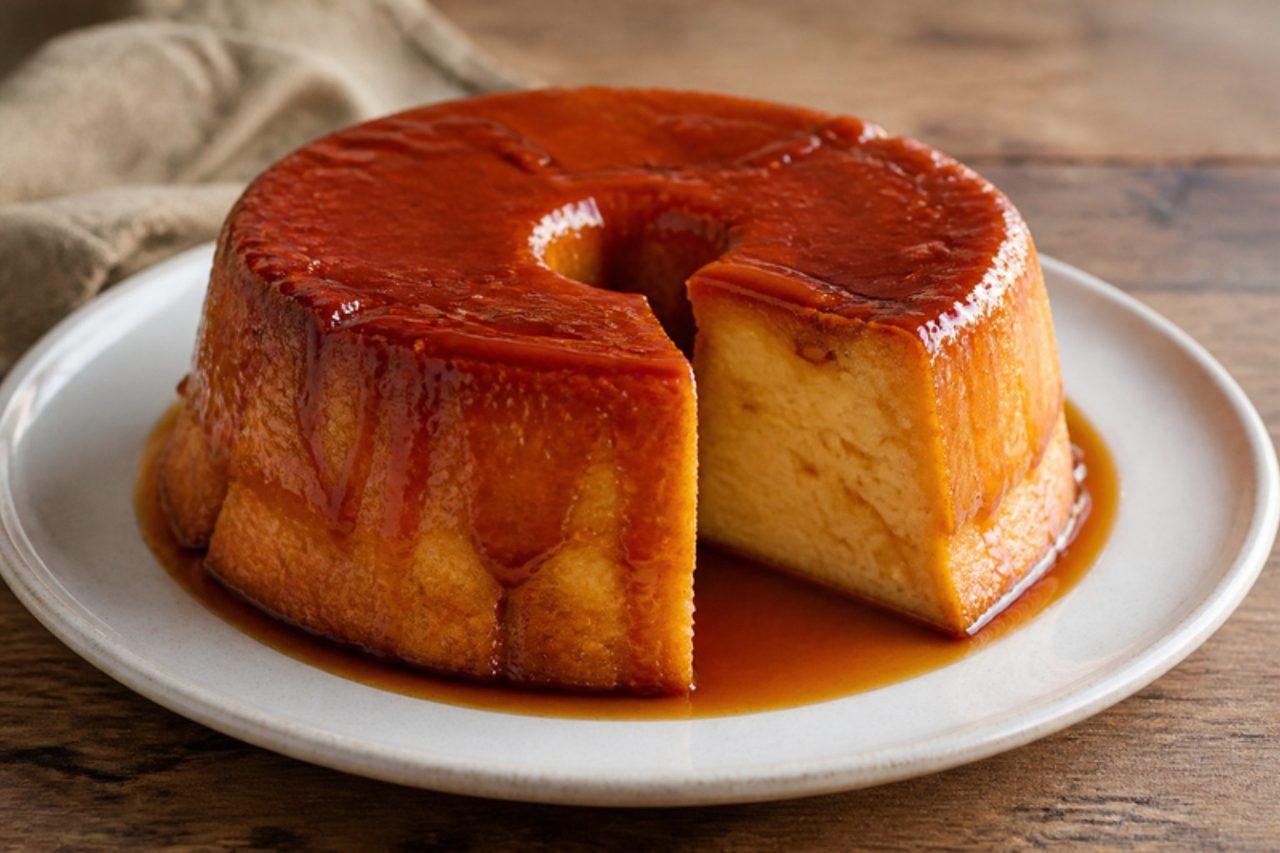
Pudim de pãoCaramel bread pudding

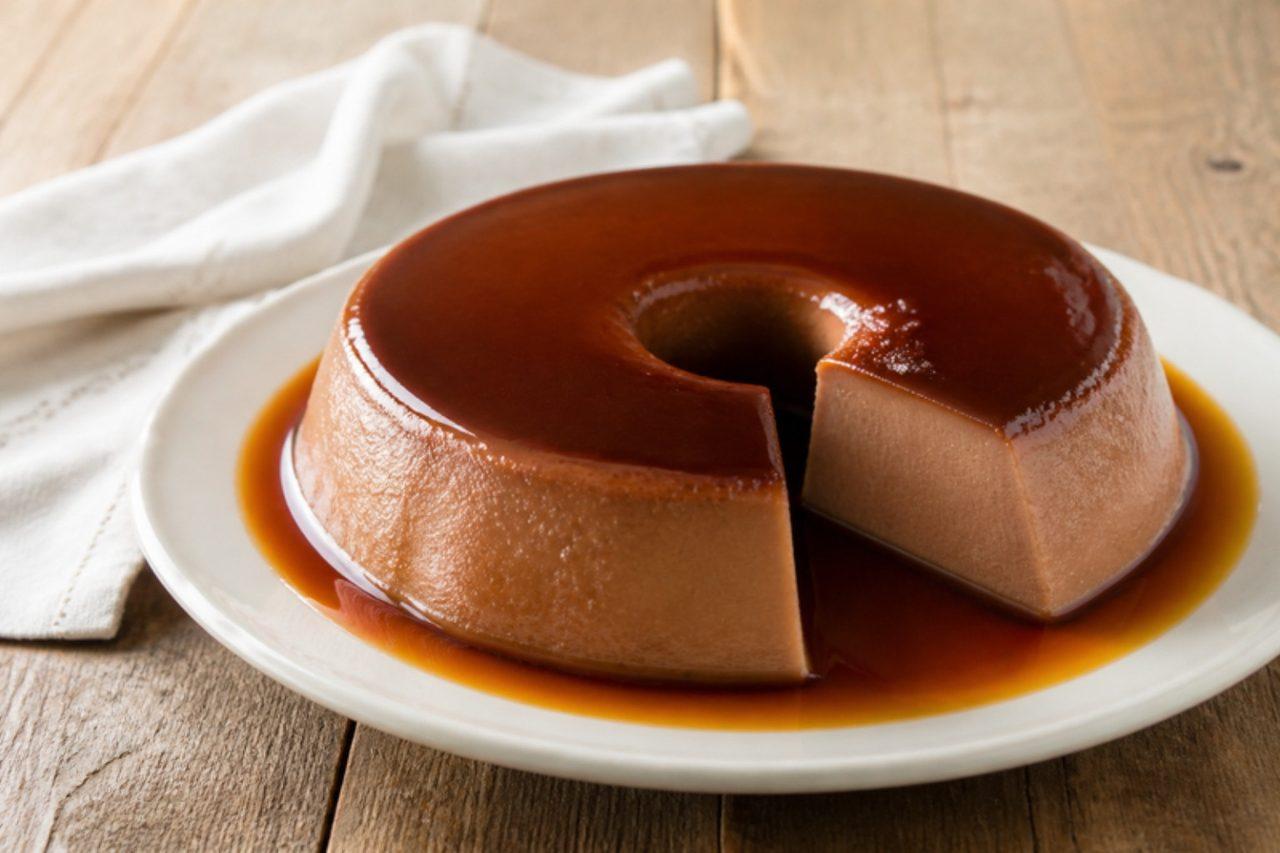
Nothing went to waste in old Minho farmhouses, and yesterday's bread became this: a dense, sliceable pudding soaked in sweet milk, scented with lemon and cinnamon and turned out under a dark caramel. You will find it on the dessert trolley of family restaurants in Braga and Guimarães, especially at Sunday lunch. It is firmer than a crème caramel, with a fine, cake-like texture. A common mistake is baking it in an oven that is too hot, which makes the custard bubble and turn spongy instead of silky. Chef's tip: chill it overnight before turning it out, so it slices cleanly and the caramel turns to a pourable sauce.

by KrazyBadal 0 views

Pudim de vinho do PortoPort wine caramel custard

Porto's old dining rooms and the quintas of the Douro valley serve this rich custard after a long lunch, its caramel dark and its flavour deepened by a generous pour of tawny port. It is a dense, glossy flan made with condensed milk, so it slices neatly. The dish uses port wine, and as it bakes gently not all the alcohol cooks off; for an alcohol-free version use the red grape juice reduction in the ingredient note. Chef's tip: bake it low and slow in a water bath, as a hot oven leaves holes in the custard.

by KrazyBadal 0 views

New Mexico biscochitosAnise cinnamon cookies

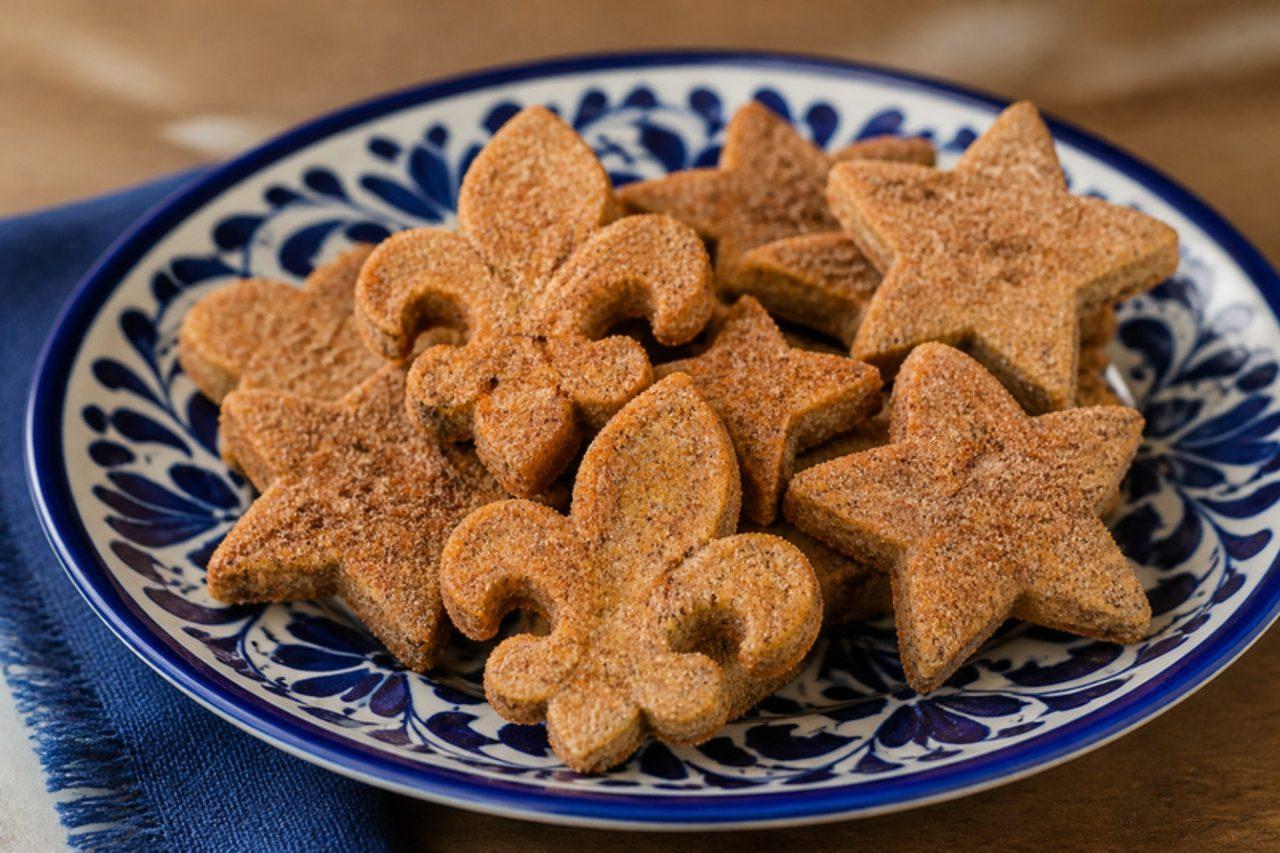
Biscochitos are New Mexico's official state cookie, baked by the thousand at Christmas, weddings and baptisms in Hispanic homes from Las Cruces to Taos. They are crumbly, short and scented with anise seed, cut into stars or fleurs-de-lis and dipped in cinnamon sugar. Grandmothers use lard, which gives the classic texture; this version uses butter so it stays vegetarian. Traditional recipes add a splash of brandy; here orange juice is used instead. Chef's tip: lightly crush the anise seeds to release the flavour.

by KrazyBadal 0 views

Ayran aşıChilled yoghurt and wheat soup

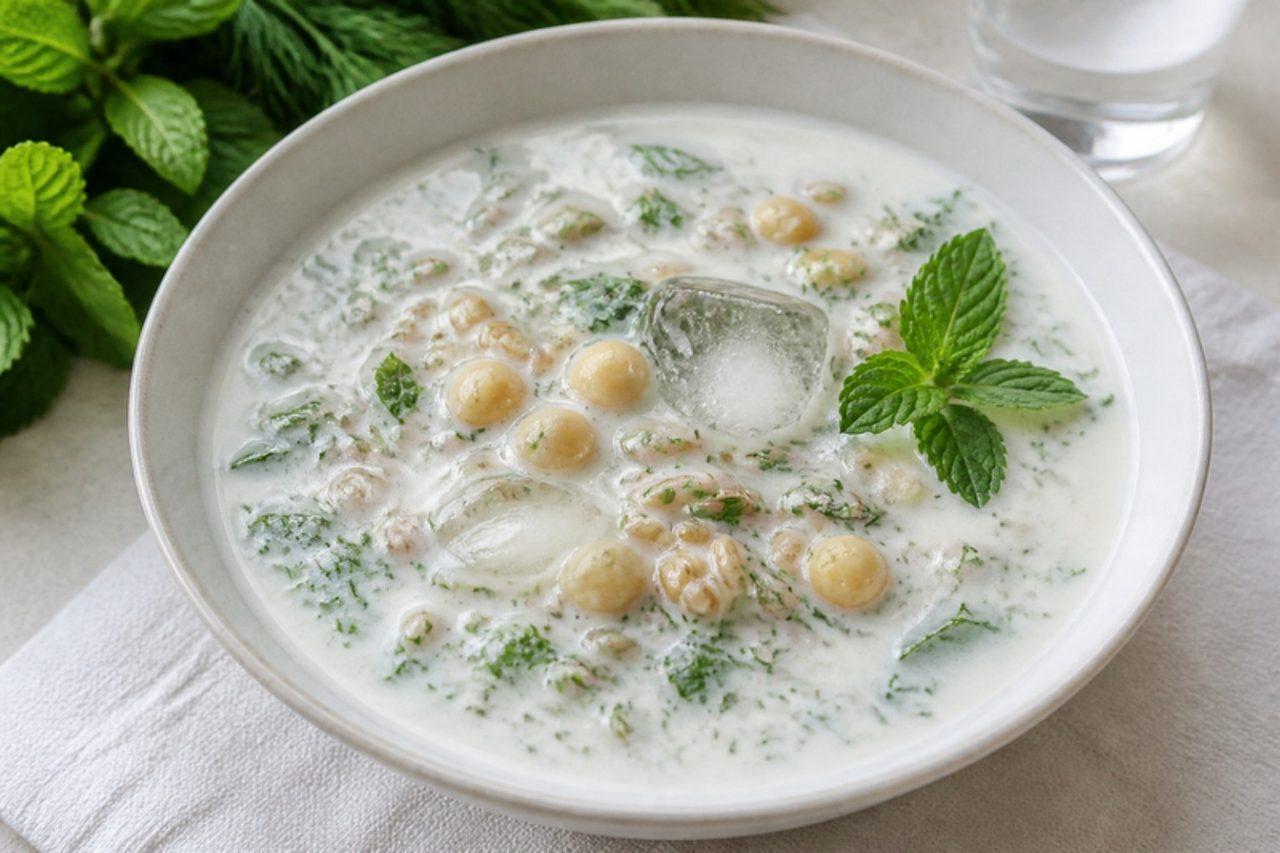
When the summer heat hits the eastern plateau around Erzurum, Erzincan and Sivas, families switch from hot soups to ayran aşı, a cold soup of thinned yoghurt with cooked whole wheat, chickpeas and handfuls of mint, dill and purslane or cucumber. It's ladled from a big bowl at lunch with flatbread, and it's as refreshing as a drink but filling as a meal. Common mistake: adding the grains while still hot, which makes the yoghurt split and turn sour-tasting; cool them completely first. Chef's tip: make it a few hours before serving and chill; the wheat soaks up the yoghurt and the herbs perfume the whole bowl.

by KrazyBadal 0 views

PatarashcaLeaf-wrapped grilled fish

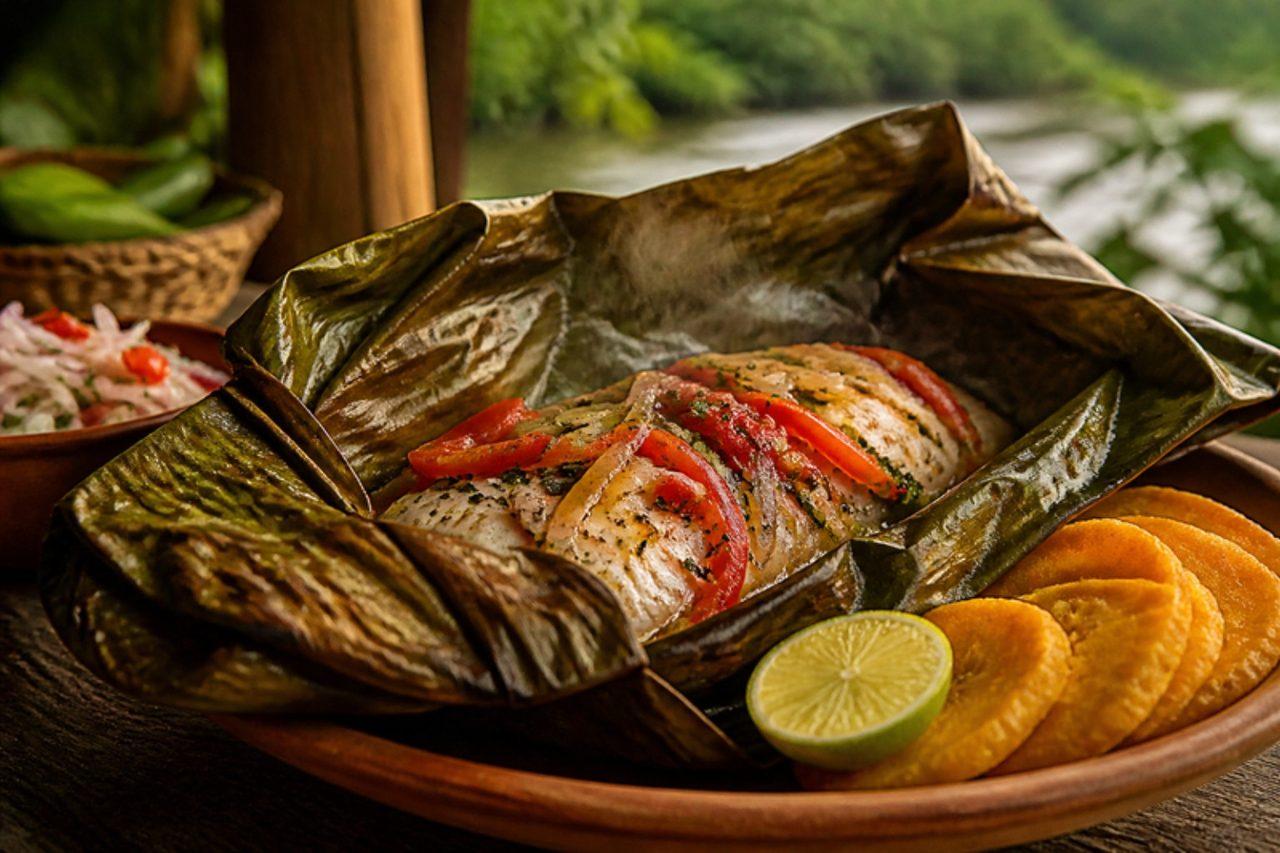
Wrapping fish in leaves and cooking it over embers is how the riverside towns of Loreto and San Martín have always cooked their catch, and in Iquitos patarashca is sold on Belén market grills and in the restaurants along the Malecón. A whole fish or thick fillet is smeared with garlic, ají dulce, tomato, onion, cumin and sacha culantro, folded in large bijao leaves and grilled until the parcel chars and the fish steams in its own juices. When you open it, the flesh is soft and fragrant with herbs. Banana leaves from Asian shops are the best swap for bijao; foil works at a pinch. Too thin a parcel is the usual mistake: the leaves burn through and the fish dries out, so use two layers. Chef's tip: serve it in the opened leaf with boiled plantain or cassava and spoon up every drop of the juices.

by KrazyBadal 0 views

PatascaHominy and tripe soup

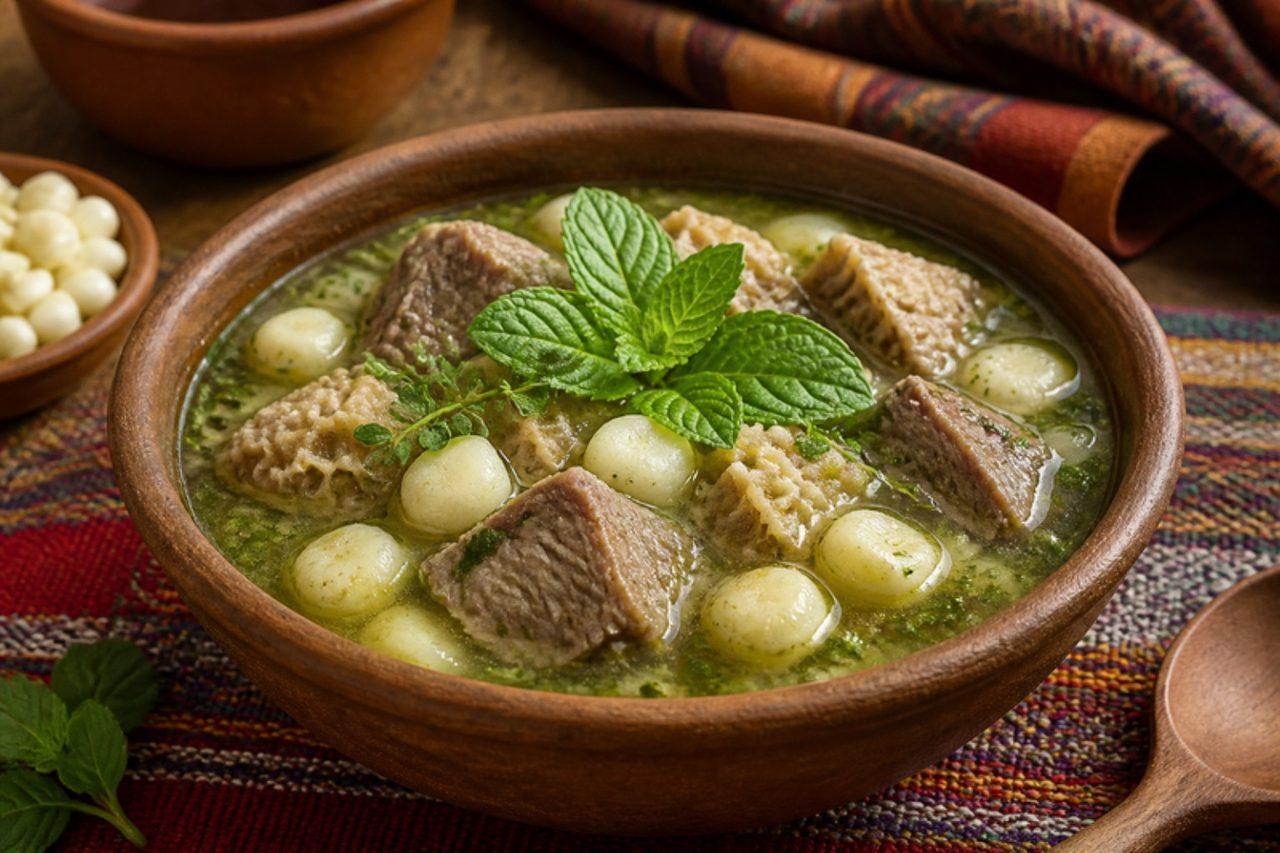
Through the highlands of Ayacucho, Huancavelica and Apurímac, patasca (also called mondongo) is the soup for cold mornings, carnivals and the day after a fiesta: plump white mote, dried maize kernels that burst open like flowers after long boiling, in a clear, rich broth with honeycomb tripe and beef shin, perfumed with mint and oregano. It is filling and gentle, and gets its fire at the table from a spoon of rocoto sauce. Plan ahead: the maize needs an overnight soak and several hours of simmering. Buy tripe cleaned and blanched from a butcher or Latin or halal shop; it must be simmered until soft and fully cooked. The typical mistake is salting the mote early, which keeps the kernels hard. Chef's tip: cook the maize and the tripe in separate pots, then combine; each needs a different time and the broth stays cleaner.

by KrazyBadal 0 views

Tripas à moda do PortoTripe and butter bean stew

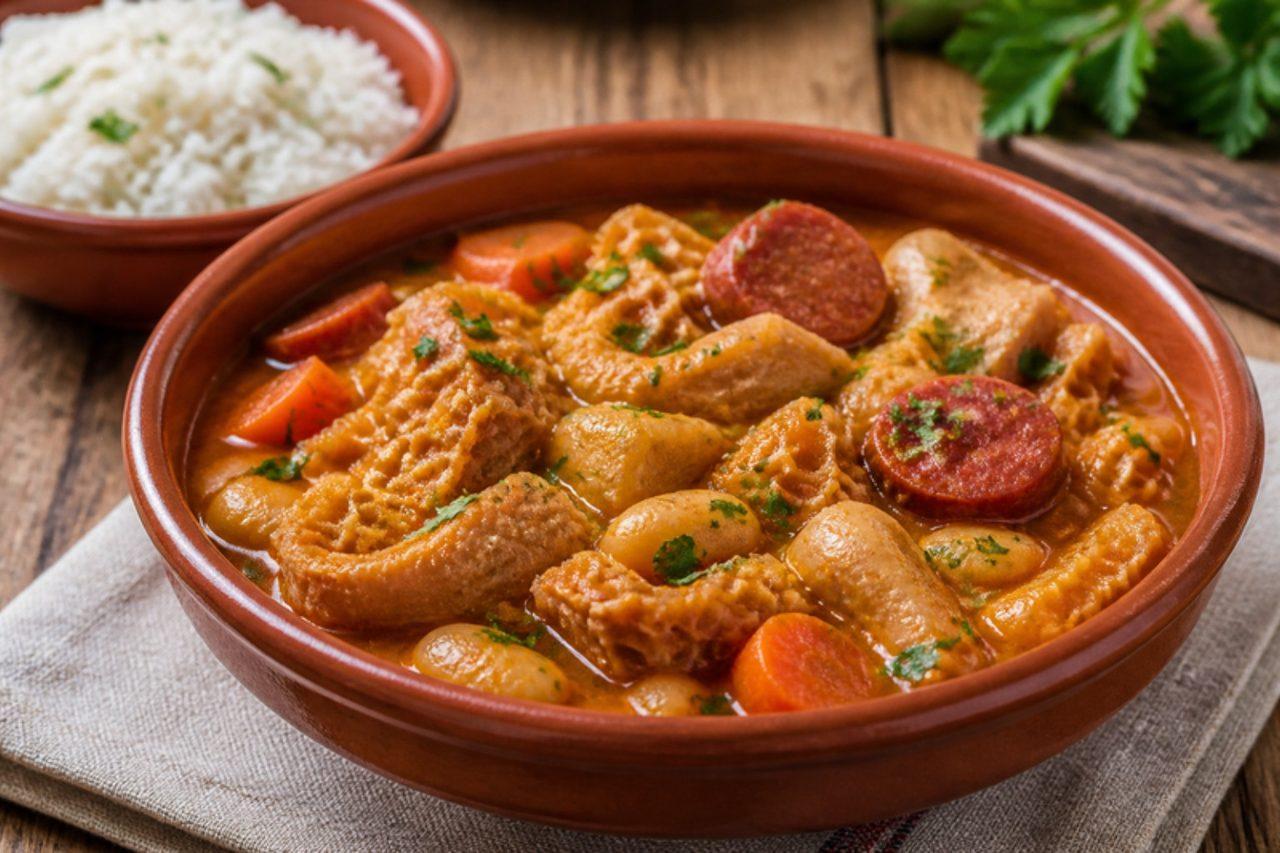
People from Porto are still nicknamed tripeiros, tripe-eaters, after the city's story of giving its best meat to the fleet that sailed for Ceuta in 1415 and keeping only the offal. Tripas is the dish of that legend and is served in the city's tascas, especially on Thursdays and during the São João festival. This contains pork (bacon, chouriço and optional pig's trotter). Tripe, chicken and cured meats simmer slowly with white beans, carrot and cumin into a sticky, rich stew poured over white rice. Chef's tip: buy cleaned, part-cooked honeycomb tripe and still simmer it until it is completely soft.

by KrazyBadal 0 views

Patatas al cabralesFried potatoes with blue cheese sauce

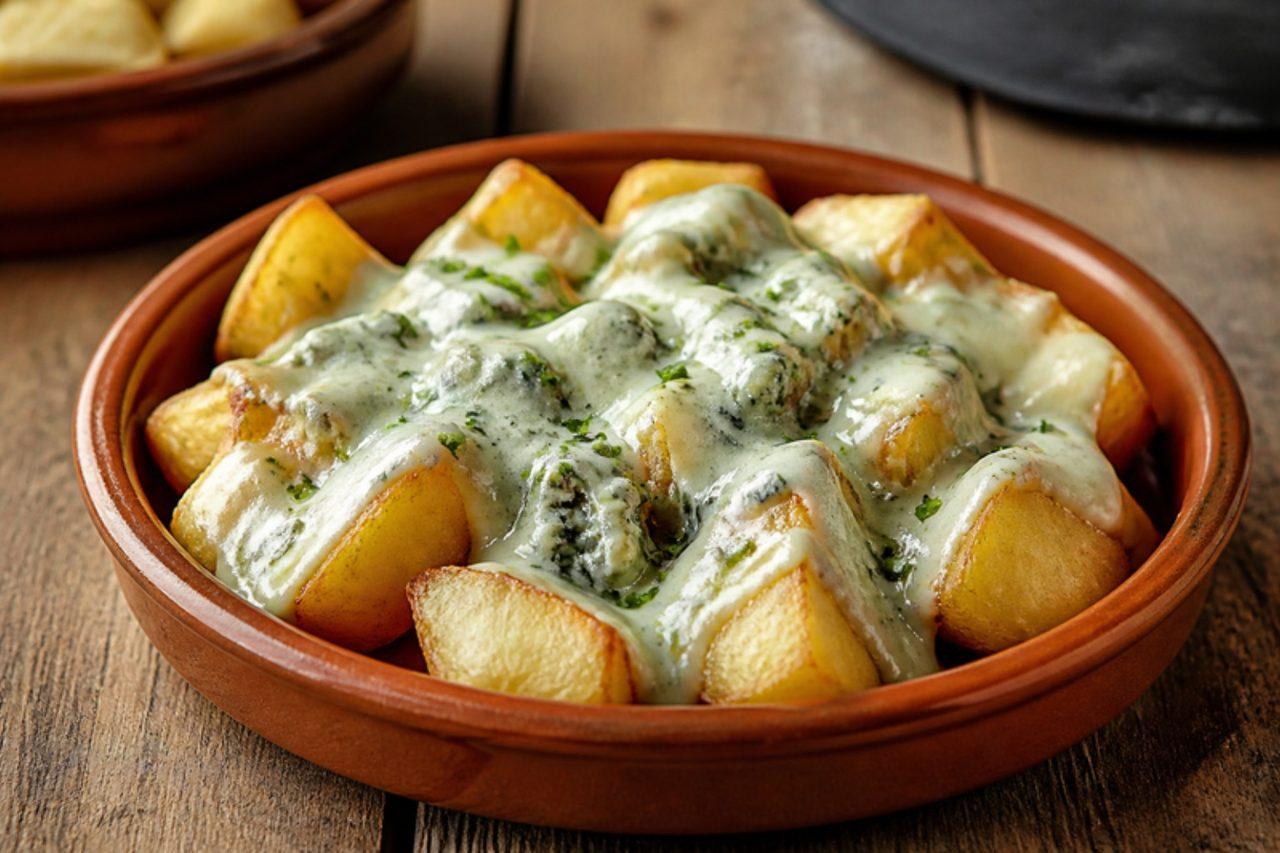
Cabrales is ripened in limestone caves in the Picos de Europa, and the bars of Arenas de Cabrales and Cangas de Onís pour it, melted into cream, over hot chips as a ración to share with a bottle of cider. The sauce is sharp, salty and very rich, so a little goes a long way. Most cabrales is made with animal rennet; for a strictly vegetarian dish, choose a blue cheese labelled vegetarian. Chef's tip: keep the sauce below a boil once the cheese goes in, or it splits and turns grainy.

by KrazyBadal 0 views

OfenschlupferBaked bread pudding with apples

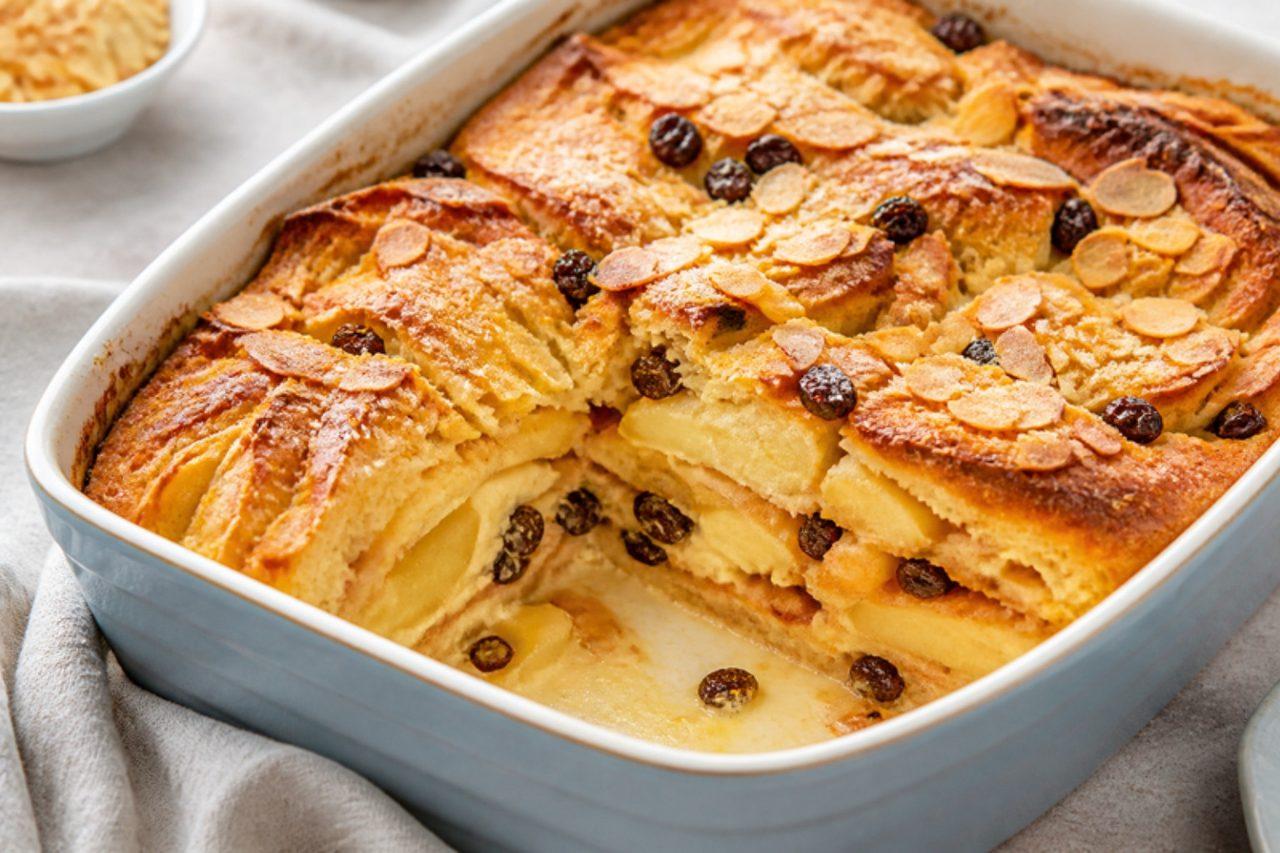
Ofenschlupfer, literally 'oven-crawler', is how Swabian farmhouse kitchens used up stale rolls on a Friday: slices of bread layered with apples, raisins and a little cinnamon in a deep dish, soaked in vanilla egg milk and baked until puffed and golden. Some families pour in a splash of rum; this version doesn't. It was once eaten as a sweet main course after a bowl of soup and is still served warm with vanilla sauce in Stuttgart cafés. A common mistake is baking it straight after pouring in the custard, which leaves dry patches on top; let it soak for 20 minutes. Chef's tip: dot the top with butter and a spoon of sugar for a crackly, caramelised crust.

by KrazyBadal 0 views

Brodetto all'anconetanaTomato fish stew

Fishermen in Ancona made brodetto from the unsold catch, and the city's harbour restaurants still serve it as a festive dish, traditionally with many kinds of fish: scorpionfish, gurnard, monkfish, cuttlefish, mussels and clams among them. Unlike the saffron brodetto further south at Porto Recanati, this one is red, built on tomato, garlic and a sharp splash of vinegar, and every piece of fish keeps its shape in a thick, peppery sauce. It comes to the table in the pot and is spooned over slices of toasted bread rubbed with garlic. Use whatever firm white fish your fishmonger has; the more variety, the better. Chef's tip: layer the fish by cooking time, firm and bony pieces at the bottom, delicate fillets on top, and shake the pot rather than stirring.

by KrazyBadal 0 views

Patatas revolconasPaprika mashed potatoes with crisp pork

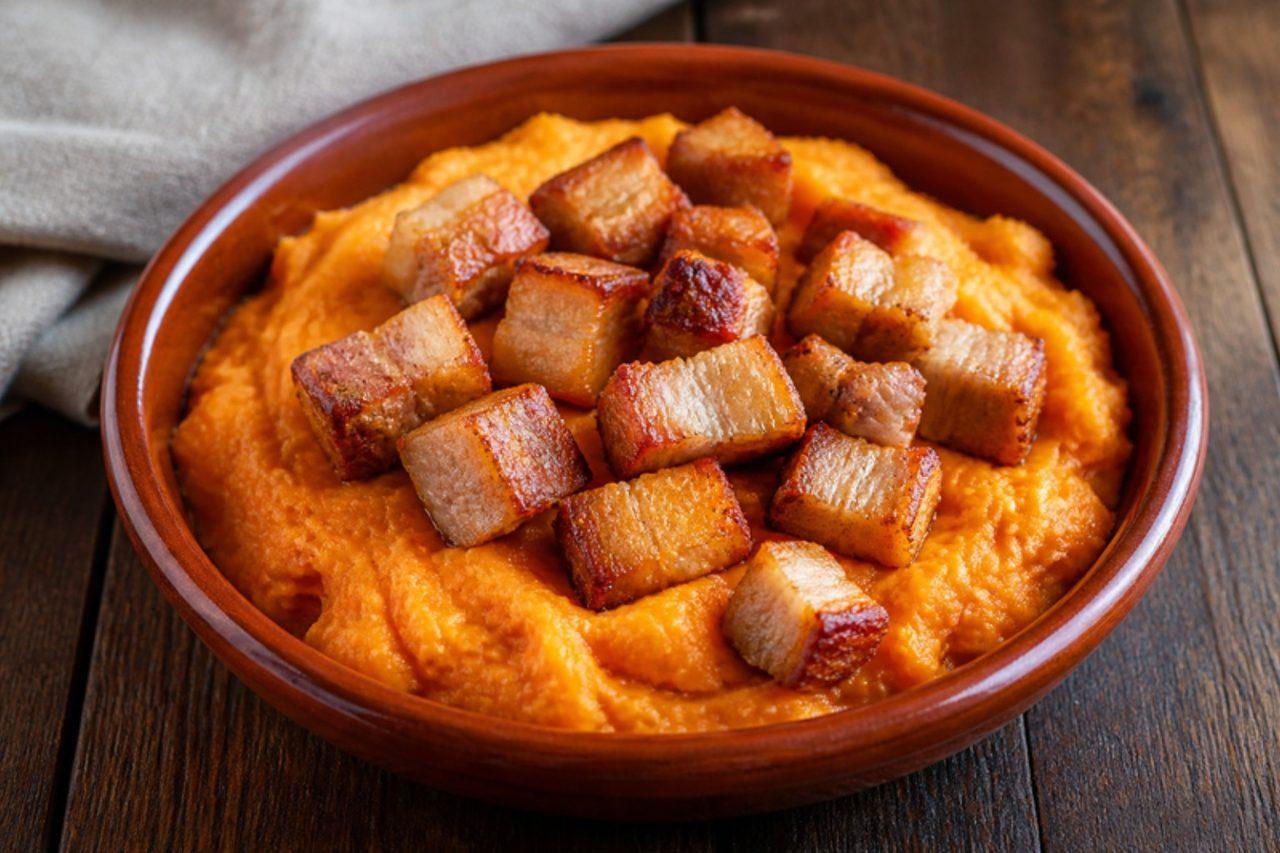
Shepherds in the Gredos mountains of Ávila once lived on these "tumbled" potatoes, roughly mashed with garlicky paprika oil and topped with crunchy fried pork belly, called torreznos. Bars in Ávila, Salamanca and Béjar now serve them on the house as a tapa, or as a starter before a steak on a chilly evening. This contains pork (pork belly). Chef's tip: save the potato cooking water; a splash makes the mash loose and spoonable without milk or butter.

by KrazyBadal 0 views

Patates lemonatesLemon-oregano roast potatoes

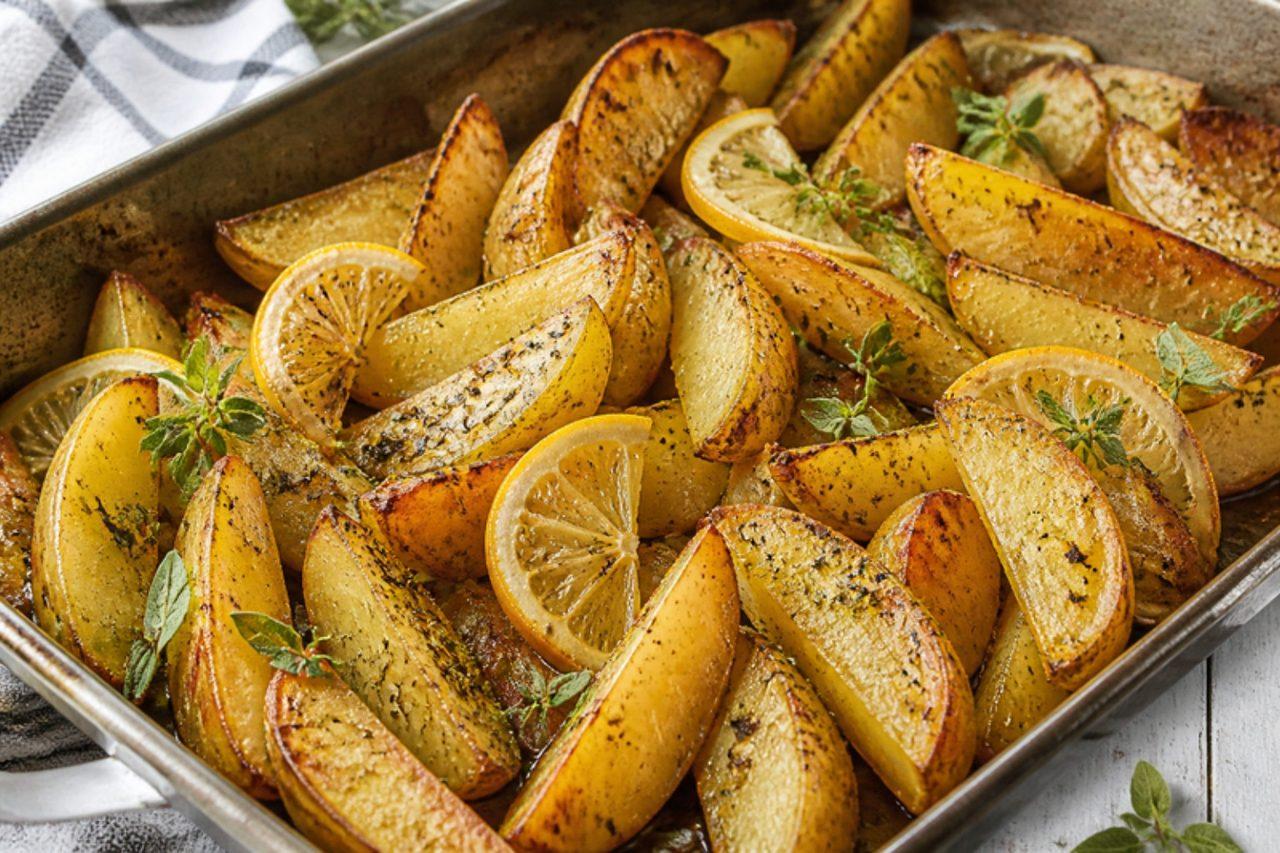
These are the potatoes that come out of Peloponnese bakers' ovens alongside Sunday roasts, and that every Greek grandmother has a firm opinion on. Wedges roast in a bath of lemon juice, olive oil, garlic and oregano; the liquid soaks into the potatoes, then evaporates, leaving them sticky, golden and tangy, with fluffy middles. Serve with roast chicken or lamb, or with feta, a salad and bread for a meatless lunch. Common mistake: crowding the tin, so the potatoes steam instead of browning. Chef's tip: add a final squeeze of fresh lemon as they come out of the oven; the cooked juice loses its brightness.

90 minGreekSidesVeganGluten free
by KrazyBadal 0 views

Patatesli kol böreğiPotato and onion filo coil

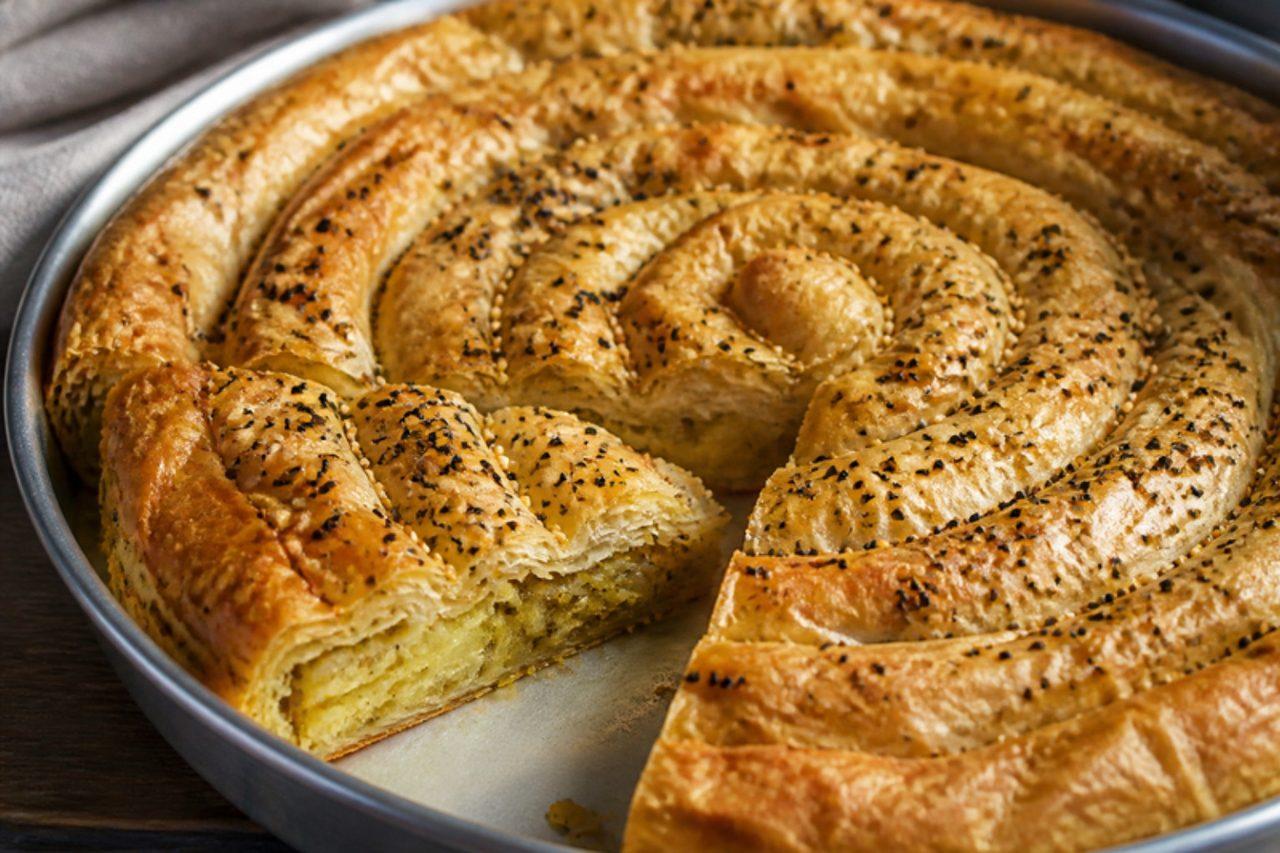
Kol böreği is the long 'arm' börek that Istanbul neighbourhood bakeries coil into round trays and sell by weight in the morning, and the potato version is the one home cooks make for guests at five o'clock tea. Thin sheets of yufka are brushed with a milk and oil wash, rolled around a peppery potato and onion filling, then coiled and baked until shatteringly crisp outside and soft within. Serve it warm with tea or ayran. Chef's tip: let the filling cool completely before rolling; warm potato steams the pastry from inside and makes it soggy.

by KrazyBadal 0 views

Pulpo al olivoOctopus with olive mayonnaise

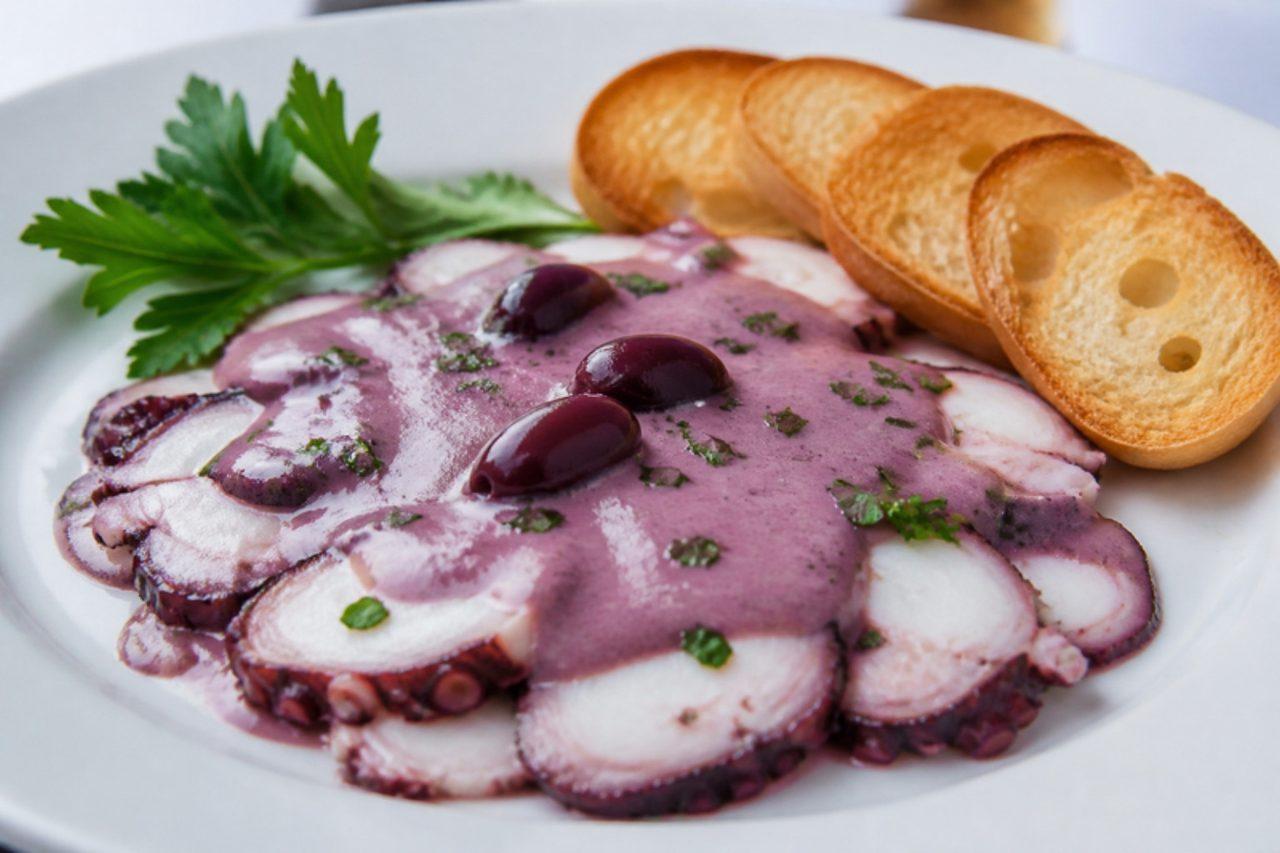
Created in Lima in the 1950s by a Japanese-Peruvian chef, pulpo al olivo is now a fixture of Nikkei restaurants and smart cevicherías: paper-thin rounds of tender, cold octopus covered with a smooth violet mayonnaise of Botija olives, the big, dark, fruity olives of the southern coast. It is cool, rich and briny, eaten as a starter with lime and a drizzle of olive oil. Allow 1 hour for chilling after cooking. Tough octopus is the usual let-down, and the fix is simple: use frozen octopus (freezing tenderises it) and simmer gently, never at a rolling boil. Because the sauce is an egg emulsion, make it with a pasteurised egg, or use a good ready-made mayonnaise. Chef's tip: slice the octopus while it's cold and firm; warm octopus slices raggedly.

by KrazyBadal 0 views

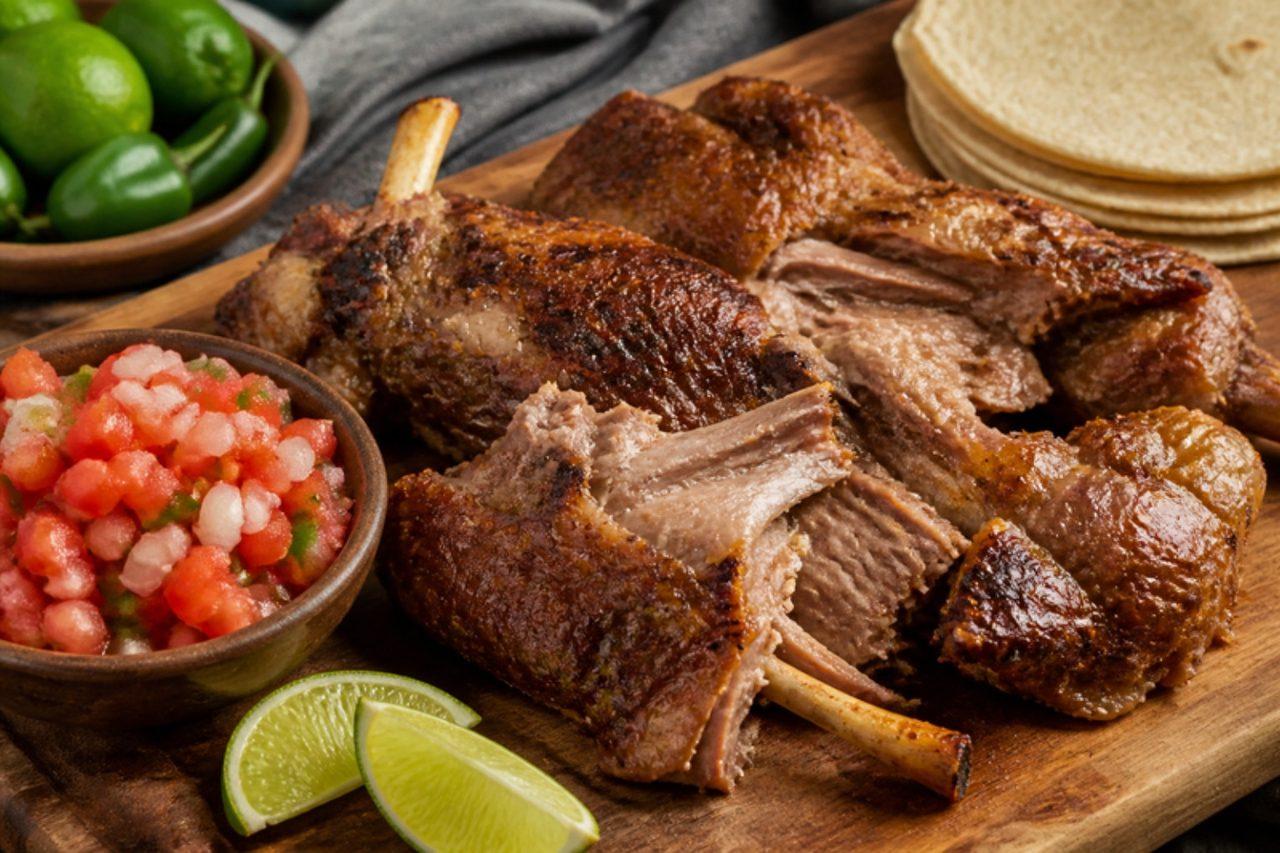
Cabrito al pastorSlow-roasted young goat

Monterrey is the capital of cabrito: young milk-fed goat spread on a stake and roasted slowly beside glowing wood embers, the speciality of the city's big grill restaurants and of weekend family feasts in Nuevo León. The meat is pale, delicate and juicy with crackly, salty skin, and it comes with salsa, flour tortillas, guacamole and a bowl of frijoles charros. Kid goat is hard to find, so this home-oven version also works with a bone-in lamb shoulder, which is a little fattier but just as good; ask a halal or specialist butcher for goat. Chef's tip: roast it covered and low first, then uncover and blast it at the end; starting at high heat is what dries out lean goat.

240 minMexicanMeatGluten free
by KrazyBadal 0 views

Paçoca de carne de solPounded dried beef with cassava flour

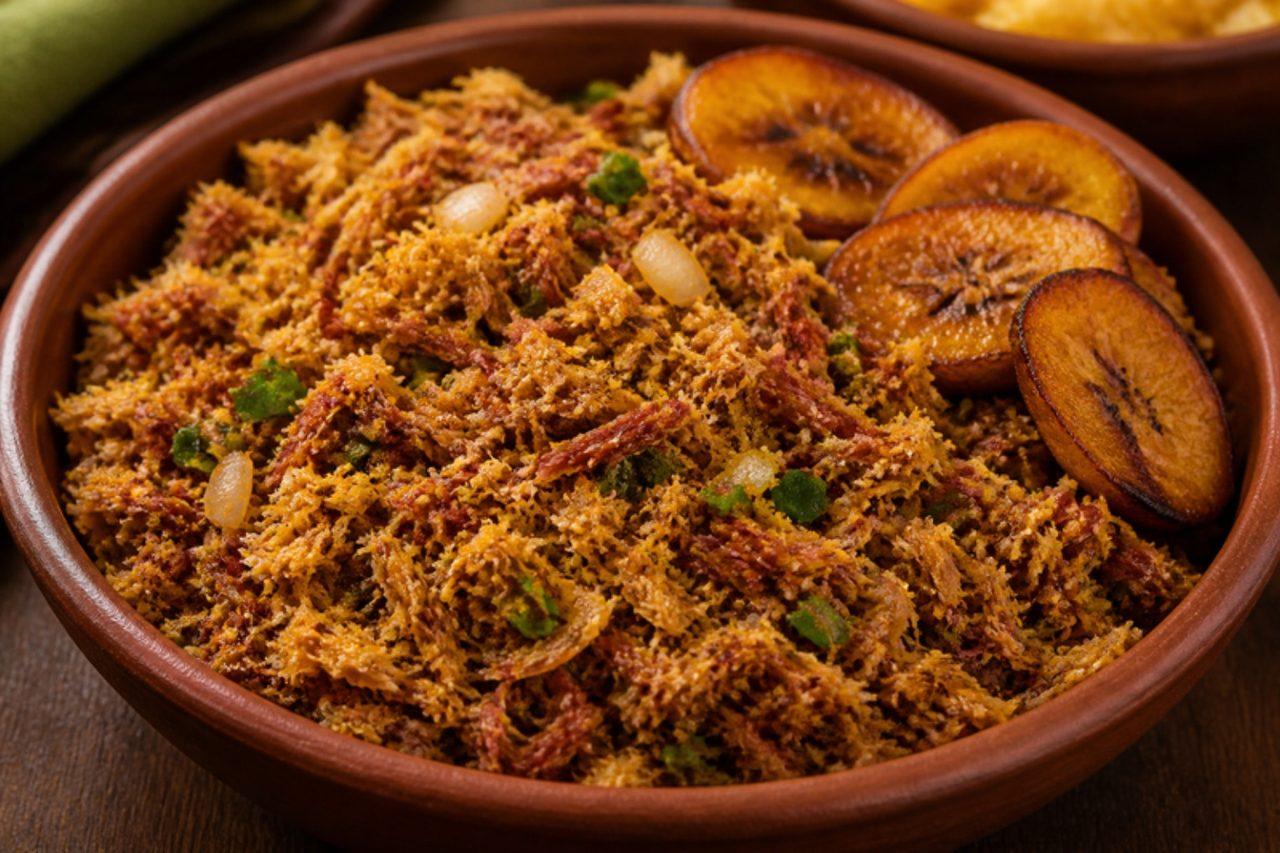
Not the peanut sweet of the same name: in Ceará, Piauí and Maranhão, paçoca is a savoury, fluffy tangle of fried carne de sol pounded with toasted cassava flour and onion in a big wooden pilão. Cowboys of the sertão carried it on long rides because it keeps for days, and today it is served at roadside restaurants and at home with baião de dois, boiled macaxeira, ripe banana and a cold glass of cajá juice. It should be dry, crumbly and full of crisp beef threads, salty and deeply savoury. The thing that goes wrong most often is adding the cassava flour to a wet pan, which turns it into paste; the beef must be fried really dry first. Without a pilão, a large mortar or short pulses in a food processor do the job. Chef's tip: let the pounded paçoca rest for ten minutes before serving; the farinha soaks up the beef fat and the texture turns soft and fluffy.

by KrazyBadal 0 views

Cacciucco alla livorneseSpicy mixed fish stew

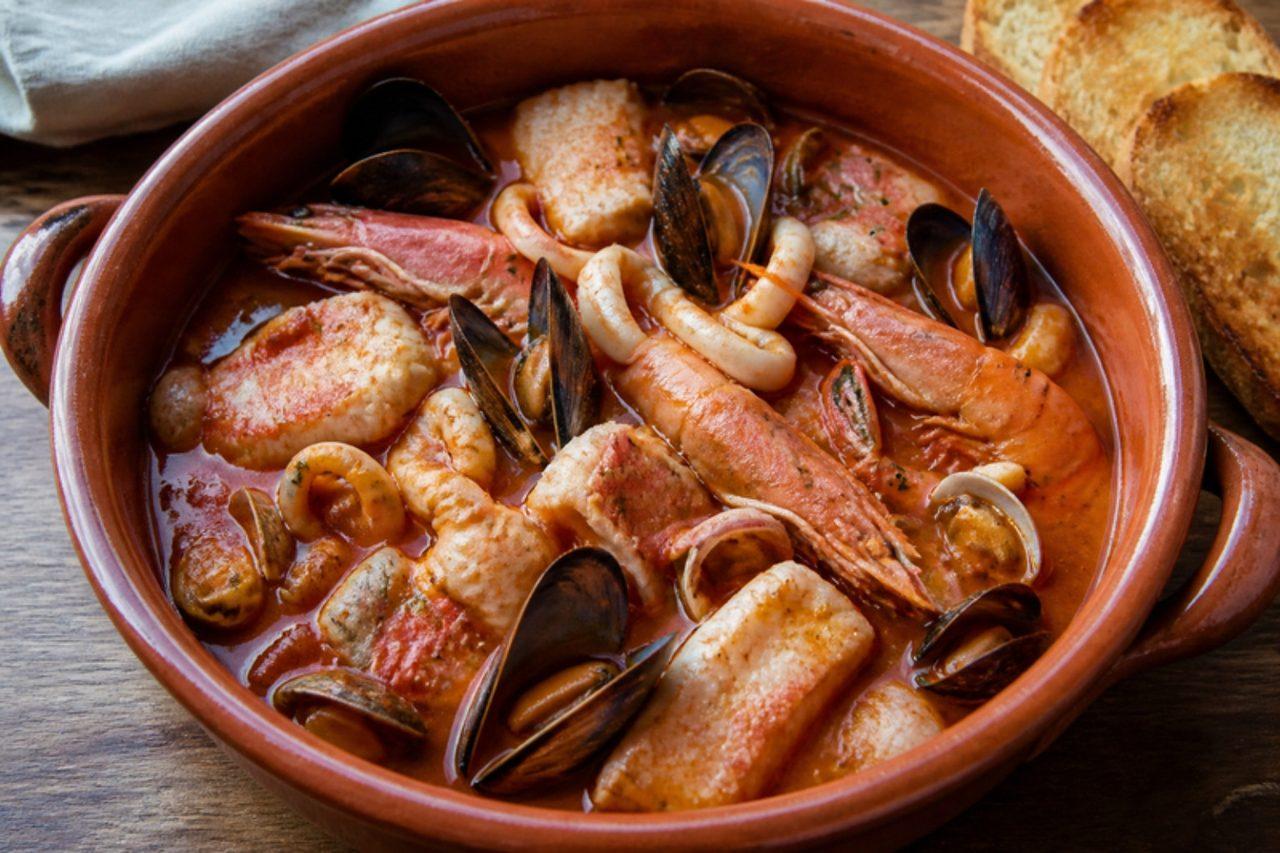
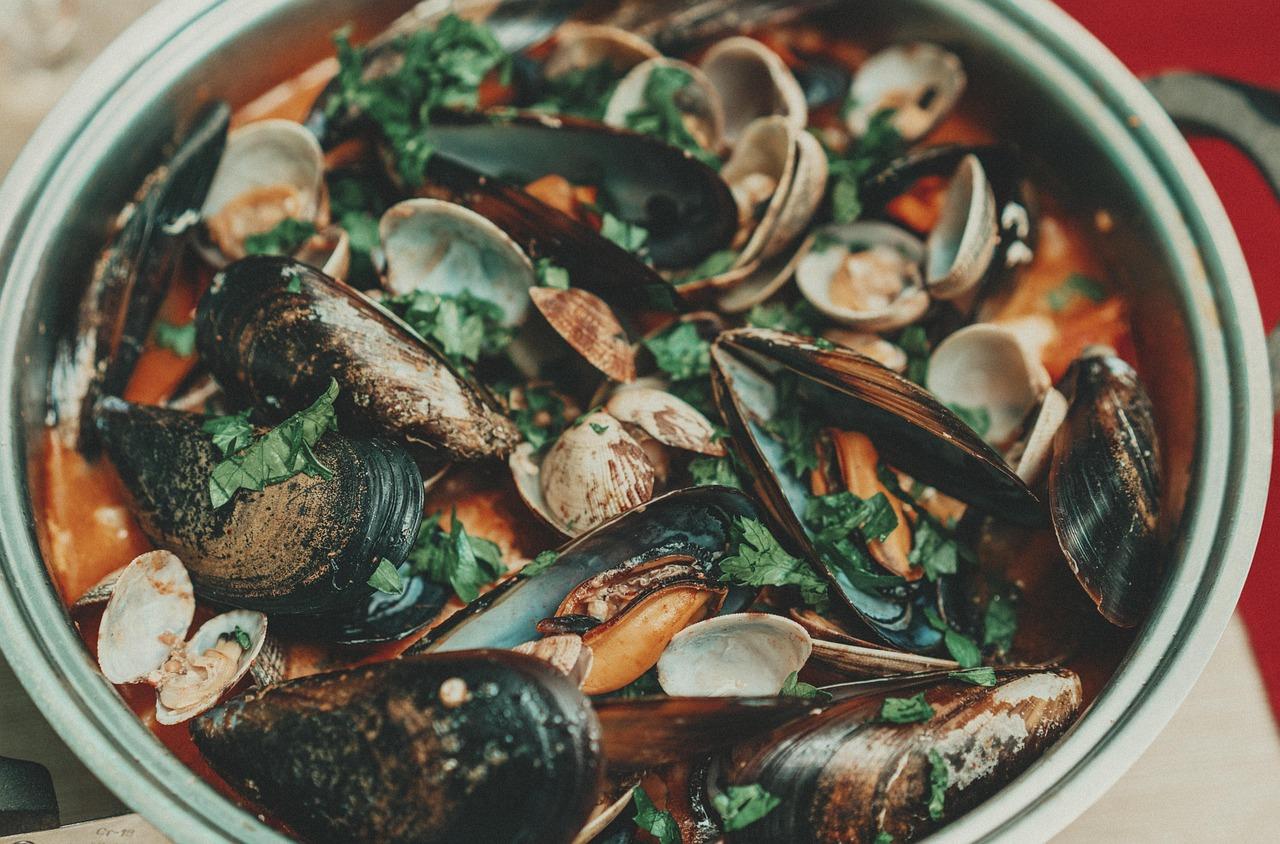
Cacciucco is the great fish stew of Livorno, the port city on the Tuscan coast, where it is said to need at least five kinds of seafood, one for each C in its name. Fishermen once made it with the unsold catch; today the harbour trattorie ladle it, thick and fiery with chilli, over slices of toasted bread rubbed with garlic. This version uses firm white fish, squid, mussels, clams and prawns cooked in tomato and red wine; the wine is traditional, and the note gives an alcohol-free option. Serve it as a whole meal, with more garlic toast on the side. Chef's tip: add the seafood in stages, from the firmest to the most delicate, so nothing turns rubbery.

by KrazyBadal 0 views

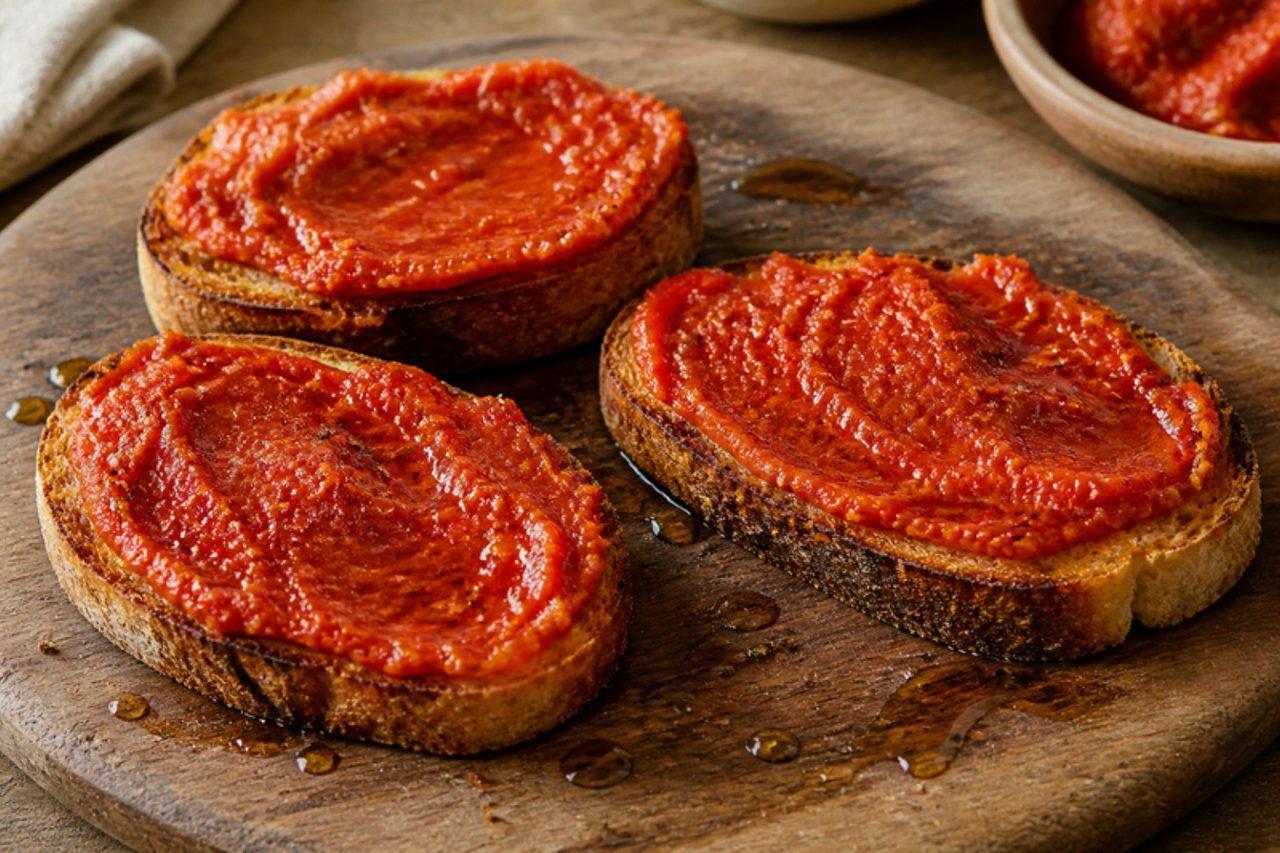
Sobrassada amb melToasted bread with sausage and honey

Sweet and salty sobrassada toast is the snack Mallorcan bars put out with a cold drink, and it often closes a winter meal at home. Sobrassada is the island's soft, spreadable cured sausage of pork and paprika. This contains pork. Spread on country bread, warmed until it melts and sizzles, and finished with a thread of honey, it takes five minutes. Sobrassada is a raw cured meat, so eaten unheated it is not for pregnant women, young children or anyone with a weakened immune system; this recipe grills it until piping hot. Chef's tip: spread it thinly right to the edges, so it crisps instead of pooling in the middle.

by KrazyBadal 0 views

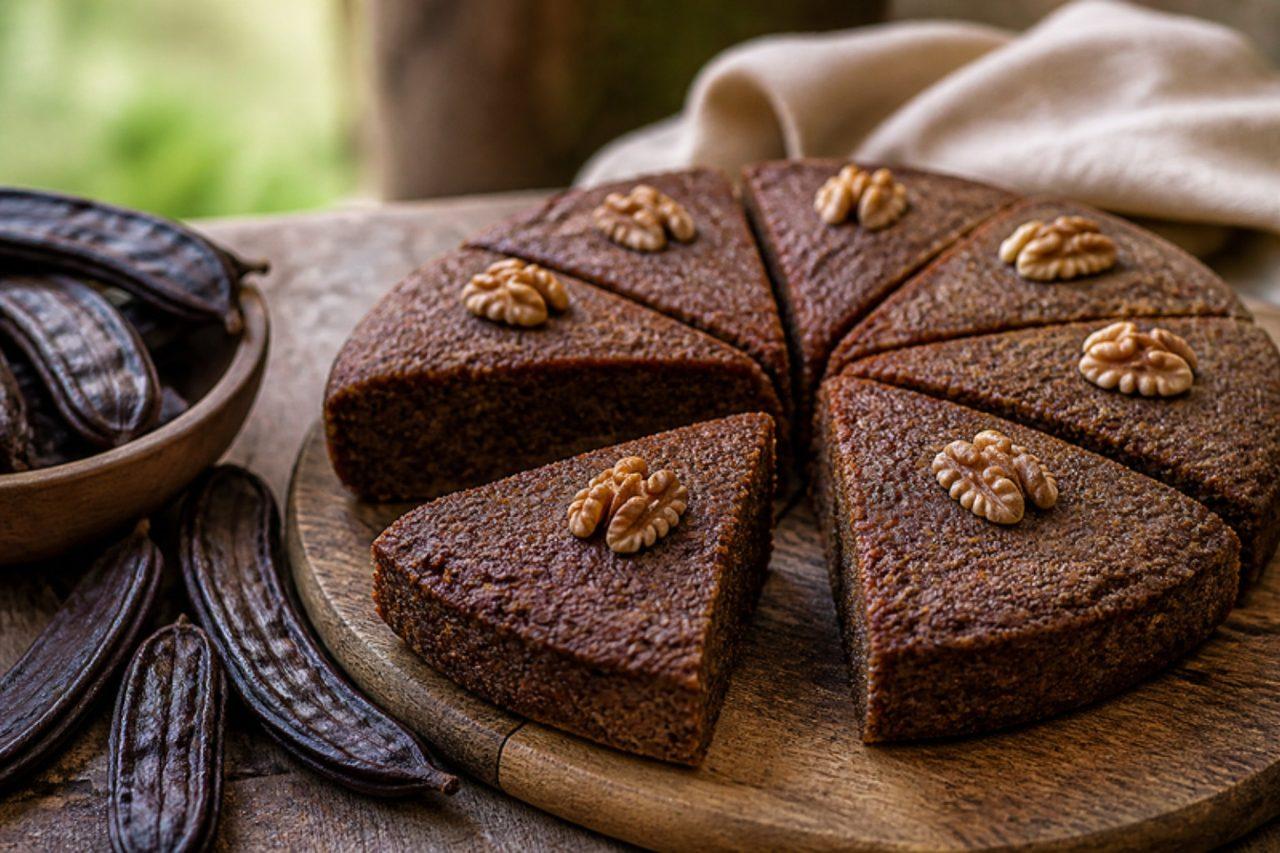
PatayAlgarroba pod cake

Long before sugar reached the dry northwest, the pods of the algarrobo tree were the region's sweetness, and patay is the oldest way of keeping them: the pods are ground, the flour is moistened and pressed into a cake that dries into something dense, fudgy and naturally sweet, with notes of cocoa, coffee and caramel. In Santiago del Estero you still buy it in round slabs at markets and roadside stalls, to eat with mate or to crumble into milk. Harina de algarroba comes from the South American Prosopis tree; look for it in health-food shops or online, and mesquite flour is the same family and works well. Mediterranean carob flour is different and tastes more bitter. Too much water is the way most first attempts go wrong: the cake should be pressed from a damp, crumbly mix, not a batter, or it bakes up gummy. Chef's tip: sieve the flour twice; algarroba flour clumps, and lumps stay as hard grains.

by KrazyBadal 0 views

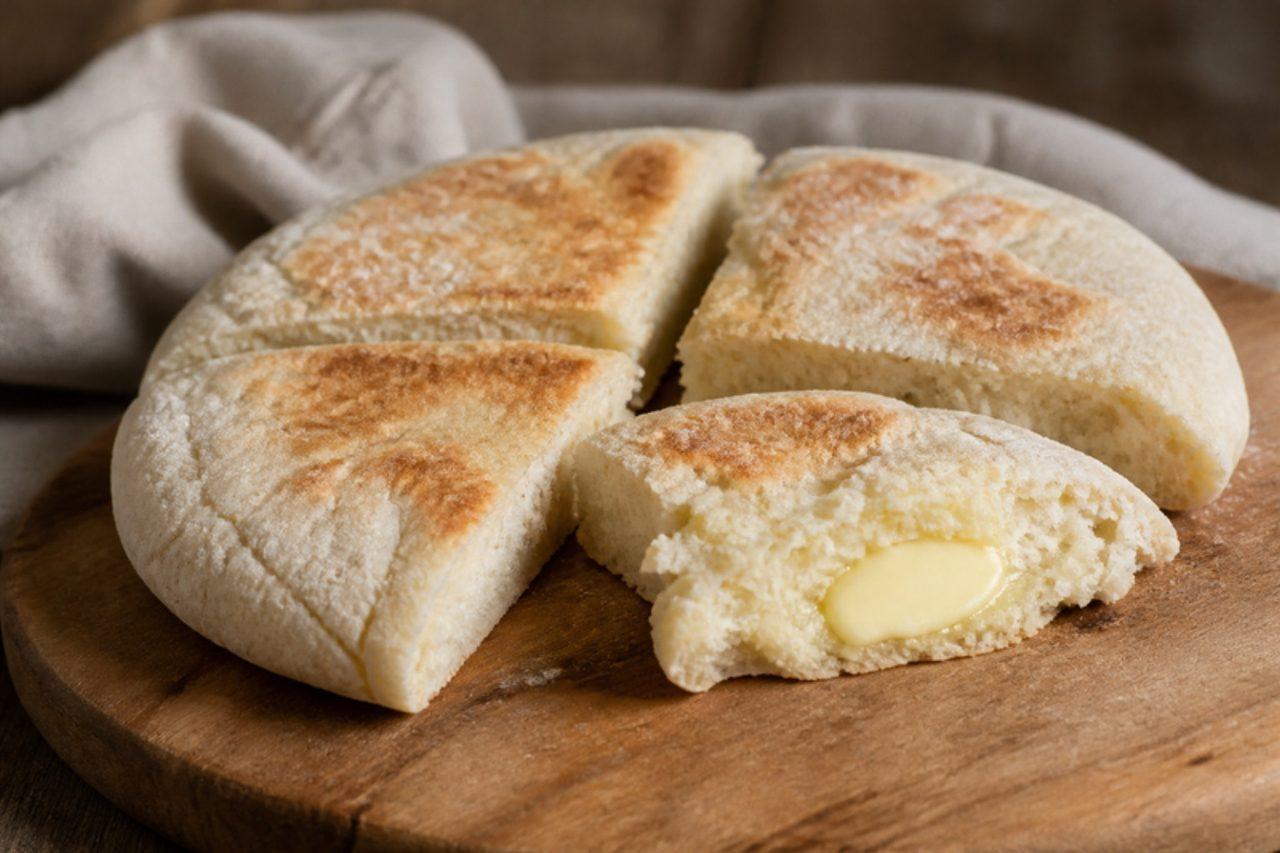
Soda farlsGriddled soda bread

Soda farls are the griddle bread of Northern Ireland, cooked on a flat pan rather than baked, and split and fried in the Ulster fry or eaten warm with butter and jam. Plain flour, bicarbonate of soda and buttermilk make a quick, light dough that is shaped into a round and cut into four farls. Chef's tip: get the griddle hot before the dough is mixed; the soda starts working as soon as the buttermilk goes in.

by KrazyBadal 0 views

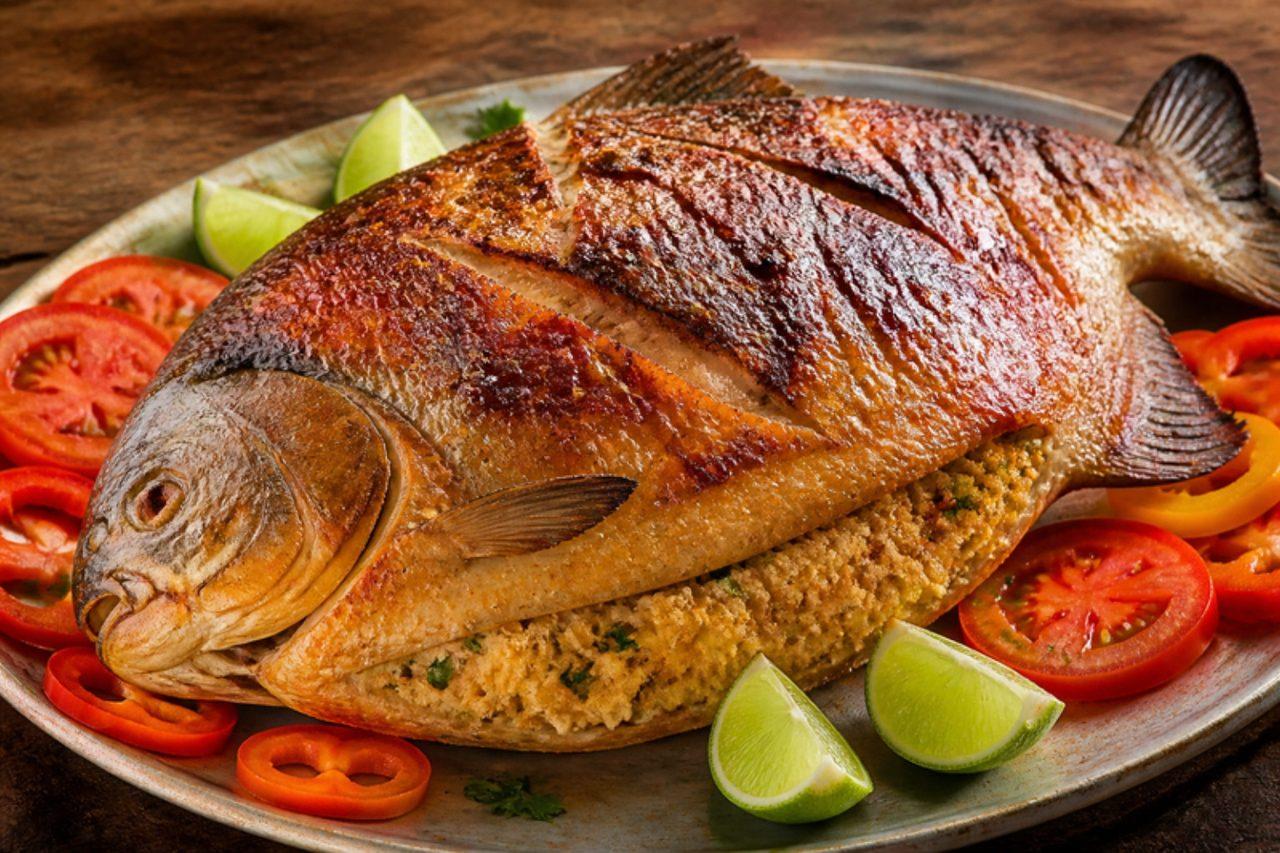
Pacu assadoRoast whole river fish

Cuiabá's fish restaurants and weekend riverside lunches in the Pantanal put a whole pacu on the table, stuffed with farofa and roasted until the skin is golden and crisp. Pacu is a round, fat-rich river fish with sweet, juicy flesh; ask your fishmonger for whole sea bream, pompano or a large tilapia if pacu is not available. The stuffing is cassava flour toasted with onion, garlic, pepper, tomato and herbs, and it soaks up the fish juices as it cooks. Serve with white rice, a tomato vinagrete and lime. The mistake to watch for is over-roasting until the flesh dries out; check at the backbone and stop when it is just opaque. Pacu has fine Y-shaped bones in the belly, so eat carefully. Chef's tip: cut deep slashes on both sides and push a little lime-garlic paste into them; it seasons the thick flesh and helps it cook evenly.

by KrazyBadal 0 views

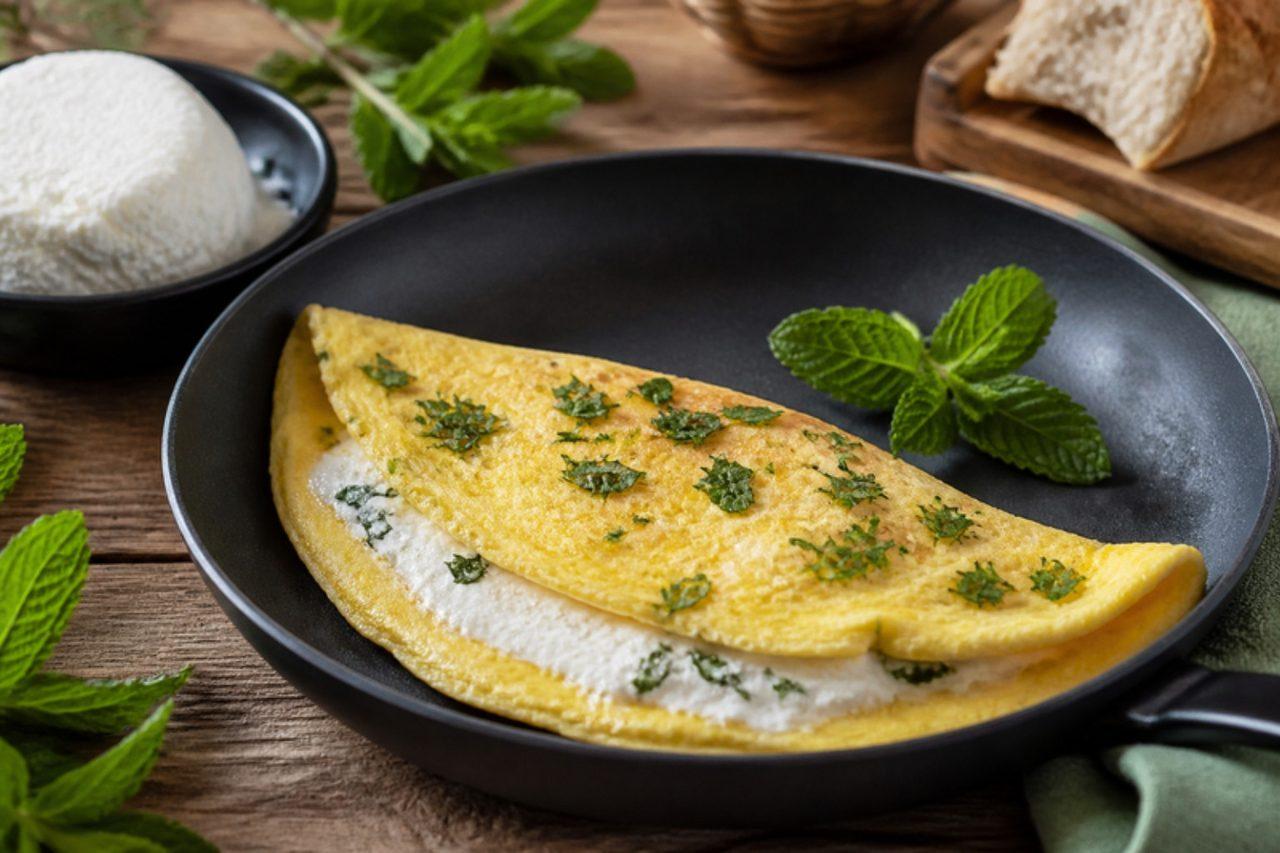
Omelette au brocciu et à la mentheFresh cheese and mint omelette

Inland Corsica, around Corte and the mountain villages, serves this omelette from late autumn to early summer, the months when shepherds make fresh brocciu. The cheese goes in at the last moment so it stays creamy, and wild mint picked from the maquis cuts through its richness; it is a light lunch or supper with a green salad and bread. Brocciu is made from the whey of rennet cheeses, so vegetarians often use ricotta labelled vegetarian instead. Chef's tip: season the cheese and mint, not just the eggs, because fresh whey cheese is very mild.

by KrazyBadal 0 views

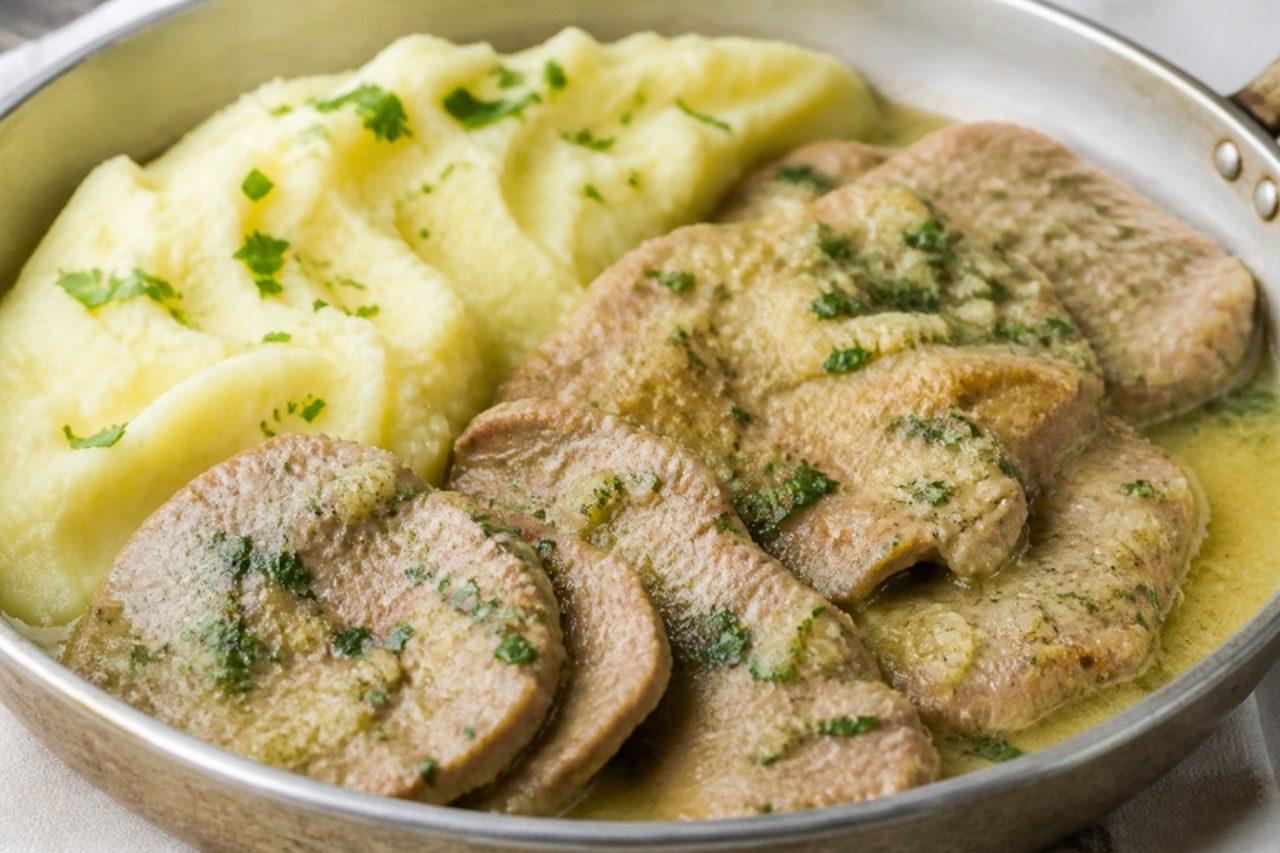
SofritoVeal in garlic and vinegar sauce

Not to be confused with the Spanish base sauce, Corfu's sofrito is a dish of thinly sliced veal or young beef, floured and browned, then gently simmered in a sharp, pale sauce of garlic, vinegar and parsley until tender. Corfiot tavernas serve it with creamy mashed potato or rice to soak up the garlicky juices, especially on Sundays and name days. Some cooks add white wine; this version uses only vinegar and stock, so it's alcohol-free. Common mistake: letting the garlic brown, which makes the sauce bitter — it should stay pale. Chef's tip: flatten the slices with a rolling pin so they cook evenly and soak up the sauce.

75 minGreekMeat
by KrazyBadal 0 views

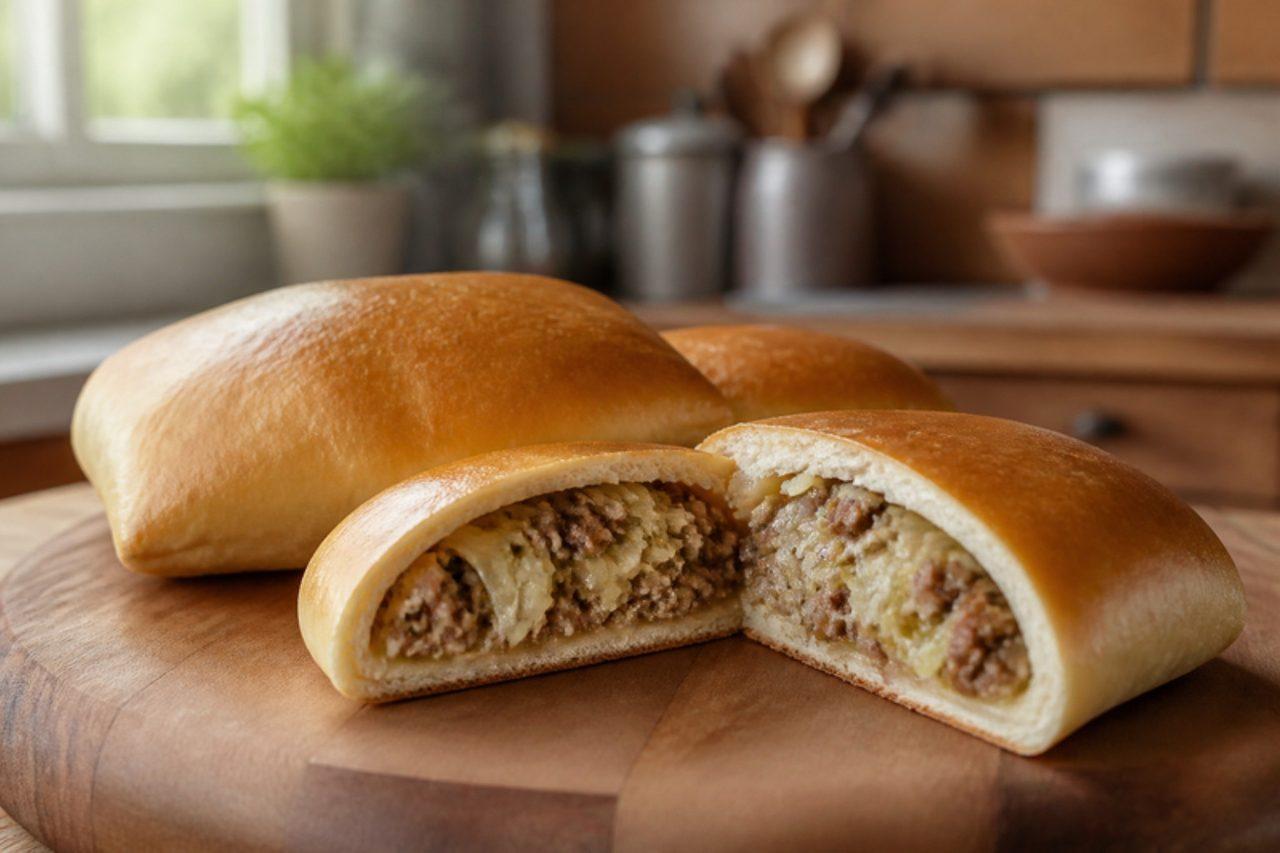
Nebraska runzasBeef and cabbage bread pockets

Runzas came to Nebraska with Volga German settlers, who called them bierocks, and today they are the state's fast food, packed for Cornhusker football games and long drives across the plains. A soft, slightly sweet bread dough is wrapped around a peppery filling of beef mince, onion and cabbage and baked into a rectangular pocket. Chef's tip: let the filling cool and drain it in a sieve before filling; hot, wet filling makes the dough soggy and tear.

by KrazyBadal 0 views

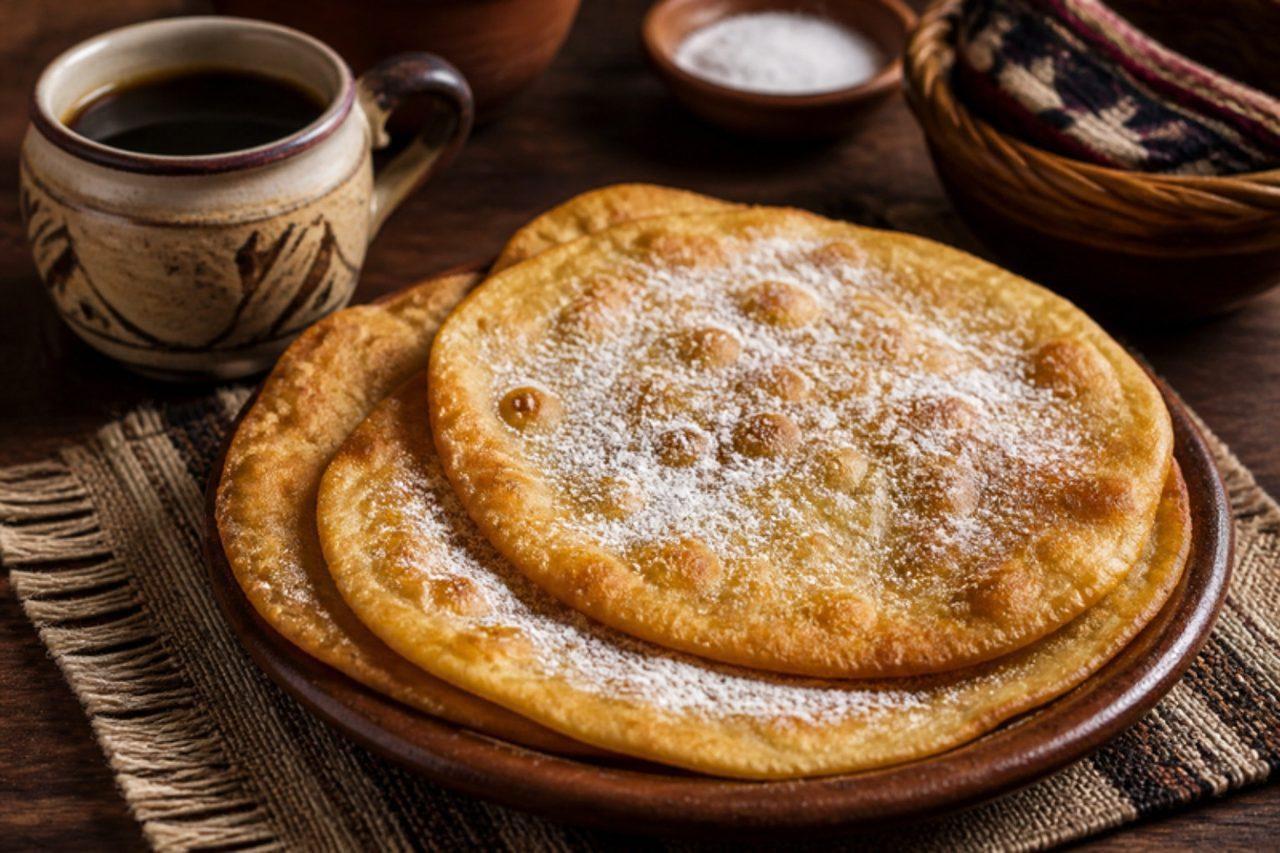
CachangaThin fried bread

On cold mornings at markets in Puno, Juliaca and Arequipa, women stretch rounds of dough over their knuckles and drop them into big pans of hot oil, and cachangas come out puffed, blistered and golden, to be dusted with sugar and eaten with a cup of coffee, hot chocolate or api. The bread is thin, chewy in the middle and crisp at the edges, a cousin of the sopaipilla. Some cooks leave them plain and eat them with cheese. The commonest problem is oil that isn't hot enough: the dough soaks up fat and turns heavy instead of puffing. Keep it at 180 °C and fry one at a time. The dough uses butter and milk, so it is vegetarian but not vegan; swap both for oil and water if needed. Chef's tip: rest the dough for 20 minutes before rolling so it stretches thin without springing back.

by KrazyBadal 0 views

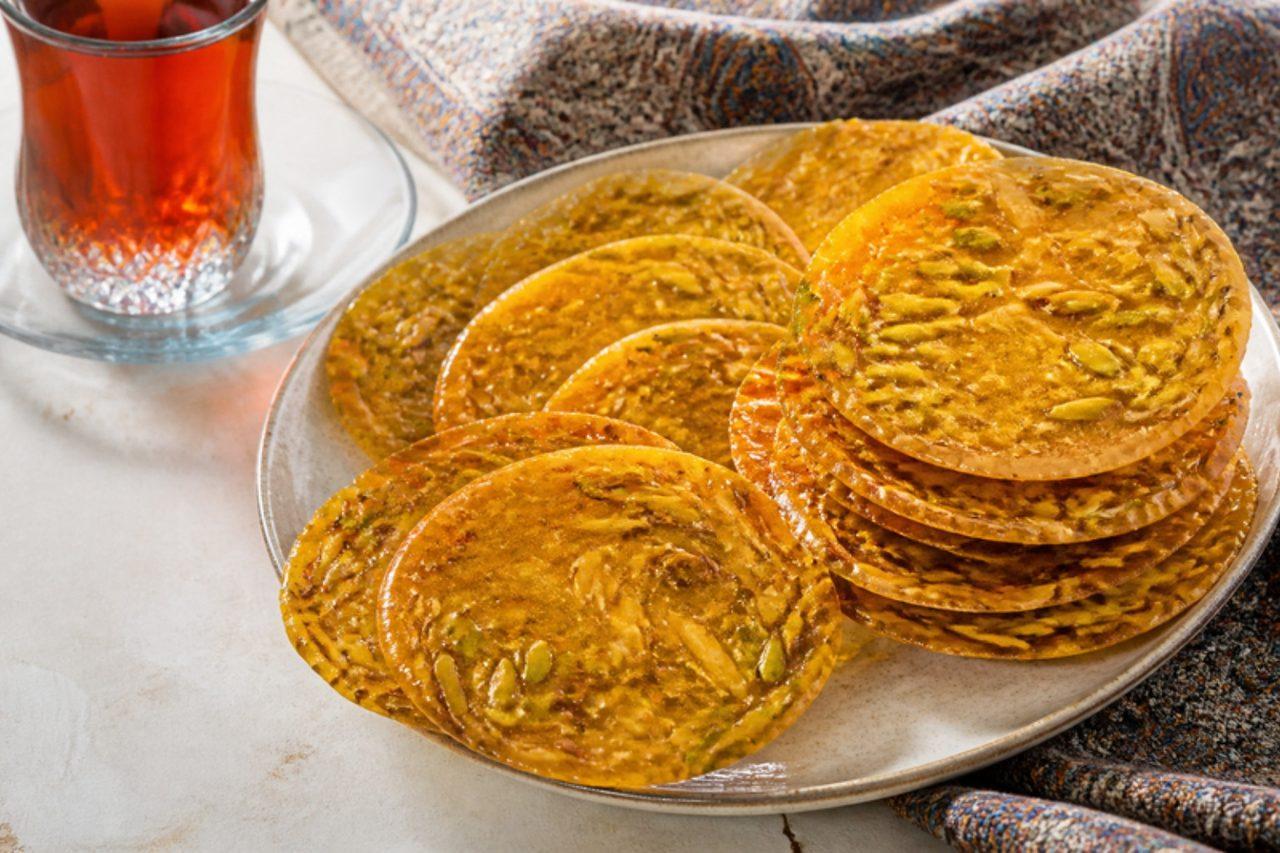
SohanSaffron pistachio brittle

Pilgrims leaving the shrine city of Qom carry home round tins of sohan, and boxes of it are passed around at Nowruz visits all over Iran. It is a buttery, snapping brittle flavoured with saffron, cardamom and rosewater, built on sprouted wheat flour, which gives a gentle malty sweetness, and studded with slivered pistachios and almonds. Each disc shatters and then melts. Chef's tip: have every nut and flavouring measured beside the stove before you start; the last stage moves fast and the sugar won't wait.

by KrazyBadal 0 views

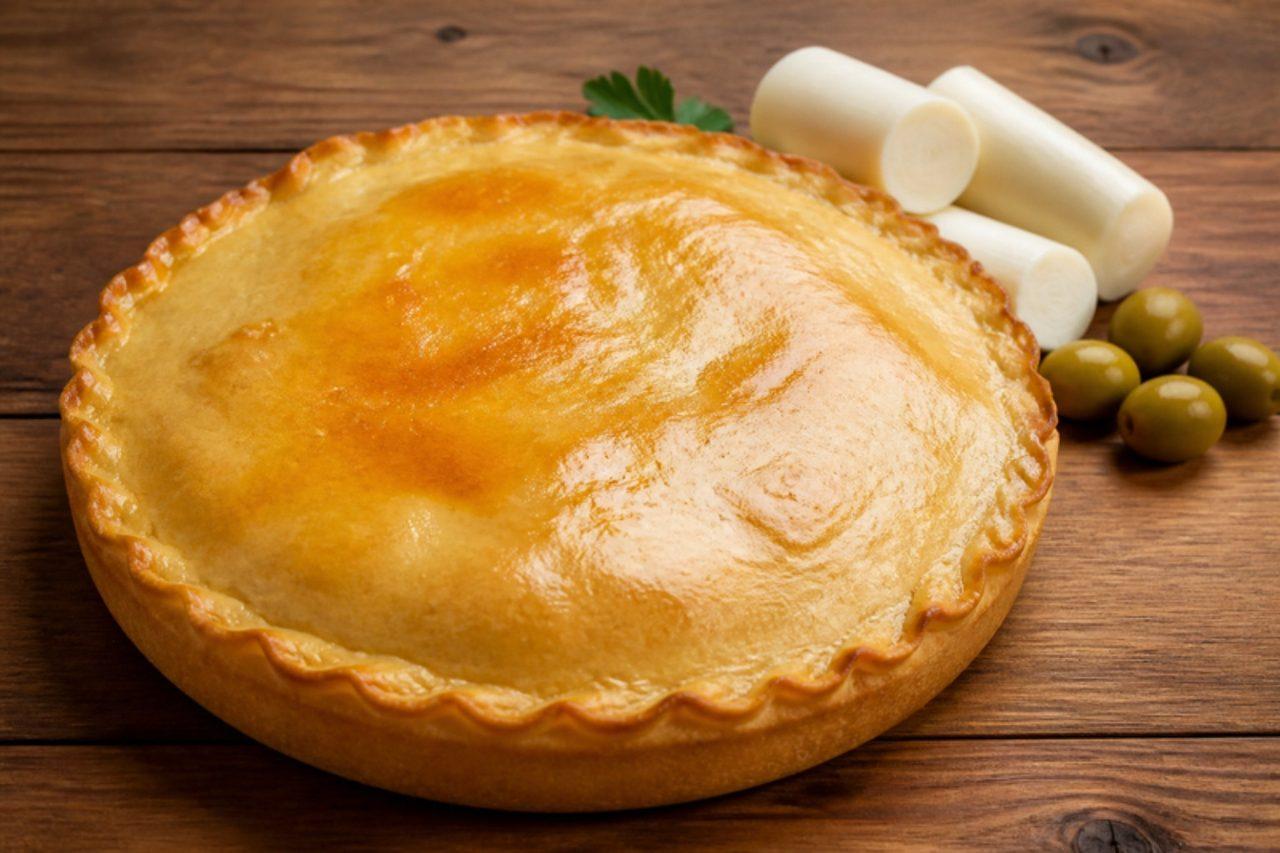
Torta de palmitoHeart of palm pie

Paulistano families bring this pie to Sunday lunch, to Easter and to every bring-a-plate party, and padarias sell it by the slice next to the coxinhas. A crumbly, buttery crust encloses a creamy filling of heart of palm with tomato, peas, green olives and parsley, set with a little cornflour so it slices cleanly but stays moist. It is good warm or cold, with a green salad or just on its own. Look for palm hearts from cultivated pupunha palms. The commonest problem is a soggy base from a filling that is too wet or too warm; cook it until thick and let it cool before it goes in. Chef's tip: bake the pie on a preheated tray on the bottom shelf, so the base gets a blast of heat and crisps before the filling can soak in.

by KrazyBadal 0 views

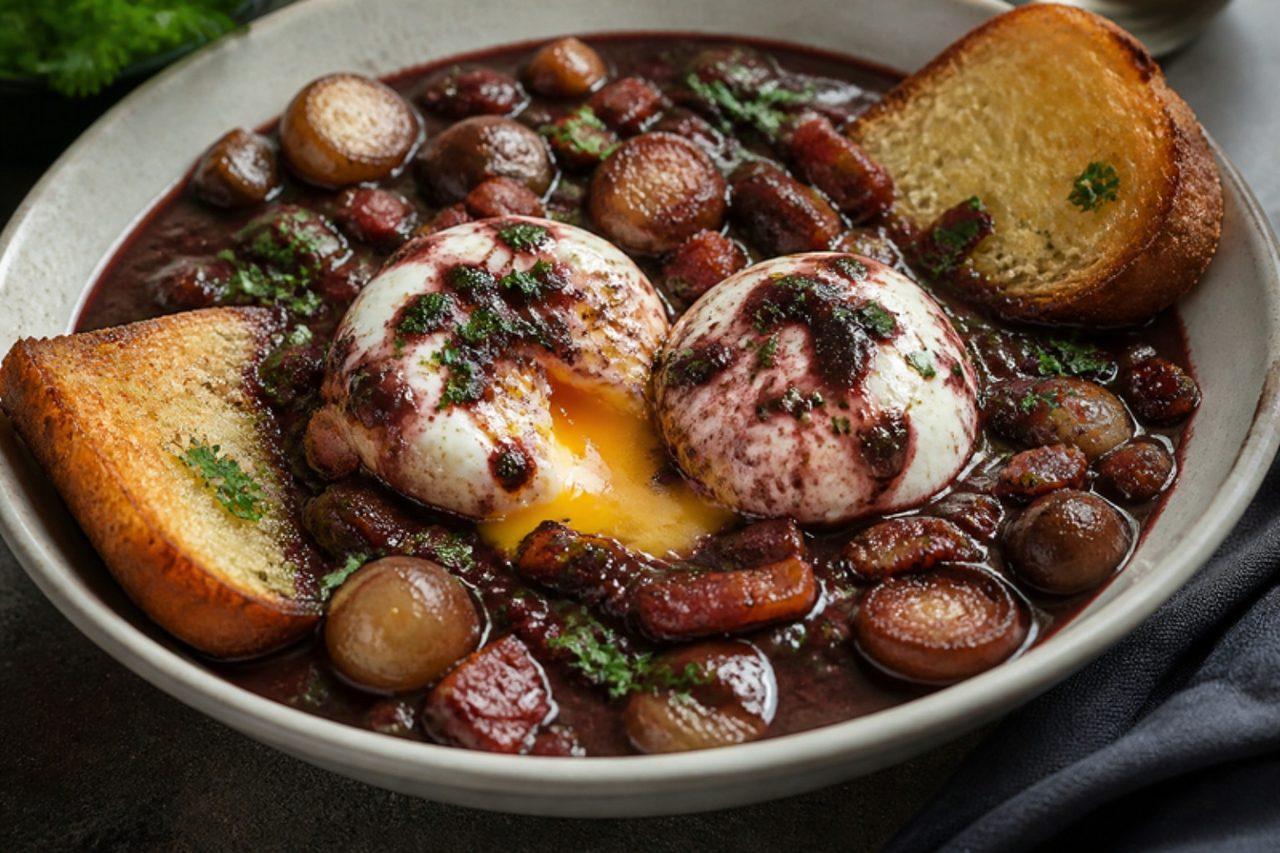
Oeufs en meurettePoached eggs in red wine sauce

In Burgundy, between Dijon and Beaune, a meurette is any dish cooked in red wine sauce, and oeufs en meurette is the one served as a starter in village restaurants and at weekend lunches. Eggs are poached in a reduced, glossy sauce of red wine, shallots and stock, then served with crisp smoked pork lardons, button mushrooms and garlic-rubbed croutons to dip into the yolks. The sauce is deep, winey and savoury; the eggs make it rich. The dish uses red wine, and an alcohol-free version is in the notes. The yolks stay runny, so use pasteurised eggs for pregnant women, young children, older people or anyone with a weakened immune system, or poach the eggs until the yolks are set. Chef's tip: poach the eggs in water with a dash of vinegar rather than in the wine itself, so the whites stay white.

by KrazyBadal 0 views

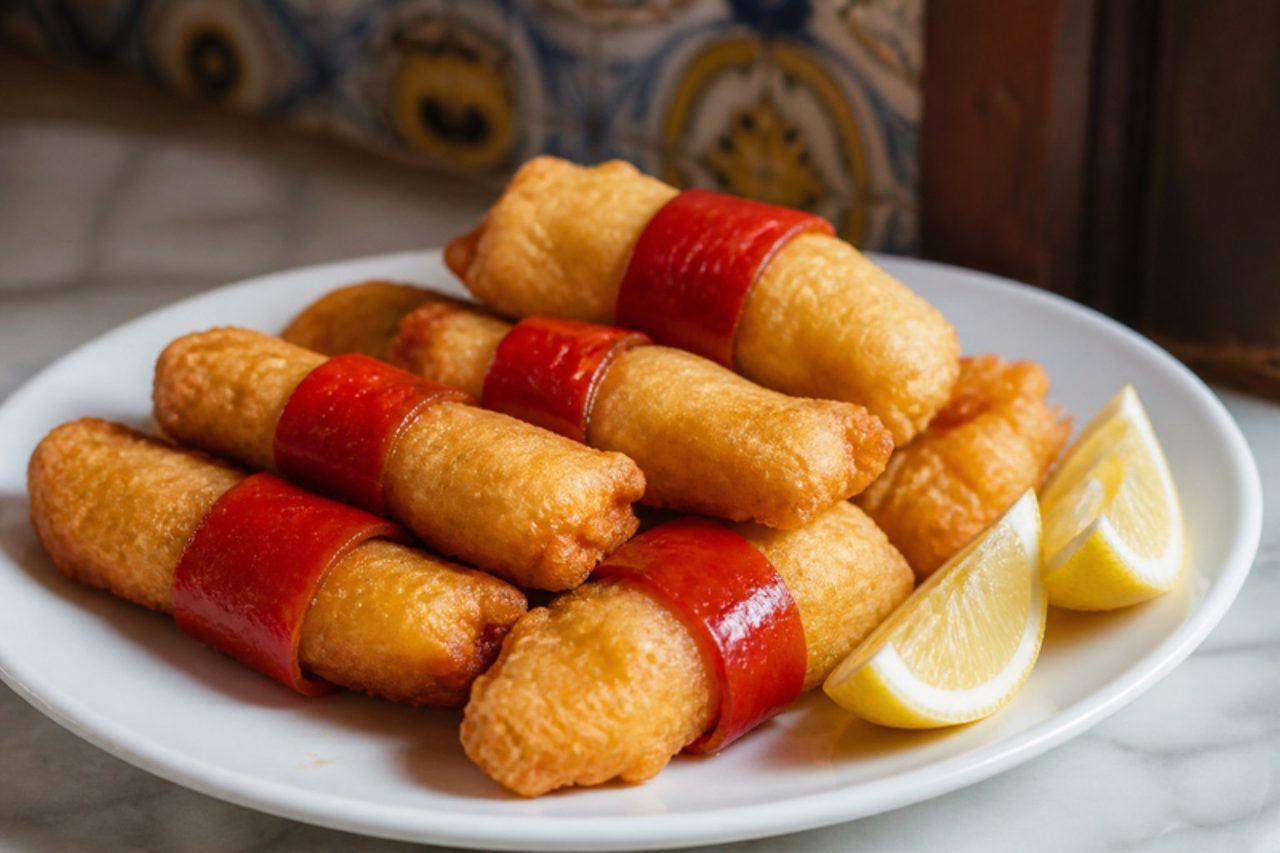
Soldaditos de PavíaBattered salt cod fingers

Madrid's old taverns near Puerta del Sol have fried these golden fingers of salt cod for well over a century, and they are still eaten standing at the bar with a small glass of something cold. Legend says the orange-red strip of pepper recalls the uniforms of soldiers in a Pavía regiment. The cod is soaked for two days to remove the salt, then fried until hot through, so it is fully cooked. Chef's tip: use cold sparkling water in the batter for a lighter, crunchier coat.

by KrazyBadal 0 views

Showing 81 of 7,762 recipes

Show more recipes

Page 495 of 863