


Skip to content
Patta gathia
Featured recipe

Patta gathia

Thin gram flour ribbons

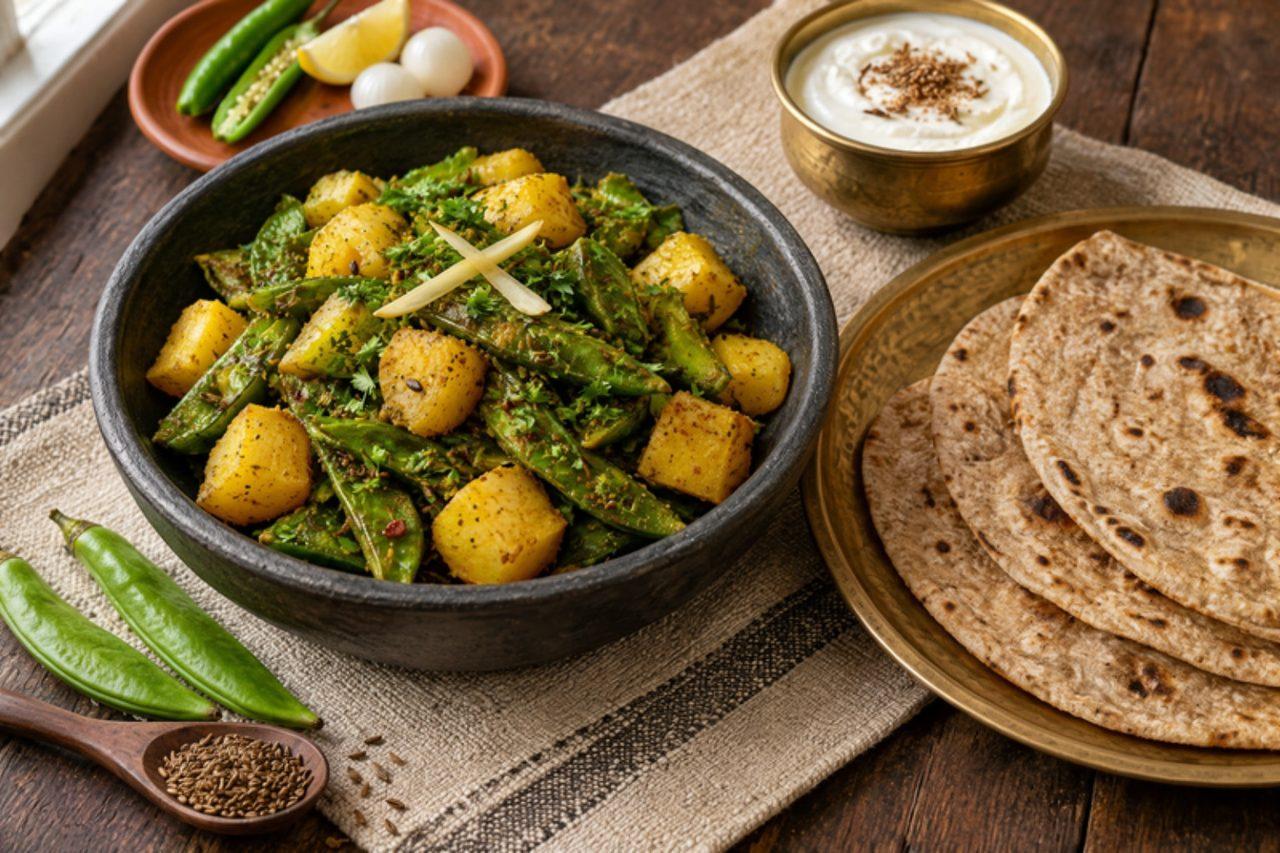
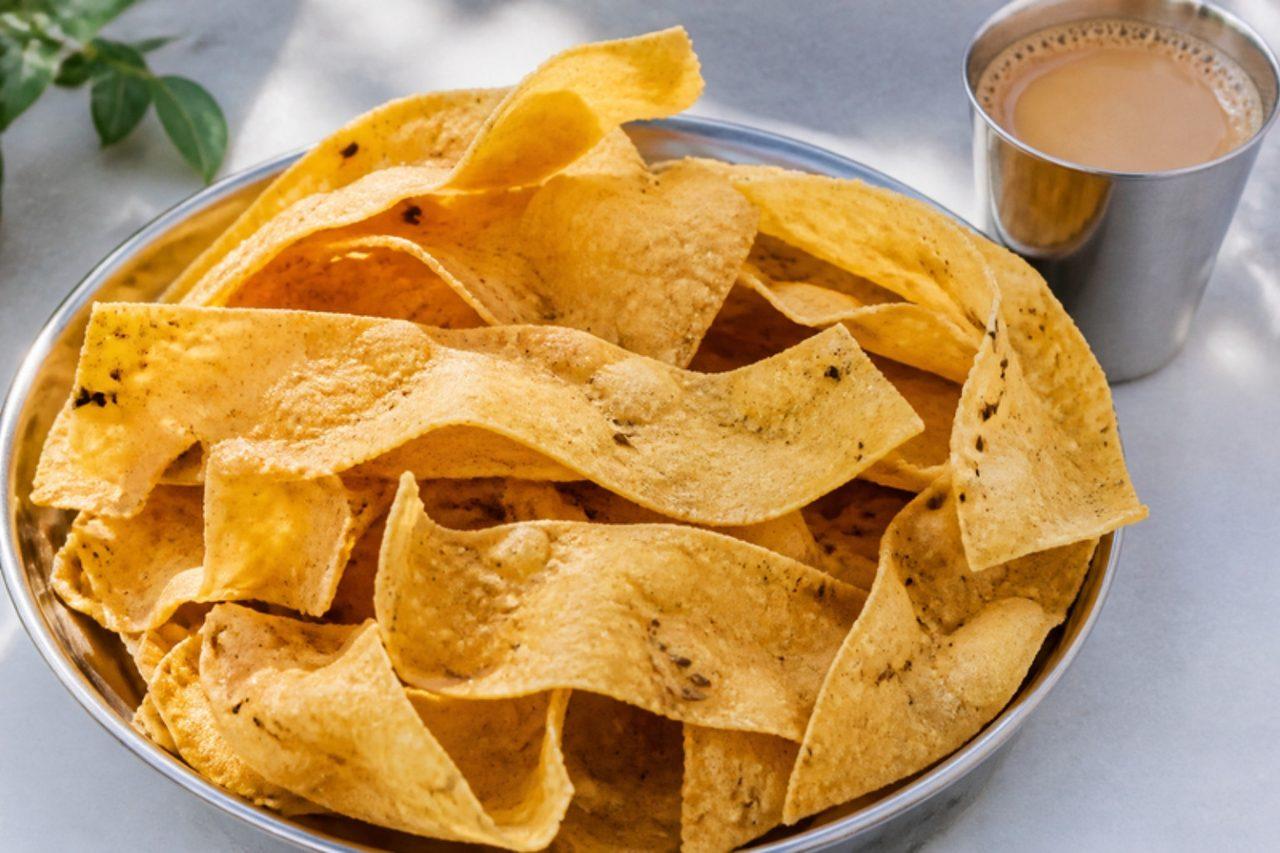
Patta gathia are flat, ribbon-like strips of gram flour dough, rolled paper-thin under the palm on a wooden board and fried until crisp. Black pepper and ajwain give them their flavour. They are a classic Gujarati tea-time snack and are great with fried chillies and papaya sambharo.

Read more 1 views

What to eat today?

Around the world

Today's trip: Persian

A new country every day, from every cuisine on the site.

This week's collection

Kid-friendly dinners
537 recipes · a new collection every Monday

Latest recipes

TomatokeftedesTomato and mint fritters

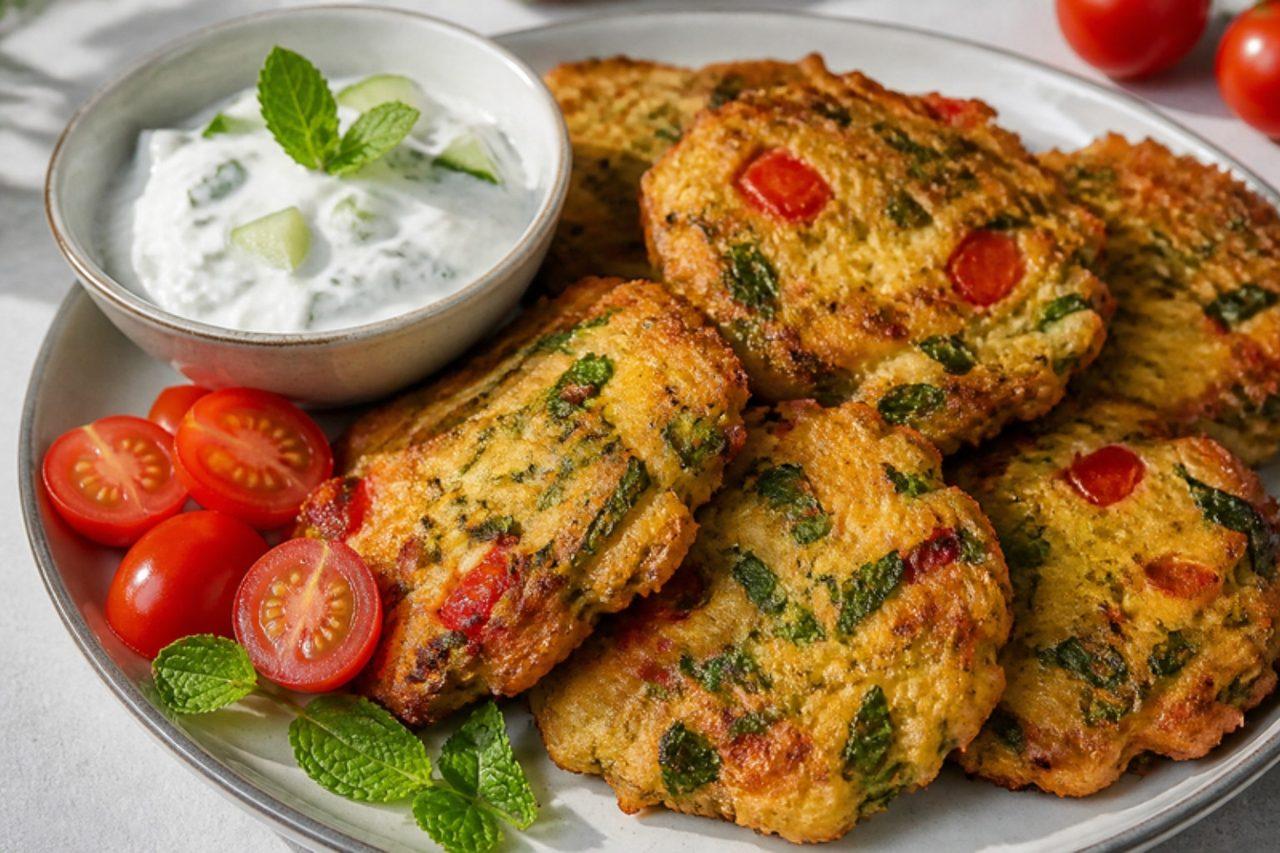
The volcanic soil of Santorini grows tiny, intensely sweet tomatoes on almost no water, and every taverna on the caldera serves them as tomatokeftedes: chopped tomato, onion, mint and oregano bound with just enough flour to hold, then fried until the outside is lacy and crisp and the inside is soft and juicy. They are eaten hot as a meze, often next to Santorini fava and a cold glass of water or lemonade. Common mistake: letting the batter sit, which draws out tomato juice and makes it runny; mix it right before frying. Chef's tip: squeeze the chopped tomatoes in a sieve first and keep the juice for a soup; drier tomatoes give crisper fritters.

by KrazyBadal 0 views

Técula méculaAlmond and egg-yolk tart

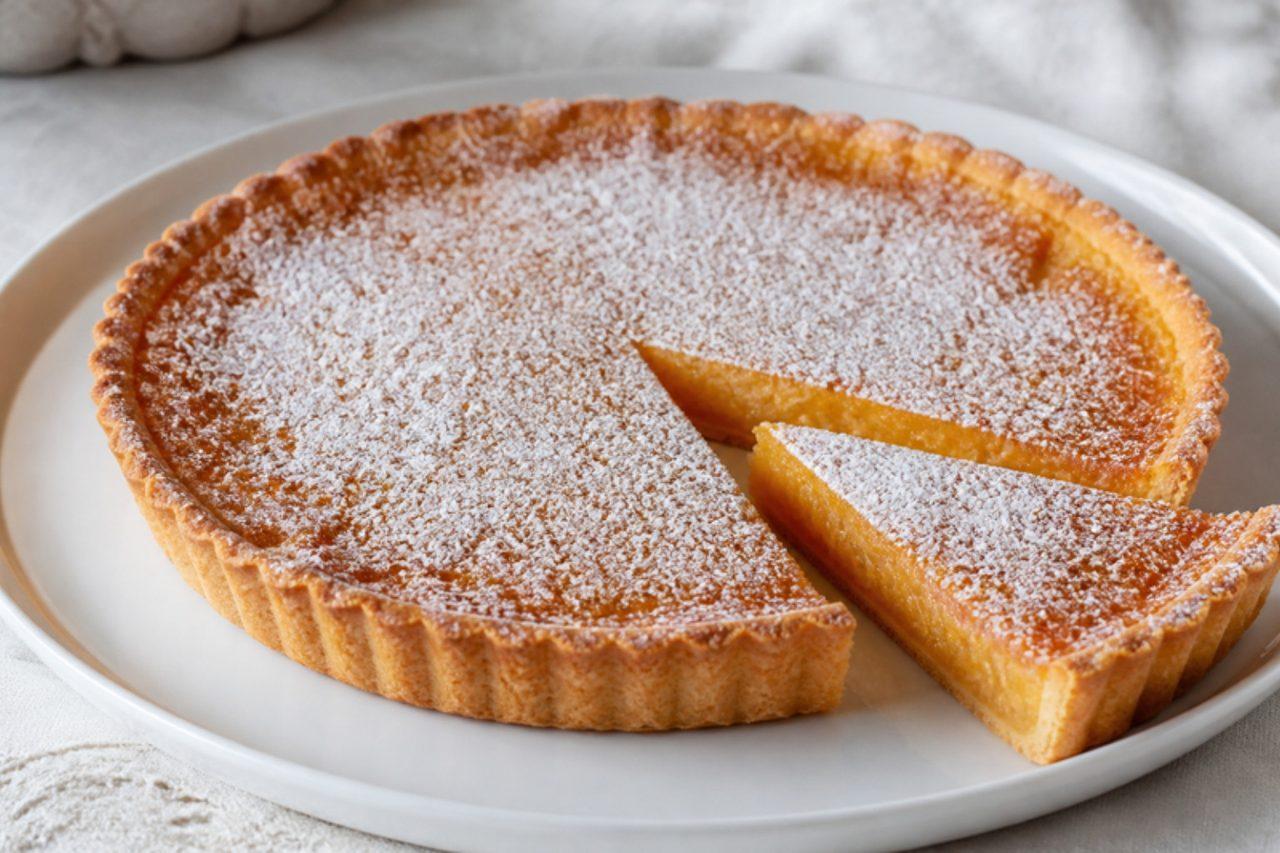
Olivenza, on the border with Portugal and Portuguese until 1801, kept a taste for the convent sweets of its neighbour, and técula mécula is the town's pride: a dense, golden tart of ground almonds, sugar syrup and egg yolks, sold whole or by the slice in its pastry shops and carried home as a gift. Its playful name is said to come from a Latin phrase meaning with you and with me, as if it were made to share. The traditional pastry uses pork lard; this version uses butter and is vegetarian. Chef's tip: a thin slice is plenty, as it is very rich; serve it with coffee.

by KrazyBadal 0 views

ZarbPit-roasted lamb, chicken and vegetables

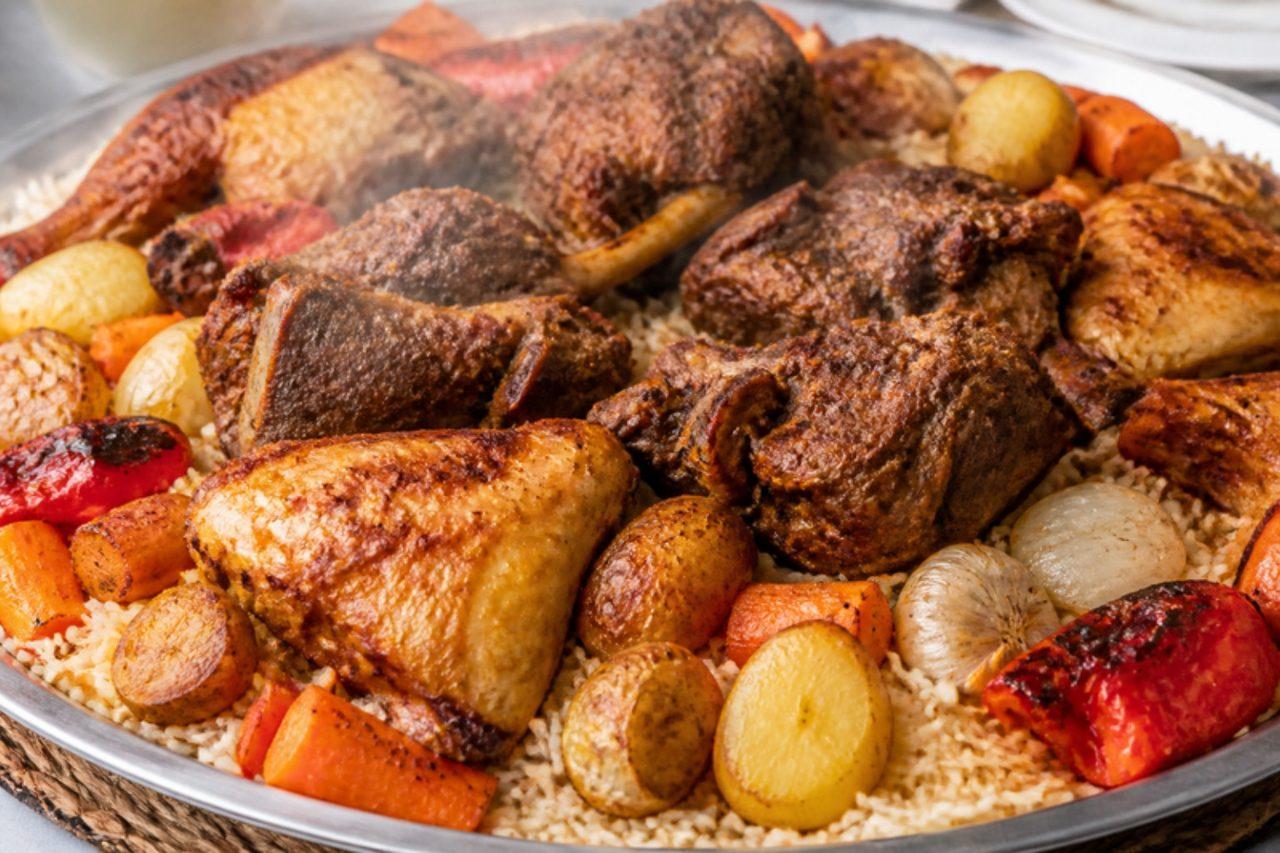
Visitors to the desert camps of Wadi Rum often watch the zarb come up from the sand at sunset: tiered racks of spiced lamb, chicken, potatoes and onions that have steamed for hours in a pit of embers, then lifted out smoky and falling apart. At home you get close with a deep roasting tin sealed tightly with foil, a long, low oven and a short blast of heat at the end. Serve it on a big platter over rice or with shrak, with yoghurt and a tomato salad. The mistake most people make is leaving gaps in the foil, so the steam escapes and the meat dries. Chef's tip: marinate overnight in the fridge and add a little smoked paprika to the spice mix; it brings back the taste of the pit.

by KrazyBadal 0 views

ZarangolloCourgette and onion with egg

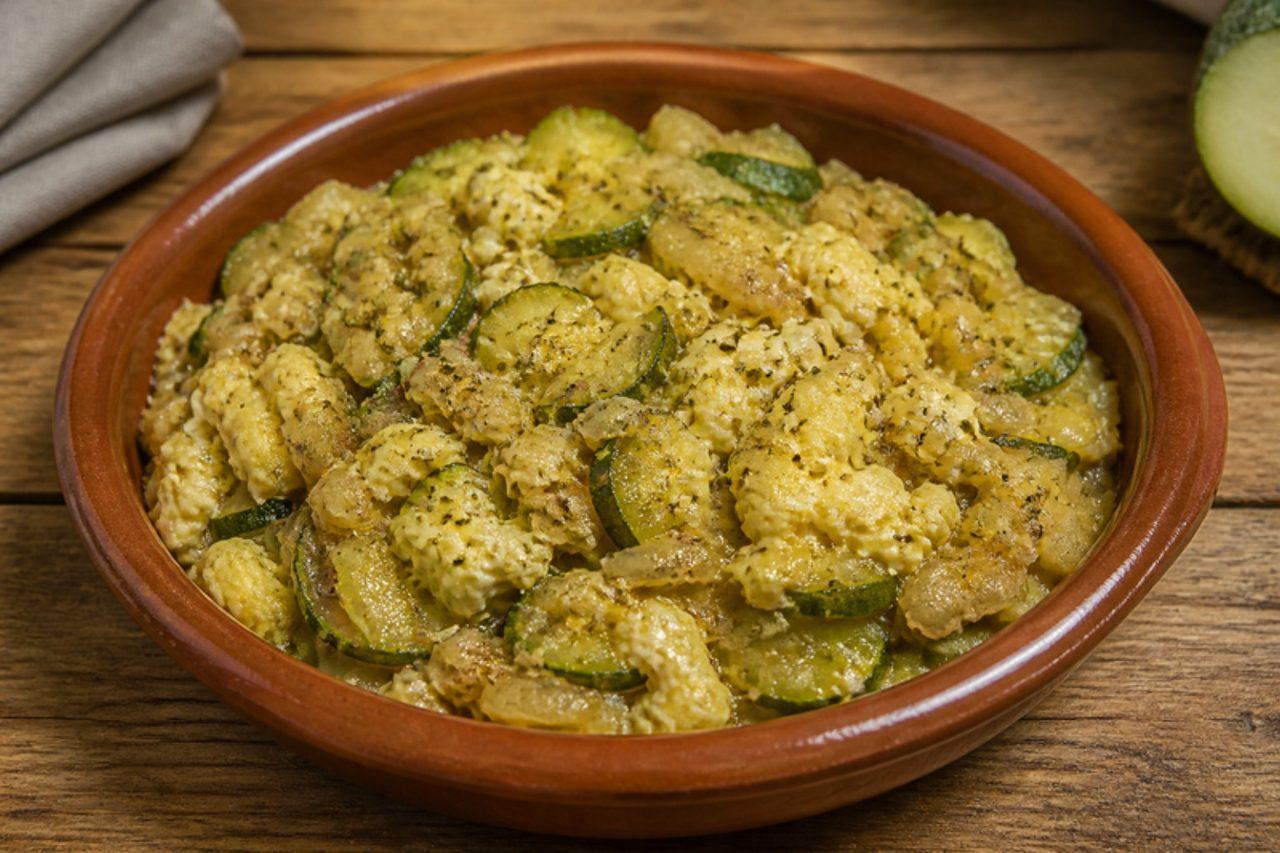
Ask for a tapa in almost any bar in Murcia city and zarangollo will be on the counter in a clay dish, scooped onto bread or eaten with a fork. It comes from the huerta, the irrigated market gardens around the city, where courgettes pile up all summer: they are sliced thin with onion, stewed gently in olive oil until sweet and almost jammy, and then bound with beaten egg. Some families add a little potato, but courgette and onion are the heart of it. Chef's tip: slice the courgettes into thin half-moons so they melt quickly and evenly.

by KrazyBadal 0 views

Zapallo en almíbarCandied squash

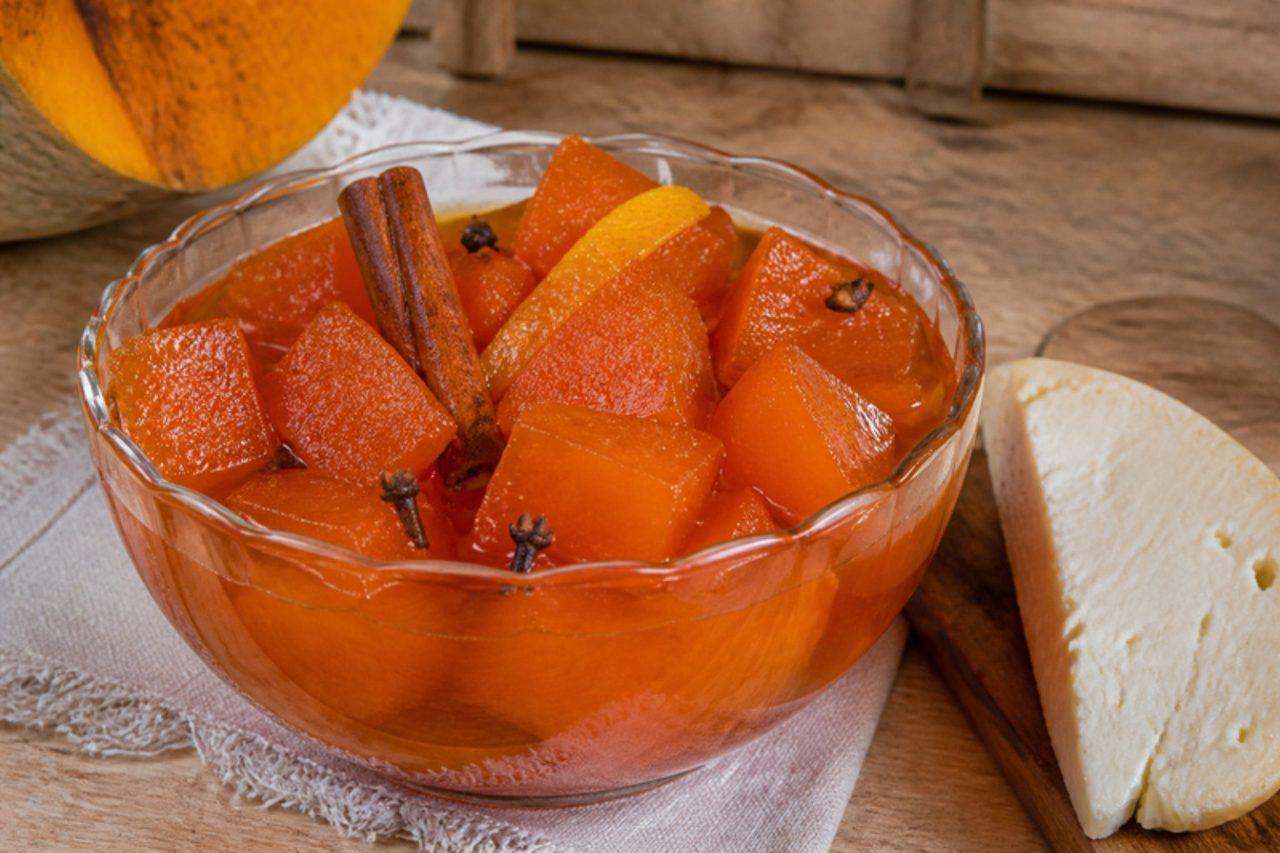
Across the Argentine countryside, when the autumn squash harvest piles up, cooks turn some of it into zapallo en almíbar: cubes of firm orange squash soaked briefly in slaked lime (cal) and then simmered in syrup until they are crisp-skinned outside and tender, almost translucent inside. Farm stalls in Córdoba and Santiago del Estero sell it in jars, and it is eaten as dessert with a slice of cheese, the same idea as postre vigilante. This home version skips the lime and uses a short sugar cure instead, which still keeps the pieces whole. It is vegan as written; serve it with vegan cheese or toasted walnuts to keep it that way. The mistake to avoid is stirring: the squash breaks into purée, so shake the pan instead. Chef's tip: use a dense, dry squash such as Crown Prince or butternut neck, and cook the syrup slowly; if it boils hard the outside candies before the centre softens.

by KrazyBadal 0 views

TootAlmond rosewater marzipan

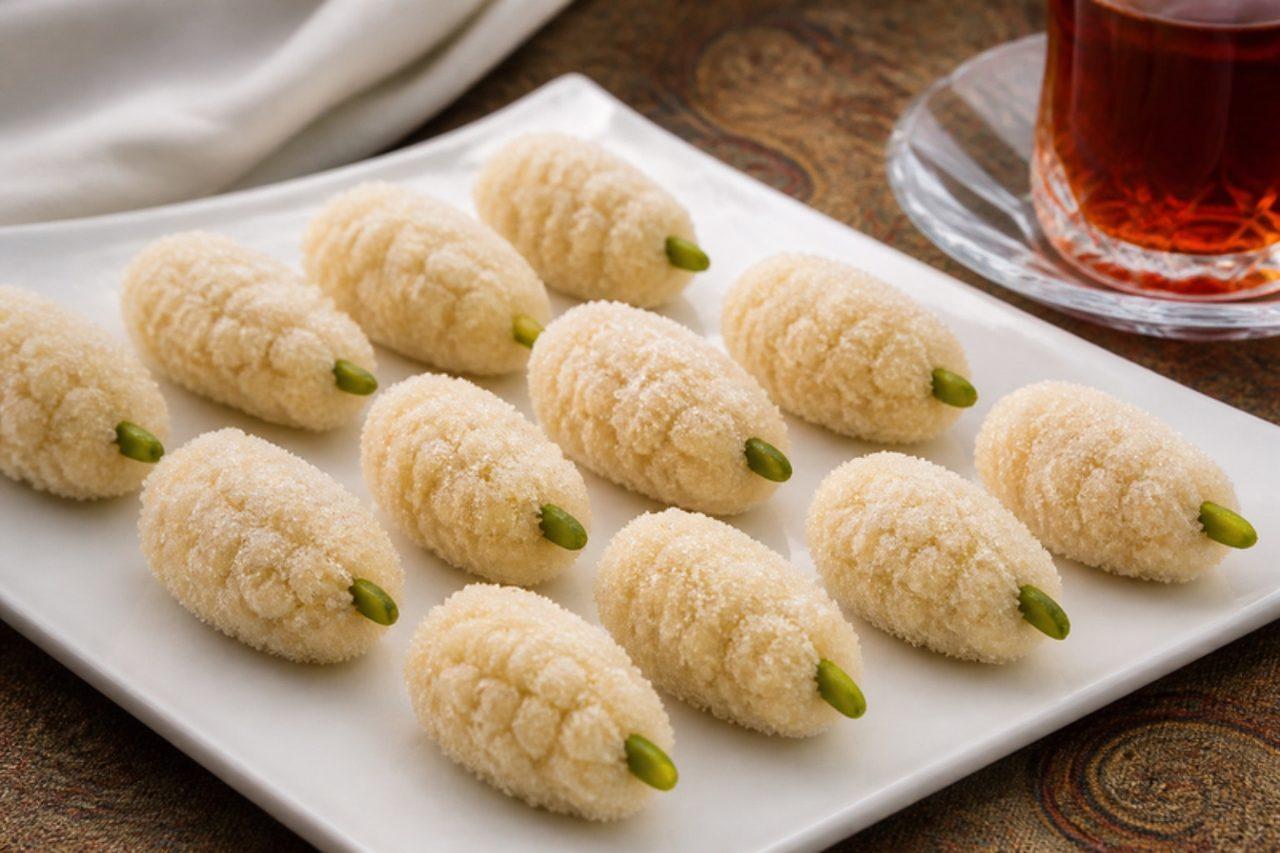
Little white toot sit on silver dishes at Nowruz and at weddings in Tehran and Isfahan, shaped and named after the pale mulberries that grow all over Iran. They are a soft, fragrant almond paste bound with rosewater, rolled in sugar and finished with a sliver of pistachio for the stalk. No cooking is needed, so children can help shape them. Chef's tip: add the rosewater a spoonful at a time; the paste should just hold when squeezed, and a wet paste won't keep its mulberry bumps.

by KrazyBadal 0 views

TopfenknödelQuark dumplings in buttery crumbs

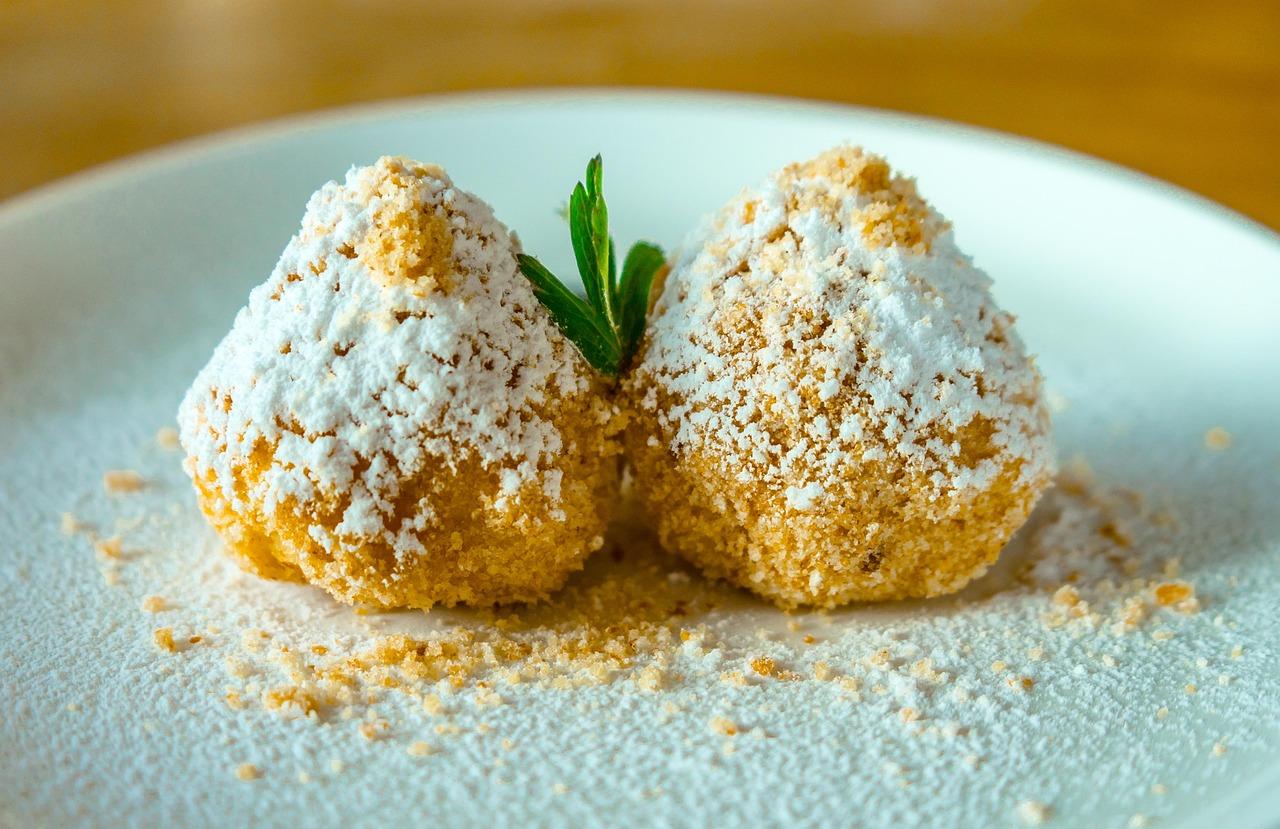
Topfenknödel belong to the long Austrian tradition of sweet main courses: in Viennese homes and Lower Austrian inns they are often served as a light Friday lunch, or as dessert after soup. Fresh quark, butter, egg and semolina make a dough that cooks into soft, tangy, almost cheesecake-like dumplings, which are rolled in breadcrumbs toasted in butter with cinnamon sugar and served with a warm fruit compote. A common mistake is boiling them hard; they puff, crack and fall apart, so keep the water just shivering. Most quark is made without animal rennet, but check the label and choose one marked vegetarian. Chef's tip: rest the dough for at least 30 minutes so the semolina can swell; it makes the dumplings hold together.

by KrazyBadal 0 views

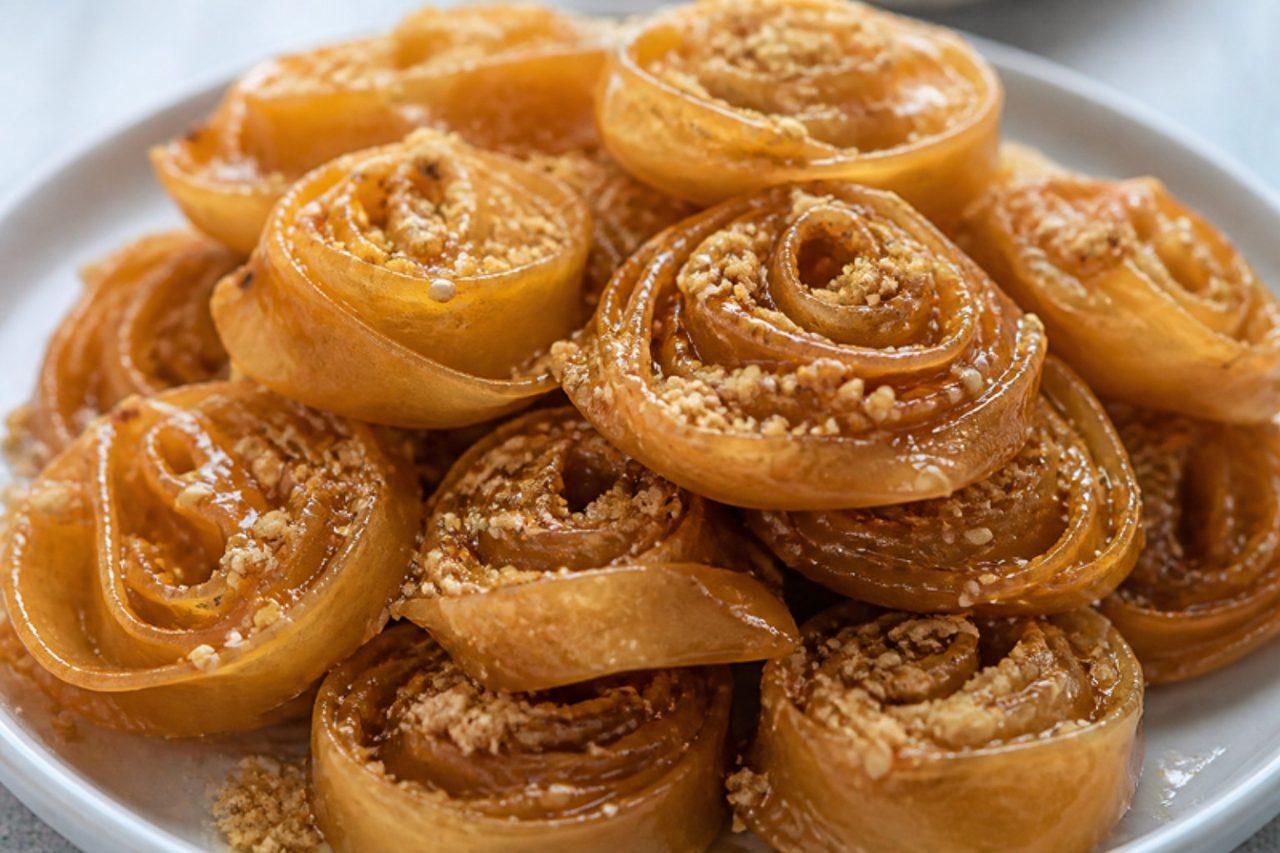
XerotiganaFried dough spirals in honey

At a Cretan wedding or baptism, the women of the family spend the day before rolling dough so thin you can read through it, winding the strips into roses in hot oil and stacking the crisp spirals on huge platters. Xerotigana shatter at the first bite and then turn sticky with honey, walnuts, sesame and cinnamon. Many village versions add a little raki to the dough for extra crispness; this one uses orange juice and a splash of lemon instead, so it is alcohol-free. Common mistake: rolling the strips too thick, which gives chewy, greasy spirals instead of glassy ones. Chef's tip: use a pasta machine down to the second-thinnest setting, and keep the strips you are not frying under a damp tea towel.

by KrazyBadal 0 views

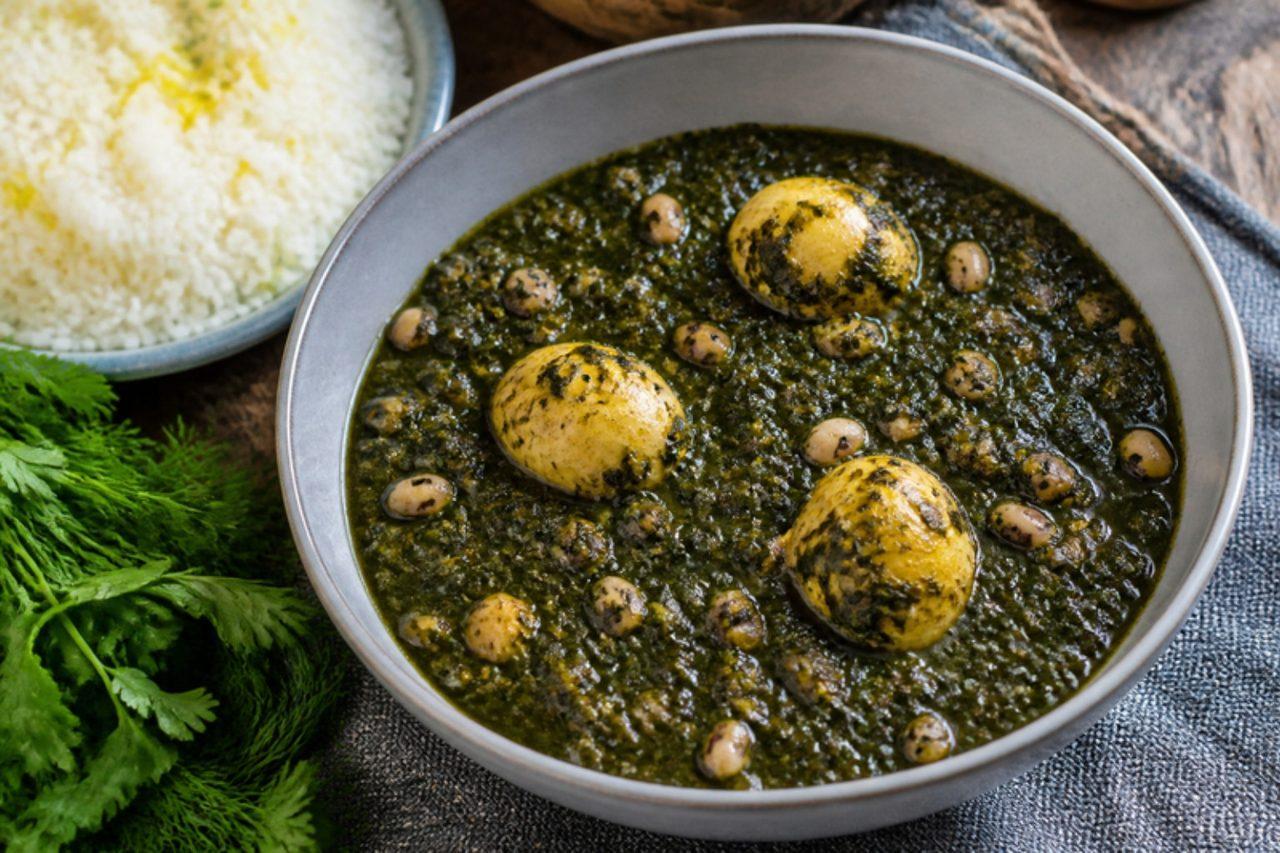
Torshe tarehSour herb and bean stew

Torshe tareh is one of the dishes that marks Gilan's cooking as different from the rest of Iran: a dark, sour, garlicky stew of finely chopped greens, cooked down with rice flour and soured with bitter orange juice or dried sour plums, then finished with eggs. It is made in the Rasht area all year round and eaten with kateh rice, often alongside salted fish for those who eat it; this version is vegetarian with black-eyed beans for body. The common mistake is undercooking the herbs, which leaves the stew grassy instead of deep and savoury. Chef's tip: fry the chopped herbs until they turn almost black-green and stop smelling raw before any liquid goes in.

by KrazyBadal 0 views

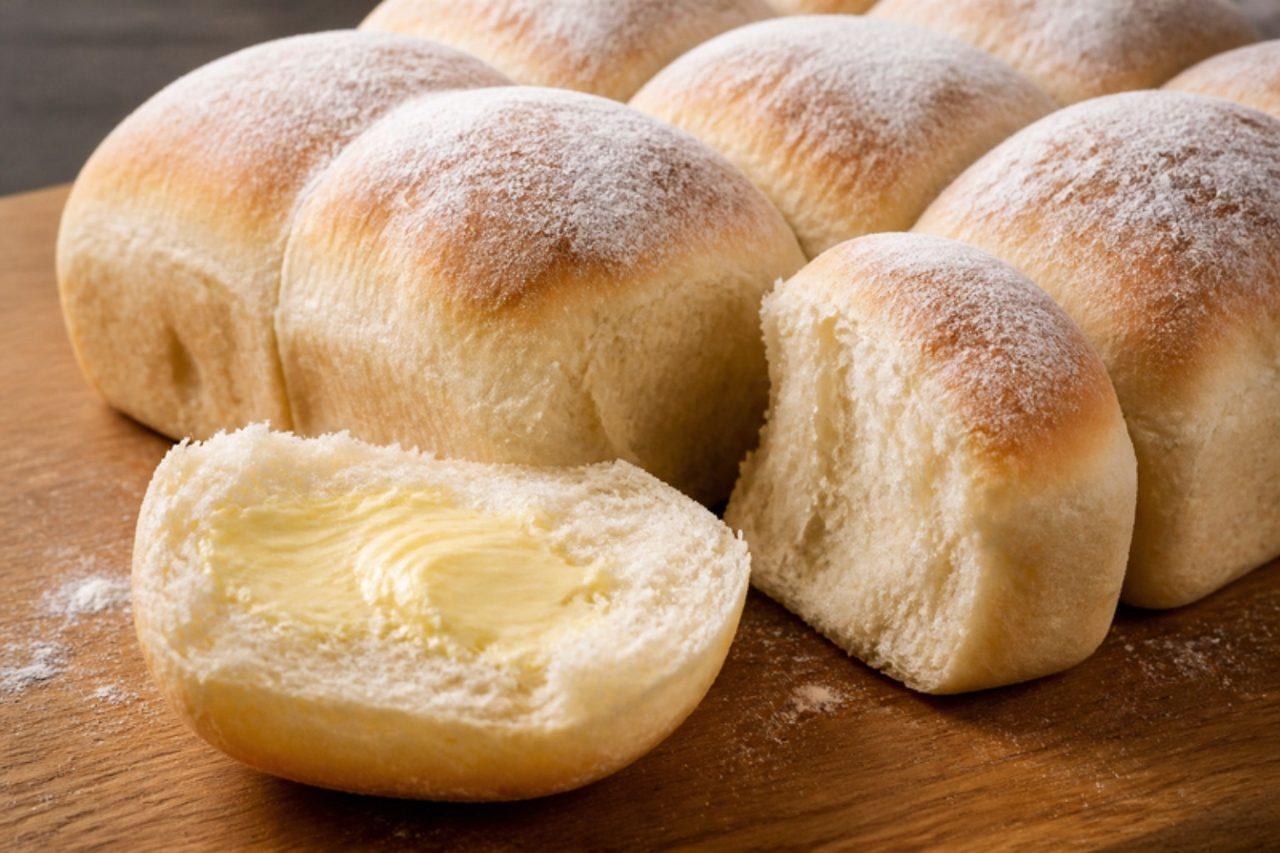
Waterford blaaSoft white bread rolls

The blaa is the soft white roll of Waterford city, said to have been brought by French Huguenot bakers in the 1700s, and it carries protected status in Europe. The rolls are proofed close together and dusted thickly in flour, so they have pale, tender sides and a fine, white floury crust. Waterford people eat them for breakfast with butter, or split and filled with crisps or a 'rasher blaa'. Chef's tip: bake them touching each other in a hot oven for only a short time; they should stay pale and soft, never crusty.

by KrazyBadal 0 views

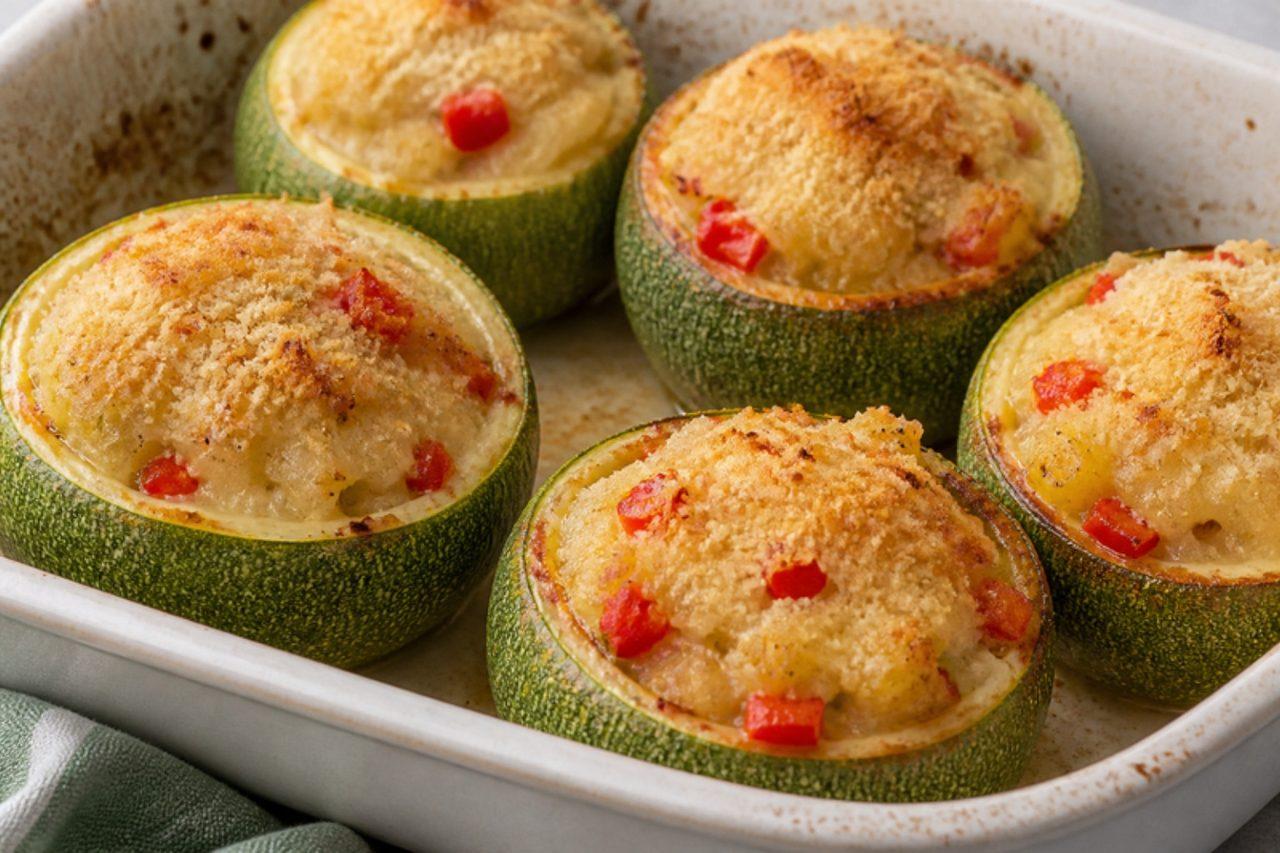
Zapallitos rellenosStuffed round squash

Round green zapallitos, the size of a tennis ball, pile up at every verdulería in Buenos Aires from December to March, and stuffing them is how home cooks turn a cheap summer vegetable into a main course. The shells are blanched, hollowed and refilled with their own flesh fried with onion and red pepper, bound with egg and melting cheese, and topped with breadcrumbs that bake to a crunchy lid. Expect a soft, savoury, slightly creamy filling under a golden crust; serve two per person with a tomato and onion salad or white rice. Overcooking the shells in the first boil is the trap: they collapse in the oven and leak water, so they only get 4 minutes. Round courgettes, eight-ball squash or short fat courgettes all work. The cheeses are usually made with animal rennet; swap in vegetarian versions if needed. Chef's tip: squeeze the chopped flesh in a clean cloth before frying it; drier filling means a firmer, tastier stuffing.

by KrazyBadal 0 views

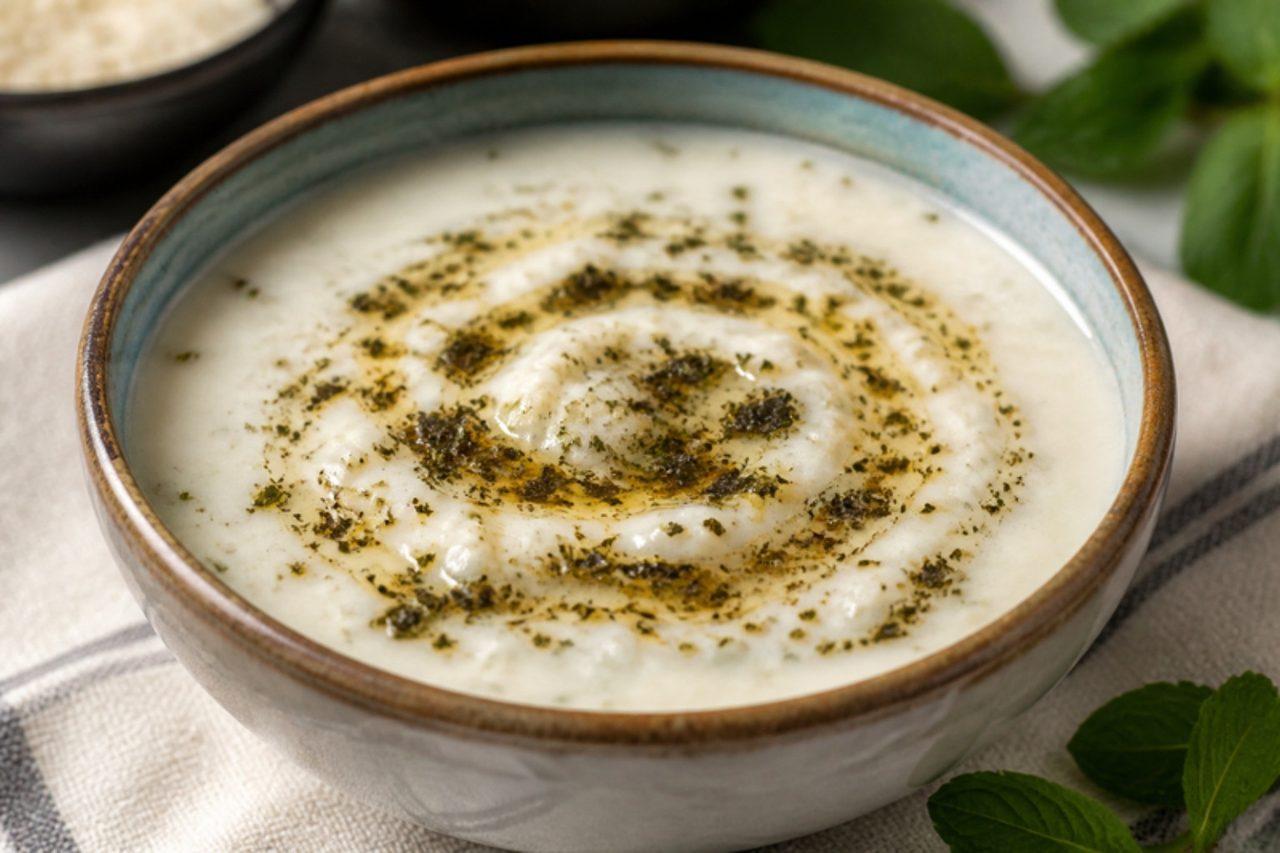
Yayla çorbasıYoghurt, rice and mint soup

Named for the high summer pastures of Anatolia, yayla çorbası is the soup that tradesmen's restaurants in Ankara and Kayseri ladle out from morning onwards: soft rice in a silky, gently sour yoghurt broth, finished with a slick of mint butter. It is light enough for breakfast yet filling with bread, and many families make it when someone is unwell. Common mistake: pouring cold yoghurt straight into the boiling pot, which splits it into grainy curds; temper it first with hot liquid and keep the soup below a boil afterwards. Chef's tip: whisk an egg yolk and a spoon of flour into the yoghurt; they stabilise it and give a velvety body.

by KrazyBadal 0 views

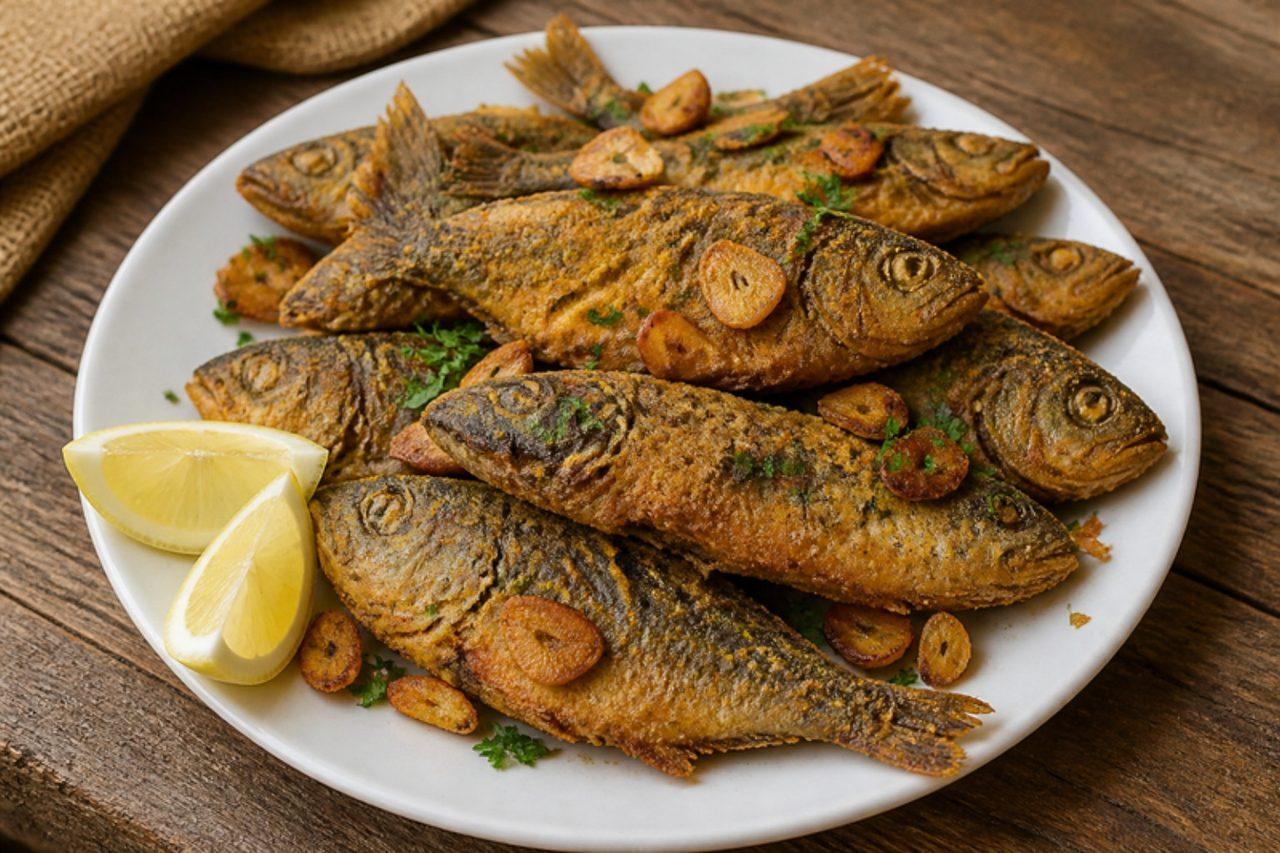
Tencas fritasFried tench with garlic

The cattle ponds of the dehesa around Malpartida de Cáceres and Los Barruecos have bred tench for centuries, and every spring the town holds a fiesta for the fish. Locals fry it whole in olive oil with plenty of garlic and eat it with their fingers, picking the sweet flesh off the bones, with a green salad and bread. Tench is hard to find outside Extremadura, so small trout make a good stand-in. Chef's tip: dry the fish thoroughly before flouring, or the coating goes gluey and the oil spits.

by KrazyBadal 0 views

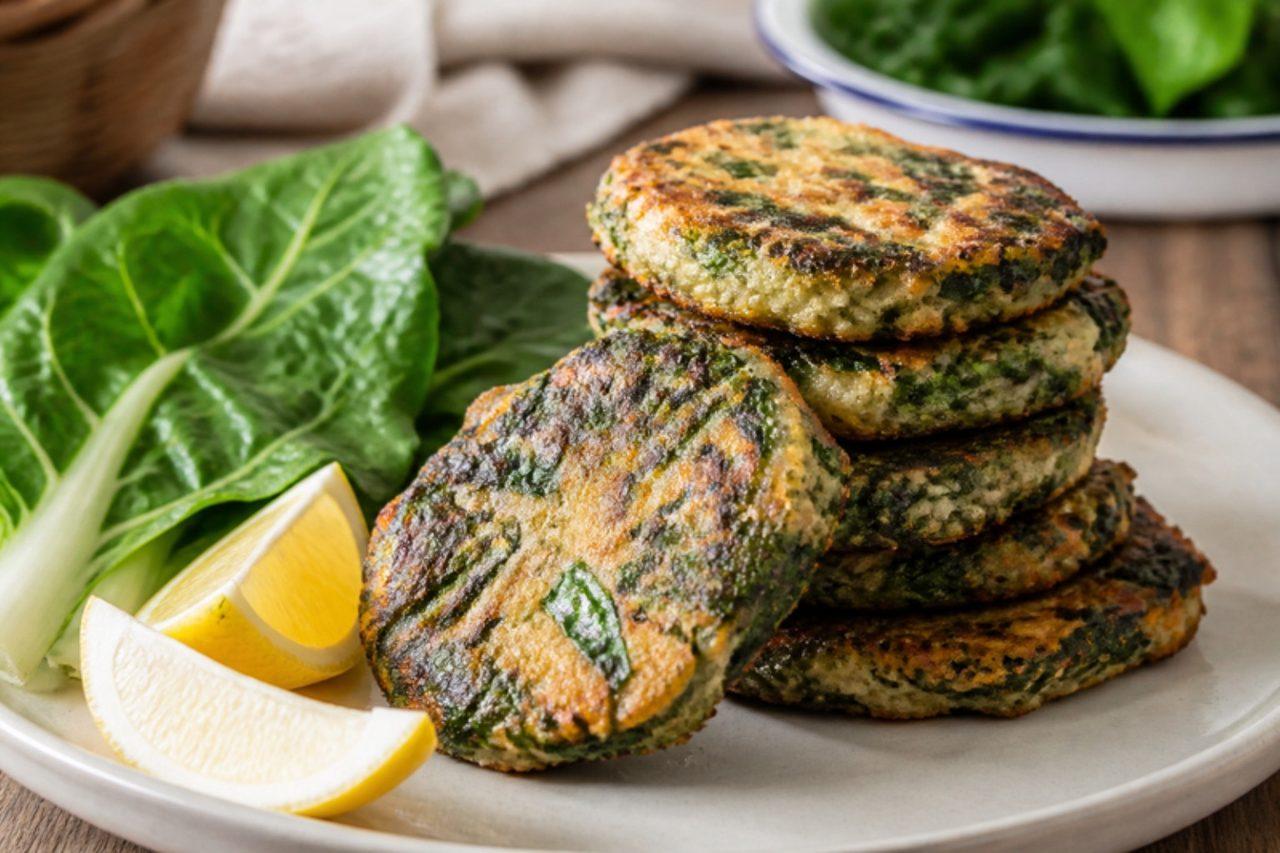
Torrejas de acelgaSwiss chard fritters

When a bunch of acelga (Swiss chard) is the cheapest thing at the verdulería, Buenos Aires home cooks turn it into torrejas: thin fritters of chopped chard bound with egg, a little flour, garlic and grated cheese, fried in shallow oil until the edges lace up and crisp. They are weekday food, eaten hot from the pan with a squeeze of lemon and a salad, or cold the next day in a sandwich, and children who won't touch greens tend to eat them. Inside they stay tender and green, outside nutty and golden. Wet chard is what ruins them: water left in the leaves makes the batter thin and the fritters spit and fall apart, so wring the blanched chard really dry. Grated hard cheese is often made with animal rennet; pick a vegetarian hard cheese if needed. Chef's tip: fry one small torreja first to check the seasoning and thickness, then adjust with a spoon of flour or a splash of milk.

by KrazyBadal 0 views

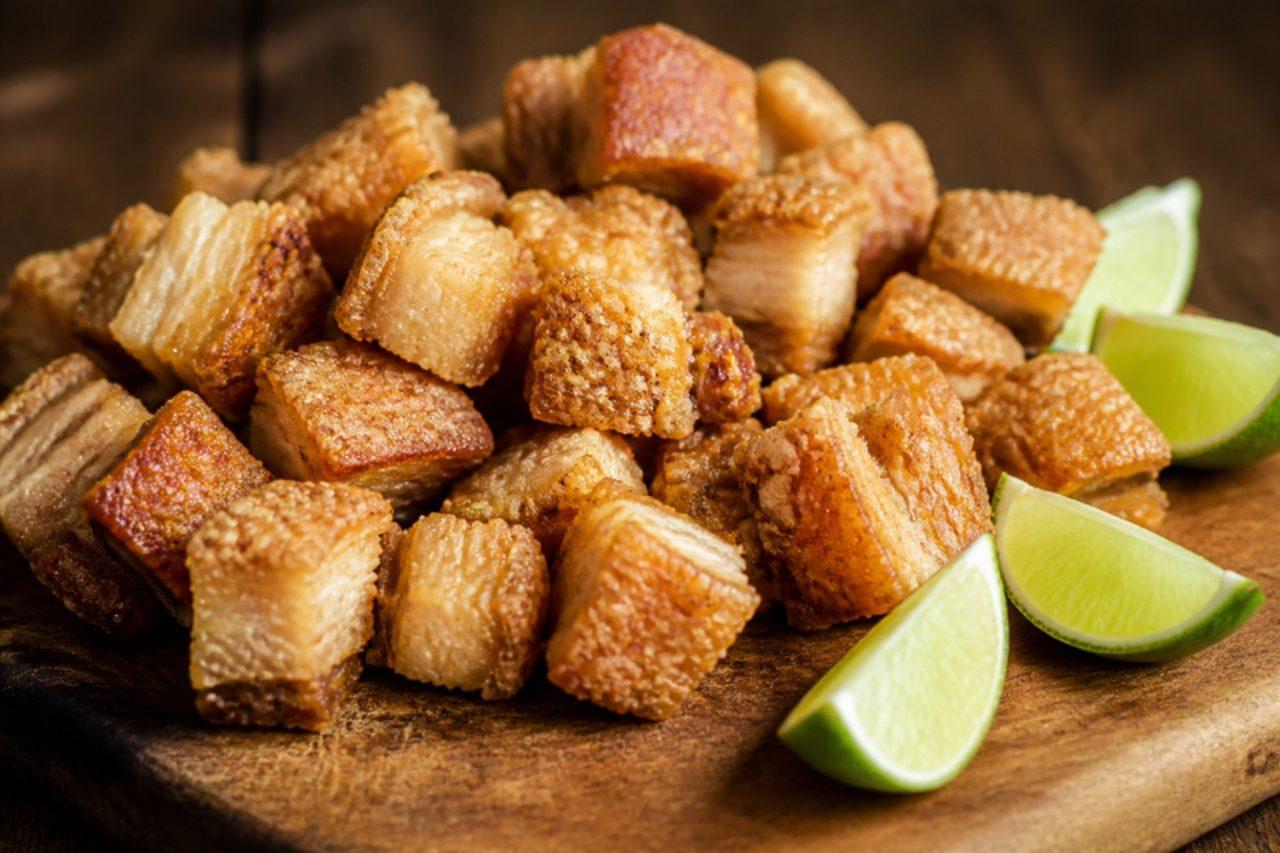
TorresmoPork crackling

Every boteco in Minas Gerais keeps a tray of torresmo by the counter: chunks of pork belly with the skin on, fried so slowly the fat melts out, then blasted in hot fat until the skin bursts into crackling bubbles. Done right, each piece has a shatteringly crisp, blistered top, a layer of soft fat and a strip of juicy meat. Mineiros eat it as a snack with lime and with feijão tropeiro, tutu or couve at lunch. The classic error is frying wet skin in very hot fat at once, which gives hard, glassy skin and dangerous spitting; dry it well and fry it twice. Use a deep, heavy pot, never fill it more than a third with fat, and keep children away from it. Chef's tip: after the first slow fry, let the pieces cool completely, even overnight in the fridge; the drier the skin, the bigger the puff.

by KrazyBadal 0 views

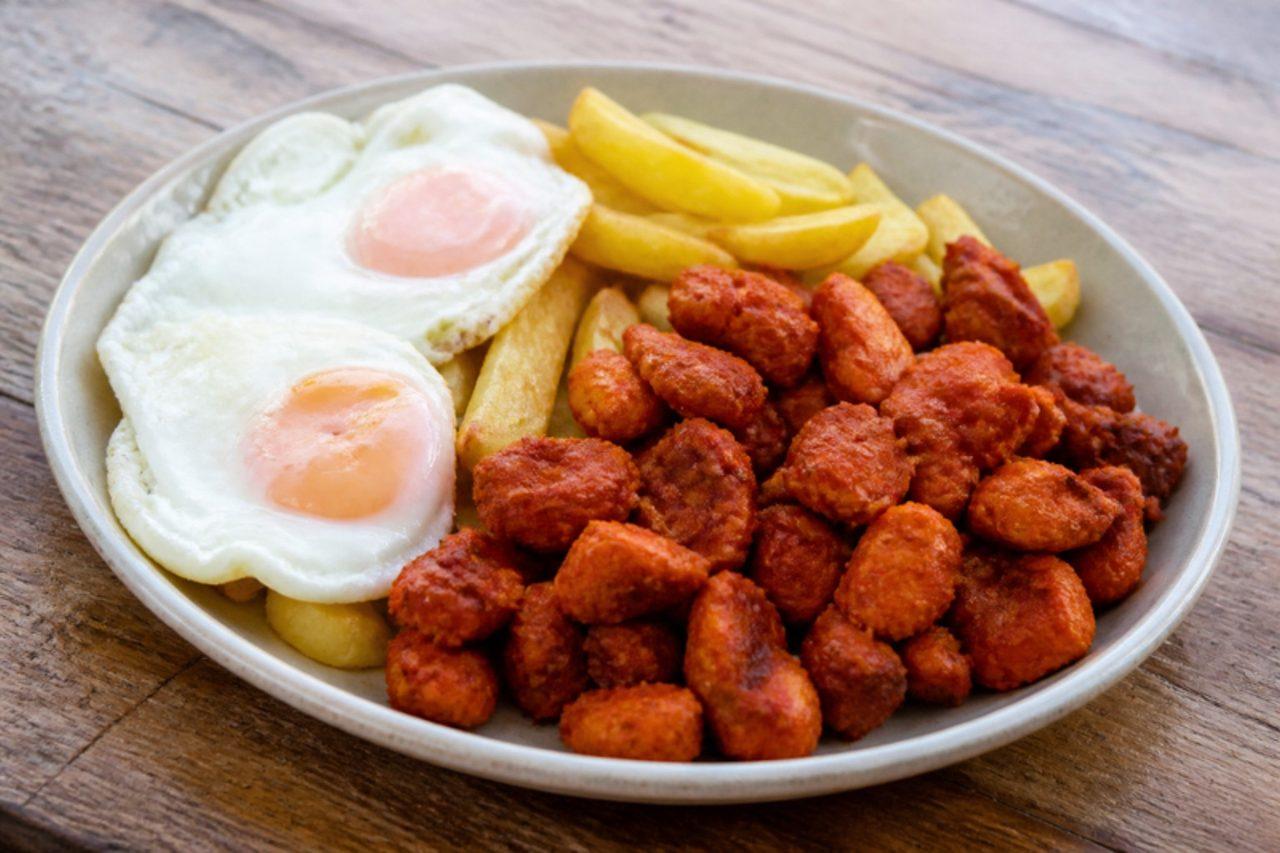
Zorza con patatasMarinated pork with chips and eggs

Zorza is the seasoned pork mixture for chorizo before it goes into casings, and in Galicia it was eaten fresh in the days after the winter pig slaughter, fried in a pan with potatoes. This contains pork. Today taverns in Lugo and Ourense serve it with chips and fried eggs, and it is easy to make at home with pork shoulder and lots of paprika. The meat marinates in the fridge, covered, for at least 12 hours. A common mistake is frying it over a fierce heat, which burns the paprika; keep it moderate and stir. Chef's tip: chop the pork by hand into small pieces rather than mincing it finely, for a juicier, more rustic texture.

by KrazyBadal 0 views

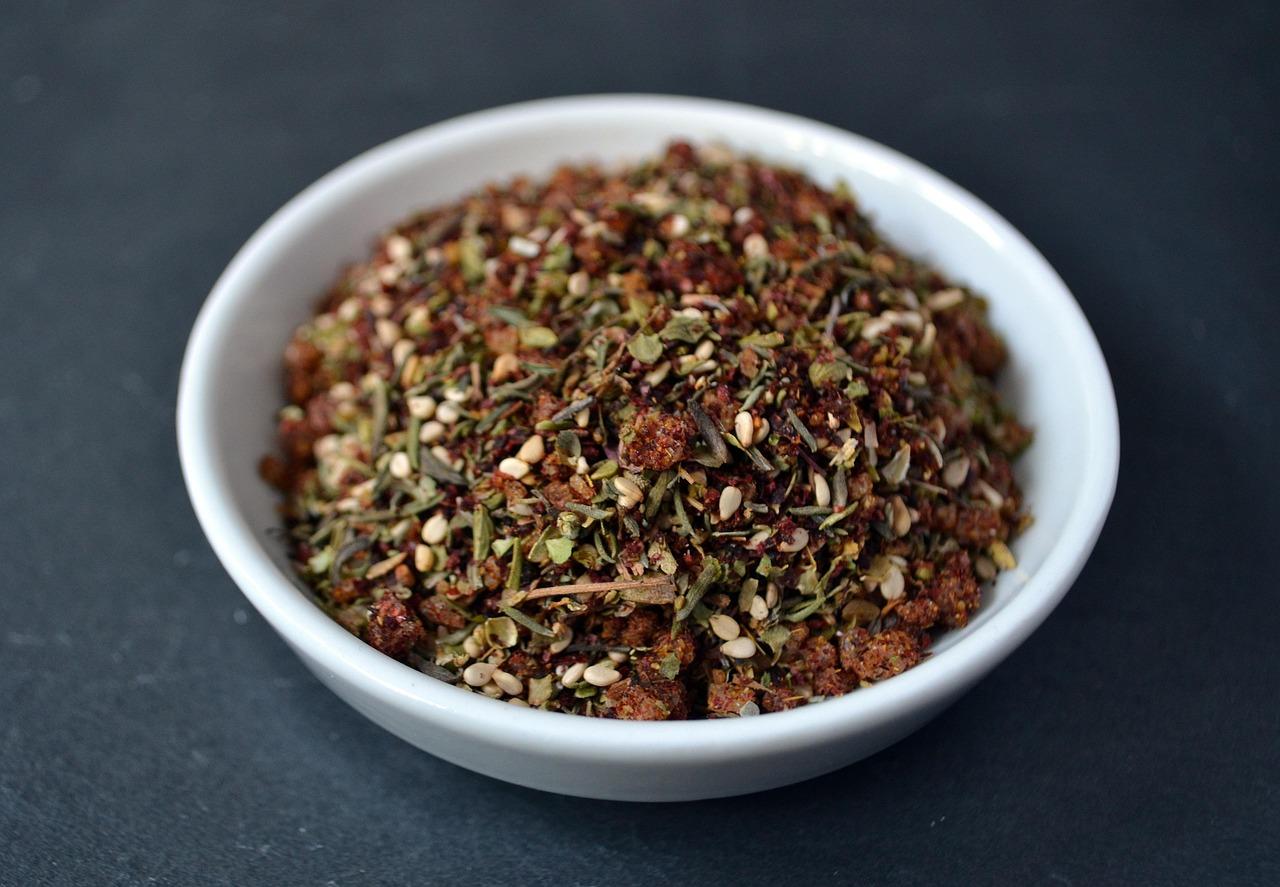
Za'atar spice blendThyme, sumac and sesame blend

In Palestinian homes za'atar is both a herb and the blend made from it, kept in a jar beside a bowl of olive oil so torn bread can be dipped in one and then the other at breakfast; children grow up on it, and it goes to school in sandwiches. The blend is mostly dried wild za'atar (or thyme and oregano), tangy with sumac, nutty with toasted sesame and seasoned with salt. Common mistake: grinding it to dust; it should be coarse and slightly flaky. Chef's tip: rub the dried leaves with a few drops of olive oil before mixing; it wakes their aroma and helps the sumac cling.

by KrazyBadal 0 views

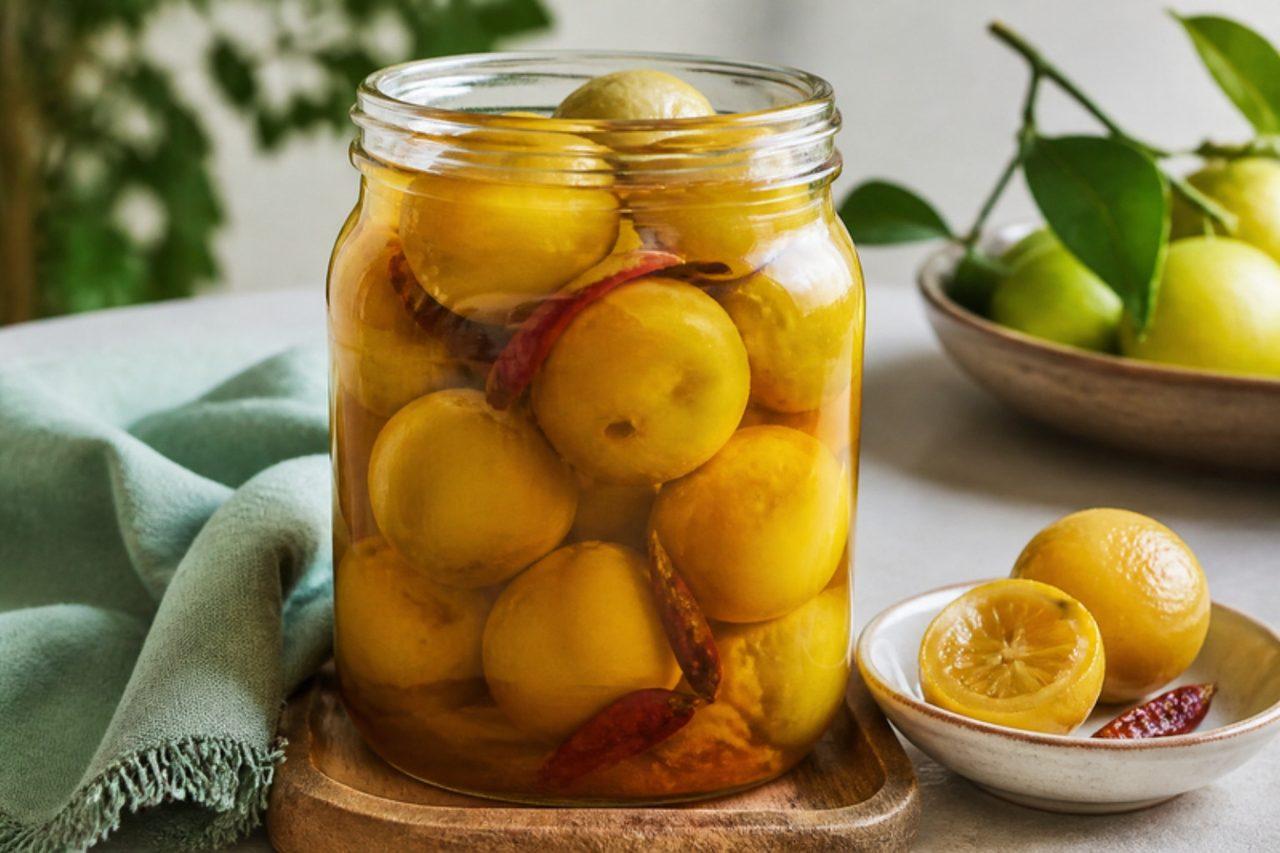
Torshi limooSalt-pickled limes

In Shiraz and down towards the Gulf ports, small thin-skinned limes are packed into jars with salt and more lime juice, then forgotten on a sunny shelf until the peel softens and turns translucent. The result is sour, salty and faintly bitter, and a little goes a long way: a sliver alongside fish and rice in Bushehr, chopped into a salad, or mashed into a stew. It is related to the Gulf habit of drying limes, but stays soft and juicy. Chef's tip: choose small, thin-skinned limes; thick-skinned ones stay bitter and tough however long you wait.

by KrazyBadal 0 views

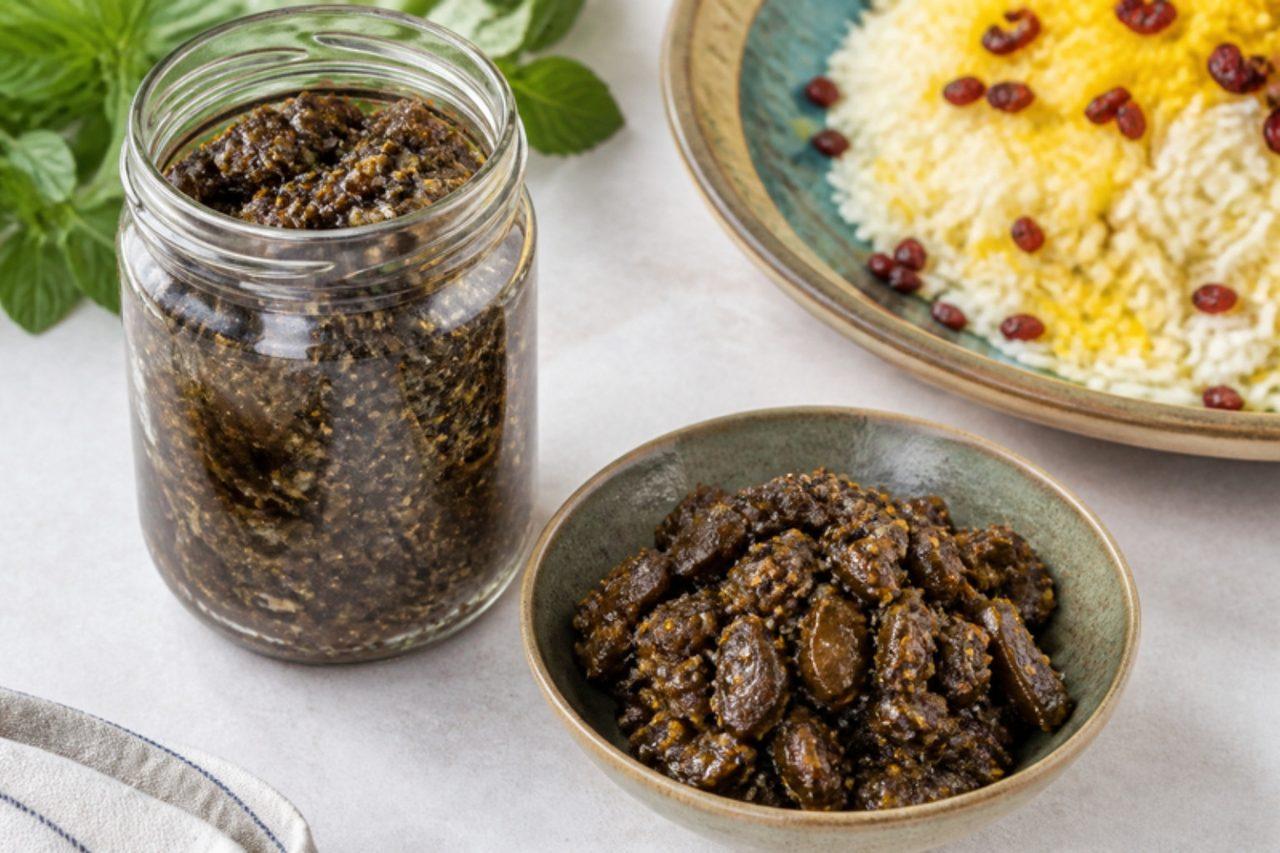
Torshi litehAubergine and herb pickle

Torshi liteh is the dark, spoonable pickle of late summer, made in kitchens from Tabriz to Tehran when aubergines pile up cheaply at the bazaar. Roasted aubergine is chopped fine with garlic, a heap of dried herbs, nigella and golpar (Persian hogweed) and loosened with vinegar, then left for a couple of weeks until the flavours knit. It goes alongside rice and stews, inside a sandwich of bread and cheese, or next to kuku. Chef's tip: squeeze the cooked aubergine hard in a cloth; water left in it dilutes the vinegar and shortens the life of the jar.

by KrazyBadal 0 views

Torshi makhlootMixed vegetable pickle

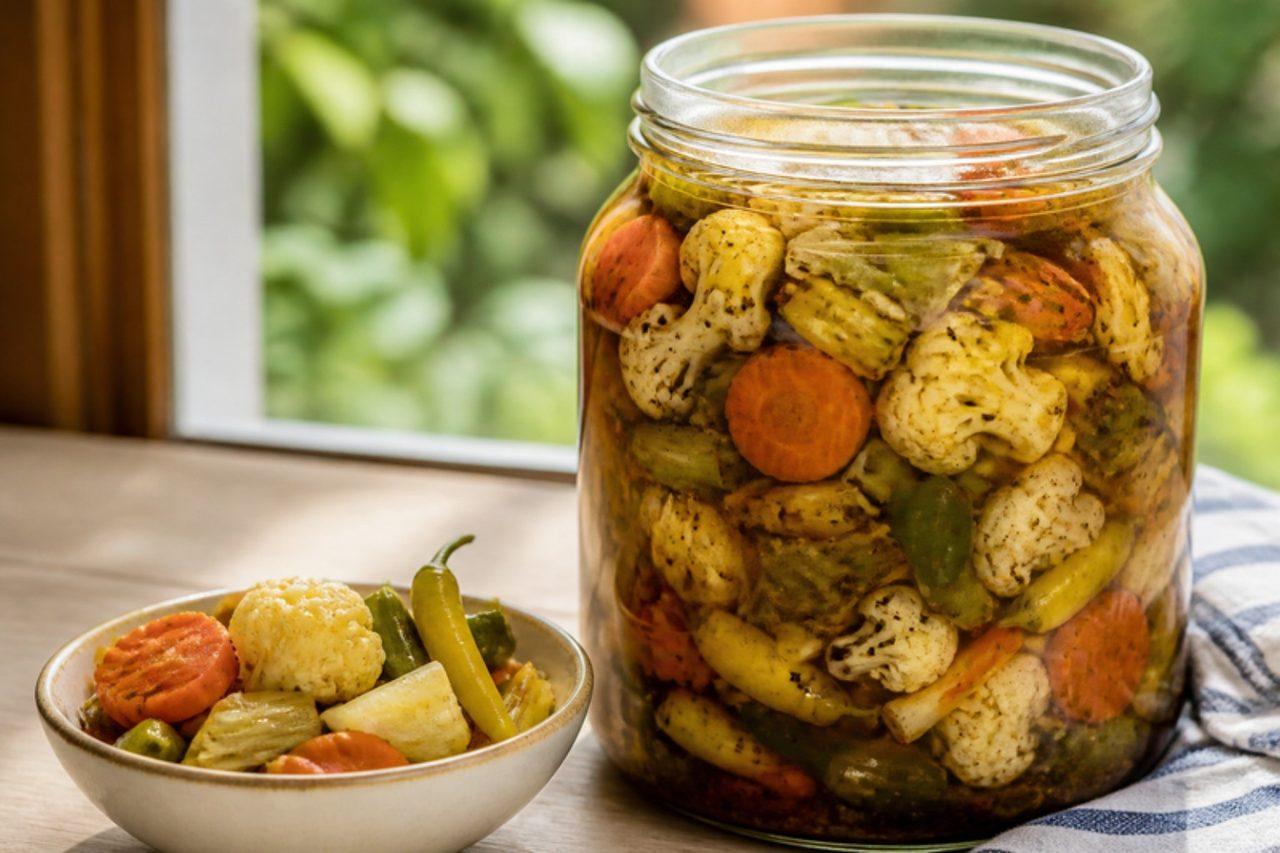
In October, families all over Iran buy cauliflower, carrots, celery and peppers by the sack and spend a weekend chopping for torshi makhloot, the mixed pickle that sits on the sofreh through the winter. The vegetables stay crunchy, stained gold by turmeric, and the vinegar is scented with garlic, nigella, golpar and dried herbs. A small bowl comes out with every rice dish, from Tehran chelow kabab to a weeknight adas polo. Chef's tip: cut every vegetable to roughly the size of a hazelnut so each spoonful carries a little of everything.

by KrazyBadal 0 views

Torta BalcarceSponge cake with dulce de leche

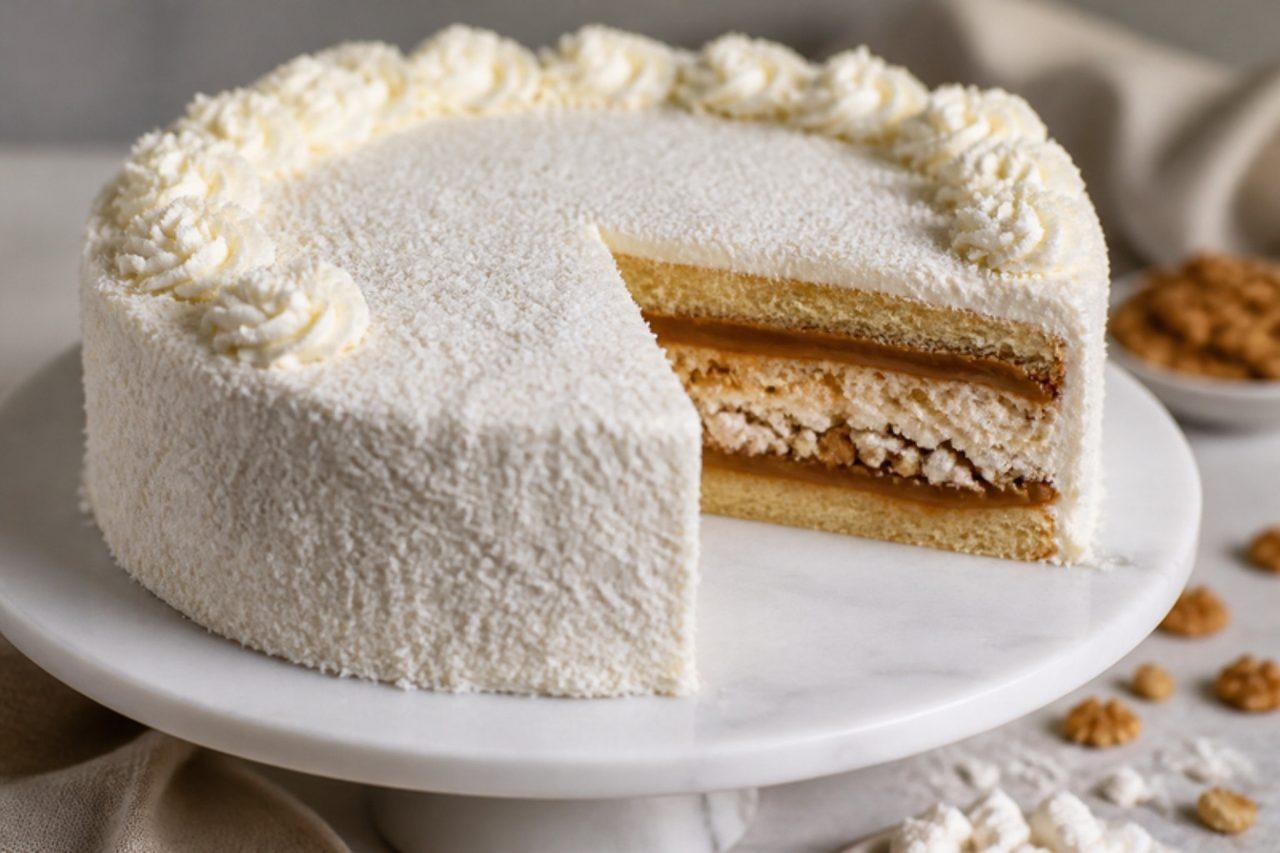
Mar del Plata's beachgoers and the people of Balcarce, a farm town an hour inland in Buenos Aires Province, both claim this cake, which was created in a Balcarce confitería in the 1950s and became famous when holidaymakers carried it home in boxes. Two layers of sponge sandwich a filling of dulce de leche, cream and crumbled crunchy meringue with walnuts, chestnuts or almonds and coconut, and the outside is covered in more cream and toasted coconut. It is soft, crunchy and very sweet, a celebration cake for Sundays and birthdays. Some bakers soak the sponge with a liqueur syrup; this version uses a vanilla syrup, so it is alcohol-free. The common error is mixing the meringue into the cream too early: it dissolves and the filling turns runny, so fold it in at the last minute. Chef's tip: bake the meringues the day before and keep them in an airtight tin; dry, crisp meringue is what gives the cake its crunch.

by KrazyBadal 0 views

YuvalamaRice dumplings in yoghurt soup

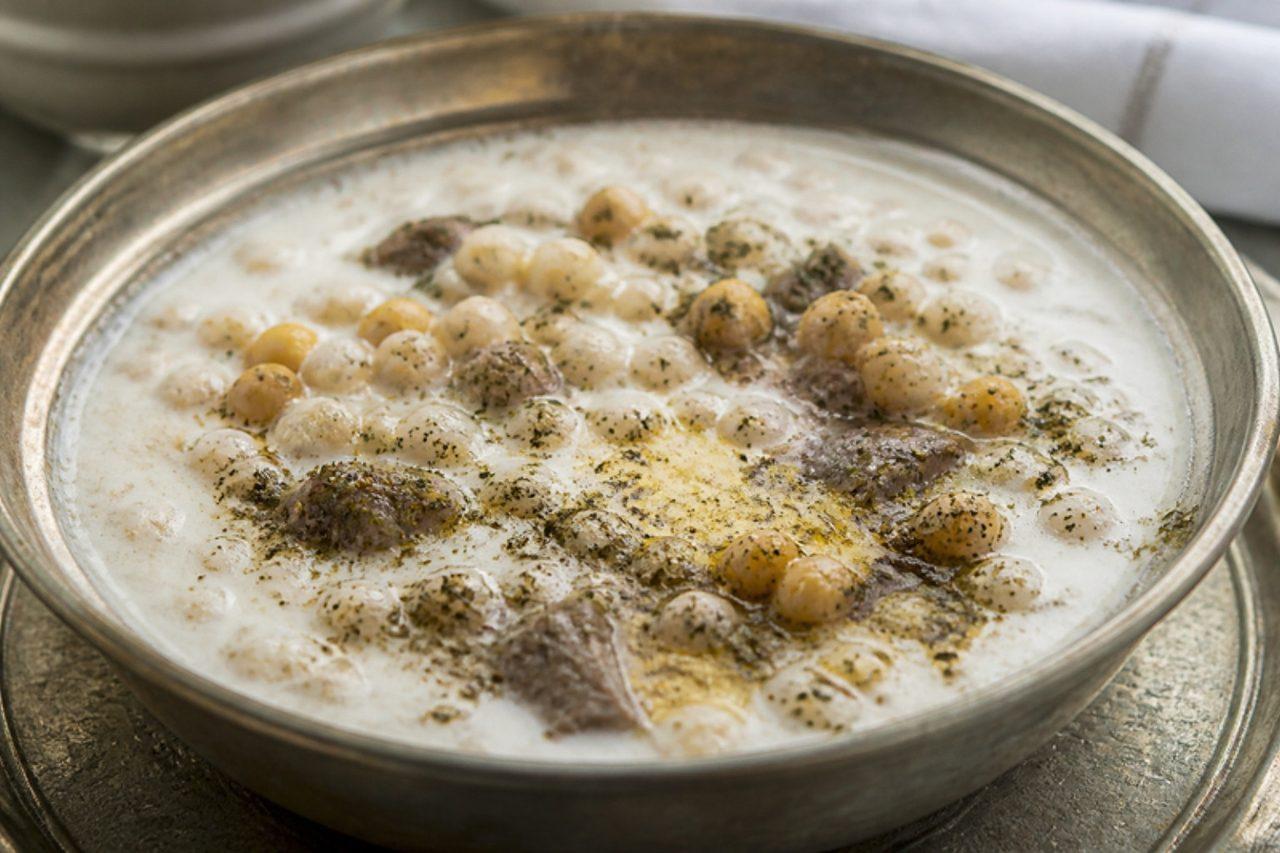
Families in Gaziantep spend the day before Kurban Bayramı rolling thousands of chickpea-sized dumplings for yuvalama, the festive yoghurt soup served on the first morning of the holiday. Little balls of rice dough and tiny lamb meatballs simmer with chickpeas and chunks of lamb in a tangy yoghurt broth, finished with mint butter. It is rich, soothing and very much a feast dish, so make it with friends. The most common mistake is adding the yoghurt straight to a boiling pot: it curdles. Chef's tip: whisk an egg yolk and a spoon of flour into the yoghurt and stir it constantly as it comes up to a simmer.

165 minTurkishMeat
by KrazyBadal 0 views

Torta de bolachaNo-bake biscuit and custard cake

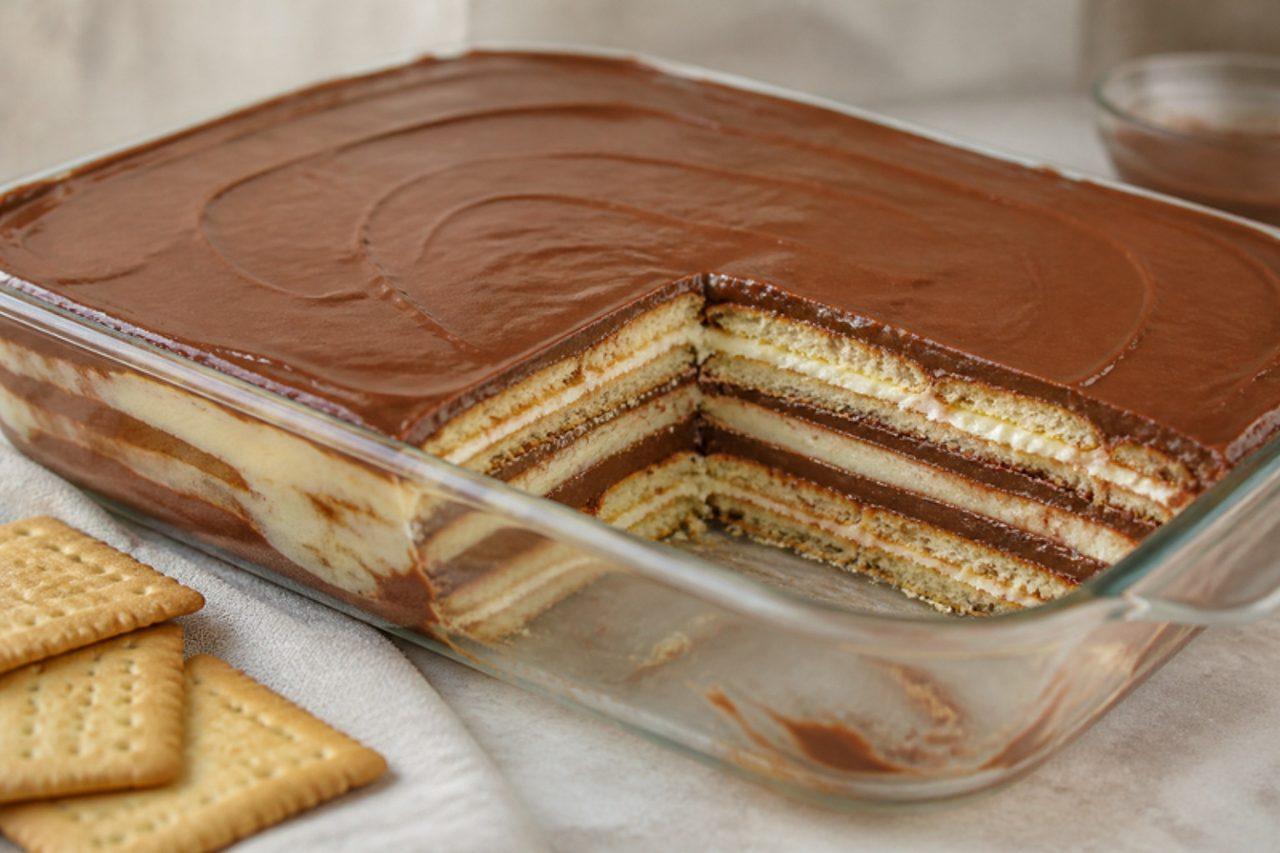
Gaúcho birthday tables almost always carry a torta de bolacha, the fridge cake that grandmothers in Porto Alegre and the Serra Gaúcha towns put together the night before. Plain Maria biscuits are dipped in sweet milk and stacked with two stovetop creams, one pale vanilla custard and one chocolate, until the biscuits soften into something close to sponge. It is cool, soft and very sweet, and slices best after a night in the fridge; serve it with coffee or as the birthday cake itself, with candles on top. It contains egg yolks and wheat biscuits. Most failures come from soaking the biscuits too long: they should be dipped for a second, not left to swim, or the layers collapse into mush. Chef's tip: let both creams cool until just warm before layering, so they stay thick enough to hold the next row of biscuits.

by KrazyBadal 0 views

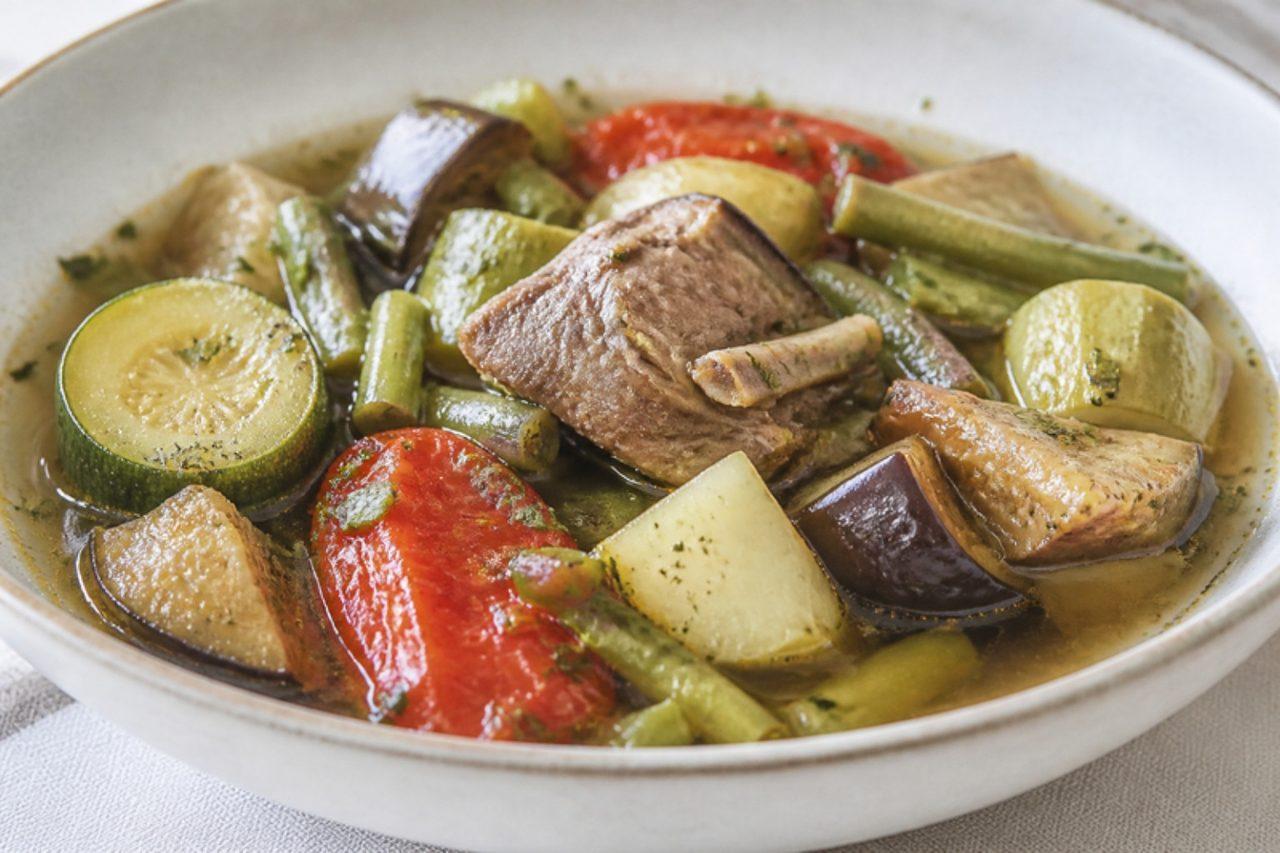
Tabakh rohoLamb and summer vegetable stew

Tabakh roho means 'it cooks itself', and this Damascus summer stew does just that: chunks of lamb, aubergine, courgette, potatoes, peppers and tomatoes are layered in a pot with garlic and dried mint and left to simmer quietly until everything is soft and the juices have mingled. Home cooks make it in July and August when the vegetables are cheapest, and it is eaten with rice or bread. Common mistake: stirring it — the layers should stay intact so each vegetable keeps its shape. Chef's tip: put the potatoes at the bottom where the heat is strongest and the tomatoes on top so their juices baste everything below.

115 minSyrianMeatGluten free
by KrazyBadal 0 views

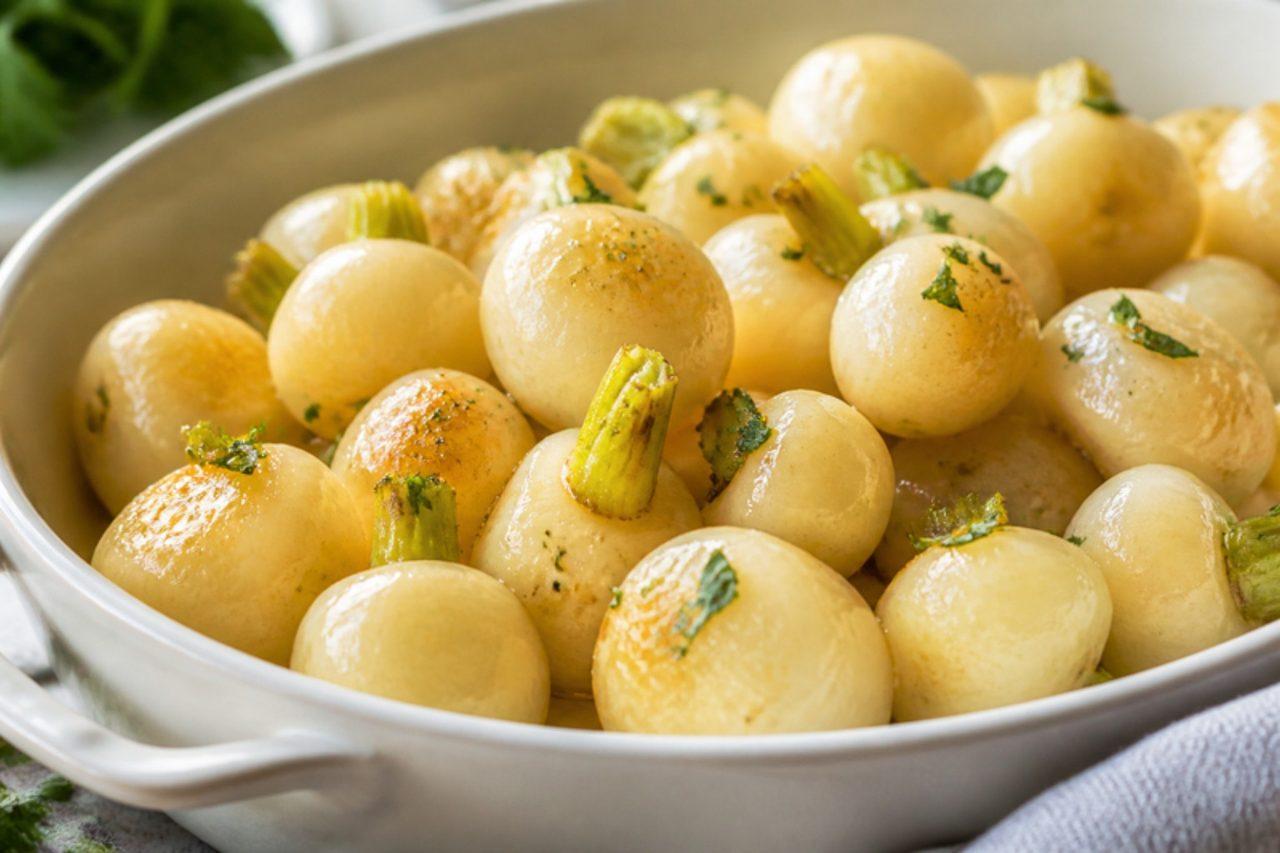
Teltower RübchenGlazed baby turnips

Teltower Rübchen are tiny, finger-length turnips grown in the sandy fields of Teltow, just south of Berlin, and harvested in spring and again in autumn. They were once a delicacy at the Prussian court, and Berliners still serve them glazed in butter and caramel as a side for roasts, goose or simply with boiled potatoes. They taste sweeter and more peppery than big turnips, with a hint of radish. Outside Brandenburg, use small white turnips or the base of young navets. A common mistake is peeling them thickly; just scrape off the thin skin. Chef's tip: let the sugar turn pale amber before adding the turnips, so the glaze has a real caramel flavour.

by KrazyBadal 0 views

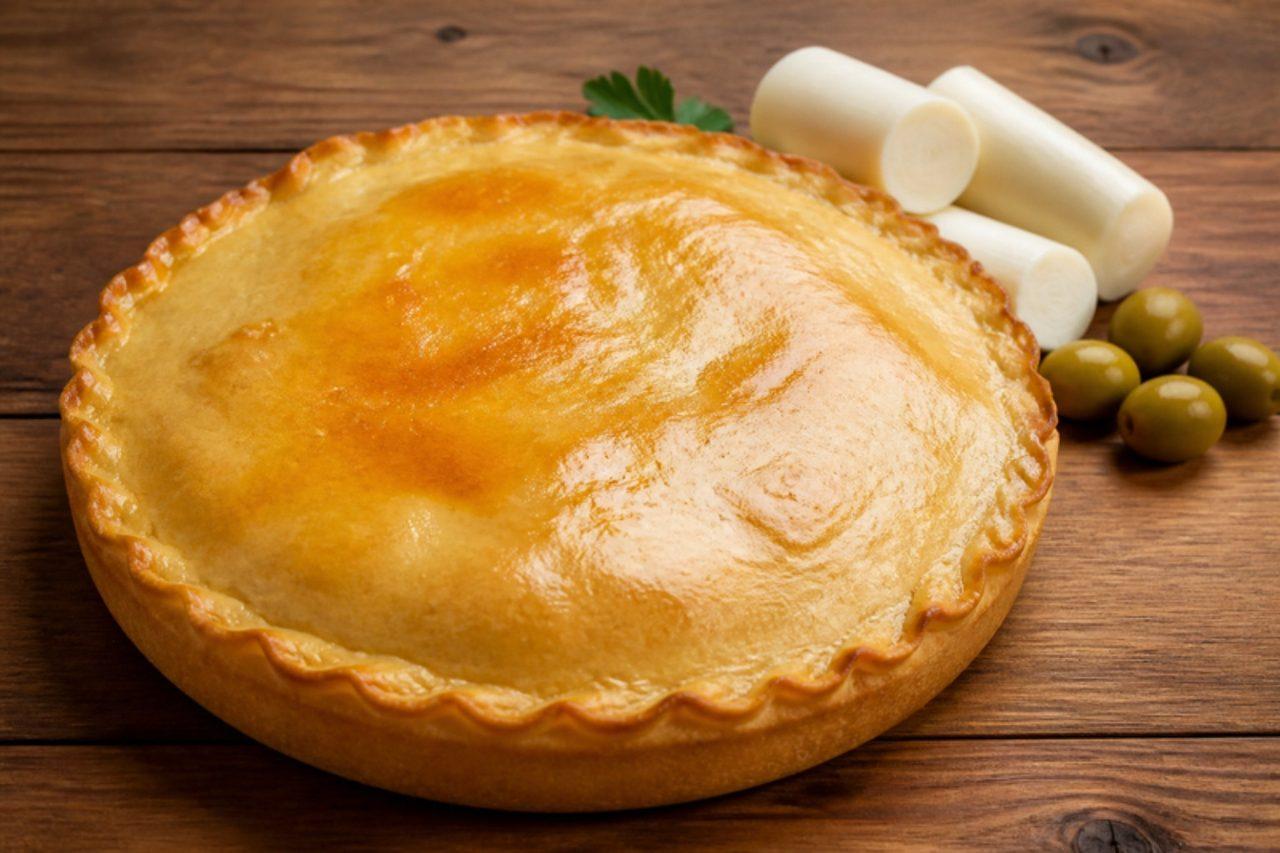
Torta de palmitoHeart of palm pie

Paulistano families bring this pie to Sunday lunch, to Easter and to every bring-a-plate party, and padarias sell it by the slice next to the coxinhas. A crumbly, buttery crust encloses a creamy filling of heart of palm with tomato, peas, green olives and parsley, set with a little cornflour so it slices cleanly but stays moist. It is good warm or cold, with a green salad or just on its own. Look for palm hearts from cultivated pupunha palms. The commonest problem is a soggy base from a filling that is too wet or too warm; cook it until thick and let it cool before it goes in. Chef's tip: bake the pie on a preheated tray on the bottom shelf, so the base gets a blast of heat and crisps before the filling can soak in.

by KrazyBadal 0 views

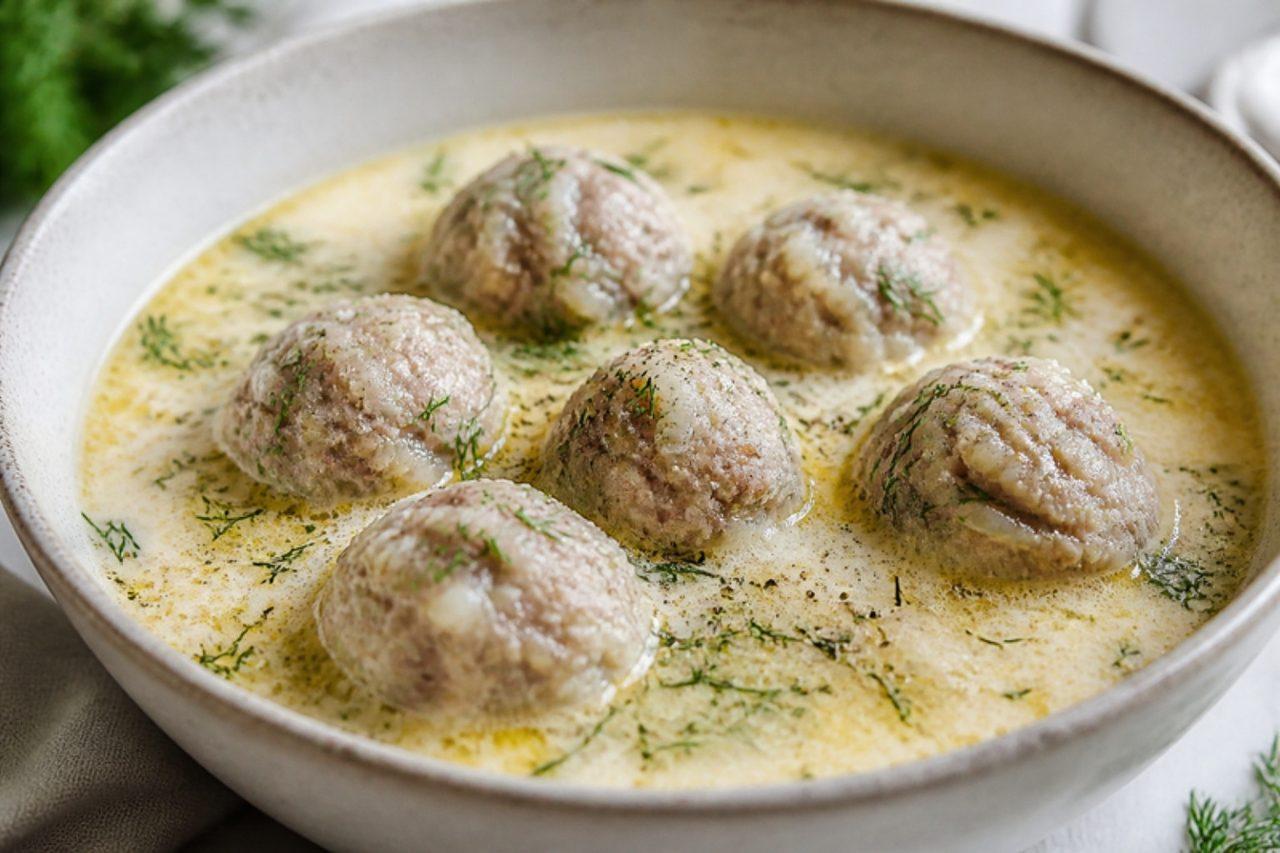
YouvarlakiaRice meatballs in egg-lemon broth

Youvarlakia is the soup Greek mothers, from Tripoli in the Arcadian hills to the Athens suburbs, make for a cold night or anyone feeling under the weather. Little meatballs of beef, rice, onion and herbs poach in a light broth until tender, and the broth is thickened at the end with whisked egg and lemon into a pale, silky avgolemono. It's a meal in a bowl, with bread and feta. Common mistake: boiling the soup after the egg goes in, which curdles it — take the pot off the heat first. Chef's tip: roll the meatballs with wet hands and drop them into simmering, not boiling, broth so they hold together.

70 minGreekSoupsGluten free
by KrazyBadal 0 views

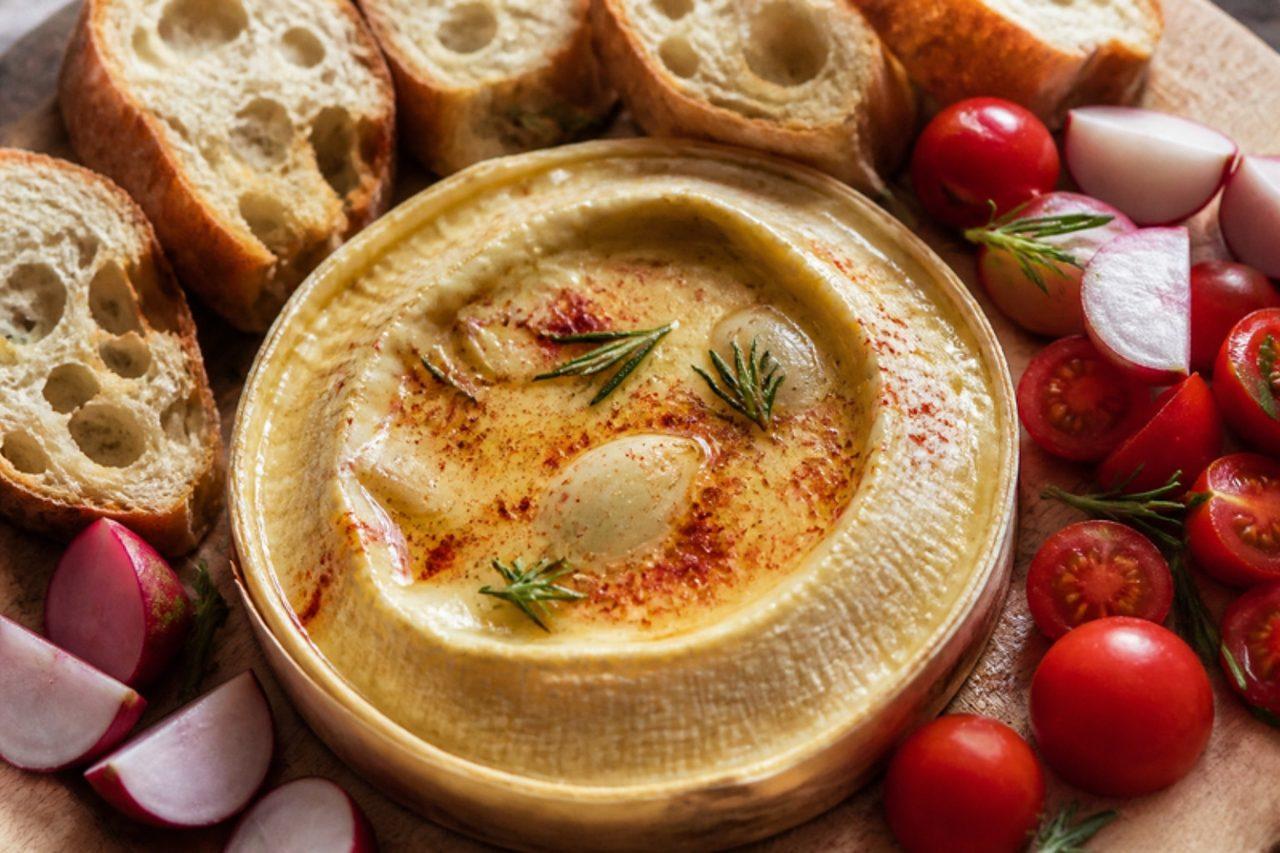
Torta del Casar al hornoBaked sheep's cheese with garlic

Torta del Casar is made in Casar de Cáceres and the surrounding plains from raw merino sheep's milk, curdled not with animal rennet but with the dried flower of a wild thistle, so it suits many vegetarians. When ripe, the rind holds a centre so soft it is eaten with a spoon, and in Cáceres bars a whole torta comes warm from the oven with its lid cut off, surrounded by bread for dipping. It is a cheese for sharing at the start of a long dinner. Because it is made from unpasteurised milk, it is not for pregnant women, young children or anyone with a weakened immune system unless heated until steaming hot all through. Chef's tip: take the cheese out of the fridge an hour ahead so it warms evenly.

by KrazyBadal 0 views

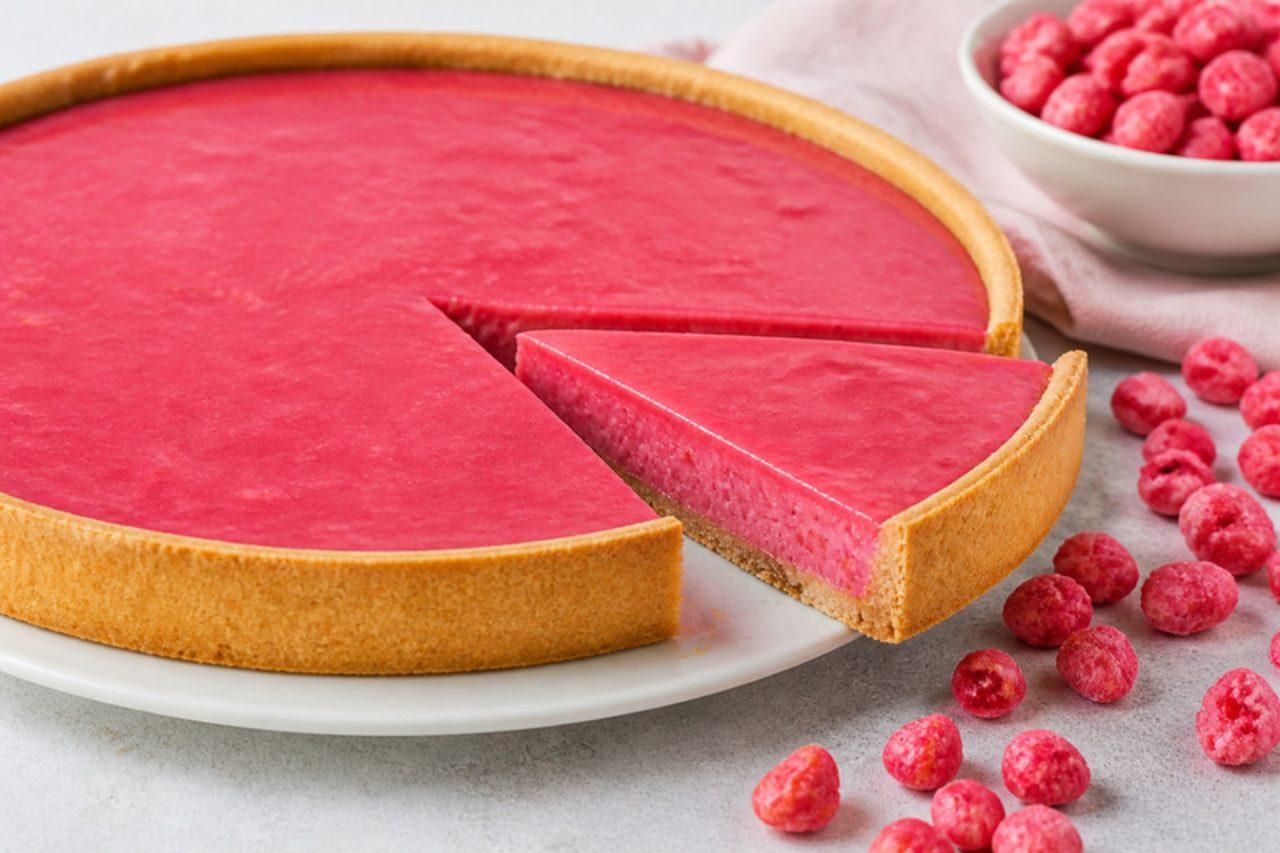
Tarte aux pralines rosesPink praline tart

Lyon's pralines are almonds coated in hard, shocking-pink sugar, and the city's bakeries melt them with cream into a sticky, vivid filling for this tart, sold by the slice in every pâtisserie from Bellecour to the Croix-Rousse. It is very sweet and nutty, with a crunch from the almonds, and is eaten in small slices with coffee. Look for pink pralines coloured with plant-based colourings; some are coloured with carmine (E120), which comes from insects. Chef's tip: crush the pralines roughly in a bag with a rolling pin, leaving some pieces the size of a lentil for crunch.

by KrazyBadal 0 views

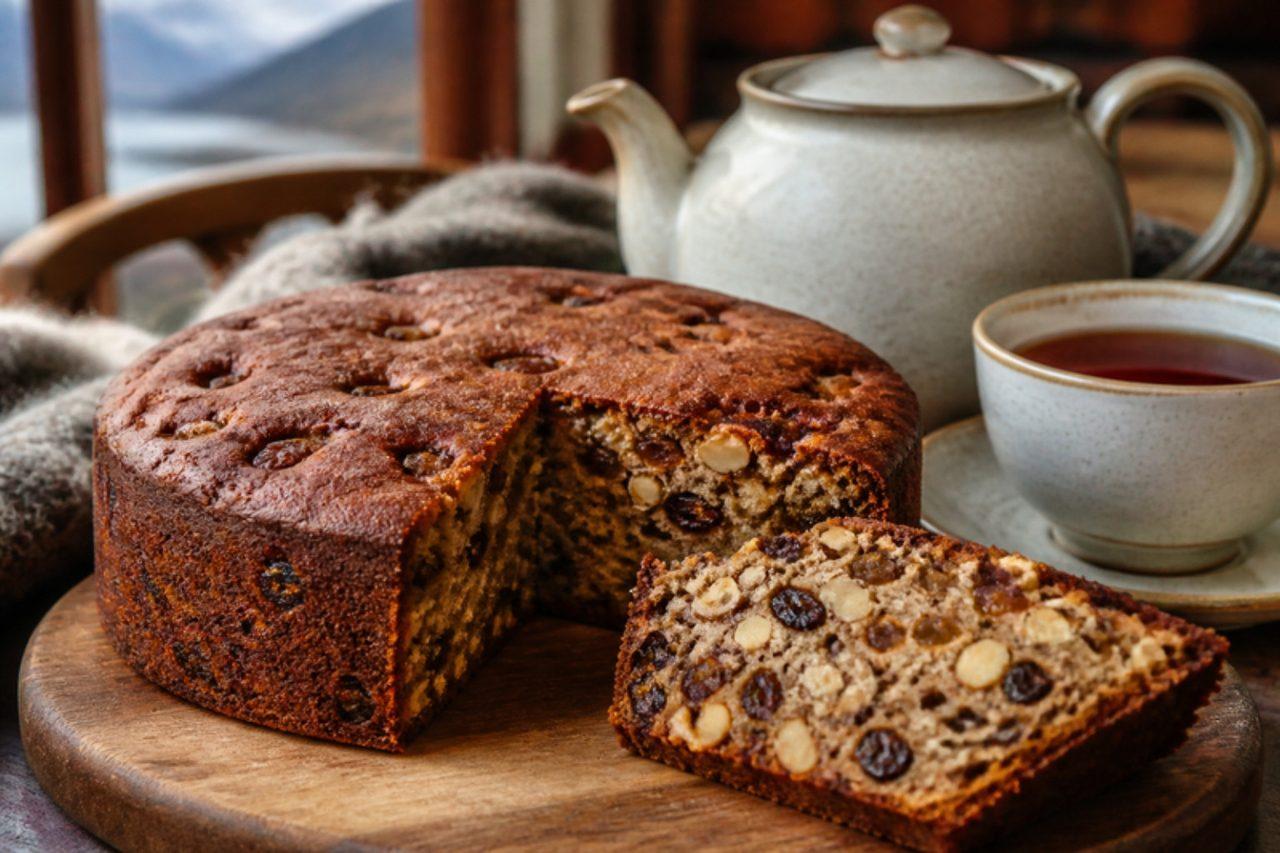
Torta galesaDark fruit and walnut cake

Welsh settlers arrived in the Chubut valley in 1865 and their descendants still serve afternoon tea in Gaiman and Trelew, where the casas de té bring out pots of tea, scones, cream cakes and, always, a slice of torta galesa. It is a dense, almost black fruit cake made with brown sugar and black treacle, studded with raisins, candied peel and walnuts, and it was built to last through long Patagonian winters and journeys across the steppe. The crumb is moist and sticky, rich with spice and caramel. An oven that is too hot is the classic error: the outside chars before the middle is set, so it bakes low and slow under a sheet of paper. There's no alcohol in this version; many cooks brush it with rum after baking, so leave that out or use strong tea. Chef's tip: wrap the cooled cake tightly and wait two or three days before cutting; it turns moister and the flavours deepen.

by KrazyBadal 0 views

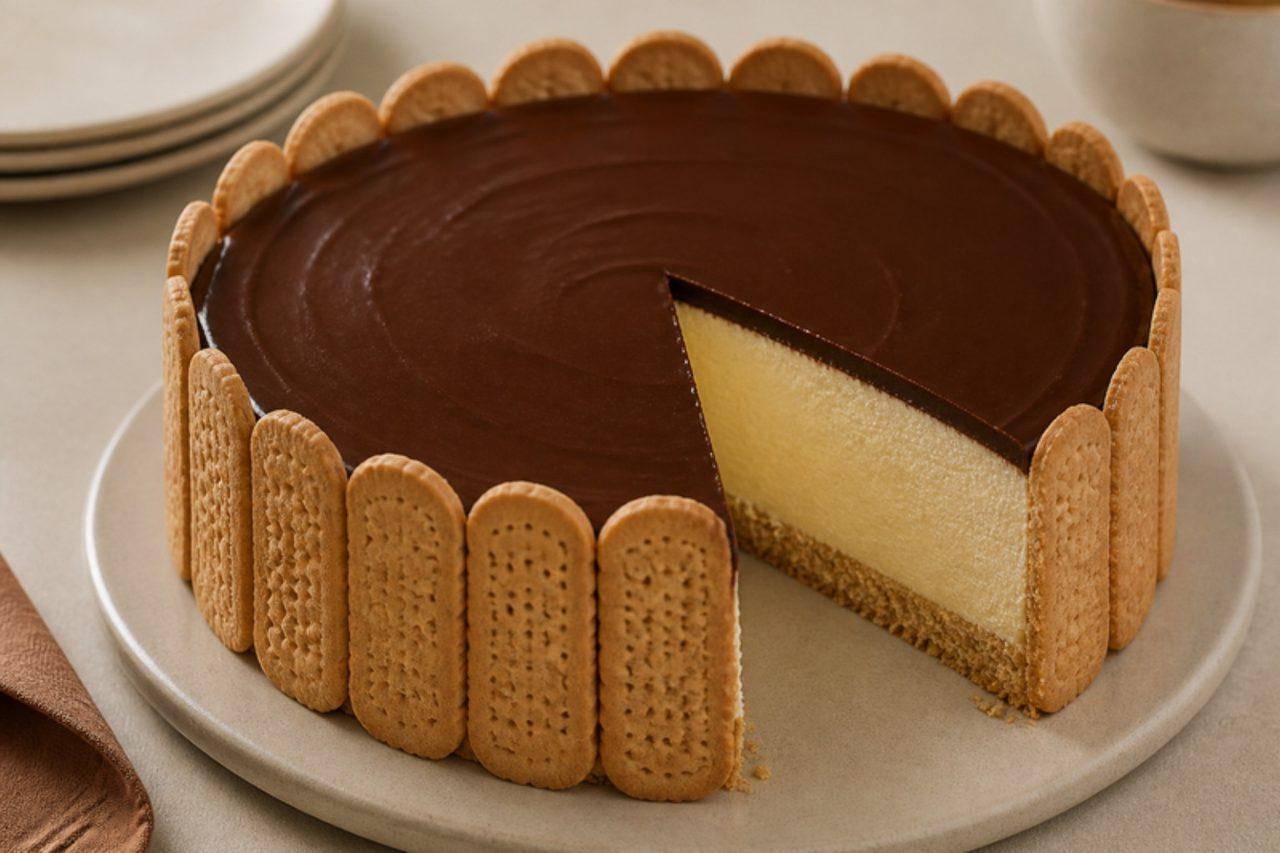
Torta holandesaChilled biscuit and ganache tart

Despite the name, the 'Dutch tart' is a Brazilian invention, created in a confeitaria in Campinas, São Paulo state, in the 1990s and now sold in bakeries and churrascarias all over the country. A crunchy biscuit base holds a tall layer of light vanilla buttercream, sealed with dark chocolate ganache, and the sides are fenced with chocolate-dipped biscuits stood on their edges. Served cold, it is rich, creamy and crunchy at once, cut in thin slices with coffee. Some versions set the cream with gelatin; this one gets its body from butter and whipped cream only. Warm ganache poured straight on is the commonest mistake, since it melts the cream underneath into streaks. Chef's tip: let the ganache cool until it is just pourable and barely warm to a fingertip, about 30 °C, before pouring it over the chilled tart.

by KrazyBadal 0 views

Torta rogelLayered pastry dulce de leche cake

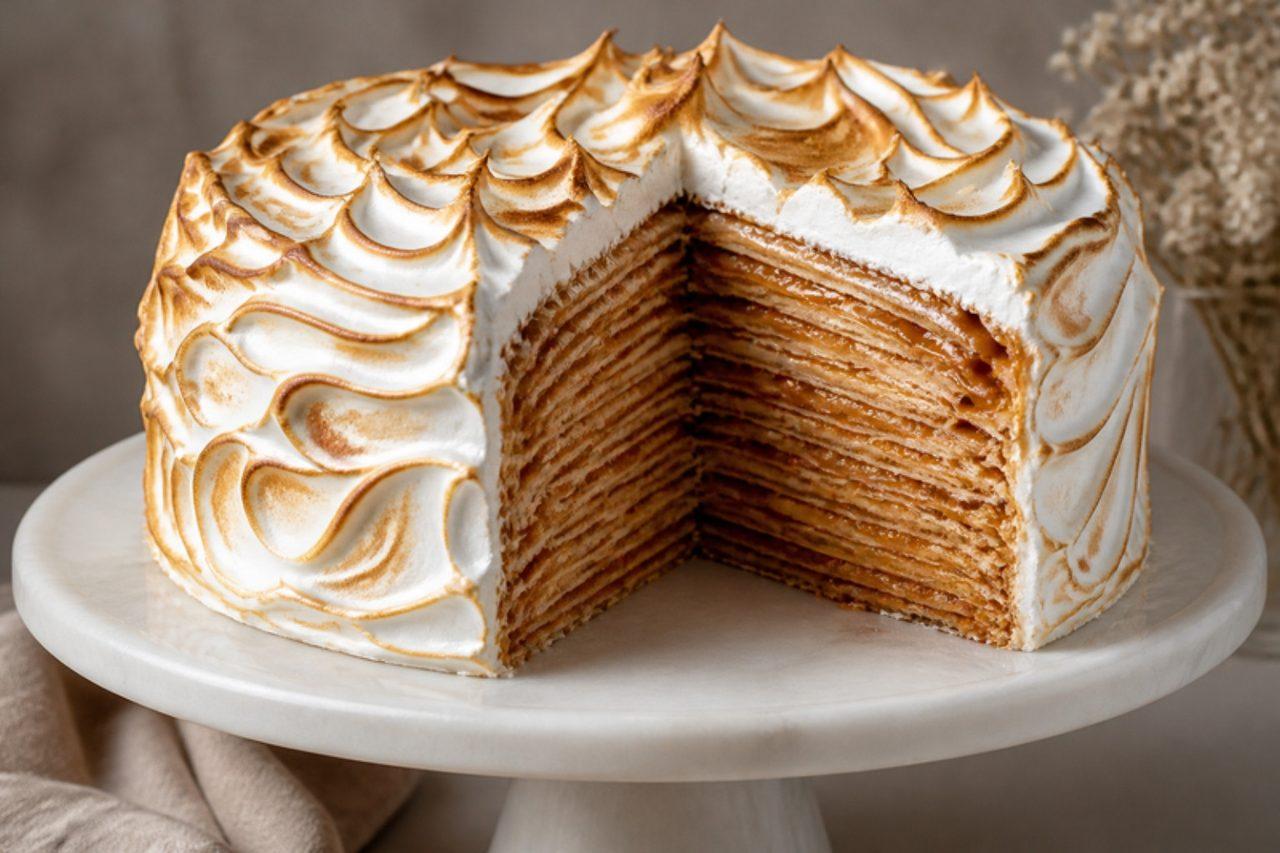
Birthdays in Buenos Aires are where the rogel shows off: eight or more wafer-thin, crackling discs of egg-yolk pastry, each spread with thick dulce de leche, stacked high and finished with a cloud of glossy Italian meringue browned with a blowtorch. Confiterías sell it by the slice, and it is a cake of contrasts, crisp and chewy, very sweet against the faintly salty pastry. It is laborious rather than difficult, and it slices best after a few hours' rest, when the dulce de leche has softened the layers just slightly. Use thick dulce de leche repostero (bakers' style); the runny kind for spreading on toast makes the tower slide. Rolling the discs too thick is the classic mistake: they should be so thin you can almost see the worktop through them, or the cake becomes heavy and hard to cut. Chef's tip: prick every disc all over with a fork before baking, or it puffs into a dome and won't stack flat.

by KrazyBadal 0 views

TaramosalataFish roe dip

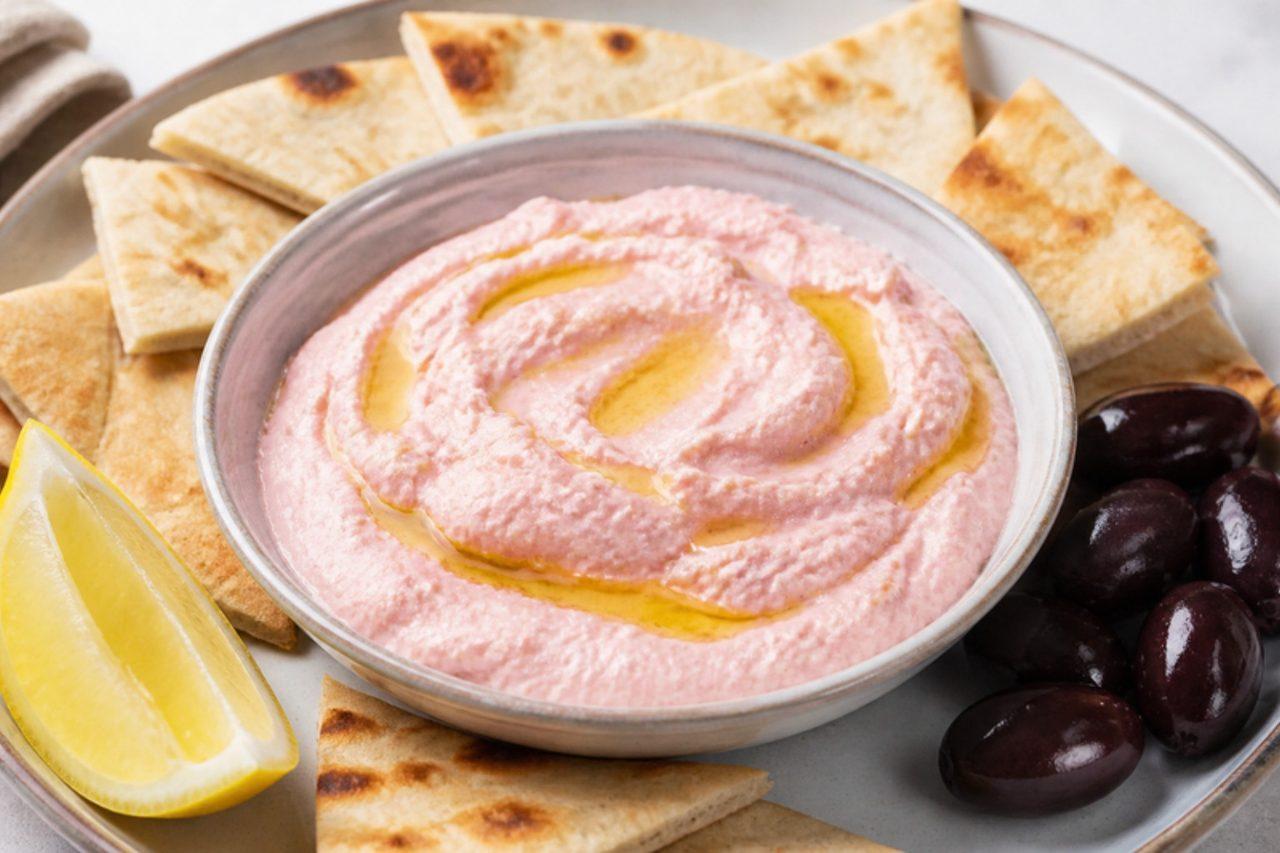
Taramosalata is the star of Clean Monday, the first day of Greek Lent, scooped onto torn lagana at picnics while children fly kites, and it stays on taverna meze tables all year. The real thing is beige-pink, not bright pink, made from salted cured carp or cod roe (tarama) beaten with soaked bread, onion, lemon and oil into a salty, briny, mousse-like dip. Because tarama is cured rather than cooked, buy pasteurised roe for a safer version; even so, this dip is not for pregnant women, young children or anyone with a weakened immune system. Common mistake: adding the oil too fast, which splits it. Chef's tip: use white tarama if you can find it; it is less salty and lets the lemon shine.

by KrazyBadal 0 views

Tortas ahogadasPork rolls in tomato sauce

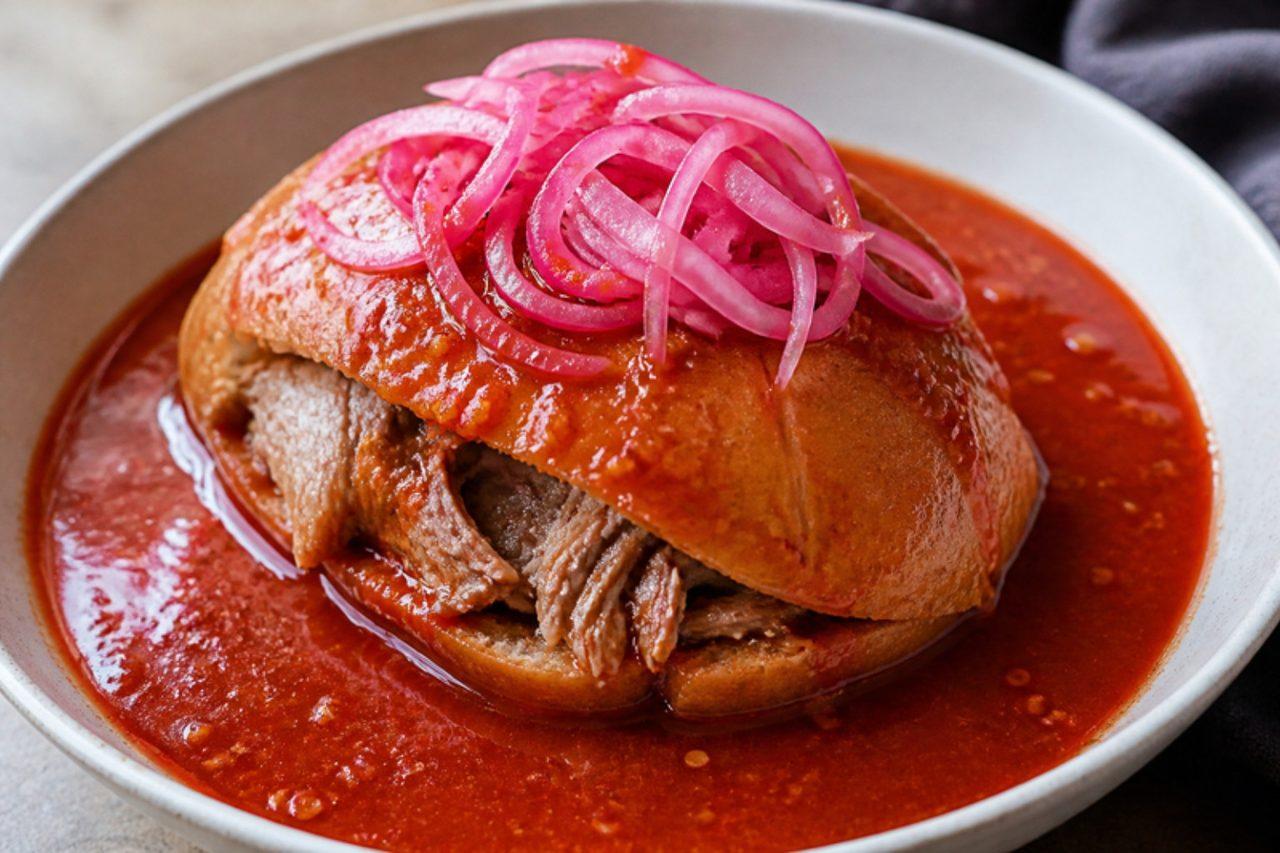
Guadalajara's great hangover cure, the torta ahogada is sold from street stands and small fondas all over the city from mid-morning. A crusty roll is split, packed with pork carnitas, then 'drowned' in a thin, mild tomato sauce and splashed with a ferociously hot chile de árbol salsa; you can order it half-drowned or fully submerged, and eat it with a plastic bag over your hand or with a knife and fork. The local birote salado, a sourdough roll with a hard crust, rarely exists outside Jalisco, so use the crustiest small baguettes or sourdough rolls you can find. Pickled red onions and a few radishes are the classic side. Chef's tip: let the rolls go a day stale and toast the cut sides; a firm, dry crumb soaks up sauce without turning to mush.

by KrazyBadal 0 views

Tortas de aceite sevillanasCrisp olive-oil flatbreads with anise

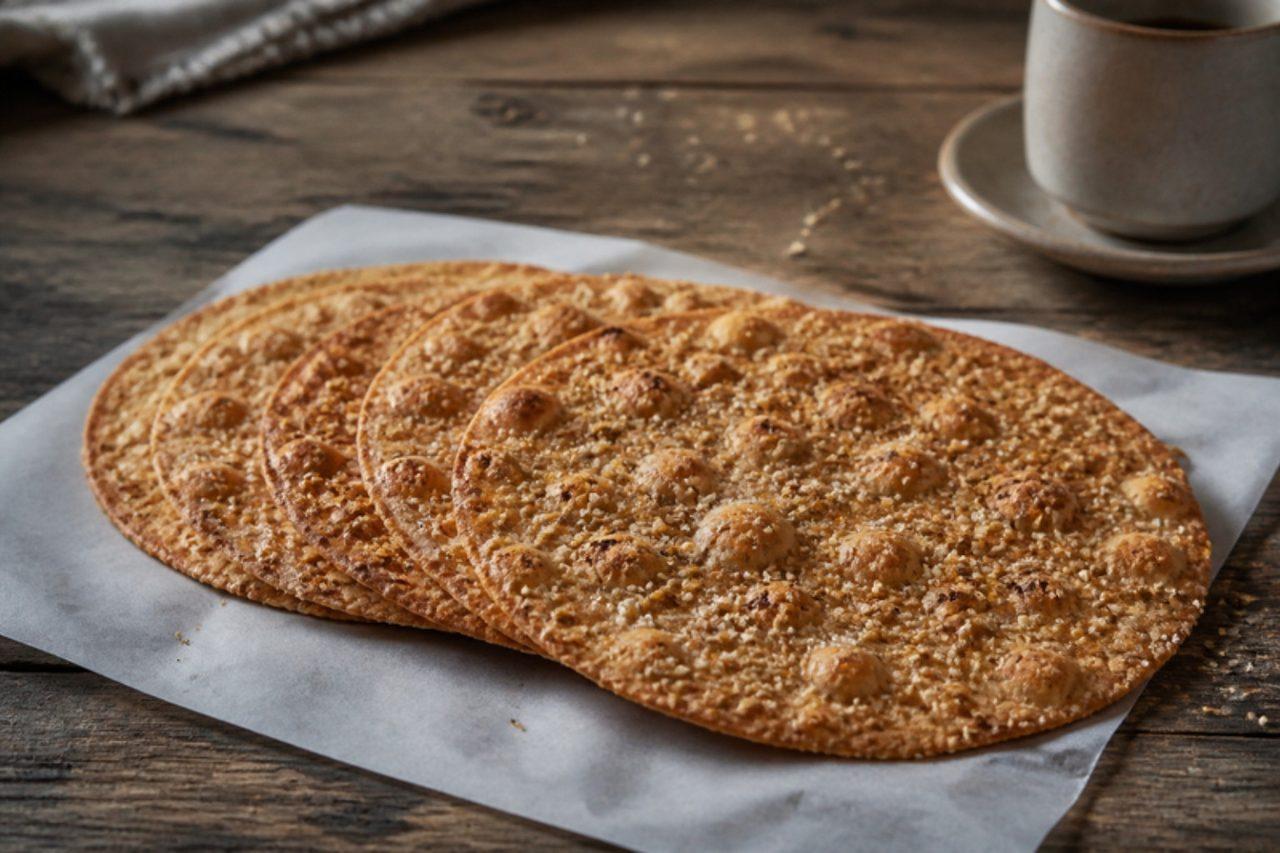
Castilleja de la Cuesta, just west of Seville, has made these hand-pressed tortas for well over a century, and across Andalusia they are dunked into morning coffee or eaten as an afternoon snack. The dough is little more than flour, olive oil infused with anise and sesame, and a pinch of yeast, rolled until you can almost see through it and baked with a crust of sugar. Chef's tip: roll each torta directly on the baking paper you will bake it on; the dough is too thin to lift without tearing.

by KrazyBadal 0 views

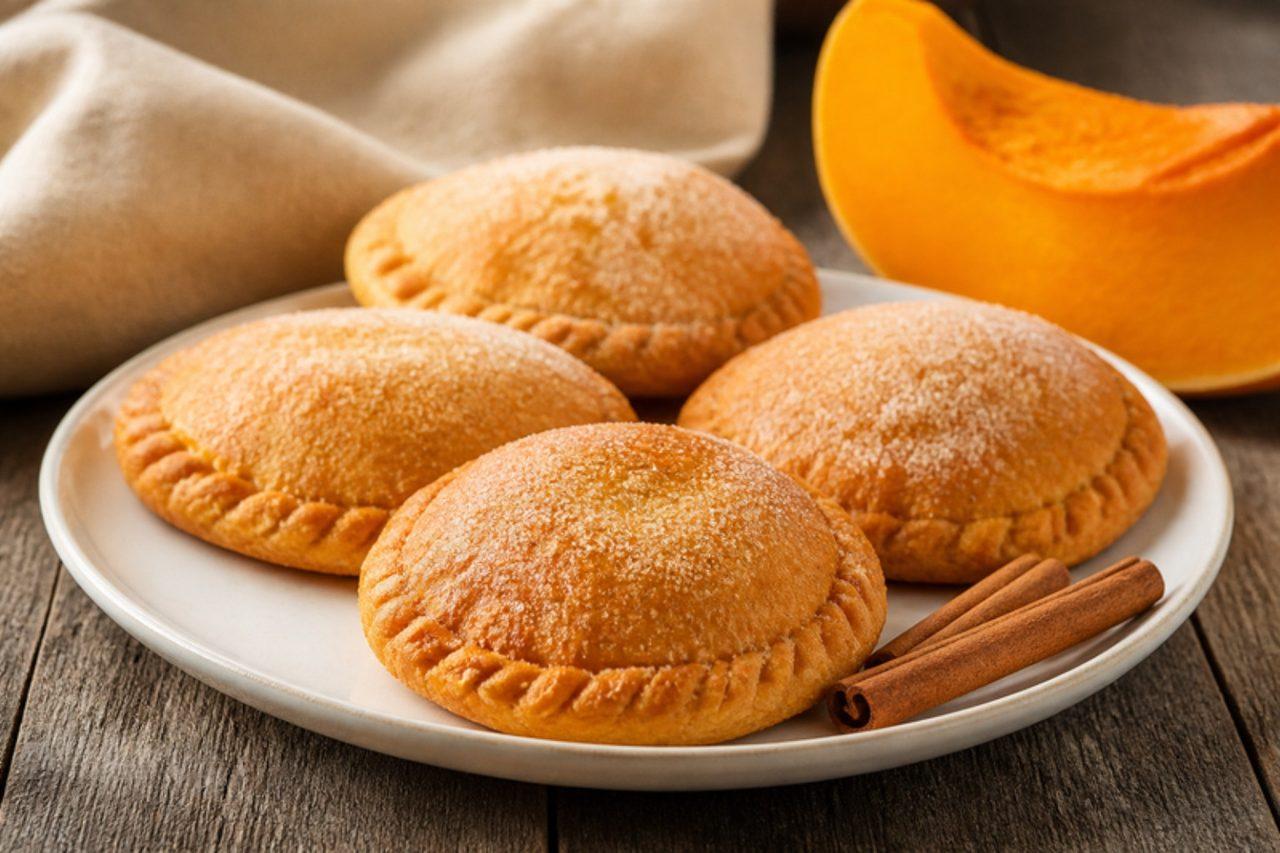
Tortas de almaPumpkin and almond pastries

In the province of Teruel, especially around Calamocha and the Jiloca valley, tortas de alma are made at the end of autumn when the pumpkins come in: crisp, flaky olive-oil pastry folded over "alma", a sweet filling of pumpkin cooked down with sugar, almond and cinnamon. They are eaten with coffee at the village festivals and given away by the dozen at All Saints and Christmas. Recipes vary from house to house; this one keeps to the simple, widely made version. A common mistake is a runny filling, which leaks and burns on the tray; cook it until it is thick enough to hold a clean line. Chef's tip: make the filling a day ahead and chill it; cold alma is far easier to spoon onto the pastry.

by KrazyBadal 0 views

Tortas de VianaSponge roll with egg-yolk cream

In the pastry shops along Viana do Castelo's old streets, tortas are sold rolled and sliced, a feather-light sponge wrapped around a glossy egg-yolk cream. They turn up on festival weekends in August, when the town fills for the Romaria d'Agonia, and as an afternoon treat with coffee the rest of the year. The sponge contains only eggs, sugar and a little flour, so it bends without cracking if you roll it warm. Chef's tip: roll the sponge in sugared paper straight from the oven and let it cool in that shape, then unroll and fill.

by KrazyBadal 0 views

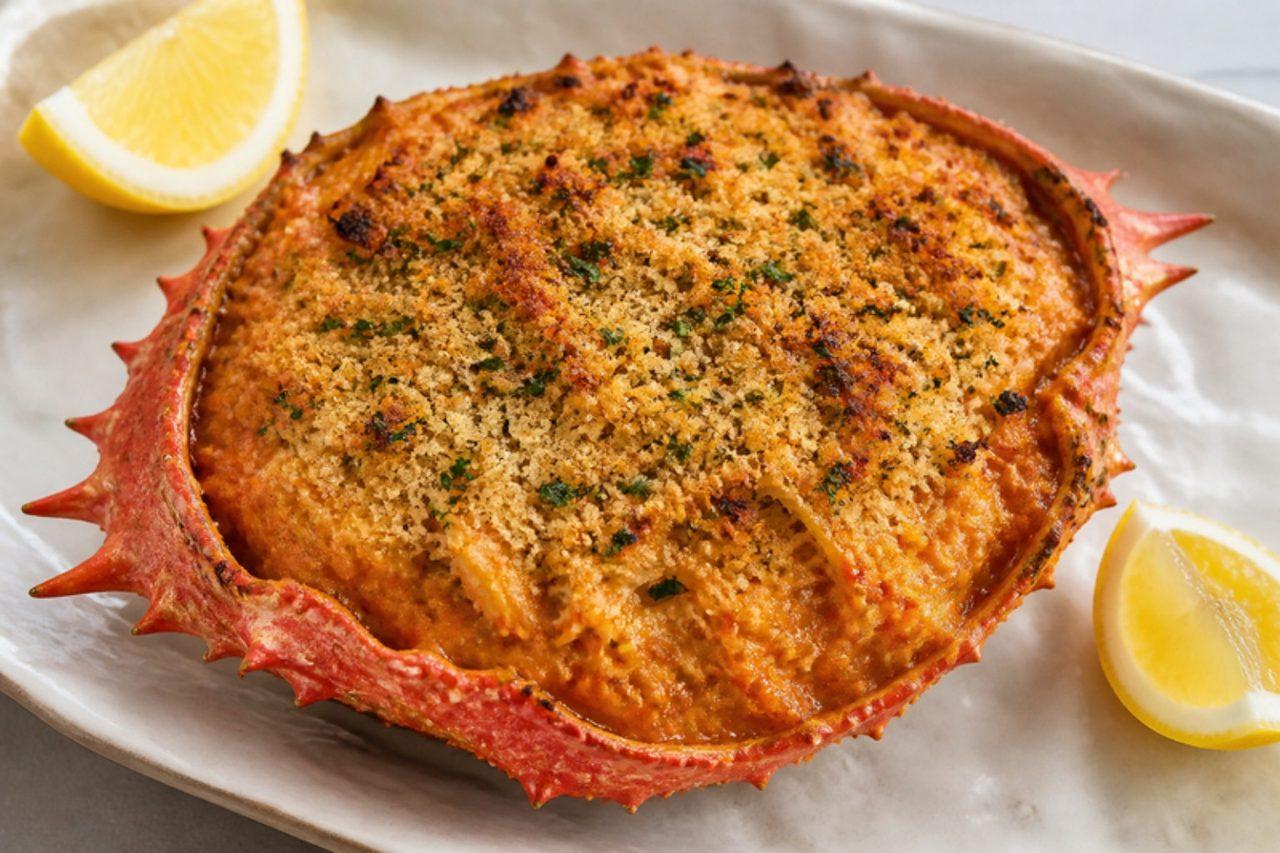
Txangurro a la donostiarraBaked spider crab

In San Sebastián the spider crab (txangurro) is a winter treat, at its best from November to April, and the old bars of the Parte Vieja serve it bubbling hot in the shell. The picked crab meat is mixed with a slow sofrito of onion, leek, carrot and tomato, often splashed with brandy, then topped with breadcrumbs and butter and browned. This recipe uses brandy; leave it out or use the same amount of crab cooking water for an alcohol-free version. A common mistake is a wet filling that boils under the crumbs; cook the sofrito down until thick. Chef's tip: use a cooked crab from the fishmonger on the day you buy it, and scrub the shell well if you plan to serve in it.

by KrazyBadal 0 views

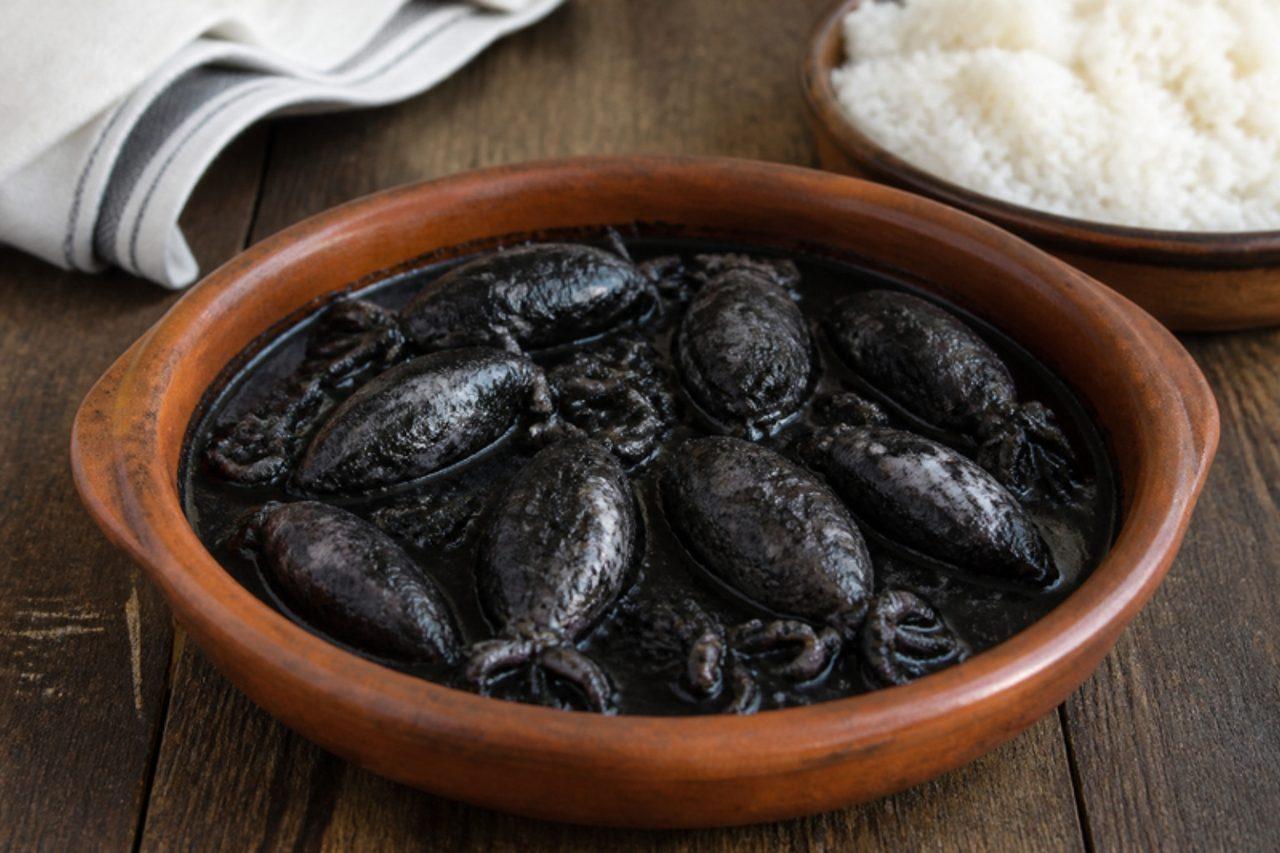
Txipirones en su tintaBaby squid in ink sauce

Along the Basque coast from Getaria to Hondarribia, little squid caught on hand lines in late summer are stuffed with their own tentacles and stewed in a sauce made inky black with their ink. In bars and homes it is served with plain white rice or fried bread to soak up the sauce. Cleaning the squid takes a little patience, but the stew itself is simple. A common mistake is browning the onions: they should stay soft and sweet, or the sauce tastes harsh. Chef's tip: buy extra ink sachets from the fishmonger, as the ink in small squid is rarely enough for a deep colour.

by KrazyBadal 0 views

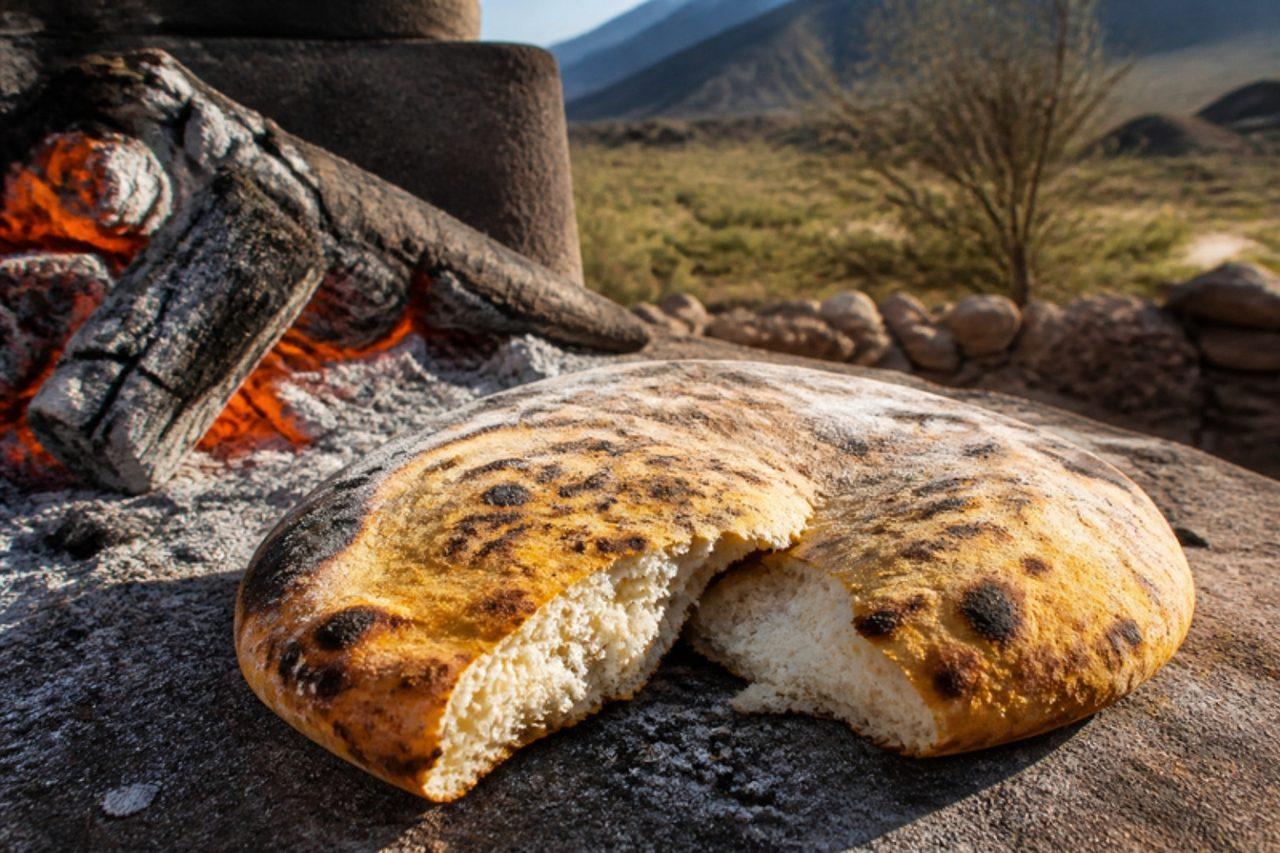
Tortilla al rescoldoAsh-baked flatbread

Puesteros in the hills of Salta and the Calchaquí valleys bake this bread the oldest way there is: a thick disc of plain dough laid straight onto the hot ash at the edge of the fire, covered with more embers and dug out 20 minutes later with a crust that is blistered and smoky and a crumb that is dense and soft. You brush off the ash, break it with your hands and eat it with goat's cheese, a mate or a bowl of locro. The traditional fat is lard (grasa); this version uses butter or vegetable shortening so it stays vegetarian. Laying the dough on flaming wood instead of a bed of settled grey embers is the mistake that burns the outside black before the middle cooks, so wait until the fire has died back. No fire? A dry cast-iron pan and a hot oven give you a close result. Chef's tip: knock the bread on its base when you lift it out; a hollow sound means it is cooked through.

by KrazyBadal 0 views

Tekirdağ köftesiGrilled meatballs with bean salad

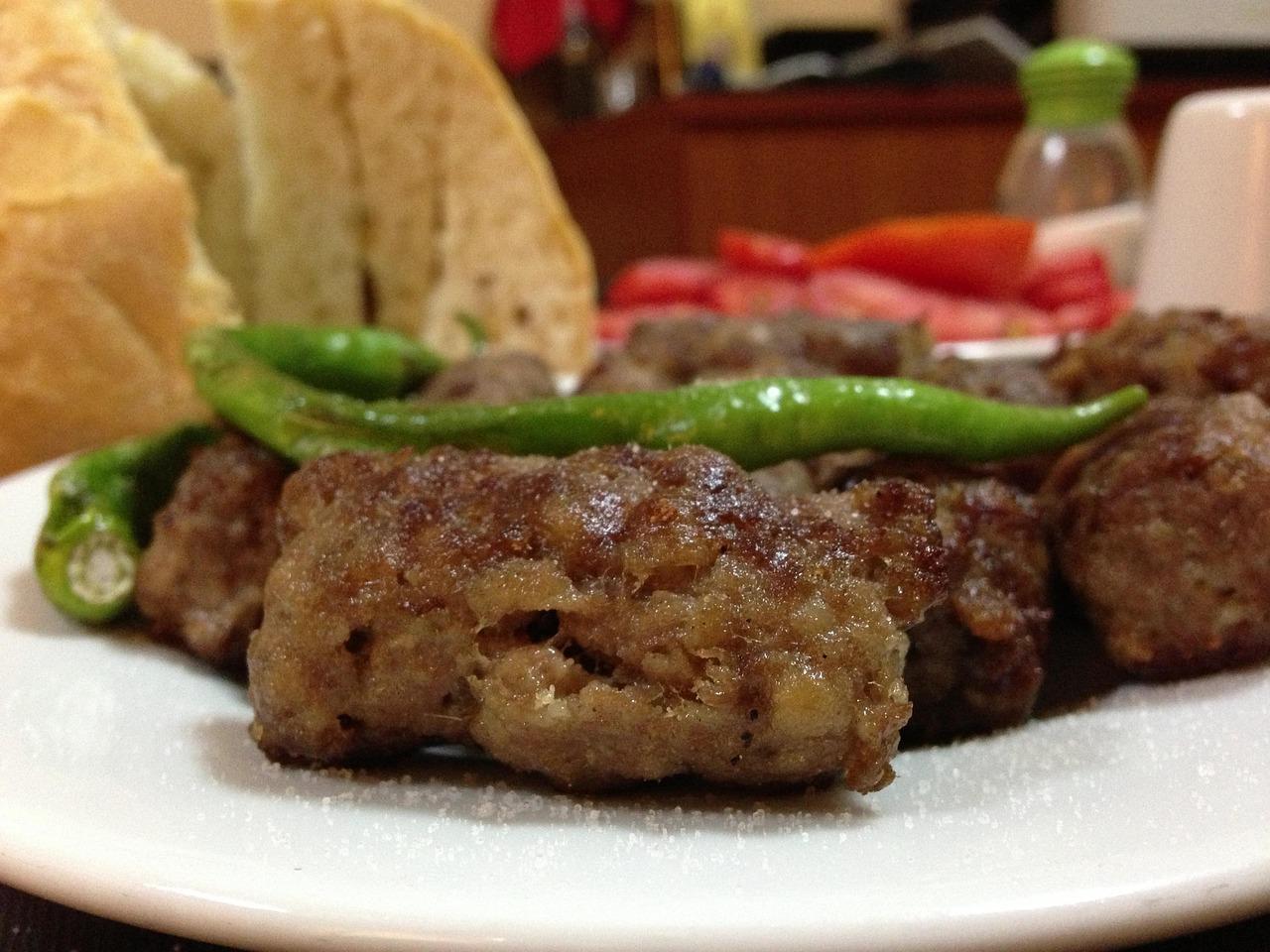
In Tekirdağ, on the Sea of Marmara, köfte houses have been grilling the same small, flat, oval meatballs for a century: beef and a little lamb, bread, cumin and nothing much else, cooked over charcoal and served in rows with white bean piyaz, roasted green peppers and a dusting of chilli. The meat is lightly kneaded, so it stays juicy and tender. Make it on a barbecue in summer or a ridged pan in winter. Chef's tip: knead the mince with the bread and let it rest overnight; the flavours meld and the köfte hold together on the grill without any egg.

by KrazyBadal 0 views

Yorkshire parkinOatmeal and treacle ginger cake

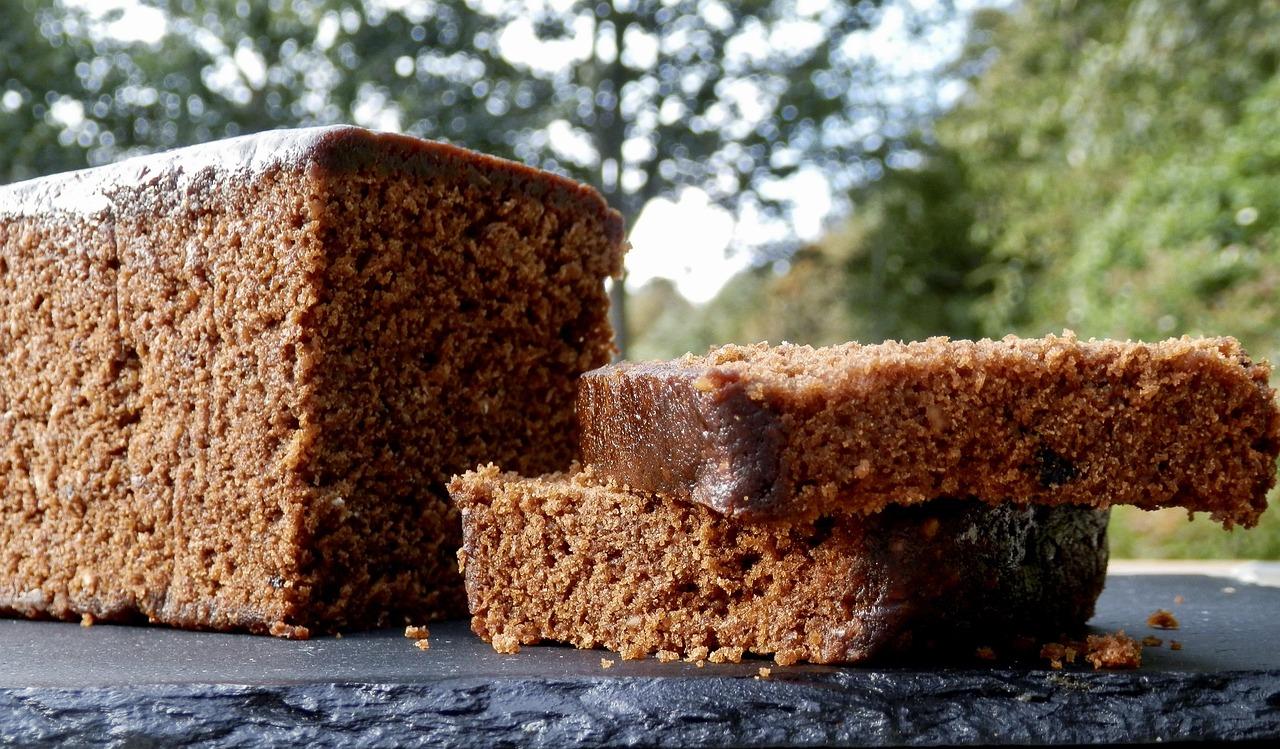
Parkin is the dark ginger cake that West Yorkshire bakes for the 5th of November, cut into squares and handed round at Bonfire Night fires in Leeds, Halifax and Bradford. It is made with oatmeal, black treacle and golden syrup, so it is dense, chewy and gingery rather than light. It gets better with time, turning stickier after a few days in a tin. Chef's tip: wrap it and keep it for three days before cutting; fresh parkin is dry and crumbly by comparison.

by KrazyBadal 0 views

ZorongolloRoast pepper and tomato salad

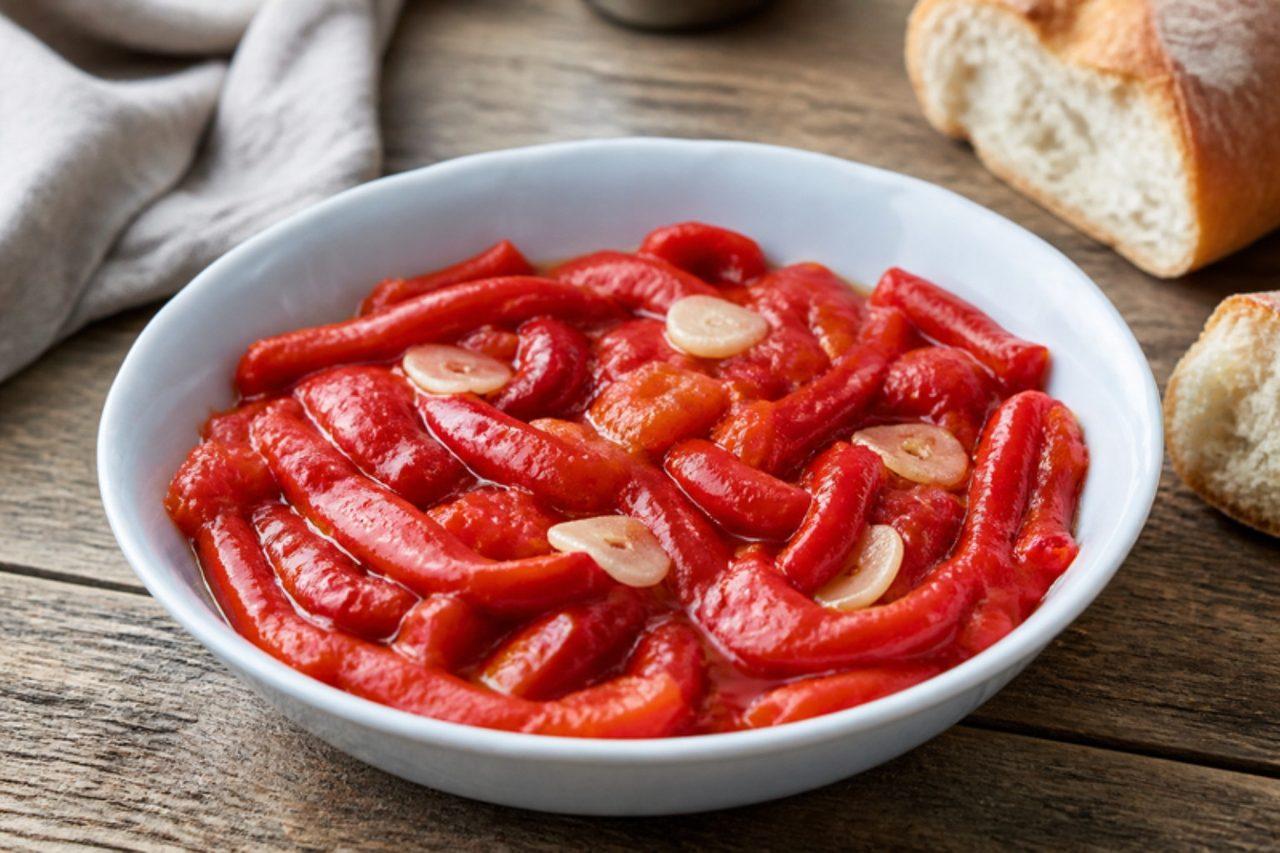
Zorongollo is the summer salad of the Extremaduran countryside around Cáceres and the Vegas del Guadiana, made when red peppers are sweet and cheap. The peppers and tomatoes are roasted until blackened, peeled, torn by hand into strips and soaked in olive oil, garlic and a little vinegar, and it is served on its own with bread or beside grilled meat at summer lunches. It keeps for days in the fridge and improves overnight. Chef's tip: tear the peppers along their natural ridges rather than slicing them, so the strips stay soft and catch more dressing.

by KrazyBadal 0 views

Tortillas de harina sobaquerasGiant flour tortillas

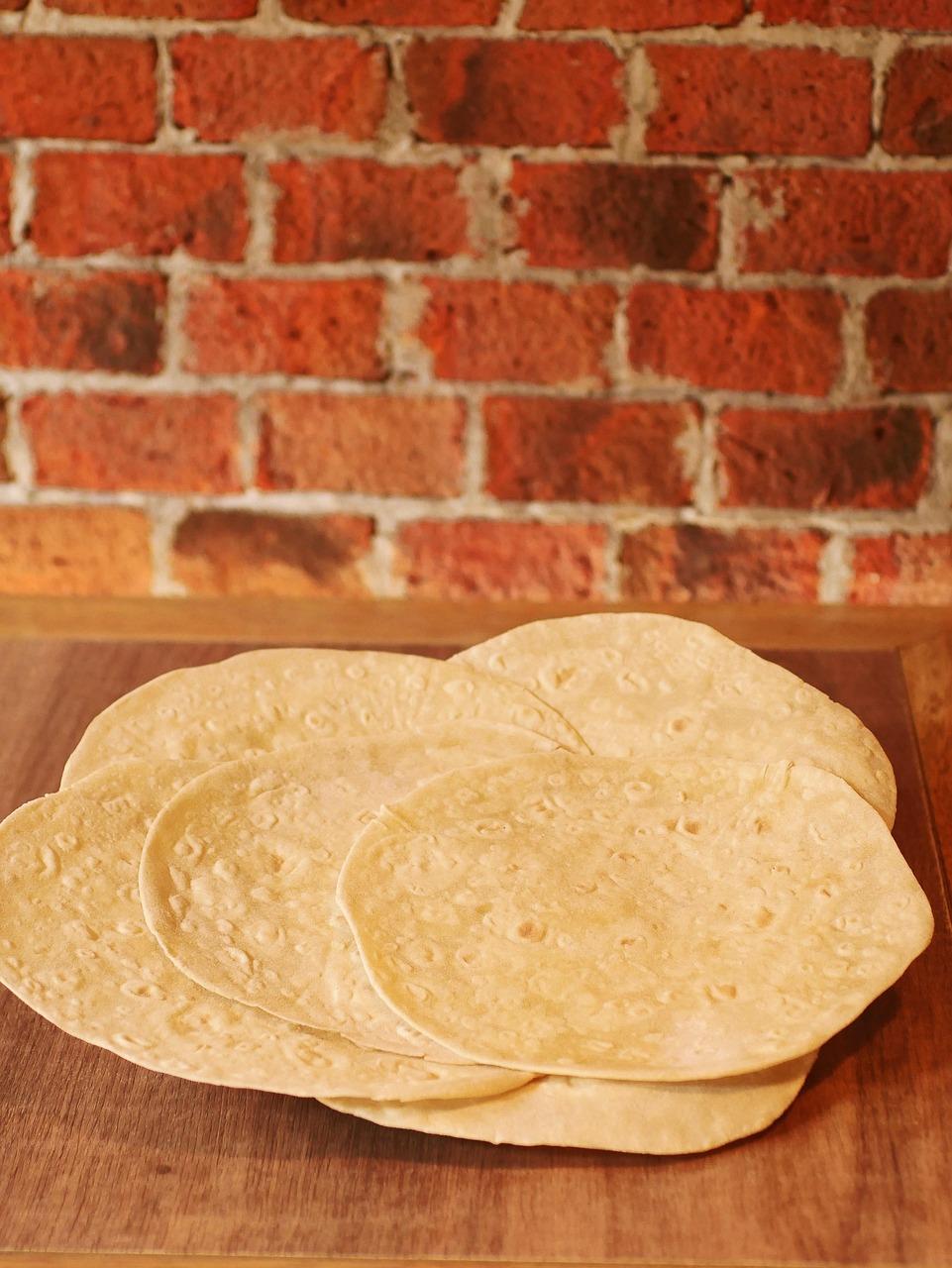
In Sonora, wheat is the grain, and the pride of Hermosillo kitchens is the sobaquera: a flour tortilla stretched over the backs of the hands and arms until it is almost see-through and as wide as a serving tray (the name comes from sobaco, armpit, because it reaches that far). It cooks in seconds on a big comal and is folded around beans, cheese or machaca, or torn and eaten with caldo de queso. Sonoran cooks use lard; vegetable shortening works the same. A 30–35 cm tortilla is a realistic home size. Chef's tip: the long rest is what makes the dough stretch; do not cut it short.

by KrazyBadal 0 views

Yemas de ÁvilaSugared egg-yolk sweets

Inside Ávila's medieval walls, little boxes of yemas are the souvenir every visitor carries home: soft, deep-yellow balls of egg yolk cooked with sugar syrup, rolled in sugar and set in paper cases. They are linked with Saint Teresa, the city's famous nun, and are eaten with coffee after lunch, especially around her feast in October. The yolks are cooked until thick, well past the point that makes them safe. Chef's tip: keep the heat low and never stop stirring; yolks scramble in seconds if they catch.

by KrazyBadal 0 views

SembusekSpiced mince flatbread pies

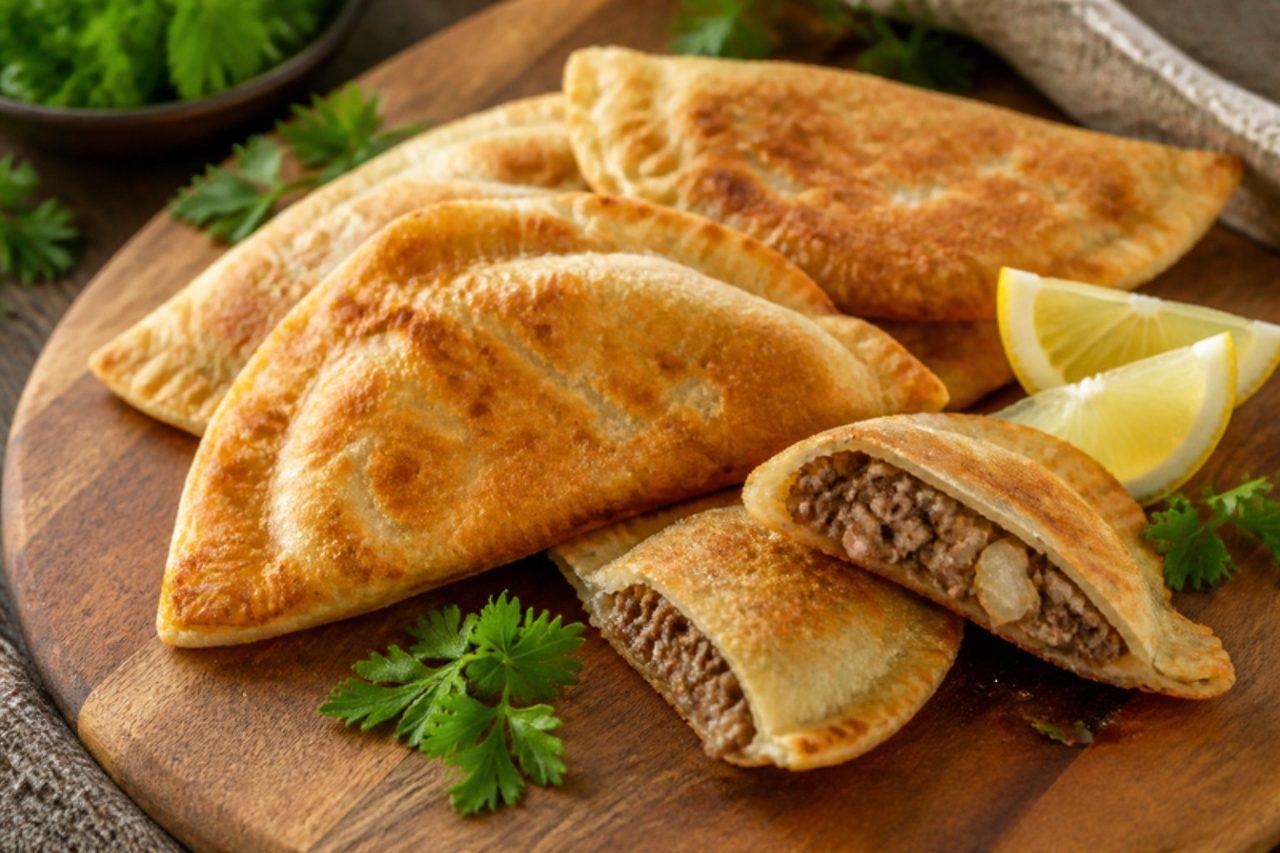
Mardin's stone bakeries fill their ovens with sembusek on weekend mornings: thin rounds of dough folded over a filling of minced meat, onion, parsley and pepper paste, sealed into half-moons and baked until crisp and freckled. Families make big batches for picnics and Ramadan, and eat them warm with ayran or a glass of tea. The meat goes in raw and cooks inside the pastry, so roll the dough thin enough to cook through. Common mistake: a wet filling that makes the base soggy; squeeze the grated onion hard. Chef's tip: brush the tops with a little water and butter as they come out of the oven so they soften just enough to fold over a bite of salad.

by KrazyBadal 0 views

PrinzregententorteSeven-layer chocolate buttercream torte

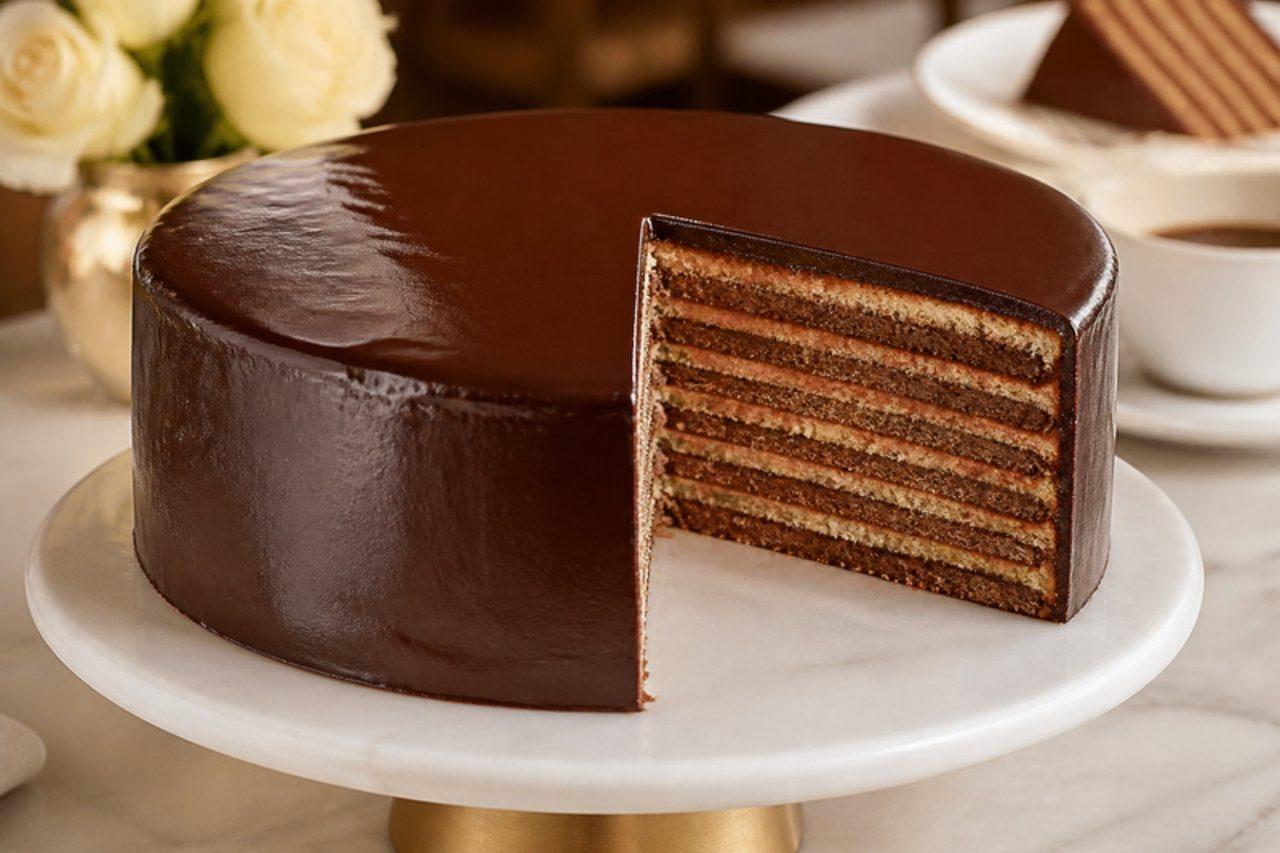
Prinzregententorte was created in Munich for Prince Regent Luitpold, who ruled Bavaria from 1886, and it is still the cake Munich cafés and families bring out for name days and big birthdays. Seven very thin sponge layers, one for each of the old Bavarian districts, are stacked with chocolate buttercream, brushed with apricot jam and sealed under a shiny dark chocolate glaze. The slices show neat stripes and taste rich but not heavy. A common mistake is baking the sponge as one thick cake and slicing it; it is far easier and neater to spread each layer thinly on a tin base and bake it for a few minutes. Chef's tip: trace a 26 cm circle on seven sheets of baking paper before you start, then bake two layers at once on separate trays.

150 minGermanBaking
by KrazyBadal 0 views

HindbehDandelion greens with fried onions

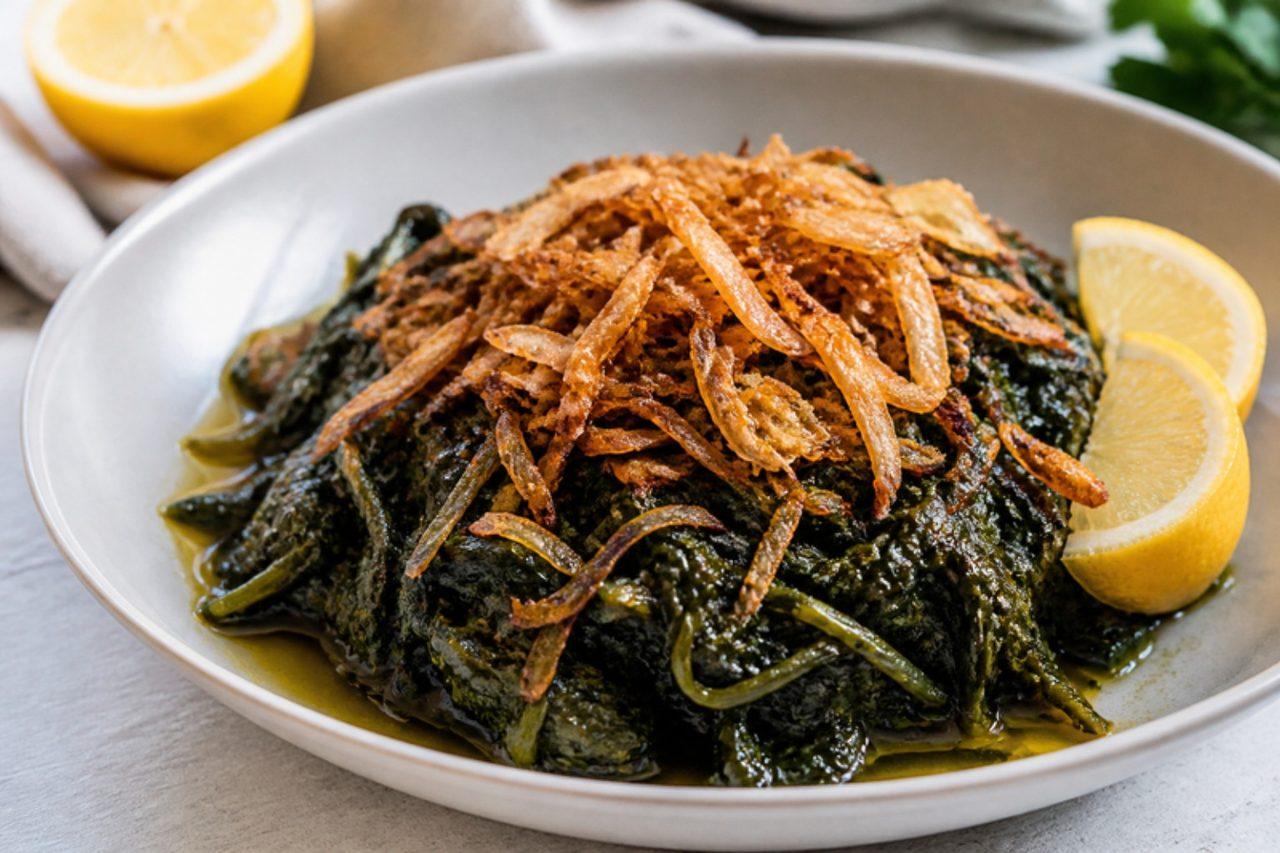
Each spring, people in the Lebanese hills go out with a knife and a bag to gather wild chicory and dandelion for hindbeh, a Lenten favourite in Christian homes and a regular on mezze tables all year. The bitter greens are blanched, squeezed and fried with garlic in olive oil, then piled with a tangle of deeply browned, crisp onions and served with lemon wedges. The bitterness, the sweetness of the onions and the sharp lemon balance each other, and it is eaten at room temperature with bread. Cultivated dandelion or curly endive from a greengrocer works well. Common mistake: not squeezing the greens dry; water stops them frying and dilutes the oil. Chef's tip: fry the onions slowly and pull them out a shade lighter than you want — they keep darkening on the paper.

by KrazyBadal 0 views

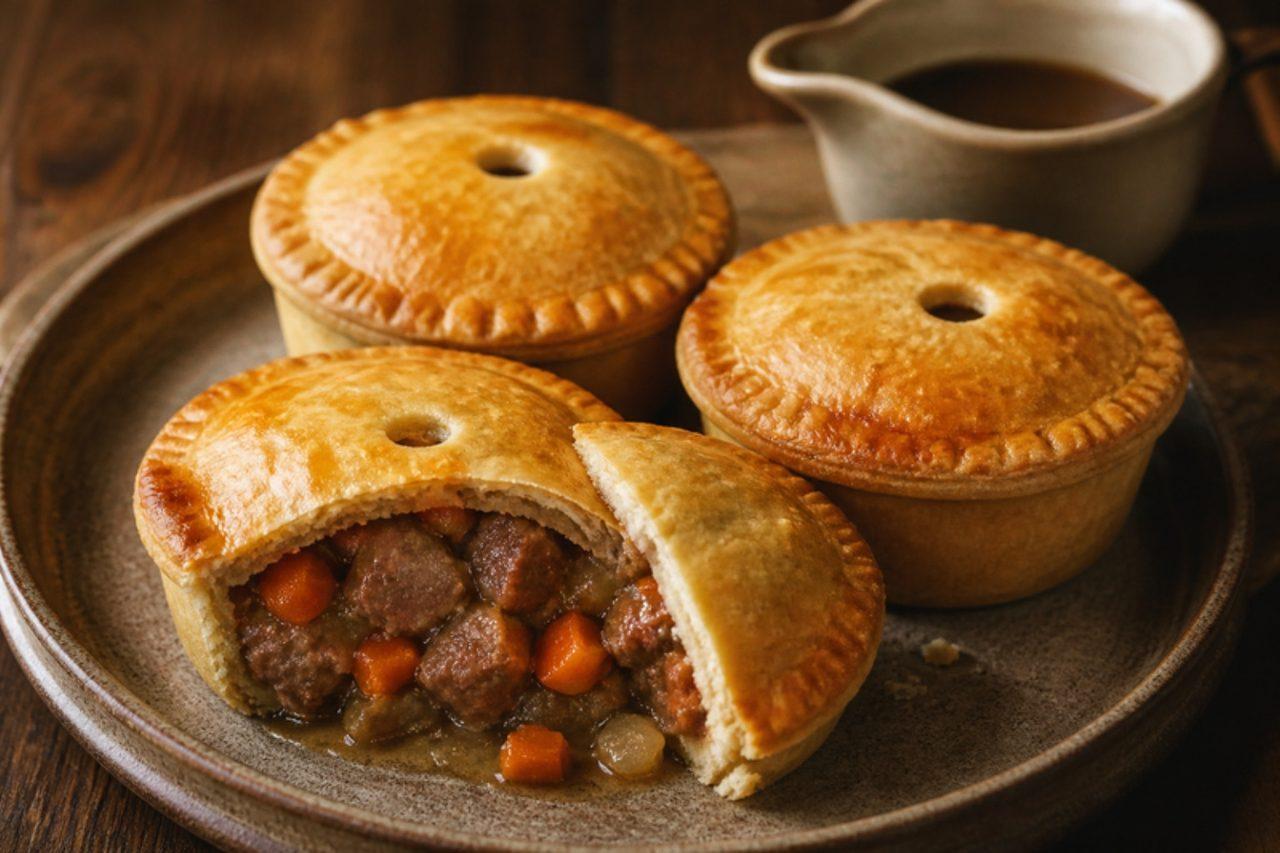
Kerry Dingle piesSmall mutton pies

Dingle pies are small, round mutton pies made in west Kerry for the Puck Fair in Killorglin, for fishermen going to sea, and for farmers at the mart, often reheated in a bowl of the mutton broth. A firm hot-water-crust pastry holds a peppery filling of lamb or mutton, onion and carrot, so they travel well and are eaten by hand or with gravy. Chef's tip: shape the pastry while it is still warm; hot-water crust cracks and won't mould once it cools.

120 minIrishMeat
by KrazyBadal 0 views

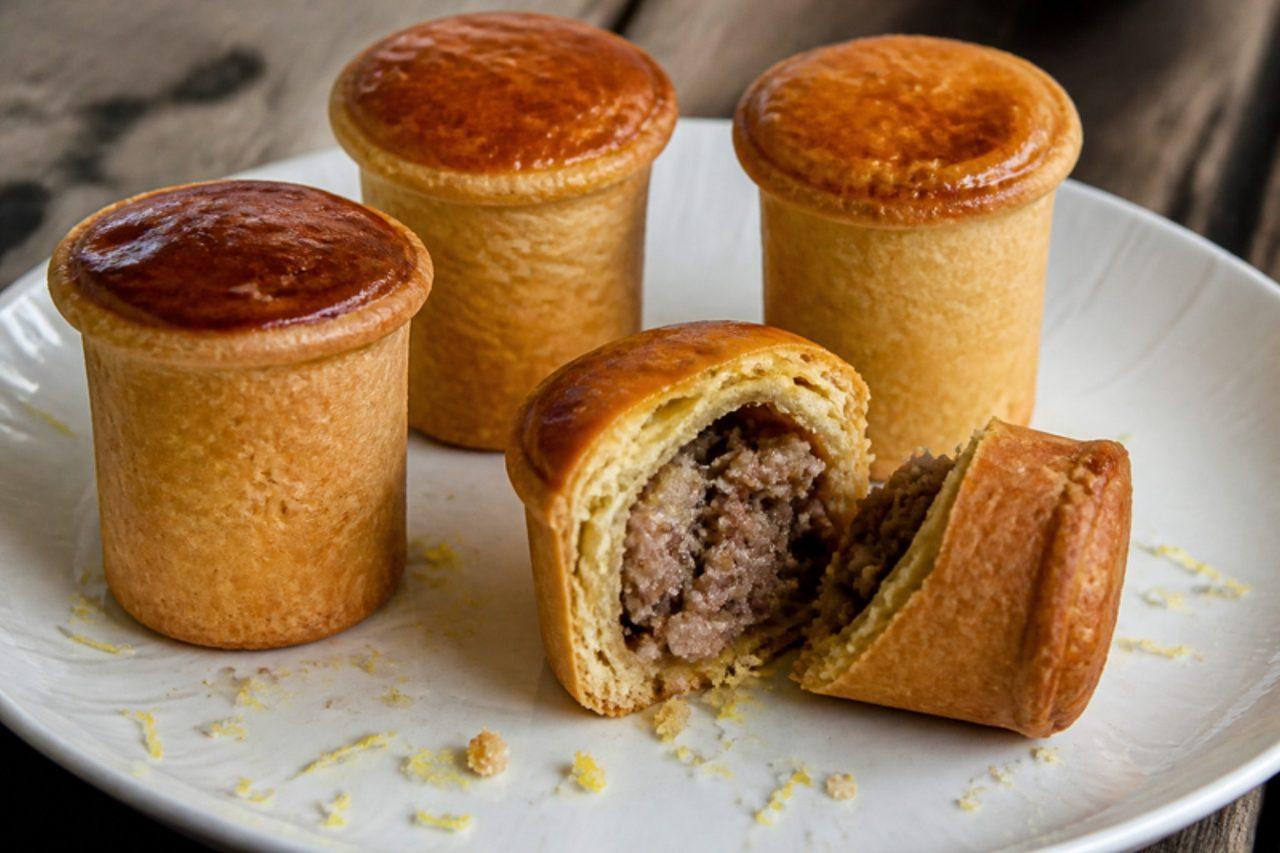
Petits pâtés de PézenasSweet spiced lamb pies

Pézenas, the old Languedoc town of Molière, is famous for these little pies shaped like cotton reels, sold warm from its bakeries all winter and especially around Christmas. Local legend links them to the Indian cooks of Lord Clive, who stayed nearby in 1768, which would explain the unexpected sweet-savoury filling of minced lamb, brown sugar and lemon zest. They have a crisp, sturdy hot-water crust and a juicy, gently sweet centre with a hint of spice. Eat them warm as a starter, with a green salad, or as a mid-morning snack the way Piscénois do. Chef's tip: shape the pastry while it is still warm and supple; once it cools it cracks instead of folding.

by KrazyBadal 0 views

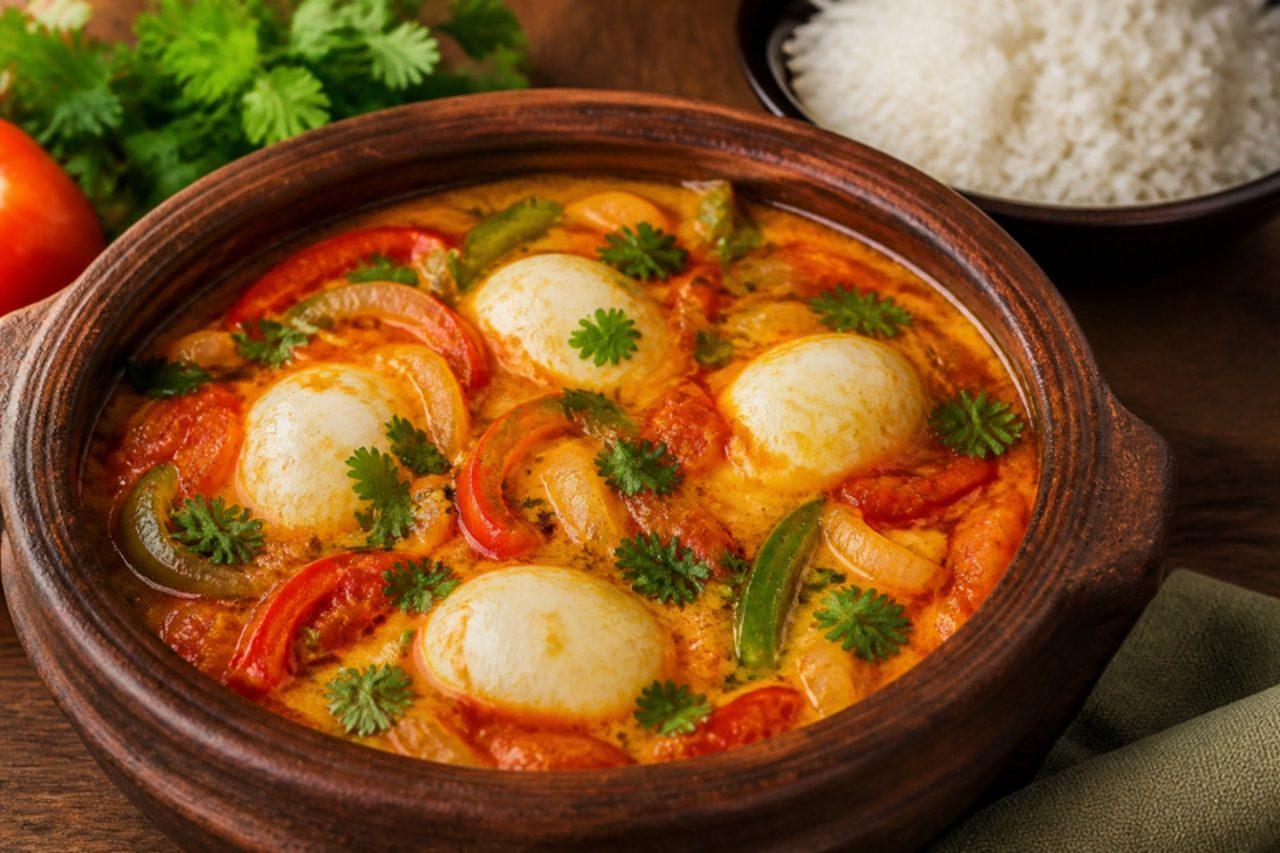
Moqueca de ovosEggs in coconut and tomato sauce

When fish money runs short or it is a meatless Friday, Bahian kitchens make moqueca with eggs instead: the same orange sauce of coconut milk, tomato, peppers, coriander and dendê palm oil, with whole eggs poached right in it until the whites set and the yolks stay soft. It is everyday food in Salvador and the Recôncavo, cooked in a clay pan and carried straight to the table with white rice, farofa de dendê and a spoon of pimenta sauce for those who want heat. The sauce is mellow, slightly sweet from the peppers and rich from the coconut, and the runny yolks thicken it on the plate. The usual mistake is stirring after the eggs go in; they break and turn the sauce cloudy, so cover the pan and leave it alone. Chef's tip: add half the dendê at the start and the rest just before the eggs; heated too long it loses its nutty, floral perfume and only the colour remains.

by KrazyBadal 0 views

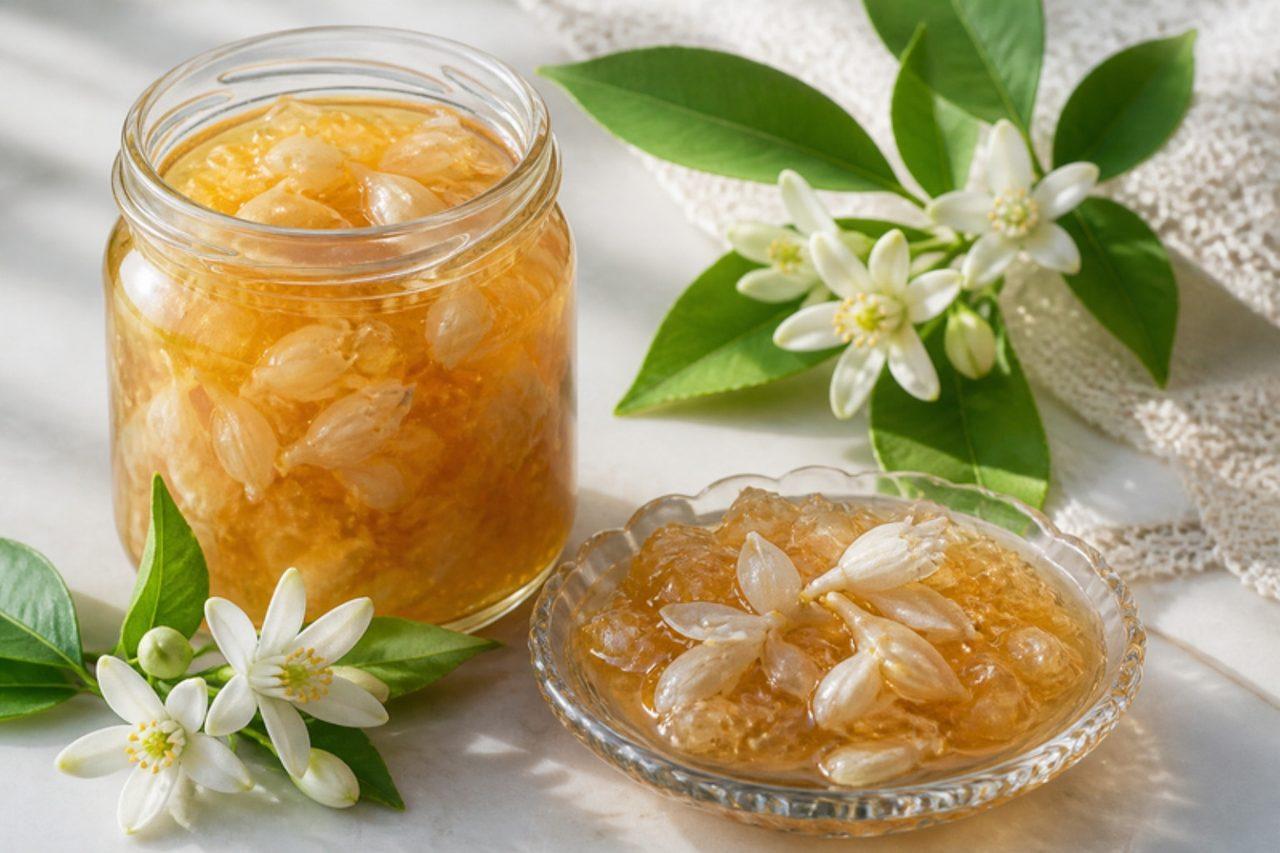
Moraba-ye bahar narenjBitter orange blossom jam

When the bitter orange trees lining Shiraz's streets bloom in April, the whole city smells of blossom, and households gather the fallen petals to make this pale golden jam for the year ahead. It is spooned onto bread with fresh cheese at breakfast, or stirred into tea. The petals are bitter, so they are blanched and soaked several times before they meet the syrup. A common mistake is cutting the soaking short, which leaves the jam harsh. Chef's tip: add the lemon juice only at the end; it keeps the petals bright and stops the syrup from crystallising.

by KrazyBadal 0 views

Moraba-ye haveejCarrot jam with cardamom and almonds

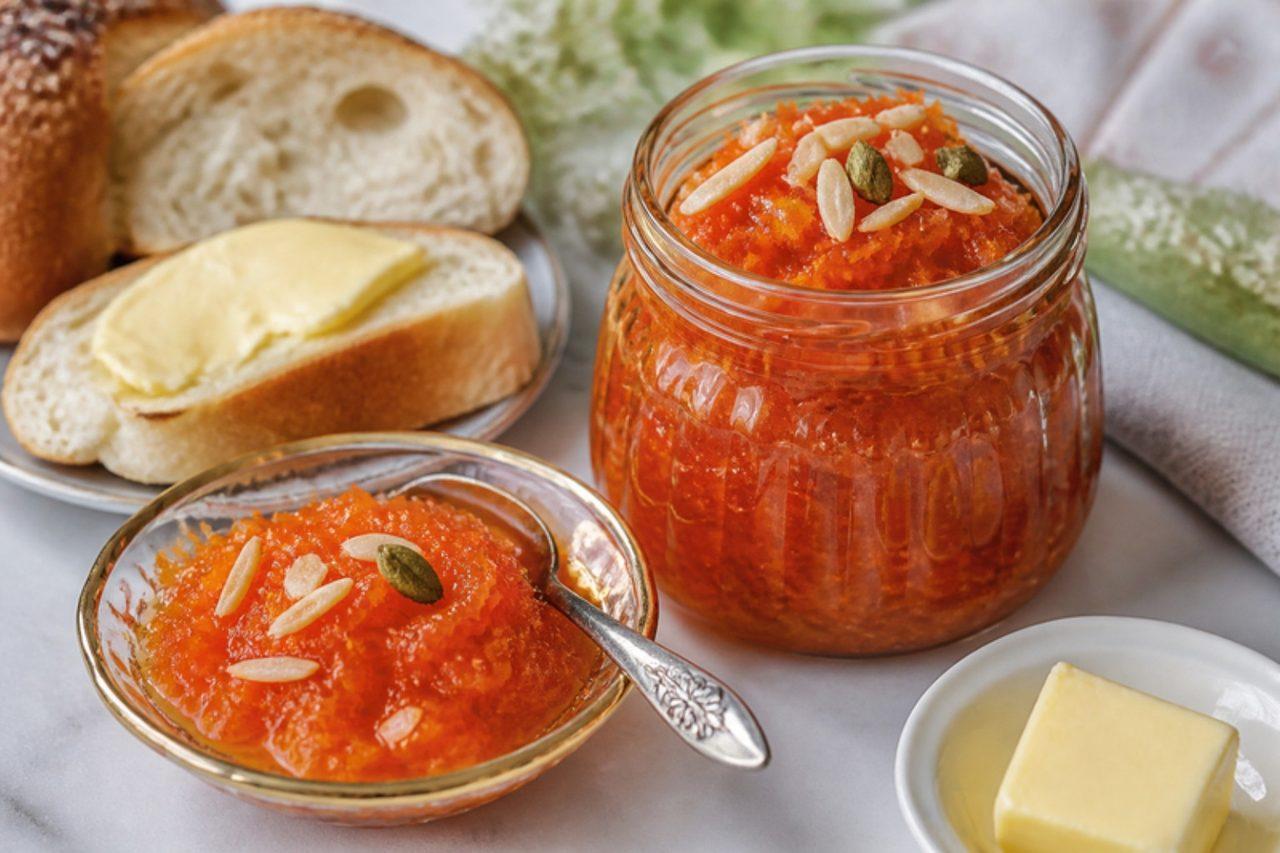
Moraba-ye havij is the bright orange jam on Iranian breakfast tables, spread on warm barbari or sangak with butter or a slice of white cheese, especially in winter when carrots are at their sweetest. Thin shreds of carrot are candied in a light syrup with cardamom and orange peel, then finished with rosewater and slivered almonds, so every spoonful is chewy, glossy and fragrant. It is made in every region, and families argue over how thick the syrup should be. Chef's tip: cut the carrots into fine matchsticks rather than grating them; grated carrot turns to mush and clouds the syrup.

by KrazyBadal 0 views

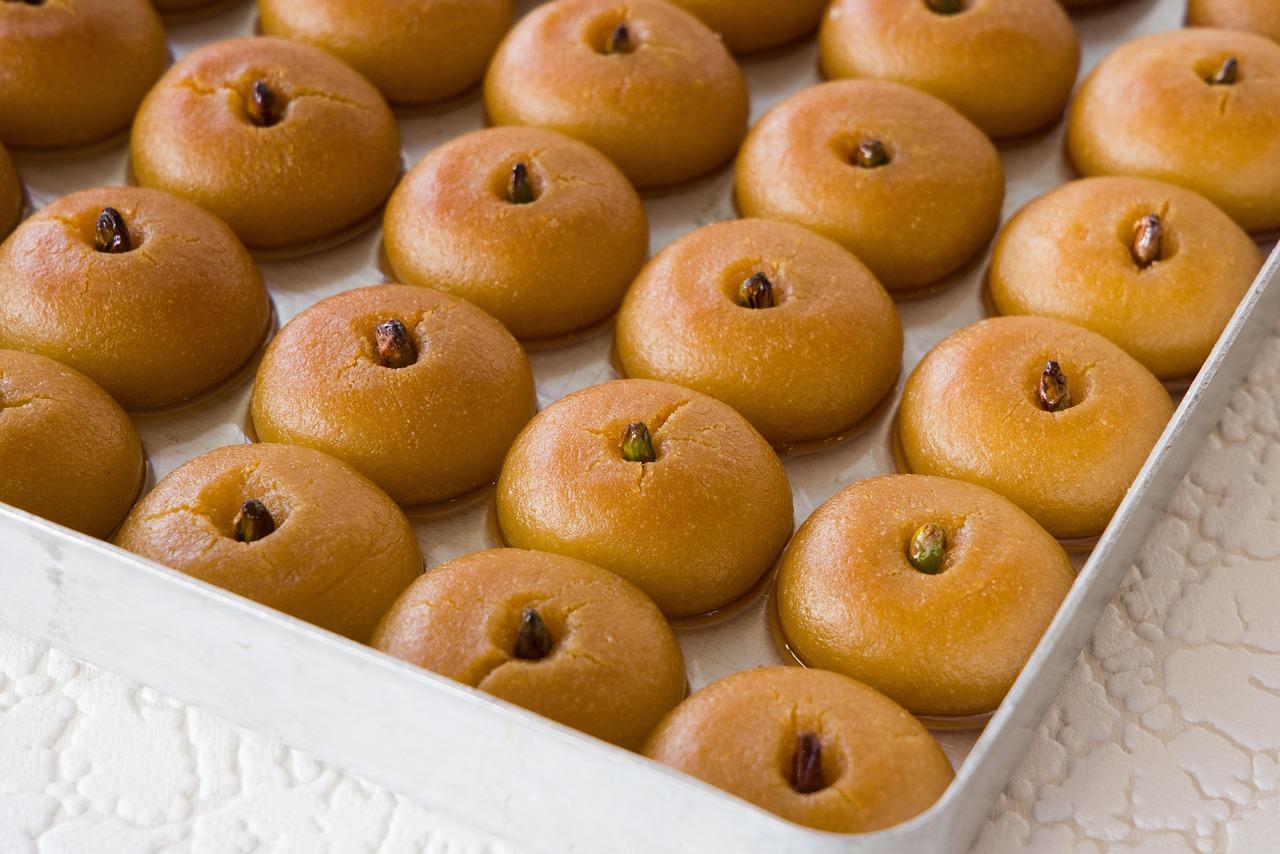
ŞekerpareSemolina almond cookies in syrup

Şekerpare is the cookie that every Turkish household bakes for bayram visits, when trays are passed to relatives and neighbours along with coffee and cologne for the hands. Soft, buttery rounds of semolina dough are each topped with an almond, baked until golden and then soaked in syrup until they are tender all the way through but still hold their shape. They keep for days and taste better on the second. Common mistake: cold syrup on cold cookies, which never soaks in; one of them must be hot. Chef's tip: bake until the bases are properly golden; pale cookies turn mushy when they meet the syrup.

by KrazyBadal 0 views

King kongLayered biscuit with manjar blanco

Named, the story goes, after the giant ape because of its size when the film reached Peru, the king kong is Lambayeque's proudest sweet: thick, crumbly biscuit layers stacked with manjar blanco, a sticky pineapple jam and a peanut fudge, then cut into heavy slabs. Shops in Lambayeque and Chiclayo sell them by the kilo in boxes, and travellers carry them home as gifts. It is very sweet, buttery and dense, so a slice goes a long way with black coffee. This home version makes the manjar blanco from condensed and evaporated milk to save hours, then turns half of it into the peanut layer. The usual mistake is overbaking the biscuit until it is hard; take it out as soon as the edges are pale gold, as it firms up while it cools. It is a project, so make the fillings first and let them cool. Chef's tip: wrap the finished king kong and leave it overnight before cutting; the layers settle and soften into each other.

by KrazyBadal 0 views

Prego no pãoGarlic steak roll

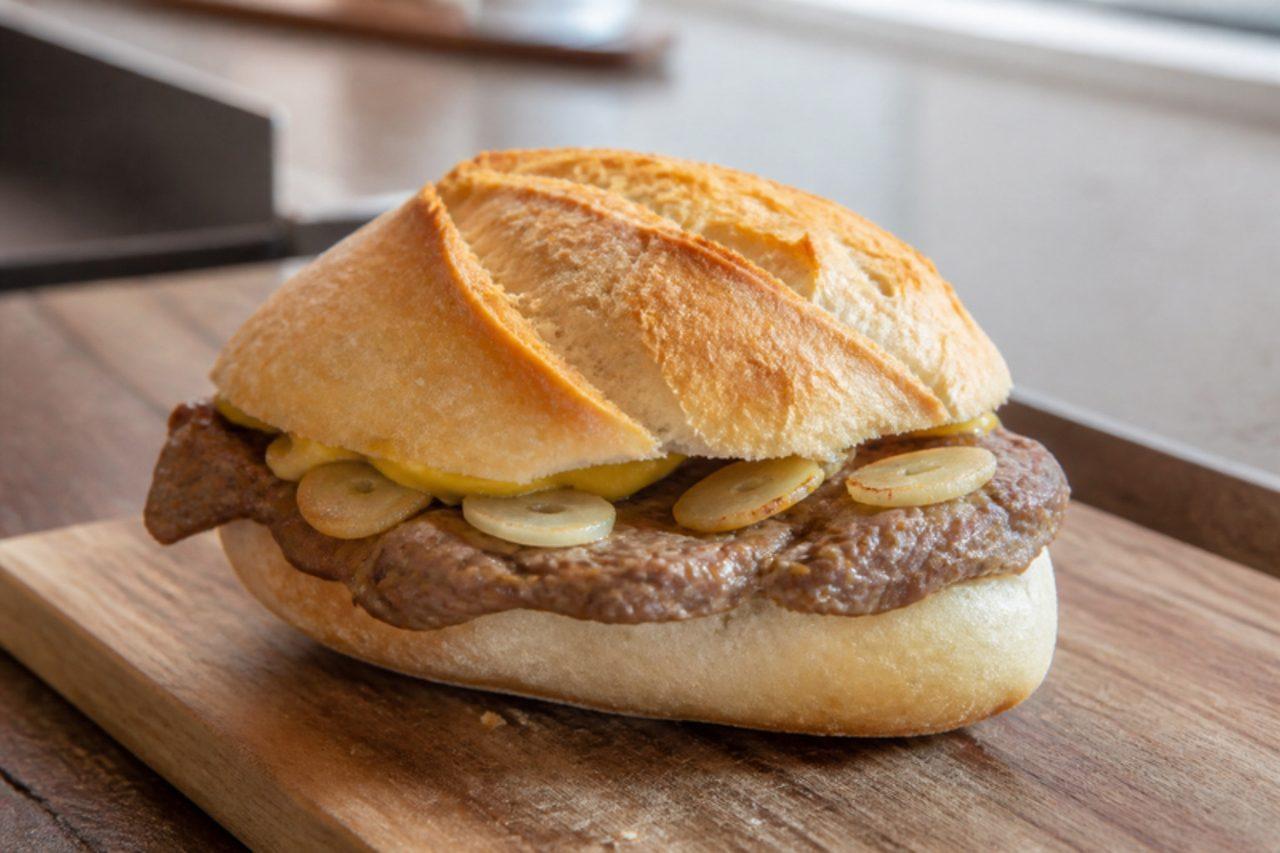
Lisbon diners order a prego at the end of a long seafood lunch, at football matches and after midnight from a beach-bar hatch: a thin slice of beef, beaten flat, fried hard in garlic and bay and stuffed into a crusty papo-seco roll. The name means 'nail', perhaps for the garlic that is hammered into the meat. Mustard or a dash of piri-piri is all it needs. A common mistake is a thick steak; it must be thin enough to cook in a minute a side or it steams and turns grey. Chef's tip: dip the cut side of the roll in the hot pan juices just before you close it.

by KrazyBadal 0 views

Secretos de porco pretoGrilled black pork

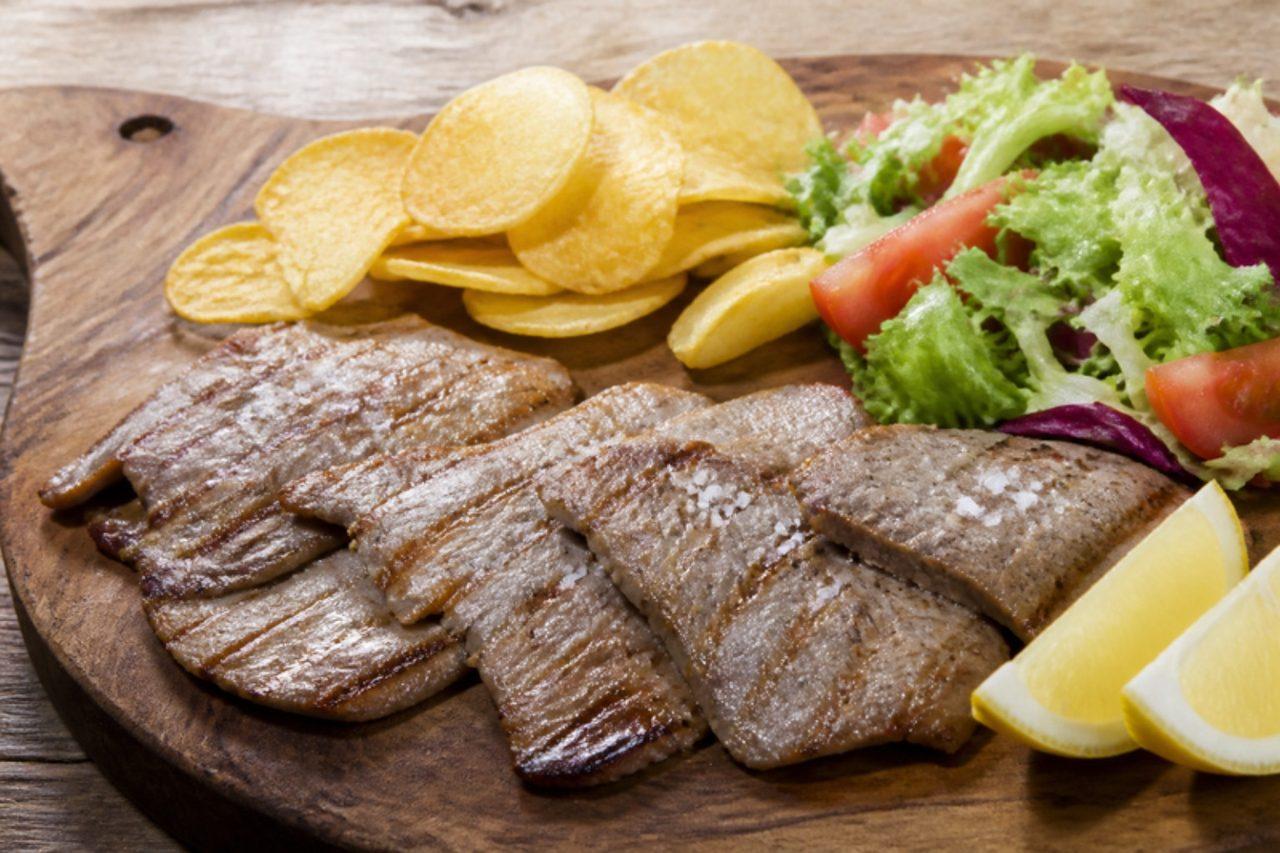
The secreto is a thin, marbled cut hidden between the shoulder fat and the loin of the Alentejo black pig, the free-ranging breed that fattens on acorns under the cork oaks. Butchers once kept it for themselves; now it is on every Alentejo grill menu, served with fried potatoes, migas or a salad of orange and onion. This contains pork. It needs only salt, garlic and a hot grill, since the fat inside bastes it as it cooks. A common mistake is moving the meat around: leave it on the grill so it builds a crisp, browned crust. Chef's tip: let the meat come to room temperature for 20 minutes before cooking, so it browns evenly and stays juicy.

by KrazyBadal 0 views

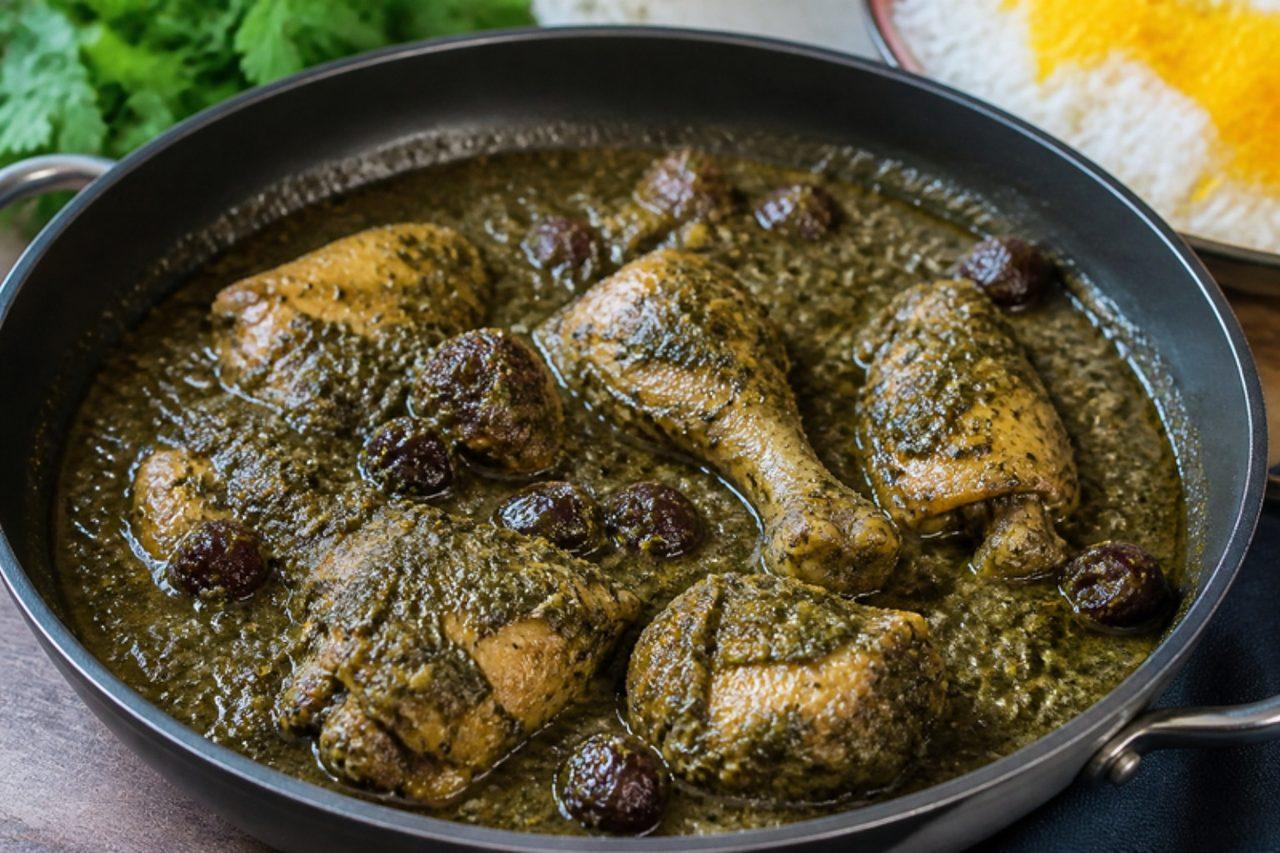
Morgh-e torshChicken with walnuts and sour plums

Morgh-e torsh is everyday Sunday cooking in Rasht and the villages of Gilan, where gardens overflow with herbs and the cooking leans sour rather than sweet. Chicken pieces are browned, then braised with a mountain of chopped coriander, parsley, mint and garlic chives, ground walnuts and sour plums, finished with verjuice or lemon until the sauce turns a deep olive green. It is eaten with kateh, the simple Caspian rice. A common mistake is adding the herbs raw to the pot; fry them first until dark and fragrant, or the sauce tastes grassy. Chef's tip: a beaten egg stirred in at the very end is how many Gilani grandmothers thicken and enrich the sauce.

by KrazyBadal 0 views

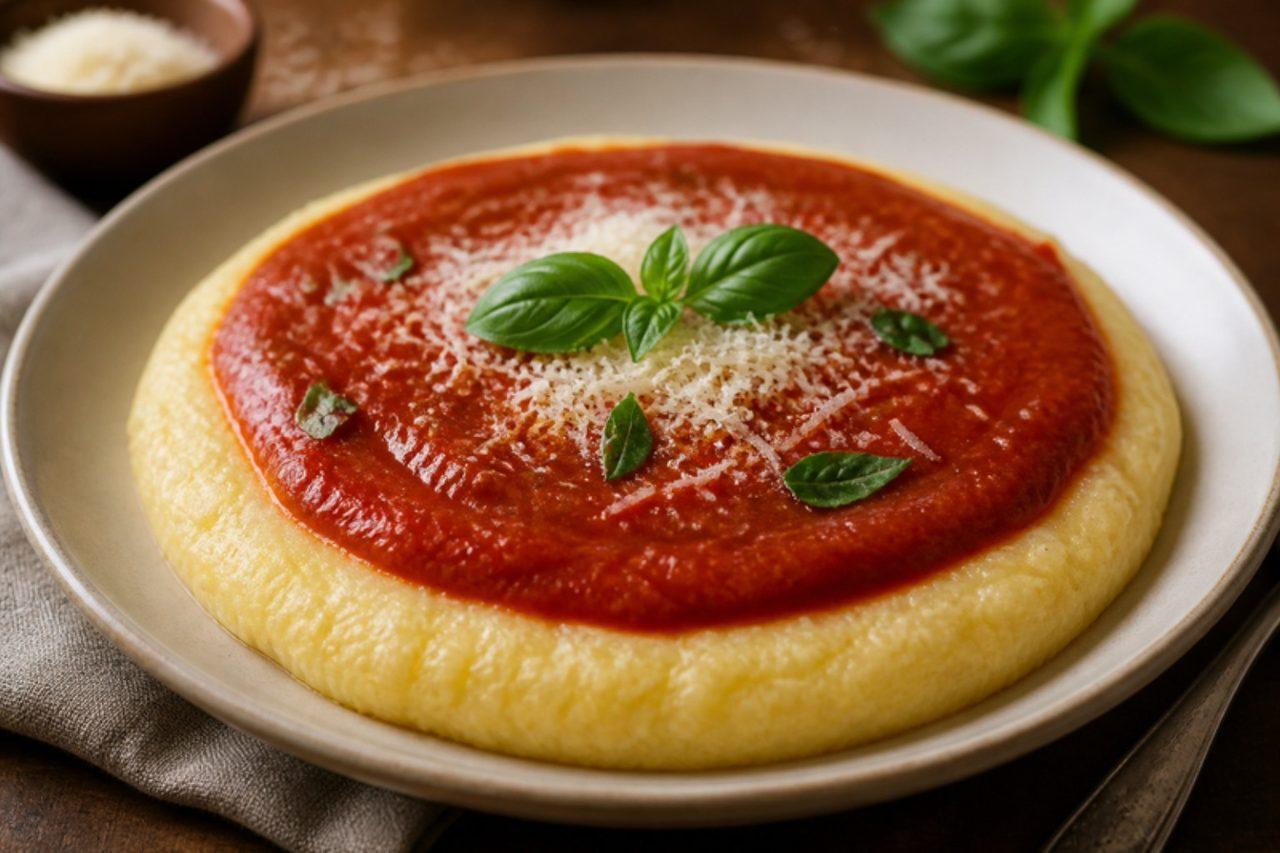
Polenta con tucoPolenta with tomato sauce

Tuco is what Argentines call the red sauce of their Italian grandparents, and spooned over a mound of soft polenta it is one of the most ordinary, best-loved cold-weather suppers in Buenos Aires and across the pampas. On Sundays the sauce often gets a piece of beef; this is the everyday meatless version, with onion, red pepper, carrot, bay and a long simmer that turns the tomato sweet and deep. The polenta is enriched with butter and cheese until it falls off the spoon like thick custard. The most common mistake is pouring the cornmeal into the water all at once, which gives you lumps you will never beat out, so rain it in slowly while whisking. Grated hard cheese is usually made with animal rennet; choose a vegetarian one if needed. Chef's tip: make the tuco first and let it rest off the heat while the polenta cooks; even 15 minutes of standing rounds out its flavour.

by KrazyBadal 0 views

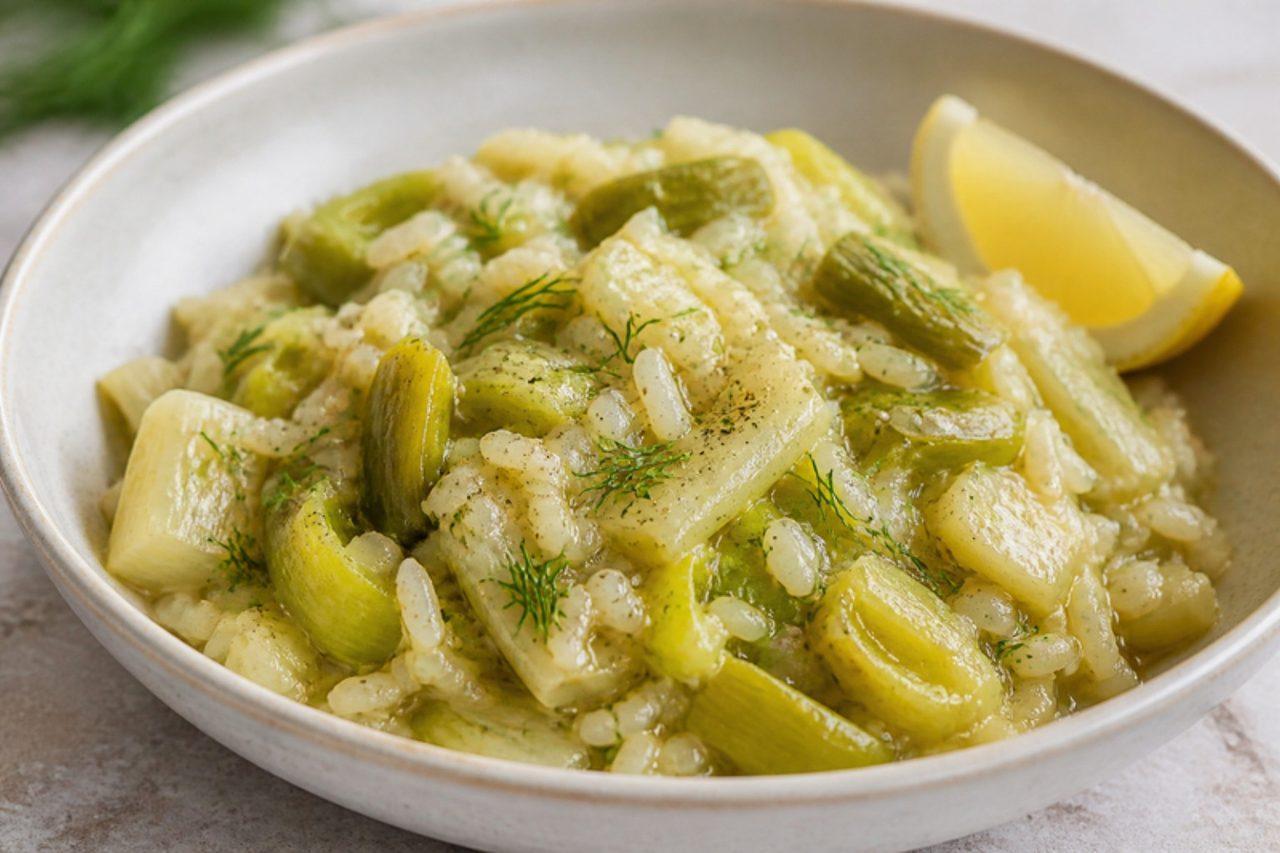
PrasorizoLeek and rice with lemon

Prasorizo is the cheap, comforting pot that northern Greek kitchens turn to through the Lenten weeks and the cold months, when leeks are at their best and meat is off the table. Leeks are stewed in plenty of olive oil until meltingly soft, then rice simmers in the same pot until creamy and loose, finished with dill and a sharp squeeze of lemon. It is eaten warm, never piping hot, with feta (or a vegan alternative) and olives on the side. Common mistake: stirring like risotto, which turns it gluey — stir once or twice and let it bubble. Chef's tip: be generous with the oil; in a ladera dish the olive oil is the sauce.

by KrazyBadal 0 views

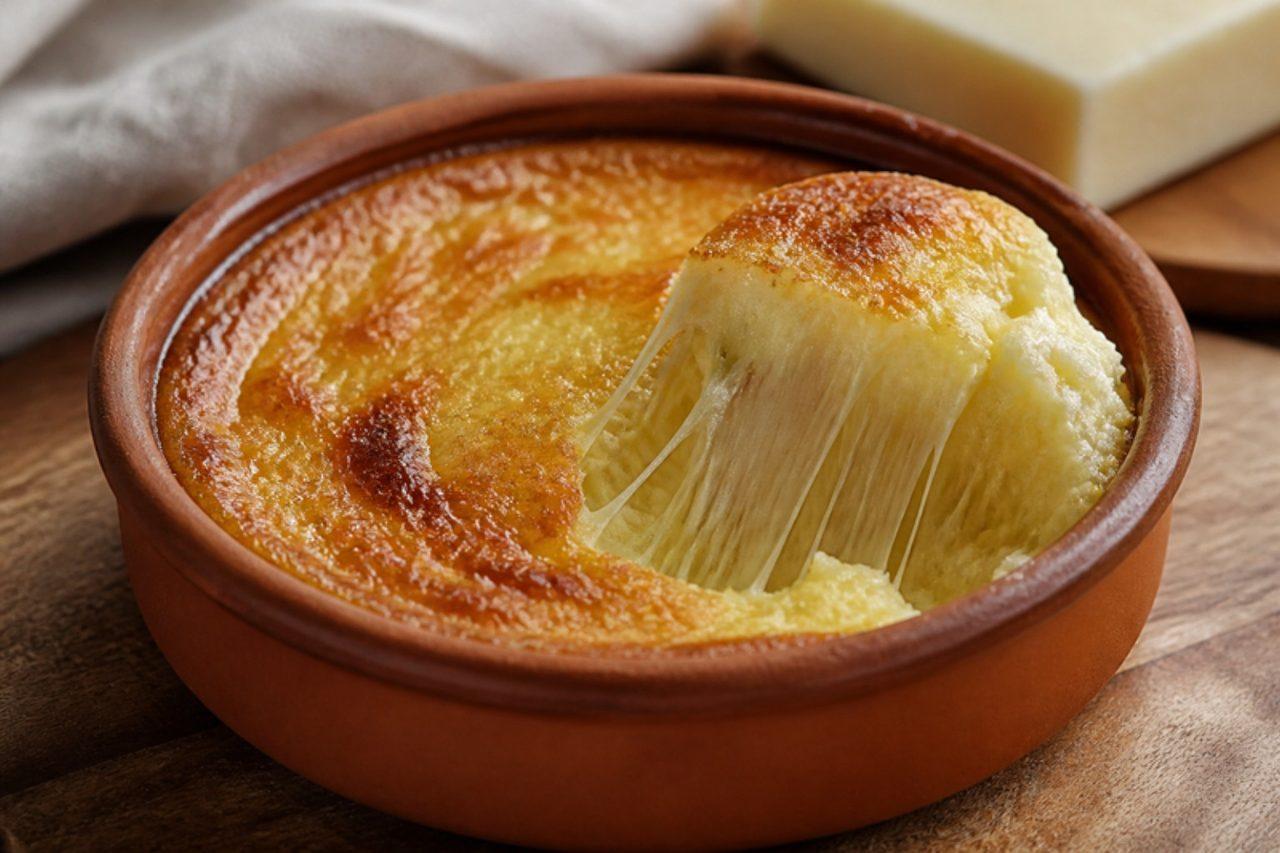
Peynir helvasıCheese and semolina halva

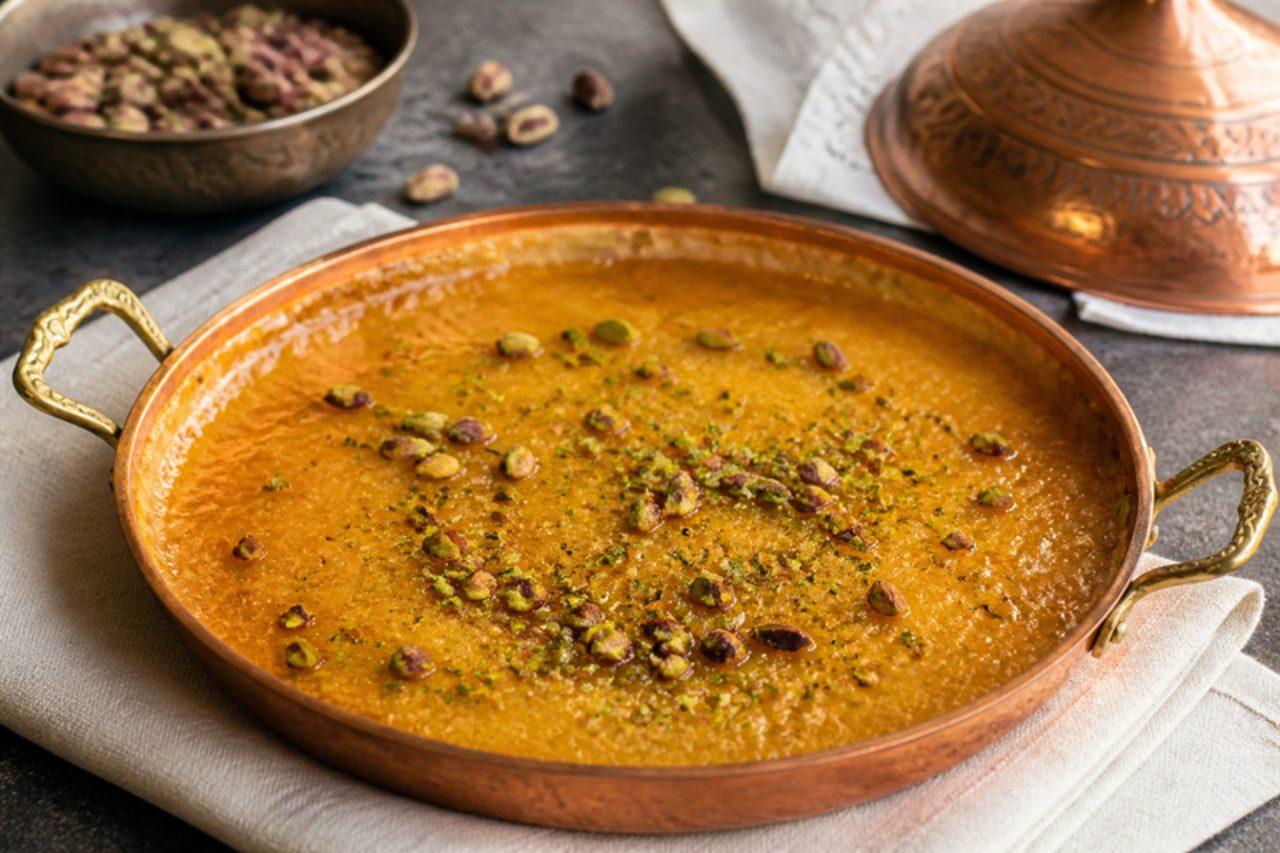
Around Çanakkale and the Dardanelles, peynir helvası is a soft, oven-browned halva made with fresh unsalted cheese, semolina, butter and sugar, sold warm in clay dishes at the market cafés. The top caramelises in spots, the inside stays creamy and stretchy, and the flavour sits somewhere between cheesecake and halva. Eat it warm on its own or with a glass of tea after a fish lunch. Chef's tip: use a mild, fresh, unsalted cheese and squeeze it well; salty or wet cheese gives a sour, runny halva.

by KrazyBadal 0 views

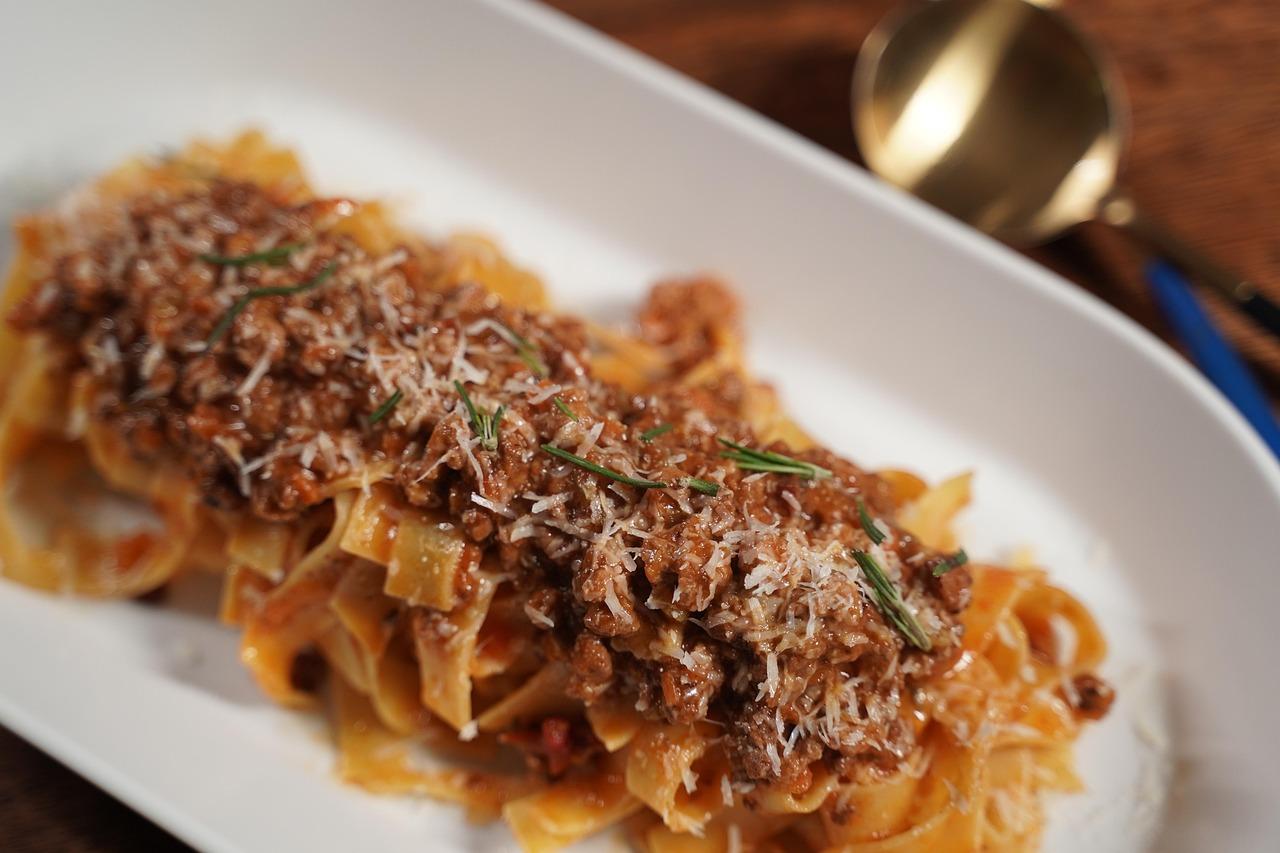
Pappardelle al ragù di cinghialePappardelle with wild boar ragù

Wild boar roam the Maremma, the wooded south-west corner of Tuscany, and in autumn, when the hunting season opens, every country trattoria serves pappardelle with a dark, gamey boar ragù. The meat is marinated overnight in red wine with juniper and herbs, then simmered slowly with tomato until it falls into shreds and coats the wide egg ribbons. Wild boar is hard to find outside game butchers, so pork shoulder is a good substitute, giving a milder but still rich ragù; either way the sauce also uses pancetta, making it a pork dish. It uses red wine, and the note gives an alcohol-free option. Chef's tip: shred the meat with two forks rather than mincing it; the uneven strands cling to the pappardelle far better.

by KrazyBadal 0 views

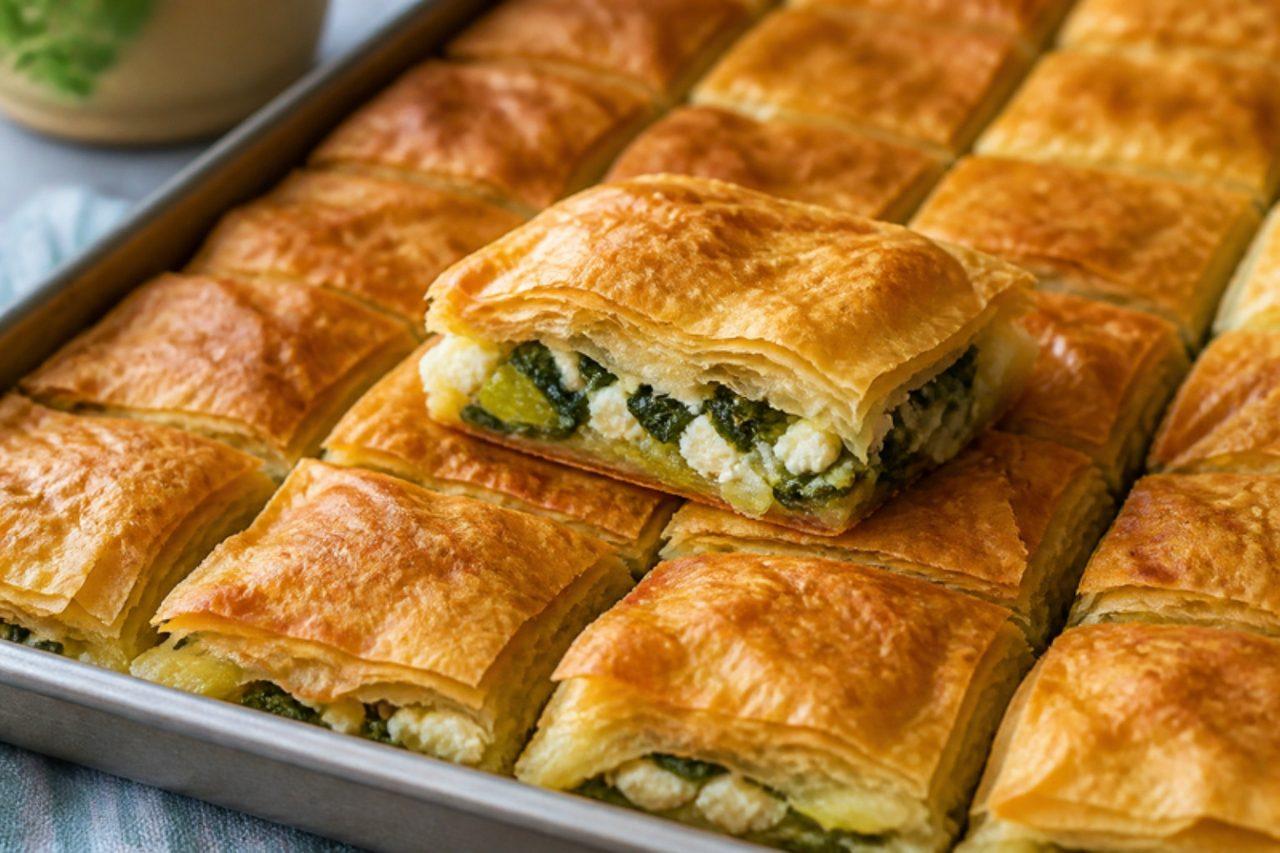
PrasopitaLeek and feta pie

In the villages around Kozani and Kastoria, winter leeks pulled from frozen ground go into this pie, made on Sundays and taken to the fields in slabs wrapped in paper. The leeks are sweated slowly in butter and olive oil until silky and sweet, bound with eggs, feta and a little semolina, then baked between buttery sheets of filo. It is softer and gentler than spinach pie, and just as good cold the next day. Feta and kefalotyri usually use animal rennet; choose vegetarian versions if needed. Common mistake: leaving grit in the leeks — split and wash them under the tap before slicing. Chef's tip: cook the leeks until all their liquid has gone, or the bottom pastry turns soggy.

by KrazyBadal 0 views

Seco de chabeloPlantain mash with dried beef

Piura's picanterías, near the dry northern border, serve this rough, savoury mash at lunch: green plantains, roasted or boiled and pounded, mixed with fried strips of carne seca (salted dried beef) and a quick sofrito of onion, tomato and ají amarillo. It is dense, salty and smoky, with the plantain's starchy sweetness, and is eaten with salsa criolla and fried ripe plantain or chifles (plantain crisps). The legend says it was invented for a soldier called Chabelo in the War of the Pacific. Use carne seca or cecina from Latin shops, or unseasoned beef jerky. Pounding the plantains smooth is the classic mistake: chabelo should be lumpy and rustic. Chef's tip: soak the dried beef in warm water for 30 minutes and taste a piece; if it's still very salty, change the water and soak again.

by KrazyBadal 0 views

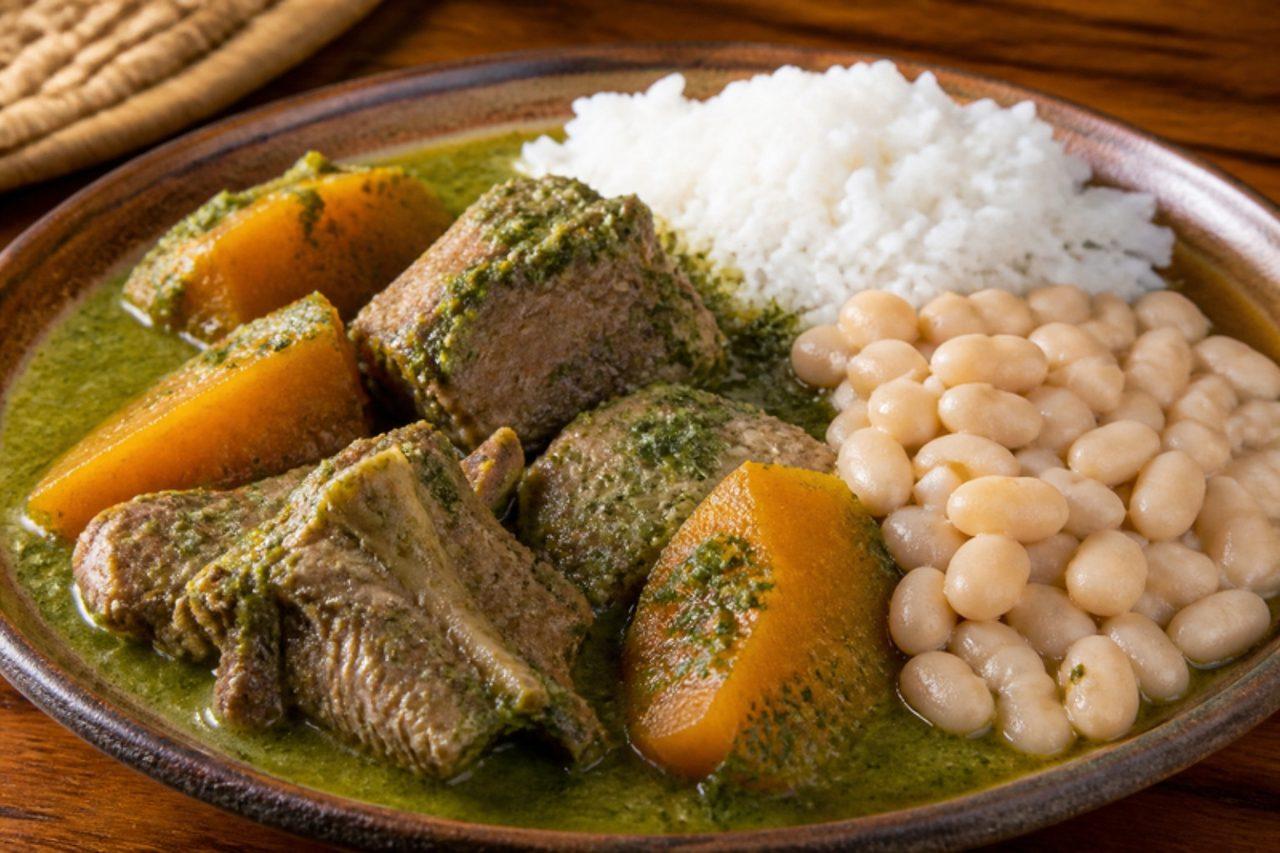
Seco de cabritoBraised kid goat with coriander

Ask anyone in Chiclayo or Lambayeque for the north's great Sunday dish and seco de cabrito comes up first: young goat, marinated in garlic and vinegar, then braised slowly in a deep green sauce of blended coriander, ají amarillo and chicha de jora, with grated loche, the local aromatic squash. The meat turns tender and the sauce is herby, sour and warm. It comes to the table with white rice and frejoles (stewed canary beans) and a sharp salsa criolla. Chicha de jora is a fermented maize beer and contains alcohol; the alcohol-free swap in the ingredients keeps the tang. Lamb shoulder stands in well for kid. People often blend the coriander with the stems discarded, but the stems carry the most flavour, so use the whole bunch. Chef's tip: add half the coriander at the start and half 10 minutes before the end, so the sauce stays bright green.

by KrazyBadal 0 views

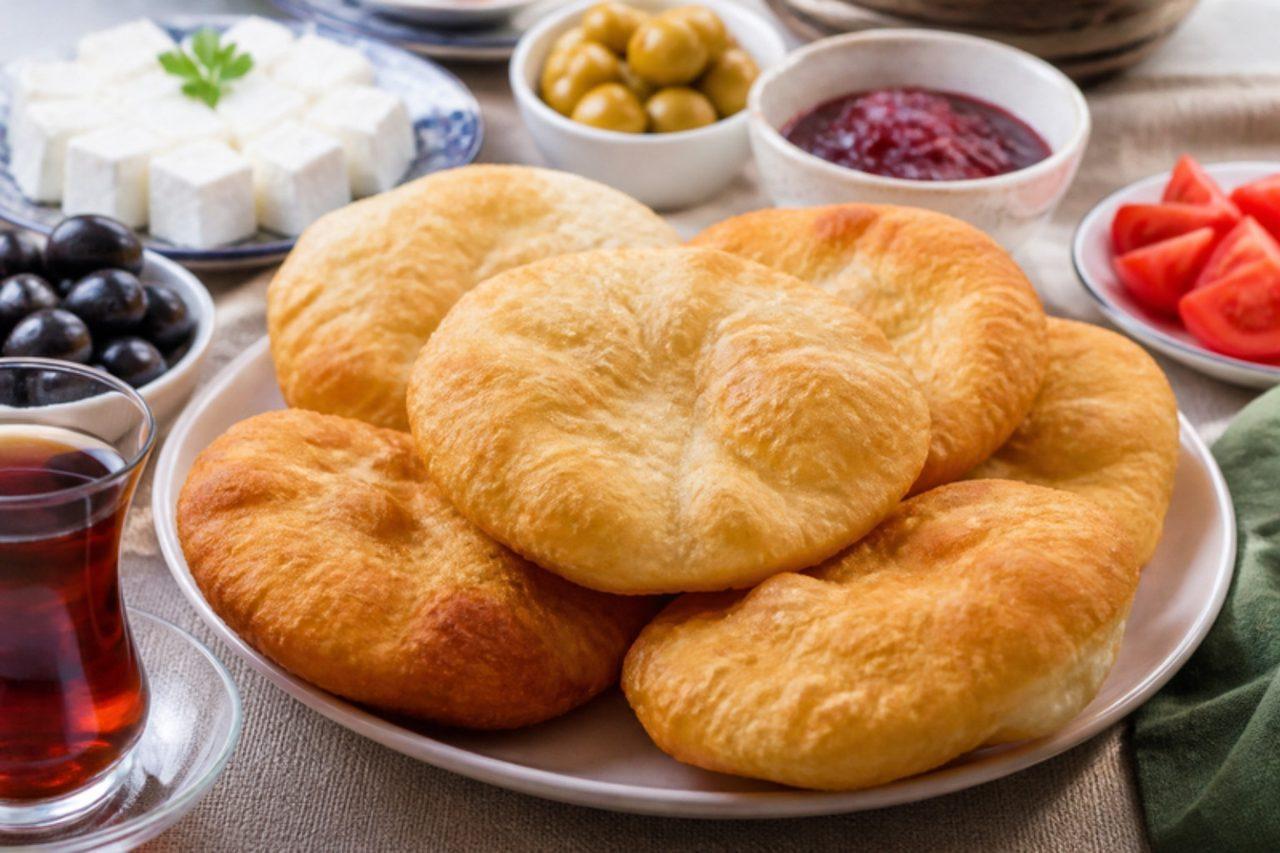
PişiFried dough puffs

When a Turkish family has time for a long Sunday breakfast, someone stands at the stove frying pişi while the rest of the table fills with white cheese, olives, tomatoes, honey and endless tea. The yeasted dough is stretched thin with oiled fingers and fried until it balloons, golden and crisp outside and chewy inside. In villages across Anatolia it is also the treat made on bread-baking day from the last of the dough. Common mistake: oil that isn't hot enough; the pişi soaks it up and turns greasy. Chef's tip: poke a hole in the middle of each round before frying so it puffs evenly and cooks through.

by KrazyBadal 0 views

Scottish tabletButter fudge

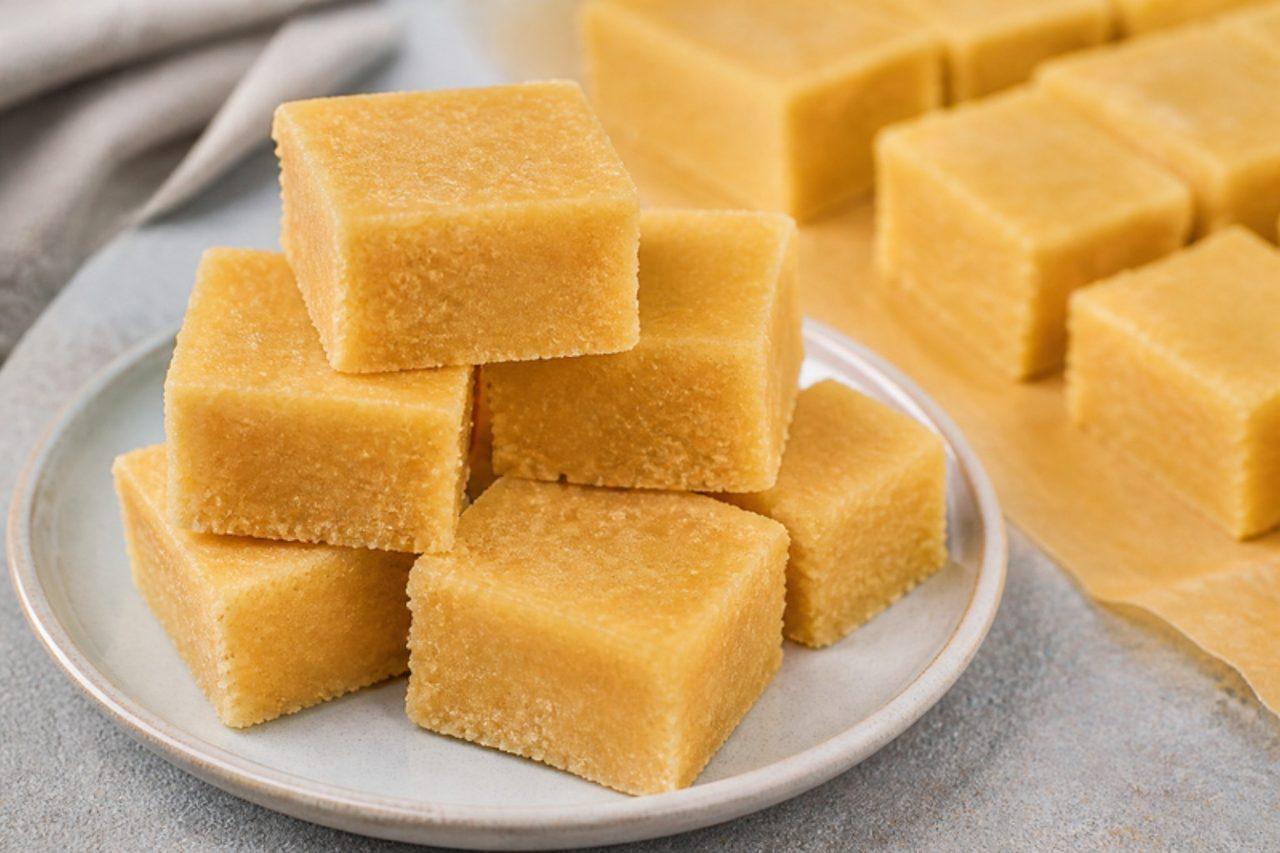
Tablet is harder and grainier than fudge, a sugary square sold at every church fête, Highland games and corner shop in Scotland and taken home in paper bags by visitors. Sugar, butter, milk and condensed milk are boiled to the soft-ball stage and beaten until they crystallise, giving that crumbly, melting snap. Chef's tip: beat it hard off the heat until it loses its gloss and drags on the spoon; stop too early and you have soft fudge.

by KrazyBadal 0 views

Hatay zeytin salatasıGreen olive and walnut salad

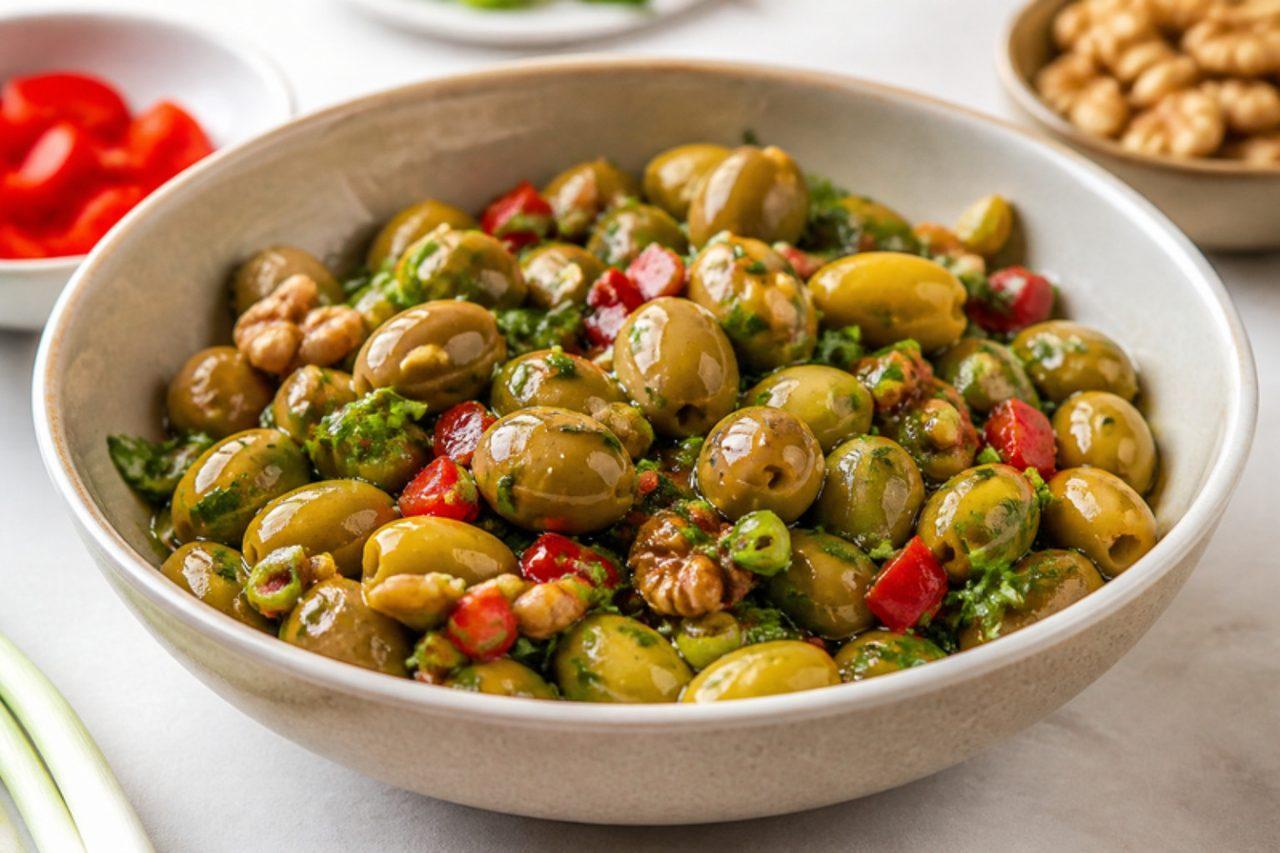
Hatay grows olives on every hillside towards the Syrian border, and its meyhanes and breakfast tables always have a bowl of this salad: green olives tossed with walnuts, spring onion, tomato, parsley, pepper paste and pomegranate molasses. It is salty, sour and sweet at once, and sits happily next to cheese, eggs and flatbread in the morning or as a meze in the evening. Pit and chop the olives yourself; jarred sliced olives are too soft. Rinse very salty olives first, or the salad is overwhelming. Chef's tip: dress it an hour ahead so the olives soak up the molasses, but add the tomatoes and herbs just before serving.

by KrazyBadal 0 views

HöşmerimCheese and semolina halva

Höşmerim is a winter dessert of the Erzurum plateau and the Bolu highlands, made from unsalted fresh cheese melted with butter and semolina until it turns golden and gives off its own butter, then soaked with syrup. It's eaten warm in small bowls, chewy and rich, topped with crushed walnuts or pistachios, often after a long cold day. Common mistake: using salty or aged cheese, which turns oily and bitter; you need a soft, unsalted fresh cheese such as lor or ricotta. Chef's tip: keep cooking until the fat starts seeping out at the edges and the mixture is the colour of light toffee; that's where the flavour comes from.

by KrazyBadal 0 views

Morrones con huevo a la parrillaGrilled peppers with egg and cheese

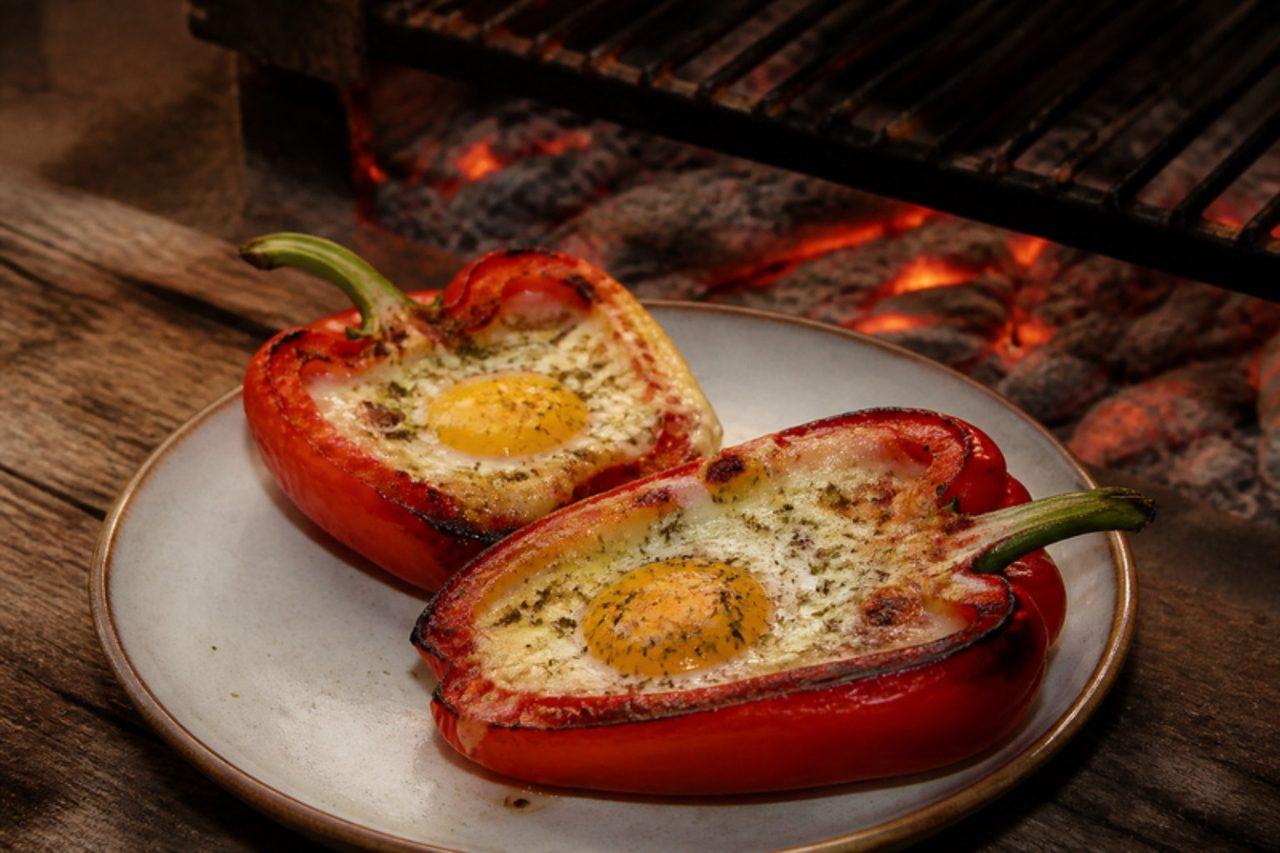
While the meat rests on the cooler side of the parrilla, many asadores put halved red peppers cut side up over the coals, let them soften and char, then crack an egg into each one with a piece of cheese and a pinch of oregano. The pepper becomes a little dish: sweet, smoky and juicy, with a just-set egg and molten cheese in the middle. It is one of the classic starters at an Argentine asado, eaten with bread before the steak arrives, and it makes a good vegetarian main for anyone who skips the meat. The mistake is cracking the egg into a raw pepper: the egg overcooks before the pepper softens, so grill the shells first. Cook until the white is completely set. Queso cremoso or mozzarella is usually made with animal rennet; pick a vegetarian one if needed. Chef's tip: cover the peppers with a foil tent or a lid once the egg goes in; the trapped heat sets the top of the egg without burning the base.

by KrazyBadal 0 views

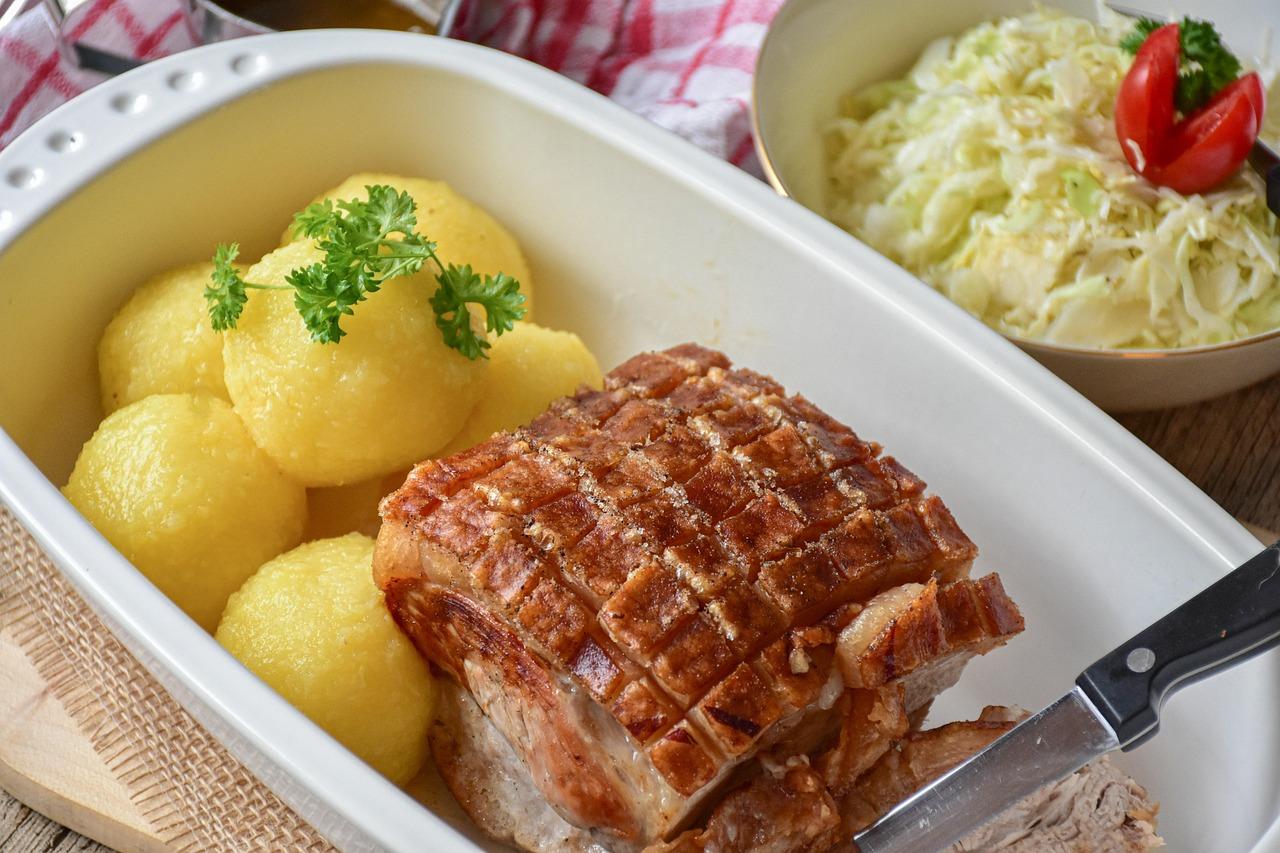
SchweinshaxeRoast pork knuckle

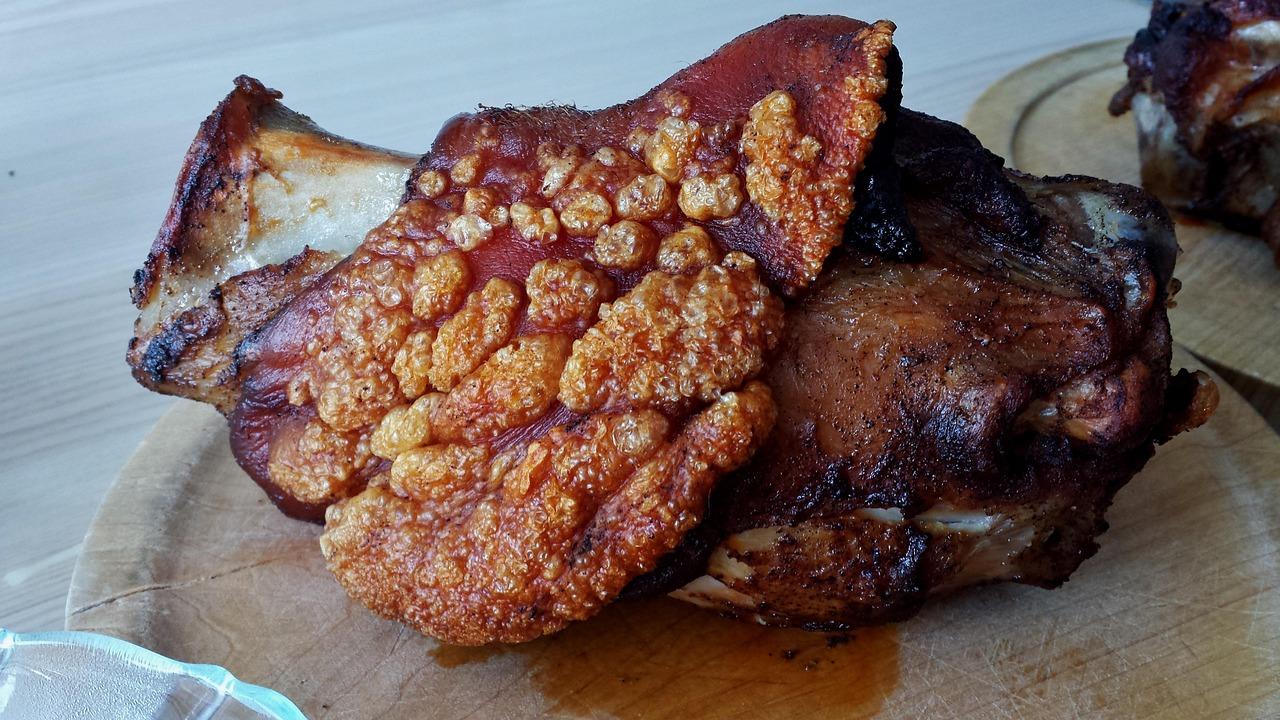
In Munich beer halls and Upper Bavarian village inns, a Schweinshaxe arrives as a whole roast pork knuckle, crackling glassy on the outside and the meat falling off the bone, usually with a potato dumpling and a spoon of sauerkraut. At home it is a weekend dish for cold months: the fresh (not cured) pork hocks are simmered first, then roasted hard so the skin puffs. Ask the butcher for hind knuckles, which carry more meat than front ones. Chef's tip: dry the simmered skin with kitchen paper and leave it uncovered for 20 minutes before roasting; dry skin is the secret to crackling that shatters.

190 minGermanMeatGluten free
by KrazyBadal 0 views

Suco de cupuaçuCupuaçu juice

Cupuaçu is a big, brown, furry-skinned fruit from the cacao family, and in Belém and Manaus its white pulp shows up in ice cream, sweets and above all juice, sold in every lanchonete and at the Ver-o-Peso market. The pulp is thick, creamy and intensely aromatic, with a flavour somewhere between pineapple, banana and chocolate, and very tart, so it is blended with water and sugar into a frothy, almost milkshake-like juice. Look for frozen cupuaçu pulp in Brazilian and Latin shops. Many cafés blend it with milk instead of water; that version is no longer vegan or dairy free. Too little blending is the usual problem, because the fibrous pulp stays stringy. Chef's tip: blend the pulp from frozen, in chunks, with the sugar and a little water first until smooth, then add the rest of the water.

by KrazyBadal 0 views

PfeffernüsseHoney spice biscuits

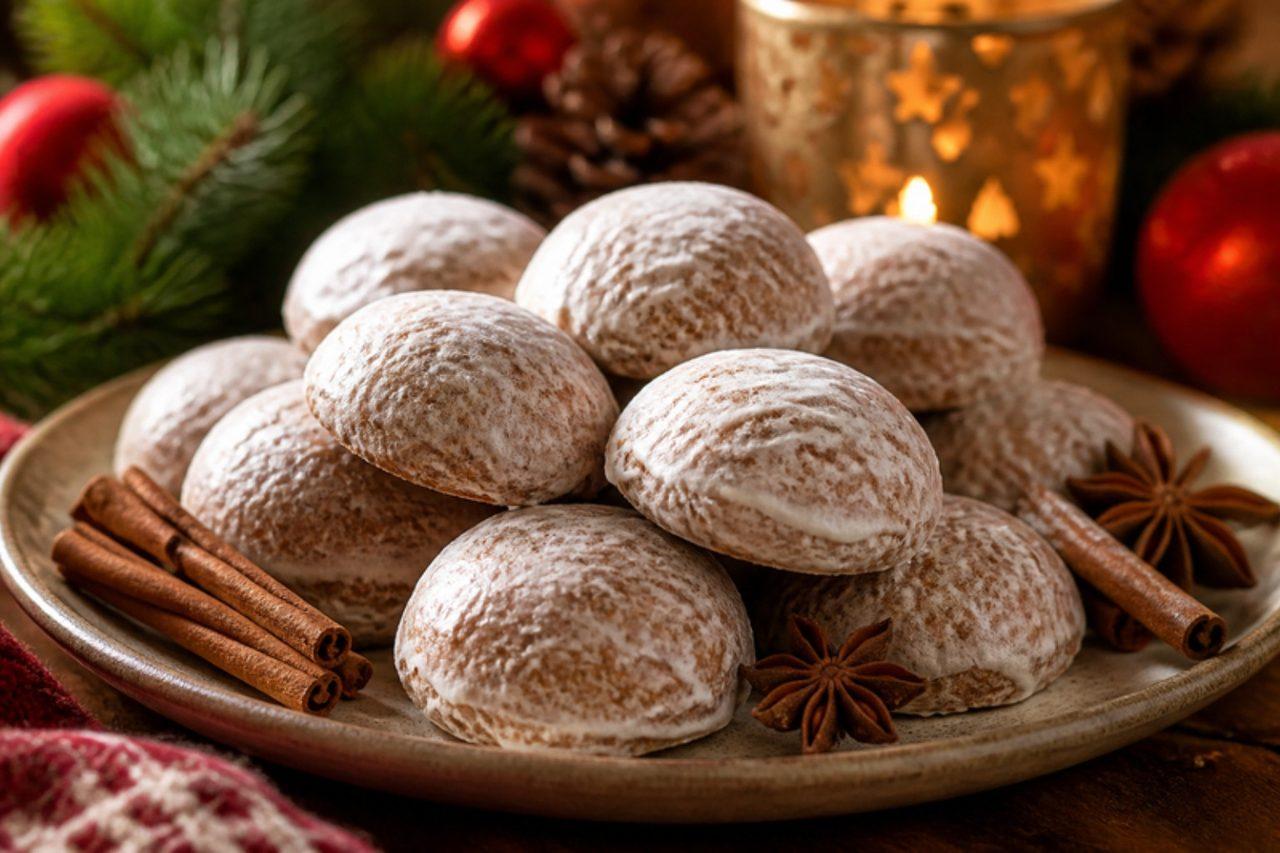
Pfeffernüsse are small domed biscuits baked in German homes through Advent, especially in the north and in Saxony, and sold in bags at Christmas markets everywhere. They are made with honey and a warm spice mix, and in old recipes the 'pepper' in the name meant exotic spices in general, though a pinch of real black pepper adds a lovely bite. A thin white glaze sets crisp over a chewy centre. The mistake many people make is eating them straight away; they are hard at first and need a few days in a tin with a slice of apple to soften. Chef's tip: warm the honey only until runny, never boiling, or the biscuits turn tough.

by KrazyBadal 0 views

PfefferpotthastPeppery beef and onion stew

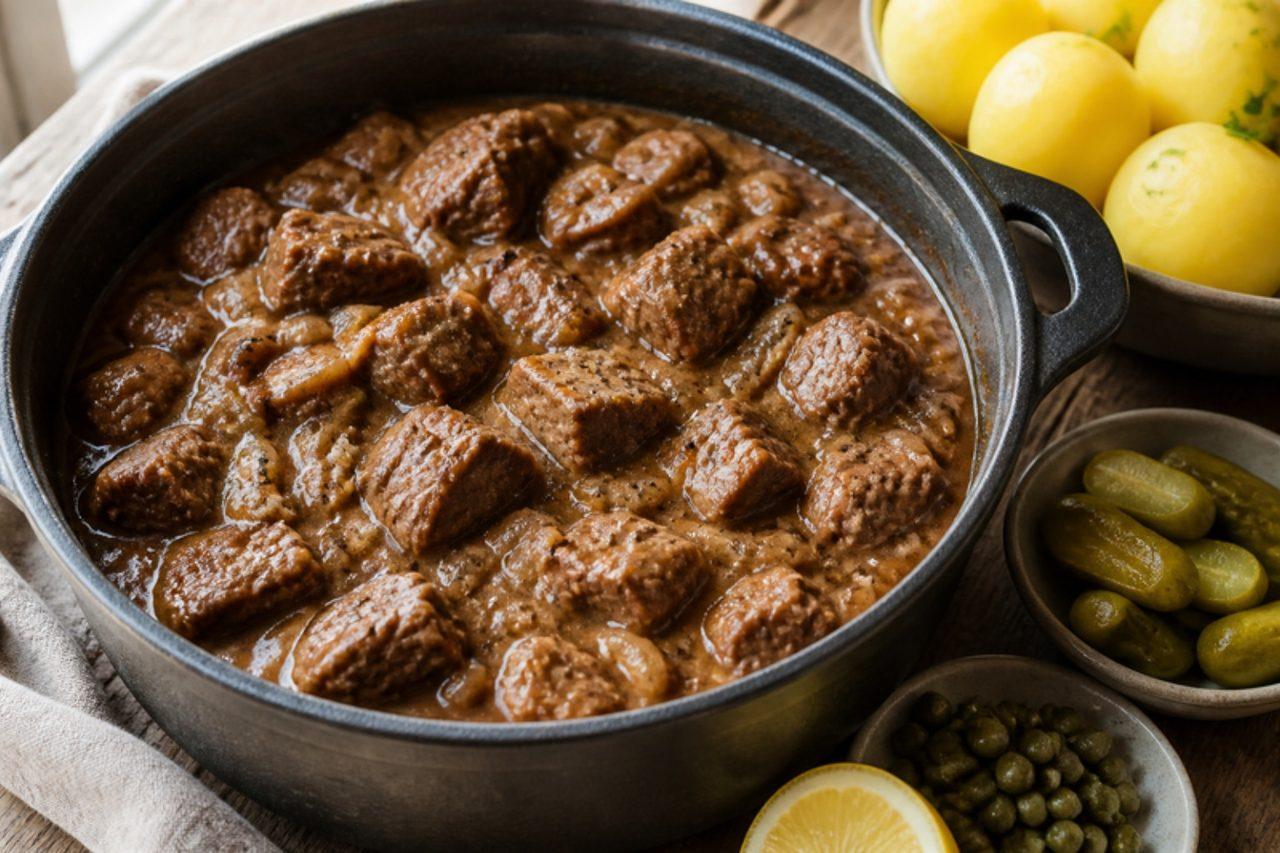
Pfefferpotthast is one of the oldest dishes of Westphalia, written about in Dortmund as far back as the 14th century and still cooked in the Münsterland and the Ruhr for big family meals. Beef is stewed with almost as much onion as meat, plenty of black pepper, cloves and bay, then thickened with breadcrumbs and sharpened with lemon and capers. Pickled gherkins and boiled potatoes go alongside. Chef's tip: grind the pepper coarsely and add half at the start and half at the end, so you get both deep warmth and a fresh bite.

by KrazyBadal 0 views

PfitzaufEgg-batter puffs with apple sauce

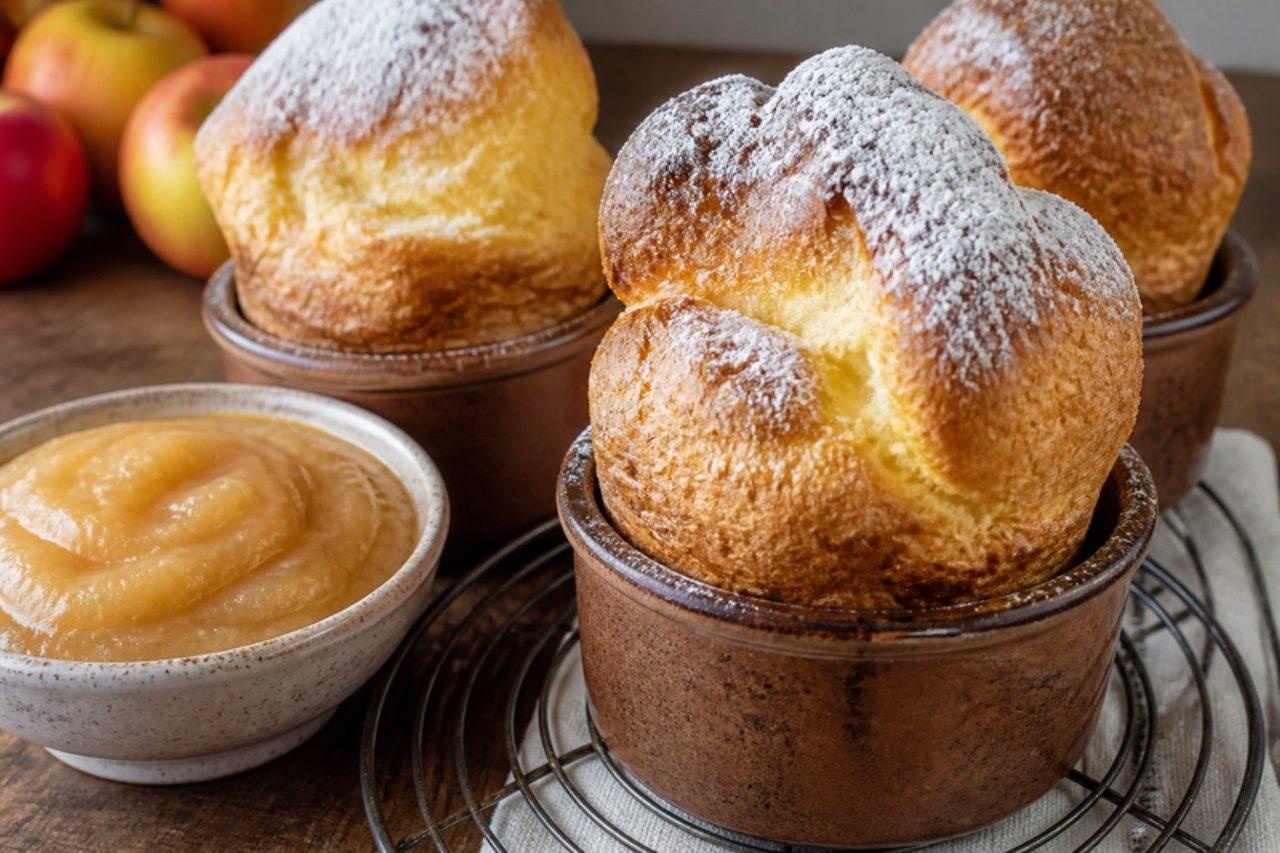
Pfitzauf is a Swabian Sunday-afternoon treat: a thin egg and milk batter poured into a heavy clay or tin mould with deep cups, which rises in the oven like a soufflé and 'pfitzt auf', pops up, far above the rim. Grandmothers on the Swabian Alb served it hot with apple sauce or vanilla sauce, sometimes with stewed cherries. A muffin tin or popover tin works too. The classic mistake is opening the oven during baking: the puffs collapse and never come back. Chef's tip: get the buttered tin really hot in the oven before pouring in the batter; the shock of heat is what makes them climb.

by KrazyBadal 0 views

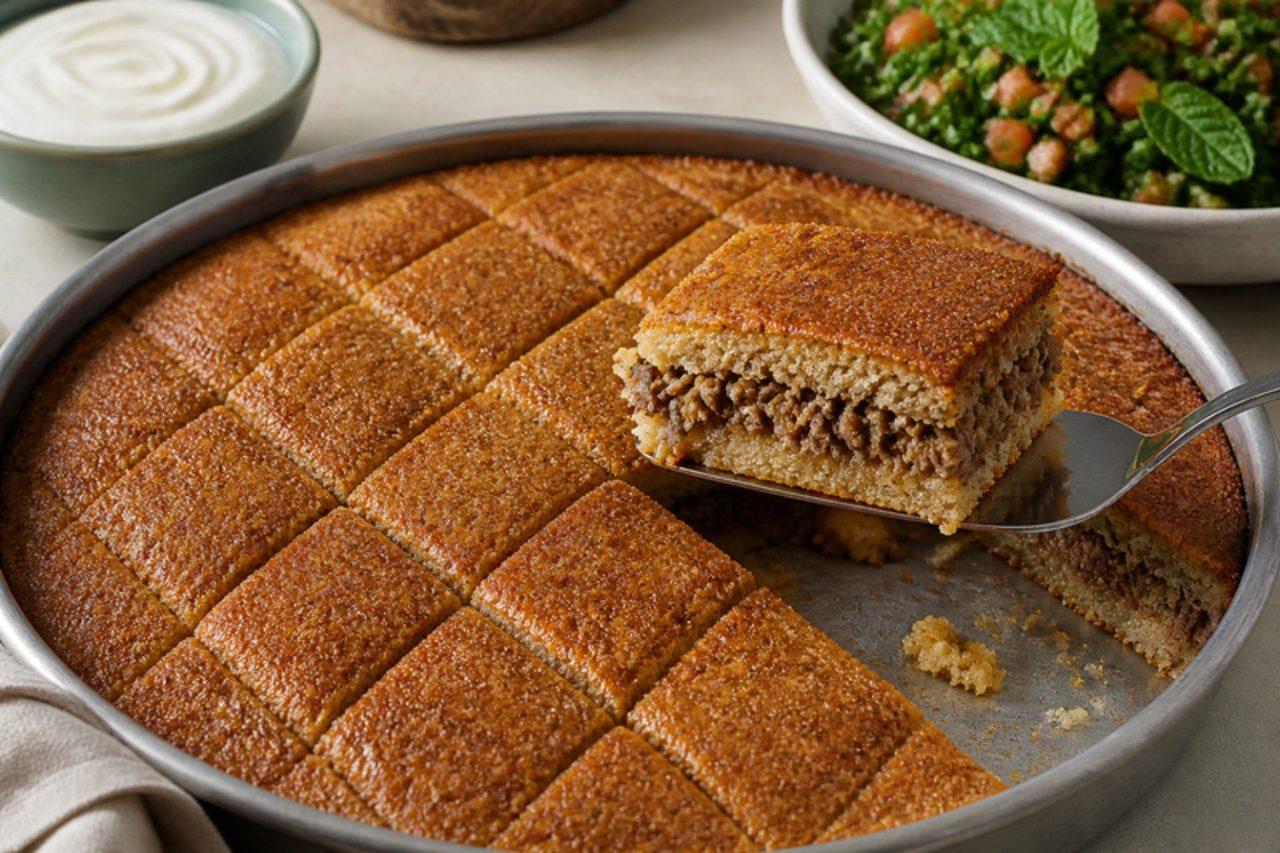
Kibbeh bil saniehBaked tray kibbeh

When a Lebanese family is expecting a crowd for Sunday lunch, out comes the round tray of kibbeh bil sanieh, cut into diamonds before baking so everyone can lift a neat piece. Two layers of lamb and fine bulgur kneaded with onion and spices sandwich a filling of minced lamb fried with onions and toasted pine nuts; the top bakes crisp and brown while the inside stays moist. Serve it warm or at room temperature with yoghurt, cucumber salad or fattoush. Common mistake: using coarse bulgur, which won't bind; you need fine bulgur (number 1). Chef's tip: dip your hands in iced water while you press the top layer — it smooths the surface and stops the mixture sticking.

by KrazyBadal 0 views

SchweinebratenRoast pork with crackling

Schweinebraten is the Sunday roast of Bavaria, the dish a Munich family sits down to after church and the one every village inn chalks up on its board. This is pork shoulder with its rind still on, roasted on a bed of onion, carrot and celeriac while the rind blisters into crackling, and the gravy is built from the roasting juices and a bottle of dark beer. The beer contains alcohol; most cooks off but not all, so use alcohol-free dark beer, or the same amount of beef stock with 1 tsp dark molasses, for a gravy without it. Serve with bread or potato dumplings and warm cabbage salad. Chef's tip: score the rind through to the fat but not into the meat, or juices leak up and the crackling turns leathery.

190 minGermanMeat
by KrazyBadal 0 views

Pionono de dulce de lecheDulce de leche sponge roll

Pionono is the flat, springy sponge sheet that Argentine supermarkets sell ready-made for party rolls; at home it takes 10 minutes to bake and makes a far lighter roll. The sweet version, filled with dulce de leche and softly whipped cream, is a birthday and Sunday-tea classic in Buenos Aires and Córdoba, cut into spirals that show off the swirl. Savoury piononos rolled around ham, cheese, tomato and mayonnaise are just as common at parties; this one is the sweet, vegetarian kind. The sponge is a fatless, egg-rich batter that relies on air, so whisk the eggs until they hold a trail for several seconds. Most cracked rolls come from letting the sponge cool flat before rolling. Chef's tip: turn the hot sponge out onto a clean tea towel dusted with sugar, peel off the paper and roll it up in the towel while warm, then unroll to fill once cool; it remembers the shape and doesn't split.

by KrazyBadal 0 views

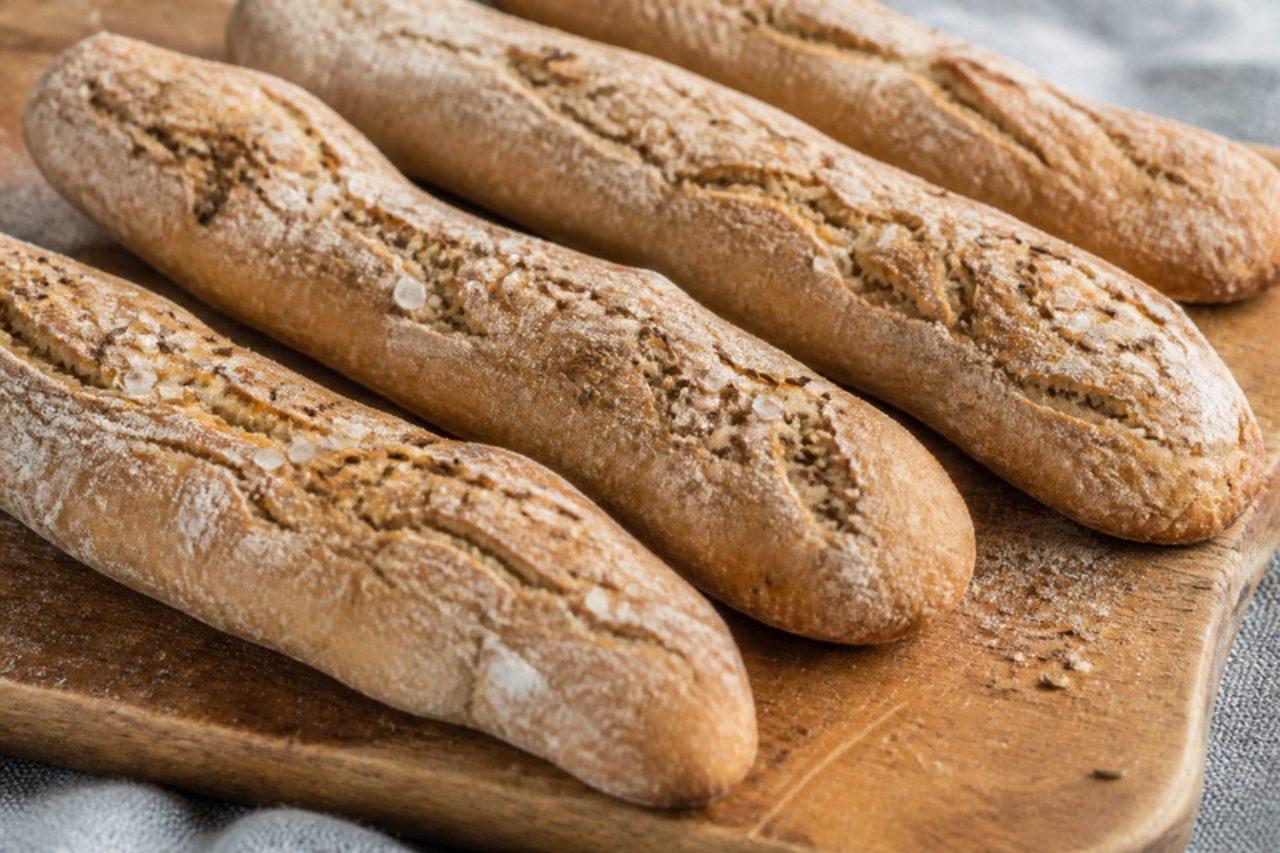
Schwäbische SeelenSpelt caraway rolls

Seelen, meaning 'souls', are the long, pale spelt rolls of Upper Swabia, around Biberach and Ravensburg, said to have first been baked for All Souls' Day. Today they are an everyday bakery item, eaten split with butter or alongside a bowl of soup, and they turn up at every Swabian beer garden. The dough is very wet, so the rolls are pulled into shape rather than rolled, giving an open, chewy crumb under a thin crust crusted with salt and caraway. A common mistake is adding extra flour to make the dough easier to handle, which turns them into ordinary bread rolls. Chef's tip: keep a bowl of cold water beside you and wet your hands before every piece; the dough won't stick and you can stretch each soul straight onto the tray.

by KrazyBadal 0 views

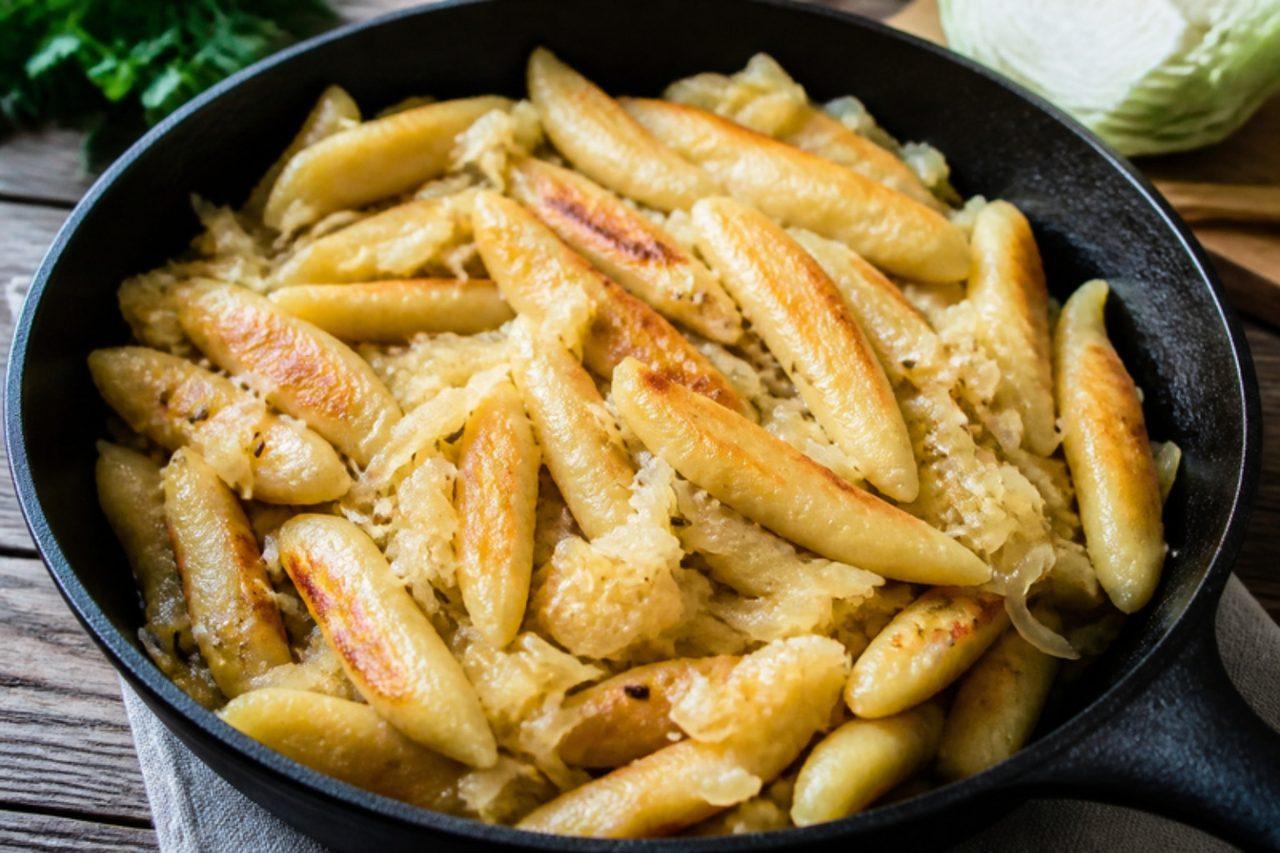
SchupfnudelnPotato noodles with sauerkraut

Schupfnudeln are thick little potato noodles, rolled between the palms into pointed fingers, that turn up at every Christmas market and village festival in Baden-Württemberg, fried in a huge pan with sauerkraut. At home they are a winter supper on their own or a side for roasts. The dough is the same family as gnocchi, but the noodles are boiled first and then fried until browned on the outside. A common mistake is using freshly boiled hot potatoes and too much flour: they need to be cold and dry, so plan to cook them the day before. Chef's tip: rinse the sauerkraut only if it is very sharp; otherwise its tang is what balances the butter.

by KrazyBadal 0 views

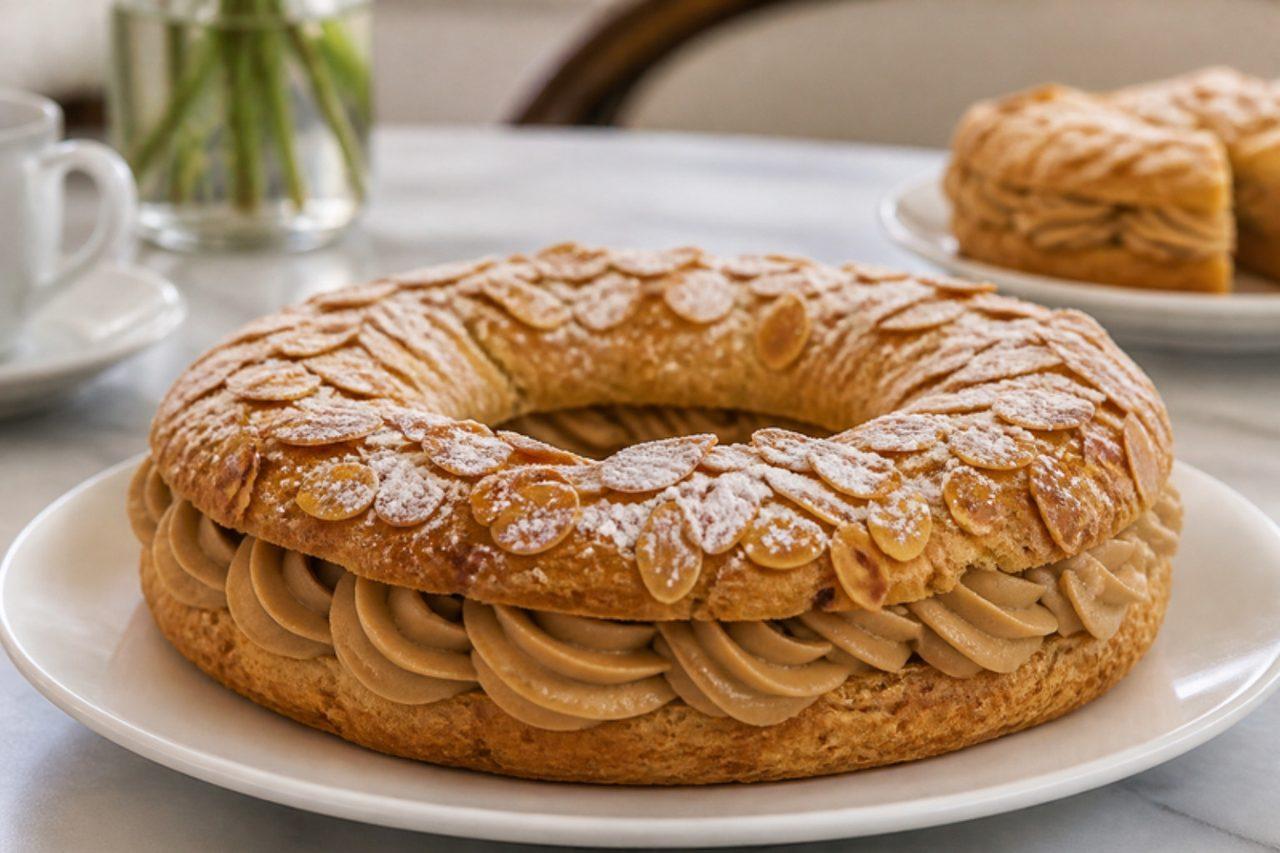
Paris-BrestChoux ring with praline cream

A Maisons-Laffitte pâtissier created this ring of choux pastry in 1910 to honour the Paris–Brest–Paris bicycle race, shaping it like a wheel, and it has been a fixture of Paris pâtisseries ever since. The ring is baked crisp, scattered with flaked almonds, split and piped full of a rich hazelnut-praline buttercream, then dusted with icing sugar. It is a celebration cake for birthdays and Sunday lunches, best eaten the day it is filled. Smooth hazelnut praline paste is sold in baking shops; or blend toasted hazelnuts with caramel. Chef's tip: let the baked ring dry in the switched-off oven with the door ajar; a dry shell stays crisp under the cream instead of going soft.

120 minFrenchBaking
by KrazyBadal 0 views

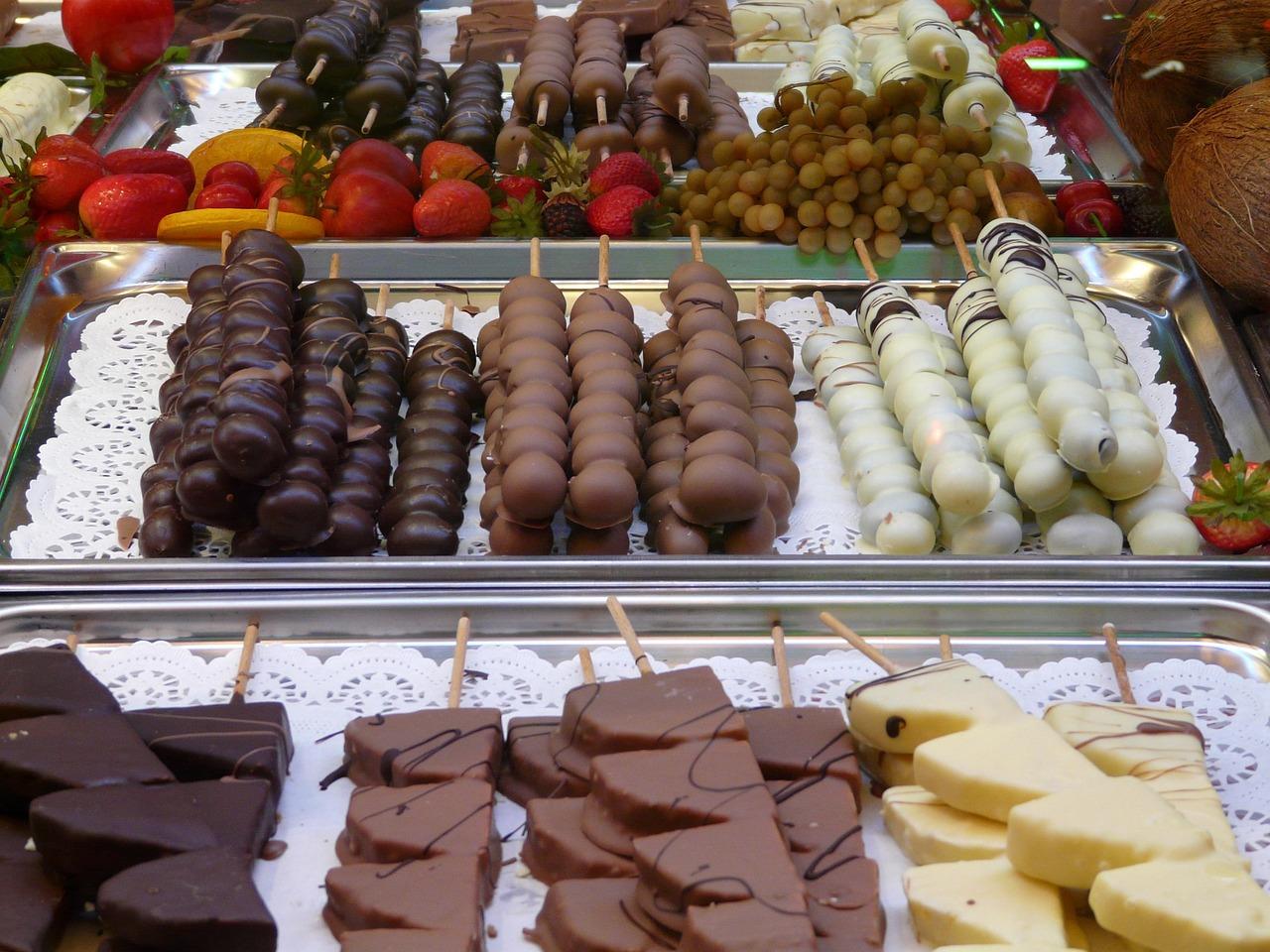
SchokofrüchteChocolate-dipped fruit skewers

Schokofrüchte stalls glow under strings of lights at almost every German Christmas market, from Stuttgart to Hamburg, with rows of strawberries, grapes and banana chunks on wooden skewers dipped in dark, milk and white chocolate. Children choose with their noses pressed to the glass, and at home they are a fun job for small hands. The usual mistake is dipping wet fruit: even a drop of water makes chocolate seize into a grainy lump and stops it sticking. Chef's tip: melt the chocolate gently and let it cool to just warm before dipping; it then clings in a neat, thin shell and sets glossy. Many chocolates contain milk, so check the label if you need it dairy free.

by KrazyBadal 0 views

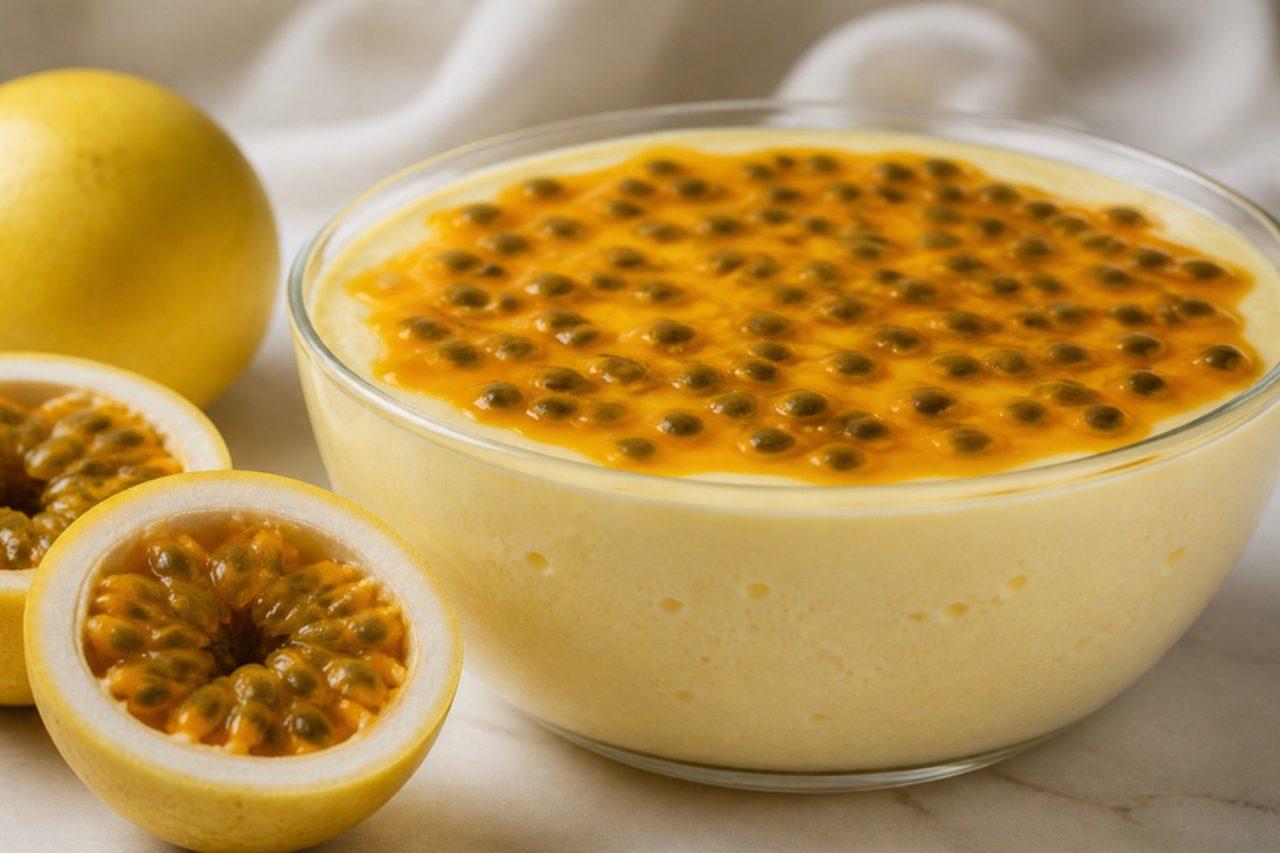
Mousse de maracujáPassion fruit mousse

Three ingredients, a blender and a fridge: Brazilian home cooks from Recife to Curitiba lean on mousse de maracujá for Sunday lunch dessert because it takes ten minutes and nobody ever refuses it. The acid in passion-fruit juice thickens condensed milk and cream almost instantly, so it sets into a light, tangy, pale yellow mousse without gelatin, topped with the glossy black seeds and pulp. Sharp and sweet at once, it is perfect after a feijoada or a barbecue. Buy wrinkly, heavy passion fruit, which are the ripest and juiciest; frozen unsweetened pulp works too. The trap is diluting the juice: any added water stops the mousse setting, so use pure strained juice. Chef's tip: keep back the pulp of one fruit, warm it for a minute with a spoonful of sugar, and pour it over the mousse just before serving for shine.

by KrazyBadal 0 views

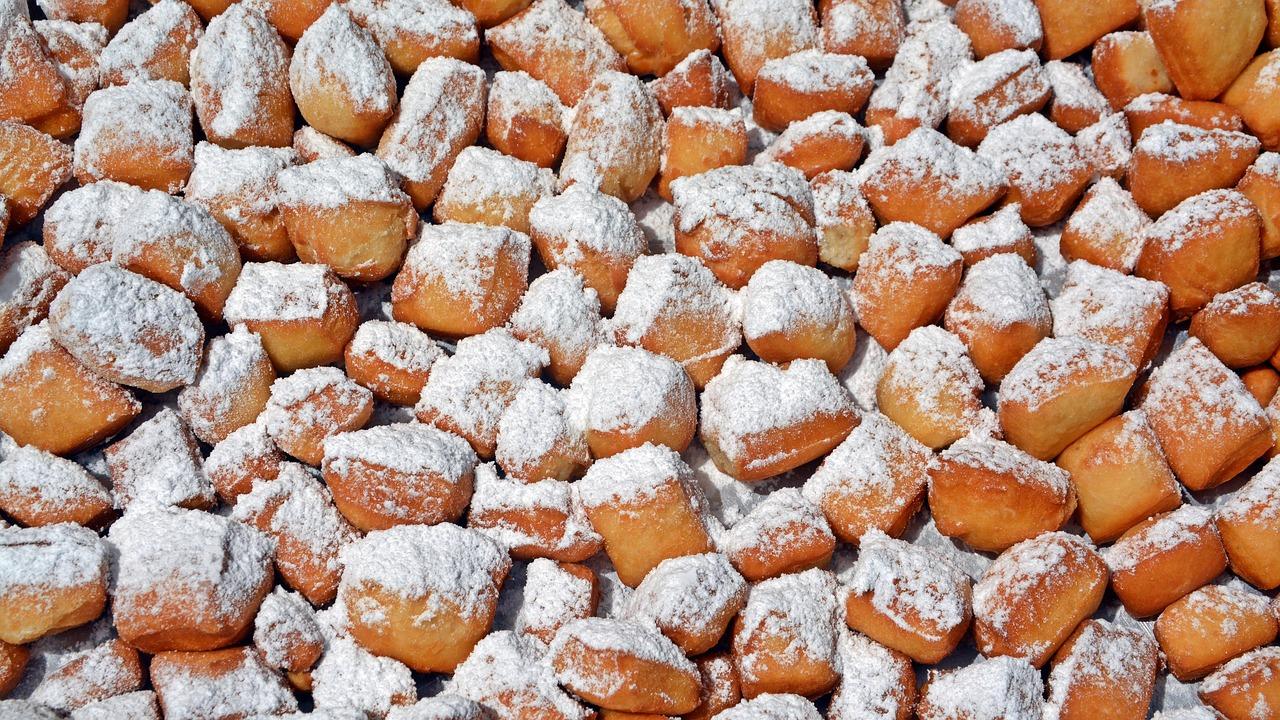
SchmalzkuchenFried dough pillows with icing sugar

Schmalzkuchen are the paper bag of tiny golden diamonds sold at fairs and Christmas markets across northern and eastern Germany, from Hamburg's Dom fair to the markets of Berlin and Leipzig. Despite the name they are now fried in vegetable oil, so this version is vegetarian. The quick quark-and-baking-powder dough puffs up into soft, slightly crisp cushions that you shake in icing sugar while warm. A common mistake is frying at too low a heat: the dough soaks up oil and turns heavy instead of puffing. Chef's tip: cut the dough into small 3 cm diamonds; bigger pieces brown outside before the middle has cooked through.

by KrazyBadal 0 views

SchinkenfleckerlBaked pasta squares with ham

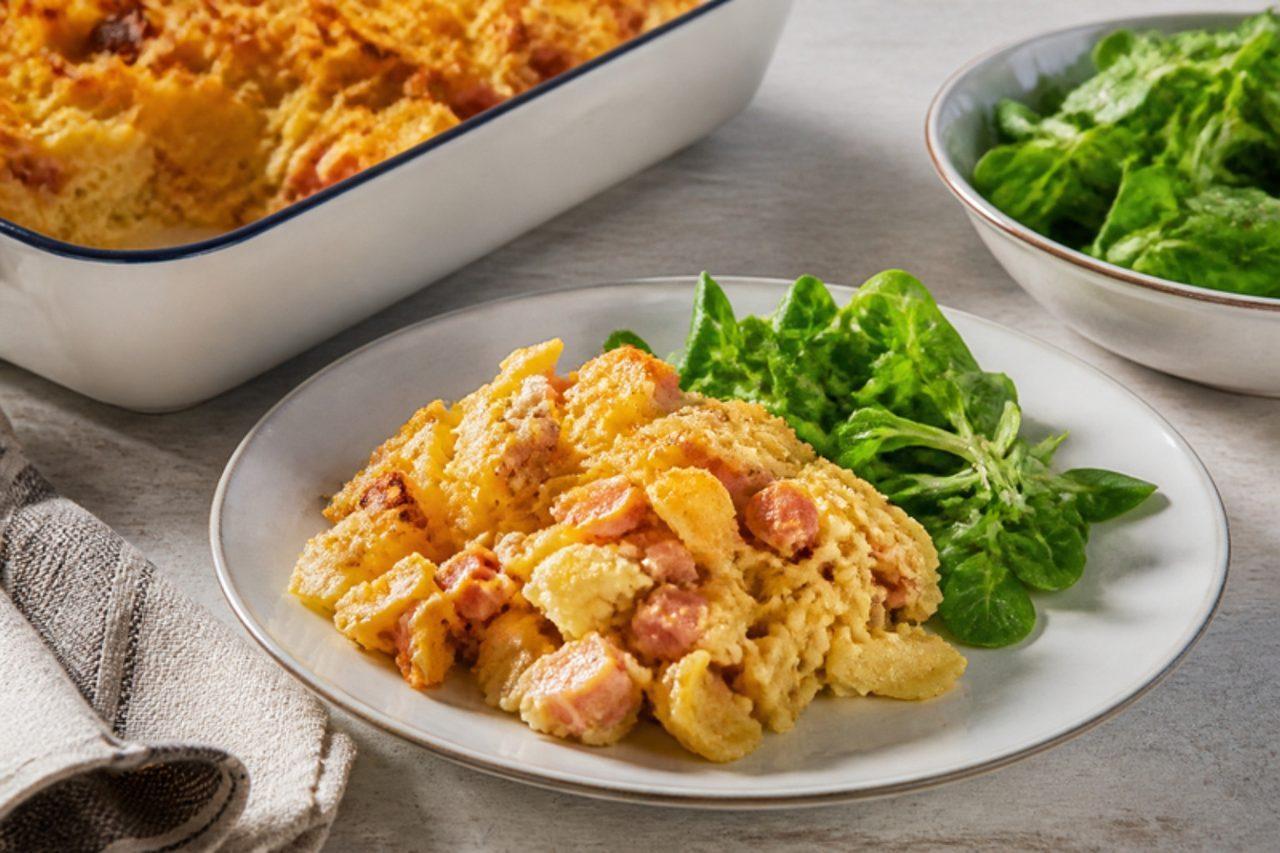
Schinkenfleckerl is the comfort bake of Viennese homes and school canteens, a simple dish that came to Vienna from Bohemian cooks in the days of the old empire. Small pasta squares are folded into a mix of butter, egg yolks, sour cream and diced cooked ham, lightened with whisked egg whites and baked until the top is golden and the edges crunchy. Swap the ham, which is pork, for 250 g fried mushrooms for a vegetarian version. Chef's tip: cook the pasta a minute short and rinse it cold, so it does not go soft in the oven.

by KrazyBadal 0 views

KispiñoSteamed quinoa cakes

Pressed in a fist so each one carries the marks of the cook's fingers, kispiño are small, dense quinoa cakes from the Puno highlands, steamed and then left to dry so they keep for weeks on journeys, herding trips and pilgrimages. Traditional ones are bound with a little lime water (from cal, the mineral) and fat; this home version uses oil and a pinch of aniseed and sugar, so they're vegan and pleasantly savoury-sweet. They're firm and chewy, a little like a grain cake, and good with hot tea, coca tea or a soup on a cold day. The common mistake is making the dough too wet, so the cakes slump in the steamer; it should feel like damp sand that holds its shape when squeezed. Ground quinoa is quinoa flour; grind your own from rinsed, dried and toasted grain, or buy it ready ground. Chef's tip: toast the ground quinoa in a dry pan first until it smells nutty, which takes away any bitterness.

by KrazyBadal 0 views

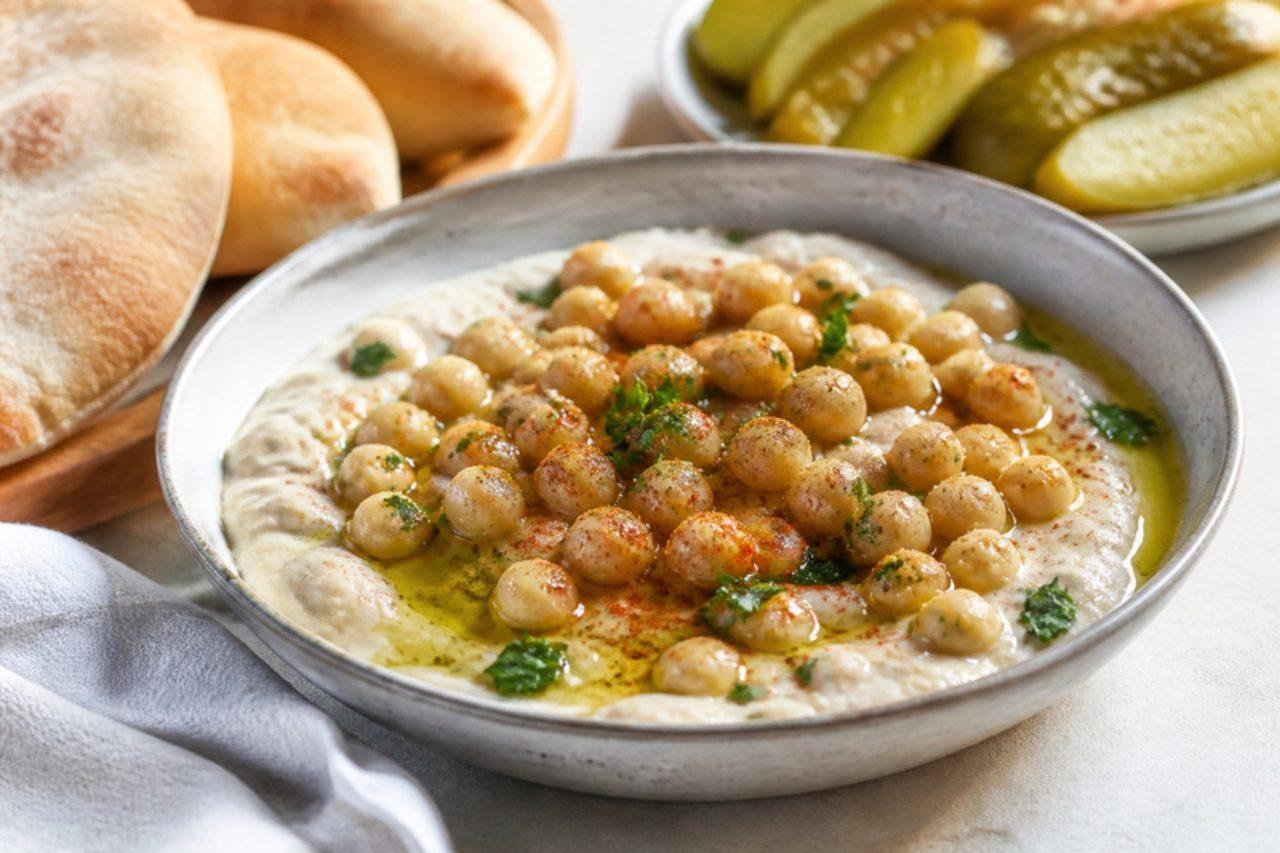
MsabbahaWhole chickpeas in tahini sauce

Hummus shops in Jerusalem's Old City and in Nablus open before dawn, and alongside the smooth hummus they ladle out msabbaha: whole, just-cooked chickpeas bathed in a loose, garlicky tahini and lemon sauce, still warm. It is a working breakfast, eaten with raw onion wedges, green chilli and plenty of bread, and it is just as popular in south Lebanon. The texture is the point, soft chickpeas in a creamy pool rather than a purée. The common mistake is making the tahini sauce too thick; it should pour like double cream so it seeps around every chickpea. Chef's tip: crush a handful of the hot chickpeas into the sauce before you spoon it over; it makes the msabbaha richer and creamier.

by KrazyBadal 0 views

HingelPotato dumplings with browned butter

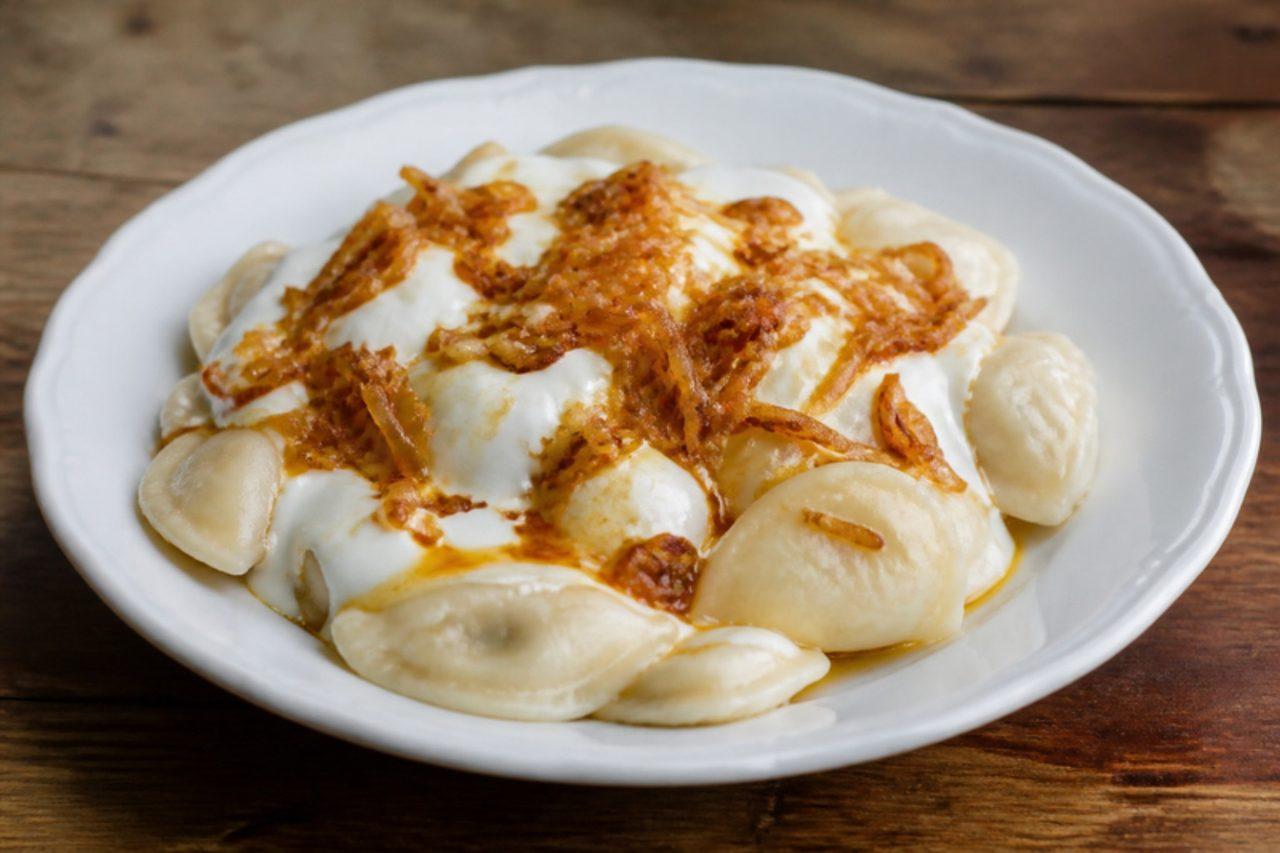
Hingel is the comfort food of Kars and Ardahan, on Turkey's high north-eastern border, where long winters made potatoes and butter everyday staples. Half-moon dumplings are filled with mashed potato and onion, boiled, then smothered in caramelised onions, garlic yoghurt and plenty of browned butter, much like manti but larger and softer. Common mistake: a wet potato filling that leaks through the seams; dry the boiled potatoes in the pan for a minute before mashing. Chef's tip: fry the onions slowly in the same butter you pour over at the end; it picks up their sweetness.

by KrazyBadal 0 views

Papas chorreadasPotatoes in tomato cheese sauce

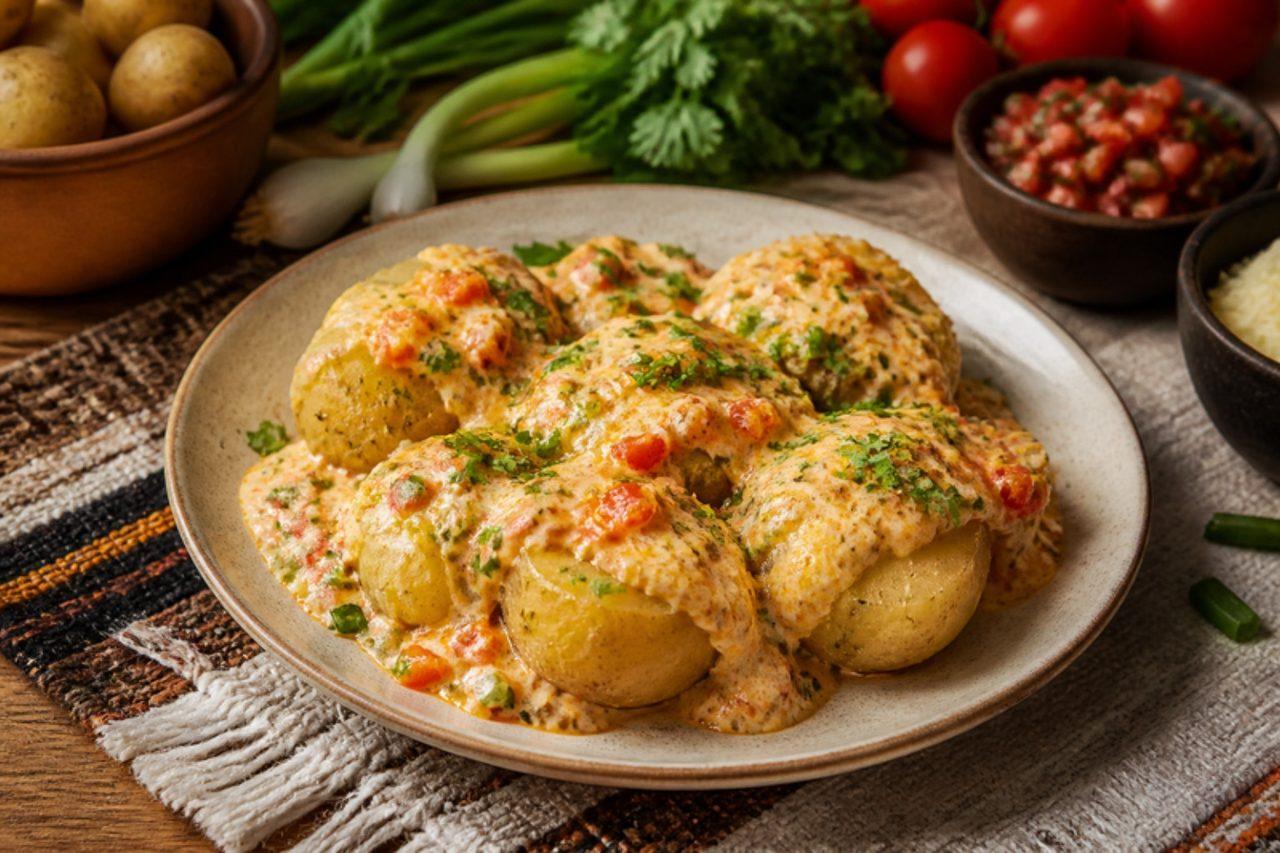
Chorreadas means drenched, and that is the idea: in farmhouse kitchens of Boyacá and Cundinamarca, whole boiled potatoes get a hot, loose sauce of tomato and long spring onion poured over them, enriched with milk and stretchy fresh cheese. It is comfort food from the cold highlands, served beside grilled meat on Sundays or on its own with an arepa and a mug of aguapanela on a weeknight. Colombians use queso campesino or doble crema, both usually made with animal rennet; a vegetarian mozzarella or other microbial-rennet melting cheese works perfectly. The mistake to avoid is adding the cheese to a boiling sauce, which makes it split and turn stringy; keep the heat low. Chef's tip: let the tomato and onion cook until really soft and jammy before the milk goes in, so the sauce tastes sweet and deep rather than raw.

by KrazyBadal 0 views

Psari plakiFish baked with tomatoes and onions

Psari plaki is how Greek island families cook the day's catch for a crowd: the fish laid on a bed of soft onions, garlic, tomatoes and parsley, drizzled with olive oil and baked until the sauce turns jammy. It is a traditional Friday and Palm Sunday dish, eaten with bread, horta and plenty of lemon. Use cod, hake, sea bream or grouper. Common mistake: putting the fish in with raw vegetables, which leaves them crunchy and watery when the fish is done; cook the base first. Chef's tip: squeeze lemon over the fish and let it sit while the base bakes; it firms the flesh and seasons it to the bone.

70 minGreekFishGluten free
by KrazyBadal 0 views

Showing 90 of 7,762 recipes

Page 498 of 863