


Skip to content
Dry jeera chutney
Featured recipe

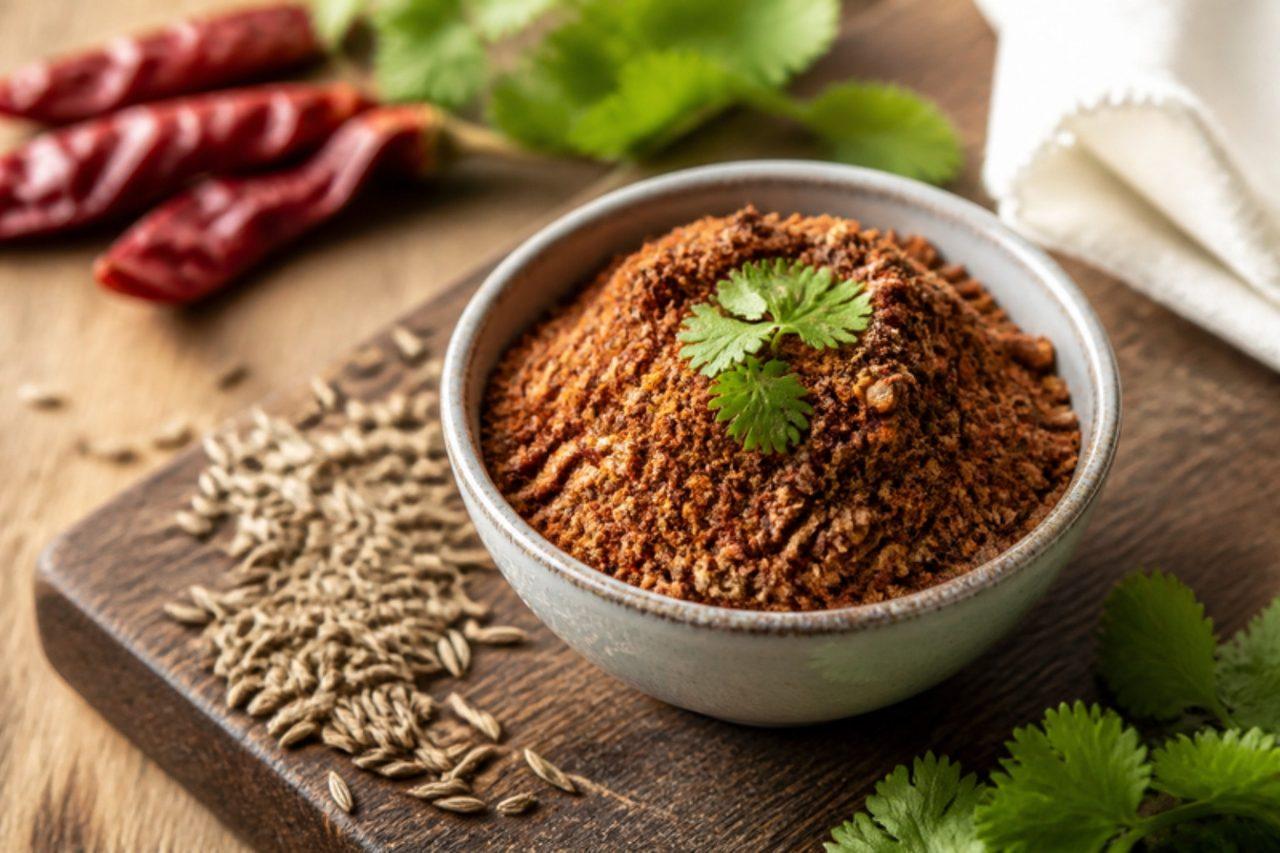
Dry jeera chutney

Dry cumin and chilli chutney

A dry, coarse chutney powder of ground cumin, chilli, salt and asafoetida, with a few drops of lemon and oil and some fresh coriander, air-dried for a few days. Sprinkle a pinch over khichdi, dahi, chaat, bhel or buttered toast. Kept airtight, it lasts for weeks.

Read more 0 views

What to eat today?

Around the world

Today's trip: Paraguayan

A new country every day, from every cuisine on the site.

Paraguayan

Cocido quemado

Burnt sugar mate drink 14 minMore from Paraguayan (27) →

This week's collection

Kid-friendly dinners
537 recipes · a new collection every Monday

Latest recipes

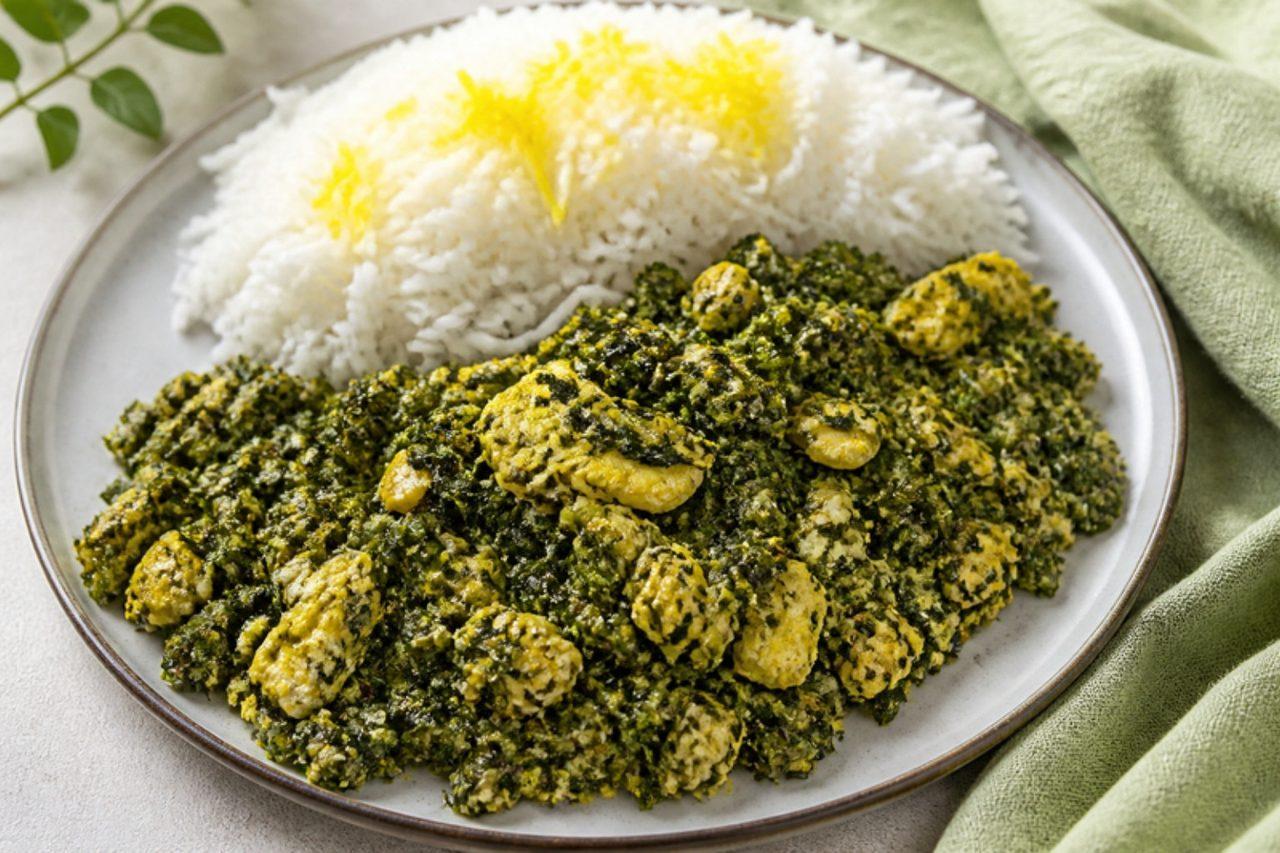
Sir ghelyehFried green garlic with eggs

In early spring, when the rice fields of Gilan are still wet and the markets of Rasht fill with bundles of green garlic, families make sir ghelyeh: young garlic stems and leaves fried slowly with herbs and turmeric, then set with eggs. It is a quick lunch with kateh rice, eaten with a pickle on the side, and it smells of the whole season. The common mistake is frying the green garlic on a high heat, which burns the edges and leaves it bitter instead of sweet. Out of season, use the swap in the ingredients. Chef's tip: a small splash of verjuice or lemon juice just before the eggs go in lifts the whole pan.

by KrazyBadal 0 views

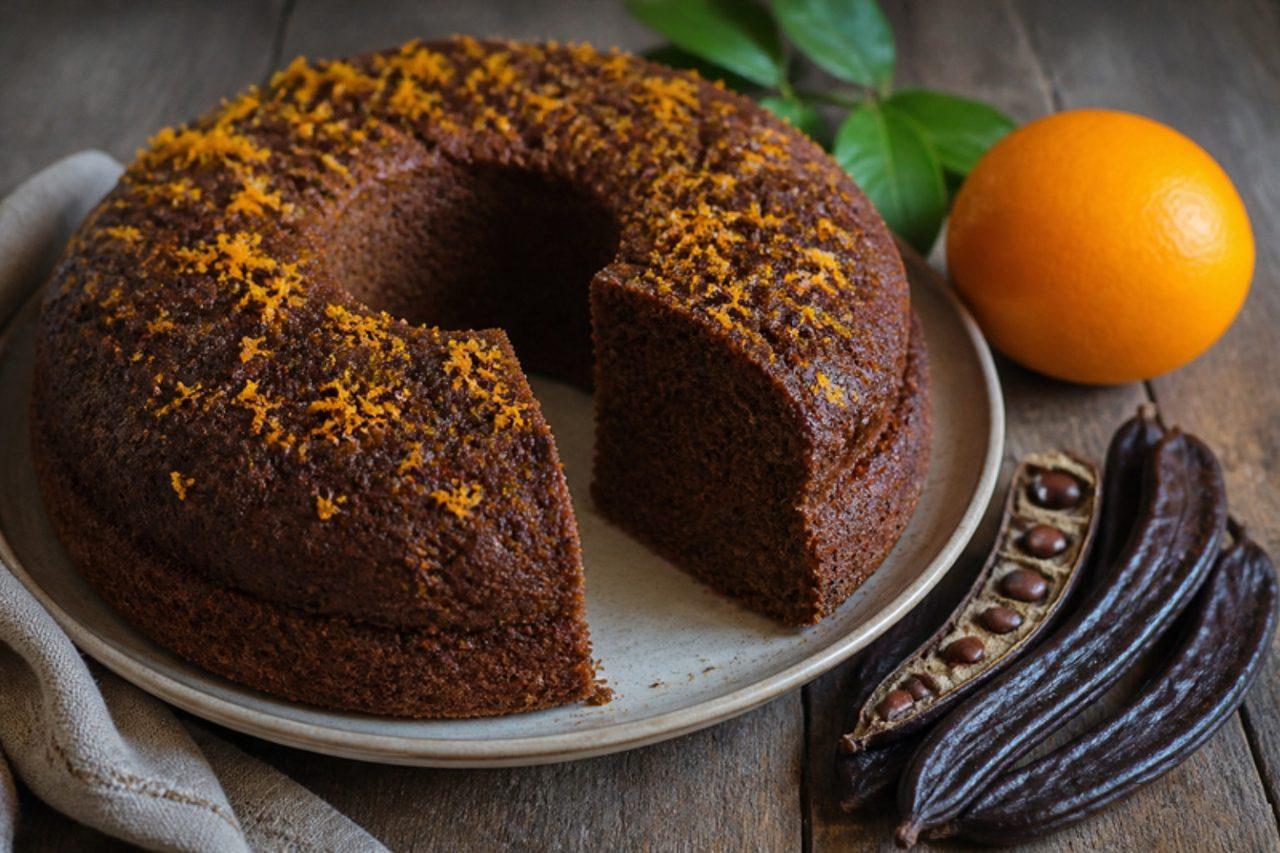
Bolo de alfarrobaCarob and orange cake

Carob trees grow all through the dry Barrocal hills behind the Algarve coast, and the toasted pods are ground into a sweet, cocoa-coloured flour that local bakers have used for generations. This cake, sold by the slice in cafés around Loulé and São Brás de Alportel, is made with olive oil and orange, so it stays moist for days. It has a gentle caramel, almost malty taste rather than a chocolate one. A common mistake is using too much carob; it is sweet and earthy and turns bitter when overdone, so stick to the amount given. Chef's tip: sieve the carob flour with the wheat flour, because it lumps easily and leaves dry pockets in the crumb.

by KrazyBadal 0 views

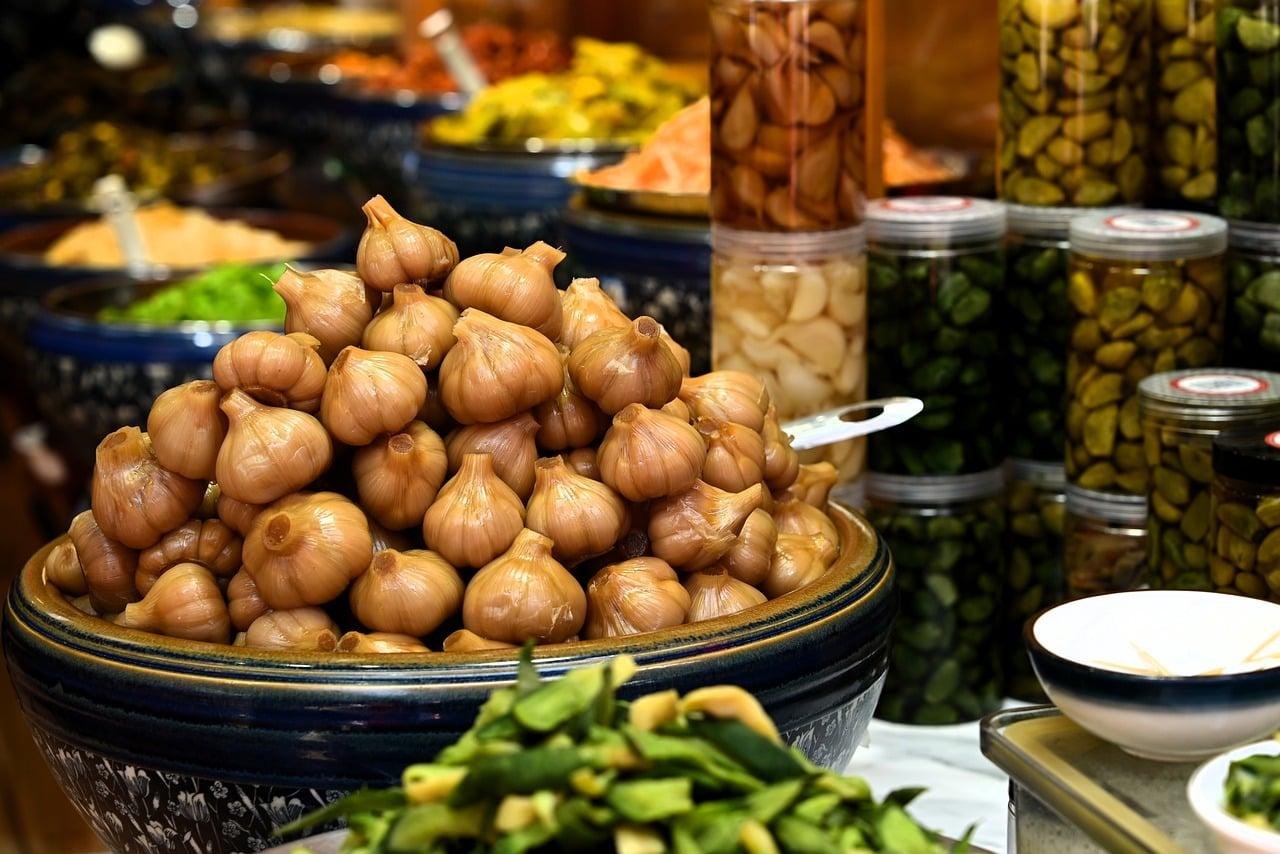
Sir torshiGarlic pickled in vinegar

Along the Caspian coast in Gilan and Mazandaran, almost every larder has a jar of sir torshi tucked at the back, and the older it is the prouder the cook. Whole heads of garlic sit in vinegar for months, sometimes seven years, until the cloves turn amber, then nearly black, and lose all their harshness; they become soft, sweet-sour and almost jammy. A clove or two goes on the side of a plate of rice and khoresh, mirza ghasemi or a bowl of ash. Chef's tip: use firm, dry, mature garlic with tight skins; fresh green garlic goes slimy instead of mellow.

by KrazyBadal 0 views

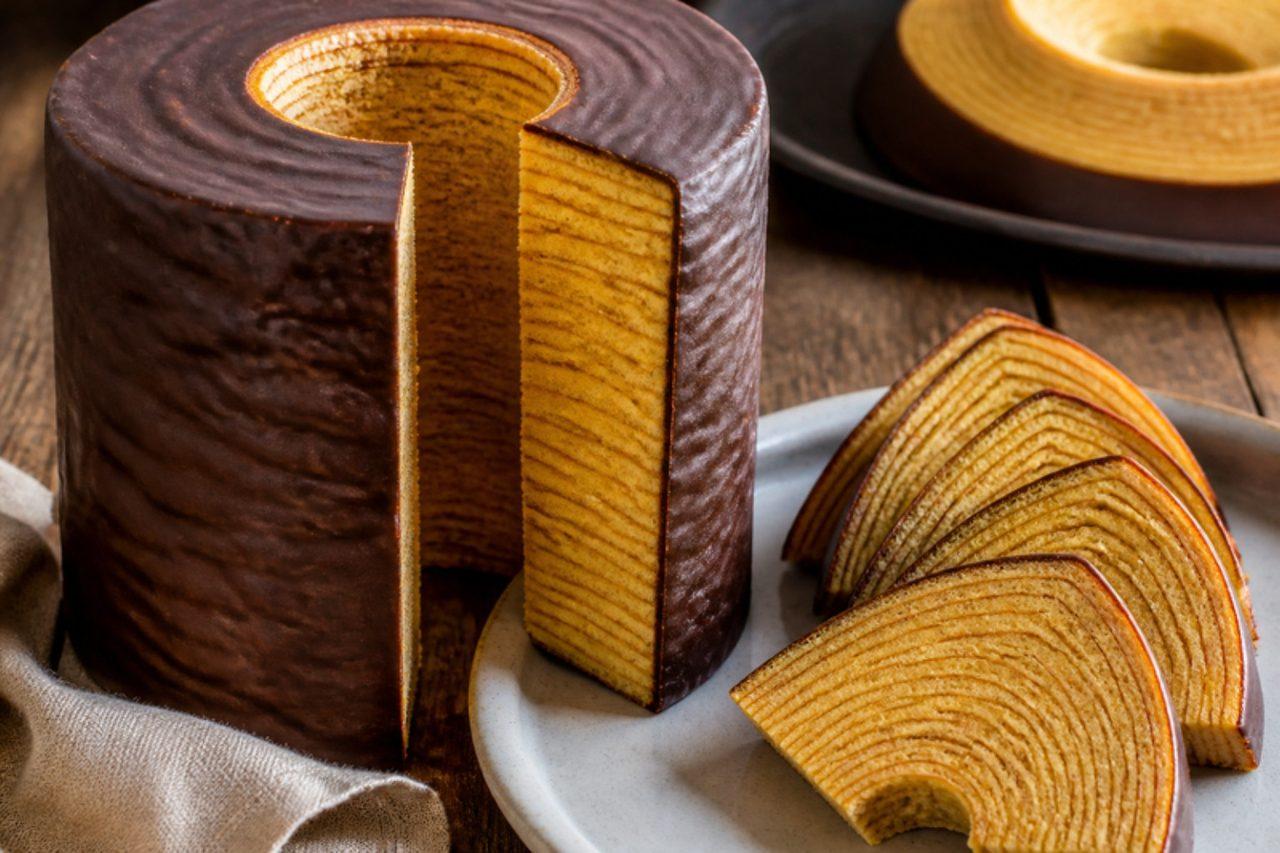
BaumkuchenLayered tree cake

Baumkuchen is the king of German cakes, and the little town of Salzwedel in Saxony-Anhalt has baked it on a turning spit over an open flame for two centuries; in December, Baumkuchenspitzen, chocolate-dipped triangles of it, fill the shelves before Christmas. Without a spit you can build it at home in a tin under the grill, one thin layer at a time, and each slice shows the golden rings of a tree. The mistake people make is spreading the batter too thickly, which gives fewer, stodgy layers that cook unevenly; aim for 2 tablespoons at a time. Chef's tip: stand by the oven; each layer turns from pale to burnt within a minute once it browns.

110 minGermanBaking
by KrazyBadal 0 views

Dulce de rosa mosquetaRosehip jam

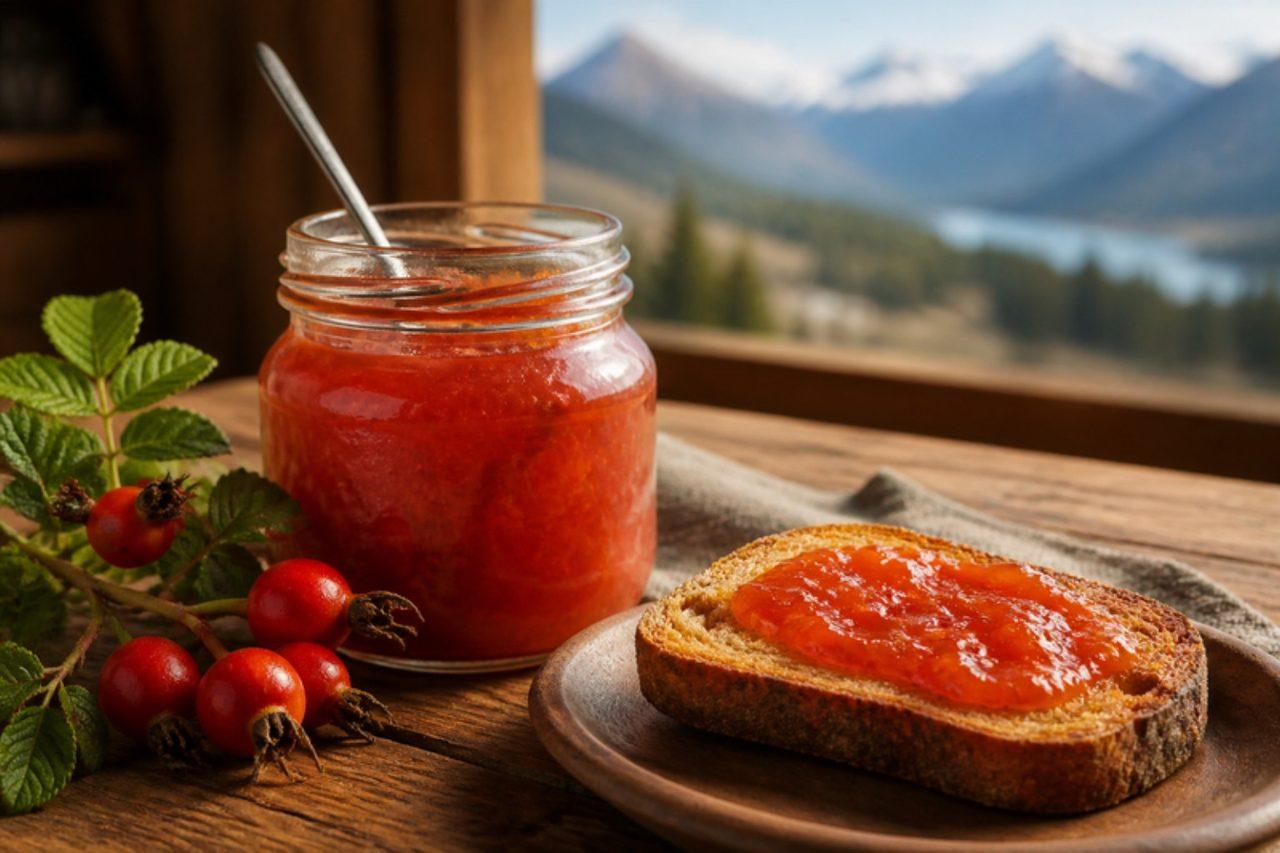
Every autumn, from March to May, families along the lakes around Bariloche and El Bolsón and up into Neuquén go out with buckets to strip the wild rose bushes that cover the hillsides, and the shops of the Andean towns fill with jars of this jam. Rosa mosqueta (rosehip) makes a smooth, coral-red preserve with a sharp, fruity, slightly floral flavour and a lot of vitamin C. It is spread on toast with butter, served with fresh cheese, or spooned into yoghurt. Rosehips are full of seeds wrapped in tiny irritating hairs, and not sieving them out properly is the error you will feel in your throat: pass the pulp through a fine sieve or food mill, and then once more. Buy rosehips from a foraging supplier or pick them away from roads, and only if you are sure of the plant. Chef's tip: pick after the first frosts, or freeze the hips overnight; the cold softens them and makes the pulp much easier to sieve.

by KrazyBadal 0 views

Dulce de calafateCalafate berry jam

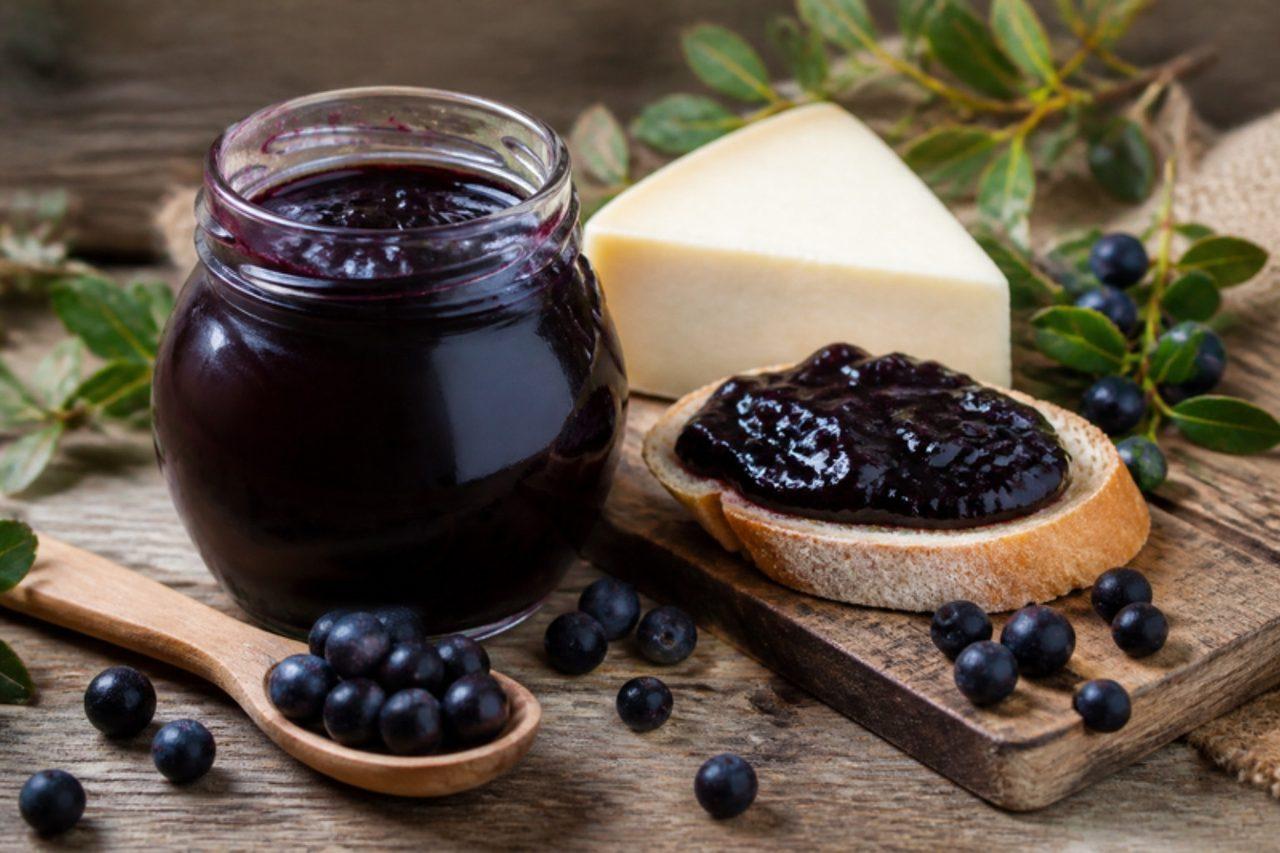
Legend says whoever eats calafate will come back to Patagonia, and in El Calafate, the town on Lake Argentino named after the thorny bush, the small blue-black berries turn up in ice cream, sauces, and above all this jam. The fruit ripens in midsummer across Santa Cruz and Tierra del Fuego; it is tart and seedy, somewhere between a blueberry and a blackcurrant, and the jam is dark purple, glossy and gently spiced by the fruit itself. It goes on bread at breakfast, with a slab of cheese after dinner, or with pancakes. Outside Patagonia, frozen calafate is hard to find; blueberries with a handful of blackcurrants or barberries give a similar balance of sweet and sharp. Overcooking is the slip that turns it into a stiff, dull paste, because the berries are naturally high in pectin, so test early. Chef's tip: crush a third of the berries before cooking; you get a jam with body and some whole fruit to bite on.

by KrazyBadal 0 views

Ayva tatlısıPoached quince with clotted cream

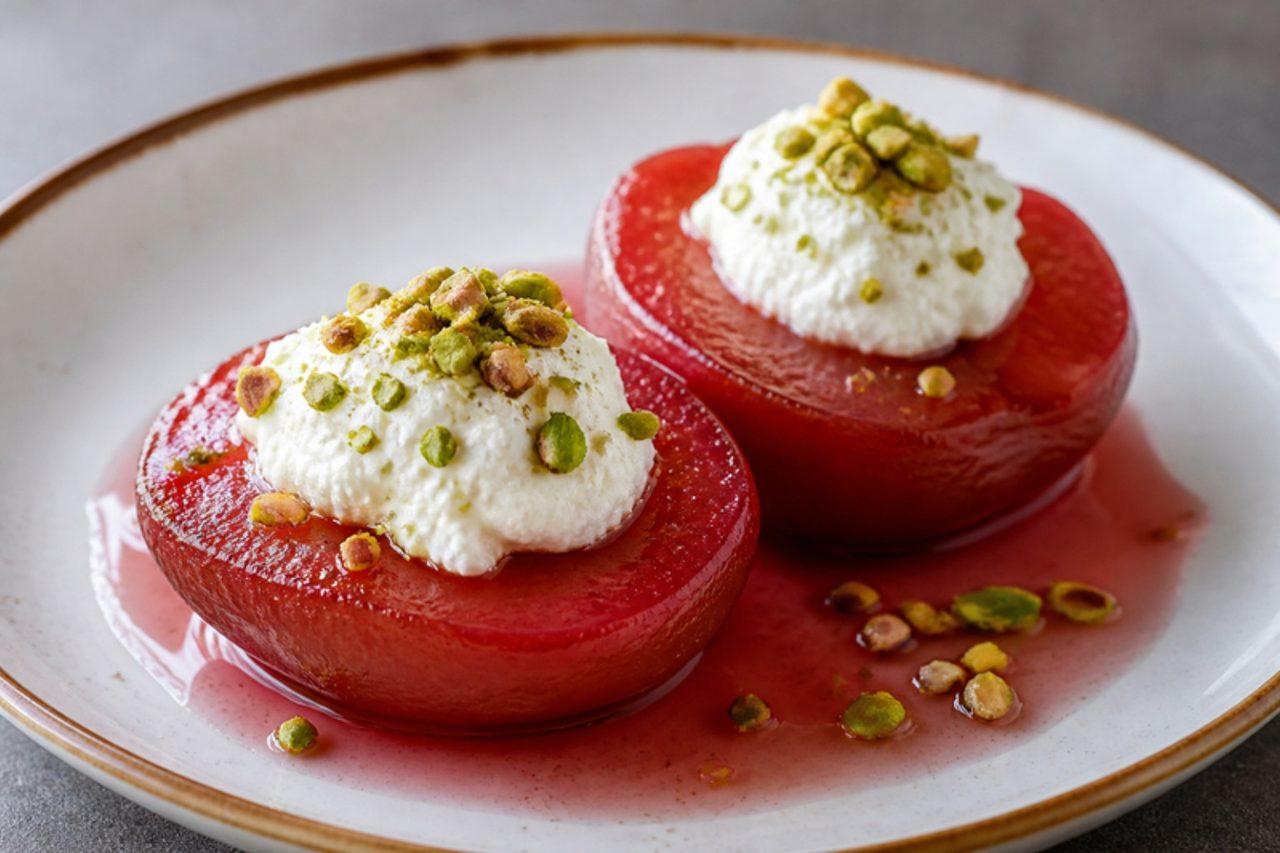
In autumn the market stalls of Ankara and Kayseri are piled with knobbly yellow quinces, and the best-loved thing to make with them is ayva tatlısı: halves poached slowly in syrup with their own seeds and a few cloves until they turn translucent and a deep garnet colour. Each half is filled with thick kaymak or clotted cream and topped with pistachio. Common mistake: rushing it on a high heat; the red colour only comes with long, gentle cooking. Chef's tip: tie the cores and seeds in a little muslin bag and cook them with the fruit; their natural pectin and tannins give the syrup body and that ruby glow.

by KrazyBadal 0 views

Dulce de batataSweet potato paste

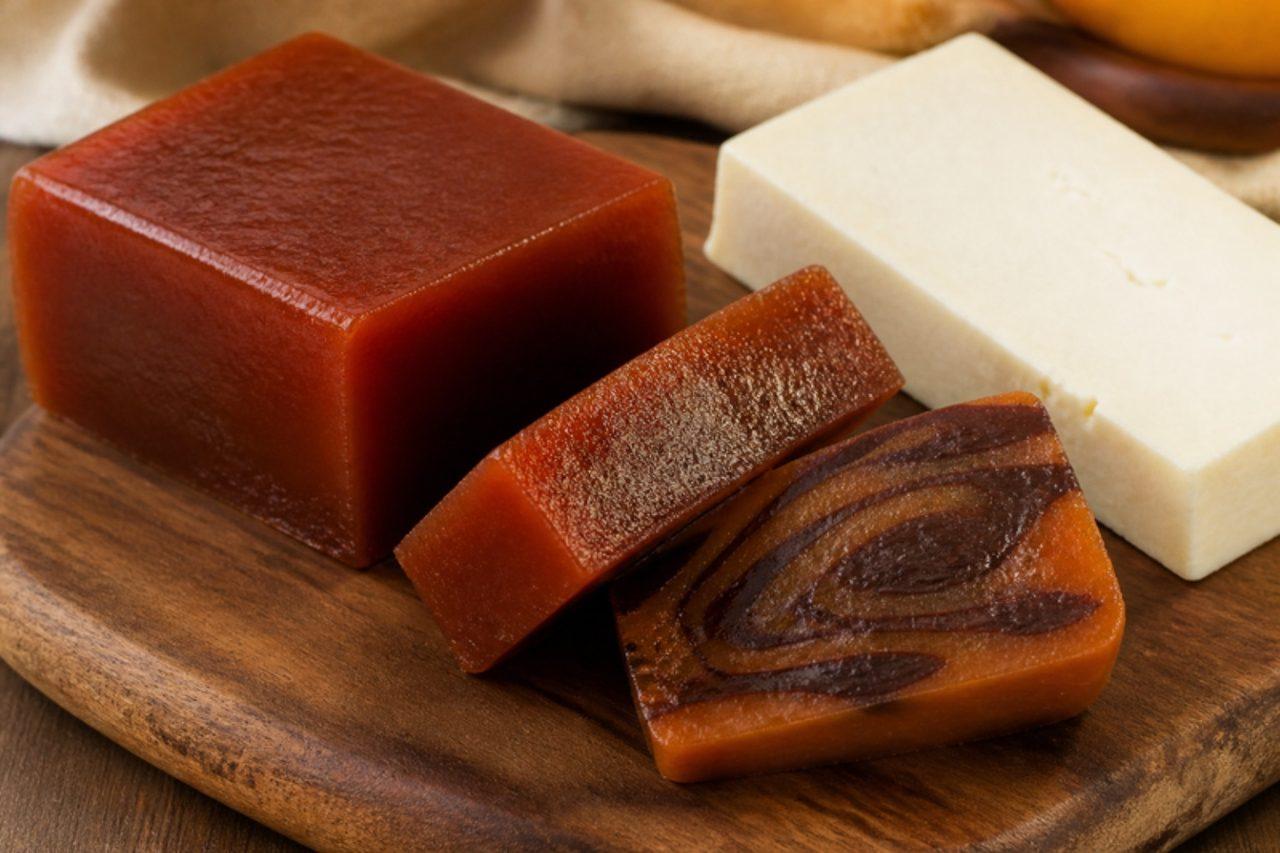
Deep orange and firm enough to slice, dulce de batata is the sweet potato paste Argentines eat with cheese, bake into pastelitos and pasta frola, and pack into school lunch boxes; the classic commercial block often hides a ribbon of chocolate in the centre. Making it at home takes patience at the stove, but the result tastes of real roasted sweet potato and vanilla. Traditional recipes simply cook the purée down for a long time; some factory versions set it with gelatin. This one uses a little agar, a seaweed-based setting agent, so it is reliably firm and stays vegan. Choose pale-fleshed sweet potato (batata) if you can, which gives the classic colour and dense texture; orange-fleshed ones work but set softer. The usual problem is too little cooking, which gives a paste that weeps; it is ready when a spoon drawn through it leaves a clean line. Chef's tip: cover your hand with a tea towel while you stir, because the thick paste spits like lava.

by KrazyBadal 0 views

Dulce de alcayotaFig-leaf gourd preserve

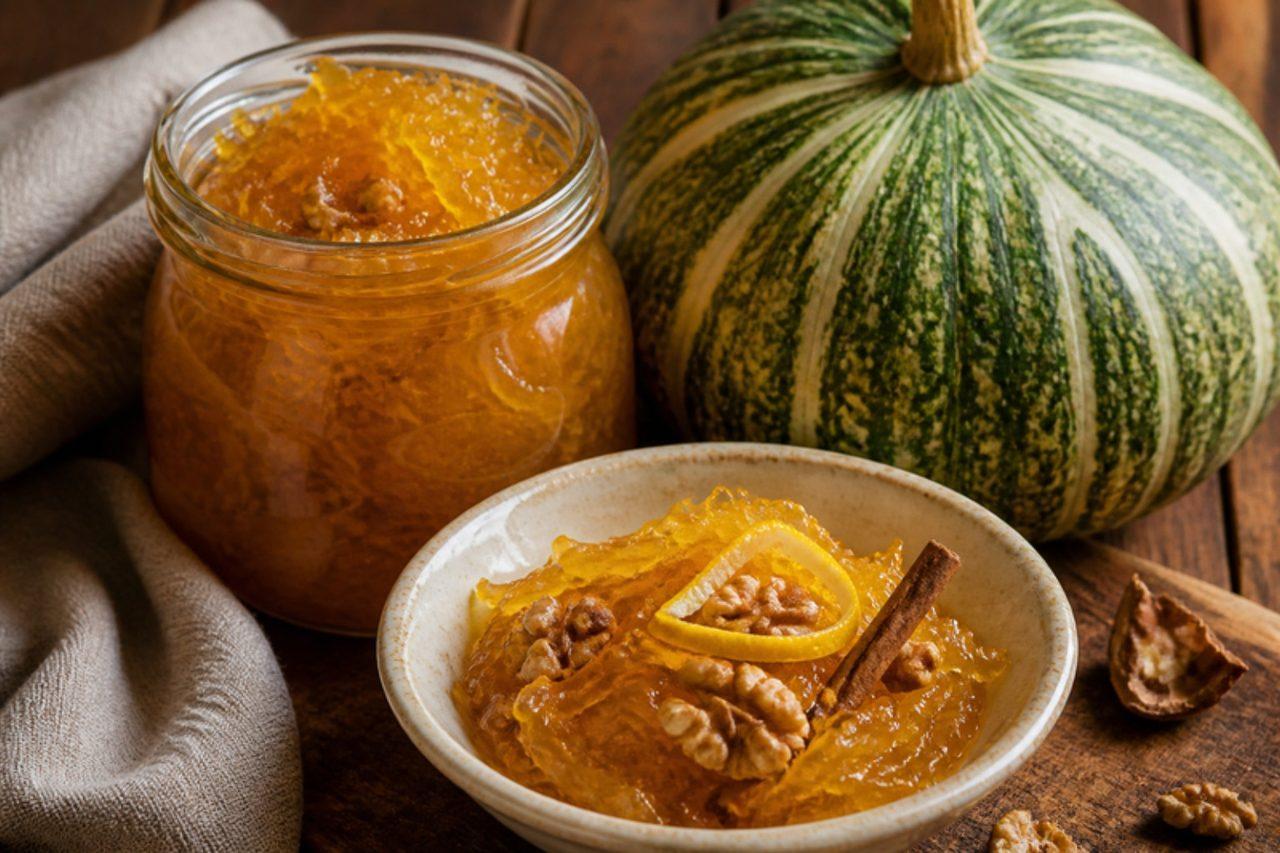
Late autumn in San Juan and Mendoza, the huge striped alcayotas (fig-leaf gourds, Cucurbita ficifolia) are left to cure in the sun, then split open for this preserve: the white flesh separates into long strands like angel hair, which cook in syrup until golden, glossy and translucent, with walnuts and a hint of cinnamon and clove. It is spooned onto bread, eaten with fresh cheese, and used to fill empanadas and pastries. Look for alcayota at Latin American grocers (sometimes sold as chilacayote or cidra); spaghetti squash makes a respectable stand-in. Cooking the syrup too hard is the trap: it caramelises and turns the preserve dark and bitter, so keep it at a gentle bubble. For safe storage, jars must be sterilised and sealed hot. Chef's tip: rinse the cooked strands in cold water before they go into the syrup; it washes off the starch and keeps the threads separate and clear.

by KrazyBadal 0 views

Ayran aşıChilled yoghurt and wheat soup

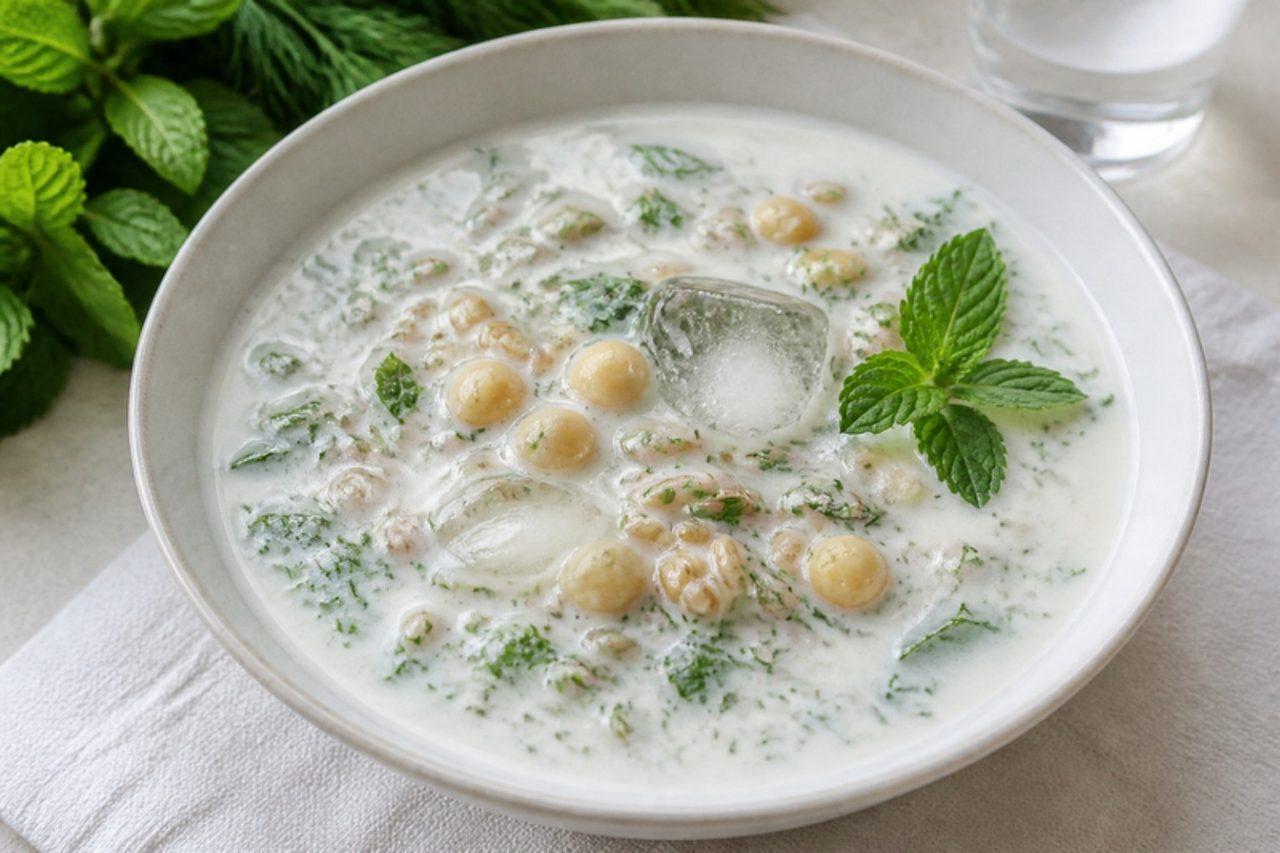
When the summer heat hits the eastern plateau around Erzurum, Erzincan and Sivas, families switch from hot soups to ayran aşı, a cold soup of thinned yoghurt with cooked whole wheat, chickpeas and handfuls of mint, dill and purslane or cucumber. It's ladled from a big bowl at lunch with flatbread, and it's as refreshing as a drink but filling as a meal. Common mistake: adding the grains while still hot, which makes the yoghurt split and turn sour-tasting; cool them completely first. Chef's tip: make it a few hours before serving and chill; the wheat soaks up the yoghurt and the herbs perfume the whole bowl.

by KrazyBadal 0 views

GiouvetsiBeef and orzo clay-pot bake

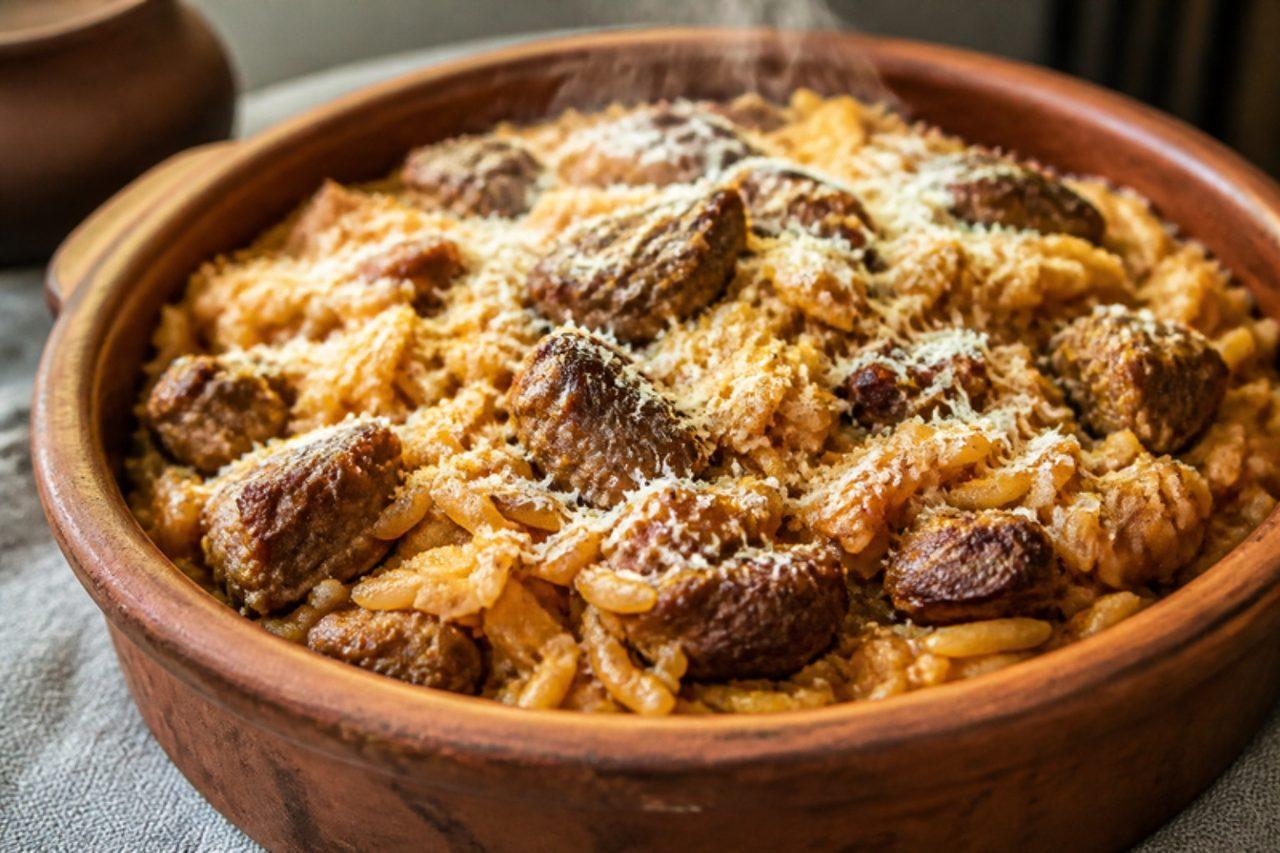
Giouvetsi takes its name from the glazed clay dish it is baked in, and in Greek homes it is the Sunday lunch that gets put in the oven before church: chunks of beef braised with tomato, cinnamon and allspice, then finished with kritharaki (orzo) that soaks up every drop of the sauce. It arrives at the table bubbling, with grated cheese melting on top. This version uses wine to deglaze, which is traditional; use extra stock for an alcohol-free dish. Common mistake: adding the orzo with too little liquid, so it bakes dry and sticks; it needs about four times its weight in hot stock. Chef's tip: stir the orzo halfway through baking so the top pieces don't harden.

170 minGreekMeat
by KrazyBadal 0 views

Girit ezmesiFeta, walnut and herb spread

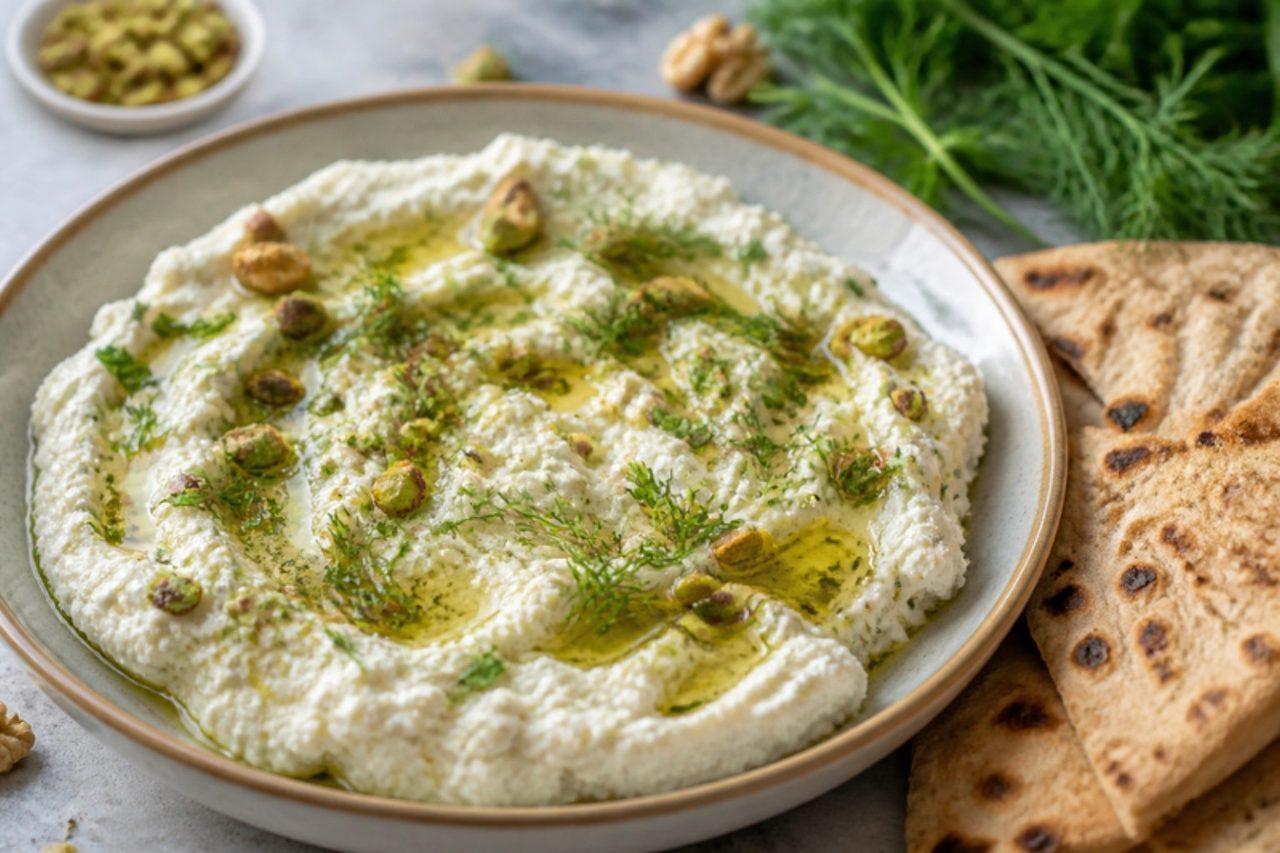
Girit ezmesi takes its name from the Cretan Muslims who settled in Alaçatı and Çeşme a century ago, and it is still a fixture of every meze table in those whitewashed streets. Soft white cheese is mashed with olive oil, walnuts, garlic, plenty of herbs and a dusting of hot pepper into a rough, salty spread that begs for warm bread. Feta and beyaz peynir are often made with animal rennet, so choose a vegetarian one if you need to. Chef's tip: mash by hand with a fork rather than blending; it should stay textured, with visible pieces of walnut and herb.

by KrazyBadal 0 views

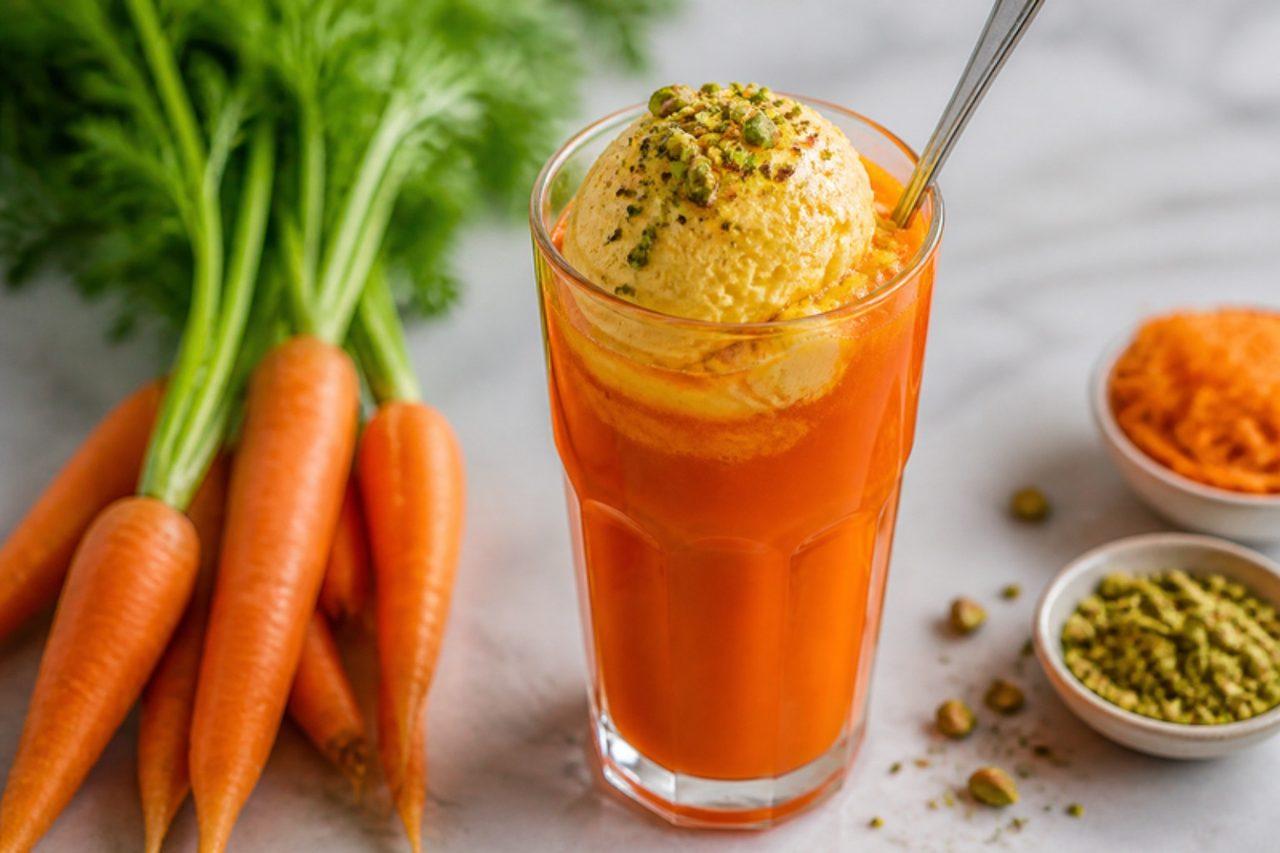
Ab havij bastaniCarrot juice with saffron ice cream

Every juice bar in Tehran, from Tajrish Square to the stalls of Valiasr Street, sells ab havij bastani: a tall glass of fresh, ice-cold carrot juice with a scoop of saffron ice cream floating on top. People eat it with a long spoon in summer, stirring the melting ice cream into the juice until it turns creamy and pale orange. It is sweet, earthy and cooling, and kids treat it as a dessert. Chef's tip: chill the carrots well before juicing; warm juice melts the ice cream at once and loses its fresh taste.

by KrazyBadal 0 views

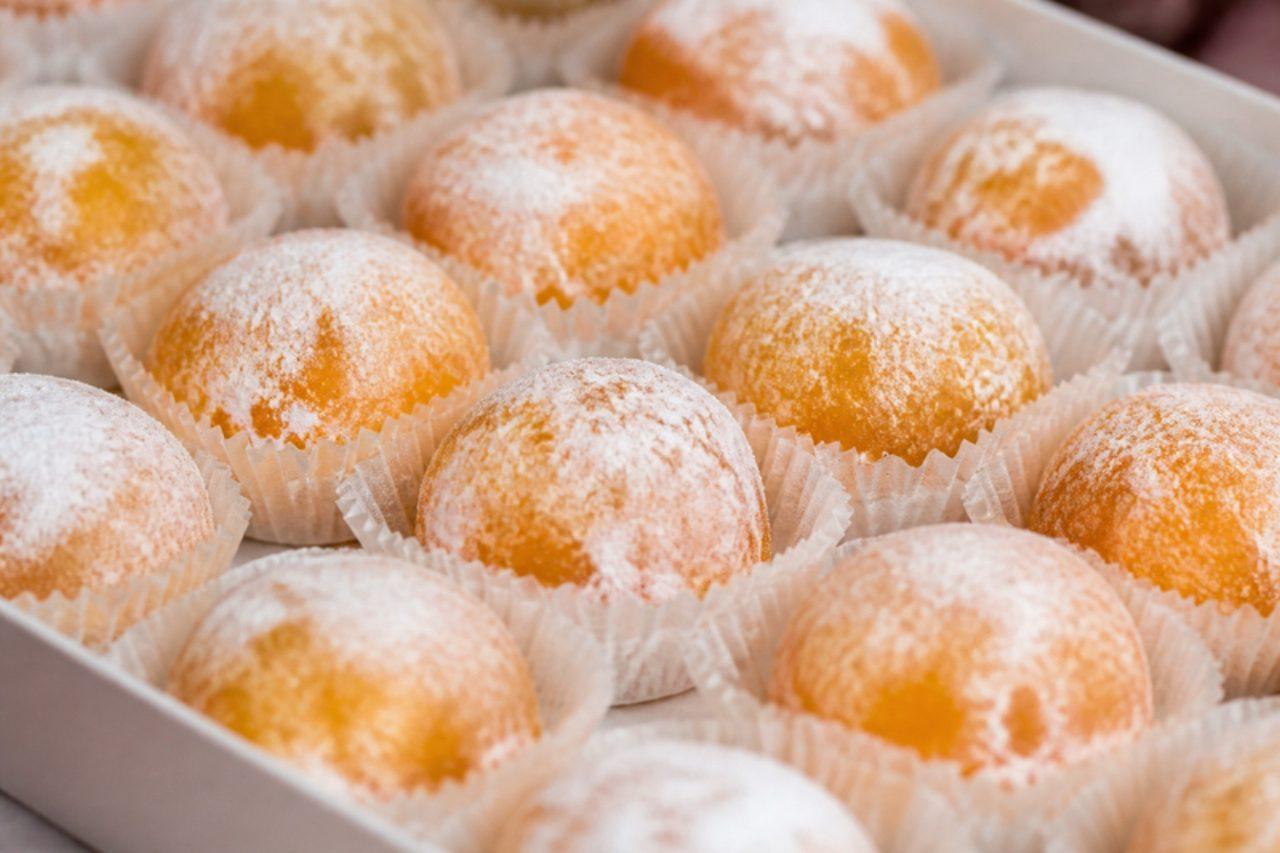
Yemas de ÁvilaSugared egg-yolk sweets

Inside Ávila's medieval walls, little boxes of yemas are the souvenir every visitor carries home: soft, deep-yellow balls of egg yolk cooked with sugar syrup, rolled in sugar and set in paper cases. They are linked with Saint Teresa, the city's famous nun, and are eaten with coffee after lunch, especially around her feast in October. The yolks are cooked until thick, well past the point that makes them safe. Chef's tip: keep the heat low and never stop stirring; yolks scramble in seconds if they catch.

by KrazyBadal 0 views

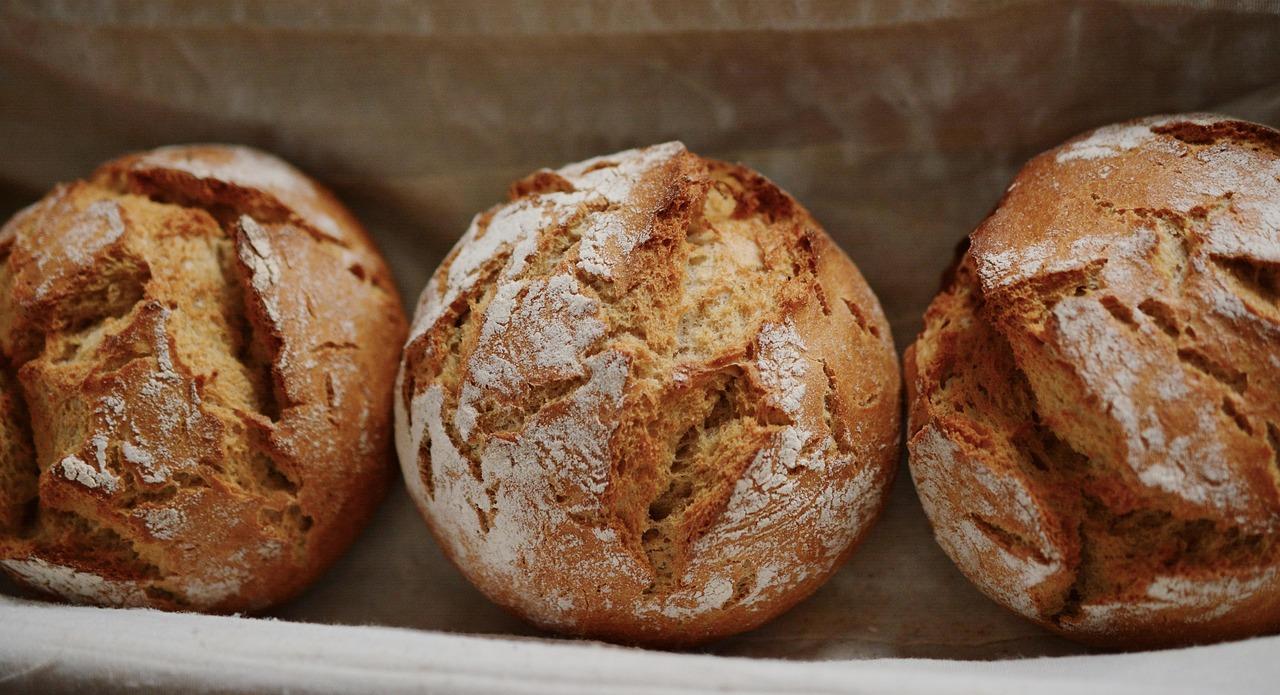
BauernbrotFarmhouse rye and wheat sourdough

Bauernbrot, the farmer's loaf, is the everyday bread of village bakeries from the Black Forest to Lower Saxony, carried home in a paper bag every Saturday and eaten all week for Abendbrot, the cold evening meal of bread, cheese and pickles. It mixes rye and wheat roughly half and half, so the crumb is moist and tangy but still springy, under a thick, crackled crust dusted with flour. The flavour deepens over two or three days. A common mistake is baking at too low a heat, which gives a pale, soft crust; the oven should be properly hot at the start. Chef's tip: prove the loaf upside down in a floured basket or bowl lined with a floured cloth, so the top cracks into the classic crazy-paving pattern when you tip it out.

by KrazyBadal 0 views

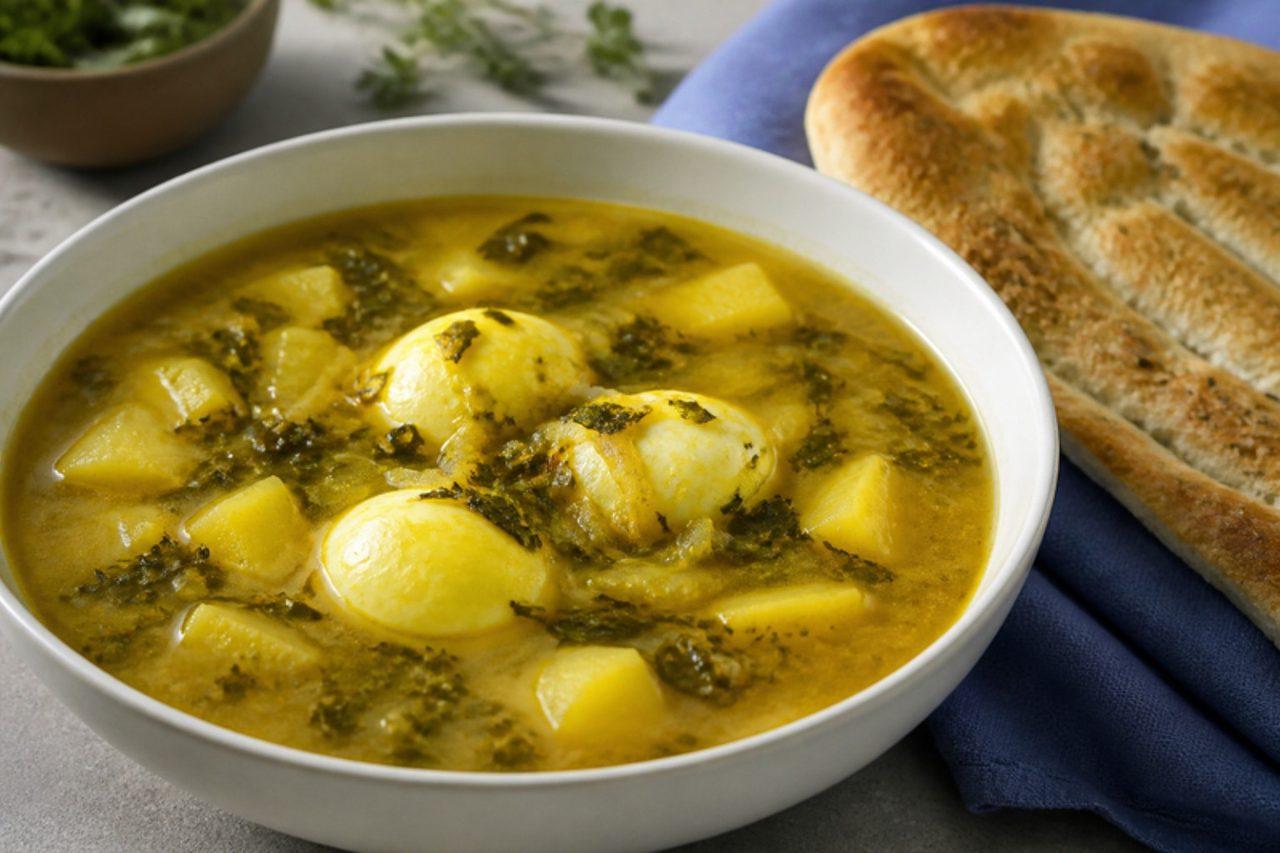
EshkenehOnion, fenugreek and egg soup

Eshkeneh is the soup of the cold north-west, cooked in Tabriz kitchens on winter evenings when there is little in the house but onions, eggs and dried fenugreek. The onions are fried very slowly until sweet and brown, a spoon of flour and turmeric thickens the broth, and eggs are dropped in to poach at the end; a little sour from lemon or dried sour cherries balances it. Azerbaijani families crumble barbari or lavash into their bowls so the bread soaks up the broth. A common mistake is rushing the onions, which leaves the soup thin and harsh rather than mellow and golden. Chef's tip: add the dried fenugreek with the flour, not before, because it scorches quickly and turns bitter.

by KrazyBadal 0 views

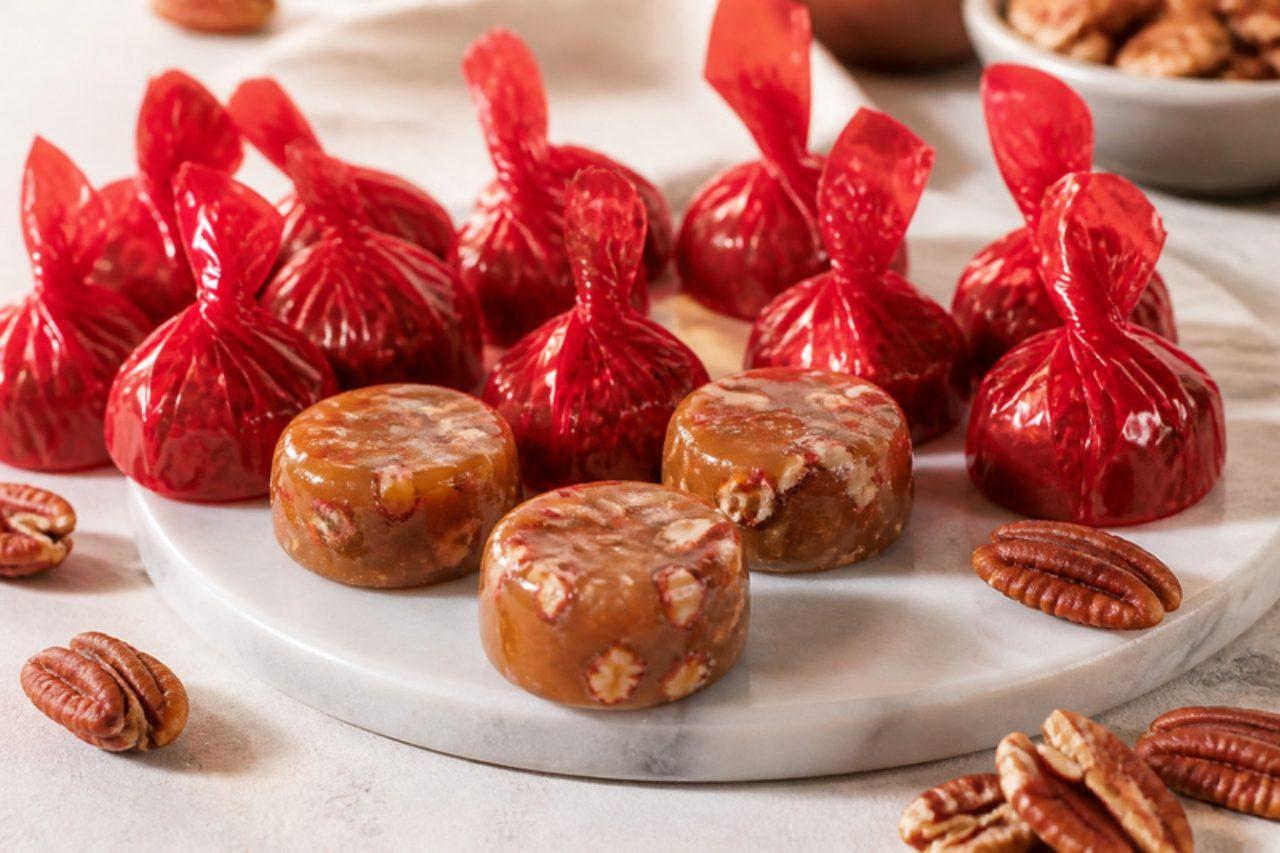
GloriasPecan and goat milk caramels

Linares, a small town in Nuevo León, is famous across Mexico for glorias: soft, chewy balls of goat's milk caramel packed with pecans, each wrapped in a twist of red cellophane. They are bought by the box at roadside sweet shops on the way to Monterrey and handed out at weddings and Christmas. Goat's milk gives them a gentle tang; a mix of goat's and cow's milk is milder. Chef's tip: the last ten minutes need constant stirring, as the caramel thickens and catches fast.

by KrazyBadal 0 views

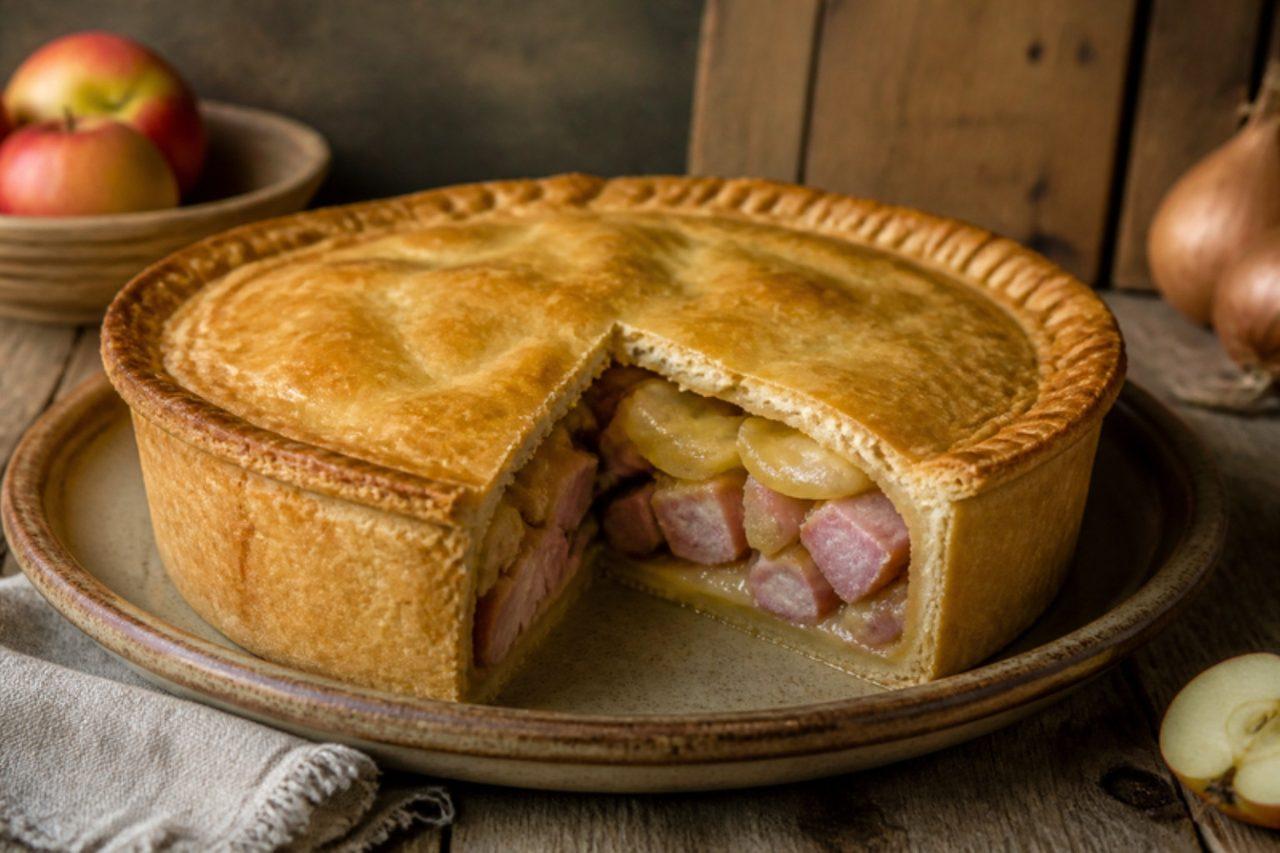
Huntingdon fidget pieGammon, apple and onion pie

Fidget pie is a harvest pie from Huntingdonshire and the Fens around Cambridge, baked for farm workers bringing in the crops in autumn. It is a pork dish: chunks of gammon (cured pork) are layered with sharp cooking apples and onions in a cider gravy under shortcrust, so it is salty, sweet and fruity all at once. This recipe contains alcohol from the cider; for alcohol-free use cloudy apple juice with a teaspoon of cider vinegar. Chef's tip: soak salty gammon in cold water for an hour first, or the pie can be too salty.

by KrazyBadal 0 views

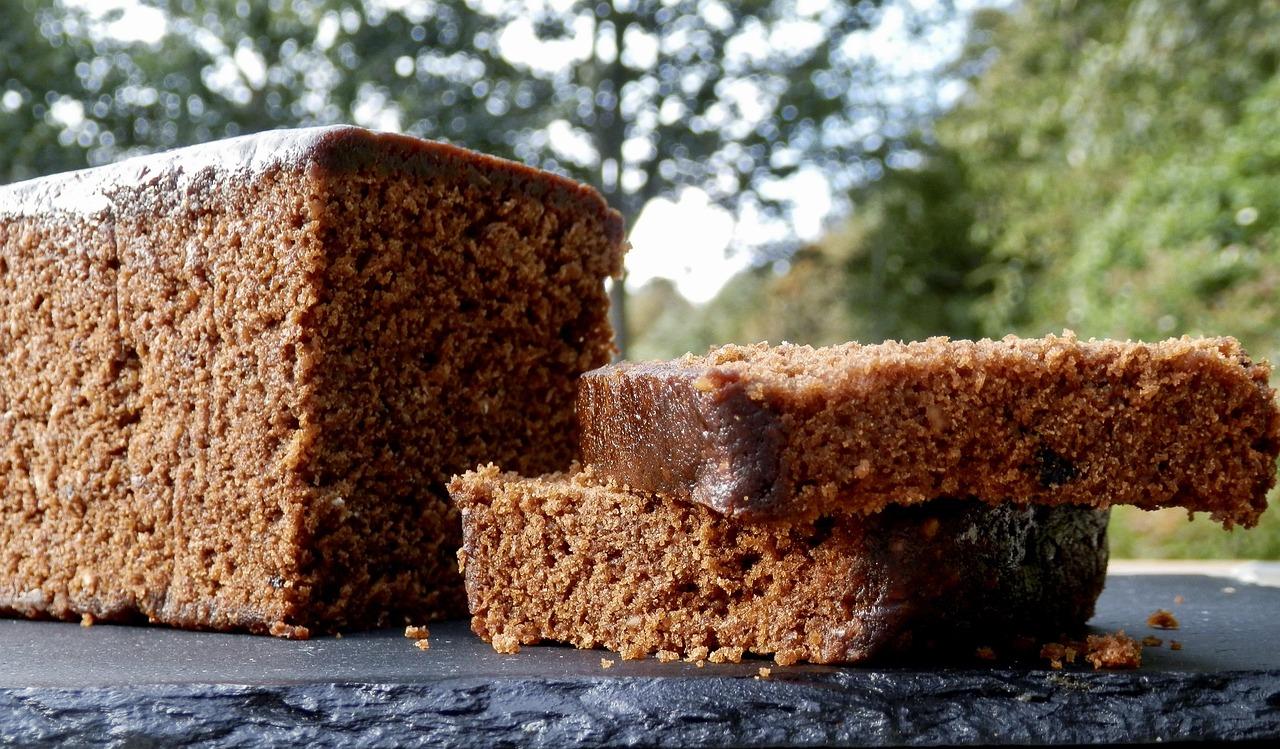
Yorkshire parkinOatmeal and treacle ginger cake

Parkin is the dark ginger cake that West Yorkshire bakes for the 5th of November, cut into squares and handed round at Bonfire Night fires in Leeds, Halifax and Bradford. It is made with oatmeal, black treacle and golden syrup, so it is dense, chewy and gingery rather than light. It gets better with time, turning stickier after a few days in a tin. Chef's tip: wrap it and keep it for three days before cutting; fresh parkin is dry and crumbly by comparison.

by KrazyBadal 0 views

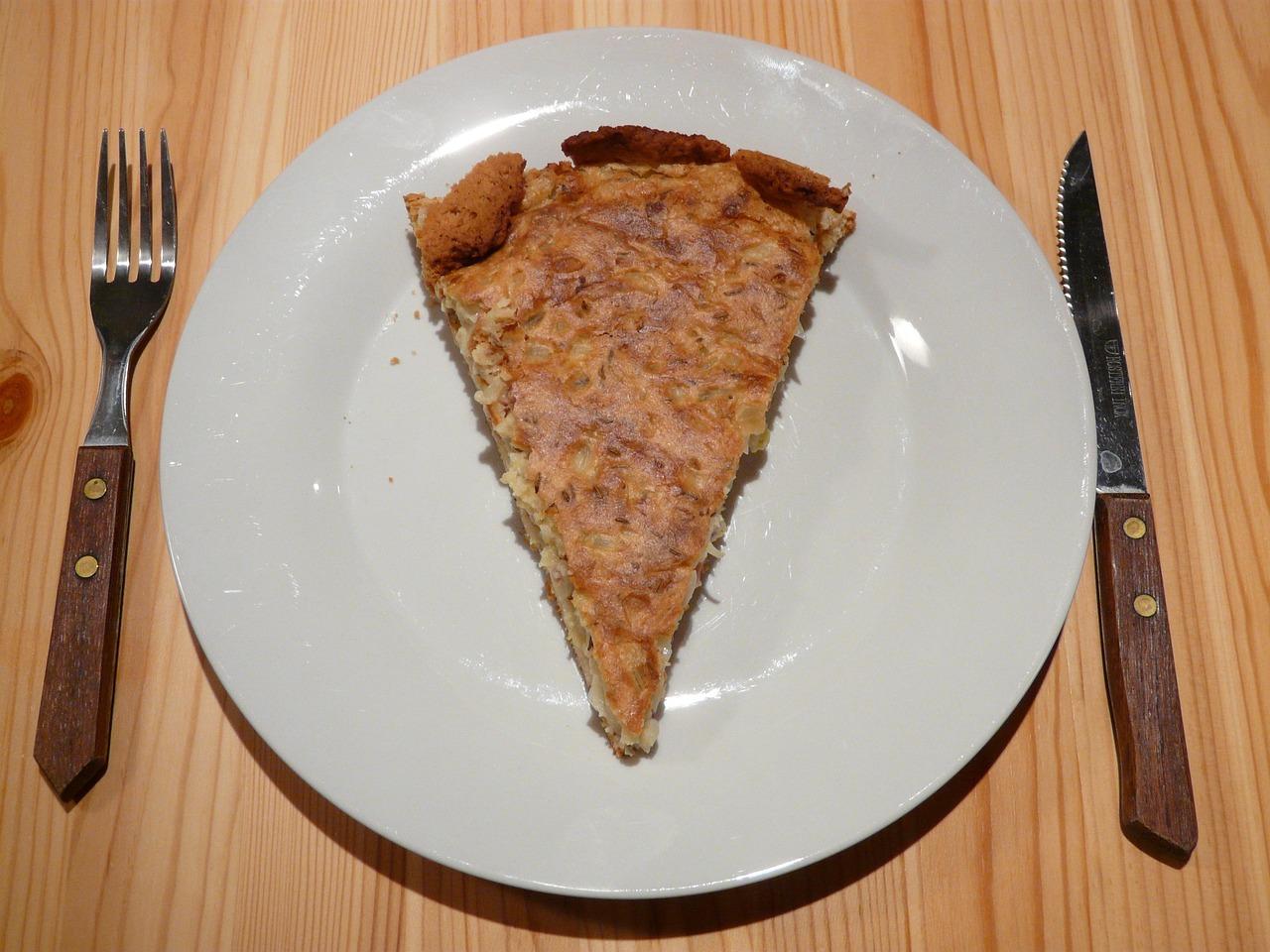
ZwiebelkuchenOnion tart

When the grape harvest starts in Baden and the Württemberg vineyards in September, bakeries pull out trays of Zwiebelkuchen: a thin yeast base piled with slowly softened onions under a sour-cream and egg custard, sprinkled with caraway. It is traditionally eaten warm with Neuer Wein or Federweißer, the young, still-fermenting wine; that is alcoholic, so pour cloudy fresh grape juice or apple juice instead, which tastes just as right. Many bakers add bacon; this version is vegetarian. A common mistake is rushing the onions on a high heat: they need 25 minutes on low until soft and sweet but still pale. Chef's tip: cool the onions before adding the custard, or the eggs start setting in the bowl.

by KrazyBadal 0 views

Ev eriştesiEgg noodles with walnuts

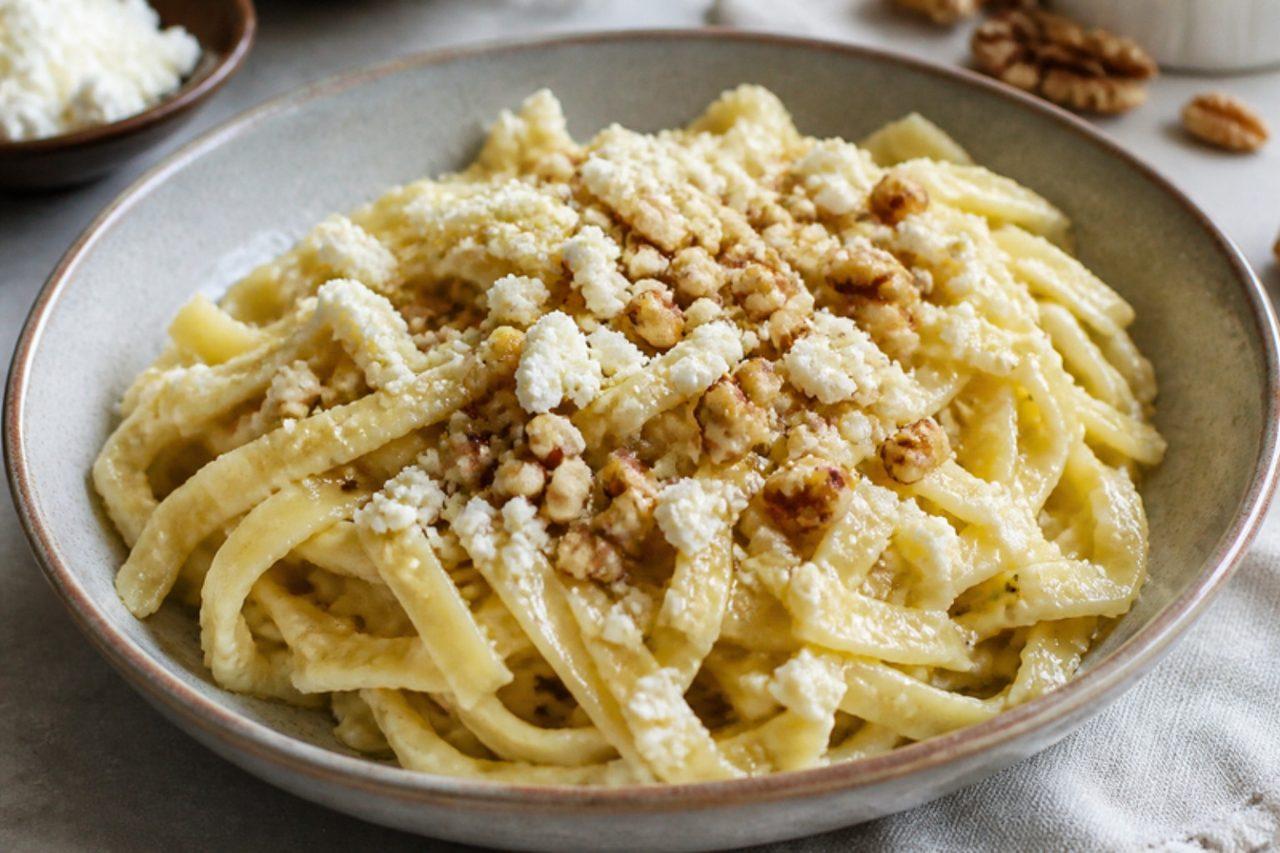
Late summer in Sivas, Tokat and Kayseri villages means erişte days, when neighbours roll out huge sheets of egg dough, cut them into ribbons and dry them on cloths to last the winter. Freshly cut, they cook in minutes and are tossed with browned butter, toasted walnuts and crumbled white cheese, a simple dish that tastes of the farm. Common mistake: cutting the noodles before the rolled sheet has dried a little, so they stick into a clump; let it sit 15–20 minutes until leathery. Feta-style white cheese is often made with animal rennet; use a vegetarian one if needed. Chef's tip: toast a few raw noodles in the butter until golden before the boiled ones go in; they add a lovely crunch.

by KrazyBadal 0 views

BatzinaCourgette and feta cornmeal pie

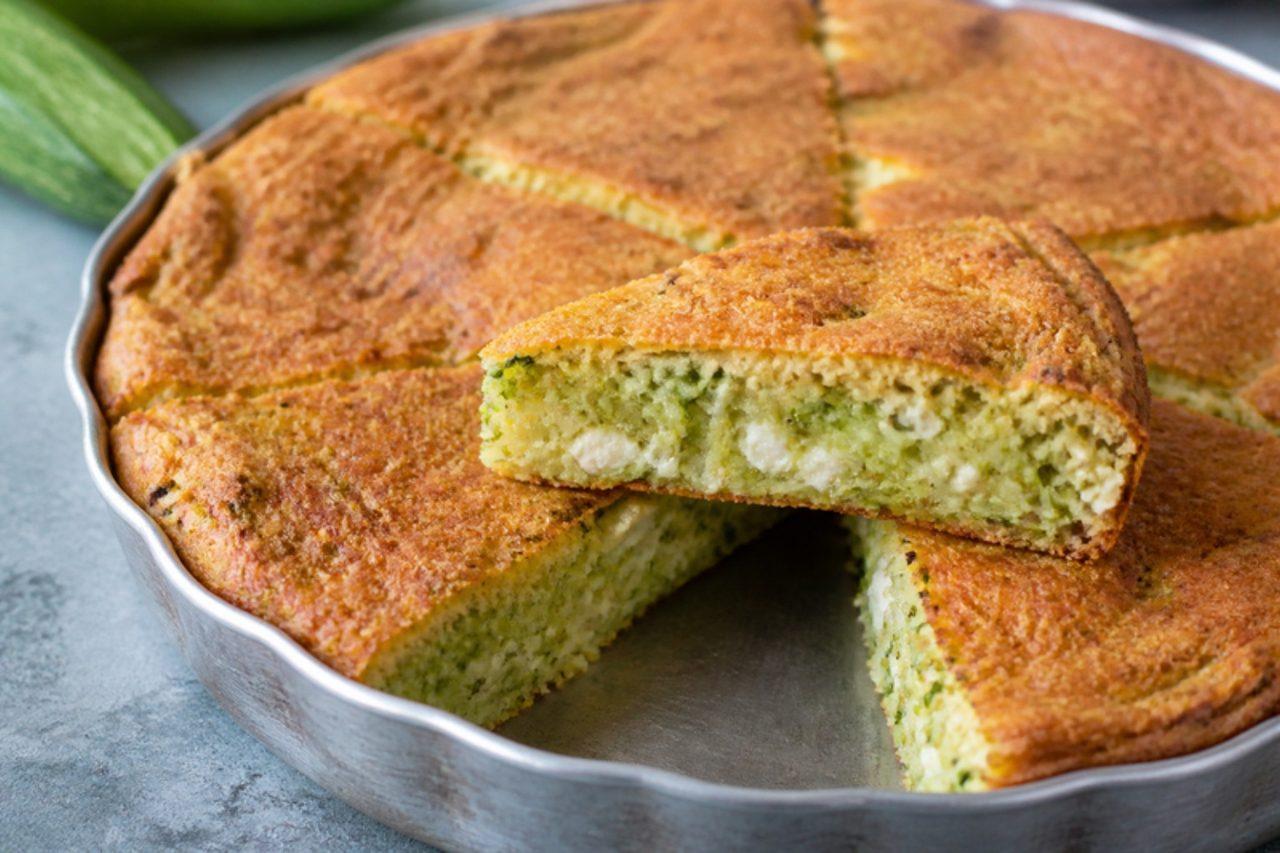
Batzina is the lazy pie of Thessaly and the Pelion villages, the one you make in summer when courgettes are taking over the garden and nobody wants to roll filo. Grated courgette and feta are mixed with a thin batter of flour, cornmeal, milk and eggs, poured into an oiled tin and baked until the top is cracked and golden and the inside soft and savoury, like a crustless quiche. It travels well to the beach. Feta is usually made with animal rennet; choose a vegetarian feta-style cheese if needed. Common mistake: skipping the squeezing — watery courgettes make a soggy pie. Chef's tip: sprinkle cornmeal over the oiled tin before pouring in; it gives a crisp base.

by KrazyBadal 0 views

Zapallo en almíbarCandied squash

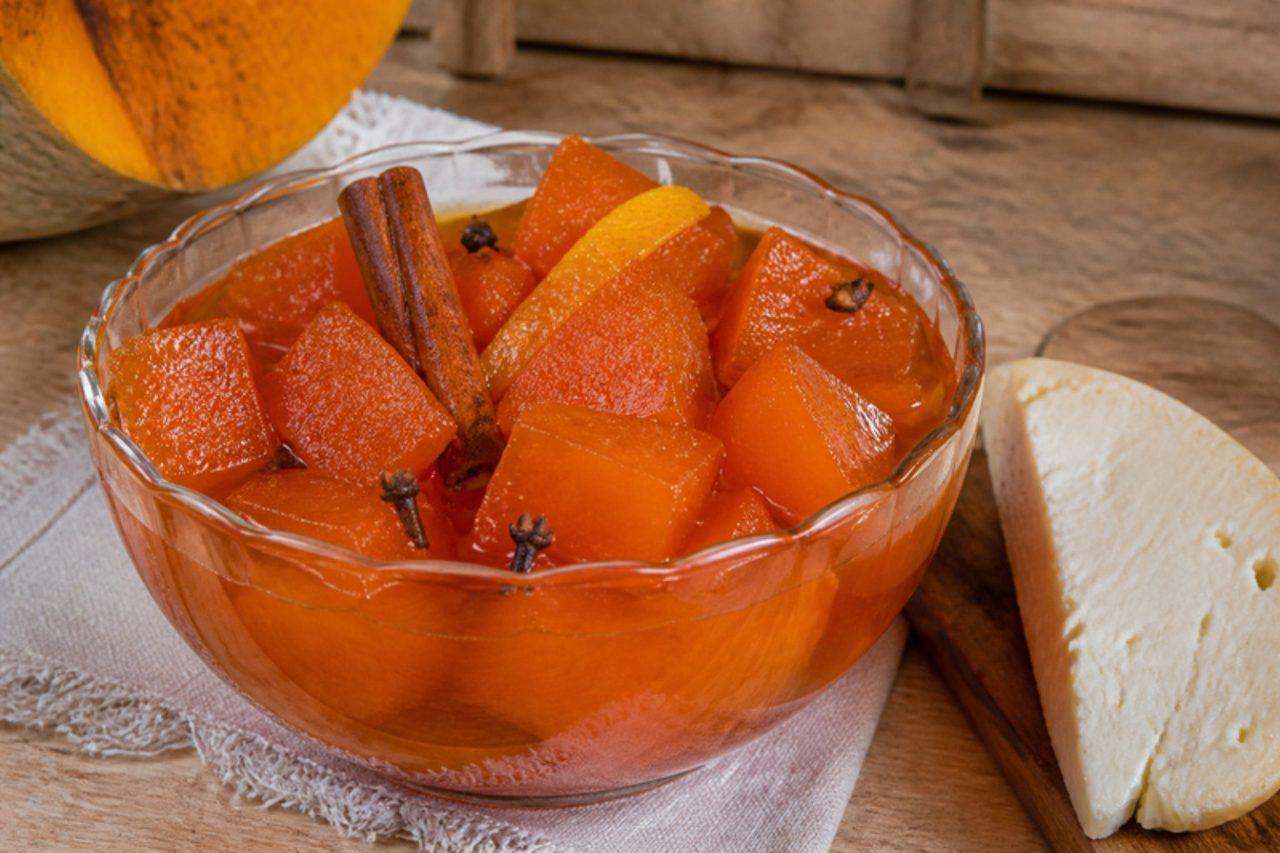
Across the Argentine countryside, when the autumn squash harvest piles up, cooks turn some of it into zapallo en almíbar: cubes of firm orange squash soaked briefly in slaked lime (cal) and then simmered in syrup until they are crisp-skinned outside and tender, almost translucent inside. Farm stalls in Córdoba and Santiago del Estero sell it in jars, and it is eaten as dessert with a slice of cheese, the same idea as postre vigilante. This home version skips the lime and uses a short sugar cure instead, which still keeps the pieces whole. It is vegan as written; serve it with vegan cheese or toasted walnuts to keep it that way. The mistake to avoid is stirring: the squash breaks into purée, so shake the pan instead. Chef's tip: use a dense, dry squash such as Crown Prince or butternut neck, and cook the syrup slowly; if it boils hard the outside candies before the centre softens.

by KrazyBadal 0 views

SayadiehFish and caramelised onion rice

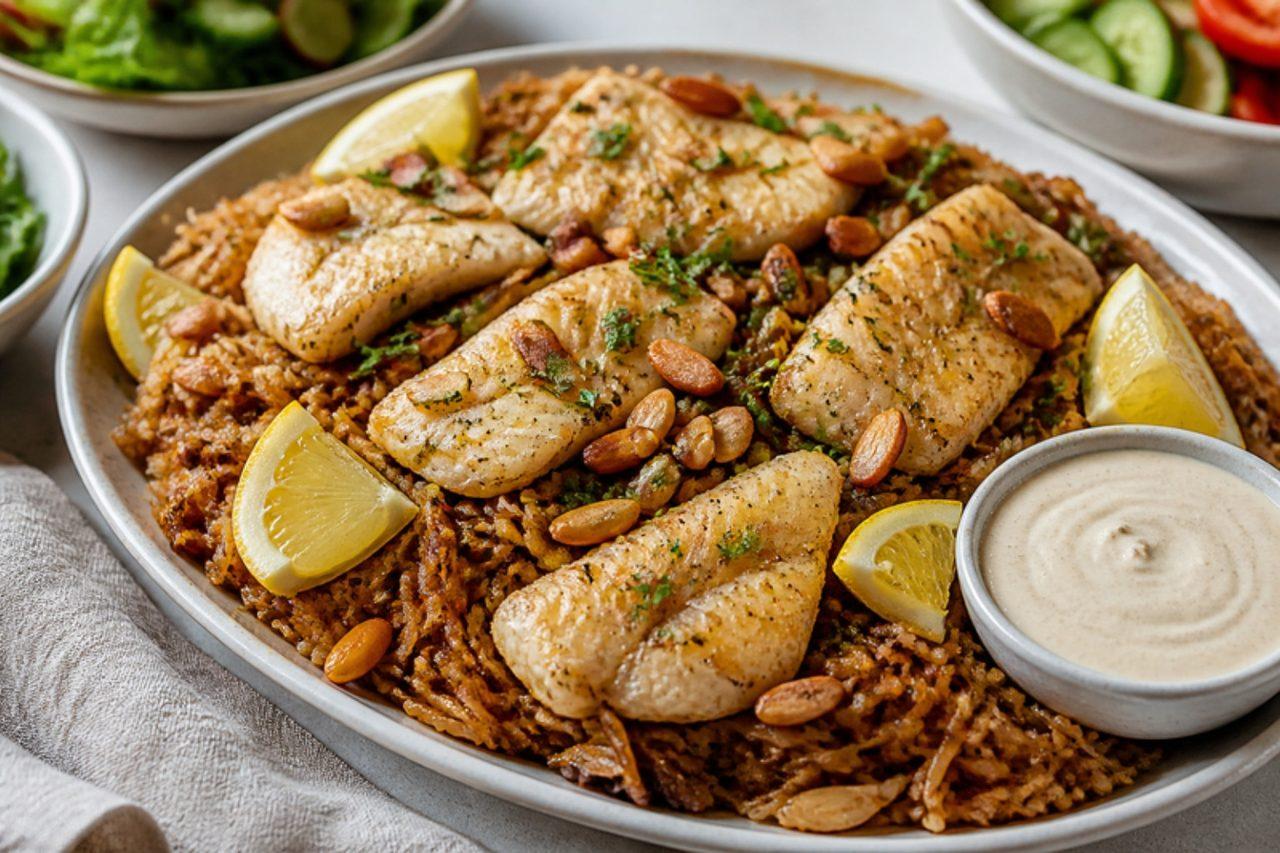
In the port towns of Saida, Tyre and Batroun, sayadieh is what fishermen's families cook with the day's white fish: rice simmered in a deep brown stock made from very dark caramelised onions and cumin, topped with flakes of fried fish, toasted almonds and pine nuts. The rice is savoury and faintly sweet from the onions, and it comes with a tahini-lemon sauce (tarator) on the side. Common mistake: stopping the onions too early — they need to be almost mahogany for the right colour and taste. Chef's tip: simmer the fish trimmings in the onion stock for 20 minutes before cooking the rice; it doubles the sea flavour.

by KrazyBadal 0 views

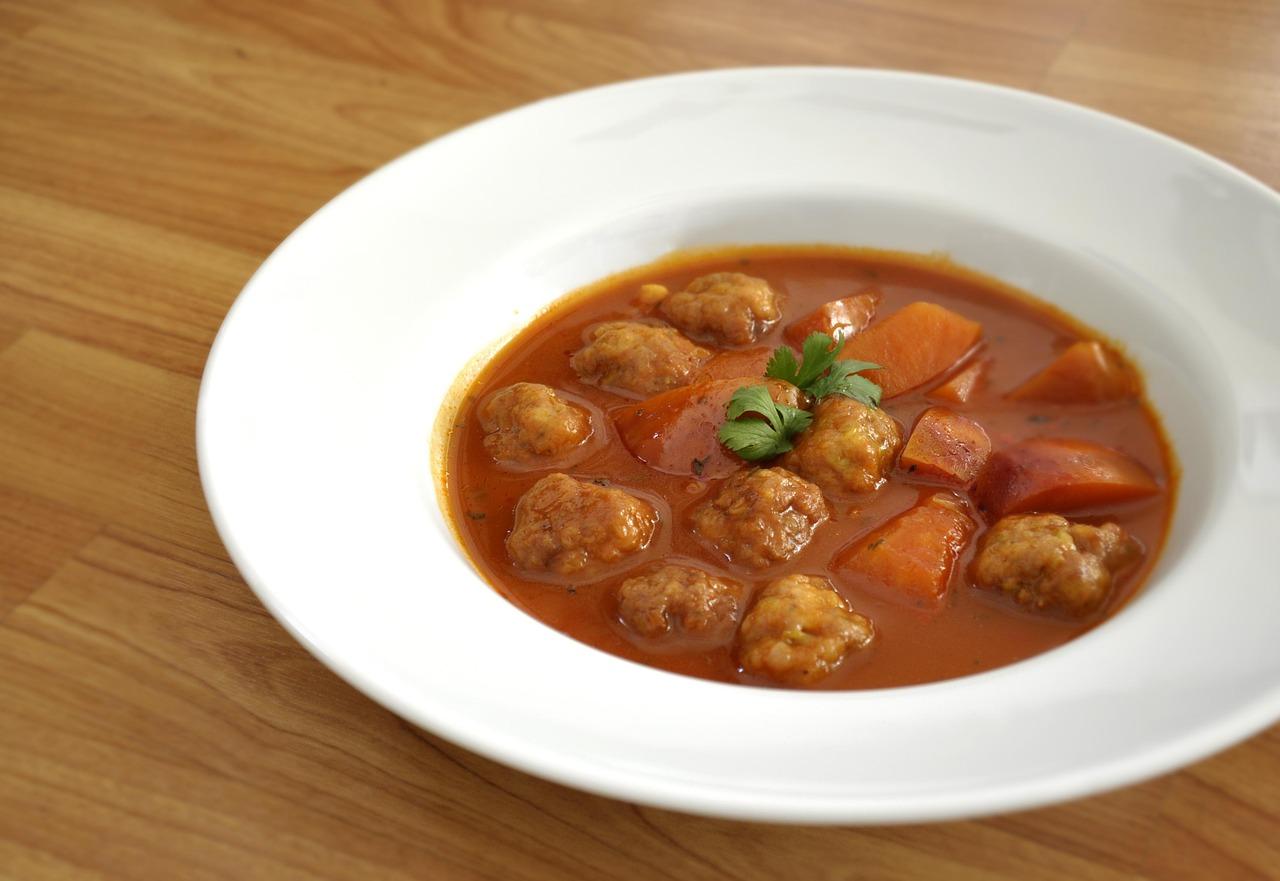
Harput köftesiBulgur meatballs in tomato broth

Harput is the old hilltop town above Elazığ, and its köfte are a soup and a main course at once: firm balls of fine bulgur kneaded with lean beef mince and spices, simmered in a tomato and pepper broth with chickpeas. They're eaten at home on winter evenings, the broth mopped up with bread. Common mistake: not kneading long enough; the bulgur and meat need to become a smooth, stretchy paste or the köfte fall apart in the broth. Simmer until the köfte are firm and cooked through to 71 °C. Chef's tip: add a few ice cubes while kneading; cold keeps the meat binding the bulgur together.

by KrazyBadal 0 views

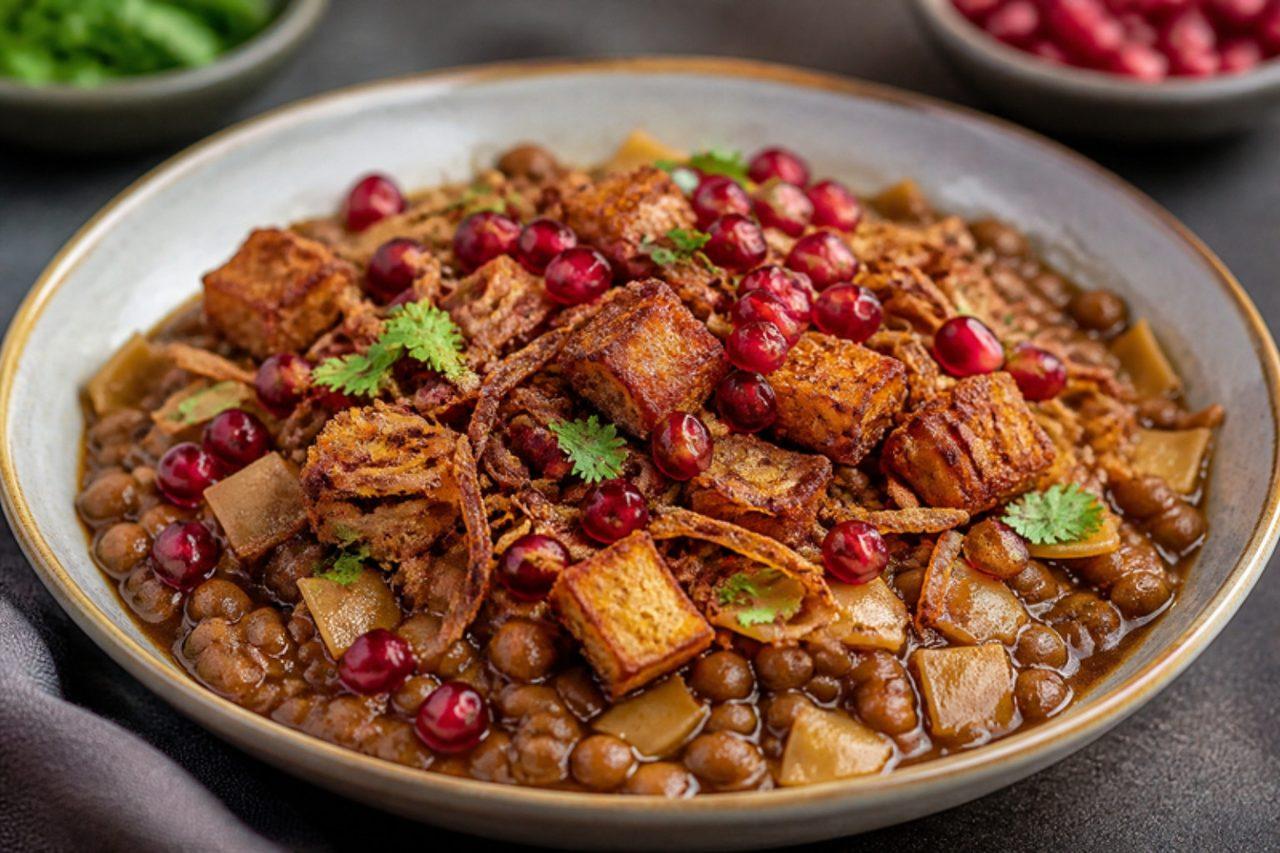
Harrak osbaoLentils with pasta and tamarind

The name means 'he burnt his finger', and the Damascene story goes that it is so good people can't wait for it to cool. Brown lentils and fresh pasta are cooked together in a sour sauce of tamarind and pomegranate molasses, then topped with coriander, garlic, crisp fried onions and fried bread so every bite is soft, tangy and crunchy at once. It is a Lenten and summer favourite in Damascus, served at room temperature with flatbread. Common mistake: frying the croutons and onions too early; they go soft on top of the lentils, so add them just before serving. Chef's tip: use a mix of pomegranate molasses and tamarind for a rounder sourness than either alone.

by KrazyBadal 0 views

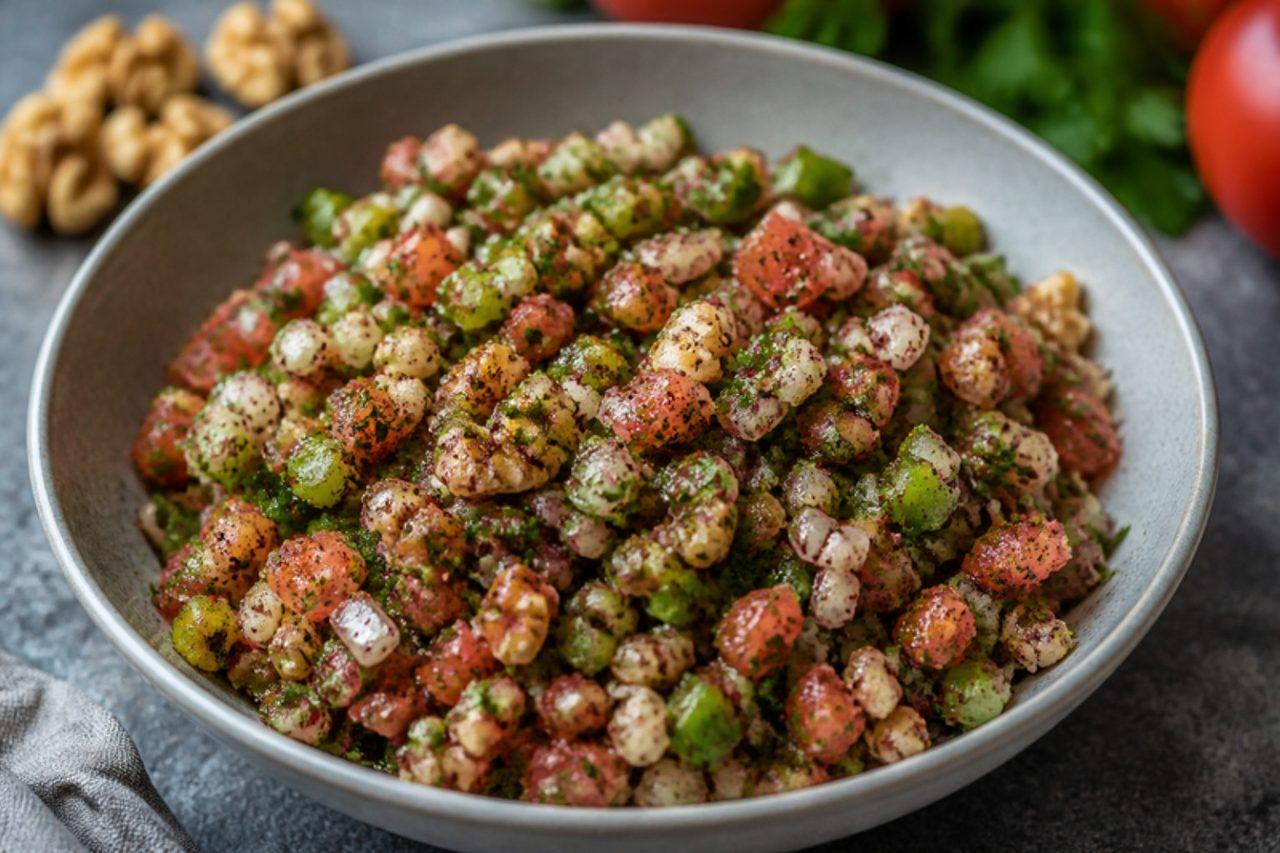
Gavurdağı salatasıTomato, pepper and walnut salad

Named after the mountains east of Gaziantep, this is the salad that lands on every kebab-house table in the city, chopped so fine it is almost a relish. Tomatoes, onion, green pepper and parsley meet toasted walnuts, sumac and a sour-sweet dressing of pomegranate molasses and olive oil. It cuts through rich grilled meat or bulgur, and is just as good scooped up with flatbread as a meze. Dress it just before serving; if it sits, the salt pulls water from the tomatoes and it swims. Chef's tip: deseed the tomatoes and dice everything to the size of a lentil so each spoonful has a bit of all of it.

by KrazyBadal 0 views

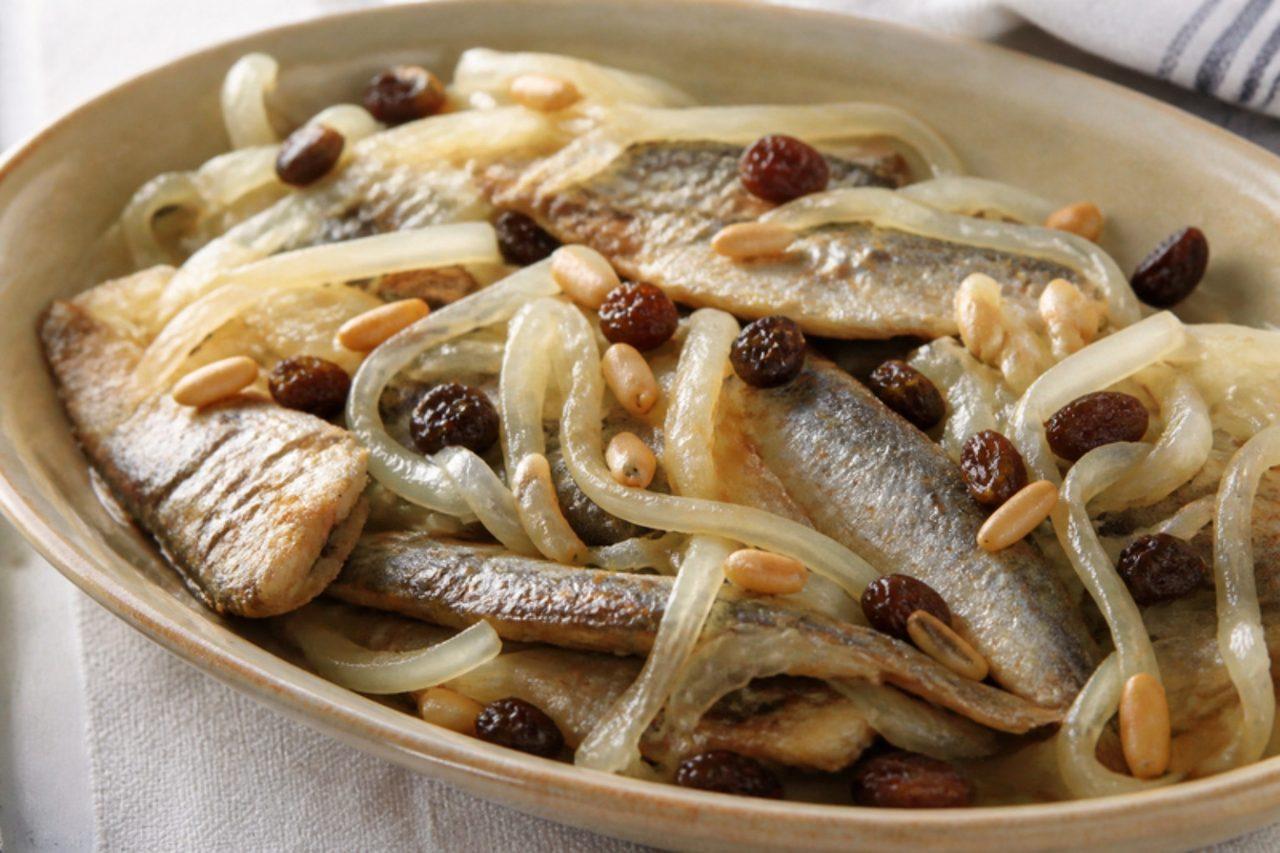
Sarde in saorSweet-sour marinated sardines

Sarde in saor began as food for Venetian sailors, since the vinegar kept the fish for days, and it is still the dish of the Festa del Redentore in July, when families eat it on boats under the fireworks. Floured, fried sardines are layered with onions stewed slowly in oil and vinegar, plump raisins and toasted pine nuts, then left to marinate in the fridge for a day so the flavours soften and mingle. The result is sweet, sharp and rich all at once. Serve it cool as a starter or in the cicchetti bars' way, on slices of grilled polenta. Chef's tip: make it at least a day ahead; eaten the same day the vinegar is harsh, but after 24 hours it mellows beautifully.

by KrazyBadal 0 views

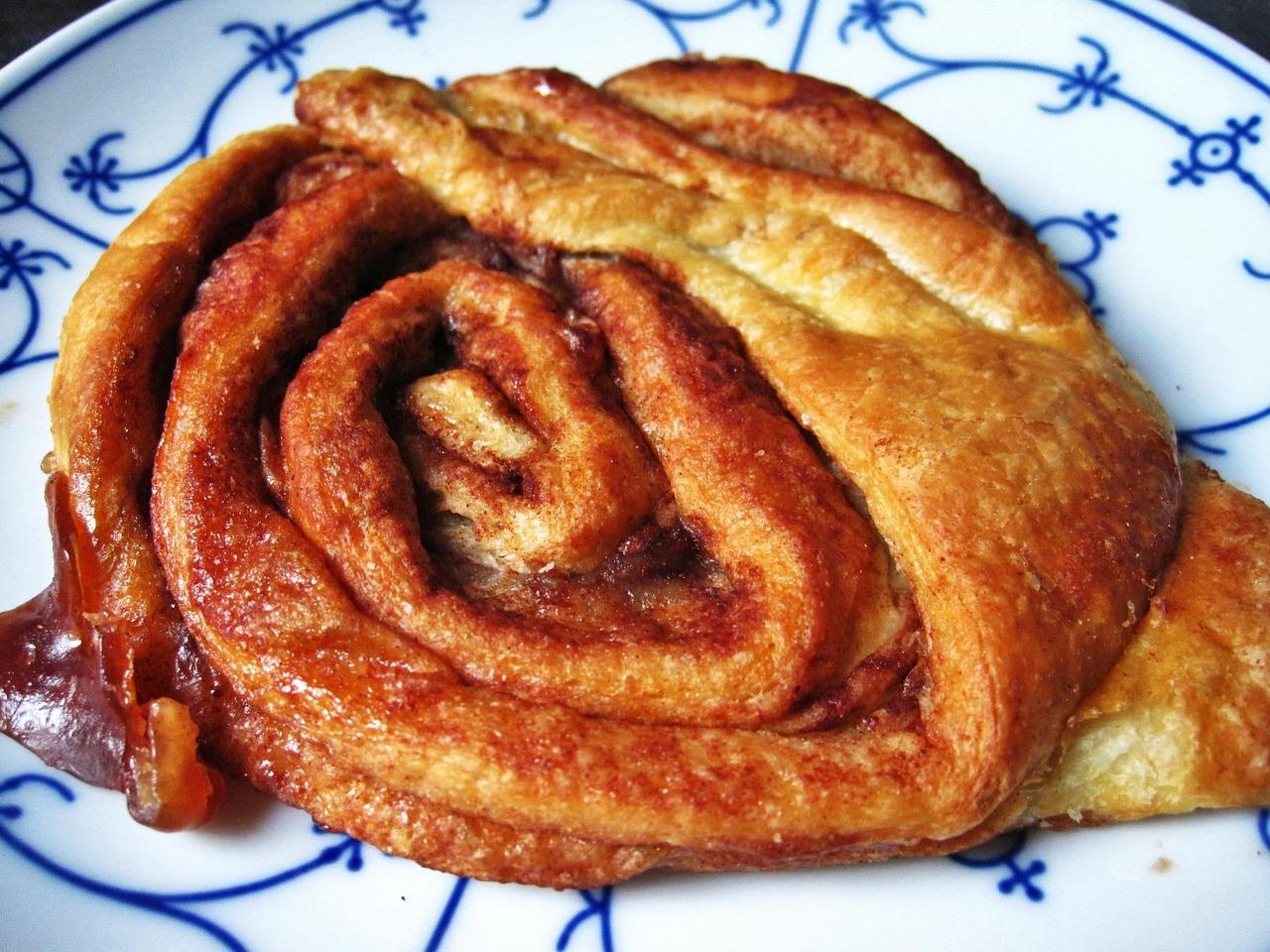
FranzbrötchenCinnamon butter pastries

No Hamburg bakery opens without a tray of Franzbrötchen: flaky, buttery yeast pastry rolled with cinnamon sugar, cut into pieces and pressed down hard in the middle with a wooden spoon handle so the spirals splay out into a squashed butterfly. The sugar caramelises underneath into a sticky, crunchy base. They are breakfast with coffee on the way to work and a Sunday treat at the harbour. The common mistake is letting the butter go soft while laminating: it oozes out and you get bread, not layers. Chef's tip: chill the dough between every fold, and press the shape down firmly before the final rise or it will spring back in the oven.

by KrazyBadal 0 views

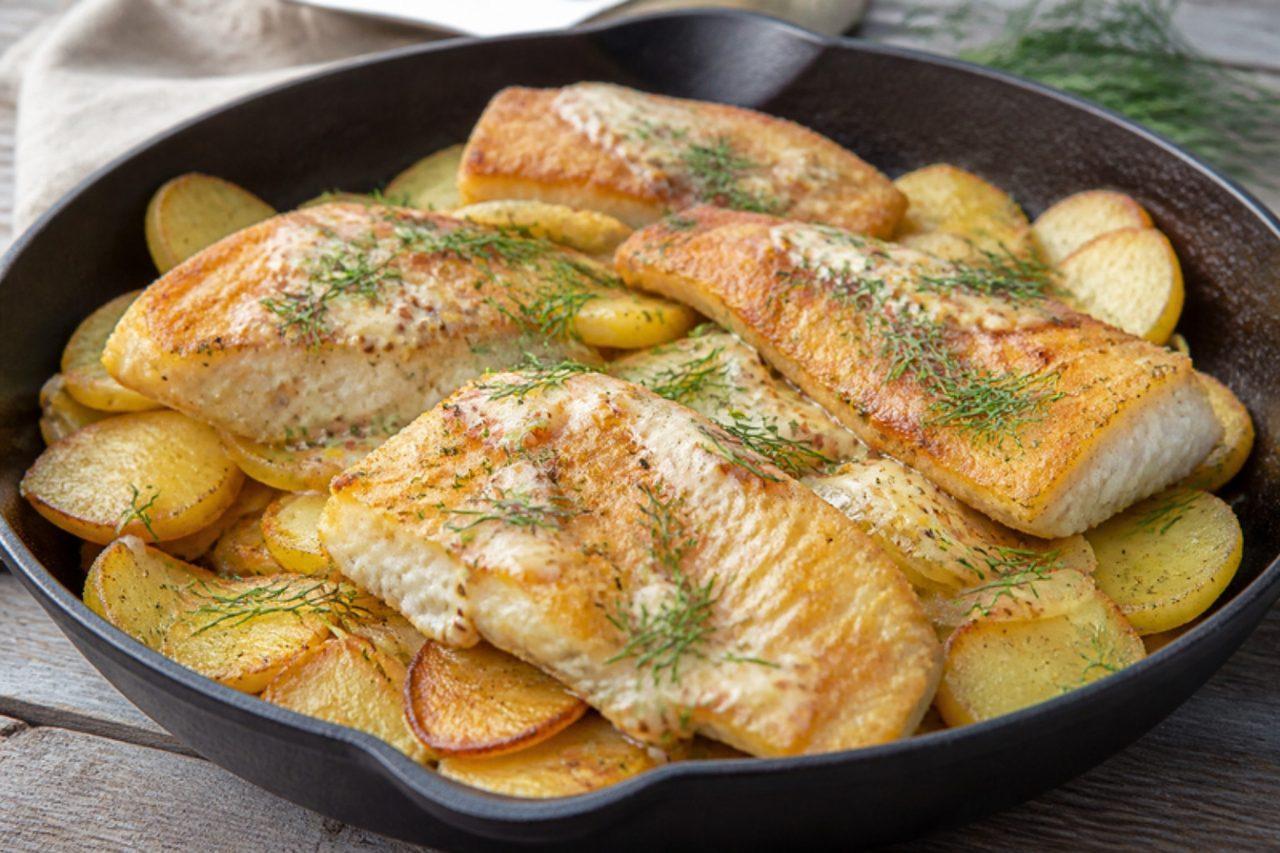
Hamburger PannfischFish and potatoes in mustard sauce

Pannfisch began as the thrifty Monday supper of Hamburg's harbour families, made from the odds and ends of the weekend's fish and the cold potatoes from Sunday. Chunks of white fish are fried golden and laid over crisp Bratkartoffeln, with a creamy mustard sauce poured round, and today it is a fixture of the fish restaurants along the Elbe. Use whatever firm white fish is good: cod, saithe, haddock or plaice. Chef's tip: boil the potatoes the day before and chill them; cold potatoes fry crisp instead of breaking up.

45 minGermanFish
by KrazyBadal 0 views

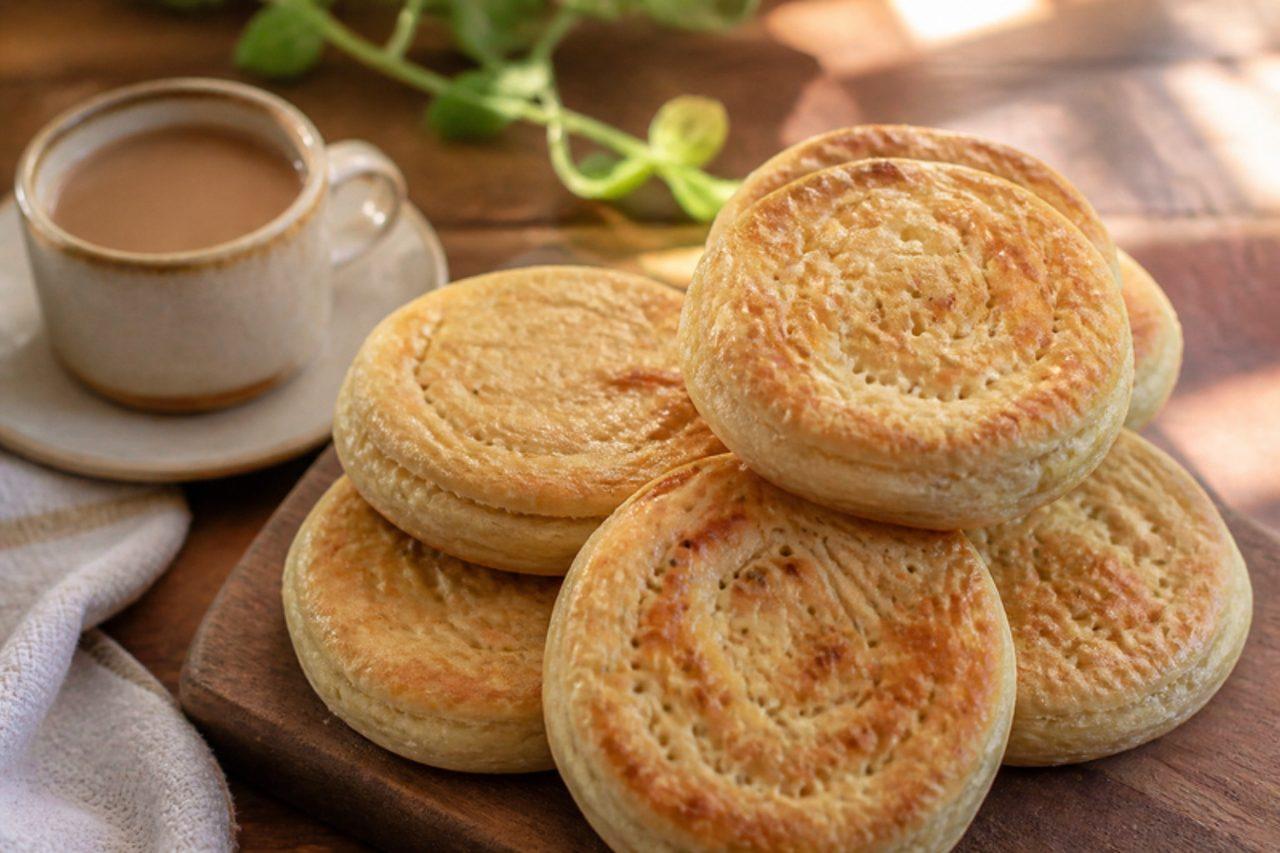
Tortitas mendocinasFlaky round breakfast breads

Every panadería in Mendoza fills a tray with tortitas in the early morning, and they go out in paper bags to be eaten warm with mate, split and spread with butter, quince paste or a slice of cheese. They are flat, round, slightly salty breads, soft and layered in the middle and crisp at the edges, with the fork marks that give them away. The traditional fat is beef lard (grasa), which makes them very short; here butter or vegetable shortening takes its place to keep them vegetarian, and both give a good flaky result. The mistake to avoid is rolling them thin like crackers: they should be a generous centimetre thick, or they bake hard and dry. Chef's tip: fold the dough in three twice before the final roll, like a quick puff pastry; those folds give tortitas their layers.

by KrazyBadal 0 views

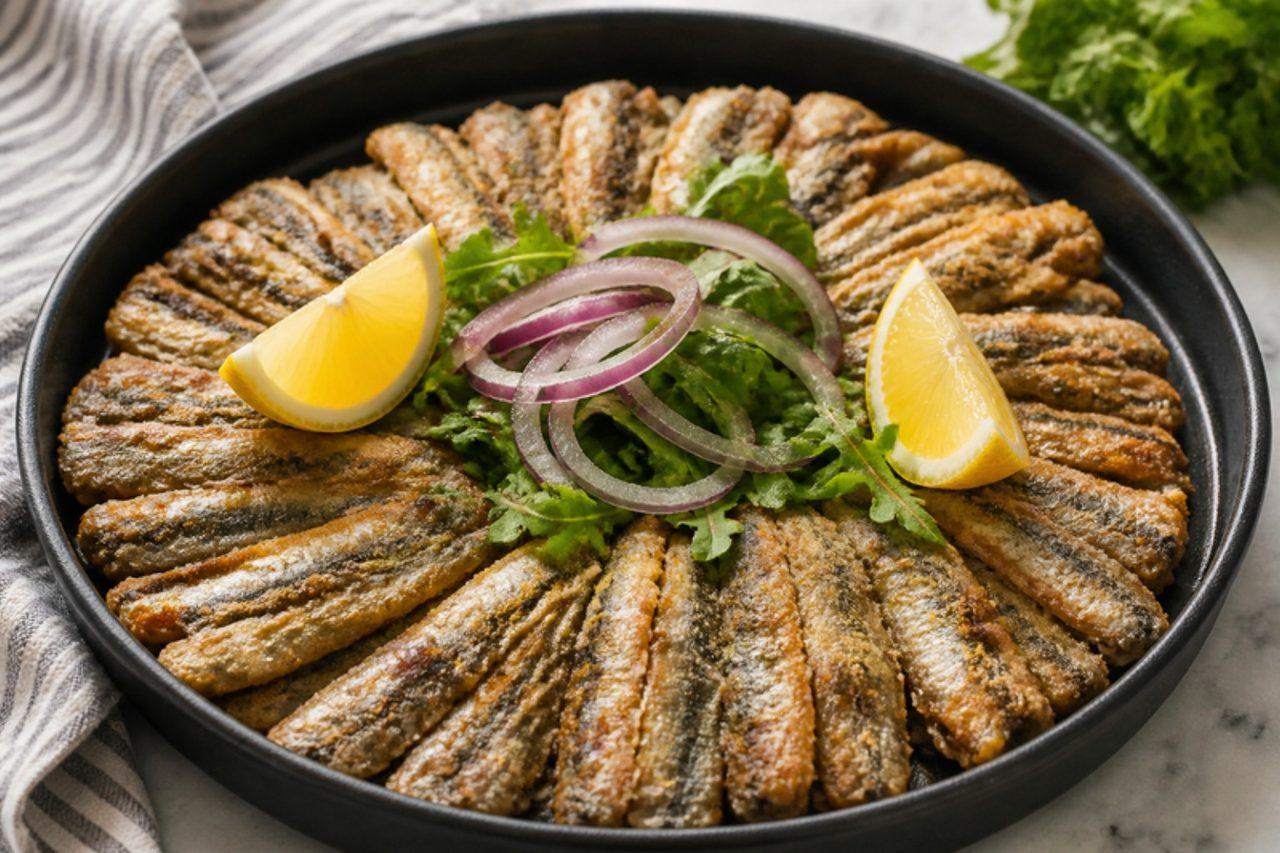
Hamsi tavaFried anchovies

When the first winter storms push shoals of anchovy along the coast, fish markets from Samsun to Hopa are heaped with silver hamsi and the whole region seems to smell of frying. Hamsi tava is the simplest way to eat them: heads off, butterflied, dusted in cornmeal and laid in a hot pan in a neat circle, then flipped like a cake. They come out crisp outside and soft and sweet within, with red onion, rocket, lemon and cornbread alongside. Common mistake: crowding the pan, which steams the fish and leaves the coating soggy. Cook until the flesh is opaque and flakes from the backbone. Chef's tip: shake off every bit of loose cornmeal; a thin coat is what stays crunchy.

by KrazyBadal 0 views

Hamsili pilavAnchovy-wrapped rice bake

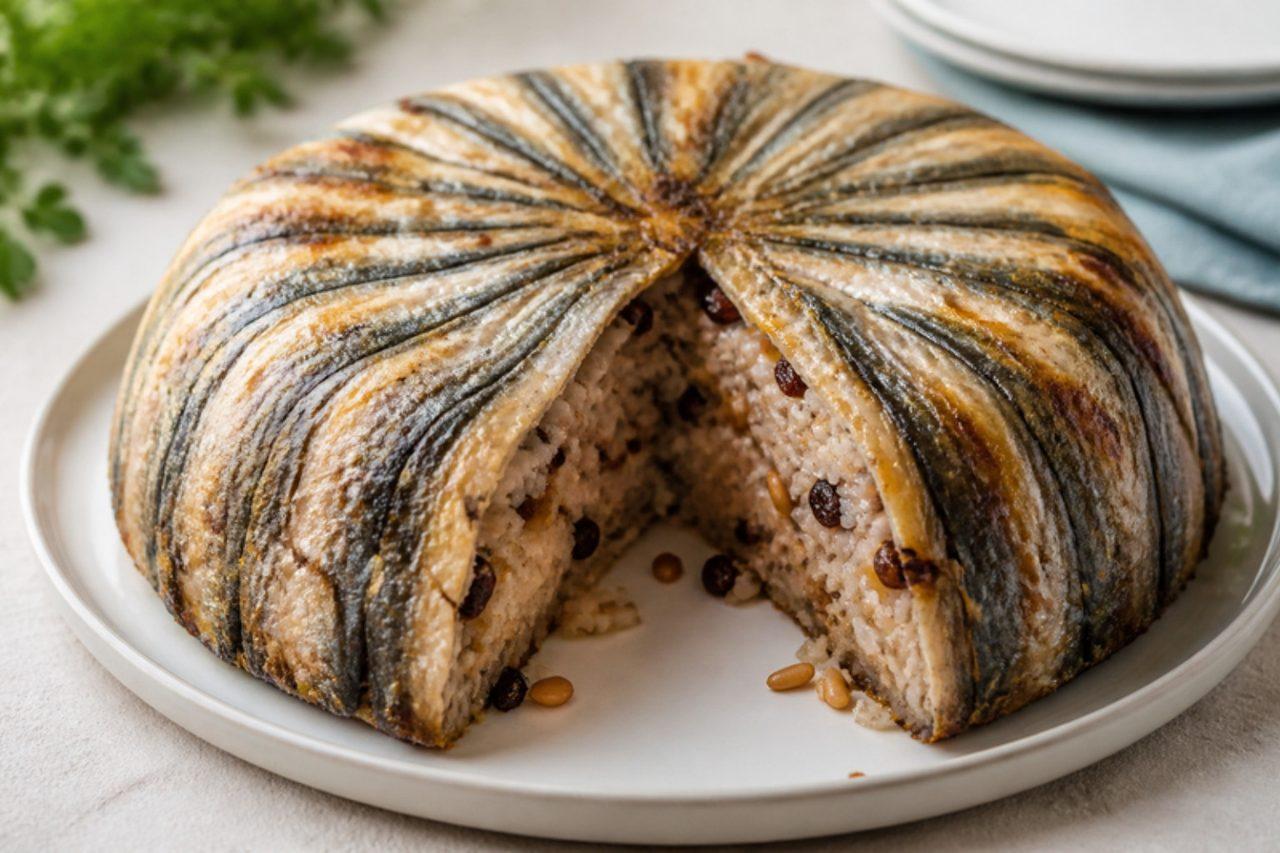
Hamsili pilav is the showpiece of a Trabzon or Rize winter table: a dome of rice cooked with currants, pine nuts, allspice and dill, packed into a tin lined with butterflied anchovies, more fish laid over the top, and baked until the skins turn crisp. Turned out and cut like a cake, it shows silver fish outside and fragrant rice within, and families make it for guests and New Year gatherings. Serve with a sharp salad and lemon. Common mistake: fully cooking the rice before baking, which turns it mushy; it should still have a bite when it goes into the tin. Bake until the fish is opaque and flakes. Chef's tip: lay the anchovies skin side down against the tin, overlapping like roof tiles, so no rice escapes.

100 minTurkishFishGluten free
by KrazyBadal 0 views

Handkäs mit MusikMarinated sour-milk cheese

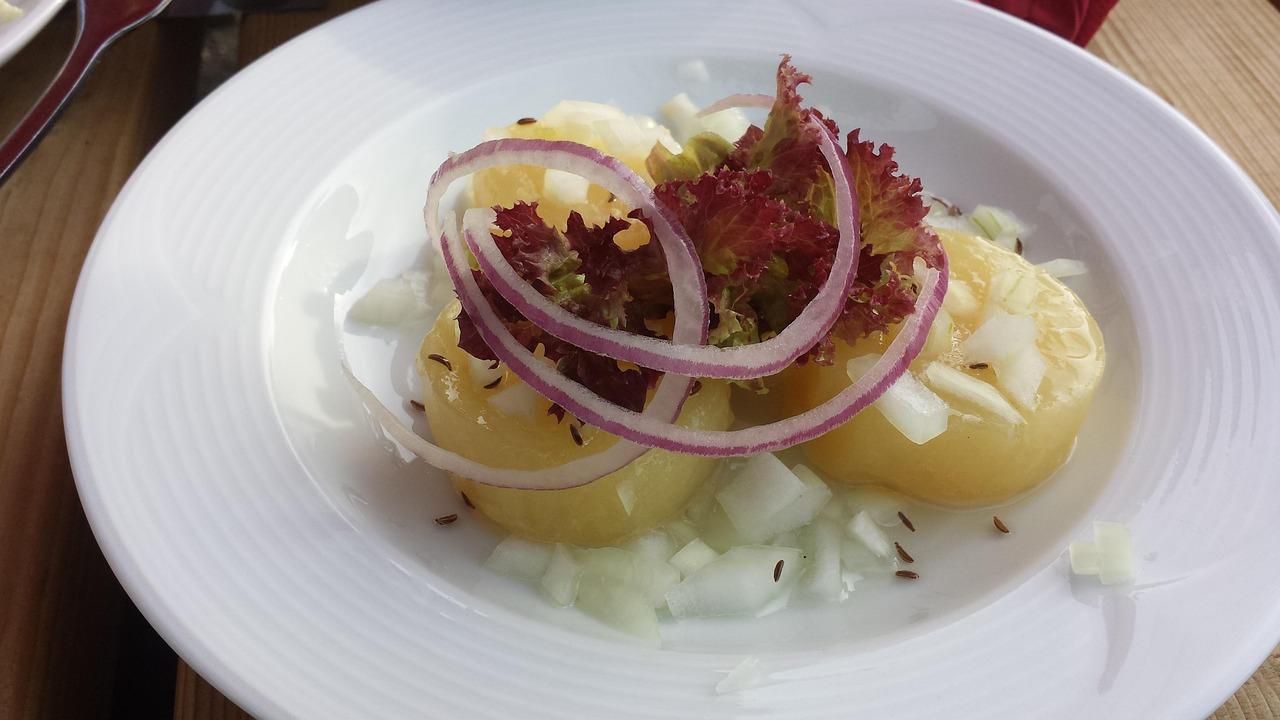
Handkäs mit Musik is the bar snack of Frankfurt's Sachsenhausen cider taverns, where it is served on a small plate beside a glass of apple wine; apple juice or a sour apple spritzer is the alcohol-free match. Handkäse is a small, firm, low-fat sour-milk cheese, ripened until it turns glassy and translucent at the edge, and the 'music' is the marinade of onion, vinegar, oil and caraway it soaks in. It is eaten with a knife and fork on buttered rye bread. Most Handkäse is made without rennet, using acid alone, but check the label if you are strict. A common mistake is serving it straight away: the cheese needs at least an hour in the marinade. Chef's tip: choose a cheese that is still chalky white in the very middle, which gives a mix of creamy and fresh textures.

by KrazyBadal 0 views

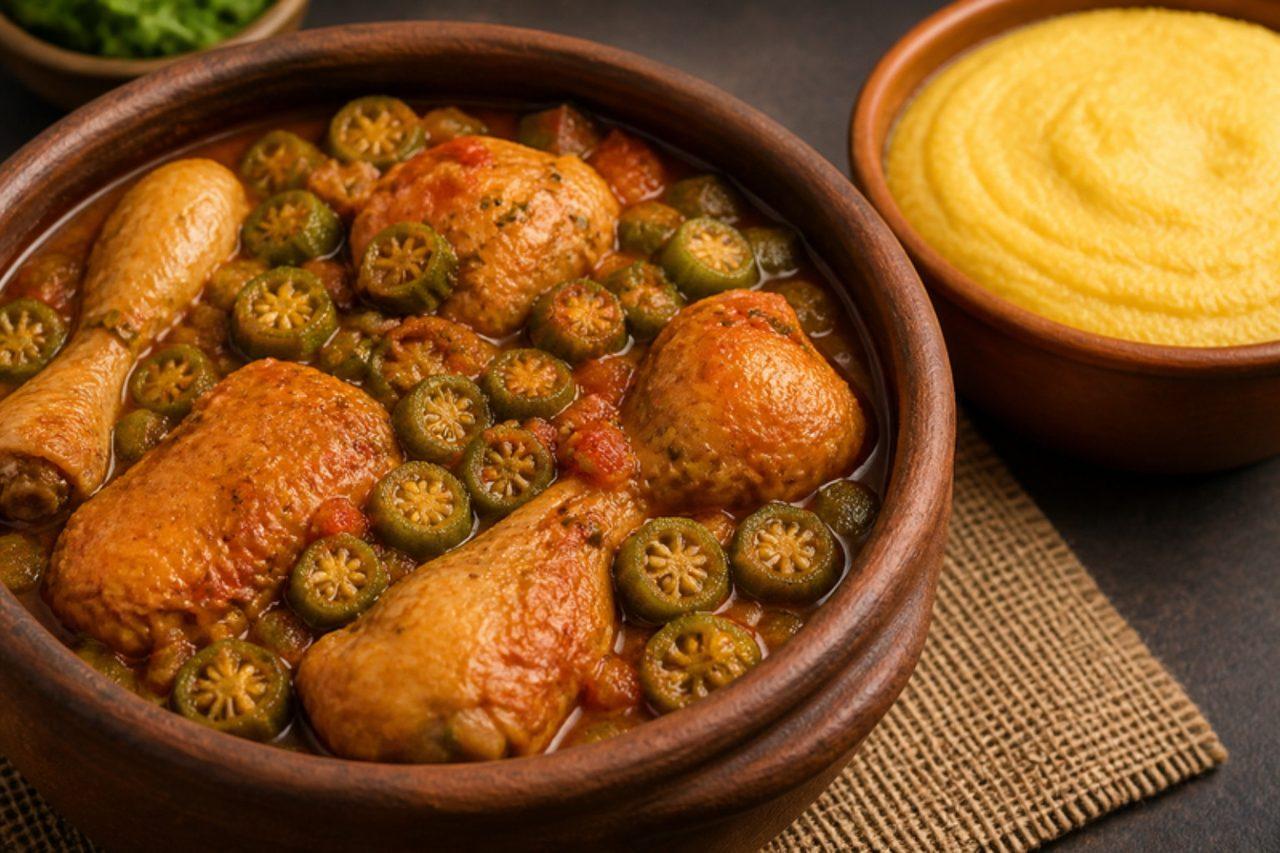
Frango com quiaboChicken with okra

Countryside Minas Gerais, especially around Belo Horizonte and the historic towns, cooks frango com quiabo for Sunday lunch: chicken pieces braised in a garlicky tomato sauce coloured with annatto, with okra fried separately and folded in at the end so it stays green and barely sticky. It is served over angu, a soft, unseasoned cornmeal porridge, with rice and a pot of hot pepper on the side. The sauce is savoury and homely, the okra tender with a little bite. People often add the raw okra straight to the pot, which makes the sauce slimy; frying it first in hot oil seals it. Chef's tip: stir the angu with a whisk as you pour in the cornmeal, then switch to a wooden spoon, and it will never go lumpy.

by KrazyBadal 0 views

HaneenehWarm dates with breadcrumbs and ghee

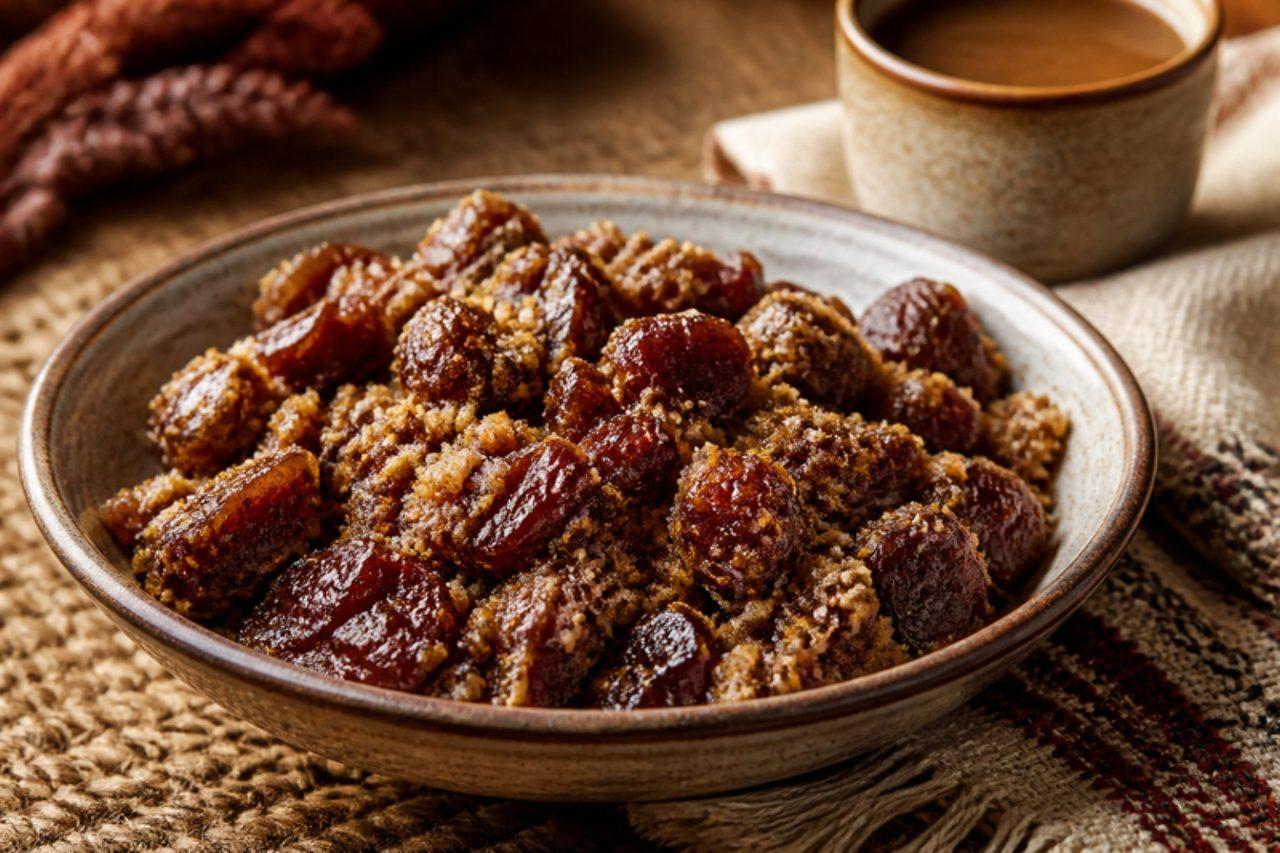
Haneeneh is desert comfort food from the Bedouin tents of the Jordanian Badia: soft dates mashed into hot samneh with crumbs of yesterday's flatbread, scented with cardamom and pressed into a rich, fudgy sweet. It is made for guests, for new mothers and for cold mornings before herding, eaten by hand with black tea or Arabic coffee. It takes ten minutes and uses only store-cupboard things. The mistake to avoid is cooking the dates too long once they meet the ghee; they turn stiff and chewy instead of jammy. Chef's tip: toast the crumbs in the ghee first until nutty, then add the dates off the heat so the mixture stays soft.

by KrazyBadal 0 views

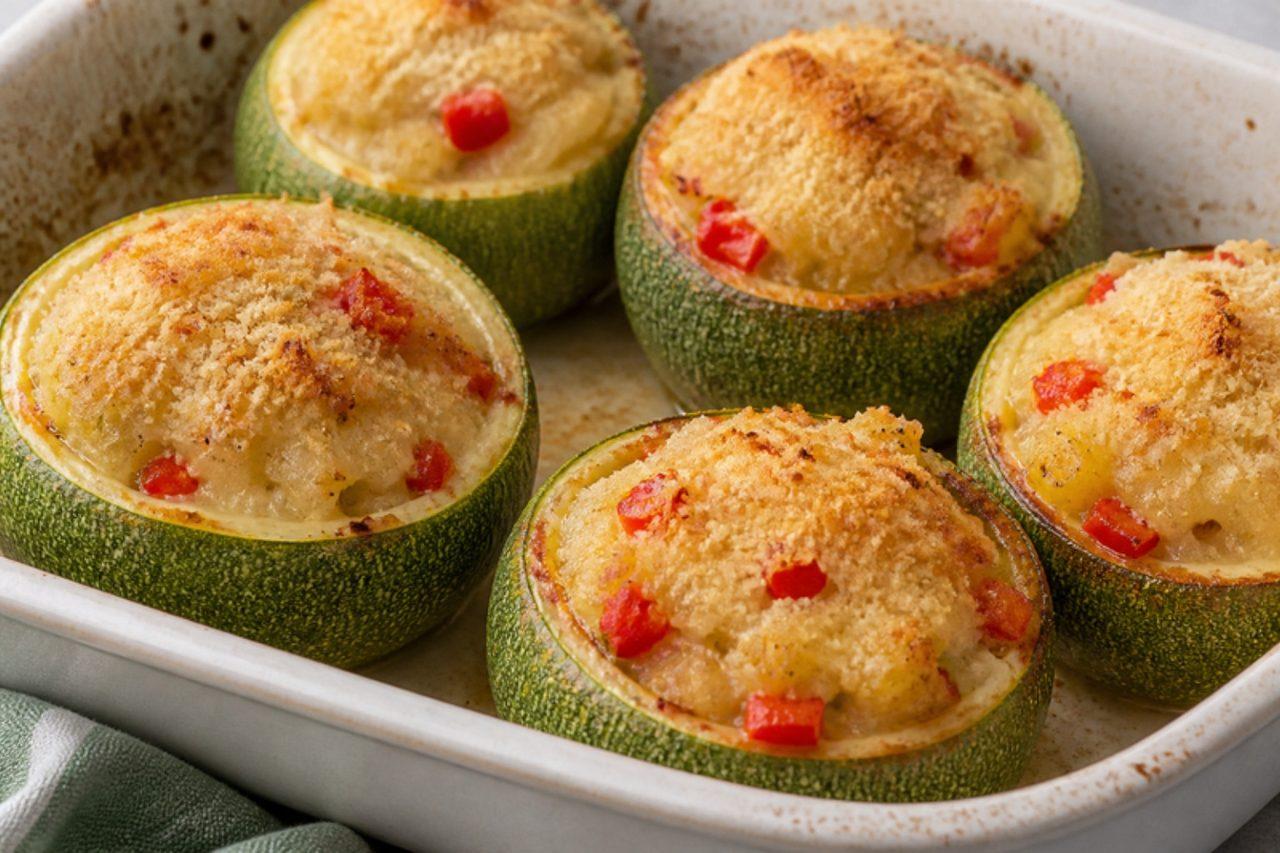
Zapallitos rellenosStuffed round squash

Round green zapallitos, the size of a tennis ball, pile up at every verdulería in Buenos Aires from December to March, and stuffing them is how home cooks turn a cheap summer vegetable into a main course. The shells are blanched, hollowed and refilled with their own flesh fried with onion and red pepper, bound with egg and melting cheese, and topped with breadcrumbs that bake to a crunchy lid. Expect a soft, savoury, slightly creamy filling under a golden crust; serve two per person with a tomato and onion salad or white rice. Overcooking the shells in the first boil is the trap: they collapse in the oven and leak water, so they only get 4 minutes. Round courgettes, eight-ball squash or short fat courgettes all work. The cheeses are usually made with animal rennet; swap in vegetarian versions if needed. Chef's tip: squeeze the chopped flesh in a clean cloth before frying it; drier filling means a firmer, tastier stuffing.

by KrazyBadal 0 views

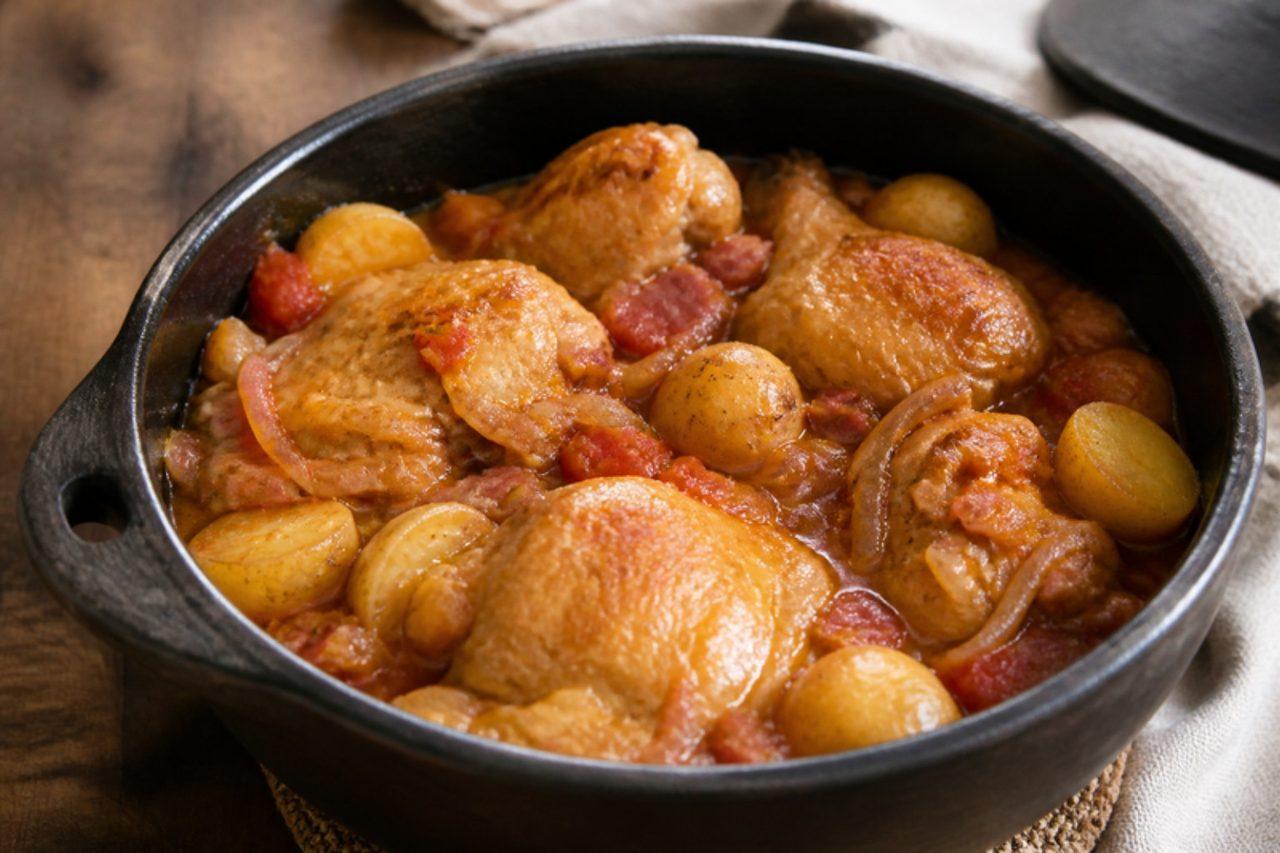
Frango no púcaroClay-pot chicken with port and ham

The monks of the great abbey at Alcobaça, on the edge of the Beira Litoral, are credited with this dish of chicken slow-cooked in a púcaro, a lidded clay pot, with onions, tomatoes, garlic, cured ham and bacon, a splash of port and white wine. Local restaurants still serve it bubbling in the pot with fried or boiled potatoes. This contains pork (presunto and smoked bacon), and it uses port and white wine; an alcohol-free version is given in the ingredient notes. Chef's tip: brown the chicken well before it goes into the pot, as the sealed lid keeps the colour from developing later.

by KrazyBadal 0 views

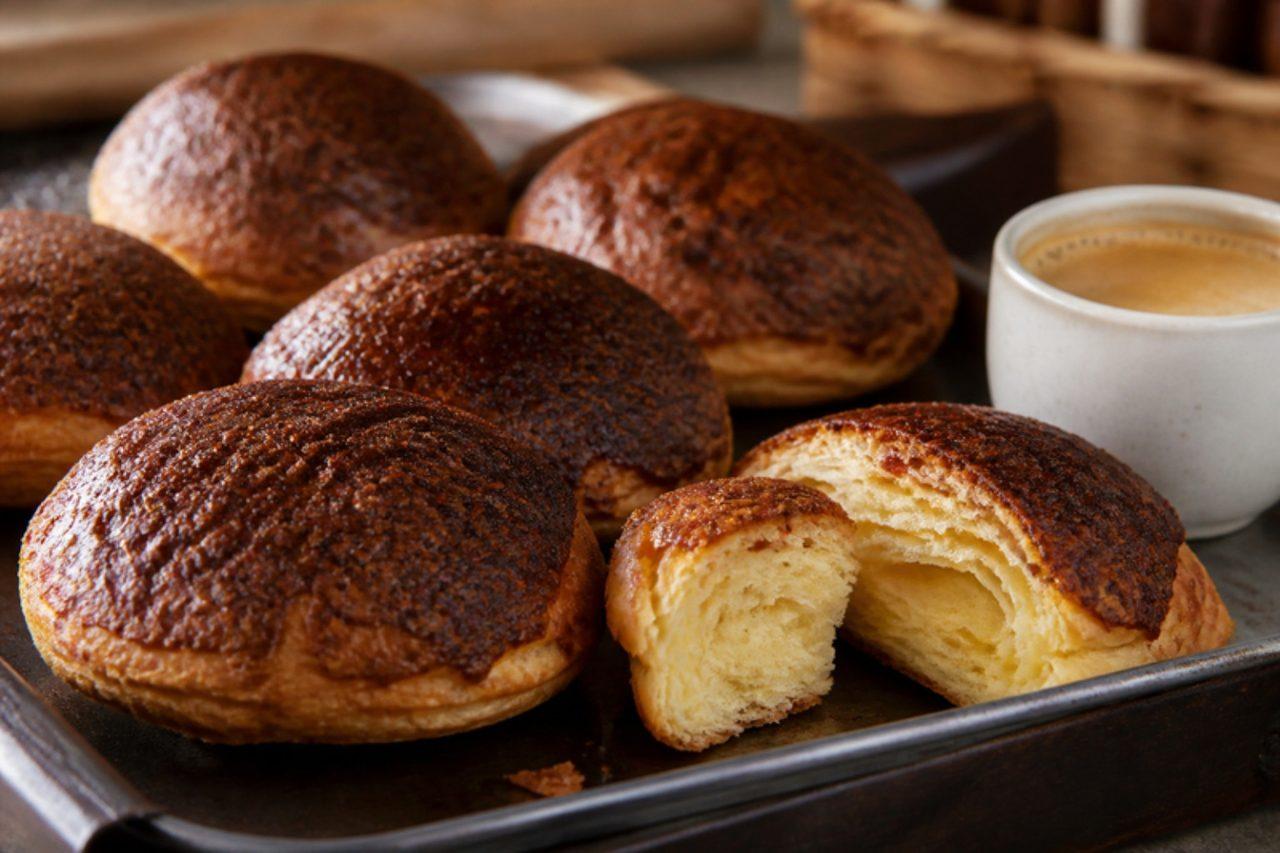
Tortitas negrasBrown sugar-topped buns

Black cakes, the name means, though only their tops are dark: tortitas negras are flat, round, flaky buns covered with a thick crust of dark brown sugar that melts in the oven and sets crunchy and toffee-like. They are among the cheapest and most popular facturas in Buenos Aires bakeries, eaten from a paper bag at breakfast or as a merienda with mate, and everyone fights over the sugary edges. The dough is a lightly laminated yeast dough, between bread and puff pastry. Bakeries often use lard or margarine; this version uses butter and stays vegetarian. Being stingy with the sugar is the classic misstep: a thin layer just melts into the dough and disappears, so pile it on thickly and press it down. Chef's tip: brush the rounds with water, not egg, before adding the sugar; the water melts the sugar into a crisp, crackling shell.

by KrazyBadal 0 views

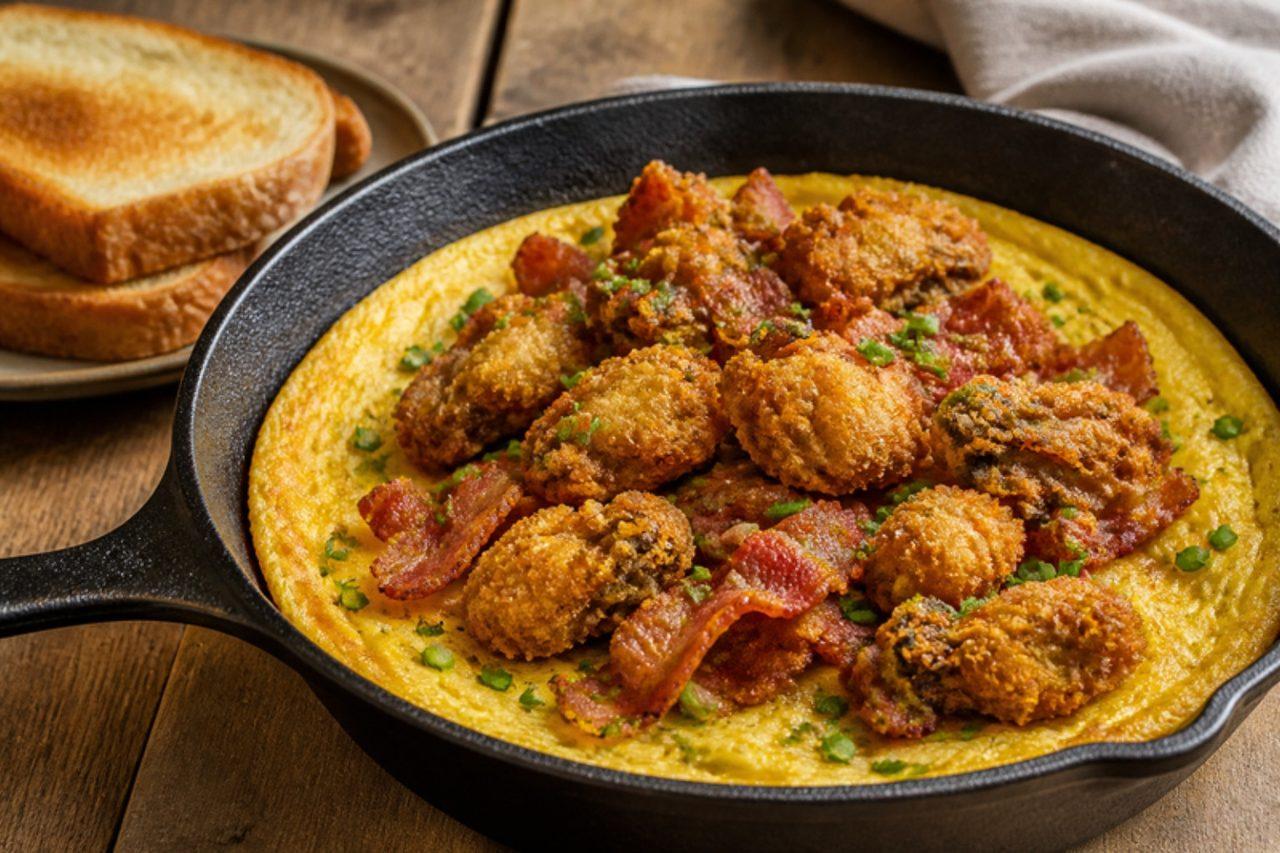
Hangtown fryOyster and bacon omelette

The Hangtown fry is said to have been ordered by a miner who struck gold near Placerville, then nicknamed Hangtown, in 1849, asking for the dearest dish in the house: oysters shipped up from San Francisco Bay, bacon (pork) and eggs, which were rare and costly in the gold fields. Today it is brunch at old San Francisco grills. Crisp crumbed oysters and bacon are set in a soft omelette. Chef's tip: fry the oysters before they meet the egg so their coating stays crisp.

by KrazyBadal 0 views

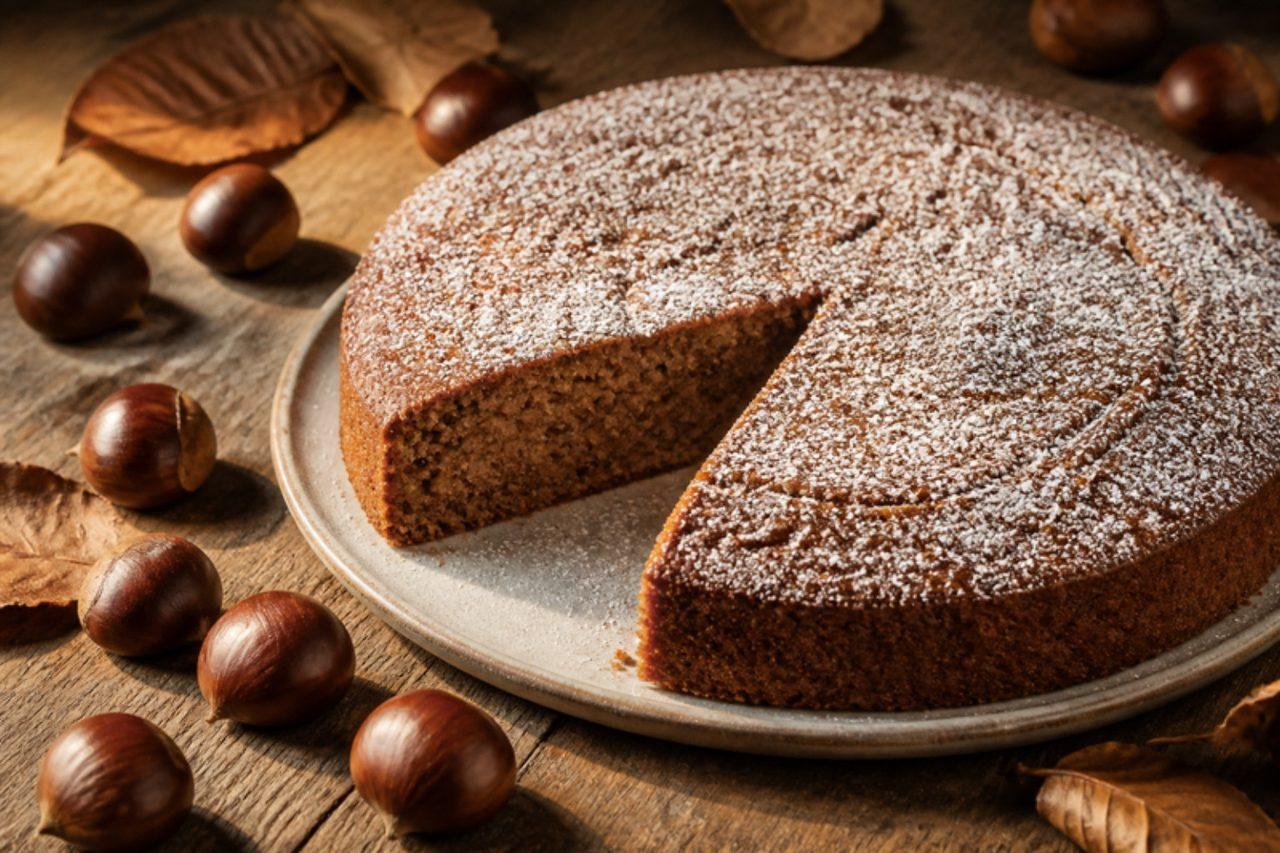
Gâteau à la farine de châtaigneChestnut flour cake

In the Castagniccia, the chestnut forests of north-east Corsica, the chestnut was called the bread tree, and its sweet, smoky flour went into polenta, fritters and cakes. Every December the village of Bocognano holds a chestnut fair where this simple cake is sold by the slice. Made only with chestnut flour, it is dense and moist, with no wheat at all (check the flour packet if you avoid gluten), and has a flavour somewhere between cocoa and toasted nuts. Serve it with fresh cheese, a spoon of jam or a cup of coffee. Chef's tip: sift chestnut flour twice; it clumps in the bag, and lumps stay as dry pockets in the cake.

by KrazyBadal 0 views

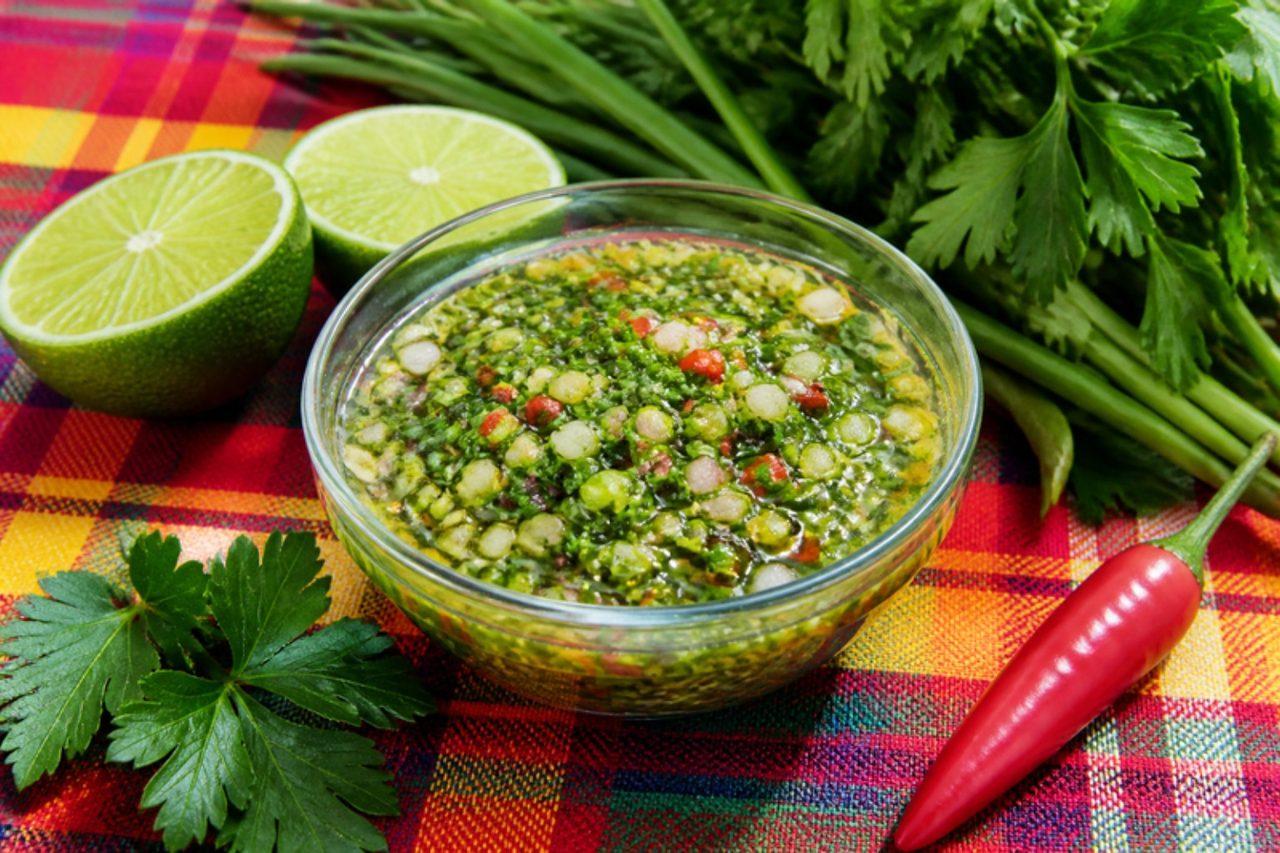
Sauce chienHerb, lime and chilli sauce

No grill in Martinique or Guadeloupe is complete without a bowl of sauce chien: shallot, garlic, spring onion, parsley and Scotch bonnet chopped very fine, then 'cooked' with a splash of boiling water, lime juice and oil. Islanders spoon it over grilled vegetables, plantain, rice and beans, and accras, at beach picnics and family barbecues on Sunday afternoons. One story says it is named after the knife used to chop the herbs, whose handle bore a dog. Chef's tip: pour the water on just off the boil; it softens the raw onion and garlic and brightens the green of the herbs.

by KrazyBadal 0 views

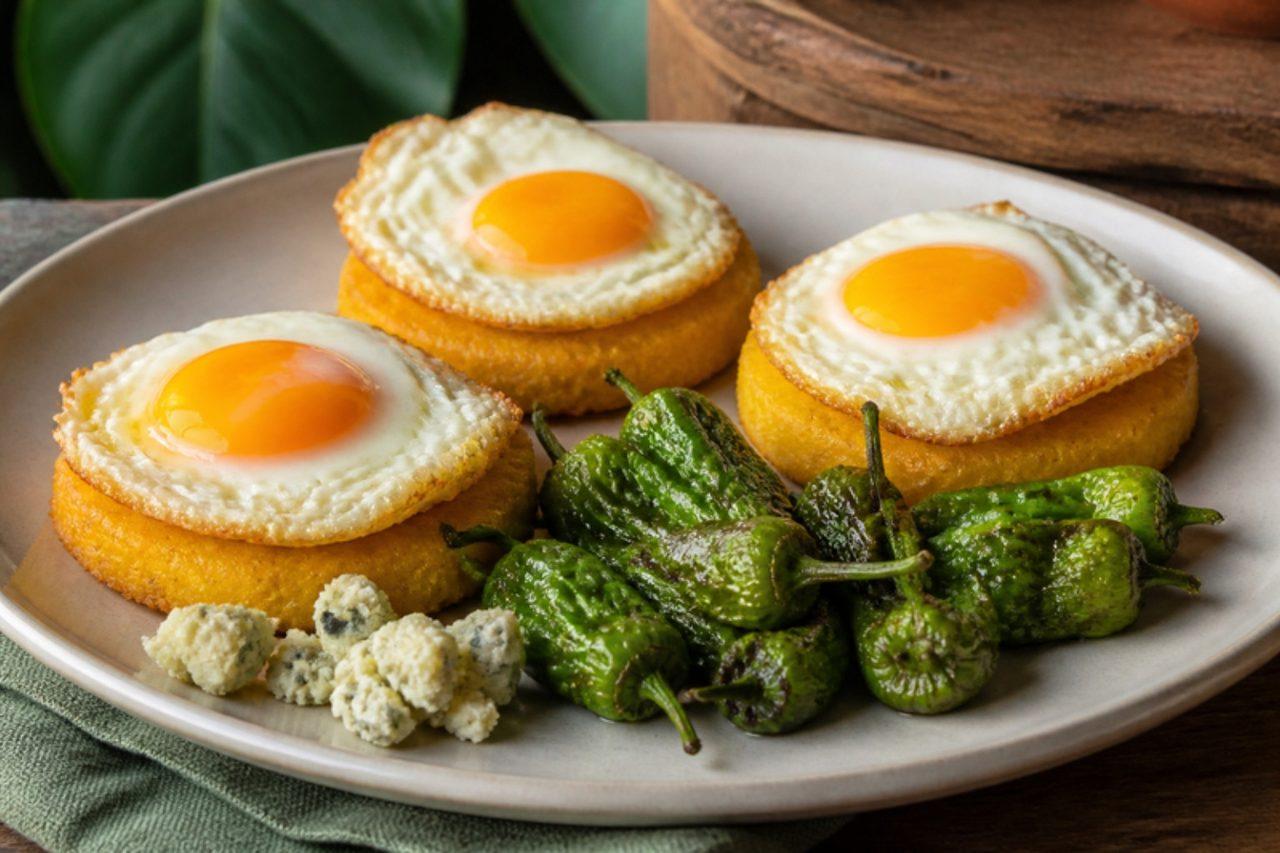
Tortos de maízCorn cakes with fried eggs

In the cider houses of Asturias, tortos arrive as a starter: small discs of corn dough fried until crisp outside and soft within, usually piled with something rich on top. Inland farms once ate them in place of bread, since maize grew far better than wheat in the damp valleys. This meat-free version tops each torto with a fried egg and blistered green peppers, with a little crumbled cabrales for those who want it; cabrales is usually made with animal rennet, so use a vegetarian blue cheese if that matters to you. Chef's tip: knead the dough with hot water and let it rest; cold water gives a crumbly dough that cracks in the pan.

by KrazyBadal 0 views

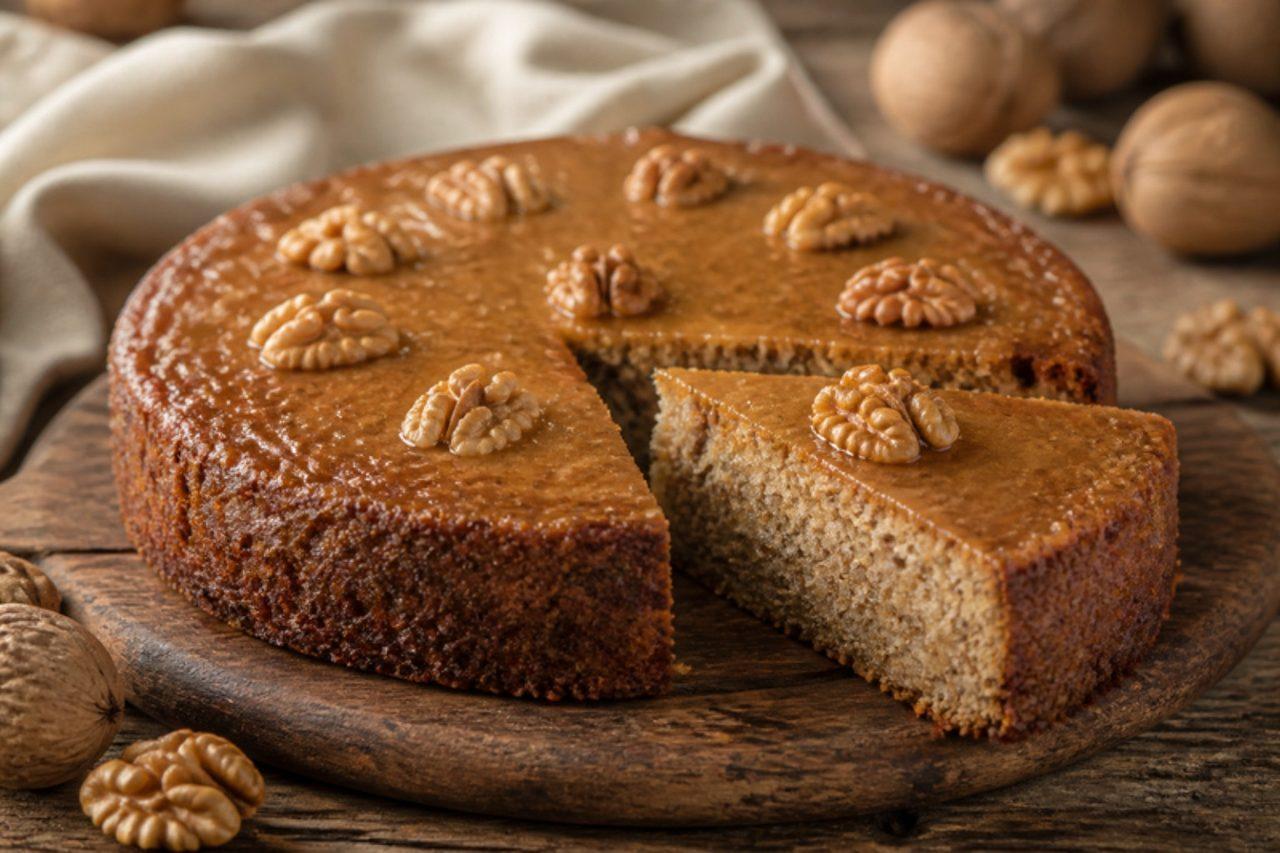
Gâteau aux noix du PérigordWalnut cake

Walnut orchards line the Dordogne valley around Sarlat and Périgueux, and after the autumn harvest every farmhouse and market bakery turns the new nuts into this dense, moist cake. It is sold by the slice at Sarlat's Saturday market and eaten in the afternoon with coffee or a glass of walnut-leaf syrup and water, or after Sunday lunch with a spoon of crème fraîche. Ground walnuts replace most of the flour, so it is nutty, slightly bitter and very tender. Chef's tip: toast the walnuts first for 6 minutes; it softens the bitterness of the skins and deepens the flavour.

by KrazyBadal 0 views

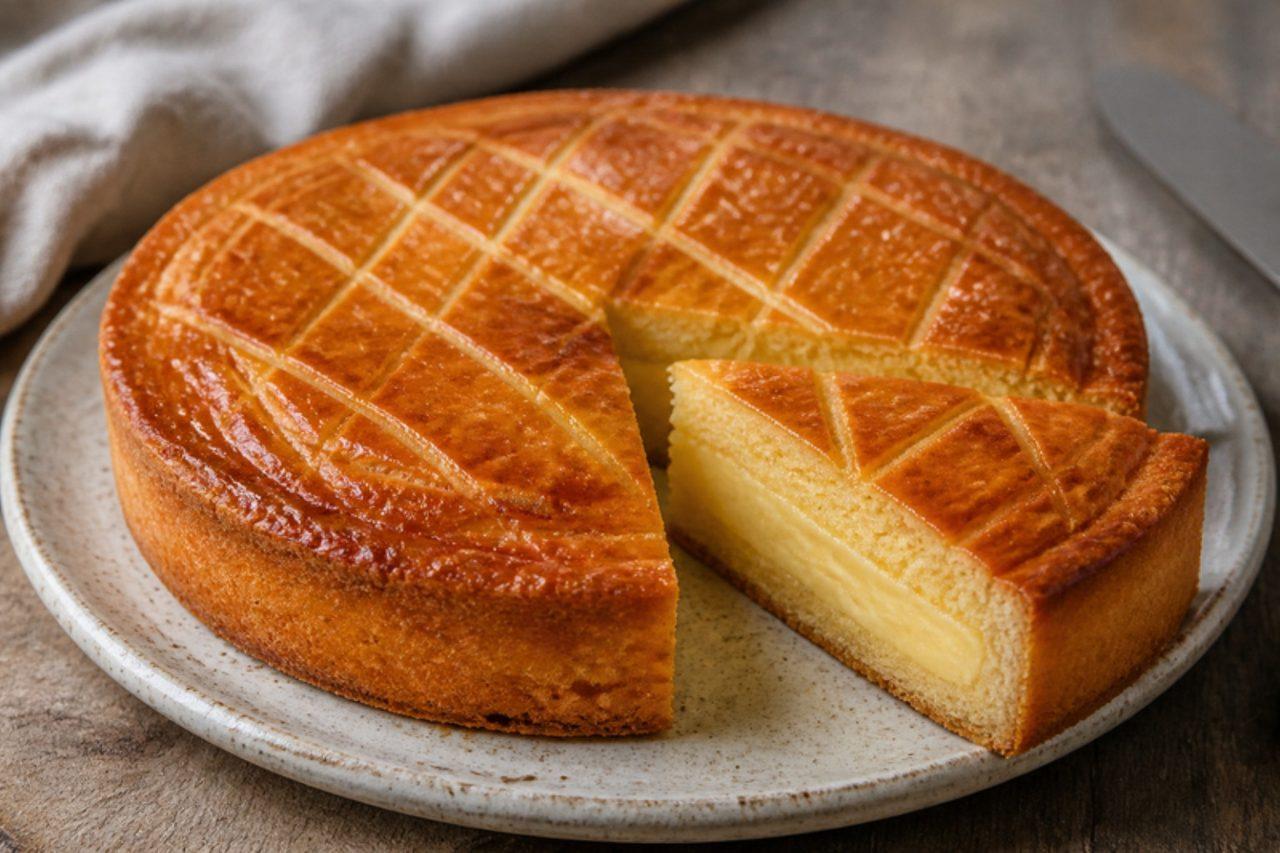
Gâteau basqueCream-filled butter cake

Cambo-les-Bains and the inland villages of the Labourd claim the gâteau basque, and bakeries across the Basque Country sell it in two versions, filled with black cherry jam from Itxassou or with thick pastry cream, marked with a criss-cross or a Basque cross on top. Families buy one for Sunday lunch and cut it at room temperature with coffee. Its crust is halfway between shortbread and cake, golden and crumbly, wrapped round a soft vanilla centre. Some bakers flavour the cream with rum; this one uses vanilla and almond extract and is alcohol-free. For the cherry version, swap the cream for 300 g thick black cherry jam. Chef's tip: chill the dough well before rolling; it is soft and buttery and tears when warm.

105 minFrenchBaking
by KrazyBadal 0 views

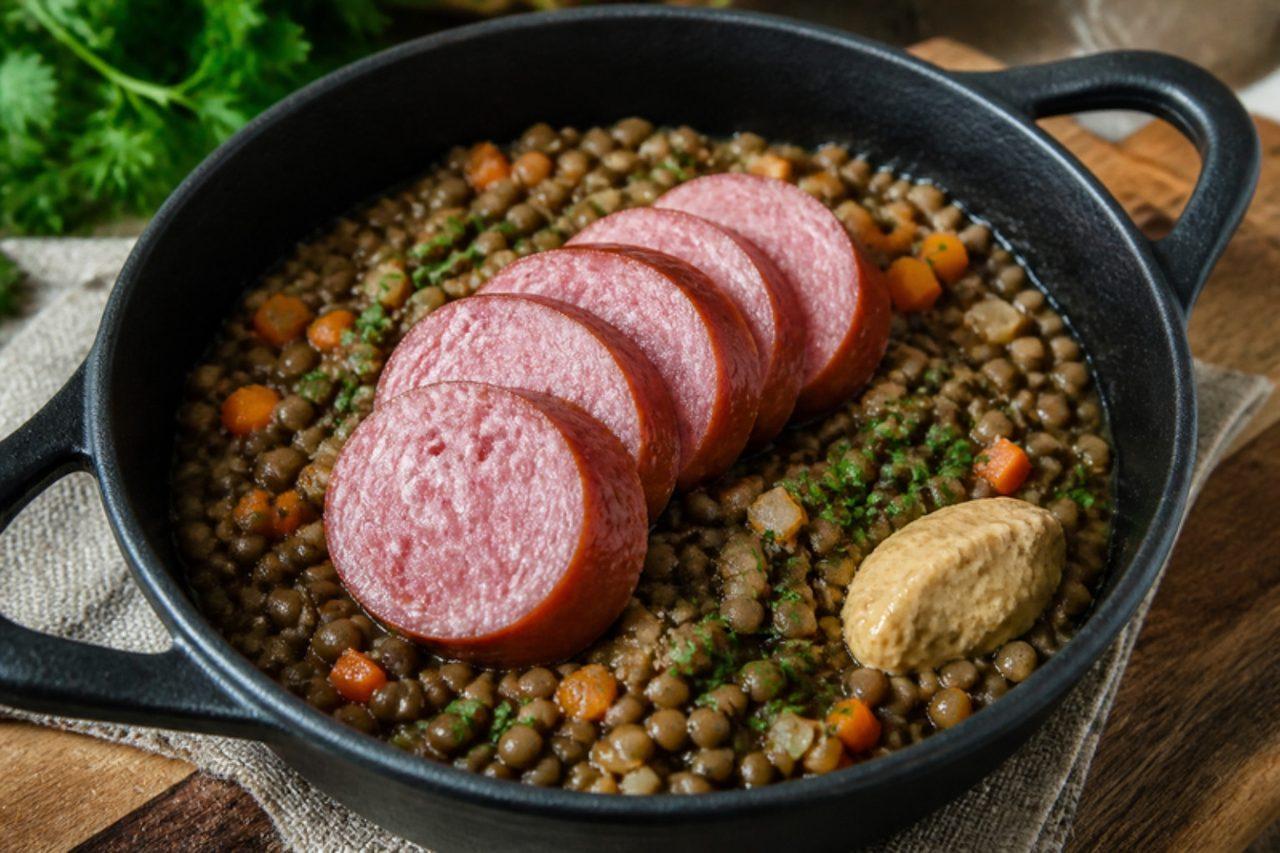
Saucisse de Morteau aux lentillesSmoked sausage with lentils

The Morteau sausage is the pride of the Haut-Doubs in Franche-Comté: a pure pork sausage slow-smoked over resinous pine in the tall chimneys of mountain farmhouses, recognisable by the little wooden peg at one end. On winter weekdays it is simmered with small green lentils, carrots and onions, so the lentils soak up its smoky, garlicky juices while staying whole and nutty. Slice the sausage thickly over the lentils and serve with Dijon mustard and a green salad. If you can't buy Morteau, use another good smoked pork sausage. Chef's tip: never prick a Morteau before cooking, or the juices that should flavour the lentils will leak out into the water and be lost.

65 minFrenchMeatGluten free
by KrazyBadal 0 views

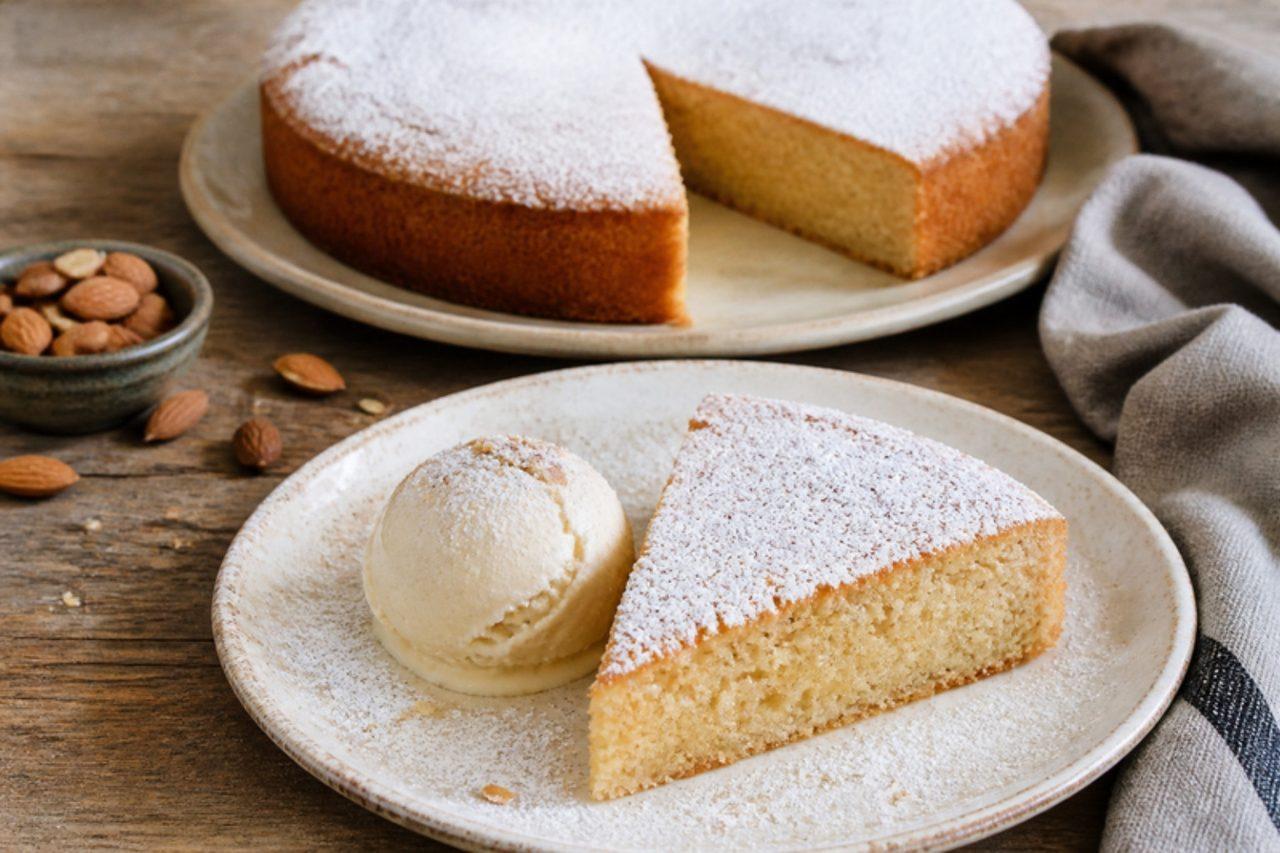
Gató d'ametllaFlourless almond sponge cake

Every Mallorcan pastry shop sells gató, a light, moist sponge made with ground almonds instead of flour, and the classic way to eat it is a wedge beside a scoop of gelat d'ametlla, the island's almond ice. The almond groves that bloom white across the island in February give both. It is the cake for saint's days and Sunday visits, and it happens to be gluten free. The ice here is made the old way, with almonds, sugar, water and lemon peel, no cream. Chef's tip: fold the whipped egg whites in with a big metal spoon and stop as soon as no white streaks remain, because the air is all that lifts the cake.

by KrazyBadal 0 views

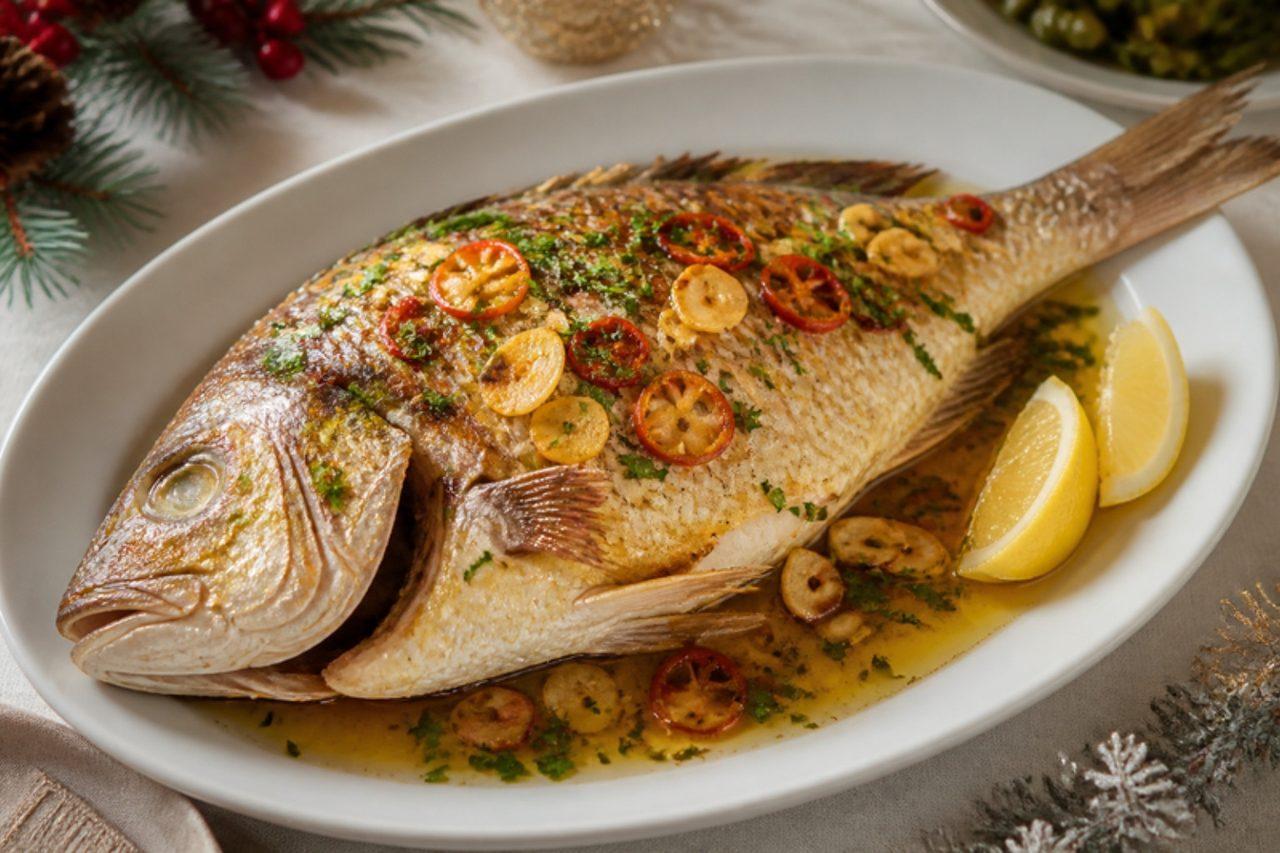
Besugo a la donostiarraSea bream with garlic vinegar dressing

For many San Sebastián families, Christmas Eve dinner isn't complete without a whole sea bream, roasted or grilled and finished with a refrito: hot olive oil with sliced garlic, dried chilli and a splash of vinegar poured over at the table. The traditional fish is red sea bream (besugo), but gilt-head bream works well. A common mistake is letting the garlic go dark brown, which makes the dressing bitter; take it off when it is pale gold. Chef's tip: cut a few slashes into the thick part of the fish so it cooks evenly and the dressing soaks in.

by KrazyBadal 0 views

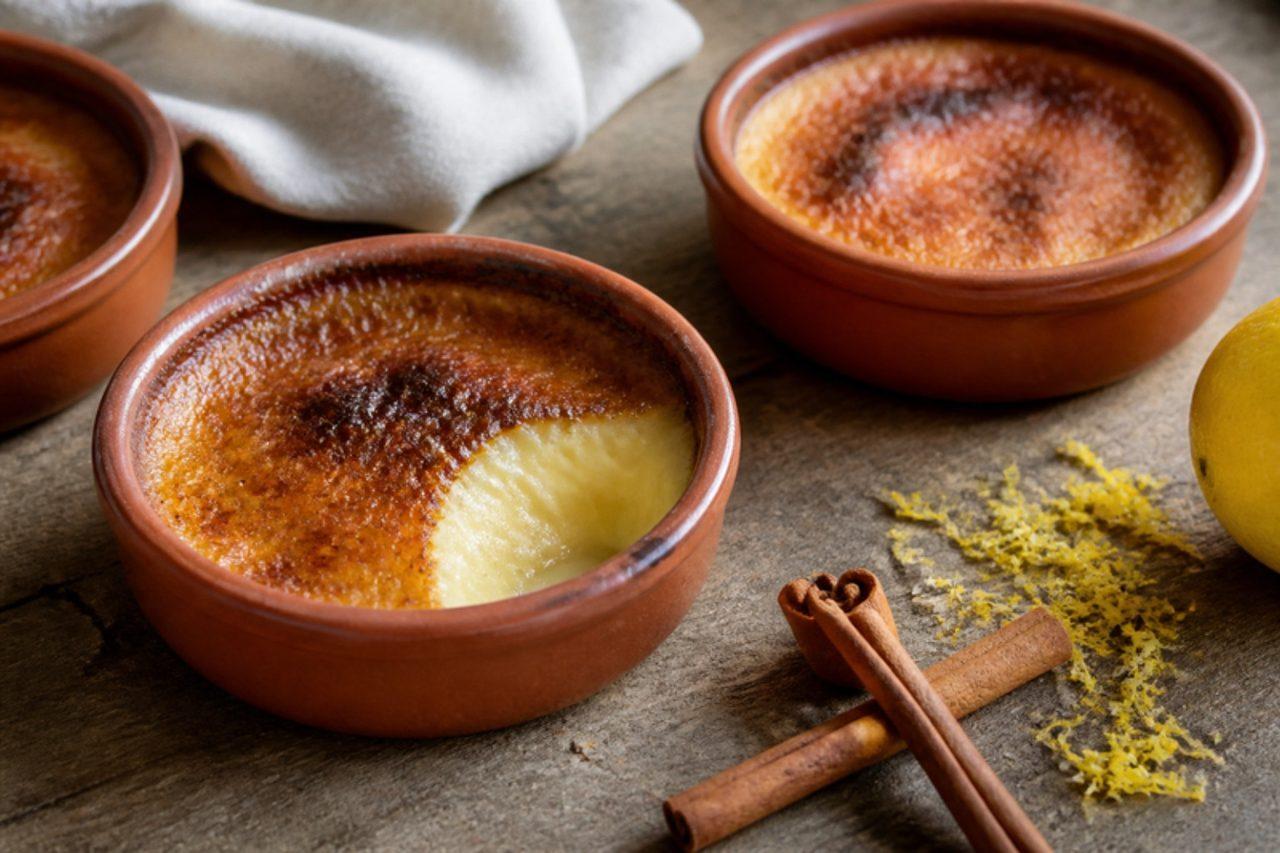
Tigelada da BeiraCinnamon milk custard

In Beira Baixa villages such as Oleiros and Proença-a-Nova, tigelada is baked in unglazed clay bowls heated in the wood oven until they are red hot, so the custard puffs up, cracks and browns on top while staying soft and slightly spongy inside. It is sold at festivals and markets across the region and is a common finish to a Sunday lunch. Terracotta dishes work best at home, but small ceramic ovenproof dishes do the job. Chef's tip: heat the empty dishes in the oven first; pouring cold batter into a hot dish is what makes it rise and form its typical crust.

by KrazyBadal 0 views

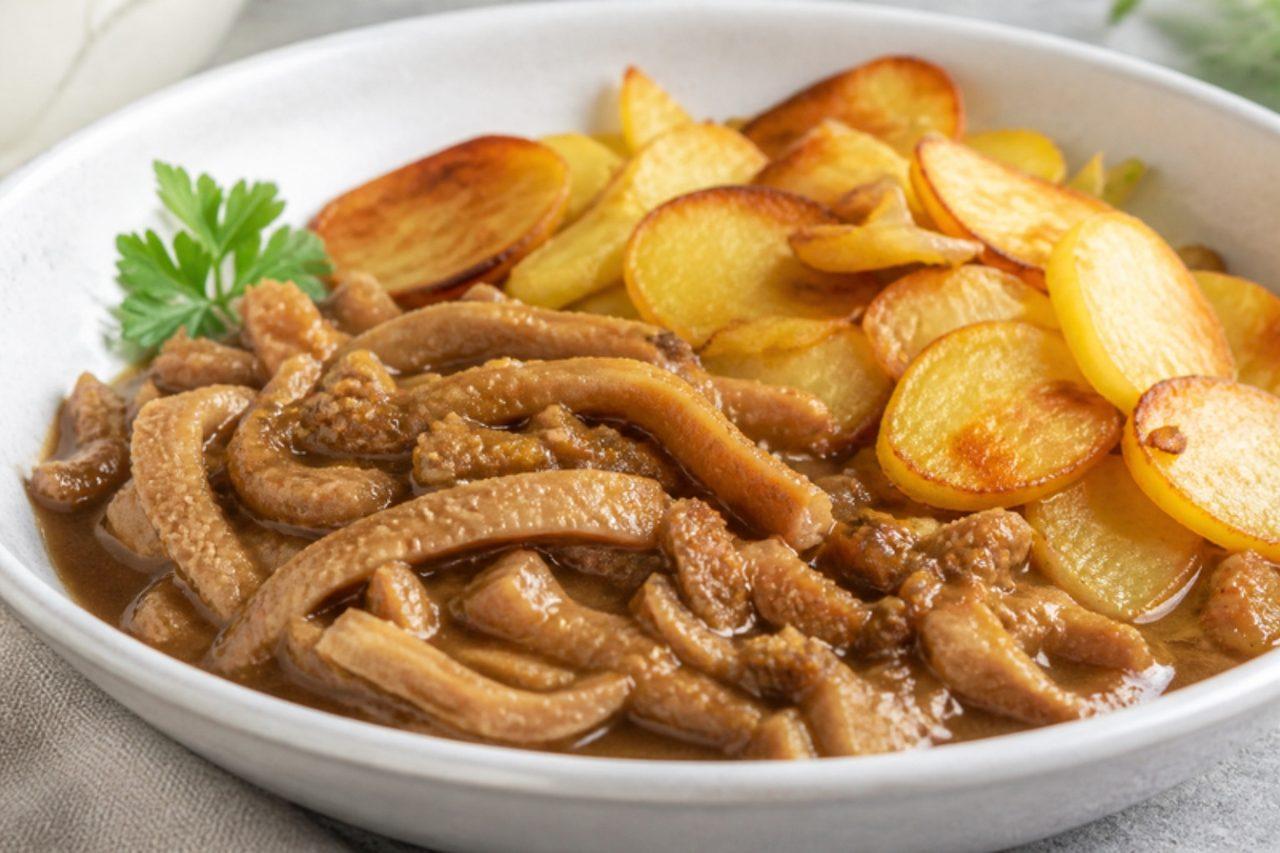
Saure KuttelnTripe in tangy vinegar sauce

Saure Kutteln is old-fashioned Swabian comfort food, still served at Stuttgart's Wasen fairs, in country inns around Reutlingen and Tübingen and by butchers who make it every Thursday. Thin strips of beef tripe are simmered in a dark roux sauce sharpened with vinegar, bay and juniper, and eaten with crisp fried potatoes. Buy tripe that the butcher has already cleaned and blanched. Some cooks add red wine; this version uses only vinegar and stock. Chef's tip: brown the roux slowly until it smells of toasted nuts, because it gives the sauce its colour and depth.

120 minGermanMeat
by KrazyBadal 0 views

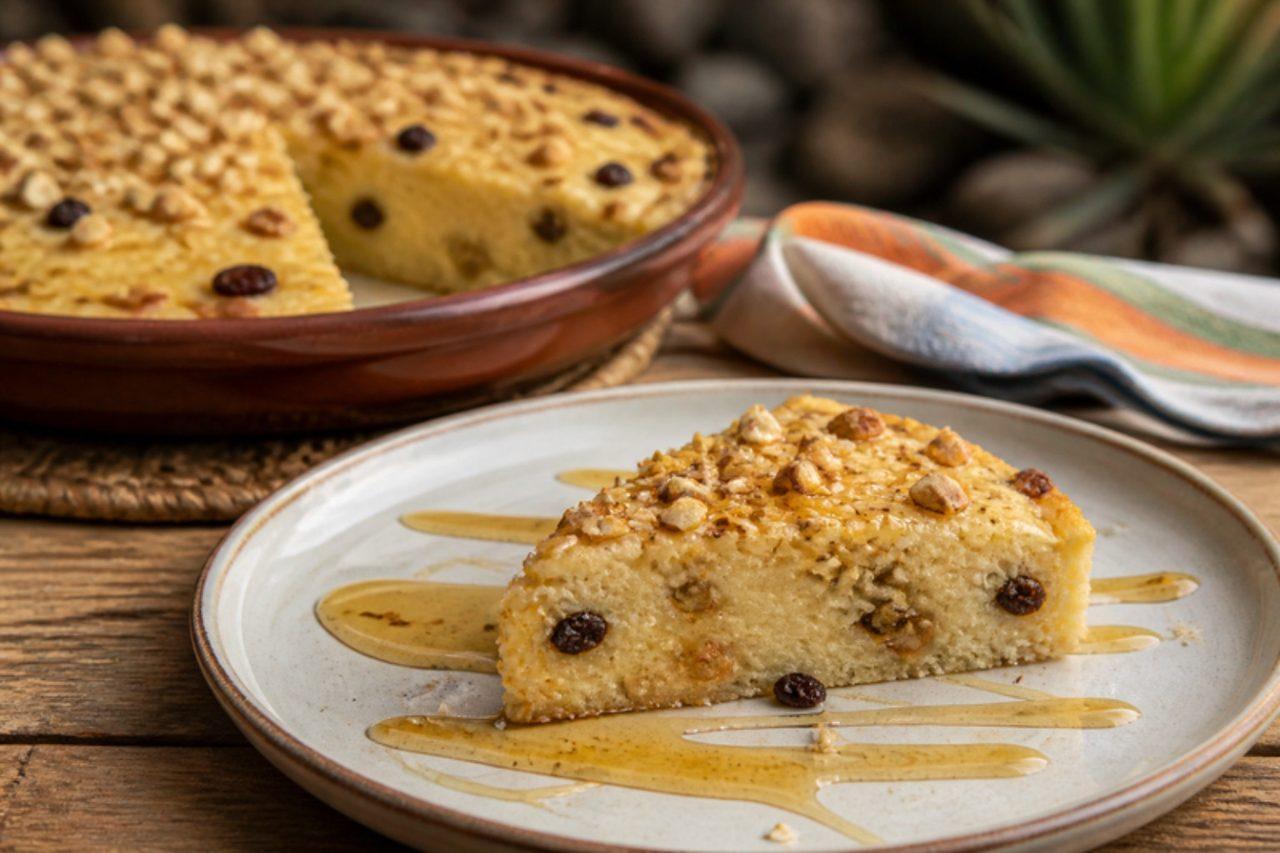
FrangolloCornmeal and milk pudding

Frangollo was once poor people's food on Lanzarote and La Palma, coarse cornmeal (millo) cooked in milk to stretch a meal; now it is the pudding grandmothers make for Carnival and Christmas, sold in slabs at village fiestas. The cornmeal is cooked slowly with milk, sugar, lemon peel and cinnamon, then enriched with butter, egg, raisins and almonds, left to set and cut into squares. It is often finished with a drizzle of palm honey from La Gomera. Chef's tip: stir constantly and use a heavy pan, because thick cornmeal catches on the bottom in seconds.

by KrazyBadal 0 views

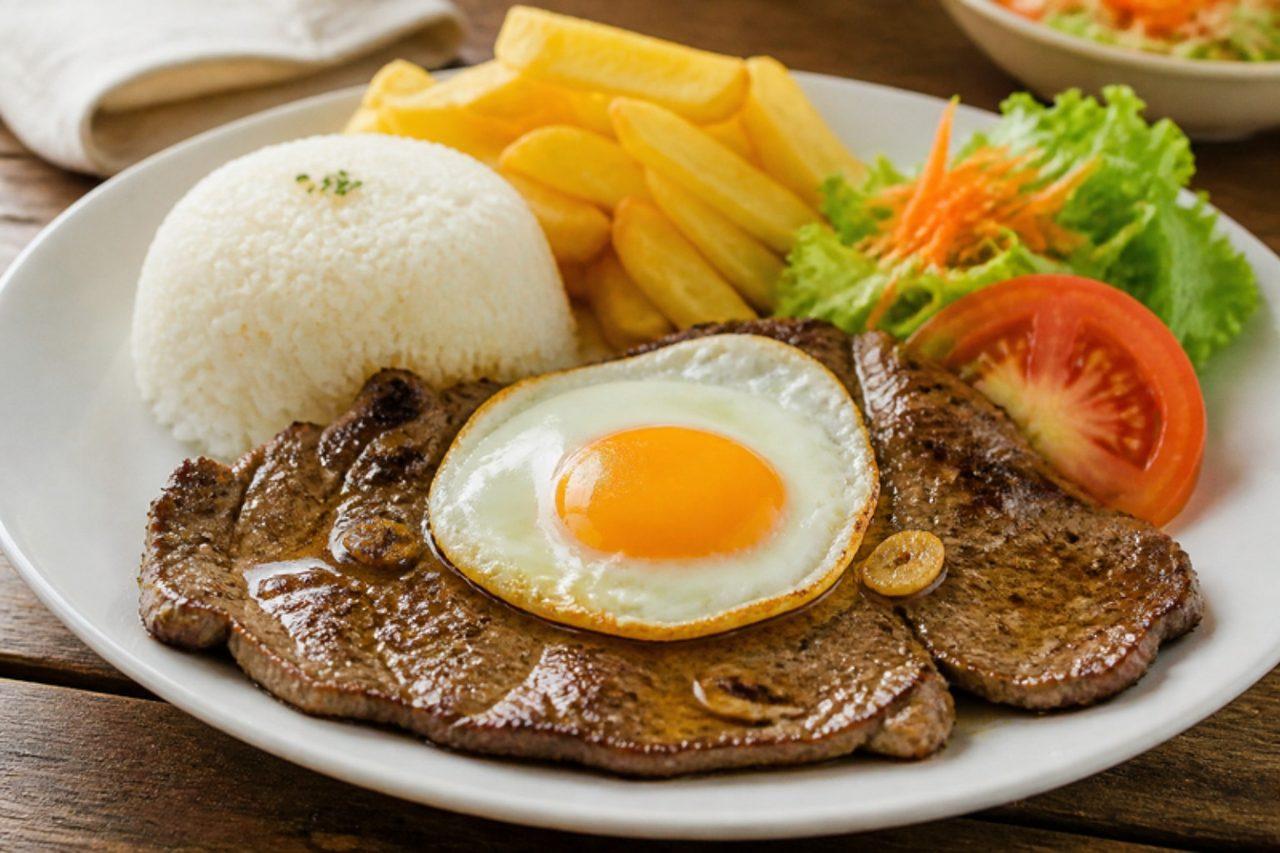
BitoqueSteak with fried egg and chips

Bitoque is the dish Portuguese office workers order when they can't decide: on every café lunch menu in Lisbon there is a thin steak in a garlicky pan sauce, a fried egg sliding over it, and chips, rice and a little salad heaped alongside. It is cheap, filling and quick, and a good one depends on a properly hot pan and a runny yolk that mixes into the sauce. Some cooks splash in beer; this version keeps it alcohol-free with stock. A common mistake is crowding the pan, which stews the steaks instead of searing them. Chef's tip: fry the eggs in the steak pan's garlicky fat so they pick up its flavour.

by KrazyBadal 0 views

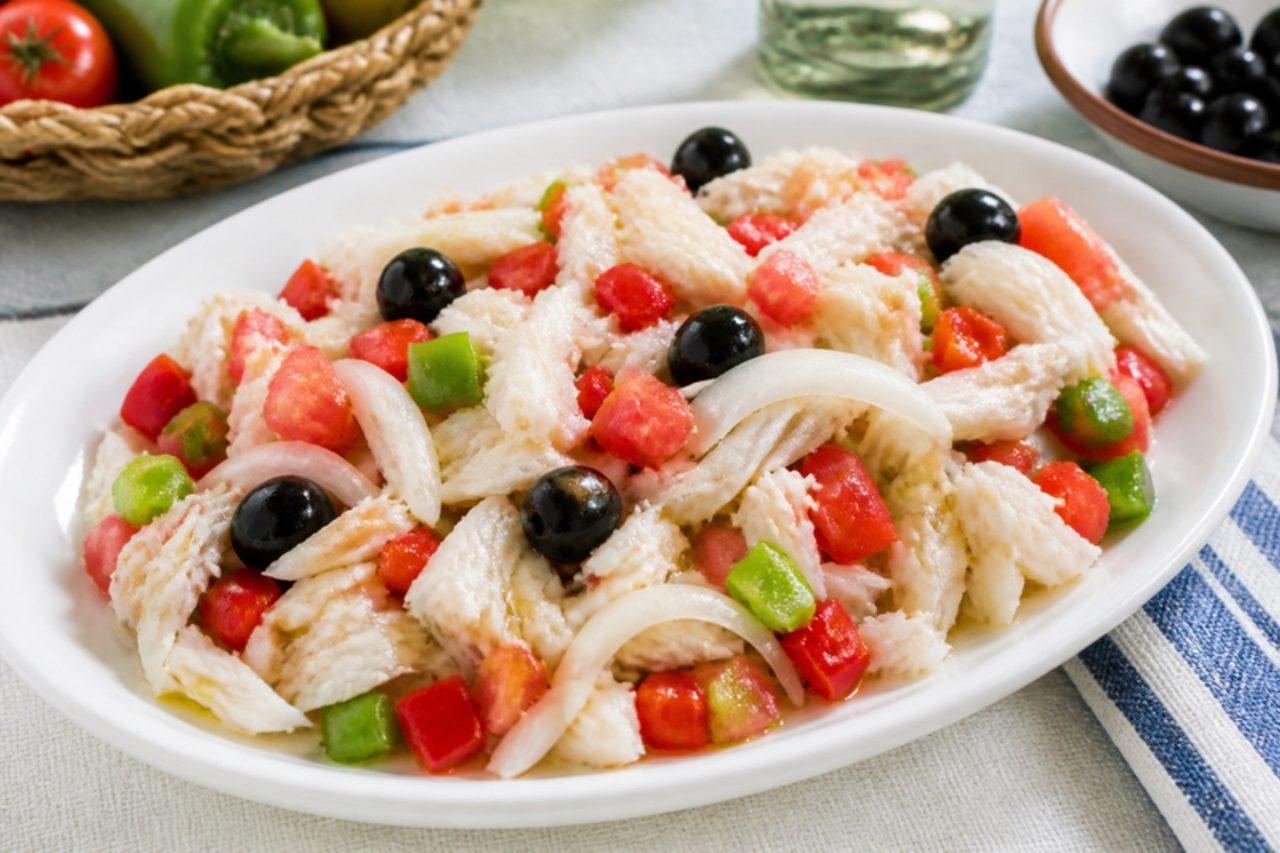
EsqueixadaShredded salt cod salad

Esqueixada, from esqueixar, to tear, is the summer starter of Barcelona's old taverns: salt cod that has been soaked, shredded by hand and dressed with tomato, peppers, onion and black olives. Traditionally the cod is never cooked, only desalted, so it stays translucent and firm; raw cured fish is not for pregnant women, young children or anyone with a weakened immune system. The safer version, given in the steps, poaches the cod gently first, and this is the one to choose whenever in doubt. Chef's tip: tear the cod with your fingers along its natural flakes; a knife makes it mushy and you lose the pleasing chew.

by KrazyBadal 0 views

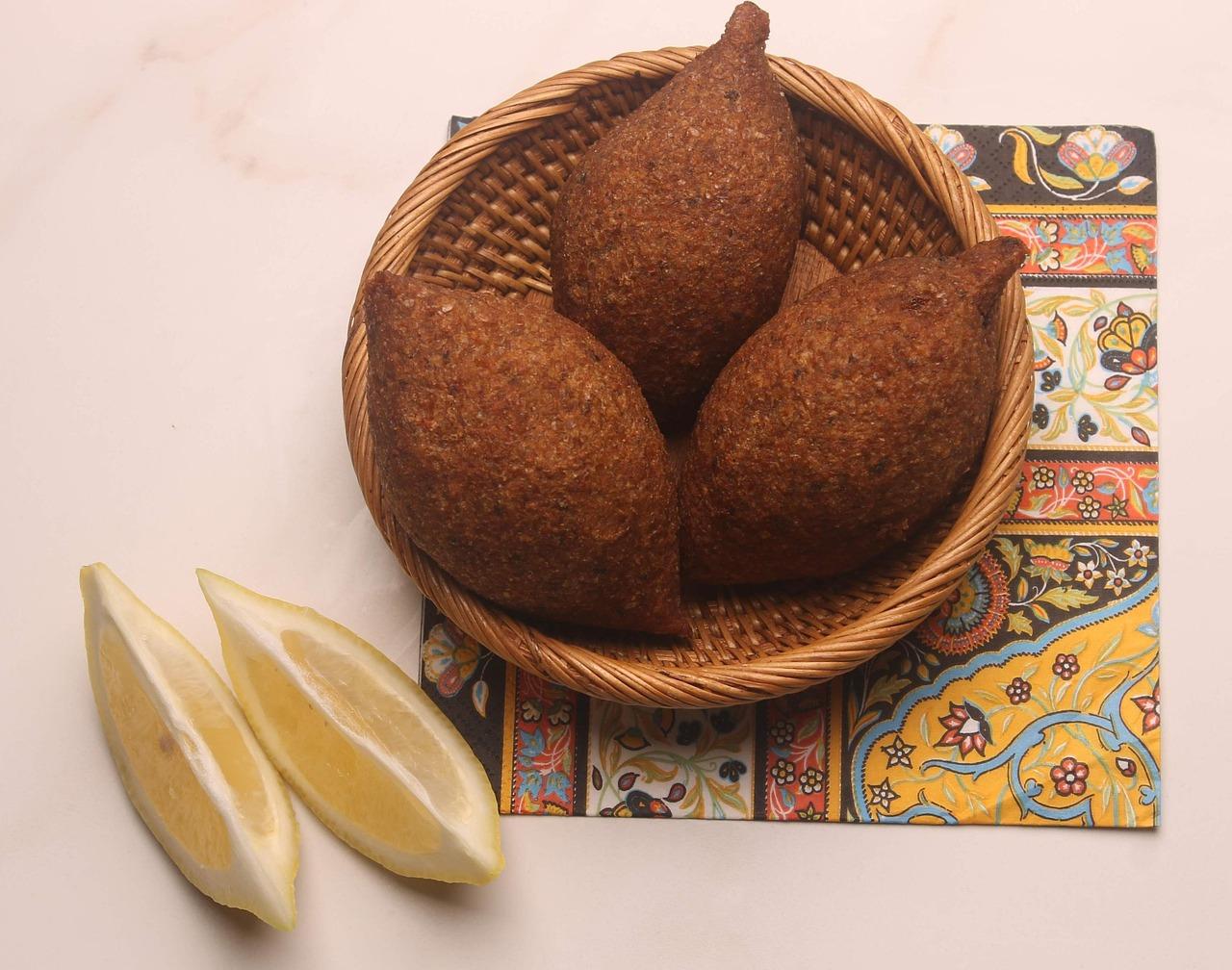
İçli köfteStuffed bulgur shells

Making içli köfte is the test of a southeastern Turkish cook: a thin, even shell of bulgur dough is hollowed out on a finger and filled with mince fried with onion, walnuts and spices, then sealed into a pointed torpedo. Families in Mardin, Urfa and Diyarbakır make dozens before bayram, freezing them to fry for guests. Crisp outside, juicy inside, they are served hot with lemon. Common mistake: a thick shell; it cracks in the oil and tastes doughy. Chef's tip: keep a bowl of iced water by you and wet your fingers constantly; the dough becomes smooth and stretches thin without tearing.

115 minTurkishMeat
by KrazyBadal 0 views

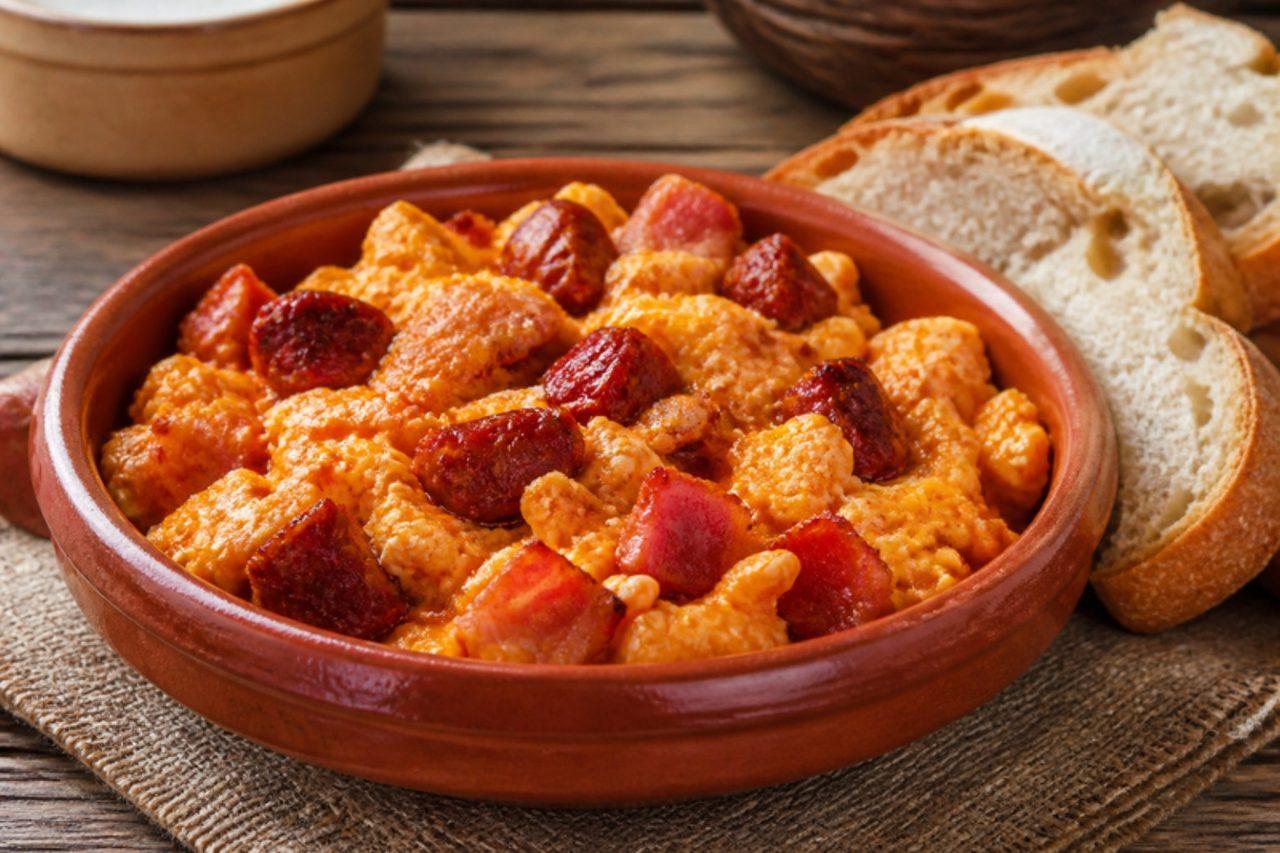
Duelos y quebrantosScrambled eggs with chorizo and bacon

Cervantes names this dish in the first lines of Don Quixote as the knight's Saturday supper, and in La Mancha it is still a quick, filling plate of soft eggs scrambled into fried chorizo and streaky bacon. It turns up for a late breakfast in roadside inns near Campo de Criptana, or for supper on a busy weeknight with bread and a salad. This contains pork (chorizo and bacon). Chef's tip: take the pan off the heat while the eggs still look slightly wet; they finish cooking on the plate.

by KrazyBadal 0 views

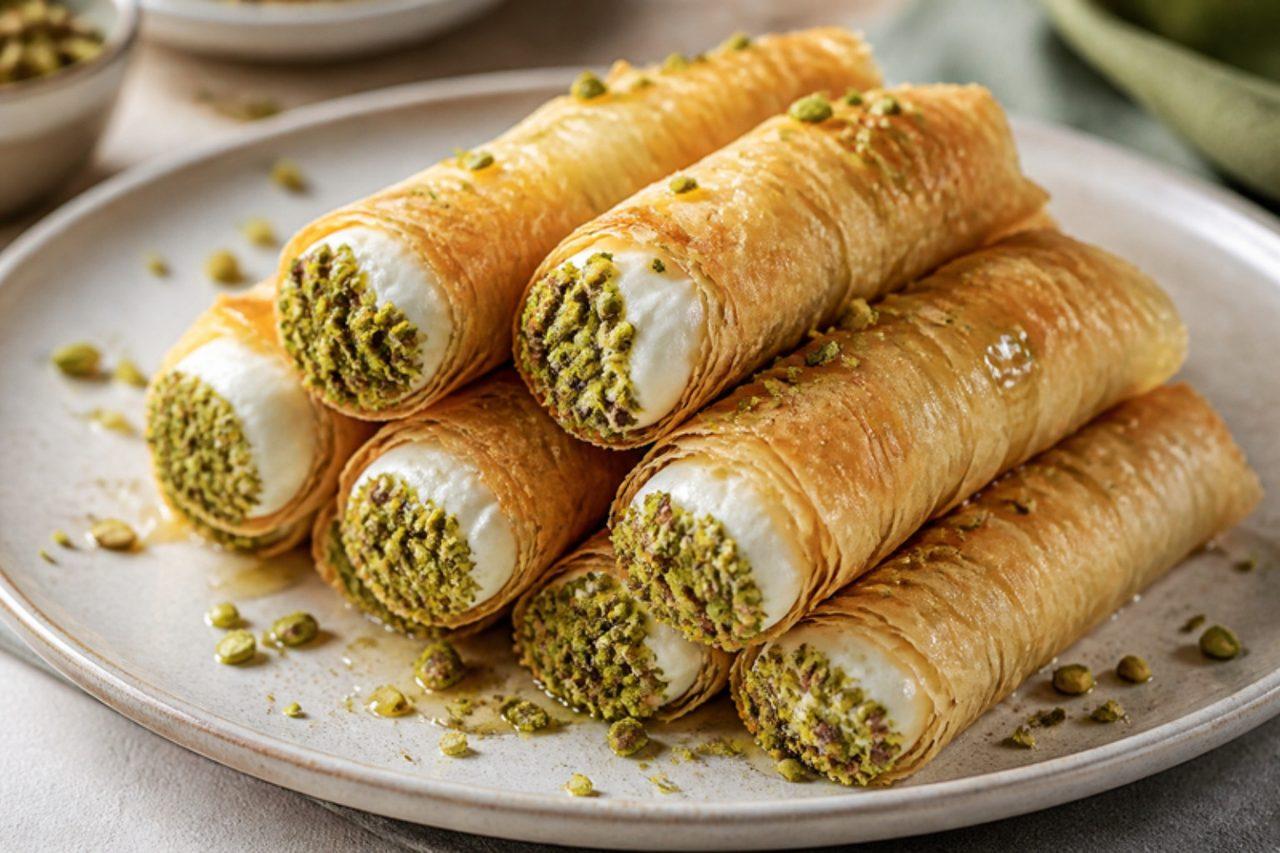
Znoud el sitCream-filled filo fingers

Lebanese sweet shops in Tripoli and Saida fry trays of znoud el sit every evening during Ramadan, and families queue for them after iftar. Filo is rolled around a thick, set milk cream (a home version of ashta), baked or fried until shatteringly crisp, then dipped in cold syrup and dusted with ground pistachios. The contrast of crackling pastry and cool, fragrant cream is the whole point, so eat them within an hour or two of filling. Common mistake: filling with warm cream; it leaks and makes the pastry soggy, so chill it until firm. Chef's tip: brush with clarified butter rather than whole butter — it browns evenly without burning and keeps the rolls crisp longer.

by KrazyBadal 0 views

XatóEndive salad with salt cod

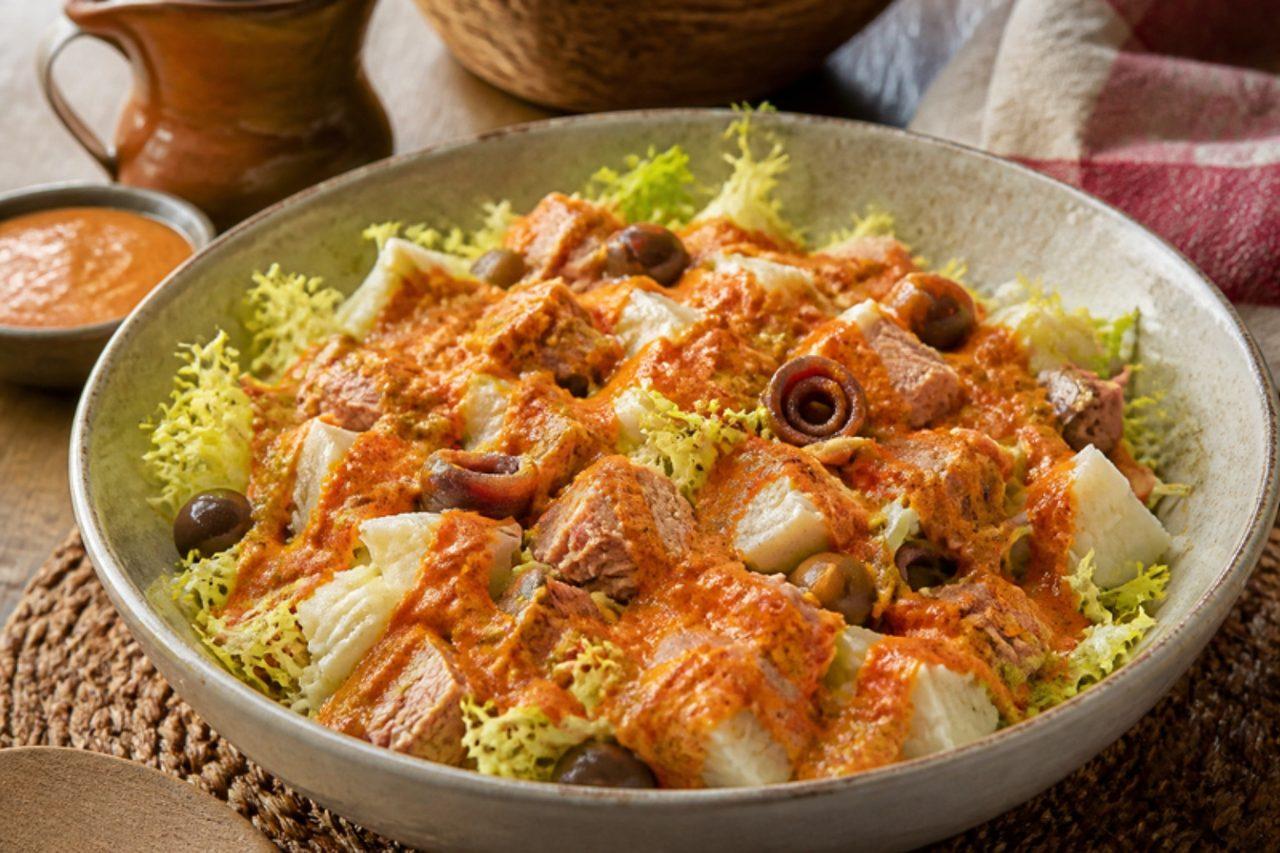
From late autumn to early spring, the towns of the Garraf coast, Vilanova i la Geltrú, Sitges and Vilafranca, hold xatonades: festive lunches built round this salad of bitter curly endive dressed with a thick sauce of ñora peppers, almonds, hazelnuts and garlic, and loaded with salt cod, tuna and anchovies. Each town insists its sauce is the true one. Like esqueixada, the cod is often only desalted; it is poached here for safety, since raw cured fish is not for pregnant women, young children or anyone with a weakened immune system. Chef's tip: dress the endive in the sauce with your hands, so every frond is coated before the fish goes on top.

by KrazyBadal 0 views

Sobrassada amb melToasted bread with sausage and honey

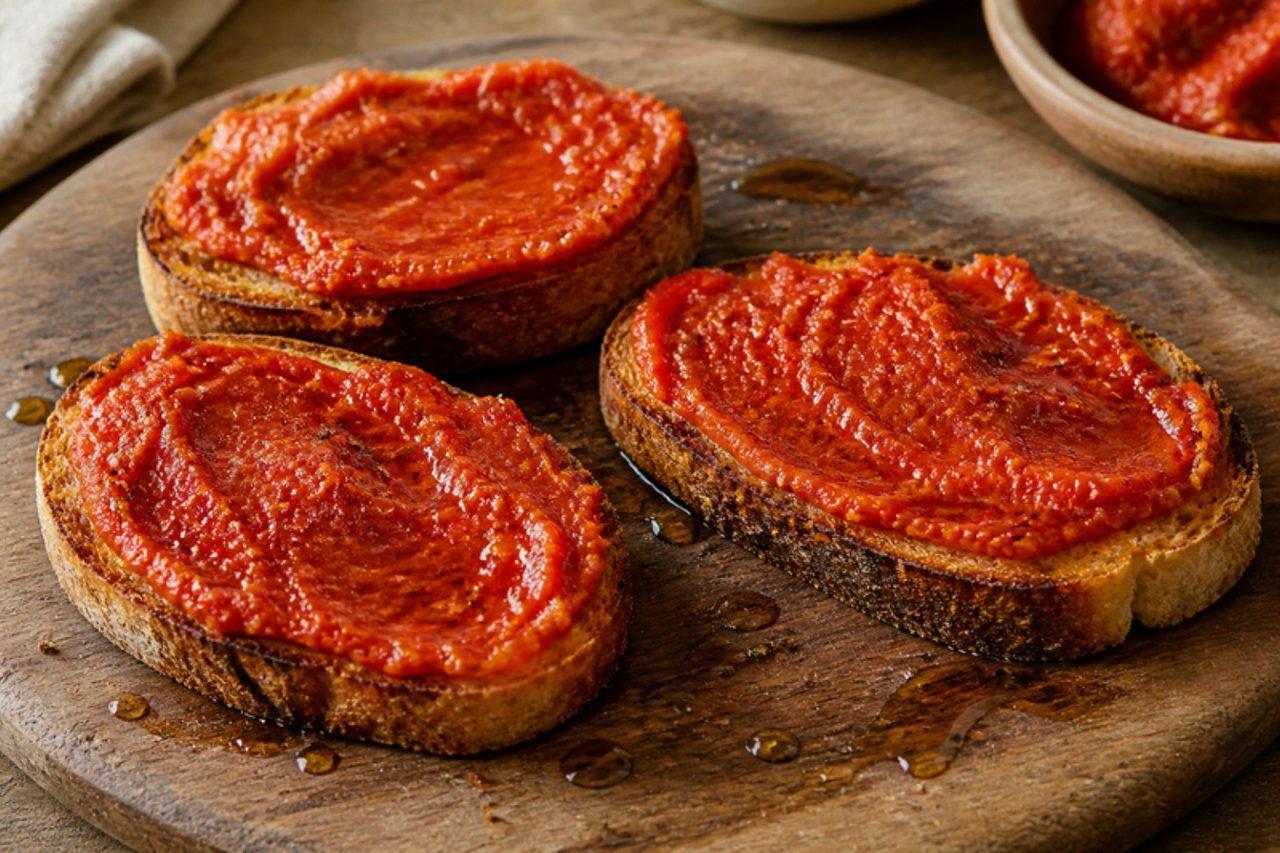
Sweet and salty sobrassada toast is the snack Mallorcan bars put out with a cold drink, and it often closes a winter meal at home. Sobrassada is the island's soft, spreadable cured sausage of pork and paprika. This contains pork. Spread on country bread, warmed until it melts and sizzles, and finished with a thread of honey, it takes five minutes. Sobrassada is a raw cured meat, so eaten unheated it is not for pregnant women, young children or anyone with a weakened immune system; this recipe grills it until piping hot. Chef's tip: spread it thinly right to the edges, so it crisps instead of pooling in the middle.

by KrazyBadal 0 views

Ankara tavasıBraised lamb on orzo pilaf

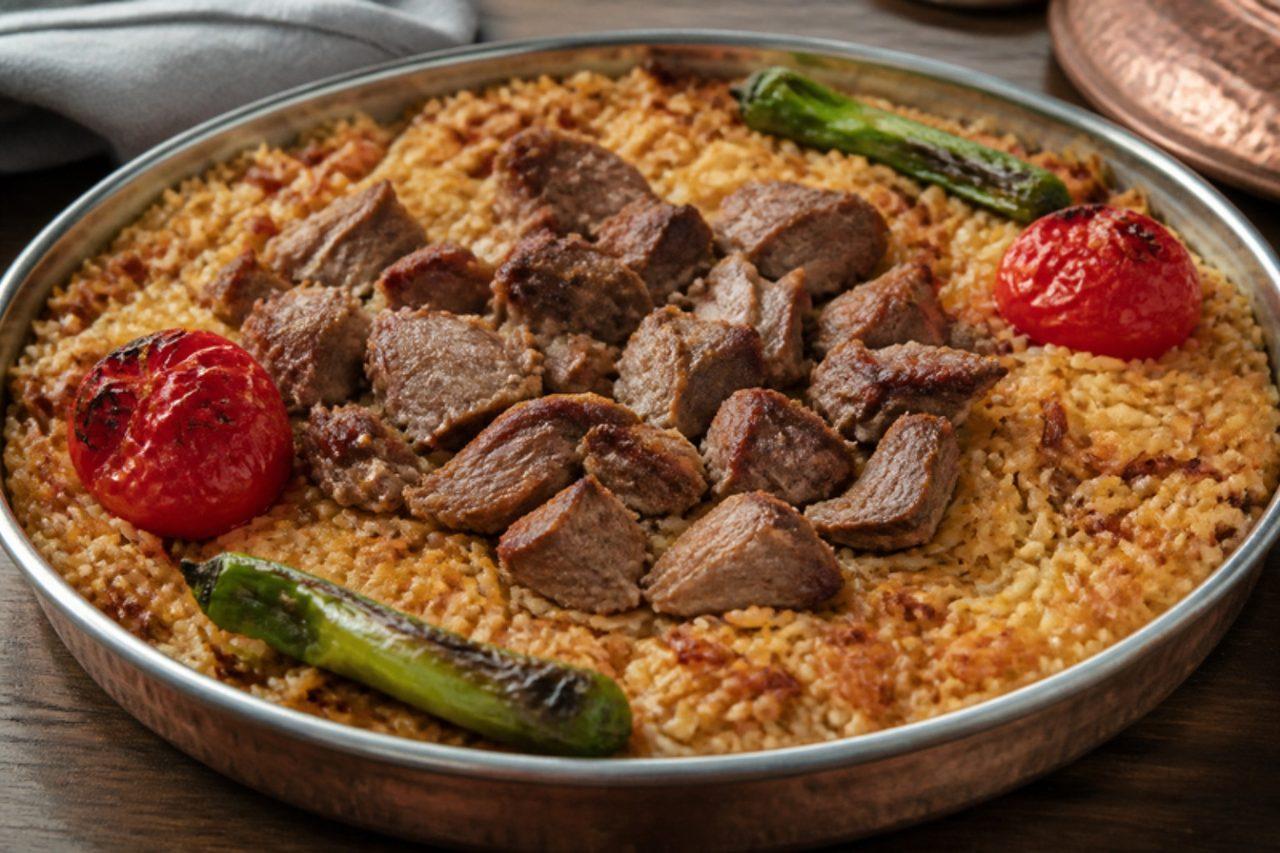
Ankara's signature dish is a tava, a baking pan, in which tender braised lamb is laid over a pilaf of rice and orzo and finished in the oven so the top grains go crisp and the meat juices soak right through. Old Ankara families serve it for guests and at festival lunches, with a bowl of cacık and pickles. Common mistake: using fully cooked pilaf, which dries out and turns hard in the oven; cook the rice only halfway. Chef's tip: save every spoon of the lamb's braising liquid; it's what flavours and finishes cooking the rice underneath.

150 minTurkishMeat
by KrazyBadal 0 views

Soda farlsGriddled soda bread

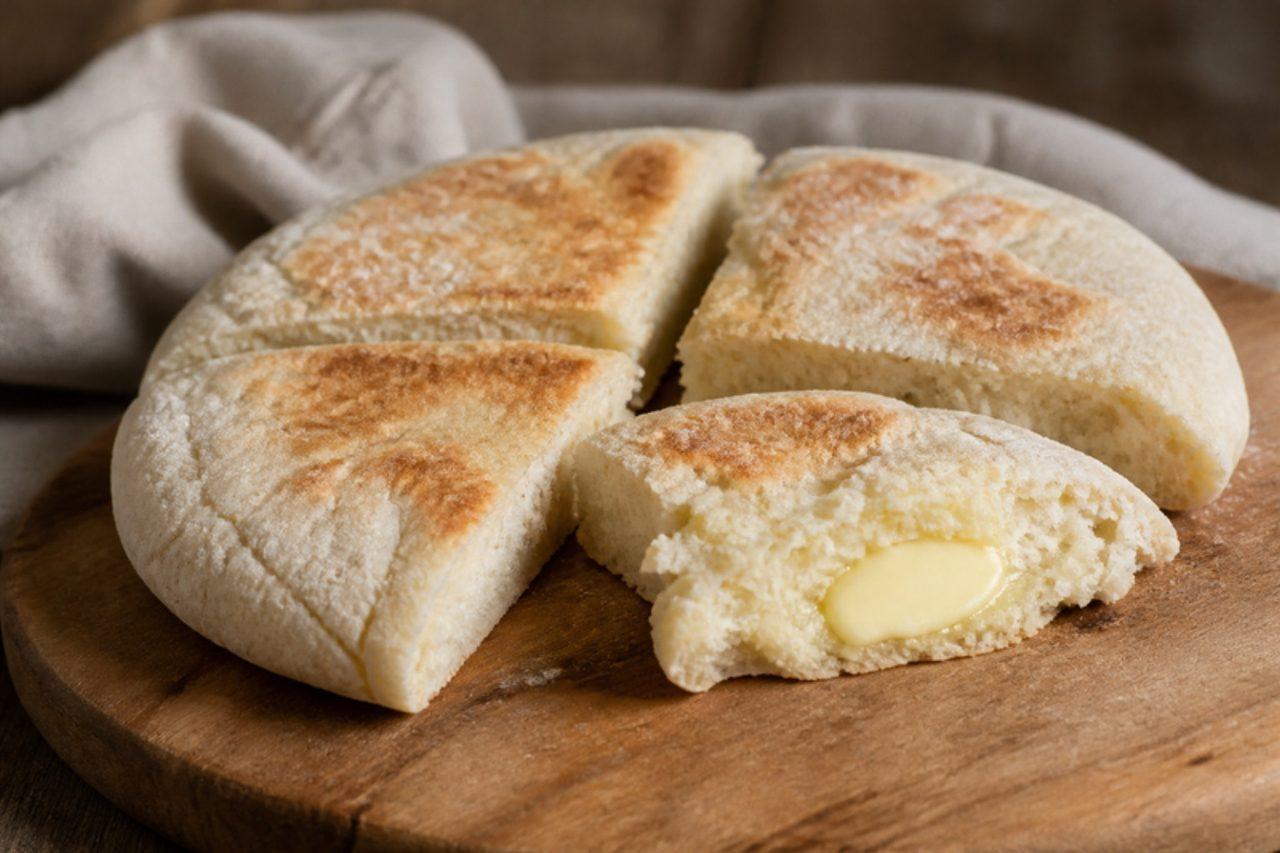
Soda farls are the griddle bread of Northern Ireland, cooked on a flat pan rather than baked, and split and fried in the Ulster fry or eaten warm with butter and jam. Plain flour, bicarbonate of soda and buttermilk make a quick, light dough that is shaped into a round and cut into four farls. Chef's tip: get the griddle hot before the dough is mixed; the soda starts working as soon as the buttermilk goes in.

by KrazyBadal 0 views

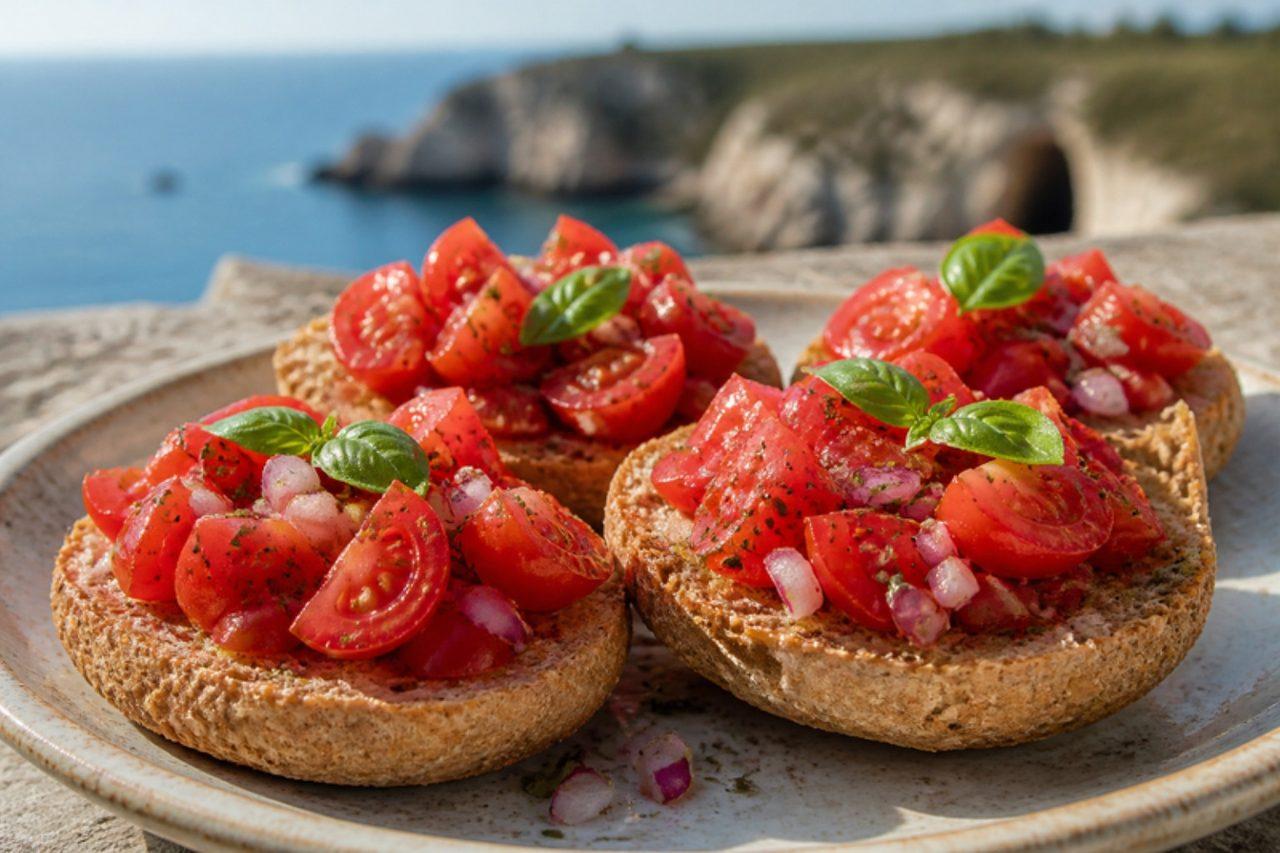
FriselleTwice-baked bread with tomato

Friselle are rings of bread split in half and baked a second time until rock hard, so they kept for months on fishing boats and in farmhouses across the Salento. To eat them you dip them briefly in cold water, then pile on crushed ripe tomatoes, oregano and plenty of olive oil; the bread softens just enough while keeping a crunch in the middle. On August evenings in Lecce and along the coast they are the easiest supper there is. Every Puglian bakery sells them and Italian delis stock them, so this recipe uses bought friselle, made from wheat or the darker, nuttier barley. Chef's tip: dip, don't soak; a few seconds is enough, and the tomato juice finishes the job.

by KrazyBadal 0 views

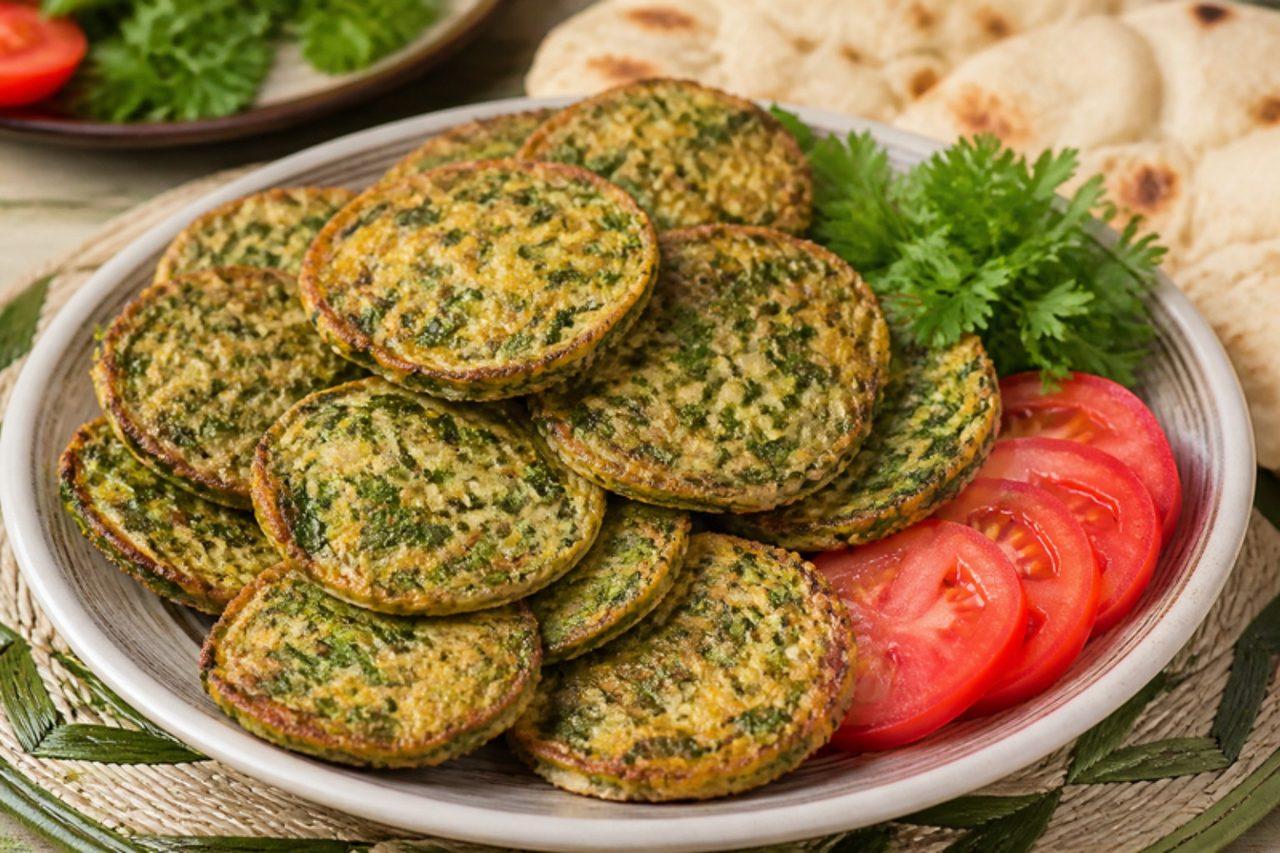
IjjehHerb omelette cakes

Ijjeh is the quick supper of Palestinian and Levantine homes: eggs beaten with so much parsley, mint and spring onion that they turn green, spiced with a little cinnamon and allspice, then fried as thick little patties. They are tucked into warm bread with tomatoes and pickles for school lunches, or served on a breakfast spread with olives and labneh. Common mistake: frying in too little oil over a high heat, so the outsides burn before the herbs inside cook. Chef's tip: a spoonful of flour and a pinch of baking powder make them puff and stay soft when eaten cold the next day.

by KrazyBadal 0 views

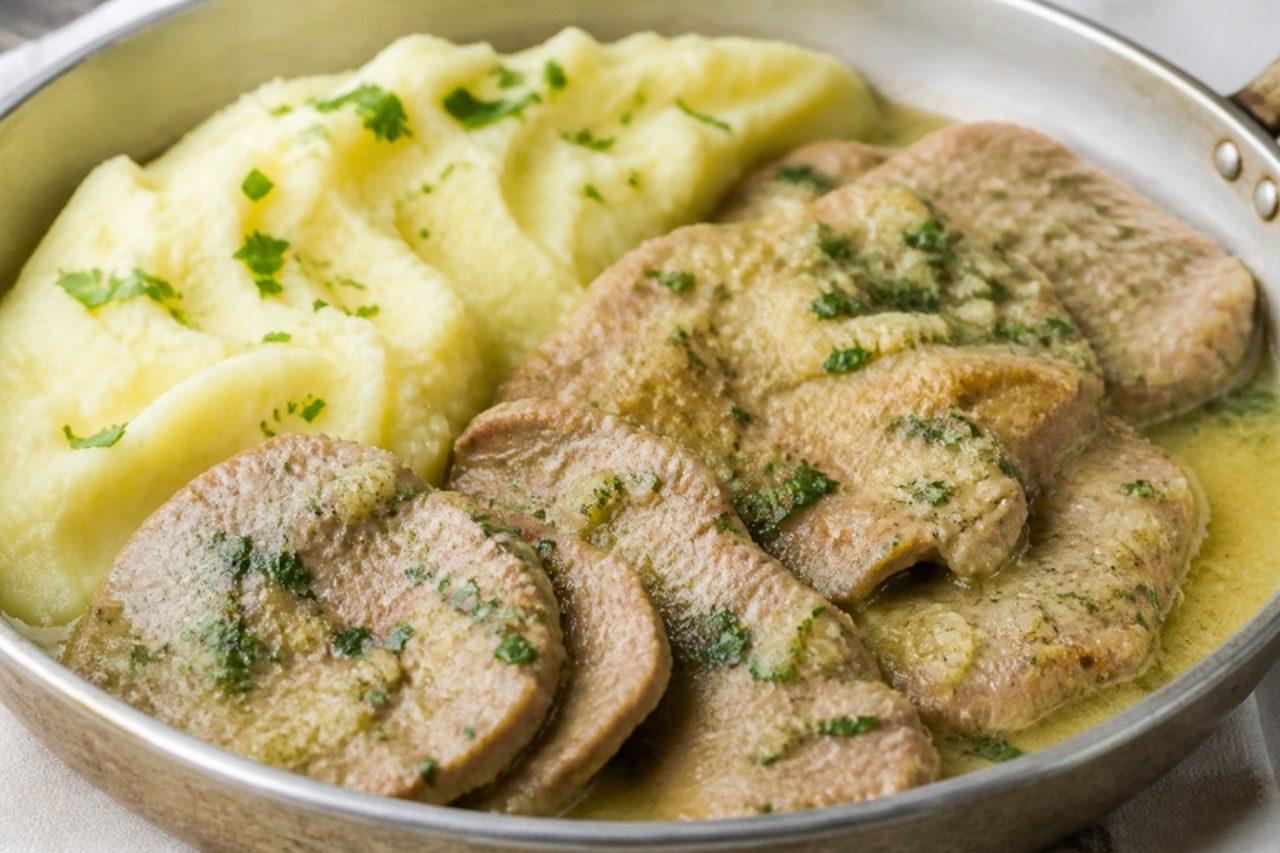
SofritoVeal in garlic and vinegar sauce

Not to be confused with the Spanish base sauce, Corfu's sofrito is a dish of thinly sliced veal or young beef, floured and browned, then gently simmered in a sharp, pale sauce of garlic, vinegar and parsley until tender. Corfiot tavernas serve it with creamy mashed potato or rice to soak up the garlicky juices, especially on Sundays and name days. Some cooks add white wine; this version uses only vinegar and stock, so it's alcohol-free. Common mistake: letting the garlic brown, which makes the sauce bitter — it should stay pale. Chef's tip: flatten the slices with a rolling pin so they cook evenly and soak up the sauce.

75 minGreekMeat
by KrazyBadal 0 views

Showing 63 of 7,762 recipes

Show more recipes

Page 495 of 863