


Skip to content
Kamba wa nazi
Featured recipe

Kamba wa nazi

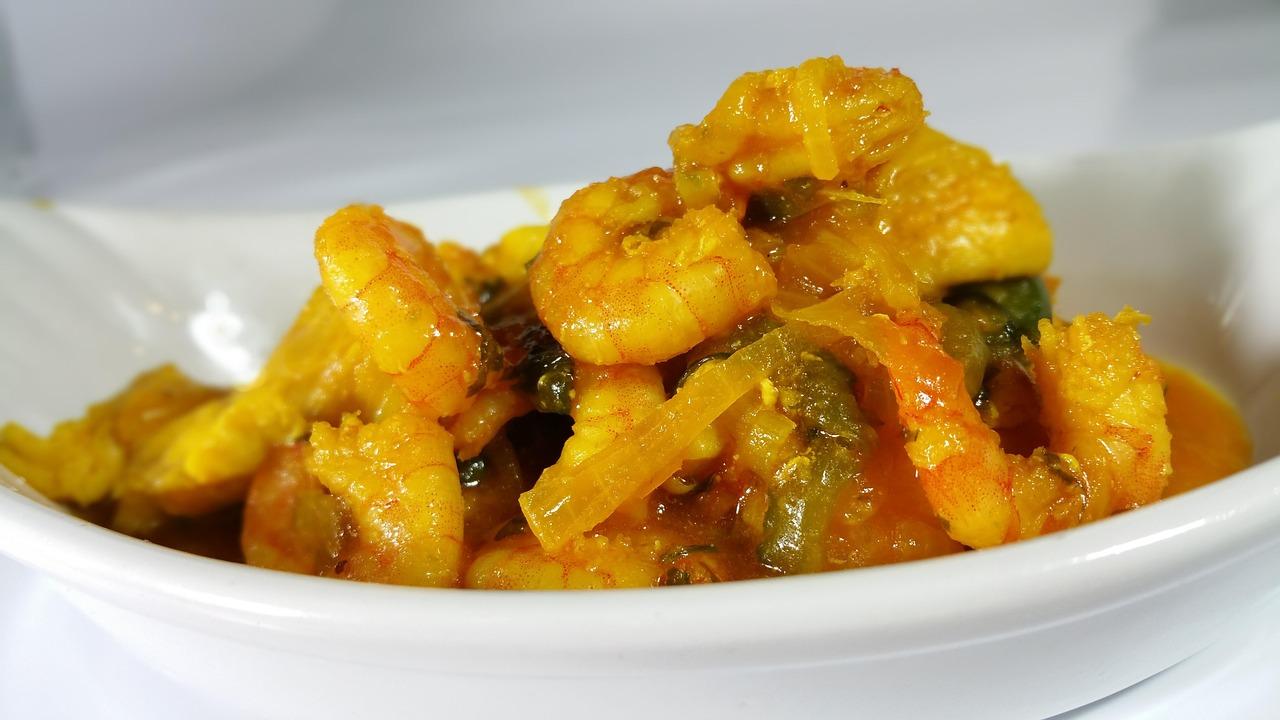
Prawns in coconut milk

Seafood stalls along the Stone Town waterfront and family kitchens up the Zanzibar coast cook kamba (prawns) in coconut milk with garlic, tomato and a little turmeric, finished with lime so the richness never gets heavy. The sauce is golden, creamy and gently spiced rather than hot, and the prawns should be just cooked: sweet and springy, not curled up tight and chalky, which is what happens when they sit in the sauce too long. Serve it over wali wa nazi (coconut rice) or plain basmati, with a little kachumbari. Buy raw prawns that smell fresh and of the sea, keep them cold until cooking, and cook them until pink and opaque all the way through. Chef's tip: make the sauce first and taste it before the prawns go in; once they are added you only have about four minutes.

Read more 0 views

What to eat today?

Around the world

Today's trip: Paraguayan

A new country every day, from every cuisine on the site.

Paraguayan

Buñuelos de algas

Sea lettuce fritters 35 minMore from Paraguayan (27) →

This week's collection

Kid-friendly dinners
537 recipes · a new collection every Monday

Latest recipes

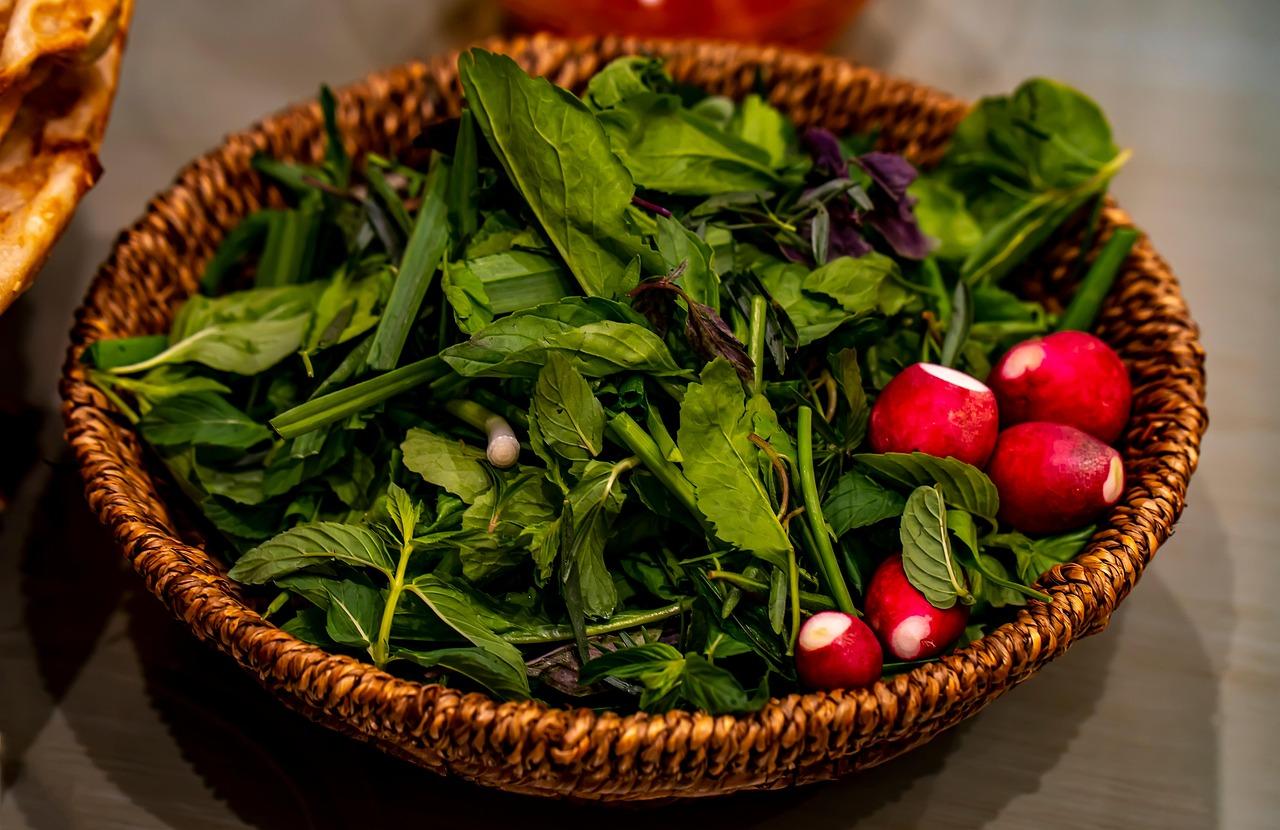
Sabzi khordanFresh herb and cheese platter

No Tehran dinner table is complete without sabzi khordan, literally 'herbs for eating': a basket or plate of whole sprigs of basil, mint, tarragon, chives and coriander with radishes, spring onions, walnuts and a block of white cheese. People tear off bread, add a little cheese and a walnut, then stuff in a few leaves, eating between mouthfuls of stew or rice. The mistake most people make is serving the herbs wet or limp; they should be crisp, dry and cold. Traditional Iranian white cheese is set with animal rennet, so choose a feta labelled vegetarian (microbial rennet) if that matters to you. Chef's tip: wash the herbs an hour ahead, spin them dry and chill them wrapped in a damp tea towel so they stay perky on the table.

by KrazyBadal 0 views

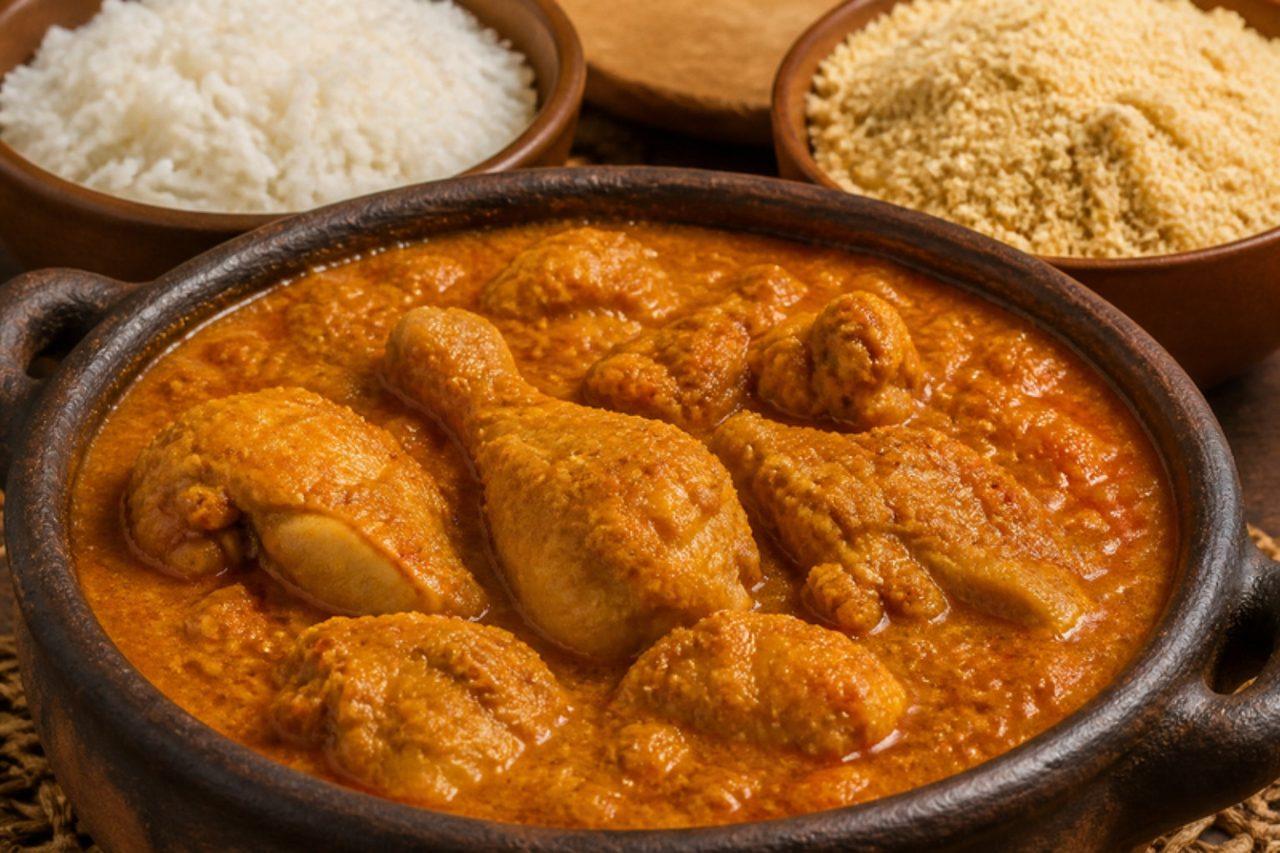
Xinxim de galinhaChicken stew with shrimp and peanuts

Cooked for Oxum's feast days in the terreiros of Salvador and on ordinary Sundays in Bahian homes, xinxim de galinha is chicken braised in a thick, golden sauce of ground dried shrimp, peanuts, cashews, ginger and dendê oil. It tastes nutty, a little smoky from the palm oil and quietly savoury from the shrimp, and the sauce clings to the meat rather than pooling. Serve it with white rice, farofa de dendê and a bowl of caruru alongside. One common slip is adding the nut paste too early, so it sticks and scorches before the chicken is cooked; it goes in for the last 15 minutes. Chef's tip: use bone-in thighs and drumsticks rather than breast; they stay juicy through the braise and their gelatine gives the sauce its silky body.

by KrazyBadal 0 views

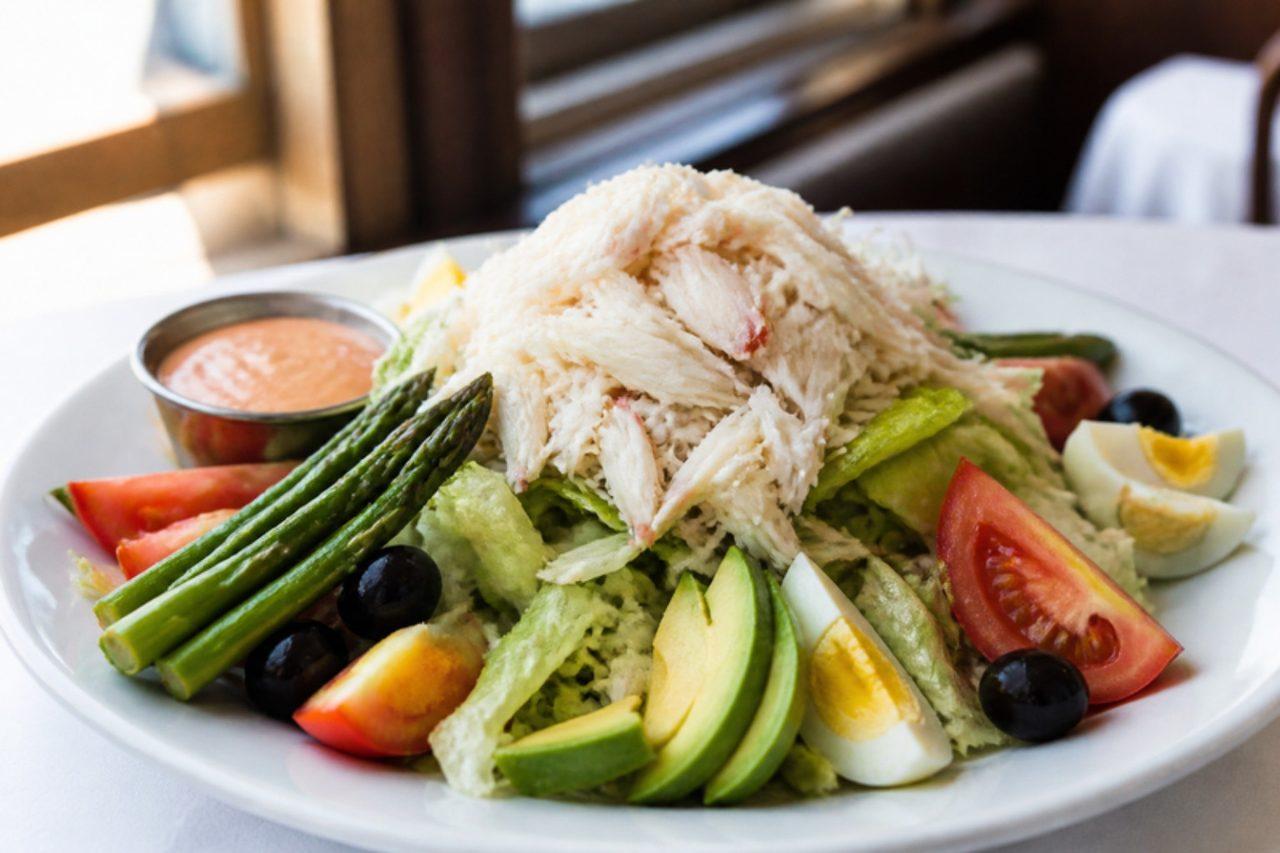
Crab Louie

Crab Louie was on the menus of San Francisco's grand hotels and wharf restaurants by the early 1900s and is still a winter lunch when Dungeness crab is in season. Sweet crab meat is heaped on crisp lettuce with hard-boiled eggs, tomato, asparagus and avocado, and covered with a creamy, tangy pink dressing. Chef's tip: keep the crab in big pieces and add the dressing at the table, so the salad stays crisp.

by KrazyBadal 0 views

Nous-nous (half-half coffee)

Sit down at a café terrace in Casablanca, Rabat or Marrakech and order a 'nous-nous' (from 'nus', half) and you will get a small glass of half espresso, half steamed milk, often layered so the coffee floats in a dark band over the pale milk with a cap of foam. It is the default morning and afternoon coffee for many Moroccans, sipped slowly while watching the street, usually with a sugar lump or two on the saucer. It is smaller and stronger than a latte and milkier than a macchiato. A moka pot works fine at home if you have no espresso machine. Chef's tip: heat the milk only to 60–65 °C, hot to the touch but not scalding; boiled milk loses its sweetness and the foam collapses, a common mistake.

by KrazyBadal 0 views

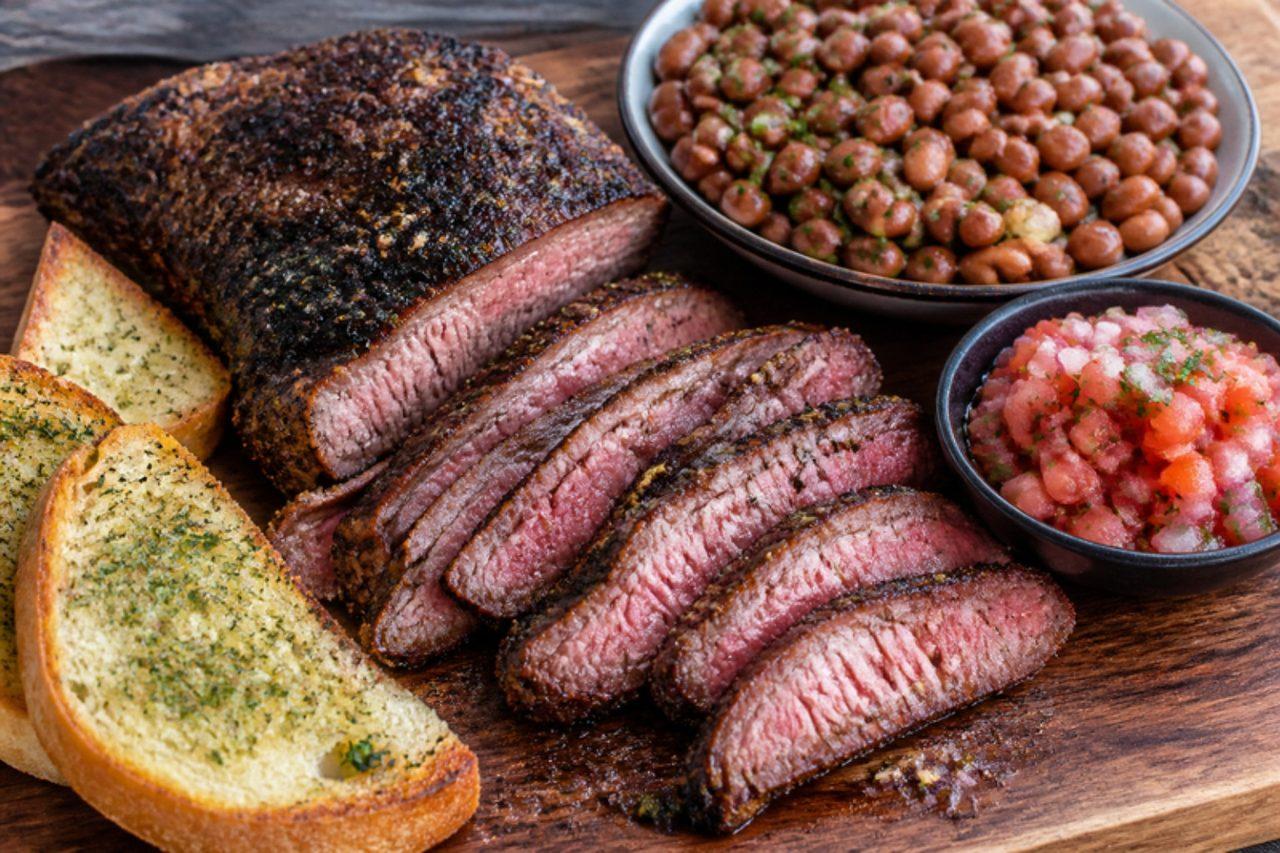
Santa Maria tri-tip

In the Santa Maria Valley on California's Central Coast, ranchers' barbecues over red oak fires gave the state its own style: a triangular tri-tip roast of beef rubbed simply with salt, pepper and garlic, grilled until crusty, then sliced thin. It comes with pinquito beans, salsa and garlic bread at fundraisers and Saturday roadside barbecues. Chef's tip: tri-tip's grain changes direction in the middle, so cut the roast in two where the grain turns and slice each piece across its own grain.

by KrazyBadal 0 views

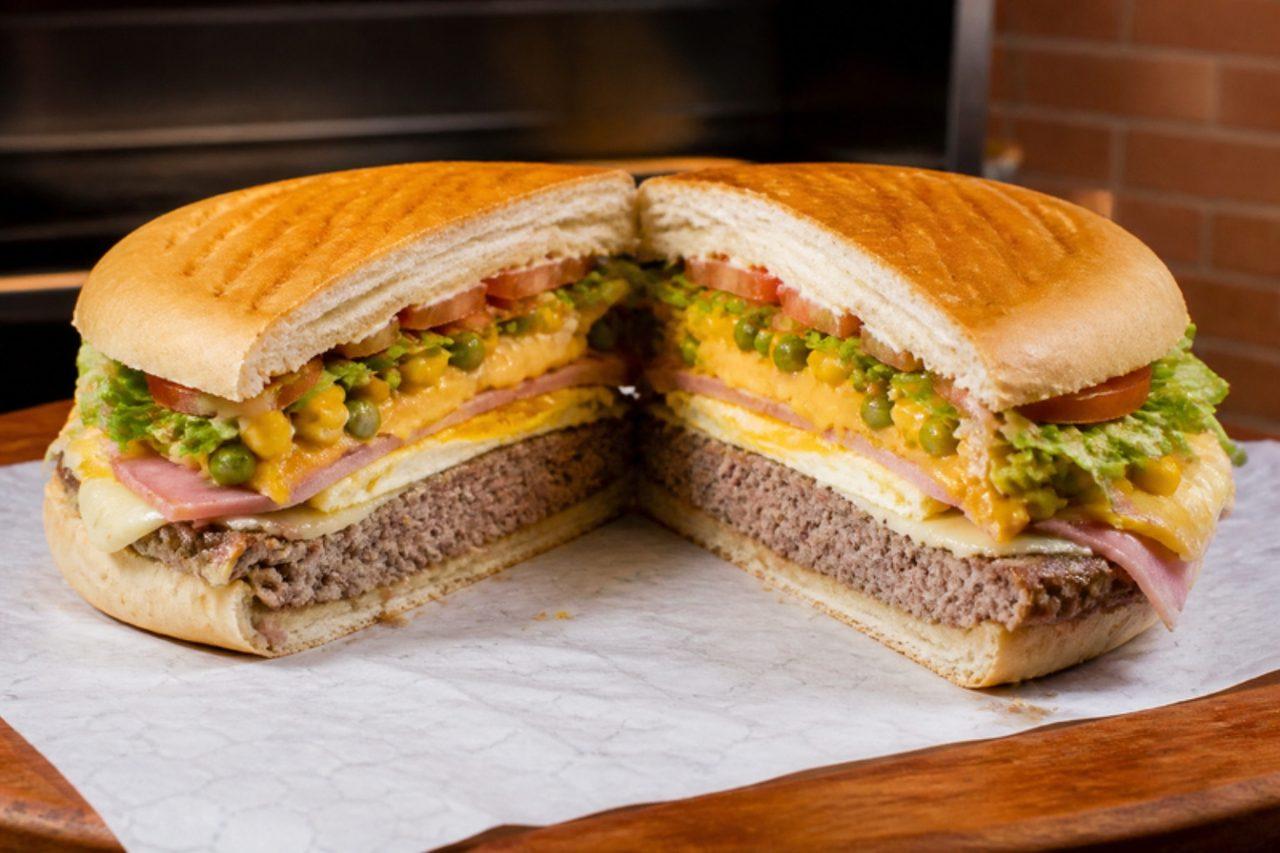
Xis gaúchoLoaded pressed burger

Porto Alegre's lancherias and late-night food trucks press the xis (the Portuguese name for the letter X, which sounds like 'cheese', as in X-burger) on a hot griddle with a heavy lid until a giant round bun is flat, crisp and holding everything together: a beef patty, a fried egg, ham, melted cheese, sweetcorn, peas, lettuce, tomato and lots of mayonnaise. It is huge, messy and much loved after a night out or a football match, usually cut in half and shared. Its pork element is the ham. The common mistake is stacking it too high before pressing, so the fillings slide out; spread them in flat even layers right to the edges. Minced beef must be cooked through to 71 °C with no pink in the middle. Chef's tip: press the assembled sandwich under a heavy pan with a weight on top if you have no sandwich press, and turn it once.

by KrazyBadal 0 views

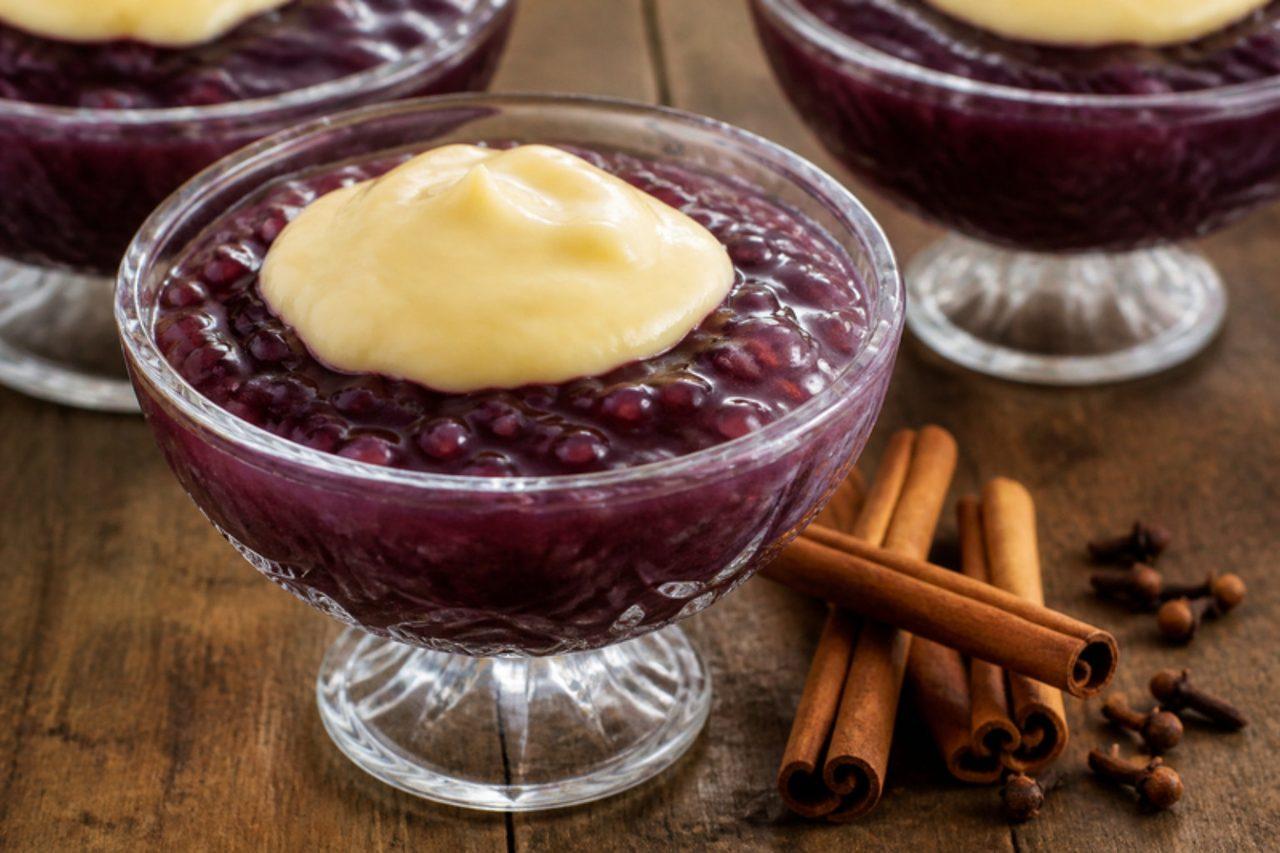
Sagu de vinhoTapioca pearls in red wine

Glossy, wine-dark and wobbling with little translucent pearls, sagu is the dessert of the serra gaúcha, the Italian-settled wine country around Caxias do Sul and Bento Gonçalves, where it ends Sunday lunch at family tables and galeteria buffets. Tapioca pearls are cooked until clear, then simmered in red wine with sugar, cloves and cinnamon so they soak up the colour and spice. Locally it comes with a spoon of vanilla custard on top. The dish contains red wine, and simmering does not remove all the alcohol; for an alcohol-free version, use red grape juice and cut the sugar by half. Choose a vegan wine if that matters to you, as some are fined with egg or fish products. The common mistake is adding the wine before the pearls are clear, which leaves white chalky centres. Chef's tip: rinse the cooked pearls under cold water before they go into the wine, so the starch washes off and the dessert stays glossy.

by KrazyBadal 0 views

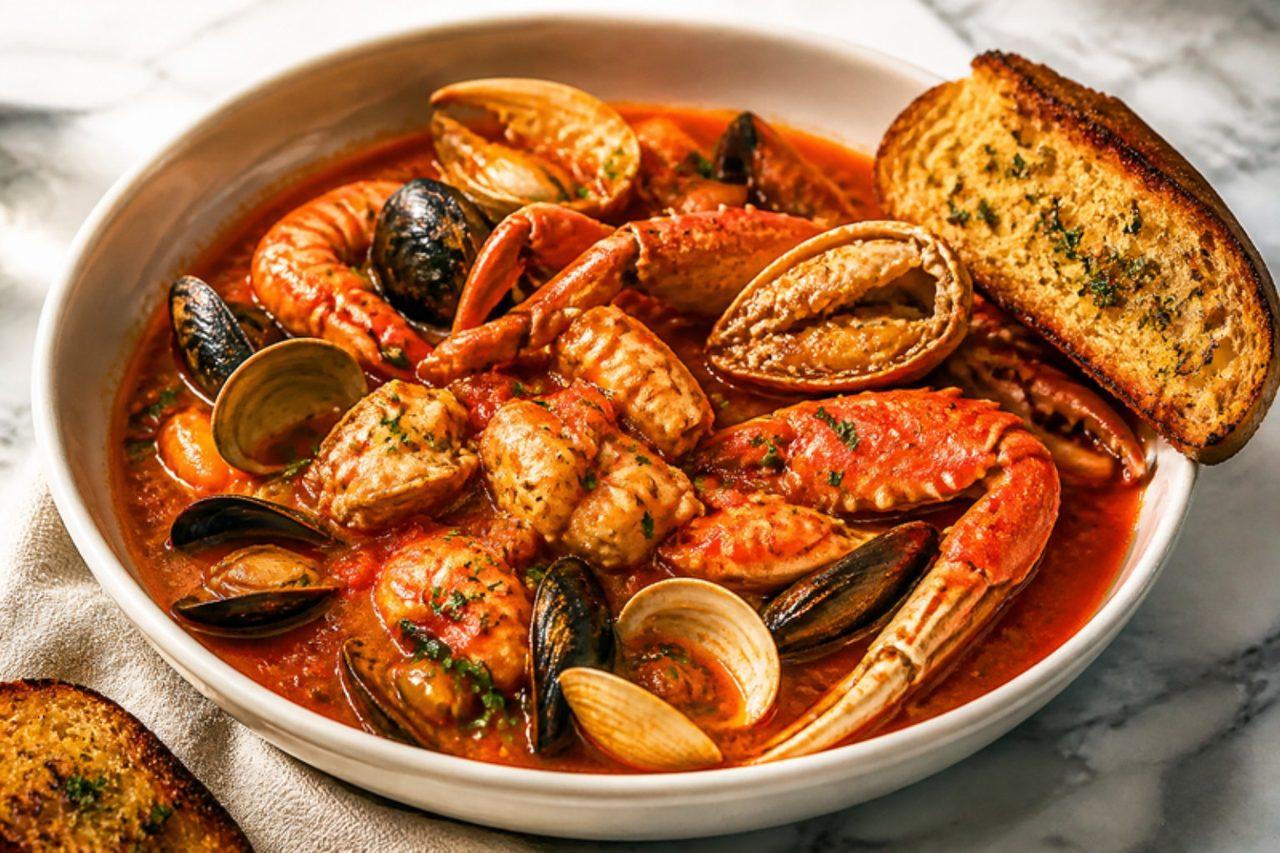
San Francisco cioppino

Cioppino was cooked by Italian and Portuguese fishermen in San Francisco's North Beach in the late 1800s from whatever was left of the day's catch, and it is now the big, messy, bib-wearing dinner of Fisherman's Wharf, especially in Dungeness crab season from November. The broth is tomato, garlic, herbs and white wine; for an alcohol-free version, use extra fish stock with a tablespoon of white wine vinegar. Serve with sourdough to mop it up. Chef's tip: add the seafood in stages, slowest-cooking first, so nothing turns rubbery.

by KrazyBadal 0 views

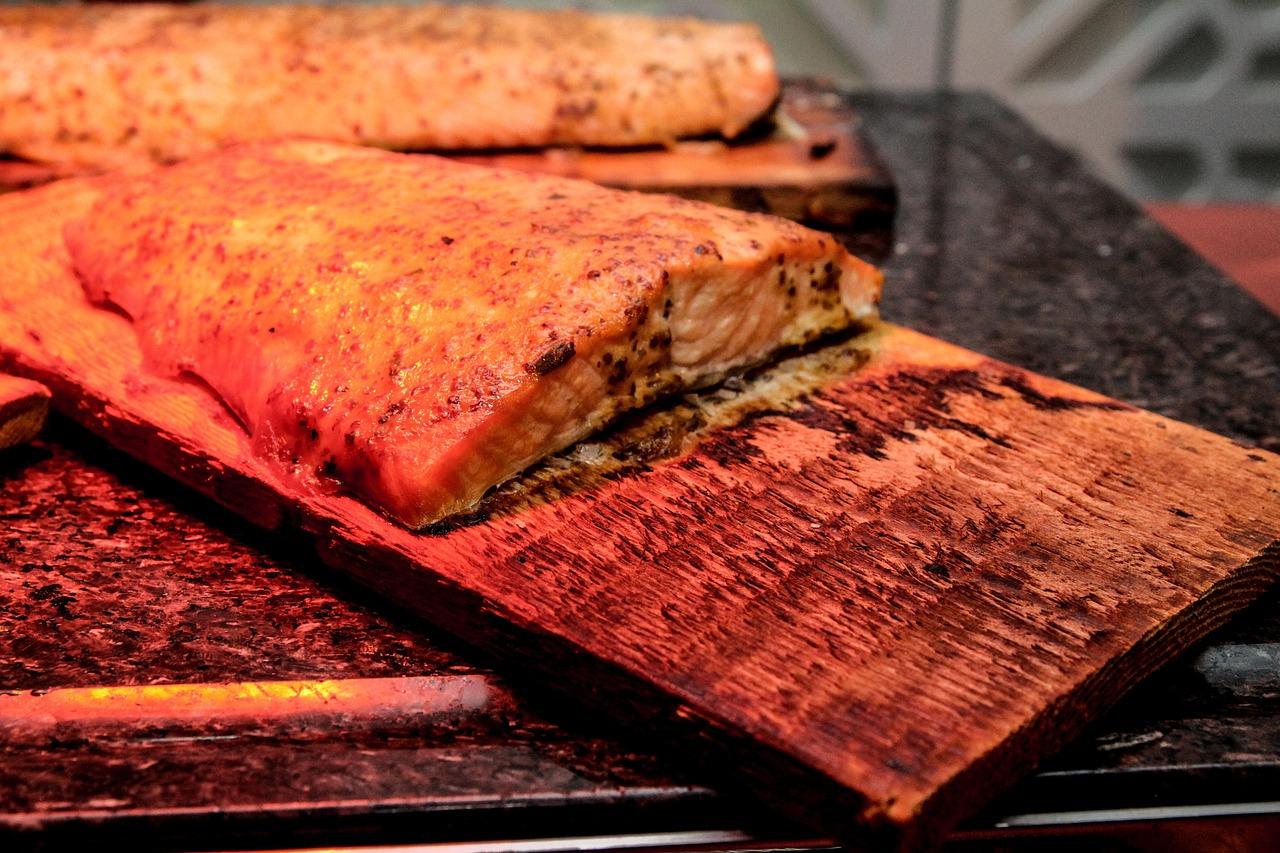
Cedar-plank salmon

Cooking salmon on cedar comes from the Coast Salish peoples of Puget Sound, who roasted split salmon on wooden stakes beside the fire, and today a cedar board on the grill is the backyard summer supper from Seattle to Portland. The soaked plank smoulders and steams, giving the fish a gentle, woody smokiness, here with a brown sugar and mustard glaze. Chef's tip: soak the plank for at least an hour, weighted under water, so it smokes rather than burns.

by KrazyBadal 0 views

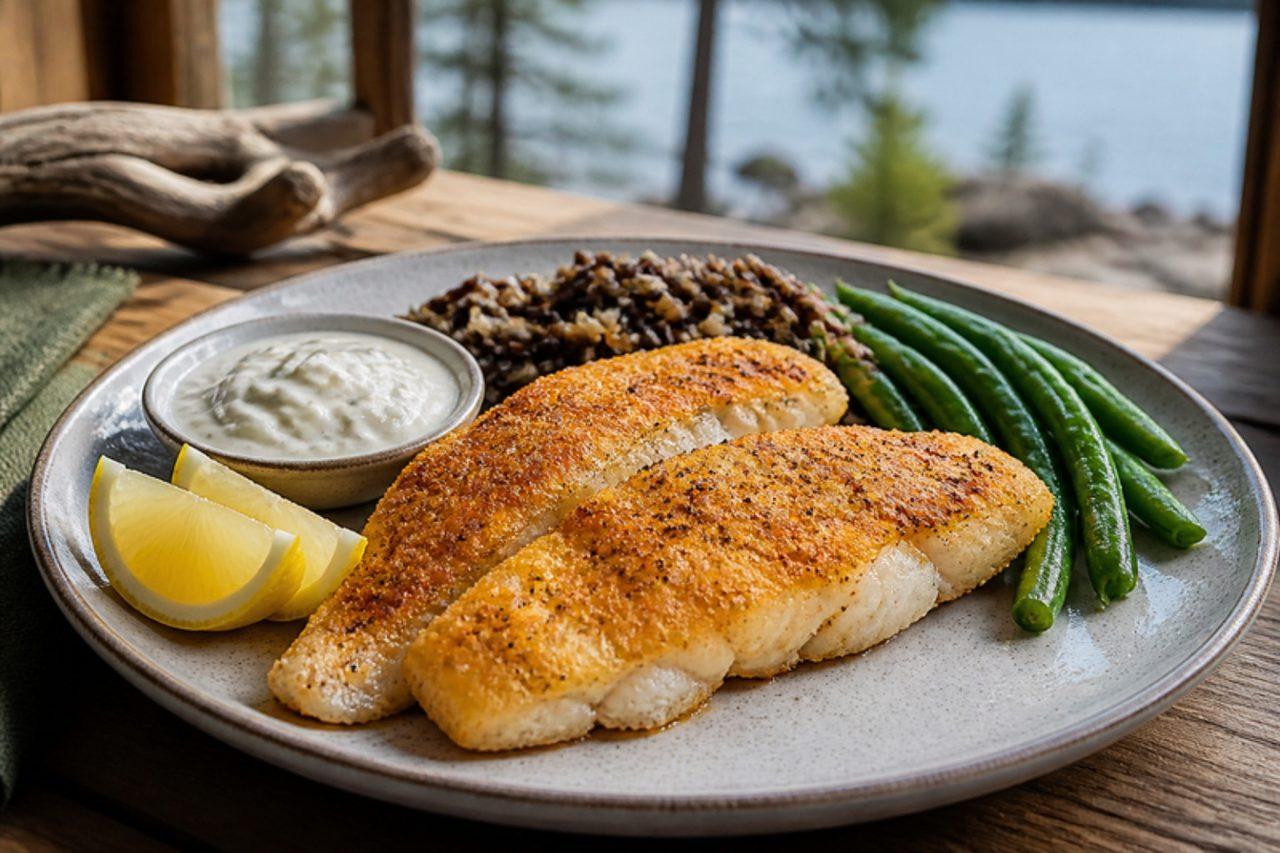
Minnesota pan-fried walleye

Walleye is Minnesota's state fish, pulled through the ice of its northern lakes in winter and fried at the cabin the same evening; restaurants from Duluth to Lake of the Woods sell walleye sandwiches and shore lunches. The mild, sweet white fillets are coated in crushed crackers or a light seasoned flour and pan-fried in butter until golden. Perch, pike-perch or haddock work too. Chef's tip: fry skin-side down first and don't move the fish for 3 minutes; that is how the crust sets.

by KrazyBadal 0 views

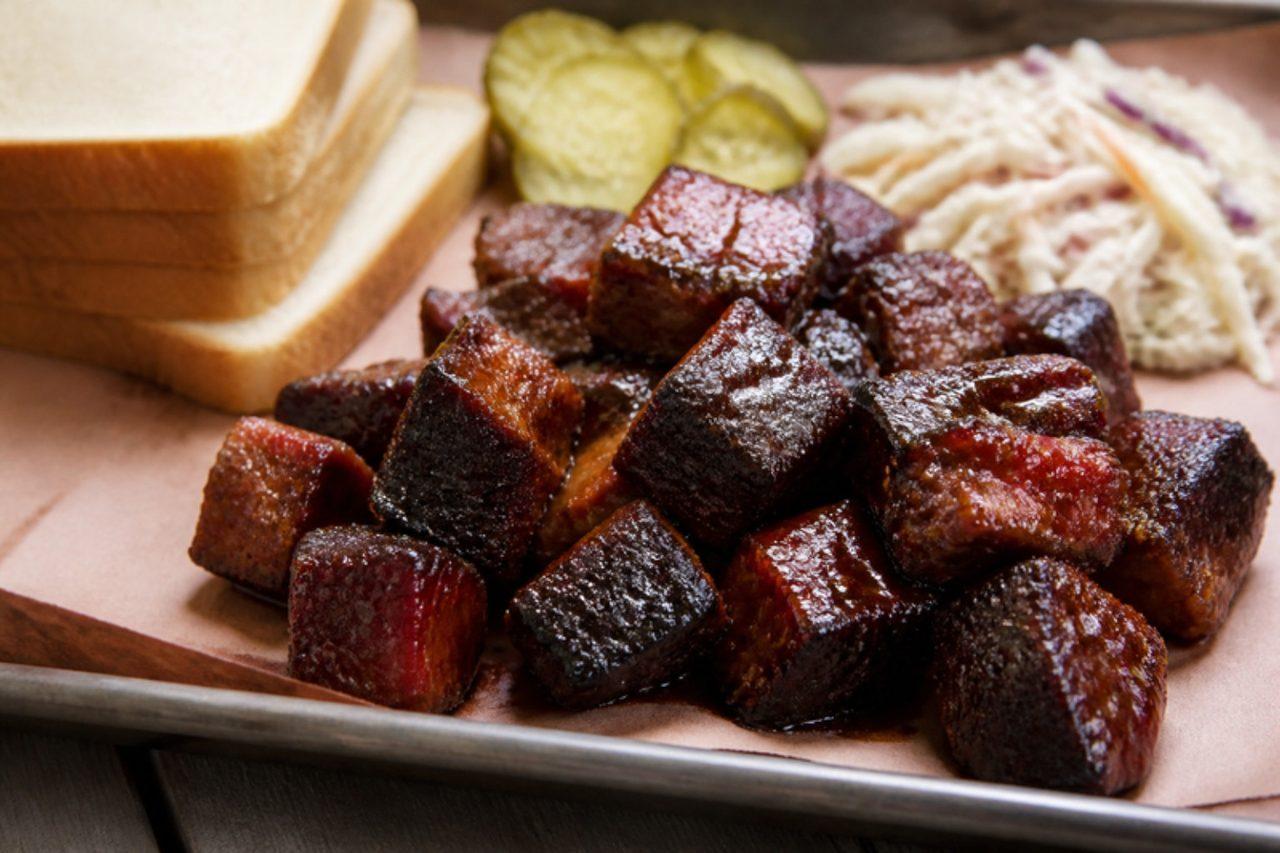
Kansas City burnt ends

Burnt ends were once the charred trimmings that Kansas City barbecue joints handed out free at the counter; today they are the most prized thing on the menu. The fatty point end of a beef brisket is smoked low and slow until tender, cubed, tossed in sweet, tangy Kansas City sauce and smoked again until sticky and caramelised. They're eaten on white bread with pickles and beans. Chef's tip: wait for the brisket to probe tender, like pushing into soft butter, before cubing; temperature is only a guide.

630 minAmericanMeat
by KrazyBadal 0 views

Sakızlı muhallebiMastic milk pudding

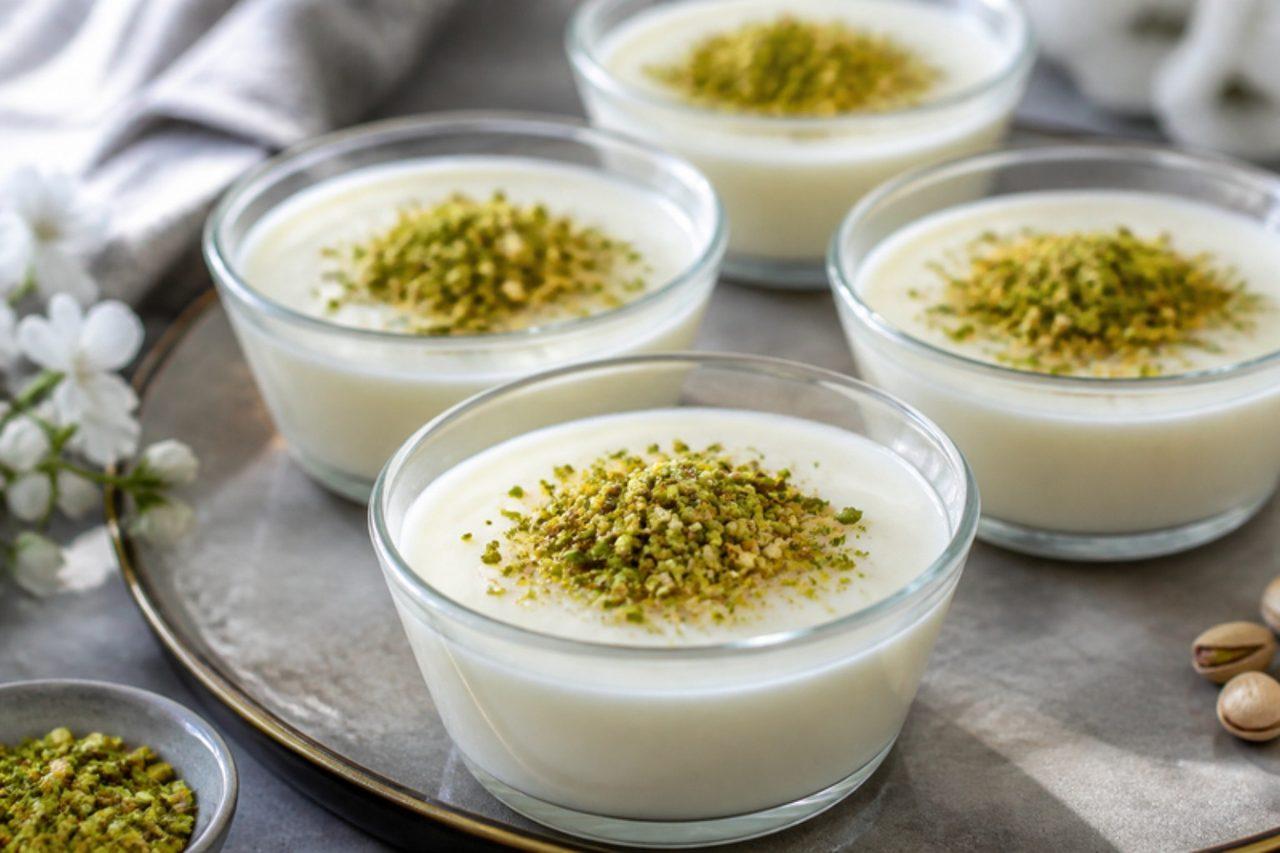
Çeşme looks across the water to Chios, the island where mastic trees weep their resin, and the town's pudding shops have long used it to perfume a simple, wobbly milk pudding. The flavour is hard to describe: piney, a little floral, very fresh against cold creamy milk. It is the dessert to order after a long fish lunch in Alaçatı. Chef's tip: grind the mastic with a teaspoon of sugar in a mortar; on its own it gums up into sticky lumps.

by KrazyBadal 0 views

Tulumba tatlısıFried dough fingers in syrup

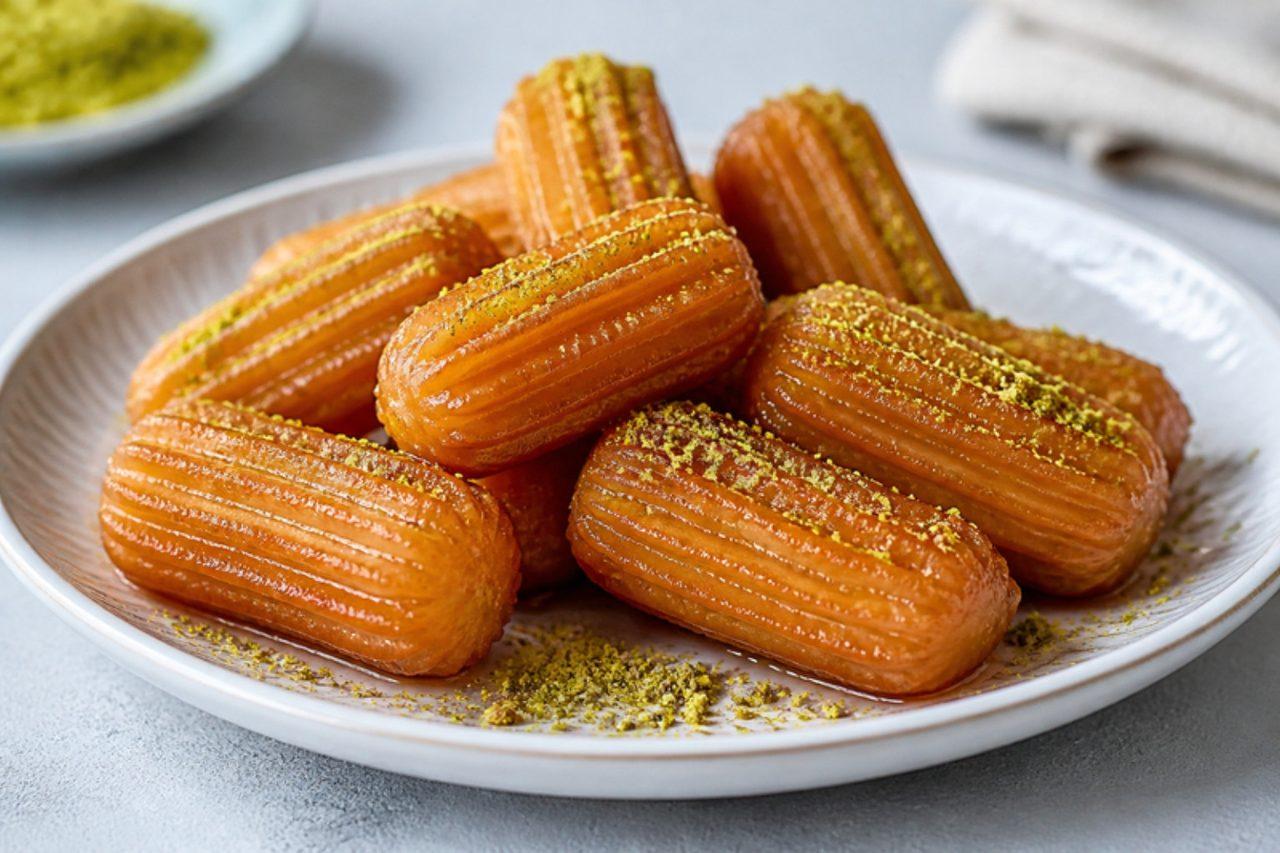
Tulumba is the sweet you buy by the box from Turkish dessert shops for a quick treat or an unannounced visit: ridged fingers of choux-style dough, fried until crunchy, then dropped into cold syrup so they stay crisp outside and soak through within. Street vendors in Istanbul sell them warm in paper cones. A piping bag with a large star nozzle gives the ridges. Common mistake: frying in oil that is too hot; the outside browns before the inside puffs, leaving them raw and gummy. Chef's tip: start the dough in warm, not hot, oil and raise the heat slowly, so they swell and crisp evenly.

by KrazyBadal 0 views

Wisconsin Friday fish fry

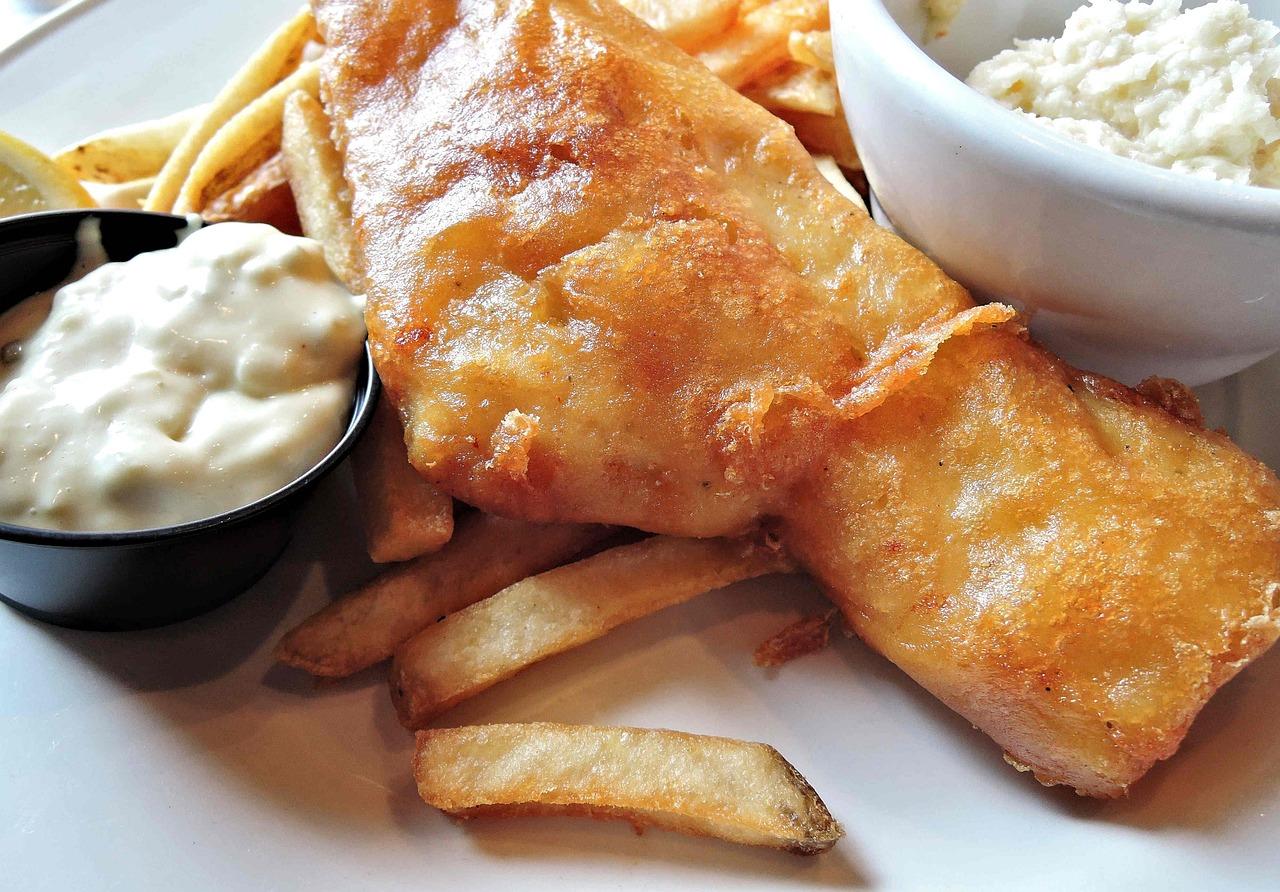
Every Friday night in Wisconsin, supper clubs, taverns and church halls hold a fish fry, a Catholic Lenten tradition that became a year-round social event. Beer-battered cod, perch or bluegill is fried crisp and served with rye bread, coleslaw, tartare sauce and a lemon wedge. Many taverns use lager in the batter; it contains alcohol, which mostly cooks off, so for an alcohol-free version use sparkling water, which gives the same light, crisp coat. Chef's tip: dust the fish in flour before it goes in the batter, so the batter clings instead of sliding off.

by KrazyBadal 0 views

Door County fish boil

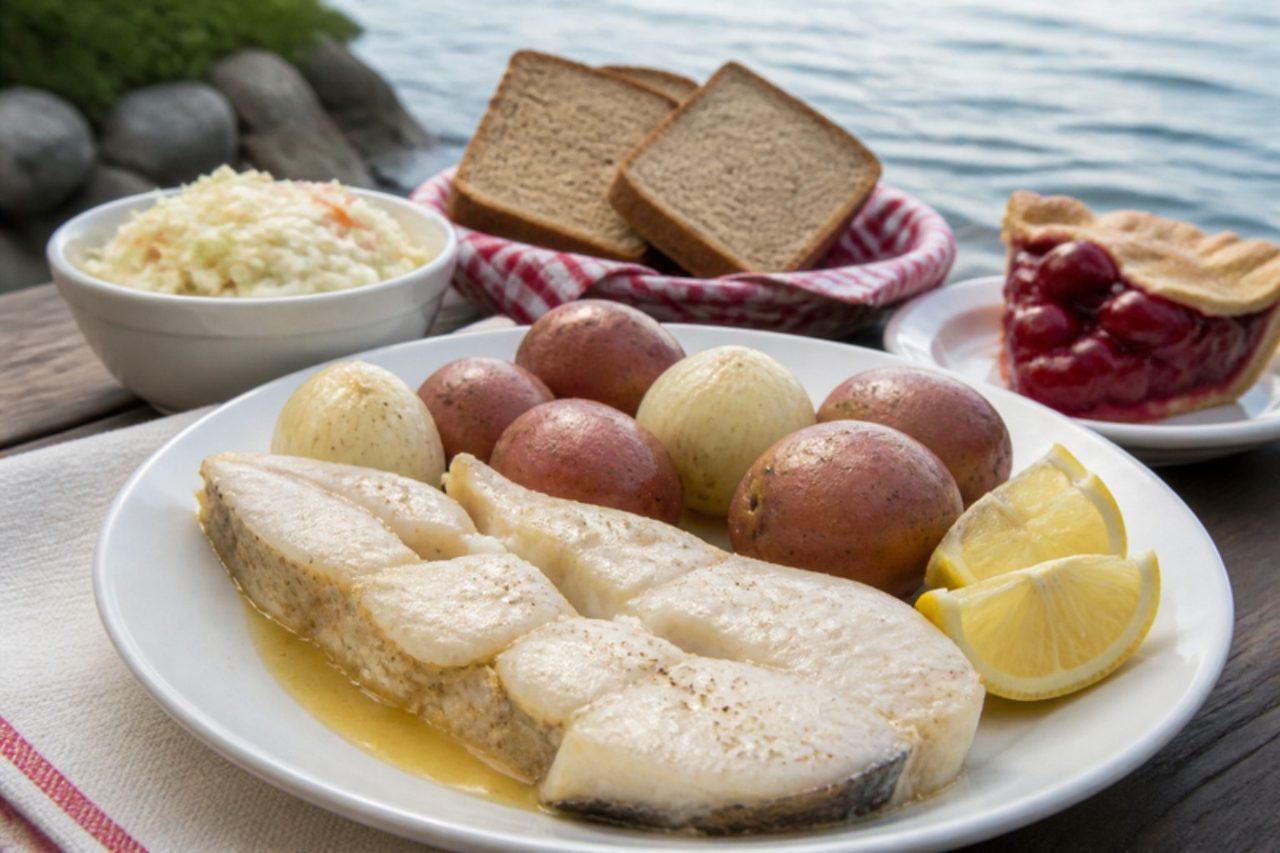
On the Door County peninsula of Wisconsin, Scandinavian fishermen cooked their catch in a cauldron over a wood fire, and summer 'fish boils' are still a show for visitors: when the fish is done, the boil master throws kerosene on the fire and the pot boils over, carrying off the fish oils. At home, a big pot and a skimmer do the same job. Lake whitefish, potatoes and onions are boiled in very salty water and served with melted butter, lemon and, for dessert, cherry pie. Chef's tip: the salt is high, so don't cut back; it raises the boiling point and seasons the fish without making it salty.

by KrazyBadal 0 views

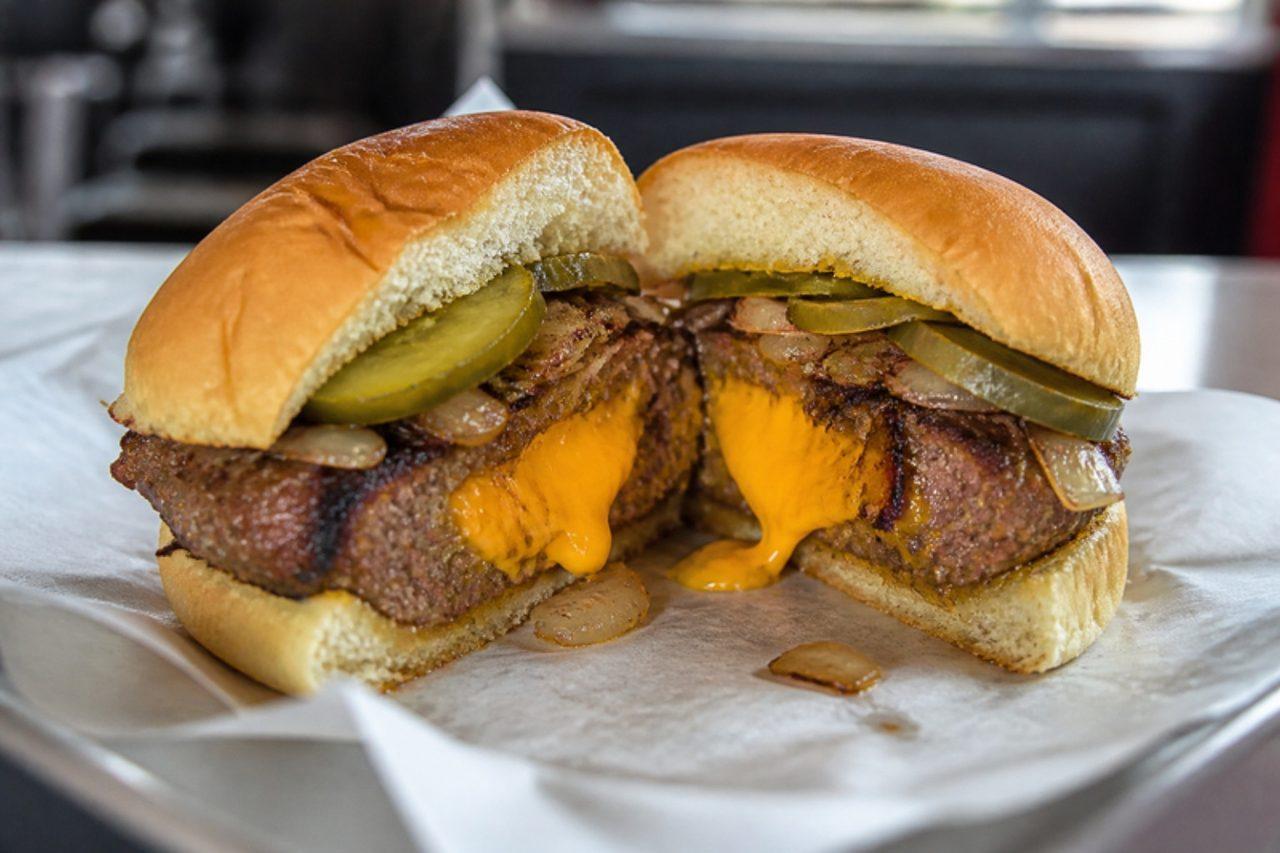
Minneapolis Juicy Lucy

Two bars in south Minneapolis both claim to have invented the Juicy Lucy in the 1950s, and the city still argues about it over beers. Instead of cheese on top, the cheese is sealed inside the beef patty, so it melts into a molten pocket that spurts when you bite. It is served simply, with fried onions and pickles. Chef's tip: warn everyone to wait a minute before biting; the cheese inside is scalding hot.

by KrazyBadal 0 views

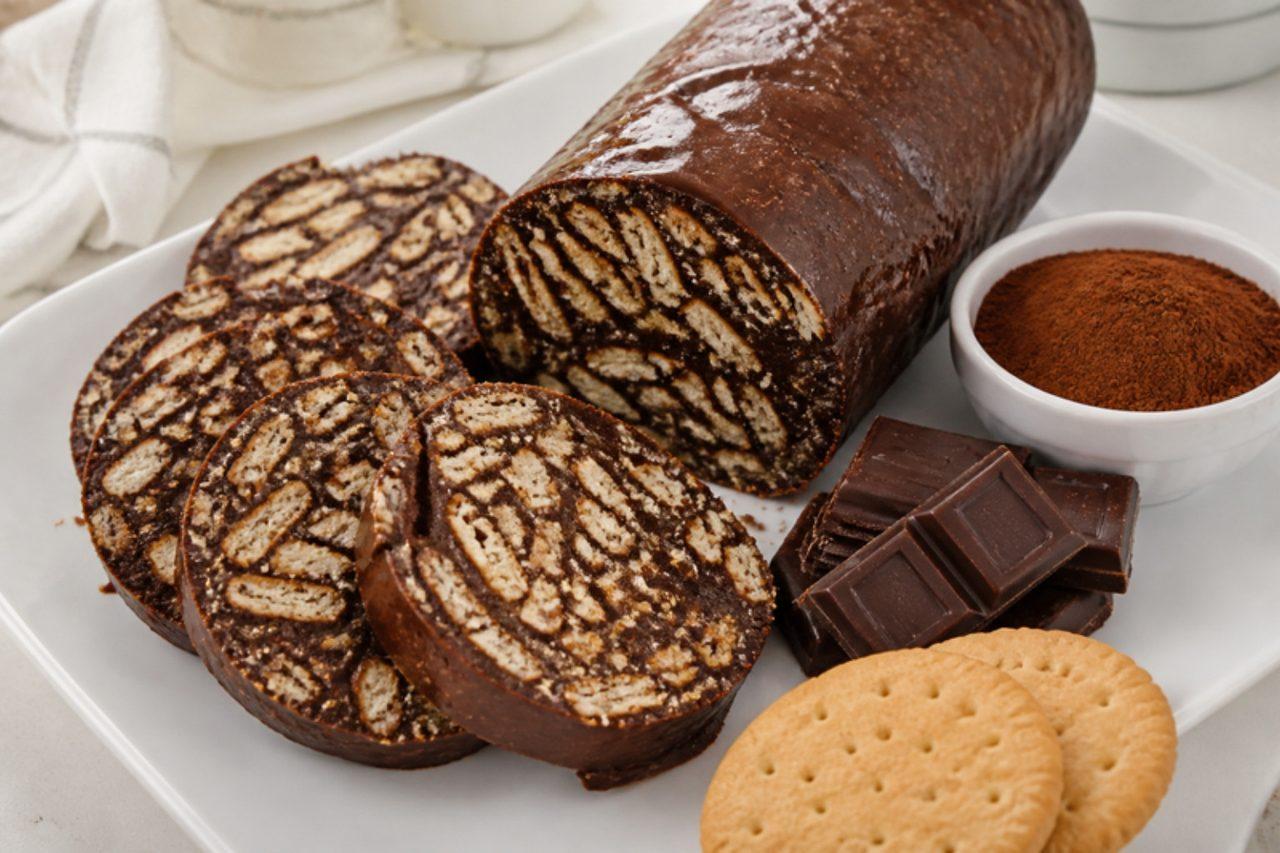
Salame de chocolateNo-bake chocolate biscuit log

Every Portuguese child seems to have helped make one: crushed Maria-style tea biscuits folded through rich chocolate, rolled into a log, chilled and dusted with icing sugar until each slice looks like salami. It turns up at birthday parties, in café display cases around Lisbon and on Christmas dessert tables. The traditional mix uses raw eggs; this version leaves them out and sets with melted chocolate and butter instead, so there is nothing raw in it. A splash of port is often added, which contains alcohol; leave it out or use milk. A common mistake is crushing the biscuits to crumbs; leave some larger pieces, or the slices lose their marbled look. Chef's tip: break the biscuits by hand into pieces the size of a fingernail; crumbs turn it into fudge and you lose the salami look.

by KrazyBadal 0 views

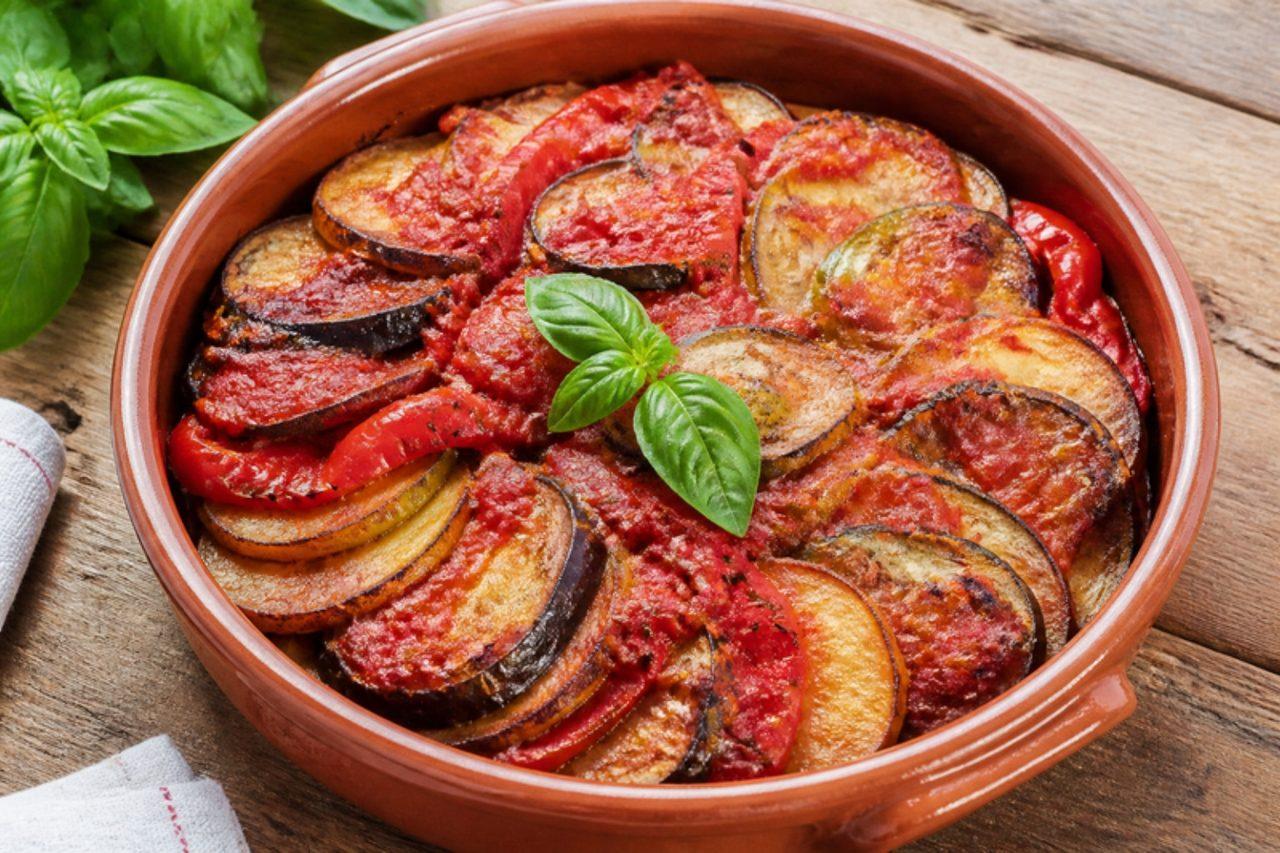
TumbetLayered potato, aubergine and pepper bake

Come August, every Mallorcan village kitchen has a clay greixonera of tumbet cooling on the counter, made with the aubergines and peppers that pile up at the Saturday markets in Sineu and Santanyí. Potato, aubergine and red pepper are each fried on their own, stacked in layers and blanketed with a thick, garlicky tomato sauce, then baked until it all settles together. Islanders eat it warm or at room temperature, as a meal with bread or beside grilled fish or lamb. It tastes even better the next day. Chef's tip: fry each vegetable in its own batch and drain it on paper, because every layer needs its own browned edges and nothing should arrive in the dish swimming in oil.

by KrazyBadal 0 views

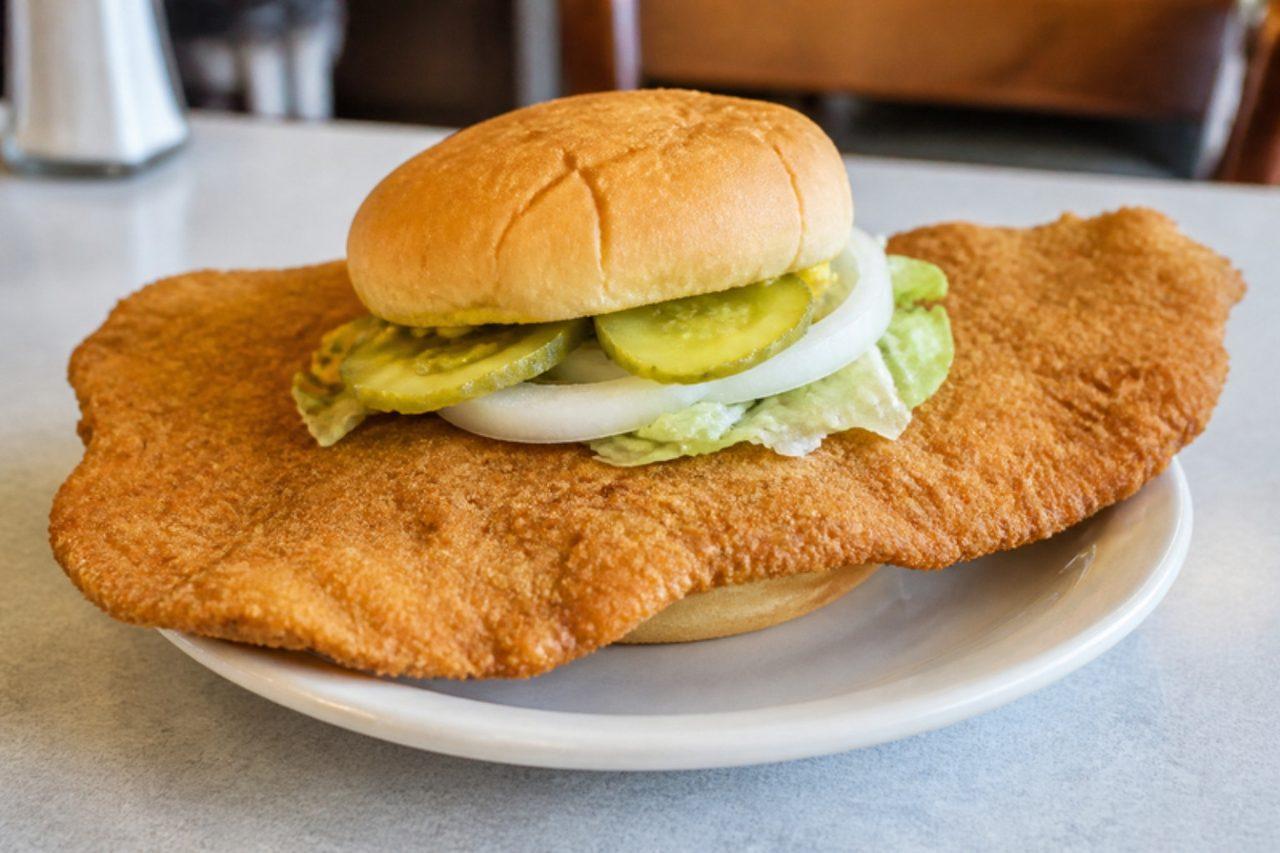
Breaded pork tenderloin sandwich

The breaded pork tenderloin sandwich is the pride of small-town diners in Indiana and Iowa: a pork cutlet pounded so thin and wide that the crisp, golden edges stick out far beyond the bun. It came from the German schnitzel tradition of the farming towns, and people drive miles to compare them. It's dressed simply with mustard, pickles, onion and lettuce. Chef's tip: pound the pork evenly to 5 mm; thin pork cooks through in the time it takes the crumb to turn golden.

by KrazyBadal 0 views

Blackened redfish

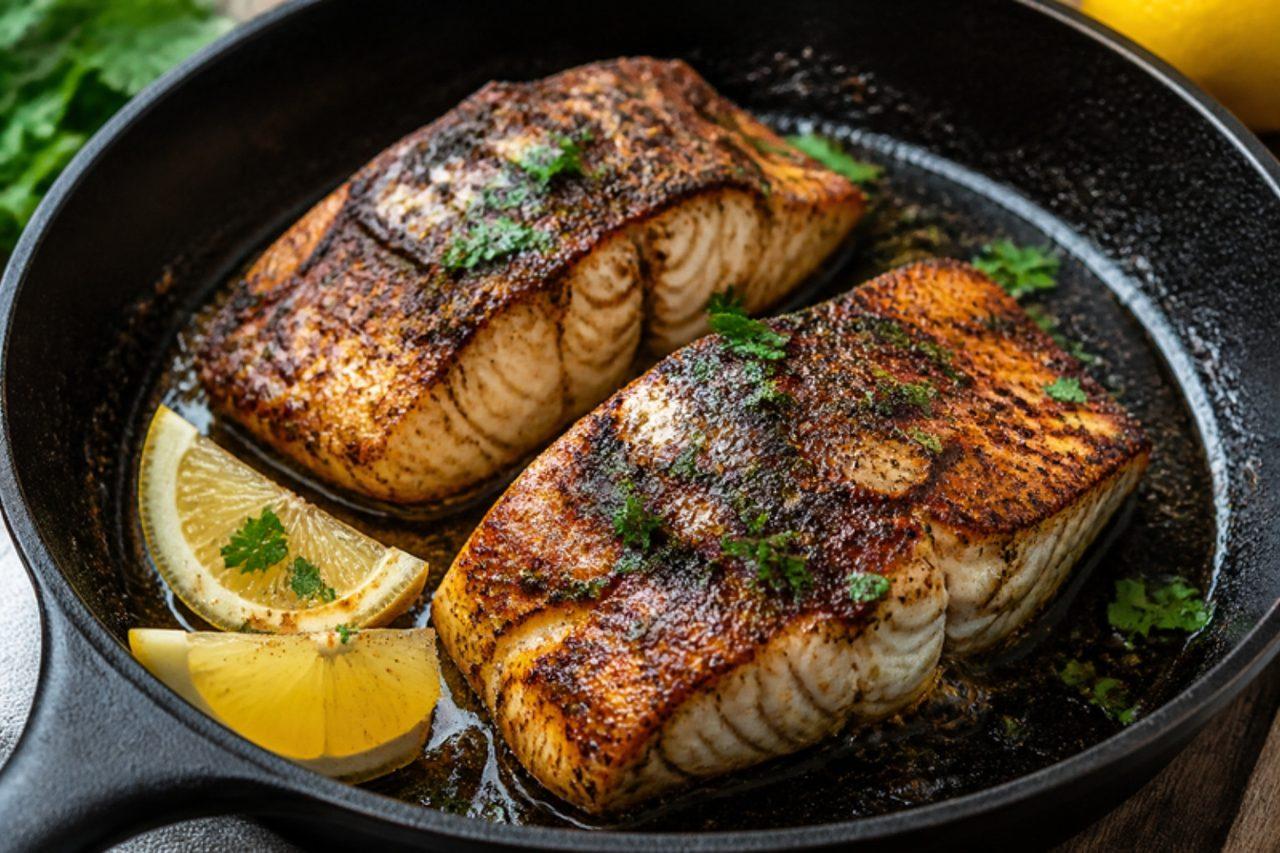
Blackened redfish was the dish that made Cajun cooking famous across America in the 1980s, created in a New Orleans restaurant by a chef from Opelousas. Fillets are dipped in butter, coated thickly in paprika, cayenne, thyme and pepper and seared in a white-hot cast-iron pan, so the spices char into a dark, smoky crust while the fish stays moist. It produces a lot of smoke, so open the windows or cook it outside. Chef's tip: the pan must be heated empty for a full 5 minutes; a lukewarm pan steams the fish instead of blackening it.

by KrazyBadal 0 views

Bread and butter pudding

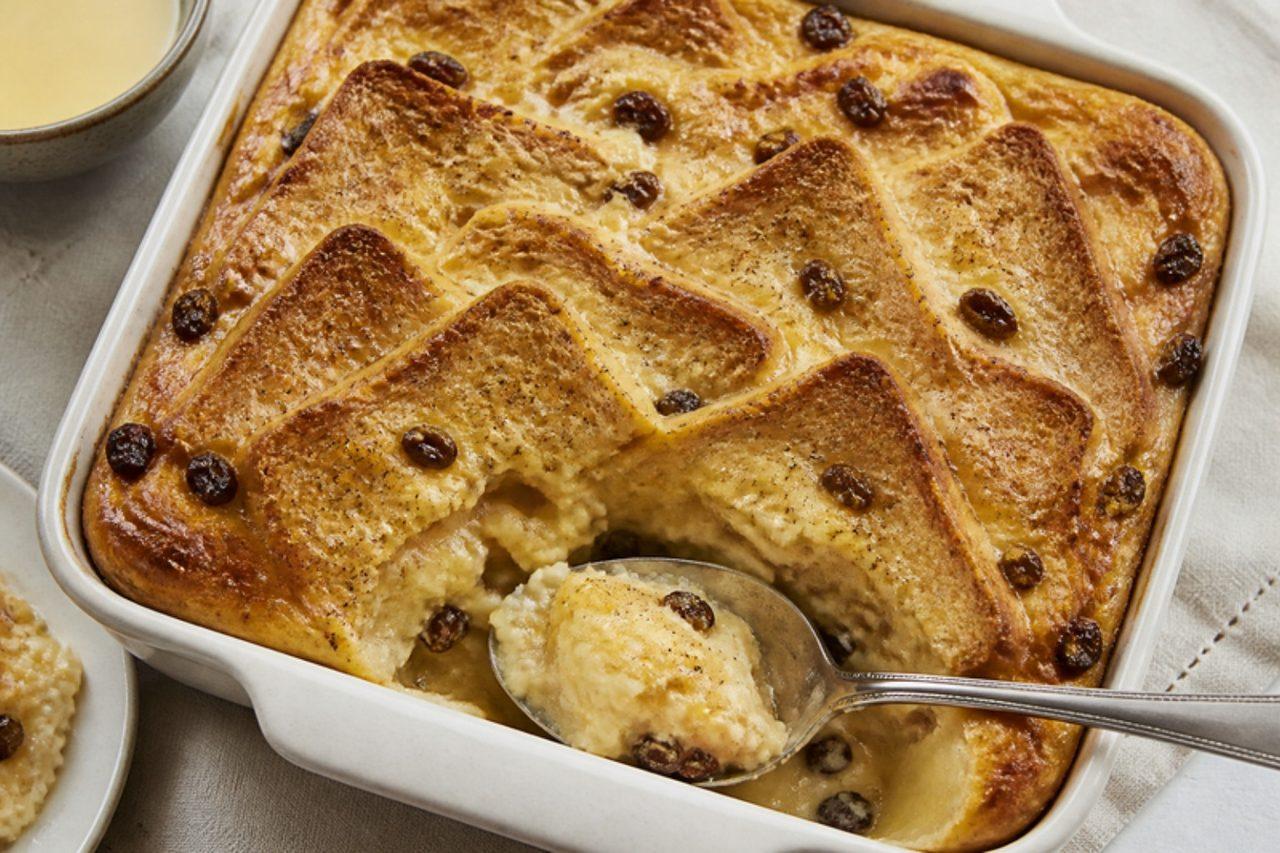
Bread and butter pudding was the thrifty English way of using up stale bread, and today it's a pub and Sunday-lunch pudding from the Cotswolds to London. Buttered slices of bread are layered with sultanas, soaked in a vanilla and nutmeg custard and baked until puffed with a crisp, sugary top and a soft, wobbly centre. Chef's tip: let the bread soak in the custard for 30 minutes before baking, so it's creamy all the way through.

by KrazyBadal 0 views

Moroccan almond milk (sharbat louz)

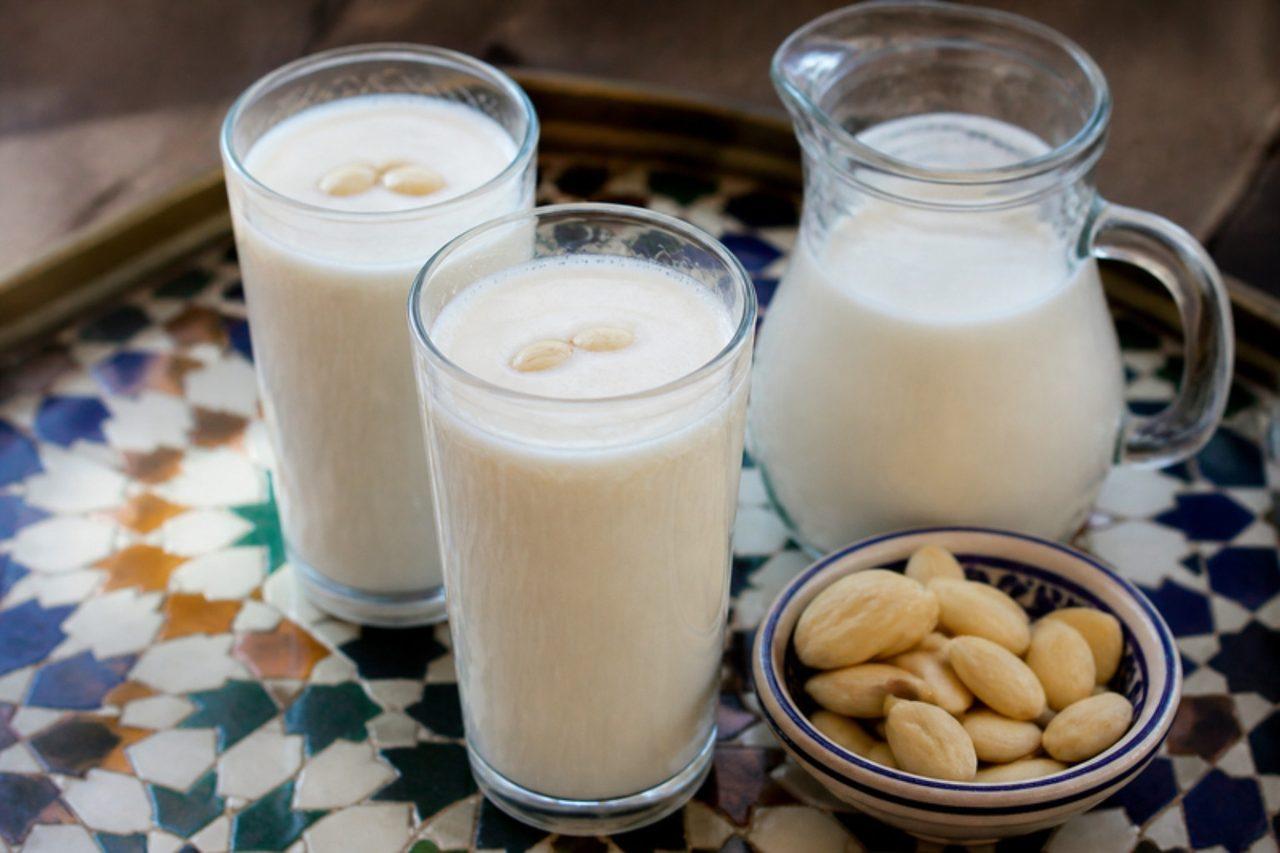
At Moroccan weddings and engagement parties, silver trays of tall glasses filled with sharbat louz are passed among the guests: chilled milk blended smooth with blanched almonds, sugar and a perfume of orange-flower water. It is also a favourite summer drink at home and is often offered to break the fast in Ramadan. The taste is creamy, delicate and nutty, a world away from carton almond milk, since it is real dairy milk enriched with almonds. Serve it very cold, on its own or with sweets. A common mistake is skipping the straining, which leaves a gritty drink instead of a smooth, silky one. Chef's tip: blend the almonds with the sugar and a little milk first, into a fine paste, before adding the rest; that way it ends up silky rather than gritty. Not for anyone with a nut allergy.

by KrazyBadal 0 views

Salatet el rahebSmoky aubergine salad

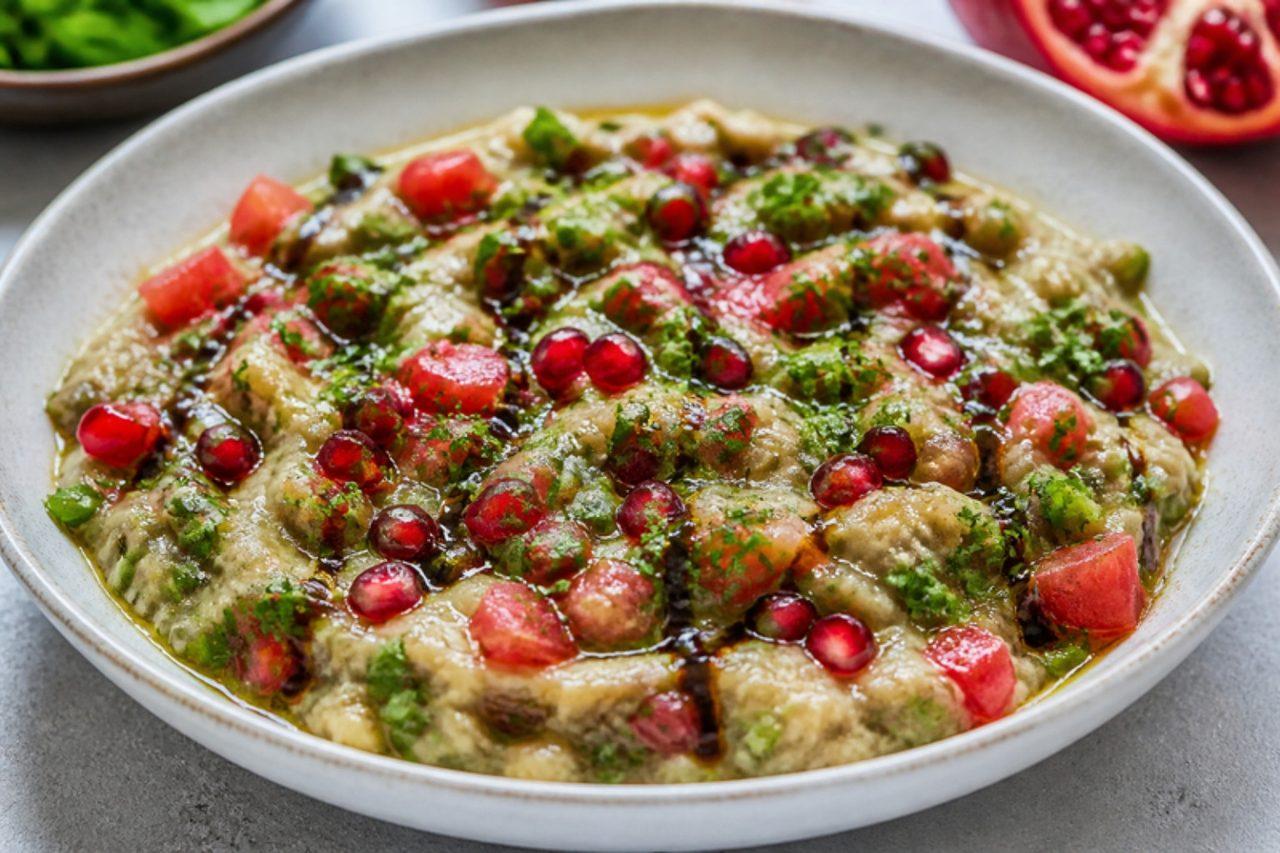
Mezze restaurants along the Lebanese coast serve salatet el raheb as the fresh, chunky cousin of baba ghanoush: the aubergine is charred until smoky, then chopped rather than puréed and tossed with tomato, peppers, spring onion, parsley and a sharp dressing of lemon and pomegranate molasses. There is no tahini, so it is light and summery and sits well next to grilled halloumi or kebabs. Common mistake: leaving the aubergine juices in; drain the flesh in a sieve or the salad turns watery. Chef's tip: char the aubergines directly over a gas flame or on a barbecue rather than in the oven — the smoky flavour is the soul of the dish.

by KrazyBadal 0 views

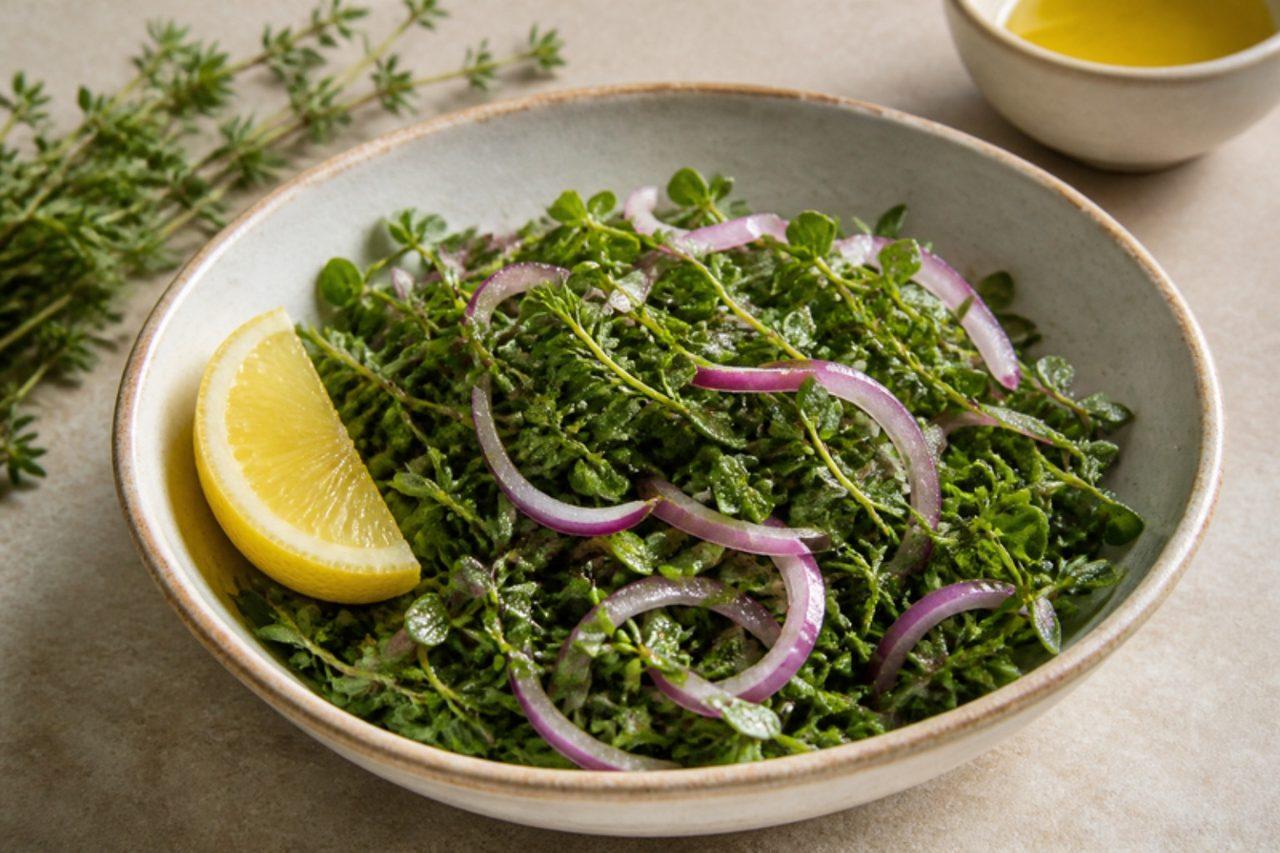
Salatet za'atar akhdarFresh thyme leaf salad

In spring, Palestinian families pick young za'atar (wild hyssop-thyme) from the hills of the West Bank and the Galilee, and the tender leaves are tossed raw with onion, lemon and the year's new olive oil. The salad is sharp, piney and peppery, eaten as part of breakfast with labneh, olives and warm taboon bread, or beside grilled meat. If you can't find fresh za'atar, a mix of fresh oregano, thyme and a little marjoram comes close. Common mistake: chopping the leaves; keep them whole so they stay perky and don't turn dark. Chef's tip: rub the sliced onion with sumac and salt for 5 minutes first; it softens its bite and turns it a pretty pink.

by KrazyBadal 0 views

SalchipapaFries with sliced sausage

Late at night outside the bars and football stadiums of Bogotá and Medellín, carts and fast-food counters sell salchipapa by the plastic tray: hot chips topped with fried slices of hot dog sausage, drowned in salsa rosada (ketchup mixed with mayonnaise), mustard and grated cheese, sometimes with a squirt of pineapple sauce. Kids love it, and it's an easy Friday-night dinner at home: salty, crisp and soft at once, with the sweet-tangy pink sauce tying everything together. The way it goes wrong is soggy fries; double frying keeps them crisp under all that sauce. Chef's tip: slice the sausages on the diagonal and fry them until they curl and blister at the edges; the crisp bits make the dish.

by KrazyBadal 0 views

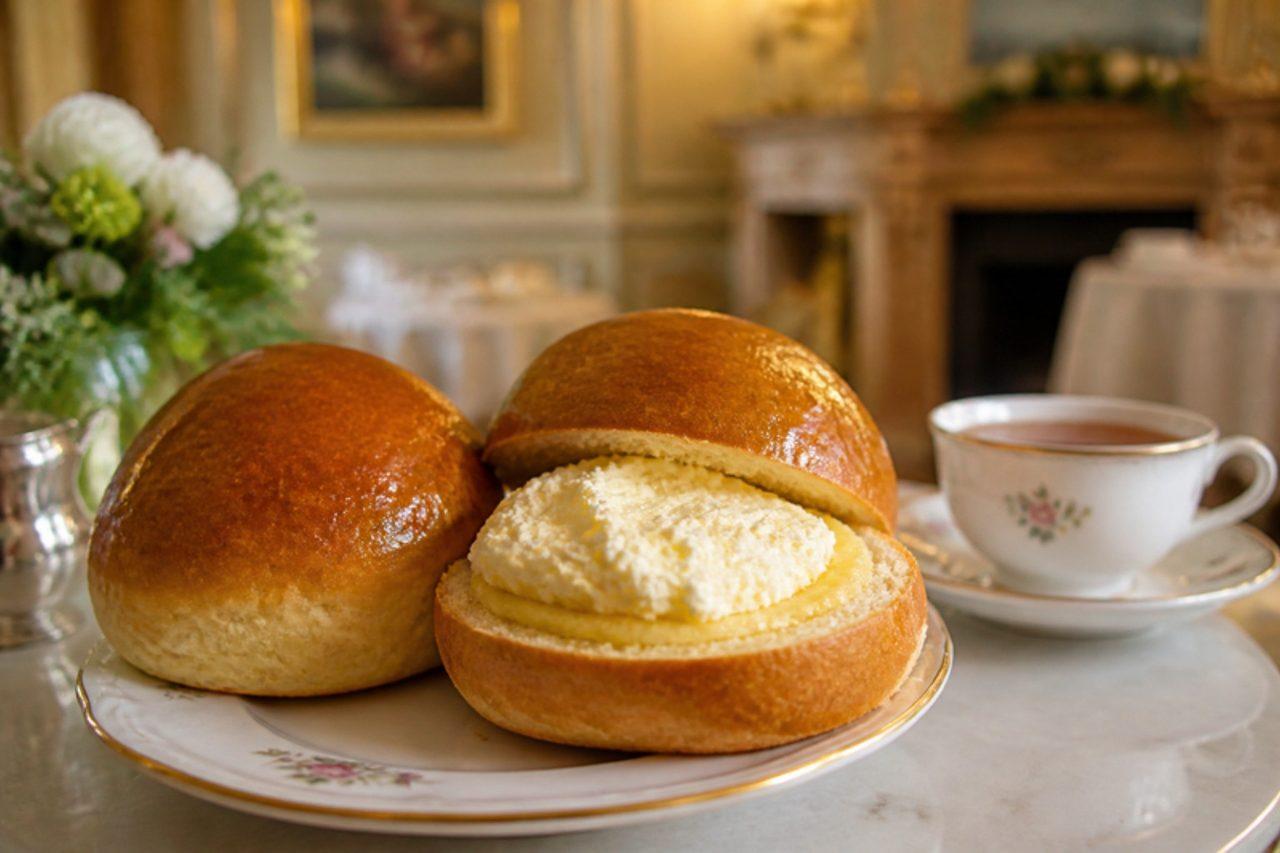
Sally Lunn bunsBrioche-style bun

The Sally Lunn is a huge, airy, enriched bun from the Georgian city of Bath, where an old house by the Abbey still serves it split and toasted, sweet with cinnamon butter or savoury with cheese. The dough is soft, with plenty of egg, butter and cream, so it bakes up light like brioche. Chef's tip: the dough is very soft; use a cake tin to hold its shape rather than shaping it freehand.

by KrazyBadal 0 views

Crumpets

Crumpets are the spongy, holey griddle cakes that Londoners and the whole of England toast on winter afternoons, soaked in melting butter. A loose yeasted batter is lifted with a little bicarbonate, poured into rings on a griddle and cooked gently on one side only, so bubbles rise and set into the famous holes. Chef's tip: grease the rings generously and keep the heat low; the top must set before the bottom burns.

by KrazyBadal 0 views

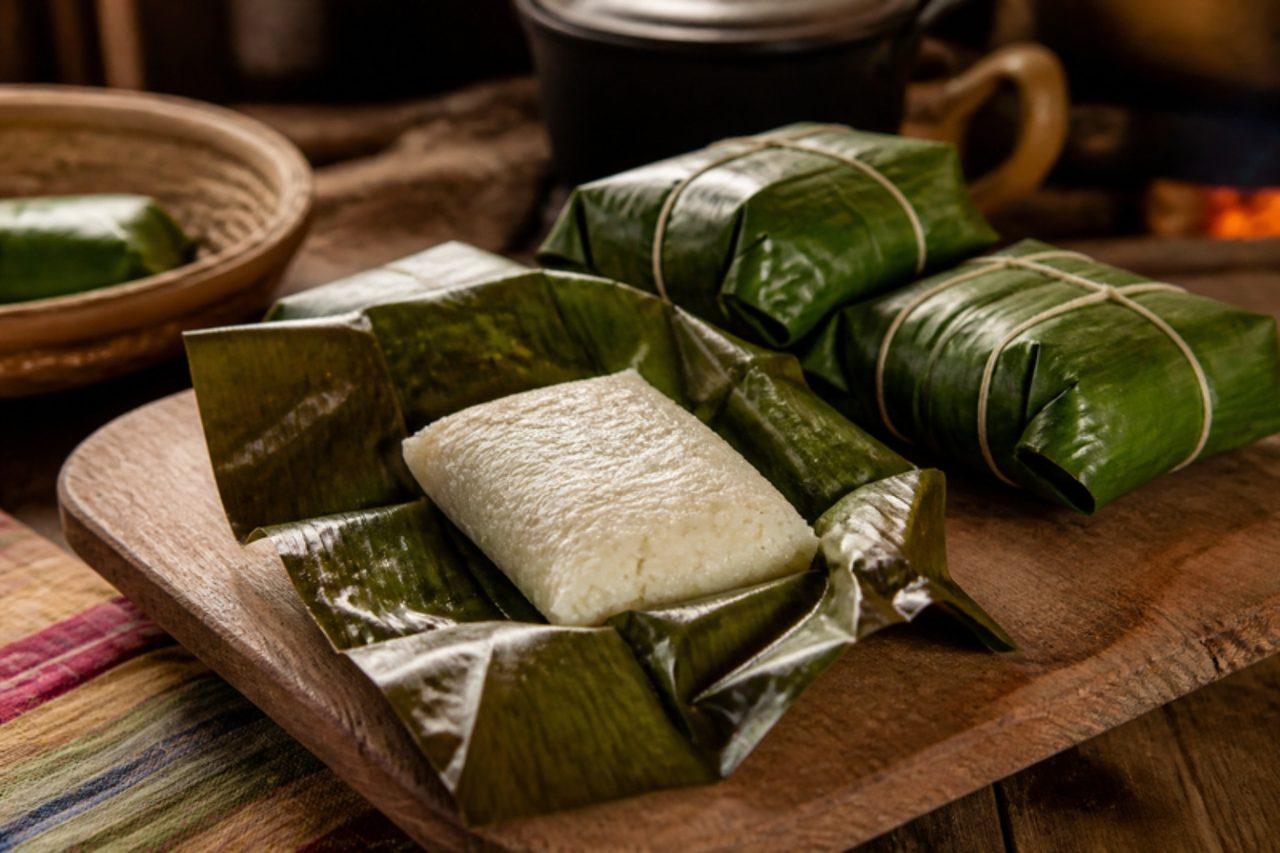
TungosBanana leaf steamed rice

At fairs and family gatherings in Villavicencio and across the Meta, tungos sit in a big pile next to the slow-roasted meat: soft white rice pressed into banana-leaf parcels and steamed until it holds together in a firm, faintly smoky log. The leaf gives the rice a tea-like aroma and keeps it warm for hours, which is why they travel to river trips and roadside parrillas so well. Unwrap one and eat it with roast meat, beans, a sweet plantain or a bowl of vegetable stew; the tungo itself is vegan. Fluffy, separate grains are the wrong goal here: rice cooked dry and loose falls apart in the leaf, so cook it with extra water until soft and sticky. Frozen banana leaves are sold in Asian and Latin shops. Chef's tip: pass each leaf quickly over a gas flame or through hot water first; it turns glossy and supple and will not split as you fold.

by KrazyBadal 0 views

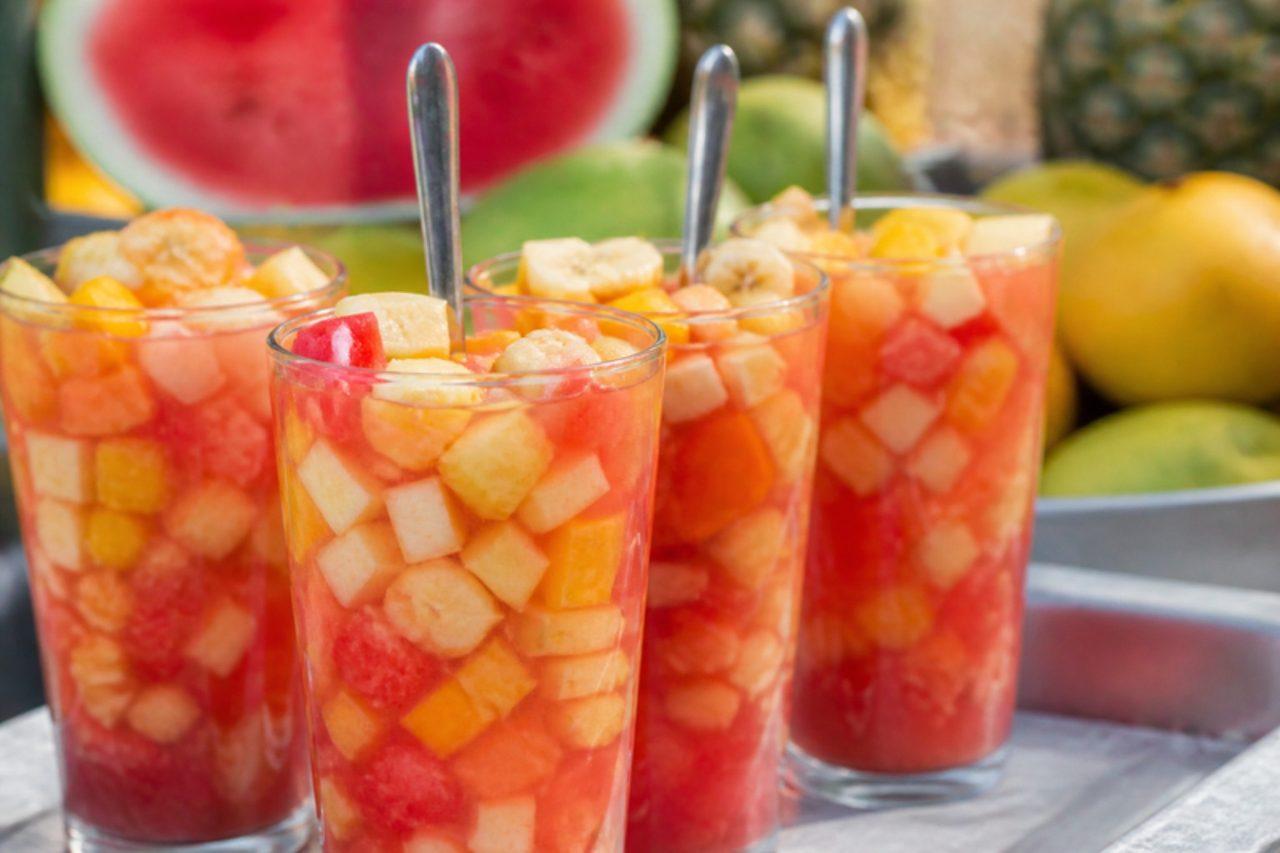
Salpicón de frutasDiced fruit in watermelon juice

Salpicón is what Caleños grab at fruit stands and in the parks of San Antonio when the afternoon heat sets in: a tall cup of tiny, jewel-like cubes of papaya, pineapple, mango, banana and apple, swimming in freshly blended watermelon juice, eaten with a spoon and drunk to the last drop. Some stalls top it up with a fizzy orange or lemon soda; this version keeps it to fresh juice. It is sweet, cool and very refreshing. The mistake people make is cutting the fruit too big; the joy is in tiny cubes you can drink through the juice. Chef's tip: blend and strain the watermelon just before serving and keep everything ice cold; watermelon juice loses its fresh taste within an hour.

by KrazyBadal 0 views

Mince pies

Mince pies are handed round with mulled drinks at every English Christmas gathering, from carol services to office parties, and children leave one out for Father Christmas. The mincemeat once held meat; this home-made version is all fruit, apple and spice, with vegetarian suet, and brandy is optional, so it can be alcohol-free. Chef's tip: make the mincemeat a week ahead so the flavours mellow; it keeps for months.

by KrazyBadal 0 views

Salsa criollaTomato, onion and pepper relish

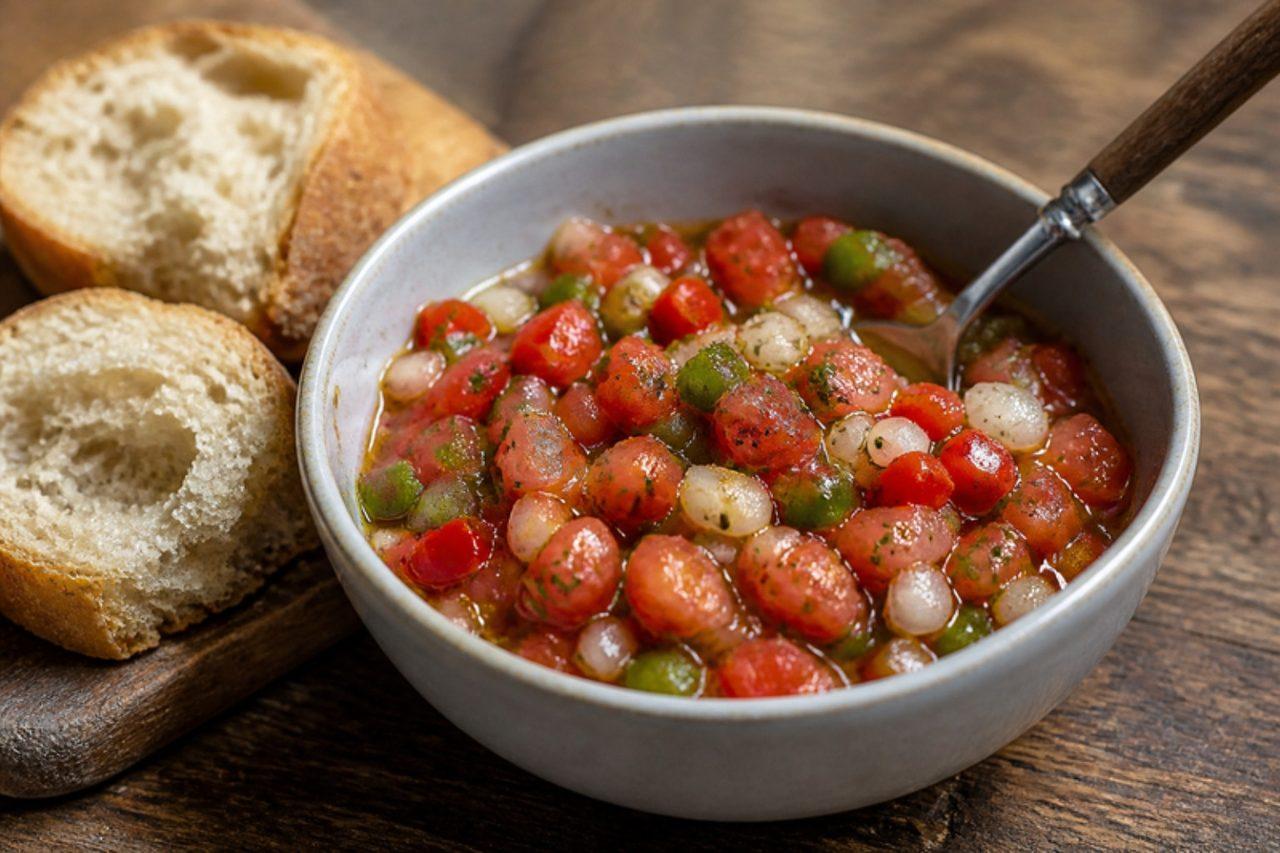
Chimichurri gets the fame, but at a Sunday asado anywhere from Buenos Aires to Salta the other bowl on the table is salsa criolla: tomato, onion and red and green pepper cut into small, even dice, dressed with vinegar, oil, oregano and salt, and left to sit until the juices pool. It is spooned over steak, chorizo and provoleta, piled into choripán, and eaten with grilled vegetables, and it brings freshness and acid to rich, smoky food. Expect crunch, a clean sour note and a mild sweetness from the peppers. Chopping it all in a food processor is the mistake: it turns watery and pulpy, so take the time to dice by hand. Some cooks use only red onion, others add spring onion or a pinch of chilli; adjust to taste. Chef's tip: dress the onion with the vinegar and salt first for 10 minutes before adding the rest; it softens the raw bite without losing the crunch.

by KrazyBadal 0 views

Yorkshire puddings

In Yorkshire the pudding was once served first, on its own with gravy, to fill people up before the meat; today these puffed, crisp-edged cups sit beside the roast at Sunday lunch all over England. The batter is nothing but eggs, flour and milk, and the trick is in the heat: smoking-hot fat in the tin and a hot oven. Serve with onion gravy for a vegetarian roast. Chef's tip: rest the batter for at least 30 minutes, which helps the puddings rise tall and even.

by KrazyBadal 0 views

Salsa golfMayonnaise and ketchup sauce

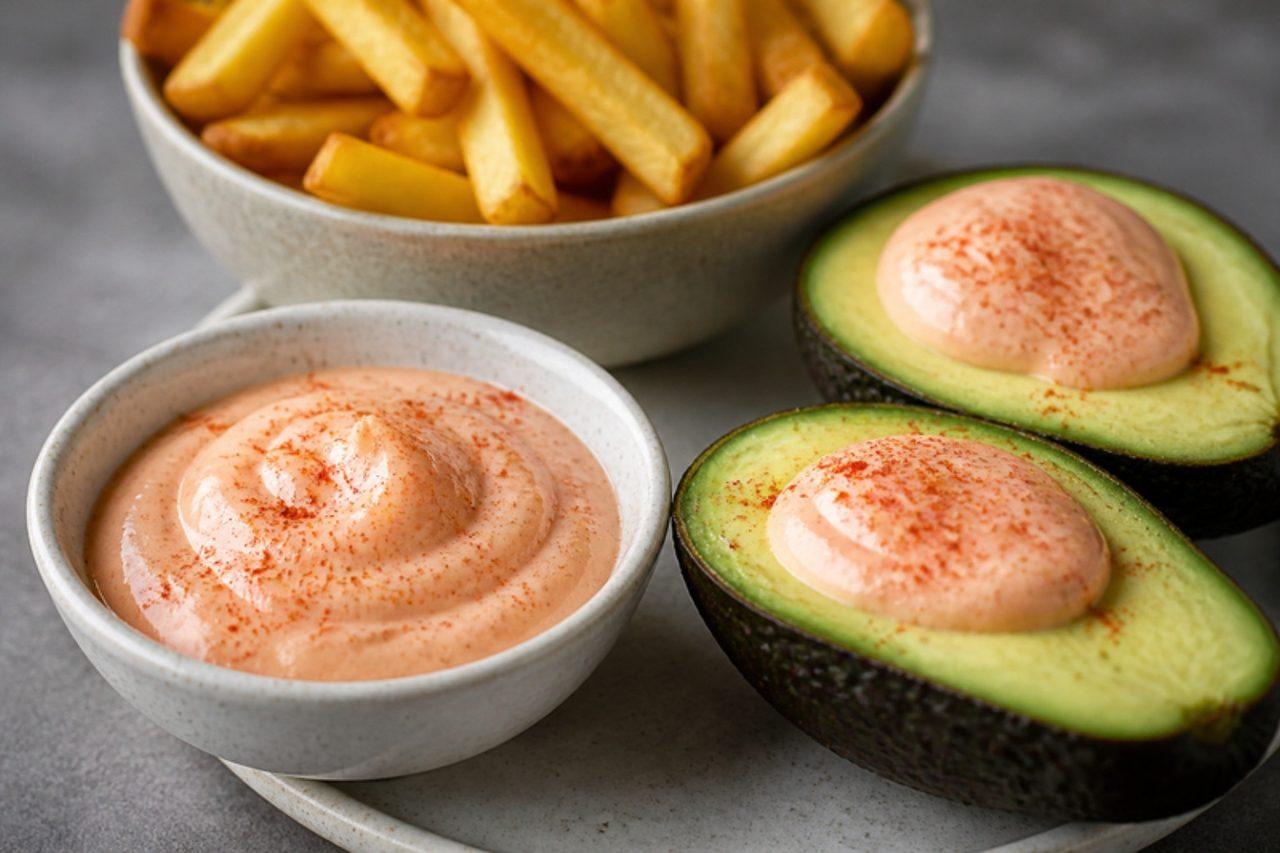
Mar del Plata's golf club gave its name to this sauce in the 1920s, so the story goes, and Argentines have been mixing mayonnaise and ketchup ever since. It is the pink sauce of the 1970s cocktail party and the seaside: spooned into half avocados (palta a la golf), over hearts of palm, onto a cold hard-boiled egg, beside fries or into a prawn cocktail, and every family has its own ratio. A drop of lemon and a dash of mustard lift it from a simple mix to something tangy and creamy. Too much ketchup is the misstep that turns it sweet and orange; it should be a soft salmon pink. Use shop-bought mayonnaise, which is made with pasteurised egg; if you make your own, use pasteurised eggs. Check the labels of the mayonnaise, ketchup and mustard if you need it gluten free. Chef's tip: let it sit in the fridge for 15 minutes before serving; the flavours blend and it thickens slightly.

by KrazyBadal 0 views

Salzburger NockerlSweet soufflé peaks

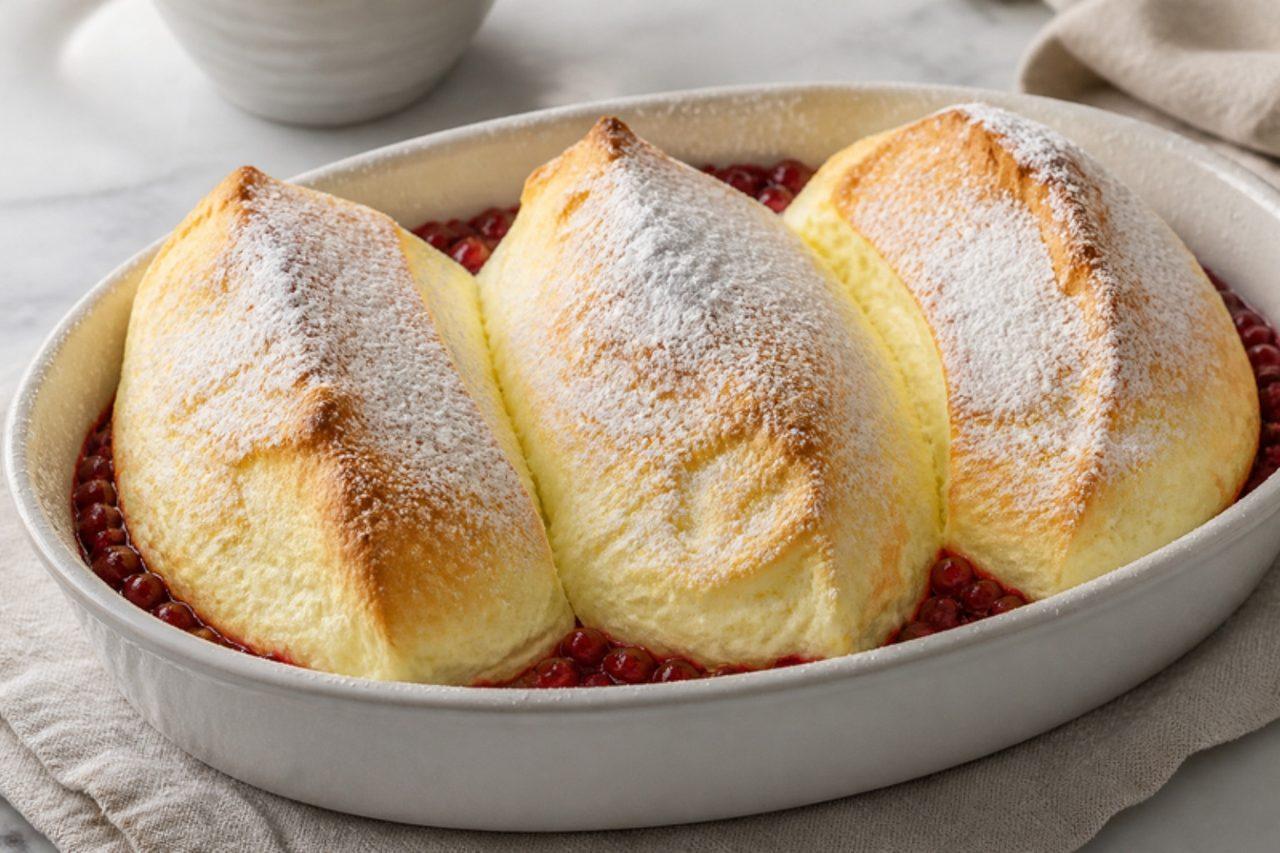
Salzburger Nockerl is the dessert Salzburg serves to visitors after a concert or a walk through the old town: three golden, sugar-dusted peaks said to stand for the hills around the city. Under the airy egg-white soufflé is a layer of tart lingonberries or redcurrants, warmed with vanilla milk in the baking dish. It is meant to be shared from the dish and eaten the moment it leaves the oven, before it sinks. This version uses cornflour instead of wheat flour, so it is gluten free. A common mistake is over-folding the yolks into the whites; streaks are fine, and too much stirring makes it collapse. Chef's tip: keep the oven door shut until the end; the peaks are ready when they are golden outside but still creamy inside.

by KrazyBadal 0 views

Chicken long rice

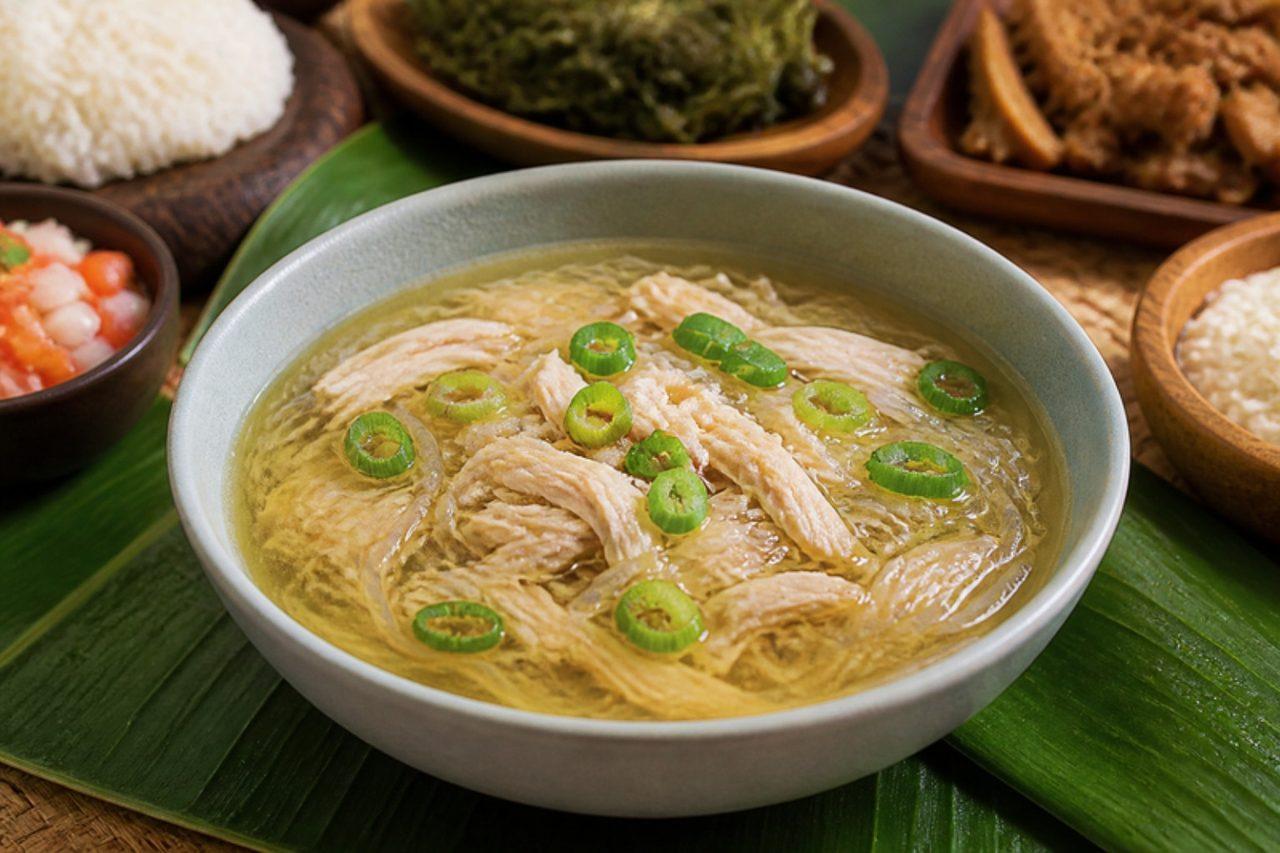
Despite its name there is no rice in it: chicken long rice is a gingery chicken broth with bean thread noodles, brought to Hawaii by Chinese plantation workers and now a fixture at every lūʻau and baby's first-birthday party alongside kalua pig and poi. The glassy noodles soak up the broth until it is almost a stew. Chef's tip: soak the noodles and cut them into short lengths before they go into the pot, or you get one long, tangled clump.

by KrazyBadal 0 views

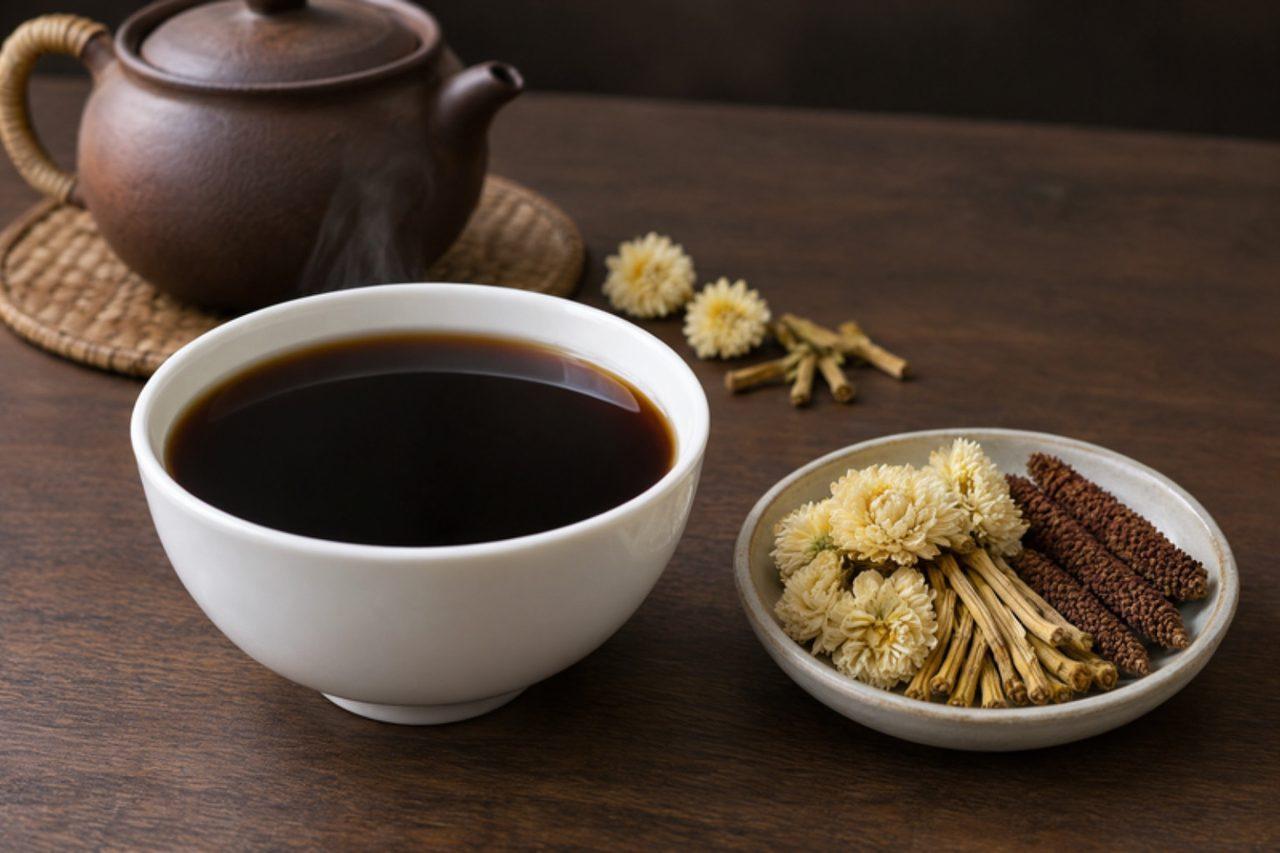
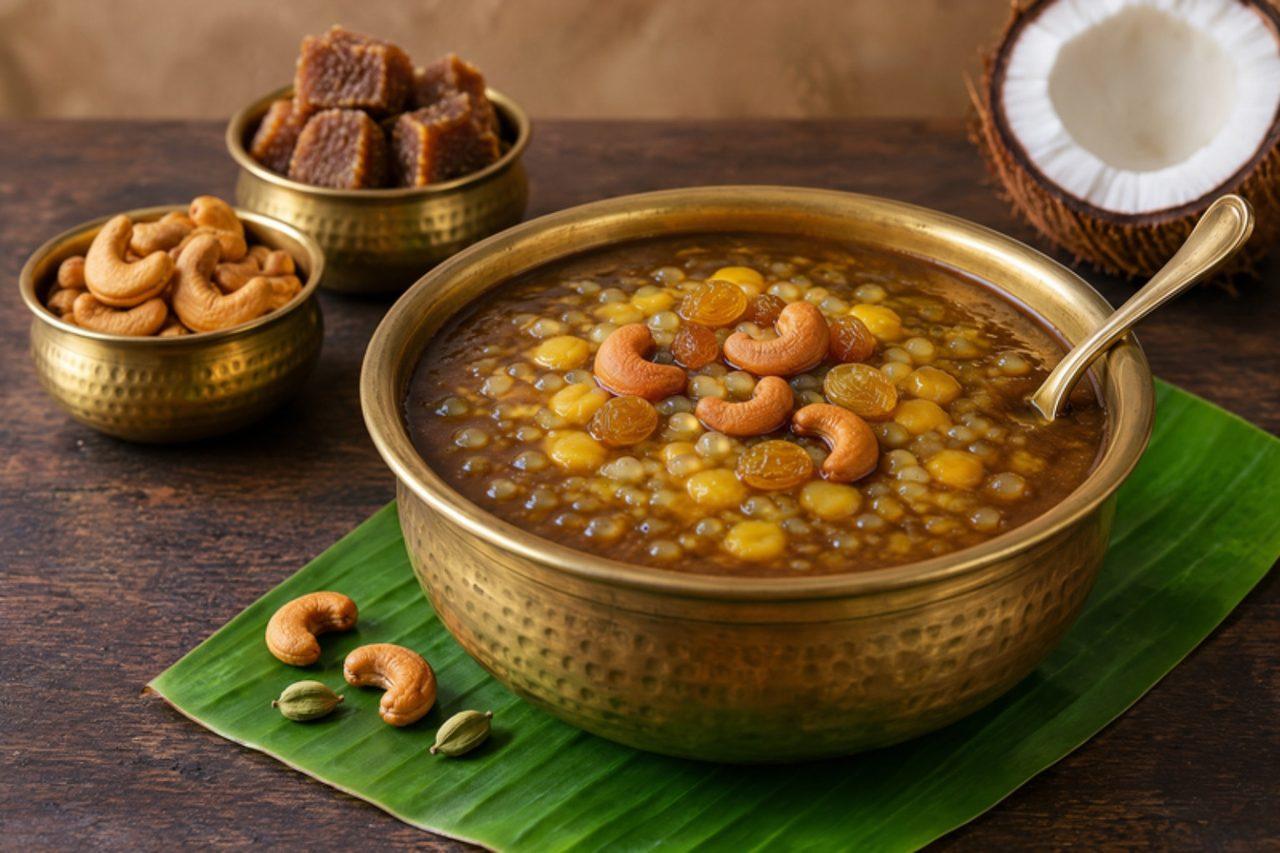
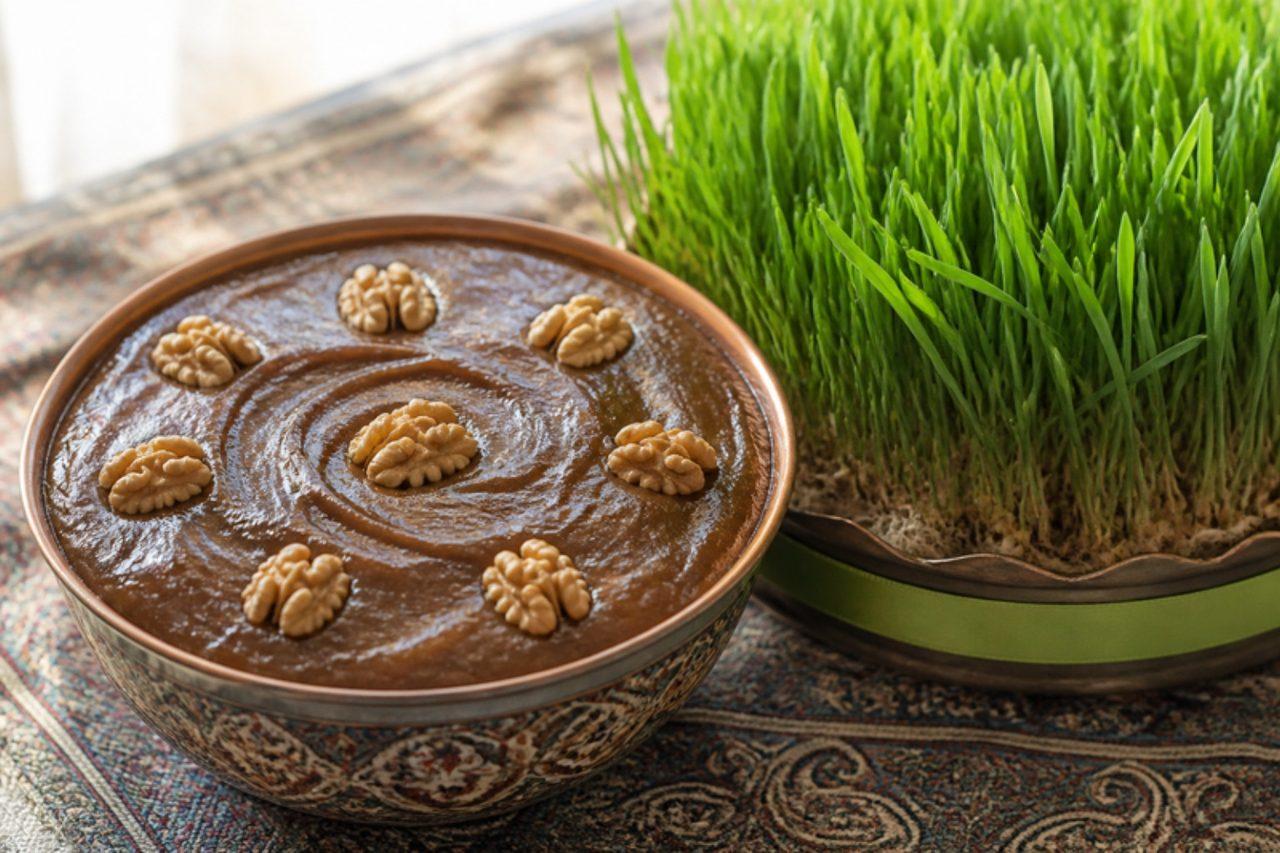
SamanuSprouted wheat pudding

Samanu is one of the seven 's' items on the Nowruz haft-sin table, standing for strength and abundance, and in many neighbourhoods of Tehran and Shiraz women still gather to stir the great pot through the night, singing and taking turns. It is made from nothing but sprouted wheat juice and flour, cooked very slowly for many hours until the natural malt sugars caramelise into a thick, toffee-brown, gently sweet pudding. This home version uses a smaller batch, but it still takes days of sprouting and a long, patient simmer. The common mistake is turning the heat up to rush it, which scorches the base and makes the samanu bitter. Chef's tip: drop a few clean walnut halves into the pot near the end; tradition says whoever finds one in their bowl will have a lucky year.

by KrazyBadal 0 views

Showing 36 of 7,762 recipes

Show more recipes

Page 506 of 863