


Skip to content
Miyeok guk with beef
Featured recipe

Miyeok guk with beef

Seaweed soup with beef

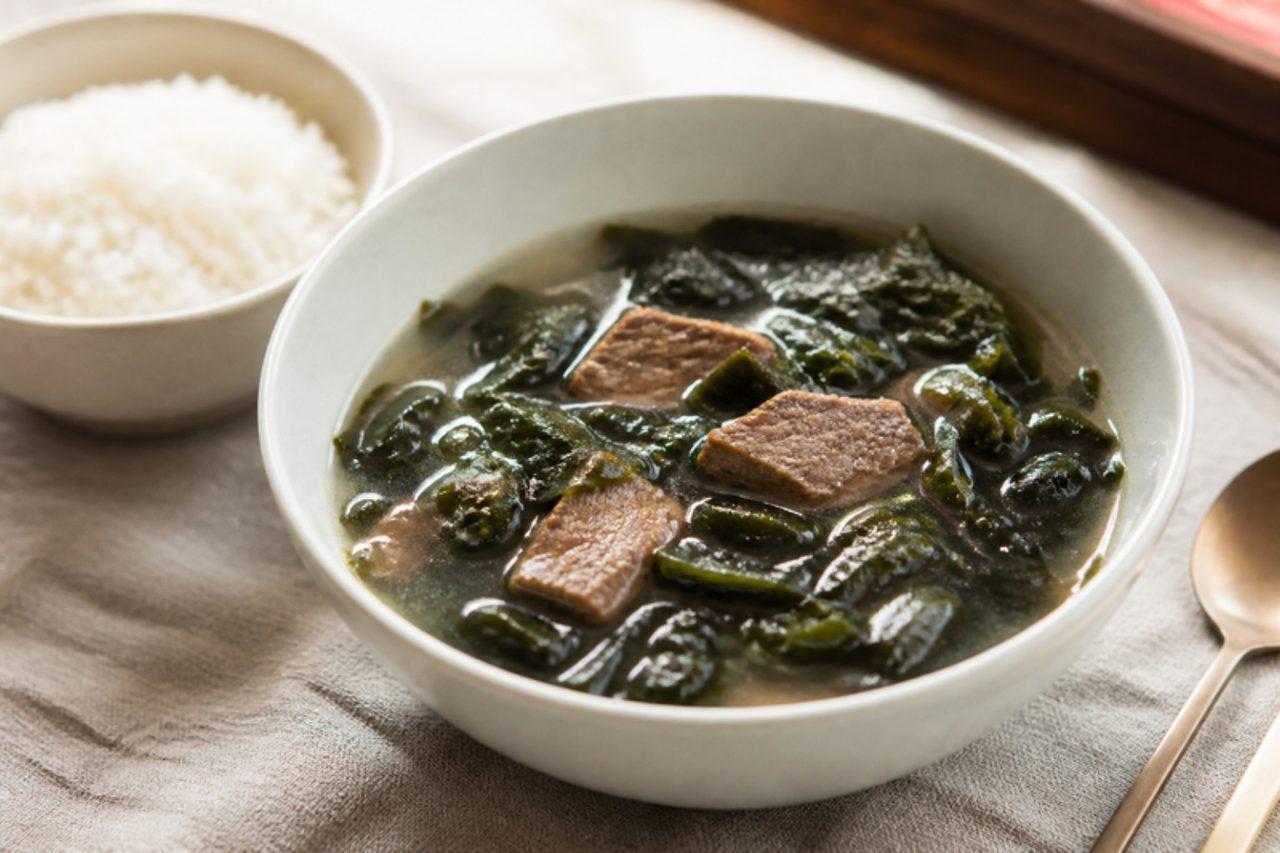
Ask someone in Korea what they ate on their birthday morning and the answer is usually miyeok guk. The same soup is given to new mothers for weeks after a birth, as the seaweed is rich in iodine, calcium and iron. Some students avoid it on exam days, because slippery seaweed is said to make you 'slip' in the test. The broth is clear and mild, made with brisket fried in sesame oil and seasoned with soup soy sauce. Chef's tip: squeeze the soaked seaweed hard and fry it with the beef for a few minutes; it gives the broth a rounder, nutty taste.

Read more 0 views

What to eat today?

Around the world

Today's trip: Paraguayan

A new country every day, from every cuisine on the site.

Paraguayan

Chipa

Cheese bread rings 50 minMore from Paraguayan (27) →

This week's collection

Kid-friendly dinners
537 recipes · a new collection every Monday

Latest recipes

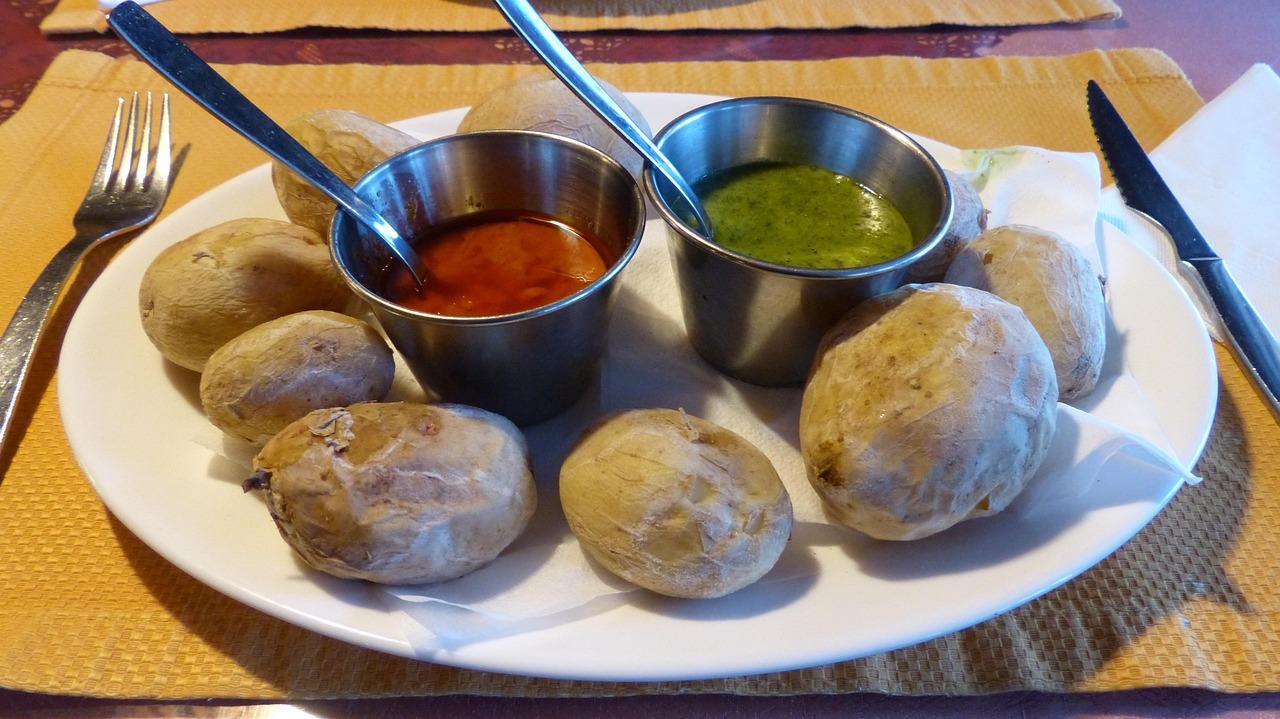
Papas arrugadas con mojo picónWrinkled potatoes with red pepper sauce

No meal in the Canary Islands seems complete without a bowl of papas arrugadas, small potatoes boiled in water as salty as the Atlantic until their skins wrinkle and frost over with white salt. In every guachinche, the pop-up wine-farm eateries in the hills of northern Tenerife, they arrive with a pot of mojo picón, a thick, garlicky sauce of dried red peppers, cumin, paprika and vinegar. Eat them skin and all, dragged through the mojo. Chef's tip: once drained, put the pot back on a low heat and shake it for a minute or two, as that drying is what forms the wrinkles and the salt crust.

by KrazyBadal 0 views
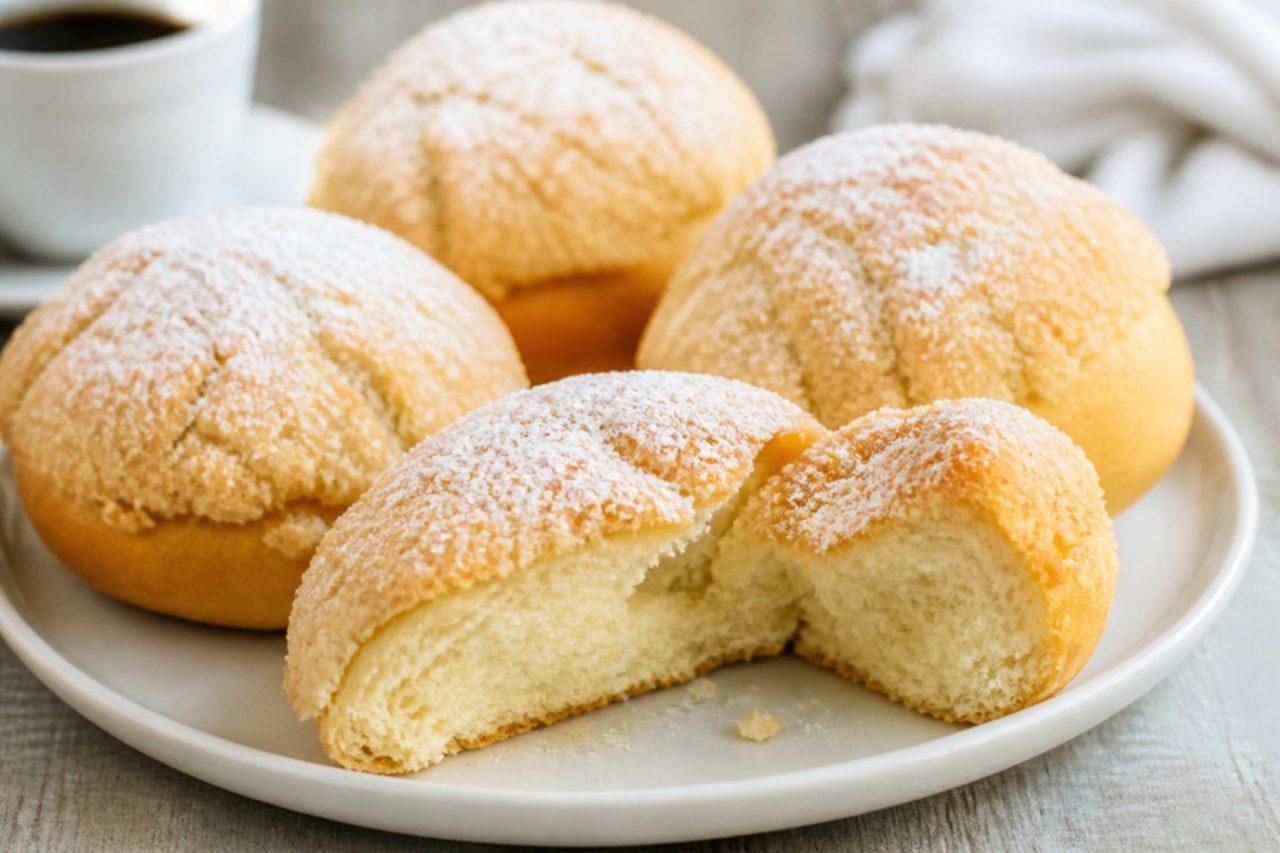
Waterford blaaSoft white bread rolls

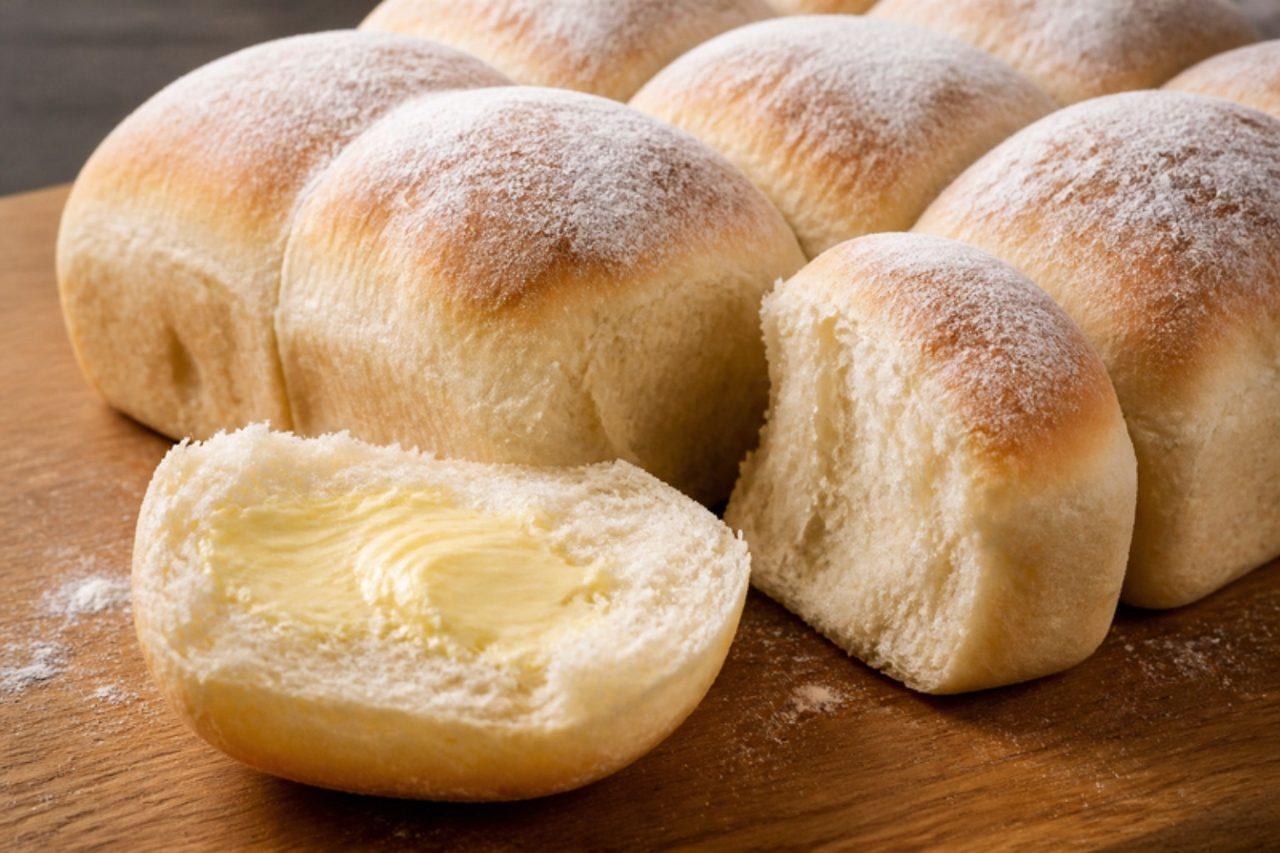
The blaa is the soft white roll of Waterford city, said to have been brought by French Huguenot bakers in the 1700s, and it carries protected status in Europe. The rolls are proofed close together and dusted thickly in flour, so they have pale, tender sides and a fine, white floury crust. Waterford people eat them for breakfast with butter, or split and filled with crisps or a 'rasher blaa'. Chef's tip: bake them touching each other in a hot oven for only a short time; they should stay pale and soft, never crusty.

by KrazyBadal 0 views

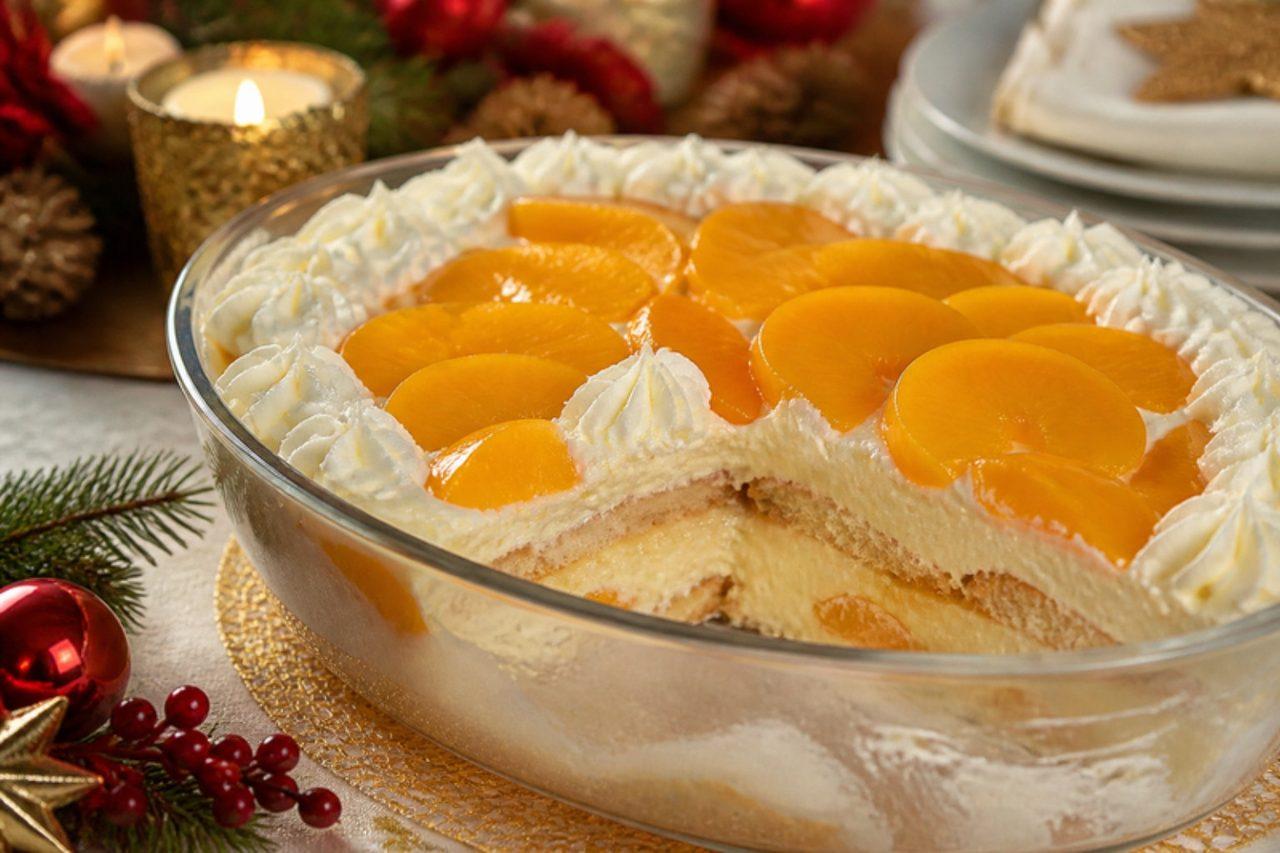
Pavê de pêssegoLayered peach biscuit dessert

No Brazilian Christmas or New Year table feels complete without a glass dish of pavê in the fridge, and the old joke at every family supper is 'é pavê ou pra comer?' ('is it pavê or is it for eating?'). Rows of Maria or champagne biscuits are softened in milk or peach syrup, then layered with a thick vanilla custard made from condensed milk and egg yolks, sliced peaches and a cloud of whipped cream. It is cool, creamy and fruity, a relief after a heavy ceia. Chocolate pavê is just as common: replace the peaches with a chocolate layer, as in the tip. Too much soaking liquid is the classic fault, and the dessert collapses into a pool in the base. Chef's tip: dip each biscuit for a single count in the syrup; they keep softening overnight in the custard. For chocolate pavê, stir 100 g melted dark chocolate into half the custard and layer it in place of the peaches.

by KrazyBadal 0 views

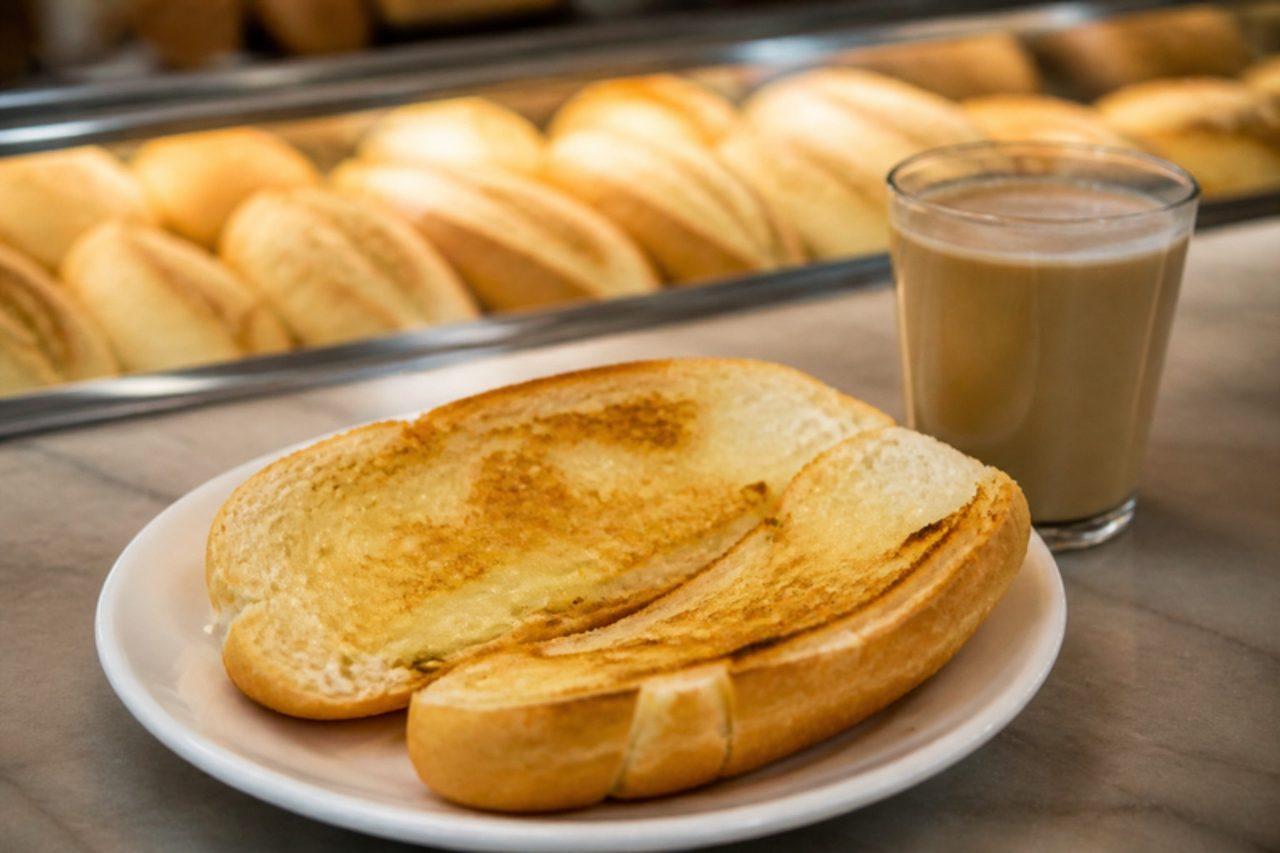
Pão na chapaGriddled buttered roll

Stand at the counter of any São Paulo padaria at seven in the morning and you will hear the order a hundred times: 'um pão na chapa e um pingado'. A pão francês, the city's crusty little roll, is split, spread generously with salted butter and pressed cut-side down on the griddle until the crumb turns golden, crisp at the edges and soaked with butter, while the crust stays crackly. It comes with a café com leite and nothing else. At home a heavy frying pan and a second pan to press it do the job. The trap is a pan that is too hot, so the butter burns before the bread toasts; use a medium heat. Chef's tip: butter right to the edges and press the roll down firmly with a spatula or small pan, so the whole surface touches the metal and browns evenly.

by KrazyBadal 0 views

SericaiaCinnamon baked egg custard

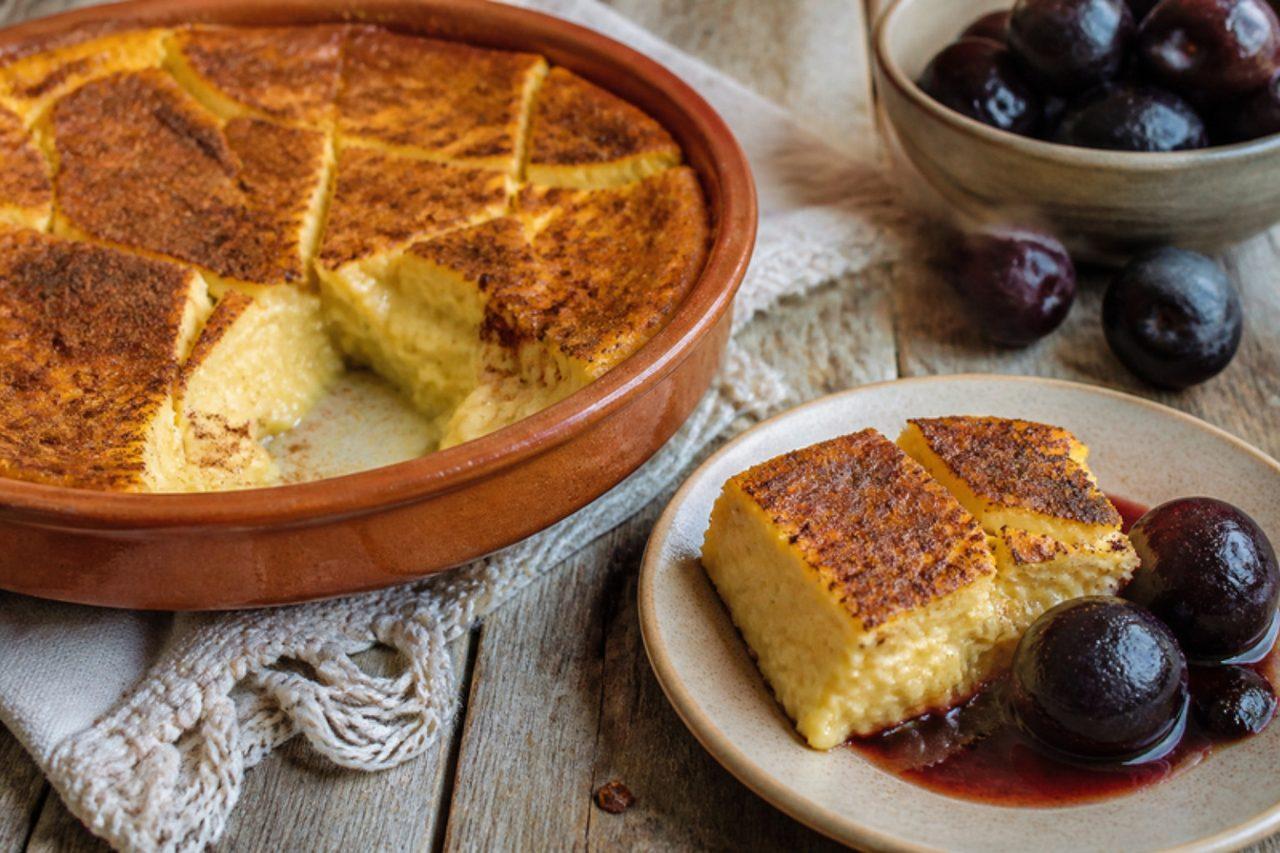
Sericaia is the pride of Elvas, on the Spanish border, and of Alentejo convent baking: a light custard of eggs, milk and sugar lifted with beaten whites, spooned into a clay dish, dusted with cinnamon and baked until it puffs and splits into deep cracks. It is always served with Elvas plums in syrup, whose sharpness cuts the sweetness; any good plums poached in syrup will do. It is a Sunday and festive dessert across the region. A common mistake is spreading the mixture smooth: drop it in large spoonfuls so it bakes into the craggy, cracked top that defines it. Chef's tip: cook the yolk custard until really thick before folding in the whites; a thin custard collapses in the oven.

by KrazyBadal 0 views

Pé de molequePeanut brittle

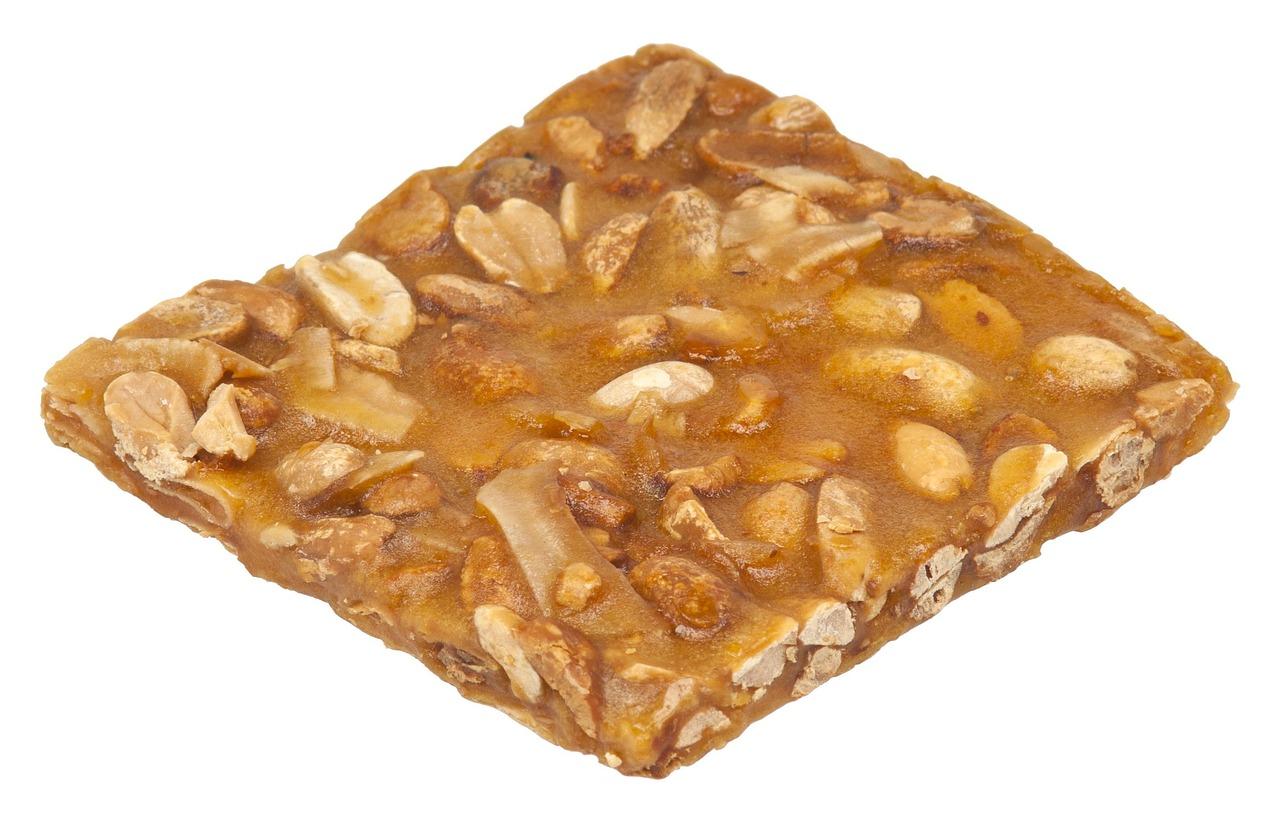
Lumpy, glossy slabs of peanut set in dark sugar are sold in every rodoviária snack bar and handed round at festa junina, wrapped in cellophane or set in little paper cups. The name, 'street-kid's foot', probably comes from the cobbled look of the top. Piracicaba in São Paulo state is famous for it, and in the Northeast the same name can mean a cassava cake, so expect confusion. This is the crunchy southeastern style: roasted peanuts cooked into rapadura (unrefined cane sugar) until it caramelises and clings. Rapadura or panela is sold in Latin shops; dark muscovado is a fine substitute. People burn it by walking away; once the peanuts go in, the sugar darkens in seconds. Chef's tip: have the oiled tray ready before you start, because the mixture sets almost as soon as it leaves the heat.

by KrazyBadal 0 views

Queijo coalho assadoGrilled squeaky cheese skewers

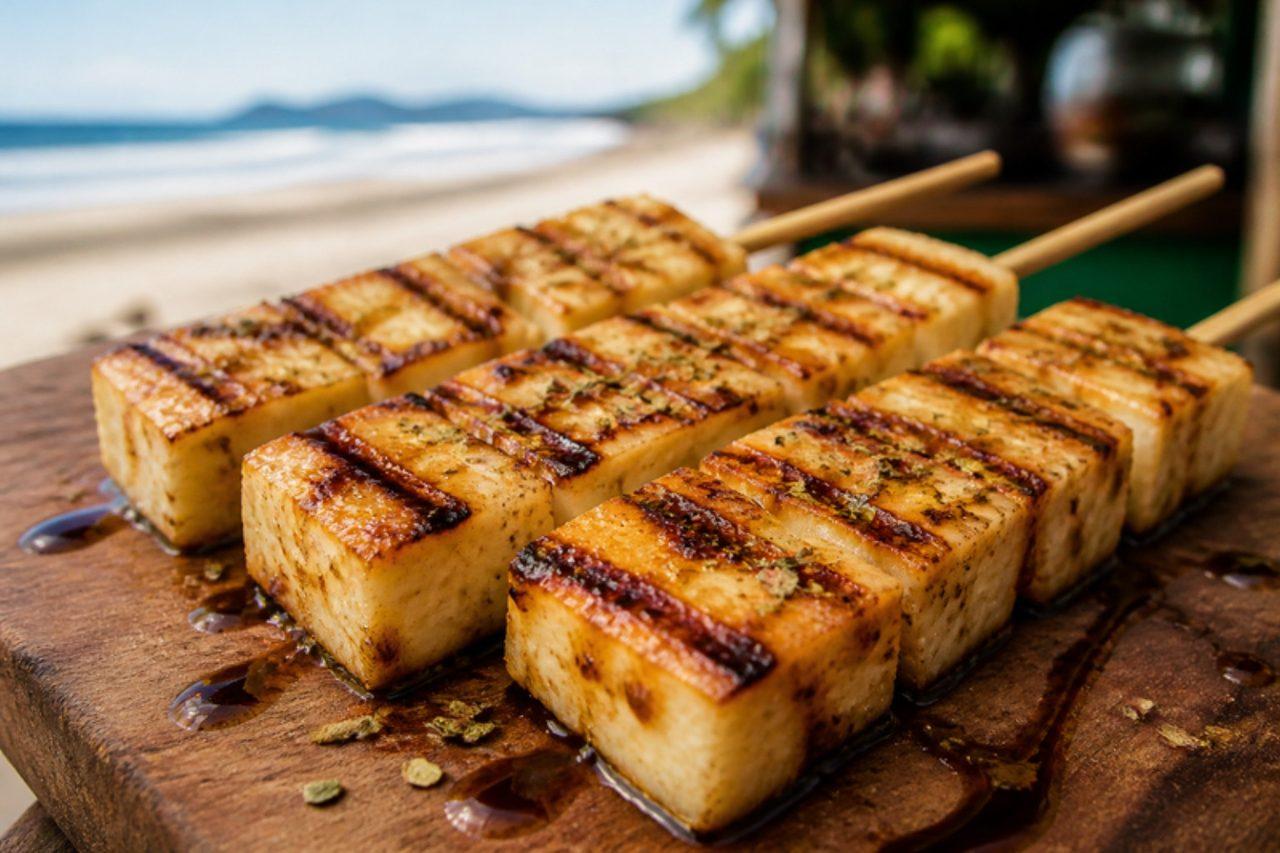
Along the beaches of Recife, Porto de Galinhas and Fortaleza, vendors walk the sand with a small charcoal brazier, toasting sticks of coalho cheese to order. Coalho is a firm, salty curd cheese that holds its shape over the heat, so it browns and blisters on the outside while the inside turns soft and squeaky. Buyers choose it plain, sprinkled with dried oregano, or drizzled with dark sugarcane molasses for a salty-sweet bite. At home it works on a barbecue, a ridged griddle or under a hot grill, and makes a good starter for a churrasco. Most coalho is made with animal rennet, so look for one labelled vegetarian or with microbial rennet, or use a vegetarian halloumi. Everyone's first error is turning the cheese too soon: it tears and sticks until a crust has formed. Chef's tip: pat the sticks dry and brush the grill, not the cheese, with oil, so the crust forms quickly and releases cleanly.

by KrazyBadal 0 views

Pejelagarto asadoGrilled fish with green salsa

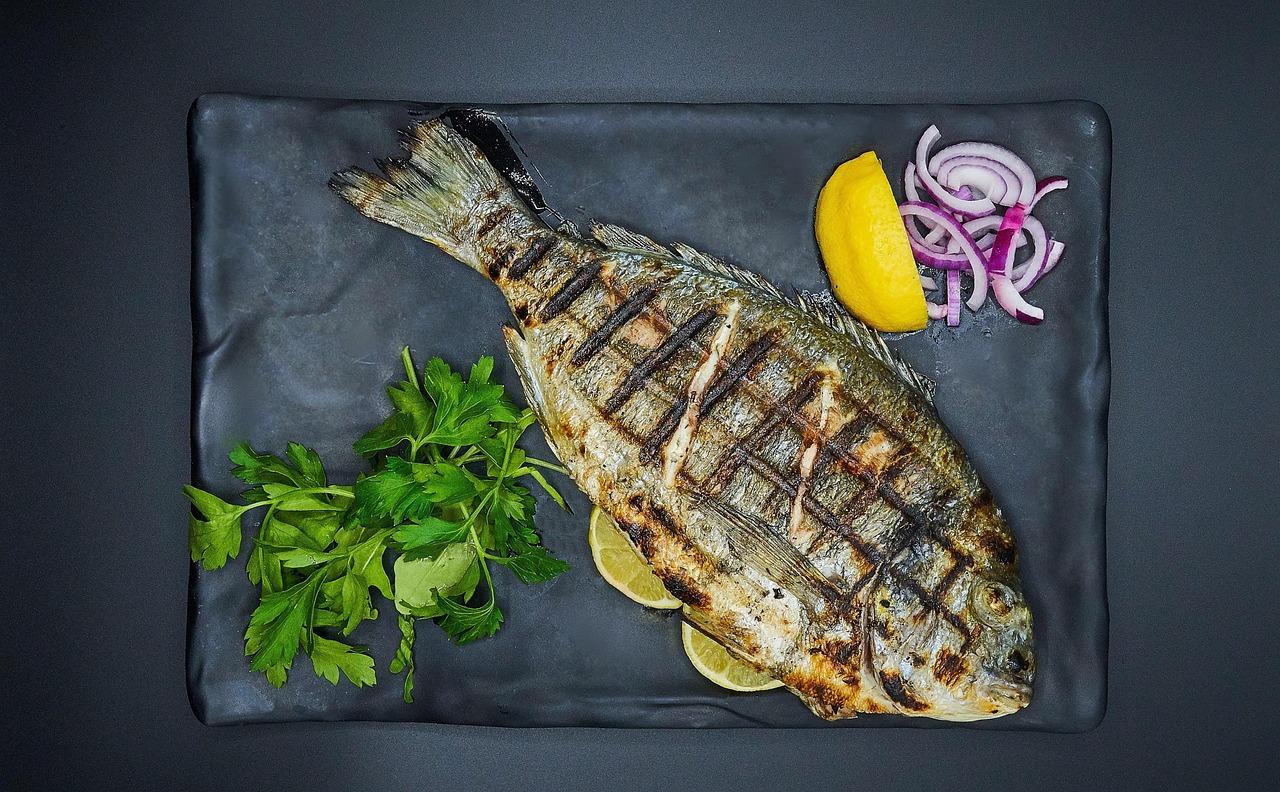
In Tabasco, pejelagarto, a prehistoric-looking freshwater gar from the rivers and lagoons, is skewered and grilled whole over wood in its armoured skin, then eaten with tortillas, lime and fierce chile amashito at roadside stands around Villahermosa. The fish is almost never sold outside the region, so this is a practical version using any firm white fish, such as snapper, sea bass or thick hake fillets, grilled until smoky and served with a bright green tomatillo salsa. Serrano or bird's eye chillies stand in for amashito. Serve with warm corn tortillas for tacos. Chef's tip: oil the fish, not the grill bars, and leave it alone for the first few minutes so the skin releases by itself.

by KrazyBadal 0 views

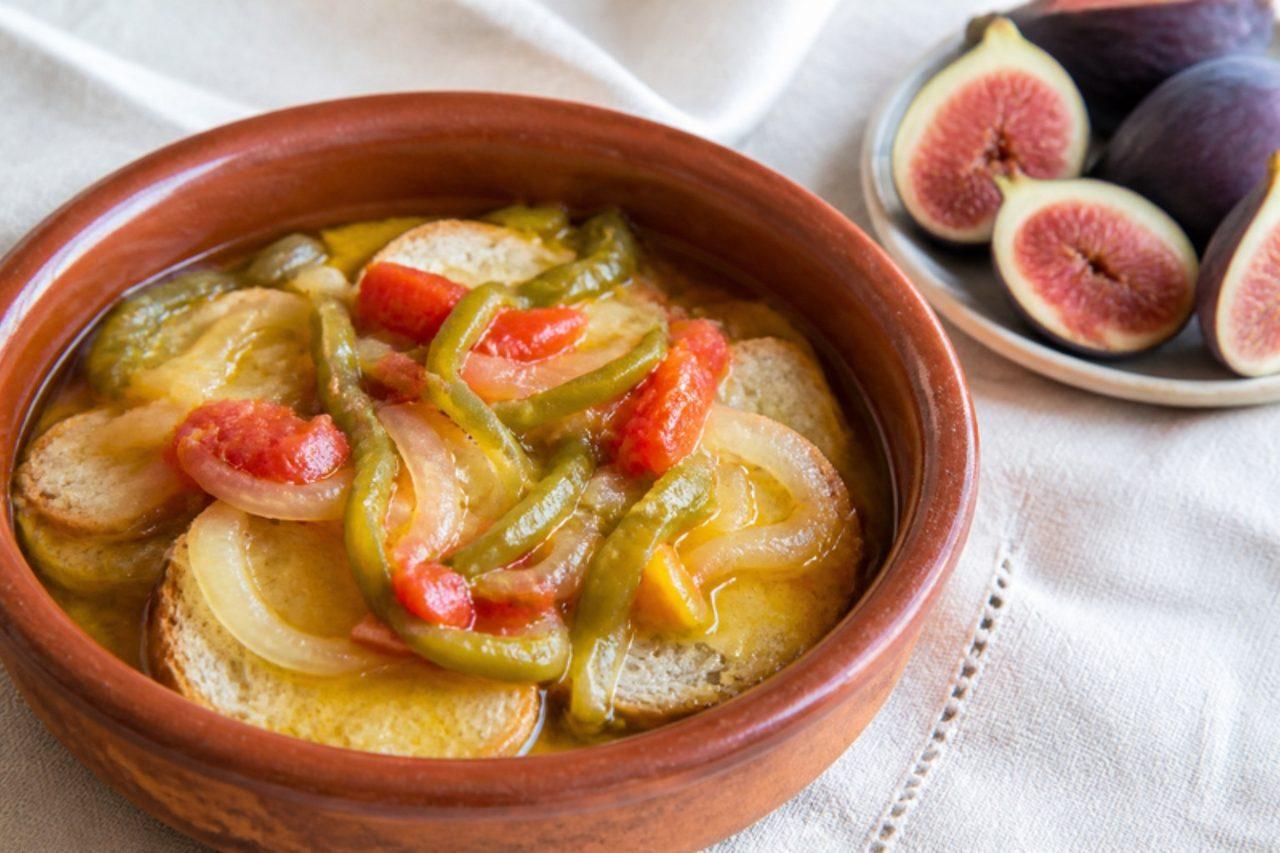
OliaiguaOnion, pepper and tomato soup

The name is simply oli i aigua, oil and water, and that is how Menorcan farm workers started it: a pan of olive oil, a little water and whatever the vegetable patch offered, poured over slices of hard bread. Today oliaigua amb tomàtigues is a July and August supper all over the island, from Ciutadella to Maó, slow-cooked onion, green pepper and ripe tomato in a light broth. Menorcans eat it with fresh figs or grapes on the side, which sounds odd and works beautifully. Chef's tip: the bread must be stale and sliced paper-thin, so it softens in the broth without dissolving into paste.

by KrazyBadal 0 views

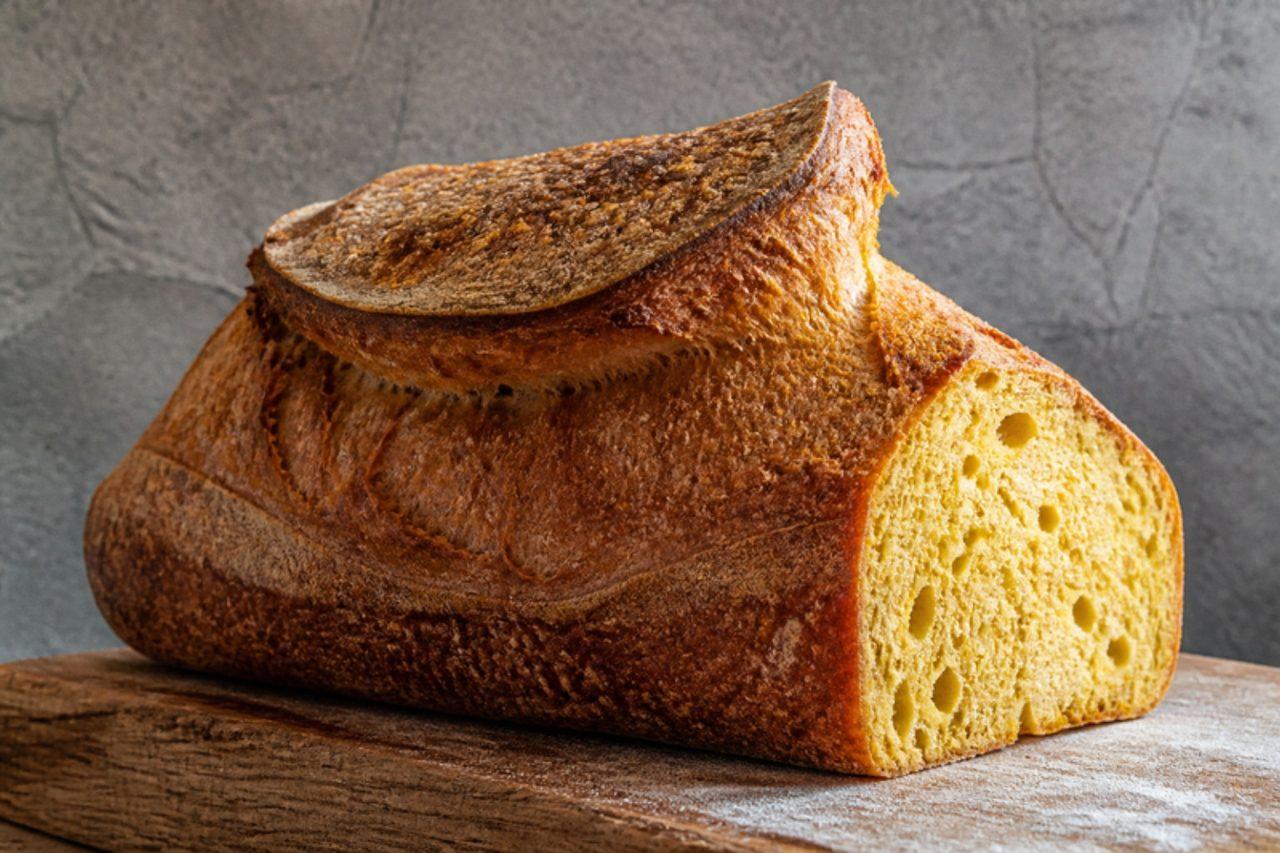
Pane di MateraDurum wheat sourdough bread

Matera's bread is a big golden loaf of durum-wheat semolina and sourdough, with a thick crackling crust and a crumb the colour of straw that stays moist for a week. It is shaped into a horned cornetto or a high-backed loaf, and until the 1950s families in the Sassi took their dough to the communal oven, each loaf marked with a carved wooden stamp so it came back to the right house. It is still eaten every day in the city, sliced thickly with olive oil and tomato or soaked in soups. Plan over two days, with a cold rise overnight. Chef's tip: feed your starter with semolina the day before, so its flavour matches the dough.

1440 minItalianBakingVegan
by KrazyBadal 0 views

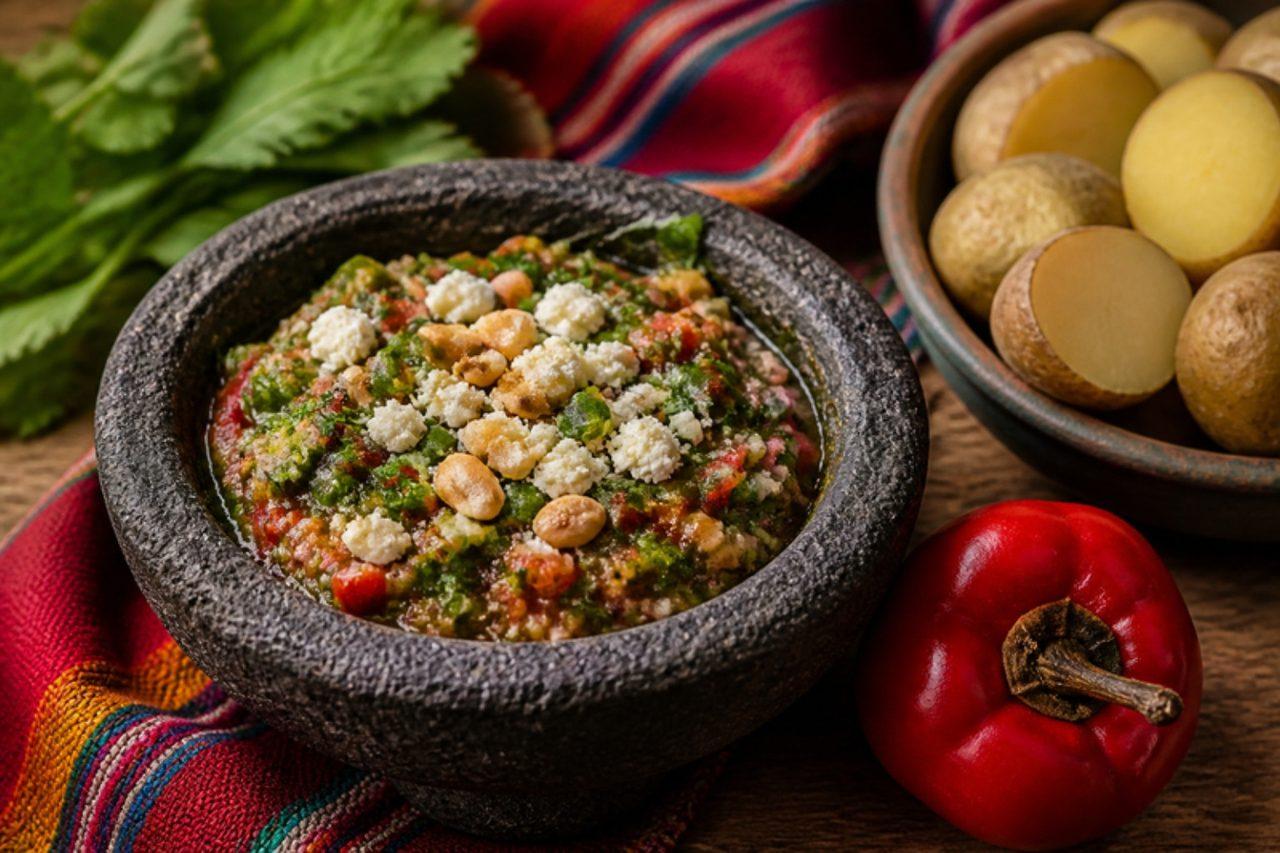
UchucutaRocoto and peanut chilli sauce

Ground on a batán, the flat grinding stone found in Andean kitchens, uchucuta is the table sauce of Ayacucho and Cusco: rocoto or yellow chilli crushed with huacatay, toasted peanuts and a little fresh cheese into a thick, speckled green-red paste. It goes on boiled potatoes, choclo, broad beans and huatia, and on festival days it sits next to every plate. The flavour is hot, herby and nutty, with a salty creaminess from the cheese. The name comes from the Quechua uchu, chilli, and it is meant to be spicy, but people often add all the rocoto at once and end up with something inedible; blend in half, taste and build up. A food processor or blender will do the work of the stone, though pulse it so the sauce keeps some texture. Queso fresco is usually made with animal rennet, so choose a vegetarian fresh cheese if you prefer. Chef's tip: toast the peanuts yourself until just golden; their warmth softens the raw sharpness of the chilli.

by KrazyBadal 0 views

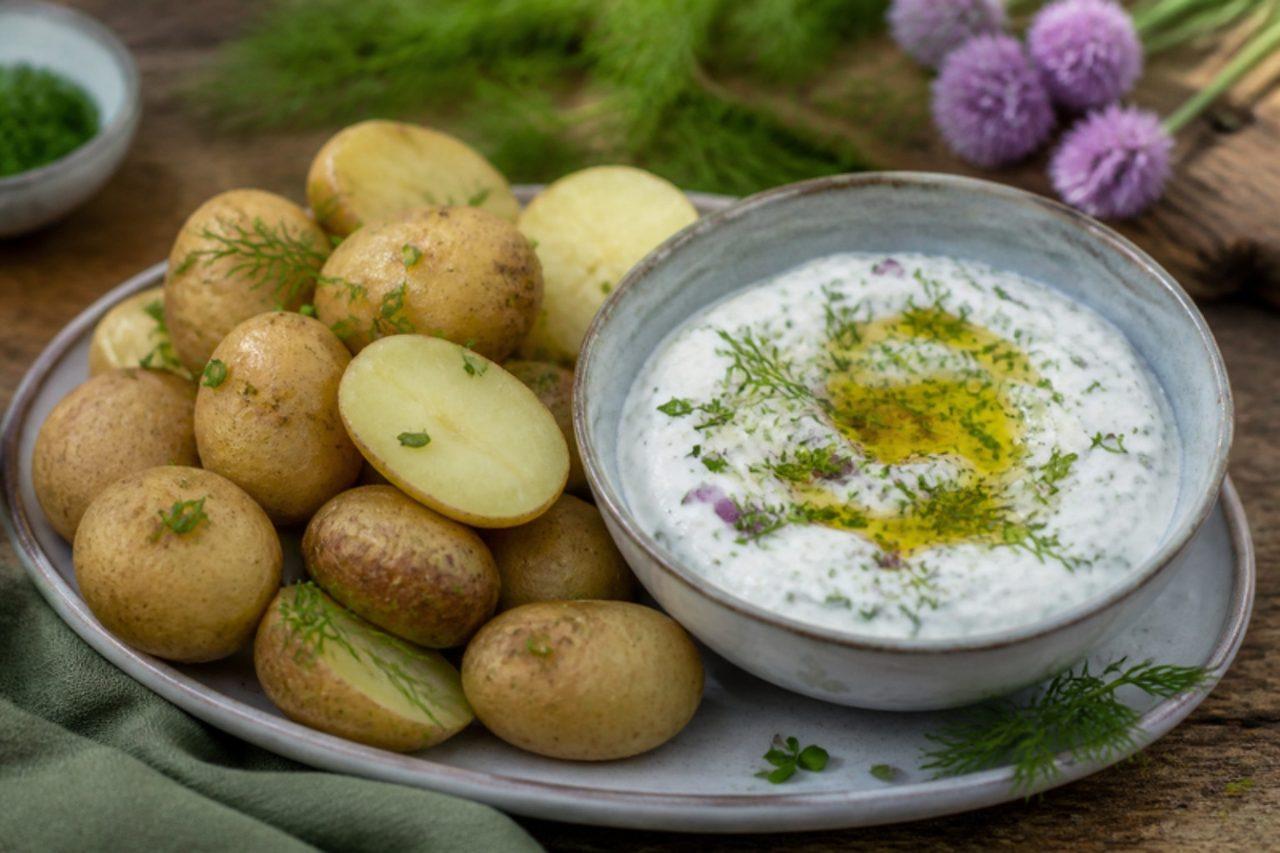
Pellkartoffeln mit Quark und LeinölJacket potatoes with herb quark

Ask anyone from the Spreewald, the river-and-forest country south-east of Berlin, for the taste of home and many will name this: small potatoes boiled in their skins, a bowl of cold herb quark and a thread of golden, nutty linseed oil poured over the top. It is a weekday supper in Brandenburg and Berlin, cheap, quick and surprisingly filling, often with a Spreewald gherkin on the side. Fresh linseed oil tastes of hay and walnuts; old oil turns bitter and fishy, so buy a small bottle and keep it in the fridge. A common mistake is peeling the potatoes before boiling; cooking them in their skins keeps them firm and flavourful. Chef's tip: beat a splash of milk or sparkling water into the quark, which makes it light and creamy instead of stodgy.

by KrazyBadal 0 views

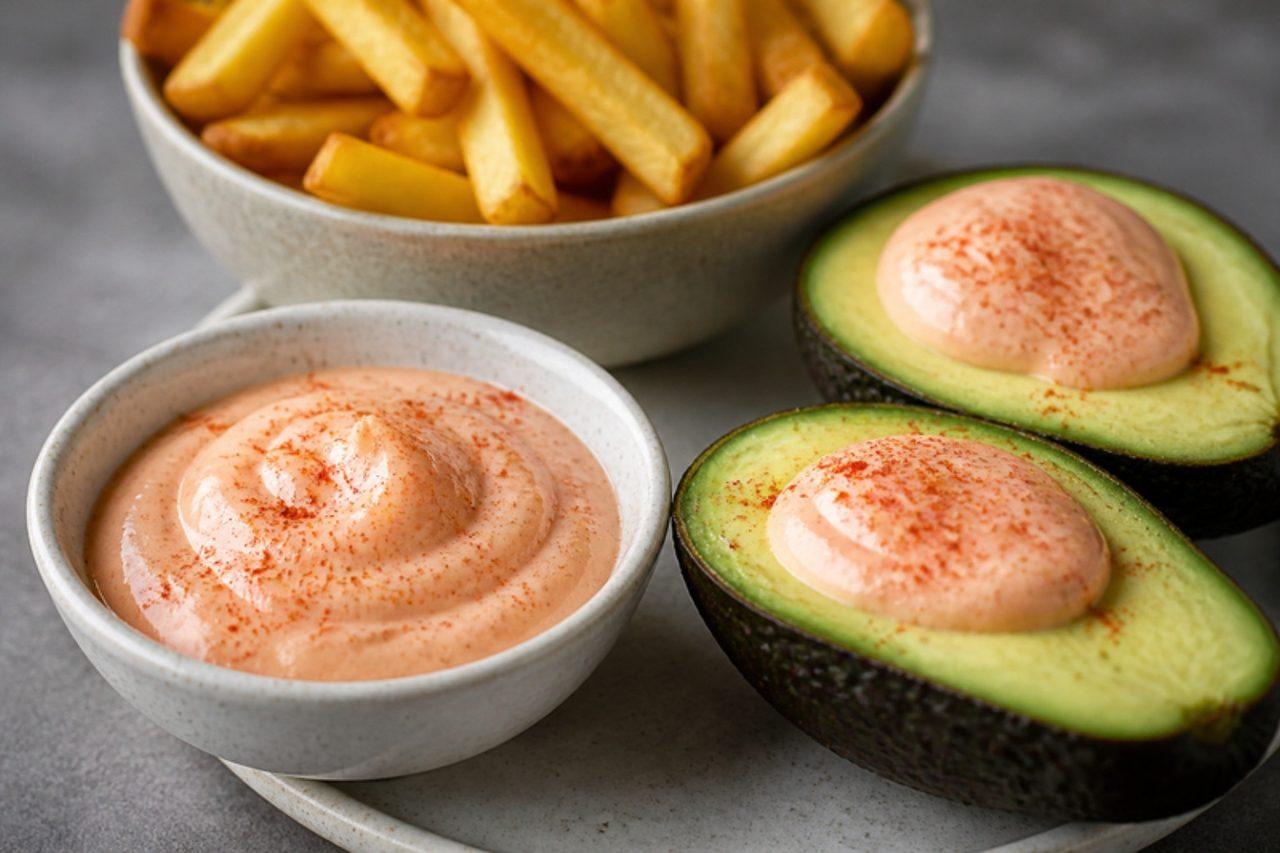
Salsa golfMayonnaise and ketchup sauce

Mar del Plata's golf club gave its name to this sauce in the 1920s, so the story goes, and Argentines have been mixing mayonnaise and ketchup ever since. It is the pink sauce of the 1970s cocktail party and the seaside: spooned into half avocados (palta a la golf), over hearts of palm, onto a cold hard-boiled egg, beside fries or into a prawn cocktail, and every family has its own ratio. A drop of lemon and a dash of mustard lift it from a simple mix to something tangy and creamy. Too much ketchup is the misstep that turns it sweet and orange; it should be a soft salmon pink. Use shop-bought mayonnaise, which is made with pasteurised egg; if you make your own, use pasteurised eggs. Check the labels of the mayonnaise, ketchup and mustard if you need it gluten free. Chef's tip: let it sit in the fridge for 15 minutes before serving; the flavours blend and it thickens slightly.

by KrazyBadal 0 views

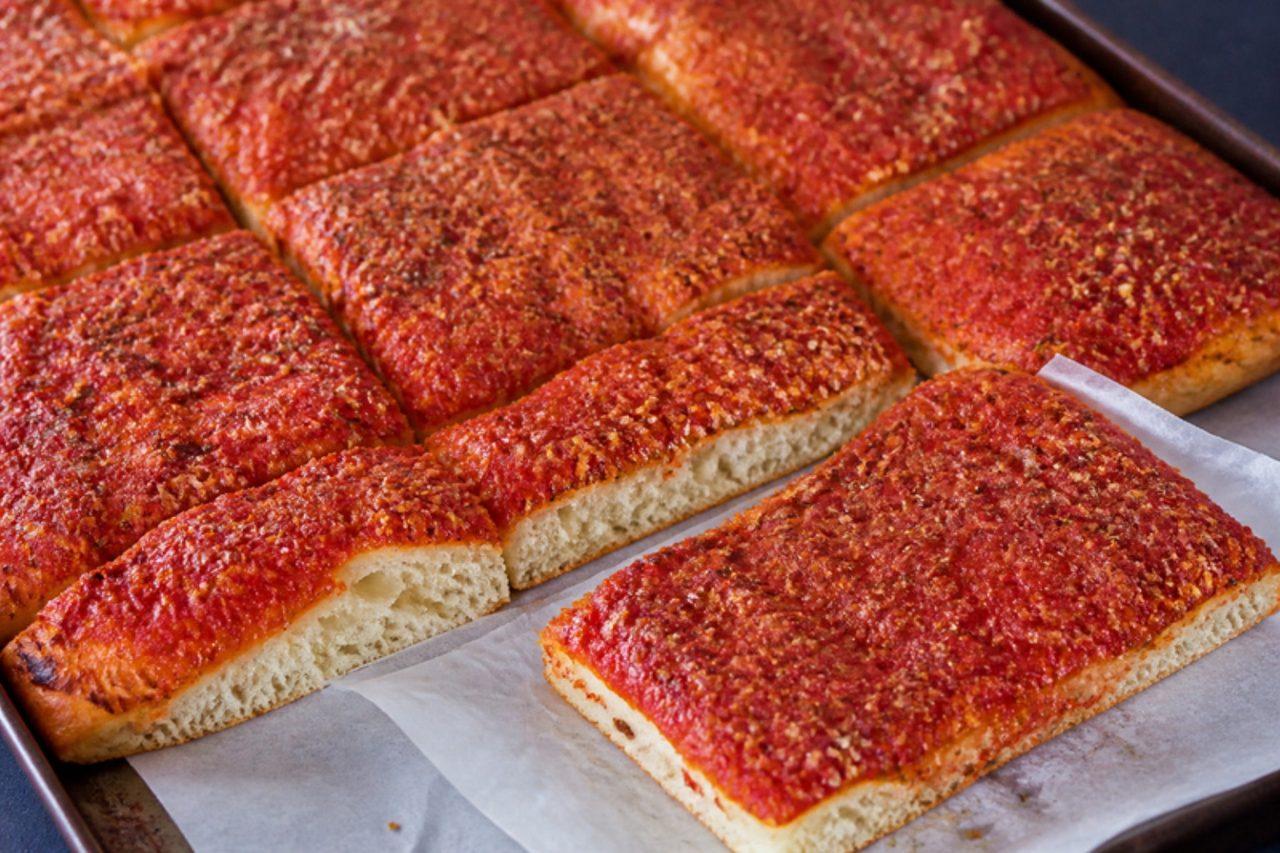
Pizza cancheraCheeseless thick tomato pizza

No cheese at all: that is the whole point of pizza canchera. Vendors walk the terraces at Buenos Aires football grounds with a wicker basket of these thick rectangles wrapped in paper, and the name comes from la cancha, the pitch. Because it is eaten at room temperature, the topping is a heavy, garlicky tomato paste, almost jammy, with dried oregano, a pinch of ají molido (crushed red chilli) and a good slick of olive oil; the base underneath is soft, a little oily and chewy, more focaccia than Neapolitan. Today it also turns up at kids' parties and on Sunday tables as a snack before the asado. Where people slip up is the sauce: a thin, watery sauce soaks the dough and turns it soggy by the time it has cooled, so the tomato has to be cooked down until a spoon leaves a trail. Chef's tip: cut it into squares only once it has cooled for 15 minutes; it will hold its shape like the slices sold in the stands.

by KrazyBadal 0 views

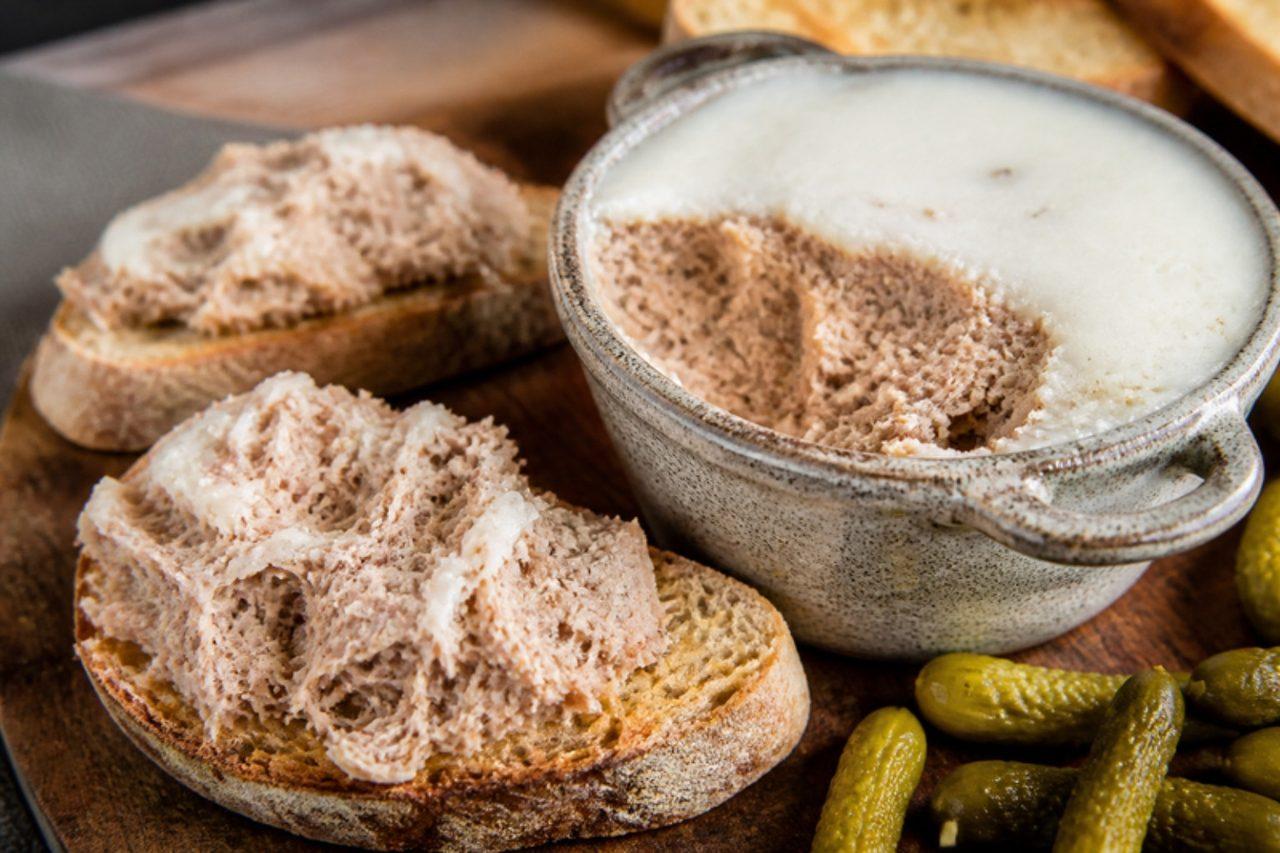
Rillettes de ToursPotted shredded pork

Touraine, the stretch of the Loire Valley around Tours, has made rillettes since the Middle Ages, and every charcuterie counter in the region sells them alongside rillons, their chunky cousins. This is pork through and through: pork shoulder and belly cooked very slowly in their own fat with a little water until they collapse, then shredded with forks into a soft, rich spread that is brown at the edges and deeply savoury. Pots of it go on the table at apéritif time with crusty bread, cornichons and a glass of something cold. Kept sealed under a layer of fat, they last a week in the fridge. Chef's tip: cook it long enough that the meat colours lightly in the fat at the end; that browning is what gives Tours rillettes their deeper taste.

by KrazyBadal 0 views

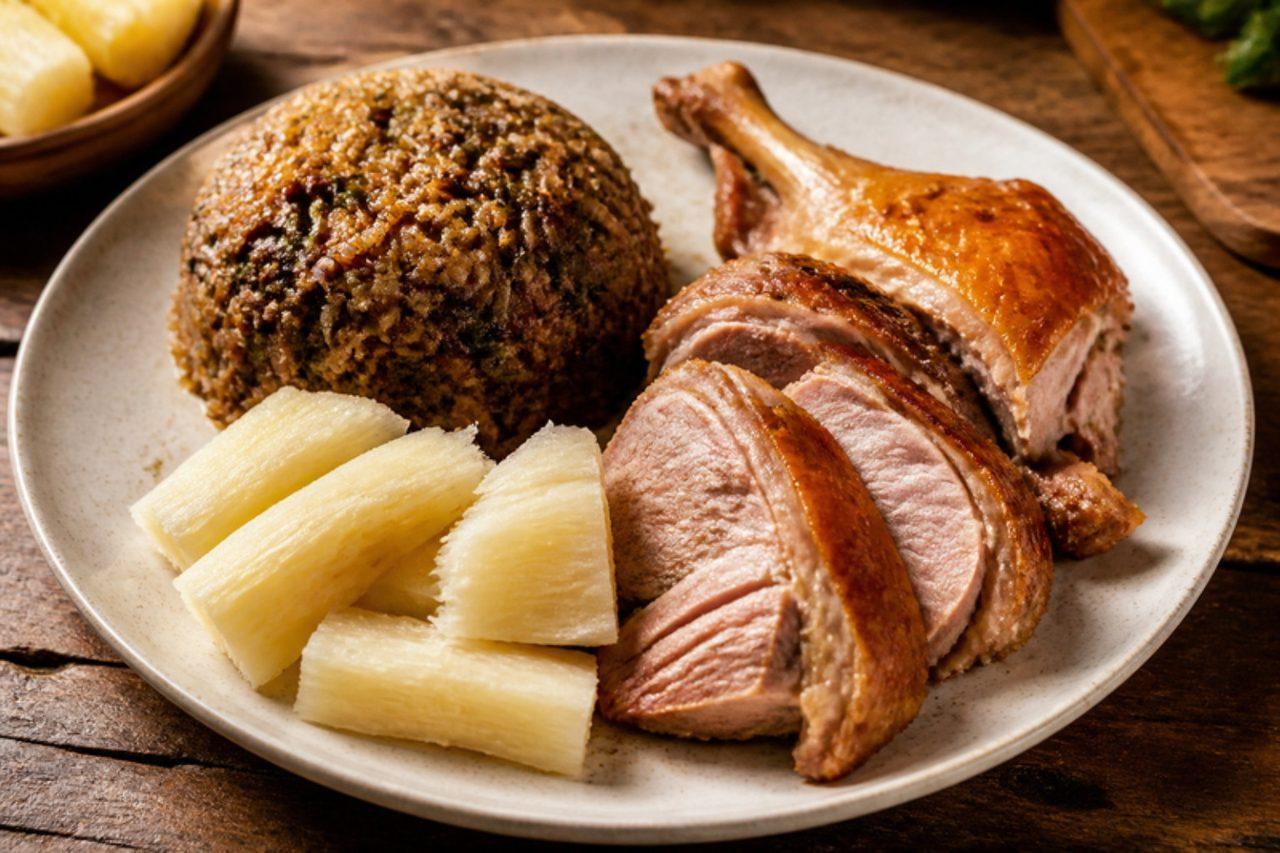
PepitoriaRice with goat offal

Santander's famous plate of cabrito (roast kid goat), sold in Bucaramanga, Barichara and the canyon towns, always comes with pepitoria next to it: rice cooked with the kid's chopped heart, liver and kidneys, a refrito of onion and tomato, and blood, which turns it a deep reddish-brown and gives it a rich, mineral flavour, a little like a soft black pudding. It's a dish that uses the whole animal, and it is worth trying if you like morcilla. Ask a halal, Caribbean or specialist butcher for very fresh goat offal and fresh blood (pig blood works if goat isn't available); keep both cold and cook them the same day. Offal must be cooked right through, and the blood until it has set and darkened with no liquid red left. The usual misstep is adding the blood too early, so that it scorches on the bottom; it goes in when the rice is nearly done. Chef's tip: if blood is impossible to find, double the offal and add 1 tsp extra achiote; you'll get a lighter but still very good rice.

by KrazyBadal 0 views

Postre de guanábanaSoursop cream dessert

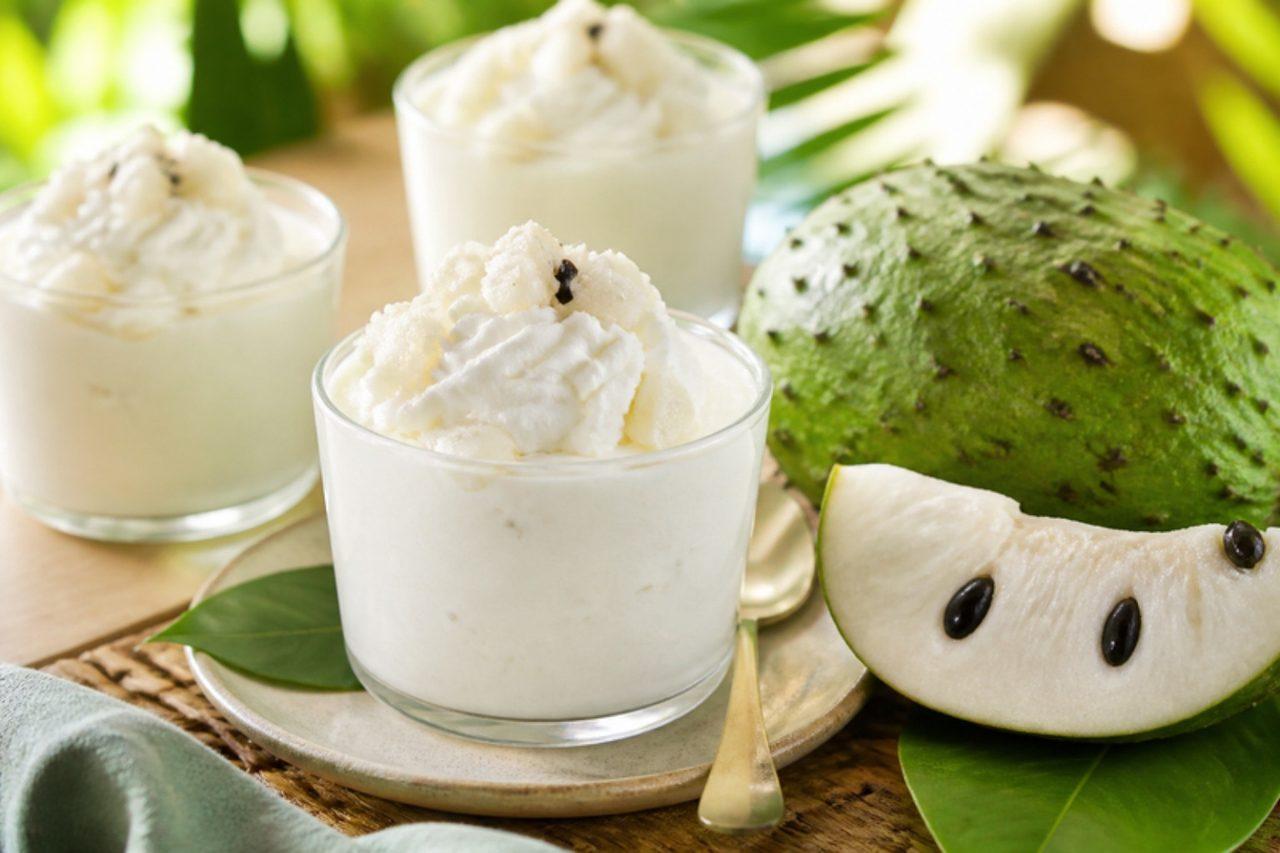
Soursop has a perfume all its own, somewhere between pineapple, banana and citrus, with a creamy white flesh, and Colombians turn it into this no-bake fridge dessert for birthdays, Sunday lunches and Christmas tables. Soursop pulp is blended with condensed milk and lime, then folded through whipped cream and chilled until it sets into a light, mousse-like cream that is sweet, tangy and fragrant. It is served in glasses or one big dish, sometimes with crumbled biscuits on top; leave them out to keep it gluten free. Frozen soursop pulp is sold in Latin American shops and is easier than fresh fruit. If you start from a whole fruit, the error people make is blending the seeds, which are inedible and add bitterness; pick every one out by hand. Plan for at least 4 hours of chilling. Chef's tip: keep back a few spoonfuls of pulp and swirl them over the top just before serving for a sharper finish.

by KrazyBadal 0 views

Tourte de blettesSweet Swiss chard pie

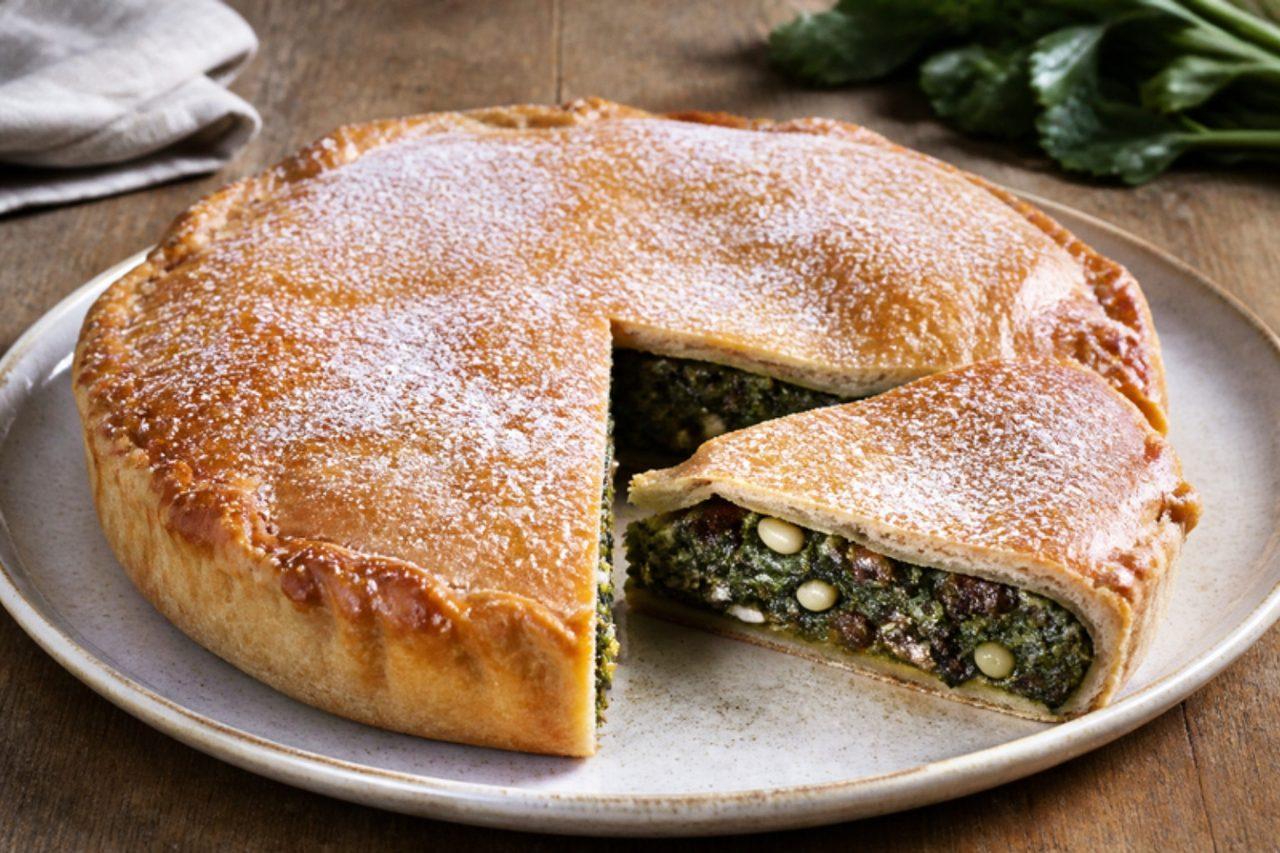
Visitors to Vieux-Nice are often surprised to find a pie of green chard leaves sold as a dessert, by the slice, in the old-town bakeries. The sweet tourte de blettes mixes chard with raisins, pine nuts, apple and a little cheese inside a sugared pastry, and Niçois families set it out on Christmas Eve as one of the thirteen desserts. The raisins are traditionally plumped in rum or marc; warm orange juice is used here, so it is alcohol-free. Parmesan is made with animal rennet, so pick a vegetarian hard cheese if you need to. Chef's tip: use only the green leaves; the white ribs make the filling watery, but keep them for a gratin.

100 minFrenchBaking
by KrazyBadal 0 views

Sfakiani pitaCheese pancakes with honey

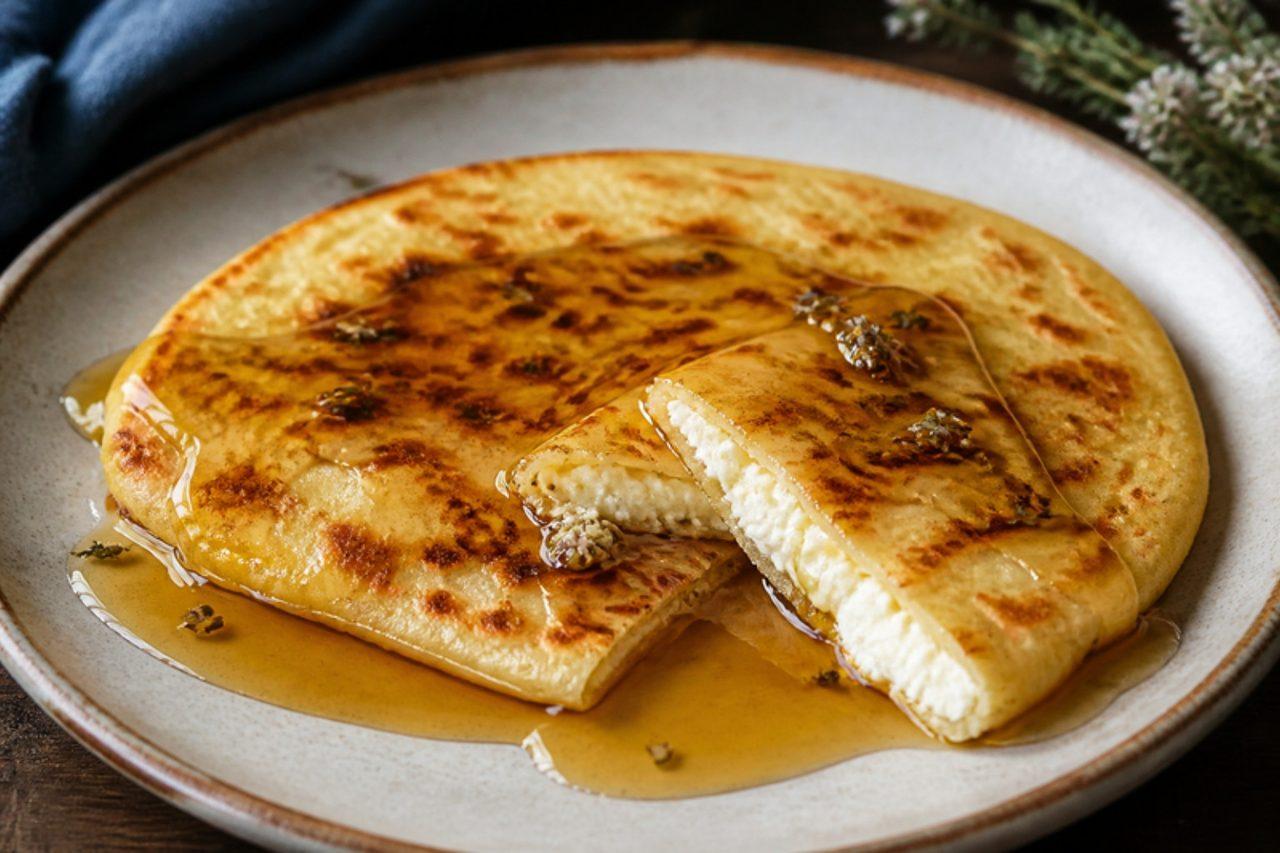
Shepherds in the mountains of Sfakia, on Crete's wild south coast, made these with what they had on hand: flour, oil, a ball of fresh cheese and the thyme honey from their hives. A soft dough is wrapped around the cheese, rolled out as thin as a plate and cooked in a dry pan, then eaten hot with honey running over it, for breakfast or as a late sweet with Greek coffee. Village cooks often add a splash of raki to the dough; here lemon juice does the same job and keeps it alcohol-free. The cheese is fresh mizithra, or use ricotta, which is usually rennet-free. Common mistake: cooking over too high a heat, which scorches the outside before the thin layer of cheese inside warms through. Chef's tip: roll from the centre outwards and give the disc a quarter turn each time so the cheese spreads evenly to the edge.

by KrazyBadal 0 views

Perde pilavıChicken pilaf in pastry dome

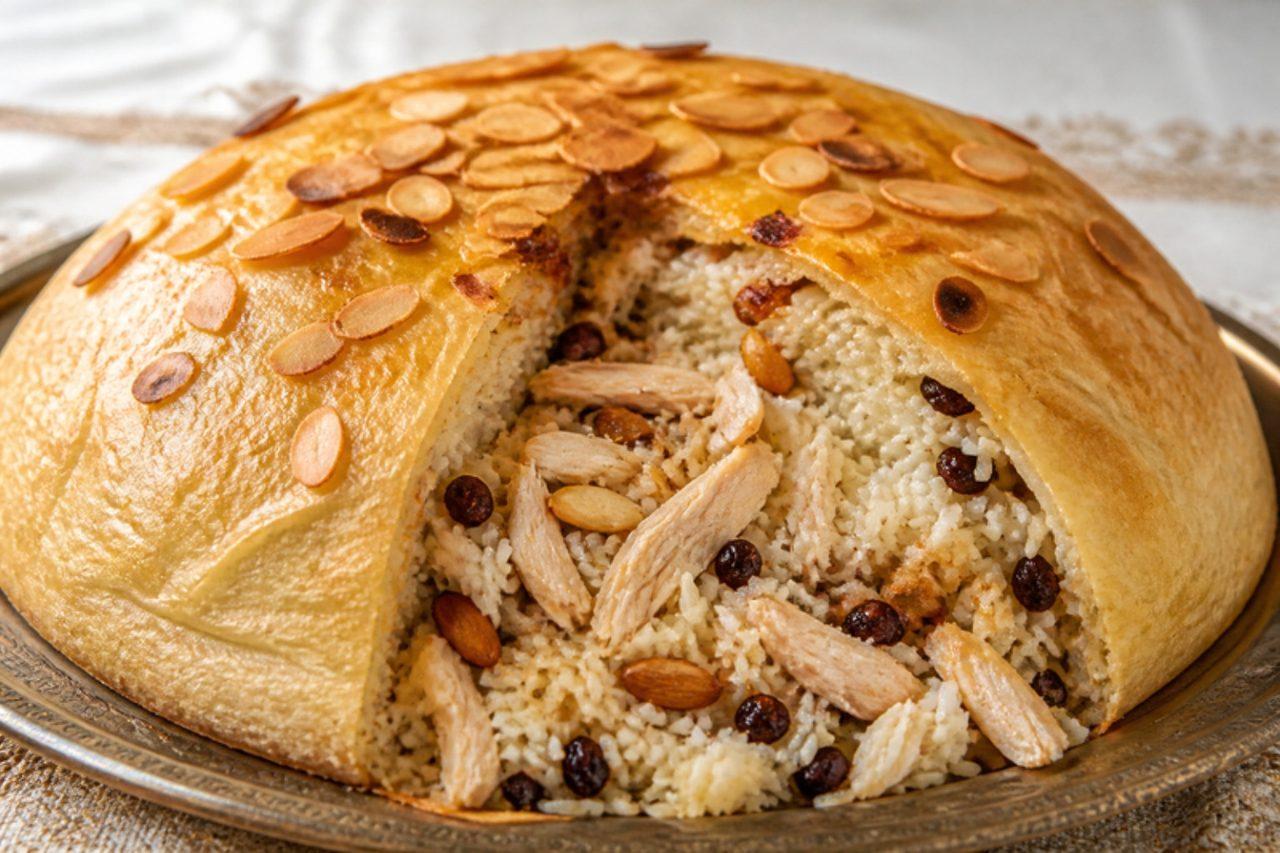
At weddings in Siirt, perde pilavı is carried out whole and cut open at the table: a dome of buttery pastry 'curtain' (perde) hiding rice cooked with shredded chicken, toasted almonds, currants and black pepper. Each part carries a wish for the couple: the rice for plenty, the almonds for children, the pastry for a home that holds together. It makes a spectacular centrepiece for any celebration. Common mistake: a wet filling; the base of the pastry turns soggy, so cook the rice until just dry. Chef's tip: scatter almonds over the buttered tin before the pastry goes in; they become a jewelled top when you turn it out.

by KrazyBadal 0 views

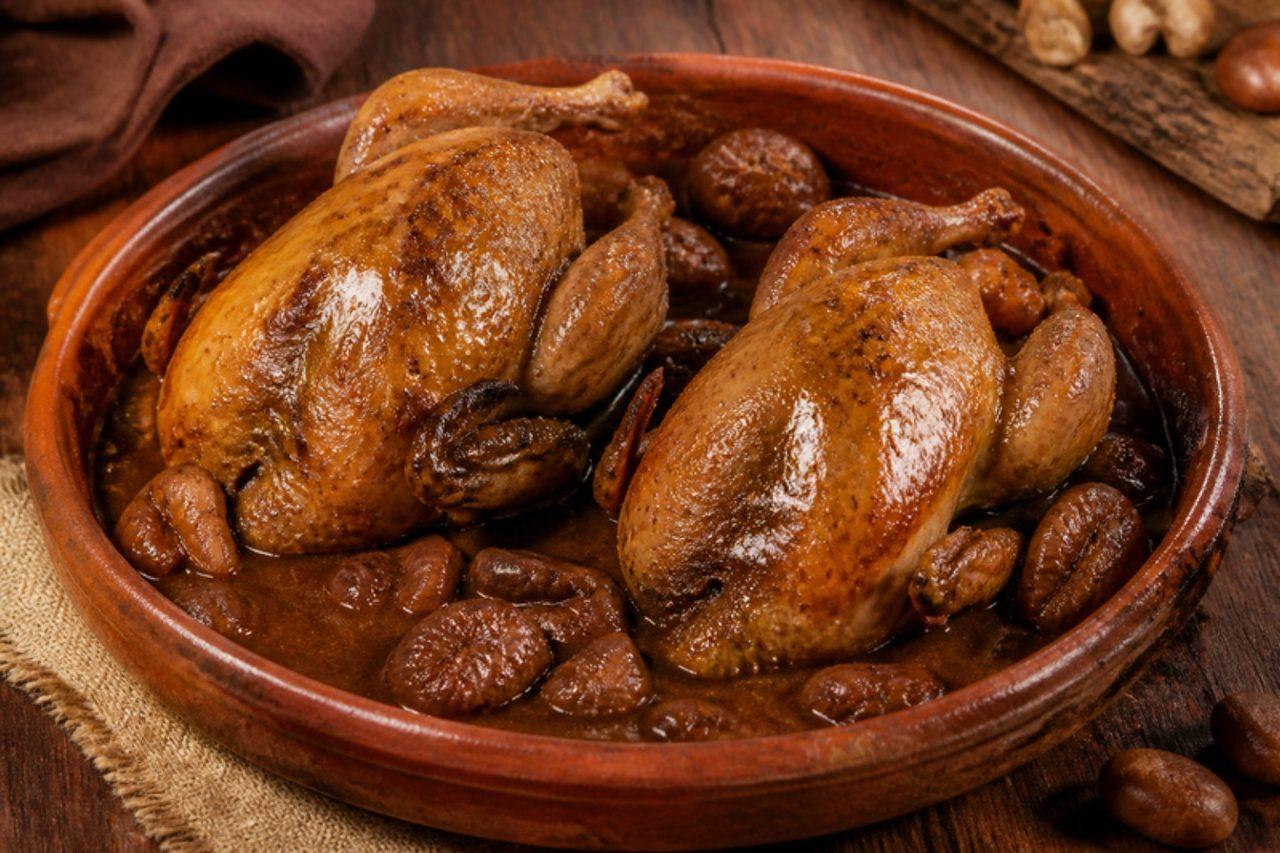
Perdiz al modo de AlcántaraStuffed partridge braised in port

This is the famous dish of the monastery of San Benito at Alcántara, near the Portuguese border. The story goes that French troops looted the library in 1807, and its recipe for partridges stuffed with liver and truffle, marinated for days in port, ended up in French cookbooks, which is why Escoffier listed it. Today it is a dish for autumn hunting-season dinners in Extremadura. Our home version uses chicken livers, mushrooms and an overnight marinade. The dish uses port; for an alcohol-free version, use red grape juice with 1 tbsp of red wine vinegar. Chef's tip: a few slices of black truffle in the stuffing make it truly special, but well-browned mushrooms are a fine everyday substitute.

110 minSpanishMeatGluten free
by KrazyBadal 0 views

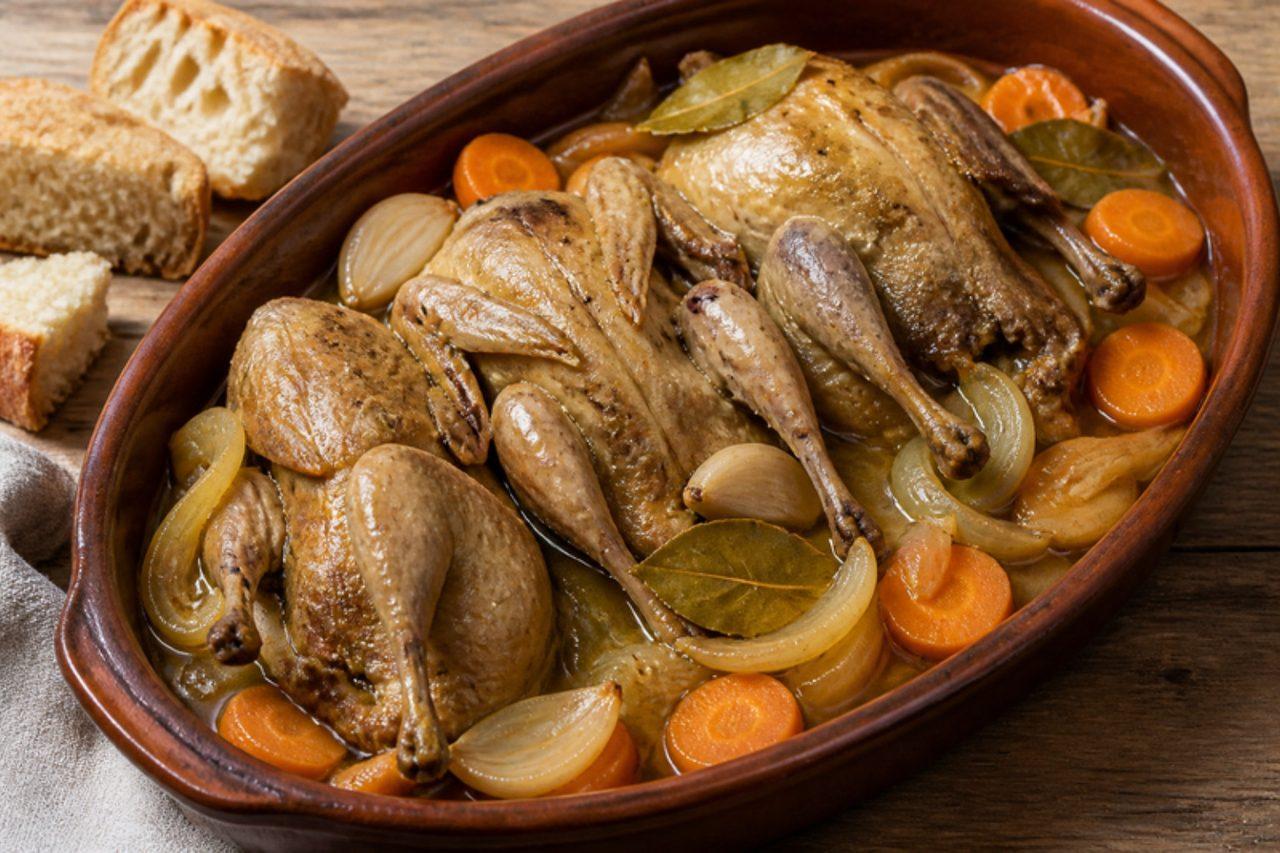
Perdiz de escabechePickled partridge

Partridge shooting season fills the cork-oak plains of the Alentejo with hunters in autumn and winter, and escabeche was how their families kept the birds: browned in olive oil, then cooked slowly in vinegar with onion, garlic, bay and peppercorns, and left in the cool larder for days. Today it is made in the fridge and served cold or at room temperature as a starter, with bread and a green salad. A common mistake is serving it straight away; it needs at least a day for the sour, garlicky flavour to soak in. Chef's tip: use good olive oil, since it sets around the birds and is served as part of the dish.

by KrazyBadal 0 views

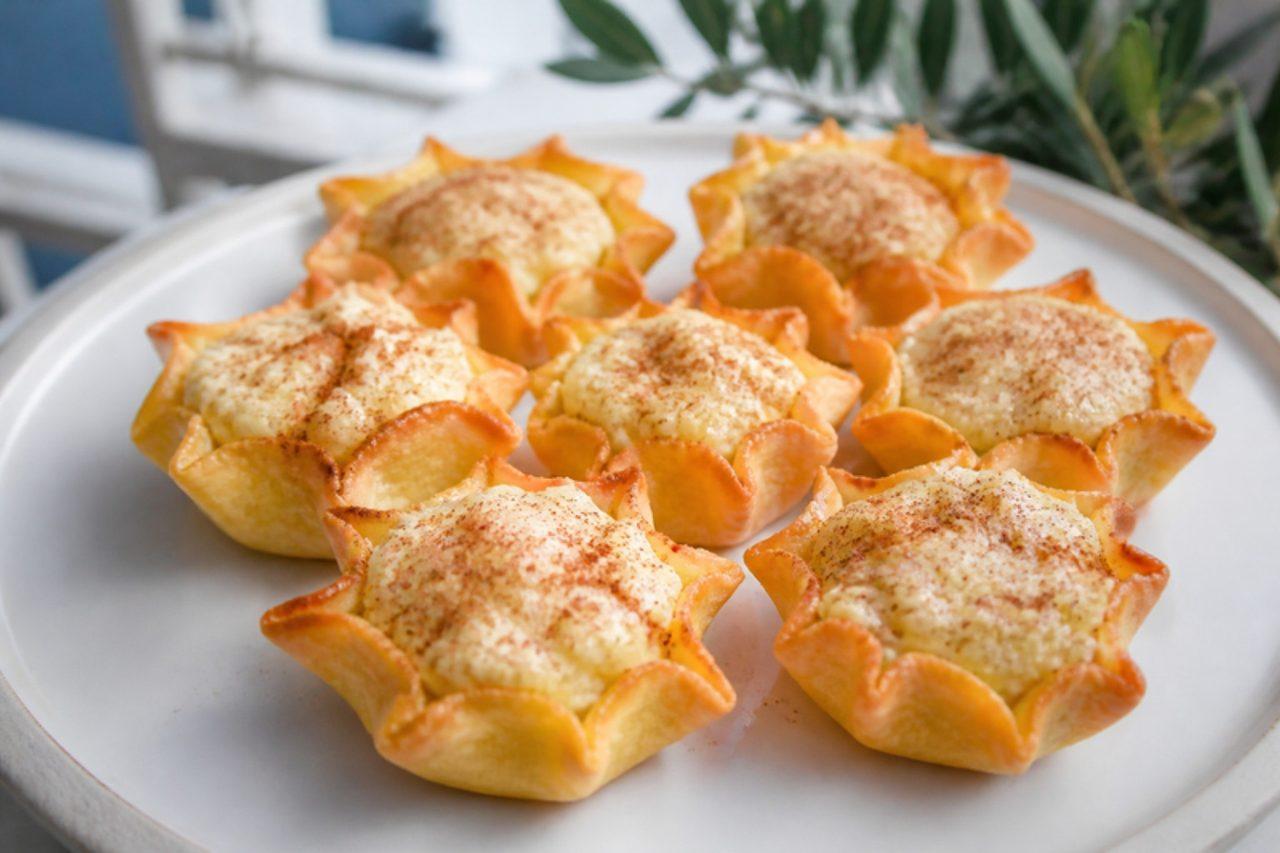
MelitiniaSweet cheese cups with mastic

Santorini's Easter sweet is melitinia: small, thin pastry cups pinched around a soft filling of fresh cheese, sugar and mastic, baked until the tops crack and turn golden. Islanders bake trays of them on Holy Saturday and offer them on Easter Sunday with coffee, and their resinous, piney mastic perfume sets them apart from cheese pastries elsewhere in Greece. Fresh mizithra is the island cheese; ricotta, usually rennet-free, is a good substitute. Common mistake: grinding mastic on its own, which makes it gum up; always crush it with a spoon of sugar. Chef's tip: roll the pastry very thin, about 2 mm, so it bakes crisp around the creamy filling.

by KrazyBadal 0 views

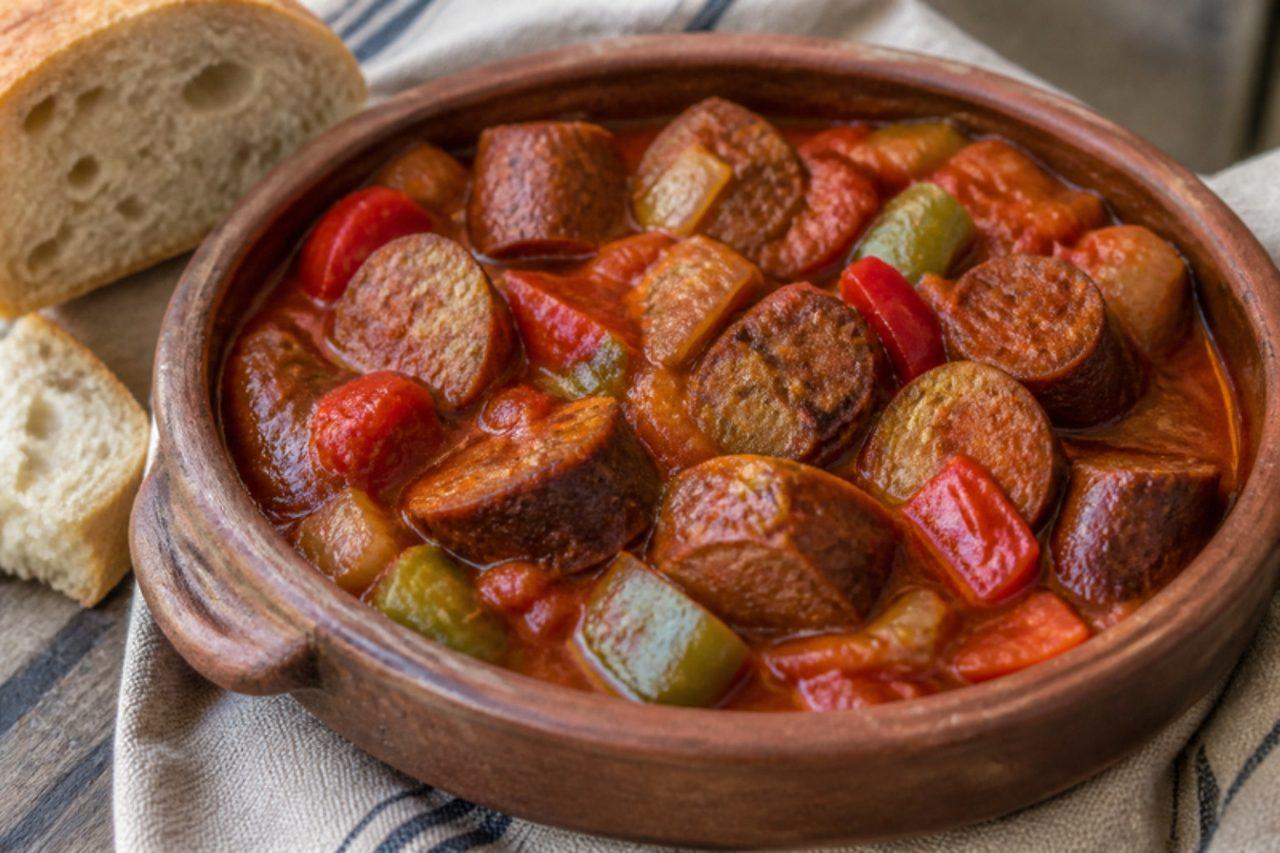
SpetzofaiSausage and pepper stew

Spetzofai is the dish shepherds in the Pelion mountains near Volos cooked over the fire: spicy village pork sausages sliced and stewed with long green and red peppers in a thick tomato sauce. Now it's on every tsipouro-bar menu in Volos, served sizzling in a clay dish with bread and feta. Use coarse pork sausages with leek or orange peel if you can find them. Common mistake: cooking the peppers to mush — they should be soft but still hold their shape. Chef's tip: brown the sausage slices hard first; the fat they leave flavours the peppers.

55 minGreekMeatGluten freeSpicy
by KrazyBadal 0 views

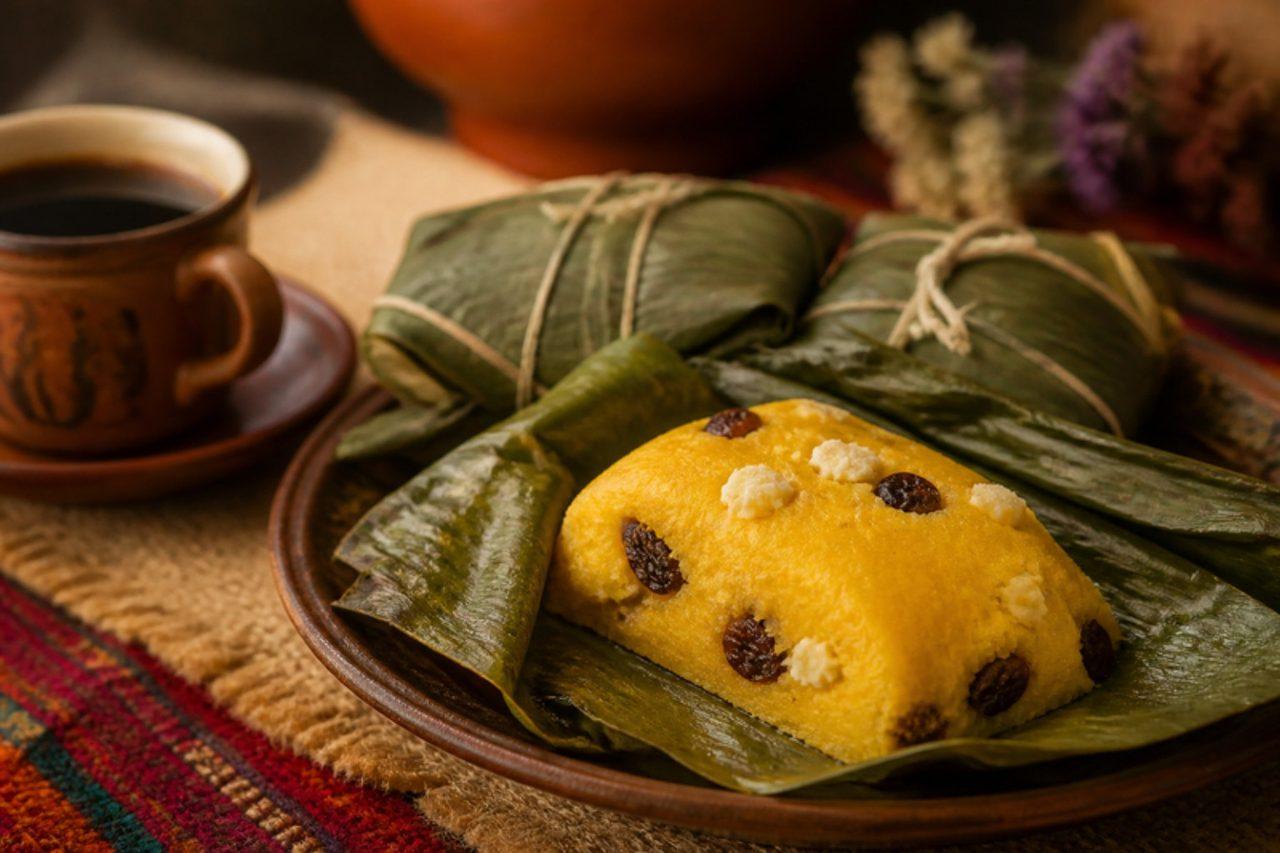
QuimbolitosSteamed sweet cheese and raisin cakes

Southern Nariño shares the quimbolito with neighbouring Ecuador. In Pasto these small sweet cakes are steamed in achira leaves and eaten at the mid-afternoon onces with a cup of hot chocolate or coffee. The batter is a rich mix of butter, sugar, eggs, wheat and corn flours and fresh cheese, dotted with raisins; steaming makes it light and moist, closer to a sponge pudding than a cake, and the leaf adds a mild green scent. Some cooks add a splash of anise liqueur; this version uses vanilla and keeps it alcohol-free. Fresh cheese is often set with animal rennet, so pick a vegetarian (microbial-rennet) one if needed. Achira leaves are rare outside the Andes: banana-leaf pieces or squares of baking paper work. Overfilling is what usually goes wrong, as the batter rises and bursts the parcel, so fill each leaf only halfway. Chef's tip: keep the water at a steady simmer, never a rolling boil, so the cakes rise evenly and stay dry.

by KrazyBadal 0 views

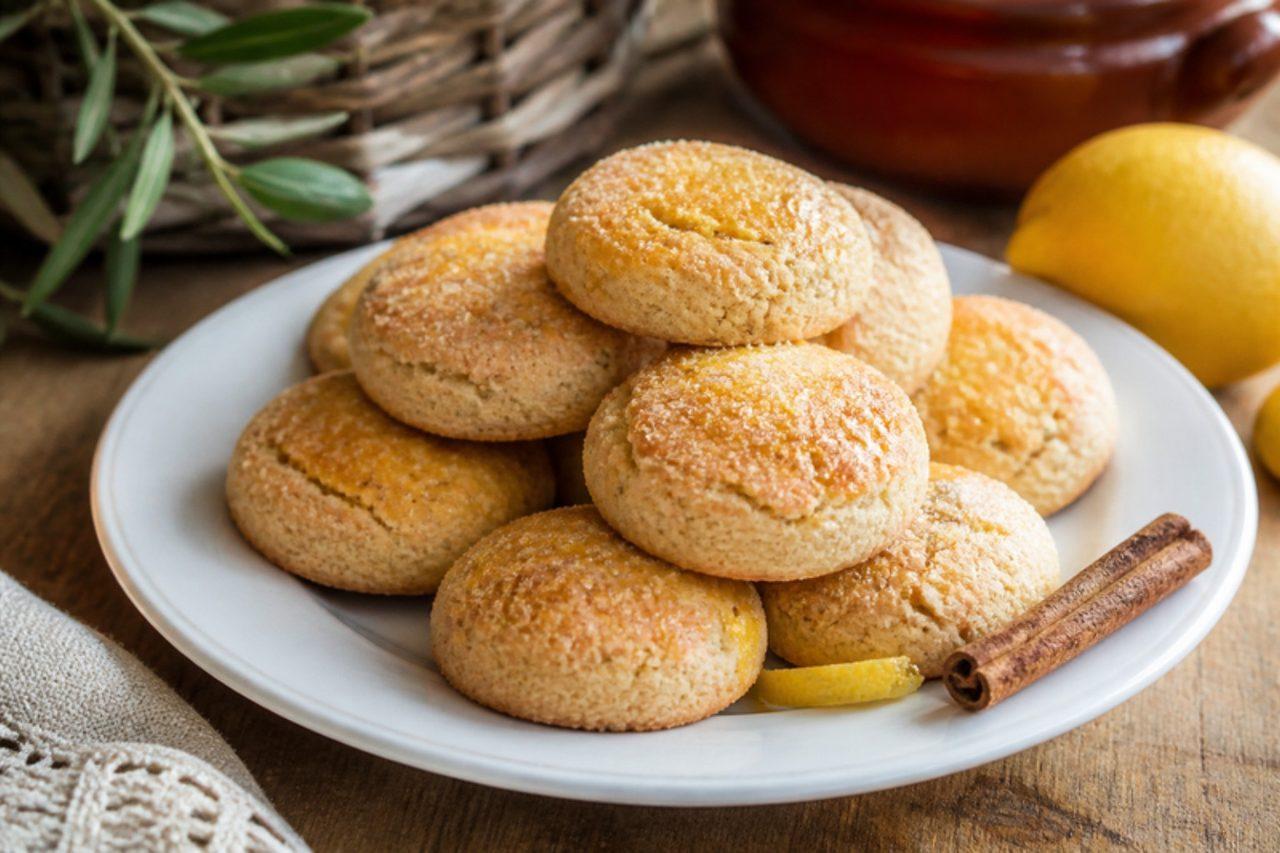
PerrunillasCinnamon and lemon lard cookies

Perrunillas are the cookies of Extremaduran grandmothers, baked in village ovens for Christmas, weddings and the days after the matanza, when fresh lard was plentiful. They are thick, pale and so short they crumble the moment you bite, with a crackly sugar top, and they are eaten with coffee or a glass of milk in the afternoon. This contains pork (pork lard), so they are not vegetarian. Chef's tip: beat the lard and sugar for a good few minutes until very pale and fluffy; that air is what makes them light.

by KrazyBadal 0 views

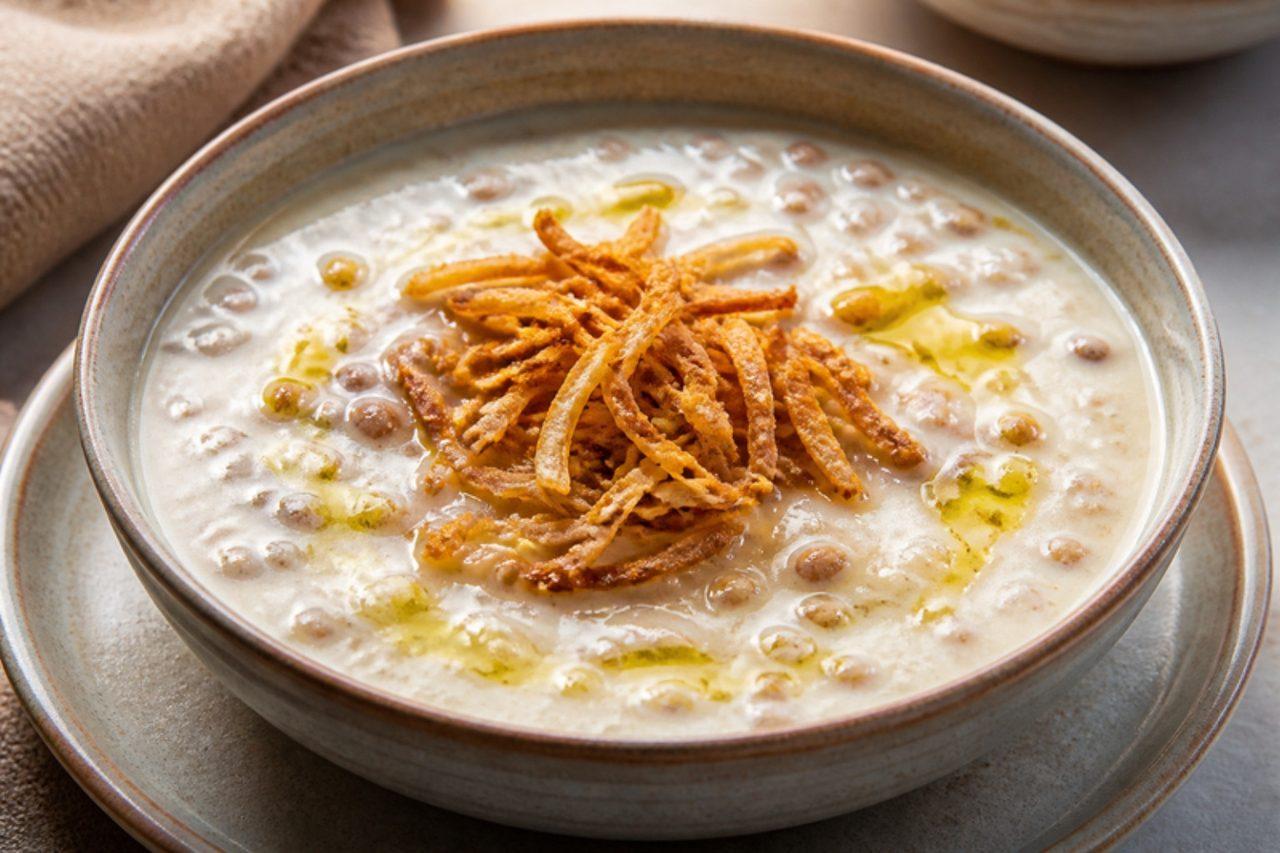
RashoofLentil and cracked wheat yoghurt soup

In the stone villages around Karak and Tafileh, rashoof is what simmers on cold, wet evenings: brown lentils and coarse bulgur cooked soft, then enriched with jameed, the dried salted yoghurt that is also the soul of mansaf. The result is thick, sour and comforting, almost a porridge, finished with a heap of onions fried golden in samneh. Jameed is sold in hard balls or as a liquid in Middle Eastern shops; thick strained yoghurt with a little extra salt makes a fine stand-in. The classic mistake is letting the soup boil hard once the yoghurt goes in, which makes it split into grainy curds. Chef's tip: temper the yoghurt with a ladle of hot soup first and stir in one direction over a low heat; it stays silky.

by KrazyBadal 0 views

Pão de DeusCoconut-topped sweet buns

Lisbon bakeries pile these 'God's bread' buns in their windows every morning, and regulars split them and spread them with butter, or tuck in a slice of cheese, for breakfast with a galão. The dough is soft and milky like brioche, and the top is a sweet blanket of grated coconut, egg and sugar that bakes crisp and golden. A common mistake is spreading the coconut too thin: pile it on thickly so it stays moist underneath and toasty on top. Chef's tip: let the shaped buns rise fully before topping them, or the heavy coconut layer squashes them flat.

by KrazyBadal 0 views

Pão de centeio transmontanoDark rye loaf

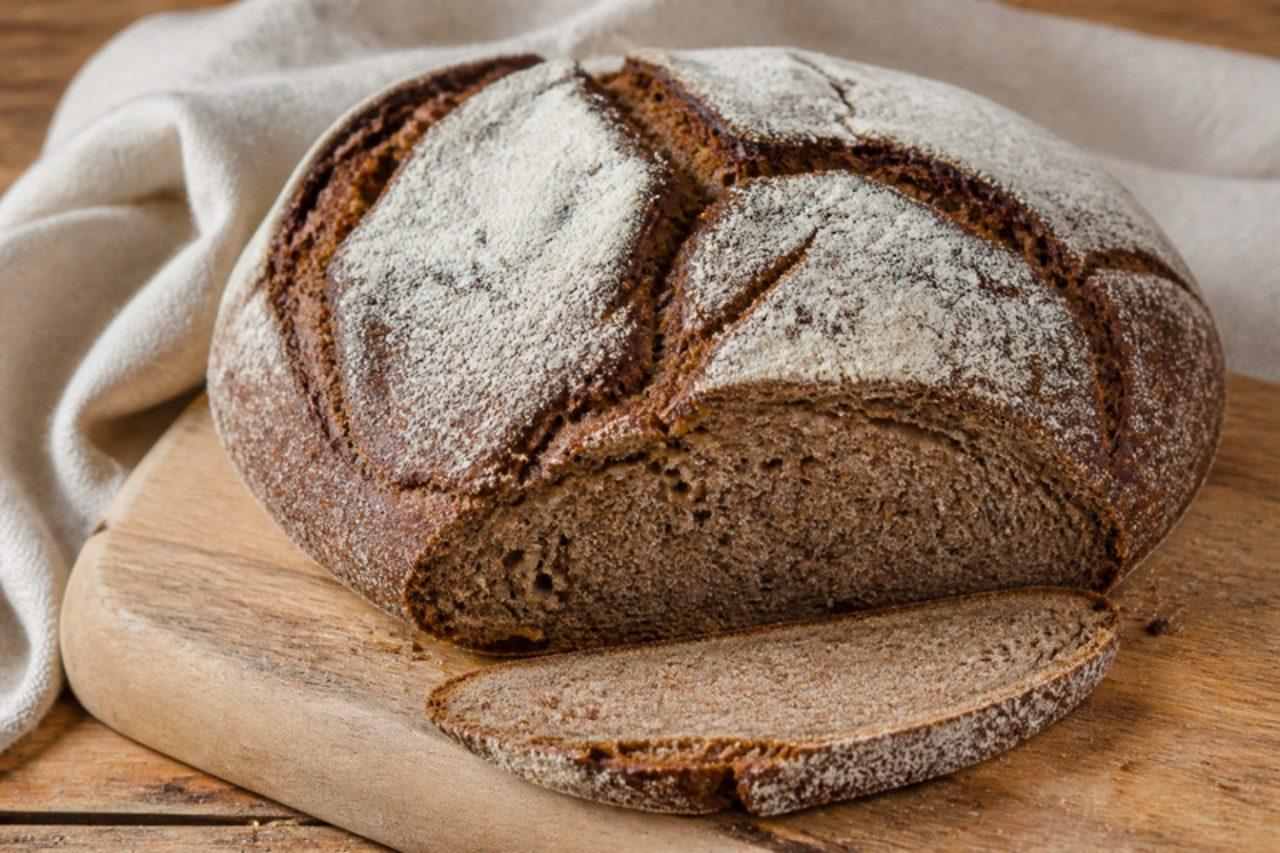
On the cold uplands of Trás-os-Montes, where wheat struggled, rye was the bread grain, and village bakeries around Montalegre and Miranda do Douro still bake big rounds with a dark, floury crust. The crumb is dense, tangy and moist, made to keep for a week and to sit beside cured meats, cheese and soups. This home loaf mixes rye with some wheat so it rises reliably. A common mistake is kneading rye dough like wheat dough; it never turns elastic, so mix it to a sticky paste and stop. Chef's tip: rye dough is sticky by nature, so shape it with wet hands rather than adding flour.

by KrazyBadal 0 views

Travesseiros de SintraAlmond cream puff pastries

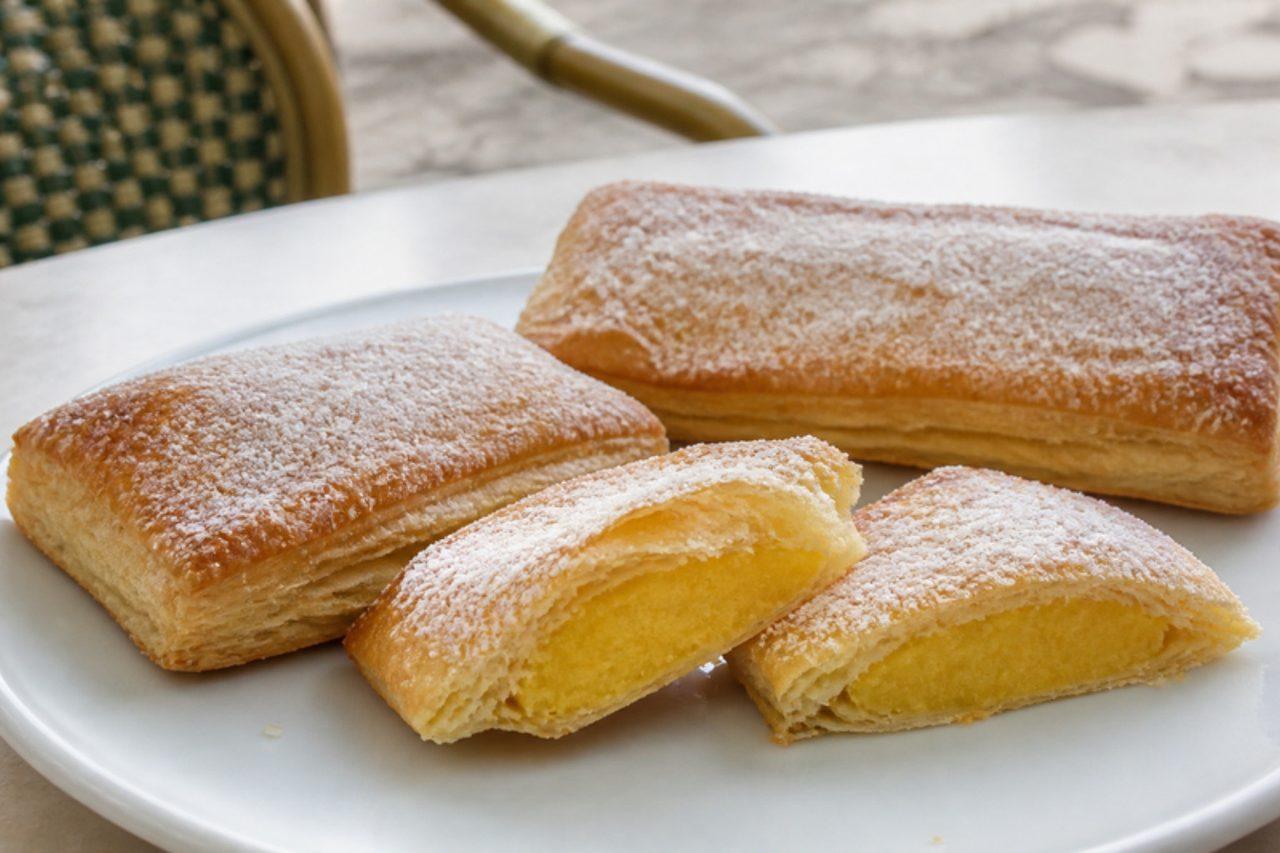
Travesseiro means pillow, and these long, sugar-dusted pastries from Sintra look just like one, plump with a soft almond cream. They were first sold at a café in the town in the mid-twentieth century and are now the second pastry, after queijadas, that every visitor carries home. Eat them warm, when the pastry shatters and the filling is still loose. Using shop-bought all-butter puff pastry makes them a fair home project. Chef's tip: cook the almond cream until it is thick enough to hold a trail from the spoon, then chill it; warm filling melts the butter in the pastry and stops it puffing.

by KrazyBadal 0 views

Nan-e komajSweet date-filled bread

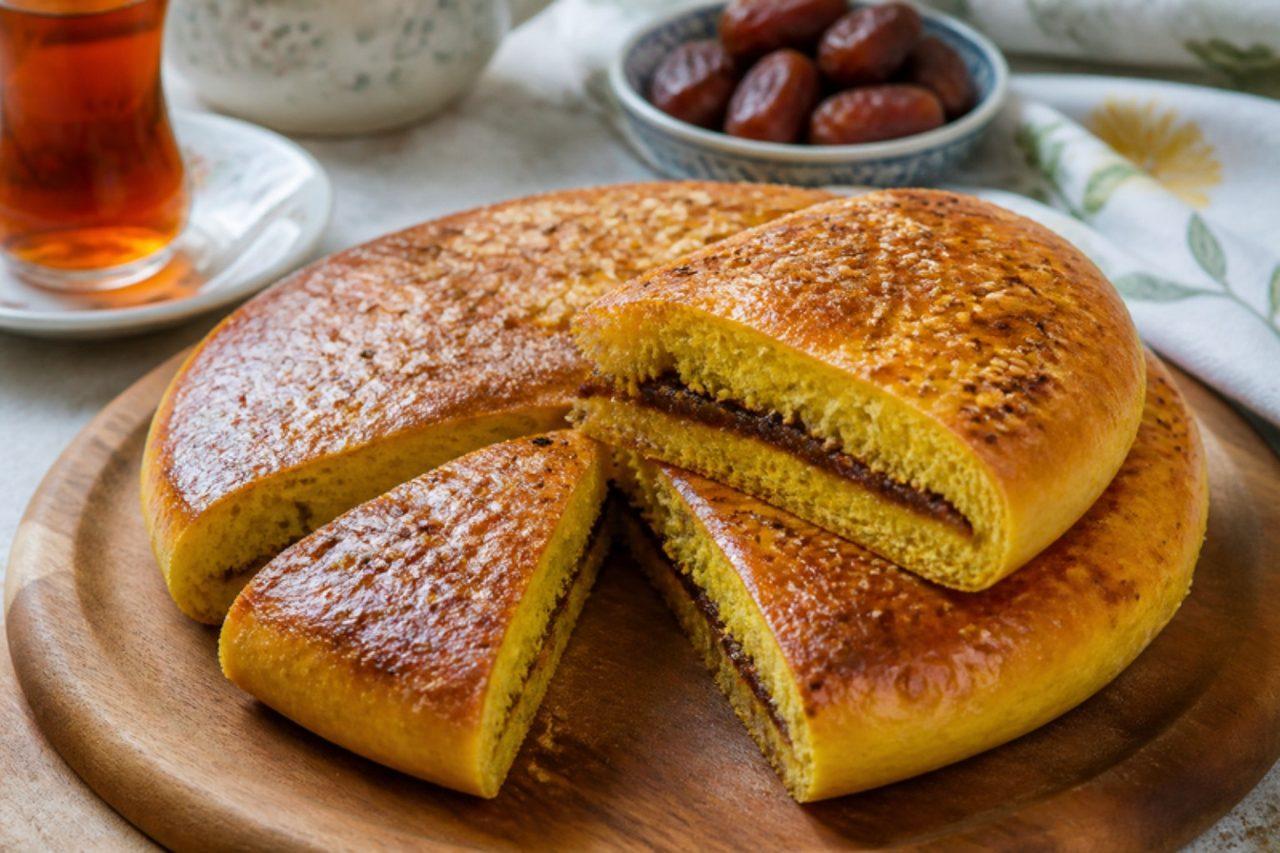
In Khorasan and Kerman, nan-e komaj is the bread of guests and holidays: thick, soft, golden with turmeric, scented with cumin and layered with a ribbon of date paste and cinnamon. In villages around Mashhad it is baked in big rounds for Nowruz and religious feasts and cut into wedges with tea. It is sweet but not cake-like, sitting somewhere between bread and pastry. A common mistake is spreading the date paste right to the edge, which lets it leak and burn on the tray. Chef's tip: soften the dates with a spoon of hot water and a little butter before spreading; stiff date paste tears the dough.

by KrazyBadal 0 views

Petits farcis niçoisStuffed vegetables with rice and herbs

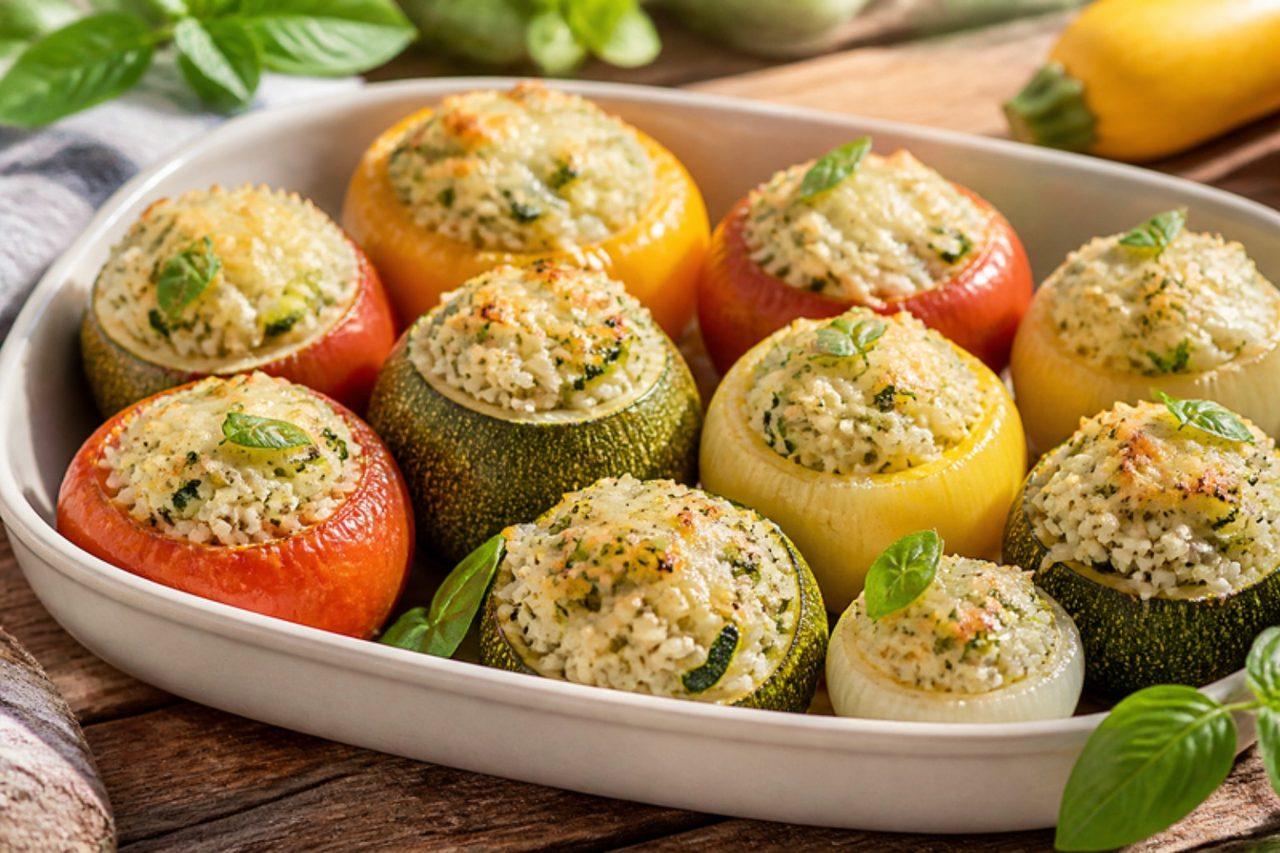
From June to September the traiteurs around the cours Saleya market in Nice sell trays of petits farcis: round courgettes, tomatoes and onions hollowed out, refilled and baked until wrinkled and caramelised at the edges. Niçois families often use up leftover daube in the stuffing; this meatless version, common on Fridays and at summer picnics, uses rice, herbs, the vegetables' own flesh and Parmesan. Parmesan is made with animal rennet, so use a vegetarian hard cheese if that matters to you. They are as good at room temperature the next day as hot from the oven. Chef's tip: choose vegetables of a similar size, so they all finish cooking at the same moment.

by KrazyBadal 0 views

Petits pâtés de PézenasSweet spiced lamb pies

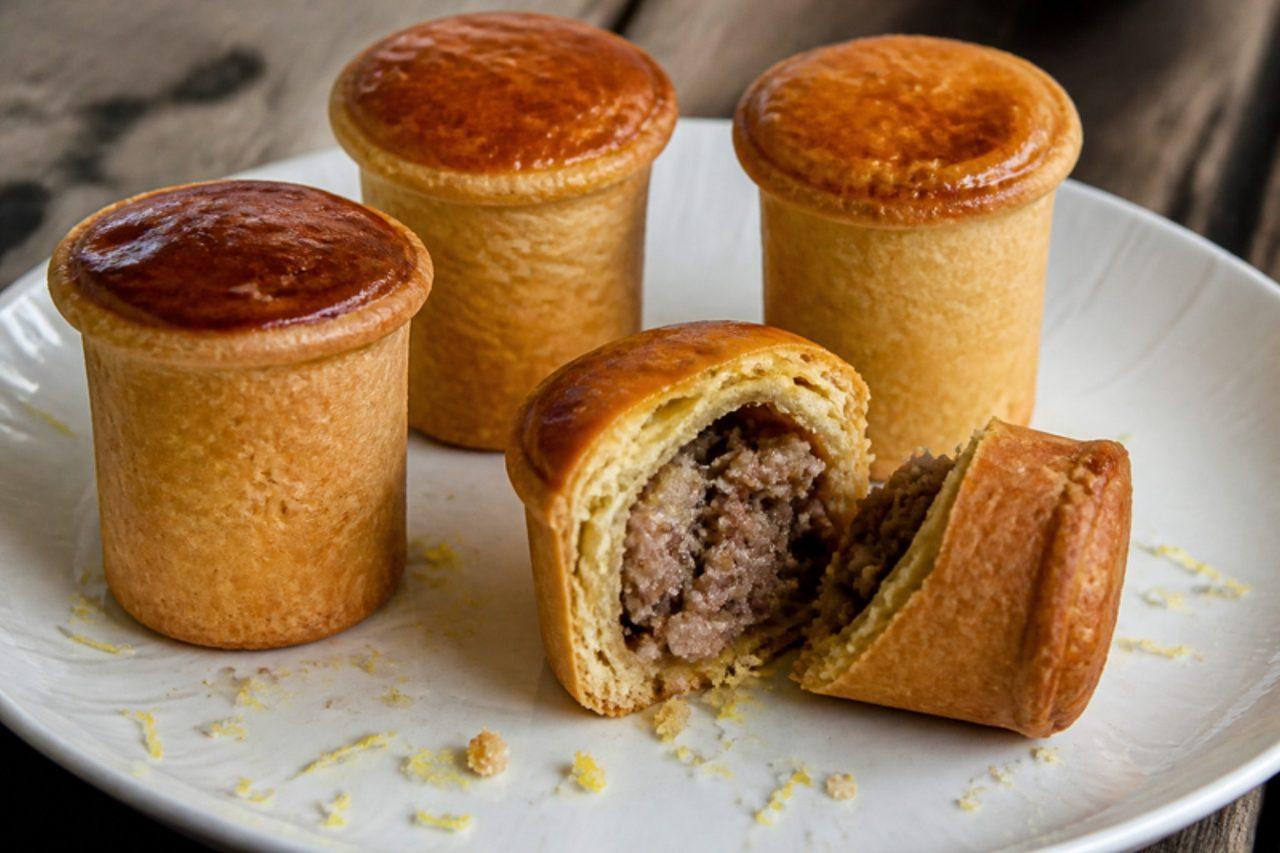
Pézenas, the old Languedoc town of Molière, is famous for these little pies shaped like cotton reels, sold warm from its bakeries all winter and especially around Christmas. Local legend links them to the Indian cooks of Lord Clive, who stayed nearby in 1768, which would explain the unexpected sweet-savoury filling of minced lamb, brown sugar and lemon zest. They have a crisp, sturdy hot-water crust and a juicy, gently sweet centre with a hint of spice. Eat them warm as a starter, with a green salad, or as a mid-morning snack the way Piscénois do. Chef's tip: shape the pastry while it is still warm and supple; once it cools it cracks instead of folding.

by KrazyBadal 0 views

YatimchehAubergine and tomato stew

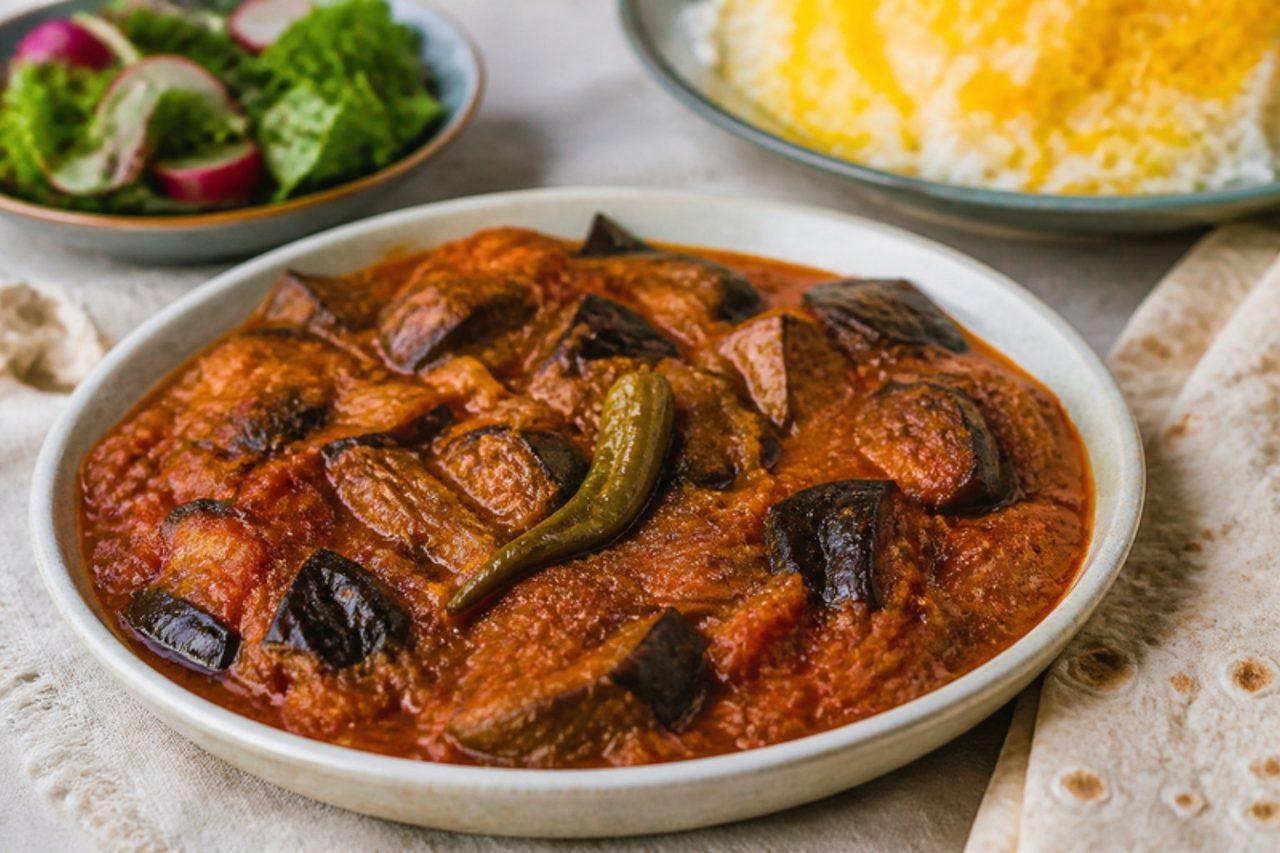
Yatimcheh means 'little orphan', the joke being that this Isfahan stew has no meat to look after it. Cooks in Isfahan and the towns around Kashan make it in late summer when aubergines are glossy and cheap, frying them until silky and then letting them collapse into onion, garlic, turmeric and ripe tomato. It is eaten warm with plain rice or torn lavash, with a bowl of yogurt and a plate of herbs on the side. A common mistake is frying the aubergine pale: it needs a deep golden colour or the stew tastes flat and spongy. Chef's tip: a spoon of verjuice or lemon juice stirred in at the very end lifts the sweetness of the tomato.

by KrazyBadal 0 views

Pão alentejanoSourdough country loaf

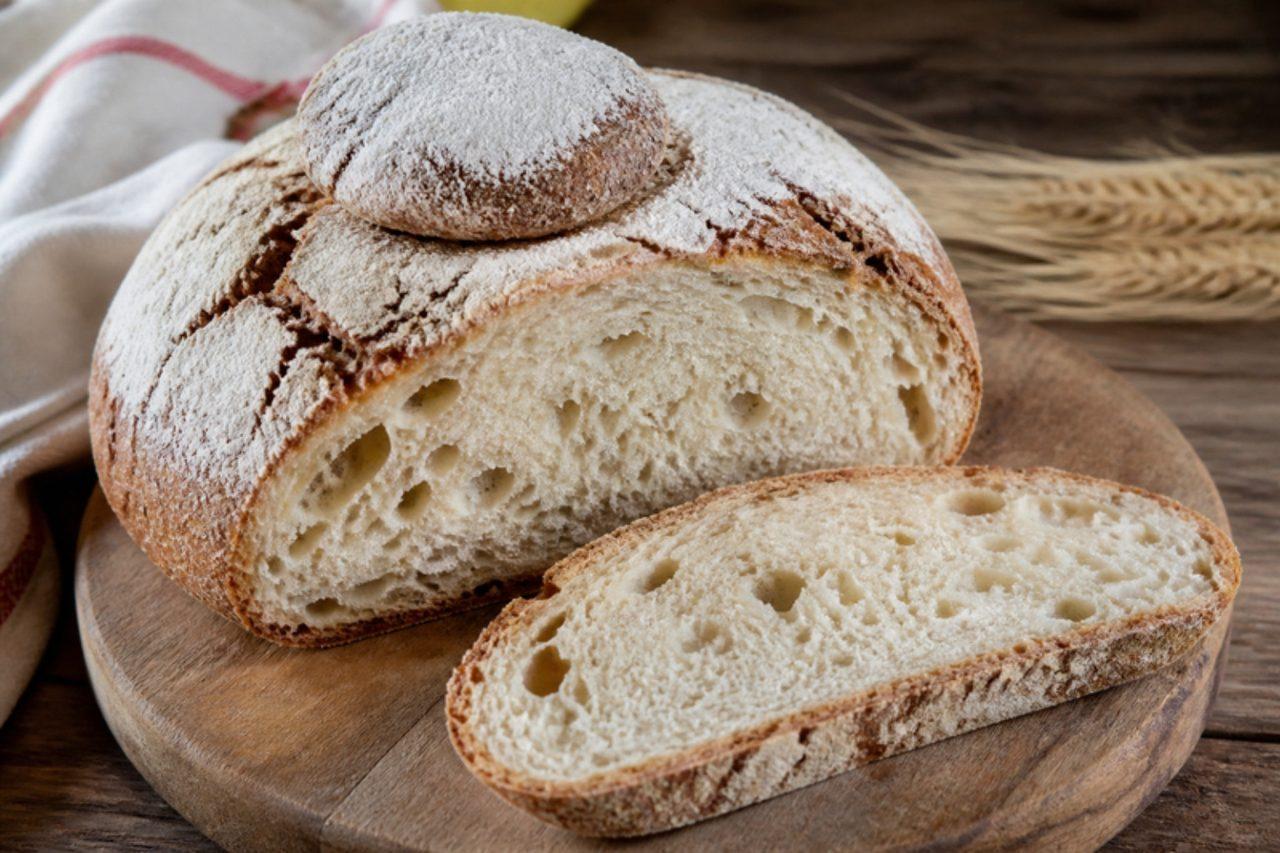
Almost every Alentejo meal leans on this bread: it is crumbled into açorda, laid under soups and stews, fried into migas and, fresh, eaten with olives and sheep's cheese. Village bakers make it with a sourdough starter, white wheat flour, water and salt, and give each round loaf a little knob of dough on top, called the cuco. The crumb should be dense, moist and chewy and the crust thick and crackling, so it lasts a week. You need an active starter that doubles within 6 hours of feeding. A common mistake is baking too pale; let the crust go a deep brown for flavour and keeping. Chef's tip: use a wetter dough than you think; it gives the open, moist crumb that keeps the bread soft for days.

by KrazyBadal 0 views

Peynir helvasıCheese and semolina halva

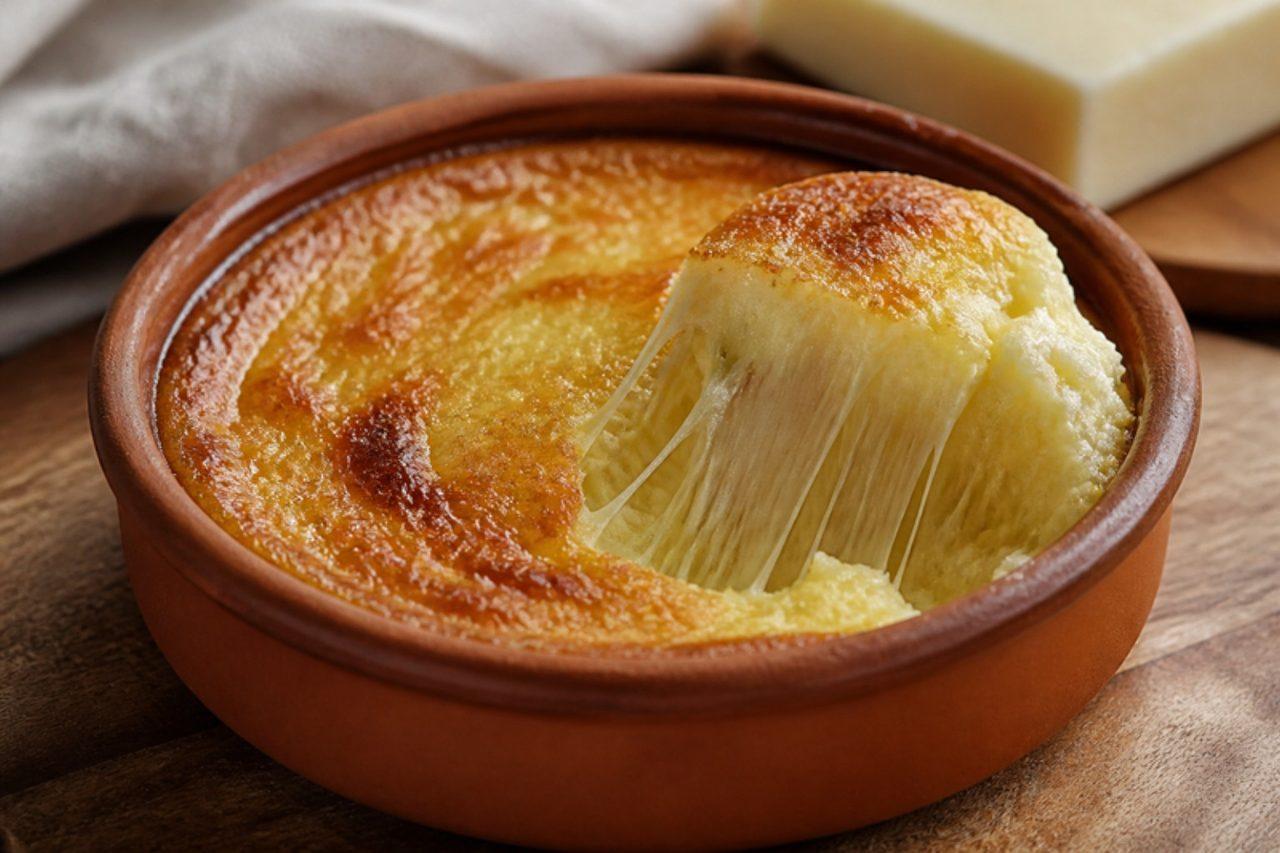
Around Çanakkale and the Dardanelles, peynir helvası is a soft, oven-browned halva made with fresh unsalted cheese, semolina, butter and sugar, sold warm in clay dishes at the market cafés. The top caramelises in spots, the inside stays creamy and stretchy, and the flavour sits somewhere between cheesecake and halva. Eat it warm on its own or with a glass of tea after a fish lunch. Chef's tip: use a mild, fresh, unsalted cheese and squeeze it well; salty or wet cheese gives a sour, runny halva.

by KrazyBadal 0 views

VincisgrassiBaked lasagne with meat ragù

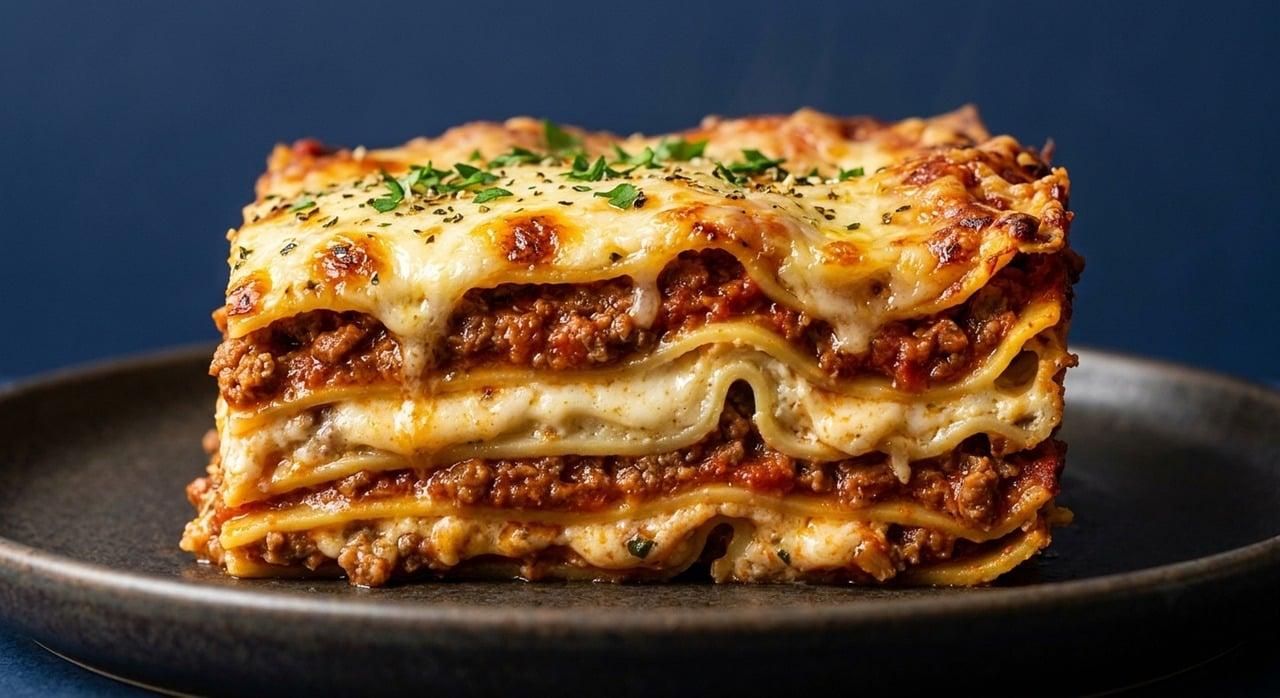
Macerata, in the hills of the Marche, claims vincisgrassi as its own, and families still bake a tray for Sunday lunch, Christmas and Carnival. It is richer than the lasagne most people know: thin egg pasta sheets layered with a slow ragù of pork, veal and chicken livers, a nutmeg-scented béchamel and plenty of parmigiano, baked until the top is crusted and golden. Many cooks splash in white wine and a little Marsala; this version uses dry white wine, with an alcohol-free swap in the ingredient list, and the chicken livers are optional if you'd rather leave them out. Serve it in modest squares, followed by a crisp green salad. Chef's tip: make the ragù the day before and assemble cold, so the layers set firmly and slice cleanly.

by KrazyBadal 0 views

Nan-e gerdooyiWalnut cookies

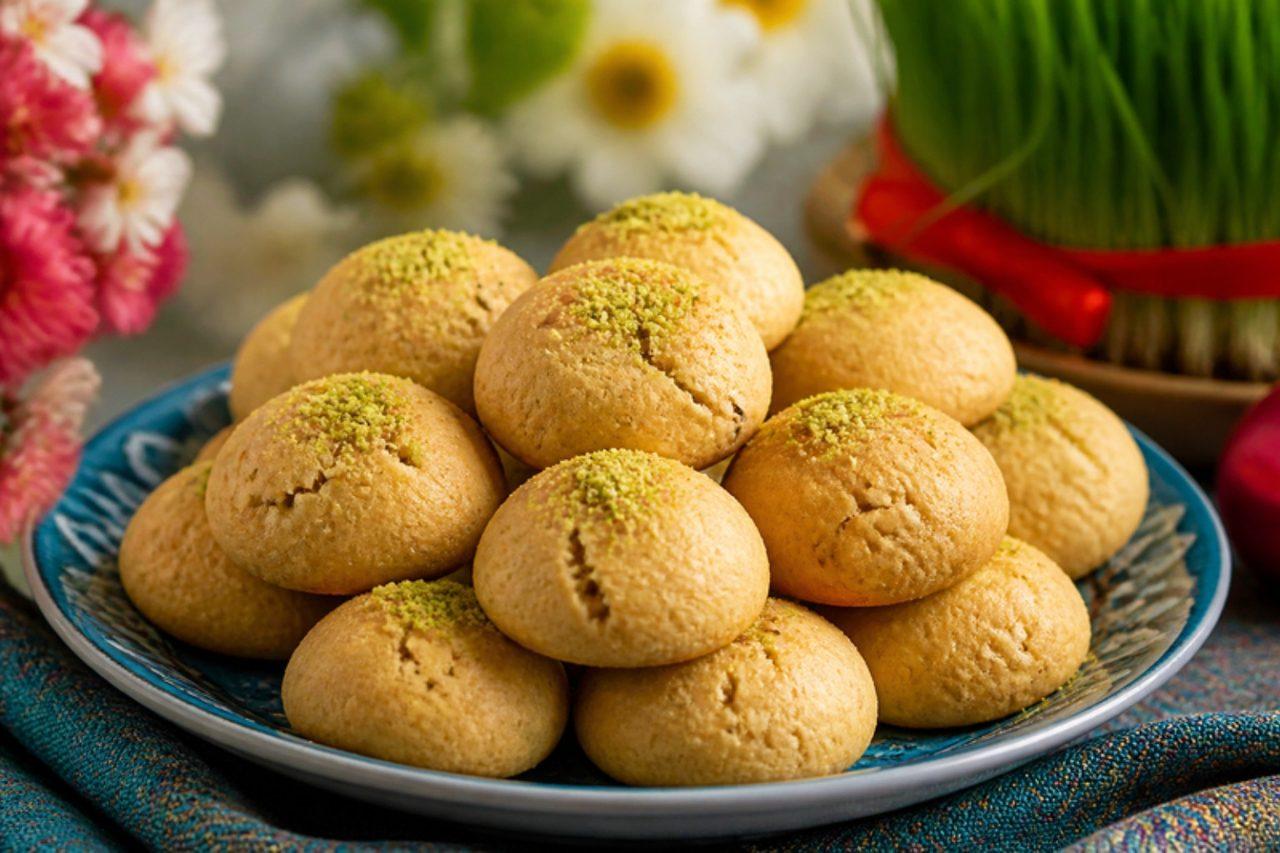
In the run-up to Nowruz, when Tabriz, Tehran and Qazvin families are spring-cleaning and baking for the round of holiday visits, nan-e gerdooyi are among the first cookies to go into the tin. They are made with chopped walnuts held together by egg yolks and sugar, no flour at all, so they bake crisp at the edge and soft and chewy in the middle. A common mistake is grinding the walnuts to a paste; they should be chopped into small pieces so the cookies have texture and don't turn oily. Chef's tip: leave a good gap between them on the tray; they spread to about twice their size.

by KrazyBadal 0 views

Posta mirandesaGrilled veal steak

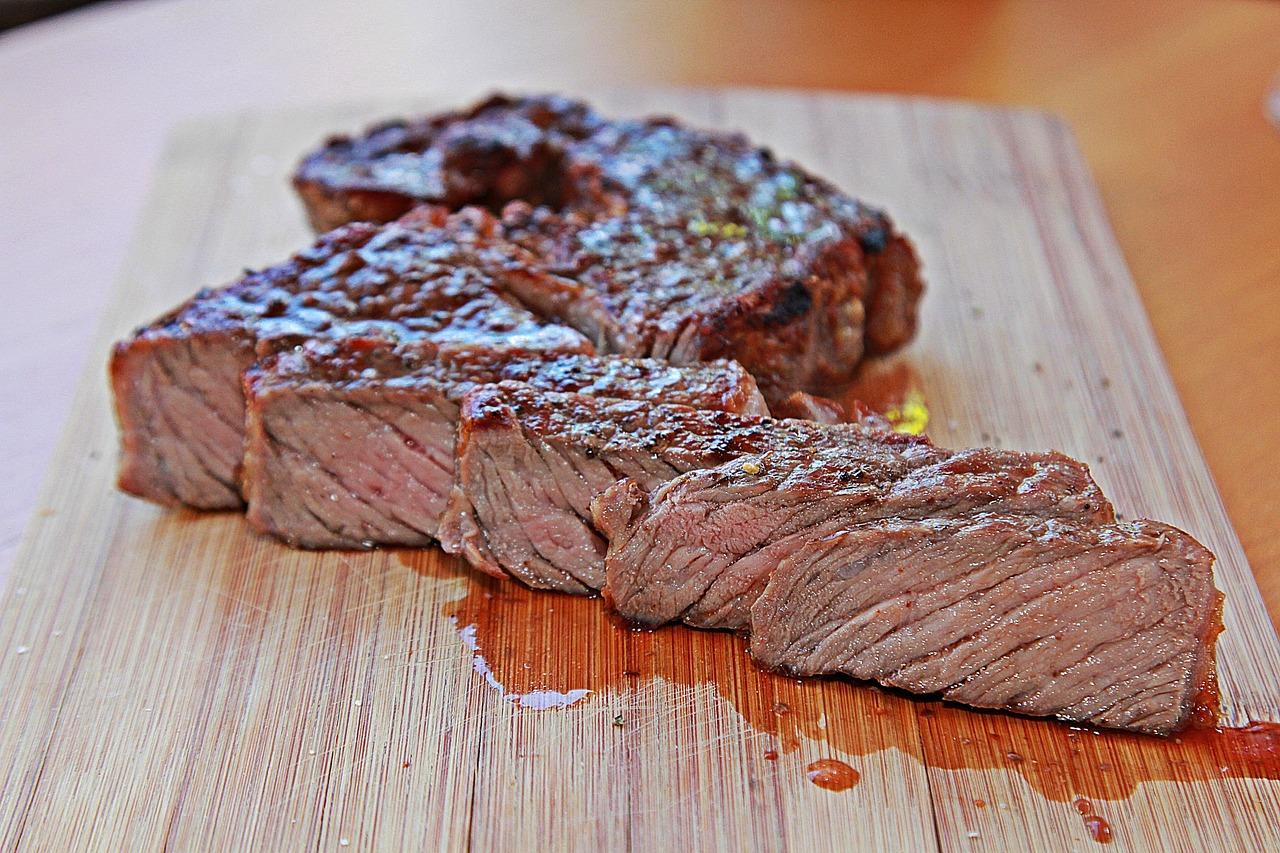
The Mirandesa is a dark, long-horned breed raised on the plateau around Miranda do Douro, and a posta is a slab of its veal or young beef, cut about 4 cm thick and grilled over oak embers with nothing but coarse salt. Restaurants in Miranda and Bragança serve it sliced on a board with a simple sauce of olive oil, garlic and vinegar, plus potatoes and salad. It is all about the meat, so ask the butcher for a thick, well-marbled piece. Chef's tip: salt the steak only just before it goes on the grill, with coarse salt, and turn it only once.

by KrazyBadal 0 views

Pizza al moldeThick pan pizza

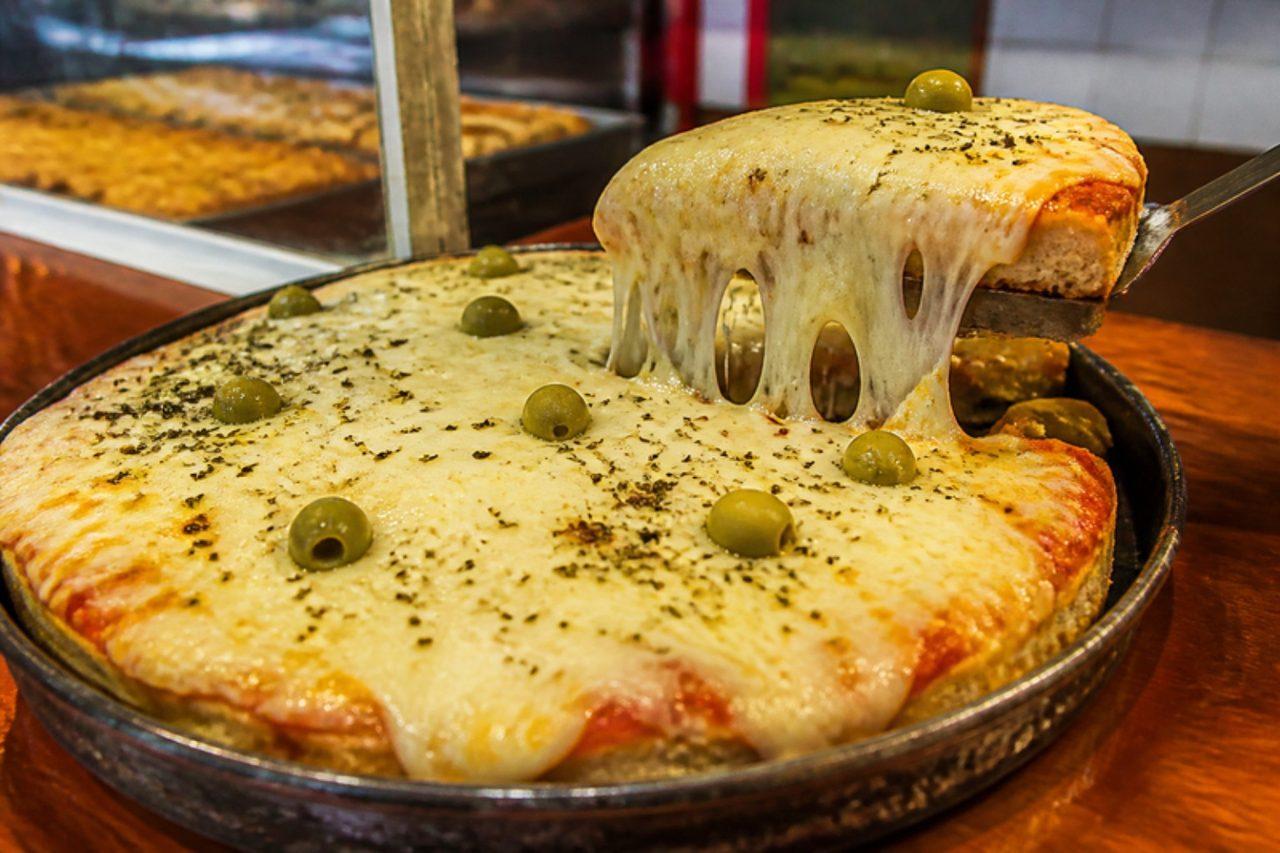
Order "una grande de muzza" at a Corrientes Avenue pizzería and this is what lands on the metal stand: a tall, airy base baked in a round black tin, a thin layer of tomato sauce and so much mozzarella it spills over the edge and fries against the metal. Porteños eat it standing at the counter or at a Formica table, often with a wedge of fainá on top and a cold soda beside it, and at home it is Friday-night food the whole family agrees on. The crumb should be soft and bready like focaccia, the base crisp from the oiled tin. Most home cooks go wrong by loading the cheese on raw dough: by the time the base has baked the mozzarella has split into grease. Here the base is part-baked with its sauce first, the way pizzerías keep pre-pizzas ready, and the cheese only goes in for the last minutes. The mozzarella is usually made with animal rennet, so pick a vegetarian one if that matters to you. Chef's tip: let the dough rise a second time inside the oiled tin; that last proof is what gives the high, open edge.

by KrazyBadal 0 views

SteckerlfischMackerel grilled on a stick

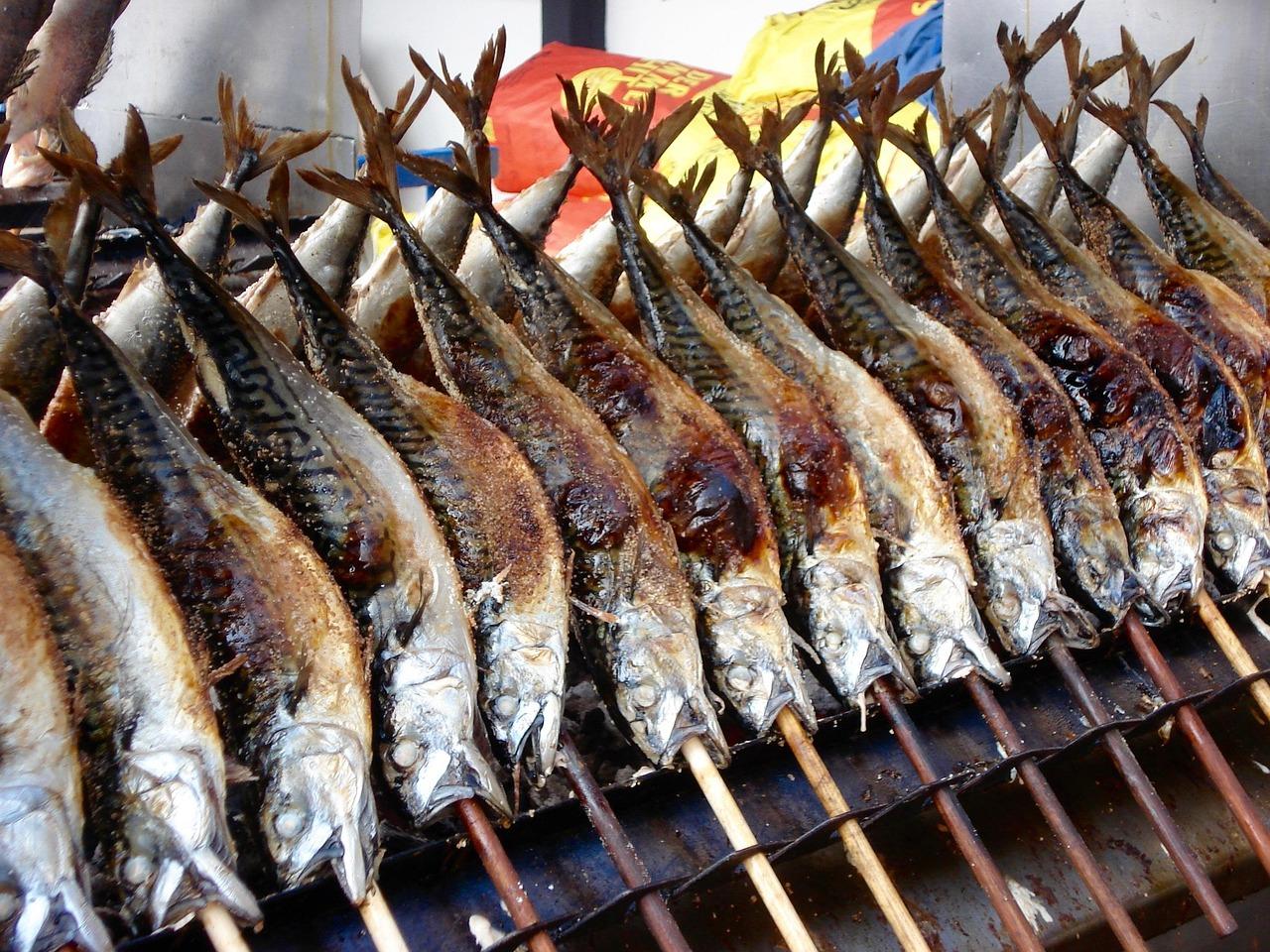
Steckerlfisch, fish on a stick, is the smell of a Munich beer garden on a summer evening and of the Oktoberfest stalls: whole mackerel or lake whitefish threaded lengthways onto long wooden sticks, brushed with spiced oil and turned slowly in front of glowing charcoal. The skin turns crisp and golden and the flesh stays moist; it is eaten with fingers, a pretzel and a wedge of lemon. On a home barbecue the sticks are laid across the grill instead of stood around the fire. Chef's tip: grill over medium, not fierce, heat and be patient; the skin should blister slowly or it sticks and tears.

40 minGermanFishGluten free
by KrazyBadal 0 views

Rojões à minhotaMarinated fried pork with potatoes

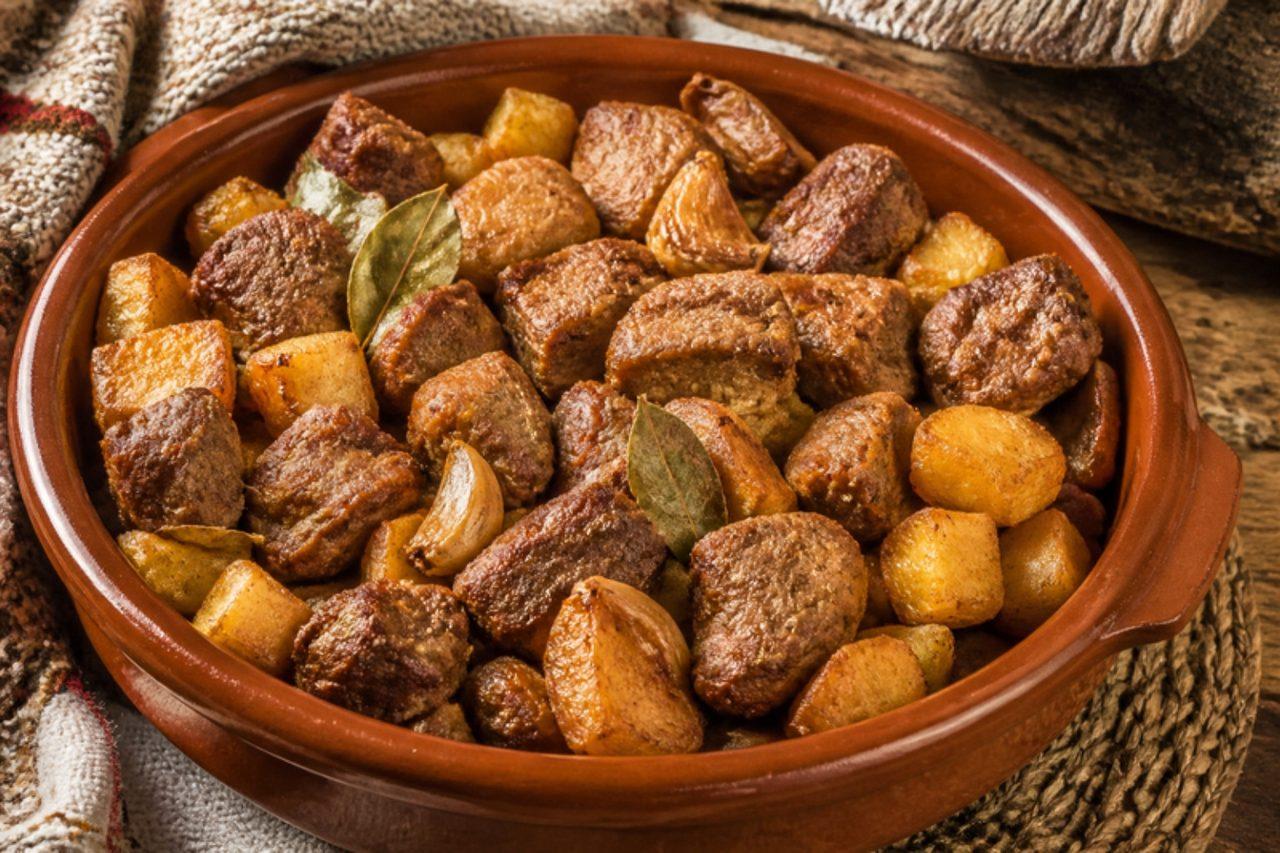
Rojões are the centrepiece of a Minho winter feast, traditionally cooked in the weeks after the family pig was killed and still served in Braga and Ponte de Lima restaurants with arroz de sarrabulho alongside. This contains pork (pork shoulder and lard). Chunks of pork shoulder spend a night in white wine, garlic, paprika and bay, then cook slowly in their own fat until the outsides are crusty and the insides tender. The dish uses wine; an alcohol-free option is given in the ingredient list. A common mistake is crowding the pan, so the pork stews in its juices instead of browning in its own fat. Chef's tip: dry the pork well after marinating, or it will stew rather than brown.

by KrazyBadal 0 views

Virado à paulistaBeans, pork chop and sausage plate

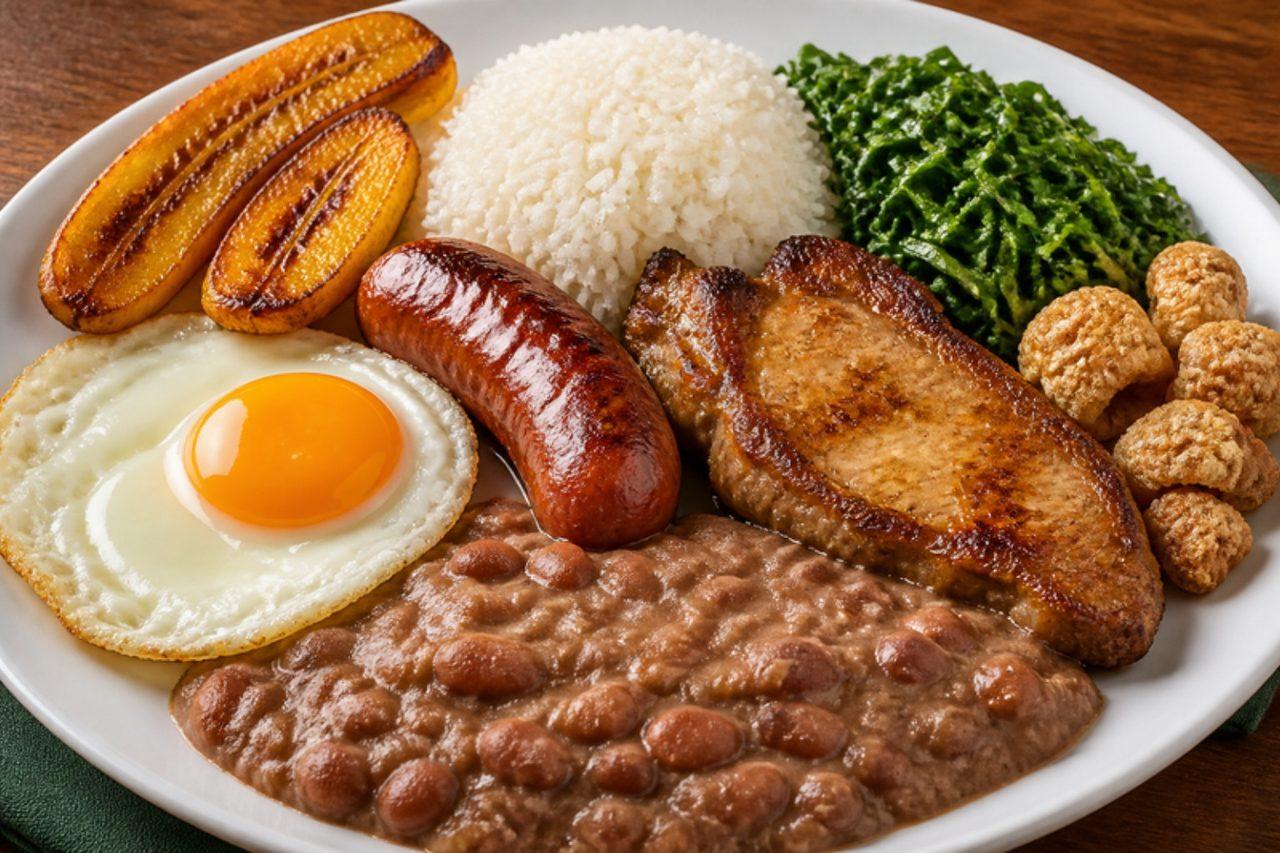
Monday in São Paulo means virado à paulista: the city's lunch counters and botequins have served it as the prato do dia at the start of the week for generations. The plate goes back to the bandeirantes' travel food, and today it is a feast of pork: beans cooked down and thickened with cassava flour into a soft tutu, a pork chop, a grilled pork sausage, a crackling of torresmo if you like, a fried egg, garlicky collard greens, rice and fried banana. It is hearty, salty and sweet in turns. A common mistake is serving the pork chop well past done and dry; a whole pork chop is safe at 63 °C with a 3-minute rest, and juicy at that point. Some restaurants bread the banana; frying it plain keeps the plate gluten free. Chef's tip: cook the beans with a little bacon and let them sit for a few minutes after adding the farinha; it keeps thickening as it stands.

by KrazyBadal 0 views

SfougatoCourgette and cheese oven omelette

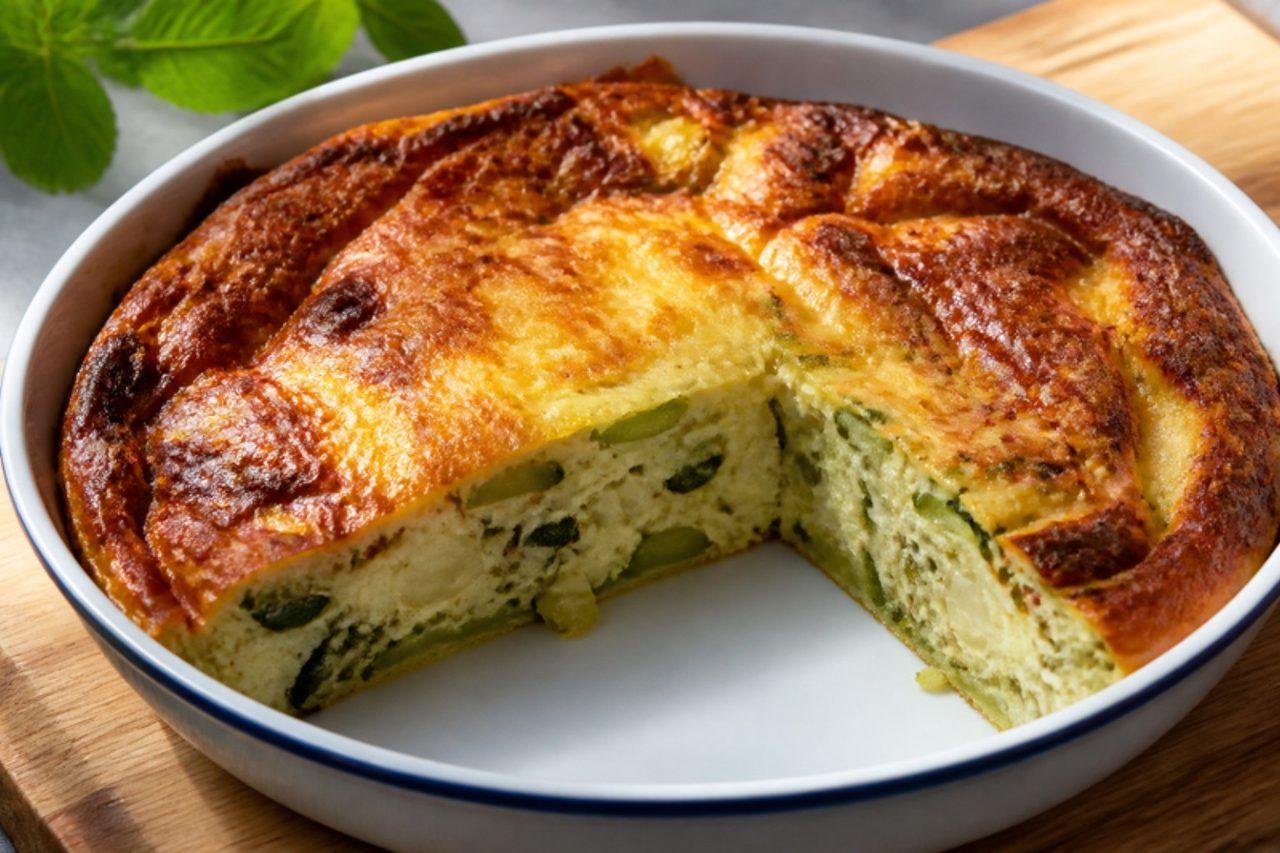
Sfougato means 'sponge', which is just how this island oven omelette looks when it comes out puffed and golden; in the Cyclades and the Dodecanese it's the summer answer to too many courgettes. Grated courgette, spring onion and mint are softened in olive oil, mixed with eggs and cheese and baked, then cut into squares for lunch with bread and tomatoes or packed for a day at the beach. Kefalotyri and feta are usually made with animal rennet, so use vegetarian versions if you need to. Common mistake: leaving the courgettes wet, which gives a watery, rubbery omelette. Chef's tip: let the softened vegetables cool for a few minutes before adding the eggs so they don't scramble at the edges.

by KrazyBadal 0 views

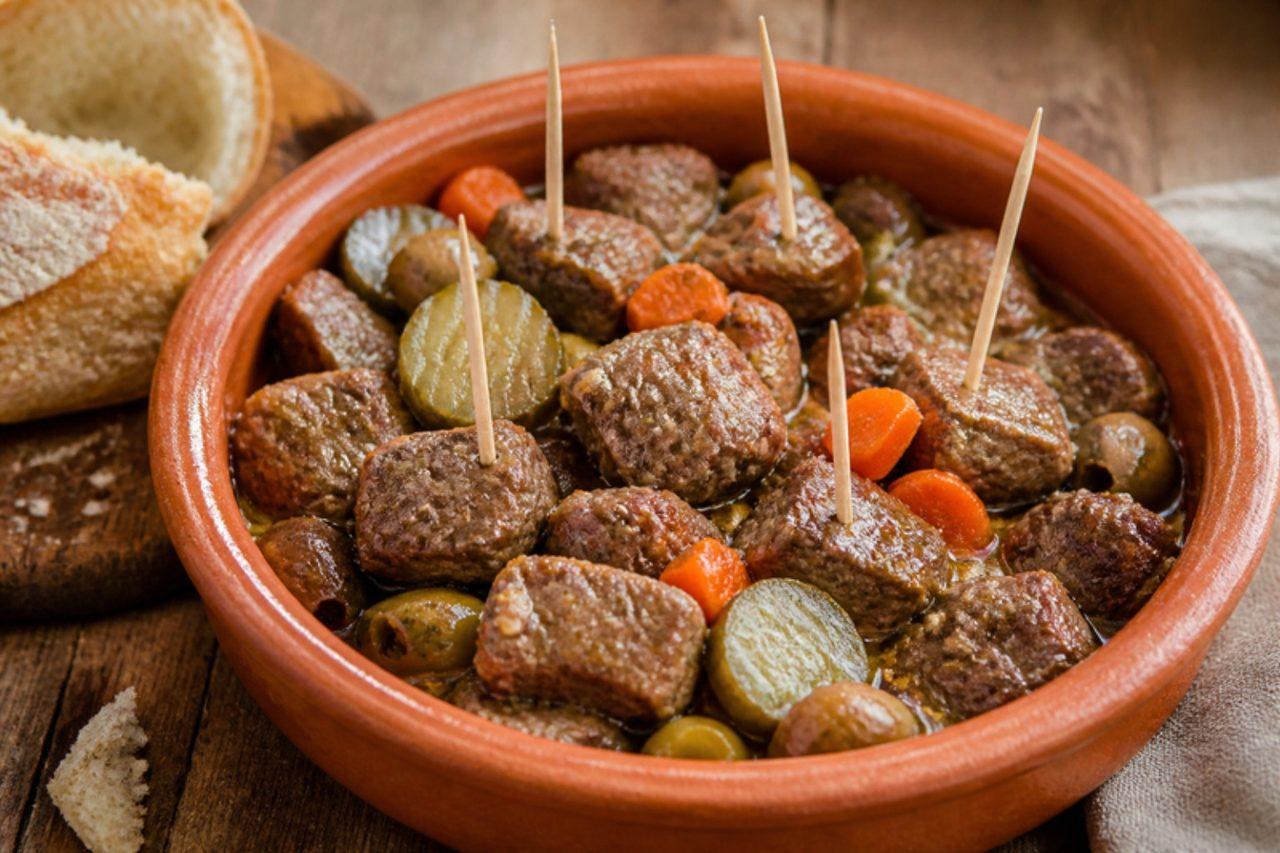
Pica-pauBeef in garlic mustard sauce

Pica-pau means woodpecker, and that is how you eat it: a crowd round a shared dish in a Lisbon cervejaria, pecking cubes of beef out of the sauce with toothpicks and dunking bread into the rest. The beef is seared quickly, then bathed in garlic, butter, mustard and a splash of white wine, and finished with tangy pickled vegetables. The wine contains alcohol; use stock with a teaspoon of vinegar instead. A common mistake is putting in all the meat at once: it stews grey instead of browning. Chef's tip: cut the beef into small, even 2 cm cubes so every piece browns fast and stays tender.

by KrazyBadal 0 views

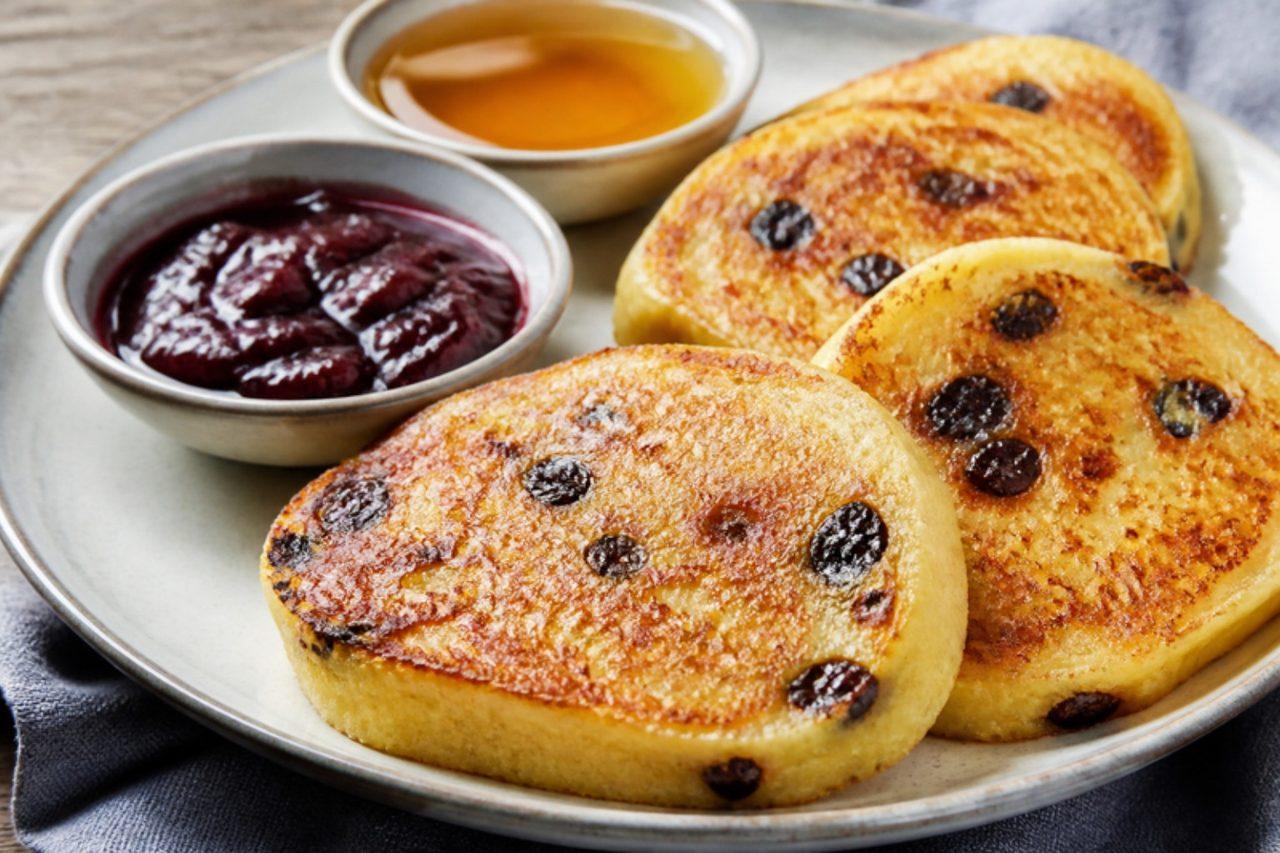
PickertFried yeasted potato loaf with raisins

Pickert is the bread of Lippe and the Teutoburg Forest in eastern Westphalia, made where wheat was scarce and potatoes plentiful: grated raw potato, flour, eggs and yeast baked into a dense, moist loaf, studded with raisins. Locals slice it the next day and fry the slices in butter until crisp, then eat them for breakfast or supper with plum butter, sugar beet syrup, jam or, for meat eaters, liver sausage. This vegetarian version serves it with jam and syrup. A common mistake is not squeezing the potatoes, which leaves the loaf soggy in the middle. Chef's tip: bake it a day ahead; cold Pickert slices cleanly and fries far better than warm.

by KrazyBadal 0 views

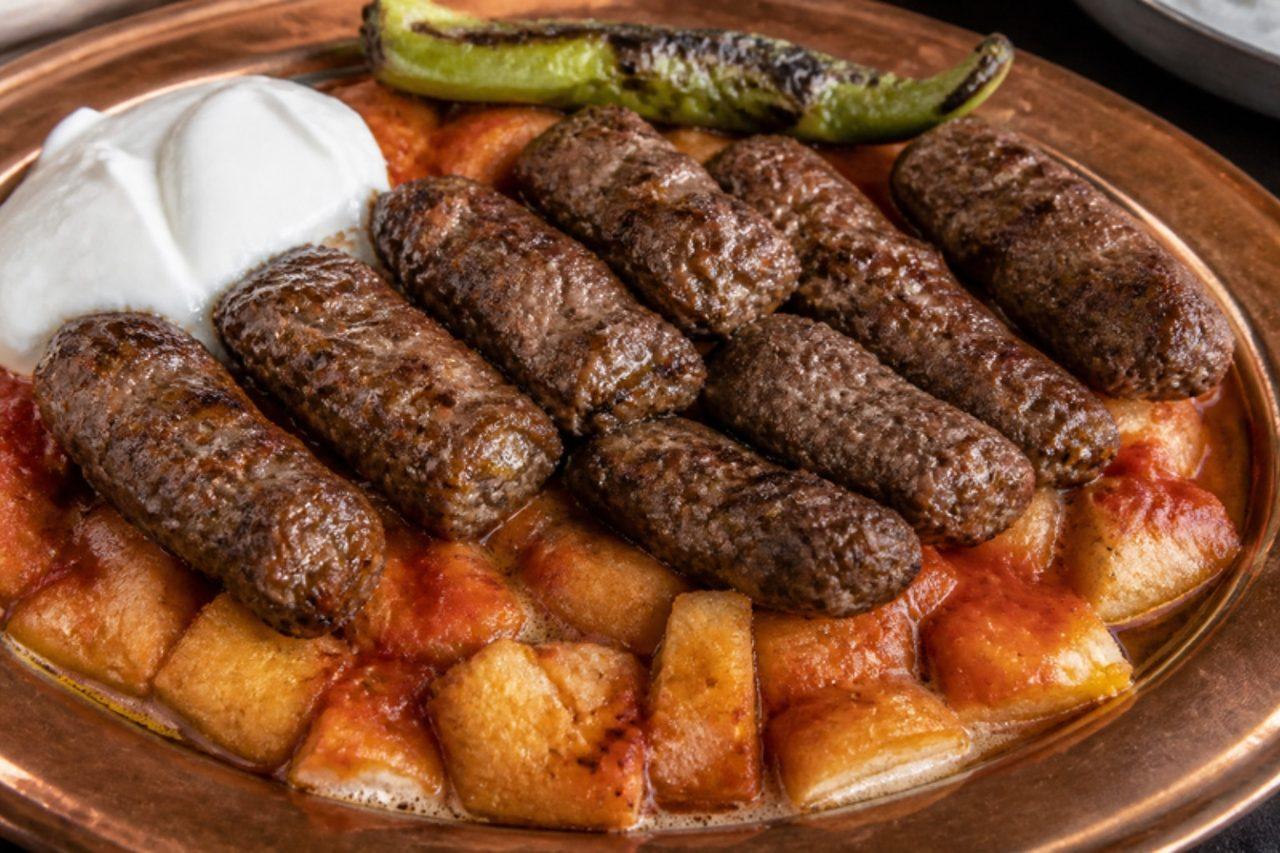
Pideli köfteGrilled meatballs on flatbread

Bursa, the city that gave the world İskender, has its own everyday answer for those who don't want doner: pideli köfte, served in workers' lokantas around the Ulu Cami. Small grilled köfte are laid over cubes of soft pide, drenched in a thin tomato sauce, then finished at the table with browned butter poured over so it hisses, with thick yoghurt on the side. It is rich, messy and very satisfying. Chef's tip: warm the pide in the oven before adding the sauce, so it soaks up the juices but keeps some chew.

by KrazyBadal 0 views

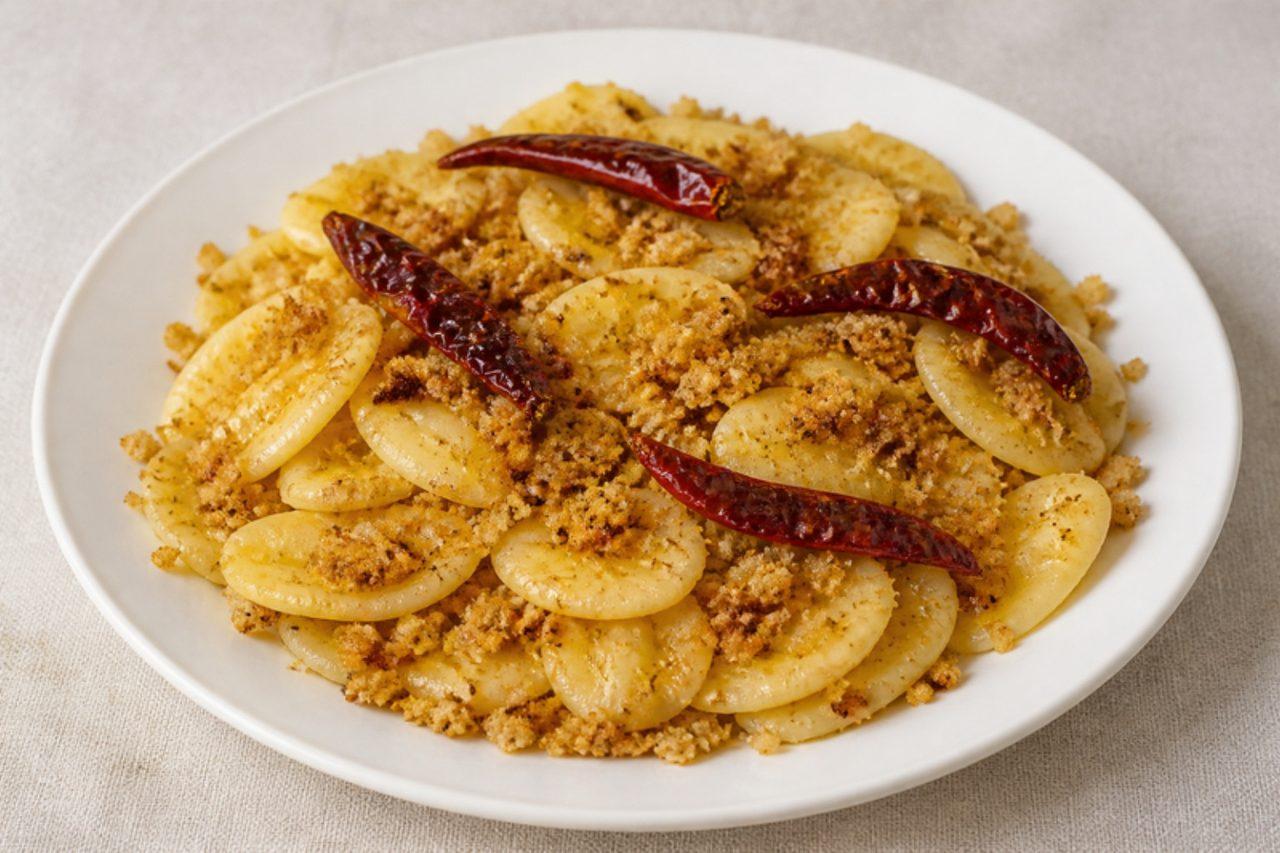
Strascinati con mollica e peperoni cruschiPasta with breadcrumbs and crisp peppers

Strascinati get their name from the way they are made: a piece of semolina dough is dragged (strascinato) across a wooden board under two or three fingers, so it curls into a wide, ridged shell. In the hill towns of Basilicata they are rolled on Sunday mornings and tossed with the simplest dressing of the poor kitchen, olive oil, garlic, breadcrumbs fried until crunchy and crushed peperoni cruschi, the sweet dried peppers of Senise. The crumbs stand in for cheese, which once was a luxury. Chef's tip: fry the breadcrumbs separately and add them at the table, so they are still crackling when you eat.

by KrazyBadal 0 views

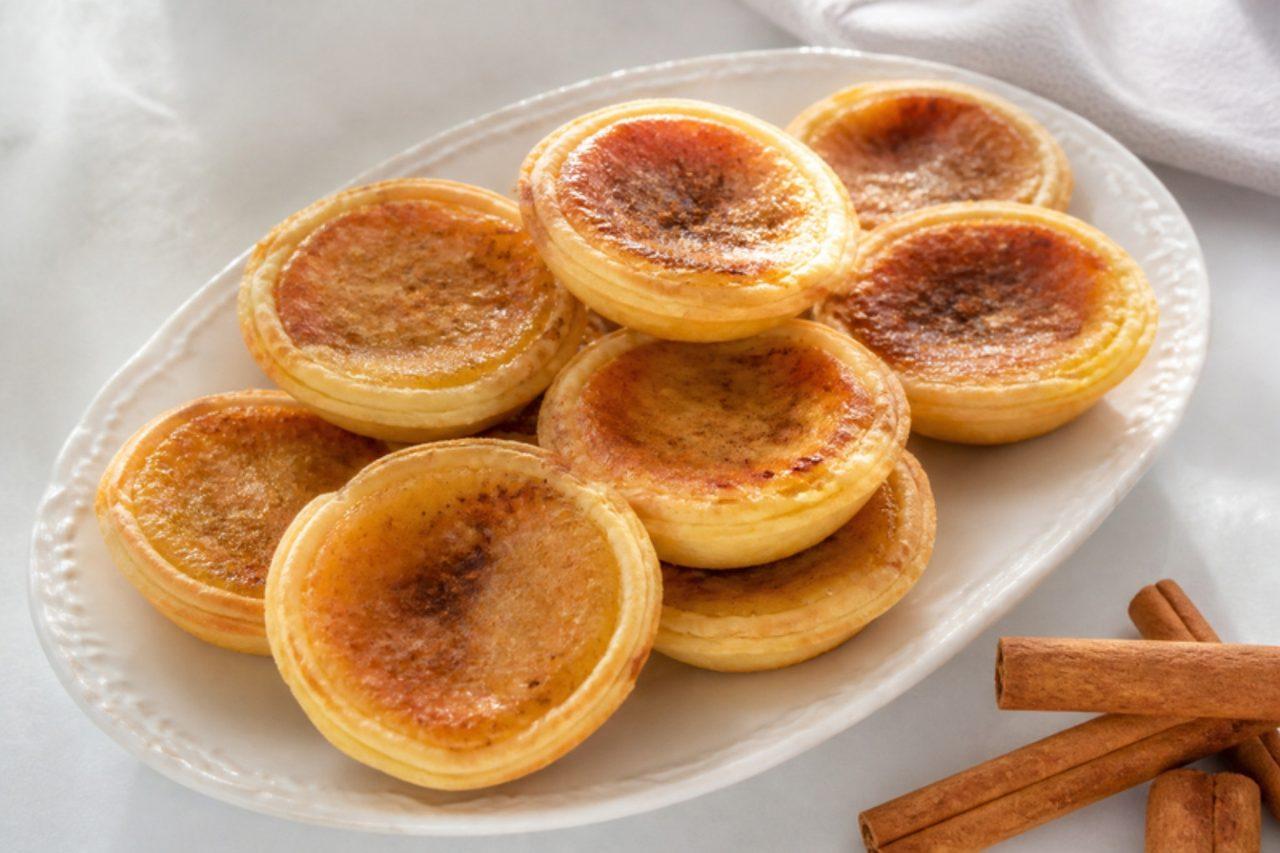
Queijadas de SintraFresh cheese and cinnamon tarts

Day-trippers queue for these in Sintra's old town, buying them by the paper-wrapped half dozen to eat on the train back to Lisbon. They have been made around the palace town for centuries: a creamy filling of fresh cheese, sugar, egg yolk and cinnamon, baked in a thin, crisp case until the top blisters brown in patches. Traditional fresh cheese is curdled with animal rennet; look for ricotta or curd cheese made with vegetarian (microbial) rennet if that matters to you. A common mistake is rolling the pastry too thick: it should be almost see-through, so it crisps instead of turning bready. Chef's tip: press the cheese through a sieve before mixing, so the filling bakes silky rather than grainy.

by KrazyBadal 0 views

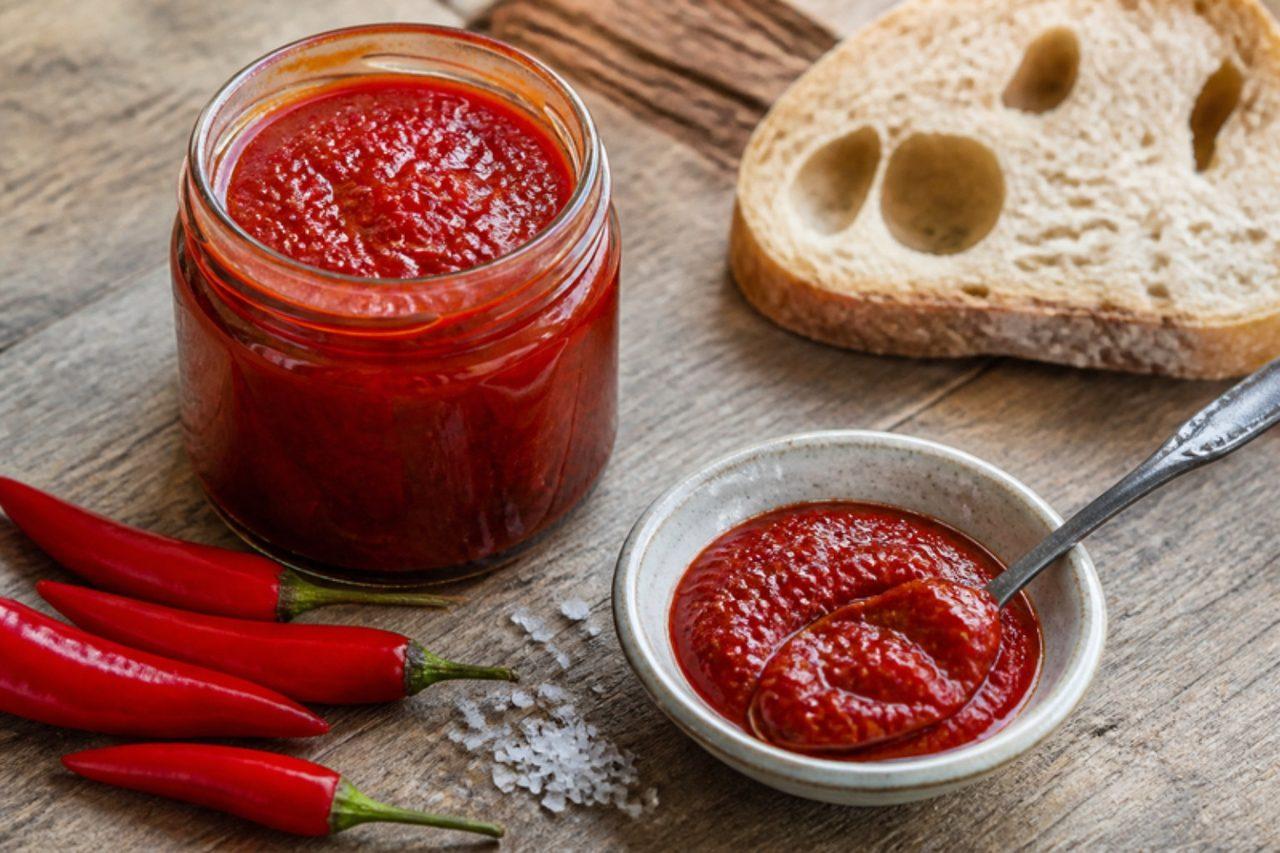
Pimenta da terraFermented red pepper paste

On São Miguel, nearly every kitchen has a jar of pimenta da terra, crushed red peppers salted and left to ferment for a few days until they turn tangy and deep red. It goes into stews, octopus, beans and sausages, onto grilled fish and into sandwiches of bolo lêvedo. It can be mild or fiery depending on the peppers. Make it in late summer when red peppers are cheap. Chef's tip: weigh the salt; too little lets the wrong bacteria take over, while the right amount keeps it safe and lets it ferment slowly.

by KrazyBadal 0 views

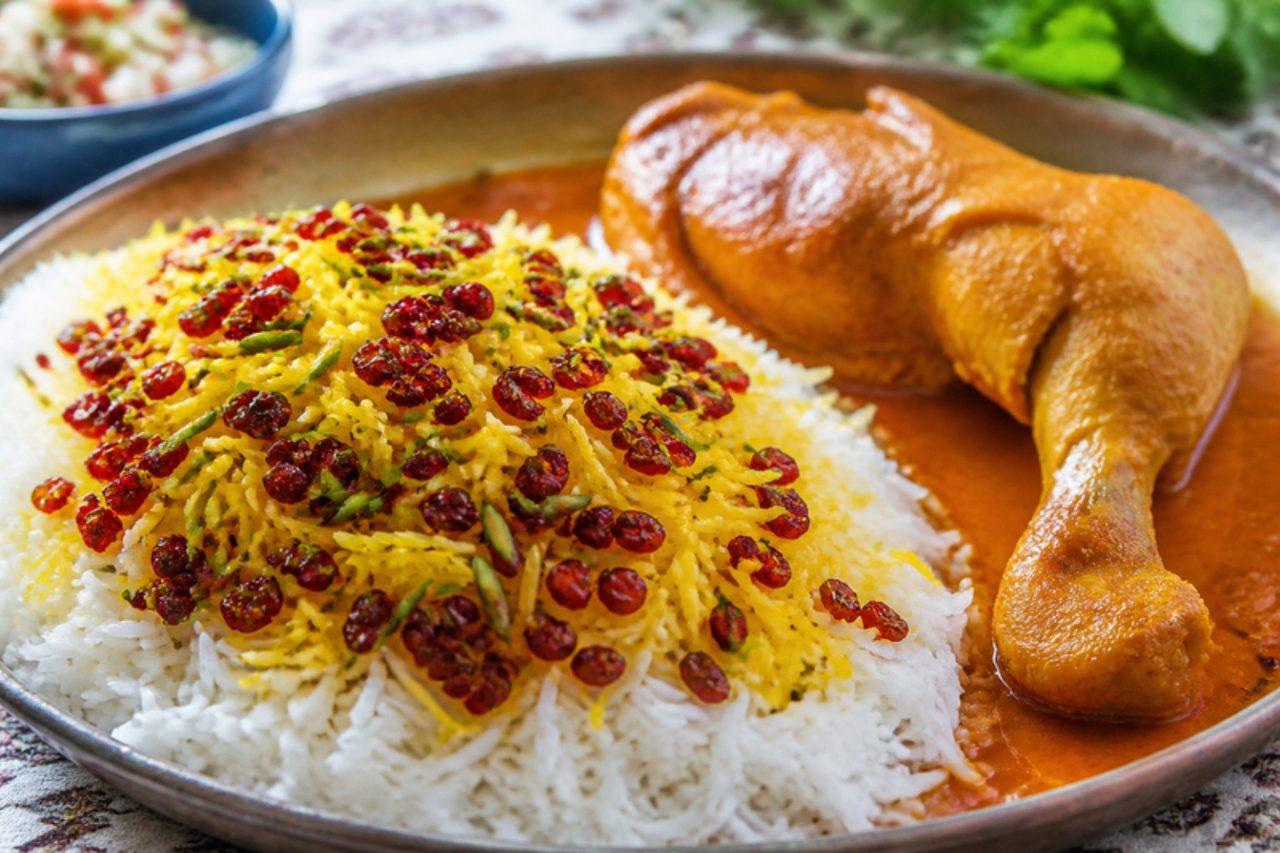
Zereshk polo ba morghBarberry rice with braised chicken

Zereshk polo ba morgh is the rice Iranians cook for guests, weddings and Friday lunches, and its tart red barberries come mostly from the orchards around Birjand in South Khorasan, where the berries are dried on rooftops in autumn. Fluffy steamed basmati is crowned with saffron rice and barberries fried briefly in butter with a little sugar, and served beside chicken braised slowly with onion, tomato and saffron until it is falling off the bone. A common mistake is frying the barberries for more than a minute or two; they burn fast and turn bitter. Chef's tip: sort the barberries on a white plate and remove any tiny stems or grit before soaking.

by KrazyBadal 0 views

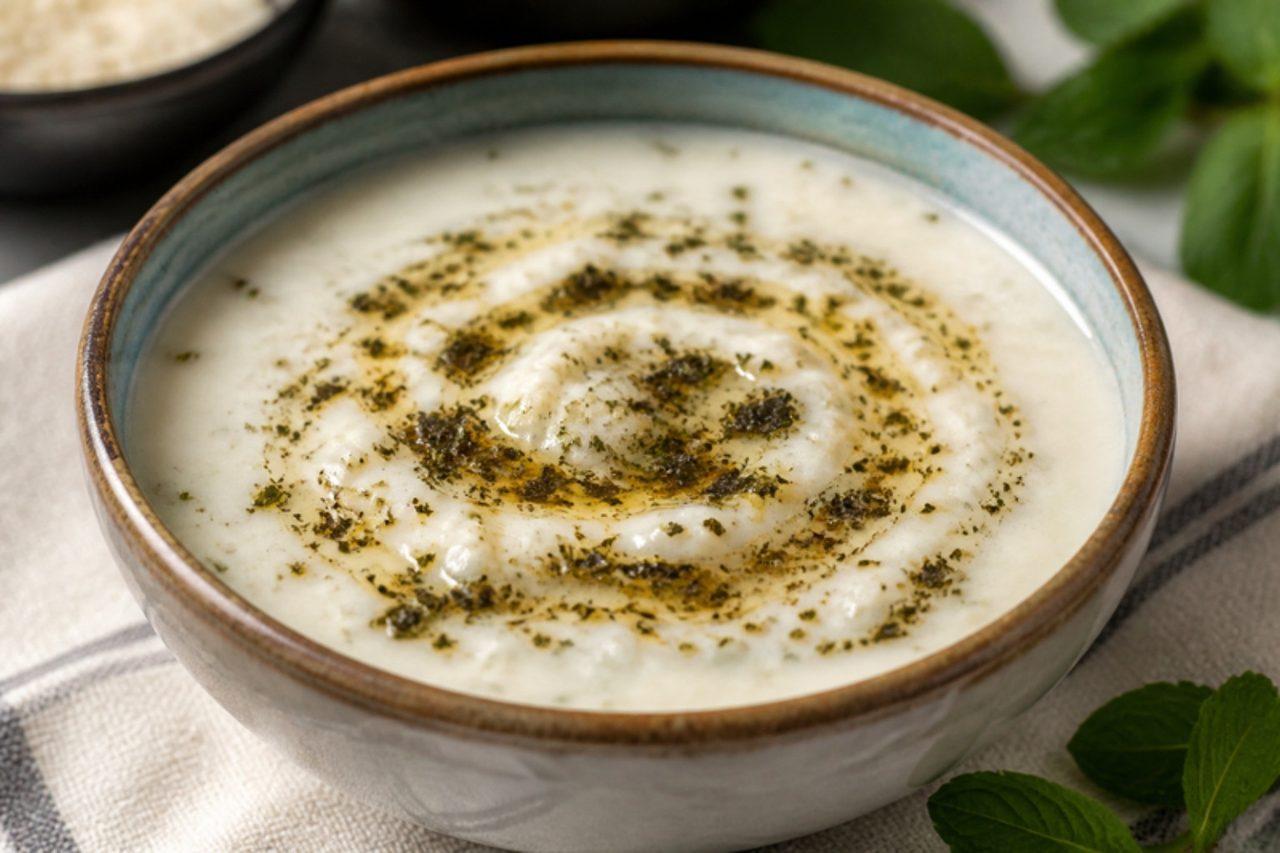
Yayla çorbasıYoghurt, rice and mint soup

Named for the high summer pastures of Anatolia, yayla çorbası is the soup that tradesmen's restaurants in Ankara and Kayseri ladle out from morning onwards: soft rice in a silky, gently sour yoghurt broth, finished with a slick of mint butter. It is light enough for breakfast yet filling with bread, and many families make it when someone is unwell. Common mistake: pouring cold yoghurt straight into the boiling pot, which splits it into grainy curds; temper it first with hot liquid and keep the soup below a boil afterwards. Chef's tip: whisk an egg yolk and a spoon of flour into the yoghurt; they stabilise it and give a velvety body.

by KrazyBadal 0 views

ShaabiyatCream-filled filo triangles in syrup

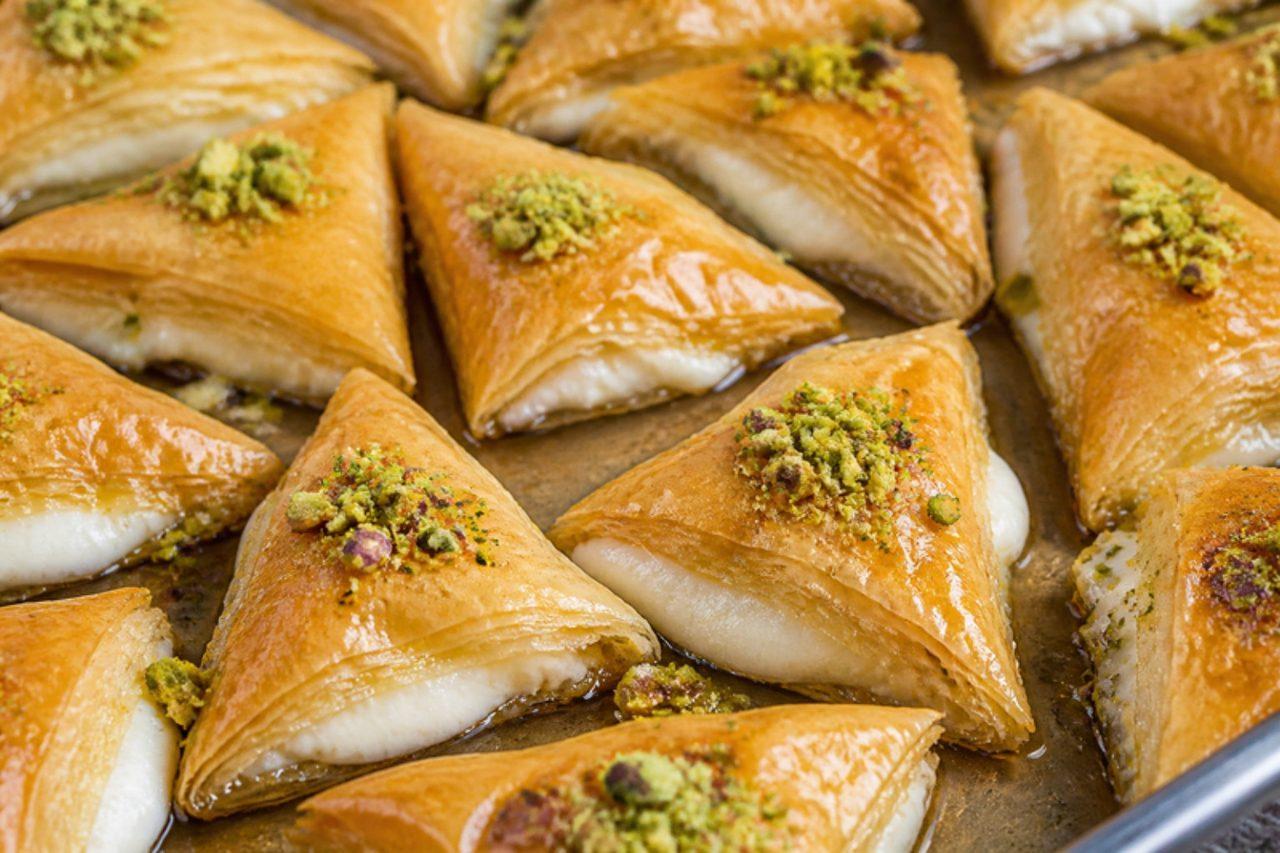
Shaabiyat is one of the jewels of Aleppo's pastry shops, made in huge trays for weddings and for Eid visits: buttery filo folded into triangles around a cool, thick milk cream, baked until golden and shatteringly crisp, then splashed with syrup and topped with ground pistachio. The cream stays cool and soft inside the crackling layers. Serve within a few hours of baking. Common mistake: letting the filo dry out while you work — keep the sheets under a damp tea towel. Chef's tip: syrup must be cold and the pastry hot when they meet, so it soaks in without making the layers soggy.

by KrazyBadal 0 views

PanissesFried chickpea fingers

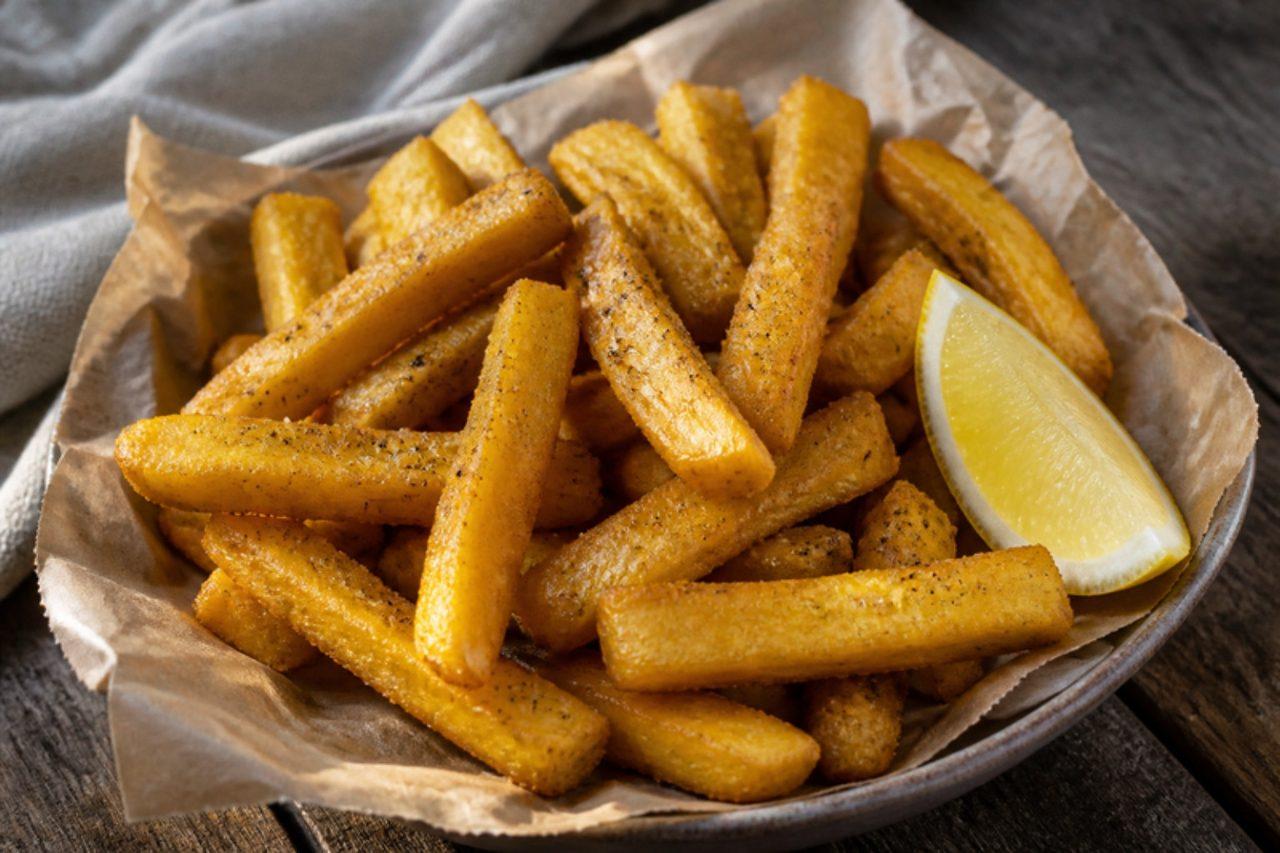
In L'Estaque, the old fishing quarter on the western edge of Marseille, panisses are sold hot in paper cones from seafront kiosks on summer evenings. They start as a thick chickpea-flour porridge, set in a tray, then cut into fingers and fried until the outside is crisp and the middle is soft and creamy, like a chickpea chip. Along the coast in Nice the same flour becomes socca, a thin baked pancake. Serve panisses with a squeeze of lemon and lots of pepper. Chef's tip: make the base the day before; a night in the fridge firms it up, and the fingers keep their shape in the oil.

by KrazyBadal 0 views

Showing 54 of 7,762 recipes

Show more recipes

Page 508 of 863