


Skip to content
Sakarpada
Featured recipe

Sakarpada

Sweet fried dough diamonds

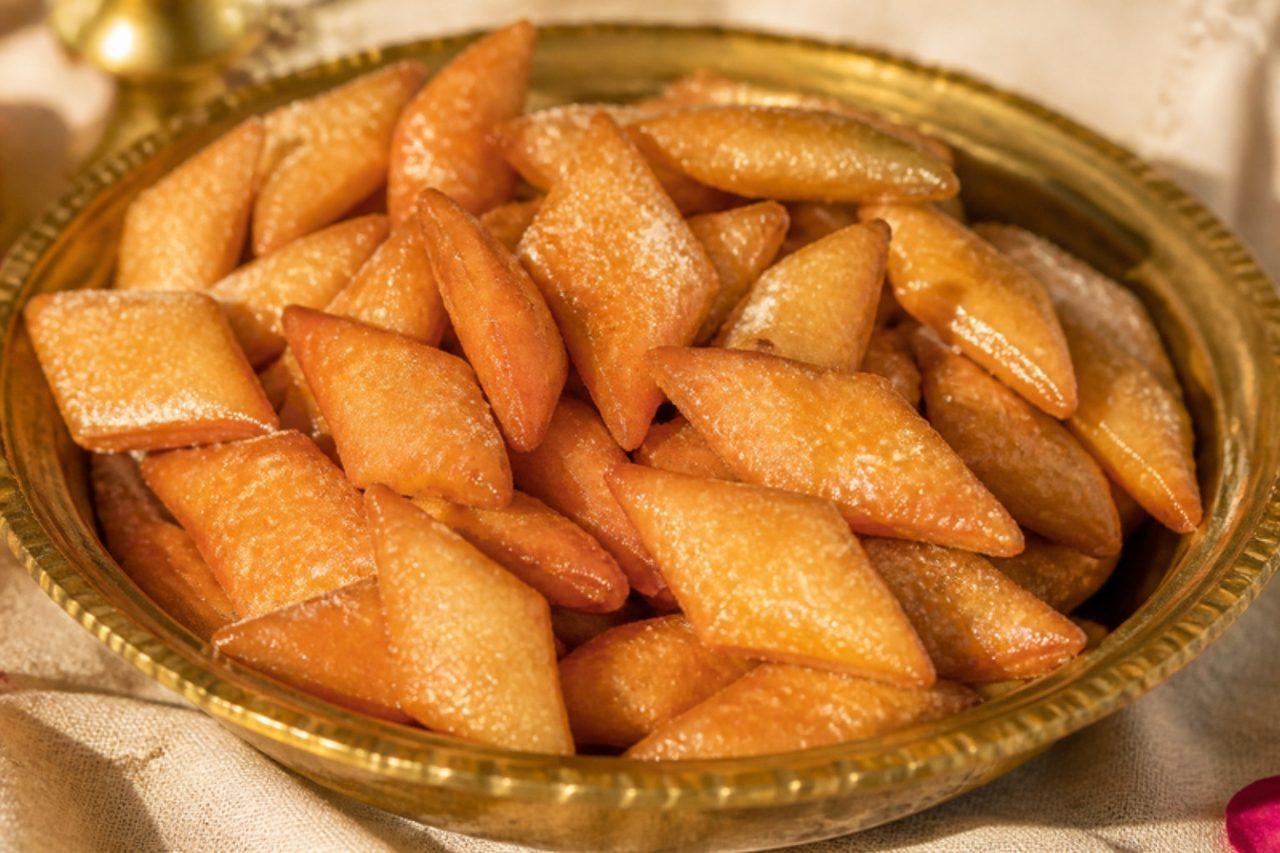
Sakarpada (shakarpara) are little sweet diamonds of a rich dough made with ghee, milk and sugar, fried until golden and crunchy. They are a Diwali favourite with tea, and the cubes go into bhusu too. They keep for weeks in an air-tight tin.

Read more 1 views

What to eat today?

Around the world

Today's trip: Paraguayan

A new country every day, from every cuisine on the site.

Paraguayan

Chipa

Cheese bread rings 50 minMore from Paraguayan (27) →

This week's collection

Kid-friendly dinners
537 recipes · a new collection every Monday

Latest recipes

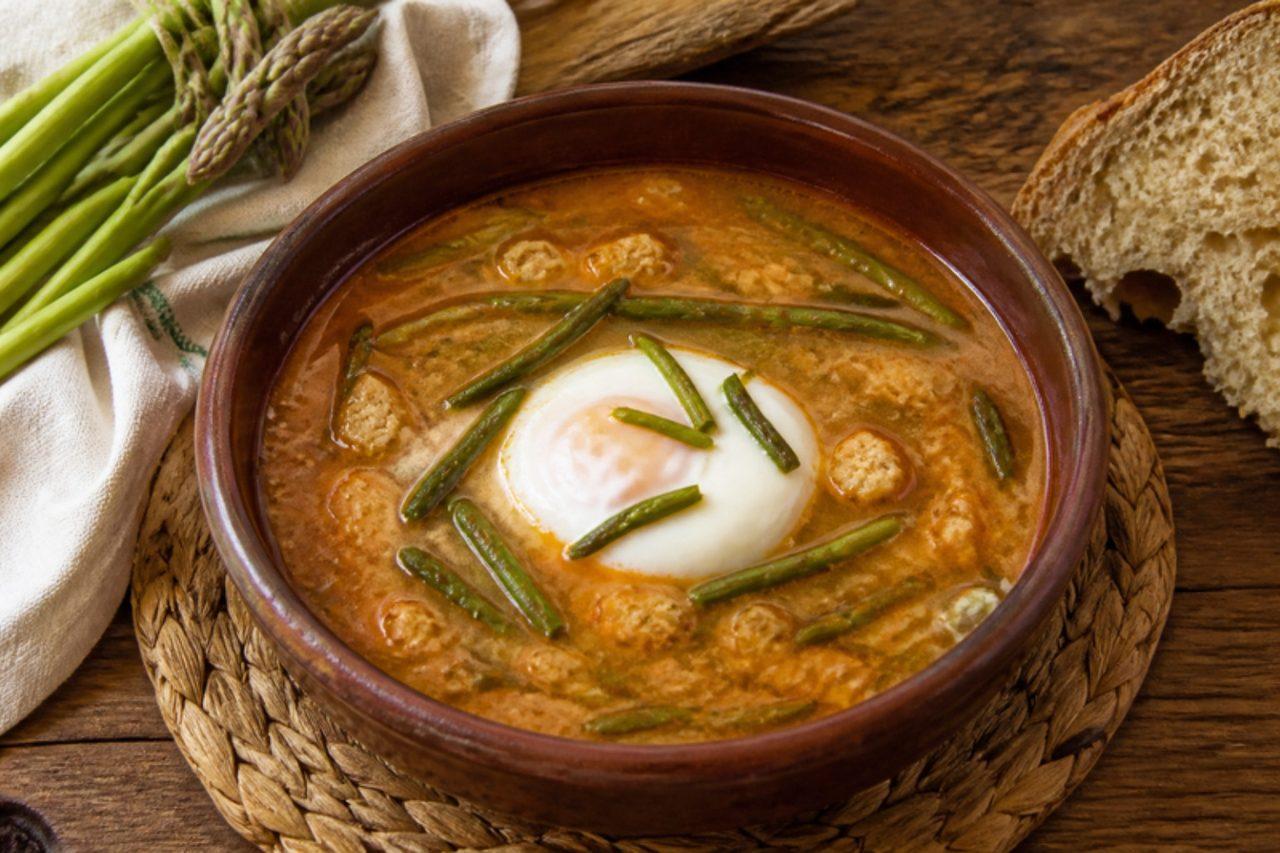
Sopa de espárragos triguerosWild asparagus and bread soup

In March and April people across Extremadura walk the field margins and olive groves picking thin, bitter wild asparagus, and much of the haul goes into this soup. The spears are fried with garlic and smoky pimentón de la Vera, simmered with water, thickened with thin slices of stale bread, and an egg is poached in the pot for each person. It is a country supper for chilly spring evenings. Thin green asparagus from the shops works well. Chef's tip: take the pan off the heat before adding the paprika, so it doesn't scorch.

by KrazyBadal 0 views
Sopa de feijão verdeGreen bean and potato soup

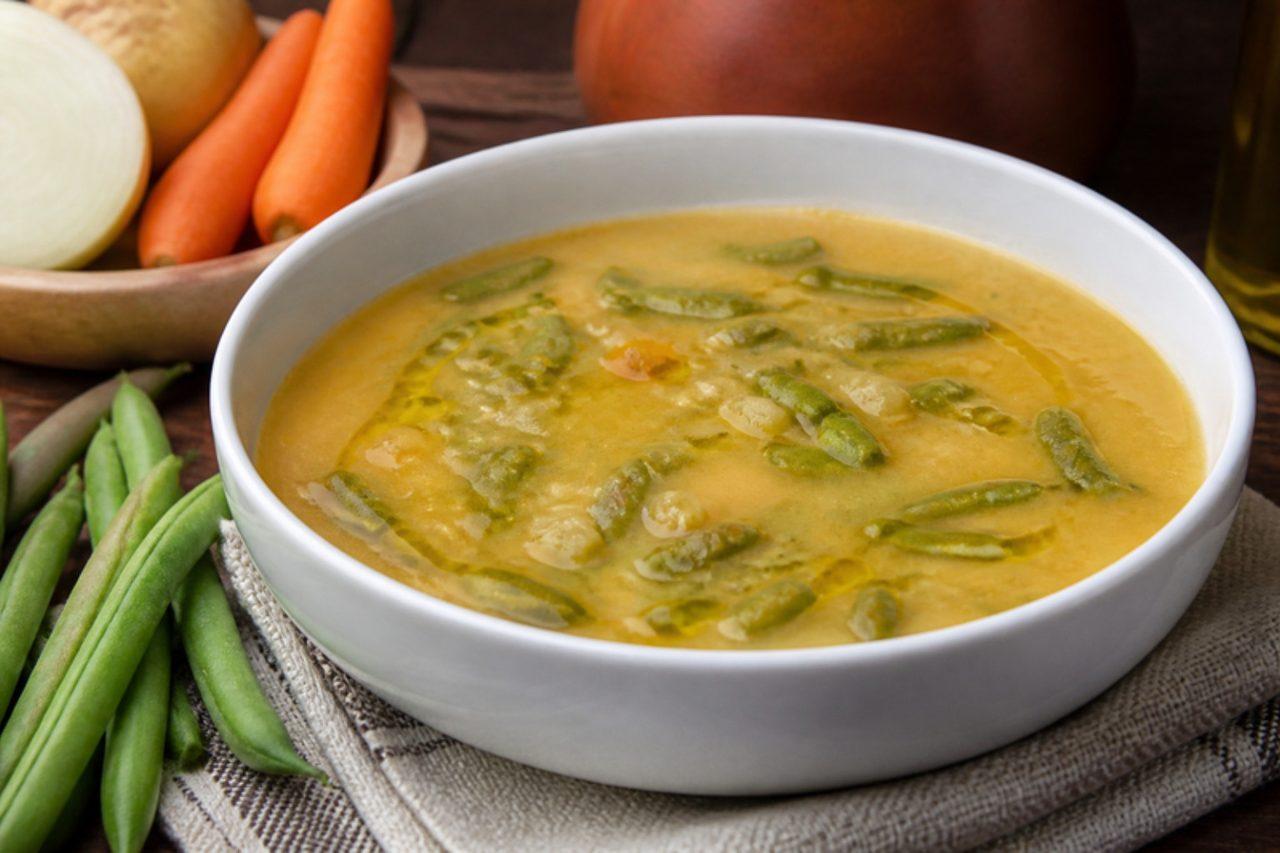
From June to September, Minho kitchen gardens are heavy with runner and flat beans, and this soup is what most families make with them, served as the first course of an ordinary weekday lunch. A smooth base of potato, onion and carrot is puréed, then the beans, cut into thin diagonal slivers, are simmered in it until just tender. It is thick, mild and comforting, finished with a thread of olive oil. A common mistake is adding the green beans with the potatoes; they turn grey and soft, so add them only for the last few minutes. Chef's tip: slice the beans very thinly on a slant, as Minho cooks do, so they cook evenly and every spoonful gets some.

by KrazyBadal 0 views

Petits pâtés de PézenasSweet spiced lamb pies

Pézenas, the old Languedoc town of Molière, is famous for these little pies shaped like cotton reels, sold warm from its bakeries all winter and especially around Christmas. Local legend links them to the Indian cooks of Lord Clive, who stayed nearby in 1768, which would explain the unexpected sweet-savoury filling of minced lamb, brown sugar and lemon zest. They have a crisp, sturdy hot-water crust and a juicy, gently sweet centre with a hint of spice. Eat them warm as a starter, with a green salad, or as a mid-morning snack the way Piscénois do. Chef's tip: shape the pastry while it is still warm and supple; once it cools it cracks instead of folding.

by KrazyBadal 0 views

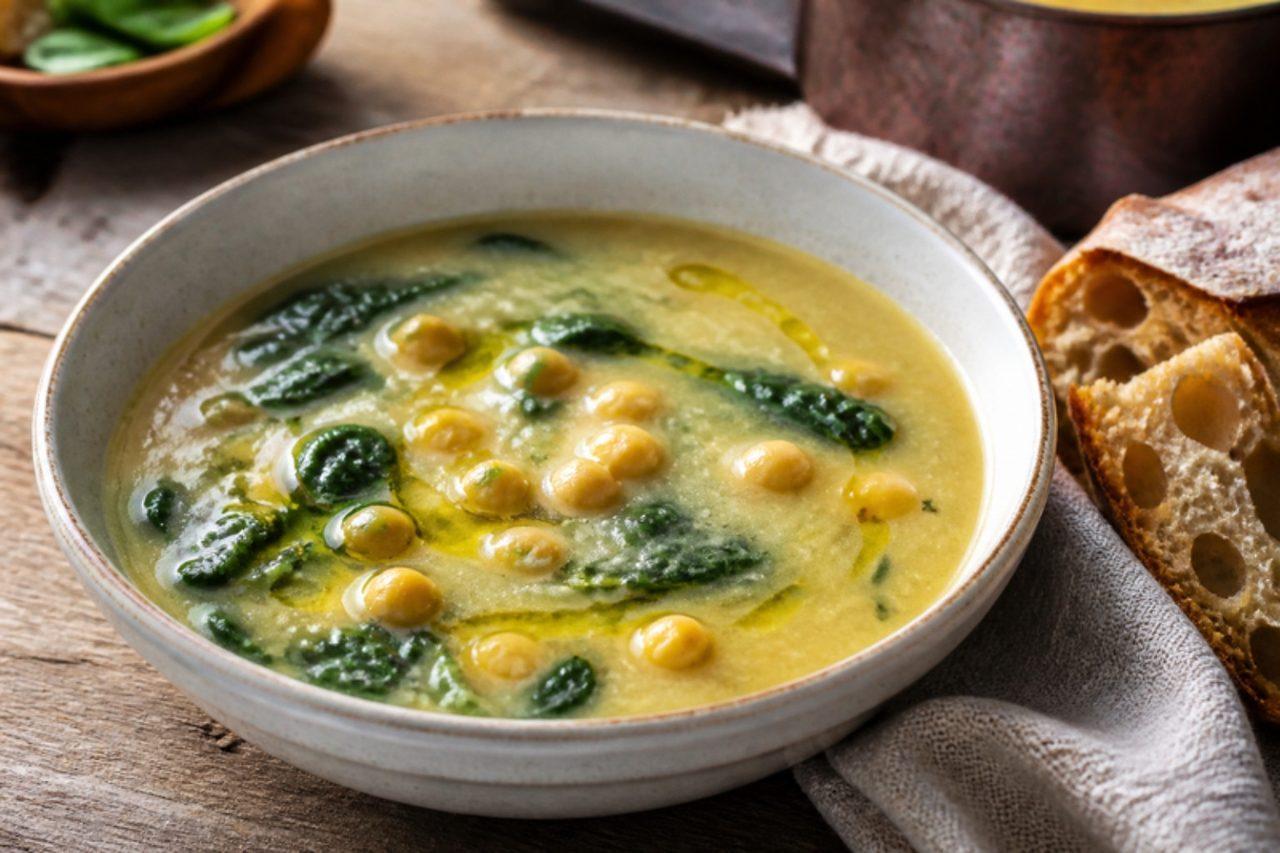
Sopa de grão com espinafresChickpea and spinach soup

This is everyday food in the villages of the Beira interior, where chickpeas are a winter store-cupboard standby and a big pot of soup starts most lunches and suppers. Part of the chickpeas are blended with potato and onion for a creamy base, the rest left whole, and fresh spinach is stirred in at the end. It is filling, cheap and ready in under an hour. A common mistake is boiling the spinach in the soup for too long; add it at the end and cook it only until it wilts. Chef's tip: add the spinach only at the last minute, as long cooking turns it grey and bitter.

by KrazyBadal 0 views

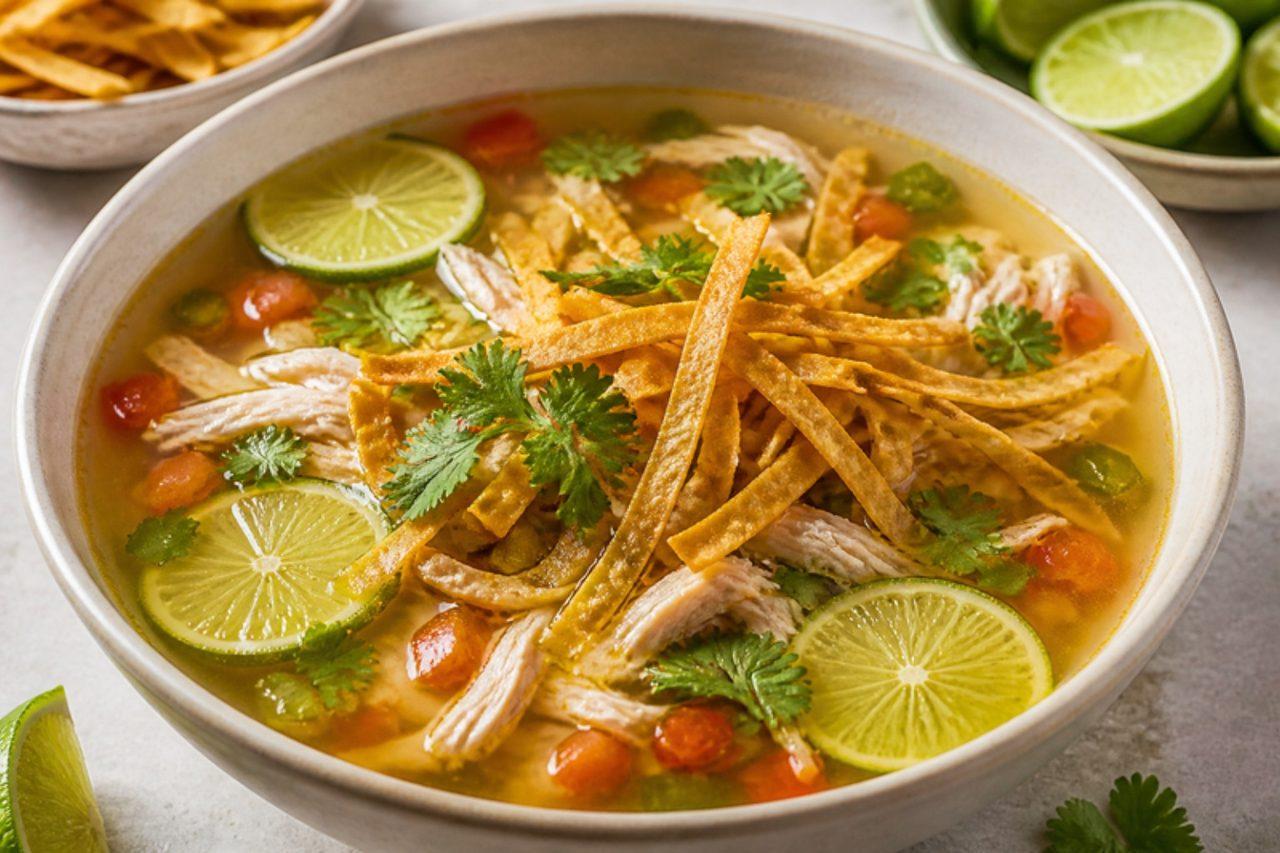
Sopa de limaLime and chicken soup

Sopa de lima is the soup Mérida is proud of: a clear, golden chicken broth lightly spiced with oregano, allspice and clove, sharpened with a sofrito of tomato and green pepper and perfumed by the lima, a fragrant, mild Yucatán citrus. Restaurants around the main square serve it at lunch with a heap of crisp fried tortilla strips that soften as you eat. Lima is almost impossible to buy elsewhere, so this version uses ordinary lime plus a little orange or grapefruit juice to mimic its floral, less sour taste. Serve with extra lime slices and a fiery habanero salsa on the side. Chef's tip: fry the tortilla strips just before serving and add them at the table, so they still crunch.

by KrazyBadal 0 views

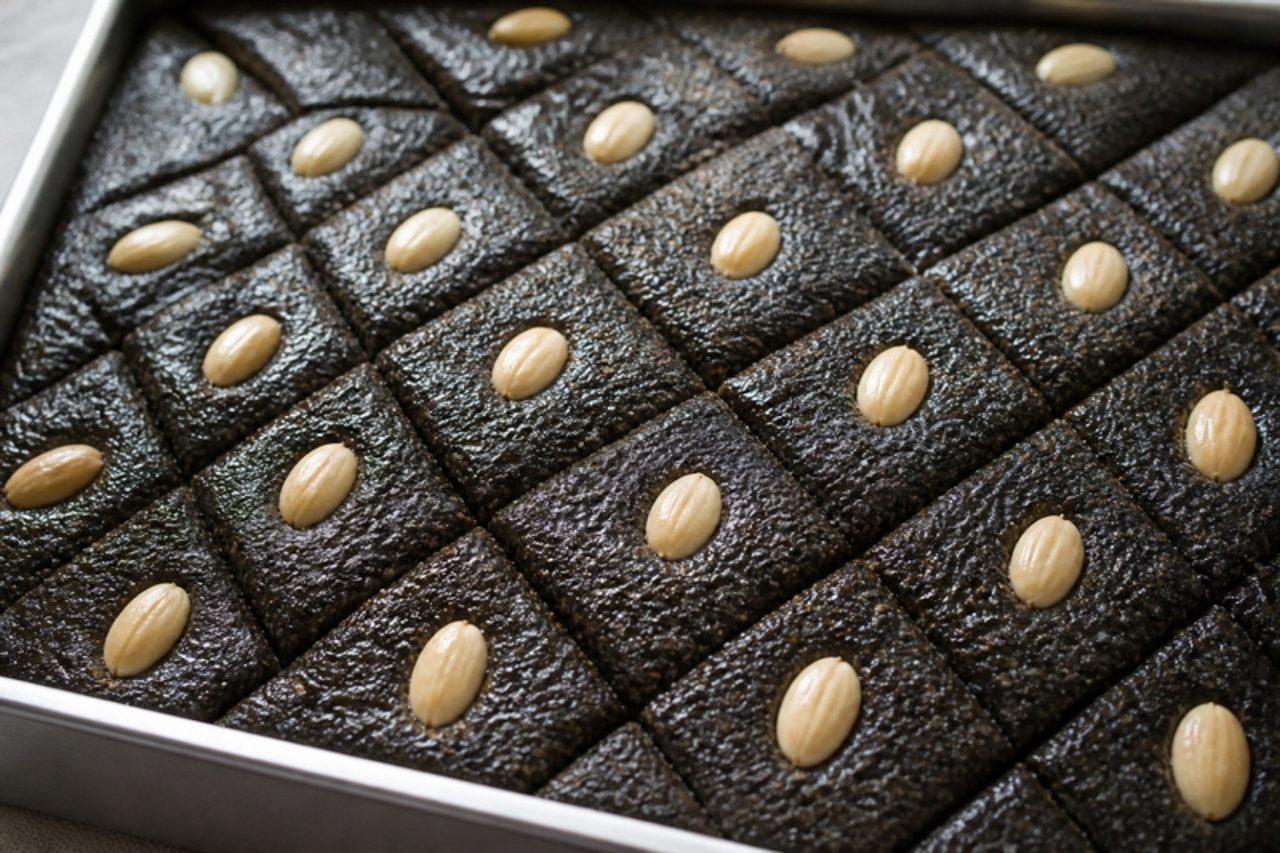
QizhaNigella seed cake

Qizha is Gaza's own sweet: a dense, near-black semolina cake made with a paste of roasted nigella seeds, eaten especially in winter and during Ramadan, when bakeries in Gaza City stack trays of it. It tastes nutty and slightly bitter, a little like dark sesame, softened by syrup and topped with almonds or pistachios. Nigella paste is sold in some Middle Eastern shops; if you can't find it, grind toasted nigella with tahini as below. Common mistake: over-toasting the nigella, which turns it acrid; stop as soon as it smells fragrant. Chef's tip: rest the mixed batter for 30 minutes before baking so the semolina swells and the cake slices cleanly.

by KrazyBadal 0 views

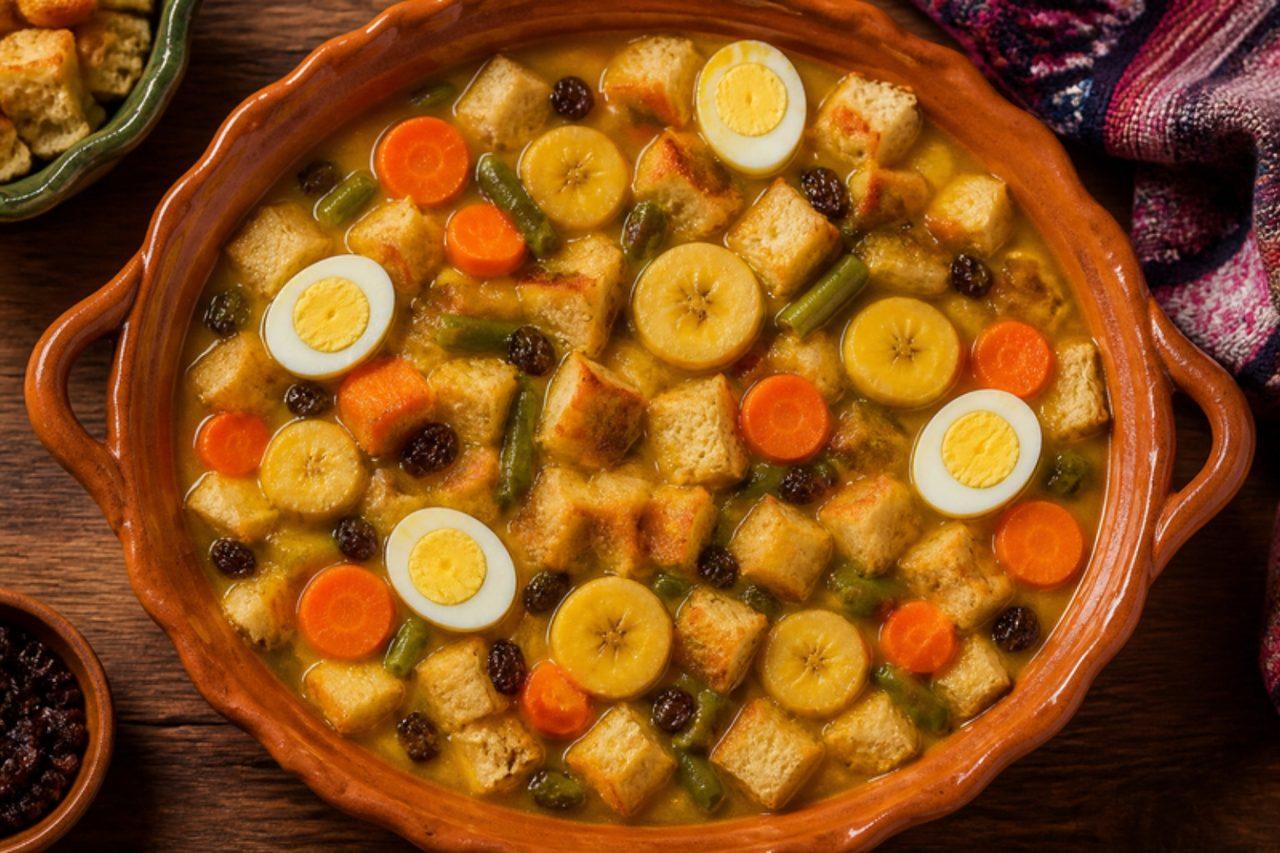
Sopa de panLayered bread soup

This is not a thin soup but a 'dry' one, baked in layers in a deep dish, and in San Cristóbal de las Casas it belongs to fiestas, weddings and the meatless days of Holy Week. Toasted bread is stacked with fried ripe plantain, green beans, carrot, potato, boiled egg and a tomato sauce, then soaked with a saffron and thyme broth until the bread swells into something like a savoury bread pudding. It is served in deep plates with a spoon. Families in the highlands use chicken stock; a good vegetable stock keeps it vegetarian. Chef's tip: dry the bread hard in the oven first; fresh bread dissolves into mush when the broth goes in.

by KrazyBadal 0 views

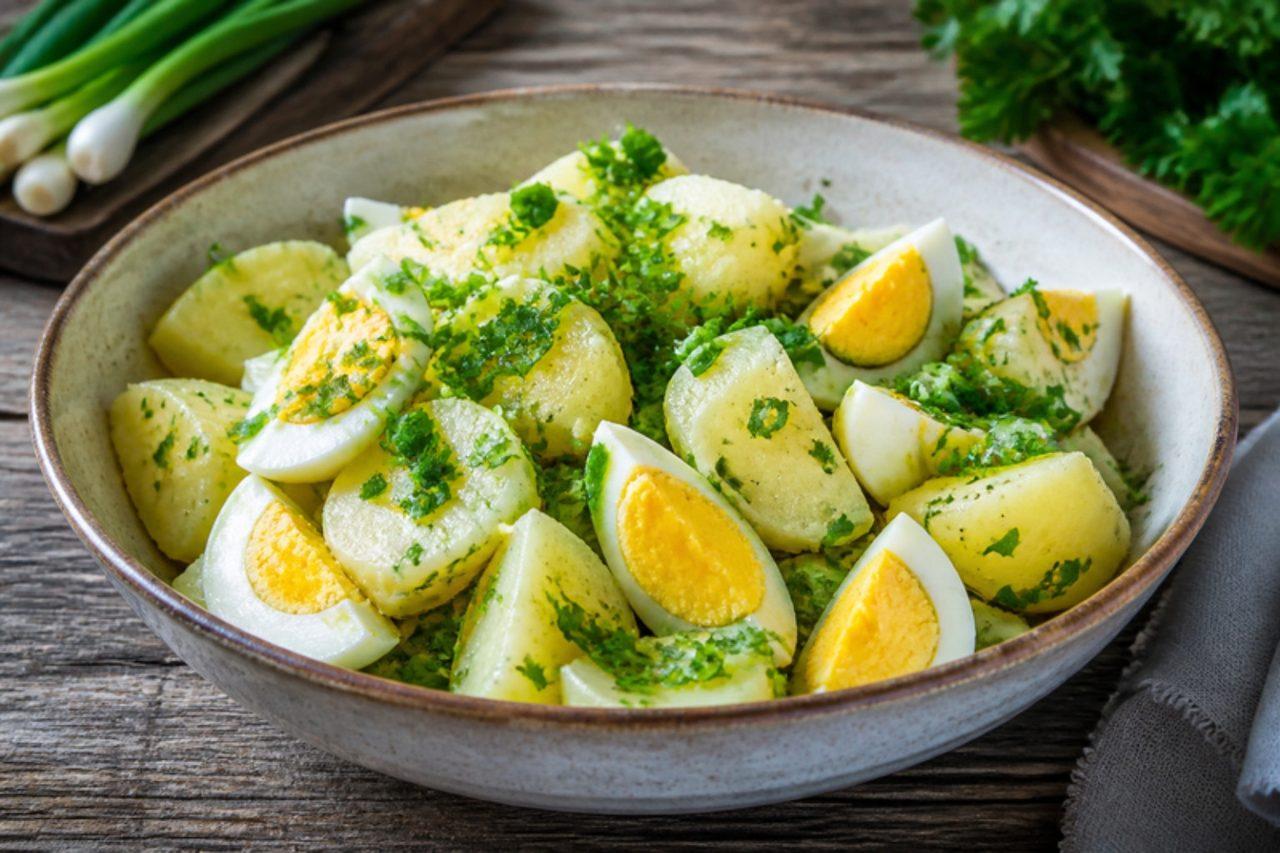
Ensalada de papa y huevoPotato and egg salad

Sunday asados in Argentina tend to come with two salads: the green ensalada mixta and this one, chunks of boiled potato and hard-boiled egg dressed while warm with oil, vinegar, salt and plenty of parsley. Some households stir in mayonnaise, which takes it close to ensalada rusa, but the oil-and-vinegar version is lighter and lets the potatoes taste of themselves. It is mild, soft and slightly tangy, and good at room temperature, which is why it suits an outdoor lunch that goes on for hours. Dressing cold potatoes is the error that leaves the salad bland: warm potatoes soak up the vinegar and oil, cold ones don't. Choose waxy potatoes that hold their shape, and cook the eggs fully for 10 minutes. Chef's tip: sprinkle the vinegar on the hot potatoes first and wait five minutes before adding the oil; the potatoes absorb the acid and the salad tastes seasoned all the way through.

by KrazyBadal 0 views

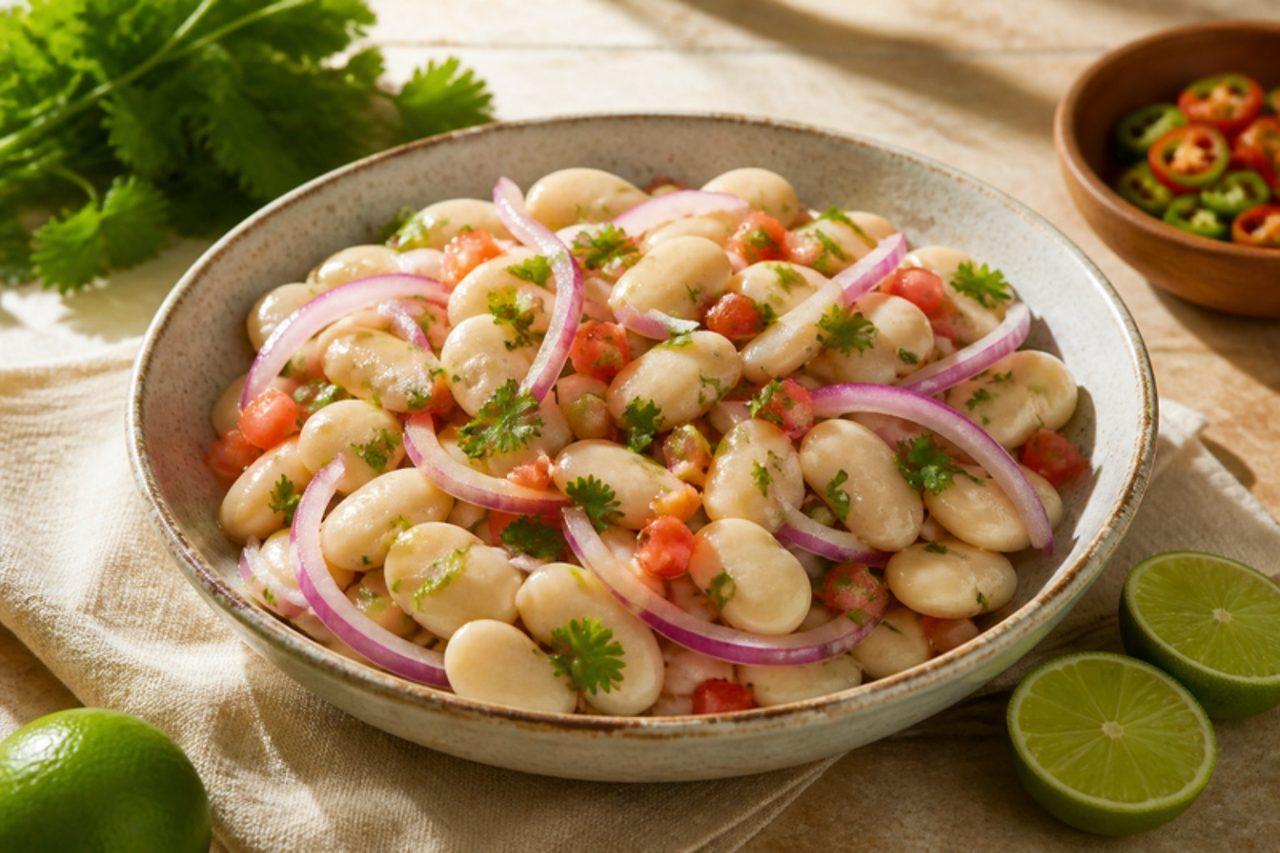
Ensalada de pallaresLima bean and red onion salad

Around Ica, on Peru's southern desert coast, pallares grow in irrigated valleys and dry into fat, flat beans the size of a thumbnail; the region holds them in high regard and sells them by the sack at the Ica market. Cooked until creamy and dressed while warm, they become a filling salad that sits on the table beside fried fish, rice or a plate of boiled sweet potato, and it works as a light lunch on its own. The onion is cut the Peruvian way, in fine half-moons, rinsed so it stays crisp without biting, and the ají limo gives a fruity heat that you can turn up or down. A frequent slip is dressing the beans straight from the fridge: they stay chalky and the lime slides off instead of soaking in. Using dried beans adds an overnight soak; good jarred or canned large lima beans make it a 20-minute dish. Chef's tip: dress the beans while they are still warm with half the lime and salt, then add the onion, tomato and the rest of the lime just before serving.

by KrazyBadal 0 views

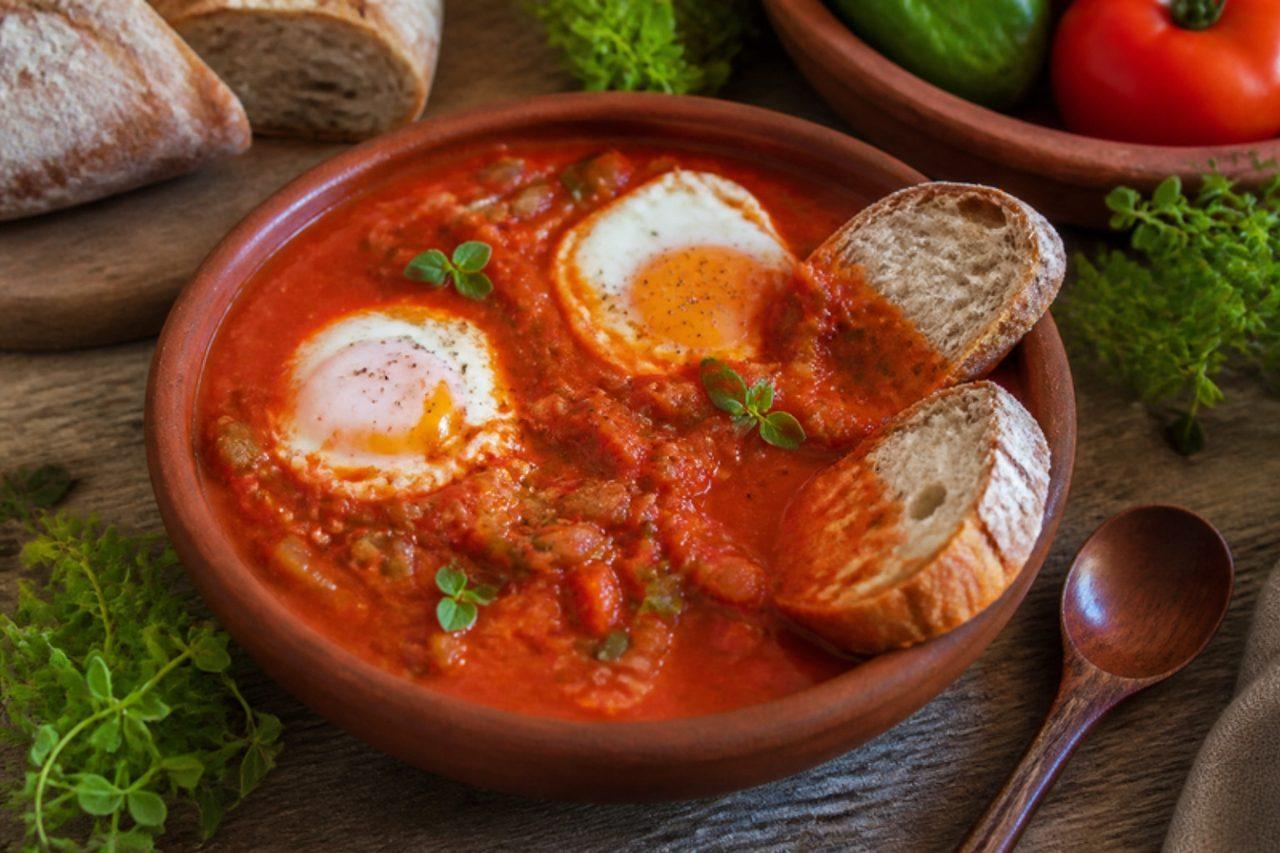
Sopa de tomate à alentejanaTomato soup with poached eggs

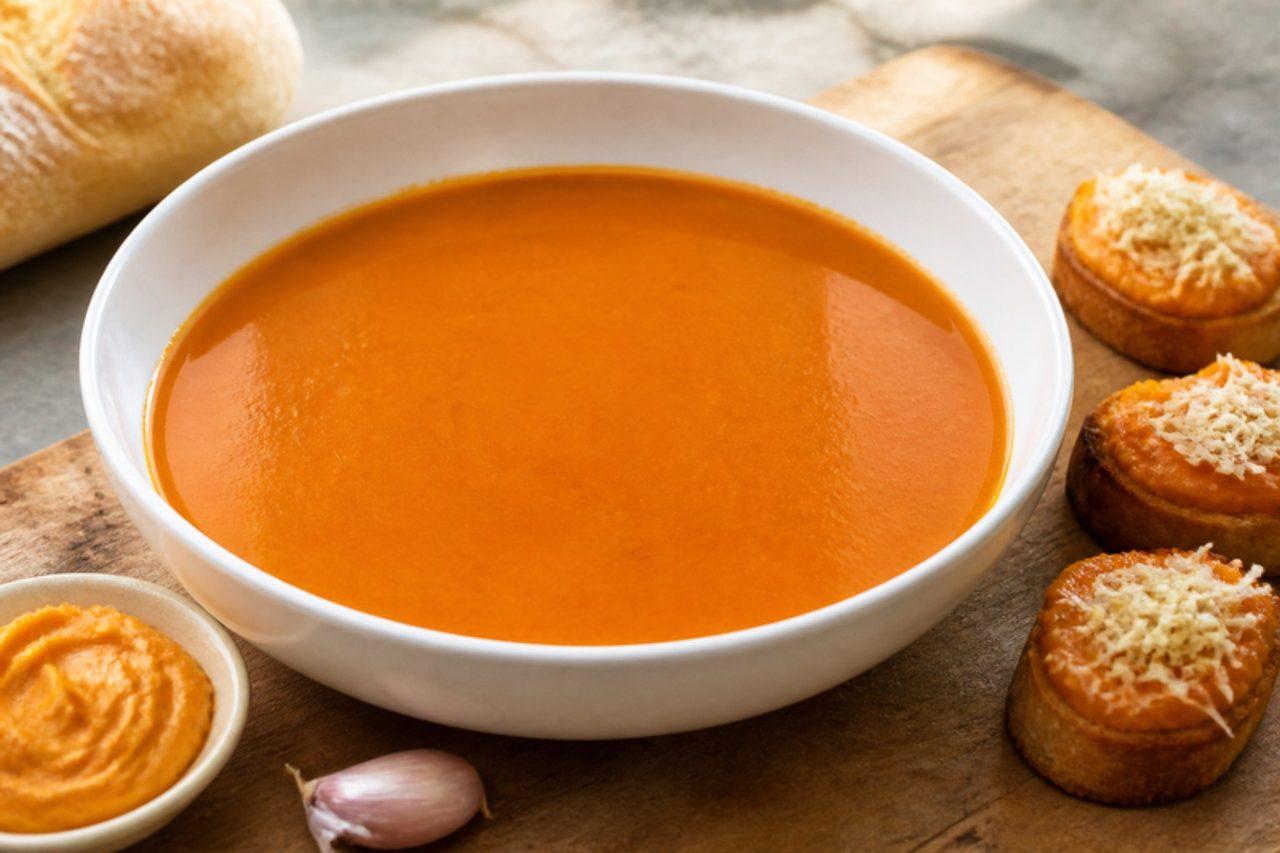
In the Alentejo, high summer means tomatoes ripening faster than anyone can eat them, and this is what farm families do with the glut: a thick, oily stew-soup of tomato, onion and green pepper, with eggs poached right in the pot and the whole thing spooned over slices of stale country bread. It is a supper dish, eaten in deep plates on hot evenings, often with grapes or melon afterwards. Many households slip in chouriço; this version keeps it vegetarian. A common mistake is using watery salad tomatoes; you need very ripe, deep-red ones for a soup that tastes of anything. Chef's tip: cook the onion slowly until truly sweet before the tomatoes go in; that sweetness carries the whole dish.

by KrazyBadal 0 views

Tortas de VianaSponge roll with egg-yolk cream

In the pastry shops along Viana do Castelo's old streets, tortas are sold rolled and sliced, a feather-light sponge wrapped around a glossy egg-yolk cream. They turn up on festival weekends in August, when the town fills for the Romaria d'Agonia, and as an afternoon treat with coffee the rest of the year. The sponge contains only eggs, sugar and a little flour, so it bends without cracking if you roll it warm. Chef's tip: roll the sponge in sugared paper straight from the oven and let it cool in that shape, then unroll and fill.

by KrazyBadal 0 views

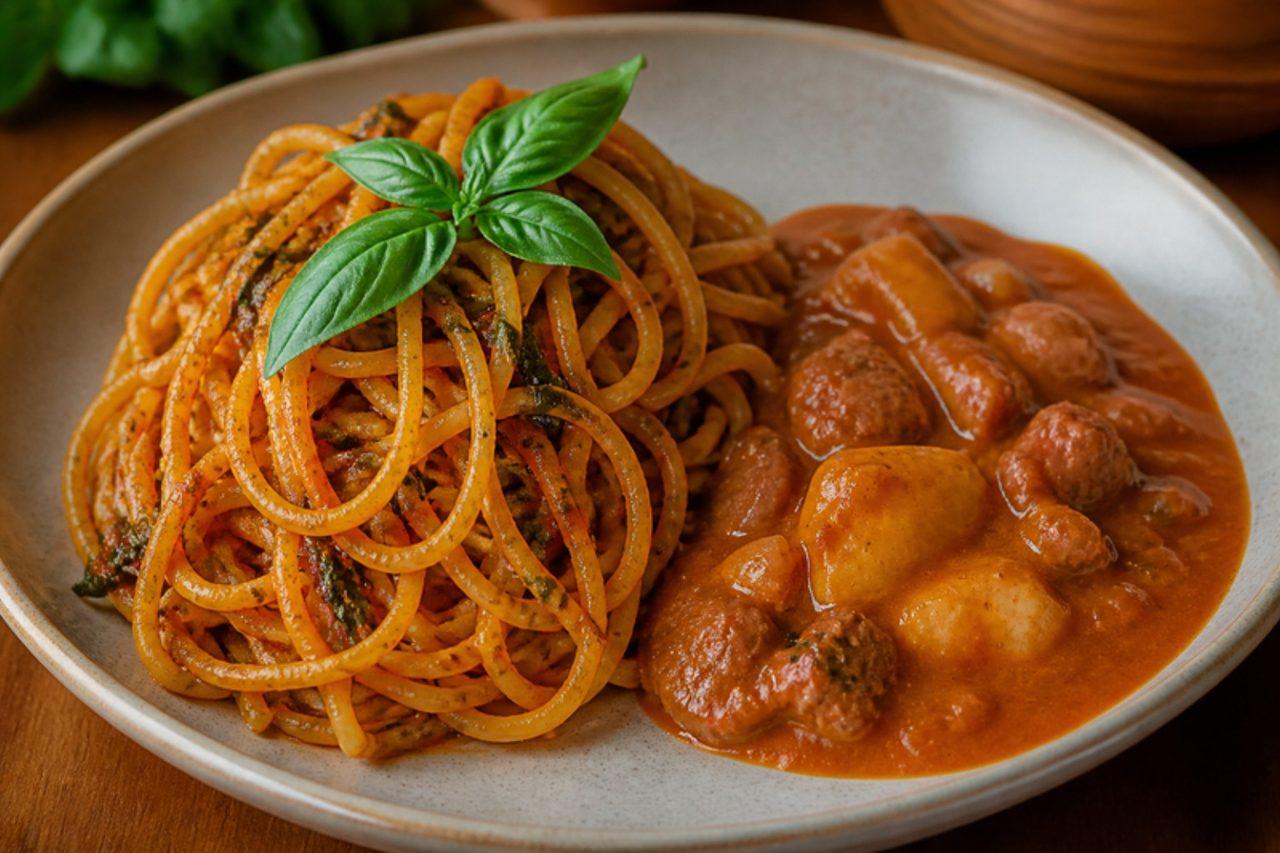
Sopa seca chinchanaSpaghetti in basil chicken broth

Despite the name, there is no soup in a bowl: sopa seca is spaghetti cooked like a risotto in a well-seasoned chicken broth with basil, ají panca and tomato until every drop is absorbed and the noodles turn reddish-green and fragrant. In Chincha and Ica it always arrives on the same plate as carapulcra, the two together forming the famous festive 'matrimonio', with a chicken thigh on top. Expect soft, very savoury pasta with a mild warmth from the chilli. Where it goes wrong is pouring in all the broth at once, which leaves the pasta swimming and mushy; add it in stages, as for risotto. Chef's tip: blend the basil with a little oil and stir it in only in the last minutes, so it stays green instead of turning brown.

by KrazyBadal 0 views

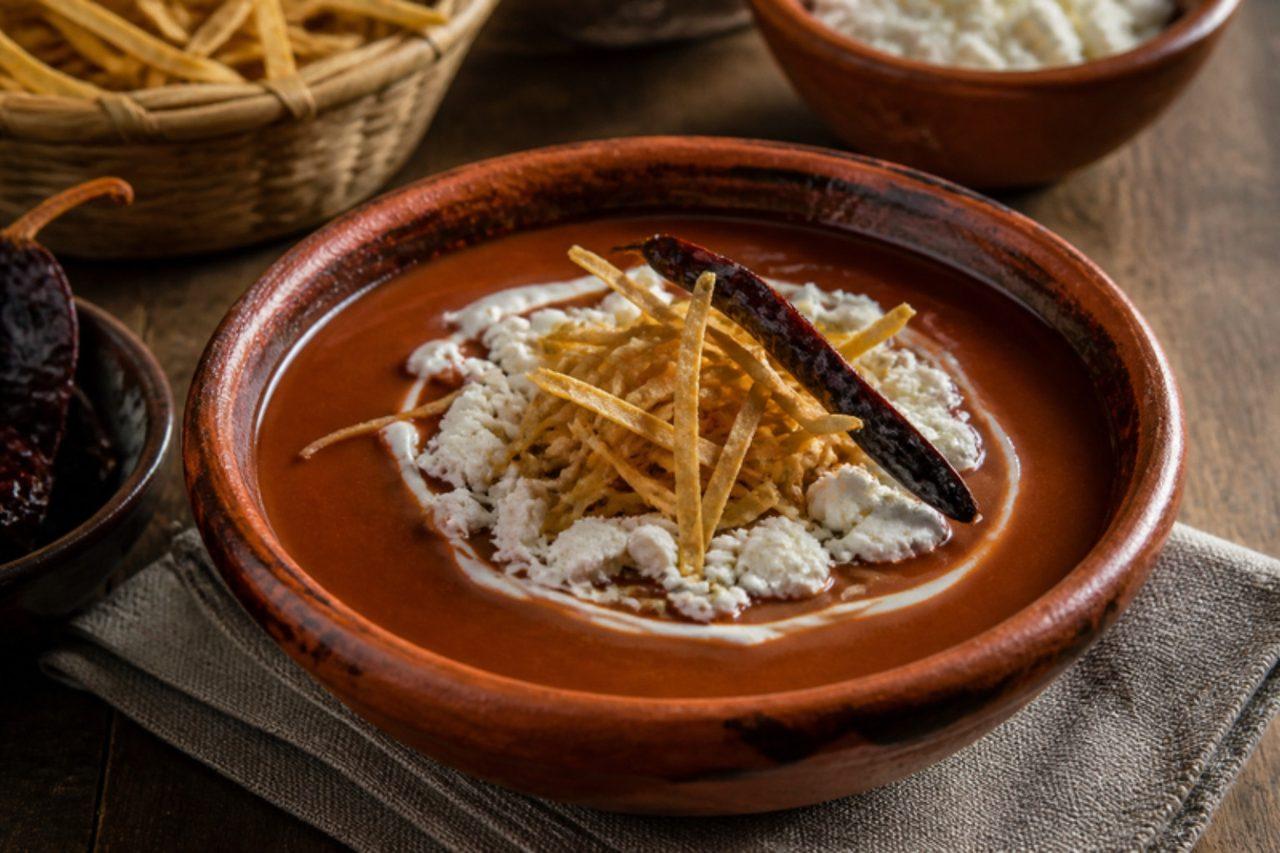
Sopa tarascaBean and tomato soup

Named after the Tarascan (Purépecha) people of Michoacán, sopa tarasca is the soup served in the restaurants around the plazas of Pátzcuaro and Morelia, especially on cool highland evenings. It is a smooth, brick-red purée of beans, tomato and ancho chilli, poured over crisp tortilla strips and finished with cream, fresh cheese and fried chilli rings. Some versions use chicken stock; this one uses vegetable stock and loses nothing. Fresh cheese may be made with animal rennet, so use a vegetarian one if needed. Chef's tip: fry the blended soup base in hot oil before adding the stock; it cooks out the raw tomato taste and deepens the colour.

by KrazyBadal 0 views

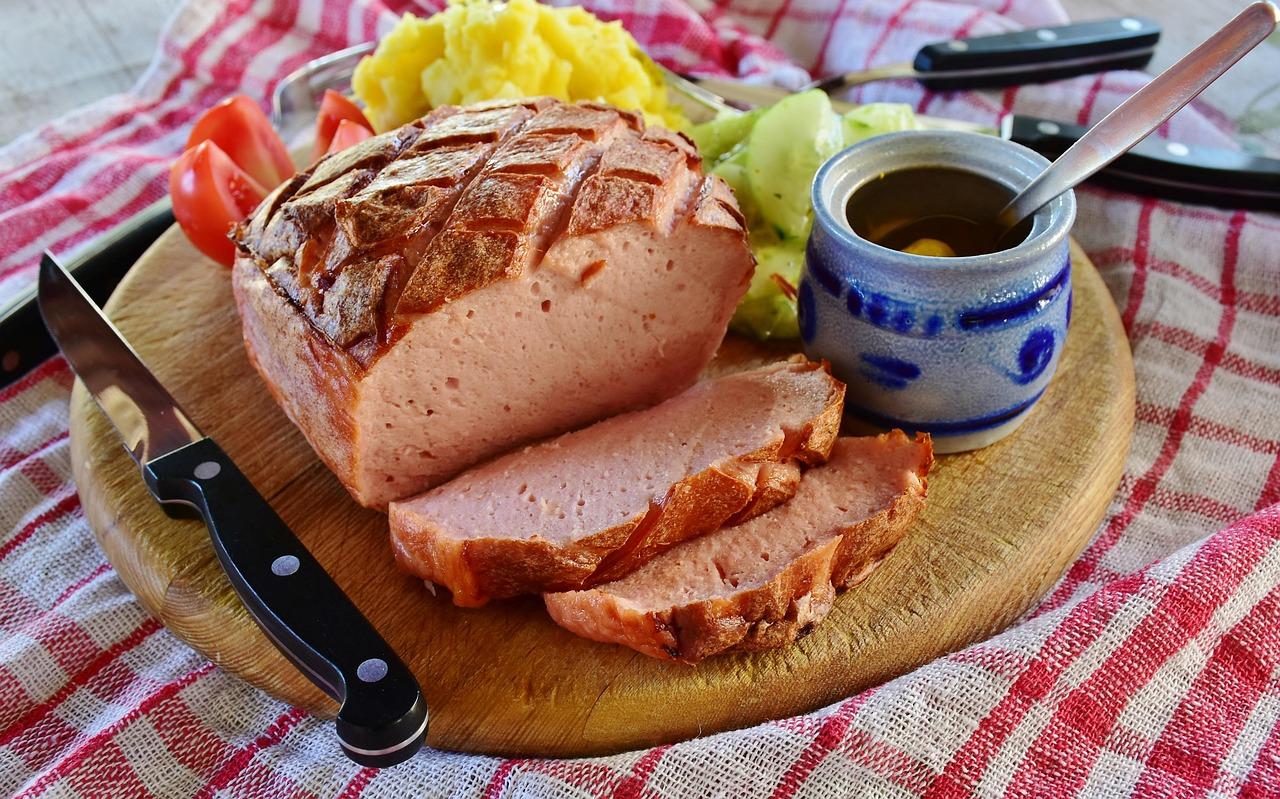
LeberkäseBaked pork and beef loaf

Despite its name, Bavarian Leberkäse contains neither liver nor cheese: it is a smooth, finely ground loaf of pork and beef baked until it has a dark, crunchy crust. In Munich it is the mid-morning snack, a thick warm slice folded into a crusty roll with sweet mustard and eaten standing at the butcher's counter. Made at home without curing salt, the inside bakes pale grey rather than pink, which is normal. Chef's tip: everything, including the bowl of the food processor, must be ice-cold; if the mix warms above about 12 °C the fat separates and the loaf turns crumbly.

115 minGermanMeat
by KrazyBadal 0 views

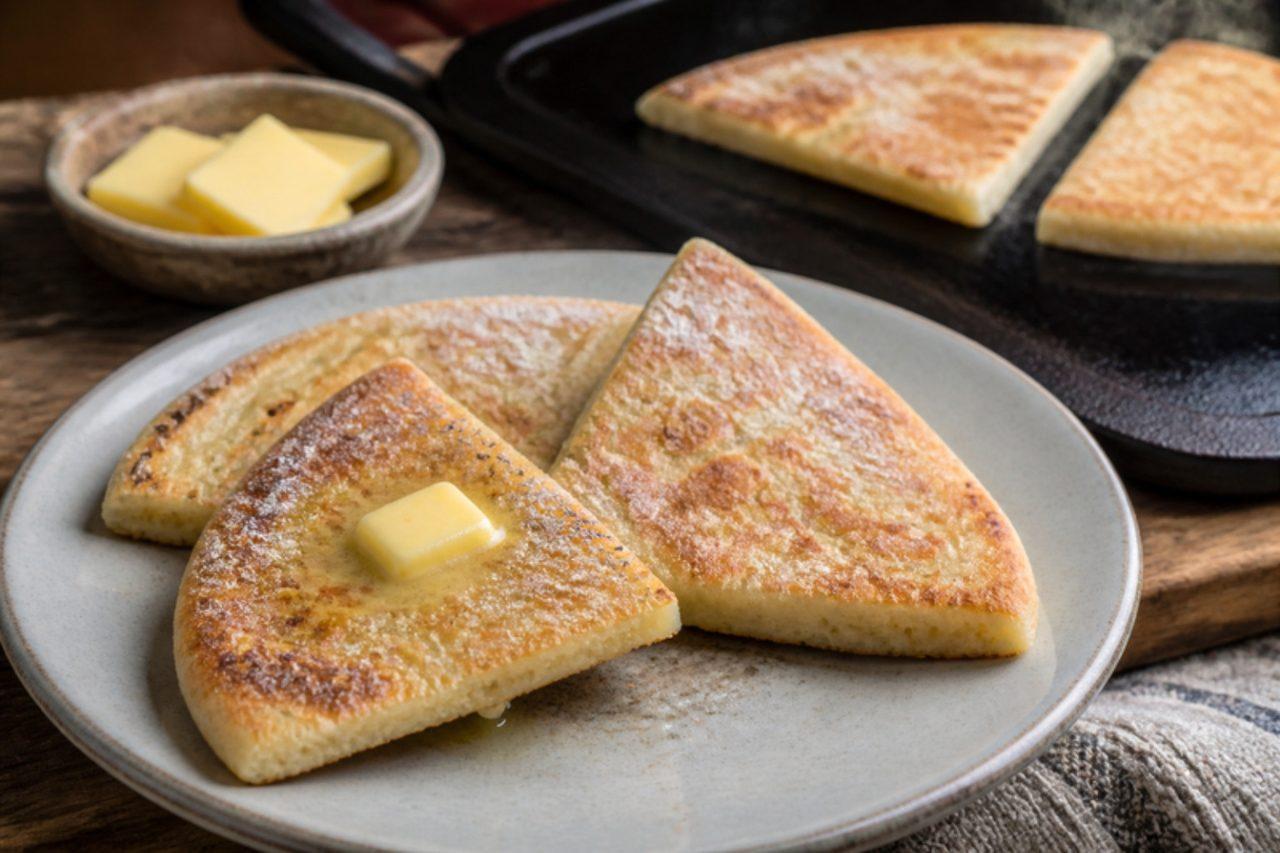
Ulster potato farlsGriddled potato bread

Potato bread, often just called fadge or tattie bread, is the soft, flat quarter-round that sits beside soda bread in every Ulster fry from Belfast to Derry. Warm mashed potato is worked with a little flour and butter, rolled into a round, cut into four farls and cooked on a dry griddle. It is thinner than a Scottish tattie scone and is always fried golden before serving. Chef's tip: use only enough flour to stop it sticking; the more potato, the better the farl.

by KrazyBadal 0 views

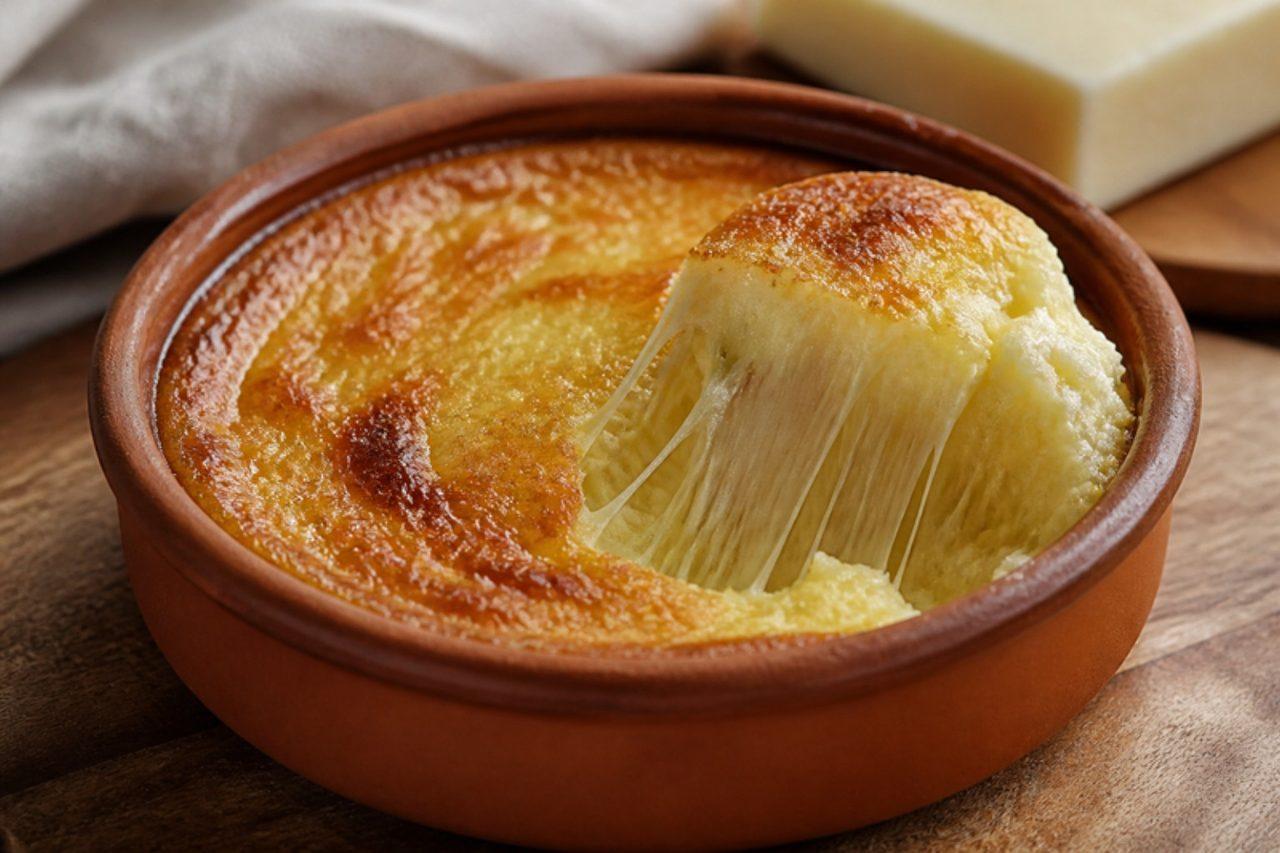
Peynir helvasıCheese and semolina halva

Around Çanakkale and the Dardanelles, peynir helvası is a soft, oven-browned halva made with fresh unsalted cheese, semolina, butter and sugar, sold warm in clay dishes at the market cafés. The top caramelises in spots, the inside stays creamy and stretchy, and the flavour sits somewhere between cheesecake and halva. Eat it warm on its own or with a glass of tea after a fish lunch. Chef's tip: use a mild, fresh, unsalted cheese and squeeze it well; salty or wet cheese gives a sour, runny halva.

by KrazyBadal 0 views

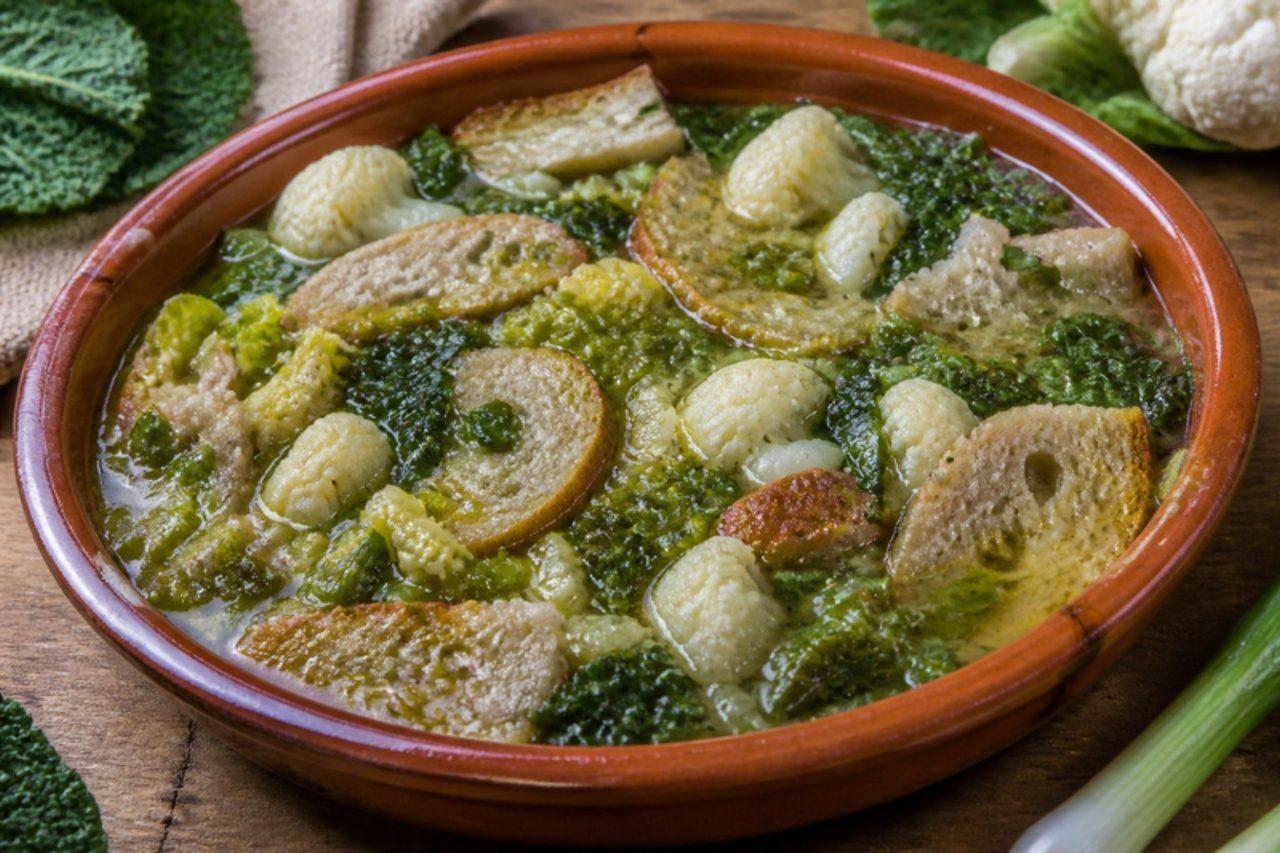
Sopes mallorquinesCabbage broth with brown bread

Sopes are a winter ritual in Mallorca, simmered in a wide clay greixonera and eaten for breakfast by country people and for Sunday lunch by everyone else. Cabbage, chard, cauliflower, artichoke and mushrooms cook in a garlicky, paprika-tinted broth, which is then poured over wafer-thin slices of dry brown bread until it soaks it all up into a spoonable mass, more stew than soup. Pork ribs often go in; this version is all vegetables. Serve with pickled chillies and black olives on the side. Chef's tip: buy the bread sliced for sopes at a bakery or slice a hard loaf on a mandolin, as thin bread is the whole texture of the dish.

by KrazyBadal 0 views

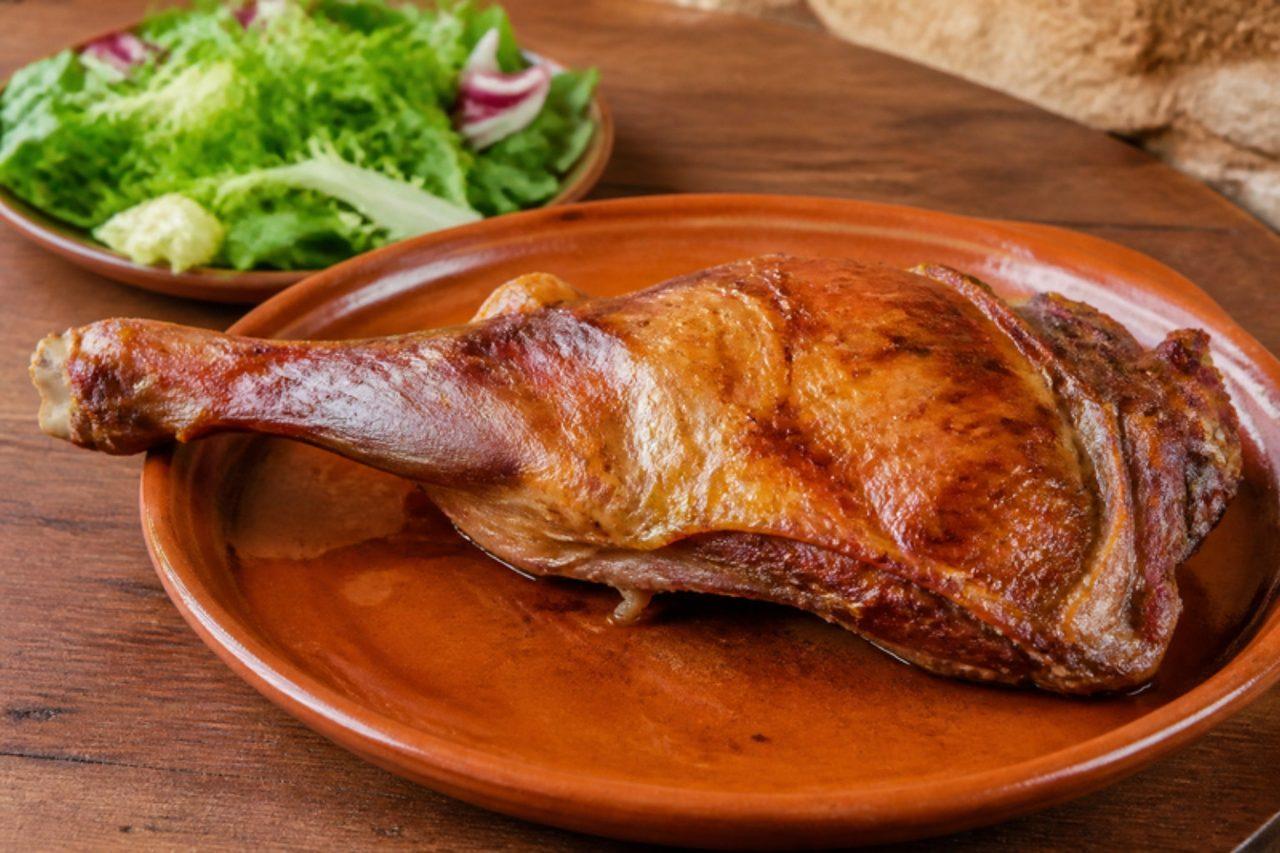
Lechazo asadoRoast milk-fed lamb

Along the Duero valley, in towns like Aranda de Duero, Sepúlveda and Peñafiel, wood-fired asadores roast quarters of lechazo, lamb fed only on its mother's milk, in clay dishes with nothing but water and salt. Families drive out for it on a Sunday and eat it with bread and a salad of lettuce and onion. A little lard is rubbed on in some asadores; this contains pork (lard), or use olive oil. Milk-fed lamb is small and pale; spring lamb works but needs longer. Chef's tip: don't add herbs or garlic; the delicate flavour is the point.

130 minSpanishMeatGluten free
by KrazyBadal 0 views

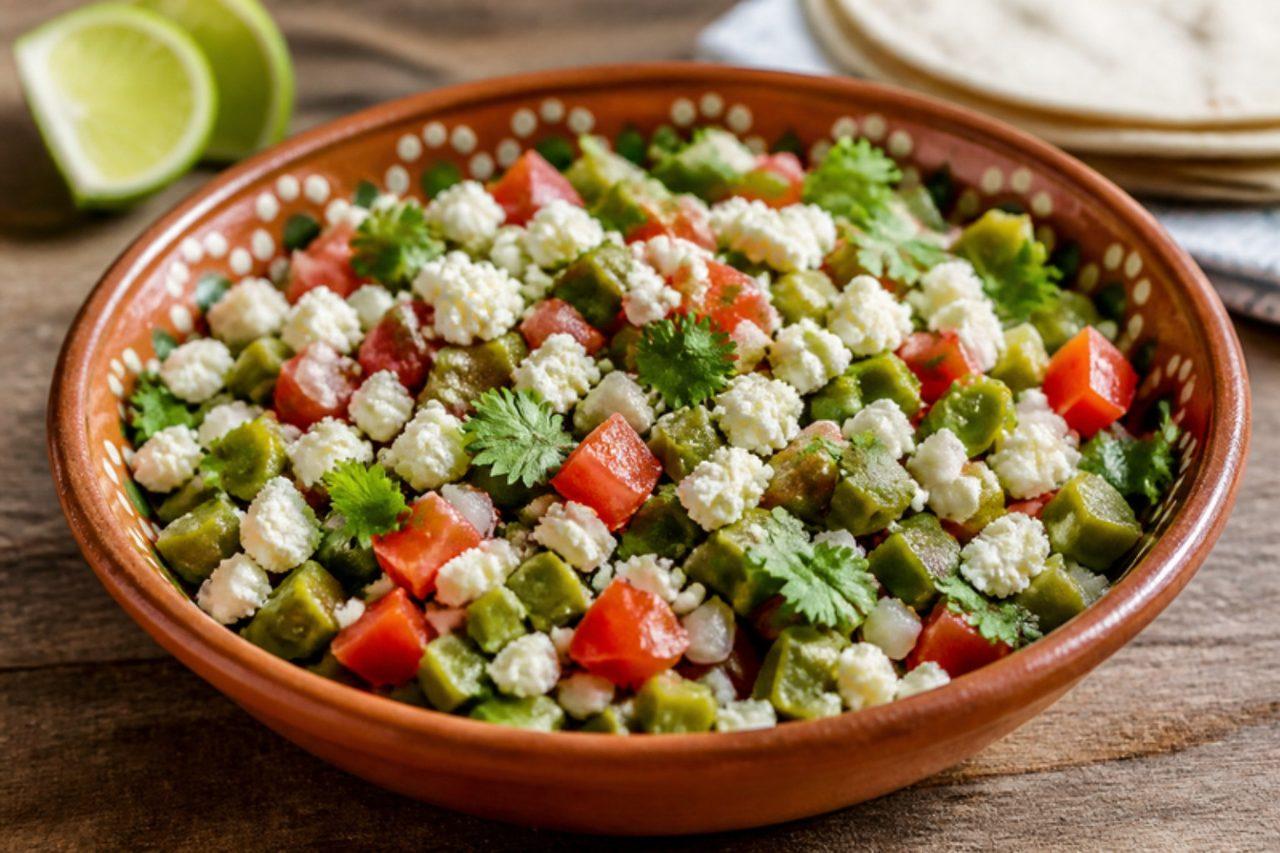
Ensalada de nopalesCactus salad

In the markets of Milpa Alta, south of Mexico City, the nopal growers sell paddles already scraped of their thorns, stacked in towers, and the salad they become is on the side of every comida corrida in the region. Cooked cactus tastes a little like green beans with a lemony edge; dressed with tomato, white onion, chilli, coriander and lime, it is cool and crisp, and the crumbled cheese softens the sharpness. Serve it with rice and beans, inside tacos, or on a tostada. Chef's tip: cook the nopales with a few onion slices and a pinch of bicarbonate of soda; they keep their bright colour and the slime washes away faster.

by KrazyBadal 0 views

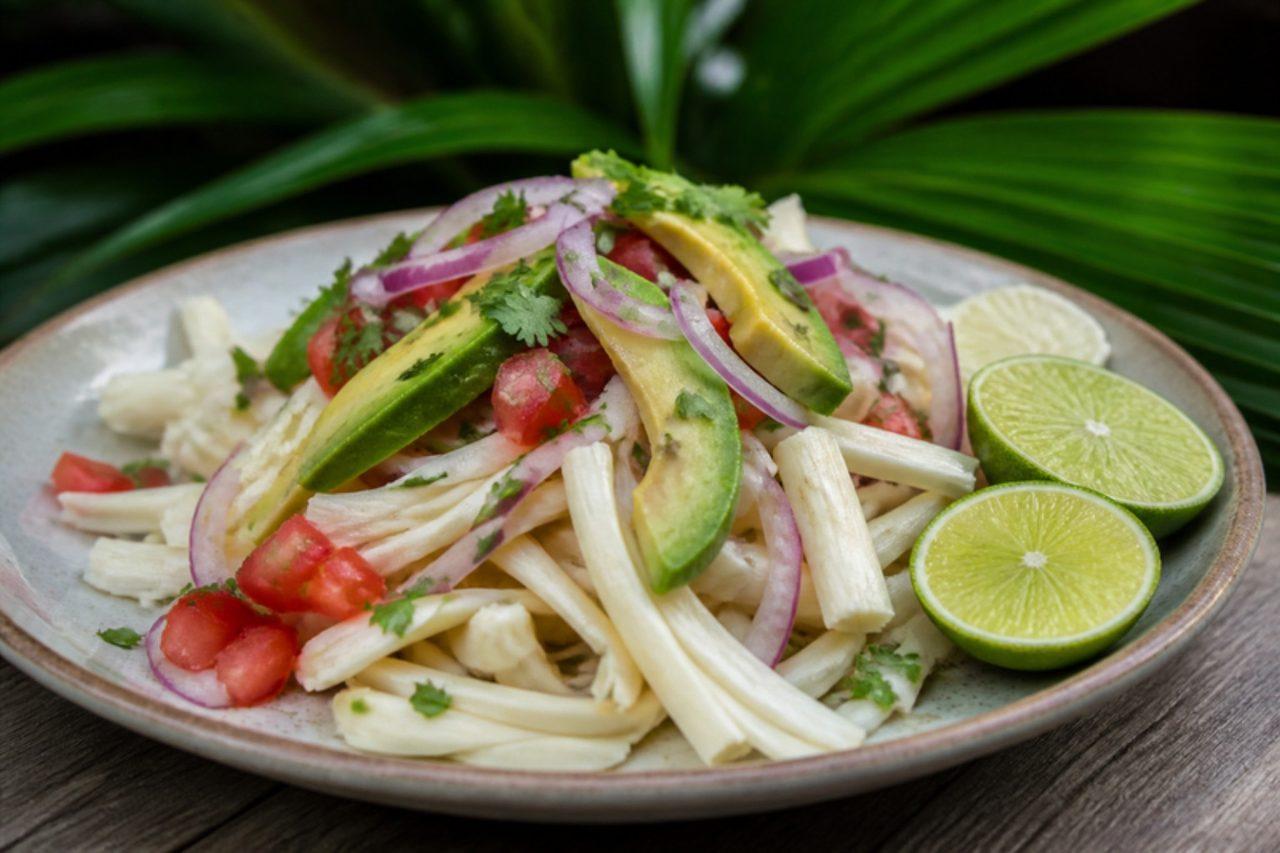
Ensalada de chontaPalm heart salad

Iquitos restaurants and the riverside cafés of the Peruvian Amazon serve ensalada de chonta as a cool counterpoint to grilled fish and juanes: long, pale ribbons of fresh palm heart, crisp and faintly sweet, tossed with tomato, avocado, red onion and lots of lime. At Belén market you can watch sellers shave the chonta into curls with a big knife. Outside the Amazon, fresh palm heart is hard to find, but good jarred hearts of palm cut into thin strips work well, and the salad becomes a ten-minute job. It's crunchy, juicy and sharp, perfect with rice and beans or any fried snack. Where most people go wrong is adding the avocado and salt early, so the salad turns soupy and grey; dress it at the last moment. Chef's tip: slice the palm hearts lengthwise on a mandoline or with a peeler for thin, curling ribbons that look like the Iquitos original.

by KrazyBadal 0 views

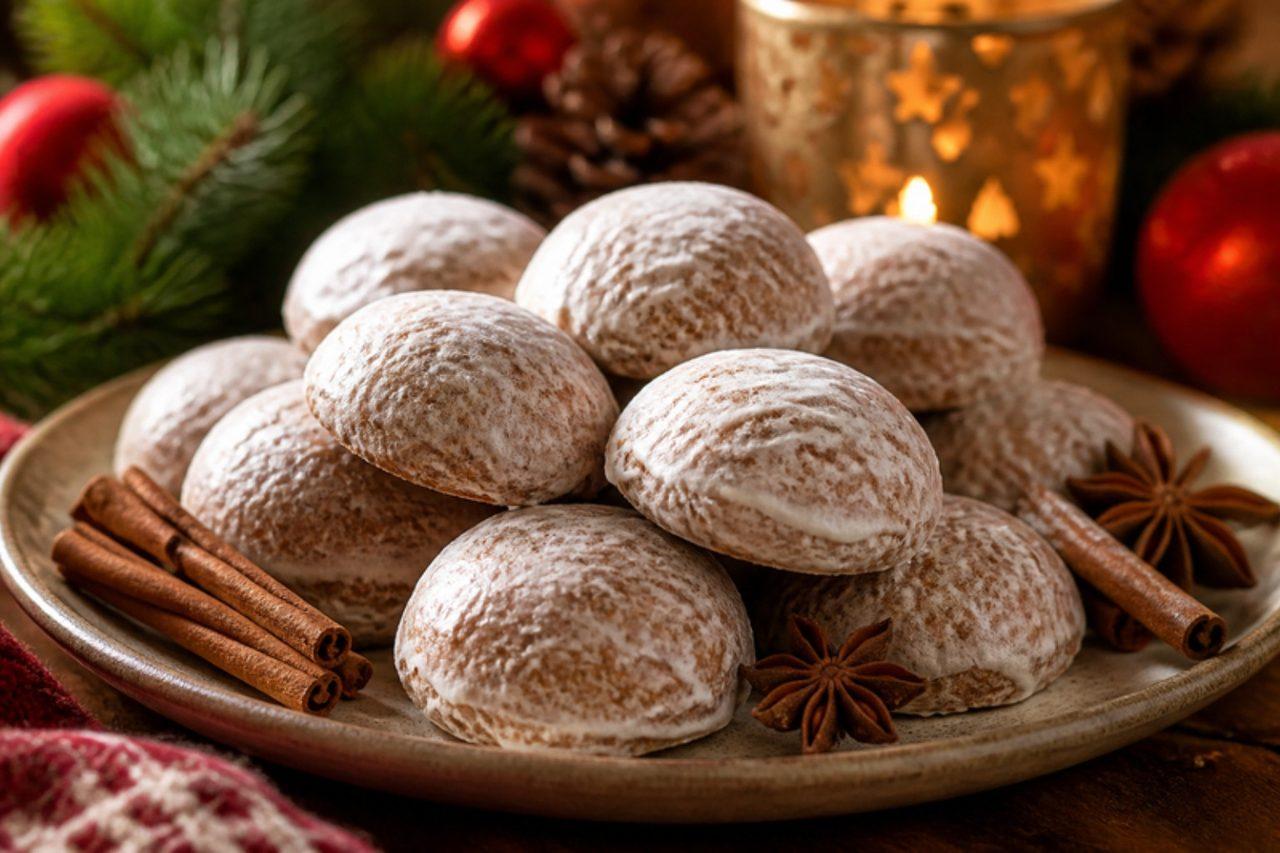
PfeffernüsseHoney spice biscuits

Pfeffernüsse are small domed biscuits baked in German homes through Advent, especially in the north and in Saxony, and sold in bags at Christmas markets everywhere. They are made with honey and a warm spice mix, and in old recipes the 'pepper' in the name meant exotic spices in general, though a pinch of real black pepper adds a lovely bite. A thin white glaze sets crisp over a chewy centre. The mistake many people make is eating them straight away; they are hard at first and need a few days in a tin with a slice of apple to soften. Chef's tip: warm the honey only until runny, never boiling, or the biscuits turn tough.

by KrazyBadal 0 views

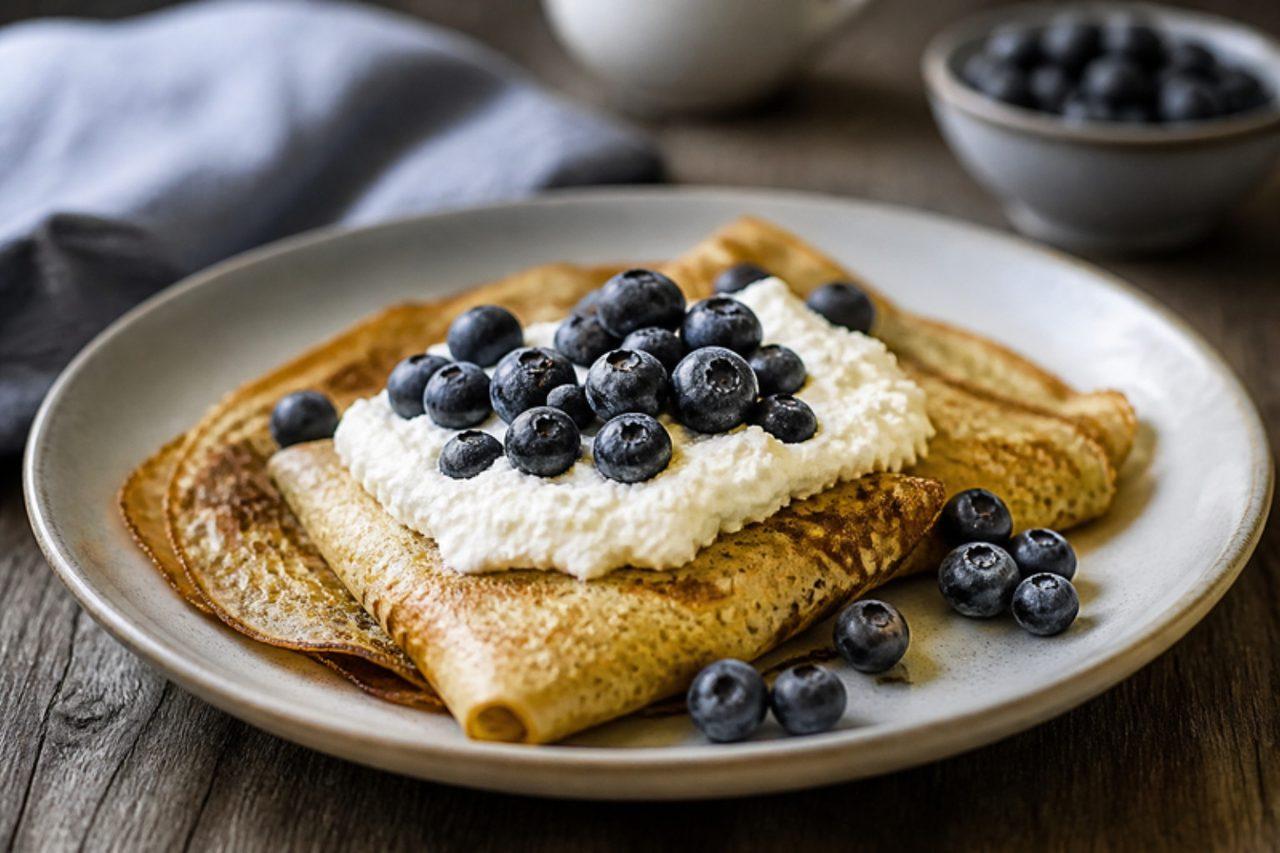
PlinsenBuckwheat pancakes with quark

Plinsen come from Lusatia, the Sorbian-speaking borderland of Brandenburg and Saxony, where buckwheat once grew in the sandy soil. They are thin, soft pancakes, slightly thicker than a crêpe, made with buckwheat or a mix of buckwheat and wheat, and they are eaten for breakfast or as a sweet supper with sweetened quark, apple sauce or, in July, wild blueberries from the Lusatian pine woods. The buckwheat gives a nutty, earthy edge. A common mistake is cooking them in a too-cool pan, which makes them pale and rubbery; the butter should sizzle as the batter hits it. Chef's tip: rest the batter for 30 minutes so the buckwheat swells and the pancakes don't tear.

by KrazyBadal 0 views

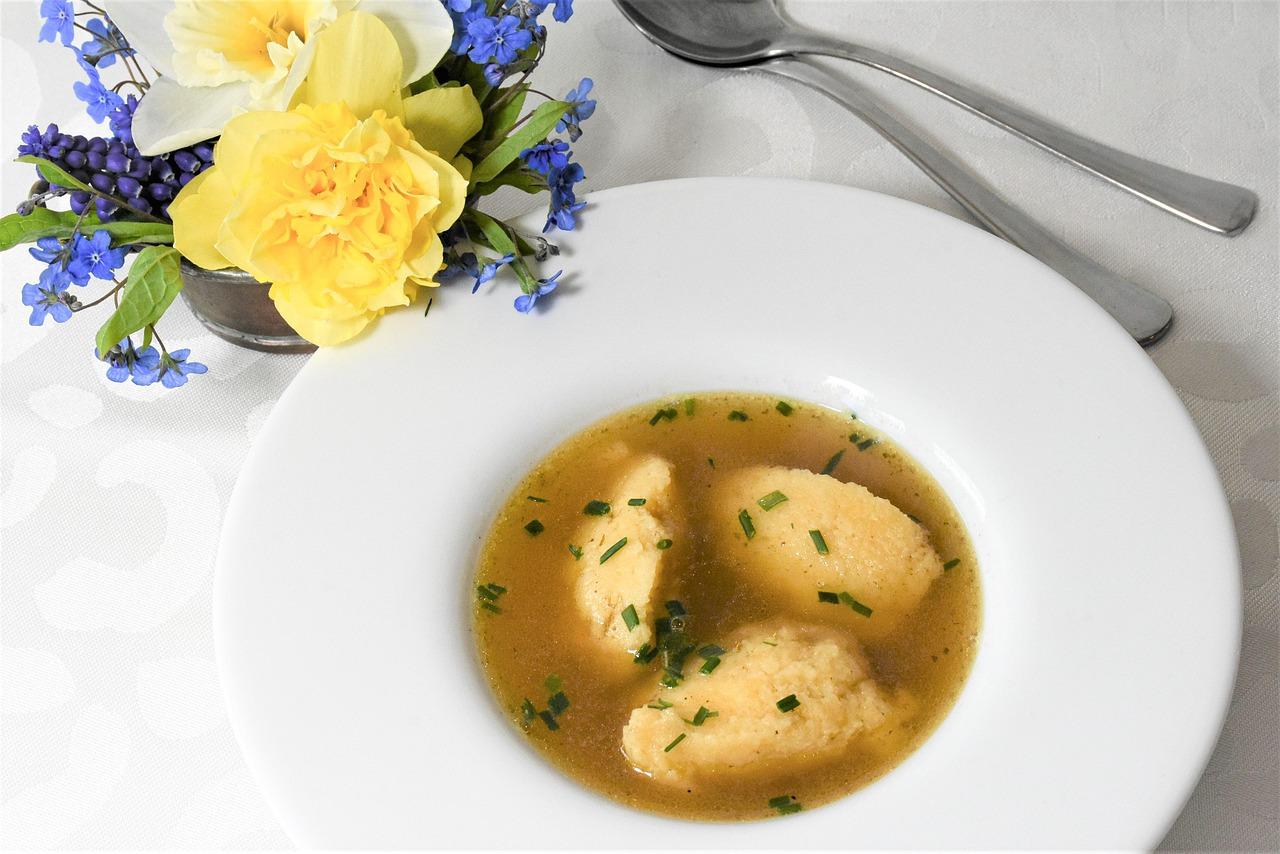
GrießnockerlsuppeBeef broth with semolina dumplings

Grießnockerlsuppe is the soup that opens a proper Austrian Sunday lunch, from Viennese grandmothers' tables to village inns in Upper Austria: a clear, deeply savoury beef broth with three or four soft, oval semolina dumplings that should be fluffy enough to cut with a spoon. The broth is made from beef shin and bones, simmered slowly with charred onion; broth left over from Tafelspitz works perfectly too. Chef's tip: let the semolina mix rest for 15 minutes before shaping; the grains swell and the dumplings hold together without going heavy.

by KrazyBadal 0 views

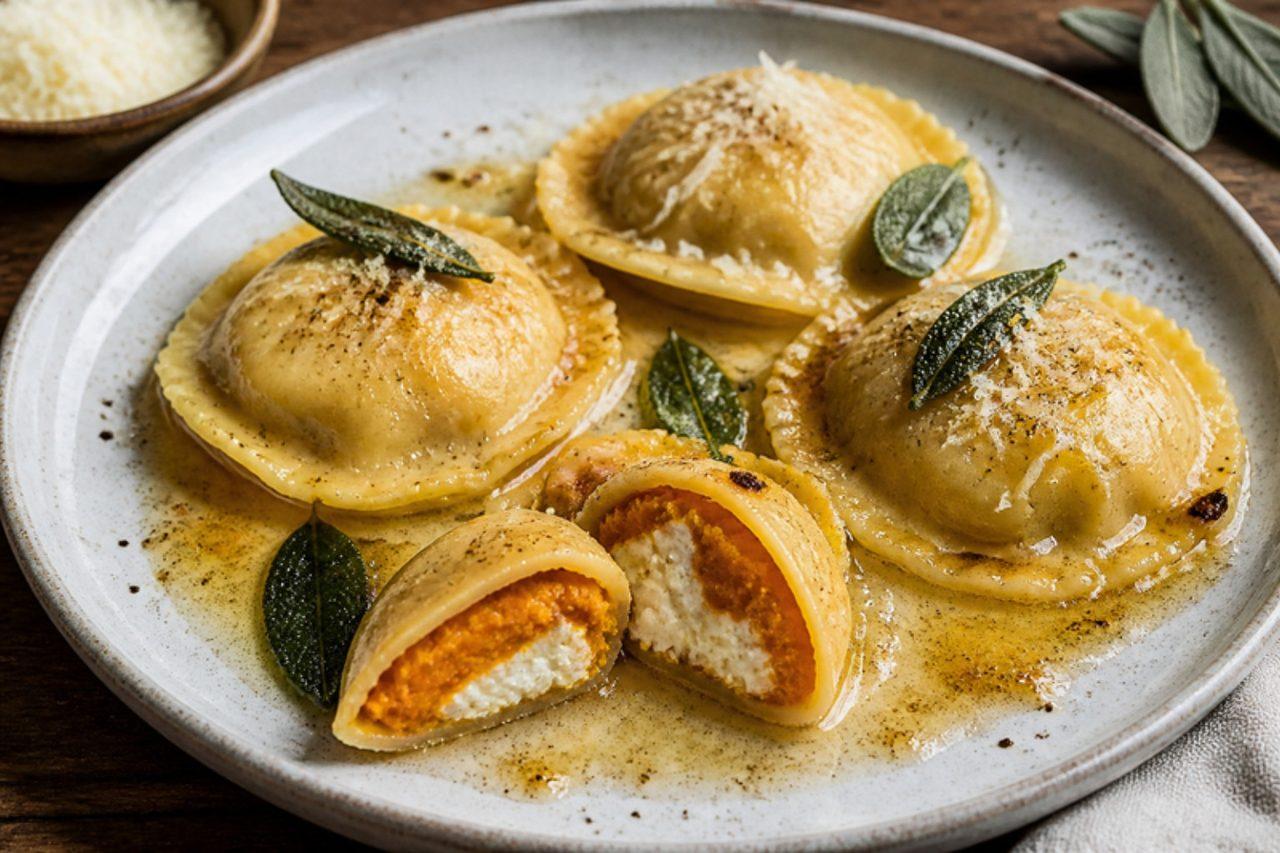
Sorrentinos de calabazaSquash and ricotta pasta parcels

Mar del Plata claims the sorrentino, a big round stuffed pasta about the size of a jam-jar lid that Italian-Argentine cooks made their own in the mid-20th century; despite the name, you won't find it in Sorrento. Every fresh-pasta shop in Buenos Aires province sells them by the dozen on Sunday mornings, and the squash version, with roasted calabaza, ricotta and nutmeg, is the most loved. The filling is sweet and soft, the pasta thin but sturdy, and the sauce is either brown butter with sage or a plain tomato filetto. The classic mistake is boiled squash: it carries too much water, the filling weeps and the parcels burst in the pot, so the squash is roasted until dry and caramelised. Grated hard cheese is usually made with animal rennet; choose a vegetarian hard cheese if needed. Chef's tip: chill the filling until firm before you shape it; a cold, stiff filling is far easier to seal without air pockets.

by KrazyBadal 0 views

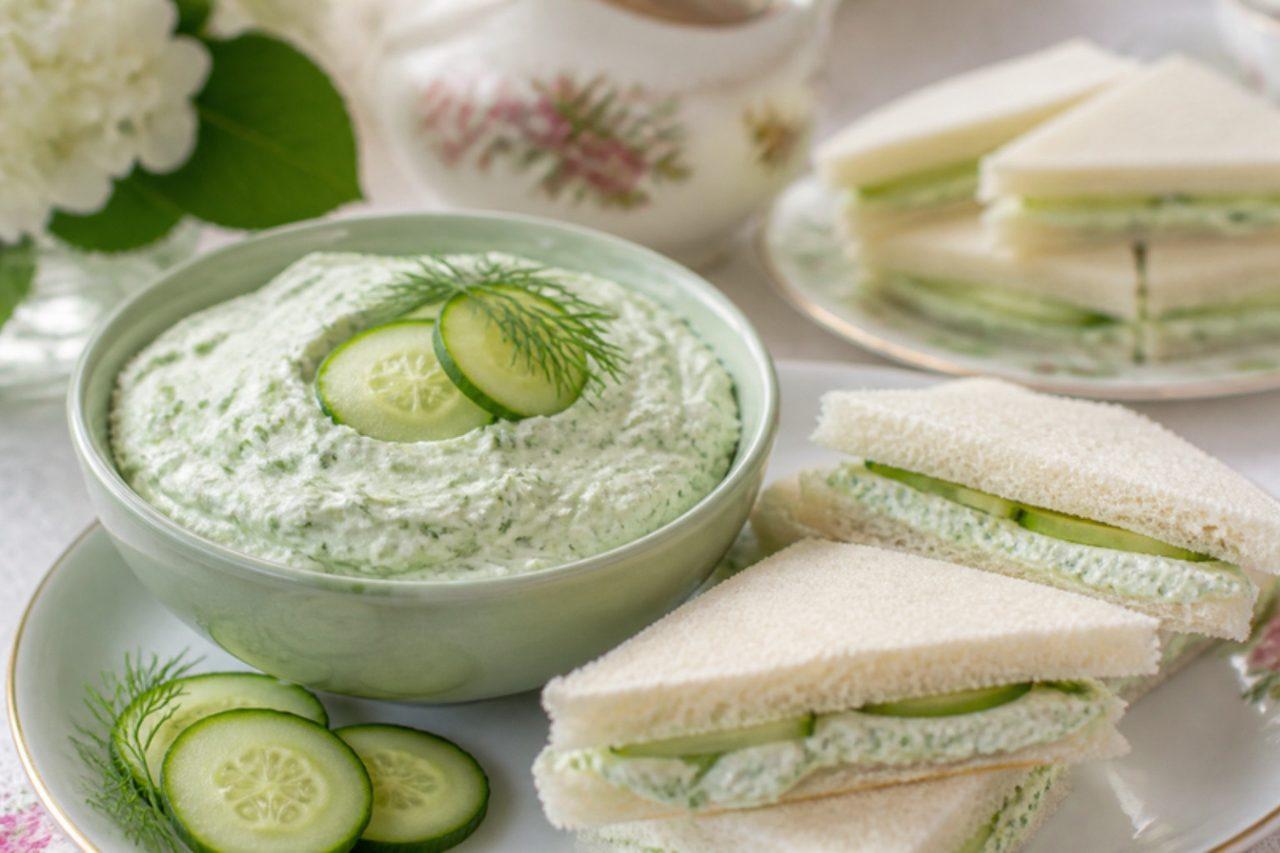
Kentucky Benedictine spreadCucumber and cream cheese spread

Benedictine was created by Louisville caterer Jennie Benedict around 1900 and is still spread on crustless tea sandwiches at Kentucky Derby parties and church luncheons all over the state. Grated cucumber and onion are squeezed dry and beaten into cream cheese, so the spread is cool, fresh and mildly oniony, traditionally tinted the palest green. Serve on white bread or as a dip with crackers and celery. Chef's tip: squeeze the cucumber in a clean tea towel until no more drips come out; wet cucumber makes it runny.

by KrazyBadal 0 views

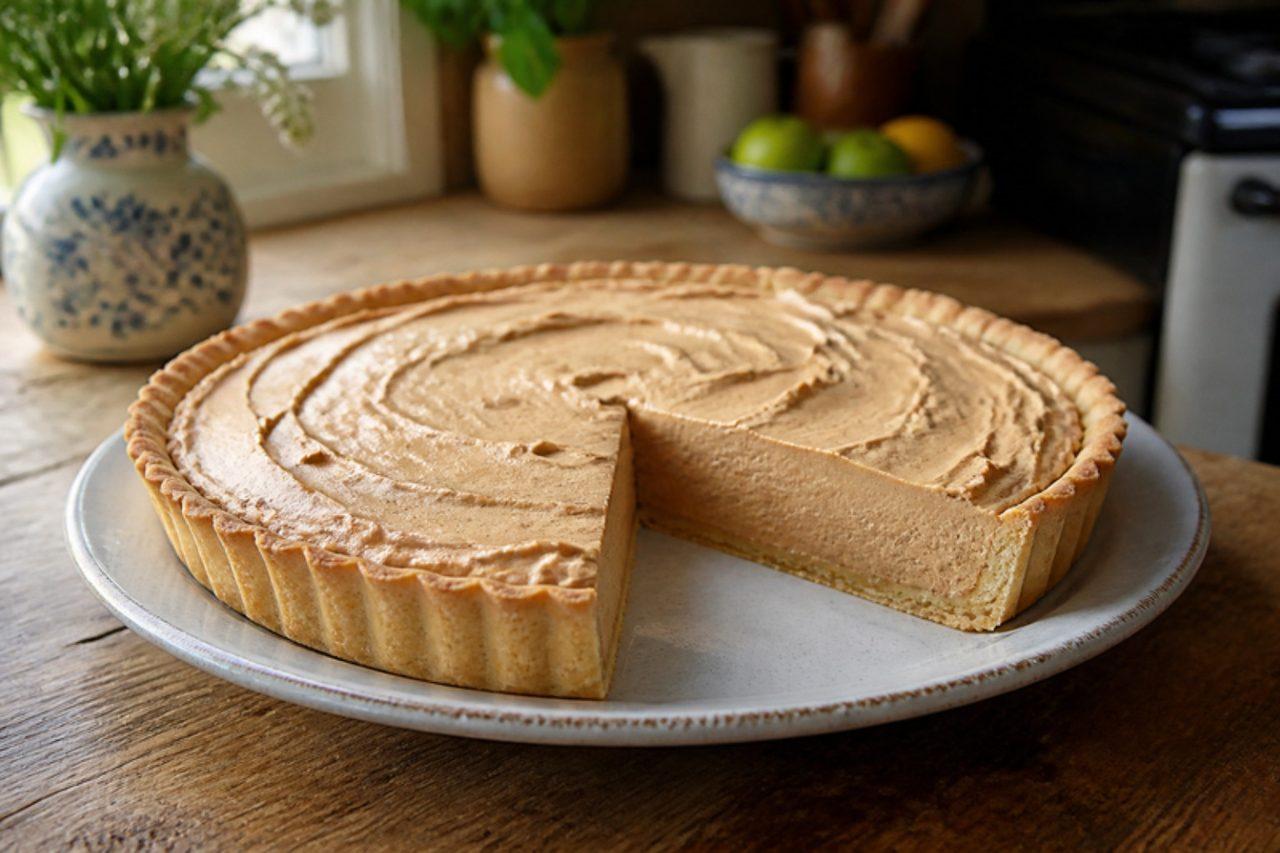
Kentish gypsy tartEvaporated milk and muscovado tart

Gypsy tart is the school-dinner pudding of Kent, remembered fondly by anyone who grew up in Margate, Maidstone or the Medway towns. Evaporated milk is whisked with dark muscovado sugar until it doubles into a toffee-coloured mousse, poured into a pastry case and baked just long enough to set into a fluffy, sticky, intensely sweet filling. Chef's tip: chill the evaporated milk overnight; cold milk whips up much more volume.

by KrazyBadal 0 views

Sosis bandariSpicy sausage and tomato sandwich

Sosis bandari, 'port-style sausage', began in the Gulf ports of Bushehr and Bandar Abbas and is now the late-night snack of sandwich shops all over Iran, from Tehran to Shiraz. Sliced beef or chicken frankfurter-style sausages (Iranian sausages are never pork) are fried with lots of onion, potato, tomato paste and chilli until sticky and hot, then stuffed into a soft baguette with pickles and tomato. It is spicy, greasy in the best way and ready in minutes. A common mistake is crowding the pan; the onion steams instead of browning, so use your widest pan. Chef's tip: a pinch of curry powder and a squeeze of lemon at the end is how the bandari shops give it their southern kick.

by KrazyBadal 0 views

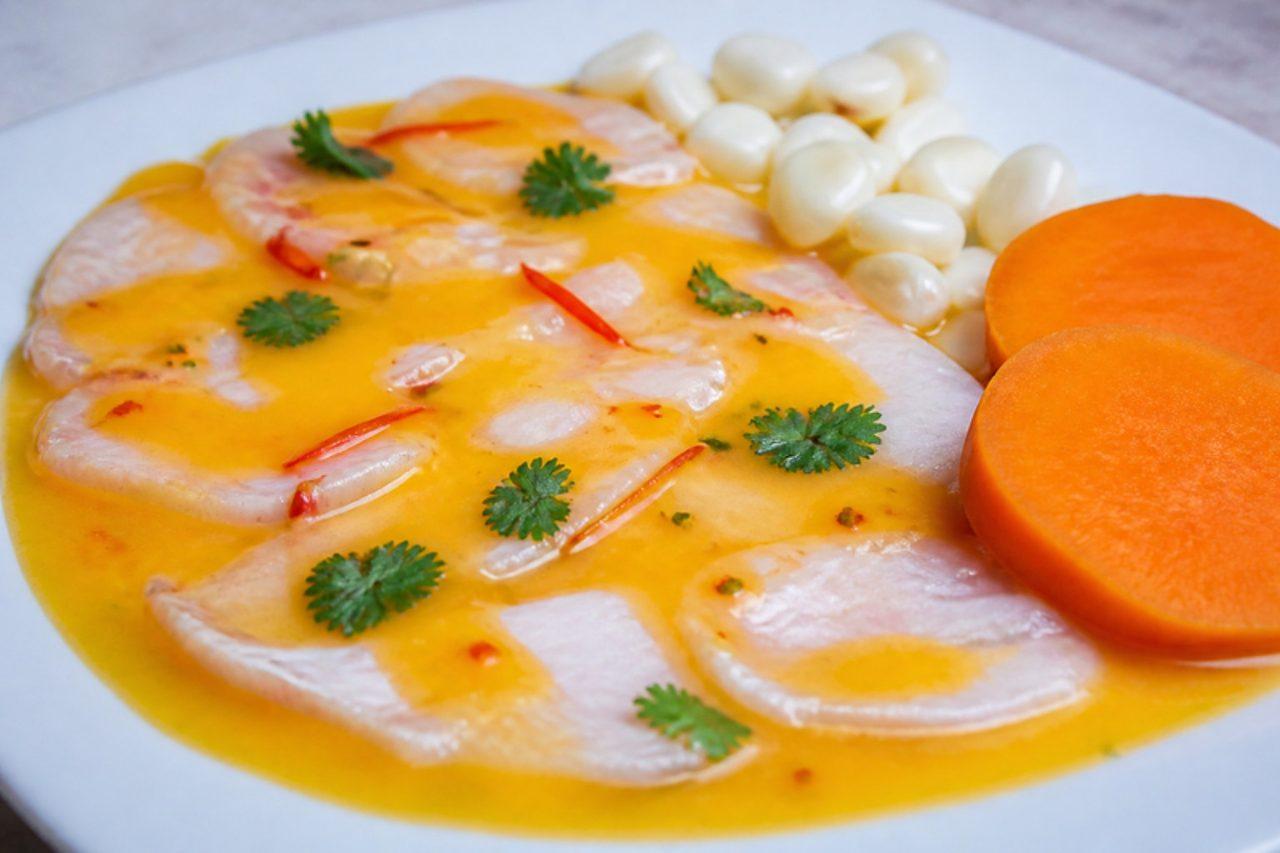
TiraditoSliced fish in ají amarillo sauce

Lima's Japanese-Peruvian cooks turned ceviche on its head with tiradito: instead of cubes soaked in lime, the fish is cut thin like sashimi, laid flat and dressed at the last minute, so it stays silky with only the surface turning white. The sauce here is the classic golden one, ají amarillo blended with lime, garlic and ginger, fruity and medium hot. It is served as a starter in cevicherías and upmarket Miraflores restaurants with boiled sweet potato and corn. Because the fish is eaten almost raw, this version uses sashimi-grade fish frozen at −20 °C for 24 hours first (allow for that), kept cold and eaten the moment it is dressed; it is not for pregnant women, young children or anyone with a weakened immune system. The mistake people make is dressing it ahead: after ten minutes the lime cooks it through and it turns chalky. Chef's tip: chill the plates in the freezer for 10 minutes before you lay out the fish; it keeps the slices firm while you work.

by KrazyBadal 0 views

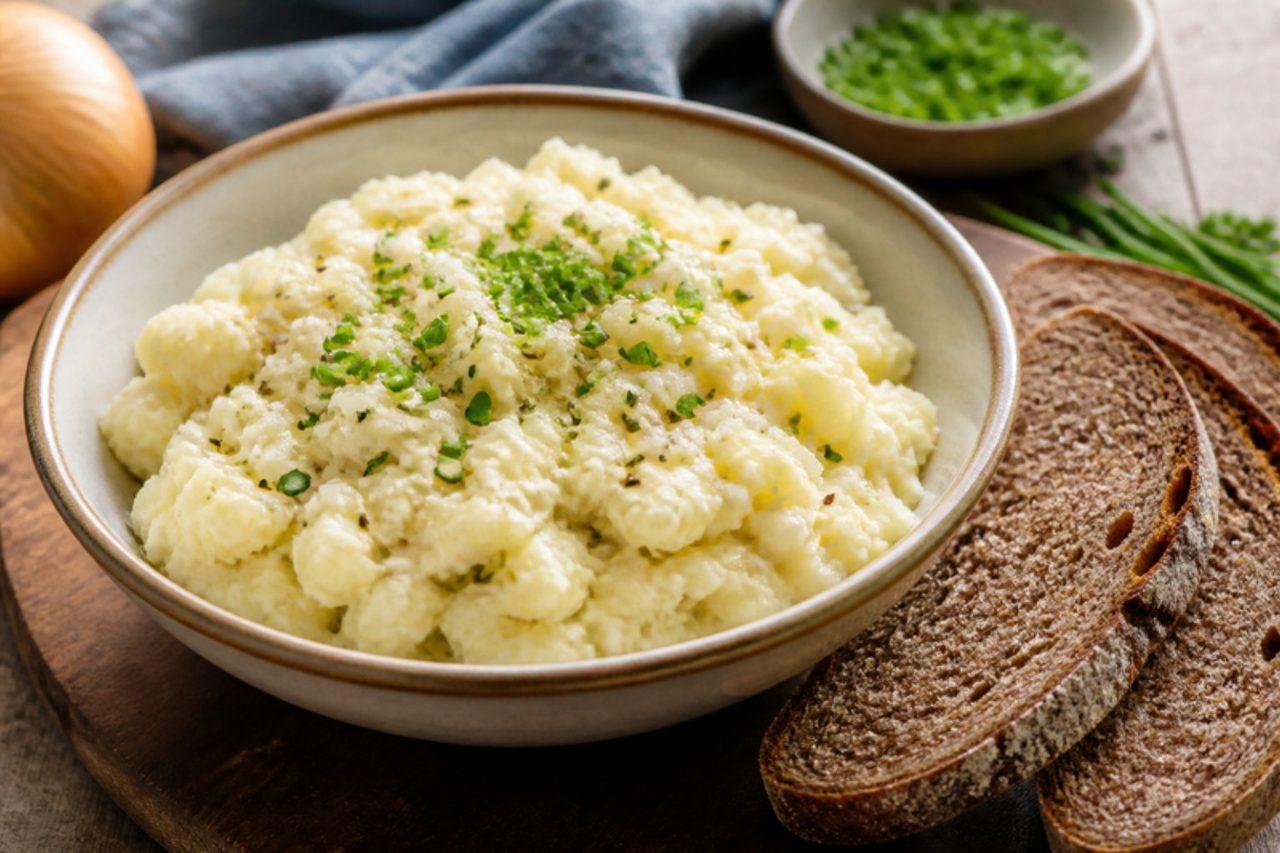
KartoffelkäsePotato and sour cream spread

Despite its name, Franconian Kartoffelkäs contains no cheese at all: it is a soft spread of riced potato, sour cream, onion and caraway that farm families around Bamberg and Nuremberg put on the table for Brotzeit, the cold evening supper. It goes on thick slices of rye bread with chives and sliced radish, and it was a way to turn a few leftover potatoes into something rich enough to stand in for cheese. A common mistake is using waxy potatoes, which go gluey; floury ones make it light. Chef's tip: rice the potatoes while hot, but stir in the sour cream only when they are cool, so the spread stays fresh-tasting rather than heavy.

by KrazyBadal 0 views

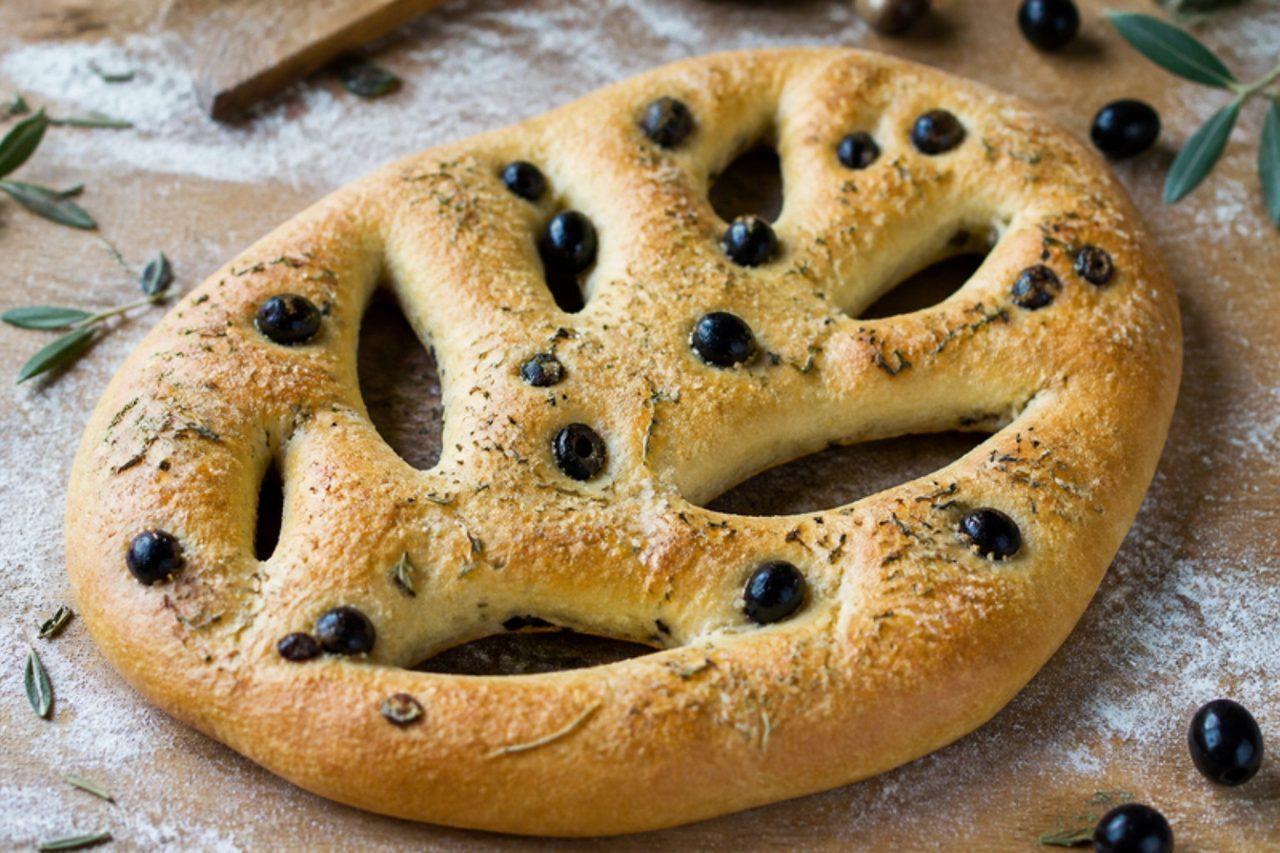
Fougasse aux olivesOlive and herb bread

Bakers in Provence once slid a fougasse into the wood oven first, to test the heat before the big loaves went in; the open, leaf-like shape bakes in minutes and is mostly crust. Today every boulangerie from Avignon to Apt sells it, plain or studded with olives, and families tear it apart on picnics and at market lunches. A sweet cousin flavoured with orange blossom is one of the thirteen desserts of a Provençal Christmas. This is the savoury everyday one, with black olives and herbes de Provence. Chef's tip: bake it on the hottest tray you can, near the top of the oven, so the thin bridges of dough blister and crisp before the thick edges dry out.

148 minFrenchBakingVegan
by KrazyBadal 0 views

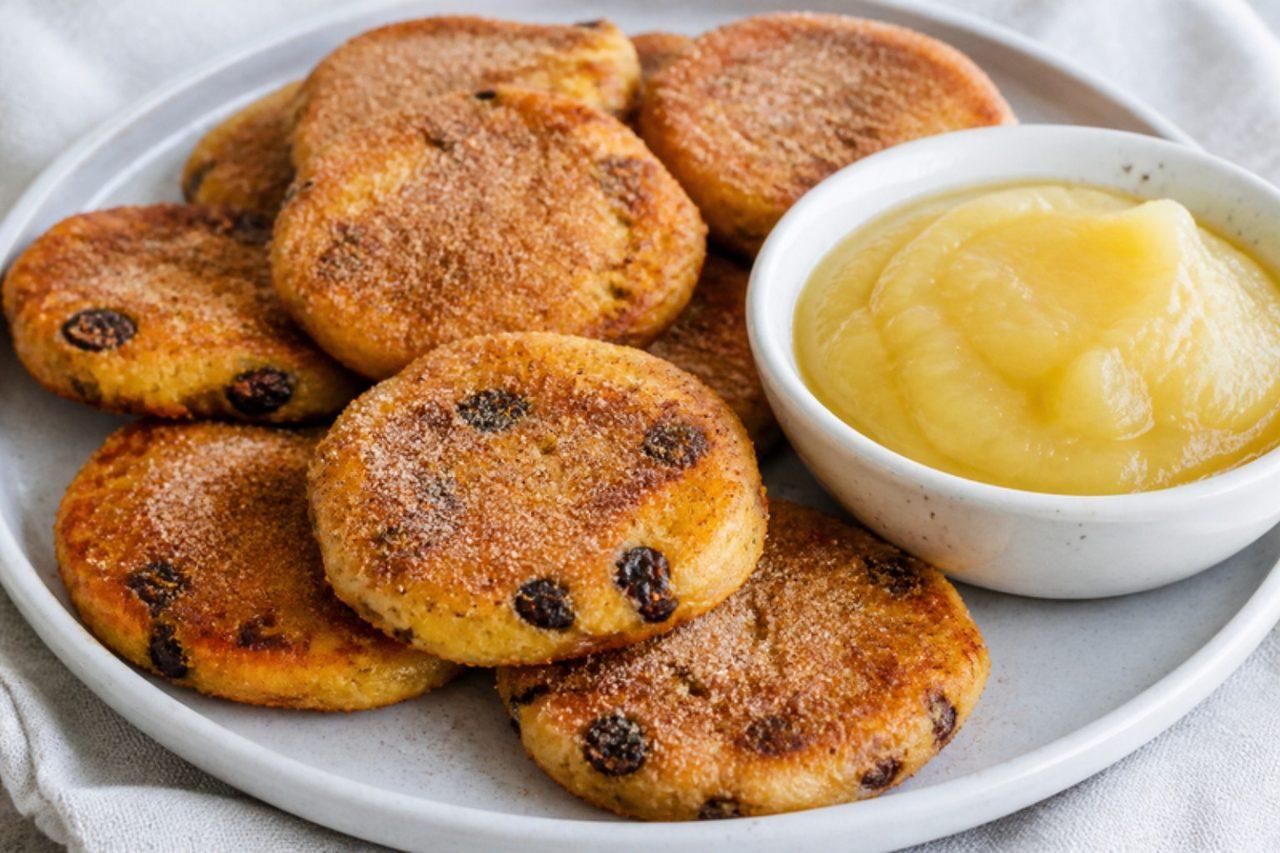
QuarkkeulchenPotato and quark pancakes

Quarkkeulchen are the sweet little pancakes of Saxony, the kind a Dresden or Leipzig grandmother makes on a Saturday afternoon from yesterday's boiled potatoes: mashed potato, quark, egg, a little flour and sugar, lemon zest and raisins, shaped into small thick discs and fried in butter until golden. They are crisp outside, soft and slightly tangy inside, and come dusted with cinnamon sugar beside a bowl of apple sauce. A common mistake is using freshly boiled warm potatoes, which make a sticky dough; use cold ones from the day before. Chef's tip: soak the raisins in hot water for 10 minutes so they plump up and don't burn in the pan.

by KrazyBadal 0 views

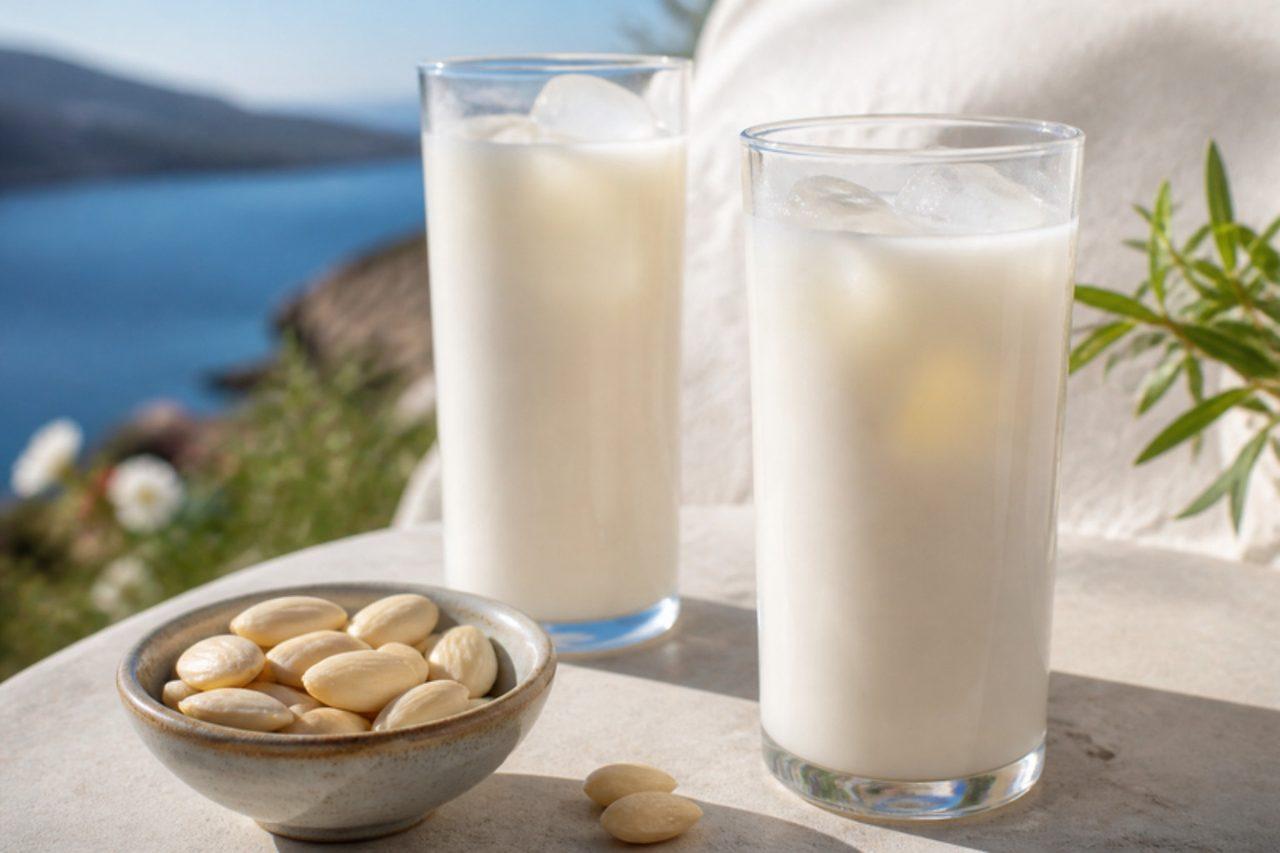
SoumadaAlmond syrup drink

On Crete and several Aegean islands, a glass of cloudy-white soumada is offered to guests at weddings and on hot summer afternoons. It begins as a thick almond syrup kept in the fridge, which is stirred into iced water to make a cool, gently sweet drink that tastes of marzipan and orange blossom. Some islanders add a few bitter almonds for an edge; they are not safe to eat in quantity, so this version uses a drop of almond extract instead. Common mistake: boiling the syrup hard after the almond milk goes in, which makes it cloudy and grainy rather than smooth. Chef's tip: squeeze the almond pulp in a muslin bag with real force; the last drops are the richest.

by KrazyBadal 0 views

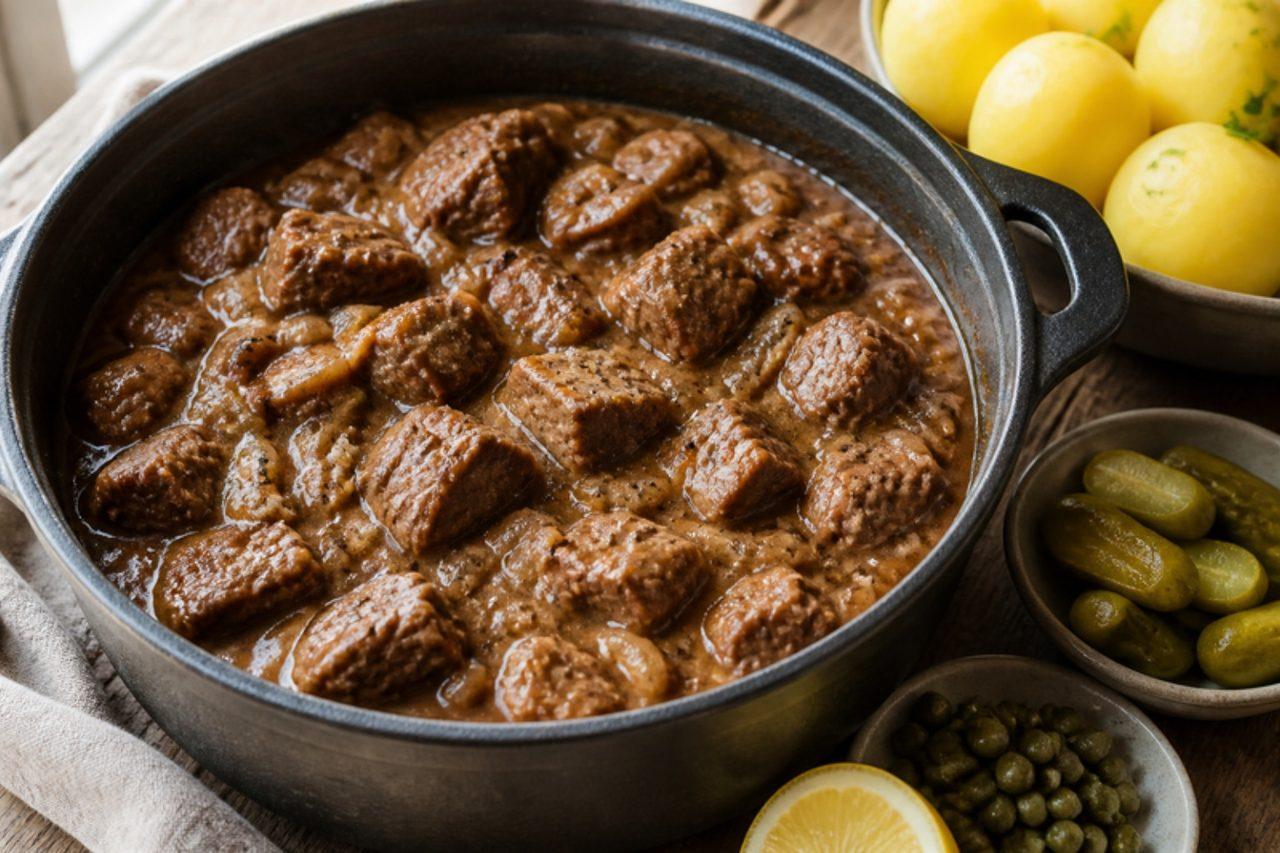
PfefferpotthastPeppery beef and onion stew

Pfefferpotthast is one of the oldest dishes of Westphalia, written about in Dortmund as far back as the 14th century and still cooked in the Münsterland and the Ruhr for big family meals. Beef is stewed with almost as much onion as meat, plenty of black pepper, cloves and bay, then thickened with breadcrumbs and sharpened with lemon and capers. Pickled gherkins and boiled potatoes go alongside. Chef's tip: grind the pepper coarsely and add half at the start and half at the end, so you get both deep warmth and a fresh bite.

by KrazyBadal 0 views

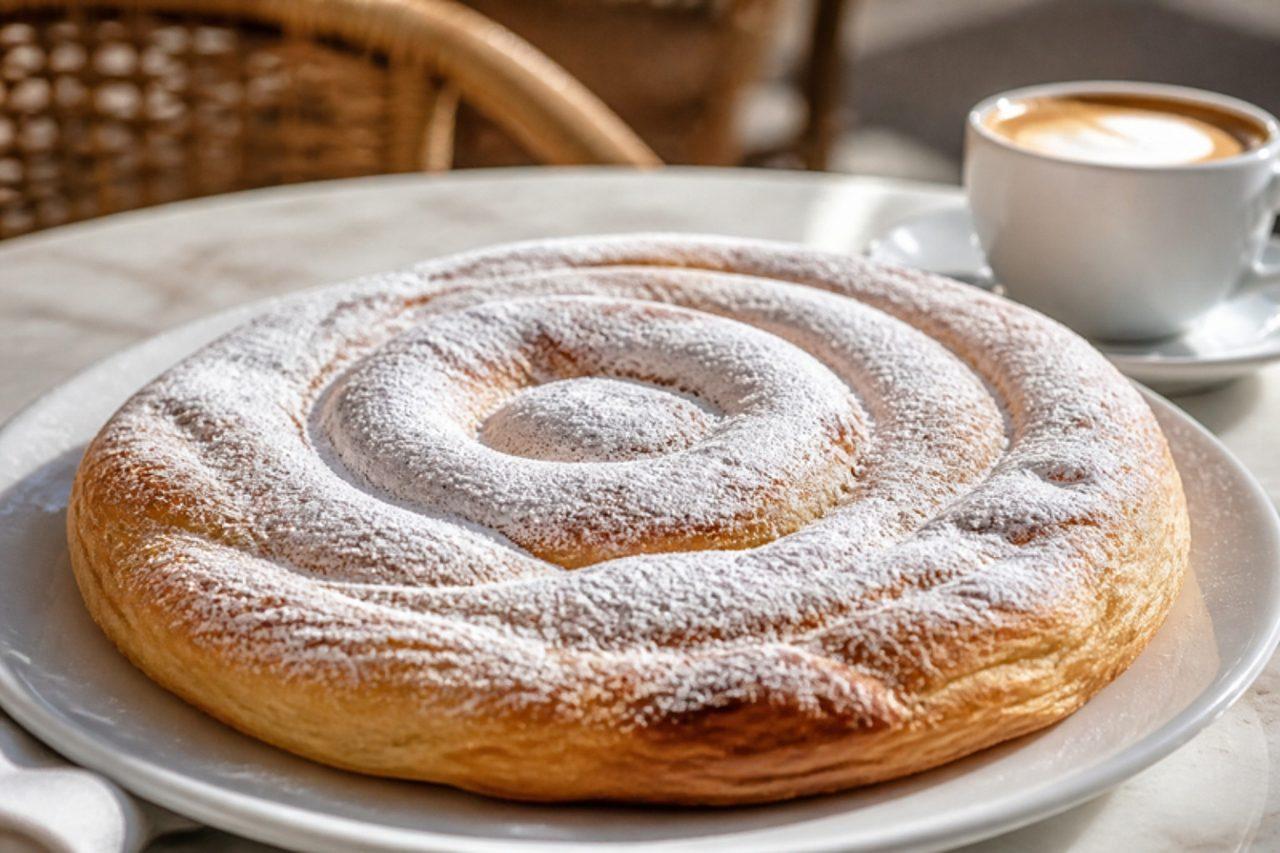
EnsaïmadaSpiral sweet breakfast pastry

This contains pork: the name comes from saïm, the pork lard brushed over the dough before it is coiled, and it is what gives an ensaïmada its shattering, flaky layers. Mallorcans eat them for breakfast with hot chocolate or coffee, and at Palma airport you will see travellers carrying flat hexagonal boxes of large ones home as gifts. The dough is enriched with egg and sugar, stretched until thin enough to see through, rolled into a rope and wound into a loose spiral, then proved overnight. Chef's tip: oil your hands and the worktop generously before stretching, so the dough slides rather than sticks and tears.

by KrazyBadal 0 views

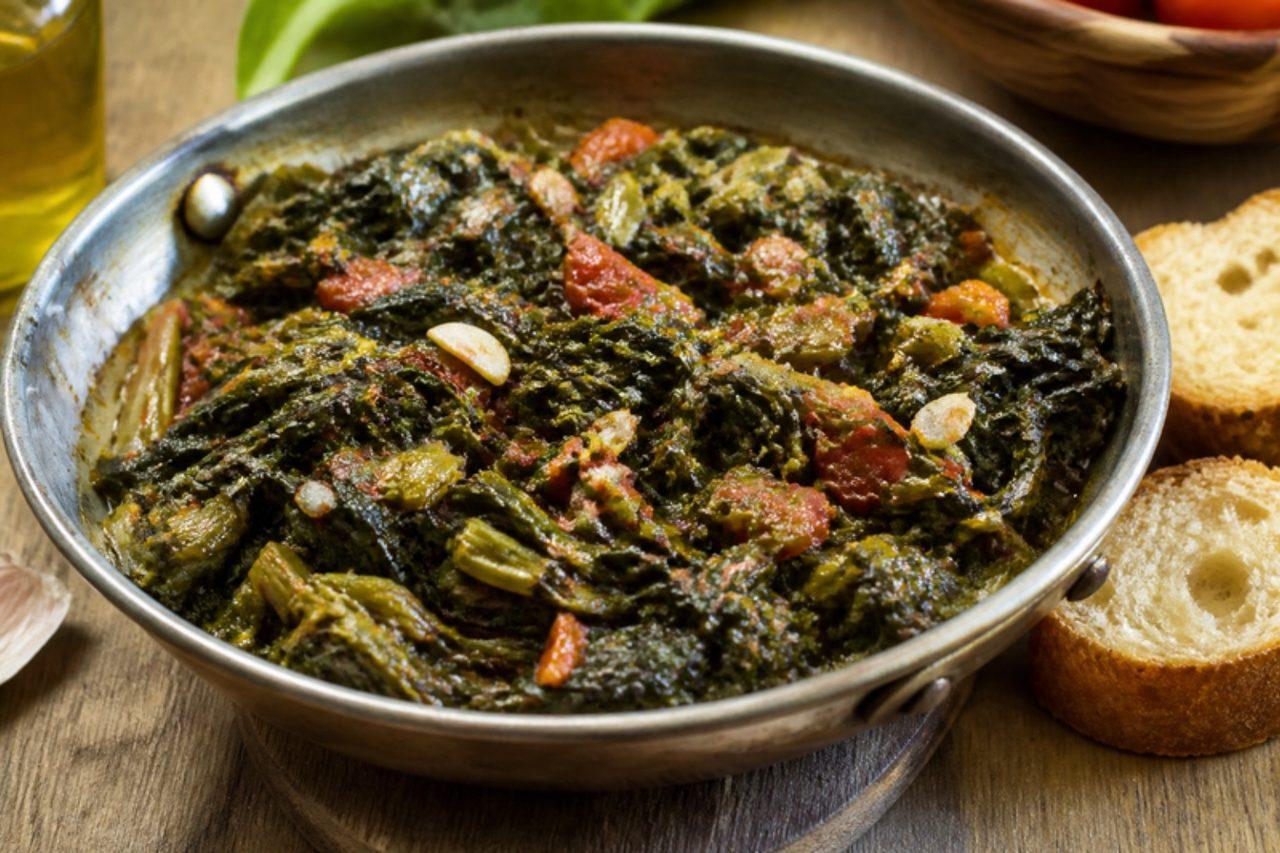
TsigareliGreens braised with tomato and paprika

Corfiots gather wild chicory, sow-thistle, fennel tops and young chard from the olive groves in winter and spring and stew them into tsigareli, a peppery, oily braise that sits on the table with bread, feta and a fried egg or two. The Venetian-era love of hot red pepper shows: it should warm the back of your throat. Common mistake: drowning the greens in water — they make their own juice, so add only a splash. Chef's tip: shop-bought mixes of spinach, chard, rocket and dill work well; add the tender leaves last so they keep some colour.

by KrazyBadal 0 views

Soupe de poissons with rouilleFish soup with rouille

Not to be confused with bouillabaisse, where whole pieces of fish are served, soupe de poissons is the smooth, rust-coloured soup made all along the coast from Marseille to Sète from small rockfish too bony to eat any other way. The fish are fried with fennel, tomato, garlic and saffron, simmered and then pressed through a food mill, giving a velvety soup tasting deeply of the sea. In harbourside restaurants it arrives with a tray of toasted croutons, a pot of fiery garlic rouille and grated cheese, and everyone builds their own bowl. This rouille is thickened with potato and bread, with no raw egg. Chef's tip: press the cooked fish hard through the mill or sieve; the flavour is in the pulp, not just the liquid.

100 minFrenchSoups
by KrazyBadal 0 views

PfitzaufEgg-batter puffs with apple sauce

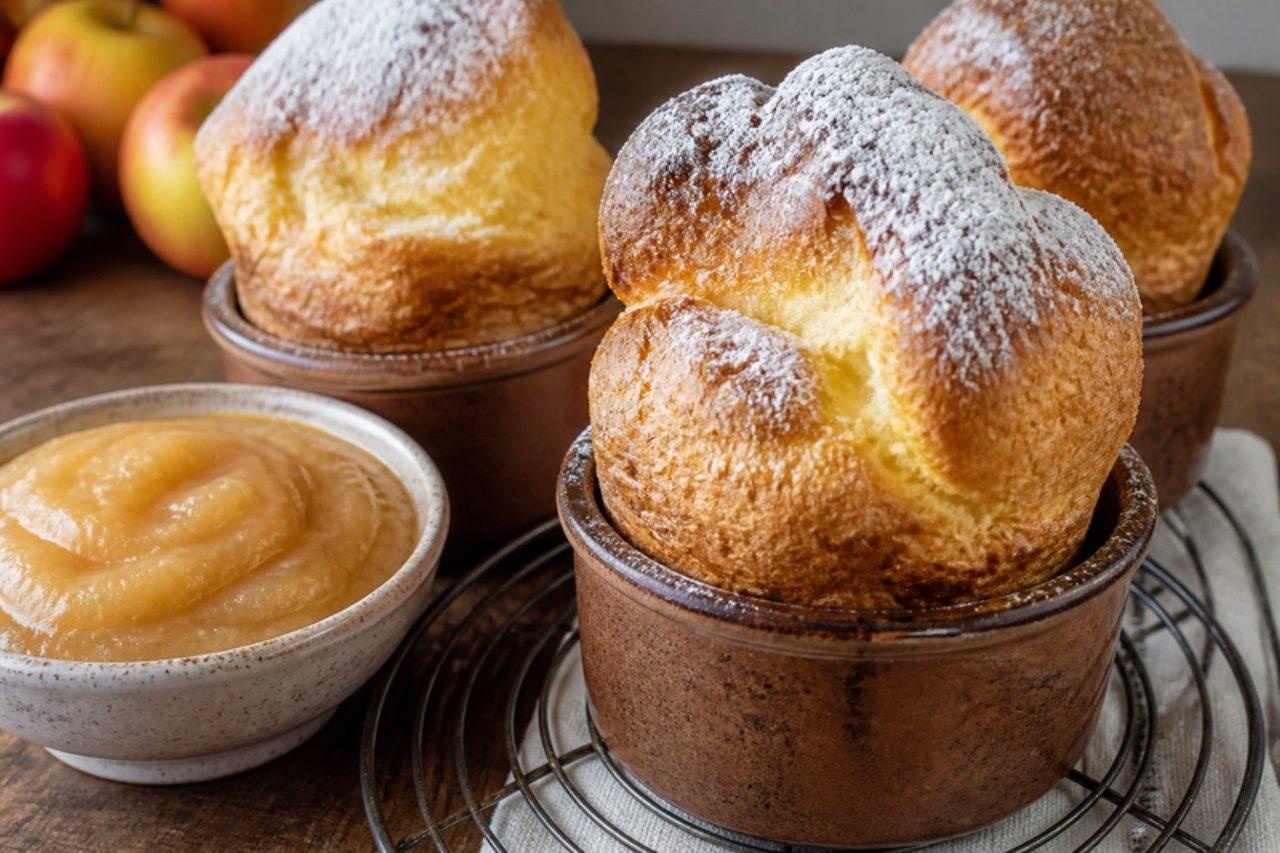
Pfitzauf is a Swabian Sunday-afternoon treat: a thin egg and milk batter poured into a heavy clay or tin mould with deep cups, which rises in the oven like a soufflé and 'pfitzt auf', pops up, far above the rim. Grandmothers on the Swabian Alb served it hot with apple sauce or vanilla sauce, sometimes with stewed cherries. A muffin tin or popover tin works too. The classic mistake is opening the oven during baking: the puffs collapse and never come back. Chef's tip: get the buttered tin really hot in the oven before pouring in the batter; the shock of heat is what makes them climb.

by KrazyBadal 0 views

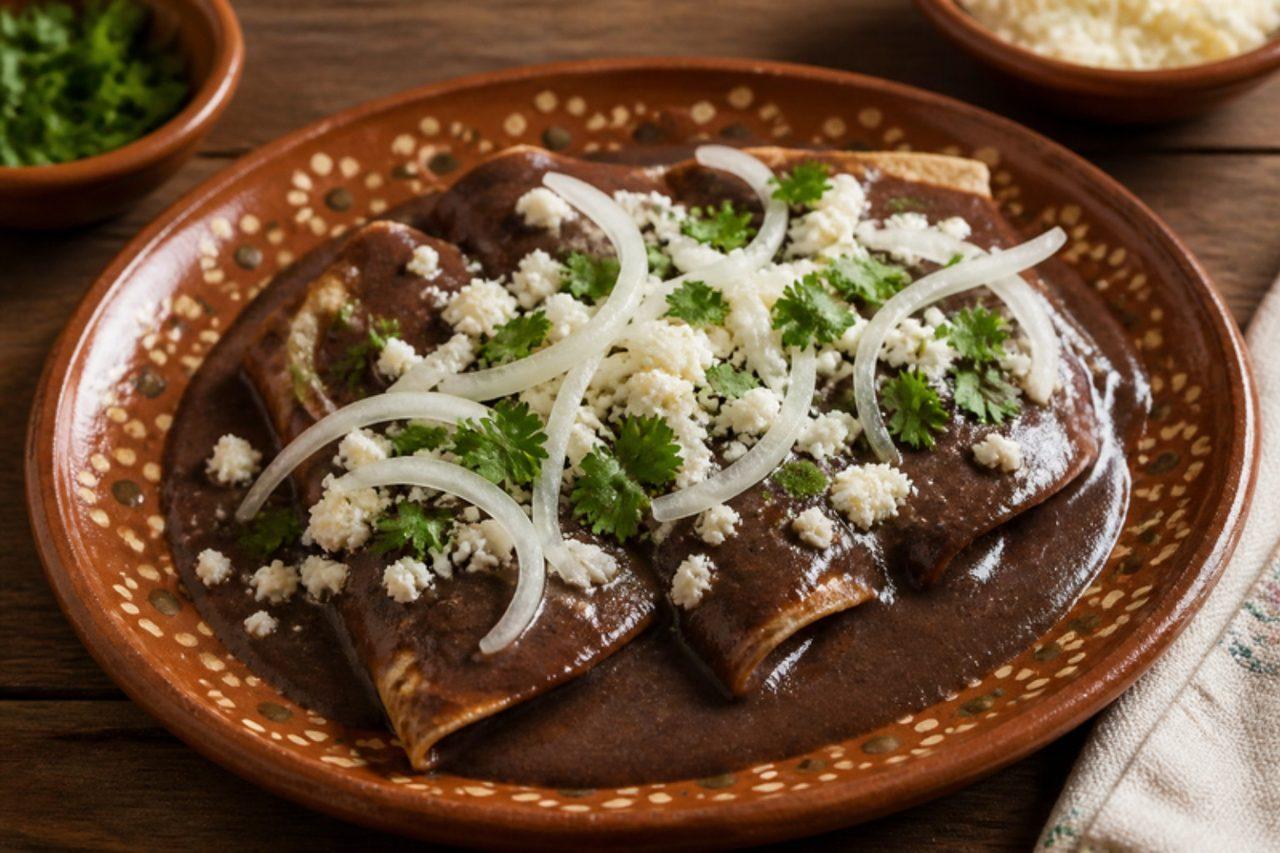
EnfrijoladasTortillas in black bean sauce

Think of enfrijoladas as enchiladas that swap chilli sauce for beans: warm tortillas dipped in a silky black-bean purée, folded into quarters and scattered with fresh cheese and raw onion. In Oaxaca they are a breakfast and supper dish, made from yesterday's pot of beans, and the purée is perfumed with toasted avocado leaves, which taste faintly of anise. Serve two or three per person with a fried egg or a spoonful of salsa. Queso fresco is often made with animal rennet; use a vegetarian feta or paneer-style fresh cheese if that matters to you. Chef's tip: keep the bean sauce loose, like double cream; it thickens on the plate and a stiff sauce tears the tortillas.

by KrazyBadal 0 views

South Dakota chislicFried lamb cubes

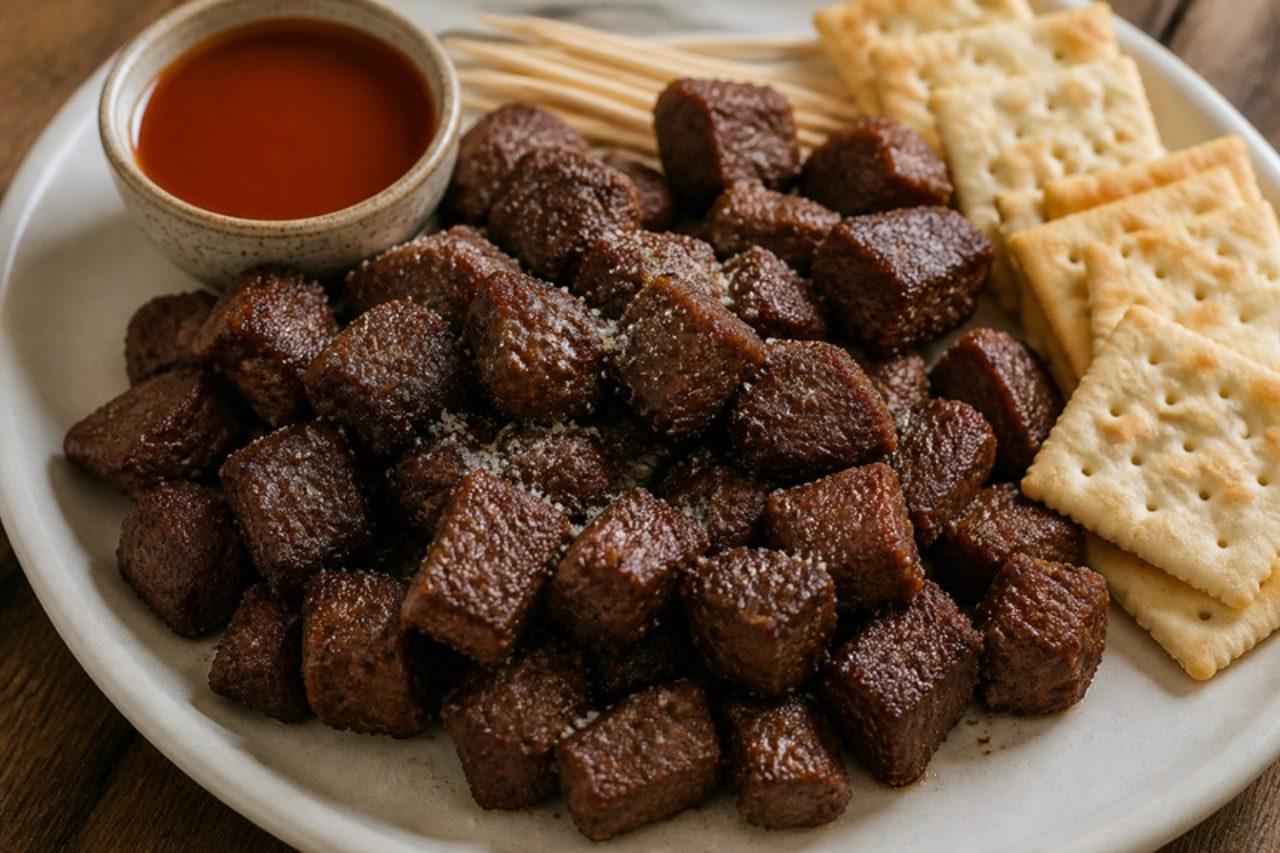
Chislic is the official nosh of South Dakota, brought to the prairie by Germans from Russia and served at taverns and county fairs around Freeman and Sioux Falls. Bite-size cubes of lamb or mutton are deep-fried or grilled on skewers, tossed in garlic salt and eaten with cocktail sticks, with saltine crackers and hot sauce on the side. Chef's tip: cut the cubes all the same size, about 2 cm, so they cook evenly in the short time in the oil.

by KrazyBadal 0 views

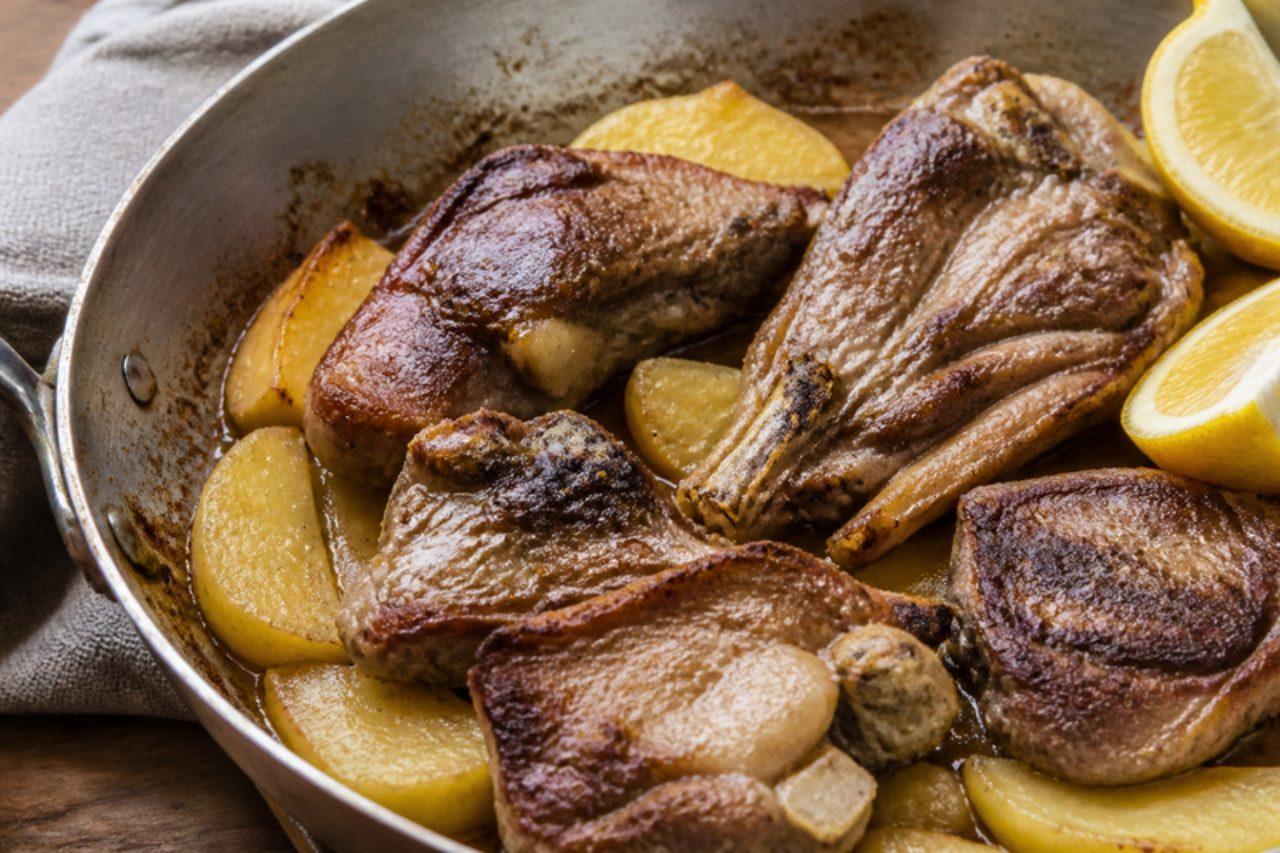
TsigariastoFried and braised lamb

Tsigariasto comes from the verb 'to sizzle', and in the mountain villages of Crete it is the everyday way to cook lamb or kid: the pieces are browned hard in good olive oil, then left to stew slowly, covered, in nothing more than their own juices with salt and pepper. The result is meltingly tender meat in a small amount of rich, golden sauce, served with chips fried in olive oil, a horiatiki salad and bread. Common mistake: adding too much water, which turns it into a boiled stew; add only a splash at a time when the pan looks dry. Chef's tip: keep the lid on tight and the flame very low; the meat should murmur, not bubble.

135 minGreekMeatGluten free
by KrazyBadal 0 views

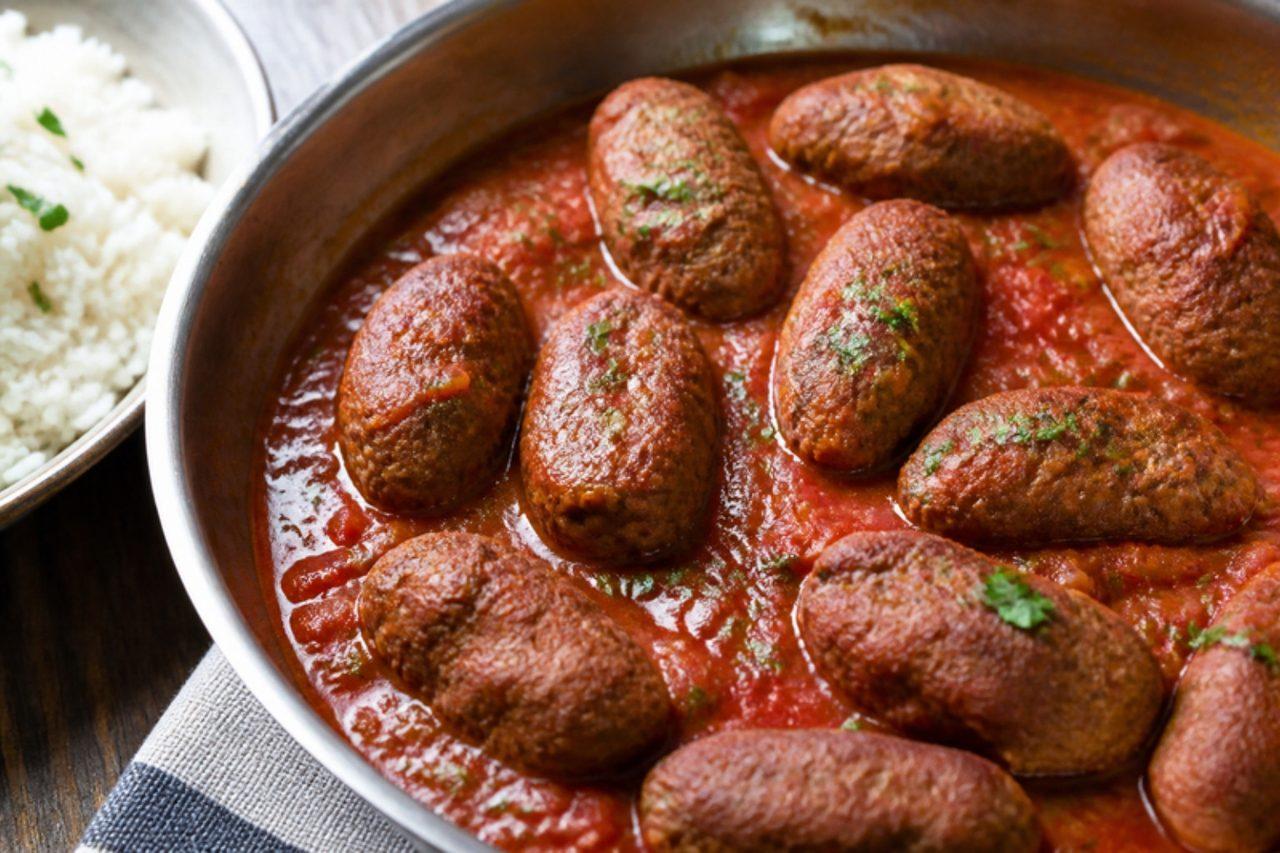
Soutzoukakia SmyrneikaCumin meatballs in tomato sauce

Refugee families from Smyrna brought these long, cumin-heavy meatballs to Thessaloniki and Kalamaria in the 1920s, and they're still a weekday favourite in northern Greek homes. The mince is mixed with soaked bread, garlic and plenty of cumin, shaped into fat little logs, browned and then simmered in a cinnamon-tinged tomato sauce until tender. Serve over rice pilaf or with chips and a spoon of yoghurt. Many cooks add a splash of red wine to the sauce; this version uses red wine vinegar instead, so it's alcohol-free. Common mistake: squeezing the bread dry — it should stay damp, which keeps the meatballs juicy. Chef's tip: chill the shaped soutzoukakia for 20 minutes so they hold their shape in the pan.
70 minGreekMeat
by KrazyBadal 0 views

EncharcadaEgg-yolk threads in syrup

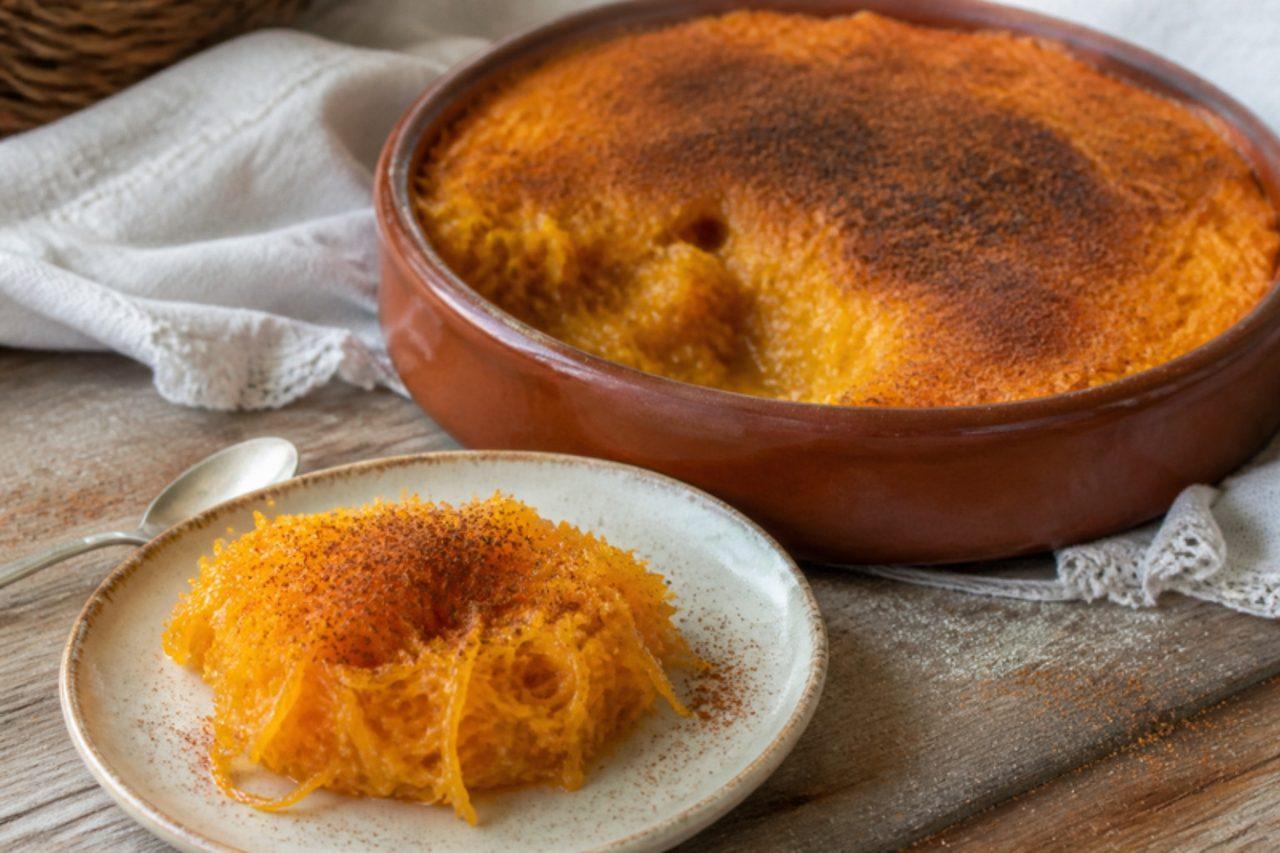
Alentejo convents, Évora's among them, used the yolks left over from egg whites used to starch linen and clarify wine, and encharcada, 'drenched', is one of their richest creations. Egg yolks are poured into boiling syrup, where they set into soft, golden threads and curds, then everything is dusted with cinnamon and browned under a hot grill. It is very sweet, so serve small portions in little dishes, at Christmas or a family celebration. A common mistake is stirring the yolks as they hit the syrup, which turns them into scrambled bits; let them set for a few seconds first, then lift them gently. Chef's tip: strain the yolks first, so no stringy white clings to them.

by KrazyBadal 0 views

Queijadas de SintraFresh cheese and cinnamon tarts

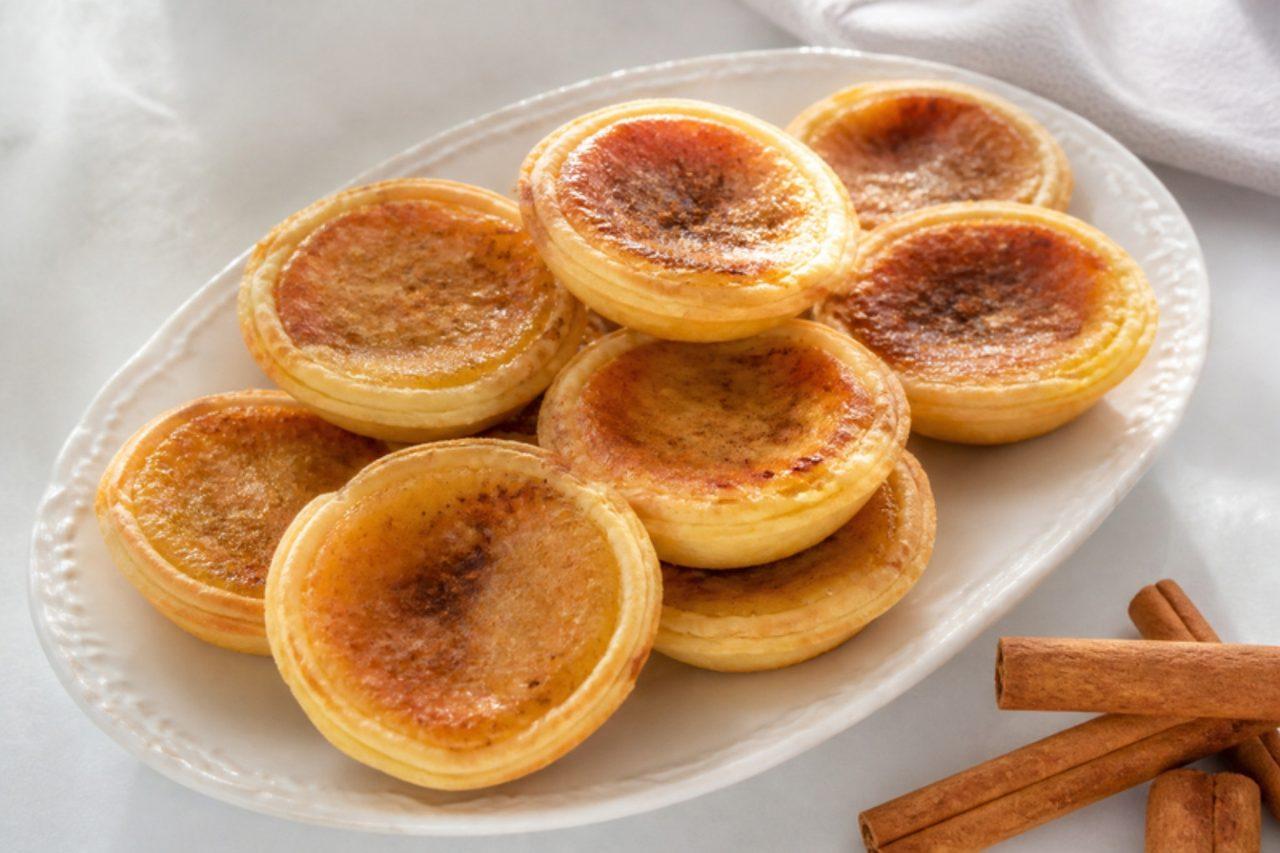
Day-trippers queue for these in Sintra's old town, buying them by the paper-wrapped half dozen to eat on the train back to Lisbon. They have been made around the palace town for centuries: a creamy filling of fresh cheese, sugar, egg yolk and cinnamon, baked in a thin, crisp case until the top blisters brown in patches. Traditional fresh cheese is curdled with animal rennet; look for ricotta or curd cheese made with vegetarian (microbial) rennet if that matters to you. A common mistake is rolling the pastry too thick: it should be almost see-through, so it crisps instead of turning bready. Chef's tip: press the cheese through a sieve before mixing, so the filling bakes silky rather than grainy.

by KrazyBadal 0 views

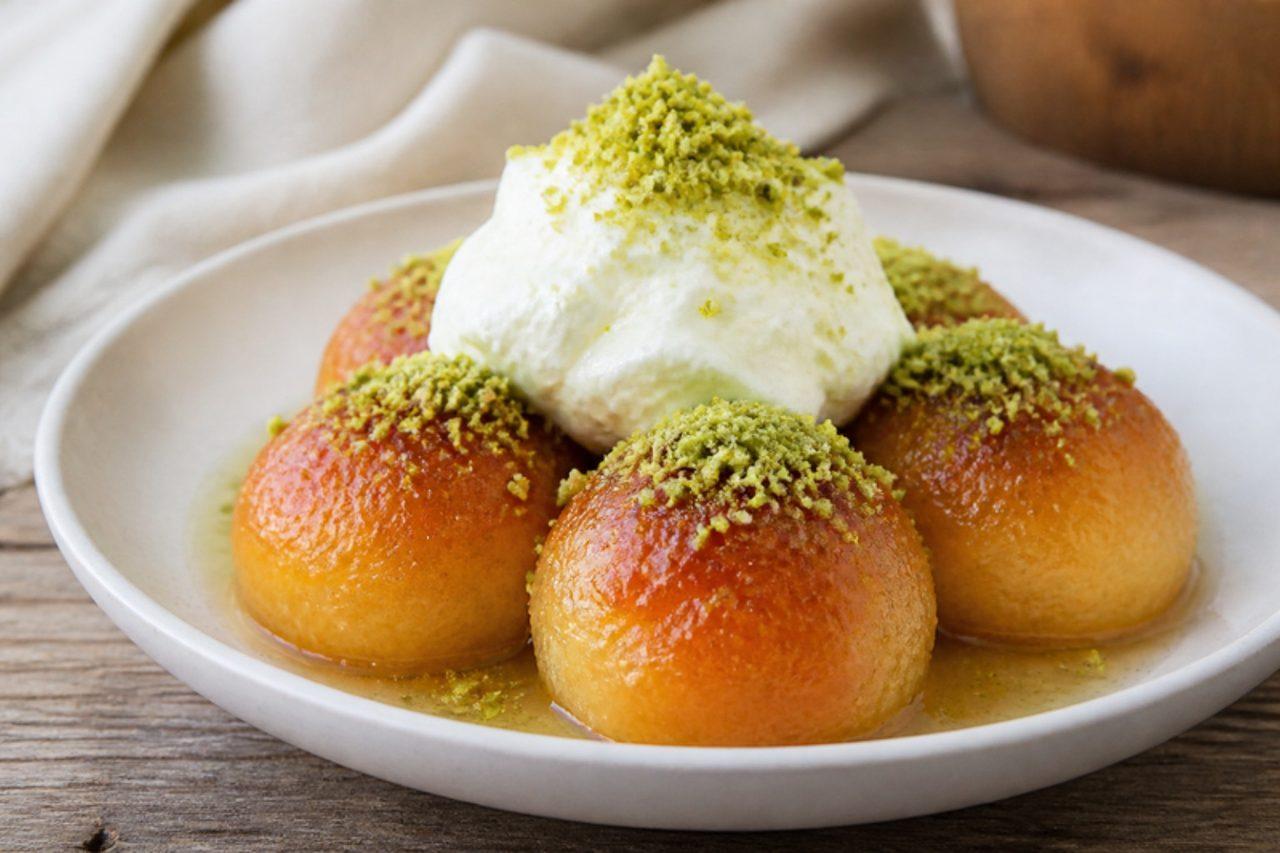
Kemalpaşa tatlısıCheese dumplings in syrup

Named after the town of Mustafakemalpaşa near Bursa, these small golden rounds are made from a soft unsalted cheese, semolina and flour, baked dry and then simmered in syrup until they swell and soak it up like sponges. In Bursa they are eaten after a plate of İskender, warm with a spoon of clotted cream or a scattering of pistachio. They are lighter than they look, with a faint cheesy tang under the sweetness. Chef's tip: let the syrup cool to lukewarm and the dumplings be at room temperature; if both are hot the dumplings collapse into mush.

by KrazyBadal 0 views

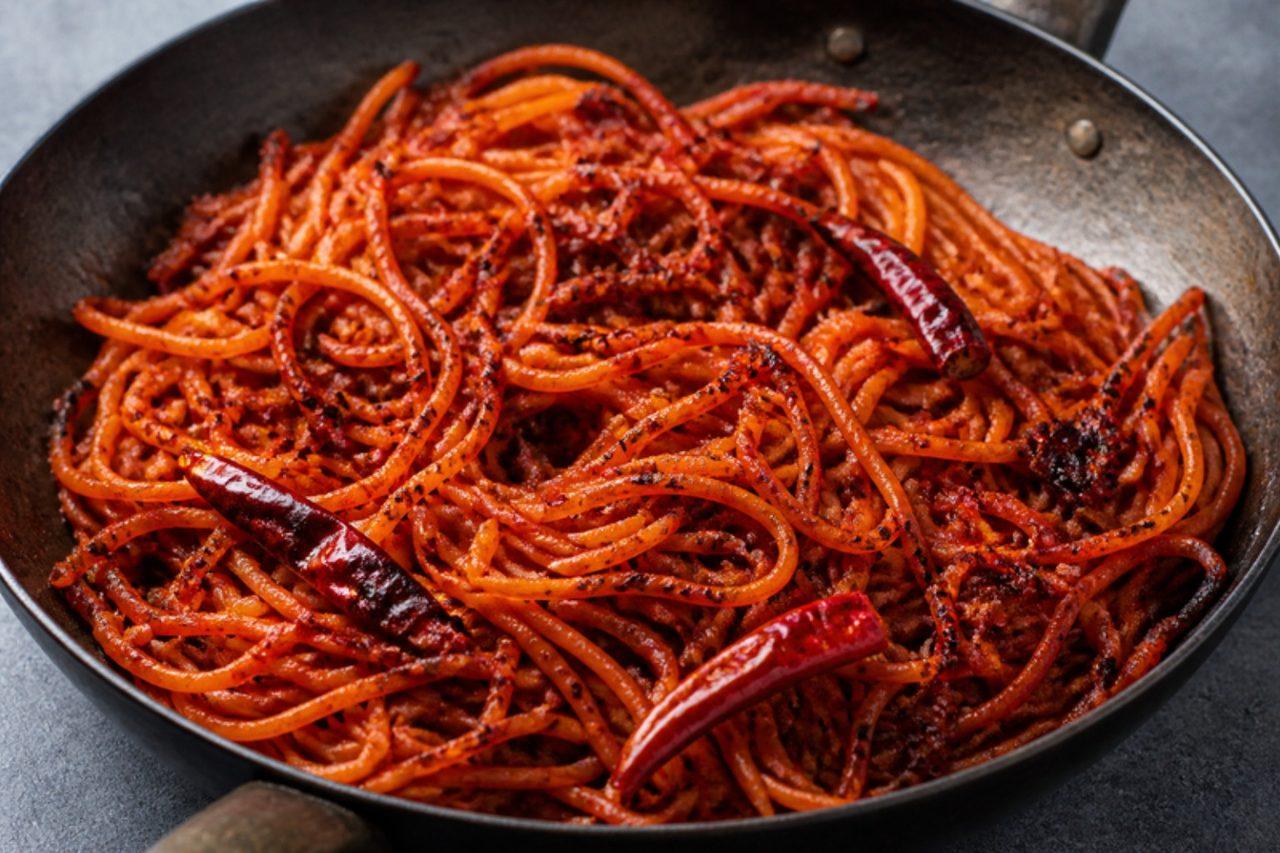
Spaghetti all'assassinaCharred spicy spaghetti

Spaghetti all'assassina was born in a Bari restaurant in the late 1960s and has become the city's cult late-night pasta. The raw spaghetti go straight into a hot iron pan with garlic, chilli and tomato, and are cooked like a risotto, a ladle of tomato broth at a time, until some strands blacken and turn crunchy while others stay chewy. It is smoky, sweet and properly hot, and Baresi argue about how burnt it should be. Chef's tip: use a wide iron or steel frying pan, never non-stick; you want the pasta to stick a little and scorch.

by KrazyBadal 0 views

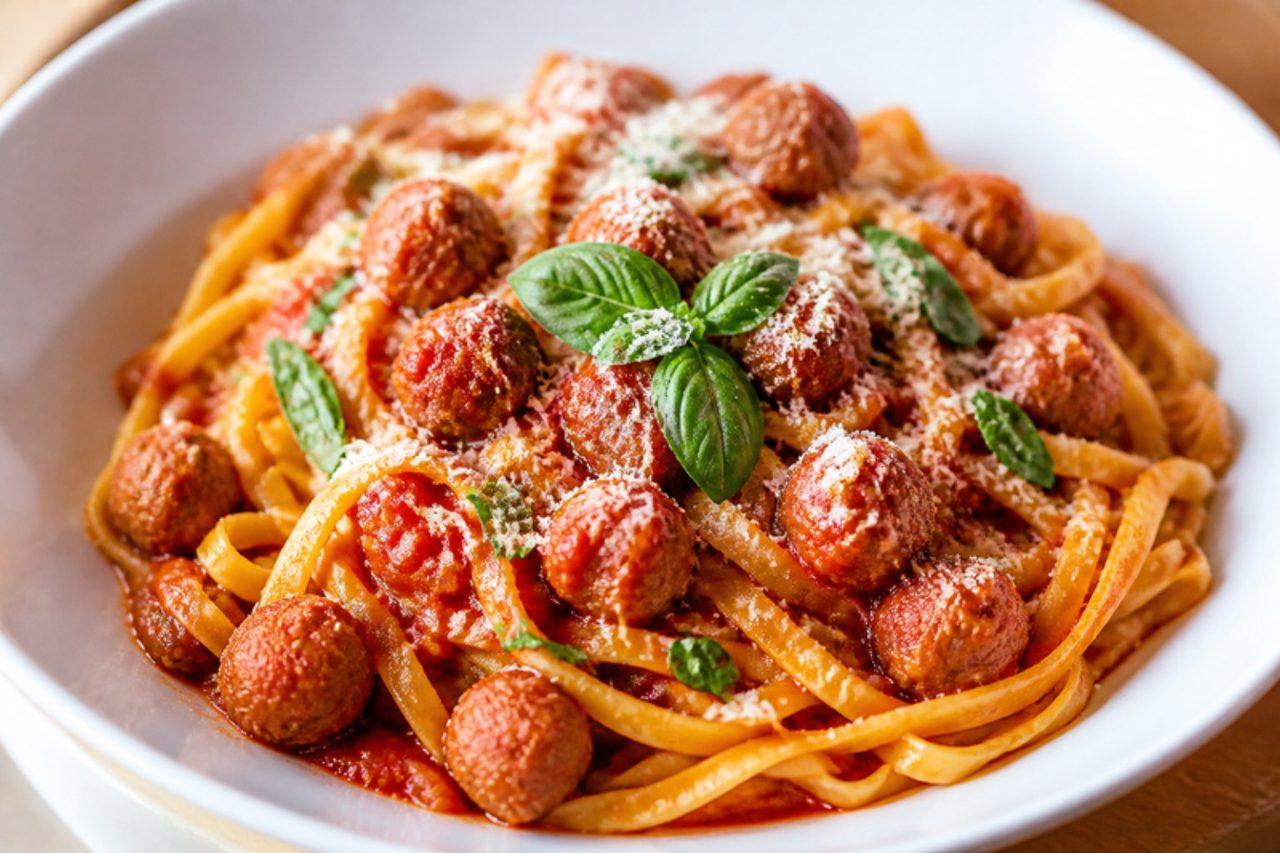
Spaghetti alla chitarra con le pallottineSpaghetti with tiny meatballs

In Teramo, in northern Abruzzo, Sunday lunch and village festivals often start with chitarra pasta and pallottine, meatballs no bigger than a chickpea. The pasta is cut on a chitarra, a wooden frame strung with wires, which gives square-edged strands with a rough surface that grips the sauce. The tiny beef meatballs are simmered right in a light tomato sauce, so every forkful has a few. Serve with grated pecorino and nothing else; this is a dish of patience rather than complication. Chef's tip: roll the meatballs with damp hands on a tray; at this size you'll make well over a hundred, so put the radio on.

by KrazyBadal 0 views

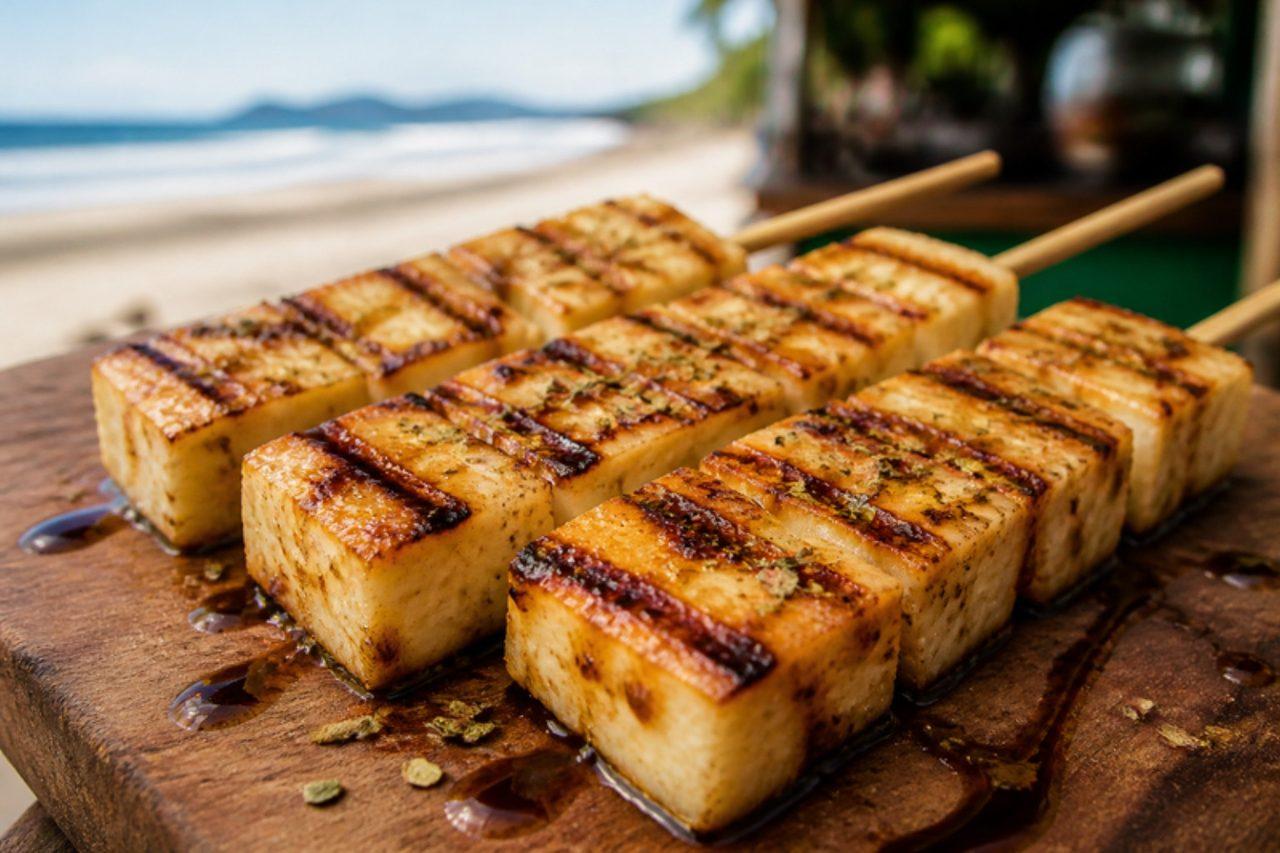
Queijo coalho assadoGrilled squeaky cheese skewers

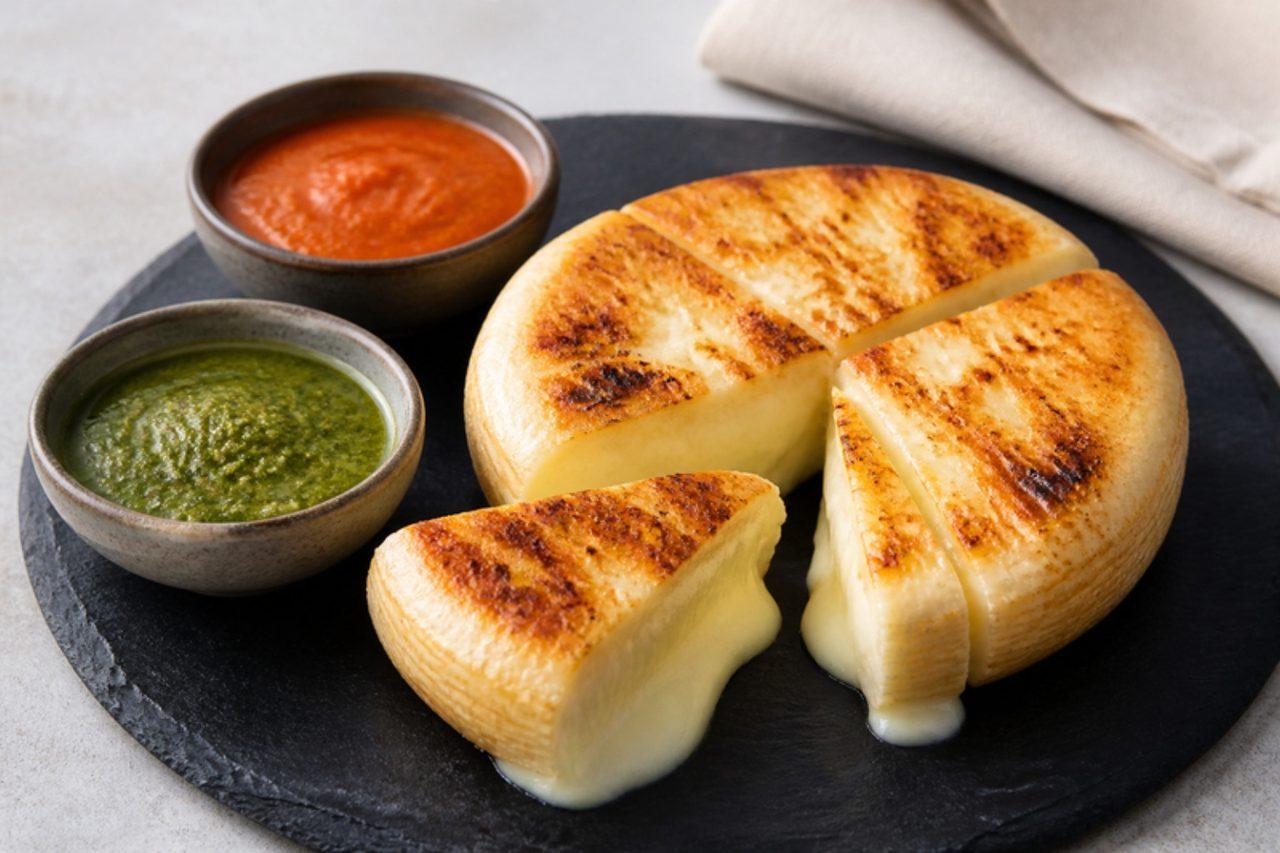
Along the beaches of Recife, Porto de Galinhas and Fortaleza, vendors walk the sand with a small charcoal brazier, toasting sticks of coalho cheese to order. Coalho is a firm, salty curd cheese that holds its shape over the heat, so it browns and blisters on the outside while the inside turns soft and squeaky. Buyers choose it plain, sprinkled with dried oregano, or drizzled with dark sugarcane molasses for a salty-sweet bite. At home it works on a barbecue, a ridged griddle or under a hot grill, and makes a good starter for a churrasco. Most coalho is made with animal rennet, so look for one labelled vegetarian or with microbial rennet, or use a vegetarian halloumi. Everyone's first error is turning the cheese too soon: it tears and sticks until a crust has formed. Chef's tip: pat the sticks dry and brush the grill, not the cheese, with oil, so the crust forms quickly and releases cleanly.

by KrazyBadal 0 views

Queijo da Serra no fornoBaked cheese with garlic and herbs

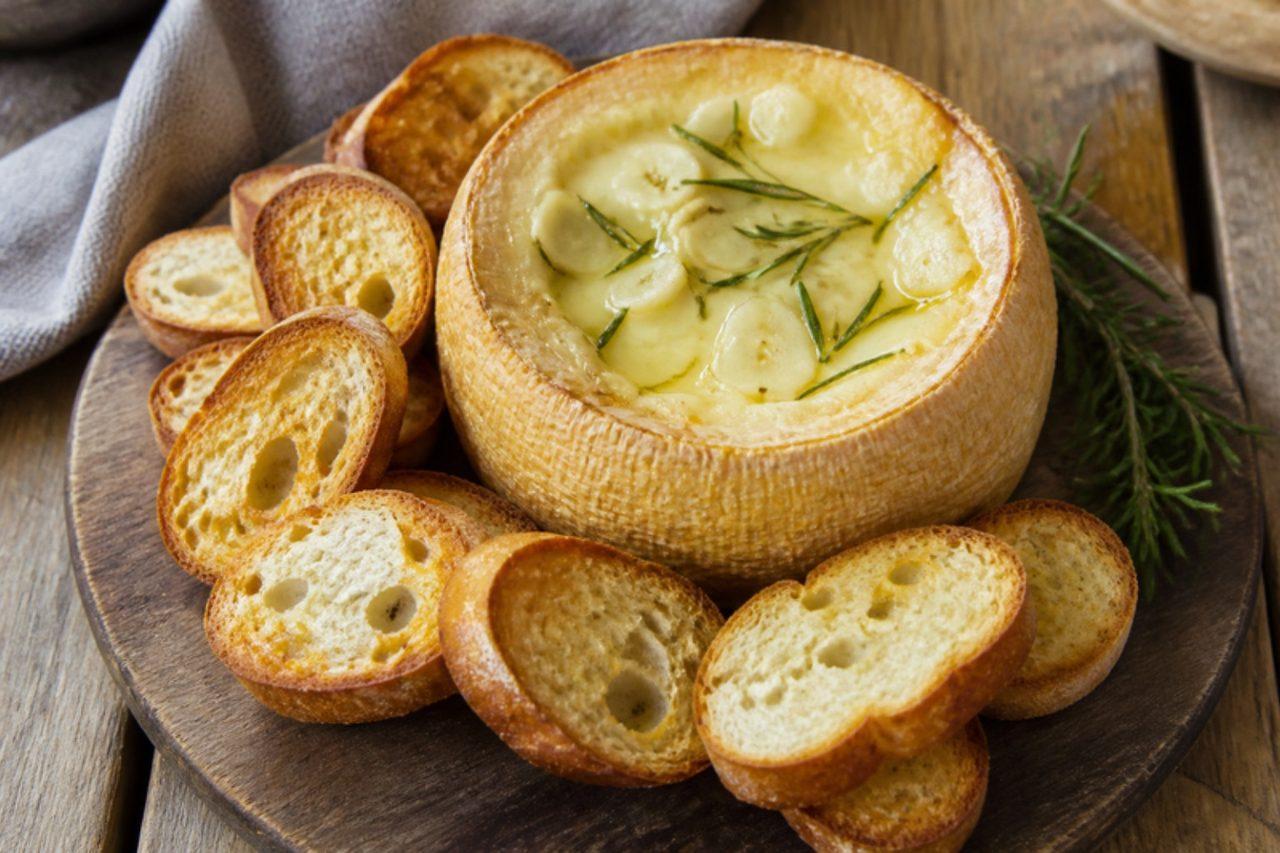
High in the Serra da Estrela, shepherds still make Portugal's most famous cheese from raw ewe's milk, curdled with the flowers of the wild cardoon thistle, which also means it uses no animal rennet and suits vegetarians. In mountain villages such as Seia and Manteigas it is served whole, the rind cut open and the runny inside scooped onto bread, and a short bake makes it even more molten. If you use another soft cheese instead, check the label for vegetarian rennet. Raw-milk soft cheese is not for pregnant women, young children or anyone with a weakened immune system unless it is baked until piping hot throughout. Chef's tip: bake it in a dish only just bigger than the cheese, so it melts without spreading.

by KrazyBadal 0 views

Quenelles lyonnaises natureBaked quenelles in mushroom sauce

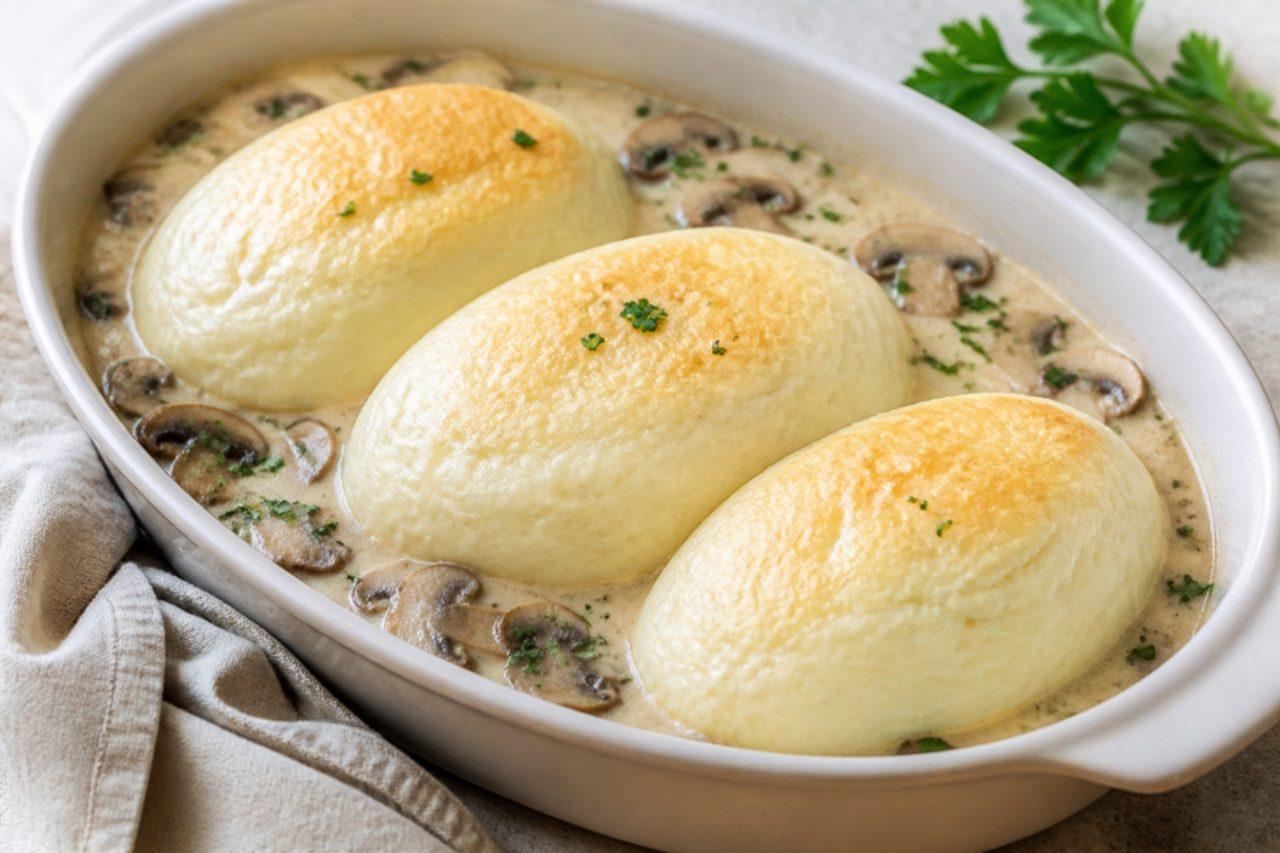
Every charcuterie and traiteur in Lyon sells quenelles, the soft oval dumplings that the city's bouchons bake until they swell to twice their size in a bubbling dish. The famous version contains pike, but Lyonnais families also buy quenelles nature, plain ones made from a flour, milk, butter and egg panade, and bake them for a weeknight supper with a mushroom or tomato cream sauce and a green salad. Made at home they are light and wobbly, with a hint of nutmeg. Gruyère for the top is usually made with animal rennet; use a vegetarian alternative if you prefer. Chef's tip: chill the dough well and shape it with two wet spoons; cold dough holds a neat shape and puffs evenly.

by KrazyBadal 0 views

Forfar bridiesBeef and onion pastries

The bridie is the pride of Forfar in Angus, a horseshoe-shaped pastry stuffed with chopped beef steak and onion, sold hot from the town's bakers and eaten on market days and at weddings. Unlike a Cornish pasty there is no potato, just peppery beef, onion and beef suet in shortcrust. The holes on top tell you the filling: one hole for plain, two for onion. Chef's tip: chop the steak by hand into small pieces rather than using mince; it keeps the filling juicy.

by KrazyBadal 0 views

Leche asadaBaked milk custard

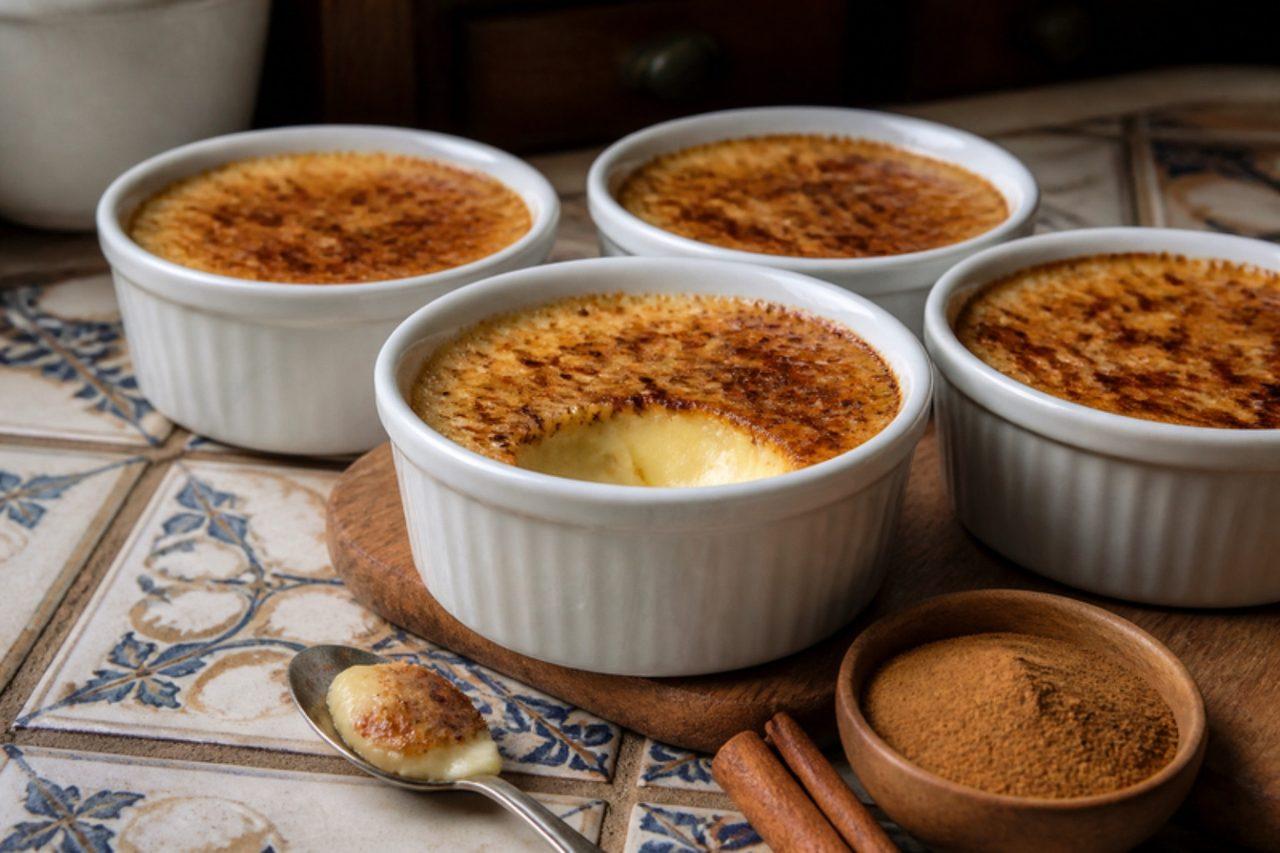
A fixture of Lima's set-lunch menus and school canteens, leche asada is the plainer sibling of flan: milk, eggs, sugar and vanilla baked in a dish until set, with no caramel layer, so the top browns into a freckled skin that's the best part. It is lighter and a little less smooth than crème caramel, faintly scented with cinnamon and lemon zest, and served cold in squares or straight from little ramekins. Many cooks rush it in a hot oven, which makes the custard bubble and weep watery holes; bake it low and in a water bath, and only brown the top at the end. It makes a gentle end to a heavy meal and keeps for three days in the fridge. Chef's tip: strain the custard and skim off the foam before baking for a smooth, even set.

by KrazyBadal 0 views

Quesadillas de huitlacocheCorn mushroom quesadillas

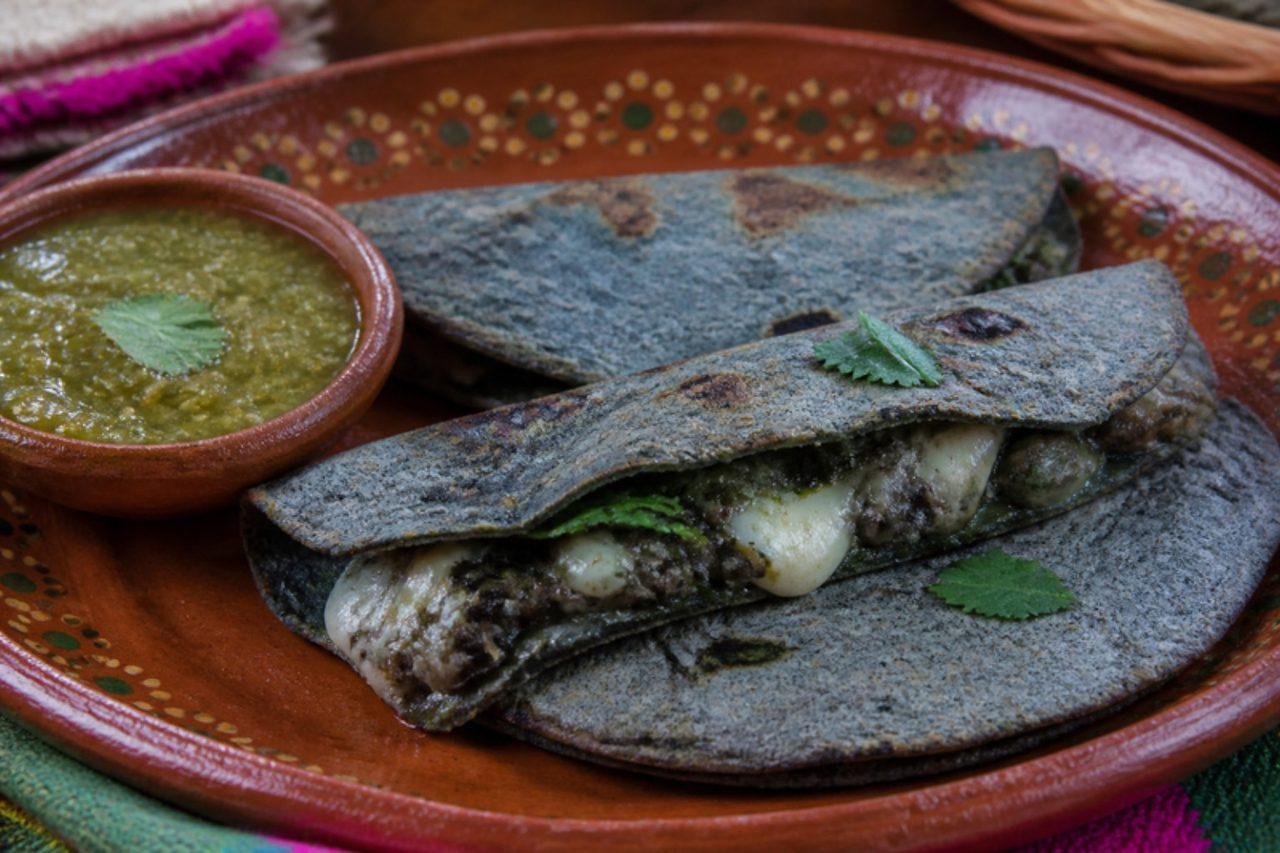
Huitlacoche is a fungus that swells the kernels of rain-soaked corn into silvery-black, inky lobes, and in central Mexico it is a delicacy prized for its deep, mushroomy, slightly smoky taste. In the rainy months, the quesadilla stalls of Mexico City and Coyoacán fry it with onion, chilli and epazote and fold it into fresh masa turnovers; in the capital you ask for cheese separately. Fresh huitlacoche turns up at Mexican grocers from July to October, and tinned or frozen works the rest of the year. Chef's tip: cook it until the black juices have mostly evaporated; a wet filling makes the masa soggy and grey.

by KrazyBadal 0 views

Quesillo con miel de cañaFresh cheese with cane syrup

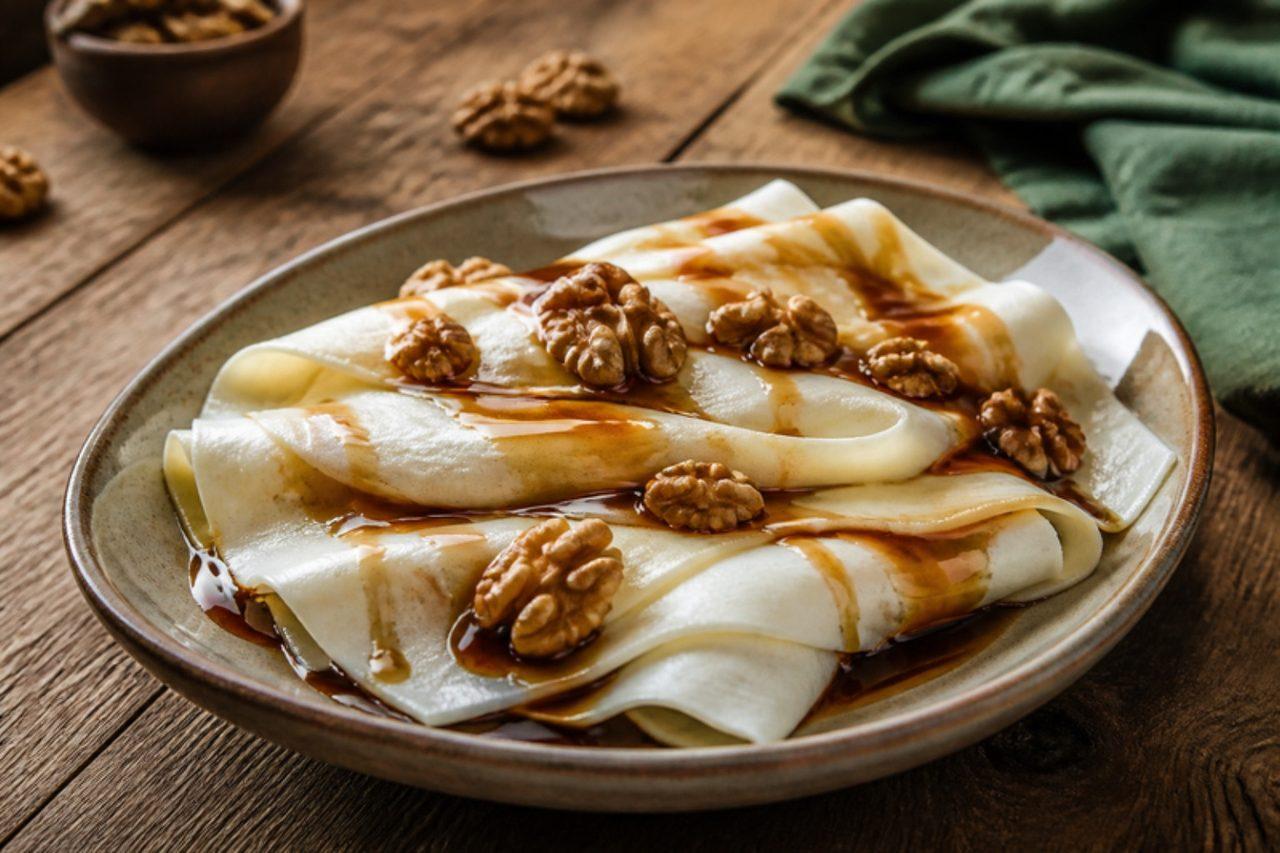
In the Tafí del Valle hills above San Miguel de Tucumán, quesillo is made by stretching hot curd into long, thin, elastic sheets and folding them into flat rounds; along the road up from the city, stalls sell it beside jars of miel de caña, the dark syrup boiled from the juice of Tucumán's sugarcane. Put the two together and you have the province's simplest dessert: mild, milky, slightly squeaky cheese with a pour of syrup that tastes of molasses and caramel, plus walnuts for crunch. It is eaten after lunch or as a merienda with mate. Drowning the cheese is the usual misstep; the syrup is intense, so pour a ribbon, not a puddle. Real quesillo is hard to find abroad: fresh mozzarella, Oaxaca cheese or another fresh stretched-curd cheese is closest, and light cane syrup or a 2:1 mix of golden syrup and black treacle stands in for miel de caña. Most of these cheeses use animal rennet; choose a vegetarian one if needed. Chef's tip: warm the syrup slightly so it runs into the folds of the cheese.

by KrazyBadal 0 views

Gaisburger MarschBeef stew with potatoes and spätzle

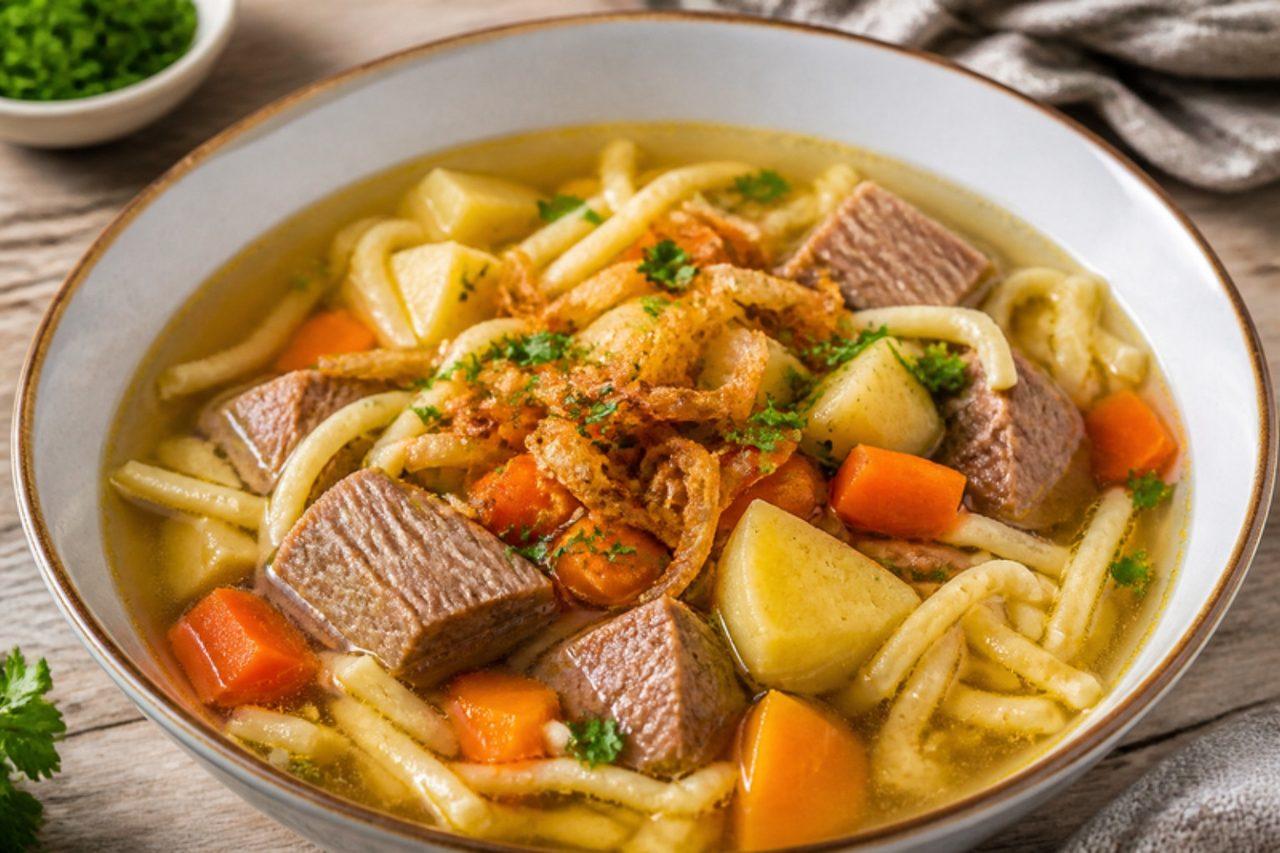
Gaisburger Marsch is named after Gaisburg, a district of Stuttgart, and the story goes that officer cadets marched there from barracks for it. It is a hearty Swabian one-pot of beef broth, cubes of boiled beef, potatoes and spätzle, crowned with onions fried in butter until sweet and brown, and it is still a weekday lunch in Stuttgart pubs and canteens. Chef's tip: cook the potatoes in the strained broth rather than in water, so they soak up the beef flavour.

180 minGermanSoups
by KrazyBadal 0 views

Verdinas con mariscoGreen beans with prawns and clams

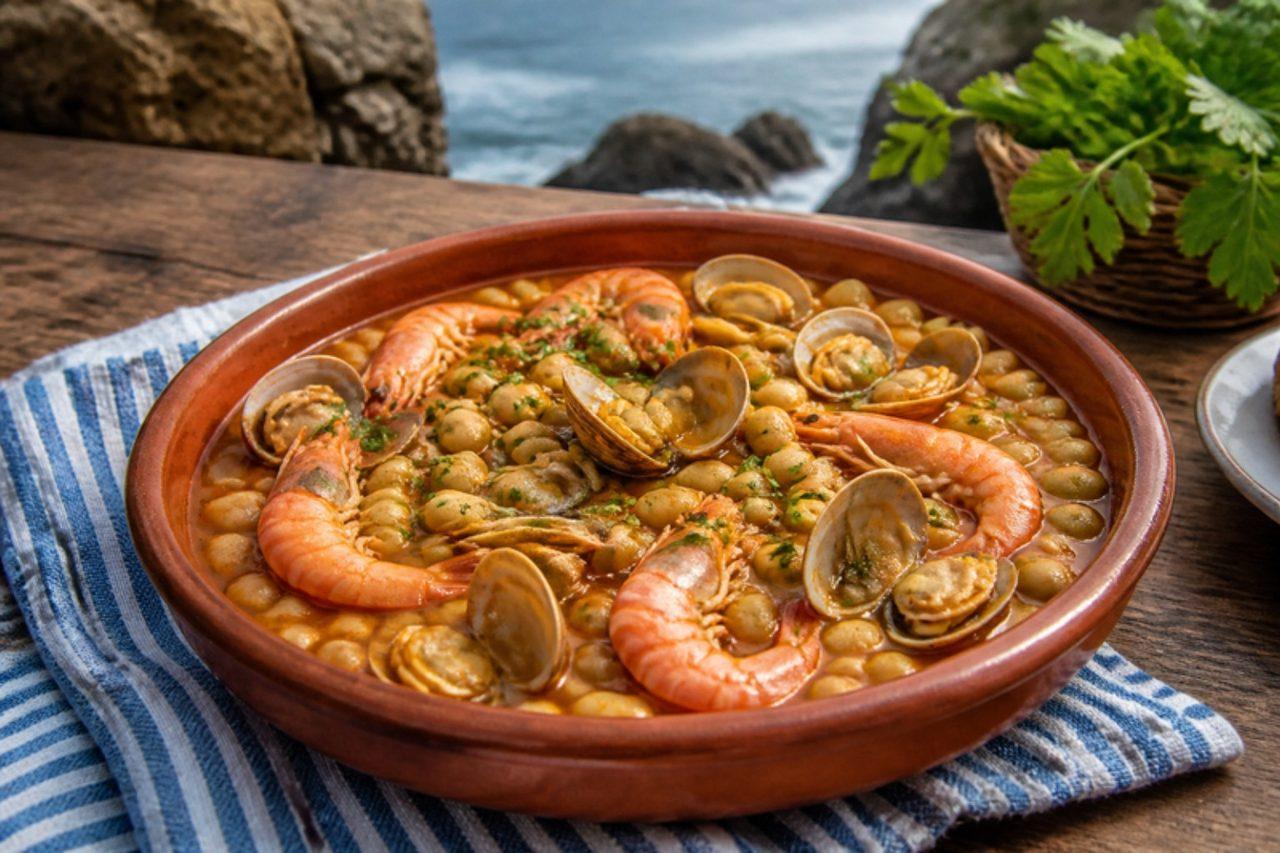
Verdinas are small, pale-green dried beans grown around Llanes in eastern Asturias, prized for their thin skins and buttery texture; seaside restaurants there pair them with whatever shellfish came in that morning. It is a newer dish than fabada, lighter and greener, often eaten in summer on the terraces above the harbour. If you can't find verdinas, French flageolet beans are the nearest match. Chef's tip: make a quick stock from the prawn shells and heads; it gives the beans far more flavour than plain water.

120 minSpanishFishGluten free
by KrazyBadal 0 views

SpetzofaiSausage and pepper stew

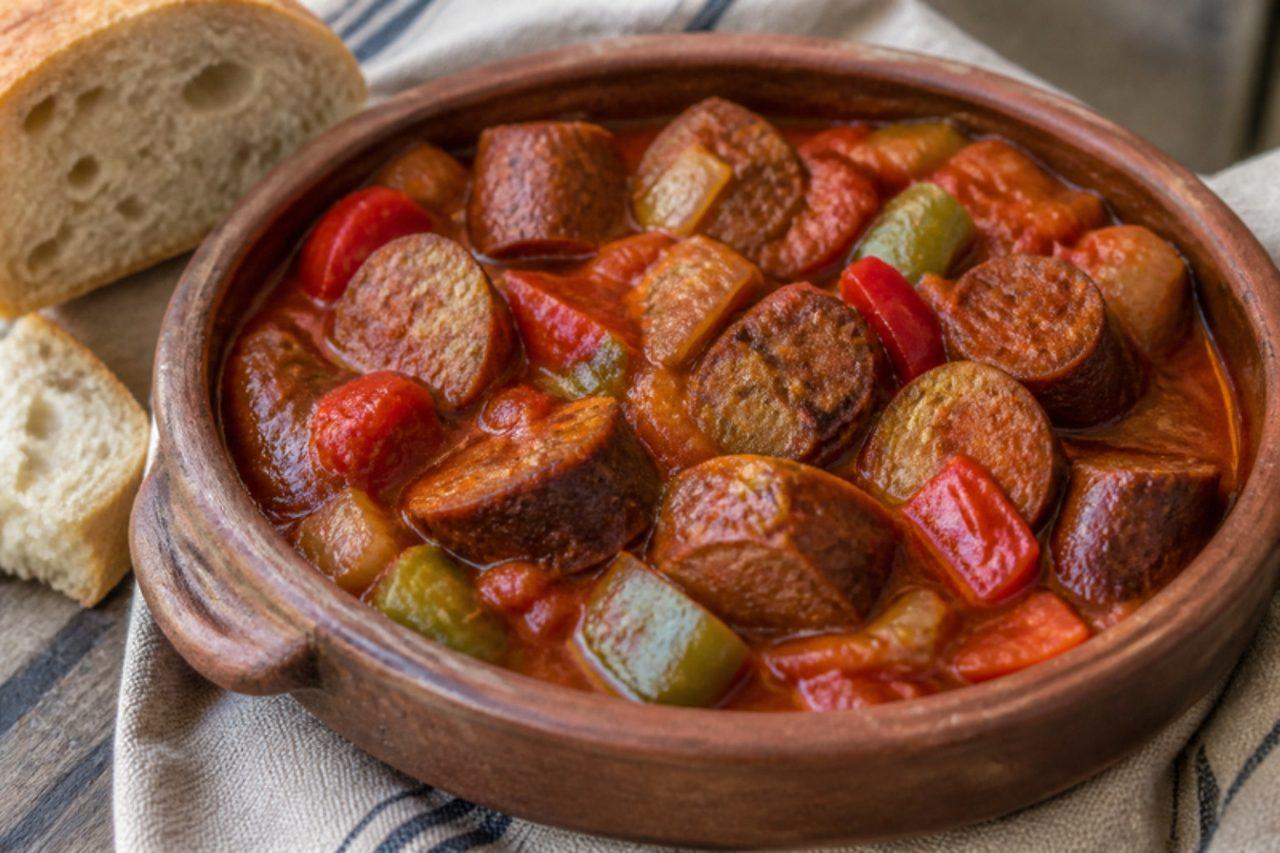
Spetzofai is the dish shepherds in the Pelion mountains near Volos cooked over the fire: spicy village pork sausages sliced and stewed with long green and red peppers in a thick tomato sauce. Now it's on every tsipouro-bar menu in Volos, served sizzling in a clay dish with bread and feta. Use coarse pork sausages with leek or orange peel if you can find them. Common mistake: cooking the peppers to mush — they should be soft but still hold their shape. Chef's tip: brown the sausage slices hard first; the fat they leave flavours the peppers.

55 minGreekMeatGluten freeSpicy
by KrazyBadal 0 views

Queso asado con mojoGriddled goat's cheese with red sauce

Thick slabs of semi-cured goat's cheese, seared on a hot griddle until golden outside and soft within, then splashed with red mojo: it is the starter that opens lunch at country restaurants across Fuerteventura and Gran Canaria, the islands of Majorero and Flor de Guía cheeses. Some places serve it with palm honey instead, for a sweet-salty version. Traditional Canarian cheeses use animal rennet; choose a vegetarian semi-cured goat's cheese if that matters to you. Eat it with bread while it is still soft. Chef's tip: use a firm, semi-cured cheese at least 1.5 cm thick, as fresh cheese melts flat and runs off the pan.

by KrazyBadal 0 views

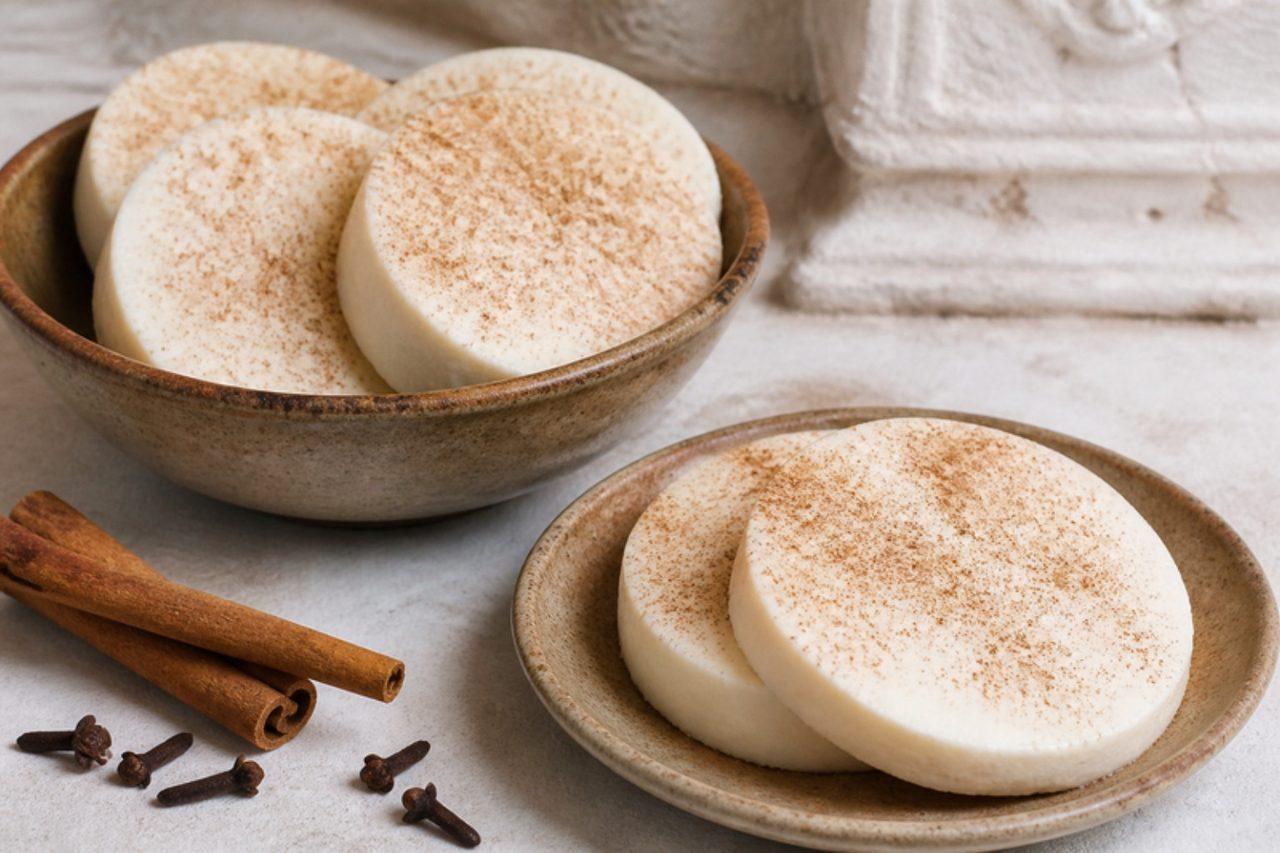
Queso heladoCinnamon coconut milk ice

Despite the name, there's no cheese in it: queso helado is Arequipa's old-fashioned frozen milk dessert, cut into thick rounds that look like a slice of fresh cheese and dusted with ground cinnamon. Vendors in white aprons sell it around the Plaza de Armas and at the Yanahuara viewpoint, traditionally churned in a metal pail spun over ice and salt, and every Arequipeño has a favourite stall. It is creamy, mildly milky and fragrant with cinnamon, clove and grated coconut, less rich than ice cream and slightly icy in a pleasant way. Many recipes thicken it with egg yolks; this one uses evaporated and condensed milk with a little cornflour so it stays egg free. The common error is freezing it untouched, which gives one hard block of ice: stir it every 45 minutes for the first few hours. Allow at least 4 hours of freezing on top of the cooking time, or make it a day ahead. Chef's tip: freeze it in a loaf tin lined with cling film, then lift it out and slice it into rounds for that true street look.

by KrazyBadal 0 views

Queso manchego en aceiteSheep's cheese preserved in olive oil

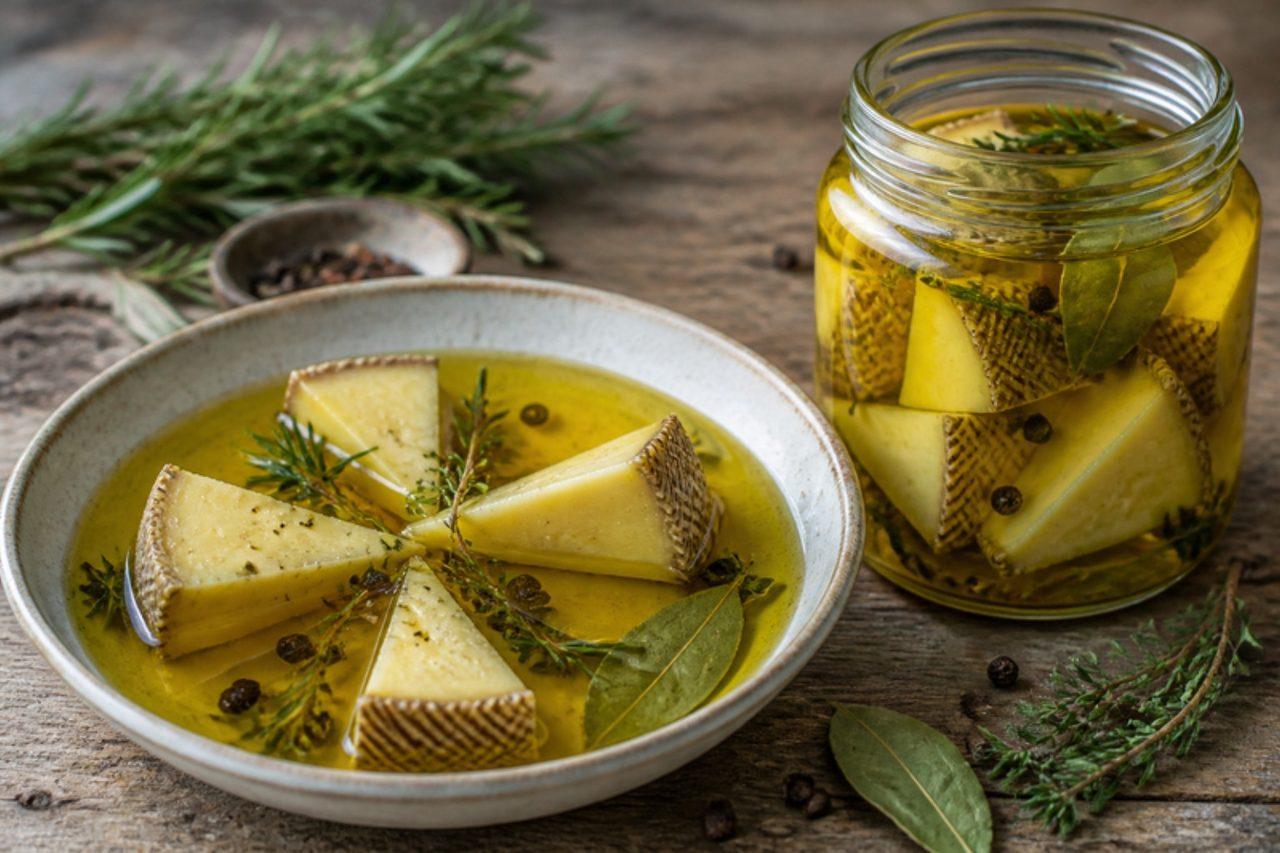
Manchego farmhouses have long stored cheese under olive oil so it would keep through the hot months; the oil seals it, softens the rind and deepens the flavour. In bars across Toledo and Ciudad Real a saucer of these oil-darkened wedges arrives with bread as soon as you sit down. PDO manchego is made with animal rennet; if you eat vegetarian, choose a ewe's-milk cheese made with vegetable or microbial rennet. Chef's tip: use a cheese aged at least three months; young cheese goes soft and greasy in the oil.

by KrazyBadal 0 views

Spotted dogRaisin soda bread

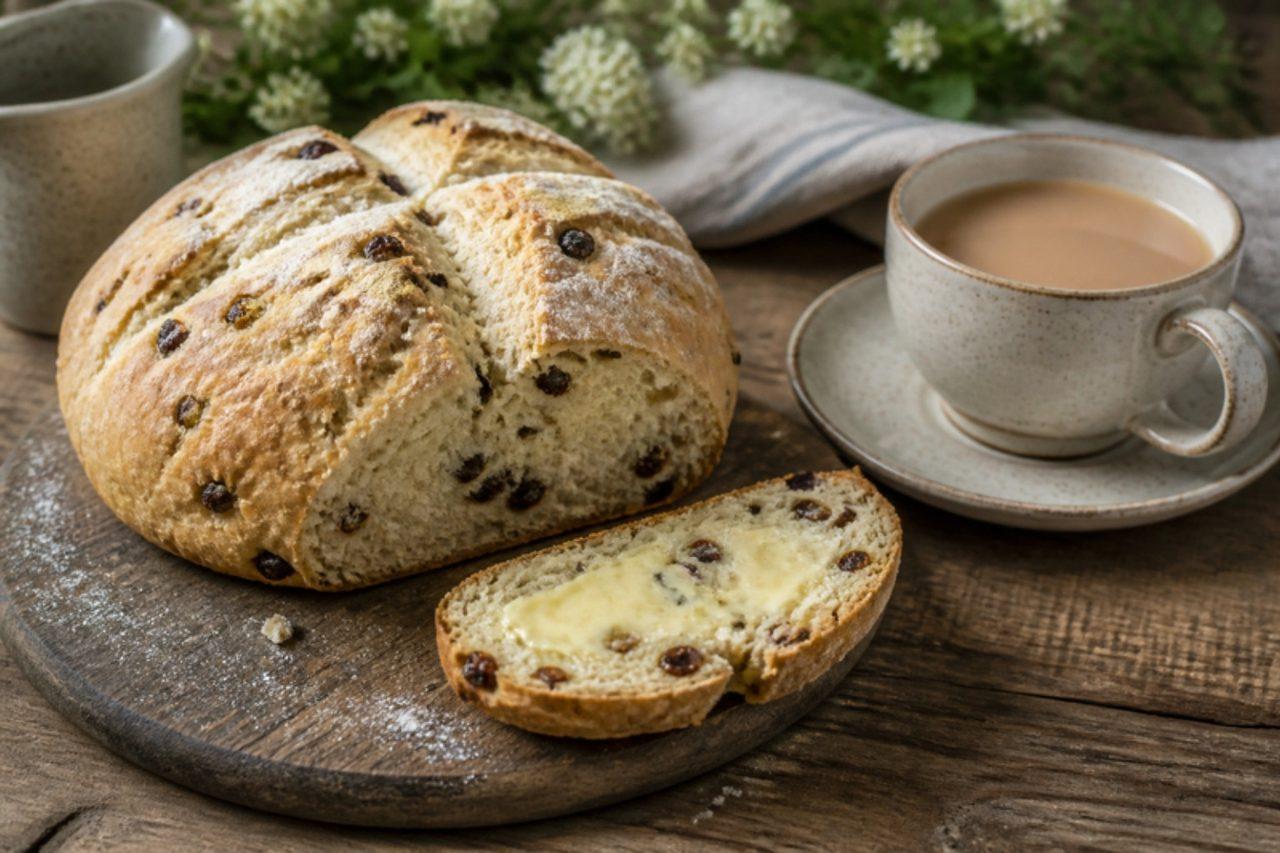
Spotted dog, or 'spotted dick' and 'railway cake' in parts of Leinster, is white soda bread with a handful of raisins and a little sugar, the sweet loaf Irish grandmothers bake for the afternoon tea or Sunday visitors. It is soft, slightly cakey and best warm, split and buttered. Chef's tip: toss the dried fruit in the flour first so it stays spread through the loaf instead of sinking.

by KrazyBadal 0 views

Spreewälder GurkenDill-fermented gherkins

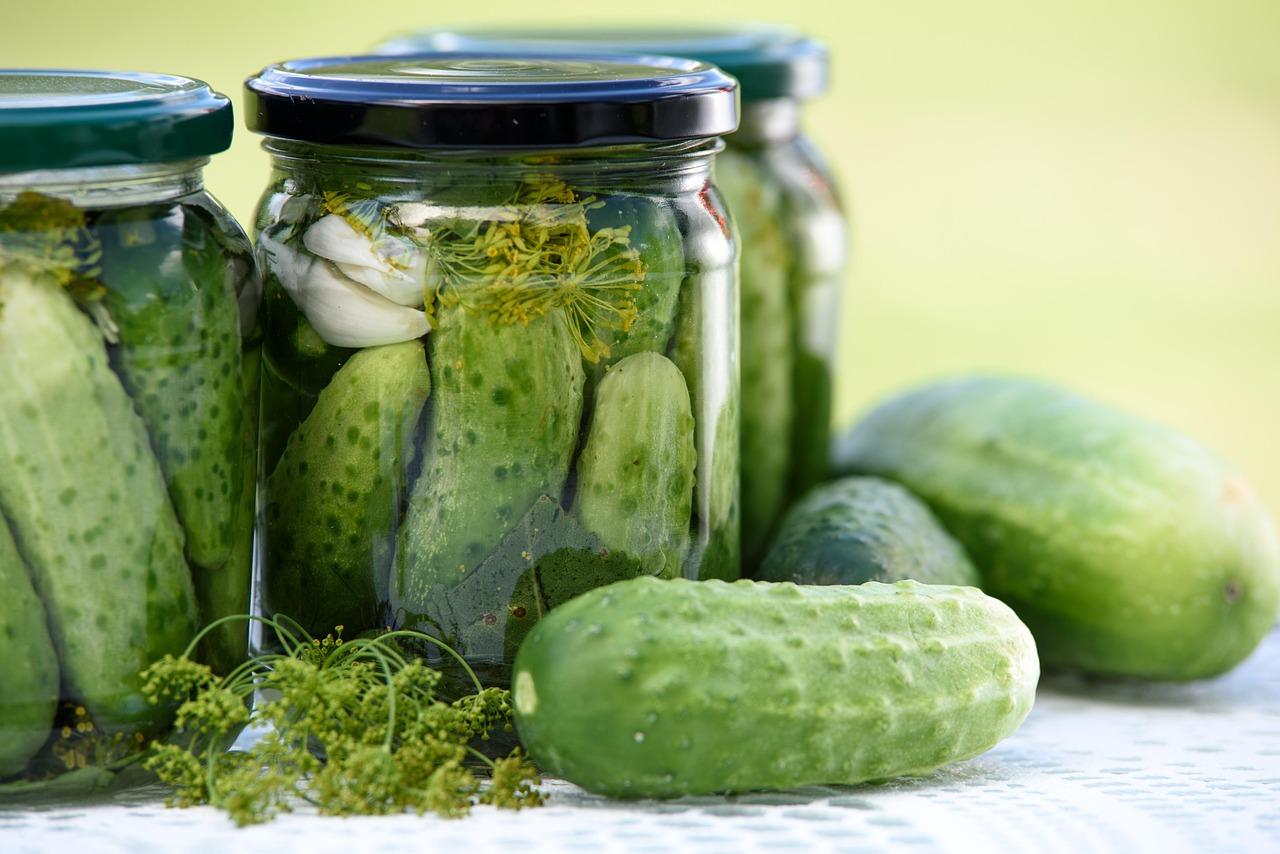
In the Spreewald, the forest and canal country south-east of Berlin, cucumbers have been fermented in barrels of dill brine for centuries, and in late summer the riverbanks are lined with stalls selling them by the jar. These salt-fermented gherkins are sour, garlicky and crunchy, eaten as a snack, alongside sandwiches or with jacket potatoes and quark. No vinegar is used: lactic fermentation does the souring. The most common mistake is letting cucumbers poke above the brine, where mould can start. Chef's tip: choose small, firm, freshly picked cucumbers and add a few vine or oak leaves; their tannins keep the gherkins crisp.

by KrazyBadal 0 views

Empire biscuitsJam-filled iced shortbreads

Empire biscuits sit in the window of every Scottish high-street bakery: two rounds of crisp shortcake stuck together with raspberry jam, topped with white icing and a jelly sweet or half a glacé cherry. They were called Linzer or German biscuits until the First World War. Chef's tip: let the biscuits cool completely before sandwiching, or the jam soaks in and they go soft.

by KrazyBadal 0 views

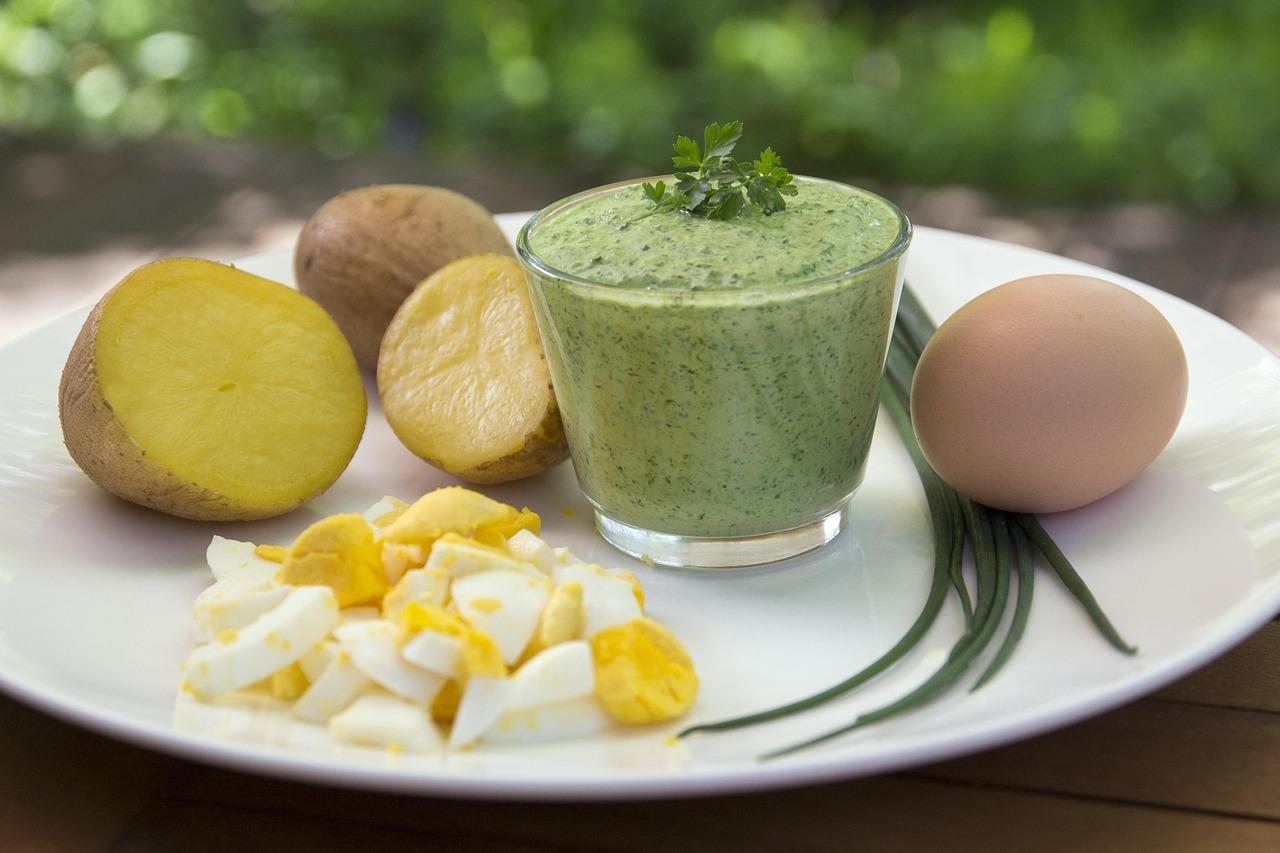
Grüne SoßeSeven-herb green sauce with eggs

Grüne Soße, or Grie Soß in Frankfurt dialect, arrives in spring when market stalls in Hesse sell paper bundles of exactly seven herbs: borage, chervil, cress, parsley, burnet, sorrel and chives. Blended into sour cream and yoghurt, they make a cold, bright, grassy sauce that is eaten with halved boiled eggs and new potatoes, traditionally on Maundy Thursday. It is a whole meal, light but filling. If you can't find the herb bundle, any mix of soft herbs with some sorrel for sourness works. A common mistake is blending the herbs to a smooth purée in a hot blender, which turns them dull and bitter; chop or pulse briefly. Chef's tip: make the sauce an hour ahead and chill it so the herbs flavour the cream fully.

by KrazyBadal 0 views

Showing 63 of 7,762 recipes

Show more recipes

Page 509 of 863