


Skip to content
Rugelach
Featured recipe

Rugelach

Cream cheese cinnamon crescents

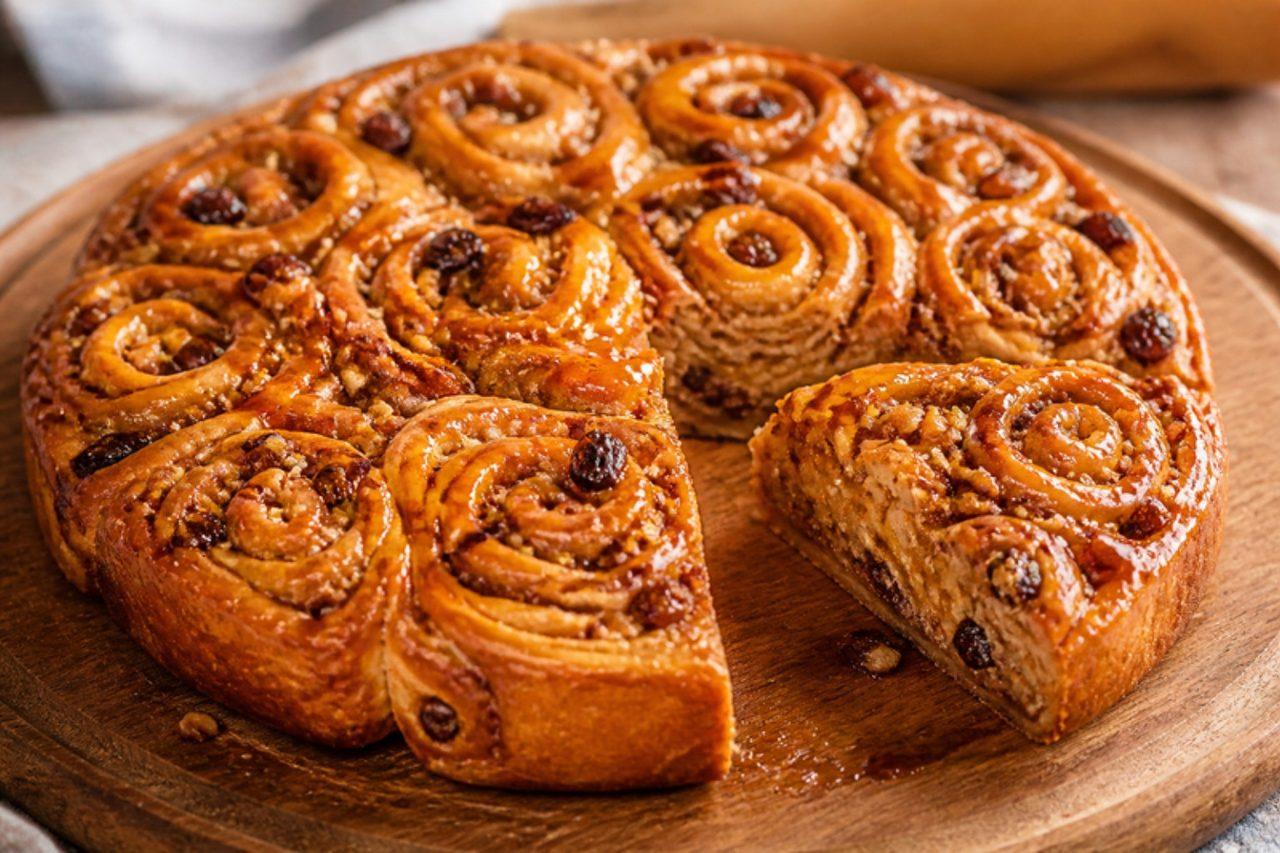
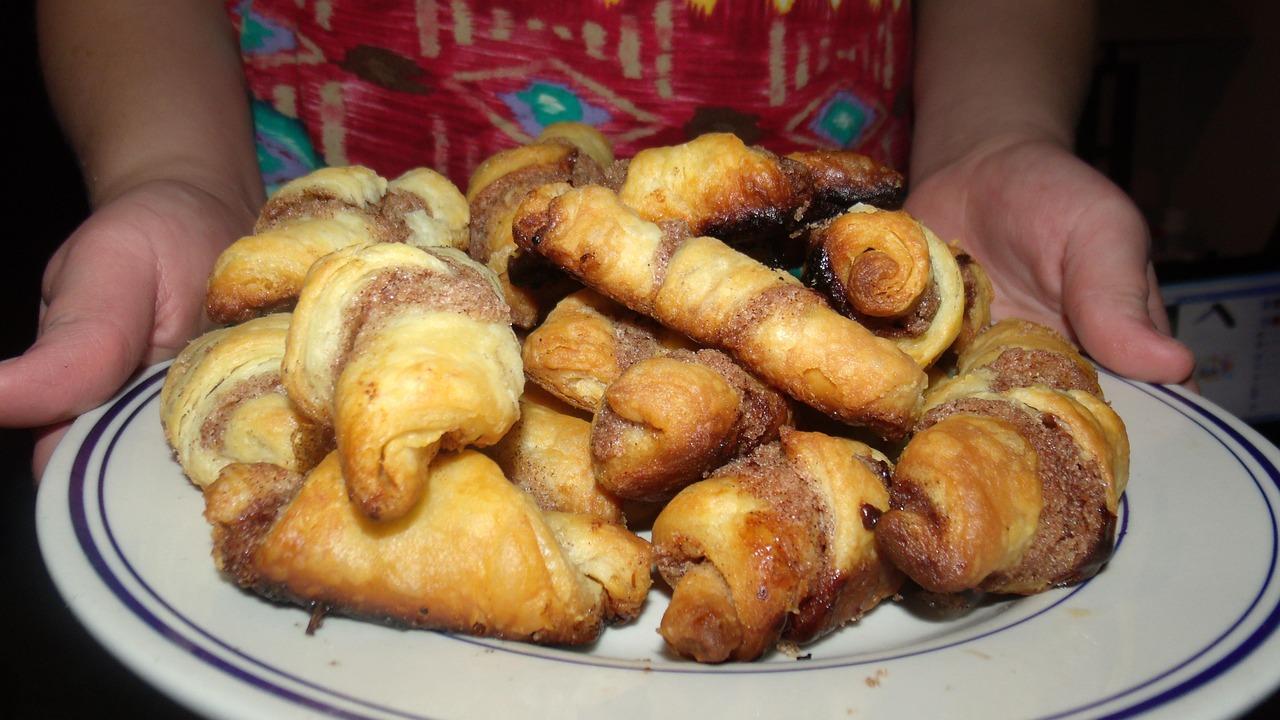
Rugelach came from the Jewish bakeries of Eastern Europe, and today they are piled high on trays in Jerusalem's Machane Yehuda market and in every New York deli bakery, eaten with coffee on Friday or packed for a Hanukkah visit. The American-style dough made with cream cheese and butter bakes up tender and flaky, and each wedge is rolled up around a filling of brown sugar, cinnamon, chopped walnuts and raisins into a small crescent. Chef's tip: chop the walnuts and raisins finely; big pieces tear the thin dough as you roll it.

Read more 0 views

What to eat today?

Around the world

Today's trip: Persian

A new country every day, from every cuisine on the site.

Persian

Lubia pokhte

Spiced pinto beans 120 minMore from Persian (131) →

This week's collection

Kid-friendly dinners
541 recipes · a new collection every Monday

Latest recipes

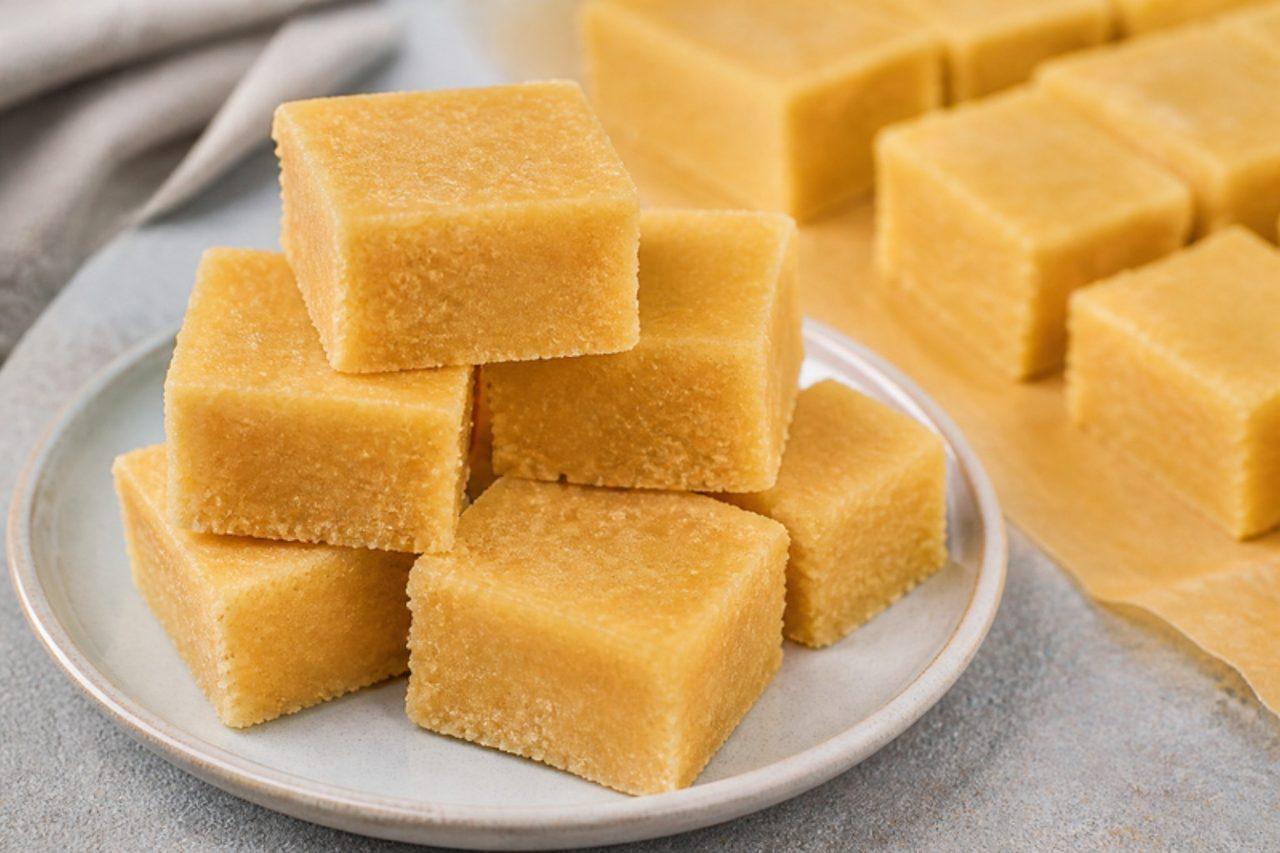
Scottish tabletButter fudge

Tablet is harder and grainier than fudge, a sugary square sold at every church fête, Highland games and corner shop in Scotland and taken home in paper bags by visitors. Sugar, butter, milk and condensed milk are boiled to the soft-ball stage and beaten until they crystallise, giving that crumbly, melting snap. Chef's tip: beat it hard off the heat until it loses its gloss and drags on the spoon; stop too early and you have soft fudge.

by KrazyBadal 0 views

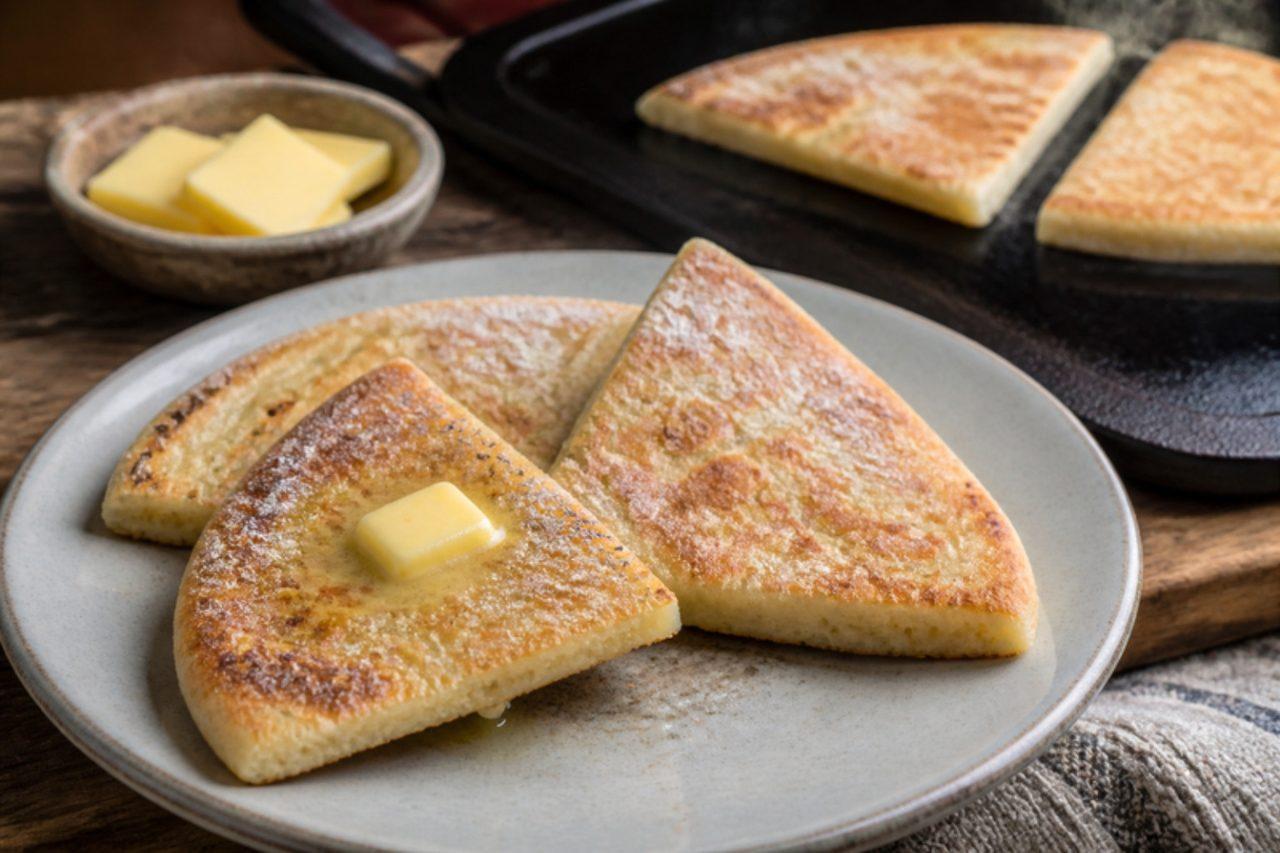
Ulster potato farlsGriddled potato bread

Potato bread, often just called fadge or tattie bread, is the soft, flat quarter-round that sits beside soda bread in every Ulster fry from Belfast to Derry. Warm mashed potato is worked with a little flour and butter, rolled into a round, cut into four farls and cooked on a dry griddle. It is thinner than a Scottish tattie scone and is always fried golden before serving. Chef's tip: use only enough flour to stop it sticking; the more potato, the better the farl.

by KrazyBadal 0 views

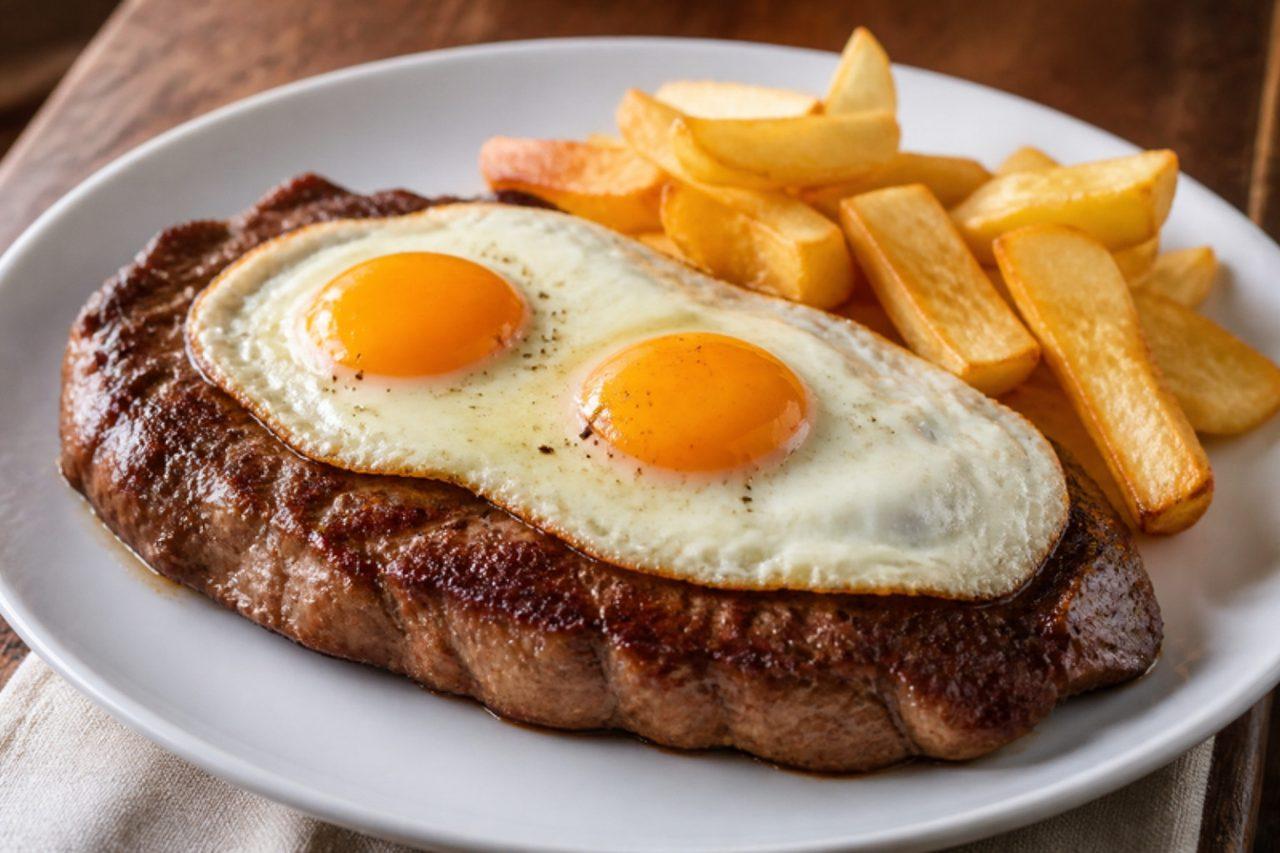
Bife a caballoSteak with fried eggs

On the chalkboard of any neighbourhood bodegón in Buenos Aires you will find bife a caballo, steak "on horseback": a thick bife de chorizo (sirloin) or rump seared hard in a hot pan, crowned with two fried eggs whose yolks run into the meat juices, and served with a pile of chips. It is the plate for hungry taxi drivers at lunch and for anyone recovering from a long night. Cook the steak to your taste; Argentines usually ask for it jugoso (medium rare, about 55 °C in the centre) or a punto (medium, about 60 °C). Use eggs fried until the whites are fully set, and cook the yolks firm for anyone vulnerable. Crowding a pan that isn't hot enough is the classic mistake, which stews the steak grey, so let the pan smoke first. Chef's tip: rest the steak while you fry the eggs in the same pan; the beef juices in the fat give the whites crisp, savoury edges.

by KrazyBadal 0 views

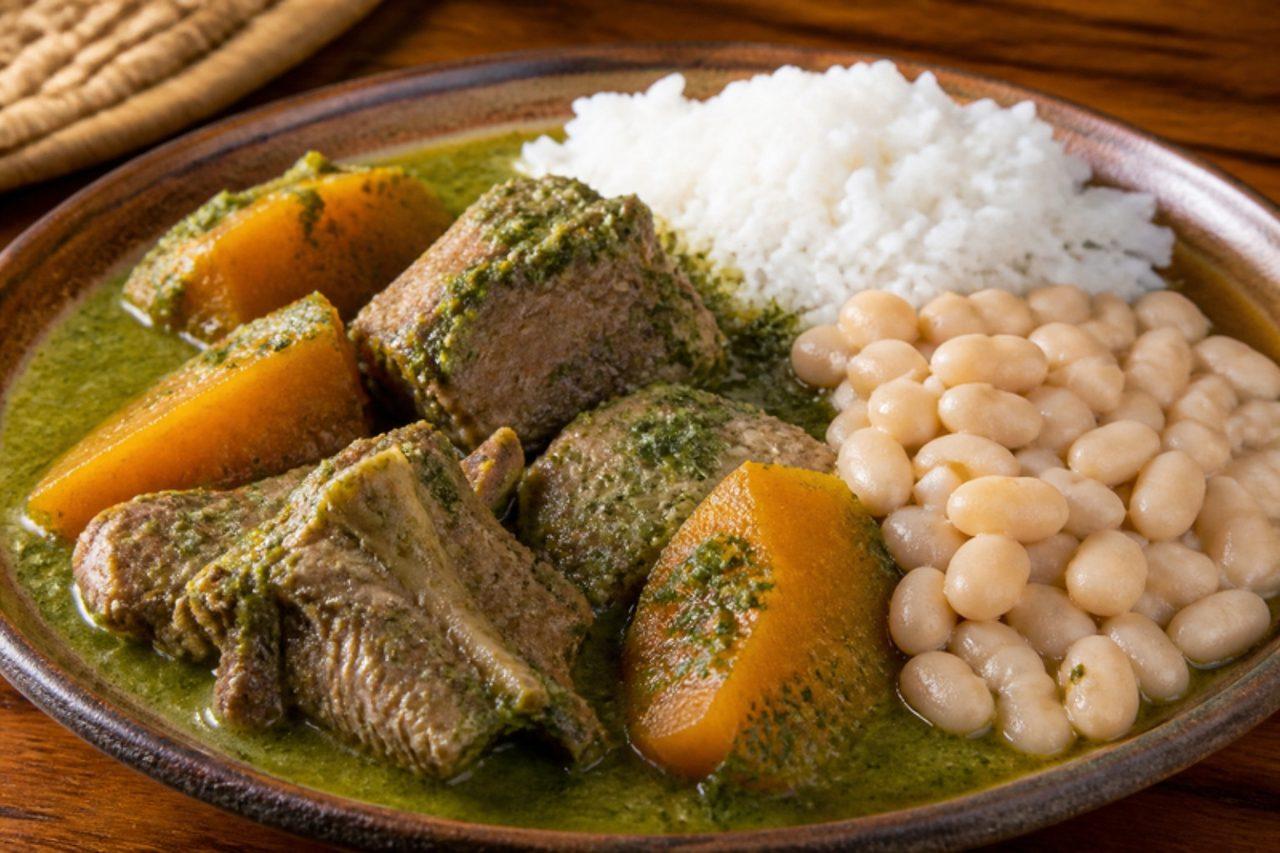
Seco de cabritoBraised kid goat with coriander

Ask anyone in Chiclayo or Lambayeque for the north's great Sunday dish and seco de cabrito comes up first: young goat, marinated in garlic and vinegar, then braised slowly in a deep green sauce of blended coriander, ají amarillo and chicha de jora, with grated loche, the local aromatic squash. The meat turns tender and the sauce is herby, sour and warm. It comes to the table with white rice and frejoles (stewed canary beans) and a sharp salsa criolla. Chicha de jora is a fermented maize beer and contains alcohol; the alcohol-free swap in the ingredients keeps the tang. Lamb shoulder stands in well for kid. People often blend the coriander with the stems discarded, but the stems carry the most flavour, so use the whole bunch. Chef's tip: add half the coriander at the start and half 10 minutes before the end, so the sauce stays bright green.

by KrazyBadal 0 views

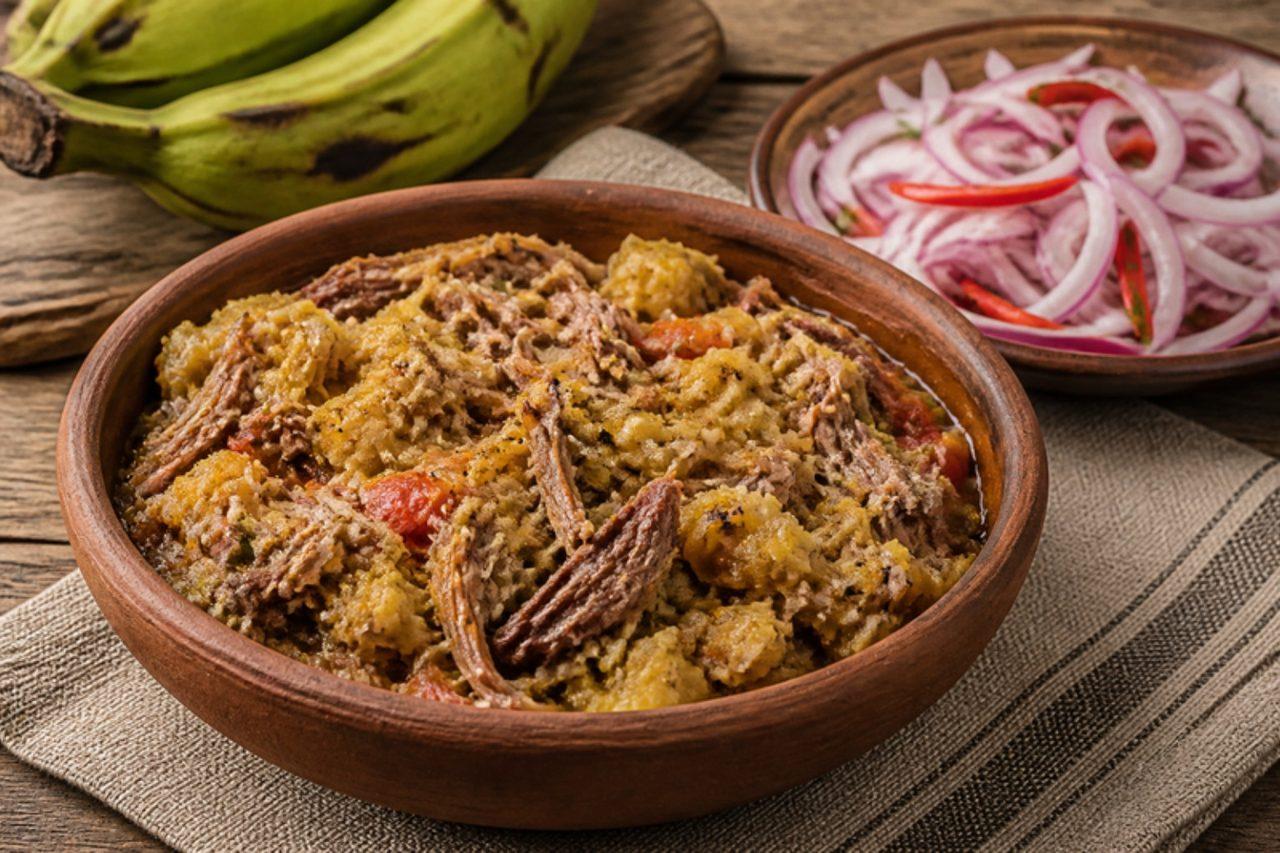
Seco de chabeloPlantain mash with dried beef

Piura's picanterías, near the dry northern border, serve this rough, savoury mash at lunch: green plantains, roasted or boiled and pounded, mixed with fried strips of carne seca (salted dried beef) and a quick sofrito of onion, tomato and ají amarillo. It is dense, salty and smoky, with the plantain's starchy sweetness, and is eaten with salsa criolla and fried ripe plantain or chifles (plantain crisps). The legend says it was invented for a soldier called Chabelo in the War of the Pacific. Use carne seca or cecina from Latin shops, or unseasoned beef jerky. Pounding the plantains smooth is the classic mistake: chabelo should be lumpy and rustic. Chef's tip: soak the dried beef in warm water for 30 minutes and taste a piece; if it's still very salty, change the water and soak again.

by KrazyBadal 0 views

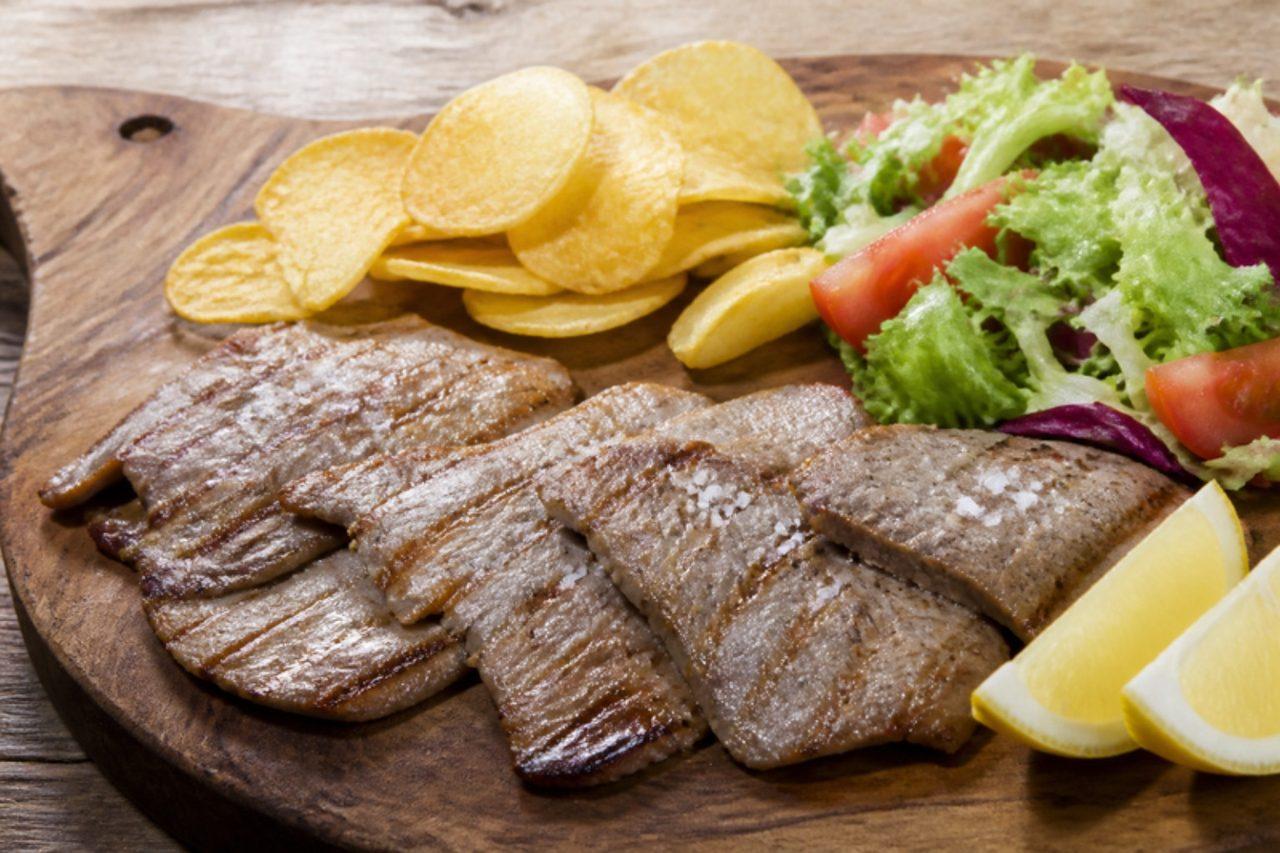
Secretos de porco pretoGrilled black pork

The secreto is a thin, marbled cut hidden between the shoulder fat and the loin of the Alentejo black pig, the free-ranging breed that fattens on acorns under the cork oaks. Butchers once kept it for themselves; now it is on every Alentejo grill menu, served with fried potatoes, migas or a salad of orange and onion. This contains pork. It needs only salt, garlic and a hot grill, since the fat inside bastes it as it cooks. A common mistake is moving the meat around: leave it on the grill so it builds a crisp, browned crust. Chef's tip: let the meat come to room temperature for 20 minutes before cooking, so it browns evenly and stays juicy.

by KrazyBadal 0 views

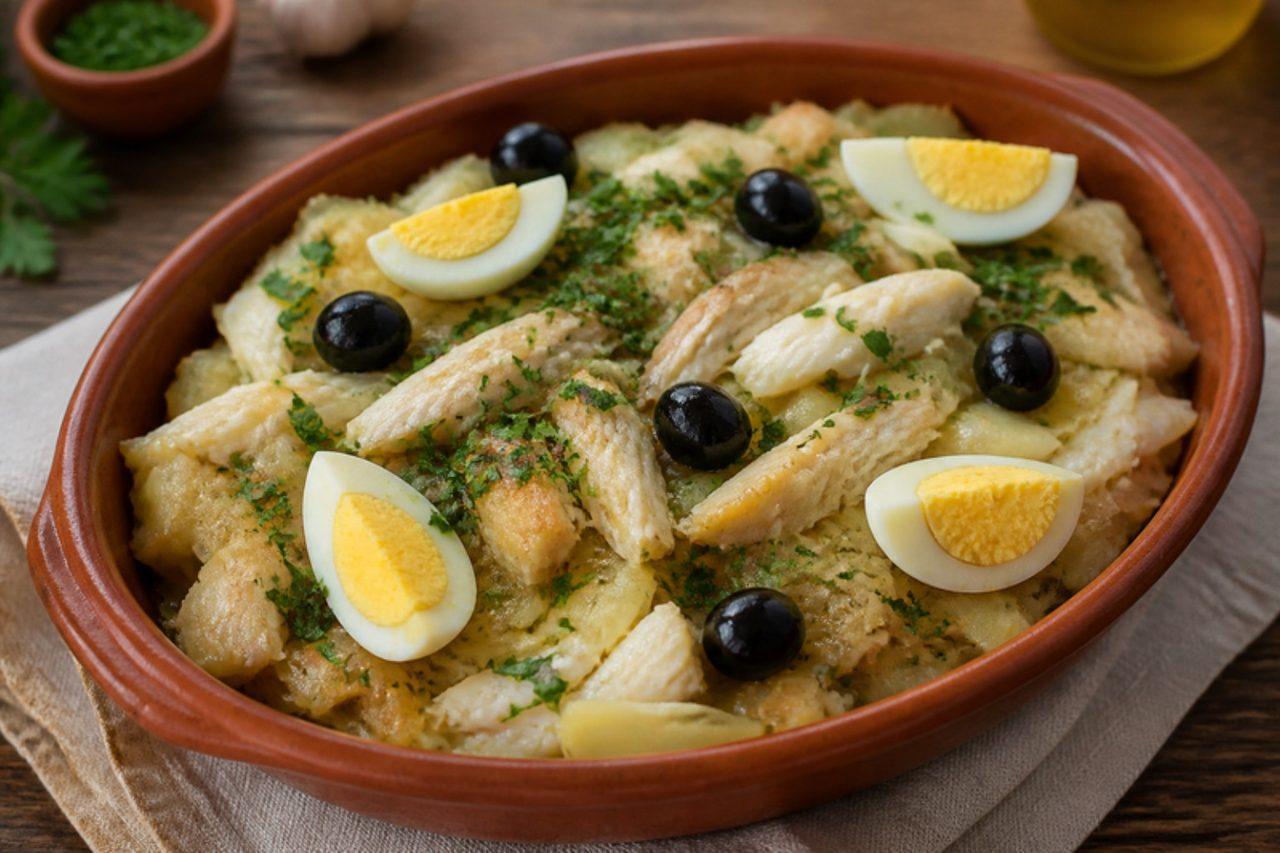
Bacalhau à Gomes de SáBaked salt cod and potatoes

Named after the Porto cod merchant who is said to have created it in the late nineteenth century, this is the city's most loved salt cod dish and a fixture of Christmas Eve and family gatherings across the north. Cod is soaked, warmed in milk, flaked and baked with sliced potatoes and plenty of onions softened in olive oil, then crowned with hard-boiled eggs and black olives. Chef's tip: steep the cod in hot milk rather than boiling it, so the flakes stay moist and come apart in big, glossy pieces.

by KrazyBadal 0 views

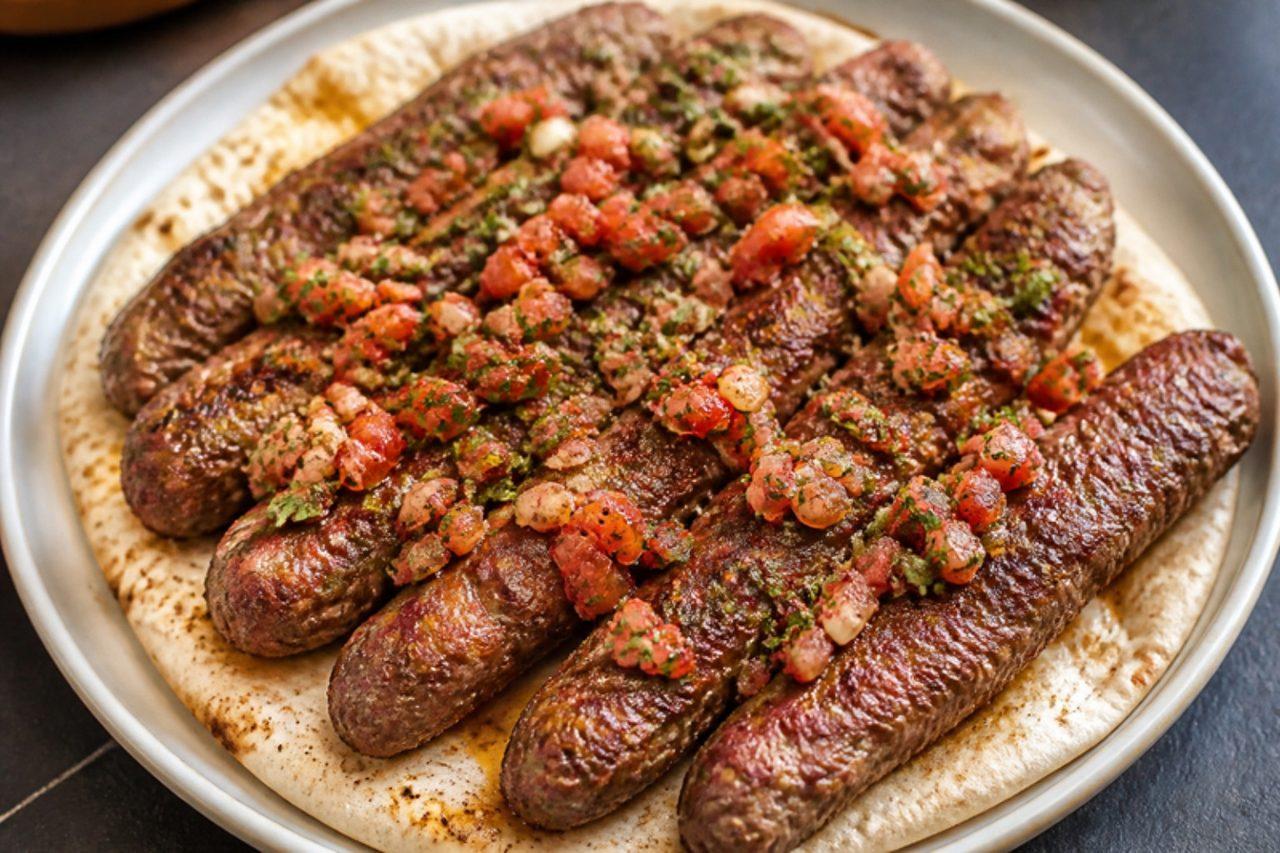
Kebab khashkhashLamb kebabs with spicy tomato topping

In Aleppo's grill houses, kebab khashkhash comes to the table sizzling: long, juicy skewers of lamb mince with pepper paste and chilli, laid over flatbread and covered with a hot, chunky sauce of tomatoes, garlic, chilli and parsley that soaks into the bread. It is bold and fiery, eaten with grilled tomatoes and green chillies and a cold glass of ayran. Common mistake: using lean mince — kebabs need around 20% fat to stay juicy on the grill. Chef's tip: chill the shaped skewers for 30 minutes before grilling so the meat clings and doesn't slip off.

45 minSyrianMeatSpicy
by KrazyBadal 0 views

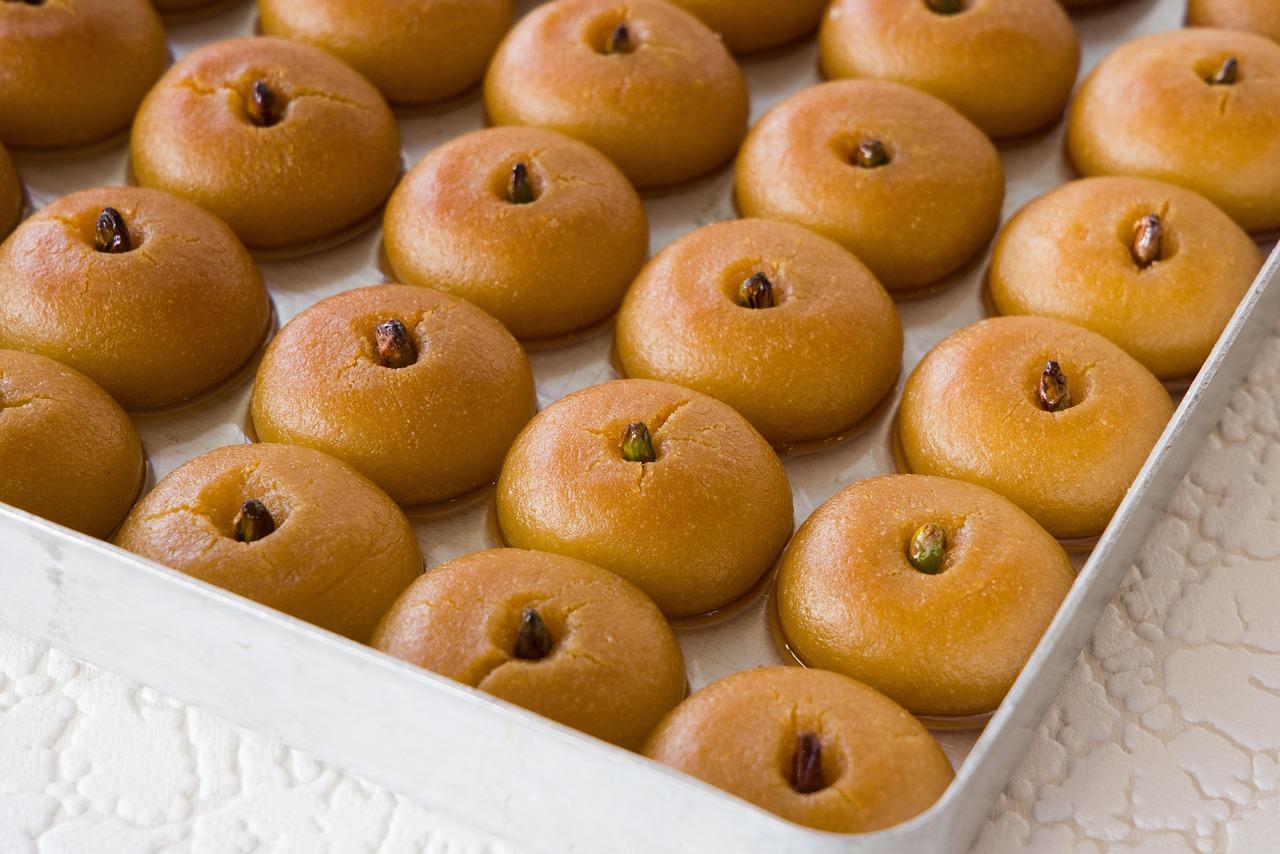
ŞekerpareSemolina almond cookies in syrup

Şekerpare is the cookie that every Turkish household bakes for bayram visits, when trays are passed to relatives and neighbours along with coffee and cologne for the hands. Soft, buttery rounds of semolina dough are each topped with an almond, baked until golden and then soaked in syrup until they are tender all the way through but still hold their shape. They keep for days and taste better on the second. Common mistake: cold syrup on cold cookies, which never soaks in; one of them must be hot. Chef's tip: bake until the bases are properly golden; pale cookies turn mushy when they meet the syrup.

by KrazyBadal 0 views

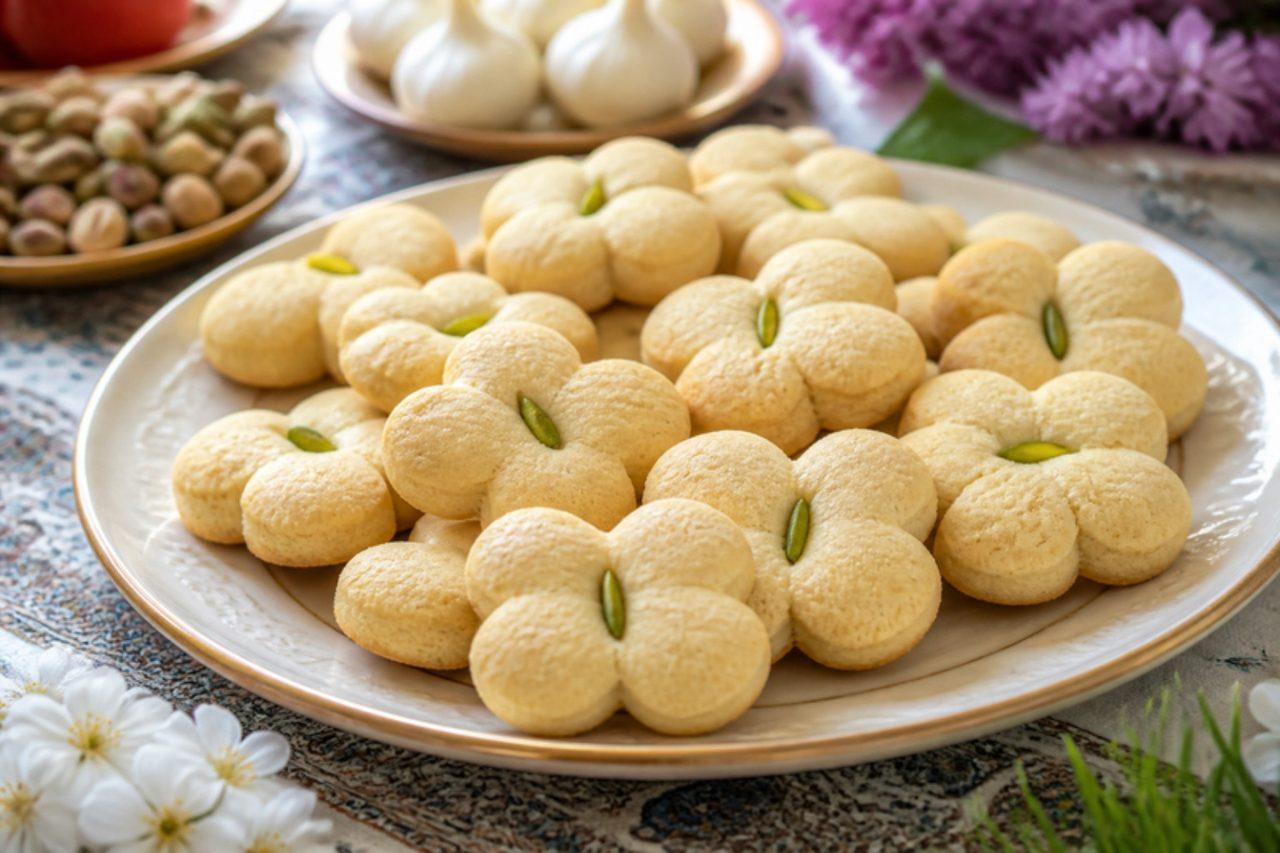
Nan-e nokhodchiChickpea flour cookies

No Nowruz tea tray in Tehran or Qazvin looks complete without a pile of tiny four-leafed nan-e nokhodchi, each topped with a sliver of pistachio. They are made from flour of roasted chickpeas, so they taste nutty and slightly savoury under the sugar, and they dissolve almost instantly on the tongue. Bakers make them by the thousand in March, but they are simple at home with a small clover cutter. The common mistake is using raw gram flour, which tastes beany and bitter; the flour must be from roasted chickpeas, or toasted first. Chef's tip: knead the dough longer than you think, 8–10 minutes, until it turns smooth and pale; that is what gives the melting texture.

by KrazyBadal 0 views

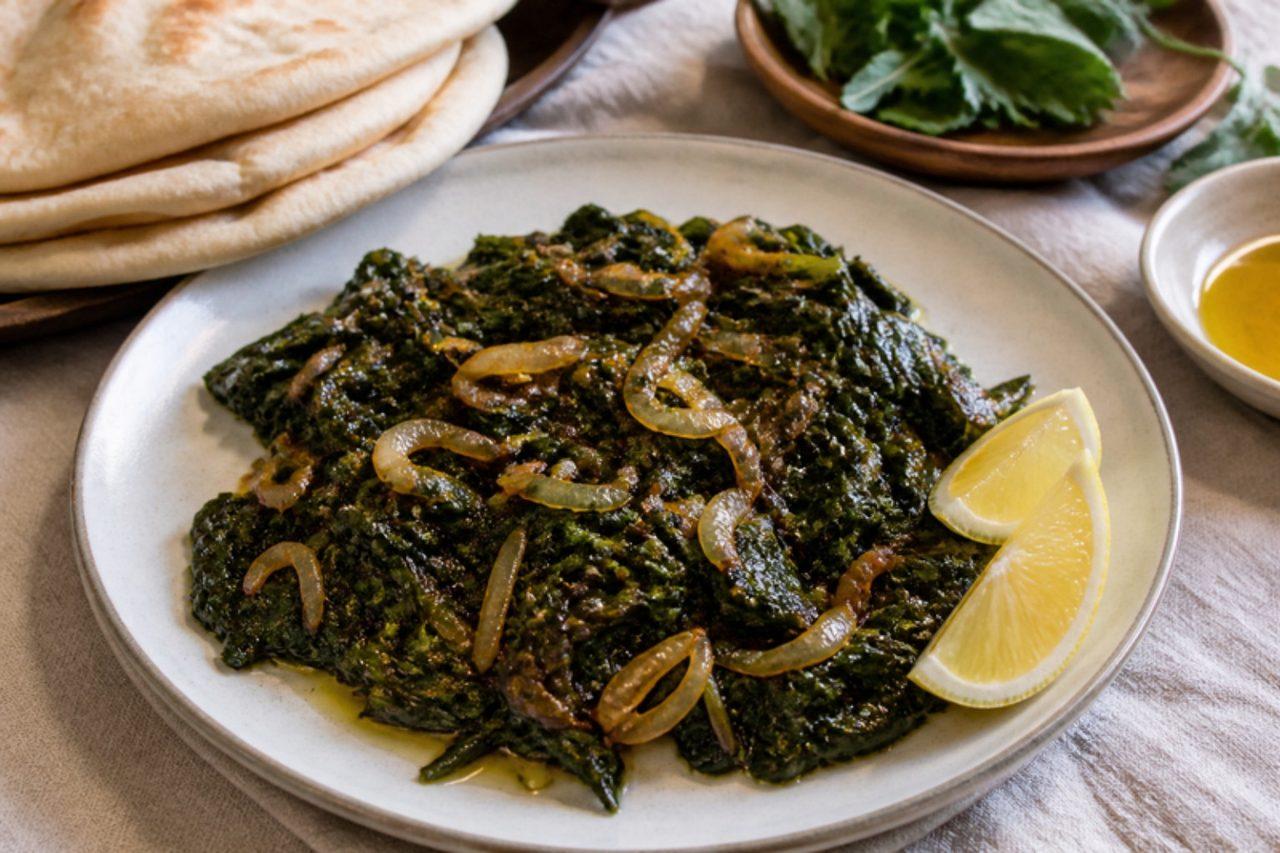
KhubeizehSautéed mallow greens

After the winter rains, mallow (khubeizeh) springs up along field edges and roadsides in Palestine, and families gather bags of it for a humble, much-loved dish: the leaves chopped and wilted with lots of onion fried in olive oil, sometimes with a handful of bulgur or rice to stretch it. It is eaten warm with bread and lemon, soft and earthy like spinach with a slightly silky texture. If you can't forage mallow, use chard or spinach with a little baby kale. Common mistake: drowning the greens in water; they release their own and only need a splash. Chef's tip: brown half the onions deeply and keep the rest soft; you get sweetness and crunch together.

by KrazyBadal 0 views

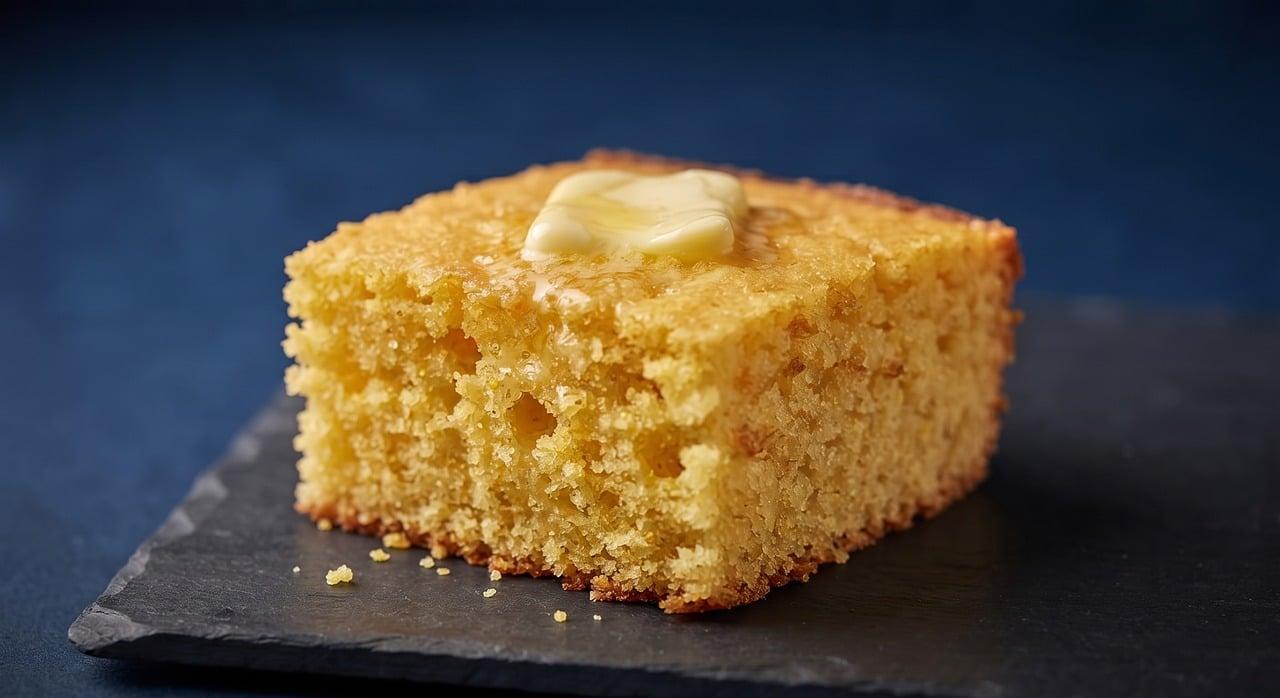
Karadeniz mısır ekmeğiGolden cornbread

Along the Black Sea coast from Samsun to Artvin, cornbread was the everyday loaf long before wheat bread was common, and it still sits beside bowls of collard soup and plates of fried anchovies. This version is the simple household one: fine cornmeal scalded with hot water and milk, a little wheat flour and egg for lift, baked in a well-oiled pan until the crust cracks and the inside stays moist and slightly sweet. Cut it into wedges and eat it warm with butter, cheese or crumbled into soup. Common mistake: using cold water, which leaves the cornmeal gritty; scalding it first softens the grains. Chef's tip: heat the oiled pan in the oven before the batter goes in, so the base sizzles and forms a crisp, shiny crust.

by KrazyBadal 0 views

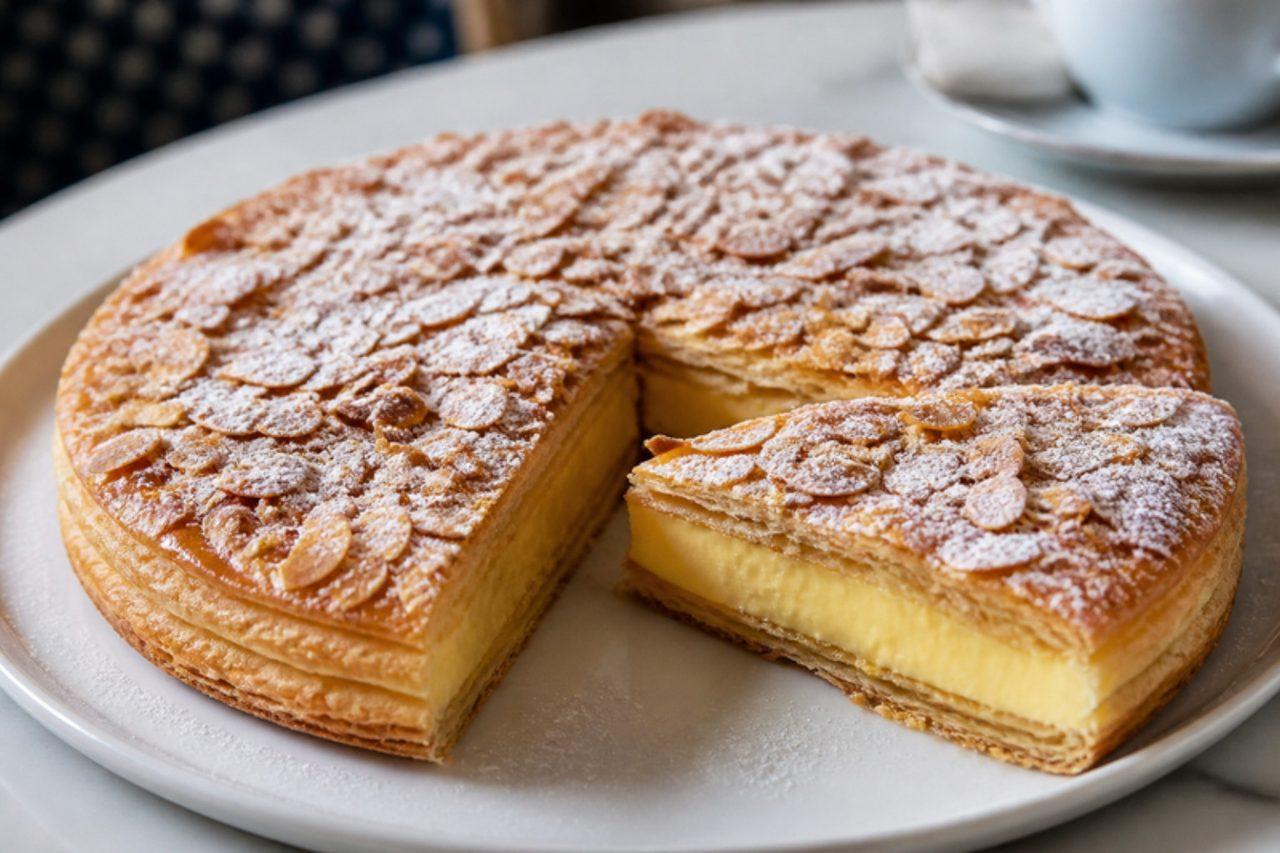
PantxinetaCustard and almond puff pastry tart

Pantxineta was first baked in a pastry shop in San Sebastián's old town in the early twentieth century, and Donostiarras still buy it on Sunday mornings to take to family lunch. Two layers of buttery puff pastry enclose vanilla pastry cream, and the top is covered with flaked almonds and icing sugar. It is best eaten warm on the day it is made, while the pastry shatters. A common mistake is filling the pastry with warm custard, which melts the butter layers and stops them rising. Chef's tip: chill the assembled tart for 20 minutes before baking so the pastry keeps sharp edges.

by KrazyBadal 0 views

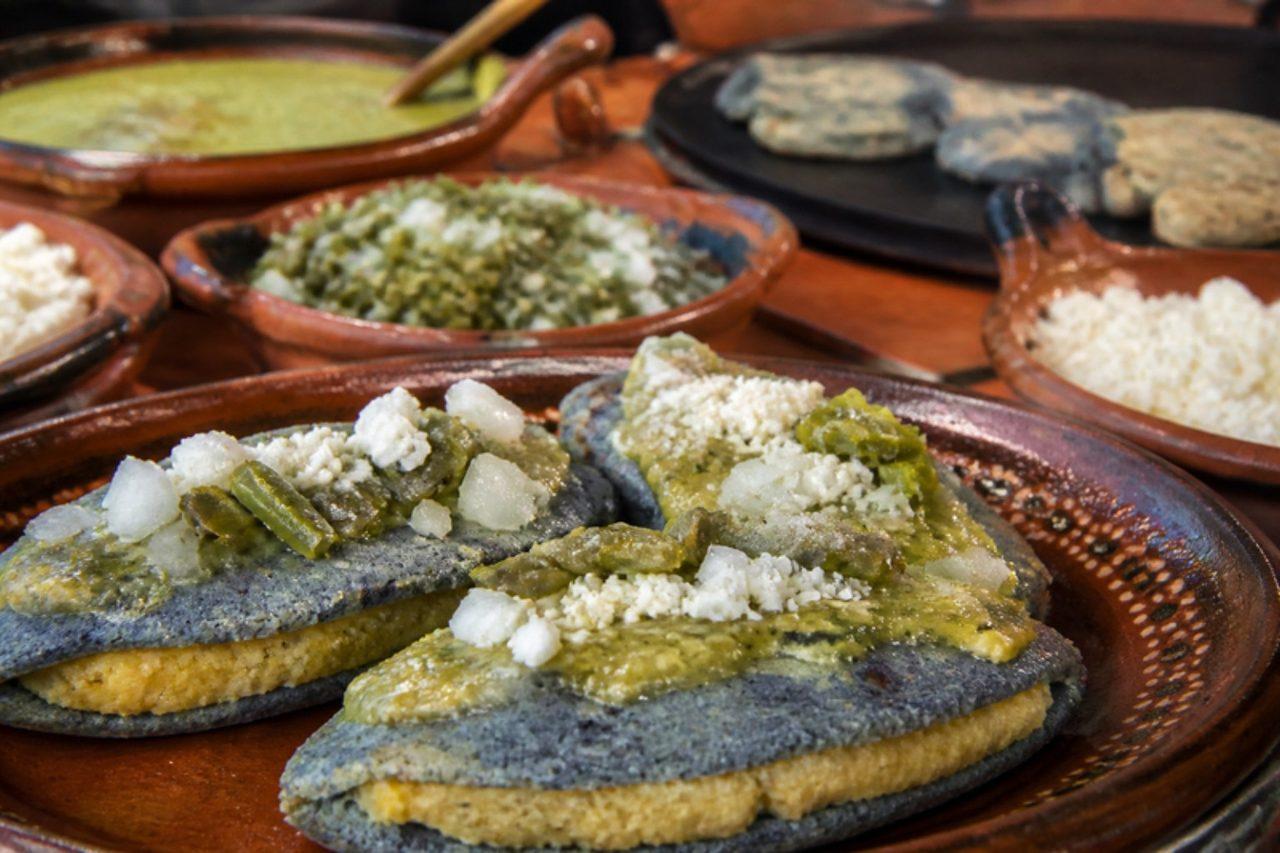
Tlacoyos de habaStuffed blue corn cakes

Walk out of almost any Metro station in Mexico City in the morning and you will find a woman on a low stool patting out tlacoyos on a clay comal: thick, oval cakes of blue or white corn masa with a seam of bean or fava purée hidden inside, topped with cactus, salsa and crumbly cheese. They are bought hot, eaten standing up, and are one of the oldest street foods in the valley, older than the city itself. This version is filled with garlicky fava purée (habas) and topped with a quick nopal salad and salsa verde. Leave off the cheese and it is vegan. Chef's tip: keep the purée stiff, like mashed potato; a loose filling bursts through the masa when you flatten it.

by KrazyBadal 0 views

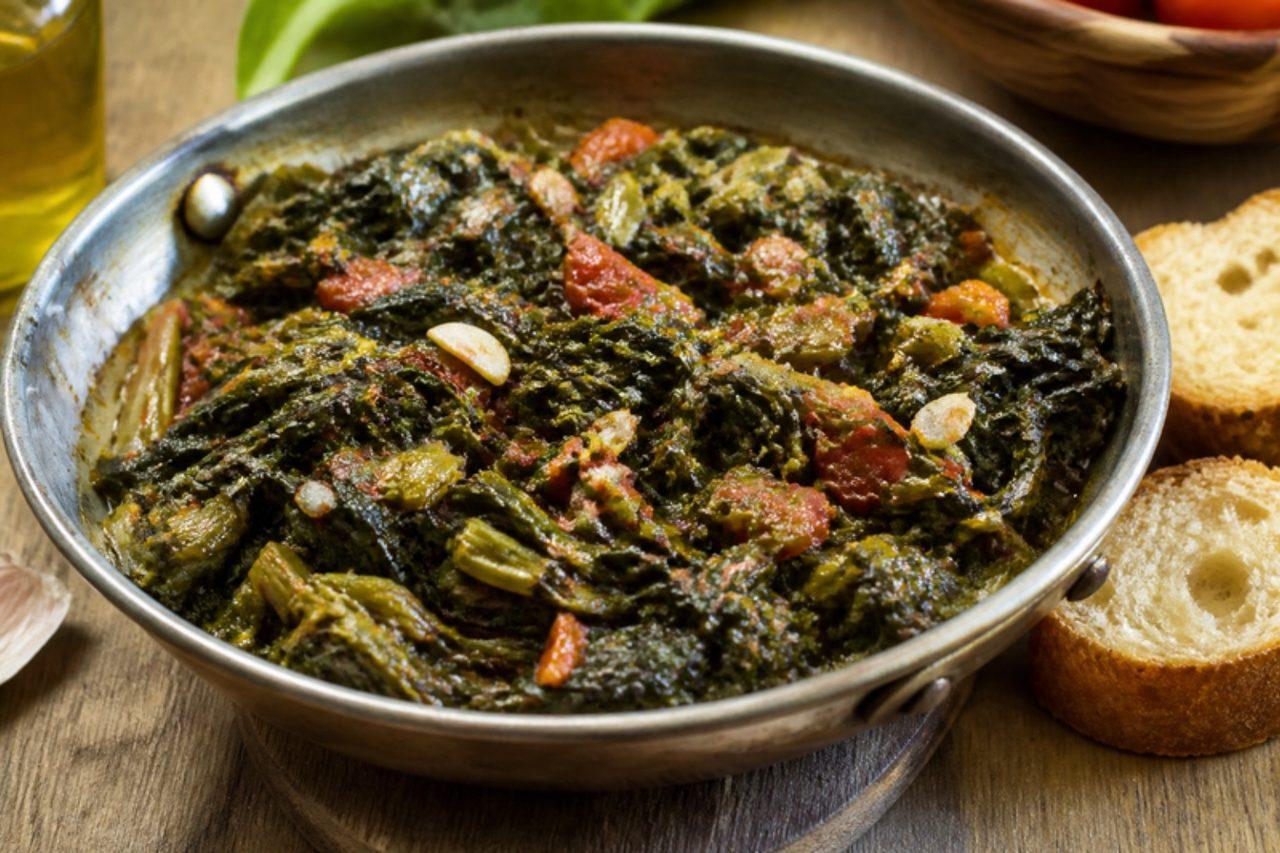
TsigareliGreens braised with tomato and paprika

Corfiots gather wild chicory, sow-thistle, fennel tops and young chard from the olive groves in winter and spring and stew them into tsigareli, a peppery, oily braise that sits on the table with bread, feta and a fried egg or two. The Venetian-era love of hot red pepper shows: it should warm the back of your throat. Common mistake: drowning the greens in water — they make their own juice, so add only a splash. Chef's tip: shop-bought mixes of spinach, chard, rocket and dill work well; add the tender leaves last so they keep some colour.

by KrazyBadal 0 views

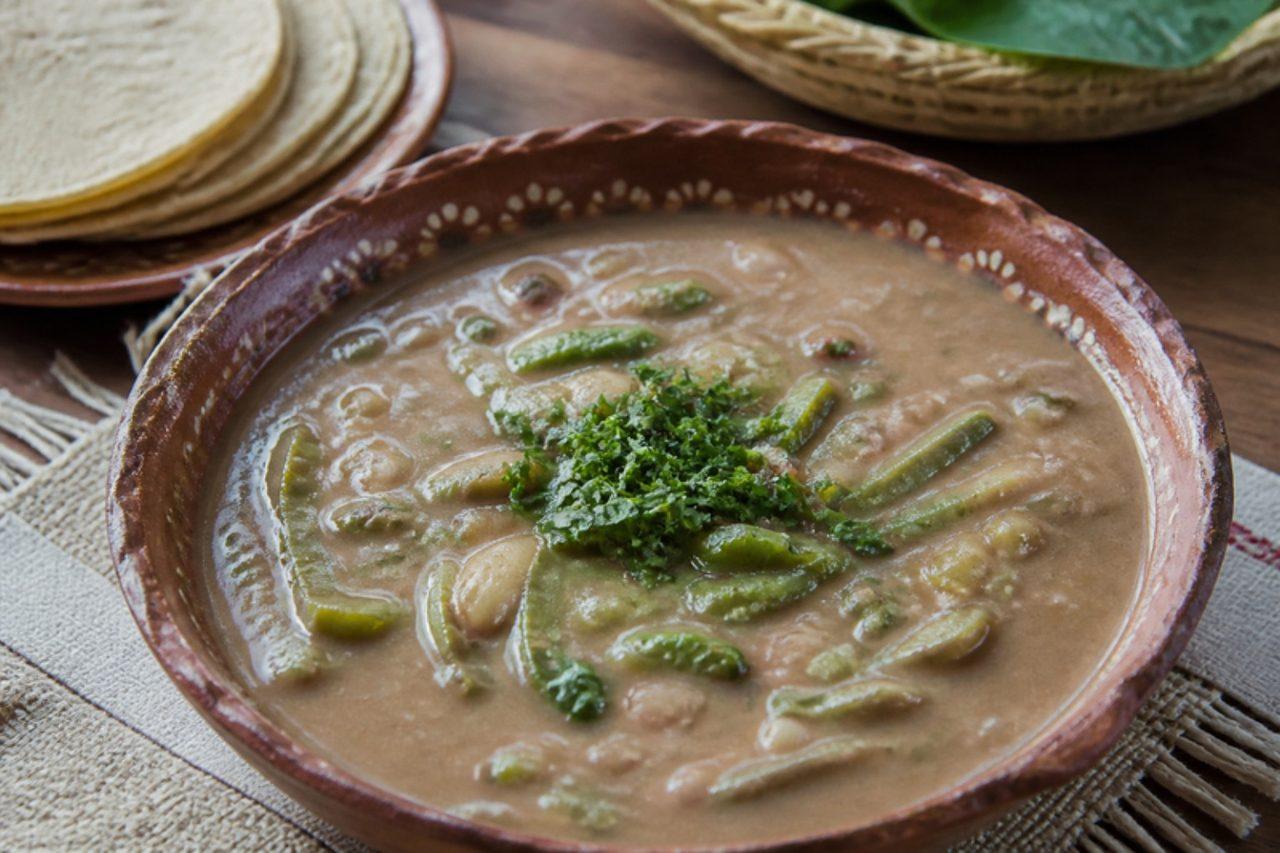
TlatlapasBean, fava and pea soup

In the villages of Tlaxcala, tlatlapas is the Lenten and rainy-season soup: dried beans, fava and peas are toasted on a comal, ground to a coarse flour and simmered into a thick, earthy purée seasoned with dried chilli, epazote and strips of cactus. It is a peasant dish with pre-Hispanic roots, cheap, filling and full of protein, eaten with corn tortillas and a squeeze of lime. Using split beans keeps the cooking under an hour. Chef's tip: toast the pulses until golden and nutty, not dark; burnt ones turn the whole pot bitter.

by KrazyBadal 0 views

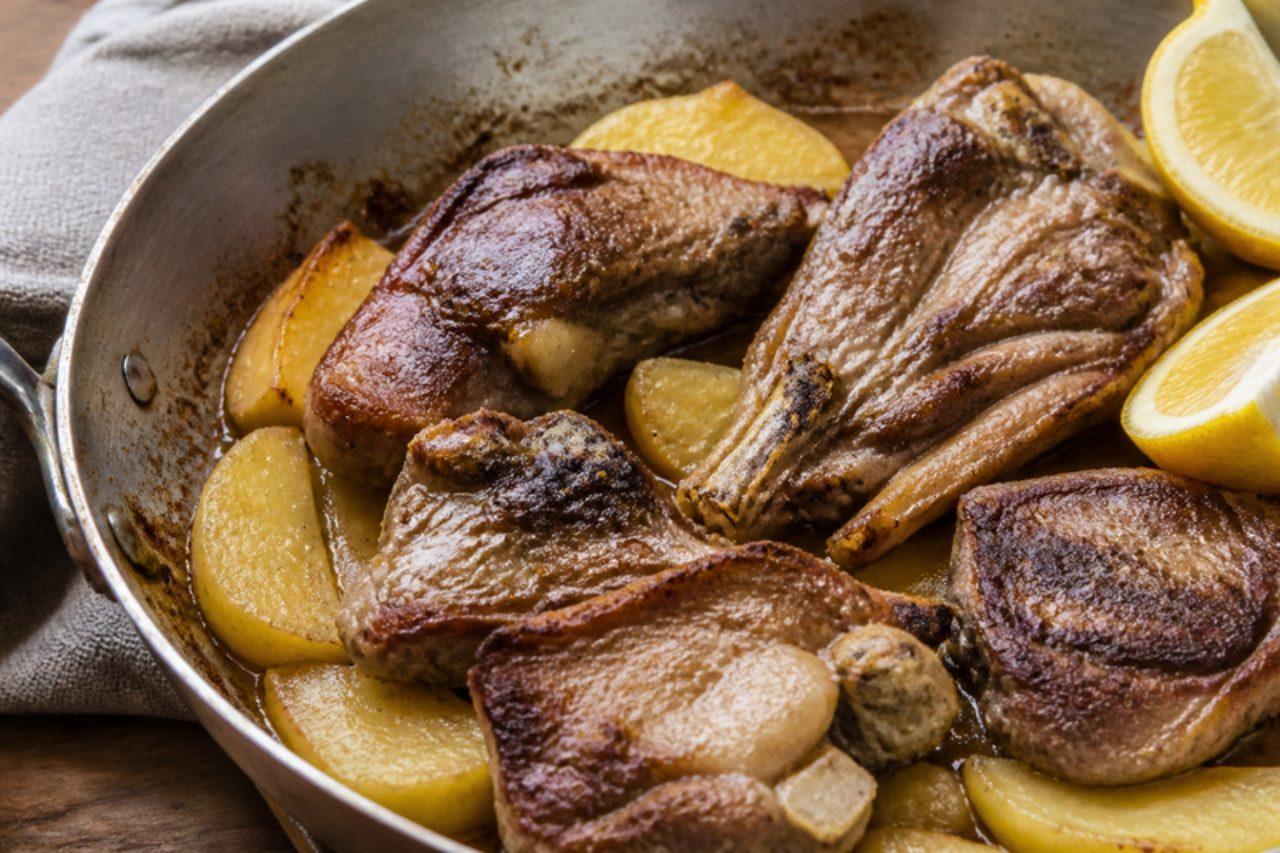
TsigariastoFried and braised lamb

Tsigariasto comes from the verb 'to sizzle', and in the mountain villages of Crete it is the everyday way to cook lamb or kid: the pieces are browned hard in good olive oil, then left to stew slowly, covered, in nothing more than their own juices with salt and pepper. The result is meltingly tender meat in a small amount of rich, golden sauce, served with chips fried in olive oil, a horiatiki salad and bread. Common mistake: adding too much water, which turns it into a boiled stew; add only a splash at a time when the pan looks dry. Chef's tip: keep the lid on tight and the flame very low; the meat should murmur, not bubble.

135 minGreekMeatGluten free
by KrazyBadal 0 views

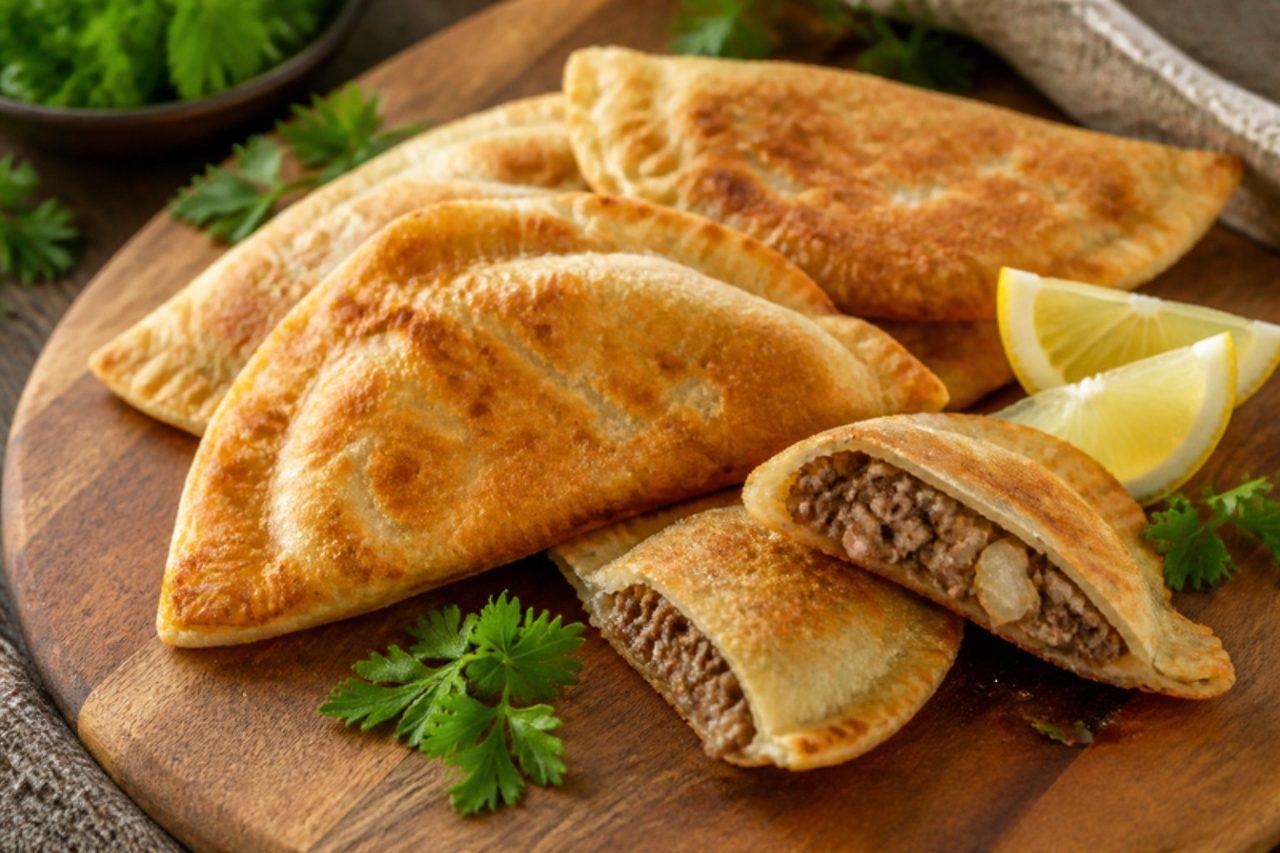
SembusekSpiced mince flatbread pies

Mardin's stone bakeries fill their ovens with sembusek on weekend mornings: thin rounds of dough folded over a filling of minced meat, onion, parsley and pepper paste, sealed into half-moons and baked until crisp and freckled. Families make big batches for picnics and Ramadan, and eat them warm with ayran or a glass of tea. The meat goes in raw and cooks inside the pastry, so roll the dough thin enough to cook through. Common mistake: a wet filling that makes the base soggy; squeeze the grated onion hard. Chef's tip: brush the tops with a little water and butter as they come out of the oven so they soften just enough to fold over a bite of salad.

by KrazyBadal 0 views

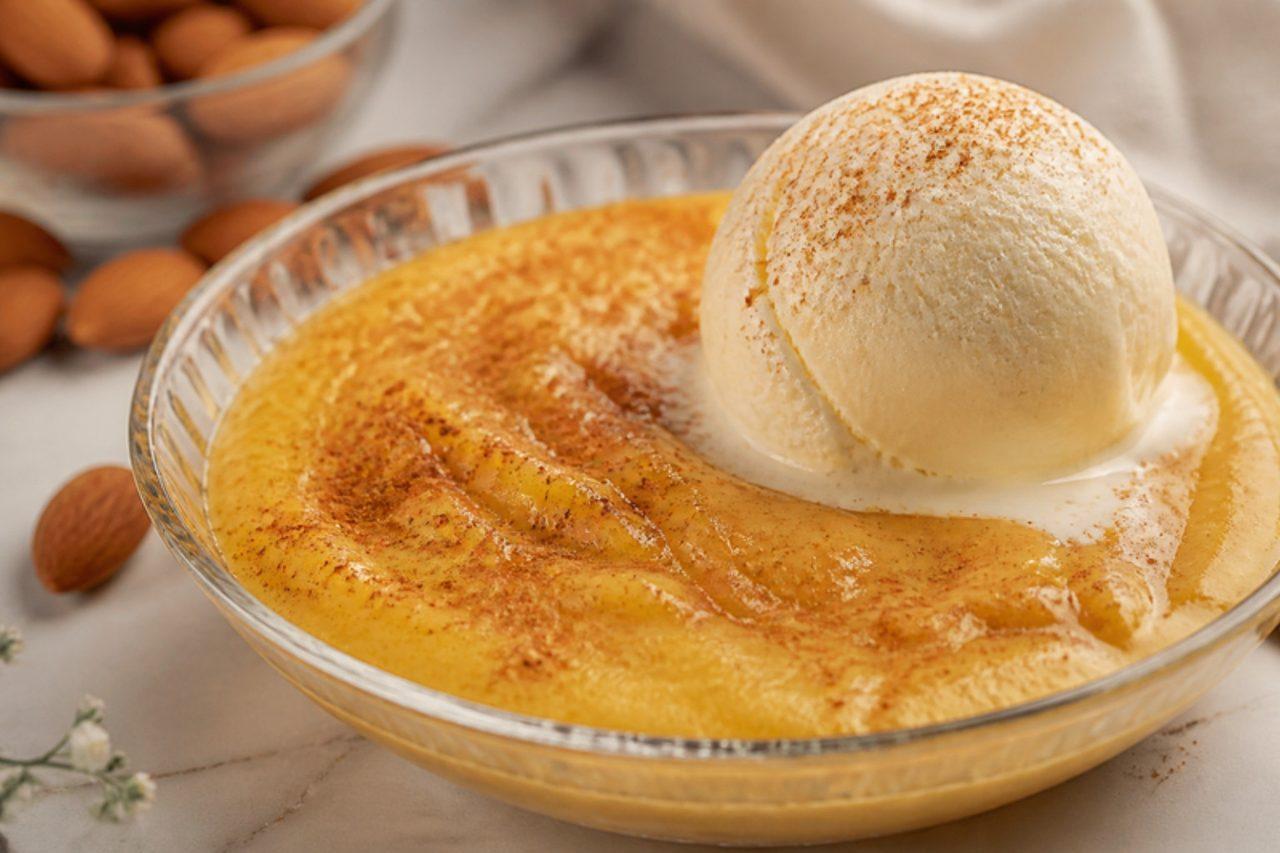
Bienmesabe canarioAlmond and egg-yolk cream

High in the mountains of Gran Canaria, the village of Tejeda is ringed by almond trees, and its pastry shops are famous for bienmesabe, 'it tastes good to me'. Finely ground almonds are cooked in a sugar syrup with lemon zest and cinnamon, then enriched with egg yolks into a thick, golden cream. Islanders eat it by the spoonful, over vanilla ice cream or layered on sponge; it is the dessert brought out in late January and February, when the Almond Blossom Festival fills the village. Chef's tip: temper the yolks with a little hot syrup before adding them, so they thicken the cream smoothly instead of scrambling.

by KrazyBadal 0 views

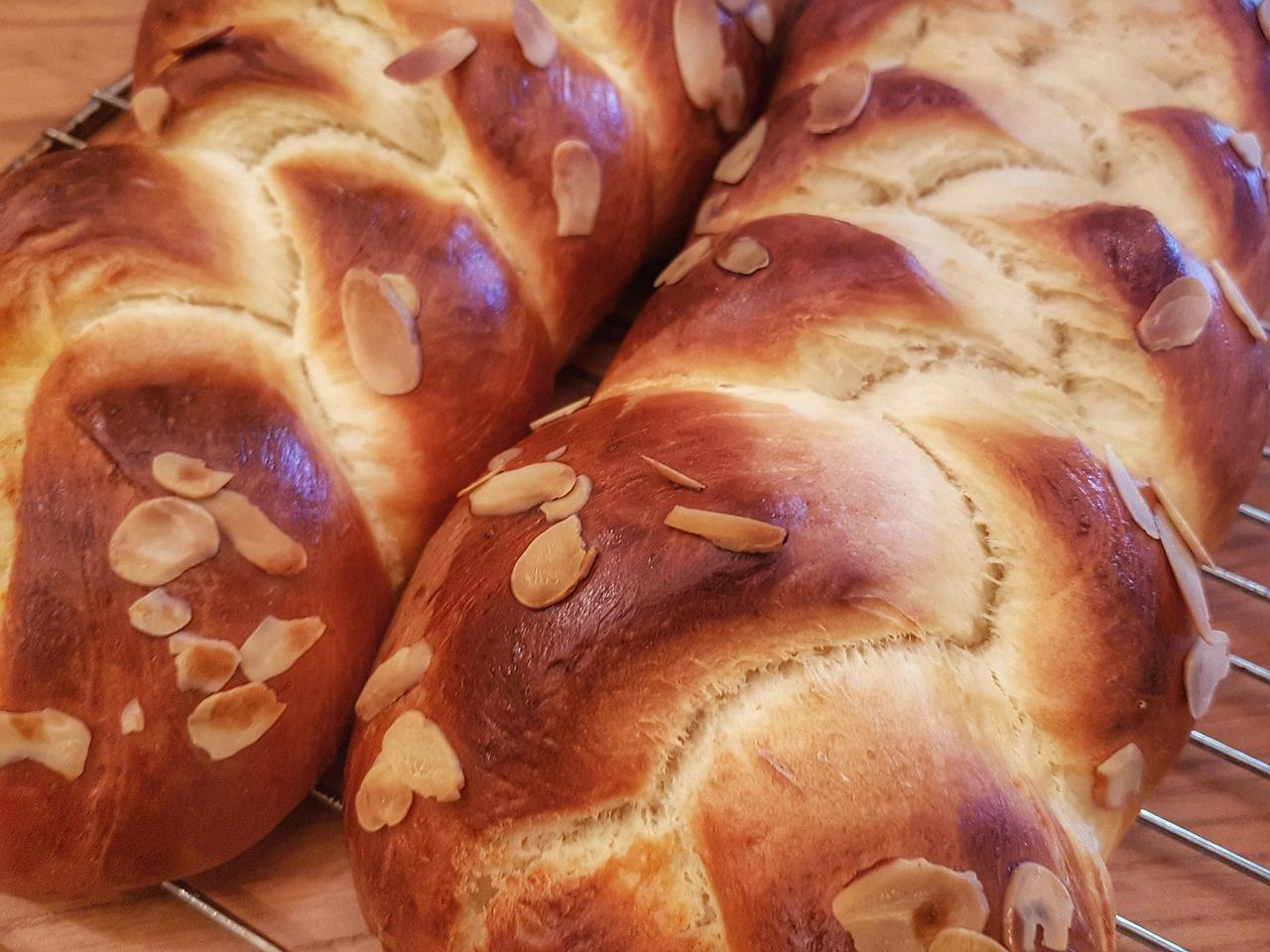
TsourekiBraided Easter brioche

On Holy Thursday Greek homes braid tsoureki, the shining Easter loaf that is broken on Sunday after the midnight service and eaten for breakfast all week with coffee. It pulls apart in long, feathery strands and smells of mahlab (cherry-stone spice), mastic resin and orange. Common mistake: adding extra flour to a sticky dough; it is meant to be soft, and the long knead and cold rest make it manageable. Chef's tip: grind mastic with a pinch of sugar in a cold mortar; on its own it gums up into sticky lumps.

by KrazyBadal 0 views

PithiviersAlmond cream puff pastry

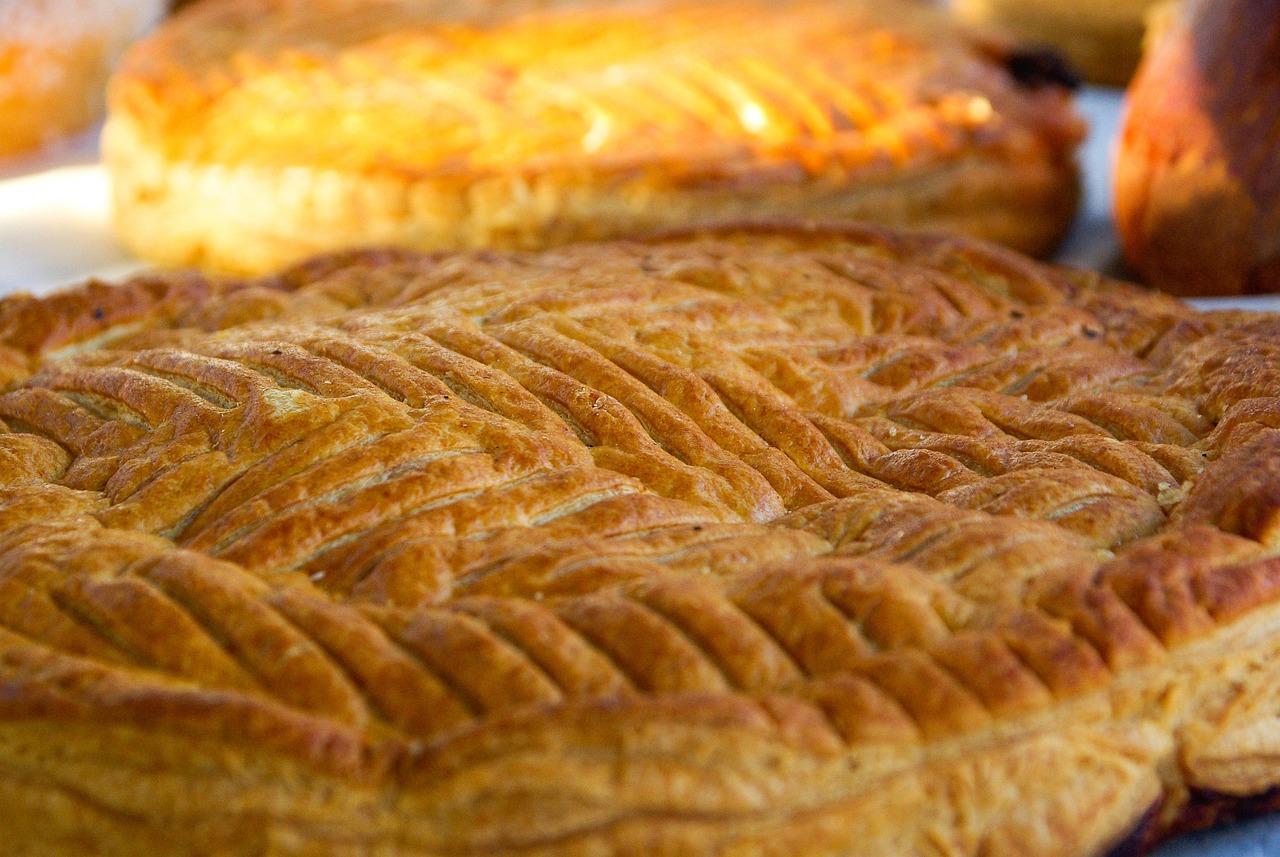
The small town of Pithiviers, between Orléans and Paris, gave its name to this domed puff-pastry pie filled with almond cream, its top scored in curved lines like the petals of a flower. It is close to the galette des rois that French families share at Epiphany in January, but in Pithiviers it is eaten all year as a Sunday dessert. The almond cream is traditionally flavoured with a spoonful of rum; leave it out and add orange zest or vanilla for an alcohol-free version. All-butter shop puff pastry works well. Chef's tip: chill the assembled pie for 30 minutes before scoring and baking; cold pastry rises tall and the pattern stays crisp.

by KrazyBadal 0 views

KontosouvliRoast marinated pork chunks

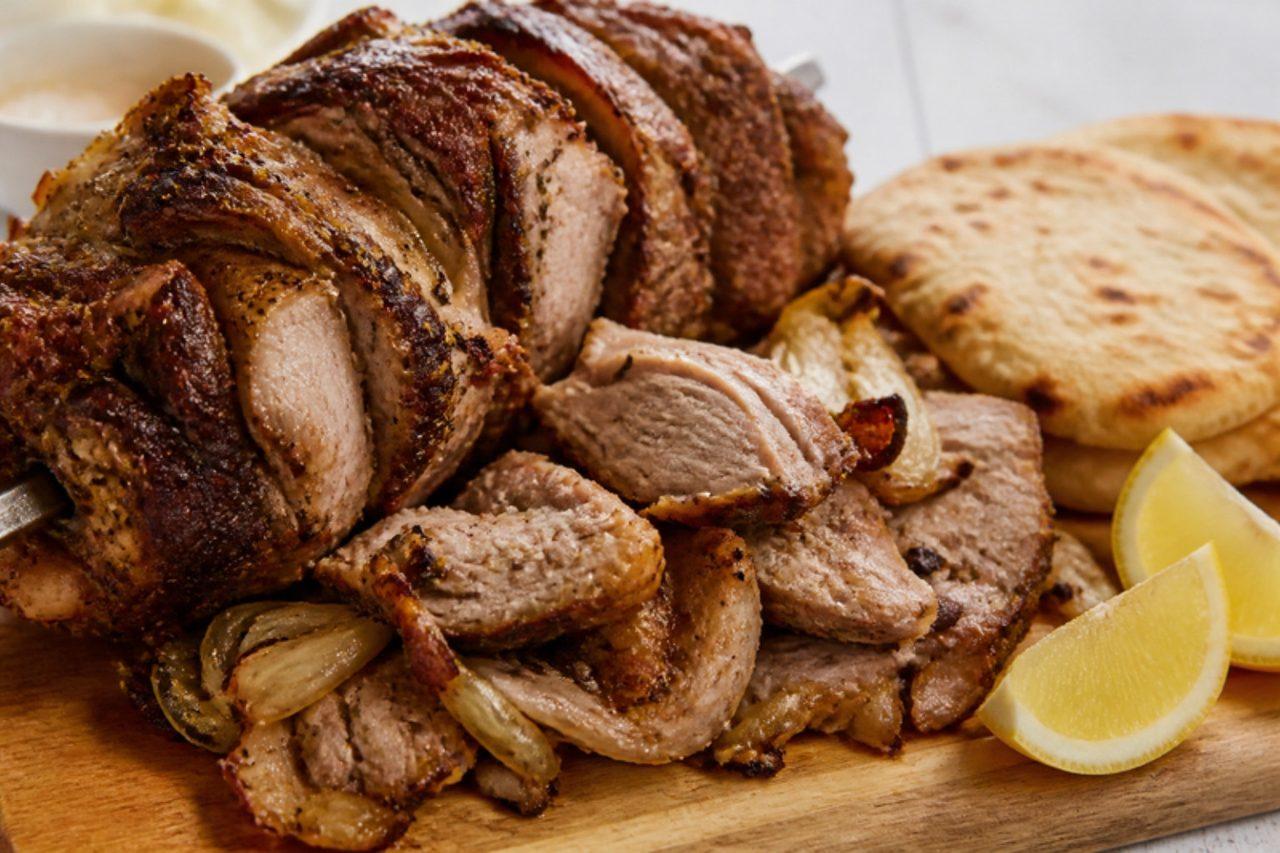
On Easter Sunday and at village saints'-day fairs across Epirus, a long spit of fat pork chunks threaded with onion and peppers turns for hours over embers, and slices are handed out with bread and salad. This oven version gives the same smoky-edged, juicy pork shoulder: chunks marinated overnight in the fridge with lemon, garlic, oregano and paprika, then threaded on skewers and roasted low before a fierce finish. Serve with pitta, tzatziki and roast potatoes. Common mistake: using lean pork loin, which dries out — shoulder or neck with its fat is essential. Chef's tip: sit the skewers across a deep tin so the fat drips away and the meat browns all round.

145 minGreekMeatGluten free
by KrazyBadal 0 views

PanuchosBean-stuffed tortillas with chicken

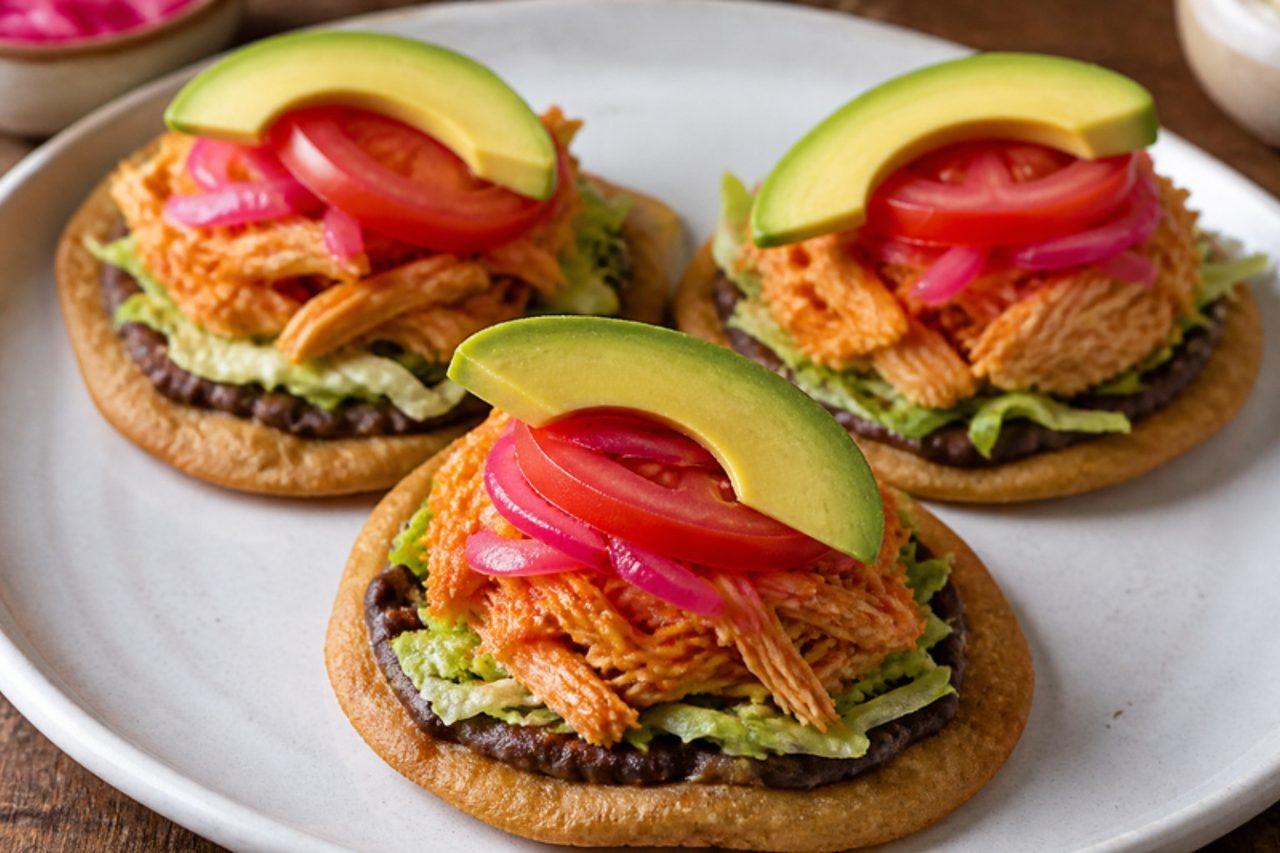
Mérida's loncherías and the evening stands around its parks sell panuchos by the plateful: small corn tortillas puffed on the griddle, slit open, stuffed with black bean paste and fried until the edges crisp. They are topped with shredded chicken marinated in achiote and bitter orange, sharp pink pickled onion, tomato and avocado, with fiery habanero salsa on the side for those who want it. Bitter (Seville) orange is the traditional sour; a mix of orange and lime juice works well. Two or three make a supper with a cold drink. Chef's tip: let the tortilla balloon on the hot comal before you slit it; if it doesn't puff, there is no pocket for the beans.

by KrazyBadal 0 views

Koofteh TabriziGiant stuffed meatballs in tomato broth

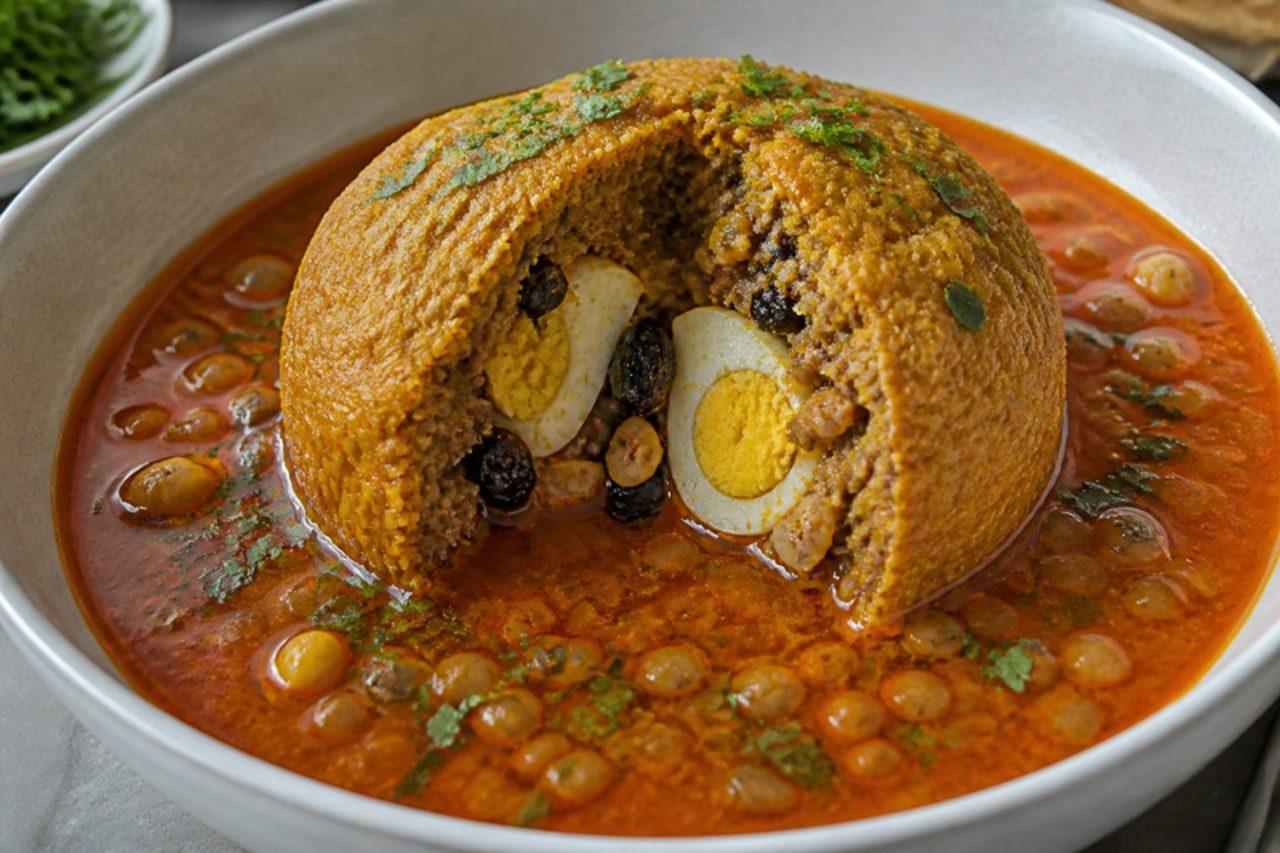
Koofteh Tabrizi is the pride of Tabriz in Iranian Azerbaijan, a meatball so big that one feeds a person, made for guests and for cold winter evenings in the north-west. Lamb or beef mince is kneaded with rice, yellow split peas and lots of herbs, then wrapped around a hidden heart of hard-boiled egg, prunes, walnuts and barberries and simmered in a tomato-saffron broth. At the table the broth is ladled over bread first, then the koofteh is cut open. A common mistake is under-kneading: the mixture must be worked until sticky, or the ball splits in the pot. Chef's tip: lower the meatballs into broth that is barely trembling, not boiling, and don't touch them for the first 20 minutes while they firm up.

150 minPersianMeatGluten free
by KrazyBadal 0 views

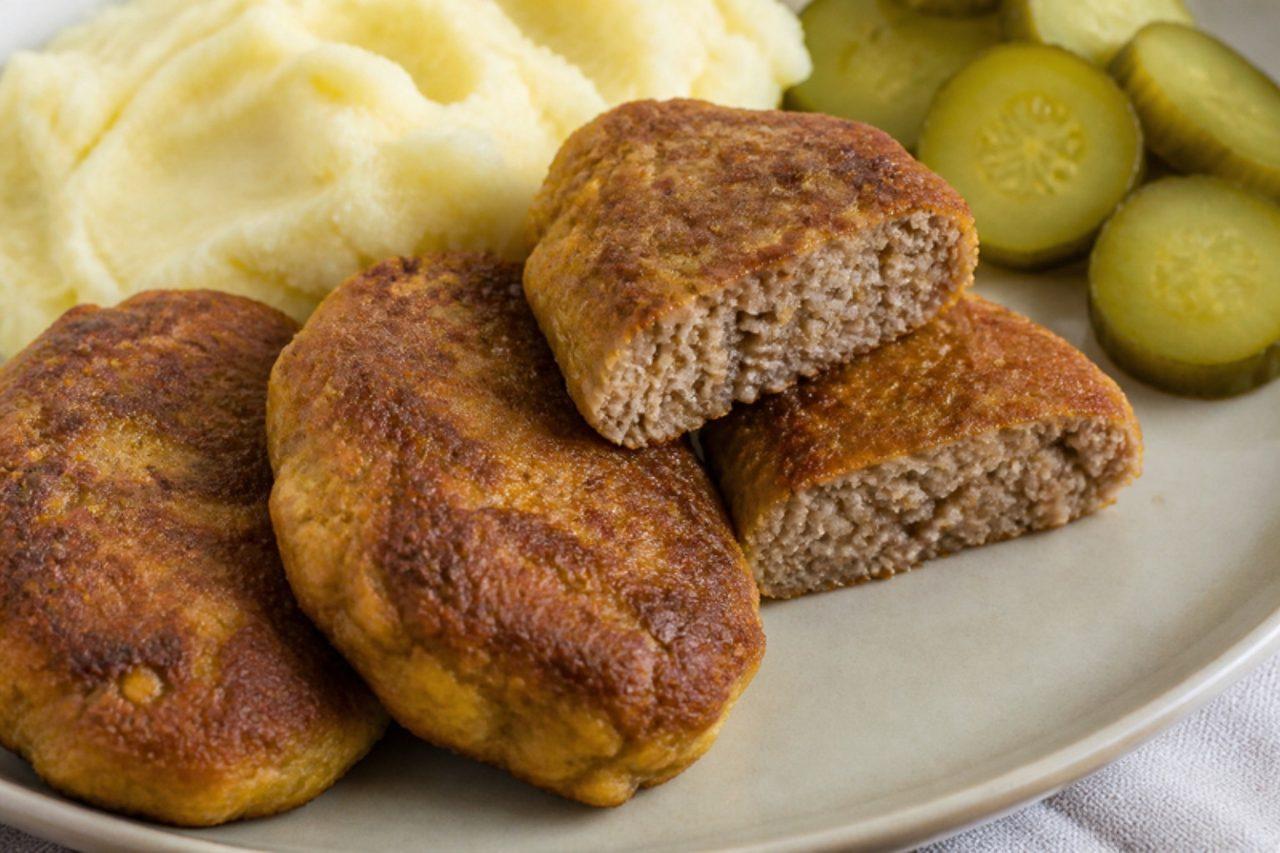
Kadınbudu köfteFried rice and mince patties

The name means 'lady's thigh', a playful Ottoman-era compliment to their plump, tender shape, and these köfte still appear in Istanbul home kitchens and old lokantas for Friday lunch. Half the meat is cooked with onion first, then mixed with raw mince, rice and herbs, so the köfte are unusually soft and moist. They are dipped in egg and fried golden, and served with a simple tomato salad and pilaf or mashed potato. Chef's tip: the rice must be fully cooked and cooled before mixing, or the köfte crack and fall apart in the pan.

by KrazyBadal 0 views

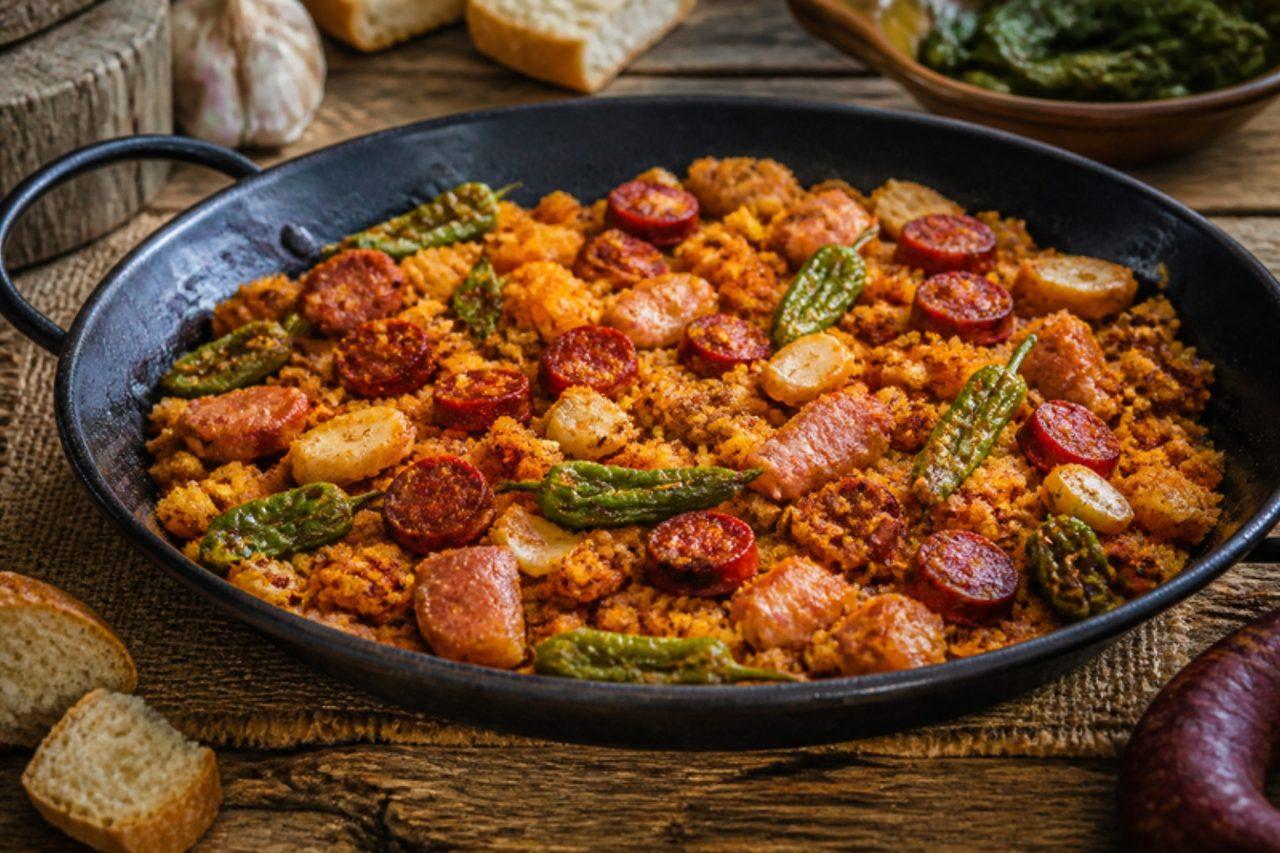
Migas extremeñasFried breadcrumbs with chorizo

Migas were the breakfast of Extremaduran shepherds, made from the hard bread they carried, and they are still what families cook on a rainy winter day or at a village fiesta, often in a huge pan stirred with a long spoon. The bread is cut tiny, dampened and left overnight, then fried slowly in garlicky oil with panceta and chorizo until loose, golden and crunchy at the edges. They are served with grapes or melon on the side, and sometimes a fried egg. This contains pork (panceta and chorizo). Chef's tip: keep turning the crumbs with a spatula the whole time; this constant movement is what makes them loose.

by KrazyBadal 0 views

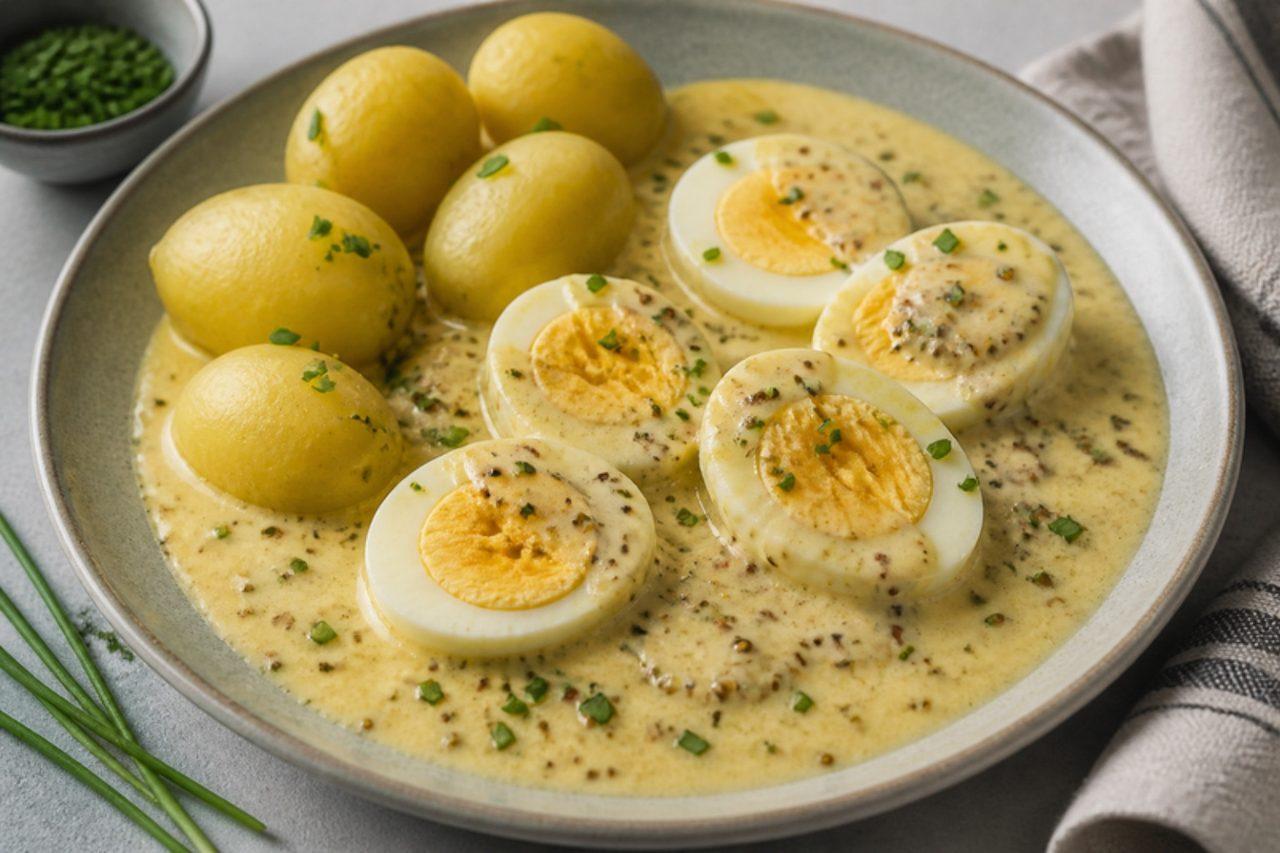
SenfeierEggs in mustard sauce

Senfeier is a dish many people who grew up in Berlin, Saxony or anywhere in the old East remember from school canteens and Friday suppers: halved hard-boiled eggs in a smooth, pale mustard sauce, with boiled or mashed potatoes to soak it up. It is cheap, fast and comforting, and the sauce is a simple butter-and-flour roux loosened with stock and milk, then sharpened with two kinds of mustard. A common mistake is boiling the sauce hard after the mustard goes in, which makes it taste flat and grainy; add it off the heat. Chef's tip: a spoon of the gherkin pickling liquid at the end lifts the whole sauce.

by KrazyBadal 0 views

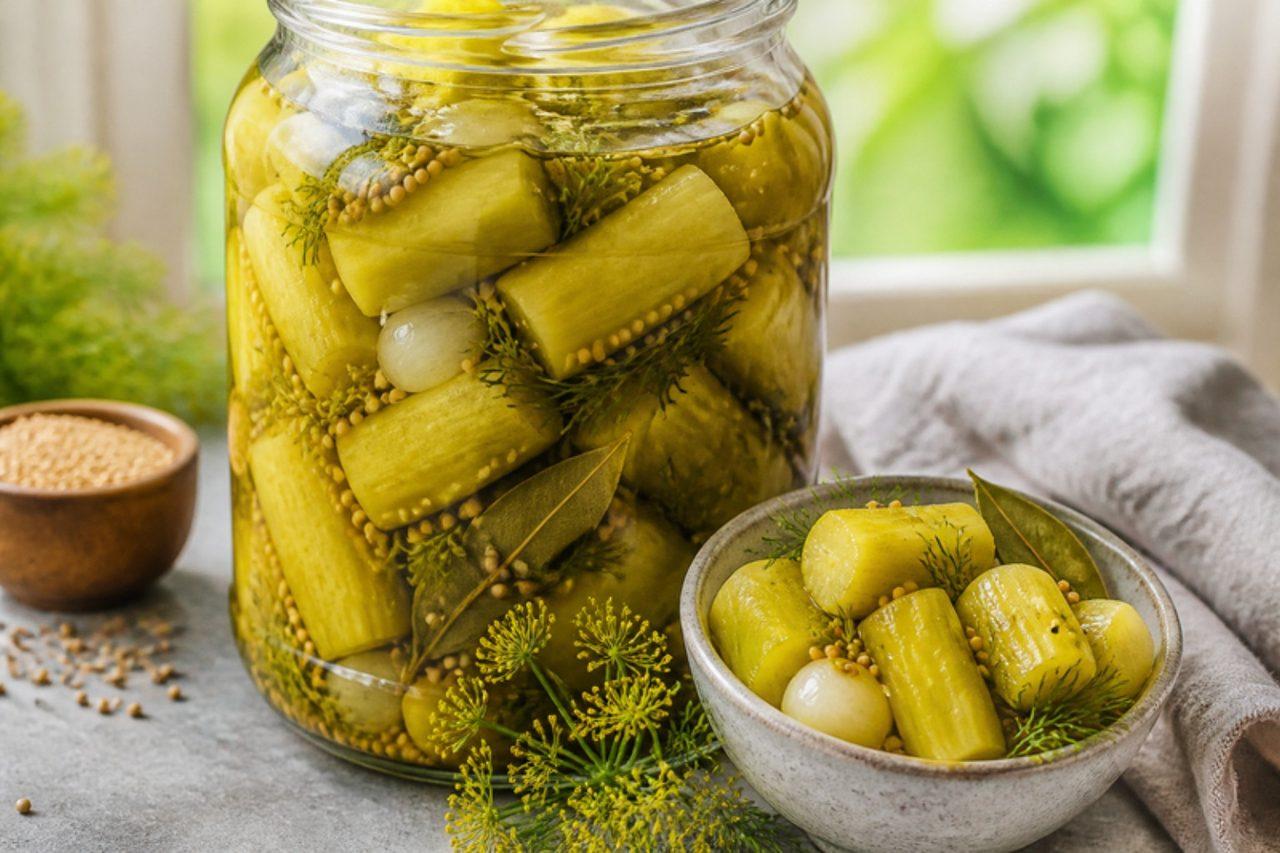
SenfgurkenMustard pickled cucumber

Senfgurken are the big, pale golden chunks of peeled cucumber that German families put up in late summer, when the fat yellow-skinned 'Schmorgurken' are cheap at markets from Brandenburg to the Rhineland. Pickled in sweet vinegar with mustard seeds, dill and onion, they are served through the winter with cold cuts, cheese boards, potato salad or a plate of fried eggs and potatoes. Unlike gherkins they are soft-crunchy and mellow. The mistake is skipping the overnight salting, which leaves the cucumbers watery so they dilute the vinegar and spoil sooner. Chef's tip: scrape out every bit of the seedy core with a teaspoon; it is what turns soft and slimy in the jar.

by KrazyBadal 0 views

Pitta 'mpigliataHoney and walnut pastry spiral

High in the Sila mountains, the town of San Giovanni in Fiore bakes pitta 'mpigliata for Christmas and for weddings: ribbons of thin pastry rolled up with walnuts, raisins, cinnamon and cloves into little rosettes, packed side by side in a round tin and soaked in warm honey once baked. The name means something like 'wrapped-up cake', and it looks like a dish of flowers. It keeps for days, growing stickier and more fragrant. The dough is traditionally made with white wine and a splash of anise liqueur; this version uses orange juice and ground anise, with no alcohol. Chef's tip: roll the pastry as thin as you can; thick ribbons bake doughy in the middle.

by KrazyBadal 0 views

KatmerClotted cream and pistachio pastry

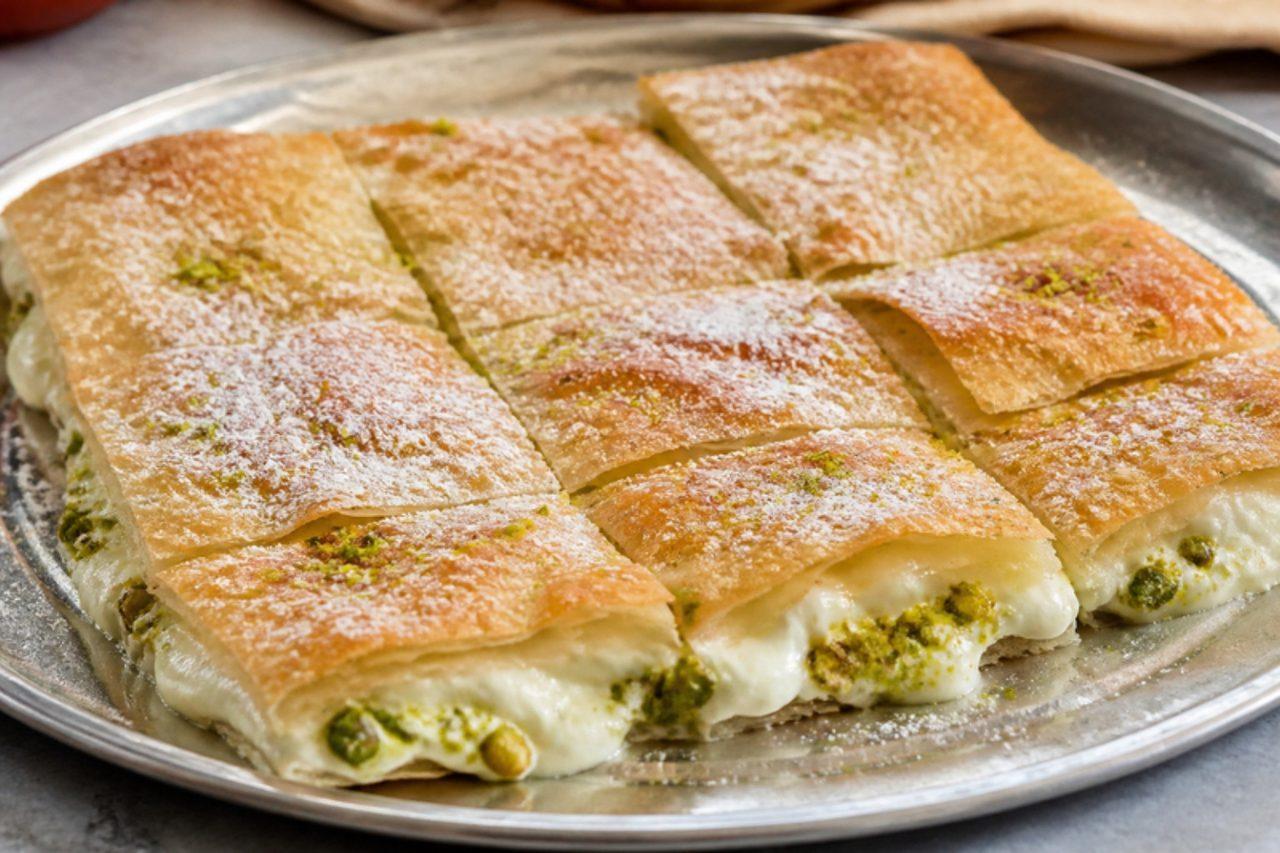
In Gaziantep the morning starts at a katmer counter: a baker slaps a ball of dough into a sheet so thin you can read through it, scatters it with pistachios, sugar and kaymak, folds it into a parcel and bakes it on a hot iron plate. Eaten straight away, it shatters at the edges and stays creamy in the middle, and locals drink strong tea with it. At home a heavy frying pan stands in for the iron plate. The usual mistake is stretching the dough before it has rested; it tears instead of going translucent, so give it the full hour under oiled cling film. Chef's tip: grind the pistachios only to coarse sand, not powder, so they stay bright green and give each bite some crunch.

by KrazyBadal 0 views

Bicho-de-péStrawberry brigadeiro balls

Pink balls of fudge in a paper cup, sitting in a row between the chocolate brigadeiros: that is bicho-de-pé, a fixture of children's parties in São Paulo and Rio. The odd name comes from a tiny burrowing flea, which the speckled pink sweet supposedly resembles, but it tastes nothing but fruity and creamy. Brazilian cooks usually flavour it with strawberry gelatin powder, which is not vegetarian; this version uses freeze-dried strawberry powder, which gives a brighter, real-fruit flavour and a natural pink. Find freeze-dried strawberries in supermarket baking aisles and crush them yourself. Over-thickening is the commonest mistake: cooked too long, the brigadeiro turns hard and sugary once cold. Chef's tip: take the pan off the heat as soon as the mixture slides away from the base as one piece; it firms more as it cools.

by KrazyBadal 0 views

Pão alentejanoSourdough country loaf

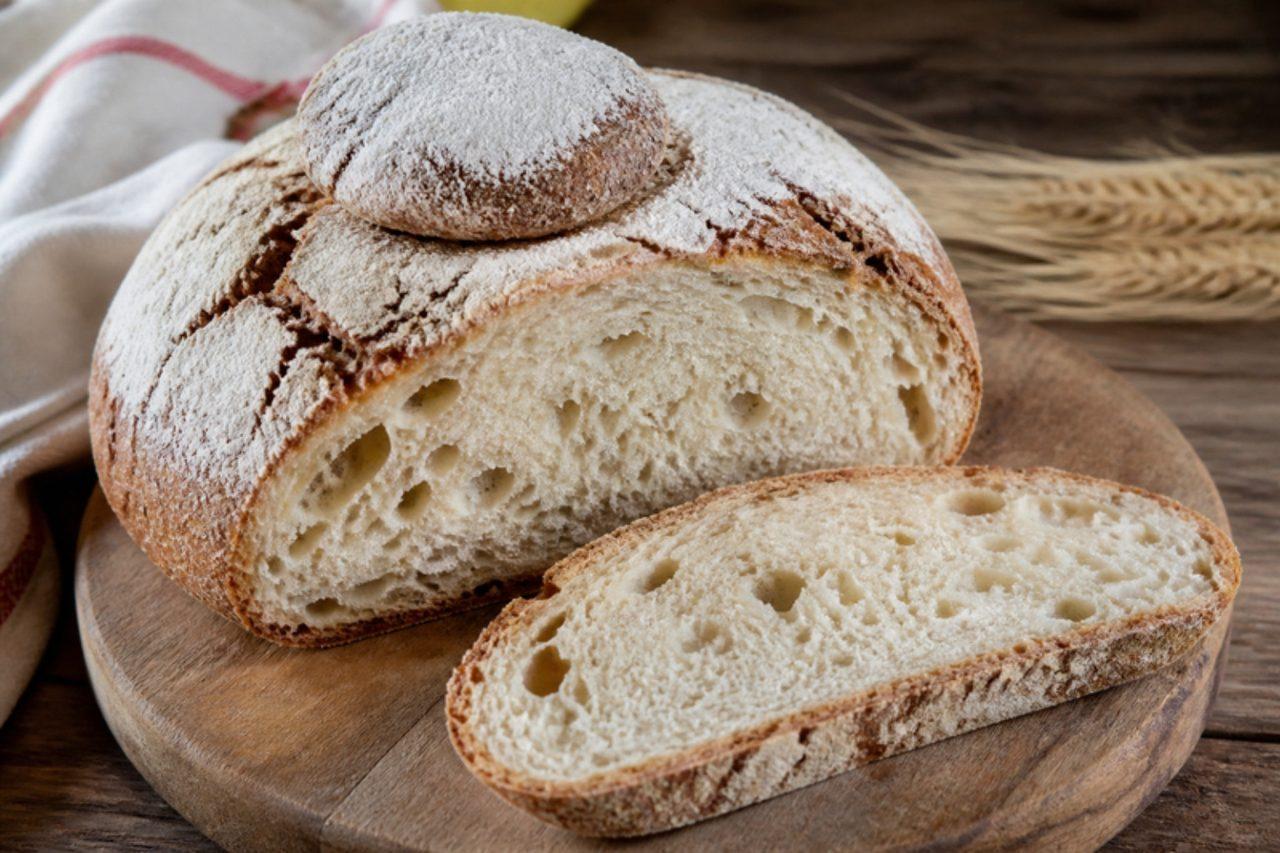
Almost every Alentejo meal leans on this bread: it is crumbled into açorda, laid under soups and stews, fried into migas and, fresh, eaten with olives and sheep's cheese. Village bakers make it with a sourdough starter, white wheat flour, water and salt, and give each round loaf a little knob of dough on top, called the cuco. The crumb should be dense, moist and chewy and the crust thick and crackling, so it lasts a week. You need an active starter that doubles within 6 hours of feeding. A common mistake is baking too pale; let the crust go a deep brown for flavour and keeping. Chef's tip: use a wetter dough than you think; it gives the open, moist crumb that keeps the bread soft for days.

by KrazyBadal 0 views

Migas a la aragonesaFried breadcrumbs with sausage and bacon

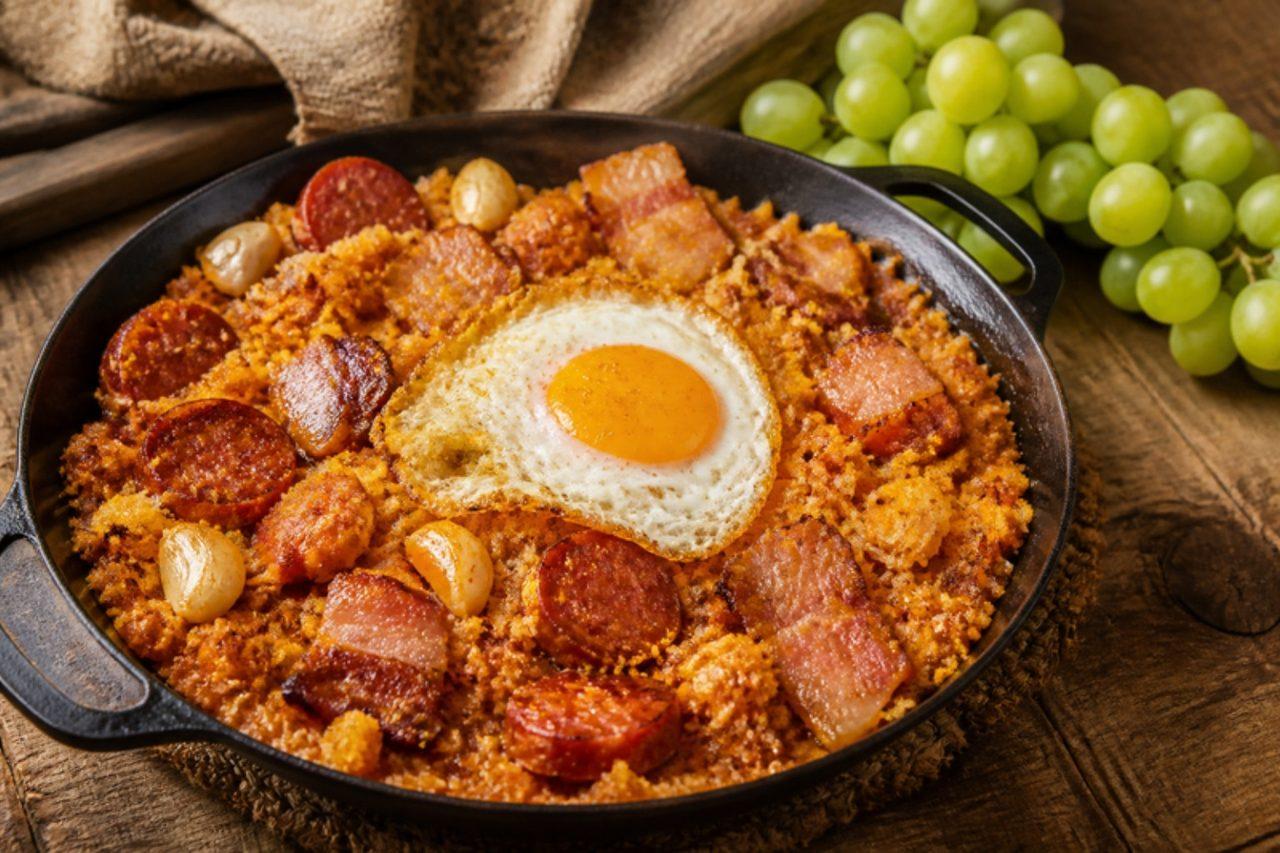
Shepherds in the Aragonese uplands made migas from yesterday's bread, a little water, garlic and whatever pork was hanging in the larder, and it is still a cold-weather breakfast, a hunters' lunch and a fiesta dish in villages from the Pyrenees to the Maestrazgo. Fried slowly in a wide pan, the dampened crumbs turn golden and crisp on the outside and stay soft inside, flecked with fried longaniza and bacon. Fresh green grapes or a fried egg on the side are the classic way to serve them. This contains pork (longaniza sausage and bacon). A common mistake is soaking the bread: sprinkle the water on and leave it overnight, or the migas turn to paste. Chef's tip: keep turning the crumbs with the edge of a spatula, chopping as you go; it is the long, patient stirring that makes them loose and crisp.

by KrazyBadal 0 views

Kadayıf dolmasıWalnut pancakes in syrup

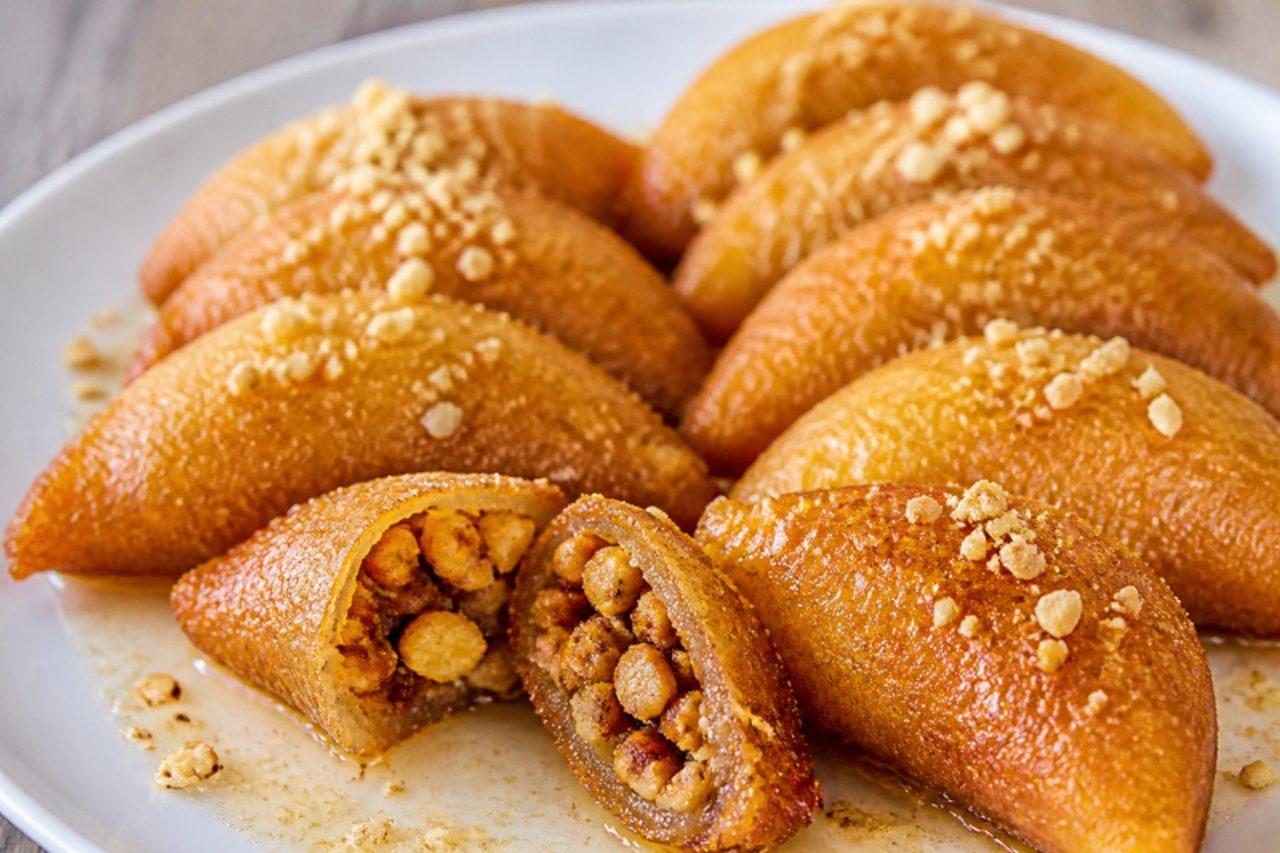
In Erzurum, kadayıf means not shredded pastry but small, spongy pancakes cooked on one side only. For kadayıf dolması they're filled with walnuts, folded into half-moons, fried golden and plunged into syrup, and they are the city's pride on festival days and at weddings. The outside is crisp and syrupy, the inside soft and nutty. Common mistake: cooking the pancakes on both sides; the uncooked, bubbly top is what sticks the edges together. Chef's tip: the syrup must be cold and the dolma hot straight from the oil, so they absorb syrup without going soggy.

by KrazyBadal 0 views

Pão de centeio transmontanoDark rye loaf

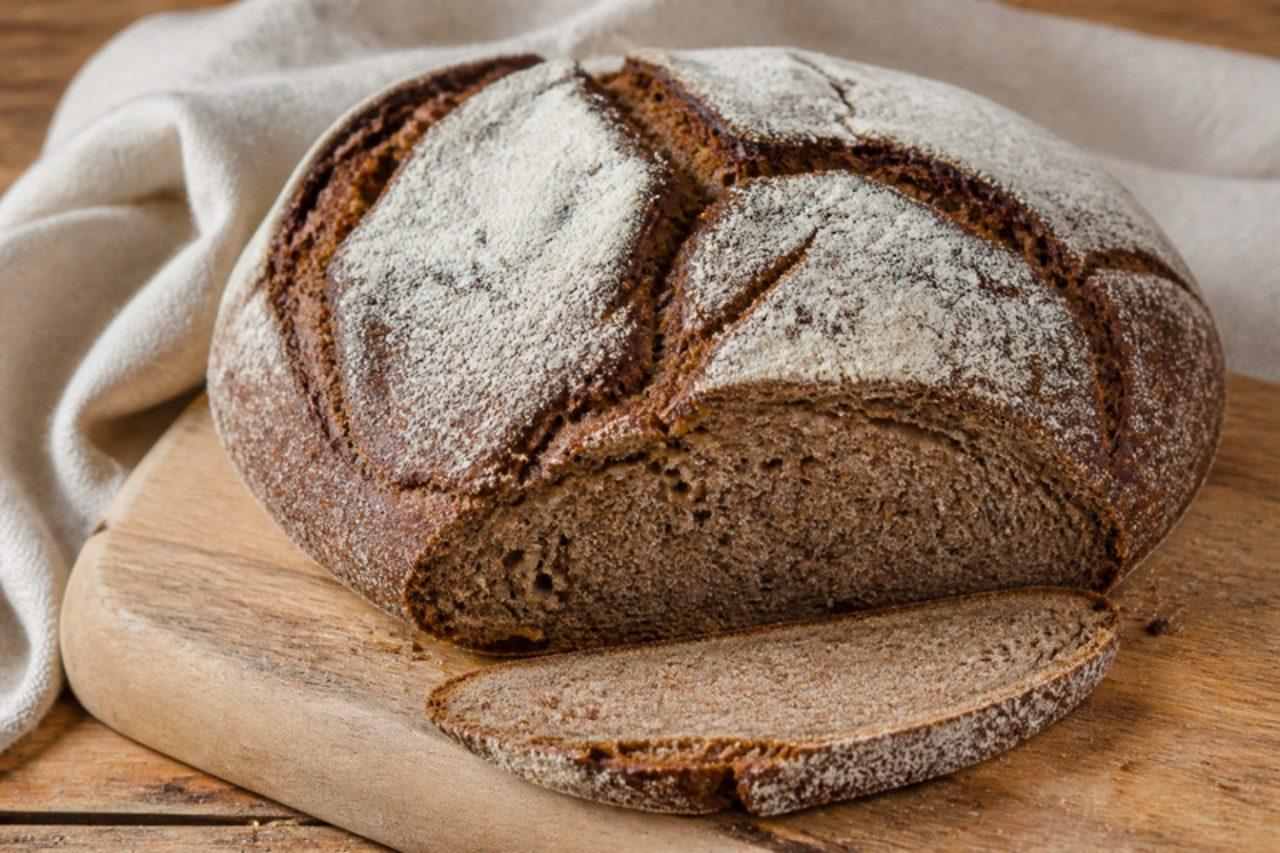
On the cold uplands of Trás-os-Montes, where wheat struggled, rye was the bread grain, and village bakeries around Montalegre and Miranda do Douro still bake big rounds with a dark, floury crust. The crumb is dense, tangy and moist, made to keep for a week and to sit beside cured meats, cheese and soups. This home loaf mixes rye with some wheat so it rises reliably. A common mistake is kneading rye dough like wheat dough; it never turns elastic, so mix it to a sticky paste and stop. Chef's tip: rye dough is sticky by nature, so shape it with wet hands rather than adding flour.

by KrazyBadal 0 views

Sequência de camarãoPrawn feast in several styles

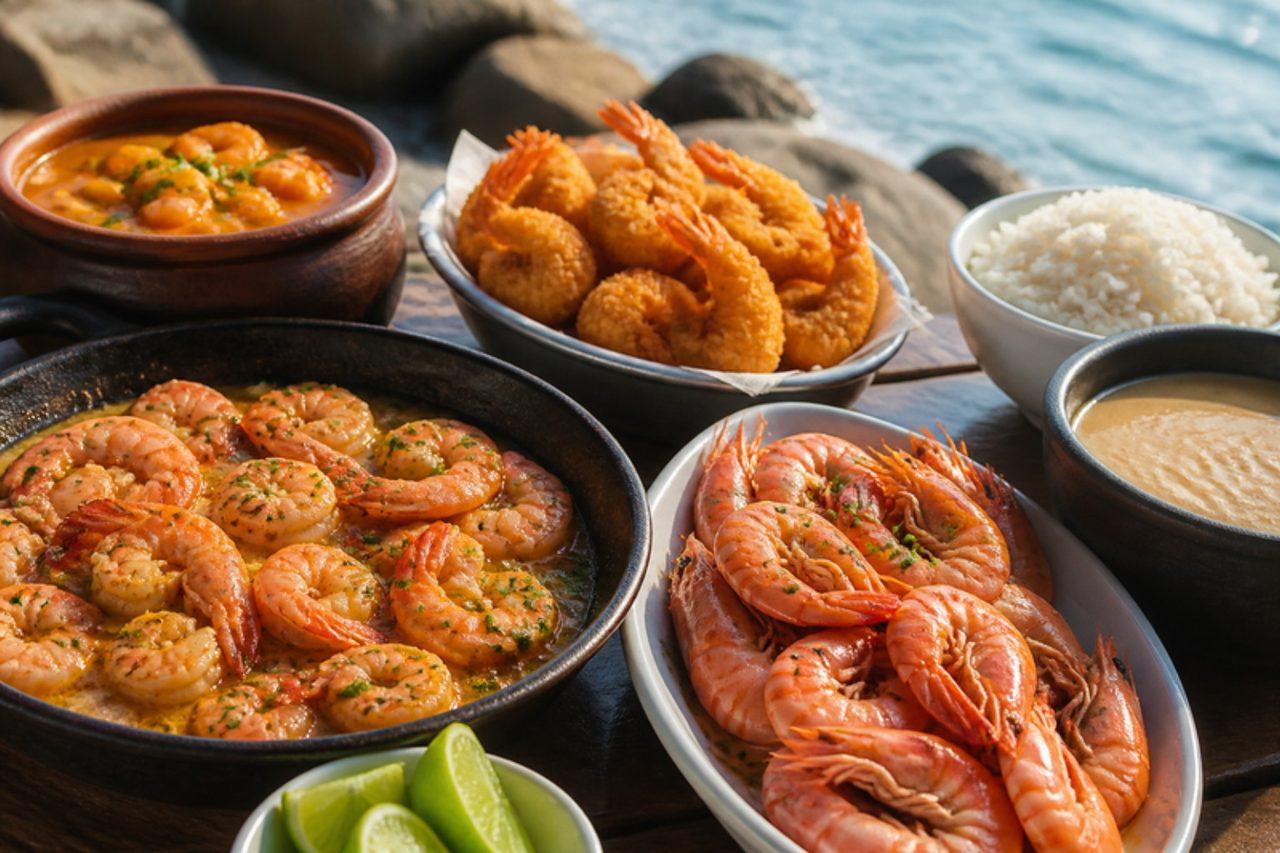
Around the Lagoa da Conceição and the old fishing village of Santo Antônio de Lisboa, Florianópolis restaurants serve sequência de camarão, a parade of prawn dishes that keeps arriving until you give up: prawns fried in garlic oil, crisp breaded prawns, a light prawn stew with tomato and coconut milk, and pirão made from the shells, with rice and salad. This home version brings the four together for a long lunch. Prawns must be very fresh and kept cold, and every batch is cooked only until pink and opaque right through. The usual mistake is cooking all the prawns at once and serving them lukewarm; the sequence works because each dish arrives hot. Make the stew and pirão first and keep them warm, then fry at the last minute. Chef's tip: buy shell-on prawns and simmer the heads and shells for the pirão; it gives the whole meal its sea flavour.

by KrazyBadal 0 views

Pão de DeusCoconut-topped sweet buns

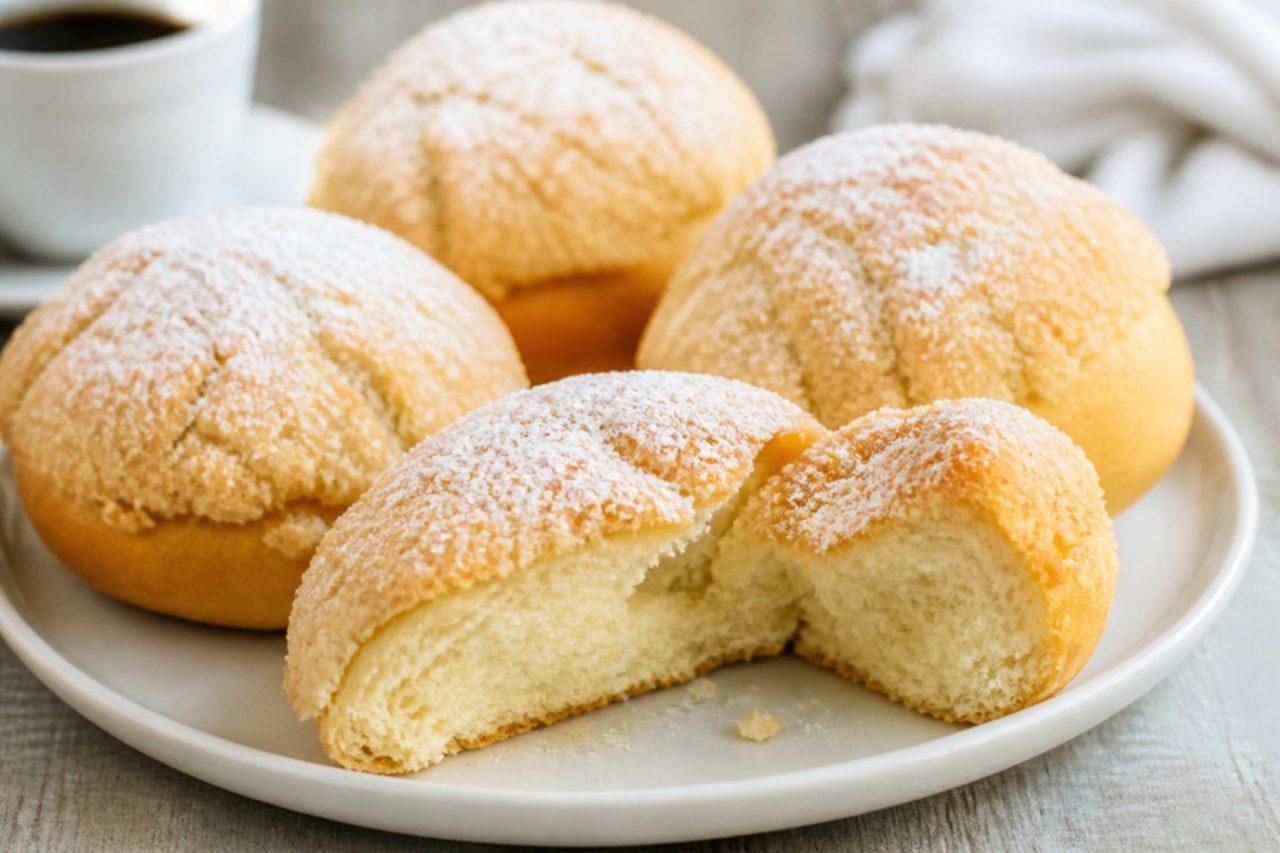
Lisbon bakeries pile these 'God's bread' buns in their windows every morning, and regulars split them and spread them with butter, or tuck in a slice of cheese, for breakfast with a galão. The dough is soft and milky like brioche, and the top is a sweet blanket of grated coconut, egg and sugar that bakes crisp and golden. A common mistake is spreading the coconut too thin: pile it on thickly so it stays moist underneath and toasty on top. Chef's tip: let the shaped buns rise fully before topping them, or the heavy coconut layer squashes them flat.

by KrazyBadal 0 views

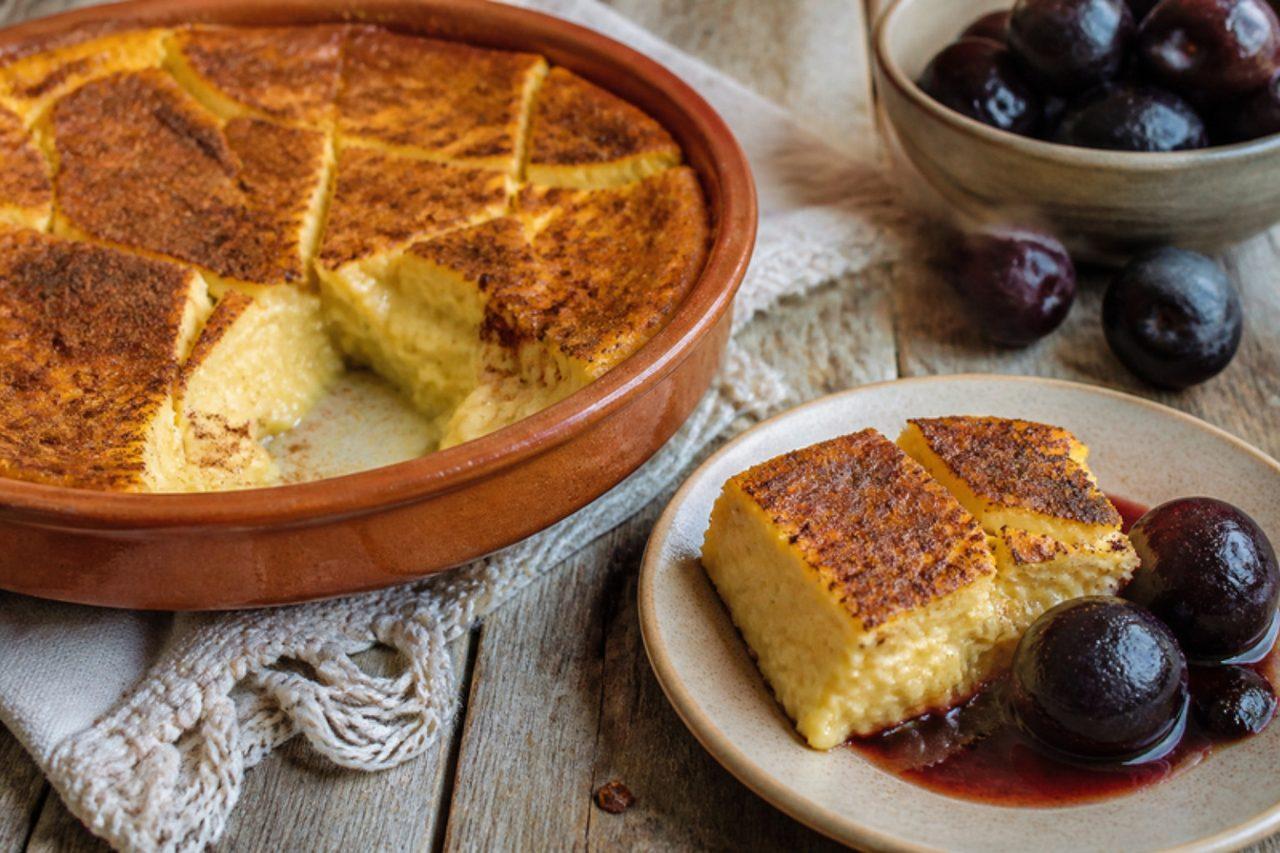
SericaiaCinnamon baked egg custard

Sericaia is the pride of Elvas, on the Spanish border, and of Alentejo convent baking: a light custard of eggs, milk and sugar lifted with beaten whites, spooned into a clay dish, dusted with cinnamon and baked until it puffs and splits into deep cracks. It is always served with Elvas plums in syrup, whose sharpness cuts the sweetness; any good plums poached in syrup will do. It is a Sunday and festive dessert across the region. A common mistake is spreading the mixture smooth: drop it in large spoonfuls so it bakes into the craggy, cracked top that defines it. Chef's tip: cook the yolk custard until really thick before folding in the whites; a thin custard collapses in the oven.

by KrazyBadal 0 views

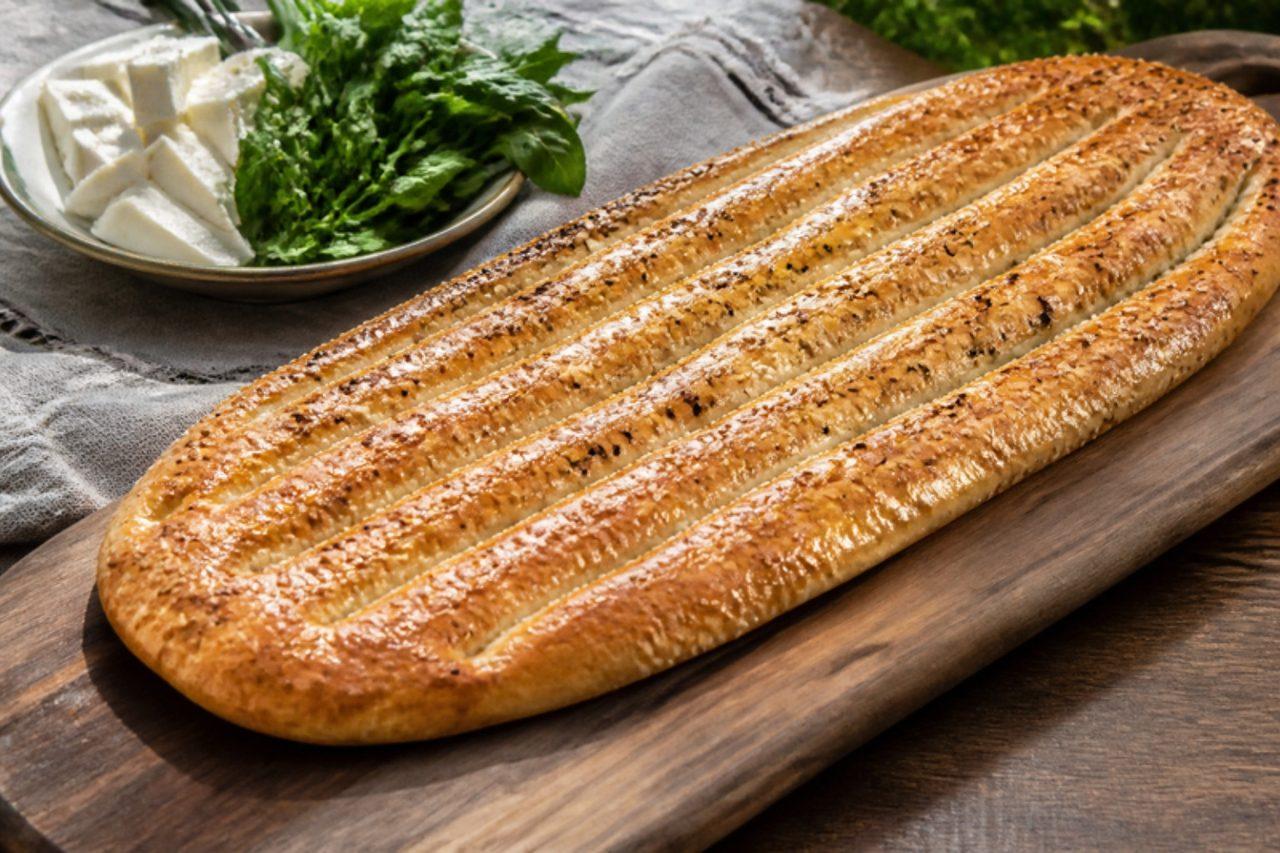
Nan-e barbariThick grooved flatbread

Barbari is Tehran and Tabriz's breakfast bread: a long, thick oval with deep lengthwise grooves, its top glazed golden-brown and scattered with sesame and nigella. Bakeries sell it hot from early morning, and it goes home to be torn and eaten with feta, walnuts, herbs, butter and jam or a glass of sweet tea. Its secret is the roomal, a quick paste of flour, baking soda and water brushed on before baking, which gives the shiny, crackly crust. The usual mistake is pressing the grooves too shallow, so they puff out in the oven and the bread loses its shape. Chef's tip: press your fingertips right down to the work surface when making the grooves, and don't worry if it looks too flat; it rises in the oven.

by KrazyBadal 0 views

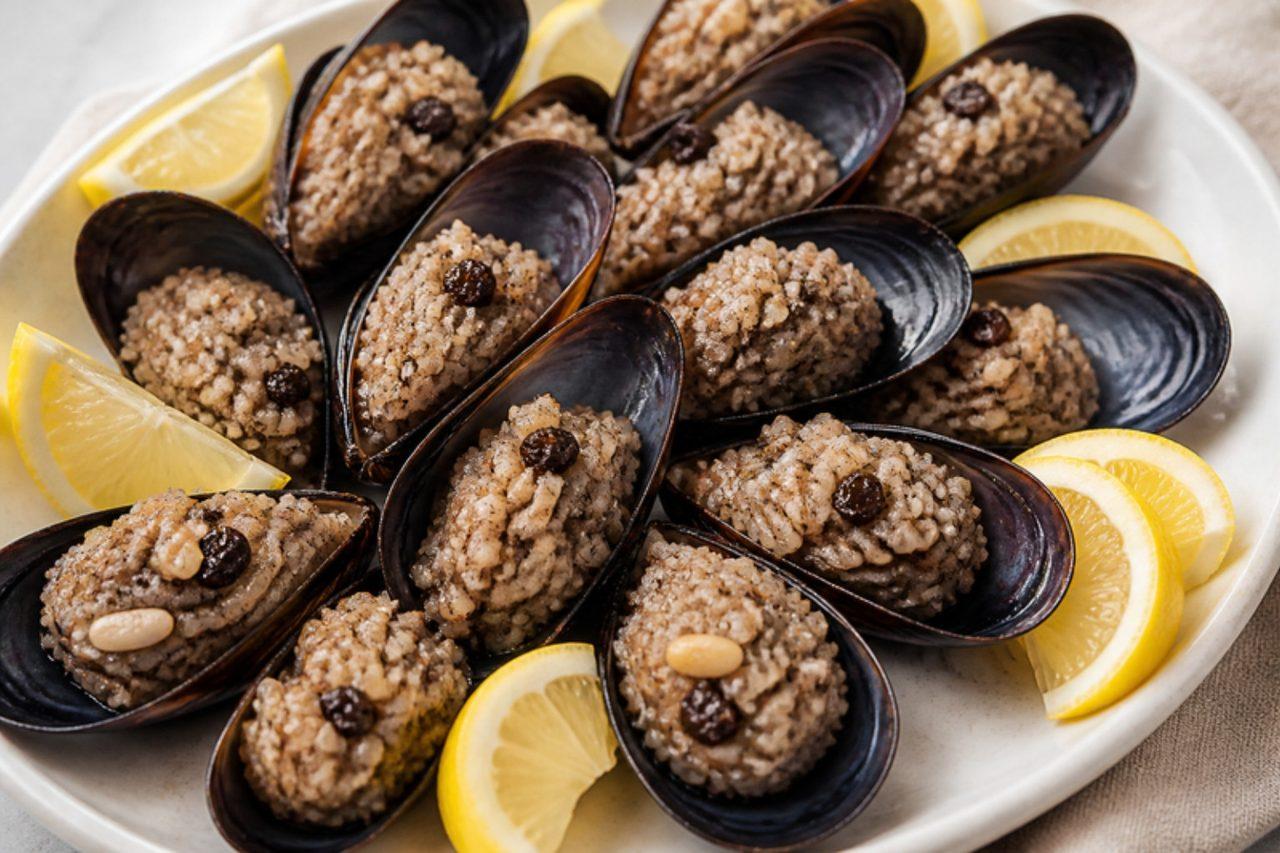
Midye dolmaRice-stuffed mussels

Late at night along Istanbul's Beşiktaş and Kadıköy streets, vendors walk with trays of shiny black mussels stuffed with fragrant rice, cracking one open, squeezing lemon on it and handing it over until you say stop. The rice is cooked with onion, tomato paste, cinnamon, allspice, currants and pine nuts, then steamed back inside the shells. Make them at home for a meze table and they are safer and fresher than any street tray. Chef's tip: soak the closed mussels in cold salted water first; the shells relax slightly and are much easier to prise open with a small knife.

105 minTurkishFish
by KrazyBadal 0 views

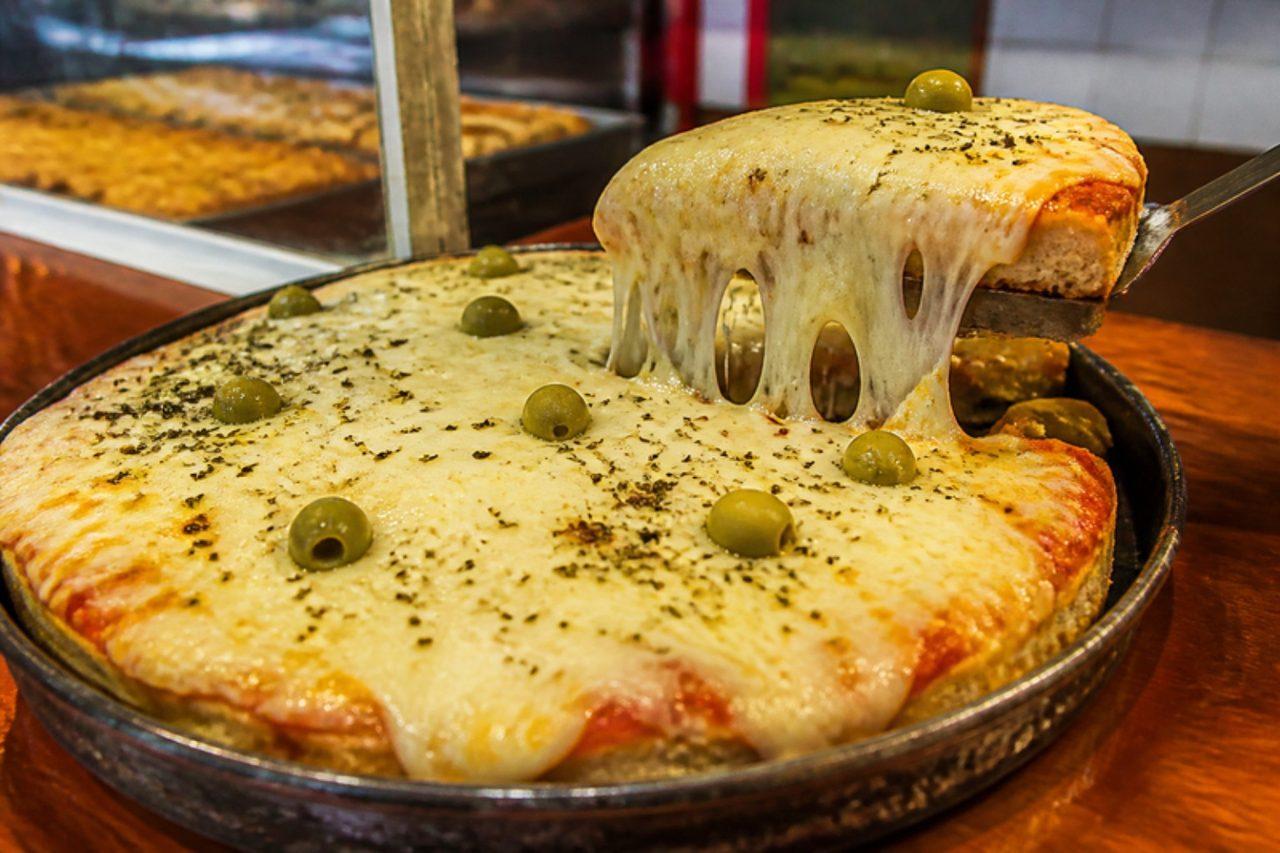
Pizza al moldeThick pan pizza

Order "una grande de muzza" at a Corrientes Avenue pizzería and this is what lands on the metal stand: a tall, airy base baked in a round black tin, a thin layer of tomato sauce and so much mozzarella it spills over the edge and fries against the metal. Porteños eat it standing at the counter or at a Formica table, often with a wedge of fainá on top and a cold soda beside it, and at home it is Friday-night food the whole family agrees on. The crumb should be soft and bready like focaccia, the base crisp from the oiled tin. Most home cooks go wrong by loading the cheese on raw dough: by the time the base has baked the mozzarella has split into grease. Here the base is part-baked with its sauce first, the way pizzerías keep pre-pizzas ready, and the cheese only goes in for the last minutes. The mozzarella is usually made with animal rennet, so pick a vegetarian one if that matters to you. Chef's tip: let the dough rise a second time inside the oiled tin; that last proof is what gives the high, open edge.

by KrazyBadal 0 views

Pizza cancheraCheeseless thick tomato pizza

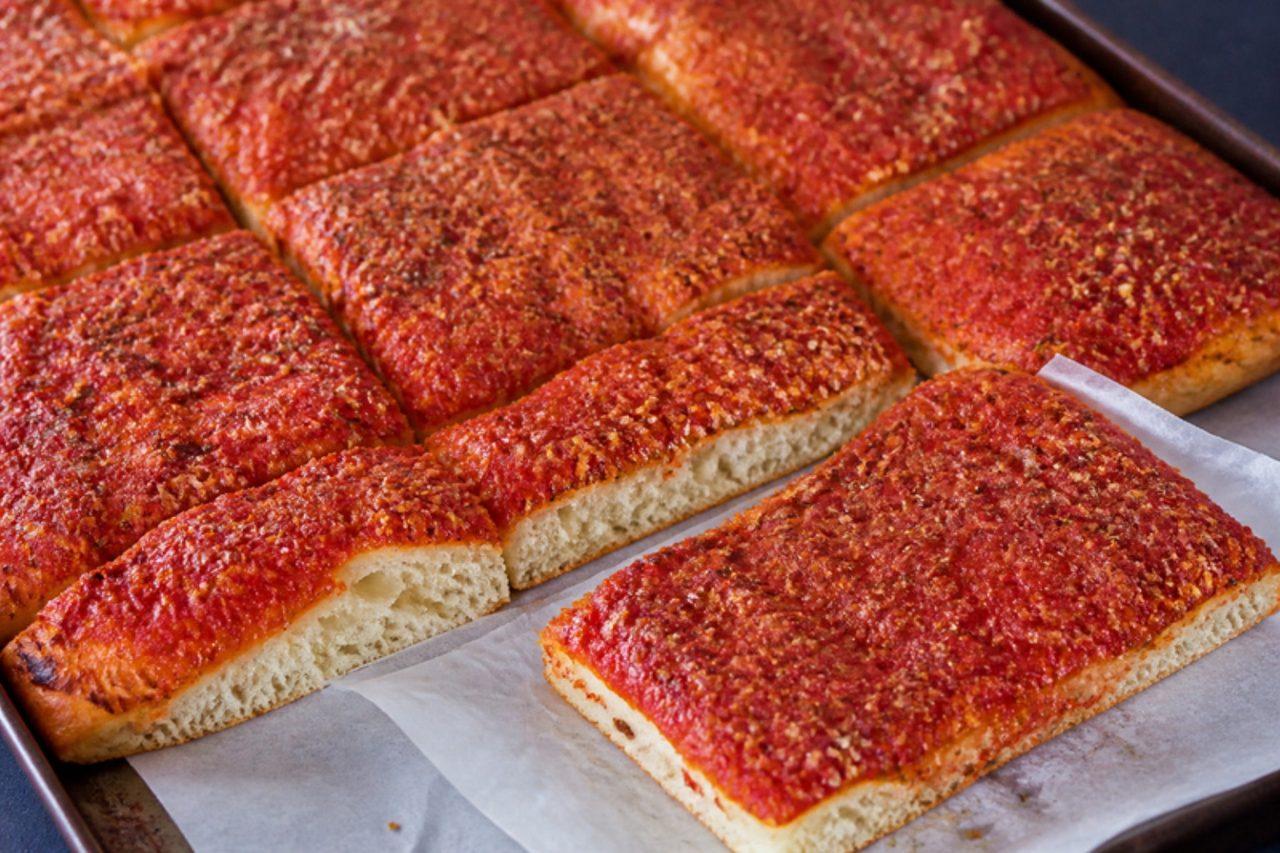
No cheese at all: that is the whole point of pizza canchera. Vendors walk the terraces at Buenos Aires football grounds with a wicker basket of these thick rectangles wrapped in paper, and the name comes from la cancha, the pitch. Because it is eaten at room temperature, the topping is a heavy, garlicky tomato paste, almost jammy, with dried oregano, a pinch of ají molido (crushed red chilli) and a good slick of olive oil; the base underneath is soft, a little oily and chewy, more focaccia than Neapolitan. Today it also turns up at kids' parties and on Sunday tables as a snack before the asado. Where people slip up is the sauce: a thin, watery sauce soaks the dough and turns it soggy by the time it has cooled, so the tomato has to be cooked down until a spoon leaves a trail. Chef's tip: cut it into squares only once it has cooled for 15 minutes; it will hold its shape like the slices sold in the stands.

by KrazyBadal 0 views

MushabbakFried batter spirals in syrup

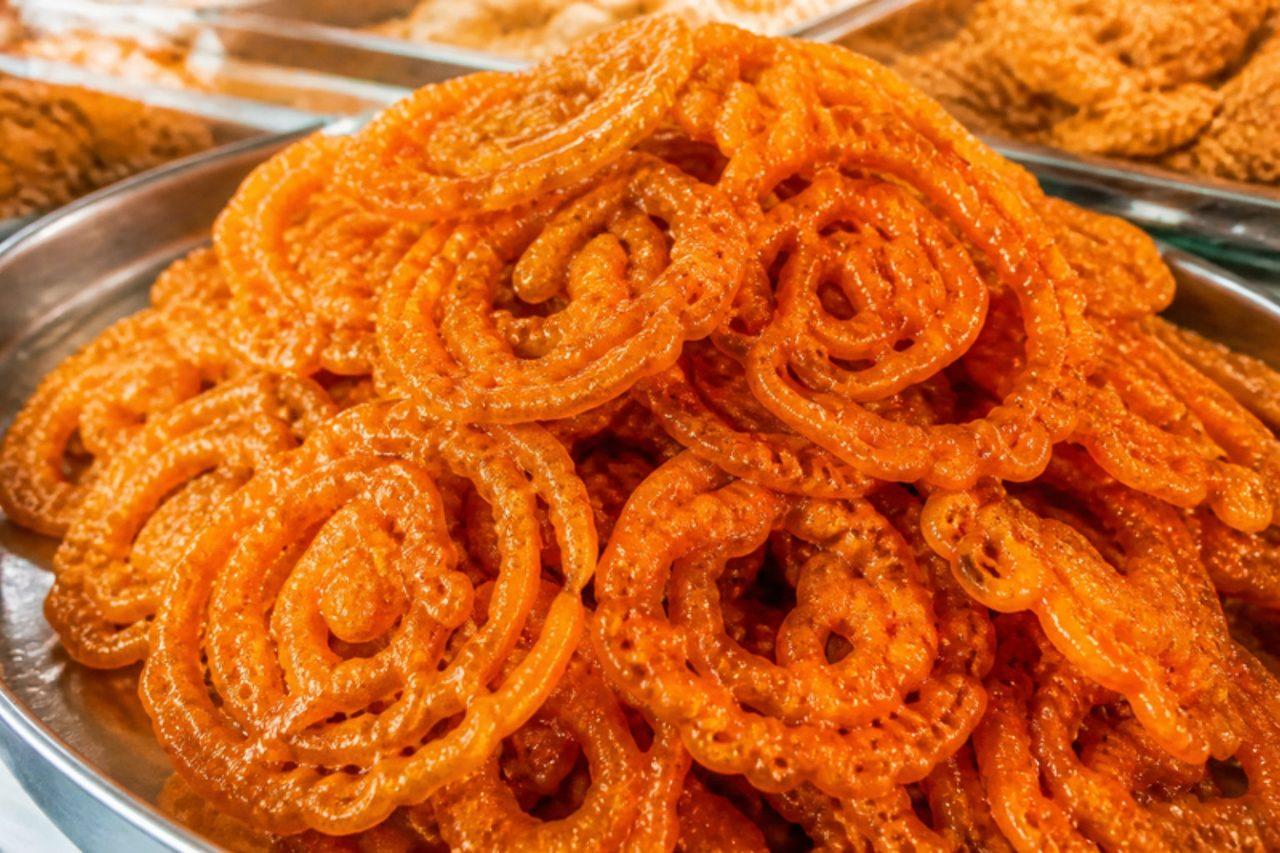
Glass counters in the souks of Nablus and Damascus are stacked with mushabbak, crisp latticed spirals of fried batter dunked in syrup until they glisten. They are bought by the bag for Christian and Muslim feast days, for Ramadan evenings and for no reason at all, and are best eaten within hours while the shells still crack. A lightly fermented batter piped into hot oil gives the hollow, crunchy rings. The mistake to avoid is oil that is not hot enough: the batter soaks up fat and the spirals turn heavy and limp. Chef's tip: the syrup must be cold and the mushabbak hot; dip, count to three and lift, and they stay crisp for hours.

by KrazyBadal 0 views

RondónCoconut fish and conch stew

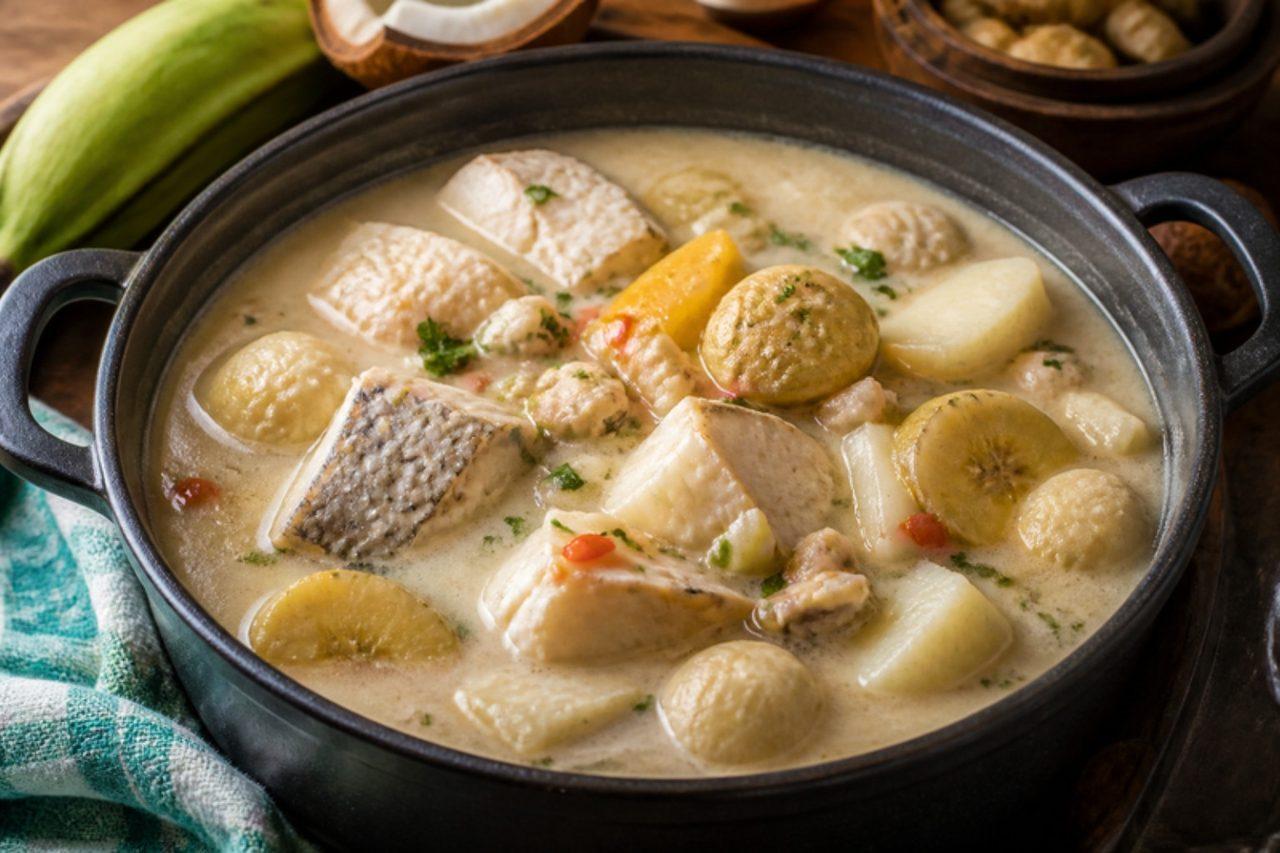
The English-speaking Raizal islanders of San Andrés and Providencia call it rundown, and it is cooked for a crowd on weekends and at beach gatherings: coconut milk boiled down until it 'runs down' and starts to release its oil, with cassava, green plantain, breadfruit or sweet potato, flour dumplings, salted pig tail and, on top, fish and conch steamed in the creamy broth. Pork appears as the salted tail, which seasons the pot. The broth is rich, coconut-sweet and herby with thyme, with a perfume of whole Scotch bonnet that gives aroma rather than fire as long as it doesn't burst. Start the day before: the pig tail needs overnight soaking. A common mistake is stirring once the fish goes in, which breaks it up; layer it and let the steam do the work. Chef's tip: queen conch is protected in much of the Caribbean, so buy only legally sourced frozen conch, or swap in large raw prawns added with the fish.

by KrazyBadal 0 views

Bolo Souza LeãoCassava and coconut cake

Named after a sugar-planter family of nineteenth-century Pernambuco, this cake is closer to a set pudding than a sponge: fresh grated cassava, coconut milk, a clove-scented syrup, butter and a generous number of egg yolks, baked slowly in a water bath until glossy and firm. In Recife it is a centrepiece at weddings, christenings and Christmas, sliced thin and eaten at room temperature with coffee. The texture is smooth, slightly sticky and very rich, so a small piece is enough. Use only sweet cassava (aipim/macaxeira) and bake it fully; cassava must never be eaten raw. The mistake people make is not squeezing the grated cassava dry, which leaves the cake watery and grey in the centre. Chef's tip: strain the batter through a fine sieve before baking; it removes the fibres and gives that silky, flan-like slice.

by KrazyBadal 0 views

Ropa vieja canariaChickpea, beef and chicken fry-up

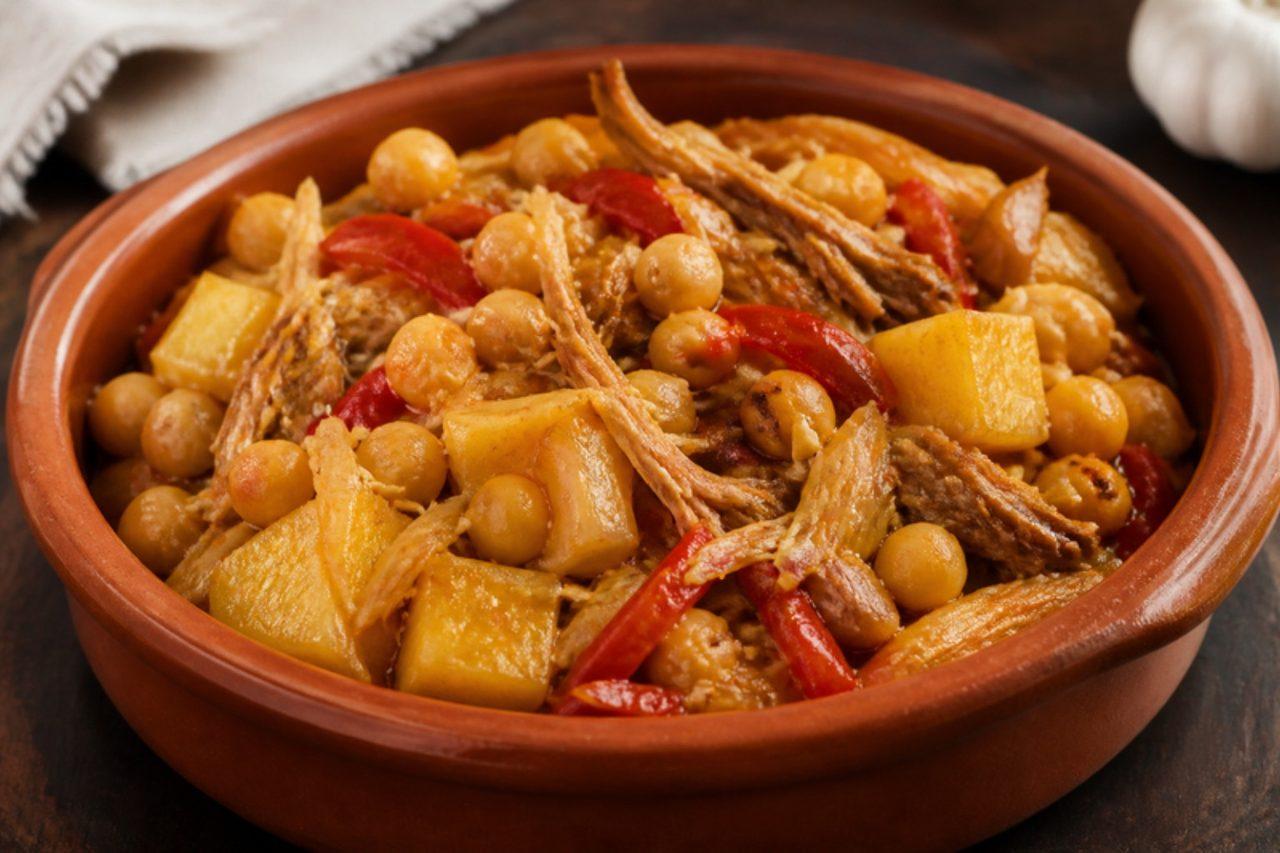
The 'old clothes' of the name are the leftover meats from Sunday's puchero, shredded and fried the next day with chickpeas, potatoes, peppers and tomato; it is a different dish from the Cuban ropa vieja, and on the islands it is Monday lunch and a fixture of bar menus in Las Palmas. Some versions include pork; this one uses beef and chicken, poached from scratch if you have no leftovers. A splash of white wine is common; it is optional and the dish is complete without it. Chef's tip: fry the chickpeas until a few catch and crisp, because those browned bits make the dish.

100 minSpanishMeatGluten free
by KrazyBadal 0 views

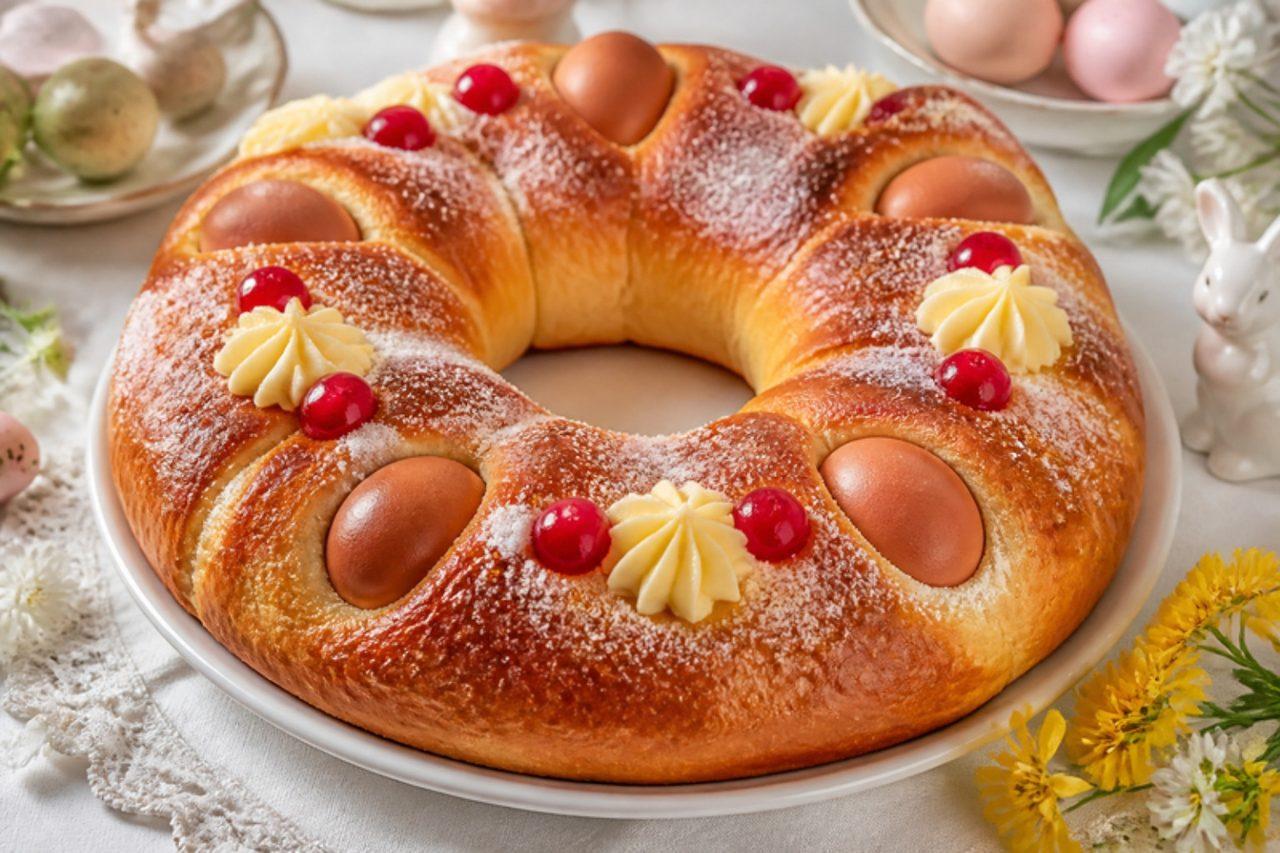
Rosca de PascuaEaster ring bread

Argentine Easter Sunday breakfast centres on the rosca de Pascua, a ring of soft, orange-scented brioche-like dough laid with stripes of pastry cream, candied cherries and pearl sugar, with whole boiled eggs pressed into the dough as a symbol of new life. Bakeries in every barrio stack them in the window from Holy Thursday, and families share it with coffee or mate after the Easter egg hunt. The crumb is fluffy and pale yellow, and the custard bakes into soft, golden ridges. Because the eggs bake for 30 minutes on top of their boiling, they are fully cooked; many people keep them for decoration and peel them later. The mistake to avoid is piping the pastry cream too thick, which slides off as the ring rises; thin lines give neat ridges. Chef's tip: cook the custard until it is very thick and chill it before piping, and brush the ring with egg before (not after) the cream goes on.

by KrazyBadal 0 views

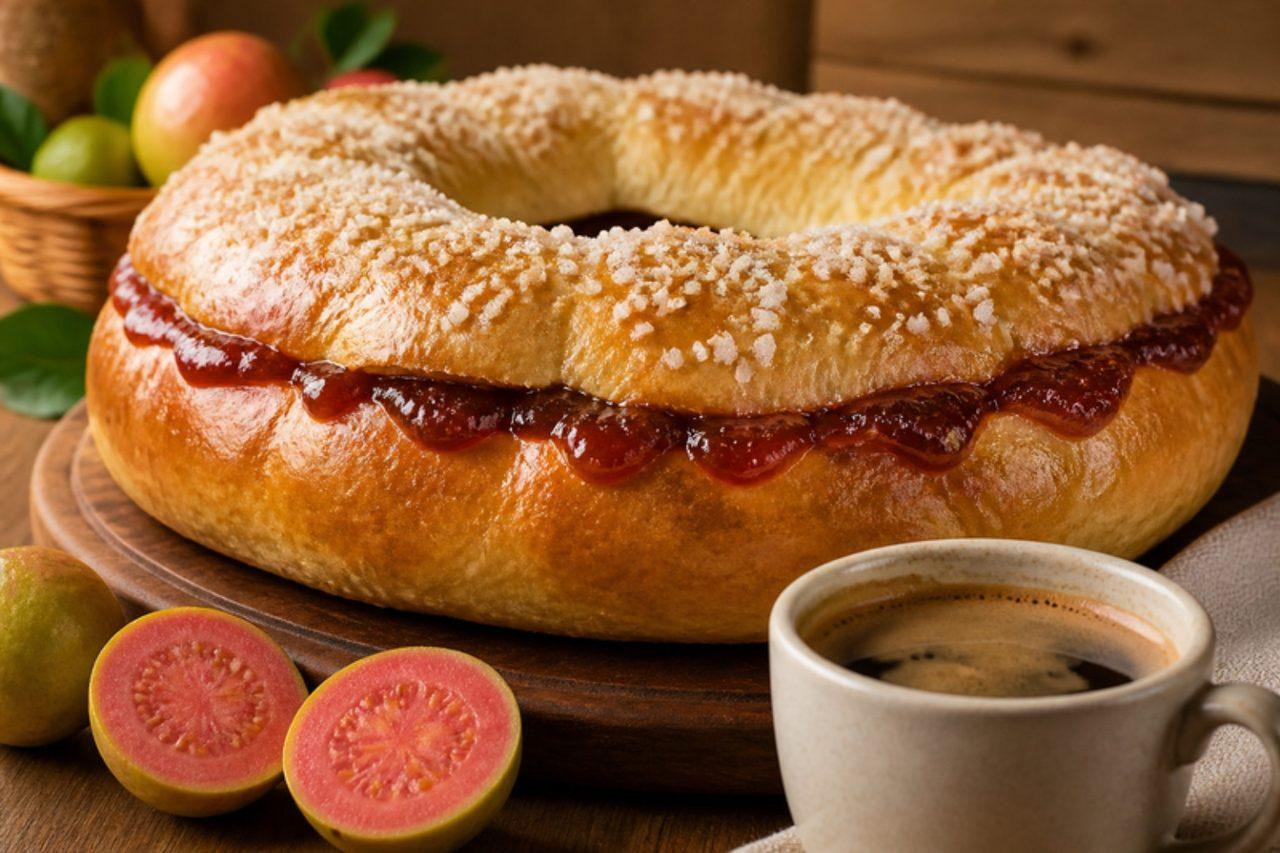
RoscónGuava-filled sweet bread ring

Every Bogotá bakery has a tray of roscones by the counter: soft, enriched bread rings glazed and sprinkled with sugar, hiding a seam of melted guava paste inside. They are eaten at onces, the afternoon coffee break, or for breakfast with hot chocolate, and they are a favourite thing to bring when visiting. The dough is a gently sweet milk-and-butter bread, close to a brioche but lighter. Chunks of guava paste that are too big are what normally goes wrong: they melt, burst the seam and burn on the tray, so cut it into thin batons and seal the dough firmly around them. Plan about 2 hours, most of it rising time. Look for guava paste (bocadillo or goiabada) in Latin shops; quince paste works in a pinch. Chef's tip: brush with the egg wash twice, once before the second rise and once before baking, for a deep, shiny crust that holds the sugar.

by KrazyBadal 0 views

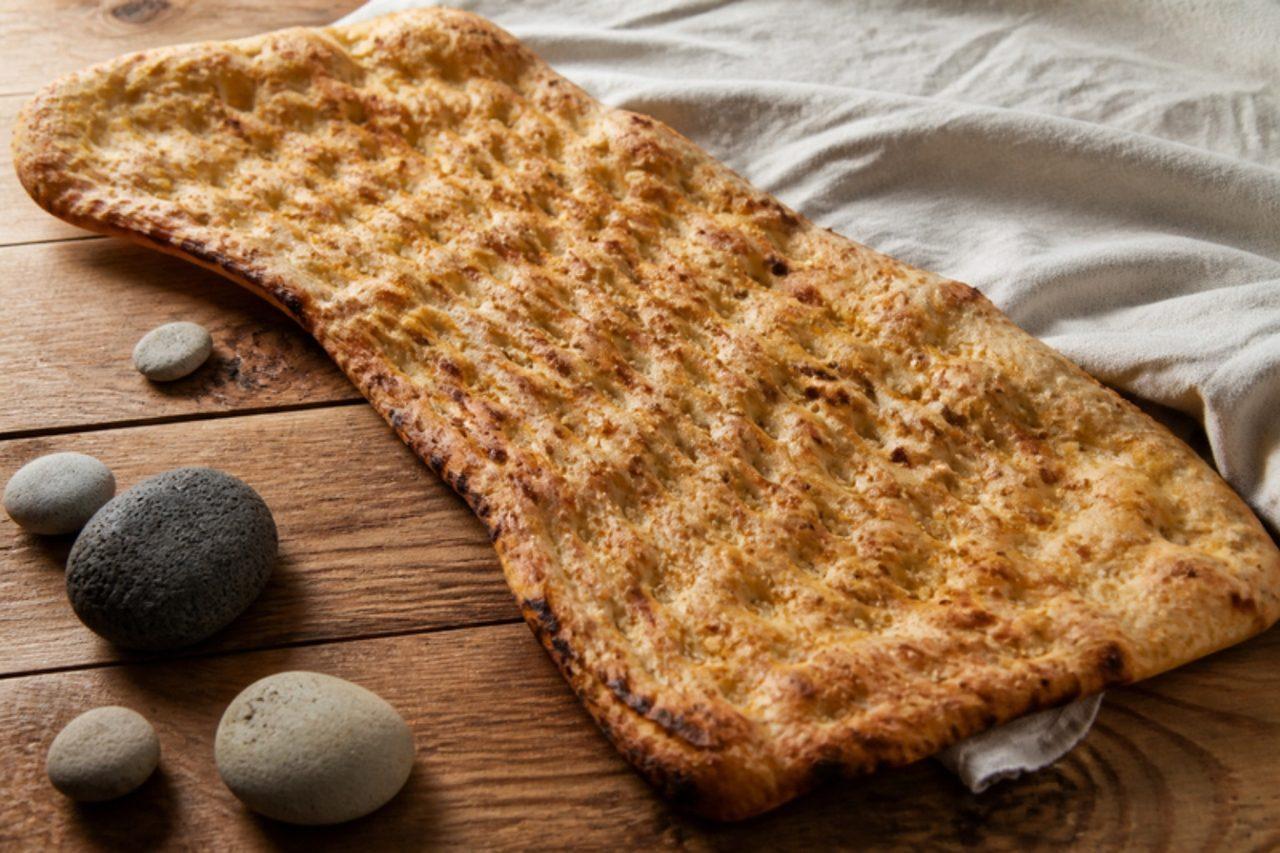
Nan-e sangakPebble-baked whole-wheat flatbread

Sangak means 'little stone': at bakeries in Tehran the dough is stretched onto a sloping bed of hot river pebbles inside a domed oven, and customers queue at dawn to carry home metre-long sheets folded over their arms, picking off the stones still stuck to the bread. It is a dimpled, chewy whole-wheat flatbread with a slight sourness and a toasted, blistered crust, eaten with cheese and herbs for breakfast or alongside kebabs. At home a tray of clean pebbles or a baking steel does the job. The common mistake is a stiff dough; sangak dough is very soft, almost a thick batter, which is what gives it its holes. Chef's tip: wet your hands well when stretching the dough onto the stones so it slides into a thin sheet without tearing.

by KrazyBadal 0 views

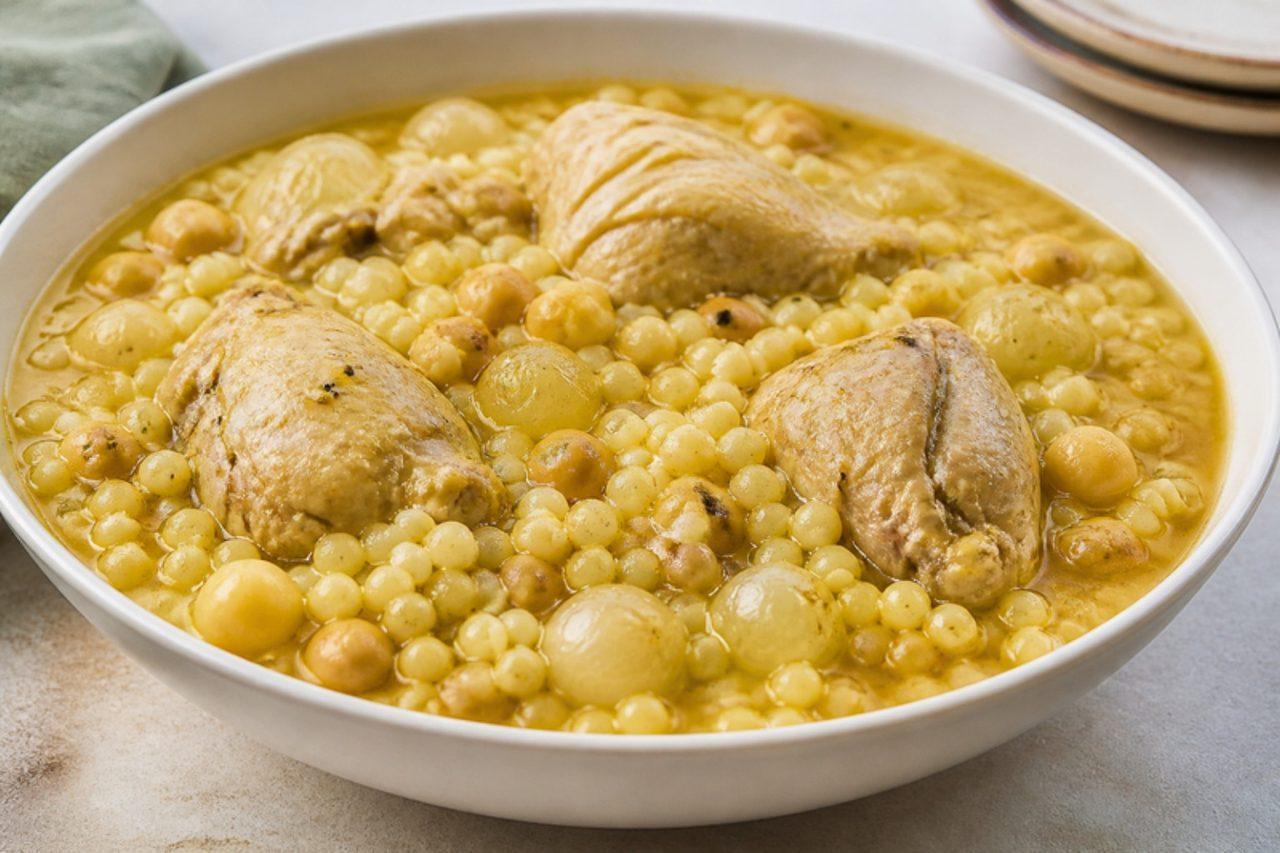
MoghrabiehPearl couscous with chicken and chickpeas

Despite its name, which nods to North Africa, moghrabieh is thoroughly Lebanese: big, chewy pearls of hand-rolled semolina cooked with chicken, baby onions and chickpeas in a broth scented with caraway and cinnamon. Families in Beirut and the mountains make it for Sunday lunch and especially on Christmas Eve in some villages. The pearls are served in a mound with the chicken and onions on top and a jug of broth to moisten each plate. Common mistake: boiling the pearls in the broth from the start; they turn gluey, so parboil them in water first. Chef's tip: toss the drained pearls in a little butter and caraway before mixing them with the onions — they stay separate and glossy.

by KrazyBadal 0 views

PepitoriaRice with goat offal

Santander's famous plate of cabrito (roast kid goat), sold in Bucaramanga, Barichara and the canyon towns, always comes with pepitoria next to it: rice cooked with the kid's chopped heart, liver and kidneys, a refrito of onion and tomato, and blood, which turns it a deep reddish-brown and gives it a rich, mineral flavour, a little like a soft black pudding. It's a dish that uses the whole animal, and it is worth trying if you like morcilla. Ask a halal, Caribbean or specialist butcher for very fresh goat offal and fresh blood (pig blood works if goat isn't available); keep both cold and cook them the same day. Offal must be cooked right through, and the blood until it has set and darkened with no liquid red left. The usual misstep is adding the blood too early, so that it scorches on the bottom; it goes in when the rice is nearly done. Chef's tip: if blood is impossible to find, double the offal and add 1 tsp extra achiote; you'll get a lighter but still very good rice.

by KrazyBadal 0 views

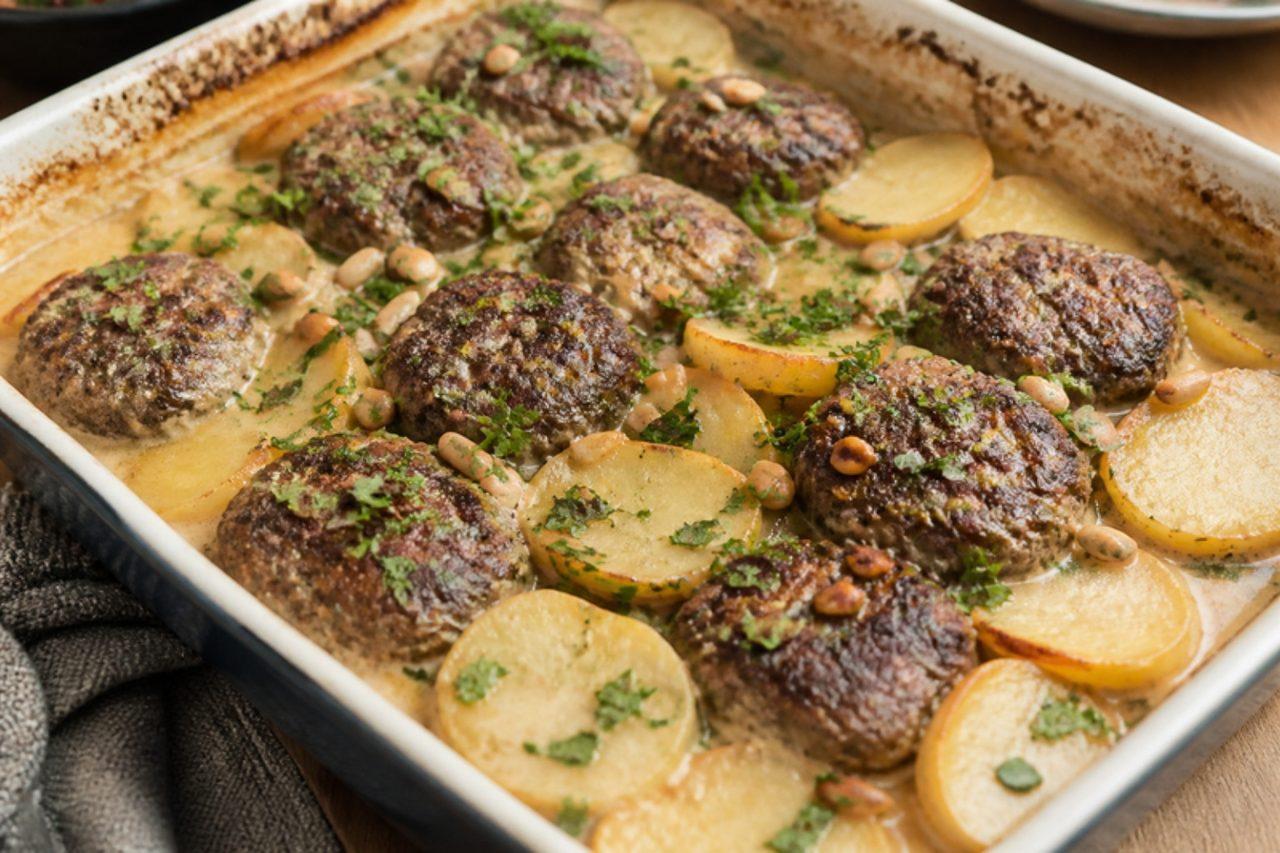
Kofta bi tahiniKofta and potatoes in tahini sauce

Kofta bi tahini is a family tray-bake from Jerusalem, Nazareth and the West Bank, the kind of dinner that goes into the oven on a weeknight and comes out bubbling and golden: parsley-flecked lamb and beef kofta fingers, sliced potatoes and onions, all covered in a tangy, garlicky tahini sauce. Rice with vermicelli and a chopped salad go alongside. Common mistake: making the tahini sauce too thick; it should pour like single cream, as it thickens a lot in the oven. Chef's tip: brown the kofta and potatoes before they meet the sauce; it keeps the kofta firm and stops the potatoes turning soggy.

by KrazyBadal 0 views

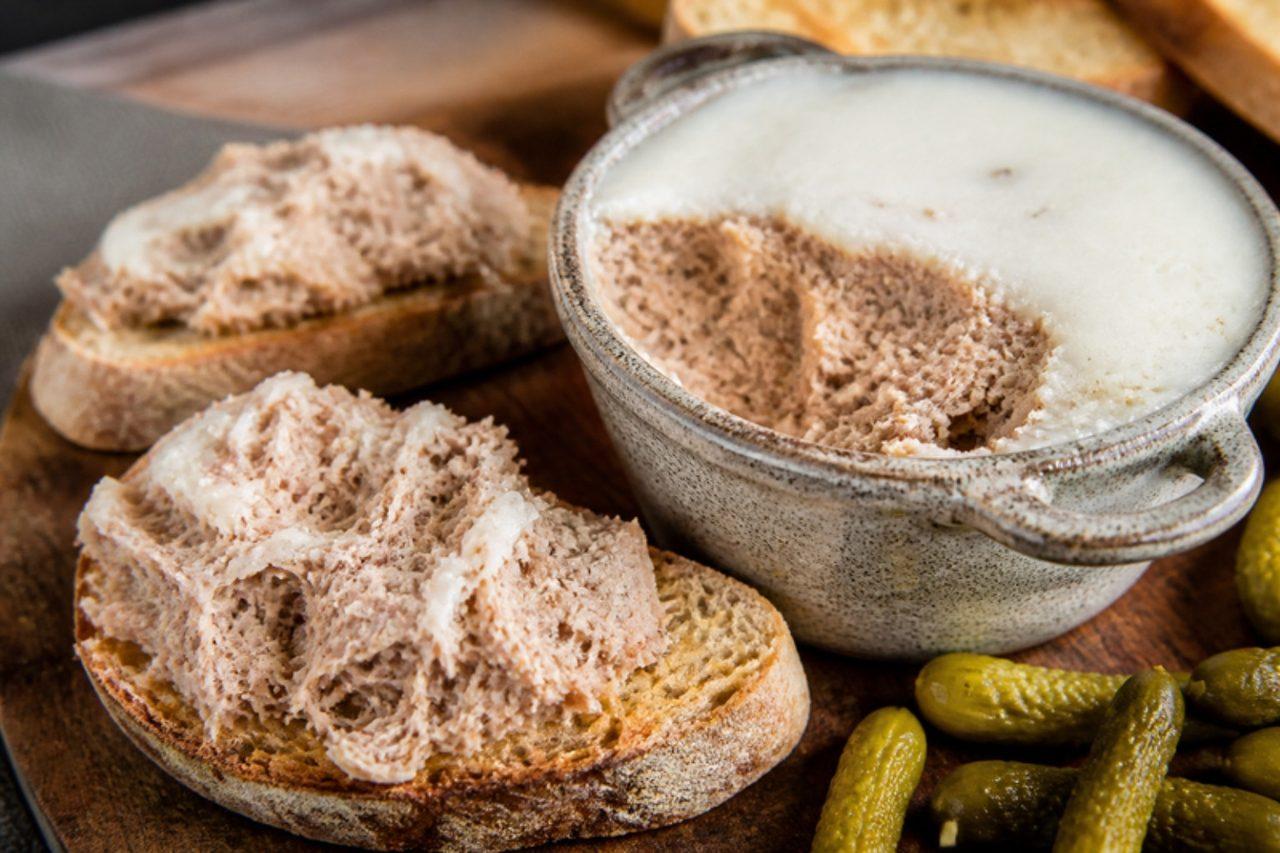
Rillettes de ToursPotted shredded pork

Touraine, the stretch of the Loire Valley around Tours, has made rillettes since the Middle Ages, and every charcuterie counter in the region sells them alongside rillons, their chunky cousins. This is pork through and through: pork shoulder and belly cooked very slowly in their own fat with a little water until they collapse, then shredded with forks into a soft, rich spread that is brown at the edges and deeply savoury. Pots of it go on the table at apéritif time with crusty bread, cornichons and a glass of something cold. Kept sealed under a layer of fat, they last a week in the fridge. Chef's tip: cook it long enough that the meat colours lightly in the fat at the end; that browning is what gives Tours rillettes their deeper taste.

by KrazyBadal 0 views

KalimotxoRed wine and cola

Kalimotxo contains alcohol (red wine), so the classic version is for adults only; an alcohol-free version is given below. The story goes that it was mixed in 1972 at a fiesta in Algorta, near Bilbao, when the wine bought for the stall turned out to be poor and cola was added to save it. Today it is the drink of every Basque summer fiesta, from Bilbao's Aste Nagusia to village squares, poured into big plastic cups. A common mistake is mixing warm wine and flat cola, which tastes heavy and sweet: both should be fridge-cold and the cola freshly opened. Chef's tip: pour the cola slowly down the side of the glass so it keeps its fizz.

by KrazyBadal 0 views

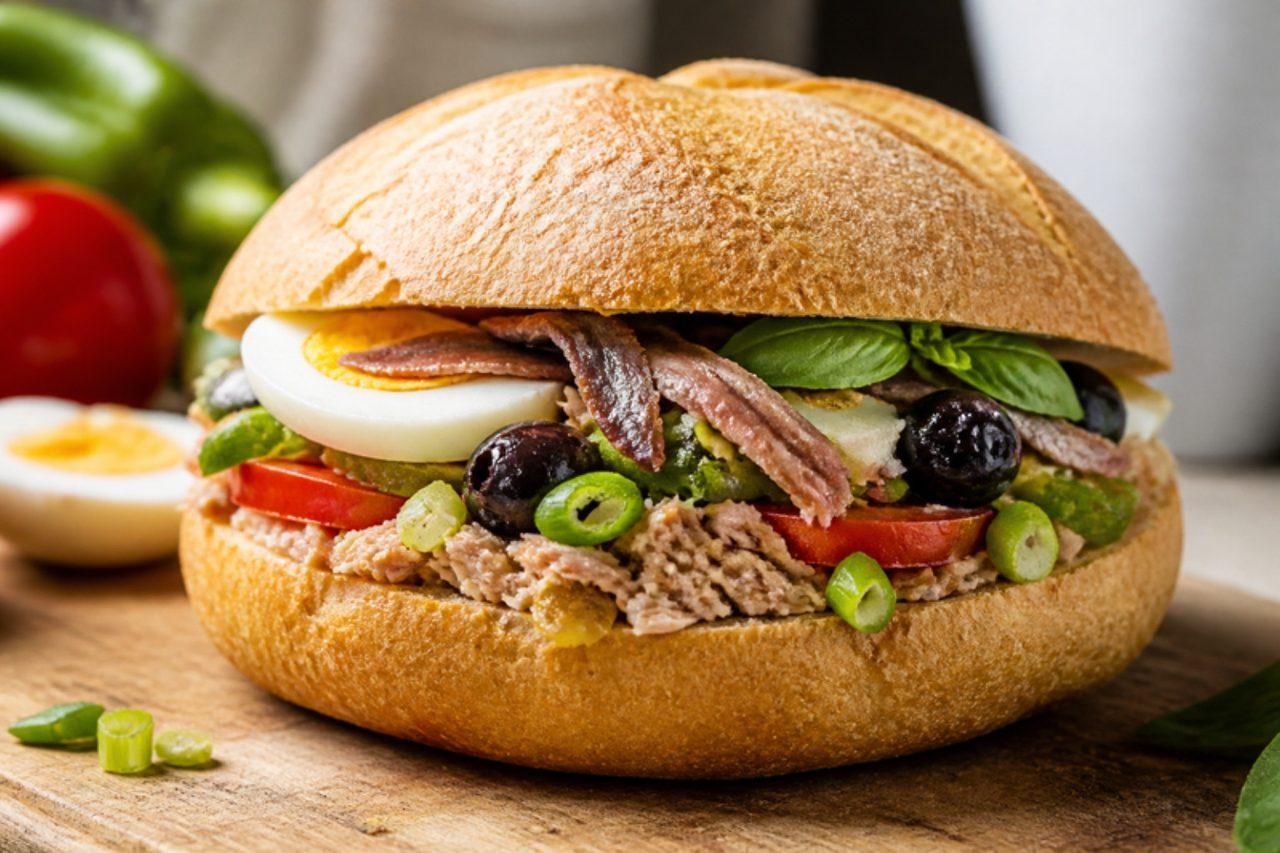
Pan bagnatPressed tuna and anchovy sandwich

Pan bagnat, 'bathed bread' in Niçois, is the beach and market lunch of Nice, sold wrapped in paper from kiosks around the Cours Saleya and packed for picnics on the pebbles of the Promenade. A round crusty roll is soaked with fruity olive oil and filled with everything that goes into a salade niçoise: tuna, anchovies, hard-boiled egg, tomato, sweet green pepper, spring onion and black olives. Pressed for an hour, it turns juicy, compact and easy to eat in big, messy bites. Serve it on its own or with a few radishes and a glass of something cold. Chef's tip: rub the cut bread with garlic before the oil goes on; it perfumes every bite without overpowering the fish.

by KrazyBadal 0 views

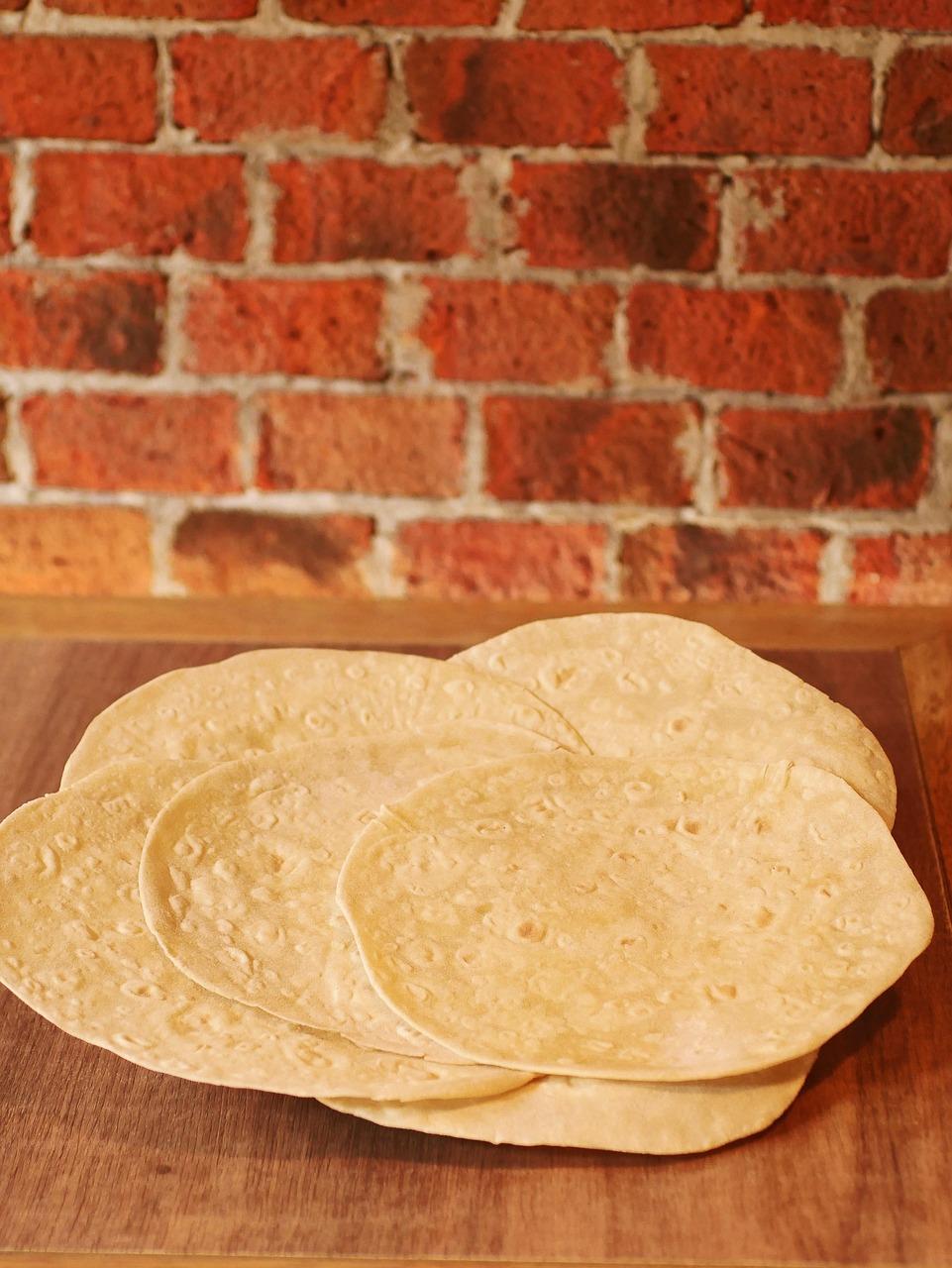
Tortillas de harina sobaquerasGiant flour tortillas

In Sonora, wheat is the grain, and the pride of Hermosillo kitchens is the sobaquera: a flour tortilla stretched over the backs of the hands and arms until it is almost see-through and as wide as a serving tray (the name comes from sobaco, armpit, because it reaches that far). It cooks in seconds on a big comal and is folded around beans, cheese or machaca, or torn and eaten with caldo de queso. Sonoran cooks use lard; vegetable shortening works the same. A 30–35 cm tortilla is a realistic home size. Chef's tip: the long rest is what makes the dough stretch; do not cut it short.

by KrazyBadal 0 views

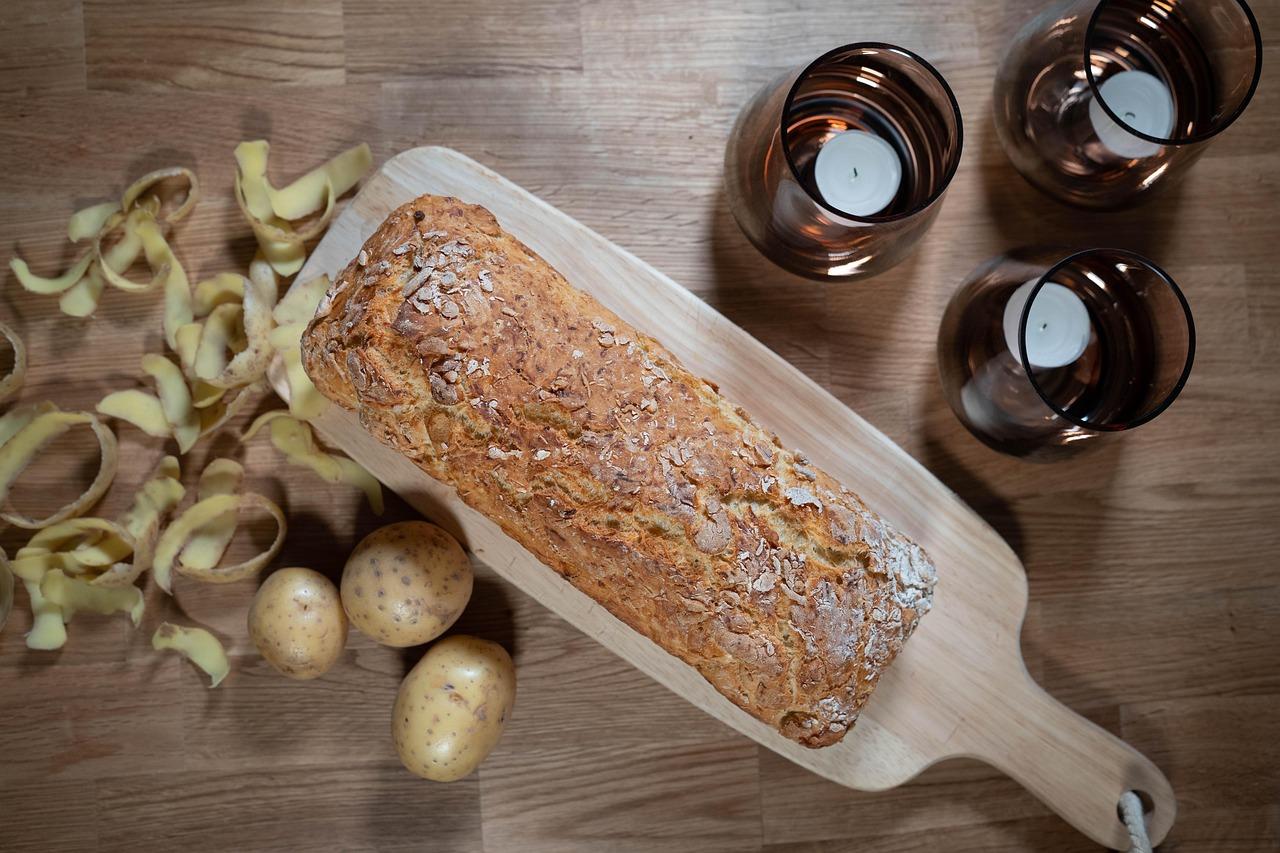
KartoffelbrotPotato bread

Kartoffelbrot was born of thrift in the potato regions of the Palatinate, Thuringia and Brandenburg, when bakers stretched scarce flour with boiled potatoes. The happy result is a loaf with a thin, crackly crust and a soft, moist, slightly sweet crumb that stays fresh for four or five days. It is a favourite for Sunday breakfast, for toast, and for sandwiches with butter and chives. A common mistake is using warm, wet mash, which makes the dough sloppy; the potatoes should be floury, mashed dry and completely cool. Chef's tip: save 100 ml of the potato cooking water and use it in the dough instead of plain water, for an even softer crumb.

by KrazyBadal 0 views

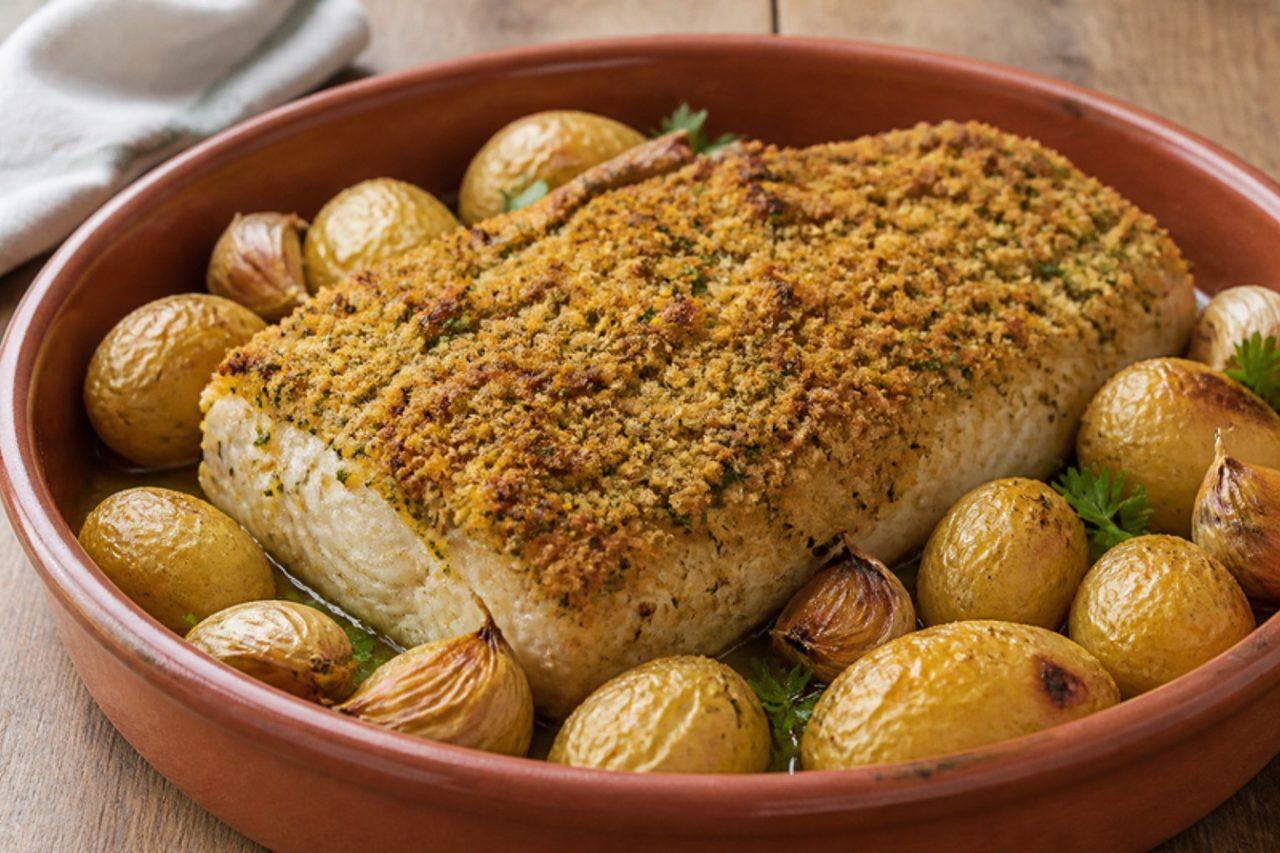
Bacalhau com broaSalt cod with cornbread crust

In central Portugal, where corn broa is the everyday bread, cooks crumble it over thick salt cod loins with garlic, parsley and olive oil, and the dish has become a favourite on restaurant menus from Coimbra to Leiria, especially for Christmas Eve and festive lunches. The crumb crust turns crunchy and golden while the cod stays moist and flaky underneath. It comes with punched potatoes and greens. Chef's tip: use broa that is a day or two old, as fresh crumb goes soggy instead of crisp.

by KrazyBadal 0 views

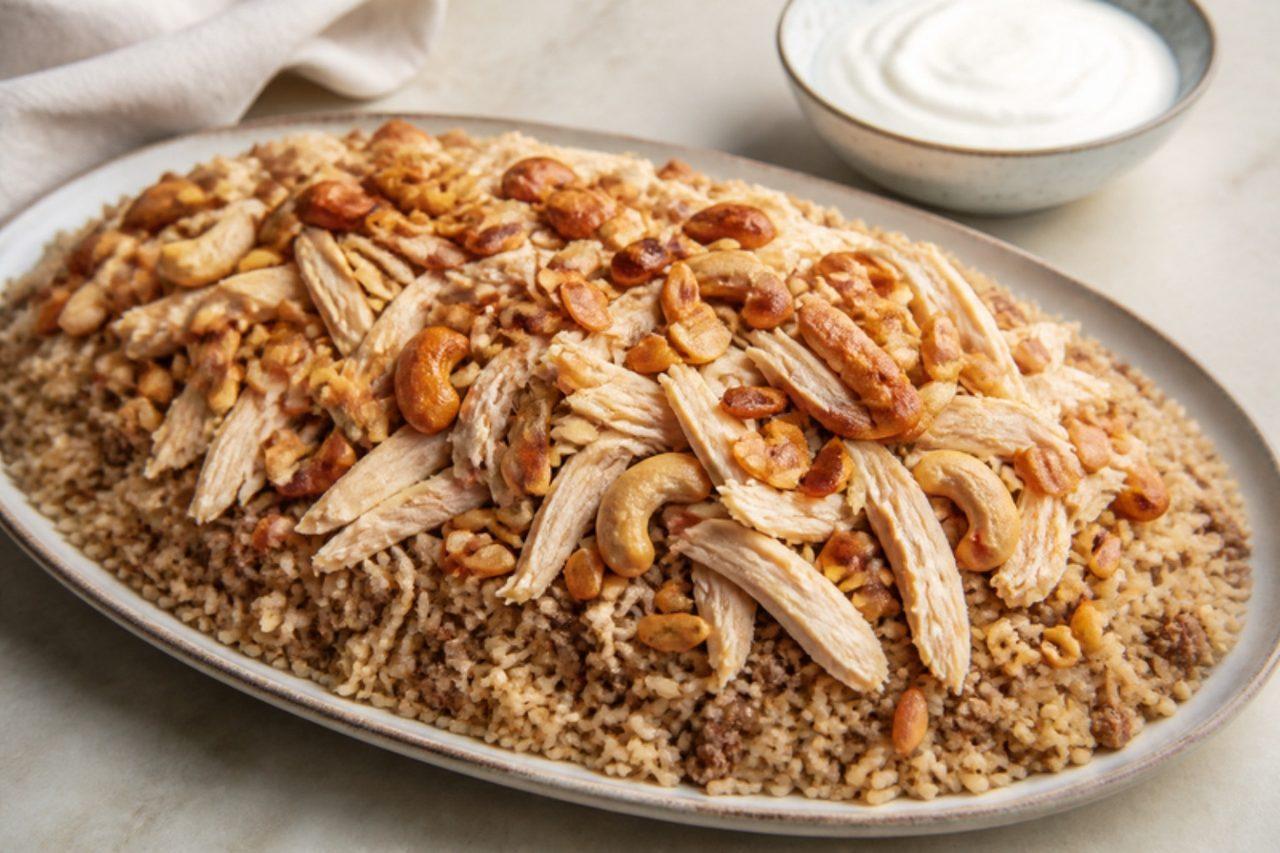
Riz a djejChicken and spiced rice with nuts

Riz a djej is the centrepiece of Lebanese celebrations and Eid lunches, carried to the table on a huge platter: rice cooked in chicken broth with a little spiced minced beef, crowned with pulled poached chicken and a heavy scattering of fried almonds, pine nuts and cashews. The flavours are gentle and warm — cinnamon, allspice, nutmeg — so it is a favourite with children too. Plain yoghurt and a crisp salad go alongside. Common mistake: skipping the rinse; unrinsed rice turns sticky in the rich broth. Chef's tip: poach the chicken the day before and chill the broth so you can lift off the fat; you get a cleaner, more savoury rice.

by KrazyBadal 0 views

Tortillitas de camaronesShrimp and chickpea-flour fritters

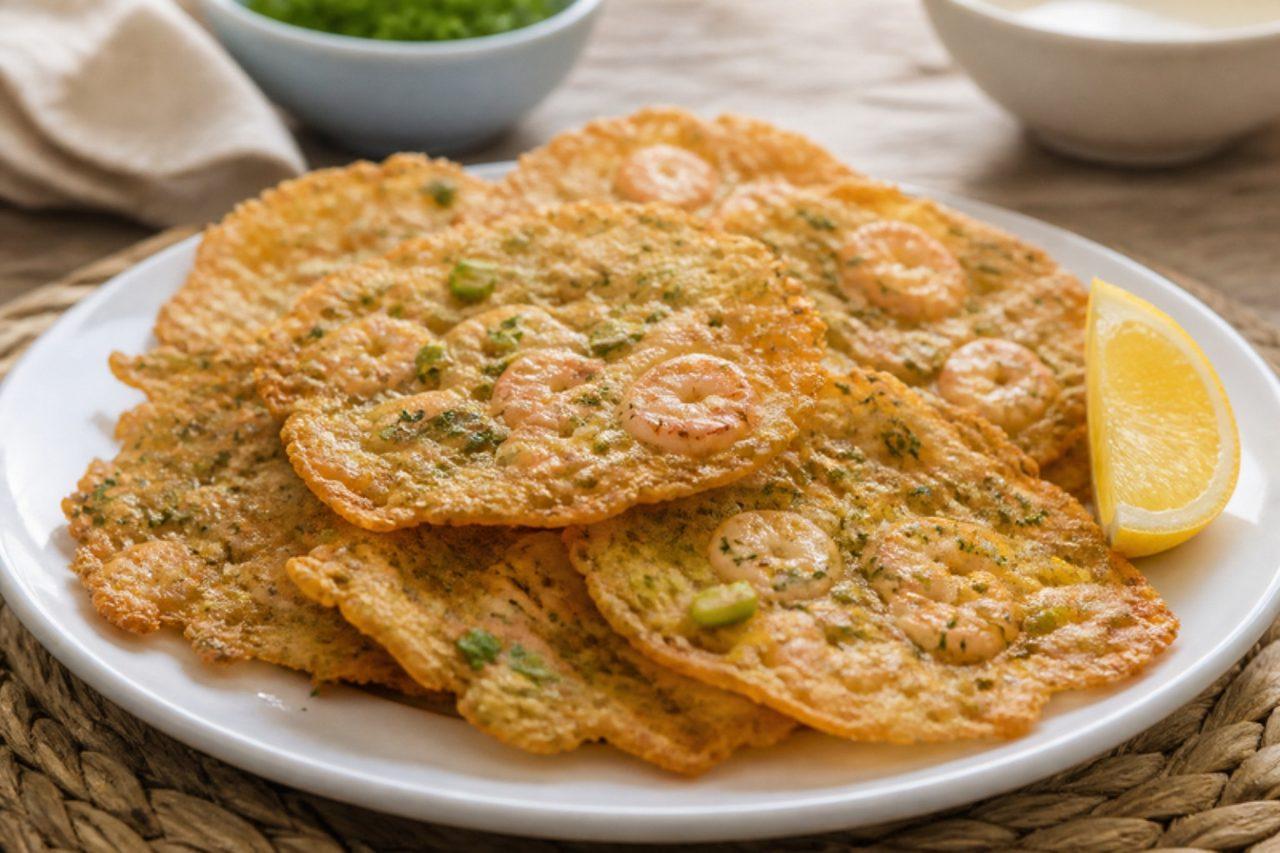
Around the Bay of Cádiz, especially in San Fernando and Sanlúcar de Barrameda, tortillitas de camarones are fried to order in bars and eaten with fingers: thin, lacy fritters of chickpea flour, spring onion and parsley studded with tiny whole shrimp. The local camarones are eaten shell and all; outside the bay, small raw peeled prawns, roughly chopped, work well. The batter must be as thin as single cream, so it spreads into a crisp lace in the oil. Chef's tip: keep the batter in the fridge until the last moment; cold batter hitting hot oil gives the most delicate lace.

by KrazyBadal 0 views

Pan con chicharrónCrisp pork sandwich

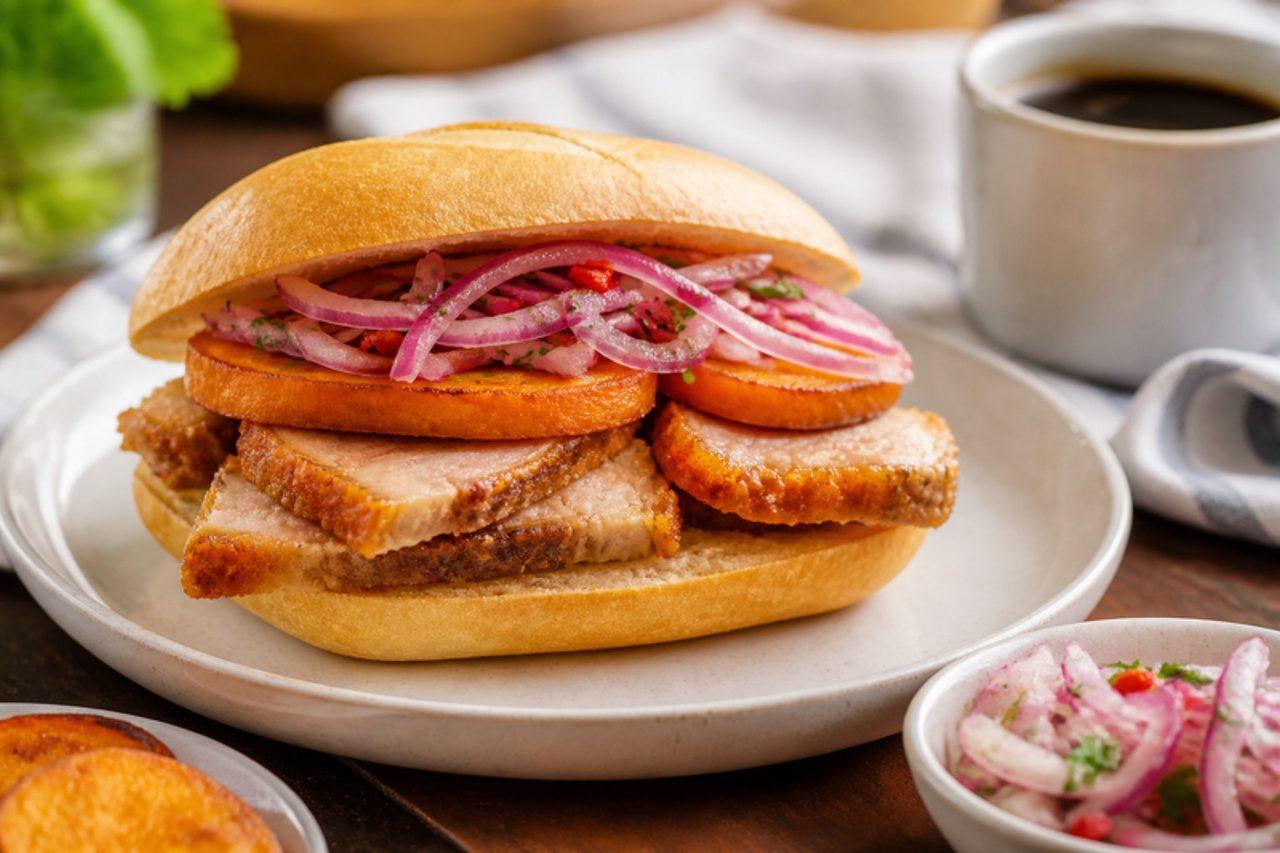
Sunday mornings in Lima mean a queue at the neighbourhood sanguchería or a stop at Barranco's old cafés for this: a crusty pan francés roll stuffed with chicharrón, pork that has been simmered in salted water until the water evaporates and then fried in its own fat, layered with slices of fried sweet potato and a crown of salsa criolla. The pork is crisp at the edges, juicy inside, the sweet potato sweet and soft, the onion sharp and cold. It comes with coffee or a hot drink. The usual mistake is frying the pork in extra oil from the start; the water has to boil off first so the meat renders and fries in its own fat, otherwise it stays pale and tough. Chef's tip: use pork belly mixed with shoulder for the right balance of crackle and meat.

by KrazyBadal 0 views

RobiolsCurd cheese or jam half-moon pastries

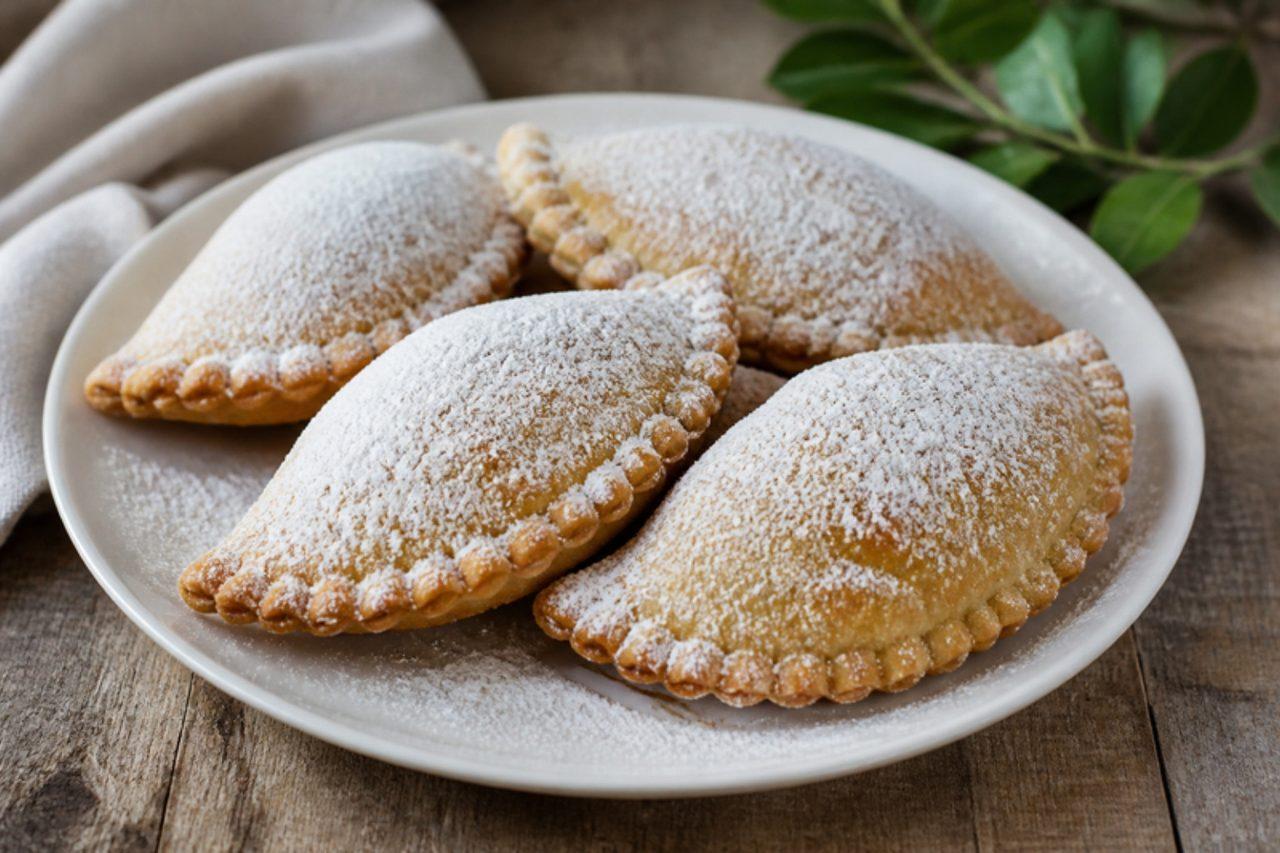
Robiols belong to Easter week in Mallorca, when grandmothers and grandchildren shape them by the trayful alongside crespells and panades. They are soft, crumbly half-moons of pastry with a frilled edge, filled with brossat (a fresh curd cheese like ricotta), cabell d'àngel pumpkin jam or apricot jam, and showered with sugar. Traditional dough uses pork lard; this vegetarian version uses butter and olive oil. Ricotta can be made with or without animal rennet, so check the label if that matters. Chef's tip: keep the dough cool and handle it as little as possible, because a short, tender crumb is what makes a robiol.

by KrazyBadal 0 views

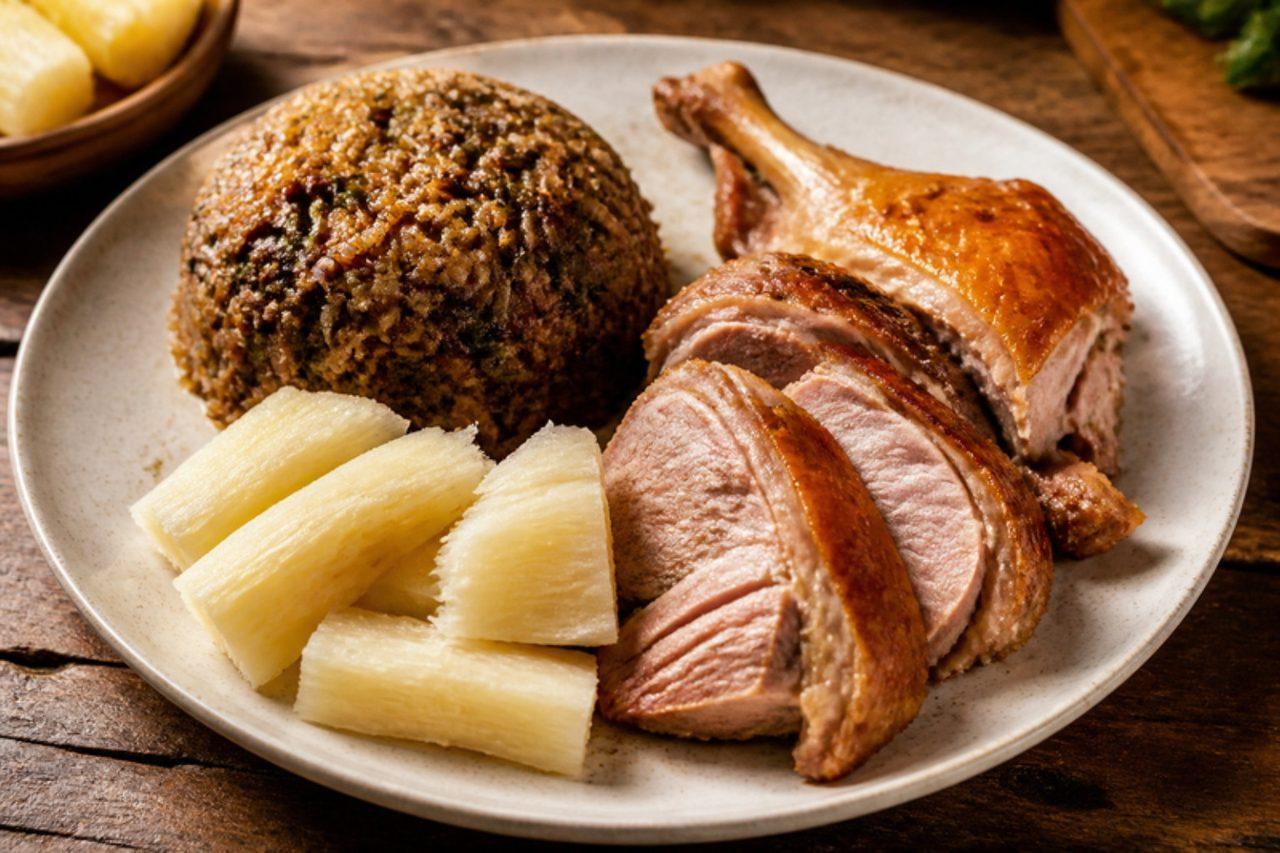
Kars kazıRoast goose with bulgur pilaf

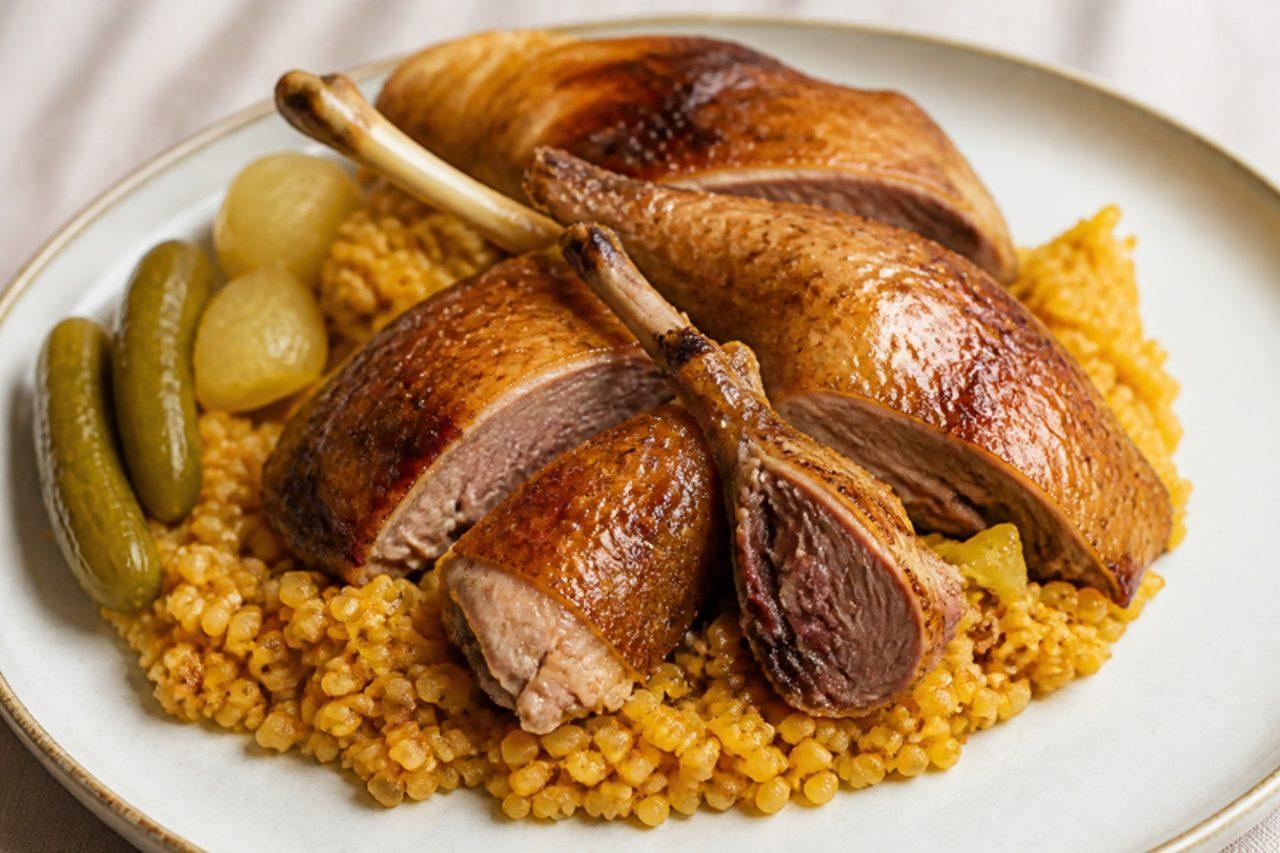
In Kars, geese are raised all summer, slaughtered in the first frosts, salted and hung in the cold air, then roasted through the winter for weddings and long family dinners. The crisp-skinned meat is served on a bed of bulgur pilaf cooked in the goose's rich fat and broth, and nothing else is needed but pickles and ayran. This home version uses a fresh goose, salted for a day in the fridge. Common mistake: not pricking the skin, which traps the fat and leaves the skin flabby. Roast until the thickest part of the thigh reaches 74 °C and the juices run clear. Chef's tip: pour off the fat during roasting and keep it; a spoonful in the pilaf and the rest for roast potatoes.

240 minTurkishMeat
by KrazyBadal 0 views

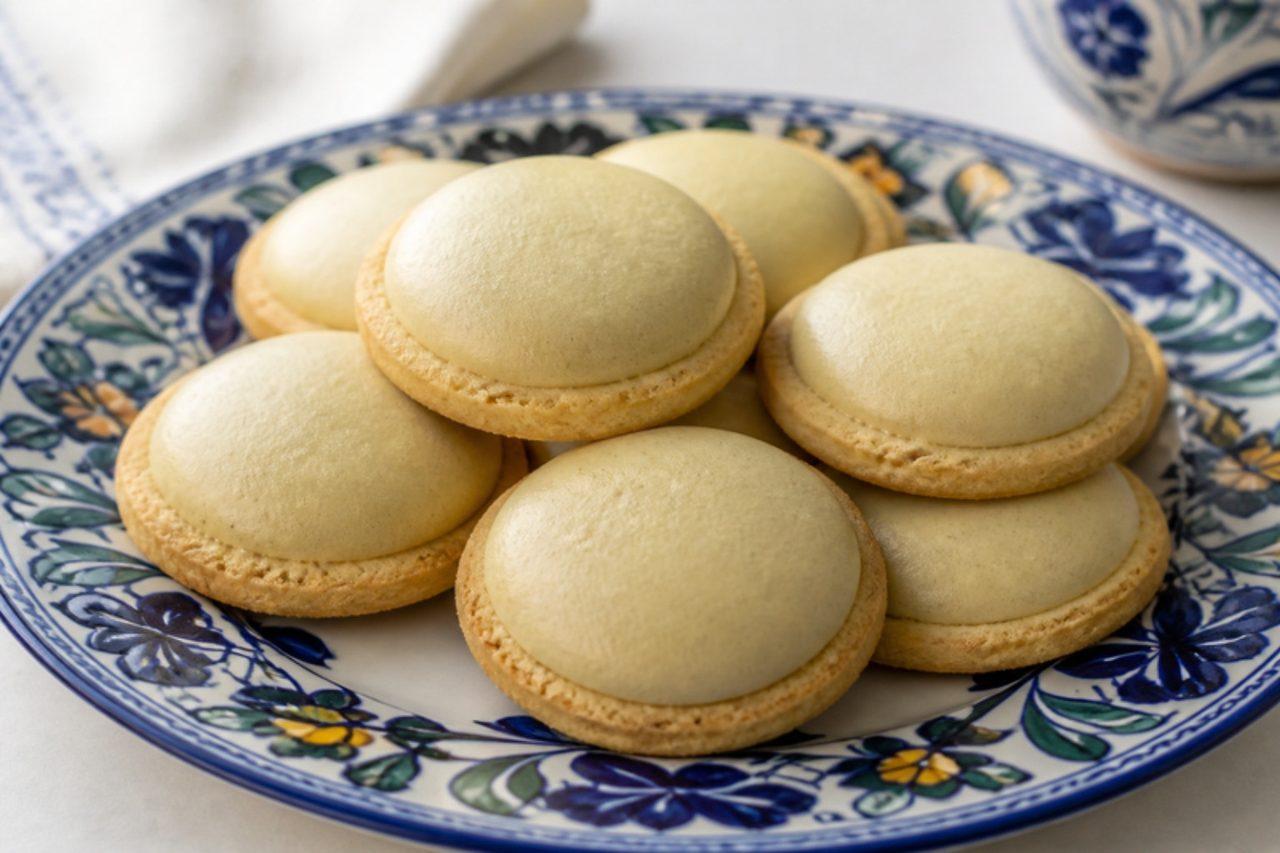
Tortitas de Santa ClaraShortbread with pumpkin seed cream

The nuns of the Santa Clara convent in Puebla are credited with this biscuit, and the city's Calle de los Dulces still sells it in boxes stacked beside camotes and jamoncillos. It is a crumbly, lightly sweet shortbread round, covered with a thick, pale cream made from ground pumpkin seeds, sugar and milk, which sets to a soft fudge-like layer. They are eaten with coffee in the afternoon and taken home as a gift from Puebla. Chef's tip: grind the peeled pumpkin seeds as fine as you can before cooking; any coarse bits make the topping gritty.

by KrazyBadal 0 views

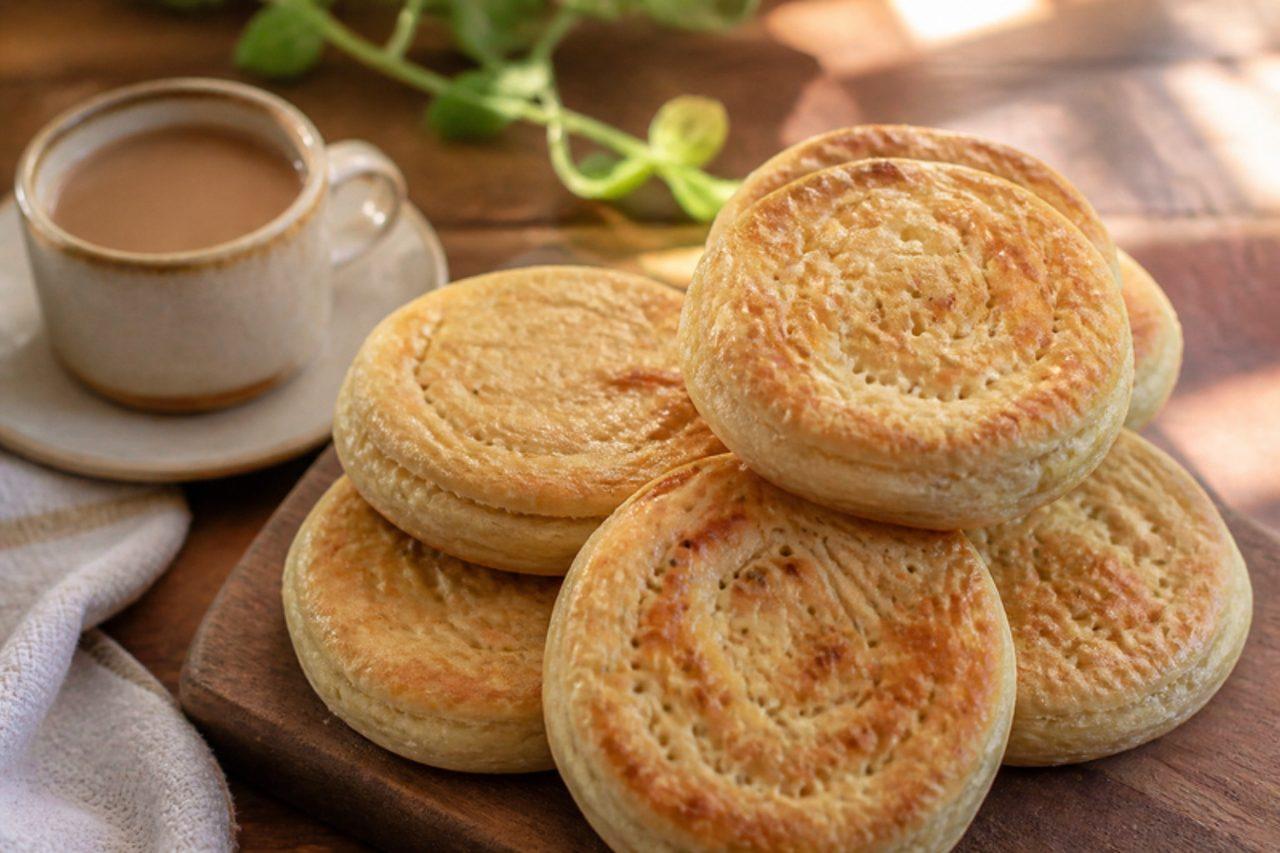
Tortitas mendocinasFlaky round breakfast breads

Every panadería in Mendoza fills a tray with tortitas in the early morning, and they go out in paper bags to be eaten warm with mate, split and spread with butter, quince paste or a slice of cheese. They are flat, round, slightly salty breads, soft and layered in the middle and crisp at the edges, with the fork marks that give them away. The traditional fat is beef lard (grasa), which makes them very short; here butter or vegetable shortening takes its place to keep them vegetarian, and both give a good flaky result. The mistake to avoid is rolling them thin like crackers: they should be a generous centimetre thick, or they bake hard and dry. Chef's tip: fold the dough in three twice before the final roll, like a quick puff pastry; those folds give tortitas their layers.

by KrazyBadal 0 views

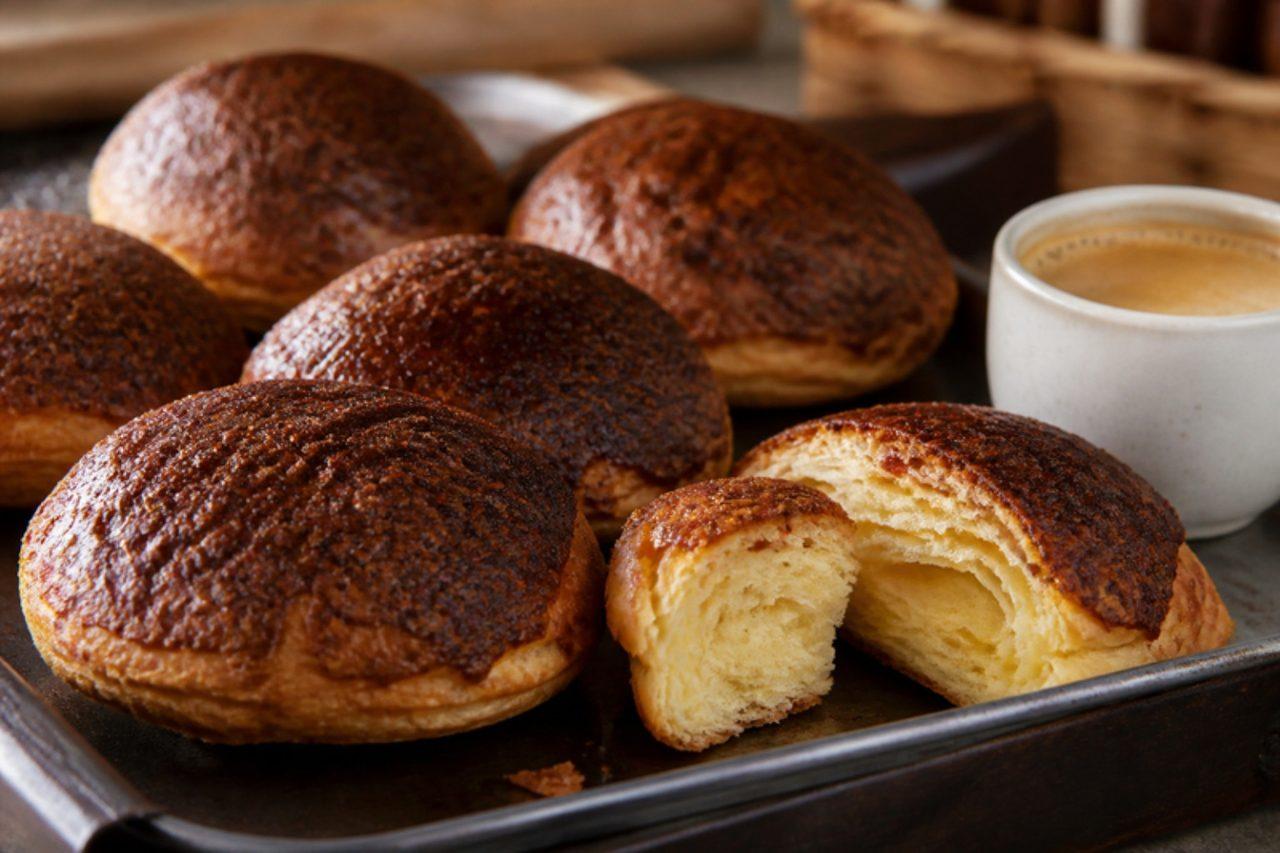
Tortitas negrasBrown sugar-topped buns

Black cakes, the name means, though only their tops are dark: tortitas negras are flat, round, flaky buns covered with a thick crust of dark brown sugar that melts in the oven and sets crunchy and toffee-like. They are among the cheapest and most popular facturas in Buenos Aires bakeries, eaten from a paper bag at breakfast or as a merienda with mate, and everyone fights over the sugary edges. The dough is a lightly laminated yeast dough, between bread and puff pastry. Bakeries often use lard or margarine; this version uses butter and stays vegetarian. Being stingy with the sugar is the classic misstep: a thin layer just melts into the dough and disappears, so pile it on thickly and press it down. Chef's tip: brush the rounds with water, not egg, before adding the sugar; the water melts the sugar into a crisp, crackling shell.

by KrazyBadal 0 views

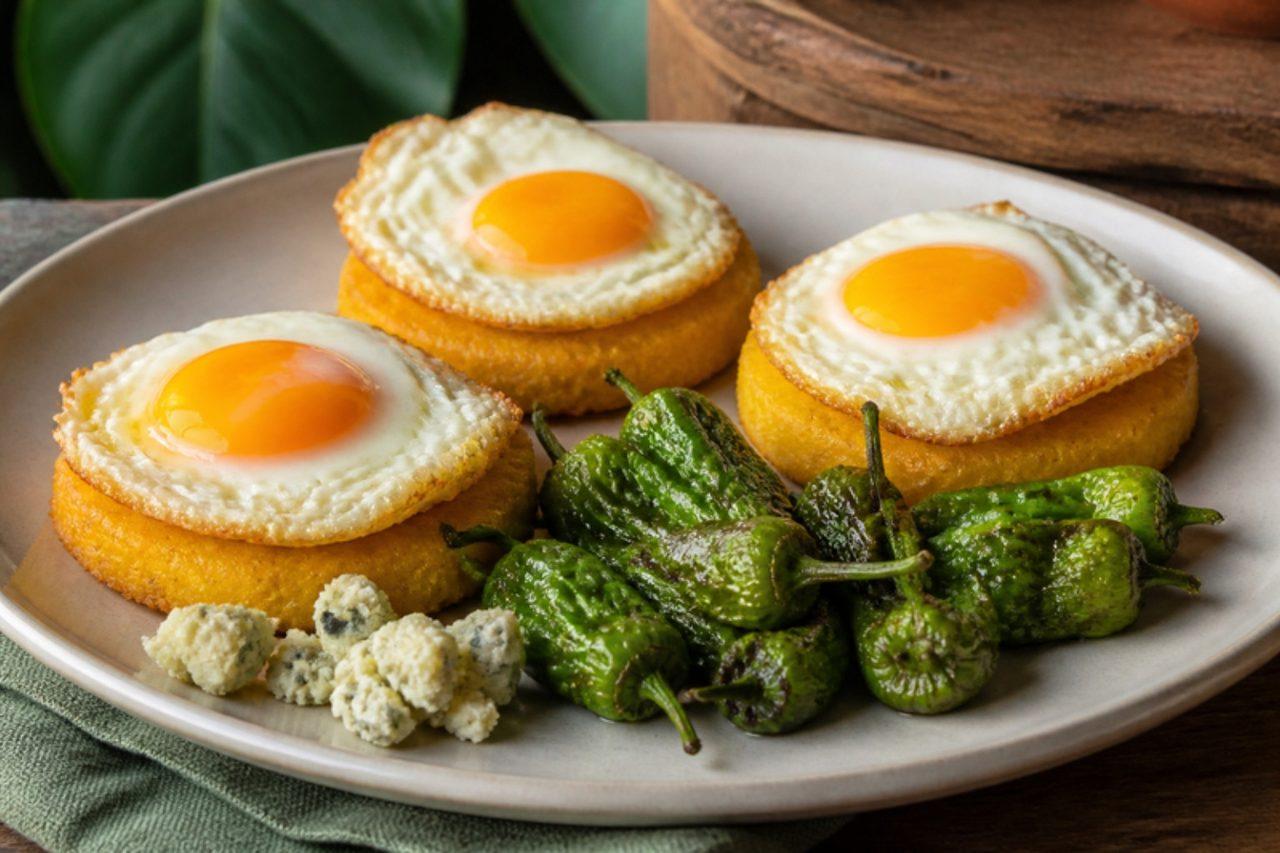
Tortos de maízCorn cakes with fried eggs

In the cider houses of Asturias, tortos arrive as a starter: small discs of corn dough fried until crisp outside and soft within, usually piled with something rich on top. Inland farms once ate them in place of bread, since maize grew far better than wheat in the damp valleys. This meat-free version tops each torto with a fried egg and blistered green peppers, with a little crumbled cabrales for those who want it; cabrales is usually made with animal rennet, so use a vegetarian blue cheese if that matters to you. Chef's tip: knead the dough with hot water and let it rest; cold water gives a crumbly dough that cracks in the pan.

by KrazyBadal 0 views

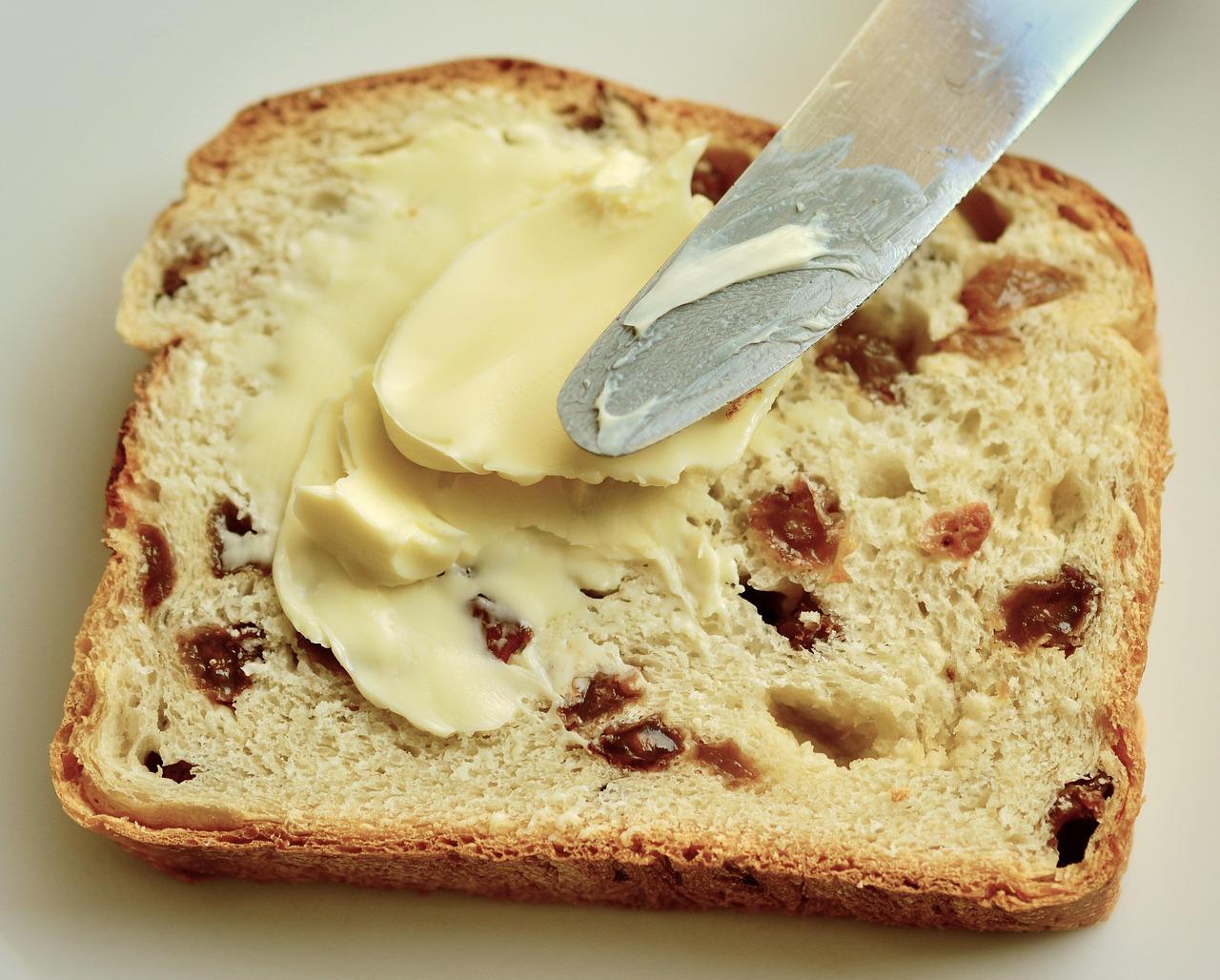
RosinenstutenRaisin milk loaf

Rosinenstuten is the soft, slightly sweet raisin loaf that Westphalian and Rhineland families buy for Sunday breakfast and for christenings, where a giant one was once the traditional gift. It is baked in a long tin, sliced thick and spread with good butter, sometimes with a layer of cheese on top, which sounds odd and works beautifully. The crumb is fine and fluffy and the crust soft and shiny. A common mistake is adding dry raisins straight to the dough; they burn on the crust and steal moisture. Chef's tip: soak the raisins in hot water for 15 minutes, pat them dry and knead them in only at the very end, gently, so the dough stays light.

190 minGermanBaking
by KrazyBadal 0 views

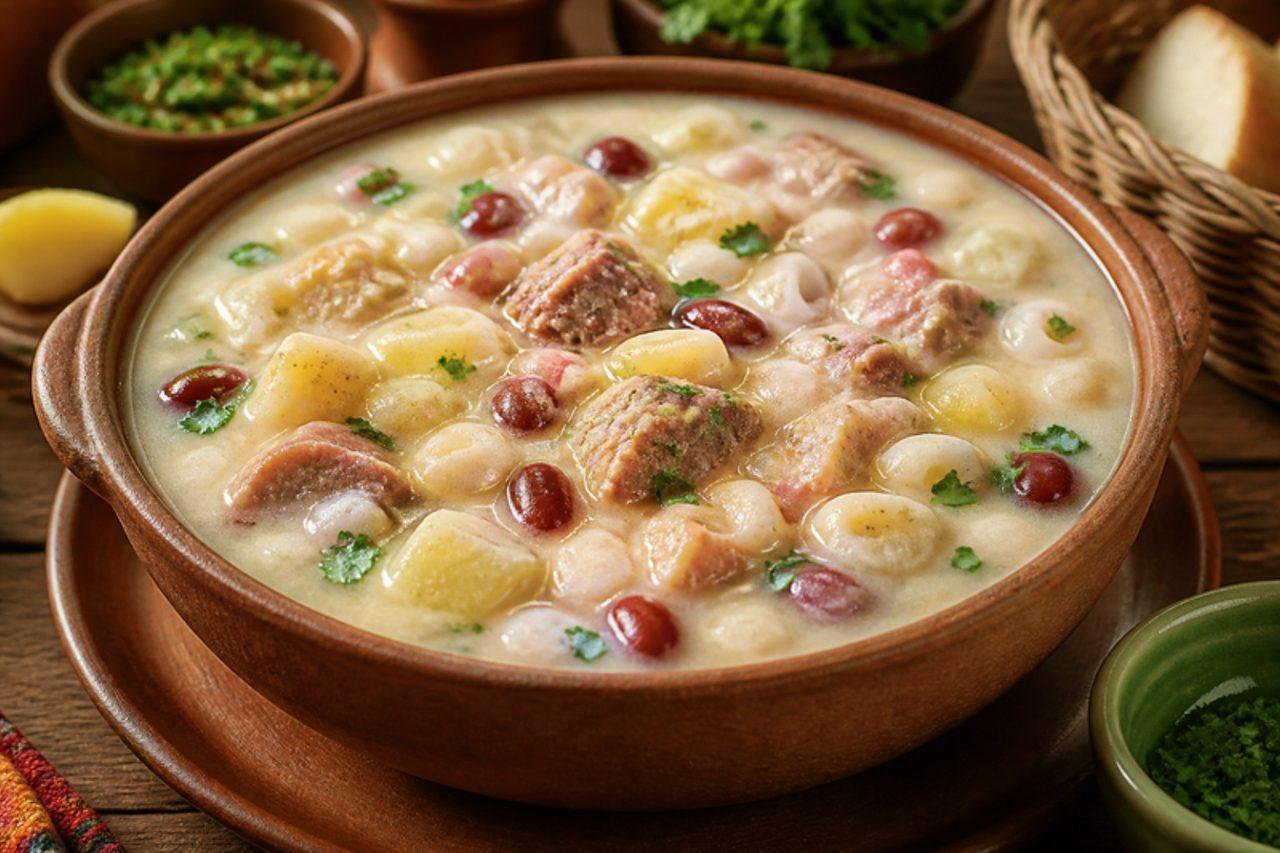
Mute santandereanoHominy and tripe soup

Bucaramanga's Mercado Central and the Sunday family tables of Santander serve mute, a big, thick soup that takes most of a day: hominy corn, honeycomb beef tripe and pork ribs, plus red beans, potatoes, pumpkin, cabbage and a handful of short pasta, all simmered until thick, rich and savoury. It is filling enough to be lunch on its own, eaten with avocado, ají and a piece of arepa. The tripe must be bought cleaned and bleached from the butcher and then simmered for two hours until tender; undercooked tripe is the most common complaint, as it stays chewy and tastes strong. This version uses cooked or tinned hominy and beans to save the overnight soaking. Chef's tip: rub the tripe with lime and salt and rinse it twice before cooking; it removes any farmyard smell and keeps the broth clean-tasting.

by KrazyBadal 0 views

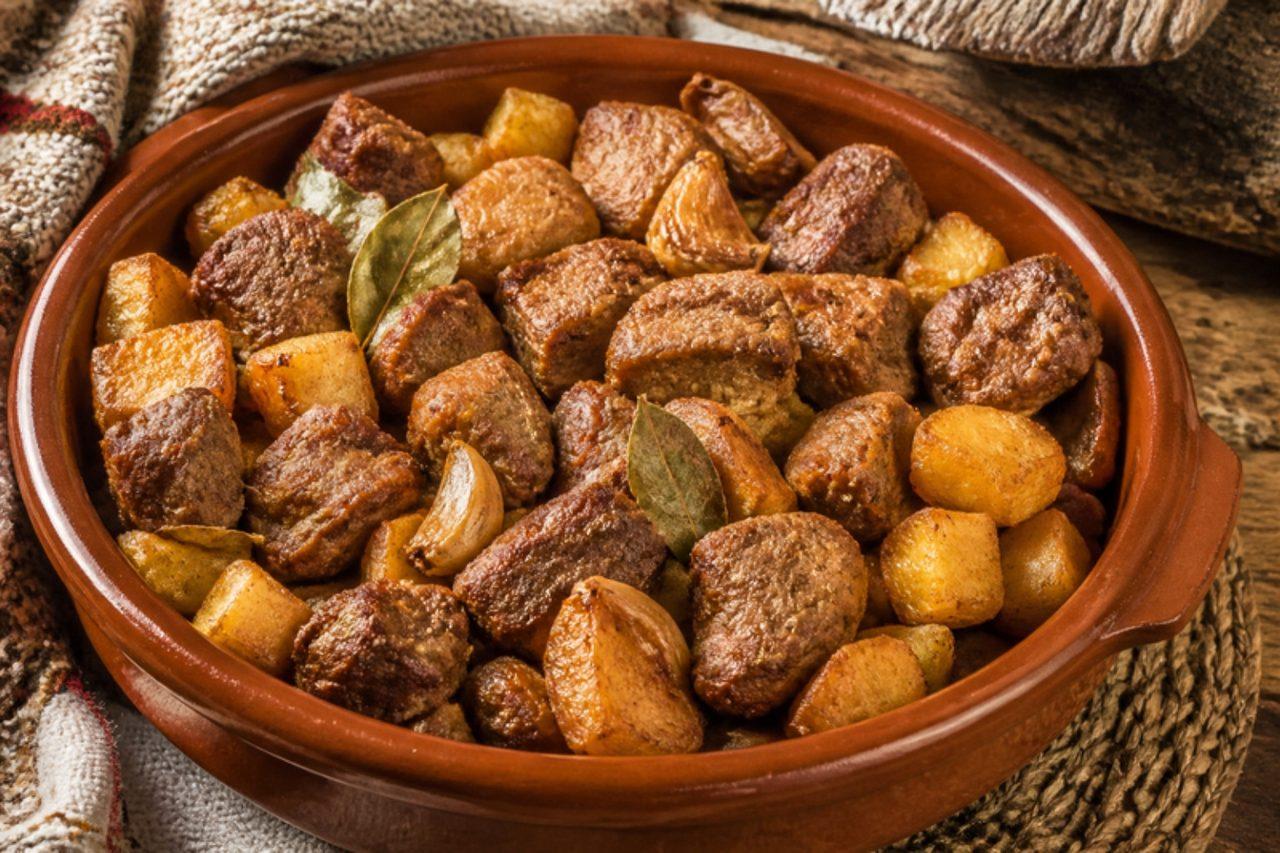
Rojões à minhotaMarinated fried pork with potatoes

Rojões are the centrepiece of a Minho winter feast, traditionally cooked in the weeks after the family pig was killed and still served in Braga and Ponte de Lima restaurants with arroz de sarrabulho alongside. This contains pork (pork shoulder and lard). Chunks of pork shoulder spend a night in white wine, garlic, paprika and bay, then cook slowly in their own fat until the outsides are crusty and the insides tender. The dish uses wine; an alcohol-free option is given in the ingredient list. A common mistake is crowding the pan, so the pork stews in its juices instead of browning in its own fat. Chef's tip: dry the pork well after marinating, or it will stew rather than brown.

by KrazyBadal 0 views

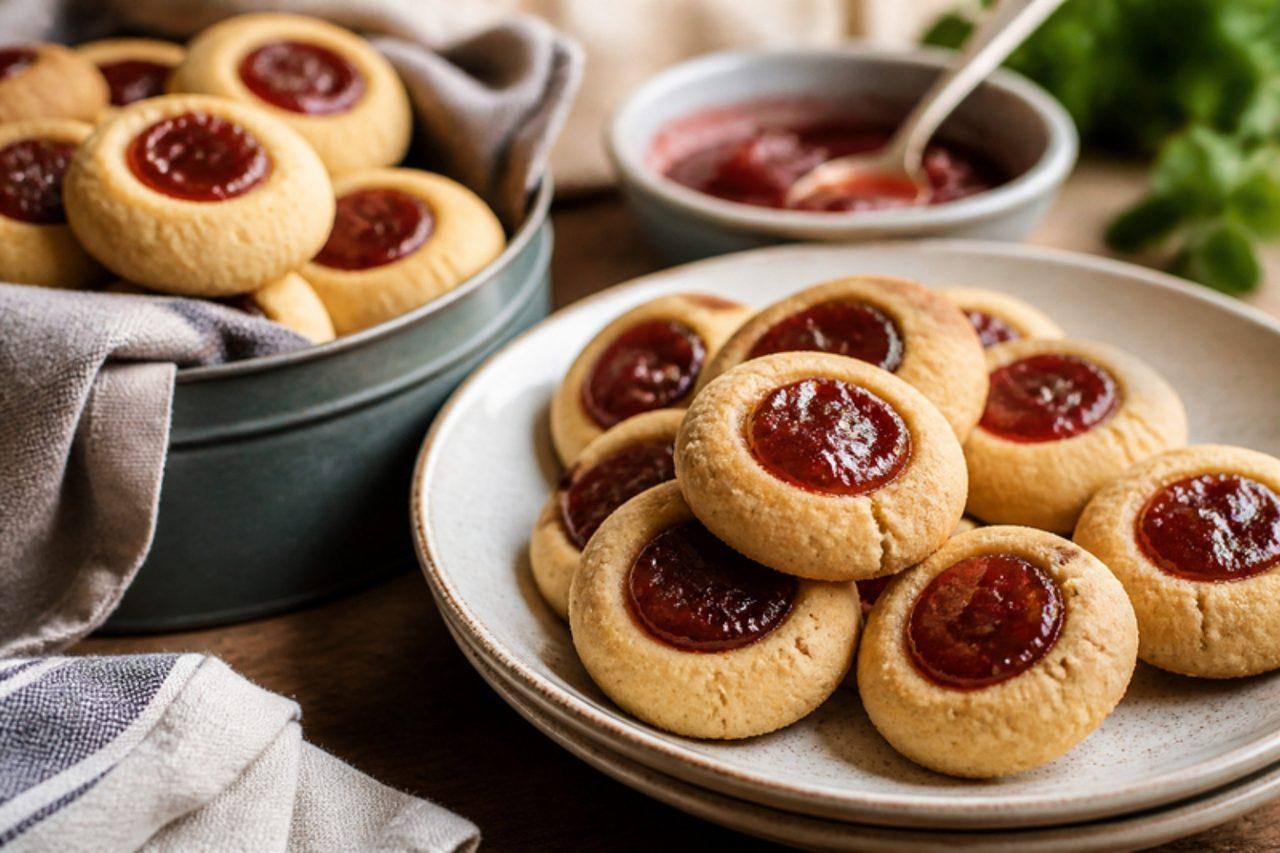
Pepas de membrilloQuince jam cookies

Pepas are the little round cookies with a jewel of quince jam in the middle that Argentine kiosks sell by the bag and grandmothers keep in a tin for the mate round. They are tender and crumbly, not crisp, with just enough sugar that the tart, dark membrillo stands out. Children love pressing the thumbprint and filling it, which makes them a good first baking job, and they keep for a week in an airtight jar. Kiosk versions are often made with margarine; butter tastes far better. Overbaking is the usual problem: take them out while the tops are still pale and only the bottoms are golden, because they firm up as they cool. Chef's tip: use quince paste softened with a spoonful of hot water and pipe it from a small bag; a spoon leaves smears on the dough that burn.

by KrazyBadal 0 views

Romeu e JulietaGuava paste with fresh cheese

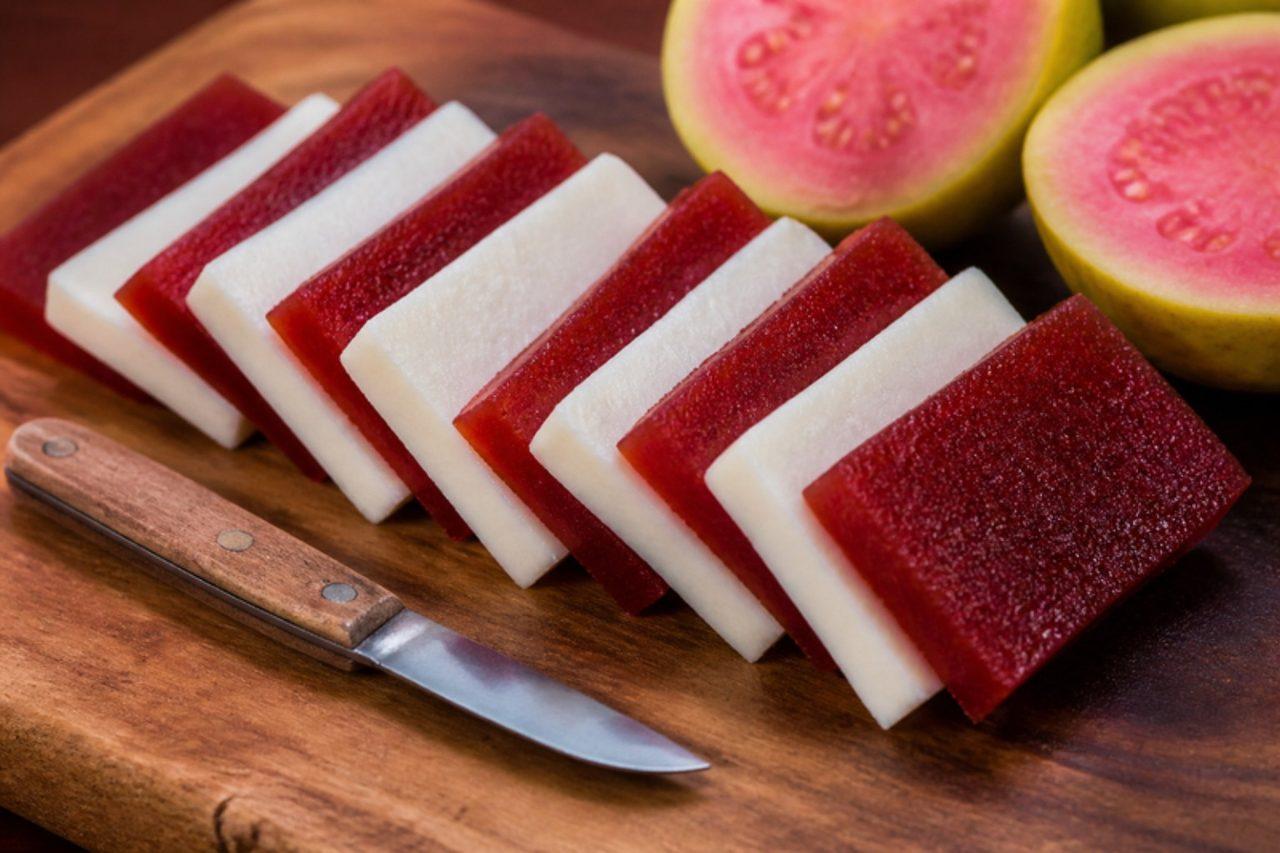
Two ingredients, no cooking, and a name every Brazilian knows: Romeo is the dark red goiabada, Juliet the mild white queijo Minas frescal, and they are always eaten together. Mineiros serve it after lunch on a saucer, at the end of a feast in a roadside restaurant, or as a mid-afternoon snack with coffee; the sweet, dense guava and the cool, milky, lightly salty cheese balance each other perfectly. Variations melt the guava into a warm sauce over the cheese, or bake both inside a pastry. Queijo Minas frescal is often made with animal rennet, so pick one labelled vegetarian, or use a young vegetarian farmer's cheese or paneer-style fresh cheese. The usual fault is cutting the guava thicker than the cheese, which buries Juliet; keep both slices the same size. Chef's tip: take the cheese out of the fridge 15 minutes ahead so it tastes of fresh milk rather than cold rubber.

by KrazyBadal 0 views

Showing 72 of 7,888 recipes

Show more recipes

Page 514 of 877