


Skip to content
Taiwanese grilled corn
Featured recipe

Taiwanese grilled corn

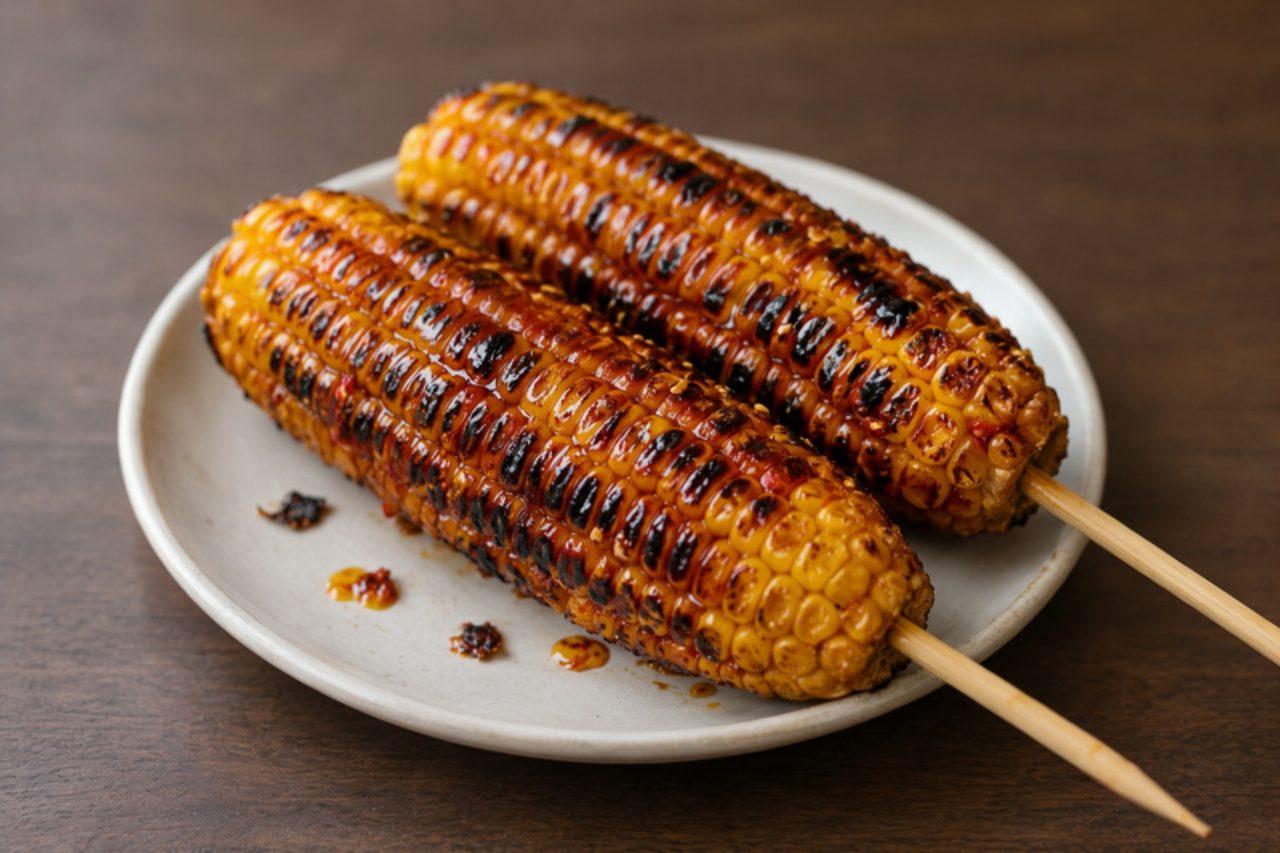
At Raohe and Shilin night markets the grilled-corn stalls are easy to find: look for the queue and the smoky, sweet smell. Cobs are par-cooked, then turned slowly over charcoal while the cook brushes them with a dark glaze of sacha sauce, thick soy paste, garlic and chilli, layer after layer, until the kernels are sticky, slightly charred and deeply savoury. It is eaten hot from a paper sleeve while walking the market. Sacha (shacha) sauce, a Taiwanese barbecue paste, usually contains dried fish and shrimp; vegetarian sacha is sold in Asian shops. Contains soy, wheat and fish. Chef's tip: brush thin coats and turn often; one thick coat burns before the corn chars.

Read more 1 views

What to eat today?

Around the world

Today's trip: Paraguayan

A new country every day, from every cuisine on the site.

Paraguayan

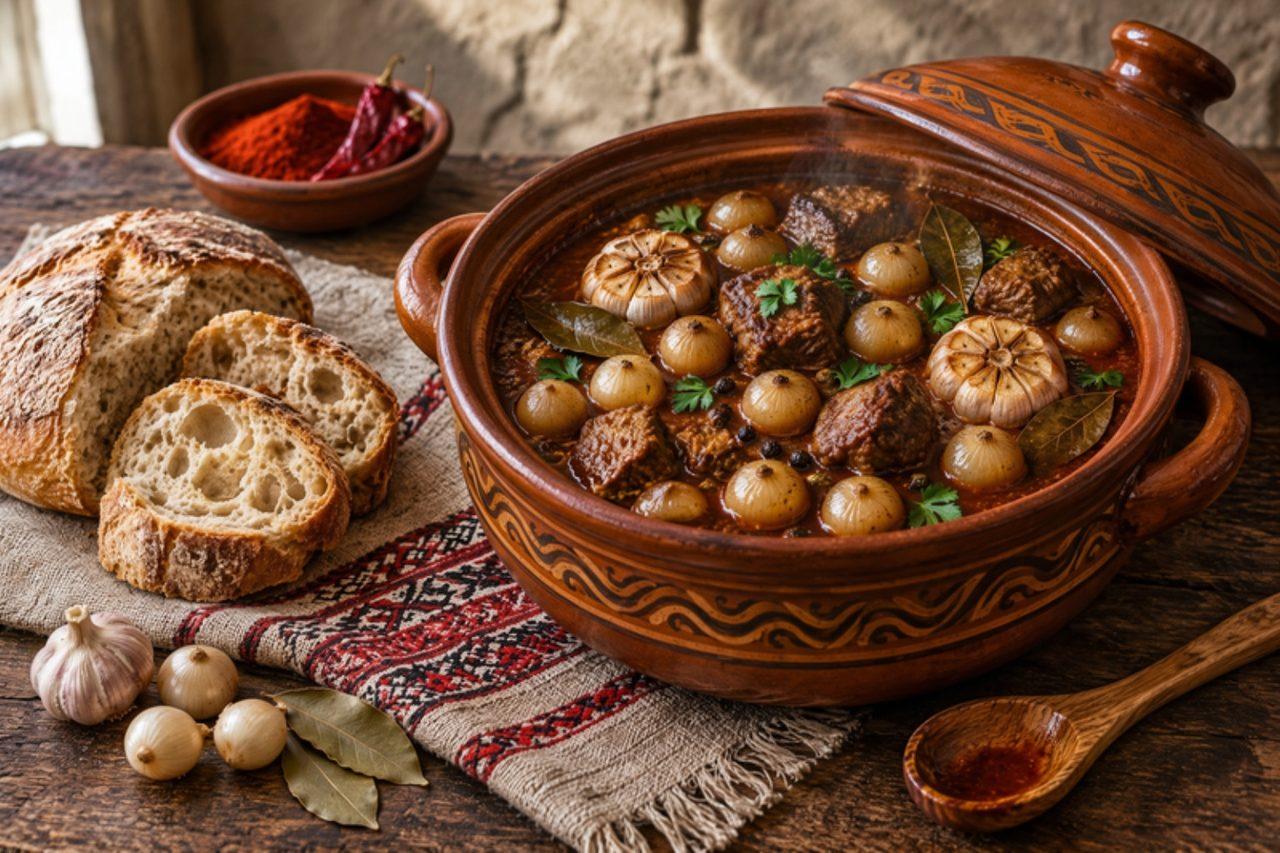
Buseca

Tripe and white bean stew 185 minMore from Paraguayan (27) →

This week's collection

Kid-friendly dinners
537 recipes · a new collection every Monday

Latest recipes

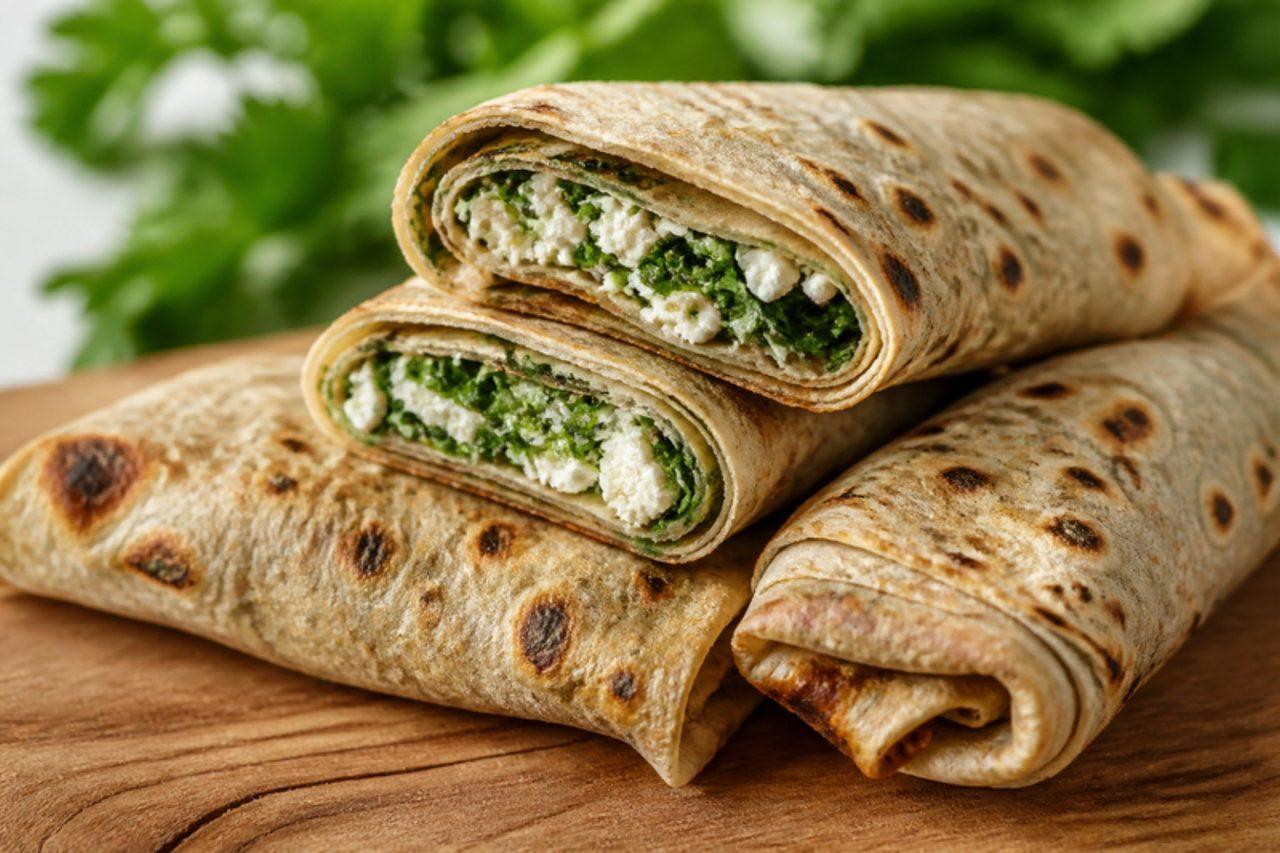
SıkmaCheese and herb rolled flatbread

At village markets in the hills behind the Aegean and Mediterranean coasts, women sit at a convex sac griddle rolling out paper-thin dough, cooking it in seconds and 'squeezing' (sıkmak) it around a filling of white cheese and herbs. You eat it rolled up and still hot, with ayran. It is the simplest snack there is and easily done in a large frying pan. Beyaz peynir is often made with animal rennet; choose a vegetarian one if needed. Chef's tip: roll the dough as thin as you can and cook it fast on a very hot, dry pan; slow cooking makes it brittle instead of soft and foldable.

by KrazyBadal 0 views

Pan con chicharrónCrisp pork sandwich

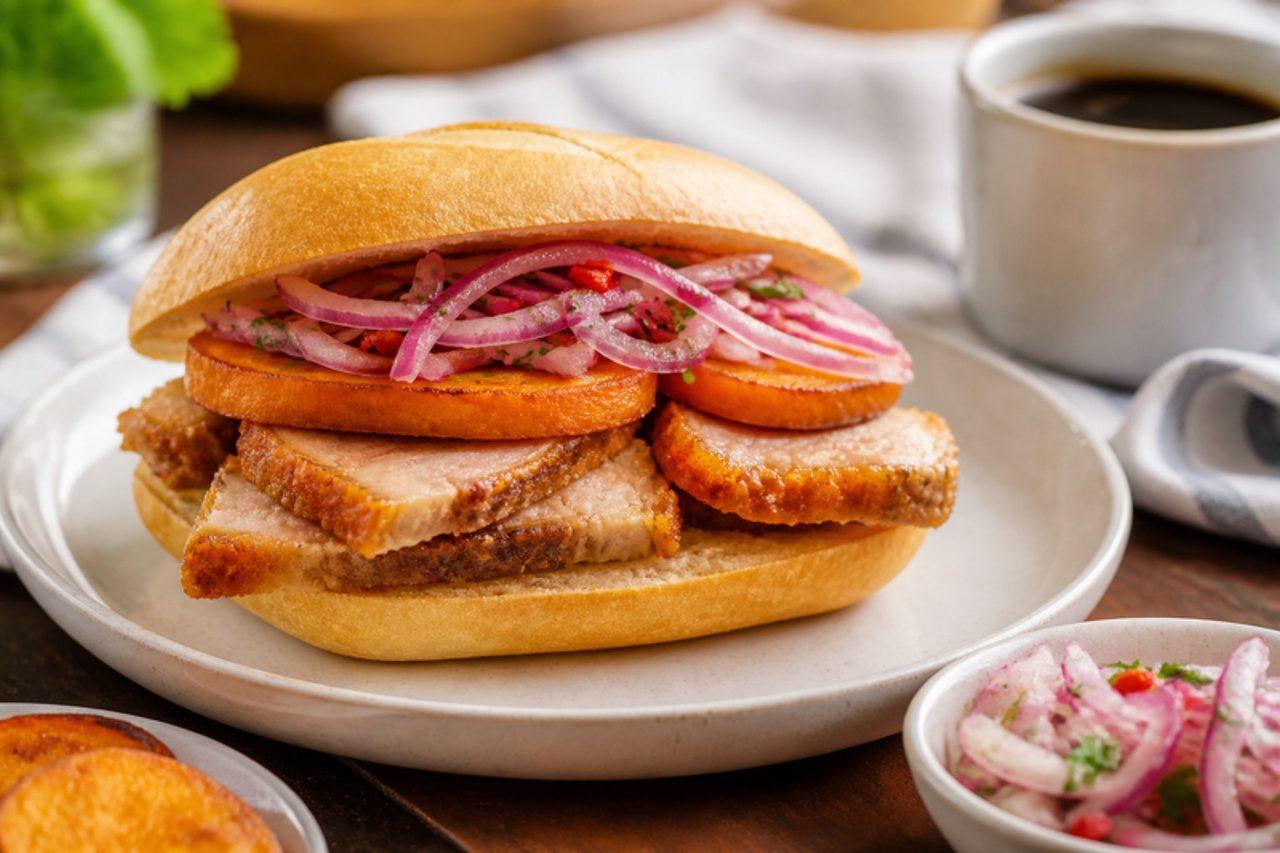
Sunday mornings in Lima mean a queue at the neighbourhood sanguchería or a stop at Barranco's old cafés for this: a crusty pan francés roll stuffed with chicharrón, pork that has been simmered in salted water until the water evaporates and then fried in its own fat, layered with slices of fried sweet potato and a crown of salsa criolla. The pork is crisp at the edges, juicy inside, the sweet potato sweet and soft, the onion sharp and cold. It comes with coffee or a hot drink. The usual mistake is frying the pork in extra oil from the start; the water has to boil off first so the meat renders and fries in its own fat, otherwise it stays pale and tough. Chef's tip: use pork belly mixed with shoulder for the right balance of crackle and meat.

by KrazyBadal 0 views

BüryanSlow-roasted lamb

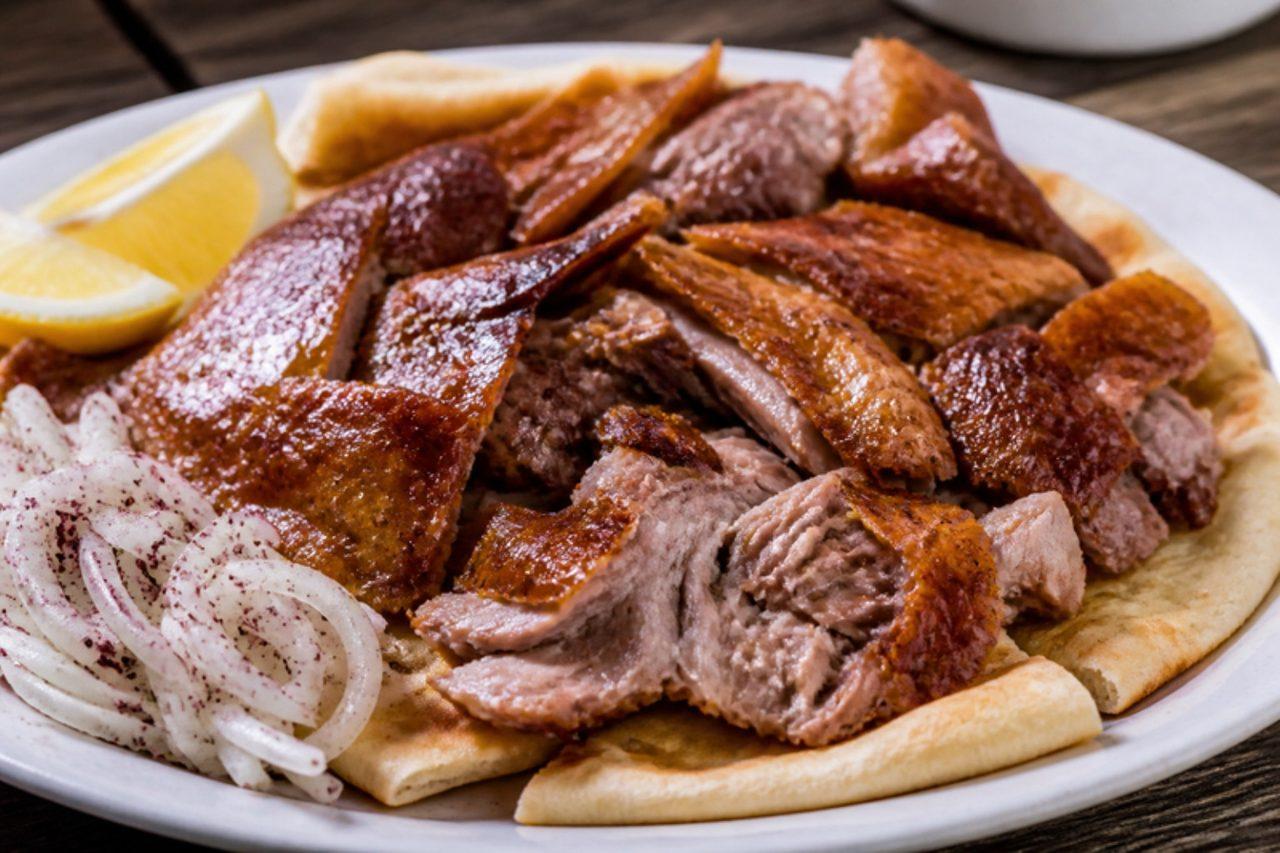
In Siirt, büryan is eaten for breakfast: whole sides of young lamb hang for hours in a deep clay pit oven sealed with mud, and by early morning the meat is falling apart with crackling skin, served on thin bread with nothing but salt. This home version uses a bone-in shoulder roasted low and slow, sealed under foil to trap the steam as the pit does, then blasted at the end for the crisp outside. It needs no marinade beyond salt; the flavour is all lamb. Common mistake: lifting the foil to check; every peek lets the steam out and dries the meat. Chef's tip: pull it apart with two forks at the table and pile it straight onto warm lavaş to catch the juices.

280 minTurkishMeat
by KrazyBadal 0 views

Tielle sétoiseSpicy octopus and tomato pie

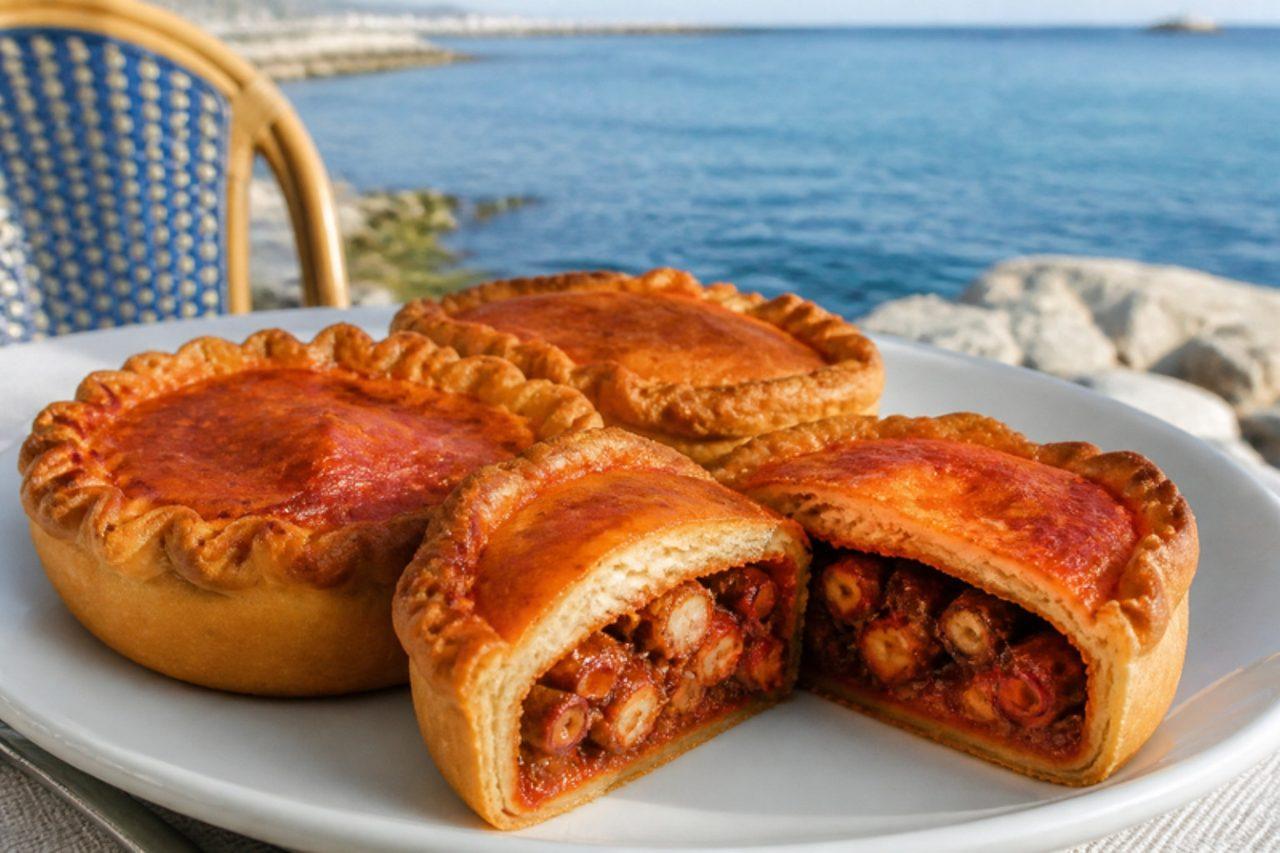
The fishing port of Sète eats tielles everywhere: from bakeries along the canals, at the market on the Halles square, and on the quays during the summer water-jousting festival. Brought by Italian fishing families from Gaeta, the pie wraps a spicy, slow-cooked filling of octopus, onions and tomato in a soft olive-oil bread dough with a fluted, crimped edge. It is chewy, rich and properly peppery, and just as good cold as warm. Cut it into wedges as a snack or serve it with a green salad for lunch. Chef's tip: cook the filling until it is thick enough to hold a line when you drag a spoon through it, or the base will go soggy.

by KrazyBadal 0 views

Avena colombianaChilled oat drink

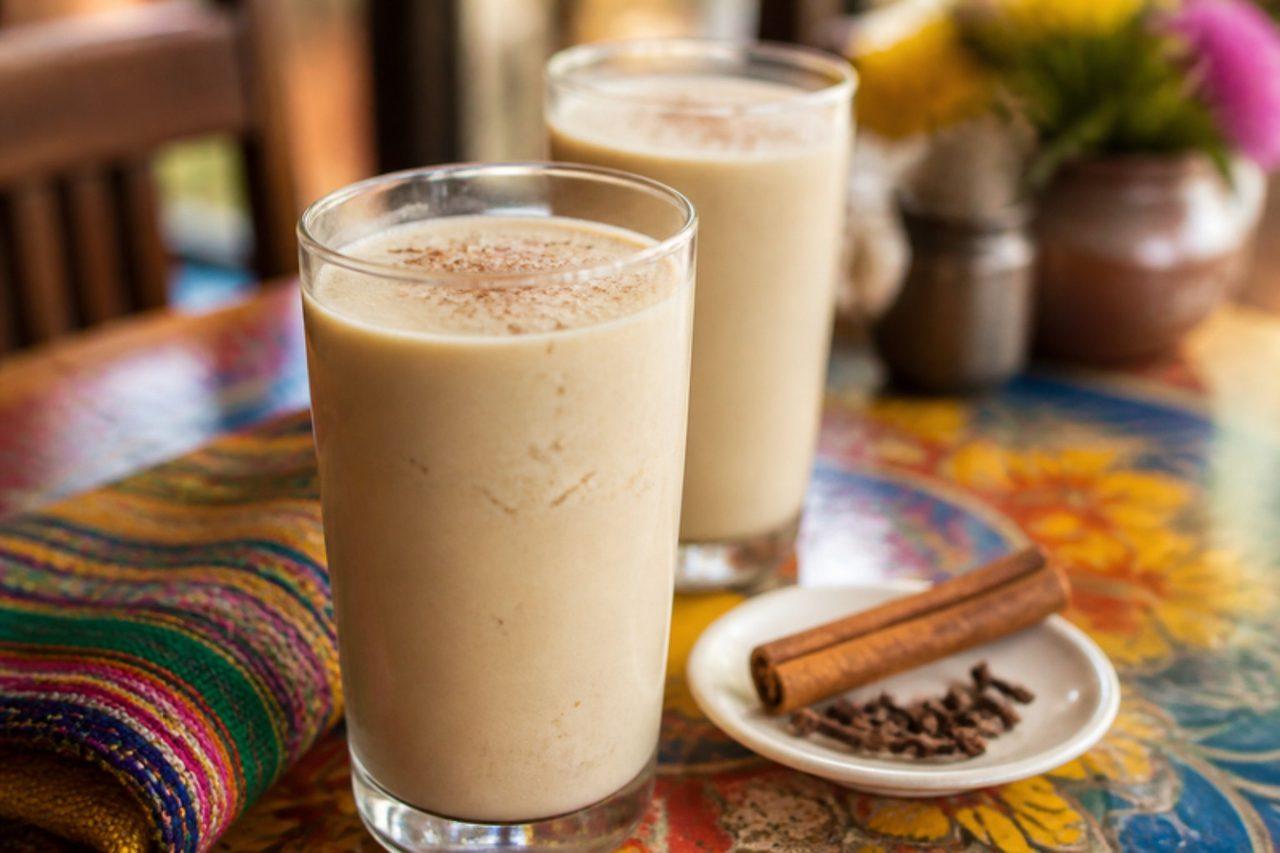
Bakeries all over Colombia keep a fridge of avena in plastic cups, ready to pair with a warm pandebono, buñuelo or almojábana. It is a thick, sweet oat drink cooked in milk with cinnamon and cloves, then blended smooth and chilled until it is creamy and spoonable, somewhere between a milkshake and rice pudding. Children drink it after school, and it is a common mid-morning snack with something baked. Home versions are less sweet and more spiced than shop ones. The thing to watch is texture: if you skip blending or straining, you end up with slimy flecks of oats, so blend thoroughly once it is cooked. It thickens a lot as it chills, so loosen it with cold milk before serving. Chef's tip: toast the oats in the dry pan for 2 minutes first; it gives a nutty, biscuity flavour.

by KrazyBadal 0 views

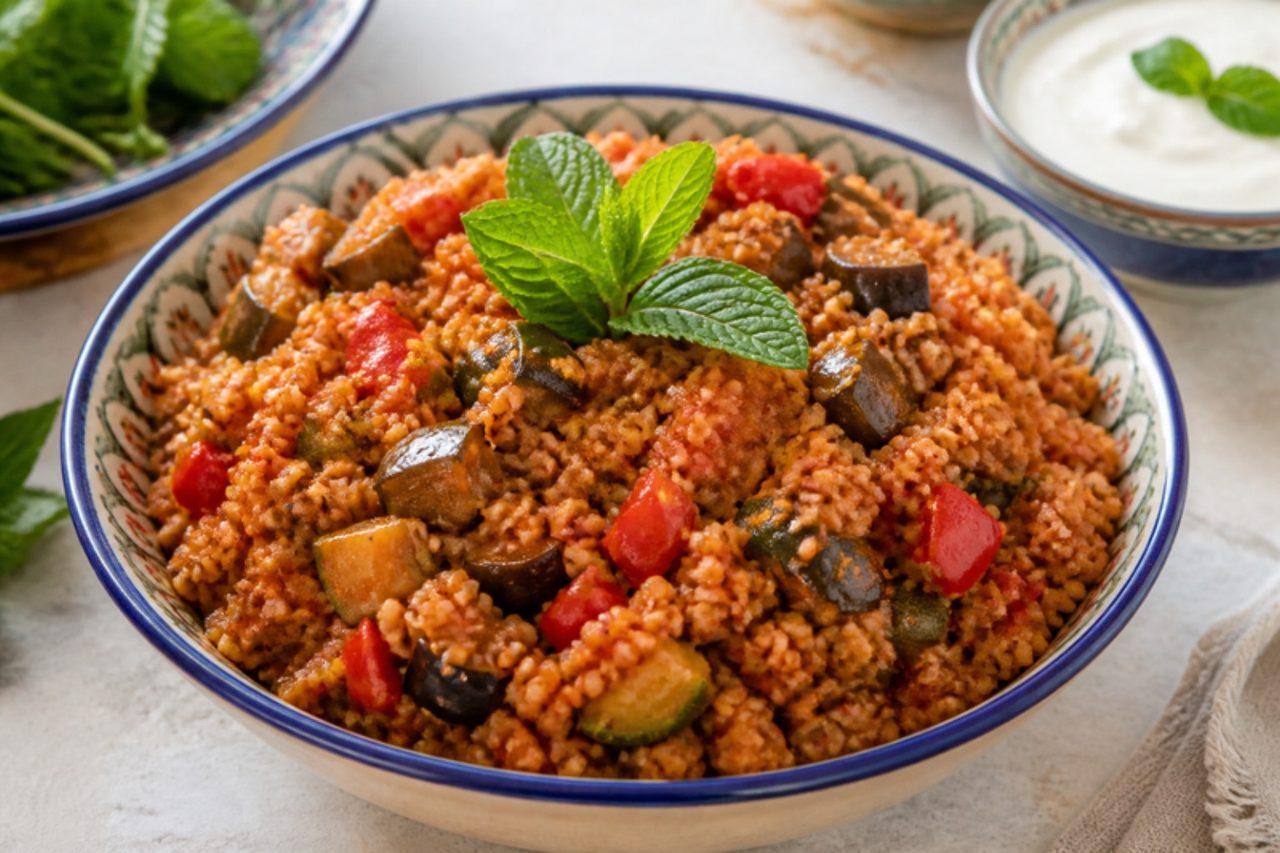
ShulbatoBulgur with aubergine and courgette

Shulbato is a summer pot from the villages of the West Bank and Galilee, made when the garden overflows: coarse bulgur cooked with aubergine, courgette, peppers, tomato and plenty of onion until the wheat is fluffy and stained red. It is eaten warm or cool on hot days with a bowl of yoghurt or a cucumber salad, and it is also a fasting dish for Christian families. Common mistake: using fine bulgur, which turns mushy; it needs the coarse grade. Chef's tip: let the vegetables catch and brown a little before adding the wheat; that slight char is the flavour of the dish.

by KrazyBadal 0 views

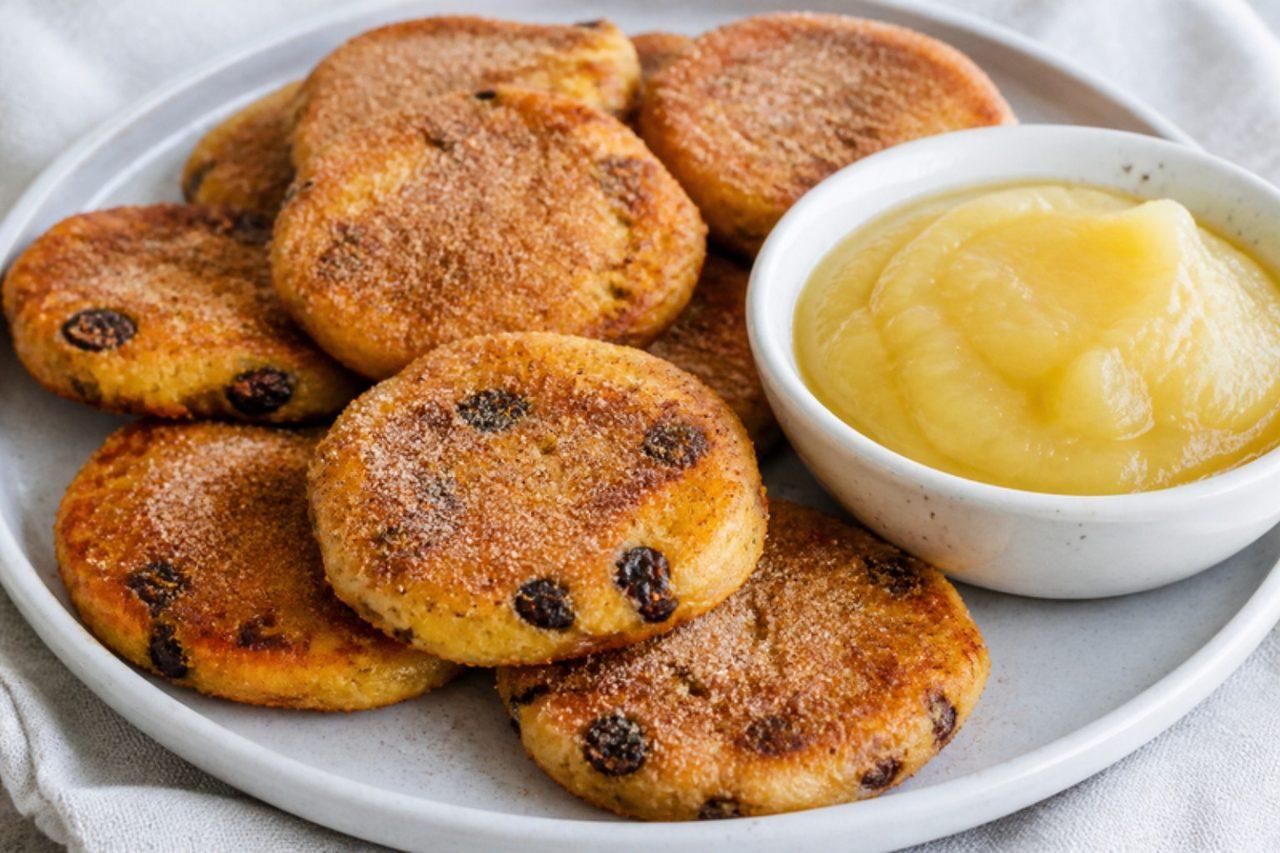
QuarkkeulchenPotato and quark pancakes

Quarkkeulchen are the sweet little pancakes of Saxony, the kind a Dresden or Leipzig grandmother makes on a Saturday afternoon from yesterday's boiled potatoes: mashed potato, quark, egg, a little flour and sugar, lemon zest and raisins, shaped into small thick discs and fried in butter until golden. They are crisp outside, soft and slightly tangy inside, and come dusted with cinnamon sugar beside a bowl of apple sauce. A common mistake is using freshly boiled warm potatoes, which make a sticky dough; use cold ones from the day before. Chef's tip: soak the raisins in hot water for 10 minutes so they plump up and don't burn in the pan.

by KrazyBadal 0 views

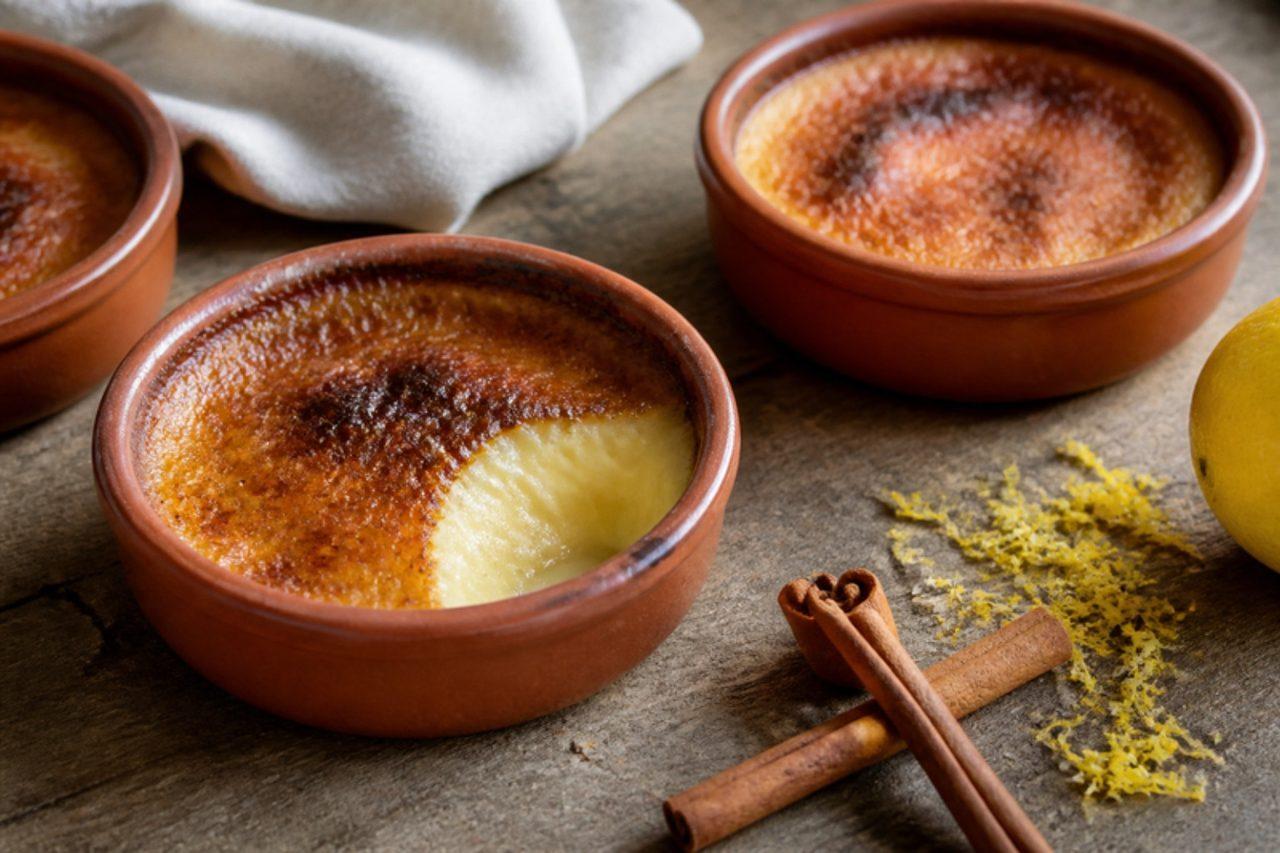
Tigelada da BeiraCinnamon milk custard

In Beira Baixa villages such as Oleiros and Proença-a-Nova, tigelada is baked in unglazed clay bowls heated in the wood oven until they are red hot, so the custard puffs up, cracks and browns on top while staying soft and slightly spongy inside. It is sold at festivals and markets across the region and is a common finish to a Sunday lunch. Terracotta dishes work best at home, but small ceramic ovenproof dishes do the job. Chef's tip: heat the empty dishes in the oven first; pouring cold batter into a hot dish is what makes it rise and form its typical crust.

by KrazyBadal 0 views

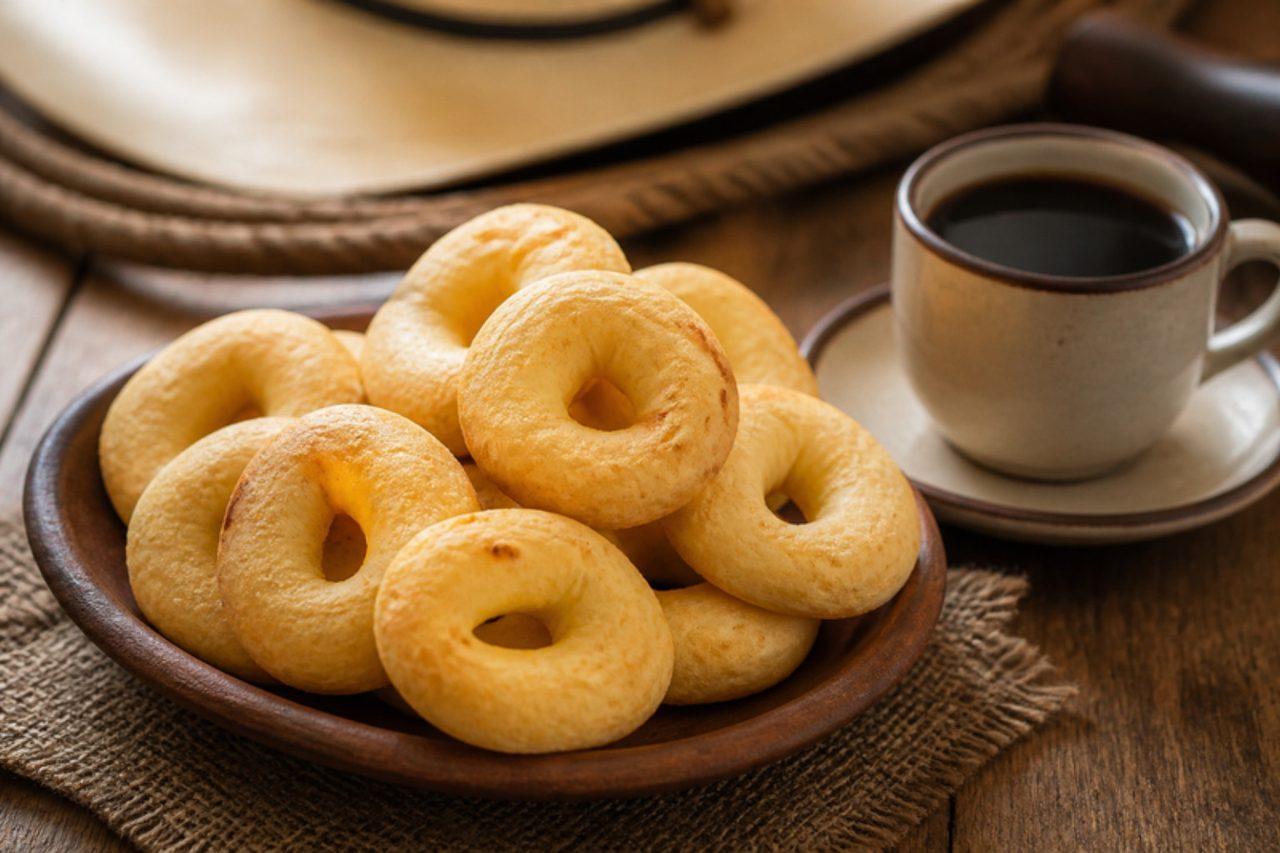
Pan de arrozRice flour cheese rings

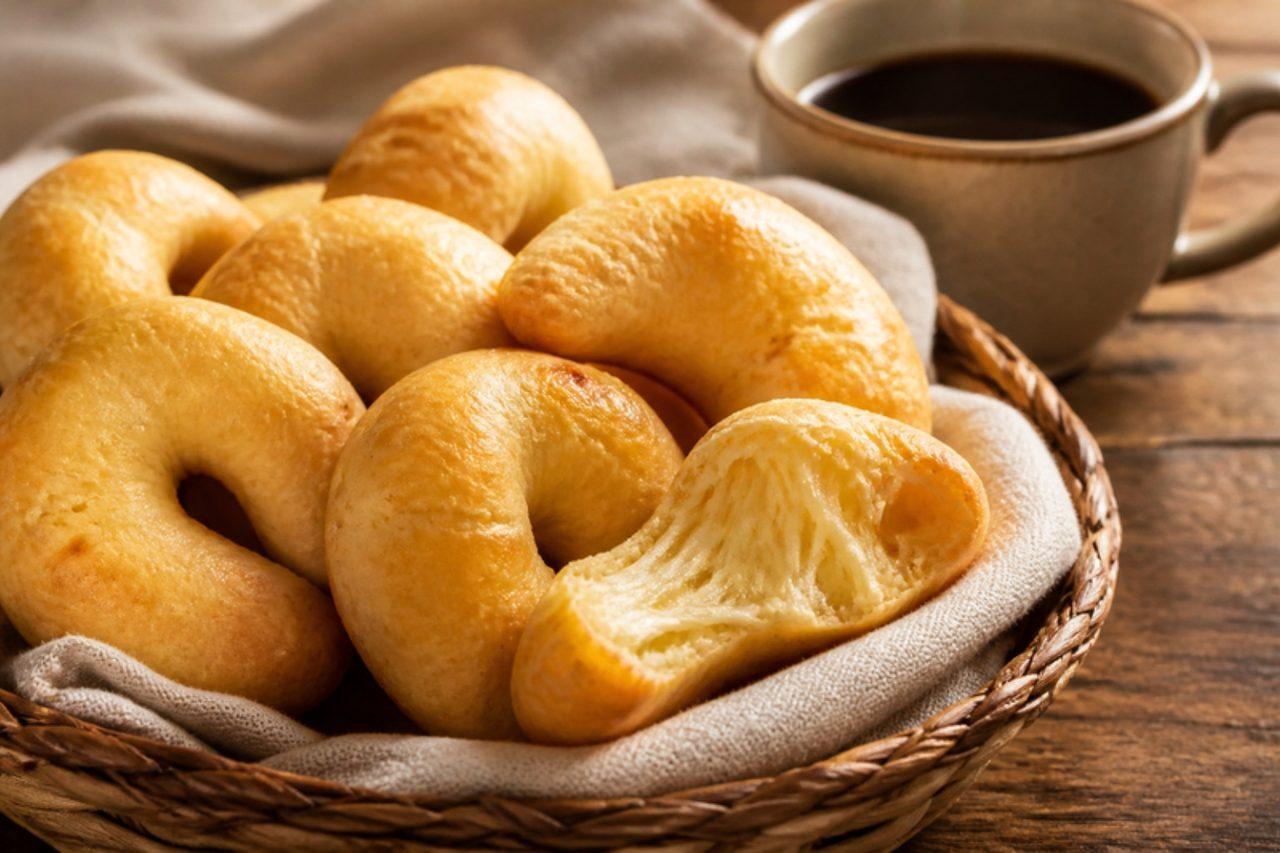
Coffee in Arauca or Casanare rarely comes alone: there is usually a basket of pan de arroz, small golden rings made from rice flour and grated salty cheese, sold at roadside stalls, bakeries and village fiestas across the plains. They bake crisp on the outside and soft, slightly chewy and cheesy within, a cousin of pandebono but lighter and more crumbly. Eat them warm with a cup of tinto or hot chocolate in the afternoon. The cheese on the plains is queso llanero, a firm, salty farm cheese; mix feta-style cheese with a little mozzarella if you cannot find it, and as both are usually made with animal rennet, choose vegetarian (microbial-rennet) ones. The mistake that causes trouble is coarse, lumpy cheese, which makes the dough crack as you shape it; crumble or grate it very finely. Chef's tip: rest the dough for 10 minutes before shaping so the rice flour hydrates and the rings close without splitting.

by KrazyBadal 0 views

ShrakPaper-thin saj flatbread

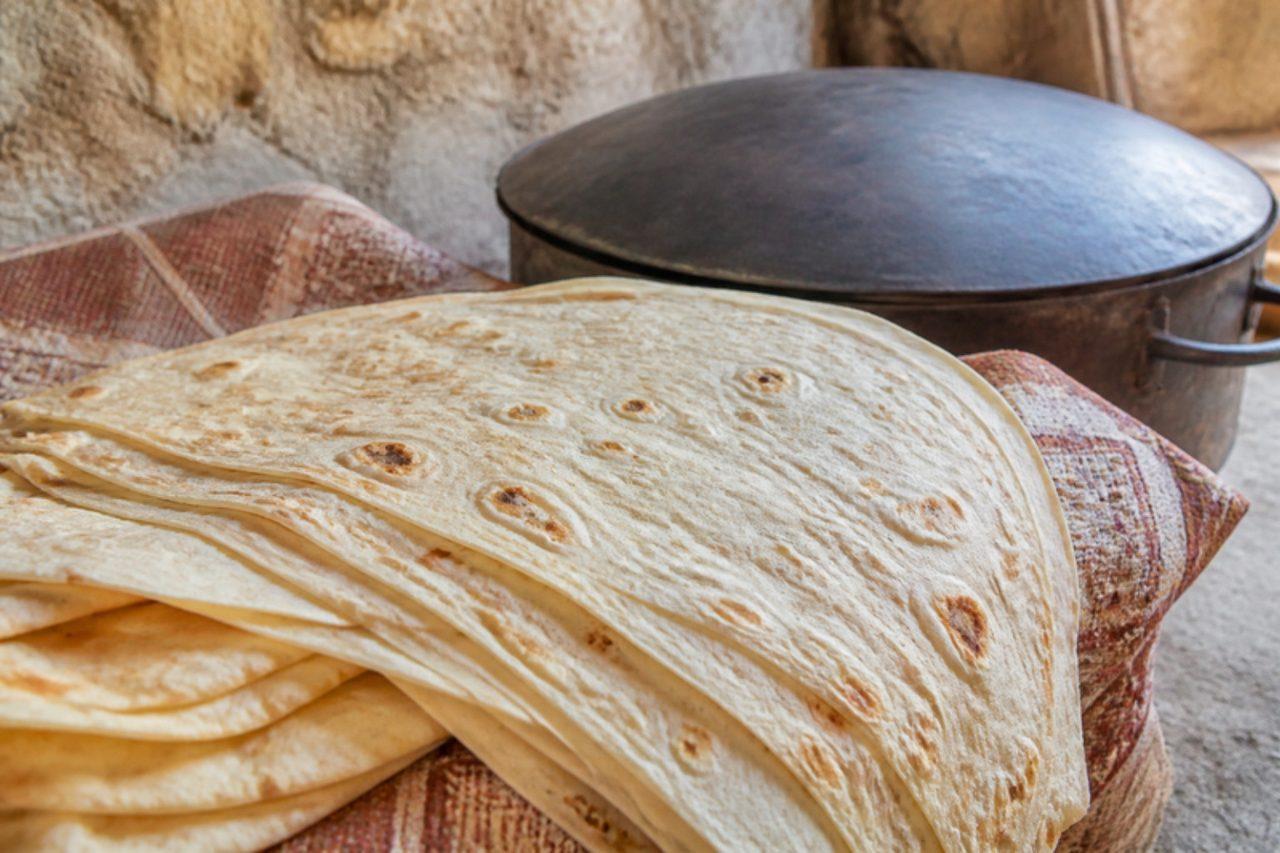
In Bedouin camps around Wadi Rum and Ma'an, shrak is baked fresh for every meal: dough stretched thinner than a handkerchief, flung over a domed iron saj above the fire and lifted off seconds later, soft and blistered. It is the bread that lines the mansaf platter and wraps grilled meat, and it is torn for galayet and labneh at breakfast. At home an upturned wok over a gas flame stands in for the saj. The common mistake is rolling the dough on a dry surface; it tears, so oil your hands and worktop instead and stretch the dough over the backs of your hands like a pizza maker. Chef's tip: rest the dough balls a full 30 minutes, well oiled and covered; relaxed gluten stretches to near see-through without fighting back.

by KrazyBadal 0 views

AuszogneStretched doughnuts

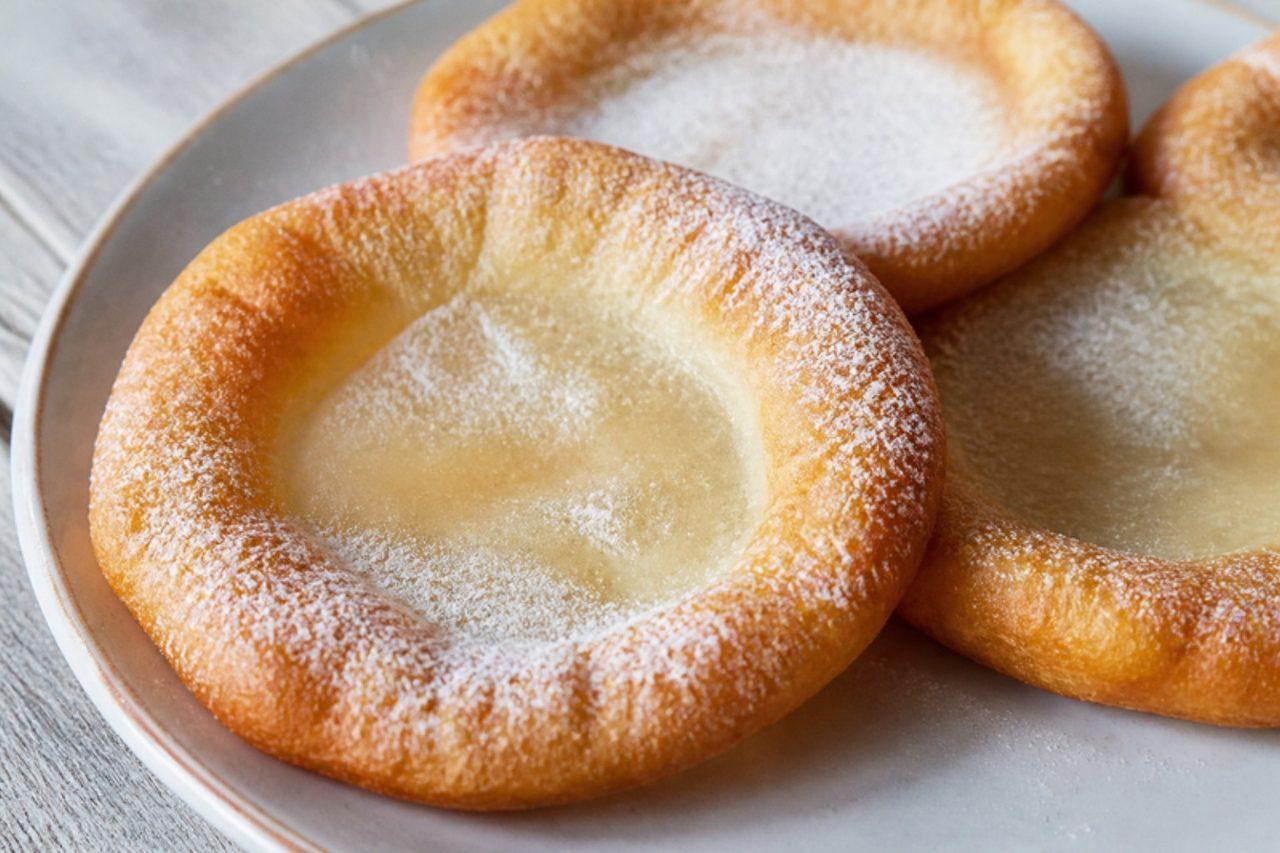
Auszogne are the doughnuts of the Bavarian countryside, fried for Kirchweih, the village church fair in autumn, and for Carnival. Each ball of rich yeast dough is pulled over the knees or the backs of the hands so the middle goes almost see-through while a thick, puffy ring stays round the edge; the centre fries crisp, the rim soft and fluffy. They are eaten warm with icing sugar and a cup of coffee. A common mistake is pulling the dough cold: it tears. Let the stretched rounds rest, and keep the oil at a steady 170 °C so the rims cook through before they brown. Chef's tip: stretch them on lightly buttered fingertips, not floured ones, so the dough slides without sticking.

by KrazyBadal 0 views

Pan de milloGalician cornbread

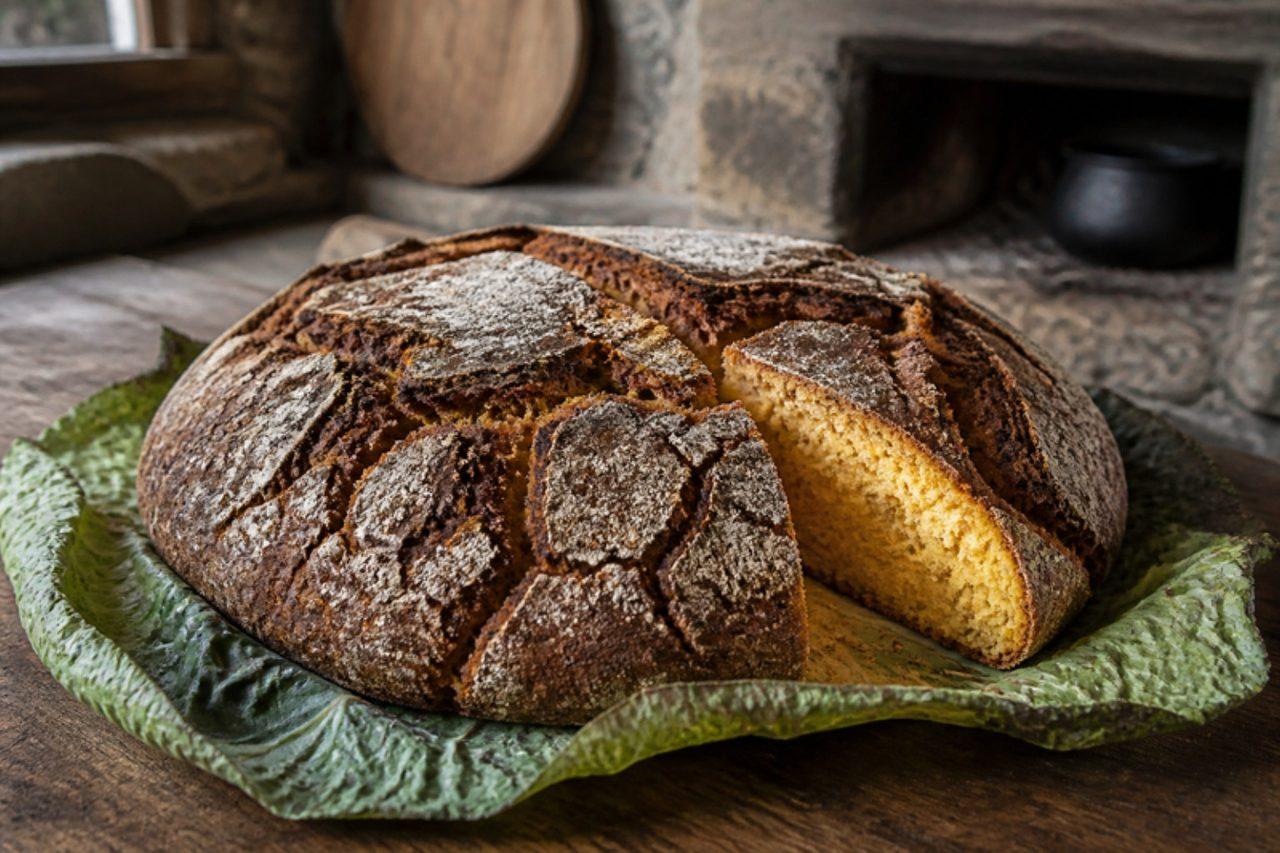
In the inland villages of Lugo and Ourense, and in the Deza area of Pontevedra, pan de millo, also called broa, was the everyday bread before wheat became common, baked in wood ovens and sometimes on a cabbage leaf. It is heavy, moist and slightly sweet inside, with a thick, cracked crust, and it is eaten with caldo, cheese or simply olive oil. Maize flour has no gluten of its own, so this version mixes in some wheat flour to help it rise; it is vegan. A common mistake is expecting a light loaf: it should feel heavy and close-textured. Chef's tip: scald the maize flour with boiling water first, which makes the crumb tender and stops it crumbling.

by KrazyBadal 0 views

Pan dulceChristmas fruit bread

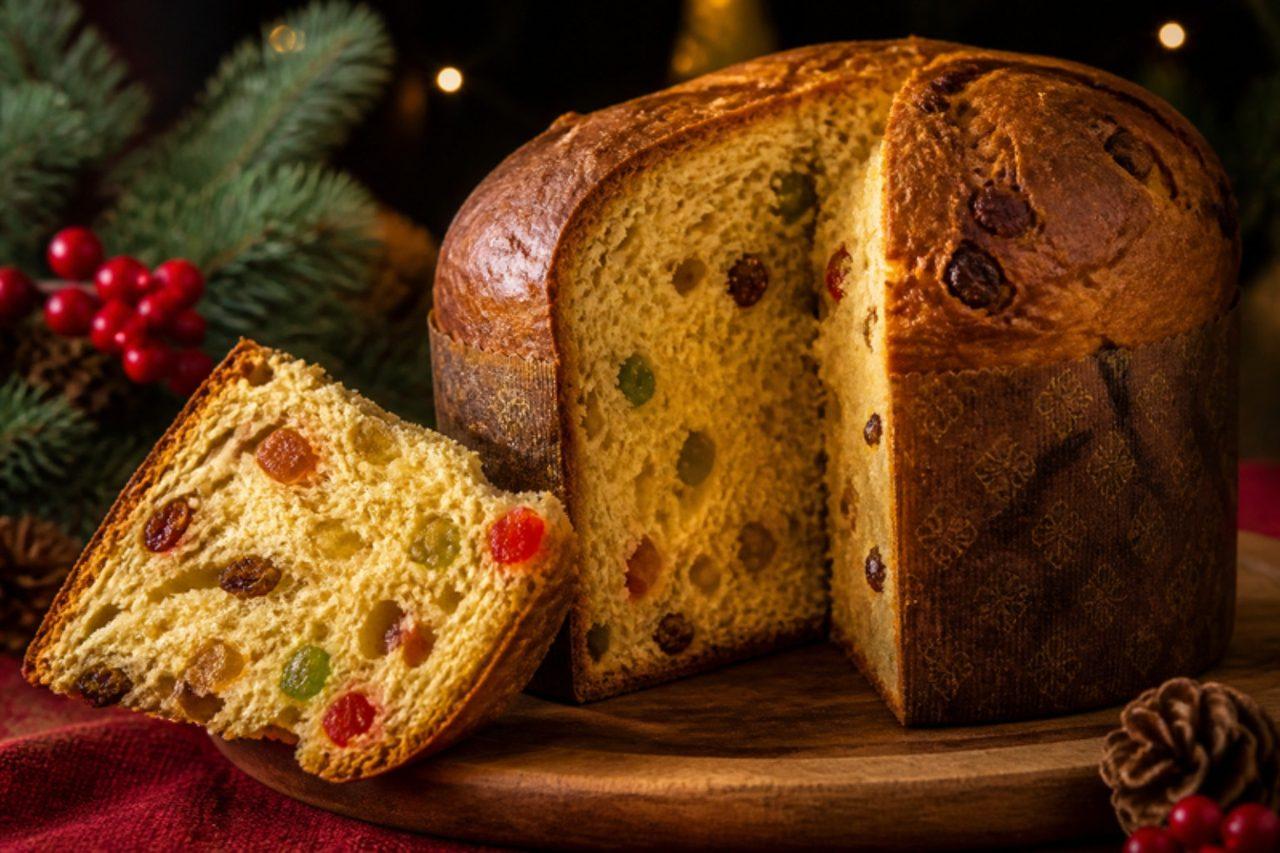
No Argentine Christmas Eve table is complete without a pan dulce, set out at midnight with turrón, nuts and a cold cider for the adults. The bread is the River Plate take on Genoese pandolce and Milanese panettone: a tall, buttery yeast dough scented with orange blossom and lemon, packed with candied fruit, raisins and walnuts. The crumb is closer and moister than panettone, and it keeps for a week wrapped in a cloth. Allow a long day, as the dough has a sponge and two rises. Some bakers soak the fruit in rum or sweet wine; here it is soaked in orange juice, so the bread is alcohol-free. People often add the fruit at the start of kneading, which shreds the gluten and gives a heavy, sunken loaf; work it in only once the dough is silky. Chef's tip: bake it in a tall paper mould or a 16 cm tin lined with a collar of baking paper, and turn it upside down onto a rack for the first 20 minutes of cooling so the top does not sink.

by KrazyBadal 0 views

PunschkrapfenPink-iced sponge cubes

Punschkrapfen are the bright pink cubes that glow from every Viennese Konditorei counter, especially in winter. Traditionally the filling of sponge crumbs, jam and chocolate is soaked in rum punch, which gives the cake its name, so the classic version contains alcohol. This recipe makes the alcohol-free version with orange juice and strong black tea, which keeps the fruity, warming flavour that children can eat too; to make the traditional one, swap 40 ml of the orange juice for dark rum. The sponge is moist and dense, the icing sweet and crackly. A common mistake is skipping the overnight press; the cubes fall apart when cut. Many pink colourings use carmine, made from insects, so choose a plant-based one such as beetroot red. Chef's tip: cut with a knife dipped in hot water and wiped between each cut for clean edges.

by KrazyBadal 0 views

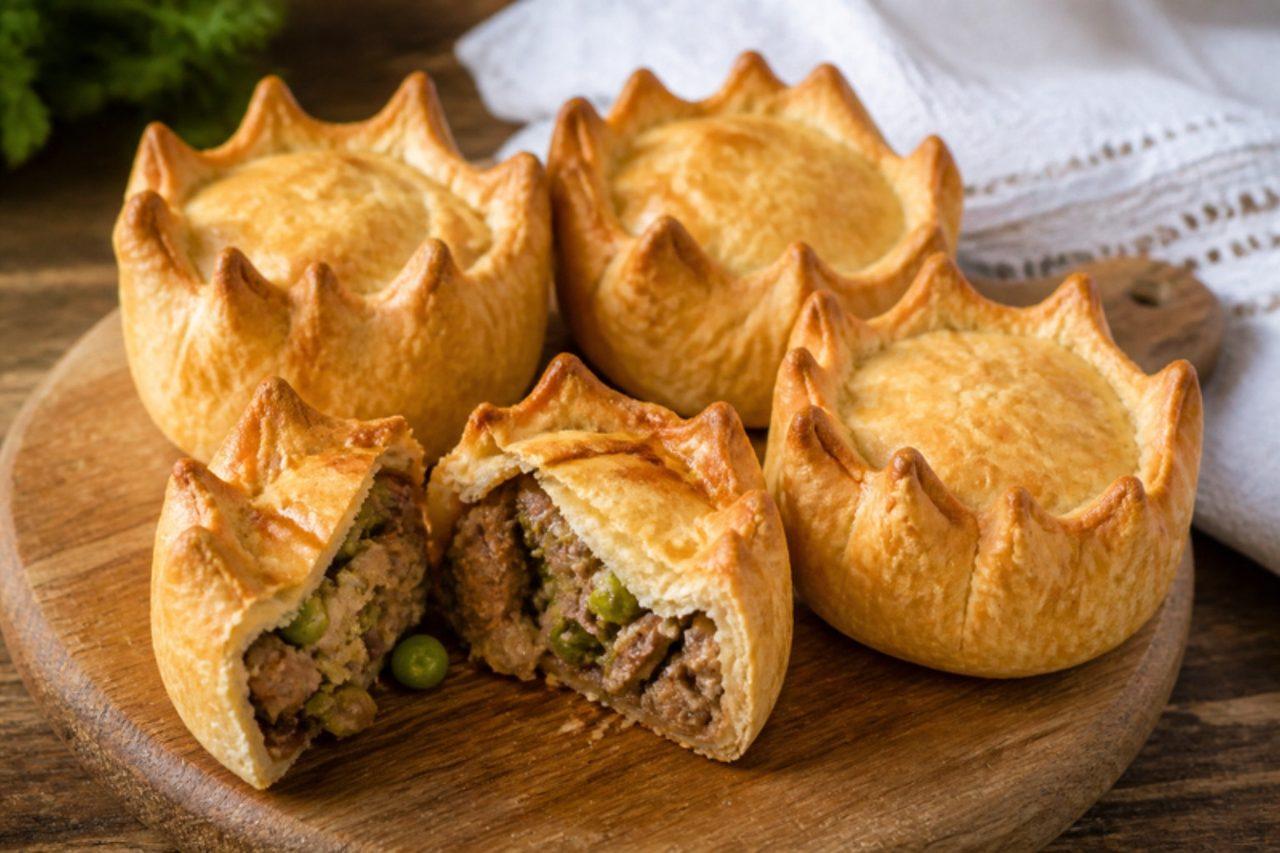
PanadesLamb and pea pies

On Easter Saturday, Mallorcan kitchens turn into pie workshops: whole families shape panades, small upright pies with pinched rims and a pastry lid, filled with raw diced lamb, peas and a little pork belly, then bake them to eat on Easter Sunday and the picnics of the days after. This contains pork (lard in the pastry and pork belly in the filling); butter can replace the lard and the belly can be left out. The meat cooks inside the pastry, staying juicy. Chef's tip: cut the lamb small, no bigger than 1.5 cm, so it cooks right through in the time the pastry takes to brown.

120 minSpanishMeat
by KrazyBadal 0 views

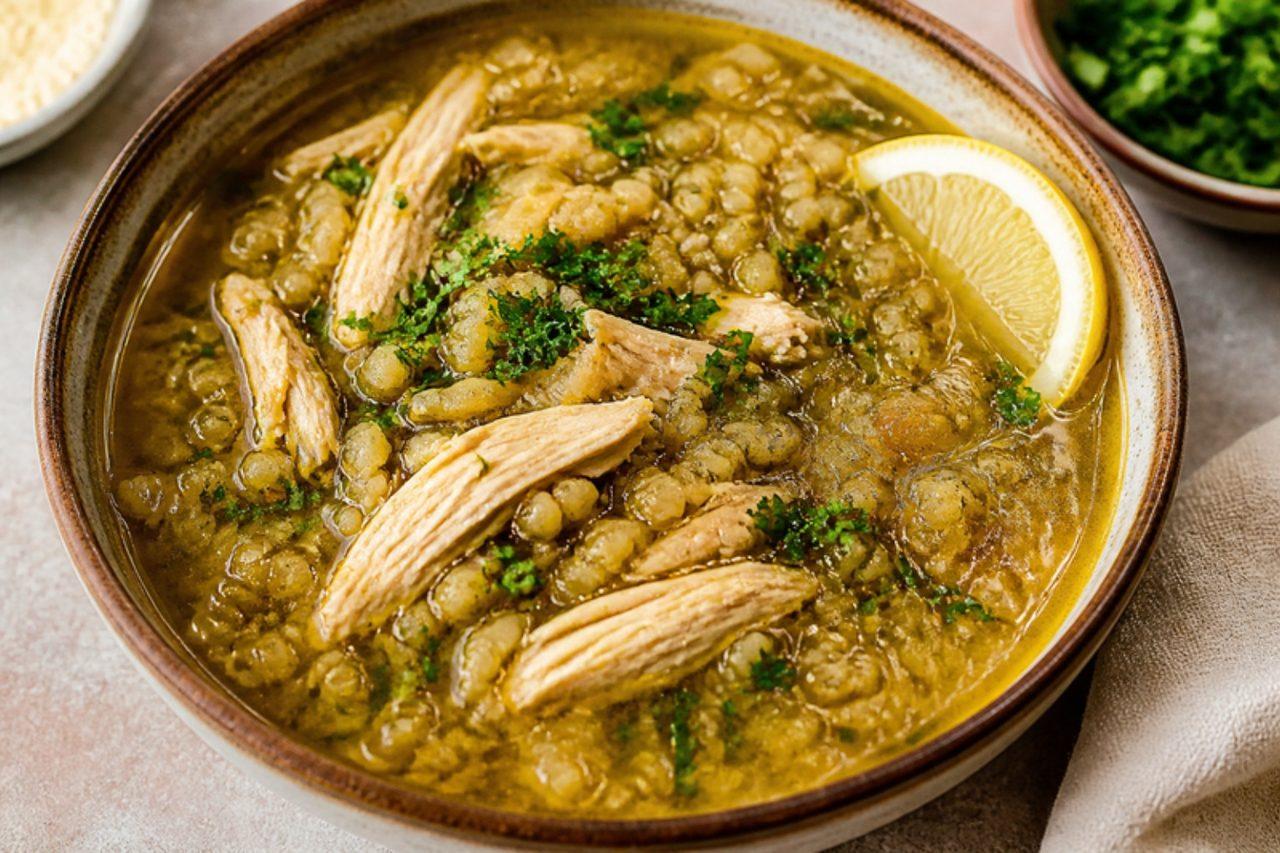
Shorbat freekehSmoked green wheat soup

When the sunset call to prayer ends the Ramadan fast in Amman, the first spoonfuls are very often shorbat freekeh, a nourishing broth thickened with cracked green wheat that was roasted in the field while still young. The smoke from that roasting gives the soup its distinctive, almost barbecue-like depth, while chicken, cinnamon and cardamom keep it gentle on an empty stomach. It is followed by dates, salad and the main dish. The usual mistake is not picking over and rinsing the freekeh, which can hold tiny stones and chaff. Chef's tip: toast the rinsed freekeh in butter for a couple of minutes before adding the broth; it brings out the smokiness.

by KrazyBadal 0 views

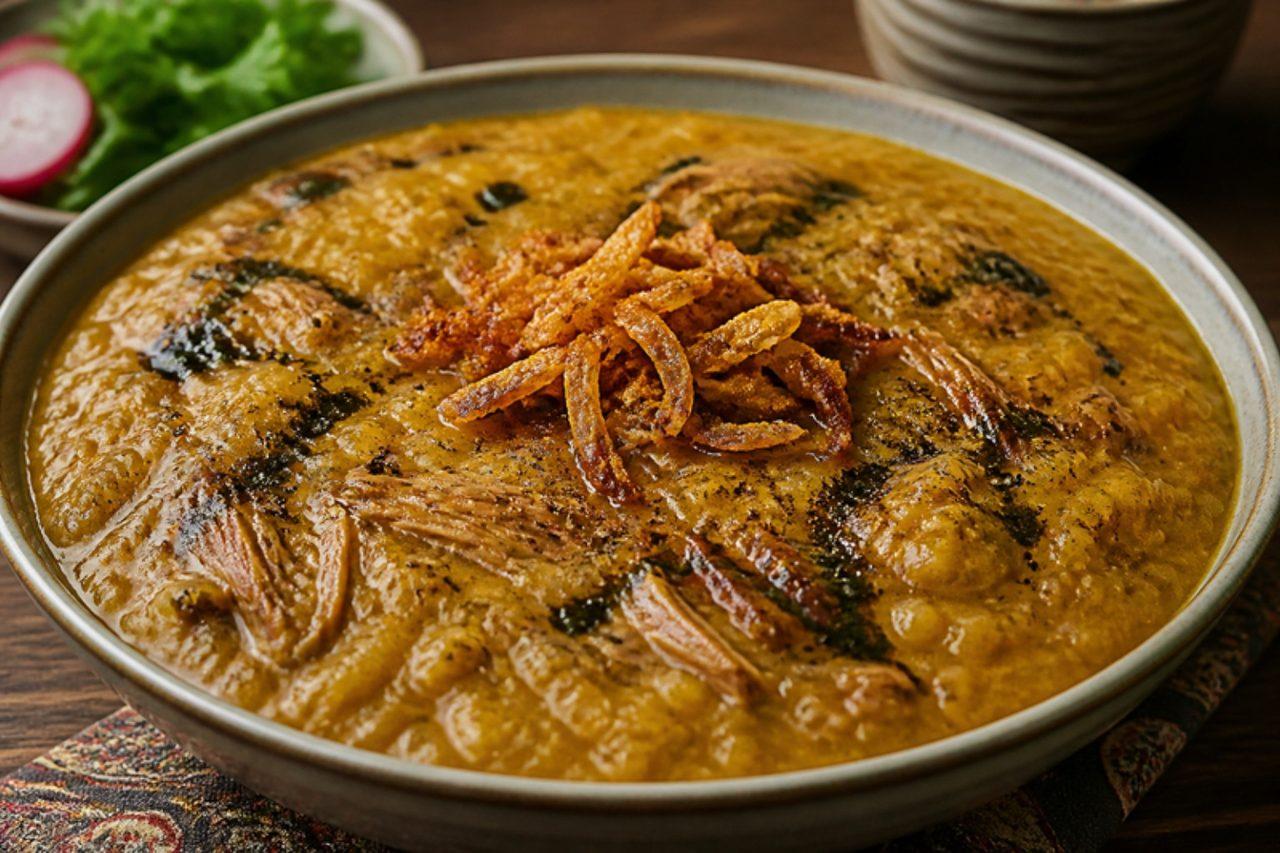
Sholeh MashhadiWheat, bean and lamb porridge

Sholeh Mashhadi is cooked in huge pots in Mashhad, the shrine city of Khorasan, and handed out to pilgrims and neighbours as nazri (a votive offering), especially during the month of Muharram. Wheat, rice, lentils, mung beans, chickpeas and lamb are cooked for hours with onion and spices, then beaten with a wooden paddle until everything melts into one thick, stretchy porridge, topped with fried onion, mint oil and a dusting of cinnamon. A home pot is smaller but follows the same rhythm. A common mistake is leaving it unstirred towards the end; the grains catch and burn, so stir and scrape the base every 10 minutes once it thickens. Chef's tip: cook the lamb on the bone first and shred it; the broth from the bones gives the porridge its body.

by KrazyBadal 0 views

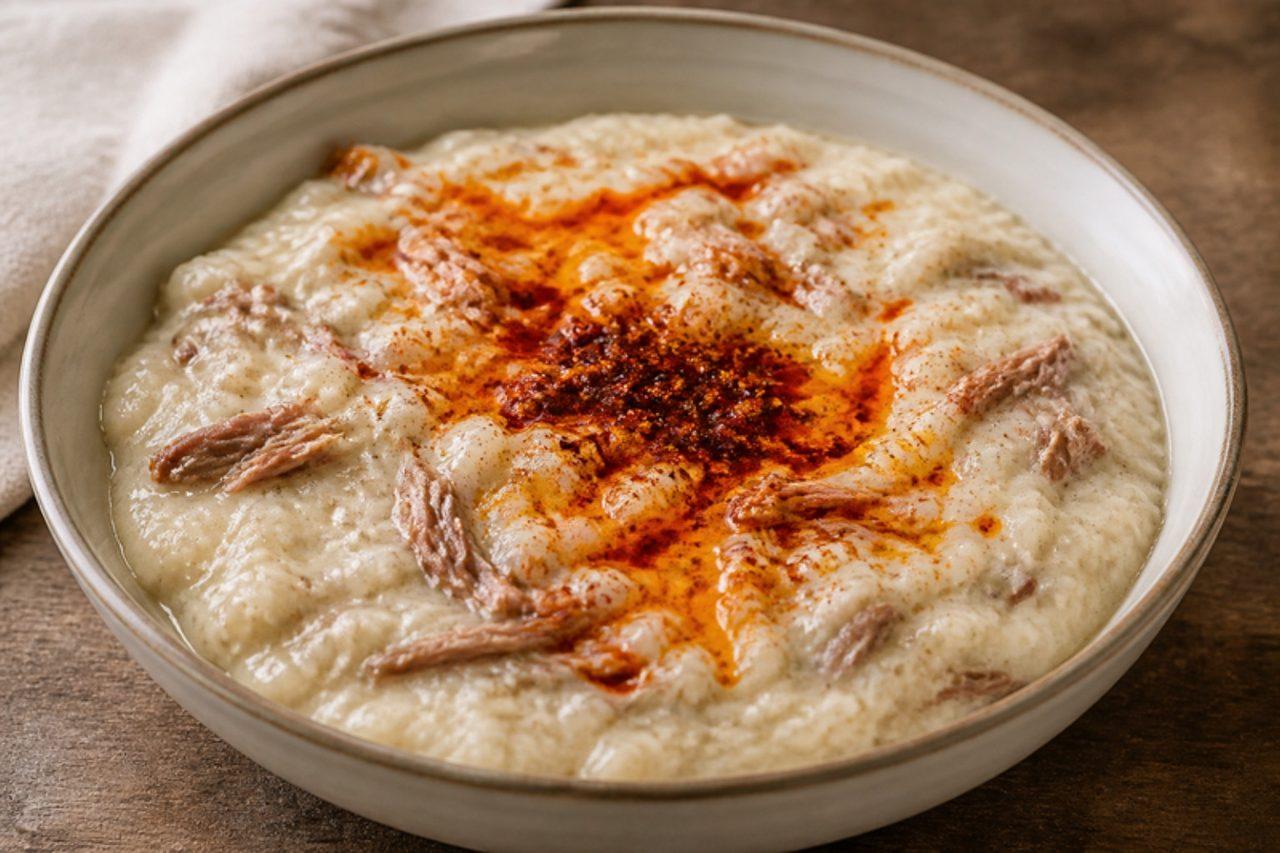
KeşkekWheat and lamb porridge

Keşkek is cooked in huge cauldrons for weddings, circumcision feasts and religious holidays across Central Anatolia, from Çorum to Sivas, while villagers take turns beating it with long wooden paddles. Whole wheat and lamb on the bone simmer together for hours until the meat falls apart, then everything is beaten into a thick, stretchy porridge and topped with sizzling butter and chilli. Its tradition is listed by UNESCO as intangible heritage. Common mistake: skimping on the beating; vigorous mashing is what turns it from grainy stew into a smooth, elastic keşkek. Chef's tip: a potato masher followed by a wooden spoon does the job at home; beat in hot broth a ladle at a time if it gets stiff.

200 minTurkishMeat
by KrazyBadal 0 views

KeşkülAlmond milk pudding

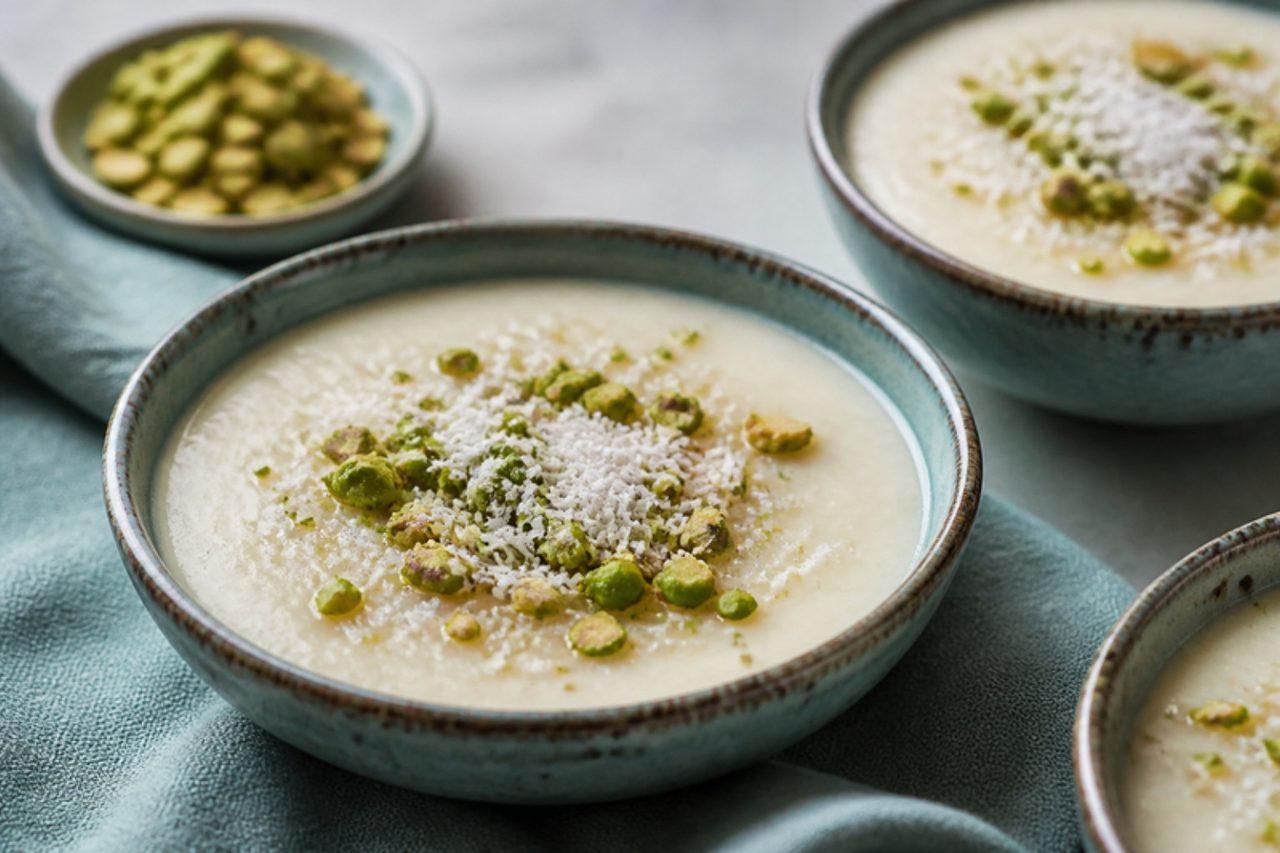
Keşkül takes its name from the bowl that wandering dervishes carried for alms, and it has been on Istanbul pudding-shop counters (muhallebici) since Ottoman times. Ground almonds simmered in milk give it a delicate nutty flavour and a faint grain, set with a little rice flour and cornflour into a soft, spoonable pudding. Turks eat it chilled as an afternoon treat or after a light supper, topped with pistachio and desiccated coconut. The usual mistake is stopping the whisking as it thickens; it catches on the base and tastes scorched. Chef's tip: steep the ground almonds in the warm milk for 15 minutes before you start cooking for a much deeper almond flavour.

by KrazyBadal 0 views

Arroz clavadoCoconut rice with cheese

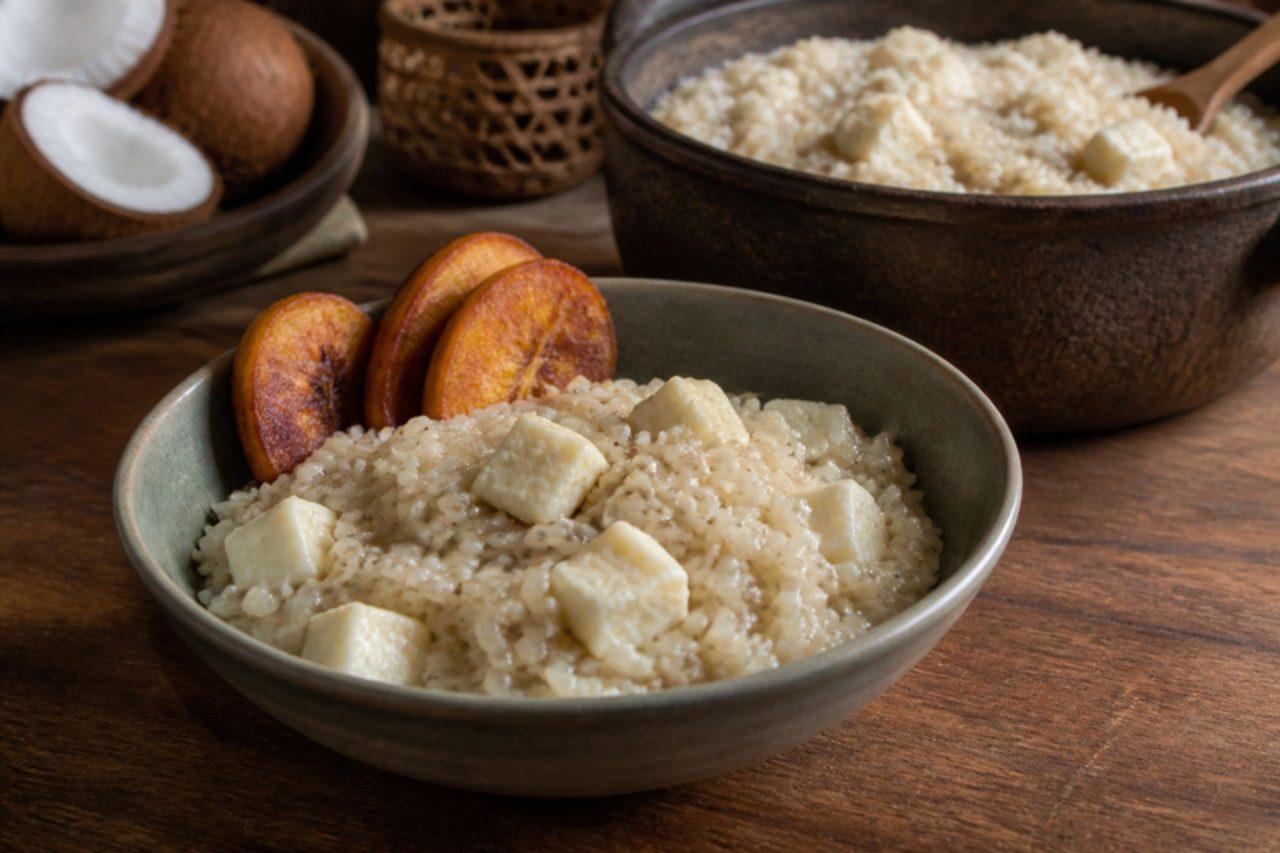
From Quibdó and the river towns of the Chocó comes a rice dish built on coconut, where cubes of white cheese are pushed into the pot near the end and left to melt into sticky, golden pockets; clavado means nailed in. The coconut milk, ideally pressed from freshly grated coconut, gives the rice a creamy, gently sweet base, and the Pacific herbs of the azotea, the raised kitchen garden, add a sharp green note. It is a weekday lunch at home, eaten with fried plantain, avocado or alongside fried fish for those who eat it. White cheese in Colombia is usually set with animal rennet, so use a vegetarian (microbial-rennet) halloumi or mozzarella-style cheese if needed. Stirring after the cheese goes in is the slip that turns it to mush, so poke the cheese into the rice and then leave the lid on. Chef's tip: culantro (long-leaf coriander) from Asian or Caribbean shops is close to the Chocó herbs; use ordinary coriander stems if not.

by KrazyBadal 0 views

Kestane şekeriCandied chestnuts

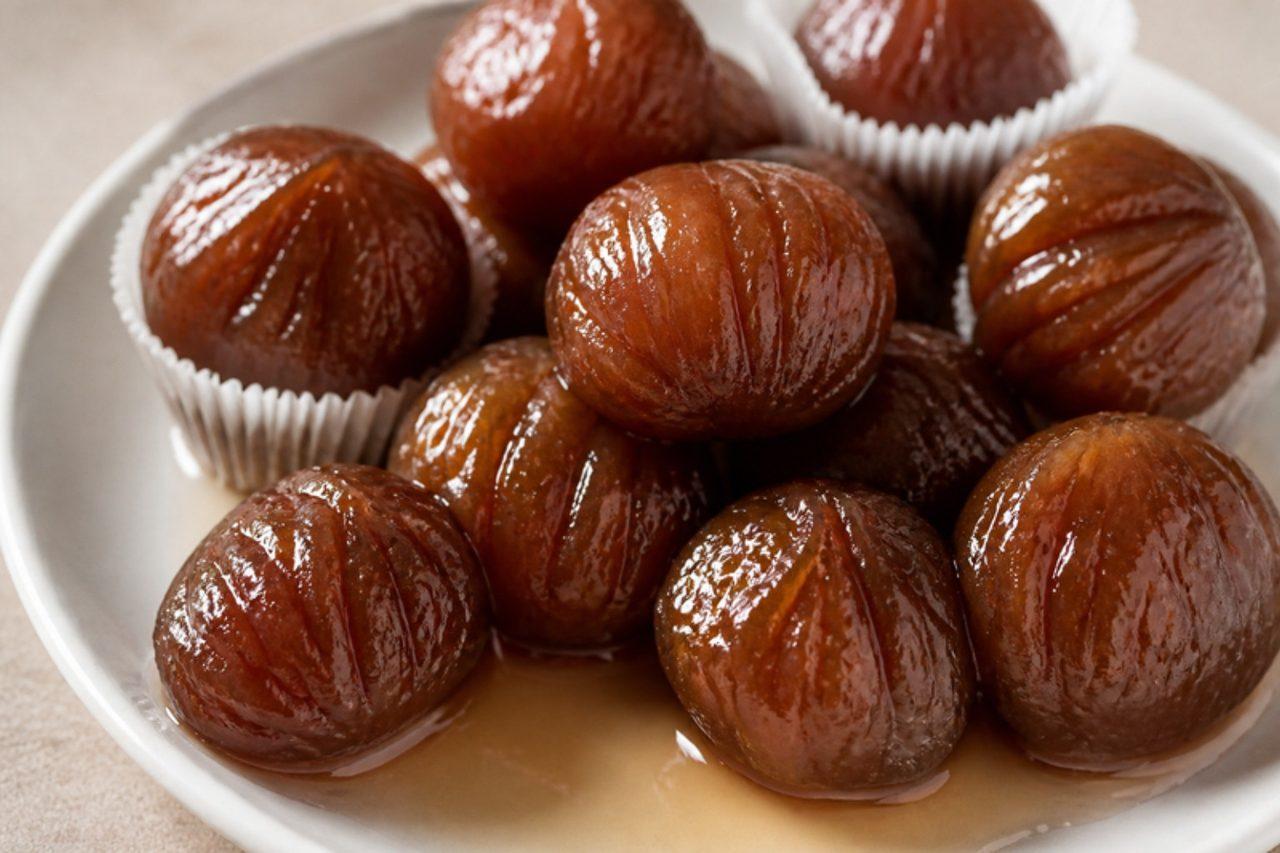
Bursa sits beneath the chestnut forests of Uludağ, and every sweet shop in the old covered market sells kestane şekeri in neat gold boxes, especially as gifts in autumn and at the new year. Peeled chestnuts are poached and then candied over several days in a vanilla syrup until they turn dense, glossy and tender right through. It takes patience rather than skill. Chef's tip: wrap each chestnut in a square of muslin before poaching; it holds the fragile nuts together through the repeated syrup baths.

by KrazyBadal 0 views

Pan de yucaCassava starch cheese rolls

Cali bakeries sell pandeyucas warm in paper bags from early morning, often in a horseshoe shape, to go with a glass of kumis yoghurt drink or a café con leche. Made only from cassava starch, cheese, egg and a little butter, they are gluten free, puff up in the oven and stay hollow and stretchy inside with a thin crisp skin. Unlike pandebono, there is no corn flour, so they are lighter and chewier. Use tapioca (cassava) starch, sold in Asian and Latin shops; the cheese is typically a salty queso costeño made with animal rennet, so mix a vegetarian feta-style cheese with vegetarian mozzarella. Dough that is too wet makes them spread flat; it should feel like soft play dough. Chef's tip: they are at their best within 30 minutes of baking, so shape them ahead and bake just before eating.

by KrazyBadal 0 views

Kuru patlıcan dolmasıRice-stuffed dried aubergines

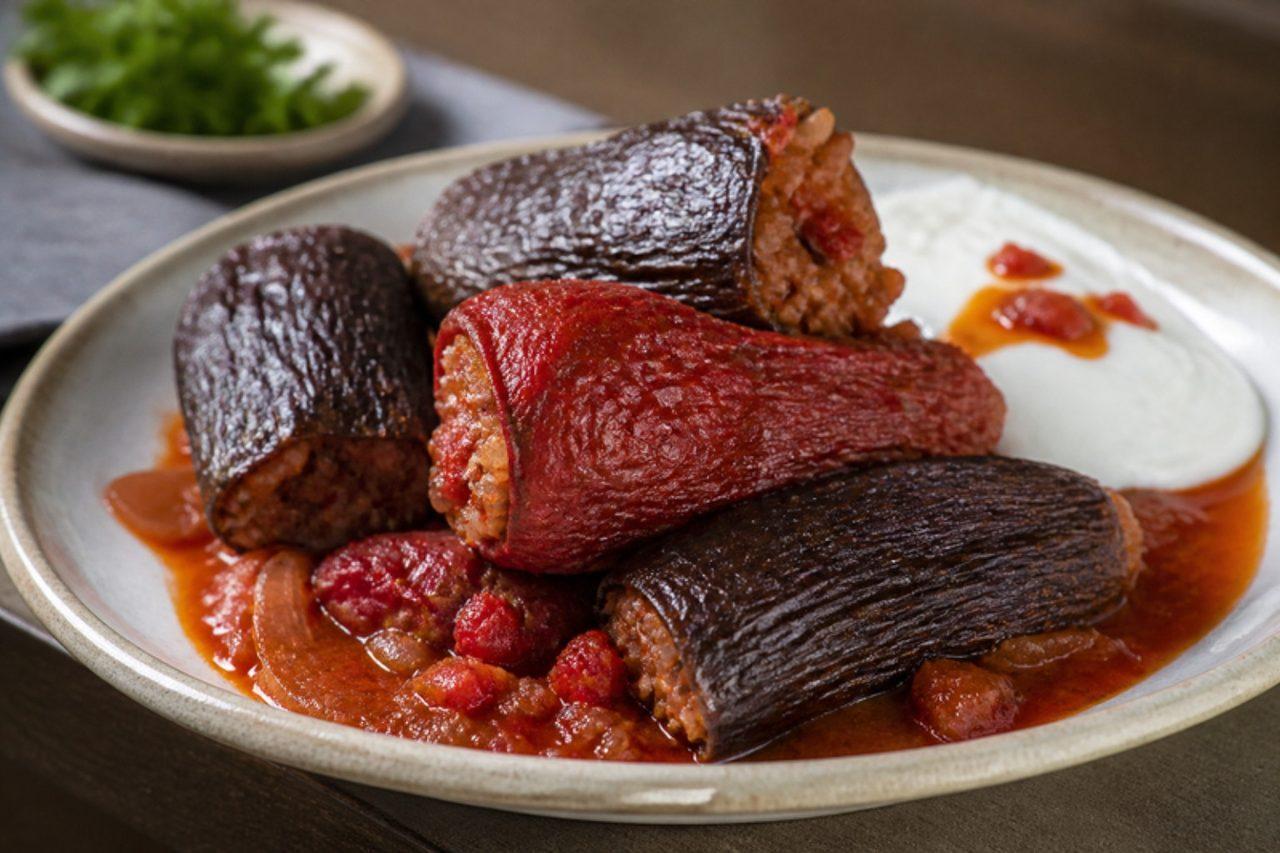
Strings of hollowed, sun-dried aubergines and peppers hang in every Gaziantep market, and in winter they are revived in hot water and stuffed with rice, mince, tomato and pepper paste. Simmered with a sour drizzle of pomegranate molasses and lemon, they become tender, slightly chewy parcels with a deep, almost smoky flavour that fresh vegetables can't match. Serve warm with yoghurt. Look for dried aubergines in Turkish and Middle Eastern shops. Common mistake: overfilling them; the rice swells and splits the delicate skins. Chef's tip: blanch them only until pliable, not soft, so they hold their shape through the long simmer.

by KrazyBadal 0 views

Pane carasauThin crisp flatbread

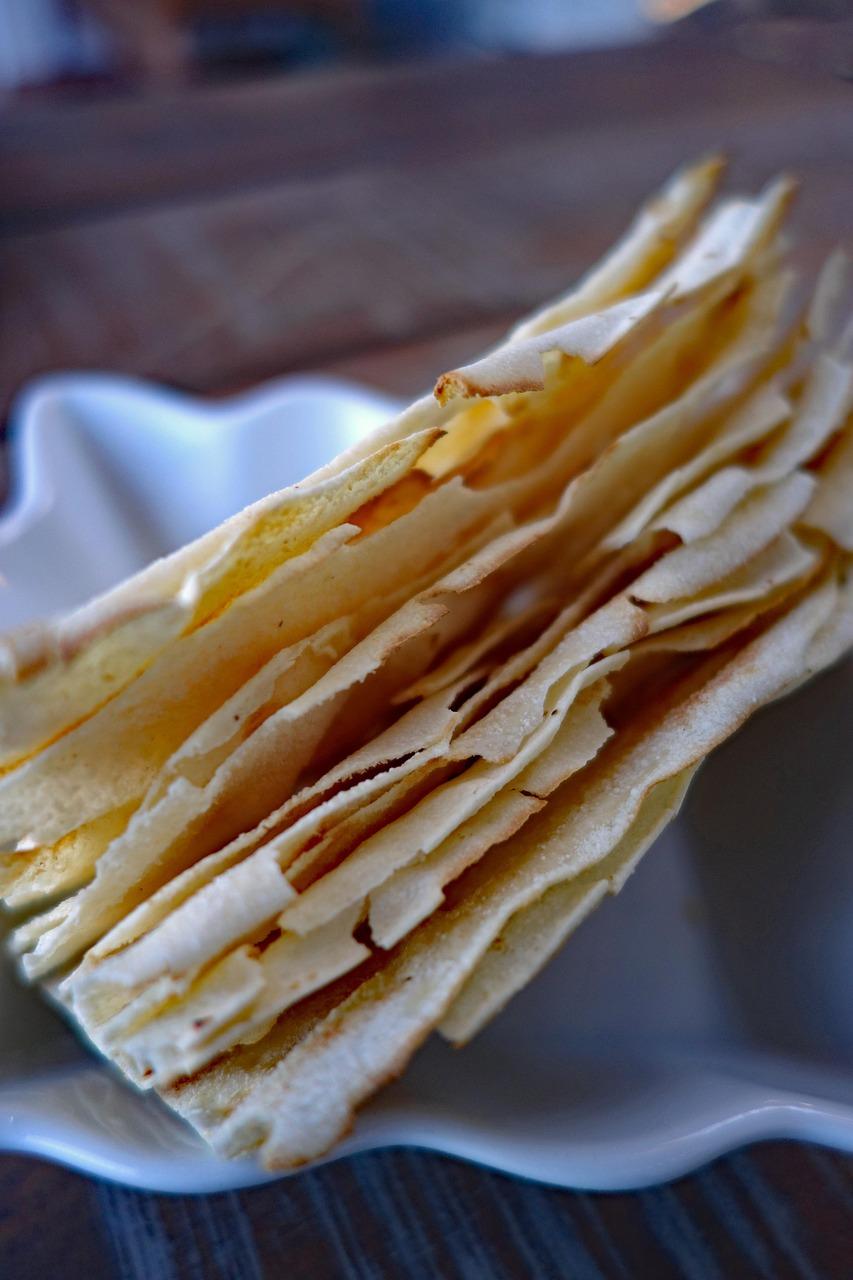
Shepherds in Barbagia, the mountainous heart of Sardinia, took stacks of pane carasau with them for weeks on the high pastures, because this dry, glass-thin flatbread never goes stale. Each disc is baked until it balloons, split in two while hot, then baked again until crisp and golden; Italians call it carta da musica, music paper, for how thin and crackly it is. Sardinians eat it with olive oil and salt as a snack, break it into soups and layer it into pane frattau. Making it at home takes patience and a very hot oven. Chef's tip: split each puffed disc the moment it comes out of the oven; once it cools, the two layers fuse together.

by KrazyBadal 0 views

Pane di MateraDurum wheat sourdough bread

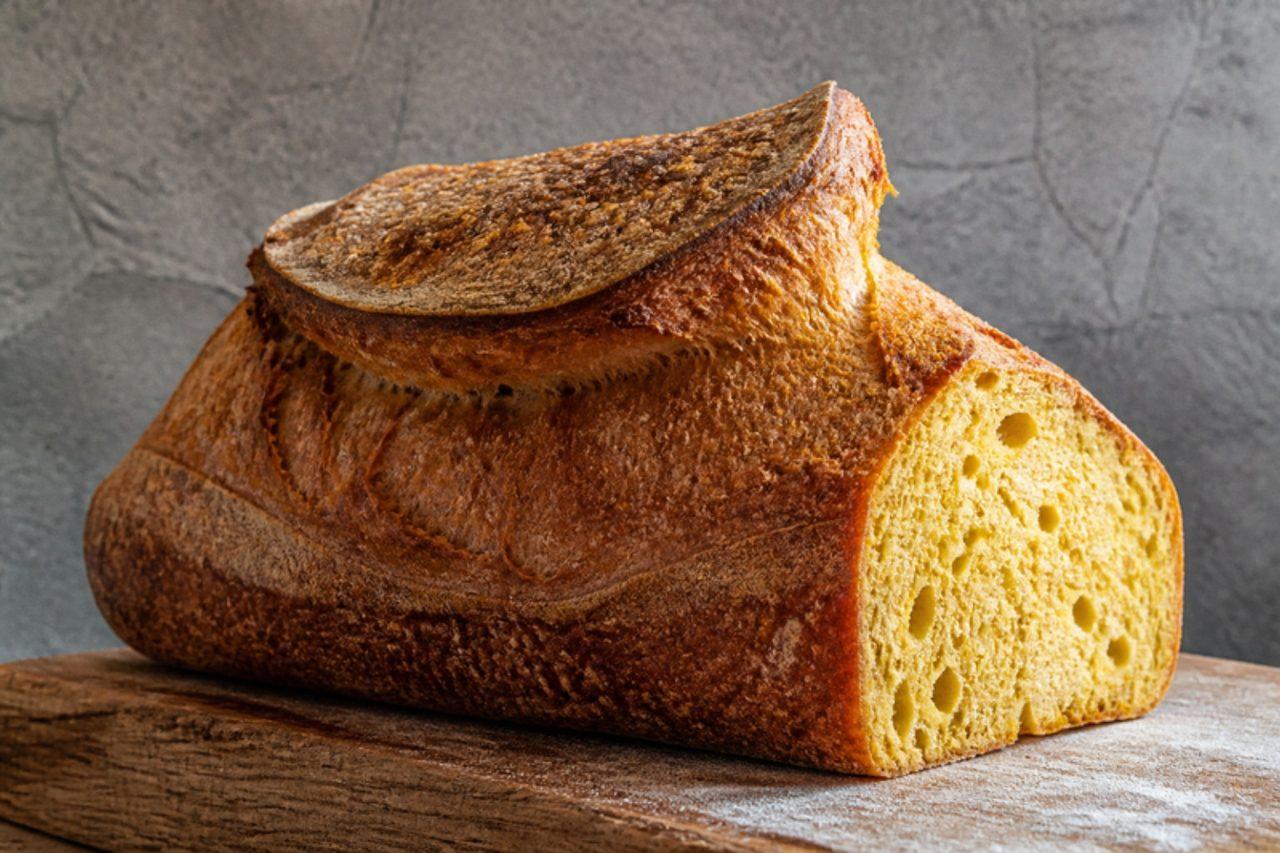
Matera's bread is a big golden loaf of durum-wheat semolina and sourdough, with a thick crackling crust and a crumb the colour of straw that stays moist for a week. It is shaped into a horned cornetto or a high-backed loaf, and until the 1950s families in the Sassi took their dough to the communal oven, each loaf marked with a carved wooden stamp so it came back to the right house. It is still eaten every day in the city, sliced thickly with olive oil and tomato or soaked in soups. Plan over two days, with a cold rise overnight. Chef's tip: feed your starter with semolina the day before, so its flavour matches the dough.

1440 minItalianBakingVegan
by KrazyBadal 0 views

Pane e panelleChickpea fritters in a bun

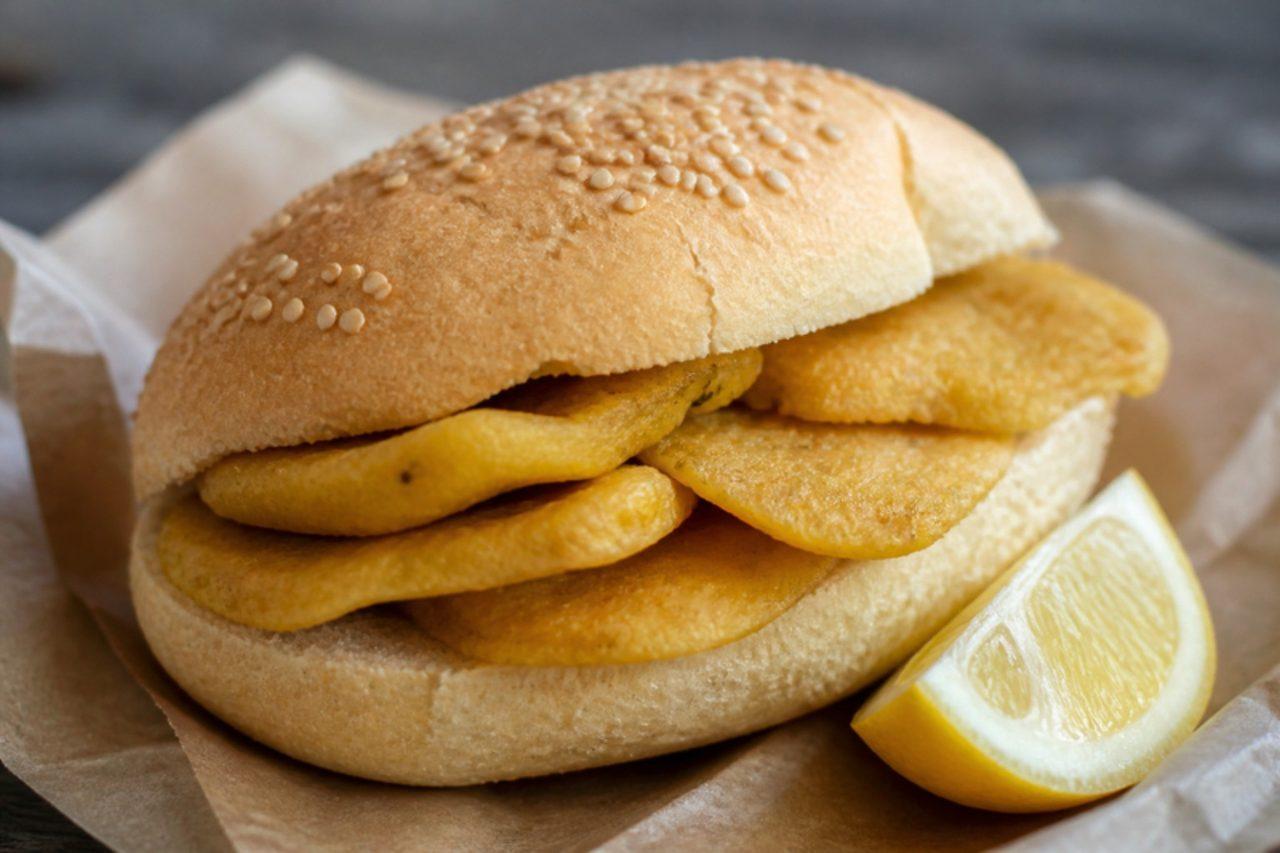
Pane e panelle is Palermo's breakfast on the run: wafer-thin squares of chickpea batter fried until puffed and crisp at the edges, stuffed five or six at a time into a soft sesame roll and squeezed with lemon. Friggitorie at the Vucciria and Ballarò markets sell them from early morning, often alongside potato crocchè, and the city eats them standing at the counter. The panelle are creamy inside and nutty with a little parsley. Chef's tip: whisk the chickpea flour into cold water, never hot, and you will have no lumps.

by KrazyBadal 0 views

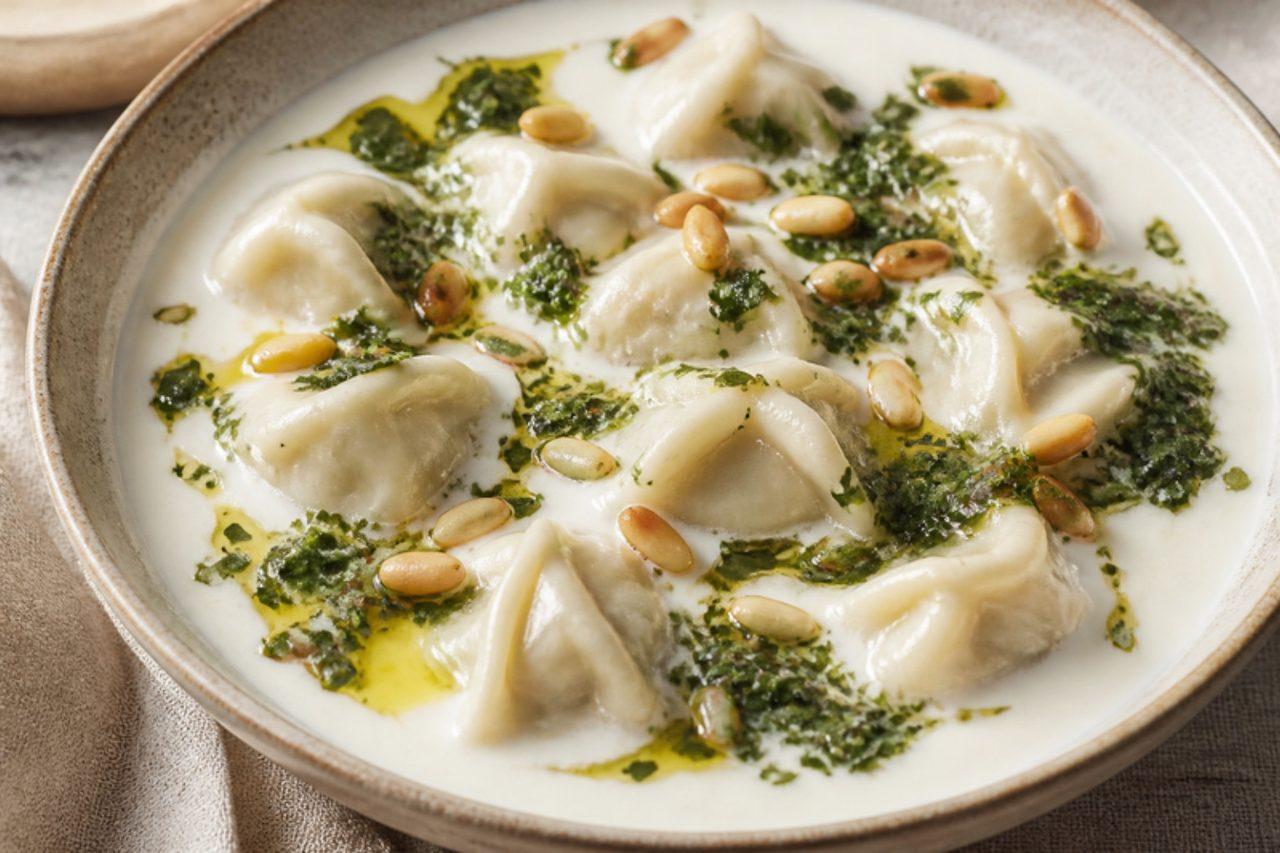
Shish barakLamb dumplings in garlic yoghurt

Shish barak is a labour of love that Lebanese grandmothers turn into a family afternoon: everyone sits round the table pinching hundreds of tiny dumplings filled with spiced lamb and onion. The dumplings are baked until lightly golden, then dropped into hot yoghurt sauce, and the bowl is finished with garlic and coriander fried in butter. It is rich, tangy and deeply comforting, served on its own or with plain rice. Common mistake: rolling the dough thick — it should be thin enough to see the board through, or the dumplings turn stodgy. Chef's tip: baking the dumplings before they go into the sauce sets their shape and adds a toasty flavour; you can freeze them at this stage.

115 minLebaneseMeat
by KrazyBadal 0 views

Showing 27 of 7,762 recipes

Show more recipes

Page 510 of 863