


Skip to content
Sol over Gudhjem
Featured recipe

Sol over Gudhjem

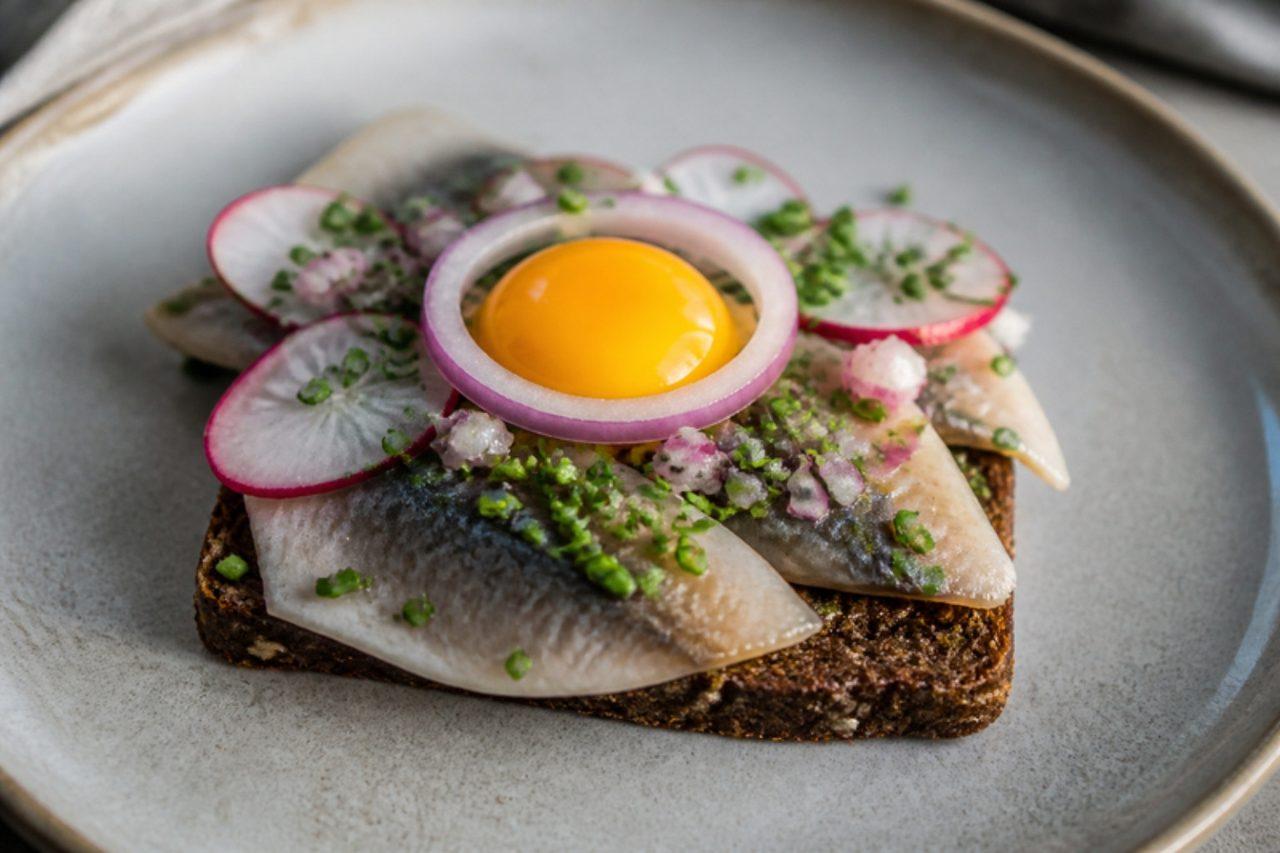
Smoked herring on rye

Sol over Gudhjem, 'sun over Gudhjem', is the famous smørrebrød of Bornholm, the Danish island in the Baltic, where smokehouses in Gudhjem and Svaneke still smoke herring over alder wood: a slice of dark rye spread with butter, topped with a skinned, boned smoked herring, chopped chives and radishes, and a raw egg yolk in the middle as the 'sun'. Raw egg yolk is not for pregnant women, young children or anyone with a weakened immune system; this recipe uses pasteurised eggs, and the yolk can be swapped for a soft-boiled one. A common mistake is leaving the herring bones in; pick them out carefully. Chef's tip: set the yolk in a ring of raw onion so it stays put.

Read more 0 views

What to eat today?

Around the world

Today's trip: Paraguayan

A new country every day, from every cuisine on the site.

Paraguayan

Buseca

Tripe and white bean stew 185 minMore from Paraguayan (27) →

This week's collection

Kid-friendly dinners
537 recipes · a new collection every Monday

Latest recipes

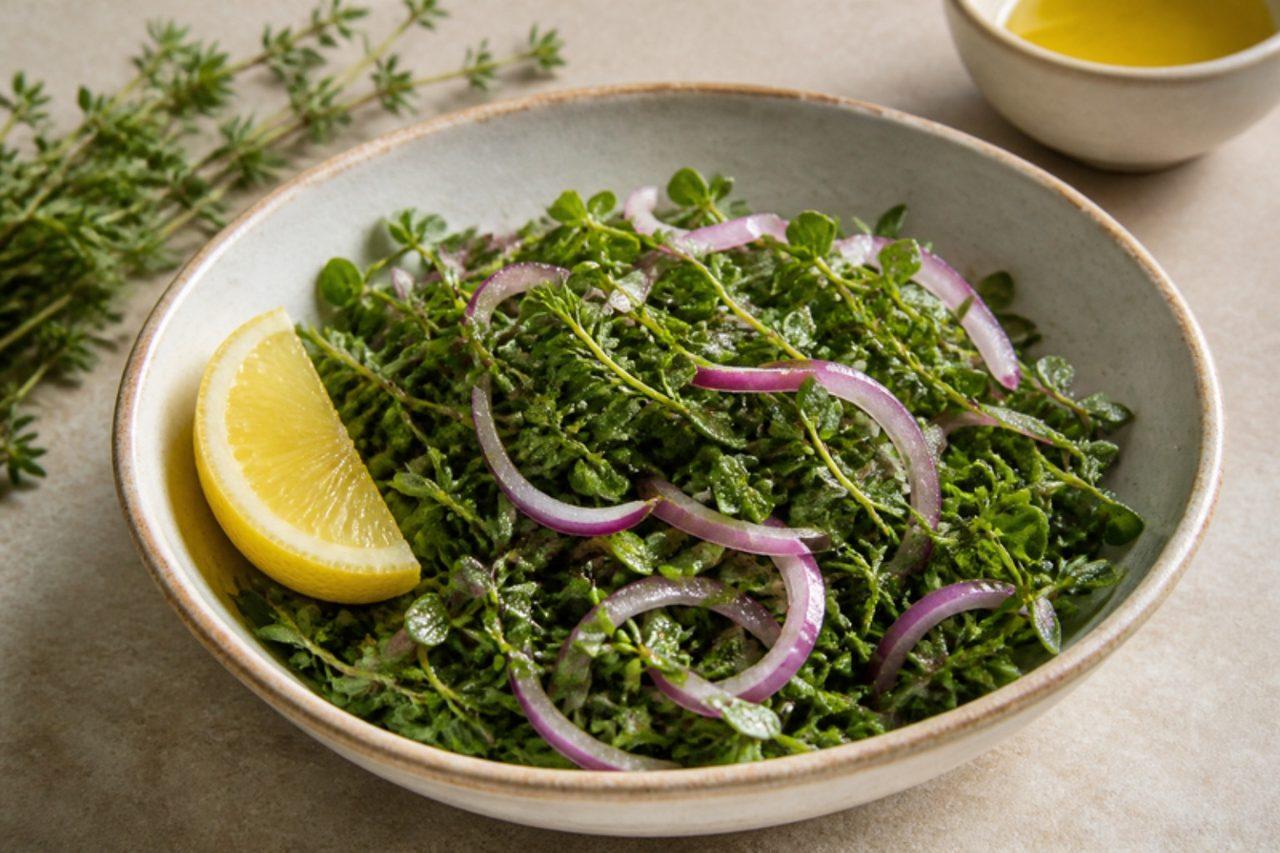
Salatet za'atar akhdarFresh thyme leaf salad

In spring, Palestinian families pick young za'atar (wild hyssop-thyme) from the hills of the West Bank and the Galilee, and the tender leaves are tossed raw with onion, lemon and the year's new olive oil. The salad is sharp, piney and peppery, eaten as part of breakfast with labneh, olives and warm taboon bread, or beside grilled meat. If you can't find fresh za'atar, a mix of fresh oregano, thyme and a little marjoram comes close. Common mistake: chopping the leaves; keep them whole so they stay perky and don't turn dark. Chef's tip: rub the sliced onion with sumac and salt for 5 minutes first; it softens its bite and turns it a pretty pink.

by KrazyBadal 0 views

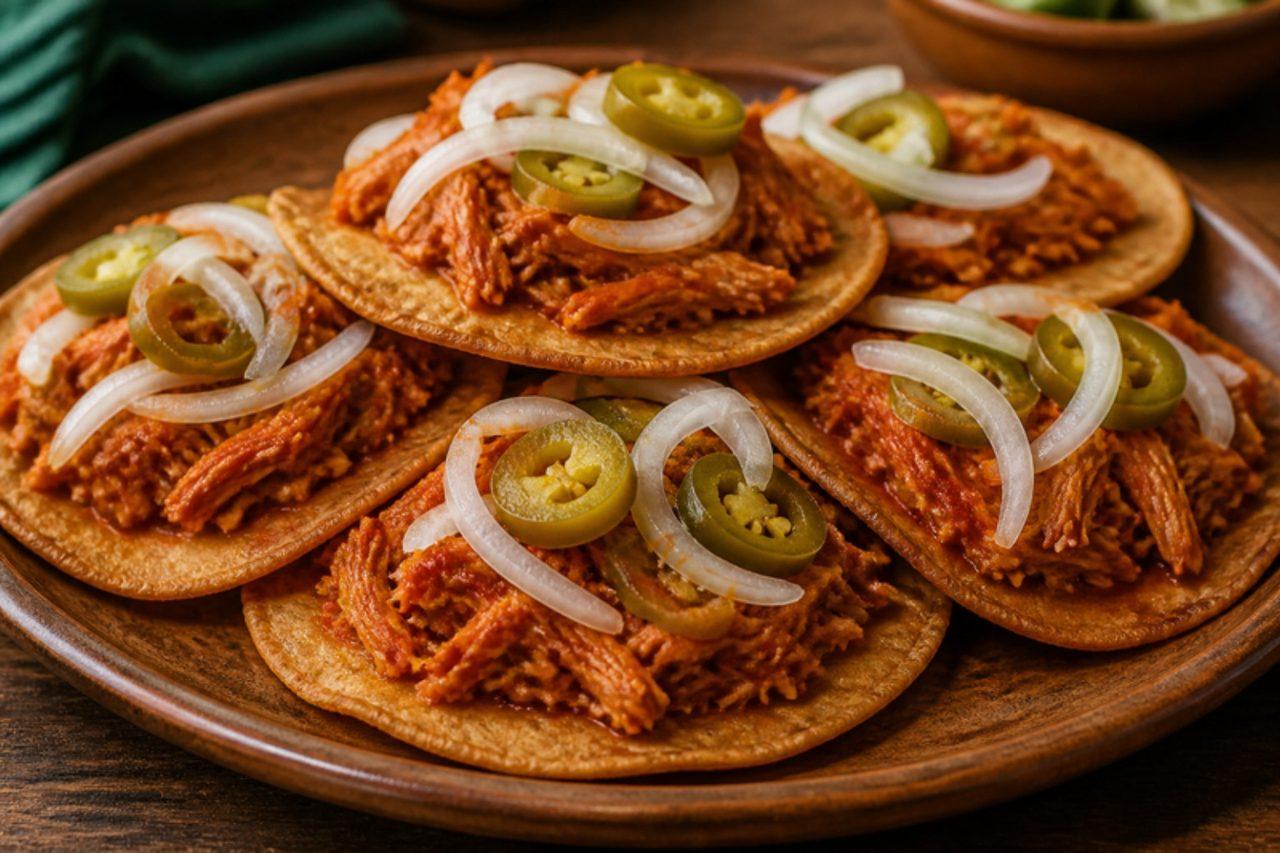
Chalupas de ChilpancingoFried tortillas with chipotle chicken

Chalupas are Chilpancingo's favourite evening snack: in the capital of Guerrero they are sold by the plateful at cenadurías and street stands, often alongside pozole. Small, thick corn tortillas are fried until crisp at the rim but still a little soft in the middle, then heaped with chicken shredded into a smoky chipotle-tomato sauce and finished with sliced onion, a slice of pickled jalapeño and a crumble of cheese for those who like it. Expect to eat five or six each, with a cold agua fresca. The sauce is traditionally fried in pork lard, but vegetable oil is fine. Chef's tip: press a thumb into the edge of each tortilla while it is still warm to make a low rim; it holds the topping and gives the chalupa its little boat shape.

by KrazyBadal 0 views

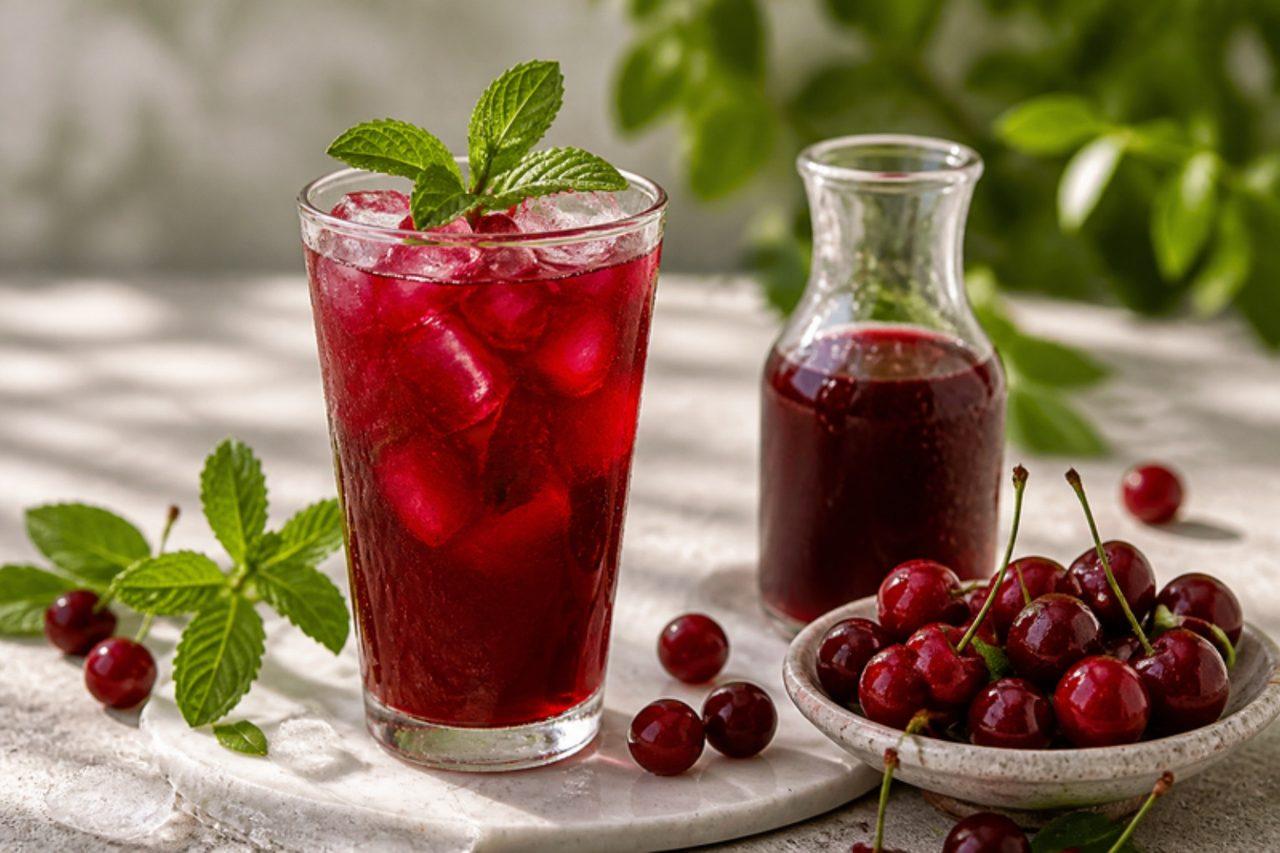
Sharbat-e albalooSour cherry syrup drink

In early summer, when sour cherries arrive from the orchards around Karaj and Mashhad, families make a big batch of sharbat-e albaloo, the deep ruby syrup that is mixed with iced water for guests through the hot months. It is sweet, sharp and very refreshing, and the cooked cherries left over are not wasted: they go into albaloo polo, the cherry rice. A splash of the syrup also goes over shaved ice or yogurt. Chef's tip: stop cooking as soon as the syrup coats a spoon thinly; overcooked syrup loses its fresh cherry flavour and tastes of jam.

by KrazyBadal 0 views

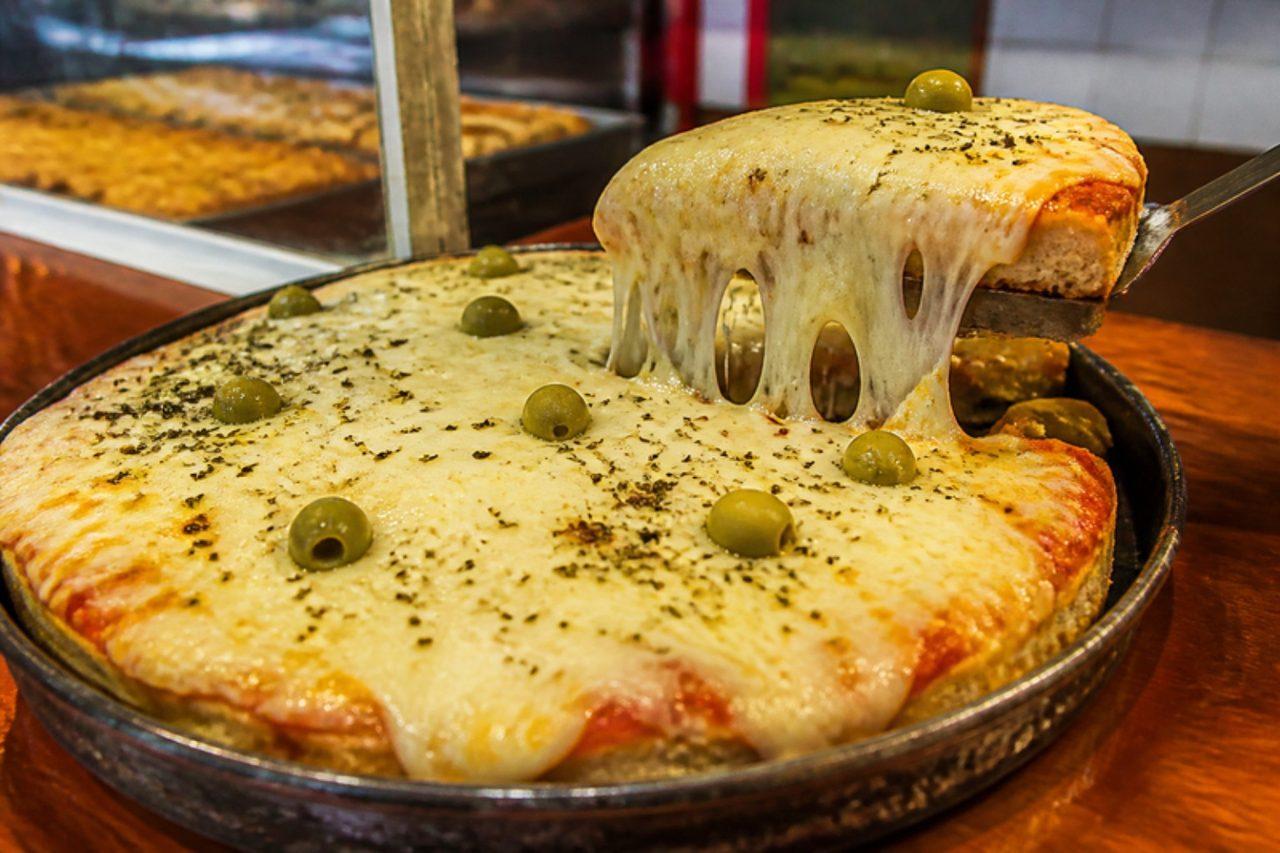
Pizza al moldeThick pan pizza

Order "una grande de muzza" at a Corrientes Avenue pizzería and this is what lands on the metal stand: a tall, airy base baked in a round black tin, a thin layer of tomato sauce and so much mozzarella it spills over the edge and fries against the metal. Porteños eat it standing at the counter or at a Formica table, often with a wedge of fainá on top and a cold soda beside it, and at home it is Friday-night food the whole family agrees on. The crumb should be soft and bready like focaccia, the base crisp from the oiled tin. Most home cooks go wrong by loading the cheese on raw dough: by the time the base has baked the mozzarella has split into grease. Here the base is part-baked with its sauce first, the way pizzerías keep pre-pizzas ready, and the cheese only goes in for the last minutes. The mozzarella is usually made with animal rennet, so pick a vegetarian one if that matters to you. Chef's tip: let the dough rise a second time inside the oiled tin; that last proof is what gives the high, open edge.

by KrazyBadal 0 views

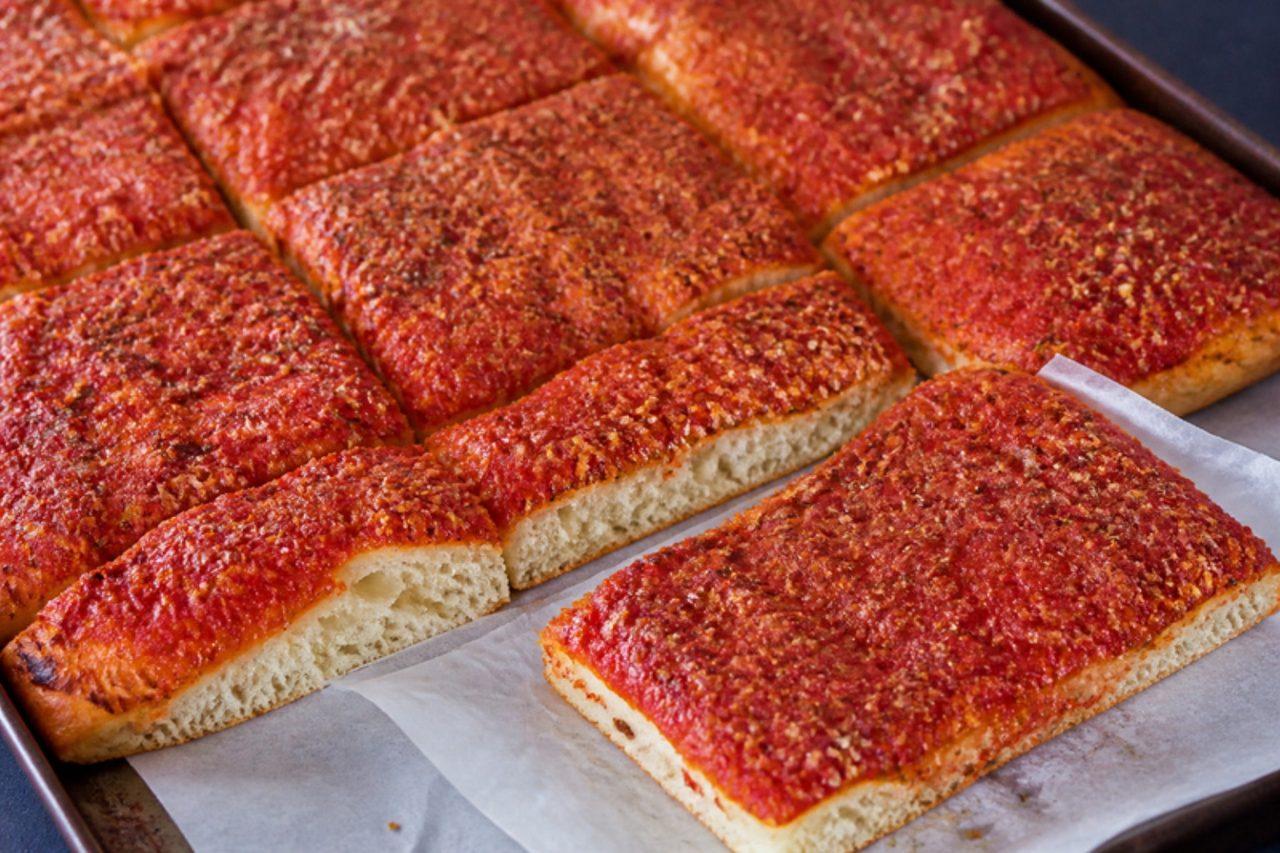
Pizza cancheraCheeseless thick tomato pizza

No cheese at all: that is the whole point of pizza canchera. Vendors walk the terraces at Buenos Aires football grounds with a wicker basket of these thick rectangles wrapped in paper, and the name comes from la cancha, the pitch. Because it is eaten at room temperature, the topping is a heavy, garlicky tomato paste, almost jammy, with dried oregano, a pinch of ají molido (crushed red chilli) and a good slick of olive oil; the base underneath is soft, a little oily and chewy, more focaccia than Neapolitan. Today it also turns up at kids' parties and on Sunday tables as a snack before the asado. Where people slip up is the sauce: a thin, watery sauce soaks the dough and turns it soggy by the time it has cooled, so the tomato has to be cooked down until a spoon leaves a trail. Chef's tip: cut it into squares only once it has cooled for 15 minutes; it will hold its shape like the slices sold in the stands.

by KrazyBadal 0 views

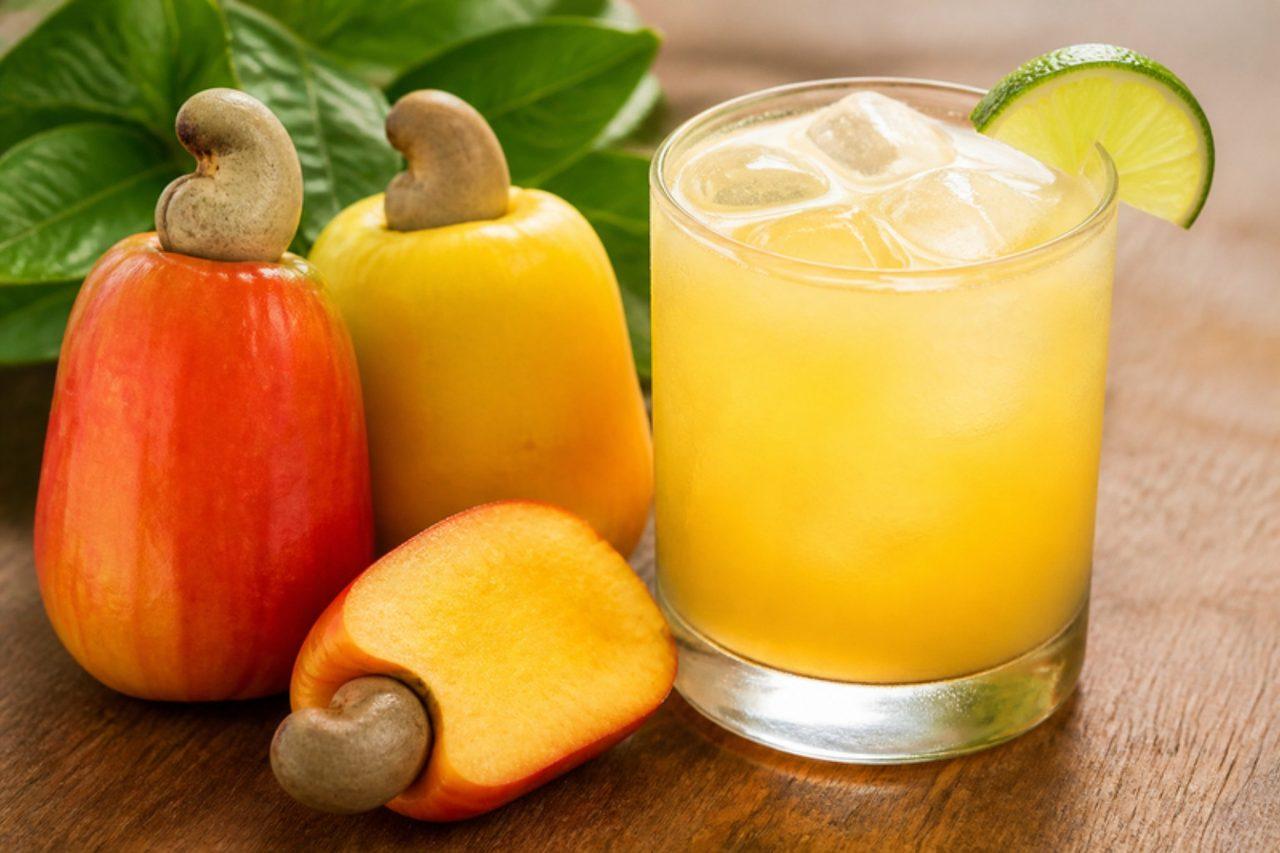
Suco de cajuCashew apple juice

Everyone in Ceará and Rio Grande do Norte has a cashew tree nearby, and in the season, roughly September to December, the fleshy yellow and red cashew apples hang heavily above the nuts. Their juice is the region's everyday drink: pale, cloudy, sweet-tart and faintly astringent, it leaves a slight dryness in the mouth that people love with fried fish or a plate of baião de dois. Fresh cashew apples rarely travel, so outside Brazil use frozen cashew-apple pulp (polpa de caju) from Brazilian shops. This is the fruit, not the nut, but anyone with a cashew allergy should still avoid it. Over-sweetening to hide the astringency is a common mistake, as the juice turns syrupy. Chef's tip: a few drops of lime and plenty of ice soften the dryness far better than extra sugar.

by KrazyBadal 0 views

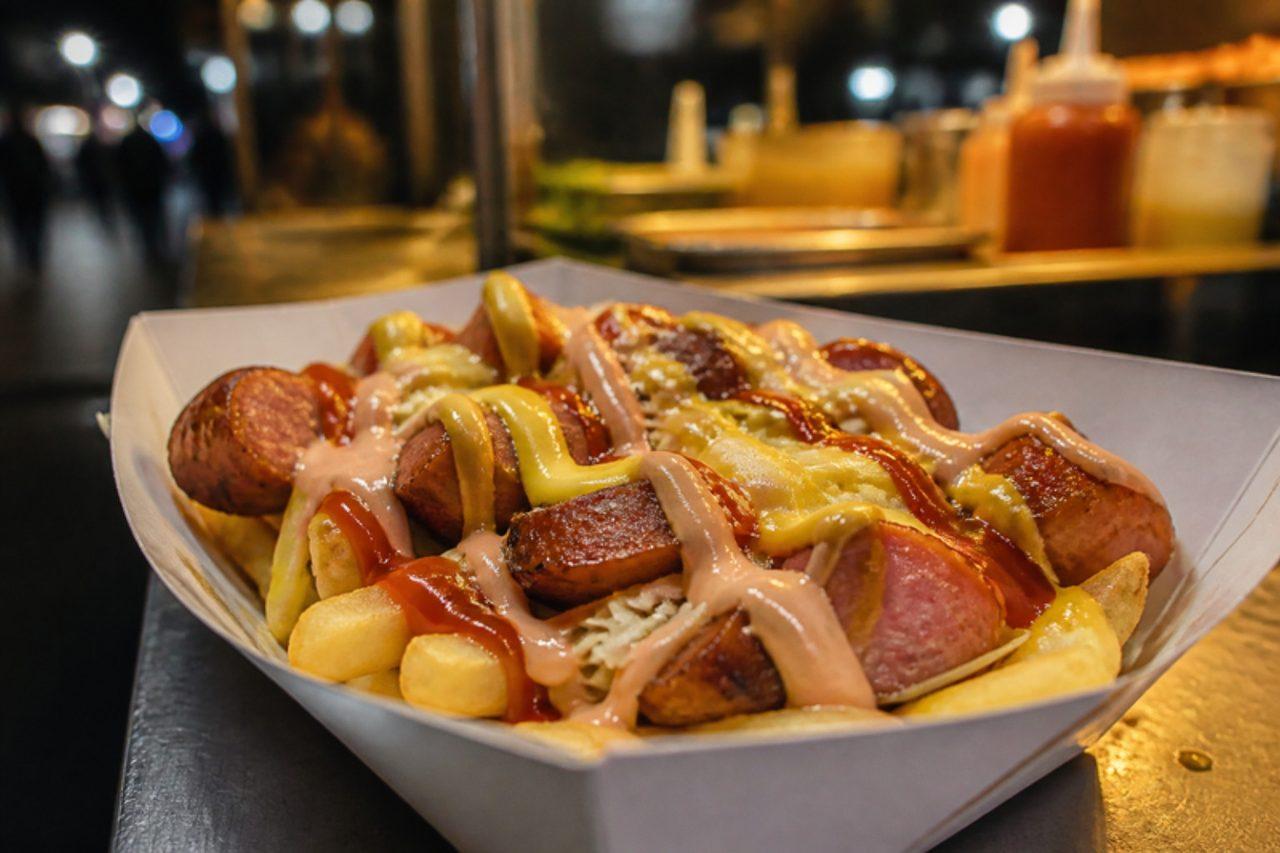
SalchipapaFries with sliced sausage

Late at night outside the bars and football stadiums of Bogotá and Medellín, carts and fast-food counters sell salchipapa by the plastic tray: hot chips topped with fried slices of hot dog sausage, drowned in salsa rosada (ketchup mixed with mayonnaise), mustard and grated cheese, sometimes with a squirt of pineapple sauce. Kids love it, and it's an easy Friday-night dinner at home: salty, crisp and soft at once, with the sweet-tangy pink sauce tying everything together. The way it goes wrong is soggy fries; double frying keeps them crisp under all that sauce. Chef's tip: slice the sausages on the diagonal and fry them until they curl and blister at the edges; the crisp bits make the dish.

by KrazyBadal 0 views

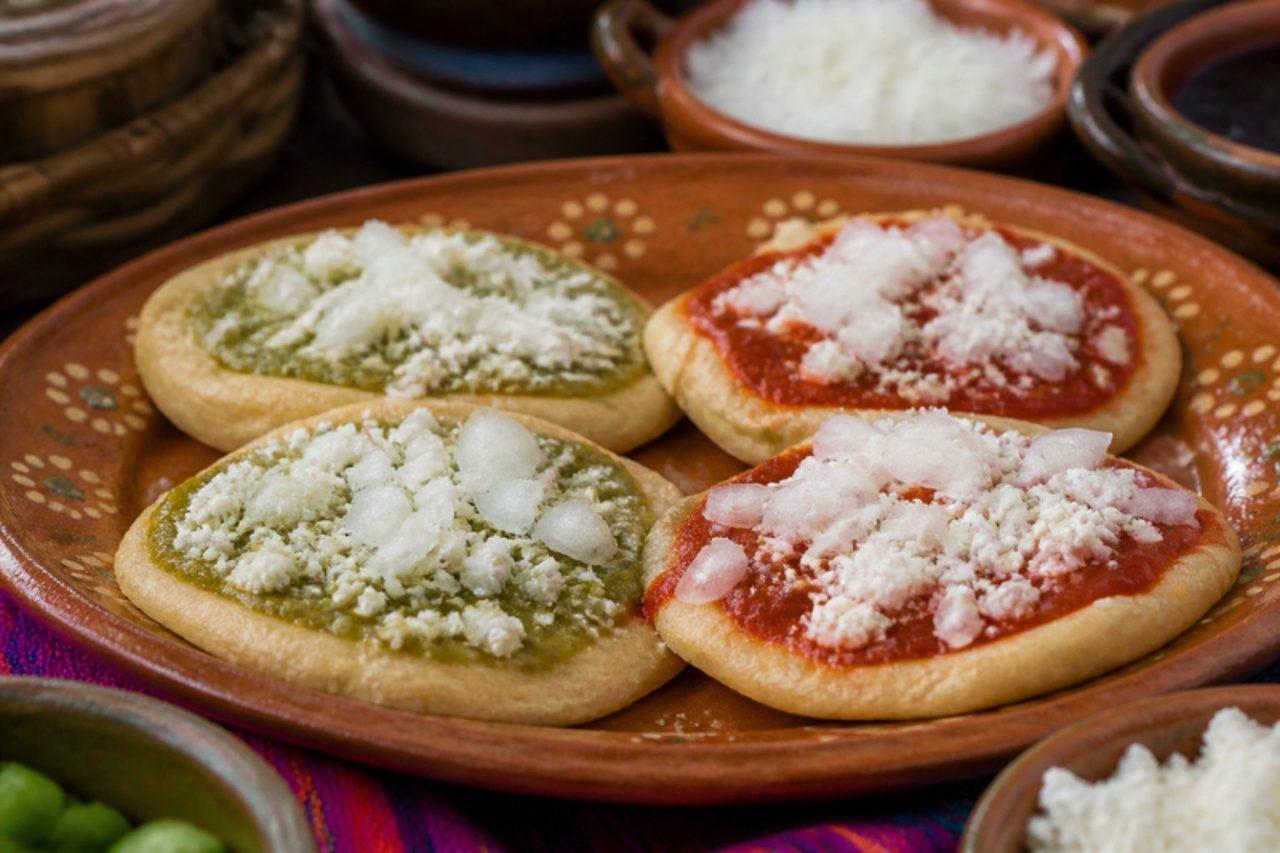
Chalupas poblanasFried tortillas with salsa

On Sunday evenings in the old centre of Puebla, around the Barrio de San Francisco and the Paseo Bravo, stalls fry stacks of small, thin tortillas in shallow oil and paint them half red and half green with salsa. These are chalupas poblanas, sold by the half dozen on paper plates and eaten in a few bites. The Puebla version is usually topped with shredded pork; ours keeps the salsas, onion and cheese, which are the real flavour, and adds a few beans. The edges should be crisp, the middle still a little soft from the salsa. Cheese like queso fresco is often made with animal rennet, so use a vegetarian fresh cheese if you prefer. Chef's tip: spoon the salsa on while the tortilla is still in the pan so it sizzles and soaks in.

by KrazyBadal 0 views

Berliner PfannkuchenJam-filled doughnuts

In Berlin a Pfannkuchen is not a pancake but a round, sugar-dusted yeast doughnut with a pale ring around its middle and a squirt of jam inside; most of Germany calls them Berliner. Bakeries pile them up for New Year's Eve and for Carnival in February, and the old joke is to slip one filled with mustard into the batch. Good ones are light and springy, never greasy. A common mistake is frying in oil that is too hot, which browns the outside before the middle cooks; keep it at 170 °C. Chef's tip: let the shaped dough rise uncovered for the last 10 minutes so a thin skin forms; that is what gives the classic white band round the middle.

by KrazyBadal 0 views

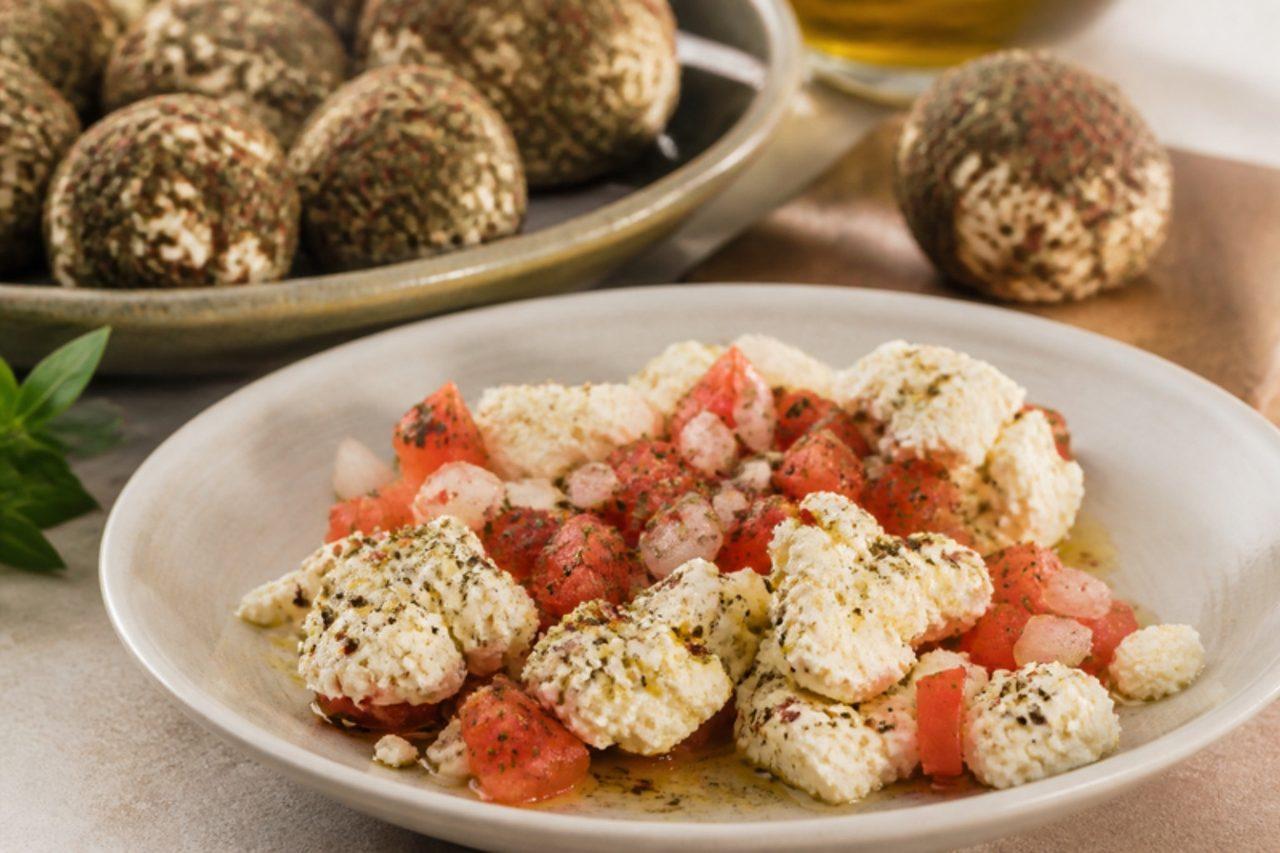
ShanklishAged yoghurt cheese balls

Up in the mountain villages of northern Lebanon and around Tartus on the Syrian coast, families once made shanklish at the end of summer to keep milk through the winter. This home version starts from strained yoghurt (labneh), seasoned and dried into firm balls, then coated in za'atar and Aleppo pepper for a tangy, crumbly cheese with a herby crust. Crumble it over chopped tomato and onion, drown it in olive oil and eat it with bread for breakfast or as mezze. Because it is made from labneh rather than rennet cheese, it is fully vegetarian. Common mistake: rolling the balls while the labneh is still soft; it must be firm enough to hold a thumbprint. Chef's tip: dry the balls uncovered in the fridge for two extra days if you like a sharper, more crumbly cheese.

by KrazyBadal 0 views

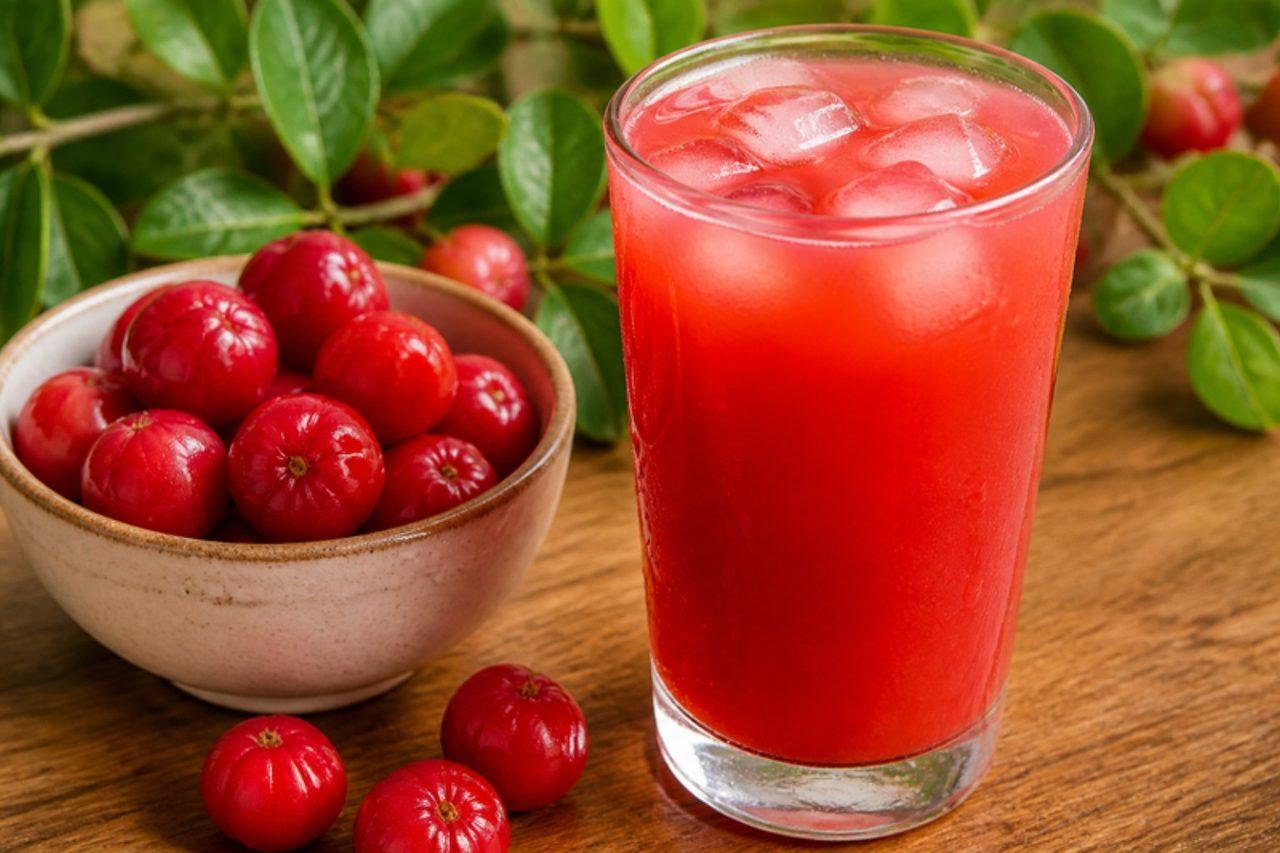
Suco de acerolaAcerola cherry juice

Backyard acerola bushes are everywhere in Pernambuco, Paraíba and the rest of the Northeast, and the small, glossy red cherries fruit several times a year. Blended with water and a little sugar, they make a vivid orange-red juice, tart and cherry-like with a slightly floral finish, famously one of the richest natural sources of vitamin C. Lanchonetes often mix it with orange juice; at home it is the drink kids are handed when they have a cold. Fresh acerolas spoil within days, so outside Brazil use frozen acerola pulp. Letting it stand is the common mistake, since the vitamin C and colour fade quickly once blended. Chef's tip: blend it just before serving, and add the sugar sparingly, about a tablespoon per two glasses, to keep it light.

by KrazyBadal 0 views

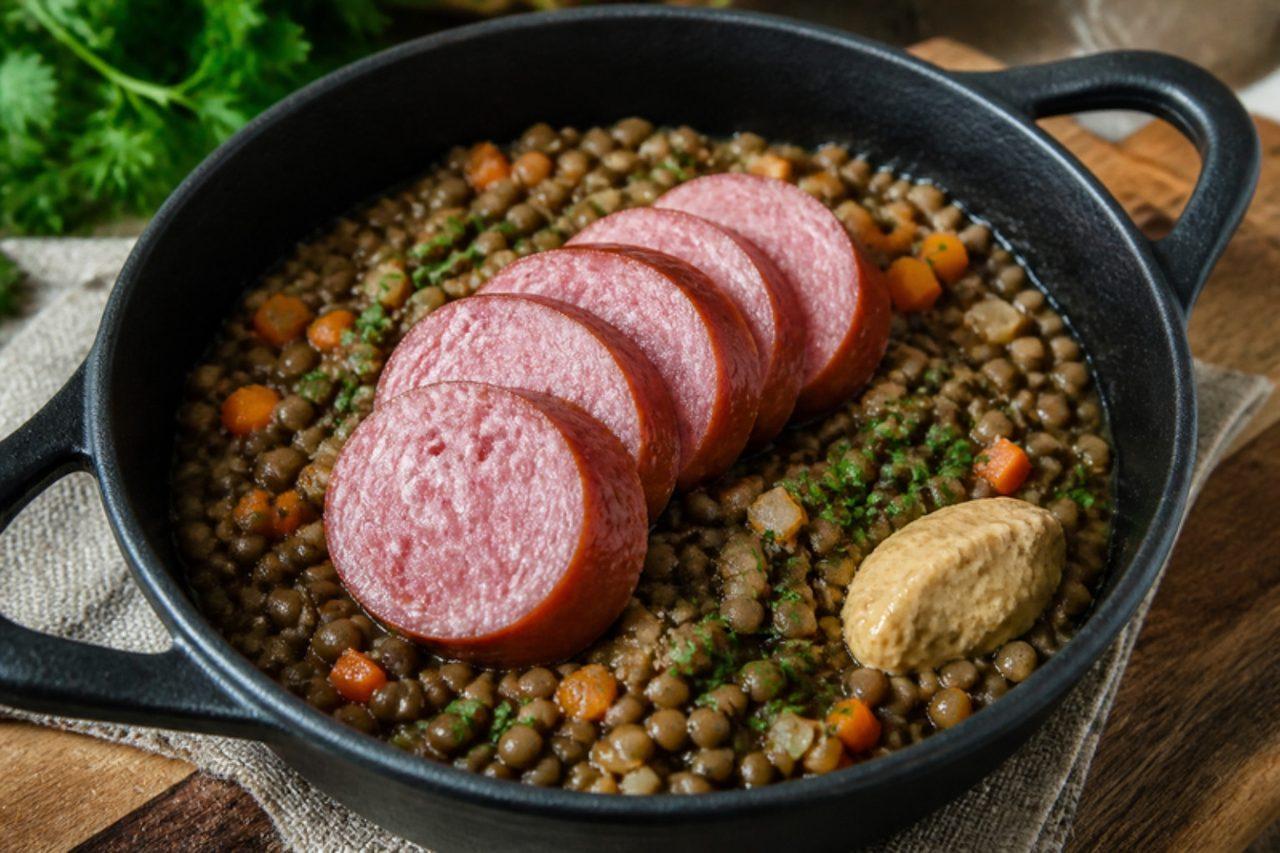
Saucisse de Morteau aux lentillesSmoked sausage with lentils

The Morteau sausage is the pride of the Haut-Doubs in Franche-Comté: a pure pork sausage slow-smoked over resinous pine in the tall chimneys of mountain farmhouses, recognisable by the little wooden peg at one end. On winter weekdays it is simmered with small green lentils, carrots and onions, so the lentils soak up its smoky, garlicky juices while staying whole and nutty. Slice the sausage thickly over the lentils and serve with Dijon mustard and a green salad. If you can't buy Morteau, use another good smoked pork sausage. Chef's tip: never prick a Morteau before cooking, or the juices that should flavour the lentils will leak out into the water and be lost.

65 minFrenchMeatGluten free
by KrazyBadal 0 views

Rillettes de ToursPotted shredded pork

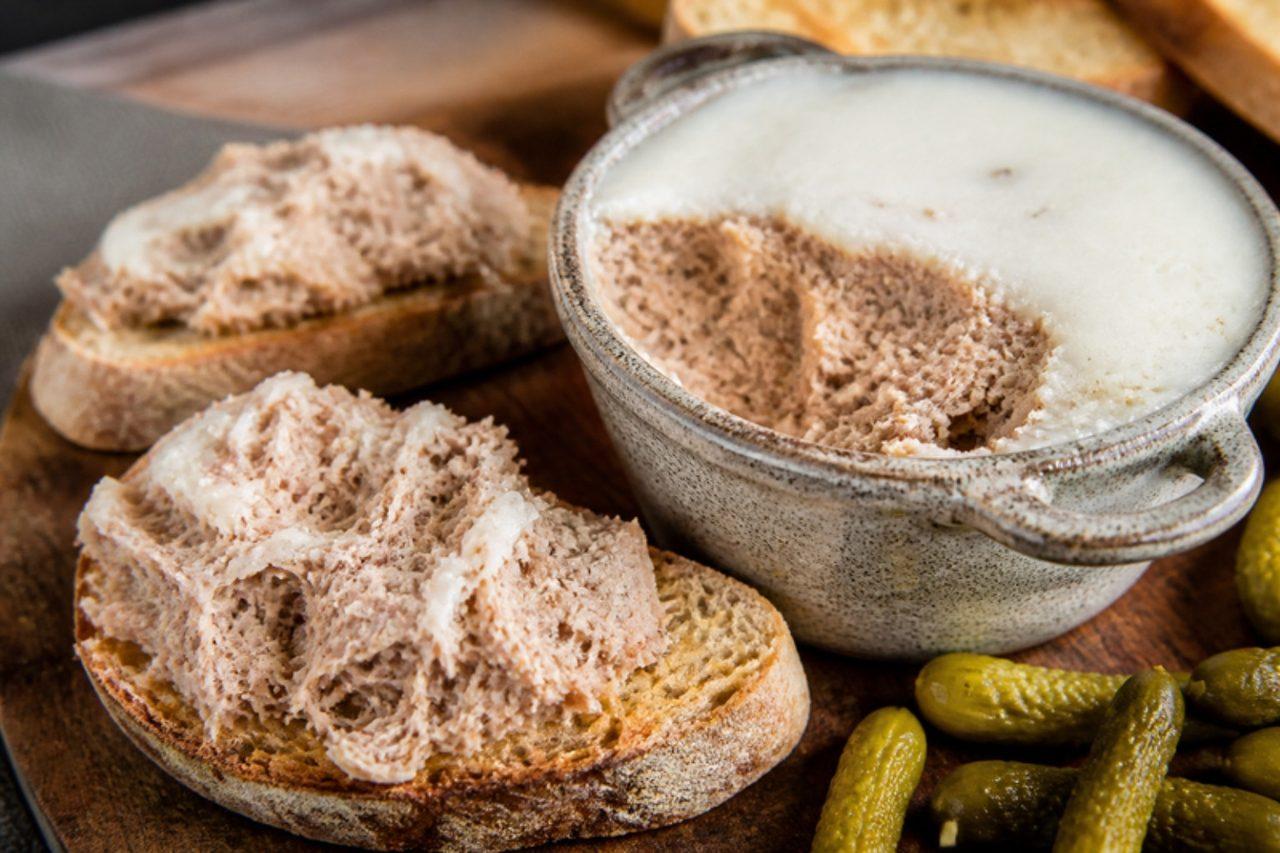
Touraine, the stretch of the Loire Valley around Tours, has made rillettes since the Middle Ages, and every charcuterie counter in the region sells them alongside rillons, their chunky cousins. This is pork through and through: pork shoulder and belly cooked very slowly in their own fat with a little water until they collapse, then shredded with forks into a soft, rich spread that is brown at the edges and deeply savoury. Pots of it go on the table at apéritif time with crusty bread, cornichons and a glass of something cold. Kept sealed under a layer of fat, they last a week in the fridge. Chef's tip: cook it long enough that the meat colours lightly in the fat at the end; that browning is what gives Tours rillettes their deeper taste.

by KrazyBadal 0 views

Chupe de camaronesPrawn chowder

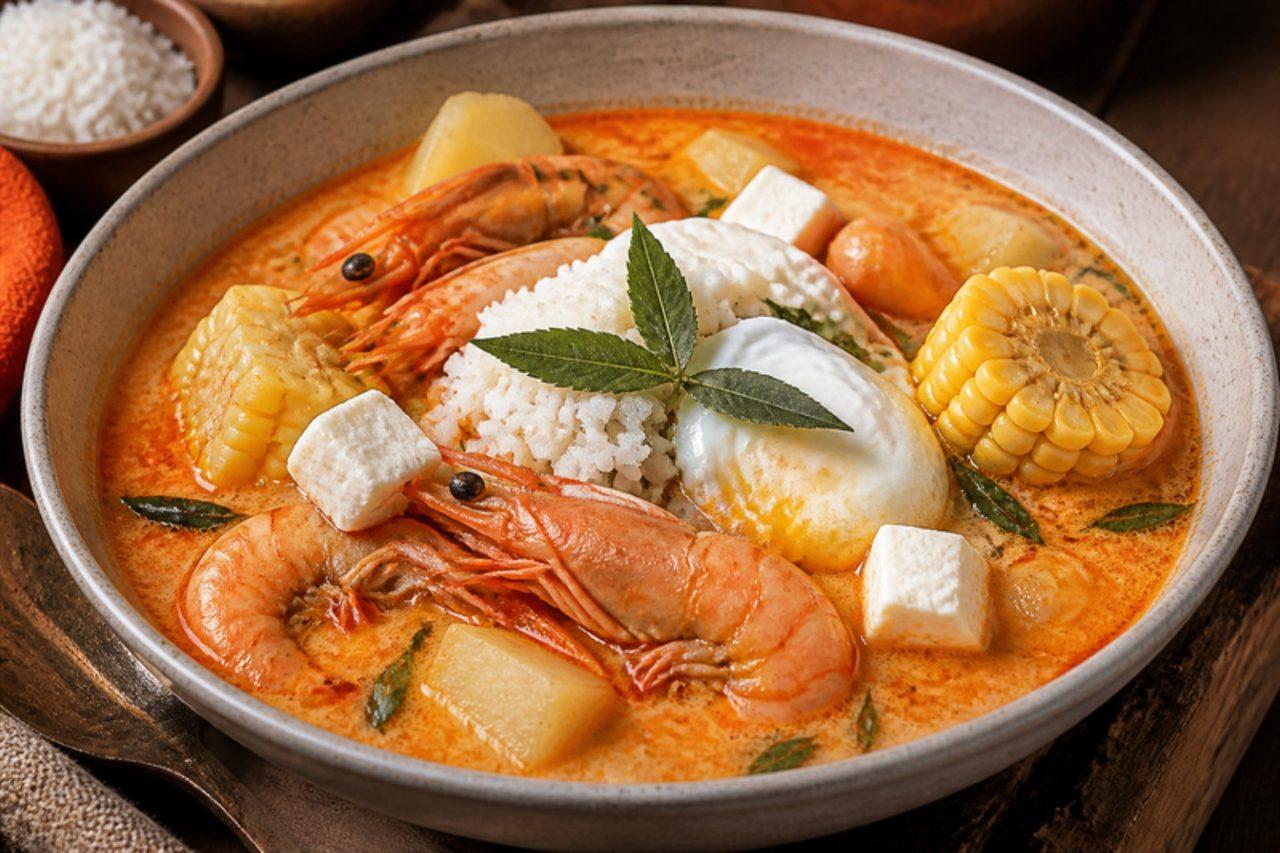
Arequipa's picanterías serve one chupe on each day of the week, and the prawn one, made with crayfish-like camarones from the Majes and Ocoña rivers, is the grandest, especially on Fridays in Lent. It is a big orange chowder: a broth made from the prawn shells and heads, coloured with ají panca, filled with potatoes, corn, broad beans and a little rice, then softened with evaporated milk and fresh cheese, with an egg poached in each bowl. Rich, sweet and gently spicy, it needs nothing but bread. Large shell-on prawns stand in well for river prawns. Many cooks boil the prawns from the start and they turn to rubber; add them at the end and cook only until pink and opaque. Chef's tip: fry the heads and shells in the oil first and press them hard; the orange fat that comes out is what gives chupe its colour and depth.

by KrazyBadal 0 views

ShámbarWheat, bean and smoked pork soup

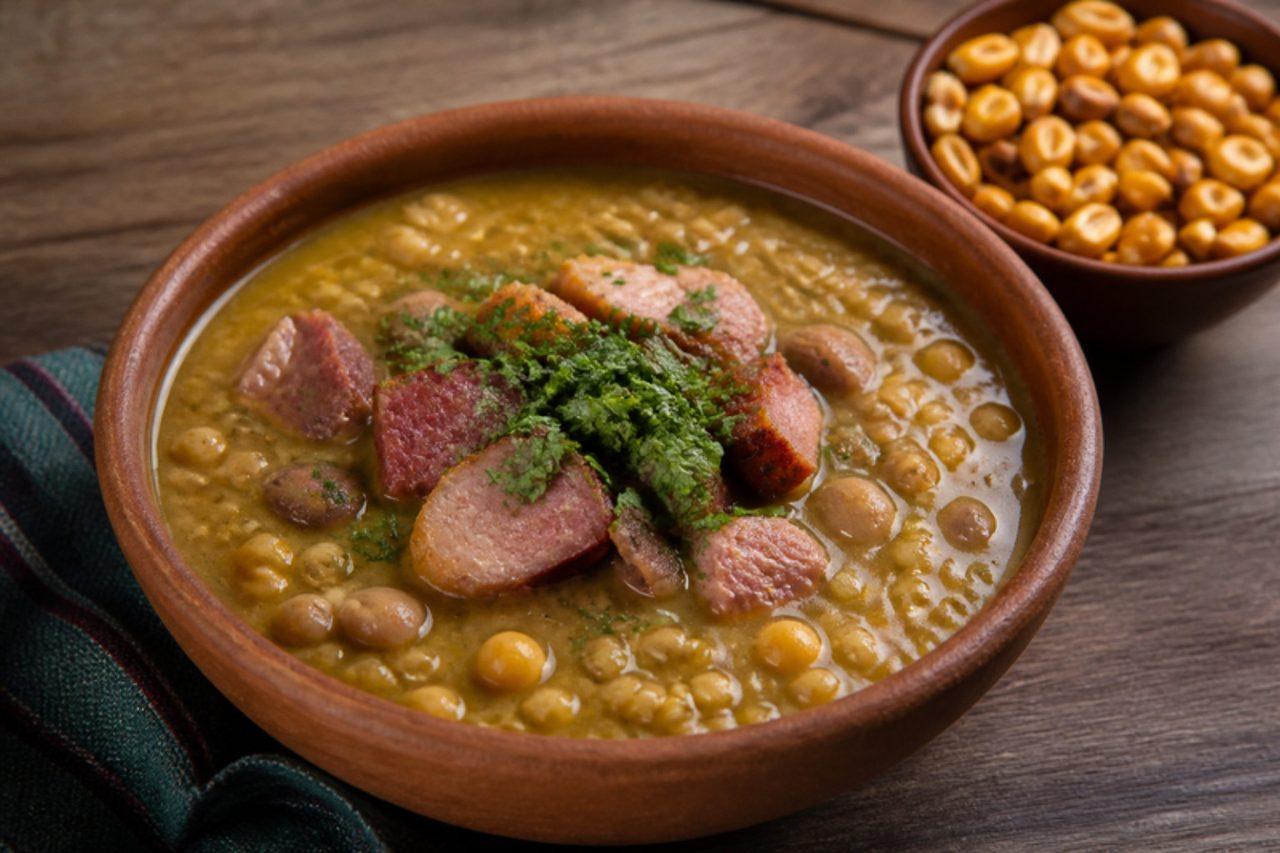
Mondays in Trujillo mean shámbar: market stalls and huariques across the city put out pots of this thick, smoky soup of cracked wheat, chickpeas, broad beans, peas and canary beans, cooked with smoked ham hock, pork ribs and pork skin, then stirred through with a fried paste of ají panca and garlic and a handful of mint. It is earthy, porky and rib-sticking, and each bowl gets a scoop of crunchy cancha just before eating. Soak the beans and the wheat overnight. People often cook everything together from the start, and the peas turn to mush before the chickpeas soften; cook the hardest pulses first. Chef's tip: toast the wheat in a dry pan before soaking it; it gives the soup a nutty depth the locals look for.

by KrazyBadal 0 views

Sally Lunn bunsBrioche-style bun

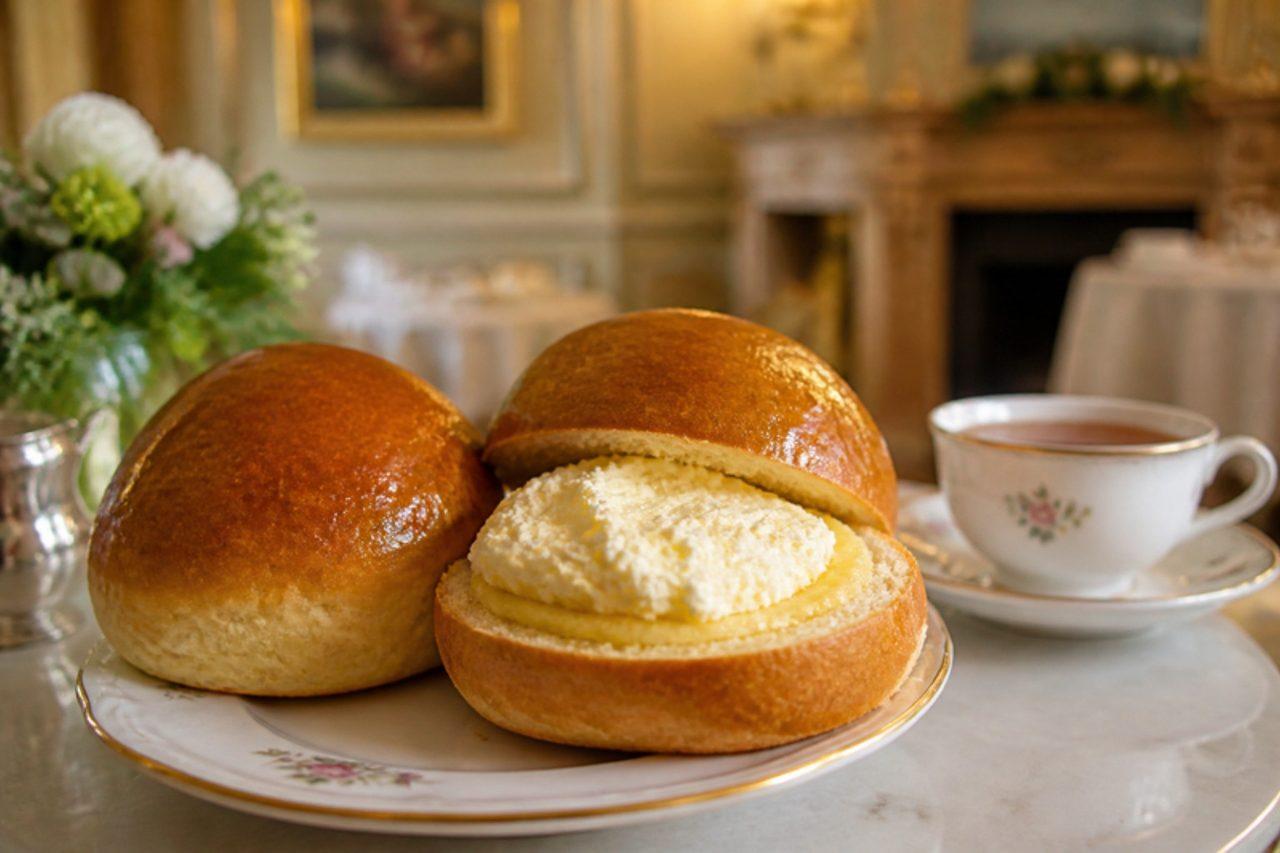
The Sally Lunn is a huge, airy, enriched bun from the Georgian city of Bath, where an old house by the Abbey still serves it split and toasted, sweet with cinnamon butter or savoury with cheese. The dough is soft, with plenty of egg, butter and cream, so it bakes up light like brioche. Chef's tip: the dough is very soft; use a cake tin to hold its shape rather than shaping it freehand.

by KrazyBadal 0 views

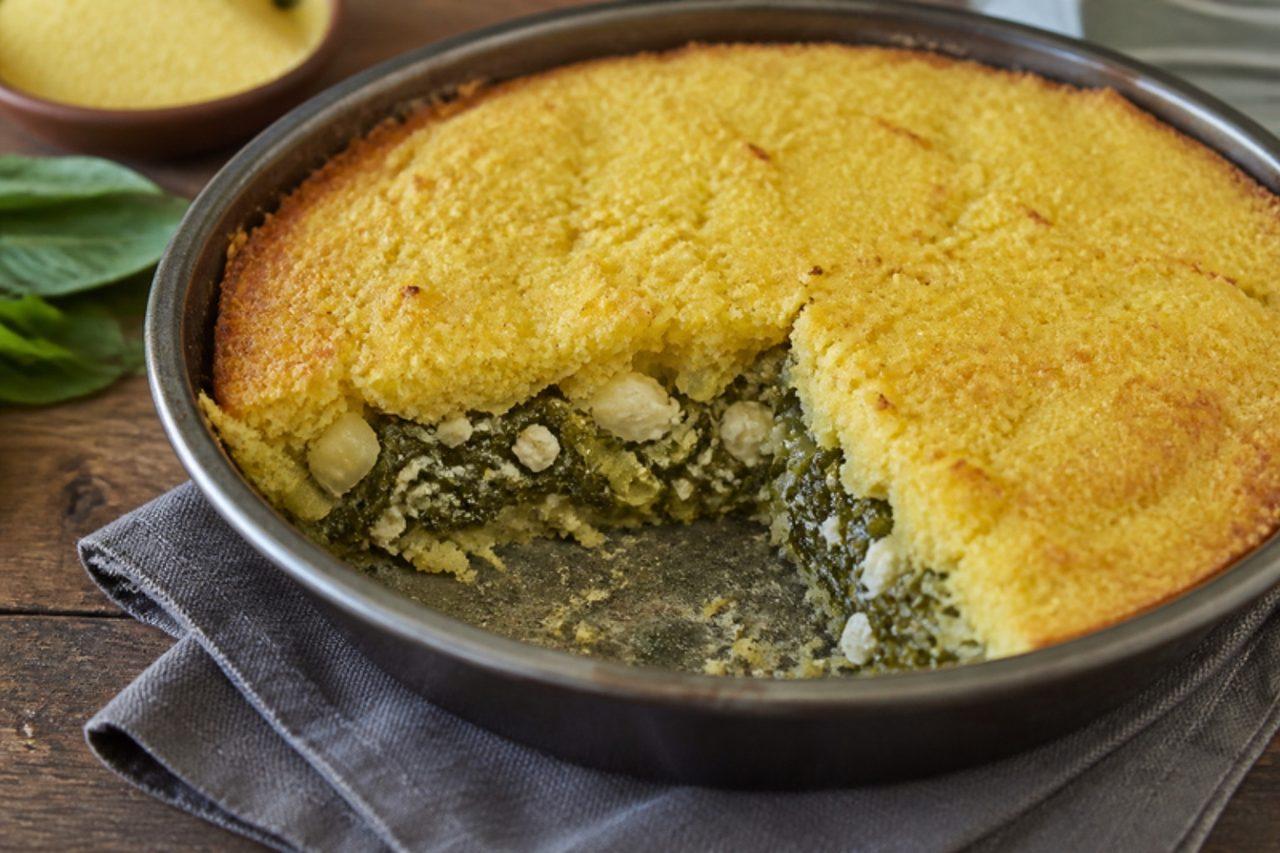
PlastosWild greens and feta cornmeal pie

Plastos comes from the hill villages of Thesprotia and Ioannina, where women patted (plastó, 'shaped') a pie together from what the garden and hillside gave: wild greens, leeks, herbs and cheese, held between layers of coarse cornmeal instead of filo. It bakes into a crusty, rustic slab, green and savoury inside, eaten warm with yoghurt or as a lunch to carry to the fields. Feta is usually made with animal rennet; a vegetarian feta-style cheese works. Common mistake: leaving the greens wet — squeeze them hard after salting, or the cornmeal turns to paste. Chef's tip: a mix of spinach and chard with plenty of dill and fennel tops comes close to the wild greens of Epirus.

by KrazyBadal 0 views

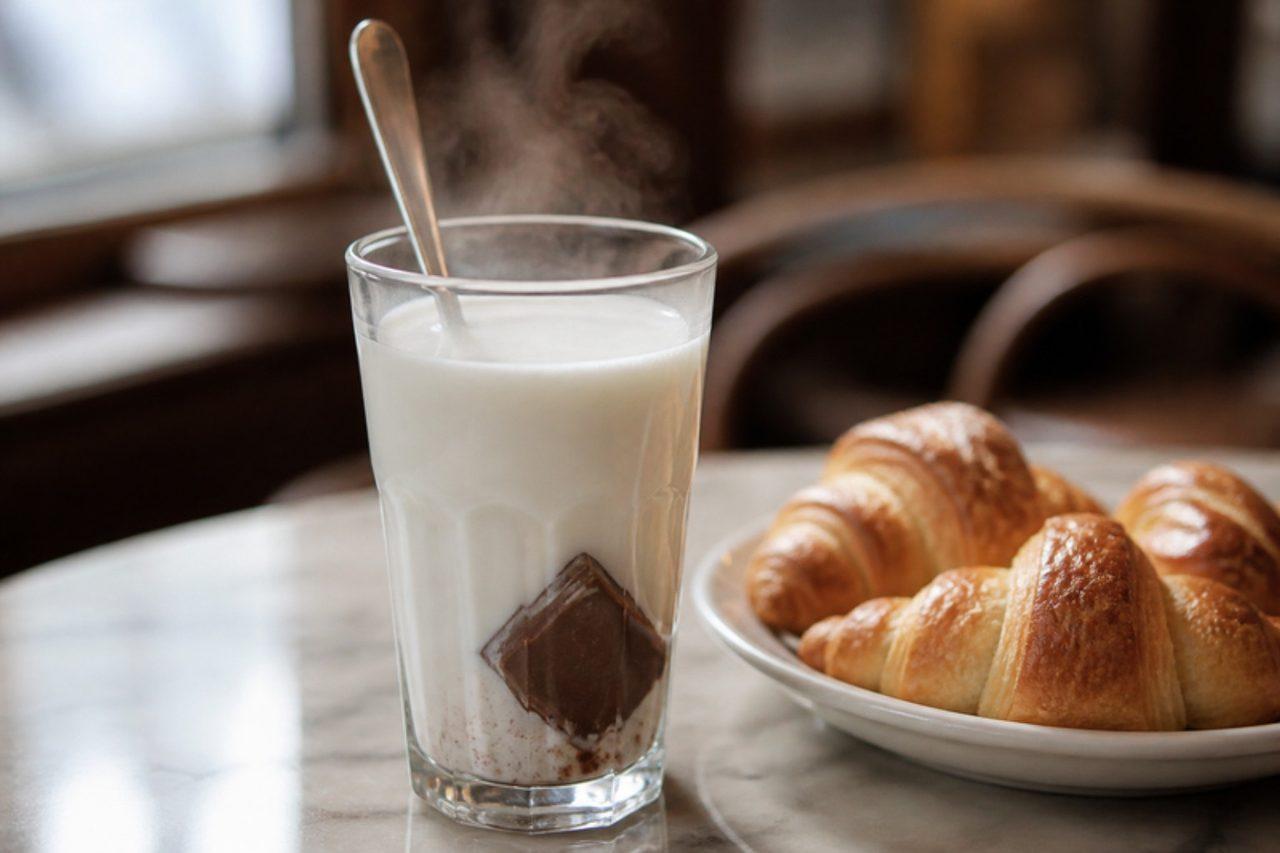
SubmarinoHot milk with chocolate bar

Café tables in Buenos Aires have their own way with hot chocolate: the waiter brings a tall glass of frothy, steaming milk on a saucer with a slim bar of dark chocolate, and you drop the bar in yourself and watch it sink like a submarine. Stirred with a long spoon, it melts into a rich, not-too-sweet drink, and it is the classic order with medialunas on a cold winter afternoon or after school. At home it takes five minutes, and children love the moment of dropping the bar in. The common letdown is milk that is only warm: the chocolate sits in a lump at the bottom. Heat it until it is steaming and just starting to rise, but not boiling. Chef's tip: froth the hot milk with a whisk or milk frother before pouring; the foam on top is part of the café ritual and keeps the drink hot while the chocolate melts.

by KrazyBadal 0 views

Showing 18 of 7,762 recipes

Show more recipes

Page 517 of 863