


Skip to content
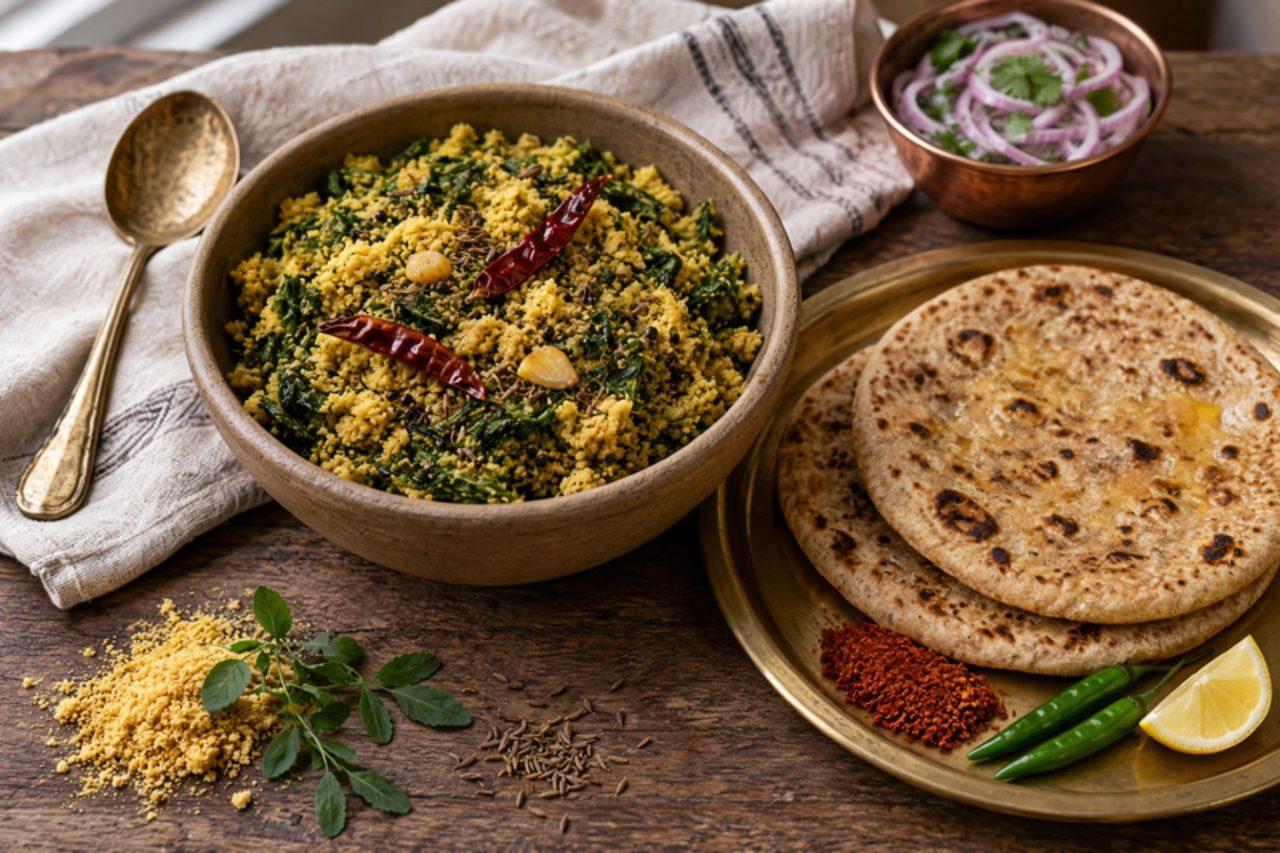
Methi besan bhaji
Featured recipe

Methi besan bhaji

Fenugreek and gram flour stir-fry

Farmers in Vidarbha and households in Jodhpur both make a version of this: chopped methi leaves cooked down and then dusted with roasted besan until the whole pan turns into dry, savoury crumbs that cling to a chapati. Because it has almost no moisture, it is one of the best sabzis for a long journey or a hot day's dabba. The mistake is adding raw gram flour straight to the leaves, which leaves a pasty, raw taste. Roast the besan dry until it smells like biscuits first. Chef's tip: sprinkle a few drops of water over the crumbs and cover for a minute at the end, so they soften just enough without turning into a paste.

Read more 0 views

What to eat today?

Around the world

Today's trip: Persian

A new country every day, from every cuisine on the site.

Persian

Homemade kashk

Fermented yogurt whey 90 minMore from Persian (131) →

This week's collection

Kid-friendly dinners
537 recipes · a new collection every Monday

Latest recipes

Peixada cearenseFish poached in coconut broth

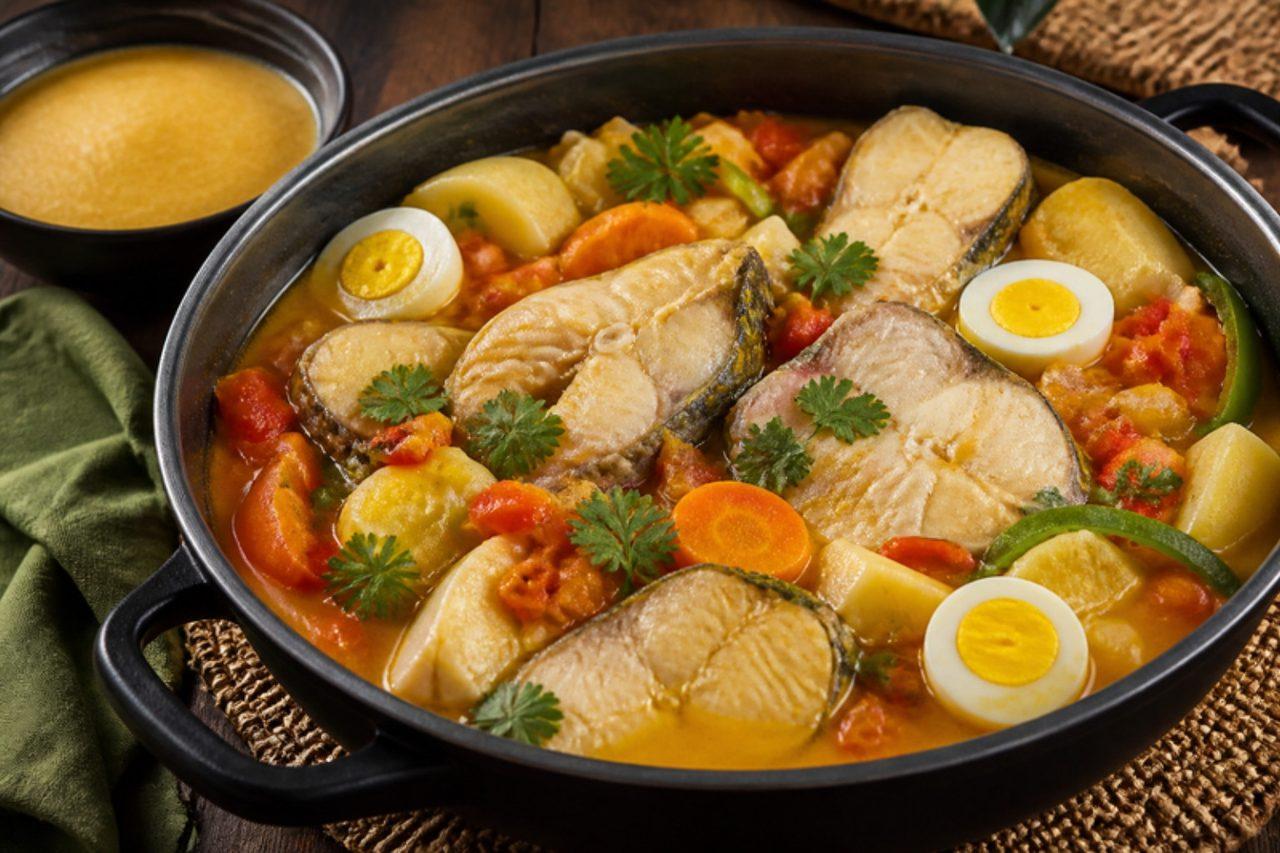
Fortaleza's beach restaurants, the barracas on Praia do Futuro, build a whole Sunday around peixada: thick steaks of firm white fish poached in a coconut broth with potatoes, carrots, chayote, cabbage and peppers, crowned with halved boiled eggs. The fish is mild and juicy, the broth fragrant with coriander, and half of it is ladled off and thickened with cassava flour into pirão, a soft, savoury porridge eaten alongside with white rice and pepper sauce. A common mistake is putting the fish in with the vegetables from the start, so it breaks up before the potatoes are done; the vegetables get a head start. Use snapper, sea bass, hake or another firm white fish in steaks. Chef's tip: stir the farinha into the hot broth off the heat, a little at a time, and whisk hard; it is the only way to get a smooth, lump-free pirão.

by KrazyBadal 0 views

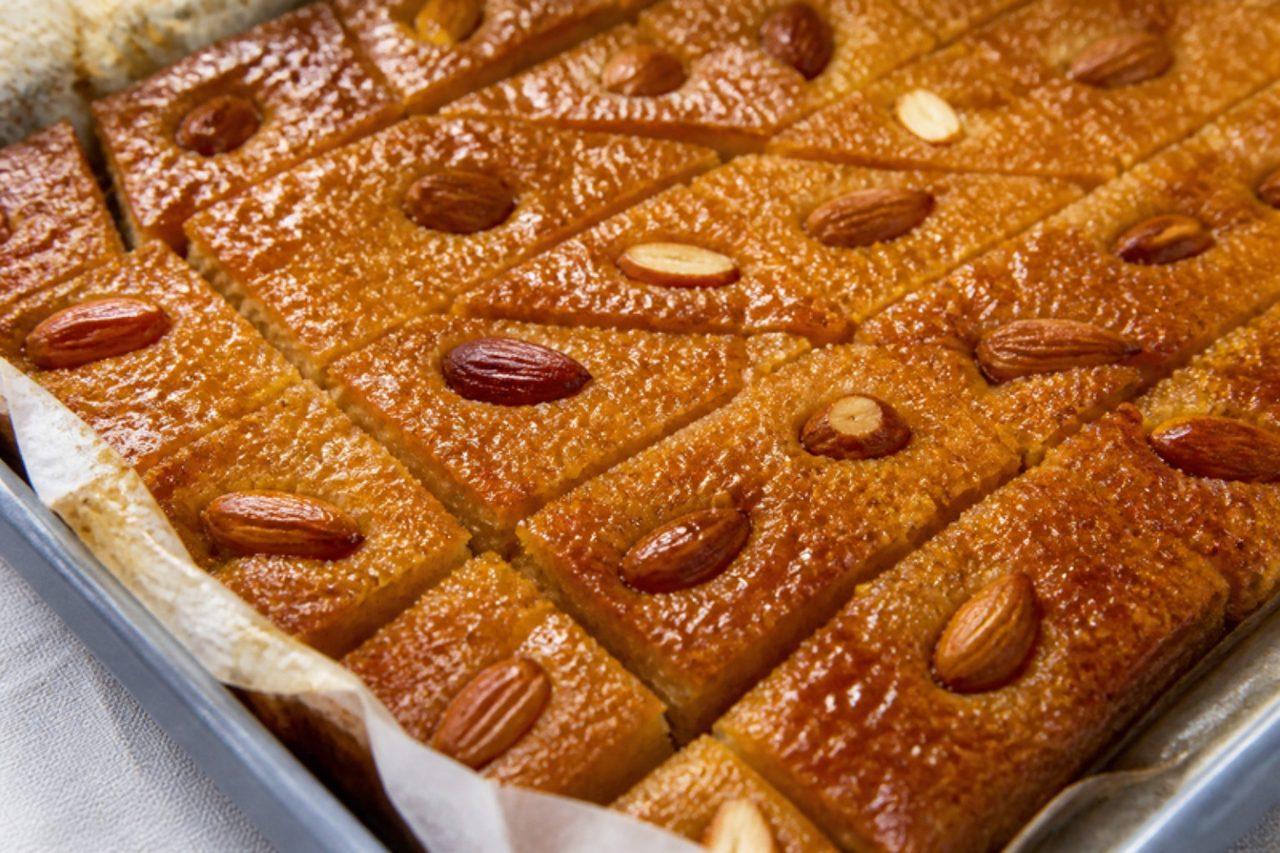
Halvas FarsalonCaramelised almond halva

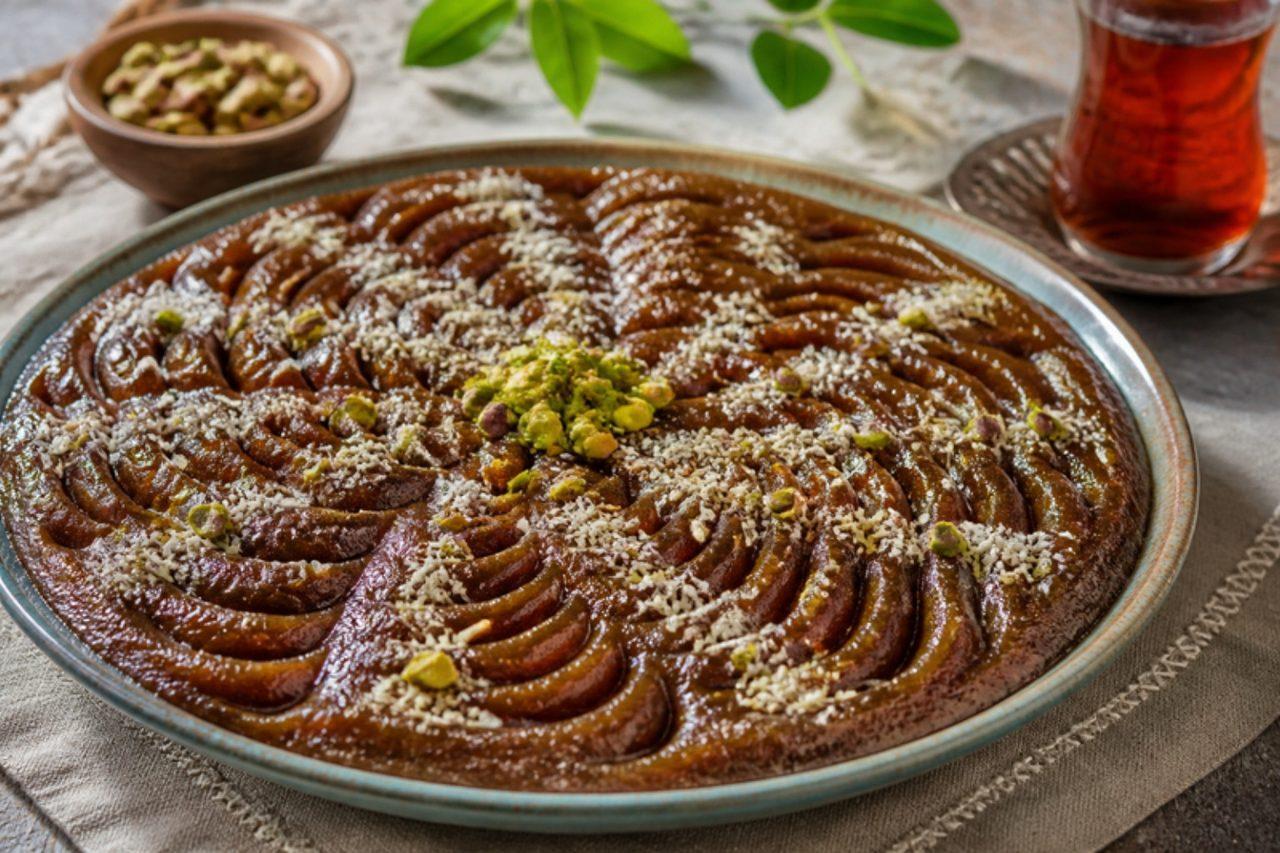
Farsala, a market town on the Thessalian plain, is famous across Greece for its halva: not the sesame kind but a chewy, translucent sweet of cornflour, sugar and butter, cooked until it caramelises, then baked until the top turns glassy amber. Shops sell it by the slab at fairs and on Sundays, and visitors take it home to Athens. Common mistake: stopping too early, when it's still pale and starchy — keep stirring until it pulls away from the pan in one golden mass. Chef's tip: use a heavy non-stick pan and a strong wooden spoon; it gets very thick, and you'll be glad of both.

by KrazyBadal 0 views

Halva-ye khormaDate halva

Along the Gulf coast, in Bushehr, Ahvaz and Abadan, halva-ye khorma is made from the year's soft dates and served at breakfast with bread, at funerals and on Thursday evenings in memory of the dead. Flour is toasted slowly until nutty, then beaten with warm date paste, saffron, cardamom and rosewater into a dense, glossy halva that is pressed into a dish and decorated. A common mistake is adding cold date paste to the hot flour, which seizes into lumps; warm the dates first. Chef's tip: keep stirring until the halva leaves the sides of the pan in one smooth ball, which means it will slice neatly once cool.

by KrazyBadal 0 views

KapchiBroad beans in cheese sauce

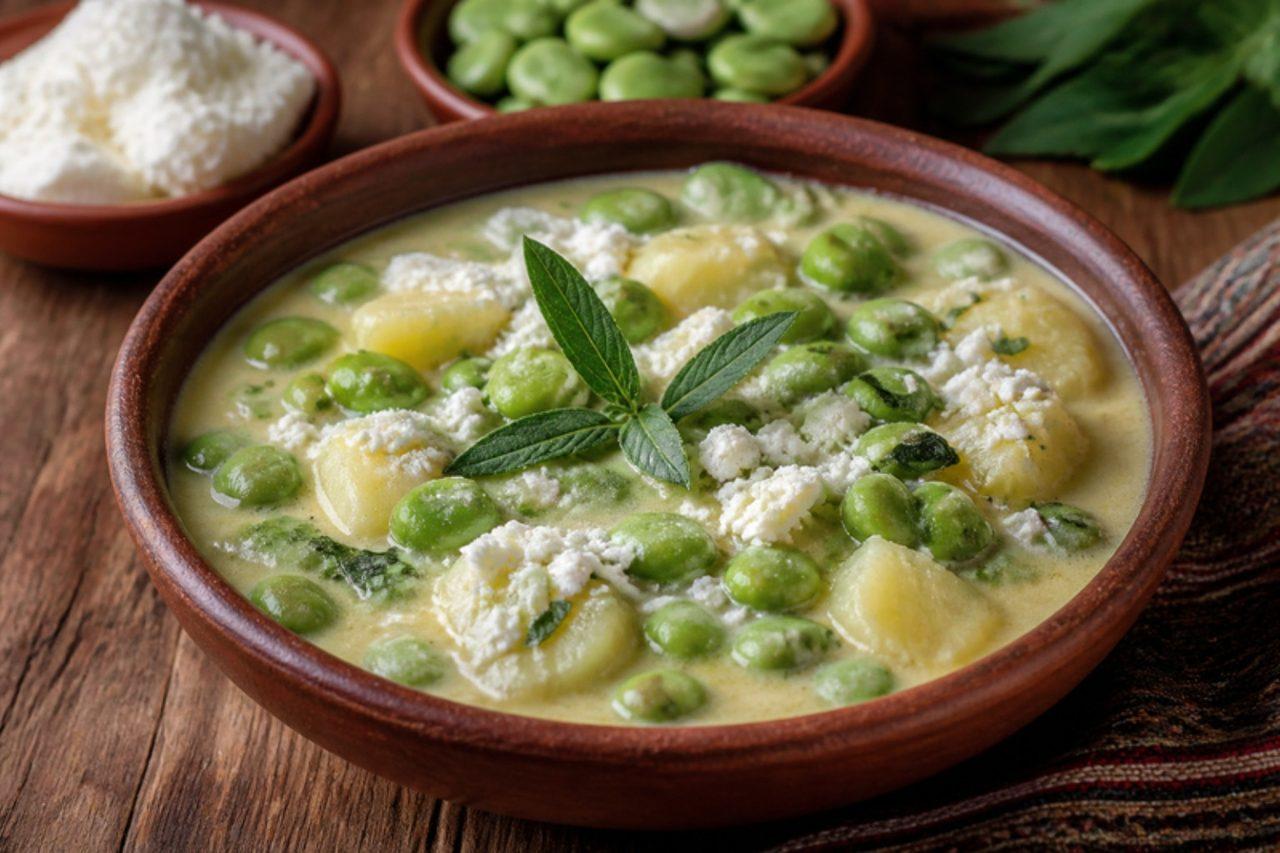
Kapchi (sometimes spelled capchi) comes from the Quechua for something like 'dressed' or 'creamed', and around Cusco it turns up when the fresh broad beans are in season: green habas, potatoes and soft fresh cheese simmered with milk until the sauce turns thick and pale, with ají and a handful of huacatay. Market stalls in San Pedro sell it with rice, and families make it at Easter as a meatless dish. It is gentle and creamy with a herby, slightly minty finish, and the beans stay sweet and tender. The trap is boiling the sauce once the cheese is in; it splits into curds and goes watery, so keep it at a bare simmer. Serve with white rice or boiled potatoes and a spoon of uchucuta. The same recipe works with sliced mushrooms instead of beans, which Cusco cooks also do. Queso fresco is usually set with animal rennet, so pick a vegetarian fresh cheese if you need to. Chef's tip: peel the beans of their pale inner skins after blanching; it takes ten minutes and makes the dish far silkier.

by KrazyBadal 0 views

Sakızlı muhallebiMastic milk pudding

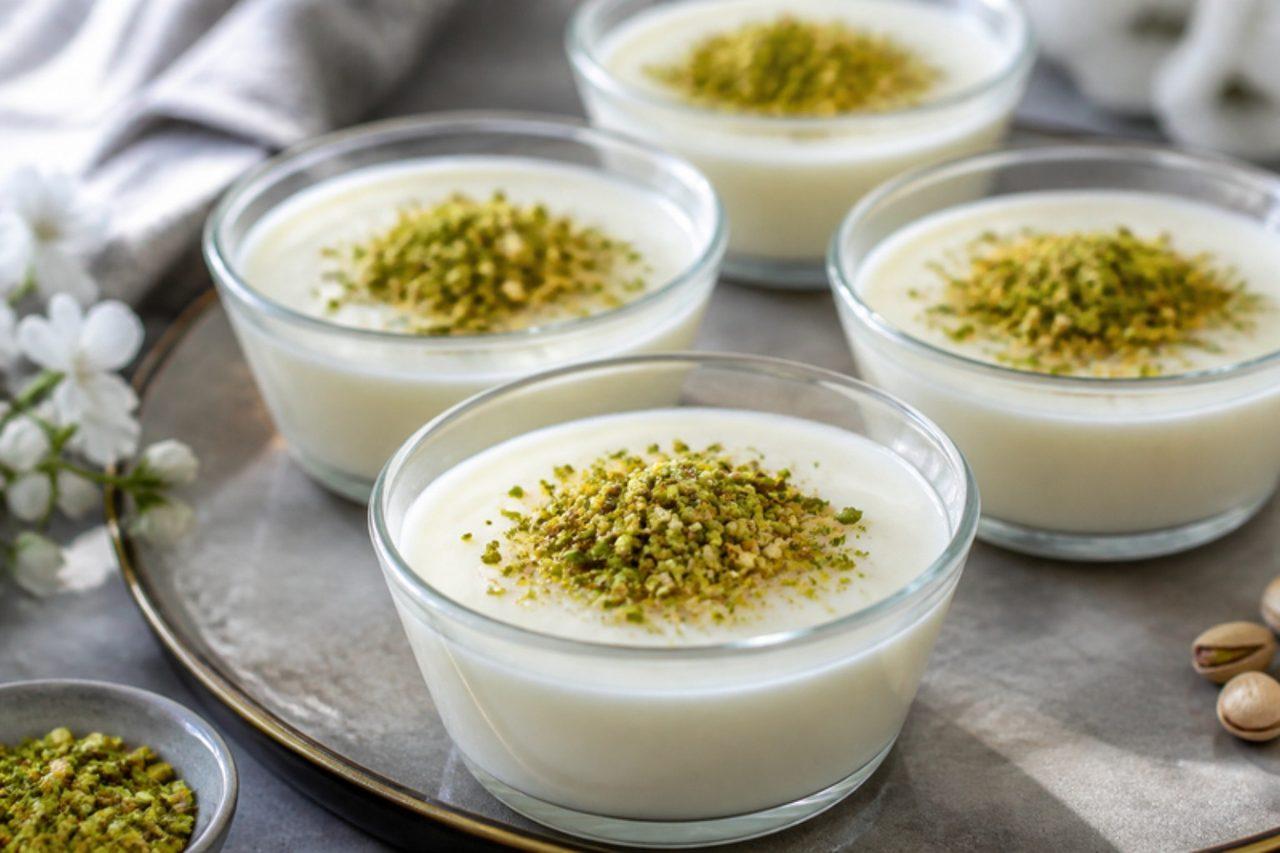
Çeşme looks across the water to Chios, the island where mastic trees weep their resin, and the town's pudding shops have long used it to perfume a simple, wobbly milk pudding. The flavour is hard to describe: piney, a little floral, very fresh against cold creamy milk. It is the dessert to order after a long fish lunch in Alaçatı. Chef's tip: grind the mastic with a teaspoon of sugar in a mortar; on its own it gums up into sticky lumps.

by KrazyBadal 0 views

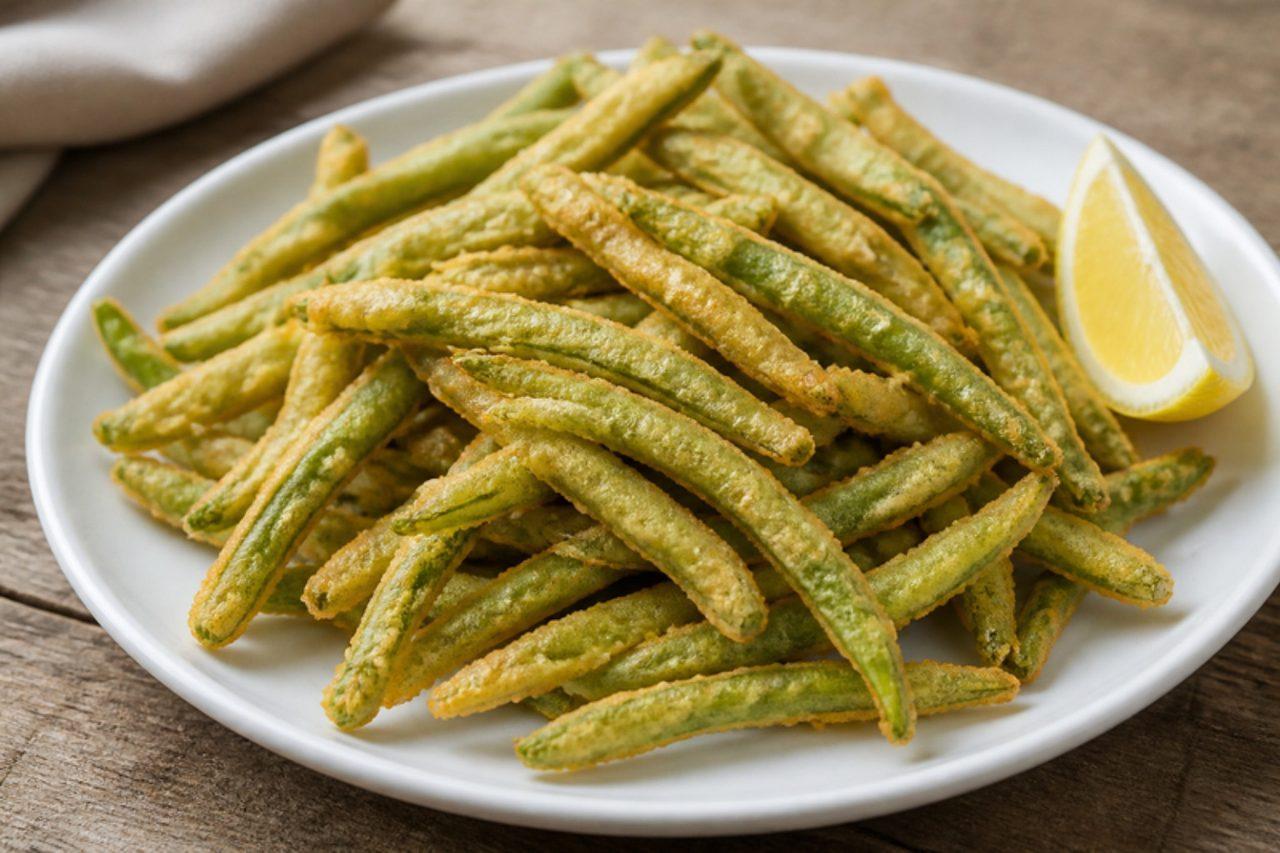
Peixinhos da hortaBattered green beans

Order a round of petiscos in an old Lisbon tasca and a plate of these often lands first: flat green beans in a thin, crackly batter, eaten with the fingers alongside a cold drink. The name means 'little fish from the garden', because on meatless church days the beans stood in for fried sardines. Portuguese missionaries are often credited with carrying the idea of batter-fried food to Japan in the 1500s, where it may have grown into tempura. Serve them hot, with lemon wedges and a pinch of flaky salt. Chef's tip: dry the blanched beans completely on a towel; any water left on them stops the batter sticking and makes the oil spit.

by KrazyBadal 0 views

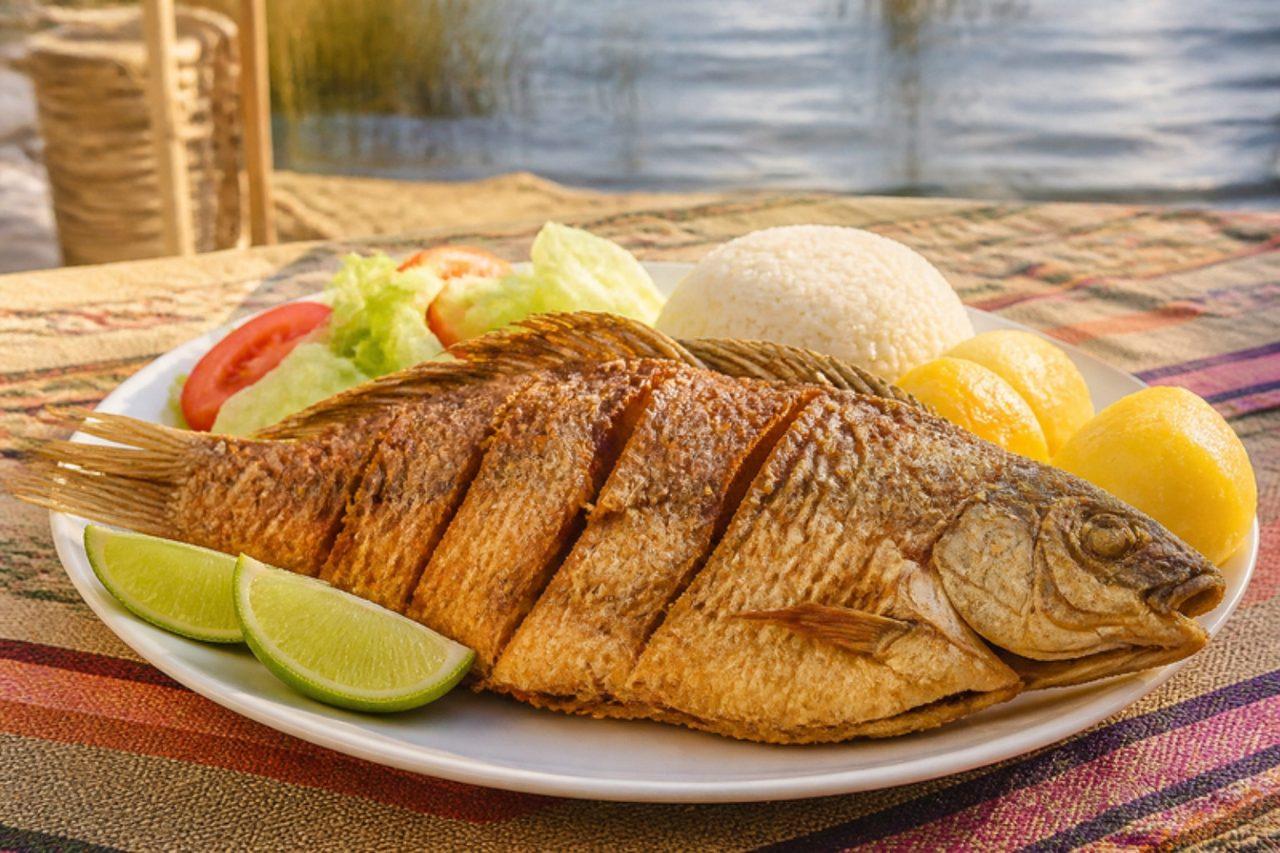
Trucha fritaFried trout with potatoes and rice

Rainbow trout farmed in the cold, clear water of Lake Titicaca is what you eat in Puno, at lakeside restaurants and on the floating islands: a whole fish, dusted in flour and fried until the skin crackles, with boiled Andean potatoes, rice, a simple salad and lime. The flesh is pink-white, sweet and moist; nothing else is needed. Ask your fishmonger to gut and scale the trout. The most common mistake is moving the fish too early, which tears the skin; leave it until it releases from the pan by itself. Chef's tip: slash the thick part of each side twice before flouring, so the fish cooks evenly and the skin crisps right up to the head.

by KrazyBadal 0 views

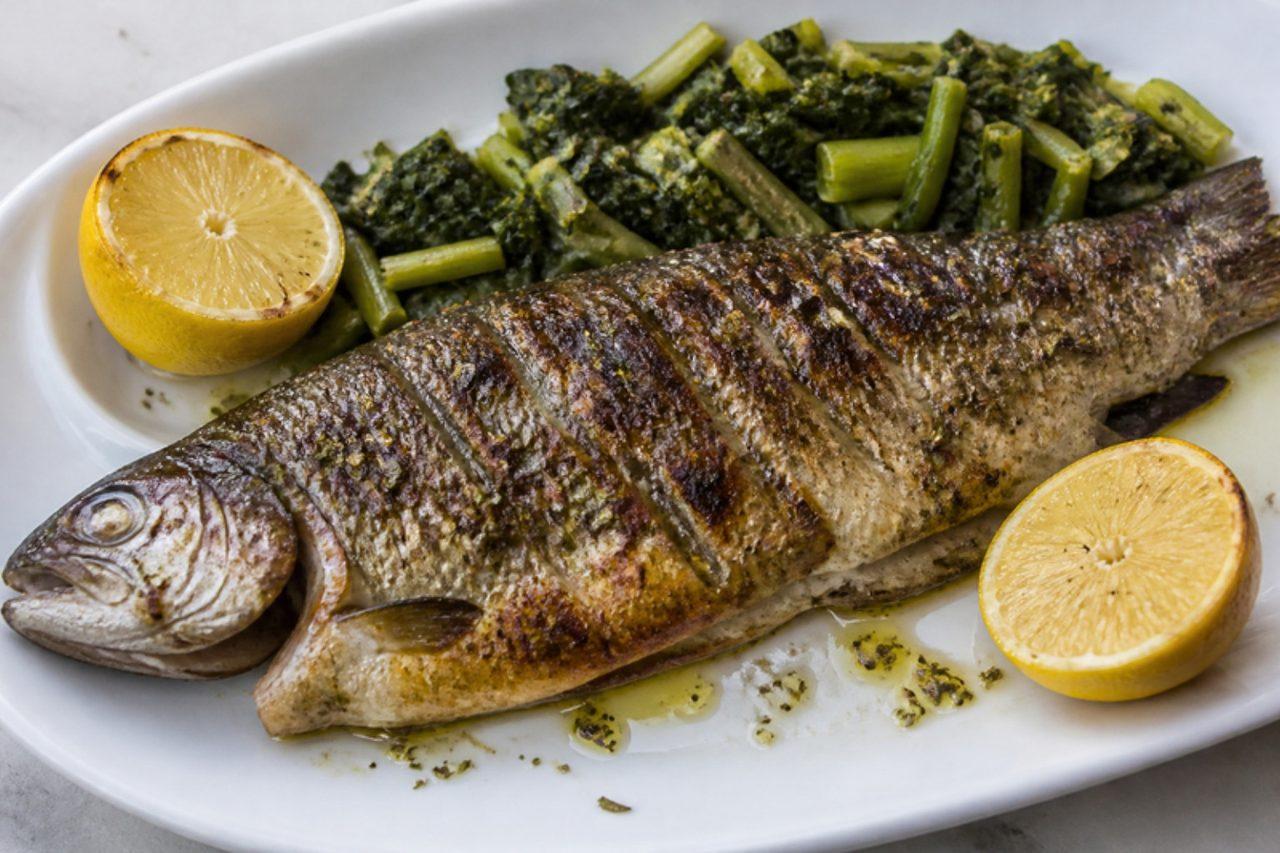
Pestrofa sti skaraGrilled whole trout

Trout farms line the cold rivers of Tzoumerka and the springs of the Louros, and the tavernas beside them grill the fish whole over charcoal, served with ladolemono, horta and chips. At home a hot grill pan or overhead grill does the job: the skin blisters and crisps while the flesh stays moist and pink-white. Common mistake: turning the fish too early, so the skin tears — leave it until it lifts away by itself. Chef's tip: slash the skin twice on each side so the heat reaches the thick part near the head and the fish cooks evenly.

25 minGreekFishGluten free
by KrazyBadal 0 views

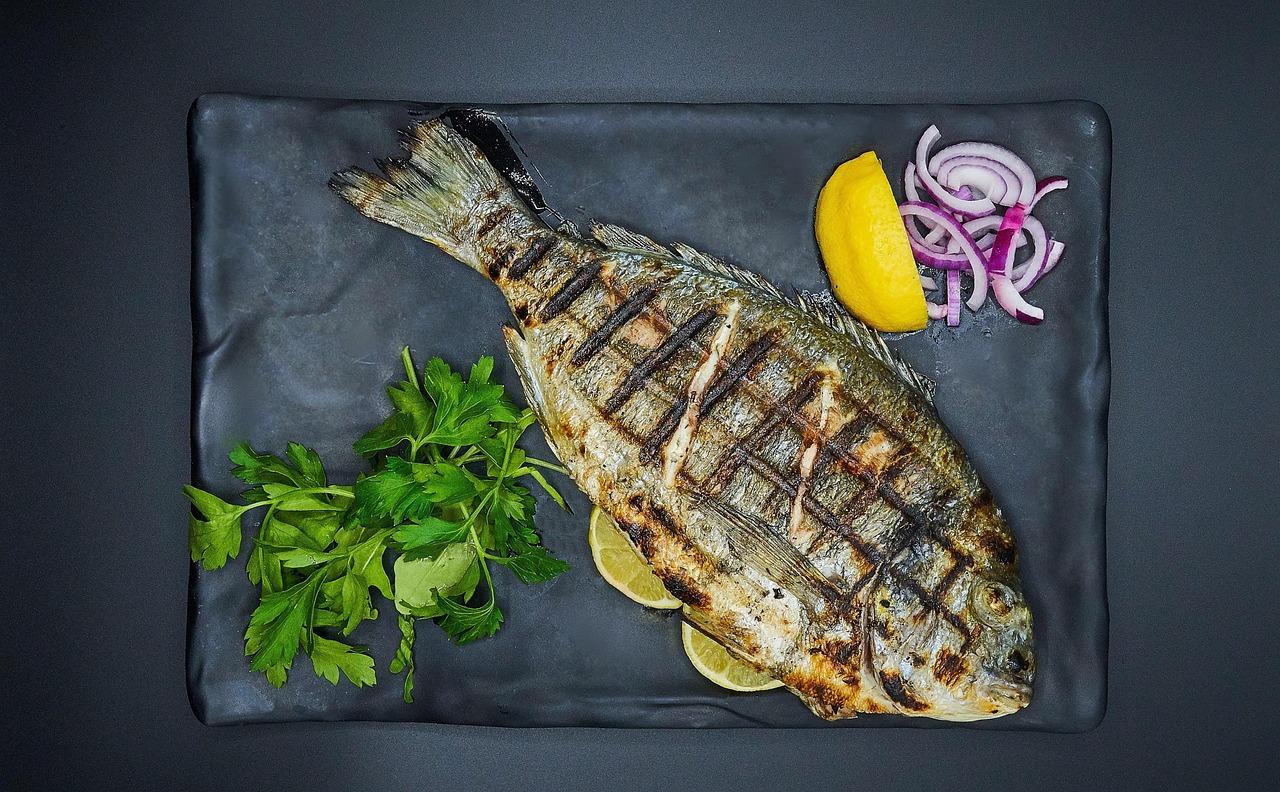
Pejelagarto asadoGrilled fish with green salsa

In Tabasco, pejelagarto, a prehistoric-looking freshwater gar from the rivers and lagoons, is skewered and grilled whole over wood in its armoured skin, then eaten with tortillas, lime and fierce chile amashito at roadside stands around Villahermosa. The fish is almost never sold outside the region, so this is a practical version using any firm white fish, such as snapper, sea bass or thick hake fillets, grilled until smoky and served with a bright green tomatillo salsa. Serrano or bird's eye chillies stand in for amashito. Serve with warm corn tortillas for tacos. Chef's tip: oil the fish, not the grill bars, and leave it alone for the first few minutes so the skin releases by itself.

by KrazyBadal 0 views

KazandibiCaramelised milk pudding

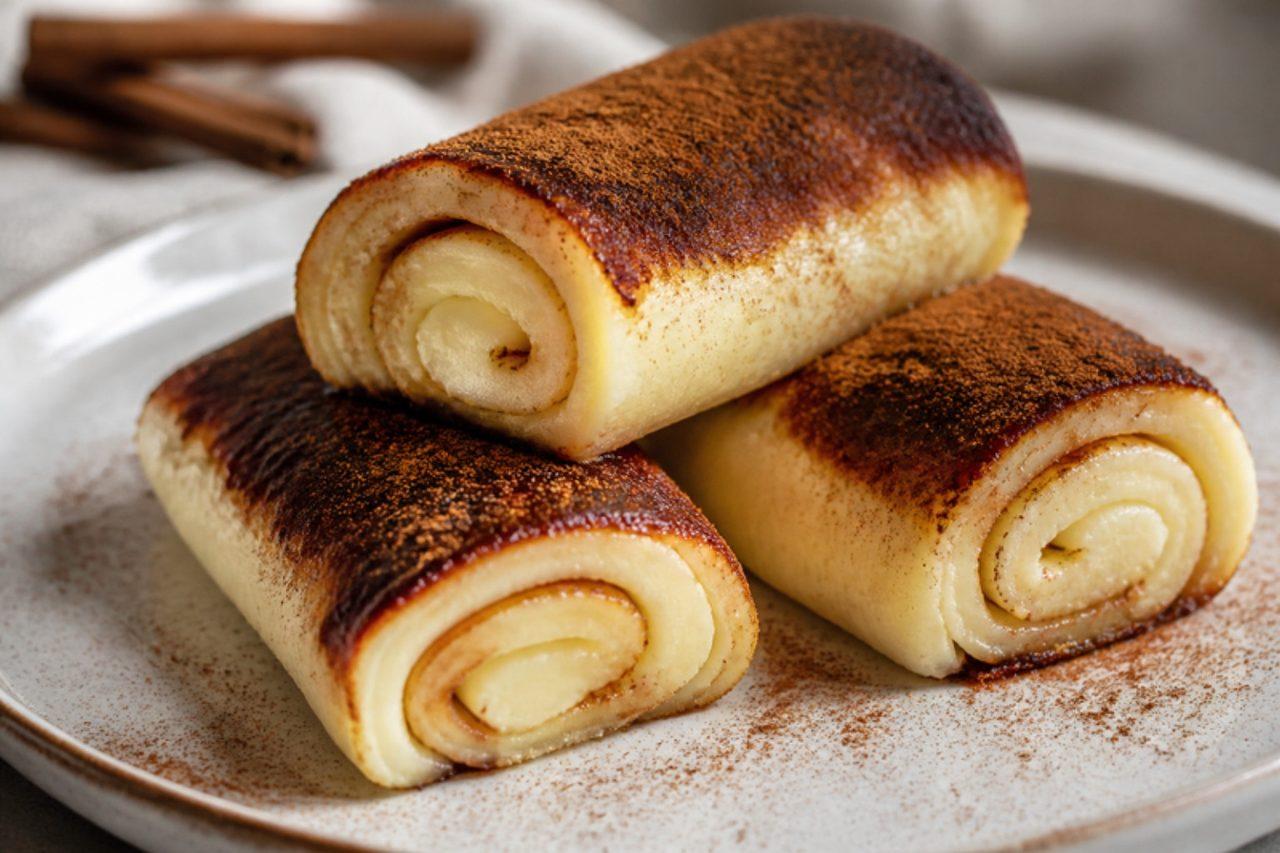
Kazandibi means 'bottom of the cauldron', and in the old pudding shops of Istanbul's Beyoğlu and Fatih it is cut from a big tray whose base was caramelised on purpose over a flame. The square is rolled up so the burnished, faintly bitter top hides a soft, cool vanilla pudding inside. Serve it chilled with a dusting of cinnamon and a glass of tea. The traditional palace version had shredded chicken in it; this everyday version is purely milk, rice flour and sugar. Chef's tip: use a heavy-based, non-stick pan or tin and give the sugar a full deep amber before the pudding goes in, because pale caramel just tastes sweet rather than toasty.

by KrazyBadal 0 views

Halim bademjanAubergine, wheat and lentil porridge

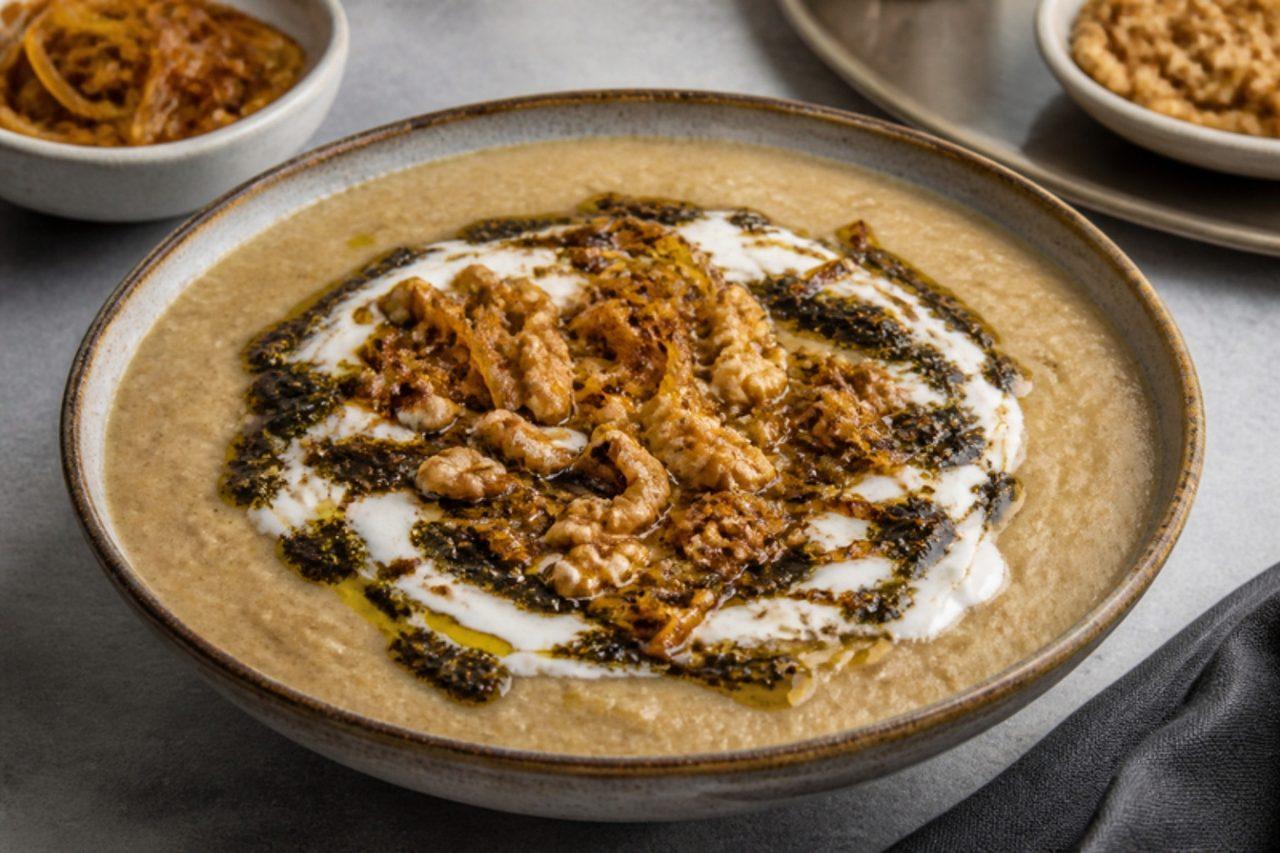
In Kashan and Isfahan, halim bademjan is the thick, savoury porridge served at religious vows and at long family lunches in autumn, ladled onto a platter and drawn over with patterns of kashk, fried mint and crisp onion. Usually it is cooked with lamb that is pounded into the grains; this vegetarian version keeps the soaked wheat and green lentils, which give the same velvety body. The texture should be smooth enough to spread but still hold a spoon line. Kashk is a fermented whey product made without rennet, so the dish is vegetarian; sour cream thinned with lemon is the nearest swap. A common mistake is not soaking the wheat overnight, which leaves the halim gritty. Chef's tip: mash the aubergine into the grains with a wooden pestle rather than a blender, so you keep some threads of texture.

by KrazyBadal 0 views

Salame de chocolateNo-bake chocolate biscuit log

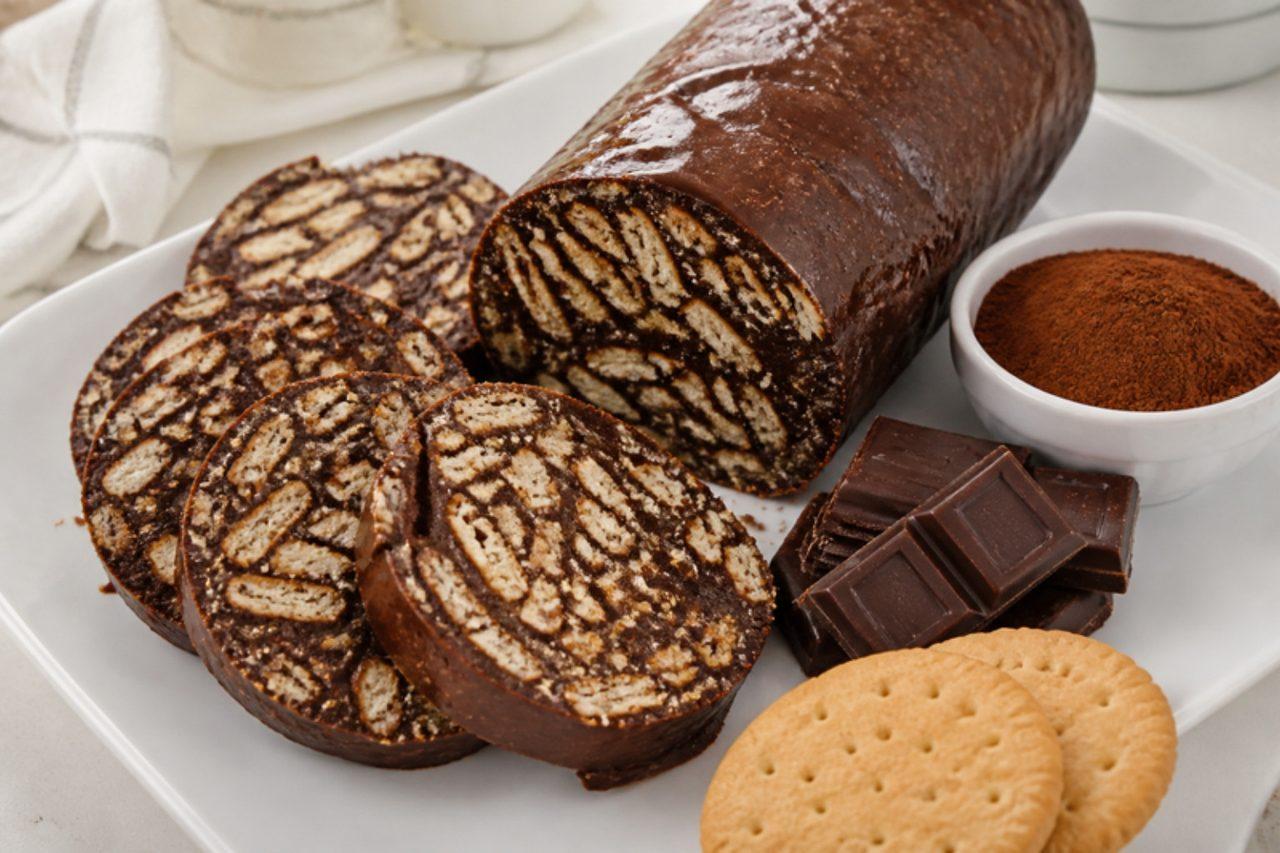
Every Portuguese child seems to have helped make one: crushed Maria-style tea biscuits folded through rich chocolate, rolled into a log, chilled and dusted with icing sugar until each slice looks like salami. It turns up at birthday parties, in café display cases around Lisbon and on Christmas dessert tables. The traditional mix uses raw eggs; this version leaves them out and sets with melted chocolate and butter instead, so there is nothing raw in it. A splash of port is often added, which contains alcohol; leave it out or use milk. A common mistake is crushing the biscuits to crumbs; leave some larger pieces, or the slices lose their marbled look. Chef's tip: break the biscuits by hand into pieces the size of a fingernail; crumbs turn it into fudge and you lose the salami look.

by KrazyBadal 0 views

Truchas de batataSweet potato and almond pastries

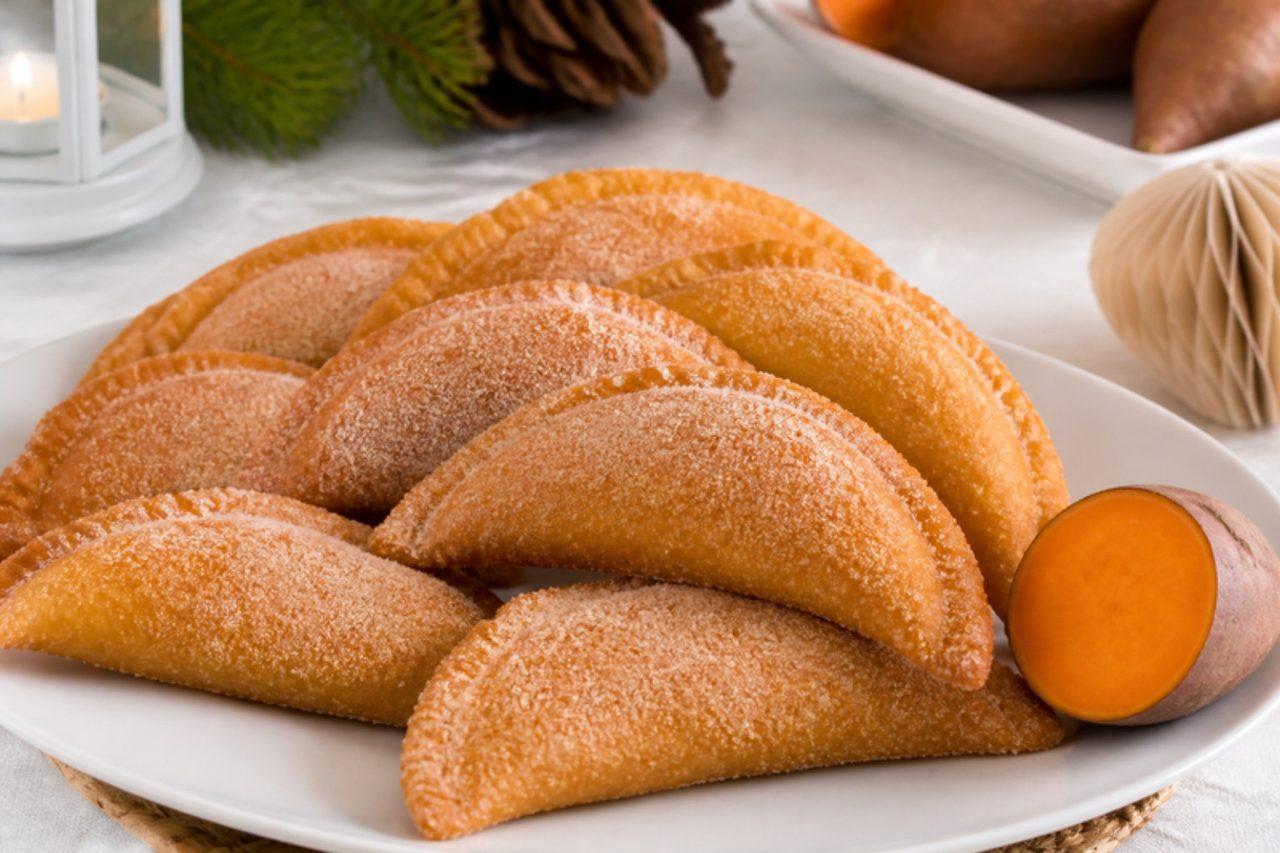
Despite the name, there is no trout in these: truchas are crisp half-moon pastries that Tenerife and Gran Canaria fry by the hundred in the week before Christmas, and they are what neighbours bring each other on Christmas Eve. The filling is mashed sweet potato with ground almonds, sugar, lemon zest, cinnamon and anise, wrapped in a thin olive-oil dough. Some families add a spoon of anise liqueur or sweet wine to the dough; this version uses neither and is vegan. Chef's tip: let the filling cool completely and keep it thick, or the steam softens the dough and it bursts in the oil.

by KrazyBadal 0 views

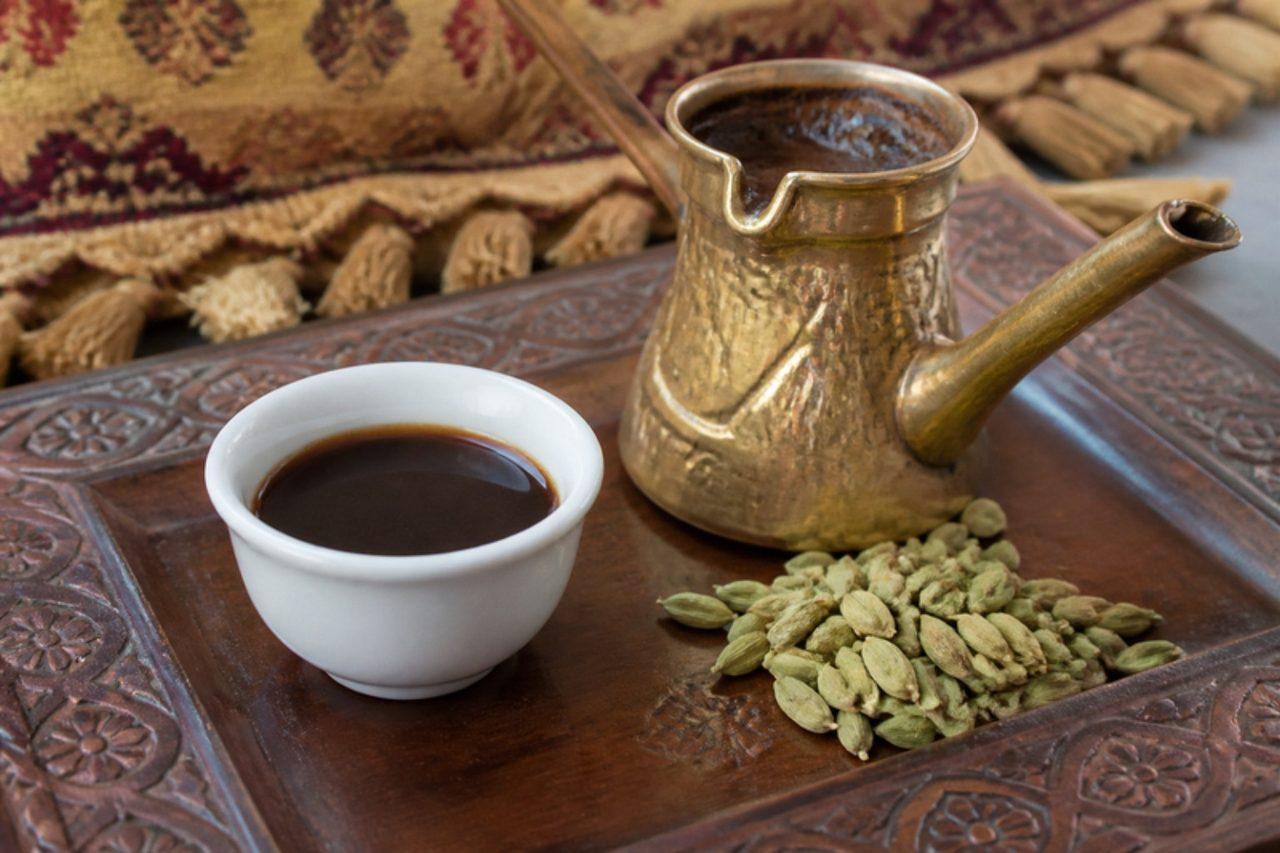
MırraBitter cardamom coffee

In the courtyard houses of Mardin and the guest rooms of Şanlıurfa, mırra is poured from a long-spouted pot into tiny handleless cups, just a mouthful each, as a sign of welcome. It is made by boiling dark-roasted coffee for a long time until it becomes thick, bitter and concentrated, then boiling it again and again. Tradition says you never put the cup down empty unless you mean to marry the host's family, so hand it back with a small shake. It is never sweetened: serve it with dates or a sweet. Common mistake: using finely ground Turkish coffee; it turns muddy, so use medium-ground dark roast. Chef's tip: the second boil is where the flavour comes from, so don't rush it.

by KrazyBadal 0 views

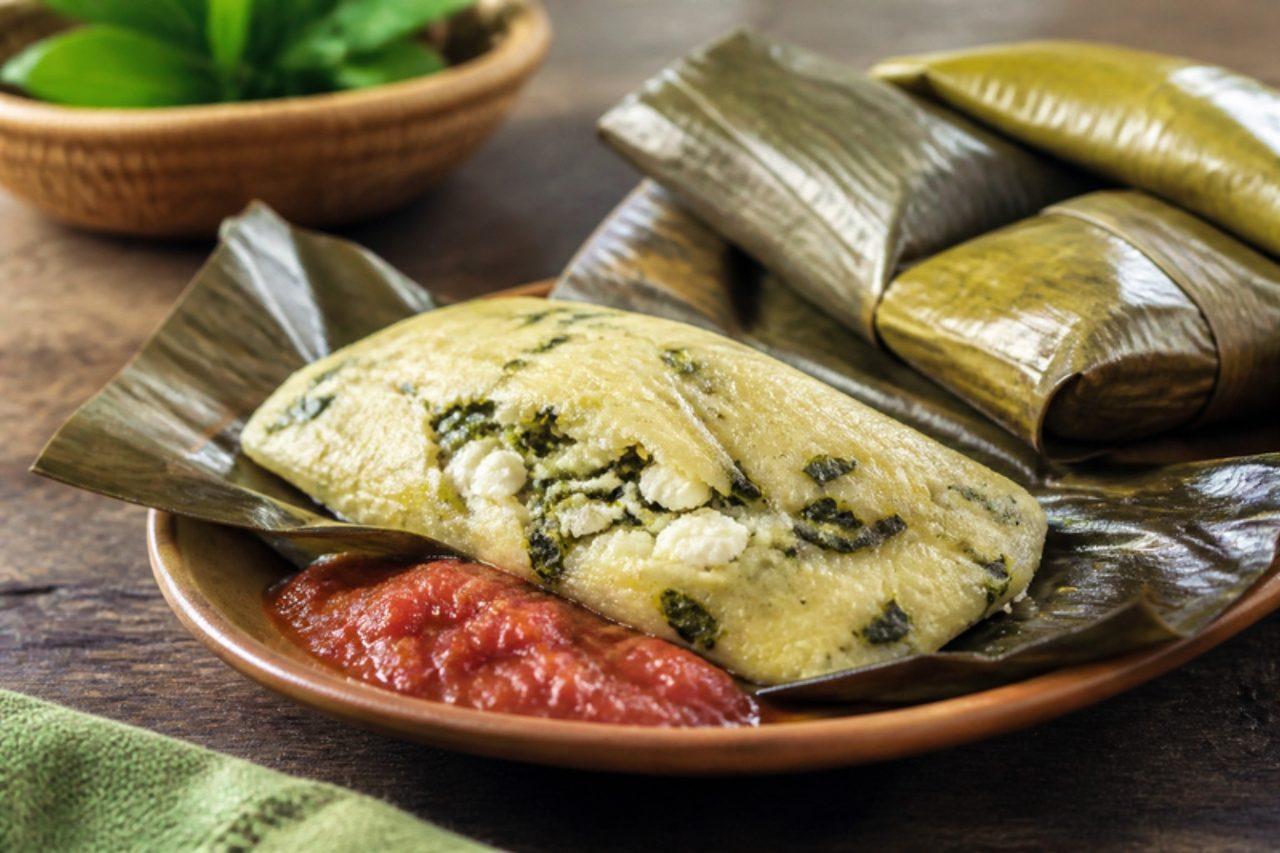
Tamales de chipilínChipilín leaf tamales

Chipilín is a small-leaved wild legume that grows along the fields of Chiapas and Tabasco, and its grassy, faintly bitter leaves turn up in soups, rice and, most of all, these tamales. In Tuxtla Gutiérrez and San Cristóbal they are sold from steaming pots in the early evening and taken home for supper with hot chocolate or atole: soft, pale green-speckled masa wrapped around a cube of fresh cheese, often with a spoon of tomato salsa. Cooks there beat the masa with lard; vegetable shortening gives the same light texture. Frozen chipilín is sold at Central American grocers; spinach with a few watercress leaves is a fair stand-in. Chef's tip: strip the leaves from the stems by pinching and pulling down; stems make the masa stringy.

by KrazyBadal 0 views

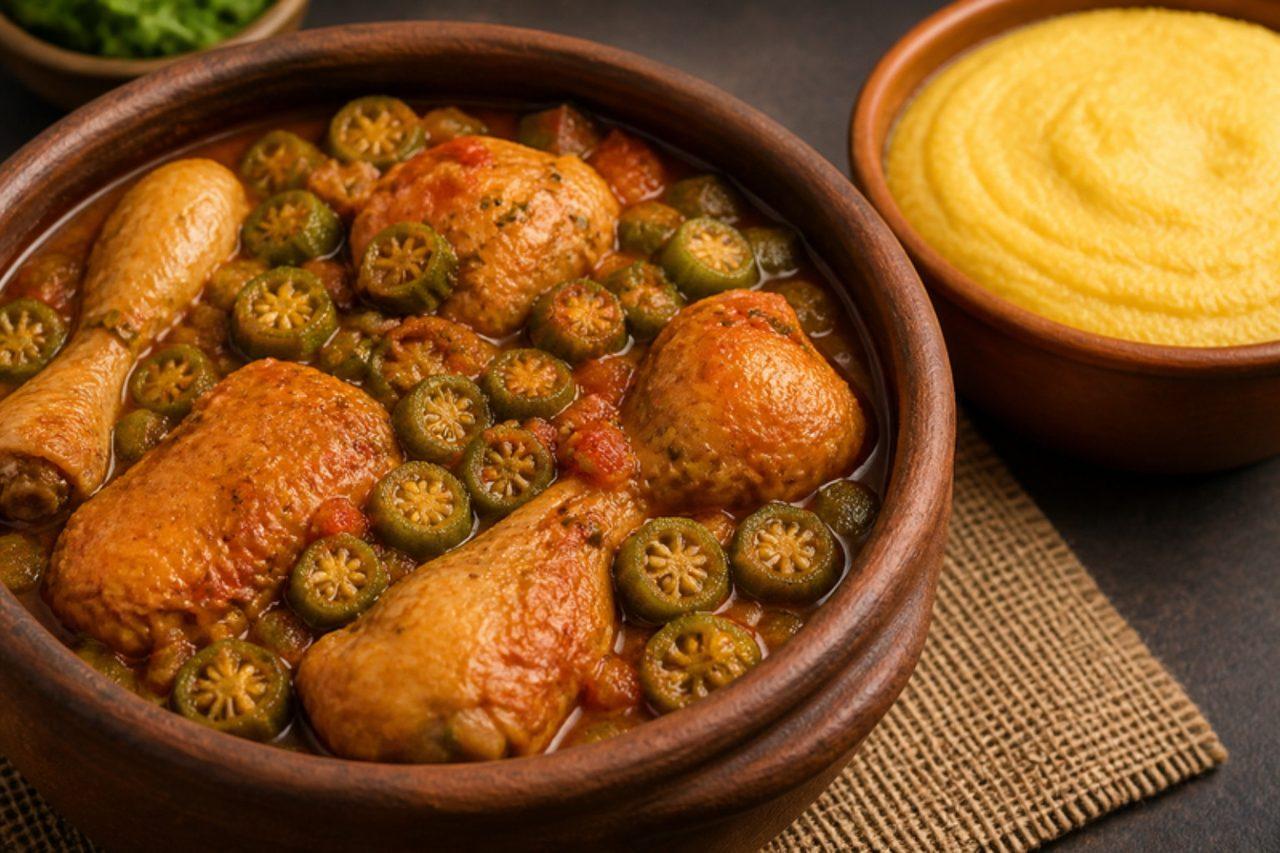
Frango com quiaboChicken with okra

Countryside Minas Gerais, especially around Belo Horizonte and the historic towns, cooks frango com quiabo for Sunday lunch: chicken pieces braised in a garlicky tomato sauce coloured with annatto, with okra fried separately and folded in at the end so it stays green and barely sticky. It is served over angu, a soft, unseasoned cornmeal porridge, with rice and a pot of hot pepper on the side. The sauce is savoury and homely, the okra tender with a little bite. People often add the raw okra straight to the pot, which makes the sauce slimy; frying it first in hot oil seals it. Chef's tip: stir the angu with a whisk as you pour in the cornmeal, then switch to a wooden spoon, and it will never go lumpy.

by KrazyBadal 0 views

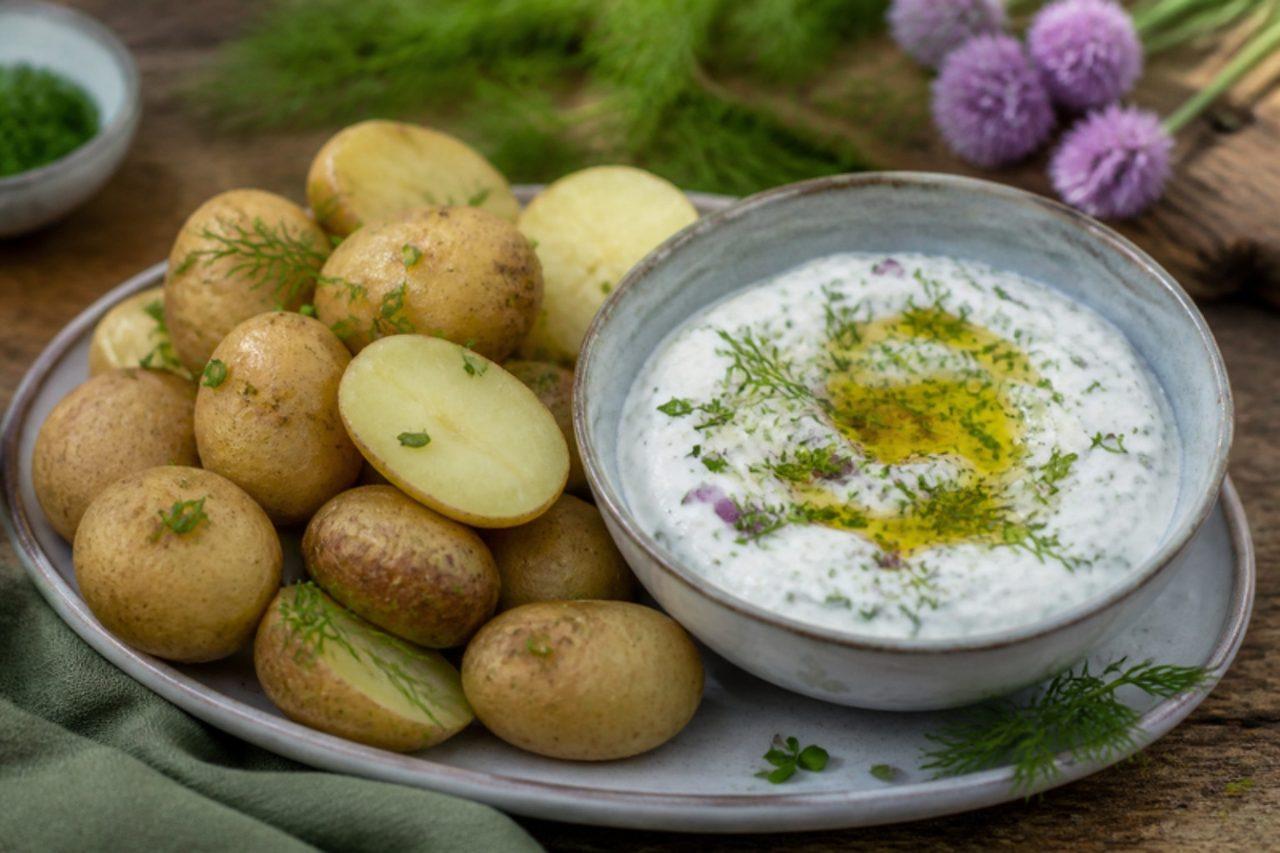
Pellkartoffeln mit Quark und LeinölJacket potatoes with herb quark

Ask anyone from the Spreewald, the river-and-forest country south-east of Berlin, for the taste of home and many will name this: small potatoes boiled in their skins, a bowl of cold herb quark and a thread of golden, nutty linseed oil poured over the top. It is a weekday supper in Brandenburg and Berlin, cheap, quick and surprisingly filling, often with a Spreewald gherkin on the side. Fresh linseed oil tastes of hay and walnuts; old oil turns bitter and fishy, so buy a small bottle and keep it in the fridge. A common mistake is peeling the potatoes before boiling; cooking them in their skins keeps them firm and flavourful. Chef's tip: beat a splash of milk or sparkling water into the quark, which makes it light and creamy instead of stodgy.

by KrazyBadal 0 views

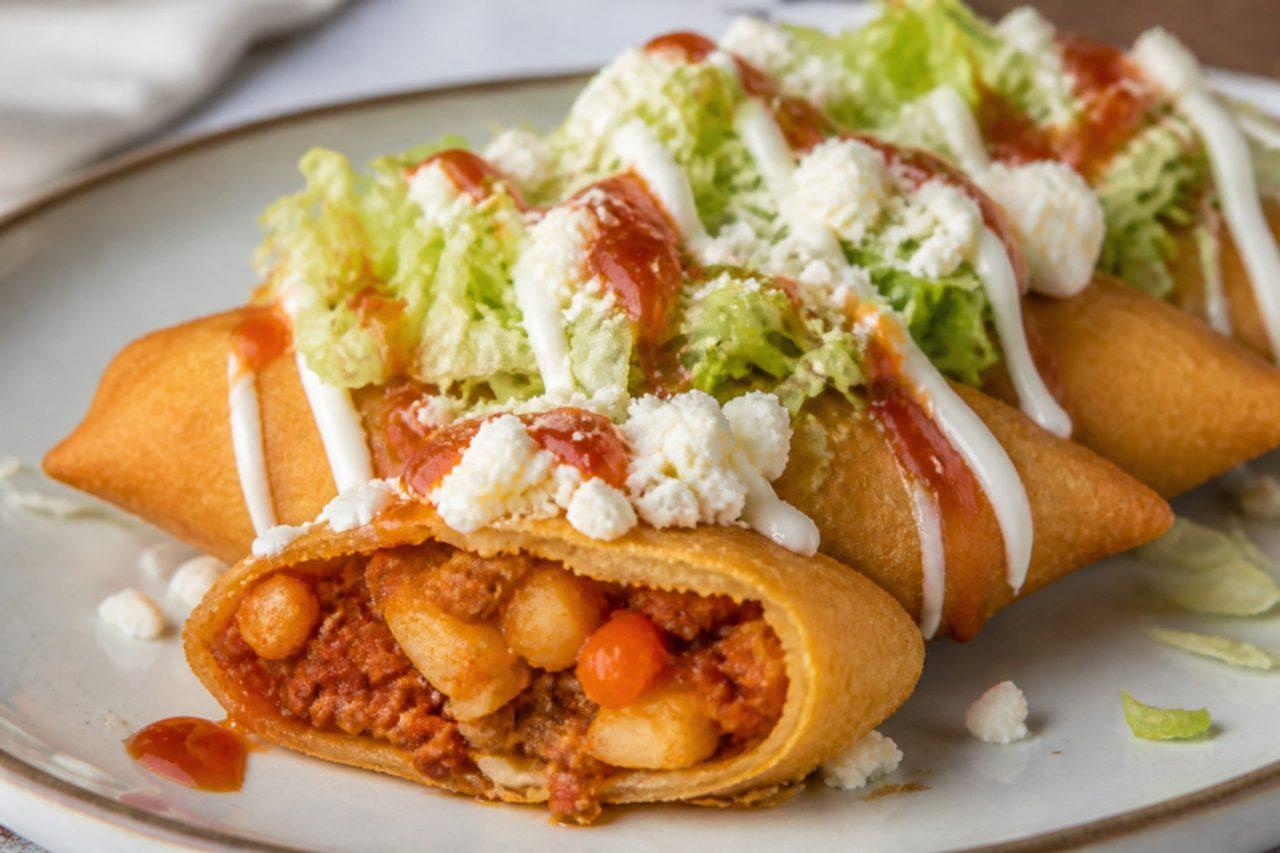
MolotesFried potato and chorizo masa turnovers

Around Puebla's zócalo and in the evening stalls outside its churches, molotes are fried to order: masa turnovers rolled into long spindles with pointed ends, crisp and blistered outside and soft inside. The favourite filling is potato mashed with pork chorizo, though stalls also sell them with tinga, quesillo or huitlacoche. They are eaten hot from a paper plate, split open and spooned with salsa, cream and crumbled cheese, as an evening snack or a light supper. Chef's tip: press the dough between two sheets of plastic cut from a freezer bag, so the thin disc lifts off cleanly and doesn't tear when you fold it.

by KrazyBadal 0 views

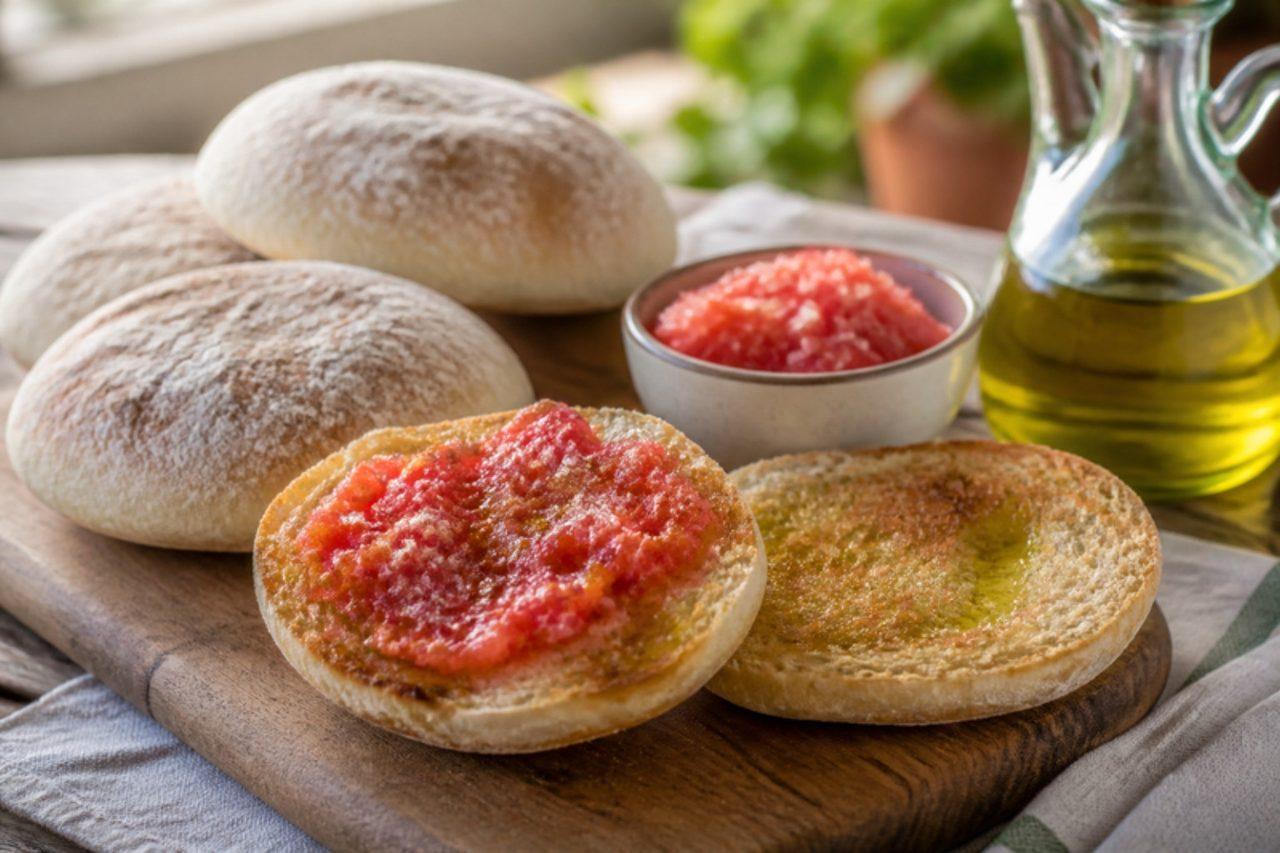
Molletes de AntequeraSoft flat breakfast rolls

Ask for breakfast in any café between Málaga and Seville and someone will offer you a mollete: a flat, pale, floury roll from Antequera, split, toasted and spread with olive oil and crushed tomato. Bakers there bake them hot and fast so the crust stays thin and soft and the crumb is open and moist. They freeze well, so it is worth making a batch on a slow weekend morning. A common mistake is baking them until golden; molletes should come out pale and soft, with only a faint blush of colour. Chef's tip: bake them at the very top heat for only about 10 minutes; if they brown, they have gone too long and will be crusty rather than soft.

by KrazyBadal 0 views

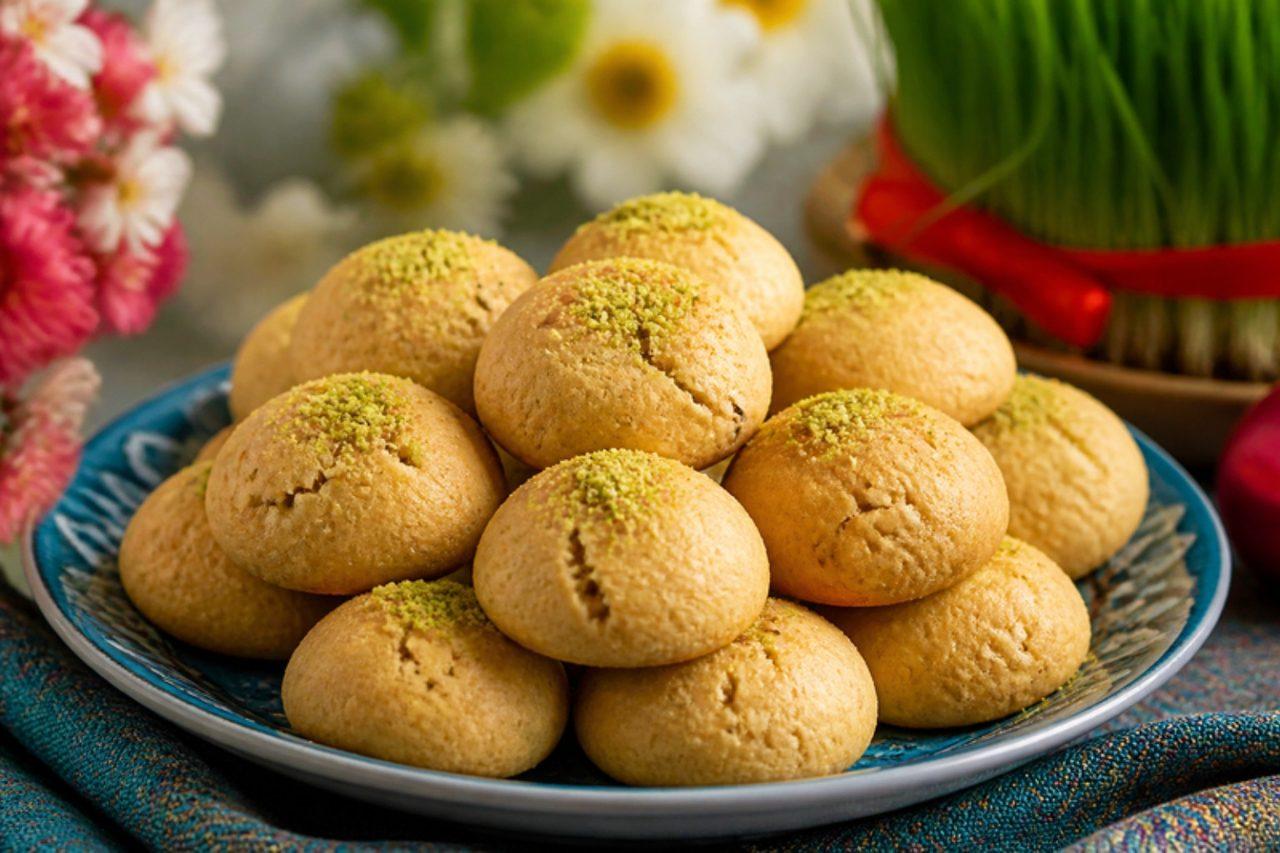
Nan-e gerdooyiWalnut cookies

In the run-up to Nowruz, when Tabriz, Tehran and Qazvin families are spring-cleaning and baking for the round of holiday visits, nan-e gerdooyi are among the first cookies to go into the tin. They are made with chopped walnuts held together by egg yolks and sugar, no flour at all, so they bake crisp at the edge and soft and chewy in the middle. A common mistake is grinding the walnuts to a paste; they should be chopped into small pieces so the cookies have texture and don't turn oily. Chef's tip: leave a good gap between them on the tray; they spread to about twice their size.

by KrazyBadal 0 views

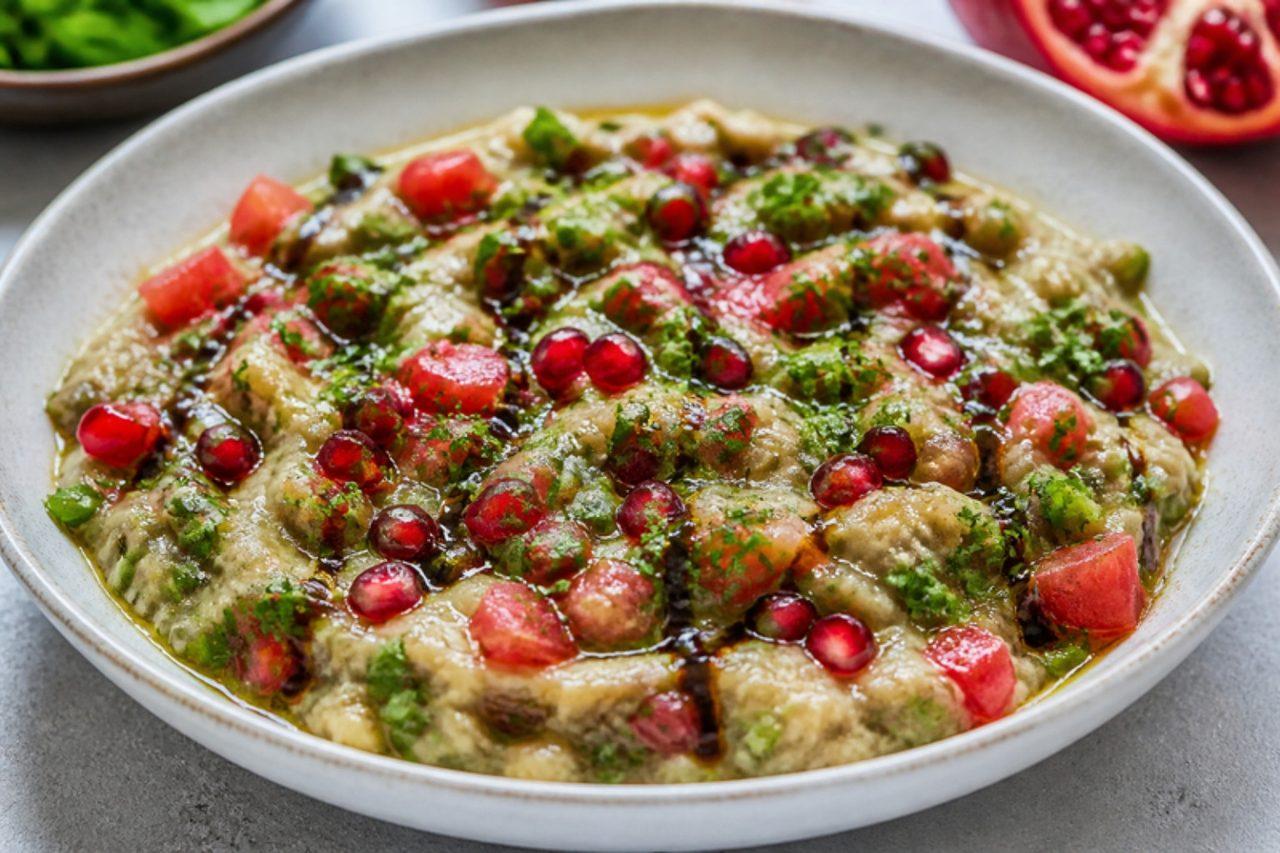
Salatet el rahebSmoky aubergine salad

Mezze restaurants along the Lebanese coast serve salatet el raheb as the fresh, chunky cousin of baba ghanoush: the aubergine is charred until smoky, then chopped rather than puréed and tossed with tomato, peppers, spring onion, parsley and a sharp dressing of lemon and pomegranate molasses. There is no tahini, so it is light and summery and sits well next to grilled halloumi or kebabs. Common mistake: leaving the aubergine juices in; drain the flesh in a sieve or the salad turns watery. Chef's tip: char the aubergines directly over a gas flame or on a barbecue rather than in the oven — the smoky flavour is the soul of the dish.

by KrazyBadal 0 views

Salatet za'atar akhdarFresh thyme leaf salad

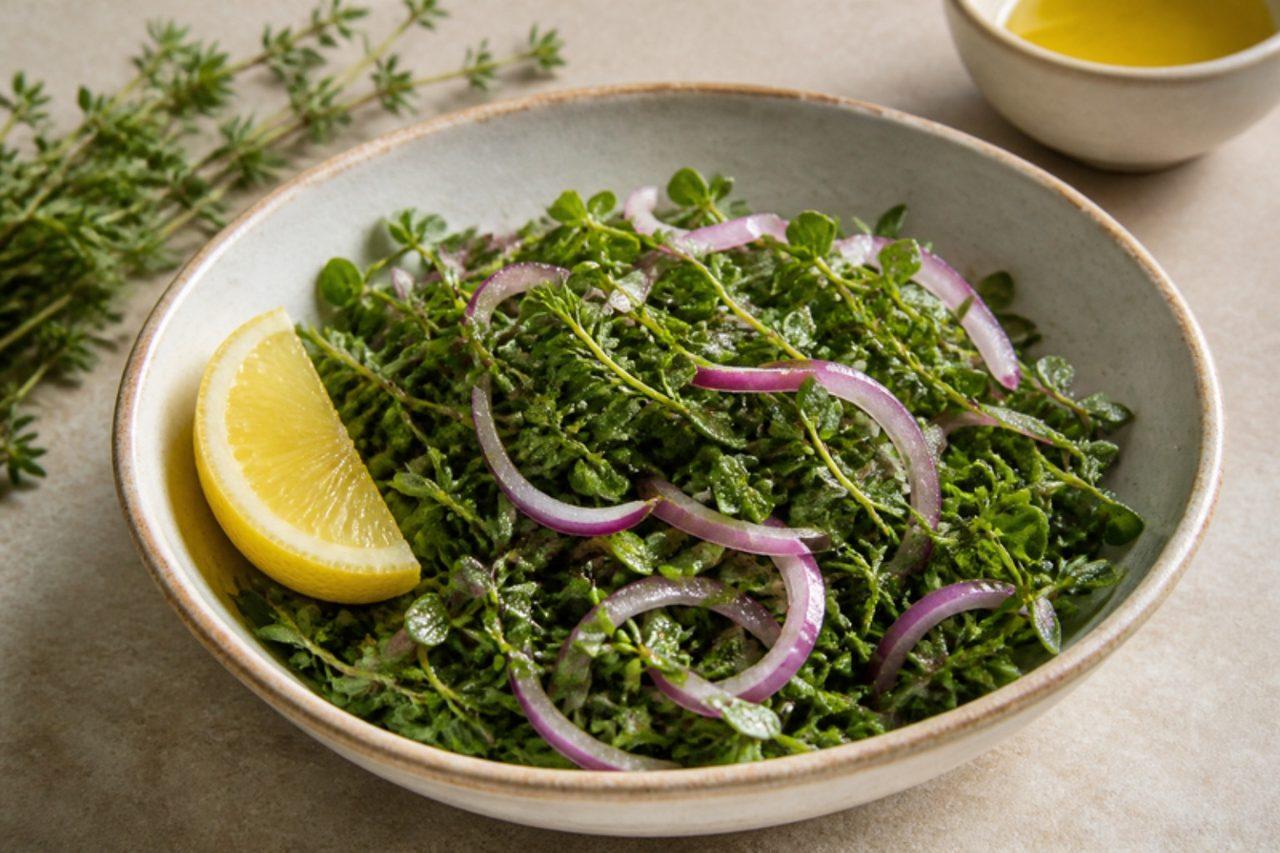
In spring, Palestinian families pick young za'atar (wild hyssop-thyme) from the hills of the West Bank and the Galilee, and the tender leaves are tossed raw with onion, lemon and the year's new olive oil. The salad is sharp, piney and peppery, eaten as part of breakfast with labneh, olives and warm taboon bread, or beside grilled meat. If you can't find fresh za'atar, a mix of fresh oregano, thyme and a little marjoram comes close. Common mistake: chopping the leaves; keep them whole so they stay perky and don't turn dark. Chef's tip: rub the sliced onion with sumac and salt for 5 minutes first; it softens its bite and turns it a pretty pink.

by KrazyBadal 0 views

SalchipapaFries with sliced sausage

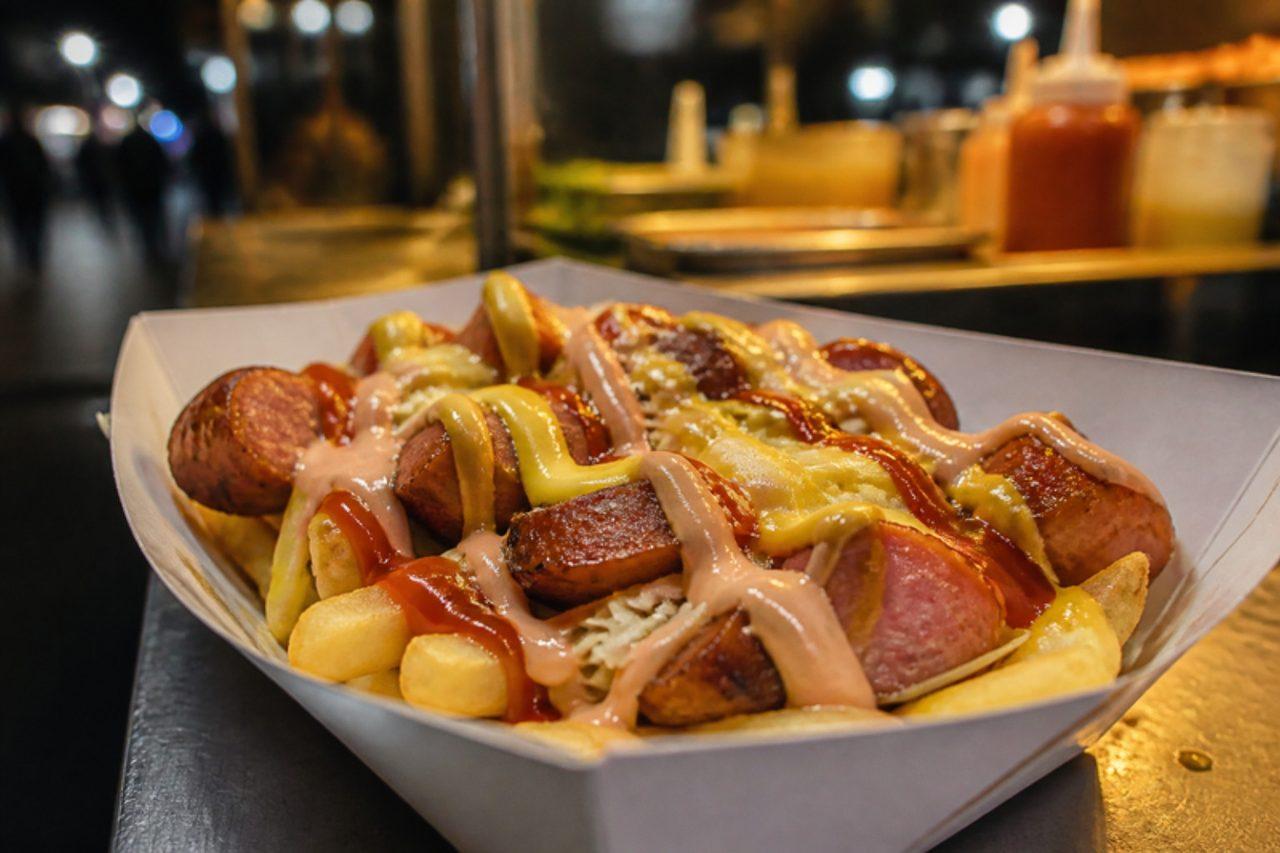
Late at night outside the bars and football stadiums of Bogotá and Medellín, carts and fast-food counters sell salchipapa by the plastic tray: hot chips topped with fried slices of hot dog sausage, drowned in salsa rosada (ketchup mixed with mayonnaise), mustard and grated cheese, sometimes with a squirt of pineapple sauce. Kids love it, and it's an easy Friday-night dinner at home: salty, crisp and soft at once, with the sweet-tangy pink sauce tying everything together. The way it goes wrong is soggy fries; double frying keeps them crisp under all that sauce. Chef's tip: slice the sausages on the diagonal and fry them until they curl and blister at the edges; the crisp bits make the dish.

by KrazyBadal 0 views

TsigareliGreens braised with tomato and paprika

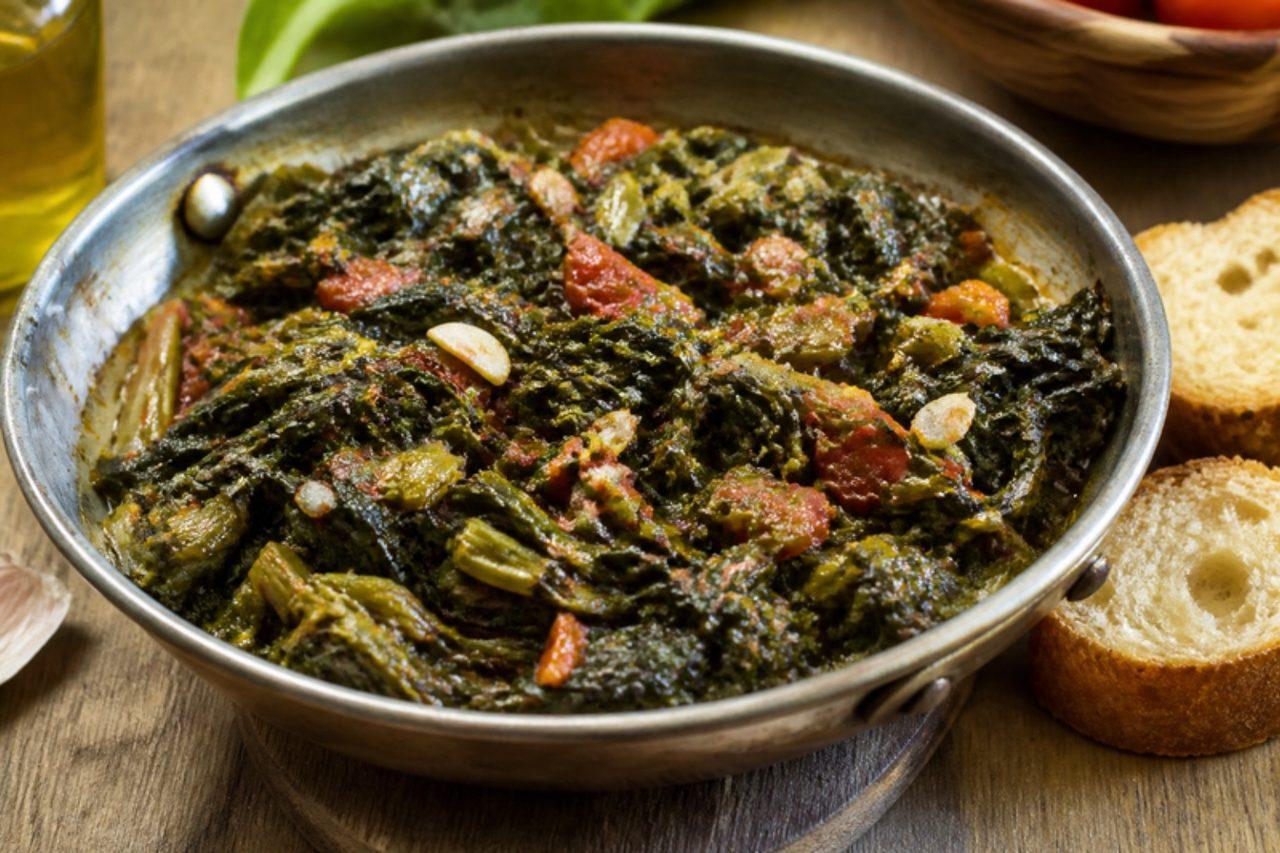
Corfiots gather wild chicory, sow-thistle, fennel tops and young chard from the olive groves in winter and spring and stew them into tsigareli, a peppery, oily braise that sits on the table with bread, feta and a fried egg or two. The Venetian-era love of hot red pepper shows: it should warm the back of your throat. Common mistake: drowning the greens in water — they make their own juice, so add only a splash. Chef's tip: shop-bought mixes of spinach, chard, rocket and dill work well; add the tender leaves last so they keep some colour.

by KrazyBadal 0 views

Sally Lunn bunsBrioche-style bun

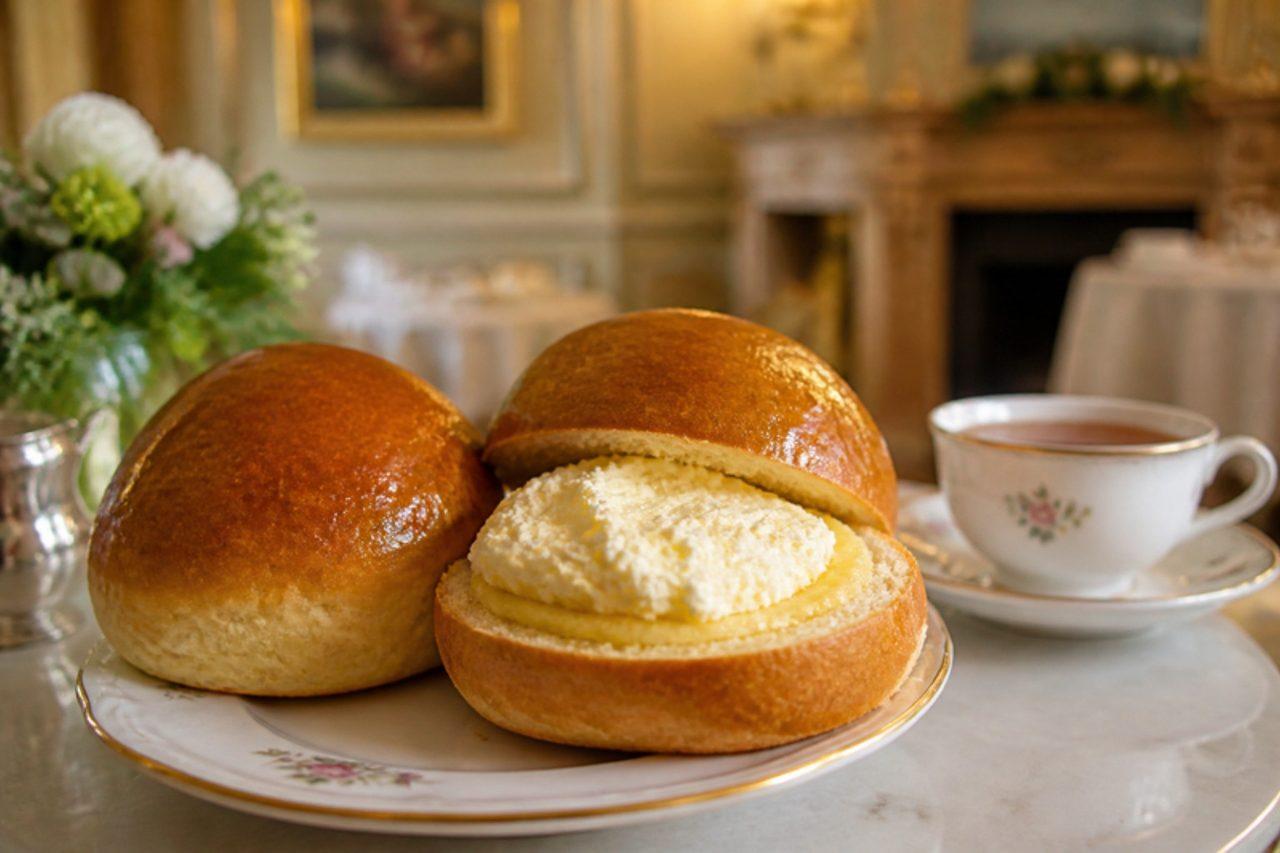
The Sally Lunn is a huge, airy, enriched bun from the Georgian city of Bath, where an old house by the Abbey still serves it split and toasted, sweet with cinnamon butter or savoury with cheese. The dough is soft, with plenty of egg, butter and cream, so it bakes up light like brioche. Chef's tip: the dough is very soft; use a cake tin to hold its shape rather than shaping it freehand.

by KrazyBadal 0 views

Kuku sibzaminiPotato and egg patties

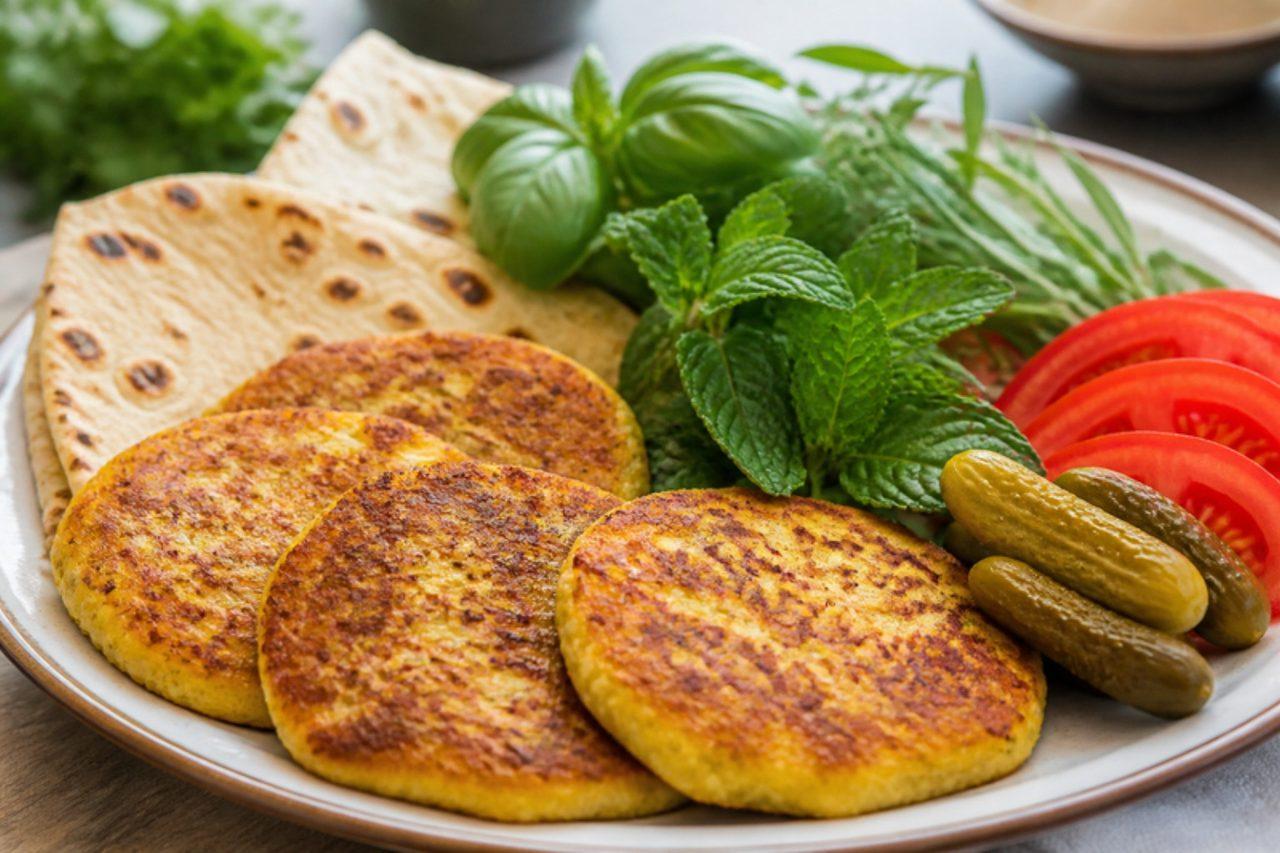
Kuku sibzamini is what Tehran schoolchildren unwrap at lunchtime: little golden patties of grated potato, egg and onion, eaten cold or warm, folded into lavash or sangak with herbs, tomato and a few slices of khiar shoor. They also turn up at picnics in the parks on Friday mornings, because they travel well and taste good at any temperature. Grated raw onion and turmeric give the flavour; a spoon of flour holds them together. The common mistake is leaving the grated potato wet, so the patties spit, soak up oil and fall apart. Chef's tip: squeeze the potato and onion hard in a tea towel; the drier the mix, the crisper the edges.

by KrazyBadal 0 views

Haji badamAlmond and cardamom cookies

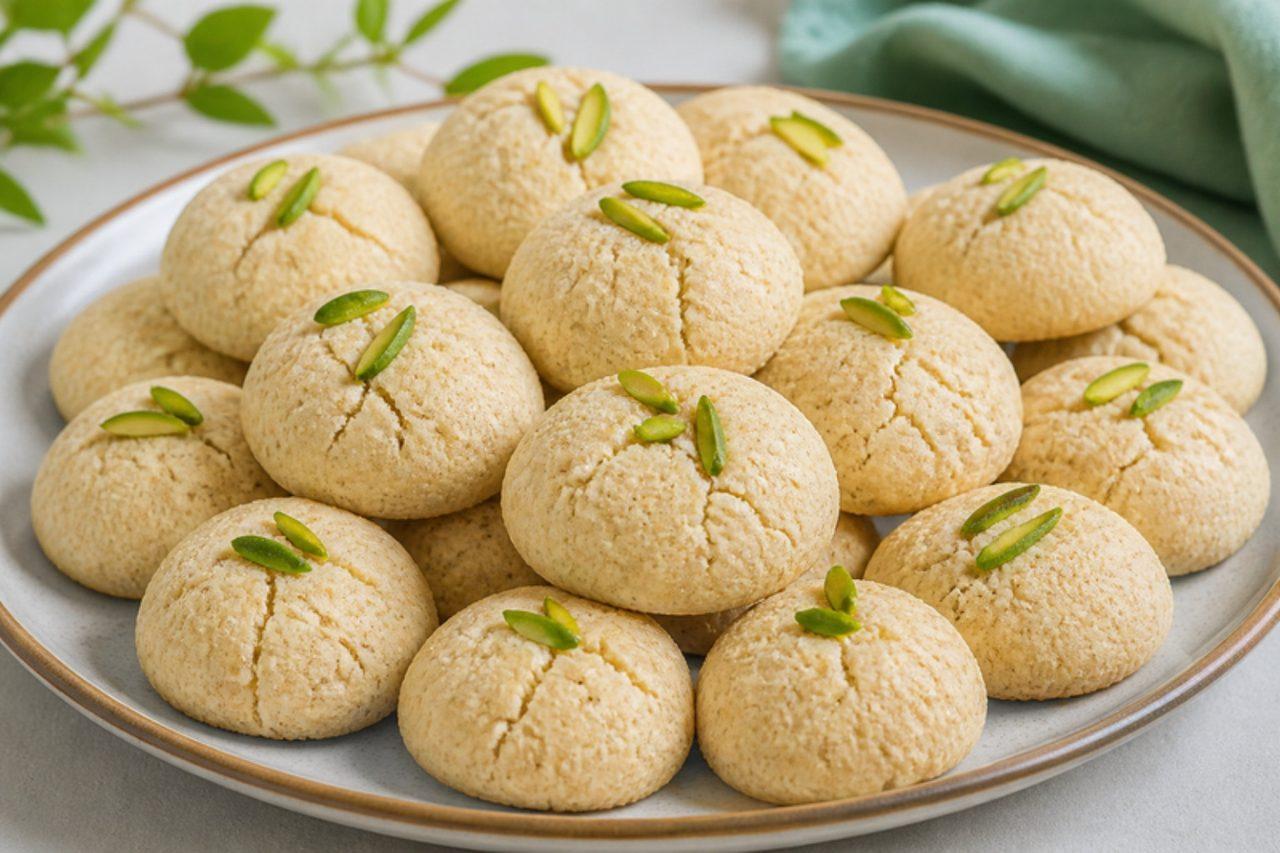
Haji badam are the small, pale almond cookies of Yazd, crisp at the edge and soft and chewy inside, baked for Nowruz and kept in tins for guests through the new year. They need only ground almonds, sugar, egg yolk and cardamom, so they are naturally gluten-free. Each one is rolled into a ball and pinched or pressed with a pistachio sliver. A common mistake is baking them until golden all over: pull them when only the bottoms colour, or they go hard and dry. Chef's tip: let the dough rest in the fridge for 30 minutes, which makes it much easier to roll without cracking.

by KrazyBadal 0 views

TsigariastoFried and braised lamb

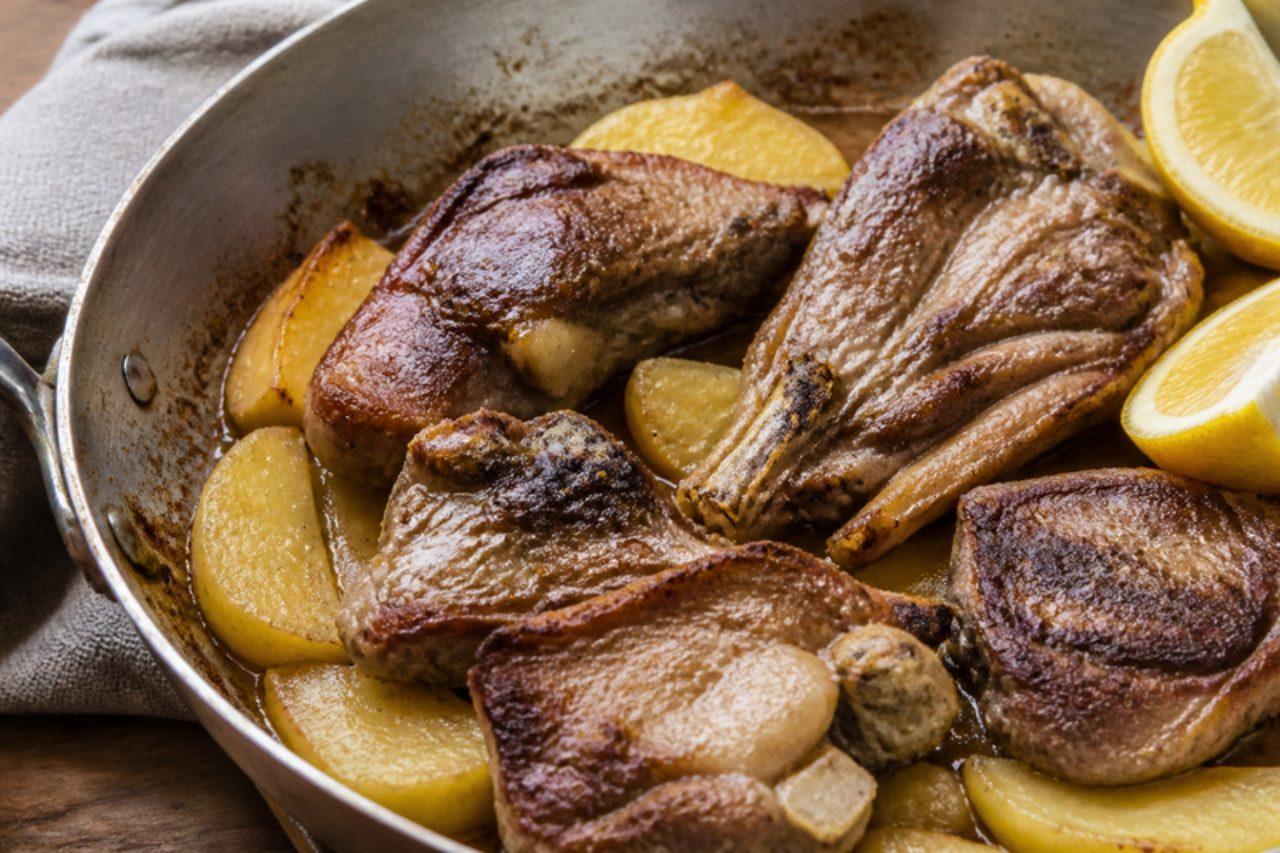
Tsigariasto comes from the verb 'to sizzle', and in the mountain villages of Crete it is the everyday way to cook lamb or kid: the pieces are browned hard in good olive oil, then left to stew slowly, covered, in nothing more than their own juices with salt and pepper. The result is meltingly tender meat in a small amount of rich, golden sauce, served with chips fried in olive oil, a horiatiki salad and bread. Common mistake: adding too much water, which turns it into a boiled stew; add only a splash at a time when the pan looks dry. Chef's tip: keep the lid on tight and the flame very low; the meat should murmur, not bubble.

135 minGreekMeatGluten free
by KrazyBadal 0 views

Salpicón de frutasDiced fruit in watermelon juice

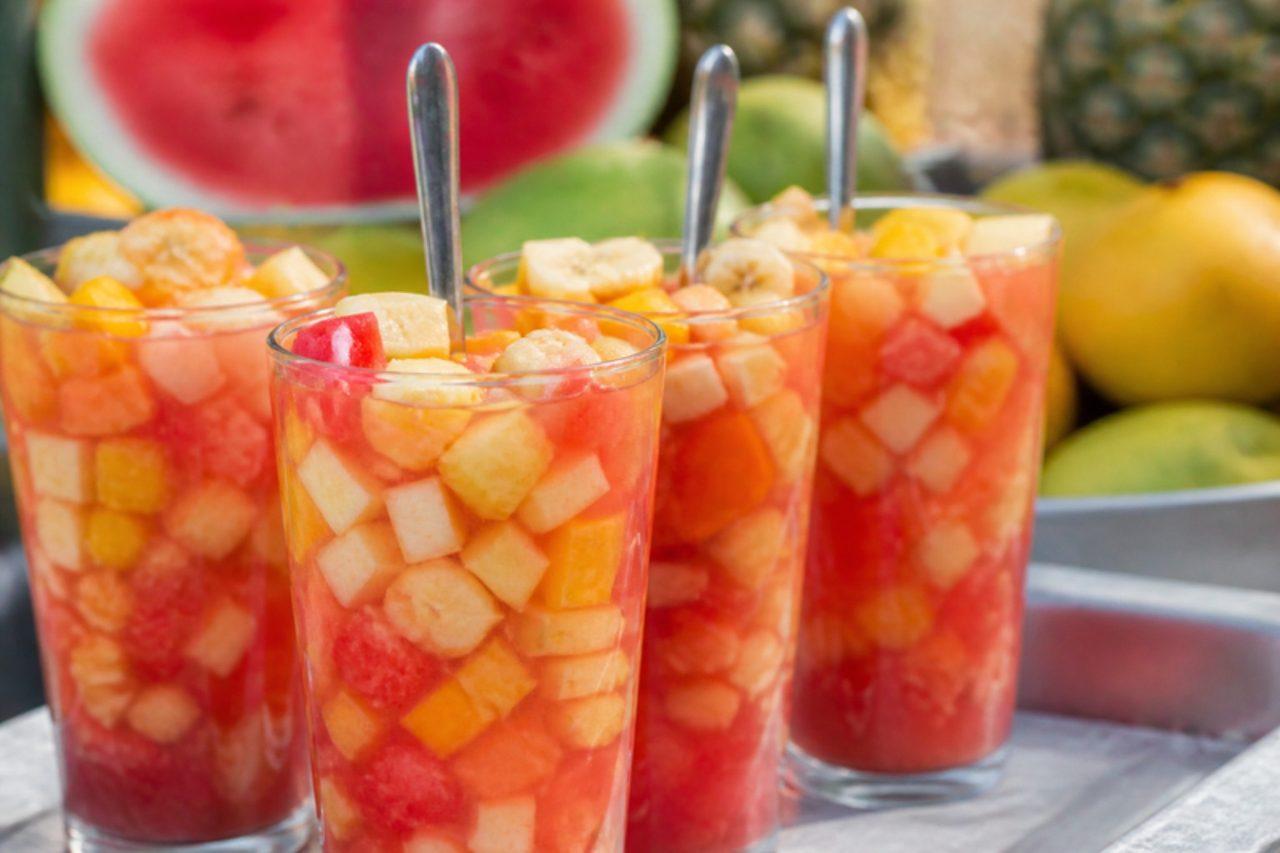
Salpicón is what Caleños grab at fruit stands and in the parks of San Antonio when the afternoon heat sets in: a tall cup of tiny, jewel-like cubes of papaya, pineapple, mango, banana and apple, swimming in freshly blended watermelon juice, eaten with a spoon and drunk to the last drop. Some stalls top it up with a fizzy orange or lemon soda; this version keeps it to fresh juice. It is sweet, cool and very refreshing. The mistake people make is cutting the fruit too big; the joy is in tiny cubes you can drink through the juice. Chef's tip: blend and strain the watermelon just before serving and keep everything ice cold; watermelon juice loses its fresh taste within an hour.

by KrazyBadal 0 views

PaidakiaGrilled lamb chops

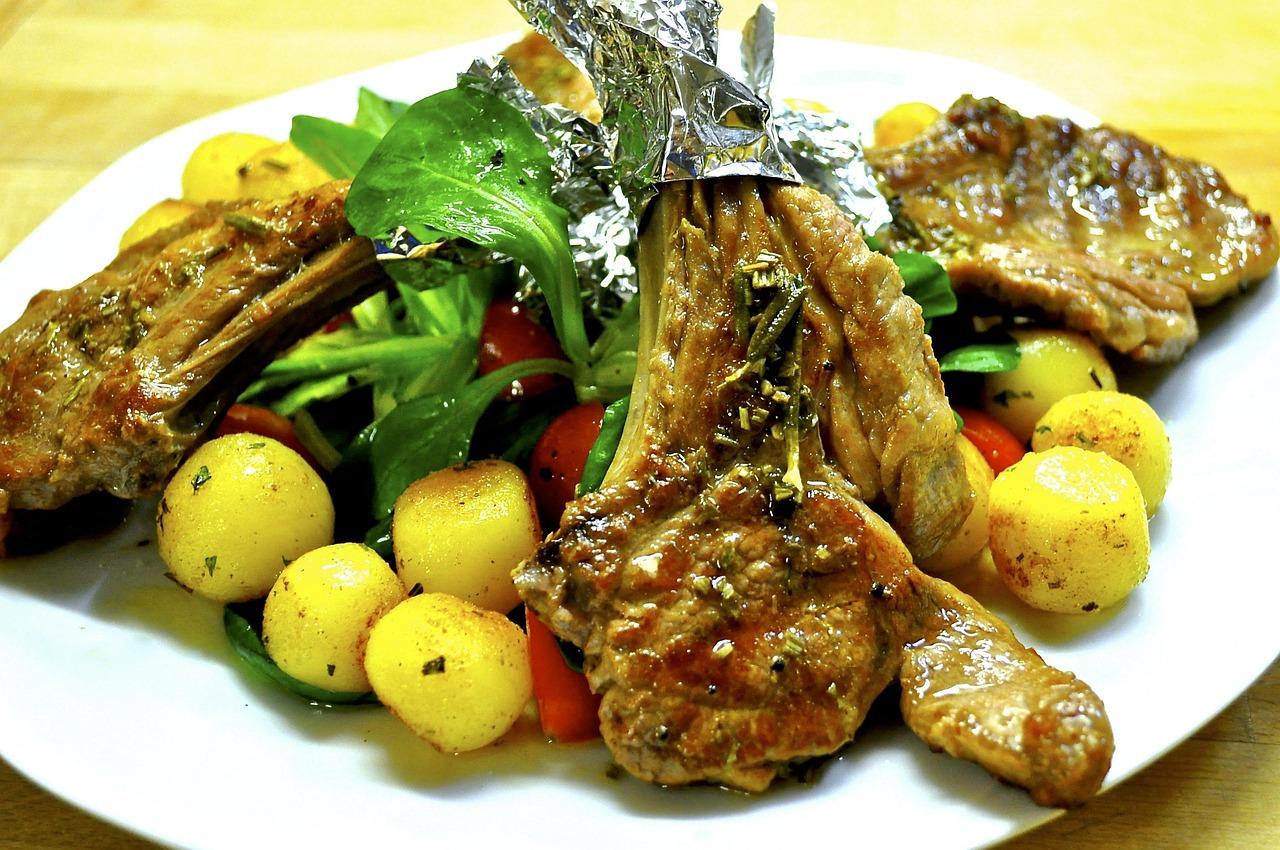
In the mountain villages around Athens and in Roumeli, families drive out on Sunday to psistaries where paidakia are sold by the kilo: thin lamb rib chops grilled over charcoal until the fat crackles, then showered with lemon, salt and oregano and eaten with your fingers. Chips, a horiatiki salad and tzatziki complete the meal. Common mistake: marinating them for hours in lemon, which makes the meat mushy; season simply and add lemon after grilling. Chef's tip: leave a thin rim of fat on each chop and grill fat-side first for a minute; it renders and bastes the meat.

20 minGreekMeatGluten free
by KrazyBadal 0 views

Salsa criollaTomato, onion and pepper relish

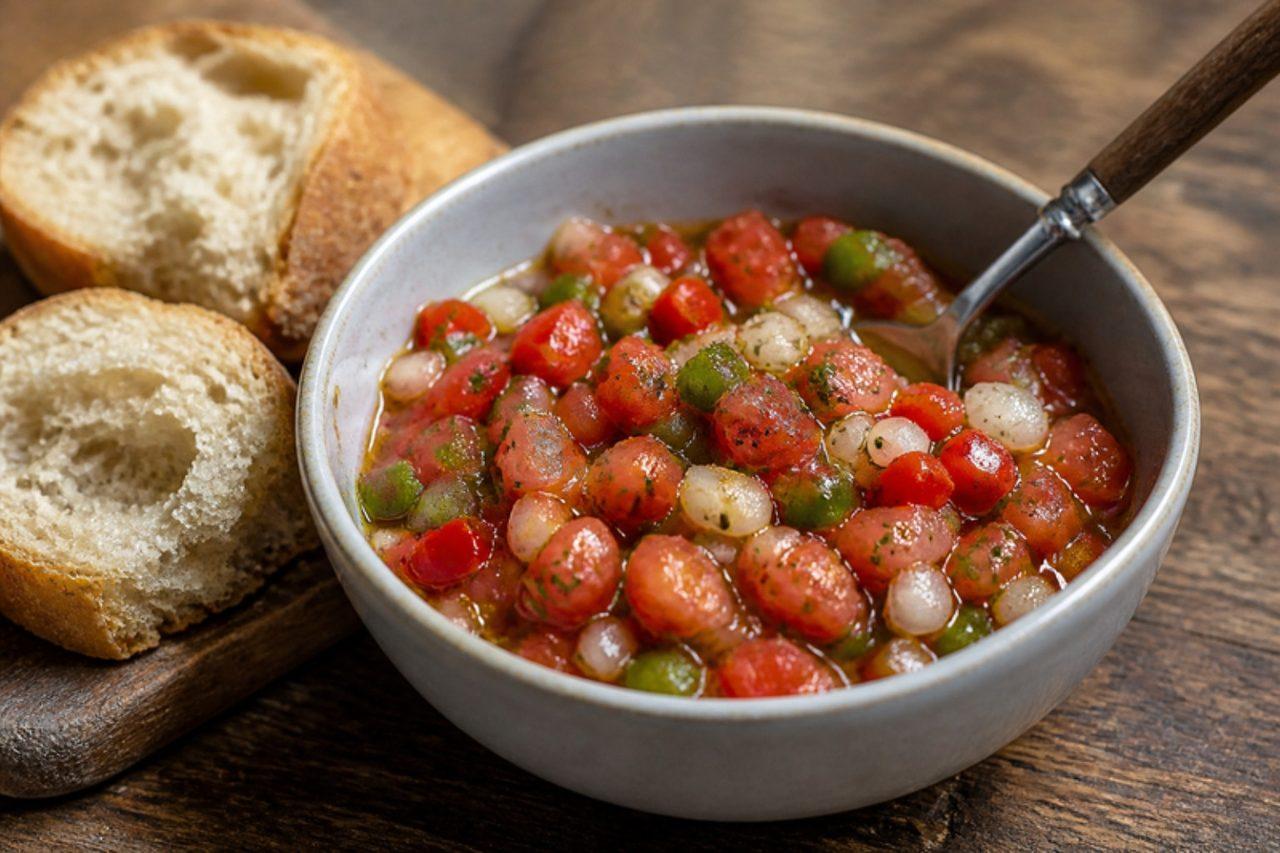
Chimichurri gets the fame, but at a Sunday asado anywhere from Buenos Aires to Salta the other bowl on the table is salsa criolla: tomato, onion and red and green pepper cut into small, even dice, dressed with vinegar, oil, oregano and salt, and left to sit until the juices pool. It is spooned over steak, chorizo and provoleta, piled into choripán, and eaten with grilled vegetables, and it brings freshness and acid to rich, smoky food. Expect crunch, a clean sour note and a mild sweetness from the peppers. Chopping it all in a food processor is the mistake: it turns watery and pulpy, so take the time to dice by hand. Some cooks use only red onion, others add spring onion or a pinch of chilli; adjust to taste. Chef's tip: dress the onion with the vinegar and salt first for 10 minutes before adding the rest; it softens the raw bite without losing the crunch.

by KrazyBadal 0 views

Zereshk polo ba morghBarberry rice with braised chicken

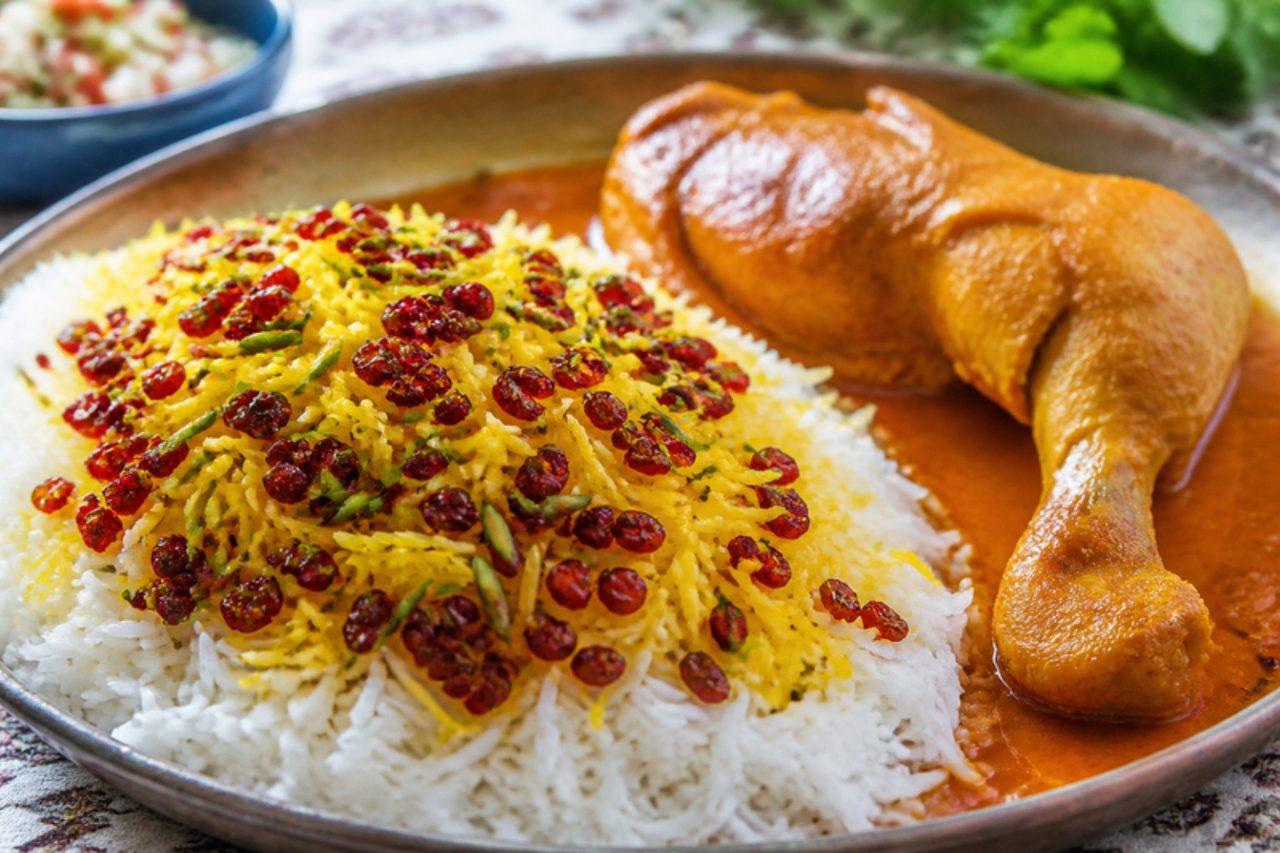
Zereshk polo ba morgh is the rice Iranians cook for guests, weddings and Friday lunches, and its tart red barberries come mostly from the orchards around Birjand in South Khorasan, where the berries are dried on rooftops in autumn. Fluffy steamed basmati is crowned with saffron rice and barberries fried briefly in butter with a little sugar, and served beside chicken braised slowly with onion, tomato and saffron until it is falling off the bone. A common mistake is frying the barberries for more than a minute or two; they burn fast and turn bitter. Chef's tip: sort the barberries on a white plate and remove any tiny stems or grit before soaking.

by KrazyBadal 0 views

Salsa golfMayonnaise and ketchup sauce

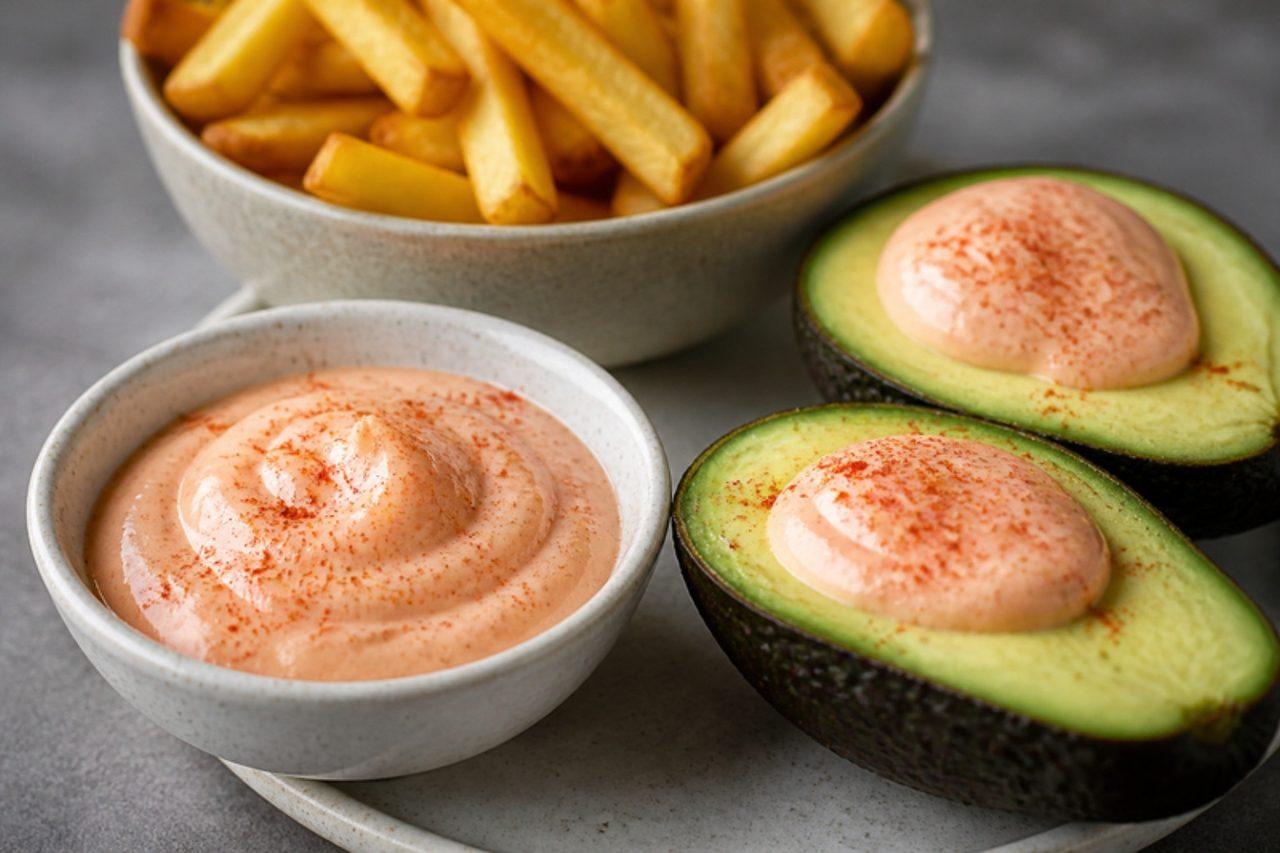
Mar del Plata's golf club gave its name to this sauce in the 1920s, so the story goes, and Argentines have been mixing mayonnaise and ketchup ever since. It is the pink sauce of the 1970s cocktail party and the seaside: spooned into half avocados (palta a la golf), over hearts of palm, onto a cold hard-boiled egg, beside fries or into a prawn cocktail, and every family has its own ratio. A drop of lemon and a dash of mustard lift it from a simple mix to something tangy and creamy. Too much ketchup is the misstep that turns it sweet and orange; it should be a soft salmon pink. Use shop-bought mayonnaise, which is made with pasteurised egg; if you make your own, use pasteurised eggs. Check the labels of the mayonnaise, ketchup and mustard if you need it gluten free. Chef's tip: let it sit in the fridge for 15 minutes before serving; the flavours blend and it thickens slightly.

by KrazyBadal 0 views

Nan-e komajSweet date-filled bread

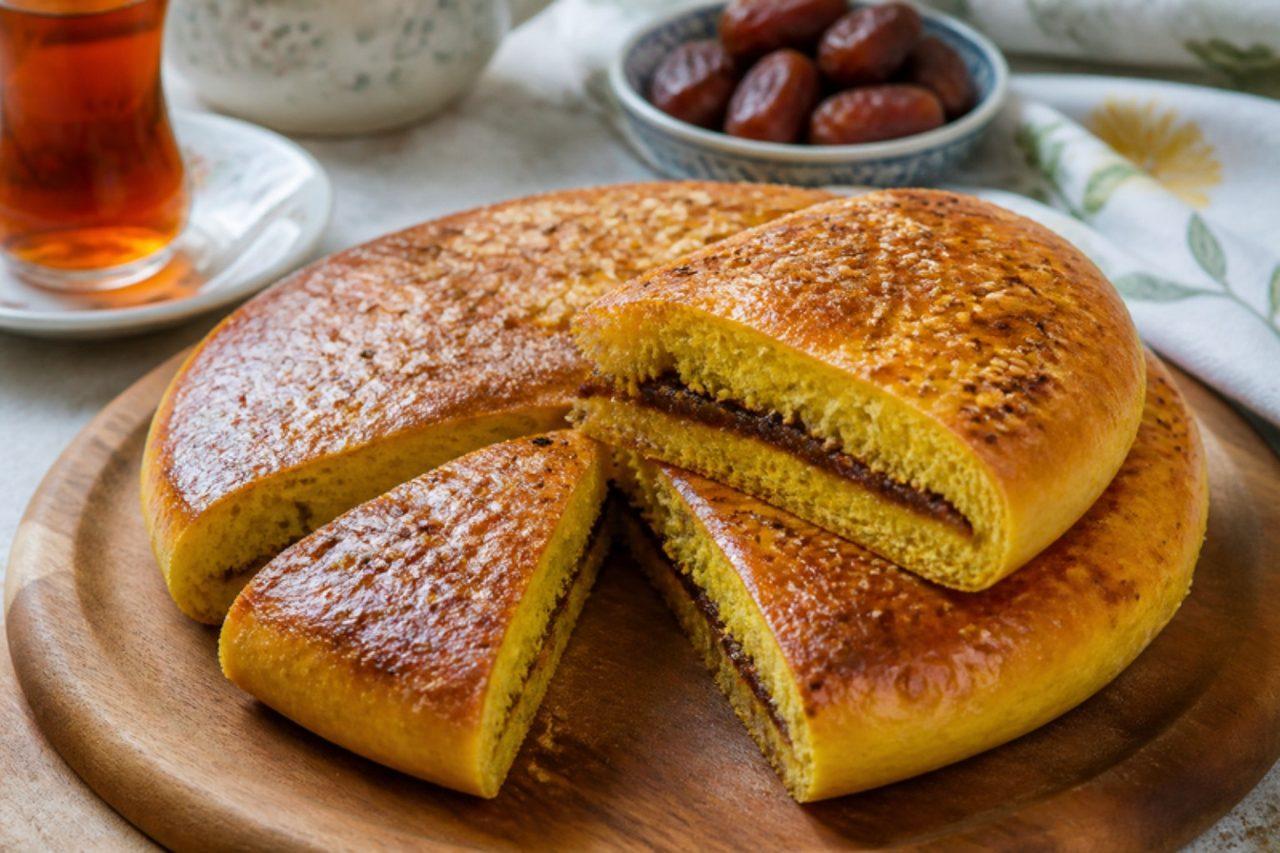
In Khorasan and Kerman, nan-e komaj is the bread of guests and holidays: thick, soft, golden with turmeric, scented with cumin and layered with a ribbon of date paste and cinnamon. In villages around Mashhad it is baked in big rounds for Nowruz and religious feasts and cut into wedges with tea. It is sweet but not cake-like, sitting somewhere between bread and pastry. A common mistake is spreading the date paste right to the edge, which lets it leak and burn on the tray. Chef's tip: soften the dates with a spoon of hot water and a little butter before spreading; stiff date paste tears the dough.

by KrazyBadal 0 views

Nan-e nokhodchiChickpea flour cookies

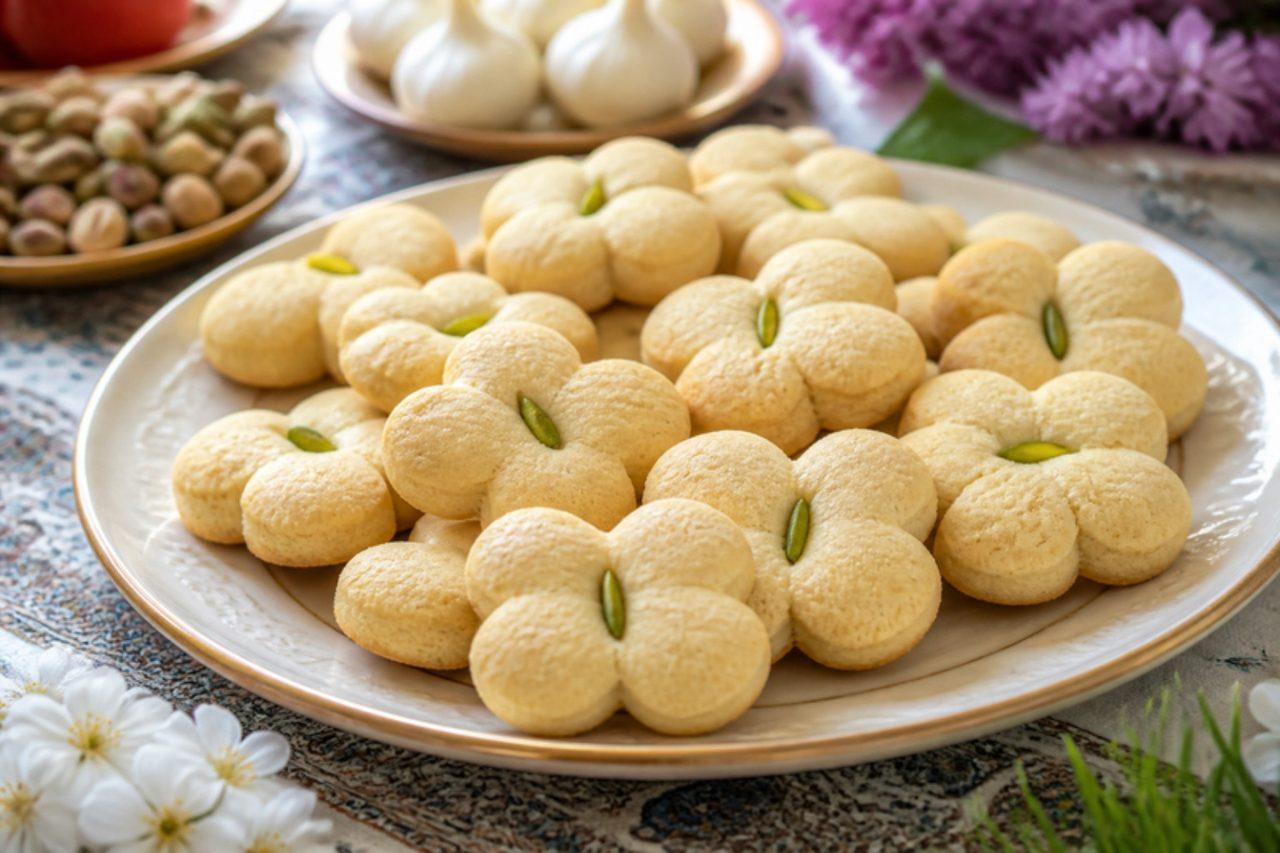
No Nowruz tea tray in Tehran or Qazvin looks complete without a pile of tiny four-leafed nan-e nokhodchi, each topped with a sliver of pistachio. They are made from flour of roasted chickpeas, so they taste nutty and slightly savoury under the sugar, and they dissolve almost instantly on the tongue. Bakers make them by the thousand in March, but they are simple at home with a small clover cutter. The common mistake is using raw gram flour, which tastes beany and bitter; the flour must be from roasted chickpeas, or toasted first. Chef's tip: knead the dough longer than you think, 8–10 minutes, until it turns smooth and pale; that is what gives the melting texture.

by KrazyBadal 0 views

TsourekiBraided Easter brioche

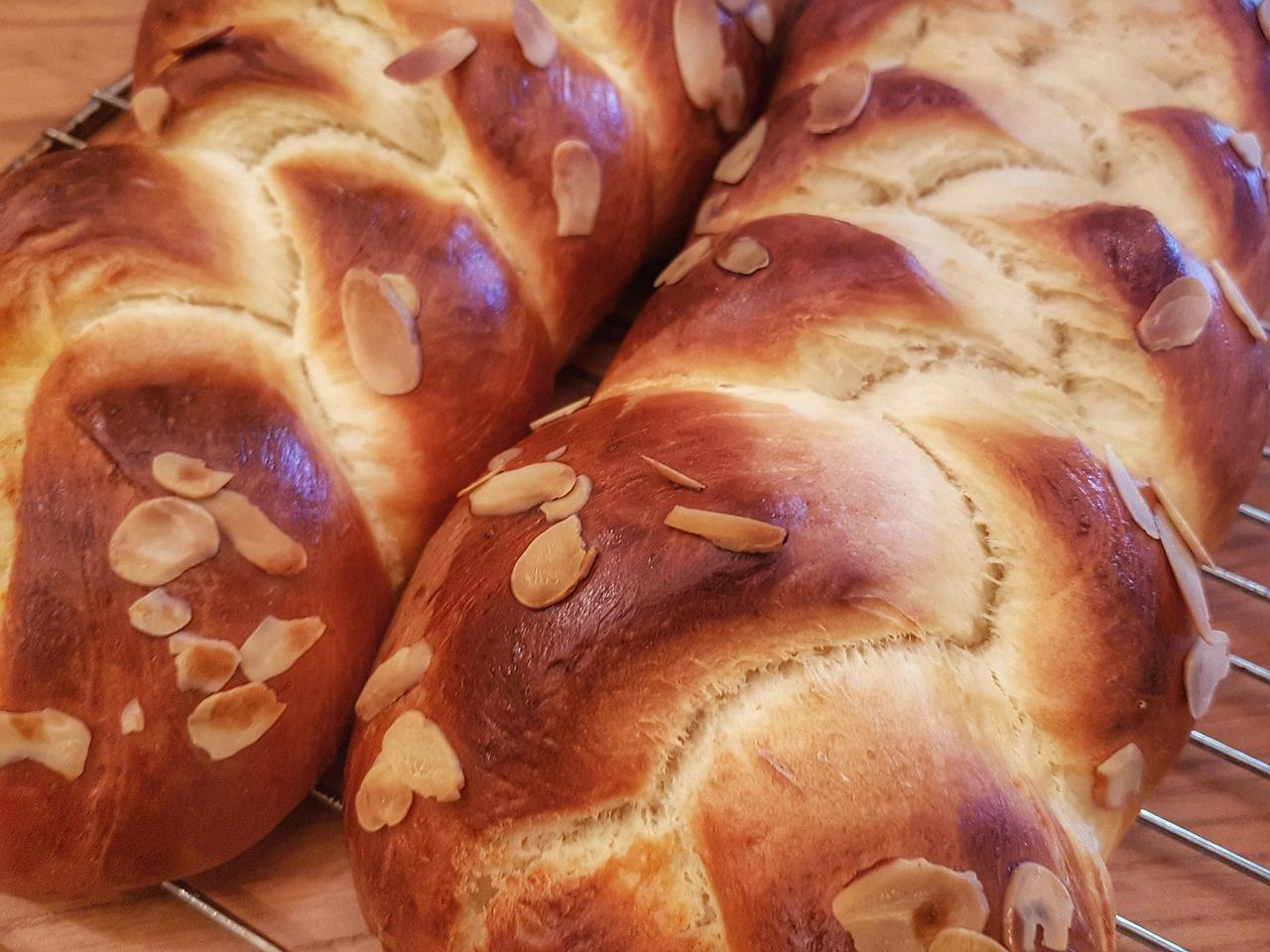
On Holy Thursday Greek homes braid tsoureki, the shining Easter loaf that is broken on Sunday after the midnight service and eaten for breakfast all week with coffee. It pulls apart in long, feathery strands and smells of mahlab (cherry-stone spice), mastic resin and orange. Common mistake: adding extra flour to a sticky dough; it is meant to be soft, and the long knead and cold rest make it manageable. Chef's tip: grind mastic with a pinch of sugar in a cold mortar; on its own it gums up into sticky lumps.

by KrazyBadal 0 views

Pepas de membrilloQuince jam cookies

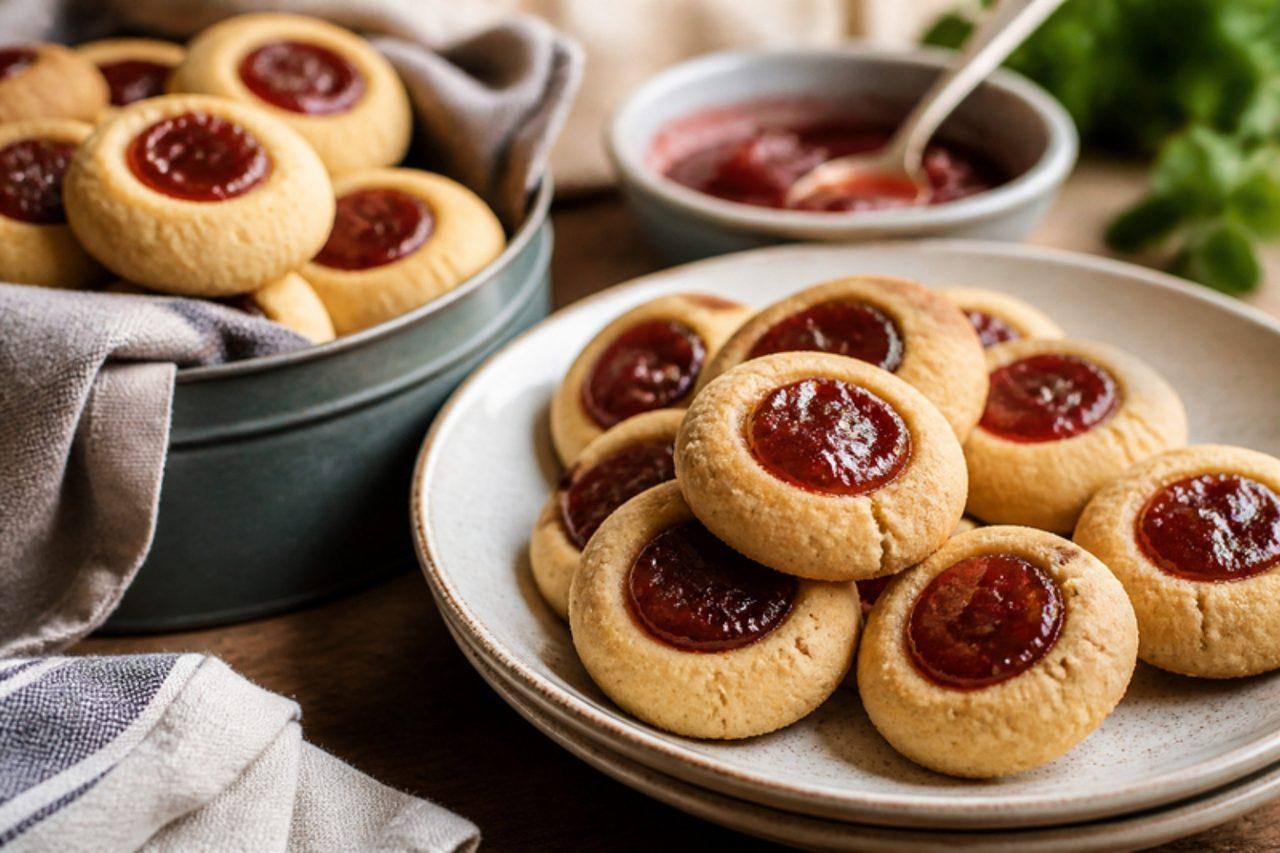
Pepas are the little round cookies with a jewel of quince jam in the middle that Argentine kiosks sell by the bag and grandmothers keep in a tin for the mate round. They are tender and crumbly, not crisp, with just enough sugar that the tart, dark membrillo stands out. Children love pressing the thumbprint and filling it, which makes them a good first baking job, and they keep for a week in an airtight jar. Kiosk versions are often made with margarine; butter tastes far better. Overbaking is the usual problem: take them out while the tops are still pale and only the bottoms are golden, because they firm up as they cool. Chef's tip: use quince paste softened with a spoonful of hot water and pipe it from a small bag; a spoon leaves smears on the dough that burn.

by KrazyBadal 0 views

Salzburger NockerlSweet soufflé peaks

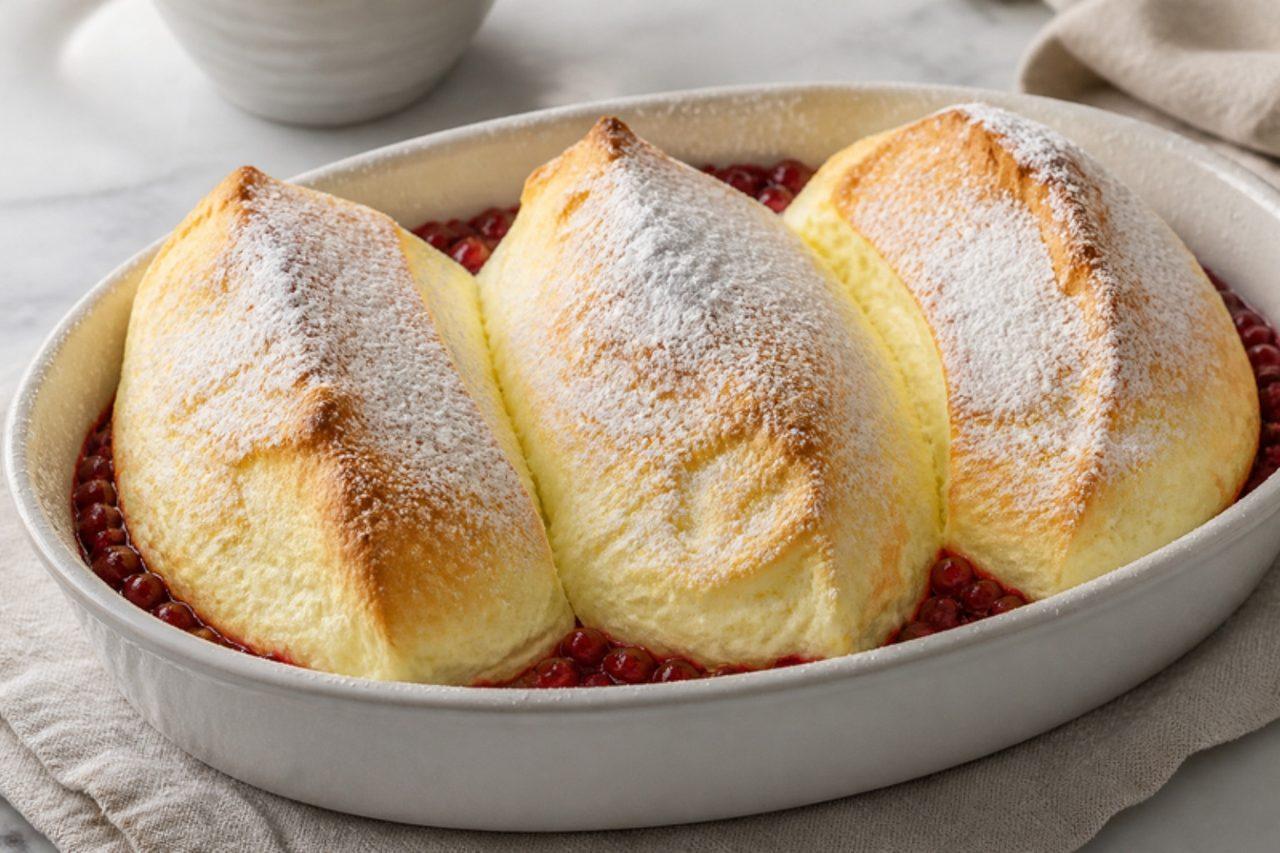
Salzburger Nockerl is the dessert Salzburg serves to visitors after a concert or a walk through the old town: three golden, sugar-dusted peaks said to stand for the hills around the city. Under the airy egg-white soufflé is a layer of tart lingonberries or redcurrants, warmed with vanilla milk in the baking dish. It is meant to be shared from the dish and eaten the moment it leaves the oven, before it sinks. This version uses cornflour instead of wheat flour, so it is gluten free. A common mistake is over-folding the yolks into the whites; streaks are fine, and too much stirring makes it collapse. Chef's tip: keep the oven door shut until the end; the peaks are ready when they are golden outside but still creamy inside.

by KrazyBadal 0 views

Peperoni cruschiCrisp fried dried peppers

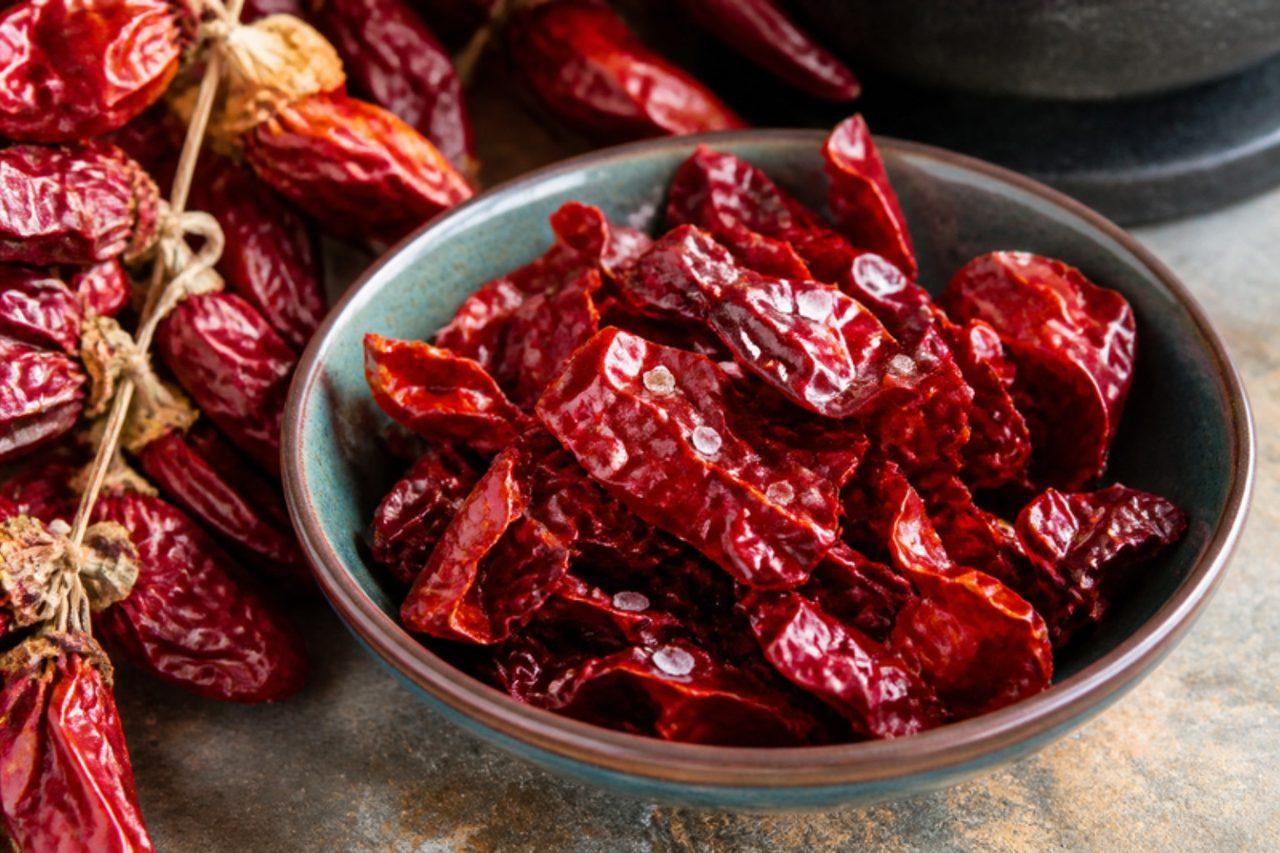
In late summer the villages around Senise, in southern Basilicata, hang long garlands of thin red peppers from balconies to dry in the sun. Once dried, a few seconds in hot oil turns them into peperoni cruschi: glassy, brittle and sweet with a faint smoky note, eaten like crisps or crumbled over pasta, beans, fried eggs and mashed potatoes. Lucanians call them their red gold and keep a jar of them on the table all winter. Chef's tip: get the oil hot but not smoking and count to five; the colour should stay bright red.

by KrazyBadal 0 views

Habas tostadasFried dried broad beans

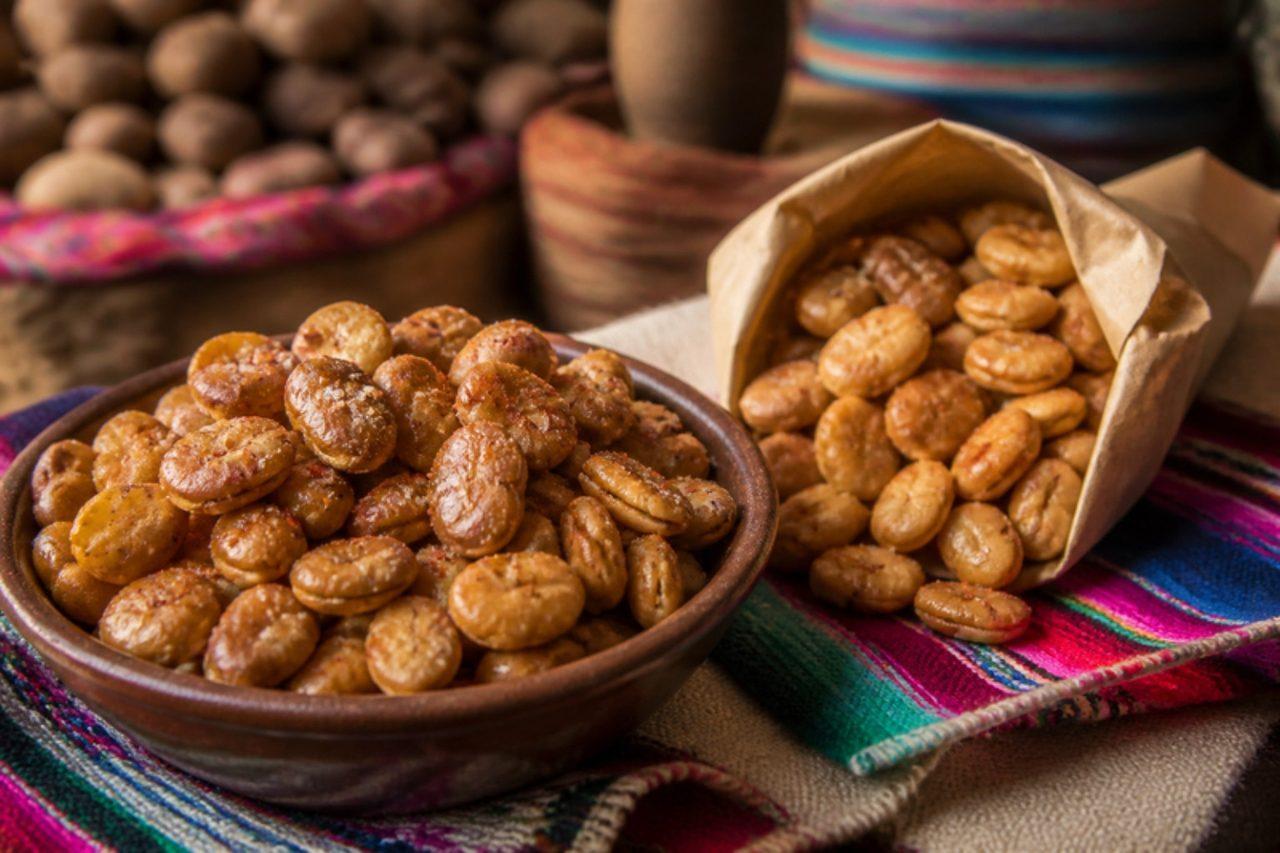
Paper cones of habas tostadas are sold by the scoop at markets from Huancayo to Puno, piled next to cancha and roasted peanuts, and they disappear by the handful at football matches, on long bus rides and with a cold drink in the evening. Dried broad beans are soaked, dried and fried until they crack open, turning golden and crisp outside with a slightly mealy, nutty centre. Most sellers leave the skins on, which gives them their bite. The beans need an overnight soak before you start, so plan a day ahead. The mistake to avoid is frying them still wet from the soak: the oil spits dangerously and the beans steam instead of crisping, so dry them thoroughly on a towel. Eat them on their own or put a bowl out with olives and pickled onions. Chef's tip: fry them twice, first at a lower heat to cook the centre, then hotter for the crunch, and salt them the moment they come out of the oil.

by KrazyBadal 0 views

SamanuSprouted wheat pudding

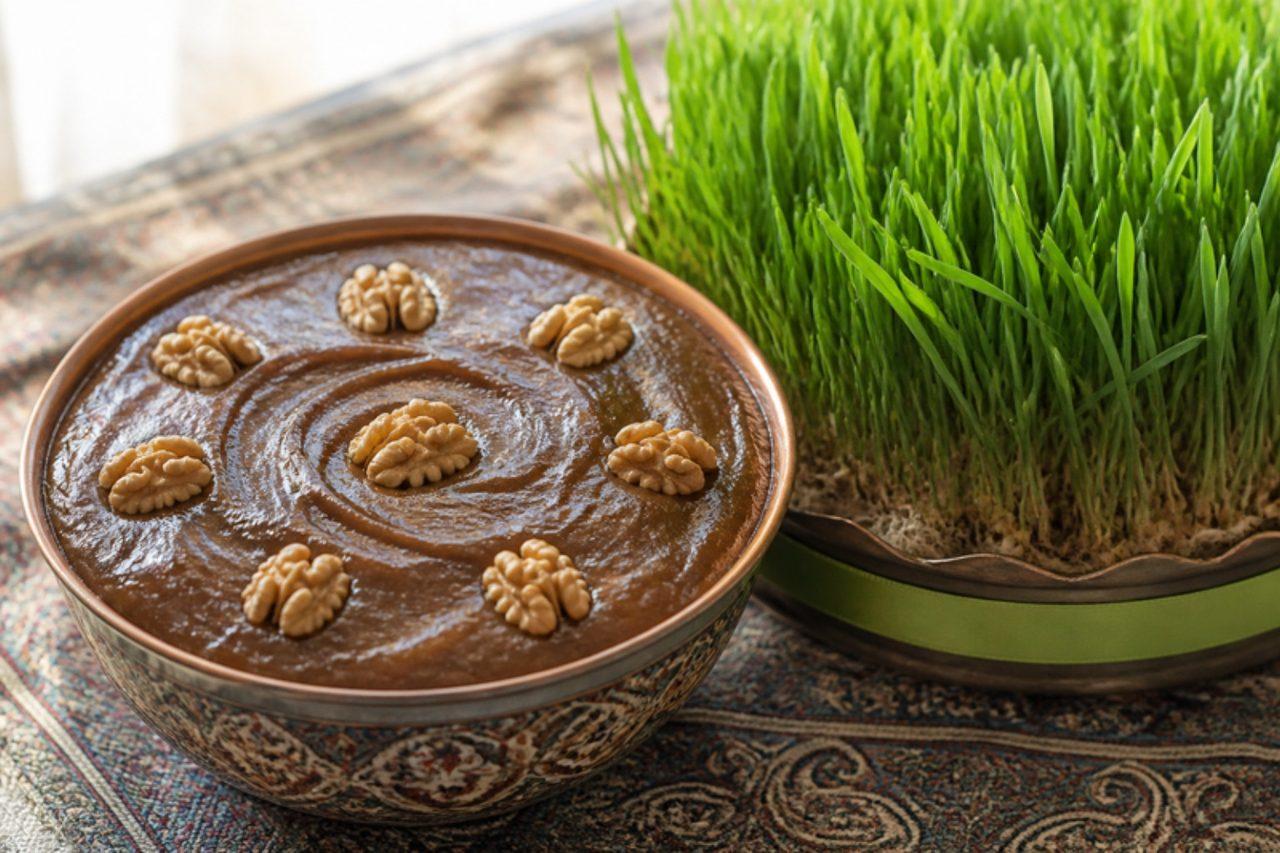
Samanu is one of the seven 's' items on the Nowruz haft-sin table, standing for strength and abundance, and in many neighbourhoods of Tehran and Shiraz women still gather to stir the great pot through the night, singing and taking turns. It is made from nothing but sprouted wheat juice and flour, cooked very slowly for many hours until the natural malt sugars caramelise into a thick, toffee-brown, gently sweet pudding. This home version uses a smaller batch, but it still takes days of sprouting and a long, patient simmer. The common mistake is turning the heat up to rush it, which scorches the base and makes the samanu bitter. Chef's tip: drop a few clean walnut halves into the pot near the end; tradition says whoever finds one in their bowl will have a lucky year.

by KrazyBadal 0 views

KumisFermented milk drink

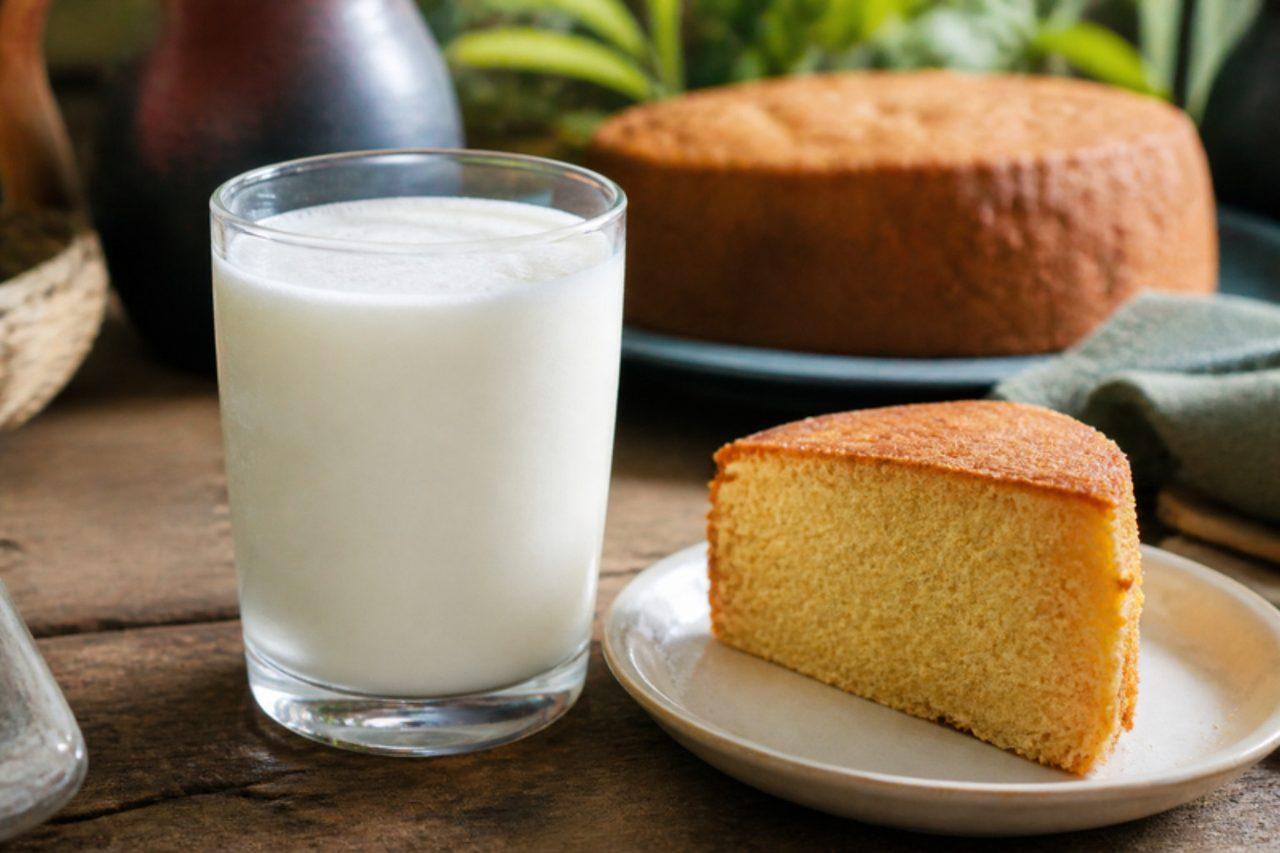
Kumis in Colombia is a thick, sweetened fermented milk, nothing like the Central Asian mare's-milk drink of the same name. Bakeries and cafeterias sell it chilled in glasses with a slice of plain sponge cake, the classic kumis con ponqué, and many families still make it at home. It is cool, tangy and creamy, somewhere between drinking yogurt and buttermilk. Use only pasteurised milk, heat it first, and work with very clean equipment: wash jars and spoons in hot soapy water and scald them with boiling water. The milk ferments at room temperature (20–28 °C, out of direct sun) for 12–24 hours, then goes into the fridge; never leave it out longer. Discard any batch with mould, pink or orange patches, or a rotten rather than sour smell. Adding the starter to milk that is still too hot is the common slip, as heat kills the cultures and nothing sets. Chef's tip: add the sugar after fermenting, then chill well before serving.

by KrazyBadal 0 views

KiveveSquash purée with cheese

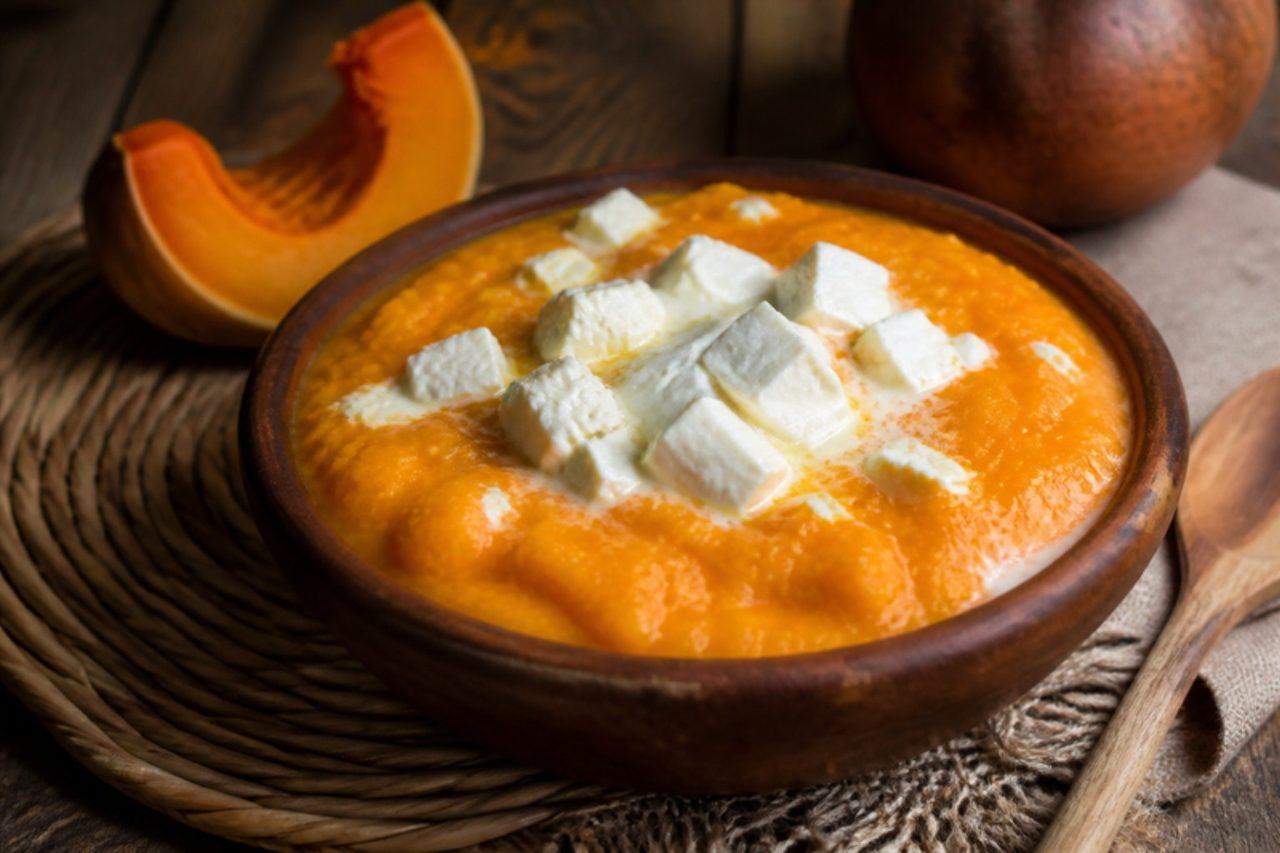
Kiveve (also written quibebe) is Guaraní food, cooked across Corrientes and Paraguay as a side for grilled meat or a supper on its own: ripe squash is simmered with onion until it falls apart, then thickened with a spoonful of cornmeal and enriched with milk and fresh cheese until it is smooth, orange and as soft as polenta, slightly sweet and slightly salty. Correntinos often serve it with chipá or sopa paraguaya on the side. The cornmeal is easy to get wrong: added all at once to a hot pot, it clumps into dry little lumps, so slake it first in cold milk and pour it in while stirring. Queso fresco or queso criollo is usually made with animal rennet; choose a vegetarian fresh cheese if needed. Chef's tip: use the deepest orange squash you can find, ideally a ripe Argentine anco or a kabocha; a pale squash gives a watery, bland kiveve.

by KrazyBadal 0 views

PepitoriaRice with goat offal

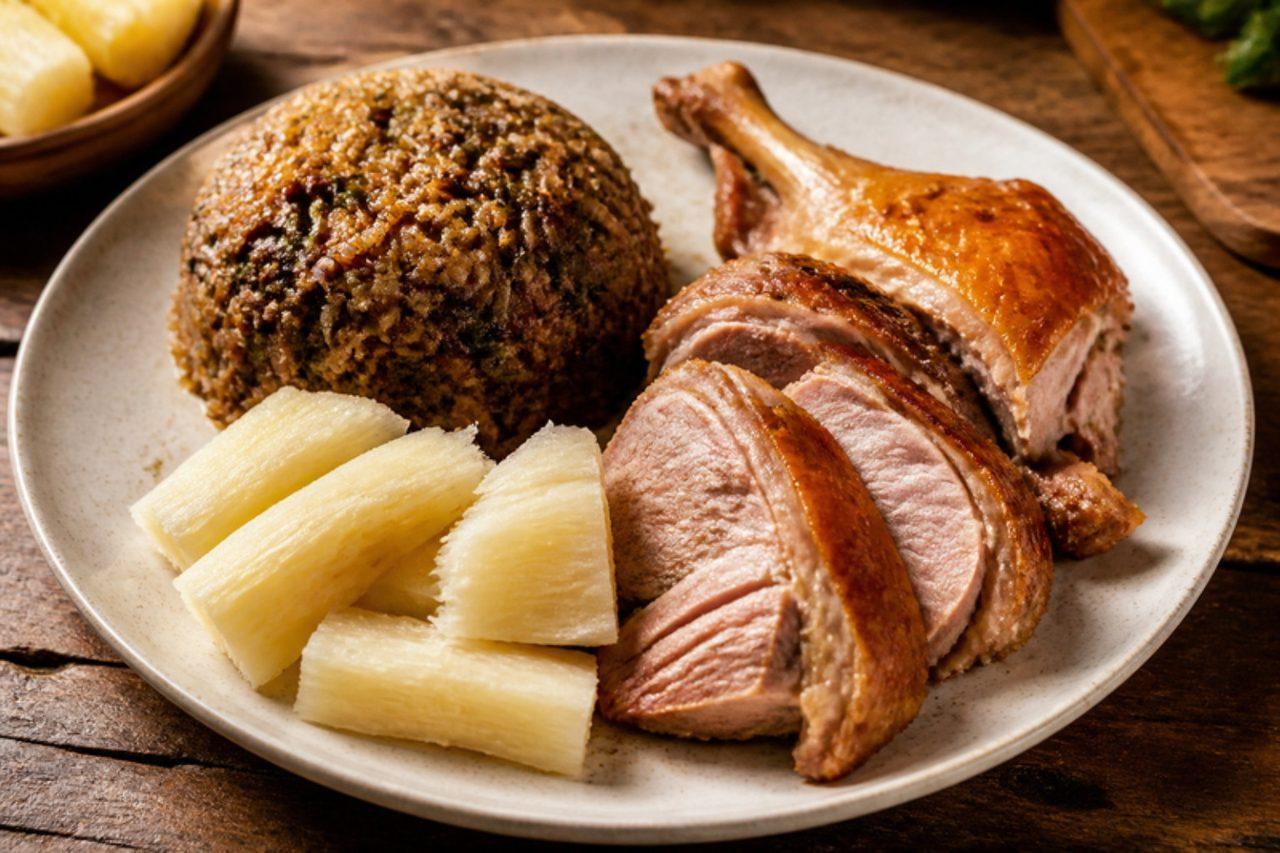
Santander's famous plate of cabrito (roast kid goat), sold in Bucaramanga, Barichara and the canyon towns, always comes with pepitoria next to it: rice cooked with the kid's chopped heart, liver and kidneys, a refrito of onion and tomato, and blood, which turns it a deep reddish-brown and gives it a rich, mineral flavour, a little like a soft black pudding. It's a dish that uses the whole animal, and it is worth trying if you like morcilla. Ask a halal, Caribbean or specialist butcher for very fresh goat offal and fresh blood (pig blood works if goat isn't available); keep both cold and cook them the same day. Offal must be cooked right through, and the blood until it has set and darkened with no liquid red left. The usual misstep is adding the blood too early, so that it scorches on the bottom; it goes in when the rice is nearly done. Chef's tip: if blood is impossible to find, double the offal and add 1 tsp extra achiote; you'll get a lighter but still very good rice.

by KrazyBadal 0 views

Nan-e panjerehFried rosette pastries

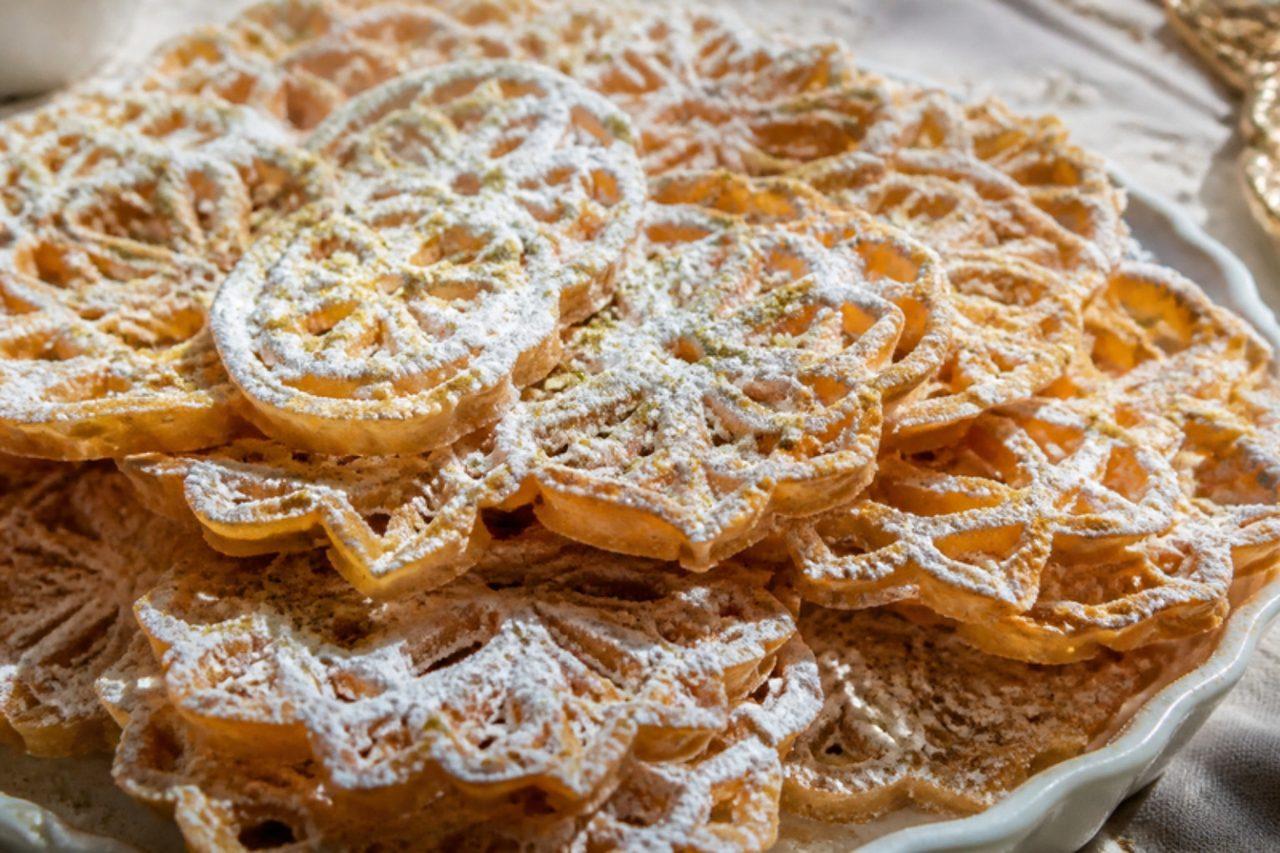
Nan-e panjereh, 'window bread', is the most delicate pastry on a Nowruz table, and in Tehran and Isfahan it is usually made at home with a flower-shaped iron passed down through the family. A thin batter of egg, milk and flour flavoured with rosewater clings to the hot iron, then drops off into the oil as a crisp, lacy rosette that shatters at the first bite. The usual mistake is dipping the iron too deep; the batter must come only to the top edge, or the rosette won't release. Chef's tip: dip the iron back into the hot oil for 30 seconds before every rosette so the batter sets the moment it touches the metal.

by KrazyBadal 0 views

Showing 45 of 7,762 recipes

Show more recipes

Page 527 of 863