


Skip to content
Sobacha
Featured recipe

Sobacha

Roasted buckwheat tea

Sobacha is roasted buckwheat tea, drunk all over Japan and especially in the soba country of Nagano and Hokkaido, where it is poured free in noodle shops and kept in jugs in the fridge through summer. Toasted buckwheat groats are steeped in hot water to make a golden, caffeine-free tea with a nutty, almost popcorn aroma, and the softened groats can be eaten too, stirred into rice or salads. Nothing is added: no salt, no sugar, so about 0.0 g salt per cup. The usual mistake is burning the groats when roasting your own; keep the heat at medium and keep the pan moving. Use Tartary buckwheat (dattan soba) for a deeper yellow tea. Anyone with a buckwheat allergy should avoid it, as reactions can be serious. Chef's tip: steep a second time with slightly hotter water; the second cup is often the sweetest.

Read more 0 views

What to eat today?

Around the world

Today's trip: Persian

A new country every day, from every cuisine on the site.

Persian

Nazkhatoon

Smoky aubergine with pomegranate 40 minMore from Persian (131) →

This week's collection

Kid-friendly dinners
578 recipes · a new collection every Monday

Latest recipes

Salatet el rahebSmoky aubergine salad

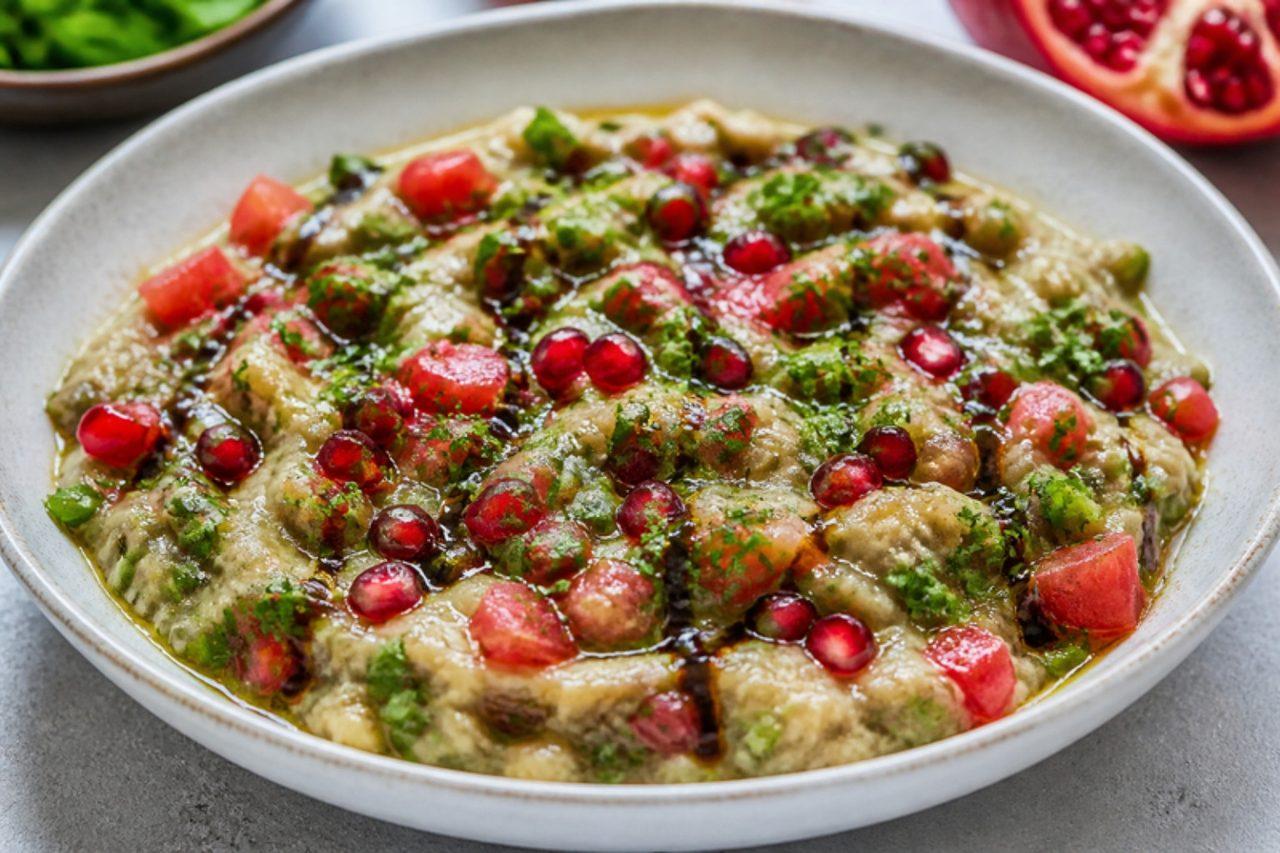
Mezze restaurants along the Lebanese coast serve salatet el raheb as the fresh, chunky cousin of baba ghanoush: the aubergine is charred until smoky, then chopped rather than puréed and tossed with tomato, peppers, spring onion, parsley and a sharp dressing of lemon and pomegranate molasses. There is no tahini, so it is light and summery and sits well next to grilled halloumi or kebabs. Common mistake: leaving the aubergine juices in; drain the flesh in a sieve or the salad turns watery. Chef's tip: char the aubergines directly over a gas flame or on a barbecue rather than in the oven — the smoky flavour is the soul of the dish.

by KrazyBadal 0 views

Salatet za'atar akhdarFresh thyme leaf salad

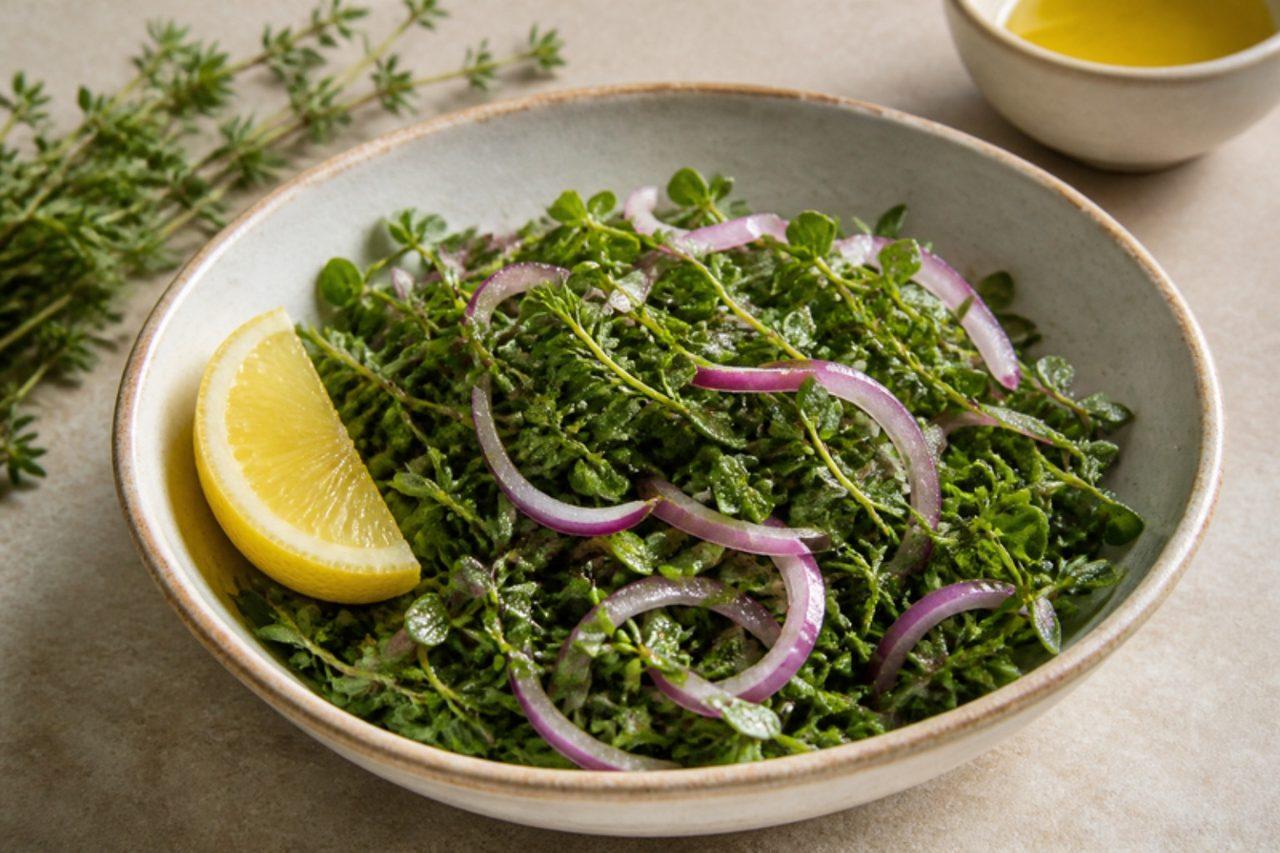
In spring, Palestinian families pick young za'atar (wild hyssop-thyme) from the hills of the West Bank and the Galilee, and the tender leaves are tossed raw with onion, lemon and the year's new olive oil. The salad is sharp, piney and peppery, eaten as part of breakfast with labneh, olives and warm taboon bread, or beside grilled meat. If you can't find fresh za'atar, a mix of fresh oregano, thyme and a little marjoram comes close. Common mistake: chopping the leaves; keep them whole so they stay perky and don't turn dark. Chef's tip: rub the sliced onion with sumac and salt for 5 minutes first; it softens its bite and turns it a pretty pink.

by KrazyBadal 0 views

SalchipapaFries with sliced sausage

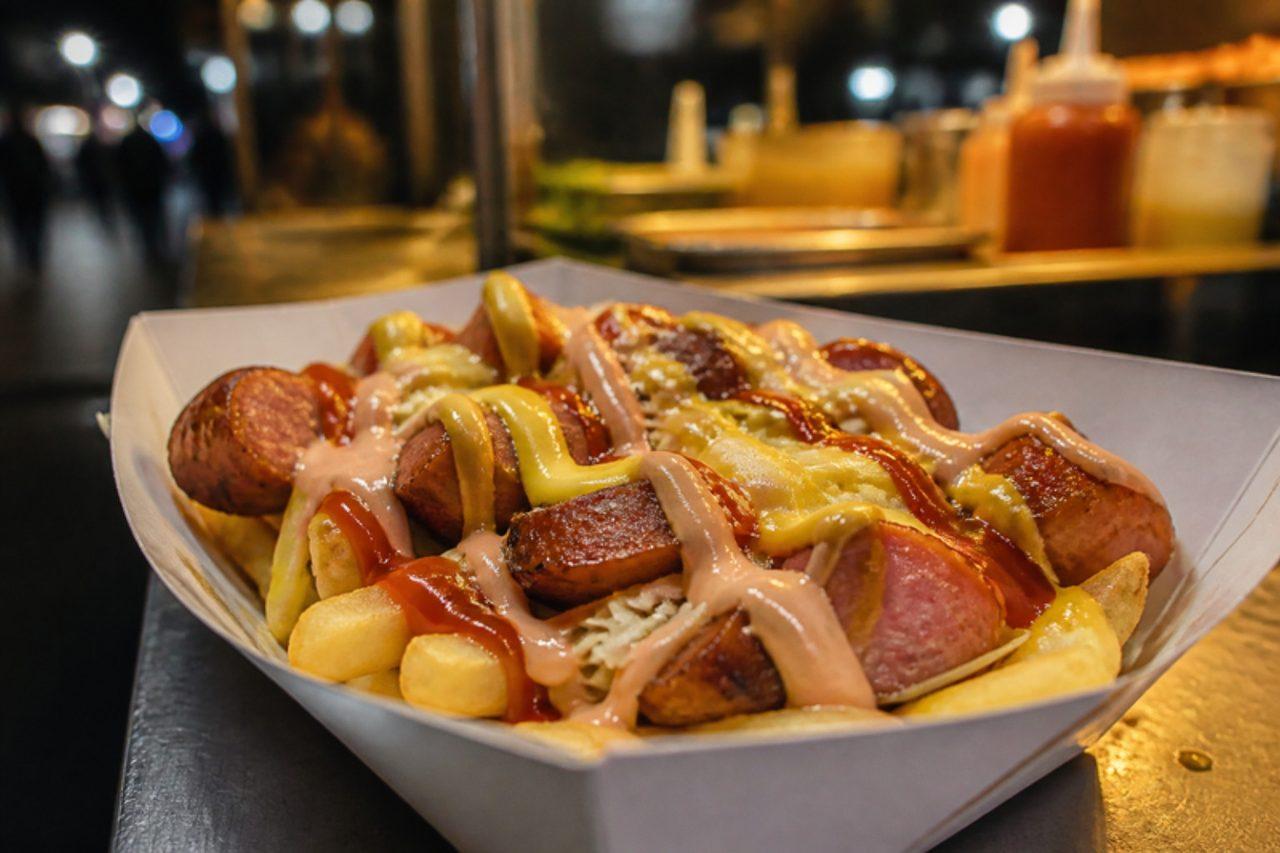
Late at night outside the bars and football stadiums of Bogotá and Medellín, carts and fast-food counters sell salchipapa by the plastic tray: hot chips topped with fried slices of hot dog sausage, drowned in salsa rosada (ketchup mixed with mayonnaise), mustard and grated cheese, sometimes with a squirt of pineapple sauce. Kids love it, and it's an easy Friday-night dinner at home: salty, crisp and soft at once, with the sweet-tangy pink sauce tying everything together. The way it goes wrong is soggy fries; double frying keeps them crisp under all that sauce. Chef's tip: slice the sausages on the diagonal and fry them until they curl and blister at the edges; the crisp bits make the dish.

by KrazyBadal 0 views

MajariscoPlantain mash with seafood

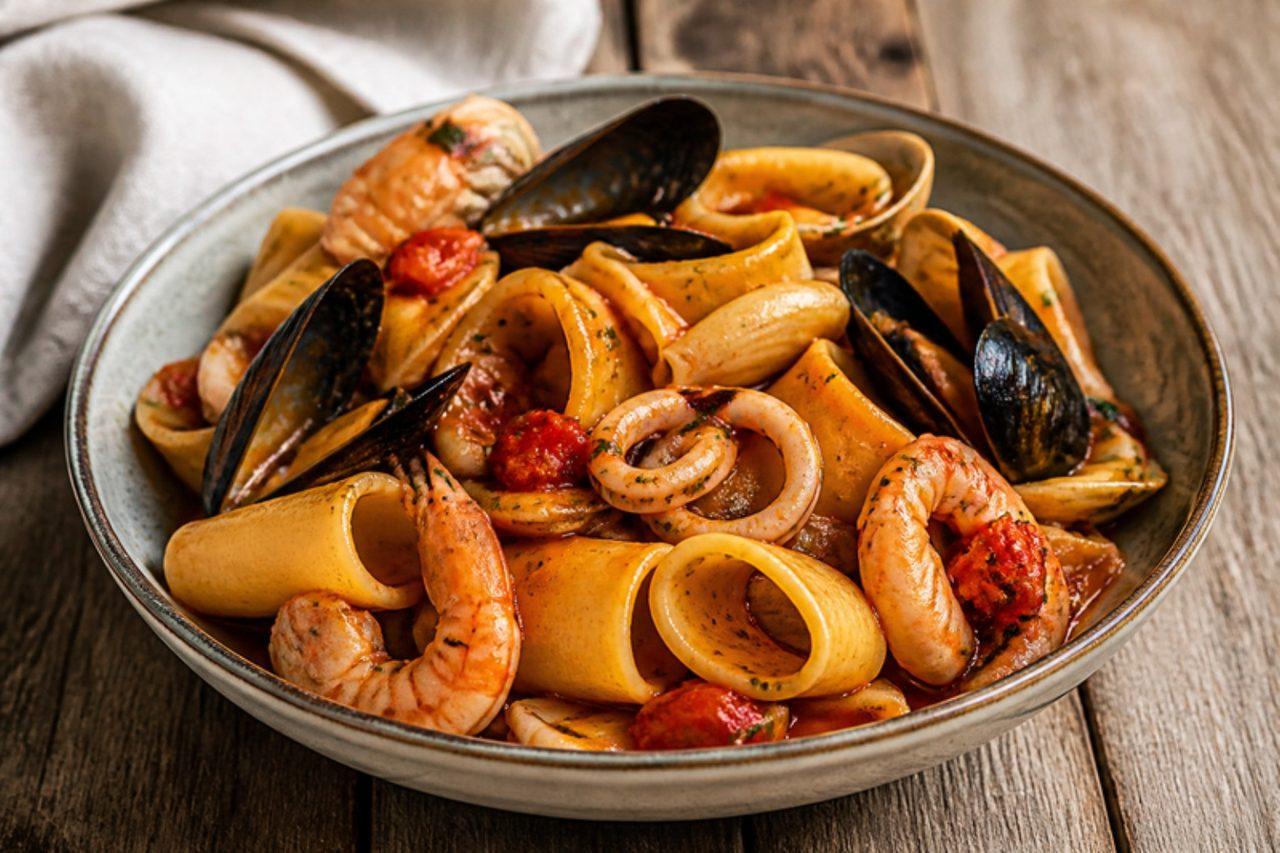
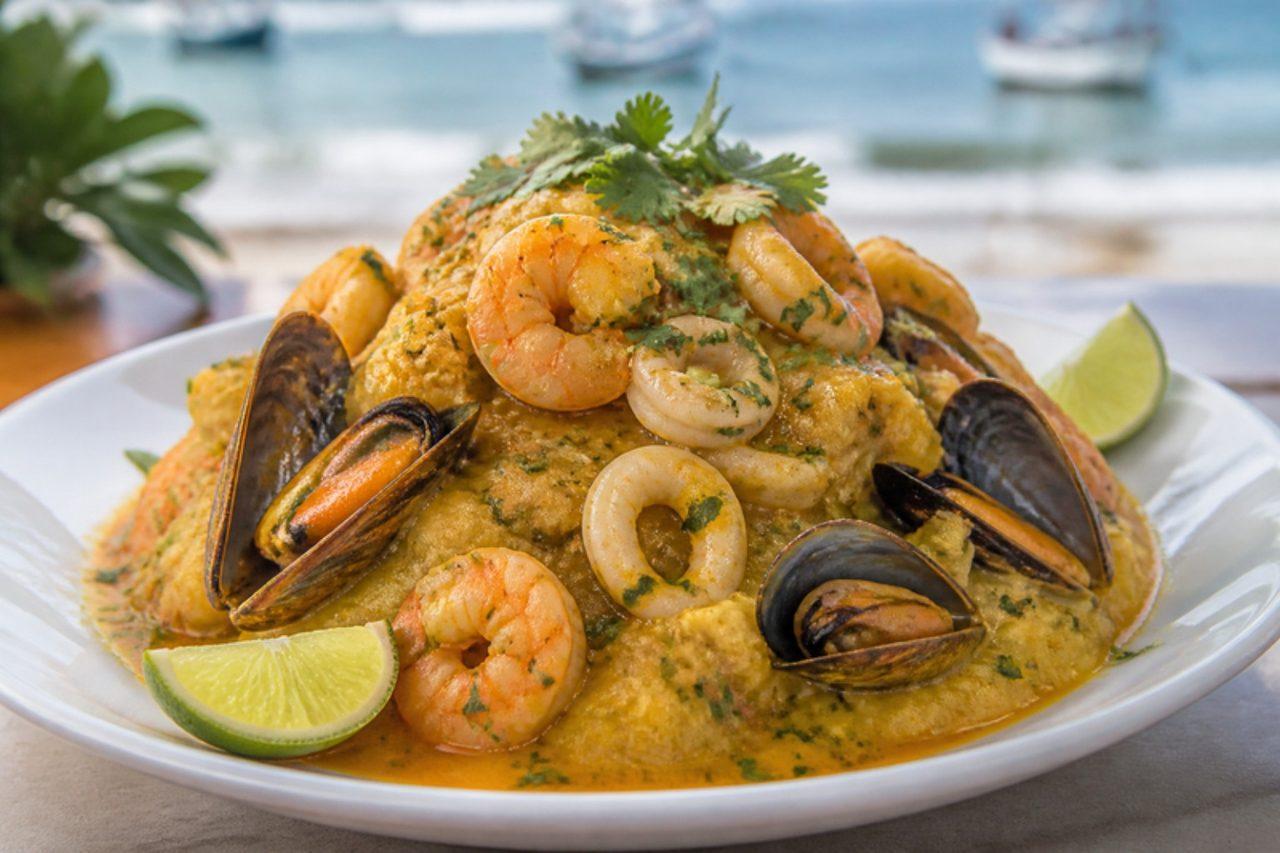
Its name blends 'majado' (mashed plantain) and 'marisco' (seafood), and along the coast of Piura and Tumbes, near the Ecuadorian border, it's what cevicherías and beach restaurants serve when you want something hot and filling. Mashed green plantain is folded into a sauce of garlic, onion, ají and seafood juices, with prawns, squid and mussels running through it, so every forkful is creamy, garlicky and briny. Serve it with lime and salsa criolla. Mussels must be alive: tap any open ones and discard those that don't close, and discard any that stay shut after cooking. Overcooking the seafood is the most frequent mistake; it goes in at the end, just until pink and opaque. Chef's tip: keep the mussel cooking liquid and use it to loosen the mash; it's pure seafood flavour.

by KrazyBadal 0 views

Sally Lunn bunsBrioche-style bun

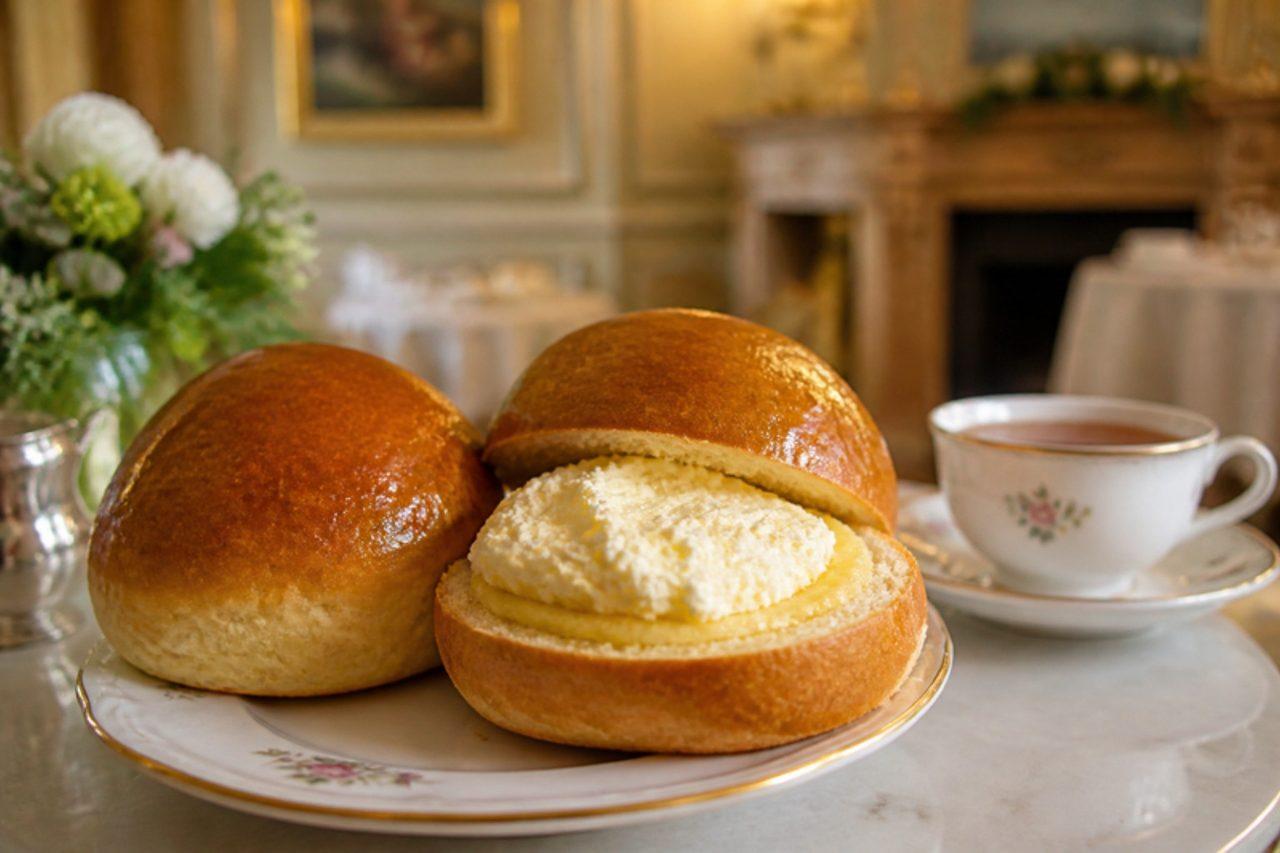
The Sally Lunn is a huge, airy, enriched bun from the Georgian city of Bath, where an old house by the Abbey still serves it split and toasted, sweet with cinnamon butter or savoury with cheese. The dough is soft, with plenty of egg, butter and cream, so it bakes up light like brioche. Chef's tip: the dough is very soft; use a cake tin to hold its shape rather than shaping it freehand.

by KrazyBadal 0 views

PlinsenBuckwheat pancakes with quark

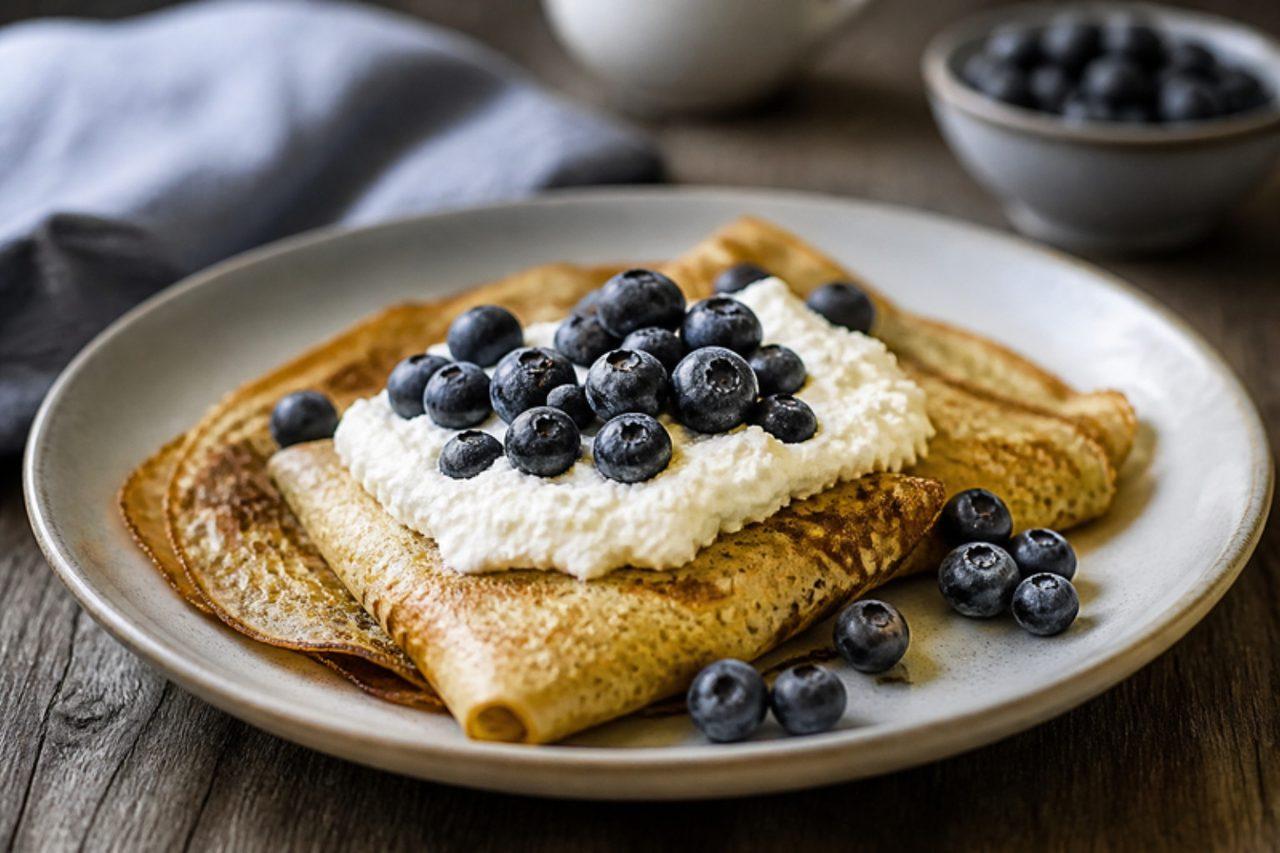
Plinsen come from Lusatia, the Sorbian-speaking borderland of Brandenburg and Saxony, where buckwheat once grew in the sandy soil. They are thin, soft pancakes, slightly thicker than a crêpe, made with buckwheat or a mix of buckwheat and wheat, and they are eaten for breakfast or as a sweet supper with sweetened quark, apple sauce or, in July, wild blueberries from the Lusatian pine woods. The buckwheat gives a nutty, earthy edge. A common mistake is cooking them in a too-cool pan, which makes them pale and rubbery; the butter should sizzle as the batter hits it. Chef's tip: rest the batter for 30 minutes so the buckwheat swells and the pancakes don't tear.

by KrazyBadal 0 views

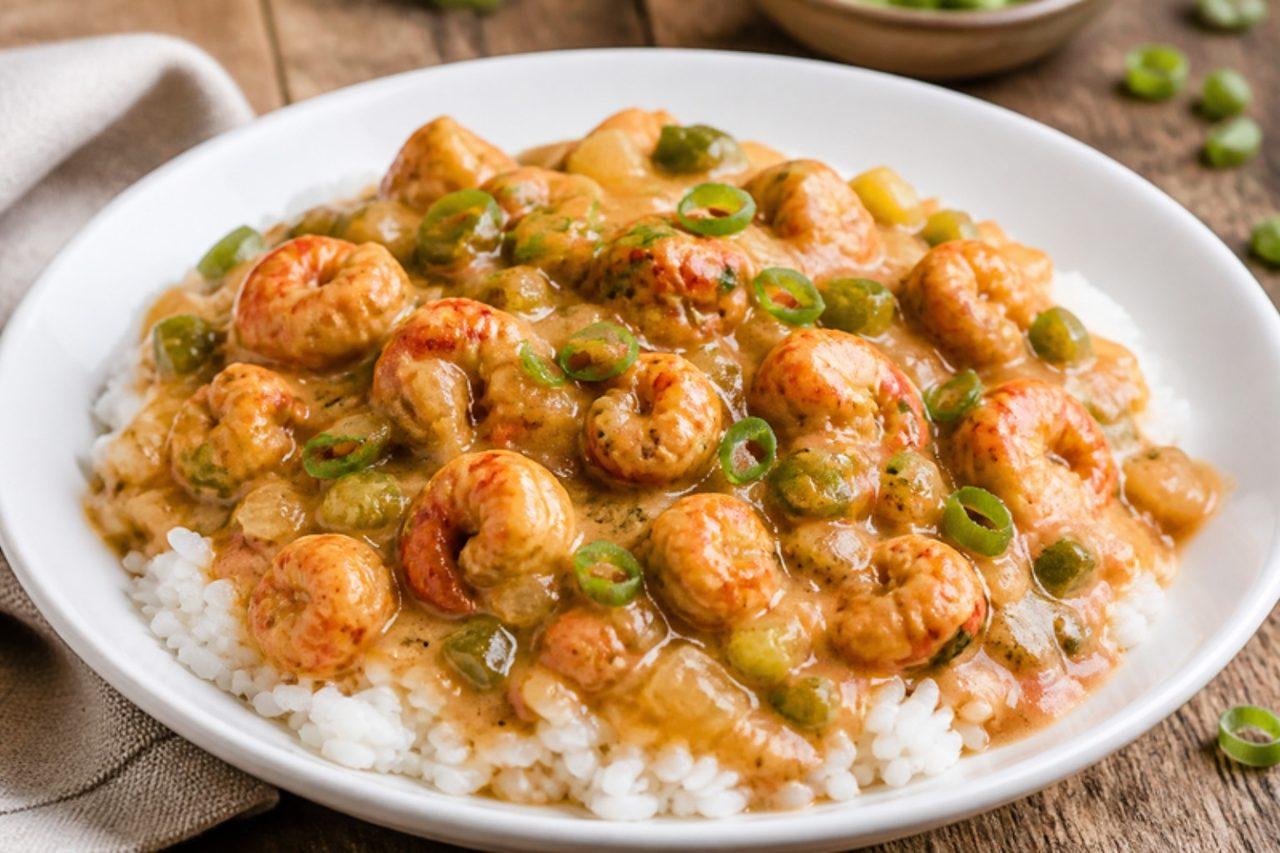
Crawfish étouffée

Étouffée means 'smothered', and in Breaux Bridge, which calls itself the crawfish capital of the world, this is what happens to the spring crawfish catch from February to May. Peeled tails are simmered in a butter-based light roux with the trinity, garlic and cayenne until the sauce is glossy and orange with crawfish fat. Serve over white rice. Peeled frozen crawfish tails or raw prawns work well outside Louisiana. Chef's tip: keep any yellow crawfish fat in the pack; it gives the sauce its richness and colour.

by KrazyBadal 0 views

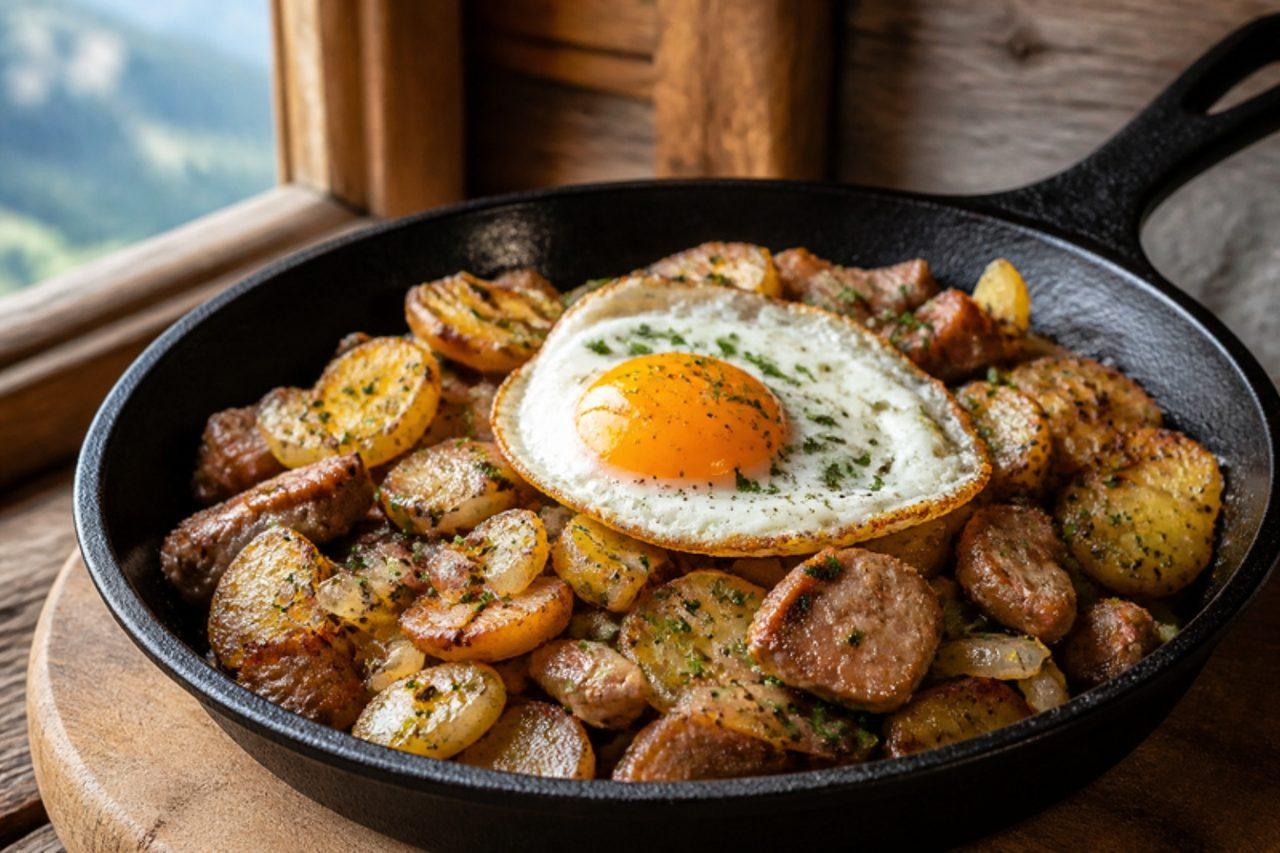
Tiroler GröstlFried potato and pork with egg

Tiroler Gröstl is what Tyrolean mountain huts serve to skiers and hikers coming in from the cold, and what farmhouse kitchens around Innsbruck make on Monday from Sunday's roast. Cold boiled potatoes are fried until crusty with onions, then tossed with cubes of leftover roast pork or smoked pork, caraway and marjoram, and crowned with a fried egg. It is made in one big pan and brought to the table in it. Chef's tip: let the potatoes fry undisturbed for the first few minutes; the brown crust is the whole dish.

by KrazyBadal 0 views

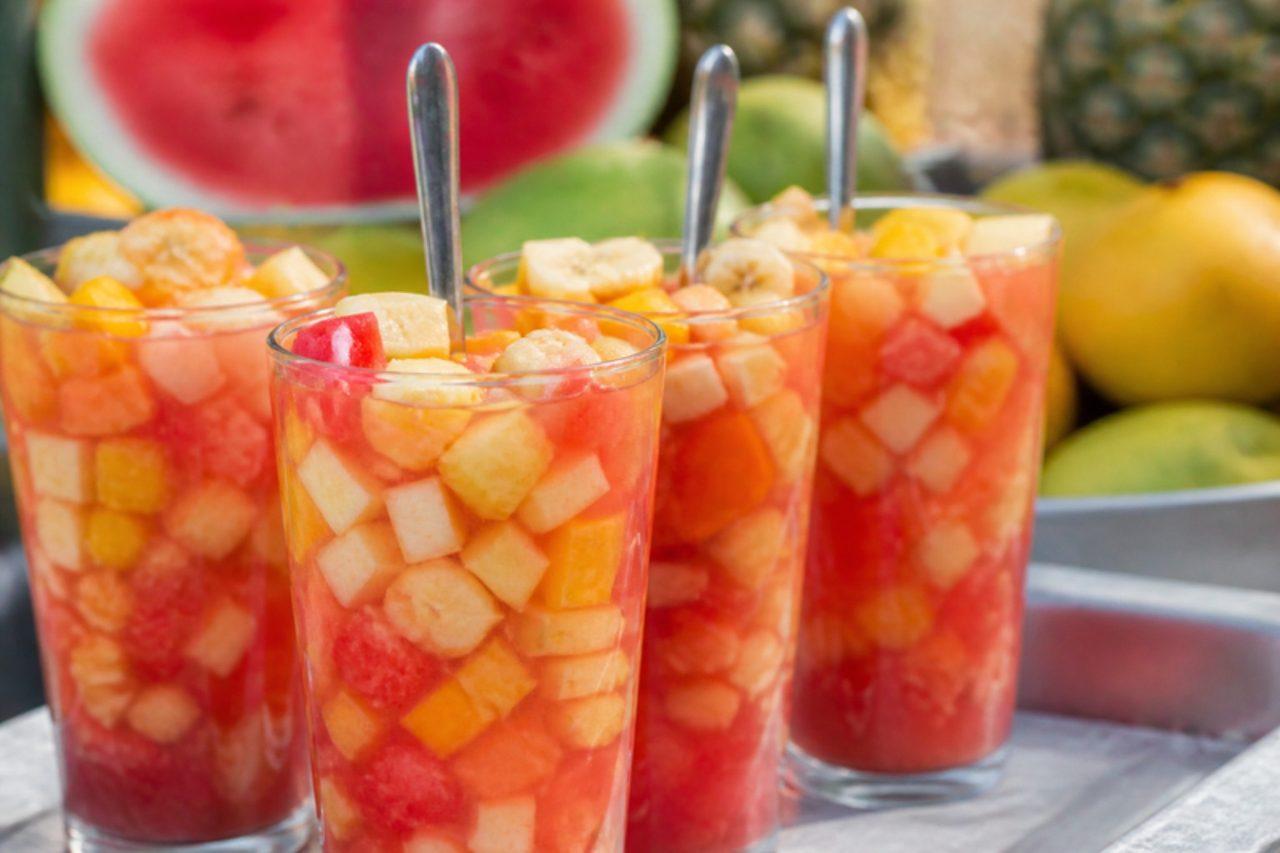
Salpicón de frutasDiced fruit in watermelon juice

Salpicón is what Caleños grab at fruit stands and in the parks of San Antonio when the afternoon heat sets in: a tall cup of tiny, jewel-like cubes of papaya, pineapple, mango, banana and apple, swimming in freshly blended watermelon juice, eaten with a spoon and drunk to the last drop. Some stalls top it up with a fizzy orange or lemon soda; this version keeps it to fresh juice. It is sweet, cool and very refreshing. The mistake people make is cutting the fruit too big; the joy is in tiny cubes you can drink through the juice. Chef's tip: blend and strain the watermelon just before serving and keep everything ice cold; watermelon juice loses its fresh taste within an hour.

by KrazyBadal 0 views

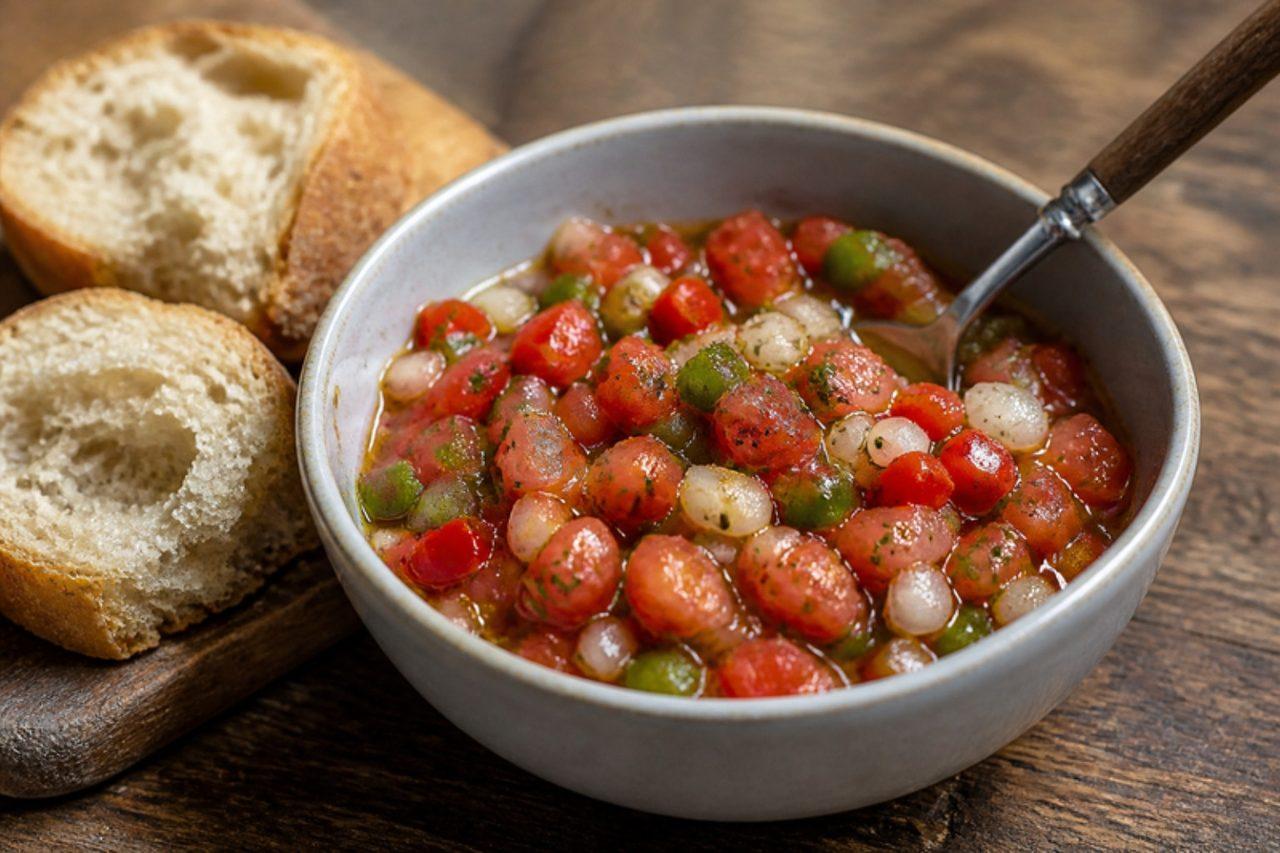
Salsa criollaTomato, onion and pepper relish

Chimichurri gets the fame, but at a Sunday asado anywhere from Buenos Aires to Salta the other bowl on the table is salsa criolla: tomato, onion and red and green pepper cut into small, even dice, dressed with vinegar, oil, oregano and salt, and left to sit until the juices pool. It is spooned over steak, chorizo and provoleta, piled into choripán, and eaten with grilled vegetables, and it brings freshness and acid to rich, smoky food. Expect crunch, a clean sour note and a mild sweetness from the peppers. Chopping it all in a food processor is the mistake: it turns watery and pulpy, so take the time to dice by hand. Some cooks use only red onion, others add spring onion or a pinch of chilli; adjust to taste. Chef's tip: dress the onion with the vinegar and salt first for 10 minutes before adding the rest; it softens the raw bite without losing the crunch.

by KrazyBadal 0 views

Salsa golfMayonnaise and ketchup sauce

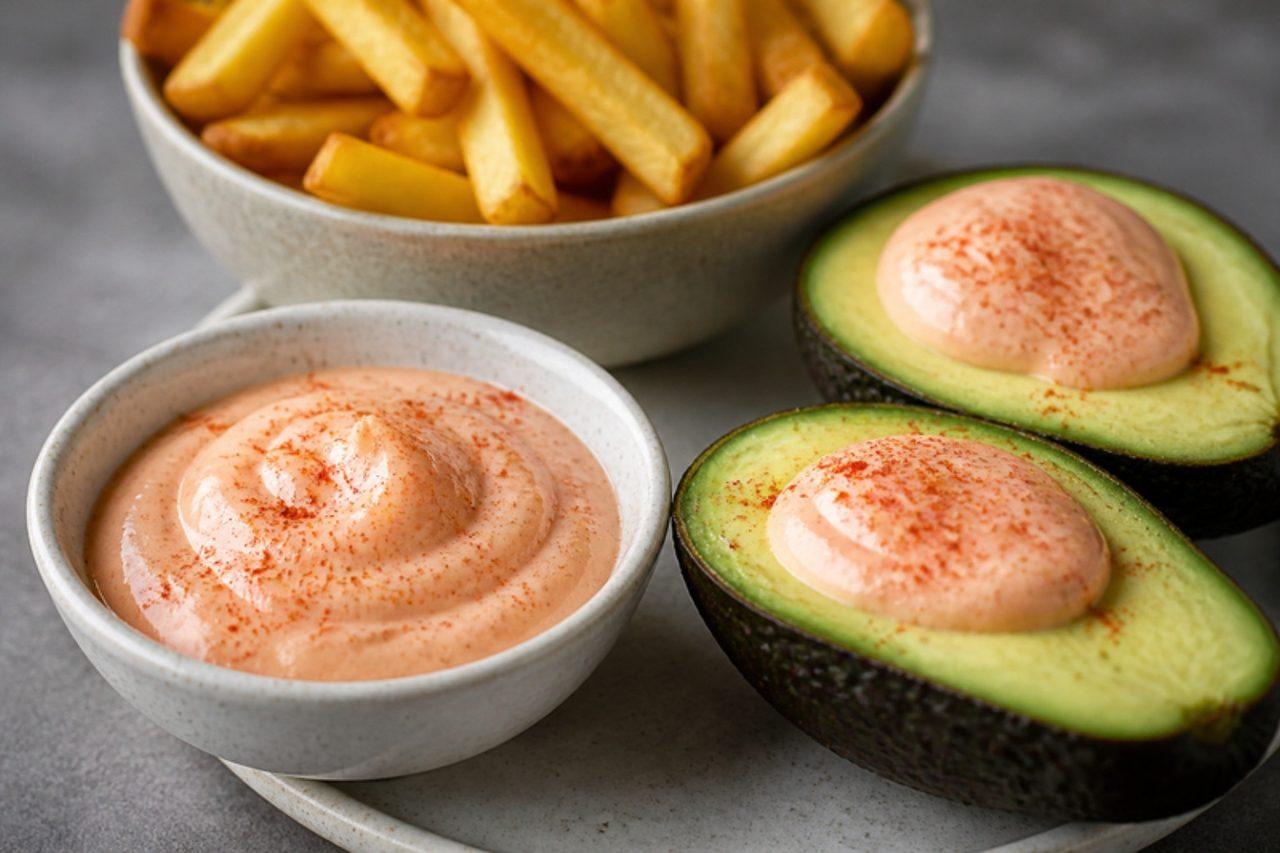
Mar del Plata's golf club gave its name to this sauce in the 1920s, so the story goes, and Argentines have been mixing mayonnaise and ketchup ever since. It is the pink sauce of the 1970s cocktail party and the seaside: spooned into half avocados (palta a la golf), over hearts of palm, onto a cold hard-boiled egg, beside fries or into a prawn cocktail, and every family has its own ratio. A drop of lemon and a dash of mustard lift it from a simple mix to something tangy and creamy. Too much ketchup is the misstep that turns it sweet and orange; it should be a soft salmon pink. Use shop-bought mayonnaise, which is made with pasteurised egg; if you make your own, use pasteurised eggs. Check the labels of the mayonnaise, ketchup and mustard if you need it gluten free. Chef's tip: let it sit in the fridge for 15 minutes before serving; the flavours blend and it thickens slightly.

by KrazyBadal 0 views

MazamorraHominy milk pudding

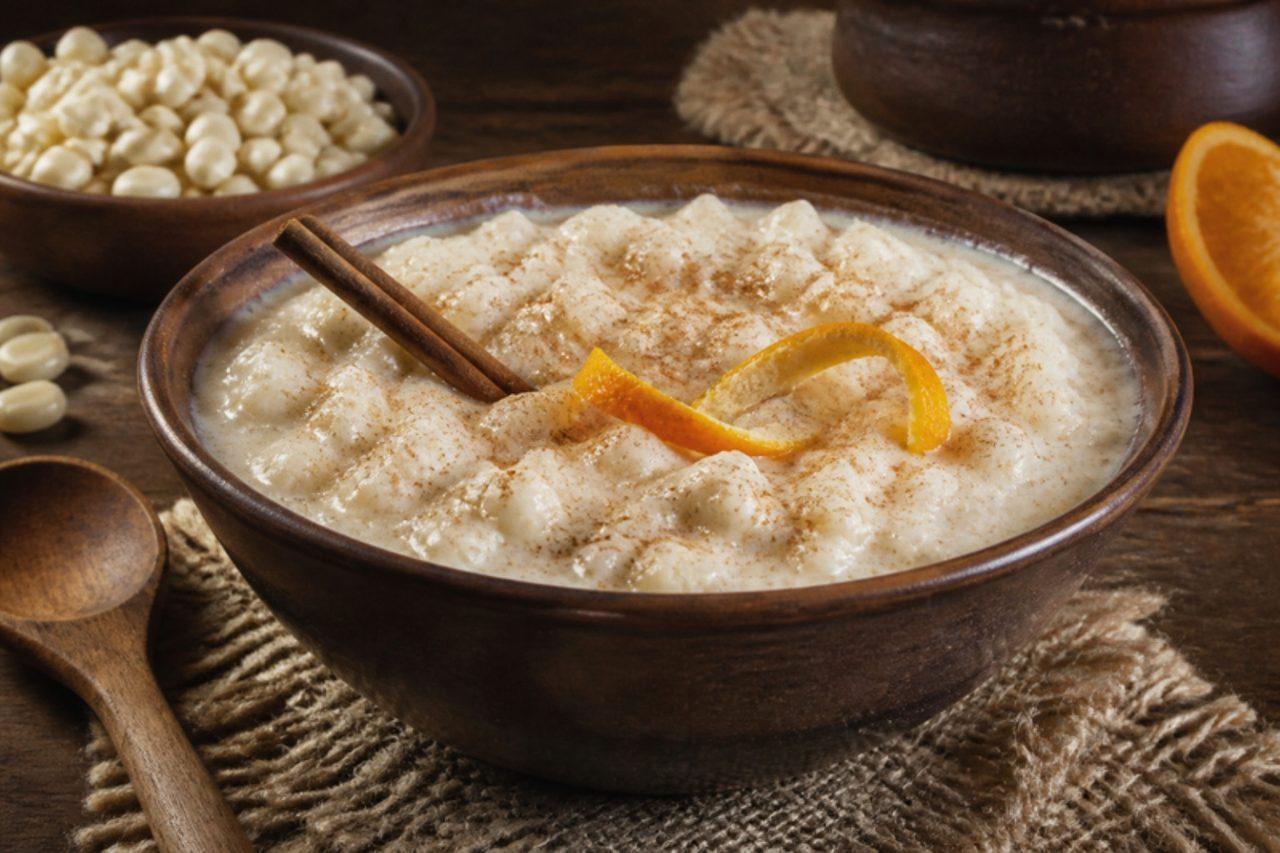
Long before cake, there was mazamorra: dried white maize, soaked and simmered with water until the kernels burst, then finished with milk, sugar and cinnamon. In colonial Buenos Aires mazamorreras sold it from clay pots on the street, and it still turns up at school and town-hall celebrations every 25 May and on cold evenings in the interior, eaten warm or cold from a bowl. The kernels stay pleasantly chewy in a creamy, gently sweet milk, a bit like rice pudding with more bite. Look for maíz blanco pisado (cracked white hominy) in Latin American shops; dried white pozole corn is the closest substitute. Plan ahead: the corn needs soaking overnight. Adding the milk too early is the main mistake, because the corn will not soften in milk and the pot catches on the bottom, so cook it in water first. Chef's tip: stir in a little of the hot liquid with the sugar before you add the rest of the milk, and serve it with a dusting of cinnamon or a spoonful of honey.

by KrazyBadal 0 views

Trigona PanoramatosCustard-filled filo cones in syrup

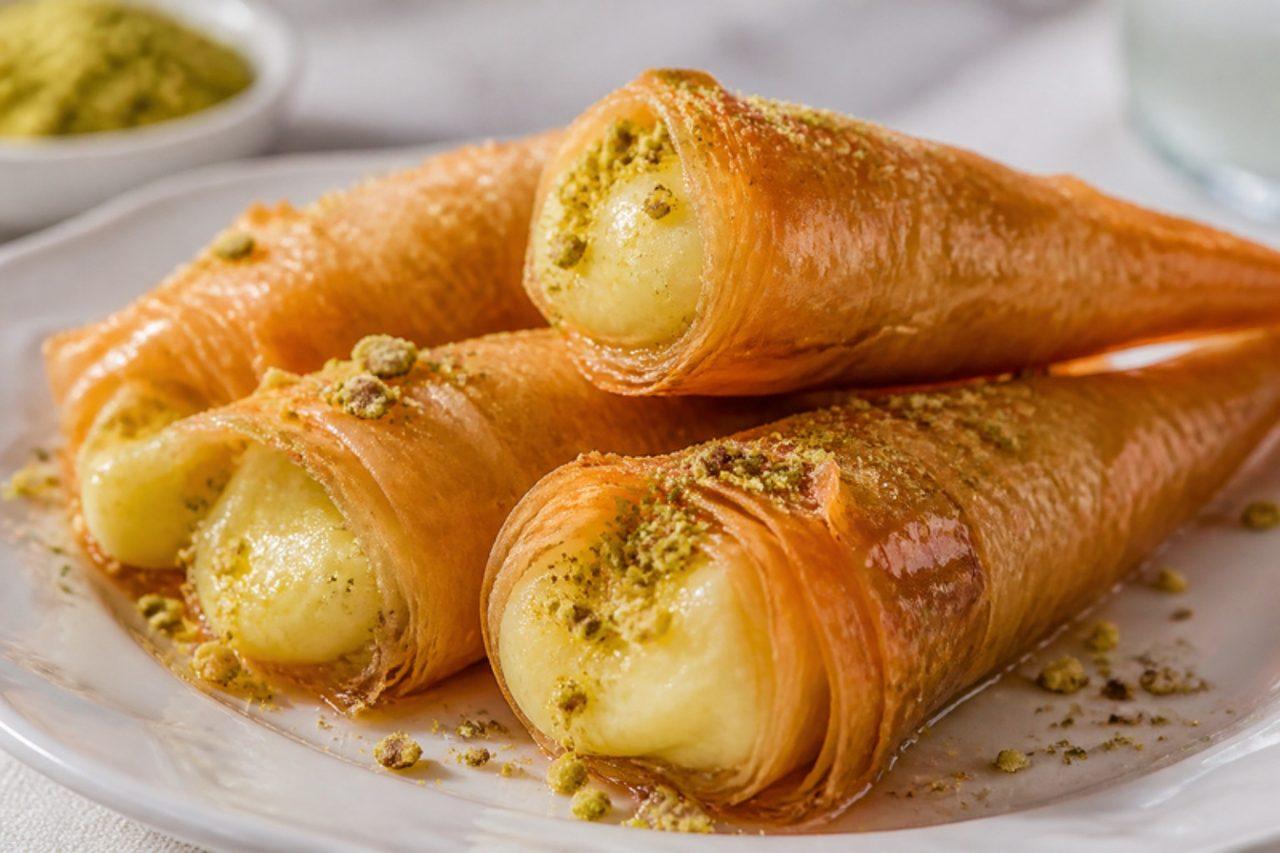
Up in Panorama, the hillside suburb above Thessaloniki, pastry shops fill crisp filo triangles to order, and people carry boxes of them down to the city for Sunday visits and name days. Each cone is baked until it shatters, dunked for a second in lemony syrup, then piped full of a cold, light custard cream. The contrast is the point: brittle, buttery shell against soft, barely sweet filling, best within a couple of hours. Common mistake: filling the cones while the syrup is still warm, which melts the cream and turns the pastry limp. Chef's tip: roll each cone around a cone-shaped metal mould or a twist of foil so it keeps a wide, open mouth for piping.

by KrazyBadal 0 views

PantxinetaCustard and almond puff pastry tart

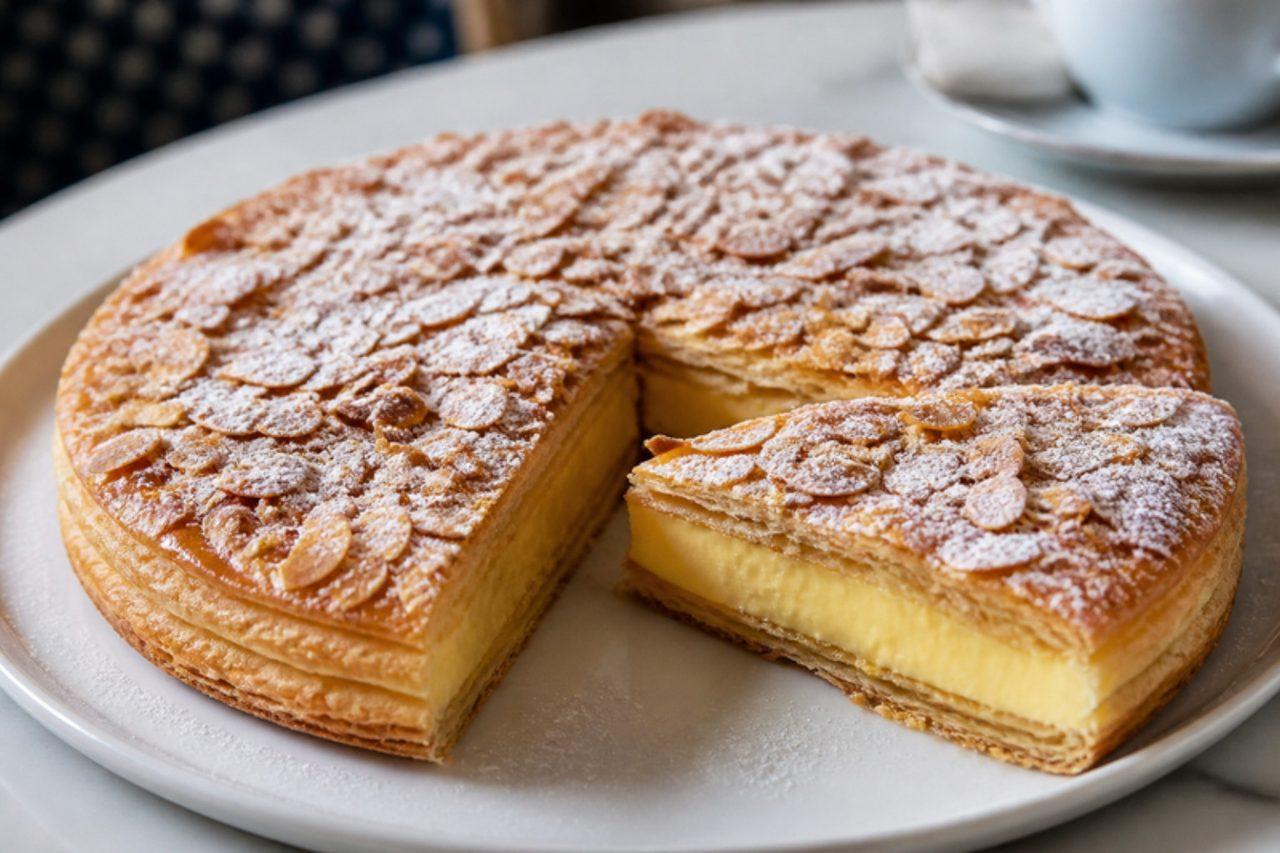
Pantxineta was first baked in a pastry shop in San Sebastián's old town in the early twentieth century, and Donostiarras still buy it on Sunday mornings to take to family lunch. Two layers of buttery puff pastry enclose vanilla pastry cream, and the top is covered with flaked almonds and icing sugar. It is best eaten warm on the day it is made, while the pastry shatters. A common mistake is filling the pastry with warm custard, which melts the butter layers and stops them rising. Chef's tip: chill the assembled tart for 20 minutes before baking so the pastry keeps sharp edges.

by KrazyBadal 0 views

Salzburger NockerlSweet soufflé peaks

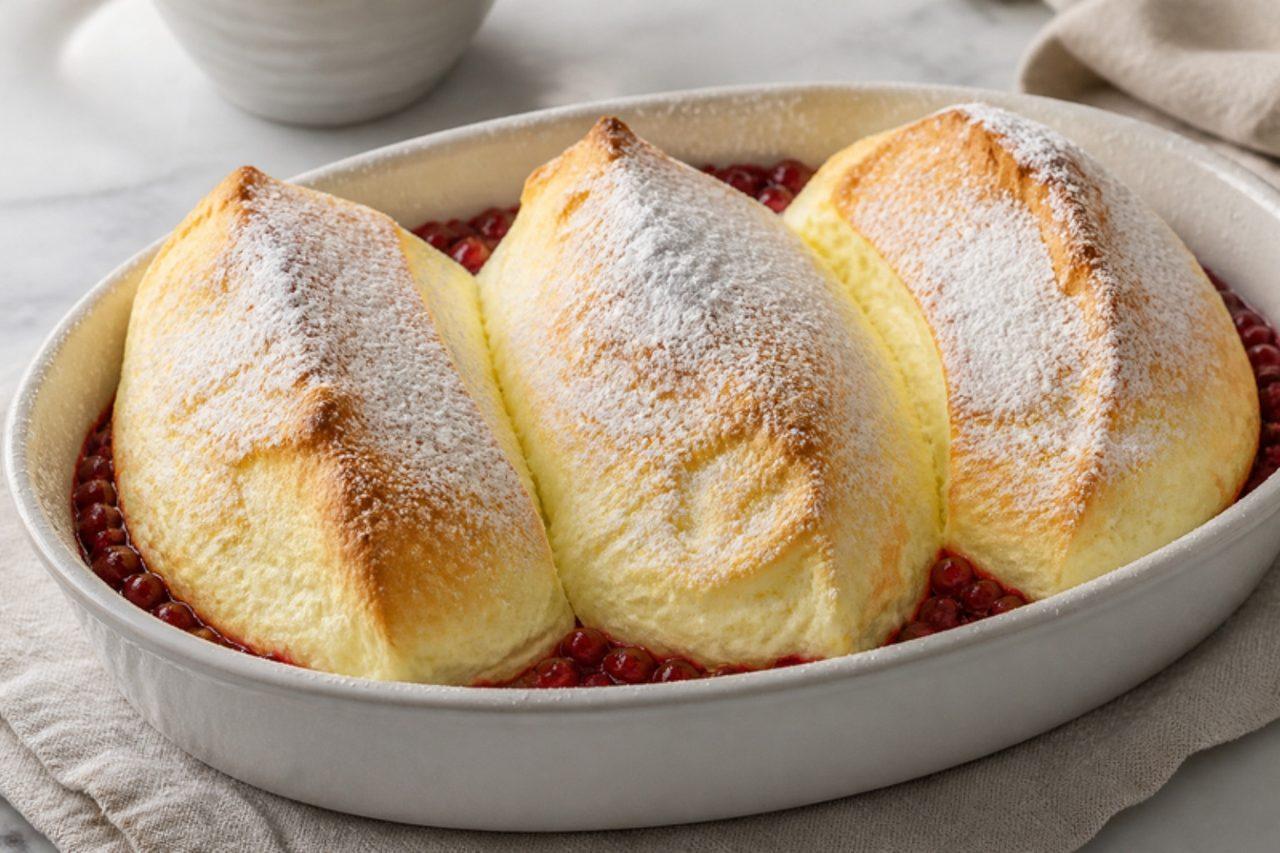
Salzburger Nockerl is the dessert Salzburg serves to visitors after a concert or a walk through the old town: three golden, sugar-dusted peaks said to stand for the hills around the city. Under the airy egg-white soufflé is a layer of tart lingonberries or redcurrants, warmed with vanilla milk in the baking dish. It is meant to be shared from the dish and eaten the moment it leaves the oven, before it sinks. This version uses cornflour instead of wheat flour, so it is gluten free. A common mistake is over-folding the yolks into the whites; streaks are fine, and too much stirring makes it collapse. Chef's tip: keep the oven door shut until the end; the peaks are ready when they are golden outside but still creamy inside.

by KrazyBadal 0 views

PanuchosBean-stuffed tortillas with chicken

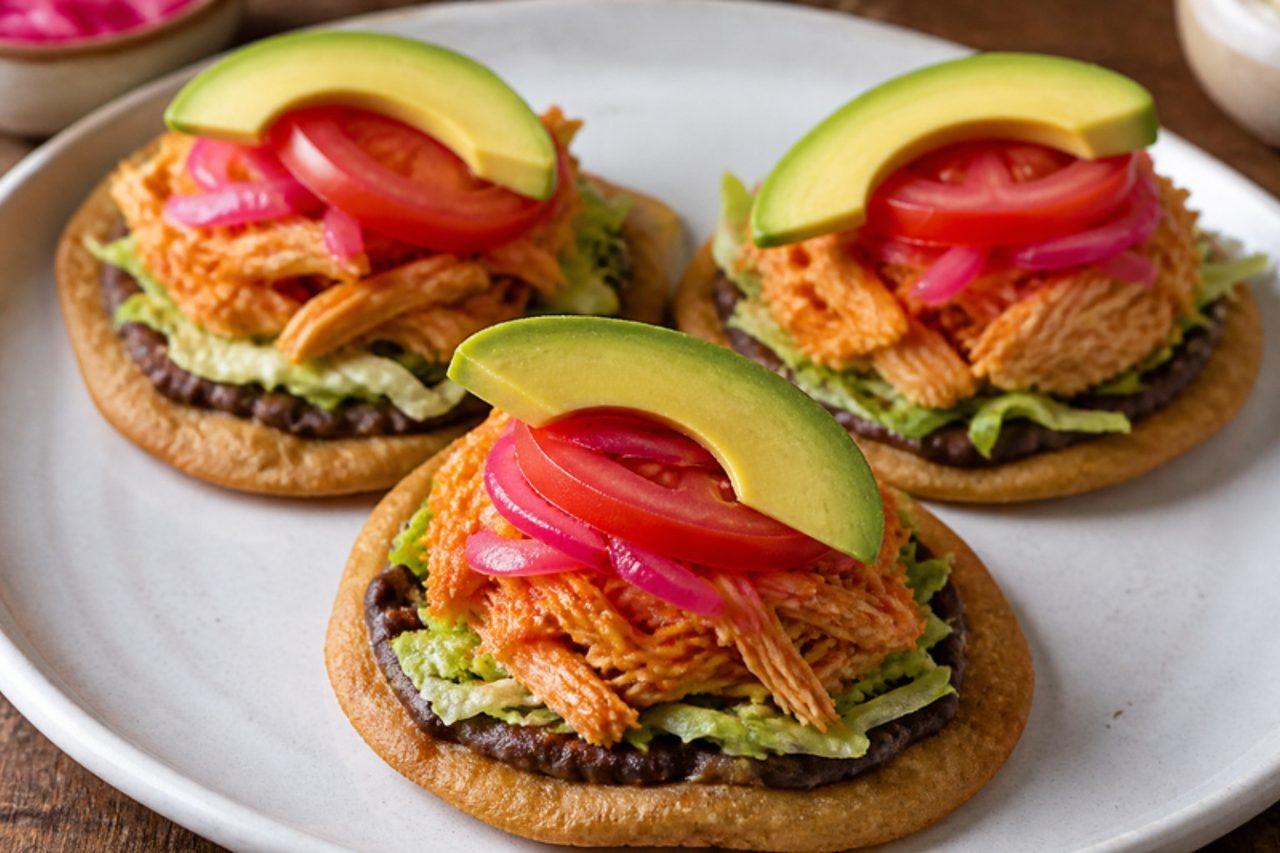
Mérida's loncherías and the evening stands around its parks sell panuchos by the plateful: small corn tortillas puffed on the griddle, slit open, stuffed with black bean paste and fried until the edges crisp. They are topped with shredded chicken marinated in achiote and bitter orange, sharp pink pickled onion, tomato and avocado, with fiery habanero salsa on the side for those who want it. Bitter (Seville) orange is the traditional sour; a mix of orange and lime juice works well. Two or three make a supper with a cold drink. Chef's tip: let the tortilla balloon on the hot comal before you slit it; if it doesn't puff, there is no pocket for the beans.

by KrazyBadal 0 views

Boston cream pie

Despite the name, Boston cream pie is a cake: two layers of butter sponge with a thick vanilla pastry cream between them and dark chocolate glaze poured over the top. It was created at the Parker House hotel in Boston in the 1850s and is now the official dessert of Massachusetts, served at birthdays and diners across the state. Chef's tip: chill the filled cake for 30 minutes before glazing so the custard sets and the layers don't slide.

by KrazyBadal 0 views

SamanuSprouted wheat pudding

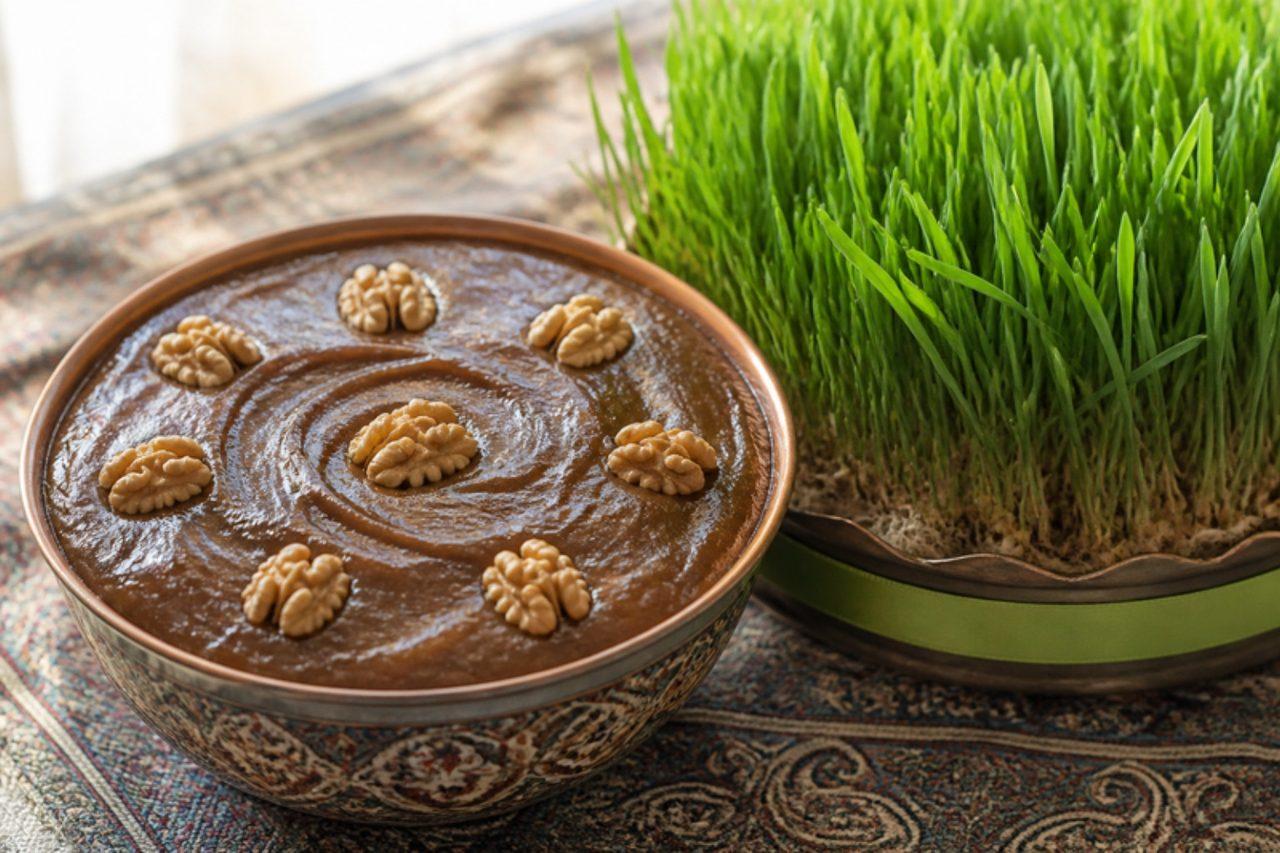
Samanu is one of the seven 's' items on the Nowruz haft-sin table, standing for strength and abundance, and in many neighbourhoods of Tehran and Shiraz women still gather to stir the great pot through the night, singing and taking turns. It is made from nothing but sprouted wheat juice and flour, cooked very slowly for many hours until the natural malt sugars caramelise into a thick, toffee-brown, gently sweet pudding. This home version uses a smaller batch, but it still takes days of sprouting and a long, patient simmer. The common mistake is turning the heat up to rush it, which scorches the base and makes the samanu bitter. Chef's tip: drop a few clean walnut halves into the pot near the end; tradition says whoever finds one in their bowl will have a lucky year.

by KrazyBadal 0 views

Pão alentejanoSourdough country loaf

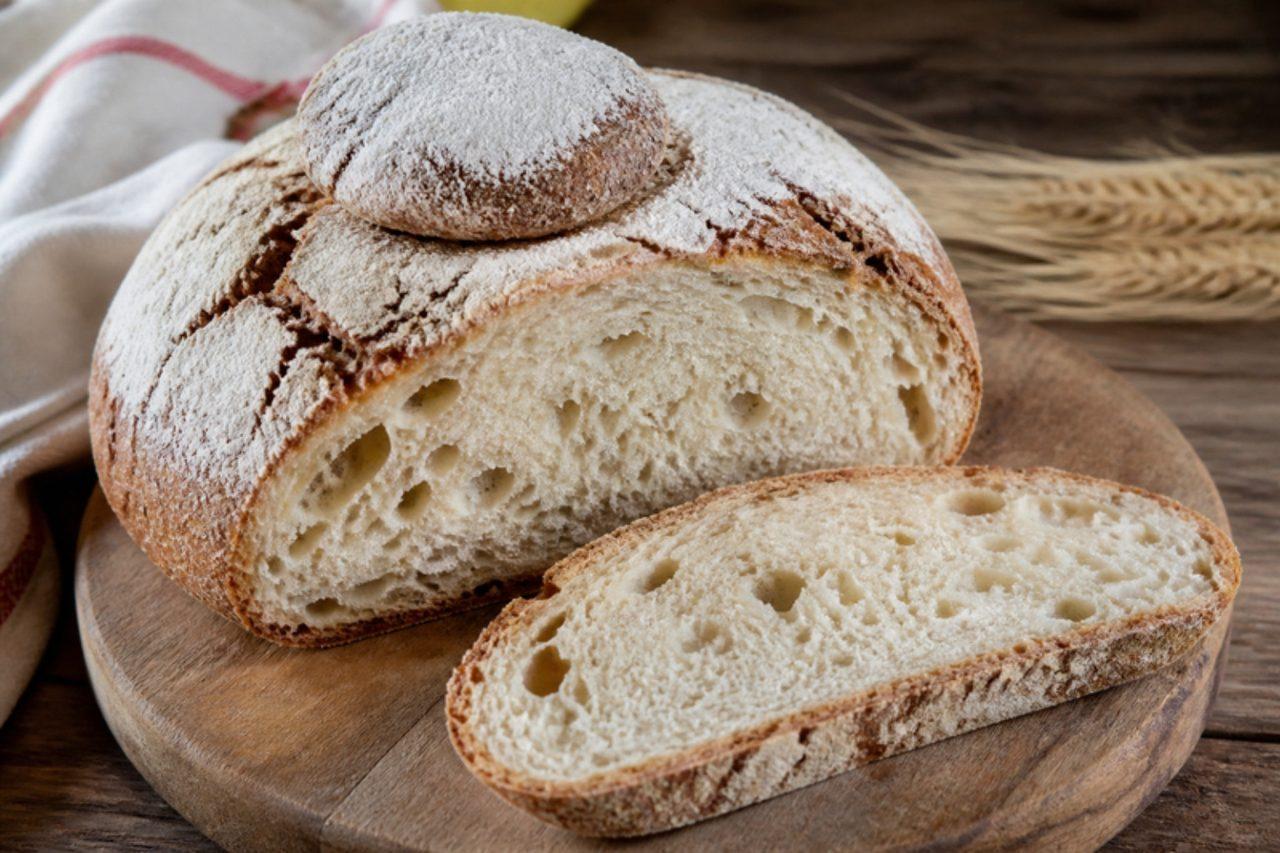
Almost every Alentejo meal leans on this bread: it is crumbled into açorda, laid under soups and stews, fried into migas and, fresh, eaten with olives and sheep's cheese. Village bakers make it with a sourdough starter, white wheat flour, water and salt, and give each round loaf a little knob of dough on top, called the cuco. The crumb should be dense, moist and chewy and the crust thick and crackling, so it lasts a week. You need an active starter that doubles within 6 hours of feeding. A common mistake is baking too pale; let the crust go a deep brown for flavour and keeping. Chef's tip: use a wetter dough than you think; it gives the open, moist crumb that keeps the bread soft for days.

by KrazyBadal 0 views

Pão de centeio transmontanoDark rye loaf

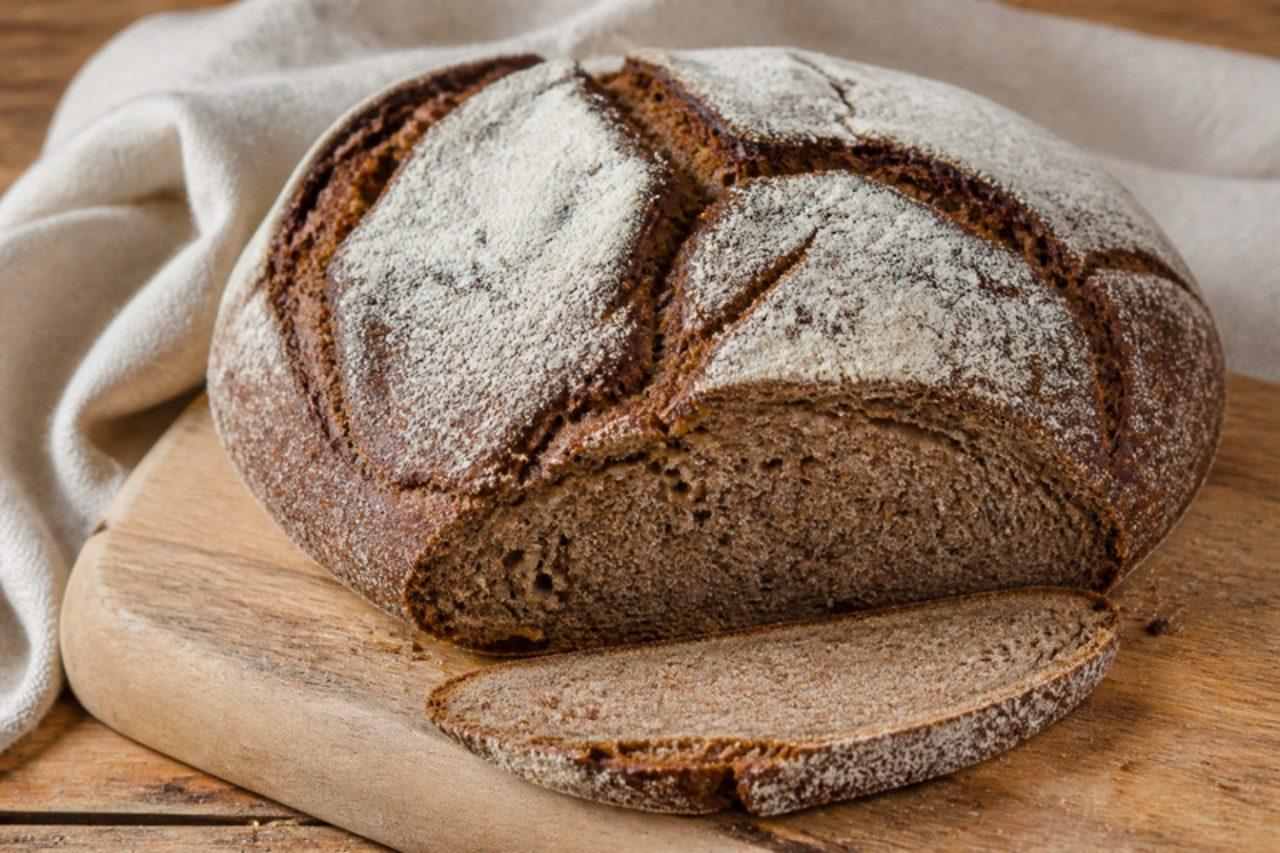
On the cold uplands of Trás-os-Montes, where wheat struggled, rye was the bread grain, and village bakeries around Montalegre and Miranda do Douro still bake big rounds with a dark, floury crust. The crumb is dense, tangy and moist, made to keep for a week and to sit beside cured meats, cheese and soups. This home loaf mixes rye with some wheat so it rises reliably. A common mistake is kneading rye dough like wheat dough; it never turns elastic, so mix it to a sticky paste and stop. Chef's tip: rye dough is sticky by nature, so shape it with wet hands rather than adding flour.

by KrazyBadal 0 views

Pão de DeusCoconut-topped sweet buns

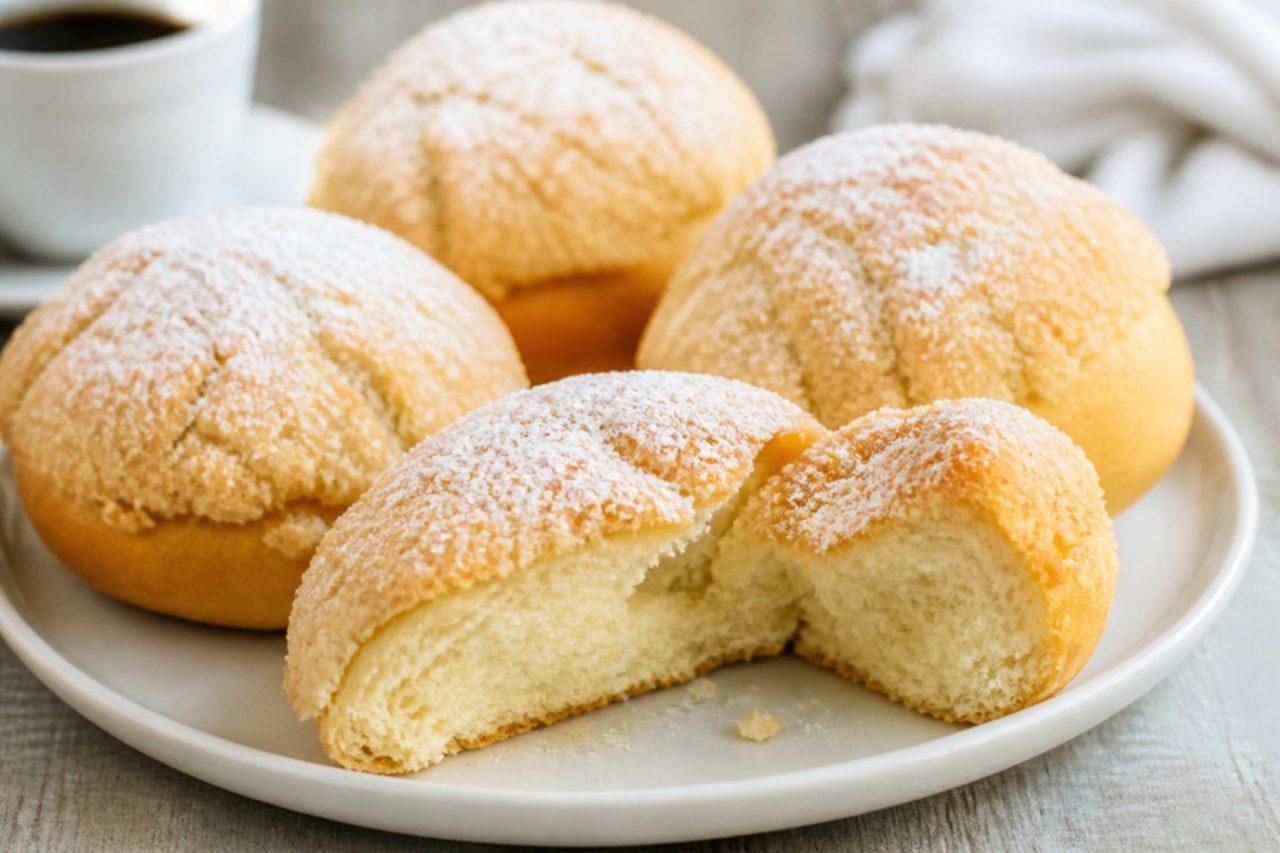
Lisbon bakeries pile these 'God's bread' buns in their windows every morning, and regulars split them and spread them with butter, or tuck in a slice of cheese, for breakfast with a galão. The dough is soft and milky like brioche, and the top is a sweet blanket of grated coconut, egg and sugar that bakes crisp and golden. A common mistake is spreading the coconut too thin: pile it on thickly so it stays moist underneath and toasty on top. Chef's tip: let the shaped buns rise fully before topping them, or the heavy coconut layer squashes them flat.

by KrazyBadal 0 views

Magras con tomateCured ham in tomato sauce

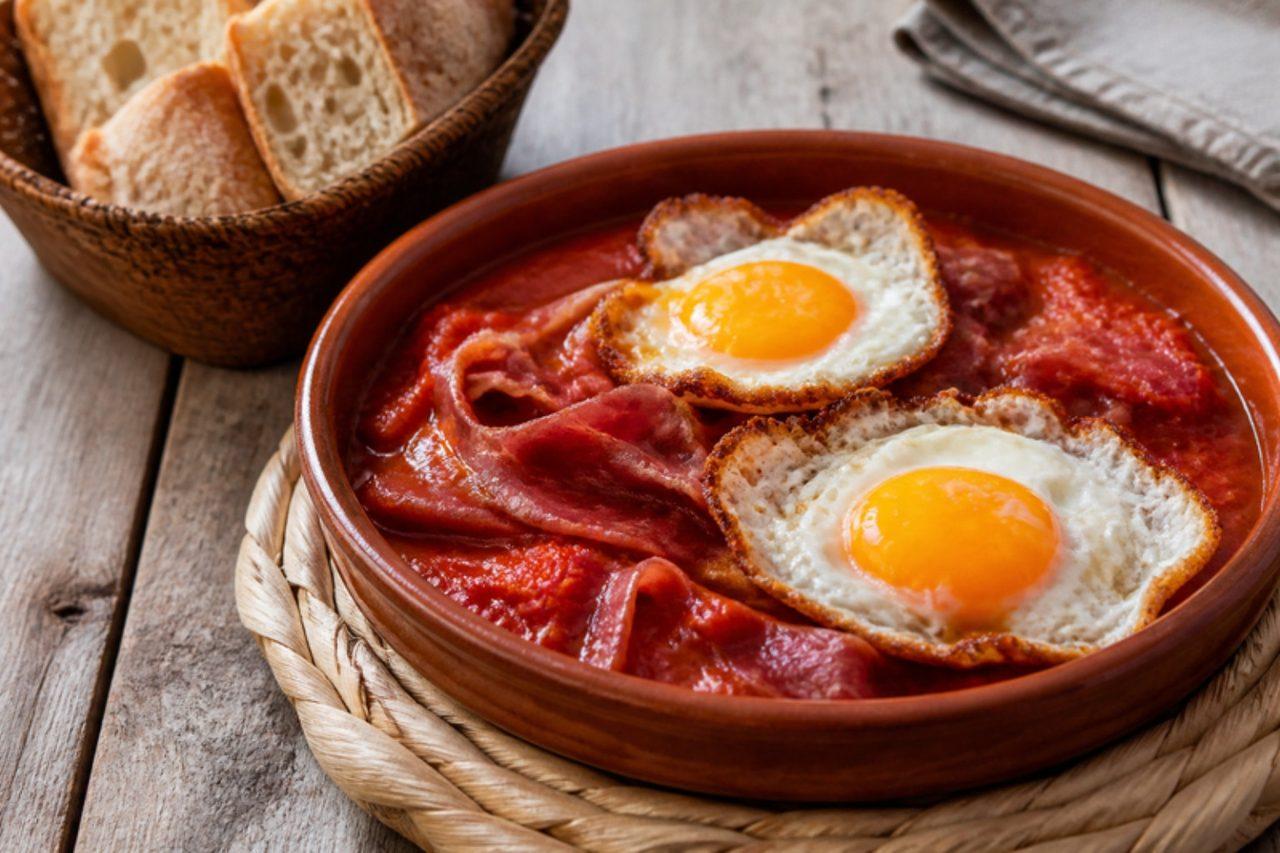
Teruel is famous for its cured hams, and magras con tomate is how Aragonese home cooks have long turned a few thick slices into supper: the ham is fried briefly, then simmered in a homemade tomato sauce and served with fried eggs and bread for dipping. It is a typical dinner in the Bajo Aragón and at bar counters in Zaragoza's old Tubo district. This contains pork (cured ham). A common mistake is frying the ham too long; it hardens and turns very salty, so give it barely a minute a side. Use hand-cut slices about 5 mm thick if you can. If you serve the eggs with runny yolks, they are not for pregnant women, young children or anyone with a weakened immune system; fry them until the yolks are firm for those diners. Chef's tip: don't salt the sauce until the ham has been in it for a few minutes.

by KrazyBadal 0 views

Arizona chimichangas

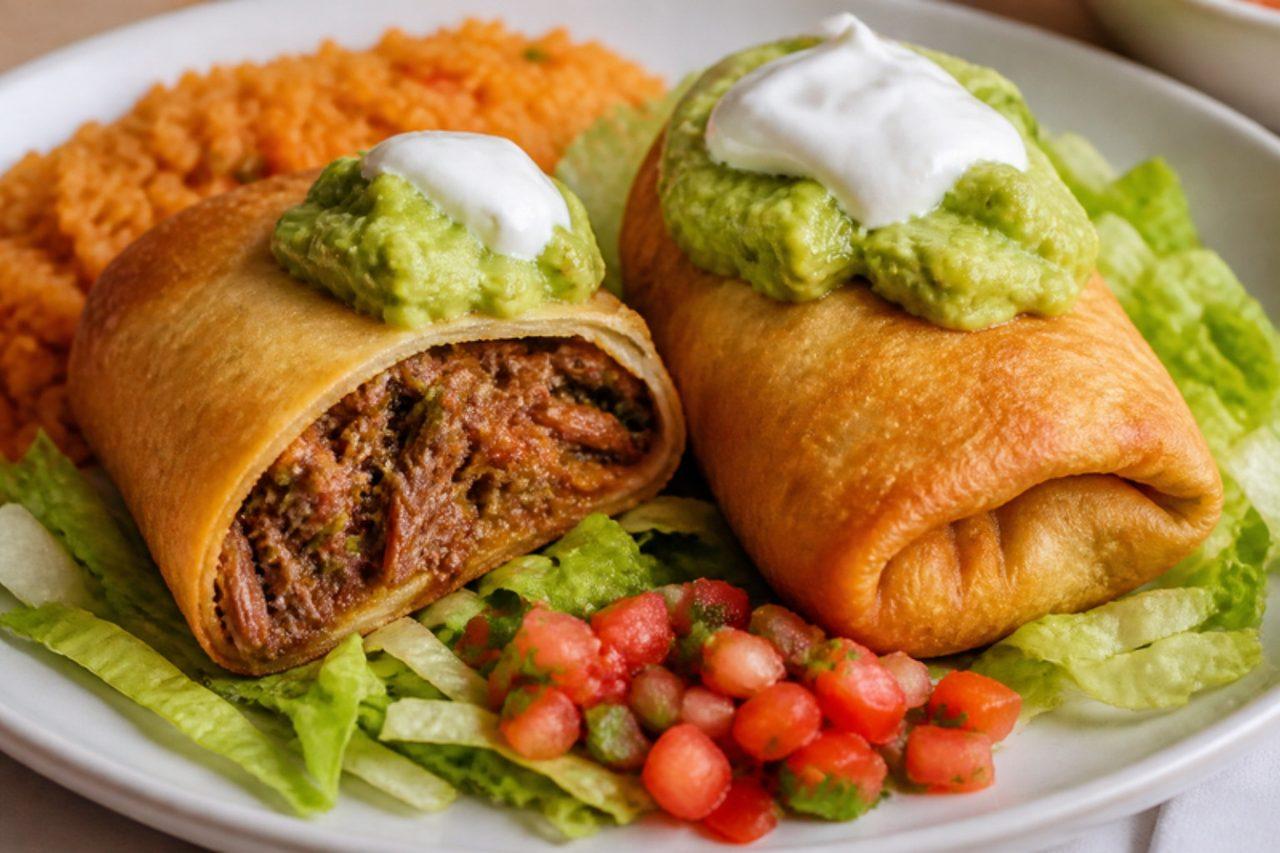
Tucson and Phoenix both claim to have invented the chimichanga, and the story told in Tucson is of a cook who dropped a burrito into the fryer by accident and swore in Spanish. It is now a staple of Arizona Mexican diners: a flour tortilla wrapped around shredded beef and beans, fried golden and crisp, then topped with guacamole and soured cream. Chef's tip: roll the burrito tightly and fry it seam-side down first so it seals and doesn't open in the oil.

170 minAmericanMeat
by KrazyBadal 0 views

Pão na chapaGriddled buttered roll

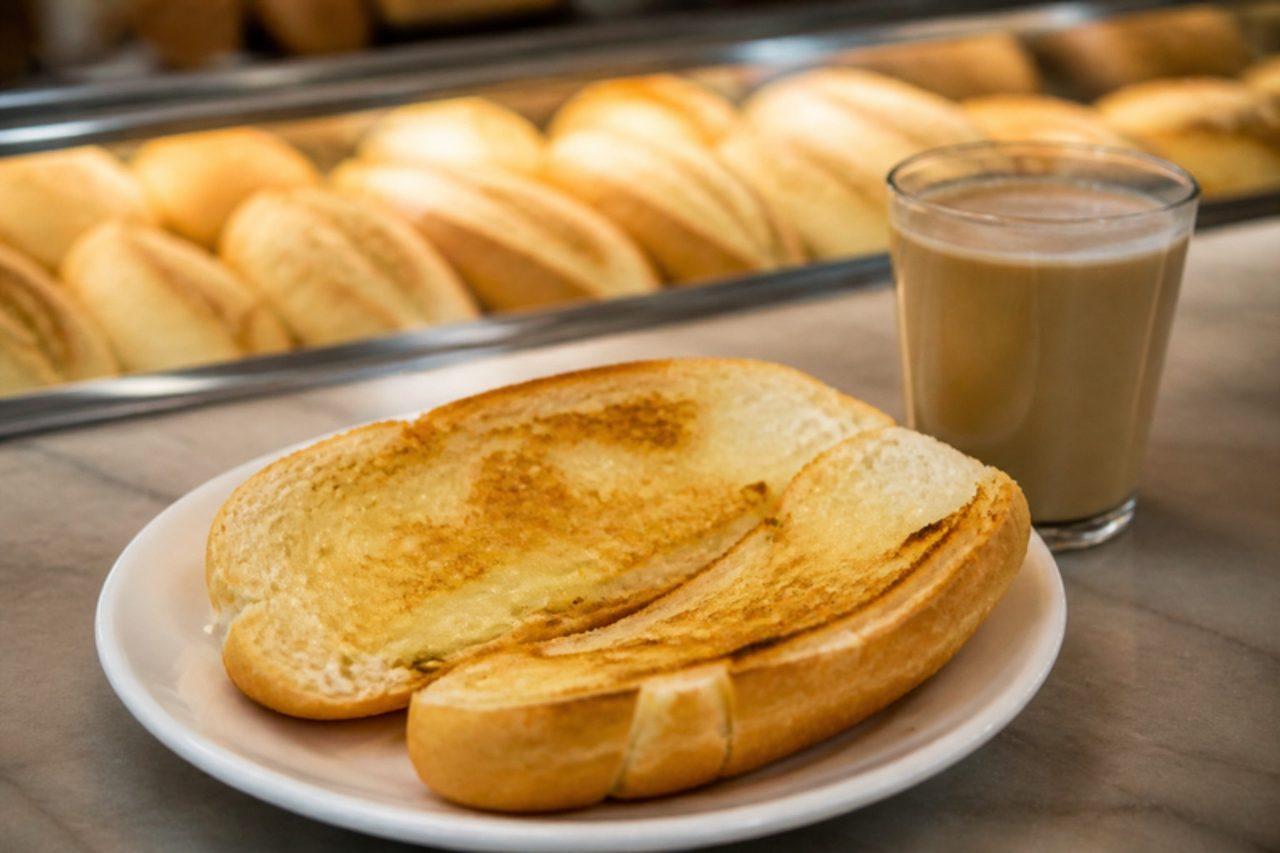
Stand at the counter of any São Paulo padaria at seven in the morning and you will hear the order a hundred times: 'um pão na chapa e um pingado'. A pão francês, the city's crusty little roll, is split, spread generously with salted butter and pressed cut-side down on the griddle until the crumb turns golden, crisp at the edges and soaked with butter, while the crust stays crackly. It comes with a café com leite and nothing else. At home a heavy frying pan and a second pan to press it do the job. The trap is a pan that is too hot, so the butter burns before the bread toasts; use a medium heat. Chef's tip: butter right to the edges and press the roll down firmly with a spatula or small pan, so the whole surface touches the metal and browns evenly.

by KrazyBadal 0 views

New England Indian pudding

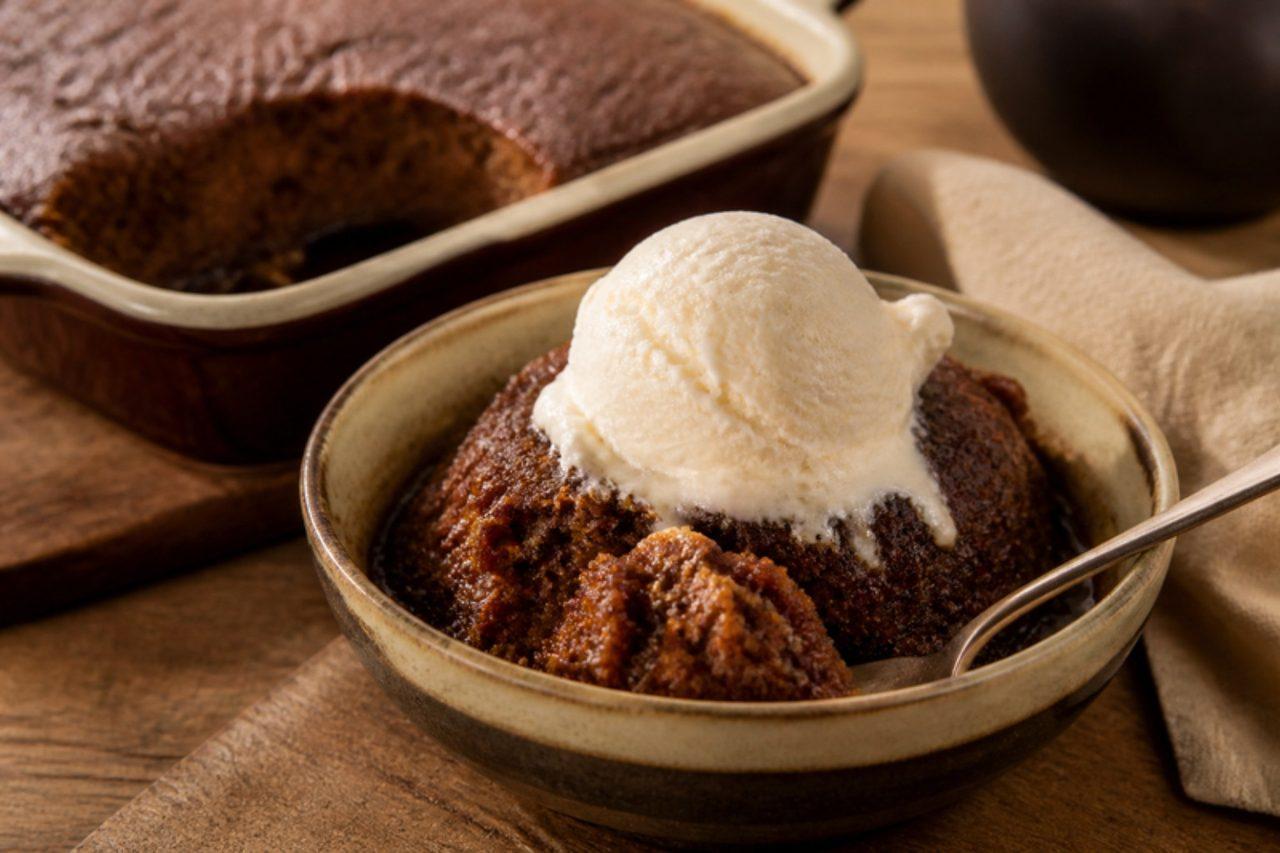
Indian pudding is the old colonial dessert of Massachusetts and Connecticut, still on the menu at historic Boston taverns and at autumn church suppers. Cornmeal, then called Indian meal, is cooked in milk with molasses, ginger and cinnamon and baked very slowly until it turns dark, soft and spoonable, a bit like a spiced polenta custard. Serve it warm with vanilla ice cream melting on top. Chef's tip: pour cold milk over the top halfway through baking; it makes the soft, whey-like layer the dish is known for.

by KrazyBadal 0 views

ŞambaliSemolina yoghurt cake in syrup

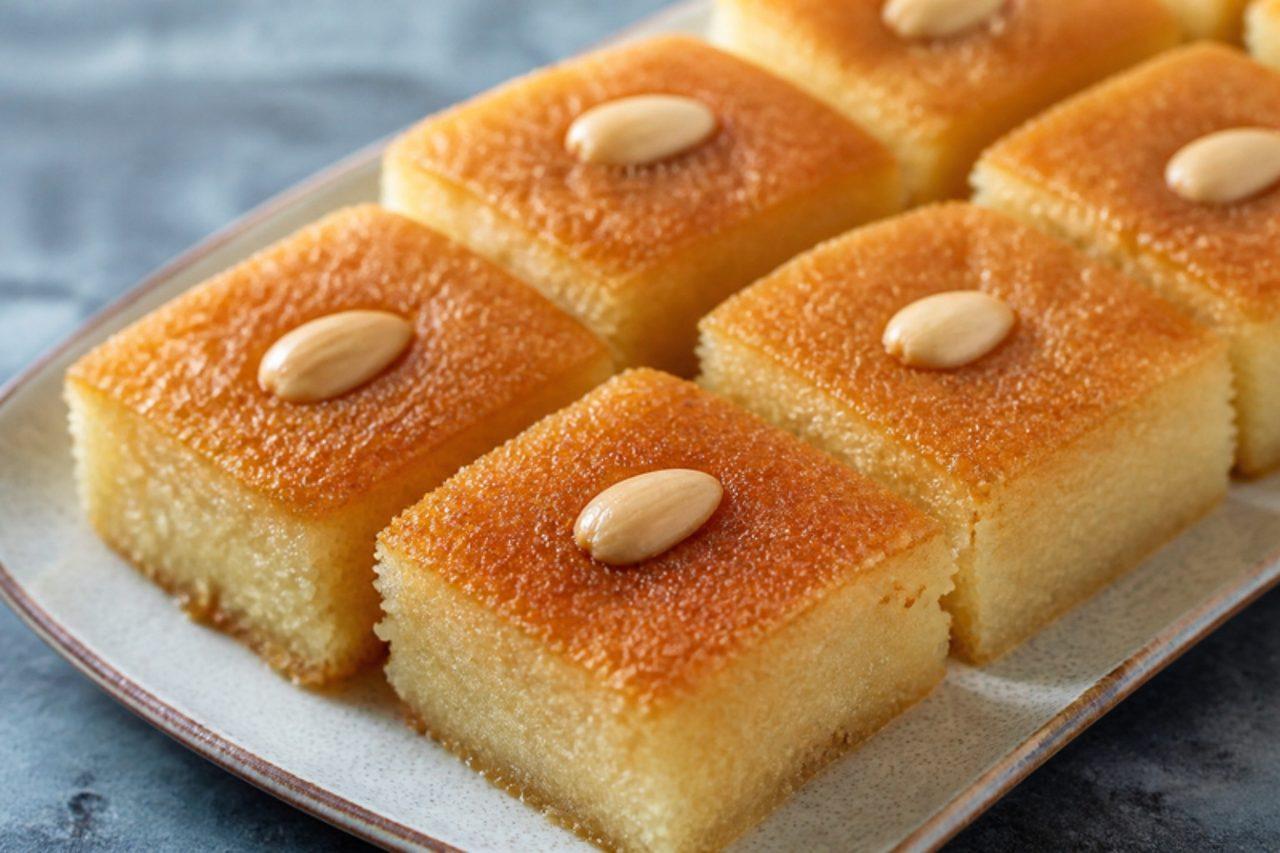
Walk through İzmir's Kemeraltı bazaar and you'll see huge copper trays of şambali, cut into diamonds, each topped with a blanched almond and glistening with syrup. It is a dense, moist semolina cake made with yoghurt, sold by street vendors and old pastry shops, sometimes with a spoon of kaymak on top. Plainer than it looks and dangerously easy to eat. Chef's tip: rest the batter for a few hours, or overnight, so the semolina softens fully; otherwise the cake is gritty.

by KrazyBadal 0 views

LemonanaFrozen mint lemonade

From café terraces in Ramallah and Jaffa to juice bars along Hamra Street in Beirut, summer means tall glasses of lemonana: lemons and fistfuls of fresh mint blended with ice into a sharp, sweet, electric-green slush. It is the drink handed to you after a walk through the market at noon, and it cools a mezze lunch like nothing else. Everything goes in a blender, but the mint must be fresh and plentiful. The common mistake is blending the mint for too long, which bruises it and turns the drink murky and grassy. Chef's tip: make a lemon-sugar syrup first and chill it; dissolved sugar sweetens evenly and lets you blend for only a few seconds.

by KrazyBadal 0 views

Sambousek bi jibnehCheese half-moon pastries

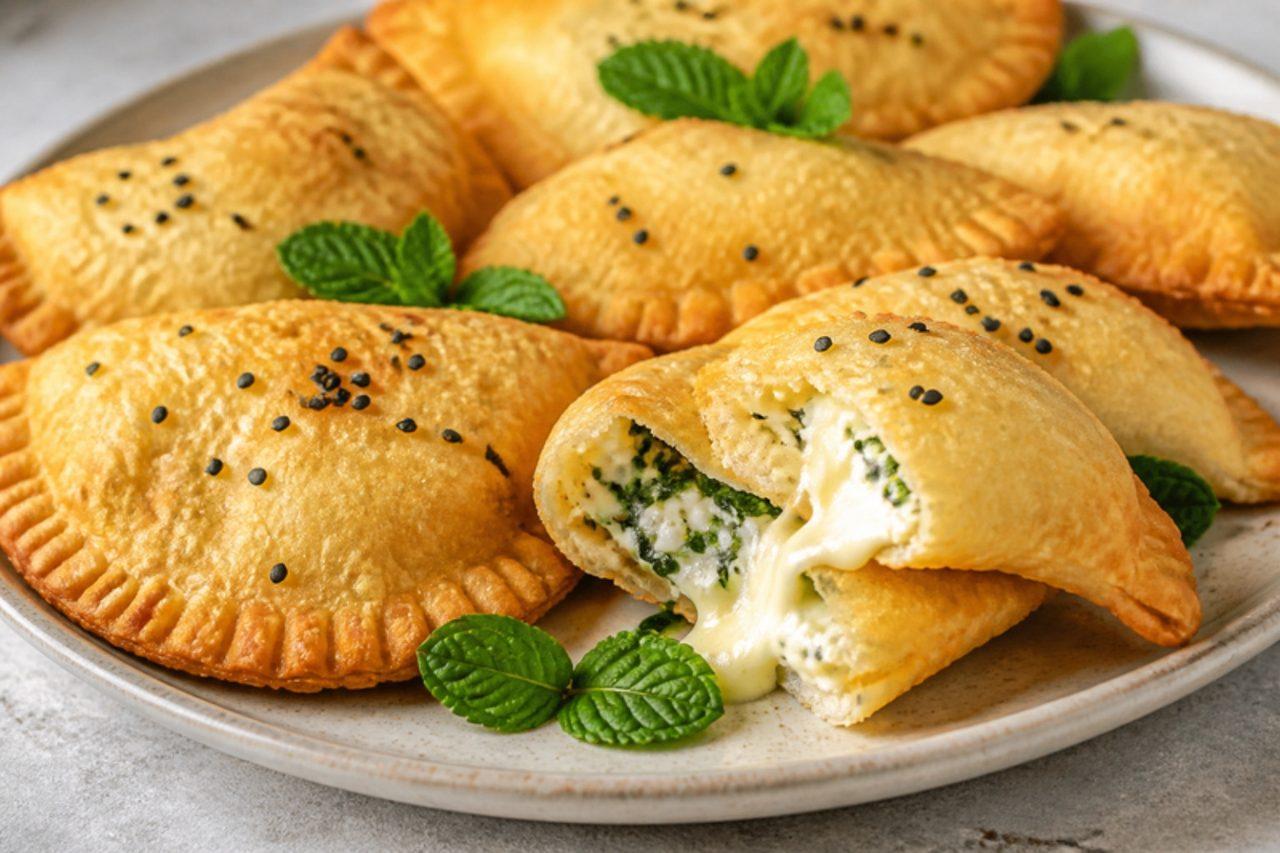
Hot sambousek bi jibneh are the first thing to vanish from a Syrian mezze spread or a Ramadan iftar table, where Damascene and Aleppan cooks fry dozens at a time. A tender olive-oil pastry is folded around white cheese, parsley and nigella seeds, then crimped with a fork or twisted into a rope edge and fried or baked until blistered and golden. Eat them warm, when the cheese is soft and stringy. Common mistake: using a salty cheese straight from the brine — soak akkawi or halloumi for an hour first. Chef's tip: mix a little mozzarella into the filling for that stretchy pull. Akkawi, halloumi and mozzarella are often made with animal rennet; use vegetarian-rennet versions if needed.

by KrazyBadal 0 views

TitainaTomato, pepper and tuna stew

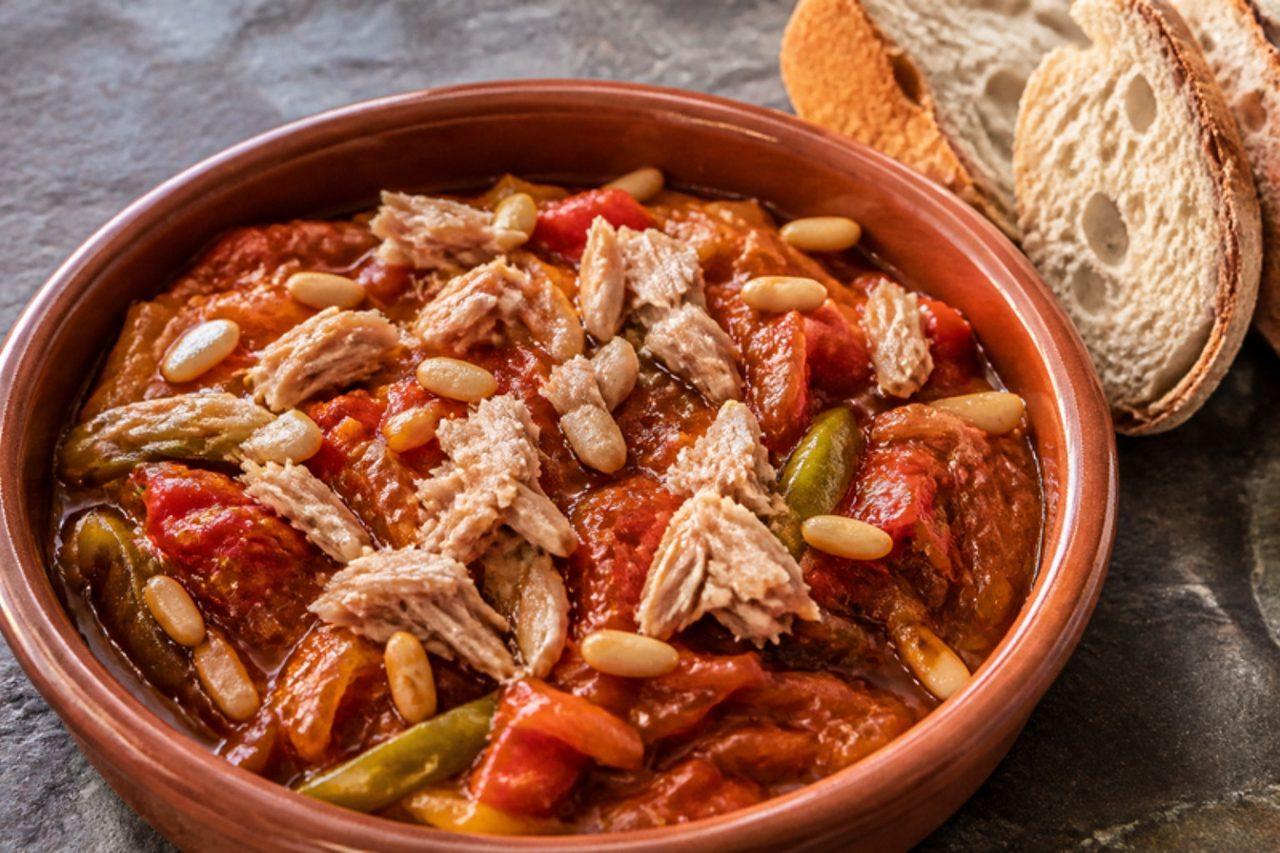
Titaina comes from the Cabanyal, the tiled fishermen's neighbourhood by Valencia's beach, where it is still served as a tapa in the old bars and spooned onto bread at home on summer evenings. Green peppers, onion and ripe tomatoes are cooked down in olive oil with toasted pine nuts until sweet, then mixed with tuna. Fishermen used tonyina de sorra, salt-cured tuna belly; this version uses good tinned tuna in olive oil, which is already cooked and easy to find. A common mistake is cooking it fast on a high heat: it needs a slow 40 minutes so the vegetables melt instead of fry. Chef's tip: add a pinch of sugar only if your tomatoes are sharp, and stir in the tuna at the very end so it stays in flakes.

by KrazyBadal 0 views

Mazorca desgranadaSweetcorn with chicken and cheese

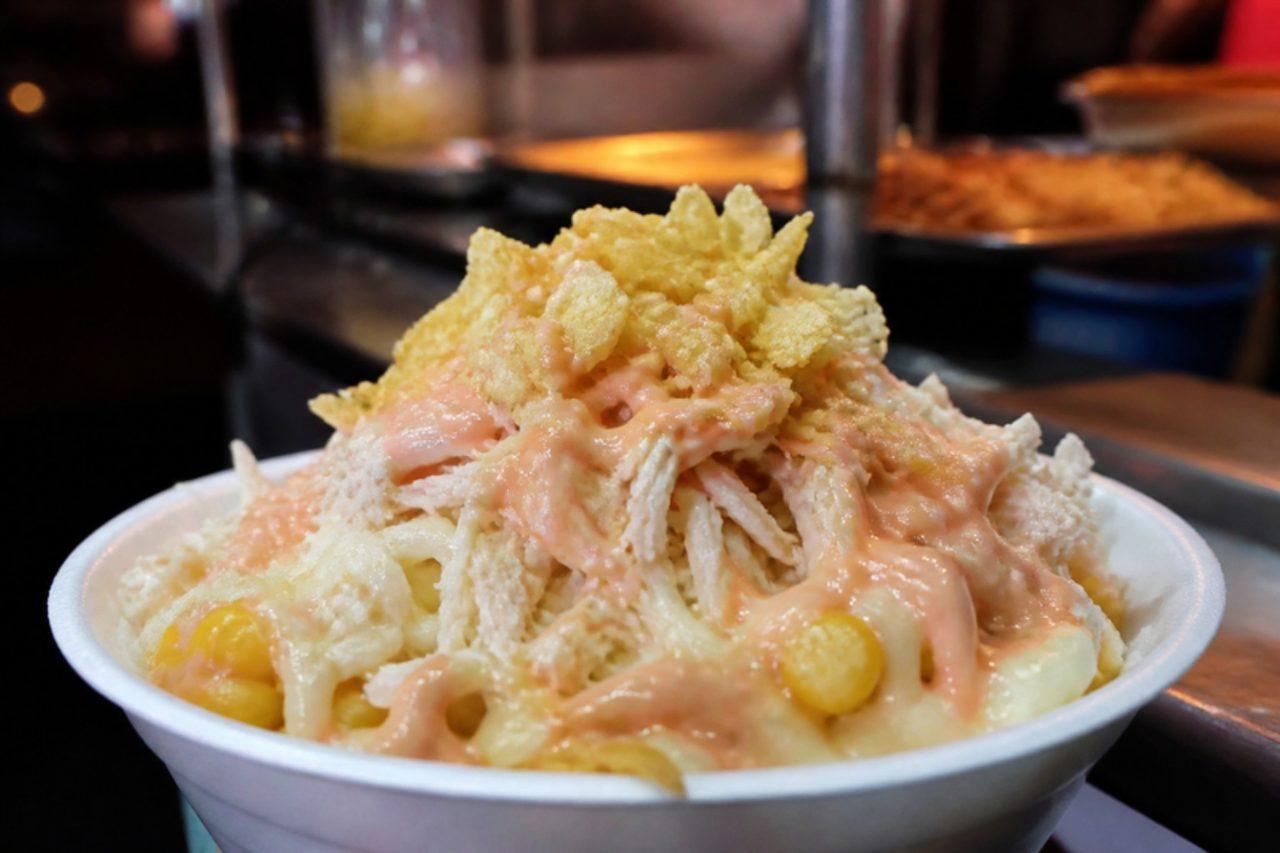
Food trucks and street corners in Bogotá and Medellín sell mazorca desgranada in plastic tubs, late into the evening: sweet corn kernels cut off the cob, fried in butter and layered with shredded chicken, melted cheese, crunchy potato sticks, pineapple sauce and salsa rosada. Some stands add bacon, beef or quail eggs; this version keeps to chicken. It is sweet, salty and gooey, and a hit with teenagers. Using tinned corn without draining it well is a common error: the water dilutes the sauces and the tub gets soggy. Chef's tip: fry the corn until a few kernels brown and pop; that caramelised edge stands up to all the sweet sauces. For a vegetarian tub, skip the chicken and use a cheese made with microbial rennet.

by KrazyBadal 0 views

SamfainaOnion, aubergine, courgette and pepper stew

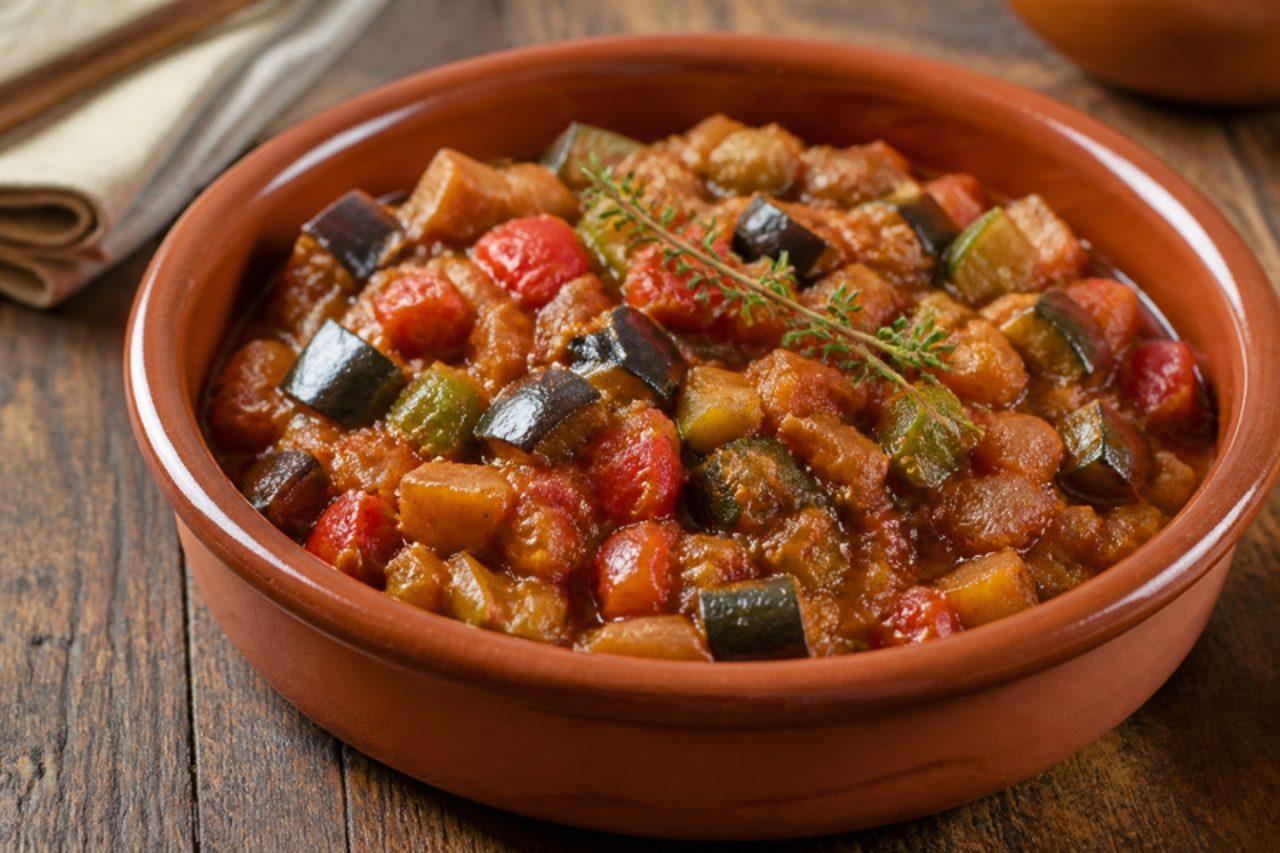
Samfaina is what Catalan kitchens do with a market bag full of late-summer vegetables: they go into the pan in order, each one softening before the next, until they melt into a sweet, glossy stew. It is eaten on its own with bread, spooned beside grilled fish or a fried egg, or used as a sauce for chicken or salt cod. It tastes better the next day. Chef's tip: cut everything to the same 1.5 cm dice, so it all cooks evenly and the finished dish has a soft, even texture.

by KrazyBadal 0 views

MarinerasRussian salad and anchovy bread rings

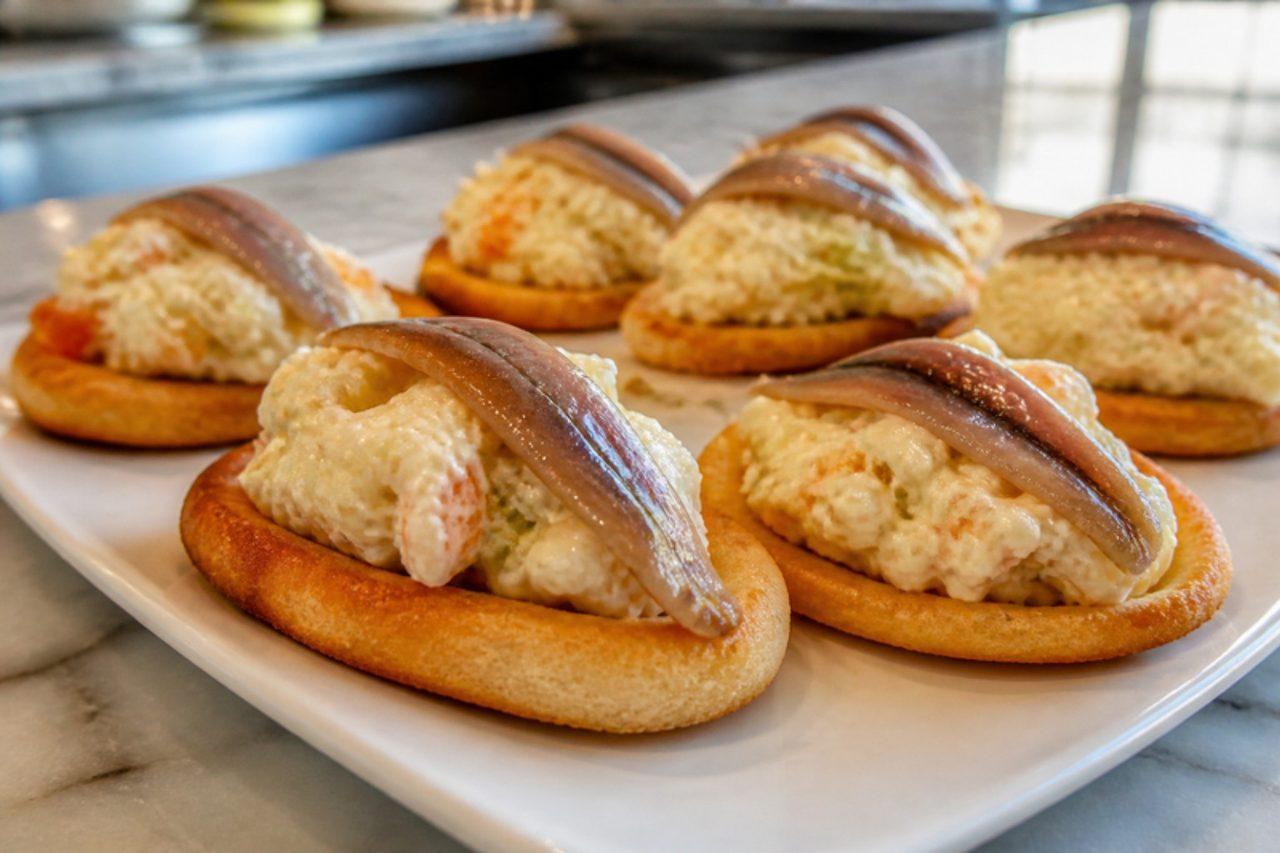
No pre-lunch drink in Murcia is complete without a marinera: a crunchy ring-shaped breadstick, the rosquilla, piled with ensaladilla rusa (potato, carrot and peas in mayonnaise) and crowned with an anchovy. Bar counters in the city line them up from midday, alongside the marinero, topped with a vinegar-cured fresh anchovy, and the bicicleta, which has no fish at all. This version uses salted anchovy fillets in oil and shop-bought mayonnaise, which is made with pasteurised egg. If you use vinegar-cured fresh anchovies instead, they are raw fish: buy them frozen first, and they are not for pregnant women, young children or anyone with a weakened immune system. Chef's tip: assemble them at the last moment so the rings stay crunchy.

by KrazyBadal 0 views

Papa rellenaStuffed potato croquettes

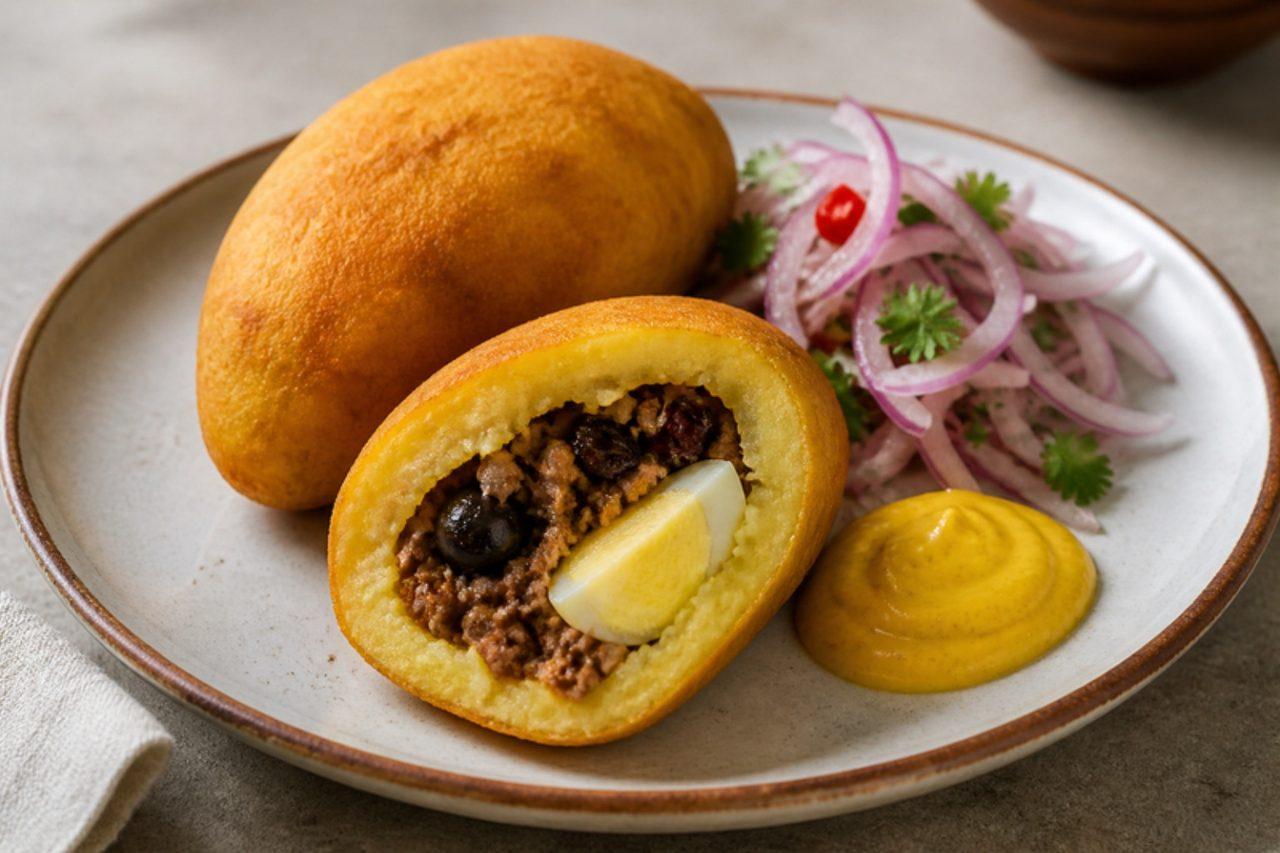
Torpedo-shaped and golden, papas rellenas sit stacked in the glass cases of Lima's sangucherías and market stalls, and they are just as often made at home on a weekday to use up a pot of mash. The shell is plain yellow potato with a crisp, thin crust; inside is a picadillo of minced beef with onion, ají panca, cumin, sliced egg, black olives and a few raisins for sweetness. They are eaten warm with a heap of salsa criolla and a spoon of ají sauce. The usual mistake is working the potato while it is still hot and wet: it turns gluey and splits in the oil, so let it steam dry and cool before shaping. Chef's tip: dust your hands and the croquettes with rice flour rather than wheat flour; it gives a thinner, crisper shell and keeps them gluten free. For a meat-free version, swap the beef for chopped mushrooms fried hard until dry.

by KrazyBadal 0 views

Morrones con huevo a la parrillaGrilled peppers with egg and cheese

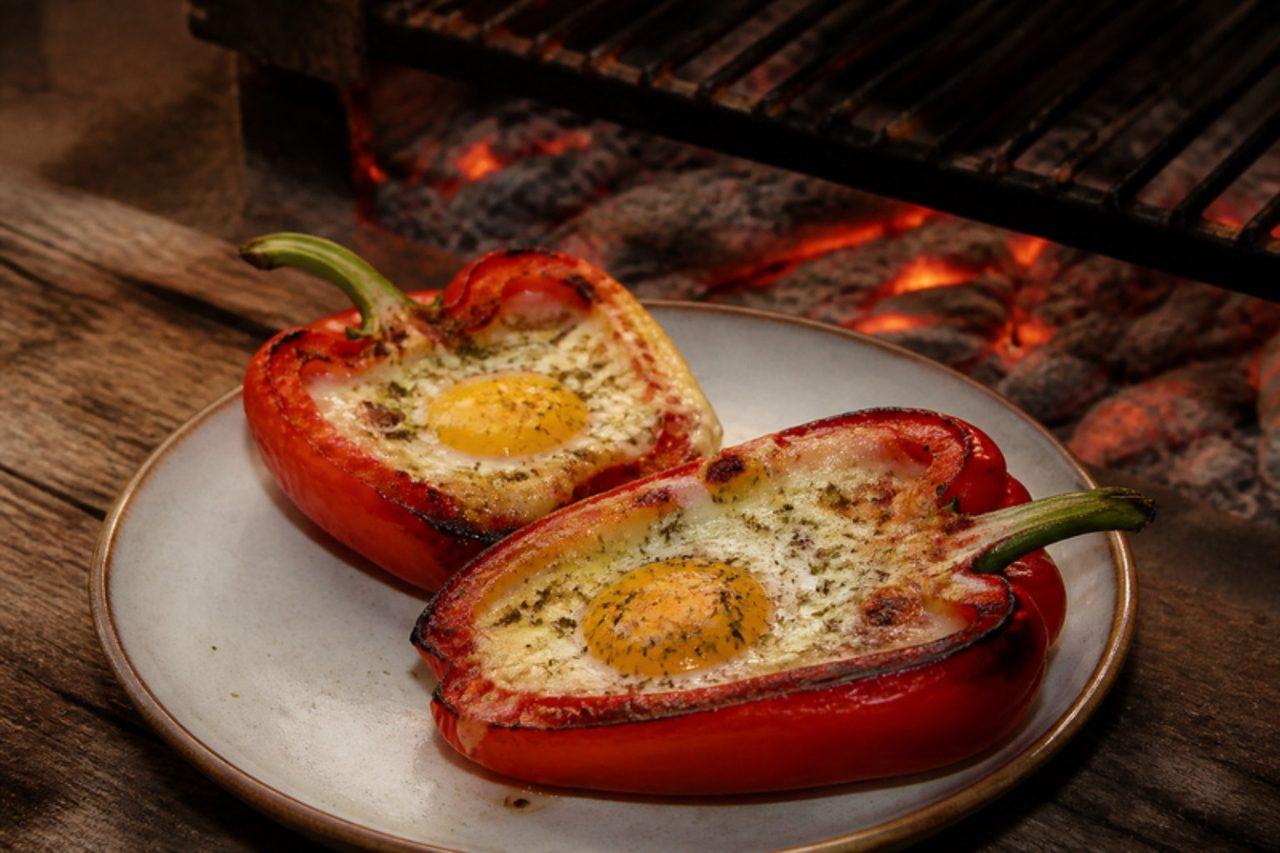
While the meat rests on the cooler side of the parrilla, many asadores put halved red peppers cut side up over the coals, let them soften and char, then crack an egg into each one with a piece of cheese and a pinch of oregano. The pepper becomes a little dish: sweet, smoky and juicy, with a just-set egg and molten cheese in the middle. It is one of the classic starters at an Argentine asado, eaten with bread before the steak arrives, and it makes a good vegetarian main for anyone who skips the meat. The mistake is cracking the egg into a raw pepper: the egg overcooks before the pepper softens, so grill the shells first. Cook until the white is completely set. Queso cremoso or mozzarella is usually made with animal rennet; pick a vegetarian one if needed. Chef's tip: cover the peppers with a foil tent or a lid once the egg goes in; the trapped heat sets the top of the egg without burning the base.

by KrazyBadal 0 views

Rhode Island johnnycakes

Johnnycakes are Rhode Island's own cornmeal pancakes, cooked on a griddle at diners and church breakfasts from Narragansett to Westerly, and argued over across the state line. They are made with stone-ground white cornmeal scalded with boiling water, so there is no flour or egg, and they come out crisp and lacy outside and soft within. Serve with butter and maple syrup. Chef's tip: let the scalded batter rest for 10 minutes so the cornmeal swells; skipping the rest gives gritty cakes.

by KrazyBadal 0 views

Turrón de Doña PepaAnise biscuit sticks in spiced syrup

Every October, the month of the Señor de los Milagros processions in Lima, bakeries and street sellers pile their trays with turrón de Doña Pepa: layers of crumbly anise-flavoured sticks drenched in a dark syrup of chancaca cooked with fruit and spices, topped with a storm of coloured sprinkles. Popular lore credits it to Josefa Marmanillo, a woman from the Cañete valley who is said to have made it in thanks after the procession. It is sticky, crunchy and soft at once, with orange and clove in the syrup. Its downfall is usually runny syrup that soaks the sticks into mush; it needs to reach a thick, threading stage before it goes on. Chancaca is sold as cones or blocks in Latin shops; panela or dark muscovado also work. Some coloured sprinkles contain gelatin, so check the label. Chef's tip: make it a day ahead; the syrup sets and the sticks soften just enough to slice neatly.

by KrazyBadal 0 views

PaparajotesLemon leaf fritters with cinnamon sugar

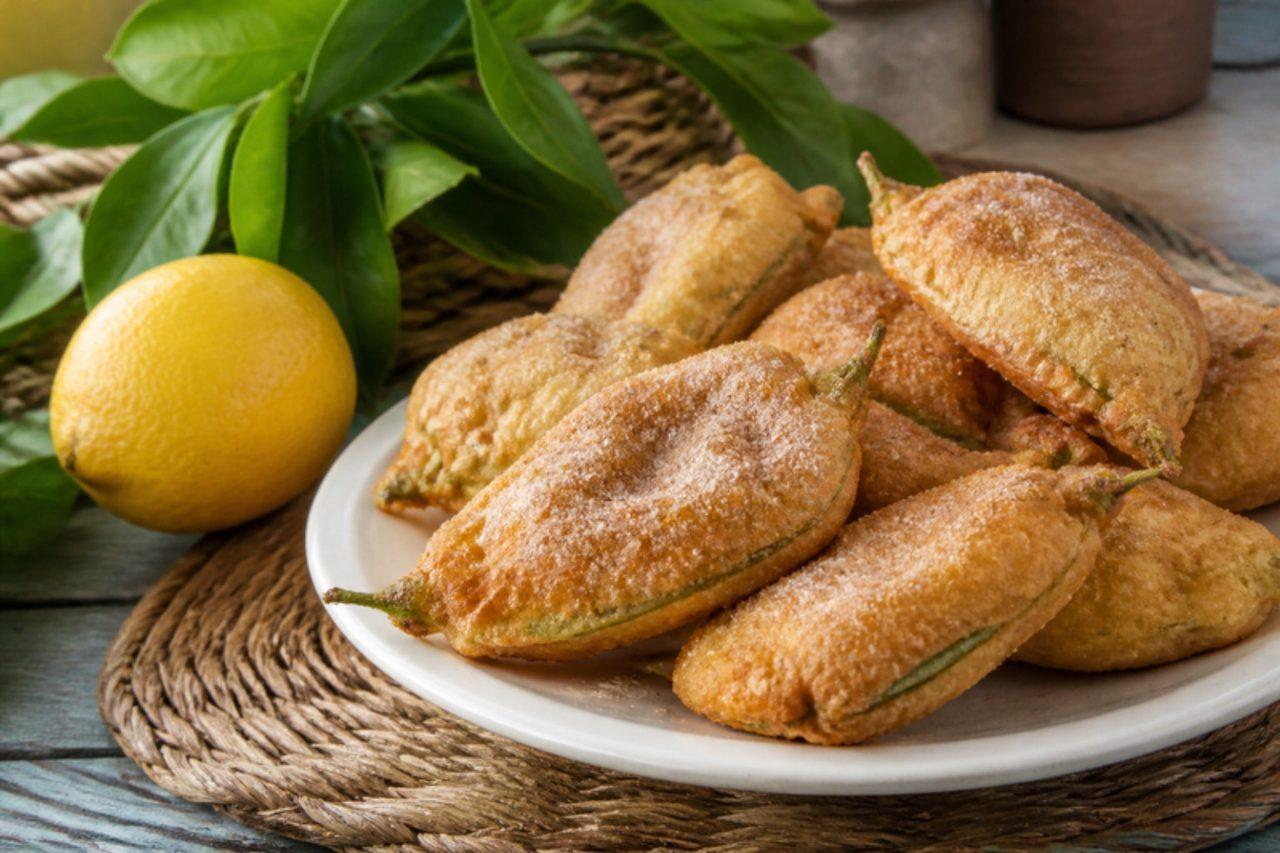
Paparajotes are the sweet of the Murcian huerta's spring festivals, above all the Bando de la Huerta, when the city fills with people in traditional dress and stalls fry them by the hundred. A lemon tree leaf is dipped in a light batter, fried and dusted with cinnamon sugar; you hold it by the stalk, pull off the crisp coating with your teeth and leave the leaf, which flavours the batter but is not food. Newcomers who try to eat the whole thing are a long-standing local joke. Chef's tip: use only leaves from an unsprayed lemon tree, washed and dried.

by KrazyBadal 0 views

Papas a la provenzalFries with garlic and parsley

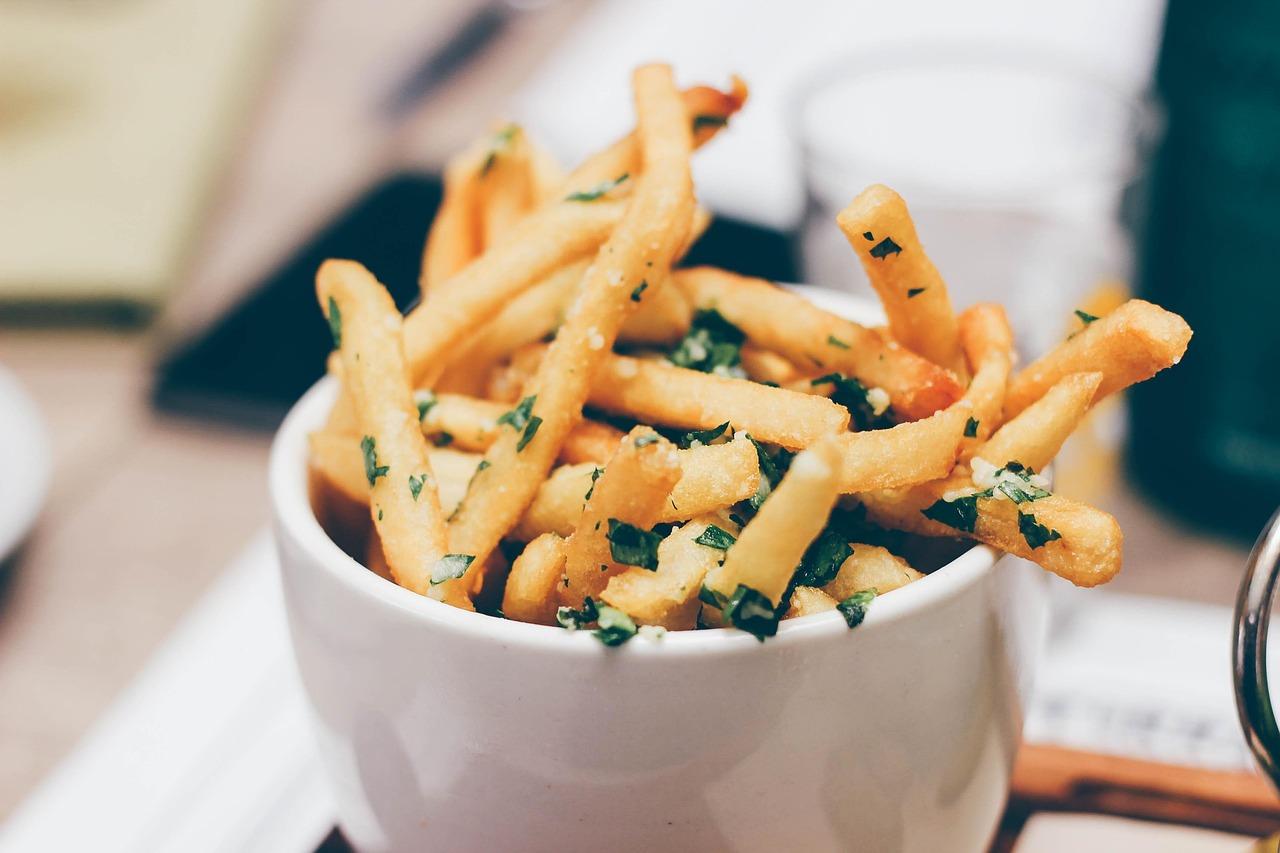
Bodegones, the old-school Buenos Aires canteens with jamón hanging from the ceiling and waiters in white jackets, serve mountains of papas fritas, and the upgrade everyone orders is "a la provenzal": crisp chips tossed while still sizzling in a mix of finely chopped raw garlic and parsley. The heat of the potatoes takes the edge off the garlic, so it turns fragrant rather than fiery, and the parsley stays bright green. They go with milanesas, grilled steak or a plate of fried eggs. Adding the garlic to the frying oil is the error many make: it burns in seconds and turns bitter; it goes on only after frying. This method fries the chips twice for a crunch that lasts; for an oven version, toss the chips with 3 tbsp oil and roast at 220 °C for 35 minutes, turning once, then dress them the same way. Chef's tip: rinse and dry the cut potatoes very well; surface starch and water are what make chips limp.

by KrazyBadal 0 views

Papas aliñásPotato salad with sherry vinegar

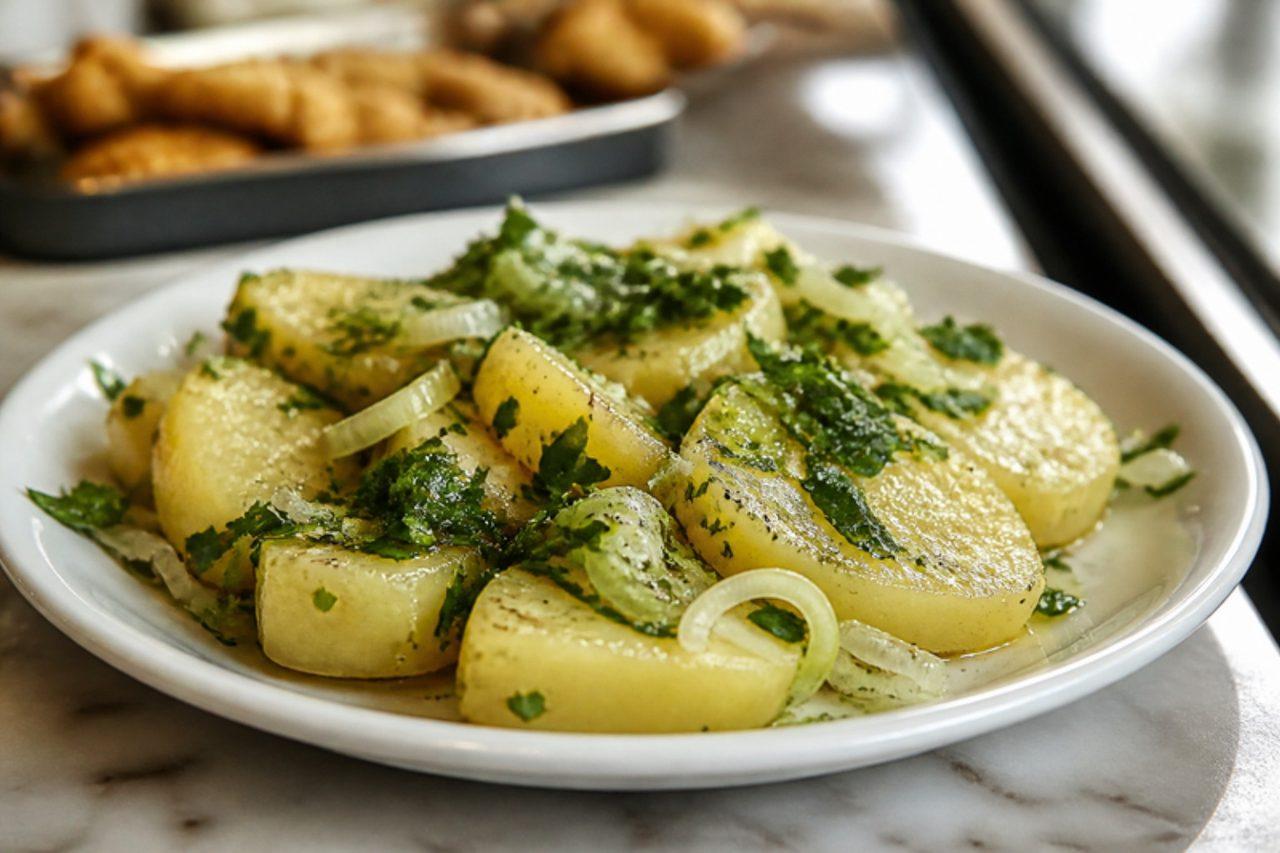
Every tapas bar around the Plaza de Abastos in Cádiz keeps a tray of papas aliñás on the counter, and gaditanos eat them as a cold tapa on summer evenings with a glass of something cold. The potatoes are dressed while still warm, so they drink up the sherry vinegar and oil, then rest until they taste sharp, green and soft. Bars usually lay tuna and boiled egg on top; this version is fully plant-based and keeps all the flavour in the dressing. Chef's tip: choose waxy potatoes and cut them only after cooking, so they keep their shape when you toss them.

by KrazyBadal 0 views

Papas arrugadas con mojo picónWrinkled potatoes with red pepper sauce

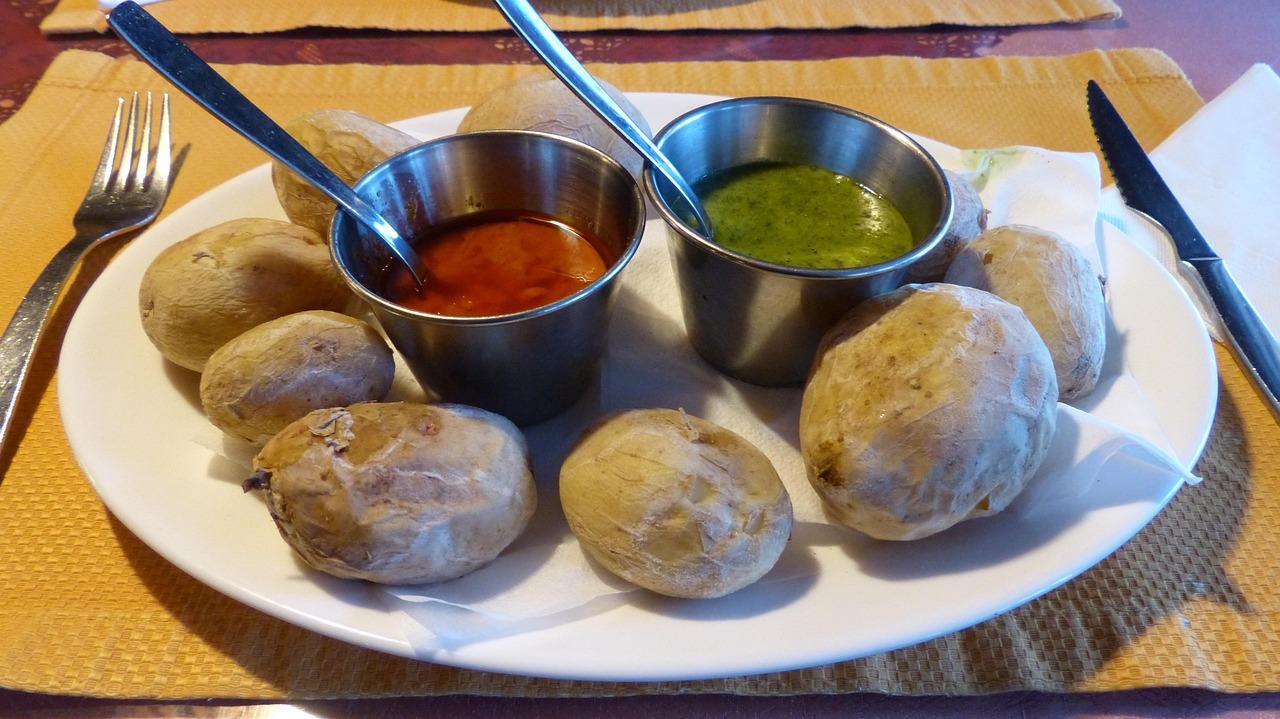
No meal in the Canary Islands seems complete without a bowl of papas arrugadas, small potatoes boiled in water as salty as the Atlantic until their skins wrinkle and frost over with white salt. In every guachinche, the pop-up wine-farm eateries in the hills of northern Tenerife, they arrive with a pot of mojo picón, a thick, garlicky sauce of dried red peppers, cumin, paprika and vinegar. Eat them skin and all, dragged through the mojo. Chef's tip: once drained, put the pot back on a low heat and shake it for a minute or two, as that drying is what forms the wrinkles and the salt crust.

by KrazyBadal 0 views

Papas chorreadasPotatoes in tomato cheese sauce

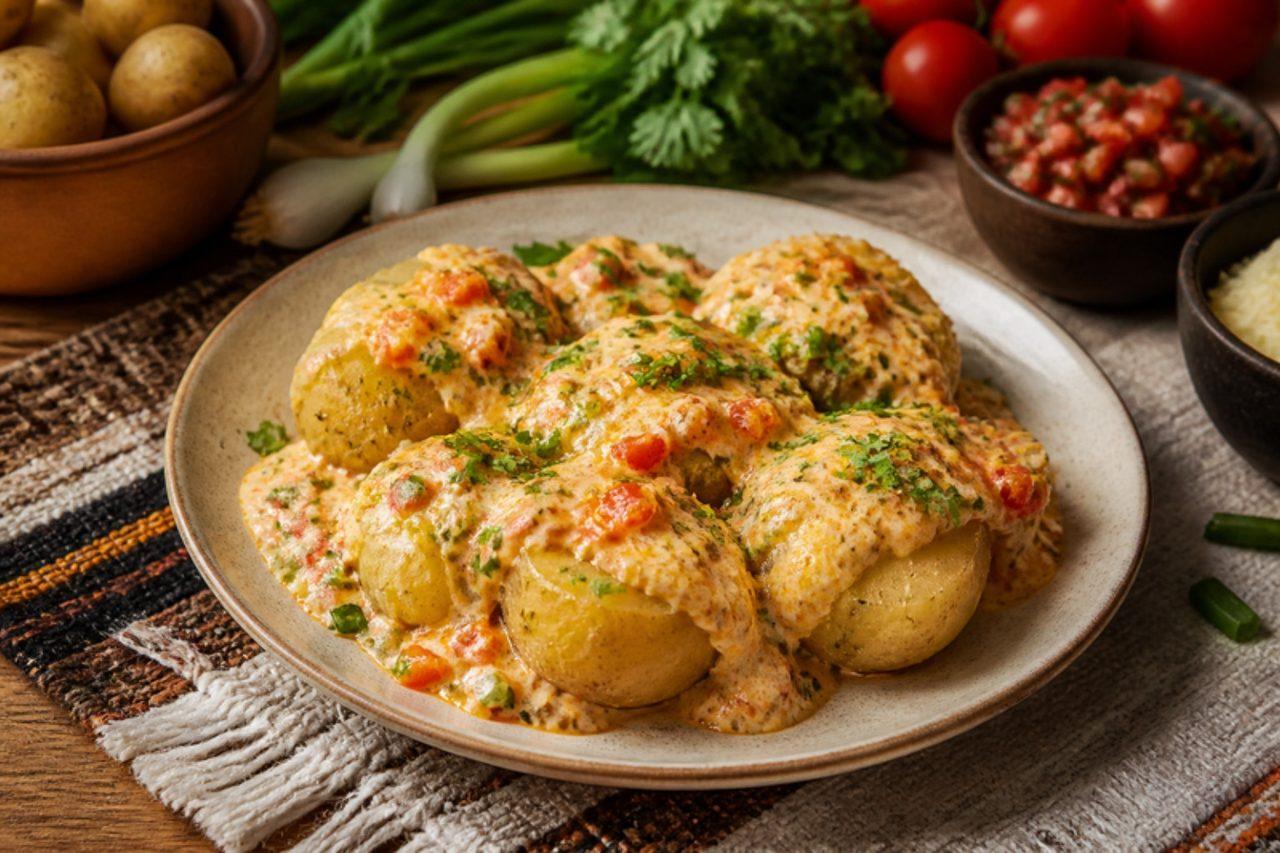
Chorreadas means drenched, and that is the idea: in farmhouse kitchens of Boyacá and Cundinamarca, whole boiled potatoes get a hot, loose sauce of tomato and long spring onion poured over them, enriched with milk and stretchy fresh cheese. It is comfort food from the cold highlands, served beside grilled meat on Sundays or on its own with an arepa and a mug of aguapanela on a weeknight. Colombians use queso campesino or doble crema, both usually made with animal rennet; a vegetarian mozzarella or other microbial-rennet melting cheese works perfectly. The mistake to avoid is adding the cheese to a boiling sauce, which makes it split and turn stringy; keep the heat low. Chef's tip: let the tomato and onion cook until really soft and jammy before the milk goes in, so the sauce tastes sweet and deep rather than raw.

by KrazyBadal 0 views

Texas caviar

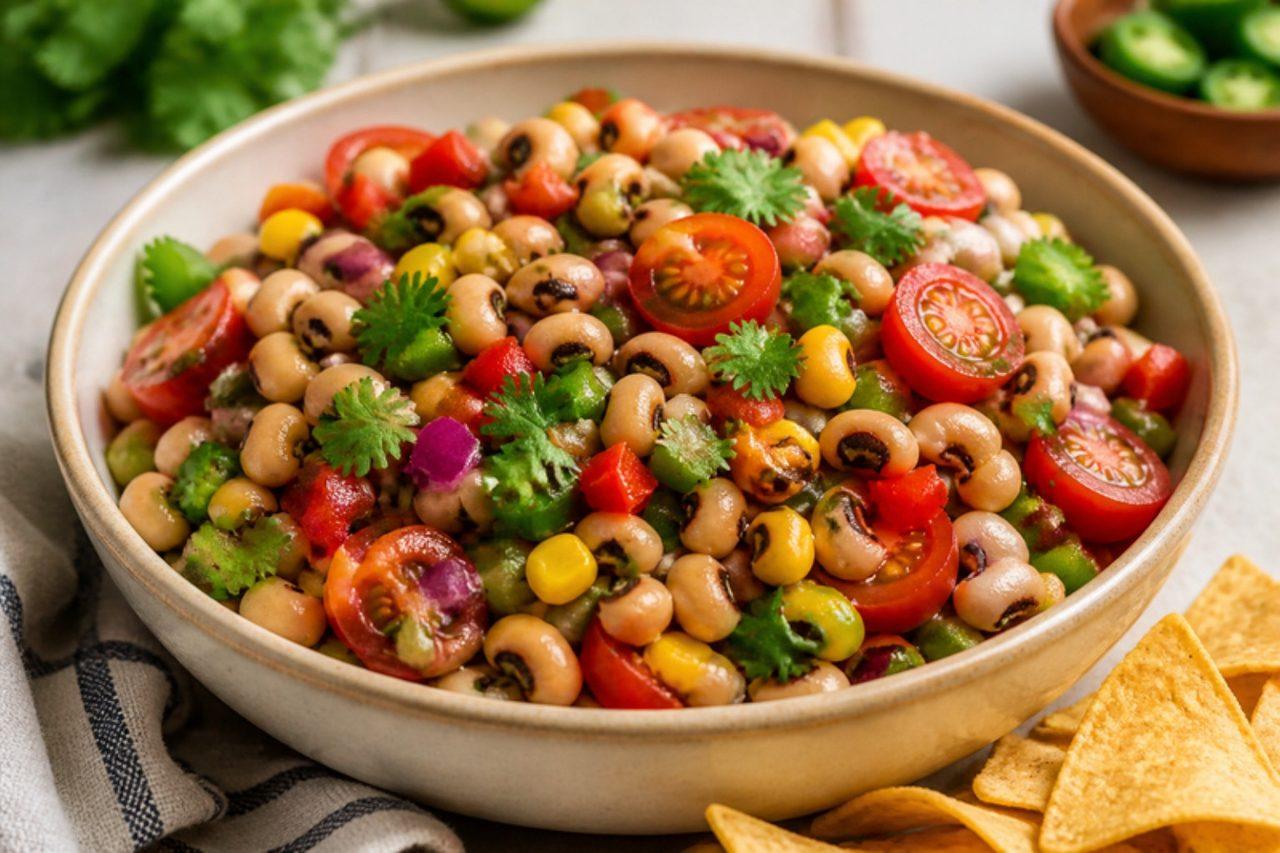
Texas caviar is a bright, chunky salad of black-eyed peas, peppers, corn and jalapeño soaked in a sharp vinaigrette, created in Dallas in the 1940s and now a fixture at Texas tailgates, barbecues and New Year's Day parties, where black-eyed peas are eaten for luck. Scoop it with tortilla chips or serve as a side. Chef's tip: dress it at least an hour ahead; the peas soak up the dressing and get much tastier.

by KrazyBadal 0 views

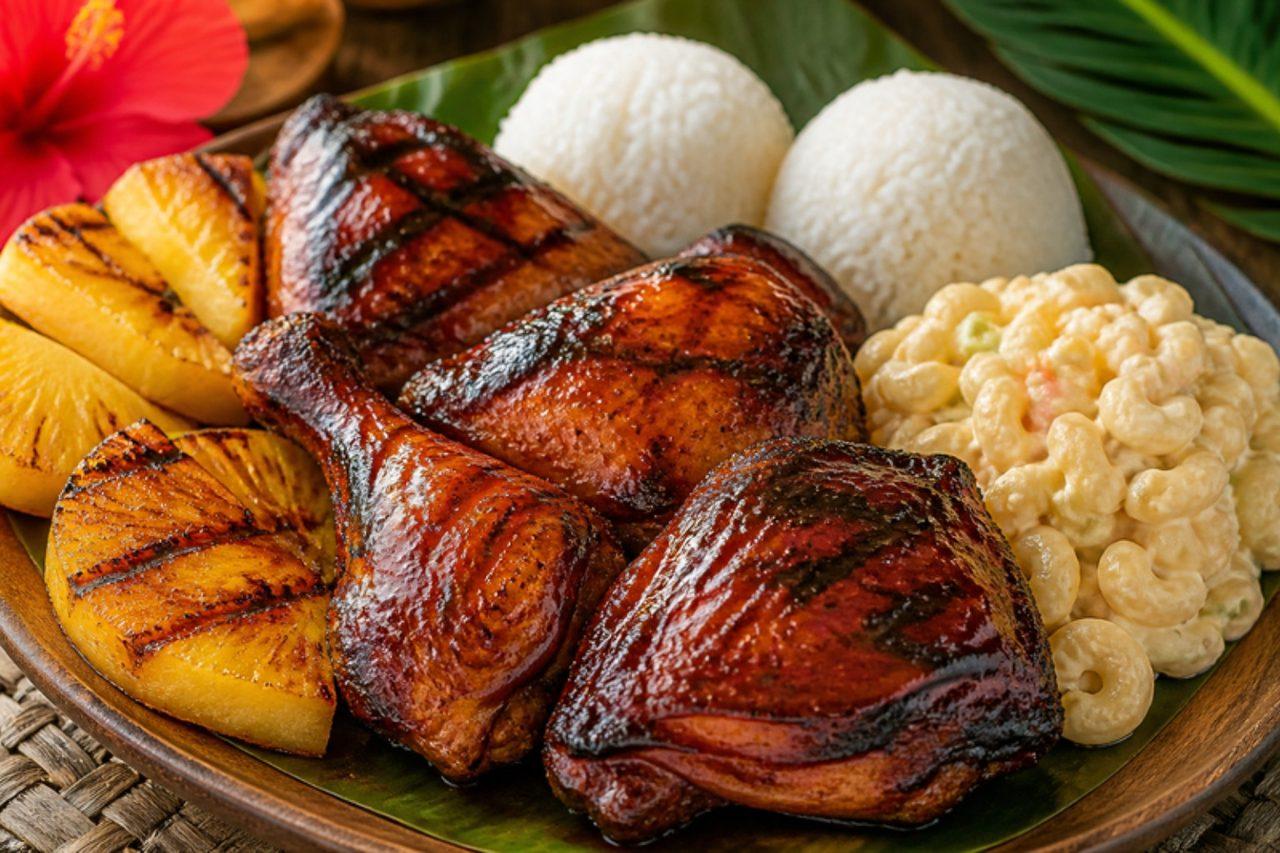
Huli huli chicken

Huli means turn in Hawaiian, and this chicken was named in the 1950s when a farmer on Oʻahu grilled it between two racks and flipped it over the fire; today you smell it from roadside fundraiser stands and North Shore weekend grills. Chicken is marinated in soy sauce, pineapple juice, ginger and brown sugar, then grilled and basted until sticky and charred. Chef's tip: boil the leftover marinade before basting with it, so it is safe and turns into a glaze.

by KrazyBadal 0 views

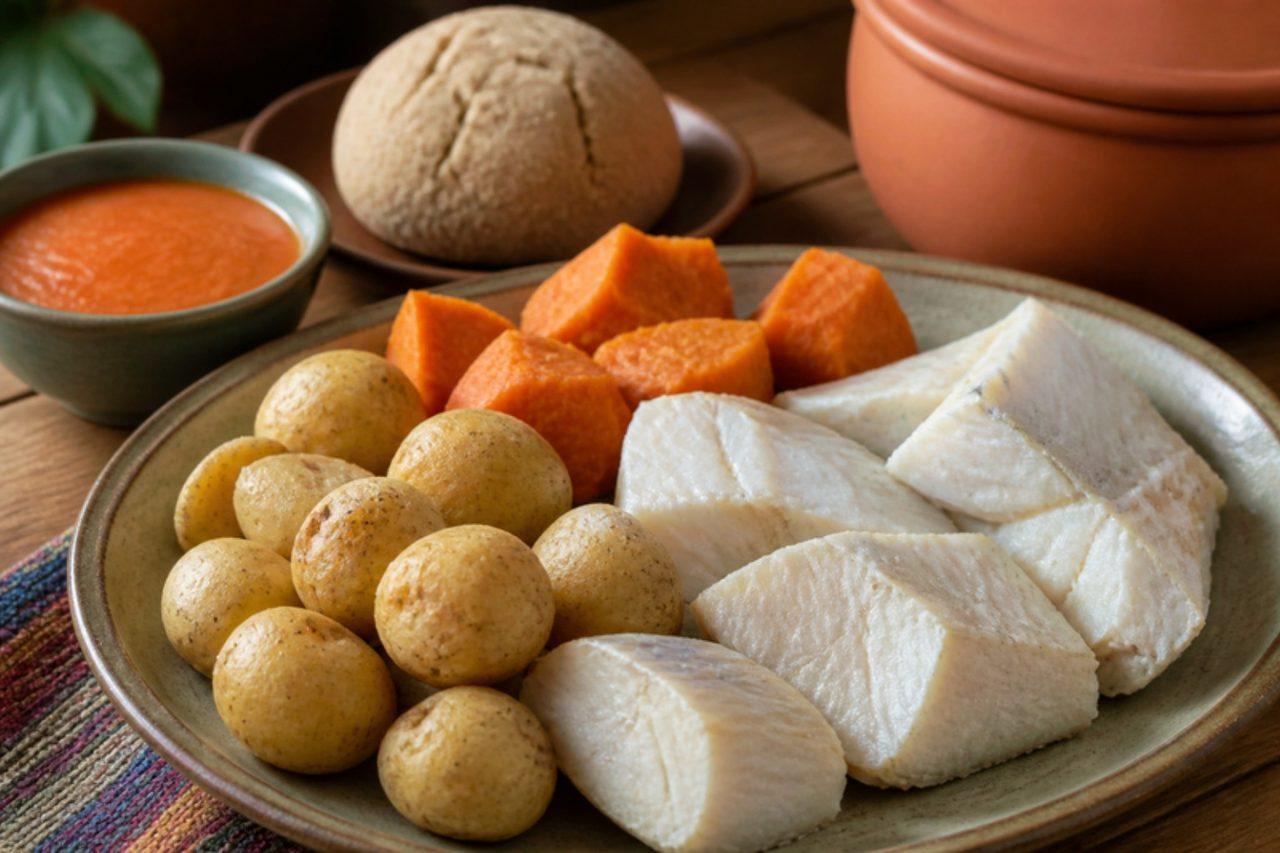
Sancocho canarioSalt fish with potatoes and mojo

Sancocho is the Canary Islands' Good Friday dish and a Sunday favourite in Gran Canaria, where whole families sit down to a platter of desalted cherne (wreckfish), boiled potatoes and sweet potatoes, red mojo poured over the top and a ball of pella de gofio on the side. Salted cherne is soaked for a day or two in the fridge to draw out the salt, then poached gently. If you cannot find cherne, salt cod or fresh hake works well. Chef's tip: before cooking, poach a small flake in boiling water for a minute and taste it; it should be pleasantly seasoned, like well-salted fresh fish, and if it is still briny, soak a few hours more.

by KrazyBadal 0 views

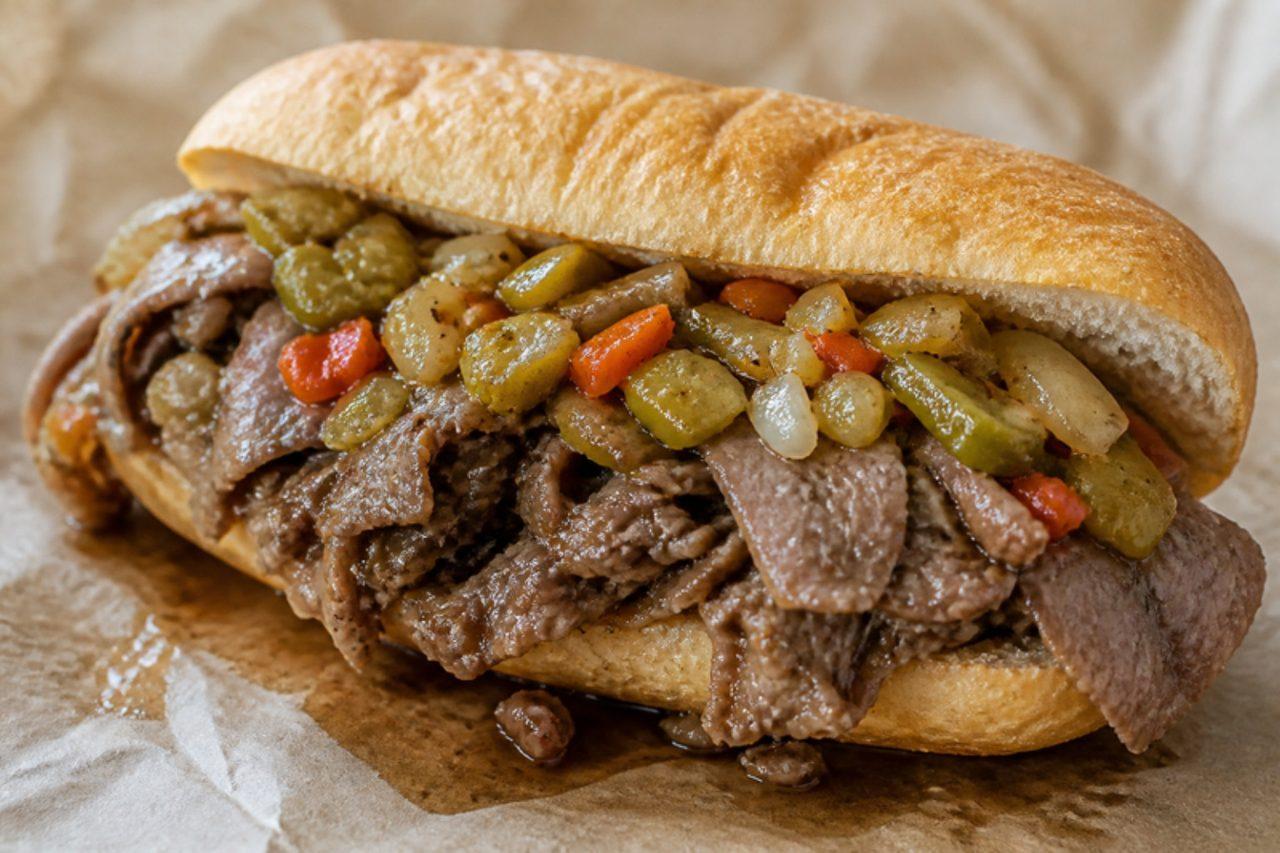
Chicago Italian beef

Italian beef was born at Italian-American weddings and family stands on Chicago's West Side in the 1930s, when cooks sliced roast beef paper-thin so a little meat could feed a crowd. The slices are soaked in a garlicky, oregano-spiced jus and piled into a crusty roll with hot giardiniera or sweet peppers; order it 'dipped' and the whole sandwich gets a dunk in the jus. Chef's tip: chill the roast overnight before slicing; cold beef slices far thinner, and thinness is everything here.

175 minAmericanMeat
by KrazyBadal 0 views

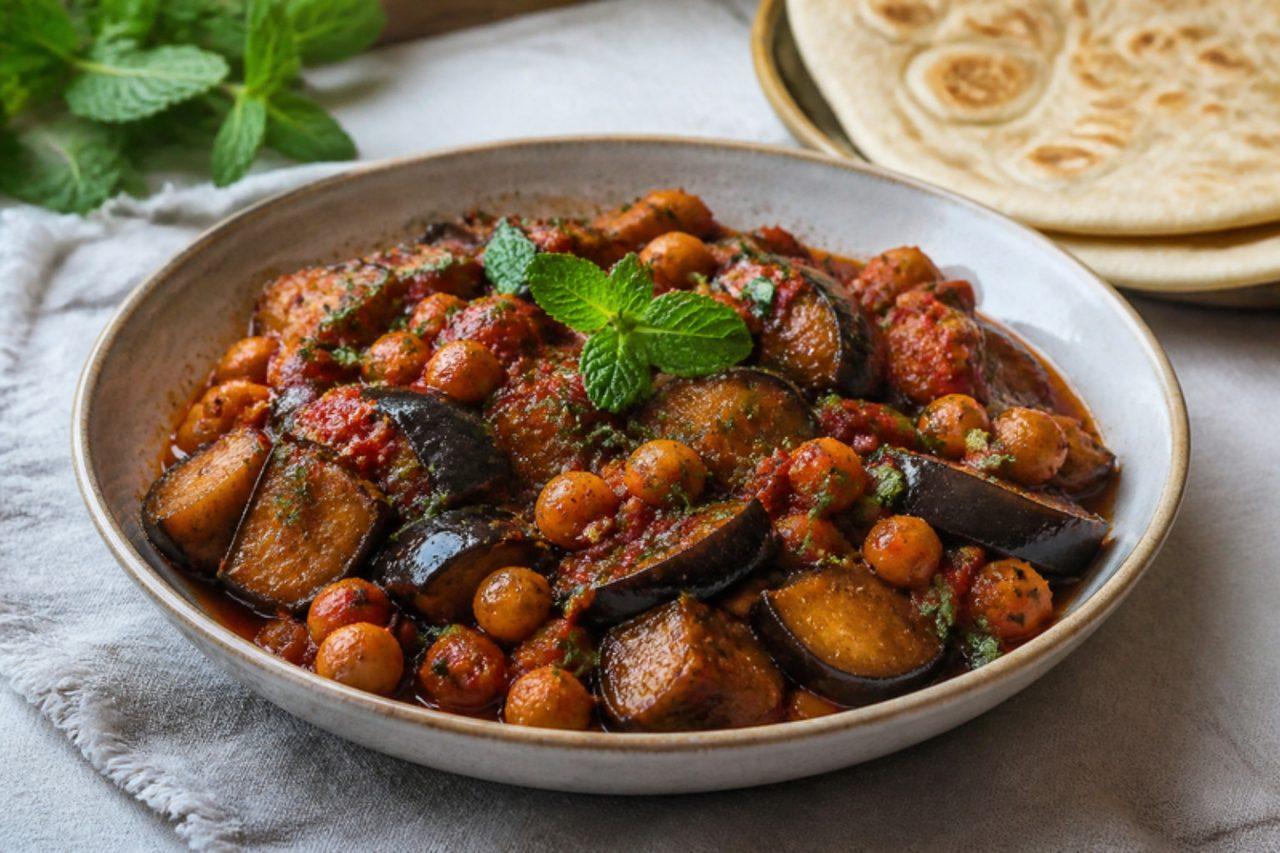
MaghmourAubergine, chickpea and tomato stew

In Lebanese villages from the Chouf to the Bekaa, maghmour turns up on the table during the long Lenten fasts and through the summer, when aubergines are piled high at every greengrocer. Chunks of fried or roasted aubergine collapse into a sweet, garlicky tomato sauce with chickpeas and plenty of olive oil, so the dish is soft and silky rather than chunky. Lebanese cooks serve it at room temperature with flatbread, pickles and a bowl of olives, and it tastes even better on the second day. Roasting the aubergine instead of deep-frying keeps it lighter without losing the melting texture. Common mistake: stirring hard once the aubergine is in; fold gently or it turns to mush. Chef's tip: add a final drizzle of good olive oil and a pinch of dried mint just before serving to lift the deep, sweet flavours.

by KrazyBadal 0 views

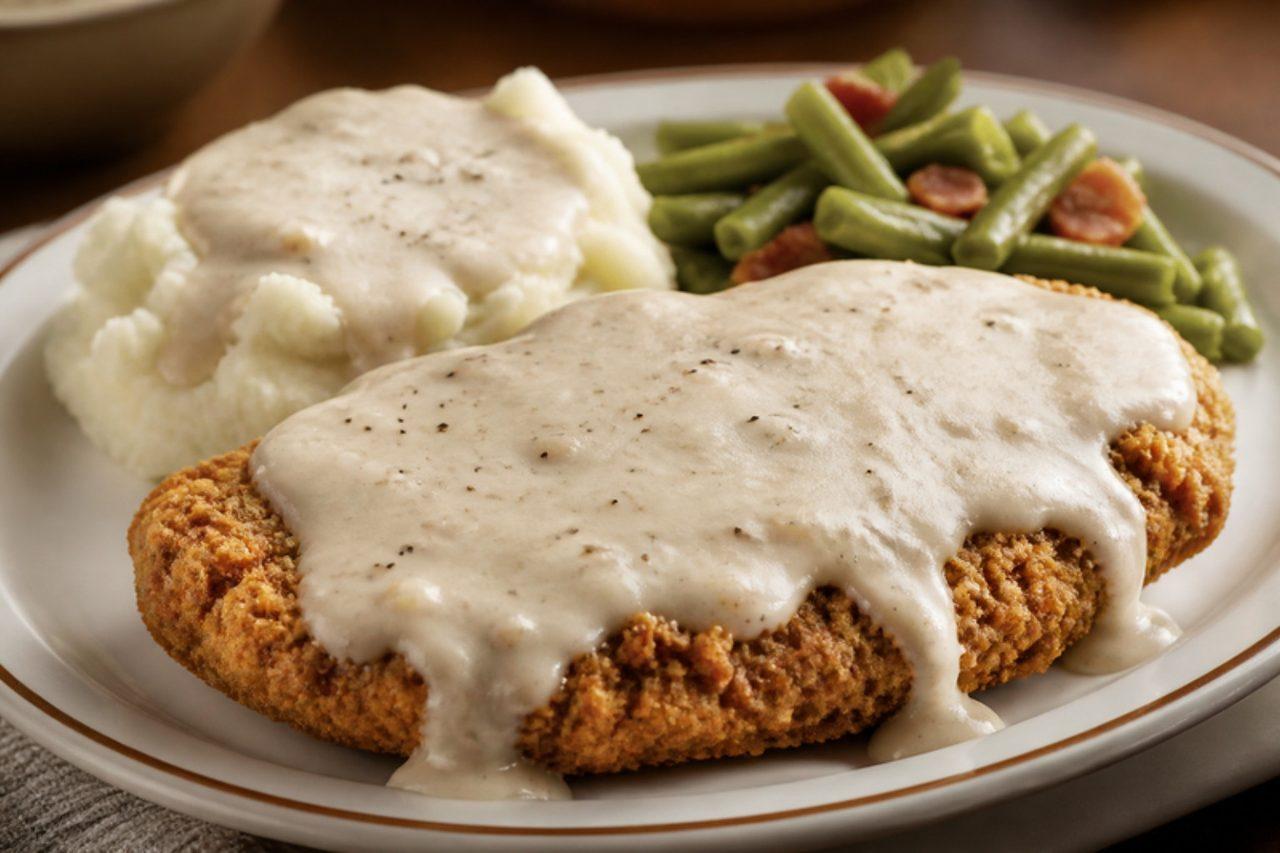
Chicken-fried steak

Chicken-fried steak is Texas's unofficial state dish, served in truck stops, small-town cafés and Sunday after-church lunches across the Hill Country: a tenderised beef steak breaded and fried like fried chicken, smothered in white cream gravy with lots of black pepper, next to mashed potatoes. It came from German and Austrian settlers' schnitzel. Chef's tip: double-dip in seasoned flour, buttermilk and flour again for the craggy, crunchy crust.

by KrazyBadal 0 views

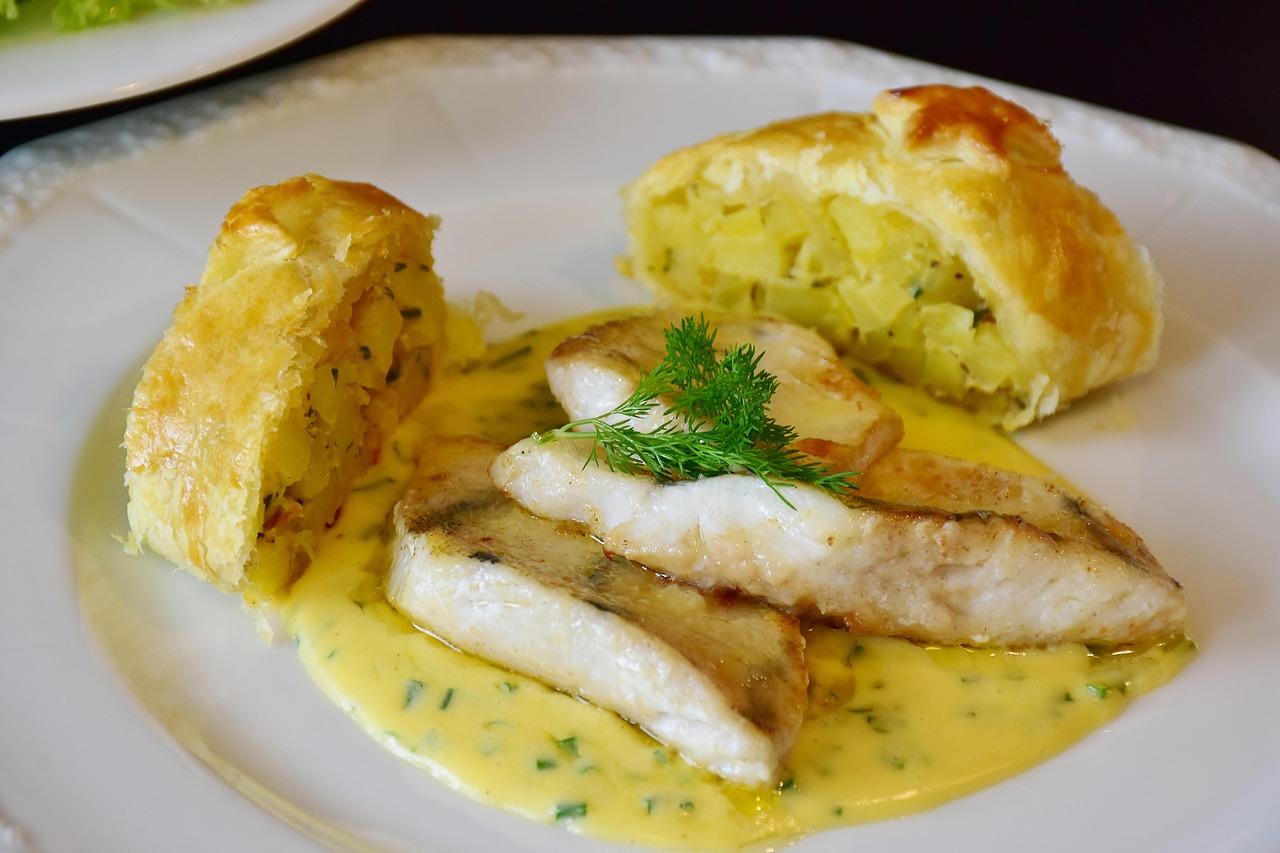
Sandre au beurre blancPike-perch with butter sauce

Beurre blanc was first whisked up on the banks of the Loire near Nantes, and riverside restaurants from Anjou to the Muscadet vineyards still serve it with sandre, the firm, mild pike-perch of the river. The sauce is nothing but shallots reduced in white wine and vinegar, then mounted with cold butter into a pale, foamy emulsion that tastes sharp and creamy at once. The crisp-skinned fish sits on top, with steamed potatoes or leeks alongside. The reduction uses dry white wine; an alcohol-free option is in the notes. If you can't find pike-perch, sea bass or hake fillets are good substitutes. Chef's tip: keep the butter fridge-cold and add it a few cubes at a time, and the sauce will never split.

30 minFrenchFishGluten free
by KrazyBadal 0 views

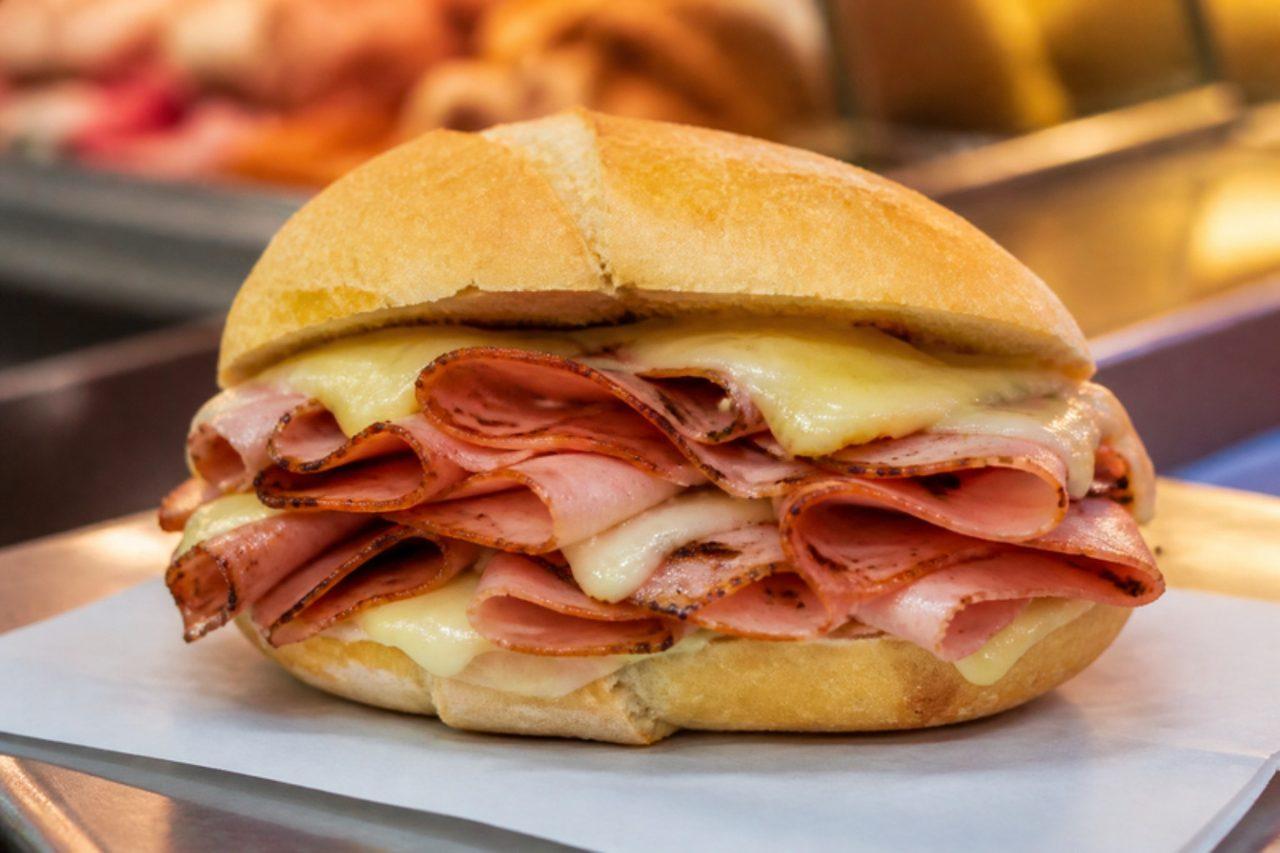
Sanduíche de mortadelaFried mortadella and cheese roll

Tourists queue for it at the Mercado Municipal in São Paulo, where the sandwich counters on the mezzanine fold slice after slice of mortadella onto a hot griddle until the stack is taller than the bread. Mortadella is a cooked pork sausage, and warming it this way crisps the edges, softens the fat and makes it taste sweeter and more peppery; a layer of melted provolone or mild cheese glues it together inside a crusty French roll. It is gloriously over the top, best eaten with both hands and a paper napkin. The mistake most people make is stacking cold mortadella flat, which stays rubbery; fold the slices loosely so the heat gets between them. Chef's tip: ask for the mortadella sliced very thin, almost see-through; thin slices ruffle up and give the sandwich its height and tenderness.
by KrazyBadal 0 views

Sonoran hot dog

The Sonoran hot dog came north from Hermosillo in Mexico and is now the late-night street food of Tucson, Arizona, sold from carts and small stands called dogueros. A frankfurter is wrapped in bacon (pork) and griddled until crisp, then tucked into a soft, split-top bolillo roll with pinto beans, onion, tomato, mayonnaise, mustard and jalapeño salsa. Chef's tip: wind the bacon tightly in a spiral and start it seam-side down, so it sticks and doesn't unravel.

by KrazyBadal 0 views

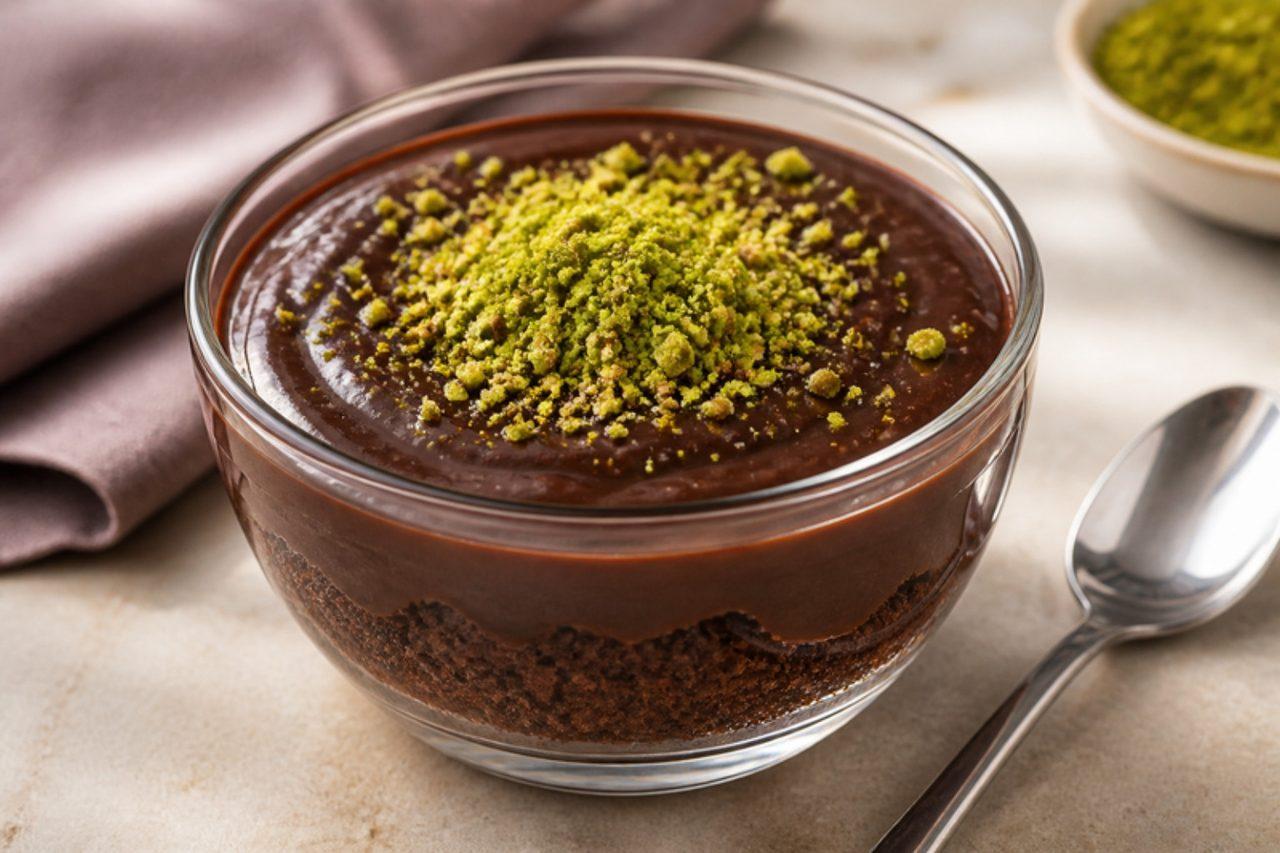
SupangleChocolate pudding on sponge

Supangle is the chocolate pudding of Turkish pudding shops and school canteens, a favourite of children from Istanbul to Ankara: a thick, dark cocoa custard set in a bowl, traditionally with a piece of sponge cake or biscuit hidden at the bottom to soak up the edges. Served cold with grated chocolate or pistachios on top, it is rich but not heavy. Use proper dark chocolate as well as cocoa for depth. Common mistake: adding the chocolate before the pudding has thickened; it can seize and turn grainy. Chef's tip: whisk the butter in at the very end, off the heat, for a glossy, almost shiny surface.

by KrazyBadal 0 views

Sándwich de migaCrustless ham and cheese sandwiches

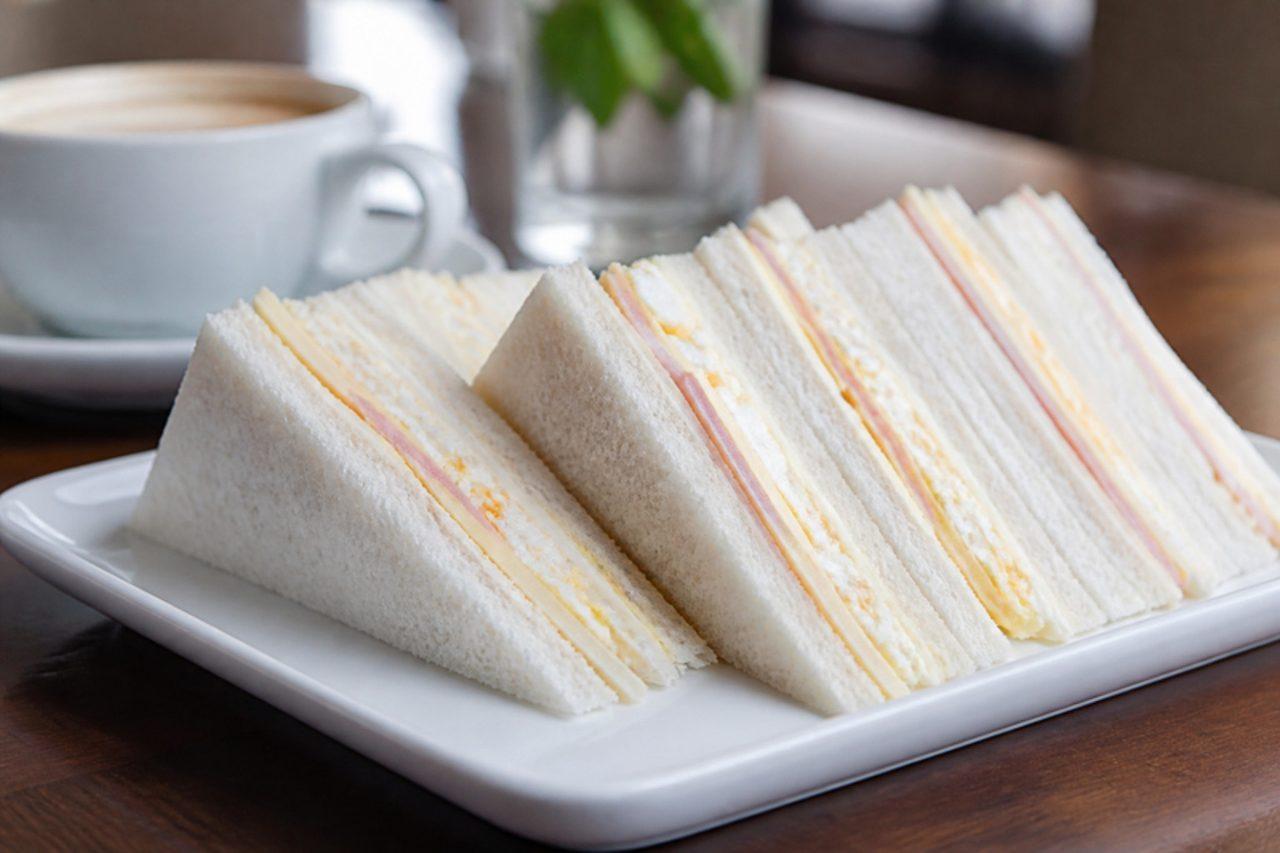
Birthday parties, office farewells and afternoon tea in a Buenos Aires confitería all bring out trays of sándwiches de miga: triple-decker sandwiches of paper-thin, crustless white bread with butter or mayonnaise and fillings of ham (pork) and cheese, egg, tomato, lettuce or olives, cut into neat rectangles. Specialist bakeries sell the large, very thin pan de miga sheets for them; at home, a soft sandwich loaf sliced thin and rolled flat works. They should be soft, moist and delicate, never dry at the edges. Dry sandwiches are the usual problem, so spread the mayonnaise right to the corners and keep finished trays under a damp tea towel. Chef's tip: assemble, wrap the stack in cling film and chill it for 15 minutes before trimming the crusts; the layers set and the knife cuts clean edges.

by KrazyBadal 0 views

Tallarines verdesSpaghetti with basil and spinach sauce

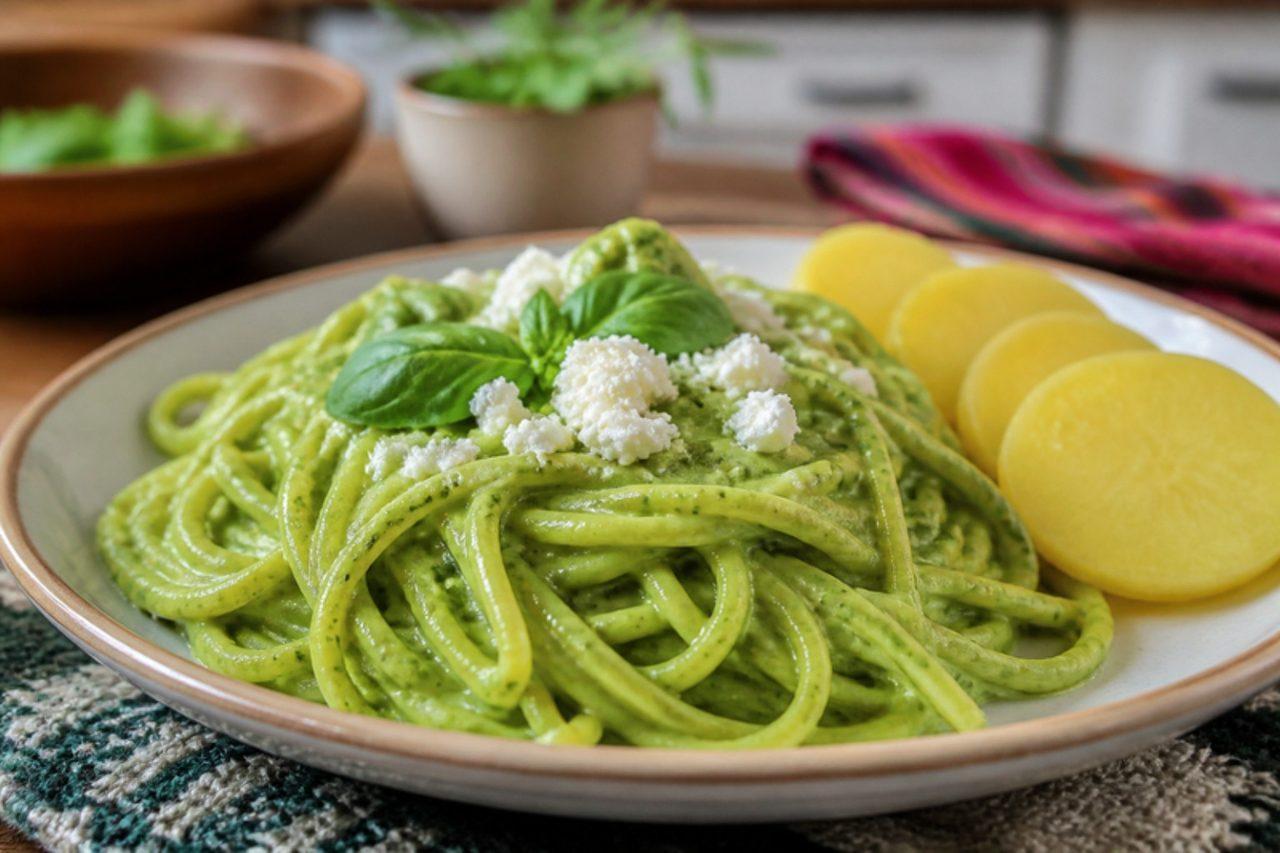
Peru's answer to pesto came from Italian-Ligurian families who settled in Lima and Callao, and it was quickly rebuilt with what Peruvian kitchens had: spinach to stretch the basil, queso fresco instead of hard cheese, and a can of evaporated milk to make it creamy. Menú restaurants in Lima serve it on weekdays, often with a breaded steak or a fried egg beside it, and the sauce turns out milder, softer and greener than the Genoese original. This version stays vegetarian: serve it with a tomato and onion salad, or crown each plate with a fried egg if you eat them. The classic mistake is boiling the leaves too long, which turns the sauce khaki and dull; they need only 20 seconds in hot water. Note that queso fresco is usually made with animal rennet, so choose a vegetarian (microbial-rennet) fresh cheese if that matters to you. Chef's tip: blend the sauce with the evaporated milk while the leaves are still cold from their ice bath and it will stay bright for the whole meal.

by KrazyBadal 0 views

MarmitakoBonito and potato stew

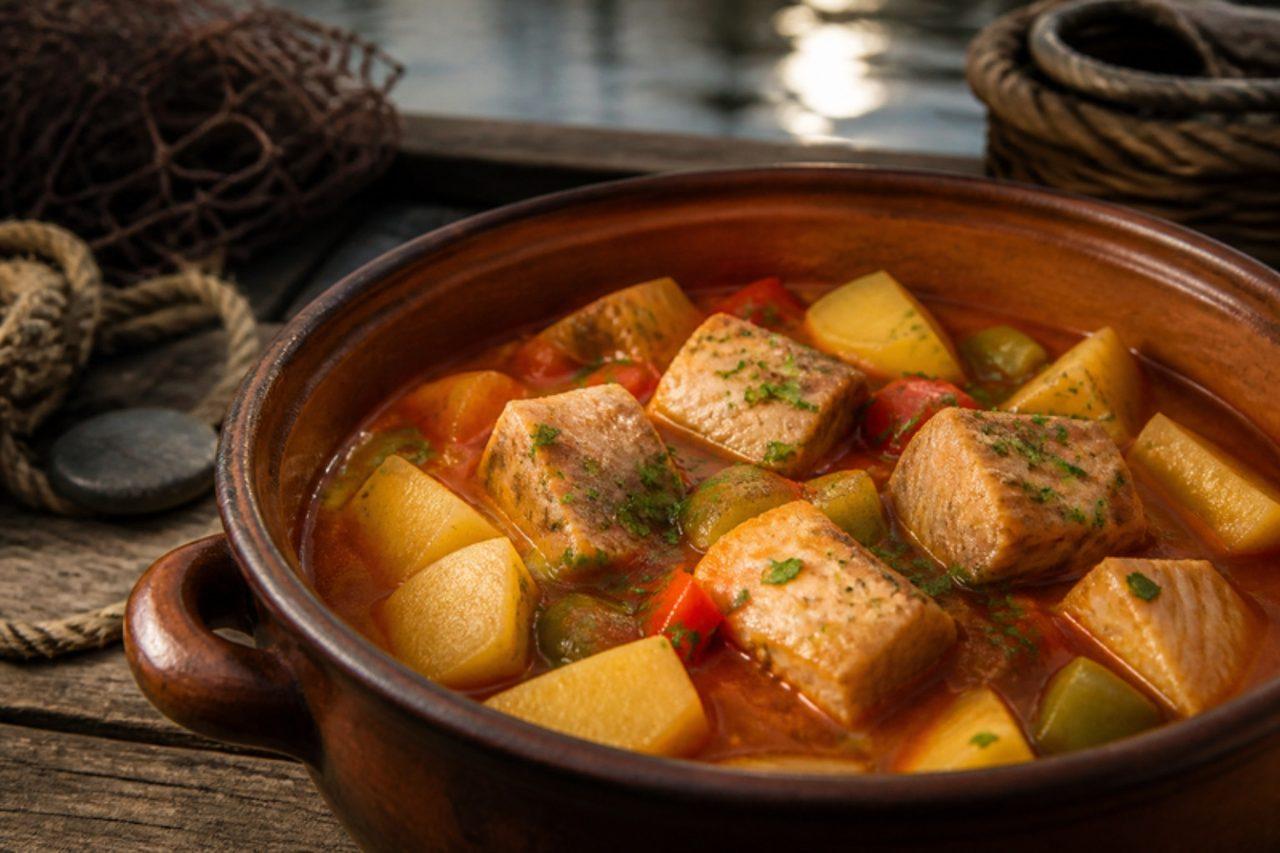
Marmitako takes its name from the marmita, the iron pot that fishermen out of Bermeo and Ondarroa kept on board during the summer bonito season, from June to September. Potatoes simmer in a peppery broth made red with choricero pepper, and chunks of fresh bonito go in only at the very end. Along the coast it is still the summer lunch of fishing towns, eaten from deep plates. A common mistake is boiling the fish with the potatoes, which turns it dry and stringy; it needs just a few minutes of gentle heat. Chef's tip: snap the potatoes rather than cut them, so their starch thickens the broth.

by KrazyBadal 0 views

Anadama bread

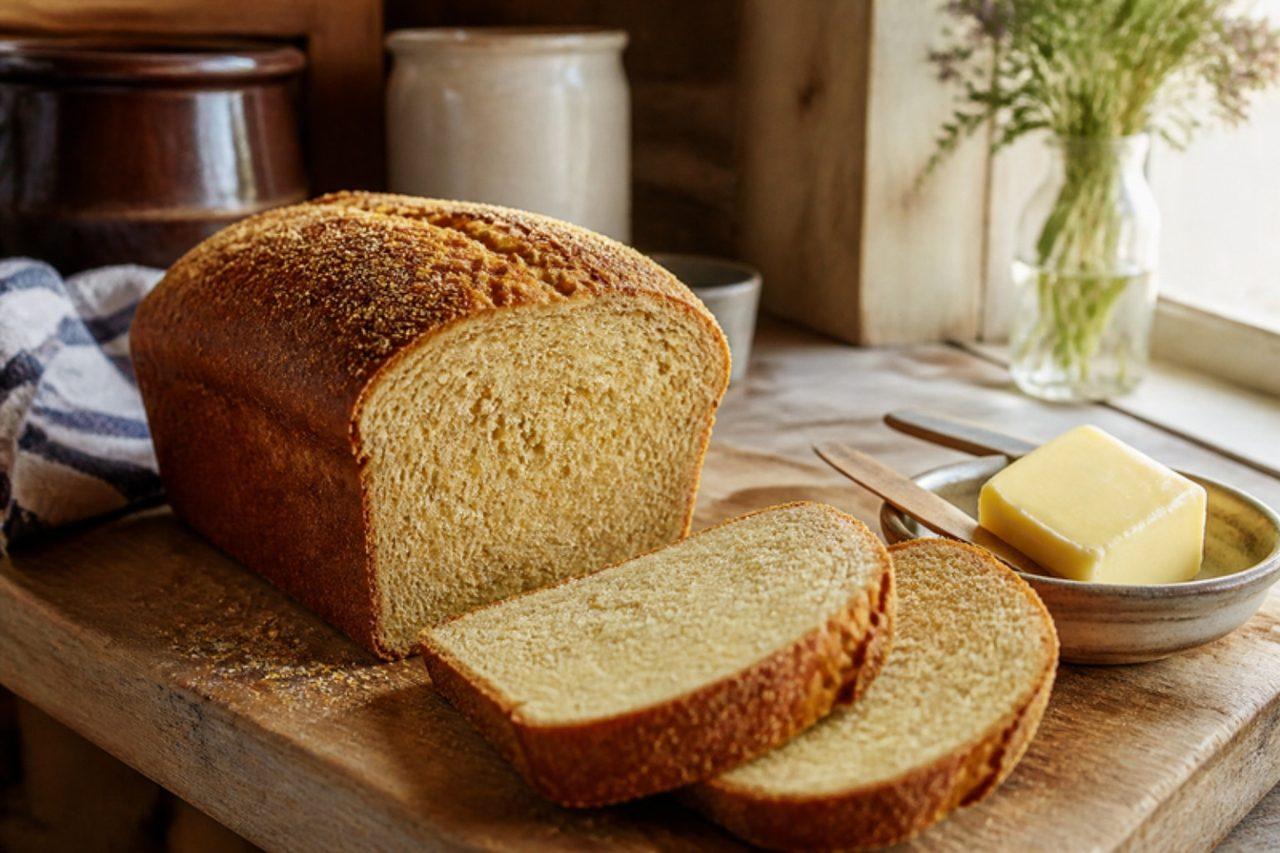
Anadama is a cornmeal and molasses sandwich loaf from the fishing towns of Rockport and Gloucester on Cape Ann, where it was sold from bakery vans for generations. The cornmeal is cooked into a mush first, which keeps the crumb soft and gives it a gentle sweetness and a golden colour. It makes excellent toast with butter and jam. Chef's tip: let the cornmeal mush cool to lukewarm before adding the yeast, or the heat will kill it.

by KrazyBadal 0 views

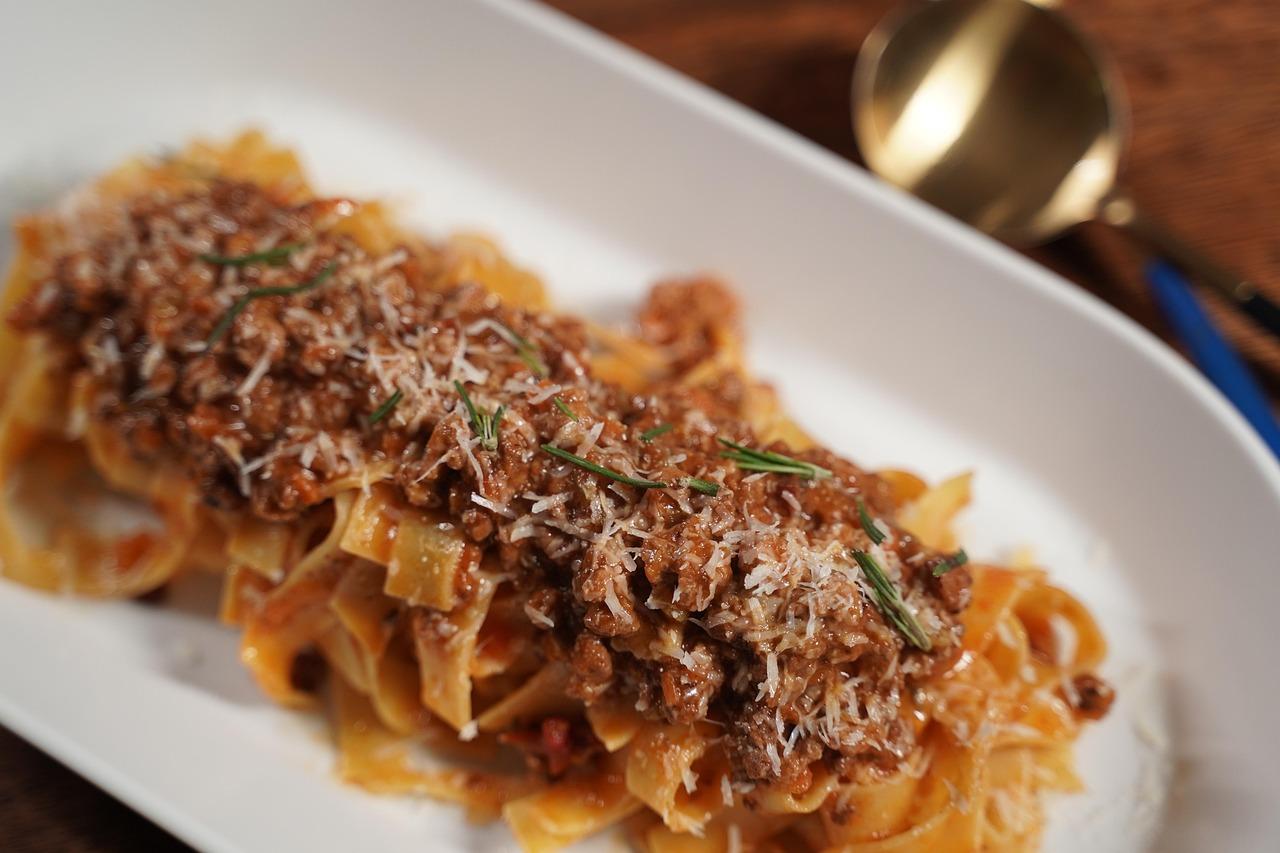
Pappardelle al ragù di cinghialePappardelle with wild boar ragù

Wild boar roam the Maremma, the wooded south-west corner of Tuscany, and in autumn, when the hunting season opens, every country trattoria serves pappardelle with a dark, gamey boar ragù. The meat is marinated overnight in red wine with juniper and herbs, then simmered slowly with tomato until it falls into shreds and coats the wide egg ribbons. Wild boar is hard to find outside game butchers, so pork shoulder is a good substitute, giving a milder but still rich ragù; either way the sauce also uses pancetta, making it a pork dish. It uses red wine, and the note gives an alcohol-free option. Chef's tip: shred the meat with two forks rather than mincing it; the uneven strands cling to the pappardelle far better.

by KrazyBadal 0 views

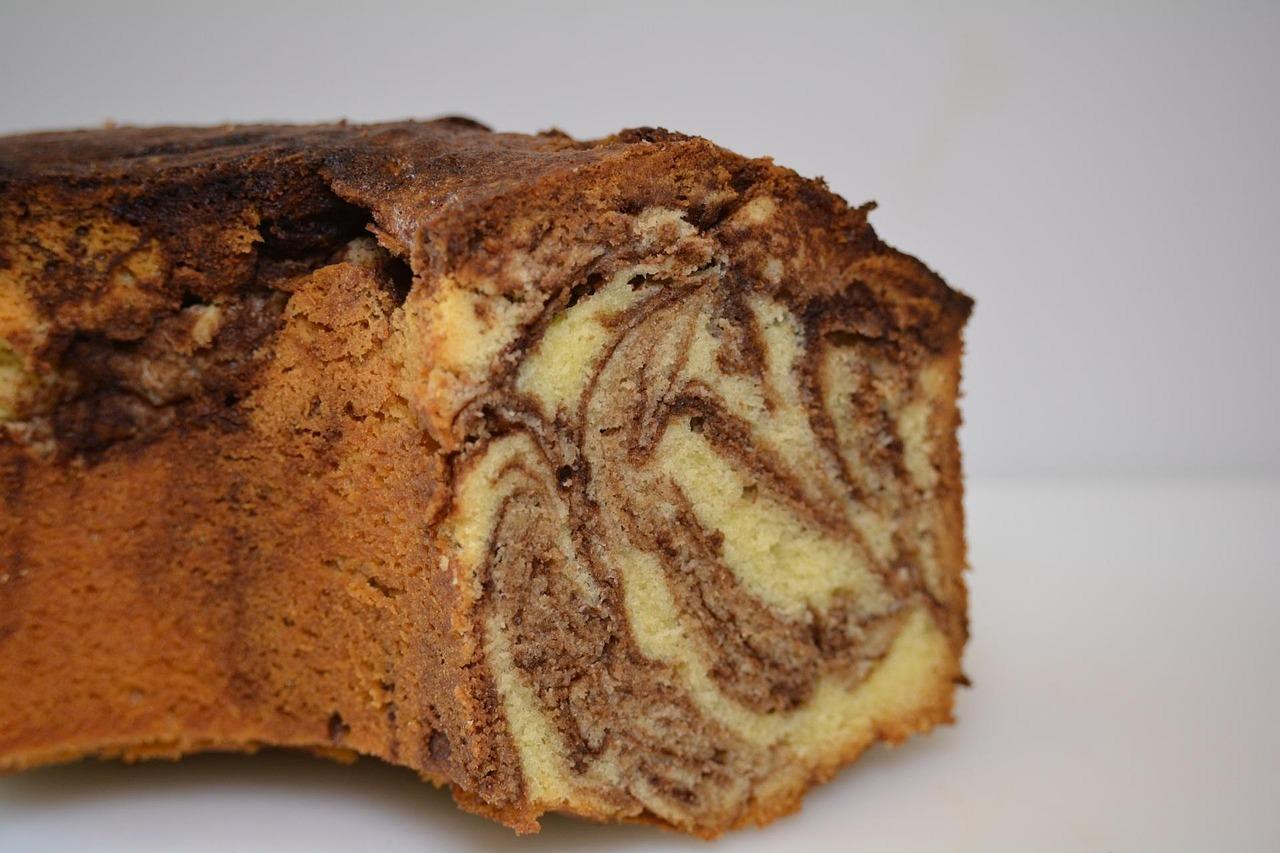
MarmorkuchenMarble cake

Marmorkuchen is the cake German children grow up with: a tall, buttery ring of vanilla sponge swirled with chocolate, baked for birthdays and kindergarten parties and kept under a glass dome for afternoon coffee all week. It needs nothing but a dusting of icing sugar, though many families pour over a thin chocolate glaze. A common mistake is over-stirring the two batters together, which turns the cake a muddy brown instead of showing clear marbling. Chef's tip: layer the batters in the tin, then pull a fork through just once in a spiral; less is more.

by KrazyBadal 0 views

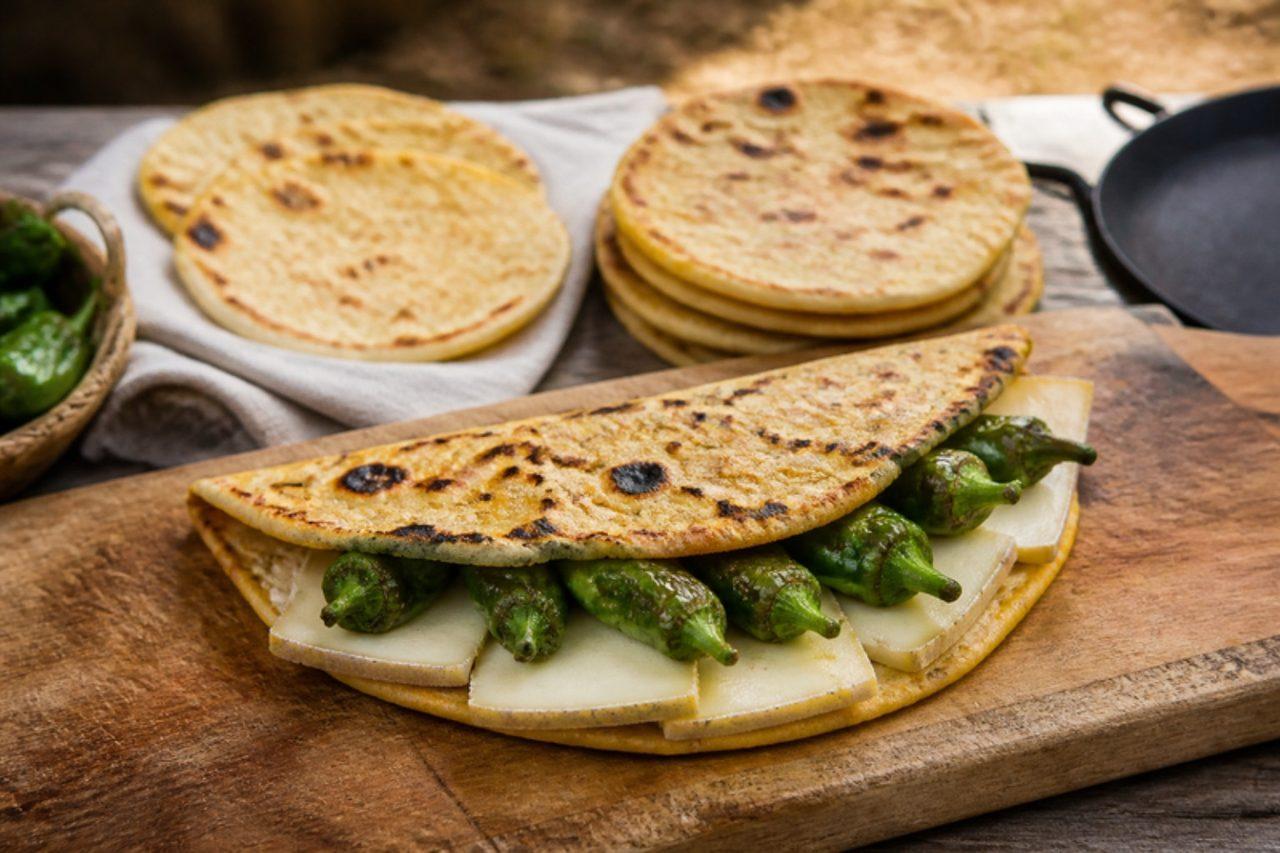
TaloGriddled corn flatbread

At Bilbao's and San Sebastián's Santo Tomás fair each 21 December, queues form at stalls where cooks pat out talos and slap them onto hot iron plates. The dough is nothing more than finely ground maize flour, warm water and salt, and the flatbreads were once the everyday bread of Basque farms. This vegetarian version is folded around melting cheese; Idiazabal, the classic choice, is made with animal rennet, so pick a vegetarian sheep's cheese if you need to. A common mistake is a dough that is too dry, which cracks at the edges when you press it out. Chef's tip: keep your hands wet while shaping, and the discs will come out smooth and round.

by KrazyBadal 0 views

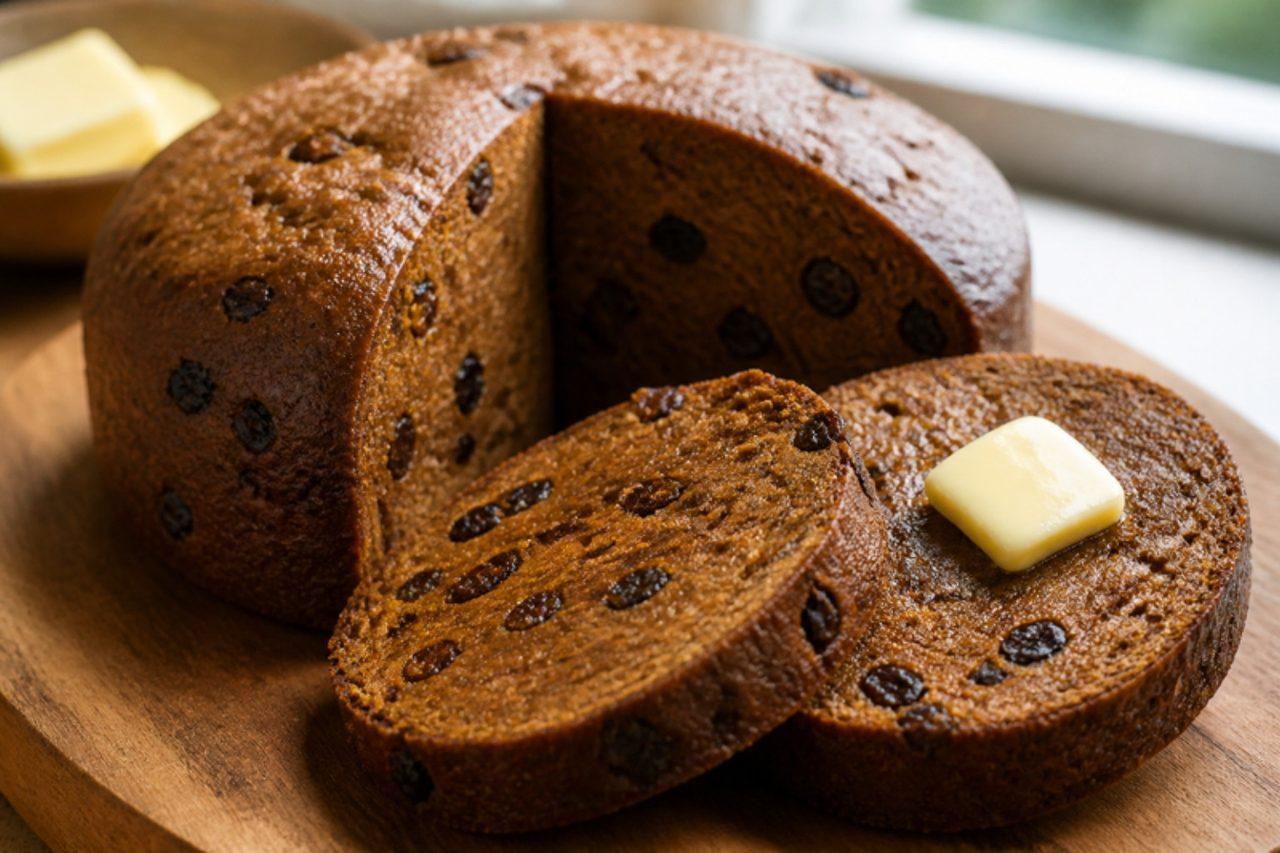
Boston brown bread

Boston brown bread is the dark, moist loaf New England families steam in a tin can and slice next to a pot of Saturday-night baked beans. It mixes rye flour, wholemeal and cornmeal with buttermilk and molasses, so it is sweet, slightly sour and almost cake-like, with no yeast and no oven. Eat it warm with butter or cream cheese. Chef's tip: steam it in clean food tins or a pudding basin covered tightly with buttered foil, because any steam that gets in makes the top soggy.

by KrazyBadal 0 views

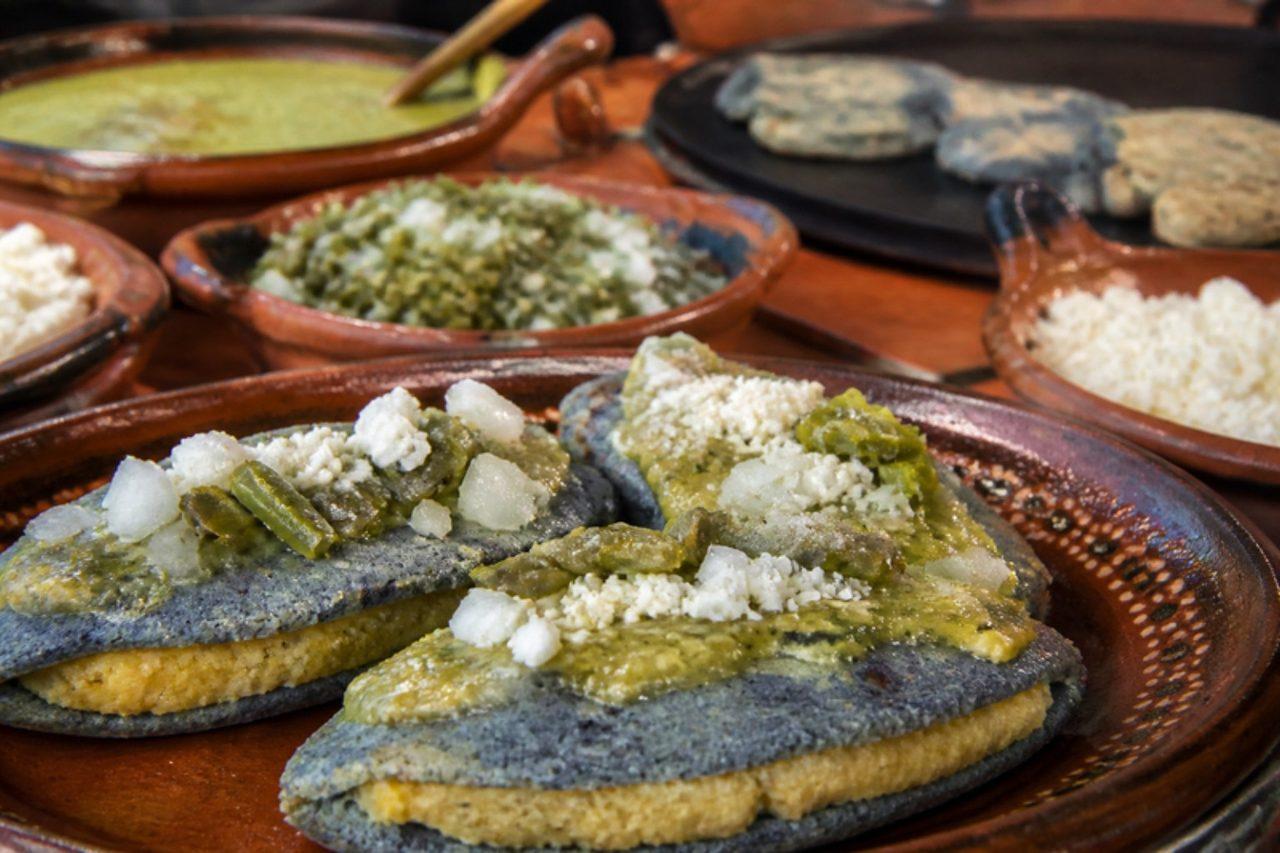
Tlacoyos de habaStuffed blue corn cakes

Walk out of almost any Metro station in Mexico City in the morning and you will find a woman on a low stool patting out tlacoyos on a clay comal: thick, oval cakes of blue or white corn masa with a seam of bean or fava purée hidden inside, topped with cactus, salsa and crumbly cheese. They are bought hot, eaten standing up, and are one of the oldest street foods in the valley, older than the city itself. This version is filled with garlicky fava purée (habas) and topped with a quick nopal salad and salsa verde. Leave off the cheese and it is vegan. Chef's tip: keep the purée stiff, like mashed potato; a loose filling bursts through the masa when you flatten it.

by KrazyBadal 0 views

TlatlapasBean, fava and pea soup

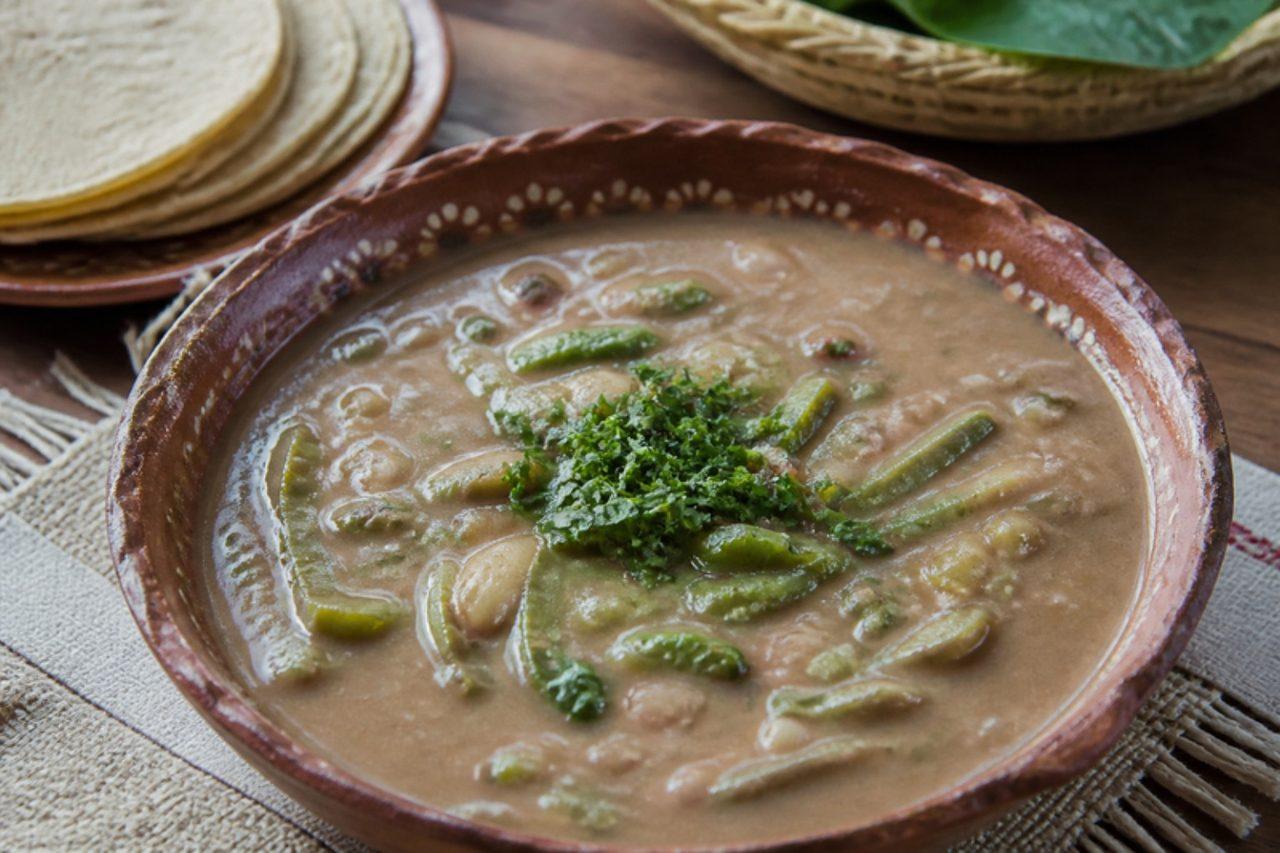
In the villages of Tlaxcala, tlatlapas is the Lenten and rainy-season soup: dried beans, fava and peas are toasted on a comal, ground to a coarse flour and simmered into a thick, earthy purée seasoned with dried chilli, epazote and strips of cactus. It is a peasant dish with pre-Hispanic roots, cheap, filling and full of protein, eaten with corn tortillas and a squeeze of lime. Using split beans keeps the cooking under an hour. Chef's tip: toast the pulses until golden and nutty, not dark; burnt ones turn the whole pot bitter.

by KrazyBadal 0 views

Chicago-style hot dog

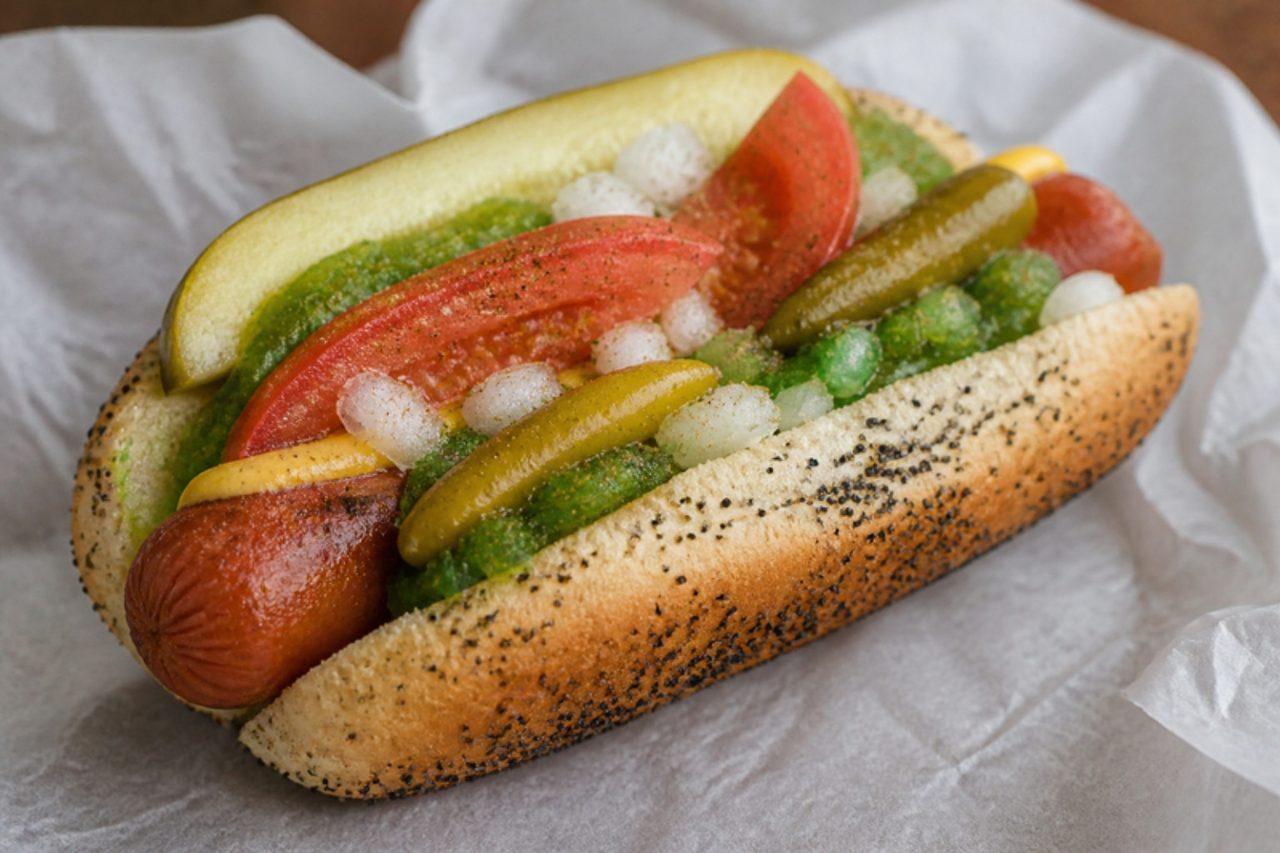
A Chicago dog is one of the city's proudest foods, sold from hot dog stands across the city and outside Wrigley Field: an all-beef frankfurter in a steamed poppy seed bun, 'dragged through the garden' with yellow mustard, bright green relish, onion, tomato, a pickle spear, pickled sport peppers and celery salt. Chicagoans have one firm rule: never ketchup. Chef's tip: steam the buns instead of toasting them, so they are soft and warm and hold everything together.

by KrazyBadal 0 views

Tamales de chipilínChipilín leaf tamales

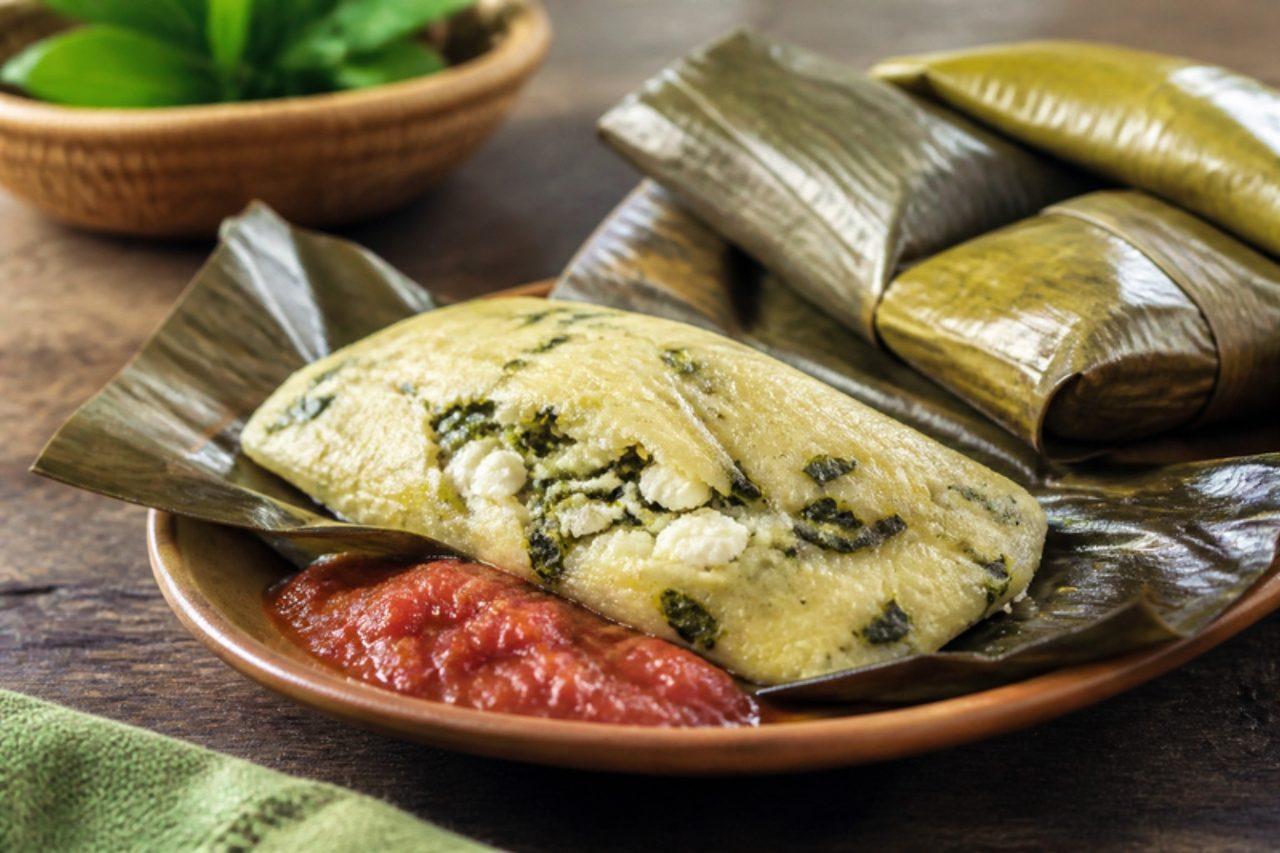
Chipilín is a small-leaved wild legume that grows along the fields of Chiapas and Tabasco, and its grassy, faintly bitter leaves turn up in soups, rice and, most of all, these tamales. In Tuxtla Gutiérrez and San Cristóbal they are sold from steaming pots in the early evening and taken home for supper with hot chocolate or atole: soft, pale green-speckled masa wrapped around a cube of fresh cheese, often with a spoon of tomato salsa. Cooks there beat the masa with lard; vegetable shortening gives the same light texture. Frozen chipilín is sold at Central American grocers; spinach with a few watercress leaves is a fair stand-in. Chef's tip: strip the leaves from the stems by pinching and pulling down; stems make the masa stringy.

by KrazyBadal 0 views

Tamales norteñosBeef corn tamales

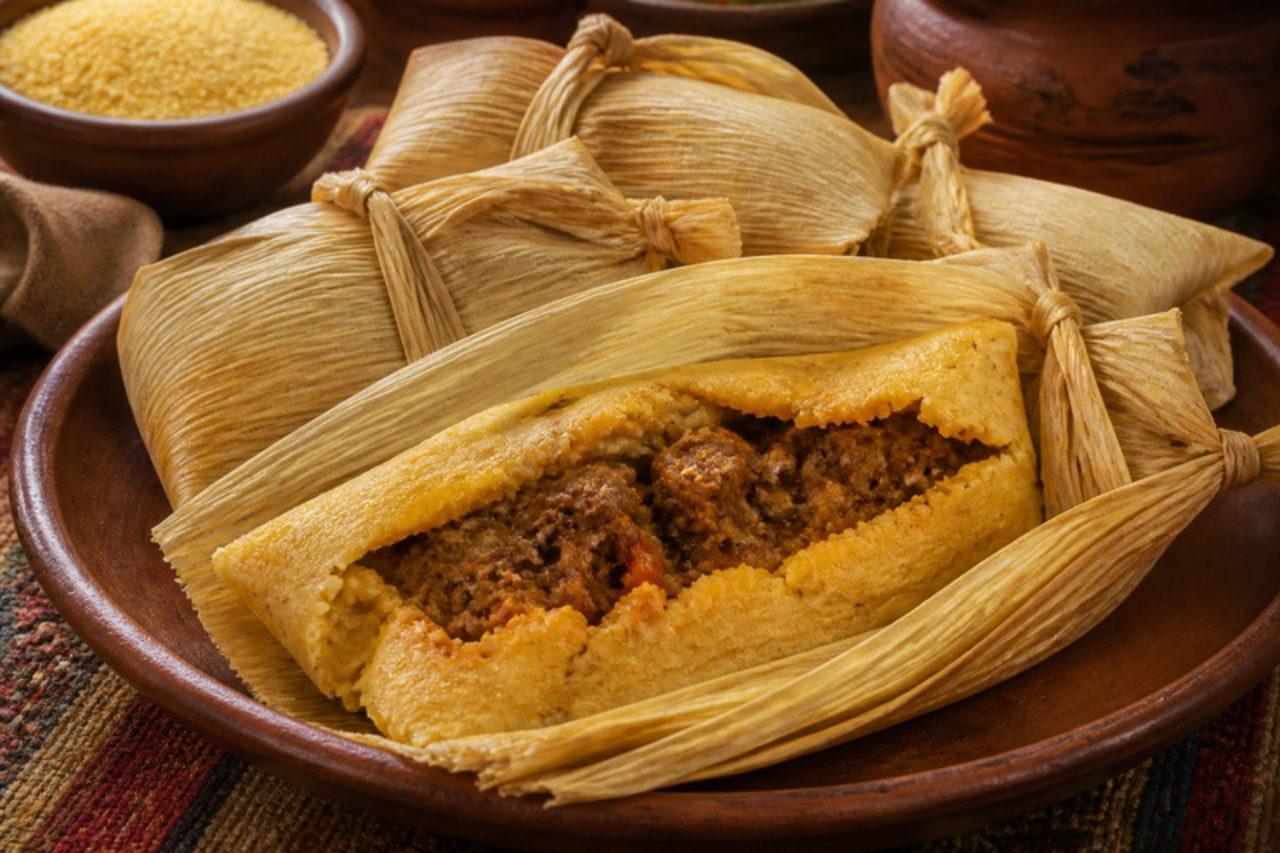
Families in Salta and Jujuy make tamales by the hundred, usually for the national holidays or for the winter fiestas in the Quebrada, with everyone at the table spreading dough onto husks, spooning in filling and tying parcels. The northern Argentine tamal is different from the Mexican one: the dough is made from finely ground white or yellow maize cooked with squash and beef fat, and the filling is a red, peppery mix of beef (traditionally from the head or charqui, dried beef) with onion, ají molido and cumin. Each parcel is folded and tied with a strip of husk into a little bundle, then boiled. Expect a long, hard afternoon, but they freeze well. Look for dried corn husks and fine maize flour in Latin American shops; masa harina also works. The filling must reach 71 °C, as for any mince, before it goes into the husks. Dough that is too dry is the usual mistake and cracks as it cooks; it should feel like soft polenta. Chef's tip: soak the husks in hot water for 30 minutes so they fold without splitting.

by KrazyBadal 0 views

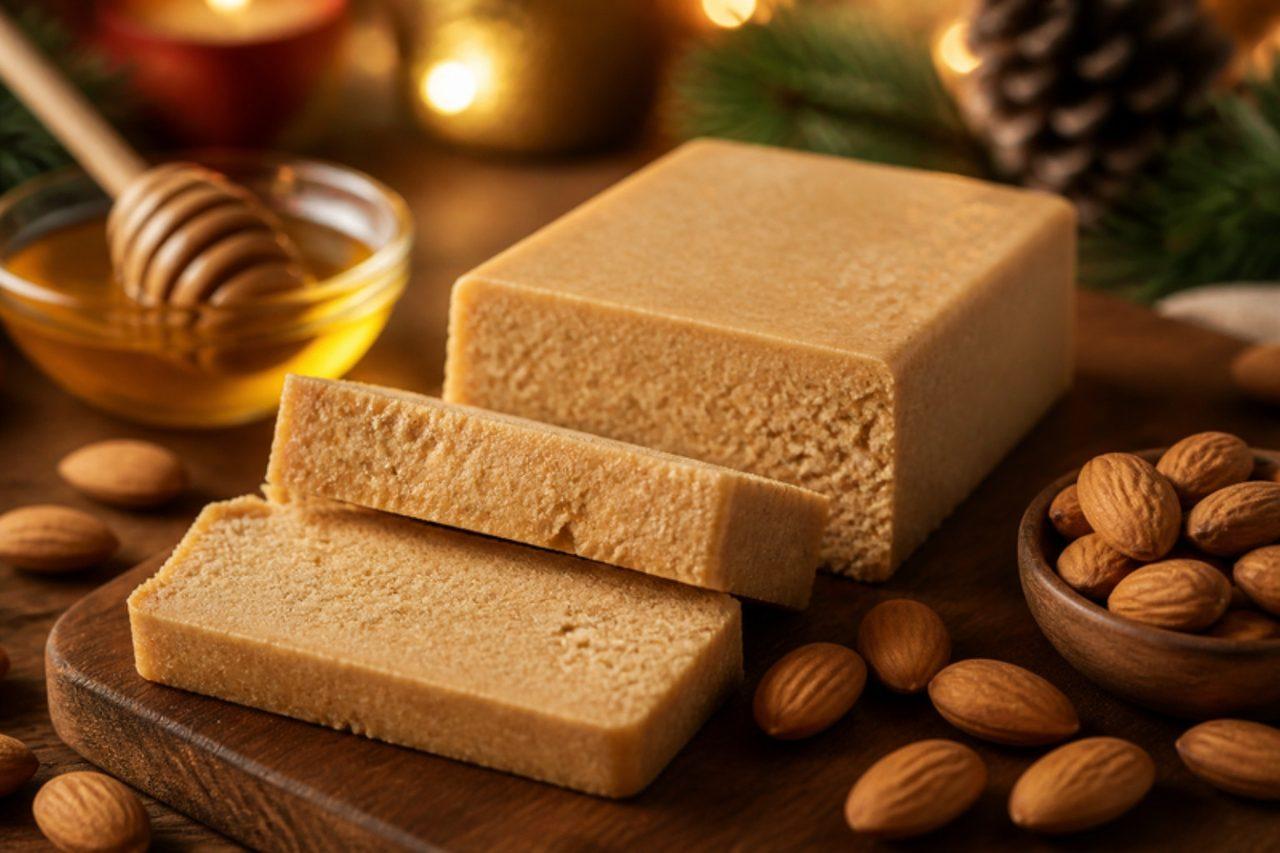
Turrón de JijonaSoft almond and honey nougat

The hill town of Jijona (Xixona) in Alicante has been grinding almonds and honey into turrón for centuries, and its soft, beige, slightly oily bars are on almost every Spanish table between Christmas Eve and Twelfth Night. Unlike hard Alicante turrón, Jijona turrón is a smooth almond paste that crumbles and melts in the mouth, deeply nutty with a floral sweetness from the honey. A common mistake is under-toasting the almonds; pale almonds give a bland, grey paste, so take them to a light, even gold. This version uses honey and egg white, so it is vegetarian but not vegan. Chef's tip: press the warm paste into its mould under a weight and leave it a full two days before slicing; it firms up and the oil settles evenly through it.

by KrazyBadal 0 views

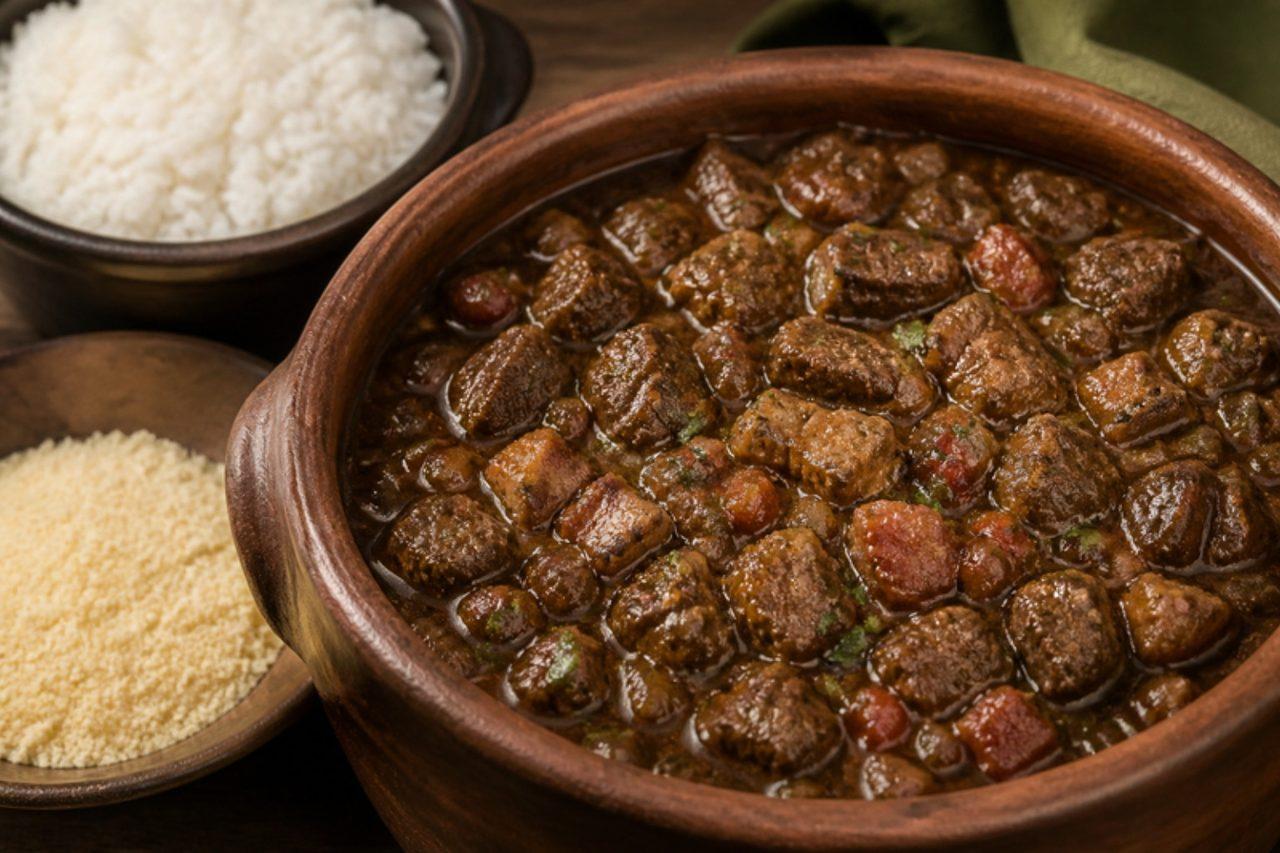
SarapatelSpiced pork offal stew

A pork dish with Portuguese roots, sarapatel is cooked in Recife and the Pernambuco interior for big gatherings and Saturday lunches, and bars in Olinda serve it by the bowl with rice, farinha and lime. Pork liver, heart and kidneys are cleaned, diced small and simmered with onion, tomato, cumin, bay and vinegar, then the stew is thickened with cooked pork blood until it turns dark, glossy and intensely savoury, sharp from the vinegar and fragrant with mint and coriander. Buy the offal and the blood from a butcher you trust, very fresh and kept cold; blood should be used the day you buy it or frozen at once. The classic error is skipping the cleaning and parboiling, which leaves the stew with a strong, livery taste. All offal must be cooked through. Chef's tip: dice everything into neat 1 cm pieces; the small size is what lets the sauce coat every bite.

by KrazyBadal 0 views

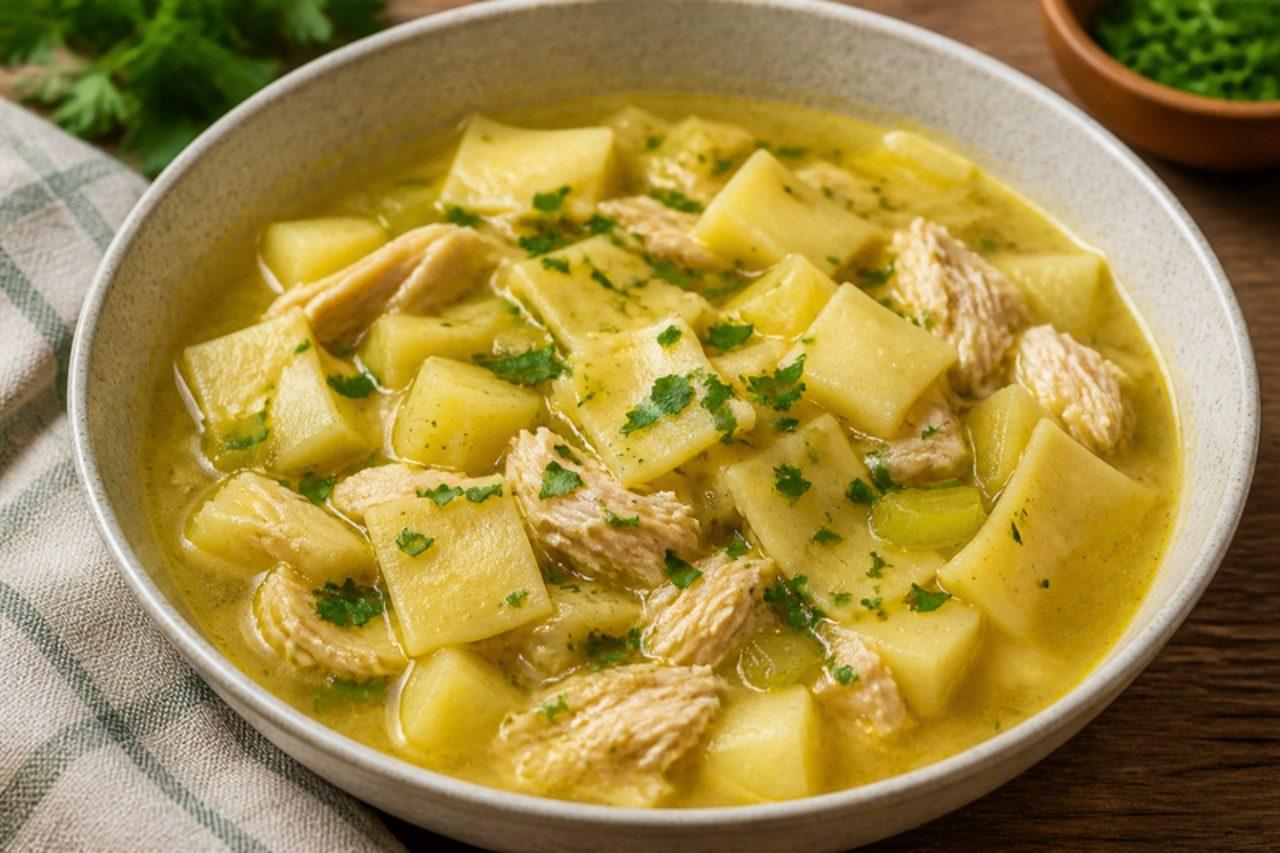
Pennsylvania Dutch chicken pot pie

In Lancaster County a pot pie is not a pie at all: bott boi is a thick chicken stew with potatoes, celery and saffron in which big squares of rolled egg dough are boiled like noodles, served at firehouse suppers and Amish and Mennonite family dinners. It is soft, comforting and golden. Chef's tip: drop the dough squares in one at a time into a rolling boil so they don't stick together in a lump.

by KrazyBadal 0 views

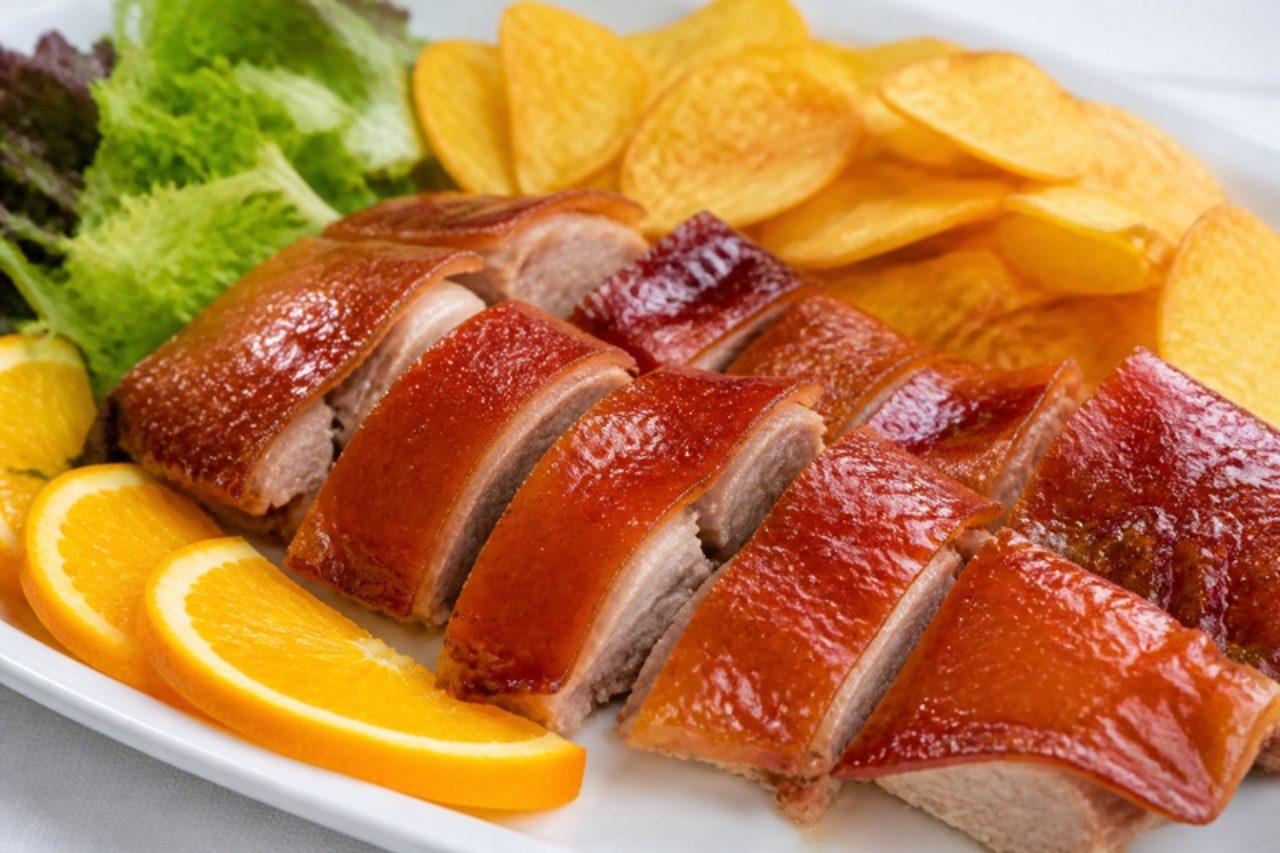
Leitão à BairradaRoast suckling pig

Along the old Lisbon–Porto road through the Bairrada, around Mealhada, restaurant after restaurant roasts suckling pigs whole in wood ovens, and people drive for hours for a Sunday lunch of it. This contains pork (suckling pig and lard). The inside is rubbed with a fierce paste of lard, garlic, black pepper and bay, while the skin roasts to a glassy, crackling sheet. It is served cold or warm with sliced oranges, crisp potato chips and a green salad. A half or quarter pig from a specialist butcher fits a home oven. Chef's tip: keep the skin completely dry and paste only the inside, as any fat or water on the skin stops it crackling.

by KrazyBadal 0 views

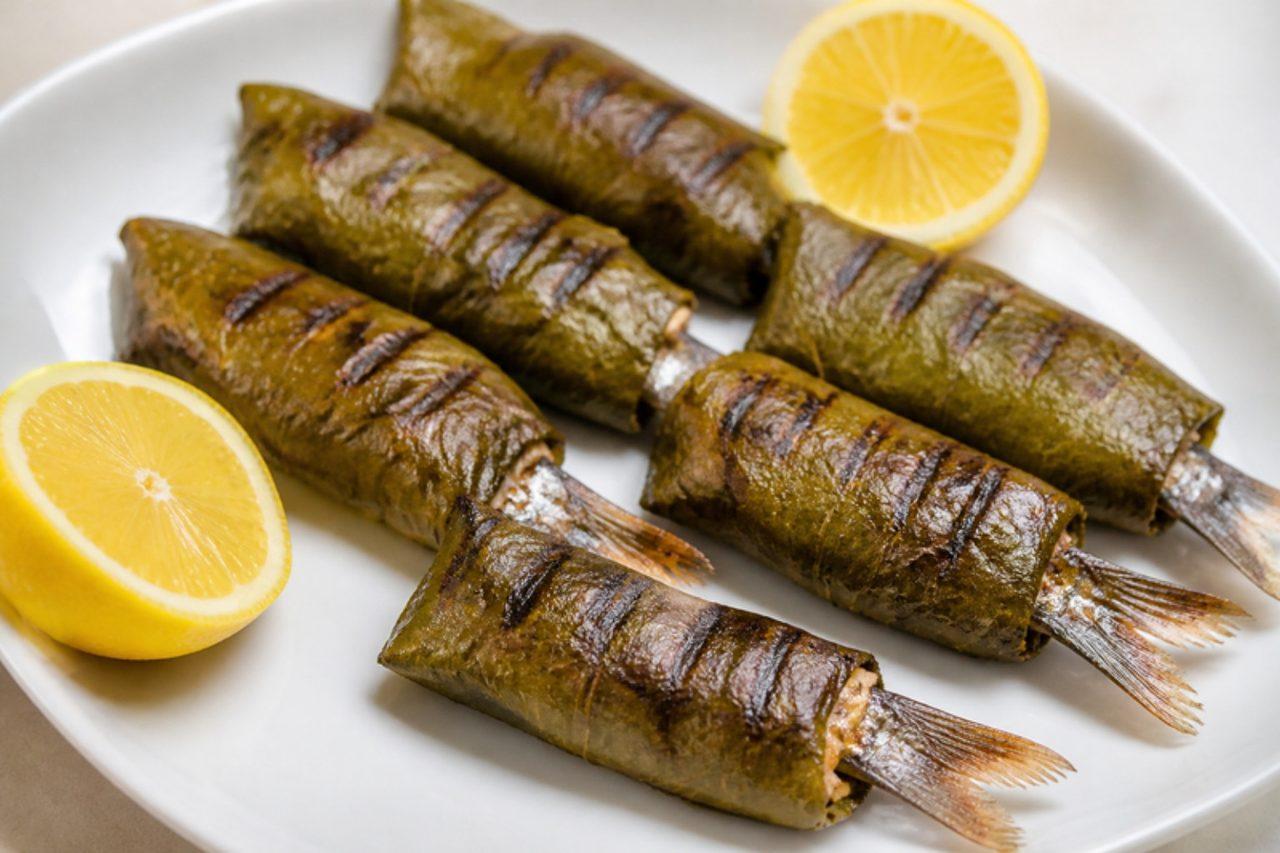
Sardalya sarmaSardines grilled in vine leaves

In Ayvalık and on Cunda island, early autumn sardines are wrapped in salted vine leaves and grilled over charcoal, a trick that keeps the oily little fish moist and lets the leaves char and crackle. You peel back the leaf, or eat it too, and finish each with lemon and a drop of olive oil. Serve with a tomato and onion salad and bread. Chef's tip: rinse brined vine leaves well; they already carry salt, so the sardines need only a pinch.

by KrazyBadal 0 views

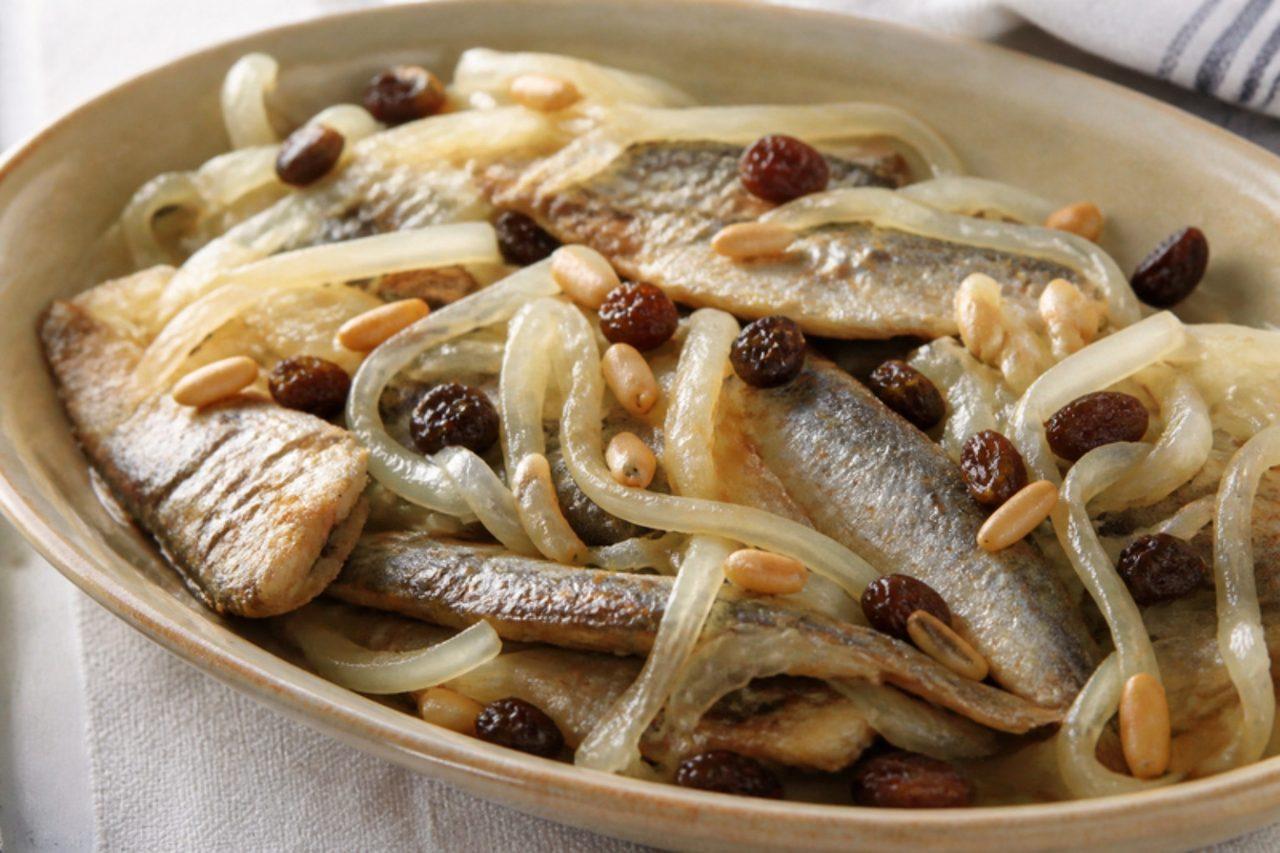
Sarde in saorSweet-sour marinated sardines

Sarde in saor began as food for Venetian sailors, since the vinegar kept the fish for days, and it is still the dish of the Festa del Redentore in July, when families eat it on boats under the fireworks. Floured, fried sardines are layered with onions stewed slowly in oil and vinegar, plump raisins and toasted pine nuts, then left to marinate in the fridge for a day so the flavours soften and mingle. The result is sweet, sharp and rich all at once. Serve it cool as a starter or in the cicchetti bars' way, on slices of grilled polenta. Chef's tip: make it at least a day ahead; eaten the same day the vinegar is harsh, but after 24 hours it mellows beautifully.

by KrazyBadal 0 views

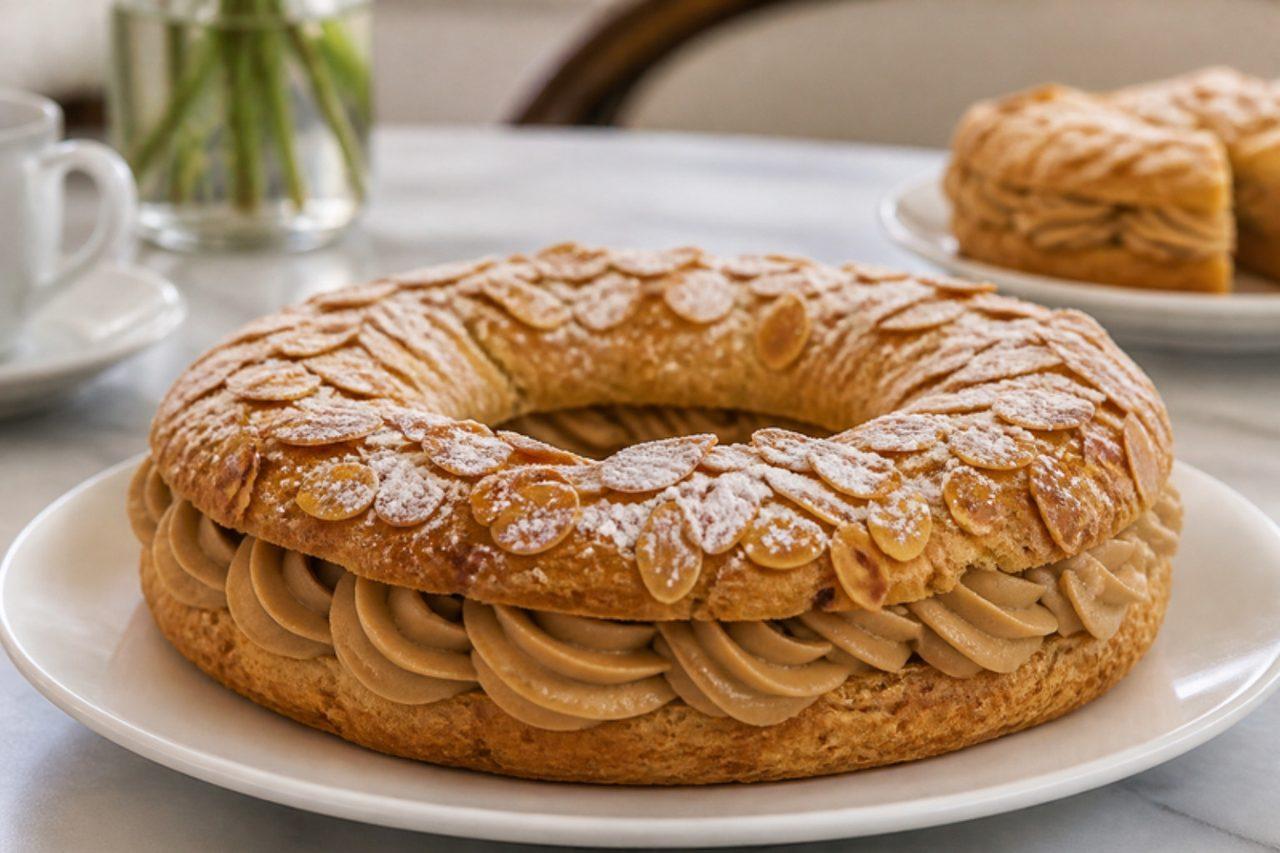
Paris-BrestChoux ring with praline cream

A Maisons-Laffitte pâtissier created this ring of choux pastry in 1910 to honour the Paris–Brest–Paris bicycle race, shaping it like a wheel, and it has been a fixture of Paris pâtisseries ever since. The ring is baked crisp, scattered with flaked almonds, split and piped full of a rich hazelnut-praline buttercream, then dusted with icing sugar. It is a celebration cake for birthdays and Sunday lunches, best eaten the day it is filled. Smooth hazelnut praline paste is sold in baking shops; or blend toasted hazelnuts with caramel. Chef's tip: let the baked ring dry in the switched-off oven with the door ajar; a dry shell stays crisp under the cream instead of going soft.

120 minFrenchBaking
by KrazyBadal 0 views

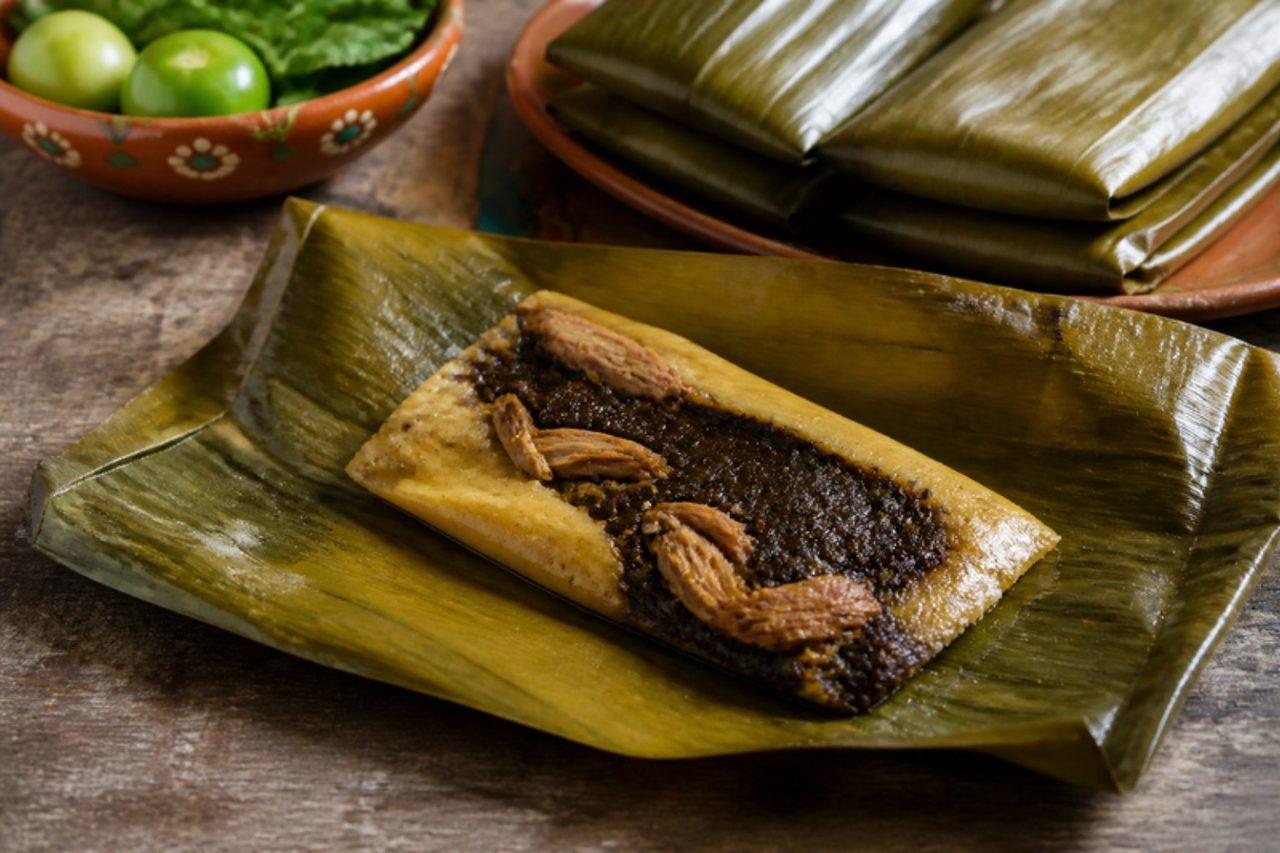
Tamales oaxaqueñosTamales with black mole and chicken

In Oaxaca, tamales are wrapped in banana leaves rather than corn husks, which makes them flat, square and very moist, with a faint grassy scent from the leaf. These are the classic version filled with mole negro and shredded chicken, sold from steaming pots at morning markets and made by the dozen for Christmas, Candlemas on 2 February and the Day of the Dead. The masa is beaten with pork lard, which gives the traditional light, rich texture; vegetable shortening works if you avoid pork. Use leftover mole negro, or a simplified mole made from good ready-made paste thinned with broth. Eat them with hot chocolate or atole. Chef's tip: keep a coin in the bottom of the steamer; when it stops rattling, the water has run low and needs topping up.

by KrazyBadal 0 views

Showing 72 of 8,120 recipes

Show more recipes

Page 532 of 903