


Skip to content
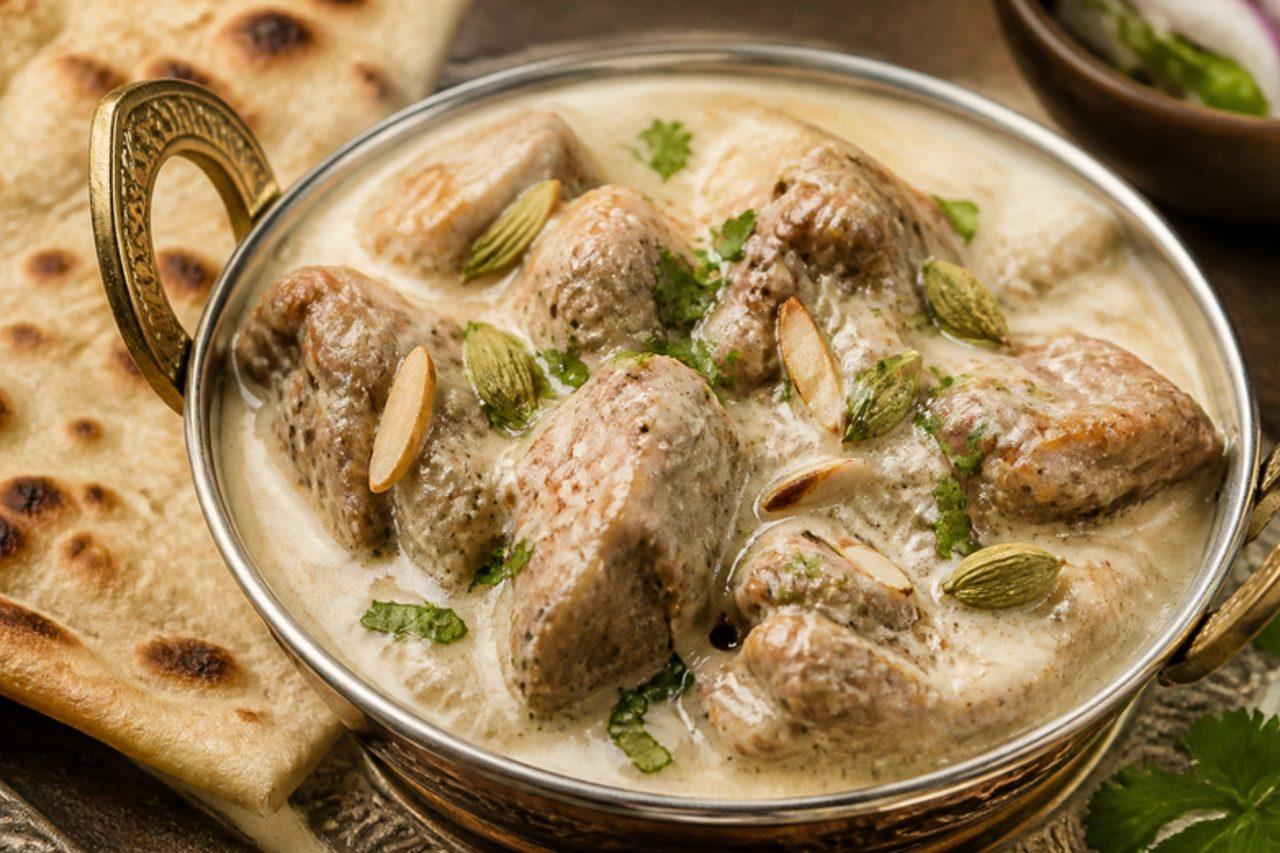
Safed maas
Featured recipe

Safed maas

Mutton in white gravy

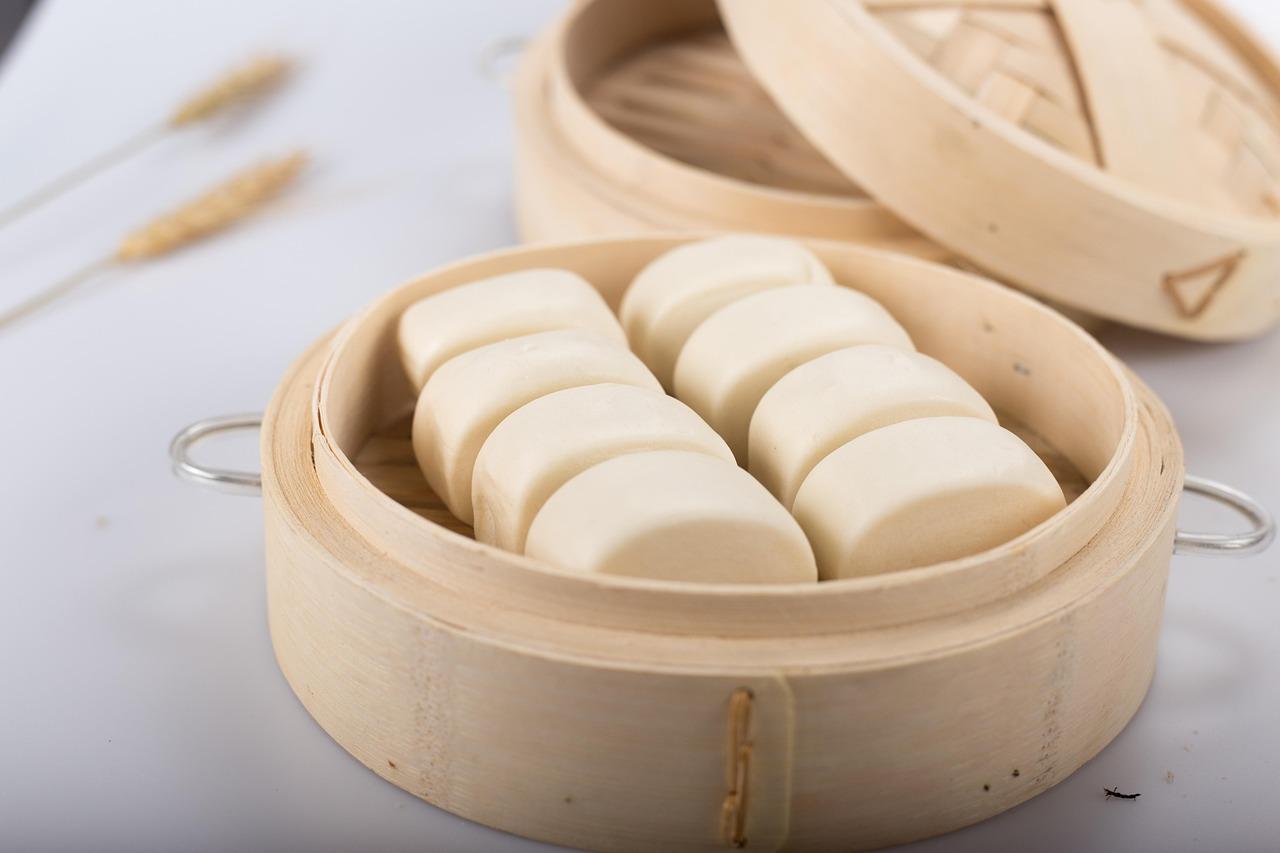
Safed maas is the quiet sibling of fiery laal maas, created in the palace kitchens of Rajasthan's princely states such as Jaipur and Udaipur, where cooks prized dishes that looked as refined as they tasted. There is no turmeric, no red chilli and no browning: the mutton is cooked white with yogurt, a paste of cashews and almonds, cream and white pepper, scented with cardamom and kewra. Its heat is gentle and comes from white pepper and a few green chillies. It's served at weddings and festive dinners with soft rotis or saffron pulao. Chef's tip: keep the heat low from start to finish; the moment the meat or the spices brown, the gravy turns beige and loses that ivory look.

Read more 0 views

What to eat today?

Around the world

Today's trip: Persian

A new country every day, from every cuisine on the site.

This week's collection

Kid-friendly dinners
612 recipes · a new collection every Monday

Coming up

All occasions →

Latest recipes

Bolo de milho verdeSweetcorn cake

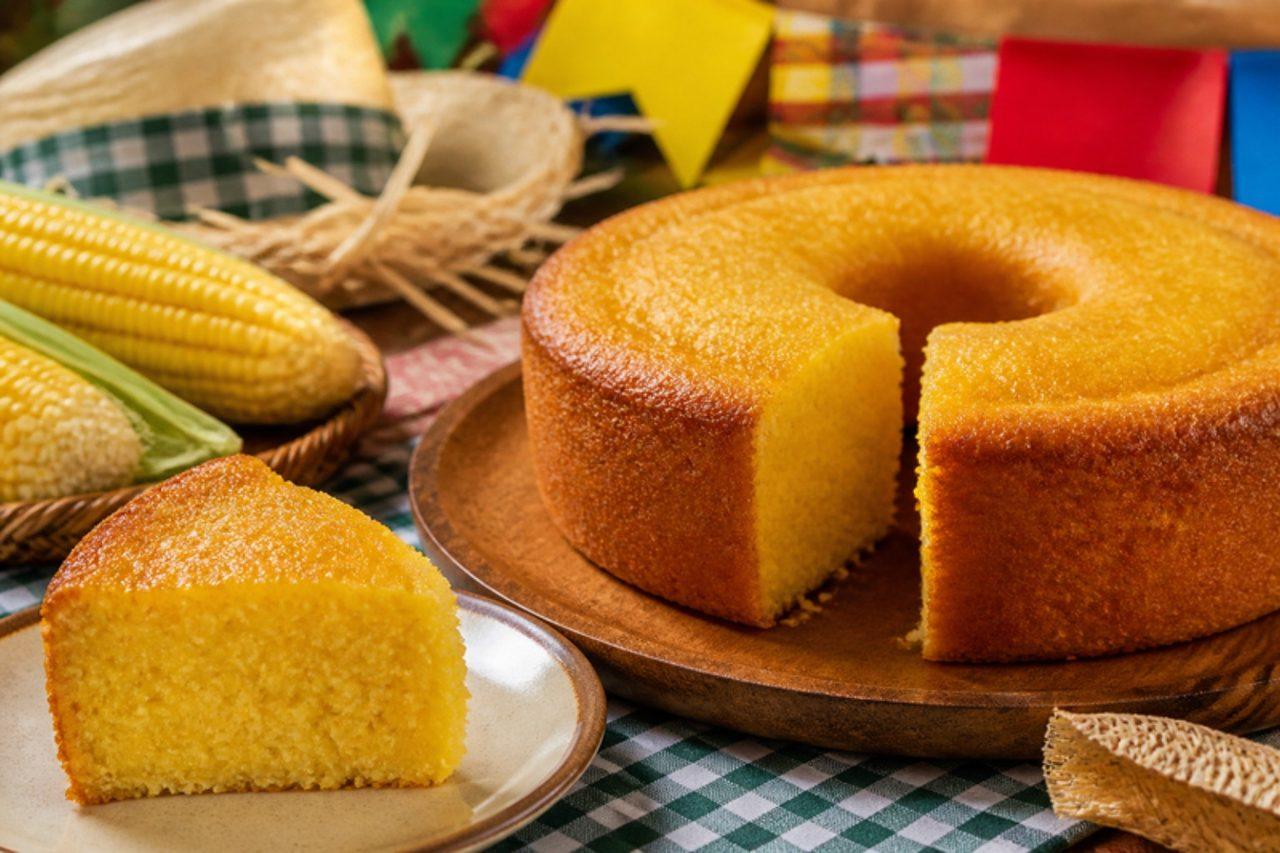
Almost every Brazilian padaria keeps a tray of bolo de milho verde by the till, and in June it multiplies across festa junina stalls, sliced into squares and wrapped in napkins. Everything goes into a blender: sweetcorn kernels, eggs, milk, oil, sugar and a little fine cornmeal, so the cake comes out yellow, dense and moist, almost custardy in the middle, with real corn flavour. It is made without wheat flour, which keeps it gluten free as long as your baking powder is. Eat it with afternoon coffee or warm from the tin. Opening the oven early is where it usually goes wrong; this batter is heavy and sinks if the door opens before 35 minutes. Chef's tip: leave the cake in the tin for 20 minutes after baking; it finishes setting as it cools and comes out in clean slices.

by KrazyBadal 0 views

Gâteau bretonSalted butter cake

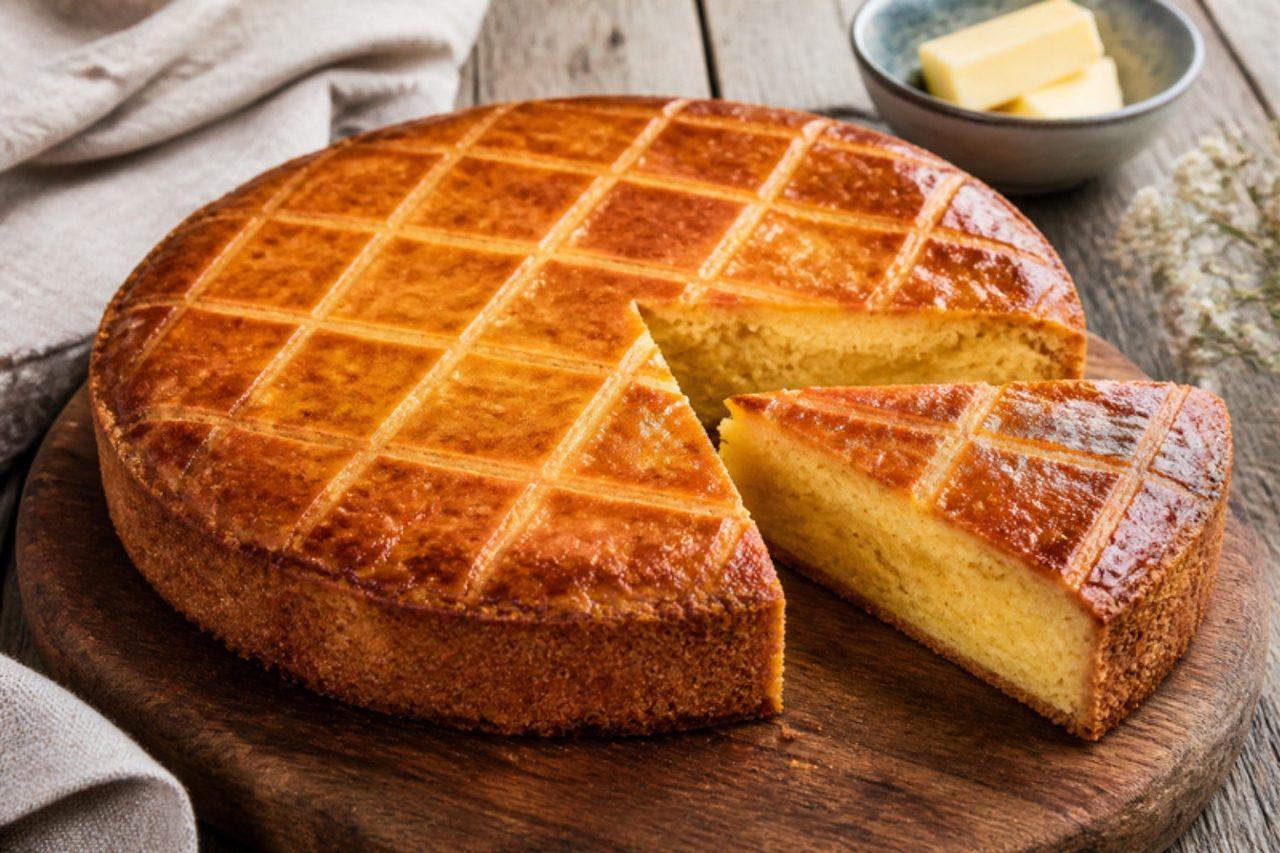
Somewhere between a shortbread and a cake, gâteau breton is the big round that Breton bakeries cut into wedges for the road, and families buy one for the weekend or a picnic at the coast near Concarneau or Lorient. It is made from almost as much salted butter as flour, with lots of egg yolks, and baked thick so the edges are crisp and the middle is dense, moist and fudgy. The top is glazed and marked with a criss-cross pattern using a fork. Plain is traditional; some bakers add a layer of prune purée in the middle. Chef's tip: chill the dough in the tin before baking; it holds its pattern and bakes up with a sharp, shiny crust.

by KrazyBadal 0 views

Bolo de roloGuava paste roll cake

Cut a slice of bolo de rolo and you see a tight spiral of a dozen hair-thin layers, alternating pale butter sponge and dark red guava. It is Pernambuco's proudest cake, protected as a cultural heritage of the state, sold in Recife's bakeries and airport shops in long boxes and served at birthdays and with coffee in the afternoon. The batter is rich with butter and eggs, spread so thinly it bakes in minutes; each sheet is brushed with melted guava paste and rolled around the last. It takes patience rather than skill. The classic slip is spreading the batter too thick, which gives a fat swiss roll instead of fine stripes; you should almost see the paper through it. Chef's tip: roll each layer while it is still hot from the oven, on a clean cloth dusted with sugar, because the thin sponge cracks as soon as it cools.

by KrazyBadal 0 views

Bolo do cacoSweet potato flatbread with garlic butter

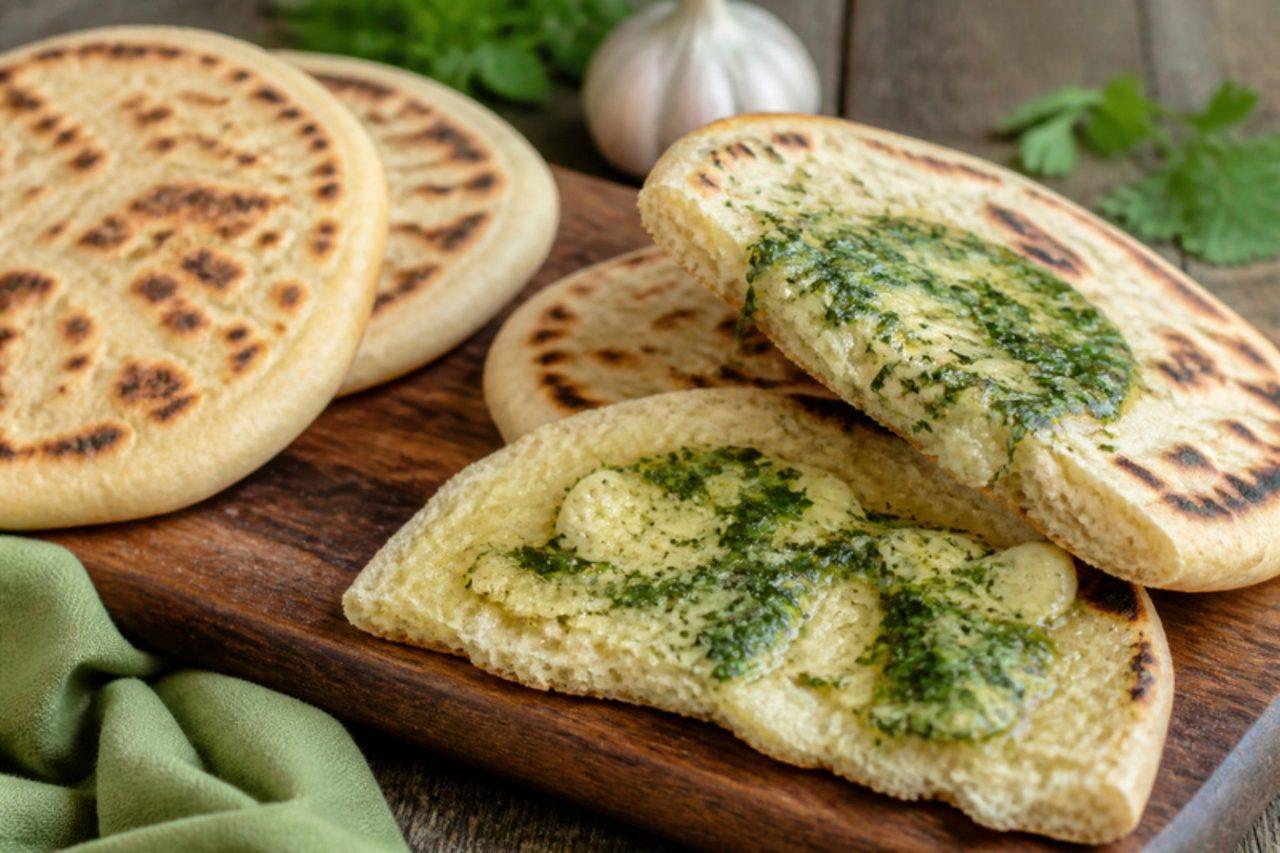
Every street stall at the Funchal flower festival and every village arraial on Madeira has a hot stone griddle going, turning out these flat, chewy rounds of bread made with sweet potato. They are split while hot, spread with garlic and parsley butter and eaten on their own, or stuffed with a skewer's worth of espetada. The name comes from the caco, the basalt slab they were first baked on, but a heavy frying pan does the job at home. Chef's tip: cook them low and slow; a hot pan burns the crust before the thick middle is done.

by KrazyBadal 0 views

Mazapán de ToledoAlmond marzipan figures

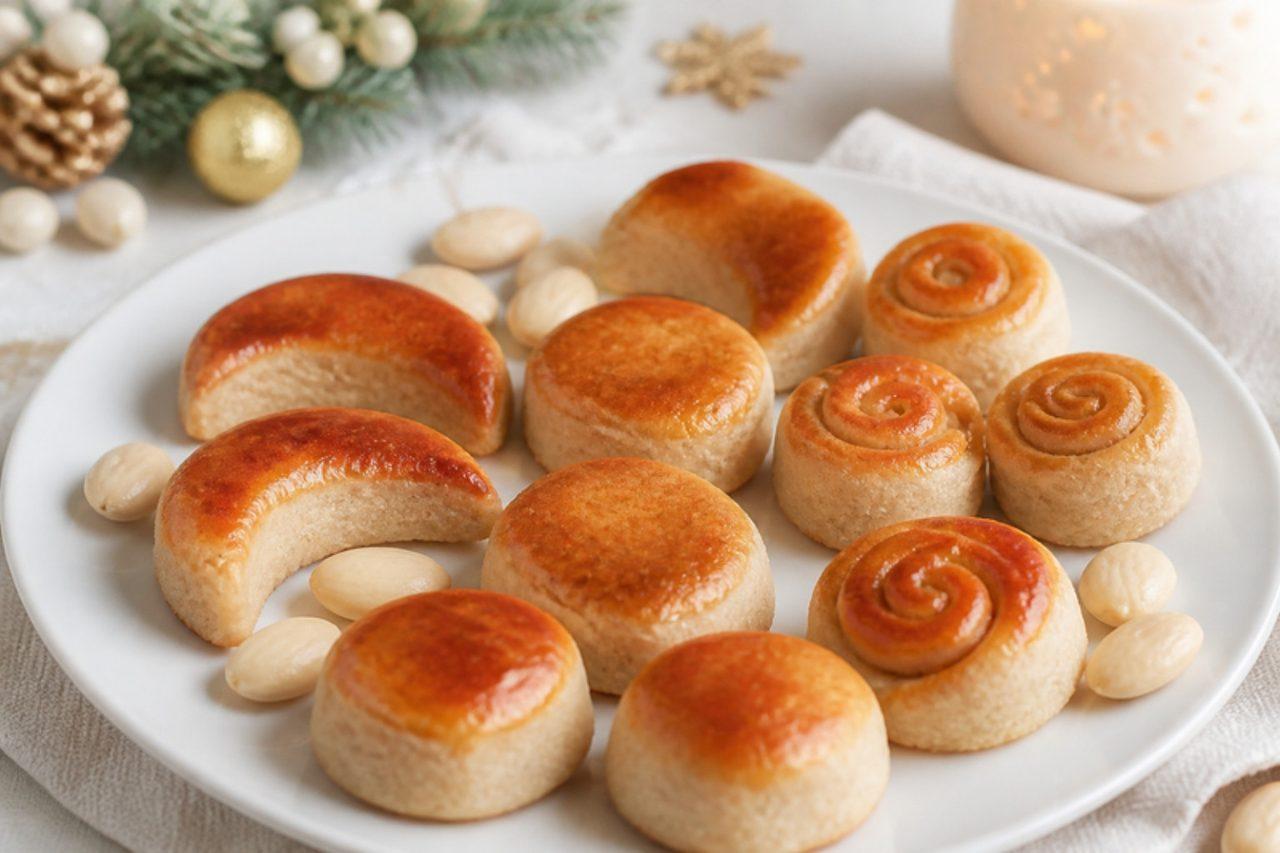
Toledo's convents have shaped marzipan for centuries, and in December the city's pastry shops fill their windows with coiled eels, half-moons and little figures, glazed golden and sold by weight for Christmas. Toledo's version is firm and almond-rich, with less sugar than many, and the best is made with Marcona almonds. Chef's tip: let the shaped pieces dry, uncovered, overnight before glazing; they hold their shape and the glaze sets glossy instead of soaking in.

by KrazyBadal 0 views

Bolo formigueiroVanilla sponge with chocolate sprinkles

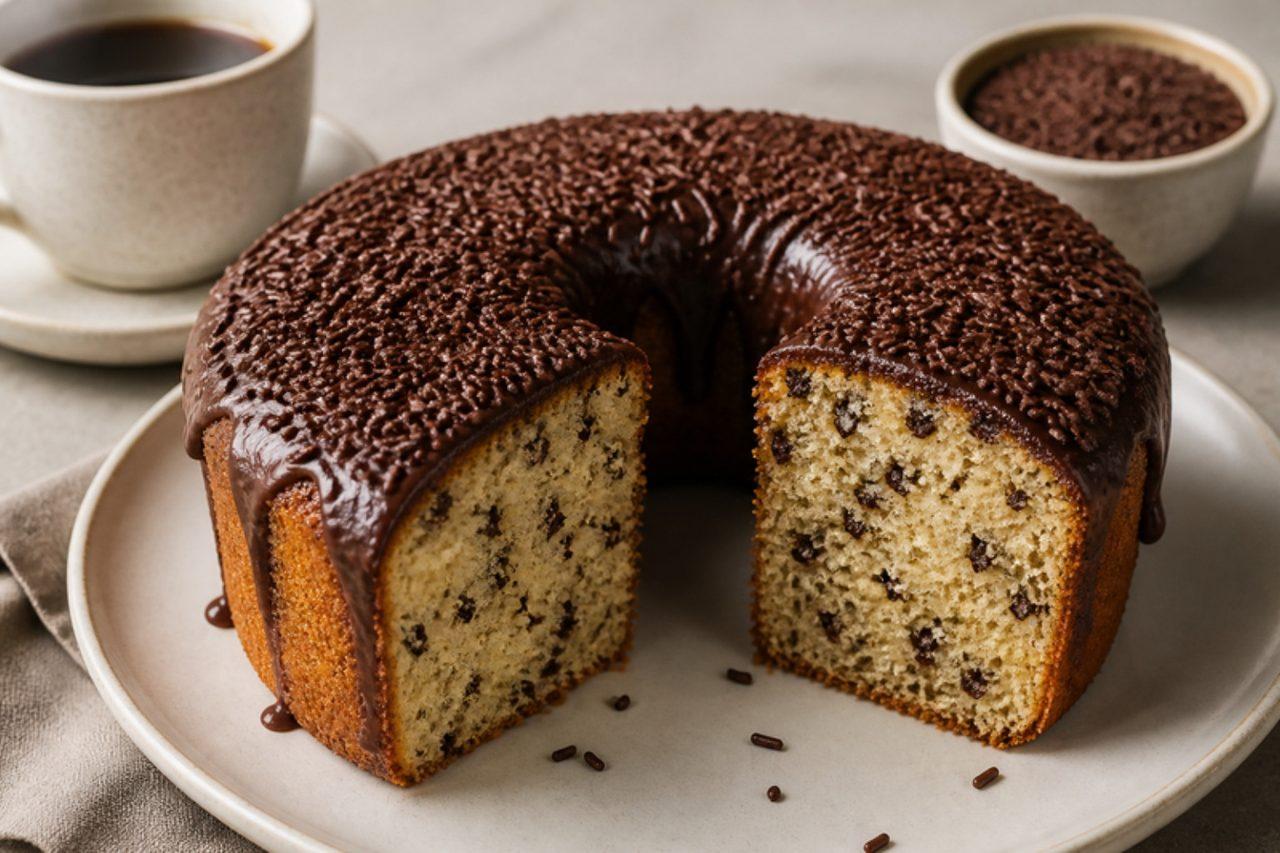
Slice into a bolo formigueiro and the crumb is dotted with dark specks, like ants on a sandy anthill, which is where the name comes from. This is the cake a Brazilian kid would want at merenda time: a soft, buttery vanilla sponge with chocolate sprinkles (granulado) folded through, often finished with a simple chocolate glaze and more sprinkles on top. Padarias and lanchonetes from São Paulo to Belo Horizonte sell it by the slice with a coffee. The cake contains wheat flour, eggs and milk. People often stir the sprinkles into the batter at the start, so they melt and turn the cake muddy grey. Chef's tip: fold the sprinkles in last, with a light hand, and use the chocolate kind (not candy-coloured), which hold their shape in the oven.

by KrazyBadal 0 views

Fried shrimp po'boy

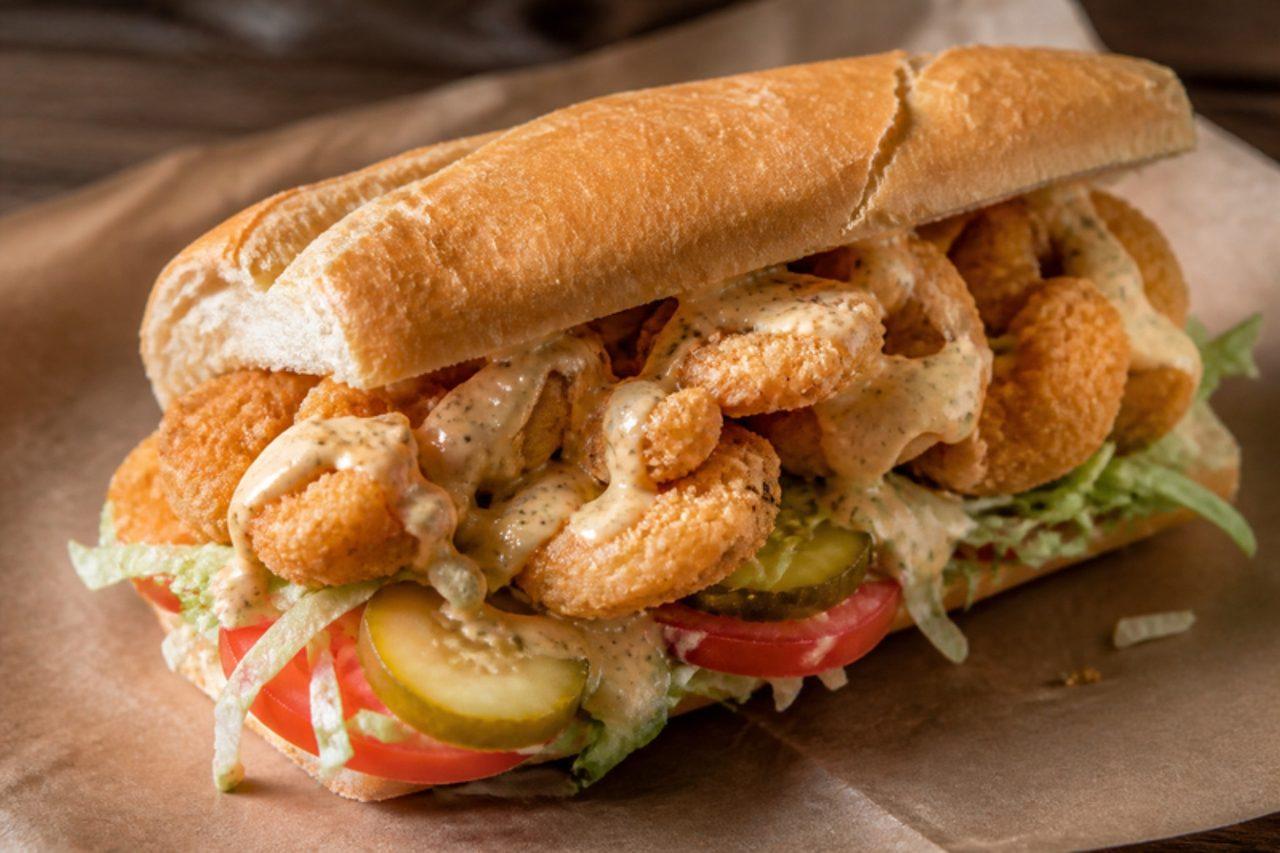
The po'boy was born in 1929 when two former streetcar drivers fed striking workers free sandwiches at their New Orleans restaurant, and today every neighbourhood joint from Mid-City to the Bywater fries them. The bread is a light, flaky-crusted French loaf, and a shrimp po'boy comes 'dressed' with shredded lettuce, tomato, pickles and rémoulade or mayonnaise. Chef's tip: use the lightest, crustiest baguette you can find and warm it; dense bread fights the filling.

by KrazyBadal 0 views

Bolo-reiCandied fruit and nut king cake

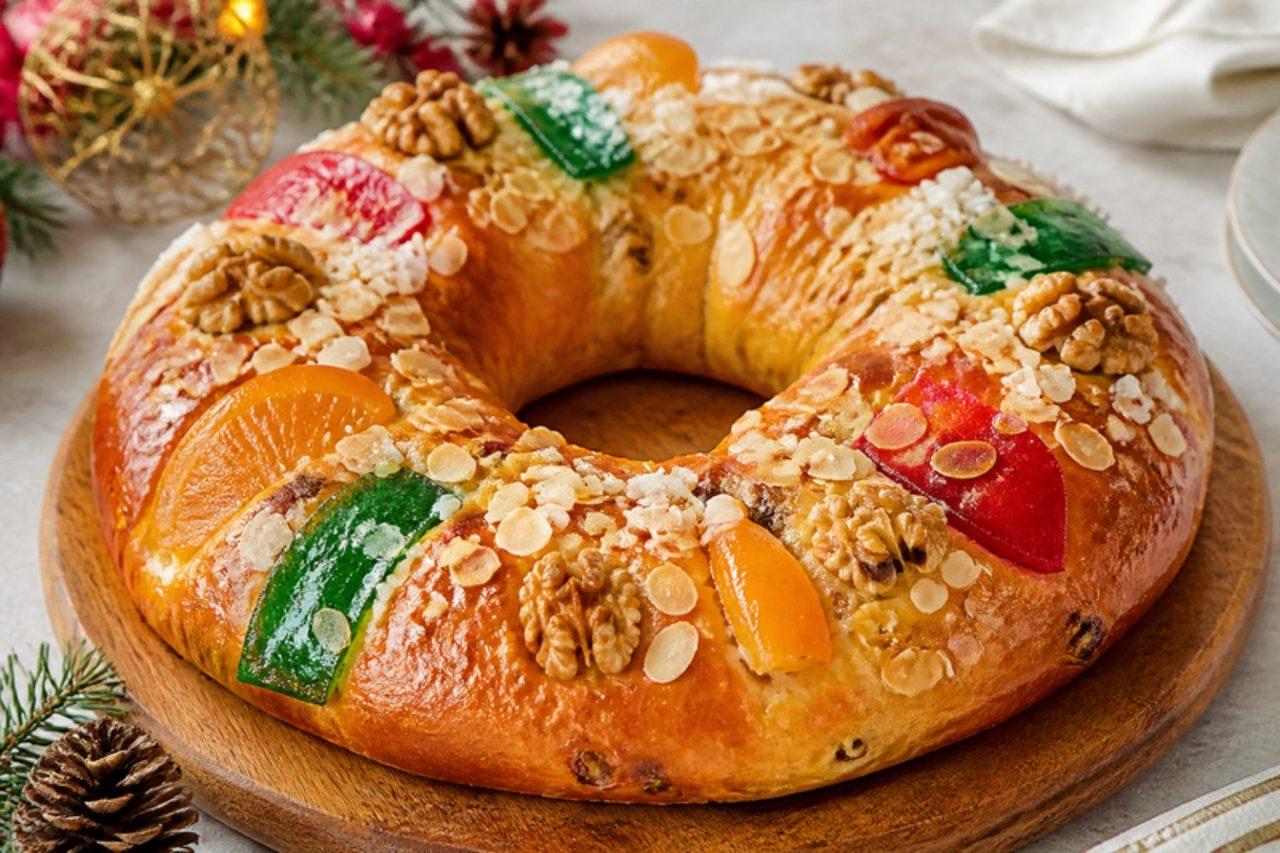
From early December to Twelfth Night every Lisbon pastelaria stacks its counter with these glossy rings, crowned with candied fruit and sugar, and families buy one for Christmas Eve and another for the Day of the Kings. A Lisbon confectioner brought the idea from France in the nineteenth century and it became the centre of the Portuguese Christmas table. Traditionally the raisins are soaked in port wine, which contains alcohol; orange juice works just as well. Old recipes hid a dried broad bean inside, and whoever found it bought next year's cake; we leave it out, as it is a choking hazard for children. Chef's tip: let the dough rise slowly in a cool place, even overnight in the fridge; the rich, buttery dough needs time to taste of anything.

by KrazyBadal 0 views

Bolo Souza LeãoCassava and coconut cake

Named after a sugar-planter family of nineteenth-century Pernambuco, this cake is closer to a set pudding than a sponge: fresh grated cassava, coconut milk, a clove-scented syrup, butter and a generous number of egg yolks, baked slowly in a water bath until glossy and firm. In Recife it is a centrepiece at weddings, christenings and Christmas, sliced thin and eaten at room temperature with coffee. The texture is smooth, slightly sticky and very rich, so a small piece is enough. Use only sweet cassava (aipim/macaxeira) and bake it fully; cassava must never be eaten raw. The mistake people make is not squeezing the grated cassava dry, which leaves the cake watery and grey in the centre. Chef's tip: strain the batter through a fine sieve before baking; it removes the fibres and gives that silky, flan-like slice.

by KrazyBadal 0 views

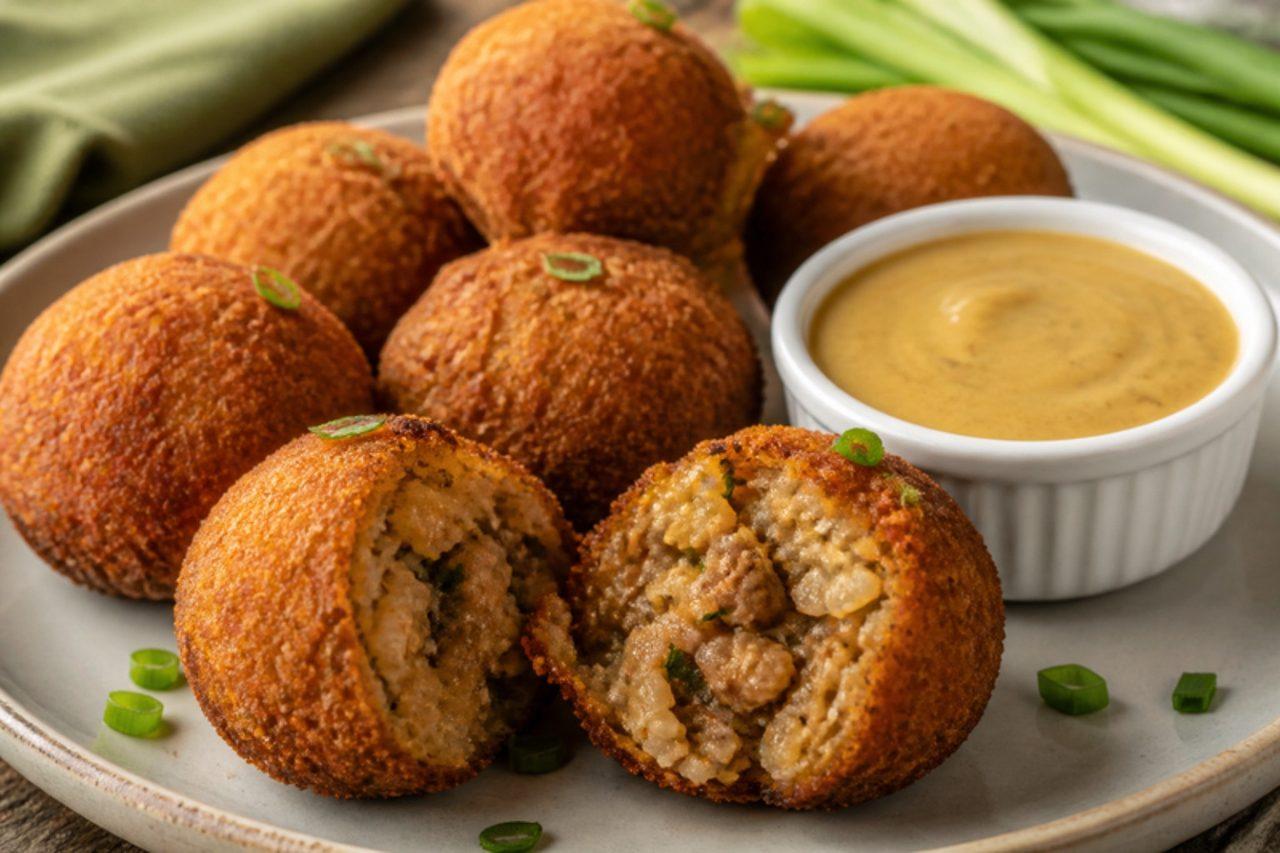
Boudin balls

Boudin is a soft Cajun sausage of pork, pork liver, rice and the holy trinity sold hot from the counters of meat markets and petrol stations along Interstate 10 between Lake Charles and Lafayette. Boudin balls take the same filling, roll it in breadcrumbs and fry it, and they are the snack of LSU tailgates and crawfish boils. This recipe uses pork shoulder and pork liver. Chef's tip: chill the rolled balls for 30 minutes before frying so they keep their shape.

by KrazyBadal 0 views

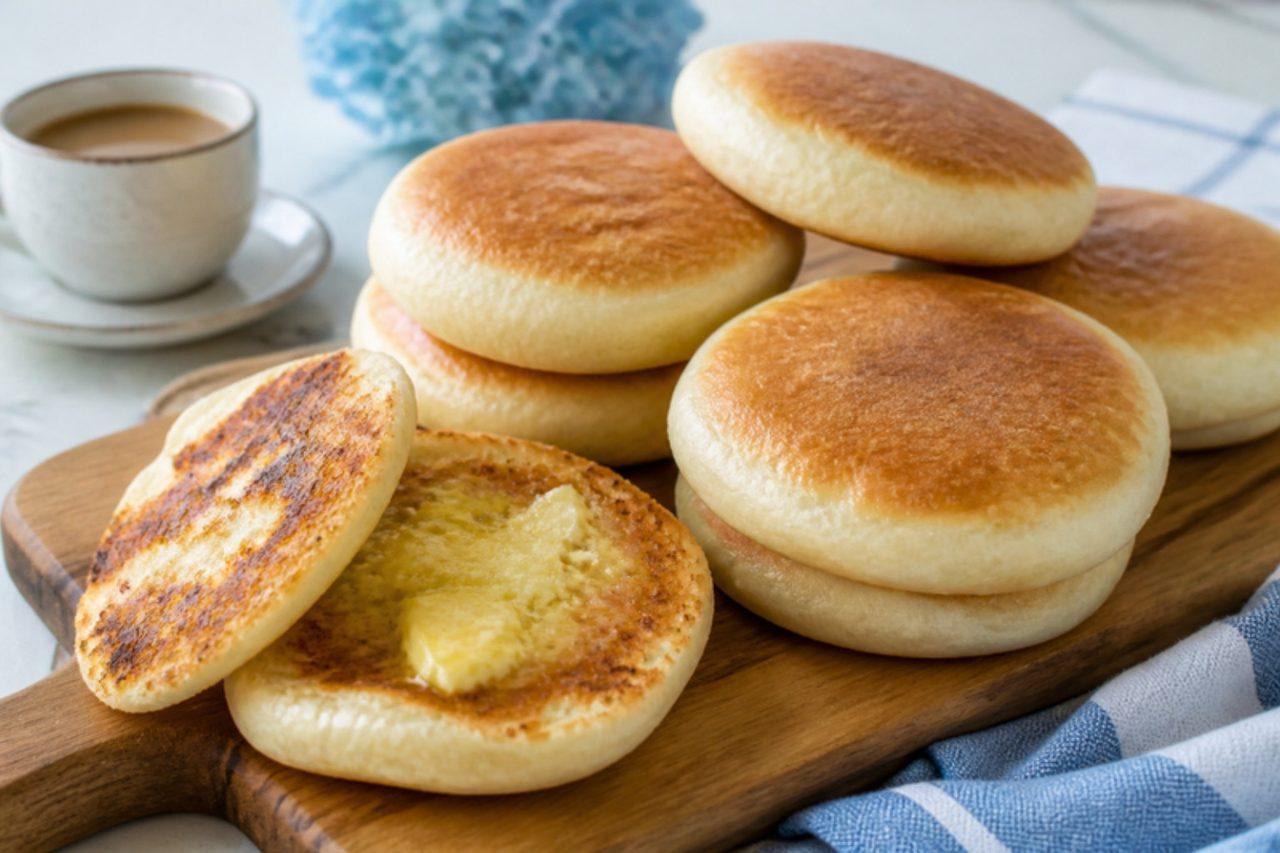
Bolos lêvedosSweet griddle muffins

In the steamy valley of Furnas, on São Miguel, bakers have been cooking these slightly sweet, lemon-scented muffins on flat griddles for generations, and visitors queue for them warm on the way to the hot springs. Thick, soft and pale with golden tops and bottoms, they are split and toasted for breakfast with butter, or used as buns for a sandwich. Chef's tip: the dough is very soft and sticky, so use oiled hands rather than more flour when shaping, or they turn dense.

by KrazyBadal 0 views

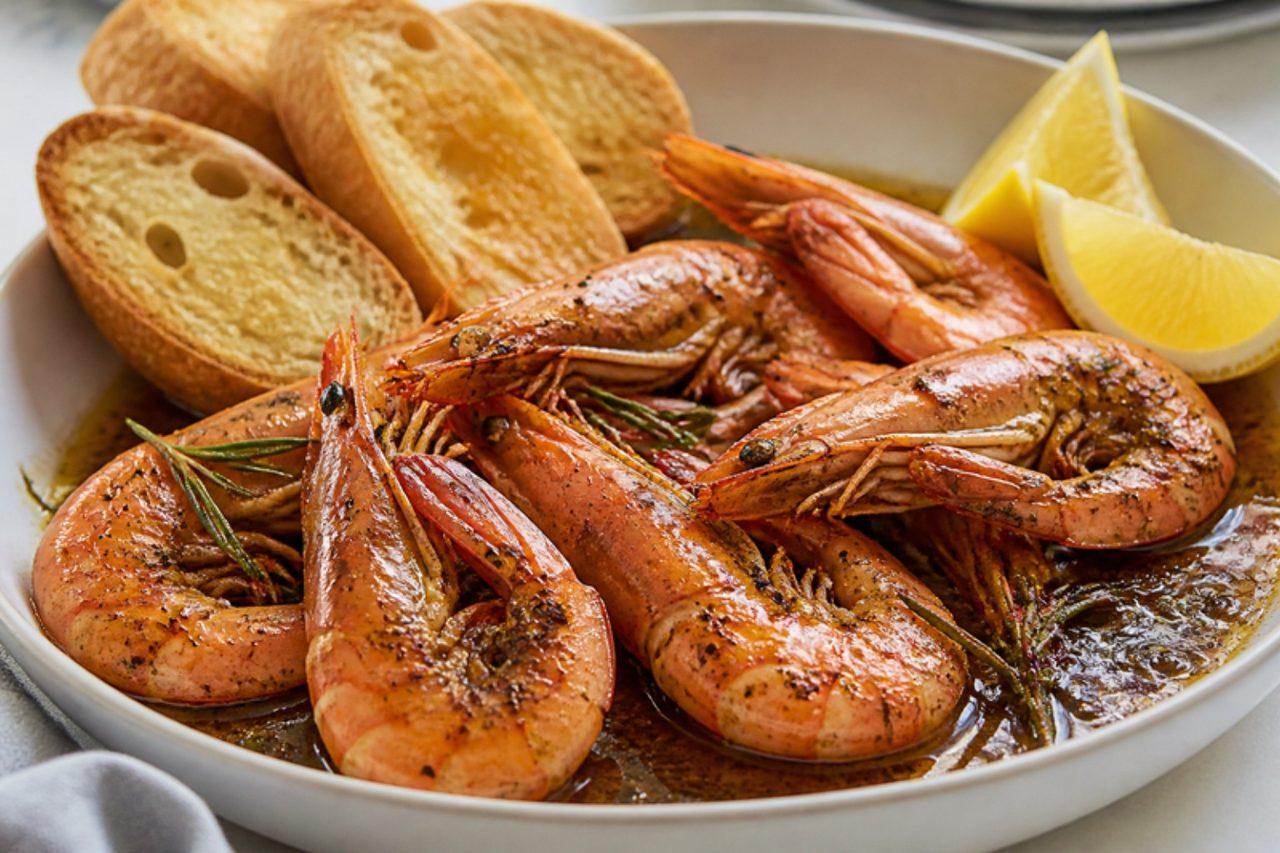
New Orleans barbecue shrimp

New Orleans barbecue shrimp never touch a grill or a barbecue sauce: they are big head-on Gulf prawns baked or pan-cooked in an outrageous amount of butter, black pepper, garlic, Worcestershire sauce and lemon, made famous in an Uptown restaurant in the 1950s. You peel them at the table and mop up the sauce with French bread. Some cooks add a splash of beer, which contains alcohol; this version uses stock, so it is alcohol-free. Worcestershire sauce contains anchovy. Chef's tip: keep the heads on; they hold the juices that make the sauce.

by KrazyBadal 0 views

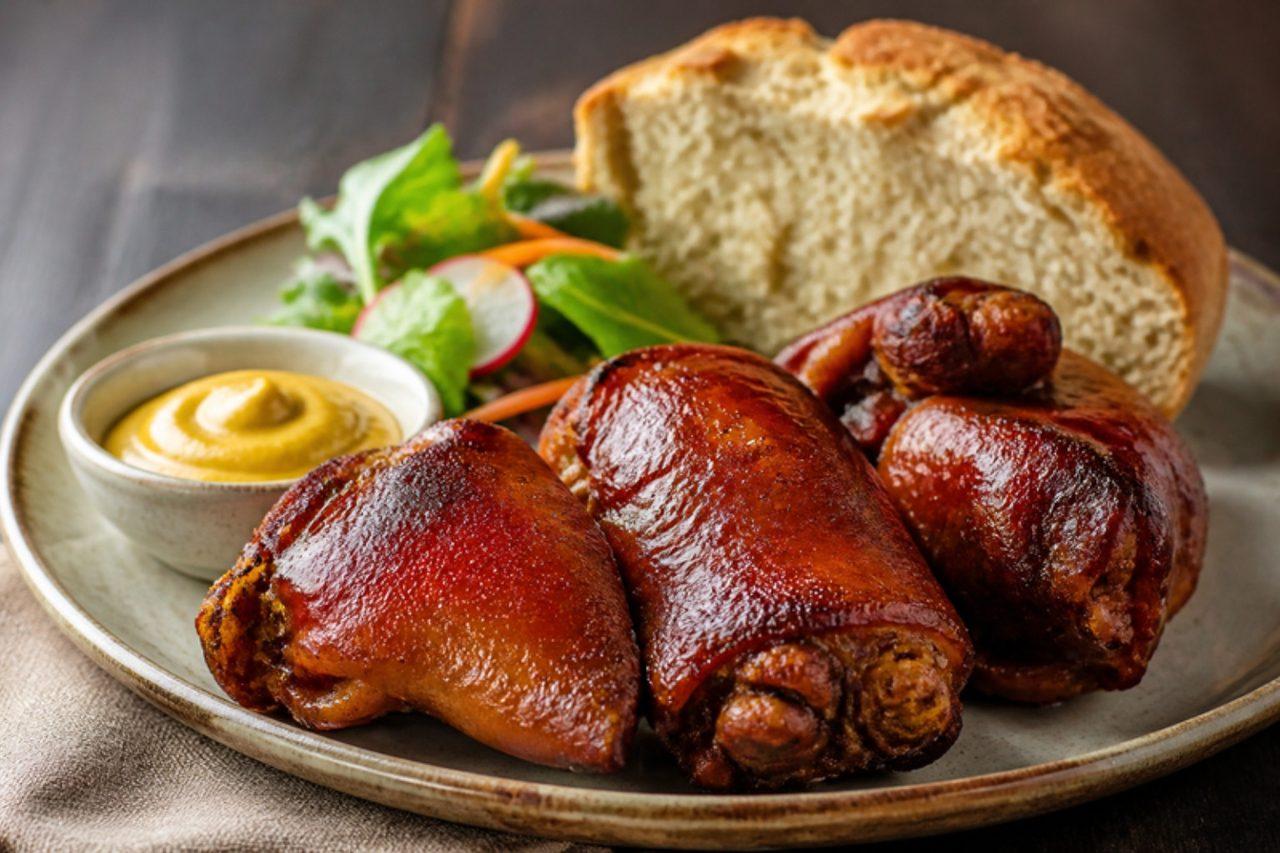
CrubeensCrisped pig's trotters

Crubeens are boiled pig's trotters, once sold hot from stalls at fairs and in Cork and Dublin pubs as a salty, sticky snack to go with a pint. They are pork, and very gelatinous: simmered for hours until the meat almost falls from the bone, then crisped in the oven with a mustard and breadcrumb coating, which is how many cooks finish them today. Eat them with your fingers, with brown bread and pickles. Chef's tip: ask your butcher for split, cleaned trotters, and singe off any stray hairs with a kitchen blowtorch before cooking.

220 minIrishMeat
by KrazyBadal 0 views

CoyotasPiloncillo-filled turnovers

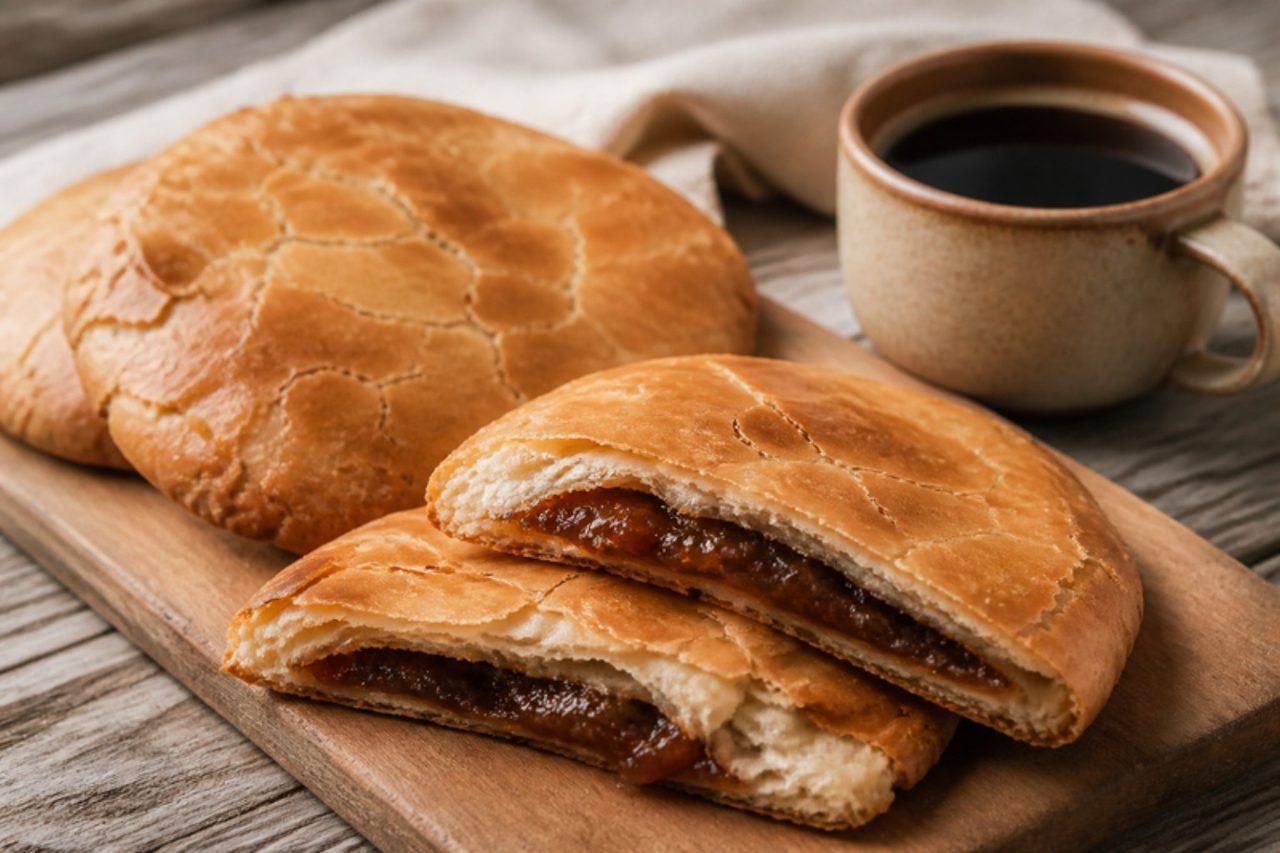
Coyotas were first baked in the Villa de Seris neighbourhood of Hermosillo, and today Sonorans buy them by the dozen in paper bags to eat with morning coffee or take as a gift when they travel. They are flat, round, pale pastries with a crisp, crumbly crust and a thin layer of molten piloncillo inside, like a giant cookie with a toffee middle. Some bakers add guava or cajeta, but brown sugar loaf is the classic. Chef's tip: pinch the edges firmly and prick the tops; otherwise the hot sugar bubbles out and burns on the tray.

by KrazyBadal 0 views

BoozaStretchy mastic ice cream

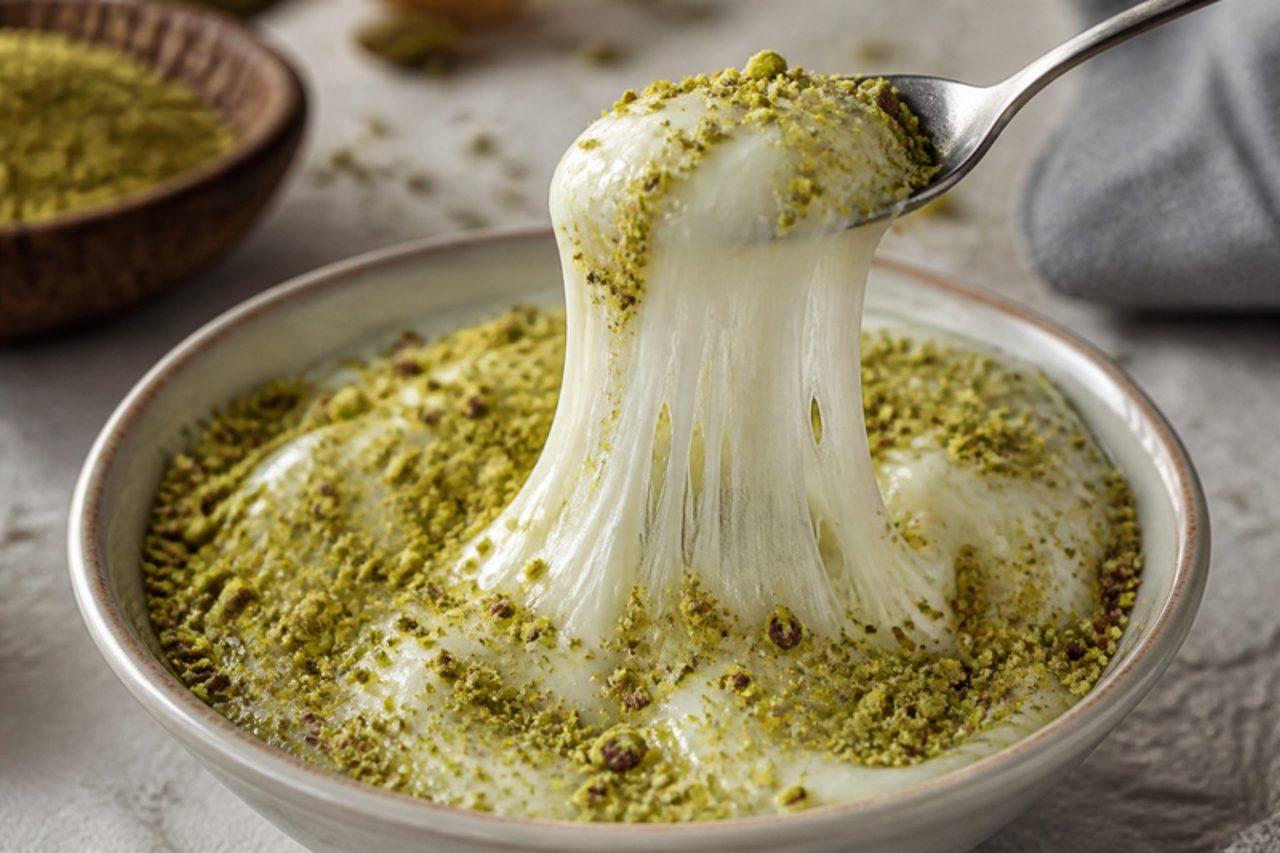
In the covered Hamidiyeh souk in Damascus, men pound booza in frozen metal drums with long wooden pestles, and the thump of the mallets is part of the show. The ice cream is milky, chewy and elastic, thanks to sahlab (orchid-root flour) and mastic, then rolled in crushed pistachios. This home version thickens the milk with sahlab powder or cornflour and beats it as it freezes to get that stretch. Serve in scoops or slices, plain or with a spoon of rose syrup. Common mistake: grinding the mastic alone, which turns gummy; always pound it with a spoonful of sugar. Chef's tip: real sahlab gives the true chew, but a mix of cornflour and a pinch of guar gum gets very close.

by KrazyBadal 0 views

Blackened redfish

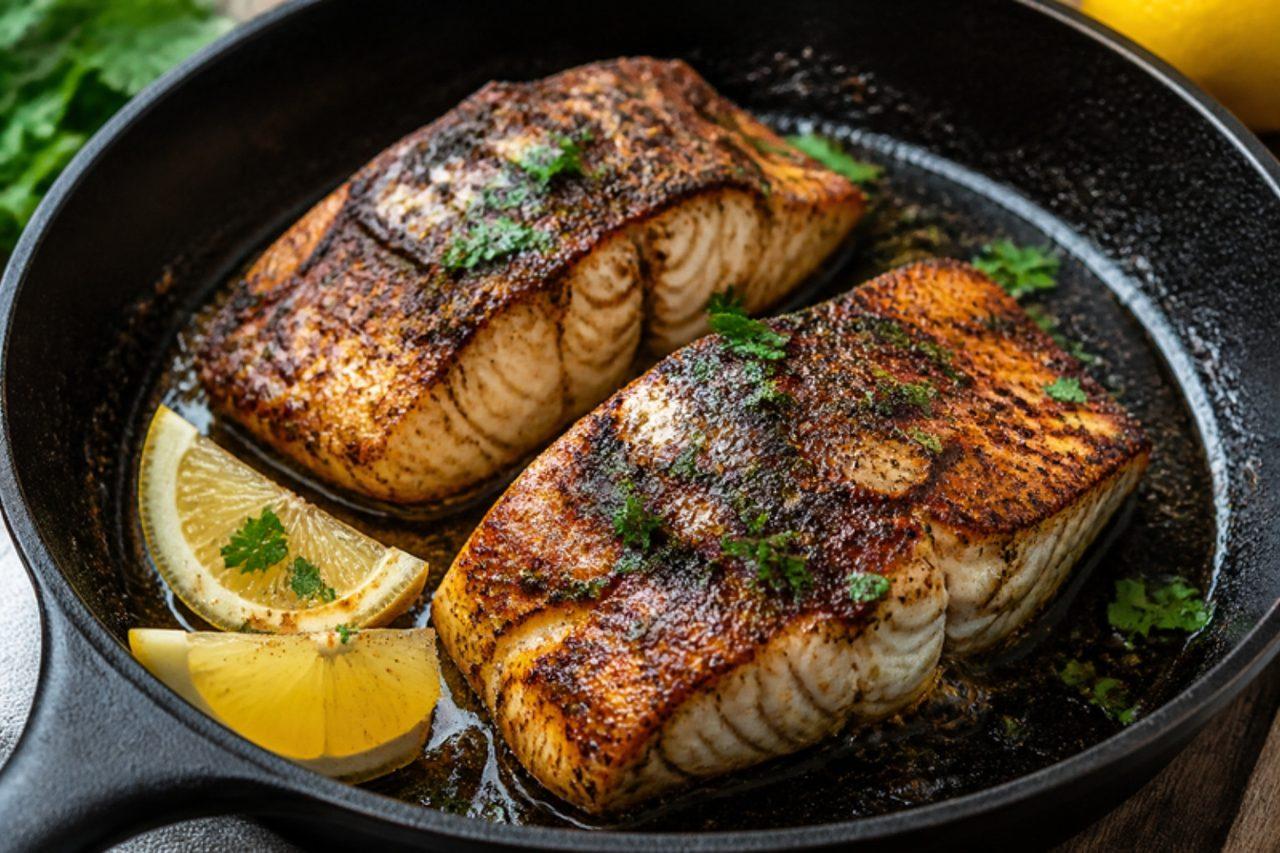
Blackened redfish was the dish that made Cajun cooking famous across America in the 1980s, created in a New Orleans restaurant by a chef from Opelousas. Fillets are dipped in butter, coated thickly in paprika, cayenne, thyme and pepper and seared in a white-hot cast-iron pan, so the spices char into a dark, smoky crust while the fish stays moist. It produces a lot of smoke, so open the windows or cook it outside. Chef's tip: the pan must be heated empty for a full 5 minutes; a lukewarm pan steams the fish instead of blackening it.

by KrazyBadal 0 views

Cima alla genoveseStuffed cold veal breast

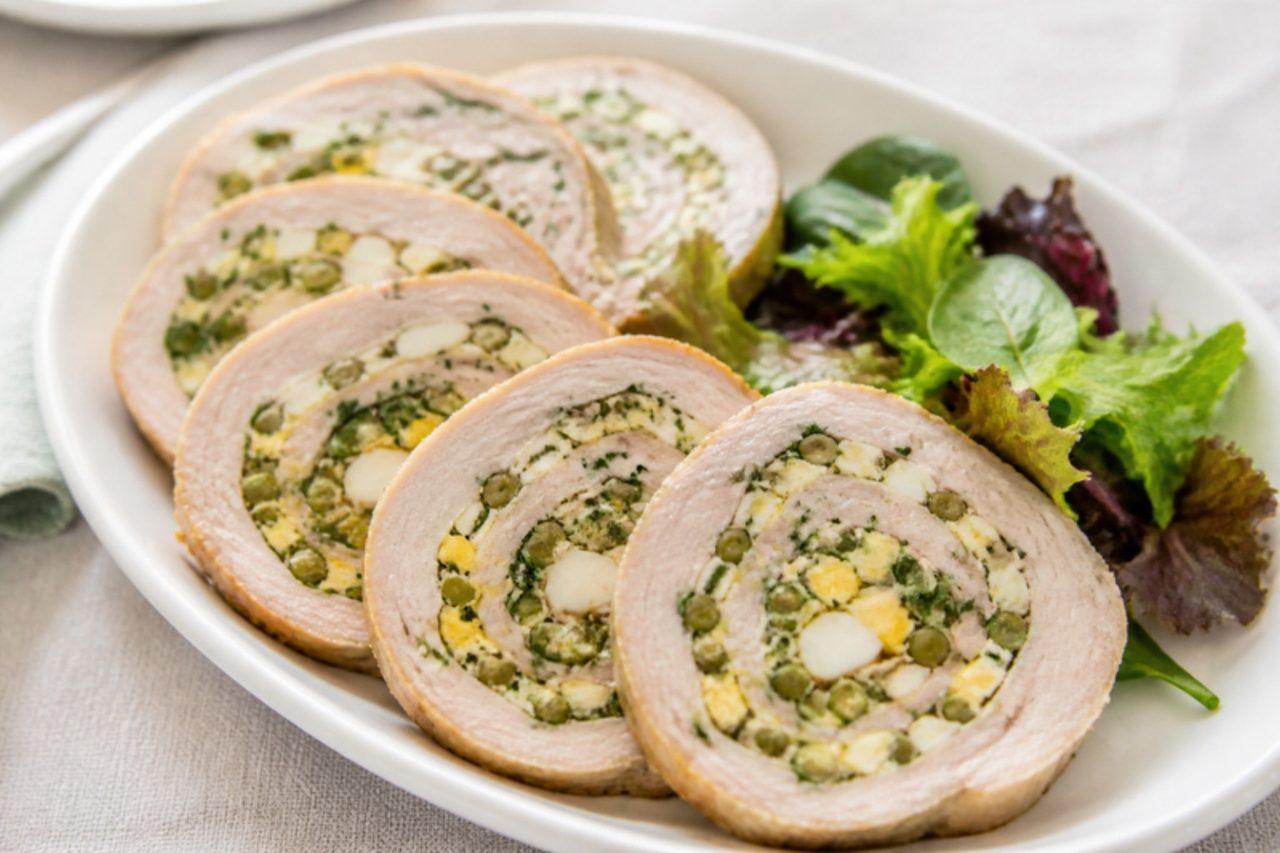
Cima alla genovese is a summer dish from Genoa and the Ligurian coast, sold by the slice in old delicatessens and set out for festive lunches and picnics. A pocket of veal breast is filled with a soft mixture of minced veal, egg, peas, parmigiano, pine nuts and marjoram, sewn shut and poached gently in broth, then pressed overnight so each cold slice shows a mosaic of green peas and golden egg. Traditional recipes add brains, sweetbreads and udder; this version keeps to veal mince so it is easier to make at home. Ask the butcher to cut the pocket for you. Serve it cool with a green salad and a little salsa verde. Chef's tip: fill the pocket only two-thirds full; the stuffing swells as it cooks and will burst the seams if packed tight.

195 minItalianMeat
by KrazyBadal 0 views

Shoofly pie

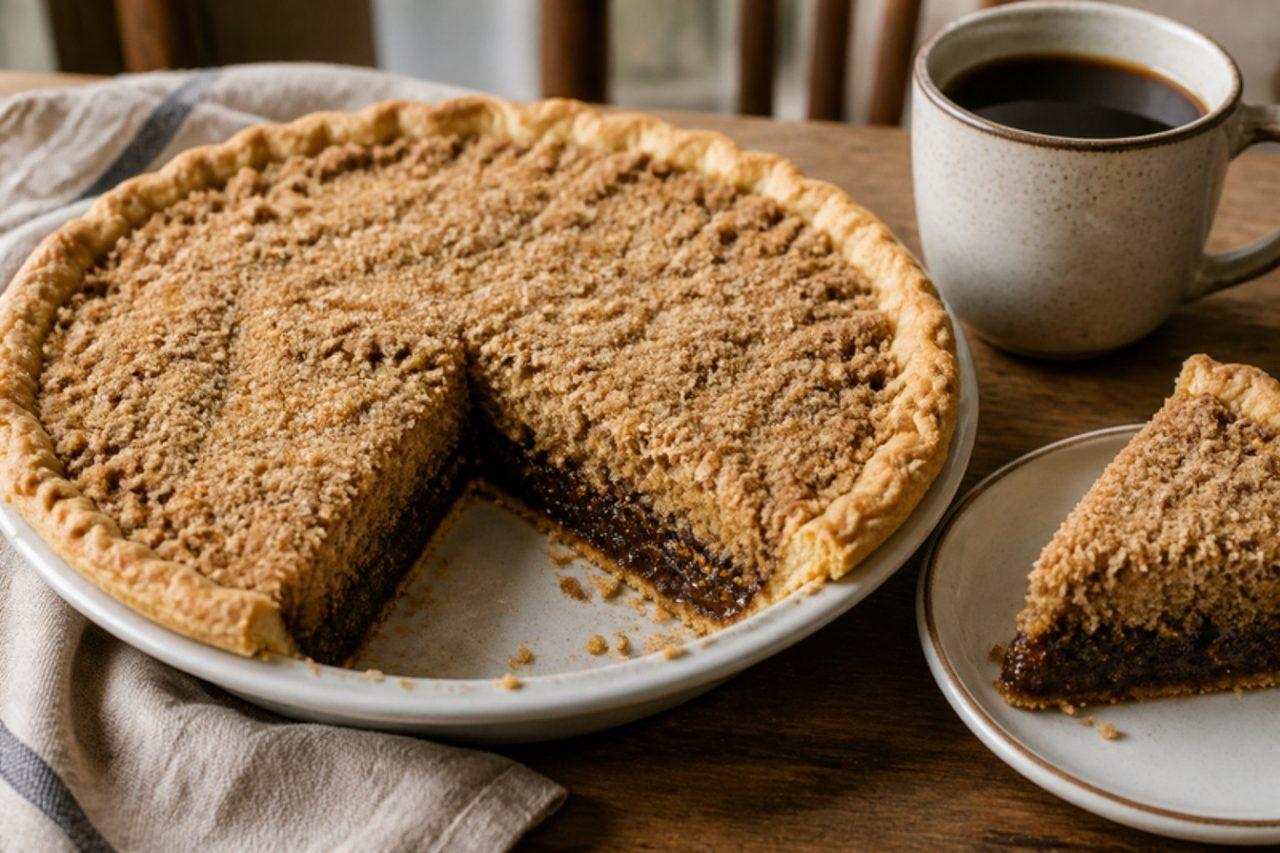
Shoofly pie is the signature sweet of the Amish and Mennonite farms around Lancaster, Pennsylvania, sold at roadside stands and farmers' markets and eaten for breakfast with strong coffee as often as for dessert. This is the 'wet-bottom' kind: a gooey layer of molasses custard under a cakey middle and a buttery brown-sugar crumb. Chef's tip: use mild, light molasses; strong blackstrap makes it bitter.

by KrazyBadal 0 views

Borraja con patatasBorage and potatoes with garlic oil

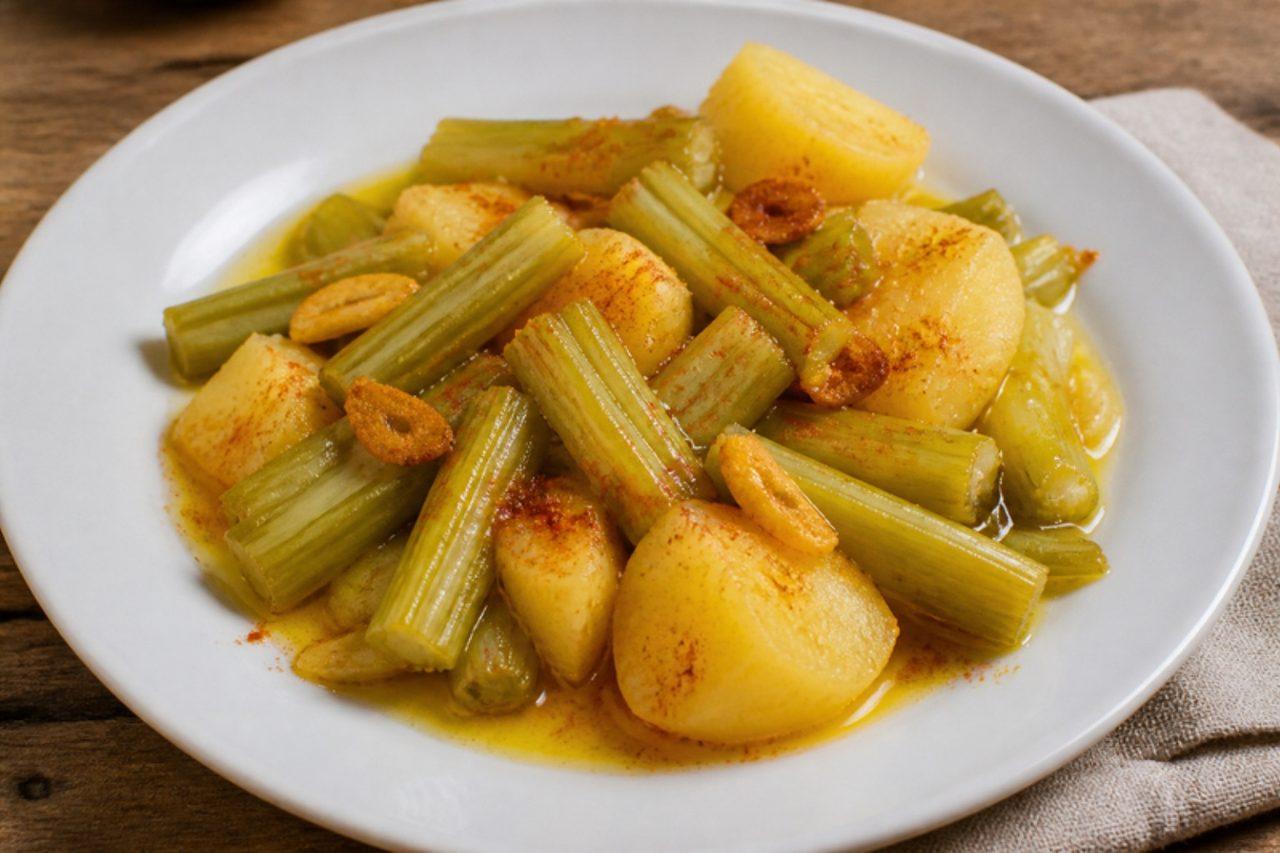
Borage grows all along the Ebro valley, and in Zaragoza it is almost a point of pride: markets sell bundles of the thick, hairy stalks from autumn to spring, and borraja con patatas is a weeknight supper in thousands of Aragonese homes. Boiled until tender, the stalks taste mild and green, a little like a cross between cucumber and chard, and the floury potatoes soak up a simple dressing of olive oil and fried garlic. It is vegan and gluten free. A common mistake is skipping the cleaning: the fine hairs and stringy outer fibres must come off, or the dish feels prickly. If you can't get borage, chard stalks are the closest stand-in. Chef's tip: fry the garlic in the oil slowly, off a high flame, and pour it over sizzling hot so it sings when it hits the vegetables.

by KrazyBadal 0 views

Cozido das FurnasSlow-cooked meat and vegetable pot

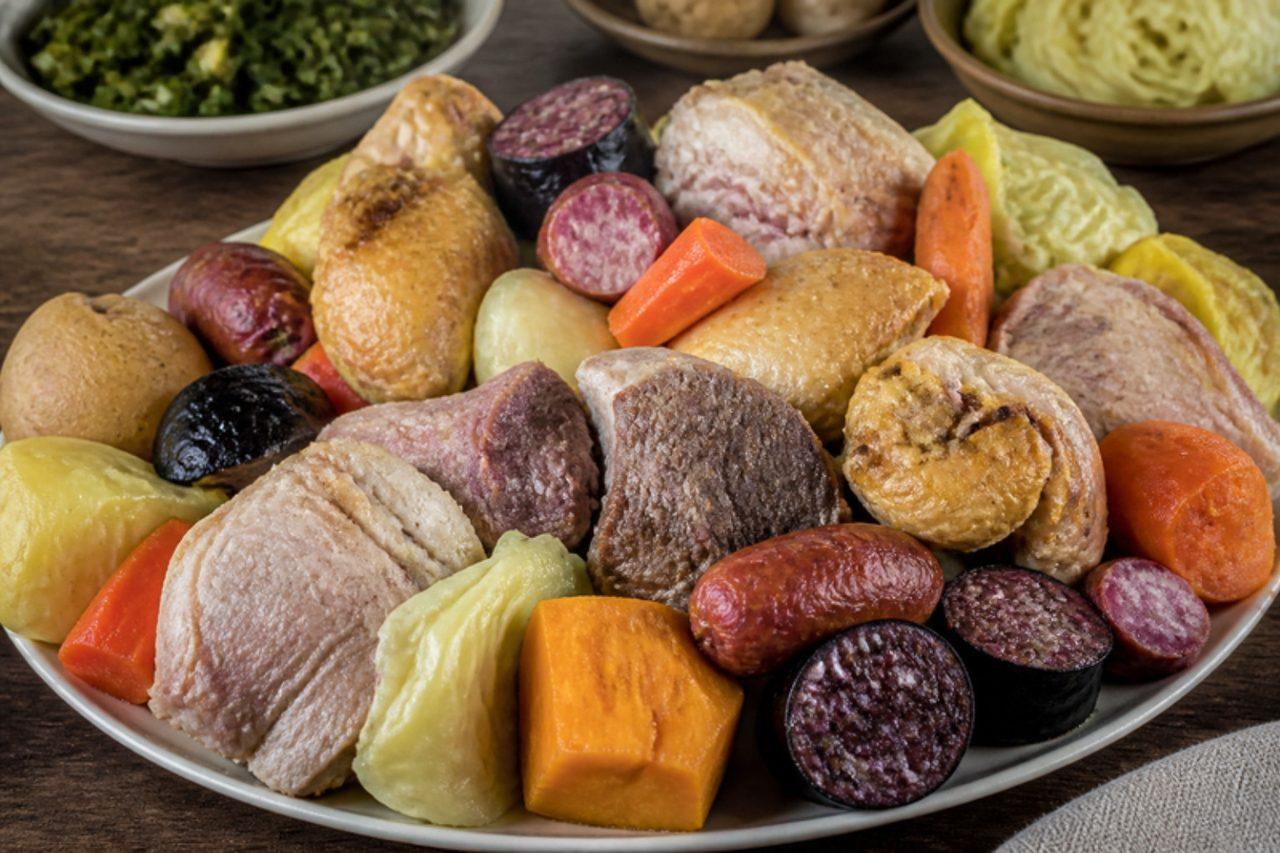
In Furnas, on São Miguel, cooks lower tall pots of meat and vegetables into holes in the hot volcanic ground by the lake at dawn, cover them with earth and dig them up at lunchtime six hours later. The steam cooks everything gently in its own juices, so the meats are falling apart and the cabbage tastes of smoked sausage. A low oven gives a very similar result at home. This contains pork (belly, chouriço and blood sausage). Chef's tip: seal the pot tightly with foil under the lid; the dish relies on steam, not added water.

by KrazyBadal 0 views

Fried apple hand pies

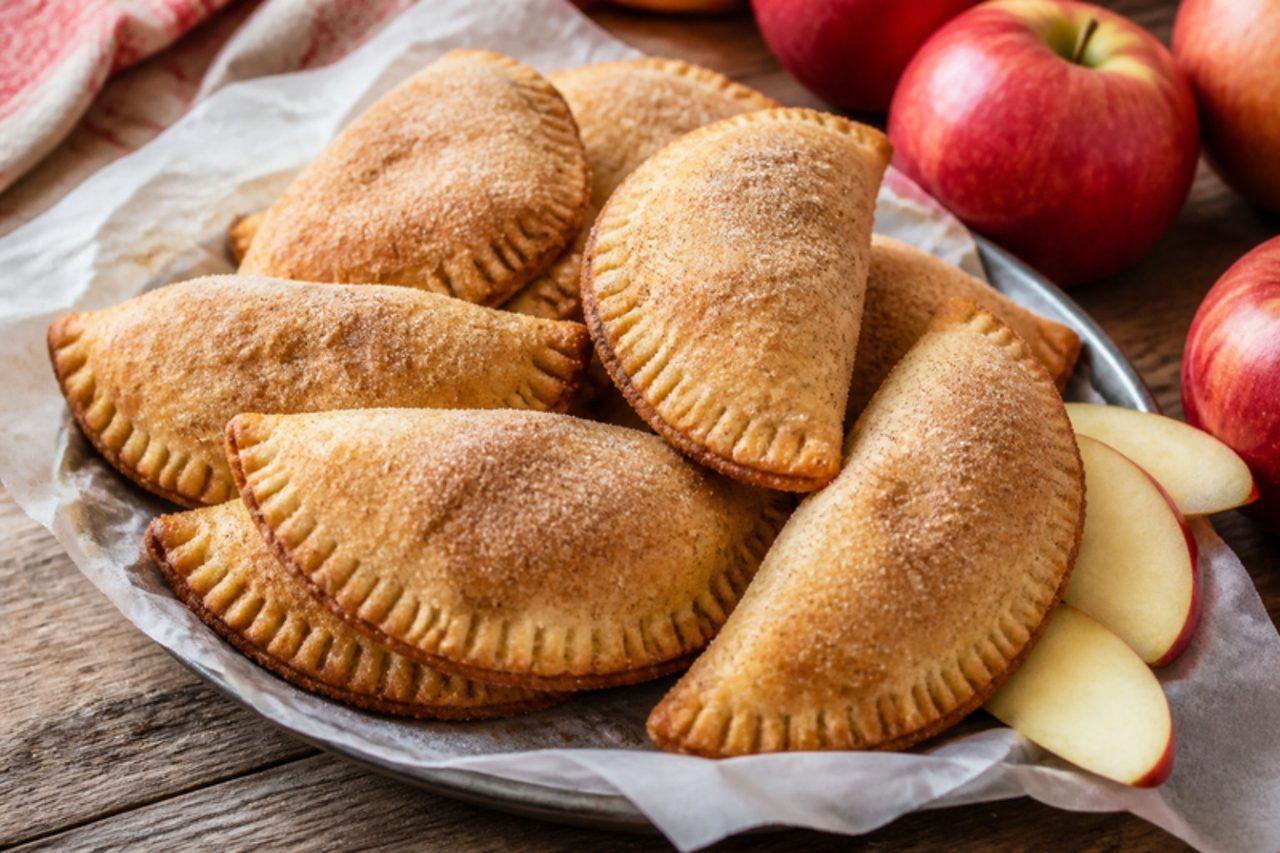
Fried pies are a staple of Appalachian bake sales, country stores and Grand Ole Opry-era lunch pails across Tennessee, Kentucky and north Georgia, made from apples dried on the porch roof in autumn. The rich filling of stewed dried apple is folded into rounds of tender pastry, crimped with a fork and fried crisp in a skillet. Chef's tip: let the filling go completely cold and use only a heaped tablespoon; overfilled pies burst in the pan.

by KrazyBadal 0 views

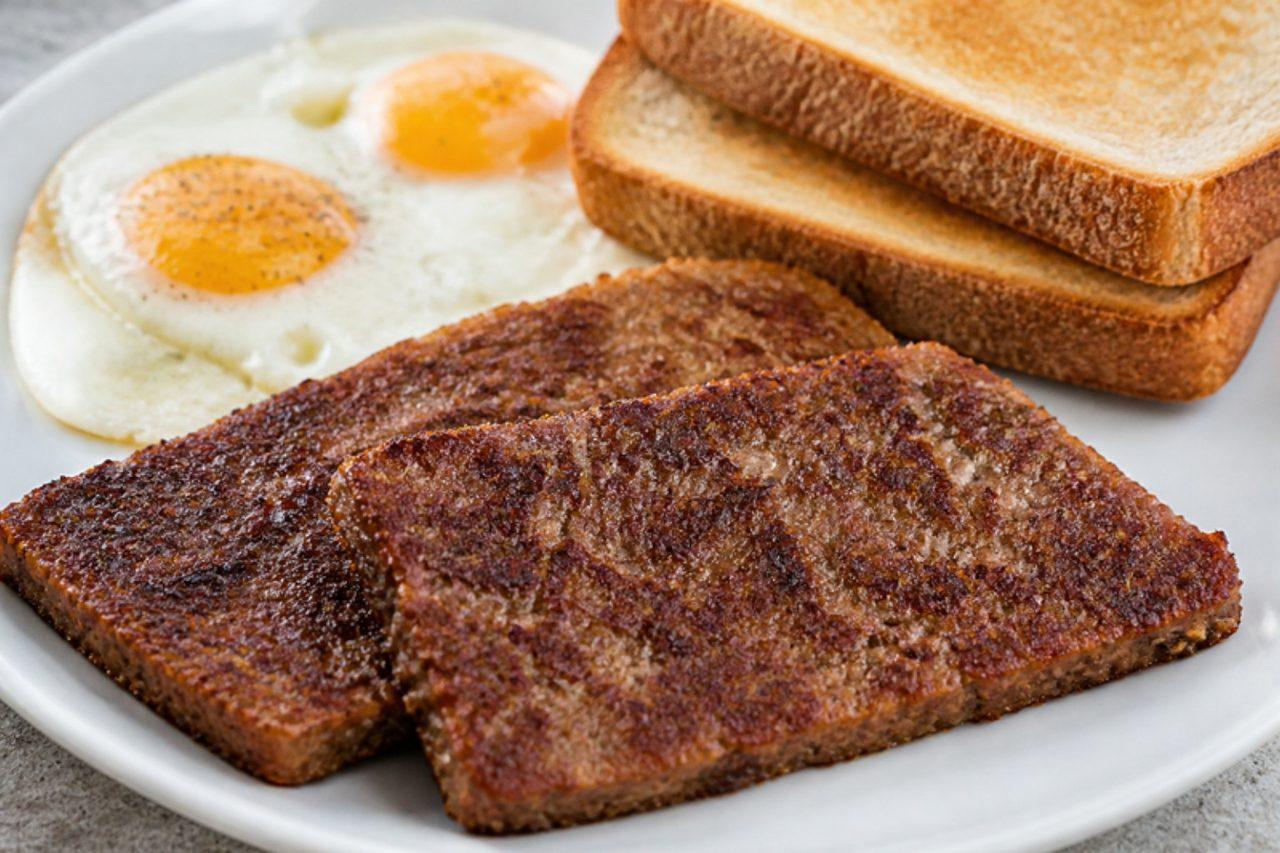
Cincinnati goettaPork, beef and oat slices

Goetta is Cincinnati's breakfast meat, brought by German immigrants who stretched a little pork and beef with steel-cut oats; the city even holds a summer Goettafest beside the Ohio River. Pork mince, beef mince and pinhead oats are simmered with onion and spices into a thick loaf, chilled, then sliced and fried until crisp and brown outside and soft within. Serve with eggs and toast. Chef's tip: fry the slices in a dry, hot non-stick pan and leave them alone for 5 minutes; turning too early makes them crumble.

by KrazyBadal 0 views

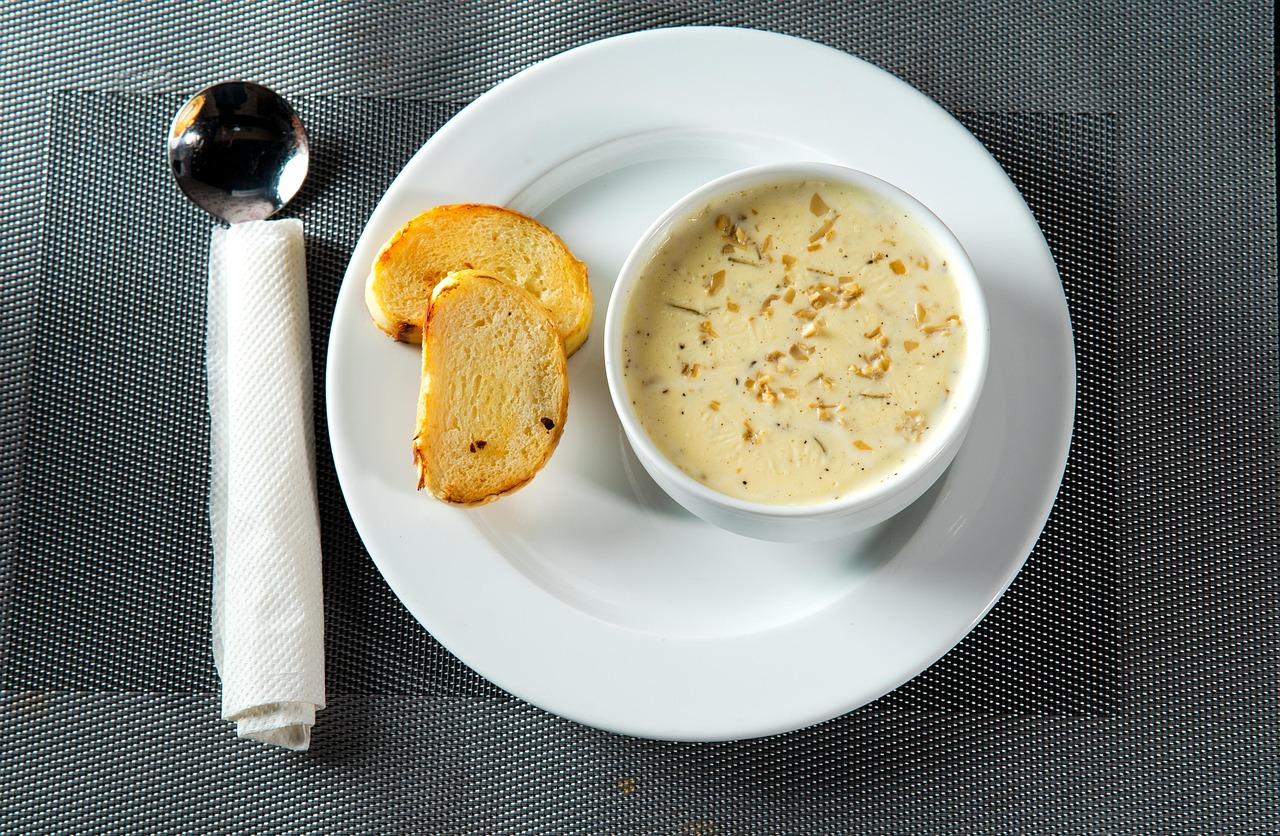
New England corn chowder

When the sweetcorn stands in late summer at farm stands from Maine to Connecticut, corn chowder is what goes on the stove. It is a milky, chunky soup of corn, potato and onion, thickened by simmering the stripped cobs in the stock. Many cooks start it with salt pork; this vegetarian version gets its depth from butter, smoked paprika and the cob stock instead. Chef's tip: scrape the bare cobs with the back of a knife to get the sweet corn 'milk' into the pot.

by KrazyBadal 0 views

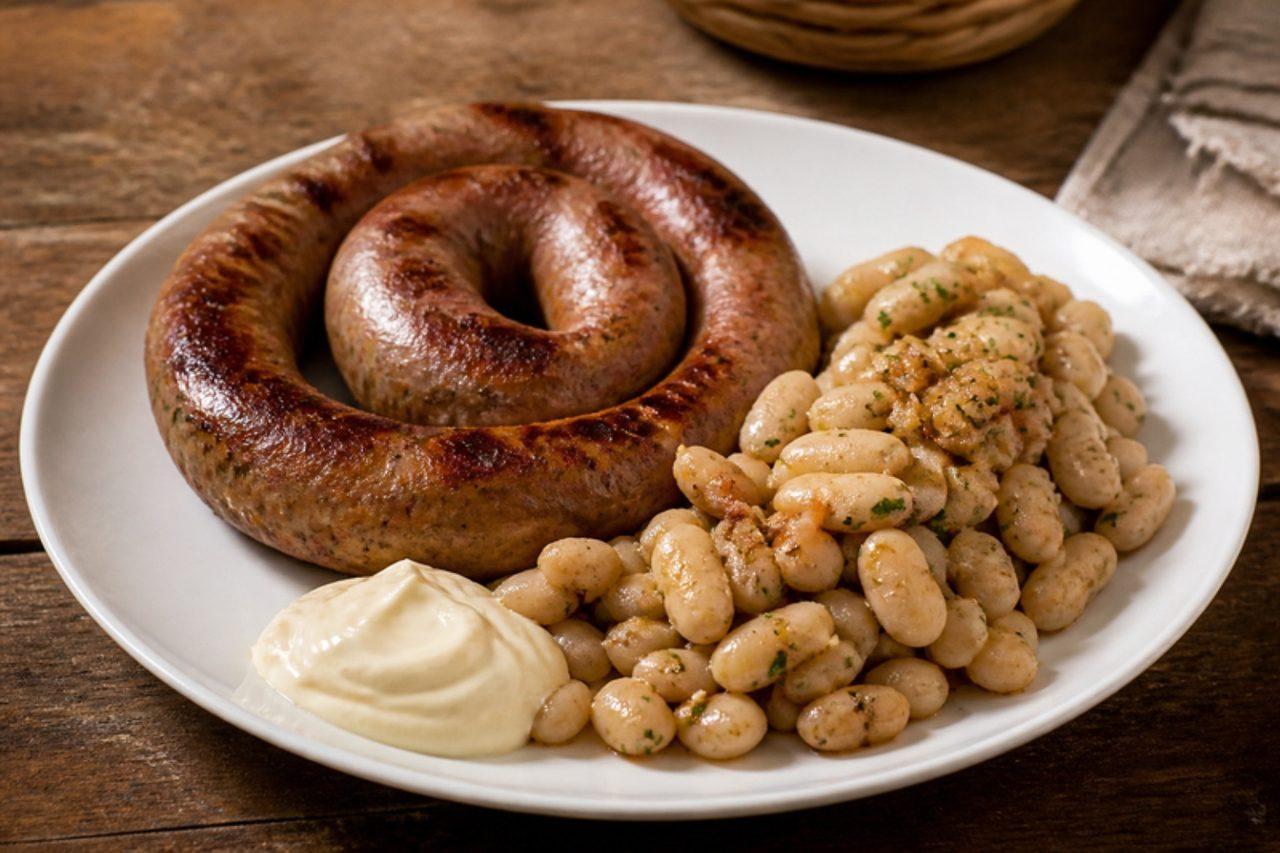
Botifarra amb mongetesPork sausage with white beans

This contains pork (botifarra sausage). Ask in any Barcelona neighbourhood restaurant for the most Catalan plate on the menu and you will probably get this: a coil of grilled botifarra, a fresh pork sausage seasoned with little more than salt and pepper, beside white beans sautéed with garlic and parsley until crisp at the edges. It is everyday lunch food, and often comes with allioli. If you cannot find botifarra, use coarse, plain fresh pork sausages. Chef's tip: let the beans sit untouched in the hot pan for a minute between stirs, so some of them catch and crisp.

by KrazyBadal 0 views

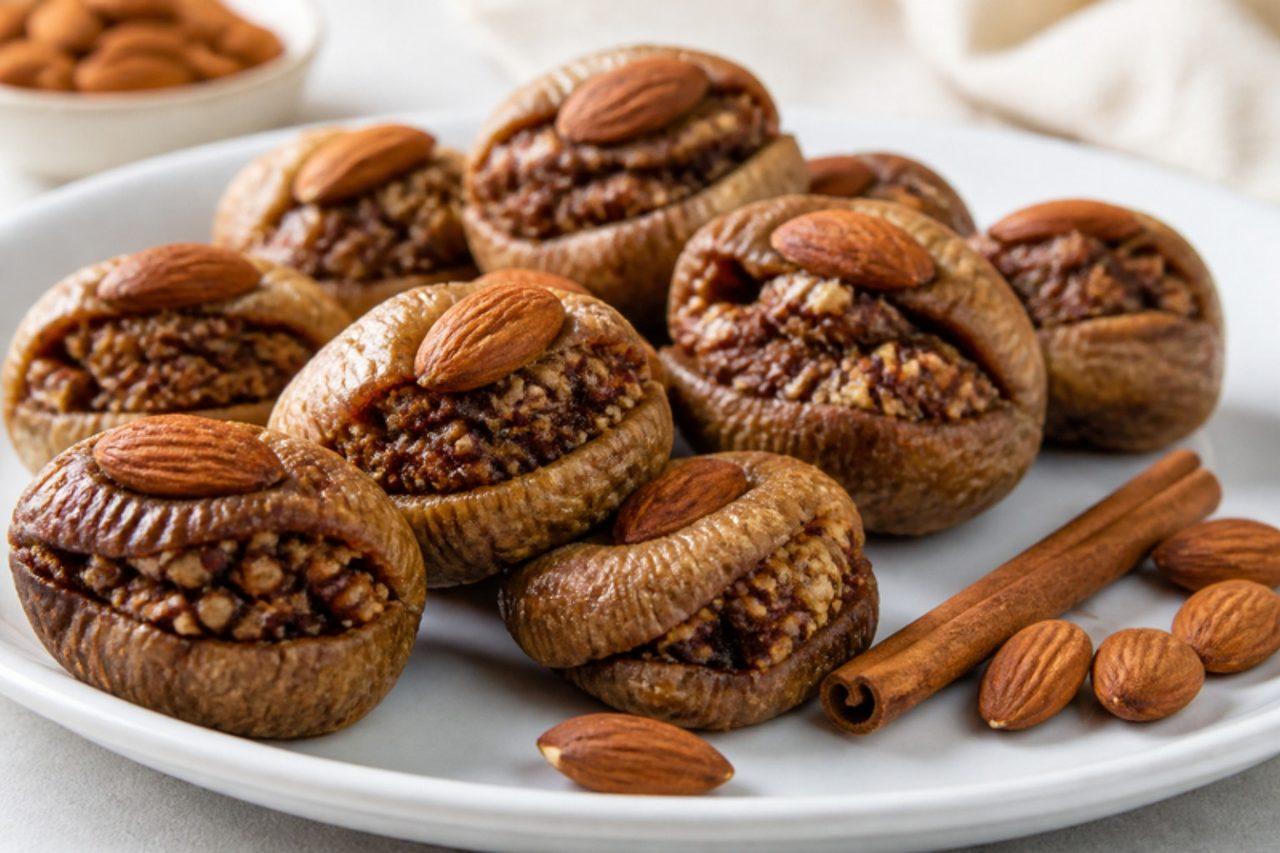
Figos cheiosAlmond-stuffed dried figs

In the Algarve, Christmas trays are never without figos cheios, sun-dried figs split open, packed with a paste of toasted almonds and cocoa, pressed together in pairs and baked until fragrant. They come from a time when every farm in the Barrocal dried its own figs on cane racks in August. They take half an hour to make and keep for weeks, so they make an easy edible present. Chef's tip: choose soft, plump dried figs; if yours are hard, steam them over simmering water for 5 minutes first.

by KrazyBadal 0 views

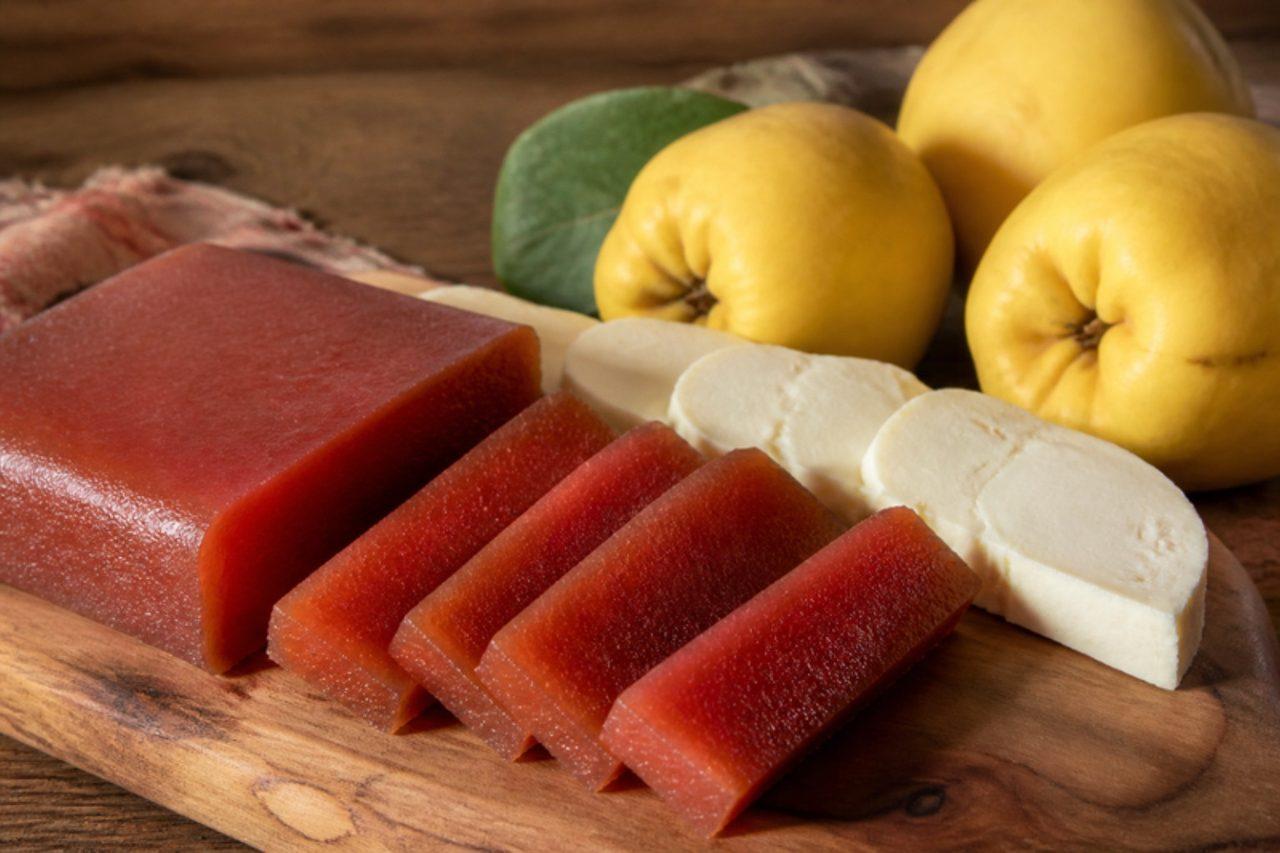
Ate de membrilloQuince paste

Morelia is Mexico's city of ates, the firm fruit pastes sold in long blocks at the Mercado de Dulces beside the old Jesuit college, in guava, mango, quince and more. Quince (membrillo) is the classic: cooked slowly with sugar until it turns from pale yellow to deep amber-red and sets firm enough to slice. In Michoacán it is eaten in thin slices with a fresh or aged cheese, or on its own as an afternoon sweet. Most cheeses here use animal rennet, so pick a vegetarian one if needed. Chef's tip: cook the fruit with its cores and peel tied in muslin; they carry most of the pectin that makes the paste set.

by KrazyBadal 0 views

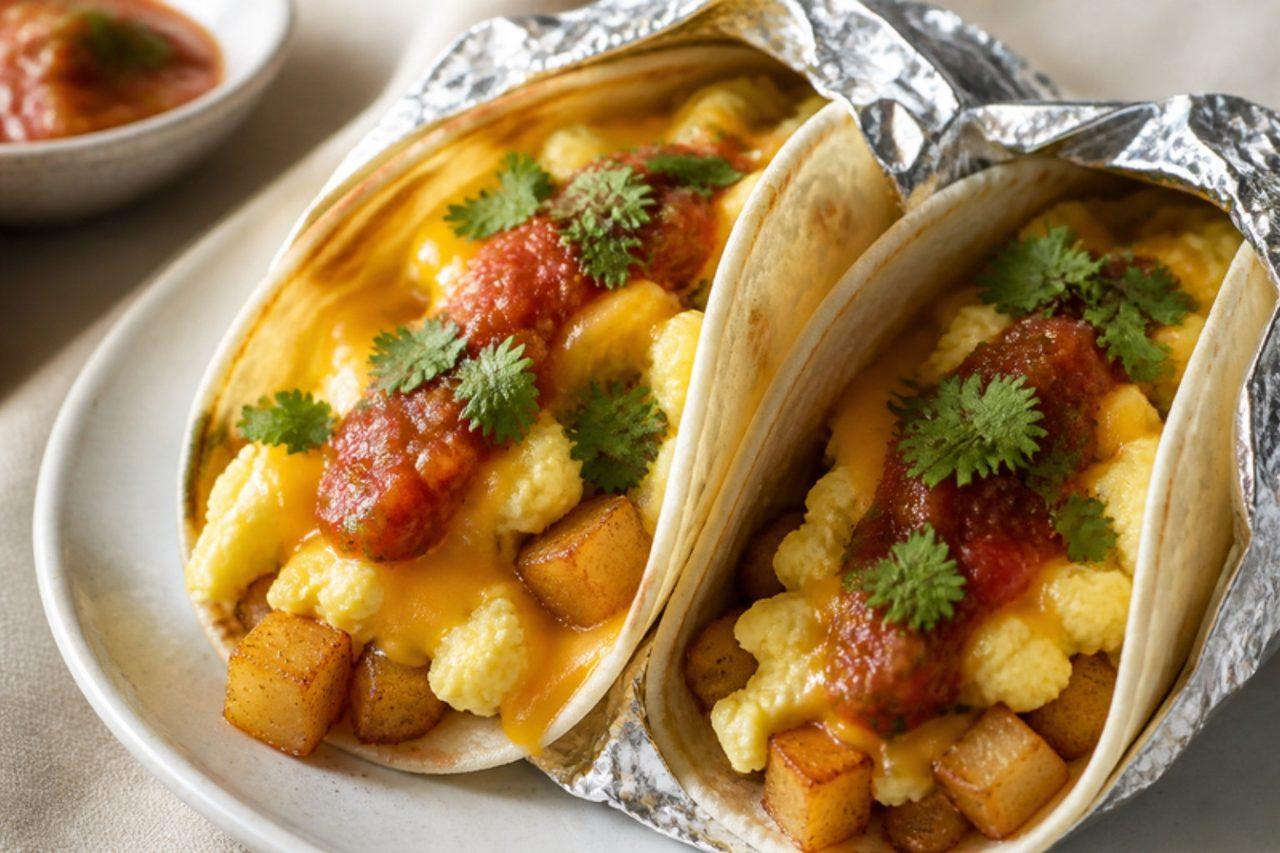
Texas potato and egg breakfast tacos

In Austin and San Antonio the breakfast taco is the morning commute: soft flour tortillas wrapped around fillings like crispy potato, scrambled egg and cheese, bought in foil from taquerías and petrol stations and eaten with salsa. Potato and egg is the classic meatless pairing. Chef's tip: fry the diced potatoes in one layer without stirring for the first few minutes so they get a real crust.

by KrazyBadal 0 views

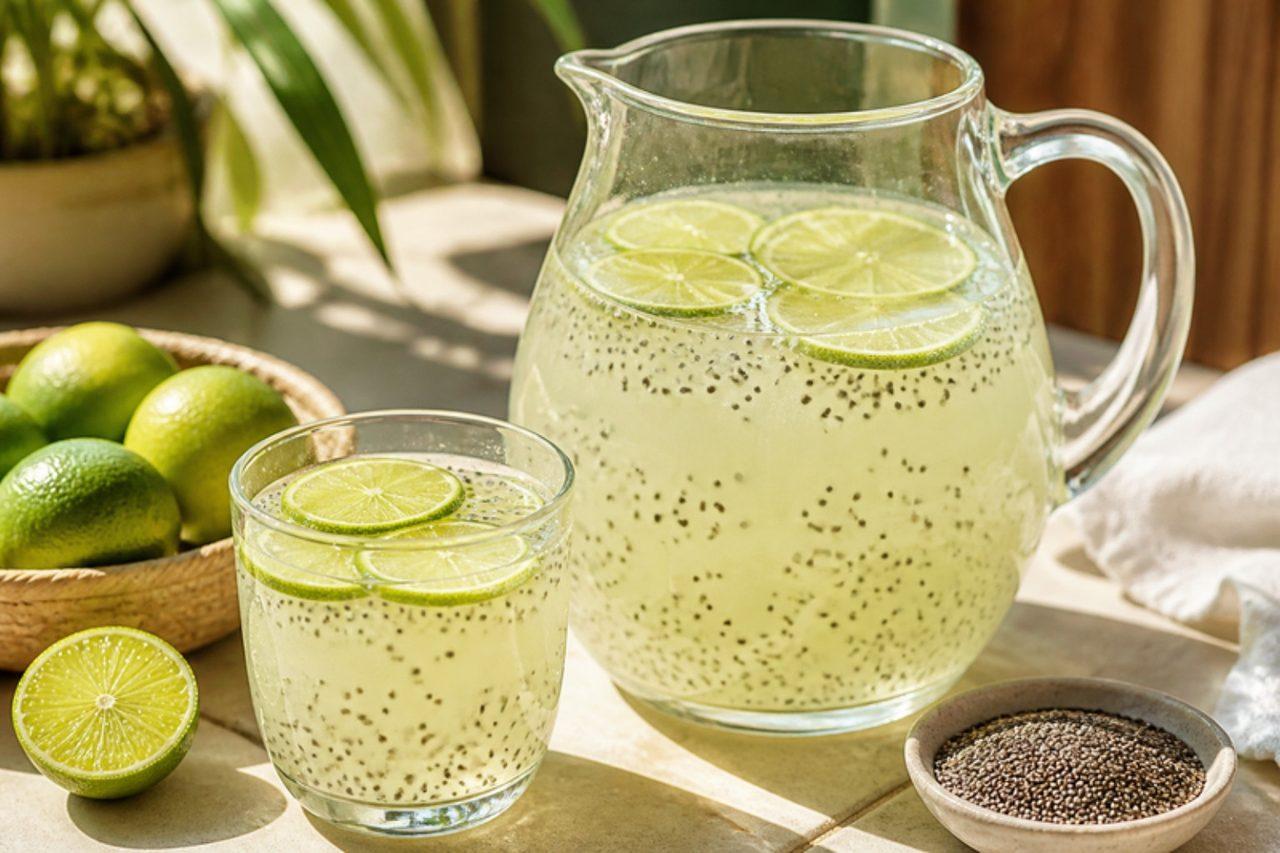
Agua de chía con limónLime and chia water

In the markets of Michoacán, especially in Uruapan and Morelia, the glass barrels of agua fresca often include one cloudy, speckled with tiny seeds: agua de chía, limeade with soaked chia seeds that swell into soft little pearls. Chia has been grown in central Mexico since long before the Spanish, and the drink is light, sharp and very refreshing, with a gentle texture from the seeds. It is drunk with lunch or on hot afternoons. Chef's tip: stir the seeds into the water twice in the first ten minutes; otherwise they clump into jelly-like lumps.

by KrazyBadal 0 views

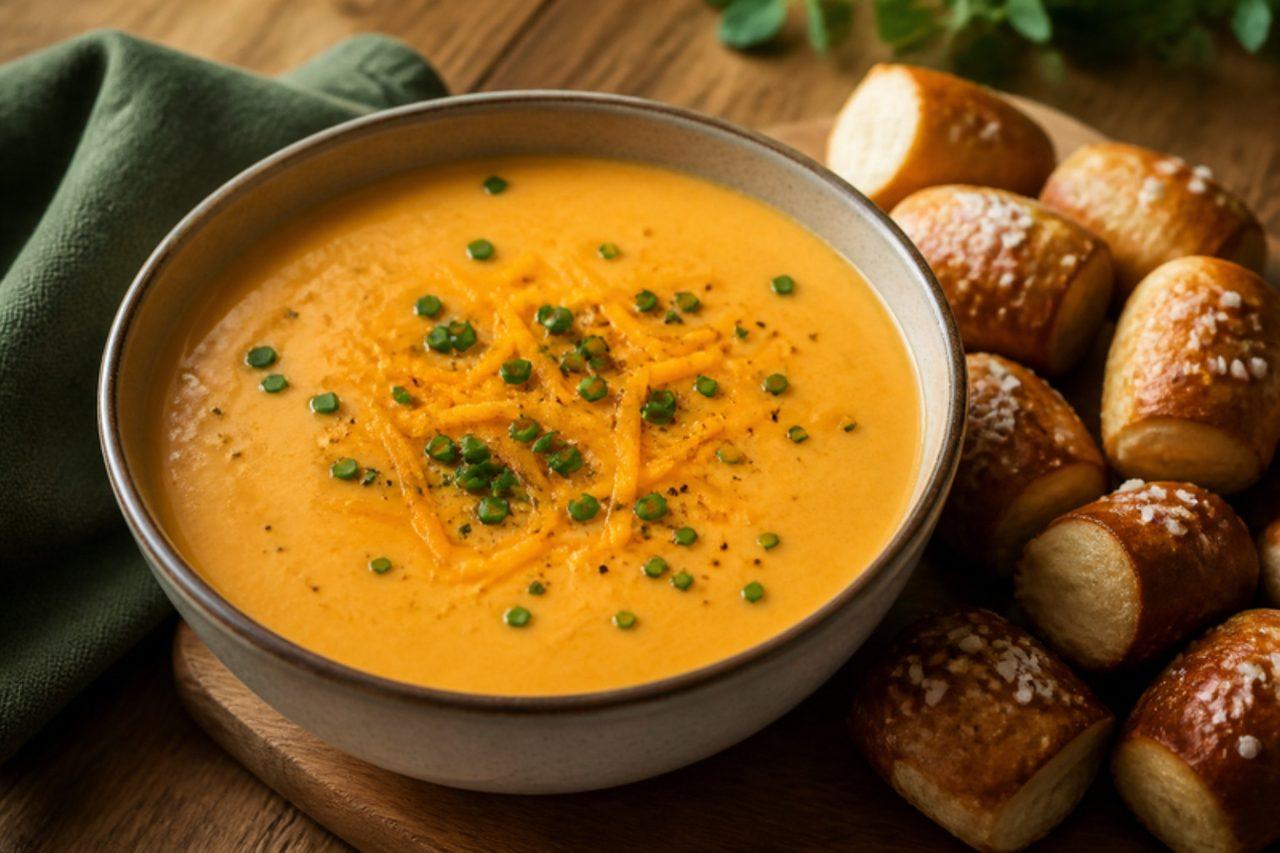
Wisconsin beer cheese soup

Beer cheese soup is a Wisconsin tavern and Packers game-day classic, made with the state's sharp cheddar and a local lager and served with soft pretzels or popcorn on top. It is thick, silky and tangy, with a little mustard and smoked paprika. It contains beer; most of the alcohol cooks off but not all, so for an alcohol-free version use alcohol-free lager or extra stock with 1 tsp cider vinegar. Aged cheddar is often made with animal rennet, so use a vegetarian cheddar. Chef's tip: add the cheese off the heat, a handful at a time, or it turns grainy.

by KrazyBadal 0 views

Chicago giardiniera

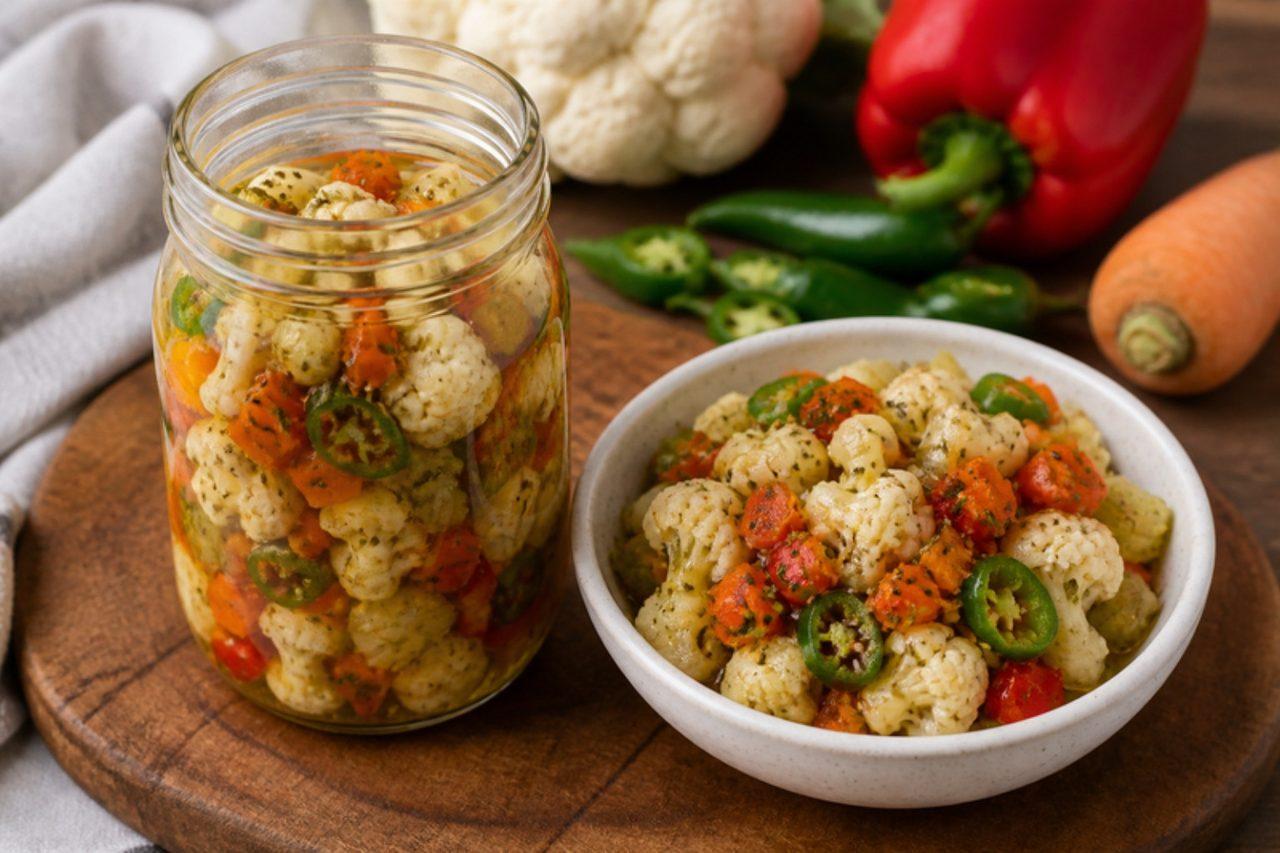
Giardiniera came to Chicago with Italian immigrants, and the city made it its own: a hot mix of chopped chillies, celery, carrot and cauliflower, brined overnight then packed in vinegar and oil. It is what Chicagoans pile on an Italian beef sandwich, a pizza or a sausage, and every deli has its own heat level. Chef's tip: don't skip the overnight salt brine; it draws out water so the vegetables stay crunchy for weeks.

by KrazyBadal 0 views

Cozido de grãoChickpea stew with pork and chouriço

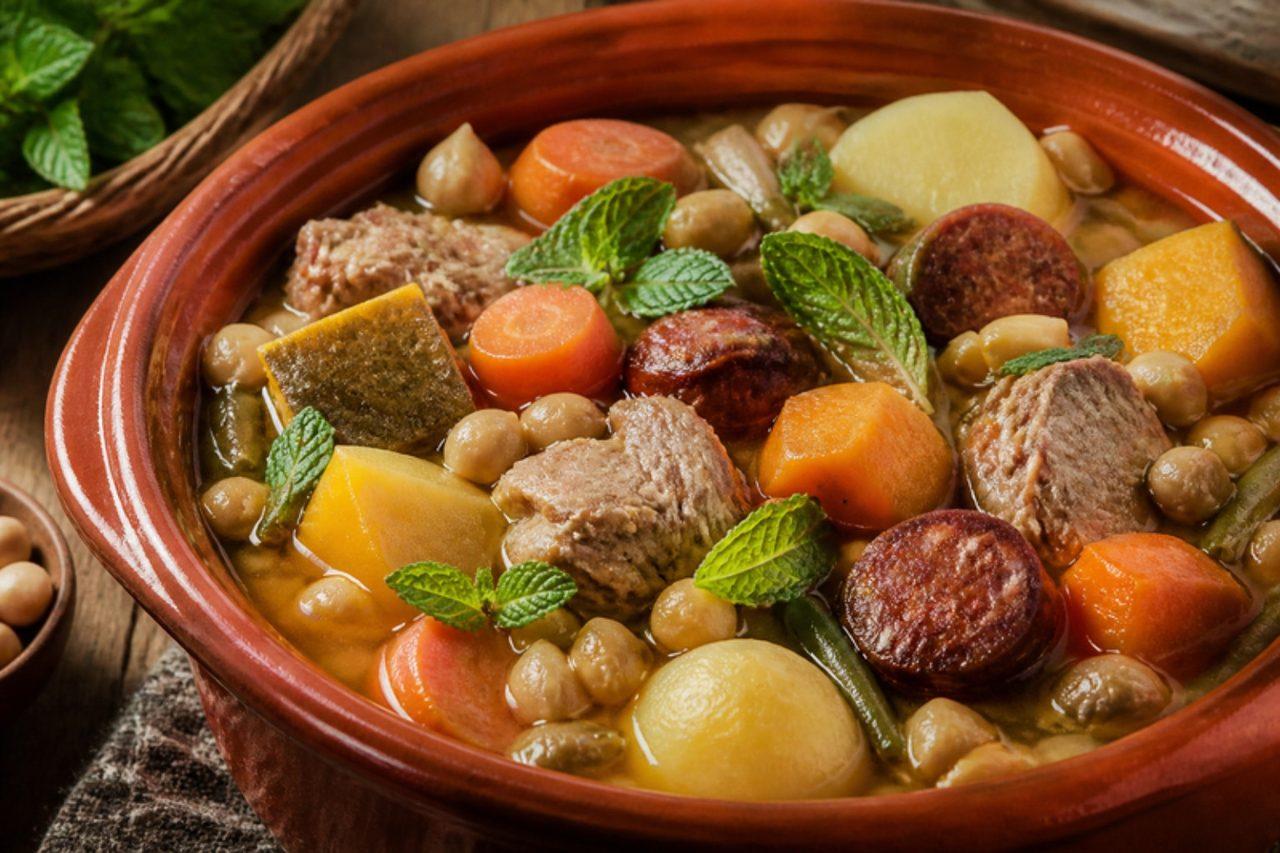
Inland Alentejo makes its cozido with chickpeas instead of the cabbage-heavy versions of the north: a big pot of chickpeas, pork, chouriço and blood sausage, with potatoes, carrots, green beans and pumpkin all cooked together and finished with fresh mint. It is a winter Sunday lunch, and leftovers become soup the next day. This contains pork (pork belly, chouriço and morcela). Start the chickpeas the night before. A common mistake is adding the vegetables at the start; they go in near the end so they hold their shape. Chef's tip: keep the sausages whole while they simmer, then slice them, so they flavour the broth without falling apart.

by KrazyBadal 0 views

Green bean casserole from scratch

Green bean casserole was invented in a test kitchen in the 1950s and spread across the Midwest via church cookbooks; today it is on most American Thanksgiving tables. This version skips the tins: fresh beans in a homemade mushroom cream sauce, topped with crisp shallots you fry yourself. Chef's tip: blanch the beans only until bright green and still squeaky, because they cook again in the oven.

by KrazyBadal 0 views

BourdetoSpicy red pepper fish stew

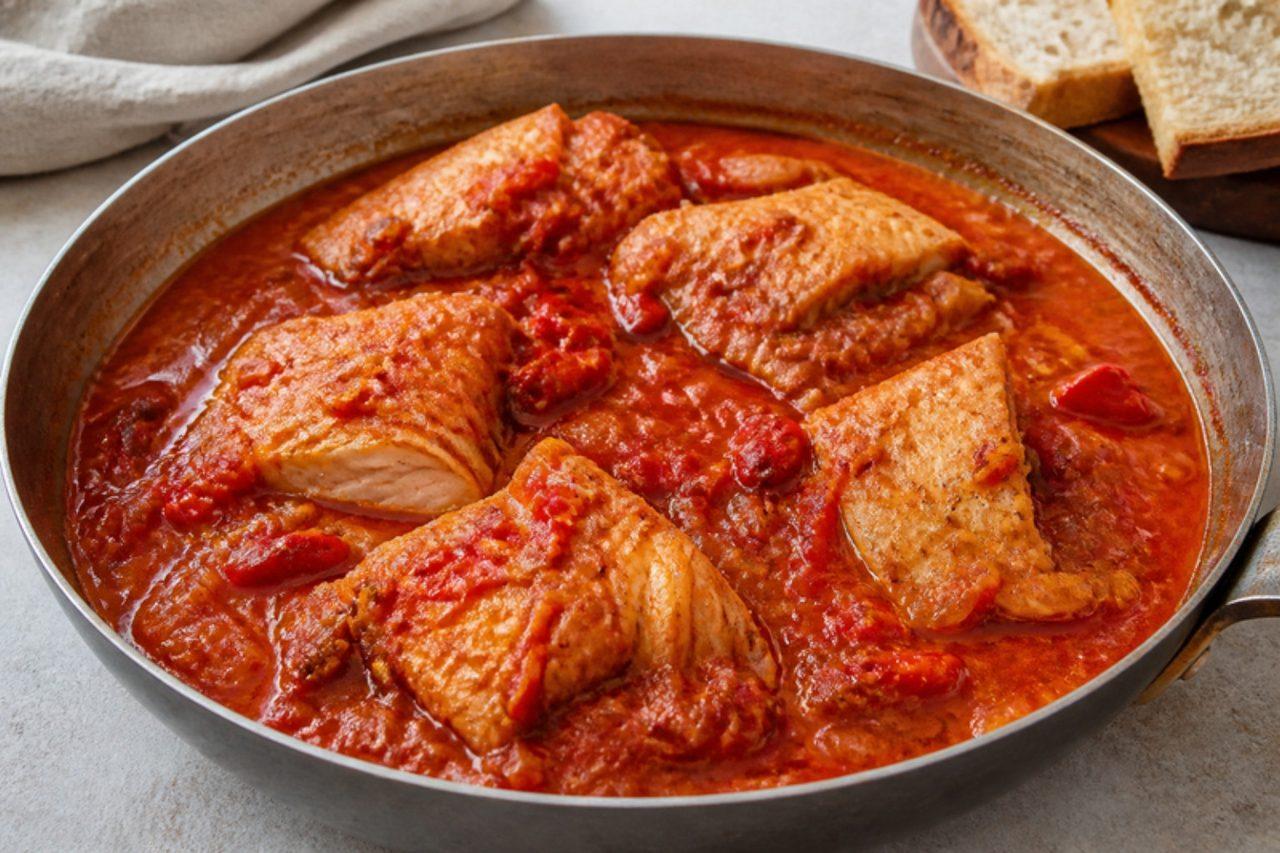
Bourdeto, from the Venetian 'brodetto', is the fishermen's dish of Corfu: chunks of firm white fish (scorpion fish in the tavernas of Kassiopi and Paleokastritsa) poached in a fierce sauce of onions, olive oil, a little tomato and a lot of hot red pepper. It's eaten with bread for the oily, scarlet juices and a cool salad alongside. Common mistake: stirring once the fish is in, which breaks it up — shake the pan instead. Chef's tip: use fish on the bone, cut into steaks; the bones give the sauce body and the flesh stays moist.

50 minGreekFishGluten freeSpicy
by KrazyBadal 0 views

Castroville fried artichokes

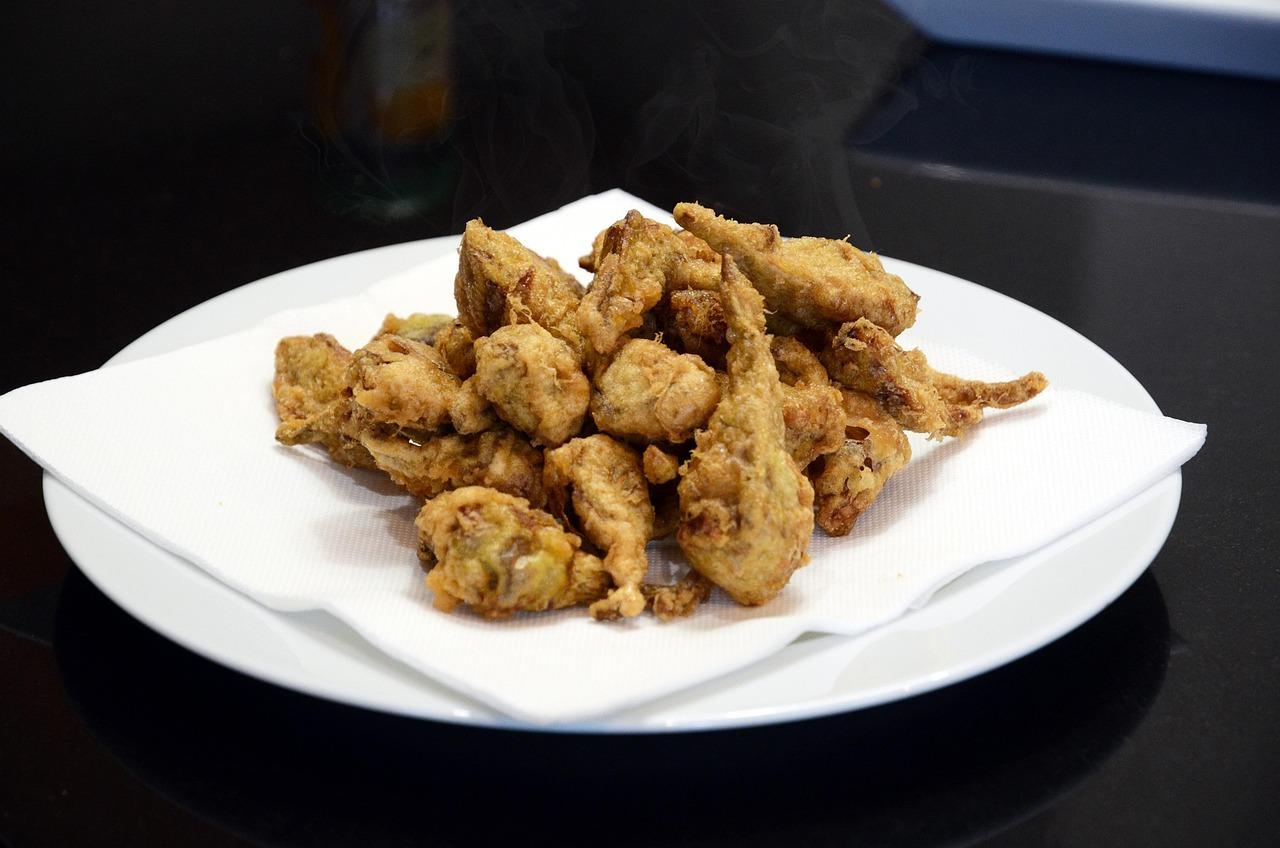
Castroville, near Monterey on California's central coast, grows most of America's artichokes and calls itself the artichoke centre of the world. Roadside stands and the annual artichoke festival sell them crisp-fried, the tender hearts dipped in a light batter and served with lemon and garlic mayonnaise. Small 'baby' artichokes are best, as they have almost no choke. Chef's tip: drop each trimmed artichoke straight into lemon water; cut artichokes turn brown within minutes.

by KrazyBadal 0 views

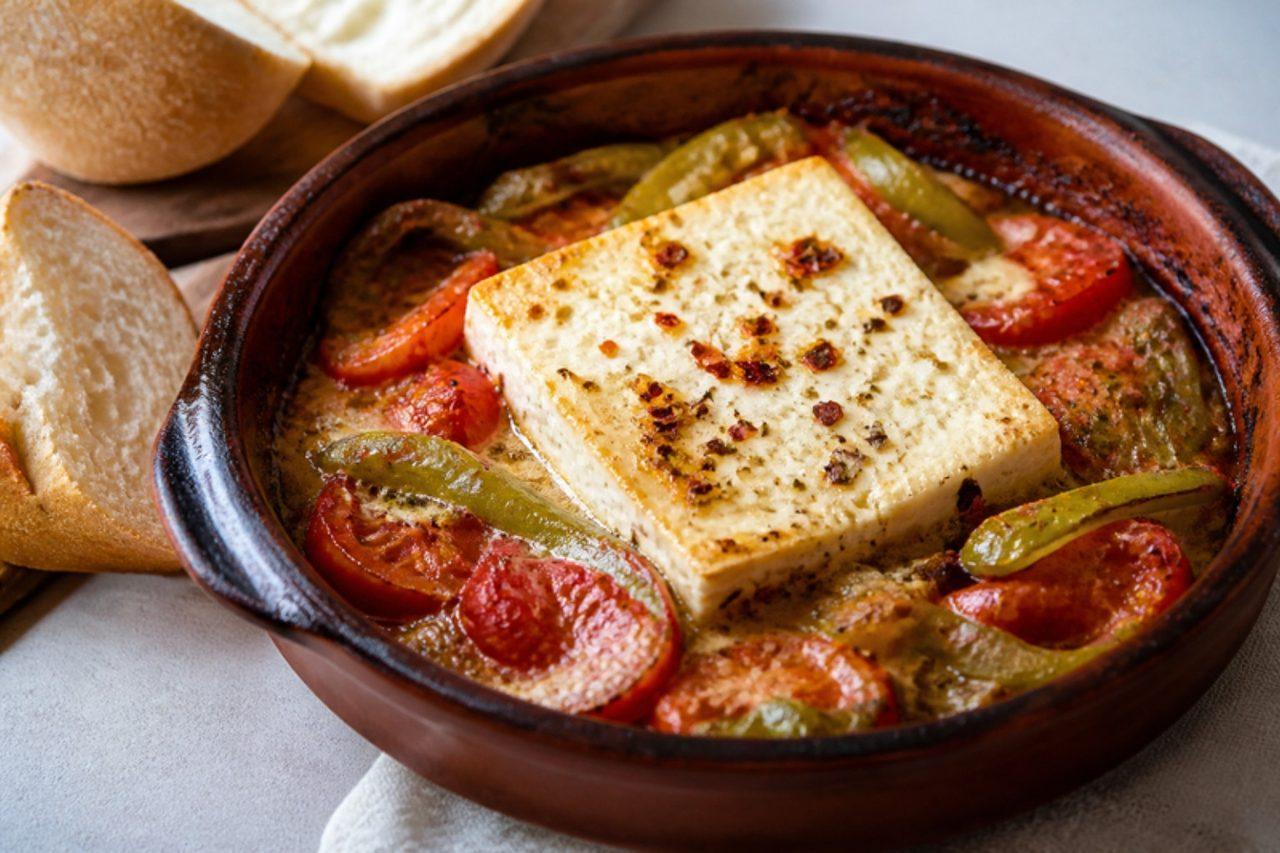
BouyiourdiBaked feta with tomato and chilli

Order a round of tsipouro in a Thessaloniki taverna and a little clay dish of bouyiourdi often arrives with it, still spitting from the oven. A slab of feta is buried under tomato, sweet and hot peppers, oregano and olive oil and baked until the cheese slumps and the edges catch. You scoop it straight from the dish with crusty bread. There's no alcohol in the dish itself; serve it with sparkling water and lemon instead of tsipouro if you like. Feta is usually made with animal rennet; a vegetarian feta-style cheese works well. Common mistake: using a big dish — the sauce spreads thin and burns, so pick one the cheese nearly fills. Chef's tip: wrap the dish in foil for the first 10 minutes so the feta turns creamy before the top browns.

by KrazyBadal 0 views

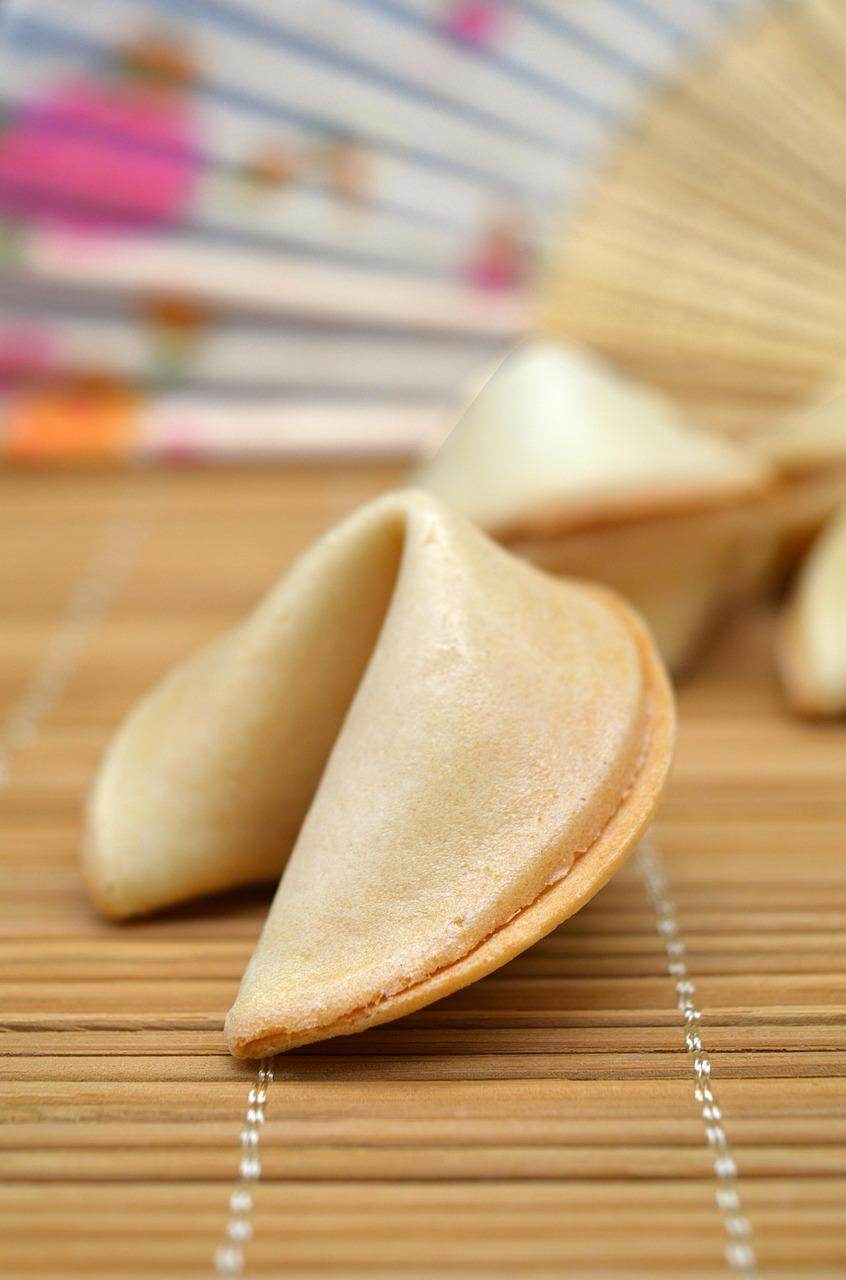
Fortune cookies

Fortune cookies are not from China at all: they were first sold in San Francisco and Los Angeles in the early 1900s, probably from a Japanese tea garden recipe, and Chinese-American restaurants made them famous. A thin vanilla and almond batter is baked into a wafer, then folded while hot around a paper message. Write your own fortunes for a party. Chef's tip: bake only two or three at a time; the wafers set in seconds and crack if you can't fold them fast enough.

by KrazyBadal 0 views

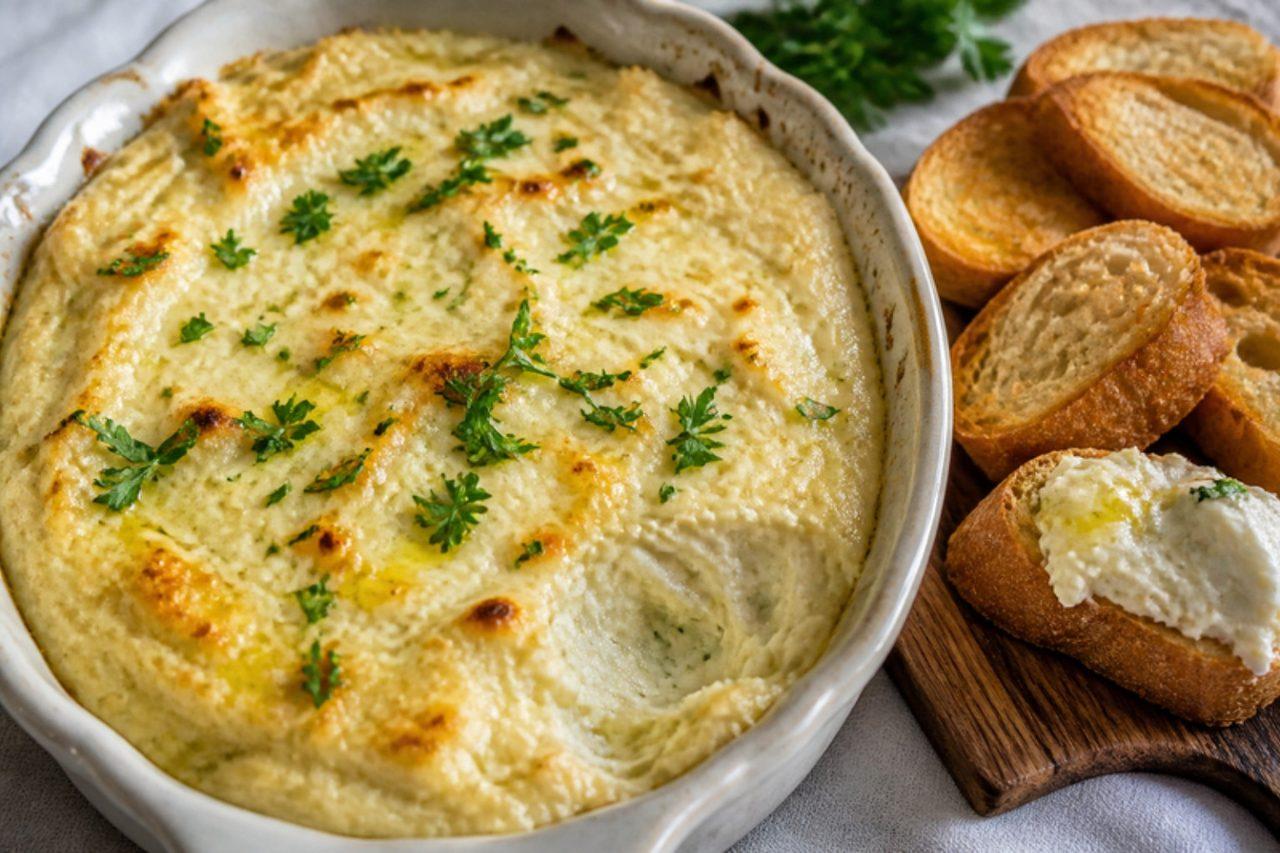
Brandade de morueWhipped salt cod with garlic

Brandade is Nîmes' great Lenten dish, served on Fridays, on Christmas Eve and as a spread on toast in the bars around the Roman arena during the ferias. Salt cod is poached, then beaten with warm olive oil and milk until it turns into a pale, fluffy, garlicky cream with a gentle salty depth. Nîmes purists make it with fish, oil and milk only; many cooks elsewhere fold in a little mashed potato for a softer texture, which is optional here. The cod needs 24–36 hours of soaking in the fridge first, so plan ahead. Spread it on toasted bread, or bake it in a dish until golden and serve with a green salad. Chef's tip: keep both the oil and the milk warm as you beat them in, so the brandade stays smooth and never splits.

65 minFrenchFish
by KrazyBadal 0 views

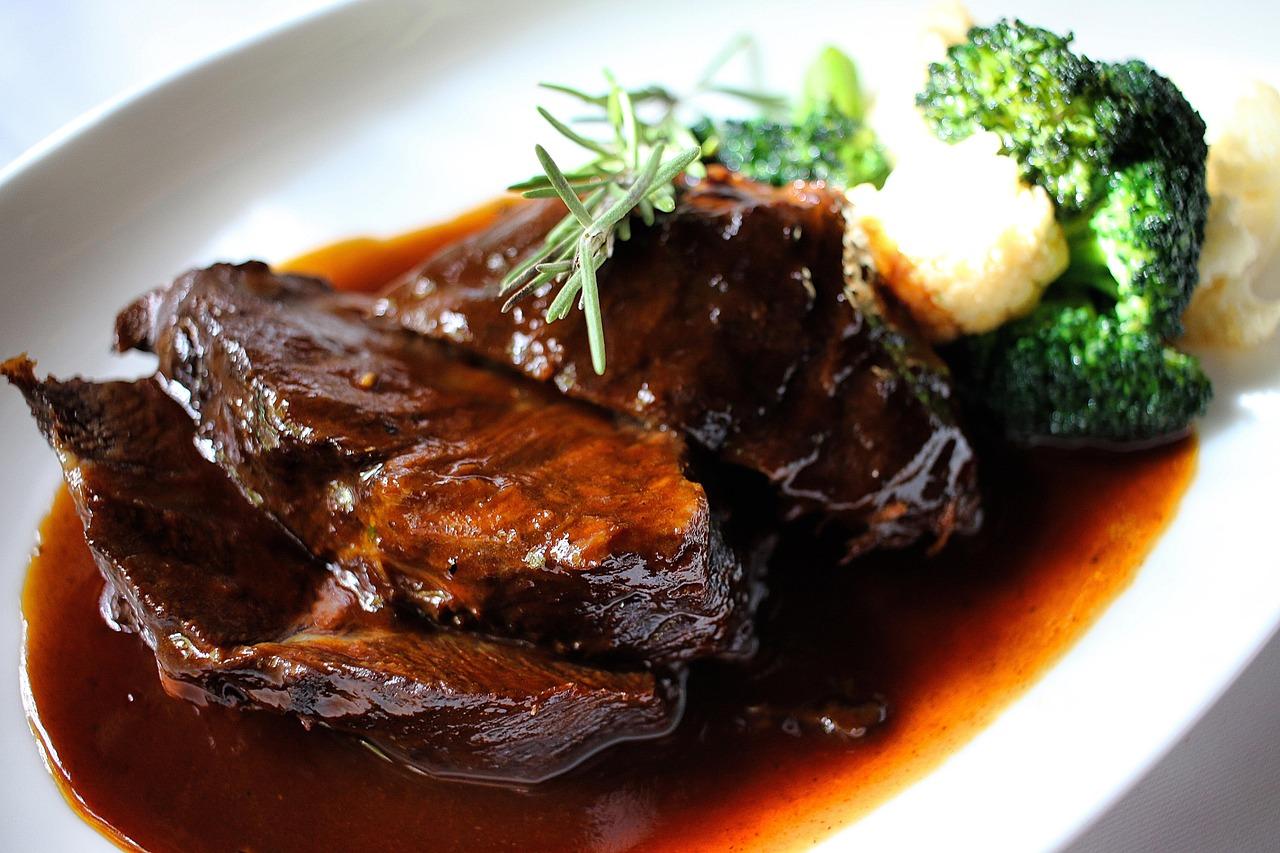
Brasato al BaroloBeef braised in red wine

Brasato al Barolo is the winter centrepiece of the Langhe, the hills around Alba where Barolo is made, served for Christmas lunch and long autumn Sundays after the truffle fairs. A whole piece of beef is marinated overnight in red wine with vegetables and spices, then braised for hours until it can be cut with a spoon; the vegetables are blended into a dark, velvety sauce. The dish uses a whole bottle of red wine, and Barolo-style nebbiolo is traditional, but any full-bodied dry red works; an alcohol-free version with stock, grape juice and vinegar is given in the ingredient note. Serve thick slices with soft polenta or buttery mashed potato. Chef's tip: braise it a day ahead, chill it in its sauce and slice it cold; it cuts neatly, and the flavour deepens overnight.

230 minItalianMeatGluten free
by KrazyBadal 0 views

Chermoula

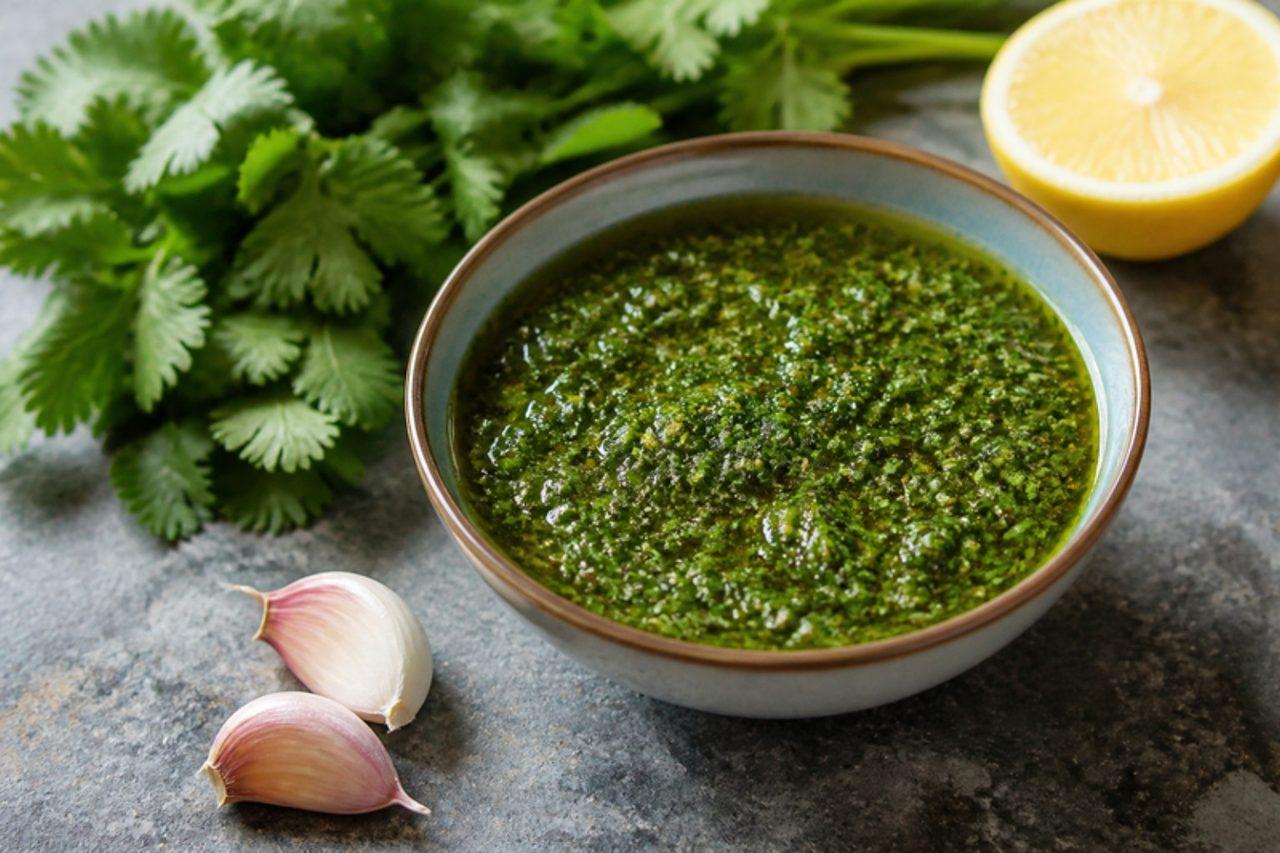
Along the Atlantic coast, in the fish stalls by Essaouira harbour and in home kitchens up and down the coast, chermoula is the green, garlicky paste that seasons almost everything from the sea: whole fish for the oven, sardines for the grill and fish tagines with potatoes and peppers. It works just as well on vegetables: toss it with potatoes, aubergine or carrots before roasting, spoon it over chickpeas, or stir it into a vegetable tagine. Bright, herby and tangy, it is warm with cumin and paprika and has a little chilli heat. When you use it on fish, marinate in the fridge, never on the counter, and for no more than 2 hours, or the lemon starts to cook the flesh and turns it mushy. Chef's tip: chop by hand or pulse only briefly; blended to a smooth purée, the herbs bruise and taste grassy.

by KrazyBadal 0 views

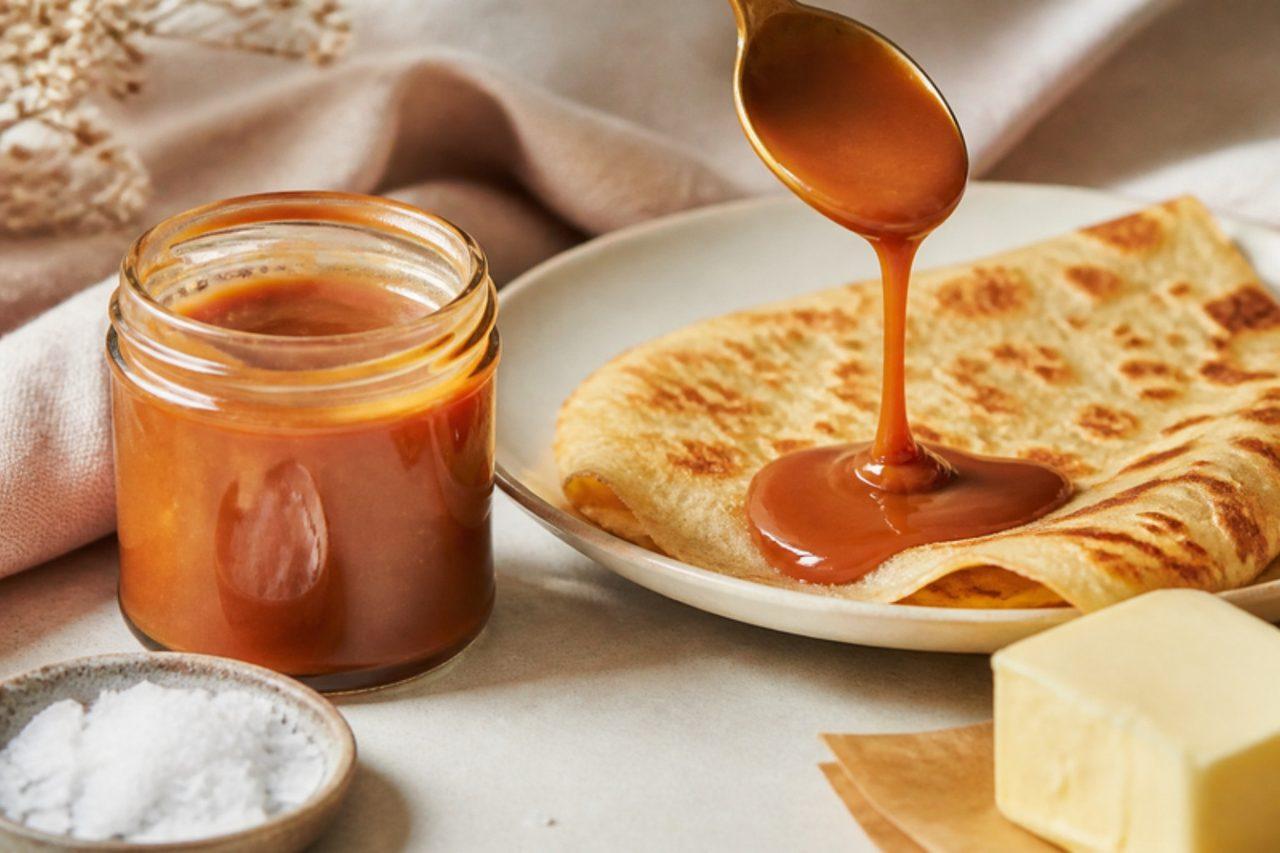
Salted butter caramel

Salted butter caramel was made famous by a confectioner in Quiberon in the 1970s, and now every crêperie from Rennes to Brest pours it over sweet crêpes, and every Breton cupboard has a jar for ice cream, apples or simply a spoon. Brittany kept the habit of salted butter long after the rest of France, so the salt is part of the flavour, not a trend. The caramel is cooked dark, loosened with hot cream and finished with butter flecked with sea salt. It keeps for two weeks in the fridge. Chef's tip: warm the cream before adding it; cold cream makes the caramel seize into hard lumps and spit furiously.

by KrazyBadal 0 views

BratkartoffelnFried potatoes with onion

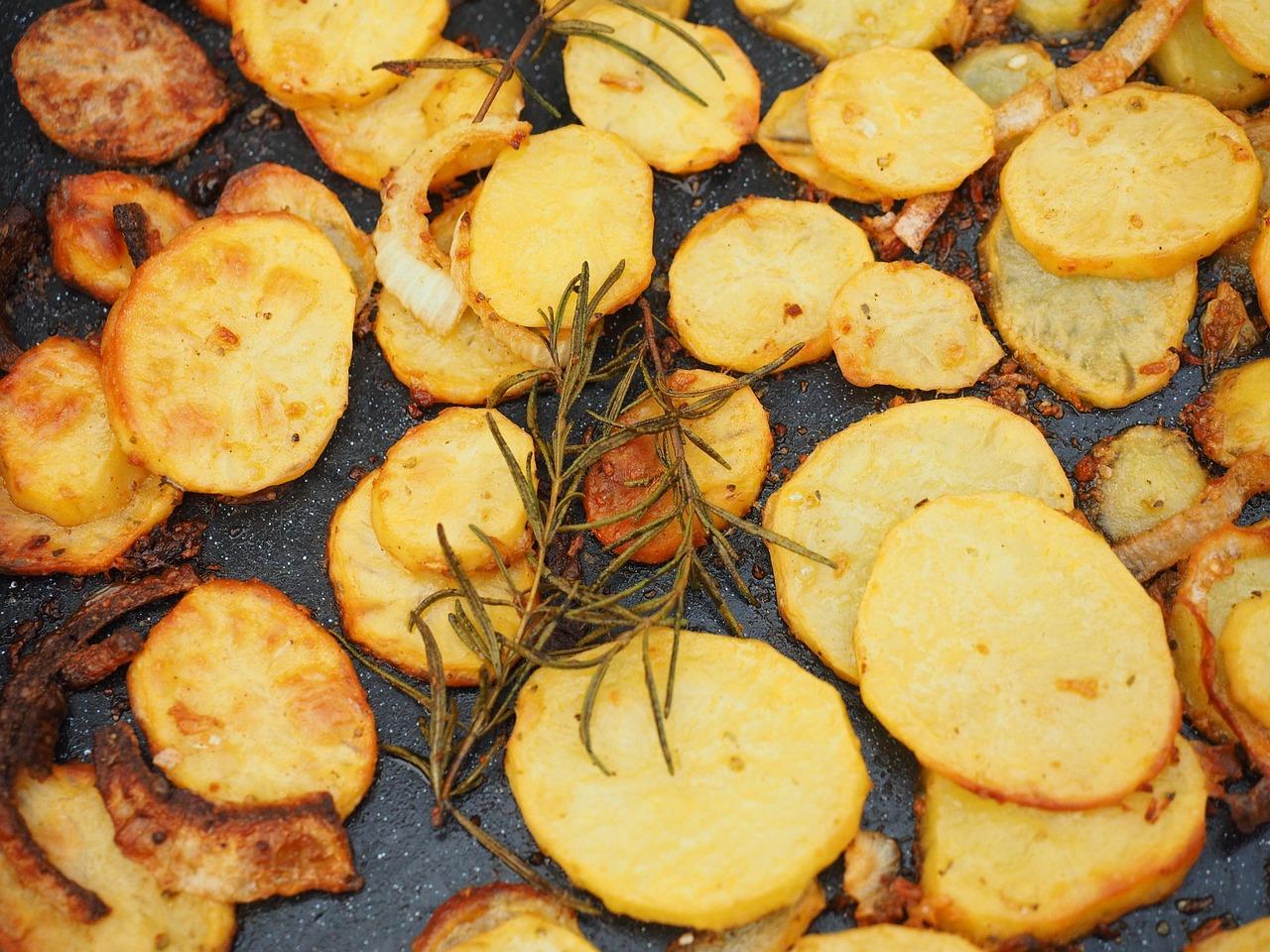
Bratkartoffeln are the potatoes of every German pub and home kitchen, from Hamburg to Munich: yesterday's boiled potatoes sliced and fried slowly in a heavy pan until the edges are crisp and brown, then tossed with onion. They come with fried eggs, pickled herring, Sülze or a green salad, and many cooks add bacon cubes; this version stays vegetarian with butter, onion and marjoram. The mistake everyone makes is stirring too often and crowding the pan: the slices steam instead of crisping. Chef's tip: use waxy potatoes boiled in their skins the day before; cold, firm slices hold their shape and brown far better than fresh ones.

by KrazyBadal 0 views

CranachanOat, raspberry and whisky cream dessert

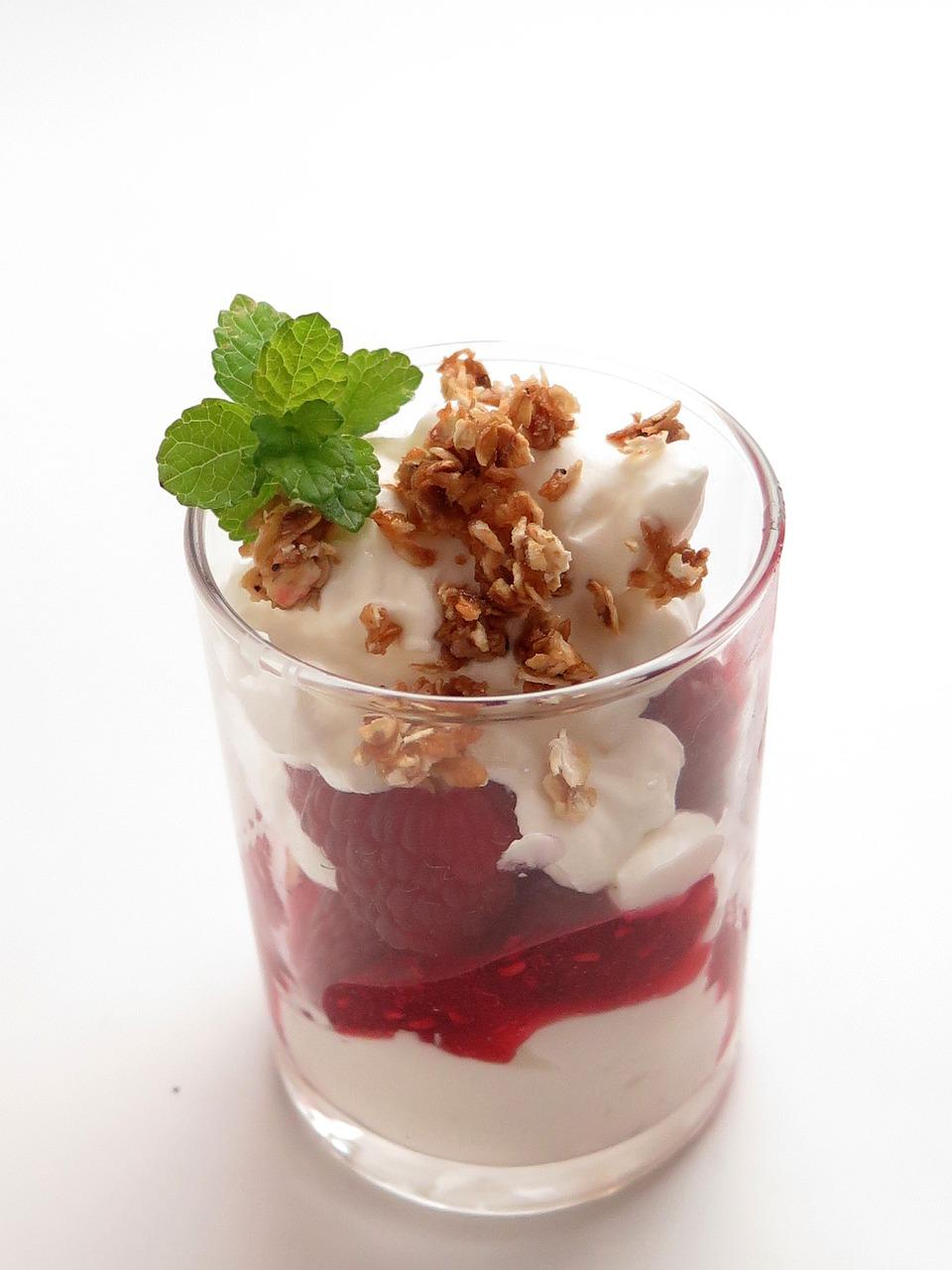
Cranachan began as a harvest-home dessert in the Highlands, made when the raspberries ripened in June and July, and it is now served on Burns Night and at Scottish weddings. Layers of whipped cream sweetened with heather honey, toasted pinhead or rolled oats and fresh raspberries make it crunchy, rich and sharp all at once. The traditional splash of Scotch whisky contains alcohol; for an alcohol-free version use a few drops of vanilla and a squeeze of orange juice instead. Chef's tip: toast the oats until they smell nutty and look golden; raw oats taste floury.

by KrazyBadal 0 views

Rziza (coiled thread pancakes)

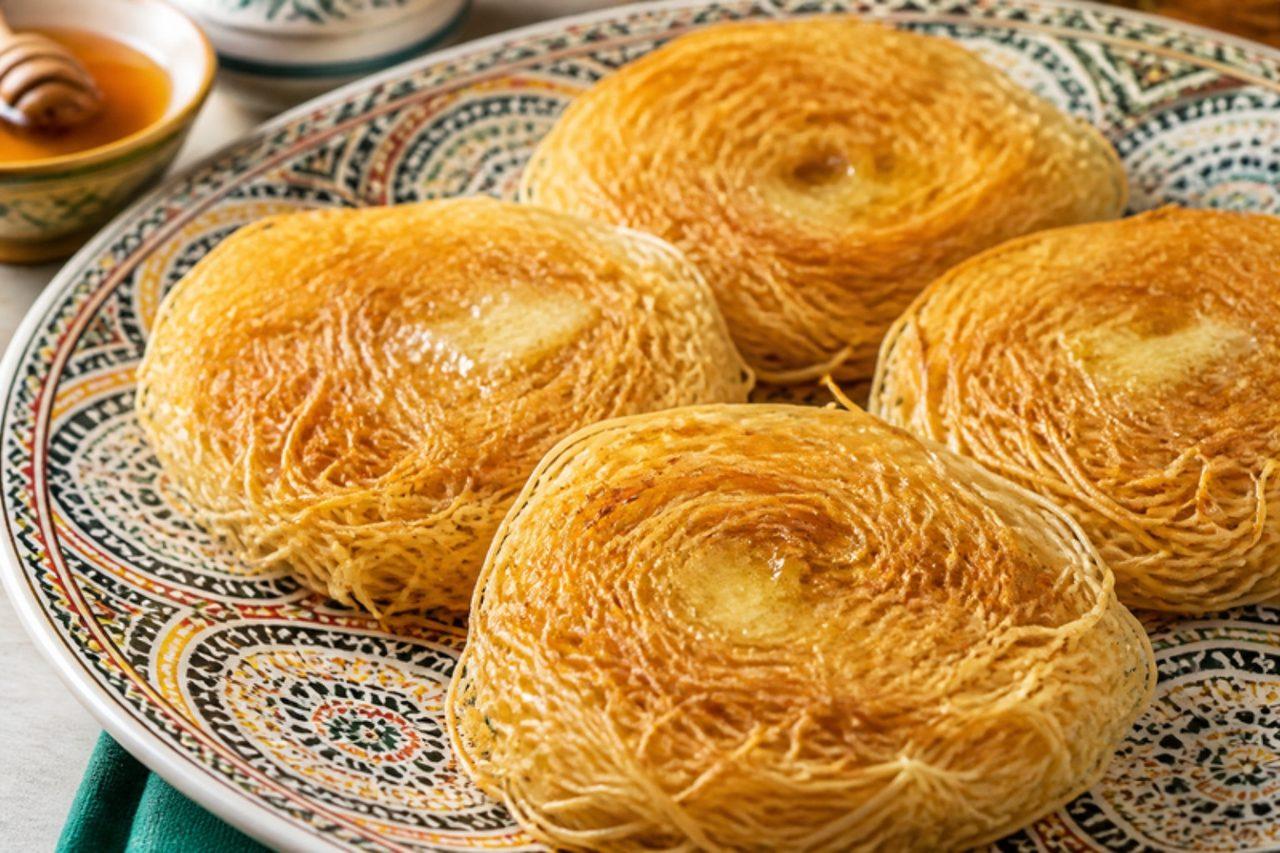
Rziza is one of the showpieces of the Ramadan table in the old imperial cities: a soft dough is stretched into a sheet, rolled up and pulled into a long, thin cord, then wound around the fingers into a skein, flattened into a nest and griddled until crisp outside and tender within. At iftar the nests are pulled apart into their fine strands and drenched in warm honey and melted butter, to eat with harira, dates and mint tea. Making it takes patience and practice; the first one or two may tear, and that is fine. Chef's tip: keep everything well oiled, your hands, the board and the dough balls; too little oil is the common mistake, and the dough then tears instead of stretching.

by KrazyBadal 0 views

Mufleta (Mimouna stacked crêpes)

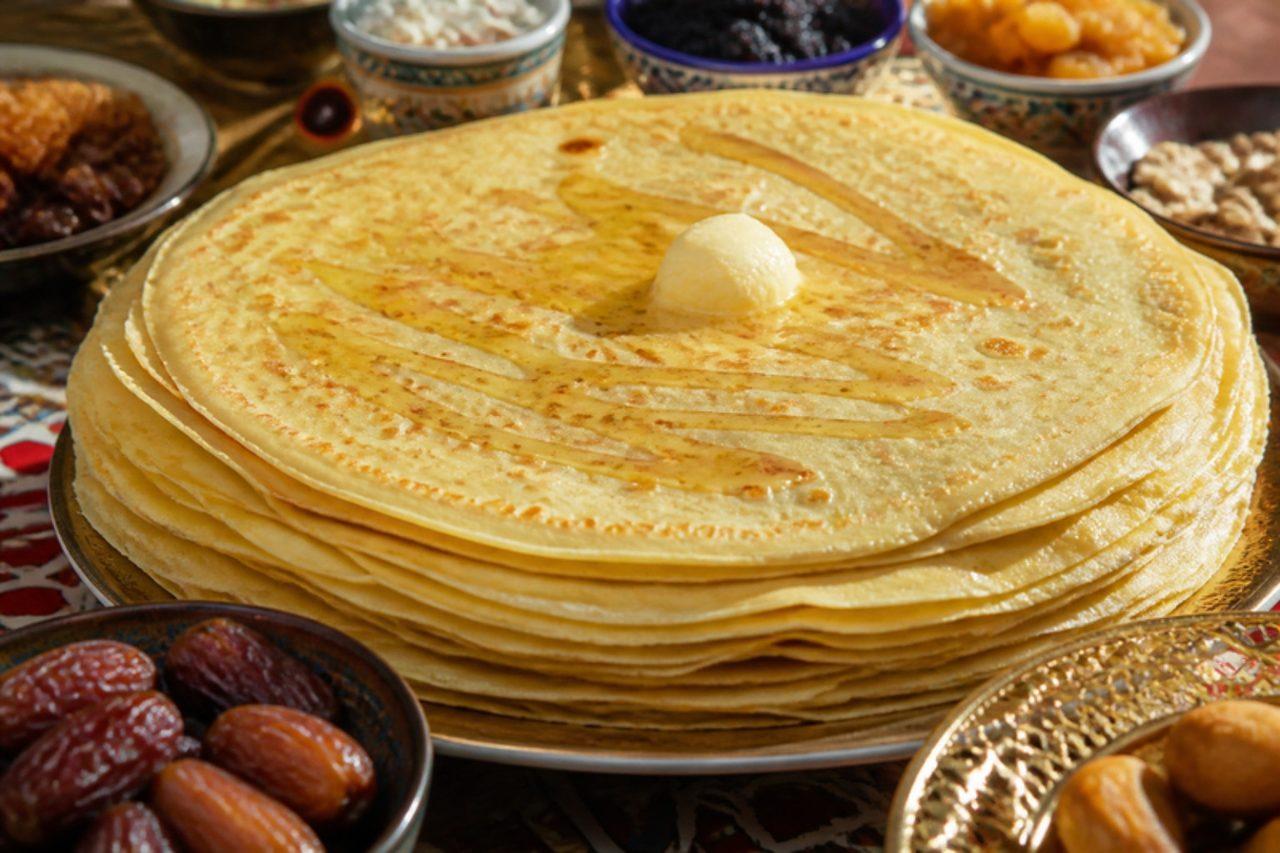
On the evening Passover ends, Moroccan Jewish families celebrate Mimouna by opening their doors to neighbours and friends, and the star of the table is mufleta: paper-thin rounds of unleavened dough stretched by hand and cooked one on top of another in a single pan, so a whole warm stack comes out at once. Each layer is peeled off, spread with butter and drizzled with honey, and rolled up to eat with mint tea, among sweets, dried fruits and flowers. They are soft, a little chewy and lightly crisp at the edges. The dough has no yeast, fitting for the night bread returns. The usual mistake is stretching the dough with too little oil on the board, so the sheets tear and stick together in the stack. Chef's tip: cook over a medium-low heat; a pan that is too hot scorches the bottom layer before the stack is built.

by KrazyBadal 0 views

BrezenknödelPretzel dumplings

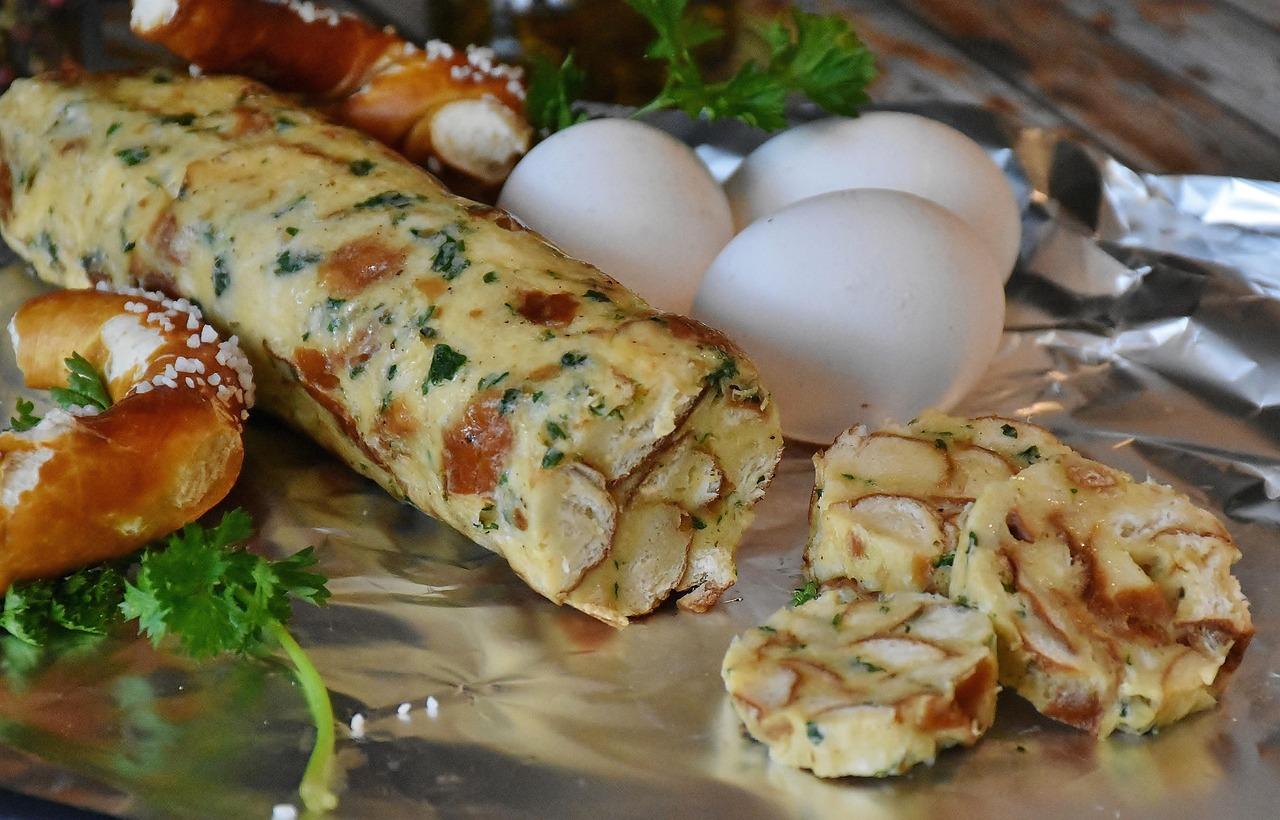
Brezenknödel are what thrifty Munich kitchens make from yesterday's pretzels: the cubes soak in warm milk with egg, onion and parsley, then are shaped into dumplings with a faintly salty, malty crust flavour running through them. They are served on Sundays in place of bread dumplings, alongside a creamy mushroom sauce or a pile of red cabbage, and leftovers are sliced and fried the next morning. The big mistake is adding too much milk: the mixture should hold when squeezed, not drip. Chef's tip: pick off most of the coarse salt before cubing the pretzels, otherwise the dumplings end up far too salty.

by KrazyBadal 0 views

Fekkas (twice-baked almond biscuits)

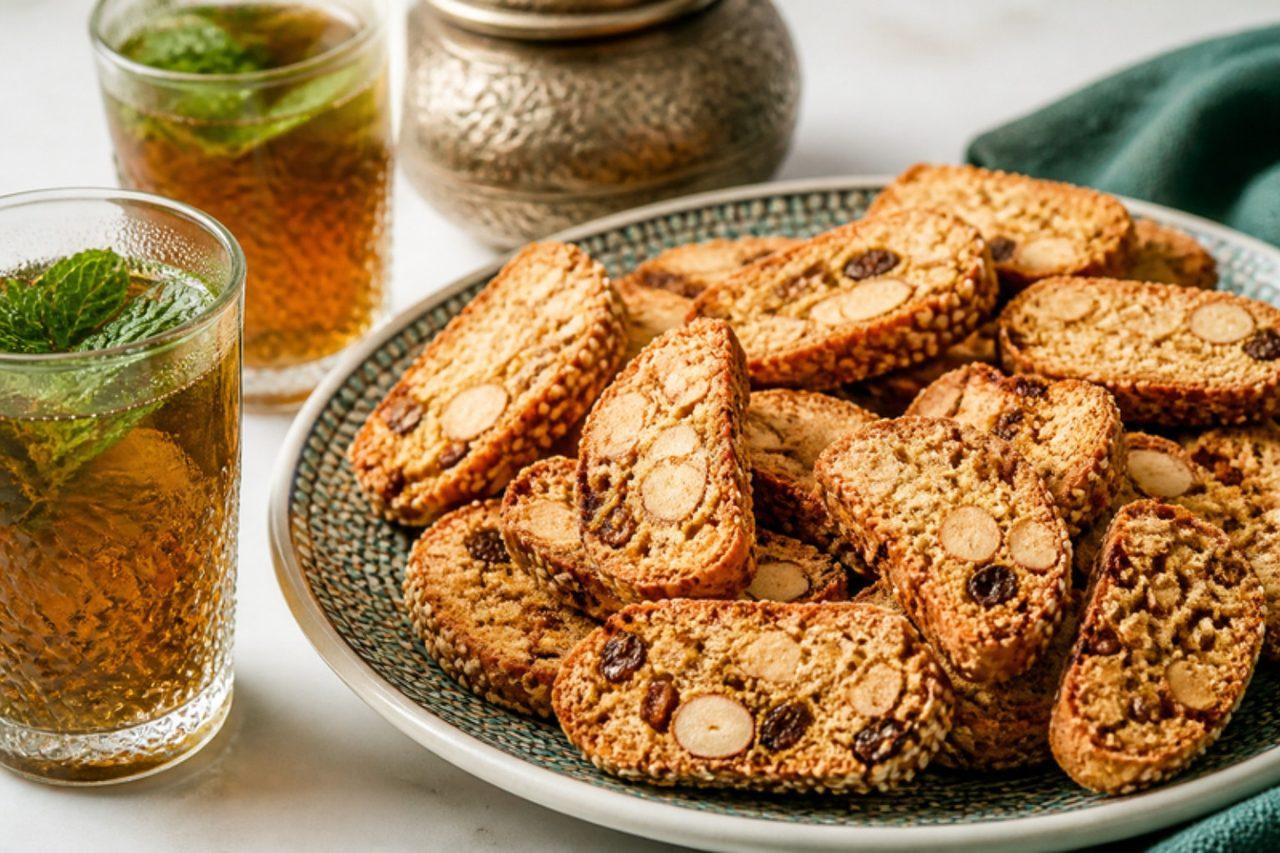
Before Eid and during Ramadan, Moroccan kitchens fill with the scent of fekkas: logs of a soft, eggy dough studded with almonds, raisins, aniseed and sesame are baked, cooled, sliced thin and baked again until dry, golden and very crunchy. They are offered to guests on trays with ghriba and other biscuits and dunked into mint tea or milky coffee, and they keep for weeks in a tin, so they are perfect to make ahead. The flavour is gently sweet, with liquorice notes from the anise and a little lemon. Avoid slicing the logs while they are still hot from the first bake; they crumble. Let them firm up first. Chef's tip: let the baked logs cool completely, ideally overnight, before slicing; warm logs crumble under the knife.

by KrazyBadal 0 views

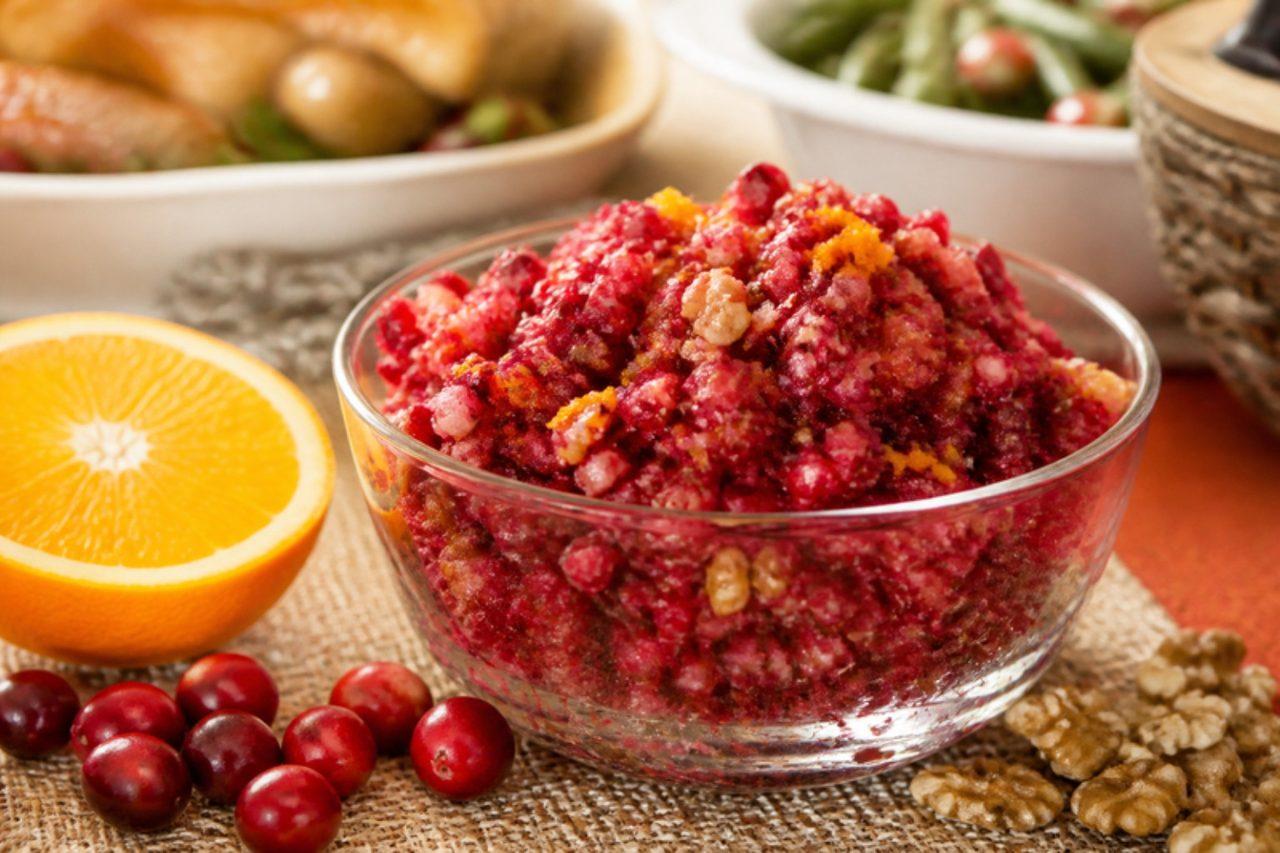
Cranberry orange relish

Cape Cod and the bogs of south-eastern Massachusetts grow much of America's cranberry crop, and this uncooked relish is the sharp, bright alternative to cooked cranberry sauce on many New England Thanksgiving tables. Fresh cranberries are chopped with a whole orange, peel and all, then sweetened, so it is crunchy, tart and fragrant, lovely with roast vegetables, nut roasts or cheese. Chef's tip: make it a day ahead; the sugar draws out the juices and softens the bitterness of the peel overnight.

by KrazyBadal 0 views

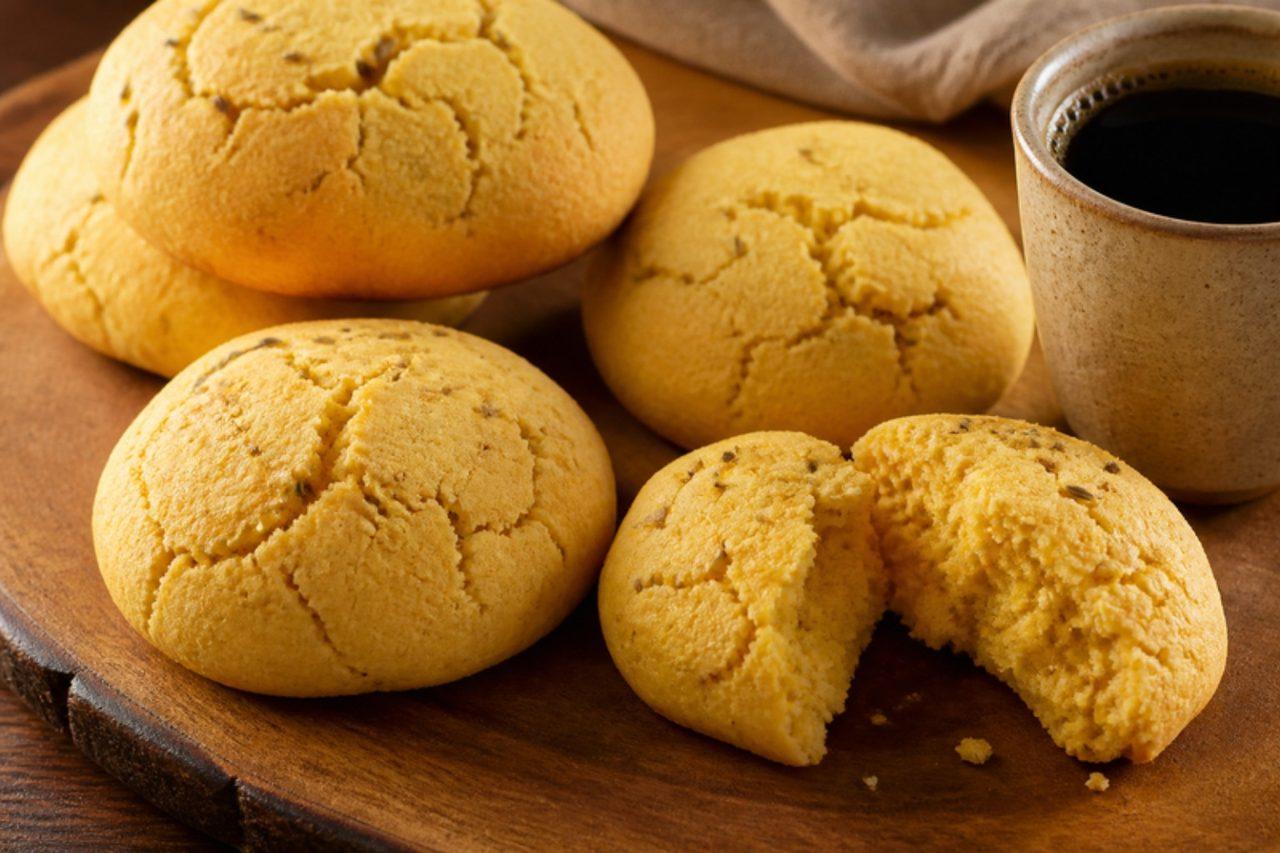
Broa de fubáFennel cornmeal buns

Afternoon coffee on a Minas Gerais farm almost always includes broa: craggy little cornmeal buns, golden and crusty outside, soft and slightly crumbly within, with the faint aniseed note of fennel seed. They are made by first cooking fubá with milk, butter and sugar into a thick porridge, then beating in eggs, flour and baking powder, so the crumb stays moist for days. Padarias in Belo Horizonte and the old mining towns sell them by the dozen. Serve them warm, split and buttered, with strong coffee or café com leite. Underbaking is where most batches fail; pale broas are gummy, so wait for a deep golden crust and a cracked top. Chef's tip: dip your hands in fubá rather than flour when shaping, so the buns get the rough, sandy crust they are known for.

by KrazyBadal 0 views

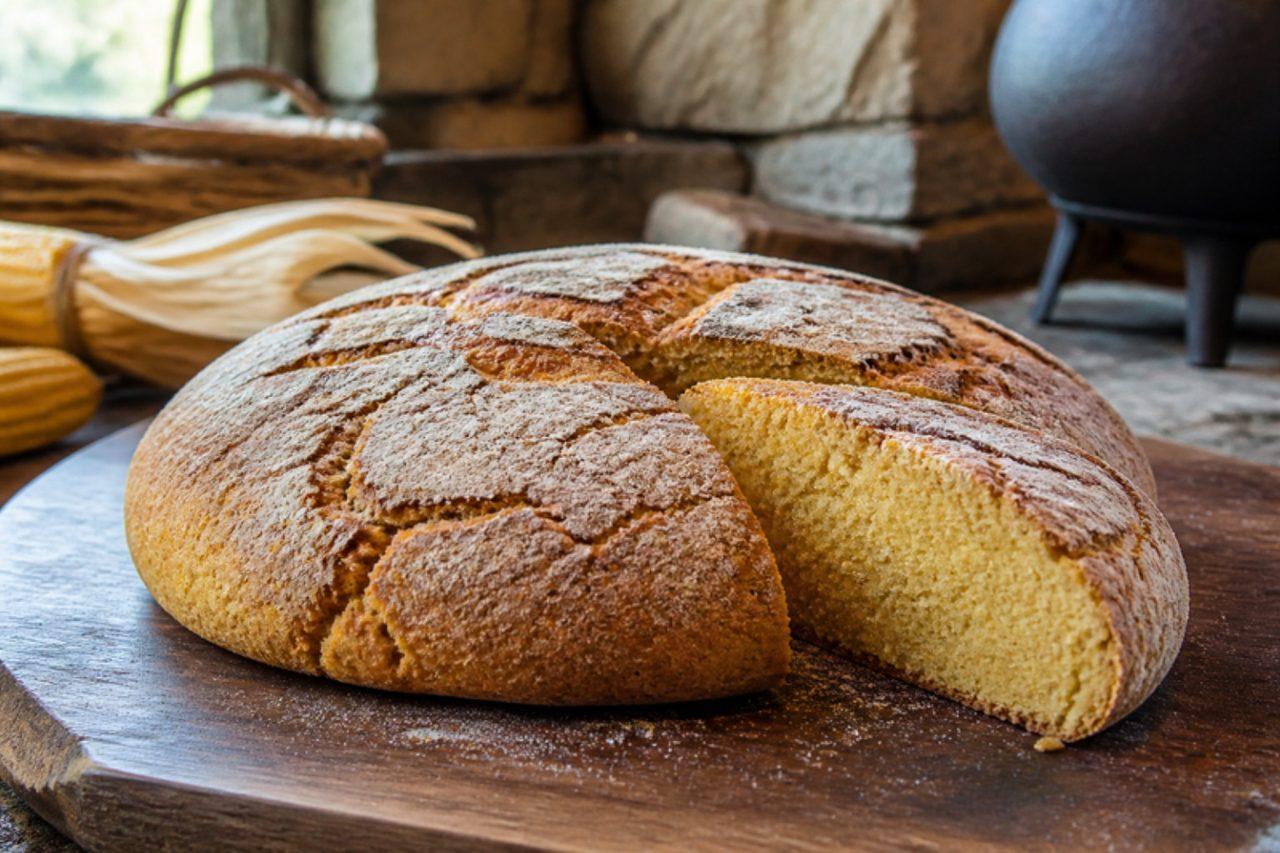
Broa de milhoCorn and rye bread

Across the green hills of the Minho, broa was once baked weekly in a wood oven shared by the village, and a wedge of it still sits beside every bowl of caldo verde and every plate of grilled sardines. The crumb is yellow, close and slightly sweet from the maize, with a thick crust that splits as it bakes. Scalding the cornmeal with boiling water first is what gives it that moist, almost cake-like bite. A common mistake is slicing the loaf hot, while the crumb is still gummy; let it cool for at least an hour. Chef's tip: leave the loaf on a rack for at least two hours before slicing, because cutting it hot leaves the inside gummy.

by KrazyBadal 0 views

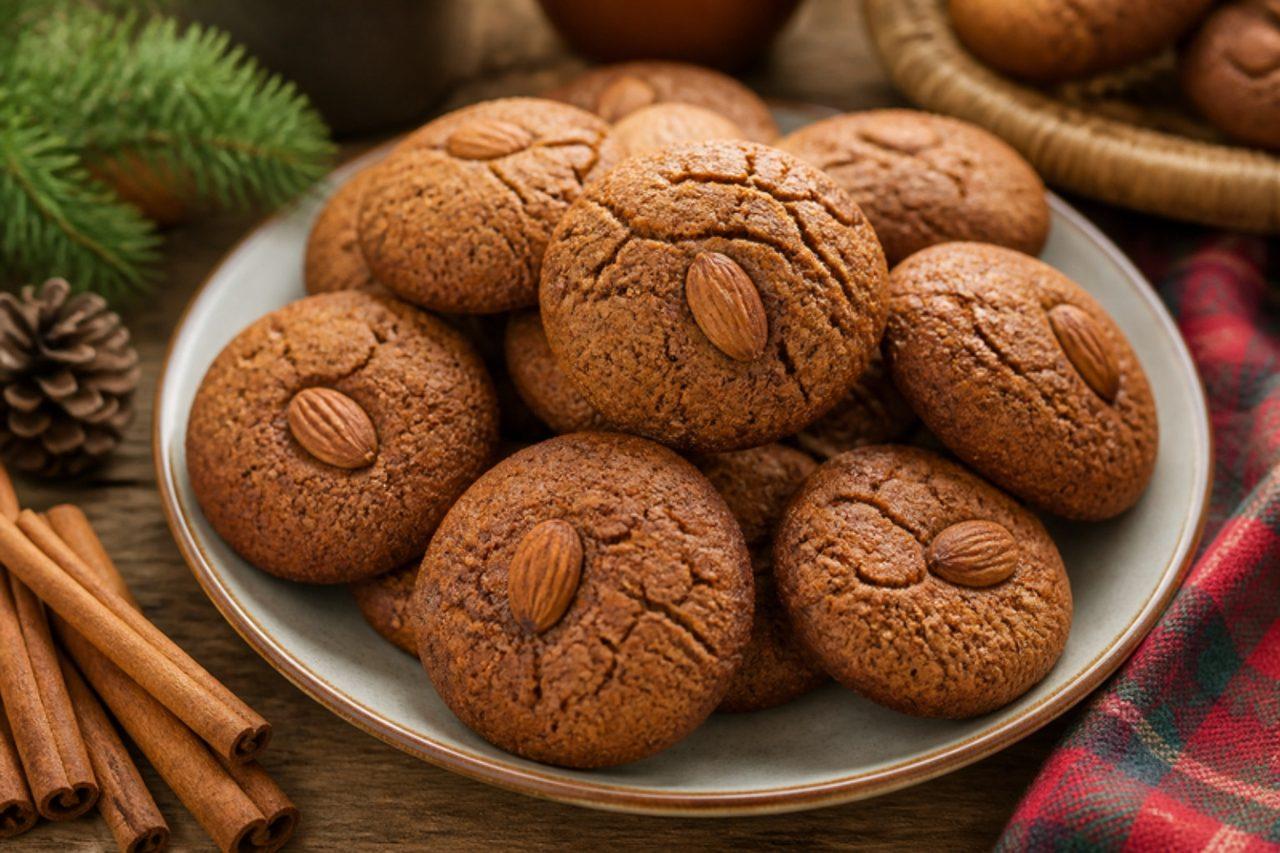
Broas de melSpiced molasses biscuits

Alongside bolo de mel, every Madeiran Christmas table has a tin of broas de mel: small, round, dark biscuits made with the same sugarcane molasses and spices, crisp at the edge and slightly chewy inside. Children are given them when they go door to door on the Missas do Parto mornings before Christmas, and they are good dunked in coffee or tea. Chef's tip: chill the dough for half an hour before shaping; molasses dough is sticky when warm.

by KrazyBadal 0 views

Brodetto all'anconetanaTomato fish stew

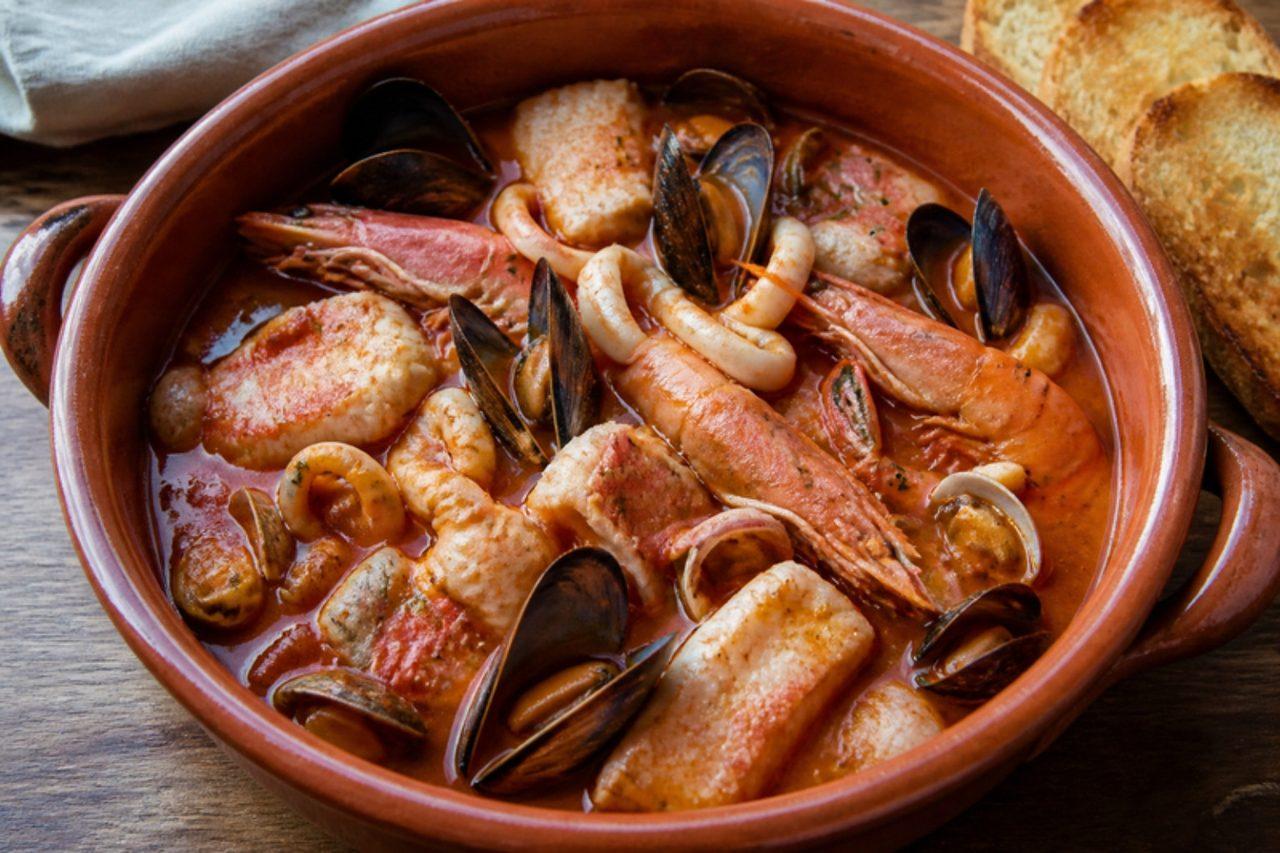
Fishermen in Ancona made brodetto from the unsold catch, and the city's harbour restaurants still serve it as a festive dish, traditionally with many kinds of fish: scorpionfish, gurnard, monkfish, cuttlefish, mussels and clams among them. Unlike the saffron brodetto further south at Porto Recanati, this one is red, built on tomato, garlic and a sharp splash of vinegar, and every piece of fish keeps its shape in a thick, peppery sauce. It comes to the table in the pot and is spooned over slices of toasted bread rubbed with garlic. Use whatever firm white fish your fishmonger has; the more variety, the better. Chef's tip: layer the fish by cooking time, firm and bony pieces at the bottom, delicate fillets on top, and shake the pot rather than stirring.

by KrazyBadal 0 views

Trucha a la mantecaTrout with brown butter

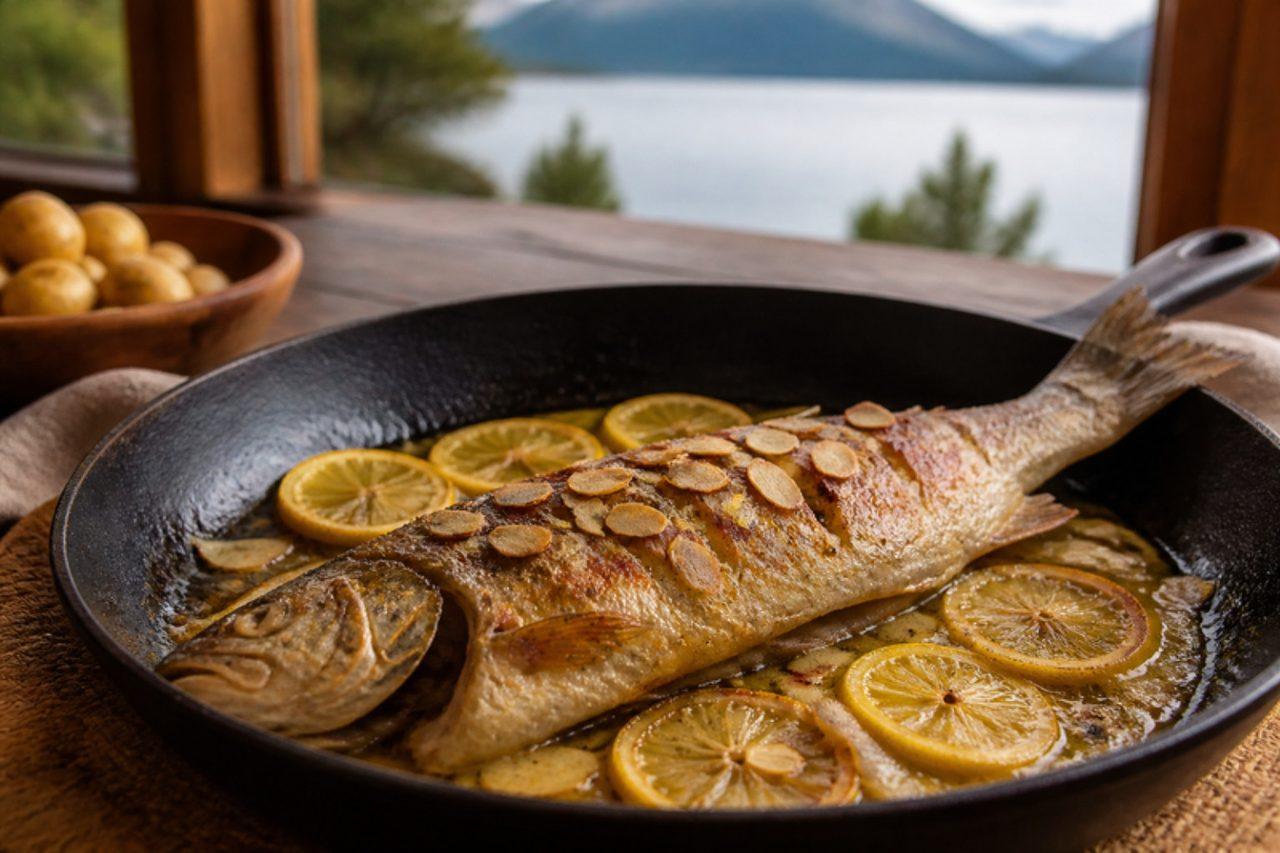
Restaurants on the shores of Nahuel Huapi, in Bariloche and Villa La Angostura, put rainbow trout from the cold Andean lakes on almost every menu, and this butter version is the one locals order most. Fillets are fried with crisp skin, then drenched in butter browned with flaked almonds and sharpened with lemon. Serve with boiled new potatoes and a green salad. Any trout or char works. People commonly start the fish in butter, which burns before the skin crisps; fry it in a film of oil and make the brown butter after. Chef's tip: dry the skin really well and dust it with rice flour; it gives a thin, glassy crust without any gluten.

by KrazyBadal 0 views

Kaab el ghzal (gazelle horns)

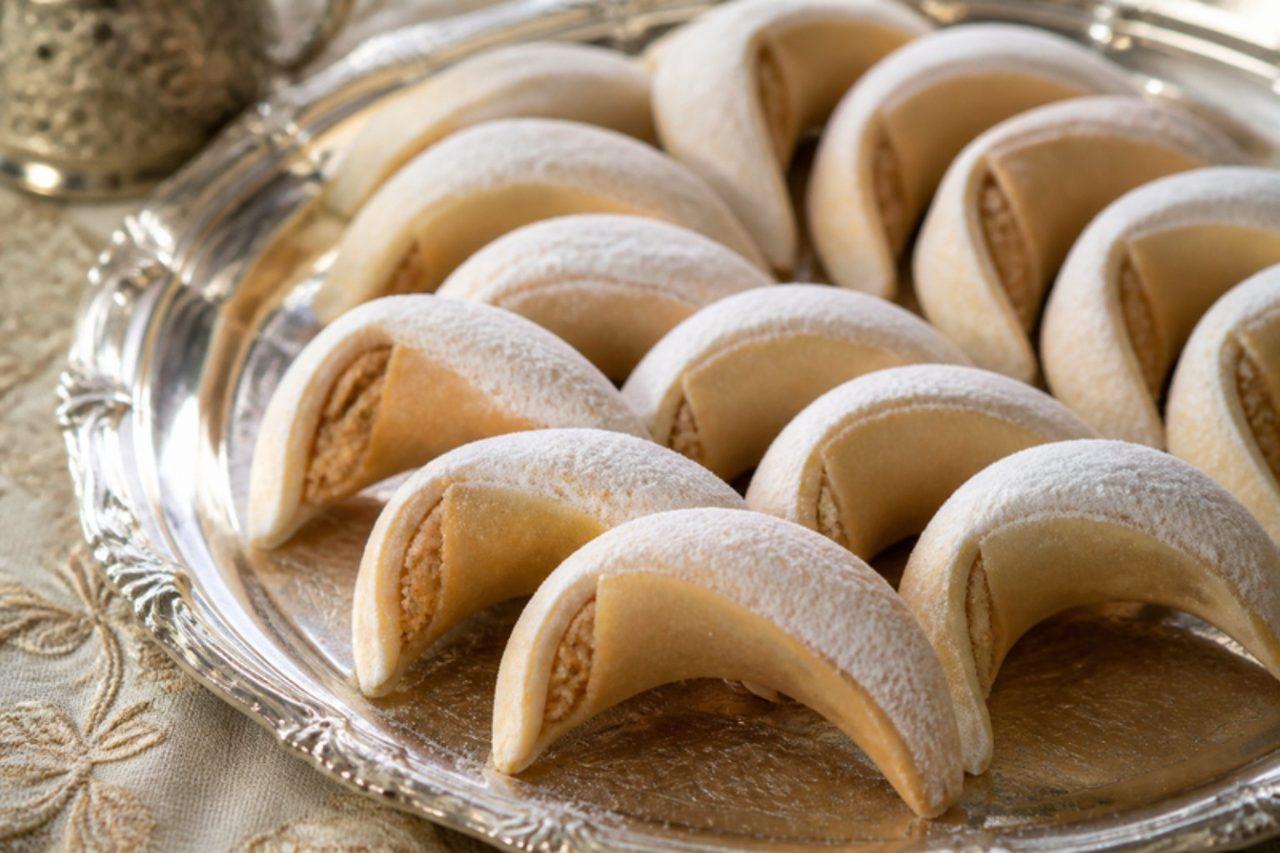
Kaab el ghzal, 'gazelle ankles' or horns, are the most elegant of Moroccan biscuits: a slim crescent of fragrant almond paste flavoured with orange-flower water, wrapped in a pastry rolled so thin it is almost transparent, then baked only until it sets and stays pale. They are made for weddings, Eid, engagements and any visit that deserves honour, and are served with mint tea. The filling is soft and marzipan-like, the pastry delicate and barely crisp. They take time, so make a full batch and freeze half. Chef's tip: bake them until just firm and barely coloured; browning is the common mistake and makes the pastry hard.

by KrazyBadal 0 views

FouéesPuffed little breads

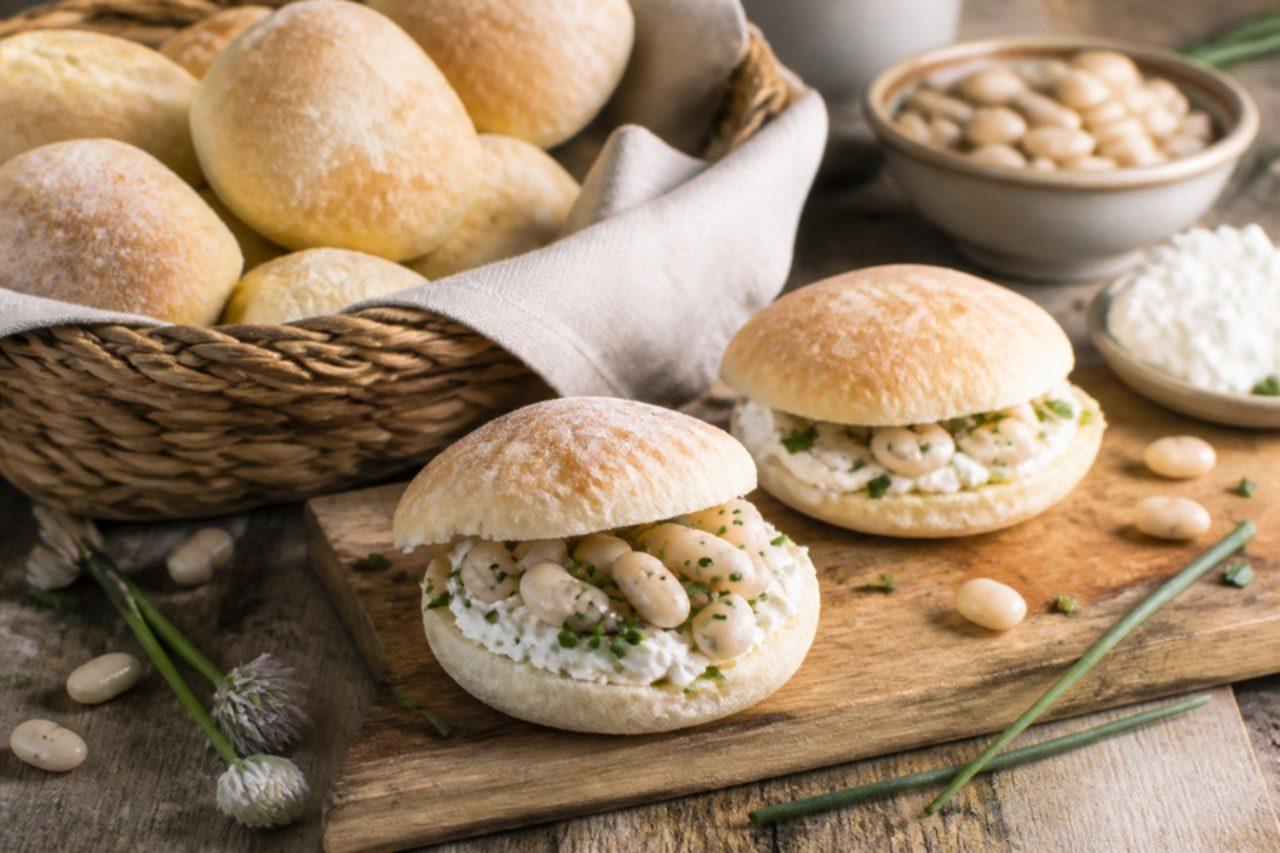
In the troglodyte restaurants carved into the tufa cliffs near Saumur and Tours, bakers slap small rounds of bread dough onto the floor of a wood-fired oven, and in a minute they puff up like balloons. Fouées (also called fouaces) are split while still steaming and filled at the table, and a fouée evening is a favourite outing for families and groups in the Loire. Rillettes are the classic filling, but butter, fresh goat's cheese and garlicky white mogette beans are just as traditional, and those are what we use here. At home, a very hot oven and a preheated tray do the job. Chef's tip: roll the rounds evenly thin, about 4 mm; uneven dough puffs only on one side.

by KrazyBadal 0 views

Showing 54 of 8,687 recipes

Show more recipes

Page 535 of 966