


Skip to content
Pukhlein
Featured recipe

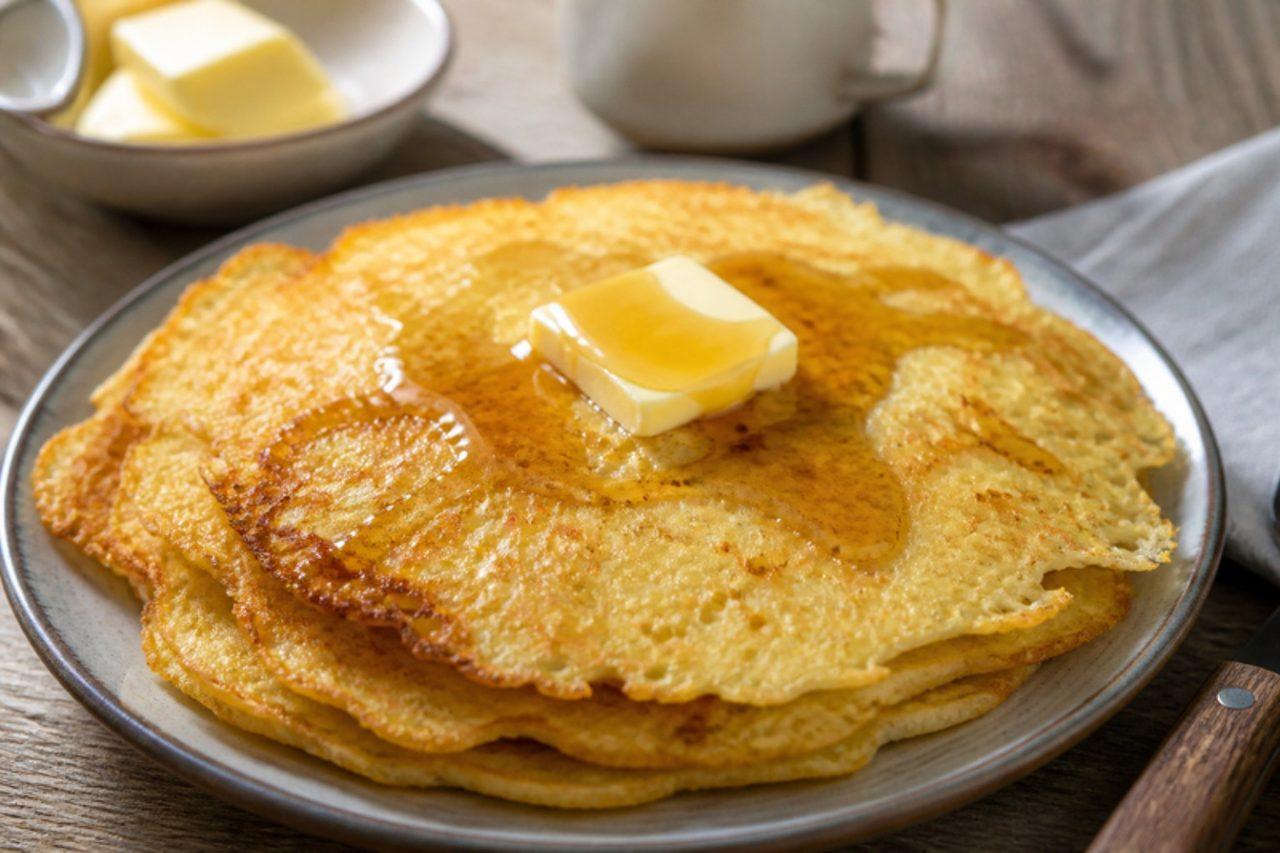
Pukhlein

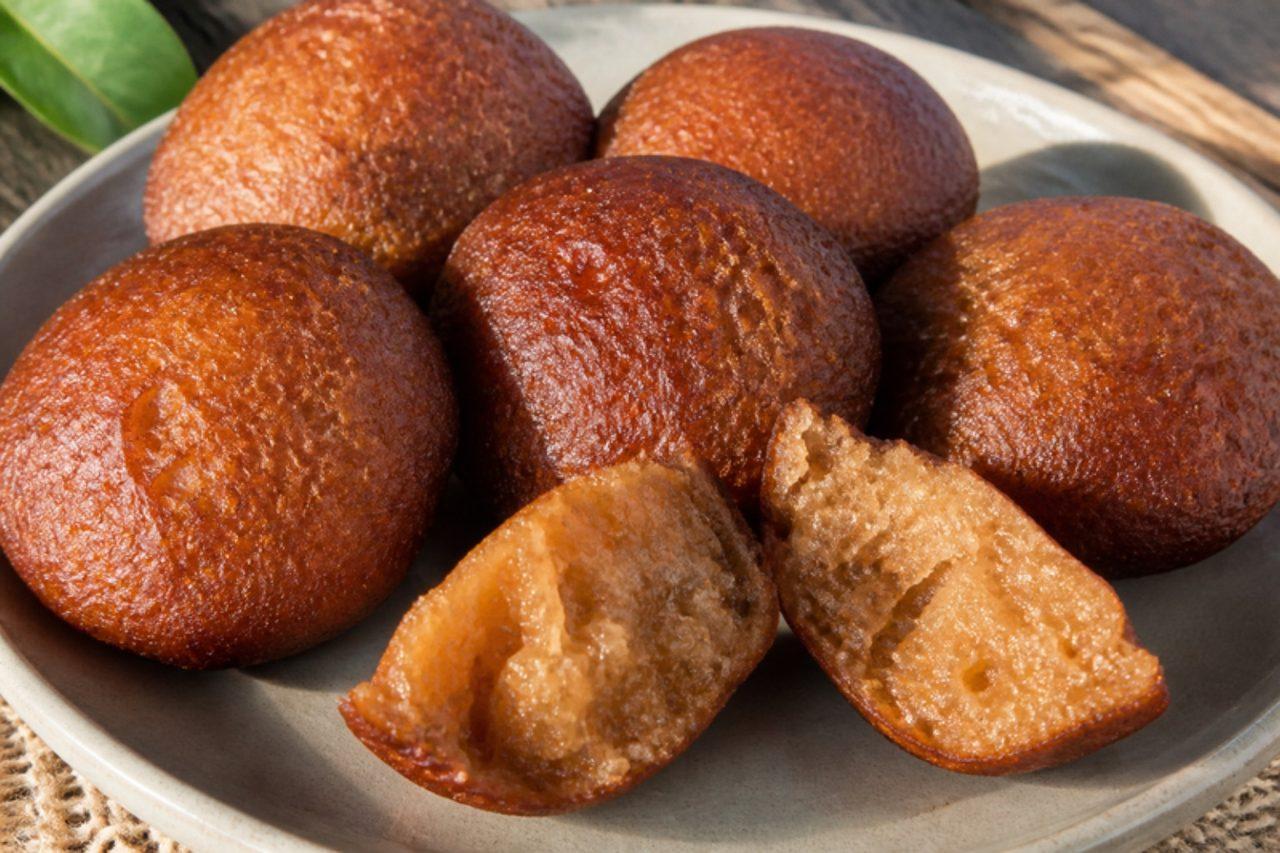
Fried rice flour and jaggery cakes

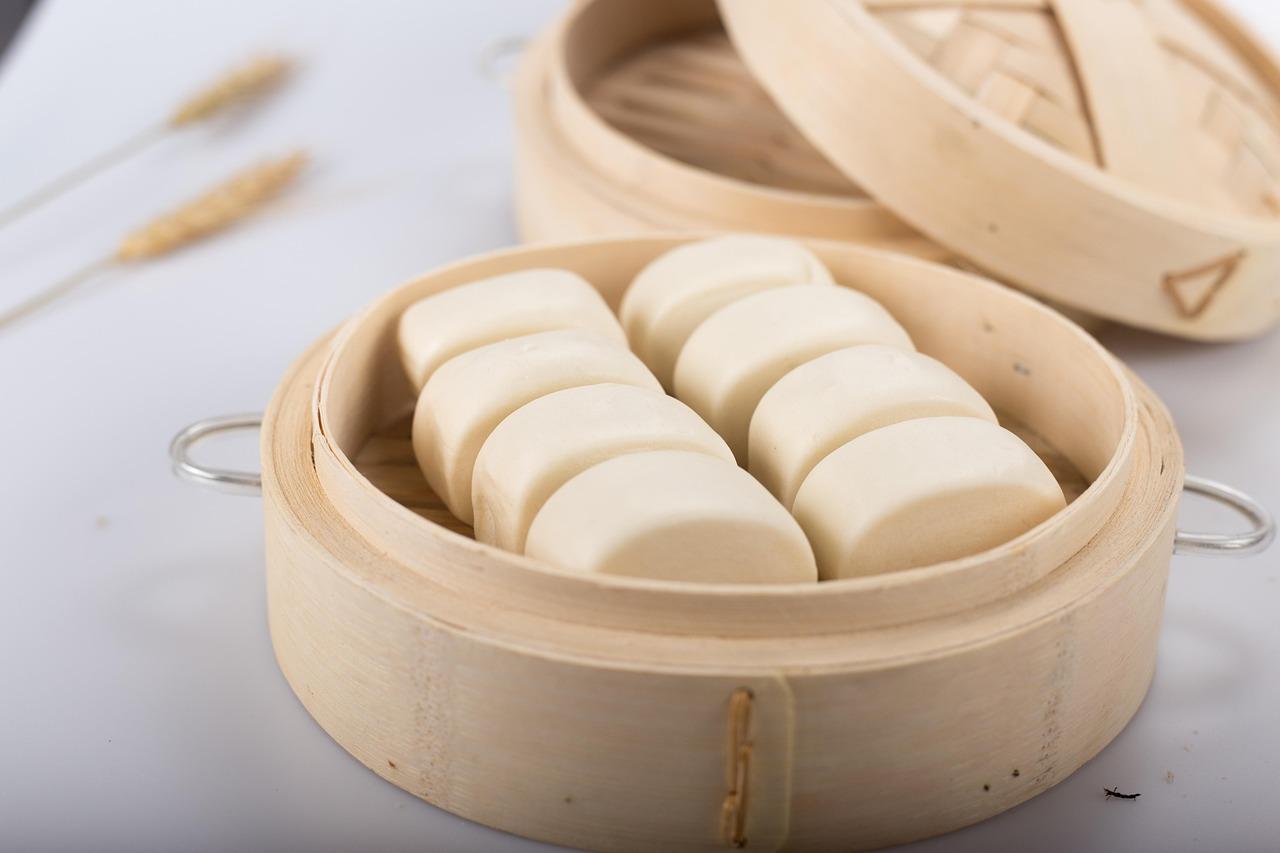
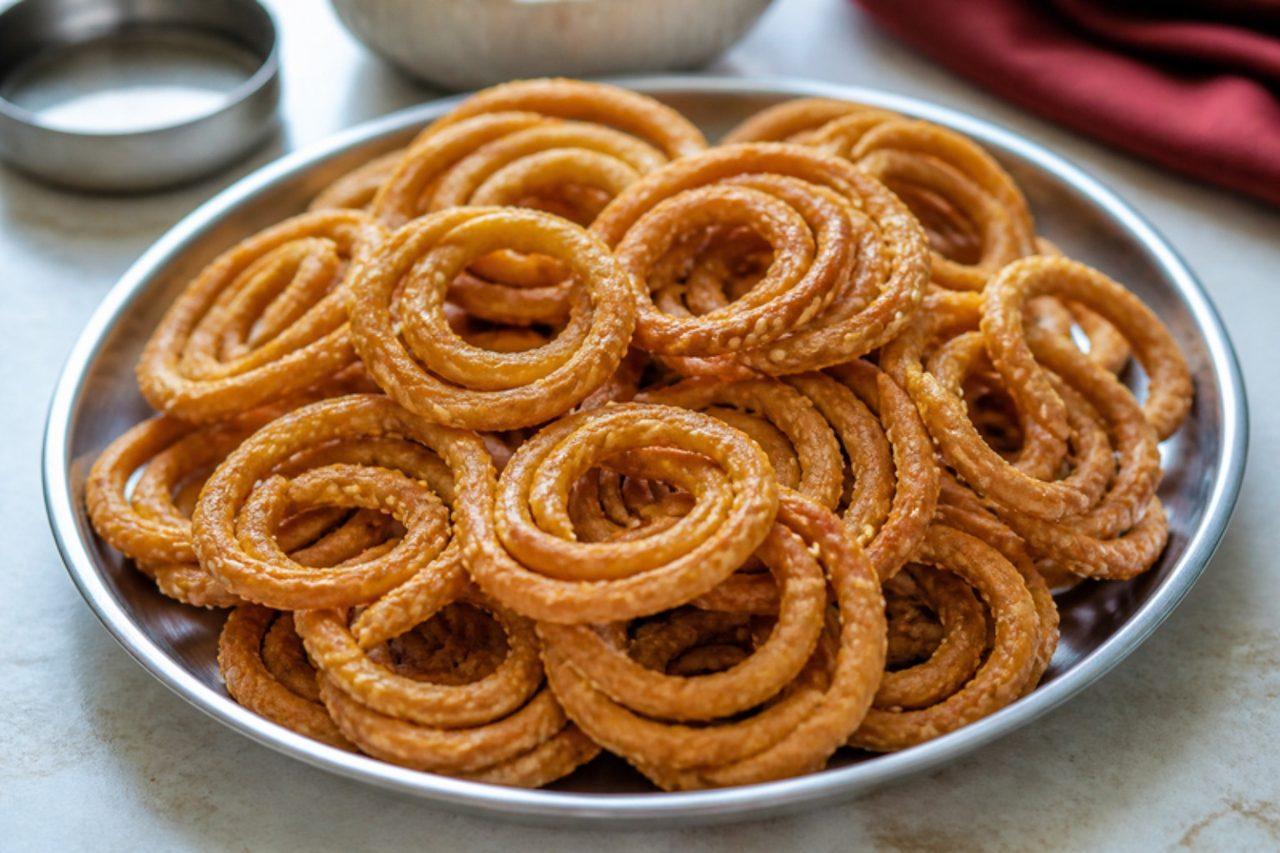
Pukhlein are the sweet treats of Khasi tea stalls and celebrations in Meghalaya: a batter of rice flour and jaggery fried into round, puffed cakes that are crisp and caramelised on the outside and chewy within. They are made for Christmas and family gatherings and are sold at Shillong's Iewduh (Bara Bazaar) with red tea. They taste a little like a cross between a doughnut and an Indian anarsa. Chef's tip: rest the batter for at least an hour; the rice flour hydrates and the cakes puff instead of spreading.

Read more 0 views

What to eat today?

Around the world

Today's trip: Persian

A new country every day, from every cuisine on the site.

This week's collection

Kid-friendly dinners
612 recipes · a new collection every Monday

Coming up

All occasions →

Latest recipes

Southern sweet tea

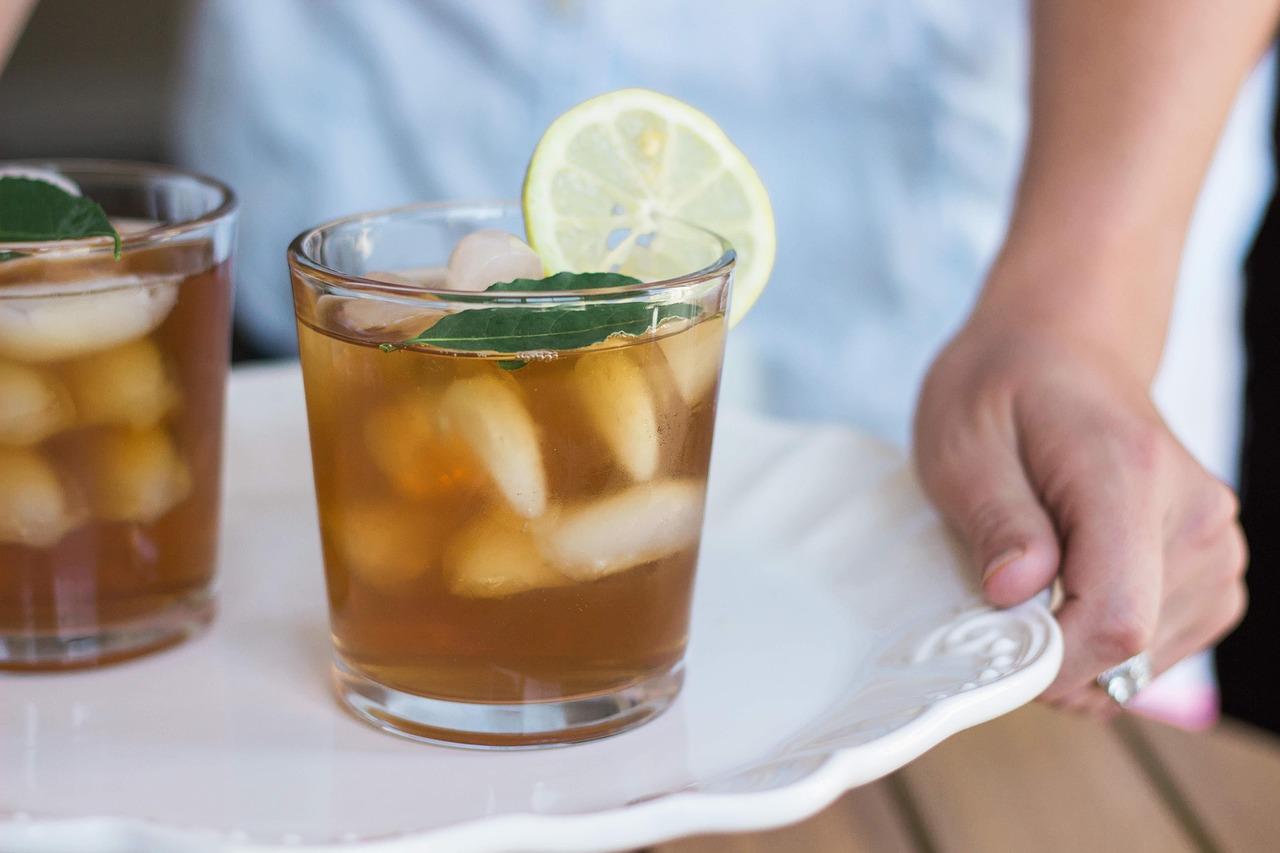
Sweet tea is the house wine of the South, poured by the jug at every barbecue joint, meat-and-three and Sunday lunch from South Carolina to Texas. Strong black tea is sweetened while hot so the sugar dissolves completely, then cooled and poured over plenty of ice with lemon. A pinch of bicarbonate is an old trick that softens bitterness and keeps it clear. Chef's tip: let the tea cool to room temperature before chilling; putting it straight in the fridge hot makes it go cloudy.

by KrazyBadal 0 views
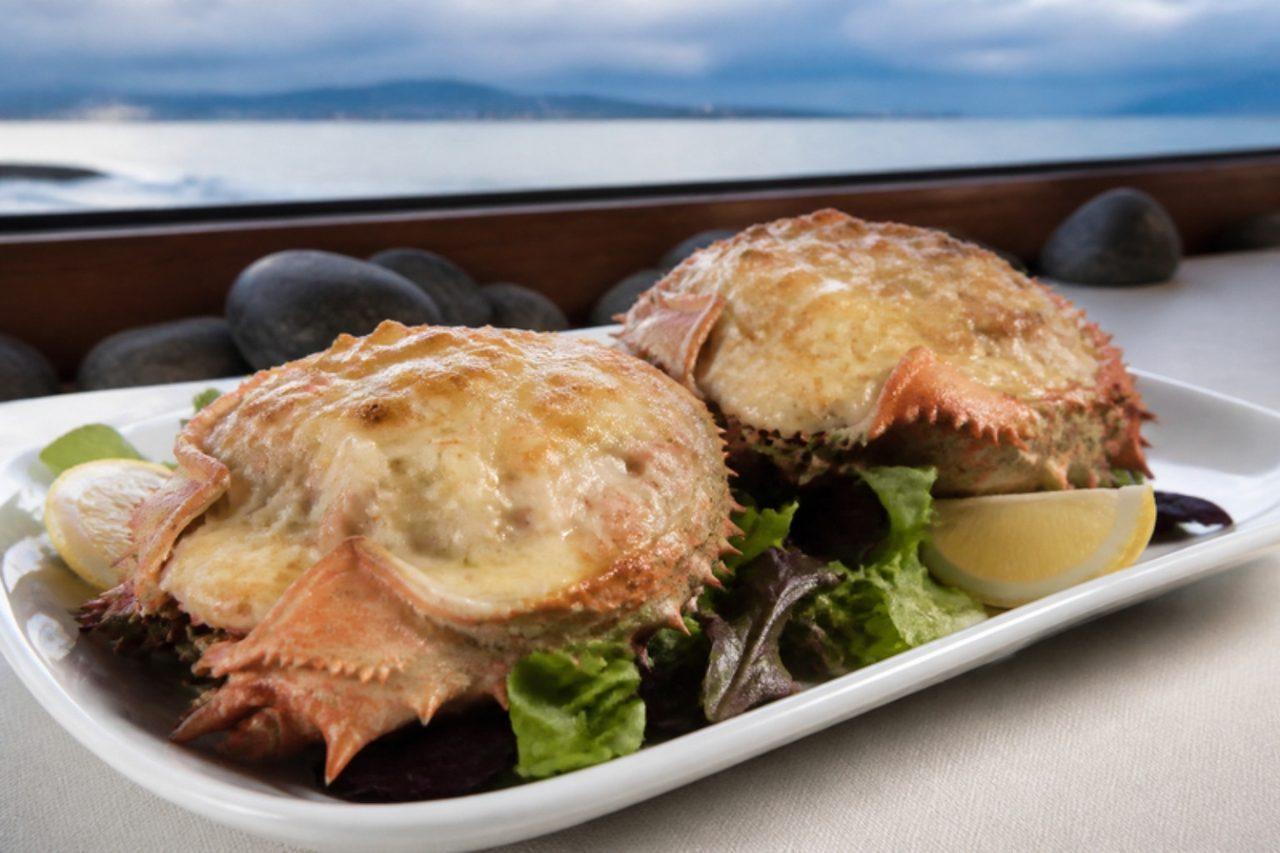
Centolla gratinadaBaked king crab with cheese

Centolla, the southern king crab hauled from the cold waters of the Beagle Channel, is Ushuaia's pride, and seafood restaurants along the harbour serve it gratinada: sweet chunks of leg meat in a light white sauce, crowned with cheese and browned under a fierce grill. It is rich, so serve it in small dishes as a starter with lemon and a green salad, plus crusty bread for anyone who can eat gluten. Buy cooked, frozen king crab legs or meat and thaw them in the fridge overnight; if you ever cook crab yourself, it must be alive when it goes into the pot. A frequent mistake is a sauce so thick and cheesy that the delicate crab disappears; keep it pourable and the cheese thin. Chef's tip: fold the crab in gently at the end, in big pieces, and let the oven only heat it; it is already cooked and turns stringy if it boils.

by KrazyBadal 0 views

Southern boiled peanuts

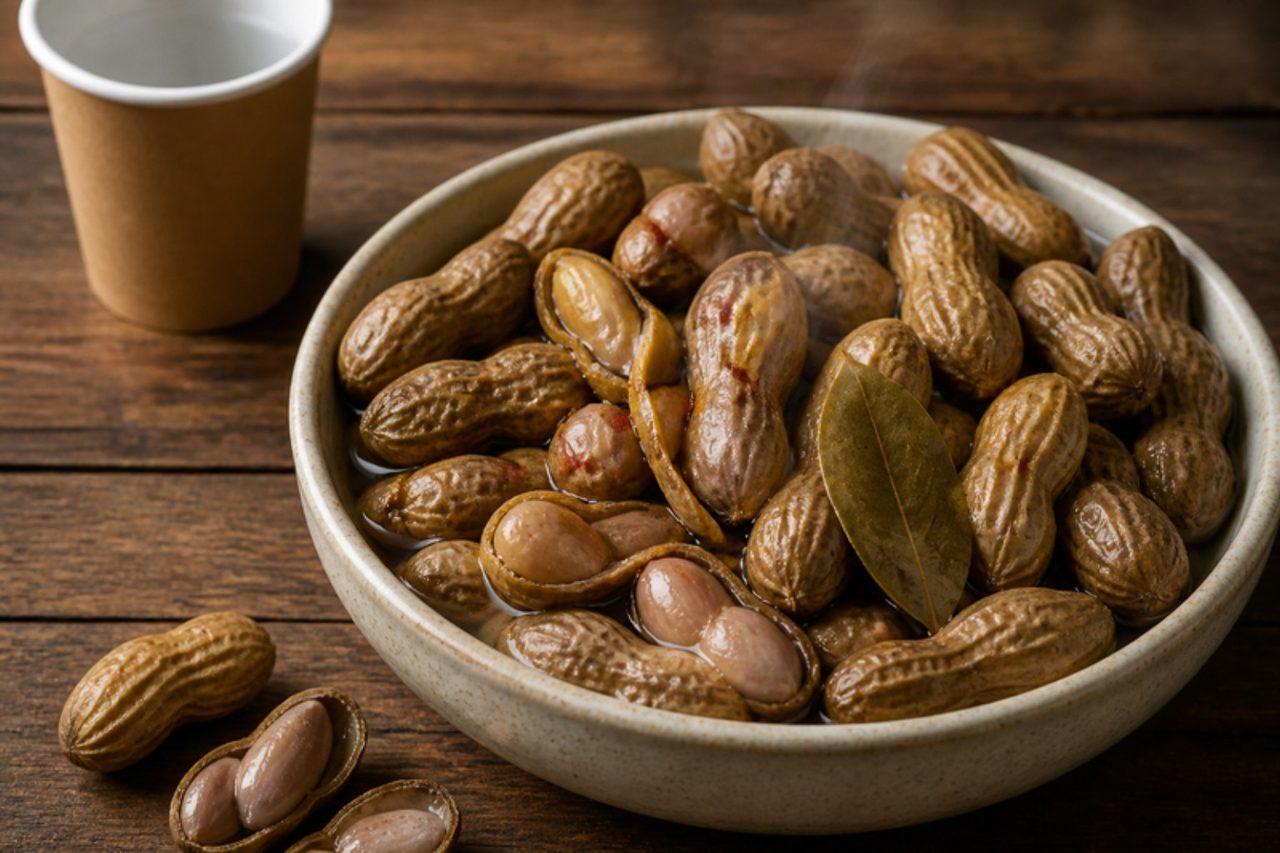
Boiled peanuts are sold steaming from roadside stands and petrol stations all along the back roads of South Carolina, Georgia and Alabama, ladled into paper bags in late summer when the green peanut harvest comes in. Raw peanuts are simmered for hours in heavily salted water until soft as cooked beans, salty and earthy. A Cajun-spiced version with chilli is popular too. Chef's tip: taste a peanut every hour; they are done when the kernel is completely soft with no crunch.

by KrazyBadal 0 views

Cèpes à la bordelaisePorcini with garlic and parsley

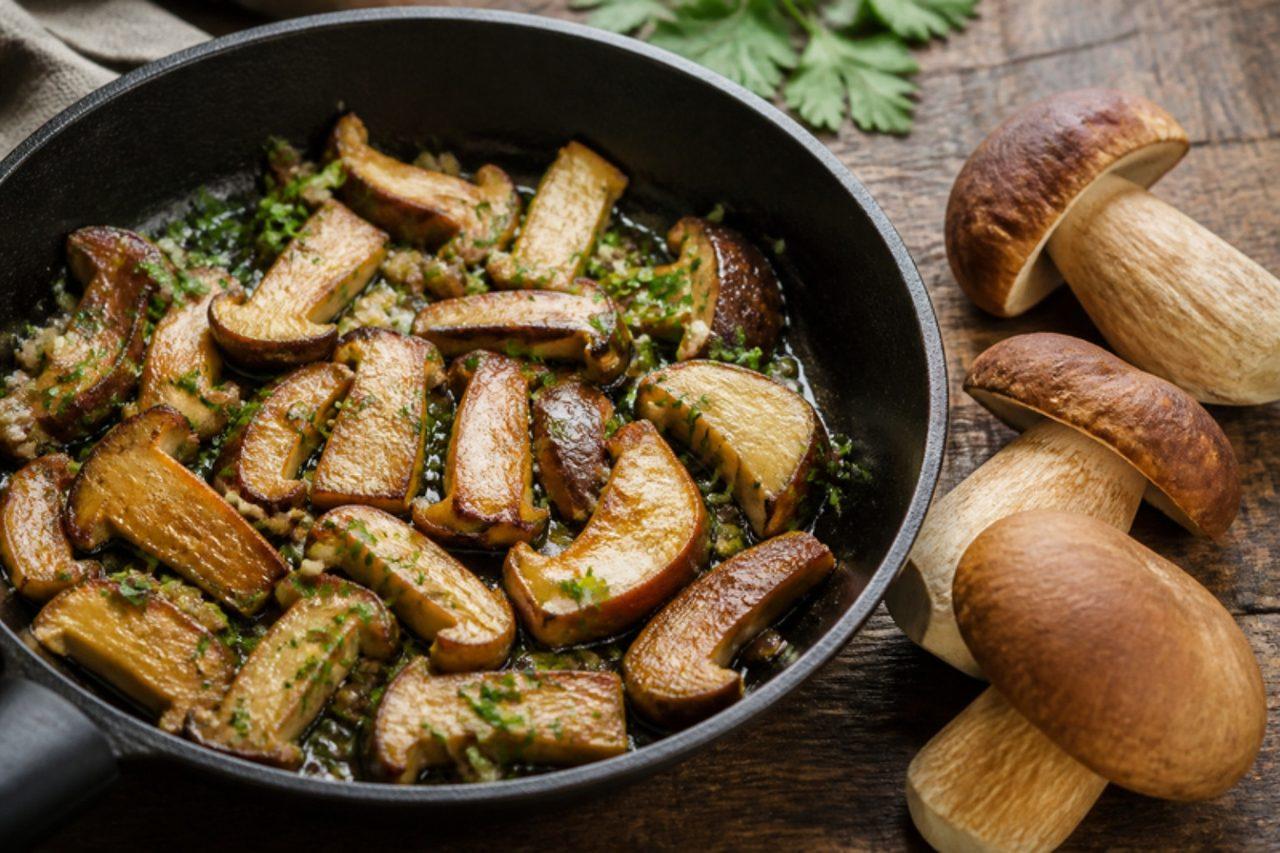
In autumn, when cèpes push up through the pine forests of the Landes and the oak woods of the Gironde, Bordeaux families fry them the local way: thick slices browned hard in a hot pan, then tossed with shallot, garlic and plenty of parsley. They come to the table as a side for Sunday lunch, piled on toast for a starter, or beside an omelette for supper. Many cooks use duck fat; this version uses olive oil, so it is vegan. Out of season, use chestnut mushrooms with a few soaked dried porcini for flavour. Chef's tip: wipe the cèpes with a damp cloth instead of washing them; wet mushrooms steam instead of browning.

by KrazyBadal 0 views

Southern tomato pie

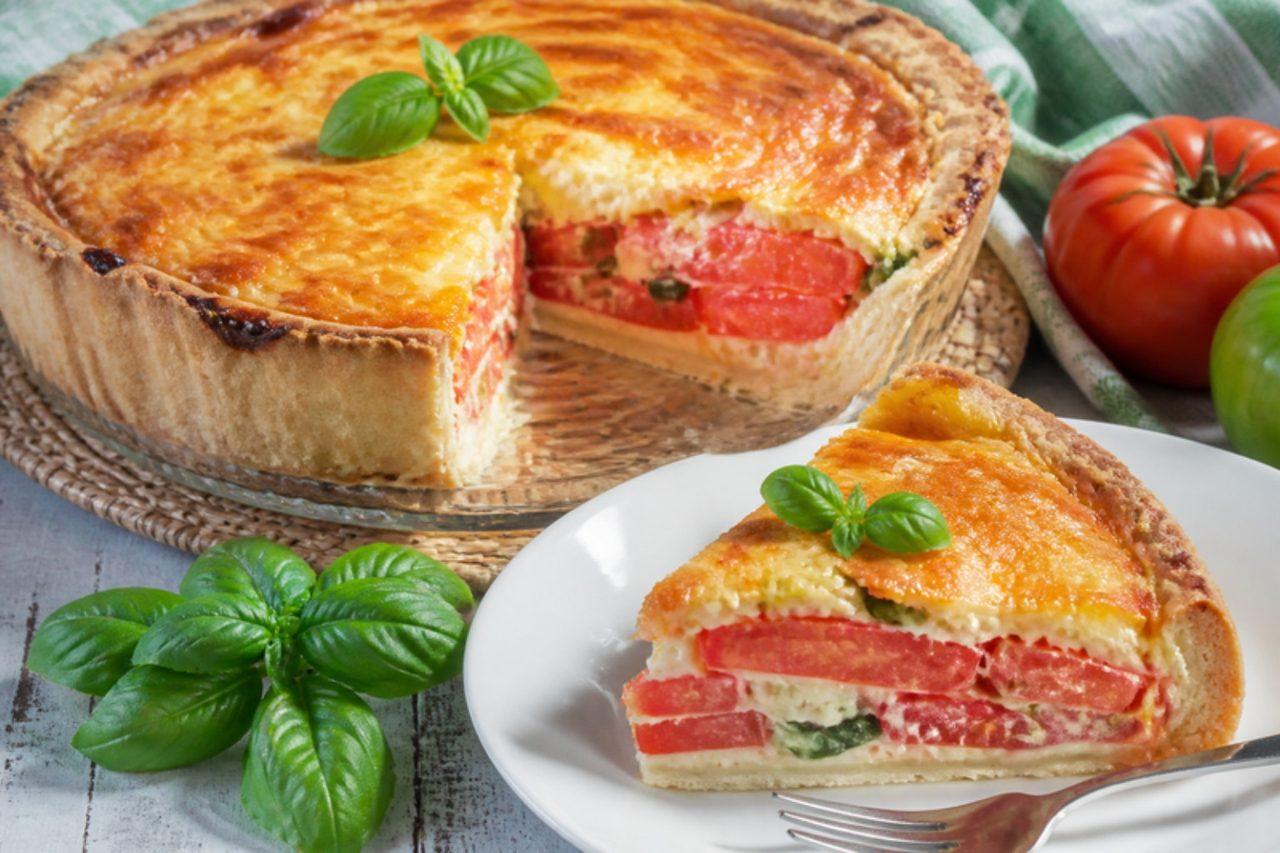
Tomato pie is the high-summer lunch of the Carolinas and Virginia, made when the ripe tomatoes are piling up on the windowsill. Salted, drained tomato slices are layered in a pastry case with basil and spring onion, then covered with a rich topping of cheddar and mayonnaise that bakes golden and bubbly. It is best warm or at room temperature with a green salad. Choose a vegetarian cheddar if needed, as traditional cheddar uses animal rennet. Chef's tip: salting and draining the tomatoes is the difference between a sliceable pie and a soggy one.

by KrazyBadal 0 views

Boston brown bread

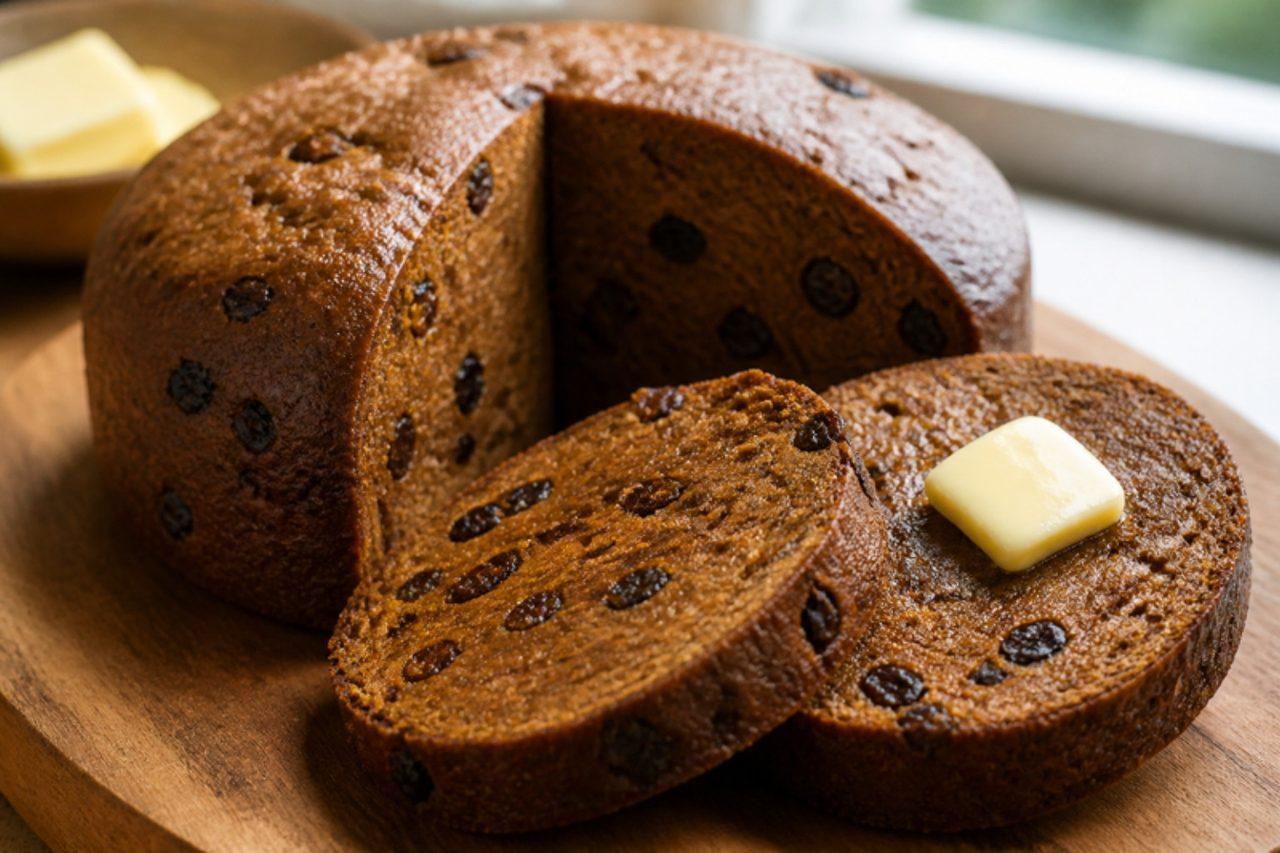
Boston brown bread is the dark, moist loaf New England families steam in a tin can and slice next to a pot of Saturday-night baked beans. It mixes rye flour, wholemeal and cornmeal with buttermilk and molasses, so it is sweet, slightly sour and almost cake-like, with no yeast and no oven. Eat it warm with butter or cream cheese. Chef's tip: steam it in clean food tins or a pudding basin covered tightly with buttered foil, because any steam that gets in makes the top soggy.

by KrazyBadal 0 views

FroutaliaOmelette with potatoes and sausage

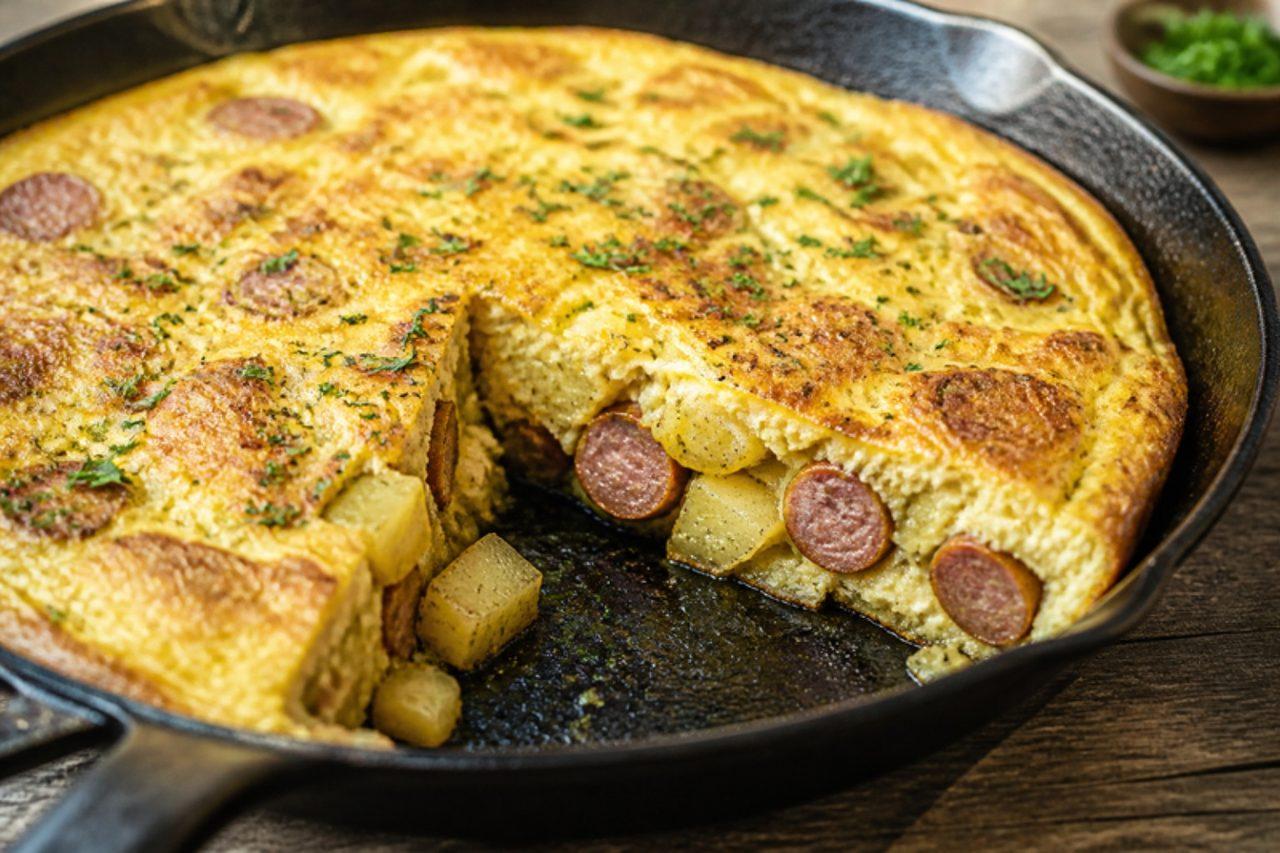
On Andros and Tinos, froutalia is the thick, golden omelette farm families ate after a morning in the fields: potatoes and local pork sausage fried in a deep pan, then bound with eggs and a little cheese and cooked until set right through. It is cut in wedges like a Spanish tortilla and eaten hot or cold, with bread and a tomato and cucumber salad, at any time of day. On the island it is made with louza or a smoked pork sausage seasoned with fennel; any good coarse pork sausage works. Common mistake: adding the eggs while the potatoes are still hard; they never soften once the eggs set. Chef's tip: flip it onto a plate halfway so both sides brown evenly.

by KrazyBadal 0 views

Anadama bread

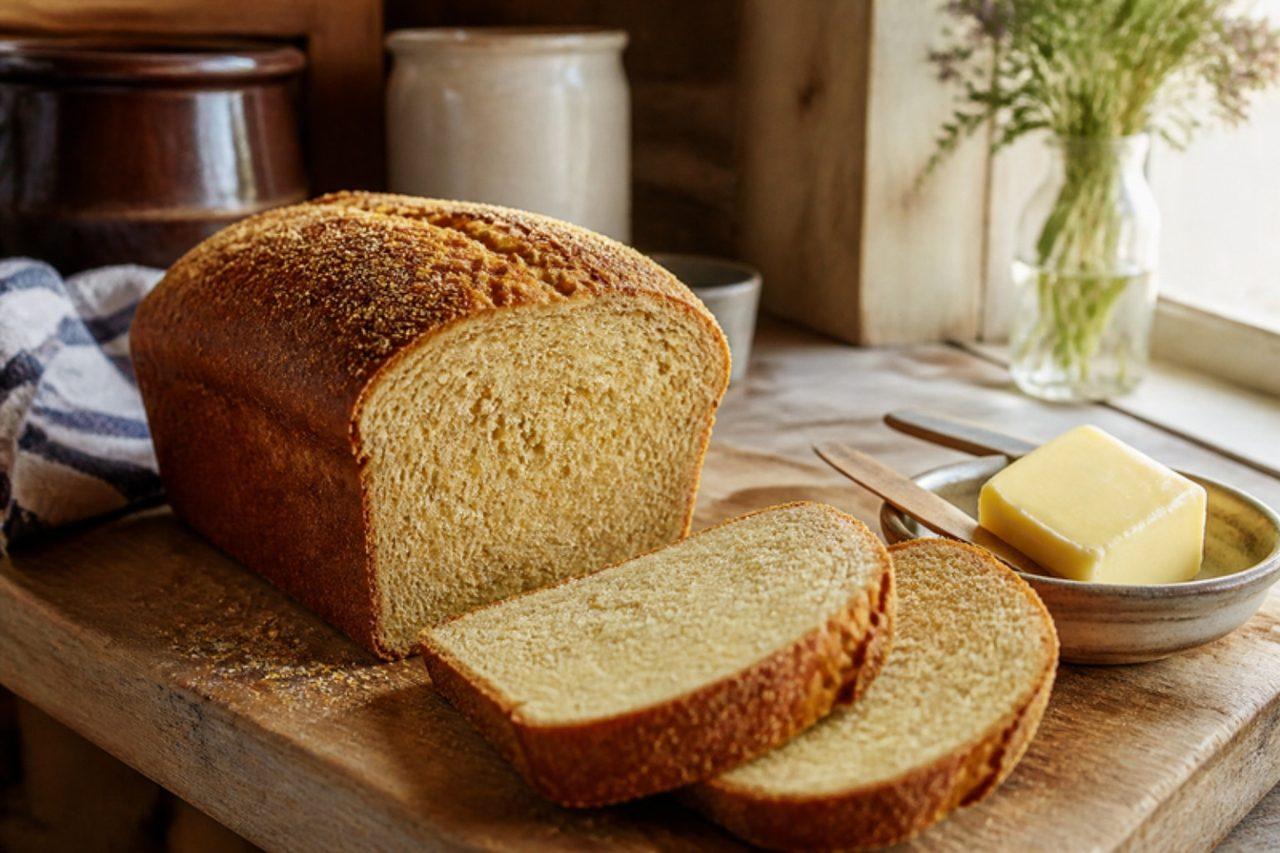
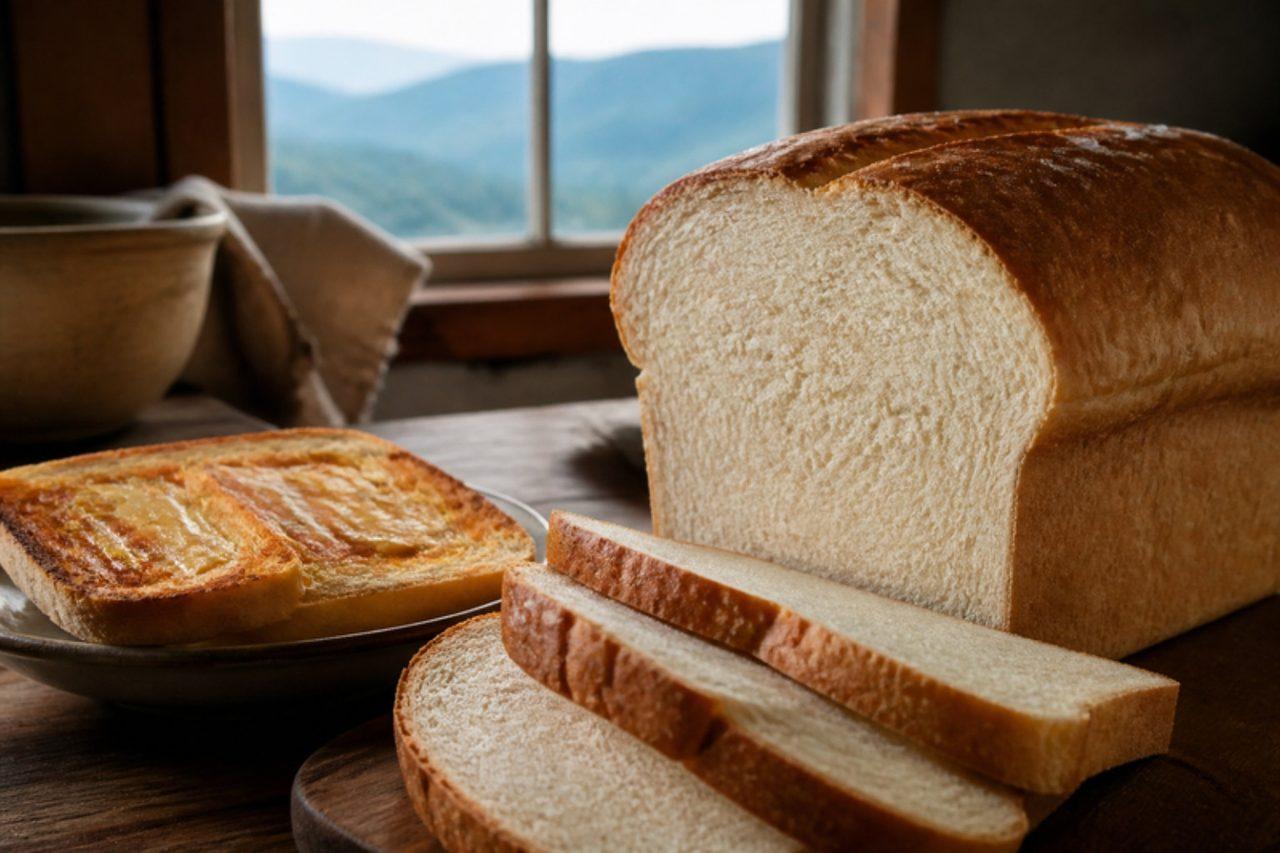
Anadama is a cornmeal and molasses sandwich loaf from the fishing towns of Rockport and Gloucester on Cape Ann, where it was sold from bakery vans for generations. The cornmeal is cooked into a mush first, which keeps the crumb soft and gives it a gentle sweetness and a golden colour. It makes excellent toast with butter and jam. Chef's tip: let the cornmeal mush cool to lukewarm before adding the yeast, or the heat will kill it.

by KrazyBadal 0 views

Rhode Island johnnycakes

Johnnycakes are Rhode Island's own cornmeal pancakes, cooked on a griddle at diners and church breakfasts from Narragansett to Westerly, and argued over across the state line. They are made with stone-ground white cornmeal scalded with boiling water, so there is no flour or egg, and they come out crisp and lacy outside and soft within. Serve with butter and maple syrup. Chef's tip: let the scalded batter rest for 10 minutes so the cornmeal swells; skipping the rest gives gritty cakes.

by KrazyBadal 0 views

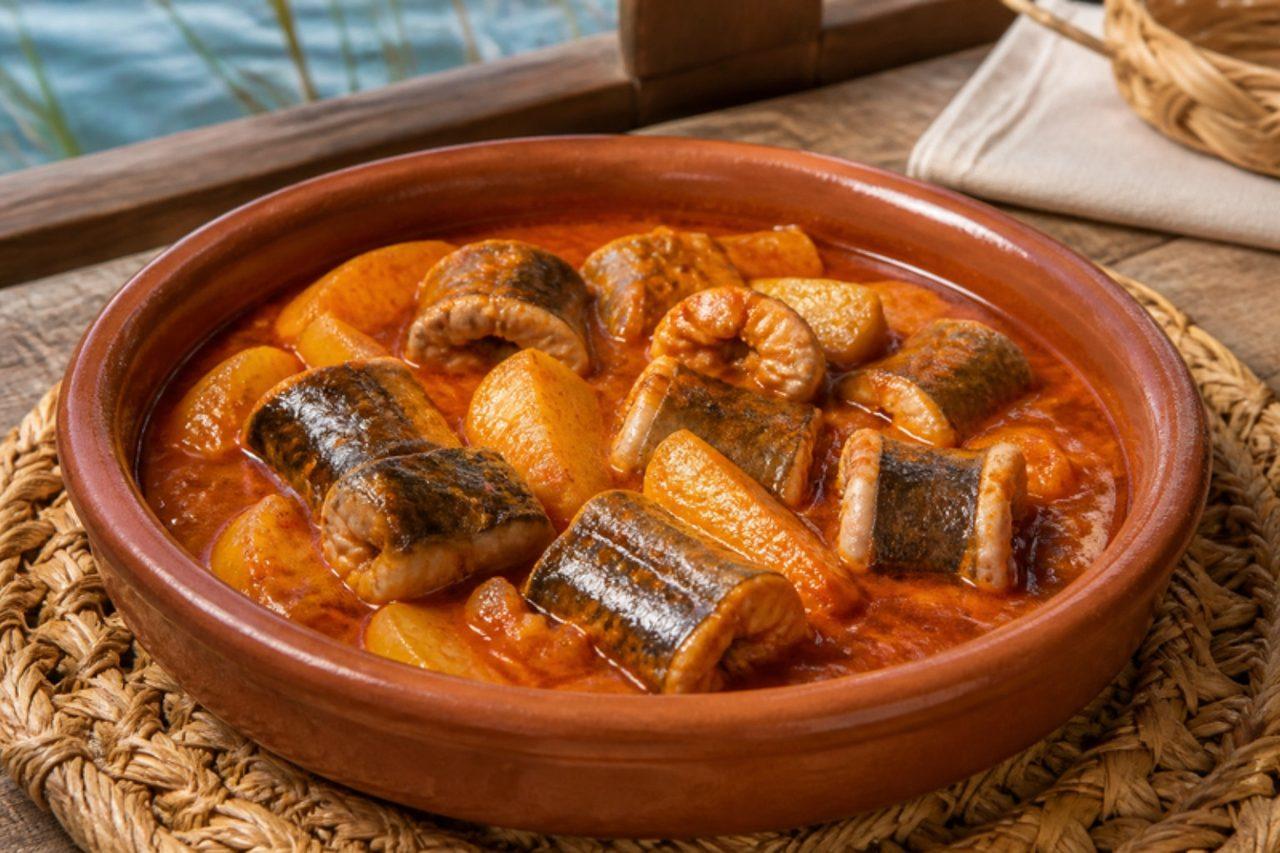
All i pebreEel and potato paprika stew

In El Palmar and the other villages around the Albufera lagoon south of Valencia, the restaurants that are famous for paella serve something older first: all i pebre, "garlic and pepper", a brick-red stew of lagoon eel and potatoes thickened with a pounded almond and fried-bread picada. It is rich, garlicky and gently hot, eaten with bread to mop up the sauce. Ask your fishmonger to skin and cut the eel, and handle it with gloves: raw eel blood is irritating, though harmless once cooked. If you can't find eel, monkfish or hake works well. A common mistake is letting the paprika burn; it turns bitter in seconds, so add it off the heat. Chef's tip: break the potatoes with a knife instead of cutting cleanly; the rough edges release starch and thicken the sauce.

by KrazyBadal 1 views

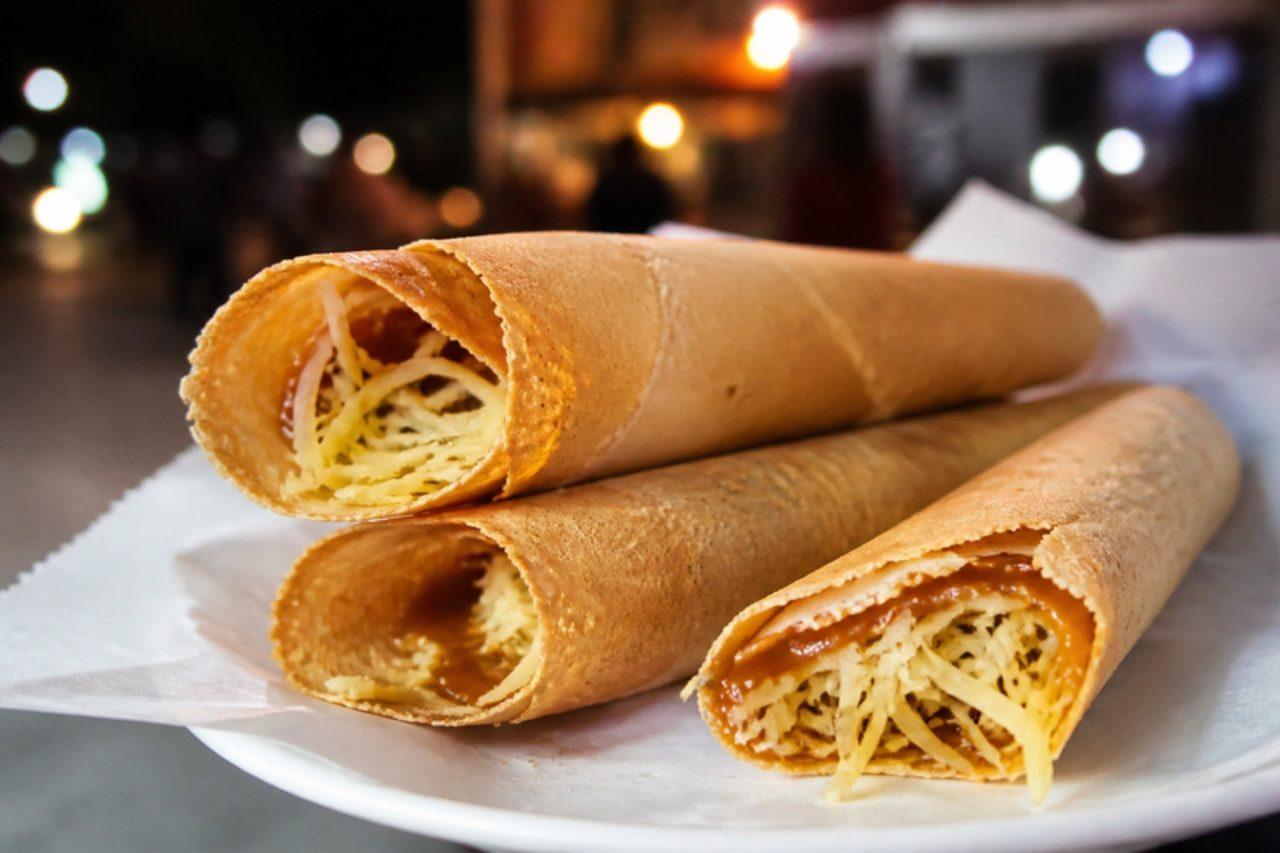
MarquesitasCheese and cajeta crepes

Evening in Mérida's Plaza Grande means the smell of marquesitas: thin batter pressed in hot hinged irons until crisp, then rolled like a cigar around grated Edam cheese and a sweet filling such as cajeta, chocolate-hazelnut spread or jam. Edam came to the Yucatán through the port trade with the Netherlands and became part of the local cooking, and the salty-sweet combination is the whole point. At home you can cook them in a thin, wide frying pan. Edam is usually made with animal rennet, so check the label or use a vegetarian Gouda-style cheese. Chef's tip: roll while the crêpe is still in the pan and hot; within seconds it hardens and will crack.

by KrazyBadal 1 views

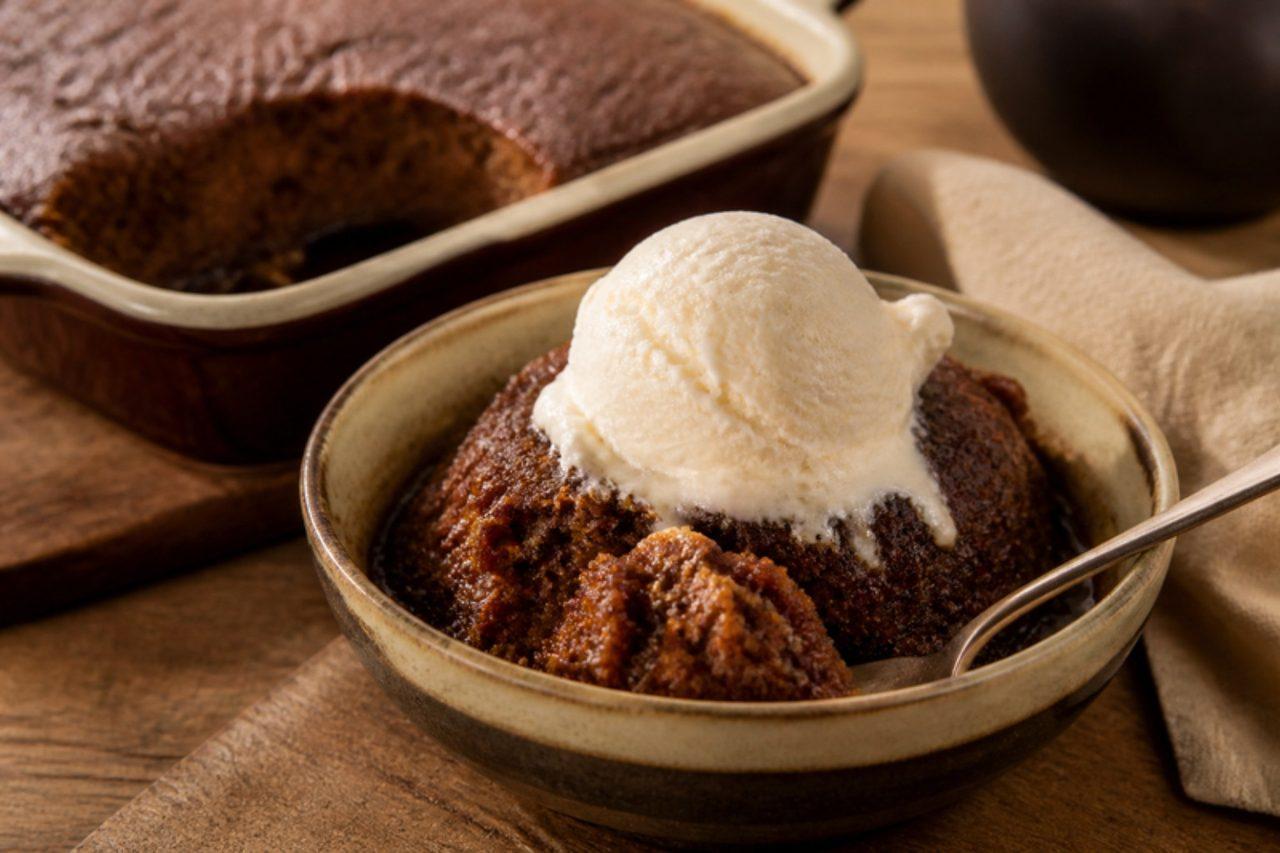
New England Indian pudding

Indian pudding is the old colonial dessert of Massachusetts and Connecticut, still on the menu at historic Boston taverns and at autumn church suppers. Cornmeal, then called Indian meal, is cooked in milk with molasses, ginger and cinnamon and baked very slowly until it turns dark, soft and spoonable, a bit like a spiced polenta custard. Serve it warm with vanilla ice cream melting on top. Chef's tip: pour cold milk over the top halfway through baking; it makes the soft, whey-like layer the dish is known for.

by KrazyBadal 0 views

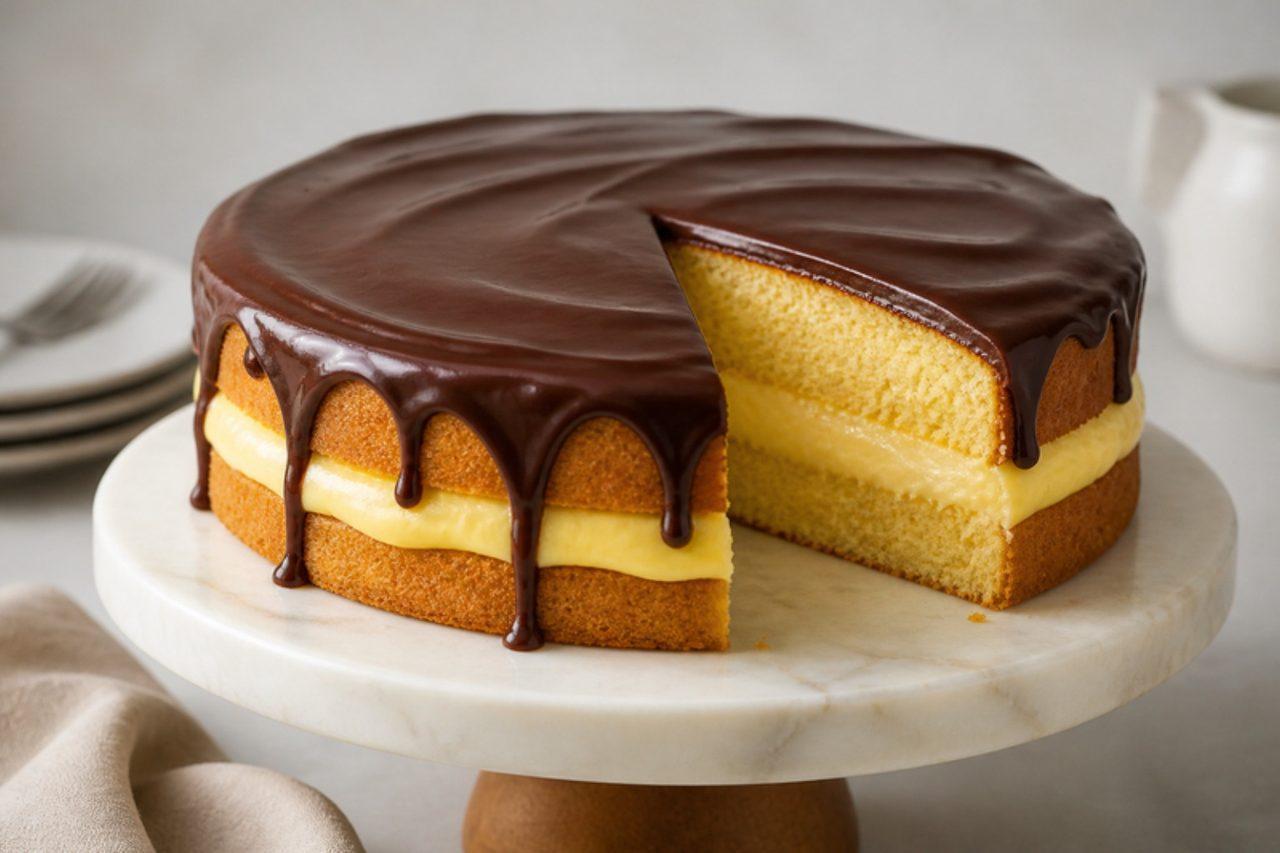
Boston cream pie

Despite the name, Boston cream pie is a cake: two layers of butter sponge with a thick vanilla pastry cream between them and dark chocolate glaze poured over the top. It was created at the Parker House hotel in Boston in the 1850s and is now the official dessert of Massachusetts, served at birthdays and diners across the state. Chef's tip: chill the filled cake for 30 minutes before glazing so the custard sets and the layers don't slide.

by KrazyBadal 0 views

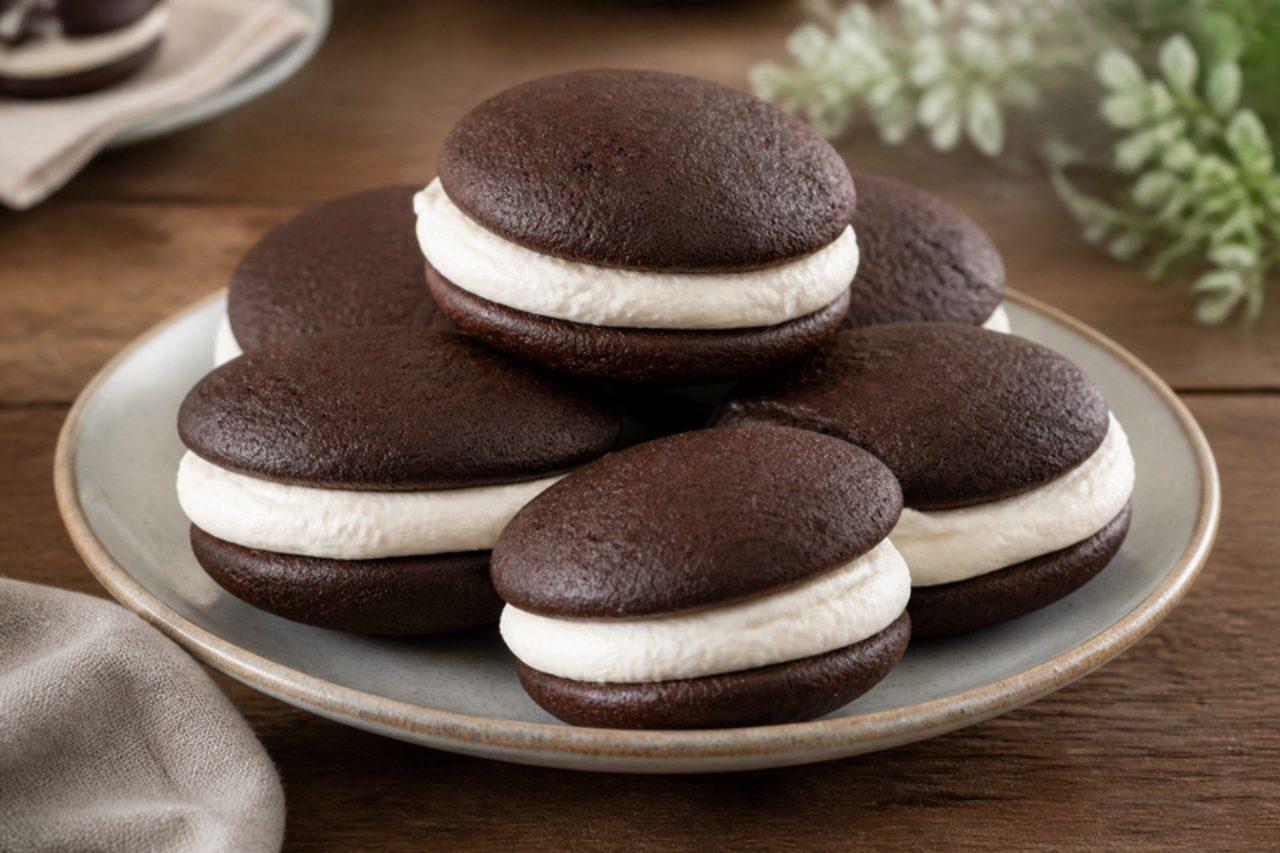
Whoopie pies

Whoopie pies are Maine's official state treat and a lunchbox favourite in Pennsylvania Dutch country too; you find them wrapped in cling film by the till at petrol stations and bake sales all over New England. Two domed, soft chocolate cakes hold a thick, fluffy white filling. This filling is a meringue buttercream, so there's no gelatine-based marshmallow. Chef's tip: pipe or scoop the batter in even mounds and leave room, as they spread to 8 cm.

by KrazyBadal 0 views

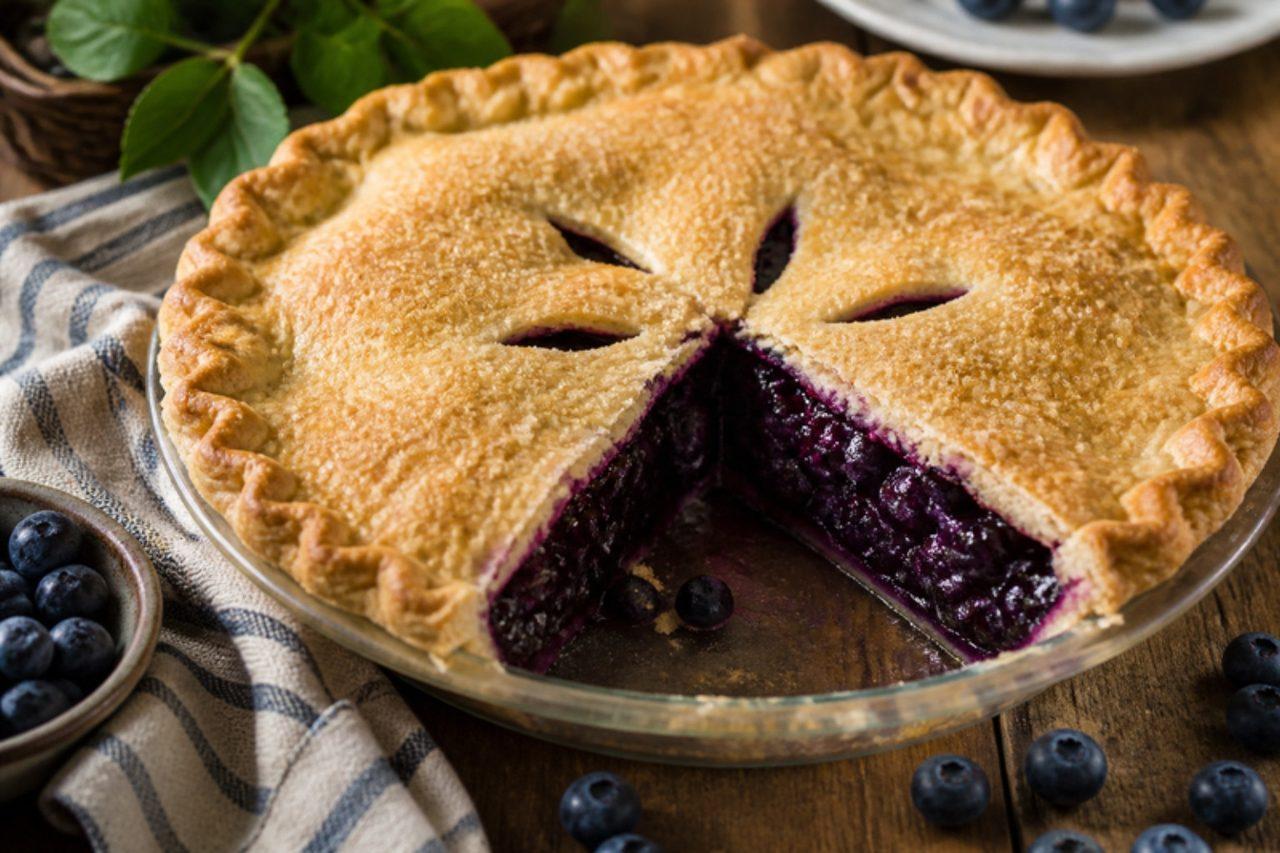
Maine wild blueberry pie

In August the barrens of Down East Maine turn blue with lowbush blueberries, smaller and more intense than the cultivated kind, and every diner and county fair sells this pie. The filling is just berries, sugar, lemon and a little thickener under a buttery double crust, so it tastes of fruit rather than spice. Frozen wild blueberries work well all year. Chef's tip: bake until the juices bubble thickly through the vents in the centre, not just the edges; that is when the thickener has worked.

by KrazyBadal 0 views

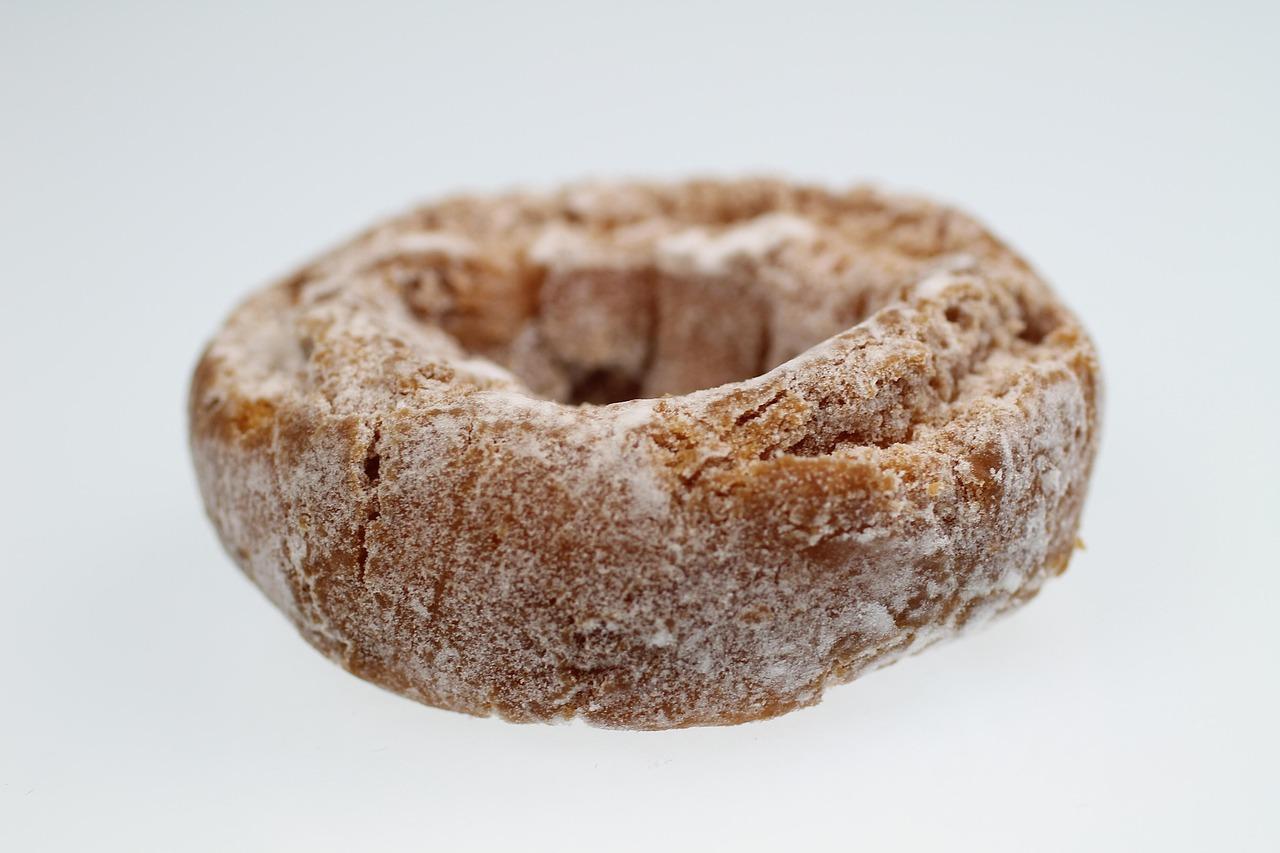
Apple cider doughnuts

On autumn weekends the orchards of Vermont, New Hampshire and the Hudson Valley fry cider doughnuts by the hundred for families who come to pick apples. Fresh, cloudy apple cider (unfiltered apple juice, not the alcoholic kind) is boiled down to a syrup so the tender cake doughnut tastes of apple, then rolled hot in cinnamon sugar. Chef's tip: keep the oil at 180 °C with a thermometer; cooler oil makes greasy doughnuts and hotter oil burns them before the middle cooks.

by KrazyBadal 0 views

Rabo de toroRed wine braised oxtail

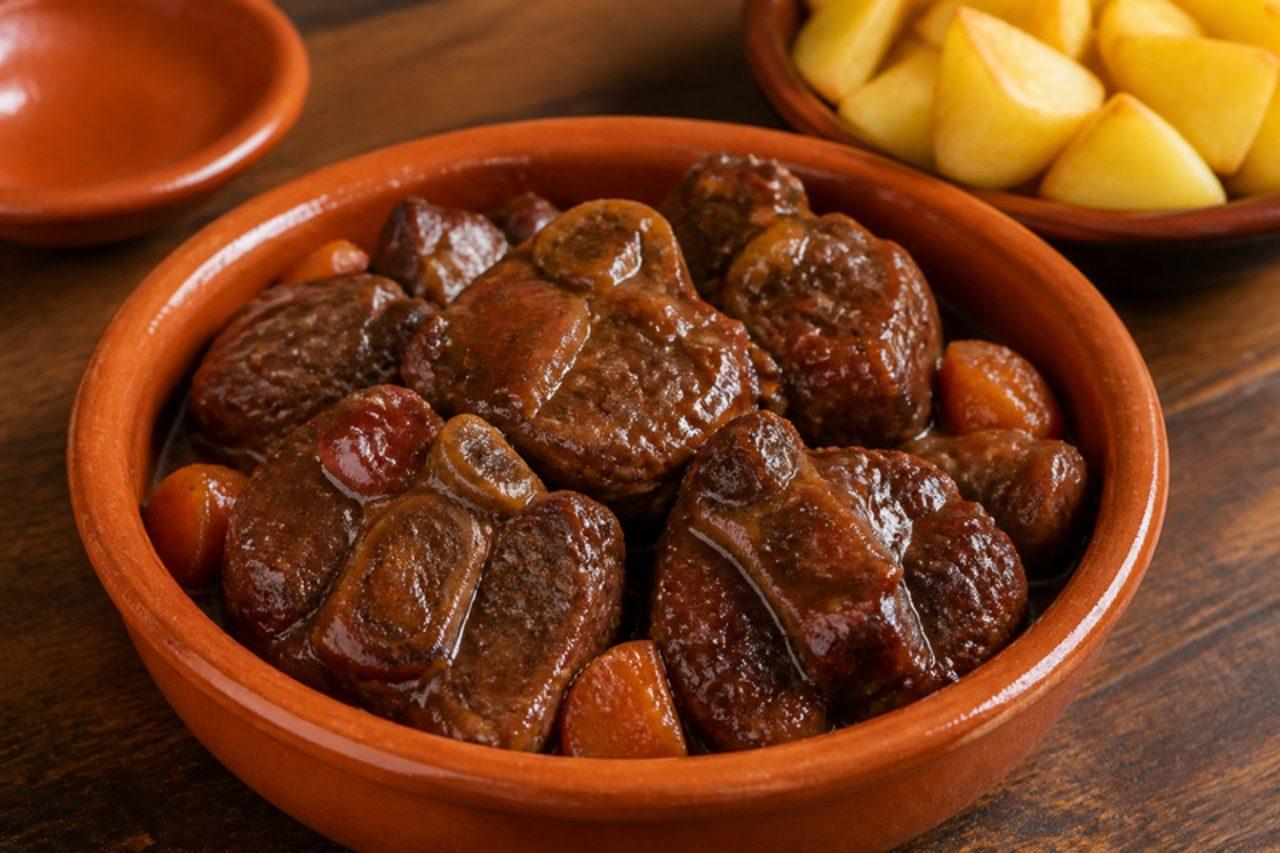
Córdoba claims rabo de toro as its own, and its taverns near the Mezquita serve it all year, though it is most at home on a cold winter Sunday. Once it was made with the tails of bulls from the ring; now it is beef or veal oxtail, browned and braised for hours in red wine with vegetables until the meat slips off the bone into a glossy, sticky sauce. This recipe uses wine; the alcohol-free option is in the ingredient list. Chef's tip: make it a day ahead, chill it and lift off the set fat; the sauce is cleaner and the flavour deeper.

240 minSpanishMeat
by KrazyBadal 0 views

Cajun dirty rice

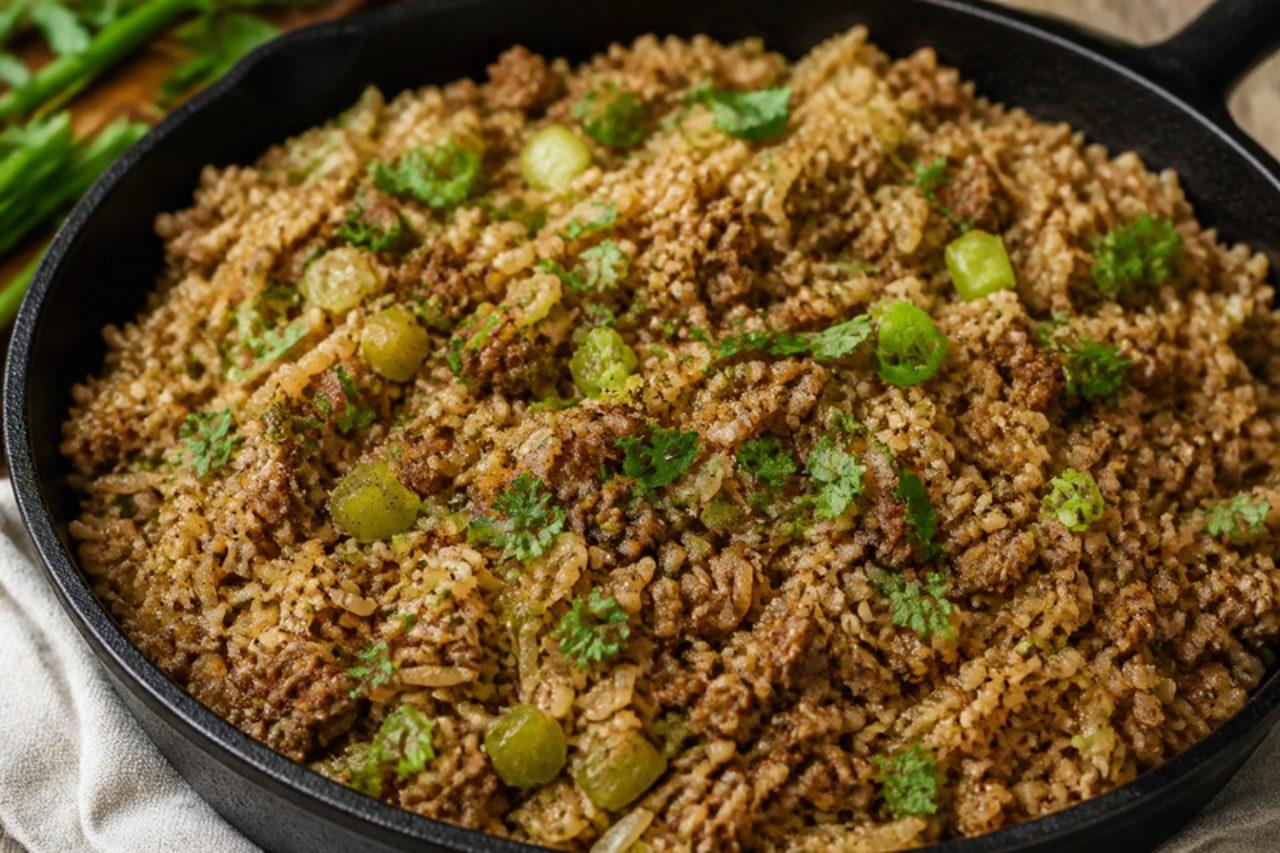
Dirty rice gets its name from the brown speckles of chicken liver and minced pork that colour it, and it is the side dish of Cajun Thanksgivings, church fairs and plate lunches around Lafayette, often served next to fried chicken. It is deeply savoury, peppery and good enough to eat as a main. This recipe contains pork. Chef's tip: chop the livers very finely, almost to a paste, so they melt into the rice rather than sitting in lumps.

by KrazyBadal 0 views

Parker House rolls

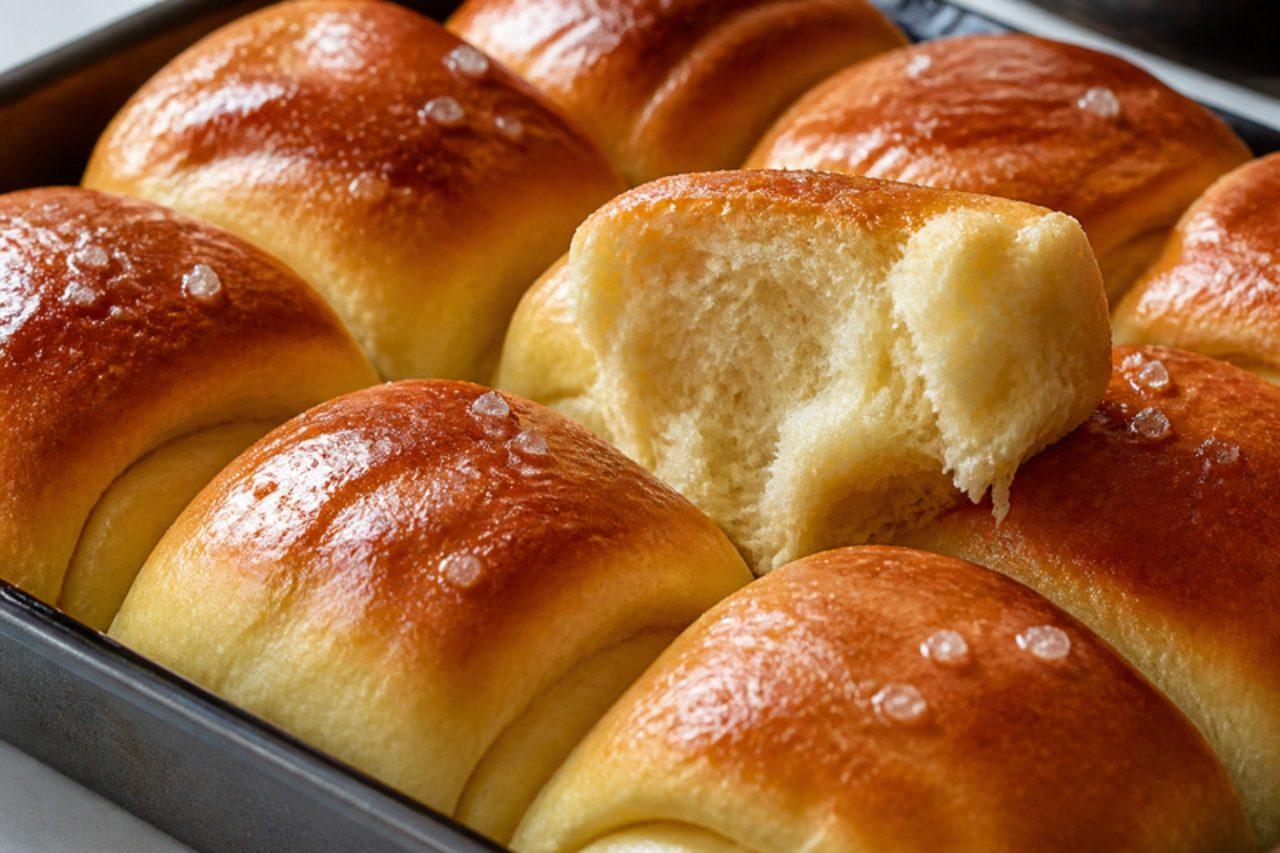
These soft, folded rolls come from the Parker House hotel in Boston, where bakers in the 1870s brushed rounds of milk dough with butter and folded them in half like a pocket book. They are the bread basket at New England Thanksgiving tables, pulling apart in tender layers. Chef's tip: fold each round slightly off centre, so the top half overhangs a little; it keeps them from springing open in the oven.

by KrazyBadal 0 views

Philadelphia soft pretzels

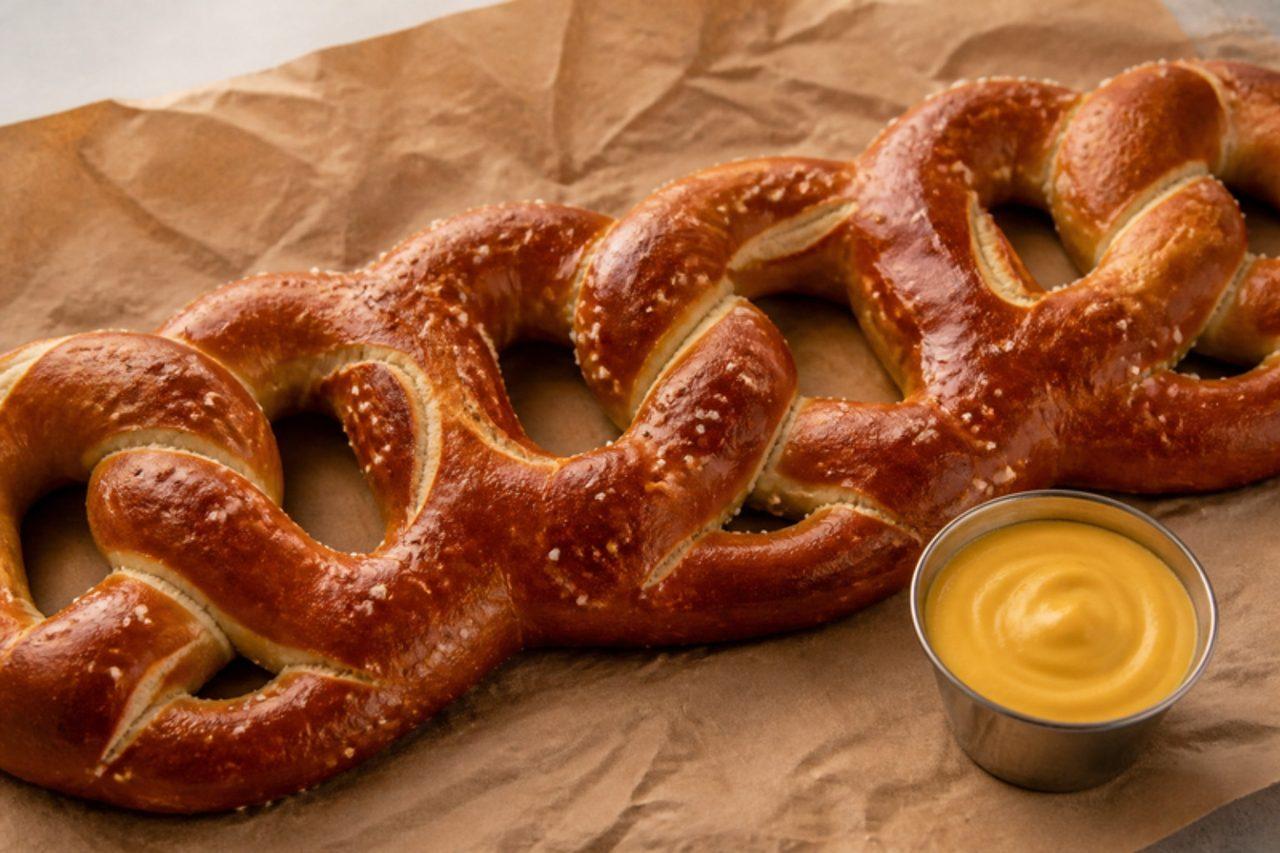
Philadelphians eat more soft pretzels than anyone in America, bought by the dozen from corner bakeries in the morning and from street vendors with yellow mustard. The Philly pretzel is shaped like a figure eight and baked touching its neighbours, so you tear them apart in a row with soft sides. A bath in a bicarbonate solution gives the brown, chewy skin. Chef's tip: bake the bicarbonate of soda first; it makes it more alkaline and gives a darker, more pretzel-like crust.

by KrazyBadal 0 views

Flores manchegasSugared flower-shaped fritters

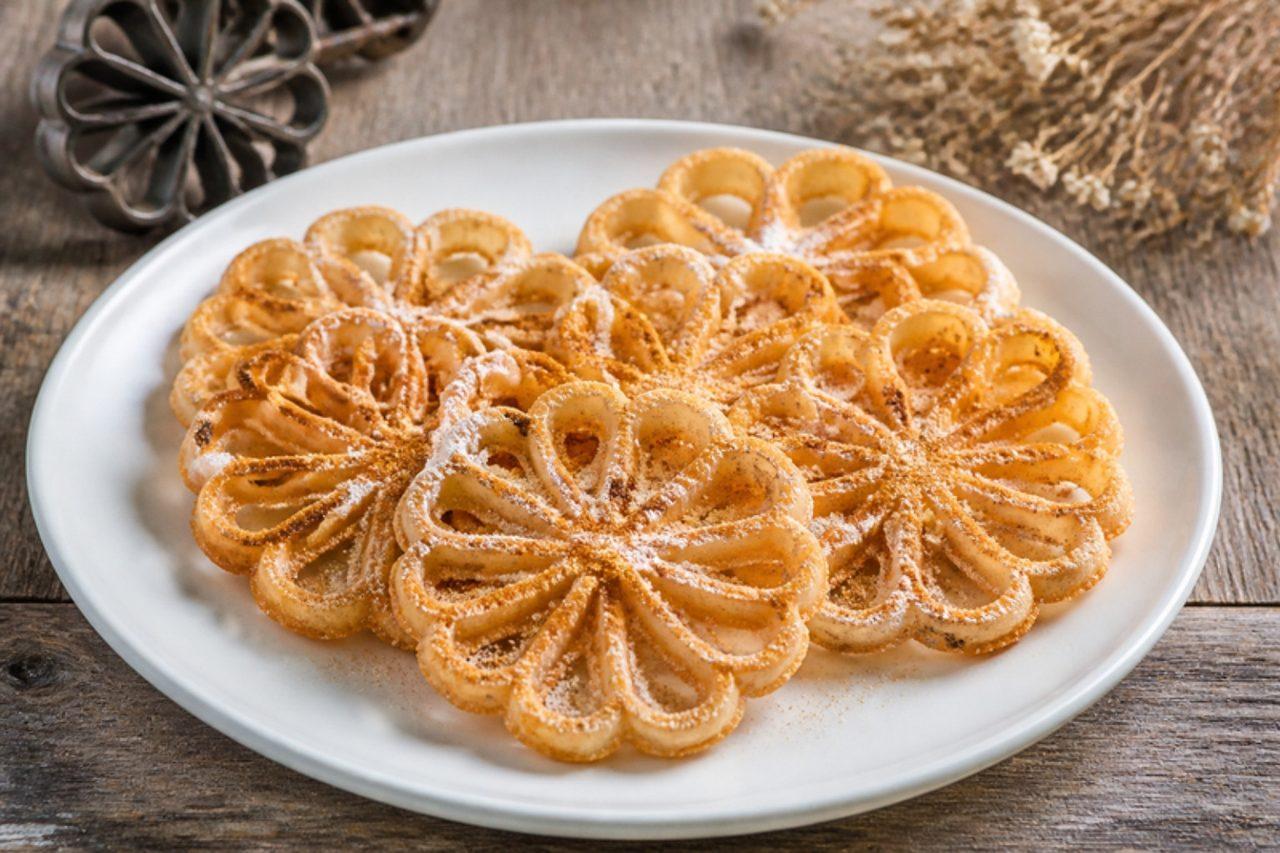
Every household in La Mancha seems to own a flower-shaped iron, a long-handled mould that is dipped in hot oil, then in batter, then back in the oil, where a lacy flower slides off as it sets. Grandmothers make towers of them for Holy Week and Carnival, and they are sold in bags at village fiestas from Cuenca to Tomelloso. You can buy the iron, sometimes called a rosette iron, in kitchen shops. Chef's tip: the iron must be very hot each time it goes into the batter, or the batter won't cling.

by KrazyBadal 0 views

Bananas Foster

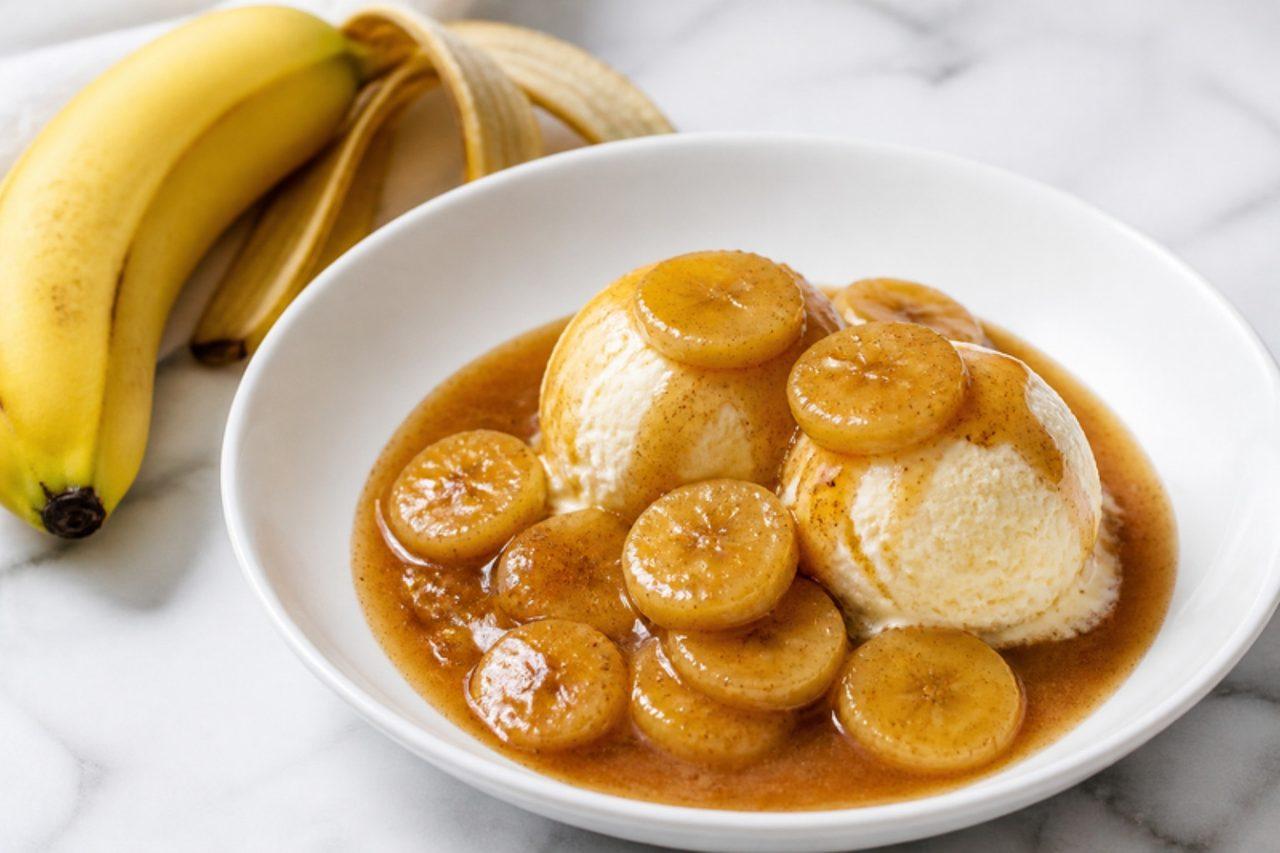
Bananas Foster was invented in the 1950s at a family restaurant in the French Quarter, when New Orleans was the main port for bananas from Central America, and it is still flamed at the table there for birthday dinners. Bananas are cooked in butter, brown sugar and cinnamon, then flambéed with dark rum and banana liqueur and spooned over vanilla ice cream. It contains alcohol; for an alcohol-free version replace the rum and liqueur with 4 tbsp orange juice and a few drops of rum flavouring and skip the flaming. Chef's tip: use bananas that are ripe but still firm, or they turn to mush.

by KrazyBadal 0 views

Gâteau bretonSalted butter cake

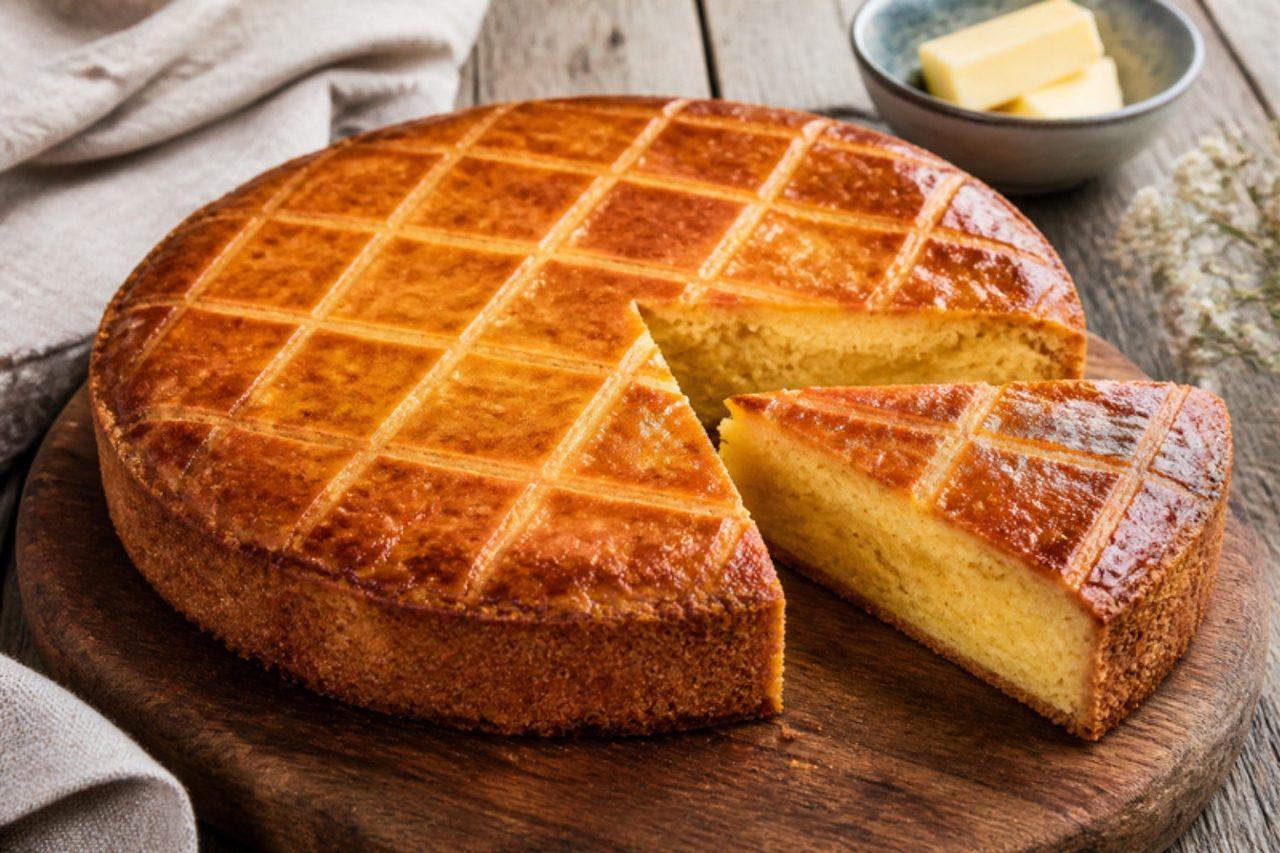
Somewhere between a shortbread and a cake, gâteau breton is the big round that Breton bakeries cut into wedges for the road, and families buy one for the weekend or a picnic at the coast near Concarneau or Lorient. It is made from almost as much salted butter as flour, with lots of egg yolks, and baked thick so the edges are crisp and the middle is dense, moist and fudgy. The top is glazed and marked with a criss-cross pattern using a fork. Plain is traditional; some bakers add a layer of prune purée in the middle. Chef's tip: chill the dough in the tin before baking; it holds its pattern and bakes up with a sharp, shiny crust.

by KrazyBadal 0 views

Mazapán de ToledoAlmond marzipan figures

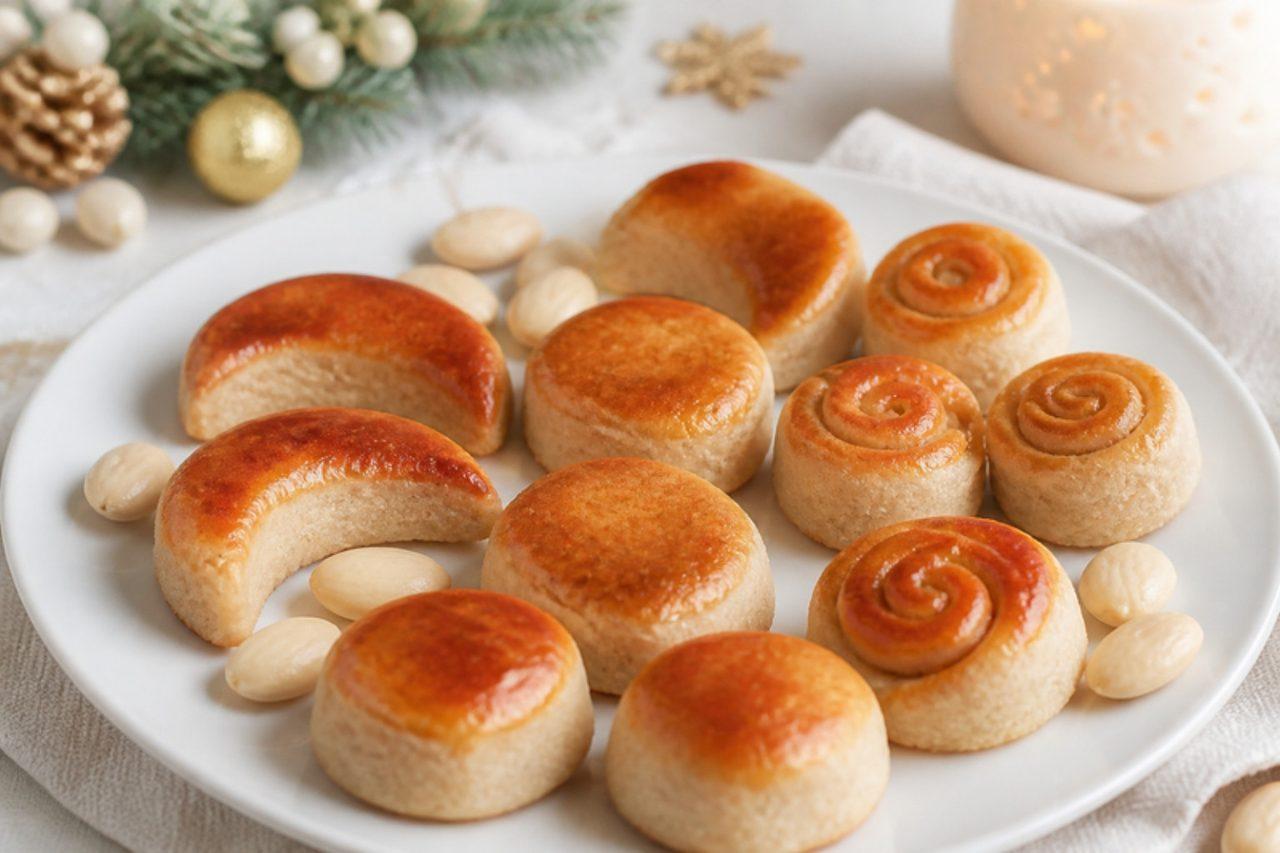
Toledo's convents have shaped marzipan for centuries, and in December the city's pastry shops fill their windows with coiled eels, half-moons and little figures, glazed golden and sold by weight for Christmas. Toledo's version is firm and almond-rich, with less sugar than many, and the best is made with Marcona almonds. Chef's tip: let the shaped pieces dry, uncovered, overnight before glazing; they hold their shape and the glaze sets glossy instead of soaking in.

by KrazyBadal 0 views

ChapoPlantain and milk drink

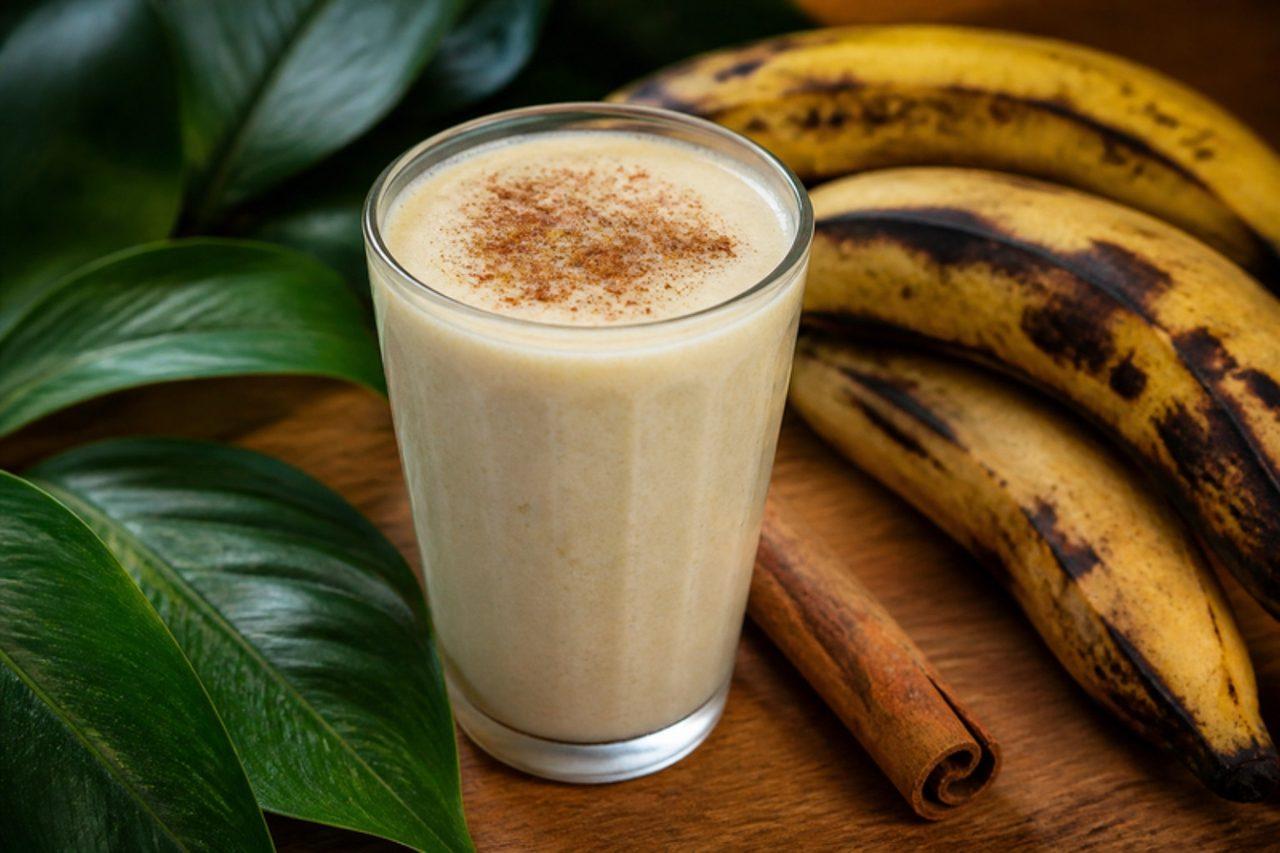
Breakfast stalls in Iquitos and the riverside towns of Loreto pour chapo into glasses from big steaming pots before the heat of the day sets in, and by afternoon the same drink is sold chilled. It is made from plantains left until their skins are black, simmered with cinnamon and cloves until soft, then blended smooth and loosened with milk. The result is thick, naturally sweet and gently spiced, somewhere between a smoothie and a thin custard, and children love it. Some families make it with water only; evaporated milk is the common addition in town. The mistake is using plantains that are still yellow-green: they taste starchy and the drink turns grey and gluey, so wait until the skins are mostly black and the fruit gives when pressed. Serve hot with bread or a tamal, or cold over ice. Chef's tip: strain it through a sieve after blending for a silky drink, and thin it with water if it thickens as it cools.

by KrazyBadal 0 views

Cajun maque choux

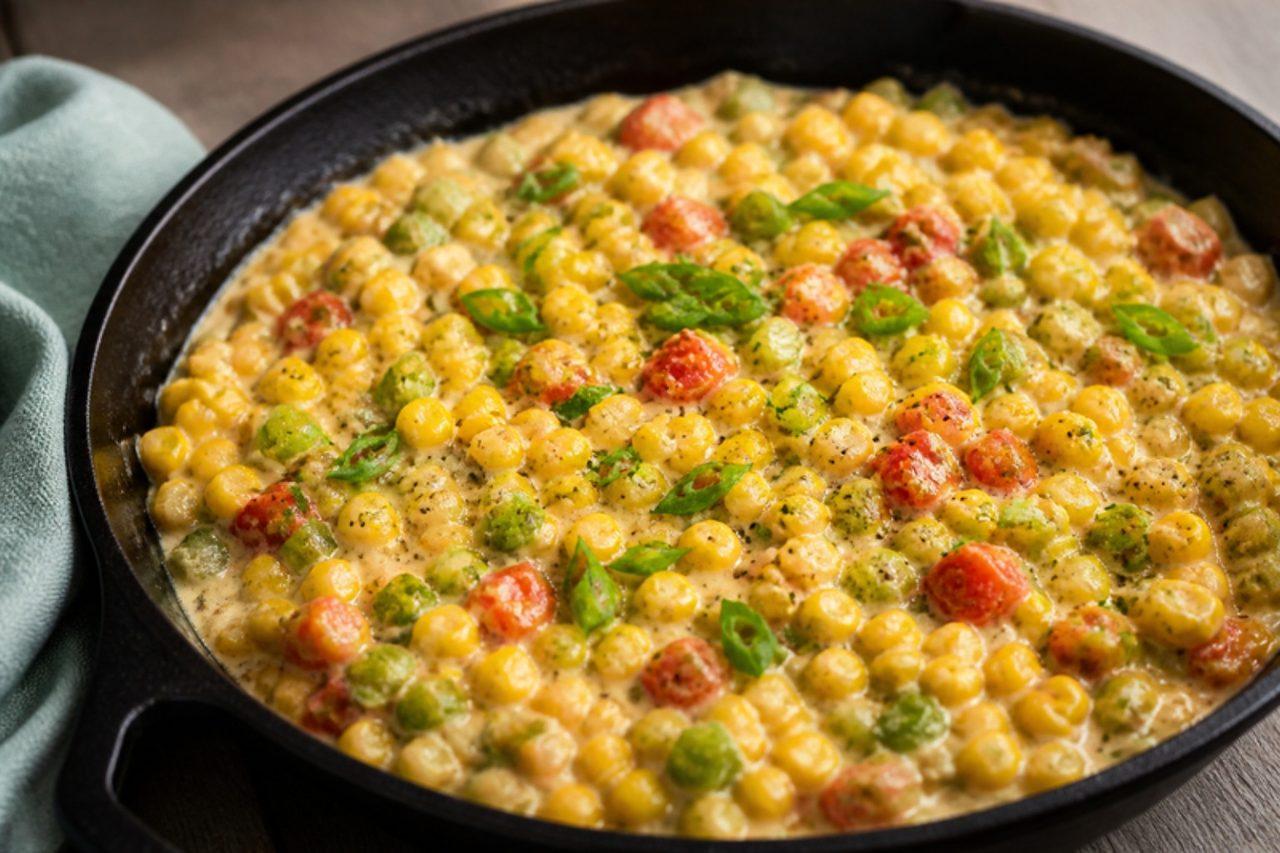
Maque choux (say 'mock shoe') is a Cajun side of fresh corn smothered with the 'holy trinity' of onion, celery and green pepper, made in the bayou country of south-west Louisiana when the corn comes in during June and July. Cooks scrape the cobs for their milk and simmer everything with butter and a splash of cream until sweet and silky. Many add bacon; this version is meat-free. Serve with rice and beans or grilled vegetables. Chef's tip: let the corn catch slightly on the bottom of the pan before stirring; those browned bits are the flavour.

by KrazyBadal 0 views

CharamuscasTwisted piloncillo taffy

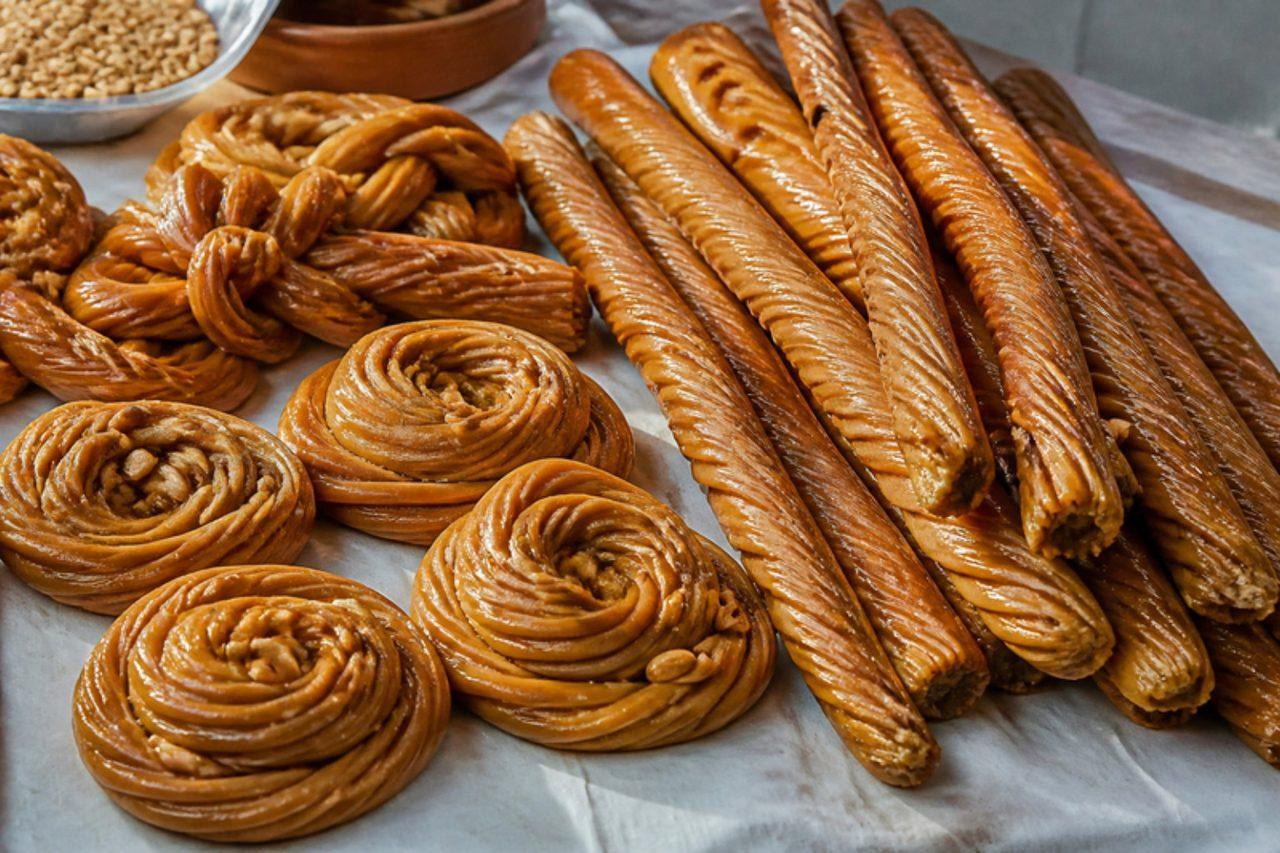
Around Day of the Dead in Guanajuato city, sweet sellers display charamuscas pulled and shaped into skulls, mummies (a nod to the town's famous museum) and simple twists, glossy amber and wrapped in cellophane. The everyday ones are rope-like spirals of pulled piloncillo, chewy then brittle, with a deep molasses taste. Pulling the hot sugar is a two-person job and great fun with older children; younger ones should watch. Chef's tip: wear clean rubber kitchen gloves rubbed with oil; you can handle the sugar sooner and much more comfortably.

by KrazyBadal 0 views

Charleston benne wafersSesame cookies

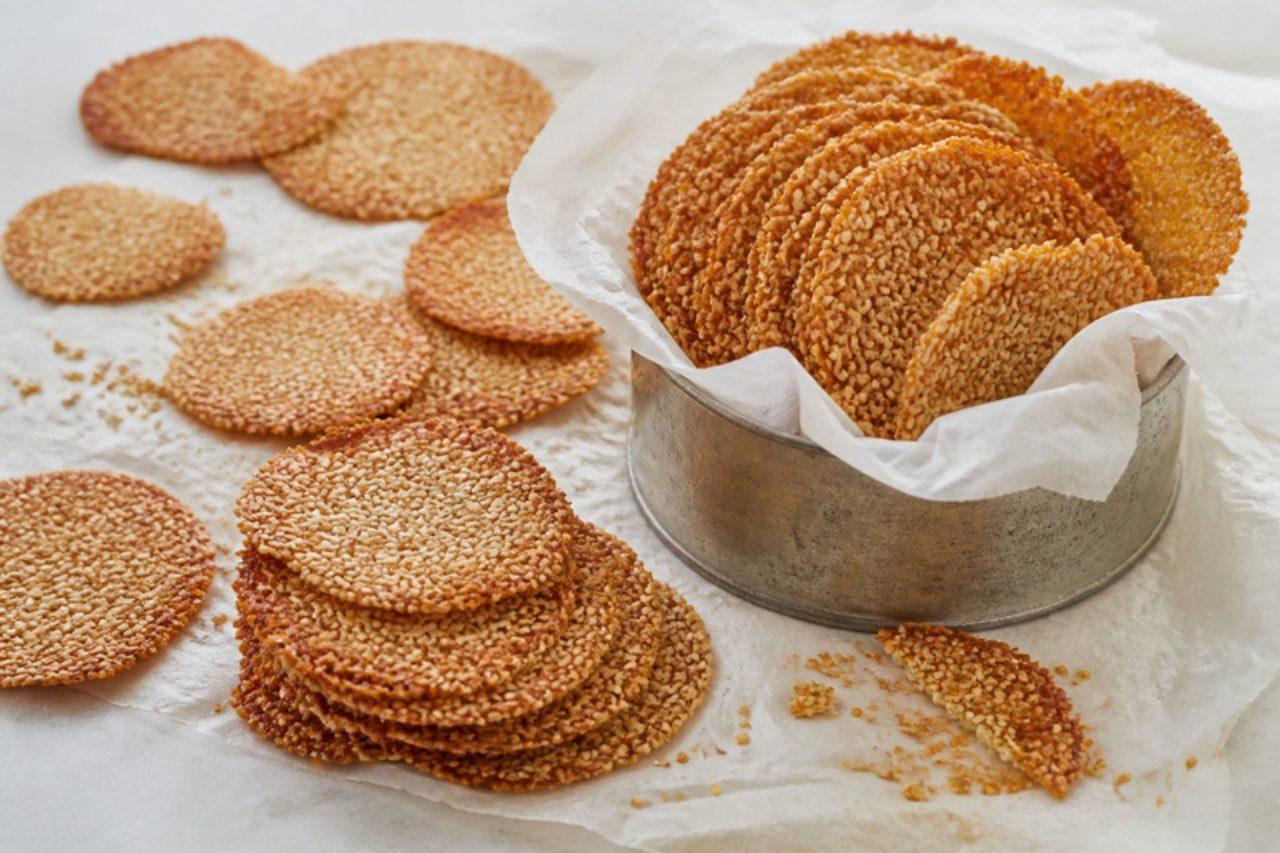
Benne is the West African word for sesame, brought to the Carolina Lowcountry by enslaved people, and these paper-thin, toasty wafers are the cookie Charleston is known for, sold in tins in the old city market. Toasted sesame seeds are folded into a buttery brown-sugar batter that spreads into lacy, crisp discs. Chef's tip: toast the seeds until they are honey-coloured; pale seeds taste of very little.

by KrazyBadal 0 views

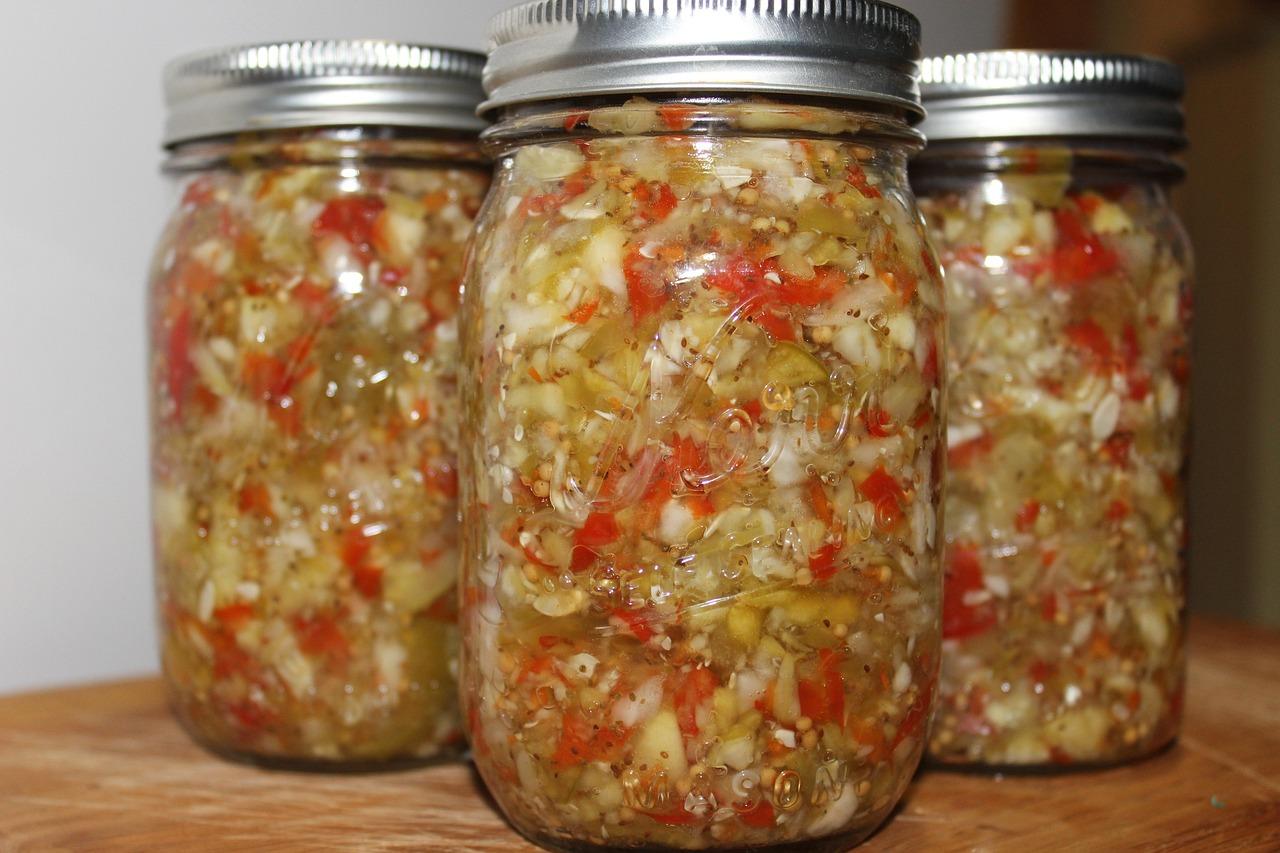
Pennsylvania Dutch chow-chow

Chow-chow is the end-of-summer pickle of Pennsylvania Dutch kitchens, a way of using up the last beans, peppers, cauliflower and green tomatoes before the frost. It is one of the 'seven sweets and seven sours' set out on Lancaster farm tables, bright with mustard seed and turmeric, sweet and sharp, and good with cheese, bean dishes and sandwiches. Chef's tip: cut every vegetable to roughly the size of a kidney bean so it cooks evenly and looks right in the jar.

by KrazyBadal 0 views

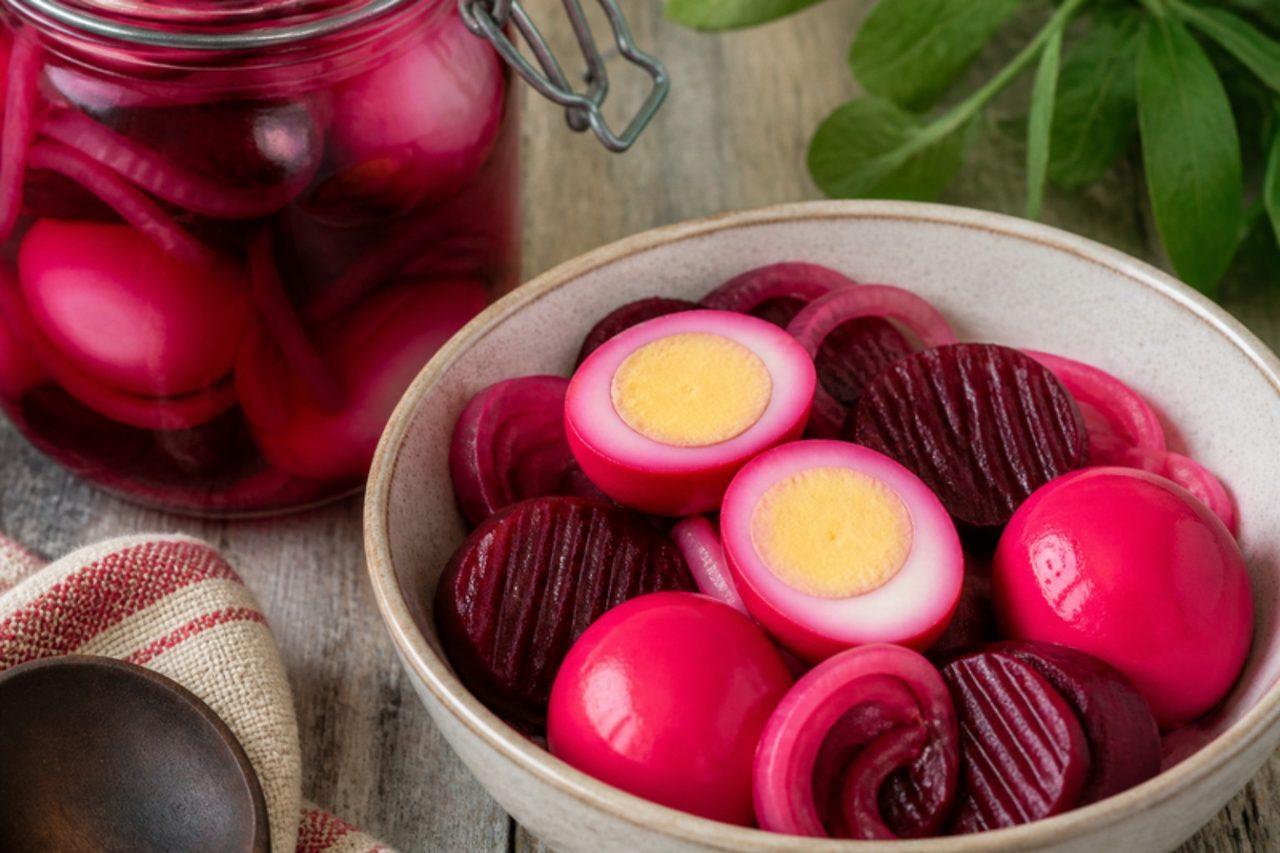
Pickled red beet eggs

Red beet eggs are on the table at every Pennsylvania Dutch church picnic and Easter lunch, a jar of shocking-pink eggs sitting in the same sweet-sour brine as the pickled beets. The whites take on colour and tang from the outside in, while the yolks stay creamy. Slice them on a salad or eat them whole with a pinch of salt. Chef's tip: two days in the brine gives a thin pink ring; leave them four days for colour almost to the yolk.

by KrazyBadal 0 views

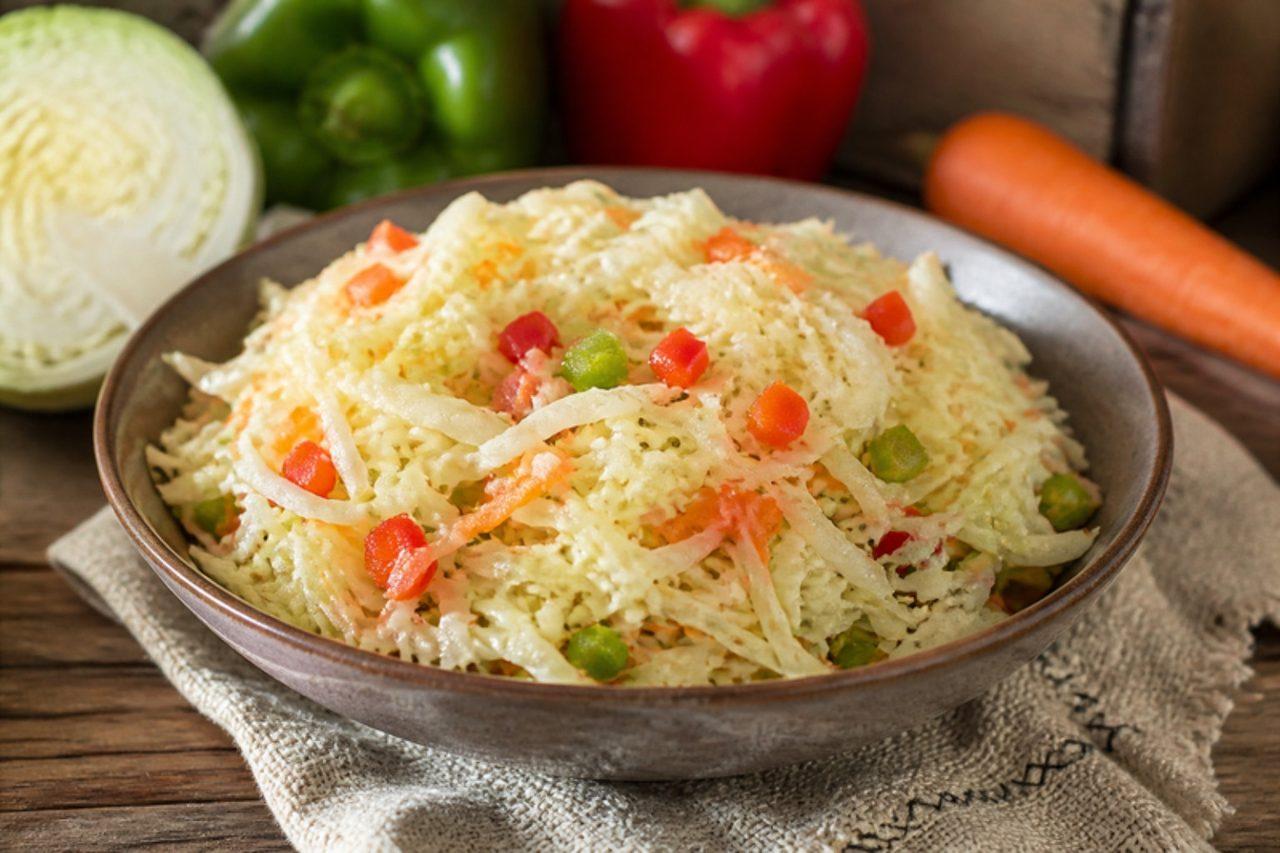
Pepper cabbage

Pepper cabbage is the oil-free, vinegar-dressed slaw served alongside chicken pot pie and roast pork dinners in Berks and Lancaster counties, and at fire-hall suppers all over south-eastern Pennsylvania. Finely shredded cabbage is tossed with sweet peppers, celery seed, sugar and vinegar, so it is crisp, cold and sweet-sharp. Chef's tip: shred the cabbage as fine as you can; thick ribbons never soak up the dressing.

by KrazyBadal 0 views

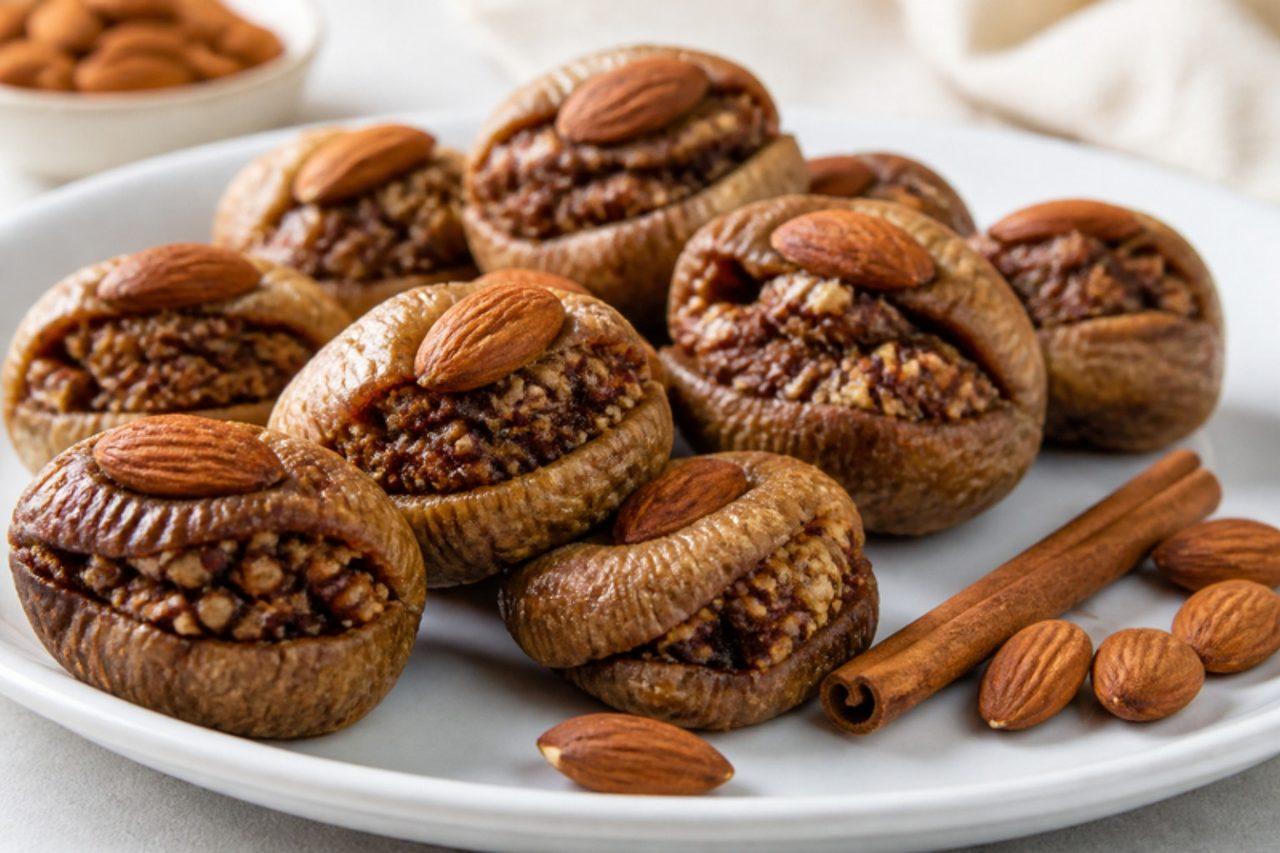
Figos cheiosAlmond-stuffed dried figs

In the Algarve, Christmas trays are never without figos cheios, sun-dried figs split open, packed with a paste of toasted almonds and cocoa, pressed together in pairs and baked until fragrant. They come from a time when every farm in the Barrocal dried its own figs on cane racks in August. They take half an hour to make and keep for weeks, so they make an easy edible present. Chef's tip: choose soft, plump dried figs; if yours are hard, steam them over simmering water for 5 minutes first.

by KrazyBadal 0 views

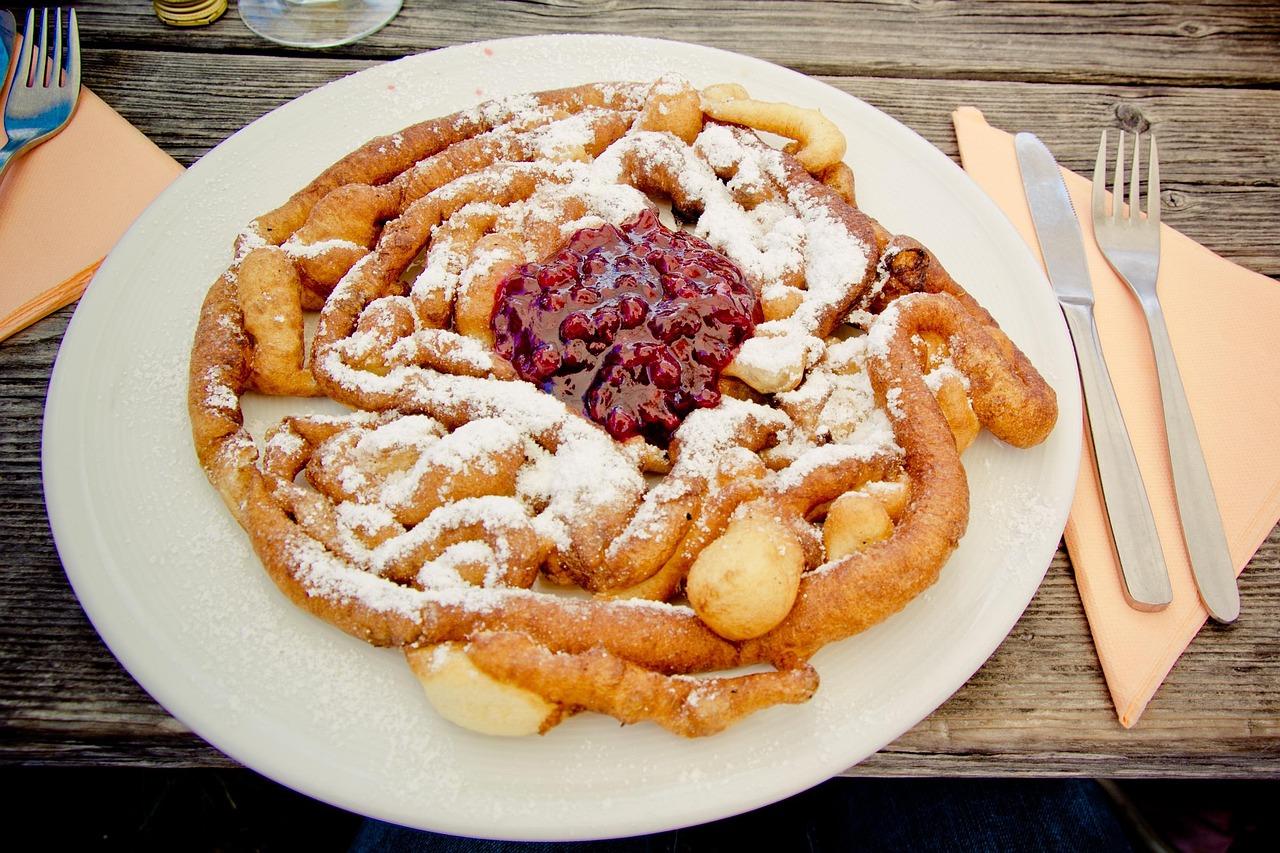
Funnel cake

Funnel cake started in Pennsylvania Dutch kitchens and became the smell of every American county fair and boardwalk, from the Kutztown Folk Festival to the Jersey shore. A thin batter is poured through a funnel in loops into hot oil, so it fries into a crisp, lacy, golden nest that you tear apart with your fingers under a snowfall of icing sugar. Chef's tip: keep your finger over the funnel until it is right over the oil, then move in quick overlapping circles from the centre out.

by KrazyBadal 0 views

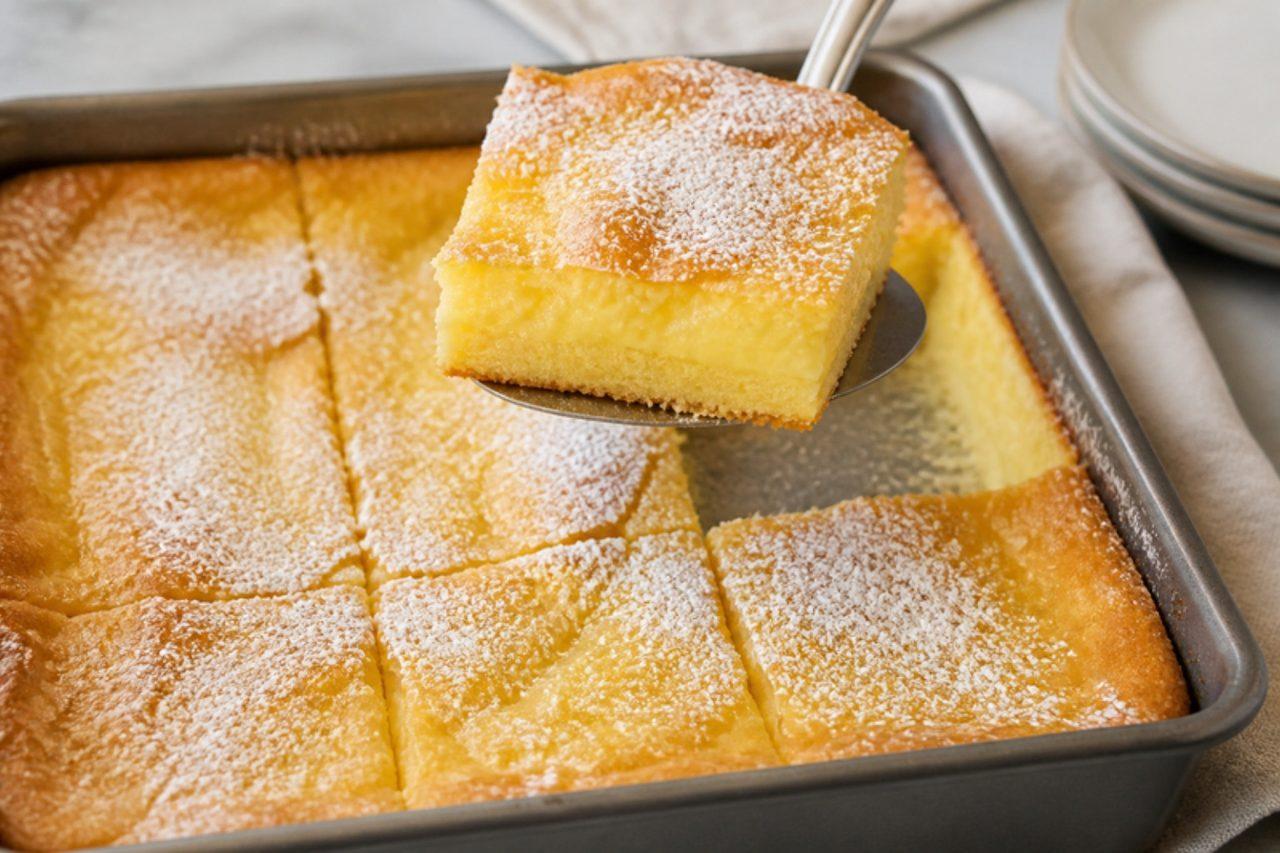
St. Louis gooey butter cake

Gooey butter cake is a St. Louis institution, sold in squares at south-side German bakeries and baked for church coffee hours and Christmas mornings. Legend says a baker in the 1930s got his proportions wrong and the mistake sold out. A thin, chewy yeast-free cake base is covered with a sweet cream cheese and butter layer that bakes into a crackly, shiny top over a gooey middle. Chef's tip: take it out while the centre still jiggles; the goo is the point, and an overbaked one is just a sweet sponge.

by KrazyBadal 0 views

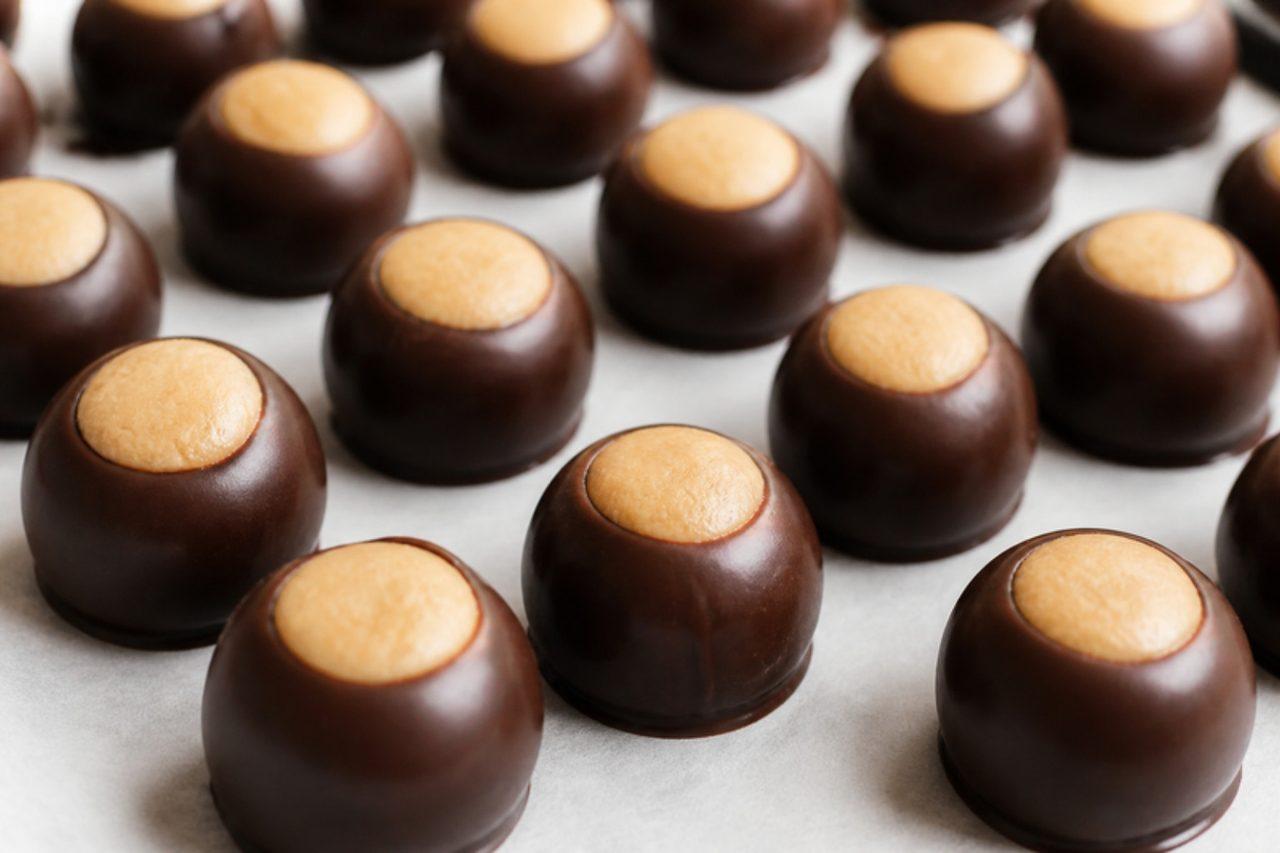
Ohio buckeyes

Buckeyes are the sweet of Ohio, made by the tray for Christmas cookie swaps and for Ohio State football parties, because they look like the glossy brown nuts of the state's buckeye tree. A firm, sweet peanut butter fondant is rolled into balls and dipped in chocolate, leaving a pale circle on top. Chef's tip: freeze the balls for 20 minutes before dipping; warm ones slide off the stick and muddy the chocolate.

by KrazyBadal 0 views

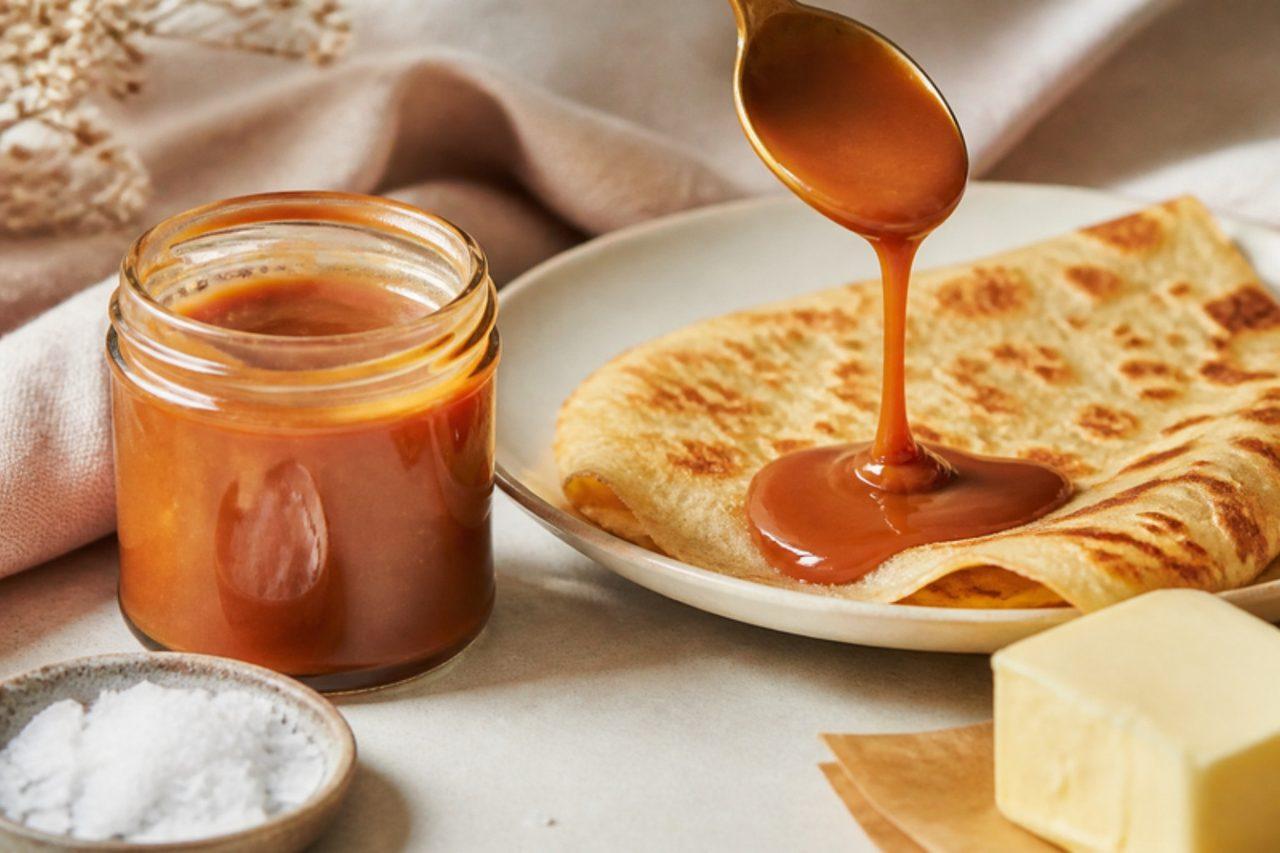
Salted butter caramel

Salted butter caramel was made famous by a confectioner in Quiberon in the 1970s, and now every crêperie from Rennes to Brest pours it over sweet crêpes, and every Breton cupboard has a jar for ice cream, apples or simply a spoon. Brittany kept the habit of salted butter long after the rest of France, so the salt is part of the flavour, not a trend. The caramel is cooked dark, loosened with hot cream and finished with butter flecked with sea salt. It keeps for two weeks in the fridge. Chef's tip: warm the cream before adding it; cold cream makes the caramel seize into hard lumps and spit furiously.

by KrazyBadal 0 views

Wisconsin kringle

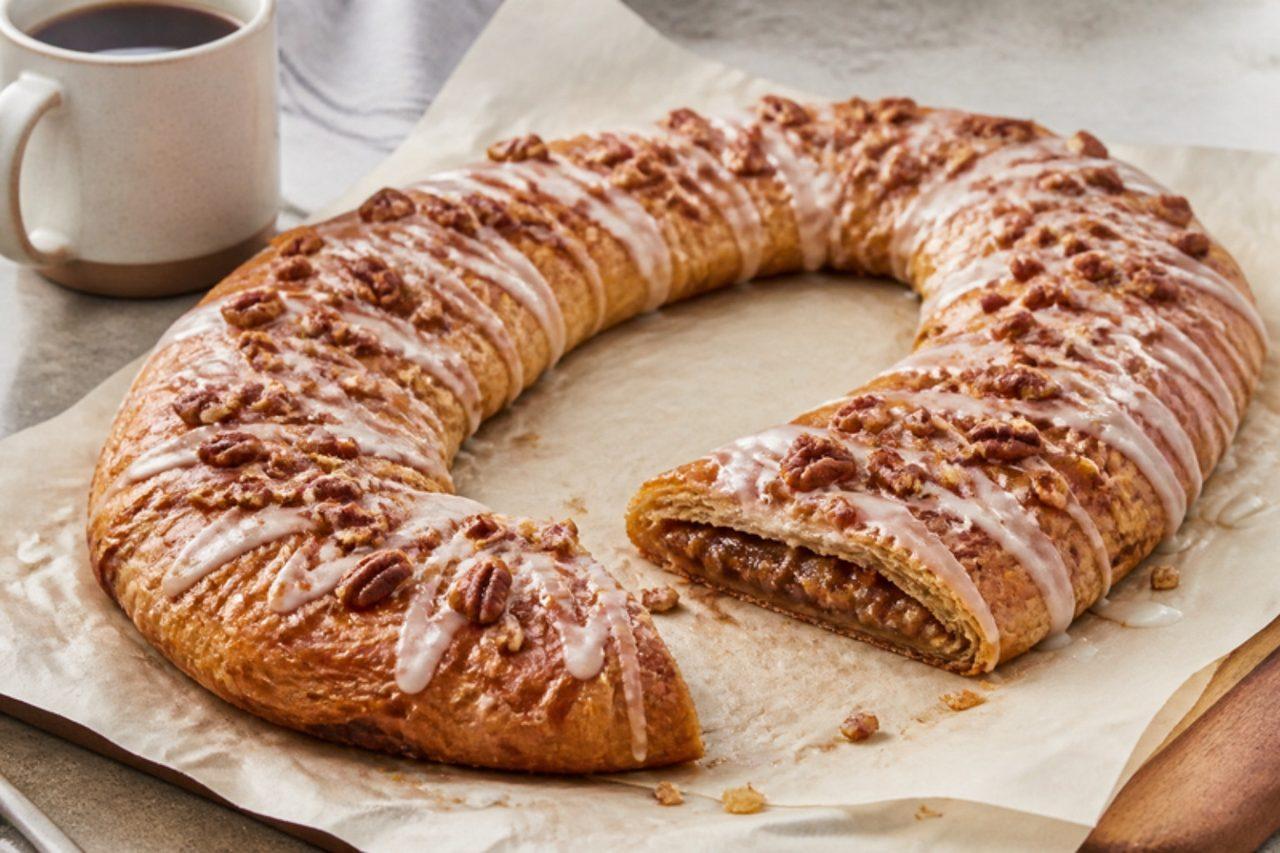
Kringle came to Racine, Wisconsin, with Danish bakers in the 1800s, and the town's bakeries still ship thousands of these flat oval pastry rings at Christmas. Thin layers of buttery laminated dough wrap a pecan and brown sugar filling, and the top is glazed with white icing. It is the official state pastry, eaten with coffee at breakfast. Chef's tip: keep the dough and butter cold at every fold; if the butter melts into the dough you lose the flaky layers.

by KrazyBadal 0 views

Minnesota wild rice soup

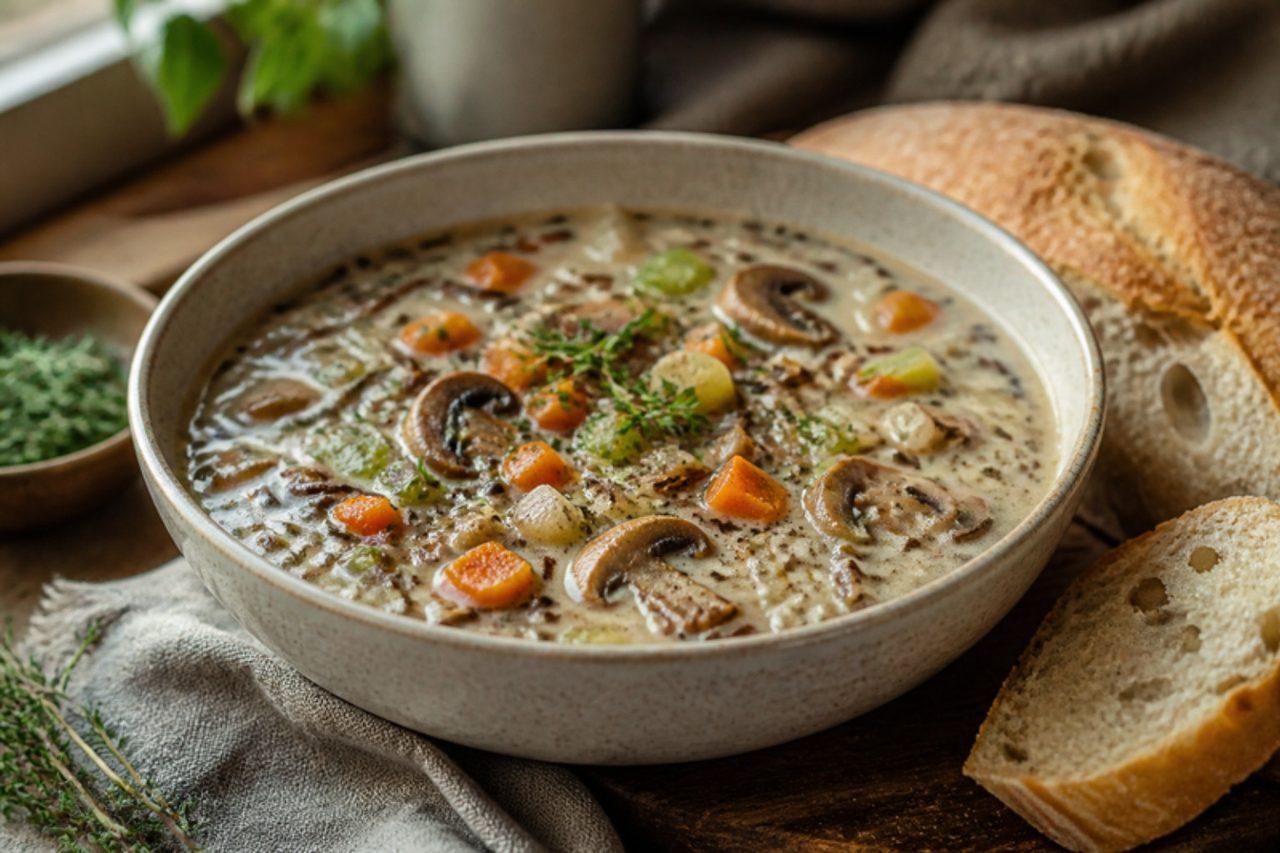
Wild rice is the seed of a lake grass that the Ojibwe people of northern Minnesota still harvest by canoe in late summer, and this creamy soup is on every lunch counter and church cookbook in the Twin Cities when the weather turns cold. The long black grains split open and turn chewy and nutty in a velvety broth with mushrooms, carrots and celery. Many versions add chicken; this one is vegetarian. Chef's tip: cook the wild rice separately and add it at the end, or it soaks up all the soup.

by KrazyBadal 0 views

San Francisco garlic noodles

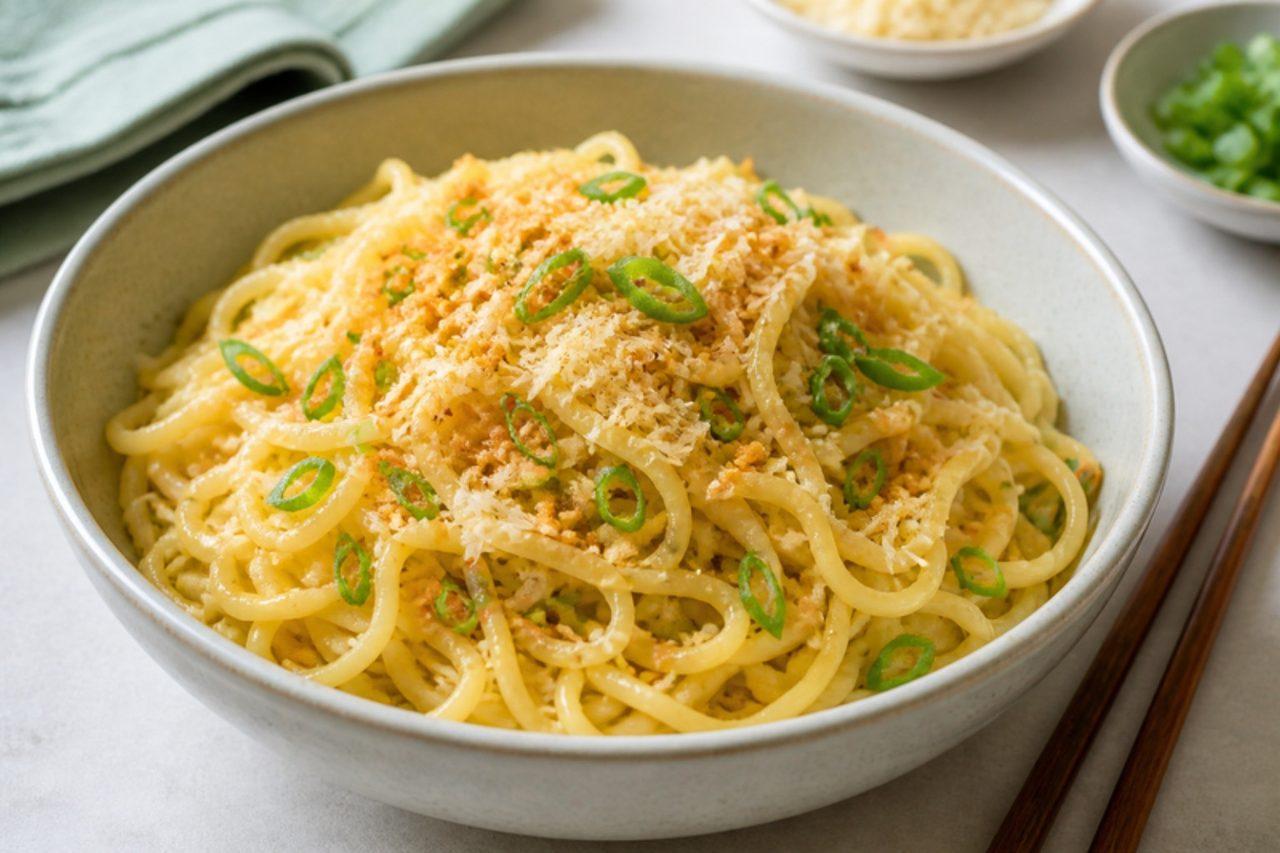
Garlic noodles were made famous by a Vietnamese family restaurant in San Francisco's Sunset District in the 1970s, served next to roast Dungeness crab, and now every Bay Area Vietnamese place has its own version. Springy noodles are tossed in a glossy sauce of lots of butter and garlic with a savoury, sweet seasoning and grated hard cheese. Restaurants use oyster and fish sauce; this vegetarian version uses vegetarian mushroom 'oyster' sauce and soy. Parmesan is made with animal rennet, so use a vegetarian hard cheese. Chef's tip: cook the garlic gently until pale gold, never brown, or the whole dish turns bitter.

by KrazyBadal 0 views

Midia saganakiMussels with tomato and feta

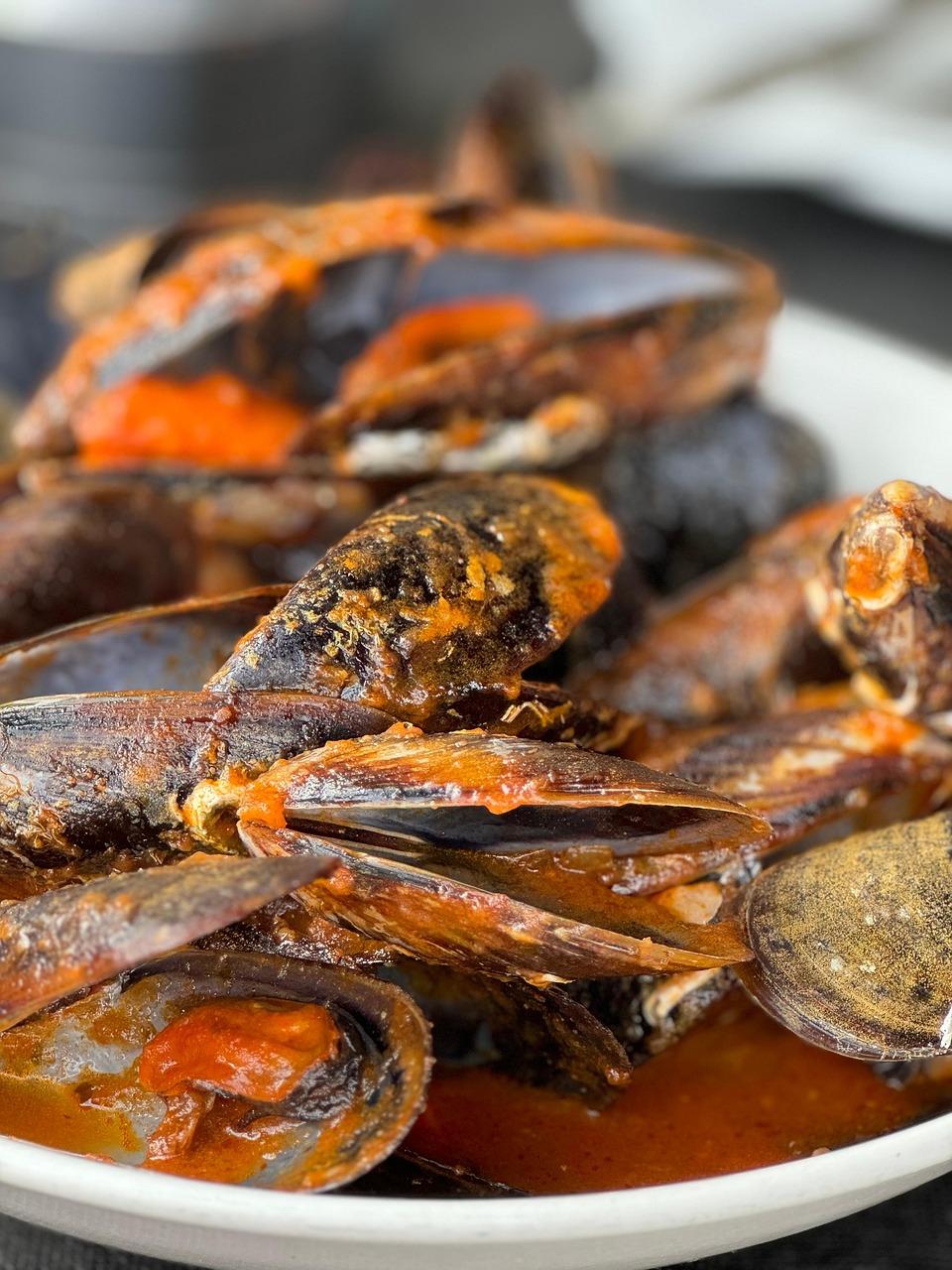
Thessaloniki is Greece's mussel capital, with farms in the Thermaic Gulf a few kilometres from the seafront ouzeries where this two-handled pan arrives, still bubbling, at the table. Mussels steam open in a quick sauce of peppers, tomato and chilli, and crumbled feta melts into the juices at the end. Bread is essential. The classic version adds a splash of ouzo; this one is alcohol-free, using a pinch of fennel seed for that aniseed note (add 2 tbsp ouzo with the tomatoes if you like). Common mistake: overcooking — take the pan off the heat as soon as the shells open. Chef's tip: buy mussels on the day and keep them in the fridge in a bowl covered with a damp cloth, never in water.

30 minGreekFishGluten freeSpicy
by KrazyBadal 1 views

Gilroy garlic fries

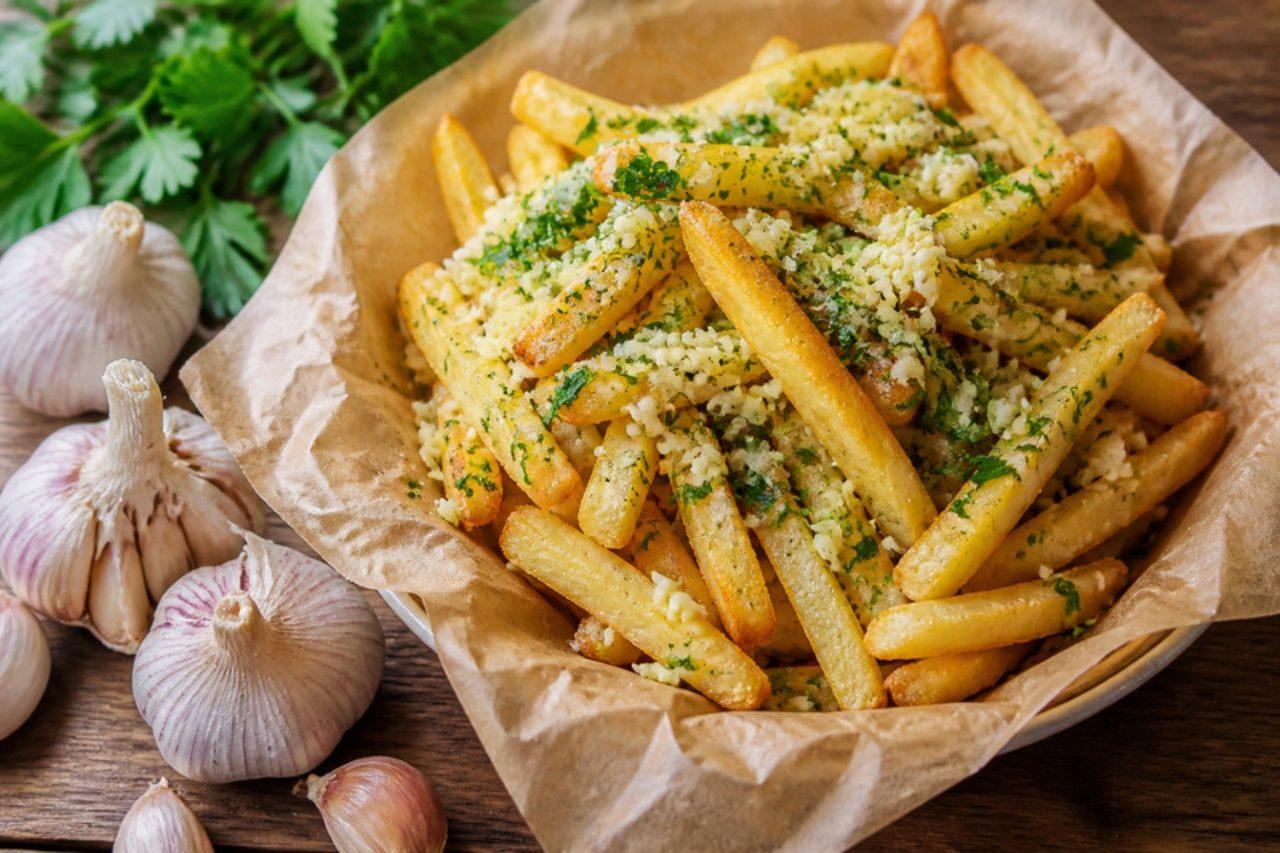
Gilroy, south of San José, calls itself the garlic capital of the world, and its summer garlic festival made these fries famous; today they are sold at Bay Area baseball games too. Crisp, double-fried chips are tossed while hot with raw garlic softened in olive oil and a lot of parsley, so they are pungent and fresh. Chef's tip: toss the garlic on at the end, off the heat; garlic fried with the chips burns and turns bitter.

by KrazyBadal 0 views

FurrunduGreen papaya and cane sugar sweet

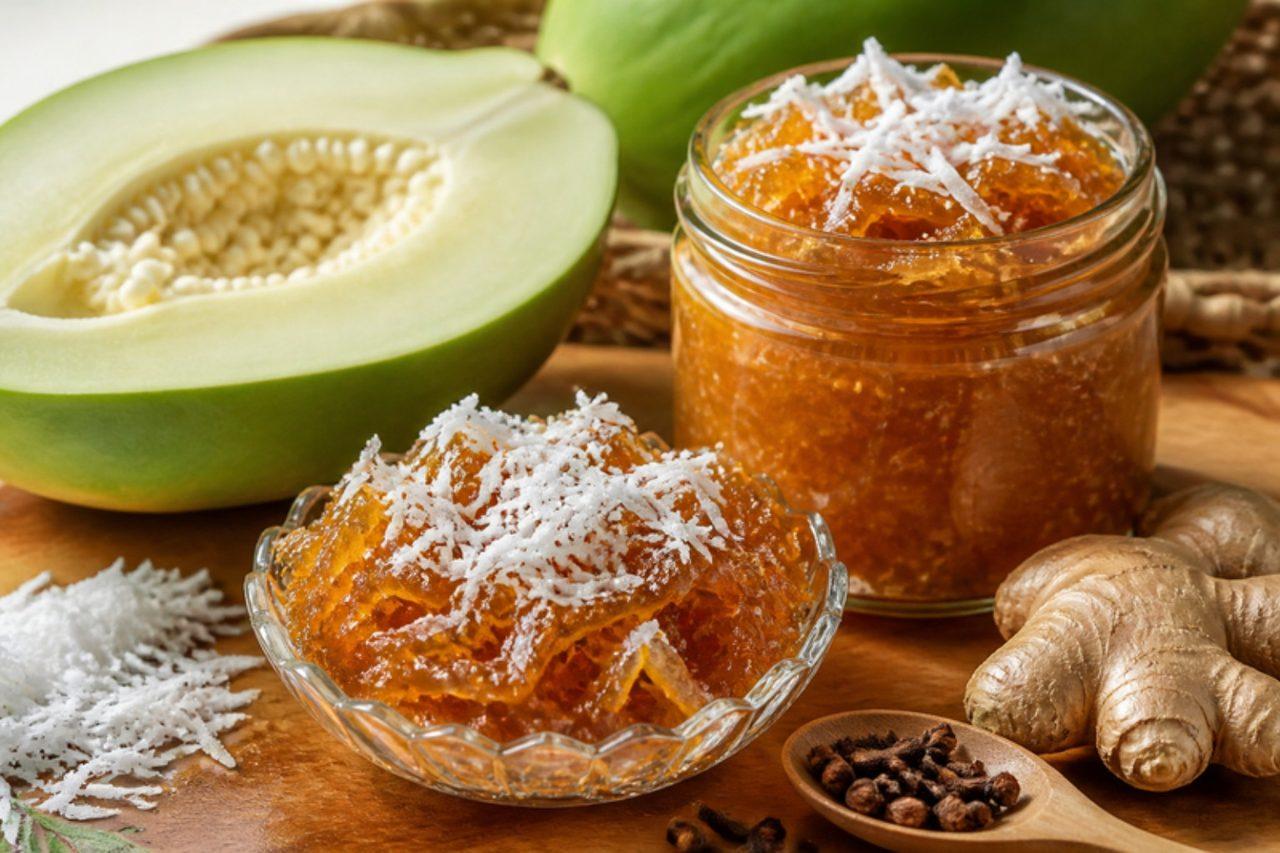
Cuiabá's grandmothers have a sweet for every fruit, and furrundu is the one that turns an unripe papaya into something special. The green fruit is grated, squeezed and cooked slowly with rapadura (dark unrefined cane sugar), fresh ginger, cloves and cinnamon until it is dark brown, sticky and chewy, with a warm spice that lingers. It is sold in small pots at Cuiabá's Mercado do Porto and at festas de santo in Mato Grosso, eaten by the spoonful with a slice of fresh cheese or on its own. The mistake to avoid is skipping the rinse: green papaya oozes a milky latex that tastes bitter and can irritate the skin, so wear gloves and wash the grated fruit well. Chef's tip: stop cooking when you can drag a spoon across the bottom of the pan and see the base for a second; it firms up a lot as it cools.

by KrazyBadal 0 views

Pennsylvania Dutch apple butter

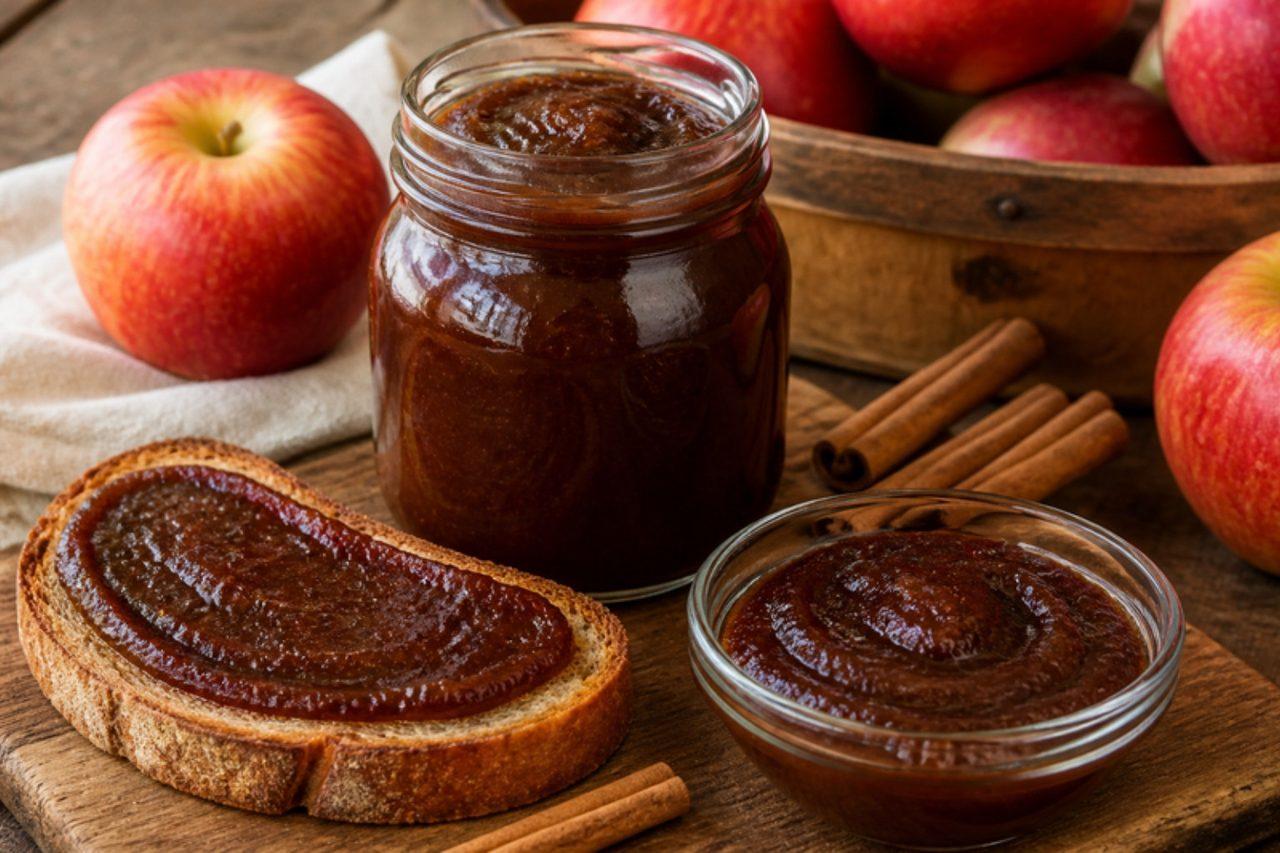
Every autumn Pennsylvania Dutch families once gathered round a copper kettle in the yard to stir 'lattwarick', apple butter, all day over a wood fire. There is no butter in it: apples and cider are cooked down for hours until the sugars caramelise into a thick, glossy, deep brown spread. It is eaten on bread with cottage cheese, a combination Lancaster calls 'smearcase and apple butter'. Chef's tip: it is done when a spoonful on a cold plate holds its shape and no ring of liquid seeps out.

by KrazyBadal 0 views

Trucha a la mantecaTrout with brown butter

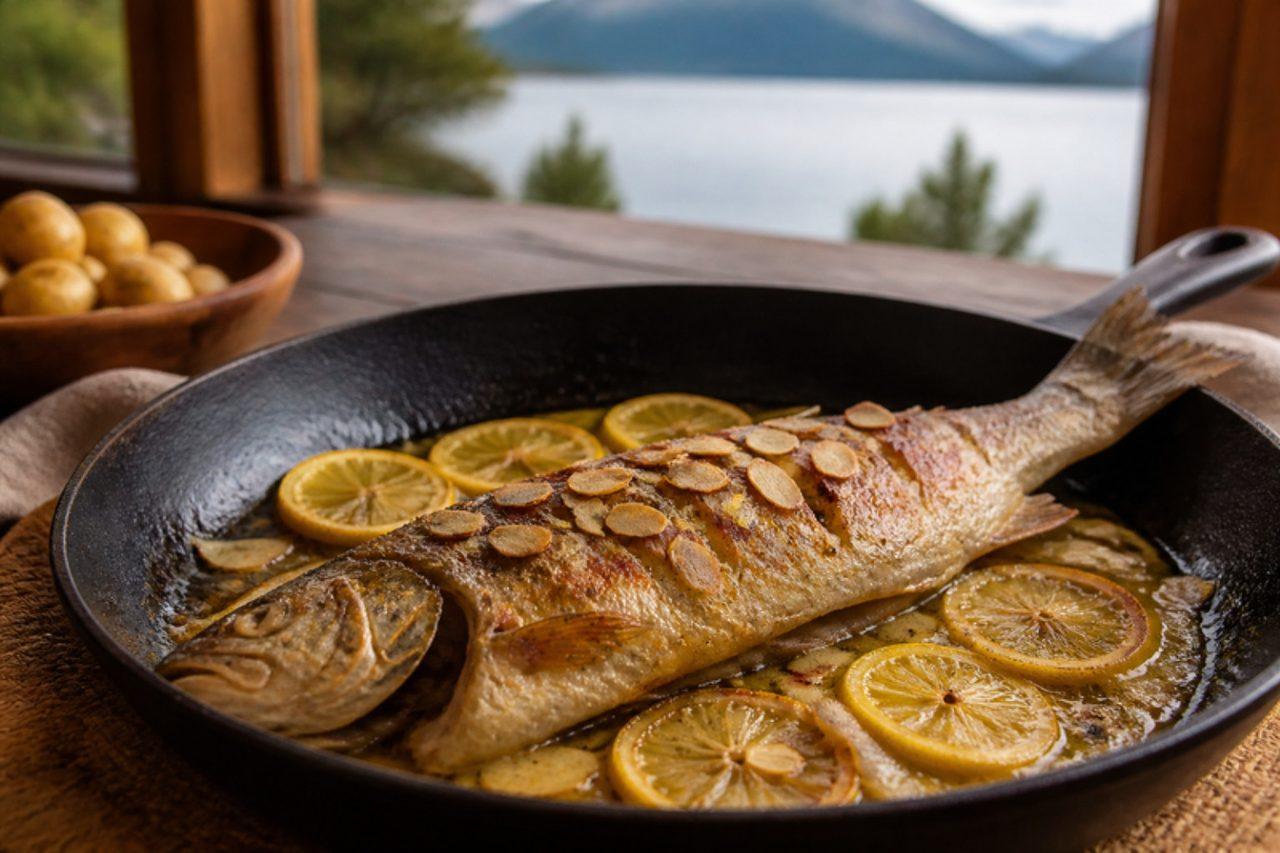
Restaurants on the shores of Nahuel Huapi, in Bariloche and Villa La Angostura, put rainbow trout from the cold Andean lakes on almost every menu, and this butter version is the one locals order most. Fillets are fried with crisp skin, then drenched in butter browned with flaked almonds and sharpened with lemon. Serve with boiled new potatoes and a green salad. Any trout or char works. People commonly start the fish in butter, which burns before the skin crisps; fry it in a film of oil and make the brown butter after. Chef's tip: dry the skin really well and dust it with rice flour; it gives a thin, glassy crust without any gluten.

by KrazyBadal 0 views

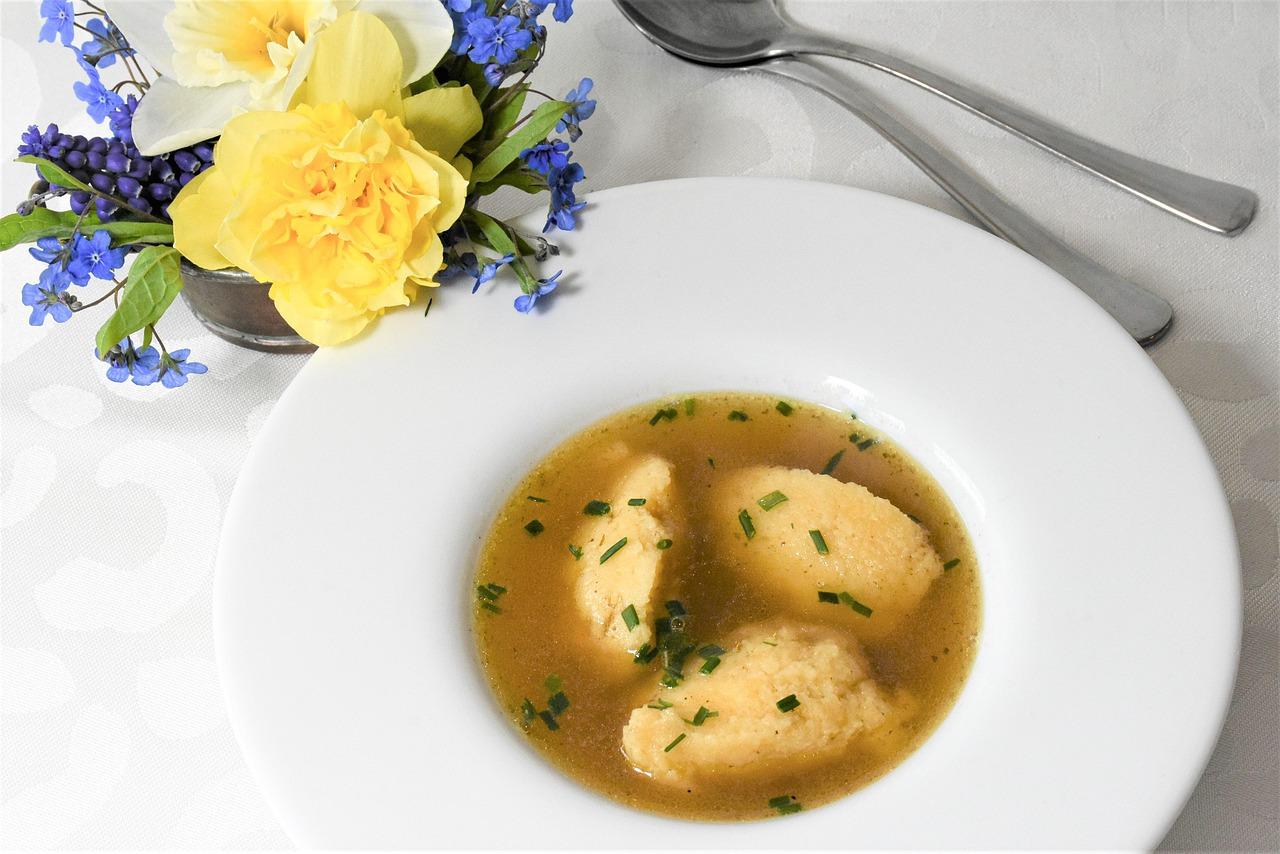
GrießnockerlsuppeBeef broth with semolina dumplings

Grießnockerlsuppe is the soup that opens a proper Austrian Sunday lunch, from Viennese grandmothers' tables to village inns in Upper Austria: a clear, deeply savoury beef broth with three or four soft, oval semolina dumplings that should be fluffy enough to cut with a spoon. The broth is made from beef shin and bones, simmered slowly with charred onion; broth left over from Tafelspitz works perfectly too. Chef's tip: let the semolina mix rest for 15 minutes before shaping; the grains swell and the dumplings hold together without going heavy.

by KrazyBadal 0 views

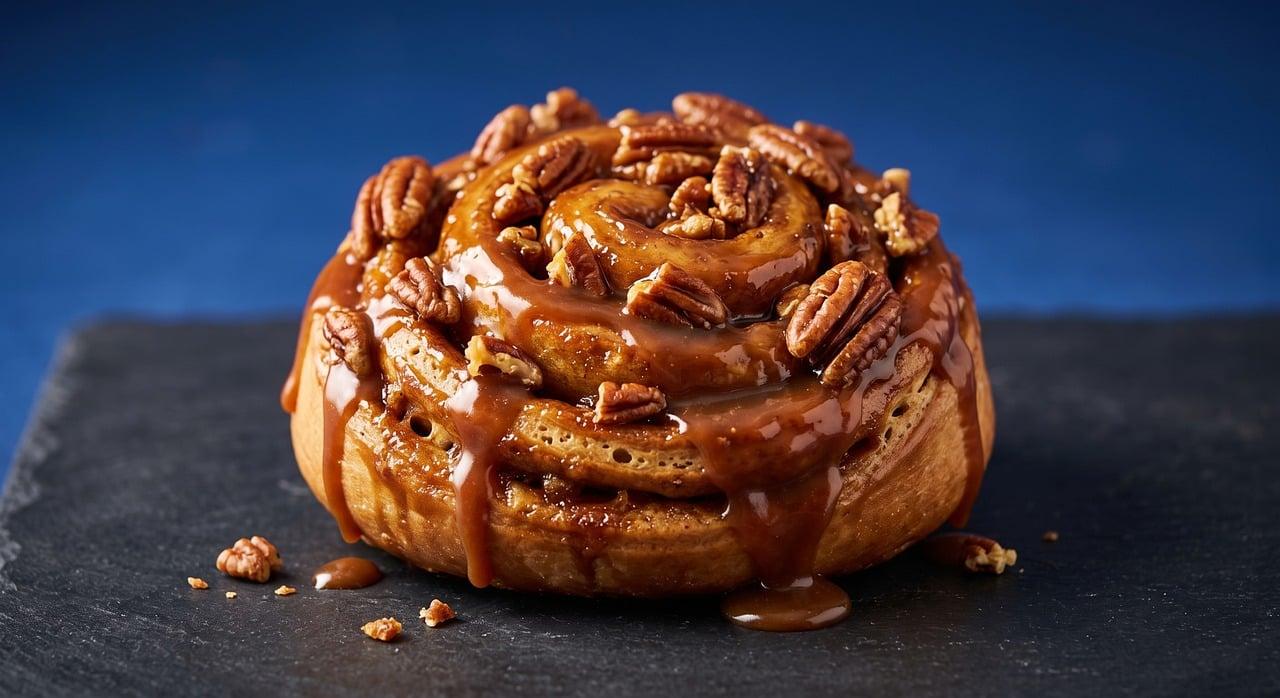
Philadelphia sticky buns

Philadelphia's sticky buns descend from the 'schnecken' of German bakers, and Reading Terminal Market still sells them warm by the tray, glistening with caramel and pecans. Soft rolls of cinnamon-raisin dough are baked on top of butter and brown sugar, then flipped so the hot caramel runs down over them. Chef's tip: turn them out within 5 minutes of leaving the oven; once the caramel cools it glues the buns to the tin.

by KrazyBadal 0 views

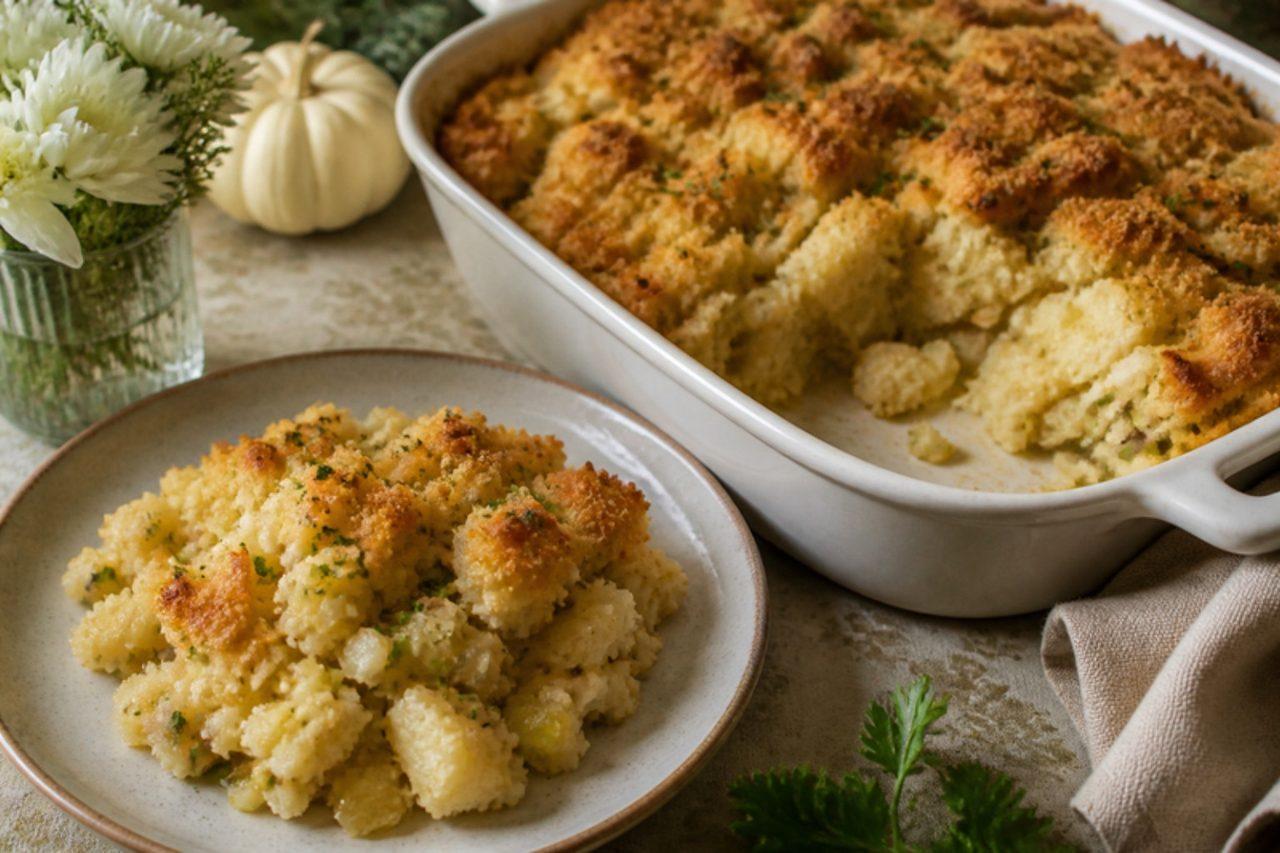
Pennsylvania Dutch potato filling

In Lehigh and Berks counties no Thanksgiving or Christmas dinner comes without potato filling, sometimes called potato stuffing: buttery mashed potato folded with toasted bread cubes, celery, onion and parsley, then baked until the top crisps. It is soft and savoury, rich enough to stand in for gravy. Chef's tip: dry the bread cubes in the oven first so they hold their shape instead of turning to paste.

by KrazyBadal 0 views

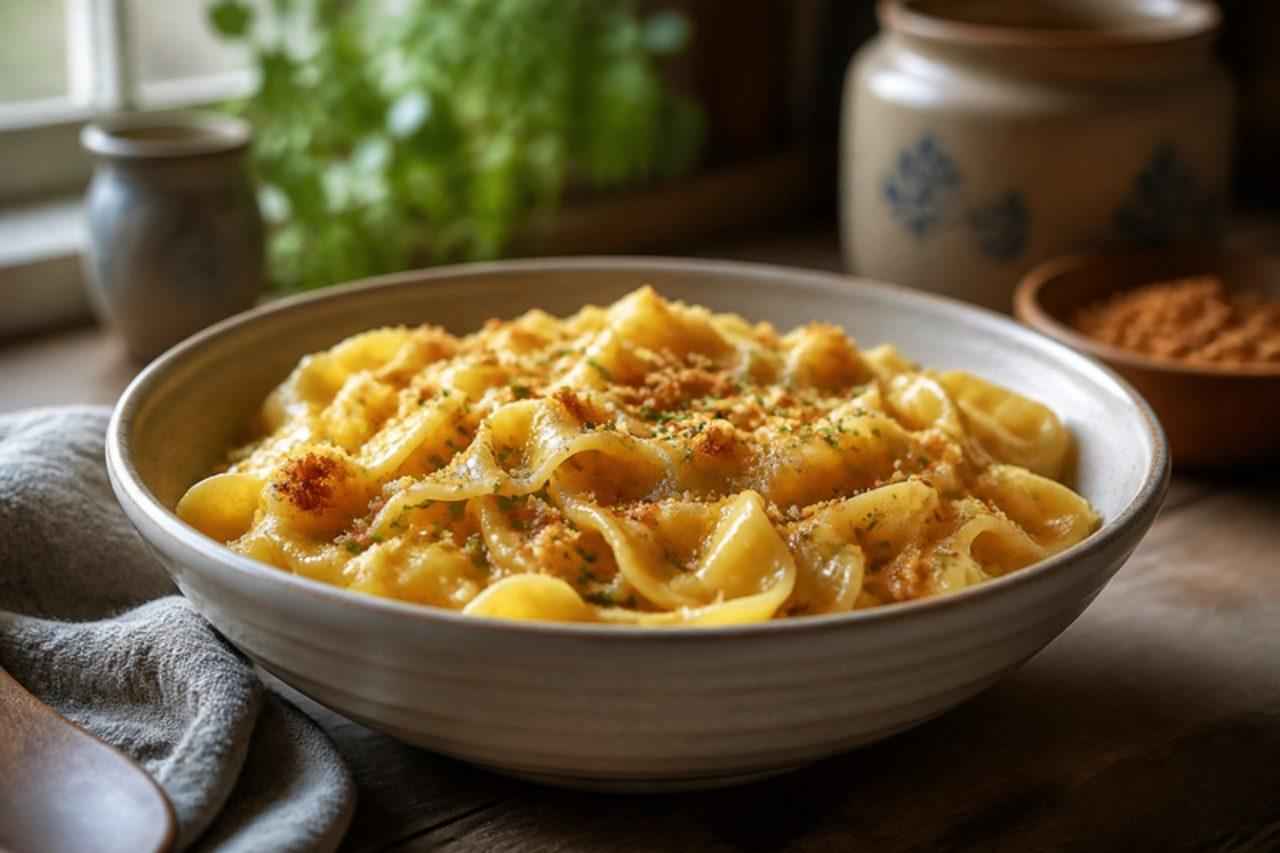
Pennsylvania Dutch brown butter noodles

At Amish smorgasbords and family-style restaurants around Intercourse and Bird-in-Hand, buttered noodles are passed round the table with mashed potatoes as though nobody had heard of choosing one starch. Wide, thick egg noodles are tossed with butter cooked until nutty and brown and a handful of toasted breadcrumbs. Chef's tip: take the butter off the heat the moment it smells of hazelnuts and the specks turn tan; seconds later it burns.

by KrazyBadal 0 views

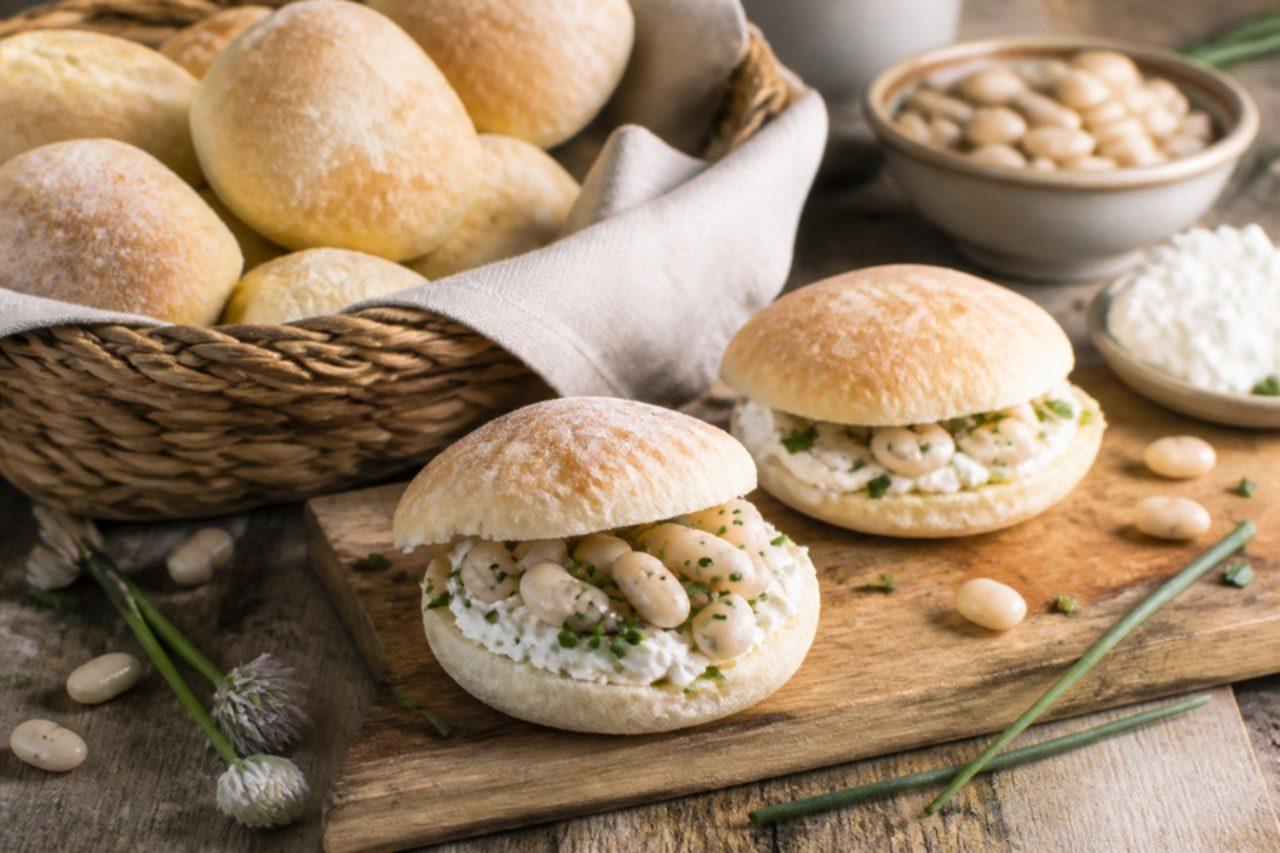
FouéesPuffed little breads

In the troglodyte restaurants carved into the tufa cliffs near Saumur and Tours, bakers slap small rounds of bread dough onto the floor of a wood-fired oven, and in a minute they puff up like balloons. Fouées (also called fouaces) are split while still steaming and filled at the table, and a fouée evening is a favourite outing for families and groups in the Loire. Rillettes are the classic filling, but butter, fresh goat's cheese and garlicky white mogette beans are just as traditional, and those are what we use here. At home, a very hot oven and a preheated tray do the job. Chef's tip: roll the rounds evenly thin, about 4 mm; uneven dough puffs only on one side.

by KrazyBadal 0 views

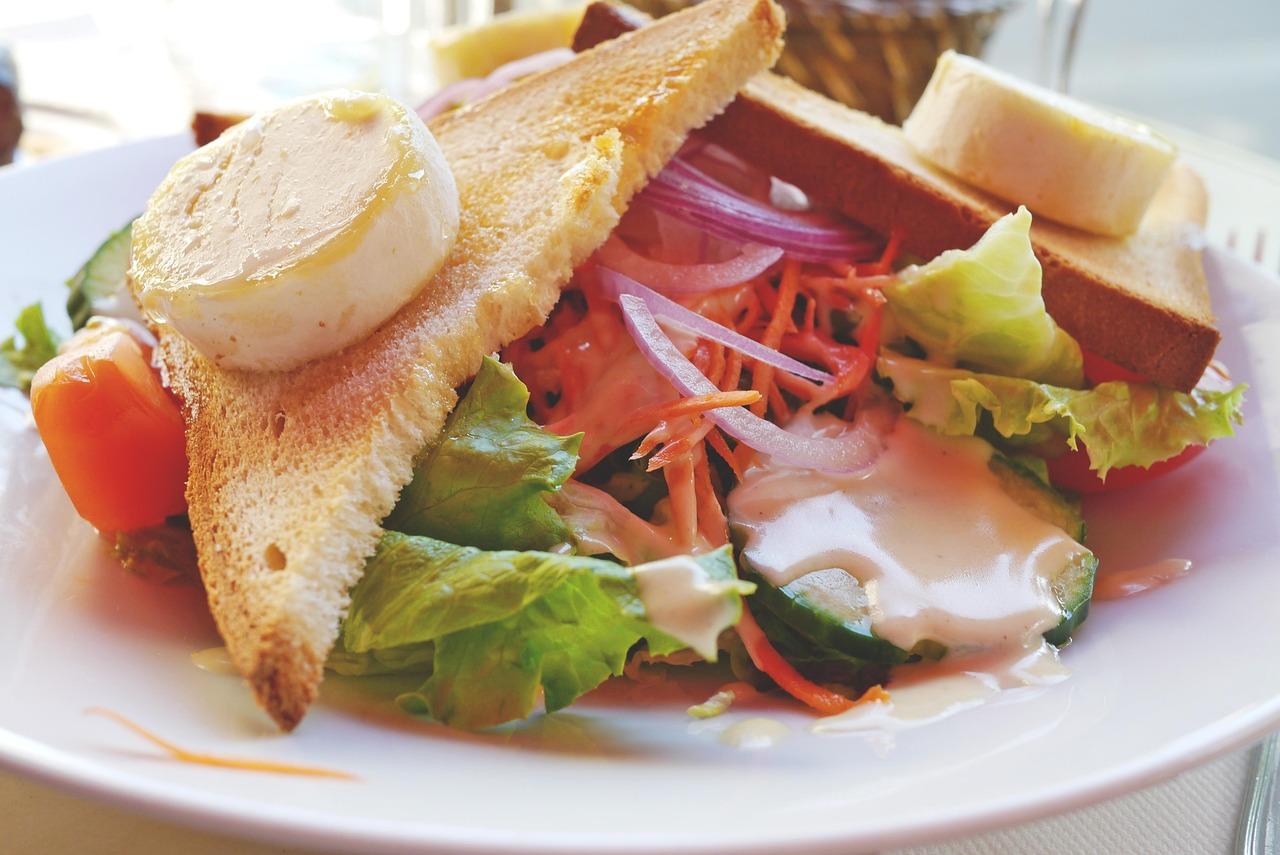
Warm goat's cheese salad

The Loire Valley and the Centre region, around Sancerre, Chavignol and Sainte-Maure-de-Touraine, make some of France's best goat's cheeses, and this salad is how bistros all over the country serve them: rounds of cheese melted on toast, laid over dressed leaves with walnuts and a thread of honey. It is a lunch dish in cafés and a starter at home, ready in 20 minutes. Small crottins or slices from a log both work. Many French goat's cheeses use animal rennet; look for one labelled vegetarian. Chef's tip: grill the toasts with the cheese on top only until the cheese softens and freckles; if it melts flat it slides off and loses its creamy centre.

by KrazyBadal 0 views

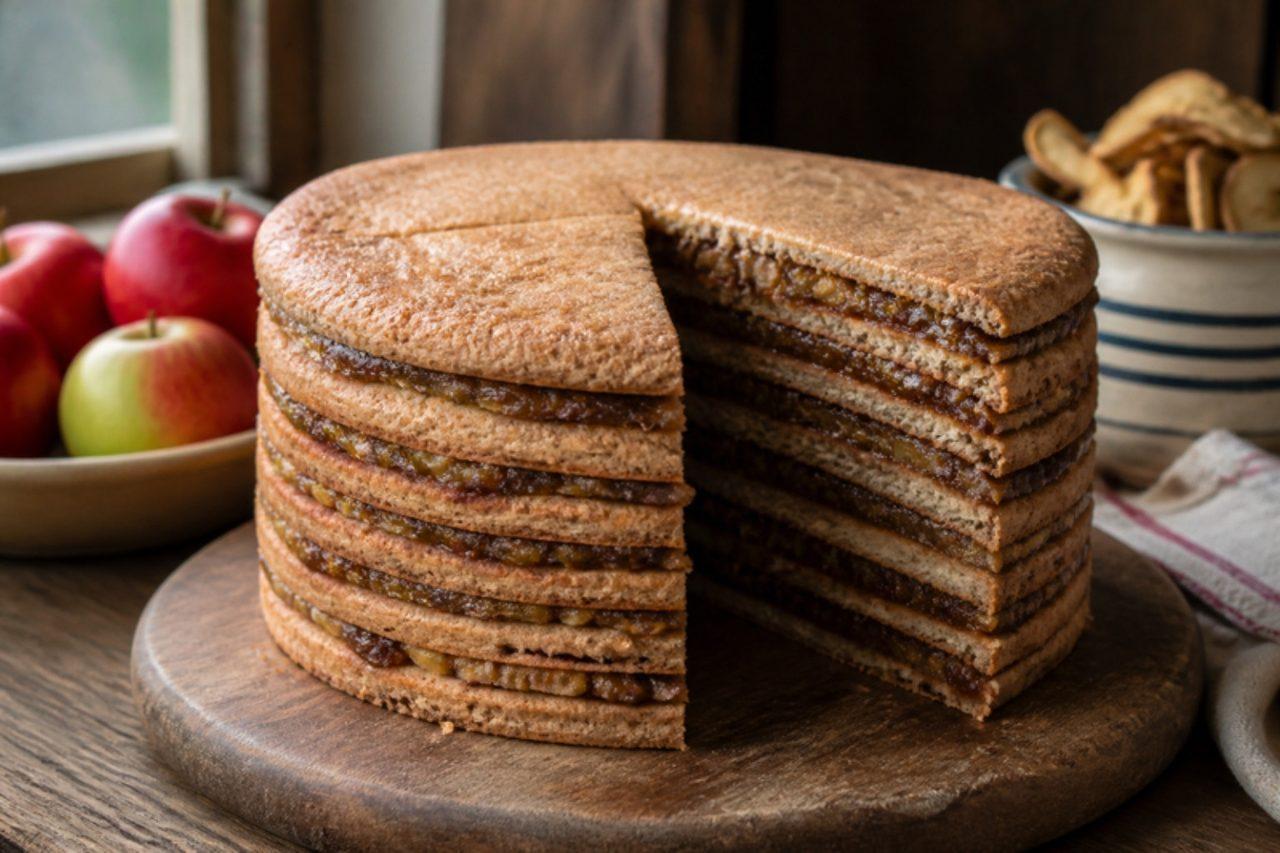
Appalachian apple stack cake

Apple stack cake is the old mountain wedding cake of eastern Kentucky and Tennessee: legend has it neighbours each brought a layer, and the bride's popularity was judged by the height. Six thin, biscuit-like layers flavoured with sorghum or molasses and ginger are stacked with a thick filling of cooked dried apples, then left for two days so the layers soften into a moist, spiced cake. Chef's tip: don't cut it the day you make it; the resting time is part of the recipe.

by KrazyBadal 0 views

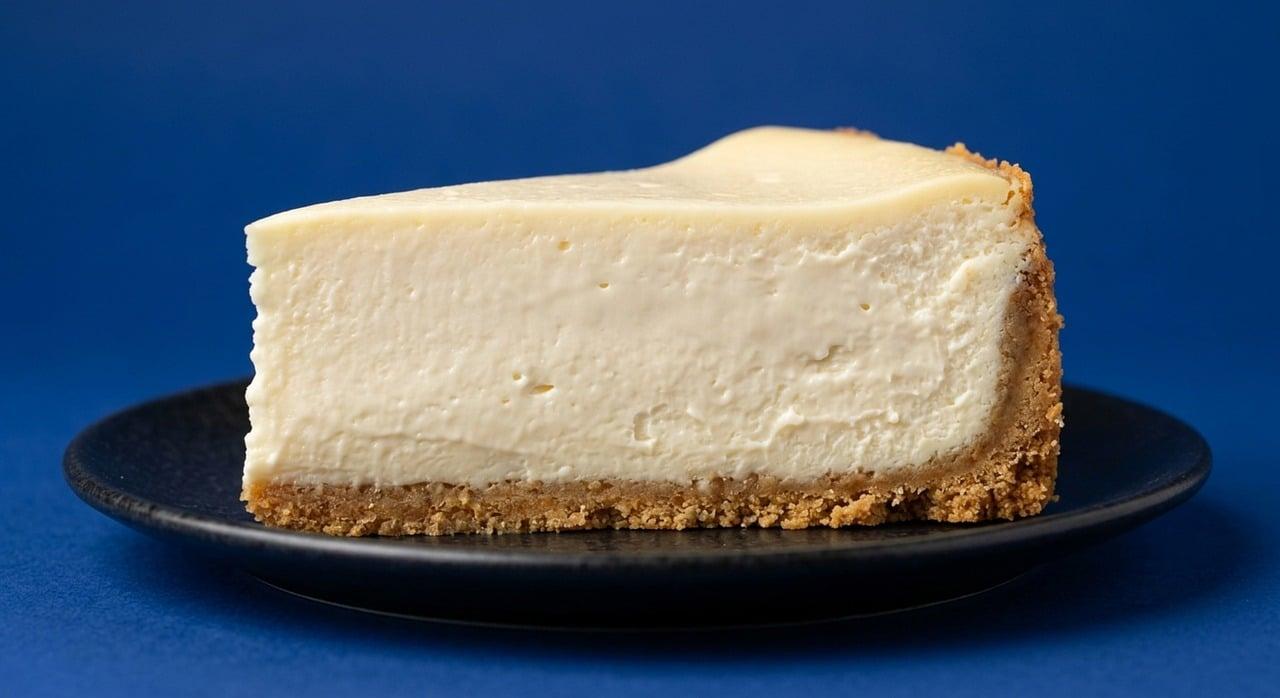
New York cheesecake

New York cheesecake is the tall, dense, rich slice served in Manhattan delis and Brooklyn bakeries since the 1920s, made with cream cheese and a little soured cream rather than the curd cheese of European cakes. It is smooth and heavy, with a slight tang and a thin biscuit base, and is usually eaten plain or with strawberries. Chef's tip: have every ingredient at room temperature and beat on low speed; cold cheese makes lumps and fast beating whips in air, which cracks the top.

by KrazyBadal 0 views

ChiflesPlantain chips

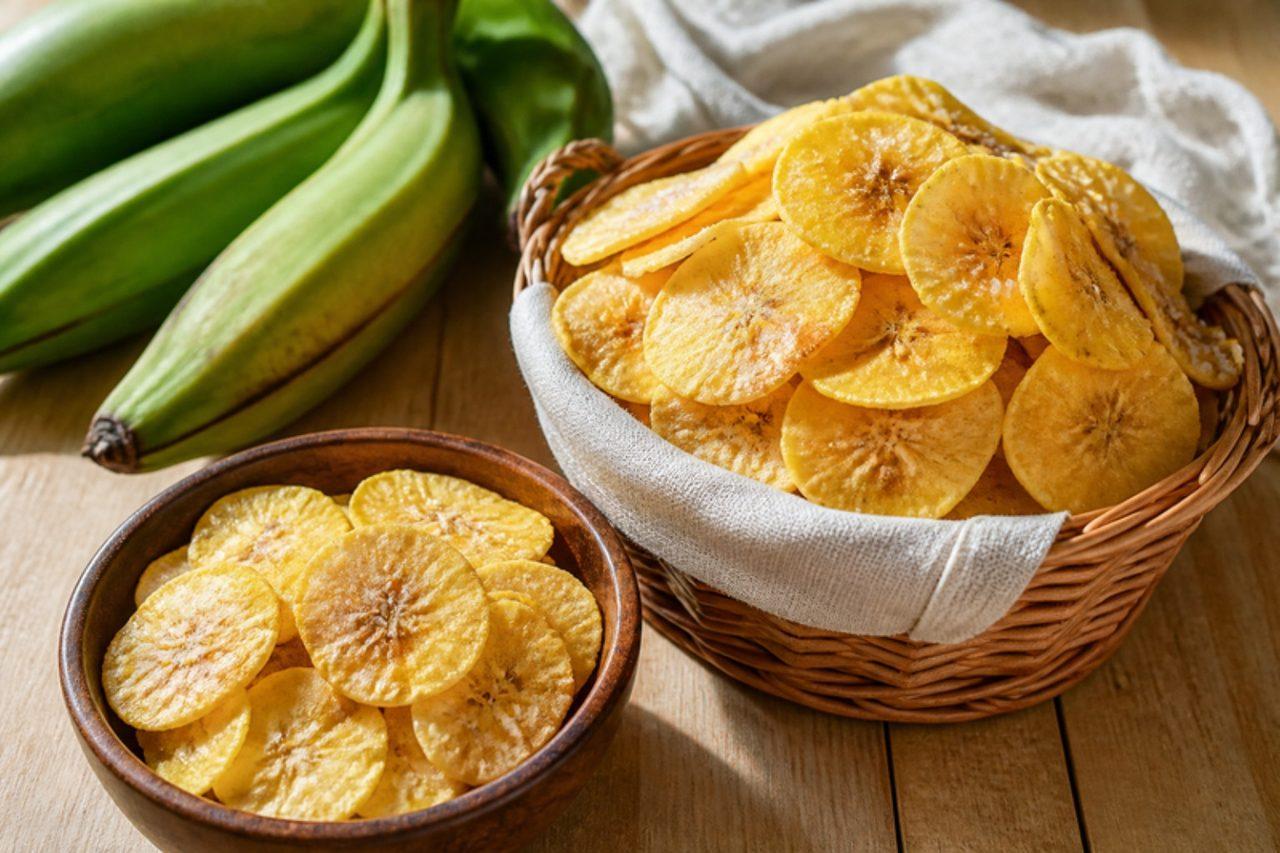
Bags of chifles hang from every shop door in Piura and Sullana, and on the northern coast they come alongside almost everything: ceviche, seco, a cold drink at the beach. They are green plantains sliced paper-thin, lengthwise or in rounds, fried until glassy and crisp, then salted. The flavour is starchy and lightly nutty, the crunch is louder than a potato crisp, and they keep for days in a tin. Getting the slices even is what matters most: thick and thin slices fry at different speeds, and the thick ones end up leathery while the thin ones burn, so use a mandoline set to 1–2 mm. Use firm, fully green plantains; any yellow means sugar, which browns too fast. Chef's tip: soak the slices in salted water for 10 minutes, then dry them completely before frying; they crisp more evenly and stay pale gold.

by KrazyBadal 0 views

Chocolate gravy and biscuits

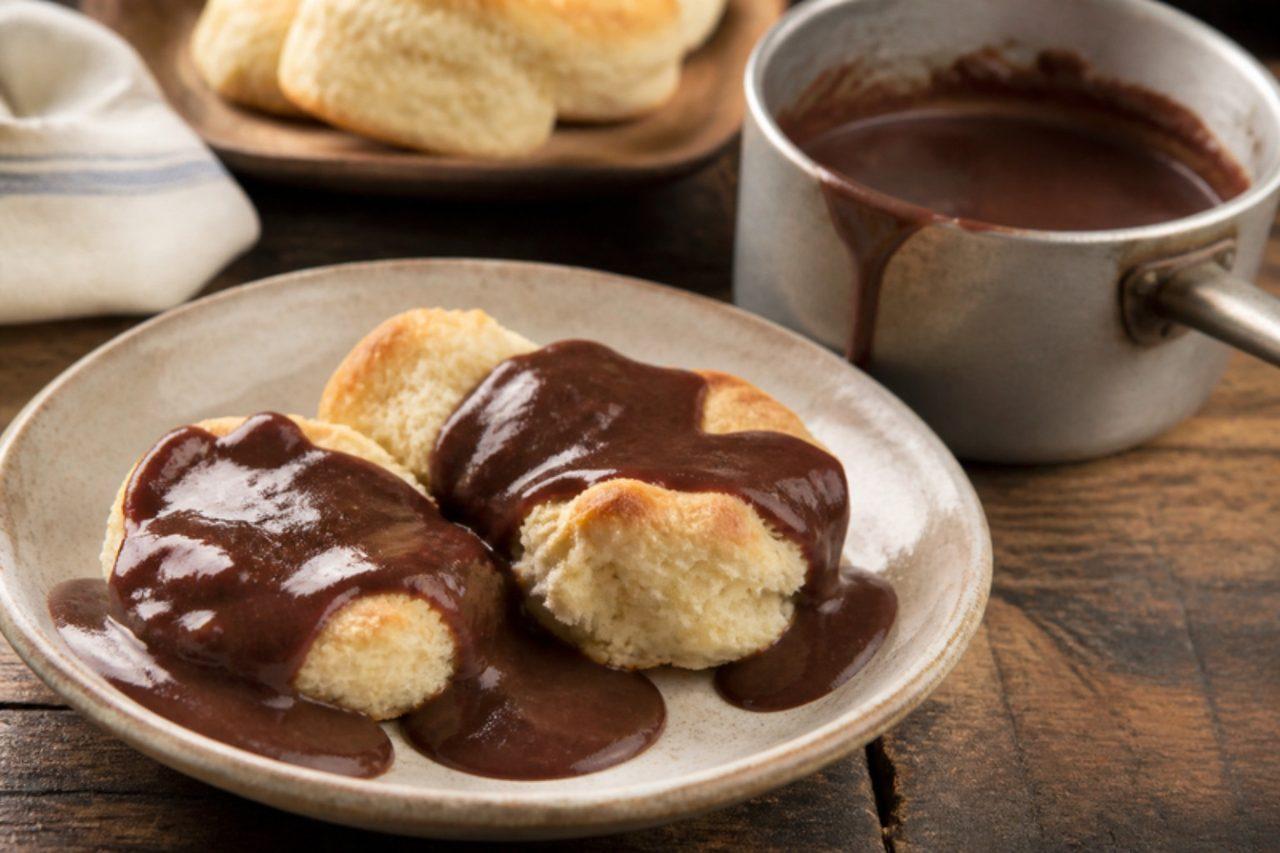
Chocolate gravy is a Sunday-morning treat in the hills of Arkansas, Tennessee and eastern Kentucky, passed down in mountain families who made it from pantry staples. It is a glossy, pourable cocoa pudding cooked in a skillet and ladled over split biscuits with a pat of butter, something between breakfast and dessert. Chef's tip: whisk the cocoa, sugar and flour together before the milk goes in, so there are no lumps.

by KrazyBadal 0 views

PingadoHot milk with coffee

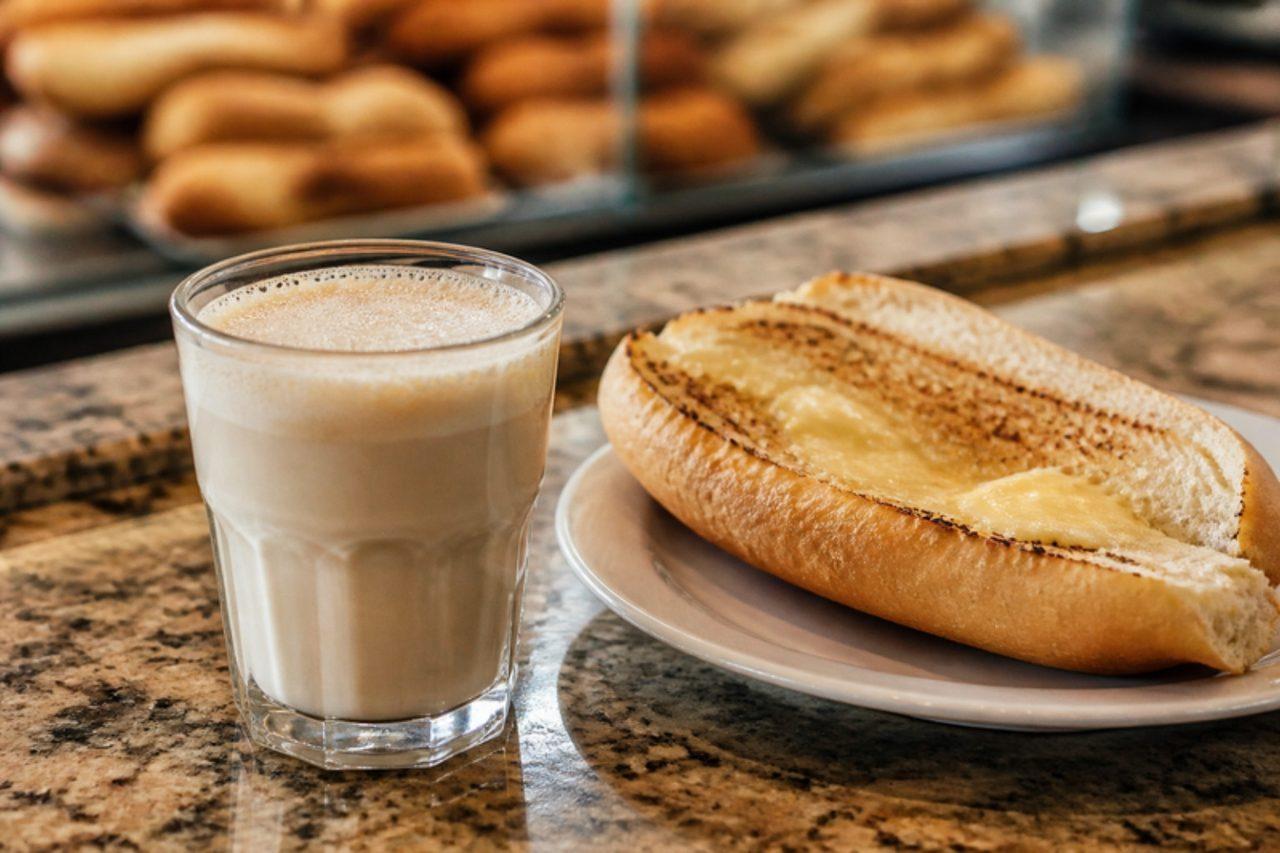
Order 'um pingado' at the balcão of any São Paulo padaria at 7 in the morning and the attendant pours hot milk into a ridged glass tumbler (the copo americano) and 'drips' in a splash of strong coffee, hence the name. It is milkier and gentler than a média (half coffee, half milk), creamy and lightly sweet, usually drunk standing up with a pão na chapa, a toasted buttered roll. At home you need strong filter coffee and milk heated until steaming. Scalding the milk is the frequent mistake, as boiled milk tastes flat and forms a skin. Chef's tip: froth the hot milk for a few seconds with a whisk or by pouring it back and forth between two jugs before adding the coffee, as padaria machines do.

by KrazyBadal 1 views

Appalachian soup beans

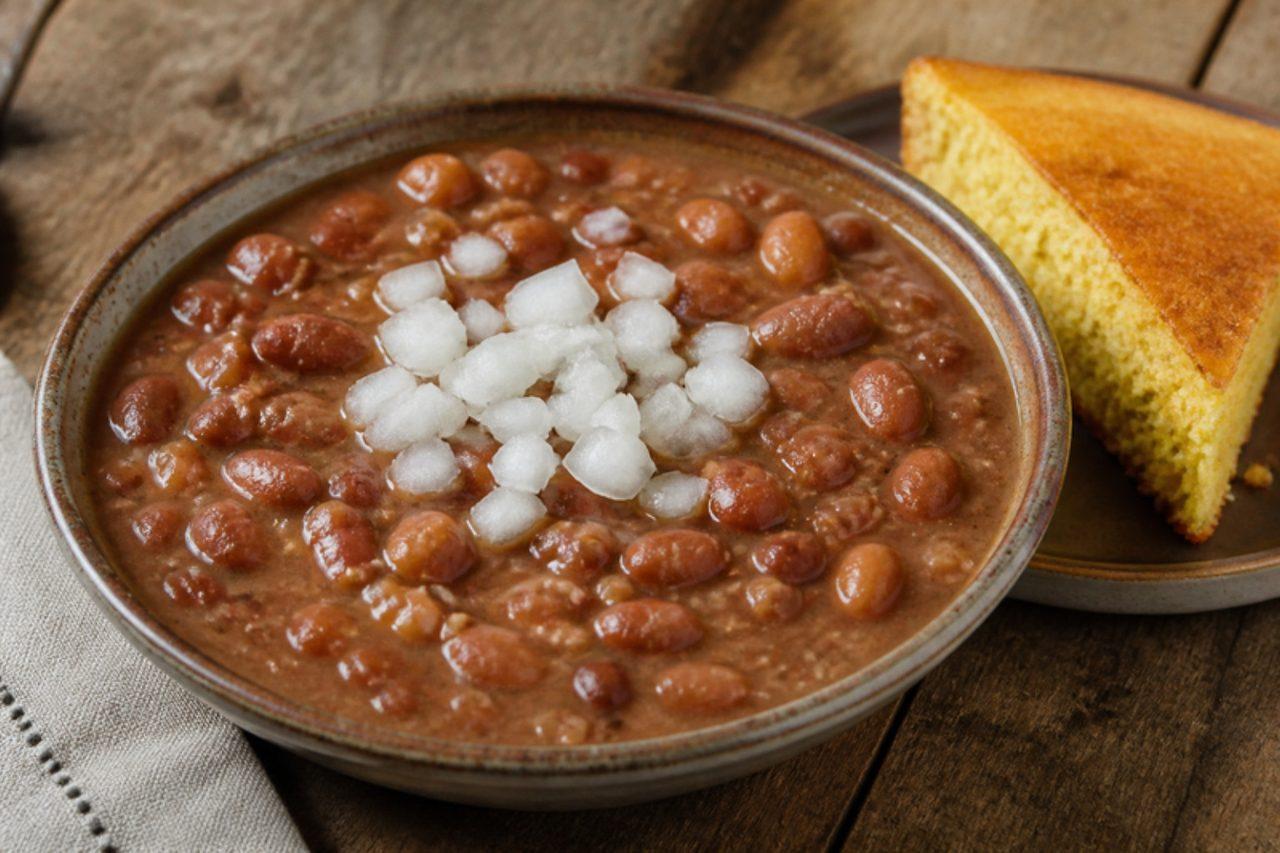
Soup beans, a pot of brown pintos simmered all afternoon until the broth turns thick and creamy, are the everyday supper of the coal-country hollows of Kentucky and West Virginia, served with cornbread, raw onion and chow-chow. Most mountain cooks add a ham hock or salt pork; this meat-free pot gets its savour from browned onion, garlic and a little smoked paprika. Chef's tip: mash a ladle of beans against the pot side near the end to thicken the 'pot likker'.

by KrazyBadal 0 views

Southern buttermilk biscuits

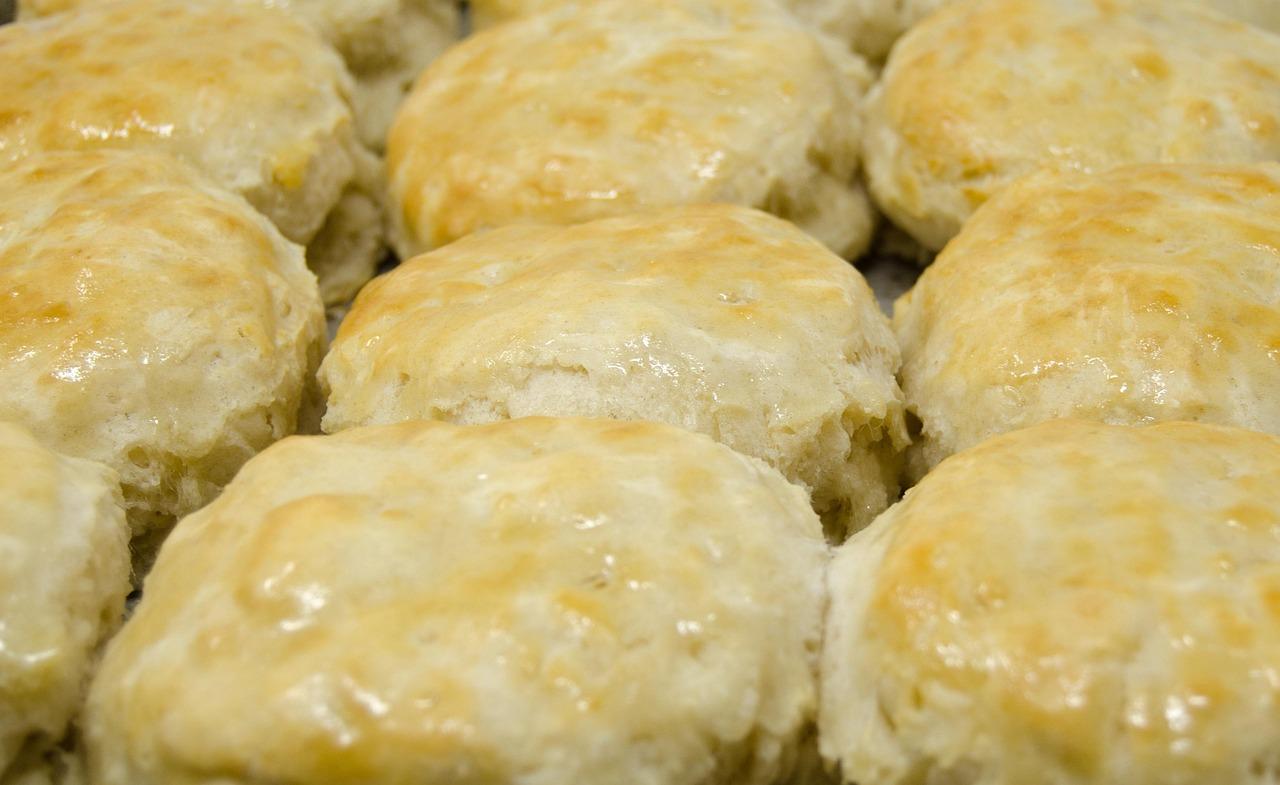
In the South a biscuit is not a cookie but a tall, tender, flaky quick bread, baked every morning in kitchens from Georgia to Tennessee and split open for butter and sorghum, sawmill gravy or a slice of country ham. Cold butter and buttermilk, a light hand and a hot oven give layers that pull apart in steamy flakes. Chef's tip: press the cutter straight down without twisting; twisting seals the edges and stops them rising.

by KrazyBadal 0 views

Southern skillet cornbread

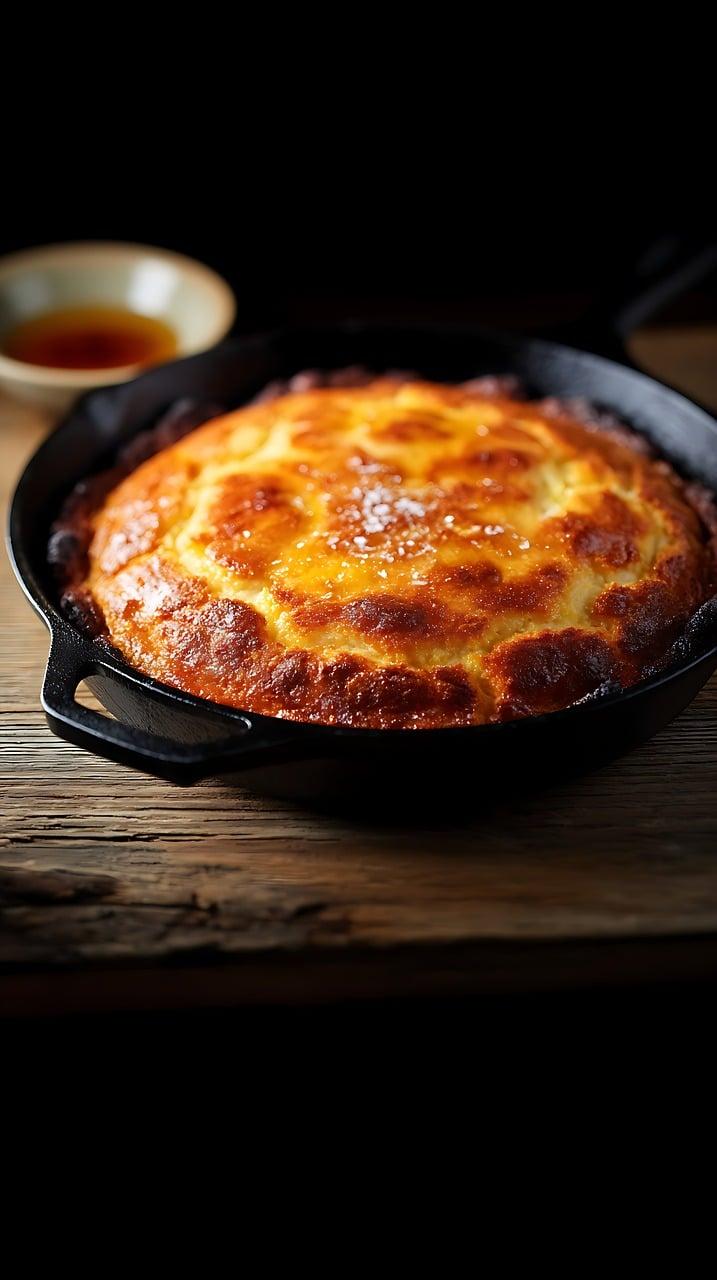
Southern cornbread is baked in a smoking-hot cast-iron skillet so the edges fry crisp and brown, and in much of the Deep South it is made with little or no sugar, unlike the cakey Northern kind. It goes on the table with greens, pinto beans and barbecue, and leftovers get crumbled into a glass of buttermilk. Chef's tip: the batter must sizzle loudly when it hits the pan; if it doesn't, the skillet isn't hot enough for a crust.

by KrazyBadal 0 views

Salt-rising bread

Salt-rising bread was baked by settlers in the Appalachian mountains of West Virginia and western Pennsylvania who had no yeast; a starter of potato, cornmeal and milk is kept very warm until wild bacteria make it bubble. The loaf is dense, fine-textured and famous for its cheesy, tangy smell, and is best toasted and buttered. Chef's tip: the starter needs a steady 38–40 °C, so stand it in an oven with only the light on, and check it is truly bubbling before going on.

by KrazyBadal 0 views

Southern pecan pie

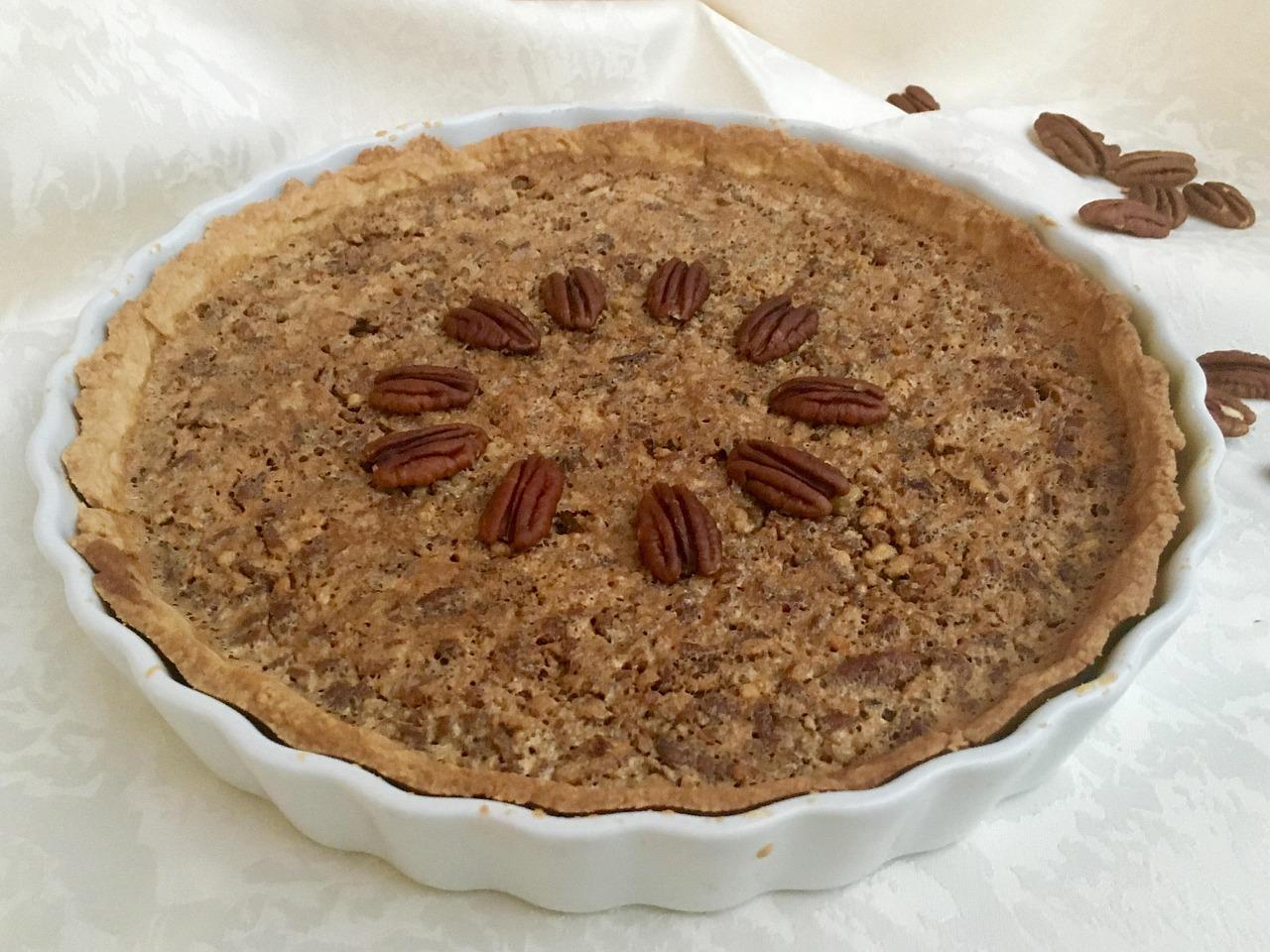
Pecans grow wild along the rivers of Georgia, Alabama and Texas, and pecan pie, a gooey brown-sugar custard packed with toasted nuts, is the star of Thanksgiving tables right across the South. This version uses golden syrup and dark brown sugar for a caramel flavour. Chef's tip: toast the pecans first; raw pecans taste flat and go soft in the filling.

by KrazyBadal 0 views

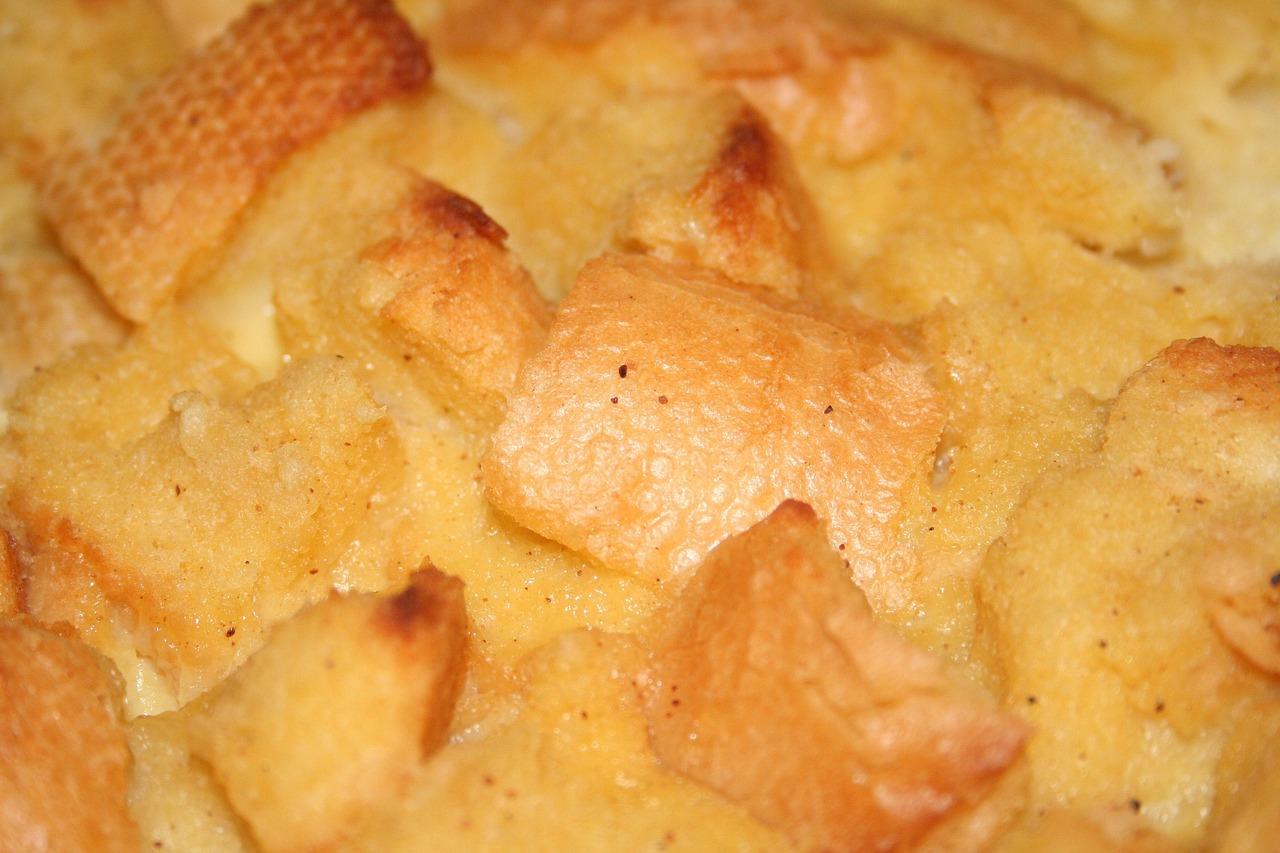
New Orleans bread pudding with whiskey sauce

Every Creole restaurant in New Orleans, from neighbourhood po'boy shops to grand old dining rooms in the Garden District, serves bread pudding, because the city's light, crusty French bread goes stale in a day. The bread soaks in a cinnamon custard with raisins and bakes until puffed and golden, then gets a warm whiskey butter sauce. The sauce contains bourbon; for an alcohol-free version use 3 tbsp apple juice and 1 tsp vanilla instead. Chef's tip: let the bread soak for a full 30 minutes so it drinks up the custard; dry patches bake hard.

by KrazyBadal 0 views

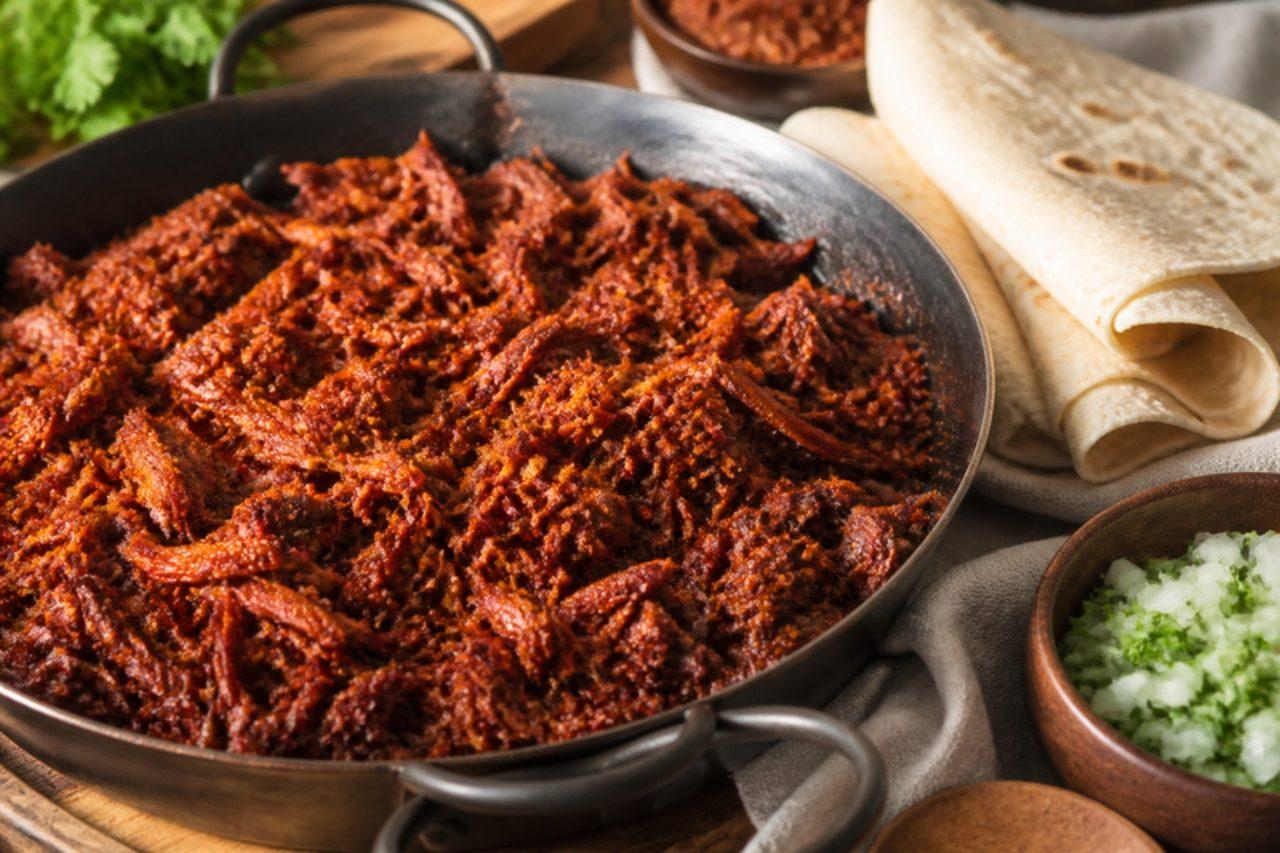
ChilorioShredded pork in chilli paste

Chilorio is Sinaloa's great pork dish: pork shoulder simmered until it falls apart, shredded and then fried in pork lard with a vinegary paste of ancho and guajillo chillies until almost dry and deeply brick-red. Ranch cooks around Culiacán made it to keep, and it is still packed into jars and sold in markets across the north. It is rich, tangy and gently spicy rather than fiery, and it fills flour tortillas for burritos, tops scrambled eggs at breakfast or goes into tortas with refried beans. Chef's tip: fry the shredded pork in the lard for a few minutes before the chilli goes in, so the edges crisp and the paste clings instead of stewing.

175 minMexicanMeatGluten free
by KrazyBadal 0 views

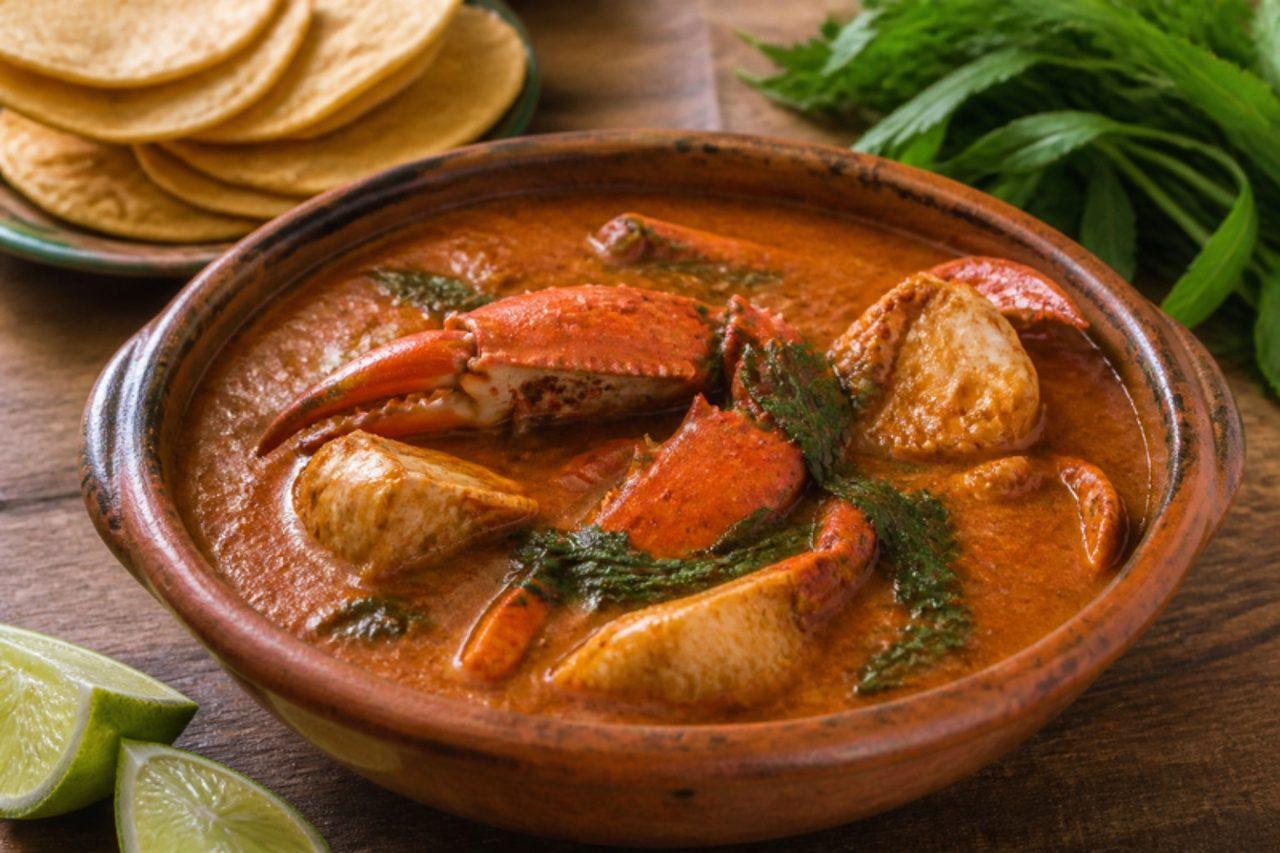
Chilpachole de jaibaSpicy crab soup

Chilpachole de jaiba is the restorative crab soup of the Veracruz coast, served in seafood cantinas and market stalls from Boca del Río to Alvarado, often with lime and tostadas on the side. The broth is brick-red and thick enough to coat a spoon, built from roasted tomato, garlic and smoky chipotle, thickened with a little masa and scented with epazote, a pungent Mexican herb; coriander with a pinch of oregano is a reasonable substitute. Buy crabs live or freshly cooked from a fishmonger and keep them cold until you cook them. Chef's tip: crack the claws before they go into the soup, so the broth seeps in and they are easy to pick at the table.

by KrazyBadal 0 views

Showing 63 of 8,687 recipes

Show more recipes

Page 536 of 966