


Skip to content
Pork gyros at home
Featured recipe

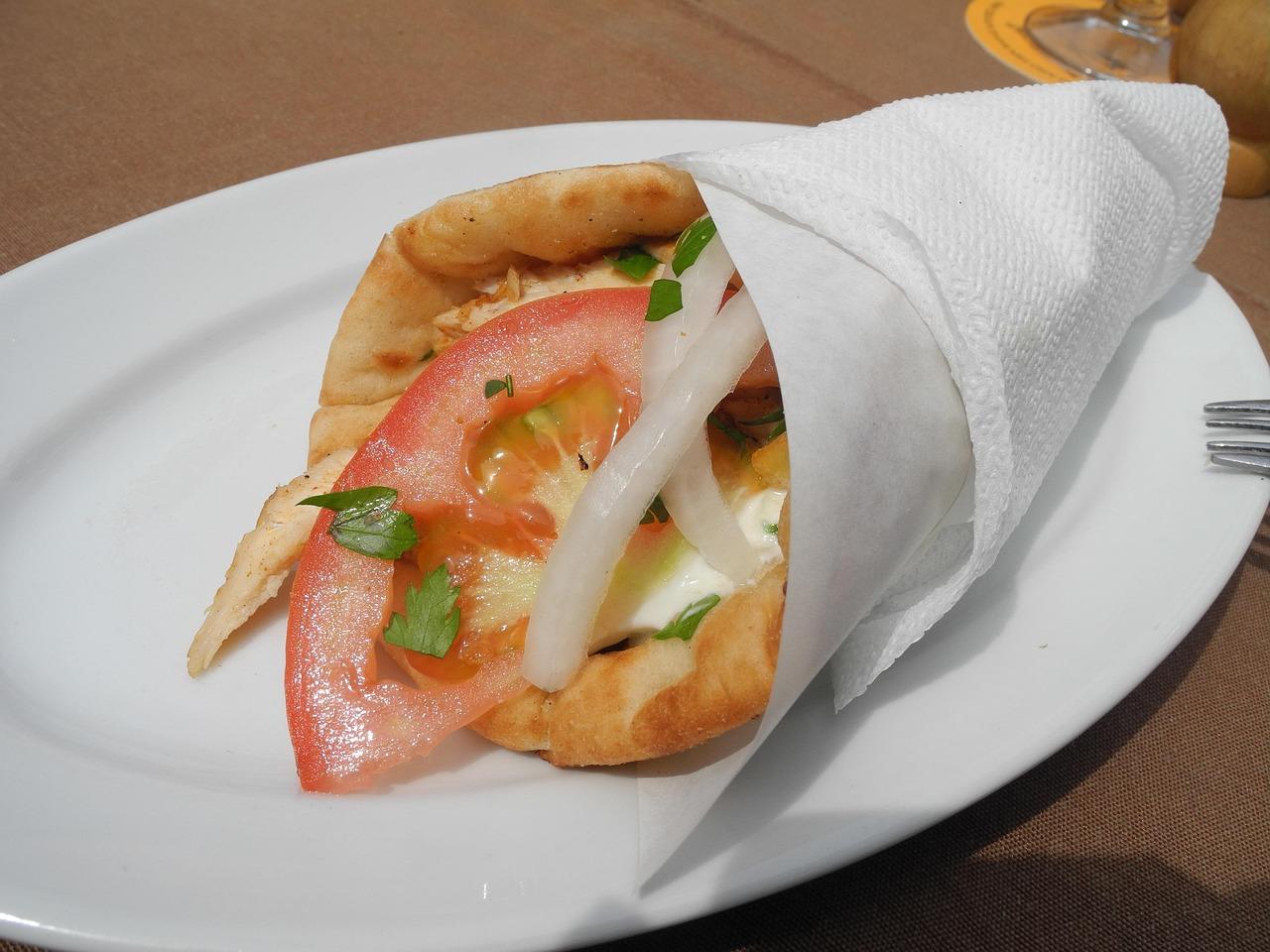
Pork gyros at home

This is a pork recipe; chicken thigh works the same way. In Thessaloniki and Athens gyros is cut from a tall turning spit, so thin that the edges crackle, and wrapped with chips, tomato, onion and tzatziki for a late-night bite after a football match or a night out. Home kitchens have no spit, so here thinly sliced pork shoulder is marinated in paprika, cumin, garlic and oregano, roasted in a tight stack, then sliced and crisped in a hot pan to get those charred edges. Chef's tip: slice the cooked meat as thinly as you can, then fry it in a dry hot pan; the crisp edges are what make it taste like the street version.

Read more 0 views

What to eat today?

Around the world

Today's trip: Paraguayan

A new country every day, from every cuisine on the site.

Paraguayan

Chipa

Cheese bread rings 50 minMore from Paraguayan (27) →

This week's collection

Kid-friendly dinners
537 recipes · a new collection every Monday

Latest recipes

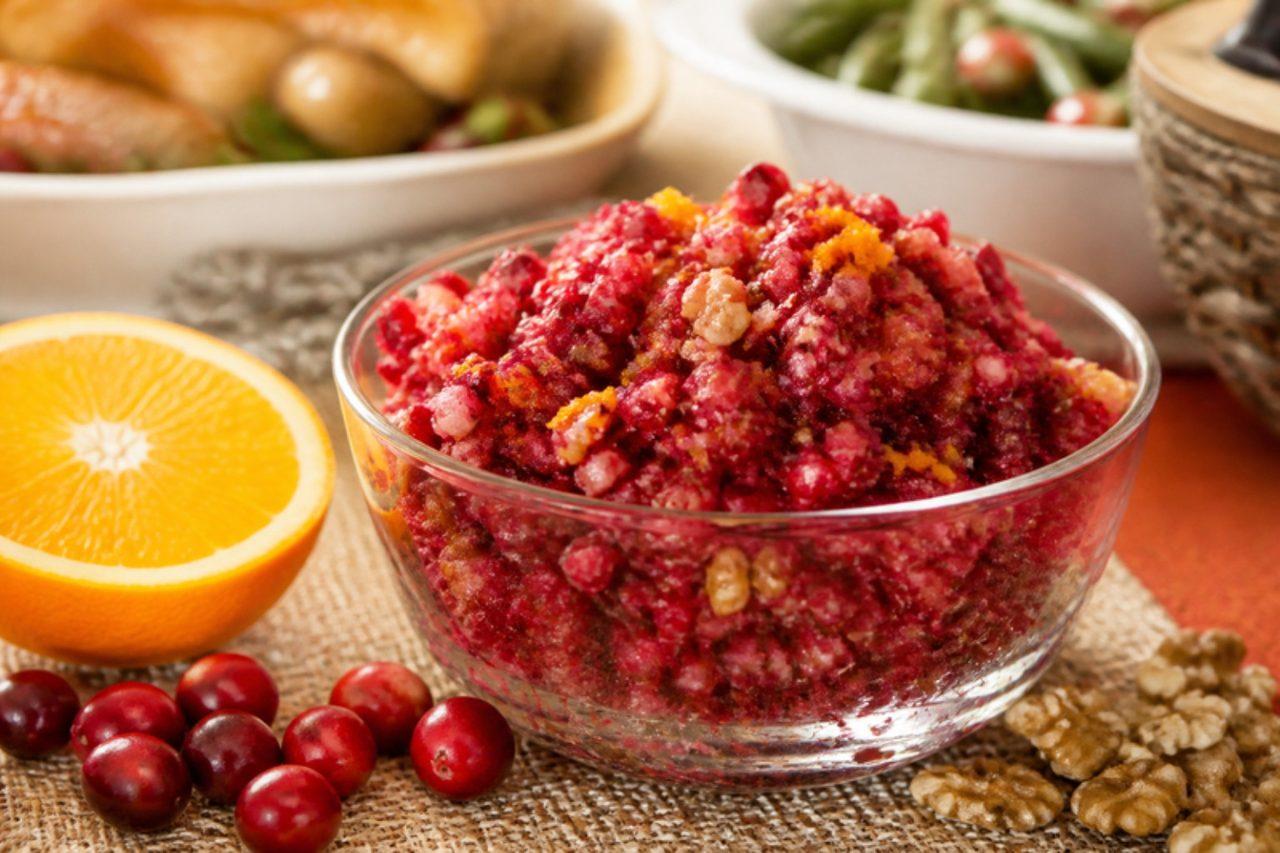
Cranberry orange relish

Cape Cod and the bogs of south-eastern Massachusetts grow much of America's cranberry crop, and this uncooked relish is the sharp, bright alternative to cooked cranberry sauce on many New England Thanksgiving tables. Fresh cranberries are chopped with a whole orange, peel and all, then sweetened, so it is crunchy, tart and fragrant, lovely with roast vegetables, nut roasts or cheese. Chef's tip: make it a day ahead; the sugar draws out the juices and softens the bitterness of the peel overnight.

by KrazyBadal 0 views
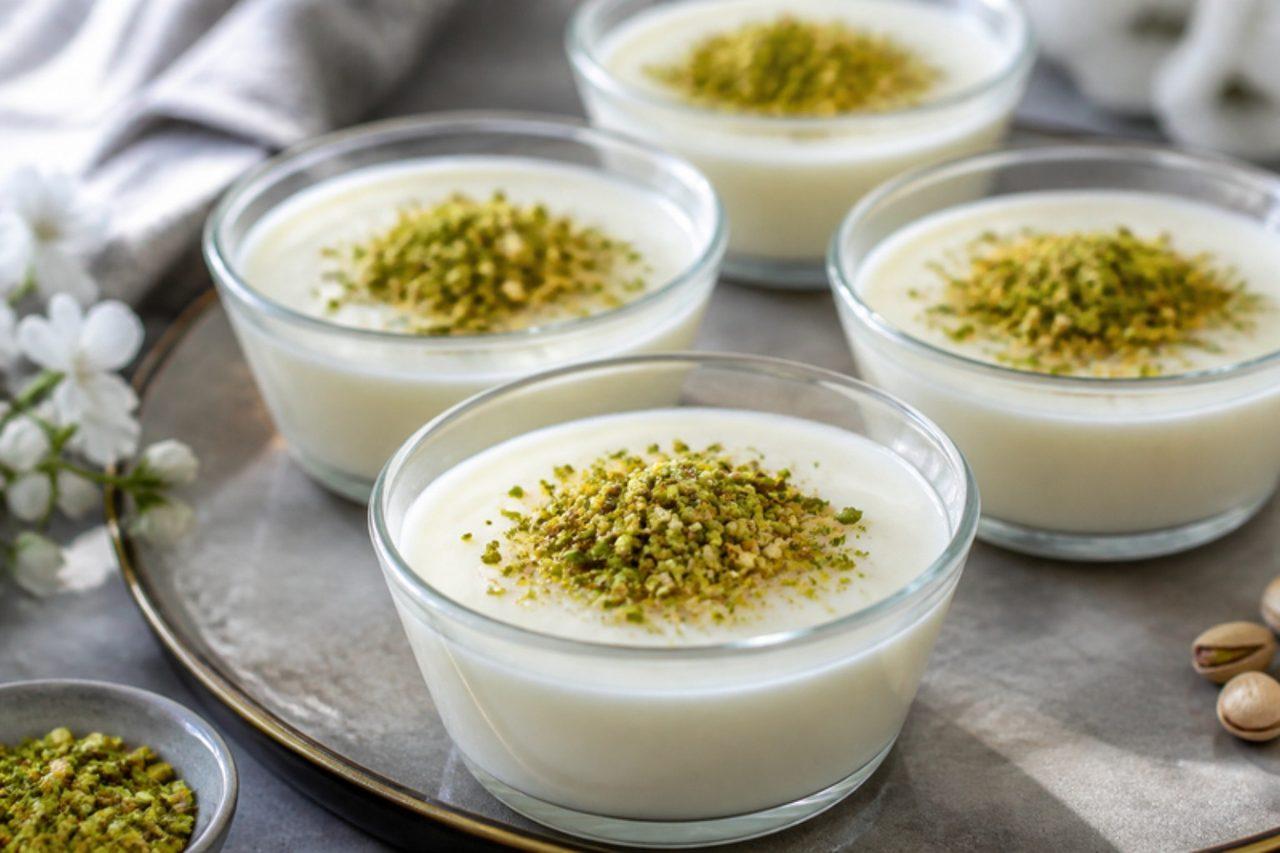
Sakızlı muhallebiMastic milk pudding

Çeşme looks across the water to Chios, the island where mastic trees weep their resin, and the town's pudding shops have long used it to perfume a simple, wobbly milk pudding. The flavour is hard to describe: piney, a little floral, very fresh against cold creamy milk. It is the dessert to order after a long fish lunch in Alaçatı. Chef's tip: grind the mastic with a teaspoon of sugar in a mortar; on its own it gums up into sticky lumps.

by KrazyBadal 0 views

TascalateToasted corn and cacao drink

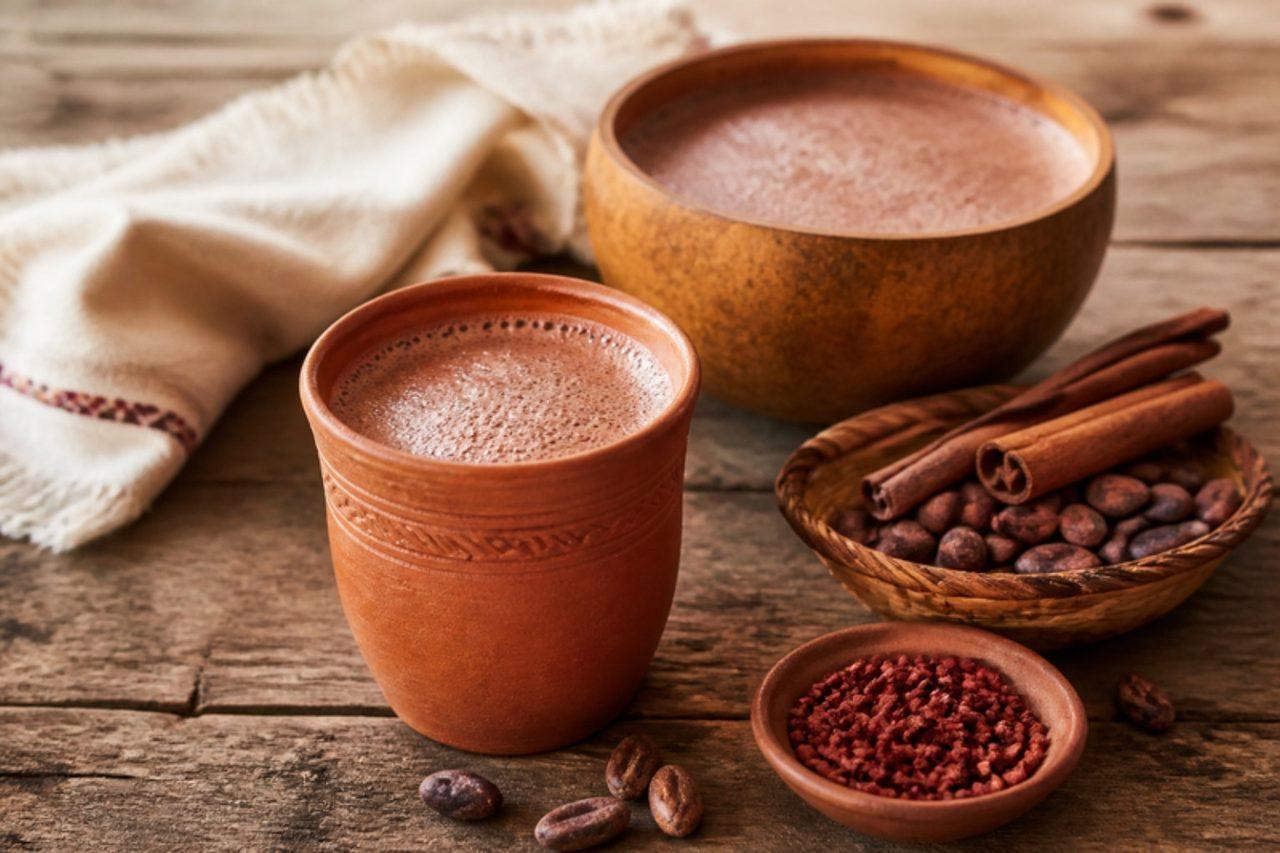
Tascalate is the drink of the Chiapas central valley, sold in Chiapa de Corzo and Tuxtla in tall glasses at markets and given to guests at fiestas. A powder of toasted tortillas, cacao, pine nuts, sugar, cinnamon and a little achiote is whisked into cold water or milk, so it is orange-brown, thick and nutty with a sweet chocolate finish. The powder keeps for weeks, so make a jar. Made with water it is vegan. Chef's tip: toast the tortillas until they snap cleanly; any softness leaves the powder clumpy.

by KrazyBadal 0 views

Fekkas (twice-baked almond biscuits)

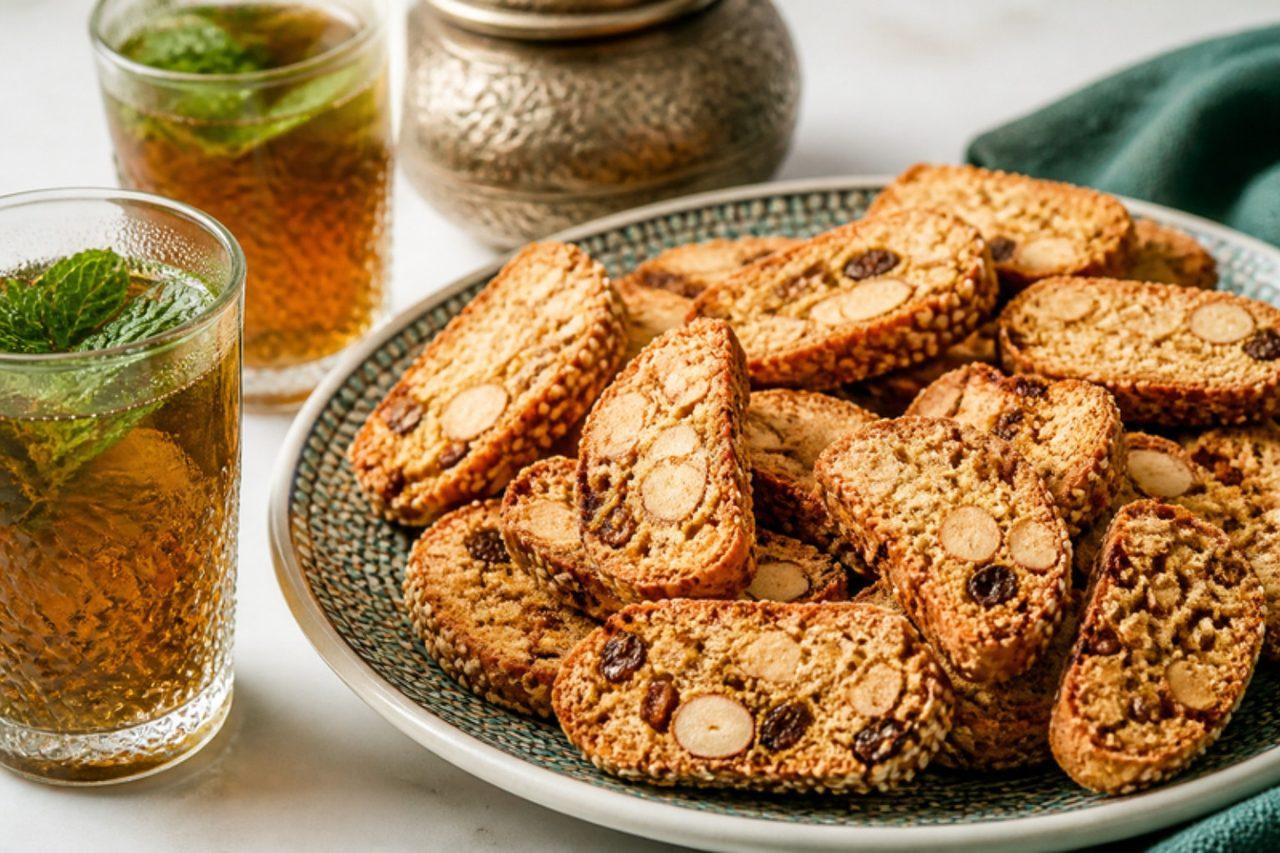
Before Eid and during Ramadan, Moroccan kitchens fill with the scent of fekkas: logs of a soft, eggy dough studded with almonds, raisins, aniseed and sesame are baked, cooled, sliced thin and baked again until dry, golden and very crunchy. They are offered to guests on trays with ghriba and other biscuits and dunked into mint tea or milky coffee, and they keep for weeks in a tin, so they are perfect to make ahead. The flavour is gently sweet, with liquorice notes from the anise and a little lemon. Avoid slicing the logs while they are still hot from the first bake; they crumble. Let them firm up first. Chef's tip: let the baked logs cool completely, ideally overnight, before slicing; warm logs crumble under the knife.

by KrazyBadal 0 views

Mufleta (Mimouna stacked crêpes)

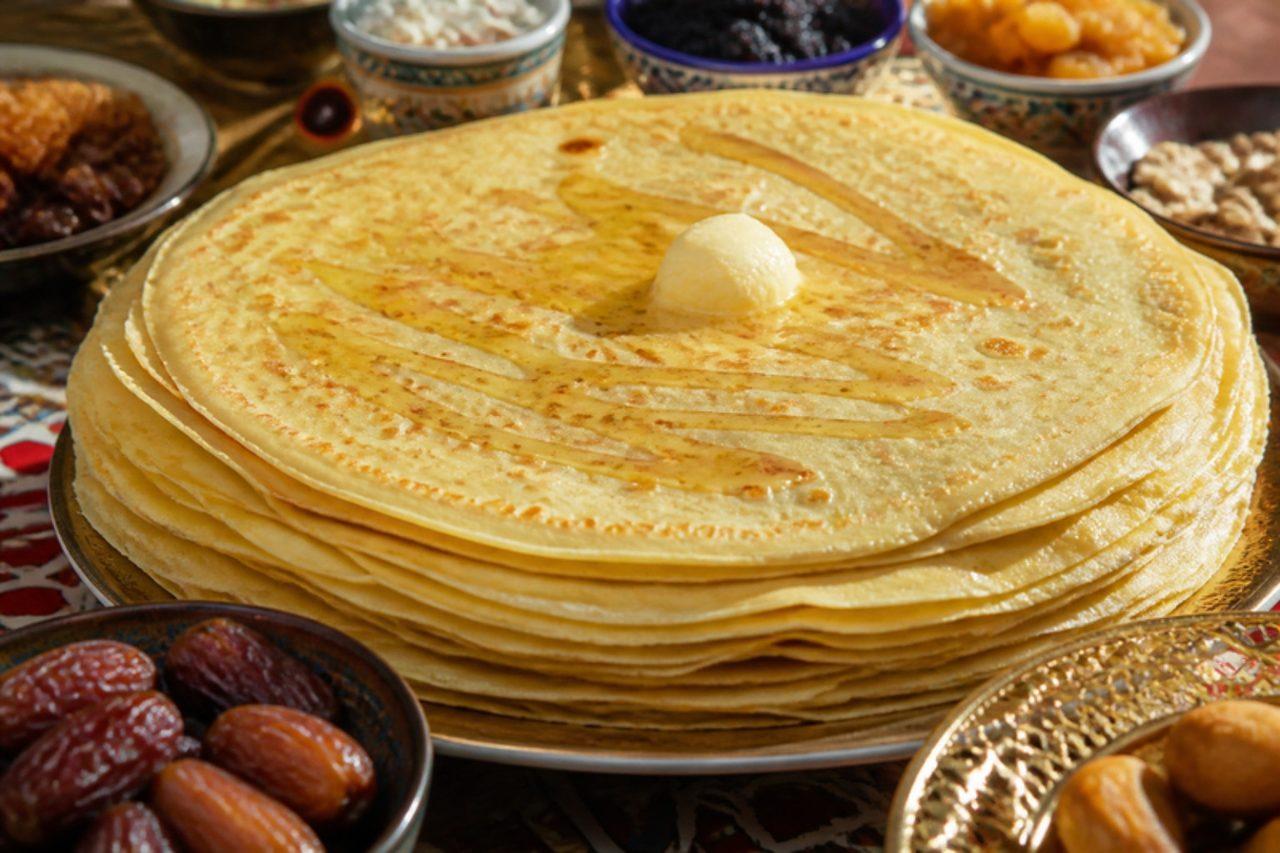
On the evening Passover ends, Moroccan Jewish families celebrate Mimouna by opening their doors to neighbours and friends, and the star of the table is mufleta: paper-thin rounds of unleavened dough stretched by hand and cooked one on top of another in a single pan, so a whole warm stack comes out at once. Each layer is peeled off, spread with butter and drizzled with honey, and rolled up to eat with mint tea, among sweets, dried fruits and flowers. They are soft, a little chewy and lightly crisp at the edges. The dough has no yeast, fitting for the night bread returns. The usual mistake is stretching the dough with too little oil on the board, so the sheets tear and stick together in the stack. Chef's tip: cook over a medium-low heat; a pan that is too hot scorches the bottom layer before the stack is built.

by KrazyBadal 0 views

Rziza (coiled thread pancakes)

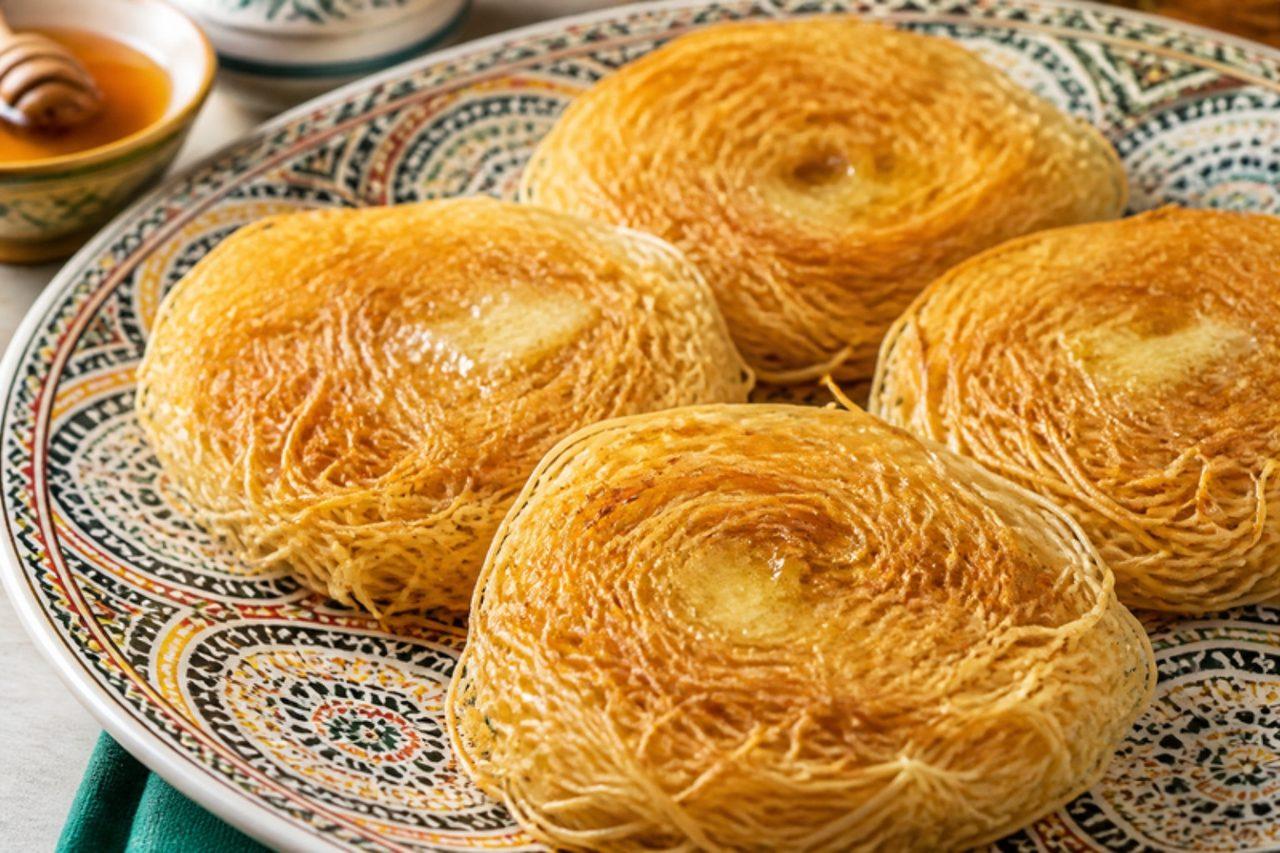
Rziza is one of the showpieces of the Ramadan table in the old imperial cities: a soft dough is stretched into a sheet, rolled up and pulled into a long, thin cord, then wound around the fingers into a skein, flattened into a nest and griddled until crisp outside and tender within. At iftar the nests are pulled apart into their fine strands and drenched in warm honey and melted butter, to eat with harira, dates and mint tea. Making it takes patience and practice; the first one or two may tear, and that is fine. Chef's tip: keep everything well oiled, your hands, the board and the dough balls; too little oil is the common mistake, and the dough then tears instead of stretching.

by KrazyBadal 0 views

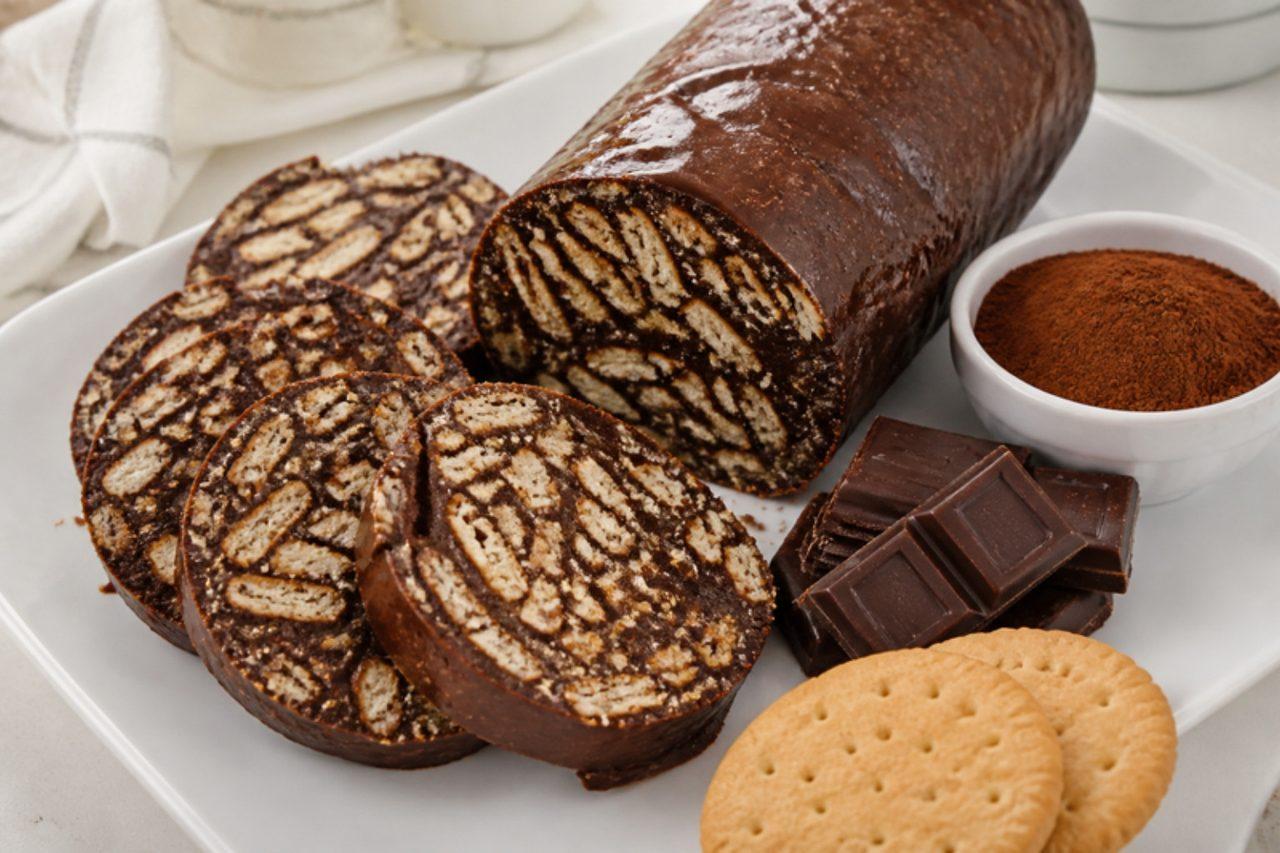
Salame de chocolateNo-bake chocolate biscuit log

Every Portuguese child seems to have helped make one: crushed Maria-style tea biscuits folded through rich chocolate, rolled into a log, chilled and dusted with icing sugar until each slice looks like salami. It turns up at birthday parties, in café display cases around Lisbon and on Christmas dessert tables. The traditional mix uses raw eggs; this version leaves them out and sets with melted chocolate and butter instead, so there is nothing raw in it. A splash of port is often added, which contains alcohol; leave it out or use milk. A common mistake is crushing the biscuits to crumbs; leave some larger pieces, or the slices lose their marbled look. Chef's tip: break the biscuits by hand into pieces the size of a fingernail; crumbs turn it into fudge and you lose the salami look.

by KrazyBadal 0 views

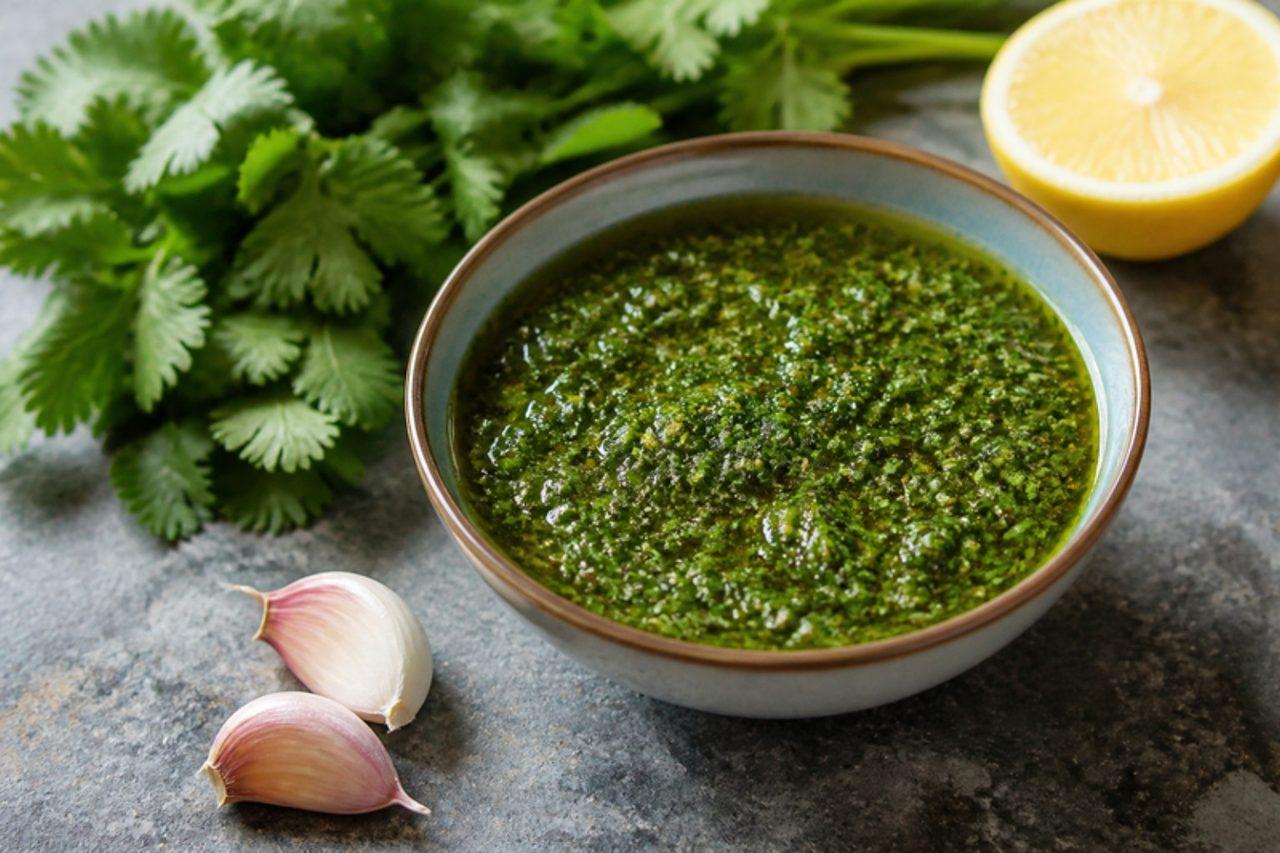
Chermoula

Along the Atlantic coast, in the fish stalls by Essaouira harbour and in home kitchens up and down the coast, chermoula is the green, garlicky paste that seasons almost everything from the sea: whole fish for the oven, sardines for the grill and fish tagines with potatoes and peppers. It works just as well on vegetables: toss it with potatoes, aubergine or carrots before roasting, spoon it over chickpeas, or stir it into a vegetable tagine. Bright, herby and tangy, it is warm with cumin and paprika and has a little chilli heat. When you use it on fish, marinate in the fridge, never on the counter, and for no more than 2 hours, or the lemon starts to cook the flesh and turns it mushy. Chef's tip: chop by hand or pulse only briefly; blended to a smooth purée, the herbs bruise and taste grassy.

by KrazyBadal 0 views

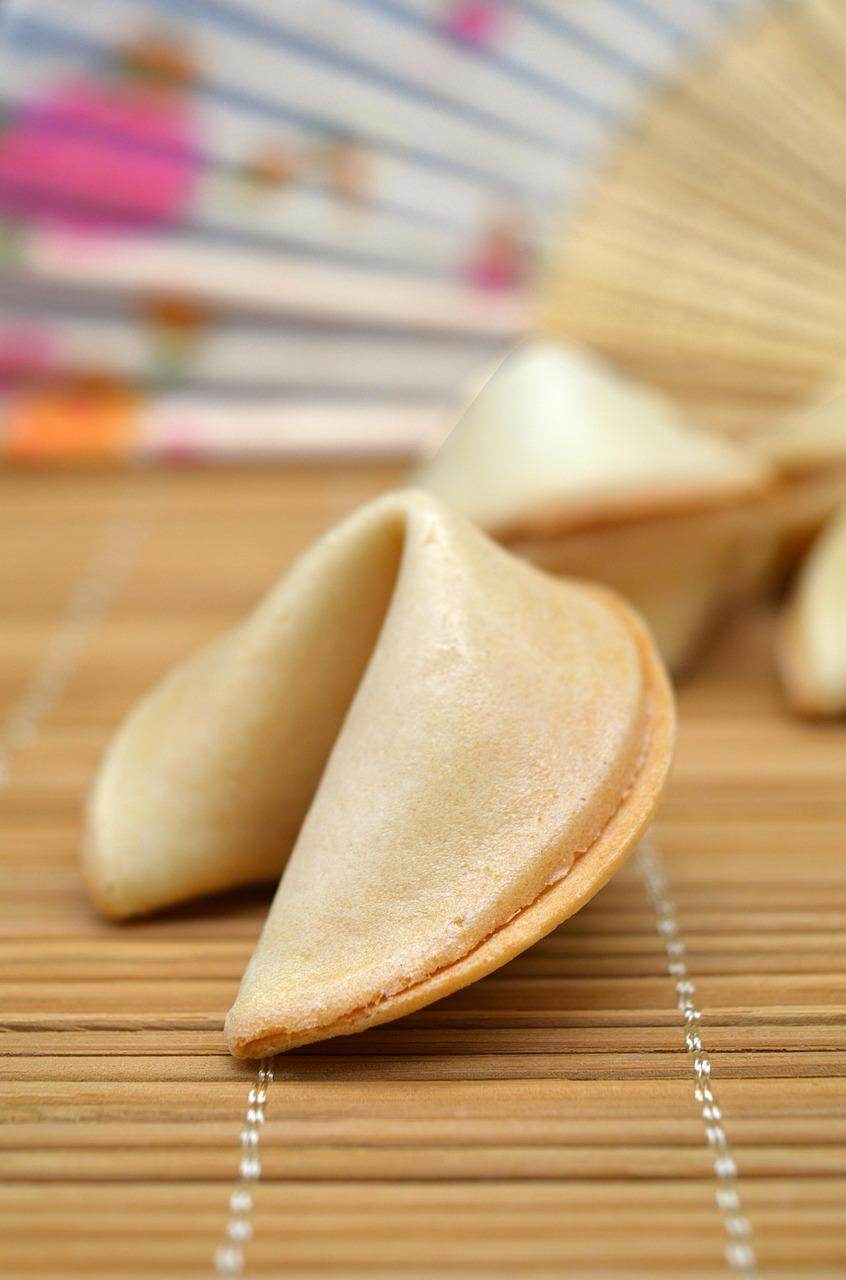
Fortune cookies

Fortune cookies are not from China at all: they were first sold in San Francisco and Los Angeles in the early 1900s, probably from a Japanese tea garden recipe, and Chinese-American restaurants made them famous. A thin vanilla and almond batter is baked into a wafer, then folded while hot around a paper message. Write your own fortunes for a party. Chef's tip: bake only two or three at a time; the wafers set in seconds and crack if you can't fold them fast enough.

by KrazyBadal 0 views

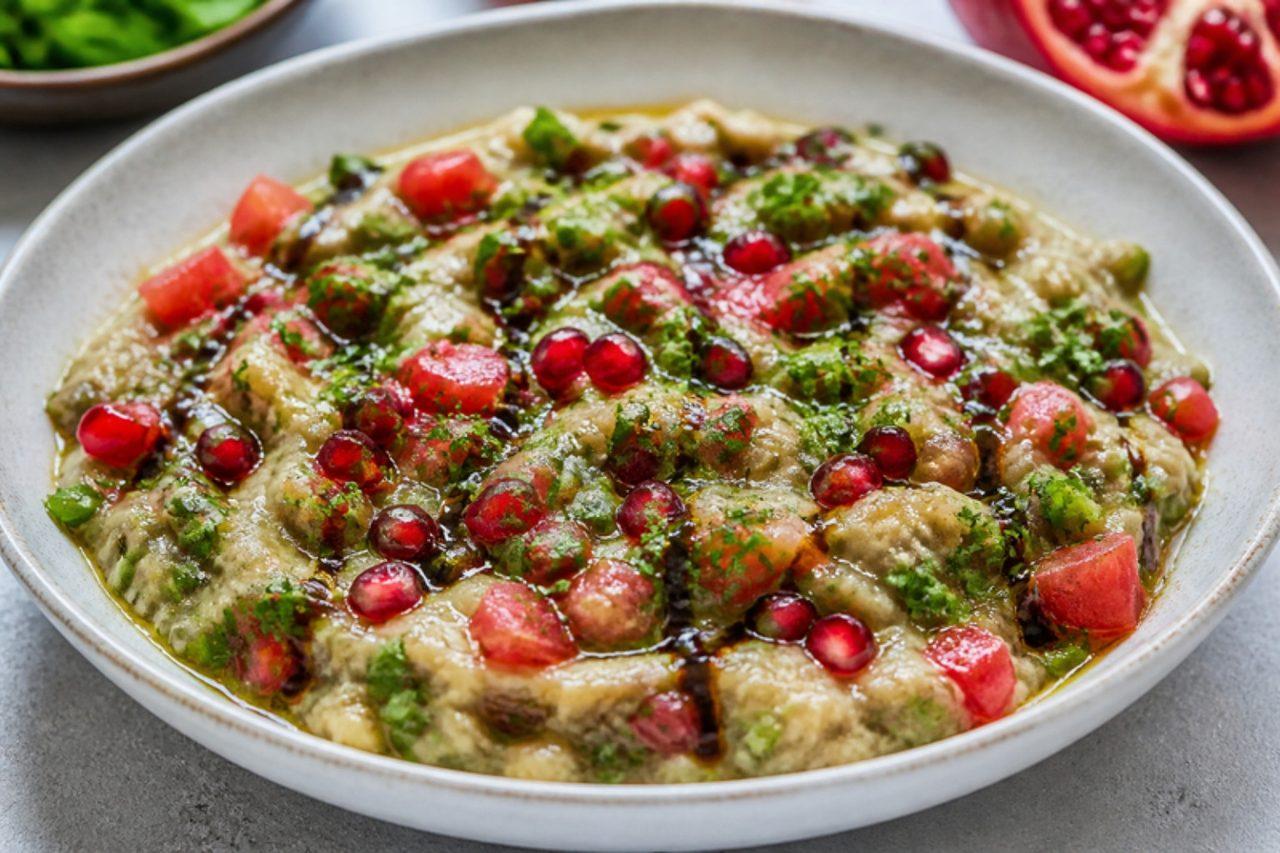
Salatet el rahebSmoky aubergine salad

Mezze restaurants along the Lebanese coast serve salatet el raheb as the fresh, chunky cousin of baba ghanoush: the aubergine is charred until smoky, then chopped rather than puréed and tossed with tomato, peppers, spring onion, parsley and a sharp dressing of lemon and pomegranate molasses. There is no tahini, so it is light and summery and sits well next to grilled halloumi or kebabs. Common mistake: leaving the aubergine juices in; drain the flesh in a sieve or the salad turns watery. Chef's tip: char the aubergines directly over a gas flame or on a barbecue rather than in the oven — the smoky flavour is the soul of the dish.

by KrazyBadal 0 views

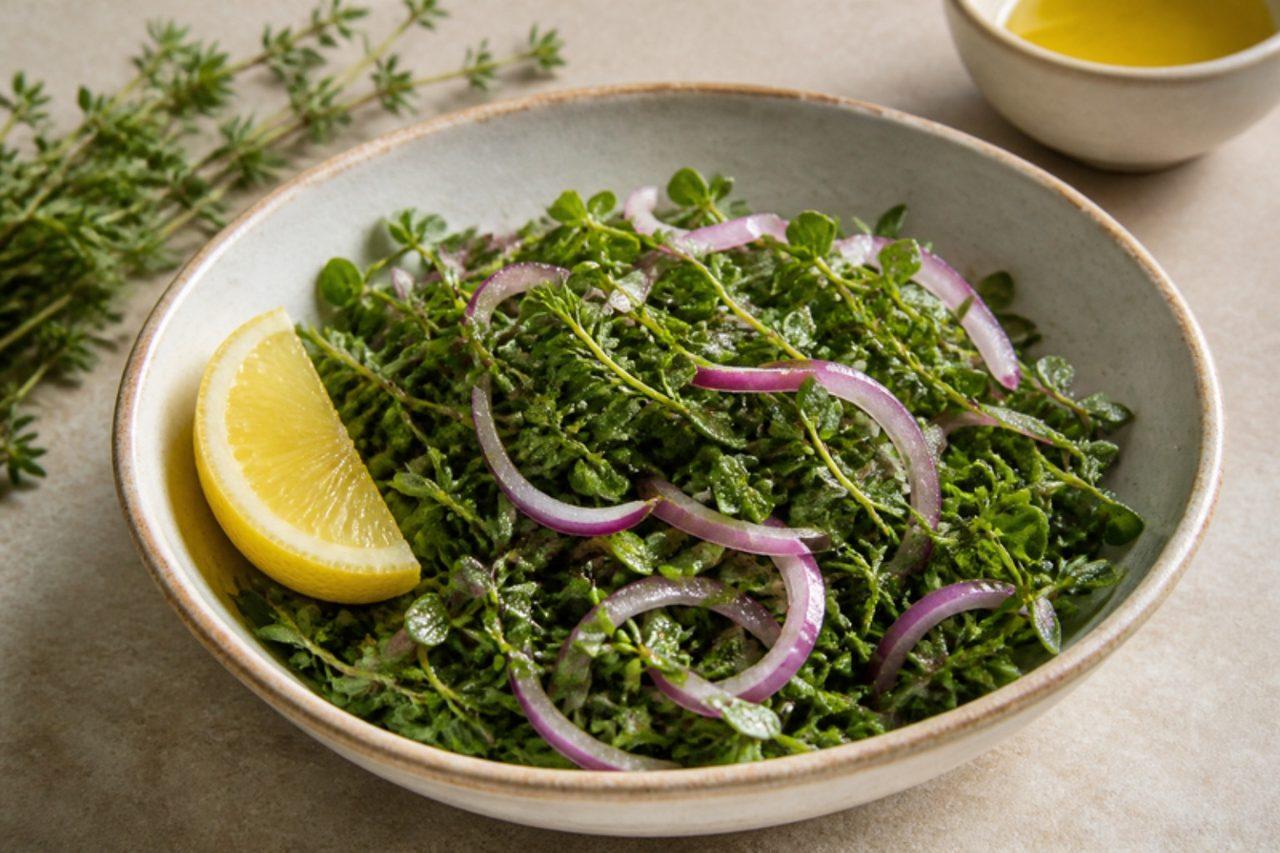
Salatet za'atar akhdarFresh thyme leaf salad

In spring, Palestinian families pick young za'atar (wild hyssop-thyme) from the hills of the West Bank and the Galilee, and the tender leaves are tossed raw with onion, lemon and the year's new olive oil. The salad is sharp, piney and peppery, eaten as part of breakfast with labneh, olives and warm taboon bread, or beside grilled meat. If you can't find fresh za'atar, a mix of fresh oregano, thyme and a little marjoram comes close. Common mistake: chopping the leaves; keep them whole so they stay perky and don't turn dark. Chef's tip: rub the sliced onion with sumac and salt for 5 minutes first; it softens its bite and turns it a pretty pink.

by KrazyBadal 0 views

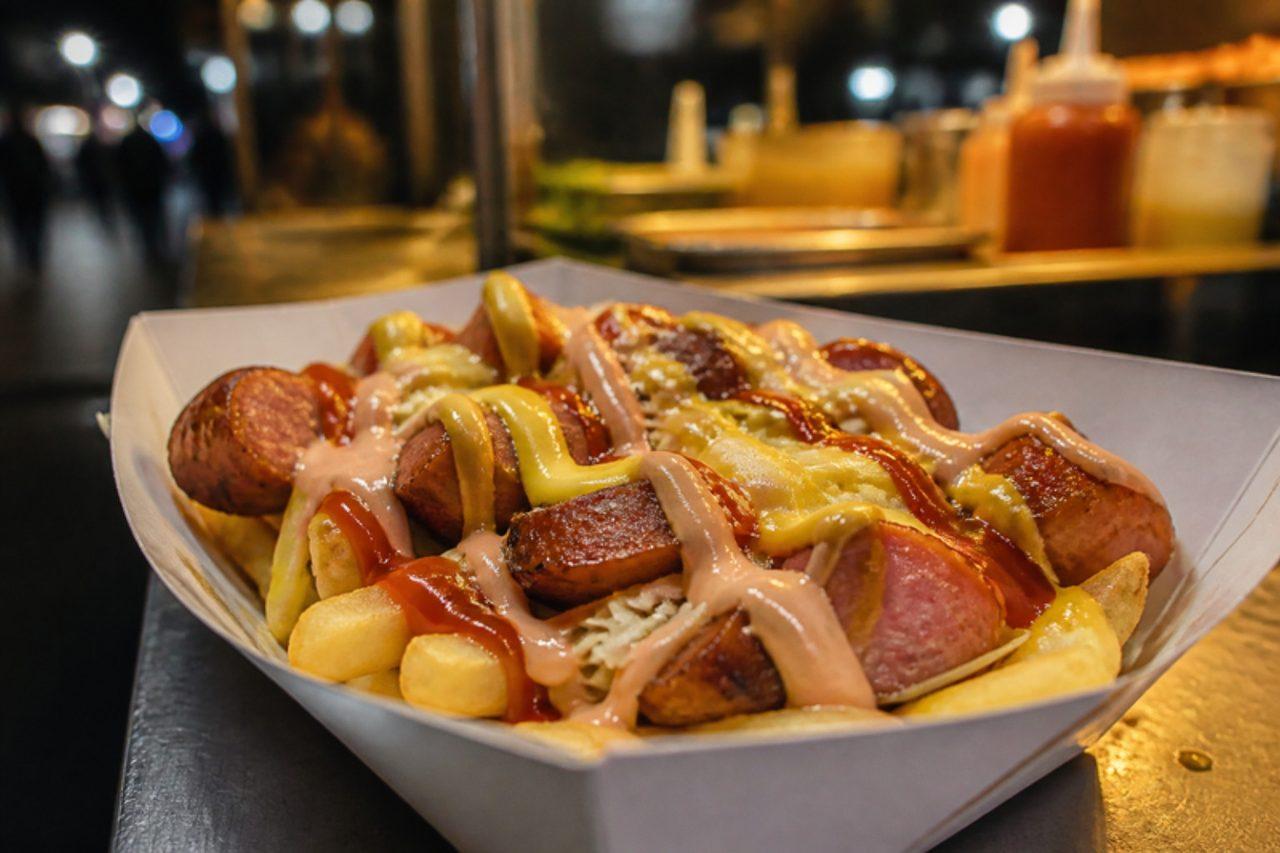
SalchipapaFries with sliced sausage

Late at night outside the bars and football stadiums of Bogotá and Medellín, carts and fast-food counters sell salchipapa by the plastic tray: hot chips topped with fried slices of hot dog sausage, drowned in salsa rosada (ketchup mixed with mayonnaise), mustard and grated cheese, sometimes with a squirt of pineapple sauce. Kids love it, and it's an easy Friday-night dinner at home: salty, crisp and soft at once, with the sweet-tangy pink sauce tying everything together. The way it goes wrong is soggy fries; double frying keeps them crisp under all that sauce. Chef's tip: slice the sausages on the diagonal and fry them until they curl and blister at the edges; the crisp bits make the dish.

by KrazyBadal 0 views

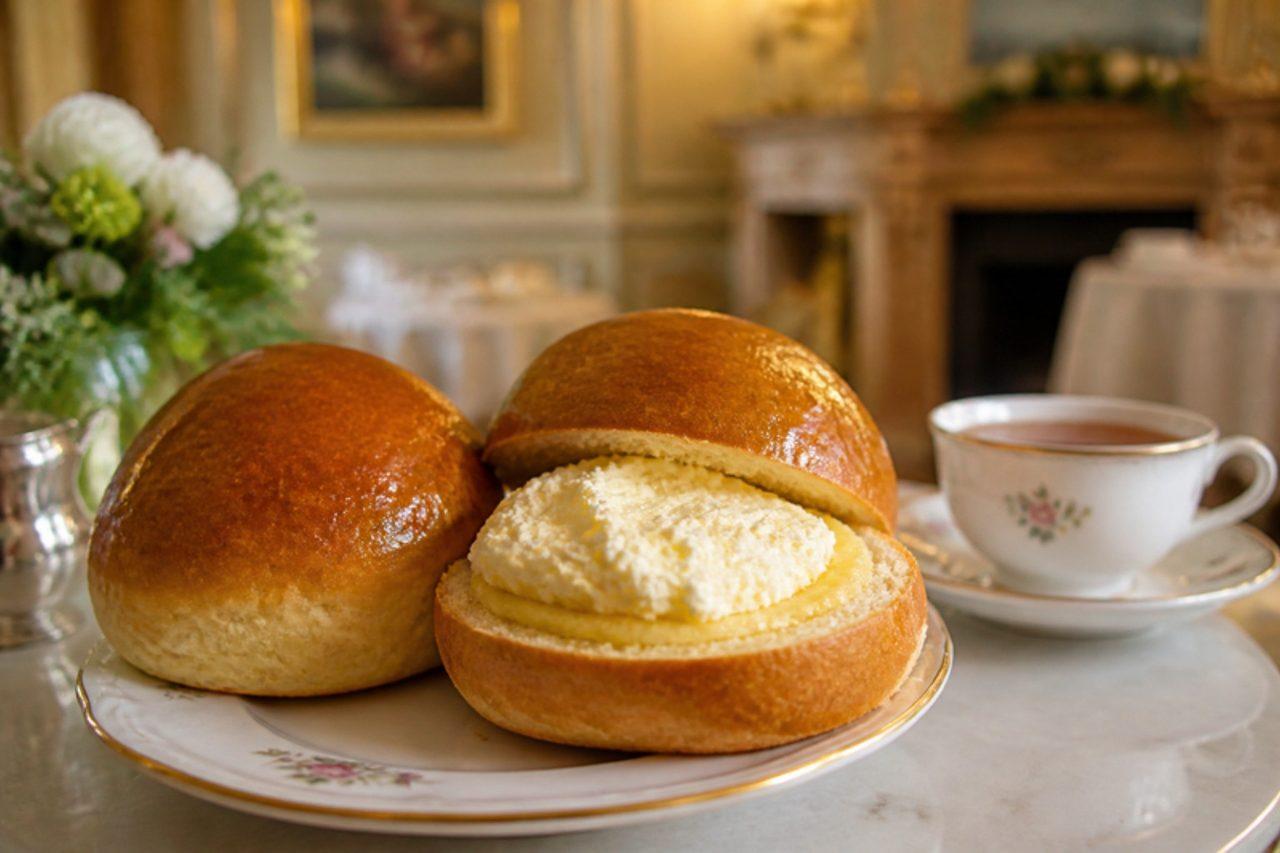
Sally Lunn bunsBrioche-style bun

The Sally Lunn is a huge, airy, enriched bun from the Georgian city of Bath, where an old house by the Abbey still serves it split and toasted, sweet with cinnamon butter or savoury with cheese. The dough is soft, with plenty of egg, butter and cream, so it bakes up light like brioche. Chef's tip: the dough is very soft; use a cake tin to hold its shape rather than shaping it freehand.

by KrazyBadal 0 views

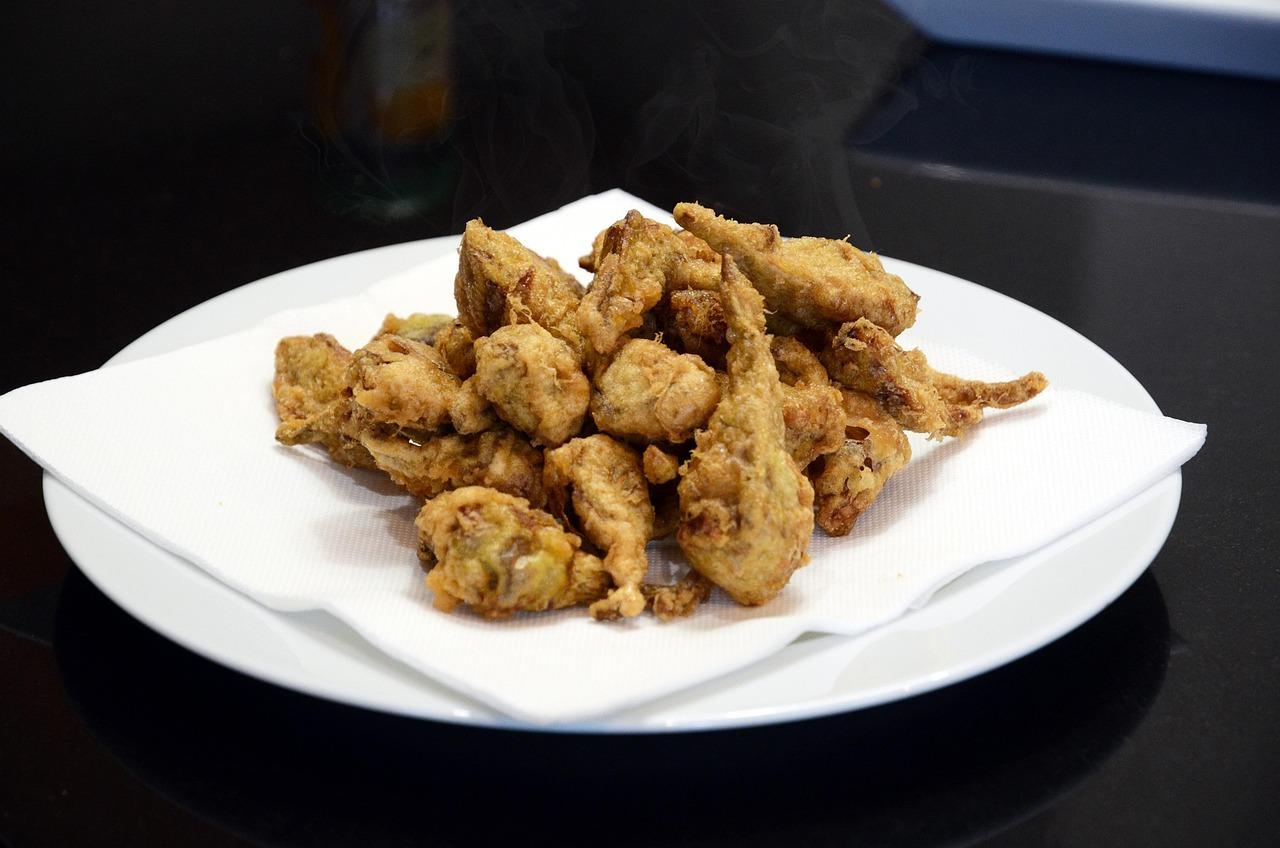
Castroville fried artichokes

Castroville, near Monterey on California's central coast, grows most of America's artichokes and calls itself the artichoke centre of the world. Roadside stands and the annual artichoke festival sell them crisp-fried, the tender hearts dipped in a light batter and served with lemon and garlic mayonnaise. Small 'baby' artichokes are best, as they have almost no choke. Chef's tip: drop each trimmed artichoke straight into lemon water; cut artichokes turn brown within minutes.

by KrazyBadal 0 views

Salpicón de frutasDiced fruit in watermelon juice

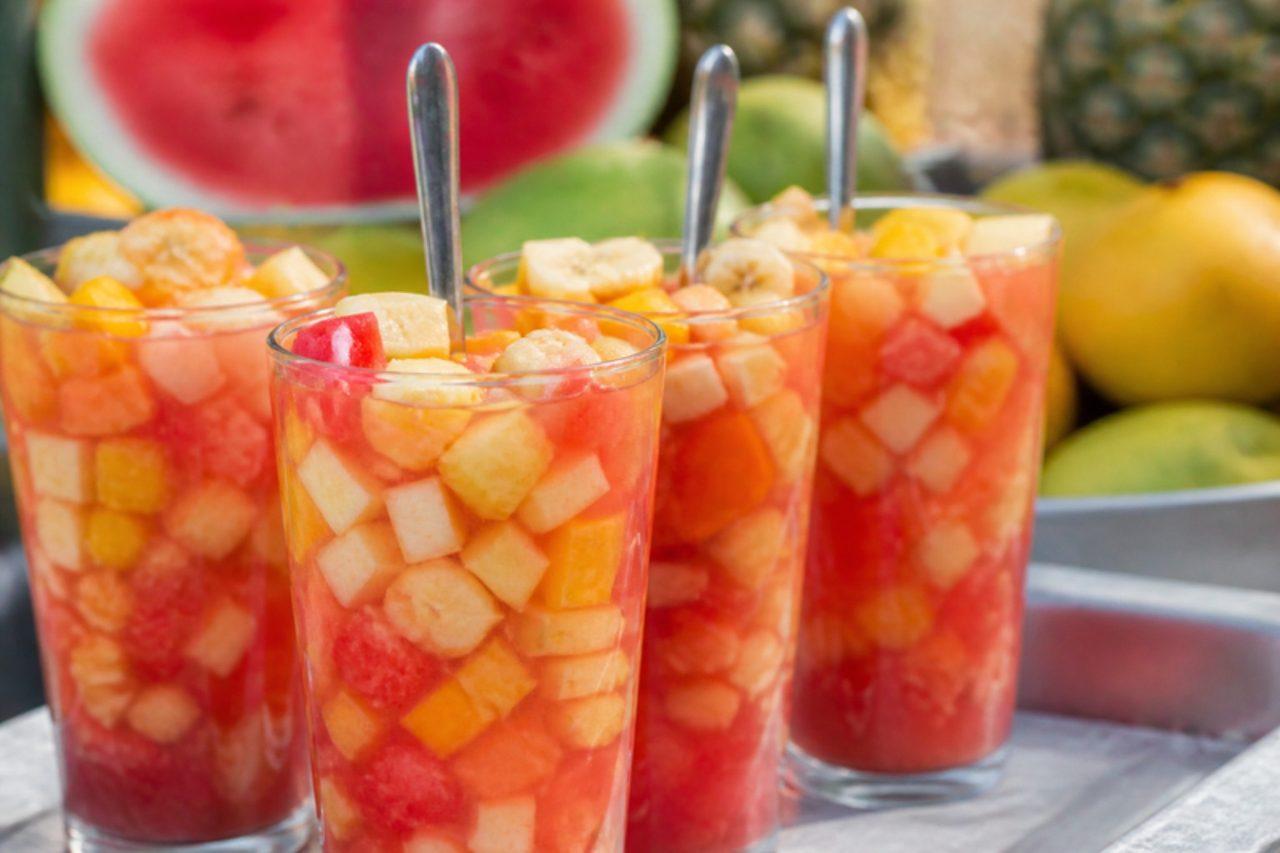
Salpicón is what Caleños grab at fruit stands and in the parks of San Antonio when the afternoon heat sets in: a tall cup of tiny, jewel-like cubes of papaya, pineapple, mango, banana and apple, swimming in freshly blended watermelon juice, eaten with a spoon and drunk to the last drop. Some stalls top it up with a fizzy orange or lemon soda; this version keeps it to fresh juice. It is sweet, cool and very refreshing. The mistake people make is cutting the fruit too big; the joy is in tiny cubes you can drink through the juice. Chef's tip: blend and strain the watermelon just before serving and keep everything ice cold; watermelon juice loses its fresh taste within an hour.

by KrazyBadal 0 views

Green bean casserole from scratch

Green bean casserole was invented in a test kitchen in the 1950s and spread across the Midwest via church cookbooks; today it is on most American Thanksgiving tables. This version skips the tins: fresh beans in a homemade mushroom cream sauce, topped with crisp shallots you fry yourself. Chef's tip: blanch the beans only until bright green and still squeaky, because they cook again in the oven.

by KrazyBadal 0 views

Salsa criollaTomato, onion and pepper relish

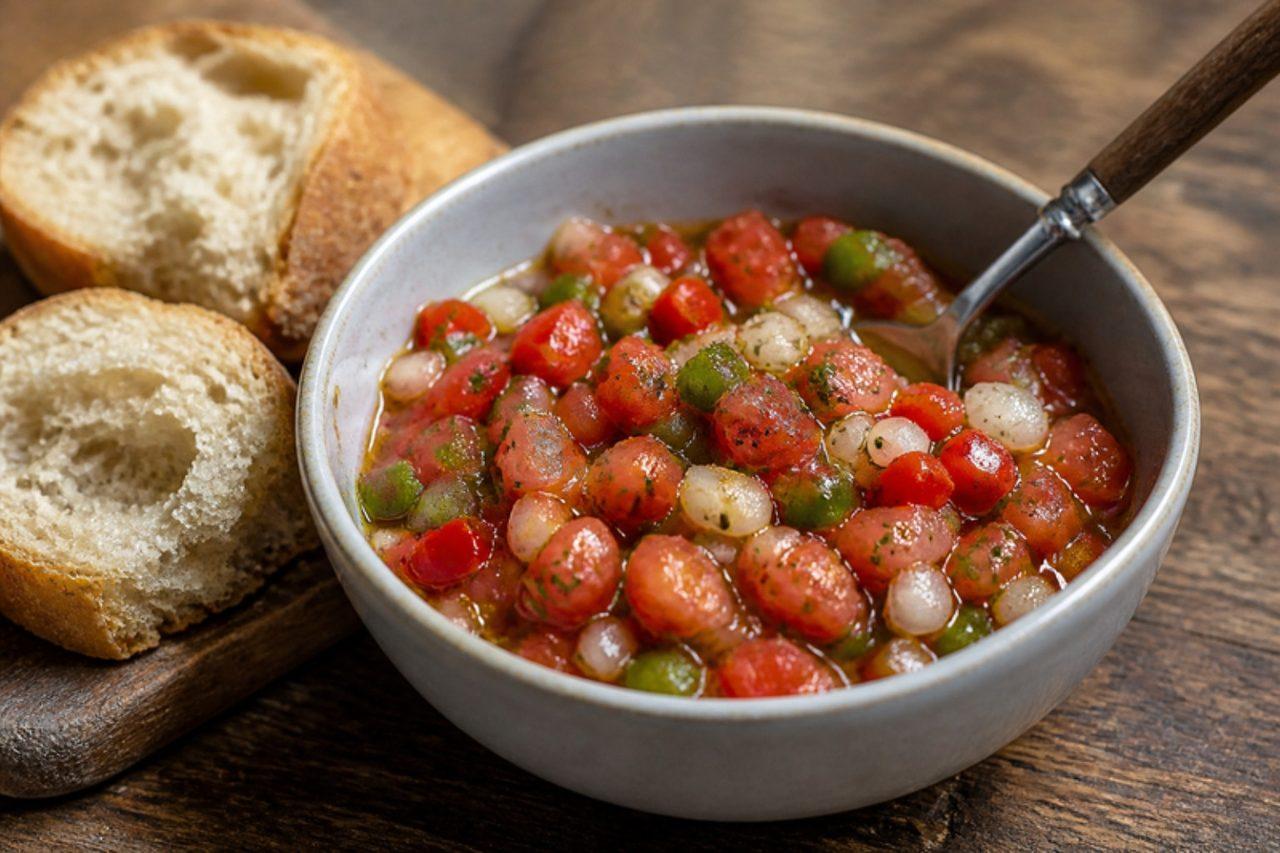
Chimichurri gets the fame, but at a Sunday asado anywhere from Buenos Aires to Salta the other bowl on the table is salsa criolla: tomato, onion and red and green pepper cut into small, even dice, dressed with vinegar, oil, oregano and salt, and left to sit until the juices pool. It is spooned over steak, chorizo and provoleta, piled into choripán, and eaten with grilled vegetables, and it brings freshness and acid to rich, smoky food. Expect crunch, a clean sour note and a mild sweetness from the peppers. Chopping it all in a food processor is the mistake: it turns watery and pulpy, so take the time to dice by hand. Some cooks use only red onion, others add spring onion or a pinch of chilli; adjust to taste. Chef's tip: dress the onion with the vinegar and salt first for 10 minutes before adding the rest; it softens the raw bite without losing the crunch.

by KrazyBadal 0 views

Chicago giardiniera

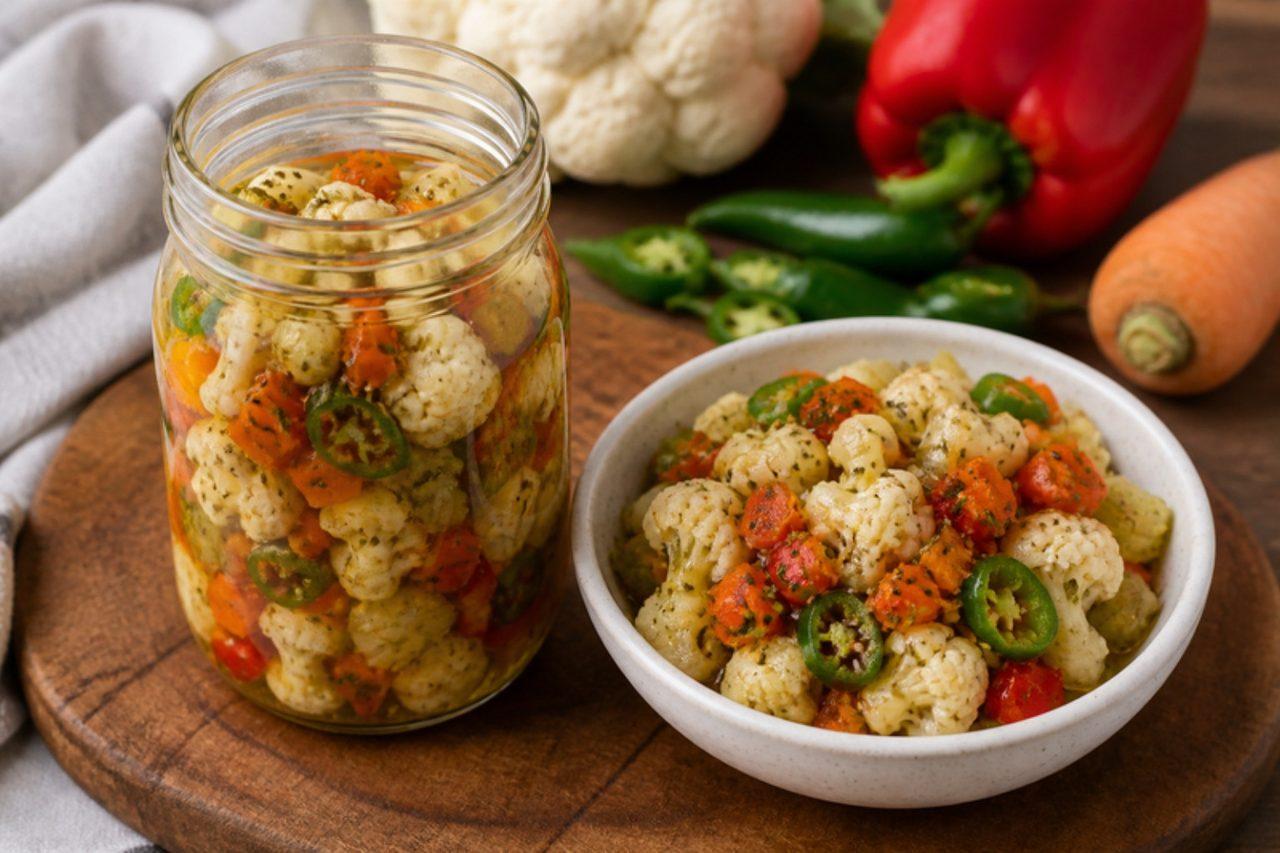
Giardiniera came to Chicago with Italian immigrants, and the city made it its own: a hot mix of chopped chillies, celery, carrot and cauliflower, brined overnight then packed in vinegar and oil. It is what Chicagoans pile on an Italian beef sandwich, a pizza or a sausage, and every deli has its own heat level. Chef's tip: don't skip the overnight salt brine; it draws out water so the vegetables stay crunchy for weeks.

by KrazyBadal 0 views

Salsa golfMayonnaise and ketchup sauce

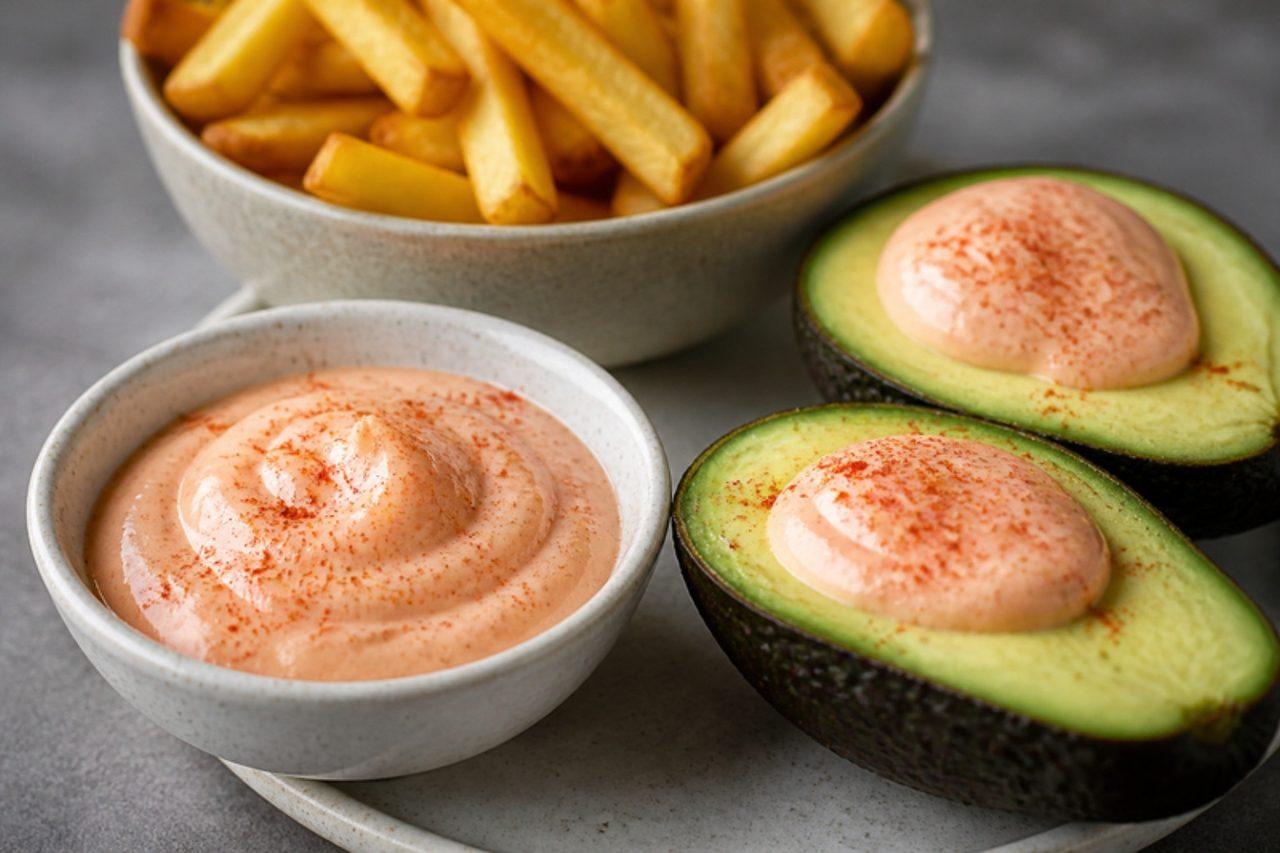
Mar del Plata's golf club gave its name to this sauce in the 1920s, so the story goes, and Argentines have been mixing mayonnaise and ketchup ever since. It is the pink sauce of the 1970s cocktail party and the seaside: spooned into half avocados (palta a la golf), over hearts of palm, onto a cold hard-boiled egg, beside fries or into a prawn cocktail, and every family has its own ratio. A drop of lemon and a dash of mustard lift it from a simple mix to something tangy and creamy. Too much ketchup is the misstep that turns it sweet and orange; it should be a soft salmon pink. Use shop-bought mayonnaise, which is made with pasteurised egg; if you make your own, use pasteurised eggs. Check the labels of the mayonnaise, ketchup and mustard if you need it gluten free. Chef's tip: let it sit in the fridge for 15 minutes before serving; the flavours blend and it thickens slightly.

by KrazyBadal 0 views

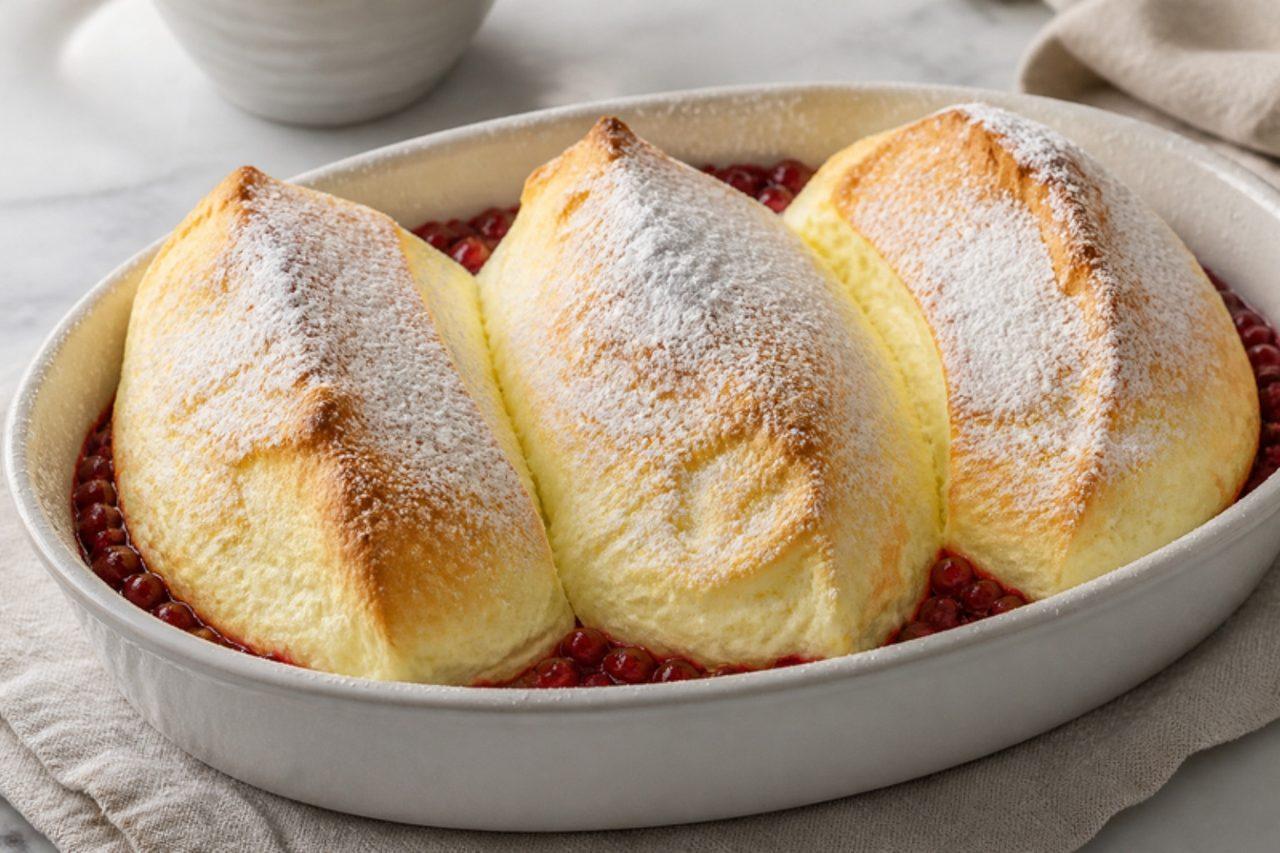
Salzburger NockerlSweet soufflé peaks

Salzburger Nockerl is the dessert Salzburg serves to visitors after a concert or a walk through the old town: three golden, sugar-dusted peaks said to stand for the hills around the city. Under the airy egg-white soufflé is a layer of tart lingonberries or redcurrants, warmed with vanilla milk in the baking dish. It is meant to be shared from the dish and eaten the moment it leaves the oven, before it sinks. This version uses cornflour instead of wheat flour, so it is gluten free. A common mistake is over-folding the yolks into the whites; streaks are fine, and too much stirring makes it collapse. Chef's tip: keep the oven door shut until the end; the peaks are ready when they are golden outside but still creamy inside.

by KrazyBadal 0 views

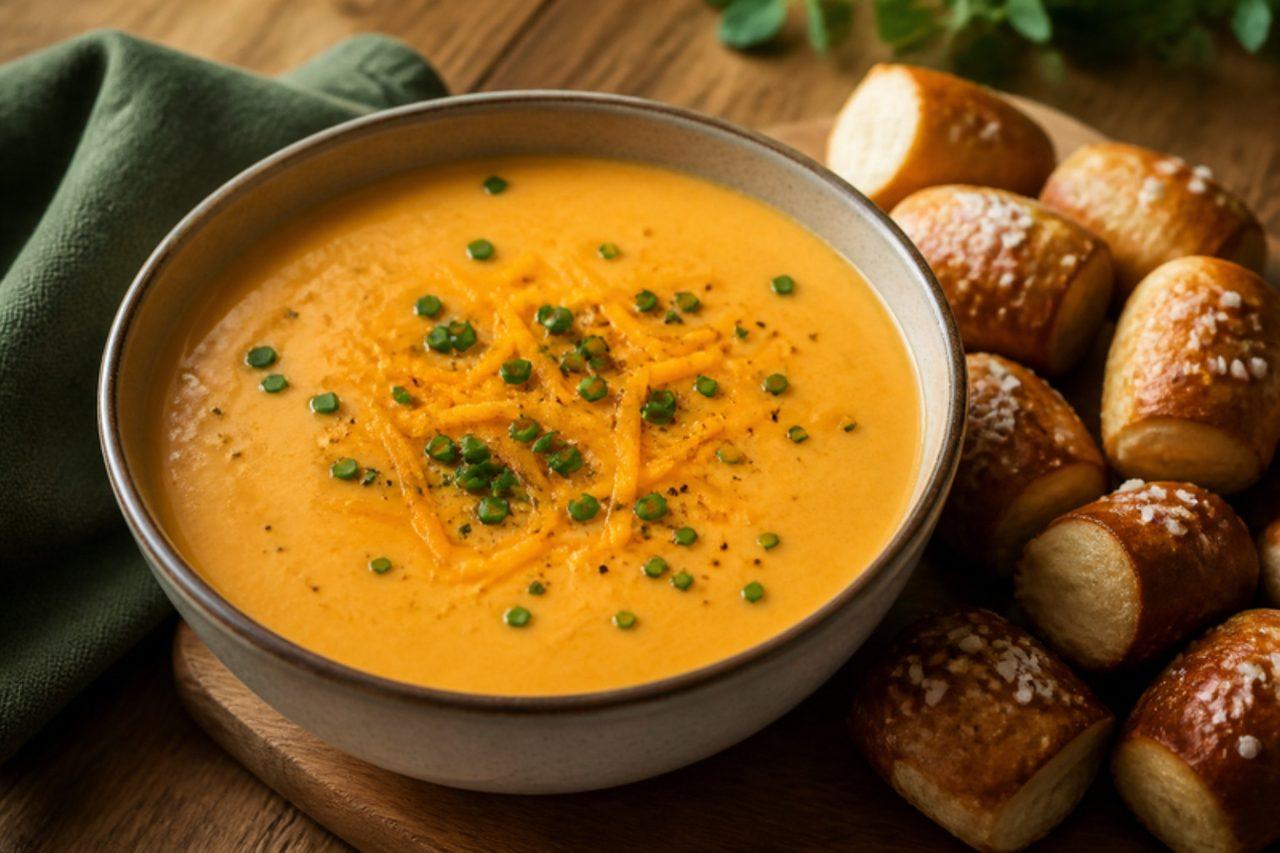
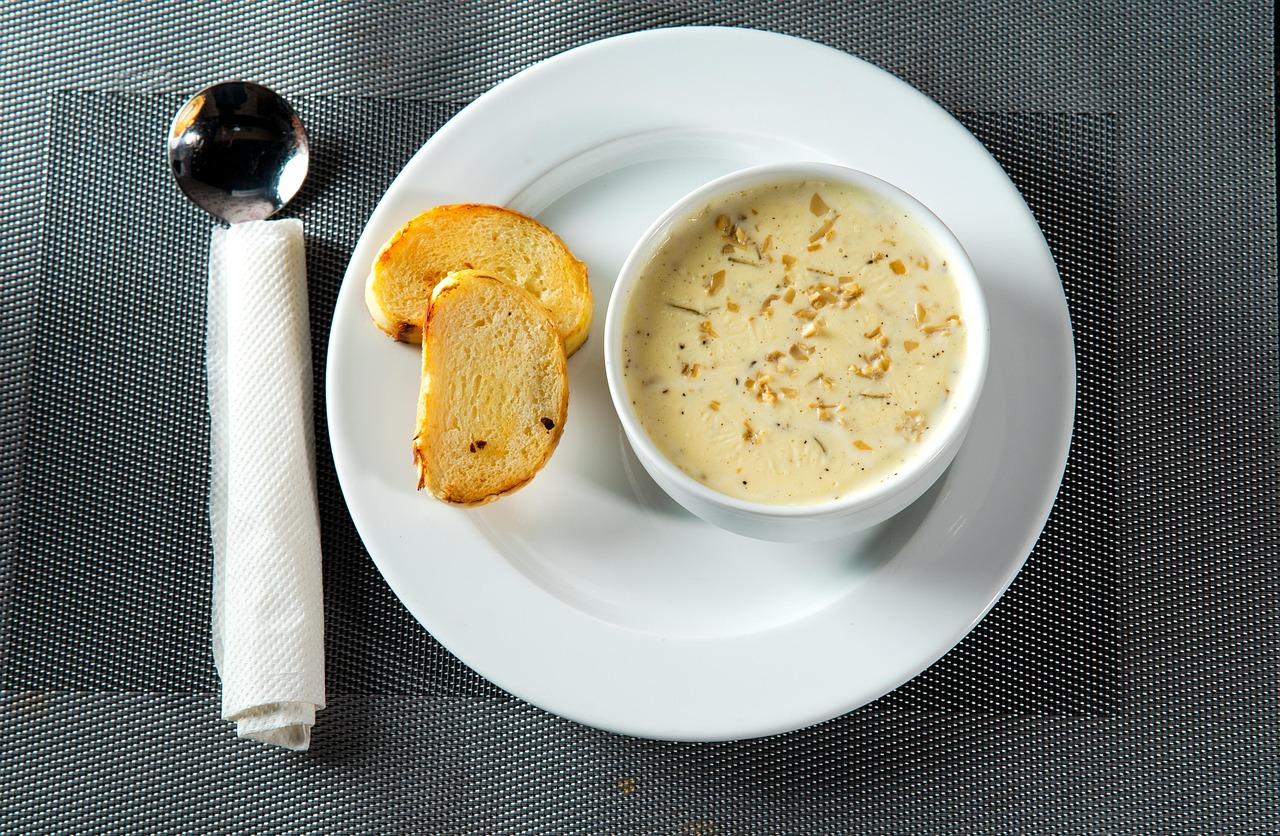
Wisconsin beer cheese soup

Beer cheese soup is a Wisconsin tavern and Packers game-day classic, made with the state's sharp cheddar and a local lager and served with soft pretzels or popcorn on top. It is thick, silky and tangy, with a little mustard and smoked paprika. It contains beer; most of the alcohol cooks off but not all, so for an alcohol-free version use alcohol-free lager or extra stock with 1 tsp cider vinegar. Aged cheddar is often made with animal rennet, so use a vegetarian cheddar. Chef's tip: add the cheese off the heat, a handful at a time, or it turns grainy.

by KrazyBadal 0 views

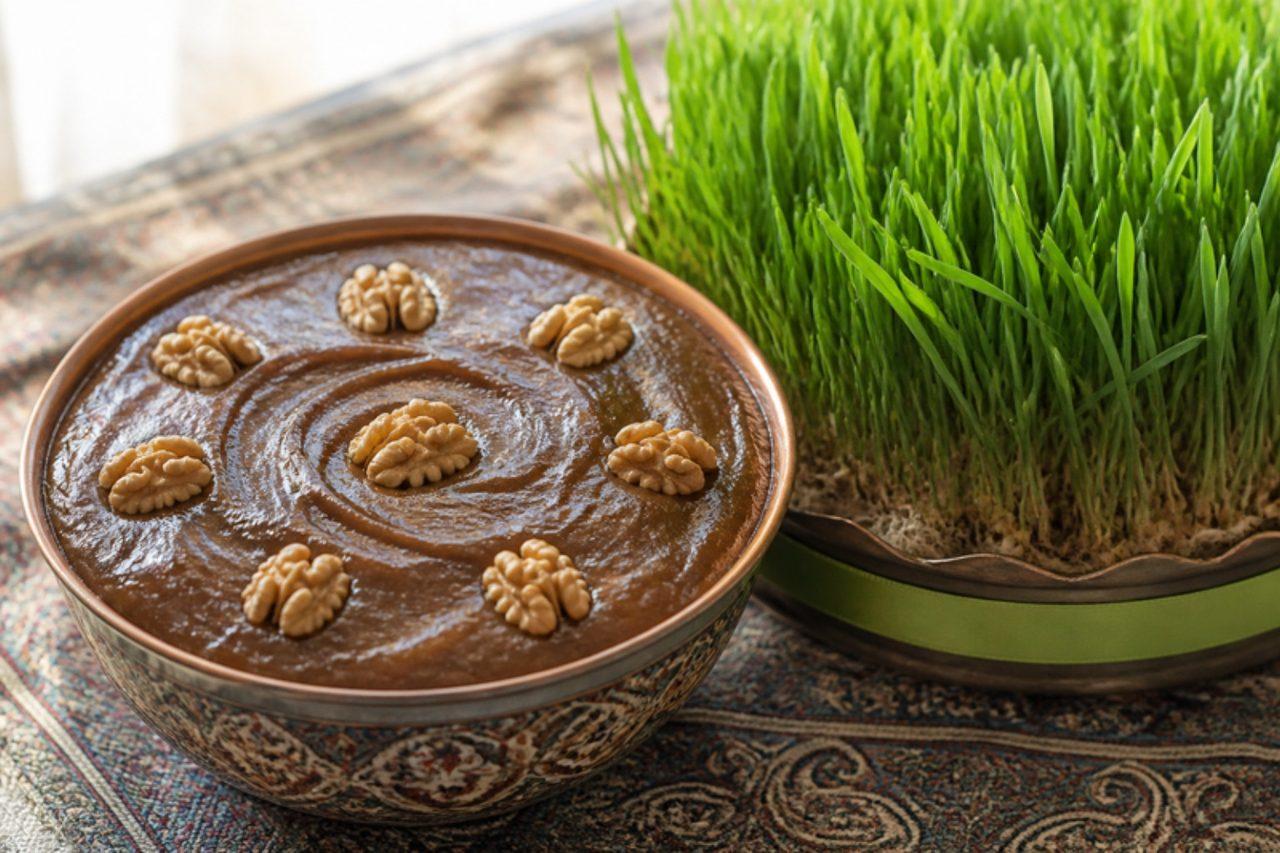
SamanuSprouted wheat pudding

Samanu is one of the seven 's' items on the Nowruz haft-sin table, standing for strength and abundance, and in many neighbourhoods of Tehran and Shiraz women still gather to stir the great pot through the night, singing and taking turns. It is made from nothing but sprouted wheat juice and flour, cooked very slowly for many hours until the natural malt sugars caramelise into a thick, toffee-brown, gently sweet pudding. This home version uses a smaller batch, but it still takes days of sprouting and a long, patient simmer. The common mistake is turning the heat up to rush it, which scorches the base and makes the samanu bitter. Chef's tip: drop a few clean walnut halves into the pot near the end; tradition says whoever finds one in their bowl will have a lucky year.

by KrazyBadal 0 views

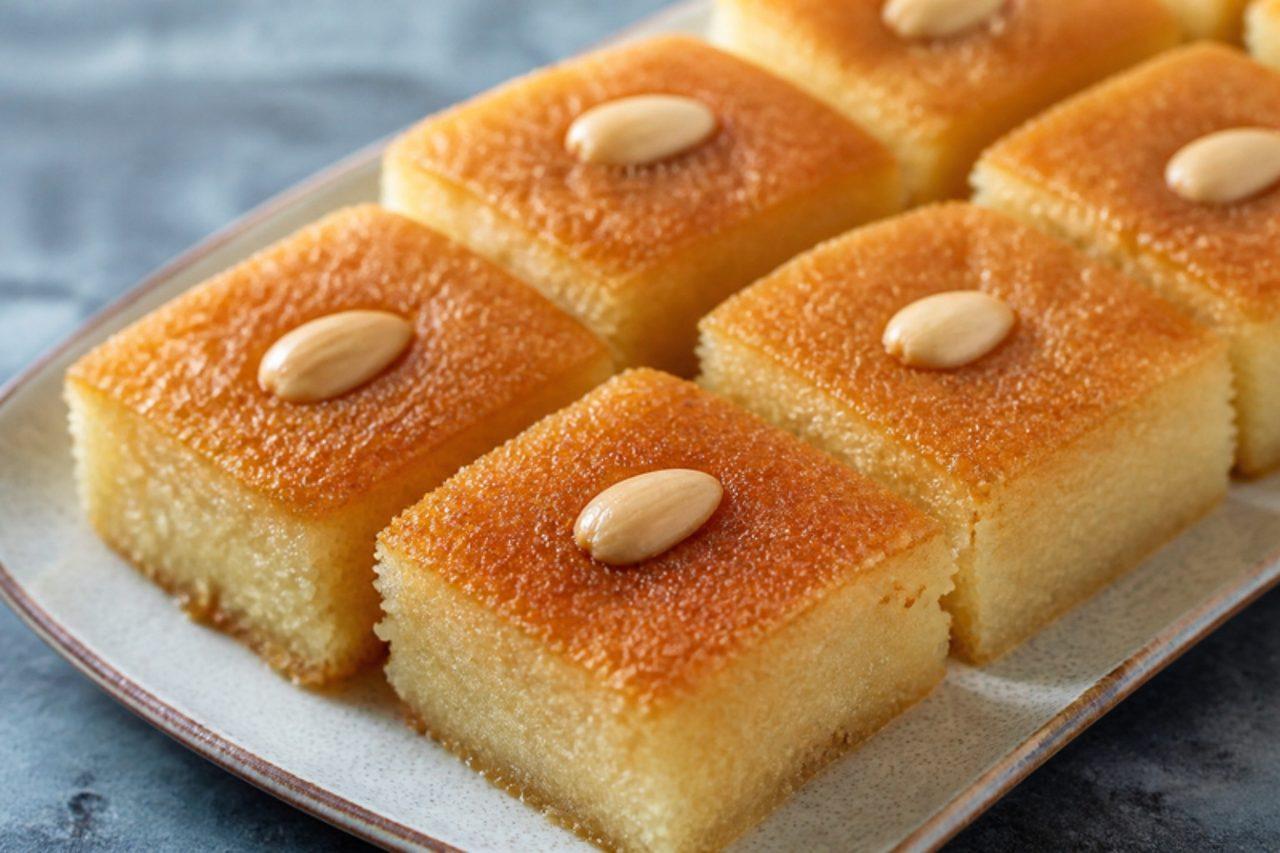
ŞambaliSemolina yoghurt cake in syrup

Walk through İzmir's Kemeraltı bazaar and you'll see huge copper trays of şambali, cut into diamonds, each topped with a blanched almond and glistening with syrup. It is a dense, moist semolina cake made with yoghurt, sold by street vendors and old pastry shops, sometimes with a spoon of kaymak on top. Plainer than it looks and dangerously easy to eat. Chef's tip: rest the batter for a few hours, or overnight, so the semolina softens fully; otherwise the cake is gritty.

by KrazyBadal 0 views

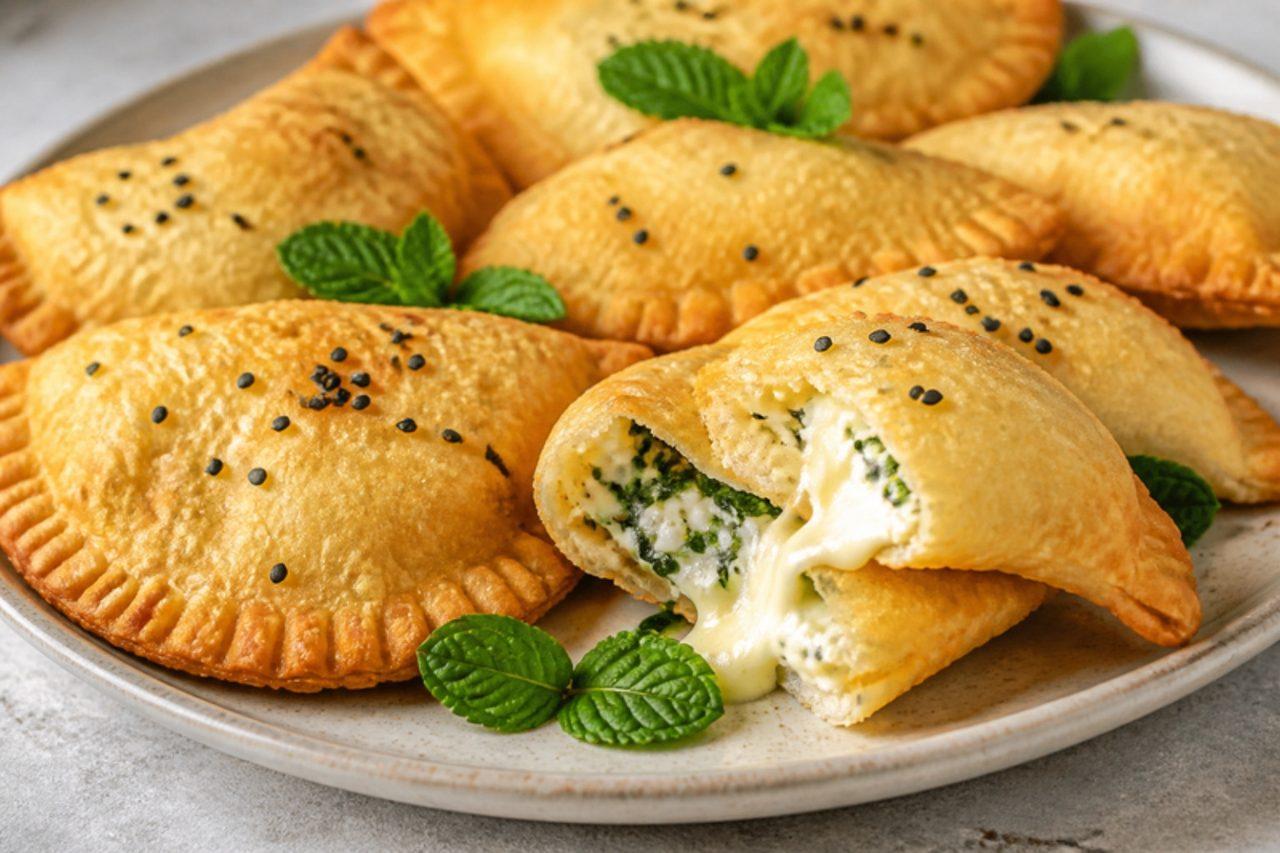
Sambousek bi jibnehCheese half-moon pastries

Hot sambousek bi jibneh are the first thing to vanish from a Syrian mezze spread or a Ramadan iftar table, where Damascene and Aleppan cooks fry dozens at a time. A tender olive-oil pastry is folded around white cheese, parsley and nigella seeds, then crimped with a fork or twisted into a rope edge and fried or baked until blistered and golden. Eat them warm, when the cheese is soft and stringy. Common mistake: using a salty cheese straight from the brine — soak akkawi or halloumi for an hour first. Chef's tip: mix a little mozzarella into the filling for that stretchy pull. Akkawi, halloumi and mozzarella are often made with animal rennet; use vegetarian-rennet versions if needed.

by KrazyBadal 0 views

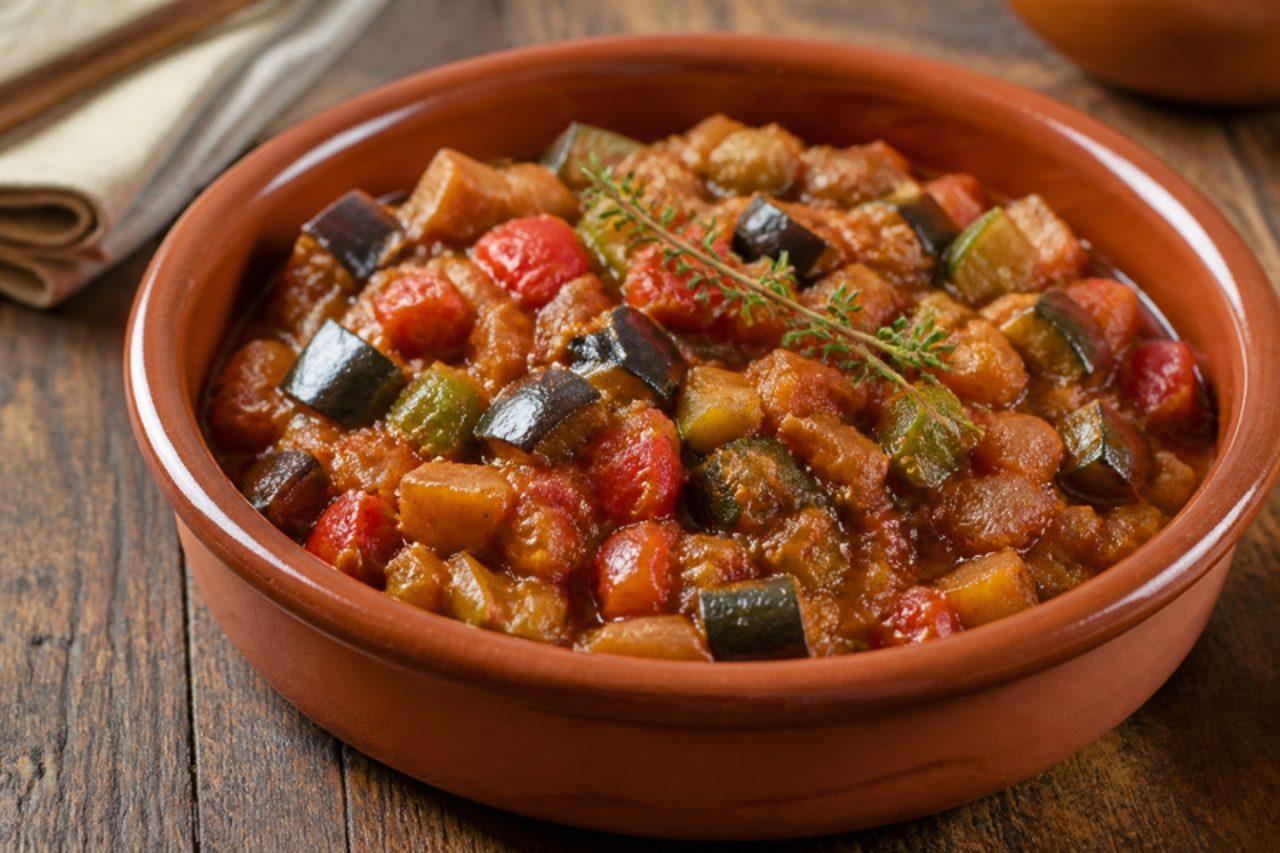
SamfainaOnion, aubergine, courgette and pepper stew

Samfaina is what Catalan kitchens do with a market bag full of late-summer vegetables: they go into the pan in order, each one softening before the next, until they melt into a sweet, glossy stew. It is eaten on its own with bread, spooned beside grilled fish or a fried egg, or used as a sauce for chicken or salt cod. It tastes better the next day. Chef's tip: cut everything to the same 1.5 cm dice, so it all cooks evenly and the finished dish has a soft, even texture.

by KrazyBadal 0 views

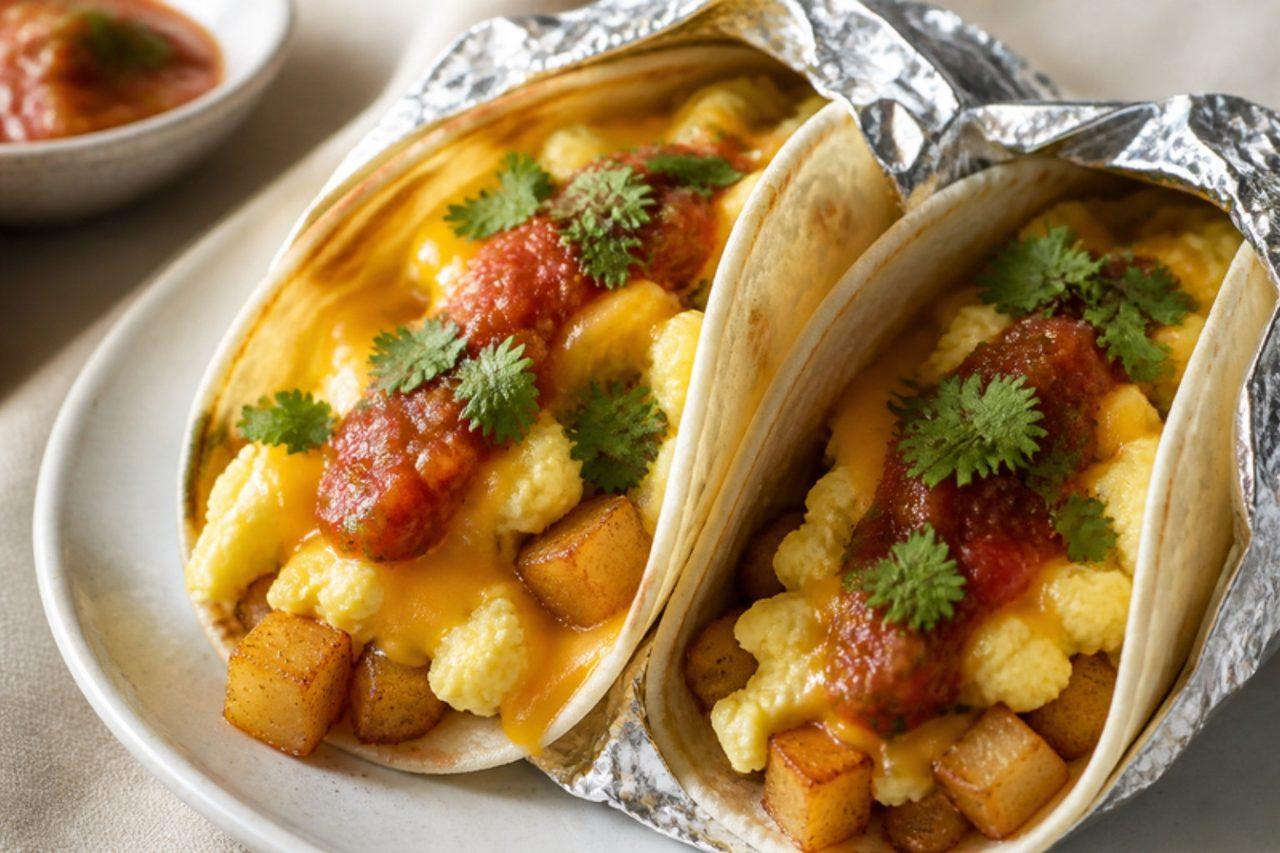
Texas potato and egg breakfast tacos

In Austin and San Antonio the breakfast taco is the morning commute: soft flour tortillas wrapped around fillings like crispy potato, scrambled egg and cheese, bought in foil from taquerías and petrol stations and eaten with salsa. Potato and egg is the classic meatless pairing. Chef's tip: fry the diced potatoes in one layer without stirring for the first few minutes so they get a real crust.

by KrazyBadal 0 views

New England corn chowder

When the sweetcorn stands in late summer at farm stands from Maine to Connecticut, corn chowder is what goes on the stove. It is a milky, chunky soup of corn, potato and onion, thickened by simmering the stripped cobs in the stock. Many cooks start it with salt pork; this vegetarian version gets its depth from butter, smoked paprika and the cob stock instead. Chef's tip: scrape the bare cobs with the back of a knife to get the sweet corn 'milk' into the pot.

by KrazyBadal 0 views

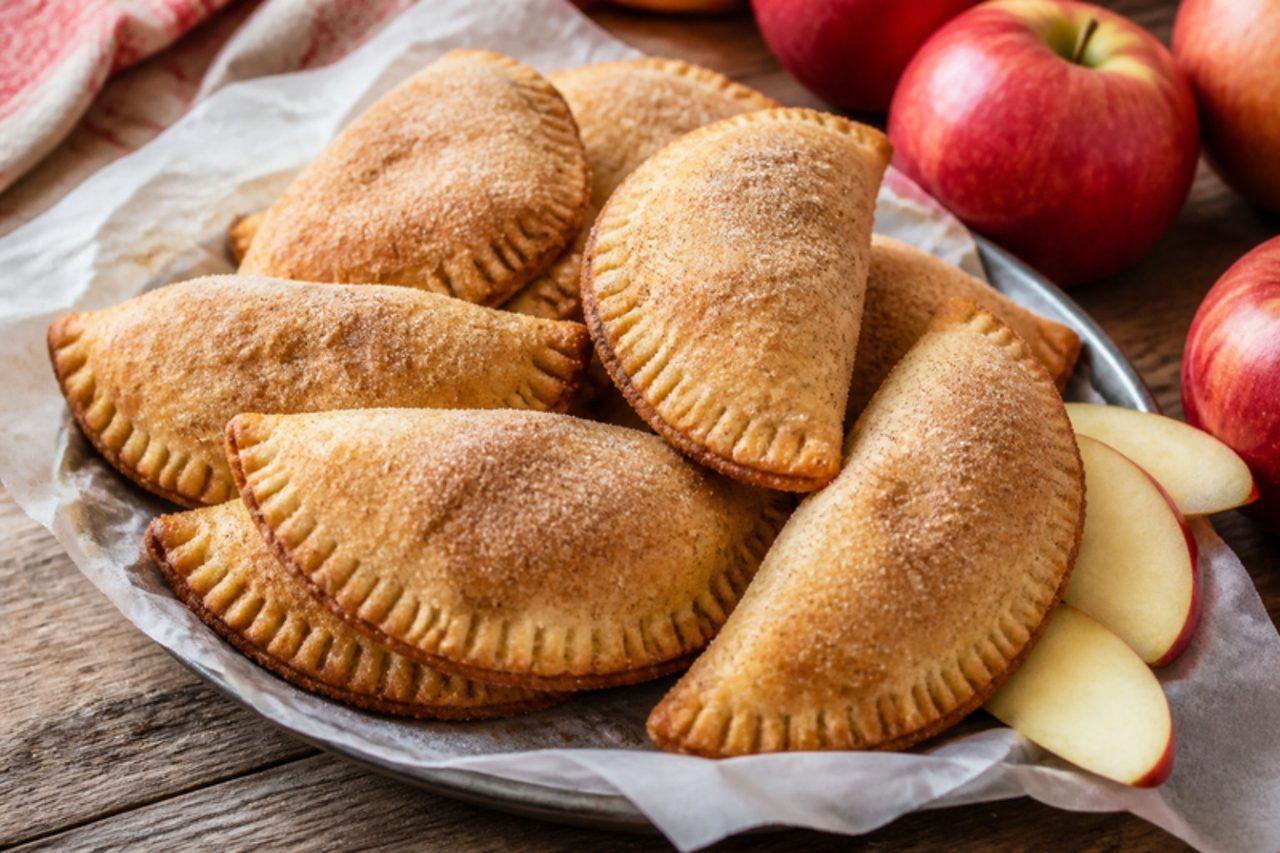
Fried apple hand pies

Fried pies are a staple of Appalachian bake sales, country stores and Grand Ole Opry-era lunch pails across Tennessee, Kentucky and north Georgia, made from apples dried on the porch roof in autumn. The rich filling of stewed dried apple is folded into rounds of tender pastry, crimped with a fork and fried crisp in a skillet. Chef's tip: let the filling go completely cold and use only a heaped tablespoon; overfilled pies burst in the pan.

by KrazyBadal 0 views

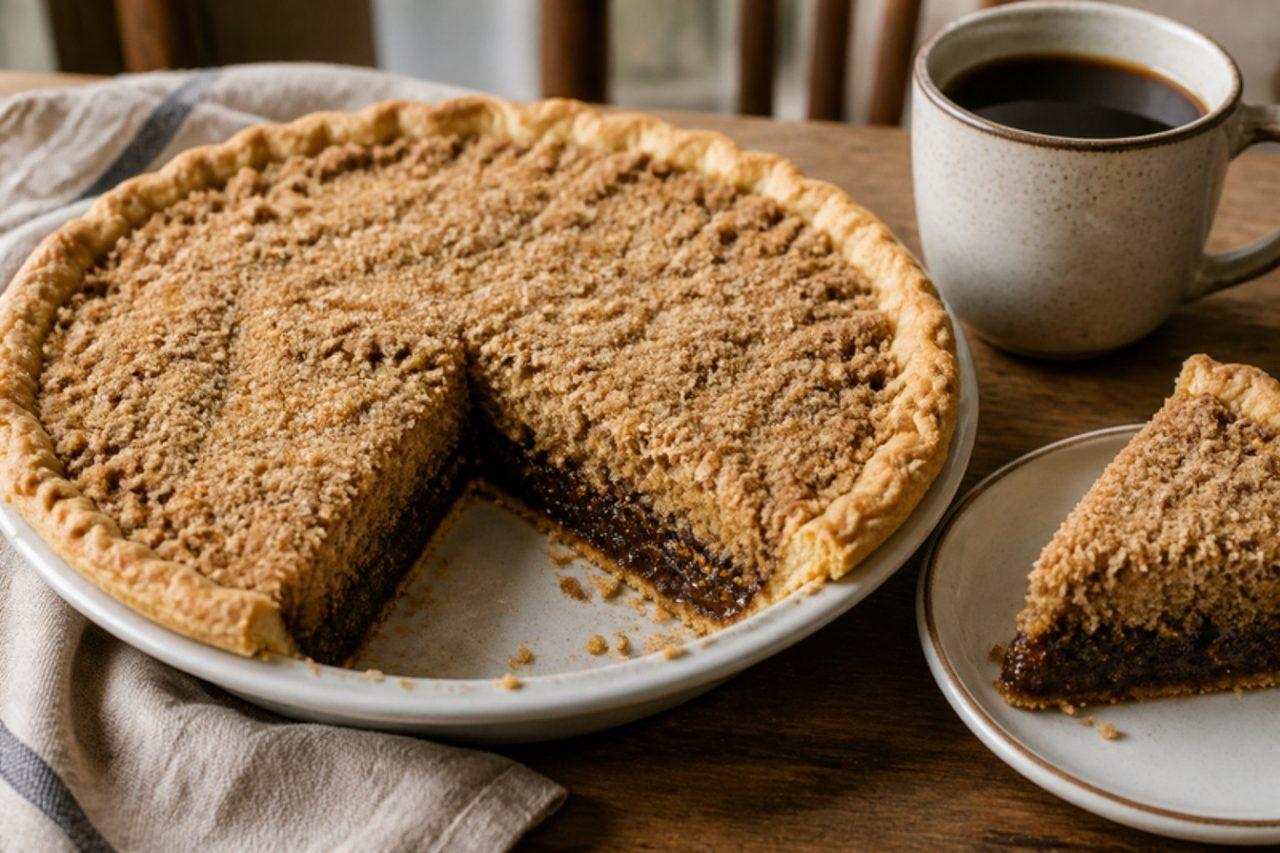
Shoofly pie

Shoofly pie is the signature sweet of the Amish and Mennonite farms around Lancaster, Pennsylvania, sold at roadside stands and farmers' markets and eaten for breakfast with strong coffee as often as for dessert. This is the 'wet-bottom' kind: a gooey layer of molasses custard under a cakey middle and a buttery brown-sugar crumb. Chef's tip: use mild, light molasses; strong blackstrap makes it bitter.

by KrazyBadal 0 views

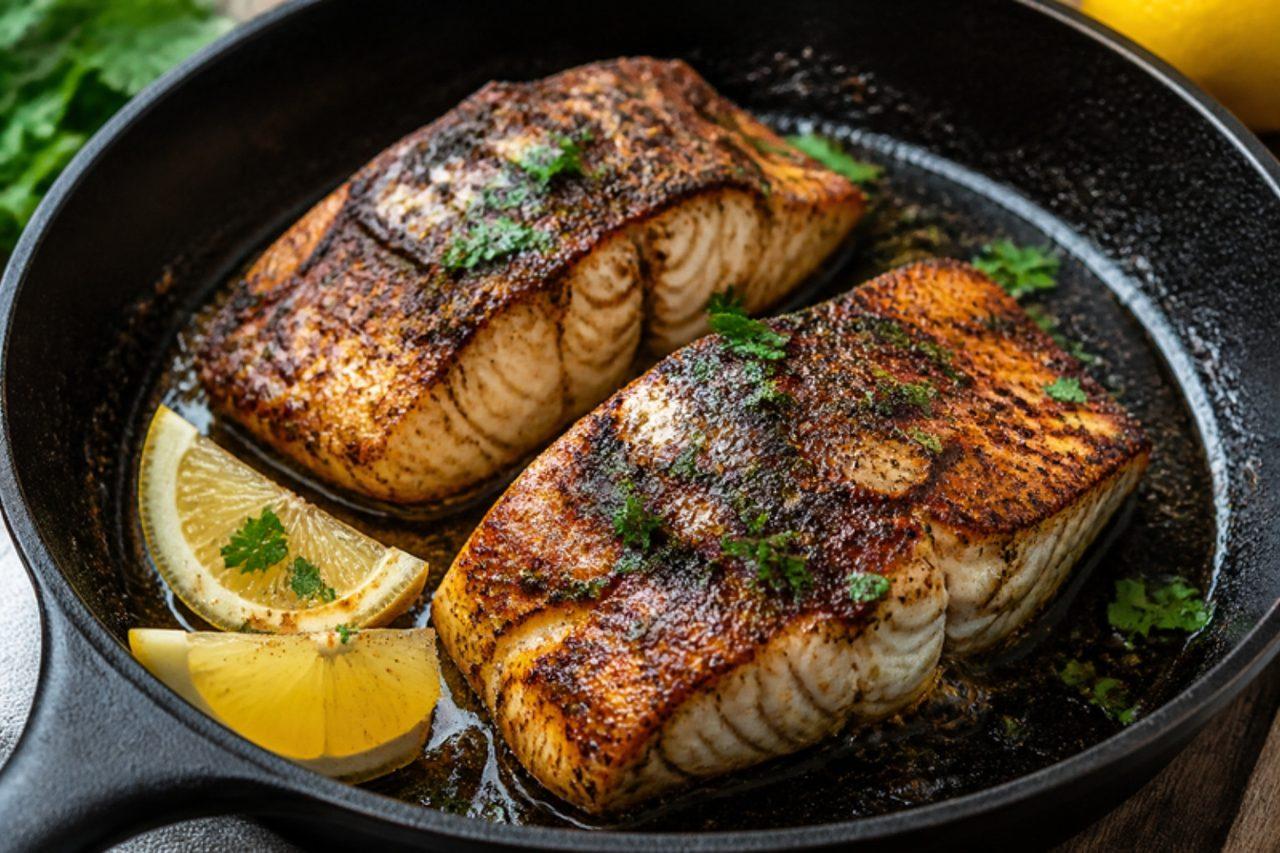
Blackened redfish

Blackened redfish was the dish that made Cajun cooking famous across America in the 1980s, created in a New Orleans restaurant by a chef from Opelousas. Fillets are dipped in butter, coated thickly in paprika, cayenne, thyme and pepper and seared in a white-hot cast-iron pan, so the spices char into a dark, smoky crust while the fish stays moist. It produces a lot of smoke, so open the windows or cook it outside. Chef's tip: the pan must be heated empty for a full 5 minutes; a lukewarm pan steams the fish instead of blackening it.

by KrazyBadal 0 views

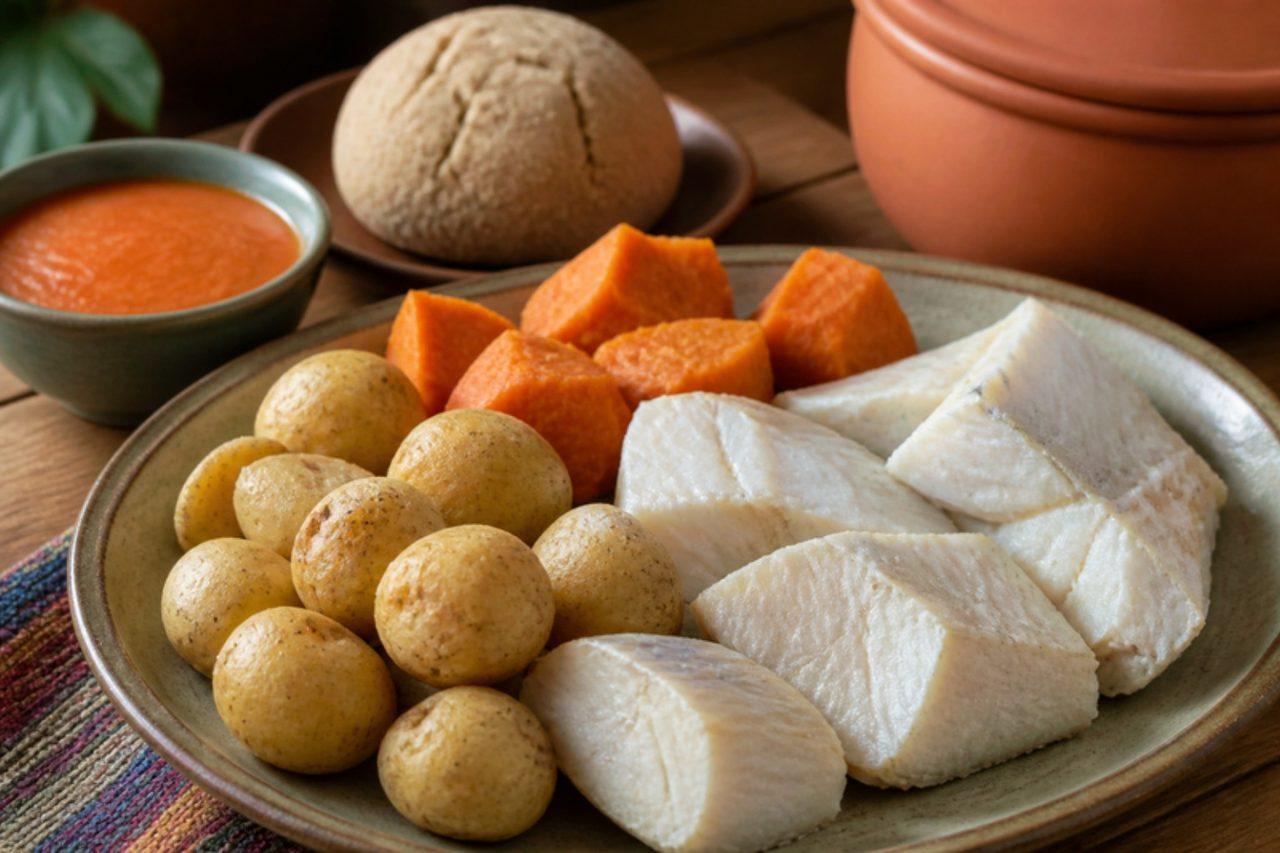
Sancocho canarioSalt fish with potatoes and mojo

Sancocho is the Canary Islands' Good Friday dish and a Sunday favourite in Gran Canaria, where whole families sit down to a platter of desalted cherne (wreckfish), boiled potatoes and sweet potatoes, red mojo poured over the top and a ball of pella de gofio on the side. Salted cherne is soaked for a day or two in the fridge to draw out the salt, then poached gently. If you cannot find cherne, salt cod or fresh hake works well. Chef's tip: before cooking, poach a small flake in boiling water for a minute and taste it; it should be pleasantly seasoned, like well-salted fresh fish, and if it is still briny, soak a few hours more.

by KrazyBadal 0 views

Sandre au beurre blancPike-perch with butter sauce

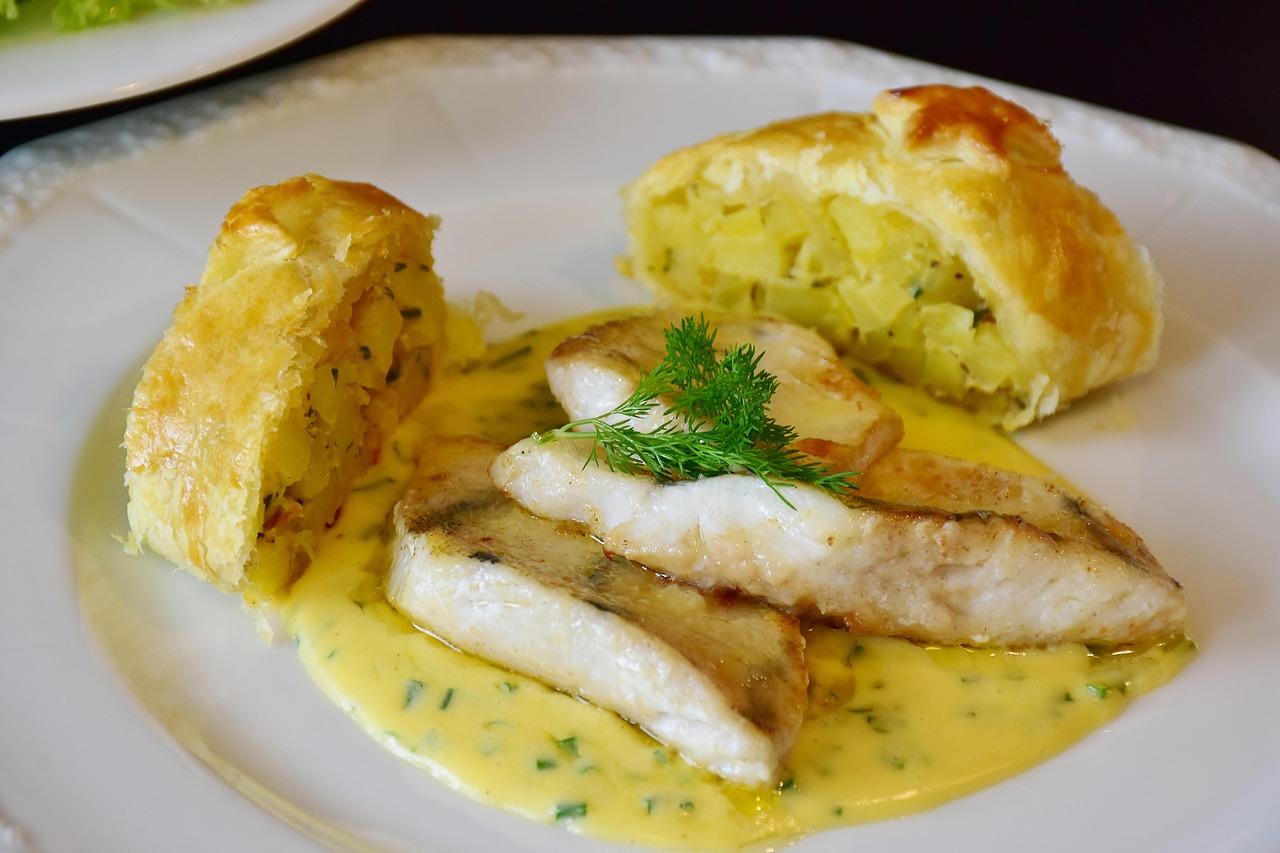
Beurre blanc was first whisked up on the banks of the Loire near Nantes, and riverside restaurants from Anjou to the Muscadet vineyards still serve it with sandre, the firm, mild pike-perch of the river. The sauce is nothing but shallots reduced in white wine and vinegar, then mounted with cold butter into a pale, foamy emulsion that tastes sharp and creamy at once. The crisp-skinned fish sits on top, with steamed potatoes or leeks alongside. The reduction uses dry white wine; an alcohol-free option is in the notes. If you can't find pike-perch, sea bass or hake fillets are good substitutes. Chef's tip: keep the butter fridge-cold and add it a few cubes at a time, and the sauce will never split.

30 minFrenchFishGluten free
by KrazyBadal 0 views

Sanduíche de mortadelaFried mortadella and cheese roll

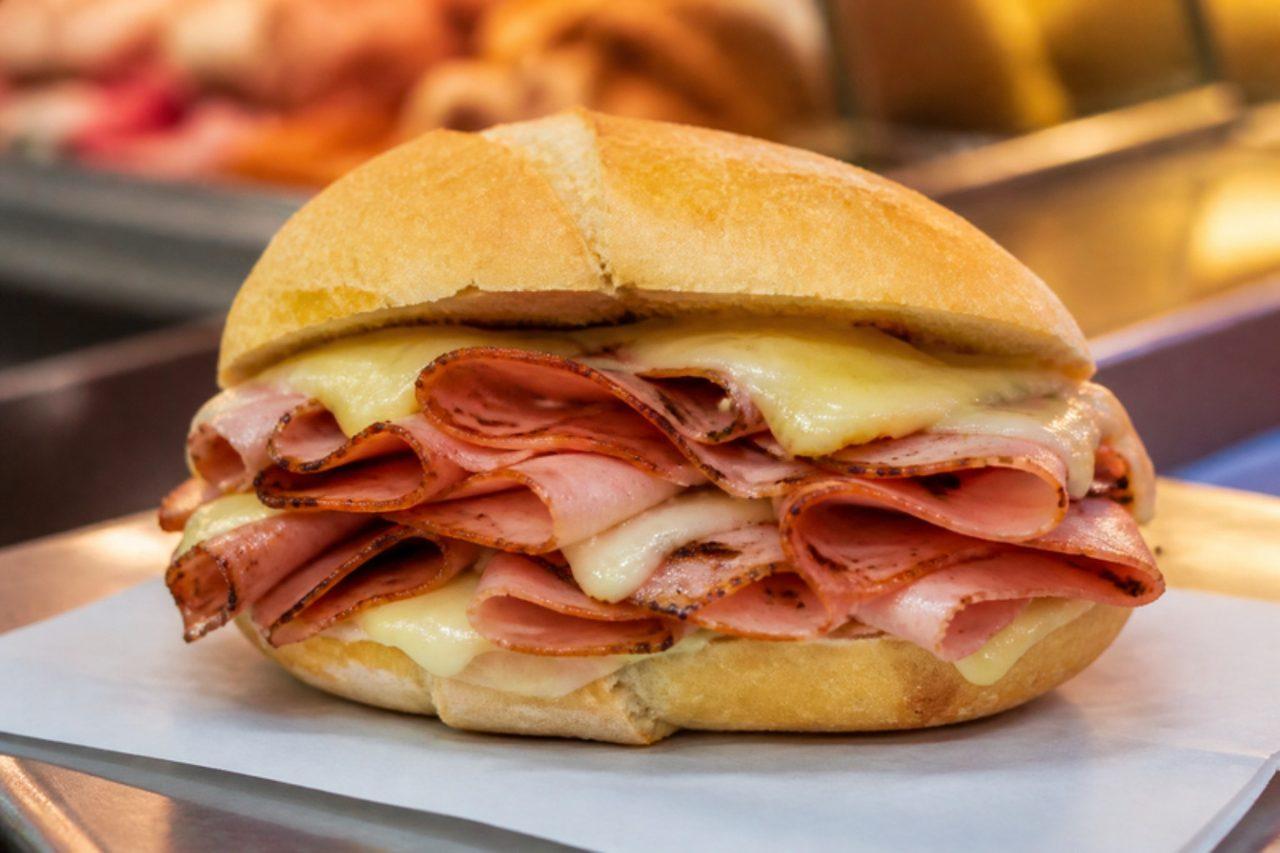
Tourists queue for it at the Mercado Municipal in São Paulo, where the sandwich counters on the mezzanine fold slice after slice of mortadella onto a hot griddle until the stack is taller than the bread. Mortadella is a cooked pork sausage, and warming it this way crisps the edges, softens the fat and makes it taste sweeter and more peppery; a layer of melted provolone or mild cheese glues it together inside a crusty French roll. It is gloriously over the top, best eaten with both hands and a paper napkin. The mistake most people make is stacking cold mortadella flat, which stays rubbery; fold the slices loosely so the heat gets between them. Chef's tip: ask for the mortadella sliced very thin, almost see-through; thin slices ruffle up and give the sandwich its height and tenderness.

by KrazyBadal 0 views

New Orleans barbecue shrimp

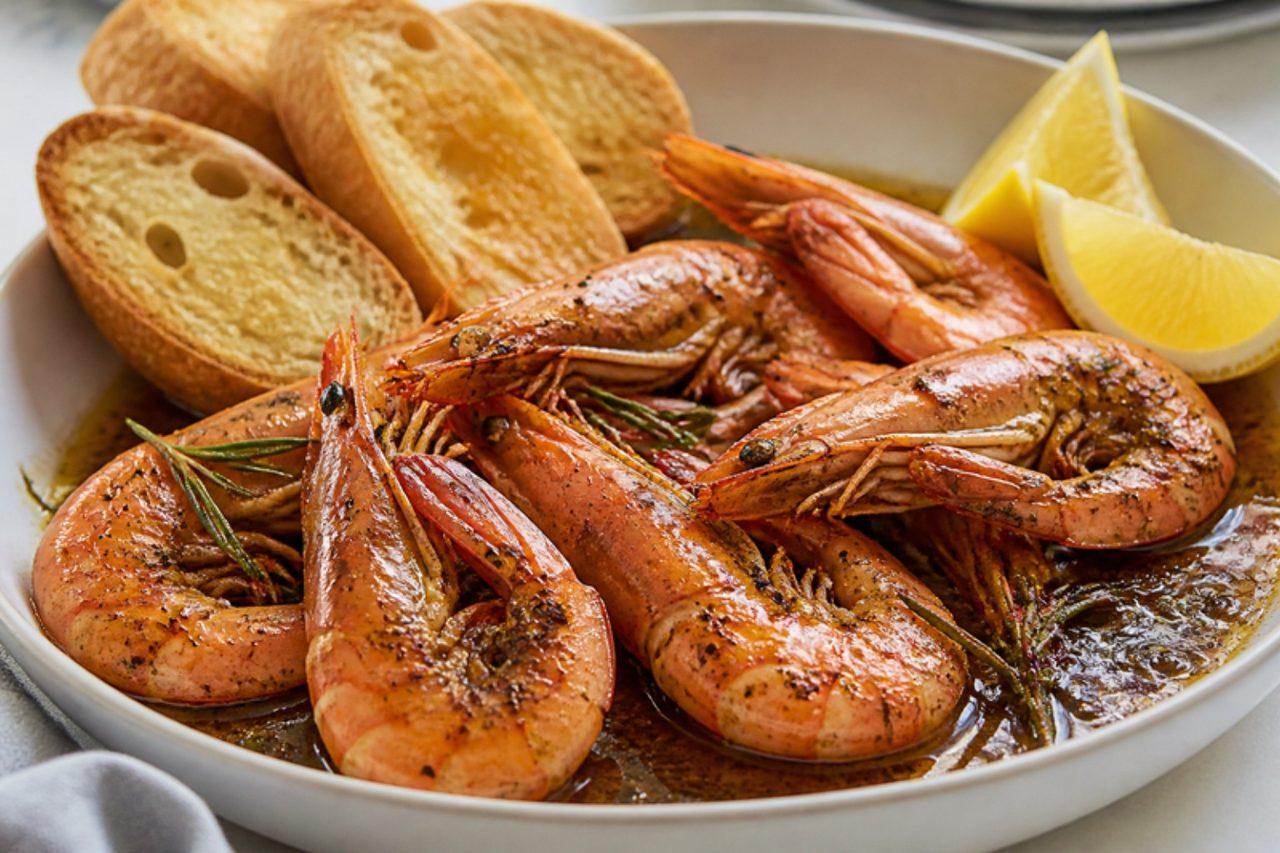
New Orleans barbecue shrimp never touch a grill or a barbecue sauce: they are big head-on Gulf prawns baked or pan-cooked in an outrageous amount of butter, black pepper, garlic, Worcestershire sauce and lemon, made famous in an Uptown restaurant in the 1950s. You peel them at the table and mop up the sauce with French bread. Some cooks add a splash of beer, which contains alcohol; this version uses stock, so it is alcohol-free. Worcestershire sauce contains anchovy. Chef's tip: keep the heads on; they hold the juices that make the sauce.

by KrazyBadal 0 views

Boudin balls

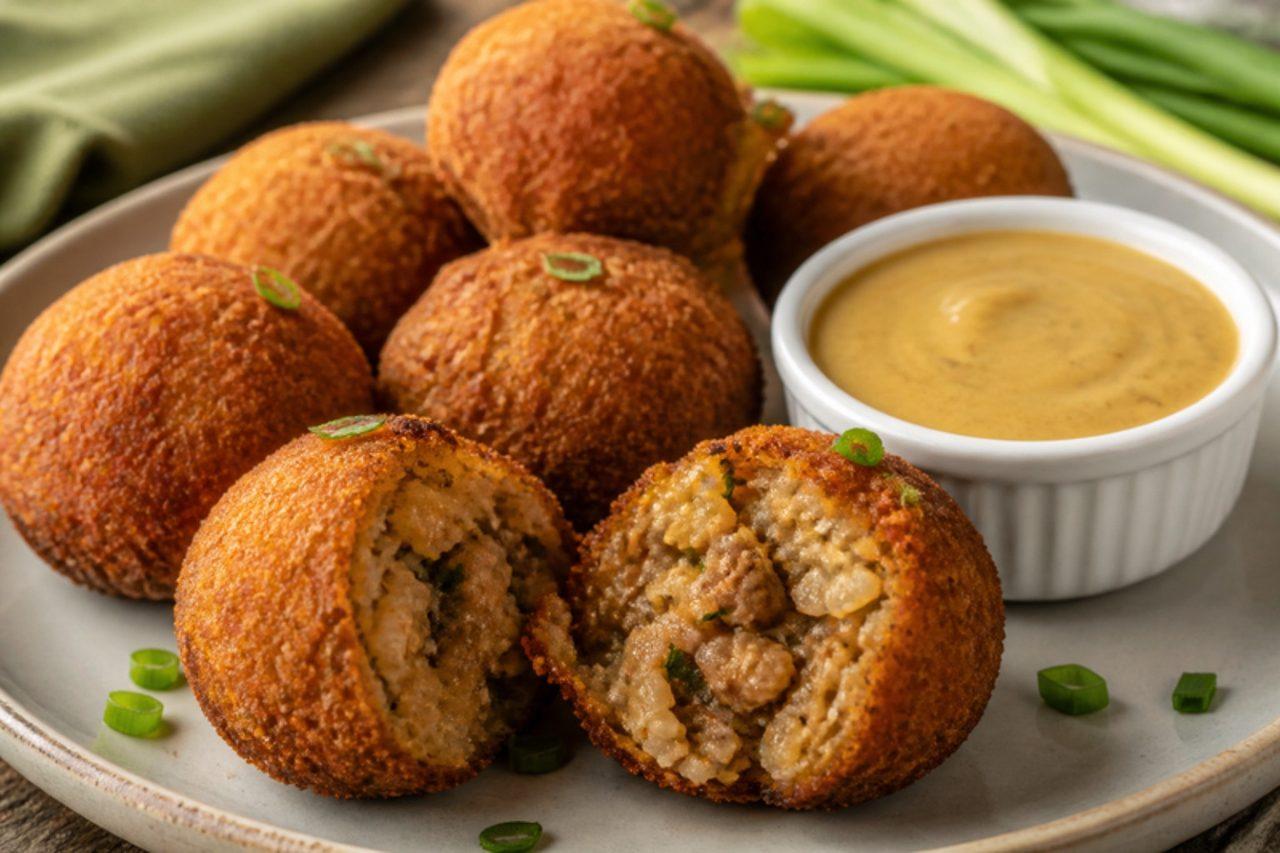
Boudin is a soft Cajun sausage of pork, pork liver, rice and the holy trinity sold hot from the counters of meat markets and petrol stations along Interstate 10 between Lake Charles and Lafayette. Boudin balls take the same filling, roll it in breadcrumbs and fry it, and they are the snack of LSU tailgates and crawfish boils. This recipe uses pork shoulder and pork liver. Chef's tip: chill the rolled balls for 30 minutes before frying so they keep their shape.

by KrazyBadal 0 views

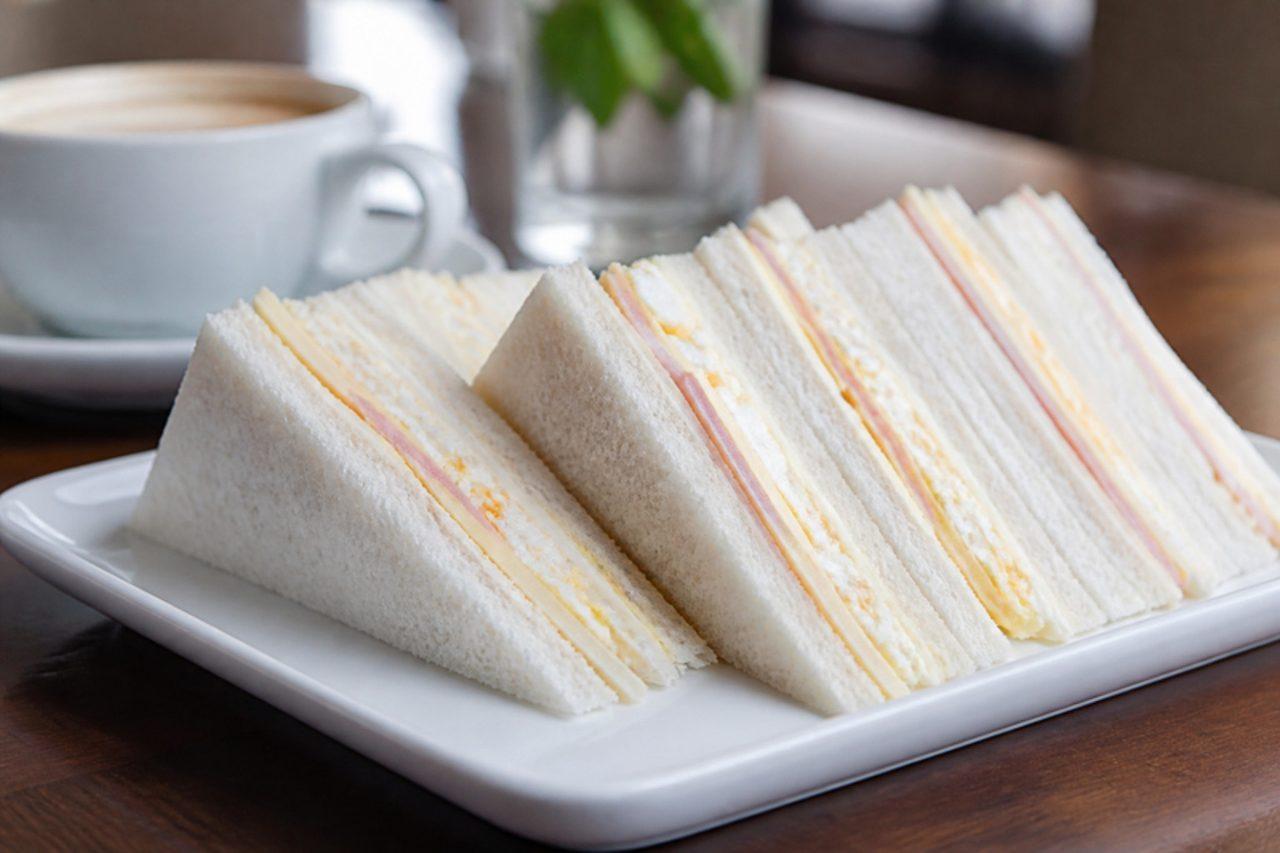
Sándwich de migaCrustless ham and cheese sandwiches

Birthday parties, office farewells and afternoon tea in a Buenos Aires confitería all bring out trays of sándwiches de miga: triple-decker sandwiches of paper-thin, crustless white bread with butter or mayonnaise and fillings of ham (pork) and cheese, egg, tomato, lettuce or olives, cut into neat rectangles. Specialist bakeries sell the large, very thin pan de miga sheets for them; at home, a soft sandwich loaf sliced thin and rolled flat works. They should be soft, moist and delicate, never dry at the edges. Dry sandwiches are the usual problem, so spread the mayonnaise right to the corners and keep finished trays under a damp tea towel. Chef's tip: assemble, wrap the stack in cling film and chill it for 15 minutes before trimming the crusts; the layers set and the knife cuts clean edges.

by KrazyBadal 0 views

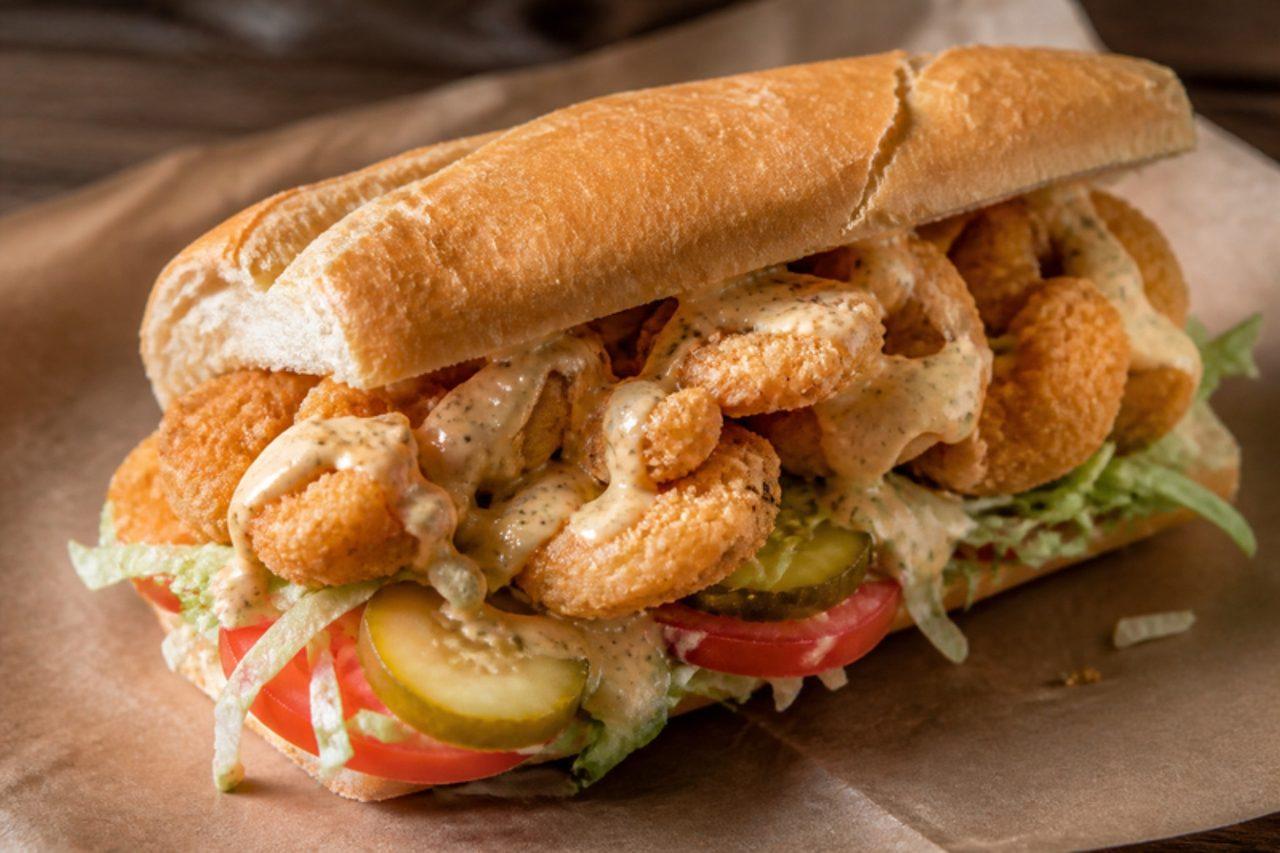
Fried shrimp po'boy

The po'boy was born in 1929 when two former streetcar drivers fed striking workers free sandwiches at their New Orleans restaurant, and today every neighbourhood joint from Mid-City to the Bywater fries them. The bread is a light, flaky-crusted French loaf, and a shrimp po'boy comes 'dressed' with shredded lettuce, tomato, pickles and rémoulade or mayonnaise. Chef's tip: use the lightest, crustiest baguette you can find and warm it; dense bread fights the filling.

by KrazyBadal 0 views

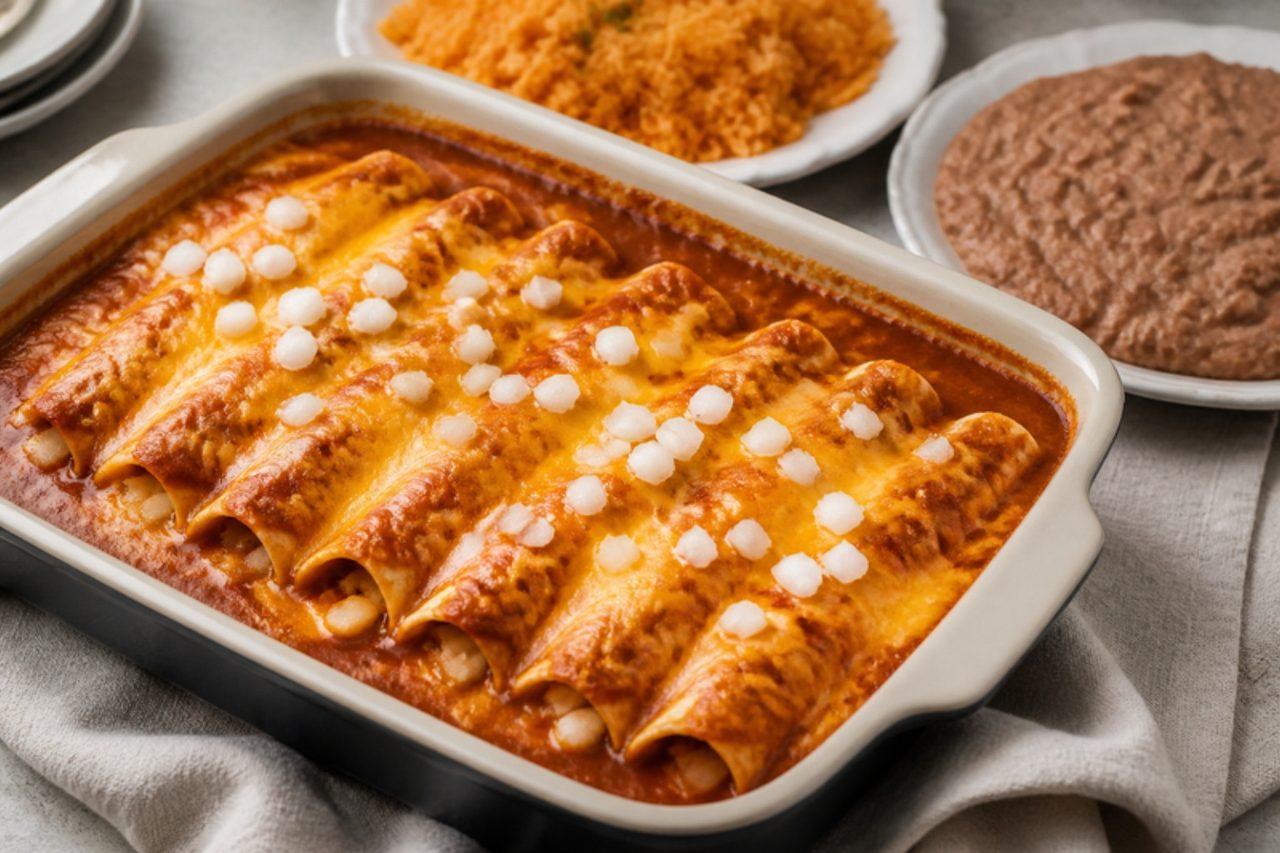
Tex-Mex cheese enchiladas with chili gravy

Cheese enchiladas in chili gravy are the heart of the Tex-Mex combination plate, served in Houston, Dallas and San Antonio cafés since the early 1900s with rice and refried beans. Unlike Mexican enchiladas in fresh chile sauce, the Texas version uses a roux-thickened 'chili gravy' spiced with chili powder and cumin, and lots of melted yellow cheese with raw onion inside. Traditional cheddar is often made with animal rennet; choose a vegetarian cheese. Chef's tip: dip each tortilla in hot oil for a few seconds first, so it rolls without cracking and doesn't go soggy.

by KrazyBadal 0 views

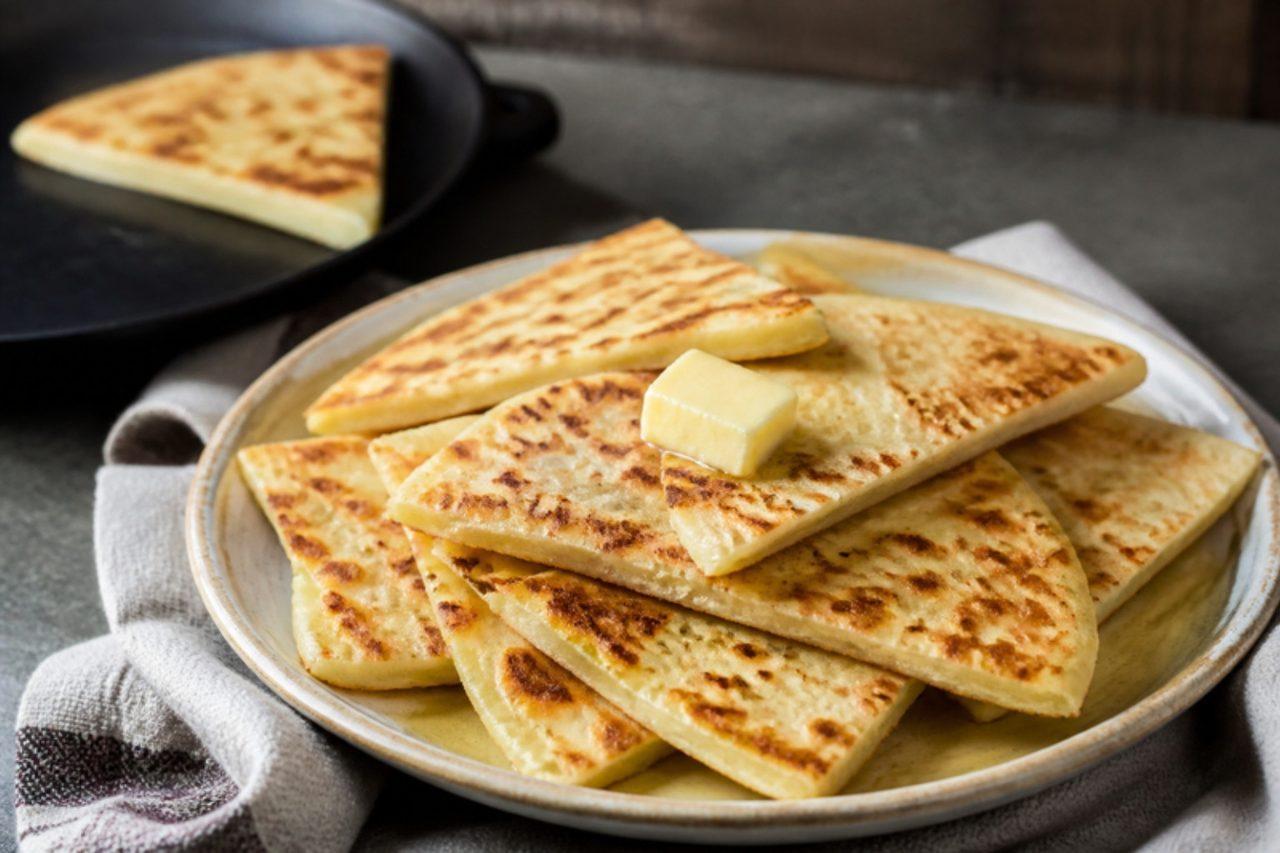
Tattie sconesPotato griddle scones

Tattie scones are thin triangles of mashed potato and flour cooked on a dry girdle, part of a full Scottish breakfast and sold in packs in every Glasgow bakery. They are soft, slightly chewy and speckled brown, and are best fried in butter and eaten with eggs or rolled round a filling. Chef's tip: use the potato while warm; cold mash needs more flour and makes them heavy.

by KrazyBadal 0 views

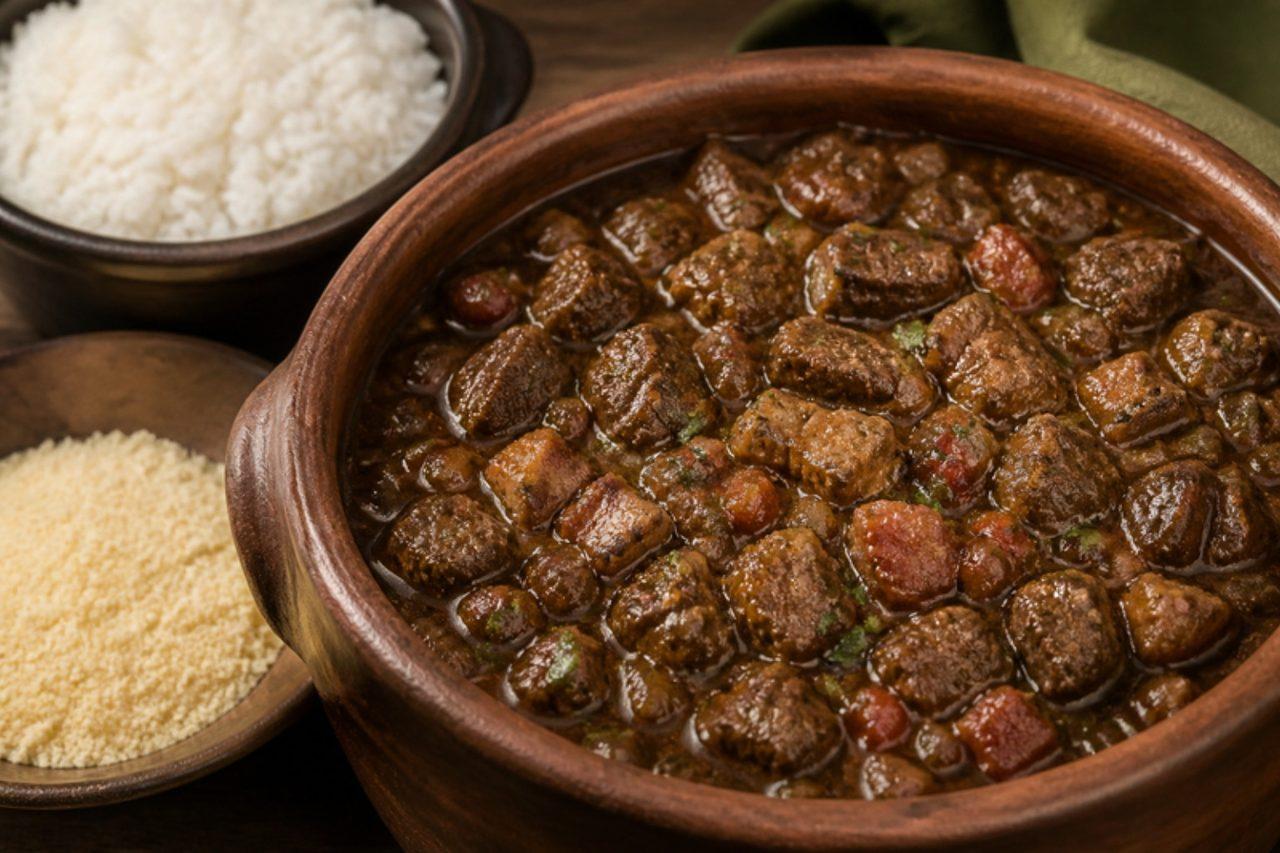
SarapatelSpiced pork offal stew

A pork dish with Portuguese roots, sarapatel is cooked in Recife and the Pernambuco interior for big gatherings and Saturday lunches, and bars in Olinda serve it by the bowl with rice, farinha and lime. Pork liver, heart and kidneys are cleaned, diced small and simmered with onion, tomato, cumin, bay and vinegar, then the stew is thickened with cooked pork blood until it turns dark, glossy and intensely savoury, sharp from the vinegar and fragrant with mint and coriander. Buy the offal and the blood from a butcher you trust, very fresh and kept cold; blood should be used the day you buy it or frozen at once. The classic error is skipping the cleaning and parboiling, which leaves the stew with a strong, livery taste. All offal must be cooked through. Chef's tip: dice everything into neat 1 cm pieces; the small size is what lets the sauce coat every bite.

by KrazyBadal 0 views

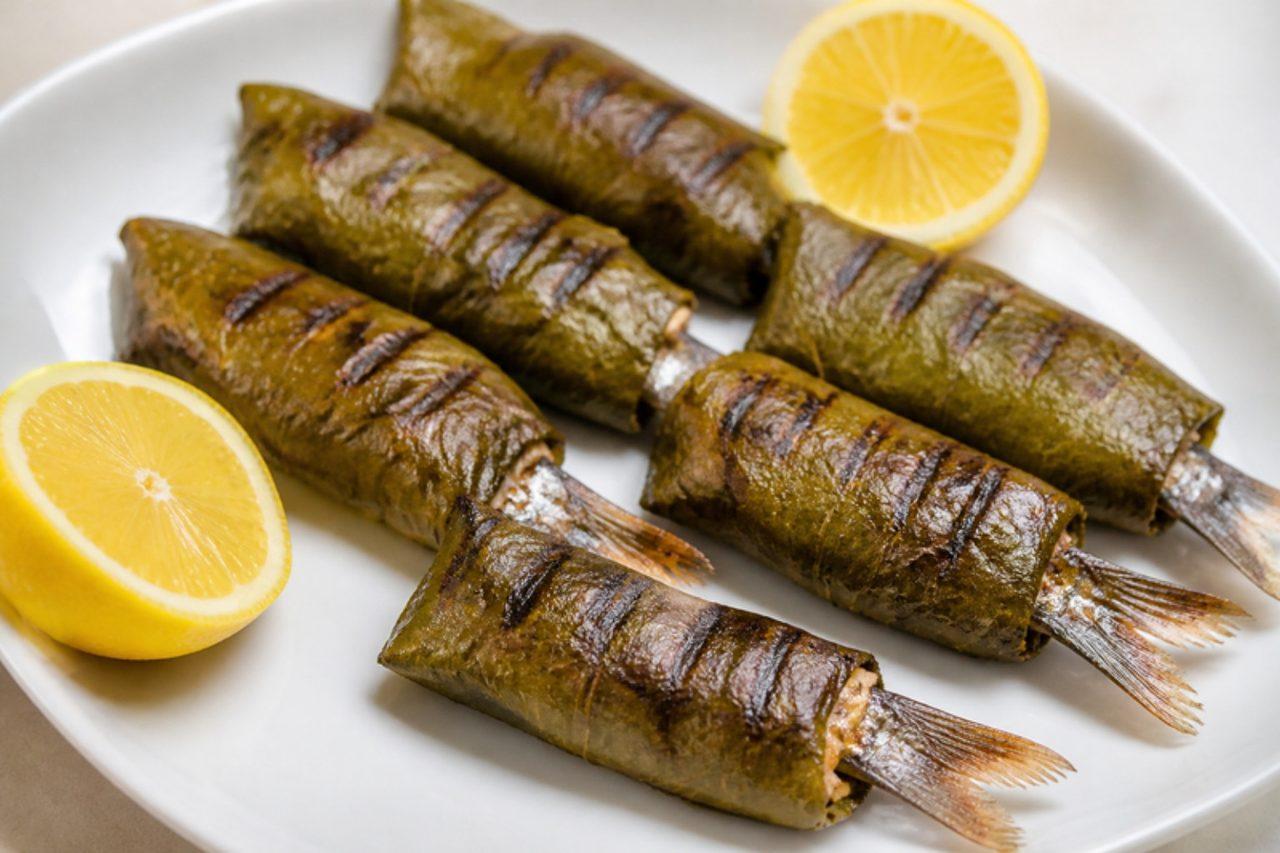
Sardalya sarmaSardines grilled in vine leaves

In Ayvalık and on Cunda island, early autumn sardines are wrapped in salted vine leaves and grilled over charcoal, a trick that keeps the oily little fish moist and lets the leaves char and crackle. You peel back the leaf, or eat it too, and finish each with lemon and a drop of olive oil. Serve with a tomato and onion salad and bread. Chef's tip: rinse brined vine leaves well; they already carry salt, so the sardines need only a pinch.

by KrazyBadal 0 views

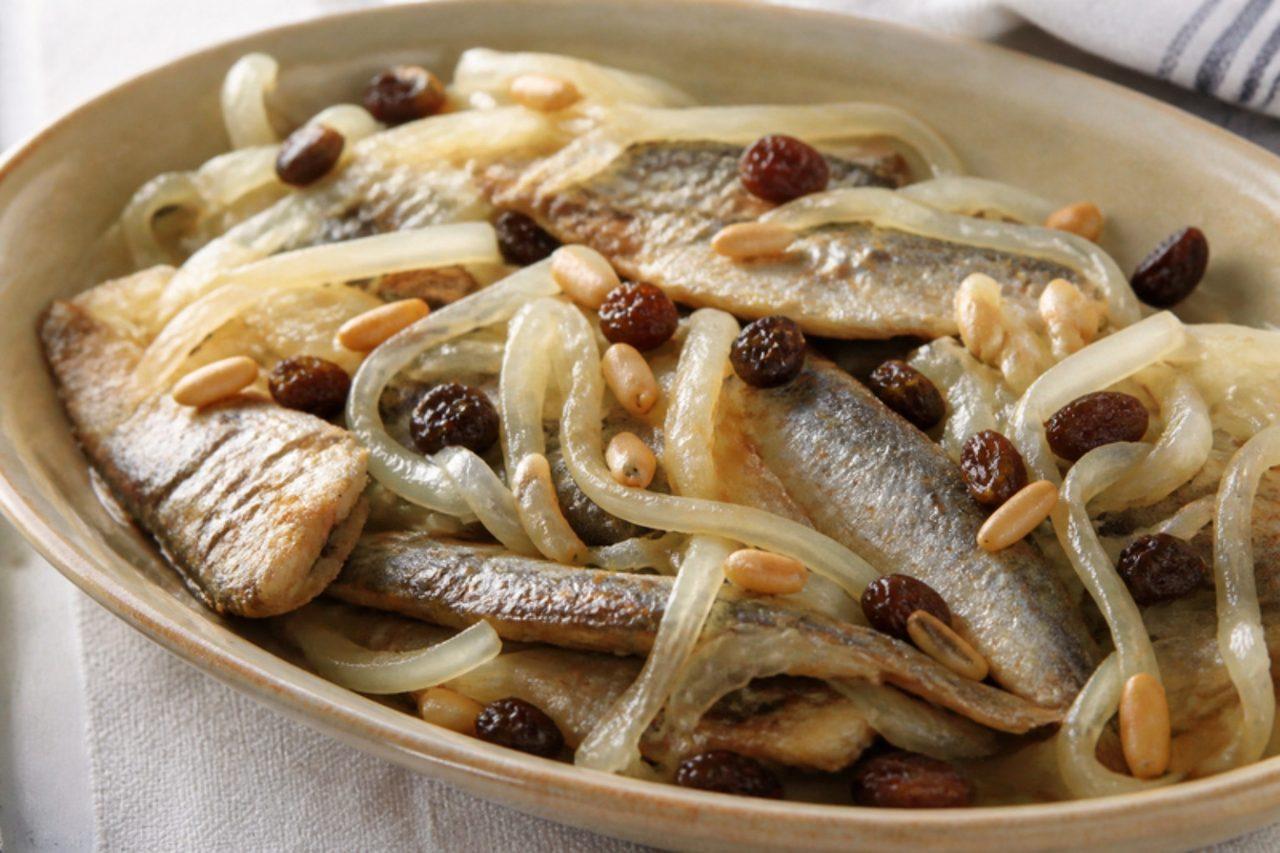
Sarde in saorSweet-sour marinated sardines

Sarde in saor began as food for Venetian sailors, since the vinegar kept the fish for days, and it is still the dish of the Festa del Redentore in July, when families eat it on boats under the fireworks. Floured, fried sardines are layered with onions stewed slowly in oil and vinegar, plump raisins and toasted pine nuts, then left to marinate in the fridge for a day so the flavours soften and mingle. The result is sweet, sharp and rich all at once. Serve it cool as a starter or in the cicchetti bars' way, on slices of grilled polenta. Chef's tip: make it at least a day ahead; eaten the same day the vinegar is harsh, but after 24 hours it mellows beautifully.

by KrazyBadal 0 views

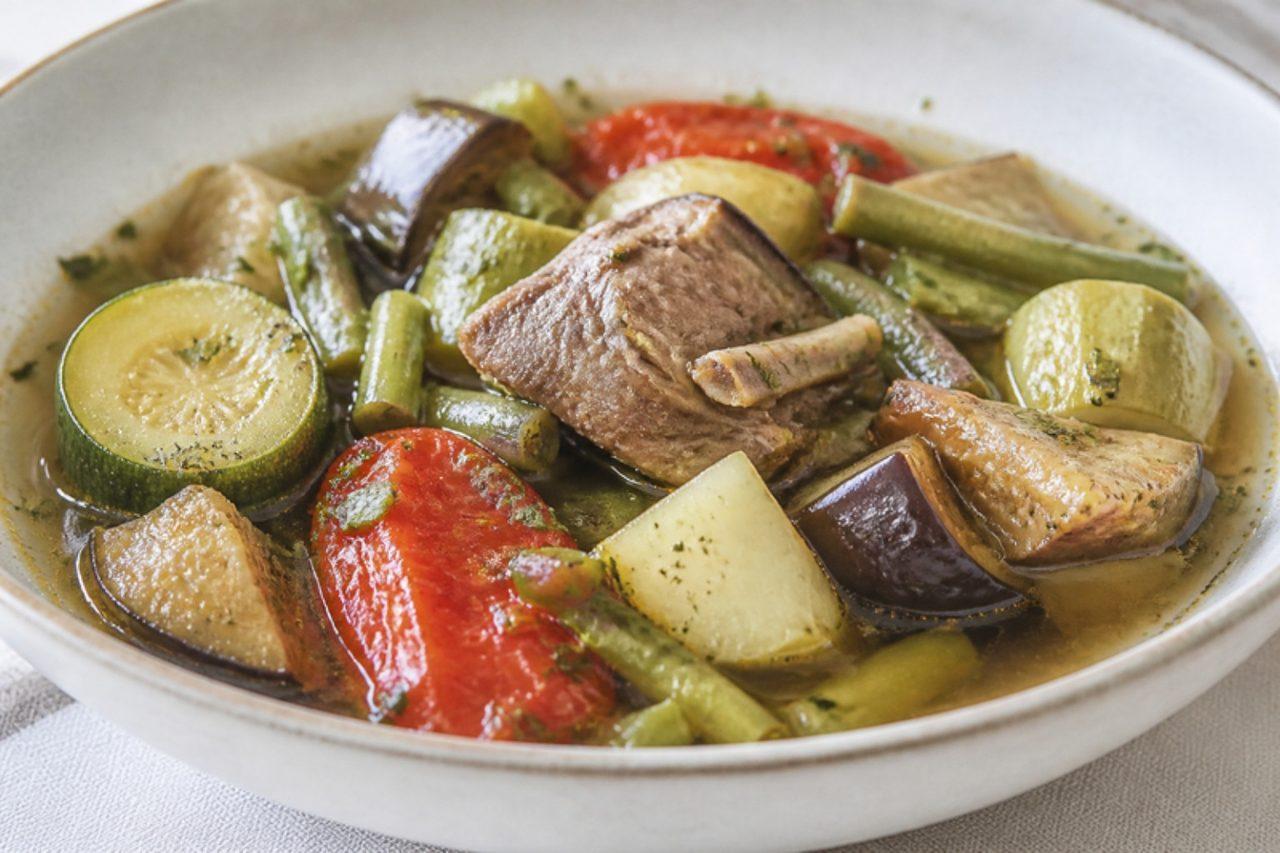
Tabakh rohoLamb and summer vegetable stew

Tabakh roho means 'it cooks itself', and this Damascus summer stew does just that: chunks of lamb, aubergine, courgette, potatoes, peppers and tomatoes are layered in a pot with garlic and dried mint and left to simmer quietly until everything is soft and the juices have mingled. Home cooks make it in July and August when the vegetables are cheapest, and it is eaten with rice or bread. Common mistake: stirring it — the layers should stay intact so each vegetable keeps its shape. Chef's tip: put the potatoes at the bottom where the heat is strongest and the tomatoes on top so their juices baste everything below.

115 minSyrianMeatGluten free
by KrazyBadal 0 views

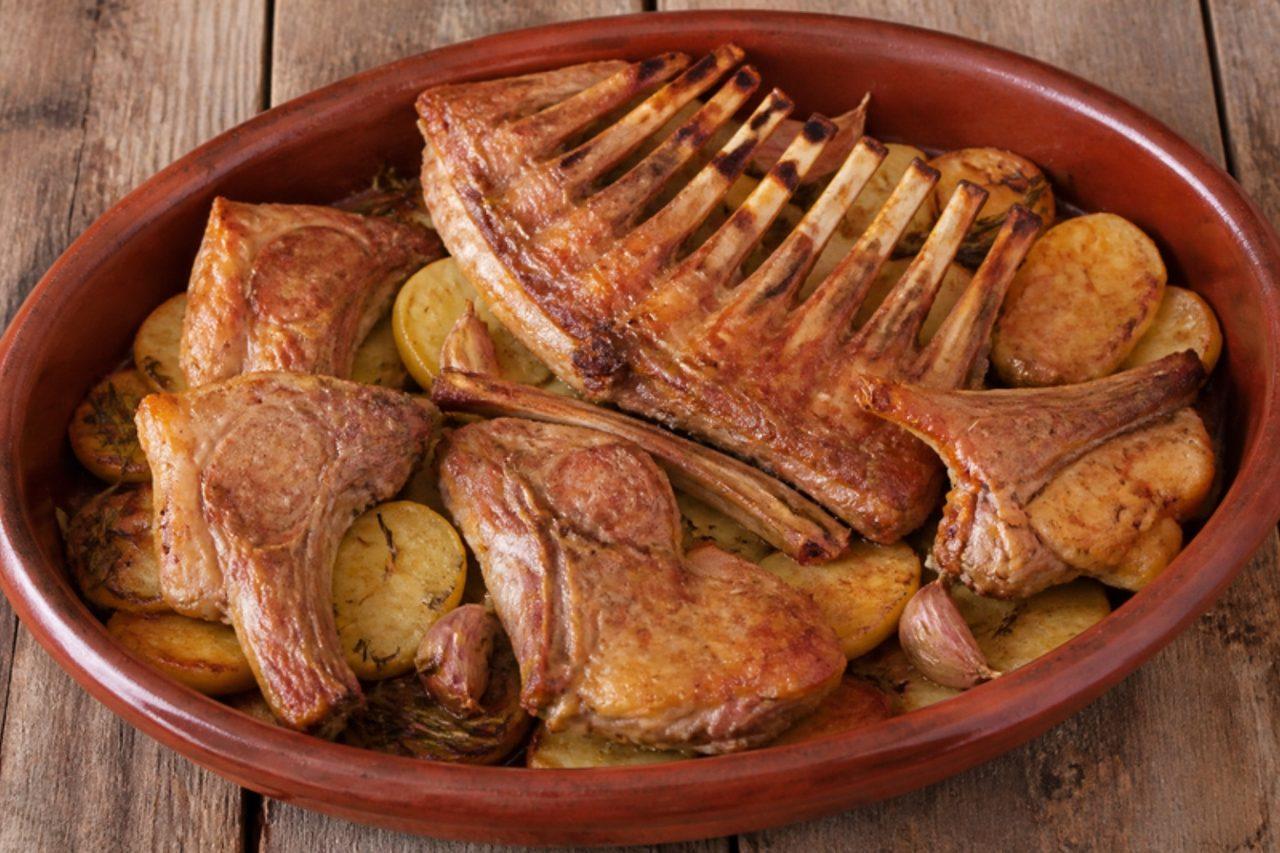
Ternasco de Aragón asadoRoast young lamb with potatoes

Ternasco is the young, milk-and-grass-fed lamb of Aragon, and roasting it in a wood oven with potatoes is how families in Zaragoza, Huesca and Teruel celebrate Sunday lunches, christenings and Christmas Day. The meat is pale, tender and mild, and the potatoes underneath cook in its juices with garlic, wine and herbs until golden and soft. This uses white wine; swap it for water with a squeeze of lemon if you prefer no alcohol. A common mistake is roasting too hot: young lamb dries out quickly, so keep the oven moderate and baste often. Chef's tip: ask your butcher to cut a shoulder or a leg of young lamb into large pieces through the bone; more surfaces brown, and it cooks evenly.

120 minSpanishMeatGluten free
by KrazyBadal 0 views

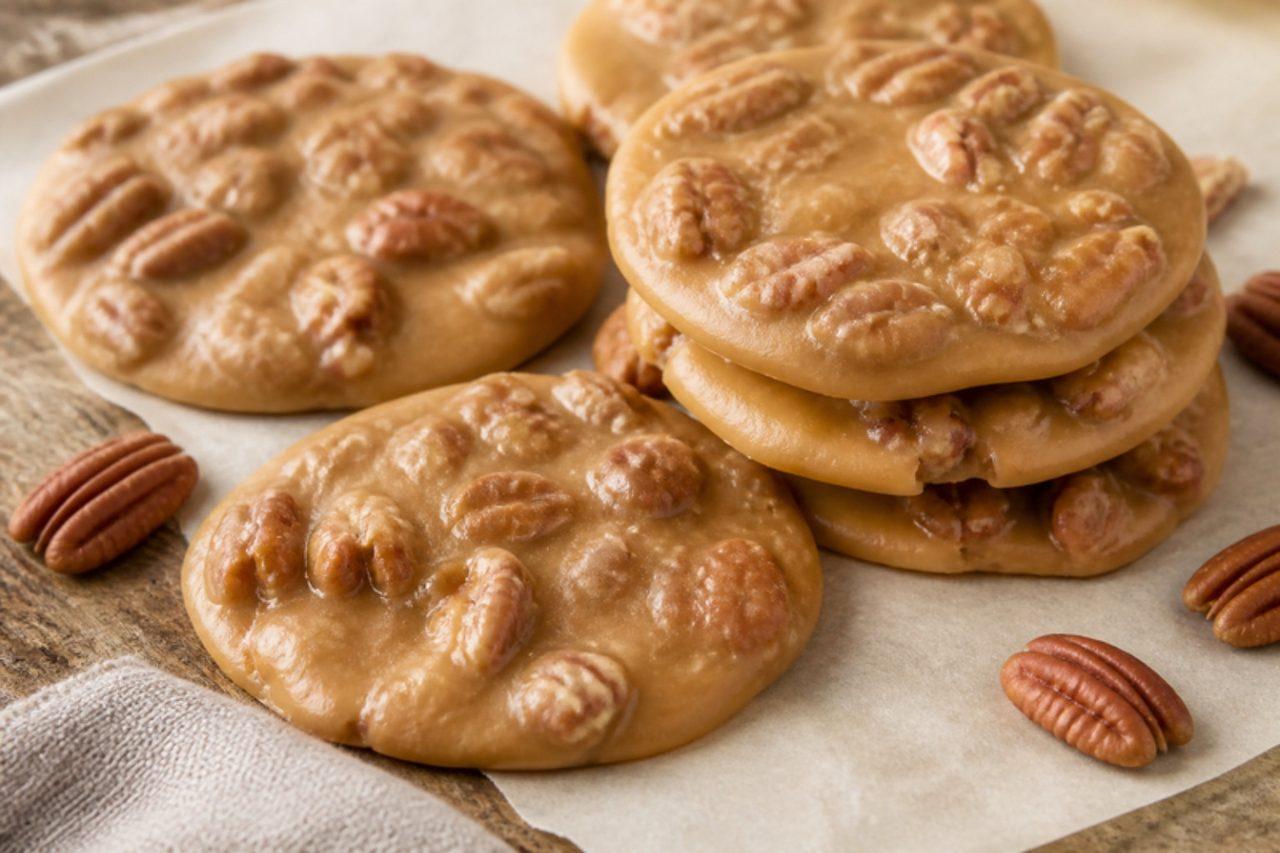
New Orleans pralines

In New Orleans a praline (say 'praw-leen') is a flat, fudgy disc of pecans set in brown sugar and cream, sold in waxed paper from candy shops along Decatur Street and by street vendors since the 1800s. It melts on the tongue rather than snapping like brittle. Chef's tip: use a sugar thermometer and take the pan off at 114 °C; a few degrees more and they turn grainy and hard.

by KrazyBadal 0 views

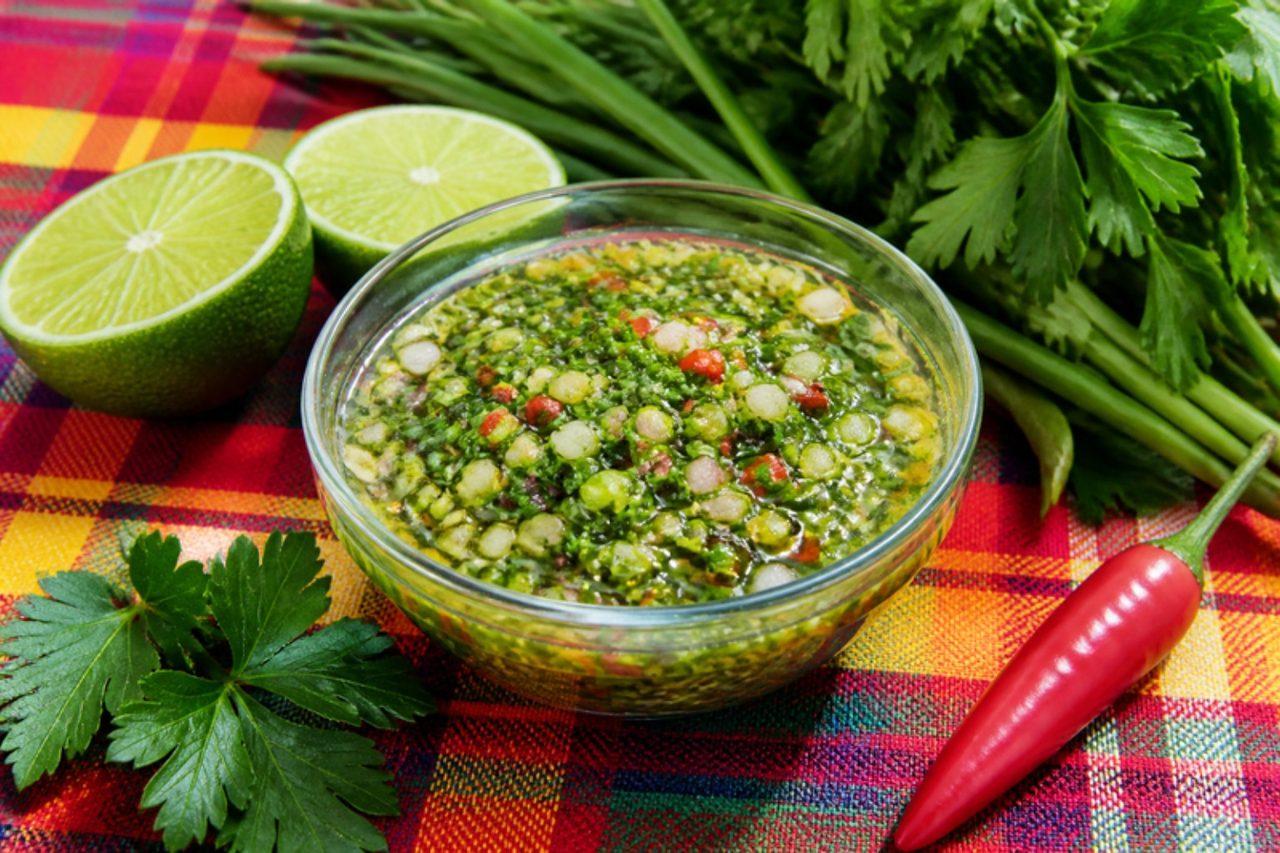
Sauce chienHerb, lime and chilli sauce

No grill in Martinique or Guadeloupe is complete without a bowl of sauce chien: shallot, garlic, spring onion, parsley and Scotch bonnet chopped very fine, then 'cooked' with a splash of boiling water, lime juice and oil. Islanders spoon it over grilled vegetables, plantain, rice and beans, and accras, at beach picnics and family barbecues on Sunday afternoons. One story says it is named after the knife used to chop the herbs, whose handle bore a dog. Chef's tip: pour the water on just off the boil; it softens the raw onion and garlic and brightens the green of the herbs.

by KrazyBadal 0 views

New Orleans beignets

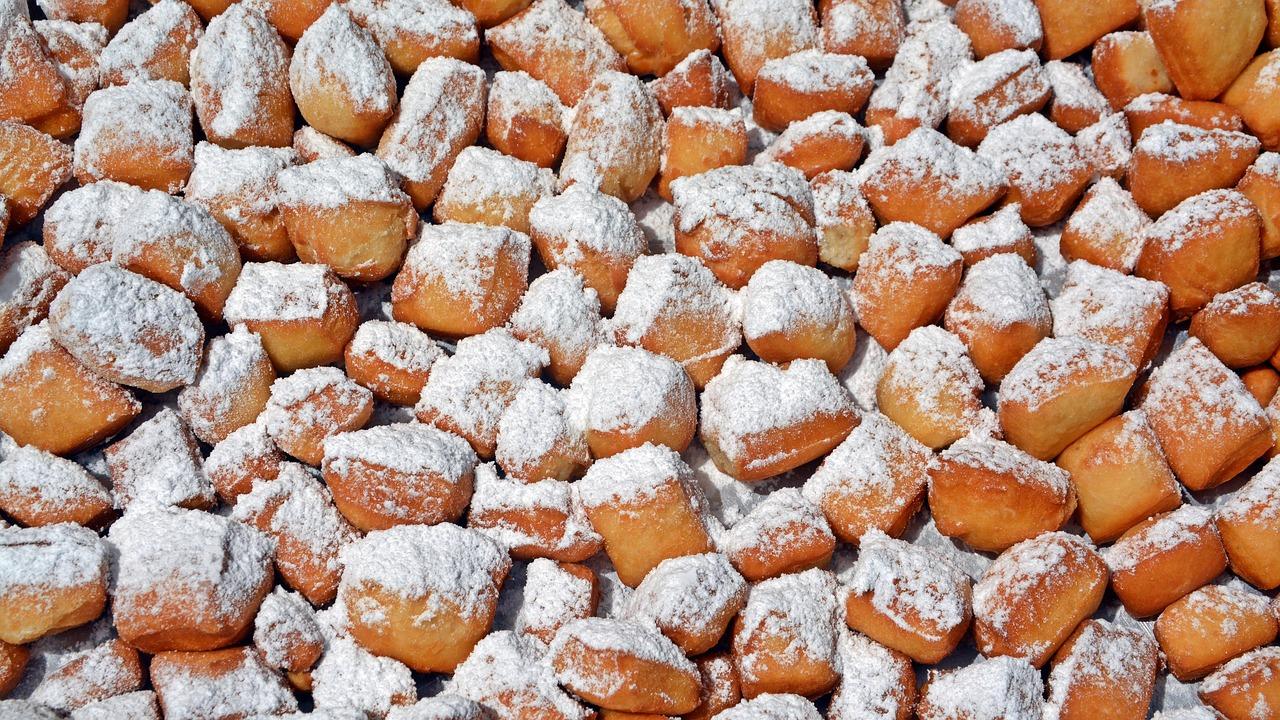
Beignets are the pillowy fried dough squares served three to a plate, under a drift of icing sugar, at the open-air coffee stands of the French Quarter in New Orleans, day and night. The dough is a soft, slightly sweet yeast dough enriched with evaporated milk, and the squares puff up hollow in hot oil. Drink them with chicory café au lait. Chef's tip: roll the dough only 5 mm thick; thicker squares stay doughy in the middle.

by KrazyBadal 0 views

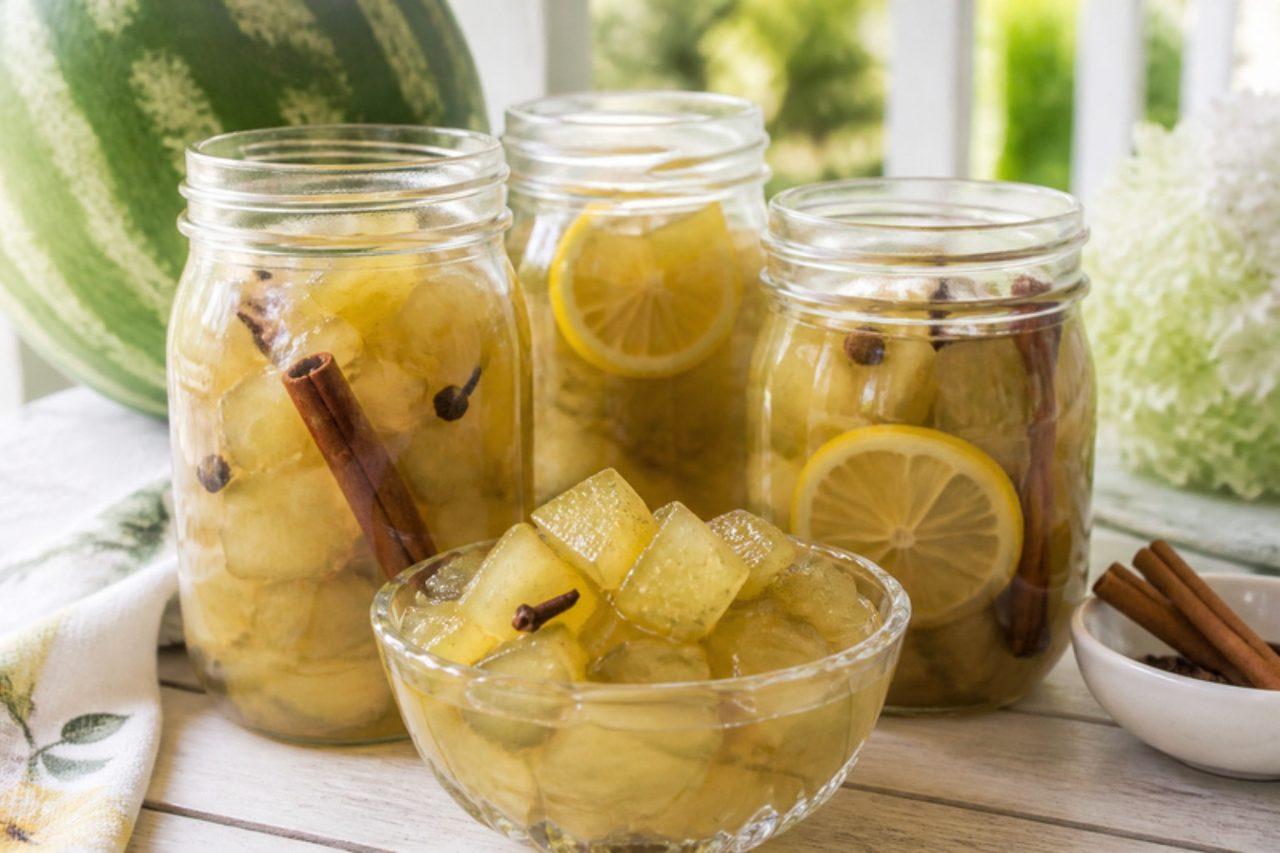
Watermelon rind pickles

Waste-not Southern cooks in Georgia and the Carolinas turned the white part of the watermelon rind into these sweet, glassy pickles, served on relish trays at Christmas and with fried chicken in summer. The rind is brined, then simmered in a cinnamon and clove syrup until translucent and crisp-tender. Chef's tip: cut away every bit of green skin and pink flesh; the skin stays tough and the flesh goes mushy.

by KrazyBadal 0 views

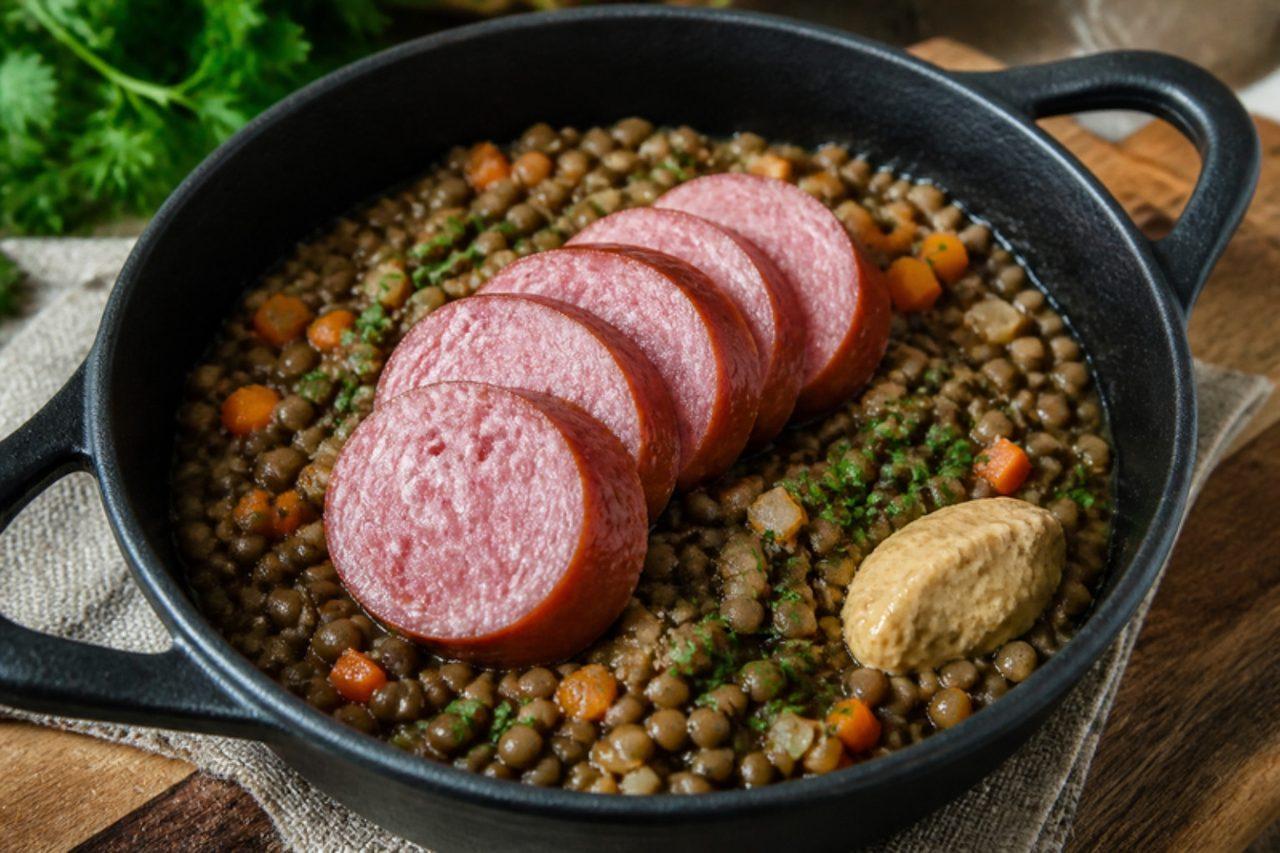
Saucisse de Morteau aux lentillesSmoked sausage with lentils

The Morteau sausage is the pride of the Haut-Doubs in Franche-Comté: a pure pork sausage slow-smoked over resinous pine in the tall chimneys of mountain farmhouses, recognisable by the little wooden peg at one end. On winter weekdays it is simmered with small green lentils, carrots and onions, so the lentils soak up its smoky, garlicky juices while staying whole and nutty. Slice the sausage thickly over the lentils and serve with Dijon mustard and a green salad. If you can't buy Morteau, use another good smoked pork sausage. Chef's tip: never prick a Morteau before cooking, or the juices that should flavour the lentils will leak out into the water and be lost.

65 minFrenchMeatGluten free
by KrazyBadal 0 views

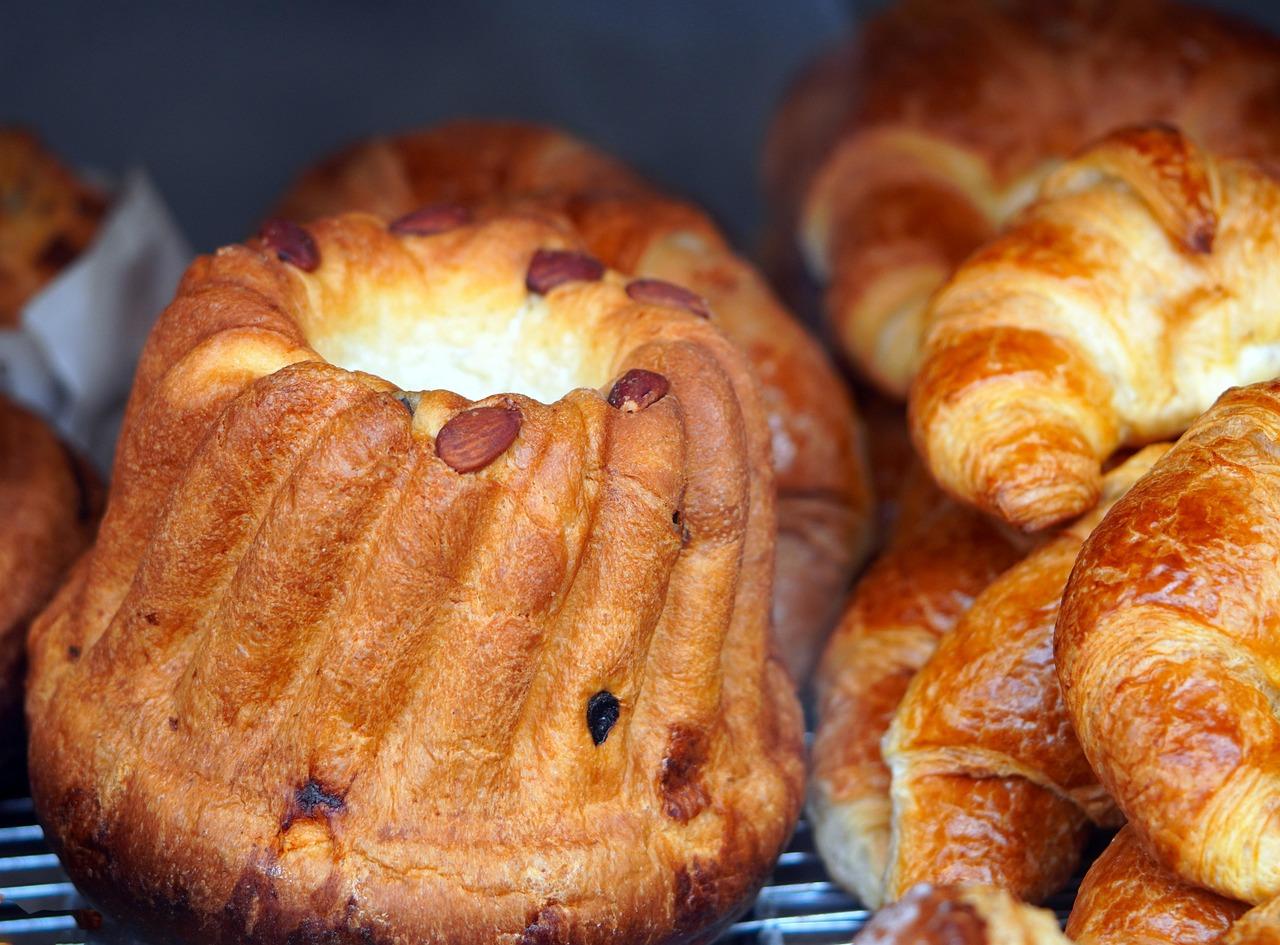
KougelhopfYeasted ring cake with raisins

Walk into any bakery in Colmar, Ribeauvillé or Strasbourg on a Sunday morning and the kougelhopf sits in the window, tall and fluted, wearing a snowfall of icing sugar and a crown of whole almonds. Alsatian families buy or bake one for weekend breakfast with coffee, and slices that go stale are toasted the next day. The crumb sits halfway between brioche and cake: soft, buttery and only lightly sweet, studded with plump raisins. Many bakers soak the raisins in kirsch (cherry brandy); this recipe uses warm black tea, which plumps them just as well without alcohol. You need a kougelhopf or bundt tin of about 22 cm. Chef's tip: chill the buttered tin for 10 minutes and press the almonds into the grooves before the dough goes in, so they stay put and toast as the cake bakes.

by KrazyBadal 0 views

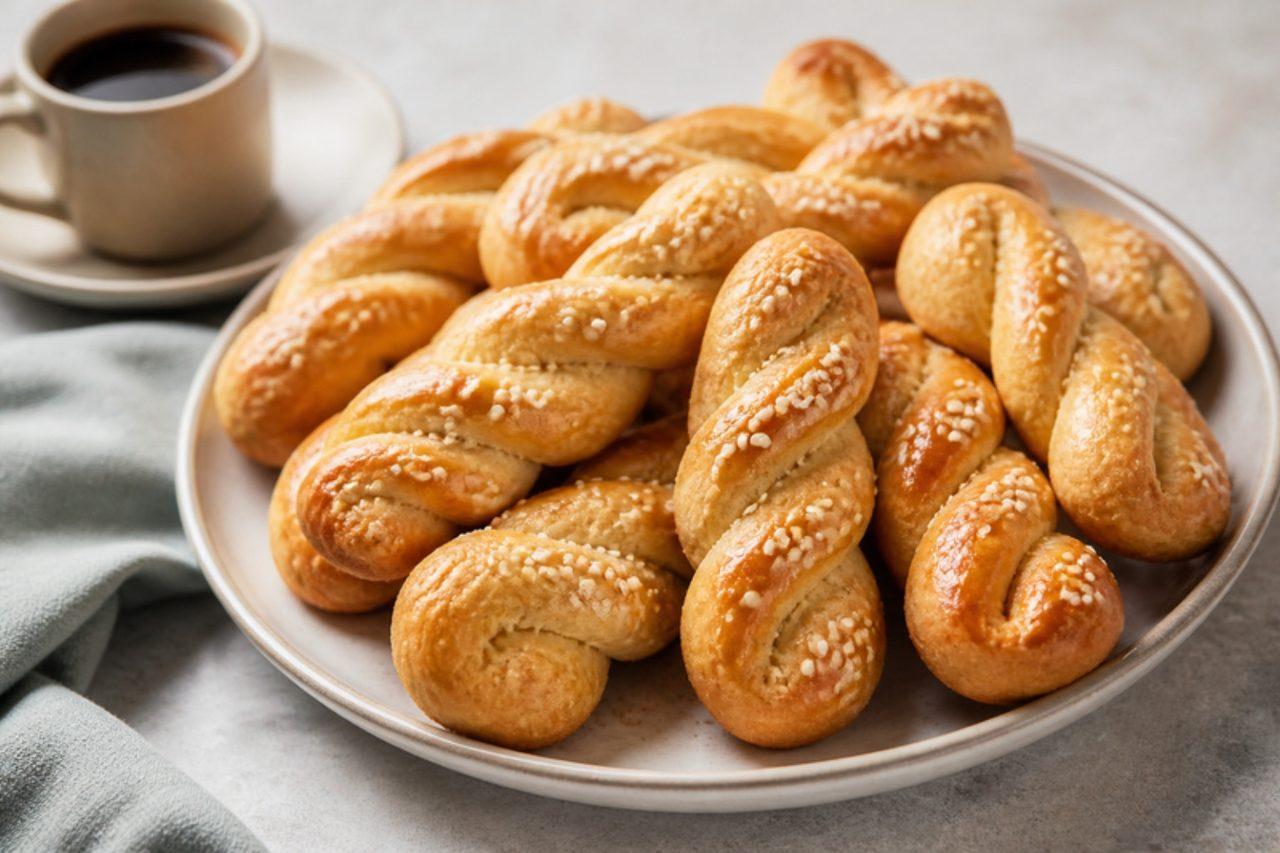
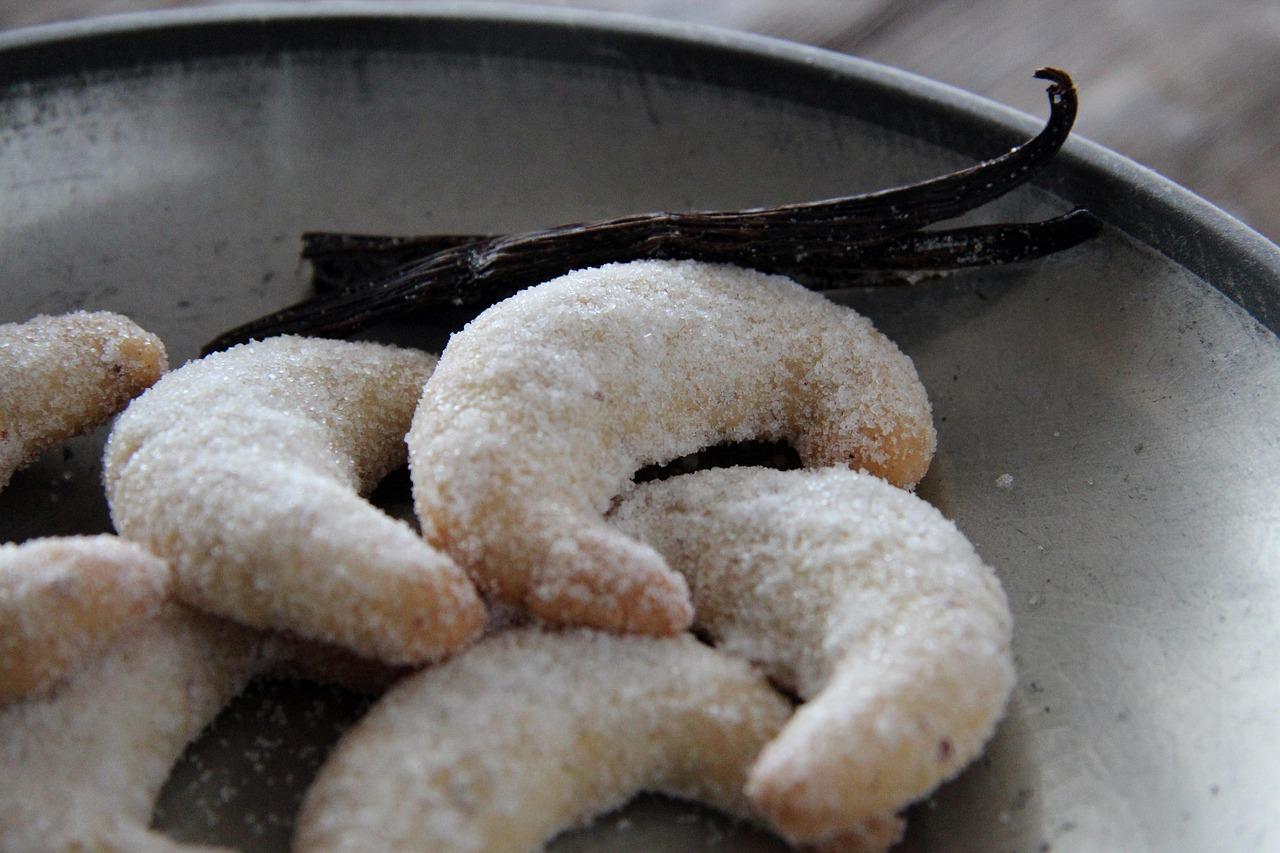
KoulourakiaButter cookie twists

Easter Saturday morning in Greece smells of koulourakia: buttery cookie dough rolled into ropes, twisted into braids, coils and S-shapes, glazed with egg and baked to a deep shine. Children help shape them, and the tins last through Easter week for dunking in coffee or milk. The texture is crisp outside and tender within, with orange zest and vanilla. Common mistake: rolling the ropes too thick; anything wider than a pencil turns cakey rather than crisp. Chef's tip: chill the dough for 20 minutes before rolling and the twists keep their sharp edges in the oven.

by KrazyBadal 0 views

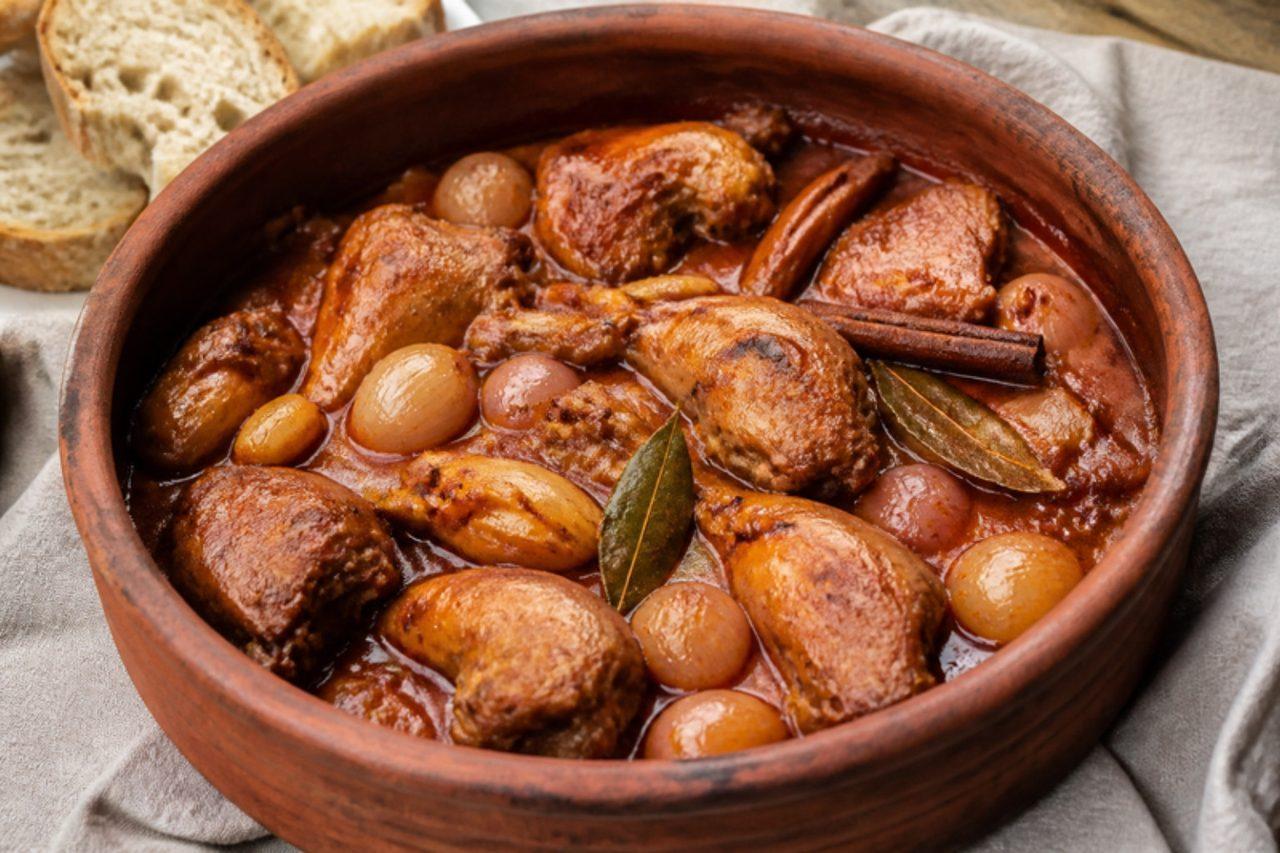
Kouneli stifadoRabbit stew with shallots and wine

Rabbit is a favourite winter Sunday dish in Crete and across the Greek countryside, and stifado is the way most cooks prepare it: jointed rabbit simmered slowly with a mountain of small whole onions in a glossy, sweet-sour sauce of tomato, red wine and vinegar, scented with cinnamon, allspice and bay. The sauce reduces until the onions are soft and jammy, and it is served with fried potatoes or rice and bread to wipe the plate. This recipe uses red wine; for an alcohol-free version use red grape juice with an extra spoon of vinegar. Common mistake: stirring once the onions go in, which breaks them up; shake the pot instead. Chef's tip: peel the shallots more easily by soaking them in boiling water for 5 minutes first.

140 minGreekMeatGluten free
by KrazyBadal 0 views

KourabiedesAlmond butter cookies

Snow-white kourabiedes are piled into pyramids at Greek Christmas, New Year and christenings, and in Macedonia they are handed out at weddings, so guests leave with sugar on their clothes. The crumb is short and sandy from well-whipped butter and toasted almonds, with a whisper of rose or orange-blossom water. Common mistake: dusting with icing sugar while the cookies are still hot, which melts into a paste instead of a soft coat. Chef's tip: beat the butter for a full 10 minutes until almost white; the air you whip in is what makes them melt in the mouth.

by KrazyBadal 0 views

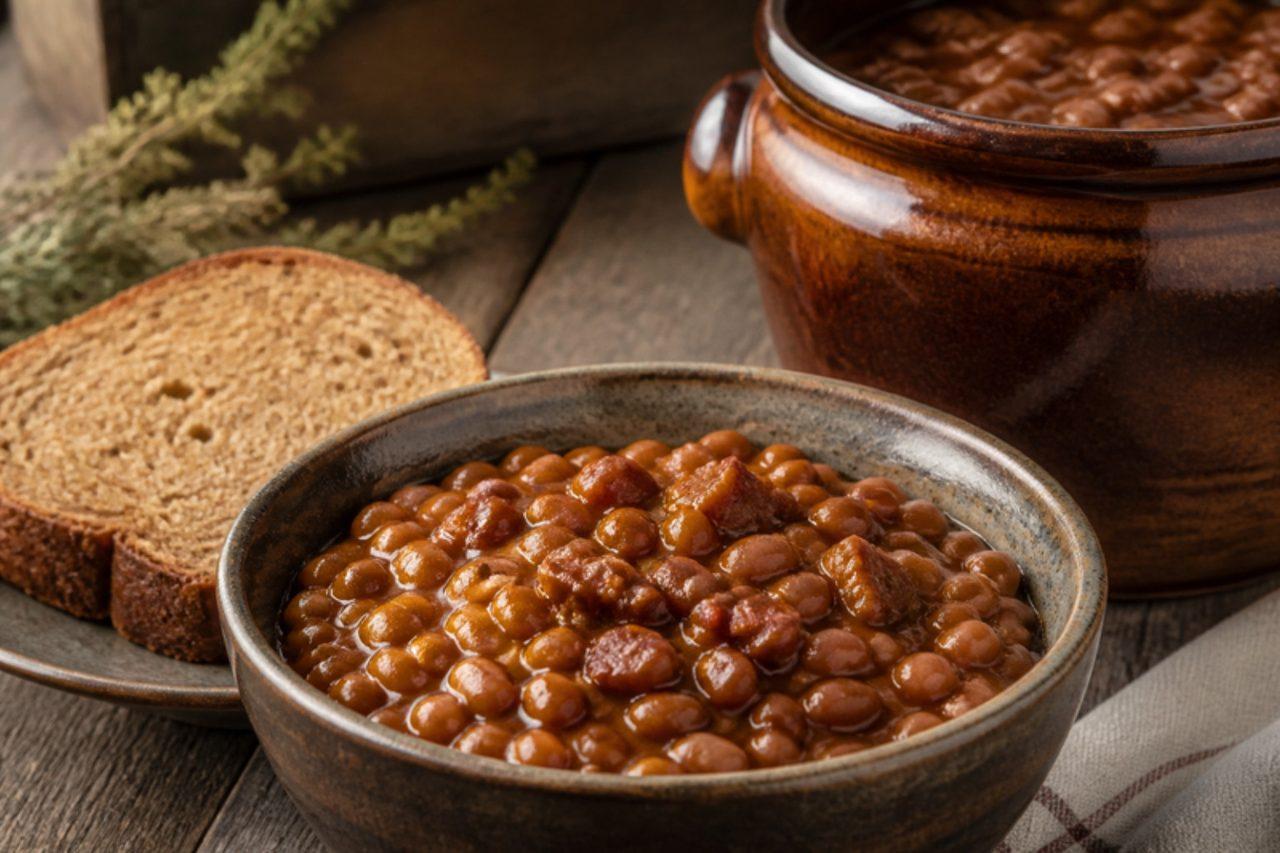
Boston baked beans

Boston earned the nickname Beantown from this pot: small white beans baked all day with salt pork, molasses and mustard, traditionally put in the oven on Saturday morning to be eaten that night with brown bread and kept warm for Sunday. The pork, cured belly with its rind, melts into the beans and gives a savoury richness against the dark, sweet sauce. Chef's tip: keep the beans just covered with water as they bake; if they dry out on top they turn hard and leathery.

435 minAmericanMeat
by KrazyBadal 0 views

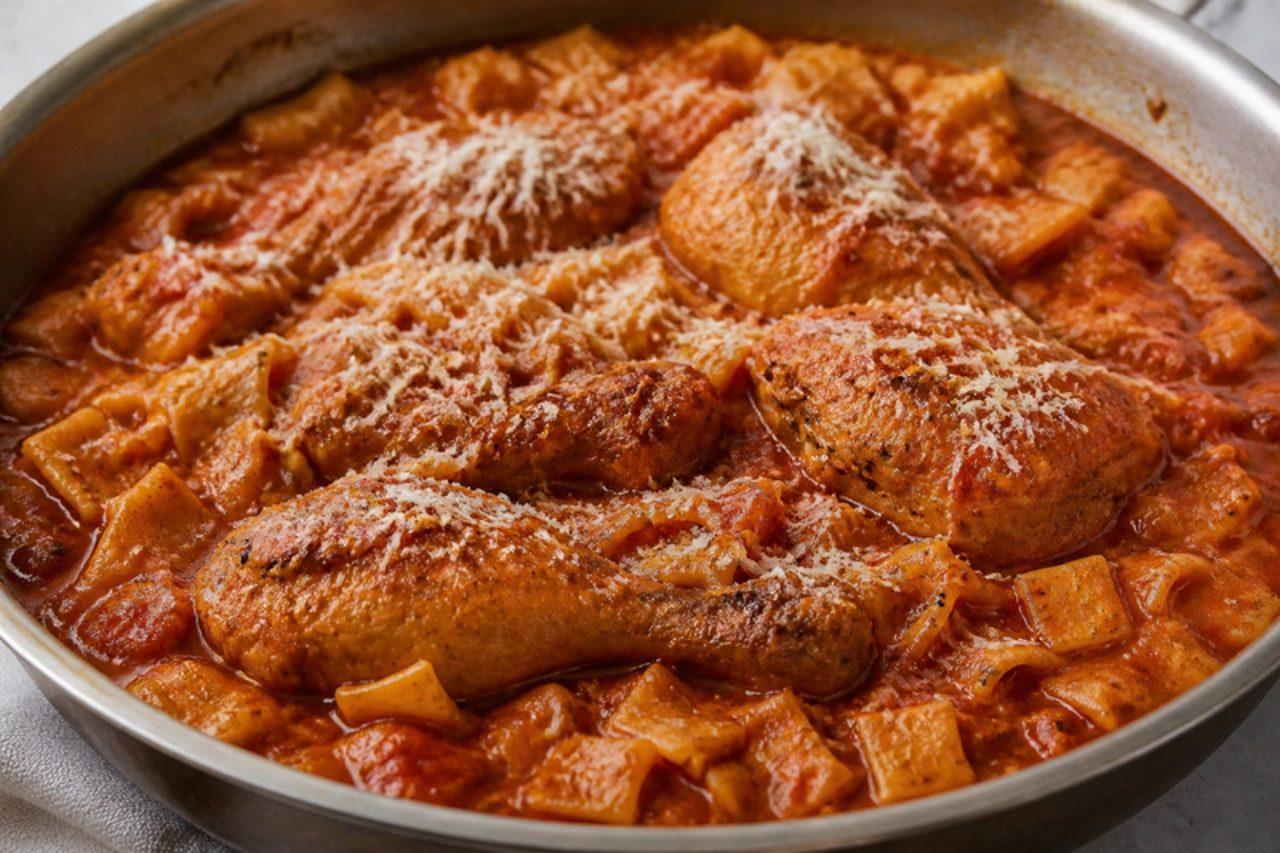
Kotopoulo me hilopitesChicken with egg pasta squares

Across the Thessalian plain, from Larissa to Trikala, Sunday lunch is often a chicken braised in tomato with a cinnamon stick, its sauce stretched with broth so the little hilopites pasta squares can cook right in the pot. The pasta soaks up the sauce until thick and almost risotto-like, and a fistful of grated cheese goes on at the table. Use homemade hilopites or a good shop-bought pack. Common mistake: adding the pasta to too little liquid — it absorbs a lot, so have hot water ready. Chef's tip: brown the chicken skin well, then finish the dish in the oven if you like a crispy top.

by KrazyBadal 0 views

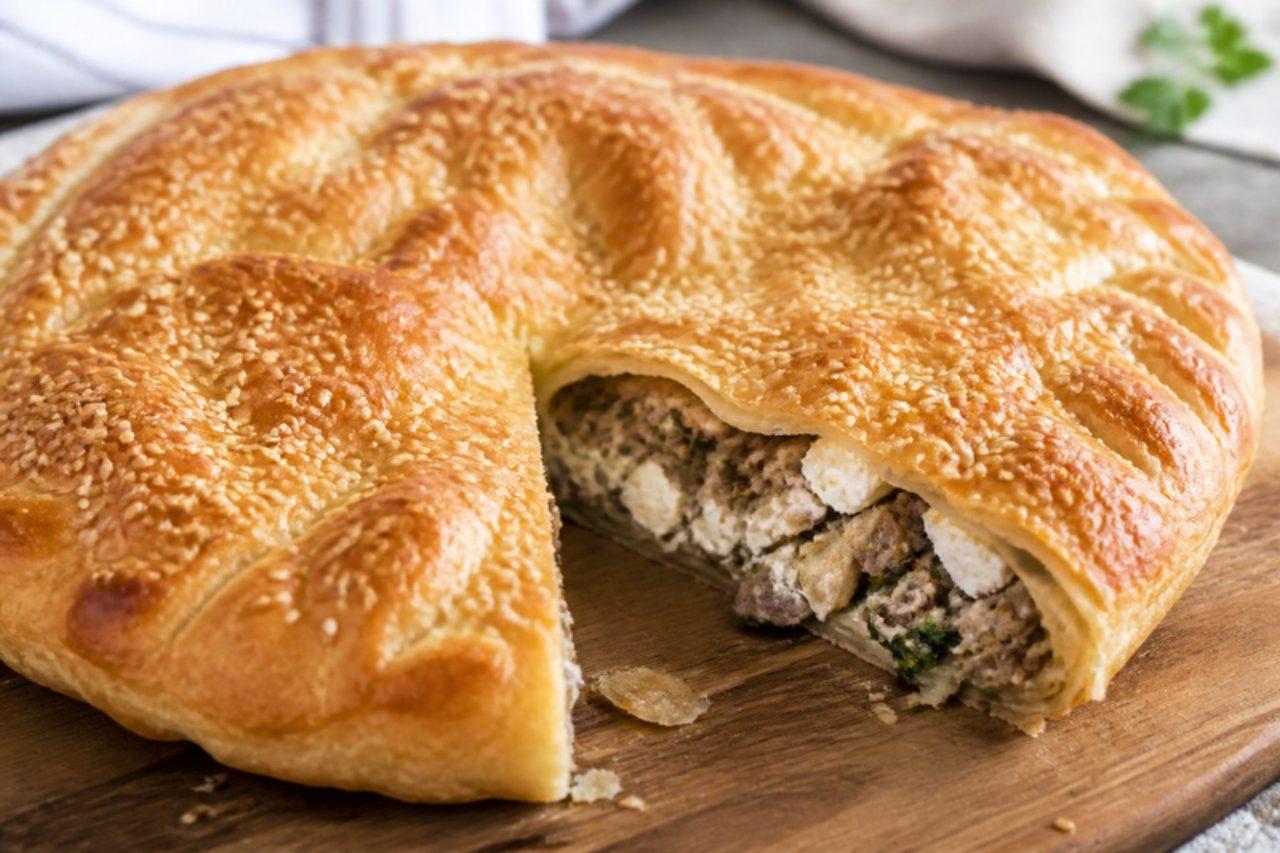
KreatotourtaLamb, cheese and mint pie

In Chania and the villages of western Crete, kreatotourta is baked on Easter Saturday so it is ready for the Sunday feast: a tall pie of tender lamb pieces layered with soft fresh cheese and mint, sealed in a crisp olive-oil pastry. It is cut into wedges and eaten warm or at room temperature, and leftovers vanish over the following days. The traditional cheeses are fresh mizithra and some graviera. Common mistake: putting raw lamb in the pie, which leaves the pastry burnt before the meat is tender; simmer the lamb first. Chef's tip: save a ladle of the lamb's cooking liquid and pour it through the steam hole halfway through baking so the filling stays juicy.

195 minGreekMeat
by KrazyBadal 0 views

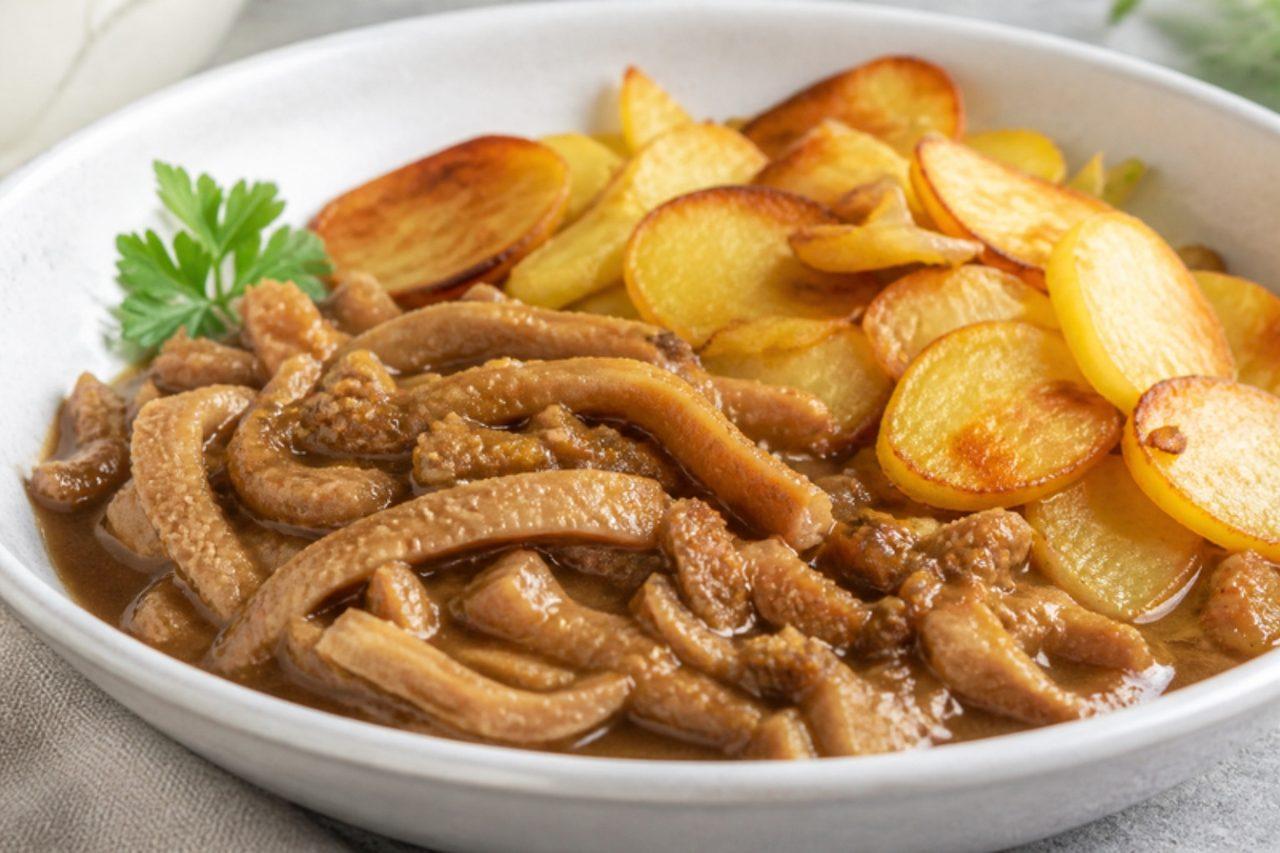
Saure KuttelnTripe in tangy vinegar sauce

Saure Kutteln is old-fashioned Swabian comfort food, still served at Stuttgart's Wasen fairs, in country inns around Reutlingen and Tübingen and by butchers who make it every Thursday. Thin strips of beef tripe are simmered in a dark roux sauce sharpened with vinegar, bay and juniper, and eaten with crisp fried potatoes. Buy tripe that the butcher has already cleaned and blanched. Some cooks add red wine; this version uses only vinegar and stock. Chef's tip: brown the roux slowly until it smells of toasted nuts, because it gives the sauce its colour and depth.

120 minGermanMeat
by KrazyBadal 0 views

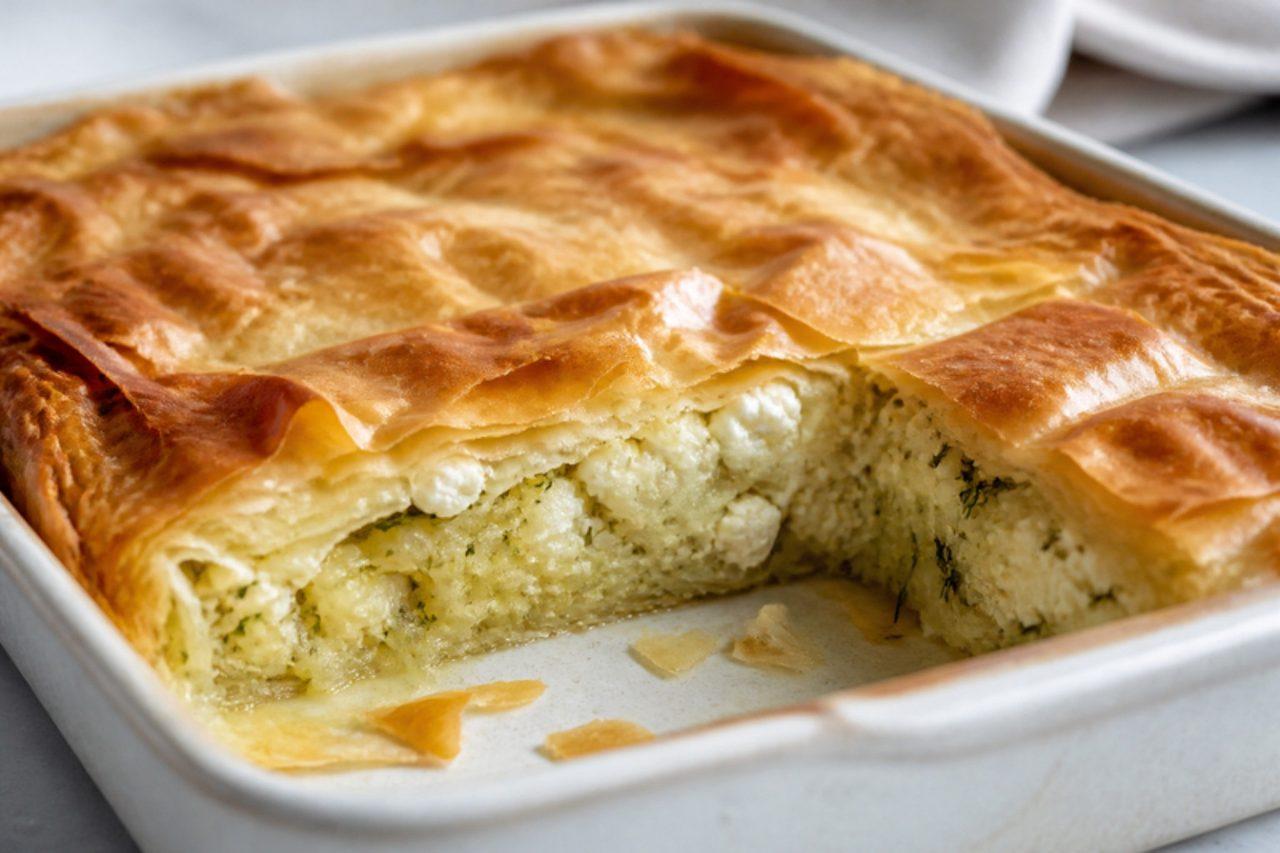
KremidopitaOnion and cheese pie

Mykonian grandmothers made kremidopita long before the island filled with beach clubs: a pie of slowly softened onions, tangy fresh cheese, eggs and dill between sheets of filo, baked for name days and family Sundays. The onions go sweet and jammy, the cheese keeps it creamy and sharp, and it is eaten warm or cold with a tomato salad. Feta is usually made with animal rennet, so pick a vegetarian feta if you need to. Common mistake: frying the onions hard and fast; they must sweat gently until soft, or the filling turns bitter and crunchy. Chef's tip: cool the onions completely before mixing in the eggs and cheese, so the filling doesn't start to set before baking.

by KrazyBadal 0 views

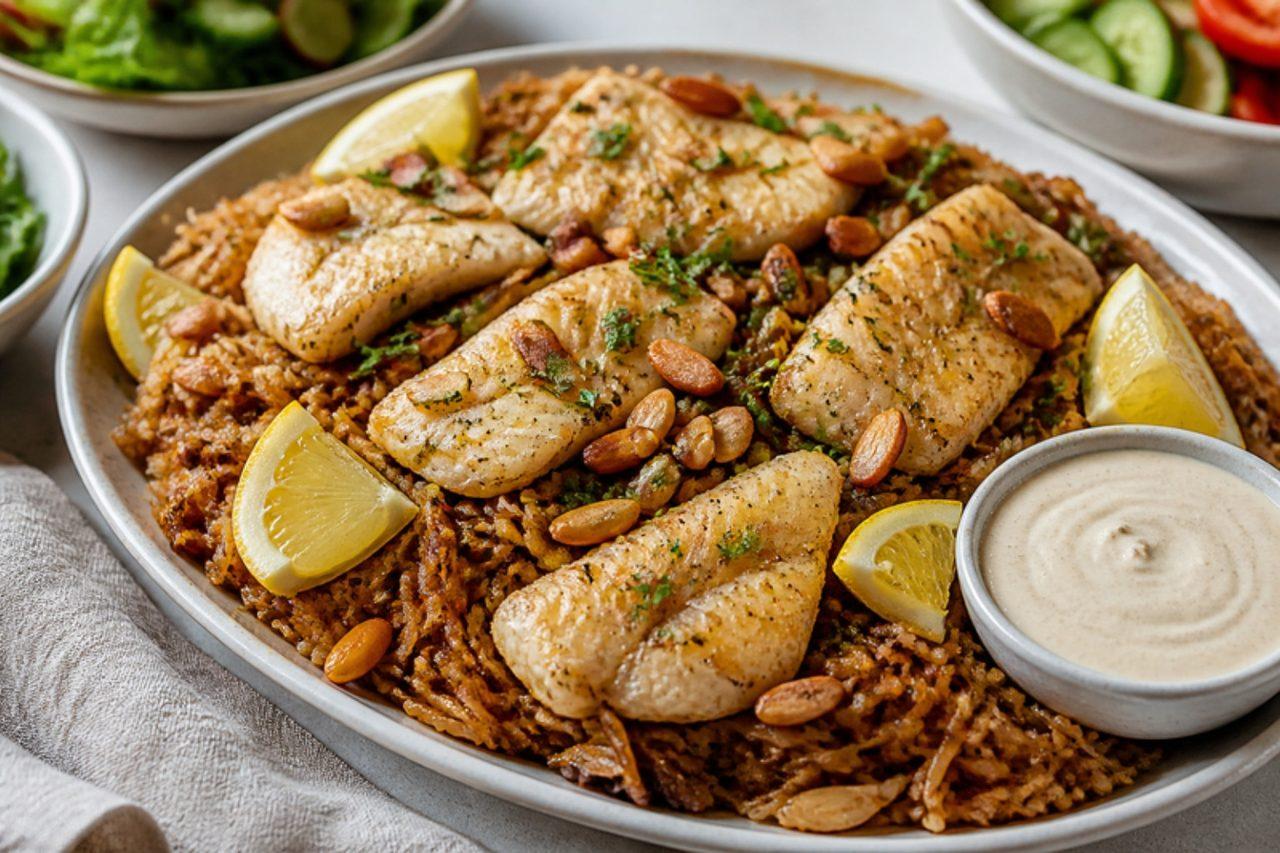
SayadiehFish and caramelised onion rice

In the port towns of Saida, Tyre and Batroun, sayadieh is what fishermen's families cook with the day's white fish: rice simmered in a deep brown stock made from very dark caramelised onions and cumin, topped with flakes of fried fish, toasted almonds and pine nuts. The rice is savoury and faintly sweet from the onions, and it comes with a tahini-lemon sauce (tarator) on the side. Common mistake: stopping the onions too early — they need to be almost mahogany for the right colour and taste. Chef's tip: simmer the fish trimmings in the onion stock for 20 minutes before cooking the rice; it doubles the sea flavour.

by KrazyBadal 0 views

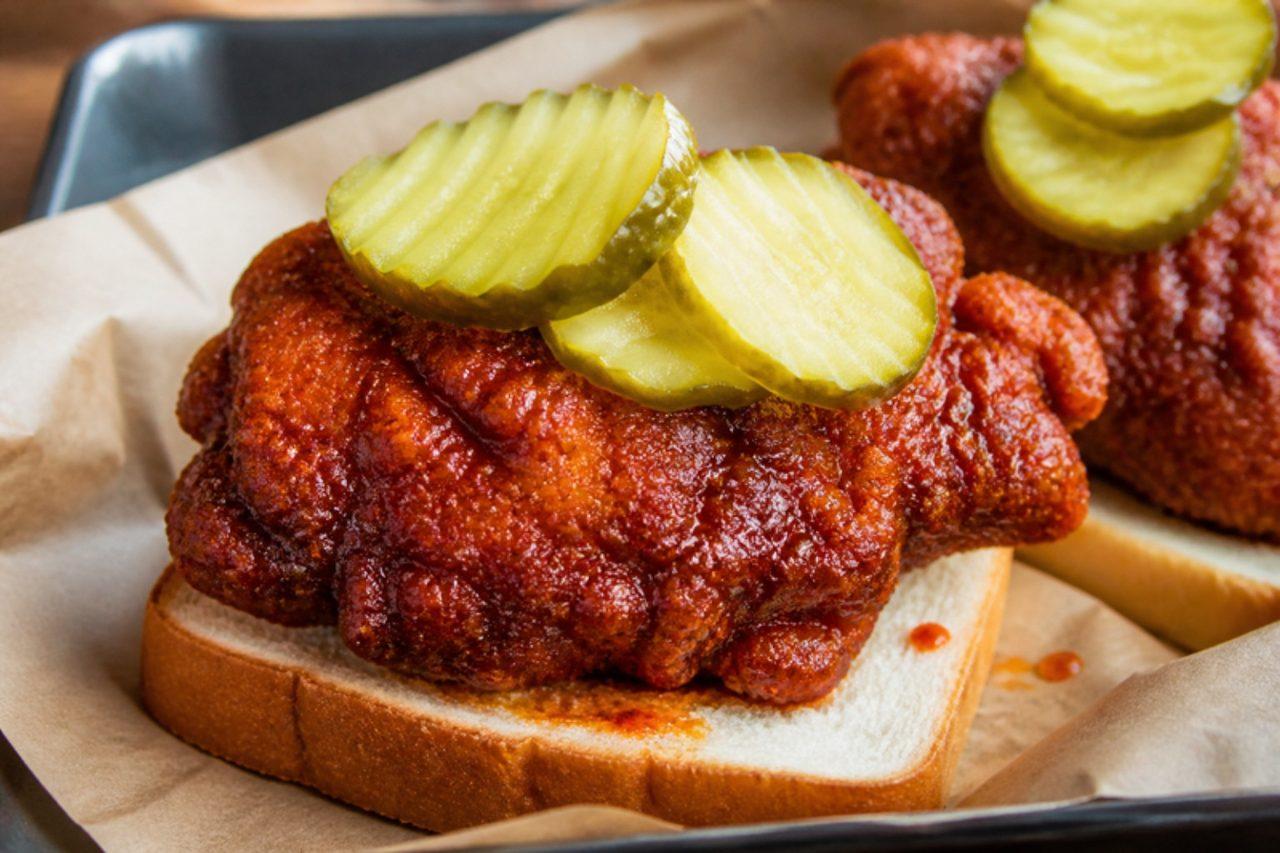
Nashville hot chicken

Hot chicken has been a Nashville institution since the 1930s and is eaten at late-night shacks and the city's summer hot-chicken festival: crisp buttermilk-brined fried chicken painted while hot with a paste of cayenne and brown sugar in hot oil, served on a slice of white bread with dill pickle chips to cool things down. Chef's tip: brine the chicken overnight in the fridge; it seasons the meat right through and keeps it juicy under all that heat.

by KrazyBadal 0 views

Palm Springs date shake

The Coachella Valley around Palm Springs and Indio grows most of America's dates, and roadside date farms along the desert highway have sold this shake to thirsty drivers since the 1930s. Soft Medjool dates are blended with vanilla ice cream and milk into a thick, caramel-flavoured shake. Chef's tip: soak the chopped dates in a little warm milk for 10 minutes first, so they blend completely smooth instead of leaving chewy bits in the straw.

by KrazyBadal 0 views

Green goddess dressing

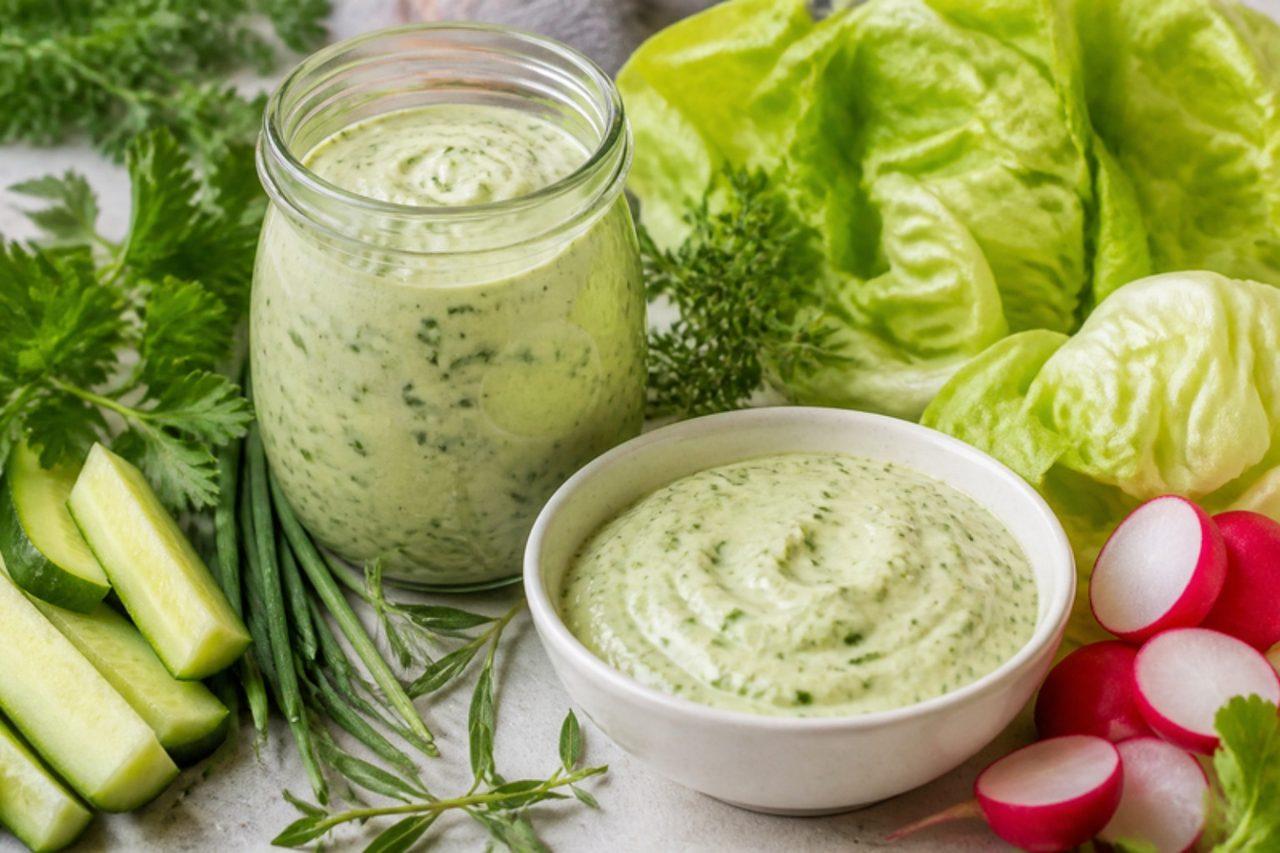
Green goddess dressing was created at the Palace Hotel in San Francisco in the 1920s, named after a popular play, and it came back as the herb-packed dressing of California salad bars and grain bowls. It is pale green and creamy, full of tarragon, parsley and chives. The hotel's original used anchovies; this vegetarian version gets its savoury punch from capers. Use it on salads, as a dip for crudités or on roast vegetables. Chef's tip: blend the herbs with the lemon first, before the creamy ingredients, so they break down fully and turn the dressing bright green.

by KrazyBadal 0 views

California avocado toast

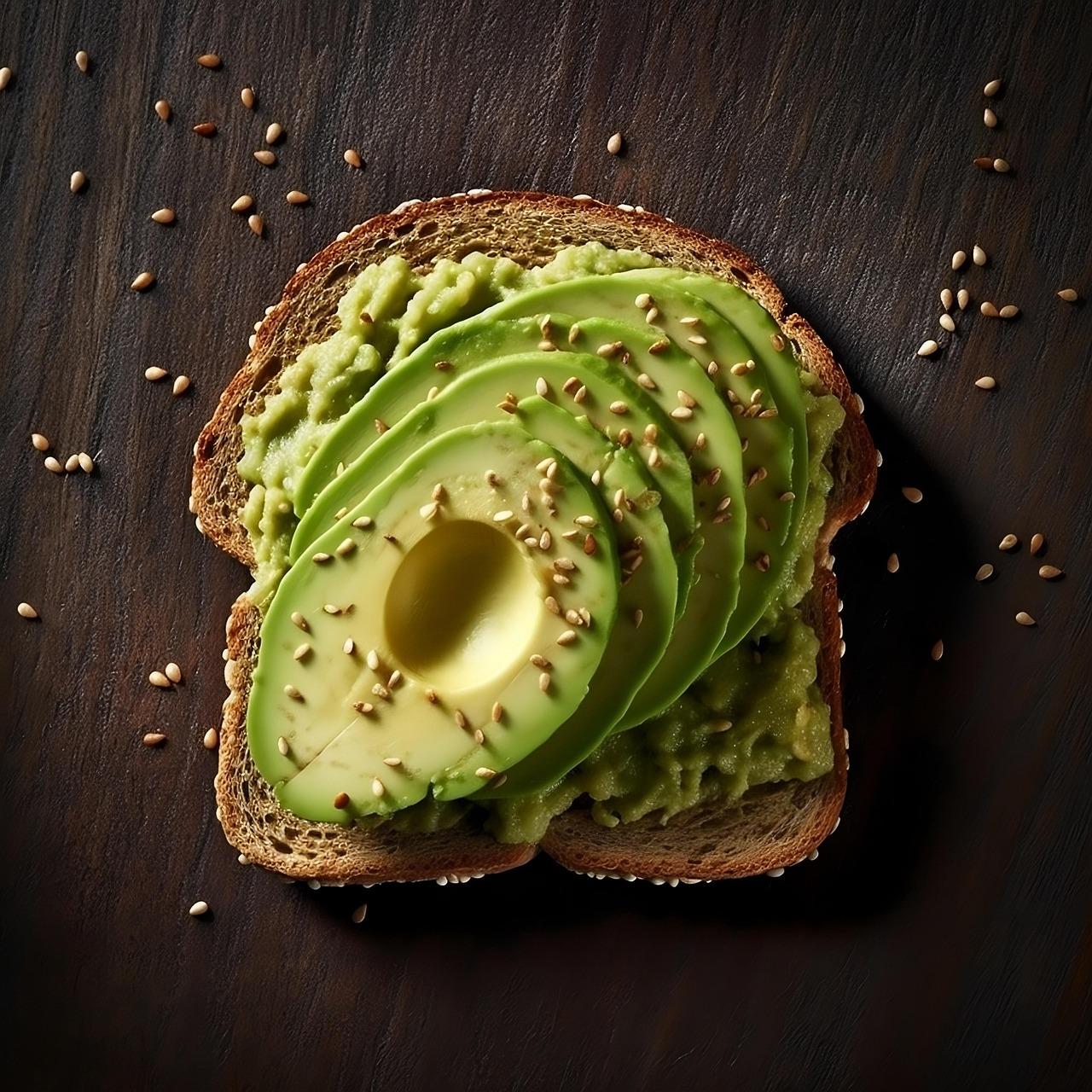
Avocado toast took off in the cafés of Los Angeles and San Francisco, where California's Hass avocados are grown, and it is now the state's standard weekend brunch. The trick is simple ingredients done well: thick sourdough toasted hard, ripe avocado smashed with lemon and good salt, and something crunchy and sharp on top. Chef's tip: season the avocado more than you think, with salt and lemon; underseasoned avocado tastes flat.

by KrazyBadal 0 views

SchäufeleCured smoked pork shoulder

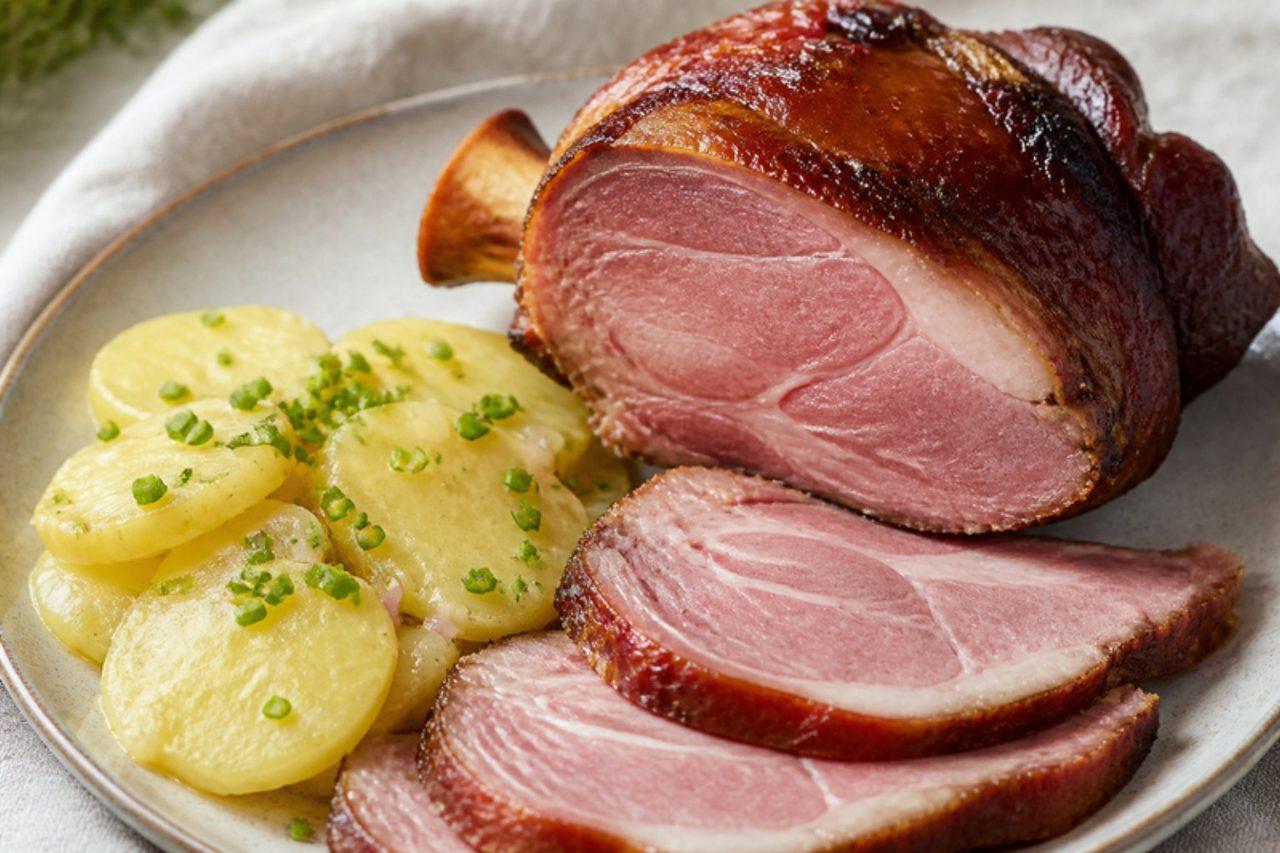
In Baden, Schäufele ("little shovel") is the bone-in pork shoulder blade, cured and lightly smoked by the butcher, and it belongs on New Year's Eve and family get-togethers. It is gently simmered so the meat stays juicy and rosy from the cure, then sliced thick and served with a warm potato salad dressed with broth and vinegar. Ask a German butcher for a ready-cured Schäufele, or use a cured and smoked pork shoulder joint. Chef's tip: keep the water barely trembling; a rolling boil tightens the meat and squeezes out its juices.

145 minGermanMeatGluten free
by KrazyBadal 0 views

SchinkenfleckerlBaked pasta squares with ham

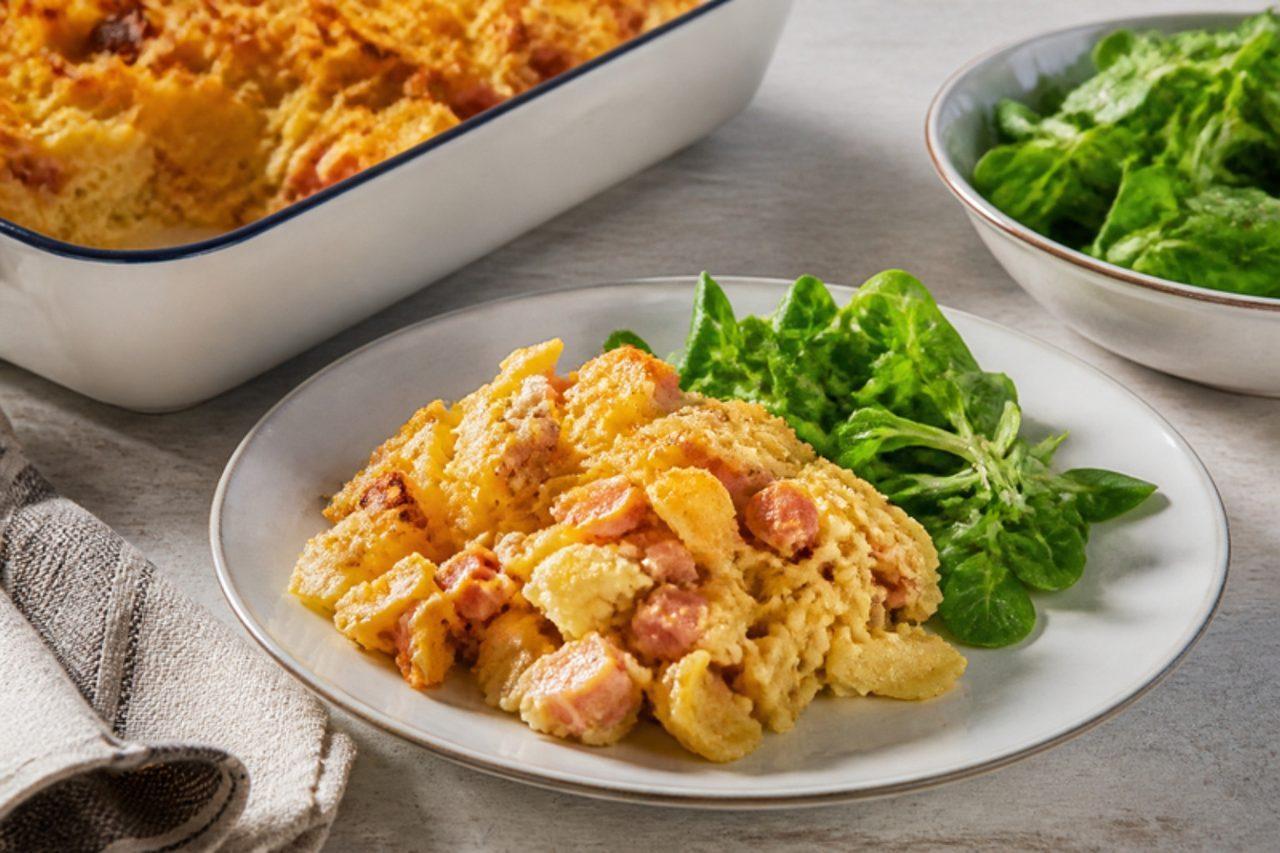
Schinkenfleckerl is the comfort bake of Viennese homes and school canteens, a simple dish that came to Vienna from Bohemian cooks in the days of the old empire. Small pasta squares are folded into a mix of butter, egg yolks, sour cream and diced cooked ham, lightened with whisked egg whites and baked until the top is golden and the edges crunchy. Swap the ham, which is pork, for 250 g fried mushrooms for a vegetarian version. Chef's tip: cook the pasta a minute short and rinse it cold, so it does not go soft in the oven.

by KrazyBadal 0 views

Tacos de canastaSteamed basket tacos

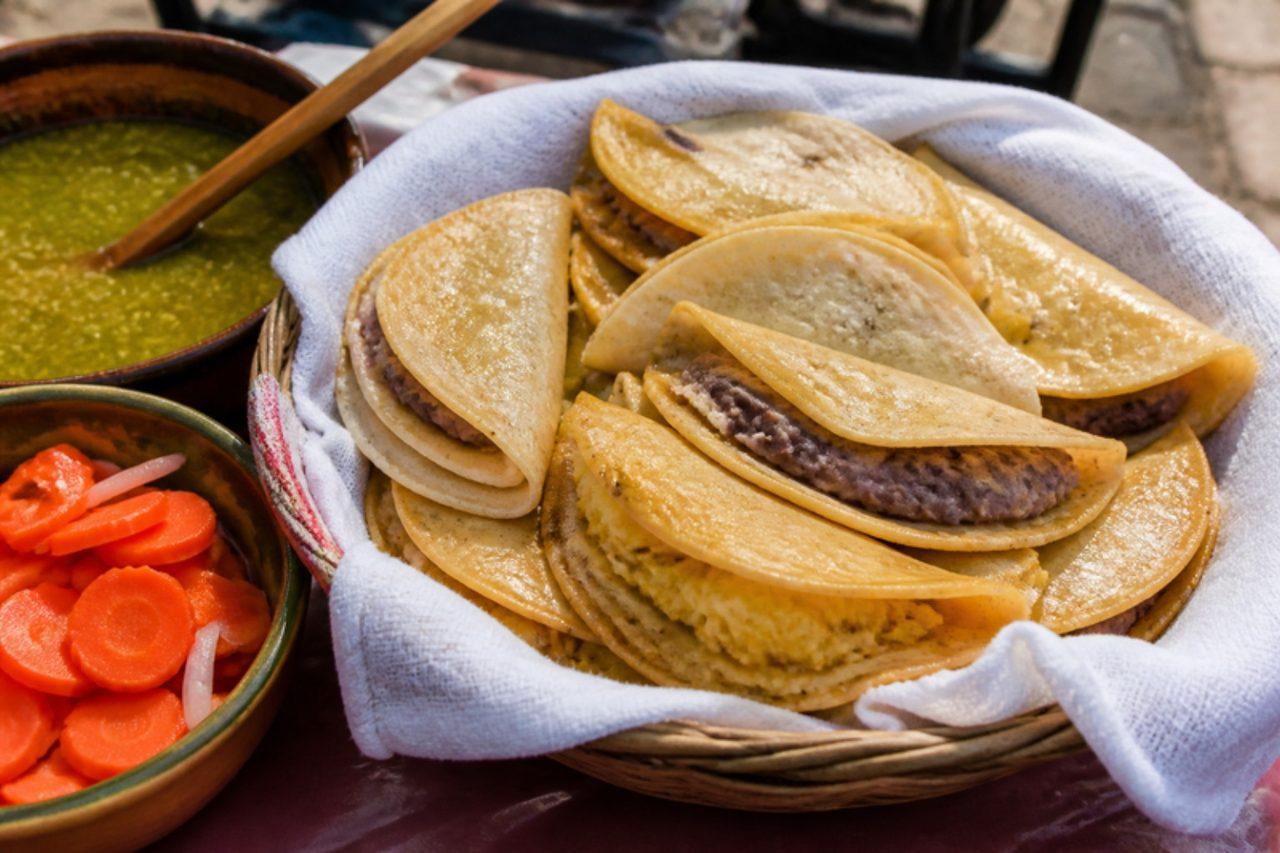
From about nine in the morning, bicycles with a wicker basket strapped behind the seat roll into Mexico City offices and street corners, and the cry of 'tacos de canasta' goes up. Inside the basket, wrapped in cloth and plastic, a hundred small tacos have steamed in their own heat for hours, so the tortillas turn soft, glossy and slightly sticky with chilli-red oil. They are cheap, sold by the handful, and eaten with green salsa from a jar on the bike. The usual fillings are potato, refried beans, adobo and chicharrón prensado (pressed pork rind); this recipe makes the two vegetarian ones and leaves out the pork. Chef's tip: an insulated cool box lined with a tea towel does the same job as the basket and keeps them hot for two hours.

by KrazyBadal 0 views

SchmalzkuchenFried dough pillows with icing sugar

Schmalzkuchen are the paper bag of tiny golden diamonds sold at fairs and Christmas markets across northern and eastern Germany, from Hamburg's Dom fair to the markets of Berlin and Leipzig. Despite the name they are now fried in vegetable oil, so this version is vegetarian. The quick quark-and-baking-powder dough puffs up into soft, slightly crisp cushions that you shake in icing sugar while warm. A common mistake is frying at too low a heat: the dough soaks up oil and turns heavy instead of puffing. Chef's tip: cut the dough into small 3 cm diamonds; bigger pieces brown outside before the middle has cooked through.

by KrazyBadal 0 views

Kotopoulo me bamiesChicken and okra stew

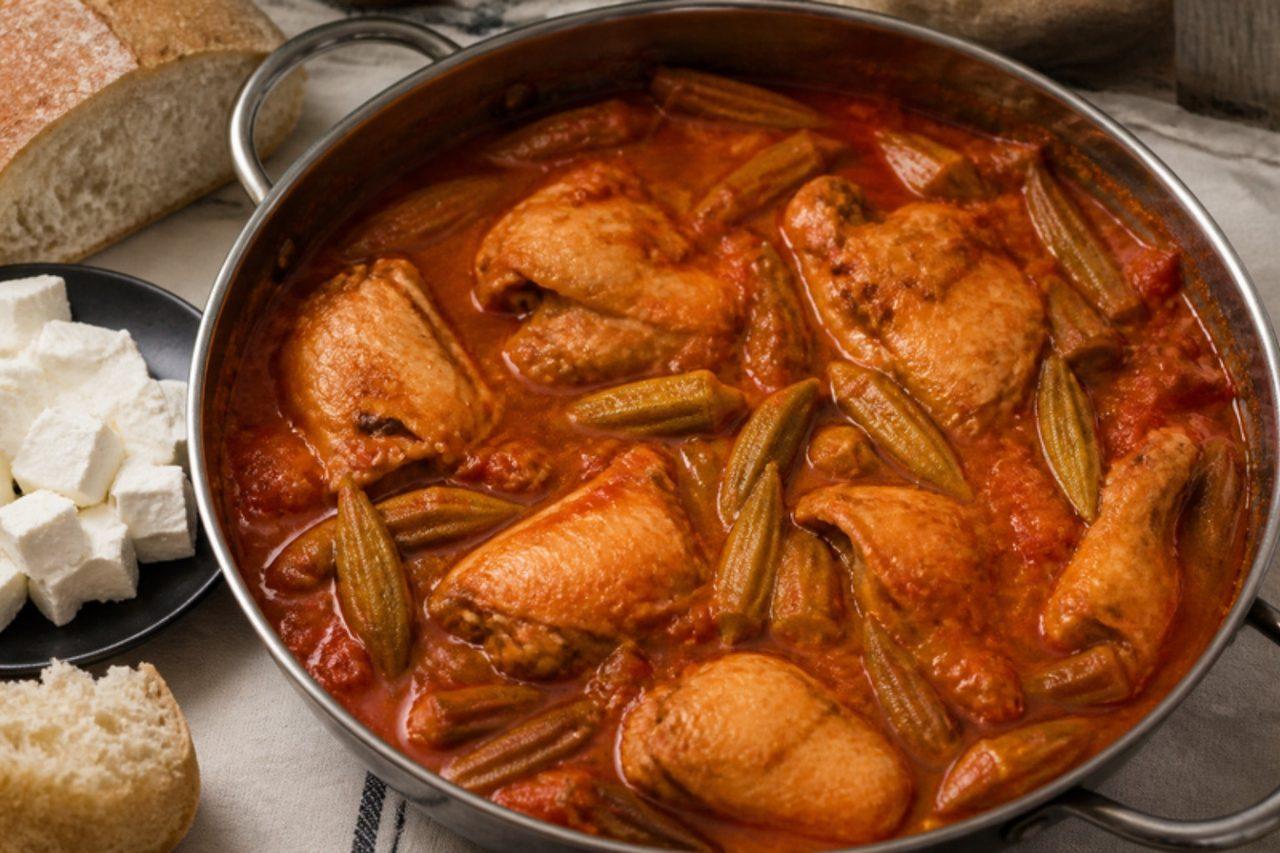
In late summer, when Greek markets are full of small, firm okra, home cooks braise them with chicken thighs, tomato and onions until the sauce is thick and glossy; it is a Wednesday-night dish, served with feta and bread. The trick is to keep the okra whole and un-slimy so it holds its shape. Common mistake: stirring the pot once the okra is in; shake it instead. Chef's tip: trim only the very top of each okra cone without cutting into the pod, then toss them with vinegar and salt and leave in the sun or a warm spot for 30 minutes; it firms them up and keeps the sauce clean.

100 minGreekChickenGluten free
by KrazyBadal 0 views

Kotopoulo lemonatoLemon roast chicken and potatoes

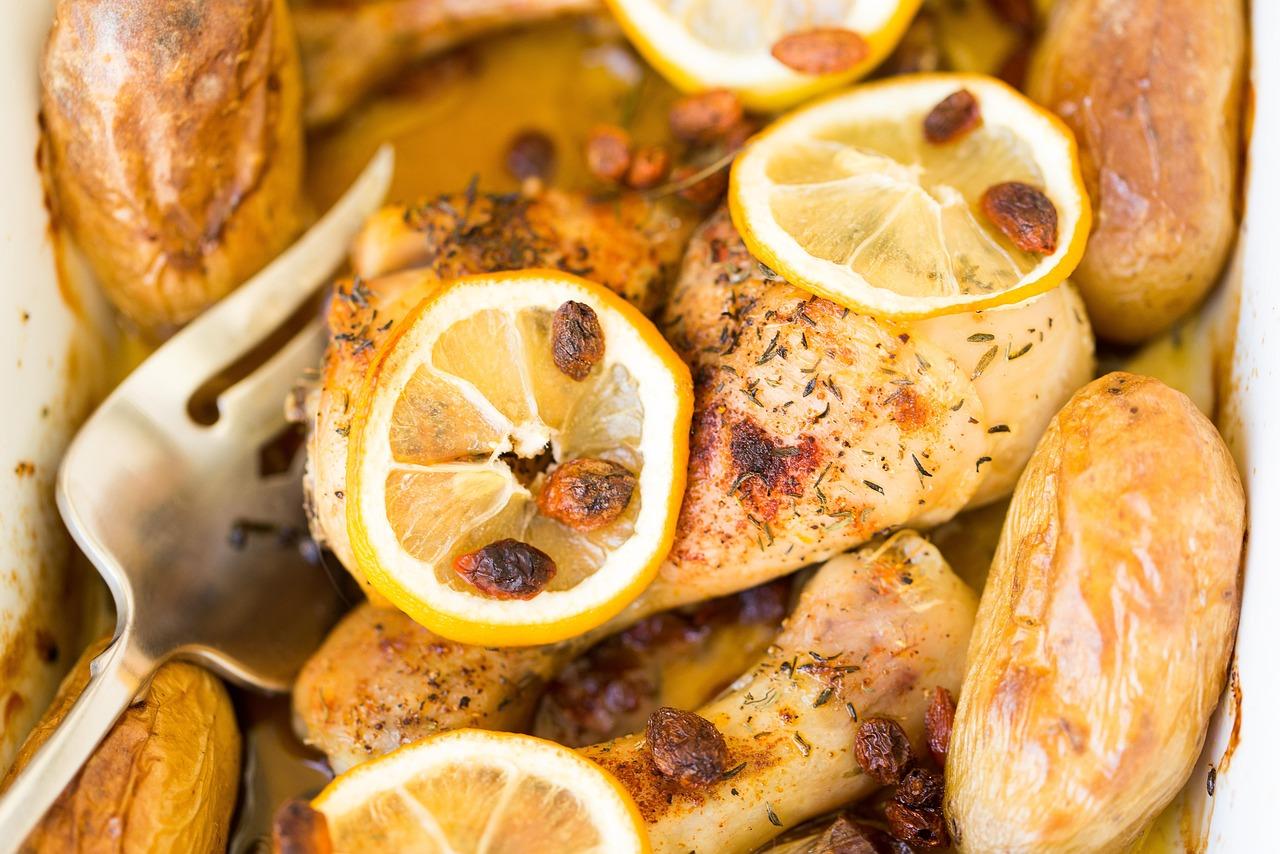
Kotopoulo lemonato is the roast that fills Greek apartment blocks with the smell of lemon and oregano on Sunday mornings: chicken pieces and potato wedges baked in a single tin with plenty of lemon juice, olive oil, garlic and a little mustard, until the potatoes soak up the juices and catch at the edges. Serve with a cabbage-carrot salad and feta. Common mistake: crowding the tin so everything steams; use a big roasting tin and a single layer. Chef's tip: add a splash of hot water halfway; it dissolves the browned bits into a sauce that the potatoes drink up.

by KrazyBadal 0 views

Vermont maple cream pie

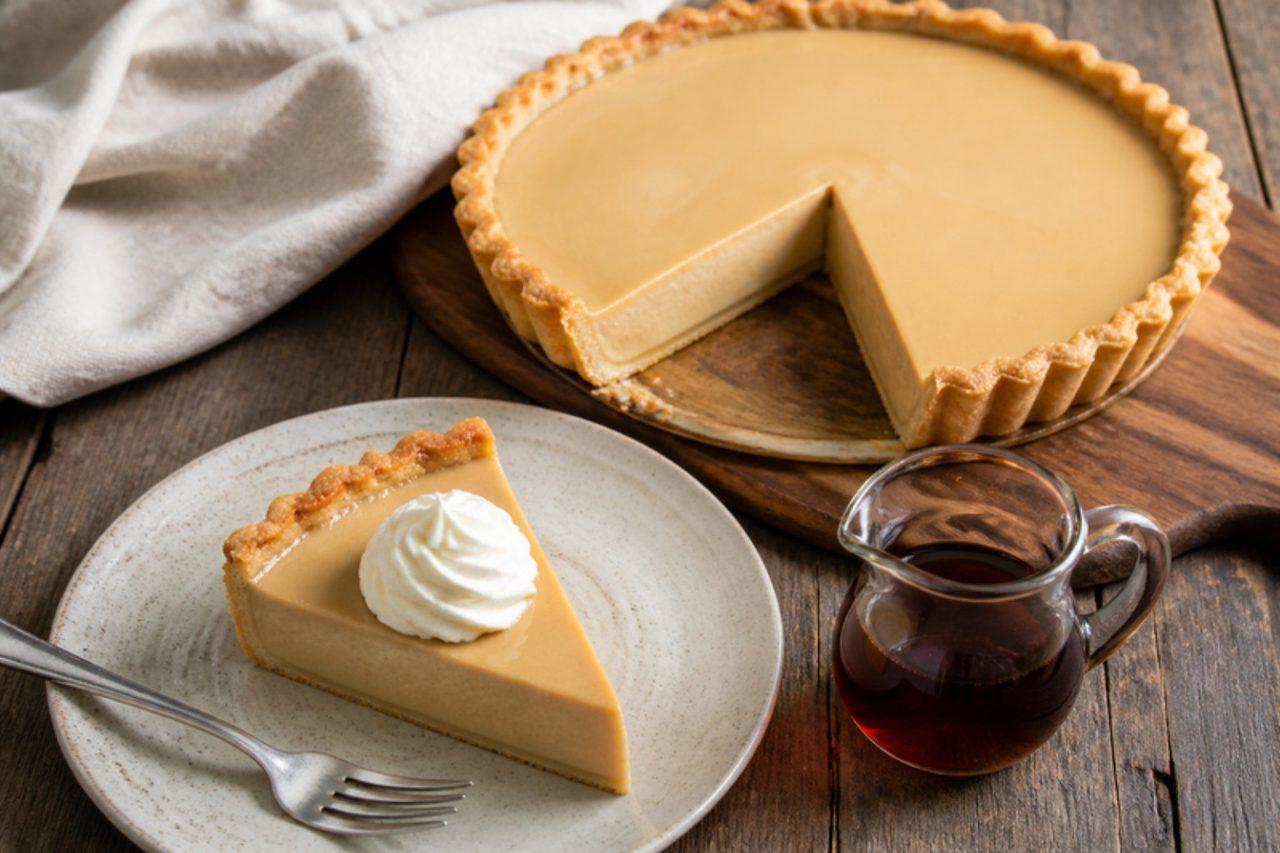
In March, when the sugarhouses of Vermont steam day and night boiling sap, diners and country stores sell this pale caramel-coloured pie made with the new season's syrup. The filling is a simple custard of maple syrup, cream and eggs, so the flavour is pure maple, deep and woody. Use dark, strong-tasting maple syrup, not pancake syrup. Chef's tip: bake until the edges are set but the middle still wobbles like jelly; it firms as it cools.

by KrazyBadal 0 views

Alabama white sauce chicken

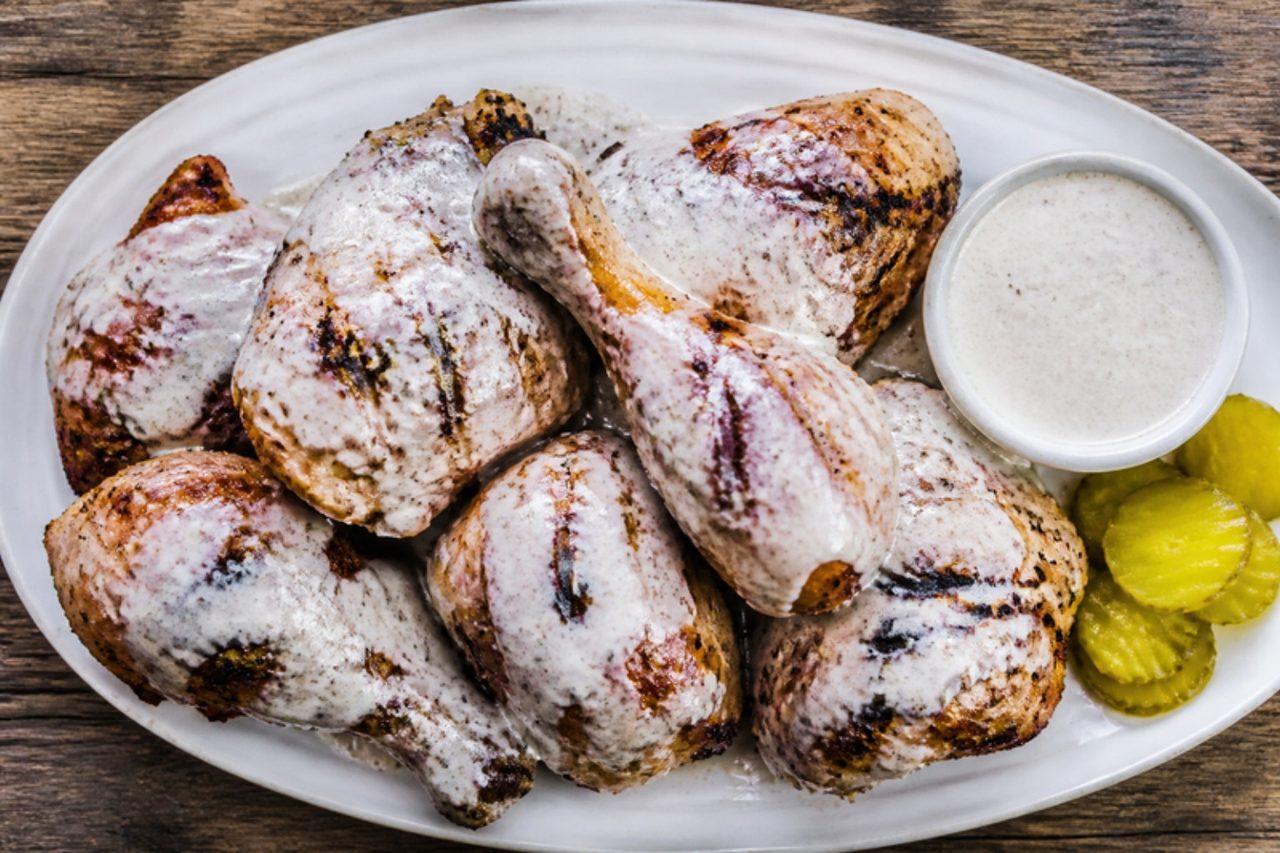
White barbecue sauce was created in 1925 at a barbecue pit in Decatur, north Alabama, and it is still what that corner of the state puts on smoked and grilled chicken: a peppery mixture of mayonnaise, cider vinegar and horseradish. The hot chicken is dunked in it straight off the grill, so the tangy sauce soaks into the crisp skin. Chef's tip: keep half the sauce separate before it touches raw-chicken brushes, for serving at the table.

by KrazyBadal 0 views

SchokofrüchteChocolate-dipped fruit skewers

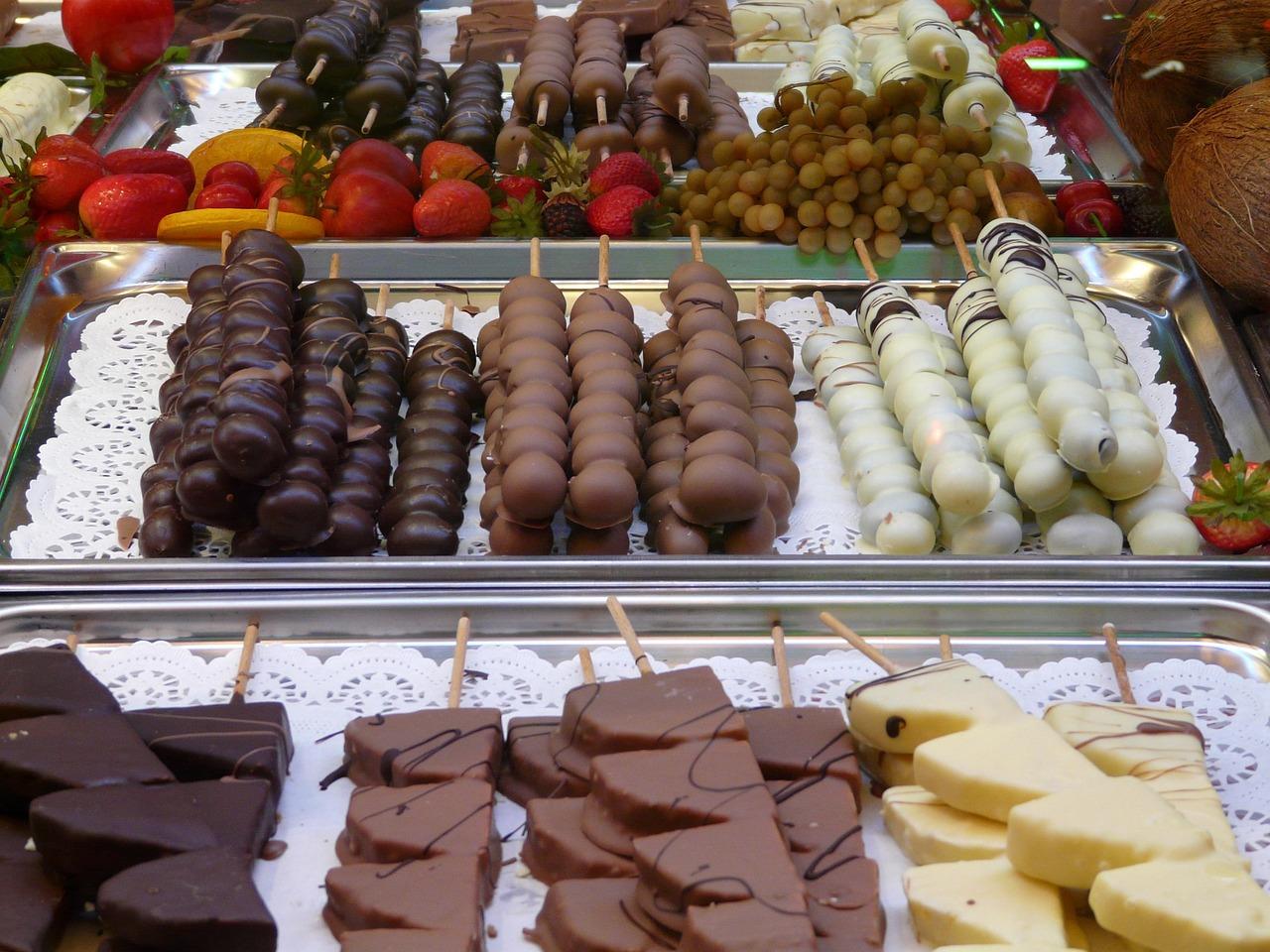
Schokofrüchte stalls glow under strings of lights at almost every German Christmas market, from Stuttgart to Hamburg, with rows of strawberries, grapes and banana chunks on wooden skewers dipped in dark, milk and white chocolate. Children choose with their noses pressed to the glass, and at home they are a fun job for small hands. The usual mistake is dipping wet fruit: even a drop of water makes chocolate seize into a grainy lump and stops it sticking. Chef's tip: melt the chocolate gently and let it cool to just warm before dipping; it then clings in a neat, thin shell and sets glossy. Many chocolates contain milk, so check the label if you need it dairy free.

by KrazyBadal 0 views

SchupfnudelnPotato noodles with sauerkraut

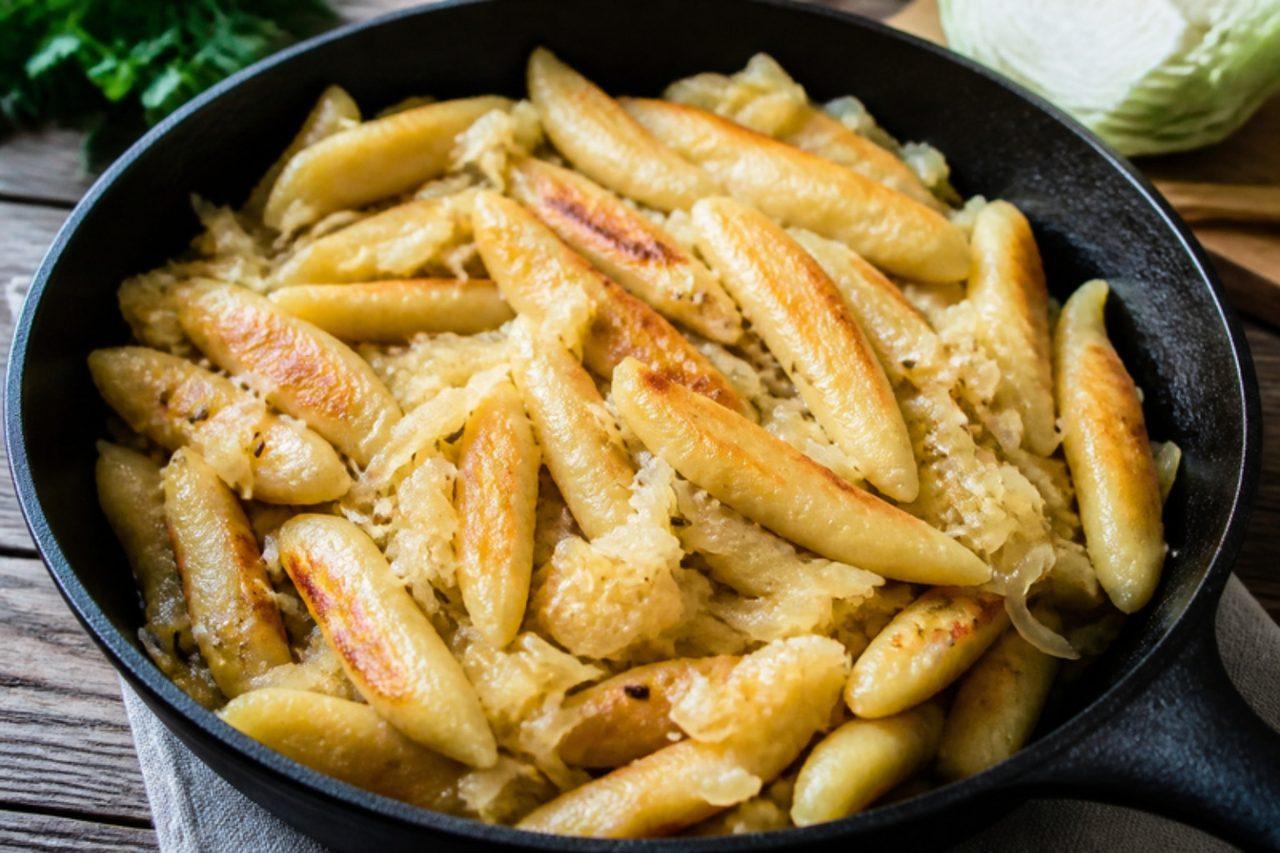
Schupfnudeln are thick little potato noodles, rolled between the palms into pointed fingers, that turn up at every Christmas market and village festival in Baden-Württemberg, fried in a huge pan with sauerkraut. At home they are a winter supper on their own or a side for roasts. The dough is the same family as gnocchi, but the noodles are boiled first and then fried until browned on the outside. A common mistake is using freshly boiled hot potatoes and too much flour: they need to be cold and dry, so plan to cook them the day before. Chef's tip: rinse the sauerkraut only if it is very sharp; otherwise its tang is what balances the butter.

by KrazyBadal 0 views

Schwäbische SeelenSpelt caraway rolls

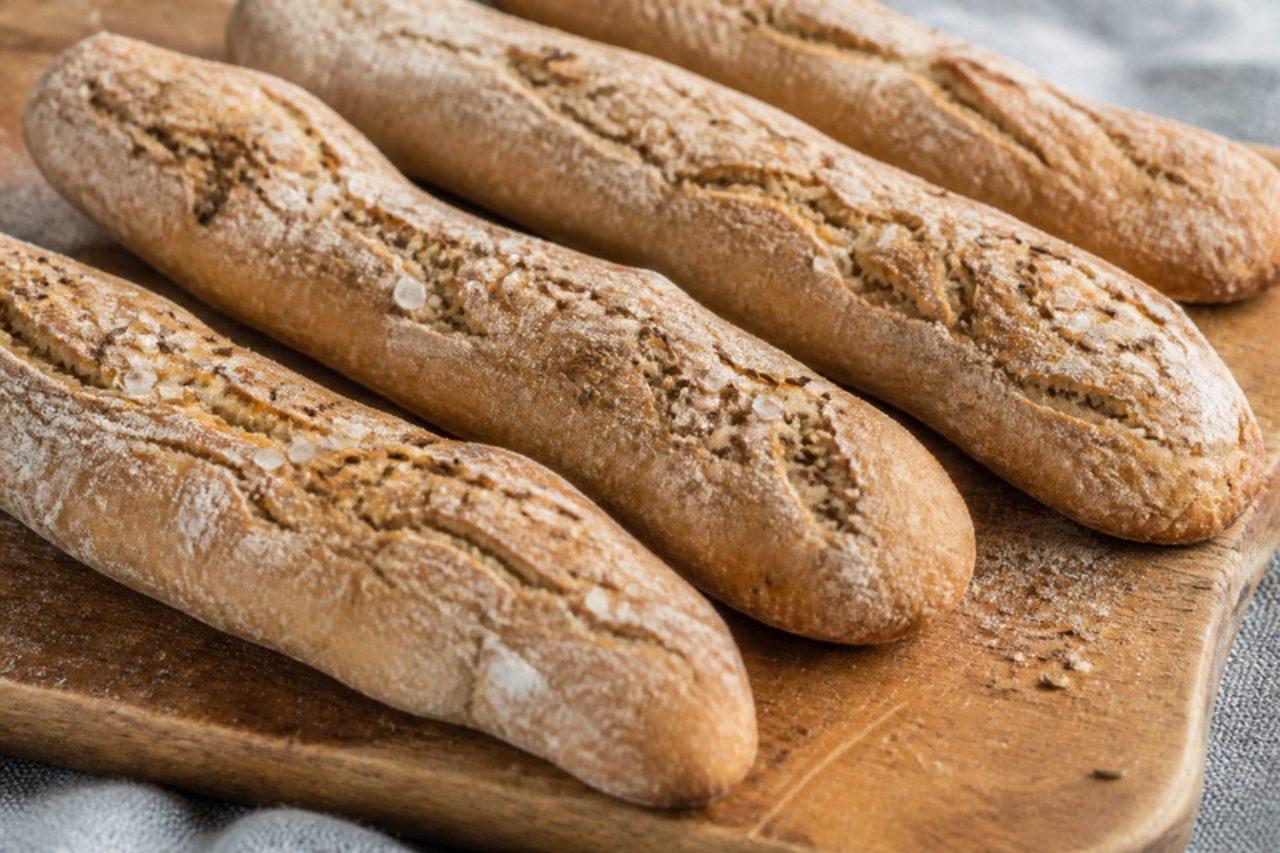
Seelen, meaning 'souls', are the long, pale spelt rolls of Upper Swabia, around Biberach and Ravensburg, said to have first been baked for All Souls' Day. Today they are an everyday bakery item, eaten split with butter or alongside a bowl of soup, and they turn up at every Swabian beer garden. The dough is very wet, so the rolls are pulled into shape rather than rolled, giving an open, chewy crumb under a thin crust crusted with salt and caraway. A common mistake is adding extra flour to make the dough easier to handle, which turns them into ordinary bread rolls. Chef's tip: keep a bowl of cold water beside you and wet your hands before every piece; the dough won't stick and you can stretch each soul straight onto the tray.

by KrazyBadal 0 views

KotopitaChicken and leek pie

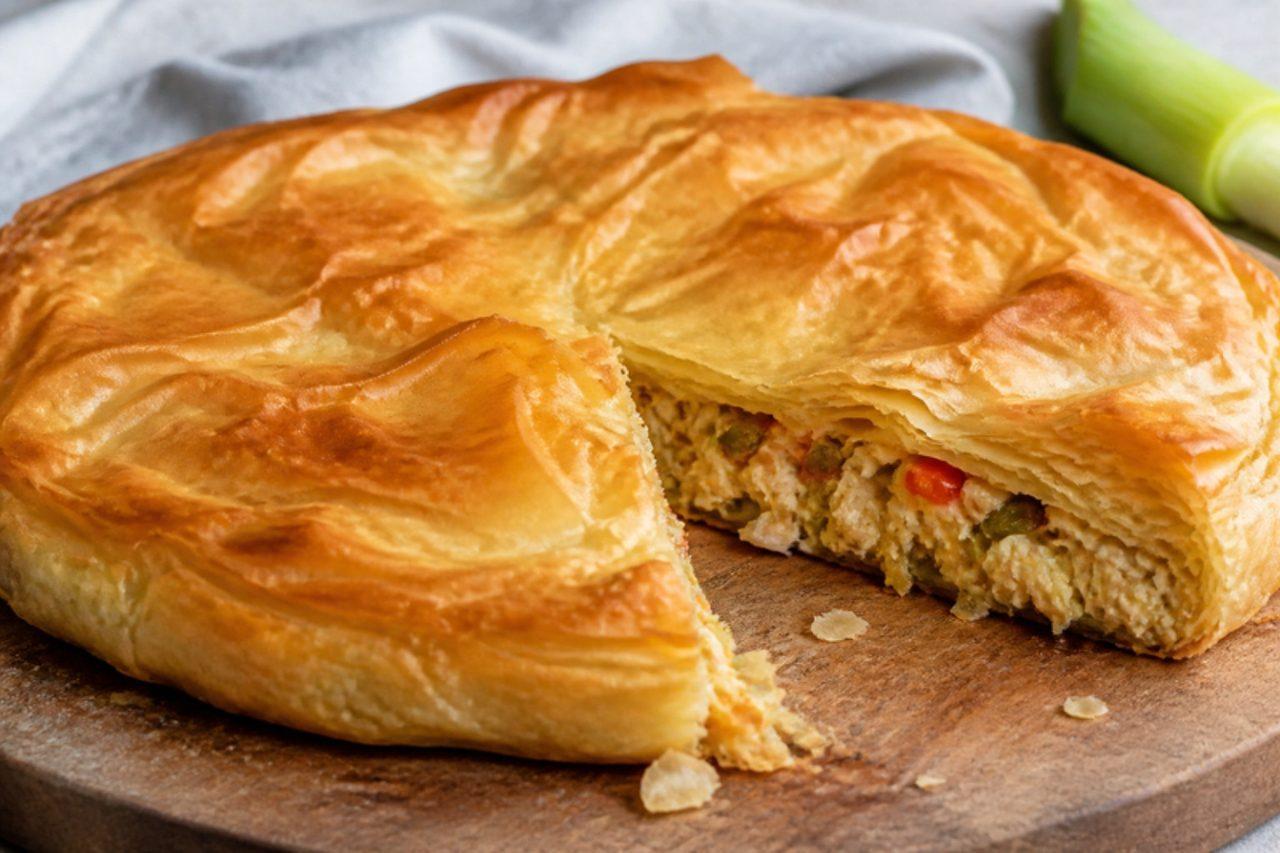
Epirus is Greece's pie country, and kotopita is the one served at Sunday lunch and family celebrations in Ioannina, cut into deep golden squares. Chicken is poached until tender, shredded and folded into a filling of soft leeks, peppers, eggs and two cheeses, then baked between layers of buttered filo. A salad is all you need alongside. Common mistake: adding the eggs to hot filling, which scrambles them — cool it first. Chef's tip: cook the poaching stock down by half and stir a few spoons into the filling; it keeps the chicken moist without making the pastry wet.

140 minGreekChicken
by KrazyBadal 0 views

Kuku sibzaminiPotato and egg patties

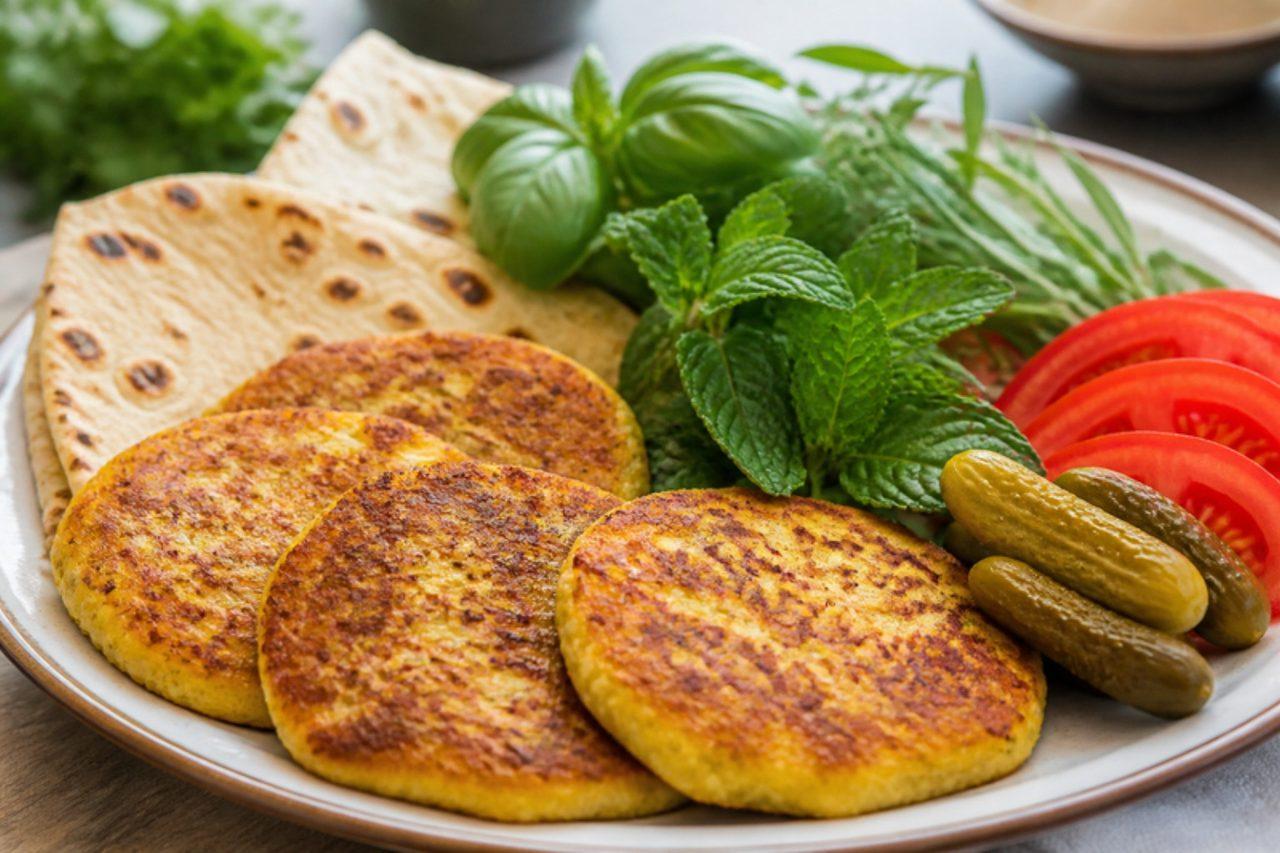
Kuku sibzamini is what Tehran schoolchildren unwrap at lunchtime: little golden patties of grated potato, egg and onion, eaten cold or warm, folded into lavash or sangak with herbs, tomato and a few slices of khiar shoor. They also turn up at picnics in the parks on Friday mornings, because they travel well and taste good at any temperature. Grated raw onion and turmeric give the flavour; a spoon of flour holds them together. The common mistake is leaving the grated potato wet, so the patties spit, soak up oil and fall apart. Chef's tip: squeeze the potato and onion hard in a tea towel; the drier the mix, the crisper the edges.

by KrazyBadal 0 views

SchweinebratenRoast pork with crackling

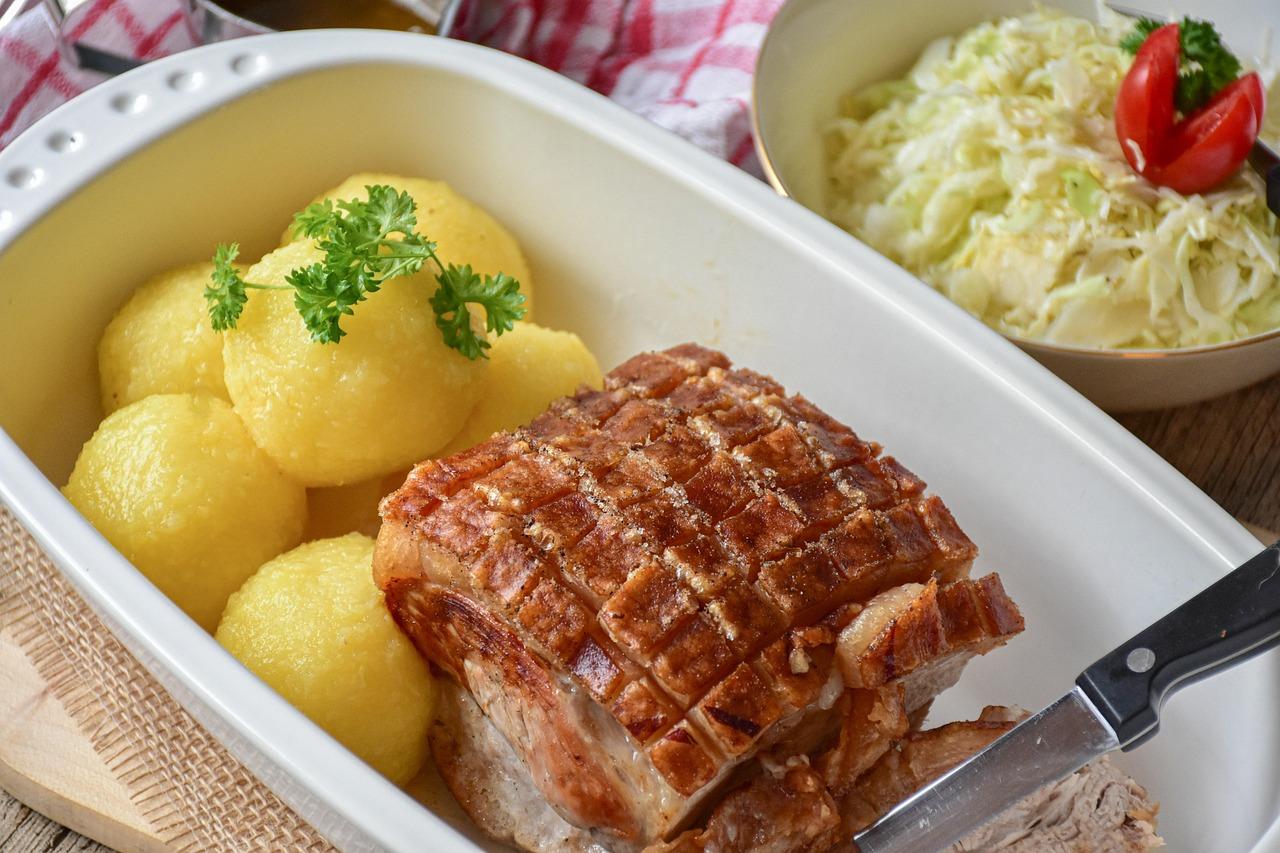
Schweinebraten is the Sunday roast of Bavaria, the dish a Munich family sits down to after church and the one every village inn chalks up on its board. This is pork shoulder with its rind still on, roasted on a bed of onion, carrot and celeriac while the rind blisters into crackling, and the gravy is built from the roasting juices and a bottle of dark beer. The beer contains alcohol; most cooks off but not all, so use alcohol-free dark beer, or the same amount of beef stock with 1 tsp dark molasses, for a gravy without it. Serve with bread or potato dumplings and warm cabbage salad. Chef's tip: score the rind through to the fat but not into the meat, or juices leak up and the crackling turns leathery.

190 minGermanMeat
by KrazyBadal 0 views

SchweinshaxeRoast pork knuckle

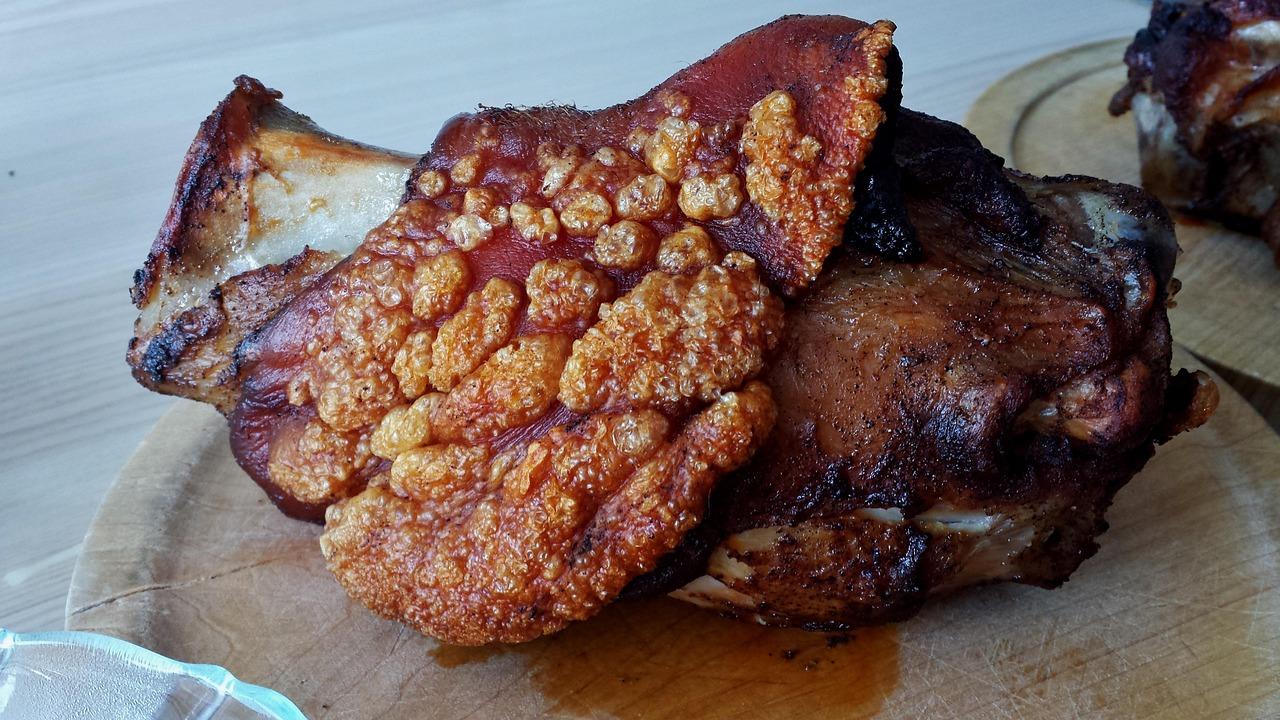
In Munich beer halls and Upper Bavarian village inns, a Schweinshaxe arrives as a whole roast pork knuckle, crackling glassy on the outside and the meat falling off the bone, usually with a potato dumpling and a spoon of sauerkraut. At home it is a weekend dish for cold months: the fresh (not cured) pork hocks are simmered first, then roasted hard so the skin puffs. Ask the butcher for hind knuckles, which carry more meat than front ones. Chef's tip: dry the simmered skin with kitchen paper and leave it uncovered for 20 minutes before roasting; dry skin is the secret to crackling that shatters.

190 minGermanMeatGluten free
by KrazyBadal 0 views

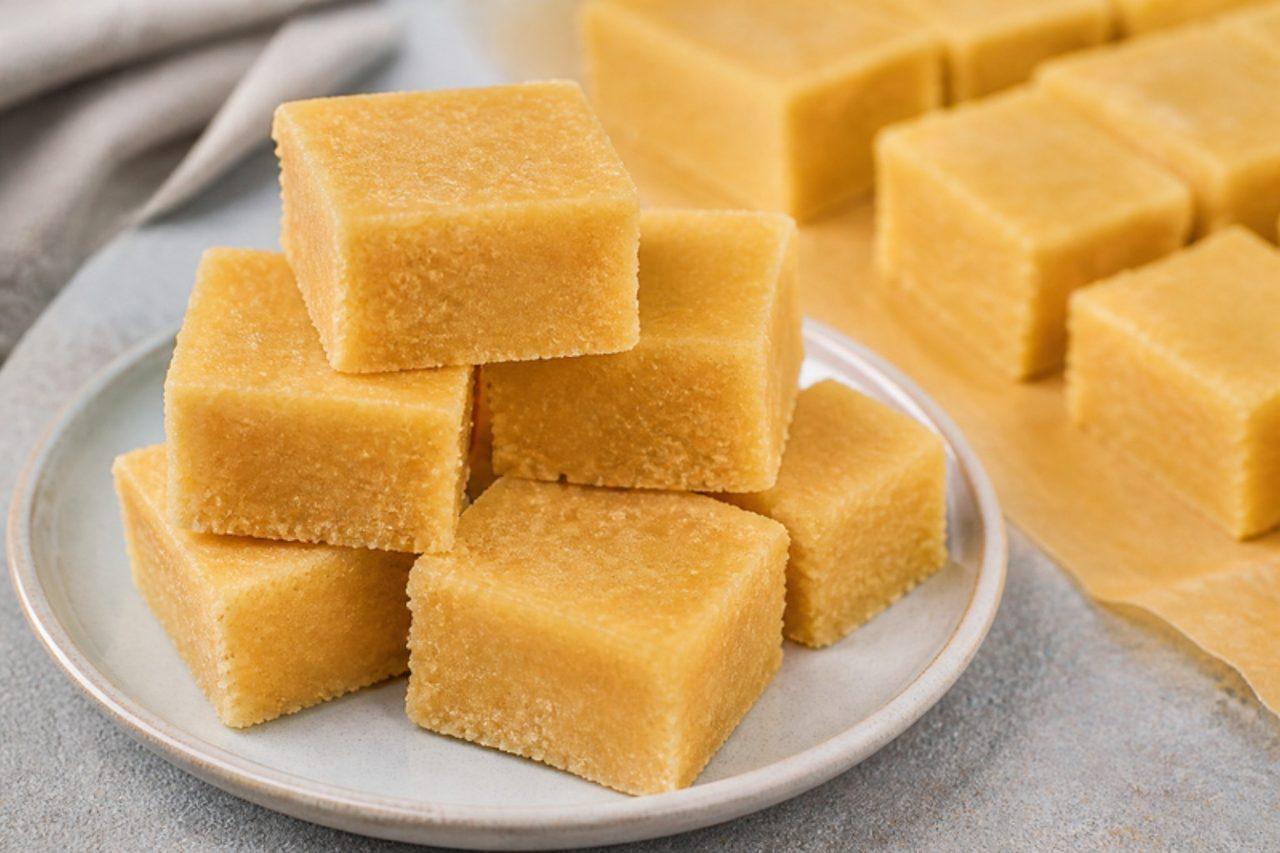
Scottish tabletButter fudge

Tablet is harder and grainier than fudge, a sugary square sold at every church fête, Highland games and corner shop in Scotland and taken home in paper bags by visitors. Sugar, butter, milk and condensed milk are boiled to the soft-ball stage and beaten until they crystallise, giving that crumbly, melting snap. Chef's tip: beat it hard off the heat until it loses its gloss and drags on the spoon; stop too early and you have soft fudge.

by KrazyBadal 0 views

KumisFermented milk drink

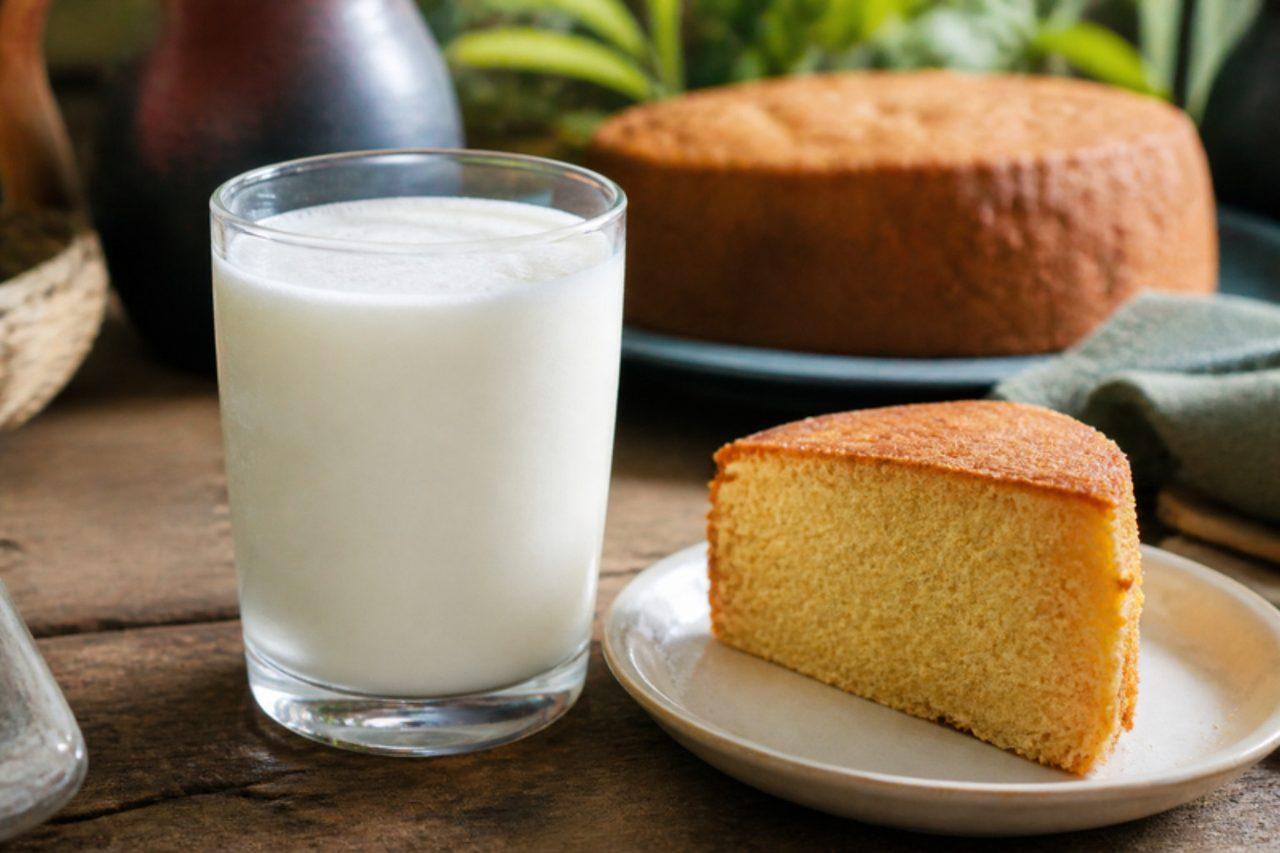
Kumis in Colombia is a thick, sweetened fermented milk, nothing like the Central Asian mare's-milk drink of the same name. Bakeries and cafeterias sell it chilled in glasses with a slice of plain sponge cake, the classic kumis con ponqué, and many families still make it at home. It is cool, tangy and creamy, somewhere between drinking yogurt and buttermilk. Use only pasteurised milk, heat it first, and work with very clean equipment: wash jars and spoons in hot soapy water and scald them with boiling water. The milk ferments at room temperature (20–28 °C, out of direct sun) for 12–24 hours, then goes into the fridge; never leave it out longer. Discard any batch with mould, pink or orange patches, or a rotten rather than sour smell. Adding the starter to milk that is still too hot is the common slip, as heat kills the cultures and nothing sets. Chef's tip: add the sugar after fermenting, then chill well before serving.

by KrazyBadal 0 views

KumpirLoaded baked potato

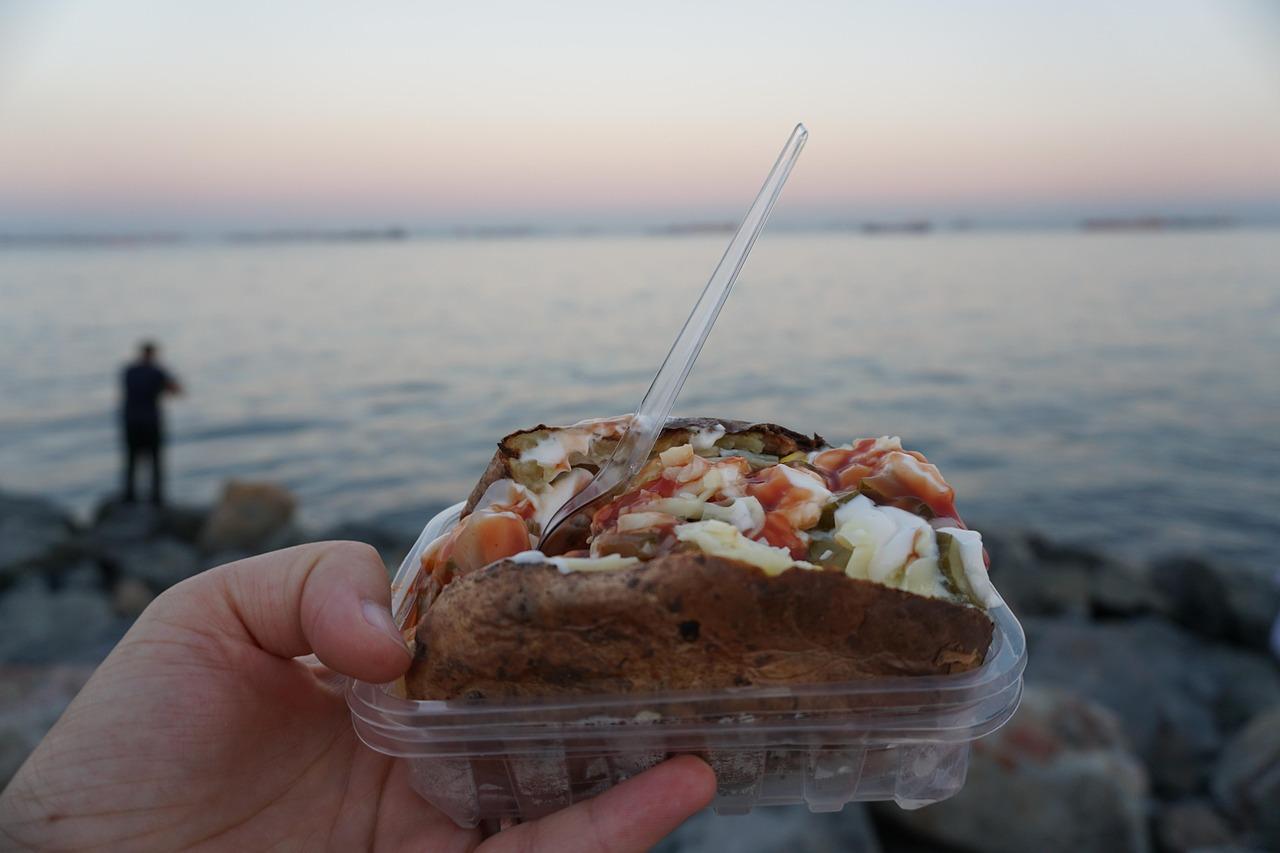
On a warm evening in Ortaköy, under the Bosphorus Bridge, the kumpir stalls line up with trays of toppings and queues of students waiting for a potato the size of a fist and a half. The vendor splits it, beats butter and grated kaşar into the hot flesh right in the skin until it turns stretchy, then piles on whatever you point at: corn, olives, pickles, peppers, Russian salad. At home it makes a filling supper that everyone builds for themselves. Kaşar is usually made with animal rennet, so pick a vegetarian mild melting cheese if that matters to you. Chef's tip: bake the potatoes on a bed of coarse salt; the skins dry and crisp while the inside goes floury, which is what lets the cheese melt into it.

by KrazyBadal 0 views

Showing 81 of 7,762 recipes

Show more recipes

Page 540 of 863