


Skip to content
Baghali pokhte
Featured recipe

Baghali pokhte

Boiled broad beans with vinegar

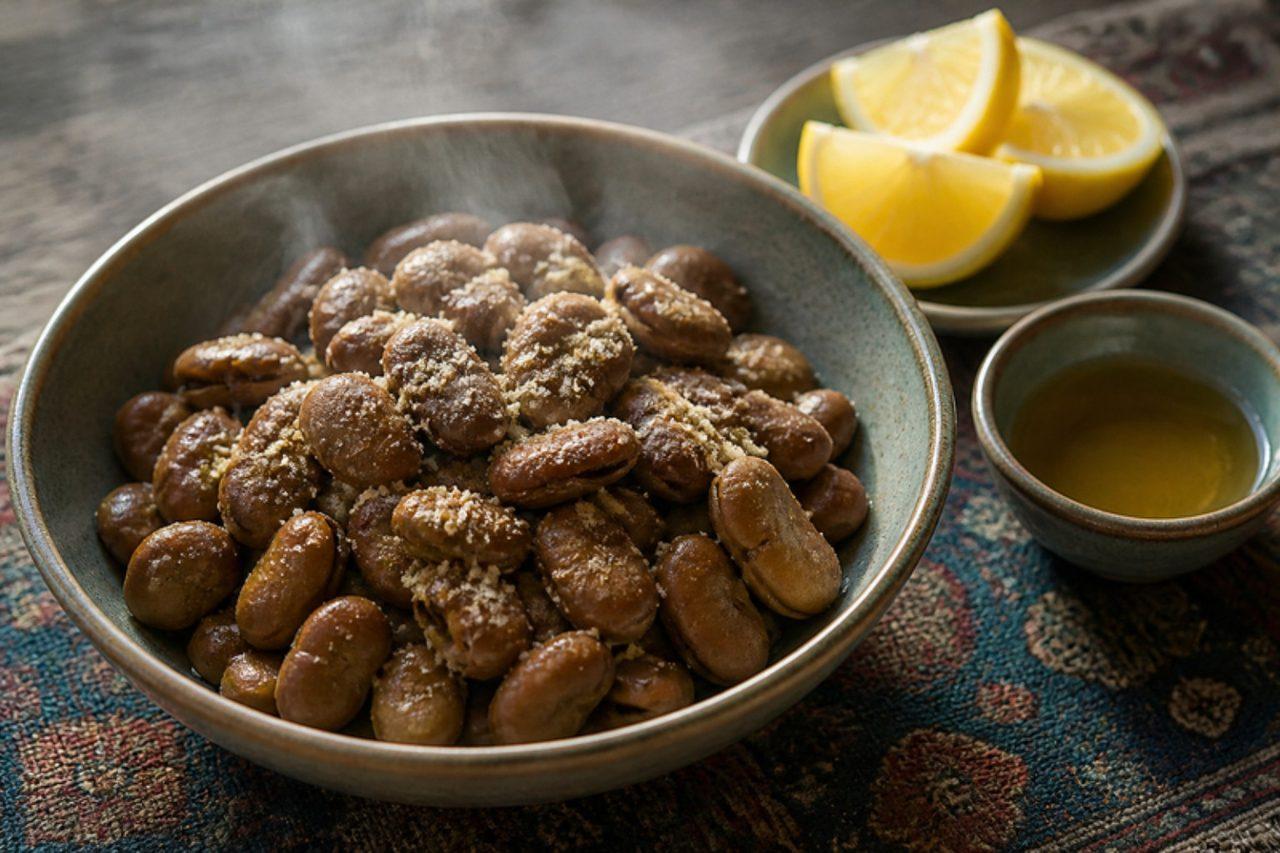
When autumn rain sets in over Rasht, and through the winter on Tehran street corners, sellers ladle steaming broad beans in their skins from giant pots into paper cones. The beans are soaked overnight and boiled slowly until creamy, then each bowlful is sprinkled with sharp golpar (ground Persian hogweed seed), salt and a splash of vinegar. You pinch the beans out of their skins as you eat. A common mistake is salting the cooking water early, which keeps the skins tough. Chef's tip: golpar is strong and smells a little like celery and citrus; start with a light dusting and add more at the table.

Read more 0 views

What to eat today?

Around the world

Today's trip: Paraguayan

A new country every day, from every cuisine on the site.

Paraguayan

Morcilla dulce

Sweet blood sausage with walnuts 120 minMore from Paraguayan (27) →

This week's collection

Kid-friendly dinners
537 recipes · a new collection every Monday

Latest recipes

KispiñoSteamed quinoa cakes

Pressed in a fist so each one carries the marks of the cook's fingers, kispiño are small, dense quinoa cakes from the Puno highlands, steamed and then left to dry so they keep for weeks on journeys, herding trips and pilgrimages. Traditional ones are bound with a little lime water (from cal, the mineral) and fat; this home version uses oil and a pinch of aniseed and sugar, so they're vegan and pleasantly savoury-sweet. They're firm and chewy, a little like a grain cake, and good with hot tea, coca tea or a soup on a cold day. The common mistake is making the dough too wet, so the cakes slump in the steamer; it should feel like damp sand that holds its shape when squeezed. Ground quinoa is quinoa flour; grind your own from rinsed, dried and toasted grain, or buy it ready ground. Chef's tip: toast the ground quinoa in a dry pan first until it smells nutty, which takes away any bitterness.

by KrazyBadal 0 views

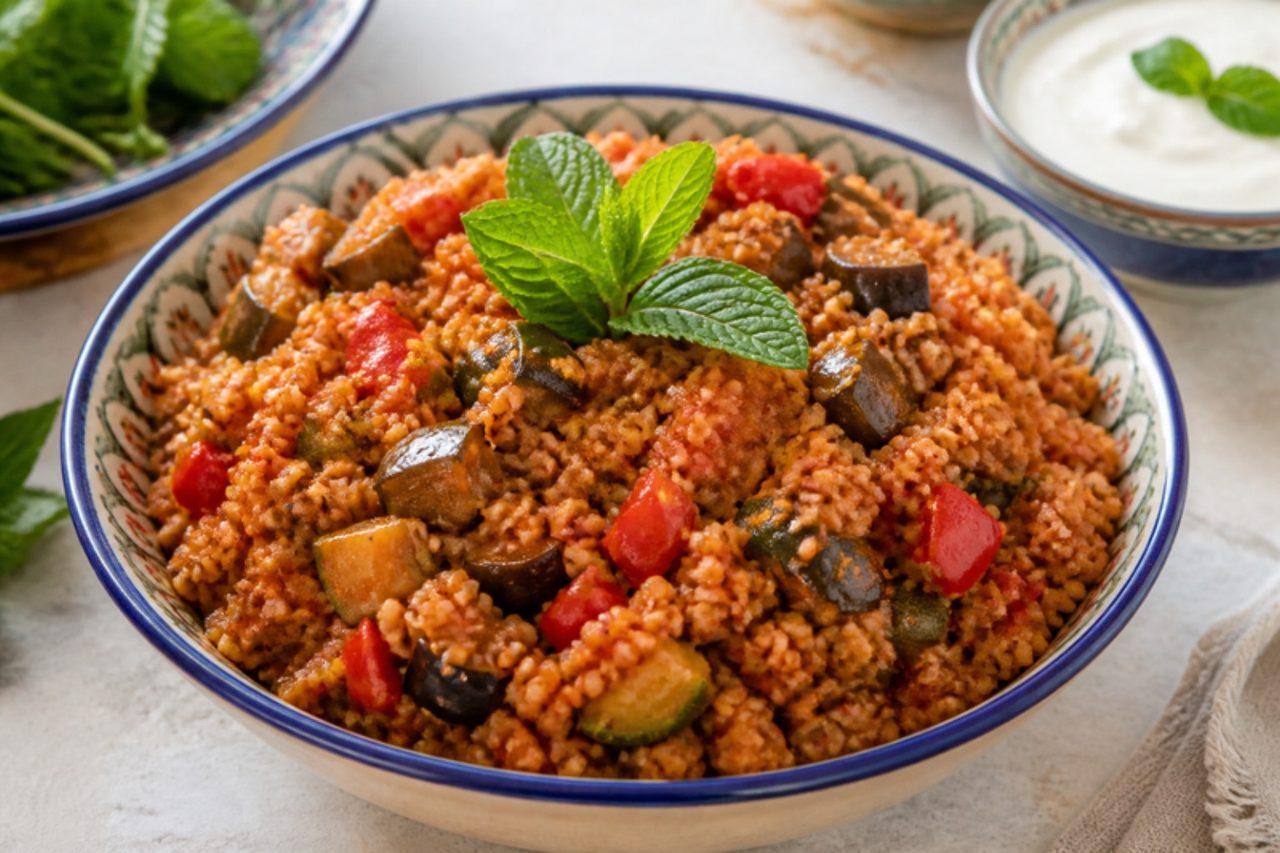
ShulbatoBulgur with aubergine and courgette

Shulbato is a summer pot from the villages of the West Bank and Galilee, made when the garden overflows: coarse bulgur cooked with aubergine, courgette, peppers, tomato and plenty of onion until the wheat is fluffy and stained red. It is eaten warm or cool on hot days with a bowl of yoghurt or a cucumber salad, and it is also a fasting dish for Christian families. Common mistake: using fine bulgur, which turns mushy; it needs the coarse grade. Chef's tip: let the vegetables catch and brown a little before adding the wheat; that slight char is the flavour of the dish.

by KrazyBadal 0 views

Thüringer RostbratwurstGrilled bratwurst in a roll

In Thuringia the long, thin Rostbratwurst is grilled over charcoal at every market, football ground and village fête, and has been since at least the 15th century. It is a raw, finely seasoned pork sausage with marjoram, caraway and garlic, bought from a Thuringian butcher, and the local rules are strict: grilled slowly over glowing coals, served in a roll that is too short for it, with a sharp, coarse mustard and never with ketchup. Here you grill good fresh bratwurst and make a medium-hot mustard to go with it. Vegetarians can grill vegetarian bratwurst the same way. Chef's tip: grill over glowing coals with no flames, rubbing the sausages with a bacon rind or a little oil so they colour evenly and the skin crackles.

35 minGermanMeat
by KrazyBadal 0 views

AborrajadosFried cheese-stuffed plantain

Cali's bakeries and Sunday food stalls by the Pance river sell aborrajados all day: thick slices of very ripe plantain, fried soft, pressed around a slab of white cheese, sometimes with guava paste, then coated in a light batter and fried again until golden. The result is sweet, salty and gooey, a snack you eat with your hands alongside a glass of lulada or champús. Choose plantains with skins almost completely black; yellow ones are too starchy and never get sweet. Queso blanco or campesino is often set with animal rennet, so use a vegetarian mozzarella or similar. The usual mistake is batter that is too thick, giving a heavy, bready shell; it should coat like thin pancake batter. Chef's tip: chill the stuffed plantain parcels for 10 minutes before battering; they hold together much better in the oil.

by KrazyBadal 0 views

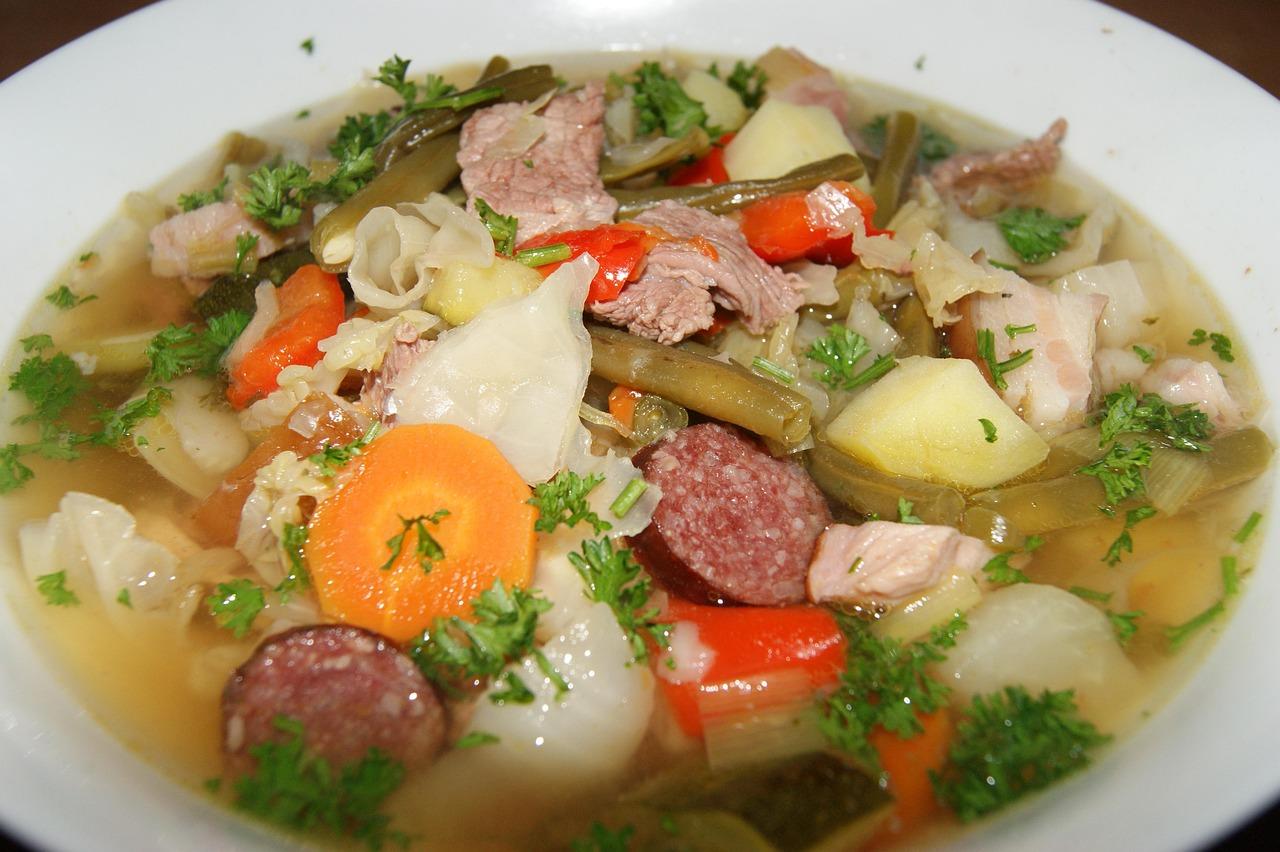
Potée auvergnatePork, cabbage and sausage pot

High in the Massif Central, potée auvergnate is what farmhouses put on the stove when the first frosts arrive: a pork dish of salt pork belly and smoked pork sausage simmered slowly with savoy cabbage, carrots, turnips and potatoes. The broth comes out clear, smoky and gently salty, and the vegetables soak up all that pork flavour while keeping their shape. In the Cantal it is served in two rounds, the broth poured over slices of toasted country bread first, then the meat and vegetables on a big platter with strong mustard and gherkins. Chef's tip: soak the salt pork first and taste the broth before you add any salt; between the belly and the sausage it rarely needs more.

180 minFrenchMeat
by KrazyBadal 0 views

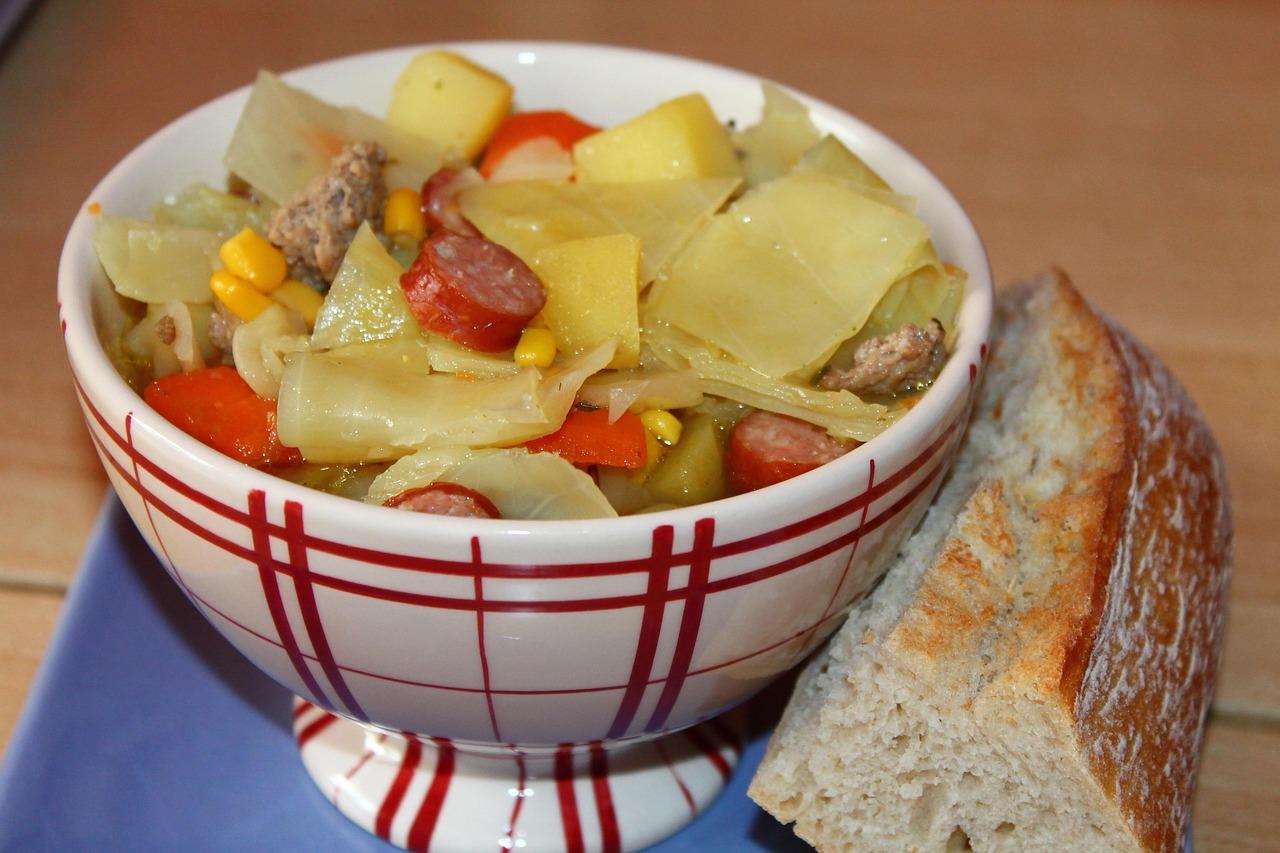
Potée lorraineSmoked pork and white bean pot

In Lorraine farmhouses around Nancy and the Vosges foothills, the potée simmered on the stove through winter and fed the household after a cold morning outside. It is a pork dish through and through: smoked pork shoulder, smoked belly and a garlic sausage gently poached with a whole green cabbage, carrots, turnips, leeks and white beans until the broth is smoky and the vegetables melt. The broth is ladled out first, sometimes over toasted bread, and the meat and vegetables follow with mustard and gherkins. Chef's tip: blanch the cabbage for five minutes before adding it to the pot, which takes away its sulphurous edge and keeps the broth sweet.

180 minFrenchMeat
by KrazyBadal 0 views

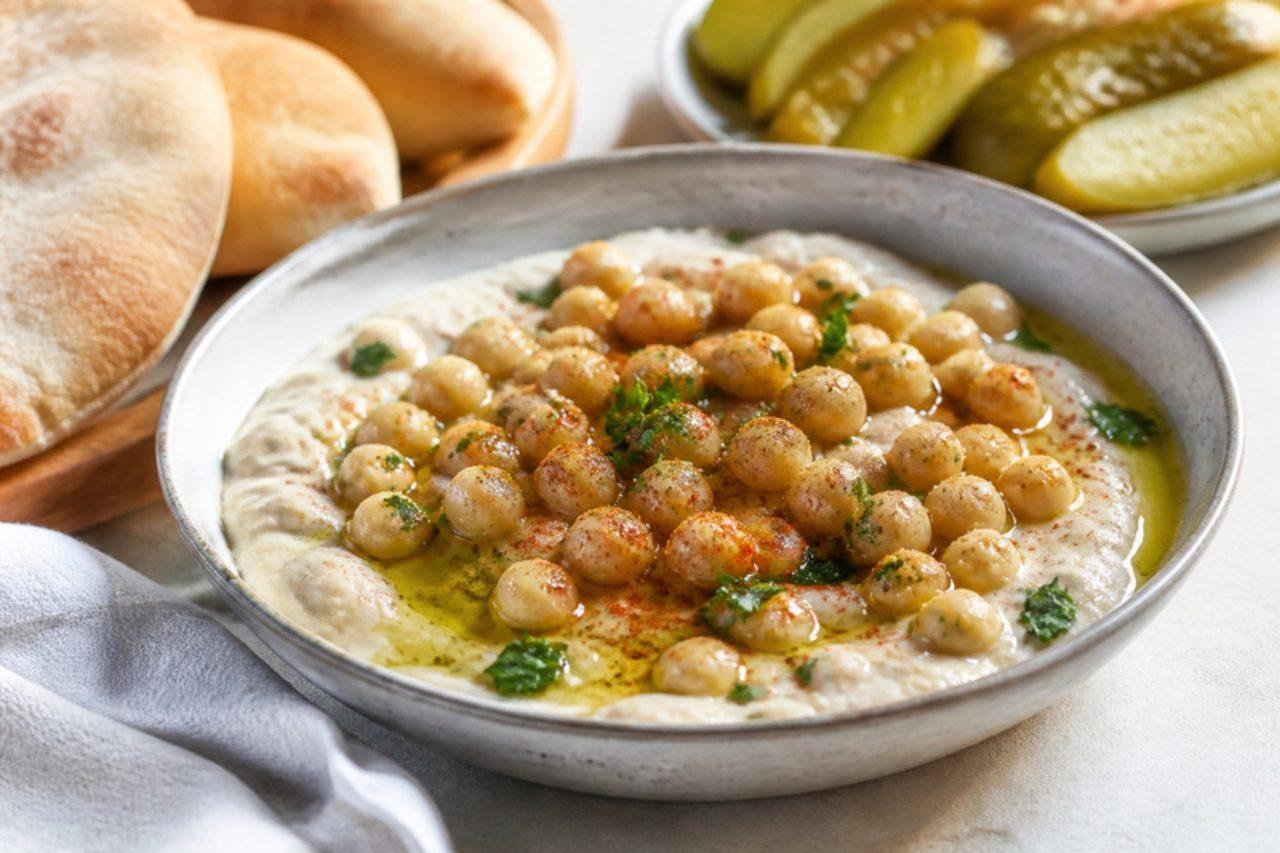
MsabbahaWhole chickpeas in tahini sauce

Hummus shops in Jerusalem's Old City and in Nablus open before dawn, and alongside the smooth hummus they ladle out msabbaha: whole, just-cooked chickpeas bathed in a loose, garlicky tahini and lemon sauce, still warm. It is a working breakfast, eaten with raw onion wedges, green chilli and plenty of bread, and it is just as popular in south Lebanon. The texture is the point, soft chickpeas in a creamy pool rather than a purée. The common mistake is making the tahini sauce too thick; it should pour like double cream so it seeps around every chickpea. Chef's tip: crush a handful of the hot chickpeas into the sauce before you spoon it over; it makes the msabbaha richer and creamier.

by KrazyBadal 0 views

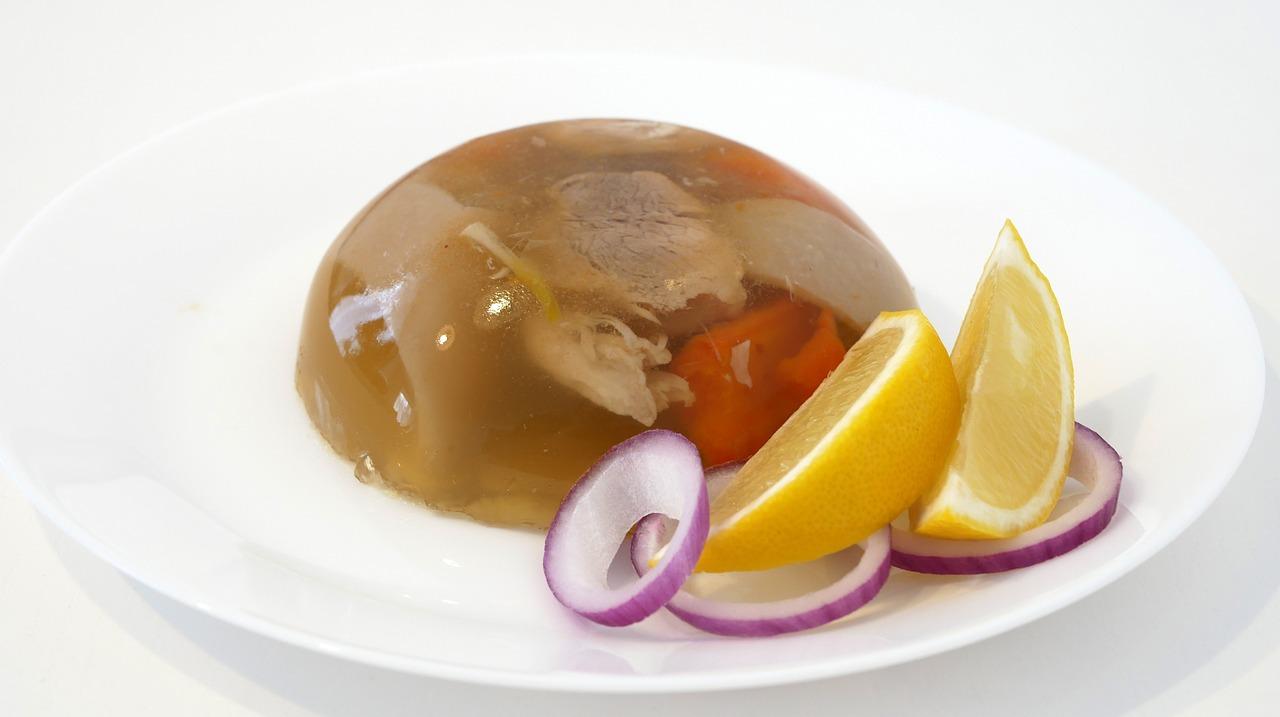
PotjevleeschJellied chicken, rabbit, pork and veal

Potjevleesch, Flemish for "little pot of meat", comes from French Flanders around Dunkirk, Bergues and Hazebrouck, where it fills the cold cabinets of every friterie and estaminet. Chunks of chicken, rabbit, pork and veal are layered with onion, garlic and herbs, covered with white wine and a little vinegar and baked slowly in a covered terrine; the juices are then set with gelatine so the meat is held in a clear, tangy jelly. It is eaten cold, sliced, with hot chips and a green salad, a contrast that the Nord loves. It contains pork and uses white wine; the notes give an alcohol-free option. If rabbit is hard to find, use more chicken thighs. Chef's tip: slice it straight from the fridge with a hot knife, so the jelly cuts cleanly.

930 minFrenchMeatGluten free
by KrazyBadal 0 views

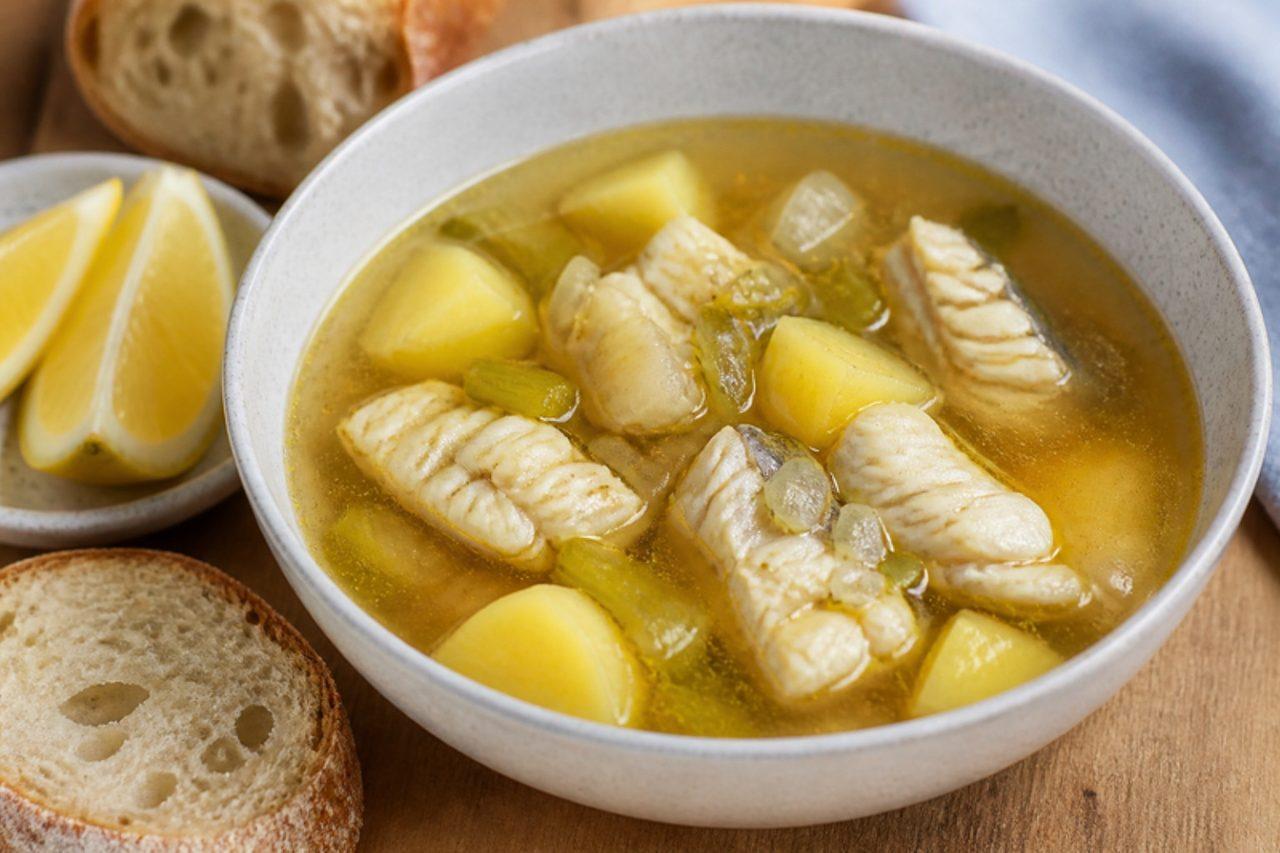
KakaviaMixed fish and potato soup

Kakavia takes its name from the three-legged pot fishermen in the Cyclades set on the beach, filling it with the small, bony fish they couldn't sell, seawater, onions, potatoes and a generous pour of olive oil. Today island tavernas and families make it with a mix of firm white fish, and serve the broth first with lemon, then the fish and potatoes on a platter. It is clean, golden and comforting, best with crusty bread. Common mistake: stirring once the fish goes in, which breaks it into shreds; shake the pot instead. Chef's tip: simmer the heads and bones first for the broth, then poach the fillets in it briefly so they stay in whole pieces.

80 minGreekSoupsGluten free
by KrazyBadal 0 views

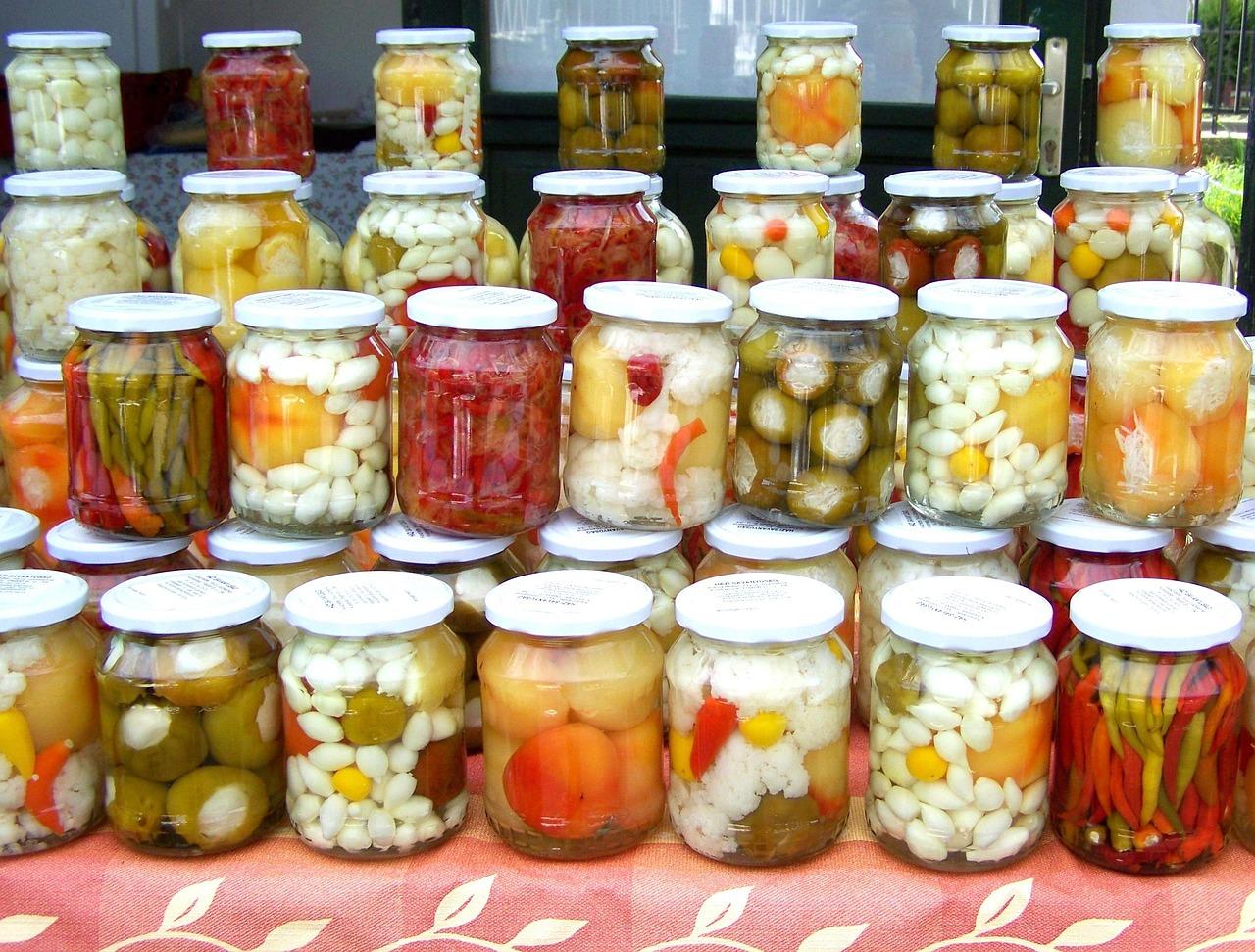
Karışık turşuMixed vegetable pickle

Every autumn Turkish kitchens line up jars of karışık turşu, and in Istanbul pickle shops (turşucu) sell it by the glass with its sour juice to drink. Crunchy cabbage, carrots, cucumbers, green peppers and cauliflower are packed with garlic and chickpeas in a salted, vinegar-spiked brine and left to sour for a couple of weeks. It sits beside bean stews, pilaf and kebab at almost every home meal. Common mistake: iodised table salt, which clouds the brine and softens the vegetables; use rock or pickling salt. Chef's tip: a few dried chickpeas in the jar help the fermentation get going, as Turkish grandmothers swear.

by KrazyBadal 0 views

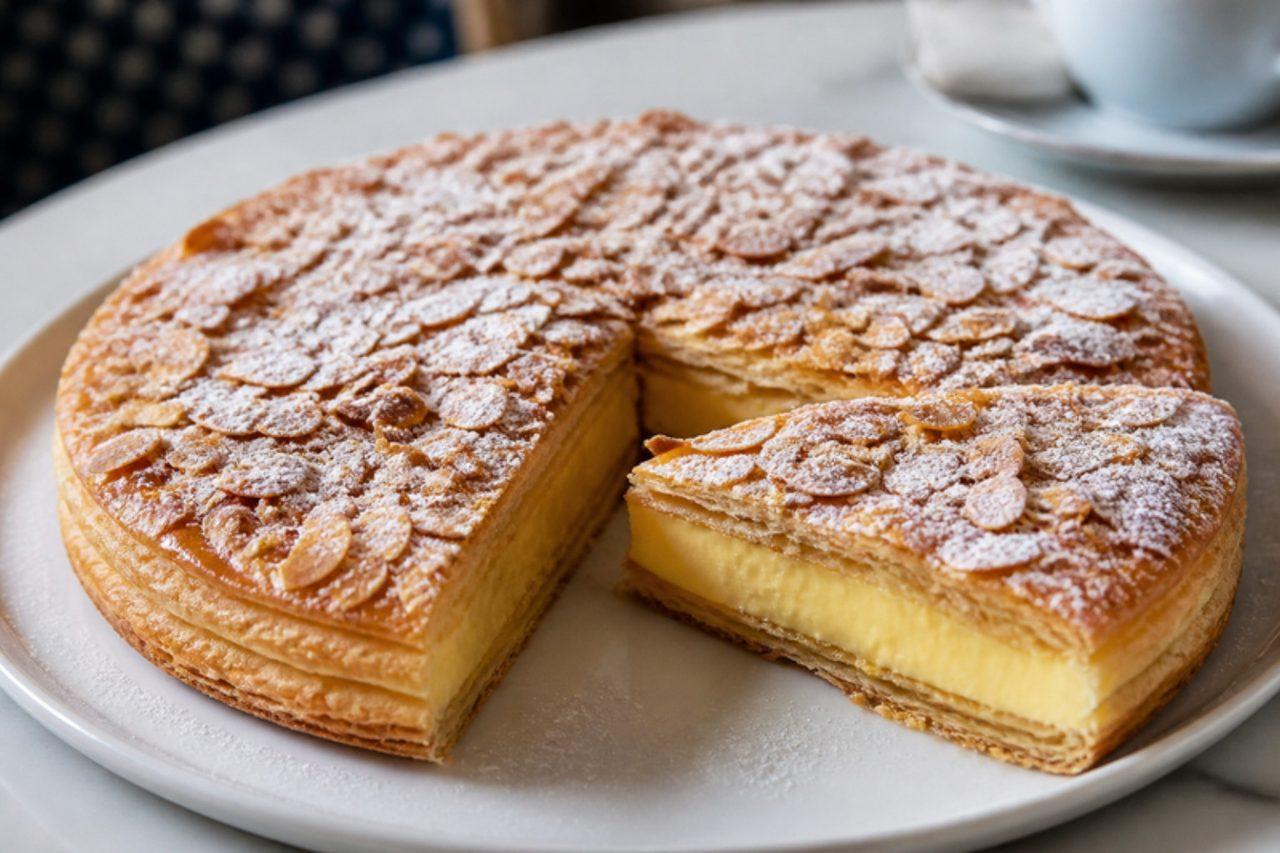
PantxinetaCustard and almond puff pastry tart

Pantxineta was first baked in a pastry shop in San Sebastián's old town in the early twentieth century, and Donostiarras still buy it on Sunday mornings to take to family lunch. Two layers of buttery puff pastry enclose vanilla pastry cream, and the top is covered with flaked almonds and icing sugar. It is best eaten warm on the day it is made, while the pastry shatters. A common mistake is filling the pastry with warm custard, which melts the butter layers and stops them rising. Chef's tip: chill the assembled tart for 20 minutes before baking so the pastry keeps sharp edges.

by KrazyBadal 0 views

PoulakiThin saffron sugar candy

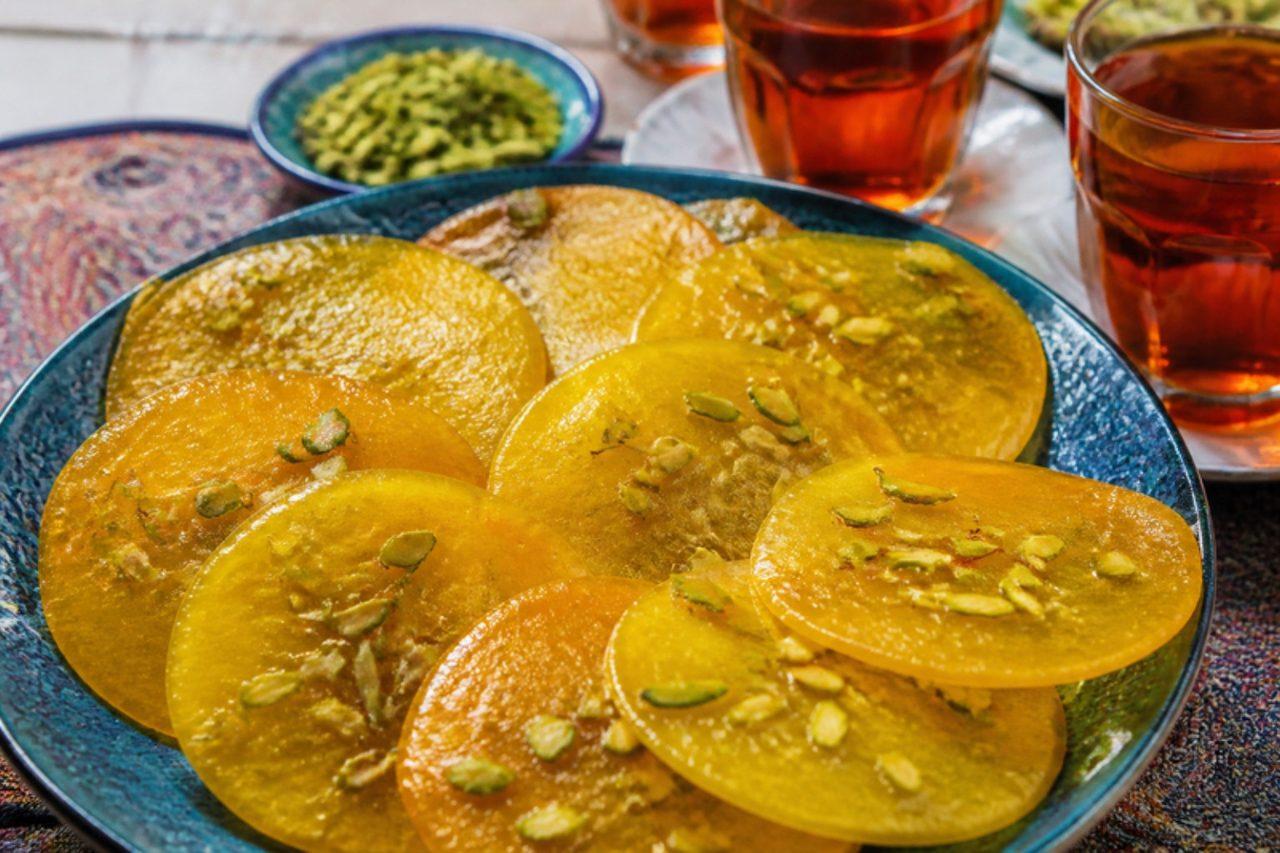
Poulaki are the paper-thin golden sugar coins sold by weight in Isfahan's sweet shops, meant to be held between the teeth while you sip strong black tea. The name comes from 'poul', the old word for coin, and Isfahanis serve them with tea to guests at any hour, flavoured with saffron, cardamom or sesame. Only sugar, a little vinegar and spice are needed, but timing matters. A common mistake is pouring the drops too big: they should spread no wider than 4 cm or they stay chewy in the middle. Chef's tip: work on a cold, lightly oiled marble or steel tray, which sets the coins in seconds and keeps them glassy.

by KrazyBadal 0 views

PanuchosBean-stuffed tortillas with chicken

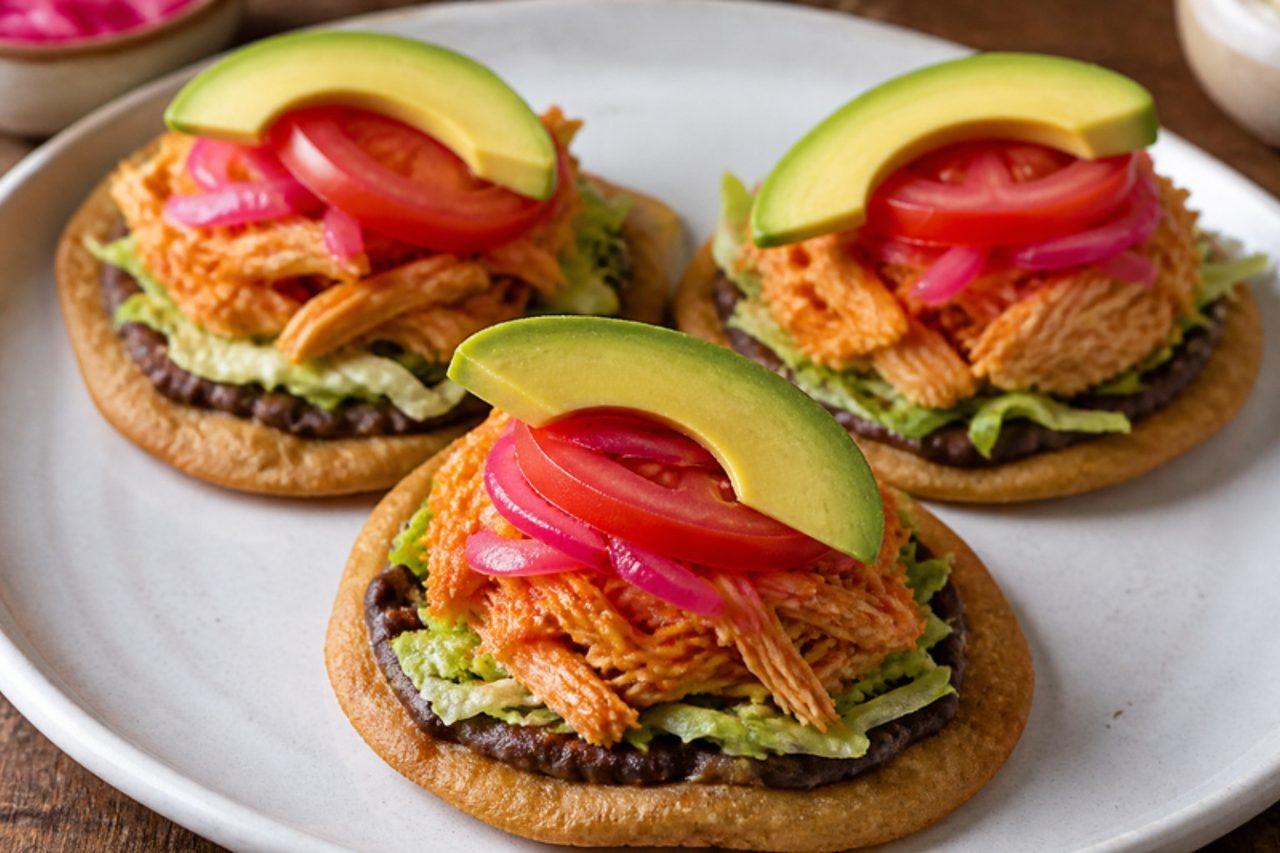
Mérida's loncherías and the evening stands around its parks sell panuchos by the plateful: small corn tortillas puffed on the griddle, slit open, stuffed with black bean paste and fried until the edges crisp. They are topped with shredded chicken marinated in achiote and bitter orange, sharp pink pickled onion, tomato and avocado, with fiery habanero salsa on the side for those who want it. Bitter (Seville) orange is the traditional sour; a mix of orange and lime juice works well. Two or three make a supper with a cold drink. Chef's tip: let the tortilla balloon on the hot comal before you slit it; if it doesn't puff, there is no pocket for the beans.

by KrazyBadal 0 views

Sorrentinos de calabazaSquash and ricotta pasta parcels

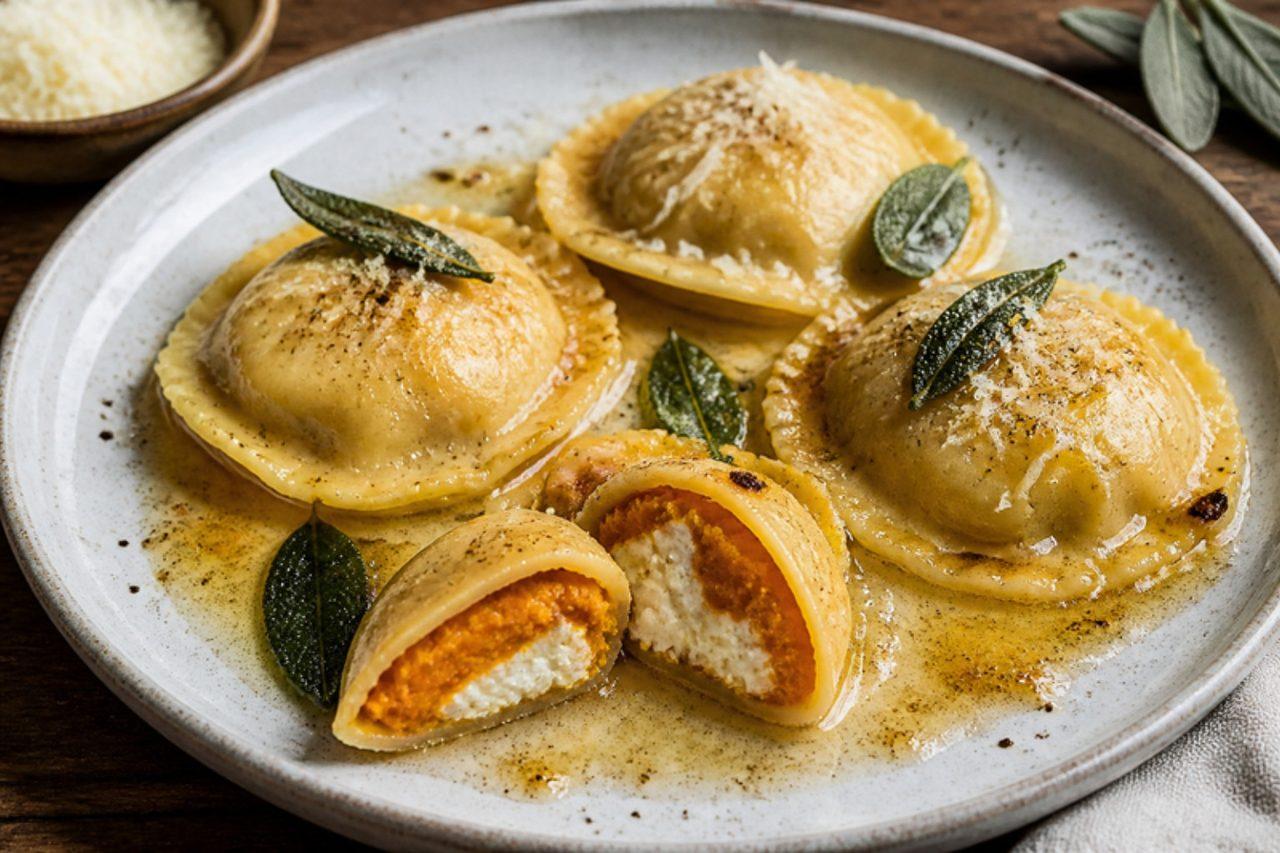
Mar del Plata claims the sorrentino, a big round stuffed pasta about the size of a jam-jar lid that Italian-Argentine cooks made their own in the mid-20th century; despite the name, you won't find it in Sorrento. Every fresh-pasta shop in Buenos Aires province sells them by the dozen on Sunday mornings, and the squash version, with roasted calabaza, ricotta and nutmeg, is the most loved. The filling is sweet and soft, the pasta thin but sturdy, and the sauce is either brown butter with sage or a plain tomato filetto. The classic mistake is boiled squash: it carries too much water, the filling weeps and the parcels burst in the pot, so the squash is roasted until dry and caramelised. Grated hard cheese is usually made with animal rennet; choose a vegetarian hard cheese if needed. Chef's tip: chill the filling until firm before you shape it; a cold, stiff filling is far easier to seal without air pockets.

by KrazyBadal 0 views

Pão alentejanoSourdough country loaf

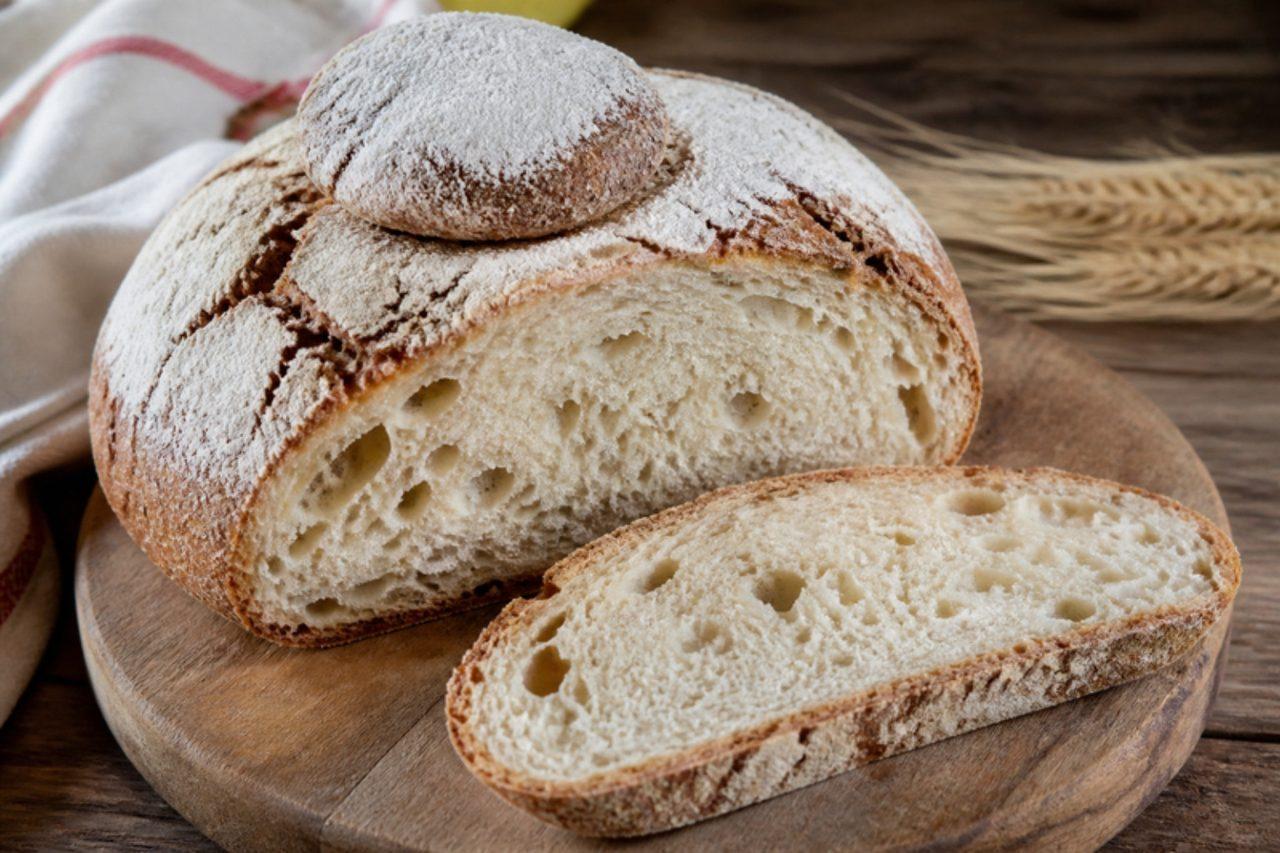
Almost every Alentejo meal leans on this bread: it is crumbled into açorda, laid under soups and stews, fried into migas and, fresh, eaten with olives and sheep's cheese. Village bakers make it with a sourdough starter, white wheat flour, water and salt, and give each round loaf a little knob of dough on top, called the cuco. The crumb should be dense, moist and chewy and the crust thick and crackling, so it lasts a week. You need an active starter that doubles within 6 hours of feeding. A common mistake is baking too pale; let the crust go a deep brown for flavour and keeping. Chef's tip: use a wetter dough than you think; it gives the open, moist crumb that keeps the bread soft for days.

by KrazyBadal 0 views

Mate com limãoIced mate with lime

On Copacabana and Ipanema, vendors in orange uniforms trudge across the hot sand carrying two metal barrels, one of iced mate tea and one of limonada, shouting 'mate, limão!' and mixing the two in a plastic cup for each customer. The tea is chá mate tostado, roasted yerba mate leaves brewed like ordinary tea, with a smoky, toasty taste; with sweet lime lemonade it becomes the definitive carioca beach drink, cold, tangy and gently caffeinated. Toasted mate is sold loose or in tea bags in Brazilian shops; green yerba mate gives a grassier result. Squeezing the limes too hard, or blending them whole, is the usual pitfall, because the white pith turns the lemonade bitter. Chef's tip: brew the tea strong and chill it completely before mixing, so the ice does not dilute it.

by KrazyBadal 0 views

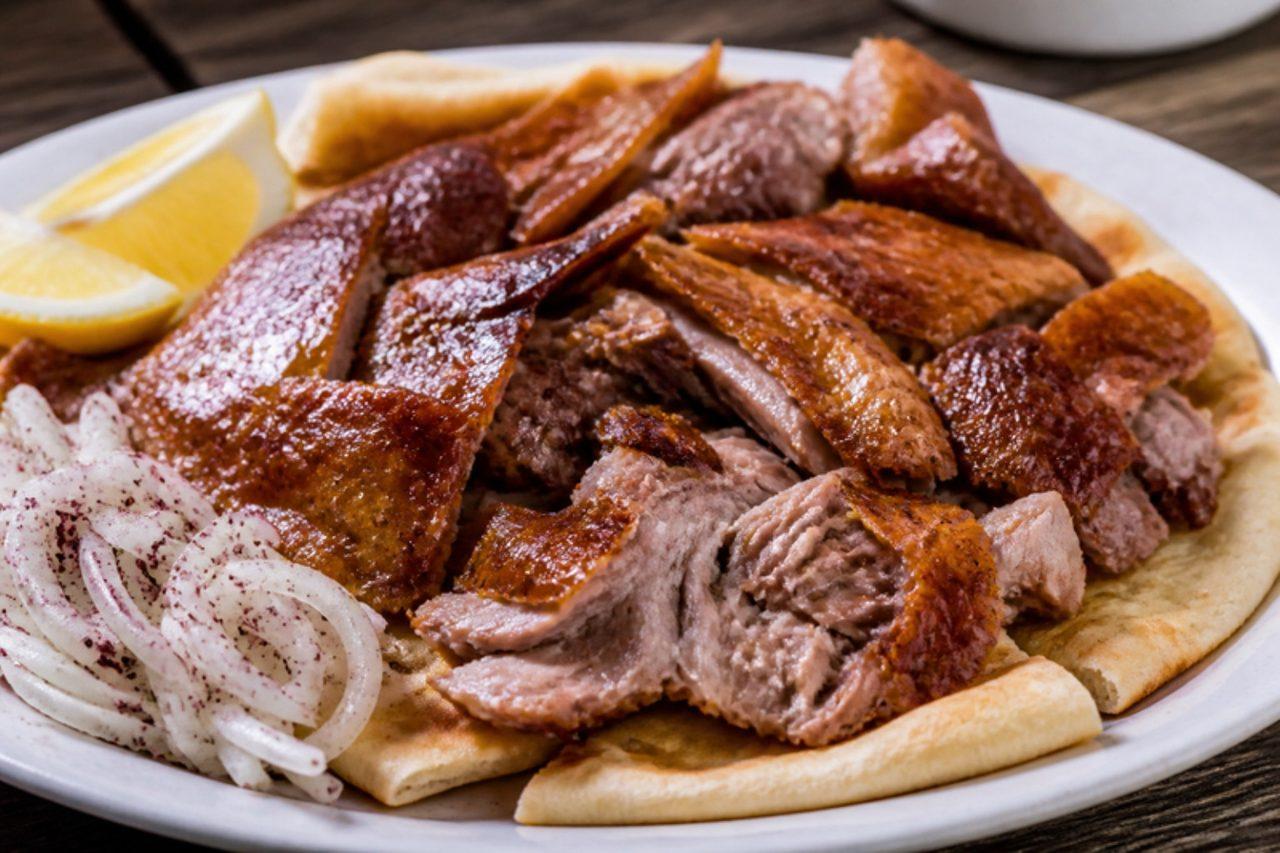
BüryanSlow-roasted lamb

In Siirt, büryan is eaten for breakfast: whole sides of young lamb hang for hours in a deep clay pit oven sealed with mud, and by early morning the meat is falling apart with crackling skin, served on thin bread with nothing but salt. This home version uses a bone-in shoulder roasted low and slow, sealed under foil to trap the steam as the pit does, then blasted at the end for the crisp outside. It needs no marinade beyond salt; the flavour is all lamb. Common mistake: lifting the foil to check; every peek lets the steam out and dries the meat. Chef's tip: pull it apart with two forks at the table and pile it straight onto warm lavaş to catch the juices.

280 minTurkishMeat
by KrazyBadal 0 views

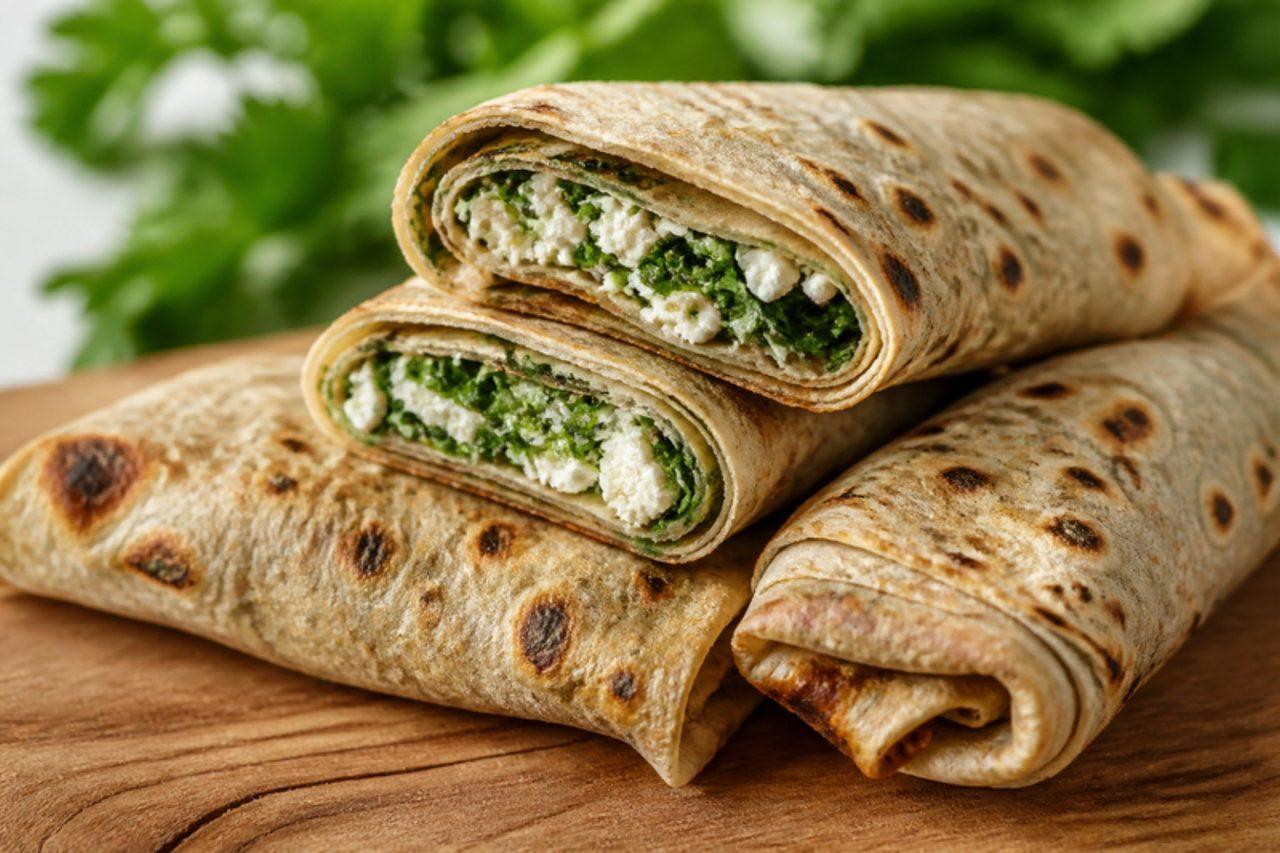
SıkmaCheese and herb rolled flatbread

At village markets in the hills behind the Aegean and Mediterranean coasts, women sit at a convex sac griddle rolling out paper-thin dough, cooking it in seconds and 'squeezing' (sıkmak) it around a filling of white cheese and herbs. You eat it rolled up and still hot, with ayran. It is the simplest snack there is and easily done in a large frying pan. Beyaz peynir is often made with animal rennet; choose a vegetarian one if needed. Chef's tip: roll the dough as thin as you can and cook it fast on a very hot, dry pan; slow cooking makes it brittle instead of soft and foldable.

by KrazyBadal 0 views

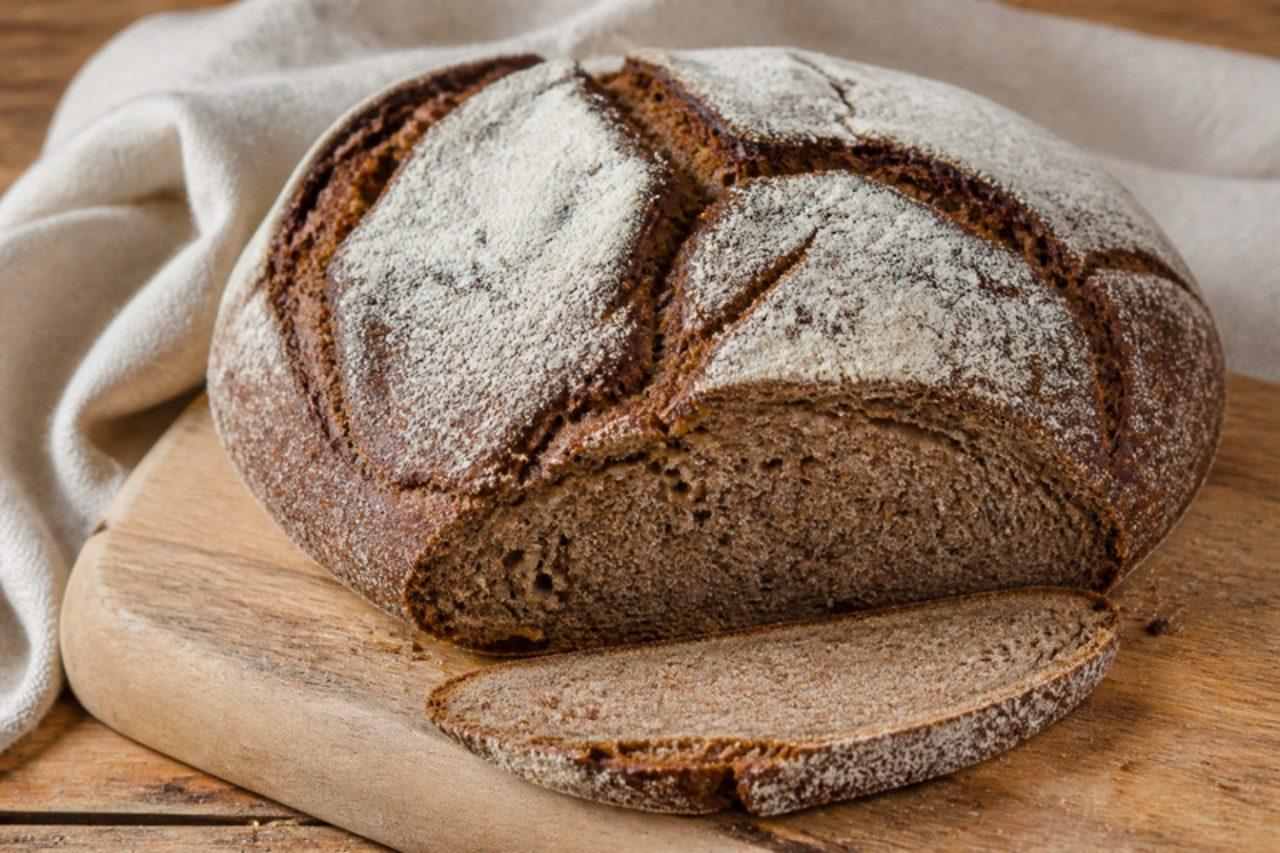
Pão de centeio transmontanoDark rye loaf

On the cold uplands of Trás-os-Montes, where wheat struggled, rye was the bread grain, and village bakeries around Montalegre and Miranda do Douro still bake big rounds with a dark, floury crust. The crumb is dense, tangy and moist, made to keep for a week and to sit beside cured meats, cheese and soups. This home loaf mixes rye with some wheat so it rises reliably. A common mistake is kneading rye dough like wheat dough; it never turns elastic, so mix it to a sticky paste and stop. Chef's tip: rye dough is sticky by nature, so shape it with wet hands rather than adding flour.

by KrazyBadal 0 views

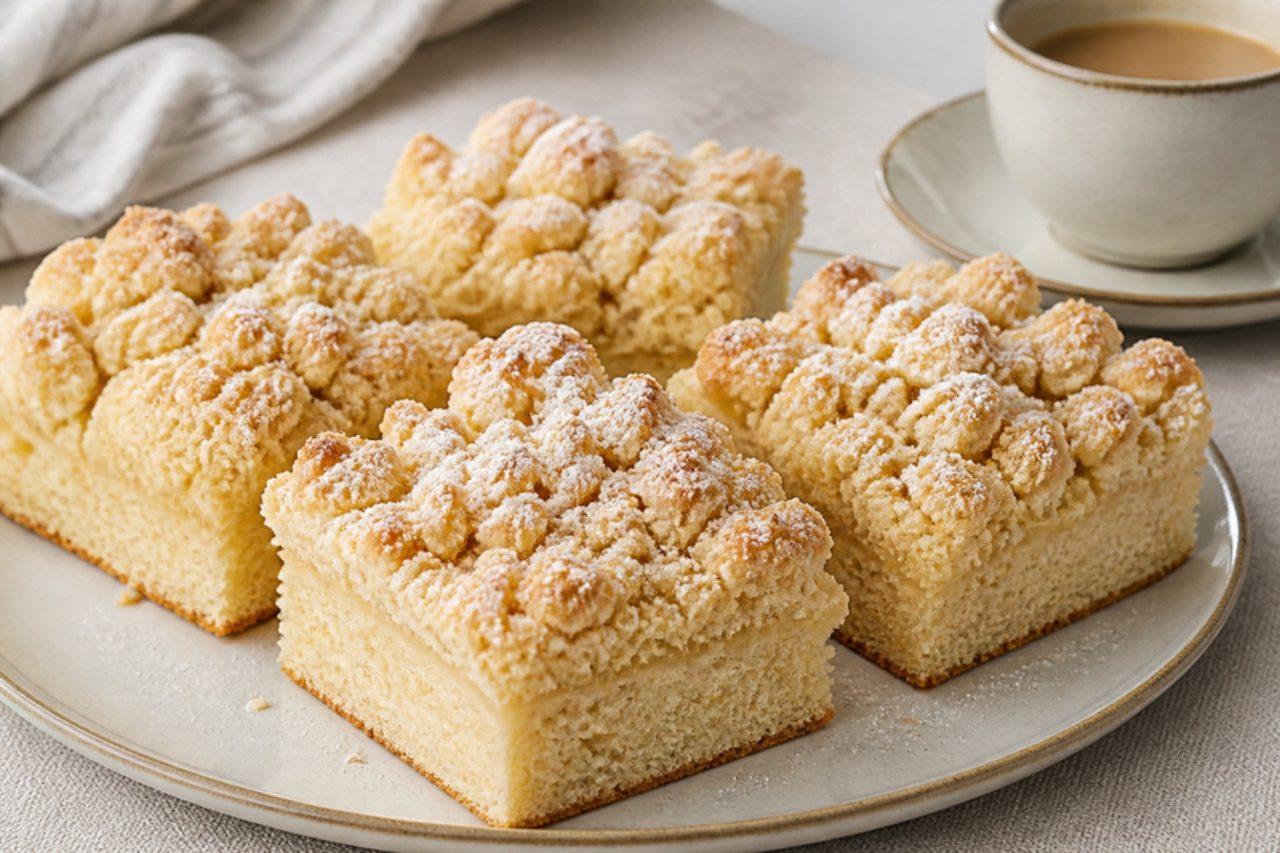
Silesian StreuselkuchenCrumble-topped yeast cake

Streuselkuchen came west with families from Silesia, where a tray of it was baked for every wedding and church fair, and it is now sold in every German bakery. The point is the crumble: big, buttery, vanilla-scented lumps sitting almost as thick as the soft yeast base underneath. It is served plain with coffee in the afternoon, often a day old, when the streusel has gone crisp and the base slightly chewy. A common mistake is rubbing the streusel to fine sand; it should be squeezed into clumps the size of hazelnuts. Chef's tip: use cold, cubed butter and chill the finished streusel for 20 minutes before scattering it, so the lumps keep their shape in the oven.

120 minGermanBaking
by KrazyBadal 0 views

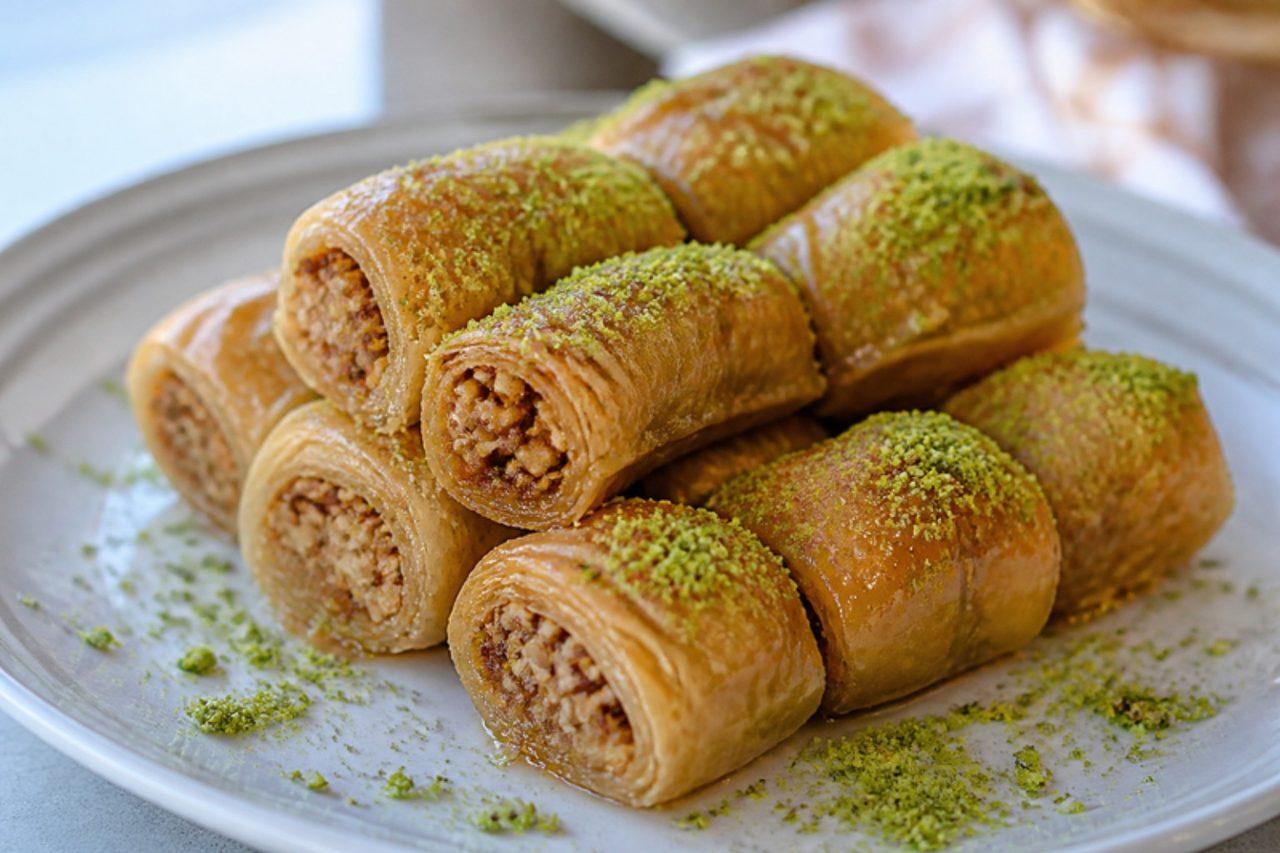
ŞıllıkWalnut crepes in lemon syrup

Şıllık is a home sweet of Şanlıurfa, made for guests and special Fridays: lacy crepes cooked on a hot sac or flat pan, filled with sugared walnuts, rolled up and doused in syrup until soft and sticky. Rich with butter and cut into short logs, it is eaten warm with a tiny cup of bitter mırra coffee to balance the sweetness. The batter should be as thin as single cream; thick batter gives rubbery pancakes. Chef's tip: syrup and crepes should be at different temperatures, so pour cooled syrup over the warm rolls, which drink it up without falling apart.

by KrazyBadal 0 views

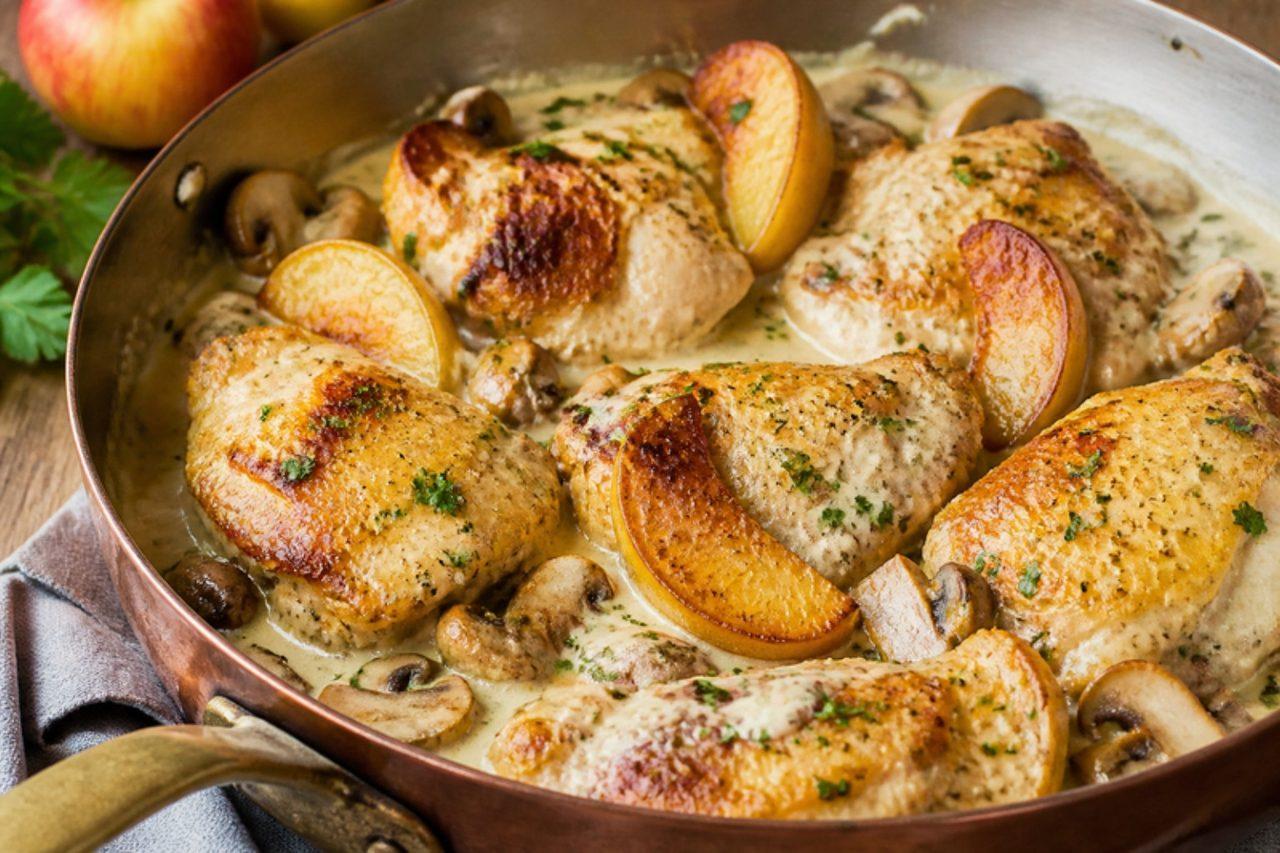
Poulet vallée d'AugeChicken in cider and cream sauce

The Pays d'Auge, the green orchard country around Lisieux and Pont-l'Évêque, puts its three great products into one pan here: apples, cider and thick Normandy cream. Chicken pieces are browned in butter, flamed with a splash of Calvados if you like, braised in dry cider with mushrooms and finished with crème fraîche, so the sauce is tangy, gently sweet and pale gold. It is a Sunday lunch dish, served with rice or steamed potatoes and wedges of apple caramelised in butter. The recipe uses cider and optional Calvados; alcohol-free swaps are in the ingredient notes. Chef's tip: choose a dry cider, because a sweet one makes the sauce cloying once it reduces.

by KrazyBadal 0 views

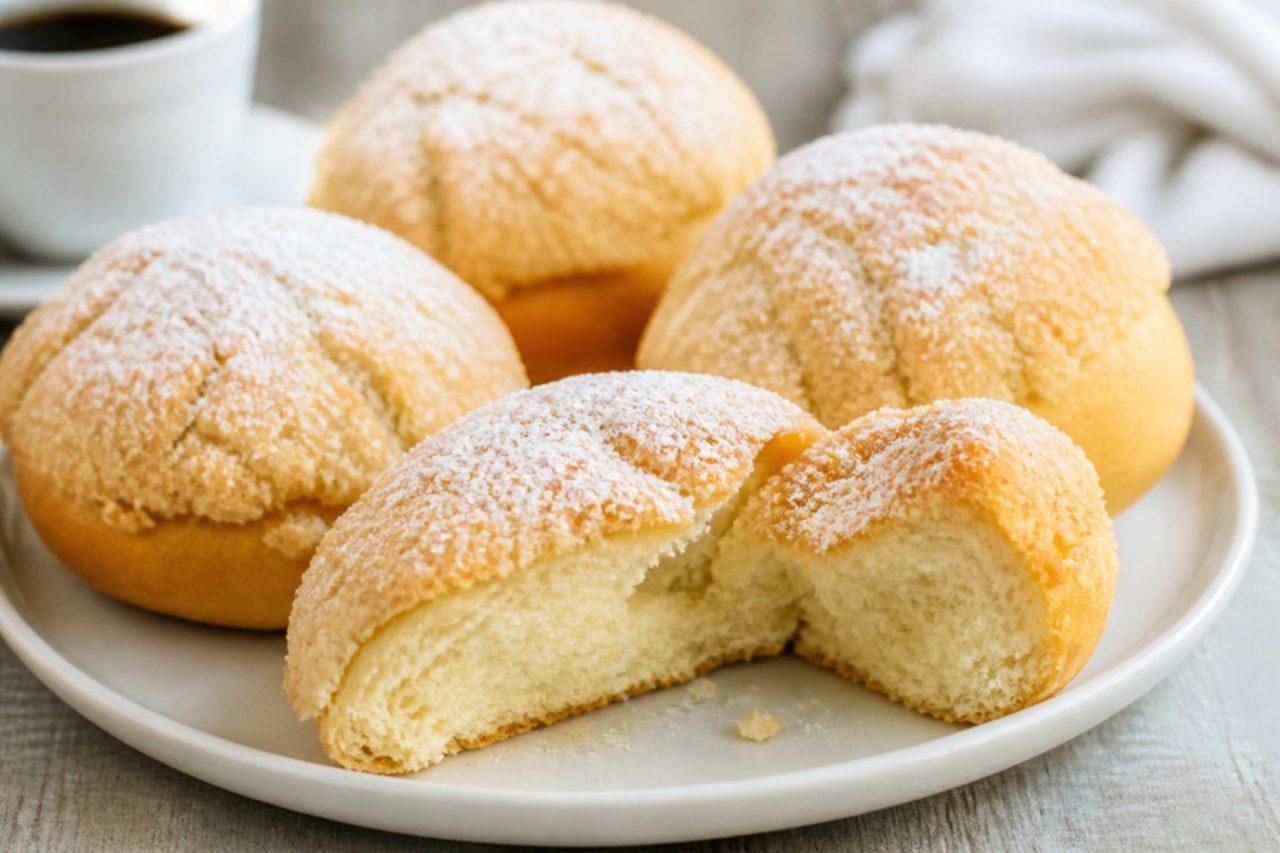
Pão de DeusCoconut-topped sweet buns

Lisbon bakeries pile these 'God's bread' buns in their windows every morning, and regulars split them and spread them with butter, or tuck in a slice of cheese, for breakfast with a galão. The dough is soft and milky like brioche, and the top is a sweet blanket of grated coconut, egg and sugar that bakes crisp and golden. A common mistake is spreading the coconut too thin: pile it on thickly so it stays moist underneath and toasty on top. Chef's tip: let the shaped buns rise fully before topping them, or the heavy coconut layer squashes them flat.

by KrazyBadal 0 views

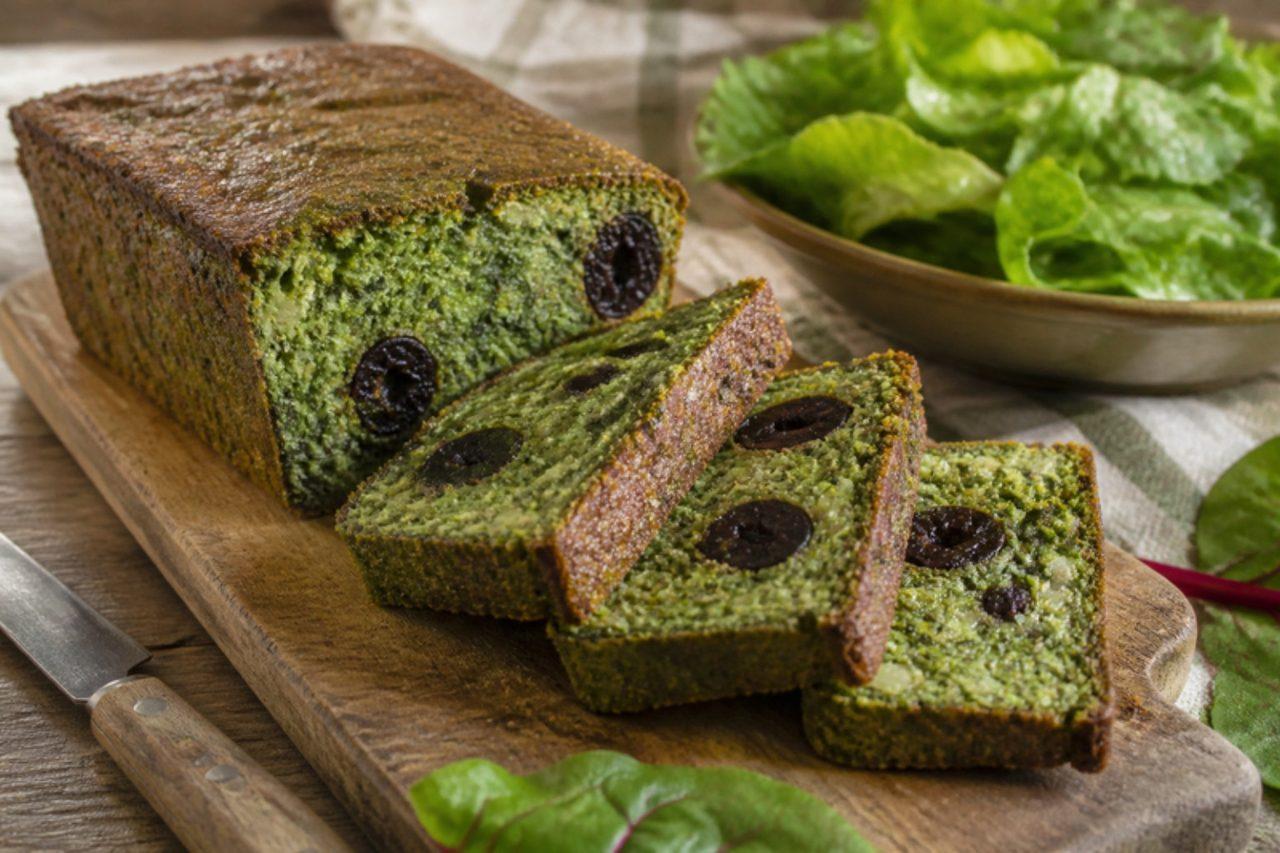
PountiChard and prune loaf

Farm kitchens in the Cantal and the Aveyron uplands bake pounti as a way to use the garden's chard and a few prunes from the cupboard: a soft savoury loaf, green-flecked and studded with dark sweet fruit, served warm with a salad for supper or cold in slices for a picnic. It is traditionally made with bacon or ham; this version leaves the meat out and adds a little smoked paprika for the same savoury edge. Chef's tip: wring the blanched chard really dry, or the loaf will be soggy in the middle.

by KrazyBadal 0 views

ObatzdaBeer-garden cheese spread

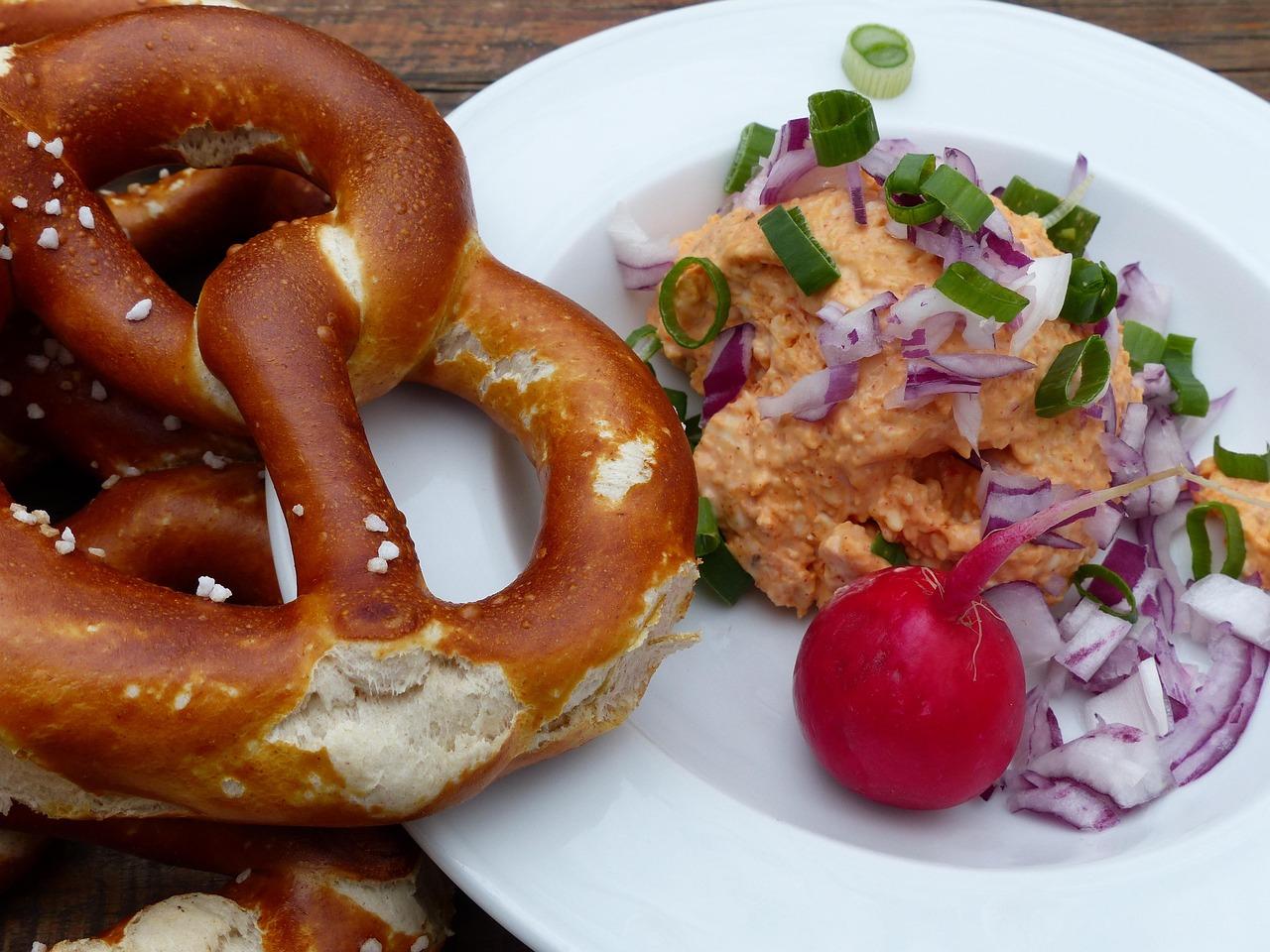
Obatzda is what a Munich beer garden puts beside a giant soft pretzel: overripe Camembert mashed with soft butter, sweet paprika, caraway and raw onion until it turns a creamy, rusty orange. It is a thrifty spread that grew up in Bavarian taverns as a way to use cheese that had gone a little too far, and it is still eaten in the afternoon sun with radishes and dark bread. Camembert is usually made with animal rennet, so pick one labelled vegetarian if that matters to you. A common mistake is blitzing it in a processor, which makes it gluey; mash with a fork so a few soft lumps stay. Chef's tip: make it an hour ahead and chill it, then let it stand 15 minutes before serving, so the paprika flavour blooms and it spreads easily.

by KrazyBadal 0 views

Simit kebabıBulgur and lamb mince skewers

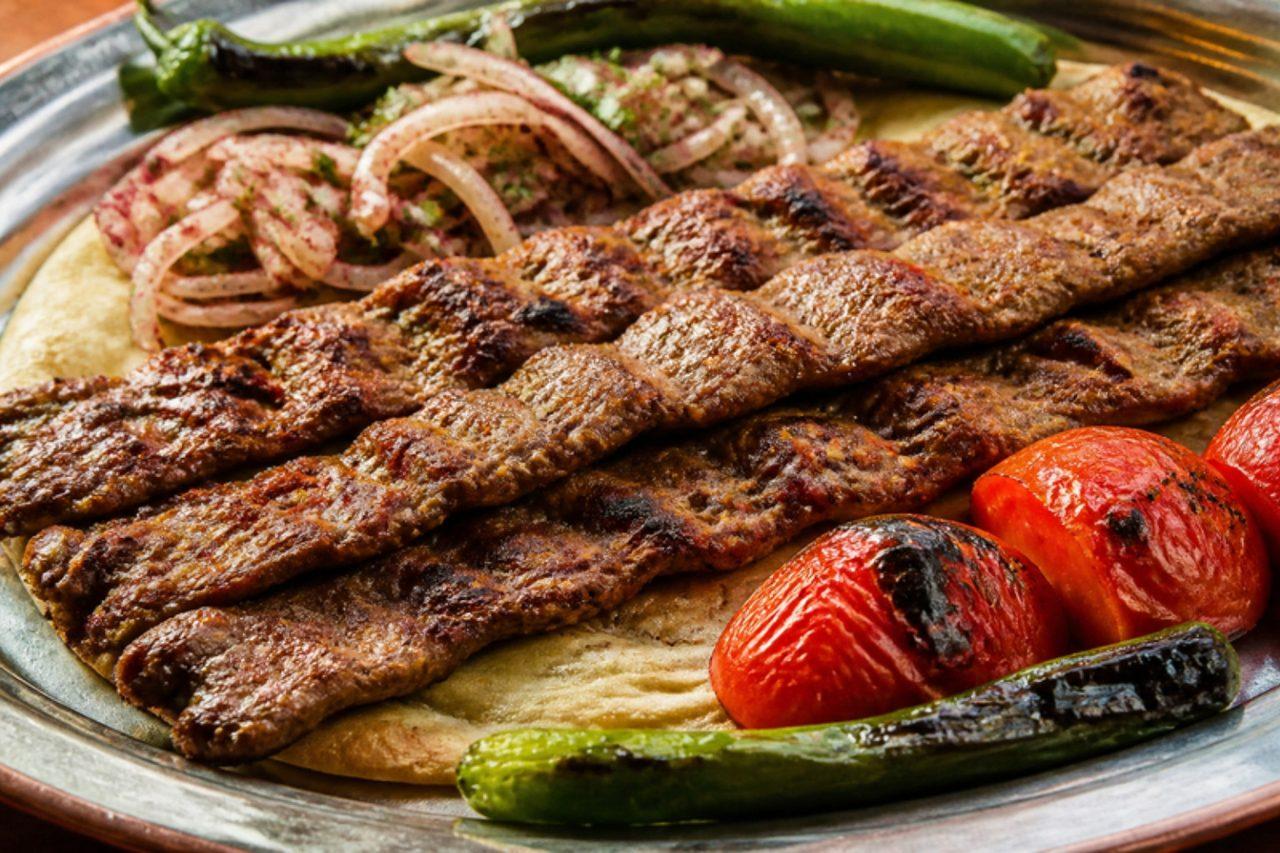
In Gaziantep 'simit' means fine bulgur, not the sesame ring, and the city's kebab grills knead it into spicy lamb mince before shaping long flat skewers over charcoal. The bulgur soaks up the juices, so the kebab is tender inside with a crisp, charred crust. Serve on lavaş or thin flatbread with grilled tomatoes, peppers and a heap of sumac onions. Knead the mixture for a full ten minutes; under-kneaded meat falls off the skewer. Chef's tip: chill the shaped skewers for 30 minutes before grilling so they keep their shape over the heat.

by KrazyBadal 0 views

LalagiaFried dough twists

Lalagia are the savoury cousins of diples, twisted ropes of olive-oil dough that women in the Mani fry by the hundred in the days before Christmas and on Clean Monday, when they're eaten with olives, cheese or a drizzle of honey. The dough is plain and lightly yeasted, rolled into thin cords, folded and twisted into figures of eight, then fried until crunchy and blond. They keep for weeks in a tin. Common mistake: frying in oil that's too hot, which browns the outside before the centre crisps. Chef's tip: keep the dough cords as thin as a pencil — they puff a lot in the oil.

by KrazyBadal 0 views

Showing 27 of 7,762 recipes

Show more recipes

Page 536 of 863