


Skip to content
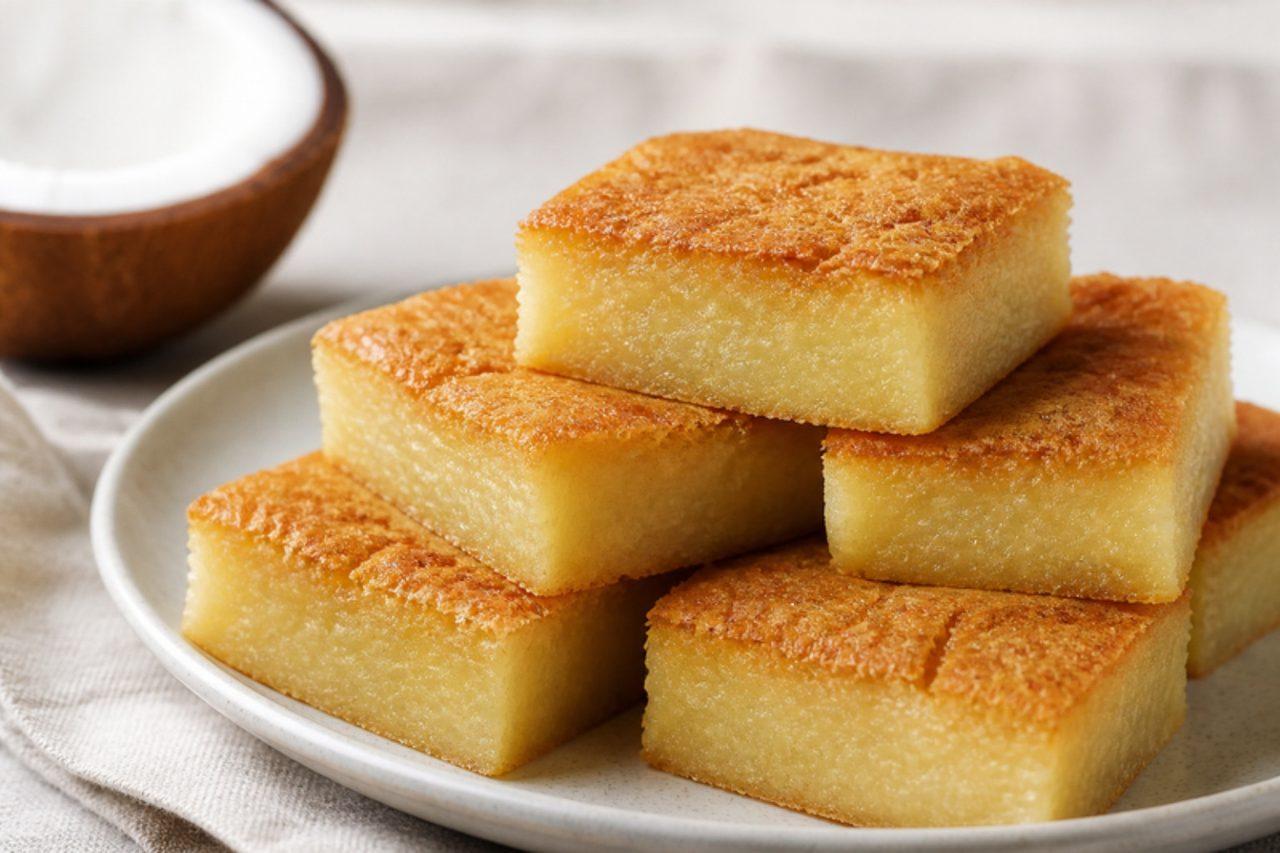
Hawaiian butter mochi
Featured recipe

Hawaiian butter mochi

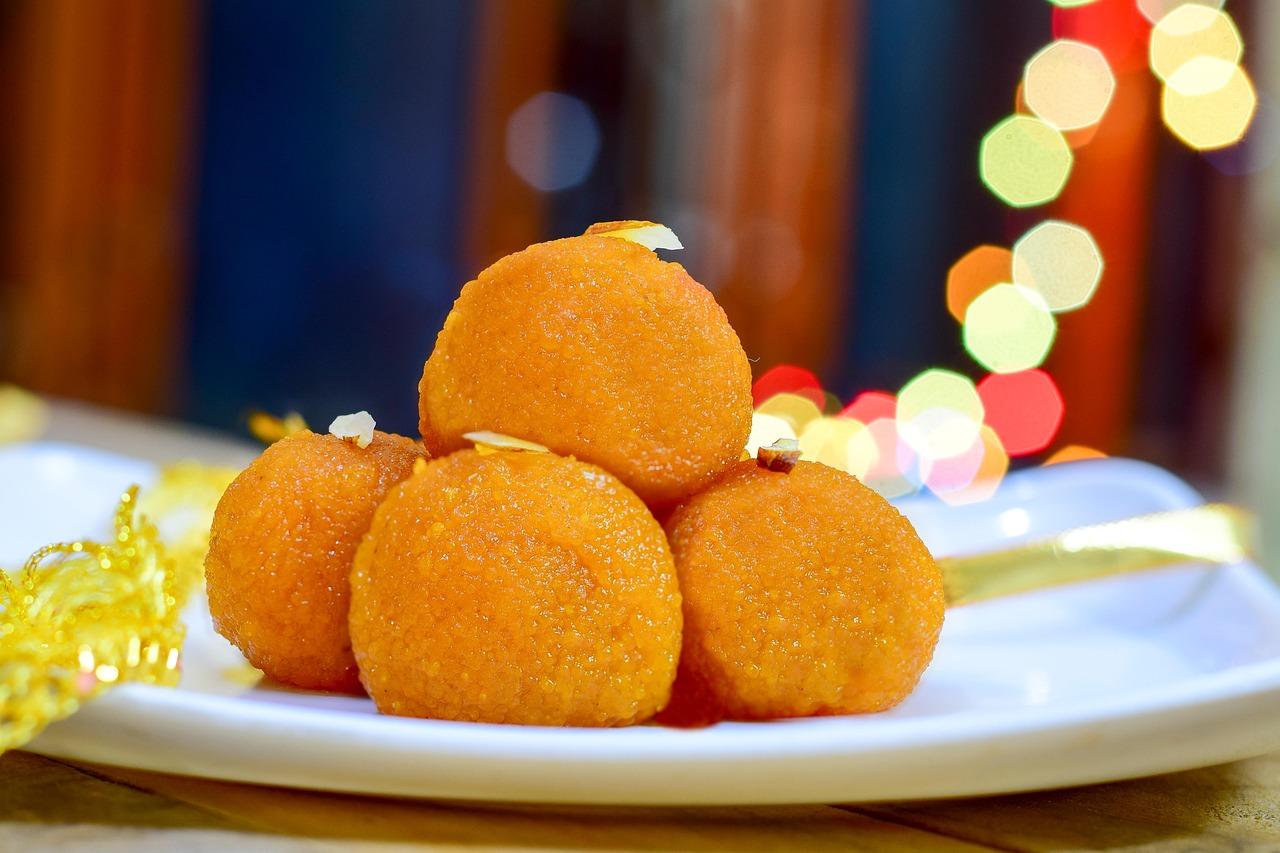
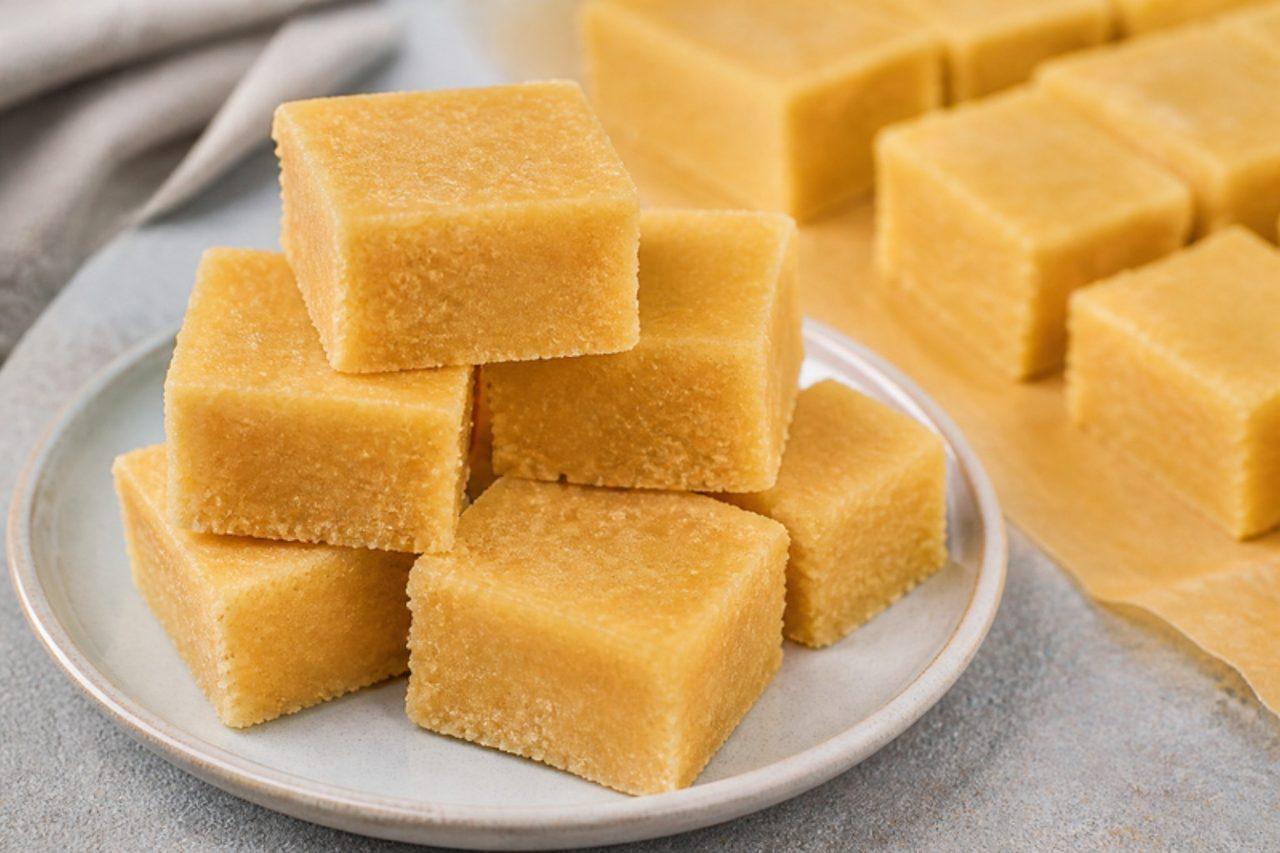
Butter mochi is the sweet of Hawaii's potlucks, school fundraisers and family parties, a local mix of Japanese mochi and the islands' coconut. Glutinous rice flour is baked with coconut milk, evaporated milk, butter and eggs into a golden, chewy cake with crisp edges and a soft, bouncy middle. Chef's tip: cut it with a plastic knife once fully cooled; a metal knife drags and sticks.

Read more 0 views

What to eat today?

Around the world

Today's trip: Persian

A new country every day, from every cuisine on the site.

Persian

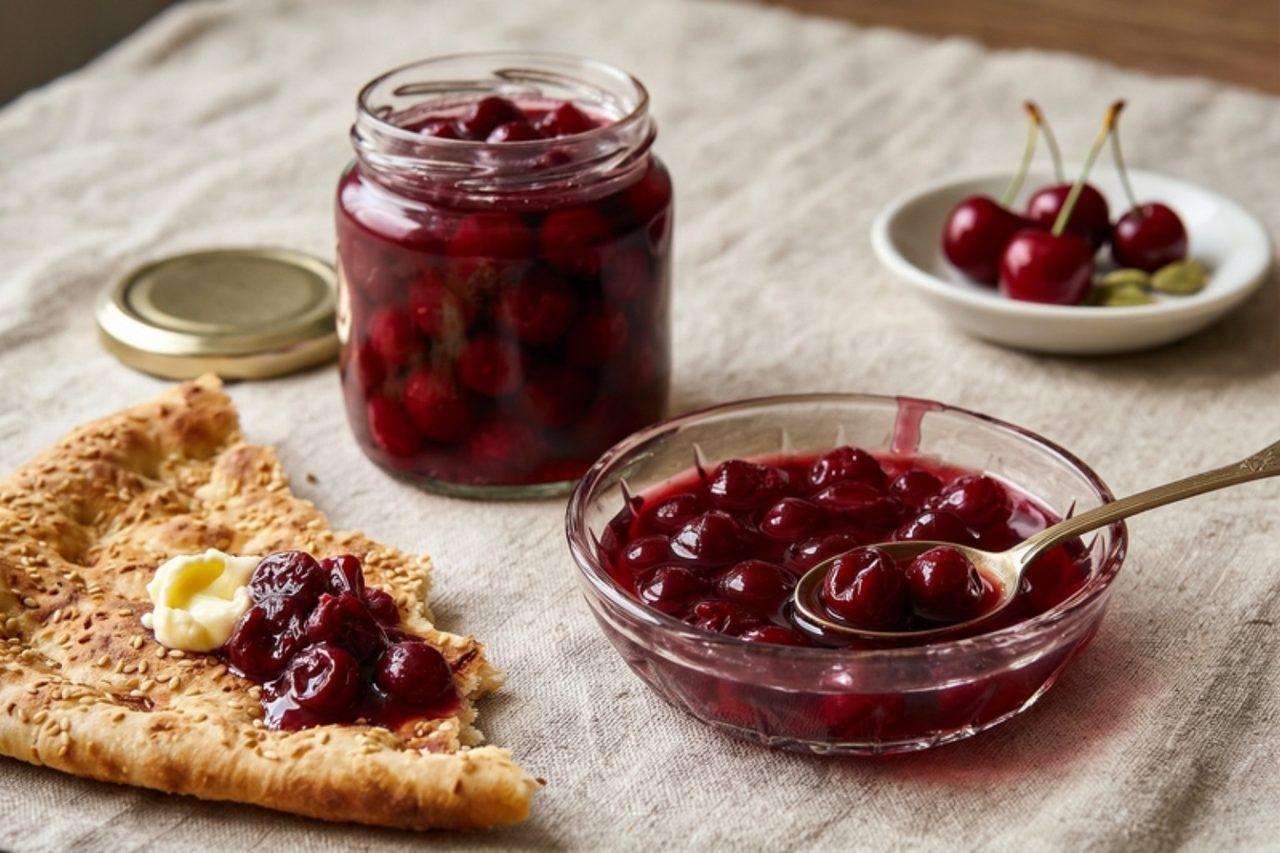
Morabba-ye albaloo

Sour cherry preserve 65 minMore from Persian (131) →

This week's collection

Kid-friendly dinners
541 recipes · a new collection every Monday

Latest recipes

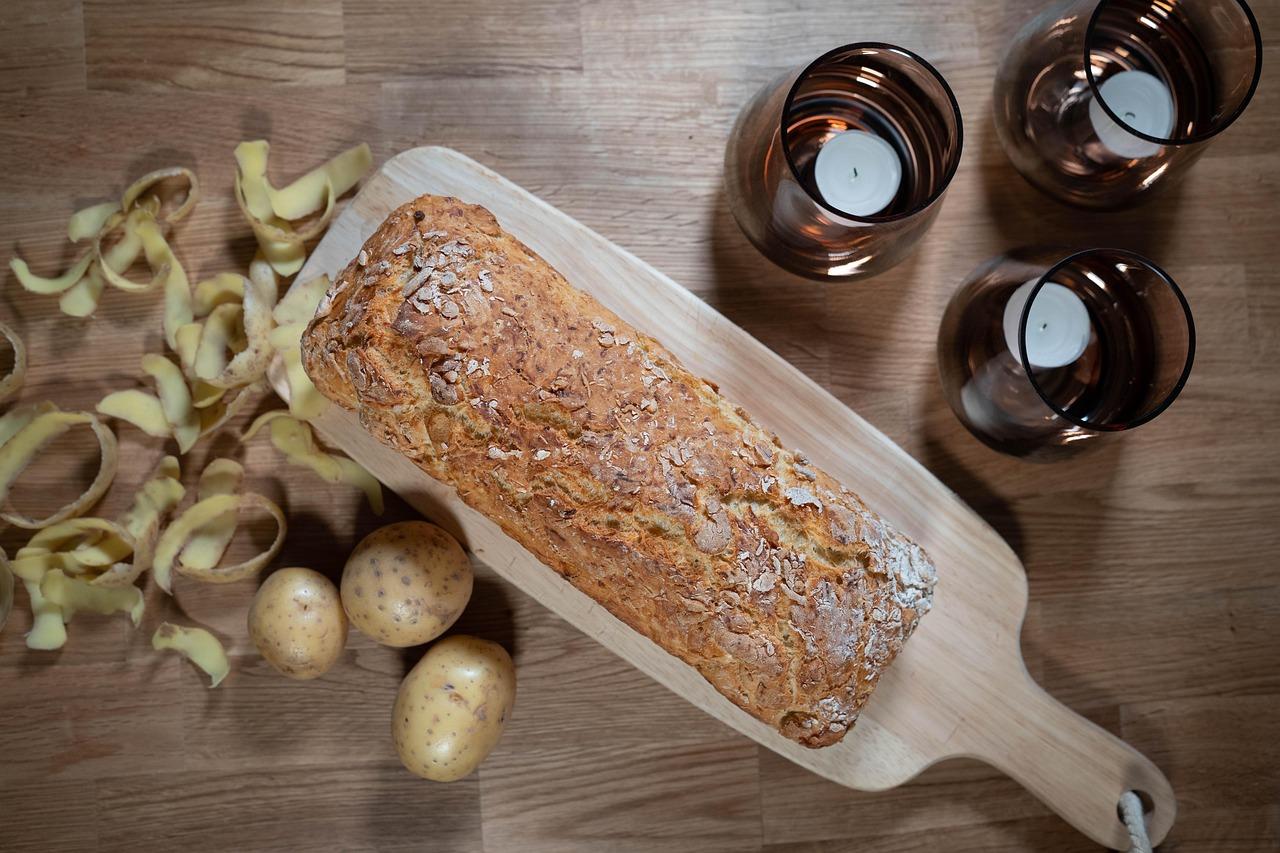
KartoffelbrotPotato bread

Kartoffelbrot was born of thrift in the potato regions of the Palatinate, Thuringia and Brandenburg, when bakers stretched scarce flour with boiled potatoes. The happy result is a loaf with a thin, crackly crust and a soft, moist, slightly sweet crumb that stays fresh for four or five days. It is a favourite for Sunday breakfast, for toast, and for sandwiches with butter and chives. A common mistake is using warm, wet mash, which makes the dough sloppy; the potatoes should be floury, mashed dry and completely cool. Chef's tip: save 100 ml of the potato cooking water and use it in the dough instead of plain water, for an even softer crumb.

by KrazyBadal 0 views

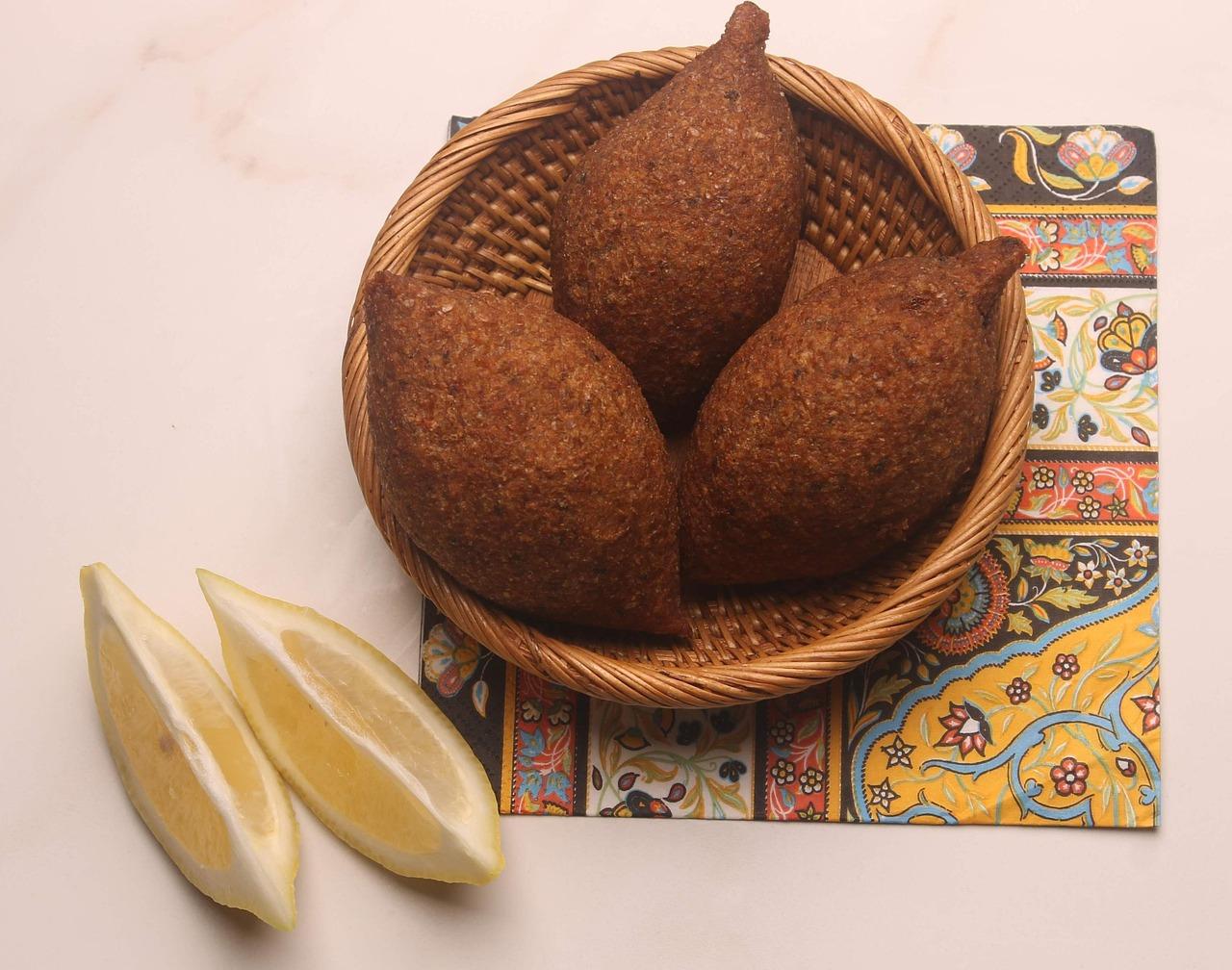
İçli köfteStuffed bulgur shells

Making içli köfte is the test of a southeastern Turkish cook: a thin, even shell of bulgur dough is hollowed out on a finger and filled with mince fried with onion, walnuts and spices, then sealed into a pointed torpedo. Families in Mardin, Urfa and Diyarbakır make dozens before bayram, freezing them to fry for guests. Crisp outside, juicy inside, they are served hot with lemon. Common mistake: a thick shell; it cracks in the oil and tastes doughy. Chef's tip: keep a bowl of iced water by you and wet your fingers constantly; the dough becomes smooth and stretches thin without tearing.

115 minTurkishMeat
by KrazyBadal 0 views

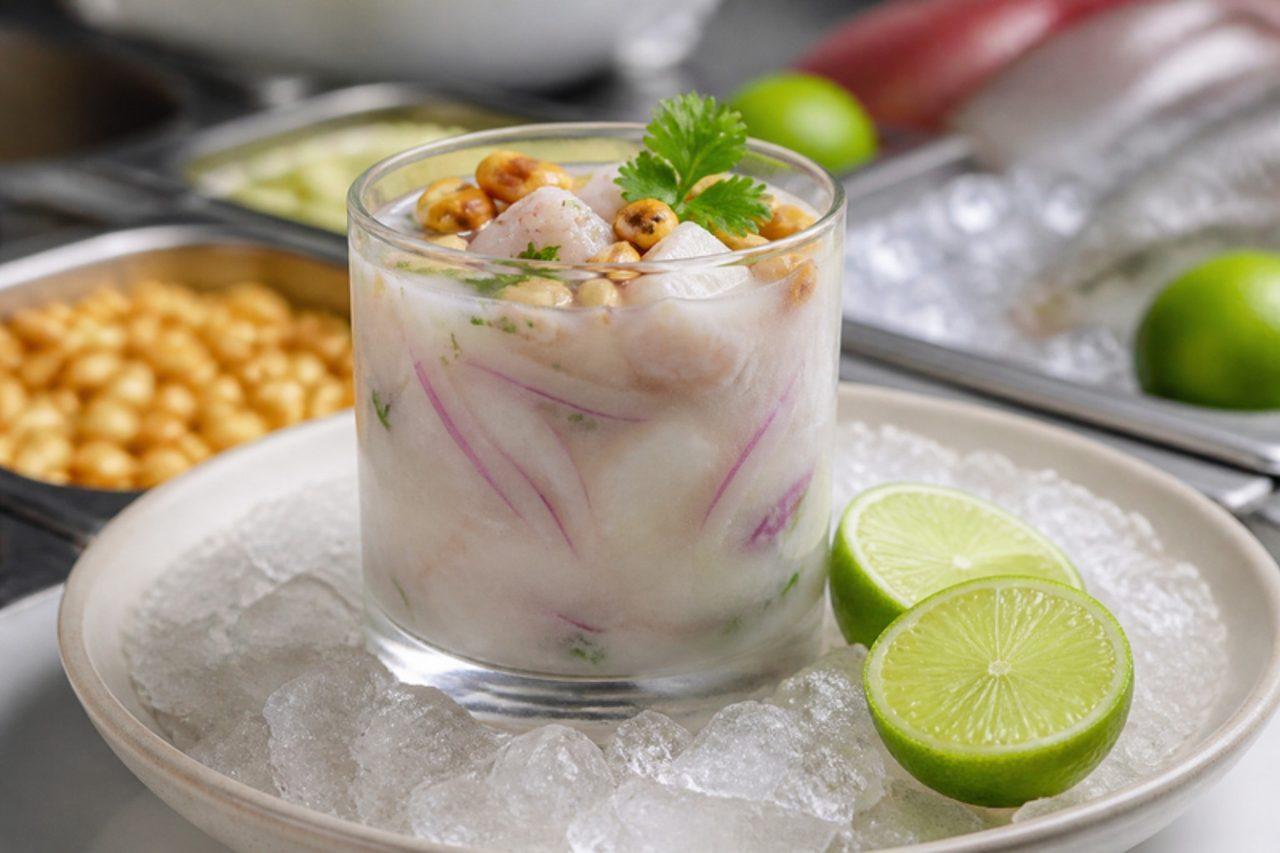
Leche de tigreCitrus ceviche marinade

Every cevichería along Lima's coast, from Chorrillos to the market stalls of Surquillo, sells this as a pick-me-up before lunch: a small glass of milky, lime-sharp juice blitzed with fish, celery, ginger and ají limo, with a few cubes of fish and kernels of cancha floating on top. It is cold, salty, very sour and fiery, and people swear by it the morning after a long night. Because the fish is cured only by lime, this safer version uses very fresh white fish that has been frozen at −20 °C for 24 hours first, keeps everything ice cold and is drunk at once; it is not for pregnant women, young children or anyone with a weakened immune system. The common mistake is blending the lime with the fish for too long, which makes the juice bitter, so pulse only briefly. Chef's tip: squeeze the limes by hand, gently, without pressing the pith; the last hard squeeze is what turns leche de tigre bitter.

by KrazyBadal 0 views

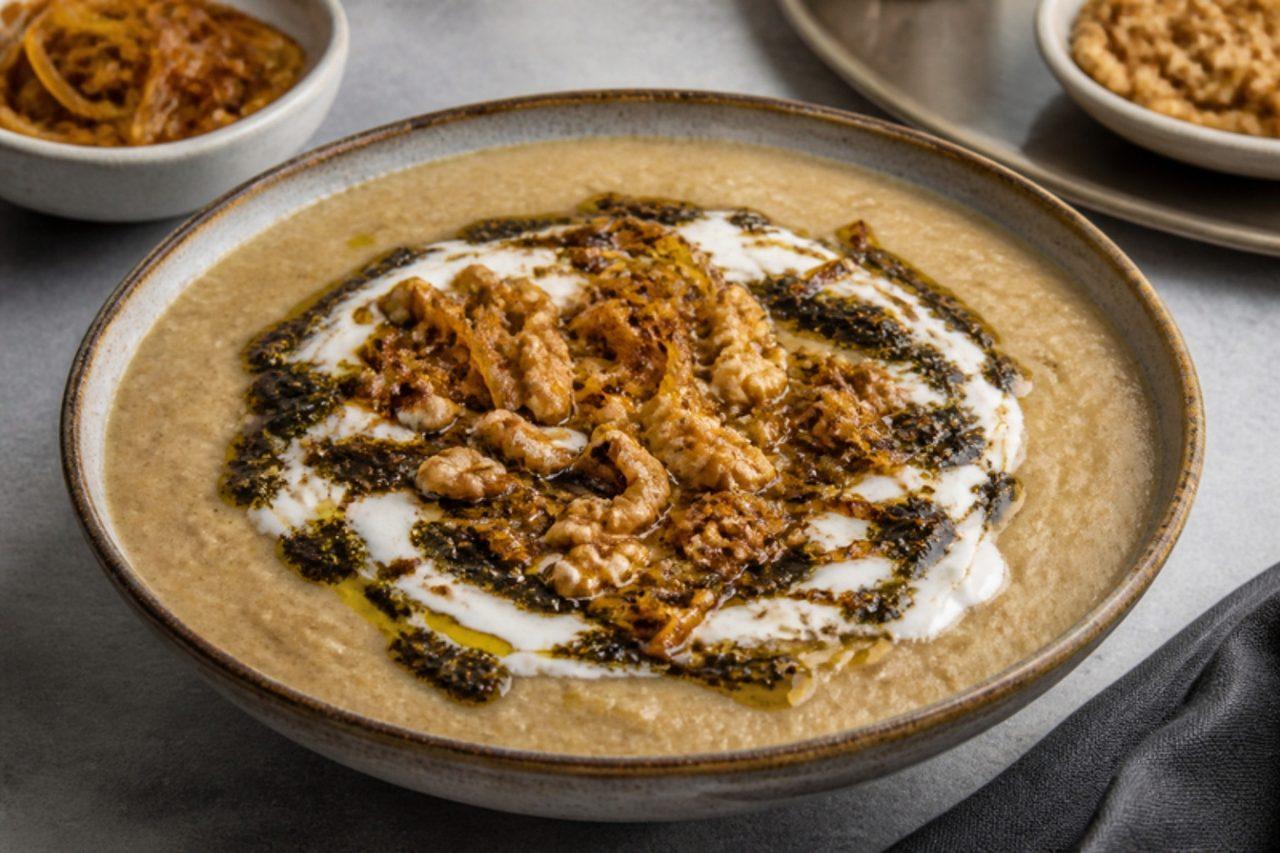
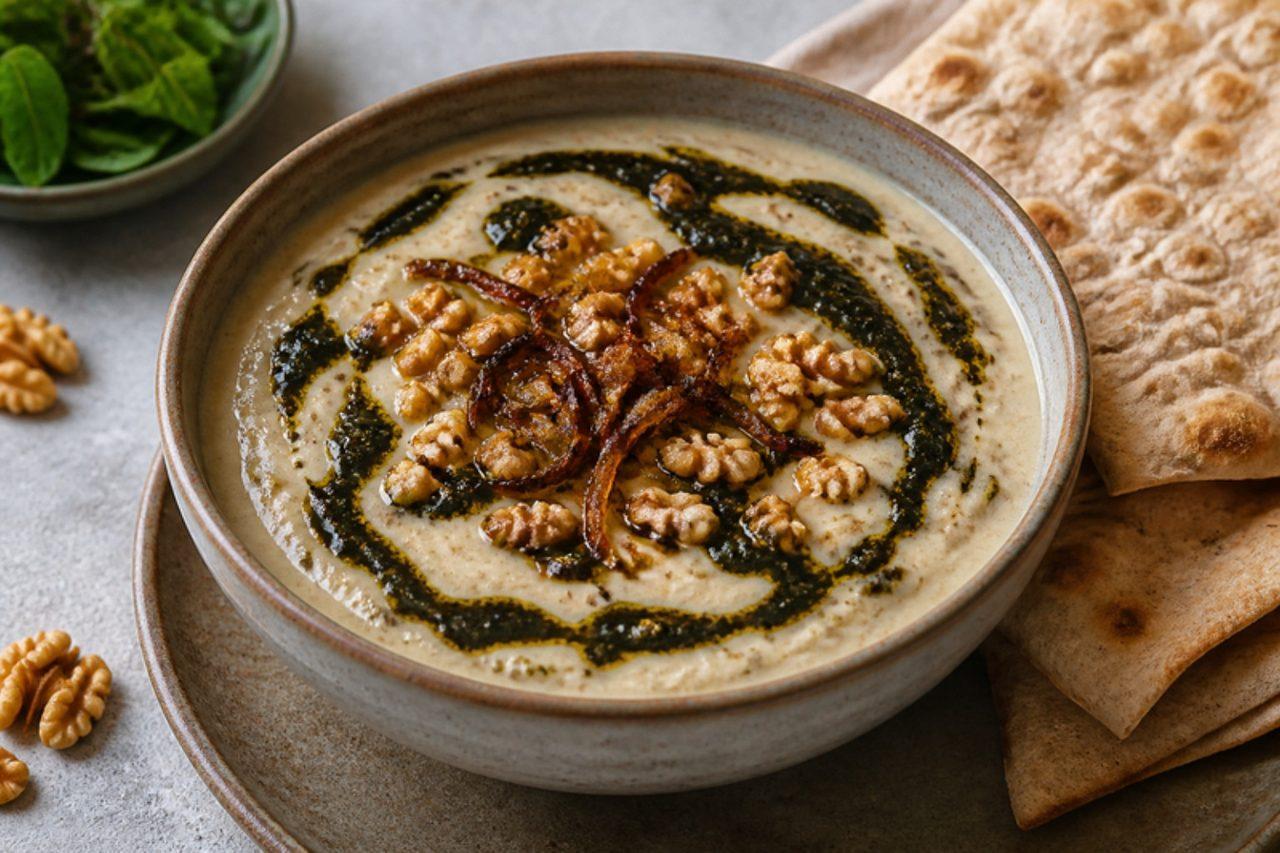
Halim bademjanAubergine, wheat and lentil porridge

In Kashan and Isfahan, halim bademjan is the thick, savoury porridge served at religious vows and at long family lunches in autumn, ladled onto a platter and drawn over with patterns of kashk, fried mint and crisp onion. Usually it is cooked with lamb that is pounded into the grains; this vegetarian version keeps the soaked wheat and green lentils, which give the same velvety body. The texture should be smooth enough to spread but still hold a spoon line. Kashk is a fermented whey product made without rennet, so the dish is vegetarian; sour cream thinned with lemon is the nearest swap. A common mistake is not soaking the wheat overnight, which leaves the halim gritty. Chef's tip: mash the aubergine into the grains with a wooden pestle rather than a blender, so you keep some threads of texture.

by KrazyBadal 0 views

ObatzdaBeer-garden cheese spread

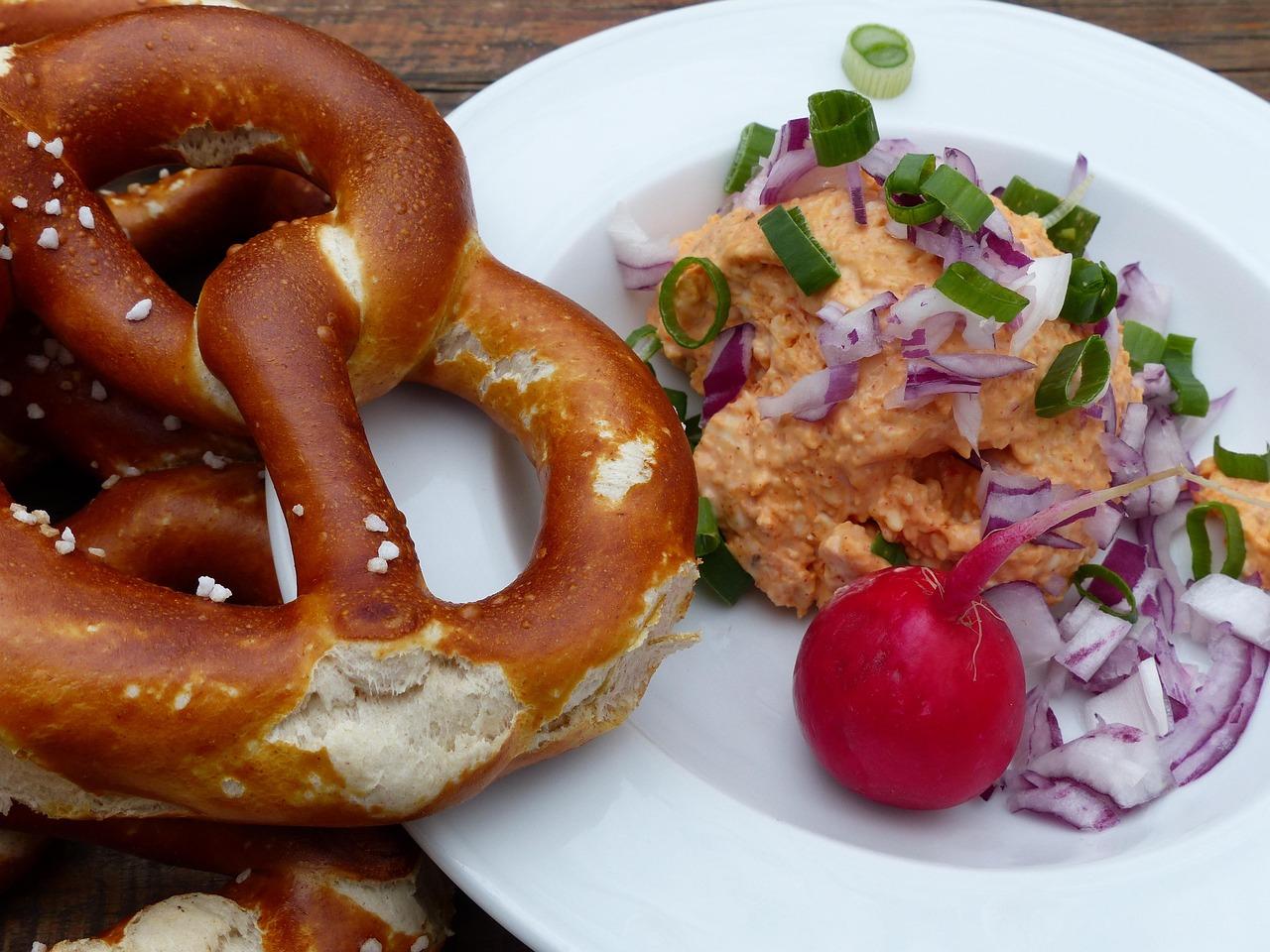
Obatzda is what a Munich beer garden puts beside a giant soft pretzel: overripe Camembert mashed with soft butter, sweet paprika, caraway and raw onion until it turns a creamy, rusty orange. It is a thrifty spread that grew up in Bavarian taverns as a way to use cheese that had gone a little too far, and it is still eaten in the afternoon sun with radishes and dark bread. Camembert is usually made with animal rennet, so pick one labelled vegetarian if that matters to you. A common mistake is blitzing it in a processor, which makes it gluey; mash with a fork so a few soft lumps stay. Chef's tip: make it an hour ahead and chill it, then let it stand 15 minutes before serving, so the paprika flavour blooms and it spreads easily.

by KrazyBadal 0 views

Grüne SoßeSeven-herb green sauce with eggs

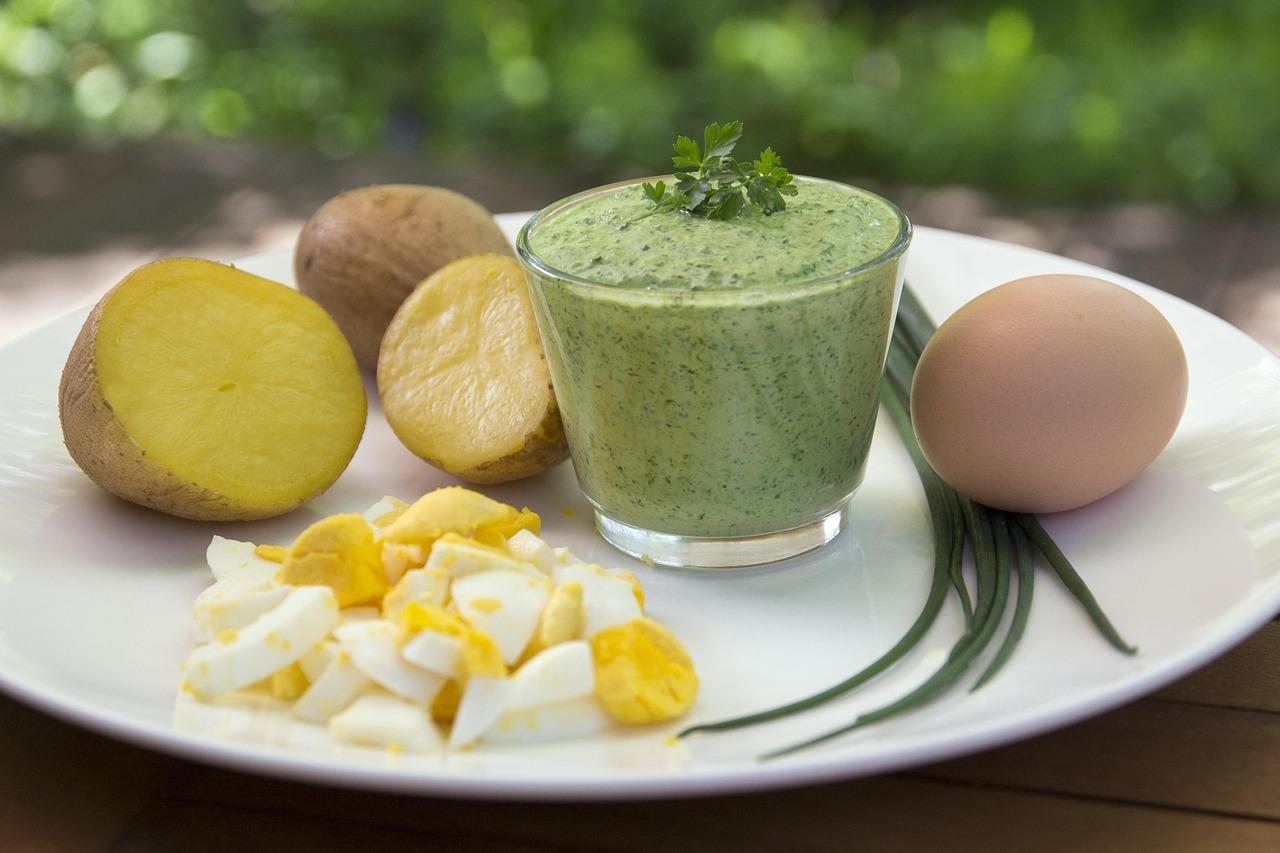
Grüne Soße, or Grie Soß in Frankfurt dialect, arrives in spring when market stalls in Hesse sell paper bundles of exactly seven herbs: borage, chervil, cress, parsley, burnet, sorrel and chives. Blended into sour cream and yoghurt, they make a cold, bright, grassy sauce that is eaten with halved boiled eggs and new potatoes, traditionally on Maundy Thursday. It is a whole meal, light but filling. If you can't find the herb bundle, any mix of soft herbs with some sorrel for sourness works. A common mistake is blending the herbs to a smooth purée in a hot blender, which turns them dull and bitter; chop or pulse briefly. Chef's tip: make the sauce an hour ahead and chill it so the herbs flavour the cream fully.

by KrazyBadal 0 views

GoxuaLayered cream, sponge and custard dessert

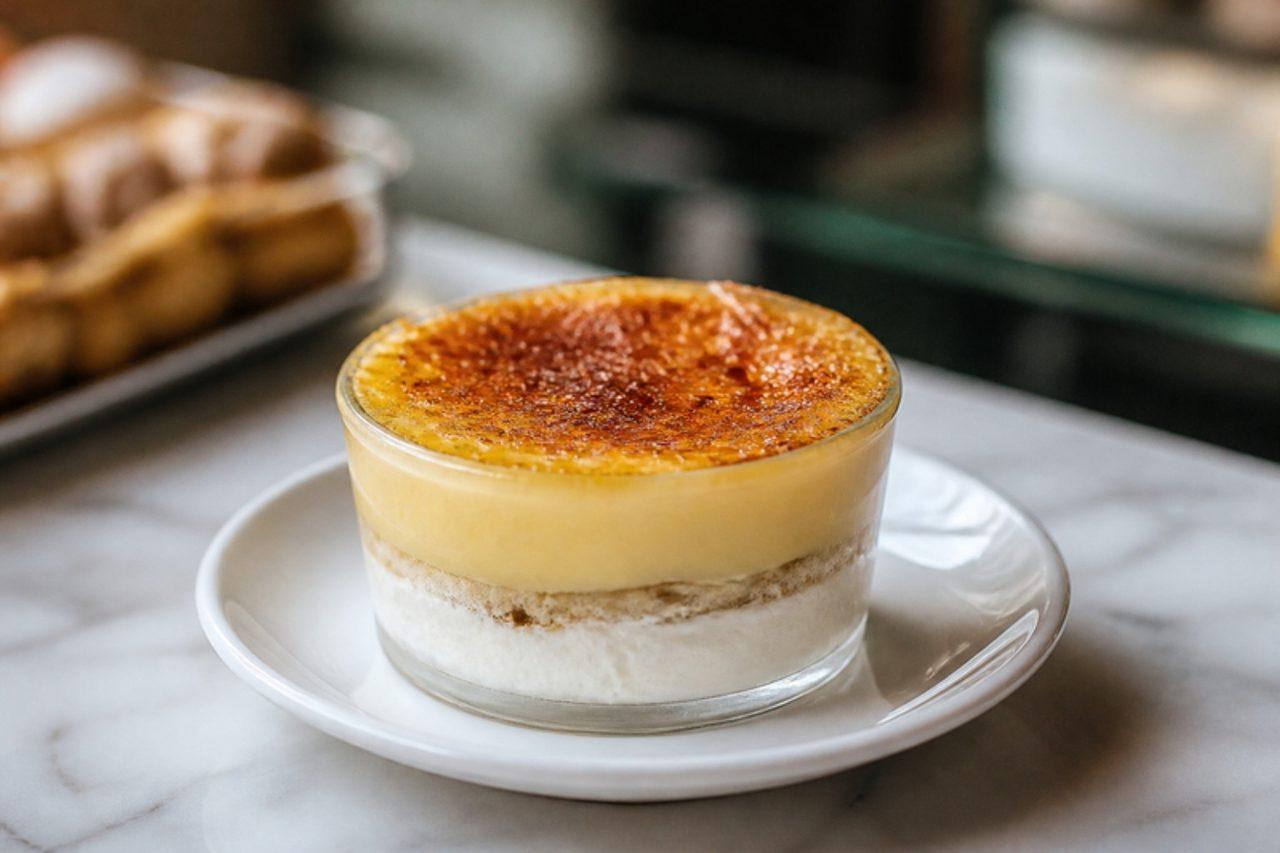
The name means 'sweet' or 'delicious' in Basque, and goxua was created in Vitoria-Gasteiz in the 1970s, where cafés still serve it in small glasses or terracotta pots. From the bottom up you get whipped cream, a disc of sponge soaked in syrup, thick vanilla pastry cream and a crackling layer of burnt sugar. It is a make-ahead dessert for a Sunday lunch, since the layers need to chill. A common mistake is spooning in custard that is still warm, which melts the cream into a puddle. Chef's tip: caramelise the top just before serving, so the sugar crust is still glassy when the spoon goes in.

by KrazyBadal 0 views

Sauce chienHerb, lime and chilli sauce

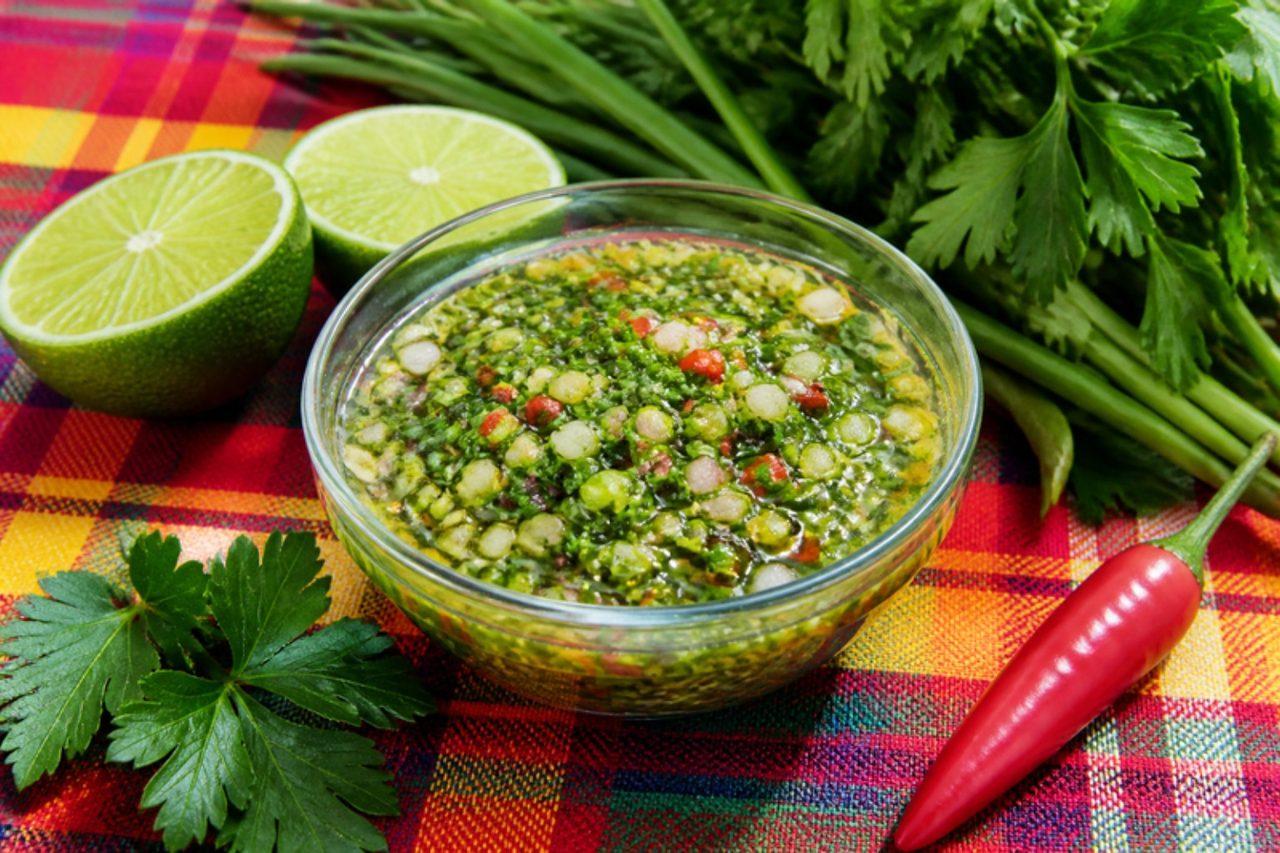
No grill in Martinique or Guadeloupe is complete without a bowl of sauce chien: shallot, garlic, spring onion, parsley and Scotch bonnet chopped very fine, then 'cooked' with a splash of boiling water, lime juice and oil. Islanders spoon it over grilled vegetables, plantain, rice and beans, and accras, at beach picnics and family barbecues on Sunday afternoons. One story says it is named after the knife used to chop the herbs, whose handle bore a dog. Chef's tip: pour the water on just off the boil; it softens the raw onion and garlic and brightens the green of the herbs.

by KrazyBadal 0 views

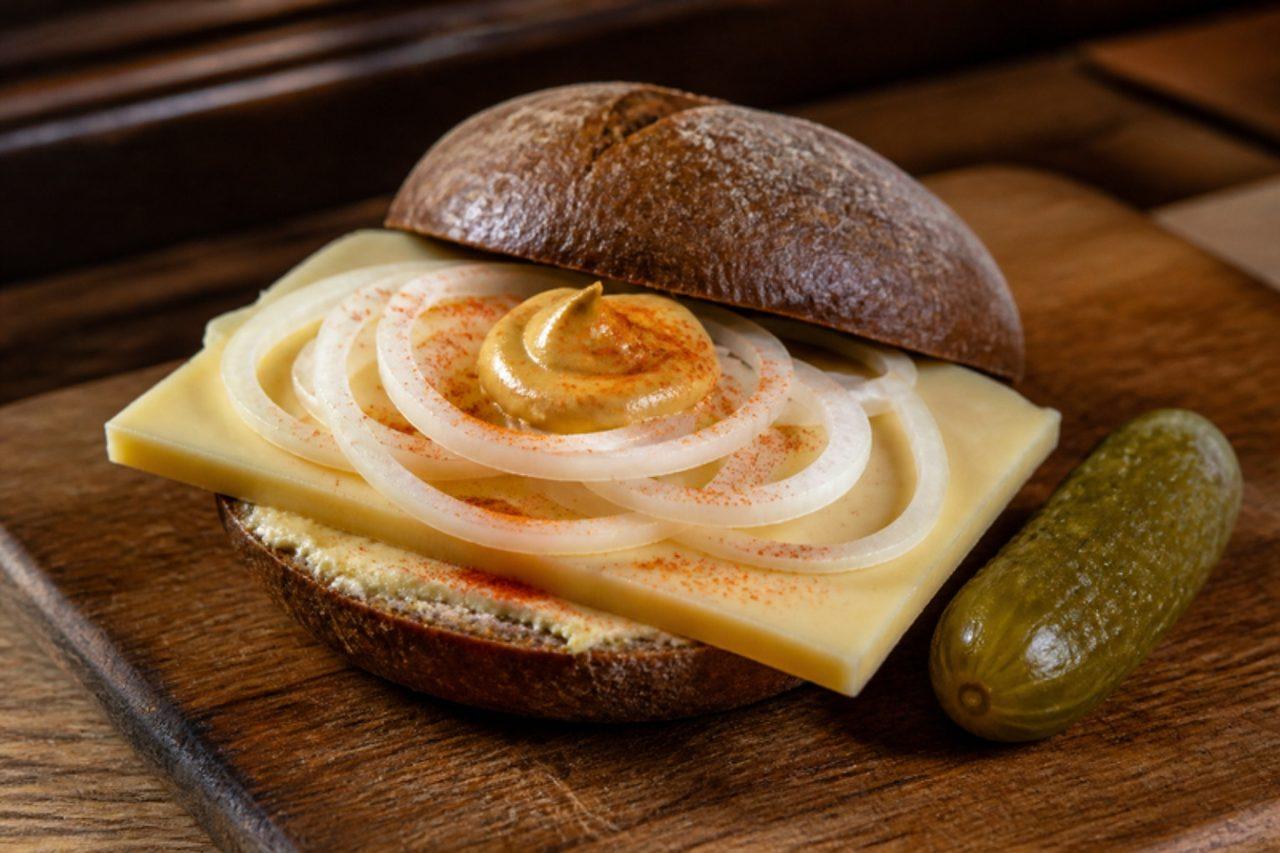
Halve HahnRye roll with Gouda and mustard

Order a Halve Hahn in a Cologne brewpub and you will not get half a chicken, whatever the name says: you get a buttered rye roll, a slab of aged Gouda, sharp mustard and raw onion rings. It is the standard snack on the long wooden tables of the Altstadt, eaten with a small glass of the local beer, though it is just as good with apple juice spritzer. The point is the contrast of crusty rye, nutty crystalline cheese and the bite of onion and mustard. Aged Gouda is usually made with animal rennet, so look for one labelled vegetarian or made with microbial rennet. A common mistake is slicing the cheese thin like a sandwich; the Cologne way is a slice as thick as your finger. Chef's tip: take the cheese out of the fridge 30 minutes ahead so its flavour opens up.

by KrazyBadal 0 views

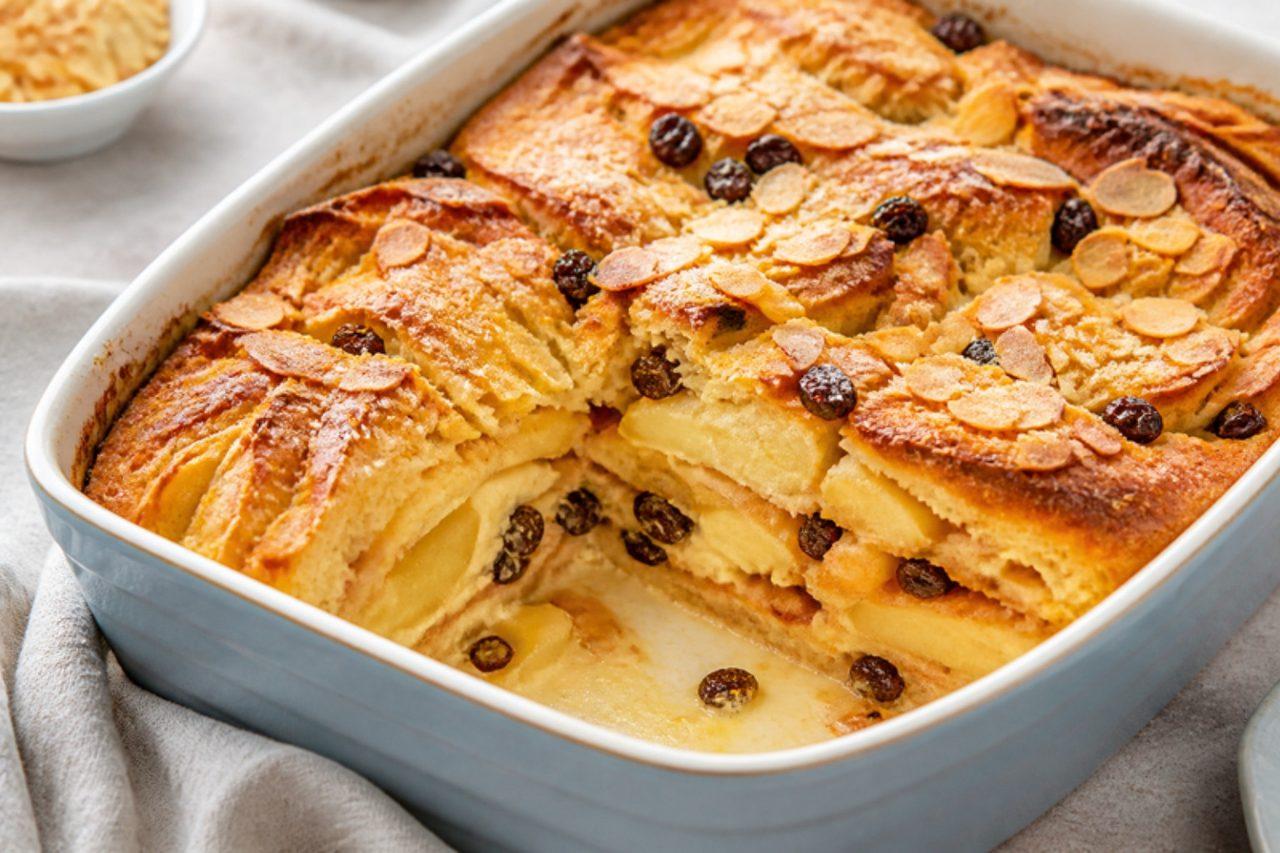
OfenschlupferBaked bread pudding with apples

Ofenschlupfer, literally 'oven-crawler', is how Swabian farmhouse kitchens used up stale rolls on a Friday: slices of bread layered with apples, raisins and a little cinnamon in a deep dish, soaked in vanilla egg milk and baked until puffed and golden. Some families pour in a splash of rum; this version doesn't. It was once eaten as a sweet main course after a bowl of soup and is still served warm with vanilla sauce in Stuttgart cafés. A common mistake is baking it straight after pouring in the custard, which leaves dry patches on top; let it soak for 20 minutes. Chef's tip: dot the top with butter and a spoon of sugar for a crackly, caramelised crust.

by KrazyBadal 0 views

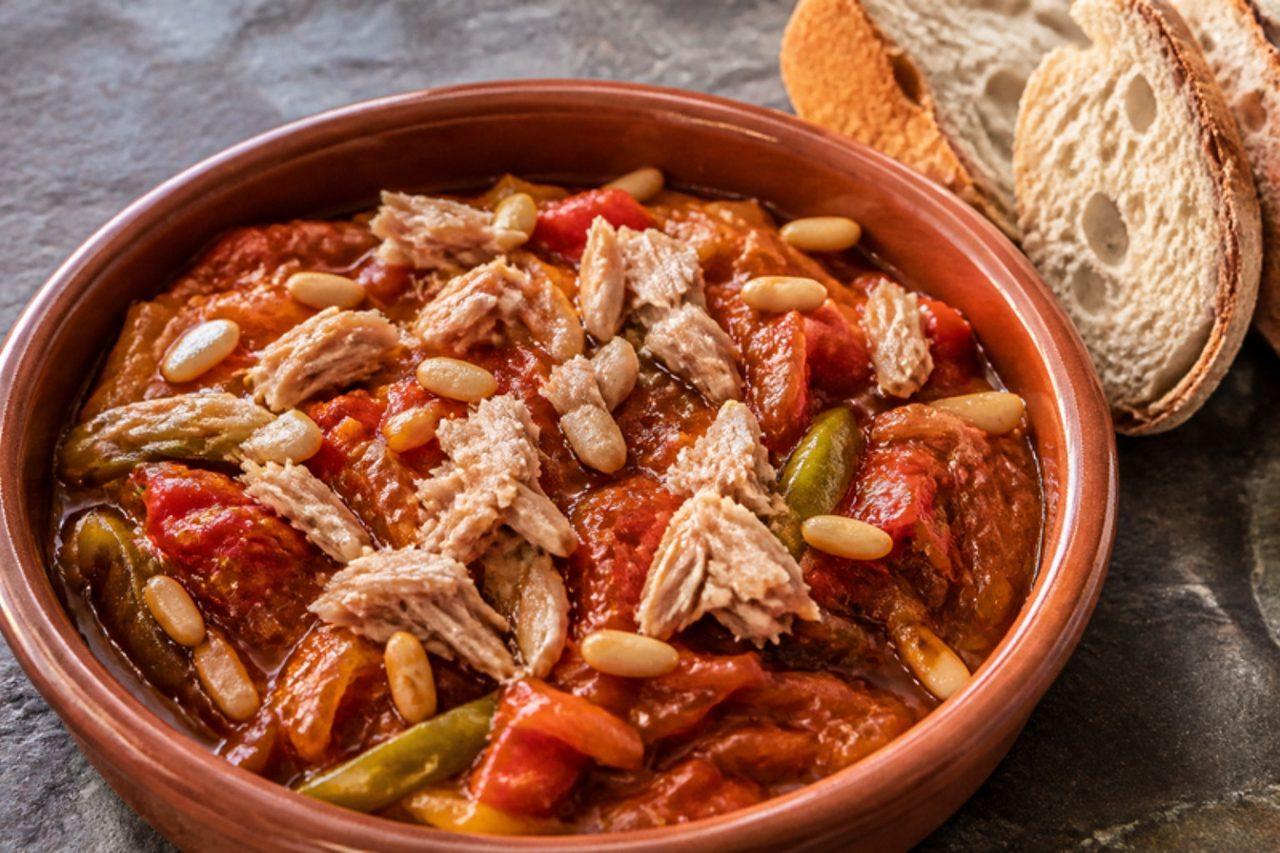
TitainaTomato, pepper and tuna stew

Titaina comes from the Cabanyal, the tiled fishermen's neighbourhood by Valencia's beach, where it is still served as a tapa in the old bars and spooned onto bread at home on summer evenings. Green peppers, onion and ripe tomatoes are cooked down in olive oil with toasted pine nuts until sweet, then mixed with tuna. Fishermen used tonyina de sorra, salt-cured tuna belly; this version uses good tinned tuna in olive oil, which is already cooked and easy to find. A common mistake is cooking it fast on a high heat: it needs a slow 40 minutes so the vegetables melt instead of fry. Chef's tip: add a pinch of sugar only if your tomatoes are sharp, and stir in the tuna at the very end so it stays in flakes.

by KrazyBadal 0 views

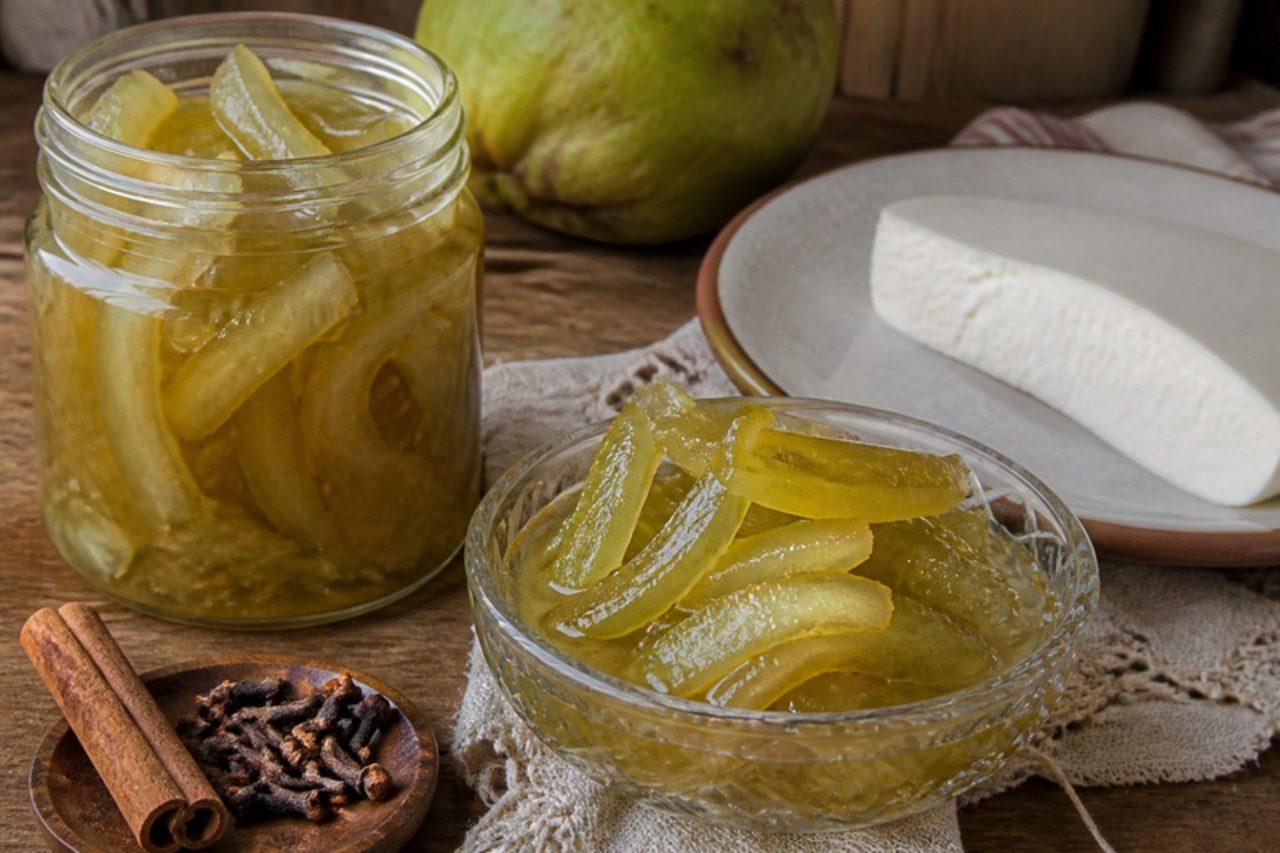
Mamón en almíbarCandied green papaya

Along the subtropical northeast, papaya (mamón) trees grow in backyards from Corrientes to Formosa, and the unripe fruit is turned into this old-fashioned dessert: strips of firm green papaya poached slowly in syrup with cloves and cinnamon until they turn amber and translucent, chewy at the edges and tender inside. It is served cold in little bowls, traditionally next to a slice of fresh cheese for that sweet-and-salty contrast (choose a plant-based cheese to keep it vegan). Rushing the syrup is the misstep that turns the papaya hard and sugary on the outside and raw within, so the heat stays low for well over an hour. Green papaya is sold in Asian and Latin grocers. Wear gloves when peeling; the milky sap can irritate the skin. Chef's tip: soak the strips in water with a teaspoon of bicarbonate of soda for an hour before cooking; it firms the outside so the pieces hold their shape in the syrup.

by KrazyBadal 0 views

MamouniehSemolina pudding with cinnamon

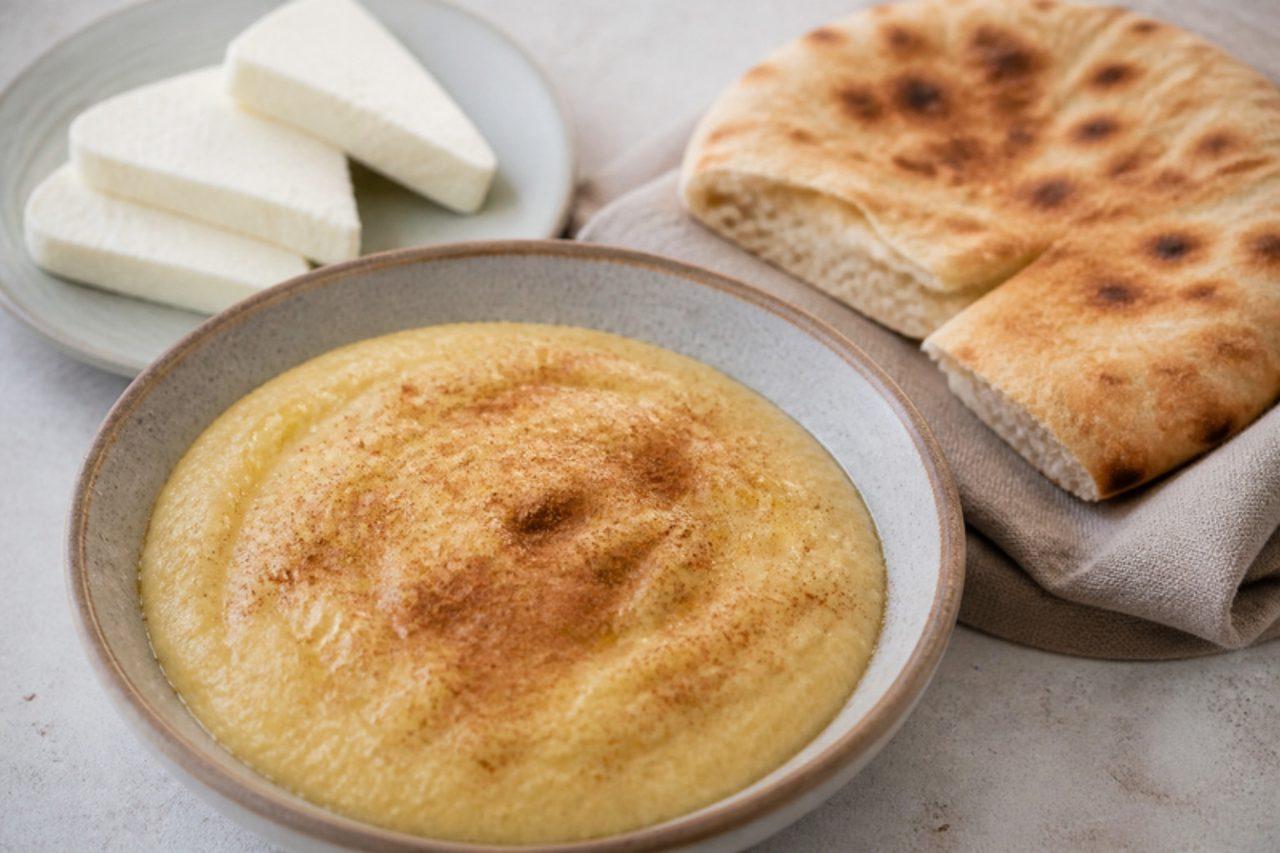
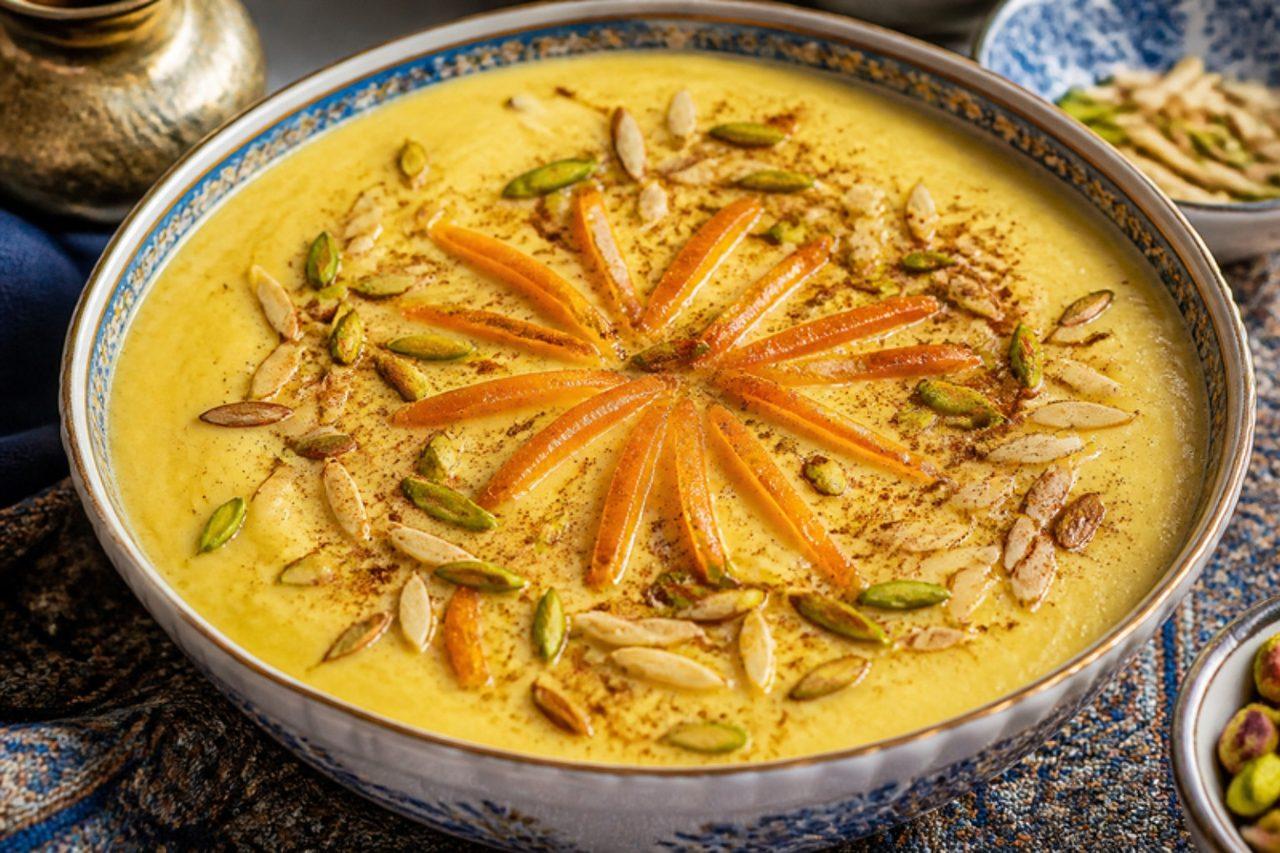
In the old souks of Aleppo, mamounieh shops open at dawn, serving bowls of this hot, buttery semolina pudding to workers before the day starts. Semolina is toasted in butter, then cooked in a light syrup until it sets soft and spoonable, and dusted with cinnamon; Aleppans eat it with a slice of salty white cheese and warm bread on the side, which makes the sweetness sing. Common mistake: pouring cold syrup onto the hot semolina; use hot syrup so it doesn't seize into lumps. Chef's tip: toast the semolina only to pale straw colour — any darker and it loses its delicate milky flavour. Akkawi and halloumi are often made with animal rennet; choose a vegetarian white cheese if needed.

by KrazyBadal 0 views

Bugnes lyonnaisesFried carnival pastries

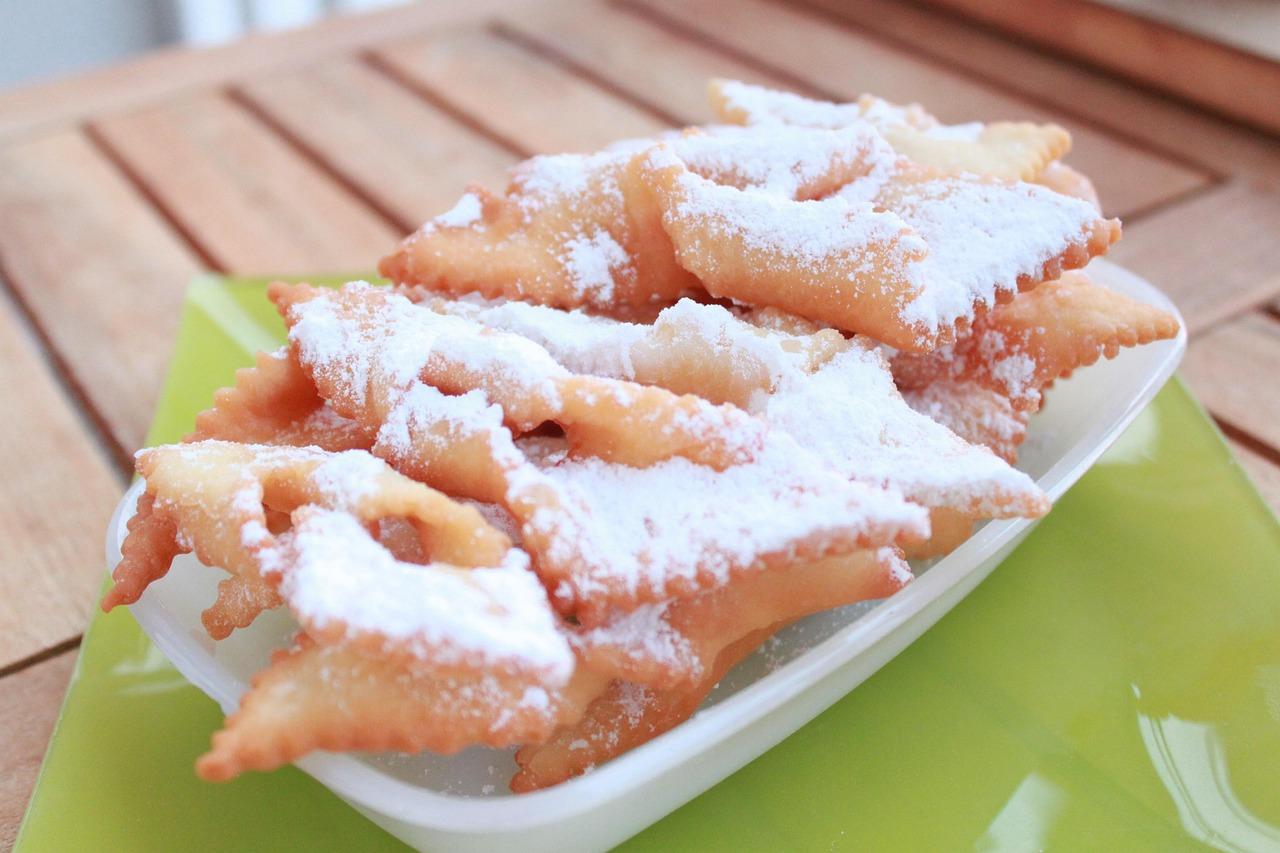
When Carnival comes round in February, bakeries across Lyon pile their windows with bugnes, thin twisted ribbons of dough fried until they blister and then buried in icing sugar. Lyon's are the crisp, shattering kind (in Saint-Étienne they are puffier), and children eat them by the paper bagful through Mardi Gras. Some families add a spoonful of rum to the dough; this version uses orange flower water and lemon, so it is alcohol-free. Chef's tip: roll the dough so thin you can almost see the worktop through it; thick bugnes turn bready instead of crackly.

by KrazyBadal 0 views

KakaviaMixed fish and potato soup

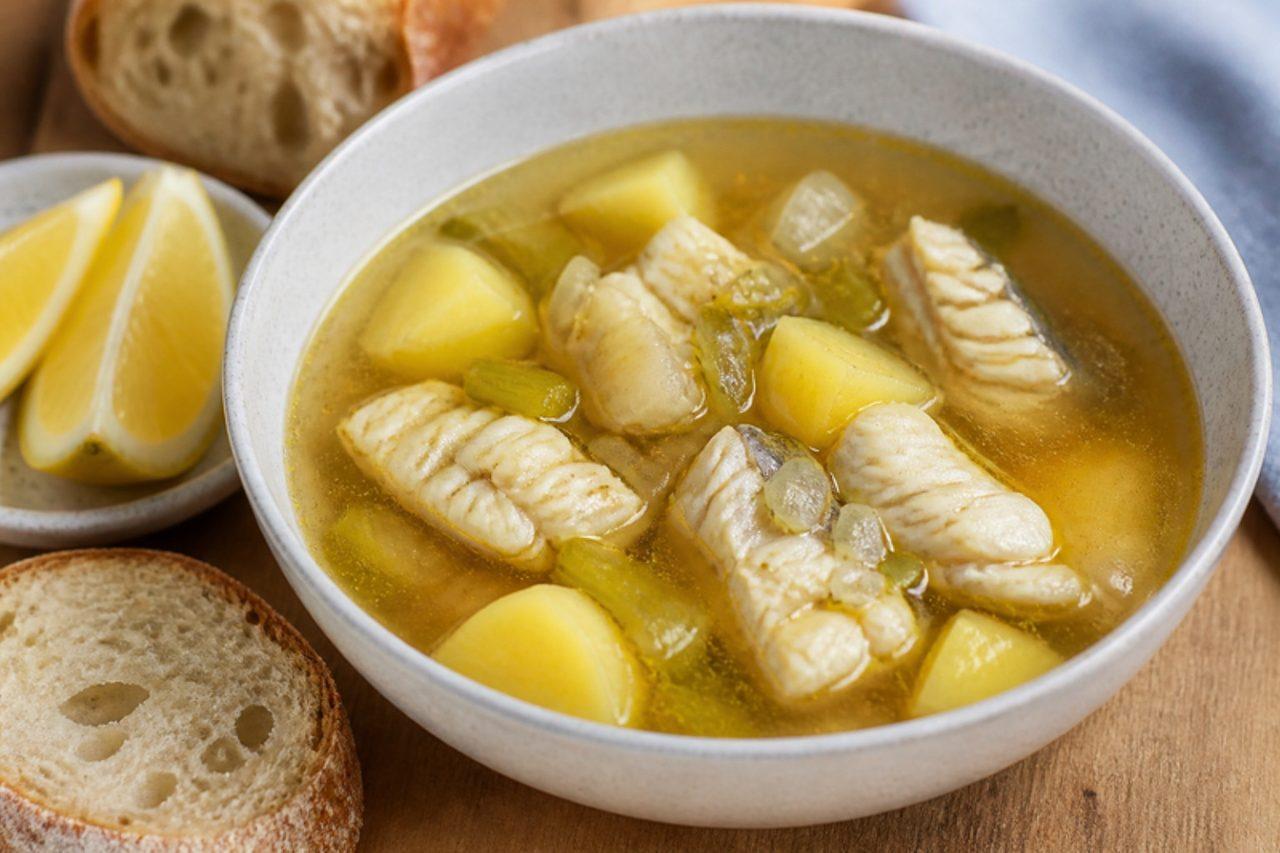
Kakavia takes its name from the three-legged pot fishermen in the Cyclades set on the beach, filling it with the small, bony fish they couldn't sell, seawater, onions, potatoes and a generous pour of olive oil. Today island tavernas and families make it with a mix of firm white fish, and serve the broth first with lemon, then the fish and potatoes on a platter. It is clean, golden and comforting, best with crusty bread. Common mistake: stirring once the fish goes in, which breaks it into shreds; shake the pot instead. Chef's tip: simmer the heads and bones first for the broth, then poach the fillets in it briefly so they stay in whole pieces.

80 minGreekSoupsGluten free
by KrazyBadal 0 views

Haji badamAlmond and cardamom cookies

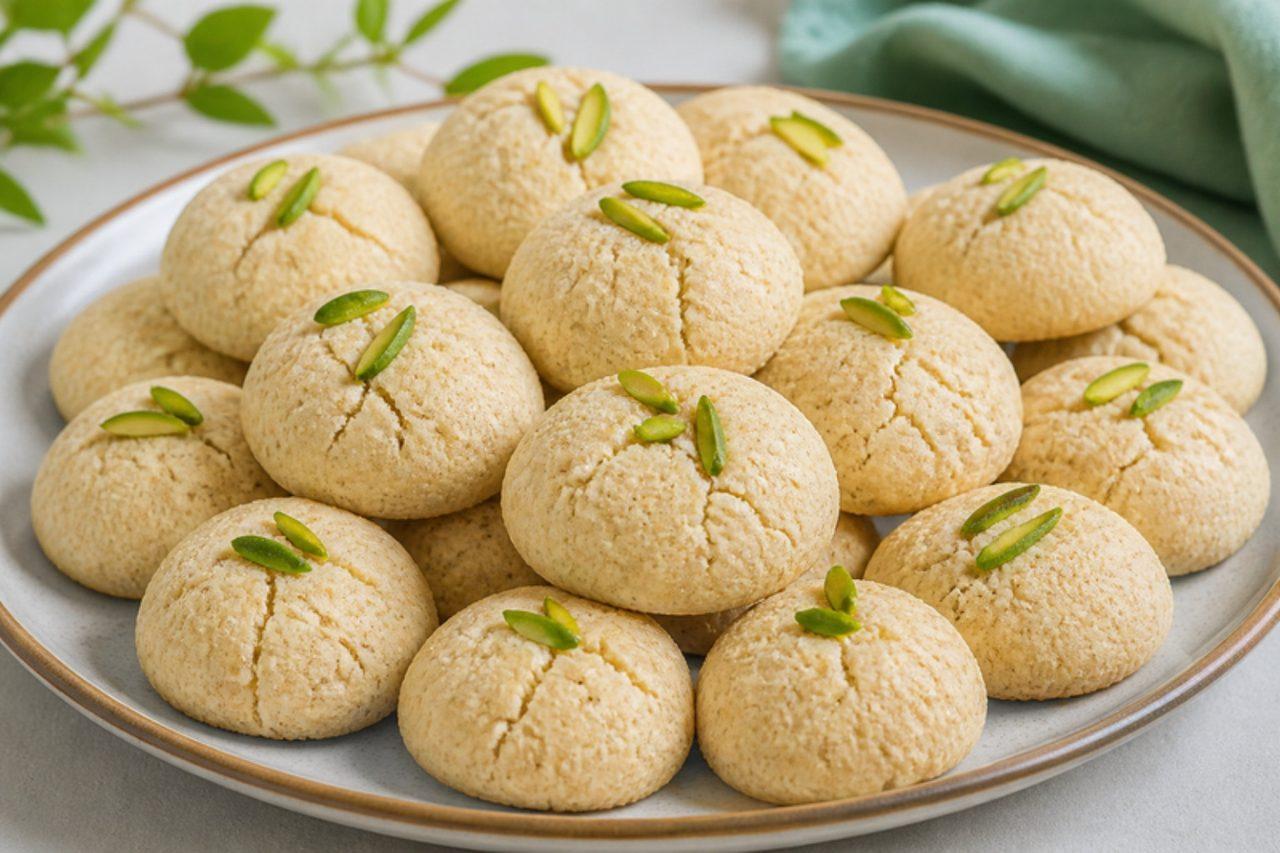
Haji badam are the small, pale almond cookies of Yazd, crisp at the edge and soft and chewy inside, baked for Nowruz and kept in tins for guests through the new year. They need only ground almonds, sugar, egg yolk and cardamom, so they are naturally gluten-free. Each one is rolled into a ball and pinched or pressed with a pistachio sliver. A common mistake is baking them until golden all over: pull them when only the bottoms colour, or they go hard and dry. Chef's tip: let the dough rest in the fridge for 30 minutes, which makes it much easier to roll without cracking.

by KrazyBadal 0 views

Guiso de lentejasLentil and chorizo stew

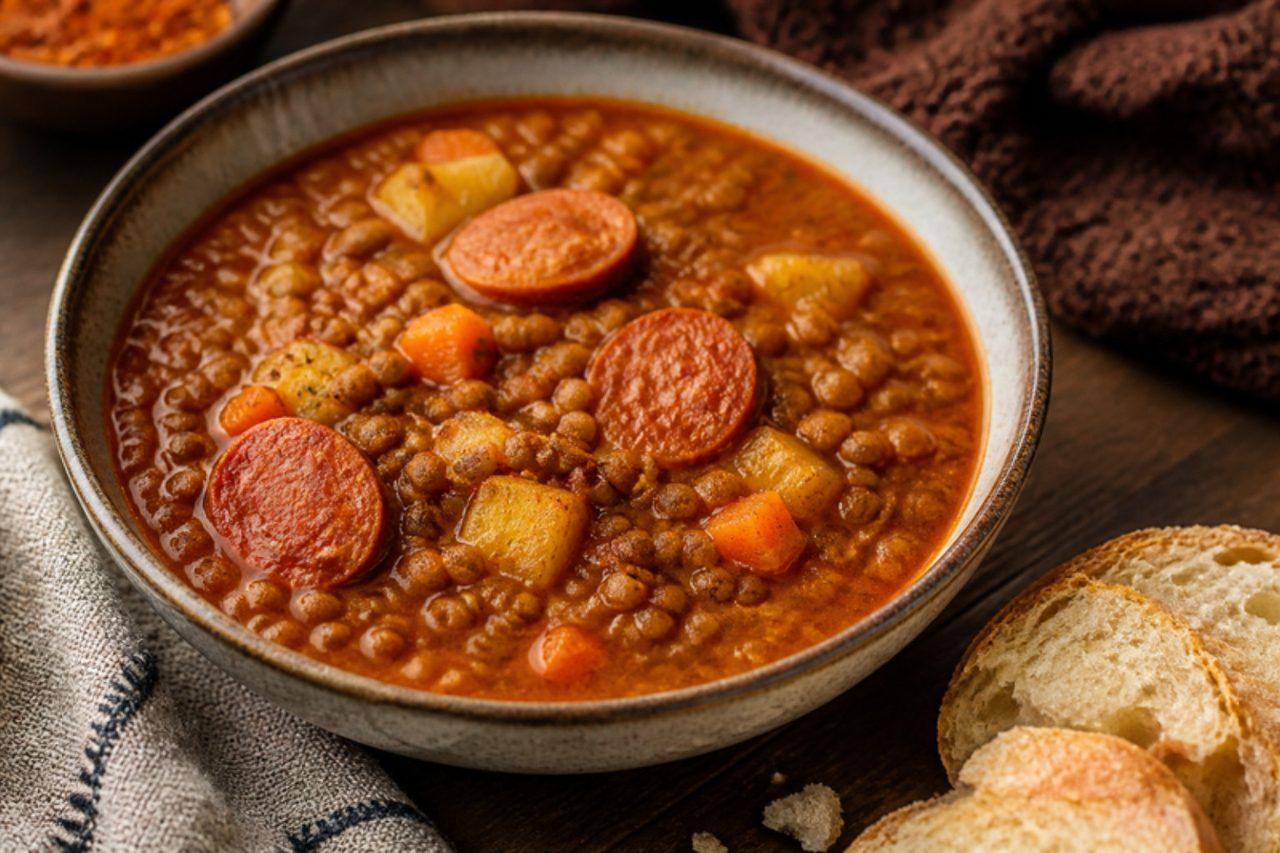
When the pampero wind blows cold off the plains, Buenos Aires turns to guiso de lentejas, a thick, smoky lentil stew that every school canteen, worker's diner and grandmother makes, traditionally on 20 June (Flag Day) and through the winter. It is built on pork: chorizo colorado (paprika sausage) and pancetta, browned first so their fat flavours the sofrito, then simmered with lentils, potato, squash, tomato and plenty of pimentón. The lentils should keep their shape in a sauce thick enough for a spoon to stand up, and crusty bread is a must alongside. Make sure the sausage is cooked through to 71 °C, which it will be after the long simmer. Seasoning with salt at the start is a common error, as the pork is salty and the stew reduces, so taste at the end. For a vegetarian version, skip the meats, use smoked paprika and add more squash. Chef's tip: make it a day ahead; like most guisos it thickens and tastes better reheated.

by KrazyBadal 0 views

SchäufeleCured smoked pork shoulder

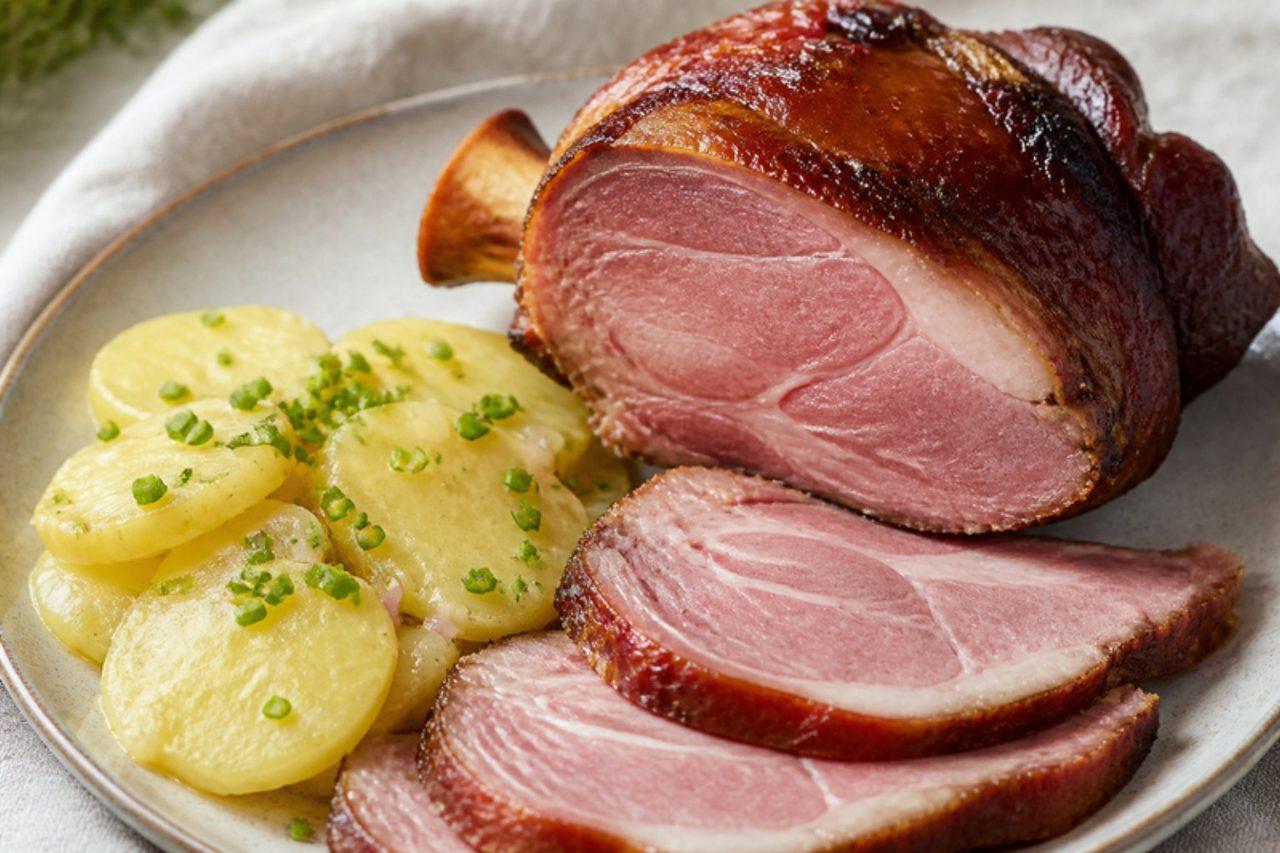
In Baden, Schäufele ("little shovel") is the bone-in pork shoulder blade, cured and lightly smoked by the butcher, and it belongs on New Year's Eve and family get-togethers. It is gently simmered so the meat stays juicy and rosy from the cure, then sliced thick and served with a warm potato salad dressed with broth and vinegar. Ask a German butcher for a ready-cured Schäufele, or use a cured and smoked pork shoulder joint. Chef's tip: keep the water barely trembling; a rolling boil tightens the meat and squeezes out its juices.

145 minGermanMeatGluten free
by KrazyBadal 0 views

Schwäbische SeelenSpelt caraway rolls

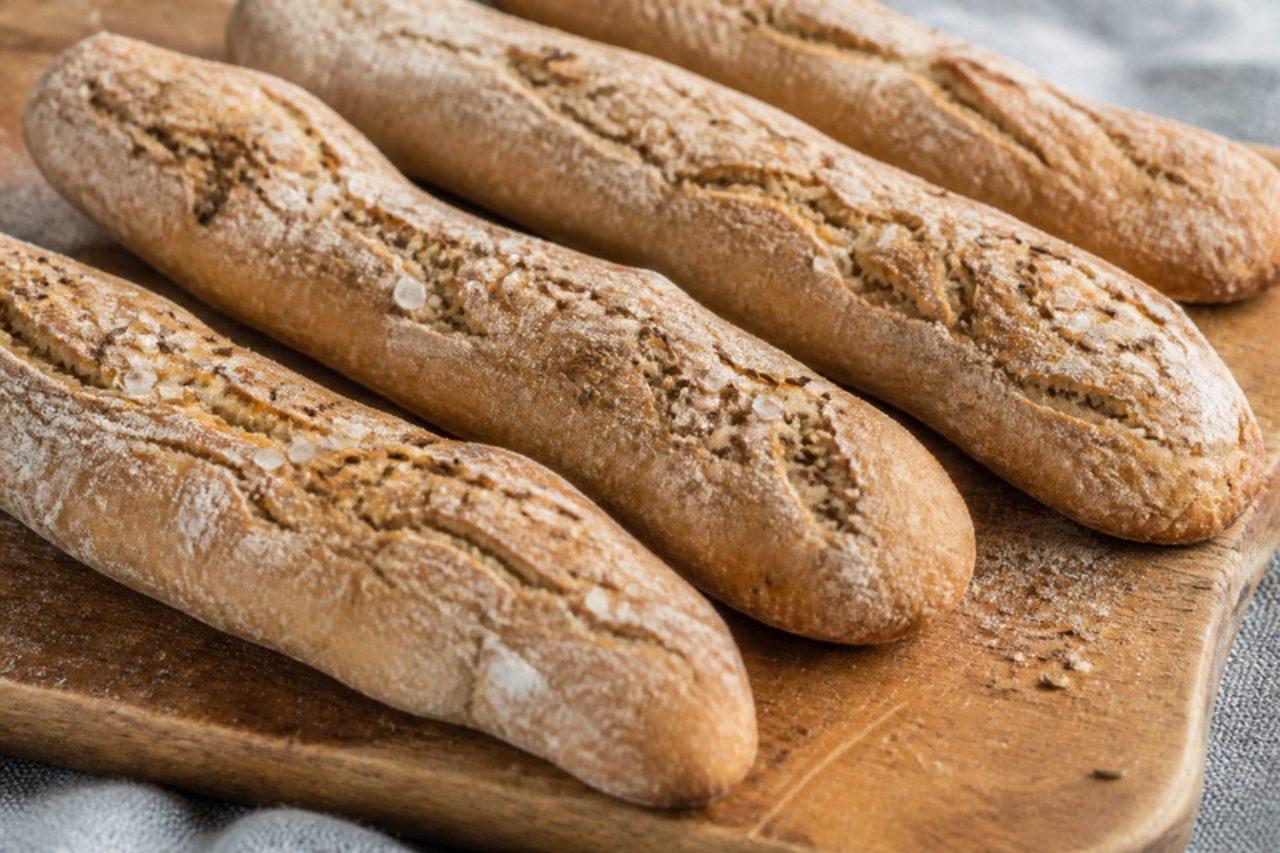
Seelen, meaning 'souls', are the long, pale spelt rolls of Upper Swabia, around Biberach and Ravensburg, said to have first been baked for All Souls' Day. Today they are an everyday bakery item, eaten split with butter or alongside a bowl of soup, and they turn up at every Swabian beer garden. The dough is very wet, so the rolls are pulled into shape rather than rolled, giving an open, chewy crumb under a thin crust crusted with salt and caraway. A common mistake is adding extra flour to make the dough easier to handle, which turns them into ordinary bread rolls. Chef's tip: keep a bowl of cold water beside you and wet your hands before every piece; the dough won't stick and you can stretch each soul straight onto the tray.

by KrazyBadal 0 views

Kalter HundNo-bake chocolate biscuit loaf

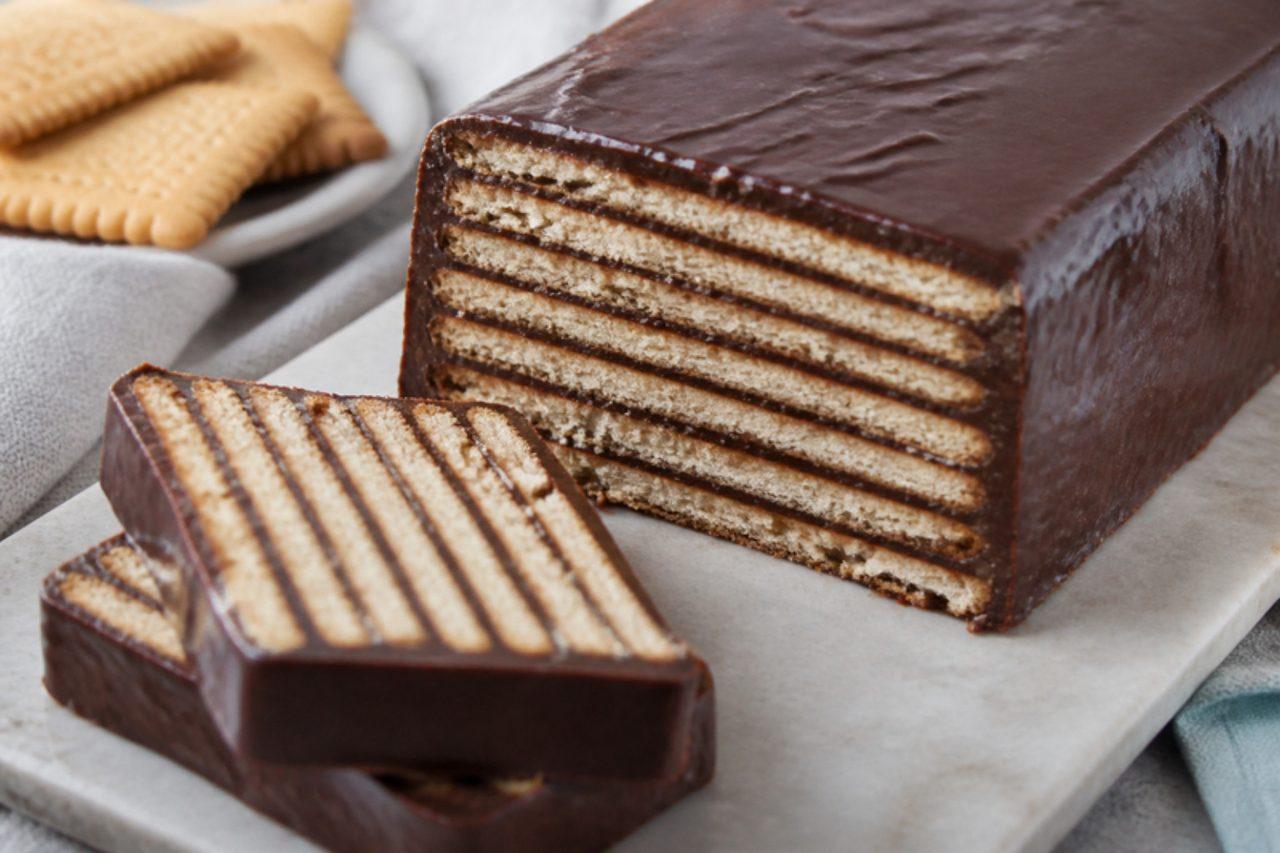
Kalter Hund, the 'cold dog', is the no-bake party cake of West German childhoods, set in a loaf tin in the fridge and sliced into stripes of crisp biscuit and dark chocolate at every 1970s birthday. Recipes from Hamburg to Bavaria differ only in the details; old ones used coconut fat and raw egg, while this version uses dark chocolate, cream and a little coconut oil, so there is nothing raw in it. A common mistake is pouring the chocolate too hot, which softens the biscuits into mush; it should be just warm. Chef's tip: line the tin with cling film overhanging the sides, then you can lift the whole loaf out and slice it with a hot knife.

by KrazyBadal 0 views

MajariscoPlantain mash with seafood

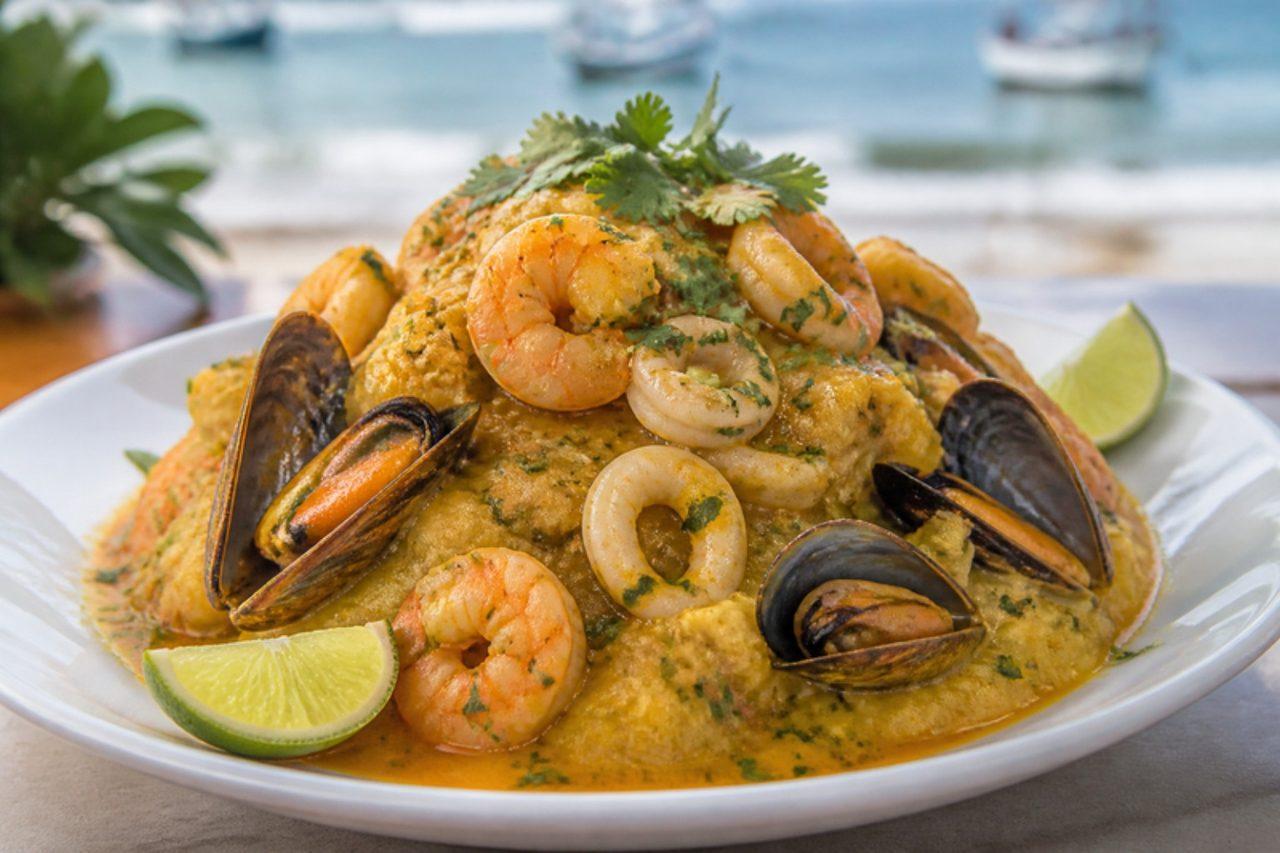
Its name blends 'majado' (mashed plantain) and 'marisco' (seafood), and along the coast of Piura and Tumbes, near the Ecuadorian border, it's what cevicherías and beach restaurants serve when you want something hot and filling. Mashed green plantain is folded into a sauce of garlic, onion, ají and seafood juices, with prawns, squid and mussels running through it, so every forkful is creamy, garlicky and briny. Serve it with lime and salsa criolla. Mussels must be alive: tap any open ones and discard those that don't close, and discard any that stay shut after cooking. Overcooking the seafood is the most frequent mistake; it goes in at the end, just until pink and opaque. Chef's tip: keep the mussel cooking liquid and use it to loosen the mash; it's pure seafood flavour.

by KrazyBadal 0 views

SchweinebratenRoast pork with crackling

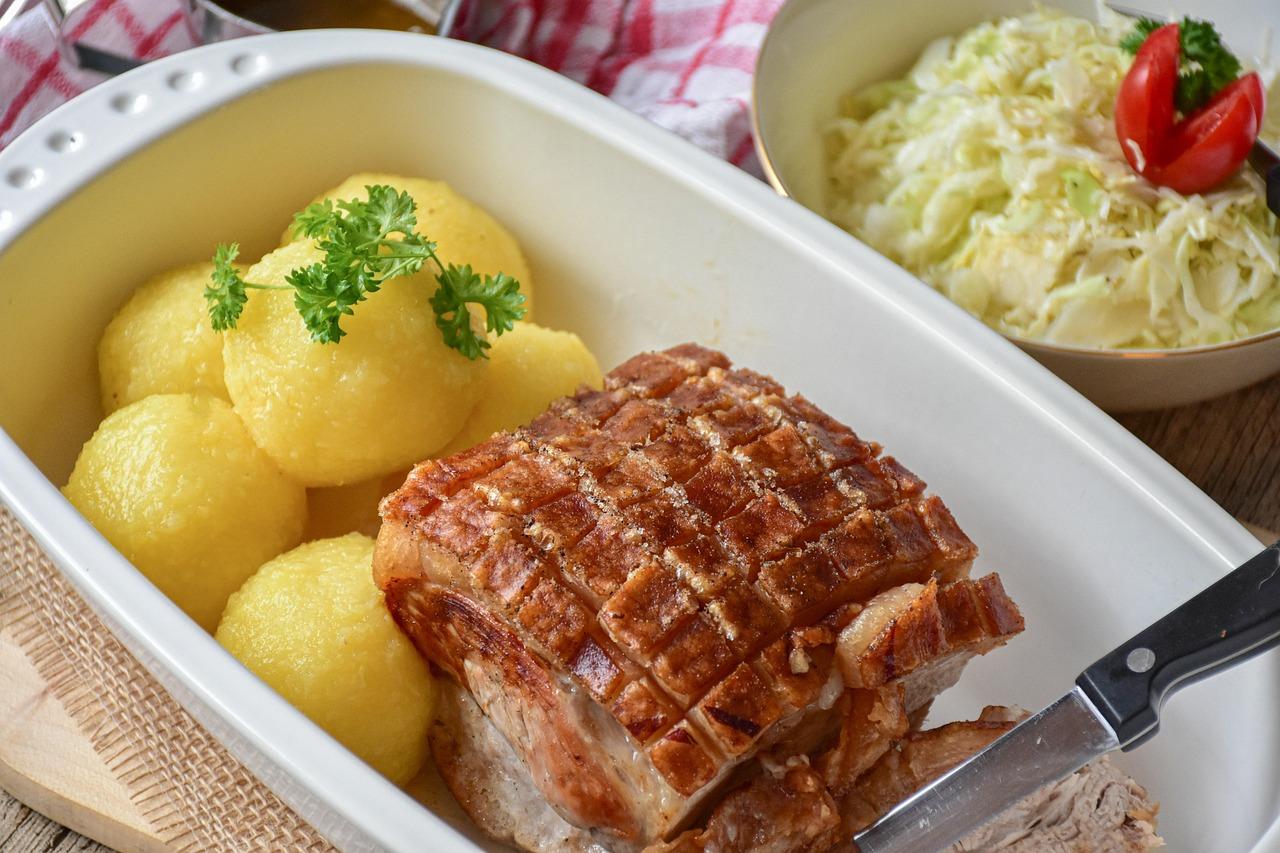
Schweinebraten is the Sunday roast of Bavaria, the dish a Munich family sits down to after church and the one every village inn chalks up on its board. This is pork shoulder with its rind still on, roasted on a bed of onion, carrot and celeriac while the rind blisters into crackling, and the gravy is built from the roasting juices and a bottle of dark beer. The beer contains alcohol; most cooks off but not all, so use alcohol-free dark beer, or the same amount of beef stock with 1 tsp dark molasses, for a gravy without it. Serve with bread or potato dumplings and warm cabbage salad. Chef's tip: score the rind through to the fat but not into the meat, or juices leak up and the crackling turns leathery.

190 minGermanMeat
by KrazyBadal 0 views

SchweinshaxeRoast pork knuckle

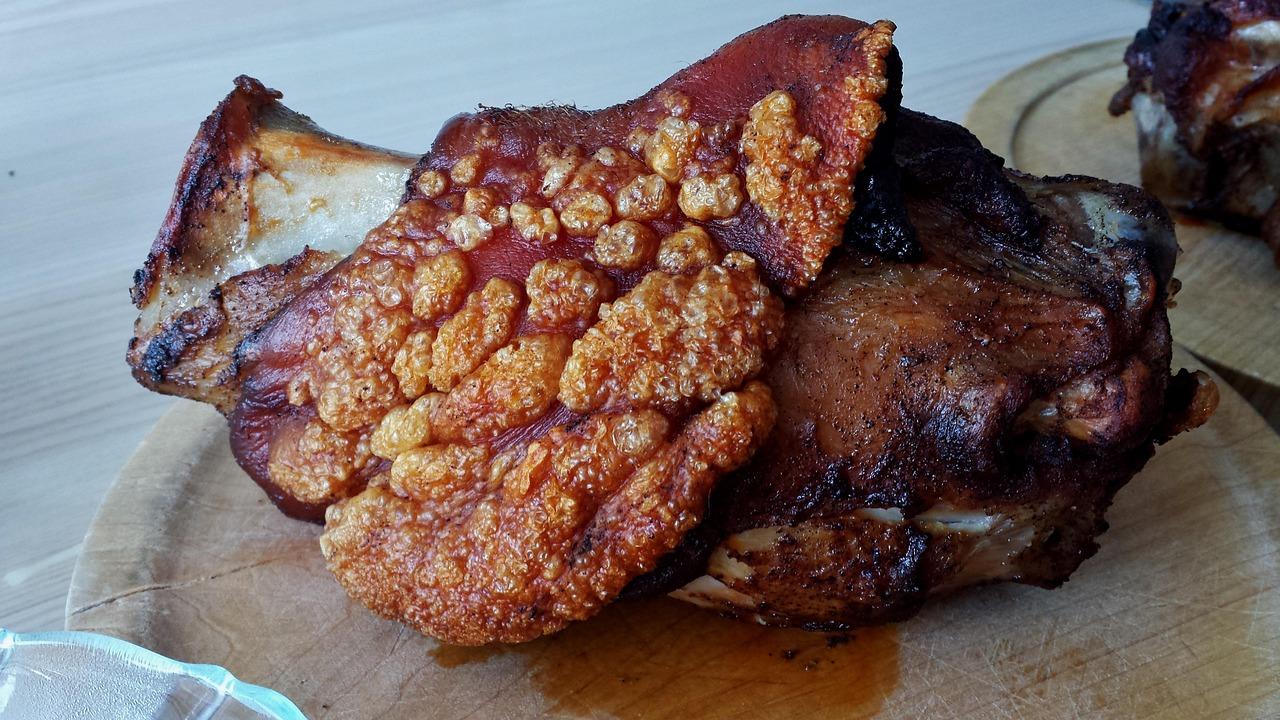
In Munich beer halls and Upper Bavarian village inns, a Schweinshaxe arrives as a whole roast pork knuckle, crackling glassy on the outside and the meat falling off the bone, usually with a potato dumpling and a spoon of sauerkraut. At home it is a weekend dish for cold months: the fresh (not cured) pork hocks are simmered first, then roasted hard so the skin puffs. Ask the butcher for hind knuckles, which carry more meat than front ones. Chef's tip: dry the simmered skin with kitchen paper and leave it uncovered for 20 minutes before roasting; dry skin is the secret to crackling that shatters.

190 minGermanMeatGluten free
by KrazyBadal 0 views

Scottish tabletButter fudge

Tablet is harder and grainier than fudge, a sugary square sold at every church fête, Highland games and corner shop in Scotland and taken home in paper bags by visitors. Sugar, butter, milk and condensed milk are boiled to the soft-ball stage and beaten until they crystallise, giving that crumbly, melting snap. Chef's tip: beat it hard off the heat until it loses its gloss and drags on the spoon; stop too early and you have soft fudge.

by KrazyBadal 0 views

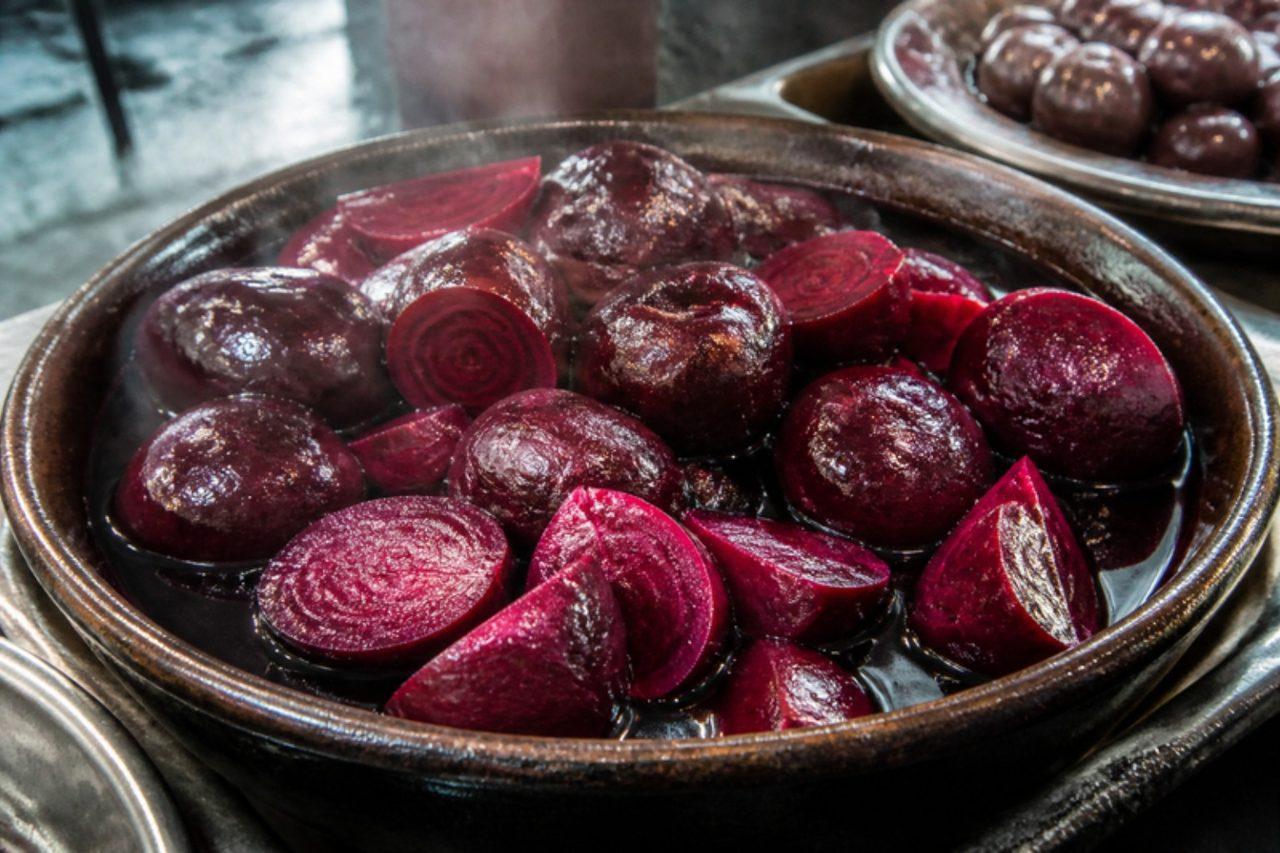
LabooHot slow-cooked beetroot

On cold Tehran evenings, vendors push carts piled with steaming beetroot through the bazaars and past school gates, and a paper cup of laboo is what people reach for when the first snow falls. Whole beets are simmered for well over an hour with a little sugar until the cooking water reduces to a glossy, almost purple syrup that clings to every slice. You eat it hot, cut into chunks and spooned with the syrup, sometimes with a pinch of salt to wake up the sweetness. The common mistake is peeling or cutting the beets before cooking, which bleeds out the colour and leaves them pale and watery. Chef's tip: choose beets of the same size so they finish together, and keep the skins on until the very end.

by KrazyBadal 0 views

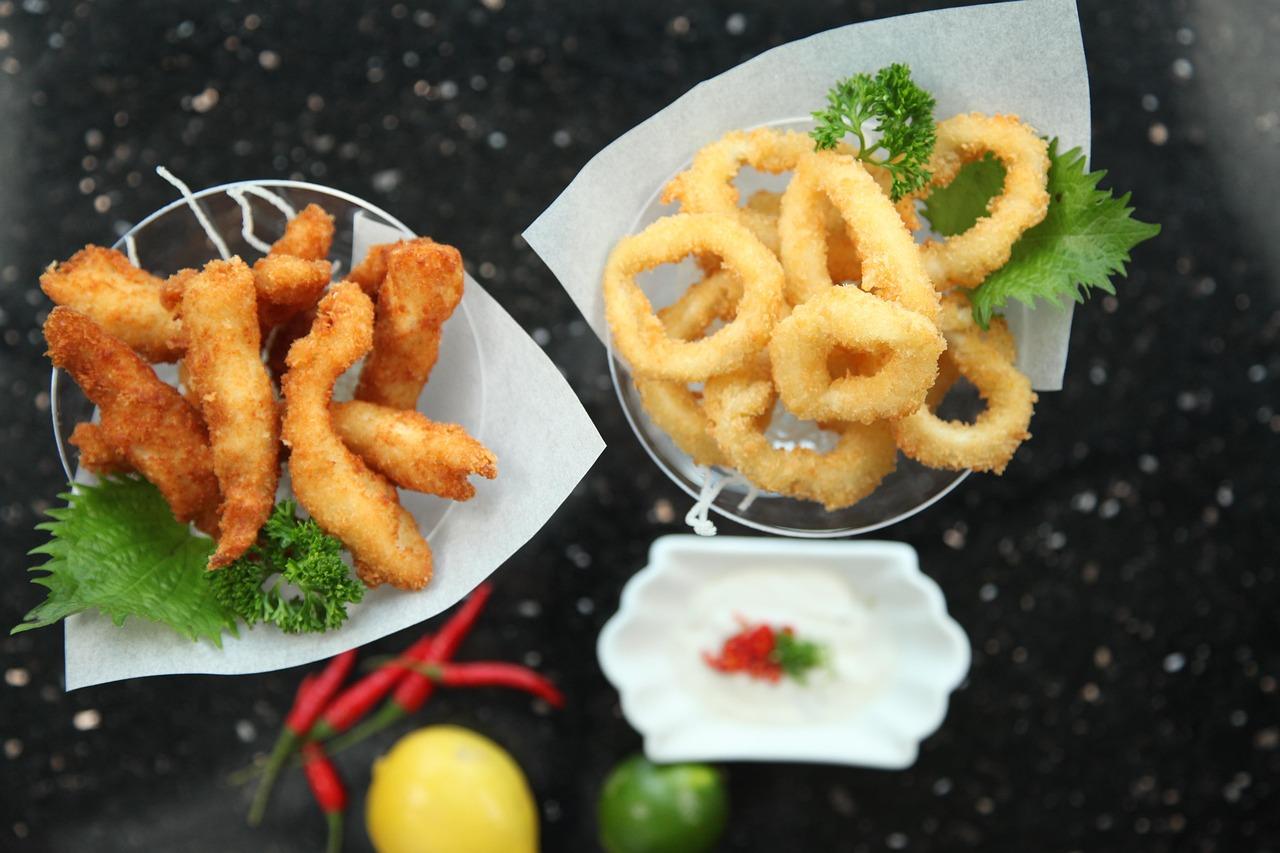
Kalamar tavaFried squid with walnut sauce

On the waterfront in Bodrum and in every Aegean fish meyhane, a plate of kalamar tava arrives hot among the cold meze: tender rings of squid in a light, crisp coat, with a bowl of tarator, a thick sauce of walnuts, bread, garlic and lemon, for dipping. The trick is speed; squid is tender after a minute or two in the oil and rubbery after five. Chef's tip: soak the rings in milk or fizzy mineral water for half an hour in the fridge; it tenderises them and helps the coating cling.

by KrazyBadal 0 views

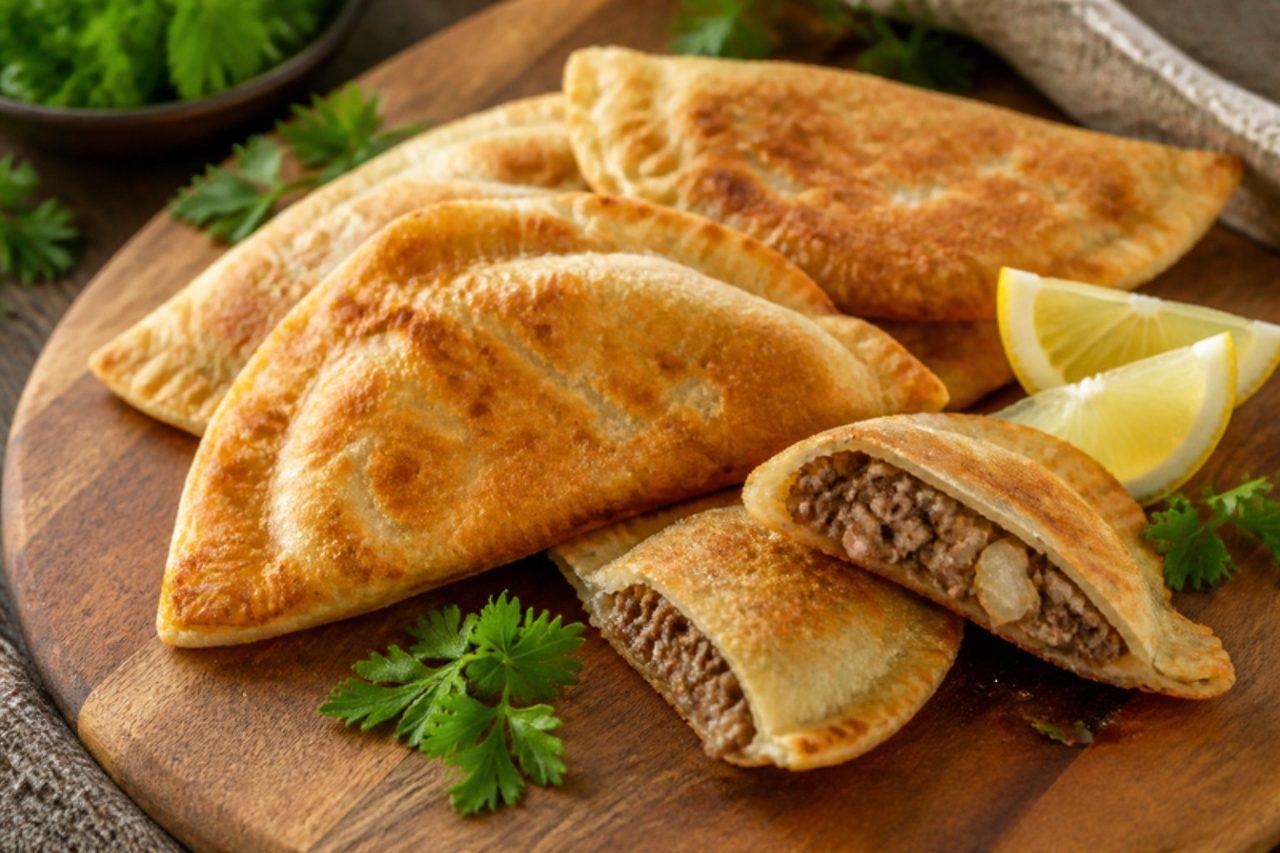
SembusekSpiced mince flatbread pies

Mardin's stone bakeries fill their ovens with sembusek on weekend mornings: thin rounds of dough folded over a filling of minced meat, onion, parsley and pepper paste, sealed into half-moons and baked until crisp and freckled. Families make big batches for picnics and Ramadan, and eat them warm with ayran or a glass of tea. The meat goes in raw and cooks inside the pastry, so roll the dough thin enough to cook through. Common mistake: a wet filling that makes the base soggy; squeeze the grated onion hard. Chef's tip: brush the tops with a little water and butter as they come out of the oven so they soften just enough to fold over a bite of salad.

by KrazyBadal 0 views

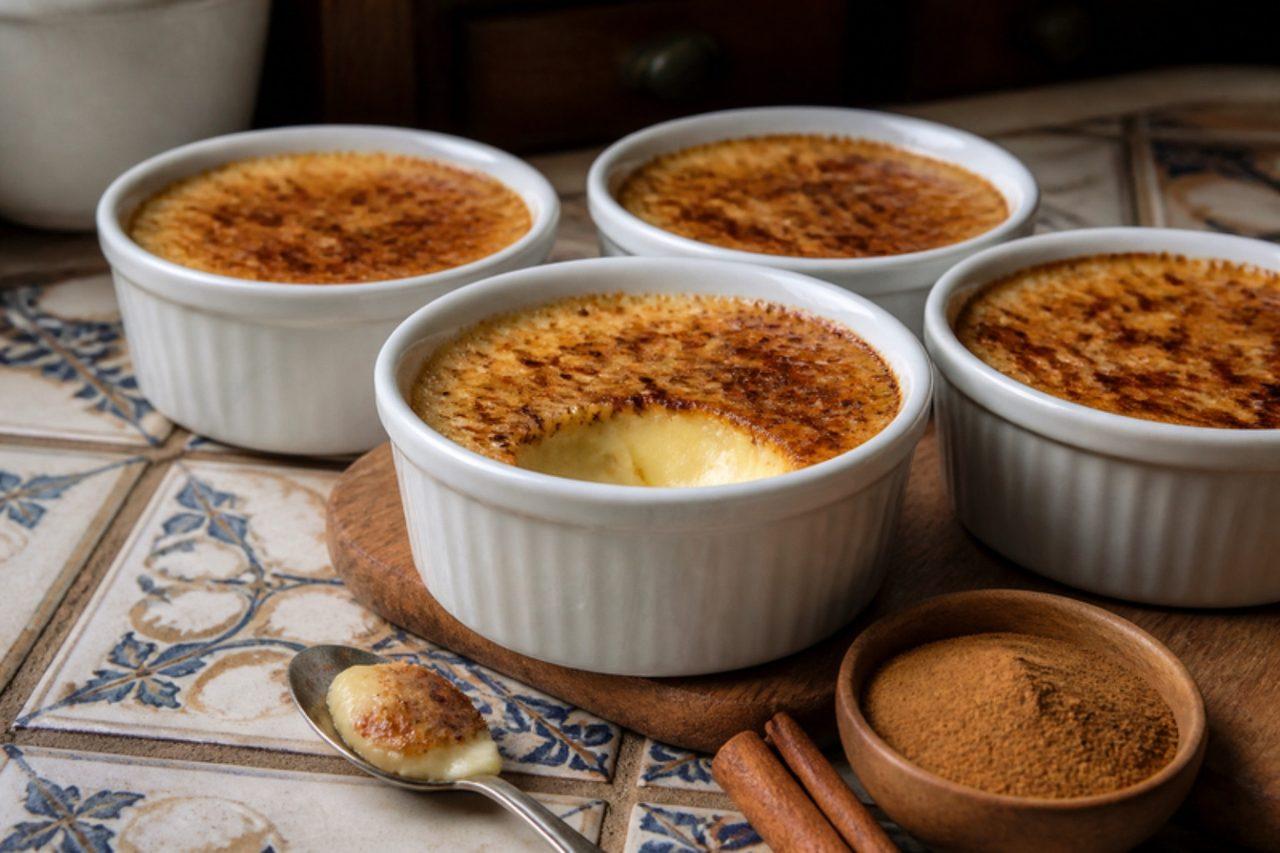
Leche asadaBaked milk custard

A fixture of Lima's set-lunch menus and school canteens, leche asada is the plainer sibling of flan: milk, eggs, sugar and vanilla baked in a dish until set, with no caramel layer, so the top browns into a freckled skin that's the best part. It is lighter and a little less smooth than crème caramel, faintly scented with cinnamon and lemon zest, and served cold in squares or straight from little ramekins. Many cooks rush it in a hot oven, which makes the custard bubble and weep watery holes; bake it low and in a water bath, and only brown the top at the end. It makes a gentle end to a heavy meal and keeps for three days in the fridge. Chef's tip: strain the custard and skim off the foam before baking for a smooth, even set.

by KrazyBadal 0 views

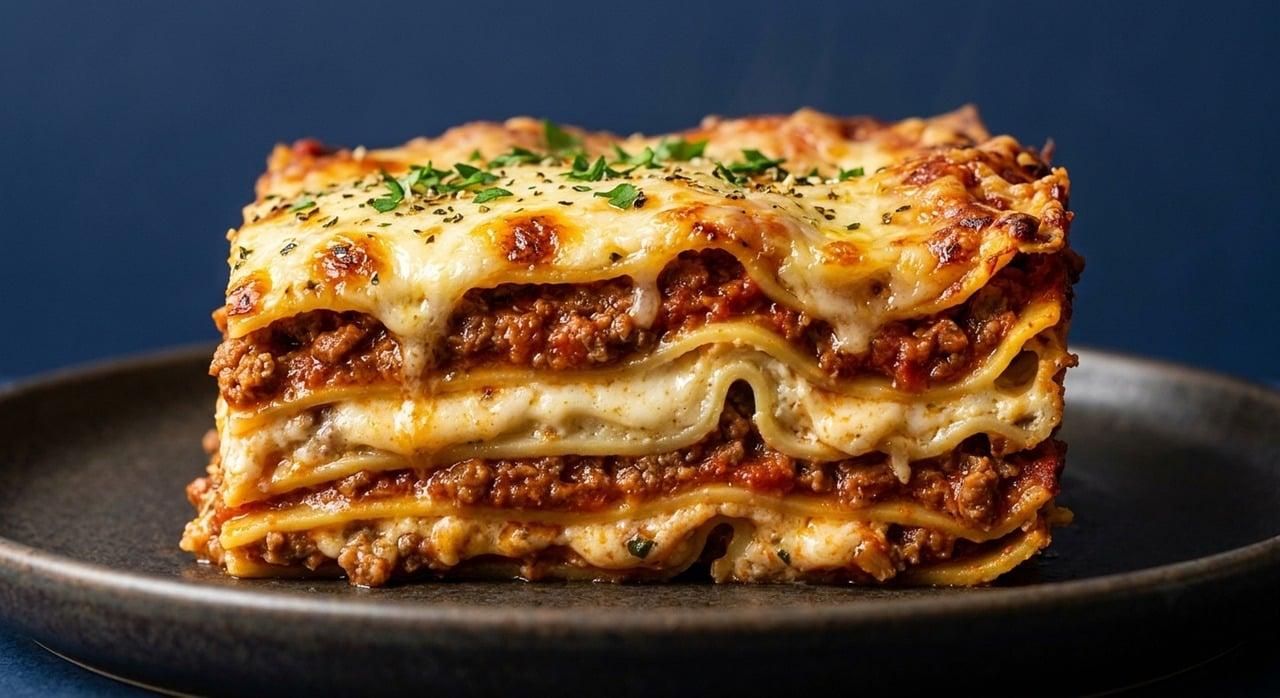
VincisgrassiBaked lasagne with meat ragù

Macerata, in the hills of the Marche, claims vincisgrassi as its own, and families still bake a tray for Sunday lunch, Christmas and Carnival. It is richer than the lasagne most people know: thin egg pasta sheets layered with a slow ragù of pork, veal and chicken livers, a nutmeg-scented béchamel and plenty of parmigiano, baked until the top is crusted and golden. Many cooks splash in white wine and a little Marsala; this version uses dry white wine, with an alcohol-free swap in the ingredient list, and the chicken livers are optional if you'd rather leave them out. Serve it in modest squares, followed by a crisp green salad. Chef's tip: make the ragù the day before and assemble cold, so the layers set firmly and slice cleanly.

by KrazyBadal 0 views

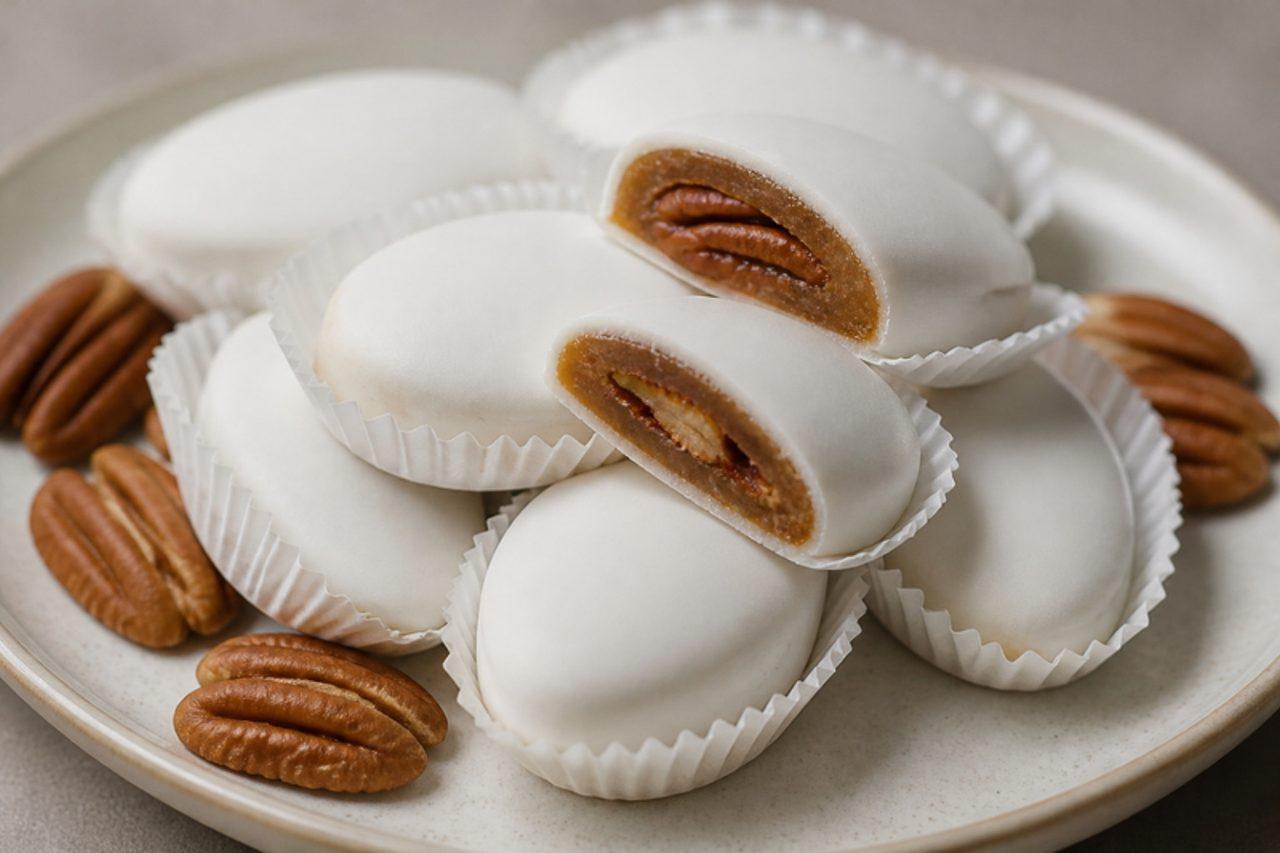
TejasPecan and manjar blanco sweets

Ica's sweet shops, along the road into town and around the main square, stack tejas in long rows, each one wrapped in white tissue paper with frilled ends. Inside the thin, crackly sugar shell is a soft centre of manjar blanco with a pecan or a piece of candied fruit; Ica has been making them since the 19th century and they are the city's best-known souvenir. They are intensely sweet, so one or two with coffee is enough. The hard part is the fondant: stir it while it's too hot and it turns grainy and opaque too early, so let the syrup cool before working it. This version makes a quick manjar blanco from condensed and evaporated milk and uses pecans; candied lime or orange peel works the same way. Chef's tip: chill the filled centres until firm before dipping; warm ones melt into the fondant and lose their shape.

by KrazyBadal 0 views

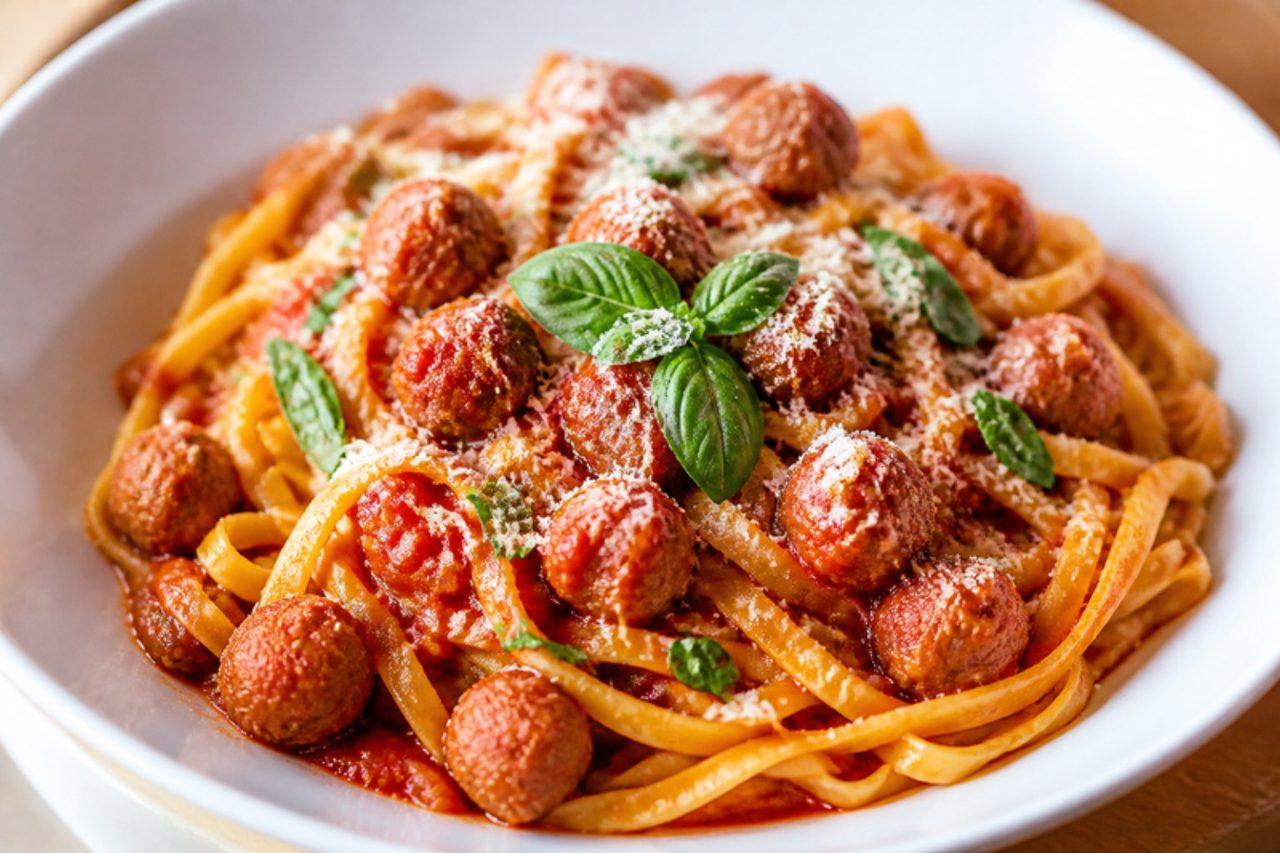
Spaghetti alla chitarra con le pallottineSpaghetti with tiny meatballs

In Teramo, in northern Abruzzo, Sunday lunch and village festivals often start with chitarra pasta and pallottine, meatballs no bigger than a chickpea. The pasta is cut on a chitarra, a wooden frame strung with wires, which gives square-edged strands with a rough surface that grips the sauce. The tiny beef meatballs are simmered right in a light tomato sauce, so every forkful has a few. Serve with grated pecorino and nothing else; this is a dish of patience rather than complication. Chef's tip: roll the meatballs with damp hands on a tray; at this size you'll make well over a hundred, so put the radio on.

by KrazyBadal 0 views

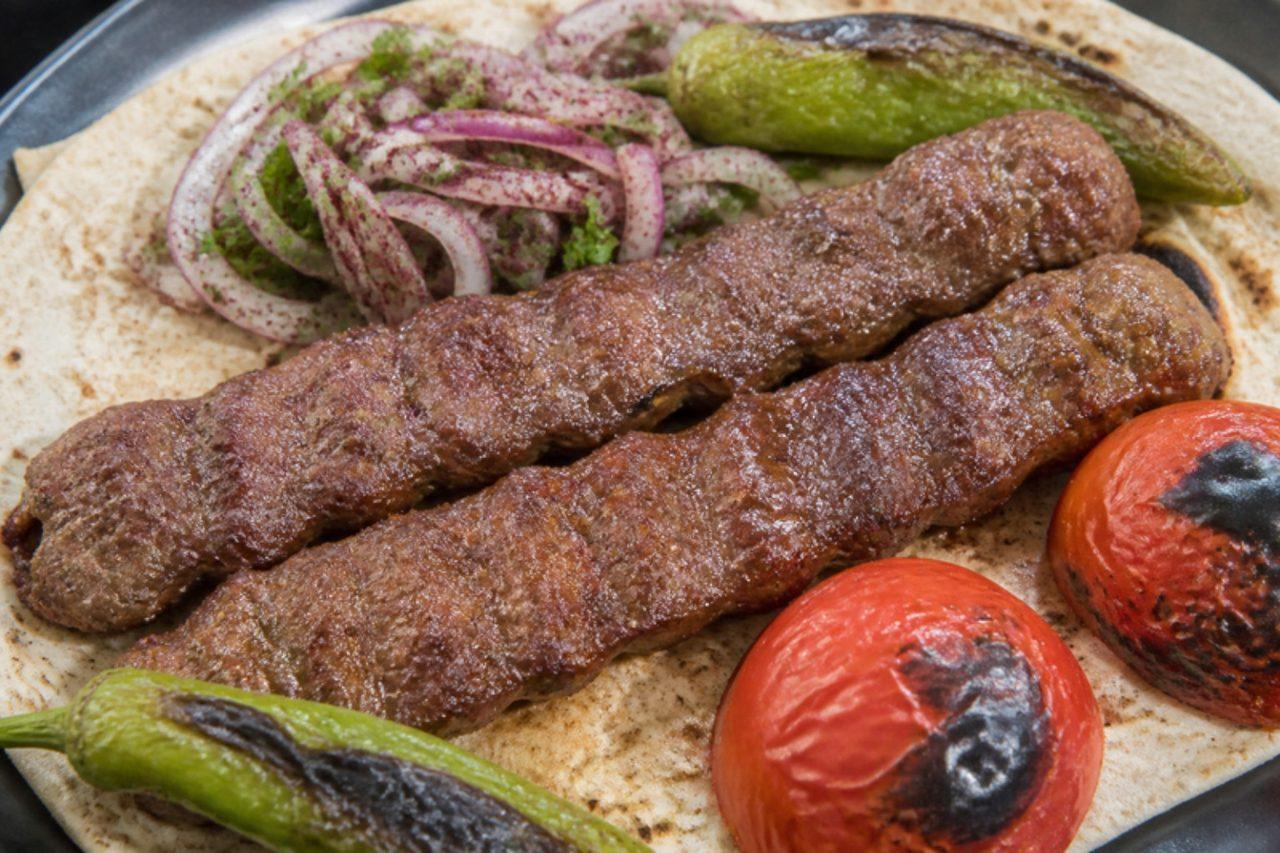
Urfa kebabıMinced lamb kebab

Where Adana's kebab is hot, Şanlıurfa's is gentle: lamb and tail fat chopped by hand with a curved zırh blade, seasoned with salt and a little isot and pressed onto wide skewers. Grill houses around Balıklıgöl serve it on thin lavaş with charred tomatoes, peppers, sumac onions and a bostana salad, and the sweet smoke of the meat is the whole point. Without tail fat, ask your butcher for fatty lamb shoulder mince, around 25% fat, or the kebab will be dry and fall off the skewer. Chef's tip: wet your hands with cold water while shaping; the fat stays firm and the meat clings to the skewer.

by KrazyBadal 0 views

Uskumru dolmasıStuffed mackerel

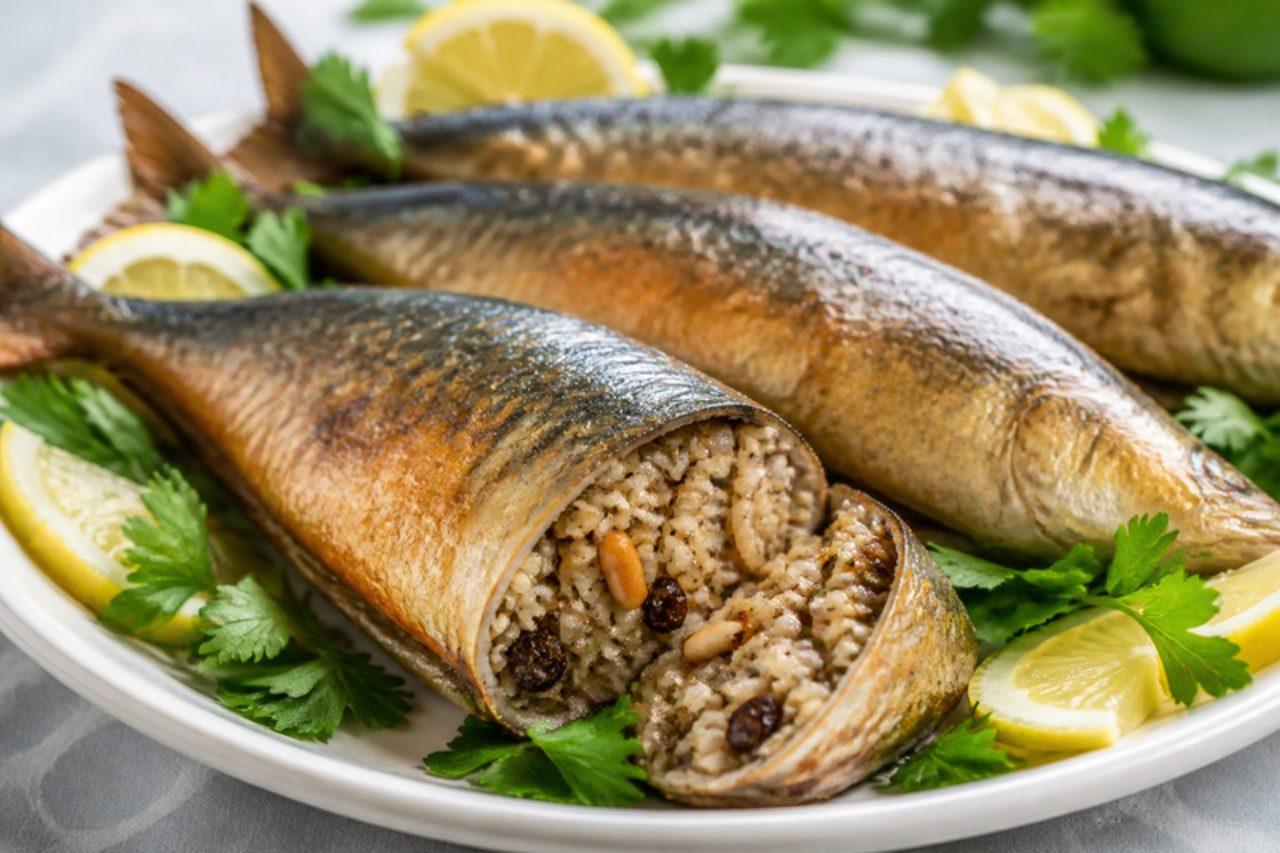
Uskumru dolması is a showpiece of Istanbul's old Armenian and Greek meyhane kitchens, made in autumn when Bosphorus mackerel are fat: the skin is eased off whole, the flesh mixed with spiced rice, walnuts, currants and herbs, then stuffed back in so the fish looks untouched. It is dipped in egg and flour, fried and served at room temperature in slices as a cold meze. It takes time but impresses every guest. Chef's tip: roll and massage the fish firmly before you start; the spine snaps at the head and the skin loosens so you can push the flesh out without tearing it.

105 minTurkishFish
by KrazyBadal 0 views

Kam lu wantánFried wontons in sweet-sour sauce

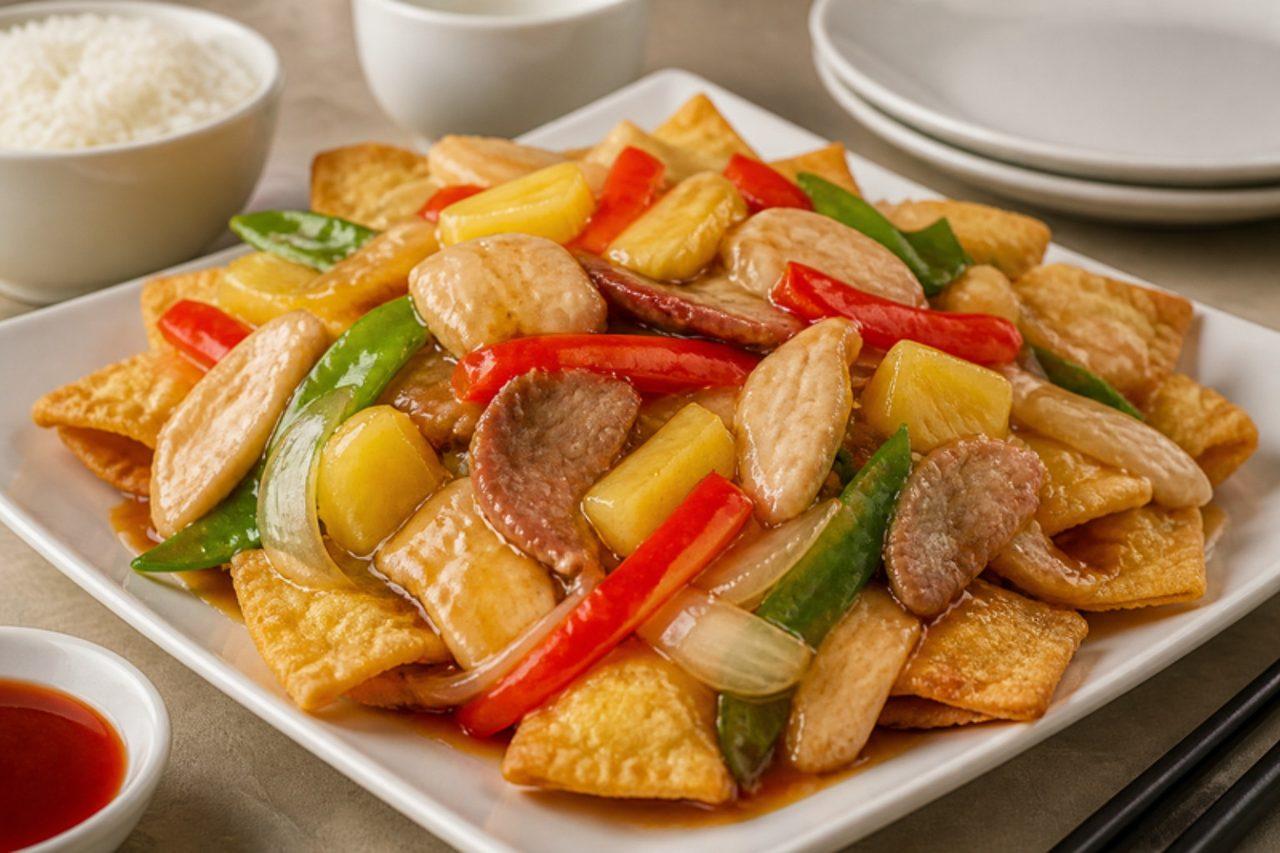
Brought to the table as a sharing platter at big chifa lunches in Lima, kam lu wantán is a gleeful mix of textures: golden fried wontons filled with ginger-spiked pork, smothered in a bright, sweet-and-sour sauce full of sliced chicken, pork, pineapple, peppers, carrot, snow peas and bok choy. The wontons shatter at the edges and soften where the sauce soaks in, so eat it fast. It works as a starter for a crowd or a main with rice. The mistake to avoid is making the sauce too thick and gloopy; it should flow over the wontons, not sit on them like jam. Chef's tip: fry the wontons at the last minute and pour the sauce over at the table so the crunch survives.

by KrazyBadal 0 views

Spaghetti all'assassinaCharred spicy spaghetti

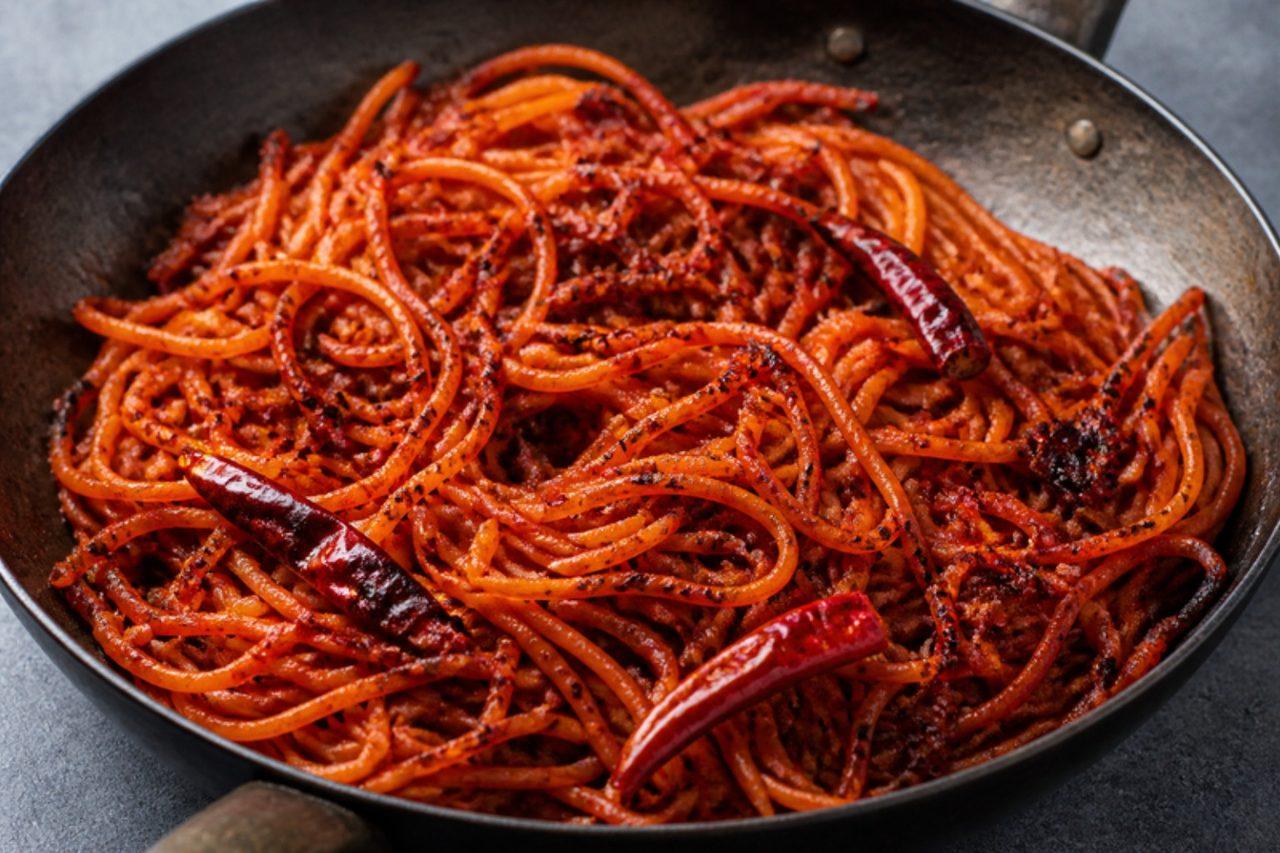
Spaghetti all'assassina was born in a Bari restaurant in the late 1960s and has become the city's cult late-night pasta. The raw spaghetti go straight into a hot iron pan with garlic, chilli and tomato, and are cooked like a risotto, a ladle of tomato broth at a time, until some strands blacken and turn crunchy while others stay chewy. It is smoky, sweet and properly hot, and Baresi argue about how burnt it should be. Chef's tip: use a wide iron or steel frying pan, never non-stick; you want the pasta to stick a little and scorch.

by KrazyBadal 0 views

Grand aïoliSalt cod and vegetables with aioli

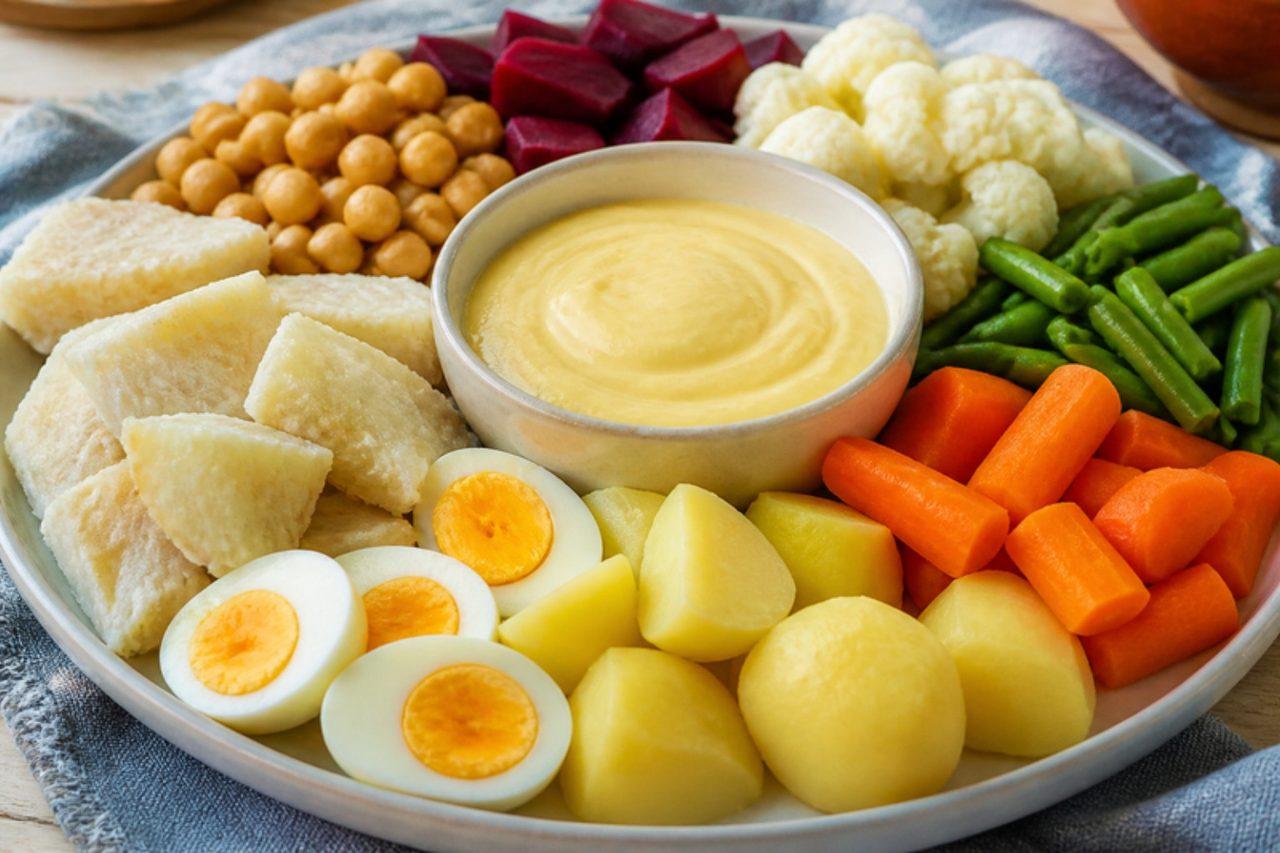
Across Provence, a grand aïoli is the lunch for Fridays, the meatless day, and for summer village fêtes, when long tables are laid under the plane trees and the platters go round. Poached salt cod, boiled potatoes, carrots, green beans, beetroot and hard-boiled eggs are piled up around a bowl of aïoli, the pungent, golden garlic mayonnaise that gives the meal its name. It is plain food made thrilling by that sauce, so use your best olive oil. The salt cod needs 24–36 hours soaking in the fridge, so start early. Because the aïoli is made with raw egg yolk, use pasteurised egg yolks if you are serving pregnant women, young children, older people or anyone with a weakened immune system. Chef's tip: start the aïoli with a pinch of salt and pounded garlic, and add the oil drop by drop until it thickens.

85 minFrenchFishGluten free
by KrazyBadal 0 views

SoumadaAlmond syrup drink

On Crete and several Aegean islands, a glass of cloudy-white soumada is offered to guests at weddings and on hot summer afternoons. It begins as a thick almond syrup kept in the fridge, which is stirred into iced water to make a cool, gently sweet drink that tastes of marzipan and orange blossom. Some islanders add a few bitter almonds for an edge; they are not safe to eat in quantity, so this version uses a drop of almond extract instead. Common mistake: boiling the syrup hard after the almond milk goes in, which makes it cloudy and grainy rather than smooth. Chef's tip: squeeze the almond pulp in a muslin bag with real force; the last drops are the richest.

by KrazyBadal 0 views

Huntingdon fidget pieGammon, apple and onion pie

Fidget pie is a harvest pie from Huntingdonshire and the Fens around Cambridge, baked for farm workers bringing in the crops in autumn. It is a pork dish: chunks of gammon (cured pork) are layered with sharp cooking apples and onions in a cider gravy under shortcrust, so it is salty, sweet and fruity all at once. This recipe contains alcohol from the cider; for alcohol-free use cloudy apple juice with a teaspoon of cider vinegar. Chef's tip: soak salty gammon in cold water for an hour first, or the pie can be too salty.

by KrazyBadal 0 views

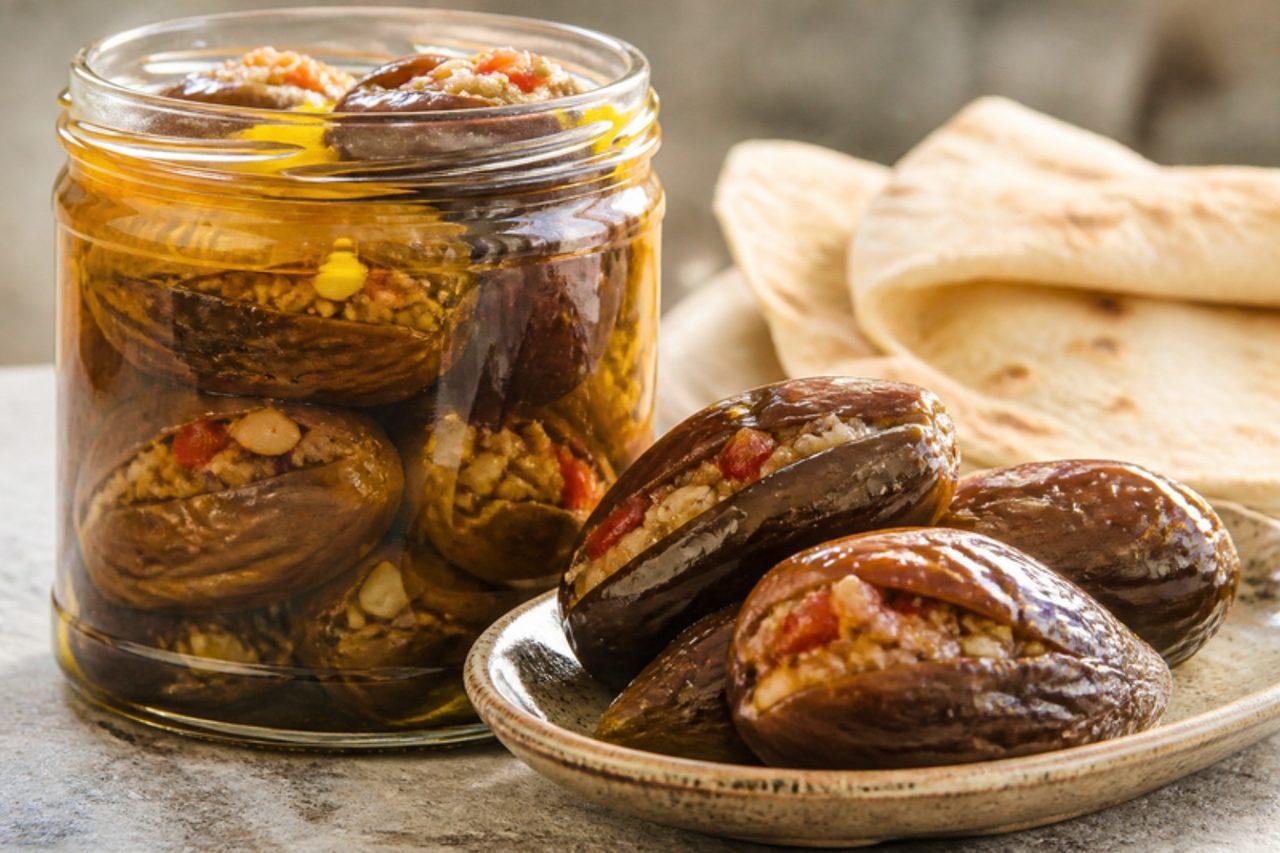
MakdousWalnut-stuffed pickled aubergines

Every autumn, Damascus kitchens fill with jars of makdous as families preserve the last of the small aubergines for the winter breakfast table. The aubergines are boiled, salted and pressed for a day, then stuffed with walnuts, red pepper, garlic and chilli and packed under olive oil to cure until tangy and tender. A couple of them, split on a plate with bread, labneh and tea, is the classic Syrian morning. Common mistake: skipping the pressing — any water left in the aubergines can spoil the jar. Chef's tip: keep the jar in the fridge and always lift them out with a clean fork; homemade preserves in oil should be kept chilled and eaten within a month for safety.

by KrazyBadal 0 views

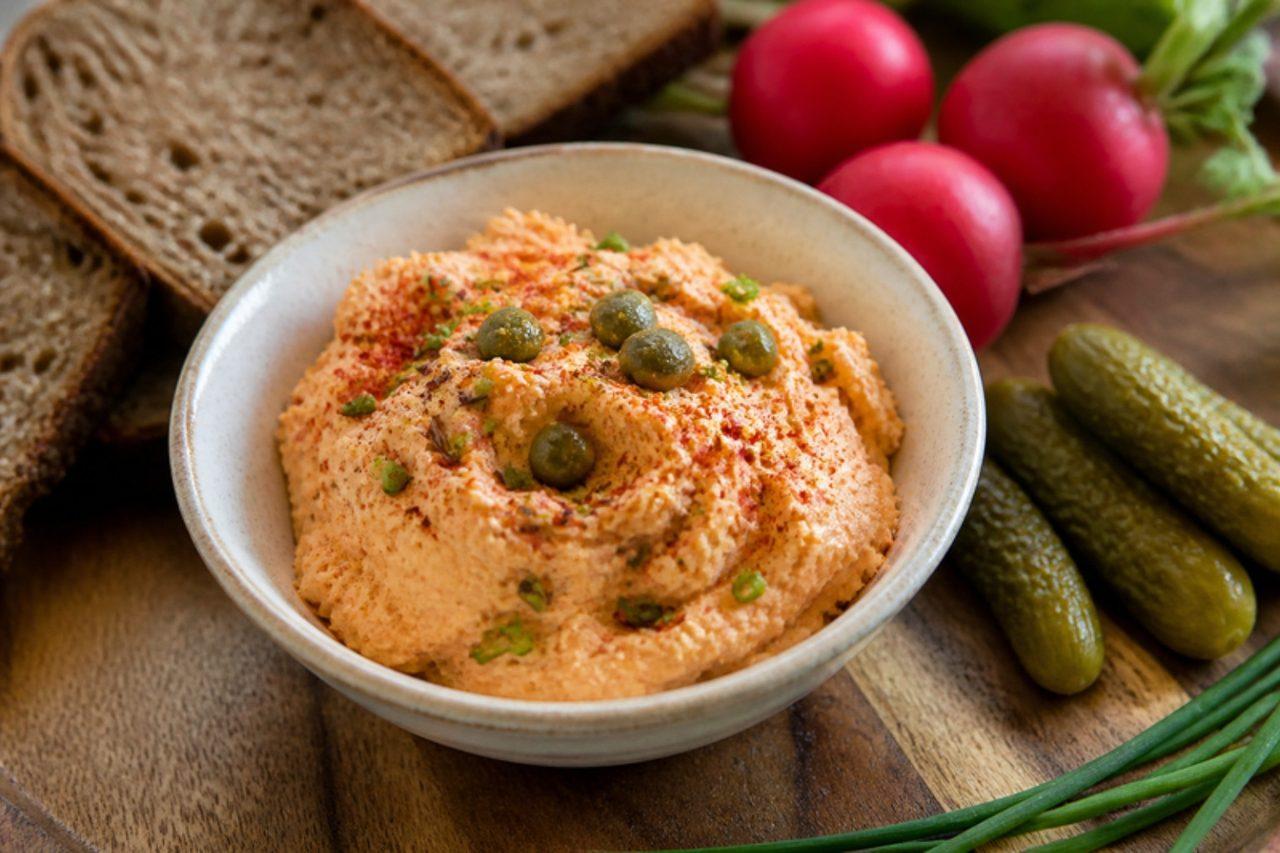
LiptauerPaprika curd cheese spread

No Heuriger, the wine tavern on the vineyard slopes at the edge of Vienna, is complete without a bowl of rust-red Liptauer next to the bread basket. Quark and soft butter are beaten with sweet paprika, ground caraway, mustard, onion and capers into a spread that is creamy, tangy and gently warm. Spread it thick on dark rye bread with radishes and chives, or pipe it onto halved peppers for a snack board. A common mistake is using wet quark straight from the tub, which makes the spread runny; drain it in a sieve first. Most quark is set without rennet, but some brands use a little animal rennet, so pick one labelled vegetarian. Chef's tip: make it a few hours ahead; the paprika colour deepens and the caraway softens as it sits.

by KrazyBadal 0 views

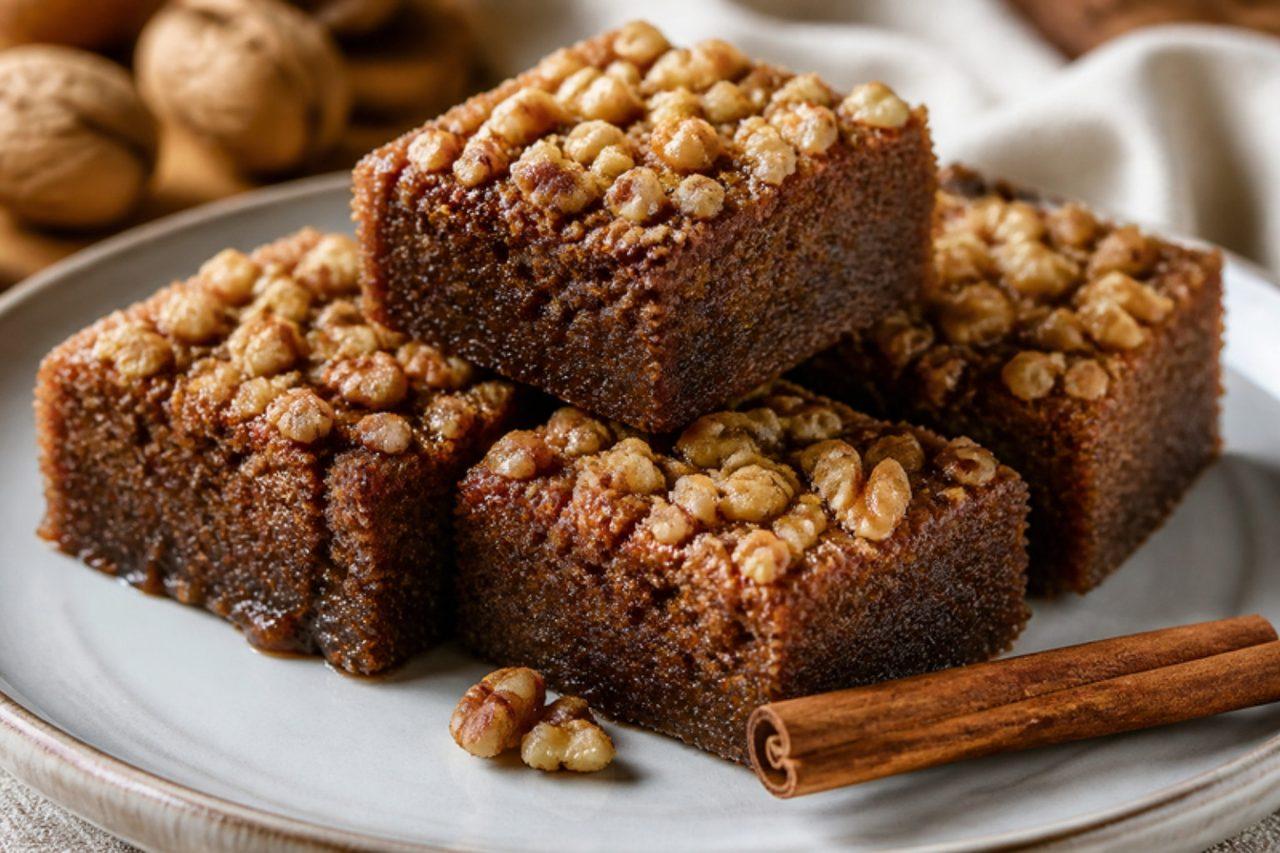
KarydopitaSpiced walnut syrup cake

Karydopita is the cake Greek households bake for name days and Sunday visitors, cut into diamonds and set out with coffee or a scoop of vanilla ice cream. Ground walnuts and dried breadcrumbs replace much of the flour, giving a moist, dense crumb fragrant with cinnamon and clove, then the hot cake drinks up a cool syrup. Common mistake: pouring hot syrup over a hot cake, which leaves it soggy at the bottom and dry on top. Chef's tip: let it sit for at least 3 hours after syruping; it slices more cleanly and tastes even better the next day.

by KrazyBadal 0 views

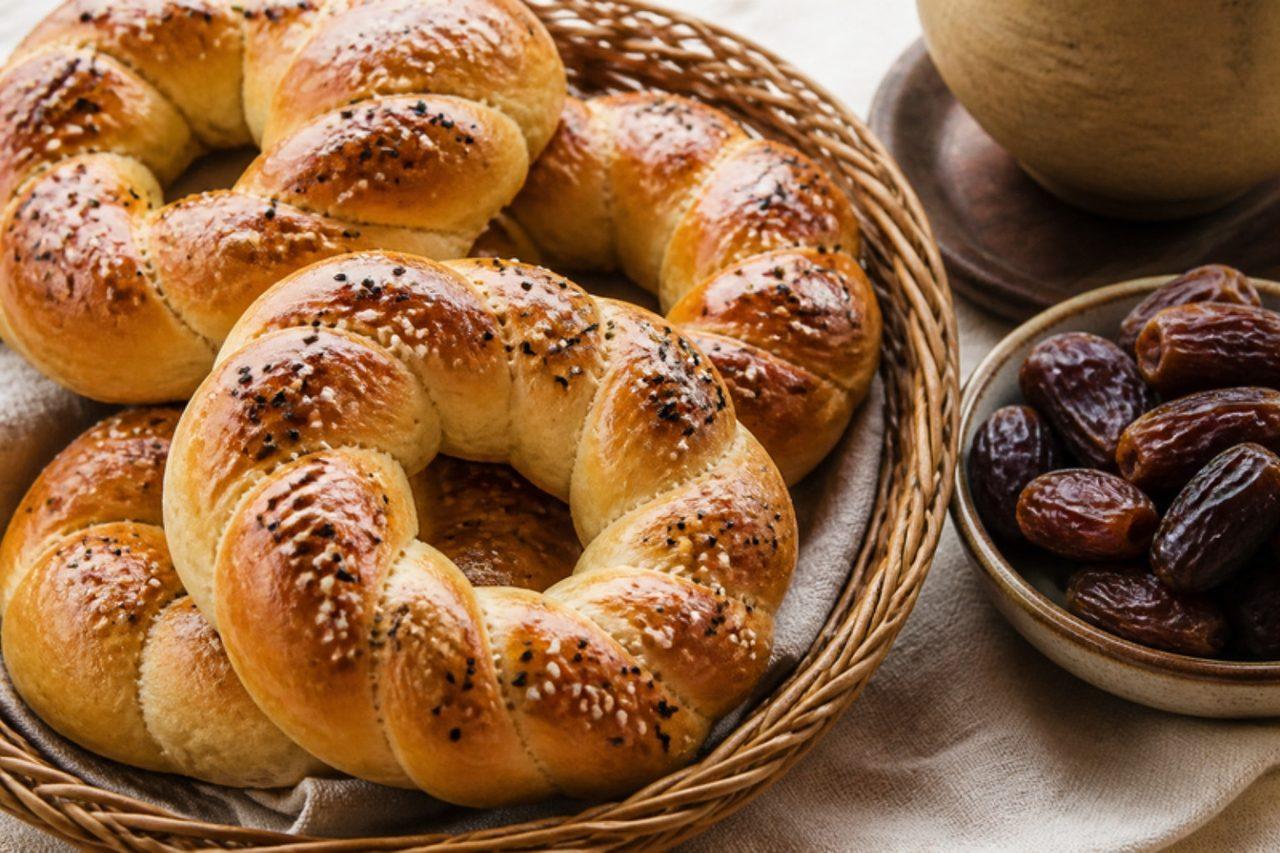
Ma'aroukMahlab-scented sweet bread

As soon as Ramadan begins, bakeries in Damascus and Aleppo stack up golden loaves of ma'arouk, a soft, slightly sweet brioche-like bread that people buy on the way home to break the fast. The dough is perfumed with mahlab (ground cherry stones), topped with nigella and sesame seeds, and is often braided or filled with date paste. Eat it warm with tea, or toasted the next morning with white cheese. Common mistake: adding too much flour while kneading; the dough should stay soft and a little tacky for a tender crumb. Chef's tip: brush with sugar syrup as soon as the loaves leave the oven — it gives the classic shine and keeps the crust soft.

by KrazyBadal 0 views

Orellas de EntroidoCrisp sugared carnival pastries

Orellas, 'ears' in Galician, are fried for Entroido in villages across Ourense and Lugo, from Laza to Xinzo de Limia, and handed round in big baskets during the carnival days. The thin dough blisters and turns crisp in hot oil, and the pastries are finished with sugar or honey. This version uses a little aniseed spirit (aguardiente), as is traditional, so it contains alcohol; for an alcohol-free version use orange juice with a pinch of ground anise. Old recipes use pork fat; this one uses butter, so it is vegetarian. A common mistake is rolling the dough too thick, which gives chewy, greasy pastries instead of crisp ones. Chef's tip: roll until you can almost see the worktop through the dough.

by KrazyBadal 0 views

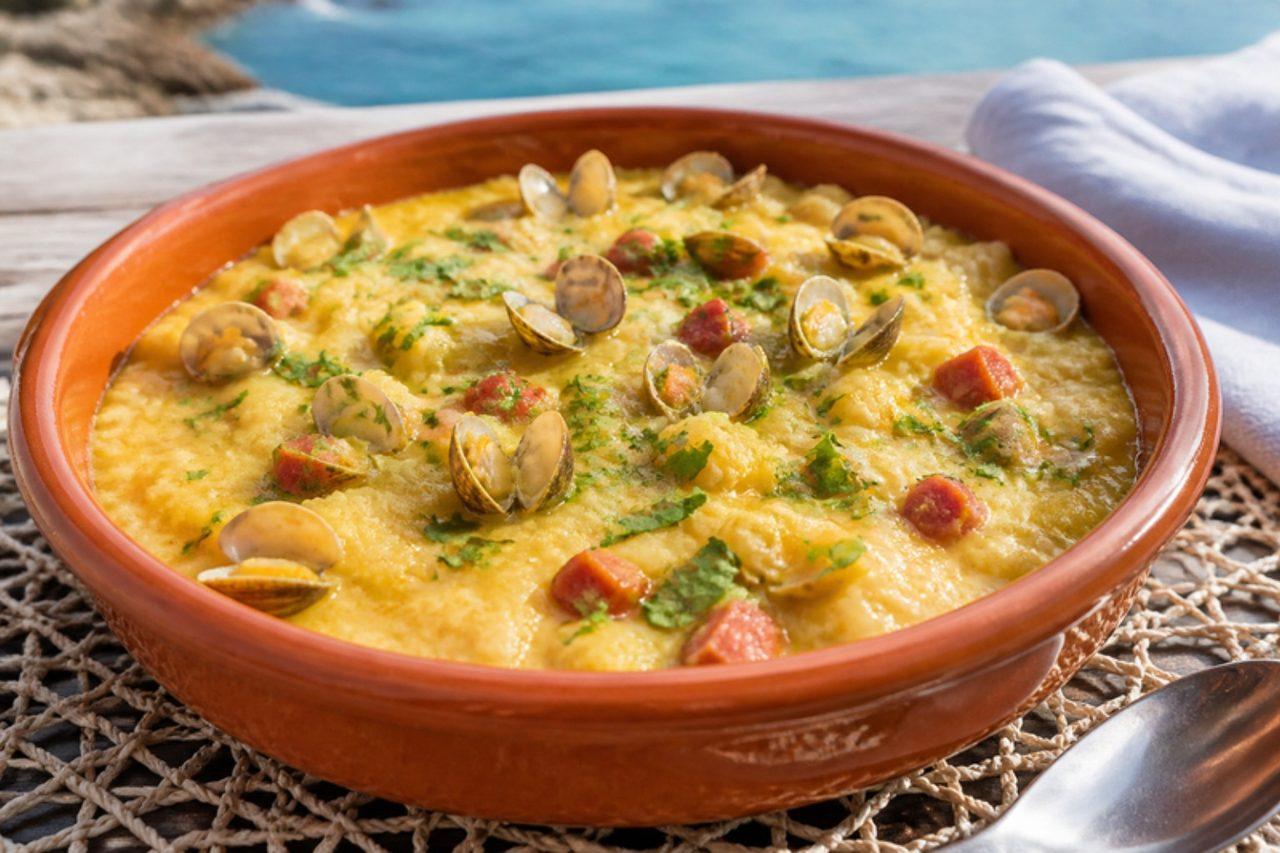
Xerém de conquilhasCornmeal with clams and chouriço

Xerém is coarse-ground maize cooked to a soft, spoonable porridge, an old poor man's food of the eastern Algarve that tasted of whatever the sea or the pig gave that day. Around Tavira and Olhão it is cooked with conquilhas, the little wedge clams raked from the sand bars of the Ria Formosa, so the cornmeal soaks up their salty juices. This contains pork (chouriço and streaky bacon); leave them out for a purely seafood version. Chef's tip: stir the cornmeal into the clam water off the heat, then put it back on, to avoid lumps.

by KrazyBadal 0 views

Shai bil maramiyaSage tea

Offer a guest tea in a Palestinian home and it will most likely come in small glasses, sweet, strong and fragrant with maramiya, the soft-leaved sage that grows on every terrace and is said to settle the stomach after a heavy meal. In winter the leaves are dried; in spring they are picked fresh. Common mistake: boiling the sage with the tea, which brings out a medicinal bitterness; it goes in after the heat is off. Chef's tip: bruise the sage leaves between your fingers before dropping them in, and let them steep only 2–3 minutes.

by KrazyBadal 0 views

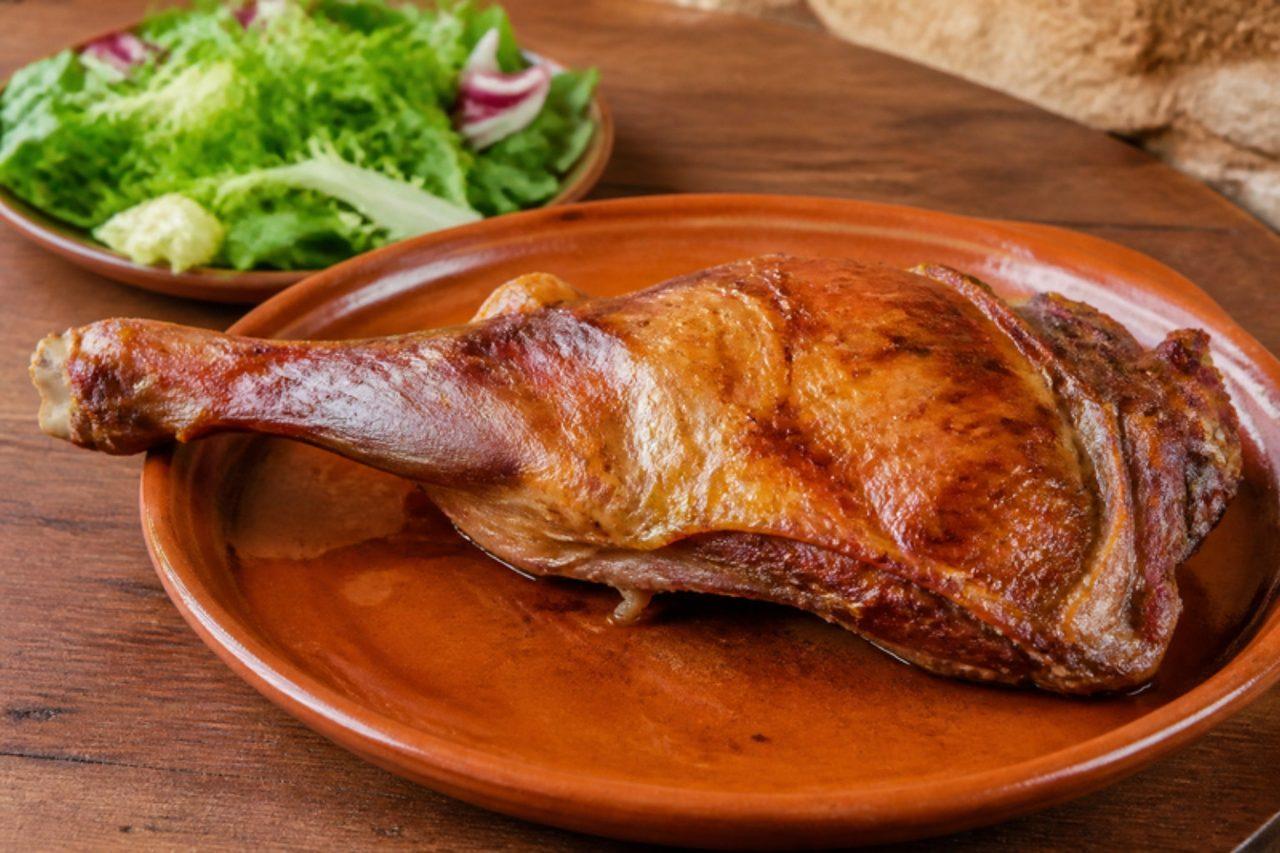
Lechazo asadoRoast milk-fed lamb

Along the Duero valley, in towns like Aranda de Duero, Sepúlveda and Peñafiel, wood-fired asadores roast quarters of lechazo, lamb fed only on its mother's milk, in clay dishes with nothing but water and salt. Families drive out for it on a Sunday and eat it with bread and a salad of lettuce and onion. A little lard is rubbed on in some asadores; this contains pork (lard), or use olive oil. Milk-fed lamb is small and pale; spring lamb works but needs longer. Chef's tip: don't add herbs or garlic; the delicate flavour is the point.

130 minSpanishMeatGluten free
by KrazyBadal 0 views

KharroubCarob drink

Through Ramadan, street vendors in Jerusalem's Old City and in Nablus walk the alleys with brass urns of kharroub on their backs, clacking cups to announce the cold carob drink that breaks the fast. Made by soaking crushed carob pods (or more easily from carob molasses), it is dark, chocolatey-caramel in taste, lightly sweet and very refreshing over ice. Common mistake: boiling the pods hard, which makes the drink bitter and cloudy; soak and simmer gently. Chef's tip: a few drops of orange-blossom water just before serving lifts the earthy carob flavour.

by KrazyBadal 0 views

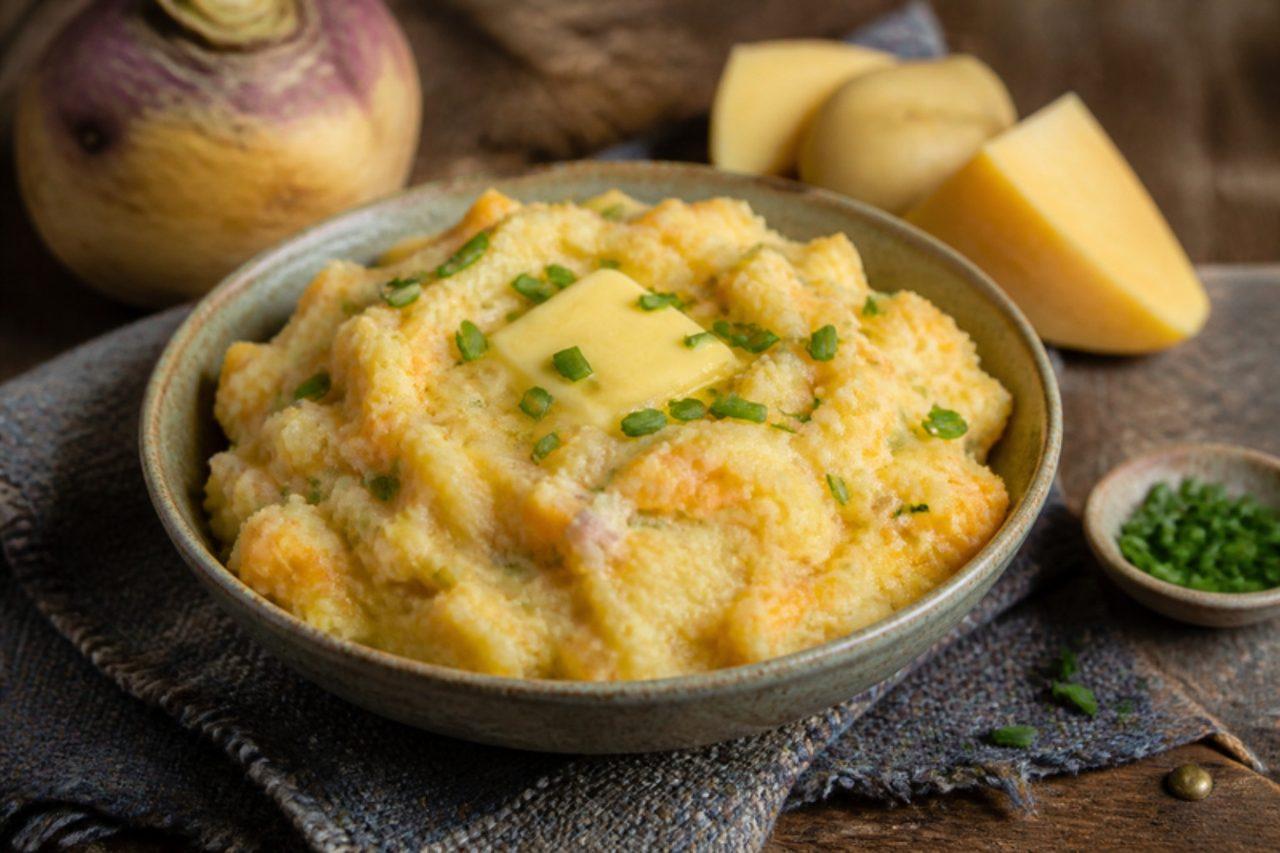
Orkney clapshotSwede and potato mash

Clapshot is the Orkney way with neeps and tatties: equal amounts of swede and potato mashed together with butter, chives and plenty of pepper, rather than served side by side. Islanders eat it with oatcakes and cheese, with mince, or alongside haggis on Burns Night. It is sweet, earthy and soft-orange. Chef's tip: dry the boiled vegetables in the hot pan before mashing, or the swede makes it watery.

by KrazyBadal 0 views

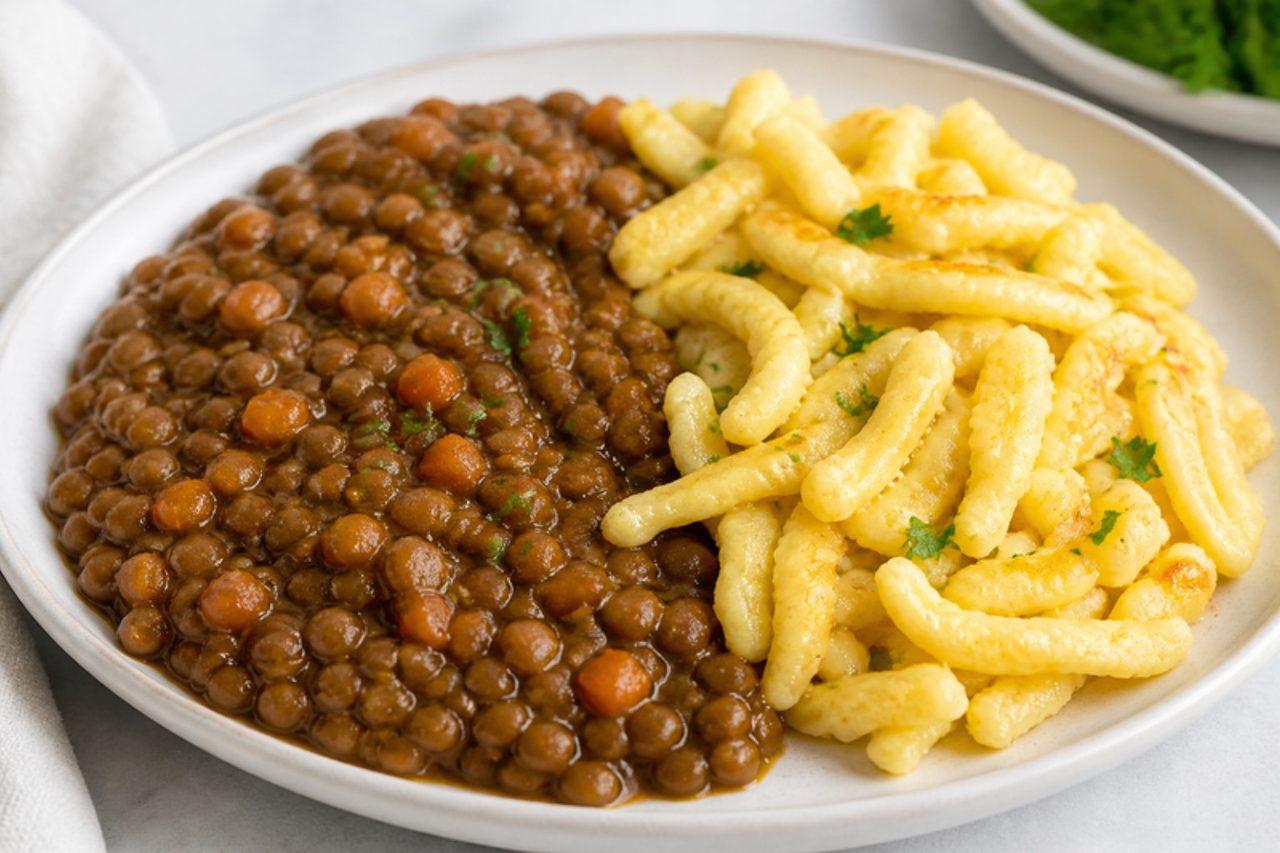
Linsen mit SpätzleSweet-sour lentils with egg noodles

Linsen mit Spätzle is Swabia's Saturday supper, eaten in kitchens from Stuttgart to Ulm when the week's cooking was done and something cheap and filling was needed. Small brown or green Alb lentils are stewed with root vegetables, then sharpened with vinegar and a little sugar, and ladled over freshly scraped Spätzle. Most families add a pair of thin smoked Saitenwürstle; this version skips them, and the smoked paprika keeps a hint of that flavour. A common mistake is adding the vinegar at the start, which stops the lentils softening, so it goes in at the end. Chef's tip: beat the Spätzle batter until bubbles pop on the surface; that air is what makes them springy.

by KrazyBadal 0 views

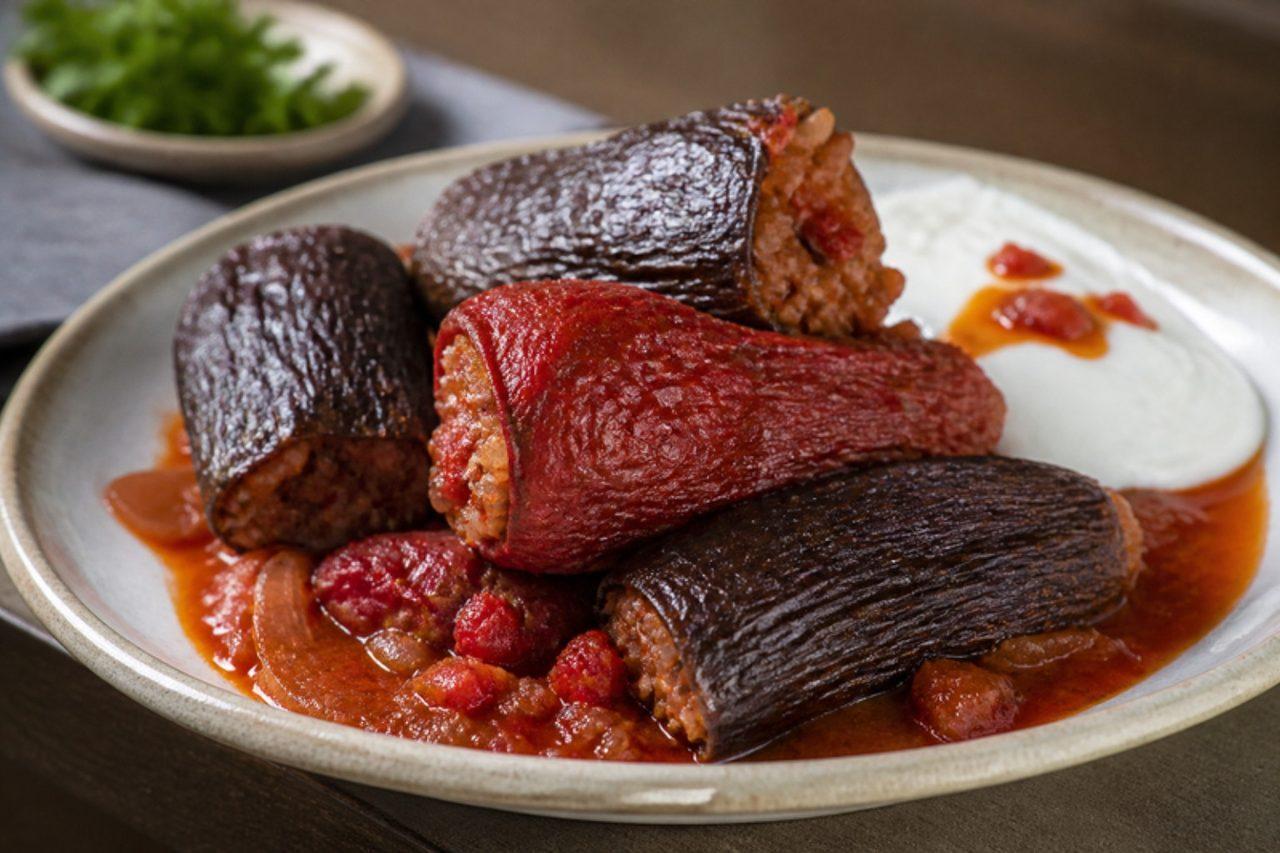
Kuru patlıcan dolmasıRice-stuffed dried aubergines

Strings of hollowed, sun-dried aubergines and peppers hang in every Gaziantep market, and in winter they are revived in hot water and stuffed with rice, mince, tomato and pepper paste. Simmered with a sour drizzle of pomegranate molasses and lemon, they become tender, slightly chewy parcels with a deep, almost smoky flavour that fresh vegetables can't match. Serve warm with yoghurt. Look for dried aubergines in Turkish and Middle Eastern shops. Common mistake: overfilling them; the rice swells and splits the delicate skins. Chef's tip: blanch them only until pliable, not soft, so they hold their shape through the long simmer.

by KrazyBadal 0 views

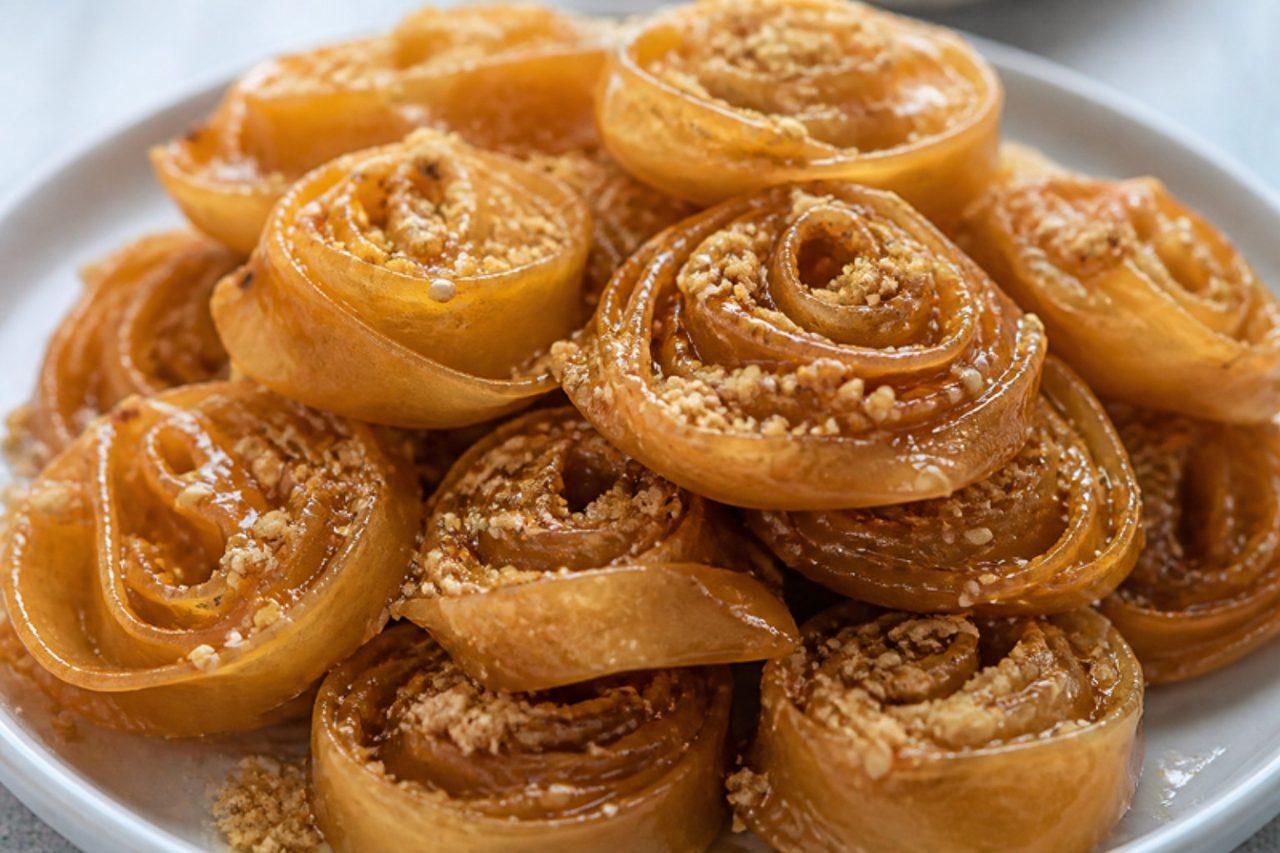
XerotiganaFried dough spirals in honey

At a Cretan wedding or baptism, the women of the family spend the day before rolling dough so thin you can read through it, winding the strips into roses in hot oil and stacking the crisp spirals on huge platters. Xerotigana shatter at the first bite and then turn sticky with honey, walnuts, sesame and cinnamon. Many village versions add a little raki to the dough for extra crispness; this one uses orange juice and a splash of lemon instead, so it is alcohol-free. Common mistake: rolling the strips too thick, which gives chewy, greasy spirals instead of glassy ones. Chef's tip: use a pasta machine down to the second-thinnest setting, and keep the strips you are not frying under a damp tea towel.

by KrazyBadal 0 views

Kaleh jooshKashk, walnut and mint soup

Kaleh joosh is the fast, frugal soup of the Azerbaijani villages around Tabriz and of central Iran, cooked when the cupboard holds kashk, walnuts and onions. Kashk, the tangy fermented whey that gives so many Persian dishes their savoury depth, is simmered with deeply fried onions and ground walnuts, then crowned with sizzling dried mint and turmeric oil. It is eaten from a shared bowl, scooped up with torn bread rather than spoons, often on cold evenings. A common mistake is boiling the kashk hard, which can make it split and grainy; keep it at a gentle bubble. Chef's tip: taste your kashk before salting, as brands vary wildly in saltiness.

by KrazyBadal 0 views

Guaraná raladoGrated guaraná drink

Long before fizzy guaraná, people in Mato Grosso started the day with this: a hard, dark stick of roasted guaraná seed paste grated into a glass of cold water with sugar and stirred well. Cuiabá's older generation still drink it at breakfast or in the heat of the afternoon, and market stalls sell the sticks along with the traditional grater, the dried tongue of the pirarucu fish (a fine microplane works just as well). It tastes bitter-earthy, a little like cocoa without the fat, and the caffeine is strong. Because guaraná contains more caffeine than coffee, keep to one glass a day, and avoid it for children, during pregnancy or if you are sensitive to caffeine. The usual error is grating far too much, which makes it bitter and overpowering; a level teaspoon per glass is plenty. Chef's tip: let it stand for a minute after stirring so the powder hydrates, then stir again before drinking.

by KrazyBadal 0 views

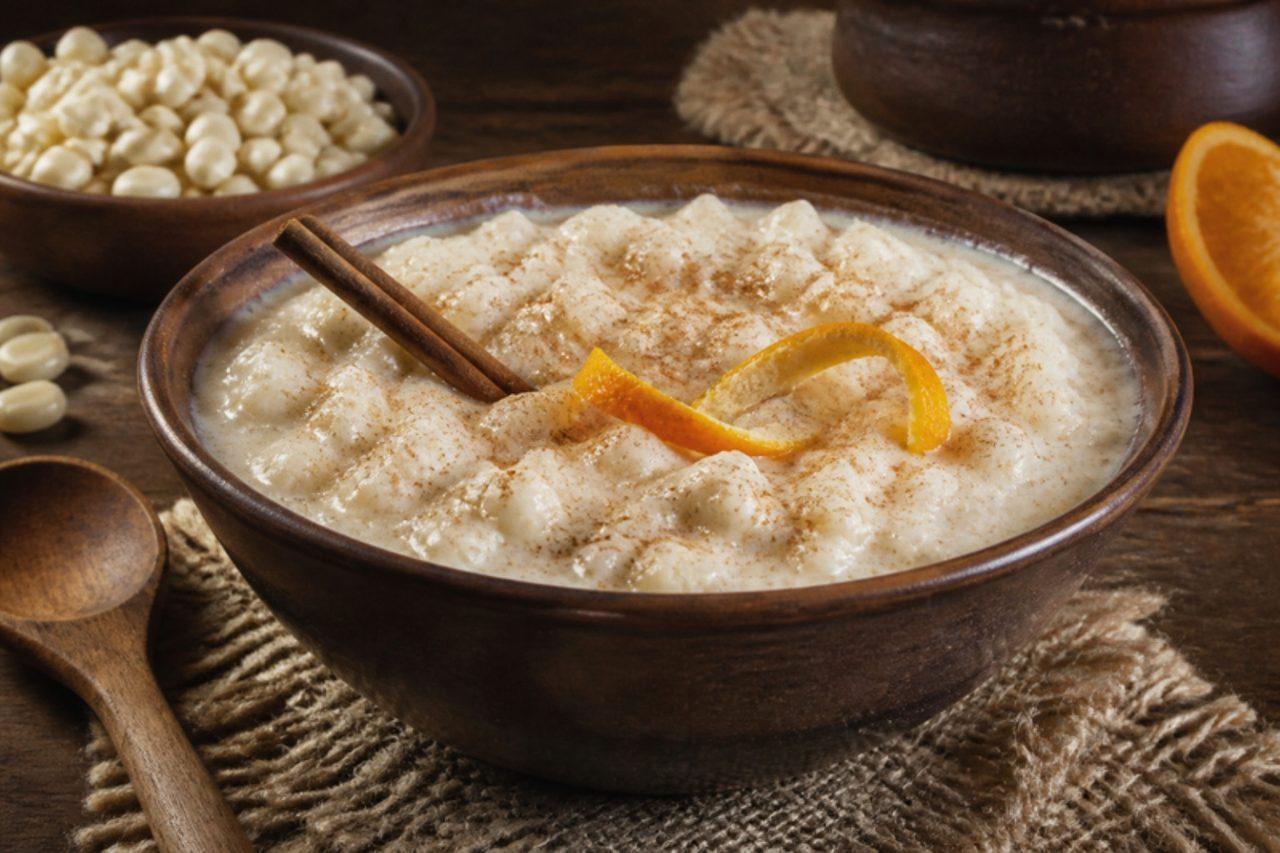
MazamorraHominy milk pudding

Long before cake, there was mazamorra: dried white maize, soaked and simmered with water until the kernels burst, then finished with milk, sugar and cinnamon. In colonial Buenos Aires mazamorreras sold it from clay pots on the street, and it still turns up at school and town-hall celebrations every 25 May and on cold evenings in the interior, eaten warm or cold from a bowl. The kernels stay pleasantly chewy in a creamy, gently sweet milk, a bit like rice pudding with more bite. Look for maíz blanco pisado (cracked white hominy) in Latin American shops; dried white pozole corn is the closest substitute. Plan ahead: the corn needs soaking overnight. Adding the milk too early is the main mistake, because the corn will not soften in milk and the pot catches on the bottom, so cook it in water first. Chef's tip: stir in a little of the hot liquid with the sugar before you add the rest of the milk, and serve it with a dusting of cinnamon or a spoonful of honey.

by KrazyBadal 0 views

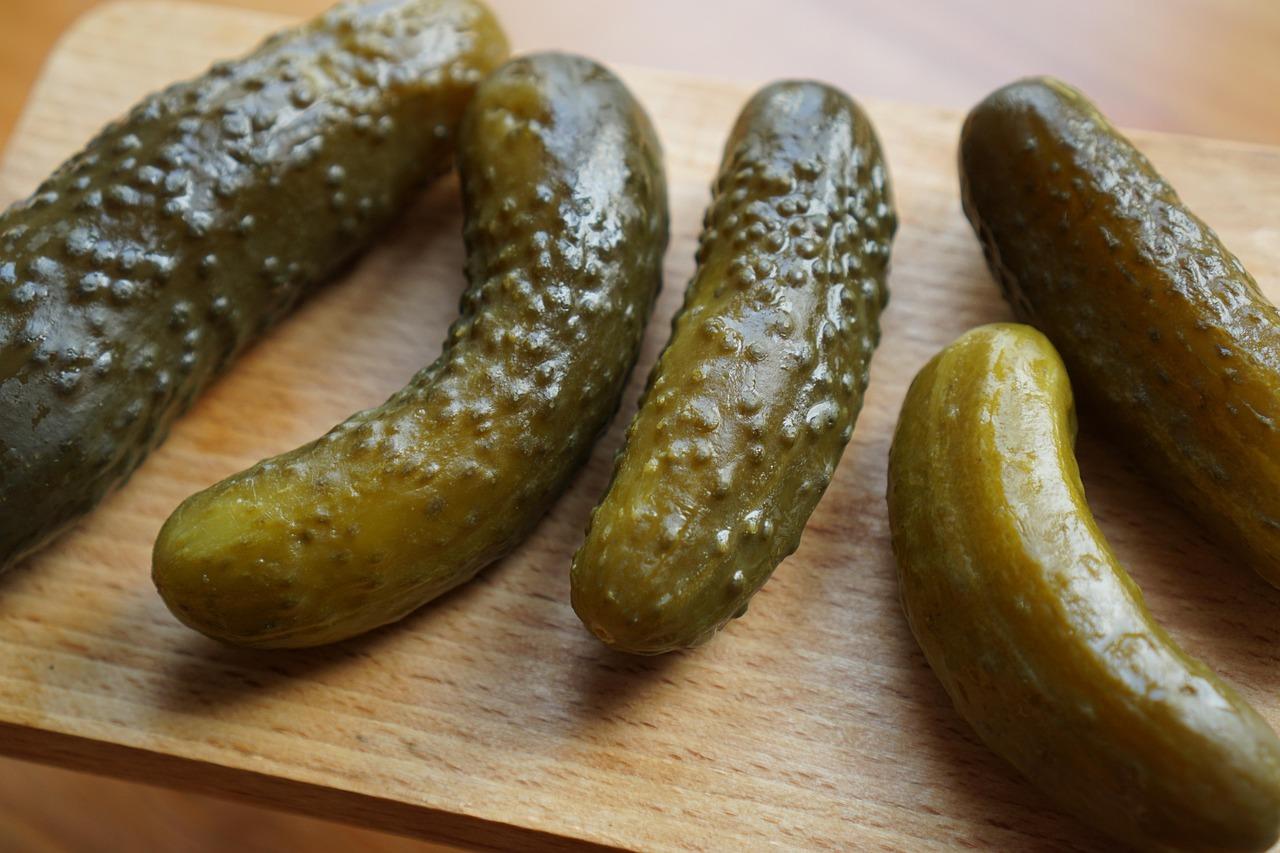
Khiar shoorBrined cucumber pickles

Khiar shoor, salty cucumber, is the pickle that turns up in every Iranian sandwich shop: sliced into olivieh and kalbas rolls in Tehran, eaten whole beside a plate of polo, or offered from a jar with bread and cheese. Small, firm Persian cucumbers are packed upright with garlic, dill, tarragon and chilli, then covered with a vinegar-sharpened brine. They are ready in about ten days and stay snappy for months. Chef's tip: pickle the cucumbers within a day of buying them; even a few days in the fridge makes them hollow inside.

by KrazyBadal 0 views

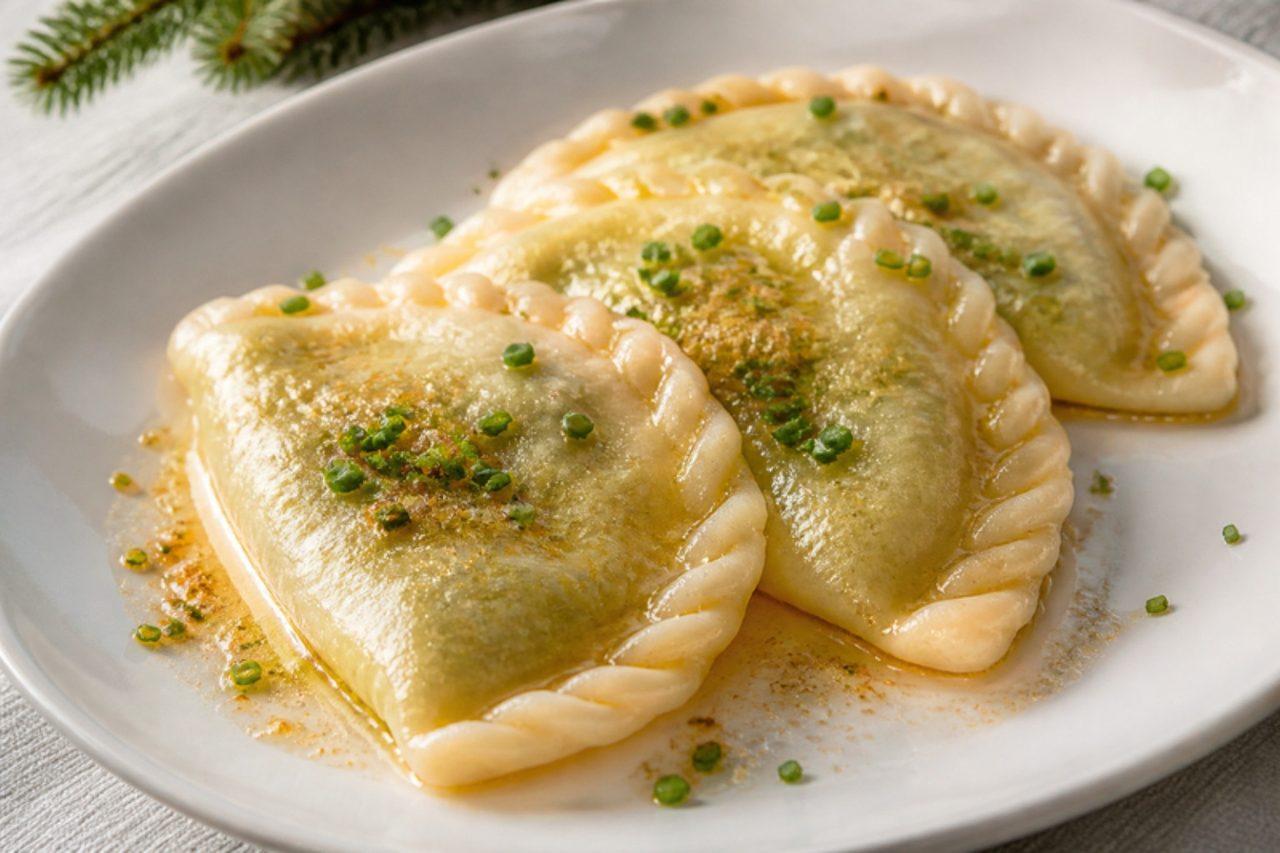
Kärntner KasnudelnCurd cheese filled pasta half-moons

Kasnudeln are the pride of Carinthia in Austria's south, where every village claims the best filling and where they are eaten on Fridays and at church fairs. Big half-moons of thin noodle dough are stuffed with crumbly curd cheese, floury potato, onion and fresh mint, then sealed with a braided edge called 'krendeln' that keeps the filling in as they simmer. They are served with a generous pour of brown butter and chives, often with a green salad. A common mistake is rolling the dough too thick: it should be thin enough to see your hand through, or the folded edges turn stodgy. Carinthian Topfen is usually made without animal rennet, but check the label and pick a vegetarian quark. Chef's tip: if crimping feels tricky, press the edges with a fork first, then practise the braid on the last few.

by KrazyBadal 0 views

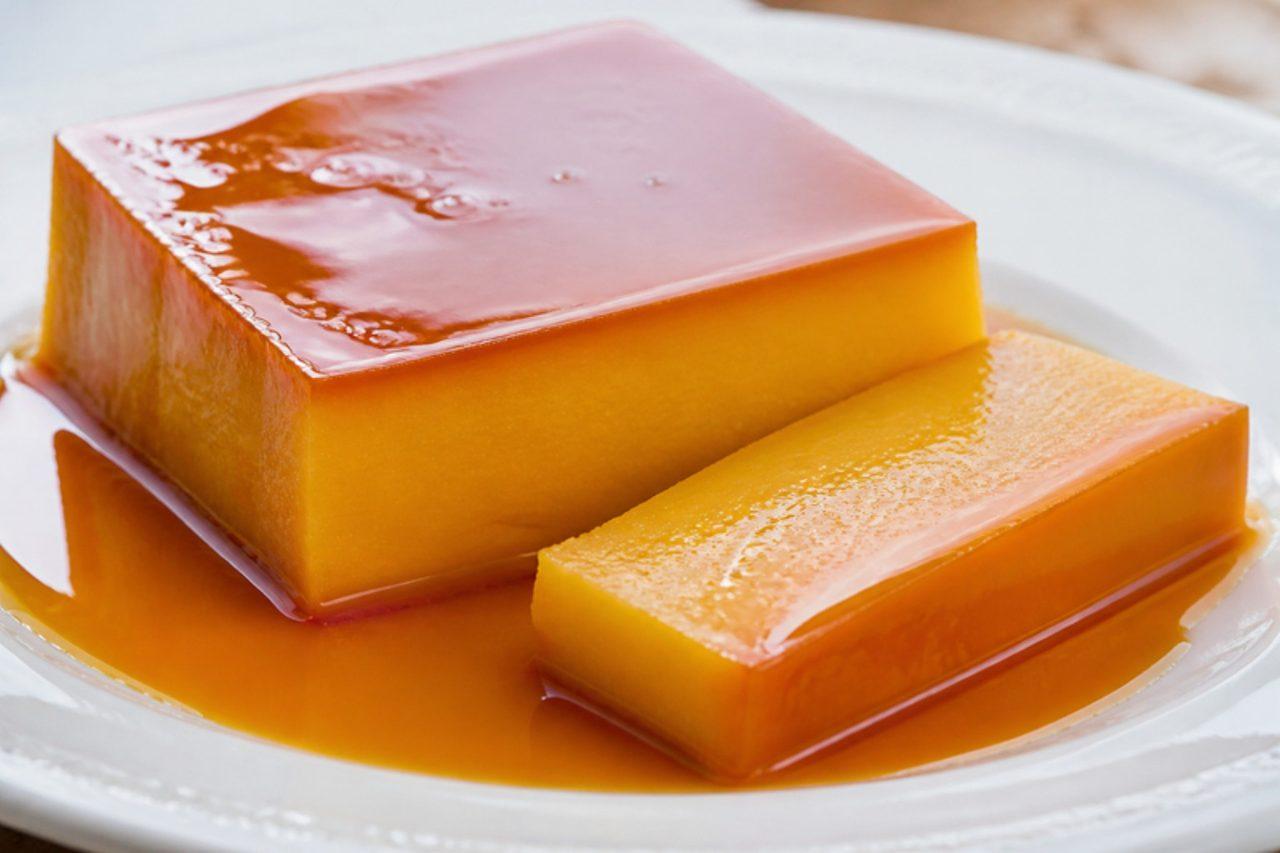
Tocino de cieloEgg-yolk and syrup custard

Tocino de cielo means 'bacon from heaven', but there is no pork in it at all: the name refers only to its rich, deep-yellow colour. The story told in Jerez de la Frontera is that the sherry bodegas used egg whites to clarify their wine and gave the leftover yolks to the convents, whose nuns turned them into this. It is denser and silkier than flan, with no milk, and a small square goes a long way after Sunday lunch. Chef's tip: strain the yolk mixture twice and skim off every bubble; that is what gives the glassy, pore-free finish.

by KrazyBadal 0 views

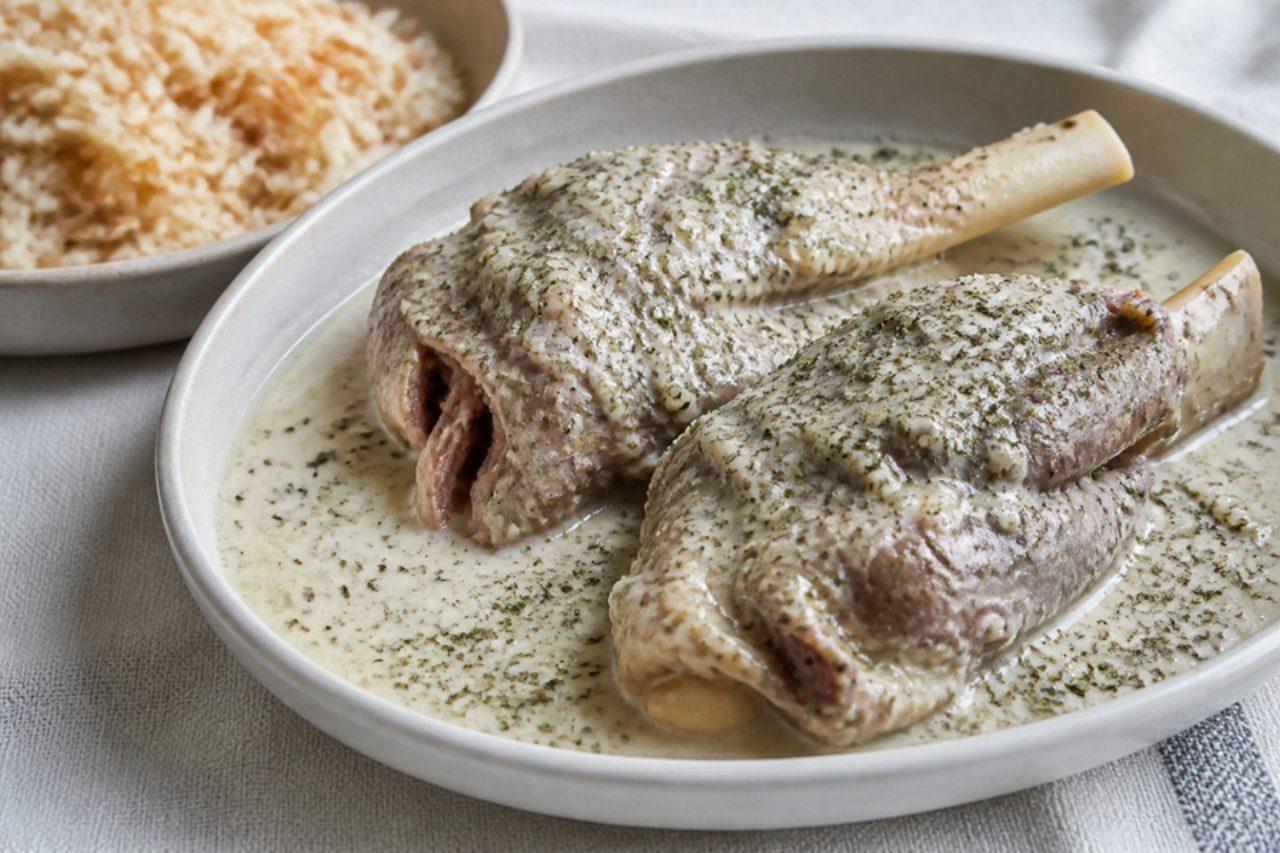
ShakriyehLamb shanks in yoghurt sauce

In Damascus, shakriyeh is festive food, cooked for Eid and for welcoming guests because its creamy white sauce is considered a sign of good luck. Lamb on the bone is simmered until tender, then finished in yoghurt that has been stabilised and cooked down into a smooth, tangy sauce with garlic and dried mint. It is spooned over vermicelli rice and eaten piping hot. Common mistake: adding yoghurt straight from the fridge into boiling stock — it splits; cook the yoghurt separately first and stir in one direction. Chef's tip: keep half a cup of the meat broth to thin the sauce at the end — it should flow like single cream.

135 minSyrianMeatGluten free
by KrazyBadal 0 views

Mazorca desgranadaSweetcorn with chicken and cheese

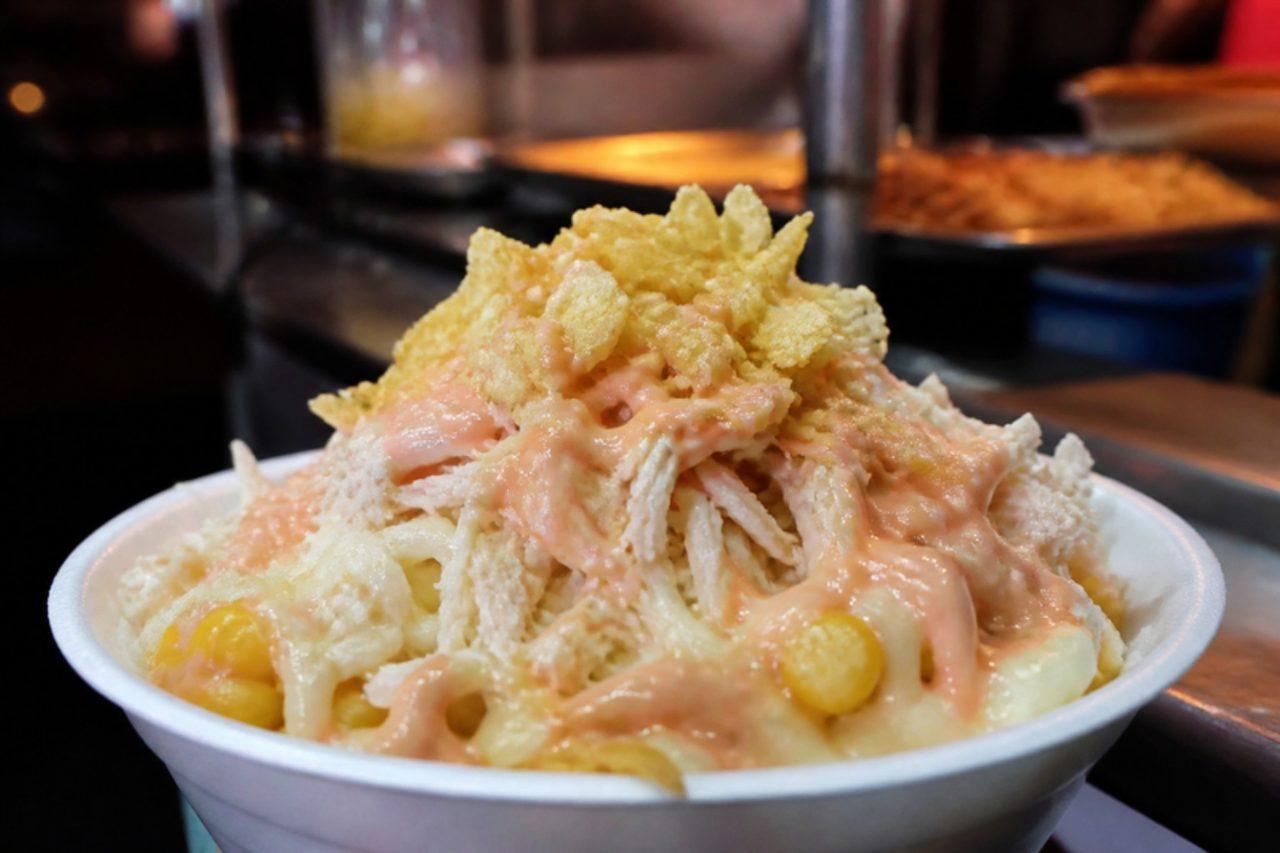
Food trucks and street corners in Bogotá and Medellín sell mazorca desgranada in plastic tubs, late into the evening: sweet corn kernels cut off the cob, fried in butter and layered with shredded chicken, melted cheese, crunchy potato sticks, pineapple sauce and salsa rosada. Some stands add bacon, beef or quail eggs; this version keeps to chicken. It is sweet, salty and gooey, and a hit with teenagers. Using tinned corn without draining it well is a common error: the water dilutes the sauces and the tub gets soggy. Chef's tip: fry the corn until a few kernels brown and pop; that caramelised edge stands up to all the sweet sauces. For a vegetarian tub, skip the chicken and use a cheese made with microbial rennet.

by KrazyBadal 0 views

Khoresh mastChilled saffron yoghurt with lamb

Khoresh mast is one of the strangest and most loved dishes of Isfahan: despite the name 'yogurt stew', it is served cold as a sweet side dish or dessert at weddings, funerals and Ramadan iftars. Lamb neck is cooked until it shreds into fine threads, then stirred into thick yogurt with egg yolk, sugar, saffron and orange-peel strips over a low heat until it sets into a golden, spoonable pudding that tastes of saffron and rosewater with a faint savoury depth. A common mistake is letting the yogurt boil; it splits into curds, so keep it below a simmer and stir constantly. Chef's tip: pound the cooked meat in a mortar until it is as fine as wool; you should feel the texture but not see pieces of meat.

by KrazyBadal 0 views

TejuinoFermented corn drink

On hot afternoons in Guadalajara, vendors ladle tejuino from big clay pots into plastic bags or glasses with ice, a squeeze of lime, a pinch of salt and often a scoop of lime sorbet. It is made from corn masa cooked with piloncillo and left for two or three days to ferment a little, which gives it a tangy, slightly sour taste. The fermentation is light and the drink is sold as non-alcoholic, but a trace of alcohol can form, so keep the fermentation to 2 days and serve it well chilled. Skip the fermenting stage entirely for children: drink it fresh as a sweet atole-style cooler. Chef's tip: taste it each day; take it to the fridge as soon as it tastes pleasantly sour, like a mild yoghurt.

by KrazyBadal 1 views

Maki acevichadoPrawn tempura rolls with ceviche sauce

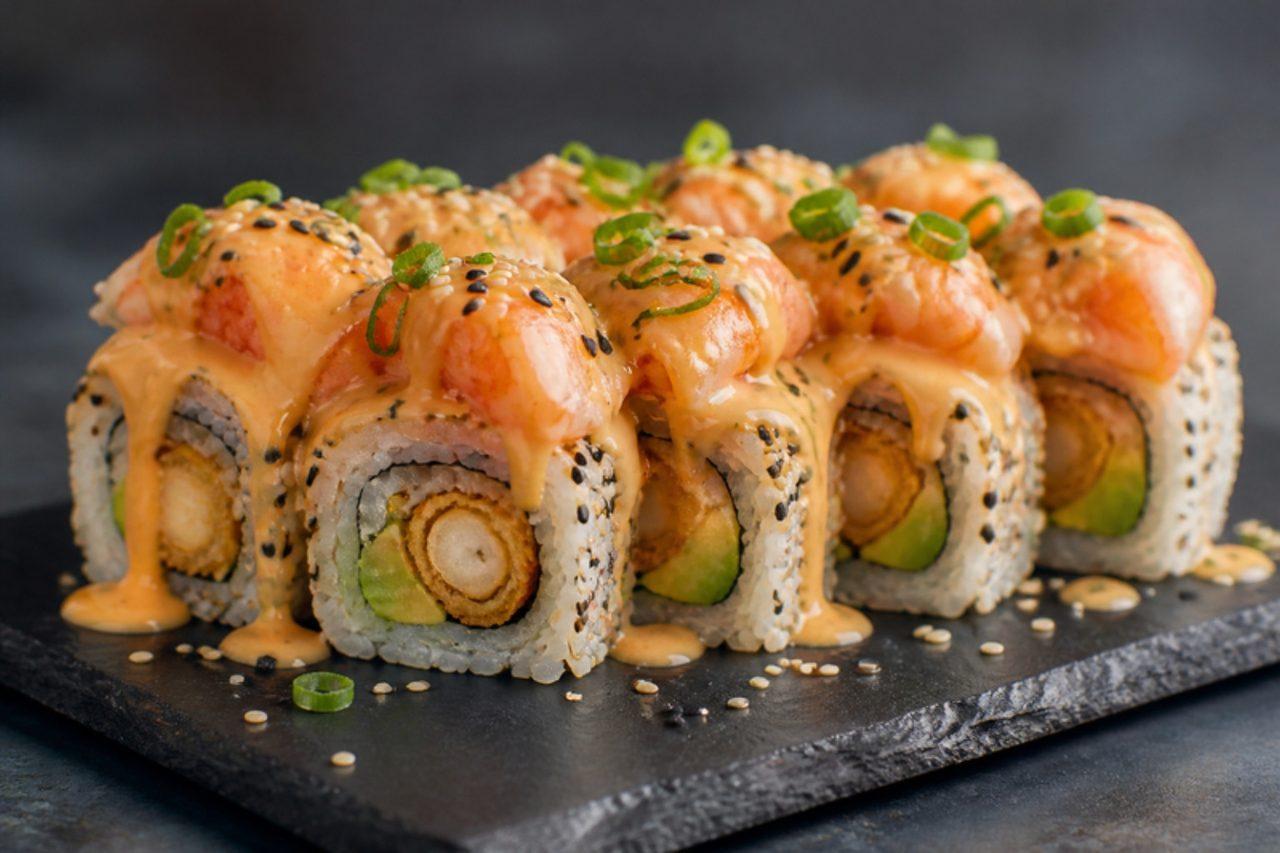
Lima's Nikkei sushi bars invented the acevichado and it has become the roll every Peruvian orders: prawn tempura and avocado rolled in rice, topped with thin slices of fish and drenched in a creamy, lime-sharp sauce built from leche de tigre, ají amarillo and mayonnaise. Crisp, warm, cold and tangy in one bite, it is party food and Friday-night takeaway alike. For a safer topping, use sashimi-grade fish frozen at −20 °C for 24 hours first, keep it cold and eat the rolls at once; you can also sear the slices with a blowtorch or use cooked prawns instead. Even so, the raw-fish topping is not for pregnant women, young children or anyone with a weakened immune system. Overfilling is the usual mistake: the roll won't close and the rice splits. Chef's tip: use a pasteurised-egg mayonnaise and wet your hands with vinegared water so the rice doesn't stick.

by KrazyBadal 0 views

Mango bicheGreen mango with salt and lime

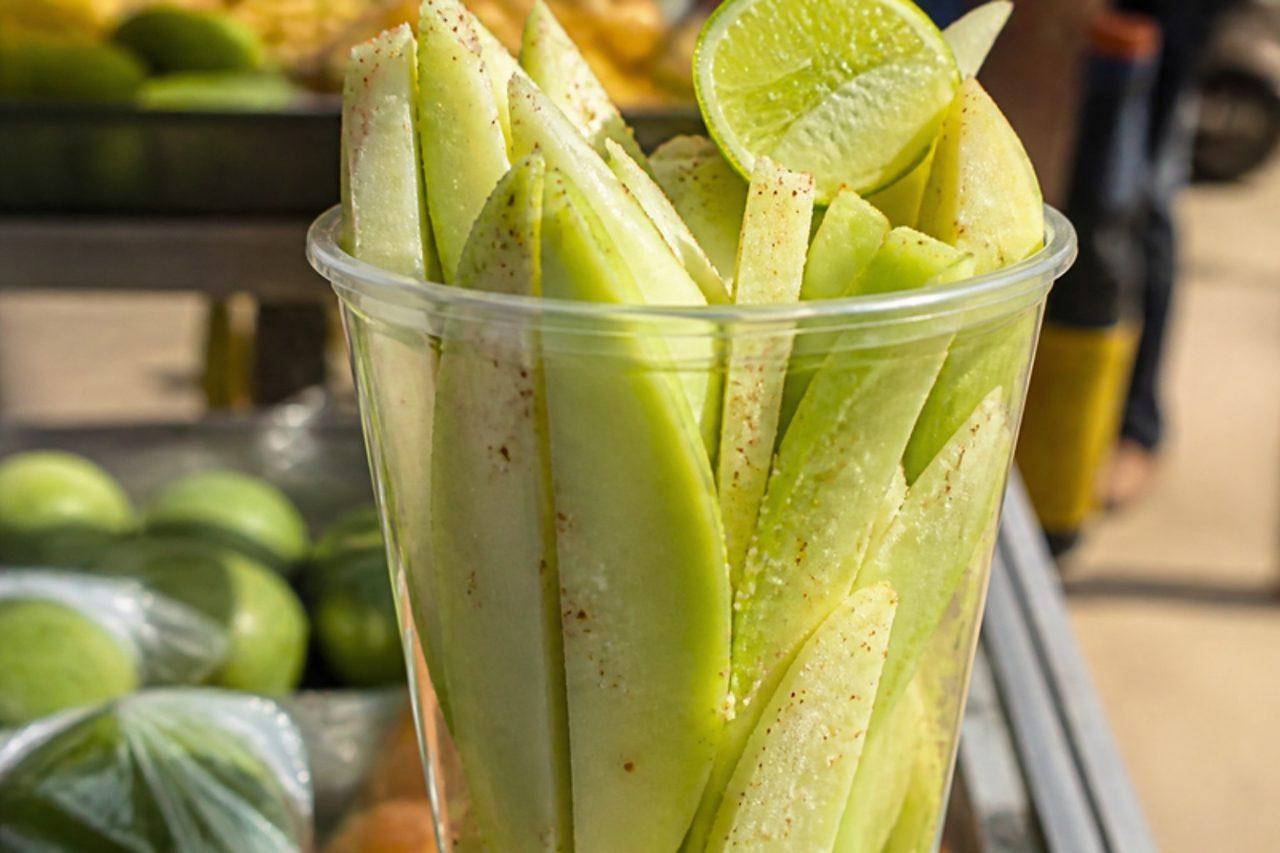
Paper and plastic cones of mango biche are sold from street carts in Cali, Barranquilla and Bogotá, especially around schools, parks and bus stops. Biche means unripe: the mango is still hard and pale green inside, so it is crunchy and mouth-puckeringly sour, and the vendor cuts it into long strips and shakes on salt, lime and black pepper, sometimes a pinch of chilli. It is a refreshing, almost savoury snack, eaten in the afternoon heat. Choosing a mango that has started to ripen is the slip that spoils it: the flesh should be firm and white-green with no yellow, or it turns soft and sweet. Look for green mangoes in Asian and Latin shops. Chef's tip: chill the mango for 30 minutes before cutting; the strips stay crisp and the salt and lime cling better.

by KrazyBadal 0 views

Showing 63 of 7,888 recipes

Show more recipes

Page 557 of 877