


Skip to content
Pasta and eggplant
Featured recipe

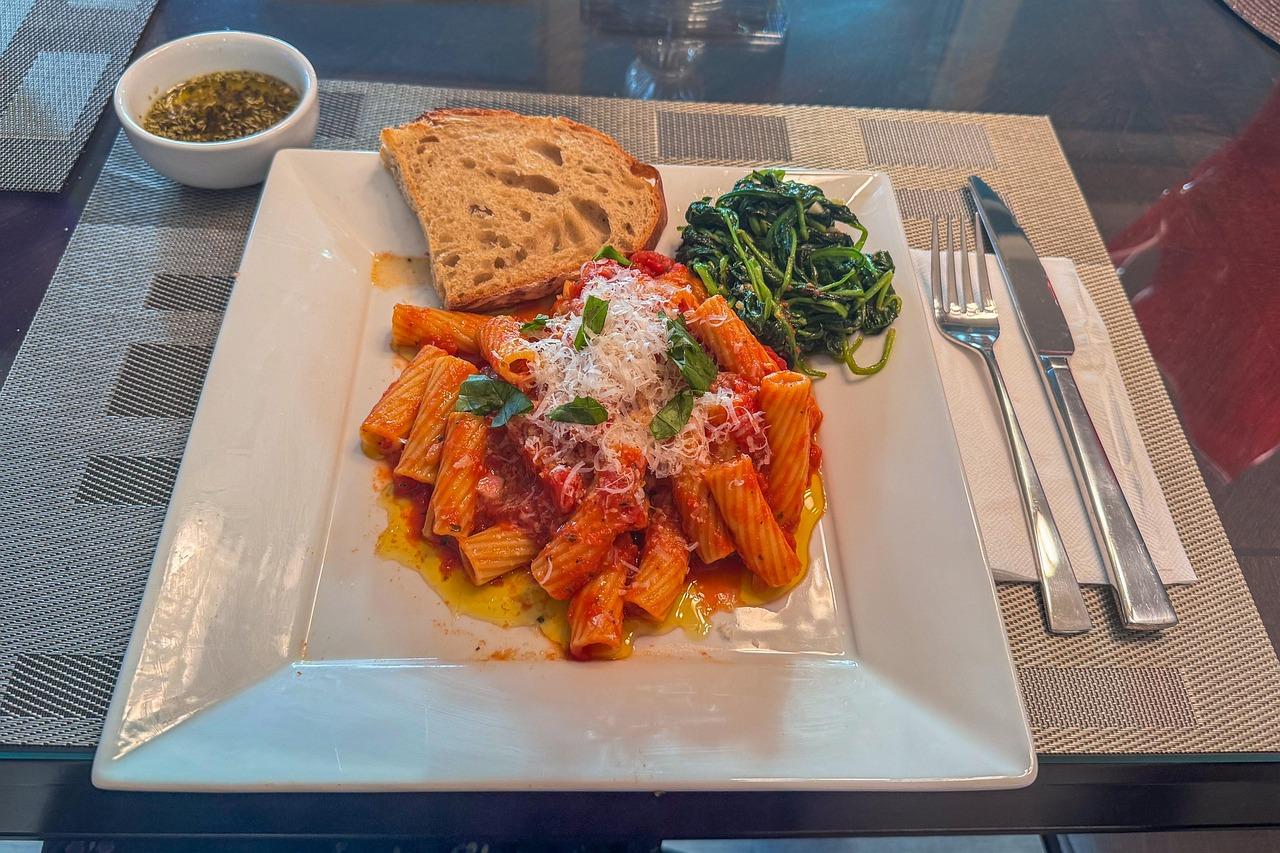
Pasta and eggplant

Rigatoni tossed in a thick tomato sauce with soft aubergine, celery and garlic, with an optional splash of brandy for depth, and topped with grated cheddar.

Read more 1 views

What to eat today?

Around the world

Today's trip: Persian

A new country every day, from every cuisine on the site.

This week's collection

Kid-friendly dinners
537 recipes · a new collection every Monday

Latest recipes

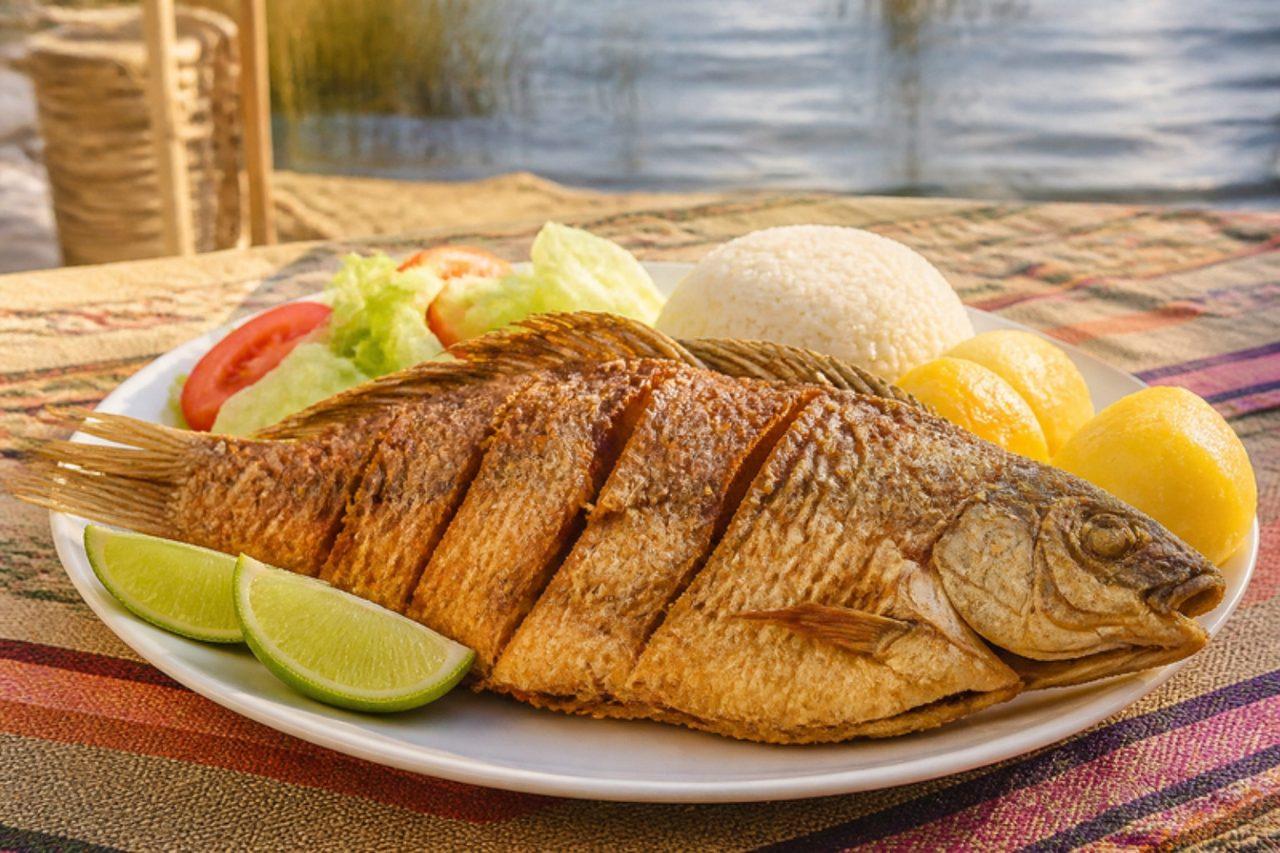
Trucha fritaFried trout with potatoes and rice

Rainbow trout farmed in the cold, clear water of Lake Titicaca is what you eat in Puno, at lakeside restaurants and on the floating islands: a whole fish, dusted in flour and fried until the skin crackles, with boiled Andean potatoes, rice, a simple salad and lime. The flesh is pink-white, sweet and moist; nothing else is needed. Ask your fishmonger to gut and scale the trout. The most common mistake is moving the fish too early, which tears the skin; leave it until it releases from the pan by itself. Chef's tip: slash the thick part of each side twice before flouring, so the fish cooks evenly and the skin crisps right up to the head.

by KrazyBadal 0 views

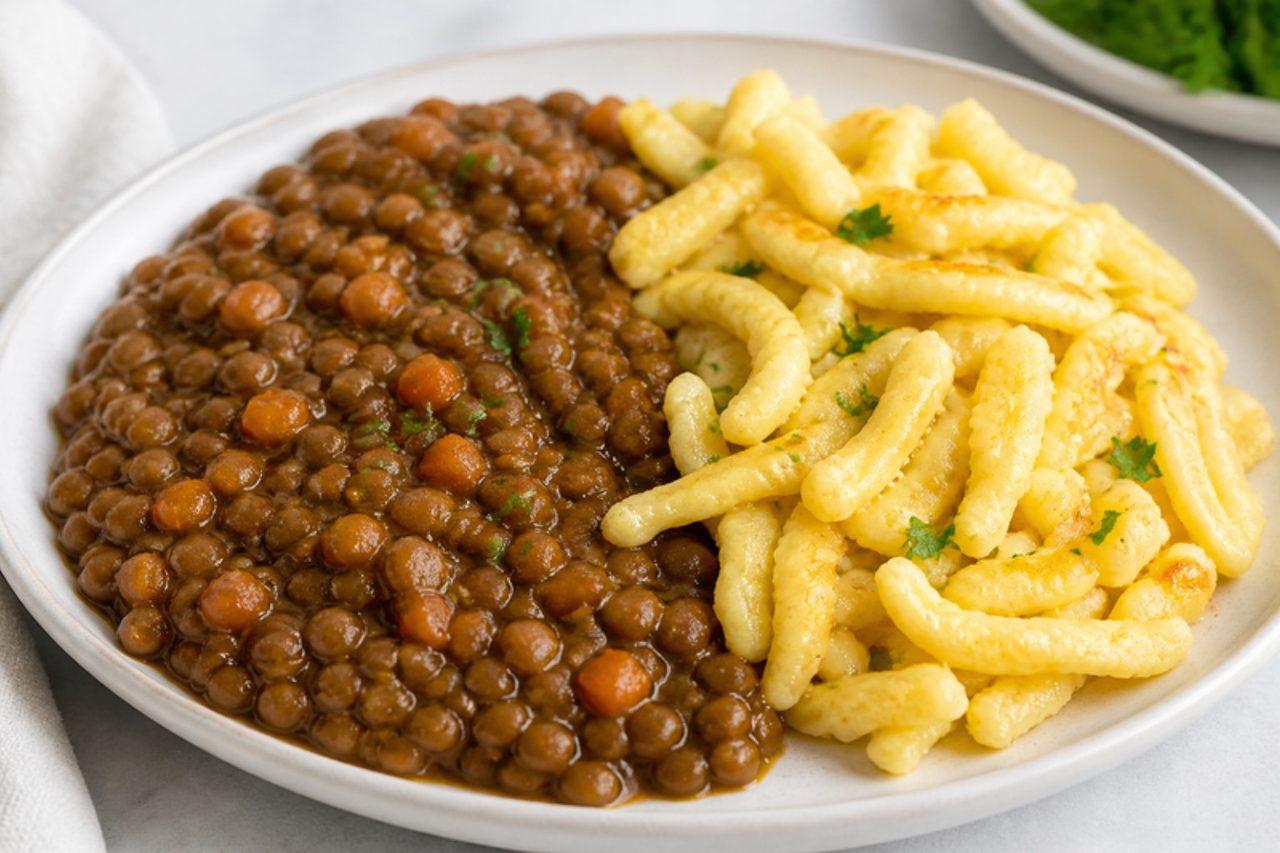
Linsen mit SpätzleSweet-sour lentils with egg noodles

Linsen mit Spätzle is Swabia's Saturday supper, eaten in kitchens from Stuttgart to Ulm when the week's cooking was done and something cheap and filling was needed. Small brown or green Alb lentils are stewed with root vegetables, then sharpened with vinegar and a little sugar, and ladled over freshly scraped Spätzle. Most families add a pair of thin smoked Saitenwürstle; this version skips them, and the smoked paprika keeps a hint of that flavour. A common mistake is adding the vinegar at the start, which stops the lentils softening, so it goes in at the end. Chef's tip: beat the Spätzle batter until bubbles pop on the surface; that air is what makes them springy.

by KrazyBadal 0 views

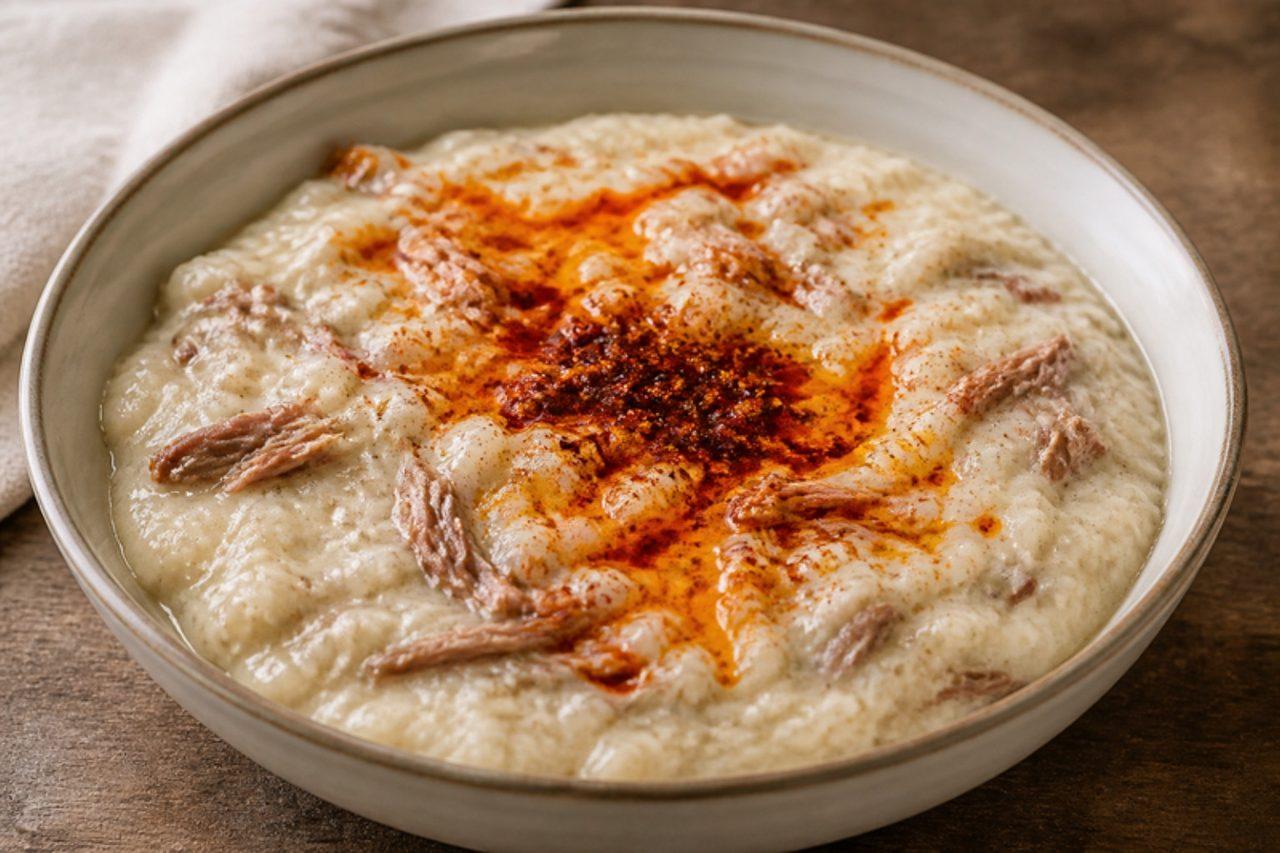
KeşkekWheat and lamb porridge

Keşkek is cooked in huge cauldrons for weddings, circumcision feasts and religious holidays across Central Anatolia, from Çorum to Sivas, while villagers take turns beating it with long wooden paddles. Whole wheat and lamb on the bone simmer together for hours until the meat falls apart, then everything is beaten into a thick, stretchy porridge and topped with sizzling butter and chilli. Its tradition is listed by UNESCO as intangible heritage. Common mistake: skimping on the beating; vigorous mashing is what turns it from grainy stew into a smooth, elastic keşkek. Chef's tip: a potato masher followed by a wooden spoon does the job at home; beat in hot broth a ladle at a time if it gets stiff.

200 minTurkishMeat
by KrazyBadal 0 views

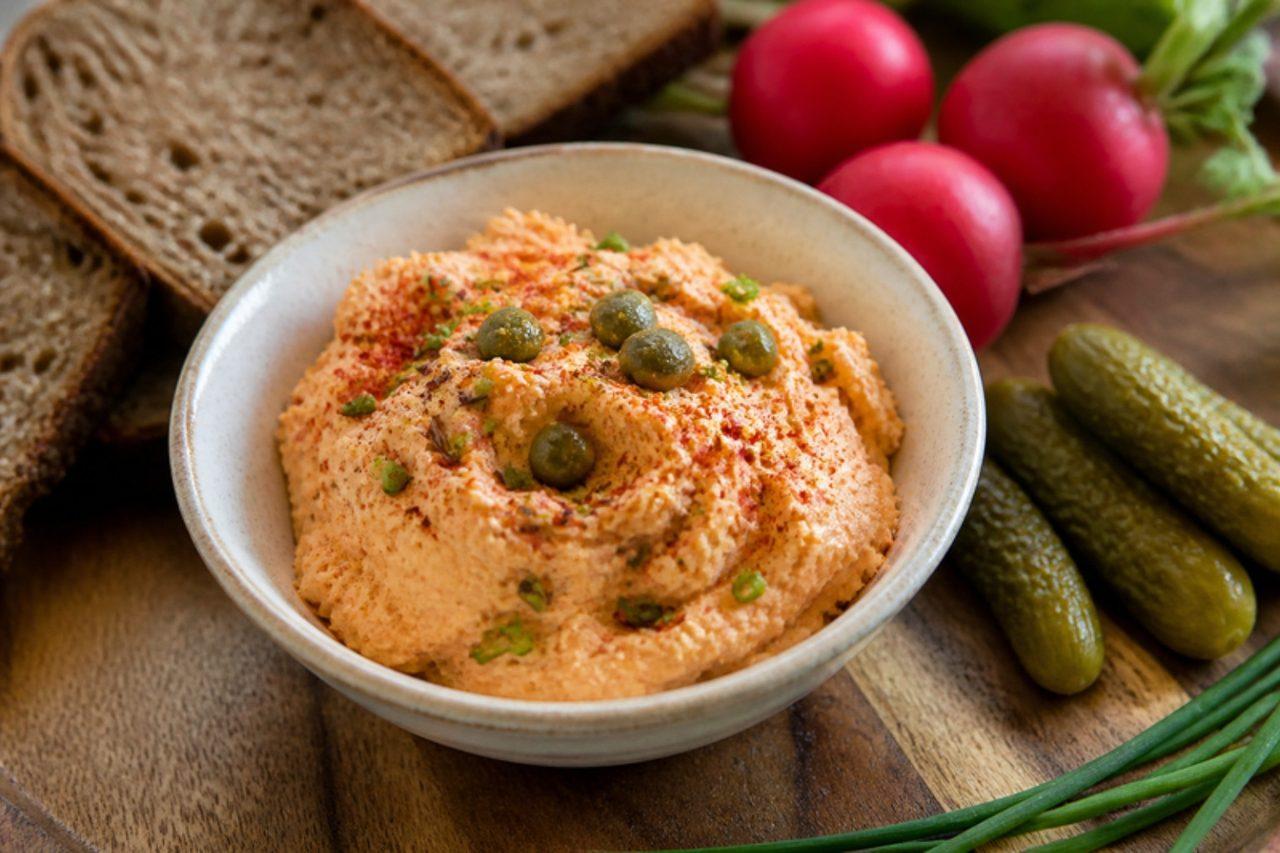
LiptauerPaprika curd cheese spread

No Heuriger, the wine tavern on the vineyard slopes at the edge of Vienna, is complete without a bowl of rust-red Liptauer next to the bread basket. Quark and soft butter are beaten with sweet paprika, ground caraway, mustard, onion and capers into a spread that is creamy, tangy and gently warm. Spread it thick on dark rye bread with radishes and chives, or pipe it onto halved peppers for a snack board. A common mistake is using wet quark straight from the tub, which makes the spread runny; drain it in a sieve first. Most quark is set without rennet, but some brands use a little animal rennet, so pick one labelled vegetarian. Chef's tip: make it a few hours ahead; the paprika colour deepens and the caraway softens as it sits.

by KrazyBadal 0 views

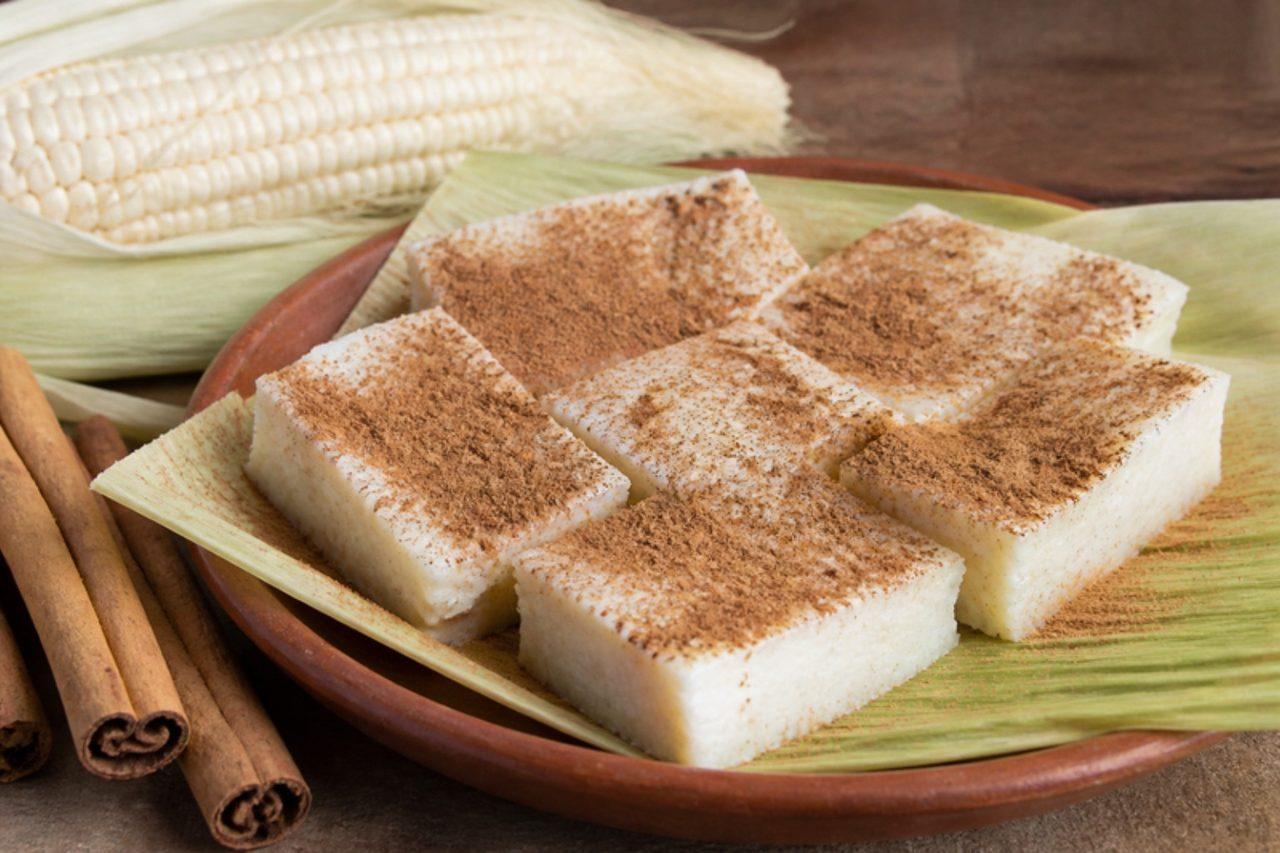
NicuatoleCorn and cinnamon pudding

Nicuatole is a Zapotec sweet sold in little squares from glass cases at Oaxacan markets and at village fiestas, often with a bright pink top coloured with cochineal. It is made from corn masa cooked with water, sugar and cinnamon until it thickens enough to set when cool, a cousin of atole you can cut with a knife. The texture is soft, slightly bouncy and cool, and it is eaten as an afternoon treat. We give a coconut-milk option and use beetroot juice or a natural red food colouring instead of cochineal (which comes from insects) for the red layer. Chef's tip: cook it until the spoon leaves a clear path across the pan base for a full second; undercooked nicuatole never sets.

by KrazyBadal 0 views

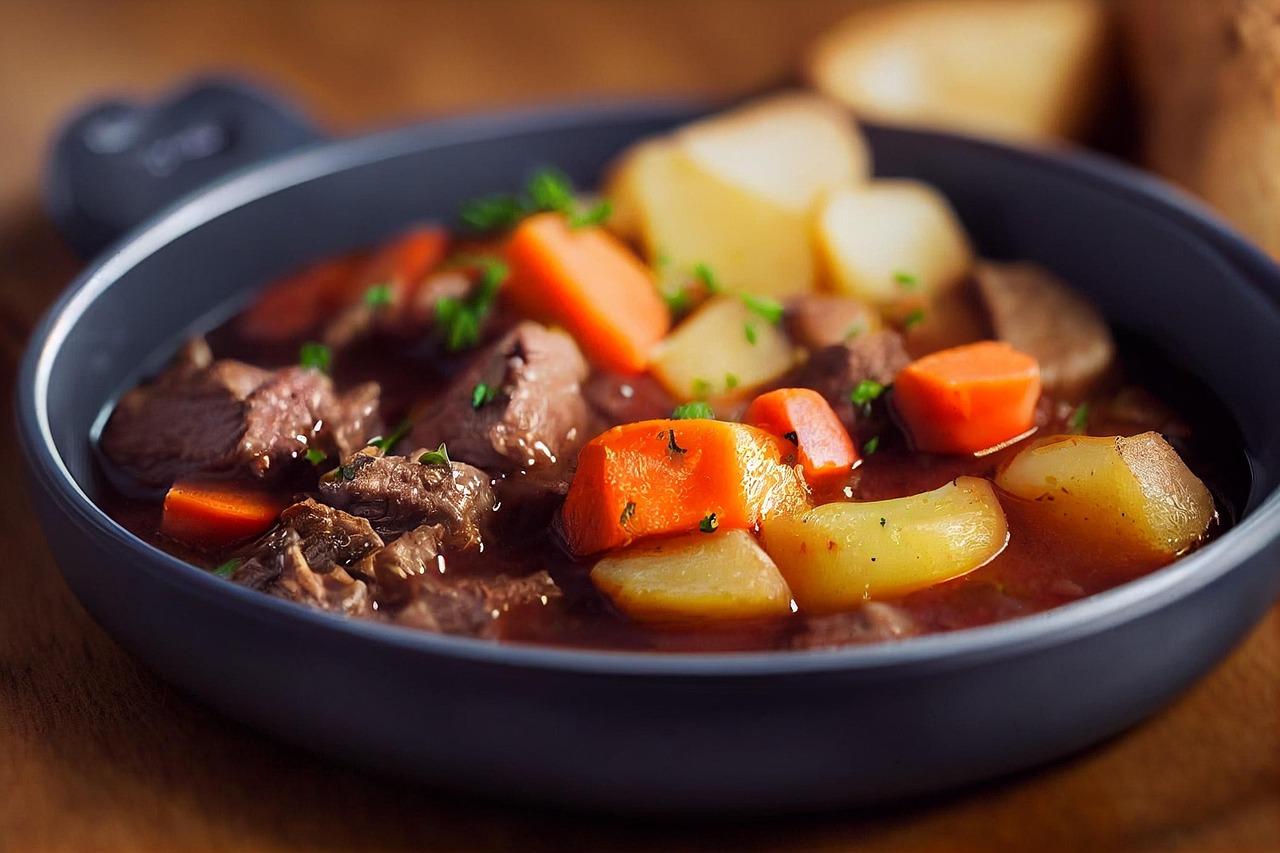
Liverpool scouseBeef and lamb stew

Scouse is so central to Liverpool that its people are named after it; the thick stew of meat, potatoes and onions was carried from the Baltic by sailors and cooked for dockers' families, and city restaurants still celebrate Global Scouse Day each February. Some of the potatoes cook down into the gravy, making it thick and hearty. Serve it with pickled red cabbage or beetroot and crusty bread. Chef's tip: cut half the potatoes small so they collapse and thicken the stew, and leave the rest in chunks.

170 minBritishMeat
by KrazyBadal 0 views

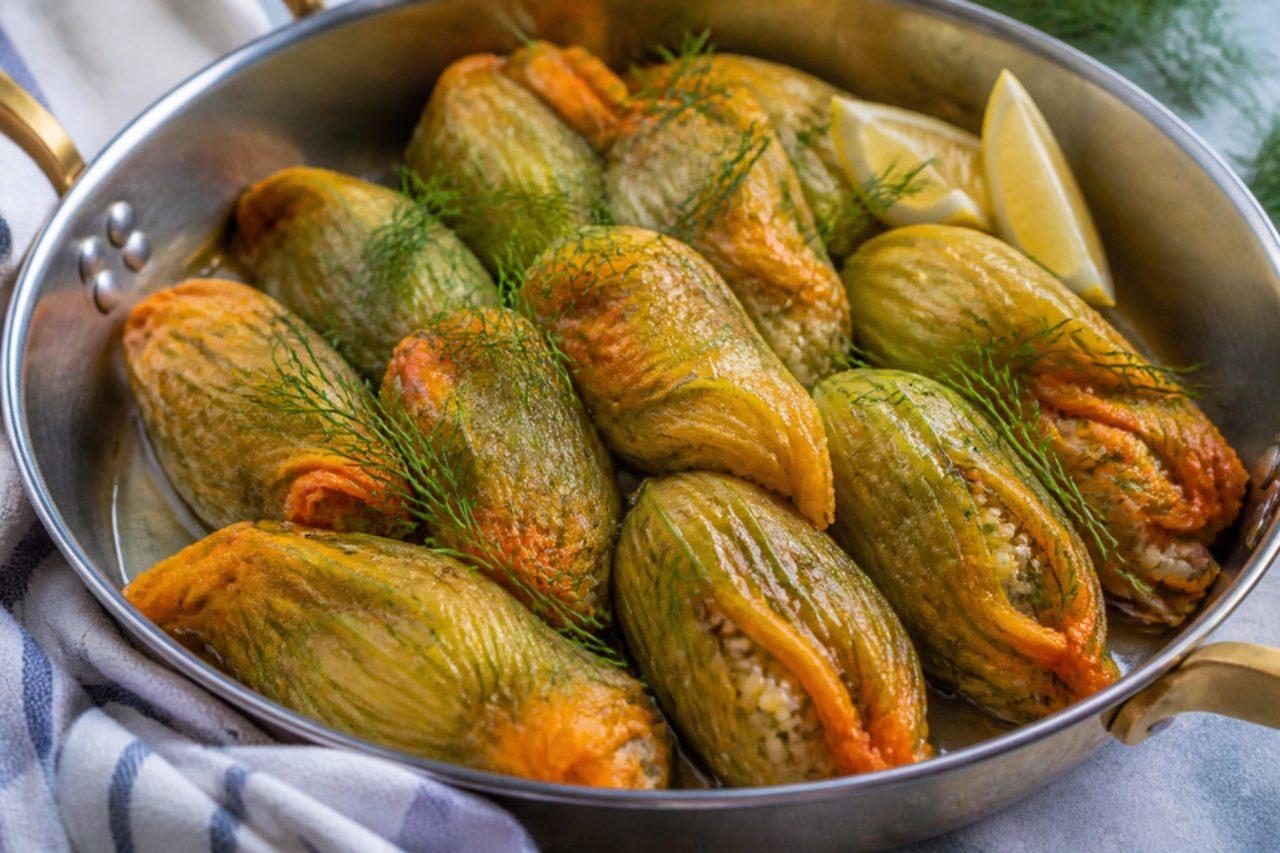
Kabak çiçeği dolmasıStuffed courgette flowers

In the Aegean villages around Ödemiş and Bodrum, women gather courgette flowers at dawn while they are still open, and by lunchtime they have been stuffed with a fragrant rice of tomato, mint, dill and pine nuts and gently simmered in olive oil. Served at room temperature as part of a summer meze spread, they are delicate and almost sweet. Pick (or buy) the male flowers on long stems, and use them the same day. Chef's tip: twist the petal tips closed rather than folding them; a gentle twist holds the filling better in the pot.

by KrazyBadal 0 views

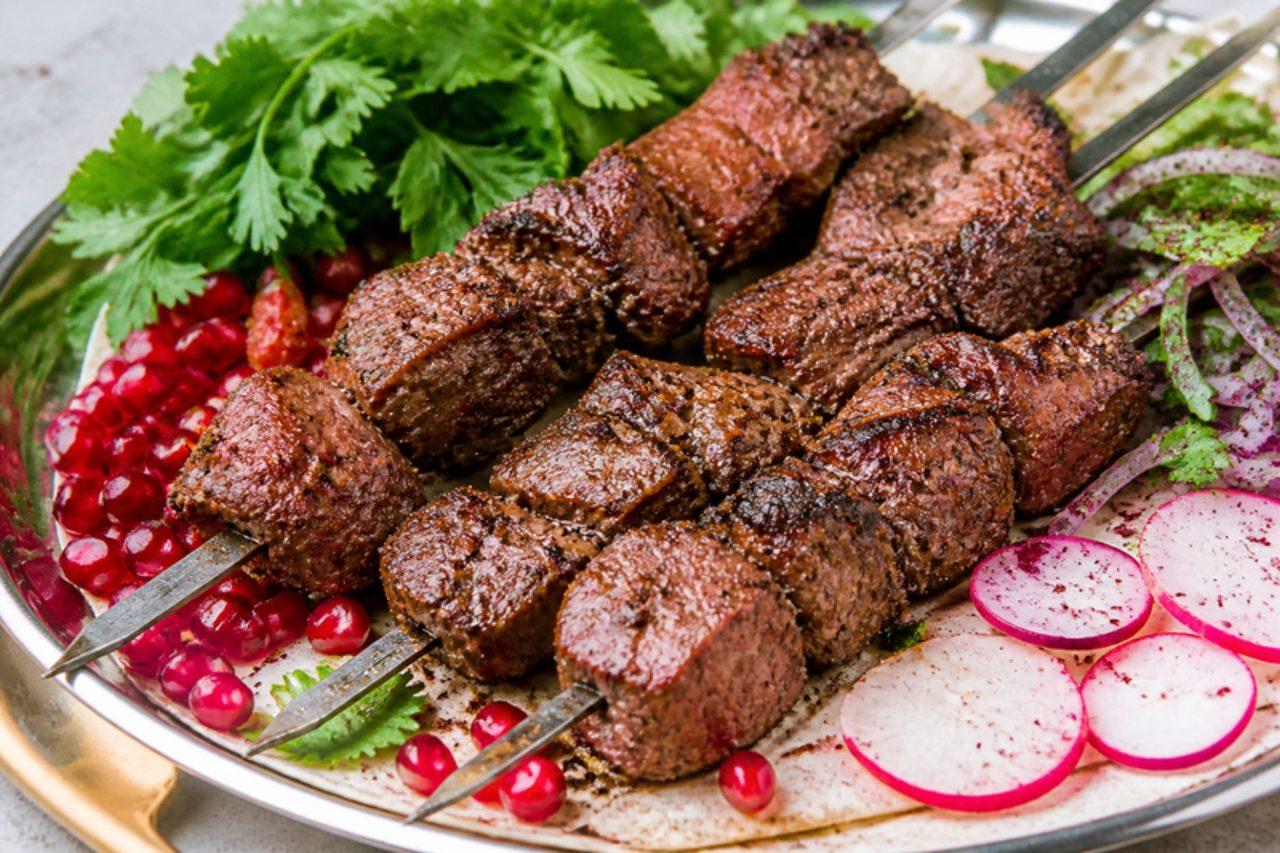
Kabab torshSour beef kebabs with walnut

Kabab torsh, the 'sour kebab', comes from the green, rainy province of Gilan on the Caspian, where roadside grills around Rasht and Fuman sell it with smoky kateh rice and fresh herbs. Cubes of beef are rubbed with a thick paste of ground walnuts, pomegranate molasses, garlic and crushed dried mint or wild herbs, left overnight, then grilled until the paste turns into a dark, sticky crust. It is tangy, nutty and quite unlike the saffron kebabs of Tehran. A common mistake is grilling over fierce flames; the walnut paste scorches before the meat is done, so use steady medium coals. Chef's tip: keep back a few spoons of the paste and brush it on in the last minute for a fresh, glossy finish.

by KrazyBadal 0 views

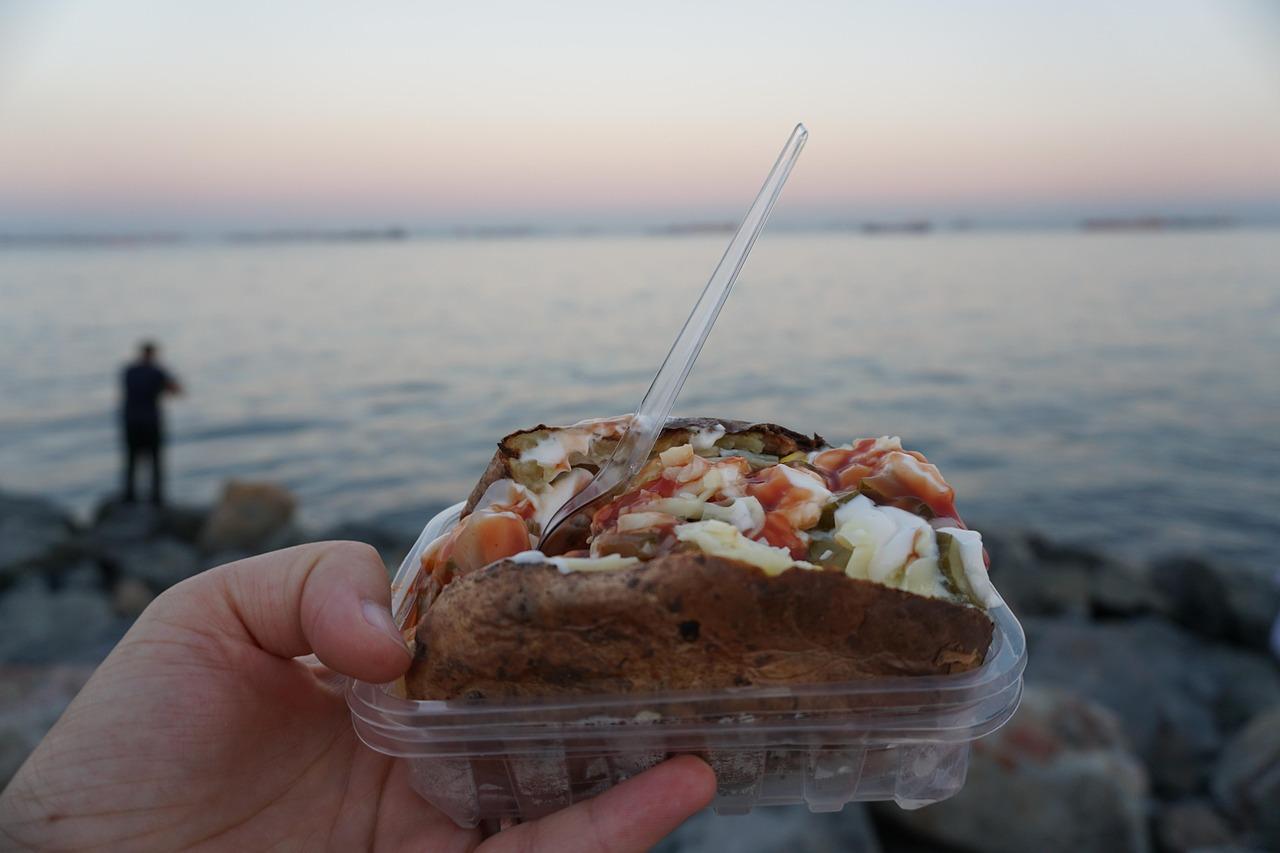
KumpirLoaded baked potato

On a warm evening in Ortaköy, under the Bosphorus Bridge, the kumpir stalls line up with trays of toppings and queues of students waiting for a potato the size of a fist and a half. The vendor splits it, beats butter and grated kaşar into the hot flesh right in the skin until it turns stretchy, then piles on whatever you point at: corn, olives, pickles, peppers, Russian salad. At home it makes a filling supper that everyone builds for themselves. Kaşar is usually made with animal rennet, so pick a vegetarian mild melting cheese if that matters to you. Chef's tip: bake the potatoes on a bed of coarse salt; the skins dry and crisp while the inside goes floury, which is what lets the cheese melt into it.

by KrazyBadal 0 views

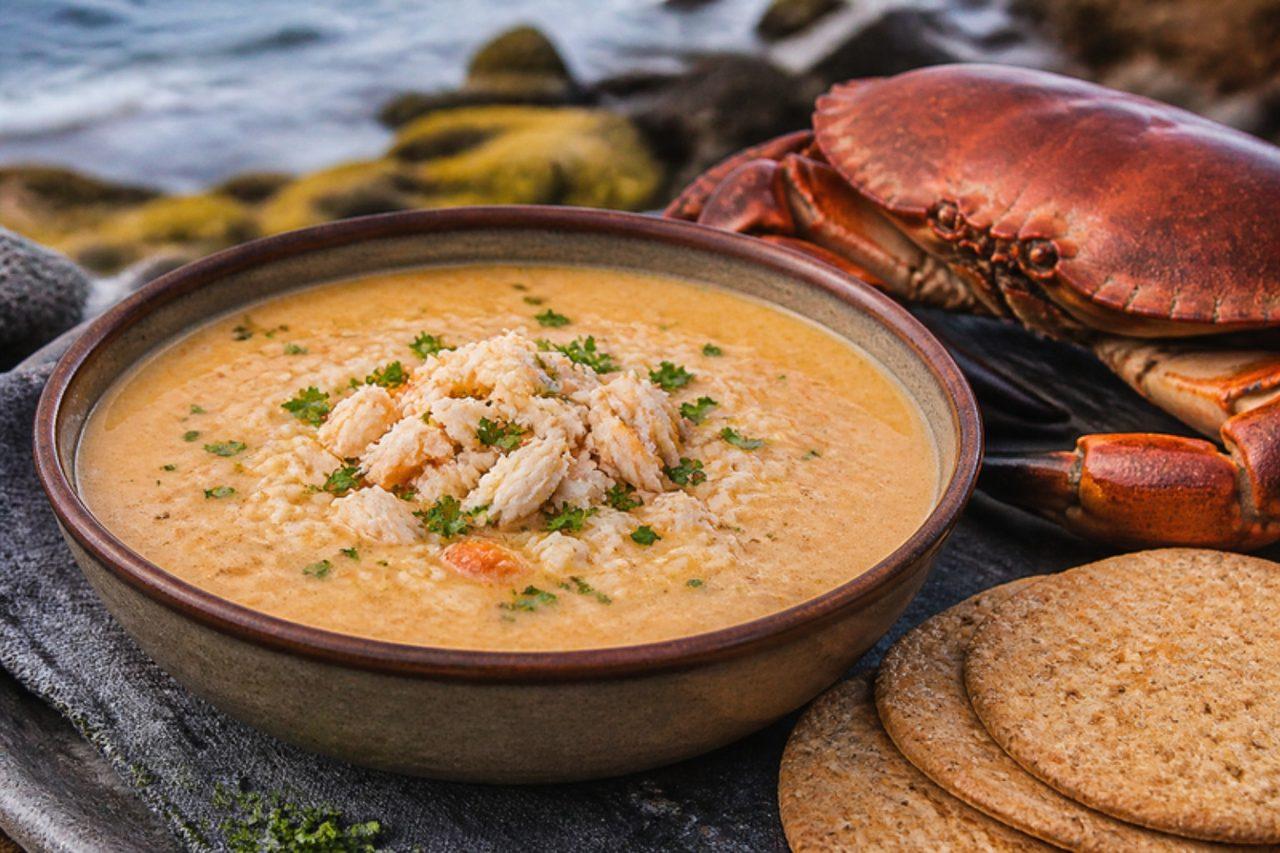
Partan breeCrab and rice soup

Partan bree comes from the fishing villages of the north-east of Scotland, where partan is the Scots word for the brown crab and bree means broth. Rice is simmered in milk and fish stock until soft, blended with the crab's brown meat, and finished with sweet white claw meat and a little cream. It is the coast's answer to a bisque, simpler and milder. Buy ready-cooked crab meat and keep it chilled. Chef's tip: add the white meat right at the end and only warm it through, so it stays in flakes.

by KrazyBadal 0 views

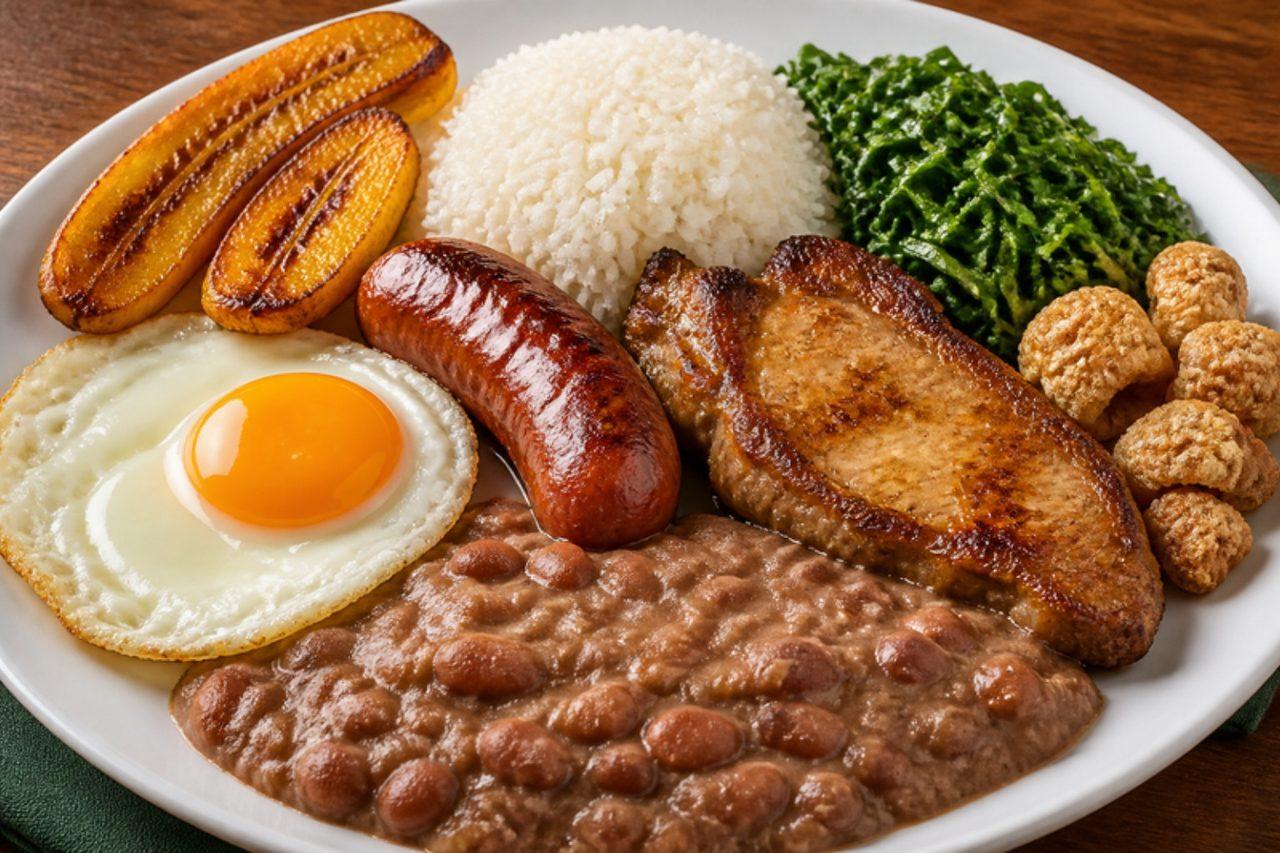
Virado à paulistaBeans, pork chop and sausage plate

Monday in São Paulo means virado à paulista: the city's lunch counters and botequins have served it as the prato do dia at the start of the week for generations. The plate goes back to the bandeirantes' travel food, and today it is a feast of pork: beans cooked down and thickened with cassava flour into a soft tutu, a pork chop, a grilled pork sausage, a crackling of torresmo if you like, a fried egg, garlicky collard greens, rice and fried banana. It is hearty, salty and sweet in turns. A common mistake is serving the pork chop well past done and dry; a whole pork chop is safe at 63 °C with a 3-minute rest, and juicy at that point. Some restaurants bread the banana; frying it plain keeps the plate gluten free. Chef's tip: cook the beans with a little bacon and let them sit for a few minutes after adding the farinha; it keeps thickening as it stands.

by KrazyBadal 0 views

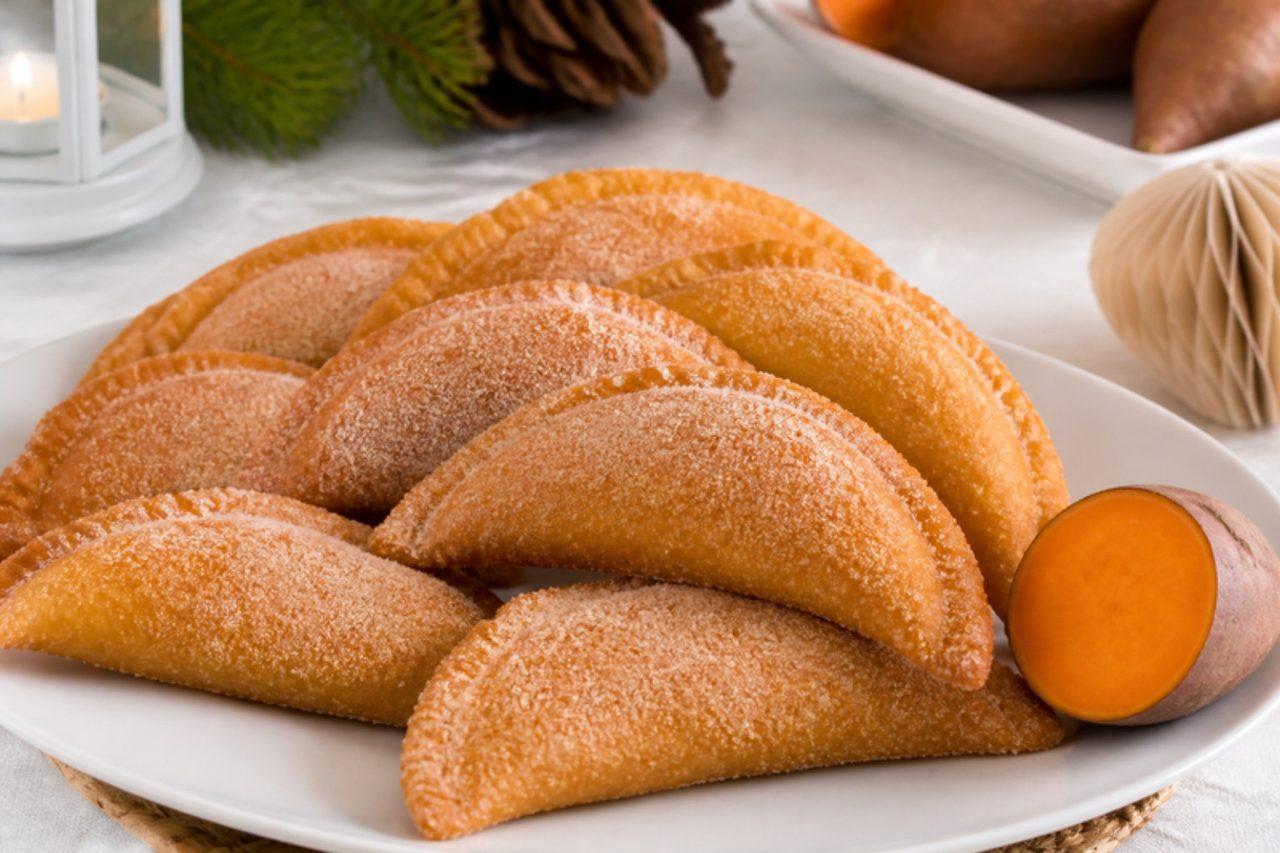
Truchas de batataSweet potato and almond pastries

Despite the name, there is no trout in these: truchas are crisp half-moon pastries that Tenerife and Gran Canaria fry by the hundred in the week before Christmas, and they are what neighbours bring each other on Christmas Eve. The filling is mashed sweet potato with ground almonds, sugar, lemon zest, cinnamon and anise, wrapped in a thin olive-oil dough. Some families add a spoon of anise liqueur or sweet wine to the dough; this version uses neither and is vegan. Chef's tip: let the filling cool completely and keep it thick, or the steam softens the dough and it bursts in the oil.

by KrazyBadal 0 views

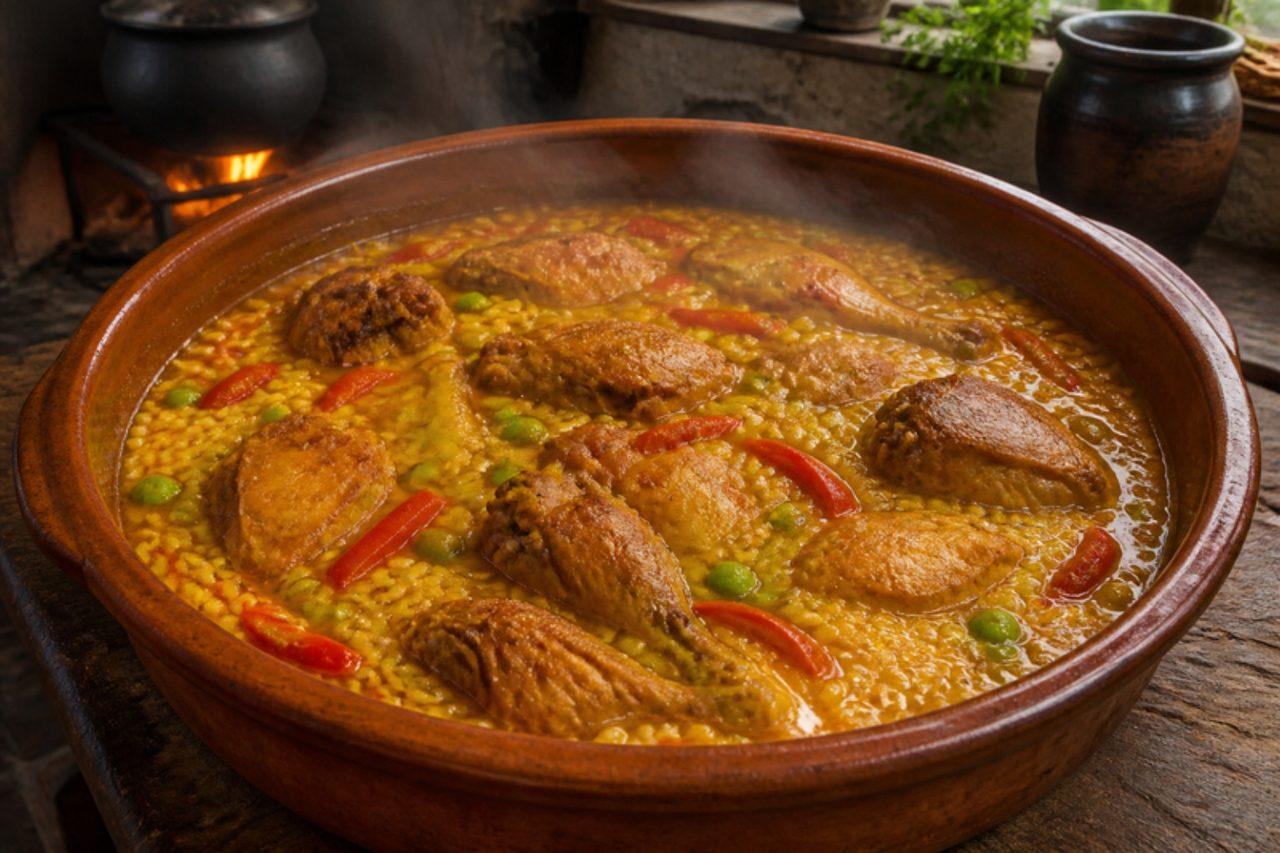
Arroz con pitu de caleyaSoupy rice with chicken

A pitu de caleya is a cockerel raised free in the lanes, or caleyas, of rural Asturias; its firm, flavourful meat needs long stewing, and families around Villaviciosa and Grado still cook it for feast days. The stew is often finished as a soupy rice, so the deep chicken juices go into every grain. Use the best free-range chicken you can find. The braise includes dry white wine; replace it with extra stock and a squeeze of lemon if you want it alcohol-free. Chef's tip: brown the chicken slowly and deeply; that colour is where the flavour of the whole pot comes from.

by KrazyBadal 1 views

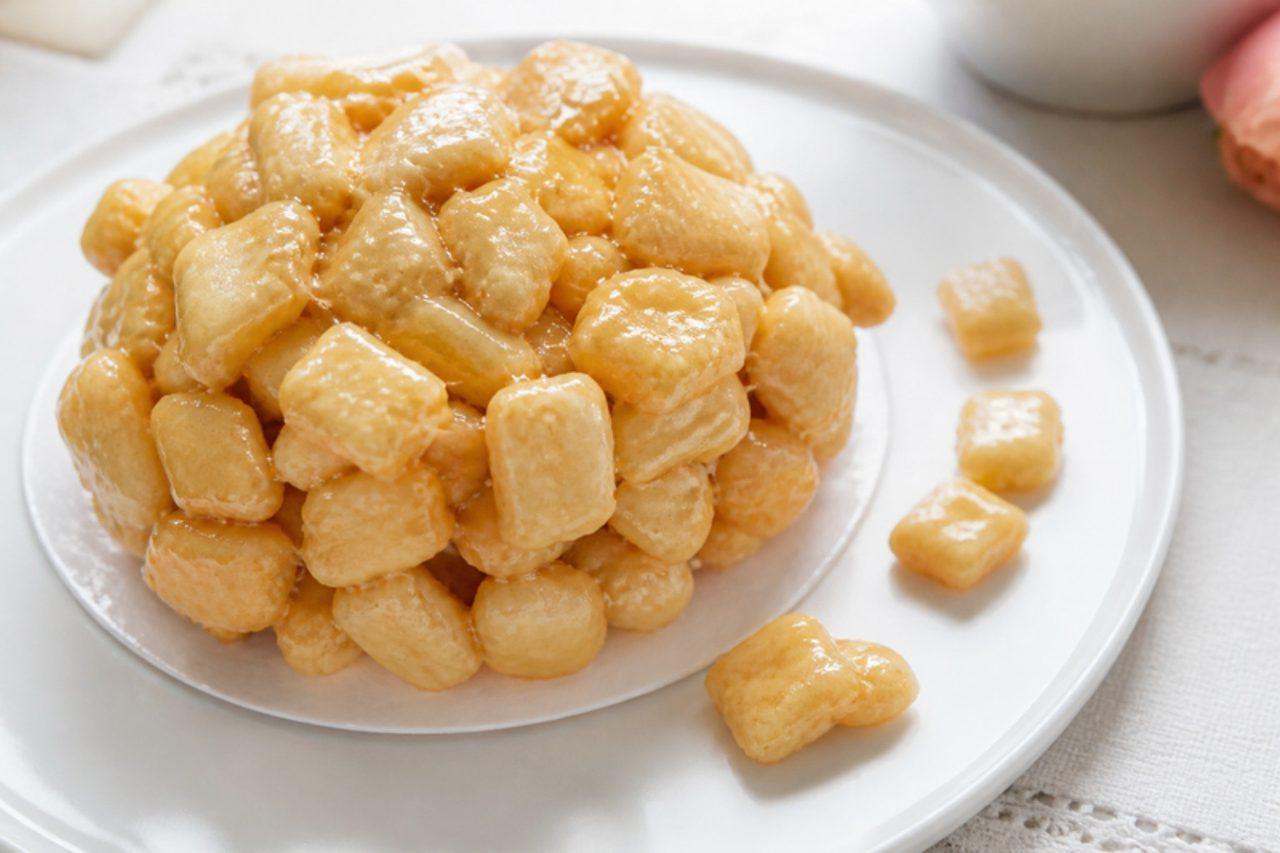
Muéganos de HuamantlaFried dough in piloncillo syrup

Huamantla, in Tlaxcala, is known for its August fair, when the streets are carpeted with coloured sawdust and flowers, and for muéganos: little cubes of fried dough glued together with dark piloncillo syrup into a sticky cluster, often pressed onto a round wafer. Visitors buy them in stacks from sweet shops around the main square. The dough is crisp and light, the syrup spiced with cinnamon and clove. Chef's tip: cut the dough into small, even cubes so they all fry golden at the same time.

by KrazyBadal 0 views

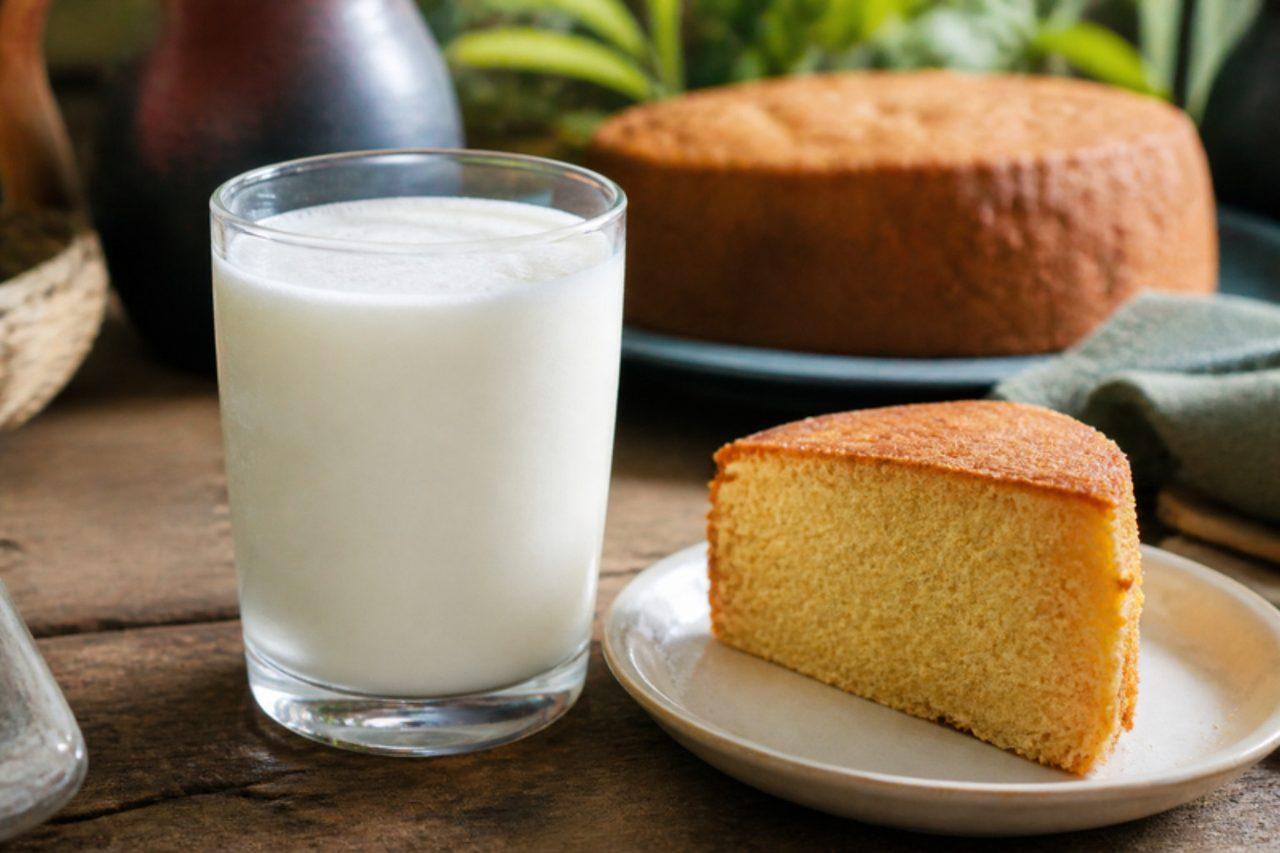
KumisFermented milk drink

Kumis in Colombia is a thick, sweetened fermented milk, nothing like the Central Asian mare's-milk drink of the same name. Bakeries and cafeterias sell it chilled in glasses with a slice of plain sponge cake, the classic kumis con ponqué, and many families still make it at home. It is cool, tangy and creamy, somewhere between drinking yogurt and buttermilk. Use only pasteurised milk, heat it first, and work with very clean equipment: wash jars and spoons in hot soapy water and scald them with boiling water. The milk ferments at room temperature (20–28 °C, out of direct sun) for 12–24 hours, then goes into the fridge; never leave it out longer. Discard any batch with mould, pink or orange patches, or a rotten rather than sour smell. Adding the starter to milk that is still too hot is the common slip, as heat kills the cultures and nothing sets. Chef's tip: add the sugar after fermenting, then chill well before serving.

by KrazyBadal 0 views

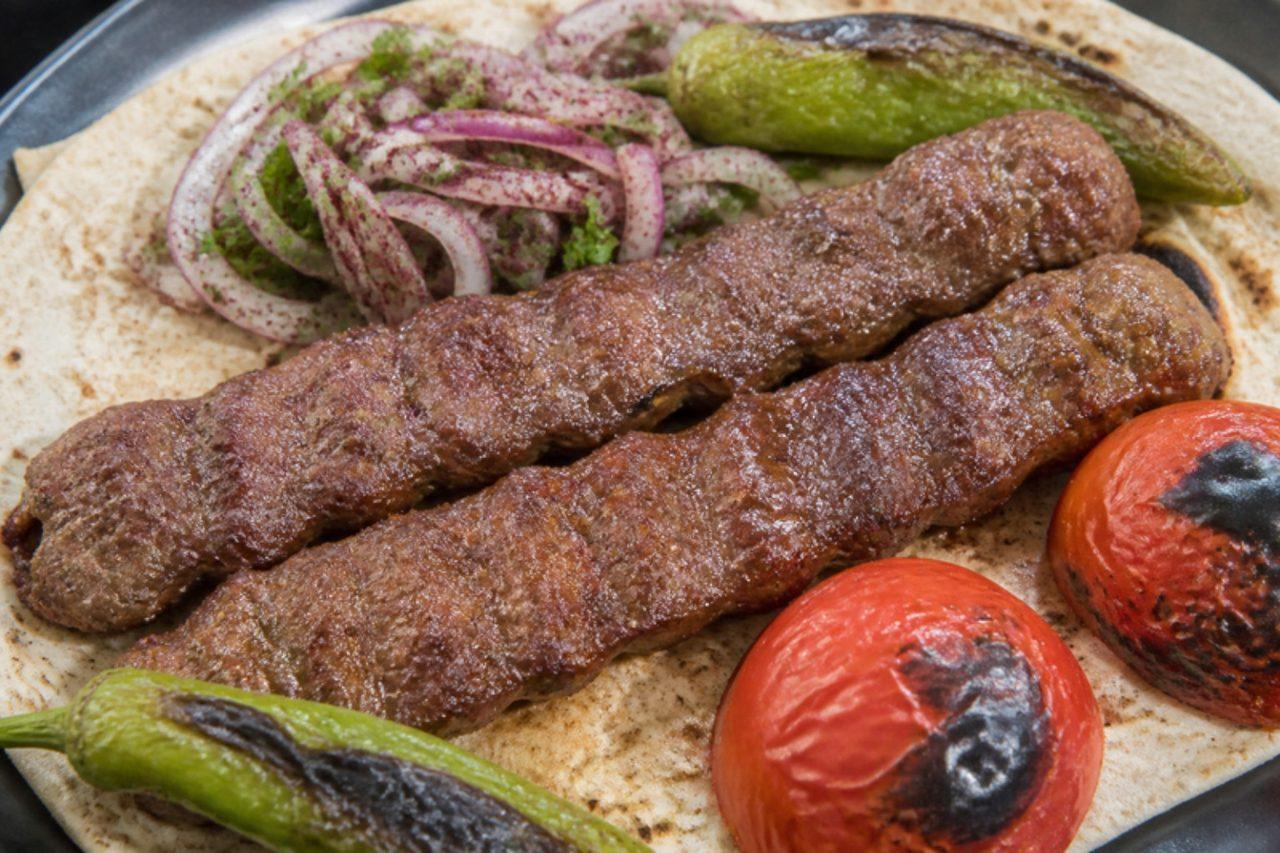
Urfa kebabıMinced lamb kebab

Where Adana's kebab is hot, Şanlıurfa's is gentle: lamb and tail fat chopped by hand with a curved zırh blade, seasoned with salt and a little isot and pressed onto wide skewers. Grill houses around Balıklıgöl serve it on thin lavaş with charred tomatoes, peppers, sumac onions and a bostana salad, and the sweet smoke of the meat is the whole point. Without tail fat, ask your butcher for fatty lamb shoulder mince, around 25% fat, or the kebab will be dry and fall off the skewer. Chef's tip: wet your hands with cold water while shaping; the fat stays firm and the meat clings to the skewer.

by KrazyBadal 0 views

TruffadeFried potatoes with Cantal cheese

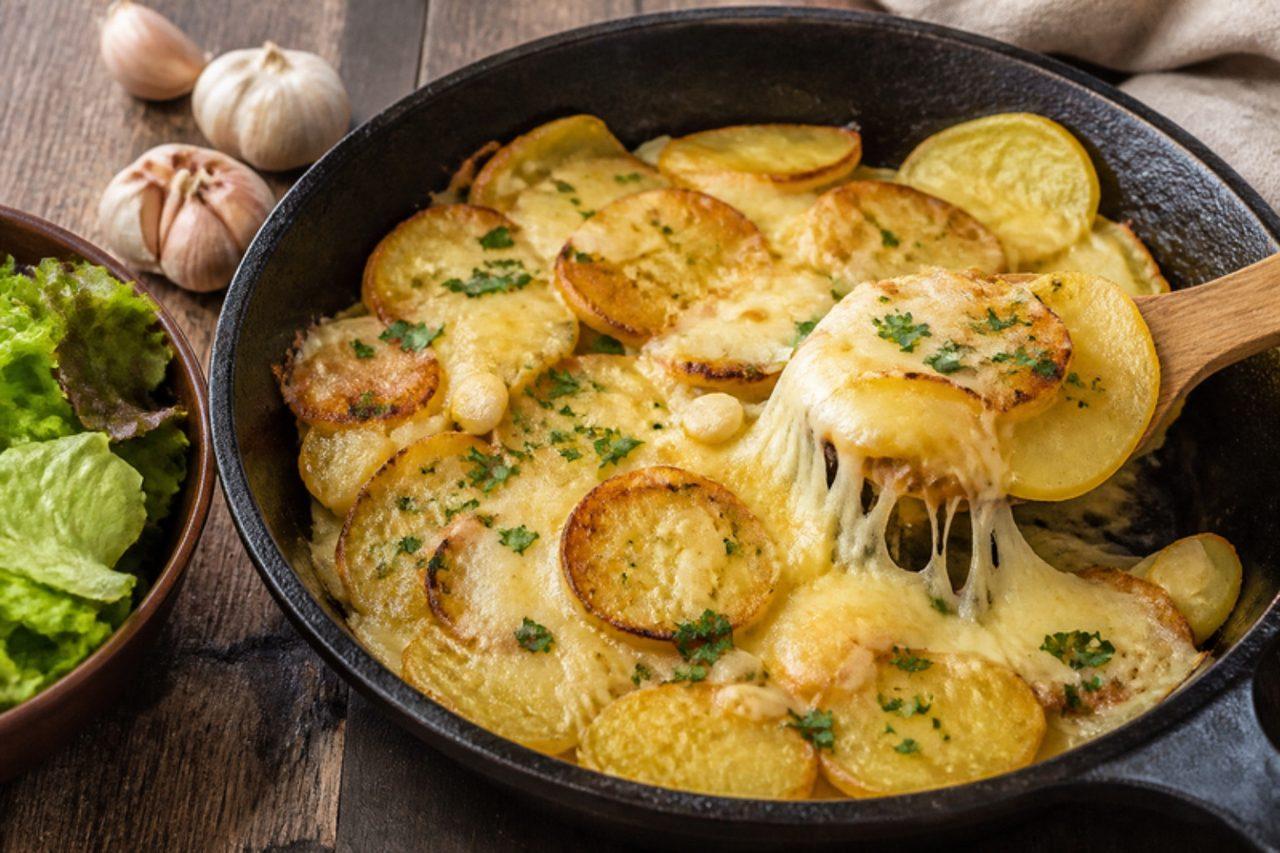
Truffade is cattle-herders' food from the volcanic mountains of the Cantal, cooked in a big pan over the fire in the stone burons where Salers cows spend the summer. Potato slices are fried until tender and lightly golden, then folded with thin slices of young tomme fraîche du Cantal until the cheese melts into strings, and the whole thing is eaten with a green salad, nothing else. Herders used lard; this version uses butter and oil, so it is vegetarian. Tomme du Cantal is made with animal rennet; a young vegetarian cheese that melts well, such as a mild Lancashire-style or vegetarian mozzarella, also works. Chef's tip: slice the potatoes as thin as a coin so they cook through before they burn.

by KrazyBadal 0 views

PashmakSesame candy floss

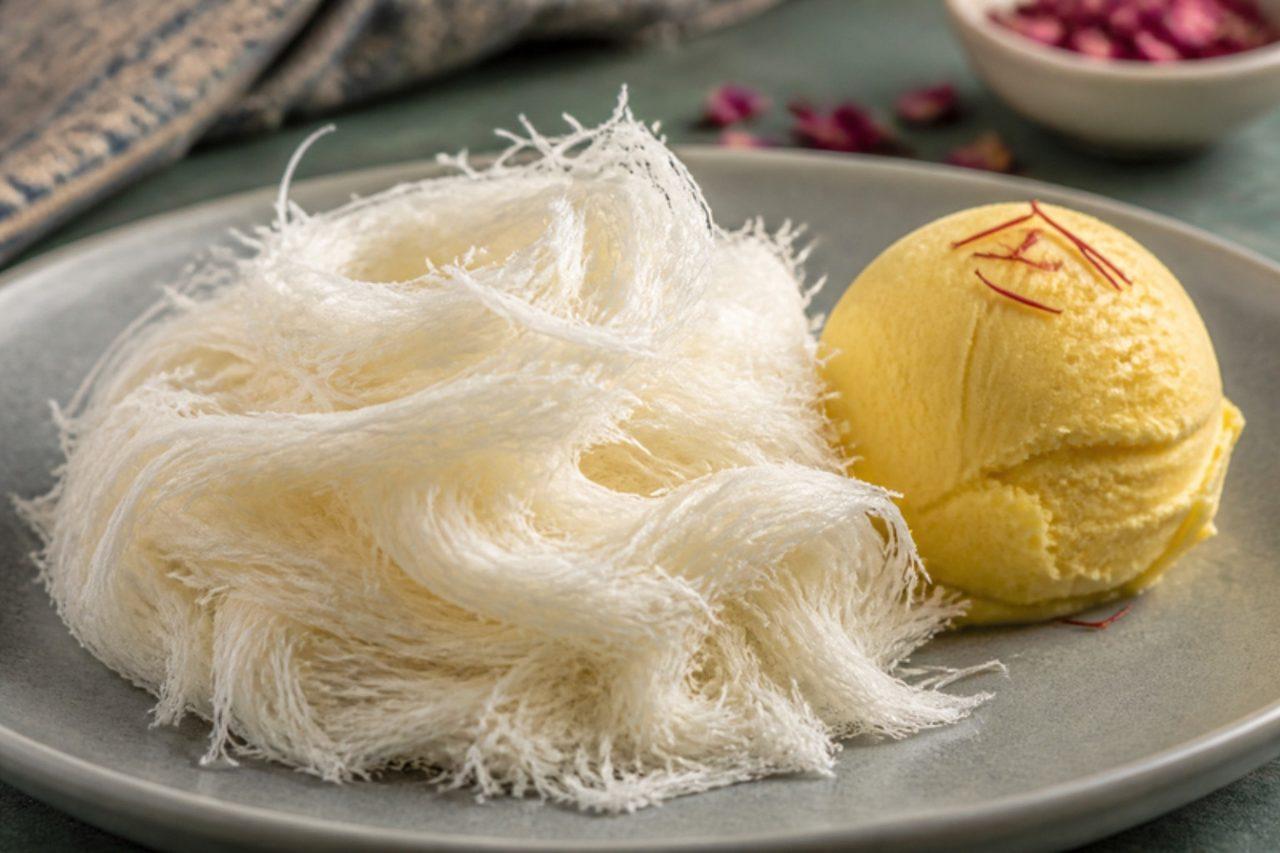
Pashmak, 'little wool', is the fine, silky candy floss of Yazd, sold in boxes beside the city's qottab and baklava and piled on top of ice cream or cakes at weddings. Unlike fairground floss it is made by hand: a hot sugar ring is pulled again and again through toasted flour cooked in butter and sesame oil until it splits into thousands of threads. It is a project for two pairs of hands. A common mistake is letting the sugar get too cool before pulling; it should be warm and pliable, like soft plasticine, or it snaps instead of stretching. Chef's tip: wear clean cotton gloves under food-safe gloves, because the sugar is hot at first.

by KrazyBadal 0 views

Harput köftesiBulgur meatballs in tomato broth

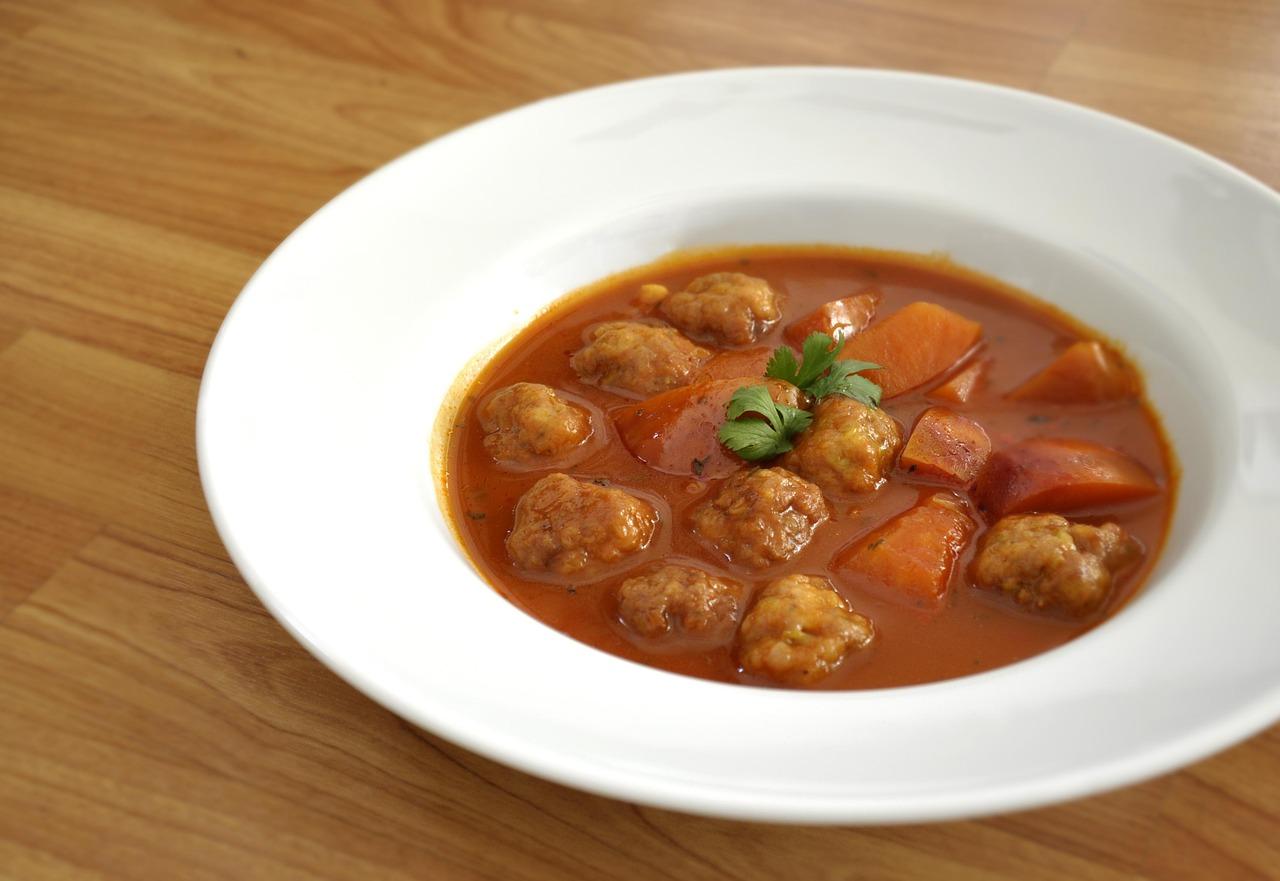
Harput is the old hilltop town above Elazığ, and its köfte are a soup and a main course at once: firm balls of fine bulgur kneaded with lean beef mince and spices, simmered in a tomato and pepper broth with chickpeas. They're eaten at home on winter evenings, the broth mopped up with bread. Common mistake: not kneading long enough; the bulgur and meat need to become a smooth, stretchy paste or the köfte fall apart in the broth. Simmer until the köfte are firm and cooked through to 71 °C. Chef's tip: add a few ice cubes while kneading; cold keeps the meat binding the bulgur together.

by KrazyBadal 0 views

Tsai tou vounouMountain tea with honey and lemon

Bunches of dried sideritis, the woolly-leaved herb Greeks call mountain tea, hang in village kitchens from Mount Olympus to Taygetos, and a pot is brewed at the first sniffle of winter or after a long walk. The tea is pale gold with a gentle lemony, earthy, slightly floral taste, and it is drunk with honey, a slice of lemon and sometimes a cinnamon stick. Common mistake: brewing it like black tea with boiling water for a minute; it needs a gentle simmer to draw out flavour. Chef's tip: break the dried stems into the pot along with the flowers; the flower heads hold most of the aroma, the stems add body.

by KrazyBadal 0 views

LokumTurkish delight

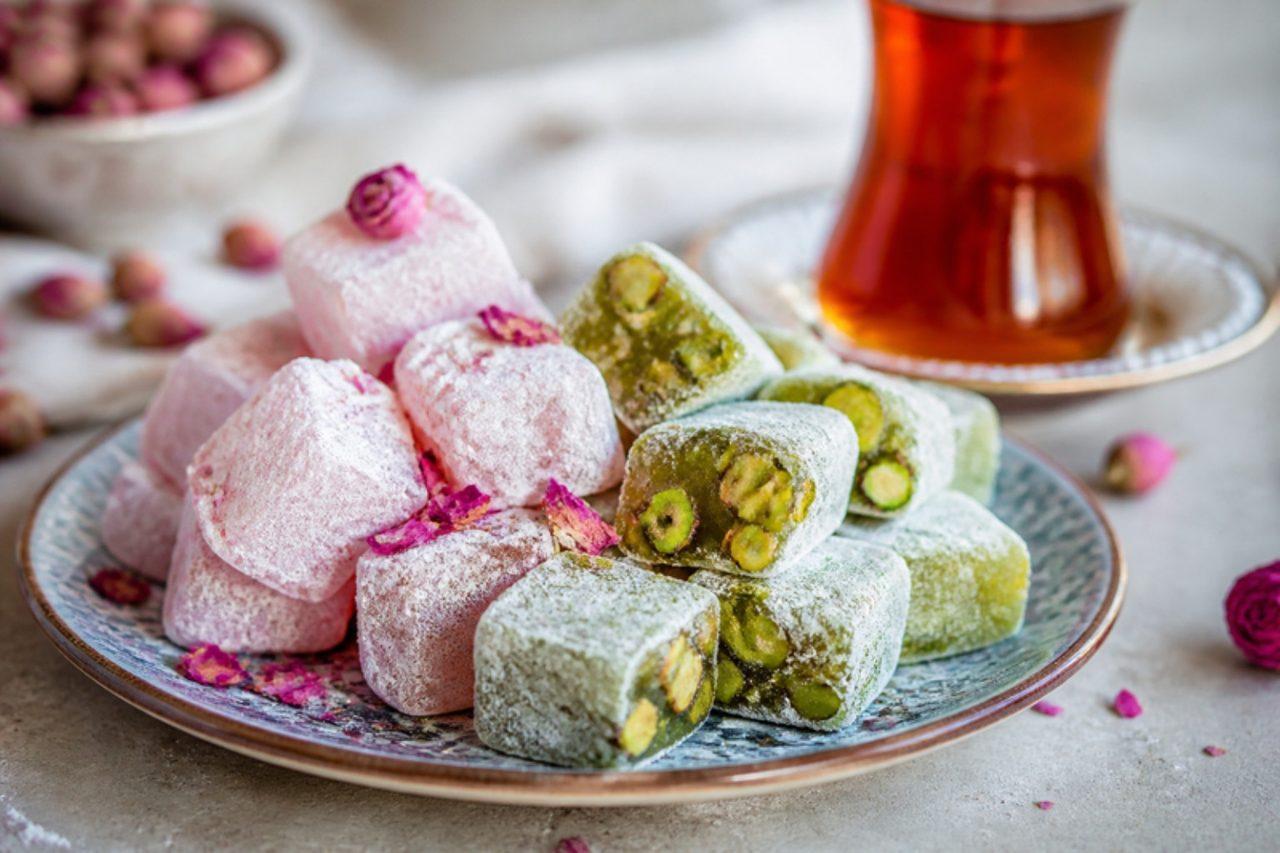
Istanbul's confectioners have been cooking lokum since the 18th century, and boxes of it still go to every host, office and family on holiday visits. Real lokum is nothing more than sugar syrup, lemon and cornflour, stirred for an hour until it turns translucent, firm and springy, then scented with rosewater and studded with pistachios. It is a test of patience, not skill. Common mistake: stopping too soon; undercooked lokum is sticky and never sets cleanly. Chef's tip: it is ready when a little dropped into cold water forms a soft, pliable ball and the mixture is the colour of pale honey.

by KrazyBadal 0 views

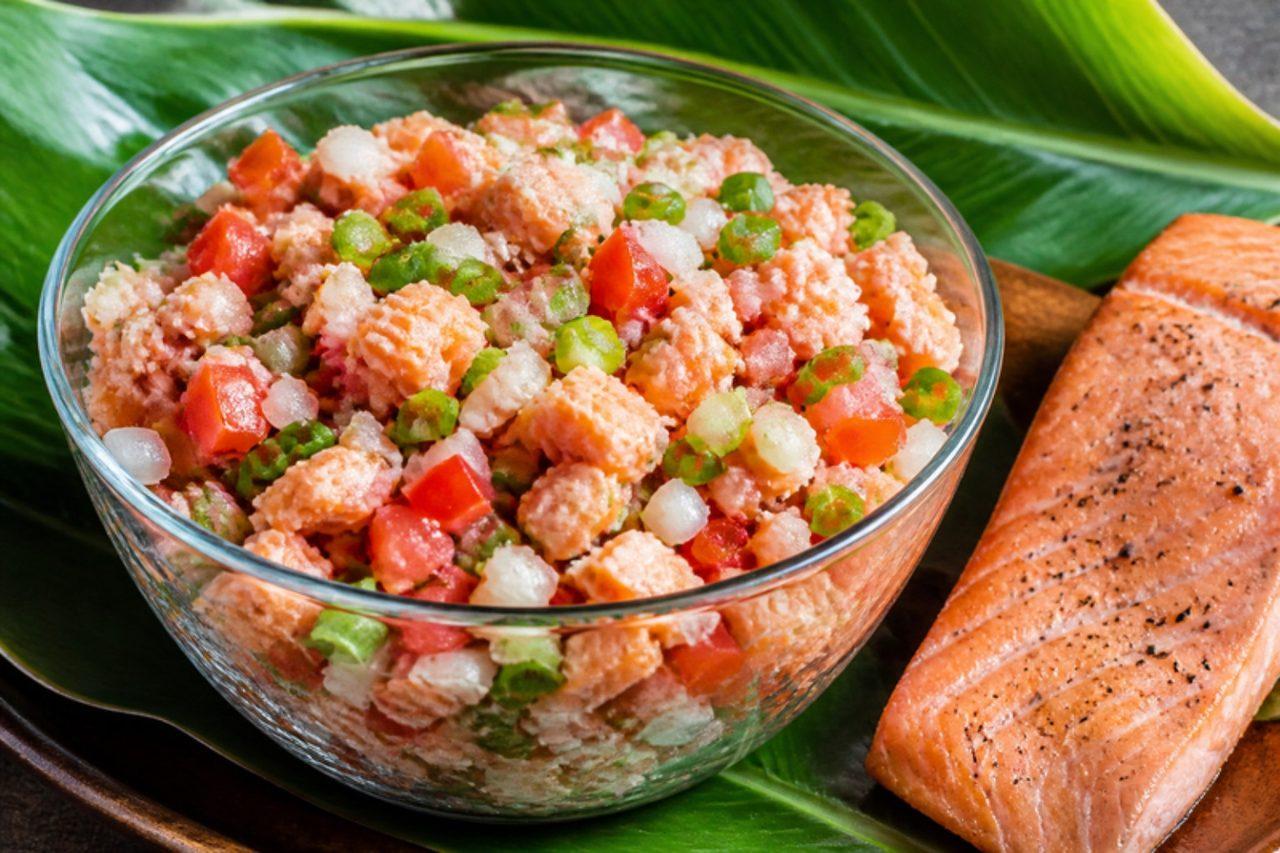
Lomi lomi salmonSalmon, tomato and onion relish

Lomi means to massage: at Hawaiian lūʻau and graduation parties, salted salmon is squeezed by hand with diced tomatoes, sweet onion and spring onions into a cold, juicy relish that cuts through rich kalua pig and poi. It arrived with salted salmon traded from the Pacific Northwest by nineteenth-century whalers. The traditional version uses raw salt-cured salmon, which is not for pregnant women, young children or anyone with a weakened immune system; this safer version gently poaches the salmon first. Chef's tip: chill everything well and drain the tomatoes, so the relish stays bright rather than watery.

by KrazyBadal 0 views

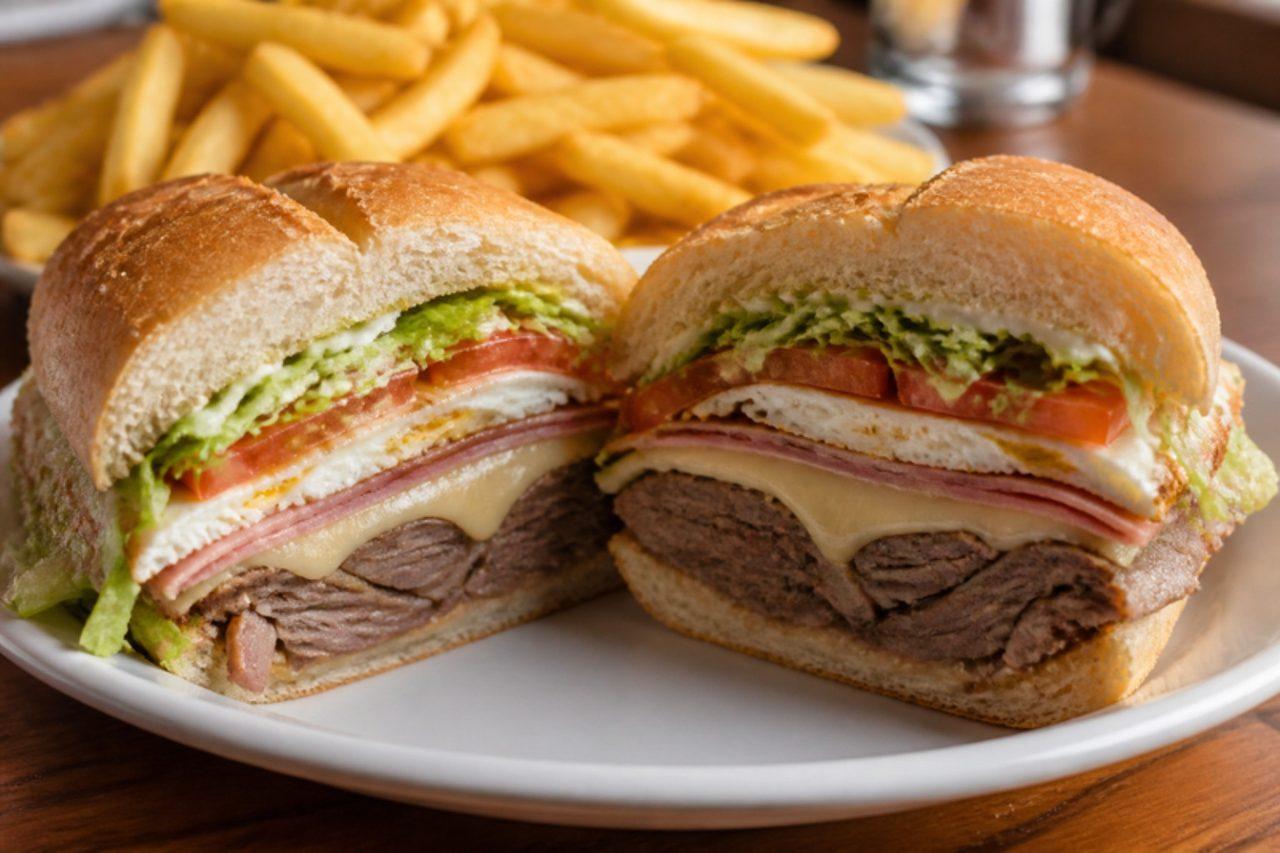
Lomito completoLoaded tenderloin sandwich

Córdoba claims the lomito as its own, and at lomiterías and late-night carts in the city it comes completo: thin, quick-seared slices of beef tenderloin piled into a big soft roll with cooked ham (pork), melting cheese, a fried egg, lettuce, tomato and mayonnaise. It is messy, juicy and filling, the classic end to a night out or a Saturday football match, usually with chips on the side. The meat is only a few millimetres thick, so it cooks in a minute; Córdoba grills cook it through, but as a whole steak you can leave it a little pink to taste. The big error is a lukewarm pan, which boils the thin beef grey instead of searing it. Chef's tip: lay the cheese on the ham in the hot pan to melt while the egg fries, so everything goes into the toasted roll hot at once.

by KrazyBadal 0 views

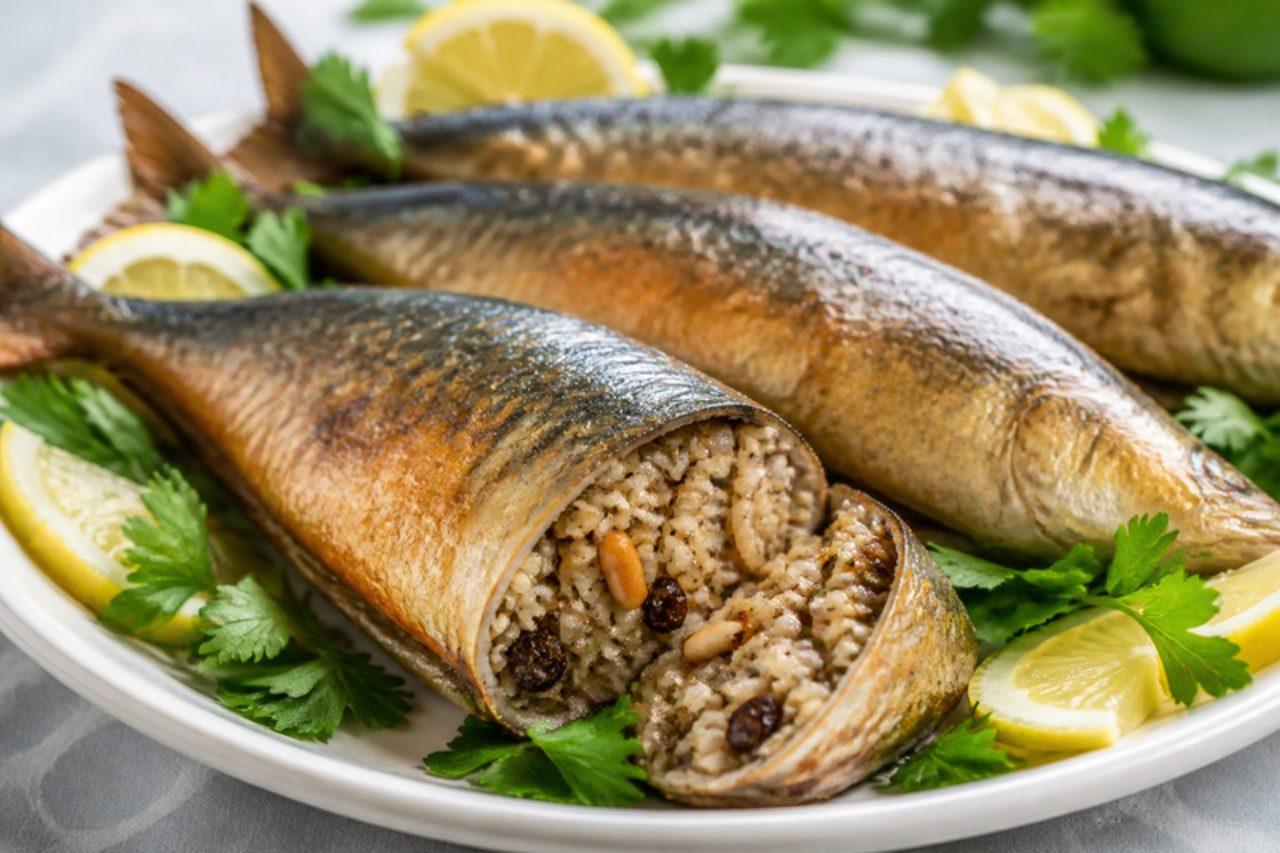
Uskumru dolmasıStuffed mackerel

Uskumru dolması is a showpiece of Istanbul's old Armenian and Greek meyhane kitchens, made in autumn when Bosphorus mackerel are fat: the skin is eased off whole, the flesh mixed with spiced rice, walnuts, currants and herbs, then stuffed back in so the fish looks untouched. It is dipped in egg and flour, fried and served at room temperature in slices as a cold meze. It takes time but impresses every guest. Chef's tip: roll and massage the fish firmly before you start; the spine snaps at the head and the skin loosens so you can push the flesh out without tearing it.

105 minTurkishFish
by KrazyBadal 0 views

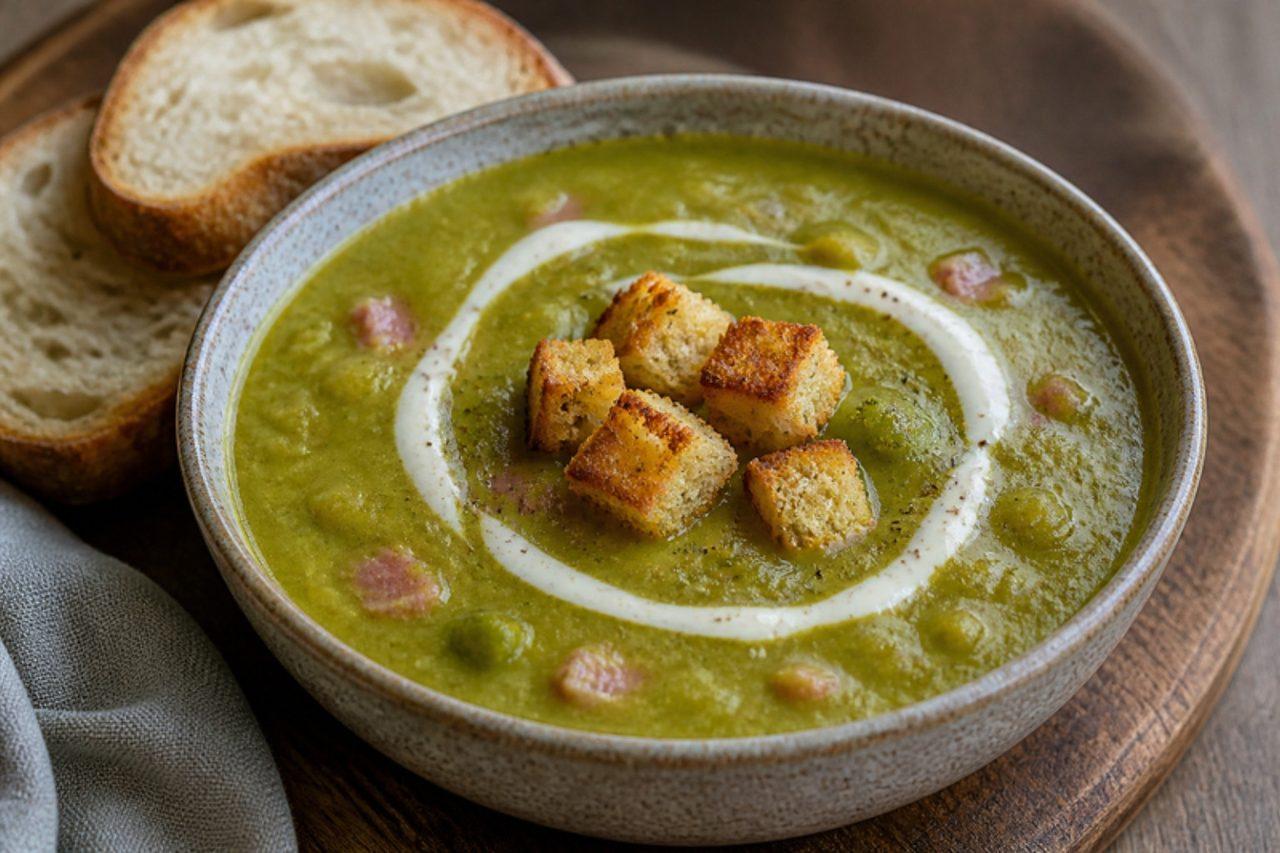
London particularSplit pea and ham soup

London particular is a thick, yellow-green soup of split peas and smoked pork ham hock, named after the pea-souper smogs that once smothered the city. It was a cheap winter warmer in Victorian London eating houses and is still on menus in pubs and cafés when the weather turns. The hock gives a deep smoky saltiness and shreds of soft meat. Chef's tip: skim the grey foam off as the water first boils, for a cleaner taste.

135 minBritishSoupsGluten free
by KrazyBadal 0 views

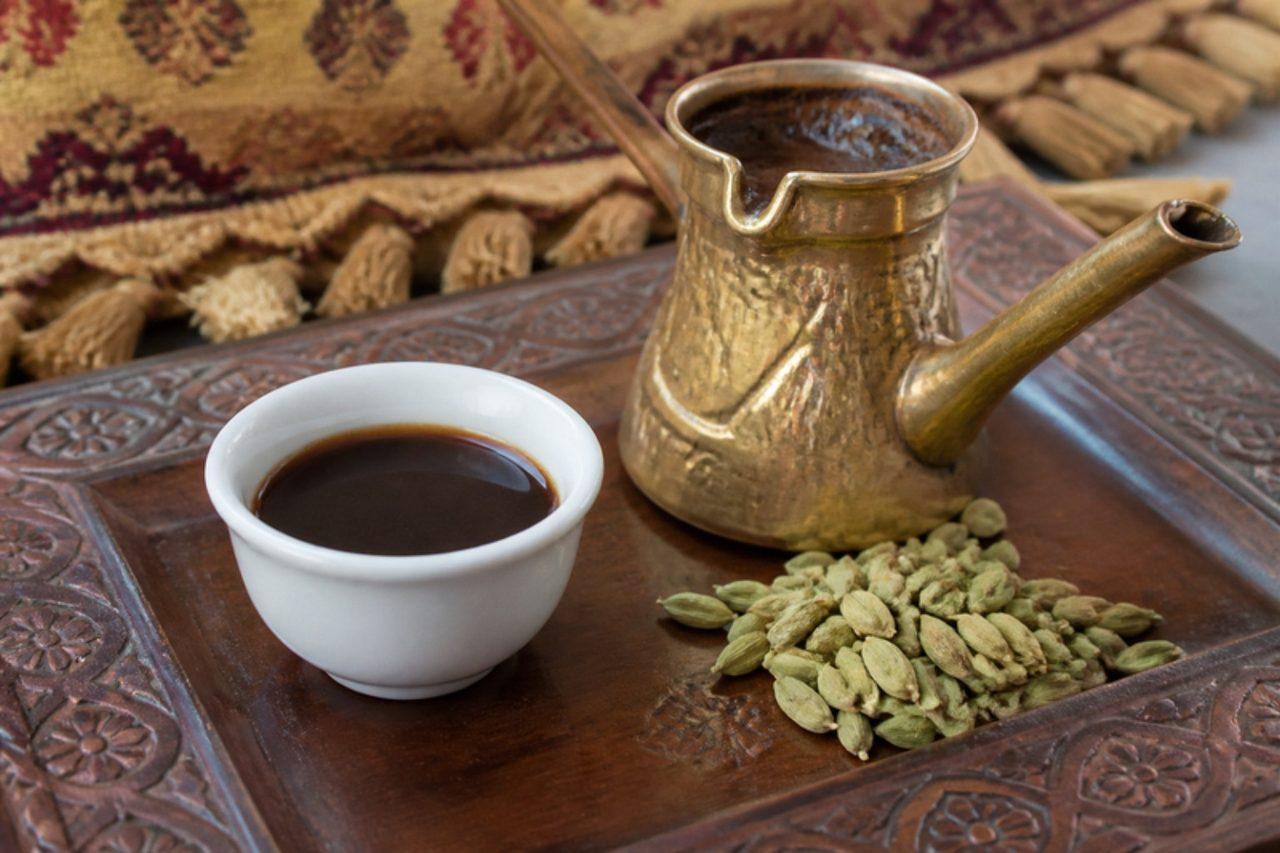
MırraBitter cardamom coffee

In the courtyard houses of Mardin and the guest rooms of Şanlıurfa, mırra is poured from a long-spouted pot into tiny handleless cups, just a mouthful each, as a sign of welcome. It is made by boiling dark-roasted coffee for a long time until it becomes thick, bitter and concentrated, then boiling it again and again. Tradition says you never put the cup down empty unless you mean to marry the host's family, so hand it back with a small shake. It is never sweetened: serve it with dates or a sweet. Common mistake: using finely ground Turkish coffee; it turns muddy, so use medium-ground dark roast. Chef's tip: the second boil is where the flavour comes from, so don't rush it.

by KrazyBadal 0 views

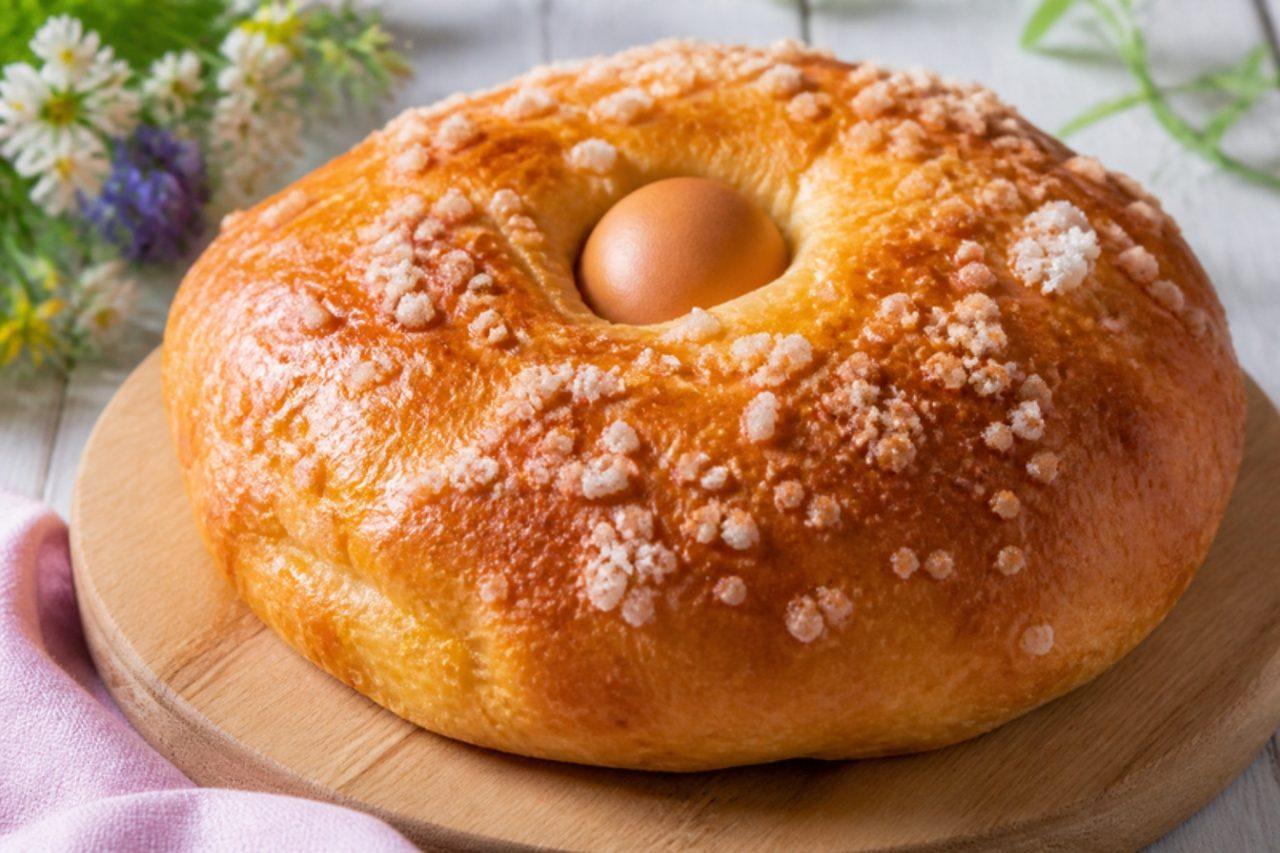
Mona de PascuaEaster brioche with egg

On Easter Monday, families across the Valencian Community head out to the countryside or the beach to "menjar-se la mona": they eat an orange-scented sweet brioche, often with a whole egg baked on top, and children crack the egg on a friend's forehead. The bun is soft and fluffy, glazed and sprinkled with sugar or coloured aniseed sprinkles. Here the eggs are hard-boiled first, so they are cooked through whatever the size of your bun. A common mistake is adding all the flour at once to a sticky dough; it softens as you knead, so hold back the last 50 g until you've kneaded for a few minutes. Chef's tip: make the starter the evening before and the dough on the day; the slow start gives a lighter crumb that stays soft for two days.

by KrazyBadal 0 views

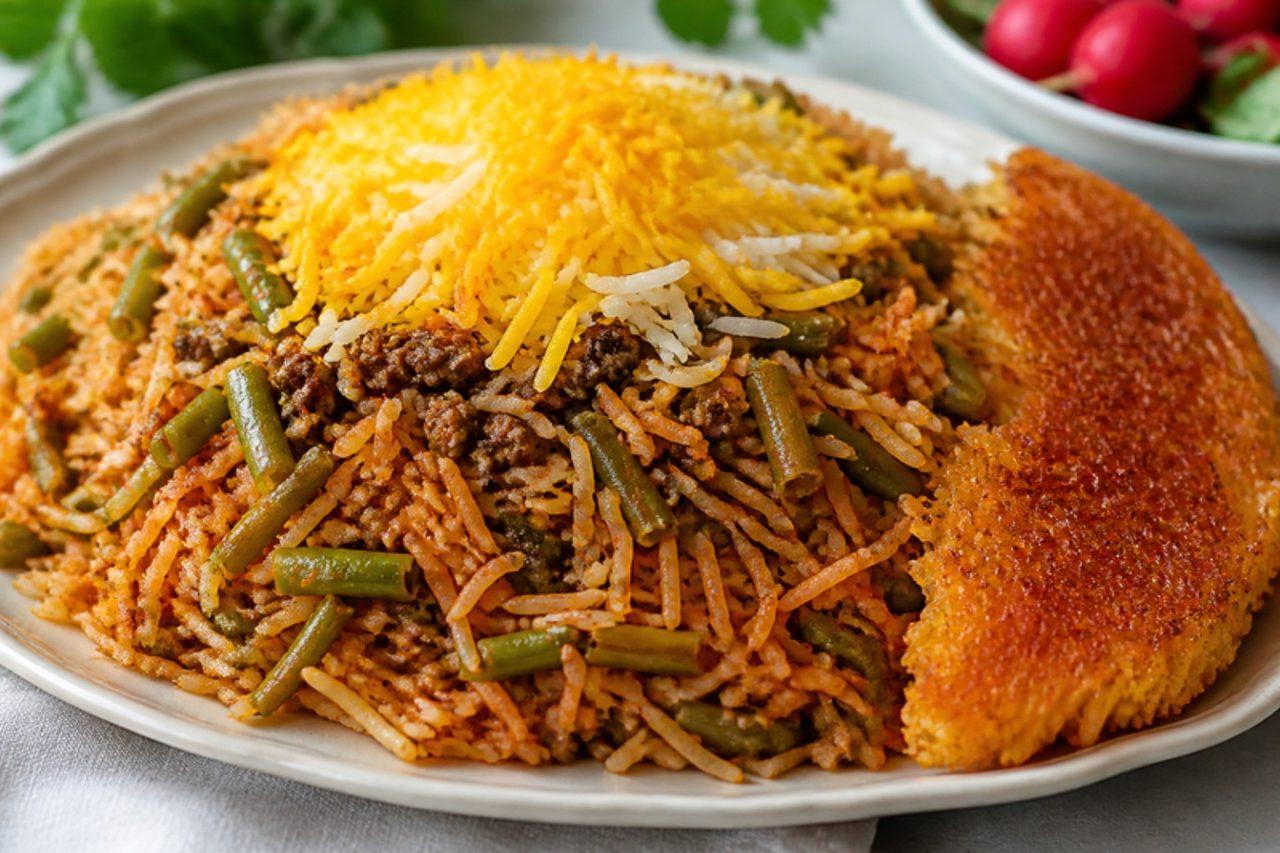
Loobia poloGreen bean rice with spiced lamb

Loobia polo is a weeknight favourite in Tehran homes, the rice dish children ask for when they come home from school and the one packed for picnics on the slopes of Darband. Parboiled basmati is layered with a sauce of minced lamb or beef, short pieces of green bean, tomato paste and a warm hint of cinnamon, then steamed slowly until every grain is stained a soft orange and a crisp tahdig forms underneath. For a meat-free pot, swap the mince for diced potato and keep everything else the same. Serve with mast-o khiar, salad shirazi and torshi. A common mistake is adding the beans raw to the rice layers: brown them in the sauce first or they stay squeaky and pale. Chef's tip: let the tomato paste fry in the oil until it turns brick red before adding water; that is where the deep, sweet flavour comes from.

by KrazyBadal 0 views

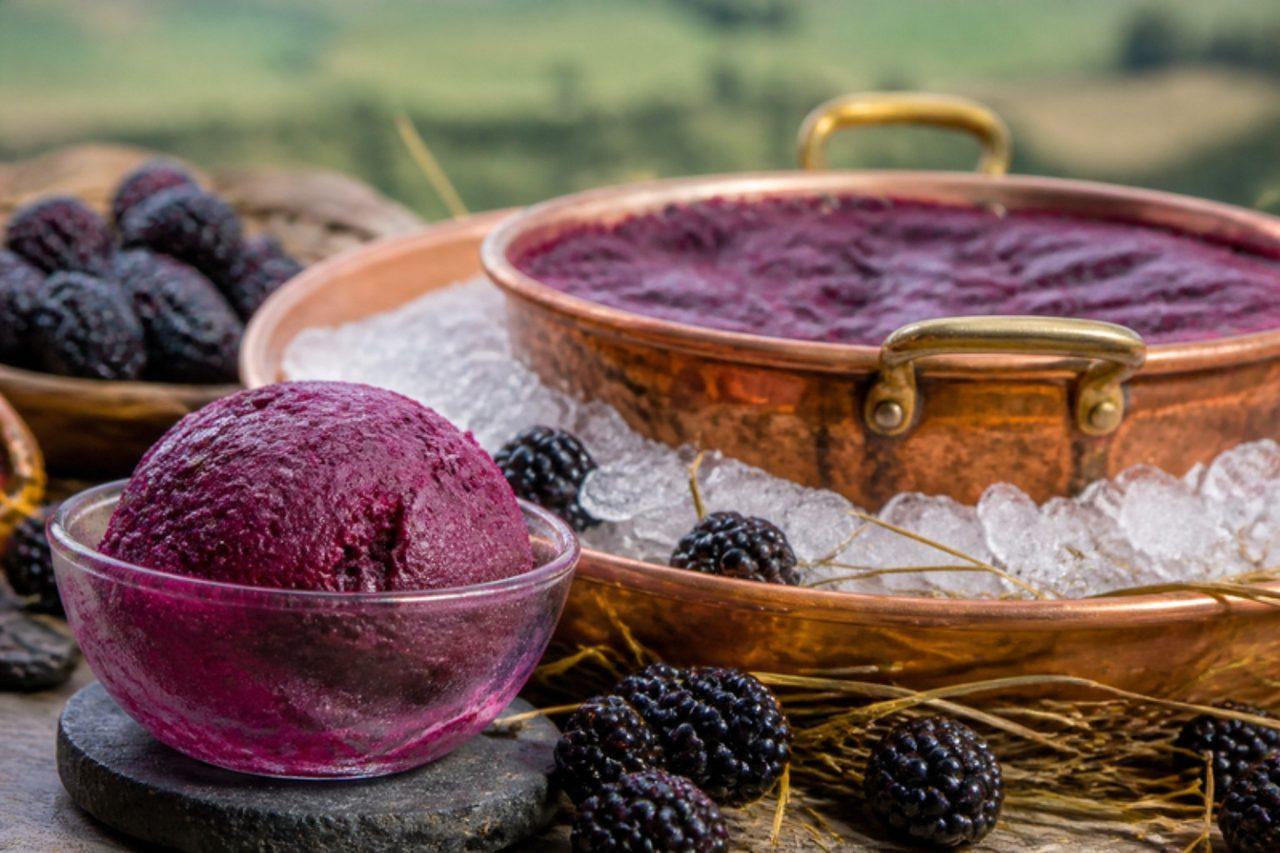
Helado de pailaHand-spun blackberry sorbet

Watching helado de paila being made is half the pleasure. In Pasto and Ipiales, and over the border in Ecuador, a wide copper or steel pan (the paila) spins on a bed of ice and salt in a straw-lined barrel, while the maker scrapes the fruit juice from the sides with a wooden paddle until it turns into a light, intensely fruity sorbet. Mora, lulo and naranjilla are the favourite flavours. At home a wide steel bowl sitting in a larger bowl of salted ice does the same job, and the hand-churning takes about 30 minutes, so get everyone to take turns. The base must be cold before it goes into the bowl; a warm base never freezes properly and turns into slush. Andean blackberries are tart and bright; ordinary blackberries with extra lime work. Chef's tip: keep scraping the frozen layer off the sides and folding it in, every 20–30 seconds; that motion is what makes the texture smooth.

by KrazyBadal 0 views

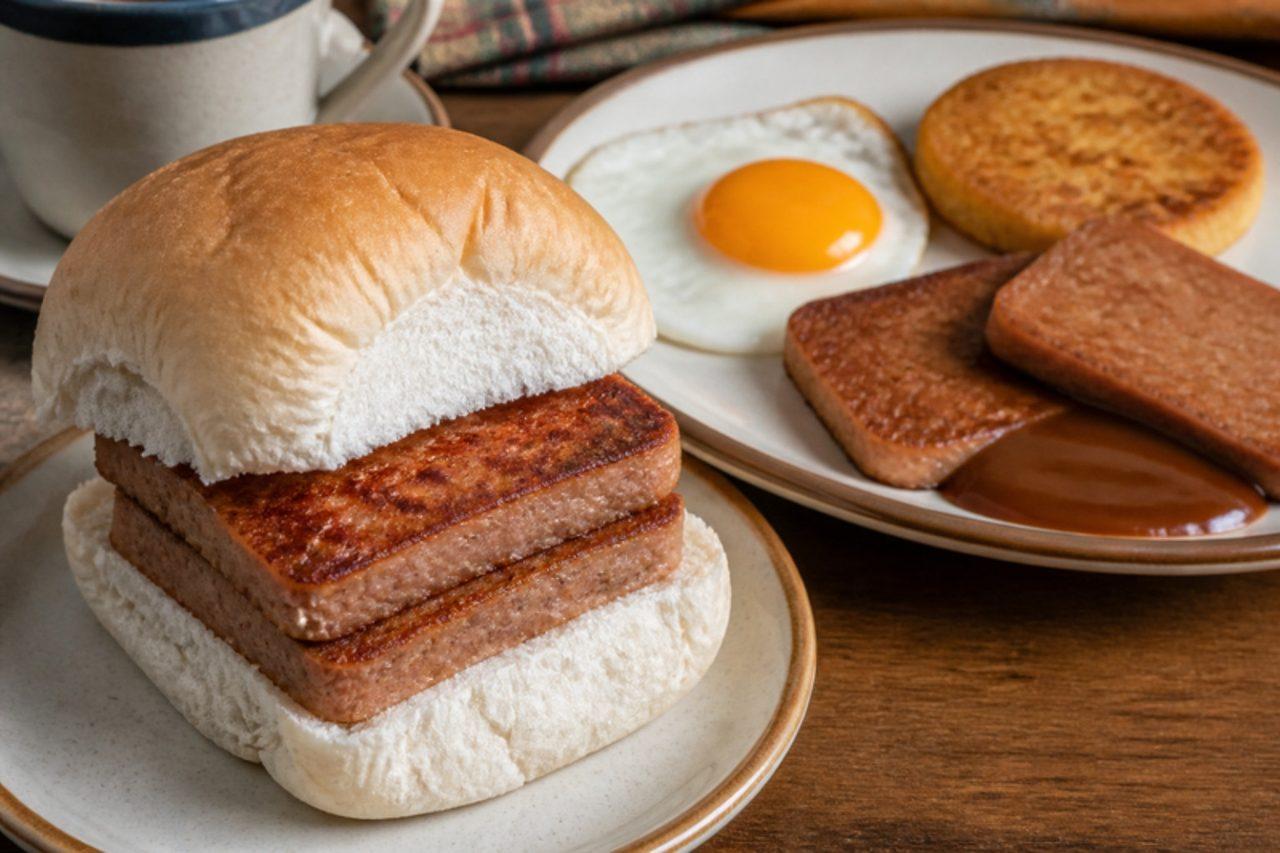
Lorne sausageSquare beef and pork sausage

Lorne sausage, better known in Scotland simply as square sausage or slice, is a skinless loaf of seasoned beef and pork mince that is cut into squares and fried for the full Scottish breakfast, or slapped in a morning roll with brown sauce. It is easy to make at home and freezes well. Chef's tip: freeze the shaped block for an hour before slicing; it cuts into neat, thin squares.

by KrazyBadal 0 views

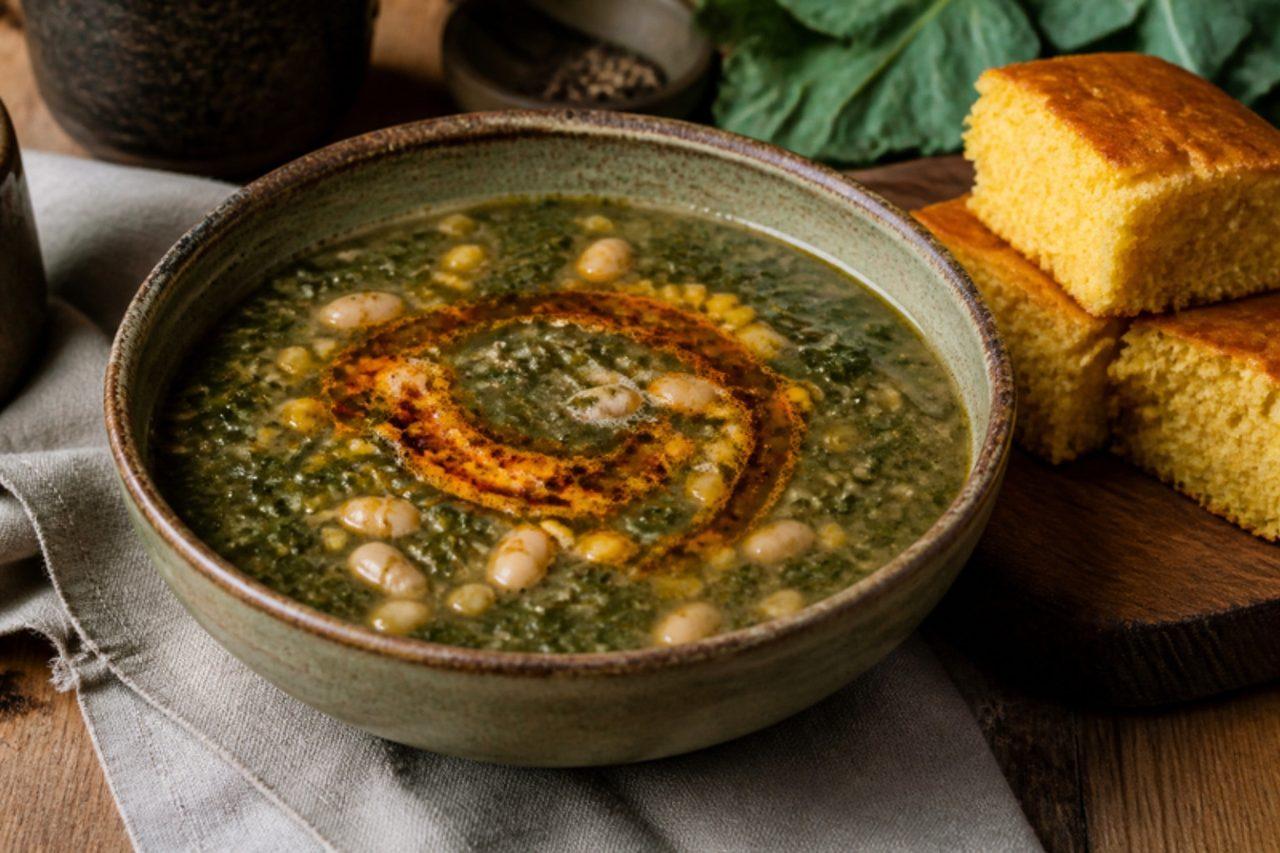
Karalahana çorbasıCollard greens and bean soup

Dark, ribbed karalahana is the cabbage of the eastern Black Sea, and in Trabzon and Rize winter kitchens it goes into a thick soup that is somewhere between a broth and a stew. Shredded leaves simmer with borlotti beans, onion and a spoon of pepper paste, then a handful of cornmeal is whisked in at the end to give the soup body and a gentle sweetness. It is served with cornbread, a wedge of onion and a few chilli pickles. Common mistake: leaving the tough central ribs in; they never soften and make the soup stringy. Chef's tip: the soup is noticeably better the next day, so make it ahead and loosen it with a little hot water when you reheat.

by KrazyBadal 0 views

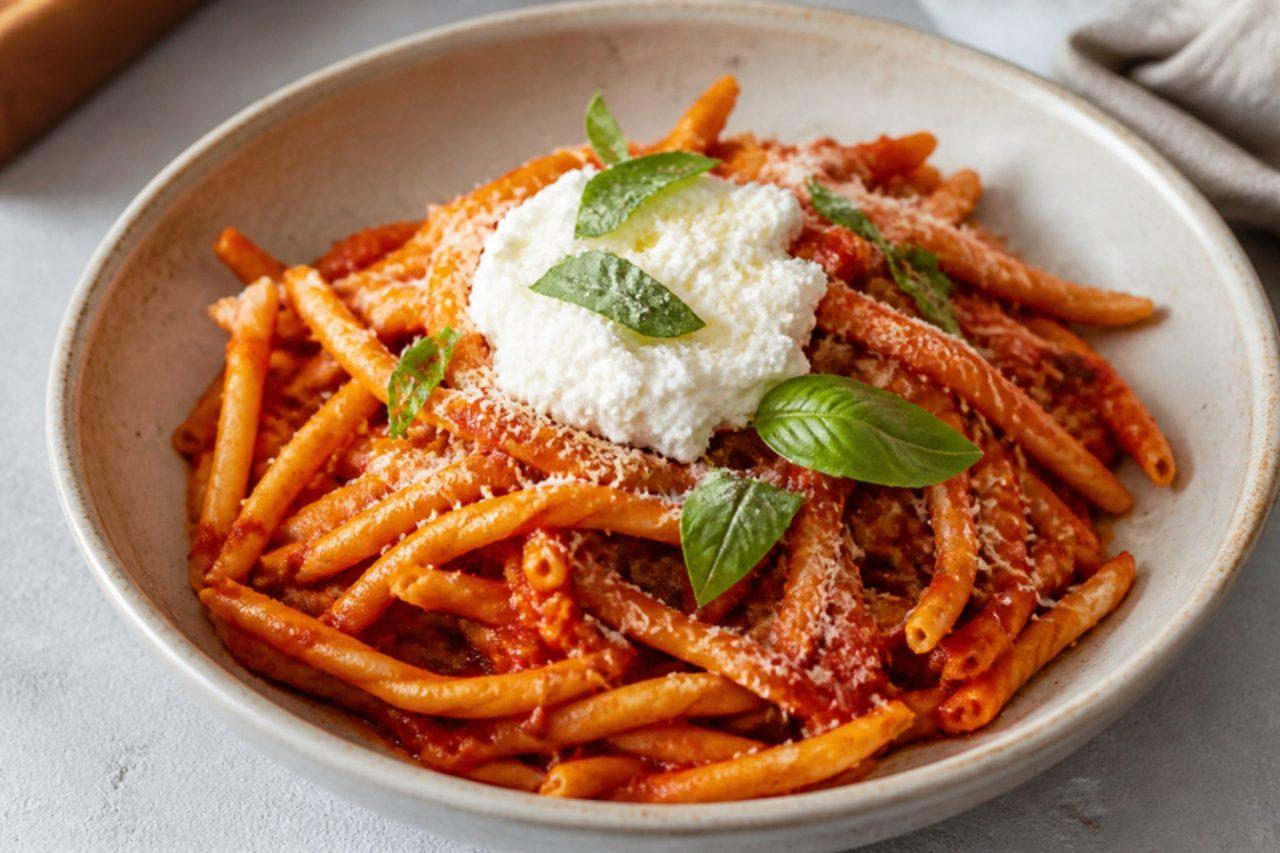
Pasta con 'ndujaPasta with spicy 'nduja sausage

Spilinga, a small hill town above the Calabrian coast, celebrates 'nduja with its own summer festival. This soft, spreadable salumi of pork fat and meat with huge amounts of Calabrian chilli melts straight into a pan, turning a simple tomato sauce brick-red, rich and properly hot. It's a quick weeknight pasta in Calabria, often made with fileja or short pasta, and finished with a little pecorino or a dollop of ricotta to soften the heat. Chef's tip: add the 'nduja off the heat at first and let it melt gently, then simmer; frying it hard burns the chilli and makes it bitter.

by KrazyBadal 0 views

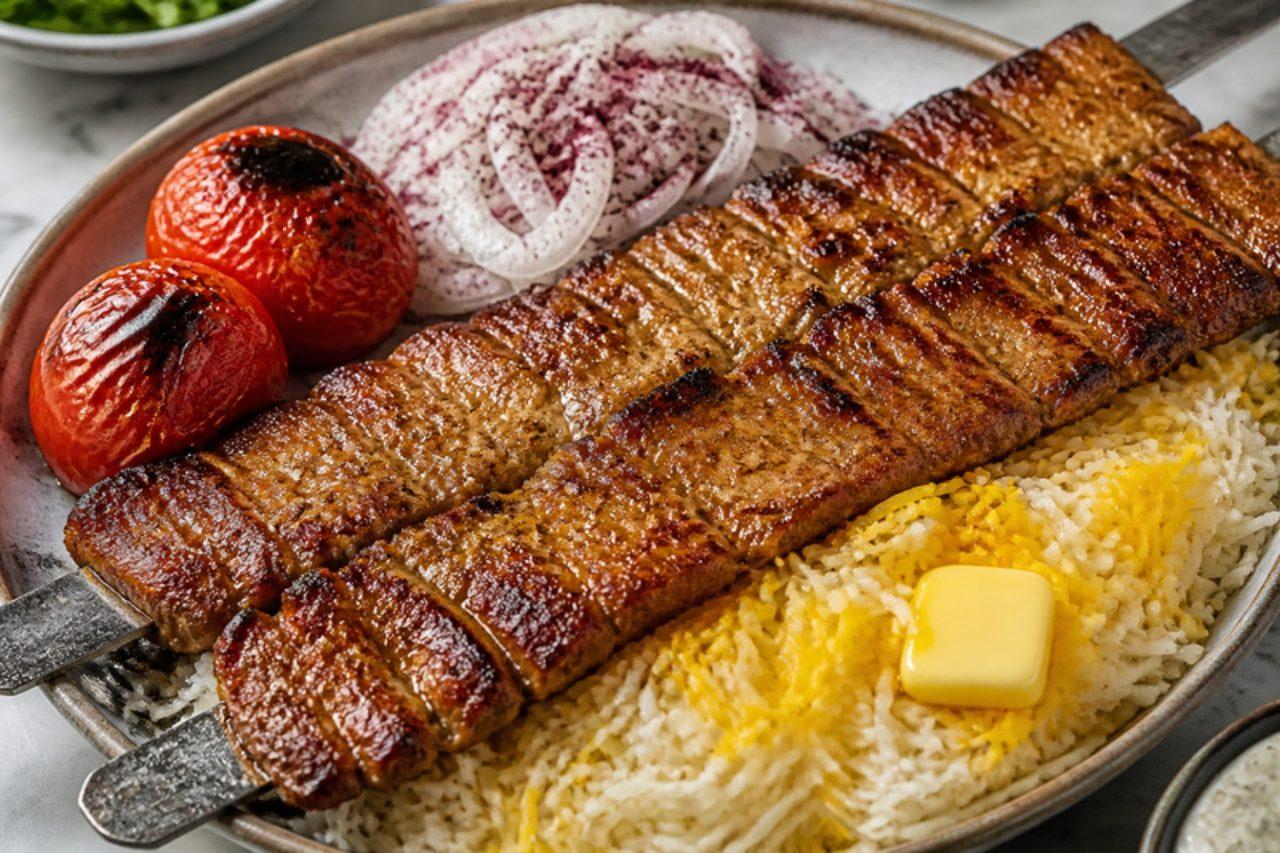
Kabab bargSaffron lamb fillet kebabs

Kabab barg is the prized kebab of Tehran's old chelow-kababi restaurants, ordered for celebrations and served on a mound of buttery-looking saffron rice with grilled tomatoes and a raw egg yolk for those who like it. The name means 'leaf kebab': lamb loin or beef fillet is pounded into thin sheets, marinated overnight in onion juice and saffron, then threaded flat on wide sword skewers and grilled fast over hot charcoal. It is tender enough to cut with the edge of a spoon. A common mistake is leaving onion pieces in the marinade; they burn on the grill, so use only the juice. Chef's tip: score the meat lightly in a criss-cross with the back of a knife; it stops the strips curling and lets the marinade in.

by KrazyBadal 0 views

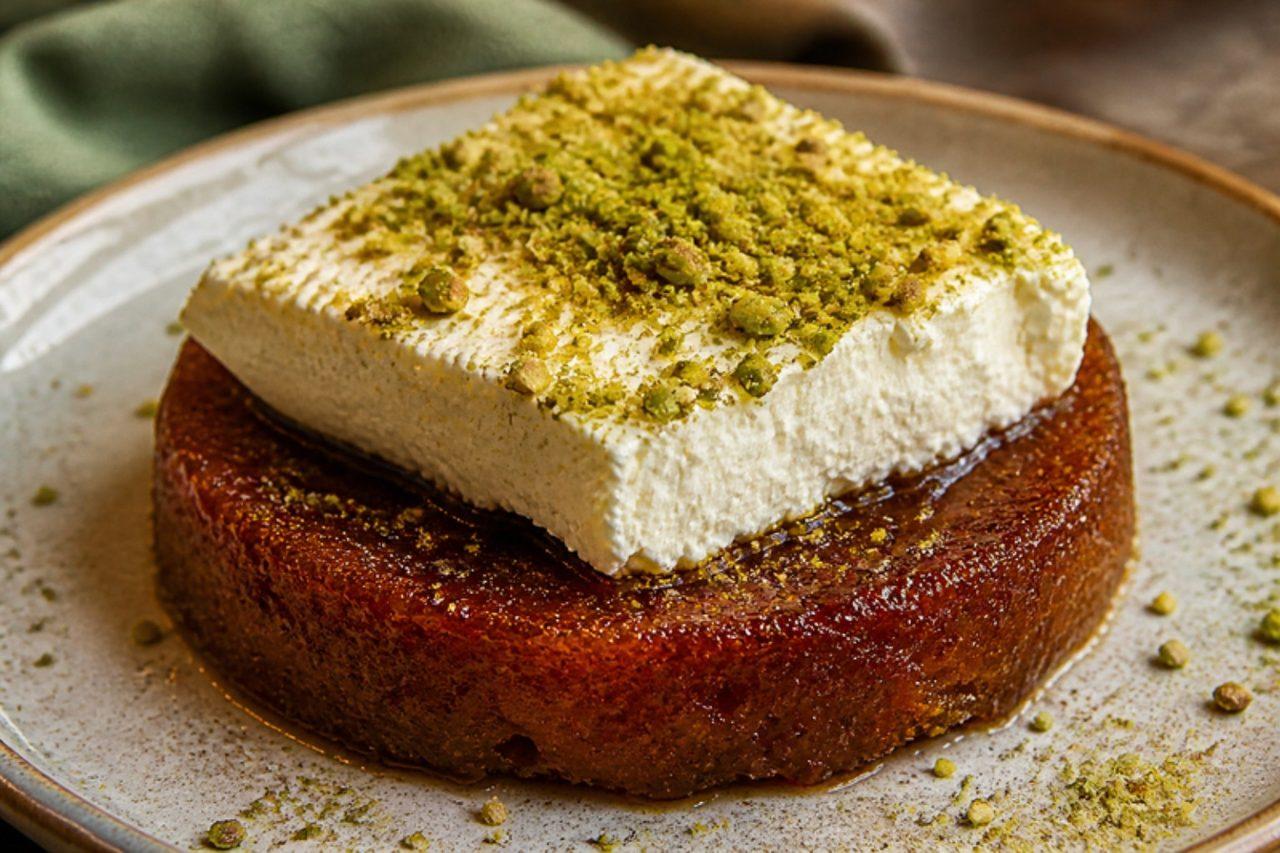
Kaymaklı ekmek kadayıfıBread pudding with clotted cream

Ekmek kadayıfı is a big disc of dried, airy bread that pudding shops in Istanbul and Afyon soak in syrup until it turns dark, sticky and soft, then top with a thick slab of buffalo-milk kaymak. The contrast is the point: cold, rich cream against the warm, almost caramel-flavoured, juicy bread. At home you can use slices of stale brioche-style bread if you can't buy the ready-made disc. Chef's tip: pour hot syrup over completely dry bread, a little at a time, and wait between pours so every crumb drinks it up evenly.

by KrazyBadal 0 views

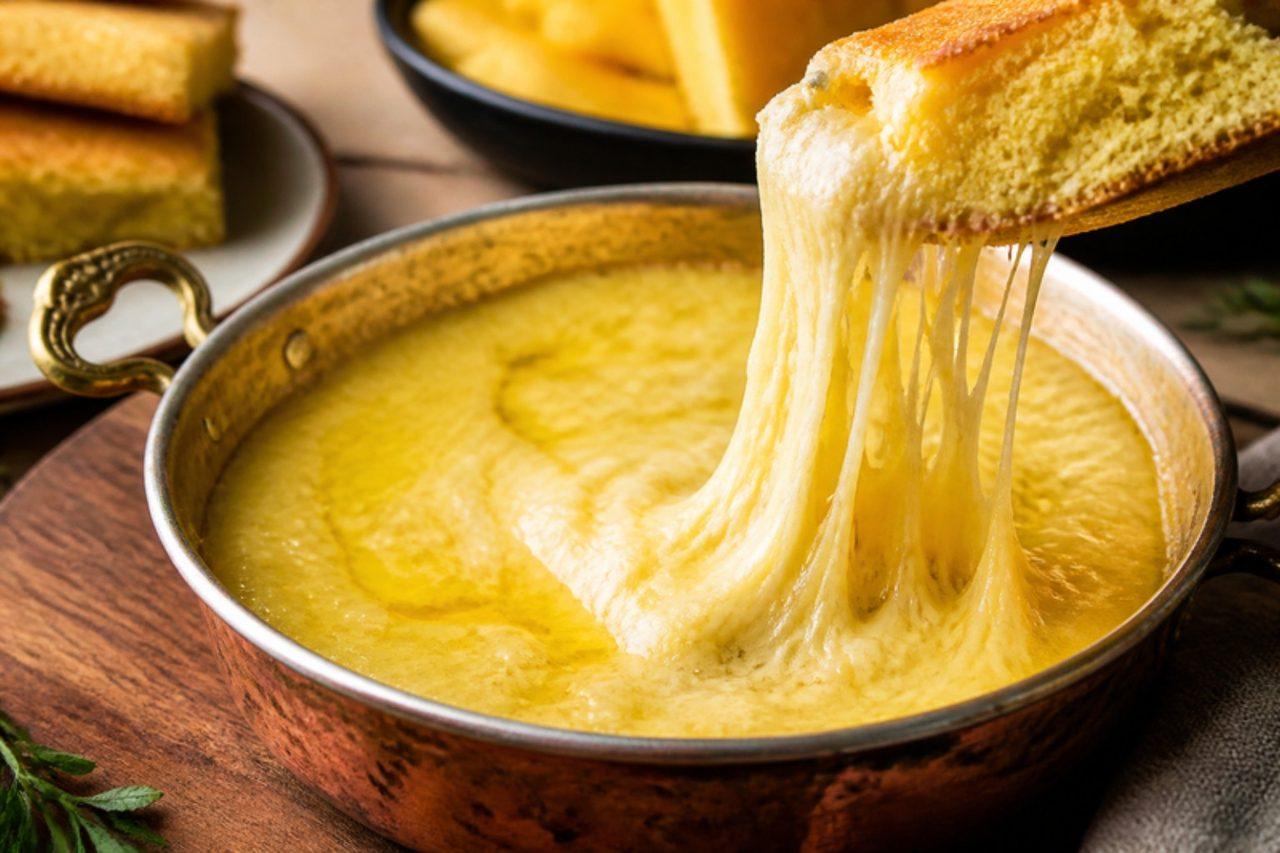
MuhlamaCornmeal, butter and melted cheese

Up in the yayla summer pastures above Trabzon and Rize, breakfast often arrives as one blackened pan set in the middle of the table, with everyone tearing bread and dragging it through. Muhlama is butter, coarse cornmeal and a young stringy cheese stirred together until the cheese melts into long, glossy threads and a pool of golden butter rises to the top. Eat it straight from the pan with cornbread or crusty bread, black tea and a plate of tomatoes and cucumbers. Common mistake: adding the cheese before the cornmeal has toasted in the butter, which leaves a raw, gritty taste and stops the oil separating. The Black Sea cheese (Trabzon or Kolot) and kaşar are usually made with animal rennet; a vegetarian mozzarella-style cheese works well. Chef's tip: don't stir once the cheese has gone in until it has fully melted, then stir in one direction only; that is what gives the long, elastic strands.

by KrazyBadal 0 views

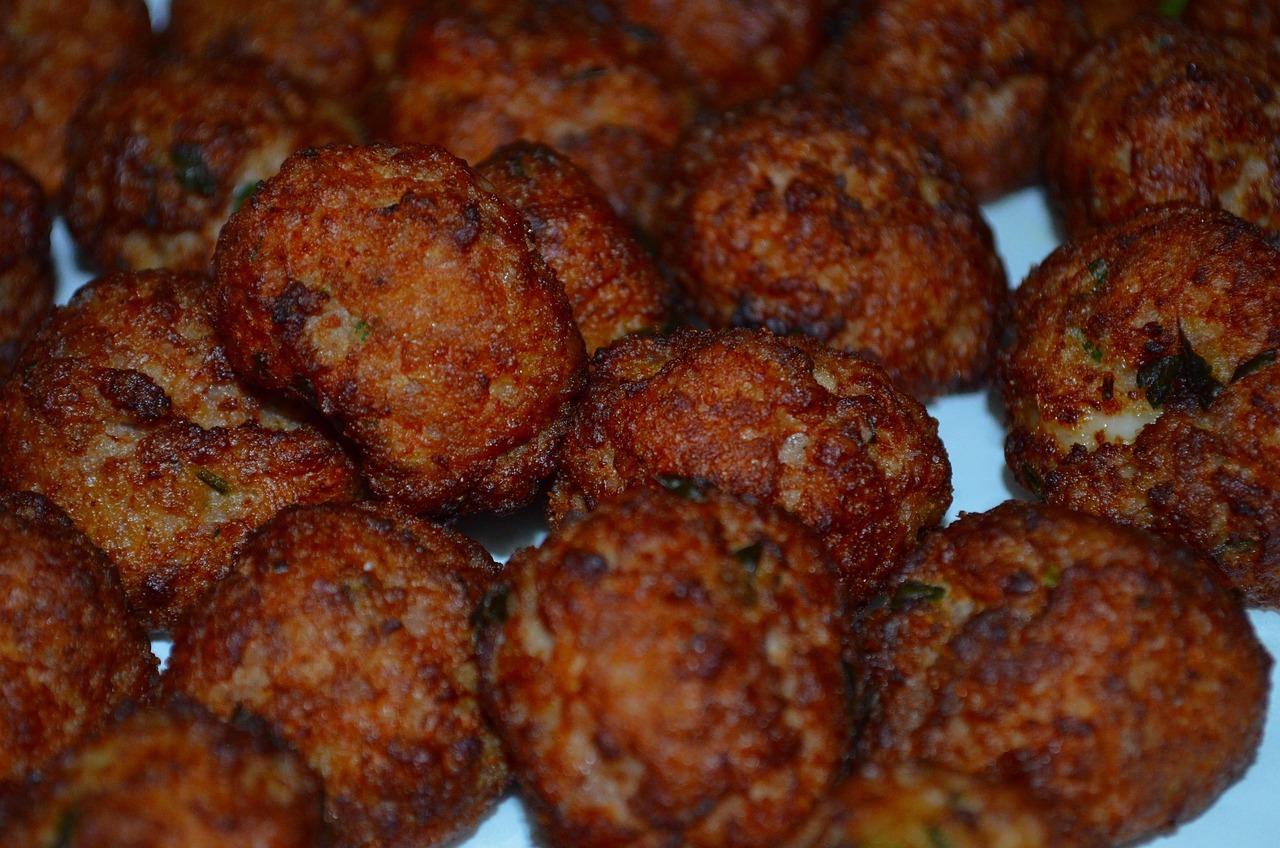
MondeghiliFried beef and mortadella meatballs

Mondeghili are the thrifty meatballs of Milan, invented to use up the beef left from a pot of bollito misto and now a fixture on the aperitivo counters of the city's bars. The cooked beef is minced with mortadella, a soft pork sausage, then bound with milk-soaked bread, egg, grana and lemon zest, flattened slightly and fried in butter until crisp and brown. They are best warm, with a squeeze of lemon, a spoonful of green sauce or simply a cold drink before dinner. Leftover roast beef or veal works just as well as boiled meat. Chef's tip: flatten each ball a little before frying; they cook through evenly and get more of that crunchy crust.

by KrazyBadal 0 views

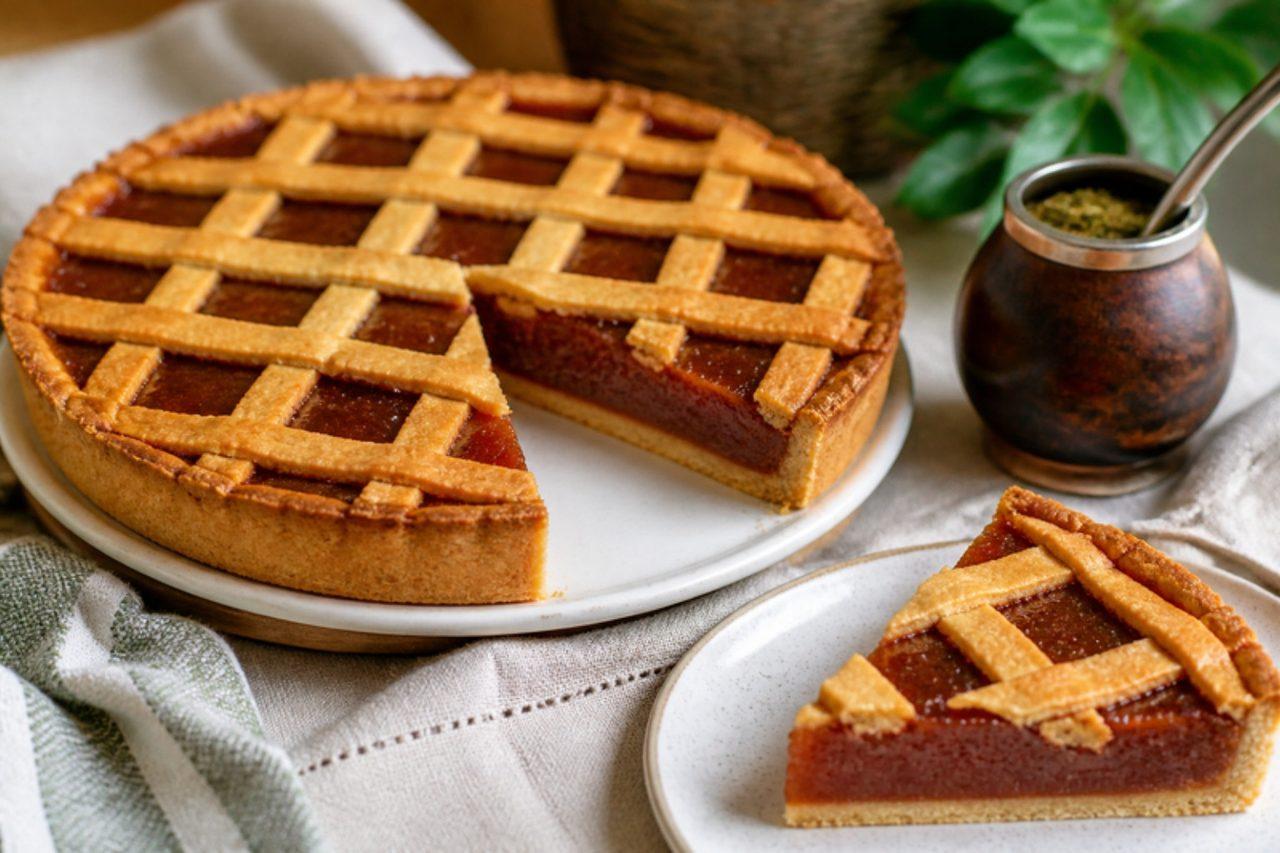
Pasta frolaQuince tart

Pasta frola came to the River Plate with Italian immigrants (it is a cousin of the crostata), and it is now the tart every Argentine kitchen keeps on the counter for afternoon mate. The crust is short and cakey rather than crisp, scented with lemon zest and vanilla, and the filling is dulce de membrillo melted down into a spreadable jam; dulce de batata is the other classic. Bakeries in Buenos Aires sell it by the square and it keeps for days in a tin, getting better on the second day. The lattice strips should be thin and slightly wider apart than you think, so the dark filling shows through. A common slip is to spread the quince paste straight from the block: it will not spread, it tears the base and it turns leathery in the oven, so loosen it first with a little hot water. Chef's tip: chill the lined tin and the cut strips for 15 minutes before baking, so the lattice keeps its shape instead of slumping into the filling.

by KrazyBadal 0 views

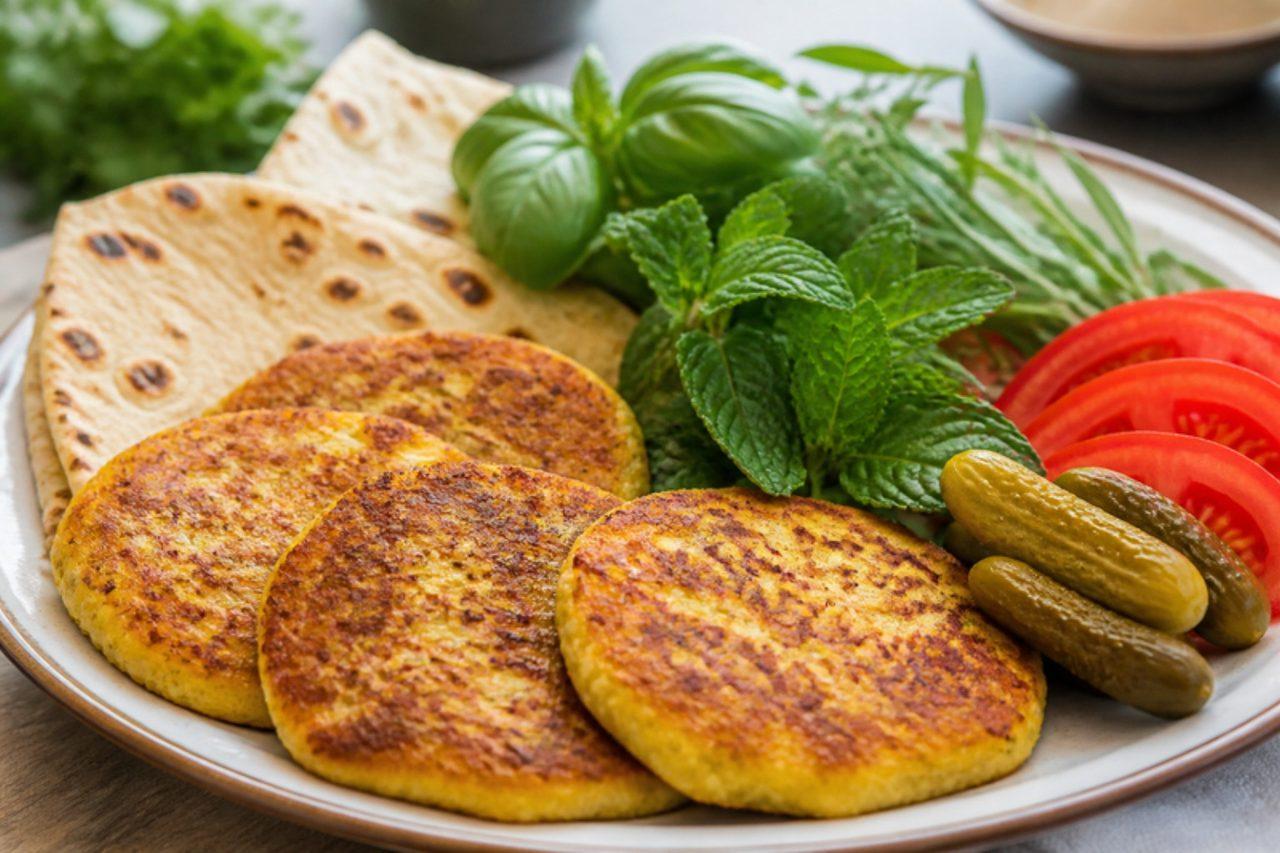
Kuku sibzaminiPotato and egg patties

Kuku sibzamini is what Tehran schoolchildren unwrap at lunchtime: little golden patties of grated potato, egg and onion, eaten cold or warm, folded into lavash or sangak with herbs, tomato and a few slices of khiar shoor. They also turn up at picnics in the parks on Friday mornings, because they travel well and taste good at any temperature. Grated raw onion and turmeric give the flavour; a spoon of flour holds them together. The common mistake is leaving the grated potato wet, so the patties spit, soak up oil and fall apart. Chef's tip: squeeze the potato and onion hard in a tea towel; the drier the mix, the crisper the edges.

by KrazyBadal 0 views

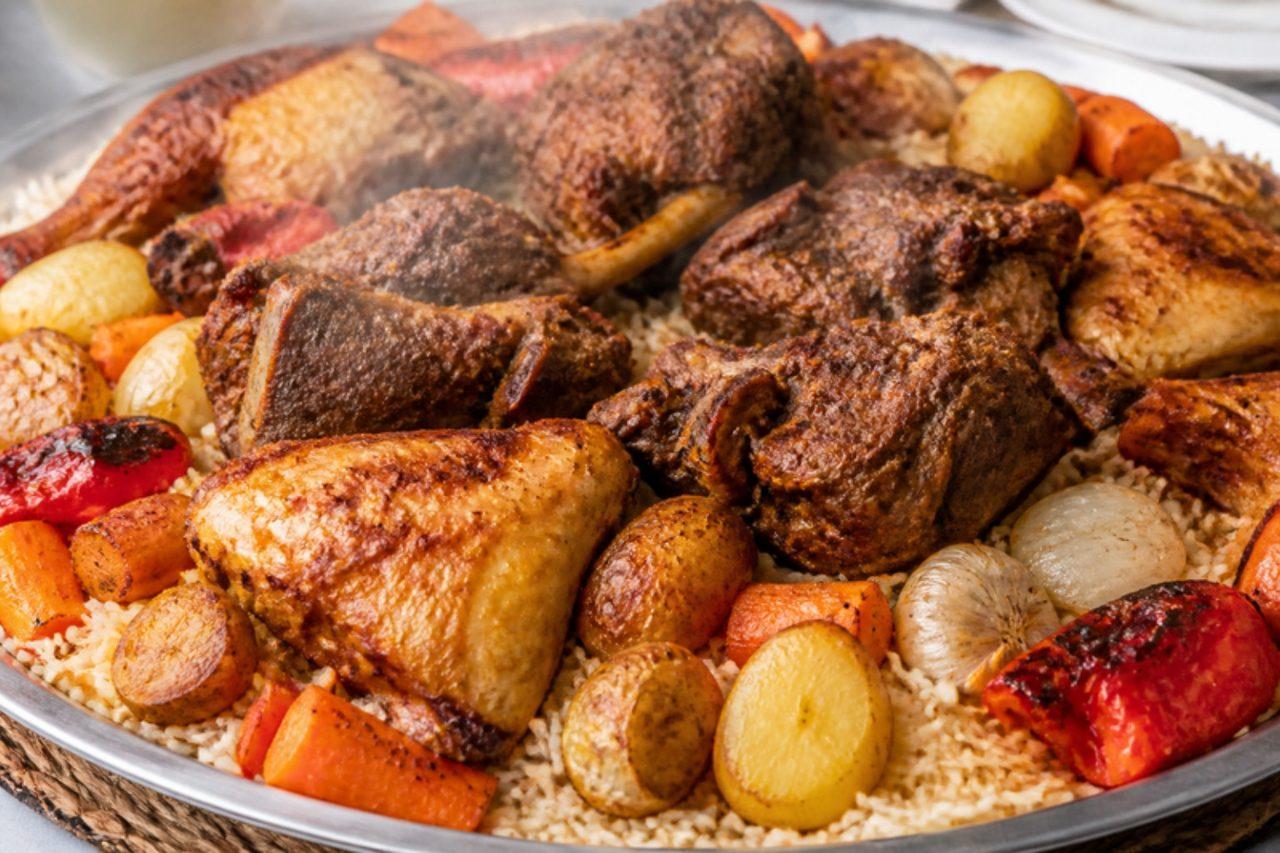
ZarbPit-roasted lamb, chicken and vegetables

Visitors to the desert camps of Wadi Rum often watch the zarb come up from the sand at sunset: tiered racks of spiced lamb, chicken, potatoes and onions that have steamed for hours in a pit of embers, then lifted out smoky and falling apart. At home you get close with a deep roasting tin sealed tightly with foil, a long, low oven and a short blast of heat at the end. Serve it on a big platter over rice or with shrak, with yoghurt and a tomato salad. The mistake most people make is leaving gaps in the foil, so the steam escapes and the meat dries. Chef's tip: marinate overnight in the fridge and add a little smoked paprika to the spice mix; it brings back the taste of the pit.

by KrazyBadal 0 views

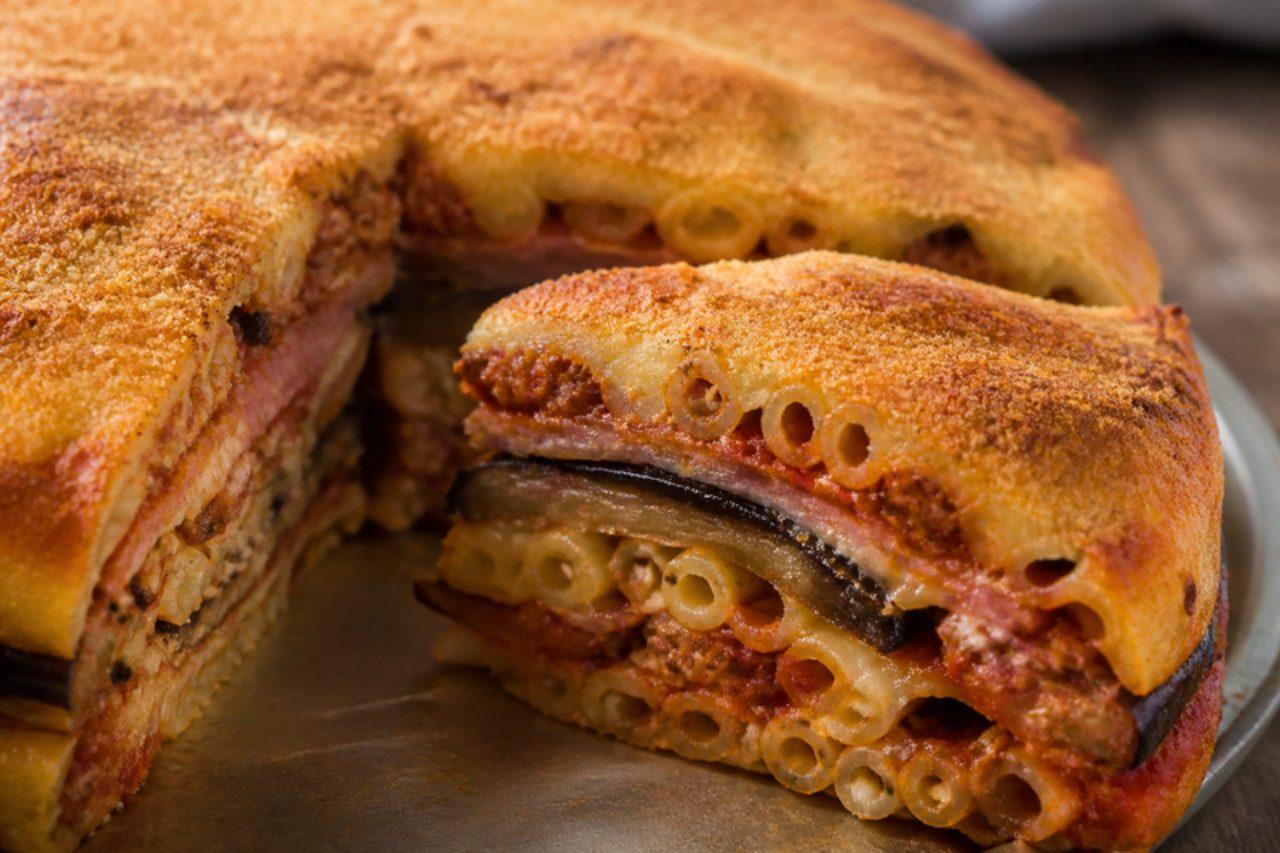
Pasta 'ncasciataBaked pasta with aubergine and ragù

In Messina and around Catania, pasta 'ncasciata is the dish for Ferragosto, Sunday lunch and any big family table, and it travels well to the beach. Short pasta is tossed with a beef and pork ragù, then layered in a deep tin with slices of fried aubergine, cubes of salami and cooked ham (both pork), hard-boiled egg and caciocavallo cheese, and baked until the top is crisp. It cuts into dense, generous wedges that are just as good warm as at room temperature. Chef's tip: salt the aubergine slices and leave them to drain before frying, so they soak up less oil and turn creamy rather than greasy.

by KrazyBadal 0 views

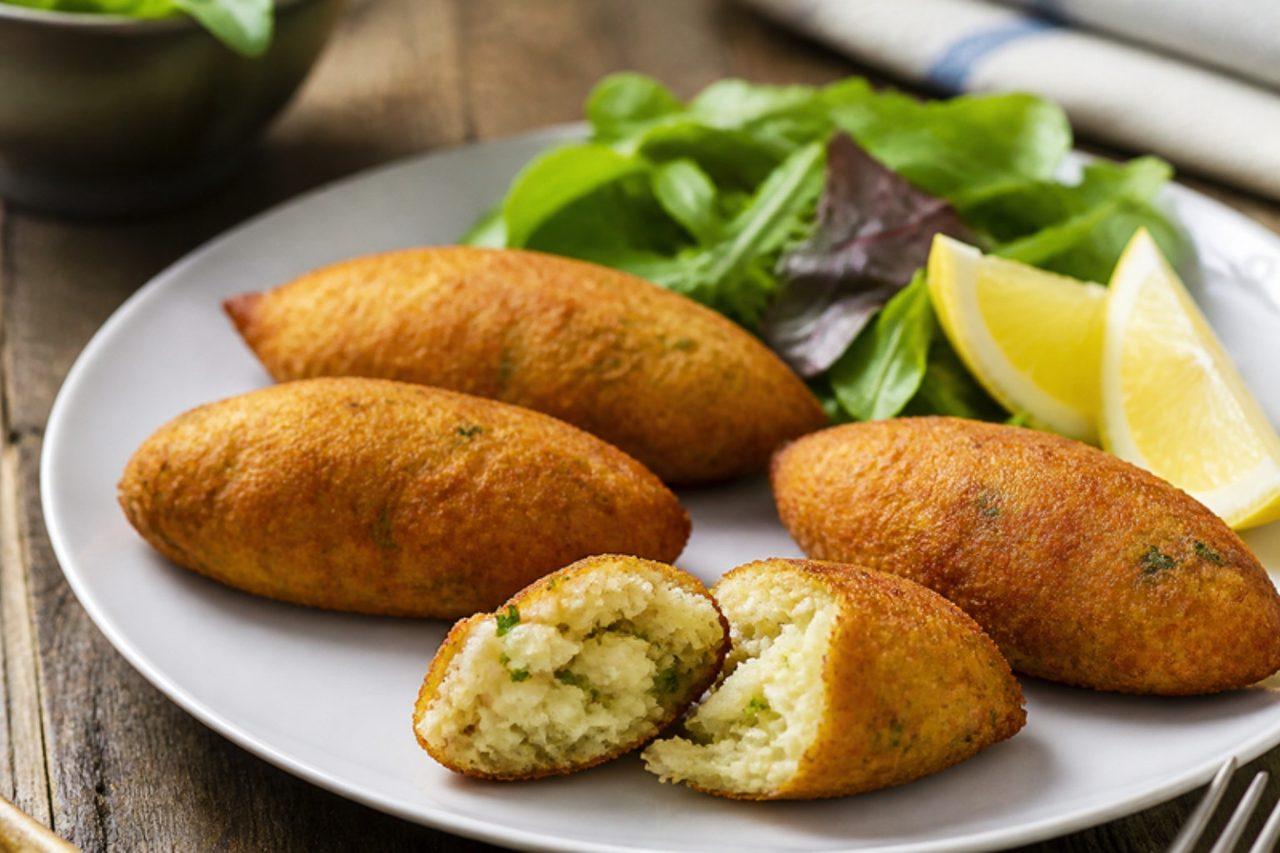
Pastéis de bacalhauSalt cod and potato croquettes

These torpedo-shaped croquettes of salt cod, potato, egg and parsley are everywhere in Lisbon: piled on café counters, packed for picnics, and served at weddings and christenings in their dozens. Every family argues over the cod-to-potato ratio; about equal parts gives a fluffy inside that still tastes properly of fish. Salt cod needs 24–48 hours of soaking in the fridge, so start two days ahead. A common mistake is a wet mixture from boiled potatoes, which makes the croquettes burst in the oil; bake or steam the potatoes instead, or dry them well. Chef's tip: shape each one between two wet tablespoons, passing the mixture back and forth until it has three smooth sides.

by KrazyBadal 0 views

Pastéis de feijãoWhite bean and almond tarts

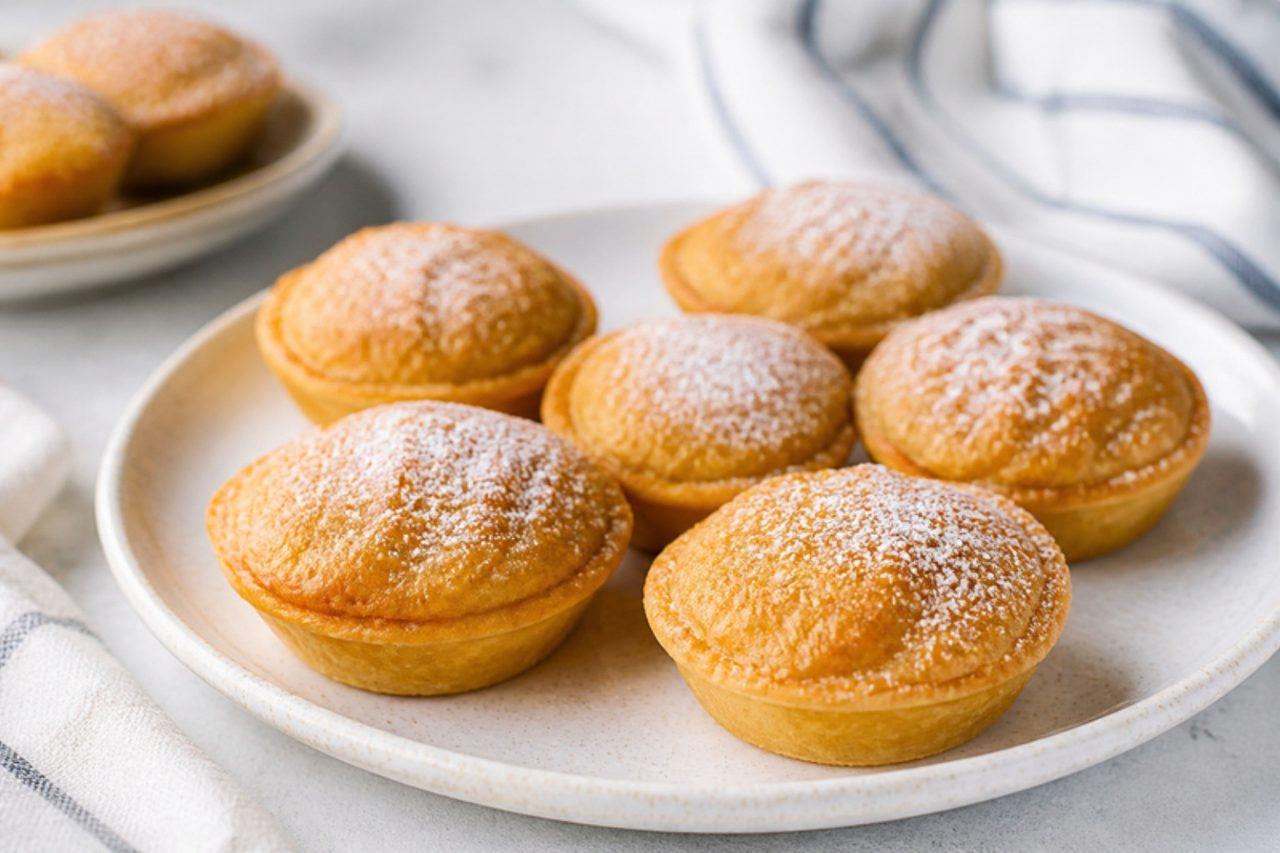
Torres Vedras, in the wine country west of Lisbon, has turned a humble white bean into its sweet emblem: tiny tarts with a moist filling of bean purée, ground almond and egg yolks, sold in pastelarias and at the town's carnival. Nobody would guess beans from the taste; they give a soft, marzipan-like body to the filling. Serve with a strong coffee in the afternoon. A common mistake is filling the cases to the top: the mixture puffs and spills, so stop at three-quarters. Chef's tip: blitz the beans with a little of the syrup until completely smooth; any skins left in make the filling chalky.

by KrazyBadal 0 views

TxuletaGrilled aged rib steak

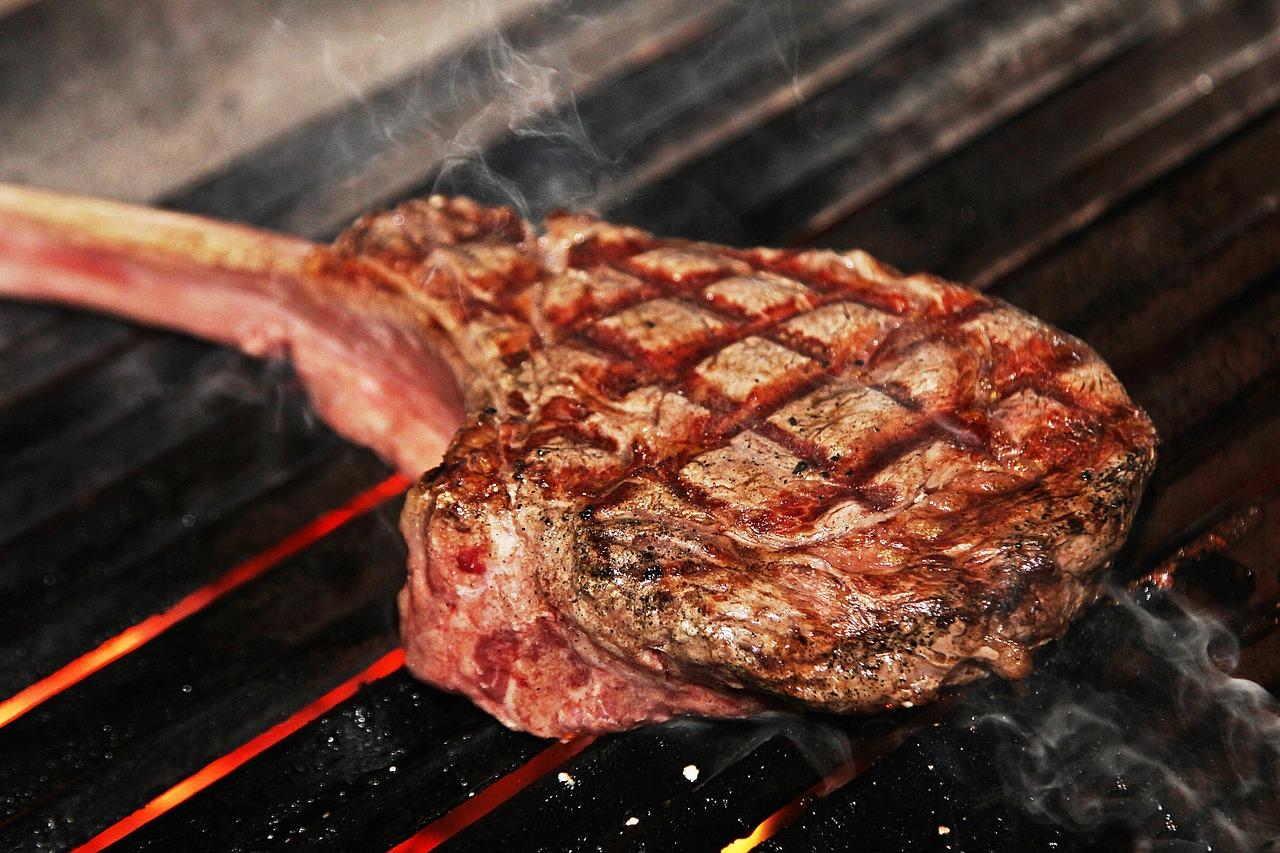
In the cider houses of Astigarraga and Hernani, the January-to-April season ends every meal with a txuleta: a huge bone-in rib steak from an older cow, aged for weeks, seared over oak coals and sliced at the table. It is eaten very pink inside with plenty of coarse salt and a plate of fried green peppers. A rare whole steak is generally safe when the outside is well seared, because bacteria sit on the surface, but for pregnant women, young children or anyone with a weakened immune system, cook it to at least 63 °C in the centre. A common mistake is cooking a fridge-cold steak, which burns outside before the middle warms. Chef's tip: salt only once the first side is seared, so the surface stays dry and crusts well.

by KrazyBadal 0 views

Pastéis de TentúgalEgg cream pastry rolls

In Tentúgal, a village of the Mondego plain near Coimbra, a convent pastry is still made by hand-stretching dough across a whole room until it is as thin as tissue, then rolling it around a sweet egg cream. The real ones are sold in the village pastry shops and at Coimbra's markets, shattering at the first bite. Filo pastry with plenty of butter makes a convincing home version. Chef's tip: keep the filo you are not using under a damp cloth, as it dries and cracks in a minute or two.

by KrazyBadal 0 views

Ulster potato farlsGriddled potato bread

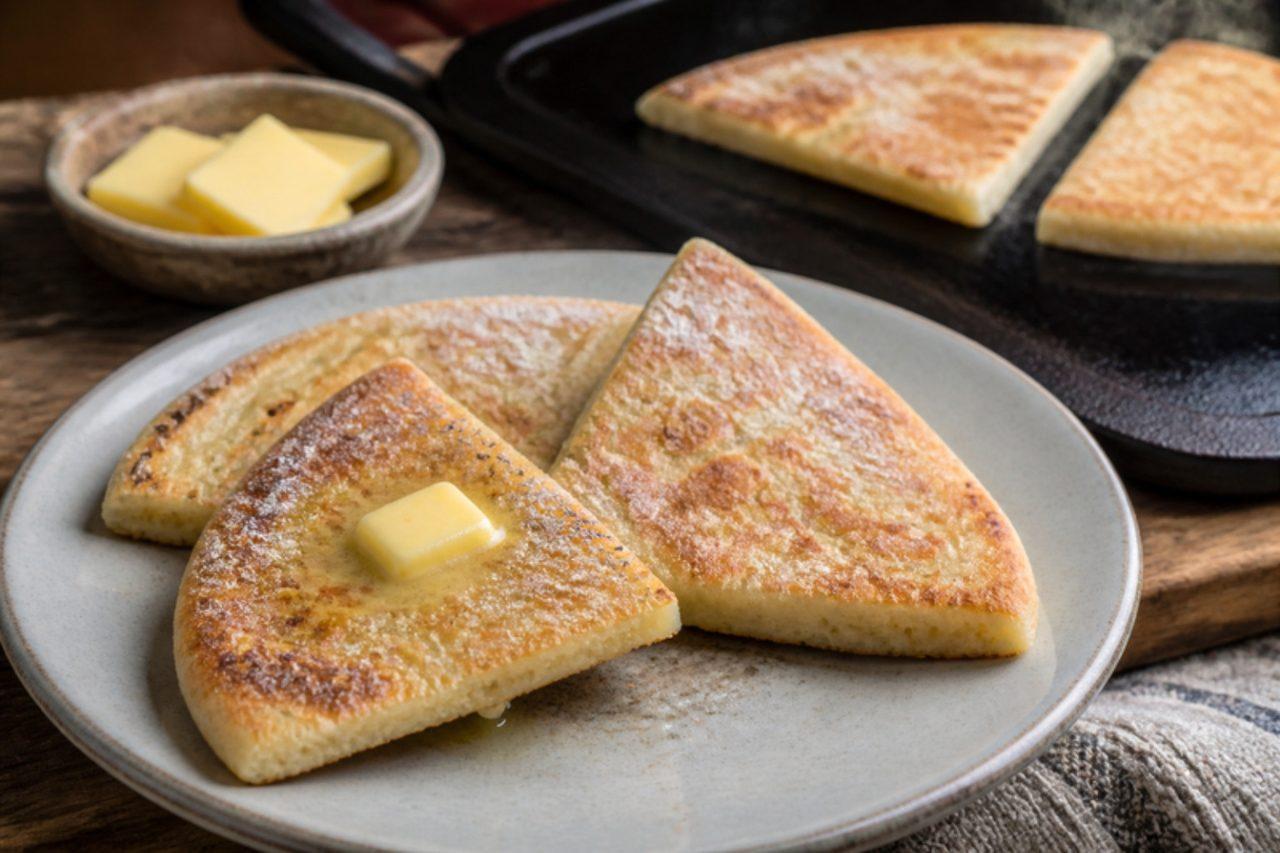
Potato bread, often just called fadge or tattie bread, is the soft, flat quarter-round that sits beside soda bread in every Ulster fry from Belfast to Derry. Warm mashed potato is worked with a little flour and butter, rolled into a round, cut into four farls and cooked on a dry griddle. It is thinner than a Scottish tattie scone and is always fried golden before serving. Chef's tip: use only enough flour to stop it sticking; the more potato, the better the farl.

by KrazyBadal 0 views

Pastel de anguFried cornmeal cheese pastries

Itabirito, an iron-mining town south of Belo Horizonte, holds a whole festival for this pastry, and its stalls fry thousands of them in a weekend. The dough is angu, cornmeal cooked thick and kneaded with sweet cassava starch, which fries up blistered, crisp and gently corny. Fillings vary from chicken to minced beef, but cheese is the meatless favourite: semi-cured Minas cheese that melts and stretches. Eat them hot from the pan with a cold drink and a dash of chilli sauce. Minas cheese is usually made with animal rennet; use a vegetarian semi-hard cheese or mozzarella with microbial rennet. Pastéis that burst while frying are almost always overfilled or not sealed; leave a clean 1 cm border and press it shut with a fork. Chef's tip: roll the dough between two sheets of plastic, because it is too soft and sticky to roll on a floured board.

by KrazyBadal 0 views

Pastel de carne murcianoMinced beef and chorizo pie

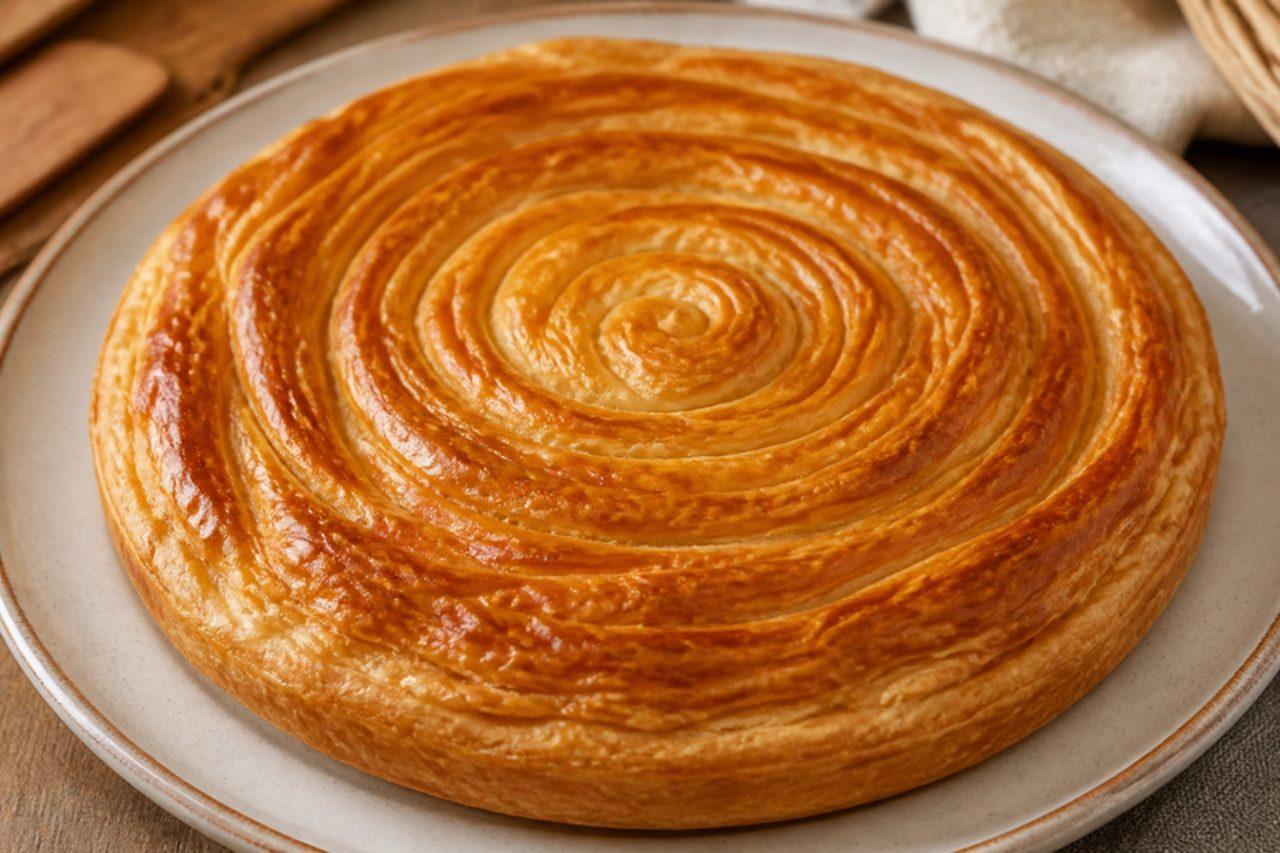
Murcia's bakeries sell pastel de carne from first thing in the morning: a round pie with a crisp, coiled puff pastry lid, filled with spiced minced meat, chorizo and hard-boiled egg. People eat one standing at the counter with coffee, or buy a big one for Sunday lunch. Bakers make the coiled lid from a long rope of pastry; at home a scored spiral on a puff pastry lid gives the same look. This contains pork (chorizo). Chef's tip: let the filling cool completely before it goes into the pastry, otherwise the base melts and turns soggy.

by KrazyBadal 0 views

Pastel de ChavesMinced veal puff pastry pies

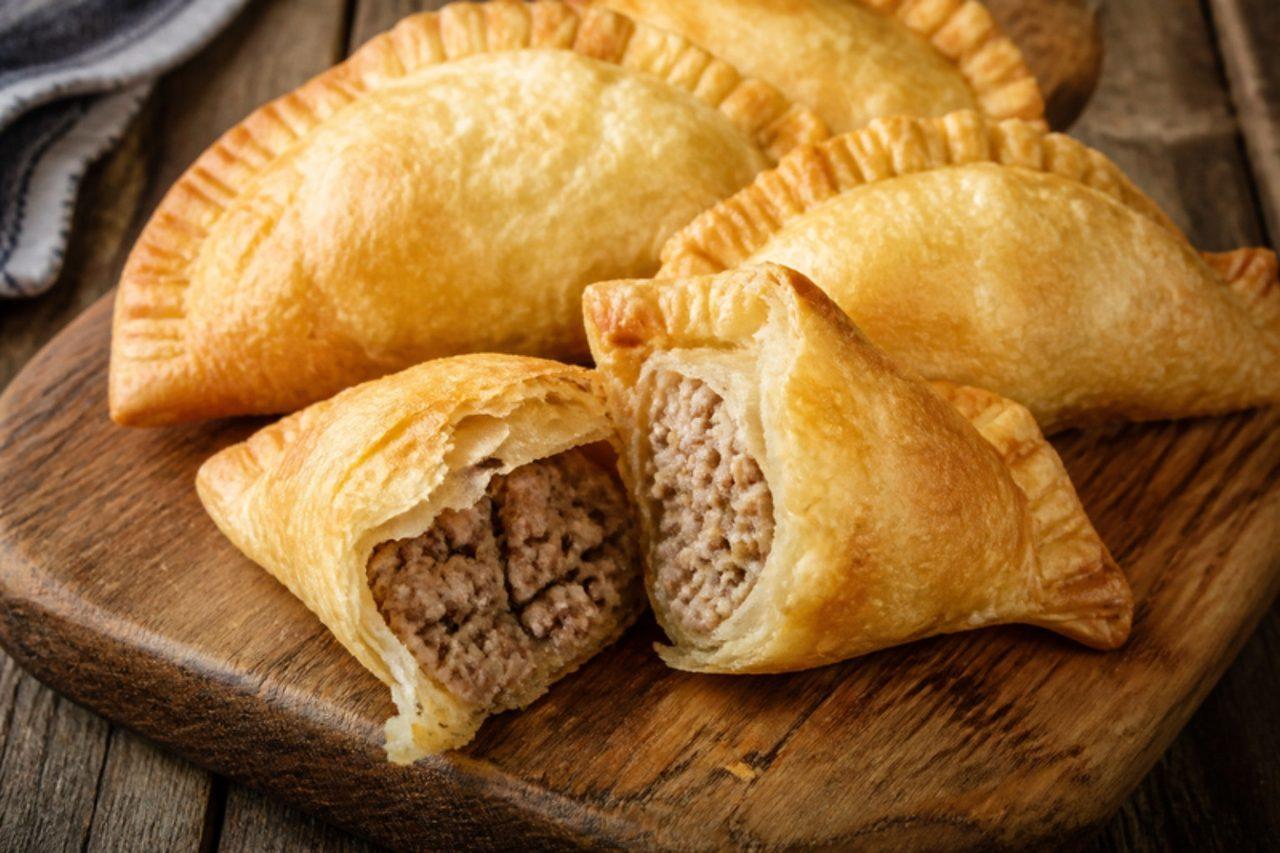
In the spa town of Chaves near the Spanish border, these crescent-shaped pasties are sold warm from bakeries all day and eaten for breakfast, lunch or with a coffee on the old Roman bridge. Many crisp, buttery layers enclose a savoury filling of minced veal. Chaves bakers use their own protected dough; at home, good all-butter puff pastry gets very close. A common mistake is a warm filling; it melts the butter in the pastry, so cool the meat completely before shaping. Chef's tip: cook the filling and let it cool completely before filling, or it melts the butter in the pastry and the layers will not rise.

by KrazyBadal 0 views

MichironesBroad beans with chorizo and ham

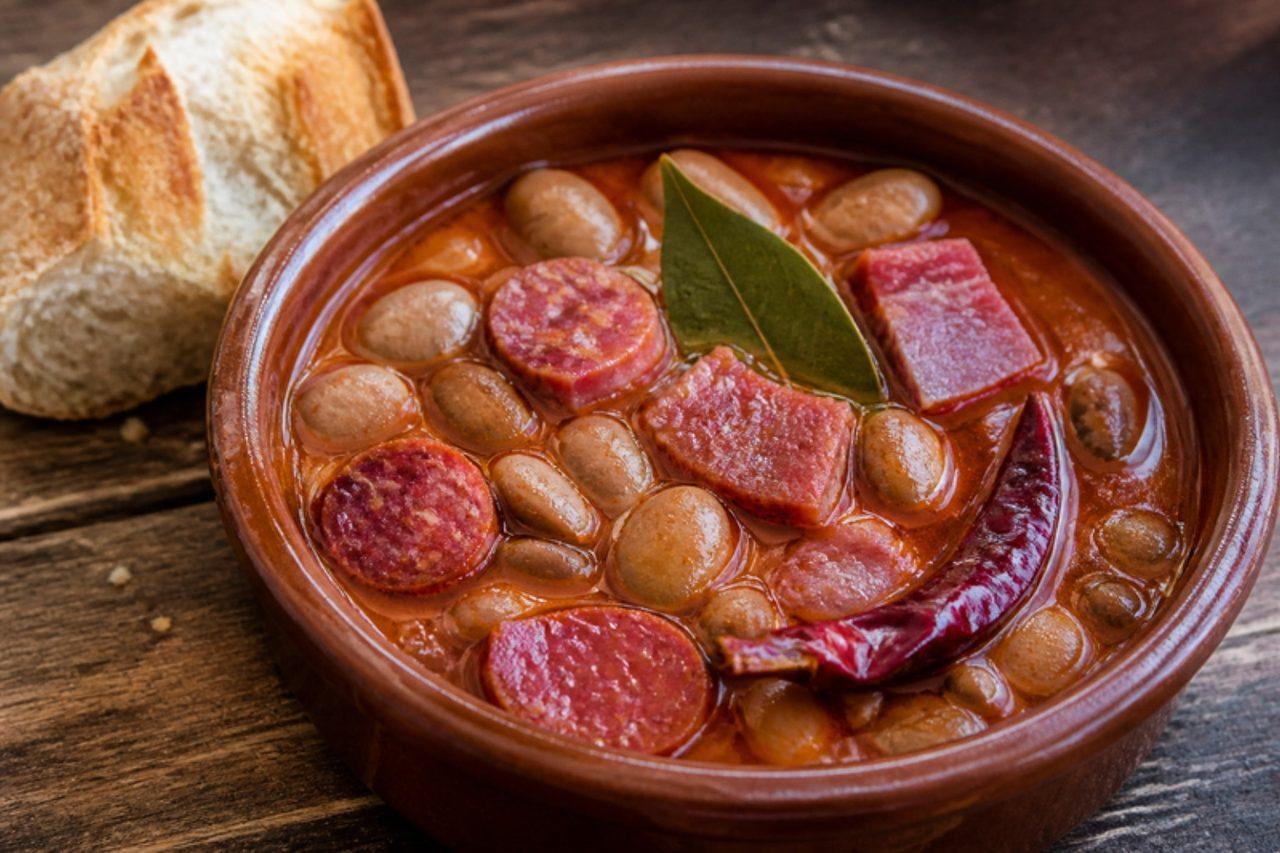
Michirones are dried broad beans slowly simmered with pork, bay and hot chilli until soft and spicy, and in Murcia they are the tapa of cold months, ladled into small bowls in the city's bars with a spoon stuck in. The beans need a long soak and a long cook, so bars make a big pot in the morning that lasts all day. This contains pork (chorizo, panceta and a cured ham bone). Chef's tip: wait until the end to add salt, because the ham bone and chorizo season the broth as they cook.

195 minSpanishMeatSpicy
by KrazyBadal 0 views

Ka'ak bi haleebSoft milk cookies

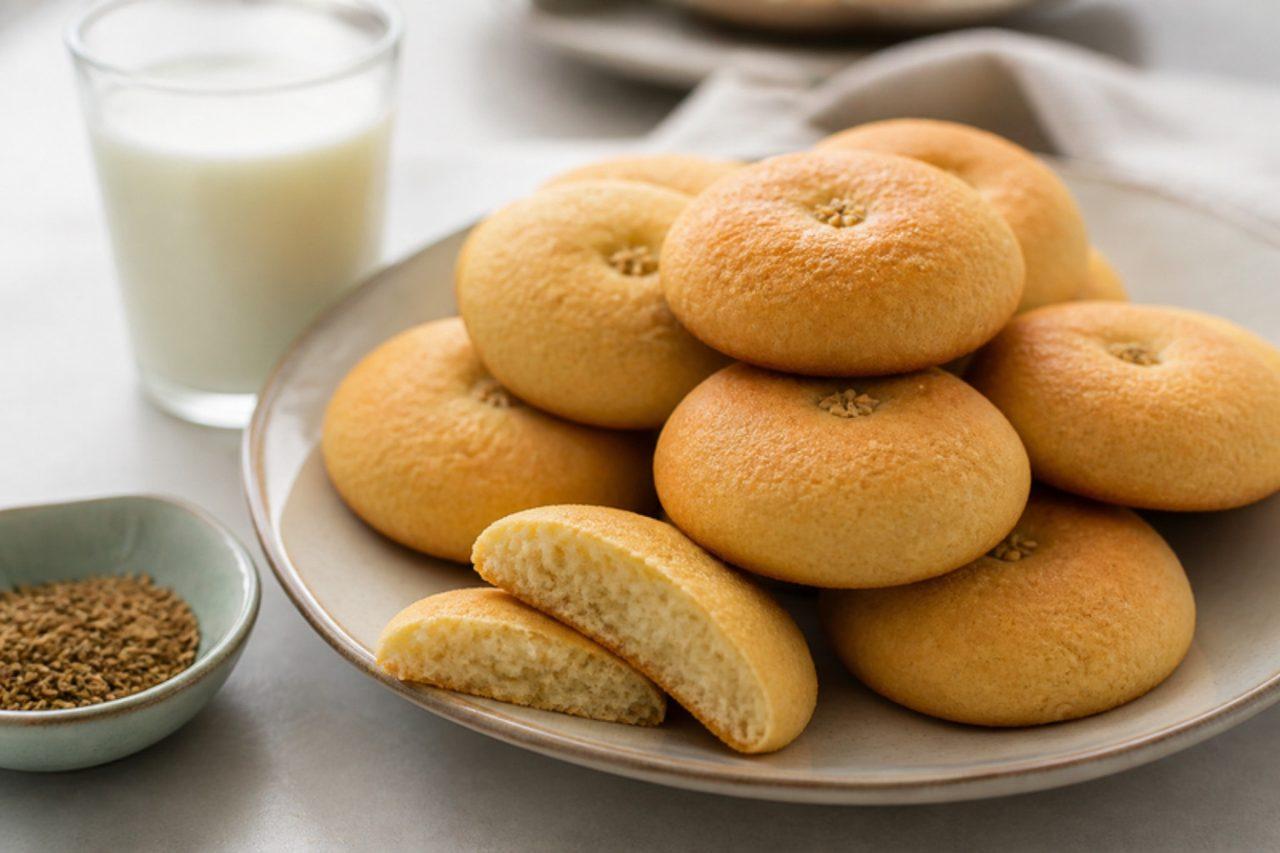
Lebanese families bake ka'ak bi haleeb by the tray before Eid and Easter alike, stamping each round with a carved wooden mould so it comes out patterned like a little rosette. They are soft rather than crisp, gently sweet, perfumed with mahlab (ground cherry kernels), anise and orange blossom water, and dusted with sesame or left plain. Children dunk them in milk, grown-ups in tea. The common mistake is adding too much flour to make the dough easier to handle, which gives dry, bready cookies. Chef's tip: let the shaped cookies rise for 30 minutes before baking; the yeast makes them pillowy and keeps the stamped pattern sharp.

by KrazyBadal 0 views

Huntingdon fidget pieGammon, apple and onion pie

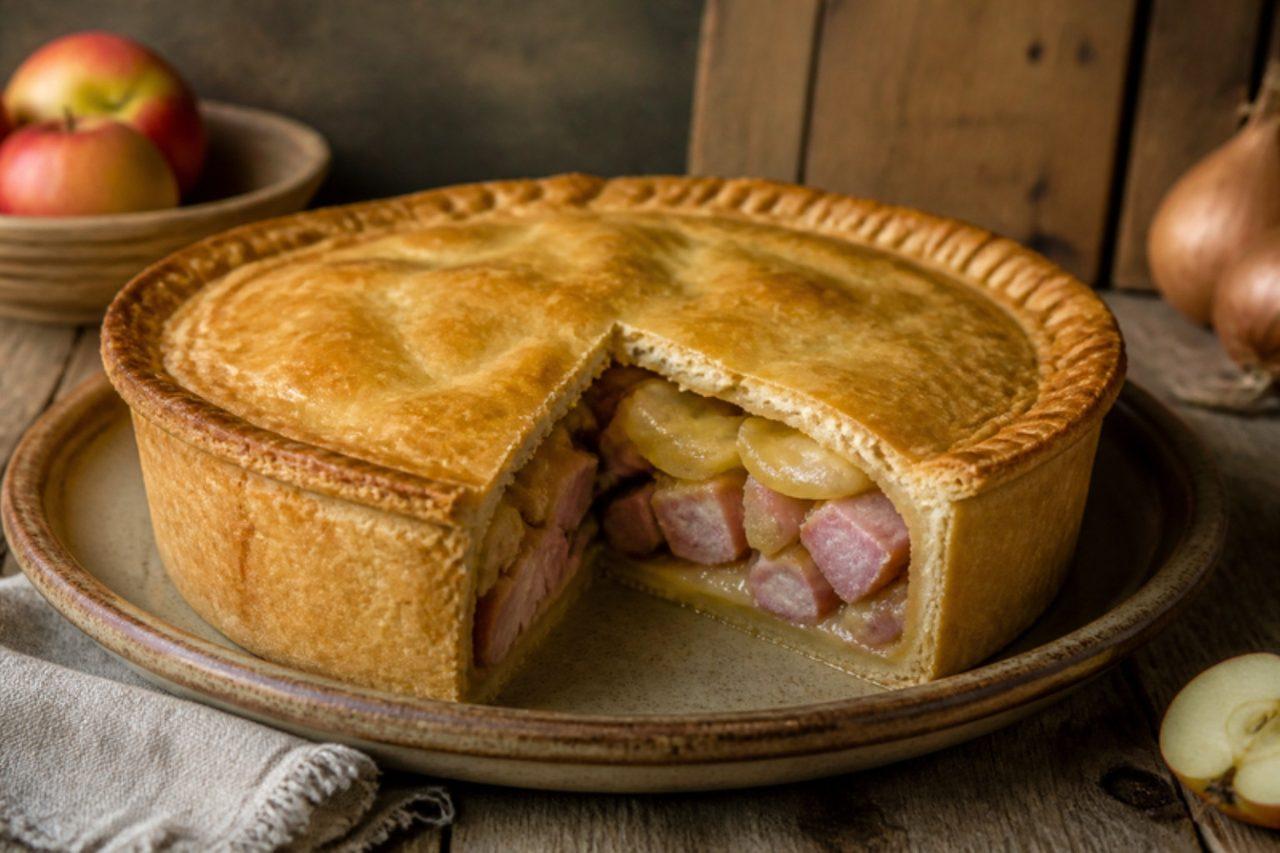
Fidget pie is a harvest pie from Huntingdonshire and the Fens around Cambridge, baked for farm workers bringing in the crops in autumn. It is a pork dish: chunks of gammon (cured pork) are layered with sharp cooking apples and onions in a cider gravy under shortcrust, so it is salty, sweet and fruity all at once. This recipe contains alcohol from the cider; for alcohol-free use cloudy apple juice with a teaspoon of cider vinegar. Chef's tip: soak salty gammon in cold water for an hour first, or the pie can be too salty.

by KrazyBadal 0 views

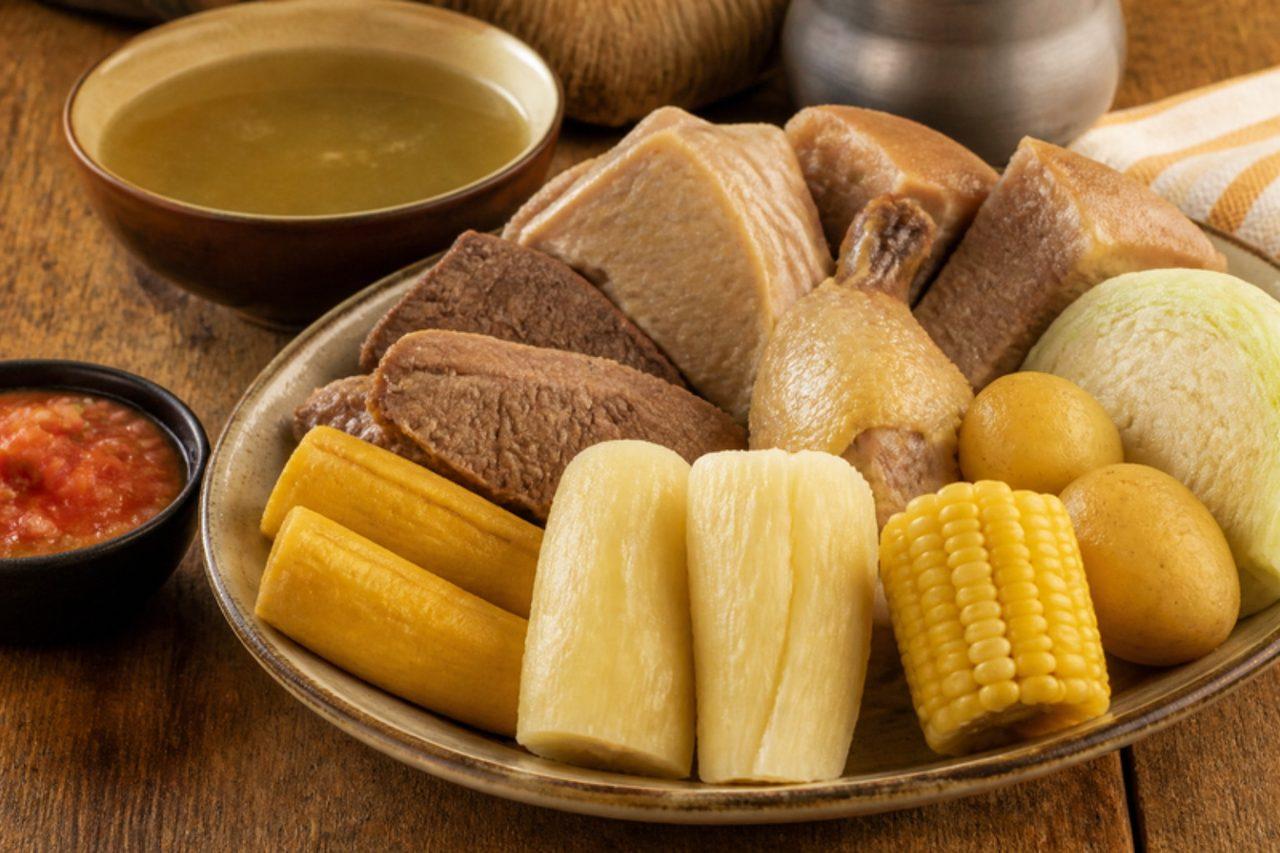
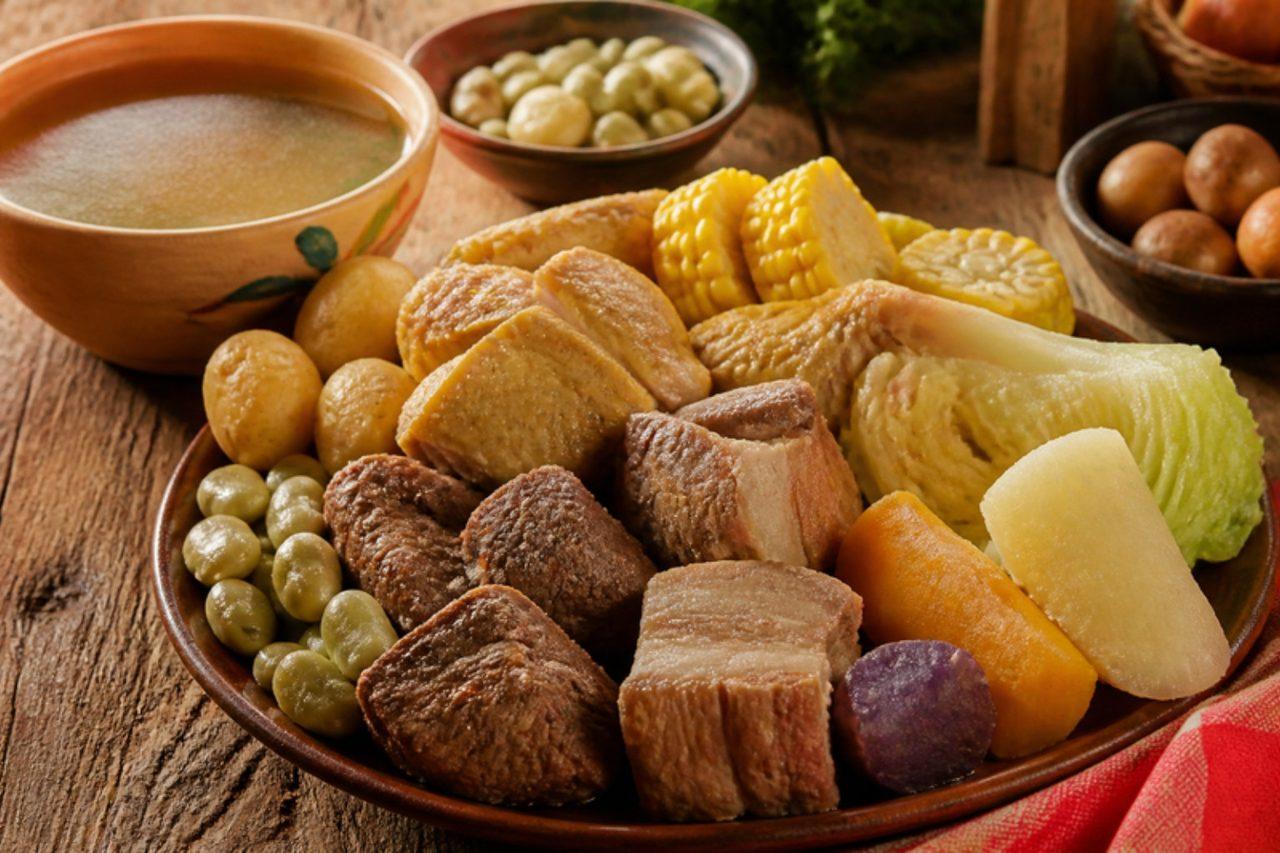
Puchero santafereñoBoiled chicken, beef and pork dinner

Old Santa Fe de Bogotá kept puchero for big family lunches and holidays: a broad pot of beef, pork and chicken boiled with cassava, corn, potatoes, cabbage and, unusually, ripe plantain cooked in its skin, which turns soft and sweet against the savoury meat. It comes to the table in two acts. First the clear, golden broth in cups or small bowls; then a platter of the meats and vegetables, with a pan of warm hogao (tomato and spring onion sauce) spooned over everything, plus rice and avocado on the side. People confuse it with cocido or sancocho, but the plantain and the hogao make it its own thing. Most disappointing pucheros come from boiling hard: the broth goes cloudy and the cassava breaks up, so keep it at a lazy simmer. Chef's tip: add the vegetables in order of how long they take, and lift each batch out onto a warm tray as it becomes tender, so nothing turns to mush while the beef finishes.

by KrazyBadal 0 views

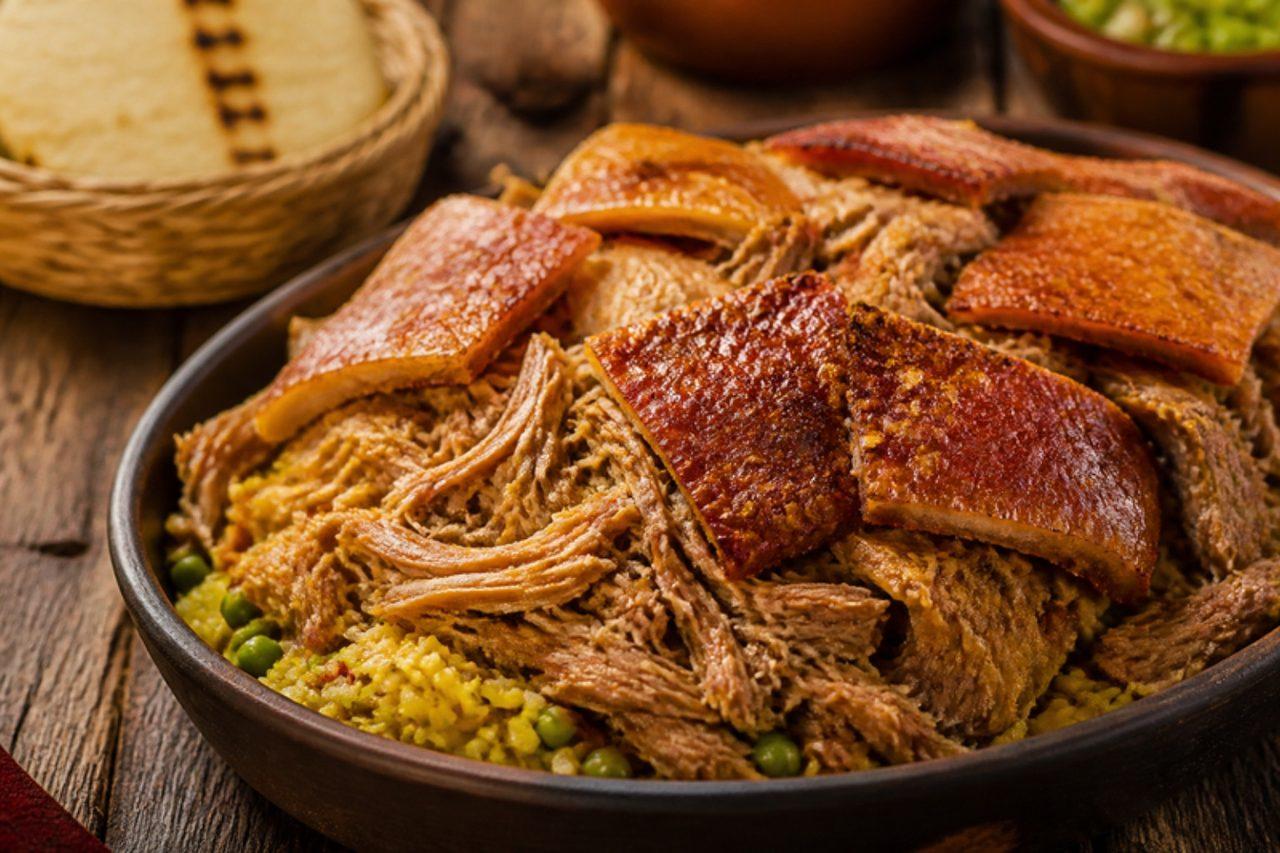
LechonaRoast pork with rice and peas

Christmas, birthdays and town fiestas across Tolima and Bogotá call for lechona: a whole pig, boned, stuffed with its own meat, yellow peas and, in the Bogotá style, rice, then roasted for hours in a wood or brick oven until the skin turns to a glassy crackling. Purists in Ibagué leave the rice out. Few home kitchens fit a pig, so this oven version builds the same thing in a deep roasting tin: cubes of pork shoulder seasoned with spring onion, garlic and cumin, mixed with peas and part-cooked rice, under a blanket of skin-on pork belly. The filling soaks up the dripping pork fat; the top crackles. Serve with insulsos (plain sweet corn tamales) or arepas and lime. Start a day ahead to marinate the meat and dry the skin, plus overnight soaking for the peas. Most failed crackling comes from wet skin, so dry it uncovered in the fridge and salt it well. Chef's tip: score the belly skin closely with a very sharp blade but don't cut into the meat, or the juices bubble up and soften the crust.

by KrazyBadal 0 views

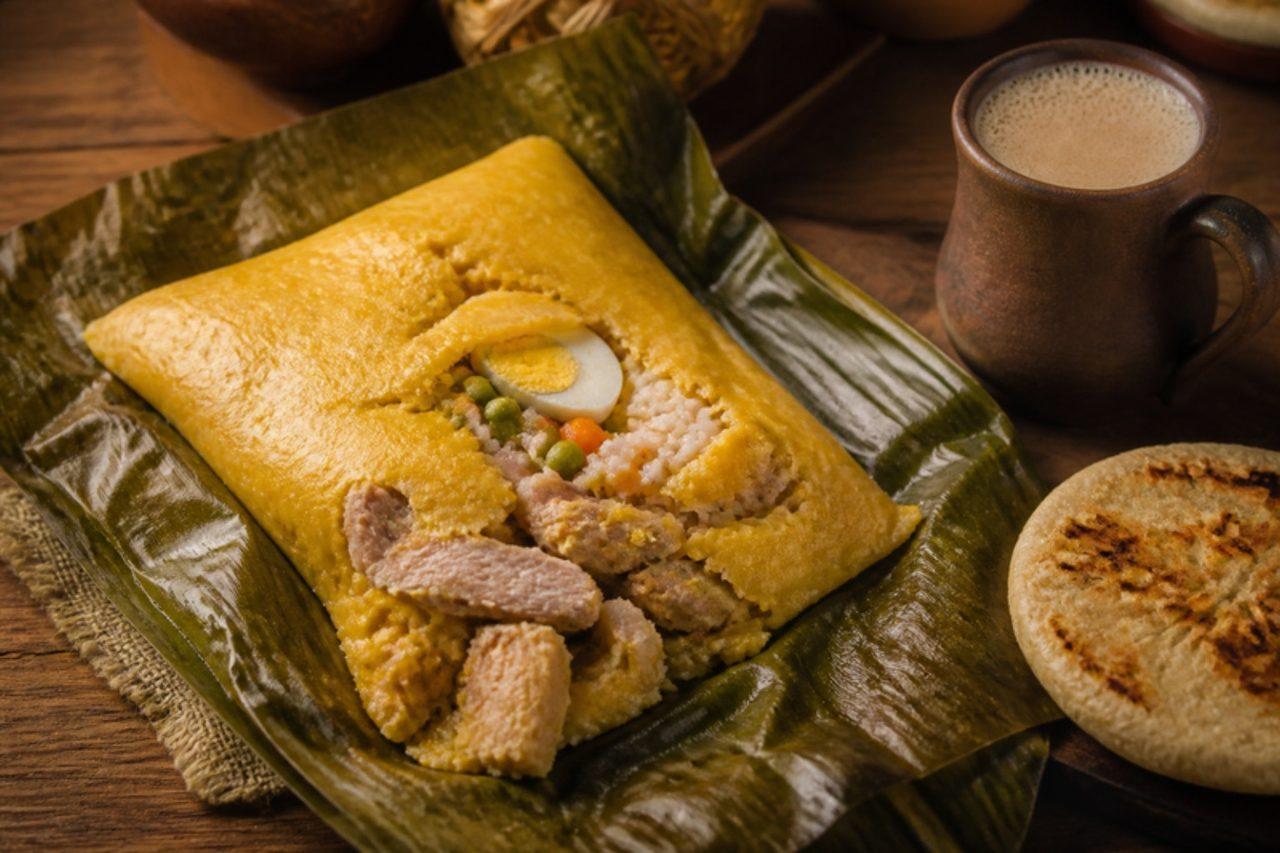
Tamal tolimenseBanana-leaf pork and chicken tamal

Ibagué and the towns of Tolima make the most generous tamal in Colombia, and on Sunday mornings it is unwrapped at the table with hot chocolate, a slab of bread or arepa and a cup of black coffee. Inside the double banana-leaf wrapping sits a soft, achiote-tinted corn dough layered with rice, yellow peas, carrot, potato, a hard-boiled egg and chunks of pork rib, pork belly and chicken that cook through during the long steam. Expect a savoury, moist parcel that smells of the leaves; plus overnight soaking for the dried peas and marinating the meat. It is weekend project food, best made with friends on a production line. A frequent failure is a loose wrap: water gets in and the dough turns soggy, so fold tightly and tie firmly in a cross. Chef's tip: steam a test tamal first or check one after 3 hours; the meat inside must be cooked through, and if the dough still sticks to the leaf, give the batch 20 minutes more.

by KrazyBadal 0 views

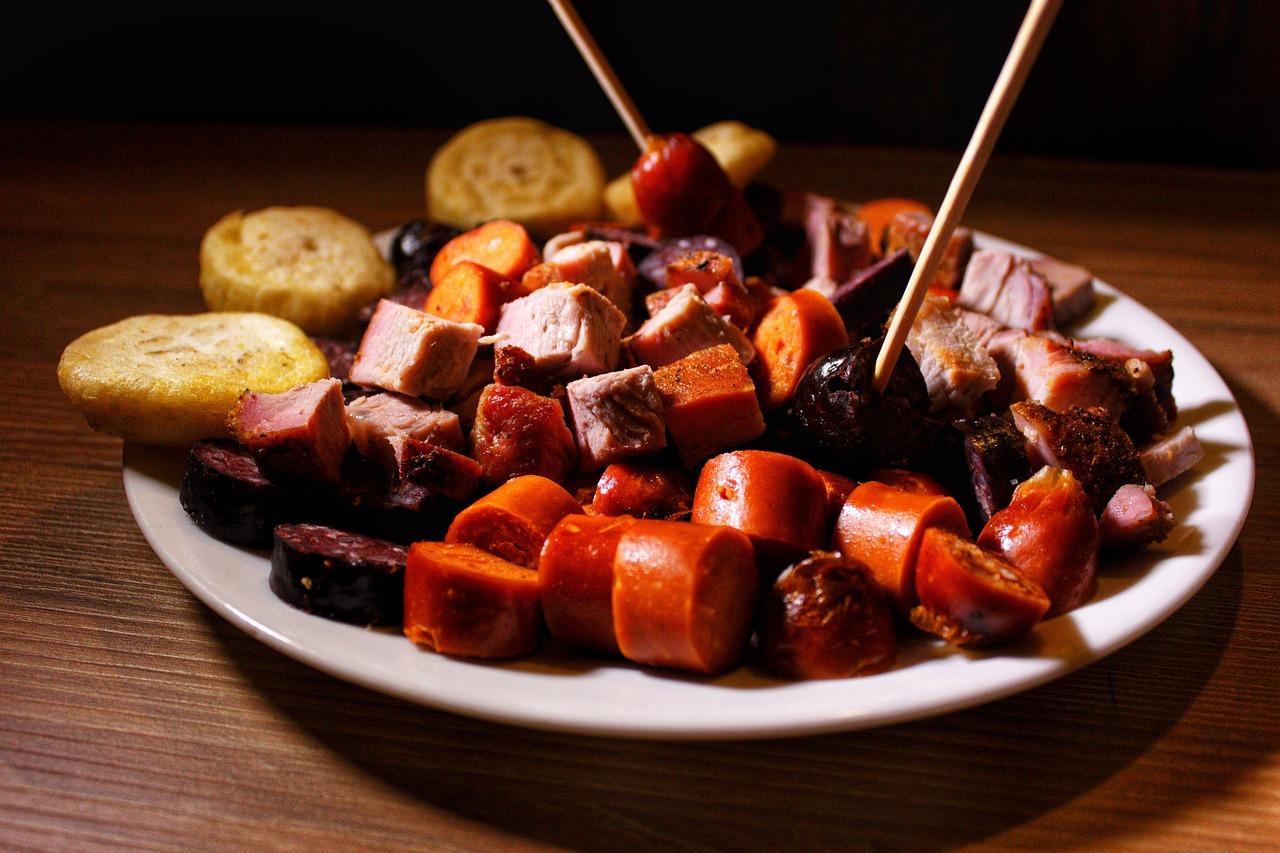
FritangaMixed fried pork and sausage platter

Weekend fritanga is Bogotá's answer to a mixed grill, eaten standing at counters in the Siete de Agosto and Restrepo neighbourhoods or brought home on a big tray to share. Everything is pork or fried: chicharrón of pork belly with a blistered, crunchy skin, juicy pork chorizos, slices of rice-filled morcilla (blood sausage), little papa criolla potatoes, sweet plantain and griddled arepas, all eaten with fingers or toothpicks and dipped in sharp, watery ají. A fritanga is about contrast, so don't drown it in sauces: the lime and ají cut the richness. The common error is frying the belly straight from raw; it needs to cook gently in water first, which renders the fat and tenderises the meat before the skin crisps in its own drippings. Chef's tip: buy morcilla and chorizo from a Latin butcher and check the labels if you need the platter gluten free, as some sausages contain wheat.

by KrazyBadal 0 views

Cocido boyacenseSteamed meats and tubers feast

Sunday markets in Villa de Leyva, Paipa and Sogamoso still have families sitting down to cocido boyacense, a pot in which chicken, pork ribs and beef steam slowly on a bed of cabbage leaves above the tubers of the high Andes: potatoes, cubios, ibias and chuguas, with cobs of corn and broad beans still in their pods. There is very little water; the meat juices drip down and flavour everything. It is tipped onto one big platter in the middle of the table, and the concentrated broth left in the pot is drunk from cups alongside. Expect clean, earthy flavours rather than spice: cumin, garlic and spring onion, and a bowl of ají or hogao for anyone who wants heat. The classic slip is too much liquid, which turns it into a boiled stew; keep the water to a few centimetres and the lid tight. Chef's tip: if you can't find ibias or cubios, use oca from a Latin or Andean grocer or a mix of small new potatoes and parsnip, which bring a similar sweet, earthy note.

by KrazyBadal 0 views

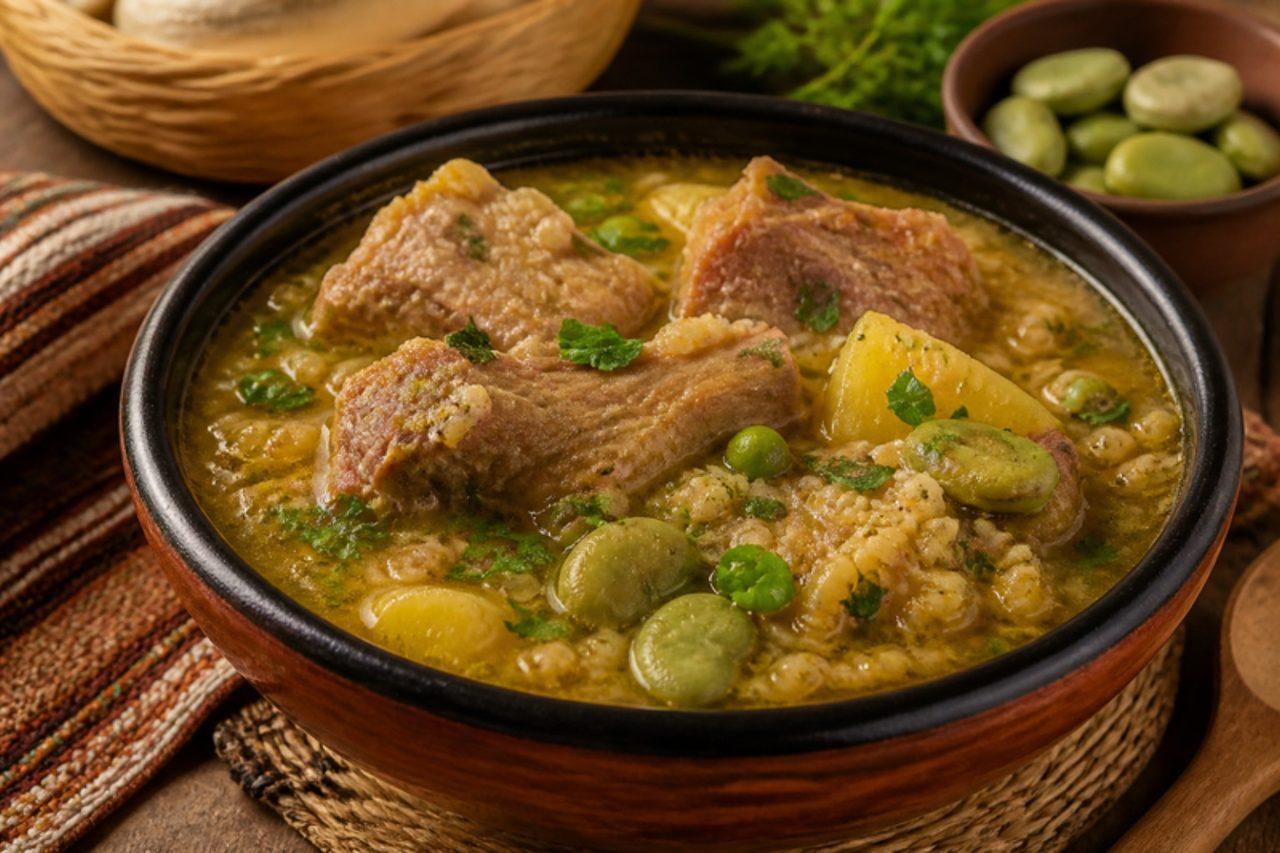
Cuchuco de trigoCracked wheat and pork rib soup

Up on the cold Boyacá plateau, around Tunja and Duitama, cuchuco de trigo is the soup that roadside restaurants ladle out at midday to farm workers and truck drivers. It is made with pork ribs (espinazo or costilla de cerdo), simmered until the meat slips off the bone, then thickened with cracked wheat, broad beans, peas, cabbage and two kinds of potato. The result is closer to a porridge-soup than a broth: nutty from the wheat, porky, a little smoky from the cumin and achiote, with the small yellow potatoes melting into the liquid. Serve it in deep bowls with avocado slices, a spoon of ají and a piece of arepa. The usual mistake is adding the wheat too early and walking away: it settles and catches on the bottom of the pot, so it needs stirring from the base every few minutes. Chef's tip: rinse the cracked wheat until the water runs nearly clear; washing off the loose flour keeps the soup creamy rather than gluey. For a meat-free pot, leave out the ribs, use vegetable stock and double the broad beans.

by KrazyBadal 0 views

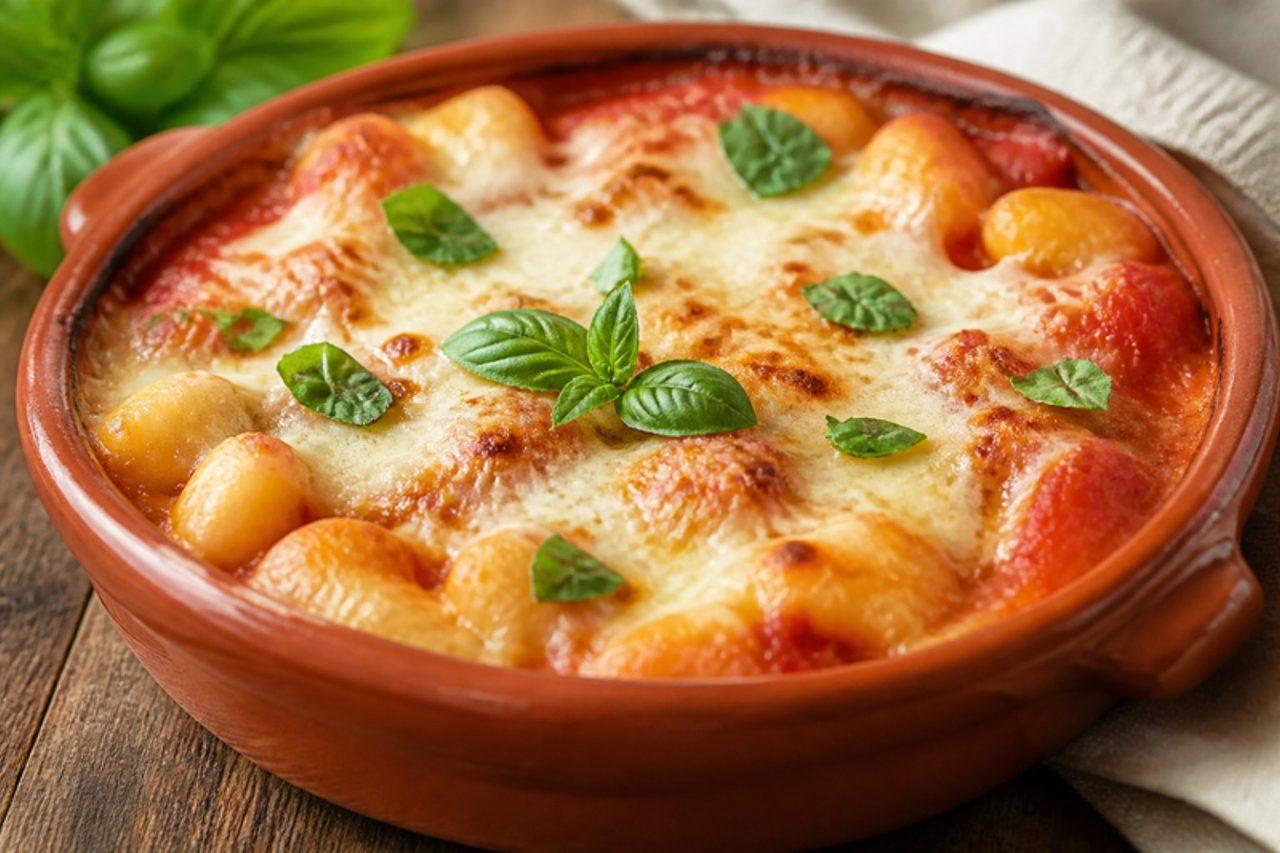
Gnocchi alla sorrentinaGnocchi baked with tomato and mozzarella

Sorrento families make gnocchi alla sorrentina for Sunday lunch: soft potato gnocchi folded into a basil-scented tomato sauce, layered with cubes of fior di latte mozzarella and baked in individual terracotta dishes until the cheese bubbles and stretches. It is comfort food, pillowy and creamy with a golden, slightly crisp top, and children love pulling the strings of cheese. This recipe takes you from the potatoes to the oven. Chef's tip: bake the potatoes in their skins rather than boiling them; drier potatoes need less flour and make lighter gnocchi.

by KrazyBadal 0 views

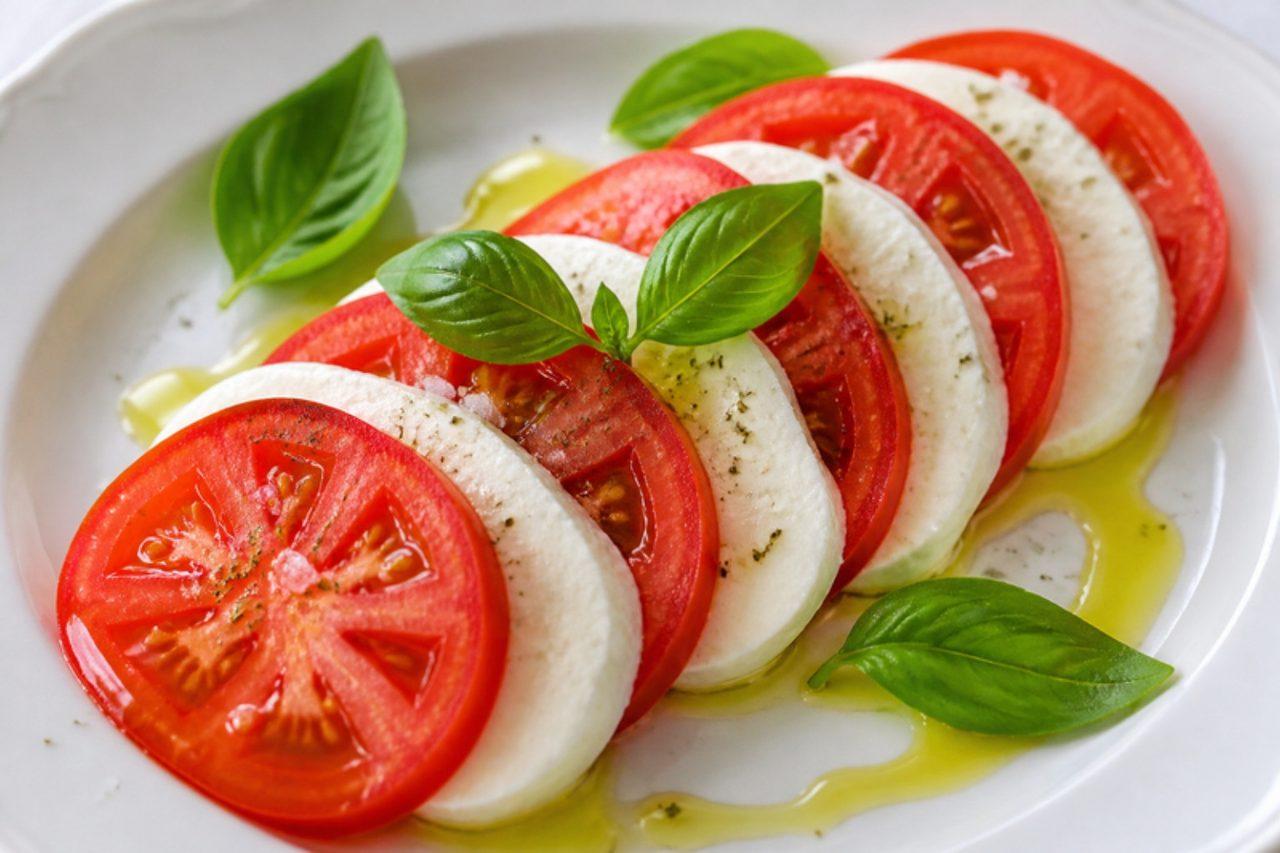
Insalata capreseTomato and mozzarella salad

On the island of Capri this simple plate of red tomatoes, white buffalo mozzarella and green basil is the lunch of hot afternoons, served in beach clubs and piazza cafés. With so few ingredients, everything rests on quality: tomatoes ripe enough to smell sweet, mozzarella made that day so it weeps milk when cut, and fruity olive oil. It needs no vinegar; a pinch of salt and oregano is enough. Chef's tip: take the mozzarella out of the fridge 30 minutes ahead; cold mozzarella tastes of very little and feels rubbery.

by KrazyBadal 0 views

Babà al rumRum-soaked yeast cakes

Naples took the babà from French and Polish pastry cooks in the nineteenth century and made it its own: small mushroom-shaped yeast cakes so light and airy that they drink up a warm, rum-laced syrup and still hold their shape. Neapolitans pick them up from the pastry counter after Sunday mass, and they are often served with whipped cream or custard. The traditional syrup contains rum; for an alcohol-free version, use the orange and vanilla syrup given in the ingredient notes, which is just as soaking and fragrant. Chef's tip: let the baked babà dry out for a few hours, or overnight; a slightly stale cake soaks up syrup evenly without collapsing.

by KrazyBadal 0 views

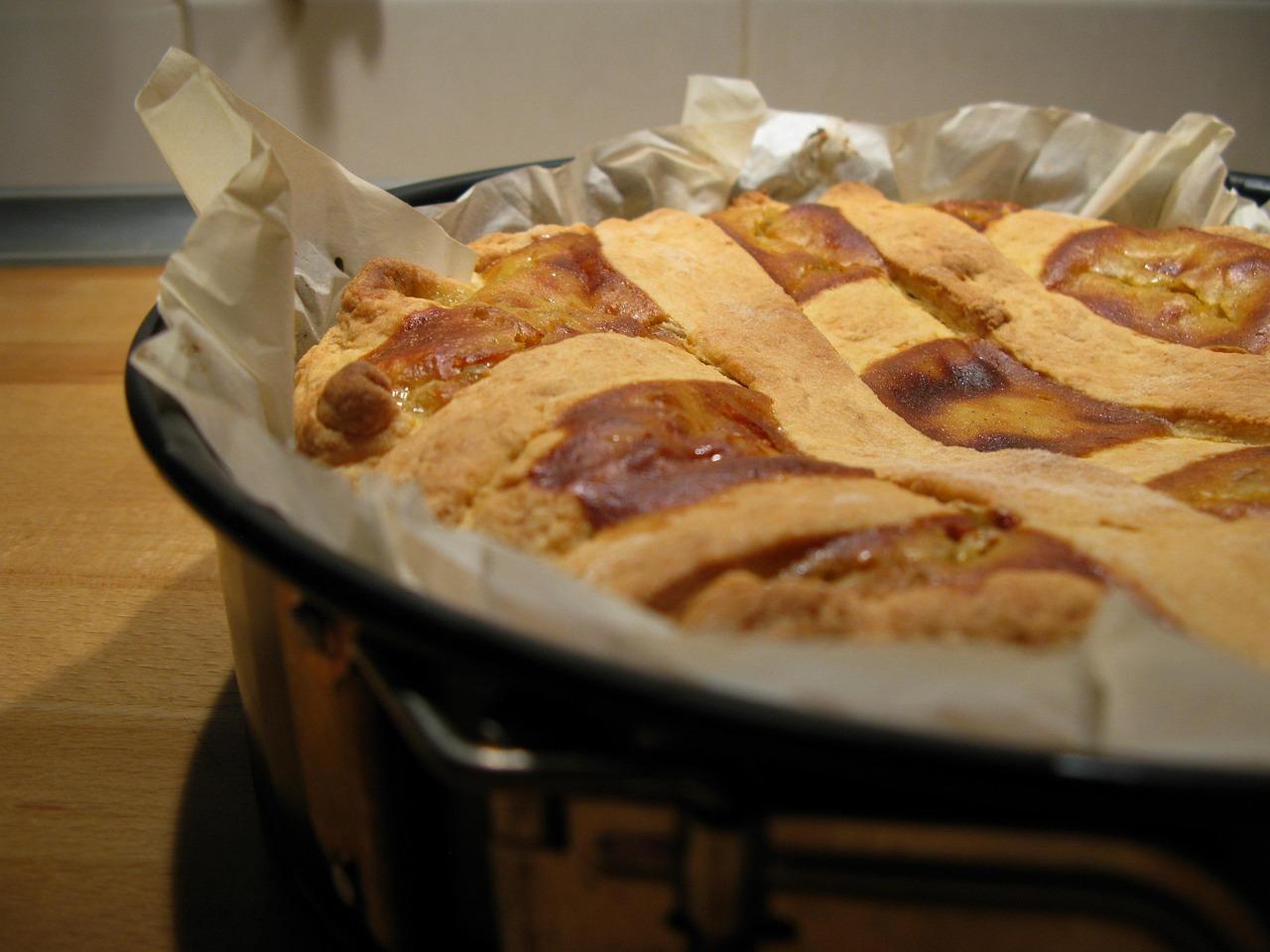
Pastiera napoletanaWheat berry and ricotta tart

Every Neapolitan kitchen fills with the scent of orange blossom water in Holy Week, when families bake the pastiera on Maundy Thursday or Good Friday so it can rest until Easter Sunday. Inside a lattice-topped shortcrust case is a creamy, slightly grainy filling of ricotta, cooked wheat berries, eggs, candied citrus and cinnamon, and the flavour improves for two or three days. Traditional pastry is made with lard; this one uses butter. Chef's tip: bake it a day or two ahead and keep it covered at cool room temperature; a freshly baked pastiera tastes flat by comparison.

by KrazyBadal 0 views

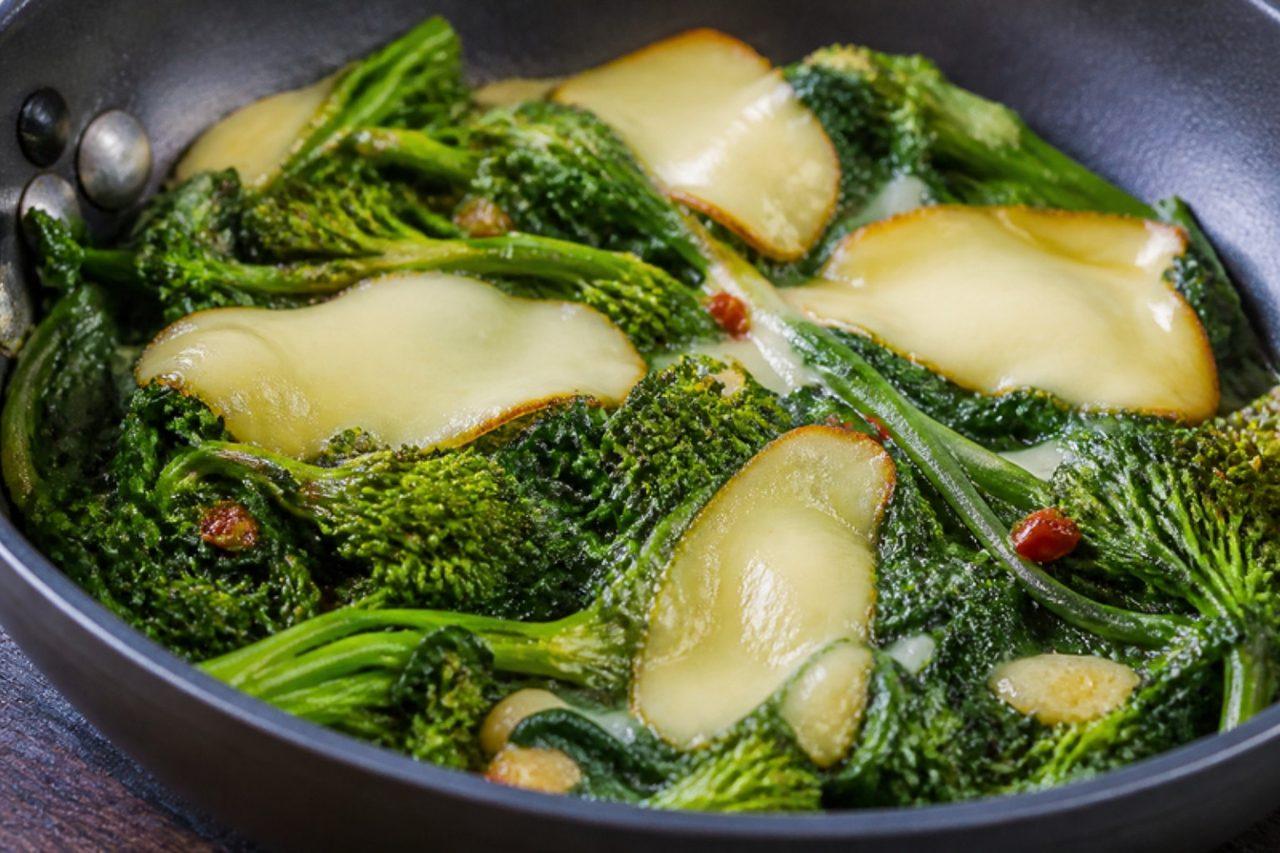
Friarielli con provolaBroccoli rabe with smoked provola

Friarielli are the Neapolitan name for the tender leafy tops of broccoli rabe, piled high on market stalls in Naples from late autumn to early spring. Sautéed with garlic and chilli in olive oil, they turn soft, dark green and pleasantly bitter, and in Naples they are a side dish, a pizza topping and, above all, the filling of a crusty panino. Here slices of smoked provola melt over the hot greens, so they work as a side or straight into a roll. Chef's tip: do not blanch them; Neapolitans cook friarielli raw in the pan with the lid on so they keep their bite and flavour.

by KrazyBadal 0 views

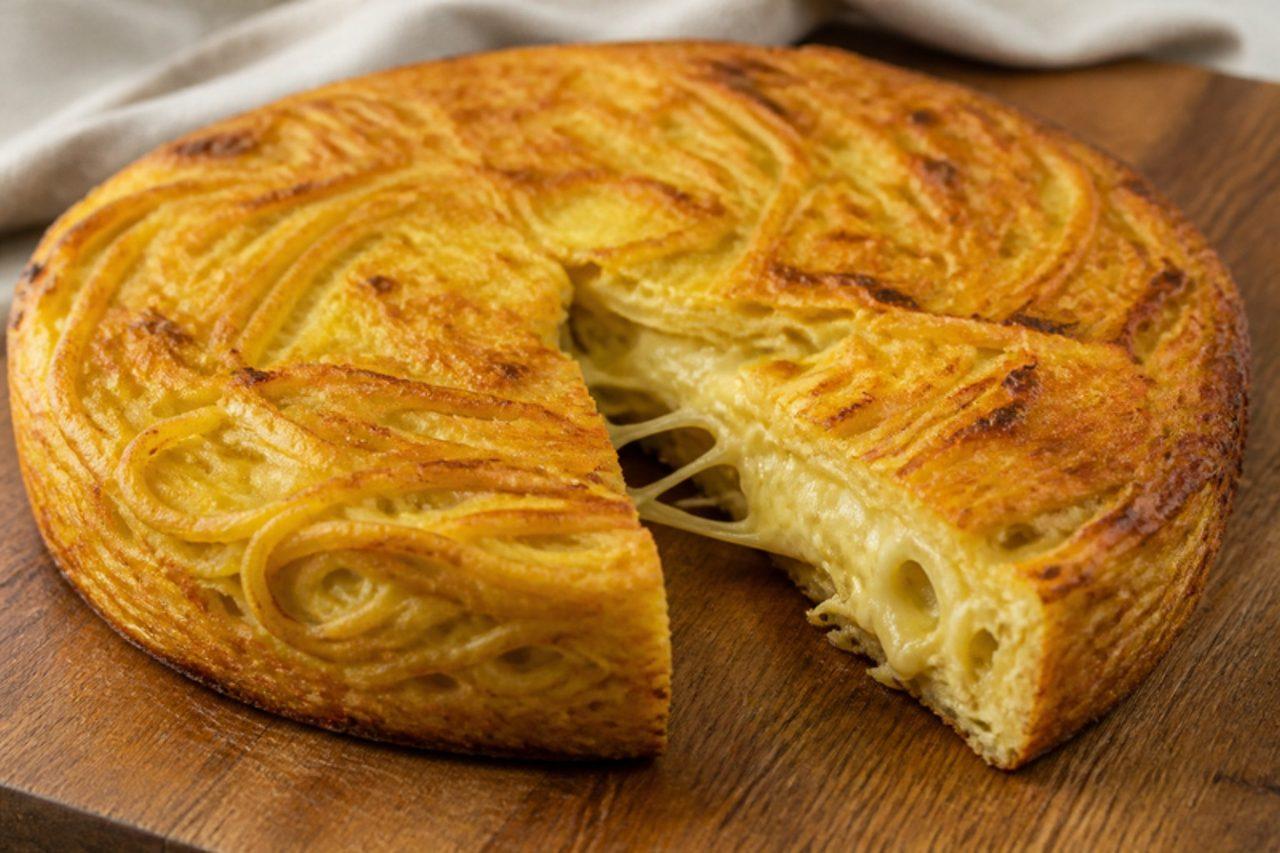
Frittata di maccheroniPasta frittata

Neapolitans turn yesterday's spaghetti into frittata di maccheroni, a thick, golden pasta cake bound with egg and lots of grated cheese, with pockets of melting provola inside. It travels everywhere: cut into wedges for the beach at Mergellina, packed for the Easter Monday picnic (Pasquetta) or eaten cold from the fridge. The outside is crisp, the middle soft and cheesy. Most families add cubes of salami; this version leaves them out and uses smoked provola for a savoury depth. Chef's tip: use a plate the size of the pan to flip it, and slide it back in confidently in one move.

by KrazyBadal 0 views

Showing 63 of 7,762 recipes

Show more recipes

Page 563 of 863