


Skip to content
Kozuyu (Aizu dried scallop soup)
Featured recipe

Kozuyu (Aizu dried scallop soup)

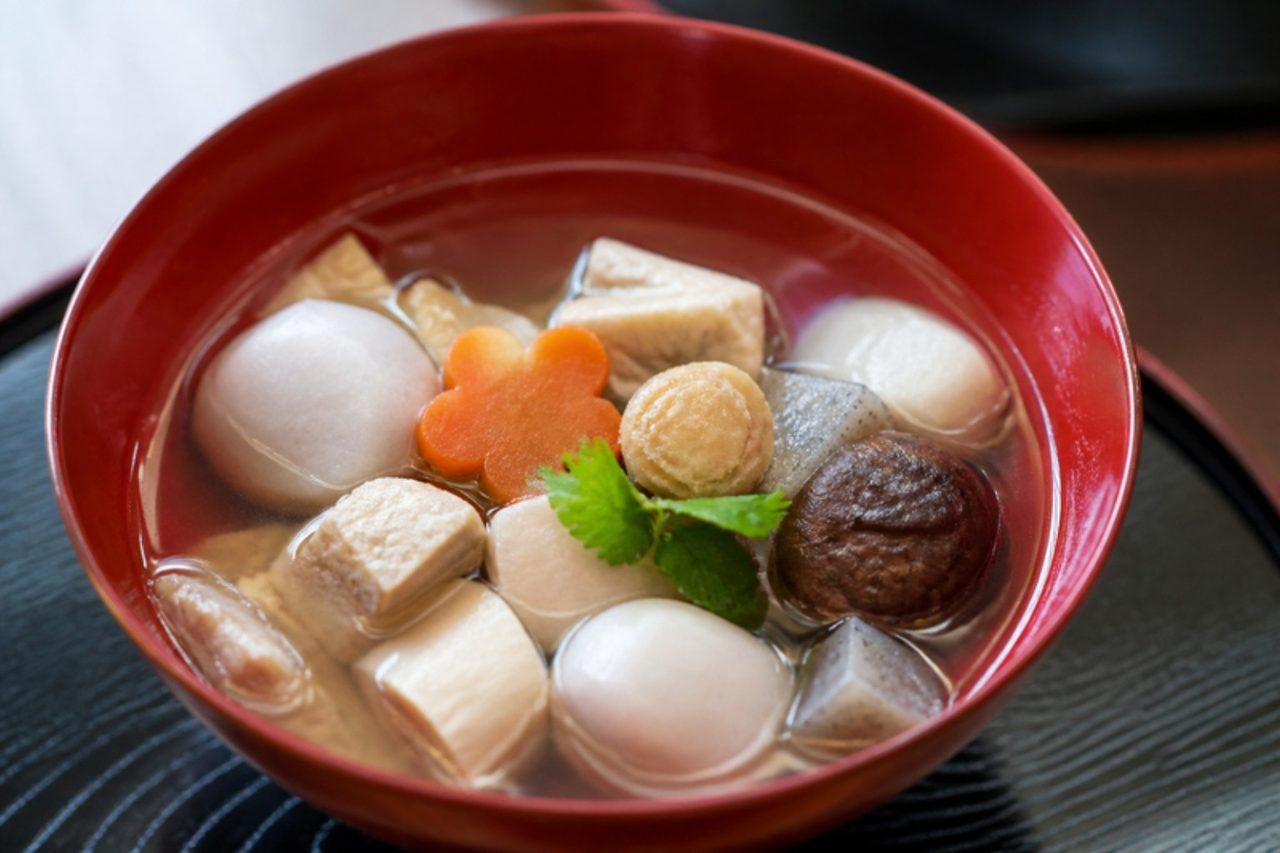
Far inland in the Aizu basin of Fukushima, the old castle town of Aizu-Wakamatsu builds its festive soup on dried scallops, which reached these mountains by trade from the northern coast. Kozuyu is served at New Year, weddings and other celebrations in shallow red lacquer bowls, and it is polite to accept a second or third helping. The stock is clear and lightly salted, full of small cubes of taro, carrot, mushroom, konjac noodles and tiny wheat gluten balls. Expect a delicate, sweet sea flavour rather than anything strong. Chef's tip: keep every drop of the scallop soaking water; it is the whole stock, and the scallops themselves shred into soft threads in the soup.

Read more 0 views

What to eat today?

Around the world

Today's trip: Paraguayan

A new country every day, from every cuisine on the site.

Paraguayan

Chipa

Cheese bread rings 50 minMore from Paraguayan (27) →

This week's collection

Kid-friendly dinners
537 recipes · a new collection every Monday

Latest recipes

Sauce chienHerb, lime and chilli sauce

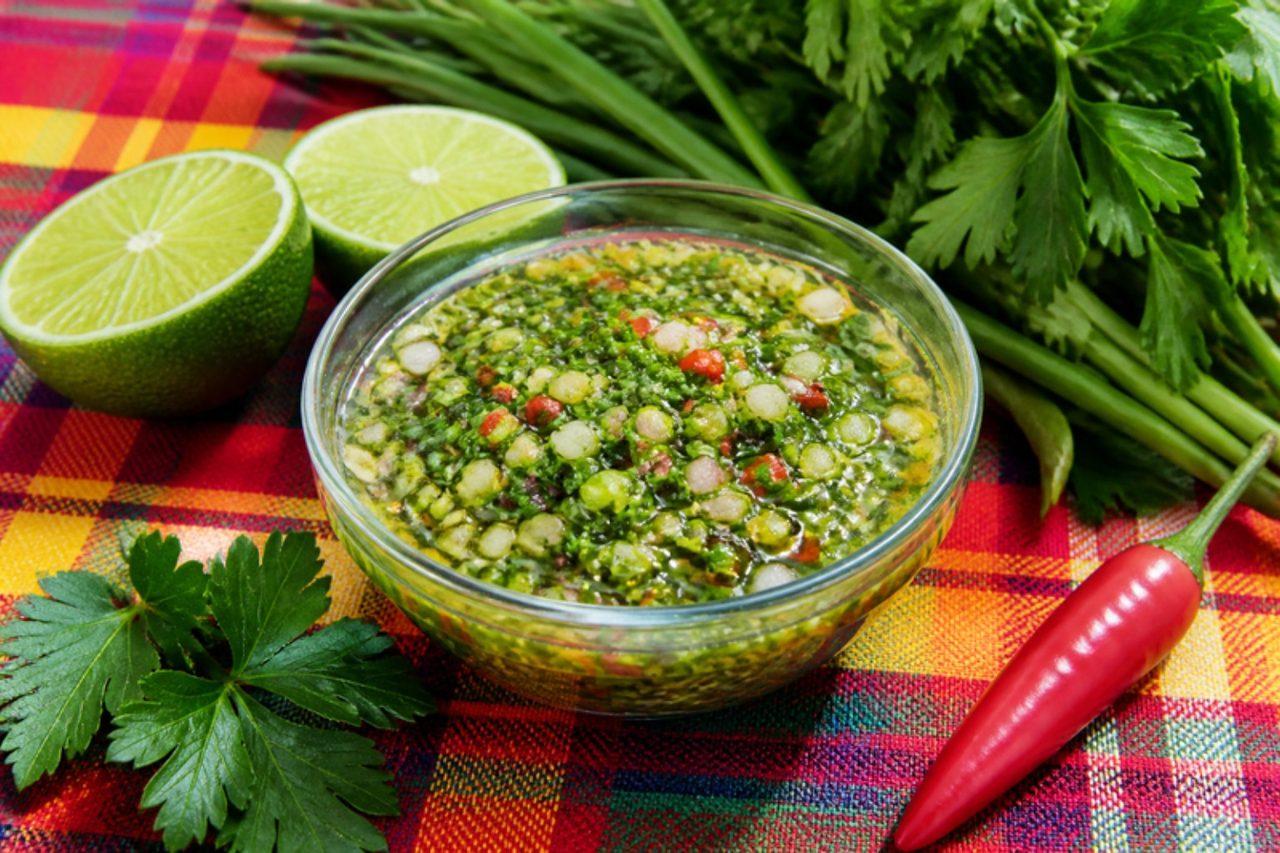
No grill in Martinique or Guadeloupe is complete without a bowl of sauce chien: shallot, garlic, spring onion, parsley and Scotch bonnet chopped very fine, then 'cooked' with a splash of boiling water, lime juice and oil. Islanders spoon it over grilled vegetables, plantain, rice and beans, and accras, at beach picnics and family barbecues on Sunday afternoons. One story says it is named after the knife used to chop the herbs, whose handle bore a dog. Chef's tip: pour the water on just off the boil; it softens the raw onion and garlic and brightens the green of the herbs.

by KrazyBadal 0 views

Tortillitas de camaronesShrimp and chickpea-flour fritters

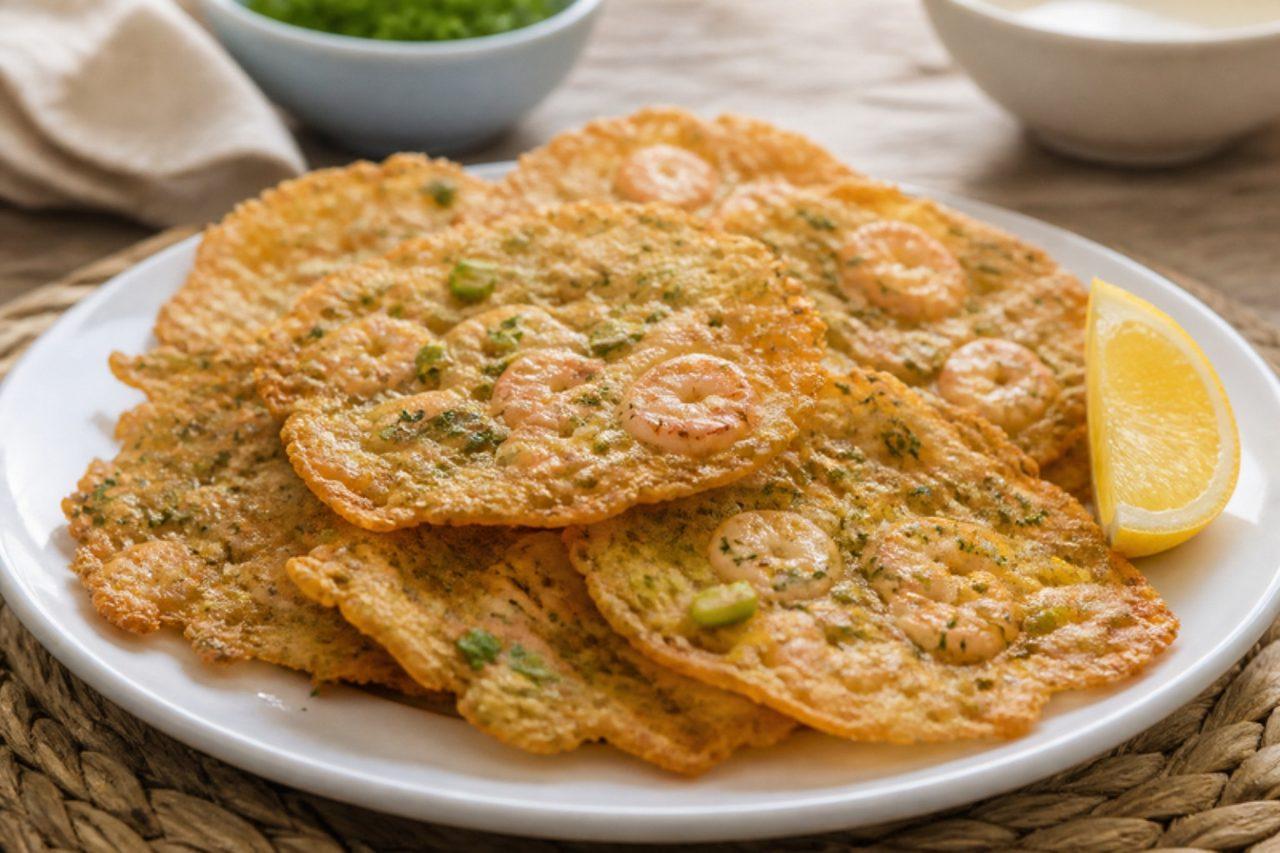
Around the Bay of Cádiz, especially in San Fernando and Sanlúcar de Barrameda, tortillitas de camarones are fried to order in bars and eaten with fingers: thin, lacy fritters of chickpea flour, spring onion and parsley studded with tiny whole shrimp. The local camarones are eaten shell and all; outside the bay, small raw peeled prawns, roughly chopped, work well. The batter must be as thin as single cream, so it spreads into a crisp lace in the oil. Chef's tip: keep the batter in the fridge until the last moment; cold batter hitting hot oil gives the most delicate lace.

by KrazyBadal 0 views

Tortitas de Santa ClaraShortbread with pumpkin seed cream

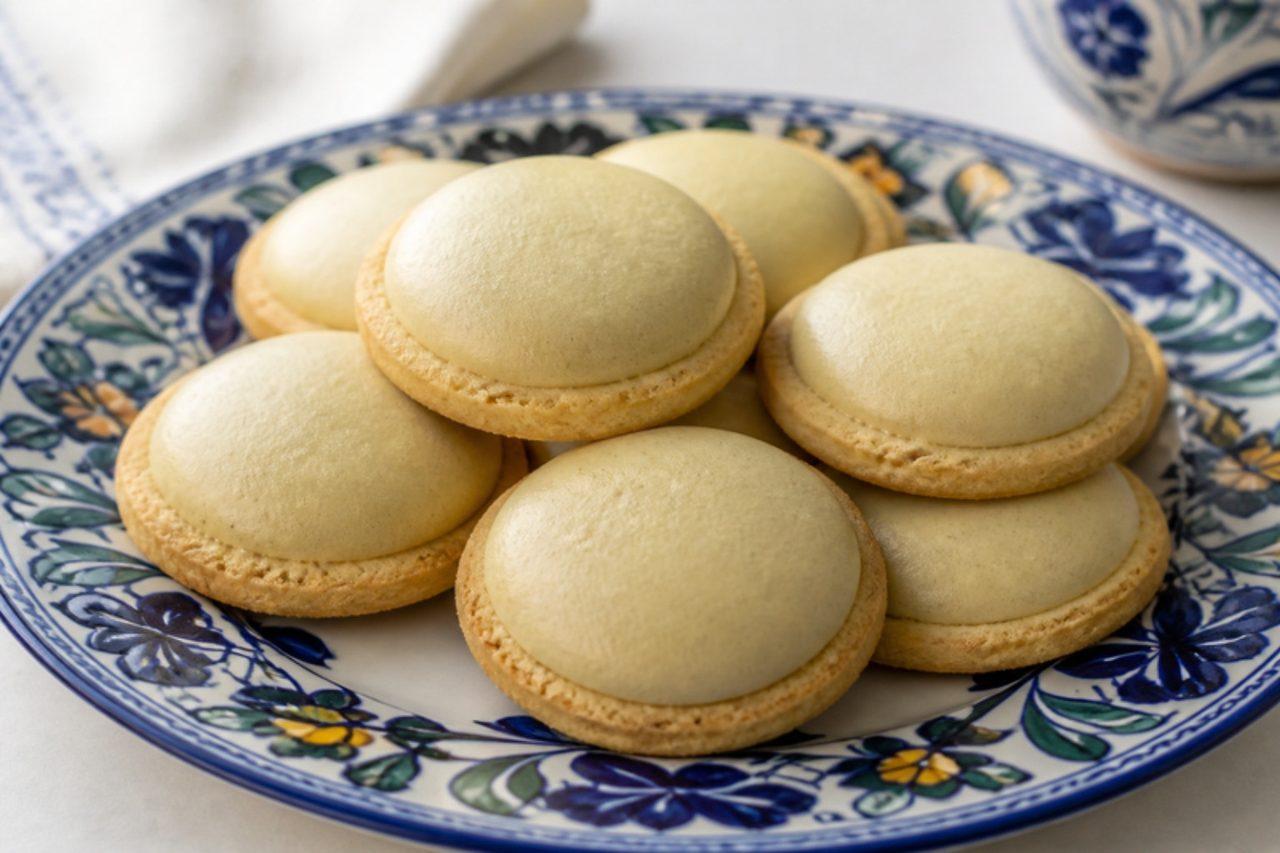
The nuns of the Santa Clara convent in Puebla are credited with this biscuit, and the city's Calle de los Dulces still sells it in boxes stacked beside camotes and jamoncillos. It is a crumbly, lightly sweet shortbread round, covered with a thick, pale cream made from ground pumpkin seeds, sugar and milk, which sets to a soft fudge-like layer. They are eaten with coffee in the afternoon and taken home as a gift from Puebla. Chef's tip: grind the peeled pumpkin seeds as fine as you can before cooking; any coarse bits make the topping gritty.

by KrazyBadal 0 views

Versunkener ApfelkuchenSunken apple sponge

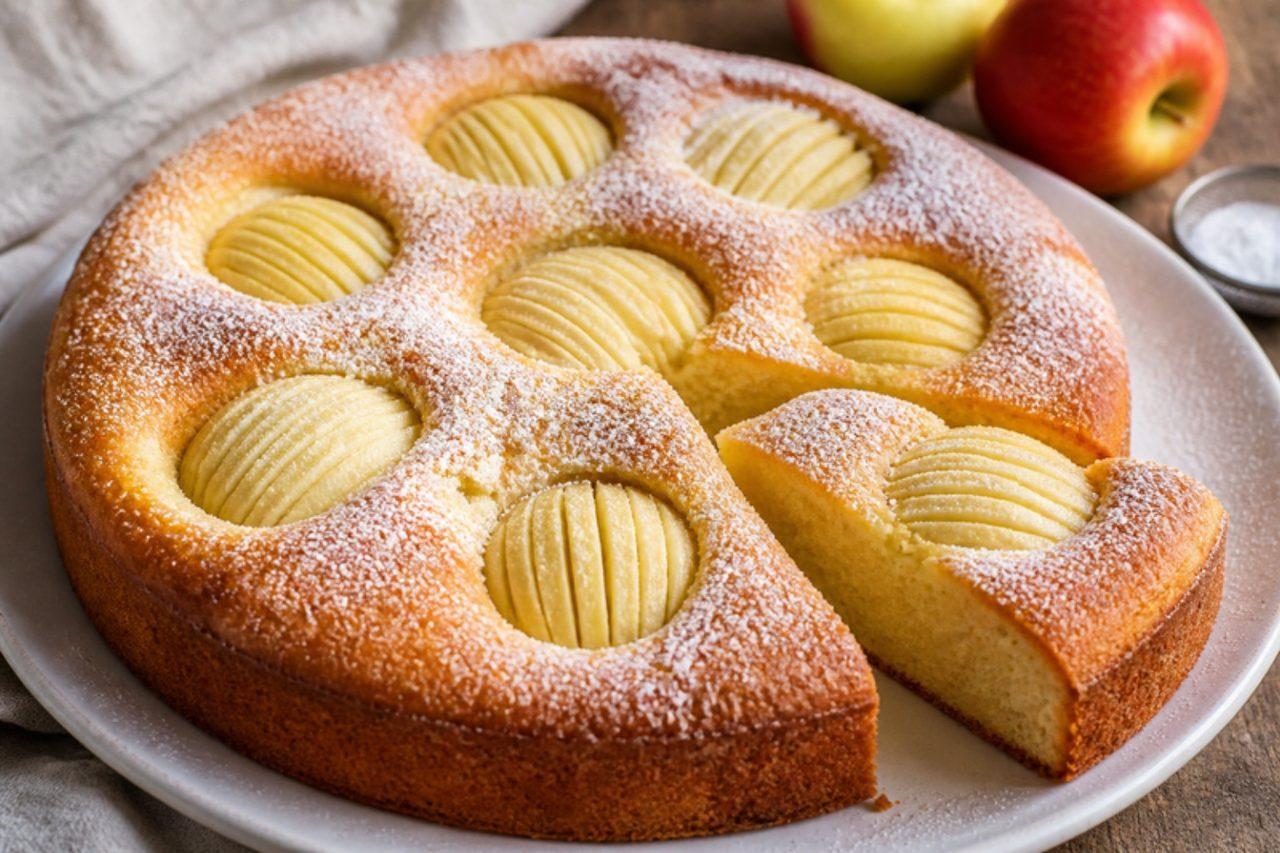
Versunkener Apfelkuchen, the sunken apple cake, is the quickest cake in the German home repertoire, made on autumn weekends when the first Boskoop and Elstar apples come in from the orchards of the Altes Land near Hamburg and Lake Constance. Peeled apple halves are scored like a fan and pressed into a rich lemon sponge, which rises up around them as it bakes until they seem to sink in. Children love it still warm with whipped cream. A common mistake is cutting the scores too deep, so the apples fall apart; cut about two-thirds of the way through. Chef's tip: brush the apples with apricot jam the moment the cake comes out of the oven; it gives a shiny bakery glaze and keeps them from drying.

by KrazyBadal 0 views

Baghali pokhteBoiled broad beans with vinegar

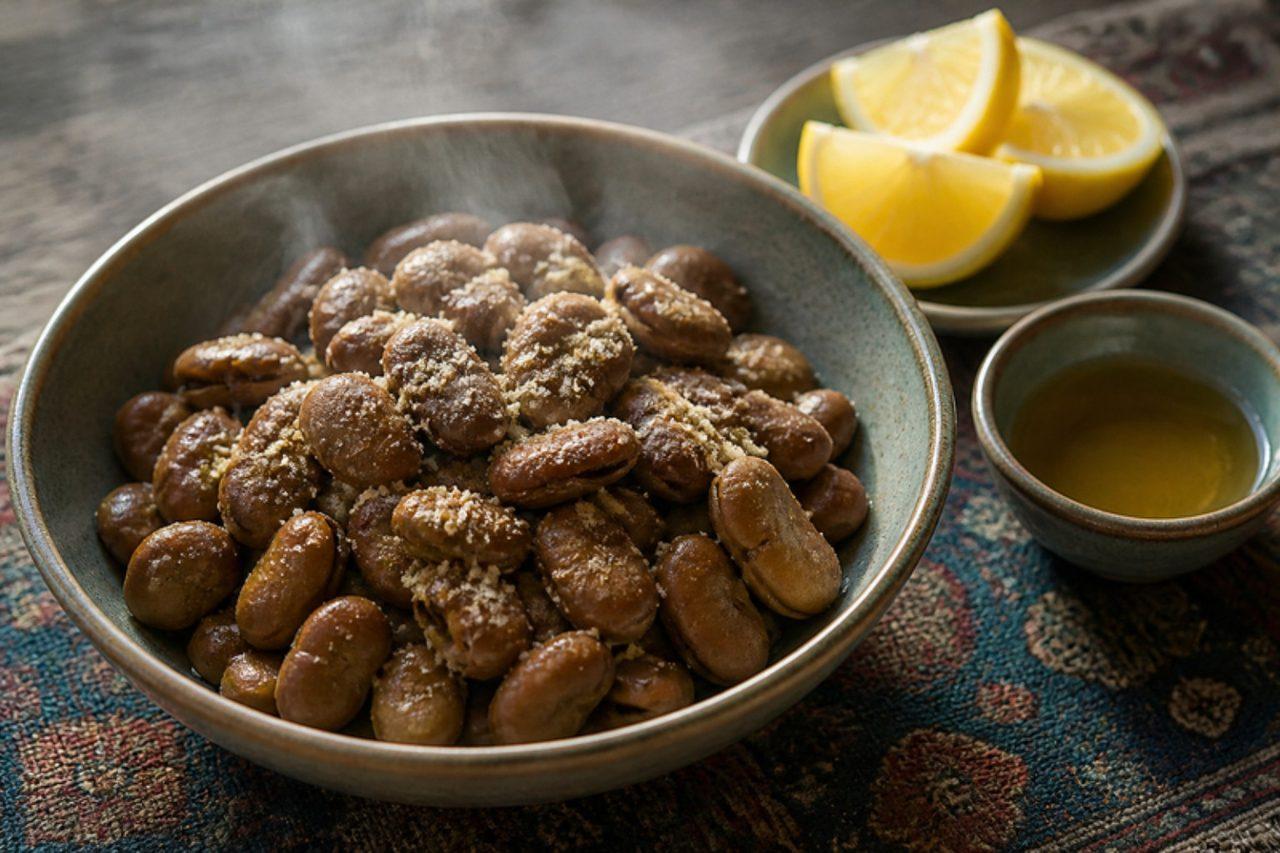
When autumn rain sets in over Rasht, and through the winter on Tehran street corners, sellers ladle steaming broad beans in their skins from giant pots into paper cones. The beans are soaked overnight and boiled slowly until creamy, then each bowlful is sprinkled with sharp golpar (ground Persian hogweed seed), salt and a splash of vinegar. You pinch the beans out of their skins as you eat. A common mistake is salting the cooking water early, which keeps the skins tough. Chef's tip: golpar is strong and smells a little like celery and citrus; start with a light dusting and add more at the table.

by KrazyBadal 0 views

Sabzi khordanFresh herb and cheese platter

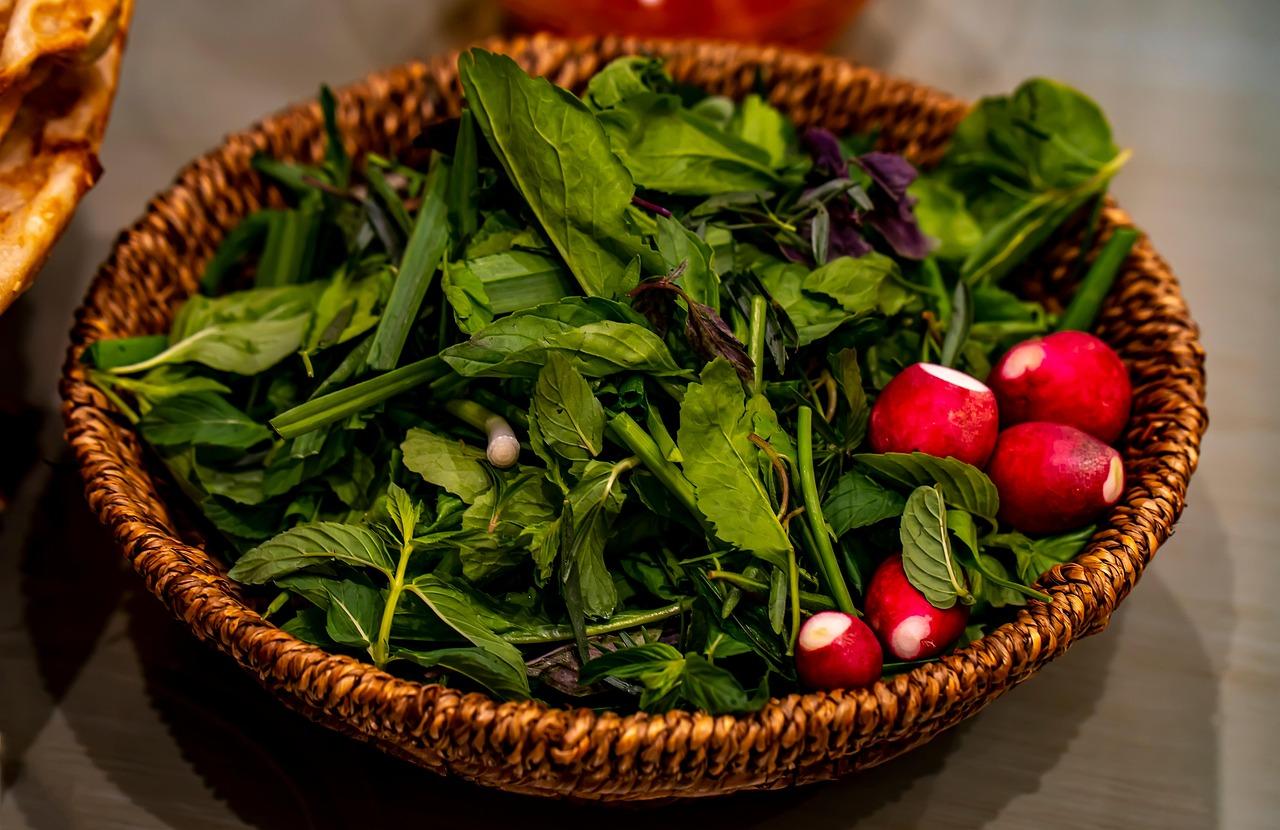
No Tehran dinner table is complete without sabzi khordan, literally 'herbs for eating': a basket or plate of whole sprigs of basil, mint, tarragon, chives and coriander with radishes, spring onions, walnuts and a block of white cheese. People tear off bread, add a little cheese and a walnut, then stuff in a few leaves, eating between mouthfuls of stew or rice. The mistake most people make is serving the herbs wet or limp; they should be crisp, dry and cold. Traditional Iranian white cheese is set with animal rennet, so choose a feta labelled vegetarian (microbial rennet) if that matters to you. Chef's tip: wash the herbs an hour ahead, spin them dry and chill them wrapped in a damp tea towel so they stay perky on the table.

by KrazyBadal 0 views

Sarde in saorSweet-sour marinated sardines

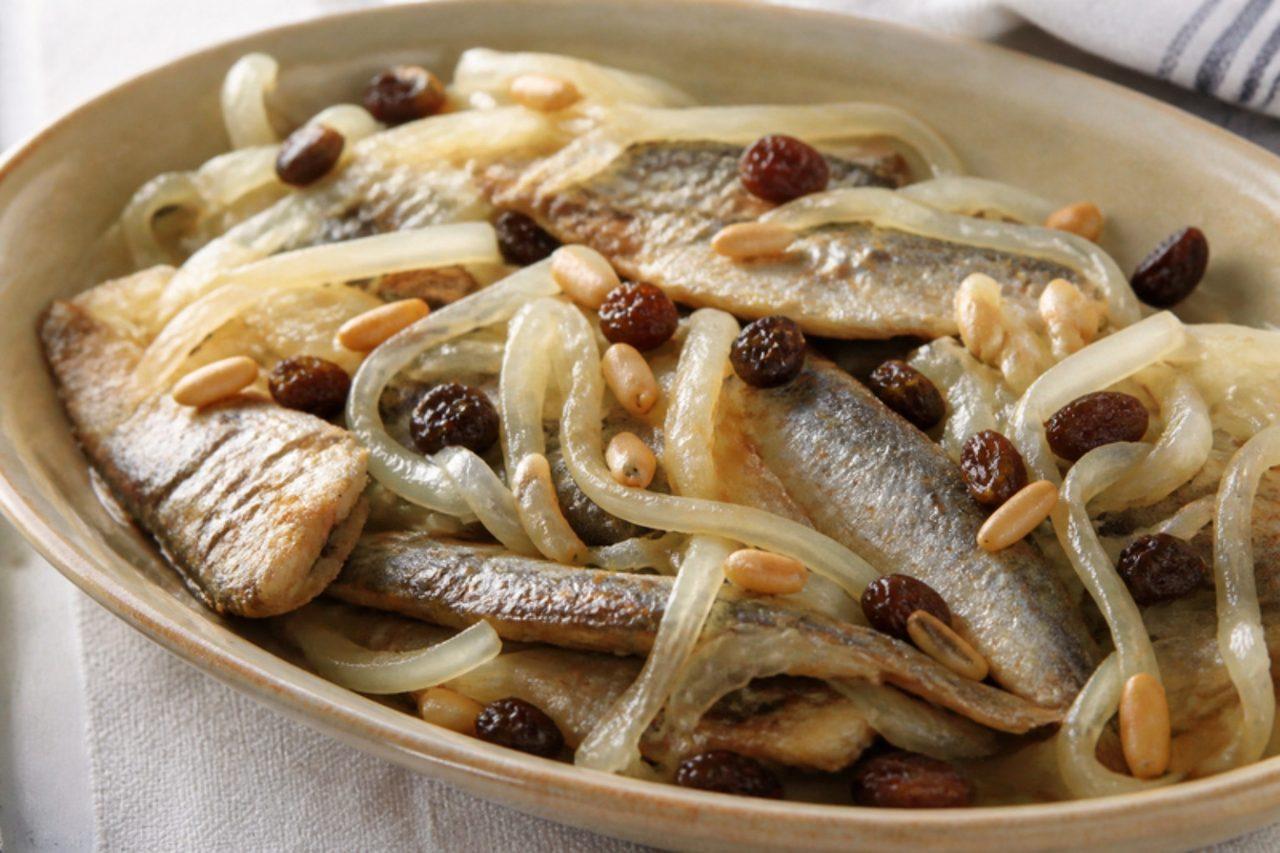
Sarde in saor began as food for Venetian sailors, since the vinegar kept the fish for days, and it is still the dish of the Festa del Redentore in July, when families eat it on boats under the fireworks. Floured, fried sardines are layered with onions stewed slowly in oil and vinegar, plump raisins and toasted pine nuts, then left to marinate in the fridge for a day so the flavours soften and mingle. The result is sweet, sharp and rich all at once. Serve it cool as a starter or in the cicchetti bars' way, on slices of grilled polenta. Chef's tip: make it at least a day ahead; eaten the same day the vinegar is harsh, but after 24 hours it mellows beautifully.

by KrazyBadal 0 views

Sardalya sarmaSardines grilled in vine leaves

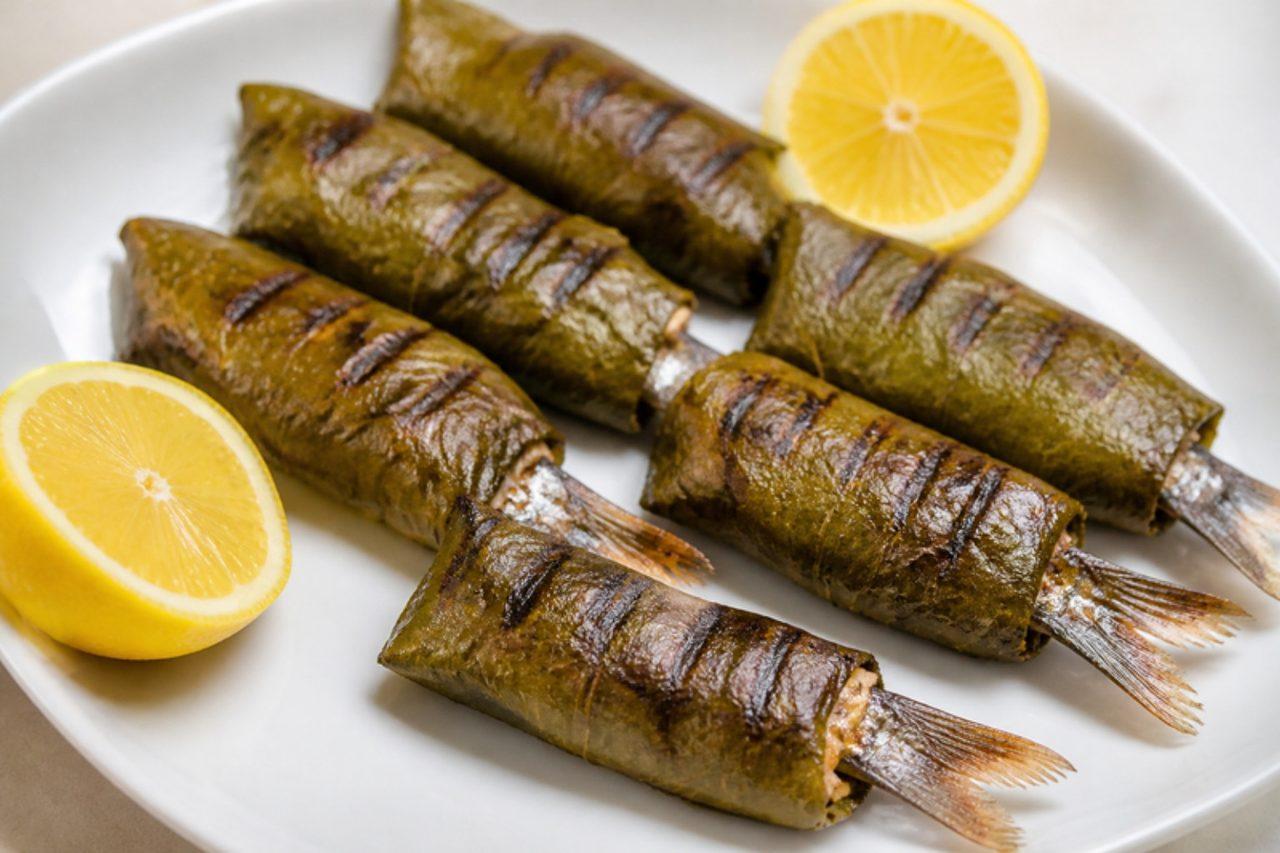
In Ayvalık and on Cunda island, early autumn sardines are wrapped in salted vine leaves and grilled over charcoal, a trick that keeps the oily little fish moist and lets the leaves char and crackle. You peel back the leaf, or eat it too, and finish each with lemon and a drop of olive oil. Serve with a tomato and onion salad and bread. Chef's tip: rinse brined vine leaves well; they already carry salt, so the sardines need only a pinch.

by KrazyBadal 0 views

Tortitas mendocinasFlaky round breakfast breads

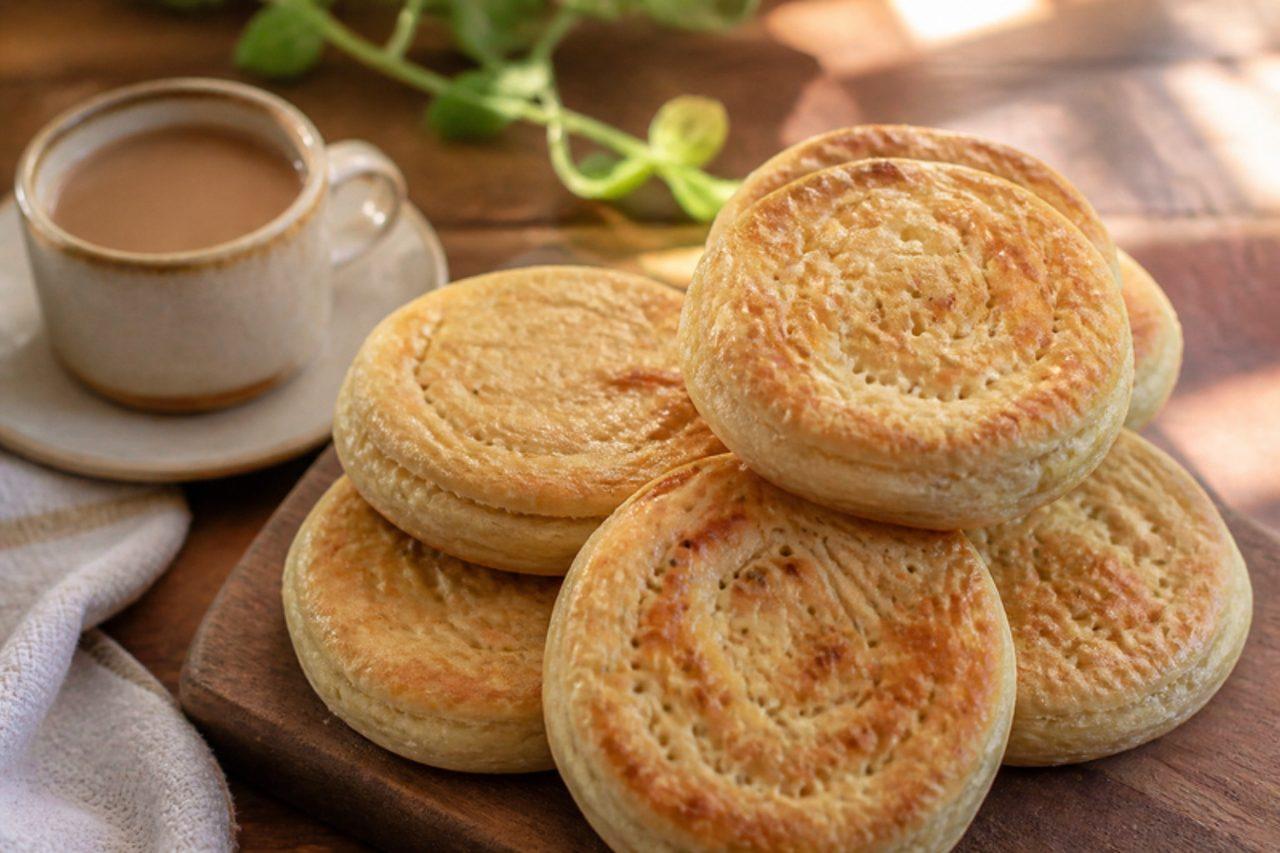
Every panadería in Mendoza fills a tray with tortitas in the early morning, and they go out in paper bags to be eaten warm with mate, split and spread with butter, quince paste or a slice of cheese. They are flat, round, slightly salty breads, soft and layered in the middle and crisp at the edges, with the fork marks that give them away. The traditional fat is beef lard (grasa), which makes them very short; here butter or vegetable shortening takes its place to keep them vegetarian, and both give a good flaky result. The mistake to avoid is rolling them thin like crackers: they should be a generous centimetre thick, or they bake hard and dry. Chef's tip: fold the dough in three twice before the final roll, like a quick puff pastry; those folds give tortitas their layers.

by KrazyBadal 0 views

Showing 9 of 7,762 recipes

Show more recipes

Page 559 of 863