


Skip to content
Cortadito
Featured recipe

Cortadito

Espresso with steamed milk

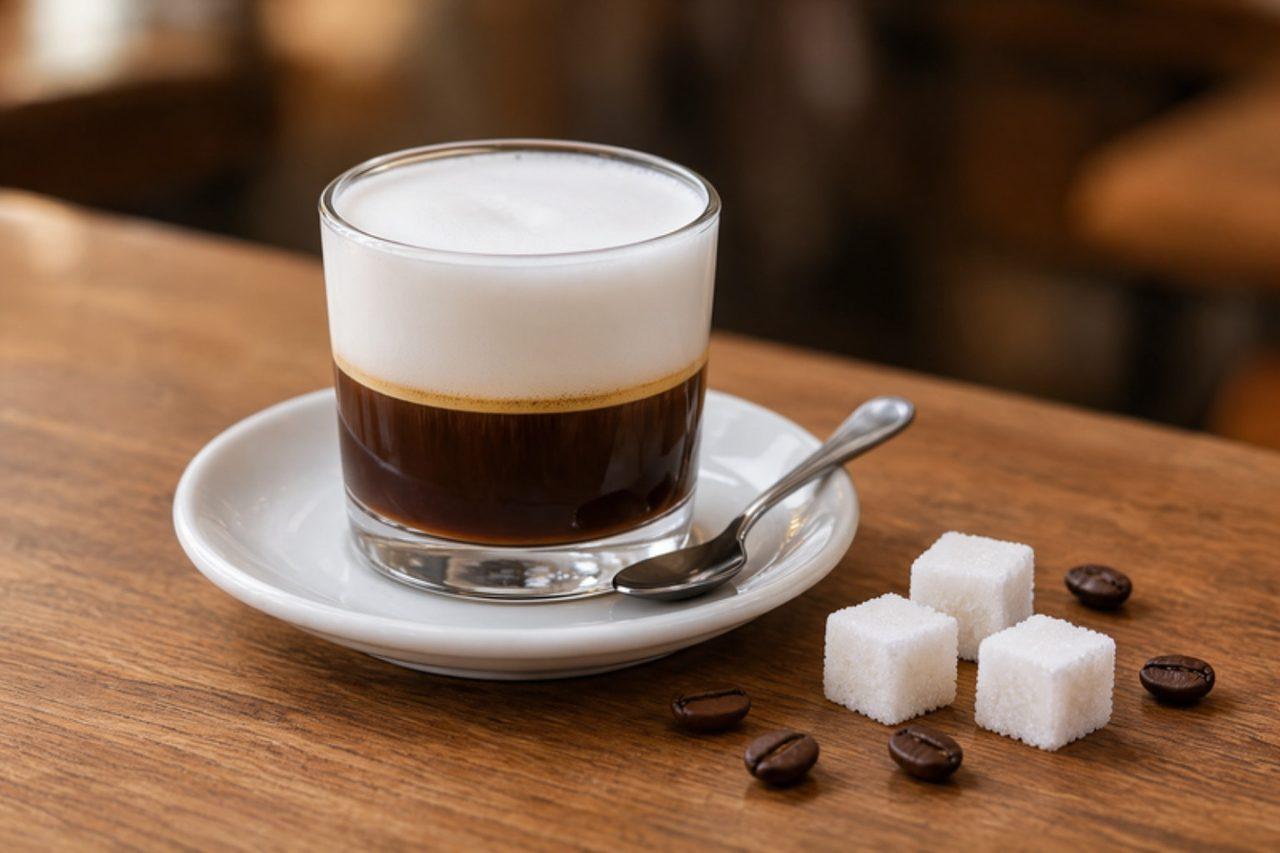
Havana runs on small cups of coffee: a cafecito standing at a ventanita, a colada shared in tiny plastic cups at work, and in the afternoon or with breakfast, a cortadito, which is Cuban coffee cut (cortado) with roughly as much hot milk. The coffee is brewed in a stovetop cafetera, and the first dark drops are whipped hard with sugar into a pale, thick espumita that floats on top of the cup. The result is rich, very sweet and caramel-like, with a velvety milk body and a strong, bitter edge underneath. It is high in caffeine, so it is not one for children. The common mistake is adding sugar to the pot or stirring it in at the end; without the espumita you get a thin, flat drink. Beat the first concentrated coffee with the sugar until it turns light tan and holds soft folds, then pour in the rest. It is ready when a pale foam floats on the cup and the milk has been heated until steaming, with small bubbles around the edge but not boiling. Chef's tip: catch only the first 2–3 teaspoons of coffee for the foam; later coffee is too thin to whip.

Read more 0 views

What to eat today?

Around the world

Today's trip: Persian

A new country every day, from every cuisine on the site.

Persian

Nazkhatoon

Smoky aubergine with pomegranate 40 minMore from Persian (131) →

This week's collection

Kid-friendly dinners
541 recipes · a new collection every Monday

Latest recipes

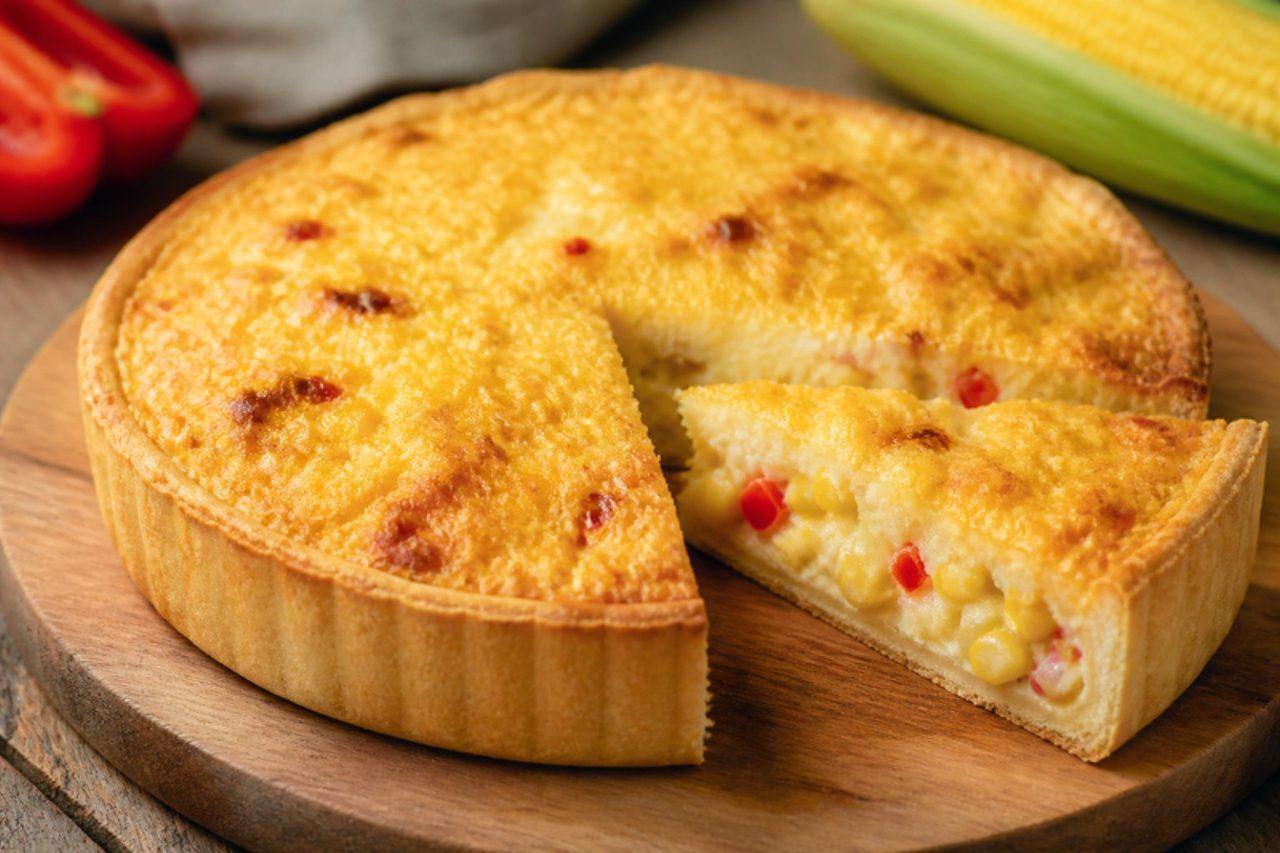
Tarta de chocloSweetcorn tart

Ask any Argentine rotisería for a slice of tarta and choclo will be next to the chard and the ham-and-cheese. This is the creamy one: sweetcorn kernels folded into a thick white sauce with softened onion and red pepper, set with egg and cheese inside a buttery shortcrust. It is lunchbox and picnic food, eaten warm or at room temperature with a green salad, and it is a big favourite with children for its sweetness. The filling should slice cleanly but still be soft. A runny centre is the usual problem, and it comes from a thin white sauce or from forgetting to blind-bake: make the sauce thick enough to coat the spoon heavily, and part-bake the case. Mozzarella and grated hard cheese are often made with animal rennet, so buy vegetarian ones if that matters. Chef's tip: blitz a third of the corn with the white sauce; it gives a creamier, more corn-tasting filling while the whole kernels keep some bite.

by KrazyBadal 0 views

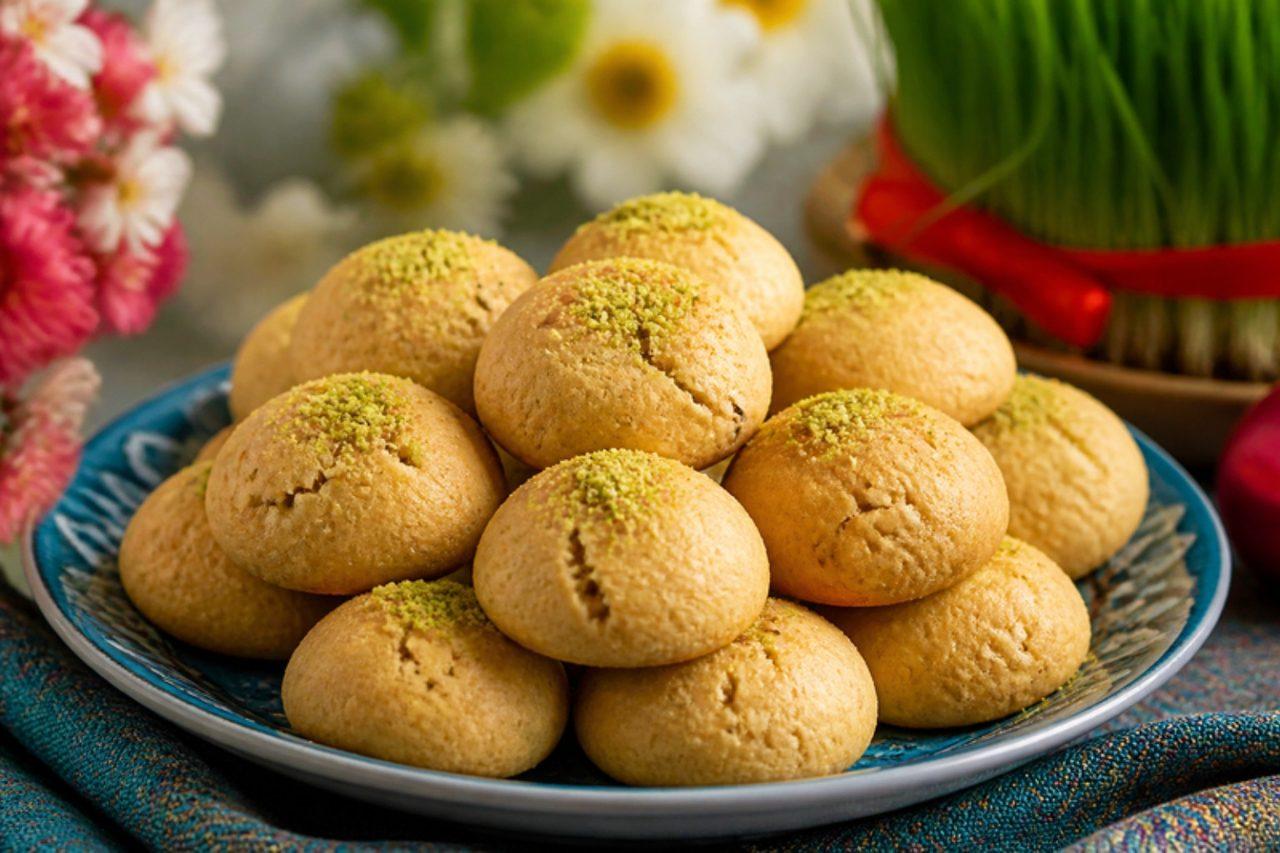
Nan-e gerdooyiWalnut cookies

In the run-up to Nowruz, when Tabriz, Tehran and Qazvin families are spring-cleaning and baking for the round of holiday visits, nan-e gerdooyi are among the first cookies to go into the tin. They are made with chopped walnuts held together by egg yolks and sugar, no flour at all, so they bake crisp at the edge and soft and chewy in the middle. A common mistake is grinding the walnuts to a paste; they should be chopped into small pieces so the cookies have texture and don't turn oily. Chef's tip: leave a good gap between them on the tray; they spread to about twice their size.

by KrazyBadal 0 views

PunschkrapfenPink-iced sponge cubes

Punschkrapfen are the bright pink cubes that glow from every Viennese Konditorei counter, especially in winter. Traditionally the filling of sponge crumbs, jam and chocolate is soaked in rum punch, which gives the cake its name, so the classic version contains alcohol. This recipe makes the alcohol-free version with orange juice and strong black tea, which keeps the fruity, warming flavour that children can eat too; to make the traditional one, swap 40 ml of the orange juice for dark rum. The sponge is moist and dense, the icing sweet and crackly. A common mistake is skipping the overnight press; the cubes fall apart when cut. Many pink colourings use carmine, made from insects, so choose a plant-based one such as beetroot red. Chef's tip: cut with a knife dipped in hot water and wiped between each cut for clean edges.

by KrazyBadal 0 views

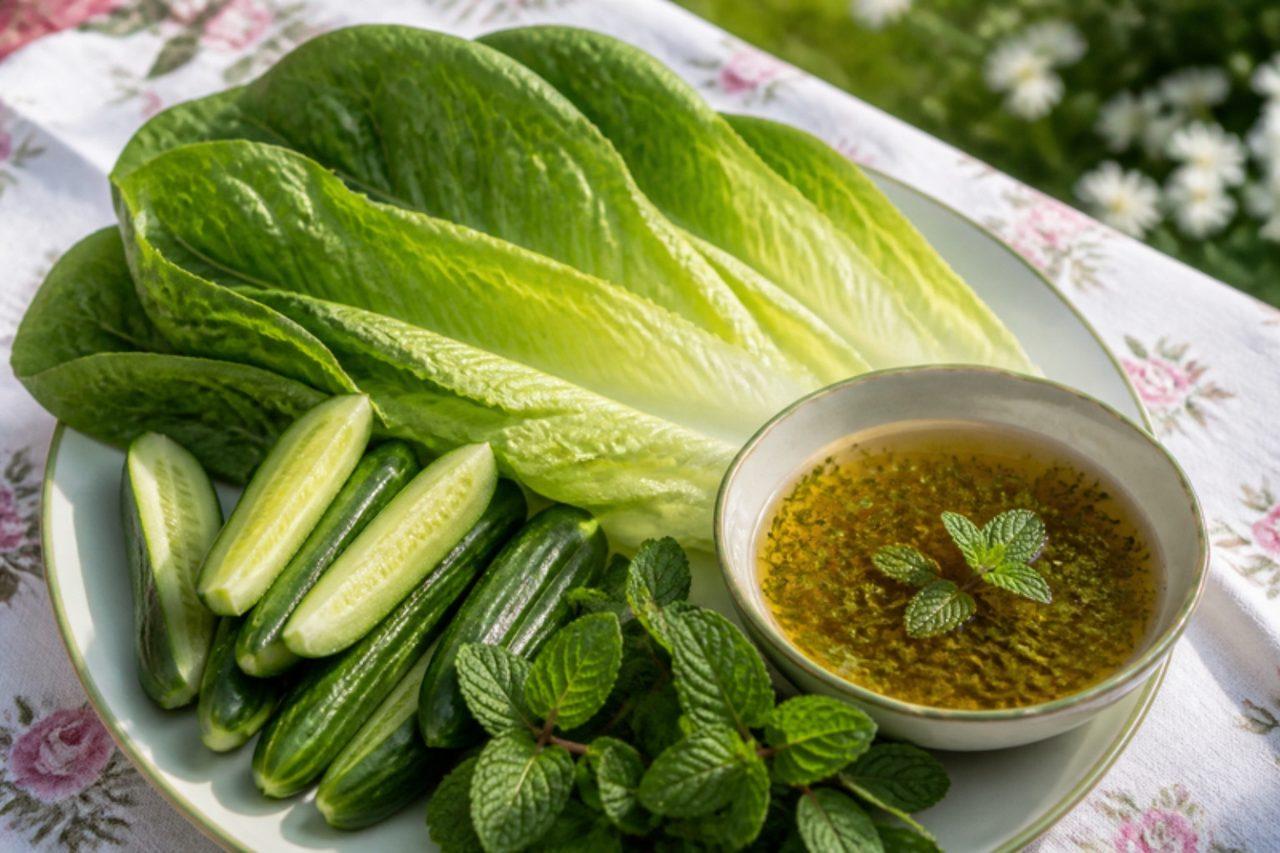
Kahu sekanjabinLettuce with mint vinegar syrup

On Sizdah Bedar, the thirteenth day of the new year, Iranian families leave the city for parks and riverbanks around Tehran and Isfahan, and the picnic cloth almost always holds a jar of sekanjabin and a head of crisp romaine. The syrup is an ancient one: sugar and vinegar simmered together and steeped with fresh mint, sweet-sour and cooling. You tear off a lettuce leaf, dip it and crunch. The usual mistake is boiling the syrup too long, which turns it into hard toffee once cold. Chef's tip: keep the lettuce in iced water until the moment you serve; the colder and crisper the leaf, the better the contrast with the syrup.

by KrazyBadal 0 views

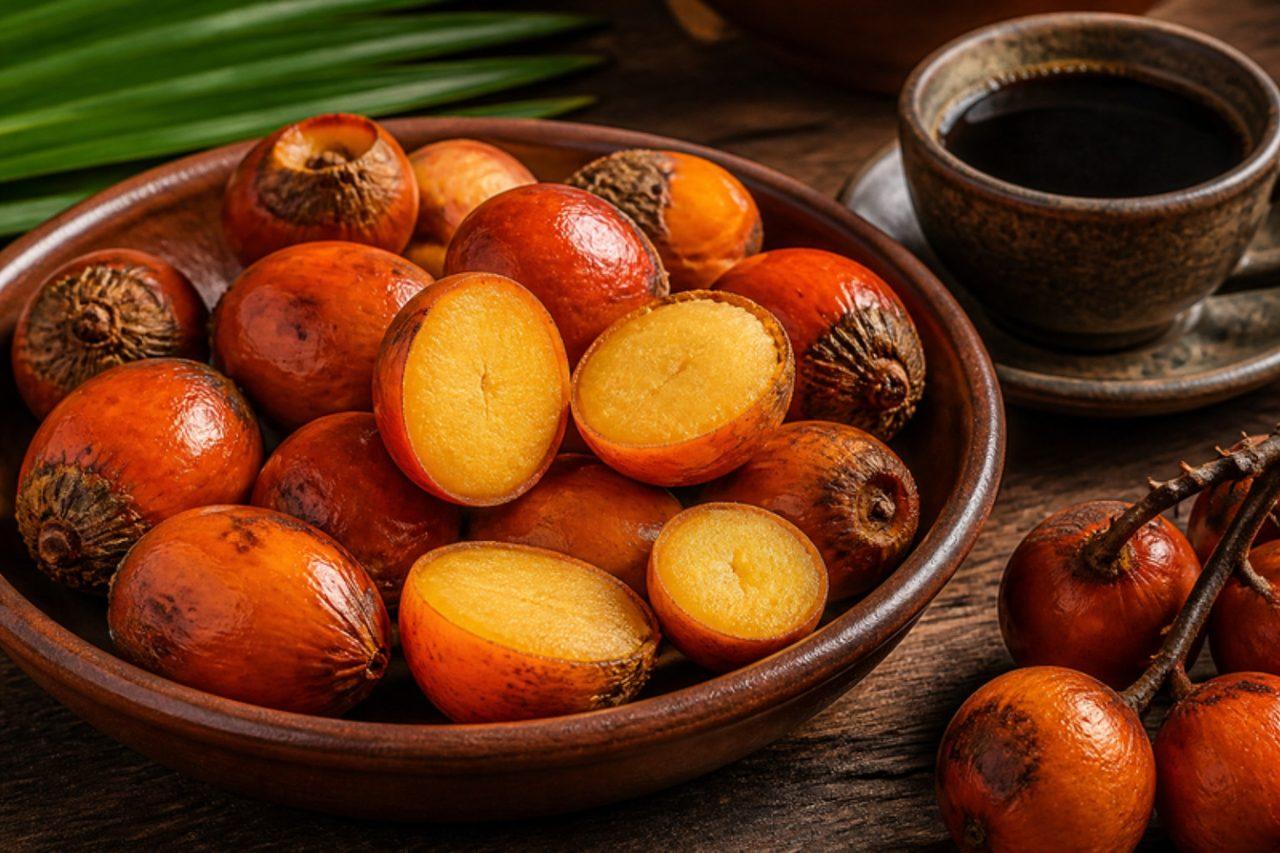
Pupunha cozidaBoiled peach-palm fruit

From Belém to Manaus, the breakfast table in pupunha season (roughly December to April) holds a bowl of these orange and red palm fruits, boiled in salted water and peeled at the table. Their flesh is dense, starchy and slightly oily, somewhere between chestnut, sweet potato and egg yolk, and it is eaten with black coffee or café com leite, sometimes with a smear of butter or a drizzle of honey. Street sellers and markets sell them cooked in bunches. Look for fresh or frozen pupunha (chontaduro) in Brazilian and Colombian shops. The fruit must be cooked; raw it irritates the mouth. The common misstep is cooking it too briefly, which leaves the flesh hard and astringent; it needs a long boil until a knife meets no resistance. Chef's tip: cook more than you need and slice the leftovers into salads or fry them in oil like chips the next day.

by KrazyBadal 0 views

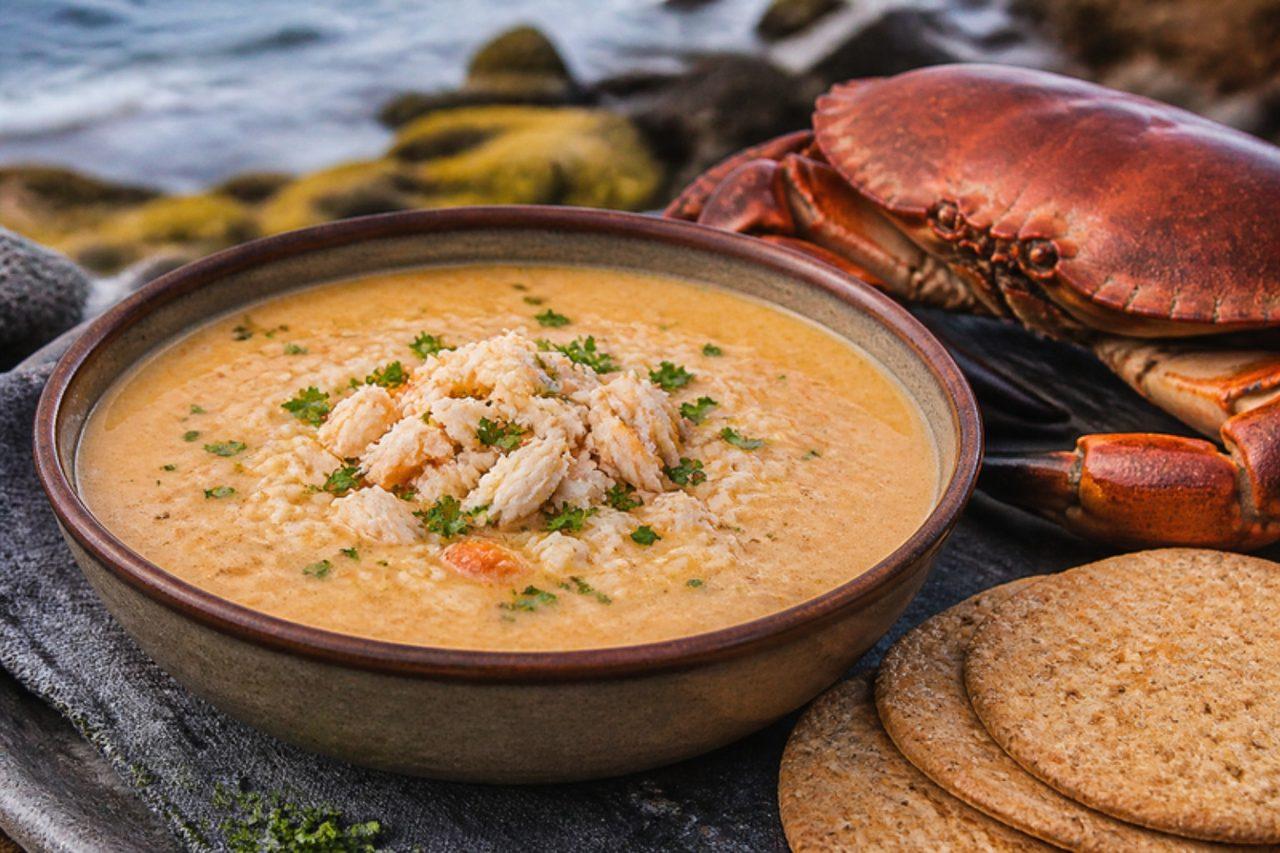
Partan breeCrab and rice soup

Partan bree comes from the fishing villages of the north-east of Scotland, where partan is the Scots word for the brown crab and bree means broth. Rice is simmered in milk and fish stock until soft, blended with the crab's brown meat, and finished with sweet white claw meat and a little cream. It is the coast's answer to a bisque, simpler and milder. Buy ready-cooked crab meat and keep it chilled. Chef's tip: add the white meat right at the end and only warm it through, so it stays in flakes.

by KrazyBadal 0 views

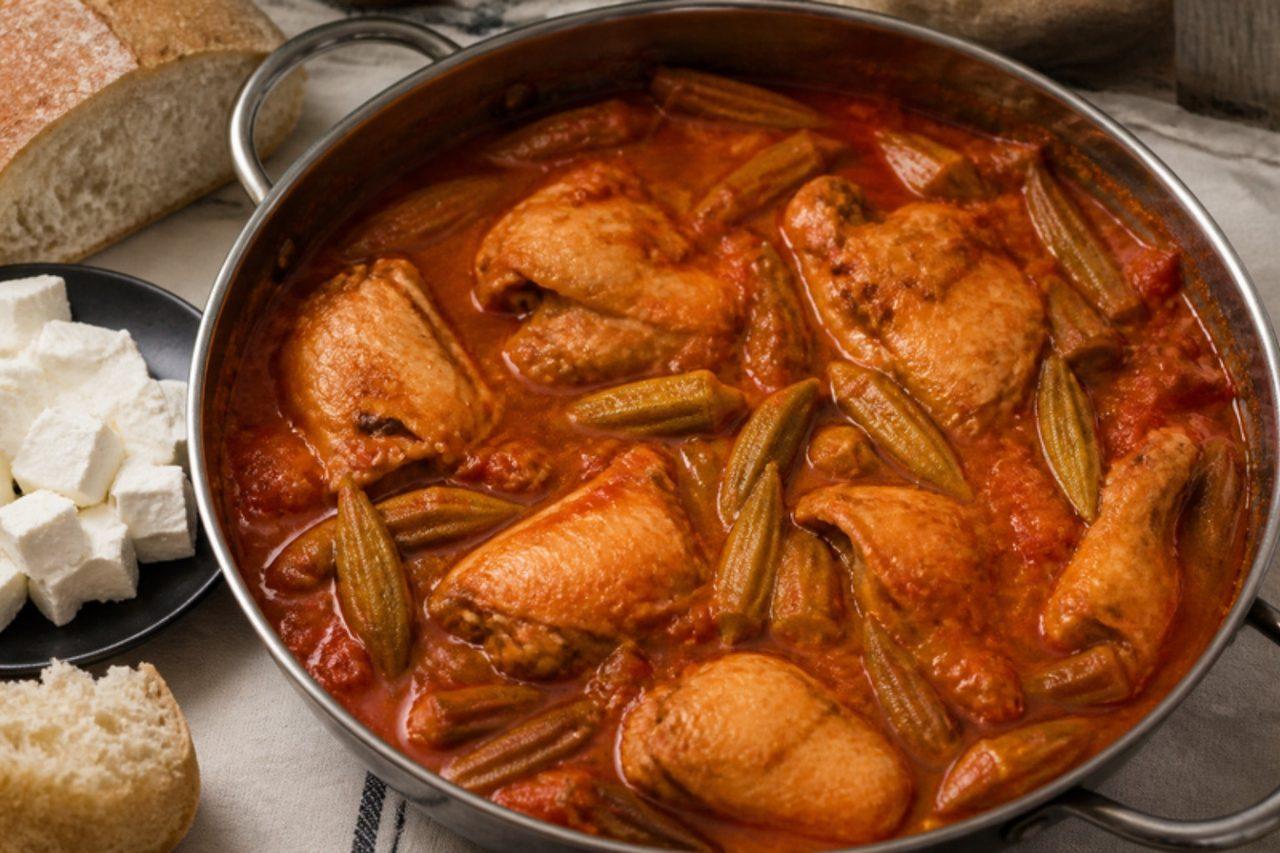
Kotopoulo me bamiesChicken and okra stew

In late summer, when Greek markets are full of small, firm okra, home cooks braise them with chicken thighs, tomato and onions until the sauce is thick and glossy; it is a Wednesday-night dish, served with feta and bread. The trick is to keep the okra whole and un-slimy so it holds its shape. Common mistake: stirring the pot once the okra is in; shake it instead. Chef's tip: trim only the very top of each okra cone without cutting into the pod, then toss them with vinegar and salt and leave in the sun or a warm spot for 30 minutes; it firms them up and keeps the sauce clean.

100 minGreekChickenGluten free
by KrazyBadal 0 views

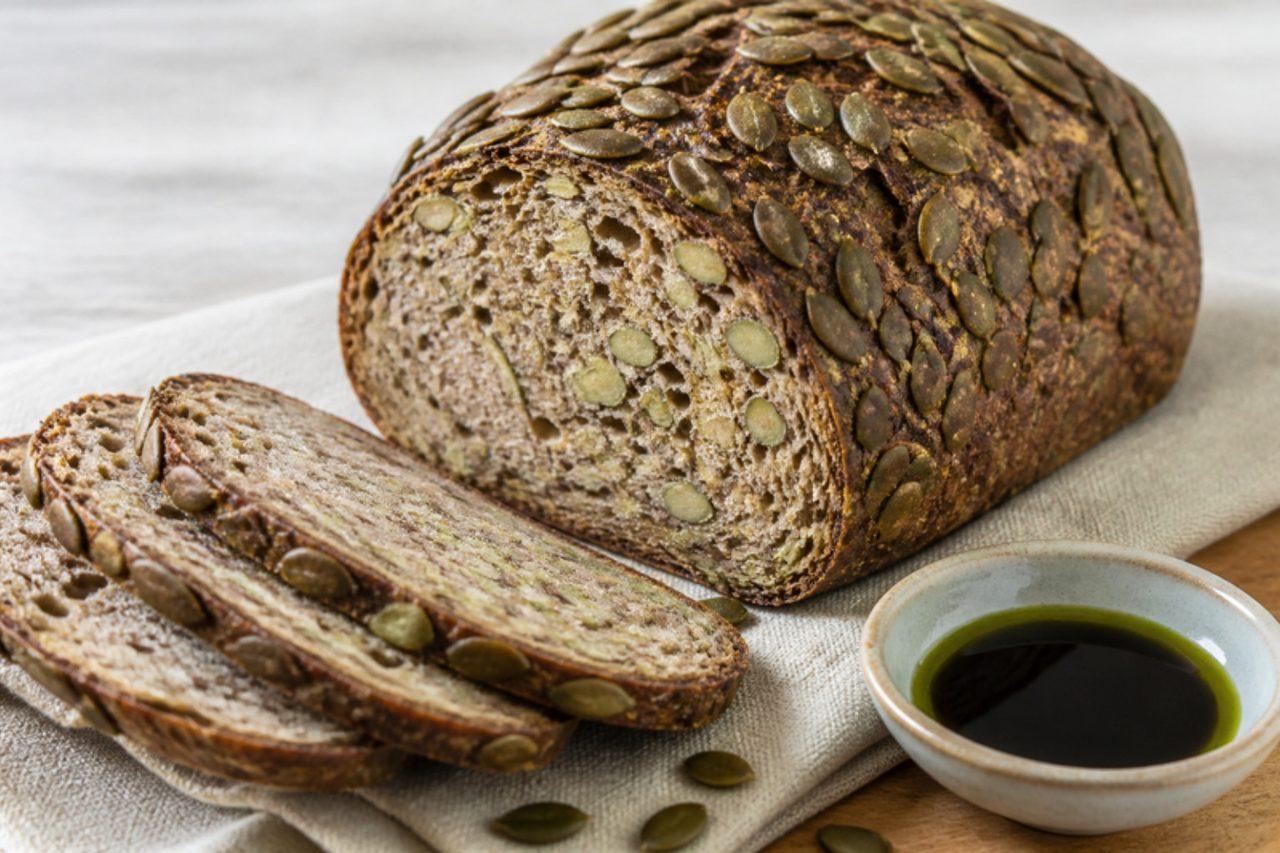
Styrian KürbiskernbrotPumpkin seed rye loaf

In Styria, the south-eastern corner of Austria where the hulless Styrian pumpkin is grown for its dark green seeds and oil, every bakery sells a loaf crowded with those seeds. Kürbiskernbrot is a light rye-wheat bread, nutty and slightly sweet, with toasted seeds through the crumb and pressed all over the crust. Locals eat it at a Buschenschank, the farmhouse wine tavern, with Liptauer, cured meats or a drizzle of pumpkin seed oil. A common mistake is adding the seeds raw: toasting them first gives the bread its deep, roasted flavour. Chef's tip: soak half the toasted seeds in hot water while you make the dough, so they stay tender inside the bread and don't pull moisture from the crumb.

by KrazyBadal 0 views

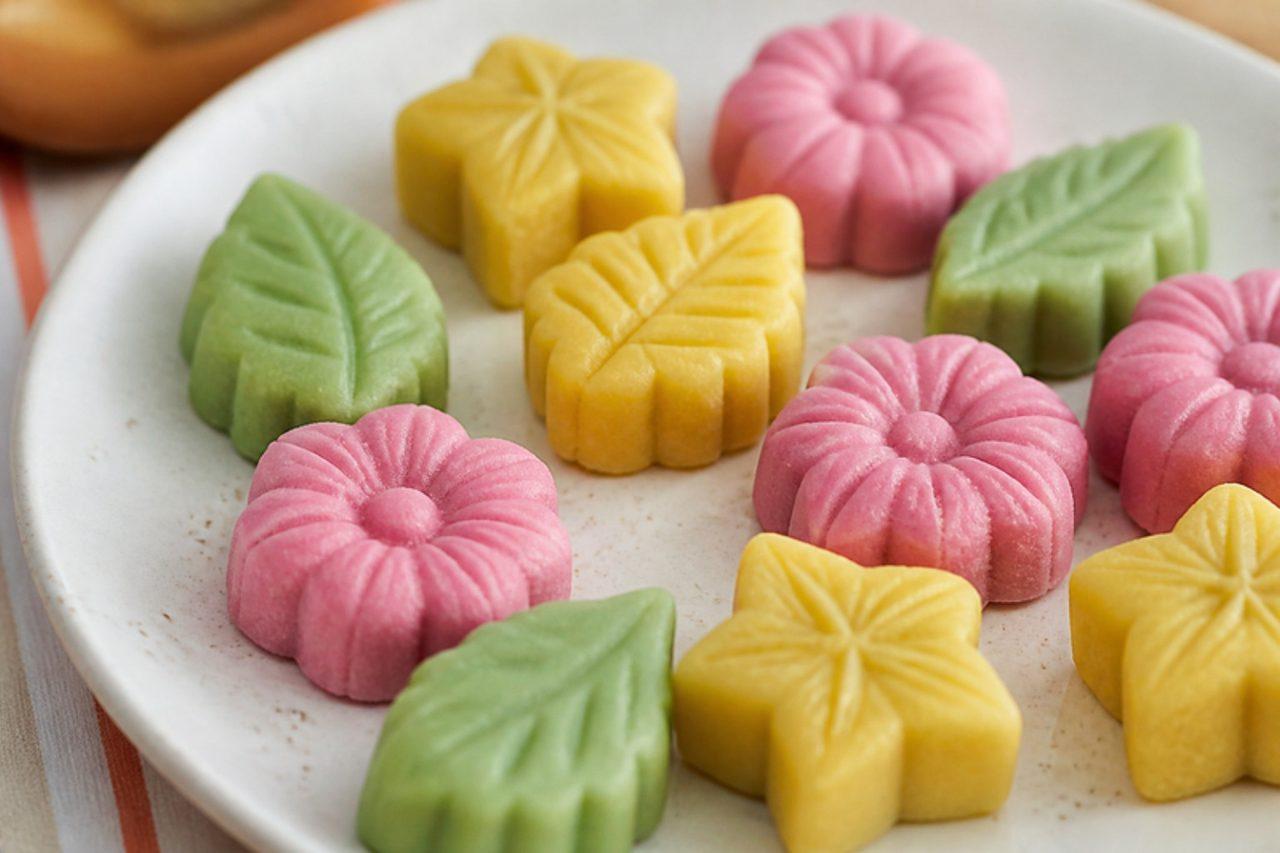
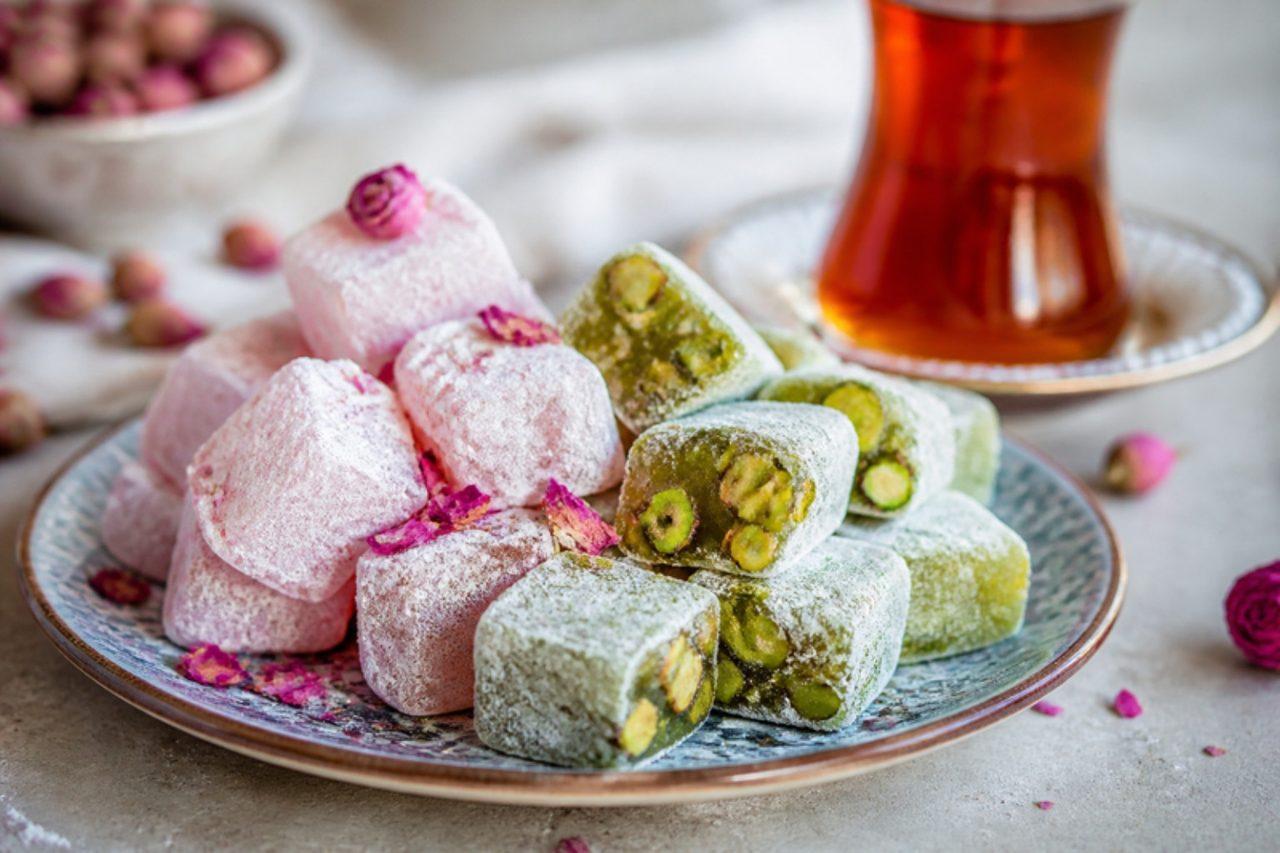
LokumTurkish delight

Istanbul's confectioners have been cooking lokum since the 18th century, and boxes of it still go to every host, office and family on holiday visits. Real lokum is nothing more than sugar syrup, lemon and cornflour, stirred for an hour until it turns translucent, firm and springy, then scented with rosewater and studded with pistachios. It is a test of patience, not skill. Common mistake: stopping too soon; undercooked lokum is sticky and never sets cleanly. Chef's tip: it is ready when a little dropped into cold water forms a soft, pliable ball and the mixture is the colour of pale honey.

by KrazyBadal 0 views

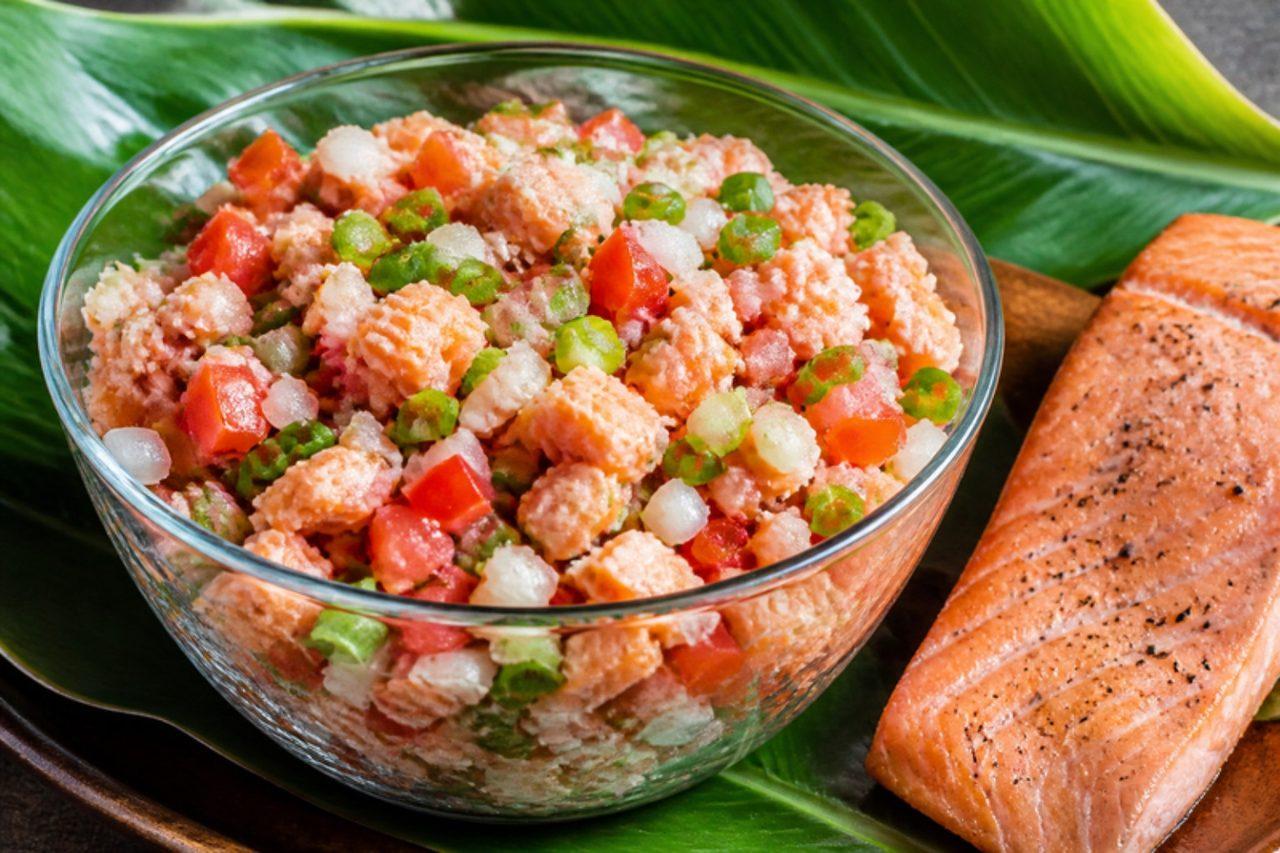
Lomi lomi salmonSalmon, tomato and onion relish

Lomi means to massage: at Hawaiian lūʻau and graduation parties, salted salmon is squeezed by hand with diced tomatoes, sweet onion and spring onions into a cold, juicy relish that cuts through rich kalua pig and poi. It arrived with salted salmon traded from the Pacific Northwest by nineteenth-century whalers. The traditional version uses raw salt-cured salmon, which is not for pregnant women, young children or anyone with a weakened immune system; this safer version gently poaches the salmon first. Chef's tip: chill everything well and drain the tomatoes, so the relish stays bright rather than watery.

by KrazyBadal 0 views

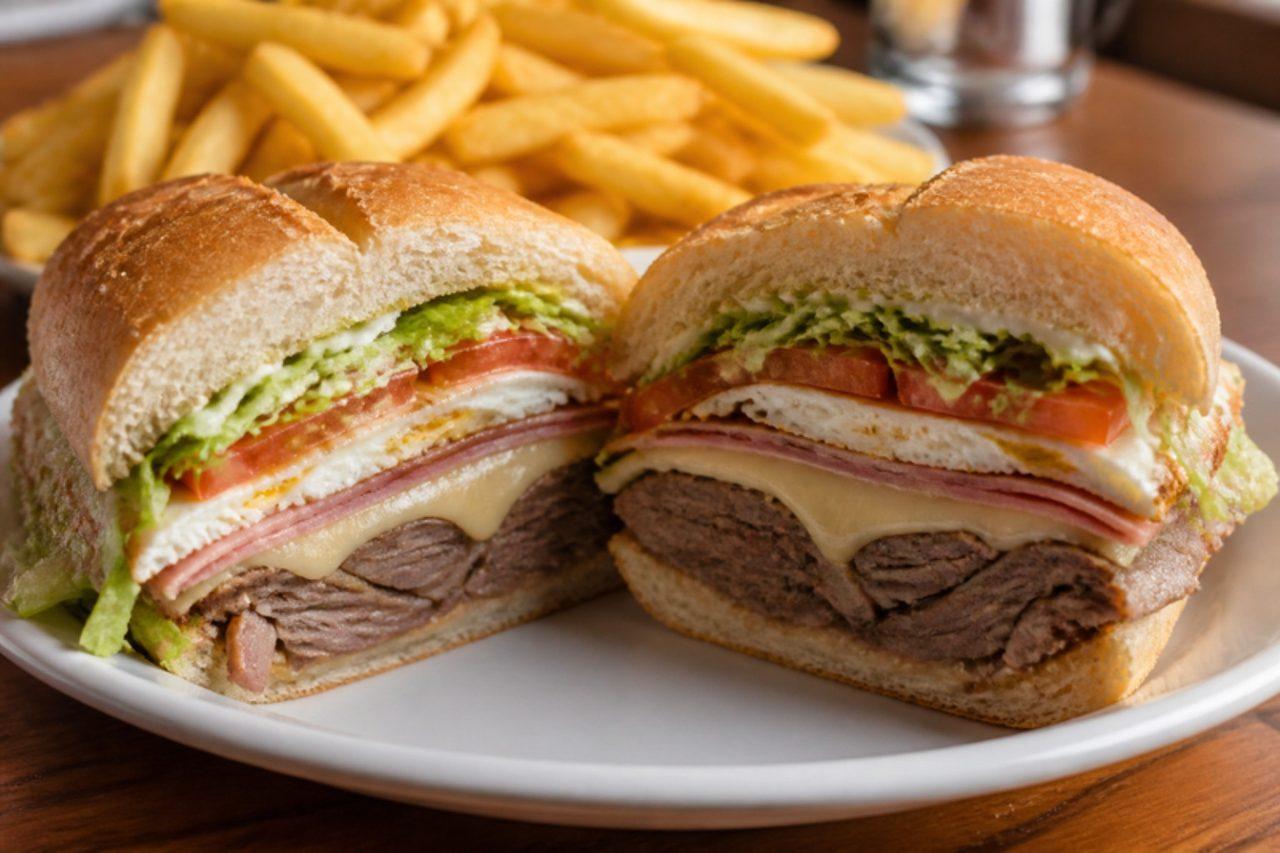
Lomito completoLoaded tenderloin sandwich

Córdoba claims the lomito as its own, and at lomiterías and late-night carts in the city it comes completo: thin, quick-seared slices of beef tenderloin piled into a big soft roll with cooked ham (pork), melting cheese, a fried egg, lettuce, tomato and mayonnaise. It is messy, juicy and filling, the classic end to a night out or a Saturday football match, usually with chips on the side. The meat is only a few millimetres thick, so it cooks in a minute; Córdoba grills cook it through, but as a whole steak you can leave it a little pink to taste. The big error is a lukewarm pan, which boils the thin beef grey instead of searing it. Chef's tip: lay the cheese on the ham in the hot pan to melt while the egg fries, so everything goes into the toasted roll hot at once.

by KrazyBadal 0 views

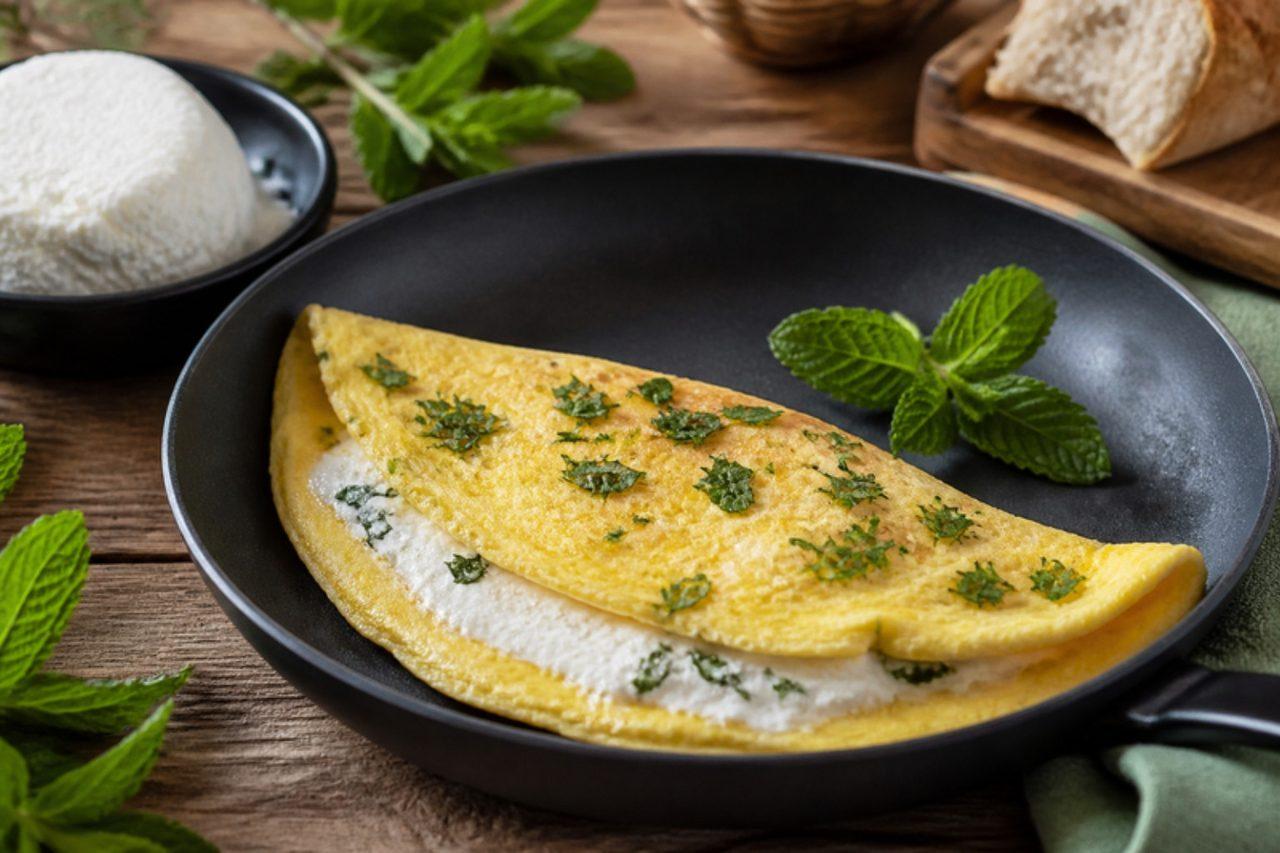
Omelette au brocciu et à la mentheFresh cheese and mint omelette

Inland Corsica, around Corte and the mountain villages, serves this omelette from late autumn to early summer, the months when shepherds make fresh brocciu. The cheese goes in at the last moment so it stays creamy, and wild mint picked from the maquis cuts through its richness; it is a light lunch or supper with a green salad and bread. Brocciu is made from the whey of rennet cheeses, so vegetarians often use ricotta labelled vegetarian instead. Chef's tip: season the cheese and mint, not just the eggs, because fresh whey cheese is very mild.

by KrazyBadal 0 views

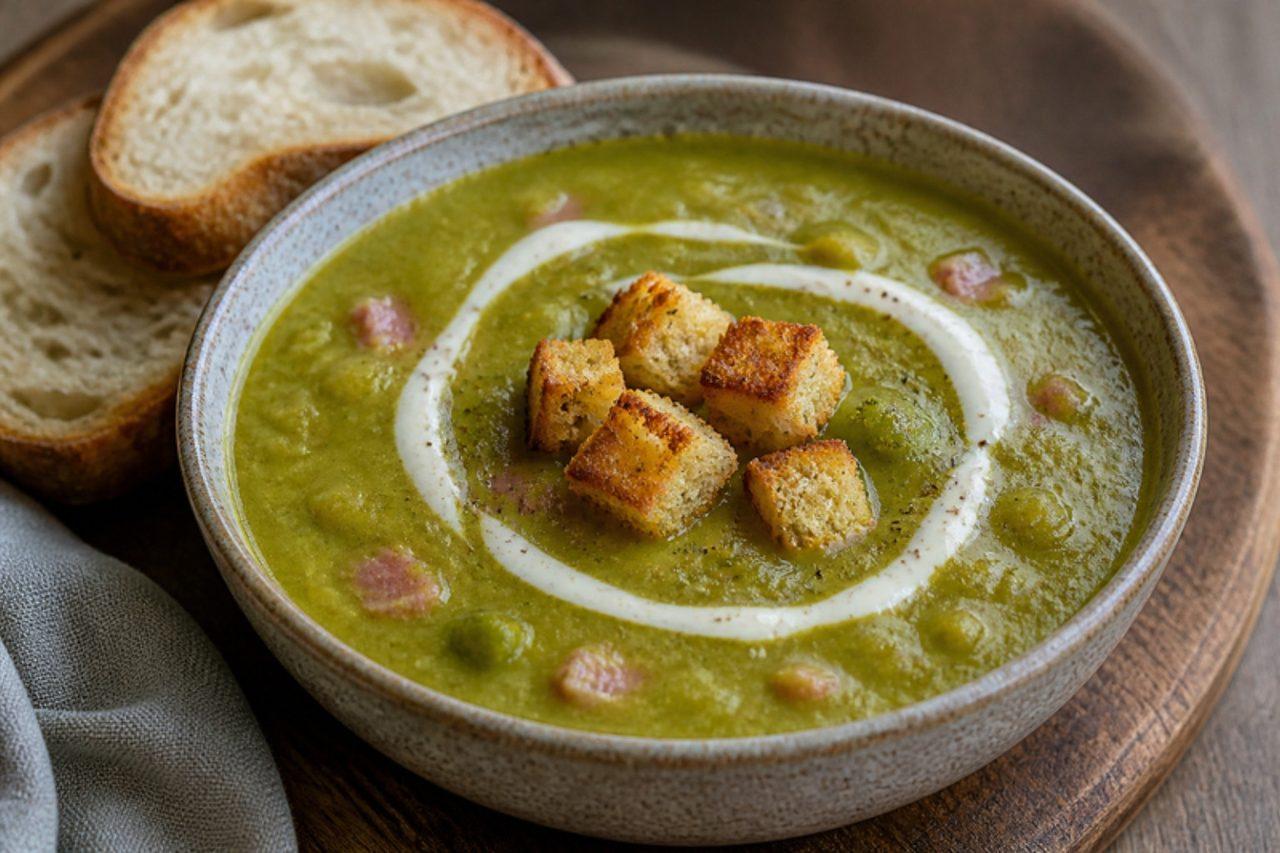
London particularSplit pea and ham soup

London particular is a thick, yellow-green soup of split peas and smoked pork ham hock, named after the pea-souper smogs that once smothered the city. It was a cheap winter warmer in Victorian London eating houses and is still on menus in pubs and cafés when the weather turns. The hock gives a deep smoky saltiness and shreds of soft meat. Chef's tip: skim the grey foam off as the water first boils, for a cleaner taste.

135 minBritishSoupsGluten free
by KrazyBadal 0 views

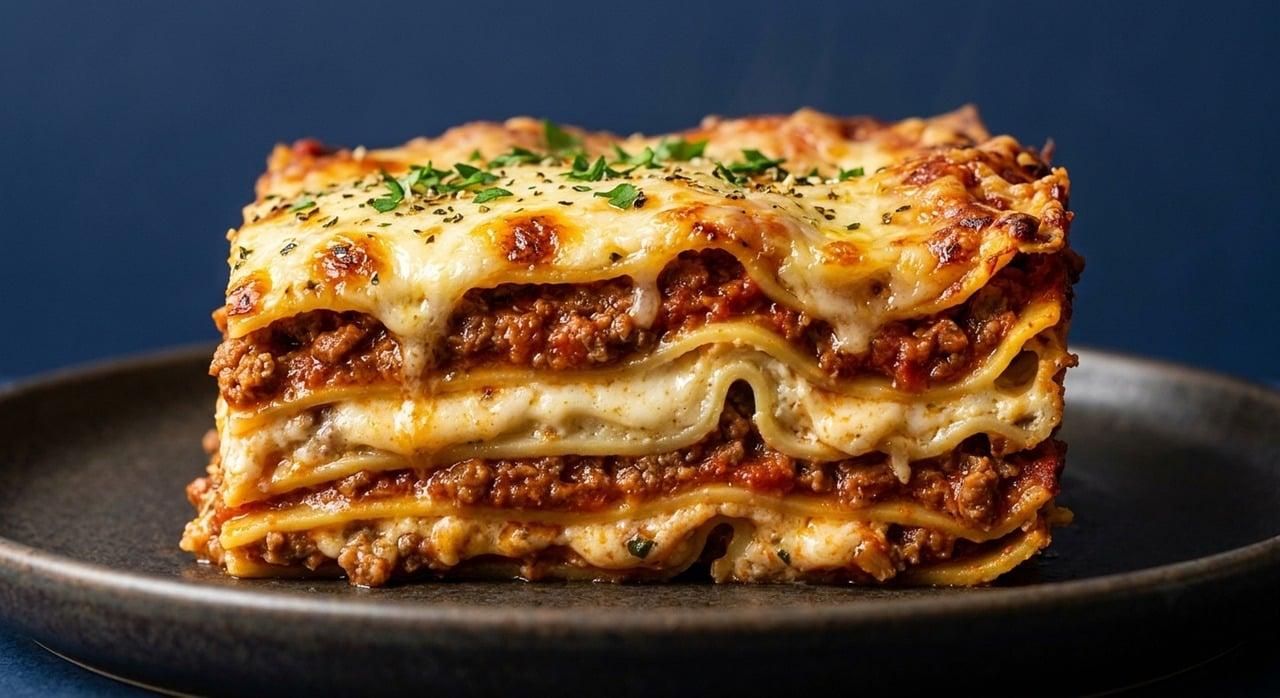
VincisgrassiBaked lasagne with meat ragù

Macerata, in the hills of the Marche, claims vincisgrassi as its own, and families still bake a tray for Sunday lunch, Christmas and Carnival. It is richer than the lasagne most people know: thin egg pasta sheets layered with a slow ragù of pork, veal and chicken livers, a nutmeg-scented béchamel and plenty of parmigiano, baked until the top is crusted and golden. Many cooks splash in white wine and a little Marsala; this version uses dry white wine, with an alcohol-free swap in the ingredient list, and the chicken livers are optional if you'd rather leave them out. Serve it in modest squares, followed by a crisp green salad. Chef's tip: make the ragù the day before and assemble cold, so the layers set firmly and slice cleanly.

by KrazyBadal 0 views

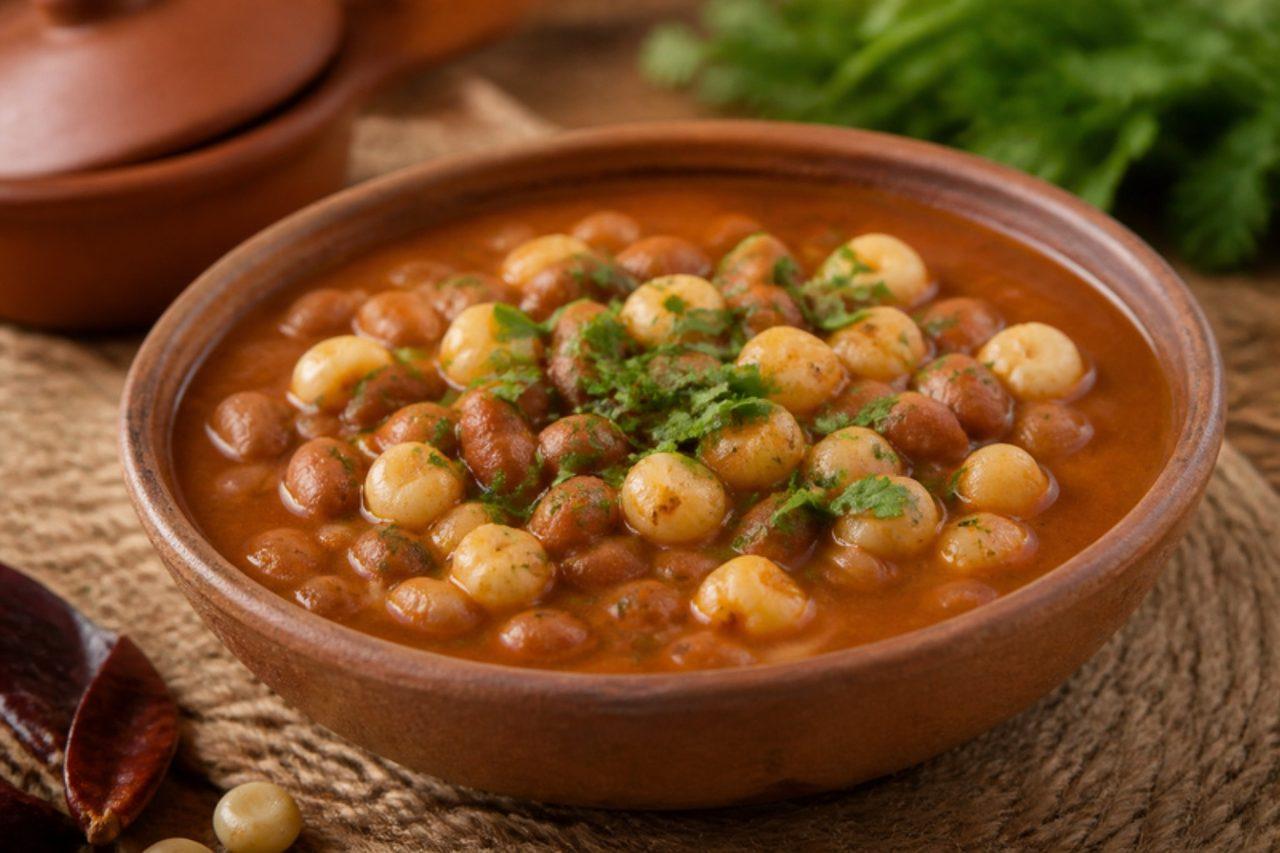
PurtumuteBean and white corn stew

High-jungle towns like Chachapoyas and Moyobamba, in the cloud-forest regions of Amazonas and San Martín, serve purtumute at festivals and family gatherings: a thick pot of beans and big white mote corn kernels simmered with onion, garlic, chilli and plenty of chopped culantro. Some versions add cheese or pork crackling; this one keeps it vegan, letting the creamy beans and chewy corn carry the dish. It is filling and earthy with a fresh green finish, and it is served in bowls with ají on the side and a plantain or a little rice. The dried beans need an overnight soak, which isn't included in the times. The usual mistake is adding salt and the sofrito too early, which can stop the beans from softening; season once they are tender. Canned or jarred white hominy works for the mote. Chef's tip: mash a ladle of the beans against the side of the pot near the end; it thickens the stew without any flour.

by KrazyBadal 0 views

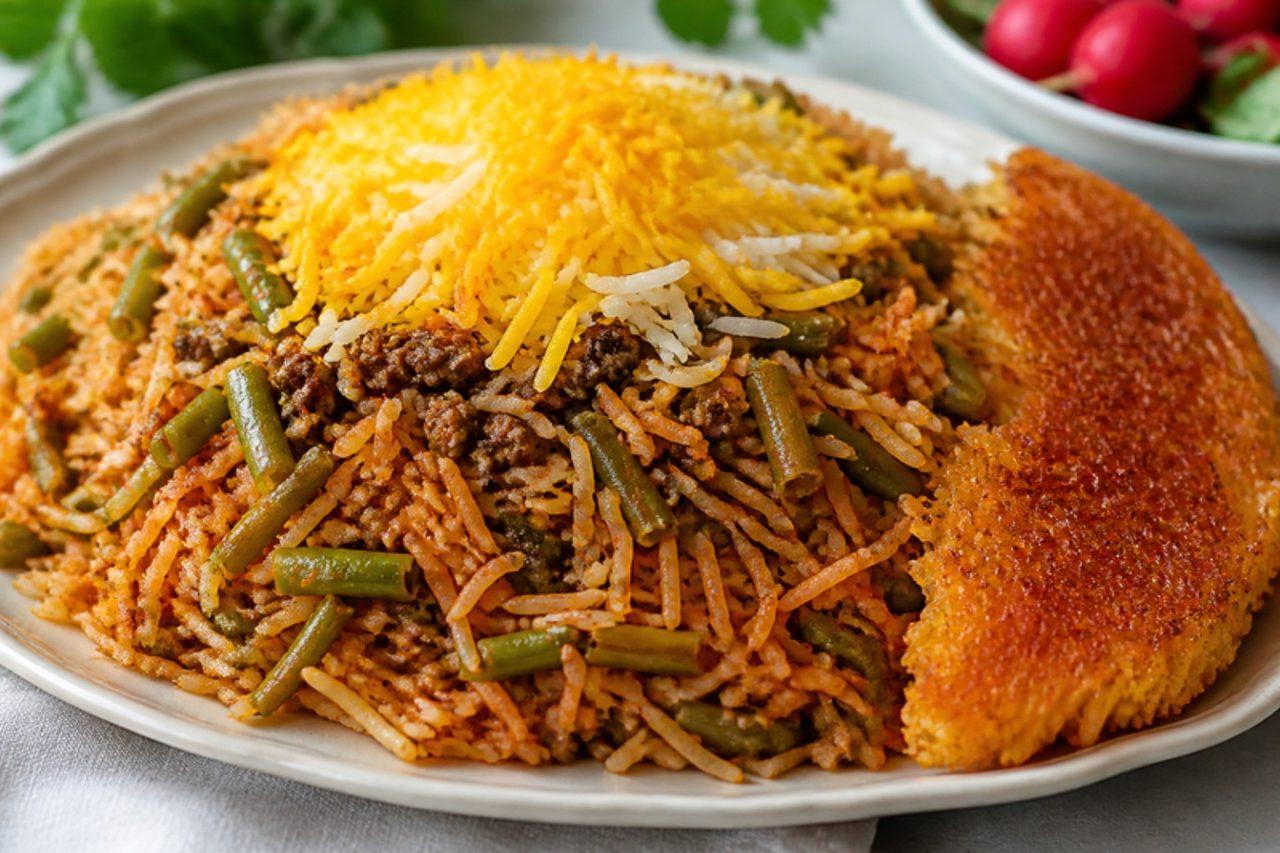
Loobia poloGreen bean rice with spiced lamb

Loobia polo is a weeknight favourite in Tehran homes, the rice dish children ask for when they come home from school and the one packed for picnics on the slopes of Darband. Parboiled basmati is layered with a sauce of minced lamb or beef, short pieces of green bean, tomato paste and a warm hint of cinnamon, then steamed slowly until every grain is stained a soft orange and a crisp tahdig forms underneath. For a meat-free pot, swap the mince for diced potato and keep everything else the same. Serve with mast-o khiar, salad shirazi and torshi. A common mistake is adding the beans raw to the rice layers: brown them in the sauce first or they stay squeaky and pale. Chef's tip: let the tomato paste fry in the oil until it turns brick red before adding water; that is where the deep, sweet flavour comes from.

by KrazyBadal 0 views

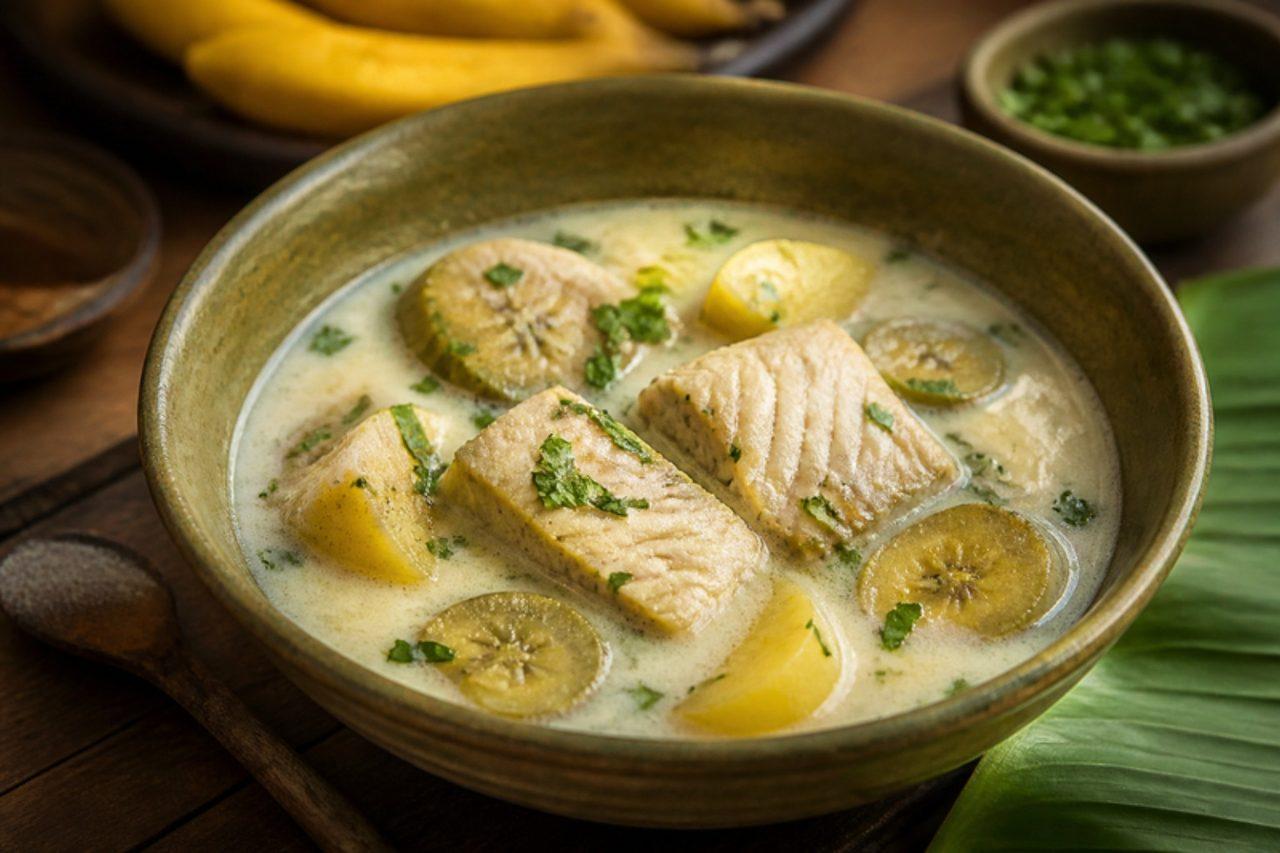
PusandaoCoconut broth with salted fish

Down the Nariño coast, in Tumaco and the river villages towards Ecuador, pusandao is everyday food built from what keeps: salted fish (or salted pork), green plantain, potato and the milk of fresh coconuts. The fish is soaked to draw out the salt, then simmered with the vegetables in a thin coconut broth scented with chillangua, the coast's culantro. Plantain and potato soften and thicken the liquid into something soupy and comforting, salty-sweet and gently herbal; it is eaten for lunch with a squeeze of lime and nothing else needed. Plan on an overnight soak for the fish. The pitfall is boiling the coconut milk from the start, which makes it greasy and grainy; cook the plantain in water first and add the coconut milk for the last few minutes. Chef's tip: salt cod is the easiest substitute for the coast's salted fish; for the pork version, use salted pork ribs soaked overnight and boiled until tender before adding the plantain.

by KrazyBadal 0 views

Lorne sausageSquare beef and pork sausage

Lorne sausage, better known in Scotland simply as square sausage or slice, is a skinless loaf of seasoned beef and pork mince that is cut into squares and fried for the full Scottish breakfast, or slapped in a morning roll with brown sauce. It is easy to make at home and freezes well. Chef's tip: freeze the shaped block for an hour before slicing; it cuts into neat, thin squares.

by KrazyBadal 0 views

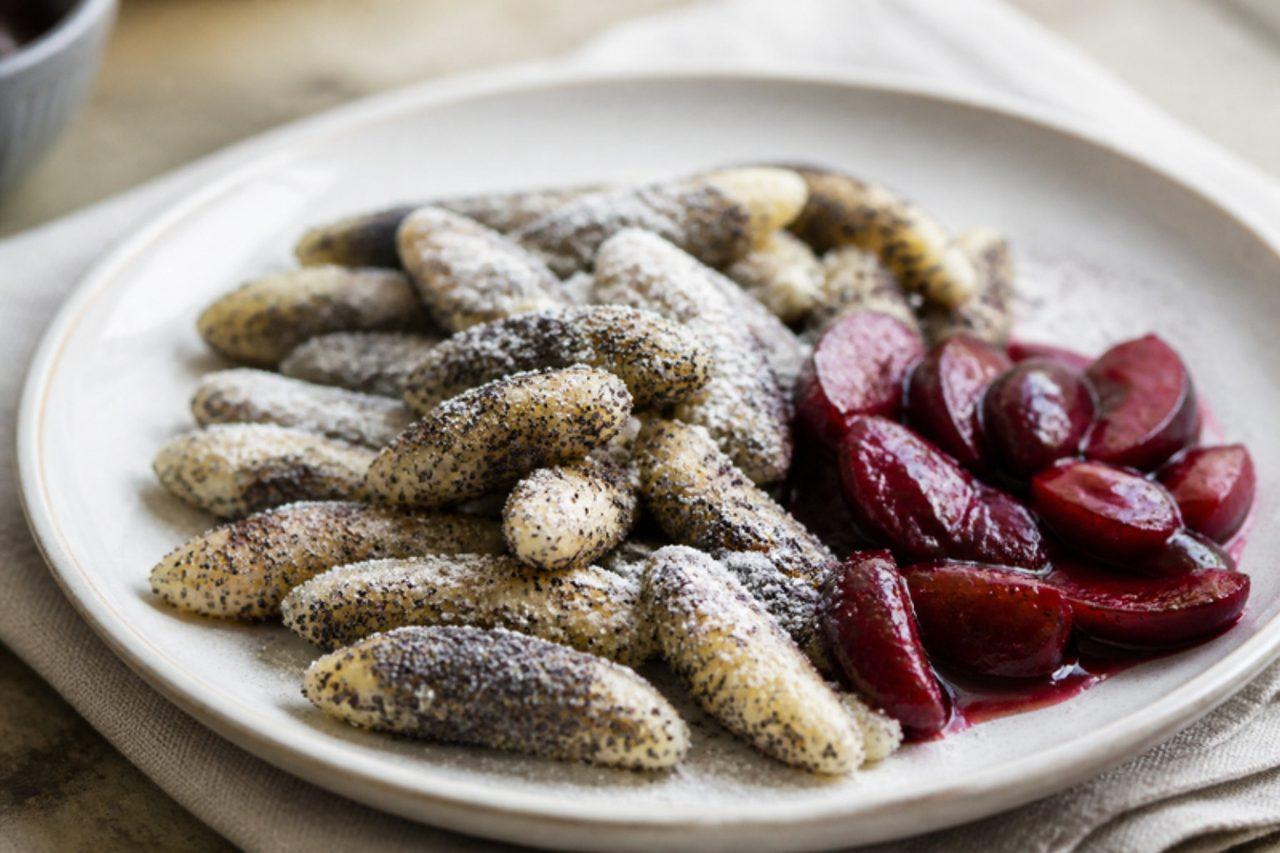
MohnnudelnPotato noodles with poppy seeds

The Waldviertel, the cool, forested uplands of Lower Austria, is poppy country: in July its fields bloom white, pink and violet, and the grey poppy seed grown there has a protected name. Mohnnudeln are its favourite sweet dish, served as a main meal on meatless days or as dessert. Soft potato dough is rolled into little tapered noodles, boiled, then tossed in foaming butter with a generous amount of freshly ground poppy seed and icing sugar, so they taste nutty, buttery and gently sweet. A common mistake is using whole or stale poppy seeds; whole seeds give no flavour and old ground ones taste bitter. Chef's tip: grind the poppy seed yourself in a spice grinder just before using, in short bursts so it doesn't turn to paste.

by KrazyBadal 0 views

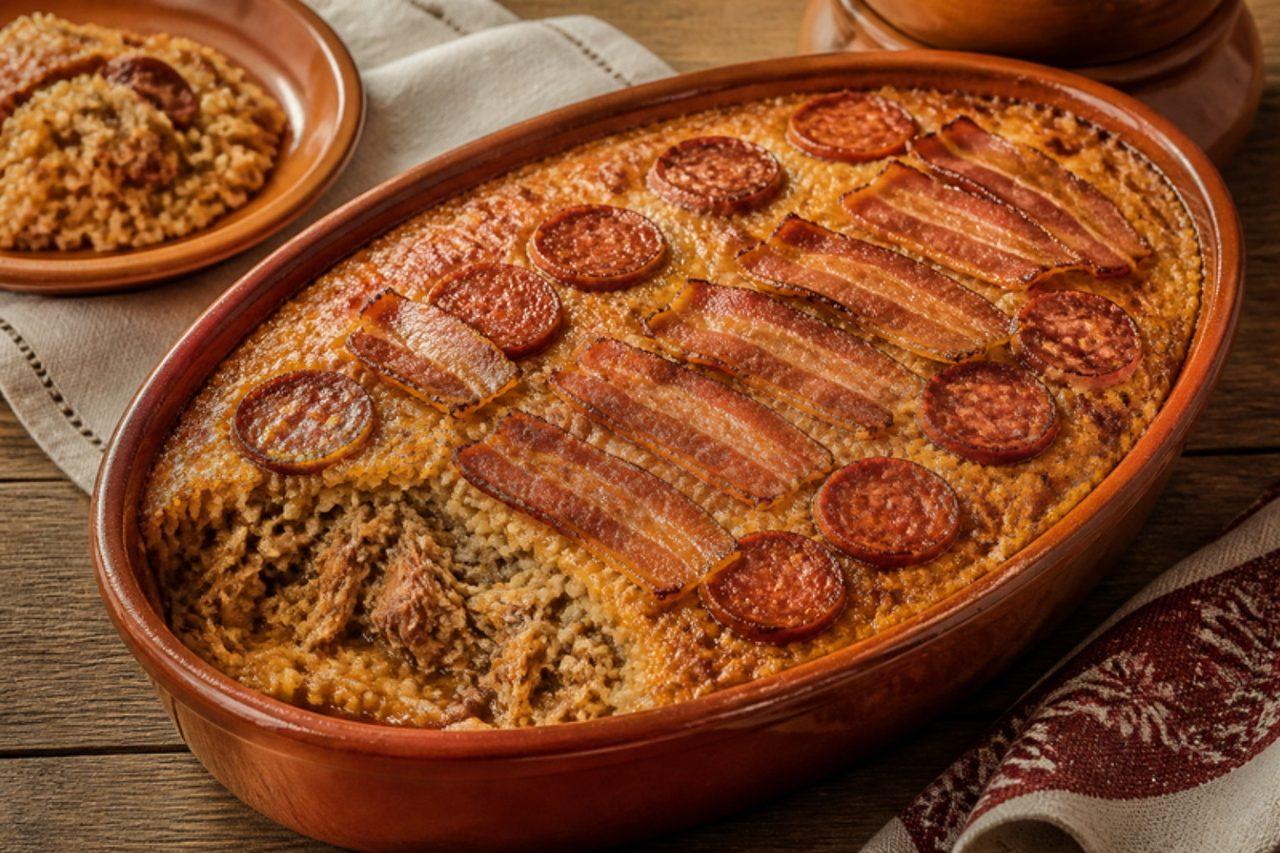
Arroz de pato à moda de BragaDuck rice with chouriço

In Braga, duck rice is moister than the crisp-topped versions elsewhere: the rice is cooked in a deep duck broth, layered with shredded meat and slices of chouriço, then given a short spell in a hot oven so the top just colours. It is a festive dish for christenings, weddings and Sunday lunches. This contains pork (chouriço and smoked bacon). Chef's tip: make the broth the day before and chill it, so you can lift off the duck fat and use a spoonful of it to fry the onion.

by KrazyBadal 0 views

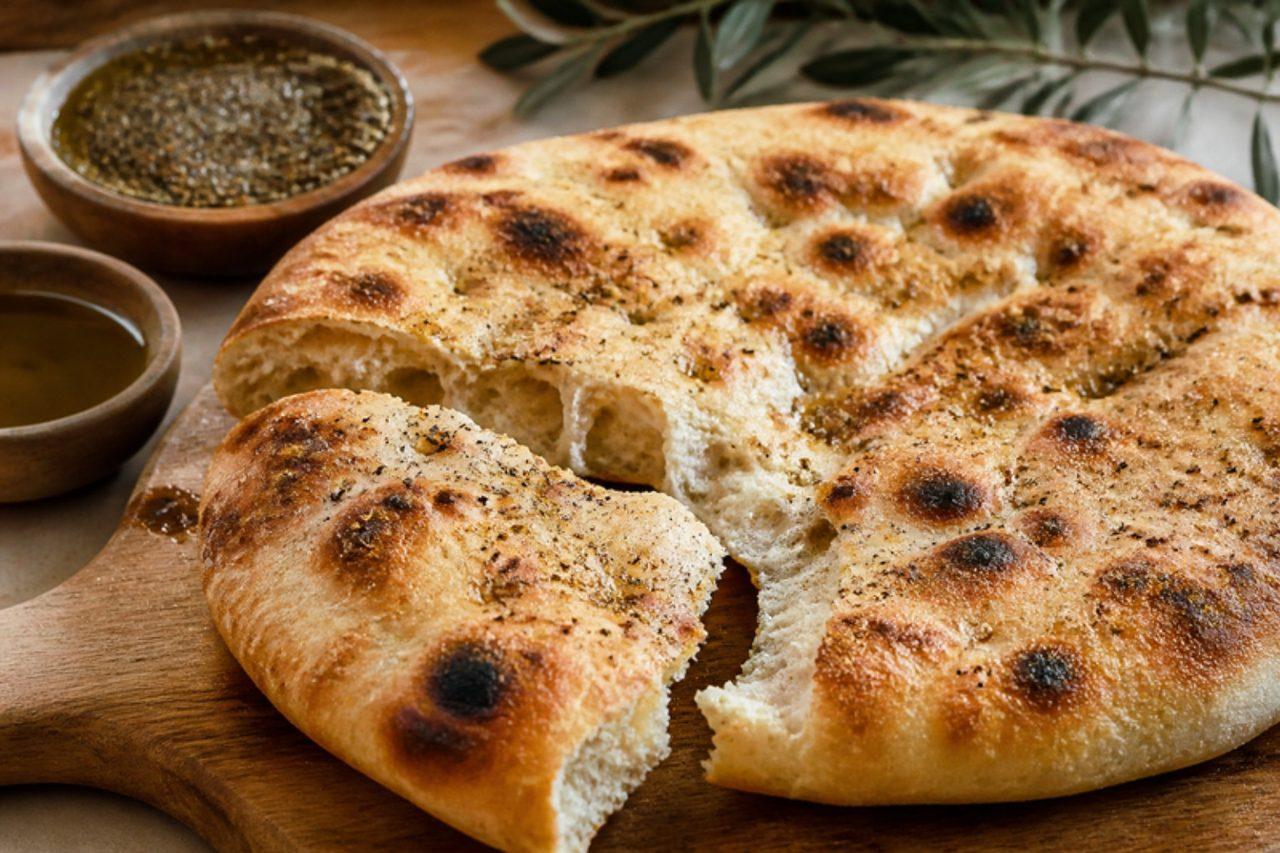
Khubz taboonDimpled flatbread

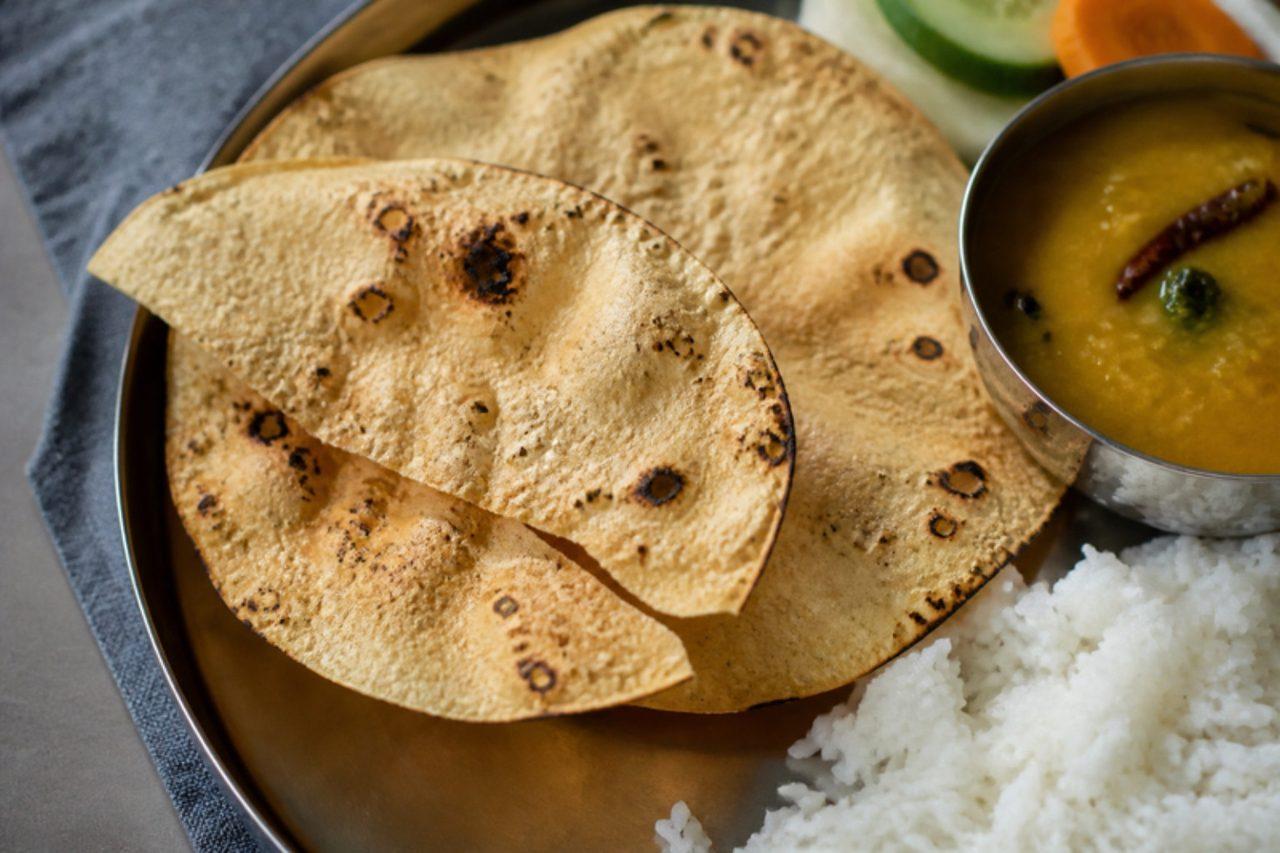
In Palestinian villages the taboon is a small clay oven lined with hot pebbles, and the bread baked on them comes out round, chewy and pocked with dimples where the stones pressed in. Women still bake it at dawn in the Galilee and around Nablus, and it is the bread that wraps musakhan, gets dipped in olive oil and za'atar, and is torn for breakfast with labneh. At home, a tray of clean pebbles or a very hot baking steel gets you close. Common mistake: rolling it too thin, which makes a cracker; it should be about 1 cm thick. Chef's tip: a little wholemeal flour and an overnight rest in the fridge give the nutty, slightly sour taste of village bread.

by KrazyBadal 0 views

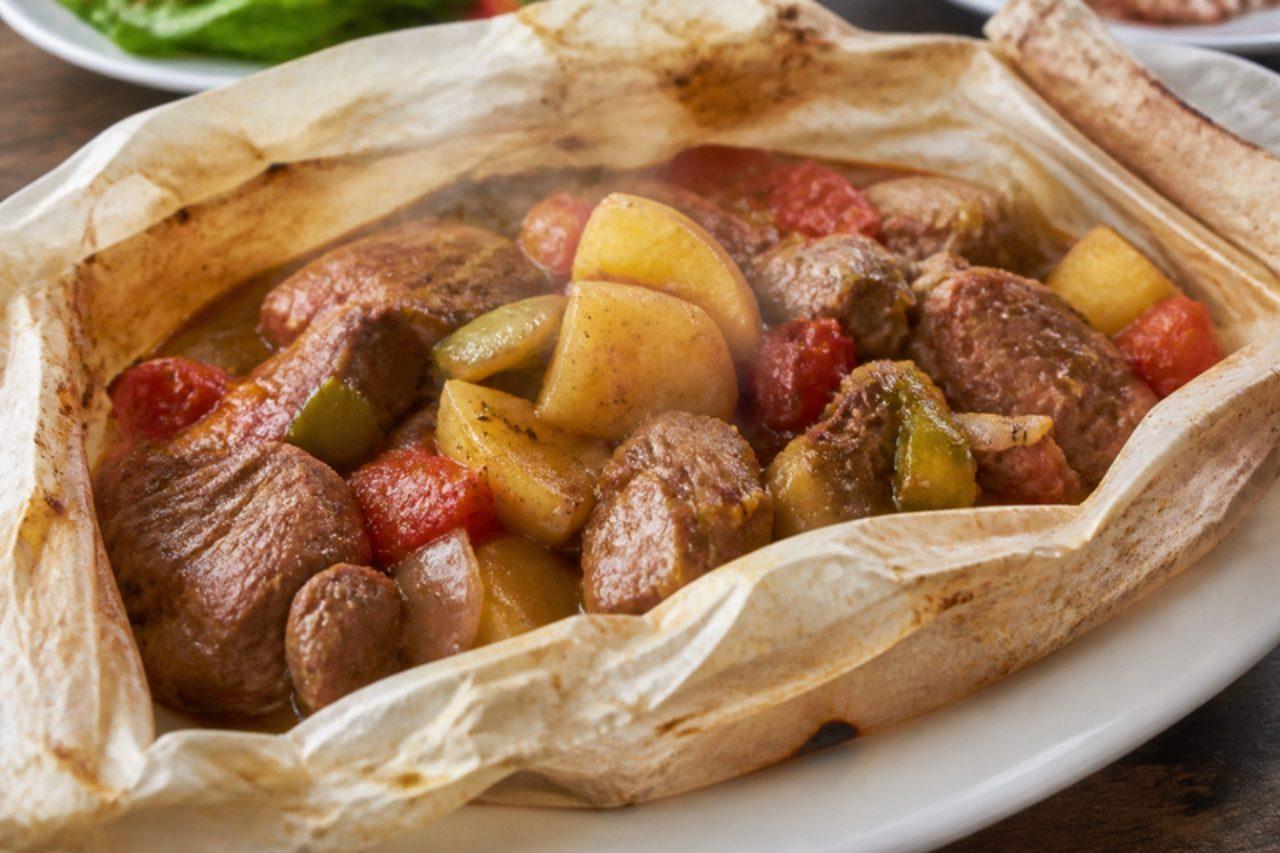
Kağıt kebabıLamb and vegetables baked in parchment

Malatya cooks wrap cubes of lamb with tomatoes, peppers, shallots and garlic in greaseproof paper and bake them slowly, so the meat steams in its own juices and the parcel puffs up like a pillow. At the table each person tears open their own package to a cloud of fragrant steam. It's a festive dish for guests, served with bulgur pilaf and a yoghurt salad. Common mistake: wrapping loosely so the juices leak and the meat dries; fold and crimp the edges tightly. Chef's tip: brown the lamb quickly before wrapping; it gives a deeper flavour than raw meat steamed alone.

120 minTurkishMeatGluten free
by KrazyBadal 0 views

Karalahana çorbasıCollard greens and bean soup

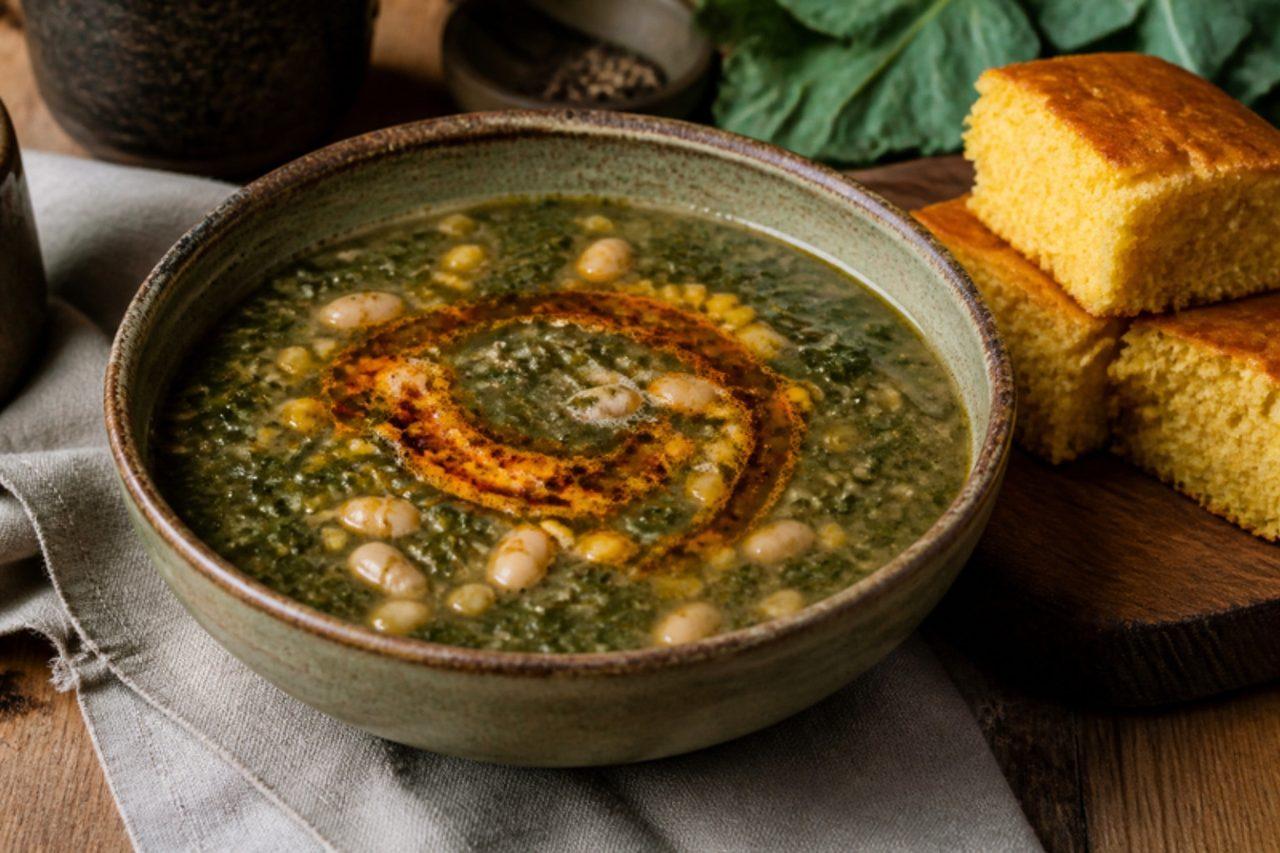
Dark, ribbed karalahana is the cabbage of the eastern Black Sea, and in Trabzon and Rize winter kitchens it goes into a thick soup that is somewhere between a broth and a stew. Shredded leaves simmer with borlotti beans, onion and a spoon of pepper paste, then a handful of cornmeal is whisked in at the end to give the soup body and a gentle sweetness. It is served with cornbread, a wedge of onion and a few chilli pickles. Common mistake: leaving the tough central ribs in; they never soften and make the soup stringy. Chef's tip: the soup is noticeably better the next day, so make it ahead and loosen it with a little hot water when you reheat.

by KrazyBadal 0 views

PashmakSesame candy floss

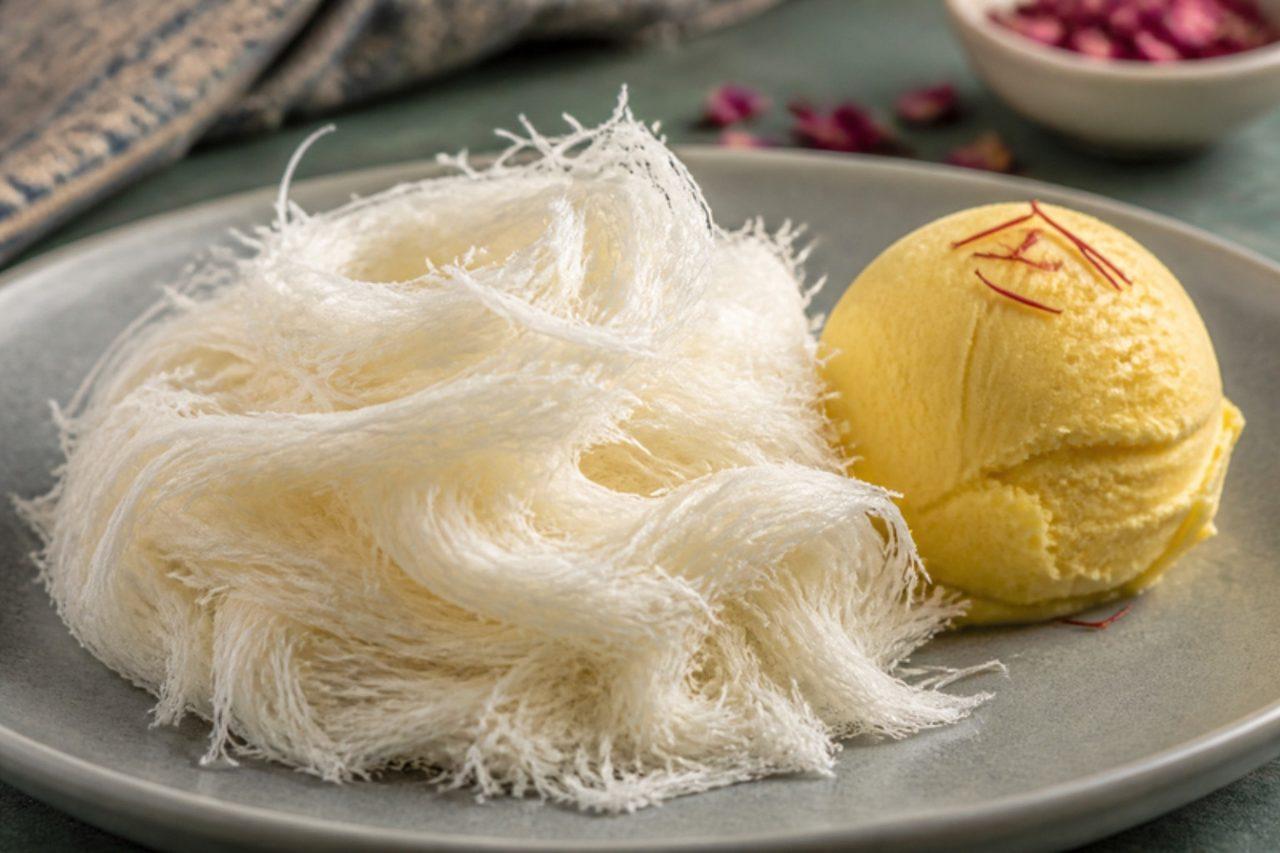
Pashmak, 'little wool', is the fine, silky candy floss of Yazd, sold in boxes beside the city's qottab and baklava and piled on top of ice cream or cakes at weddings. Unlike fairground floss it is made by hand: a hot sugar ring is pulled again and again through toasted flour cooked in butter and sesame oil until it splits into thousands of threads. It is a project for two pairs of hands. A common mistake is letting the sugar get too cool before pulling; it should be warm and pliable, like soft plasticine, or it snaps instead of stretching. Chef's tip: wear clean cotton gloves under food-safe gloves, because the sugar is hot at first.

by KrazyBadal 0 views

Técula méculaAlmond and egg-yolk tart

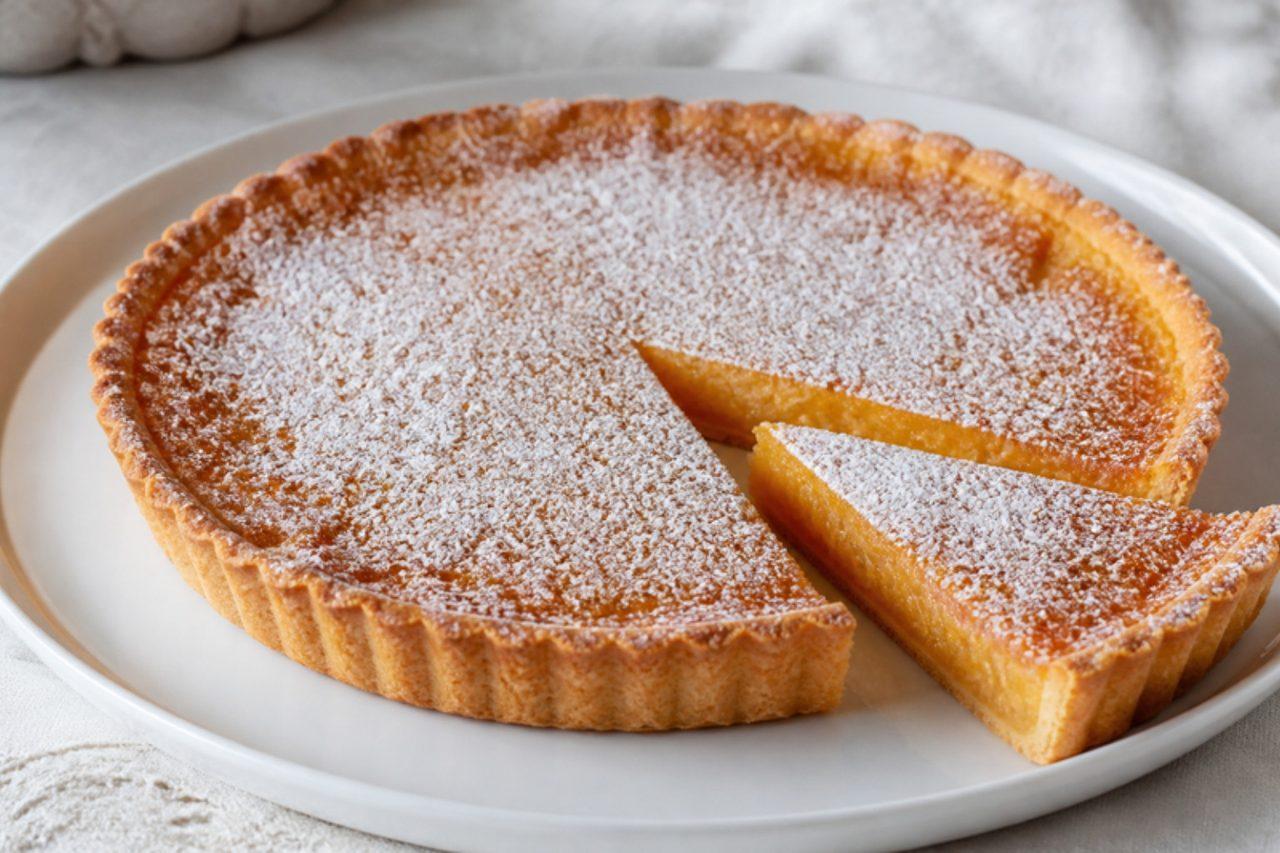
Olivenza, on the border with Portugal and Portuguese until 1801, kept a taste for the convent sweets of its neighbour, and técula mécula is the town's pride: a dense, golden tart of ground almonds, sugar syrup and egg yolks, sold whole or by the slice in its pastry shops and carried home as a gift. Its playful name is said to come from a Latin phrase meaning with you and with me, as if it were made to share. The traditional pastry uses pork lard; this version uses butter and is vegetarian. Chef's tip: a thin slice is plenty, as it is very rich; serve it with coffee.

by KrazyBadal 0 views

MoghrabiehPearl couscous with chicken and chickpeas

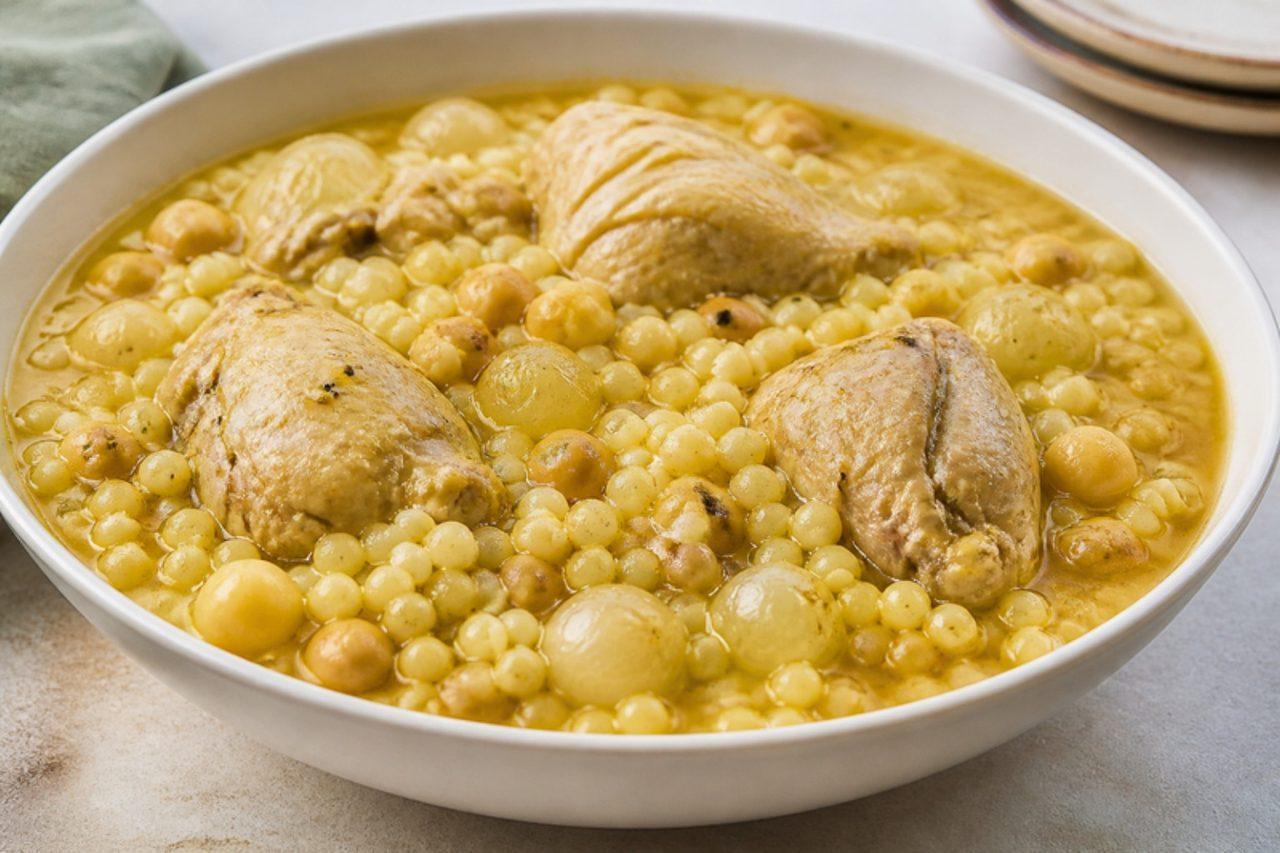
Despite its name, which nods to North Africa, moghrabieh is thoroughly Lebanese: big, chewy pearls of hand-rolled semolina cooked with chicken, baby onions and chickpeas in a broth scented with caraway and cinnamon. Families in Beirut and the mountains make it for Sunday lunch and especially on Christmas Eve in some villages. The pearls are served in a mound with the chicken and onions on top and a jug of broth to moisten each plate. Common mistake: boiling the pearls in the broth from the start; they turn gluey, so parboil them in water first. Chef's tip: toss the drained pearls in a little butter and caraway before mixing them with the onions — they stay separate and glossy.

by KrazyBadal 0 views

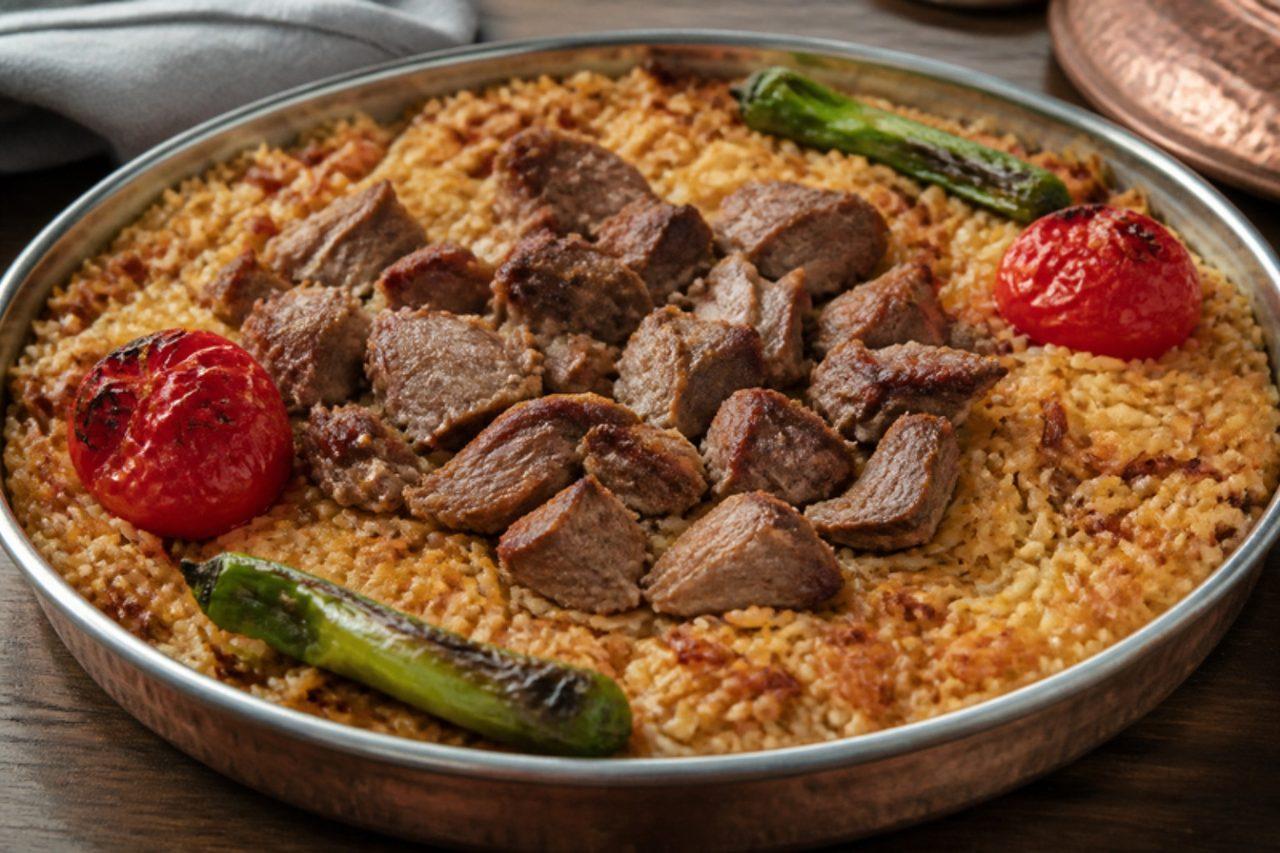
Ankara tavasıBraised lamb on orzo pilaf

Ankara's signature dish is a tava, a baking pan, in which tender braised lamb is laid over a pilaf of rice and orzo and finished in the oven so the top grains go crisp and the meat juices soak right through. Old Ankara families serve it for guests and at festival lunches, with a bowl of cacık and pickles. Common mistake: using fully cooked pilaf, which dries out and turns hard in the oven; cook the rice only halfway. Chef's tip: save every spoon of the lamb's braising liquid; it's what flavours and finishes cooking the rice underneath.

150 minTurkishMeat
by KrazyBadal 0 views

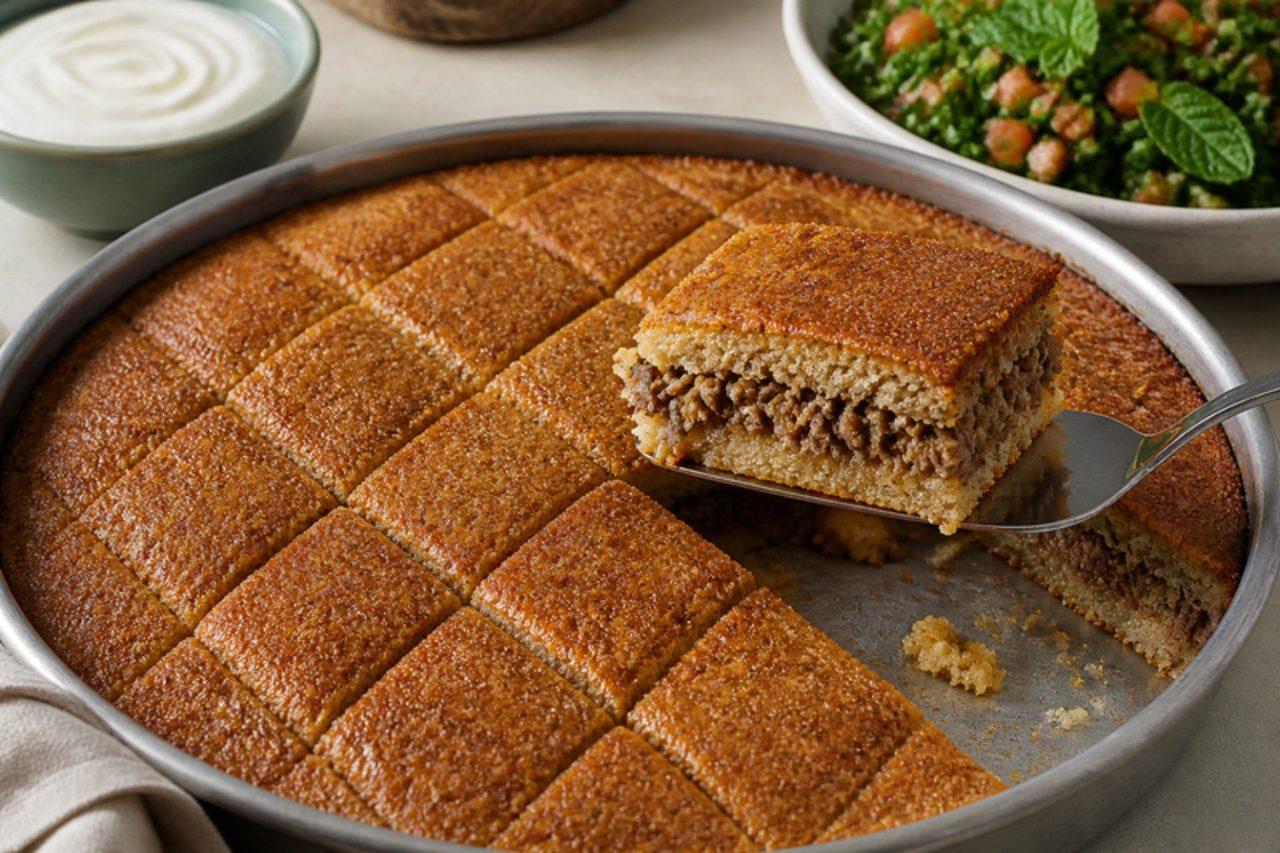
Kibbeh bil saniehBaked tray kibbeh

When a Lebanese family is expecting a crowd for Sunday lunch, out comes the round tray of kibbeh bil sanieh, cut into diamonds before baking so everyone can lift a neat piece. Two layers of lamb and fine bulgur kneaded with onion and spices sandwich a filling of minced lamb fried with onions and toasted pine nuts; the top bakes crisp and brown while the inside stays moist. Serve it warm or at room temperature with yoghurt, cucumber salad or fattoush. Common mistake: using coarse bulgur, which won't bind; you need fine bulgur (number 1). Chef's tip: dip your hands in iced water while you press the top layer — it smooths the surface and stops the mixture sticking.

by KrazyBadal 0 views

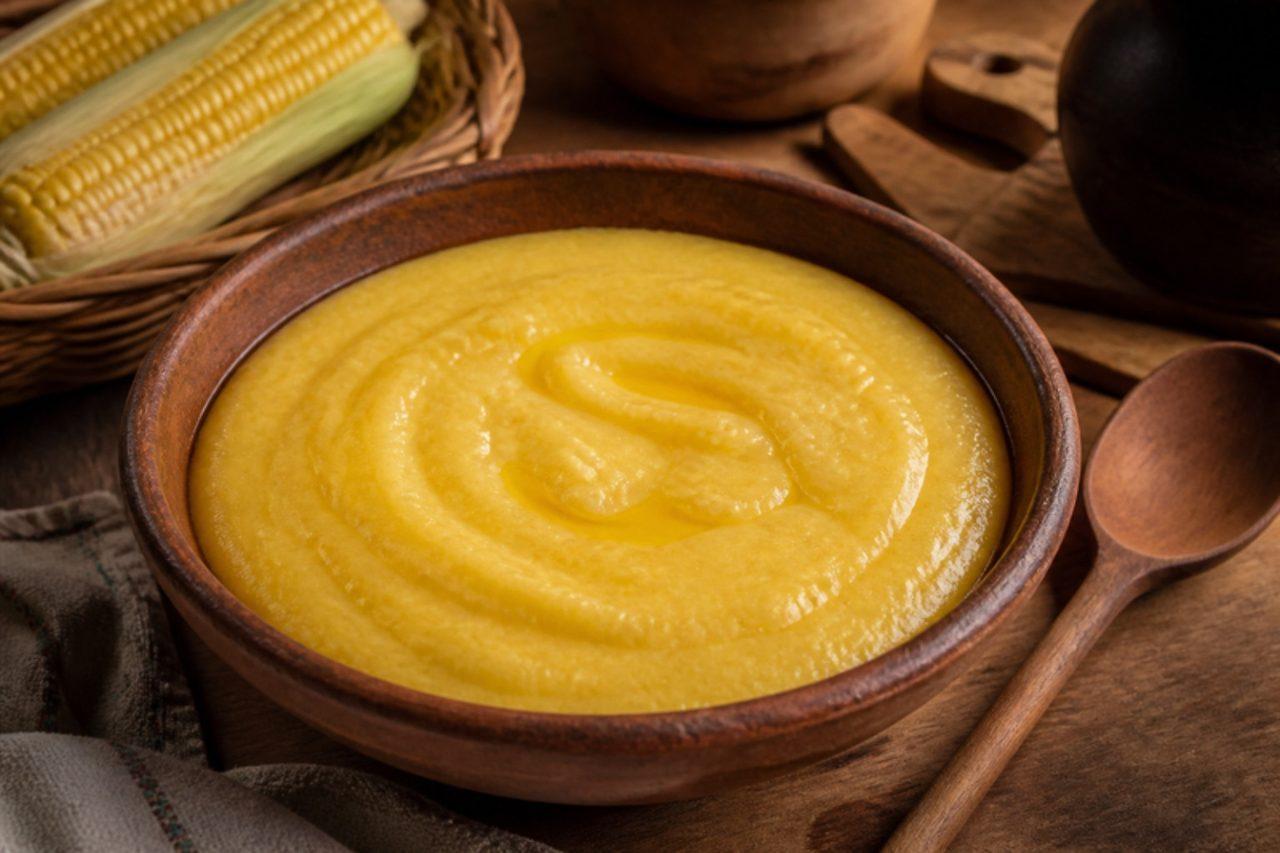
AnguSoft cornmeal mush

Angu is to a mineiro kitchen what bread is elsewhere: a pot of fine yellow fubá cooked with water into a smooth, soft mush, traditionally without salt, to sit under saucy dishes. In Minas Gerais and Rio it is spooned beside frango com quiabo, braised greens, mushroom ragouts and anything with a gravy, and the old roadside restaurants bring it in clay bowls. Plain angu tastes clean and gently sweet of corn, which is why it suits strongly seasoned food. The classic mistake is pouring dry cornmeal into boiling water, which creates lumps that never cook out; start it in cold water instead. Chef's tip: keep the heat low and give it the full 20 minutes even when it looks thick already; raw cornmeal tastes gritty and bitter, while cooked angu is silky and comes away from the sides of the pan.

by KrazyBadal 0 views

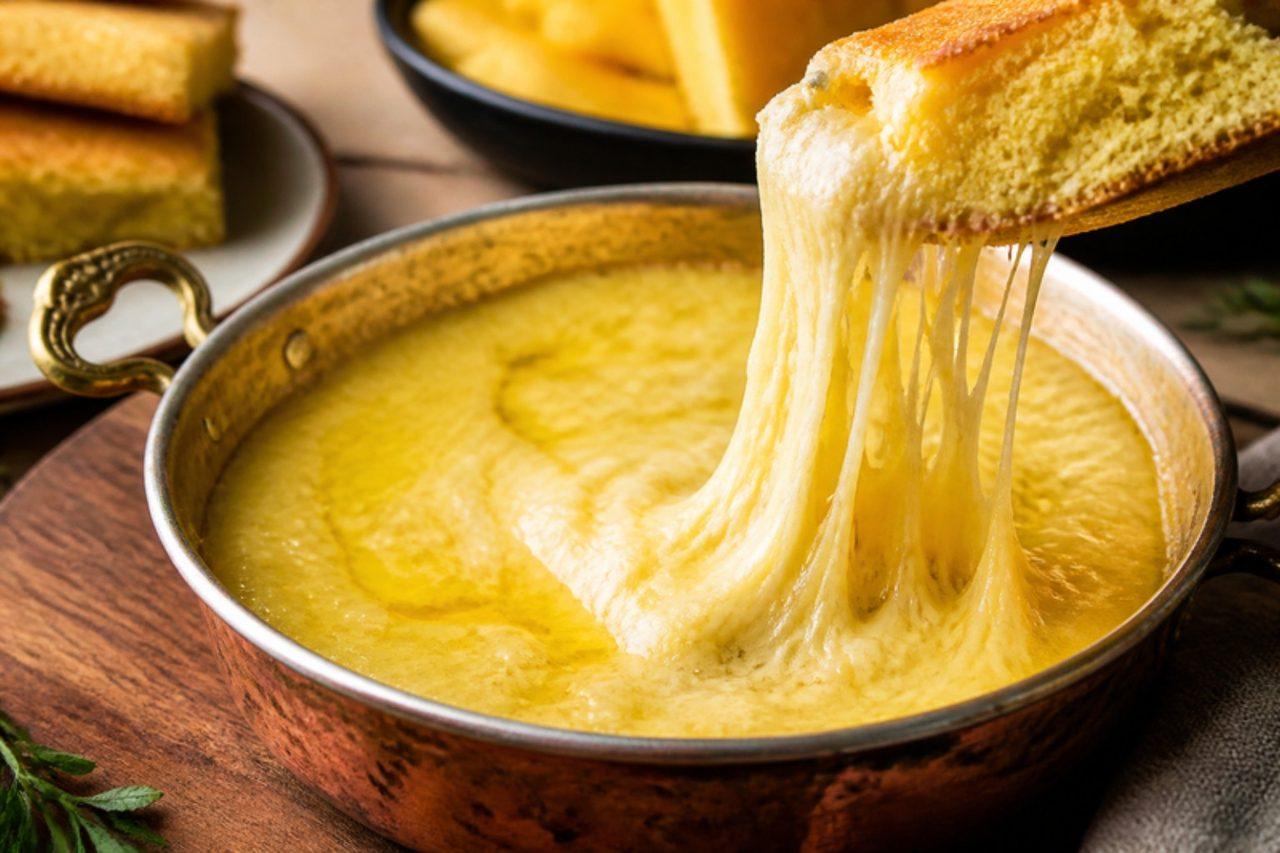
MuhlamaCornmeal, butter and melted cheese

Up in the yayla summer pastures above Trabzon and Rize, breakfast often arrives as one blackened pan set in the middle of the table, with everyone tearing bread and dragging it through. Muhlama is butter, coarse cornmeal and a young stringy cheese stirred together until the cheese melts into long, glossy threads and a pool of golden butter rises to the top. Eat it straight from the pan with cornbread or crusty bread, black tea and a plate of tomatoes and cucumbers. Common mistake: adding the cheese before the cornmeal has toasted in the butter, which leaves a raw, gritty taste and stops the oil separating. The Black Sea cheese (Trabzon or Kolot) and kaşar are usually made with animal rennet; a vegetarian mozzarella-style cheese works well. Chef's tip: don't stir once the cheese has gone in until it has fully melted, then stir in one direction only; that is what gives the long, elastic strands.

by KrazyBadal 0 views

Qamar al-dinApricot drink

Damascus is famous for its apricots, and much of the summer harvest is pressed into thin orange sheets of apricot leather called qamar al-din. In Ramadan, almost every Syrian home soaks a sheet overnight and blends it into a thick, velvety drink to break the fast — it is sweet, slightly tart and full of energy after a long day. Serve it chilled, sometimes with a few soaked pine nuts on top. Common mistake: blending without soaking long enough; the leather needs time to soften or the drink is gritty. Chef's tip: add a splash of orange blossom water and a squeeze of lemon to wake up the apricot flavour.
by KrazyBadal 0 views

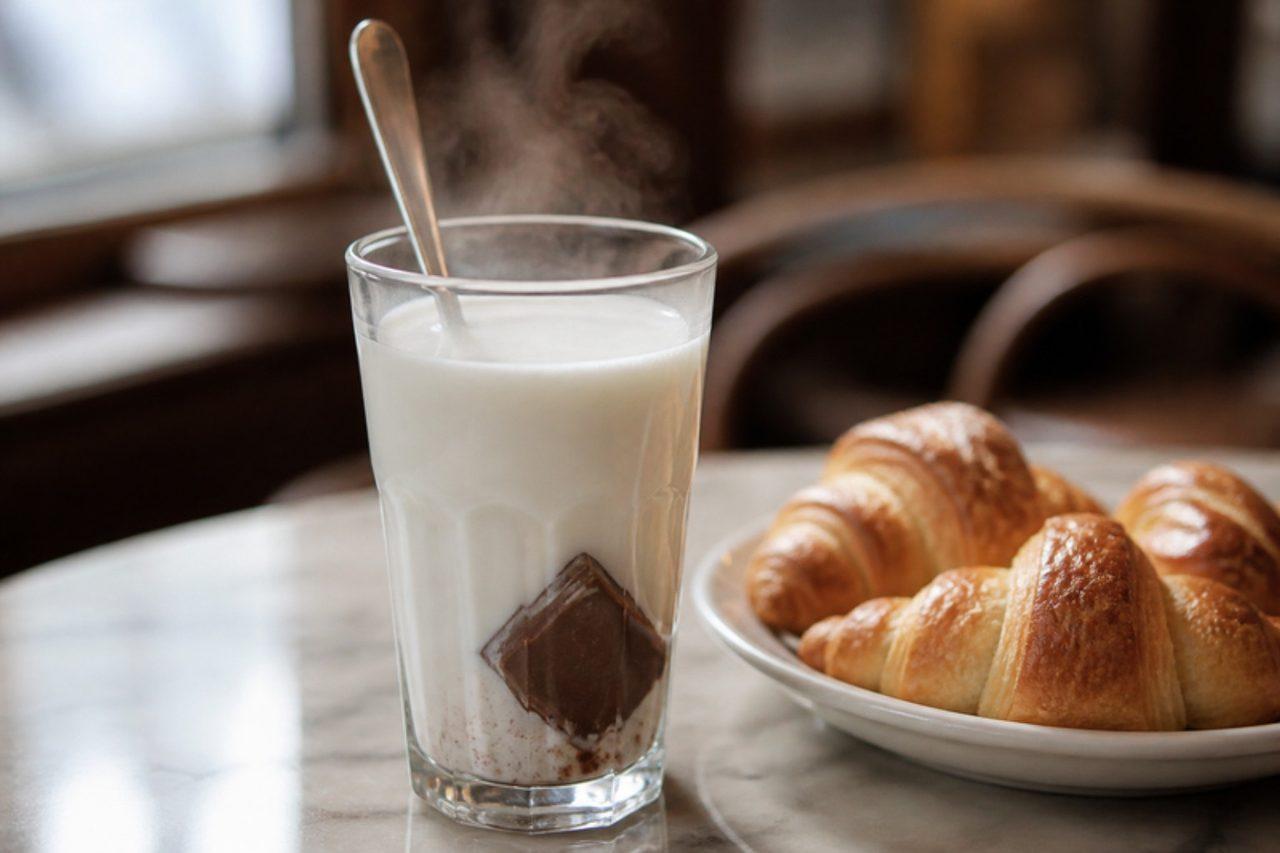
SubmarinoHot milk with chocolate bar

Café tables in Buenos Aires have their own way with hot chocolate: the waiter brings a tall glass of frothy, steaming milk on a saucer with a slim bar of dark chocolate, and you drop the bar in yourself and watch it sink like a submarine. Stirred with a long spoon, it melts into a rich, not-too-sweet drink, and it is the classic order with medialunas on a cold winter afternoon or after school. At home it takes five minutes, and children love the moment of dropping the bar in. The common letdown is milk that is only warm: the chocolate sits in a lump at the bottom. Heat it until it is steaming and just starting to rise, but not boiling. Chef's tip: froth the hot milk with a whisk or milk frother before pouring; the foam on top is part of the café ritual and keeps the drink hot while the chocolate melts.

by KrazyBadal 0 views

UchucutaRocoto and peanut chilli sauce

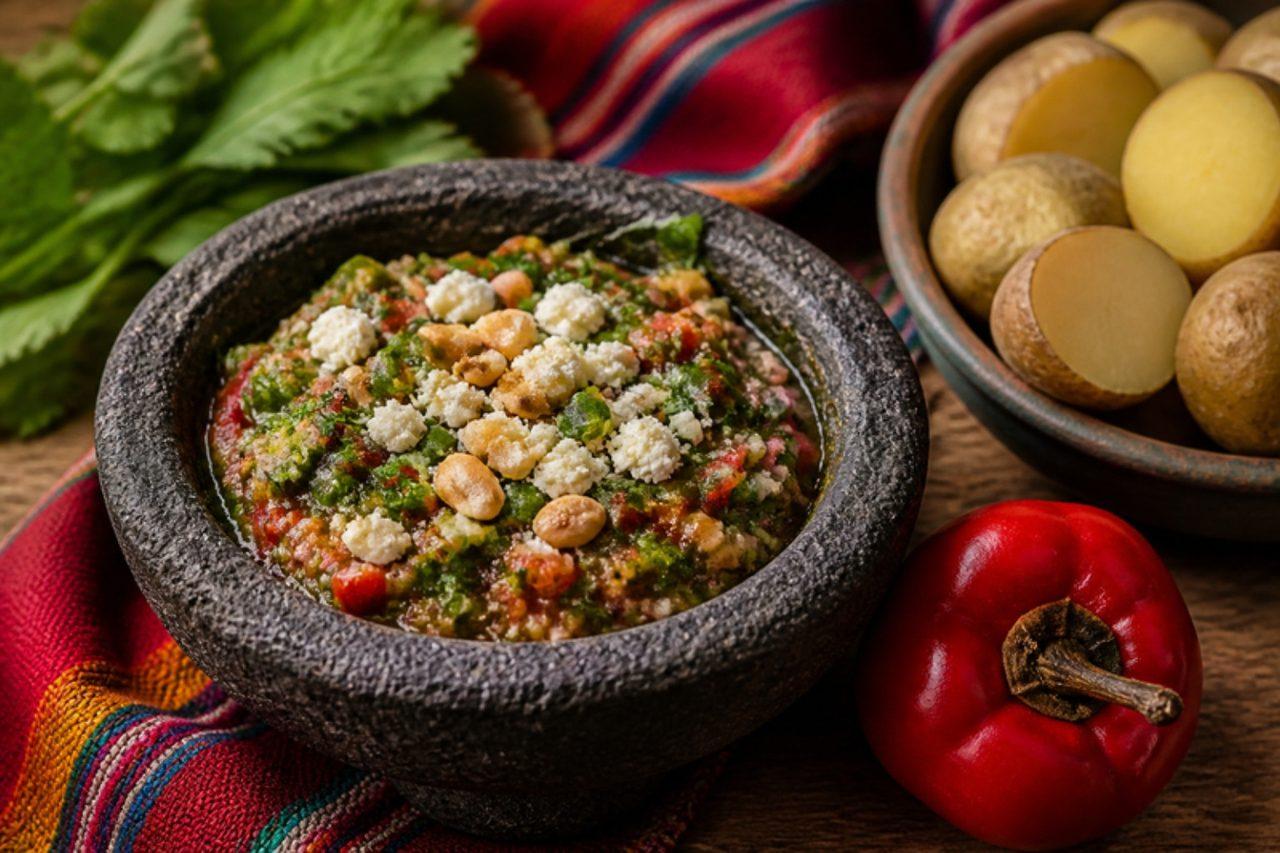
Ground on a batán, the flat grinding stone found in Andean kitchens, uchucuta is the table sauce of Ayacucho and Cusco: rocoto or yellow chilli crushed with huacatay, toasted peanuts and a little fresh cheese into a thick, speckled green-red paste. It goes on boiled potatoes, choclo, broad beans and huatia, and on festival days it sits next to every plate. The flavour is hot, herby and nutty, with a salty creaminess from the cheese. The name comes from the Quechua uchu, chilli, and it is meant to be spicy, but people often add all the rocoto at once and end up with something inedible; blend in half, taste and build up. A food processor or blender will do the work of the stone, though pulse it so the sauce keeps some texture. Queso fresco is usually made with animal rennet, so choose a vegetarian fresh cheese if you prefer. Chef's tip: toast the peanuts yourself until just golden; their warmth softens the raw sharpness of the chilli.
by KrazyBadal 0 views

Karadeniz mısır ekmeğiGolden cornbread

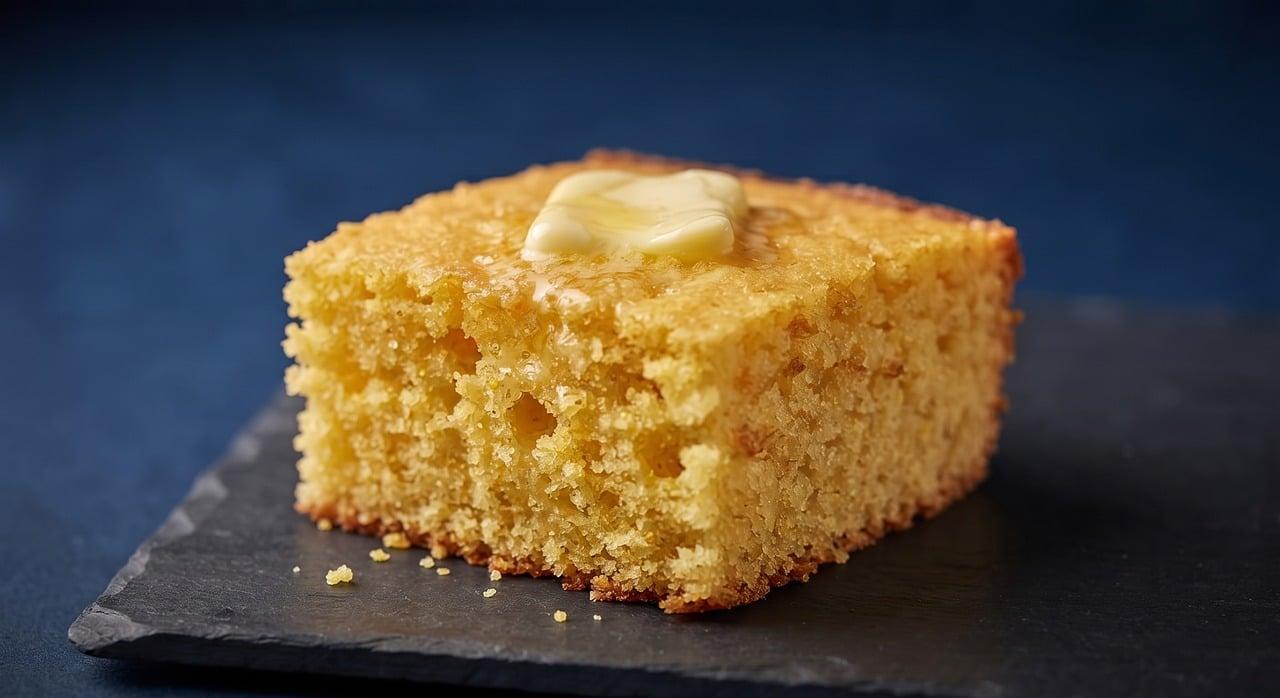
Along the Black Sea coast from Samsun to Artvin, cornbread was the everyday loaf long before wheat bread was common, and it still sits beside bowls of collard soup and plates of fried anchovies. This version is the simple household one: fine cornmeal scalded with hot water and milk, a little wheat flour and egg for lift, baked in a well-oiled pan until the crust cracks and the inside stays moist and slightly sweet. Cut it into wedges and eat it warm with butter, cheese or crumbled into soup. Common mistake: using cold water, which leaves the cornmeal gritty; scalding it first softens the grains. Chef's tip: heat the oiled pan in the oven before the batter goes in, so the base sizzles and forms a crisp, shiny crust.

by KrazyBadal 0 views

Kuru patlıcan dolmasıRice-stuffed dried aubergines

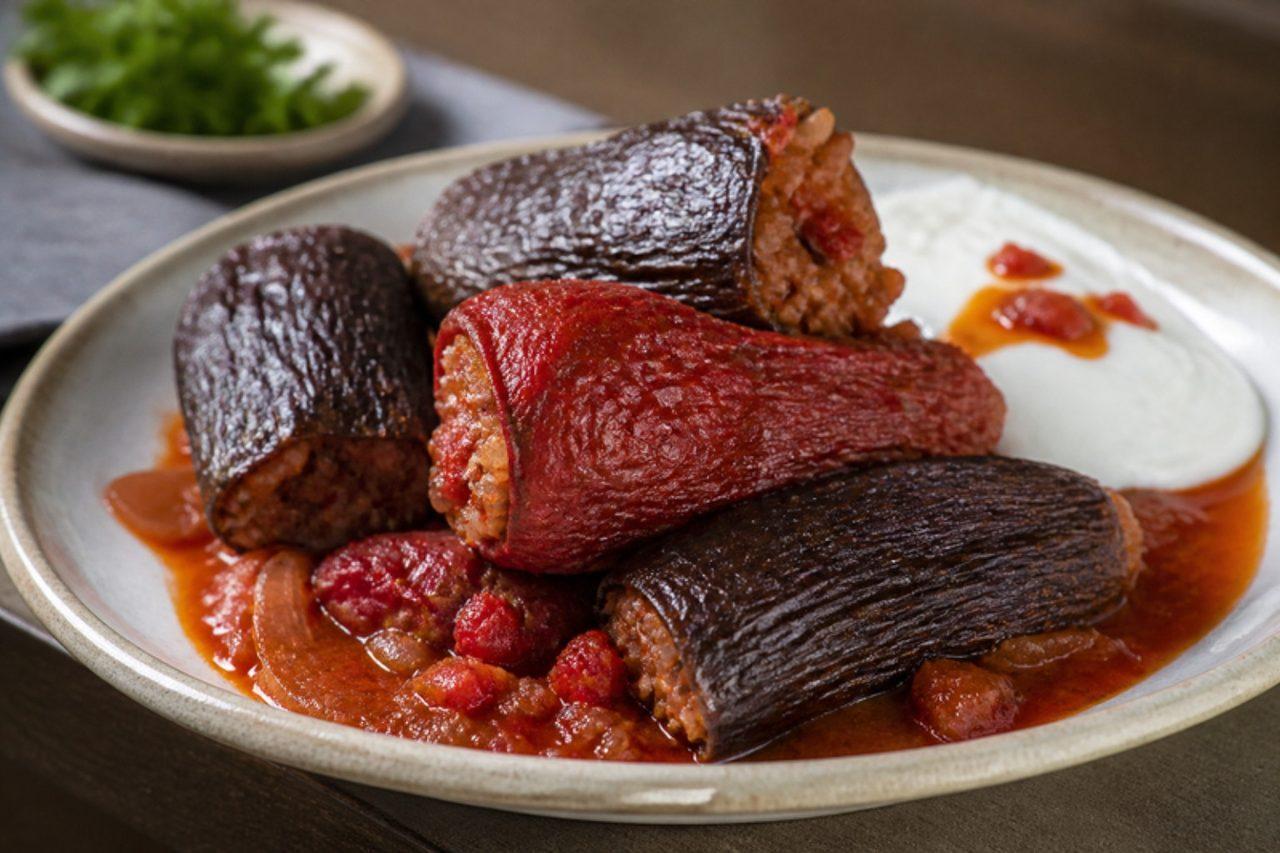
Strings of hollowed, sun-dried aubergines and peppers hang in every Gaziantep market, and in winter they are revived in hot water and stuffed with rice, mince, tomato and pepper paste. Simmered with a sour drizzle of pomegranate molasses and lemon, they become tender, slightly chewy parcels with a deep, almost smoky flavour that fresh vegetables can't match. Serve warm with yoghurt. Look for dried aubergines in Turkish and Middle Eastern shops. Common mistake: overfilling them; the rice swells and splits the delicate skins. Chef's tip: blanch them only until pliable, not soft, so they hold their shape through the long simmer.

by KrazyBadal 0 views

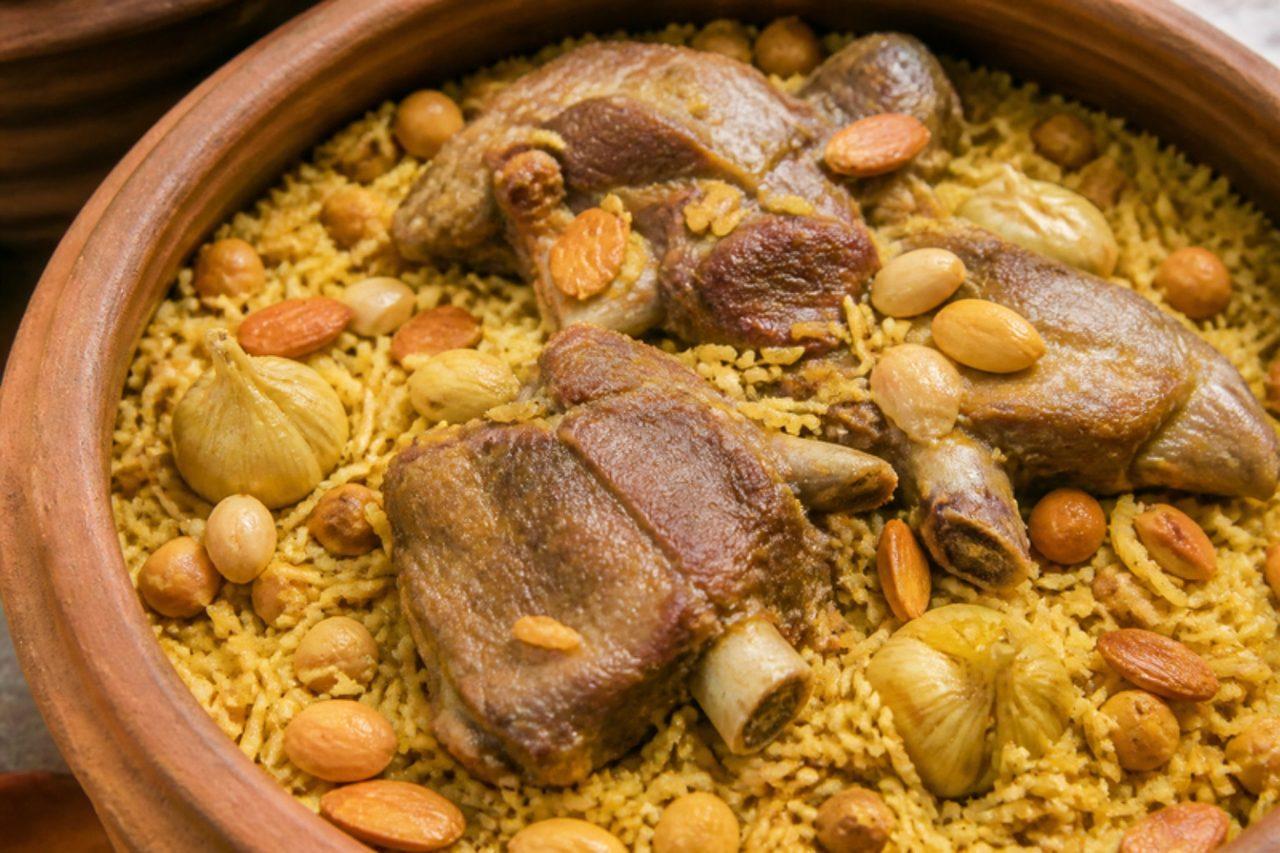
QidraLamb and rice clay-pot

Qidra takes its name from the tall copper or clay pot it is cooked in, which in Hebron is sealed and carried to the neighbourhood bakery to cook slowly in the bread oven for Friday lunch, weddings and Eid. The rice is golden with turmeric and cumin, studded with whole garlic cloves and chickpeas, and the lamb underneath turns meltingly tender. At home, a heavy lidded casserole in the oven does the job. Common mistake: lifting the lid to stir, which breaks the rice and lets the steam escape. Chef's tip: soak the rice for 30 minutes and use only as much broth as the recipe says; the sealed pot loses almost nothing.

by KrazyBadal 0 views

TintoBlack coffee with panela

Ask for a tinto anywhere in Colombia and you get a small cup of black coffee, never red wine. Street vendors carry it in thermos flasks through the plazas of Manizales, Pereira and Bogotá, and offices, bus stations and farm kitchens in the coffee region brew pots of it all day. It is light, hot and gently sweet, often made by simmering ground coffee with water and a little panela, then straining it through a cloth bag. The usual error is boiling the coffee hard, which makes it harsh and bitter; let it come to the boil only once. Chef's tip: let the grounds settle for a minute off the heat before straining, so the cup stays clear.

by KrazyBadal 0 views

Suco de acerolaAcerola cherry juice

Backyard acerola bushes are everywhere in Pernambuco, Paraíba and the rest of the Northeast, and the small, glossy red cherries fruit several times a year. Blended with water and a little sugar, they make a vivid orange-red juice, tart and cherry-like with a slightly floral finish, famously one of the richest natural sources of vitamin C. Lanchonetes often mix it with orange juice; at home it is the drink kids are handed when they have a cold. Fresh acerolas spoil within days, so outside Brazil use frozen acerola pulp. Letting it stand is the common mistake, since the vitamin C and colour fade quickly once blended. Chef's tip: blend it just before serving, and add the sugar sparingly, about a tablespoon per two glasses, to keep it light.

by KrazyBadal 0 views

Pasta con 'ndujaPasta with spicy 'nduja sausage

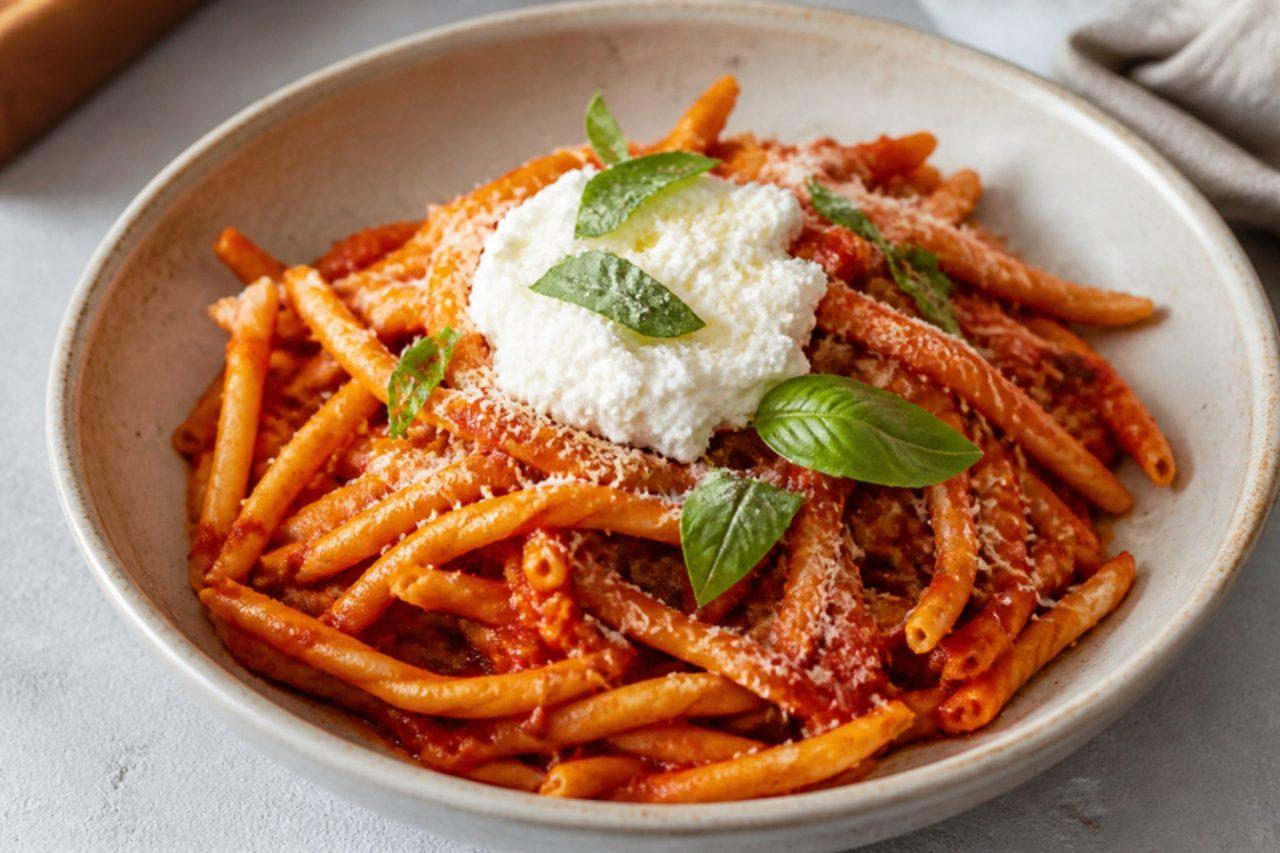
Spilinga, a small hill town above the Calabrian coast, celebrates 'nduja with its own summer festival. This soft, spreadable salumi of pork fat and meat with huge amounts of Calabrian chilli melts straight into a pan, turning a simple tomato sauce brick-red, rich and properly hot. It's a quick weeknight pasta in Calabria, often made with fileja or short pasta, and finished with a little pecorino or a dollop of ricotta to soften the heat. Chef's tip: add the 'nduja off the heat at first and let it melt gently, then simmer; frying it hard burns the chilli and makes it bitter.

by KrazyBadal 0 views

Suco de cajuCashew apple juice

Everyone in Ceará and Rio Grande do Norte has a cashew tree nearby, and in the season, roughly September to December, the fleshy yellow and red cashew apples hang heavily above the nuts. Their juice is the region's everyday drink: pale, cloudy, sweet-tart and faintly astringent, it leaves a slight dryness in the mouth that people love with fried fish or a plate of baião de dois. Fresh cashew apples rarely travel, so outside Brazil use frozen cashew-apple pulp (polpa de caju) from Brazilian shops. This is the fruit, not the nut, but anyone with a cashew allergy should still avoid it. Over-sweetening to hide the astringency is a common mistake, as the juice turns syrupy. Chef's tip: a few drops of lime and plenty of ice soften the dryness far better than extra sugar.

by KrazyBadal 0 views

Tamales norteñosBeef corn tamales

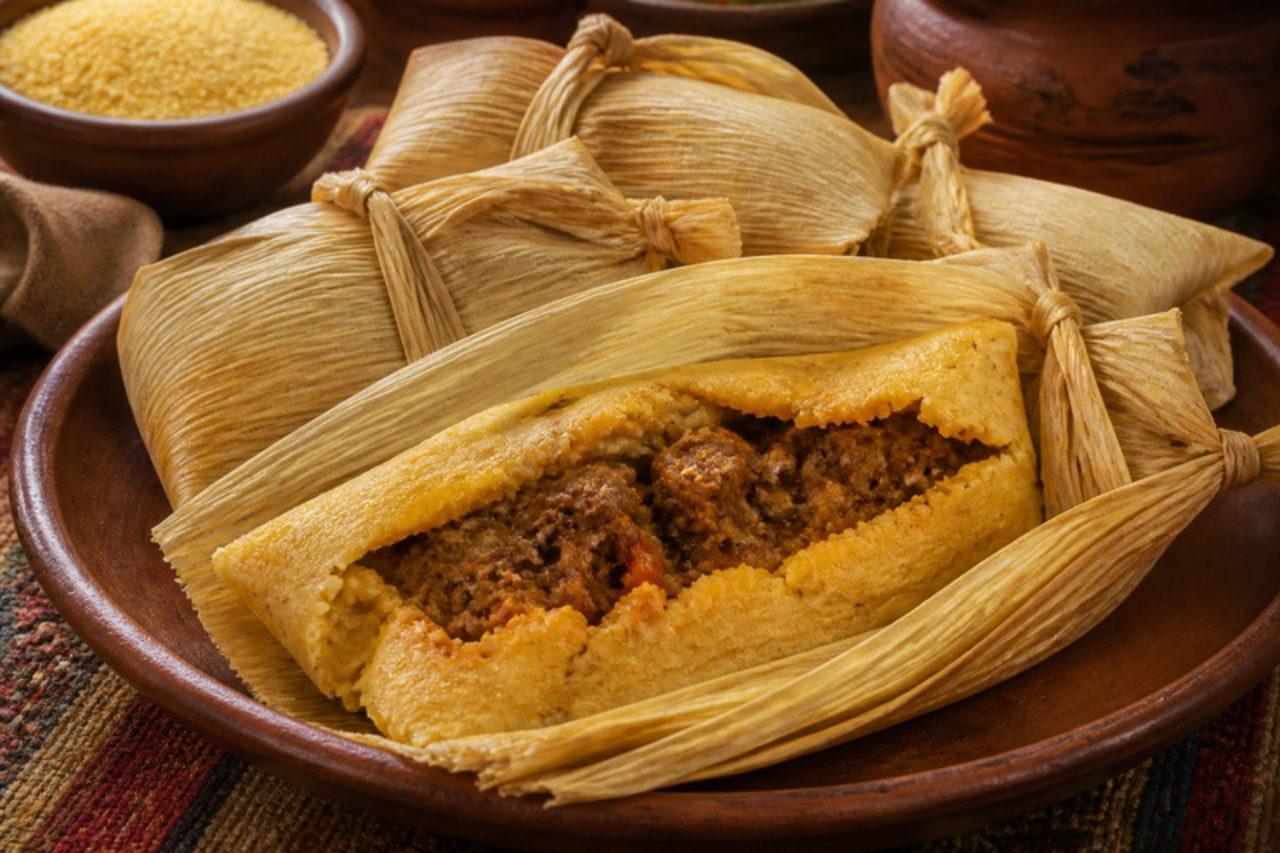
Families in Salta and Jujuy make tamales by the hundred, usually for the national holidays or for the winter fiestas in the Quebrada, with everyone at the table spreading dough onto husks, spooning in filling and tying parcels. The northern Argentine tamal is different from the Mexican one: the dough is made from finely ground white or yellow maize cooked with squash and beef fat, and the filling is a red, peppery mix of beef (traditionally from the head or charqui, dried beef) with onion, ají molido and cumin. Each parcel is folded and tied with a strip of husk into a little bundle, then boiled. Expect a long, hard afternoon, but they freeze well. Look for dried corn husks and fine maize flour in Latin American shops; masa harina also works. The filling must reach 71 °C, as for any mince, before it goes into the husks. Dough that is too dry is the usual mistake and cracks as it cooks; it should feel like soft polenta. Chef's tip: soak the husks in hot water for 30 minutes so they fold without splitting.

by KrazyBadal 0 views

Navajas á pranchaGriddled razor clams

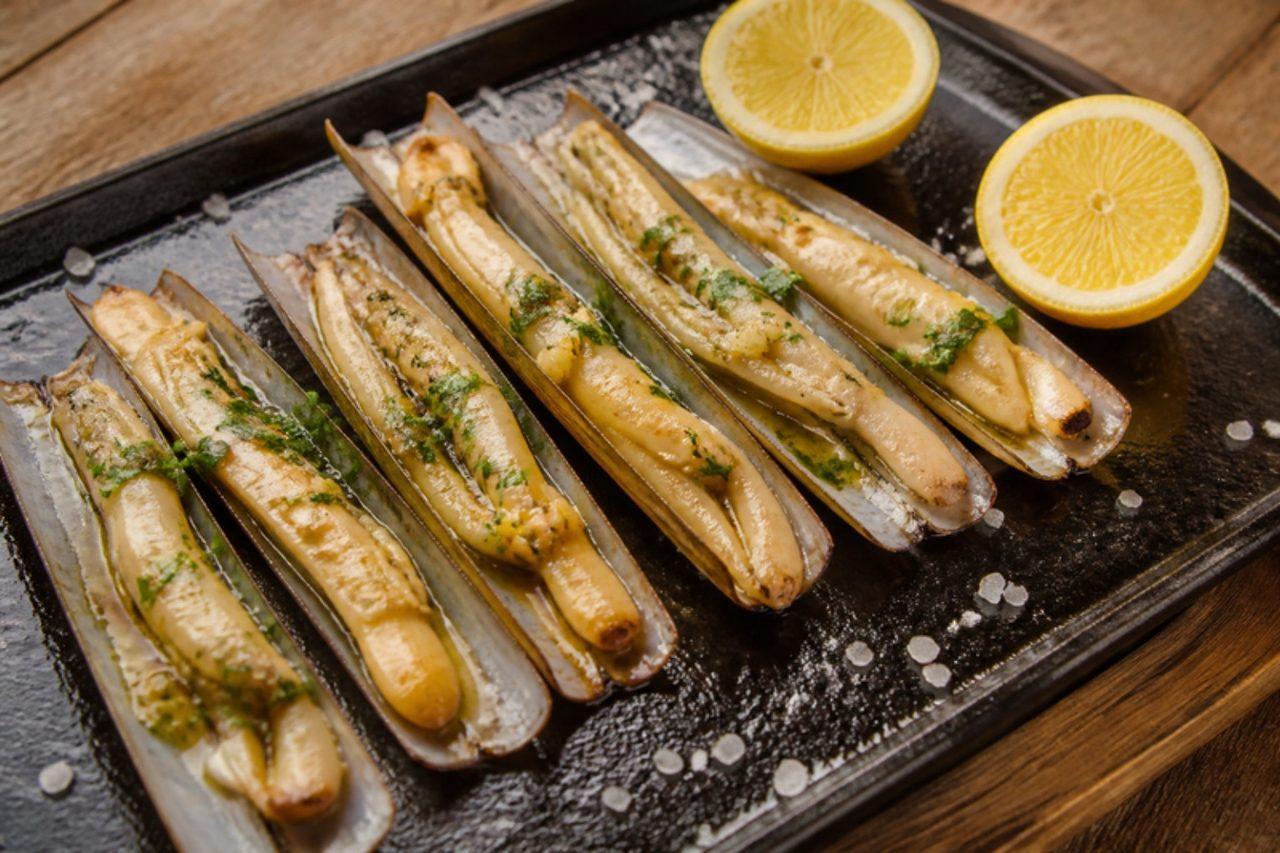
Razor clams are pulled from the sandy beds of the Galician rías, and in the seafood bars of Vigo and A Coruña they arrive straight from the griddle, opened up and glistening with garlic oil. They take two minutes to cook and are eaten with the fingers. Live razor clams twitch or pull in when touched: throw away any with cracked or broken shells, or that don't react at all. A common mistake is leaving them on the heat after they open, which turns the meat rubbery. Chef's tip: lay them all hinge side down in the same direction so they open evenly and the juices stay in the shells.

by KrazyBadal 0 views

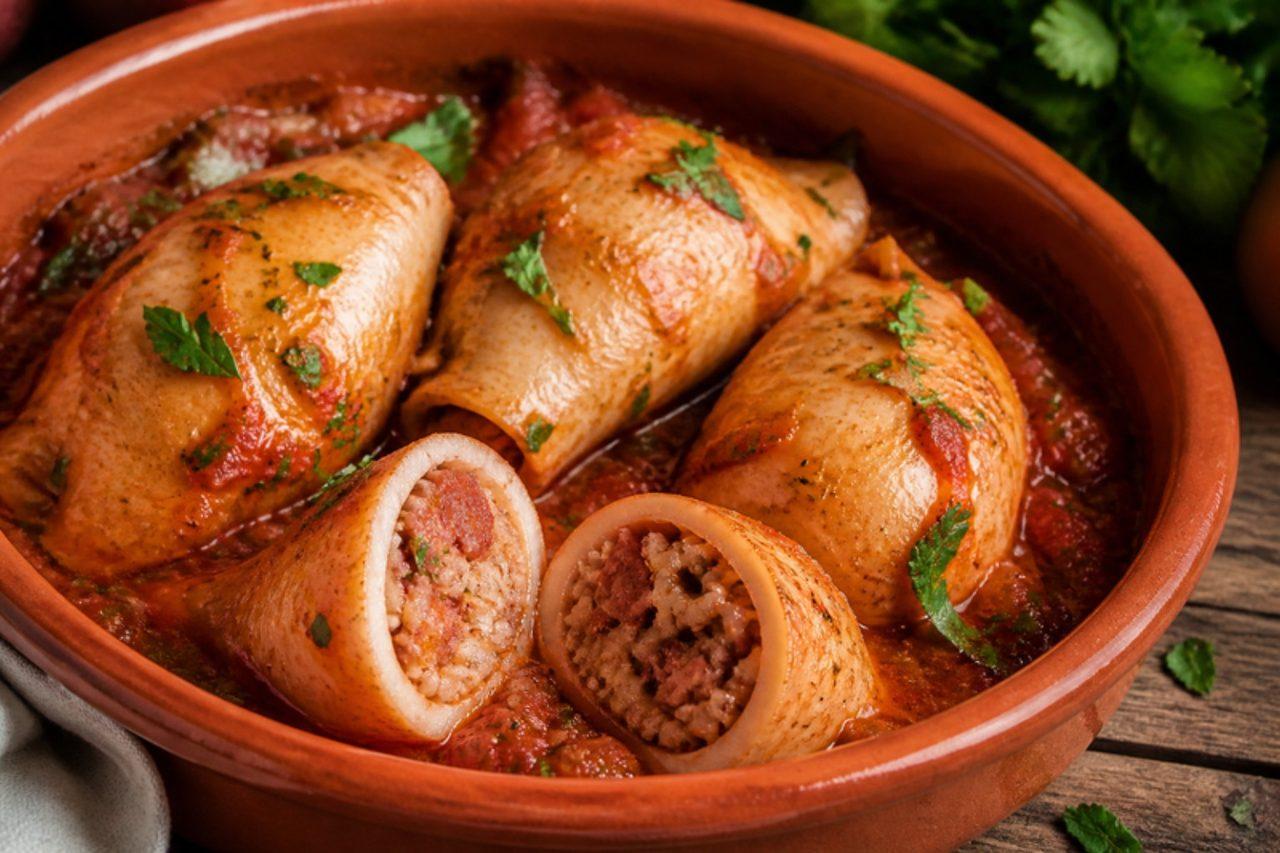
Lulas recheadasSquid stuffed with chouriço and rice

Fishermen's wives in Portimão stretched a modest catch of squid by filling the bodies with chopped tentacles, rice and a little chouriço, then simmering them slowly in tomato sauce until meltingly tender. It is a Sunday dish in the western Algarve, served sliced into rounds with boiled potatoes or more rice. This contains pork (chouriço), and the sauce uses white wine; replace it with the same amount of fish or vegetable stock for an alcohol-free version. Chef's tip: fill the squid only two-thirds full, because the rice swells and can split them.

by KrazyBadal 0 views

Suco de cupuaçuCupuaçu juice

Cupuaçu is a big, brown, furry-skinned fruit from the cacao family, and in Belém and Manaus its white pulp shows up in ice cream, sweets and above all juice, sold in every lanchonete and at the Ver-o-Peso market. The pulp is thick, creamy and intensely aromatic, with a flavour somewhere between pineapple, banana and chocolate, and very tart, so it is blended with water and sugar into a frothy, almost milkshake-like juice. Look for frozen cupuaçu pulp in Brazilian and Latin shops. Many cafés blend it with milk instead of water; that version is no longer vegan or dairy free. Too little blending is the usual problem, because the fibrous pulp stays stringy. Chef's tip: blend the pulp from frozen, in chunks, with the sugar and a little water first until smooth, then add the rest of the water.

by KrazyBadal 0 views

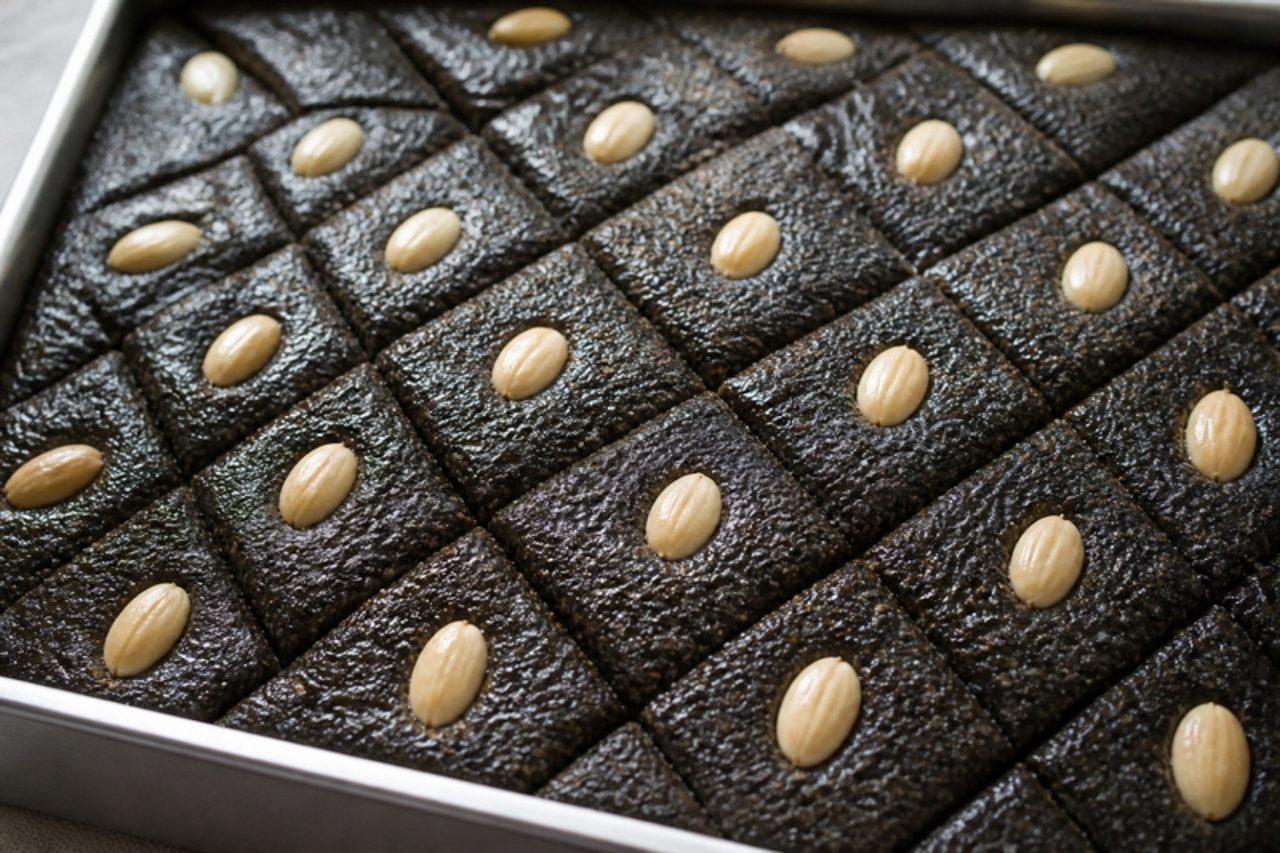
QizhaNigella seed cake

Qizha is Gaza's own sweet: a dense, near-black semolina cake made with a paste of roasted nigella seeds, eaten especially in winter and during Ramadan, when bakeries in Gaza City stack trays of it. It tastes nutty and slightly bitter, a little like dark sesame, softened by syrup and topped with almonds or pistachios. Nigella paste is sold in some Middle Eastern shops; if you can't find it, grind toasted nigella with tahini as below. Common mistake: over-toasting the nigella, which turns it acrid; stop as soon as it smells fragrant. Chef's tip: rest the mixed batter for 30 minutes before baking so the semolina swells and the cake slices cleanly.

by KrazyBadal 0 views

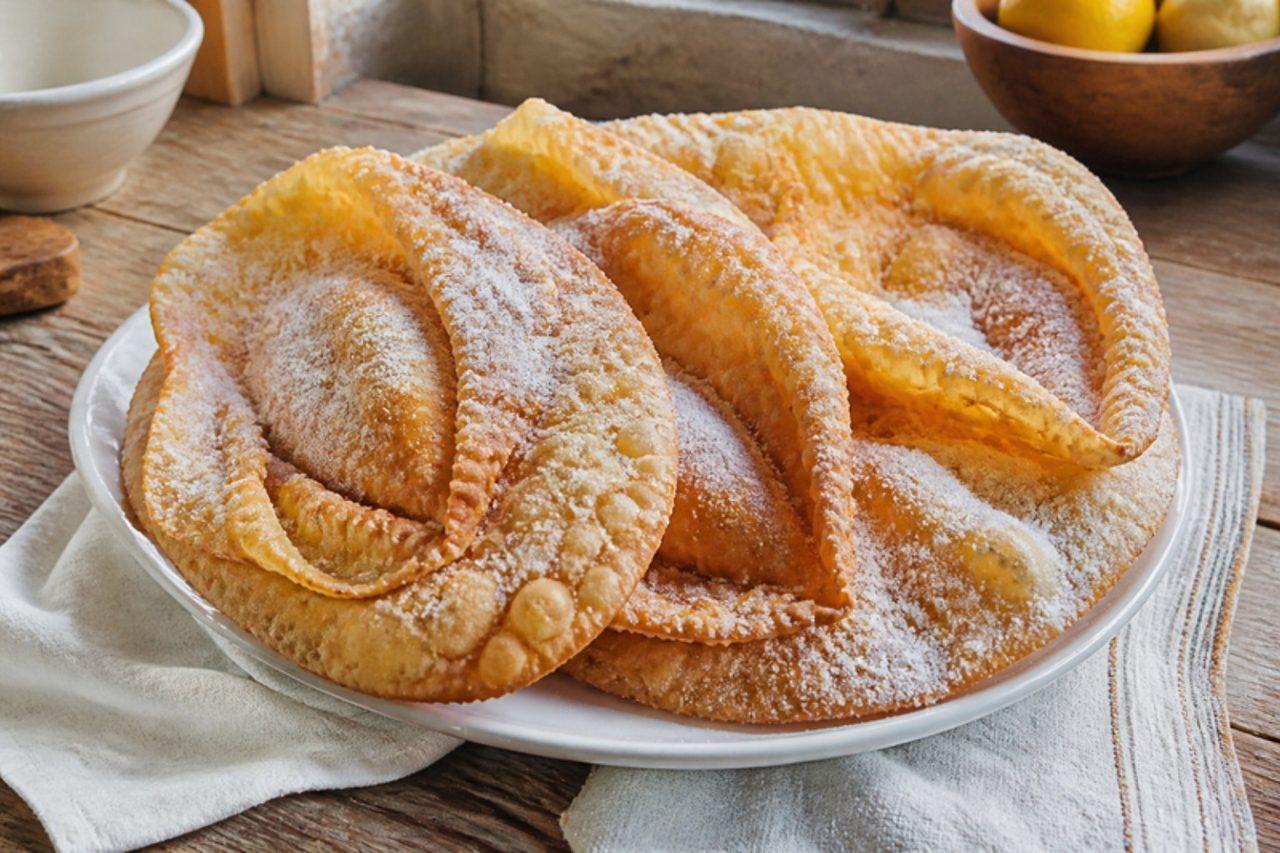
Orellas de EntroidoCrisp sugared carnival pastries

Orellas, 'ears' in Galician, are fried for Entroido in villages across Ourense and Lugo, from Laza to Xinzo de Limia, and handed round in big baskets during the carnival days. The thin dough blisters and turns crisp in hot oil, and the pastries are finished with sugar or honey. This version uses a little aniseed spirit (aguardiente), as is traditional, so it contains alcohol; for an alcohol-free version use orange juice with a pinch of ground anise. Old recipes use pork fat; this one uses butter, so it is vegetarian. A common mistake is rolling the dough too thick, which gives chewy, greasy pastries instead of crisp ones. Chef's tip: roll until you can almost see the worktop through the dough.

by KrazyBadal 0 views

Suco de maracujáPassion fruit juice

Brazilian lunch counters, the pratos feitos joints known as PFs, list suco de maracujá on every chalkboard, and many people order it for its famously calming effect after a long morning. Yellow passion fruit is blended briefly with cold water, strained and sweetened, which gives a vivid, perfumed, very tart drink that goes with rice, beans and a grilled steak just as well as with a beach snack. Use wrinkled, heavy fruit for the most juice, or frozen unsweetened pulp from Latin shops. Over-blending is the slip people make: crushed seeds turn the juice gritty and bitter. Chef's tip: blend the pulp with only a little of the water first, in a couple of short pulses, strain, then add the rest of the water and the sugar.

by KrazyBadal 0 views

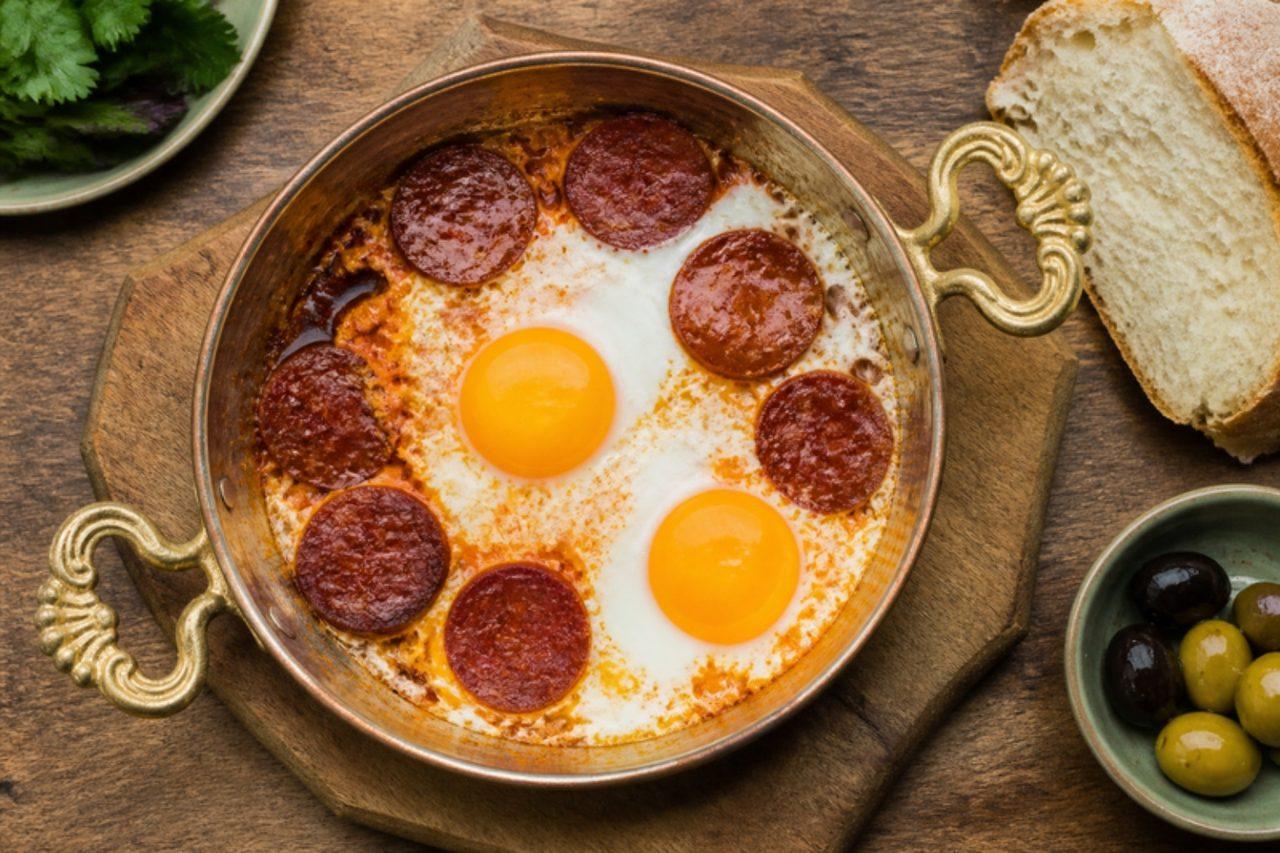
Sucuklu yumurtaSpicy sausage with eggs

No Turkish weekend breakfast spread feels complete without a sizzling sahan of sucuklu yumurta carried to the table: slices of garlicky, cumin-spiced beef sucuk fried in their own red fat, with eggs cracked over and cooked just until the whites set. Everyone tears bread and dips it straight into the pan, between bites of cheese, olives and tomato. Sucuk is a cured beef sausage; cook it thoroughly. Common mistake: frying the sucuk on high heat, which burns the spices and makes the slices curl and harden. Chef's tip: add a teaspoon of water to the pan once the sucuk has released its fat; it stops the slices burning and helps cook the egg tops.

by KrazyBadal 0 views

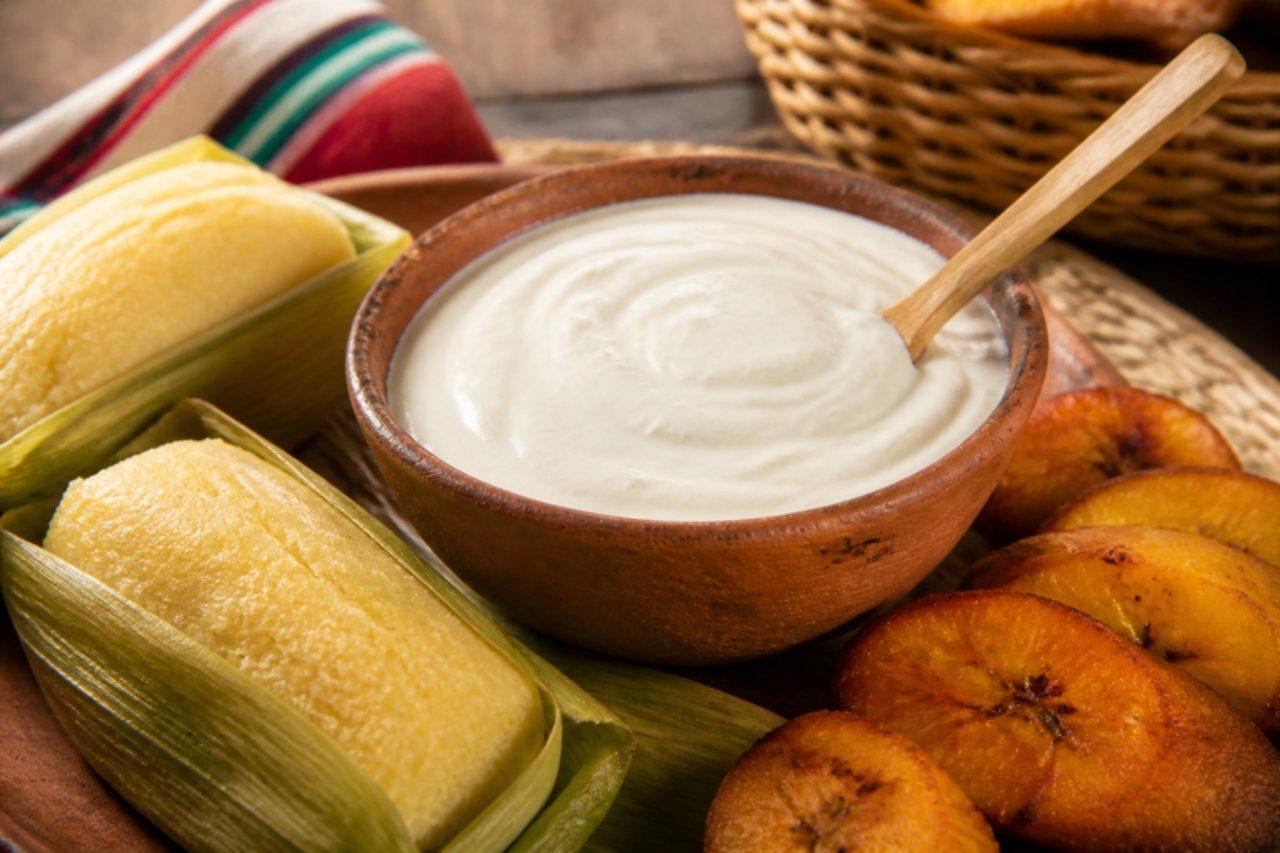
Suero costeñoTangy fermented cream

Market stalls in Montería, Sincelejo and Valledupar sell suero costeño from big tubs, ladled into bags: a sour, salty, spoonable cream that goes onto bollos, arepas, boiled cassava, fried plantain and mote de queso. Traditionally it comes from raw milk left to sour in the heat. This home version keeps the flavour but uses pasteurised cream and milk with live yogurt as a starter, which is far safer. Plan for 12–24 hours of fermenting plus chilling. Hygiene matters: wash the jar and spoon in hot soapy water and scald them with boiling water, never use raw milk, and keep the jar at room temperature (20–25 °C, out of direct sun) for no more than 24 hours before it goes into the fridge. Throw it out if you see mould, pink or orange patches, or it smells putrid rather than pleasantly sour. Leaving it out too long is the big mistake: it goes bitter and separates. Chef's tip: salt only after fermenting, as salt slows the cultures.

by KrazyBadal 0 views

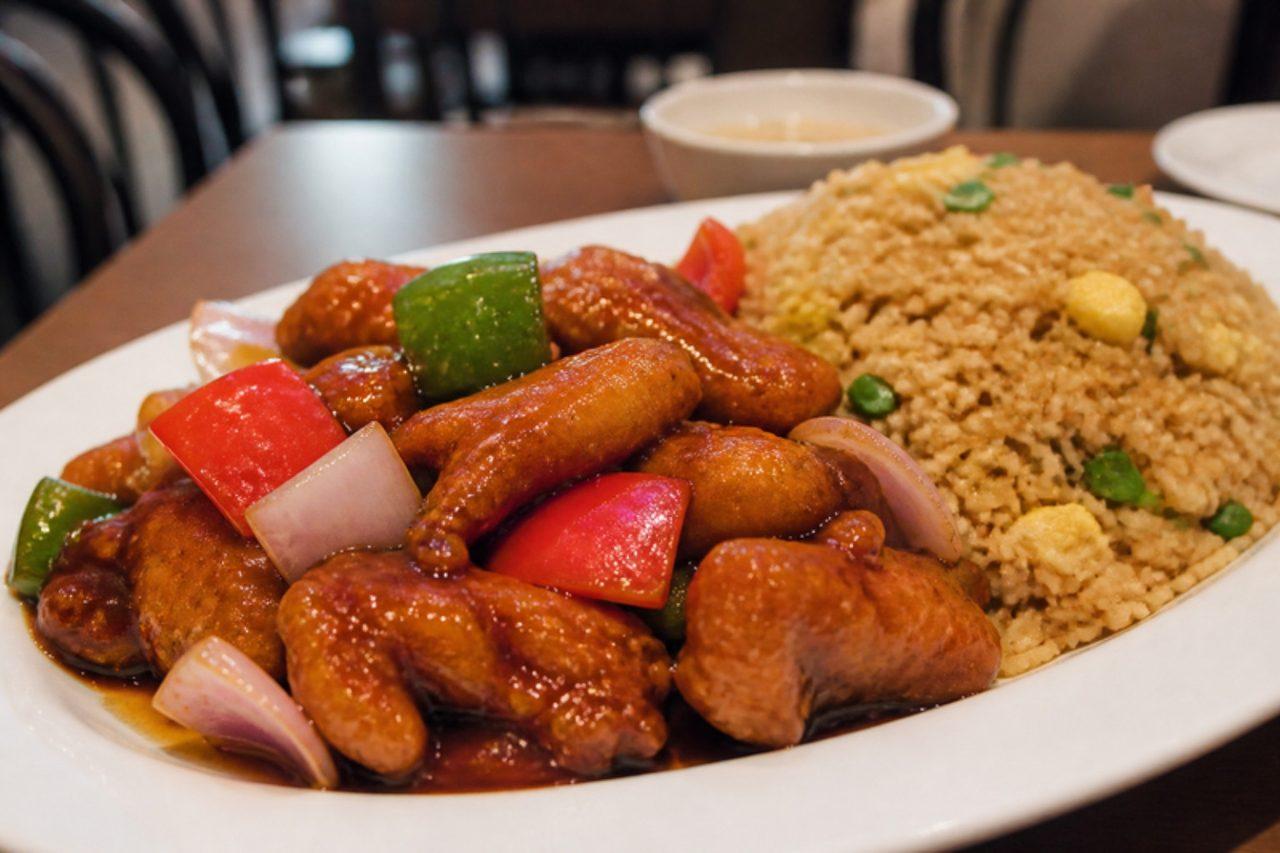
TipakayChicken in sweet-sour tamarind sauce

Sweet, tangy and a little sticky, tipakay is the chifa order for people who like their sauce on the fruity side: battered pieces of chicken fried crisp, then dressed in a dark, glossy sauce built on tamarind, panela and soy, with strips of red and green pepper and onion that keep some crunch. It is one of the most popular platters in Lima's family-run chifas, eaten with white rice or chaufa. Its sauce is darker and less candy-sweet than kam lu's, with tamarind's sour depth. The mistake most home cooks make is letting the peppers stew until soft; give them only a minute in the wok so they stay bright. Chef's tip: taste the sauce before thickening and balance it: more lime if it's cloying, a pinch more panela if it's too sour.

by KrazyBadal 0 views

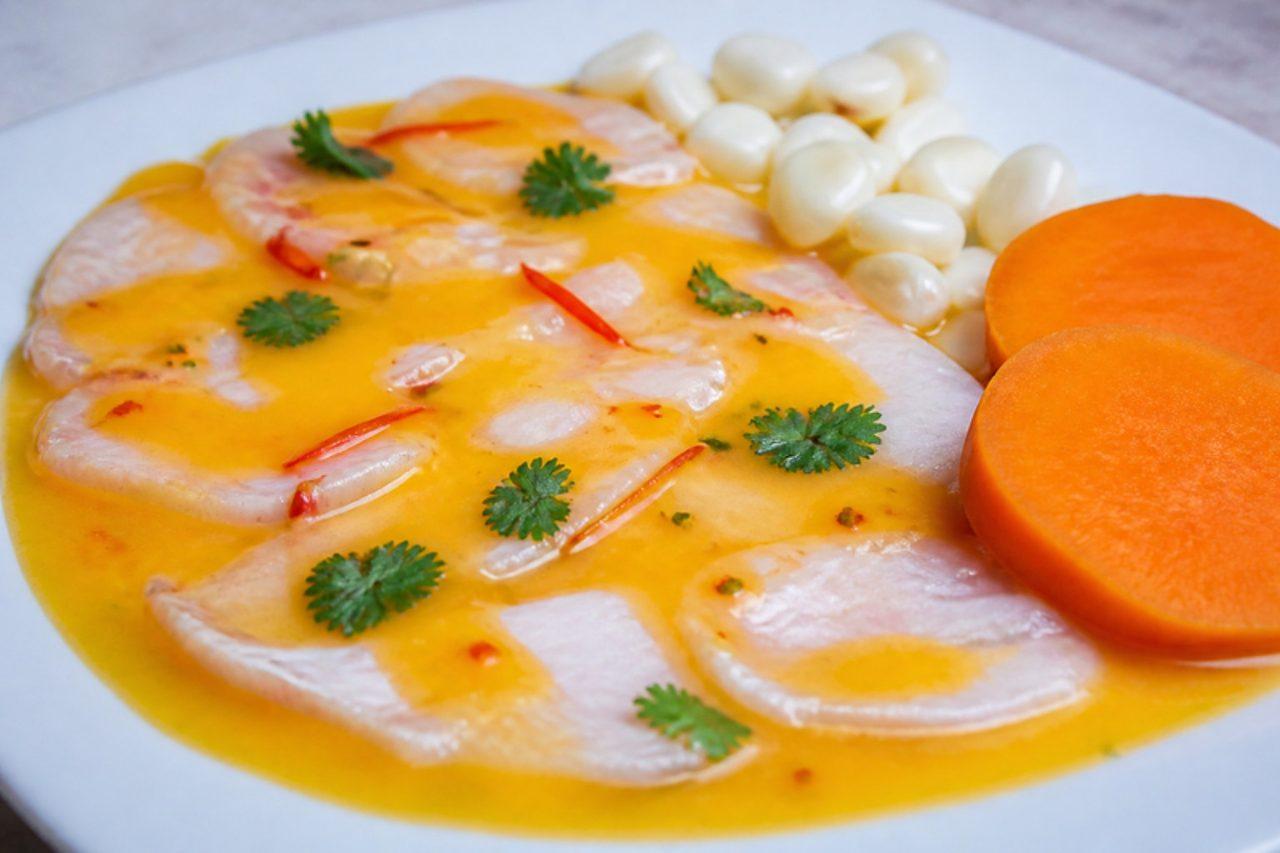
TiraditoSliced fish in ají amarillo sauce

Lima's Japanese-Peruvian cooks turned ceviche on its head with tiradito: instead of cubes soaked in lime, the fish is cut thin like sashimi, laid flat and dressed at the last minute, so it stays silky with only the surface turning white. The sauce here is the classic golden one, ají amarillo blended with lime, garlic and ginger, fruity and medium hot. It is served as a starter in cevicherías and upmarket Miraflores restaurants with boiled sweet potato and corn. Because the fish is eaten almost raw, this version uses sashimi-grade fish frozen at −20 °C for 24 hours first (allow for that), kept cold and eaten the moment it is dressed; it is not for pregnant women, young children or anyone with a weakened immune system. The mistake people make is dressing it ahead: after ten minutes the lime cooks it through and it turns chalky. Chef's tip: chill the plates in the freezer for 10 minutes before you lay out the fish; it keeps the slices firm while you work.

by KrazyBadal 0 views

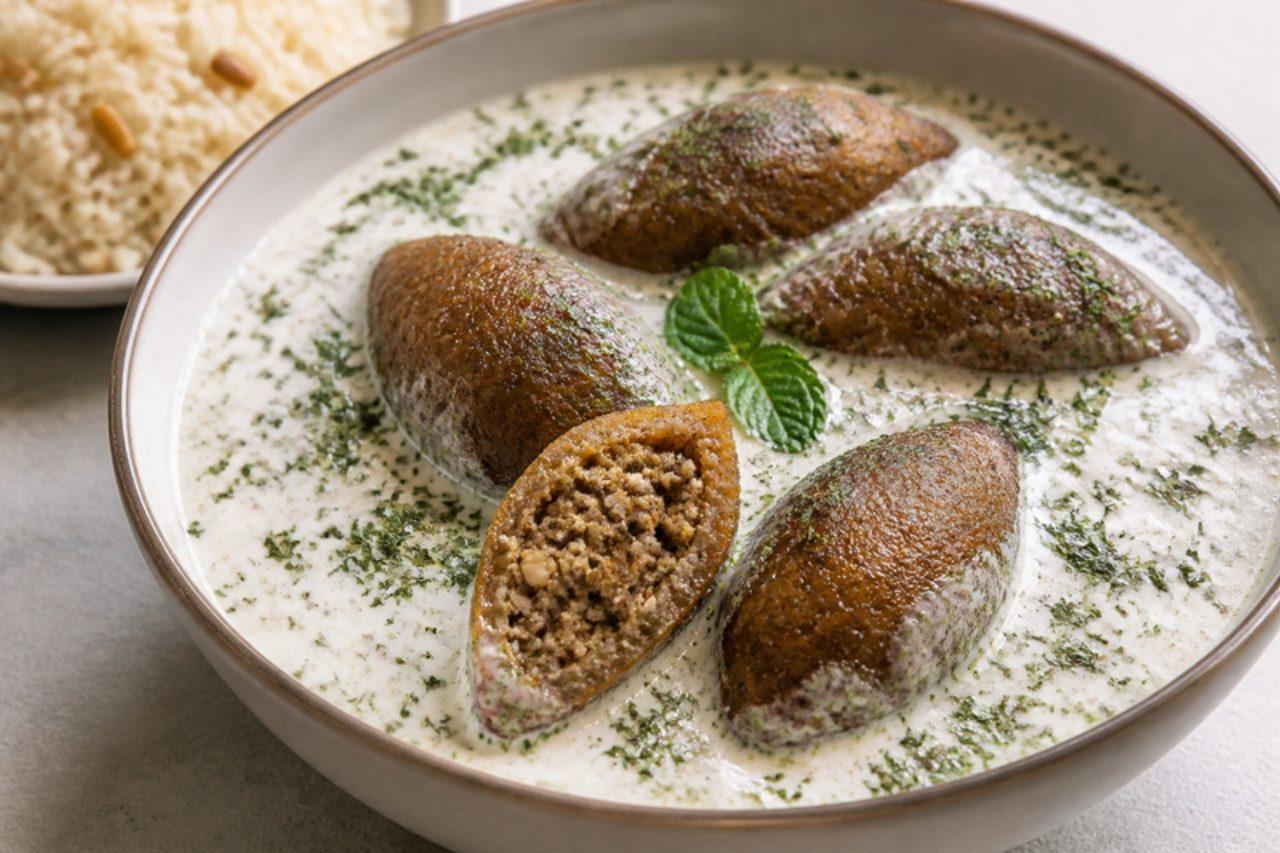
Kibbeh labaniehKibbeh in garlic yoghurt sauce

In Lebanese homes, kibbeh labanieh is the dish that turns a batch of stuffed kibbeh into a comforting winter supper: the little torpedo-shaped shells of bulgur and lamb, filled with spiced mince and pine nuts, are poached in a silky yoghurt sauce scented with garlic and dried mint. It is eaten hot, ladled over vermicelli rice. The yoghurt has to be stabilised with cornflour and stirred in one direction while it heats, or it splits. Common mistake: letting the sauce boil hard before it has thickened; it curdles instantly. Chef's tip: make the kibbeh balls a day ahead and freeze them on a tray — they hold their shape better in the sauce.

by KrazyBadal 0 views

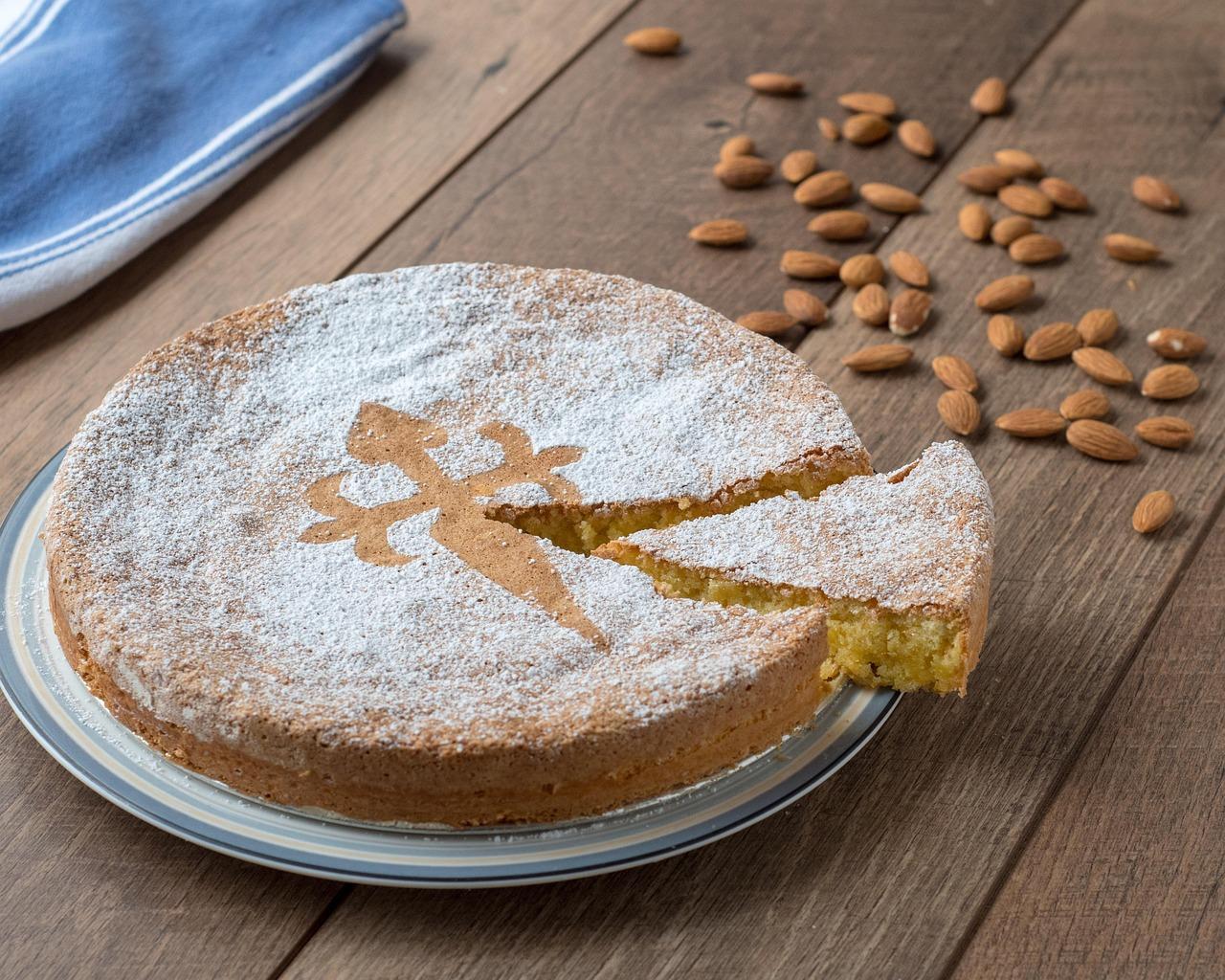
Tarta de SantiagoFlourless almond cake

Pilgrims finishing the Camino in Santiago de Compostela see this cake in every bakery window around the cathedral, dusted white with icing sugar and stencilled with the cross of St James. It is made only from ground almonds, sugar, eggs and a little lemon and cinnamon, so it is naturally free of gluten, moist and dense with a thin crisp crust. Galicians eat it with coffee after Sunday lunch or at weddings. A common mistake is overbeating the eggs to a foam, which makes the cake rise and then sink; just mix until smooth. Chef's tip: cut a cross from paper and lay it on the cold cake before sifting over the icing sugar.

by KrazyBadal 0 views

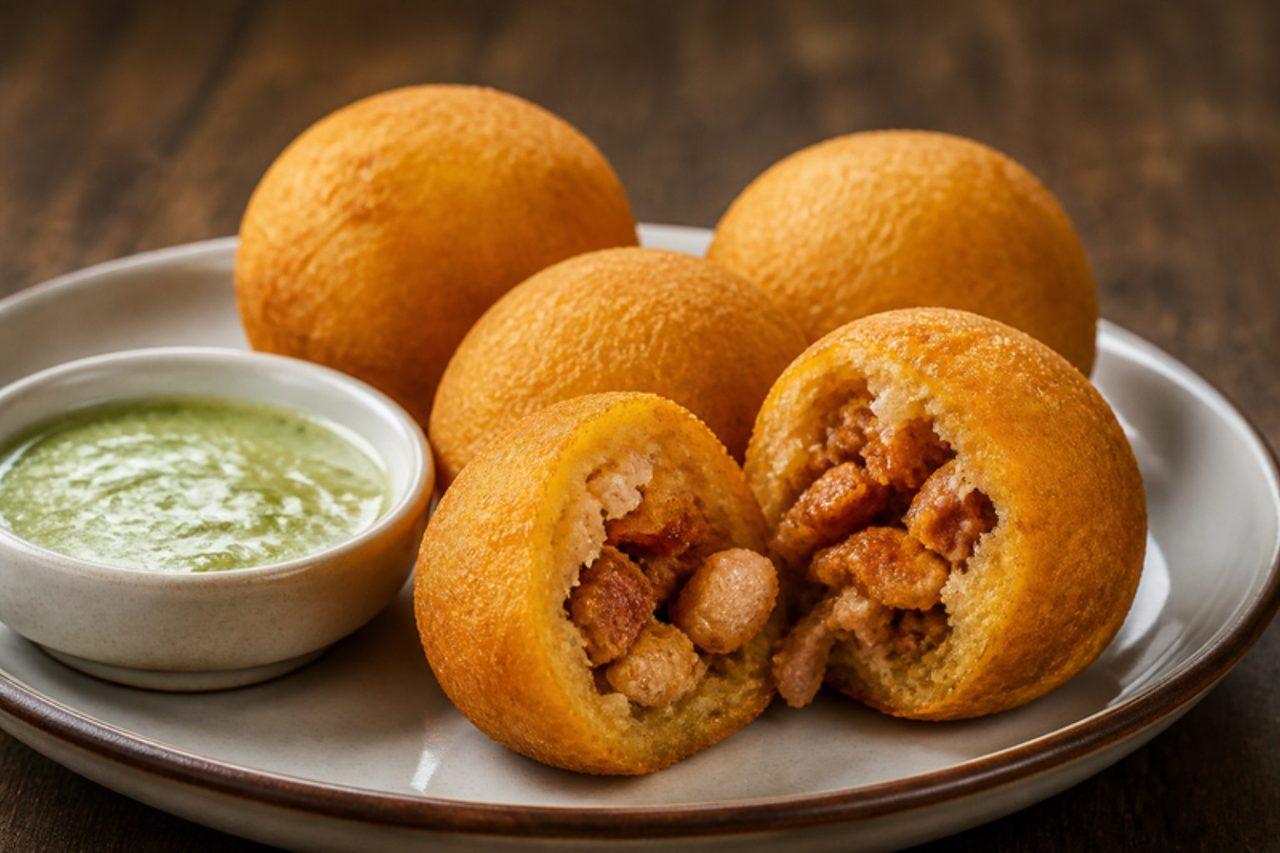
MarranitasPlantain balls with pork crackling

Breakfast stalls along Cali's busy streets and the bakeries of the Valle del Cauca fry marranitas all morning: green plantain, half-fried, pounded while hot and shaped around a nugget of crunchy pork chicharrón, then fried again until crisp and golden. The name means 'little piglets', after the pork inside. The outside shatters, the plantain layer is dense and starchy and the crackling gives a salty, porky crunch in the middle. Eat them hot with a mug of coffee or hot chocolate, or as a snack with ají and hogao for dipping. The plantains must be truly green and hard; yellowing ones turn sweet and sticky and won't hold a crisp shell. Chef's tip: pound the plantain the moment it comes out of the first fry, using a little warm salted water on your hands; once it cools it stiffens and cracks when you shape it.

by KrazyBadal 0 views

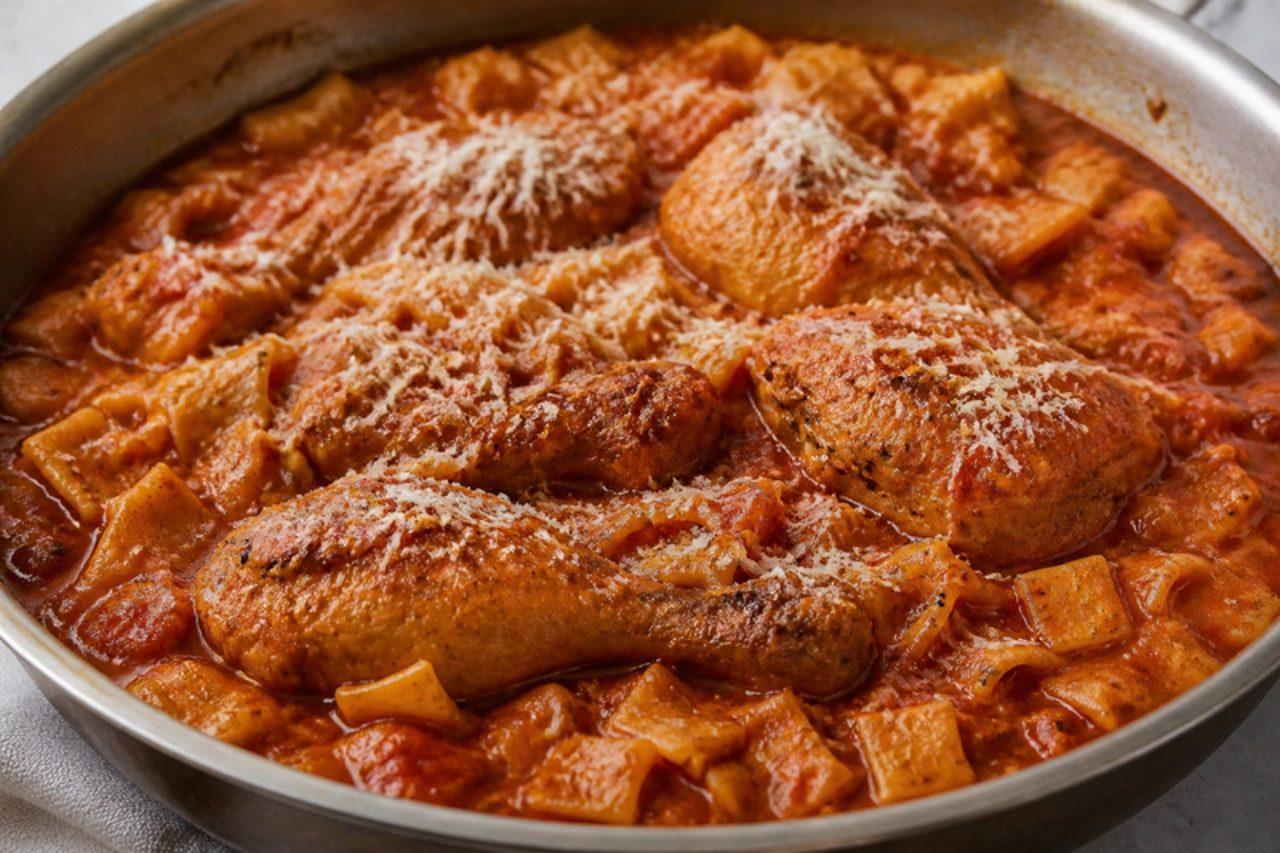
Kotopoulo me hilopitesChicken with egg pasta squares

Across the Thessalian plain, from Larissa to Trikala, Sunday lunch is often a chicken braised in tomato with a cinnamon stick, its sauce stretched with broth so the little hilopites pasta squares can cook right in the pot. The pasta soaks up the sauce until thick and almost risotto-like, and a fistful of grated cheese goes on at the table. Use homemade hilopites or a good shop-bought pack. Common mistake: adding the pasta to too little liquid — it absorbs a lot, so have hot water ready. Chef's tip: brown the chicken skin well, then finish the dish in the oven if you like a crispy top.

by KrazyBadal 0 views

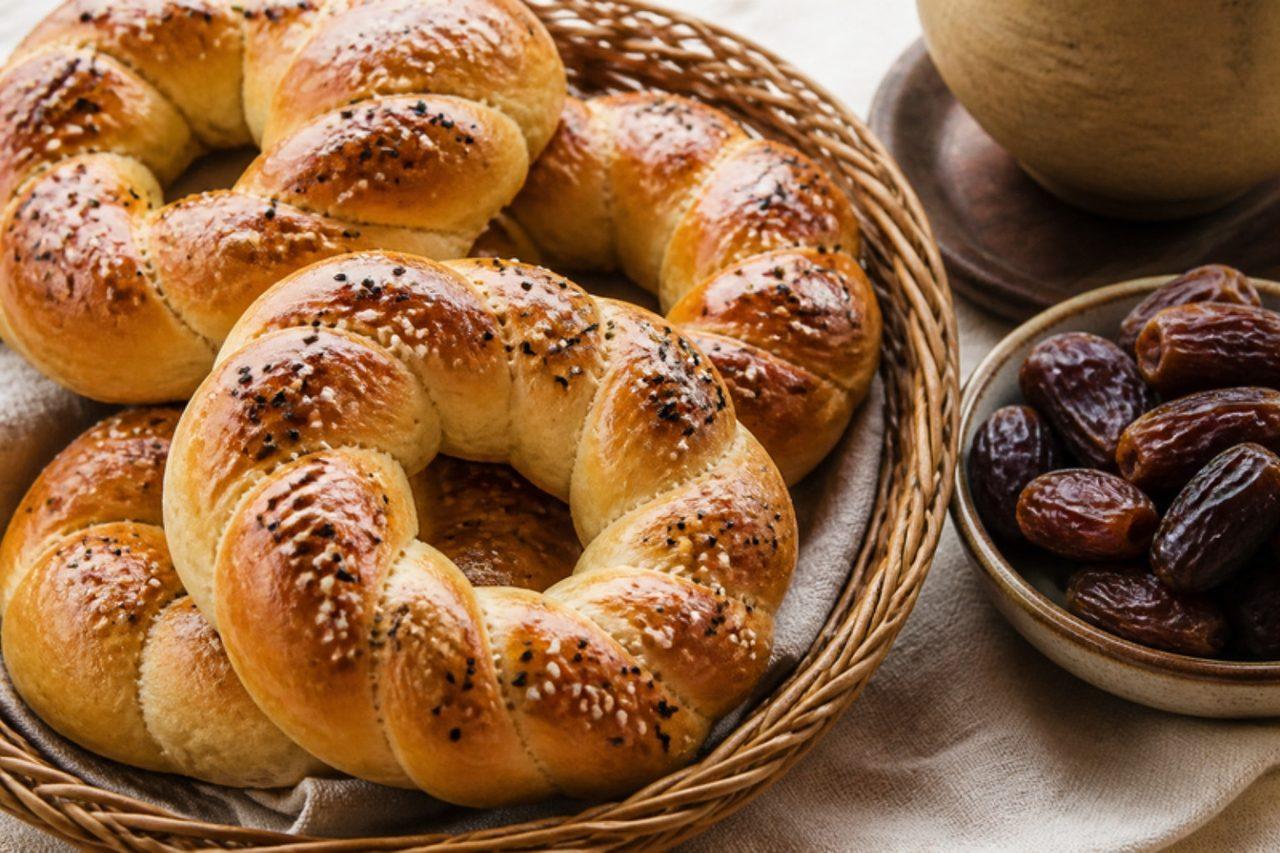
Ma'aroukMahlab-scented sweet bread

As soon as Ramadan begins, bakeries in Damascus and Aleppo stack up golden loaves of ma'arouk, a soft, slightly sweet brioche-like bread that people buy on the way home to break the fast. The dough is perfumed with mahlab (ground cherry stones), topped with nigella and sesame seeds, and is often braided or filled with date paste. Eat it warm with tea, or toasted the next morning with white cheese. Common mistake: adding too much flour while kneading; the dough should stay soft and a little tacky for a tender crumb. Chef's tip: brush with sugar syrup as soon as the loaves leave the oven — it gives the classic shine and keeps the crust soft.

by KrazyBadal 0 views

Pasta frolaQuince tart

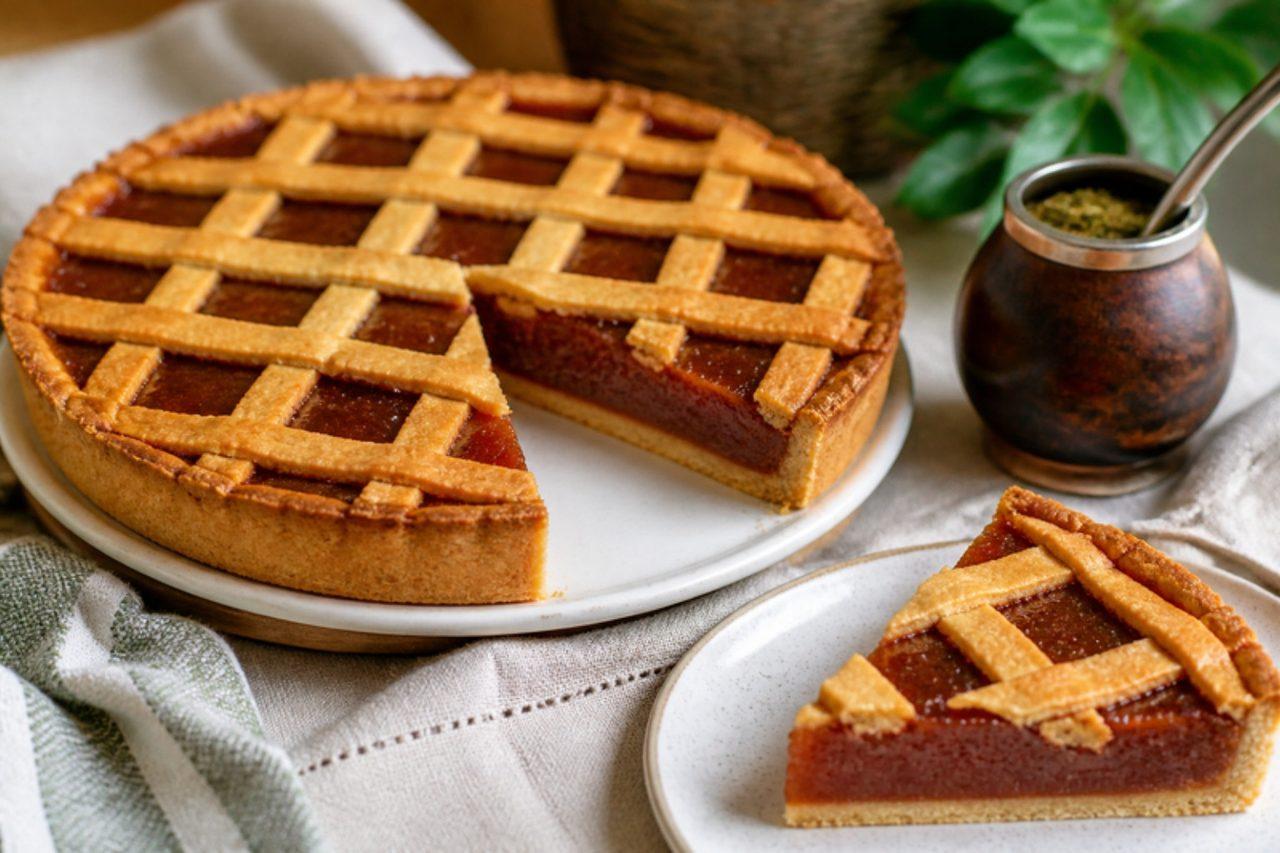
Pasta frola came to the River Plate with Italian immigrants (it is a cousin of the crostata), and it is now the tart every Argentine kitchen keeps on the counter for afternoon mate. The crust is short and cakey rather than crisp, scented with lemon zest and vanilla, and the filling is dulce de membrillo melted down into a spreadable jam; dulce de batata is the other classic. Bakeries in Buenos Aires sell it by the square and it keeps for days in a tin, getting better on the second day. The lattice strips should be thin and slightly wider apart than you think, so the dark filling shows through. A common slip is to spread the quince paste straight from the block: it will not spread, it tears the base and it turns leathery in the oven, so loosen it first with a little hot water. Chef's tip: chill the lined tin and the cut strips for 15 minutes before baking, so the lattice keeps its shape instead of slumping into the filling.

by KrazyBadal 0 views

Maçã do amorToffee apples

A shiny red apple on a stick is the picture of a Brazilian festa junina stall, lined up in rows beside the quentão and pipoca. The 'love apple' is a small, tart apple dipped in hot sugar syrup that hardens into a thin, crackling, ruby-red shell; you bite through glass and hit crisp fruit. It is a good one to make at home for a June party because the syrup takes 15 minutes and the apples are ready as soon as the shell cools. Choose a plant-based red colouring to keep it vegan. Where it tends to fail: any water or wax on the apple skin stops the syrup sticking, so it slides off in a puddle. Chef's tip: dip the apples in boiling water for 10 seconds and dry them thoroughly to remove the wax before you start.

by KrazyBadal 0 views

Macaxeira fritaFried cassava sticks

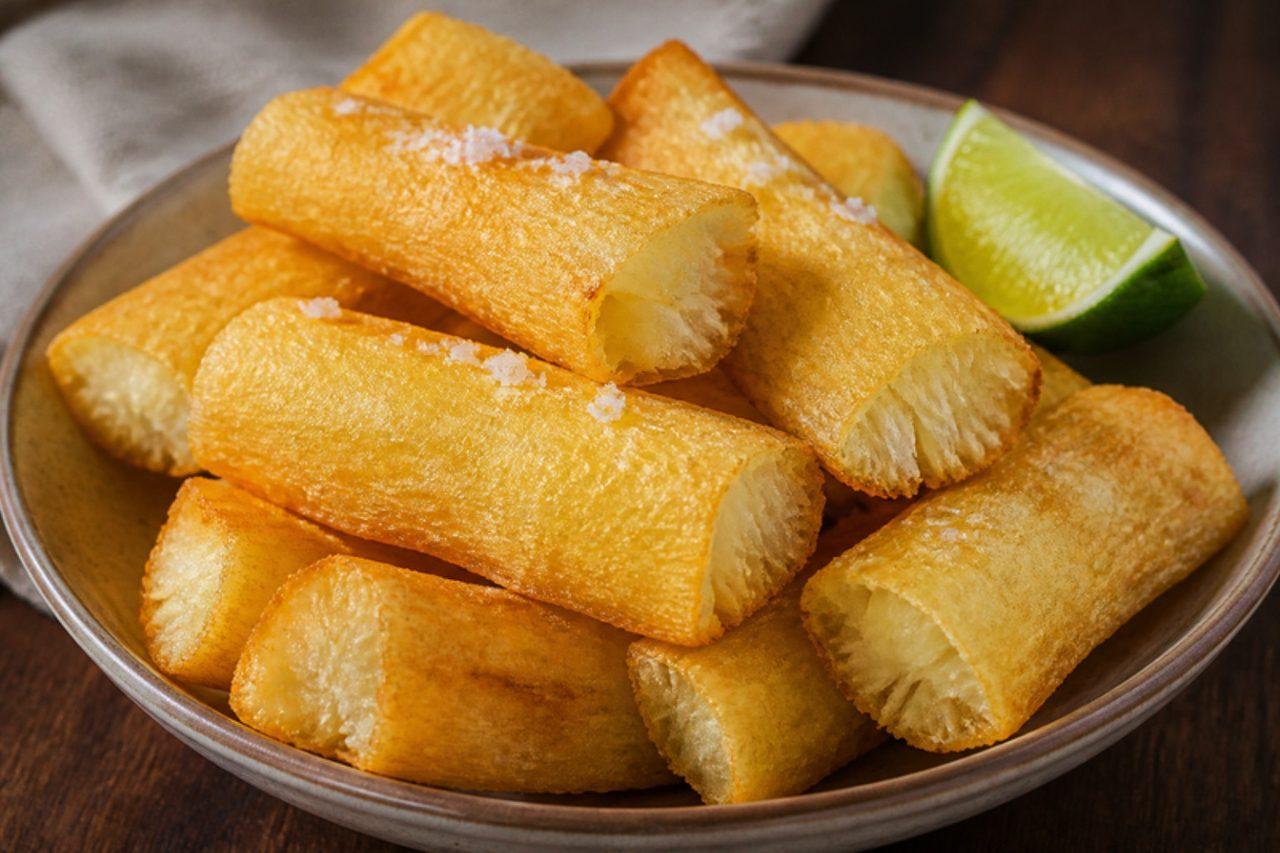
Northeastern Brazilians call cassava macaxeira, and fried sticks of it come out with carne de sol, with grilled cheese at beach shacks, and in a bowl beside a cold drink at any bar from Natal to Maceió. Boiling first makes the inside soft and floury; frying afterwards gives a thick, blistered crust that stays crunchy far longer than potato chips. They need only coarse salt, though a dip of vinagrete or garlic mayonnaise is common. Buy sweet cassava, cook it fully, and never eat it raw. The frequent mistake is boiling until the cassava falls apart, which makes sticks that break up in the oil; stop as soon as a knife slides in. Chef's tip: let the boiled sticks steam dry and cool completely, even chill them for an hour, before frying; the drier surface is what makes them crackle.

by KrazyBadal 0 views

Machaca con huevoDried beef scrambled with egg

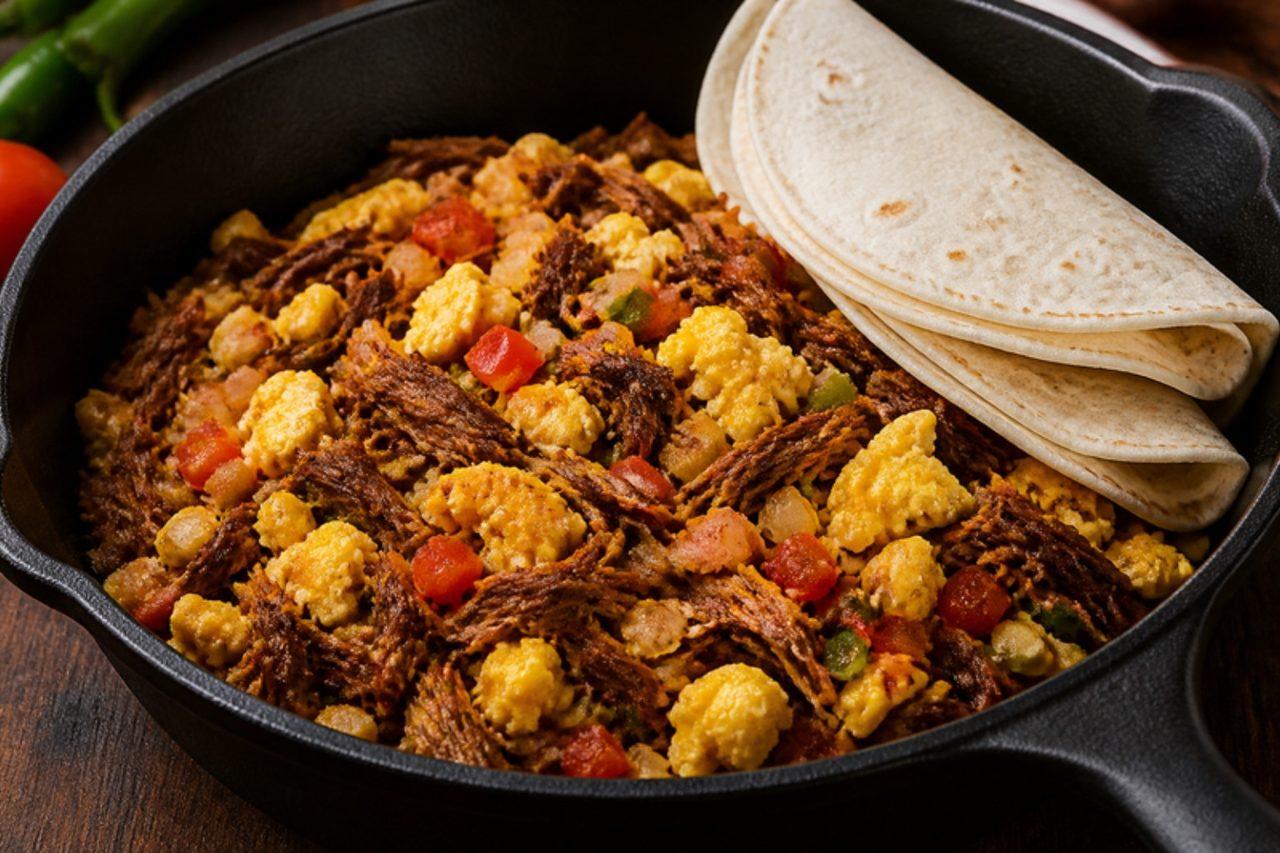
Monterrey and Sonora both claim machaca, the dried, pounded beef that once let ranchers carry meat across the desert. At breakfast it is fried with onion, tomato and green chilli, then scrambled with eggs and rolled into soft flour tortillas, and it turns up in every lonchería and roadside café in the north. The beef is savoury, salty and chewy against the soft egg. Proper machaca is hard to find outside Mexico; shredded leftover roast beef or brisket, dried out in the pan until crisp, makes a good substitute, as does unsweetened beef jerky pounded into shreds. Chef's tip: fry the machaca on its own first until the edges crackle, which brings back the toasty flavour before anything wet goes in.

by KrazyBadal 0 views

Machaca de pescadoShredded fish with tomato and pepper

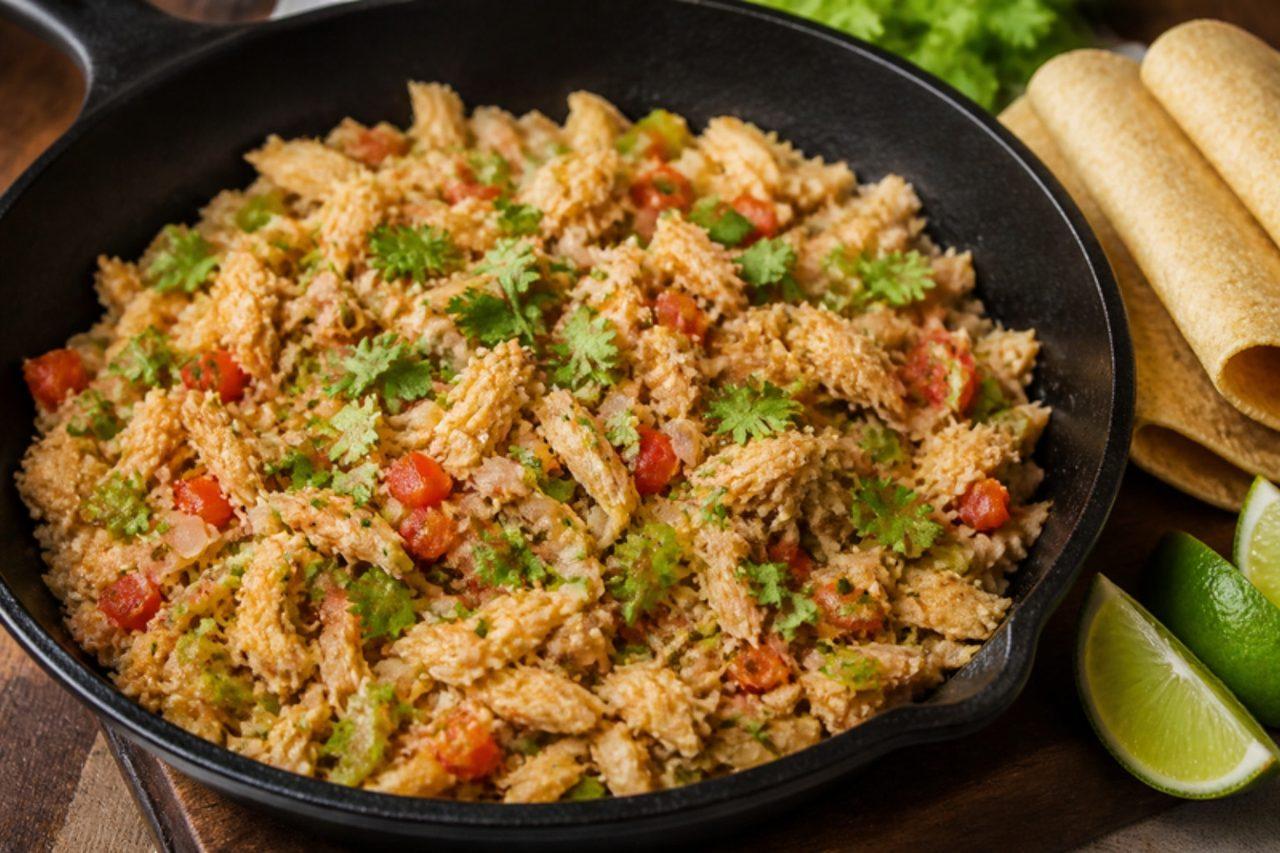
On the waterfront in La Paz, Baja California Sur, machaca de pescado is the sea's answer to beef machaca: firm fish is poached, shredded and fried with onion, pepper, tomato and chilli until almost dry and full of flavour. Fishermen's families once made it with shark or smoked marlin, and today it fills breakfast burritos, tacos and tostadas in cafés along the malecón. Any firm white fish such as cod, hake or mahi-mahi works well. It is savoury, lightly spicy and tender. Serve it with corn tortillas, rice or refried beans. Chef's tip: squeeze the shredded fish in your hands to get rid of excess water before it hits the pan, so it fries rather than stews.

by KrazyBadal 0 views

KumruSausage and cheese sesame sandwich

The kumru takes its name from the dove-shaped sesame roll baked in İzmir and is the city's favourite beach snack, especially at the stands of Çeşme. The roll is filled with slices of beef sucuk (spicy Turkish sausage), melting kaşar, tomato and green pepper, then pressed flat in a hot sandwich press until the crust crackles. Eat it with an ayran in the shade. Chef's tip: fry the sucuk slices briefly first so they release their red, spicy fat into the bread before you press it.

by KrazyBadal 0 views

KumpirLoaded baked potato

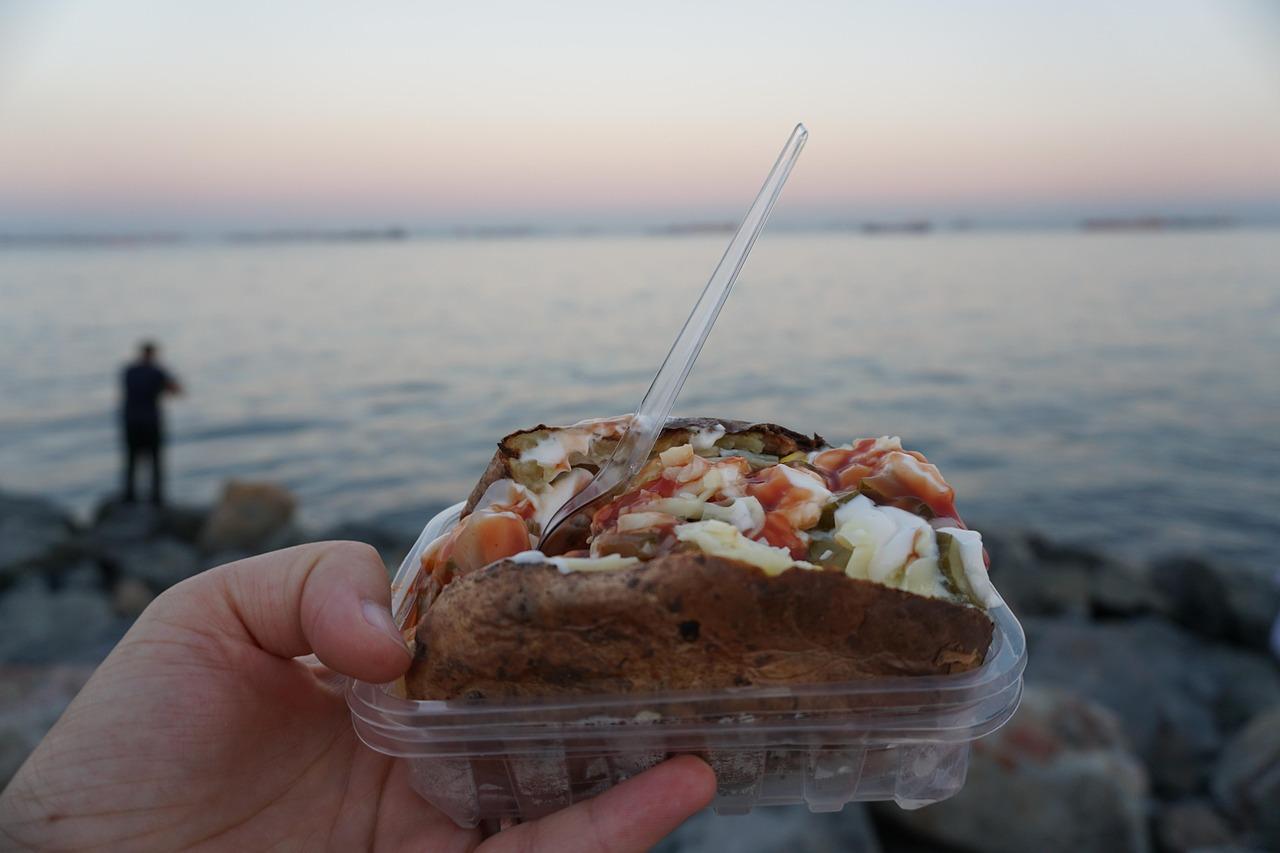
On a warm evening in Ortaköy, under the Bosphorus Bridge, the kumpir stalls line up with trays of toppings and queues of students waiting for a potato the size of a fist and a half. The vendor splits it, beats butter and grated kaşar into the hot flesh right in the skin until it turns stretchy, then piles on whatever you point at: corn, olives, pickles, peppers, Russian salad. At home it makes a filling supper that everyone builds for themselves. Kaşar is usually made with animal rennet, so pick a vegetarian mild melting cheese if that matters to you. Chef's tip: bake the potatoes on a bed of coarse salt; the skins dry and crisp while the inside goes floury, which is what lets the cheese melt into it.

by KrazyBadal 0 views

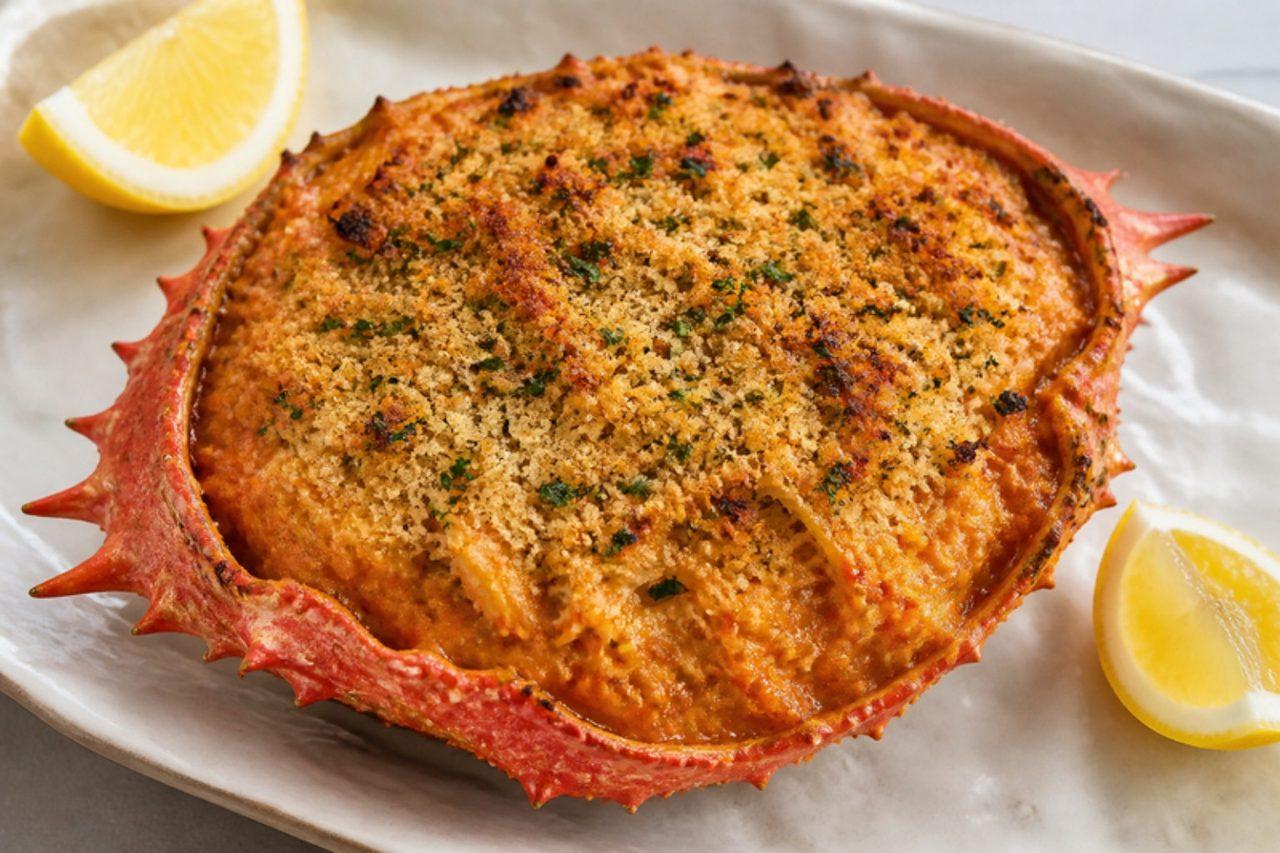
Txangurro a la donostiarraBaked spider crab

In San Sebastián the spider crab (txangurro) is a winter treat, at its best from November to April, and the old bars of the Parte Vieja serve it bubbling hot in the shell. The picked crab meat is mixed with a slow sofrito of onion, leek, carrot and tomato, often splashed with brandy, then topped with breadcrumbs and butter and browned. This recipe uses brandy; leave it out or use the same amount of crab cooking water for an alcohol-free version. A common mistake is a wet filling that boils under the crumbs; cook the sofrito down until thick. Chef's tip: use a cooked crab from the fishmonger on the day you buy it, and scrub the shell well if you plan to serve in it.

by KrazyBadal 0 views

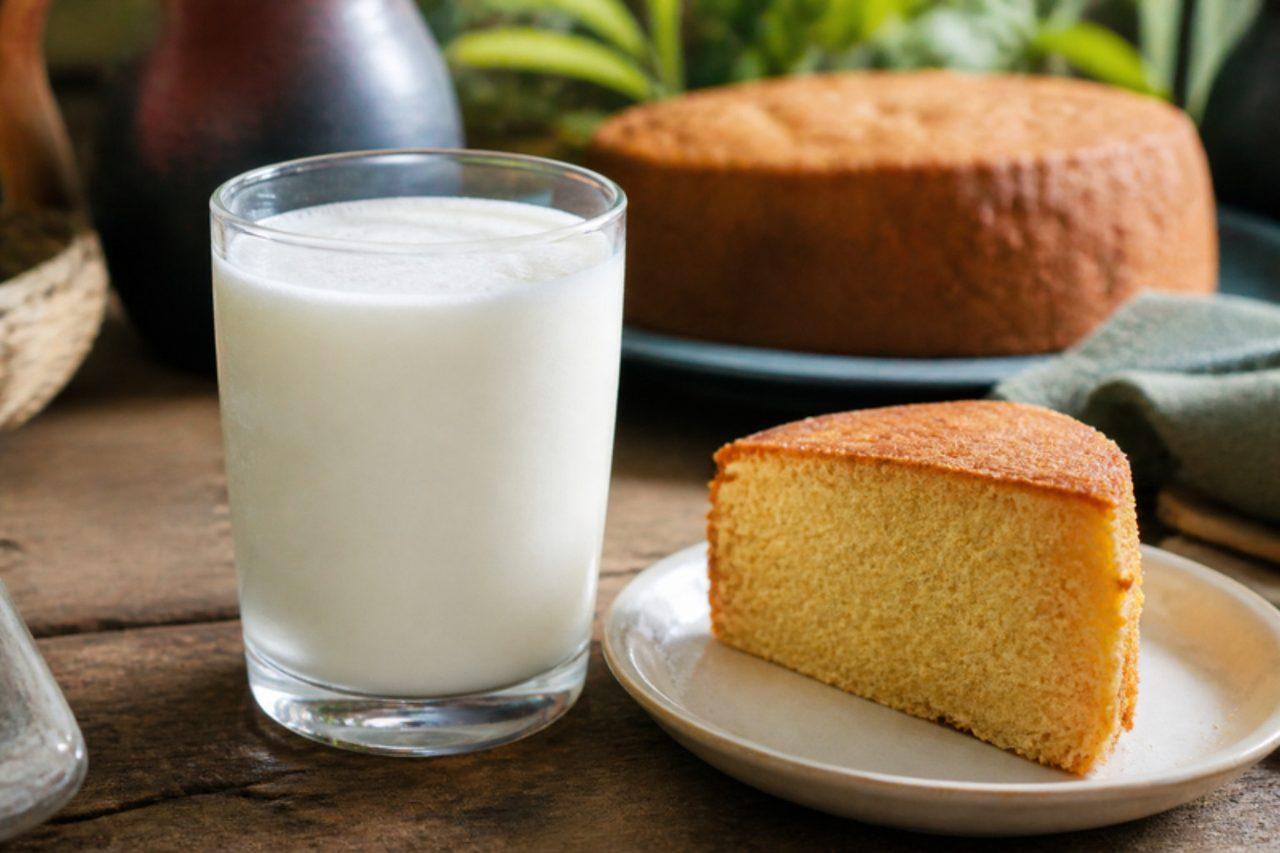
KumisFermented milk drink

Kumis in Colombia is a thick, sweetened fermented milk, nothing like the Central Asian mare's-milk drink of the same name. Bakeries and cafeterias sell it chilled in glasses with a slice of plain sponge cake, the classic kumis con ponqué, and many families still make it at home. It is cool, tangy and creamy, somewhere between drinking yogurt and buttermilk. Use only pasteurised milk, heat it first, and work with very clean equipment: wash jars and spoons in hot soapy water and scald them with boiling water. The milk ferments at room temperature (20–28 °C, out of direct sun) for 12–24 hours, then goes into the fridge; never leave it out longer. Discard any batch with mould, pink or orange patches, or a rotten rather than sour smell. Adding the starter to milk that is still too hot is the common slip, as heat kills the cultures and nothing sets. Chef's tip: add the sugar after fermenting, then chill well before serving.

by KrazyBadal 0 views

Bici biciRosewater starch jelly with ice

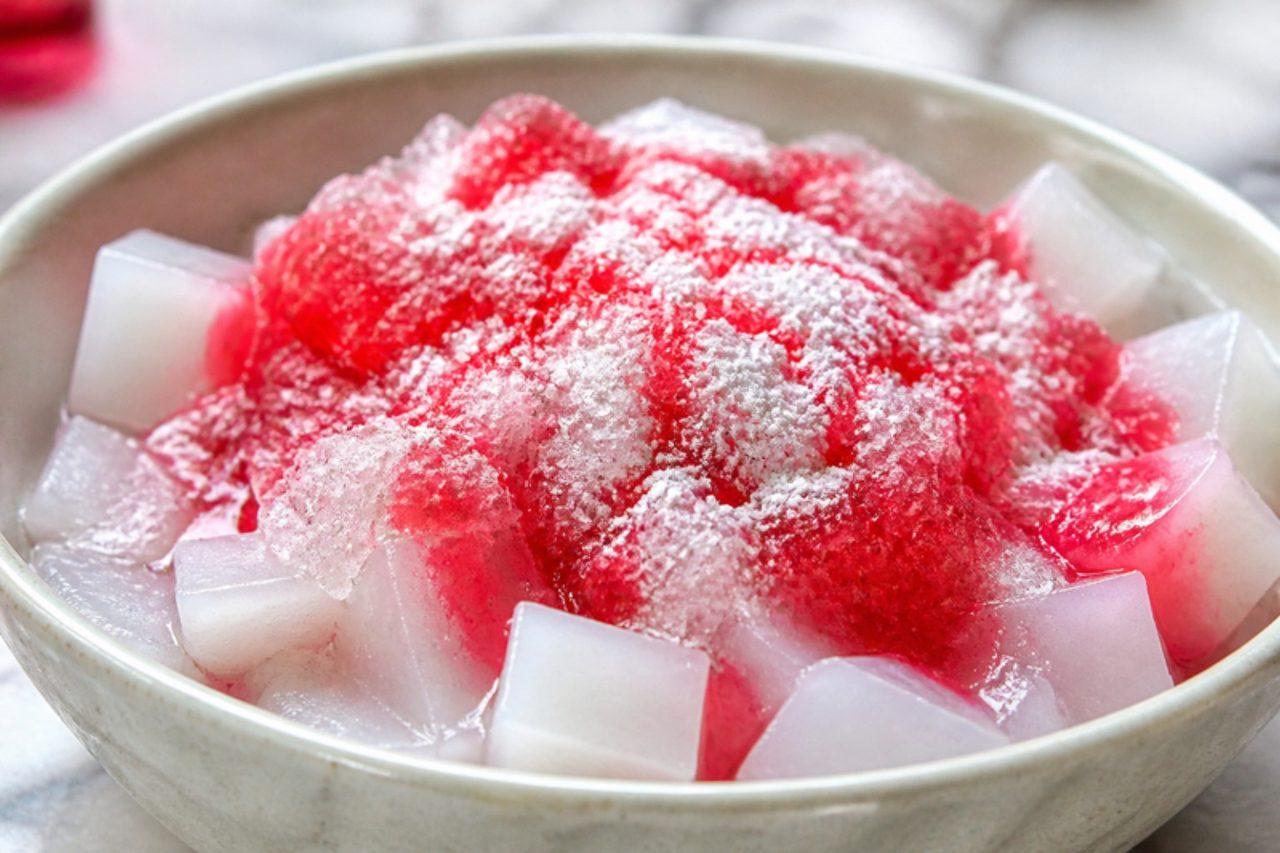
When Adana's July heat pushes past 40 °C, handcarts on every corner serve bici bici: cubes of wobbly starch jelly piled with shaved ice, splashed with rose syrup and dusted with icing sugar. Children eat it in the shade of the clock tower; grown-ups claim it is the only thing that works in that heat. The jelly is just cornflour, water and a little sugar, set and cut into cubes. The usual mistake is undercooking it, which leaves a cloudy, floury jelly that won't hold a cut. Chef's tip: freeze water in a shallow tray and scrape it with a fork for snowy ice if you have no ice shaver.

by KrazyBadal 0 views

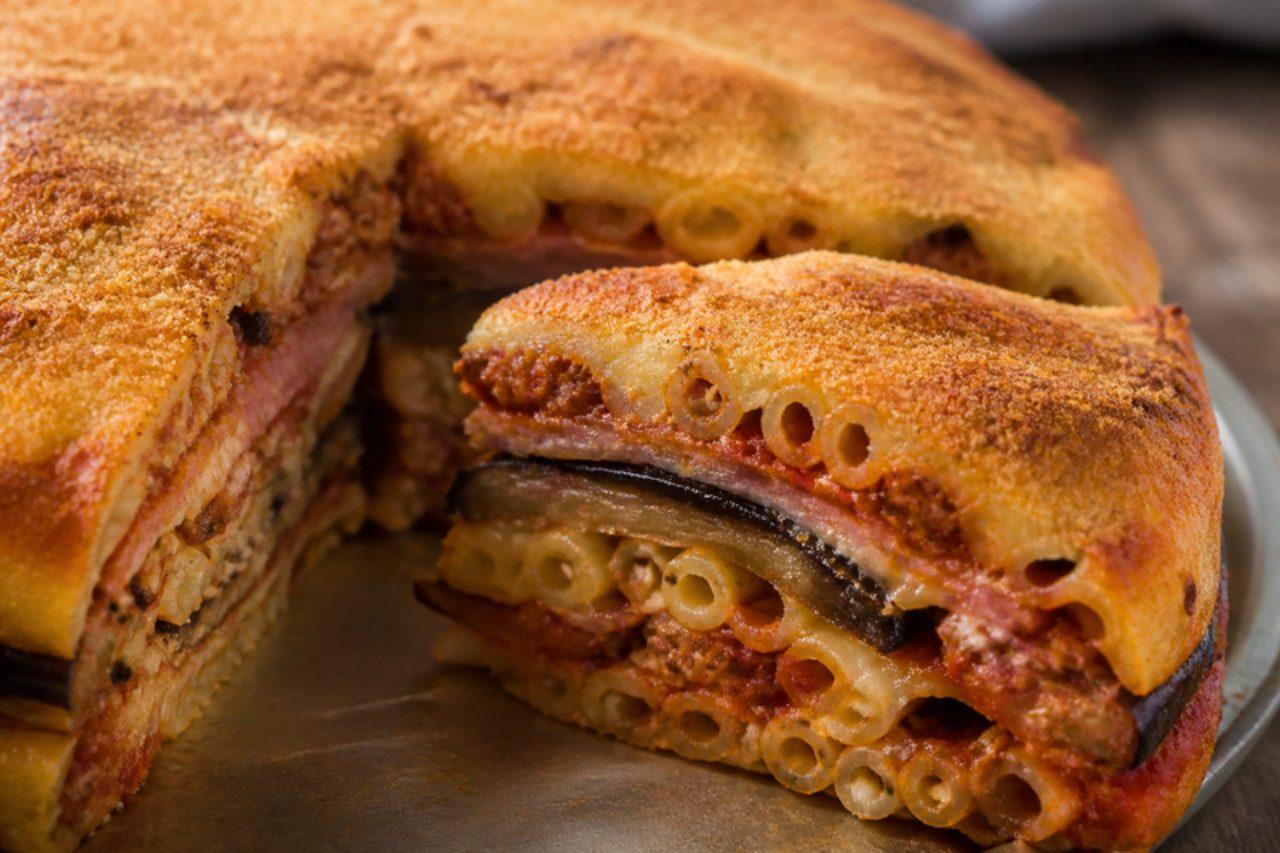
Pasta 'ncasciataBaked pasta with aubergine and ragù

In Messina and around Catania, pasta 'ncasciata is the dish for Ferragosto, Sunday lunch and any big family table, and it travels well to the beach. Short pasta is tossed with a beef and pork ragù, then layered in a deep tin with slices of fried aubergine, cubes of salami and cooked ham (both pork), hard-boiled egg and caciocavallo cheese, and baked until the top is crisp. It cuts into dense, generous wedges that are just as good warm as at room temperature. Chef's tip: salt the aubergine slices and leave them to drain before frying, so they soak up less oil and turn creamy rather than greasy.

by KrazyBadal 0 views

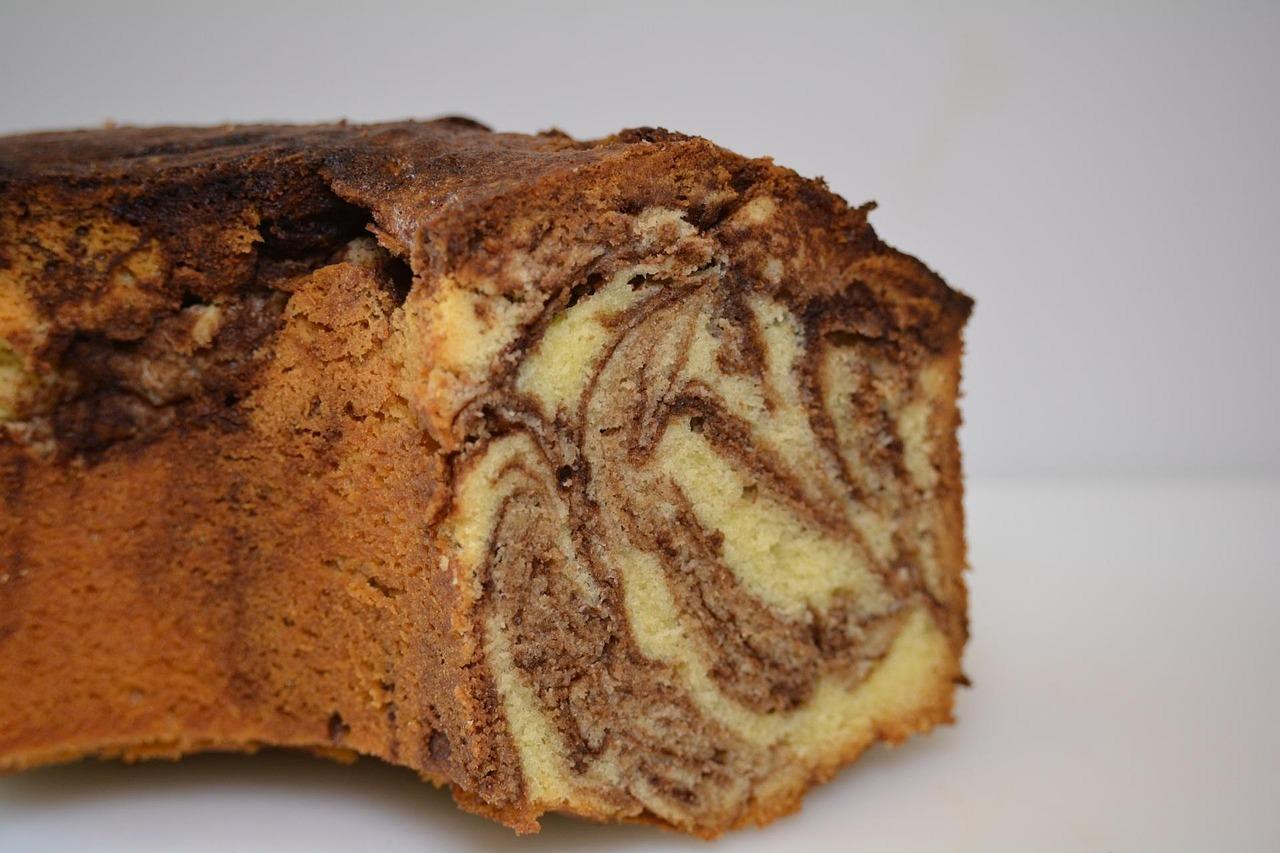
MarmorkuchenMarble cake

Marmorkuchen is the cake German children grow up with: a tall, buttery ring of vanilla sponge swirled with chocolate, baked for birthdays and kindergarten parties and kept under a glass dome for afternoon coffee all week. It needs nothing but a dusting of icing sugar, though many families pour over a thin chocolate glaze. A common mistake is over-stirring the two batters together, which turns the cake a muddy brown instead of showing clear marbling. Chef's tip: layer the batters in the tin, then pull a fork through just once in a spiral; less is more.
by KrazyBadal 0 views

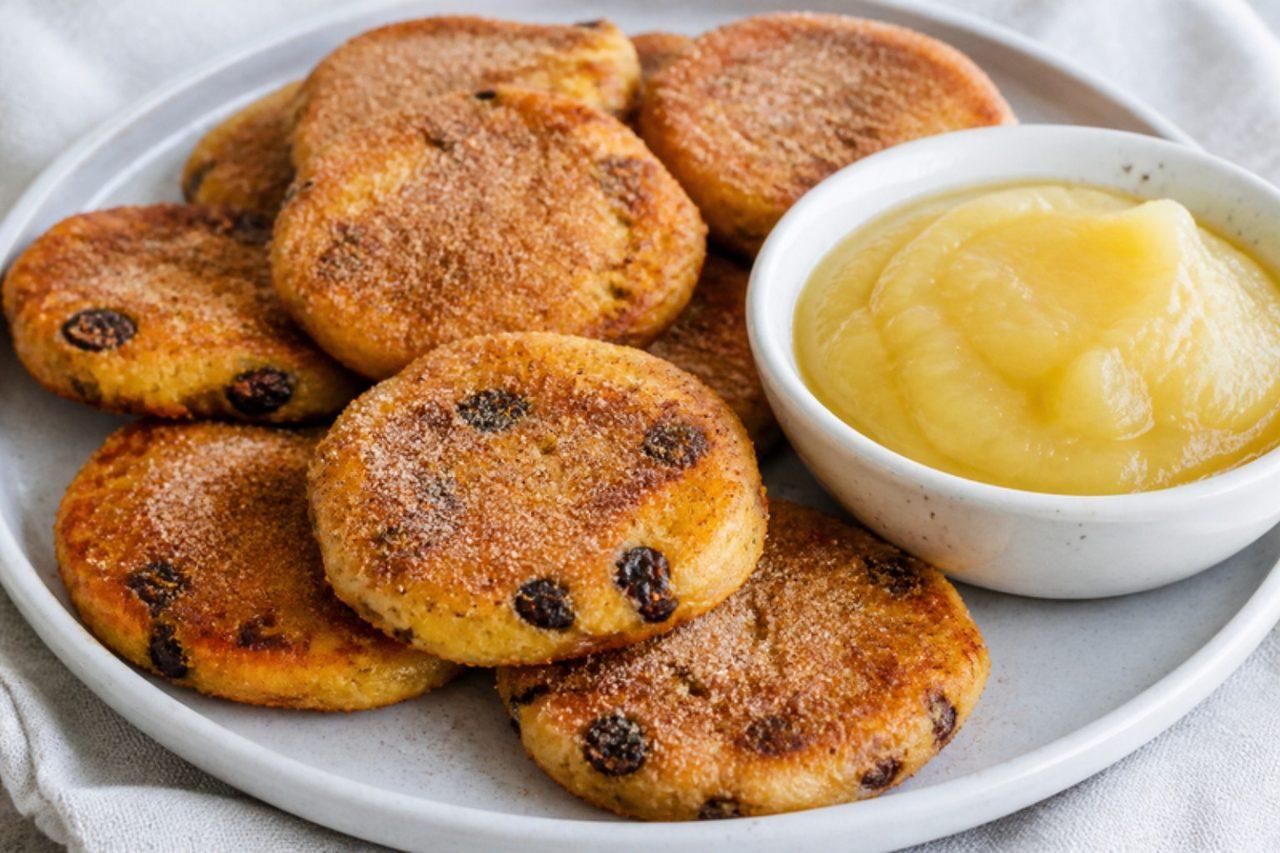
QuarkkeulchenPotato and quark pancakes

Quarkkeulchen are the sweet little pancakes of Saxony, the kind a Dresden or Leipzig grandmother makes on a Saturday afternoon from yesterday's boiled potatoes: mashed potato, quark, egg, a little flour and sugar, lemon zest and raisins, shaped into small thick discs and fried in butter until golden. They are crisp outside, soft and slightly tangy inside, and come dusted with cinnamon sugar beside a bowl of apple sauce. A common mistake is using freshly boiled warm potatoes, which make a sticky dough; use cold ones from the day before. Chef's tip: soak the raisins in hot water for 10 minutes so they plump up and don't burn in the pan.

by KrazyBadal 0 views

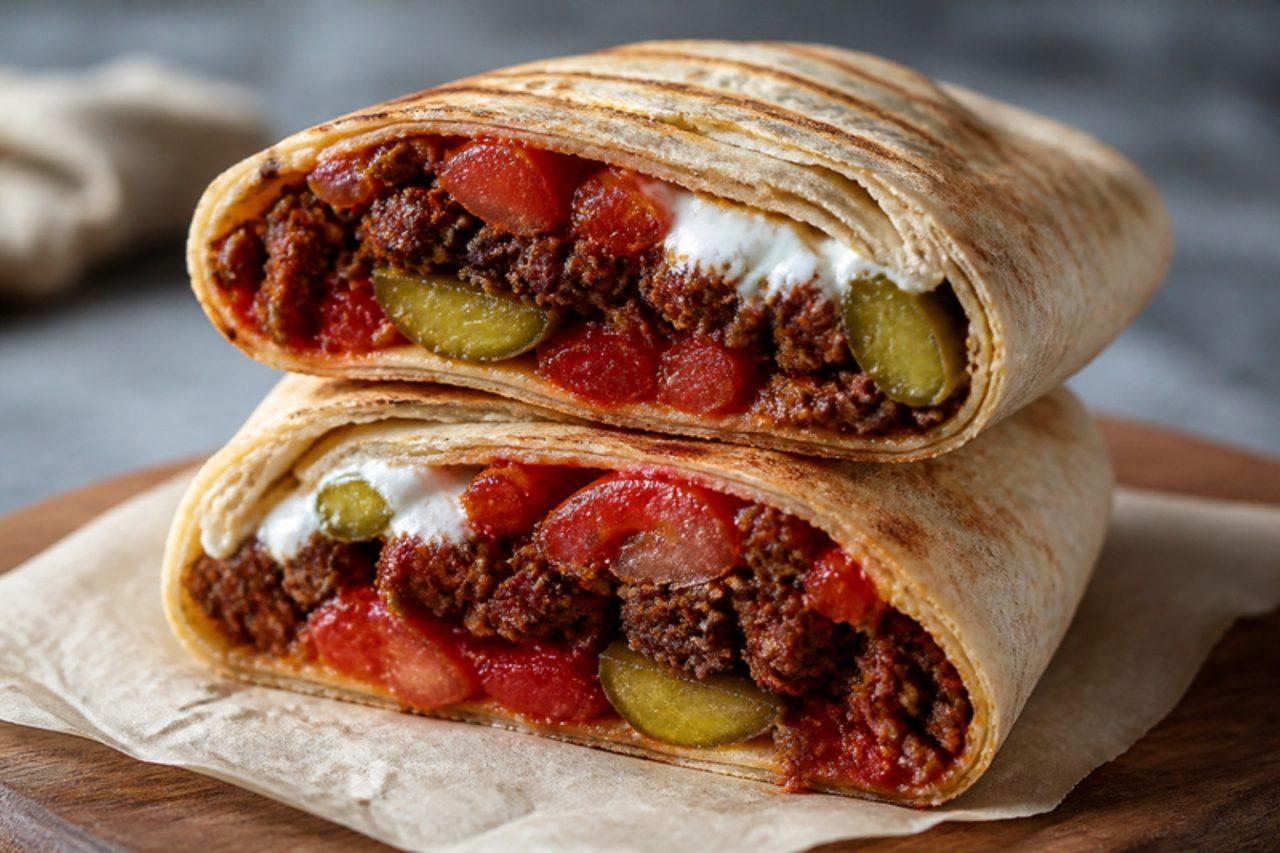
SujukSpicy sausage and tomato wrap

Late-night sandwich counters in Bourj Hammoud, Beirut's Armenian quarter, fry sujuk on a flat-top until it crackles, toss in tomatoes and wrap the lot in thin bread with toum and pickles. Ready-made sujuk is usually dried and cured; this home version is a fresh, uncured beef sausage mix seasoned with garlic, cumin, sumac and Aleppo pepper and shaped into skinless fingers, so it cooks quickly and safely. It is just as good at breakfast with fried eggs. The common mistake is frying on a high heat from the start, which burns the spices before the meat cooks through. Chef's tip: chill the shaped sausages for 30 minutes first; they hold together and brown better.

by KrazyBadal 0 views

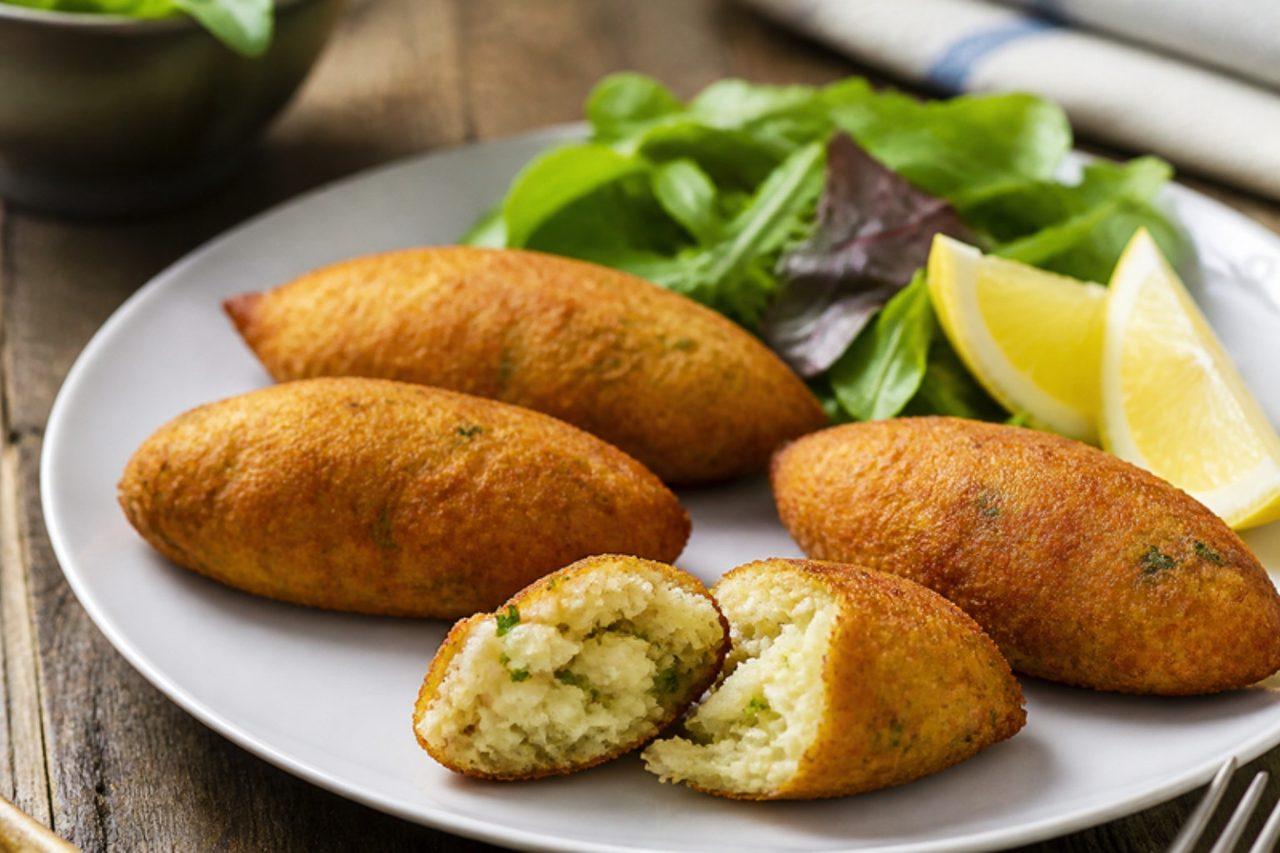
Pastéis de bacalhauSalt cod and potato croquettes

These torpedo-shaped croquettes of salt cod, potato, egg and parsley are everywhere in Lisbon: piled on café counters, packed for picnics, and served at weddings and christenings in their dozens. Every family argues over the cod-to-potato ratio; about equal parts gives a fluffy inside that still tastes properly of fish. Salt cod needs 24–48 hours of soaking in the fridge, so start two days ahead. A common mistake is a wet mixture from boiled potatoes, which makes the croquettes burst in the oil; bake or steam the potatoes instead, or dry them well. Chef's tip: shape each one between two wet tablespoons, passing the mixture back and forth until it has three smooth sides.

by KrazyBadal 0 views

Maduro con quesoBaked plantain with cheese

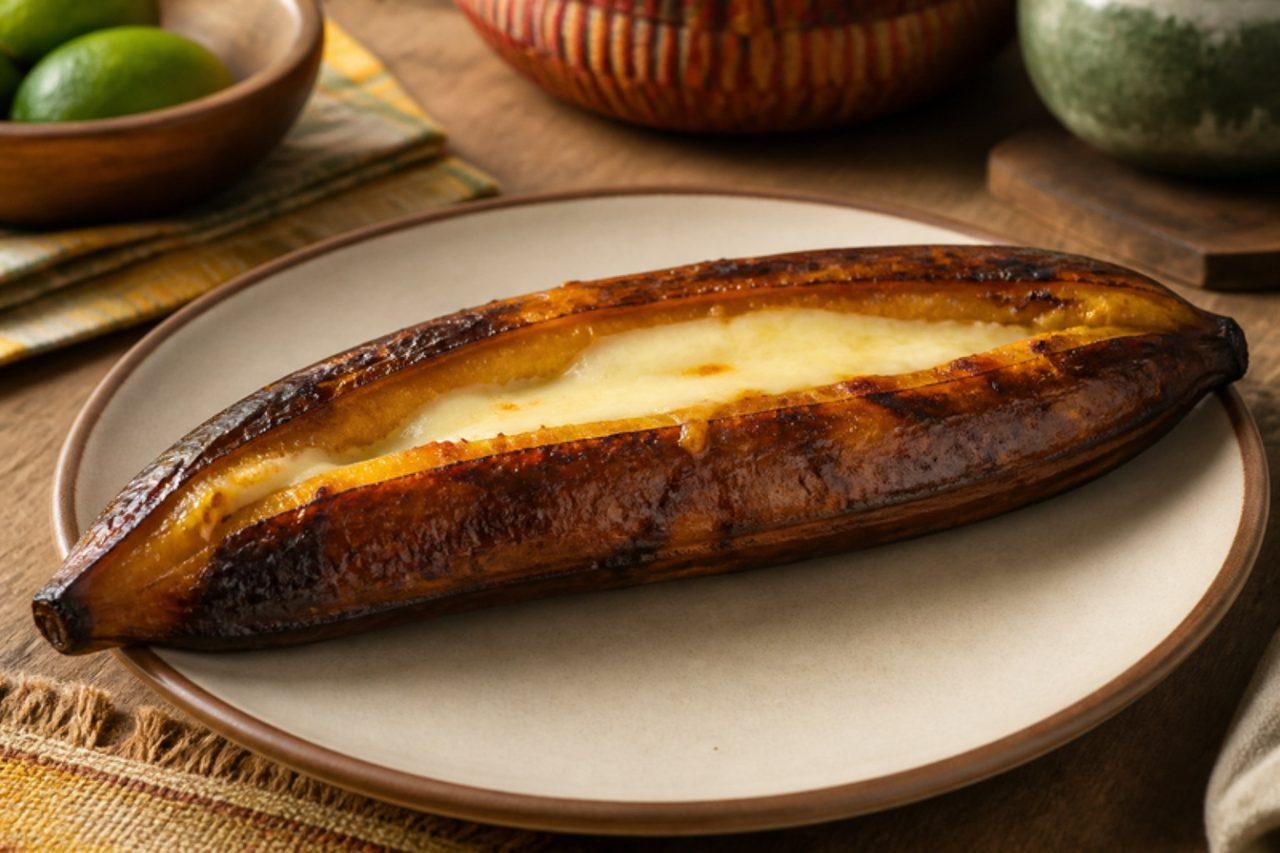
Cali cooks treat a black-skinned plantain as a treat rather than a fruit past its best, and maduro con queso shows why. The plantain bakes in its own skin until the flesh turns sticky and caramel-sweet, then it is split lengthways and packed with soft white cheese that melts into the hot fruit. In the Valle del Cauca it turns up at home lunches beside rice, beans and a sudado, and at weekend corrientazo counters as the sweet note on a savoury plate. The cheese of choice is a mild, stretchy quesillo or queso campesino, both normally set with animal rennet, so pick a vegetarian mozzarella-style cheese if that matters to you. Where it goes wrong is the plantain: a yellow one with a few spots stays starchy and dry, so wait until the skin is almost completely black and the fruit gives when pressed. Chef's tip: bake the plantains on a tray lined with baking paper, because the sugars leak out of the skins and burn onto bare metal.

by KrazyBadal 0 views

Showing 72 of 7,888 recipes

Show more recipes

Page 566 of 877