


Skip to content
Dakkochi
Featured recipe

Dakkochi

Chicken and spring onion skewers

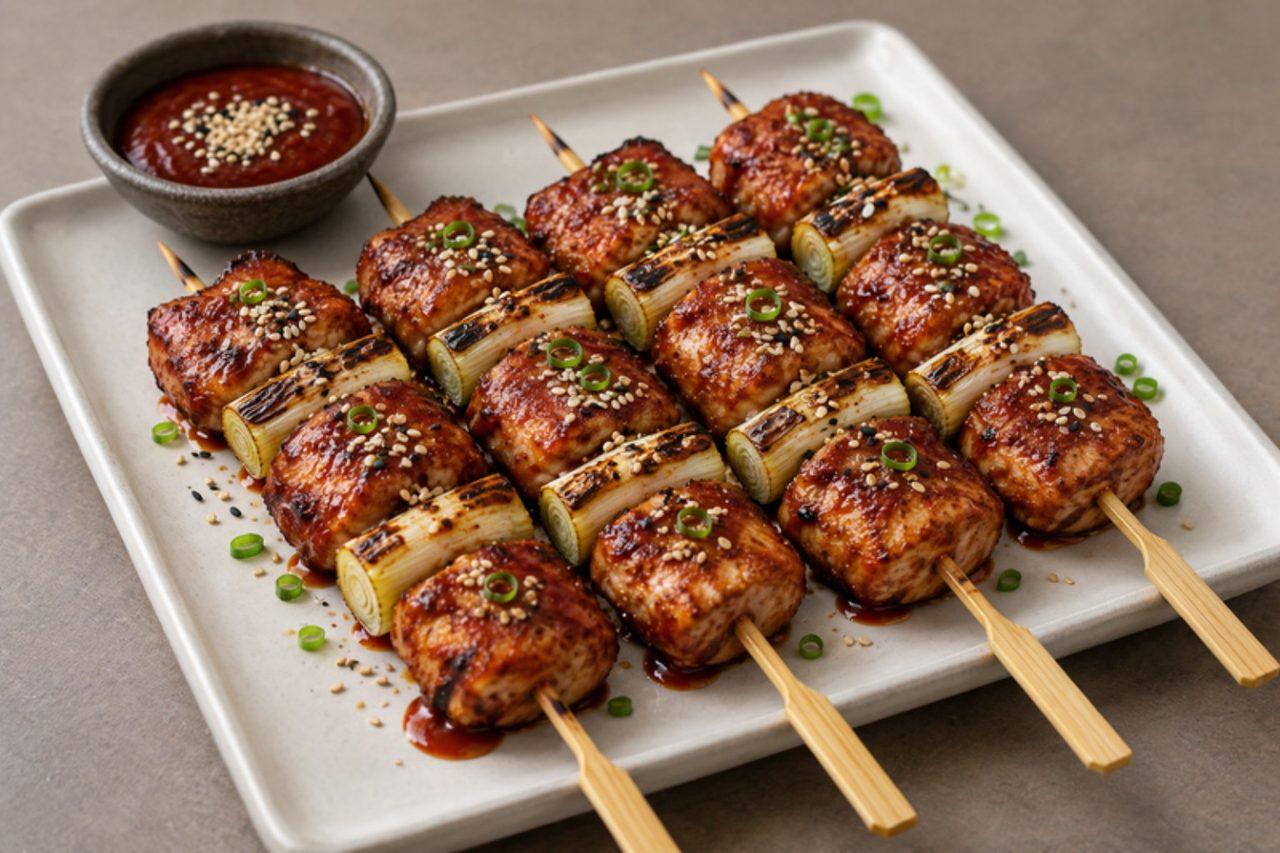
Dakkochi carts line the evening streets of Myeong-dong and the backstreets of Jongno, where chicken skewers sizzle on flat grills under a cloud of sweet, smoky steam. Juicy pieces of thigh alternate with thick spring onion, and the vendor slaps on a sticky glaze of gochujang, chilli and rice syrup at the end, or a mild soy version for children. They are eaten standing, as a late snack. Chef's tip: brush on the glaze only in the last few minutes; it is sugary and burns long before the chicken is cooked.

Read more 0 views

What to eat today?

Around the world

Today's trip: Persian

A new country every day, from every cuisine on the site.

Persian

Dizi

Lamb and chickpea stew 245 minMore from Persian (131) →

This week's collection

Kid-friendly dinners
537 recipes · a new collection every Monday

Latest recipes

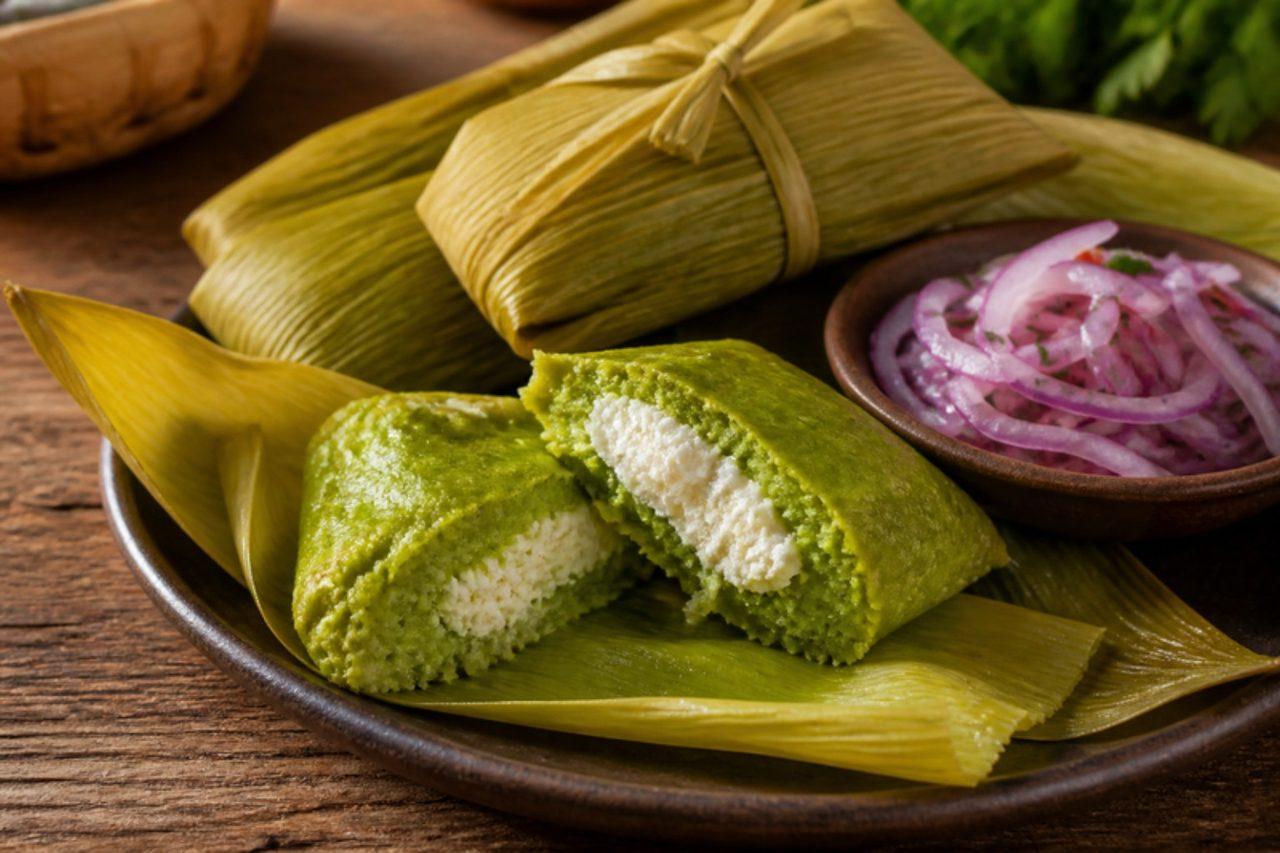
Tamalitos verdesGreen fresh corn tamales

Bright green from a whole bunch of coriander, tamalitos verdes are the morning snack of Chiclayo and Trujillo, sold warm at market stalls and bakeries and unwrapped at the table with a heap of salsa criolla on top. Fresh corn is ground with coriander, onion and ají amarillo into a soft dough, wrapped around a strip of fresh cheese in corn husks and steamed. They should be tender, moist and herby, with a slightly sweet corn flavour and a salty melting middle. Traditional ones are made with lard; this version uses vegetable oil to stay vegetarian. The classic problem is a dough that's too wet, which makes the tamales fall apart; the starchy Peruvian choclo is ideal, and if you use sweet corn, add the cornmeal to firm it up. Queso fresco is usually made with animal rennet, so look for a vegetarian fresh cheese. Chef's tip: keep the steamer water at a steady simmer and top it up with boiling water, never cold, so the steam never stops.

by KrazyBadal 0 views

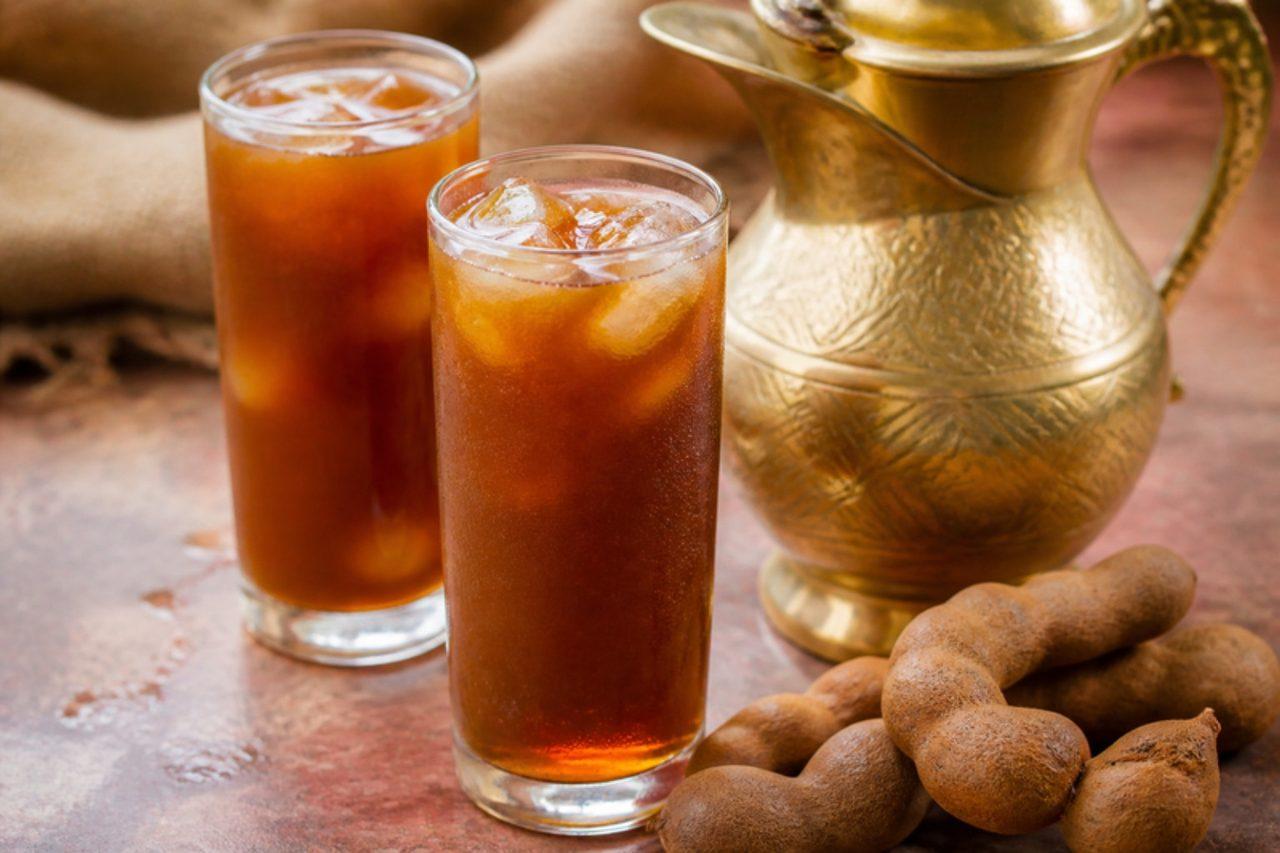
Tamar hindiTamarind drink

During Ramadan in Damascus, street sellers in bright waistcoats pour tamar hindi from tall brass jugs on their backs, clinking cups to call buyers before iftar. The drink is a deep brown infusion of tamarind, sweetened and sharpened with lemon and a touch of rose or orange blossom, served ice cold to quench a day's thirst. It is fruity, tangy and refreshing, and made in a big batch to keep in the fridge. Common mistake: boiling the tamarind hard — gentle soaking gives a clean taste, while boiling makes it muddy. Chef's tip: strain twice, the second time through a cloth, for a clear, glossy drink.

by KrazyBadal 0 views

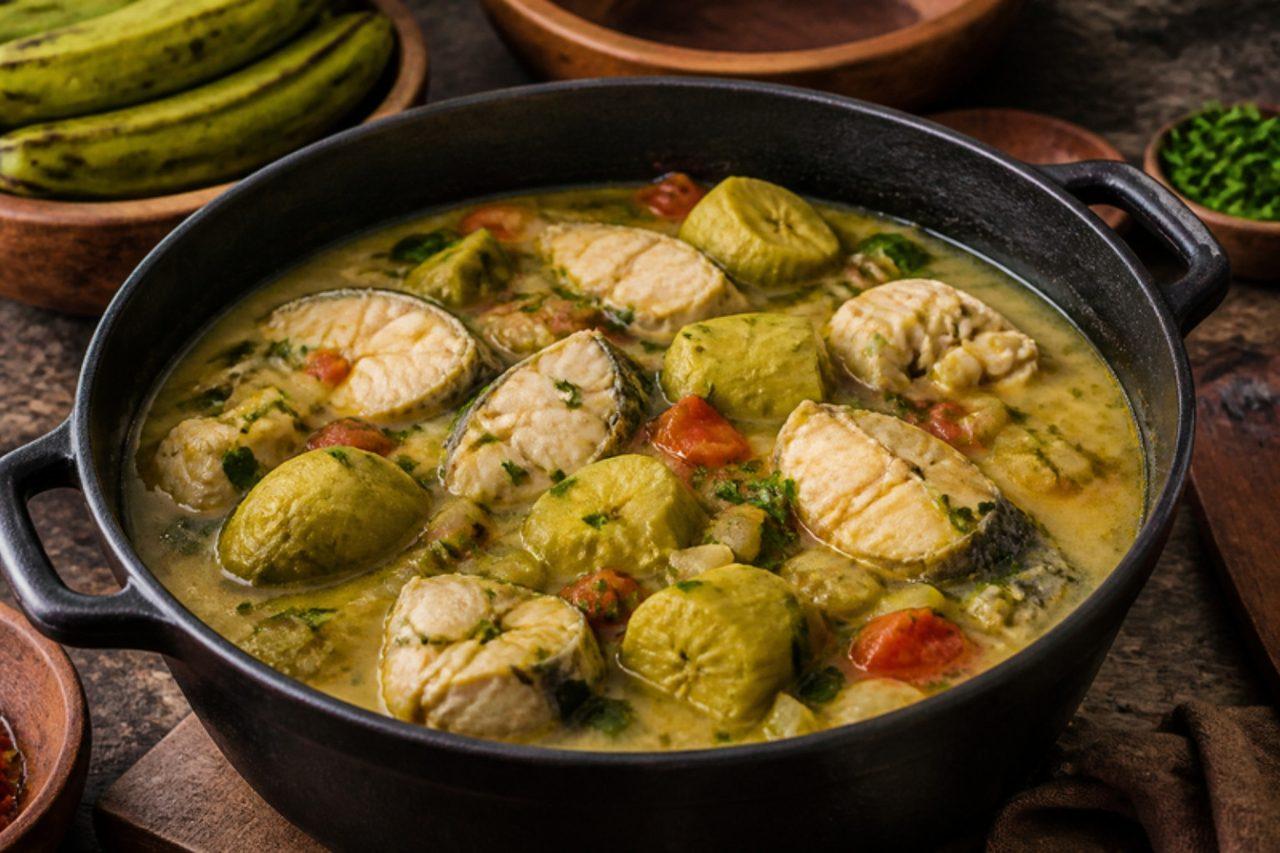
Tapao de pescadoFish and green plantain stew

Quibdó's riverside kitchens and the villages along the Atrato and Baudó rivers make tapao, which simply means 'covered': fish and chunks of green plantain cooked in a little water and a refrito of onion, tomato and herbs, with the pot sealed under a plantain leaf and a lid so it all cooks in its own steam. There's no coconut, unlike the Pacific's encocados, so it tastes clean and brothy, of fish and herbs, with the plantain soaking up the juices and thickening them slightly. It's a weekday dish, often made with bocachico or other river fish, and eaten from deep plates with a spoon and fingers. Adding the fish with the plantain from the start is a common slip; the plantain needs a head start or the fish falls apart before the plantain is tender. Chef's tip: if you can find bocachico or another river fish, use it; otherwise sea bream or tilapia steaks with the bone in give the broth the best flavour.

by KrazyBadal 0 views

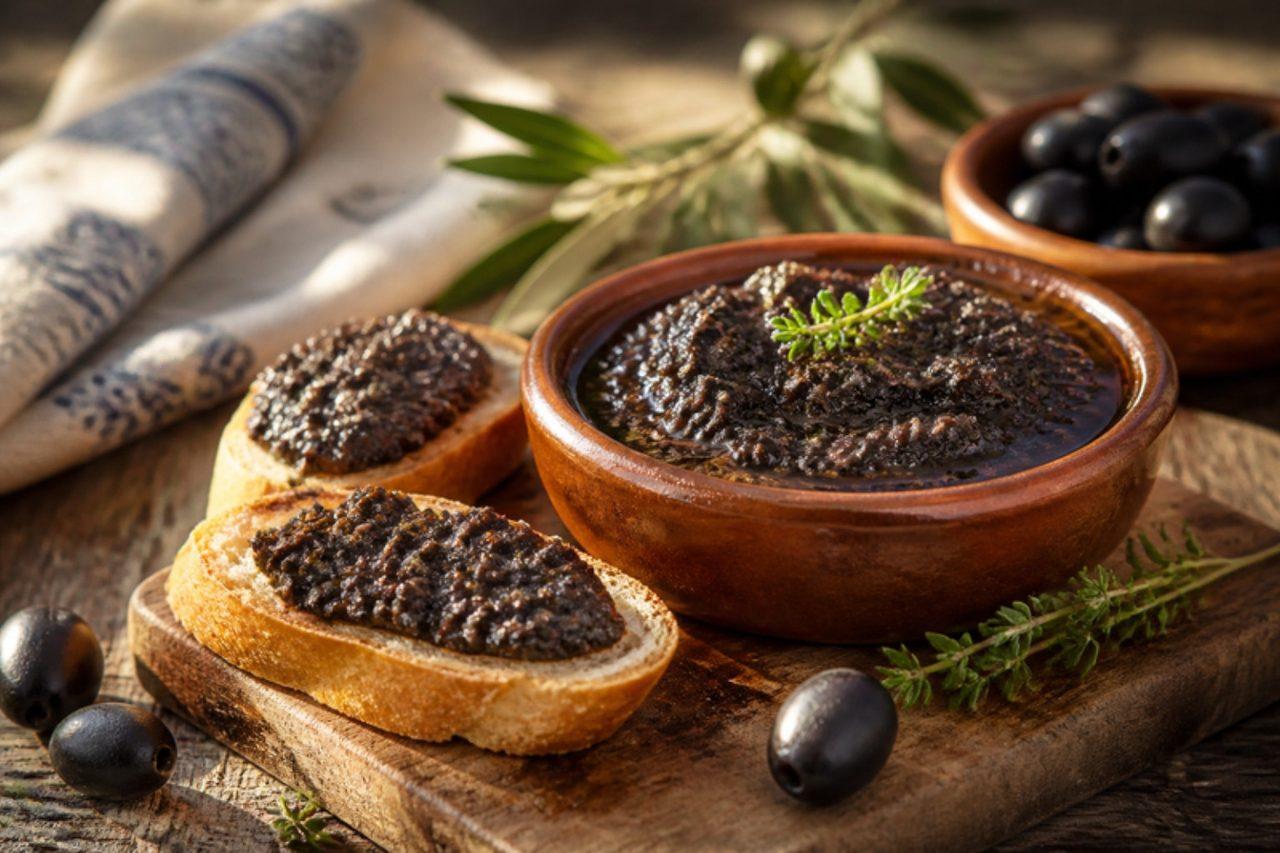
Tapenade provençaleBlack olive and caper spread

The name gives the game away: tapeno is the Provençal word for capers, and a Marseille chef is said to have first pounded them with black olives in the 1880s. Across Provence, from the markets of Nyons to the cafés of Aix, tapenade comes out with the apéritif before a long summer dinner, spread thickly on toasted baguette. The classic recipe adds a few anchovy fillets; this version leaves them out and leans on extra capers and lemon for the salty, savoury edge, so it is vegan. Chef's tip: buy olives with stones and pit them yourself; ready-pitted black olives are often the dyed, bland kind and give a flat, inky spread.

by KrazyBadal 0 views

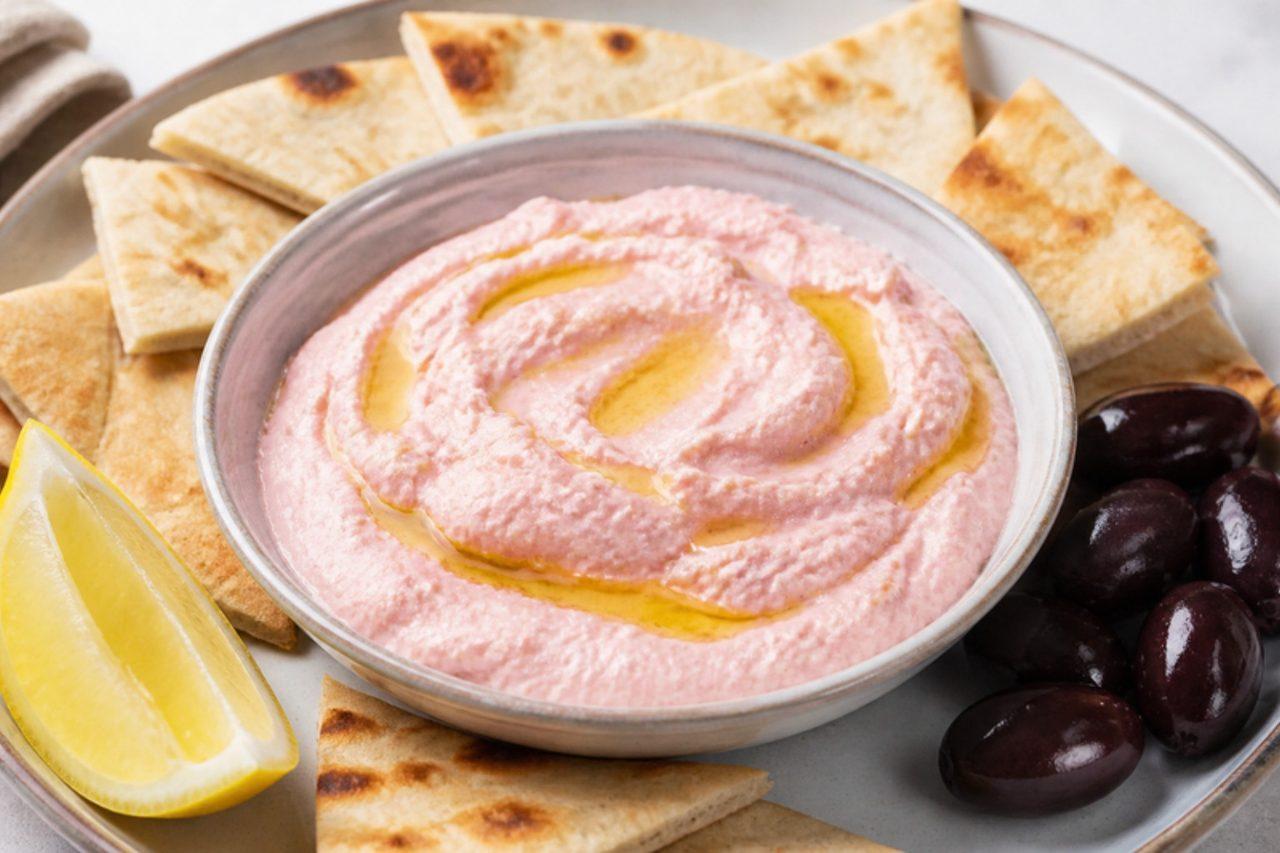
TaramosalataFish roe dip

Taramosalata is the star of Clean Monday, the first day of Greek Lent, scooped onto torn lagana at picnics while children fly kites, and it stays on taverna meze tables all year. The real thing is beige-pink, not bright pink, made from salted cured carp or cod roe (tarama) beaten with soaked bread, onion, lemon and oil into a salty, briny, mousse-like dip. Because tarama is cured rather than cooked, buy pasteurised roe for a safer version; even so, this dip is not for pregnant women, young children or anyone with a weakened immune system. Common mistake: adding the oil too fast, which splits it. Chef's tip: use white tarama if you can find it; it is less salty and lets the lemon shine.

by KrazyBadal 0 views

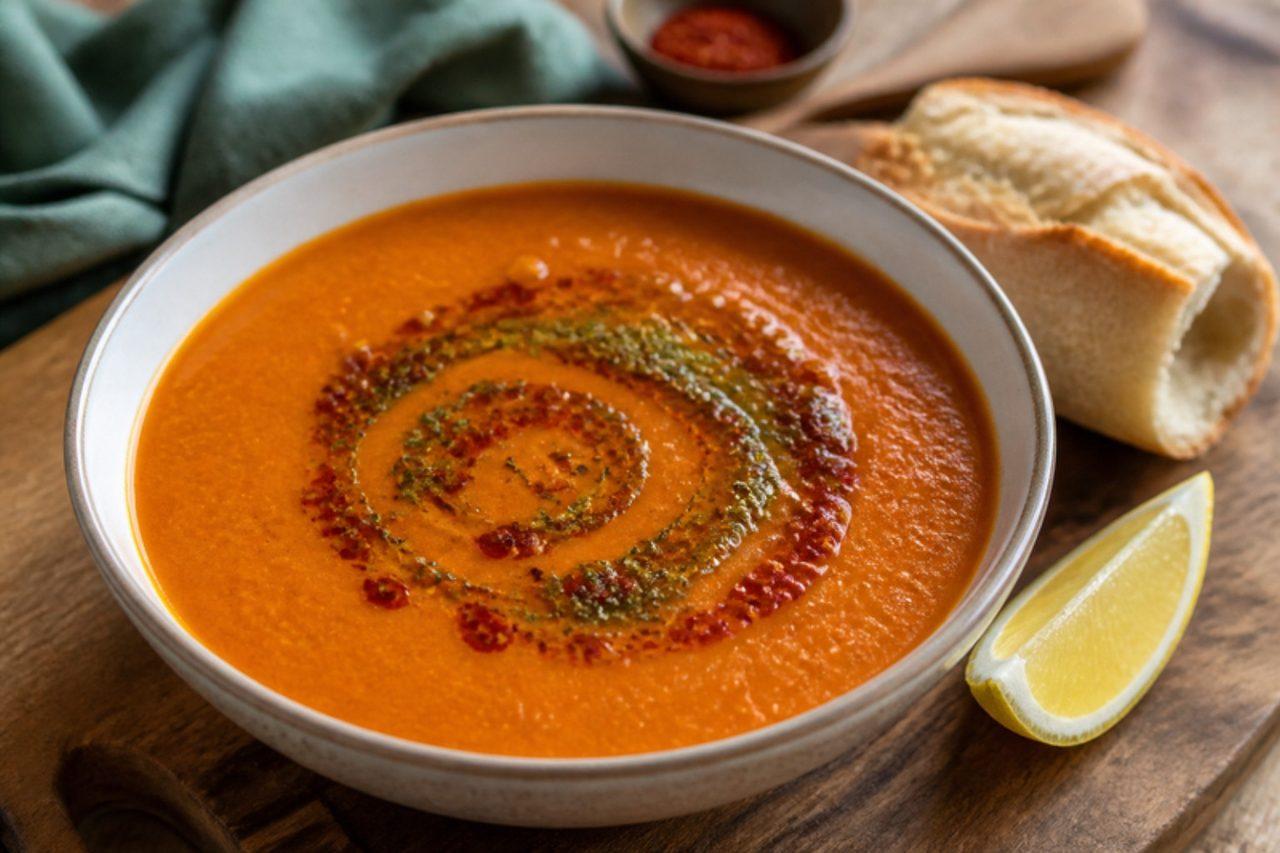
Tarhana çorbasıFermented yoghurt and vegetable soup

Late every summer, women across Central Anatolia, from Uşak to Konya and Sivas, ferment a dough of yoghurt, flour, tomatoes, peppers and onion, dry it on cloths in the sun and rub it into crumbs. All winter that tarhana becomes a quick, warming soup with a gentle sourness and the sweetness of sun-dried pepper. It is breakfast in villages, a cure for colds in cities, and is eaten with bread and a squeeze of lemon. Common mistake: tipping dry tarhana straight into hot liquid, which forms stubborn lumps; soak it in cold water first. Chef's tip: finish with a spoon of butter sizzled with dried mint and chilli flakes drizzled over each bowl; it lifts the whole soup.

by KrazyBadal 0 views

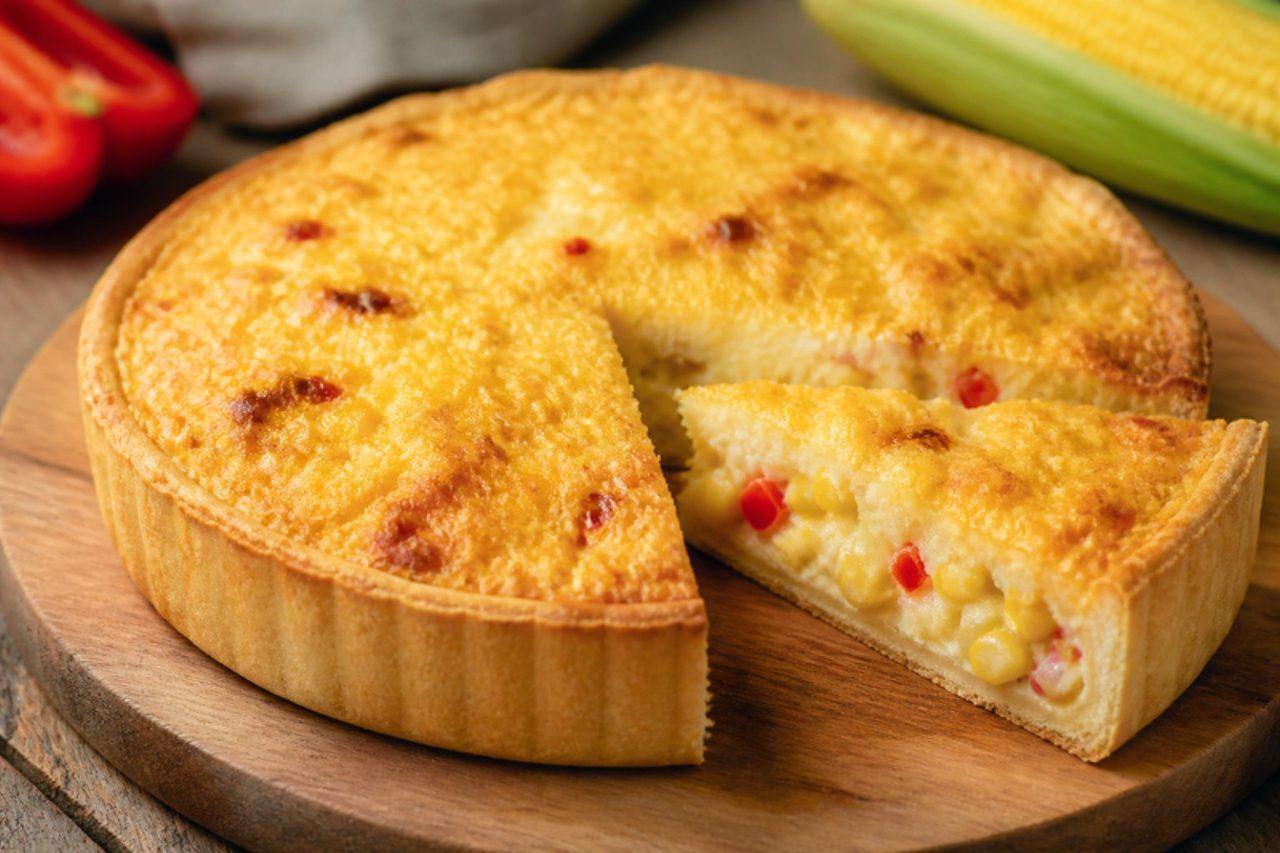
Tarta de chocloSweetcorn tart

Ask any Argentine rotisería for a slice of tarta and choclo will be next to the chard and the ham-and-cheese. This is the creamy one: sweetcorn kernels folded into a thick white sauce with softened onion and red pepper, set with egg and cheese inside a buttery shortcrust. It is lunchbox and picnic food, eaten warm or at room temperature with a green salad, and it is a big favourite with children for its sweetness. The filling should slice cleanly but still be soft. A runny centre is the usual problem, and it comes from a thin white sauce or from forgetting to blind-bake: make the sauce thick enough to coat the spoon heavily, and part-bake the case. Mozzarella and grated hard cheese are often made with animal rennet, so buy vegetarian ones if that matters. Chef's tip: blitz a third of the corn with the white sauce; it gives a creamier, more corn-tasting filling while the whole kernels keep some bite.

by KrazyBadal 0 views

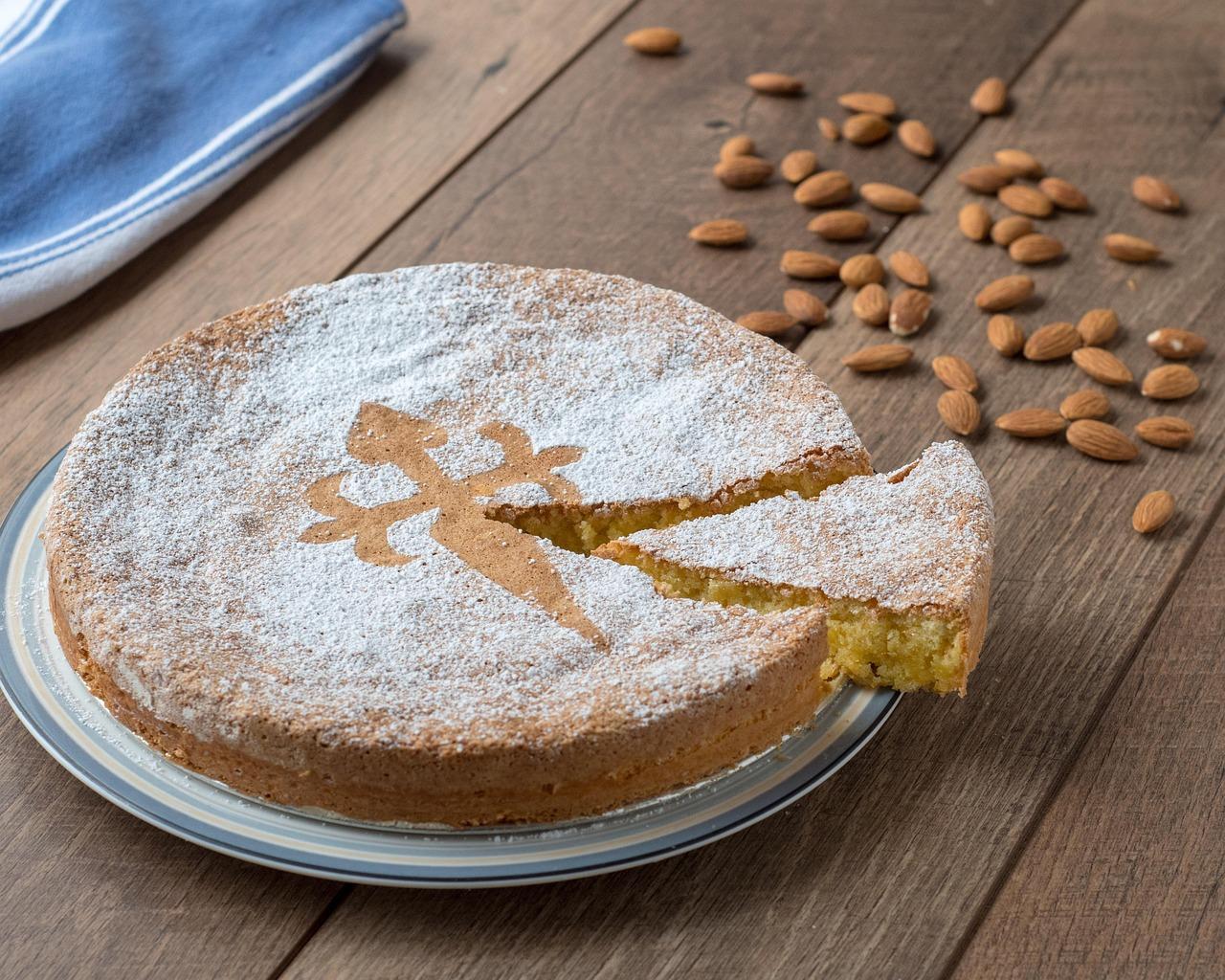
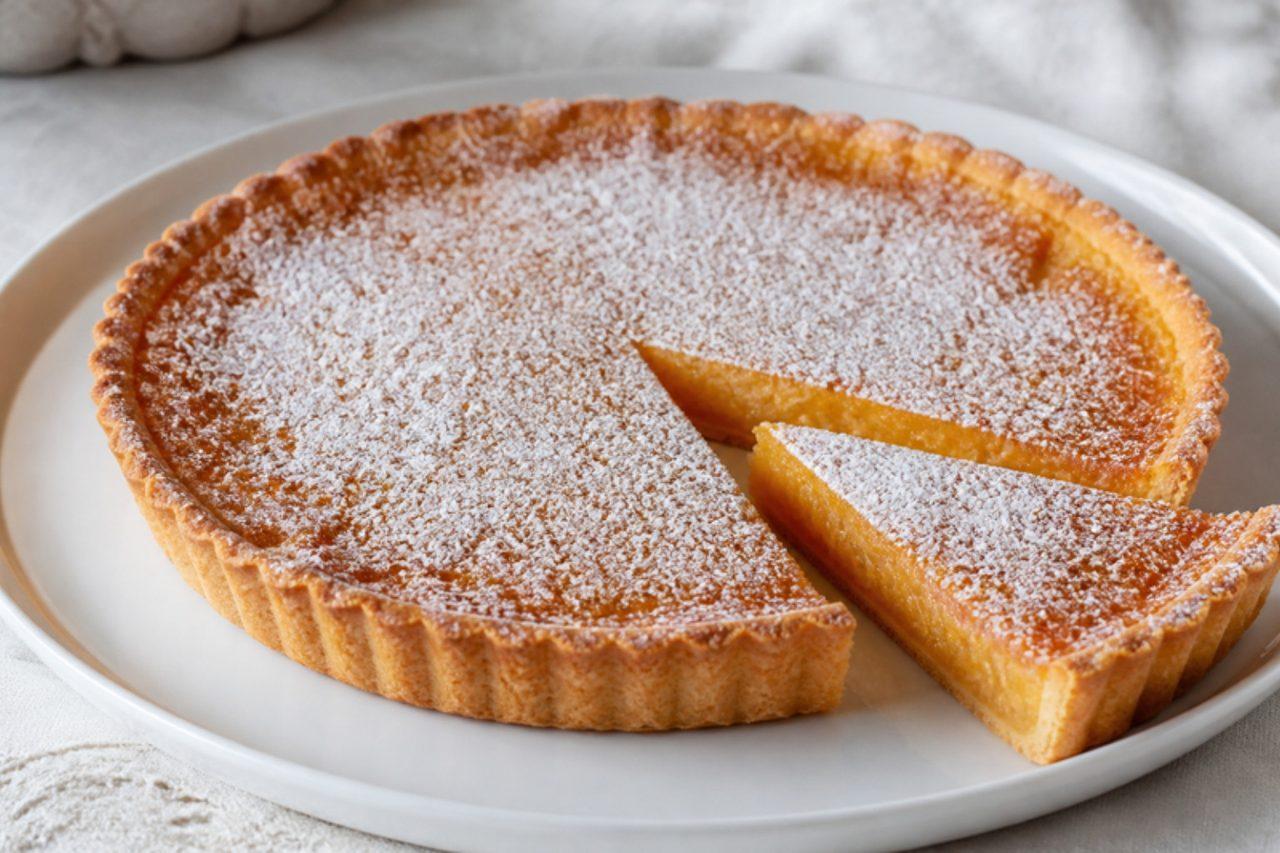
Tarta de SantiagoFlourless almond cake

Pilgrims finishing the Camino in Santiago de Compostela see this cake in every bakery window around the cathedral, dusted white with icing sugar and stencilled with the cross of St James. It is made only from ground almonds, sugar, eggs and a little lemon and cinnamon, so it is naturally free of gluten, moist and dense with a thin crisp crust. Galicians eat it with coffee after Sunday lunch or at weddings. A common mistake is overbeating the eggs to a foam, which makes the cake rise and then sink; just mix until smooth. Chef's tip: cut a cross from paper and lay it on the cold cake before sifting over the icing sugar.

by KrazyBadal 0 views

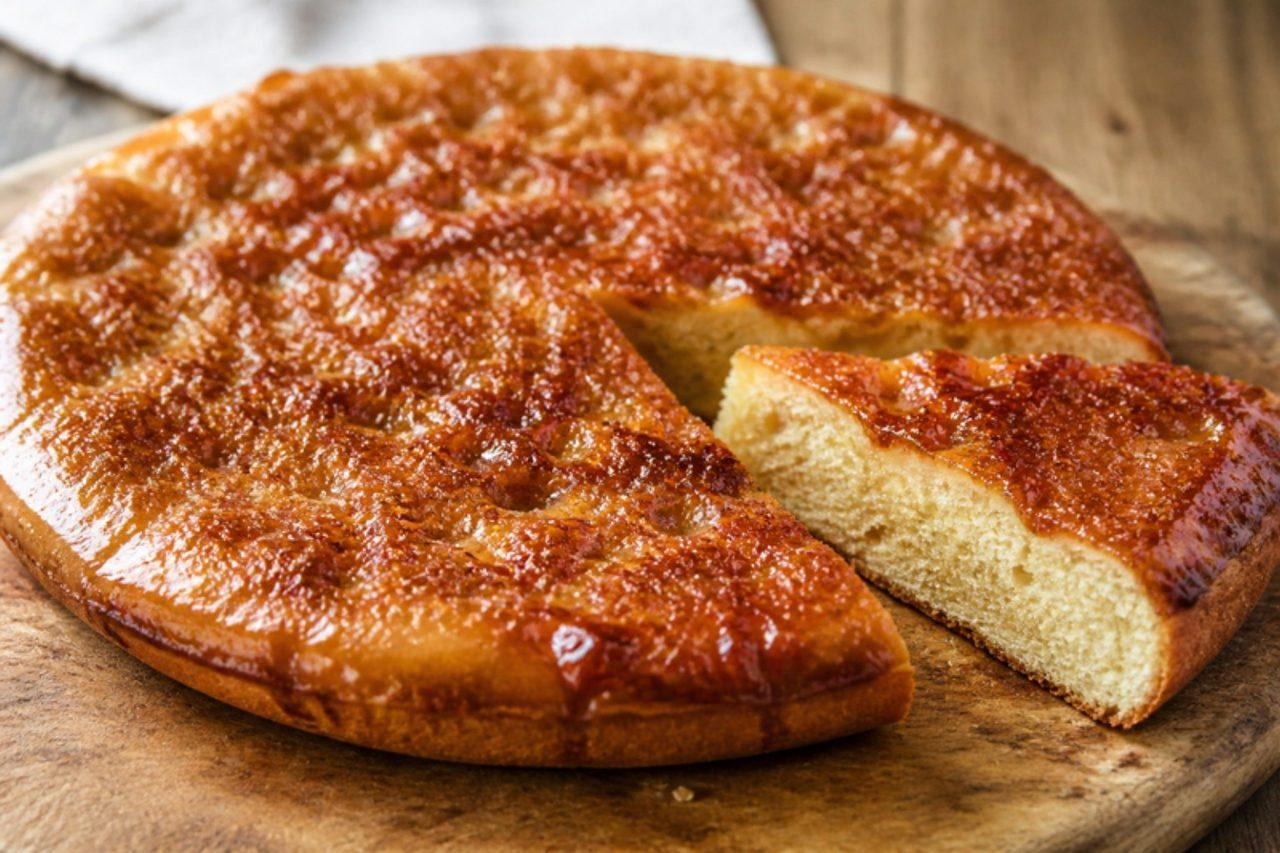
Tarte au sucre lilloiseBrioche sugar tart

In Lille and across the Nord, a sugar tart is not pastry at all but a flat round of soft brioche dough, dimpled and covered with brown cassonade sugar, butter and a little egg and cream, which bakes into a sticky, caramelised top over a fluffy base. Families buy it from the boulangerie for Sunday breakfast and goûter, or bake one when guests come for coffee. The Nord's own beet sugar, vergeoise, gives it a deep, almost molasses flavour; soft dark brown sugar is the closest swap. Chef's tip: press deep dimples into the risen dough with your fingertips before adding the topping; the sugar and cream collect in them and bake into little pools of caramel.

by KrazyBadal 0 views

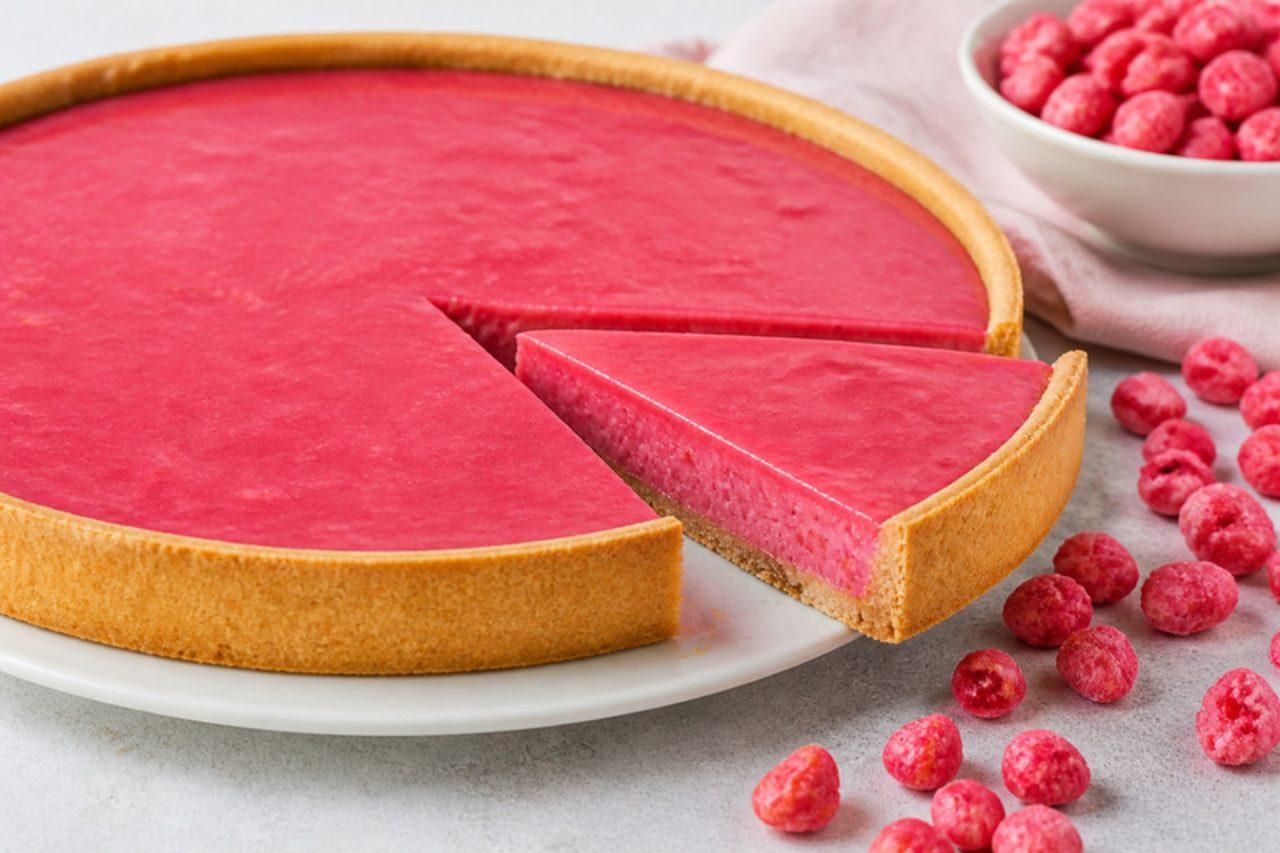
Tarte aux pralines rosesPink praline tart

Lyon's pralines are almonds coated in hard, shocking-pink sugar, and the city's bakeries melt them with cream into a sticky, vivid filling for this tart, sold by the slice in every pâtisserie from Bellecour to the Croix-Rousse. It is very sweet and nutty, with a crunch from the almonds, and is eaten in small slices with coffee. Look for pink pralines coloured with plant-based colourings; some are coloured with carmine (E120), which comes from insects. Chef's tip: crush the pralines roughly in a bag with a rolling pin, leaving some pieces the size of a lentil for crunch.

by KrazyBadal 0 views

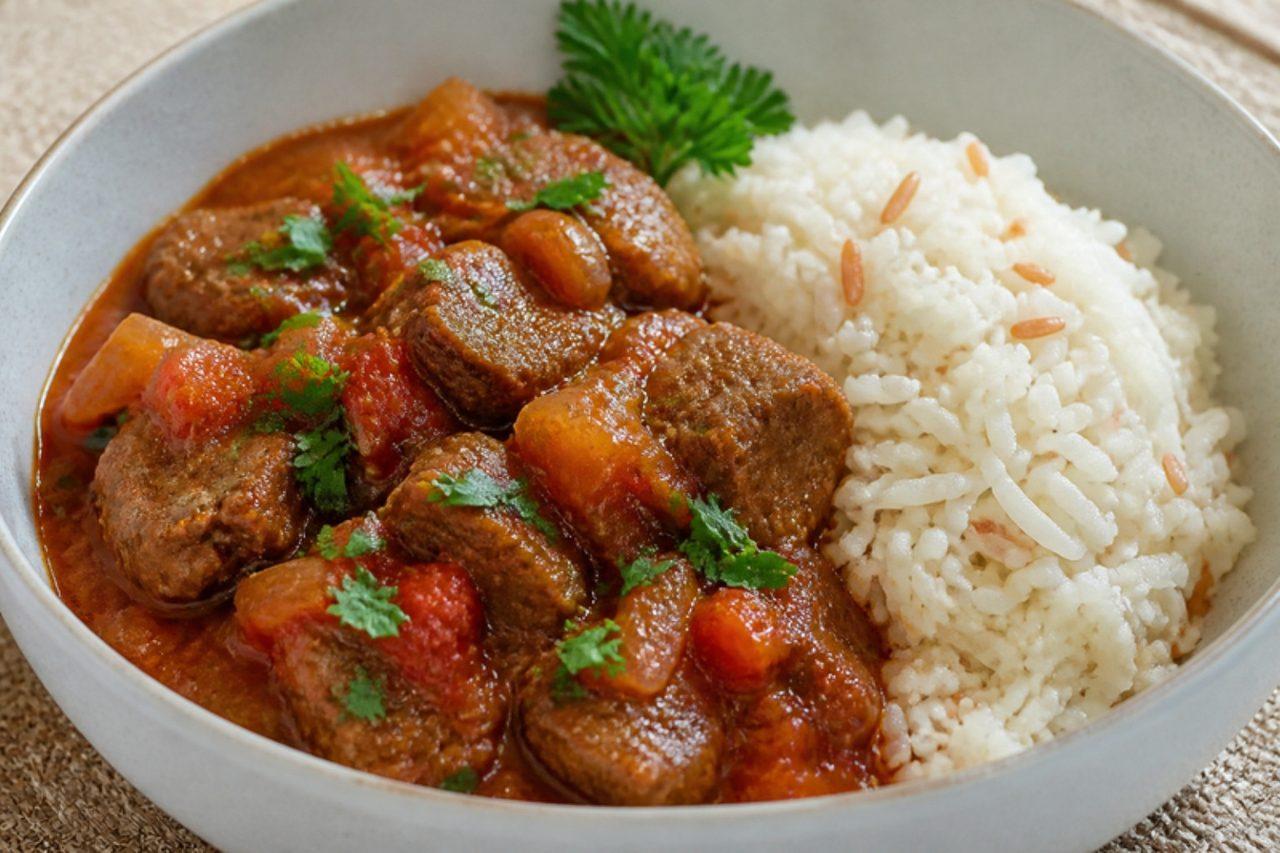
Tas kebabıBraised beef with rice

Despite the name, tas kebabı never sees a grill: it is a bowl ('tas') of beef braised slowly with lots of onion, tomato and a little pepper paste until the meat is soft and the sauce is rich and glossy. It is a mainstay of esnaf lokantası, the tradesmen's restaurants where workers eat a hot lunch from steam trays, and is served over buttery rice pilaf or alongside mashed potato. Common mistake: crowding the pan when browning, so the beef boils grey. Chef's tip: cook the onions down until jammy before the tomato goes in; they melt into the sauce and give it body without any flour.

125 minTurkishMeatGluten free
by KrazyBadal 0 views

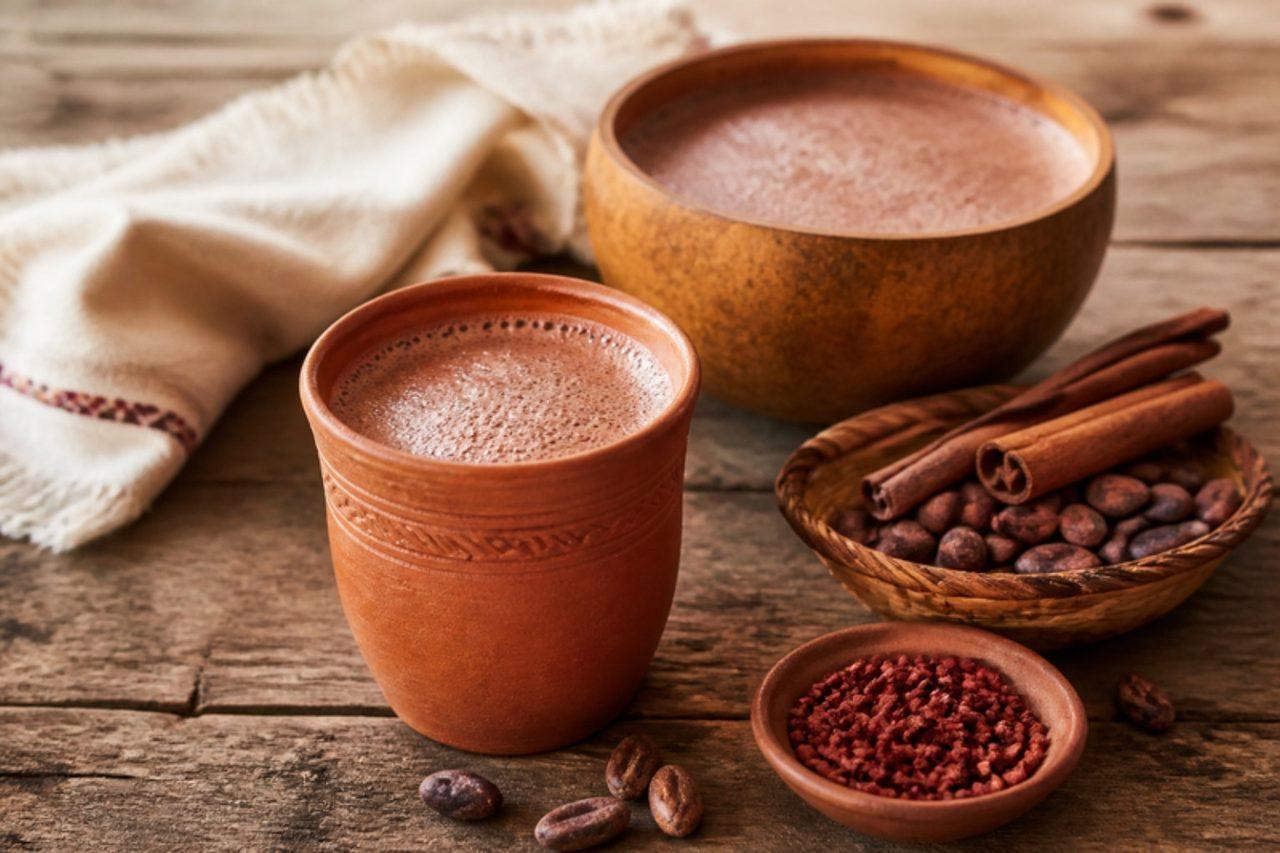
TascalateToasted corn and cacao drink

Tascalate is the drink of the Chiapas central valley, sold in Chiapa de Corzo and Tuxtla in tall glasses at markets and given to guests at fiestas. A powder of toasted tortillas, cacao, pine nuts, sugar, cinnamon and a little achiote is whisked into cold water or milk, so it is orange-brown, thick and nutty with a sweet chocolate finish. The powder keeps for weeks, so make a jar. Made with water it is vegan. Chef's tip: toast the tortillas until they snap cleanly; any softness leaves the powder clumpy.

by KrazyBadal 0 views

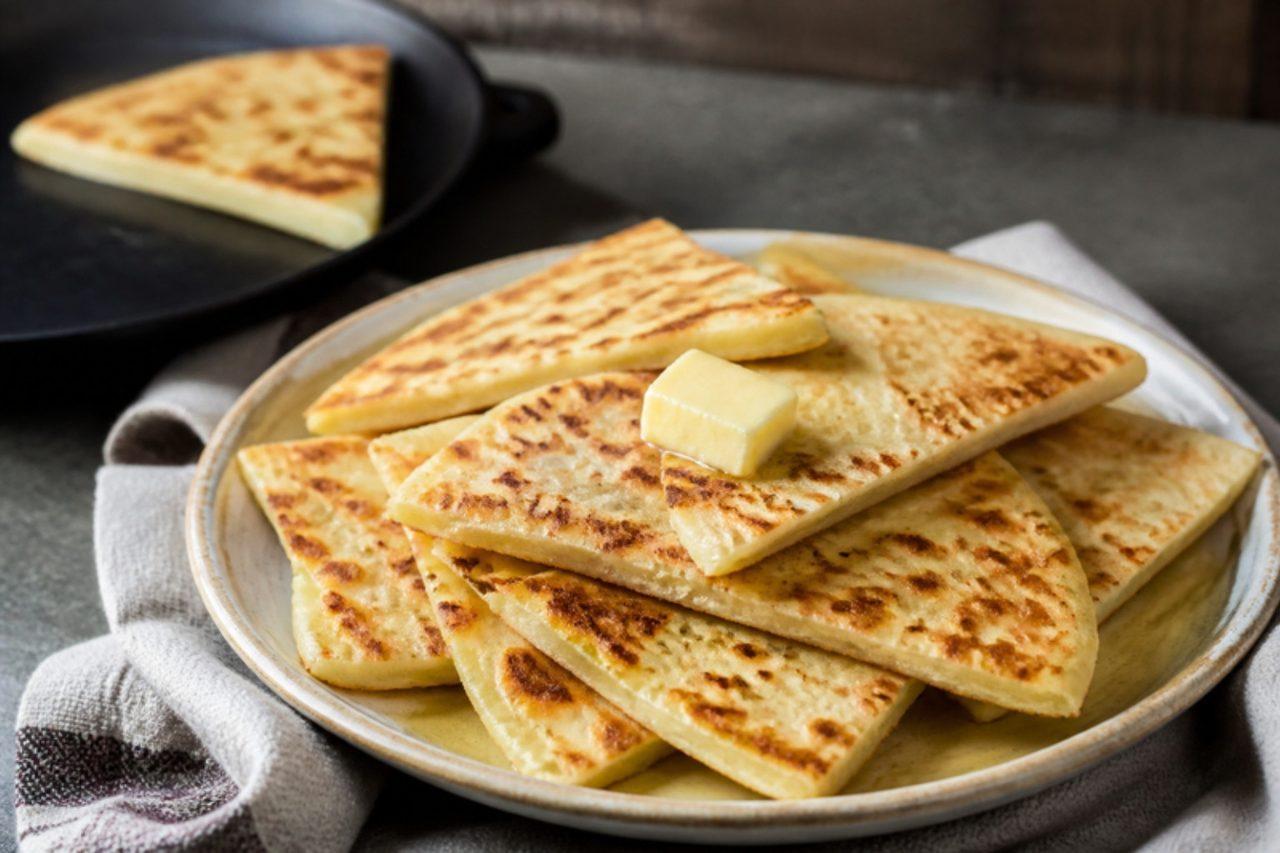
Tattie sconesPotato griddle scones

Tattie scones are thin triangles of mashed potato and flour cooked on a dry girdle, part of a full Scottish breakfast and sold in packs in every Glasgow bakery. They are soft, slightly chewy and speckled brown, and are best fried in butter and eaten with eggs or rolled round a filling. Chef's tip: use the potato while warm; cold mash needs more flour and makes them heavy.

by KrazyBadal 0 views

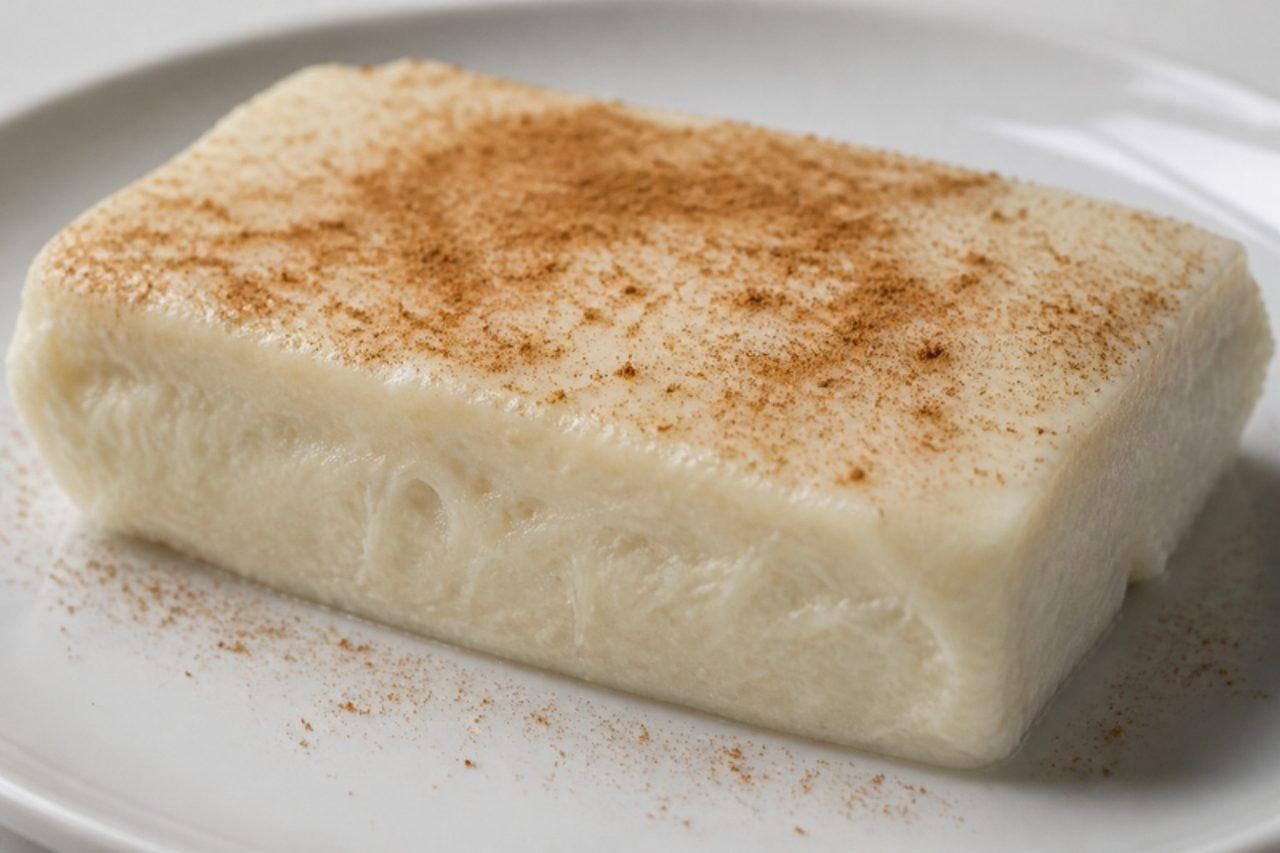
Tavuk göğsüShredded chicken milk pudding

It surprises everyone the first time, but Istanbul's old muhallebici shops still make this silky milk pudding with chicken breast pounded into fine threads, a recipe from the Ottoman palace kitchens. You cannot taste the chicken; it gives the pudding a stretchy, almost chewy body and a pearly look. Serve it cold with a heavy dusting of cinnamon. This dessert contains meat, so it is not vegetarian. Chef's tip: boil the chicken without salt and rinse the shreds several times in cold water; any savoury taste left behind will show in the finished pudding.

by KrazyBadal 0 views

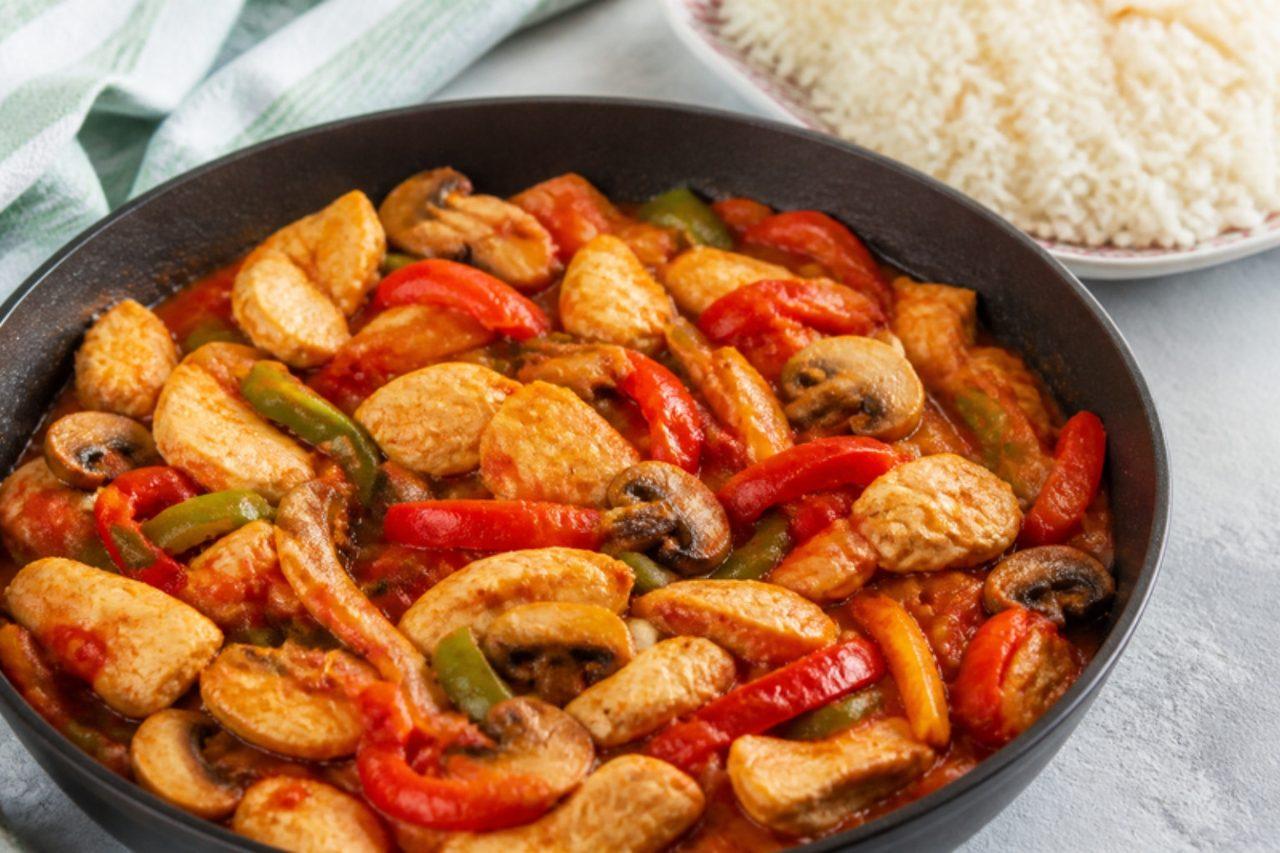
Tavuk soteSautéed chicken with peppers and mushrooms

Tavuk sote is what Turkish home cooks make on a busy weekday: strips of chicken thigh seared hard, then tossed with green and red peppers, mushrooms, onion, tomato and a spoonful of pepper paste until glossy. It cooks in the time the bulgur or rice takes, and lokantas serve it from the steam tray with a side of yoghurt. Thigh meat stays juicy; breast dries out quickly. Common mistake: adding all the chicken at once, which drops the pan temperature and leaves it pale and watery. Chef's tip: finish with a knob of butter and a pinch of dried thyme off the heat for a glossy, aromatic sauce.

by KrazyBadal 0 views

Técula méculaAlmond and egg-yolk tart

Olivenza, on the border with Portugal and Portuguese until 1801, kept a taste for the convent sweets of its neighbour, and técula mécula is the town's pride: a dense, golden tart of ground almonds, sugar syrup and egg yolks, sold whole or by the slice in its pastry shops and carried home as a gift. Its playful name is said to come from a Latin phrase meaning with you and with me, as if it were made to share. The traditional pastry uses pork lard; this version uses butter and is vegetarian. Chef's tip: a thin slice is plenty, as it is very rich; serve it with coffee.

by KrazyBadal 0 views

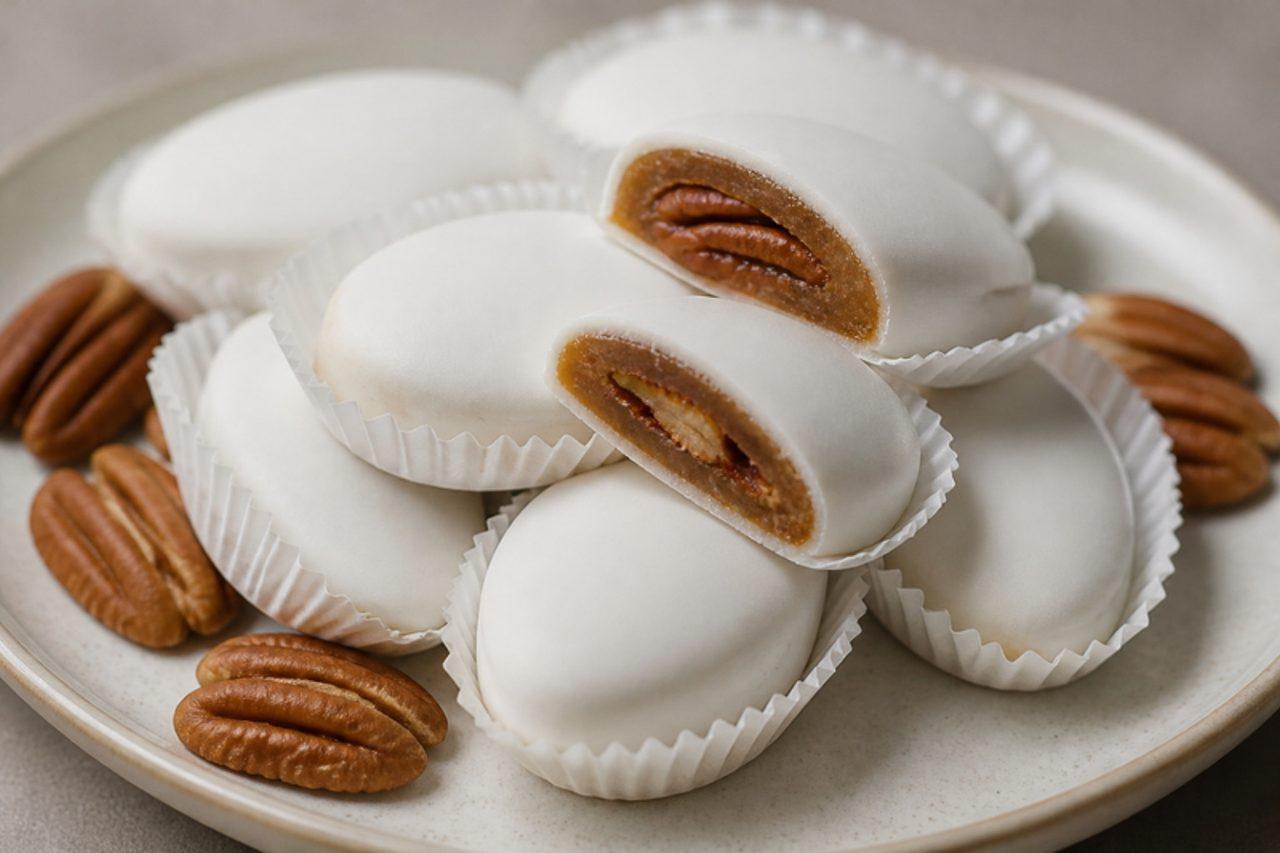
TejasPecan and manjar blanco sweets

Ica's sweet shops, along the road into town and around the main square, stack tejas in long rows, each one wrapped in white tissue paper with frilled ends. Inside the thin, crackly sugar shell is a soft centre of manjar blanco with a pecan or a piece of candied fruit; Ica has been making them since the 19th century and they are the city's best-known souvenir. They are intensely sweet, so one or two with coffee is enough. The hard part is the fondant: stir it while it's too hot and it turns grainy and opaque too early, so let the syrup cool before working it. This version makes a quick manjar blanco from condensed and evaporated milk and uses pecans; candied lime or orange peel works the same way. Chef's tip: chill the filled centres until firm before dipping; warm ones melt into the fondant and lose their shape.

by KrazyBadal 0 views

TejuinoFermented corn drink

On hot afternoons in Guadalajara, vendors ladle tejuino from big clay pots into plastic bags or glasses with ice, a squeeze of lime, a pinch of salt and often a scoop of lime sorbet. It is made from corn masa cooked with piloncillo and left for two or three days to ferment a little, which gives it a tangy, slightly sour taste. The fermentation is light and the drink is sold as non-alcoholic, but a trace of alcohol can form, so keep the fermentation to 2 days and serve it well chilled. Skip the fermenting stage entirely for children: drink it fresh as a sweet atole-style cooler. Chef's tip: taste it each day; take it to the fridge as soon as it tastes pleasantly sour, like a mild yoghurt.

by KrazyBadal 1 views

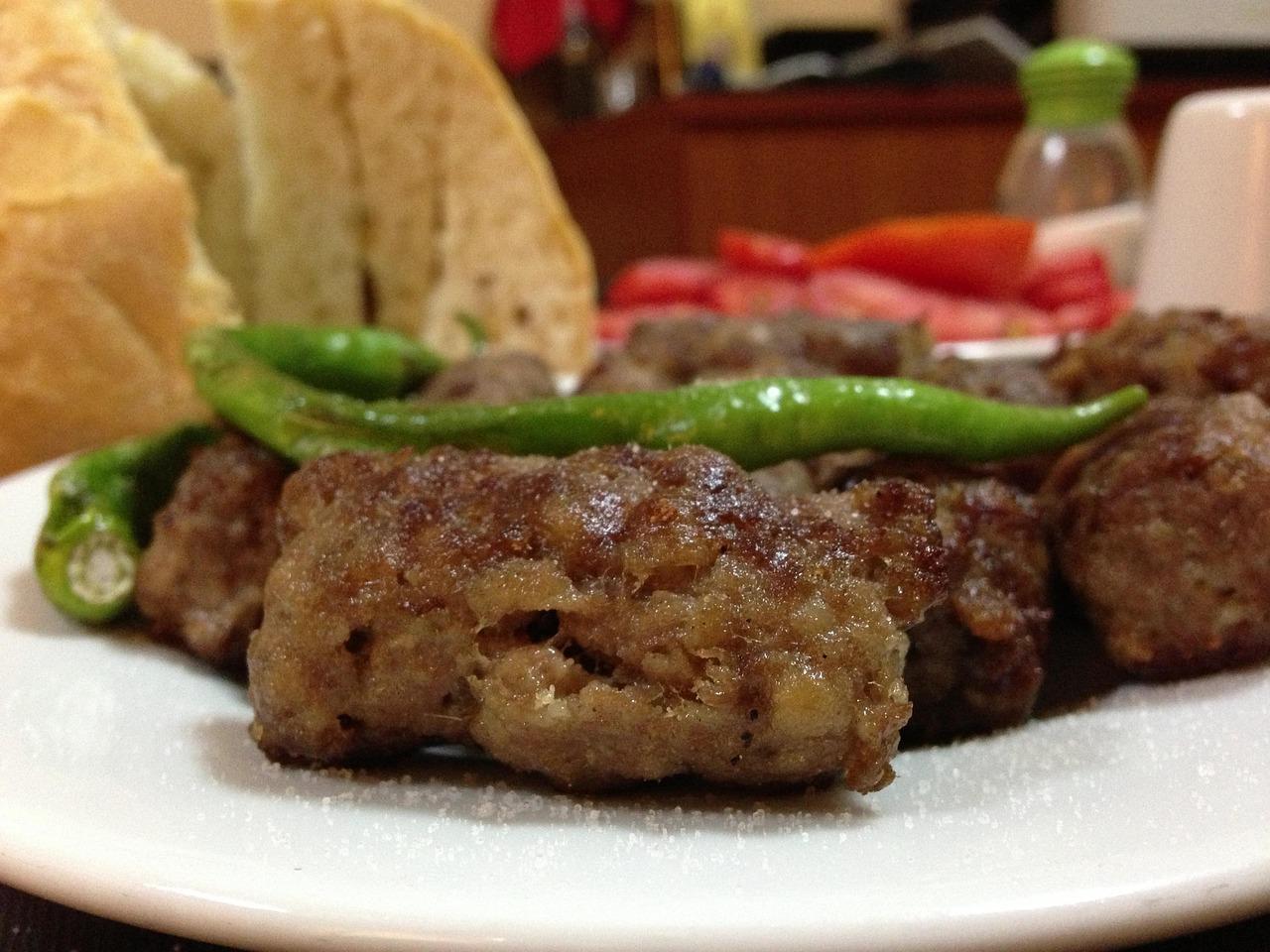
Tekirdağ köftesiGrilled meatballs with bean salad

In Tekirdağ, on the Sea of Marmara, köfte houses have been grilling the same small, flat, oval meatballs for a century: beef and a little lamb, bread, cumin and nothing much else, cooked over charcoal and served in rows with white bean piyaz, roasted green peppers and a dusting of chilli. The meat is lightly kneaded, so it stays juicy and tender. Make it on a barbecue in summer or a ridged pan in winter. Chef's tip: knead the mince with the bread and let it rest overnight; the flavours meld and the köfte hold together on the grill without any egg.

by KrazyBadal 0 views

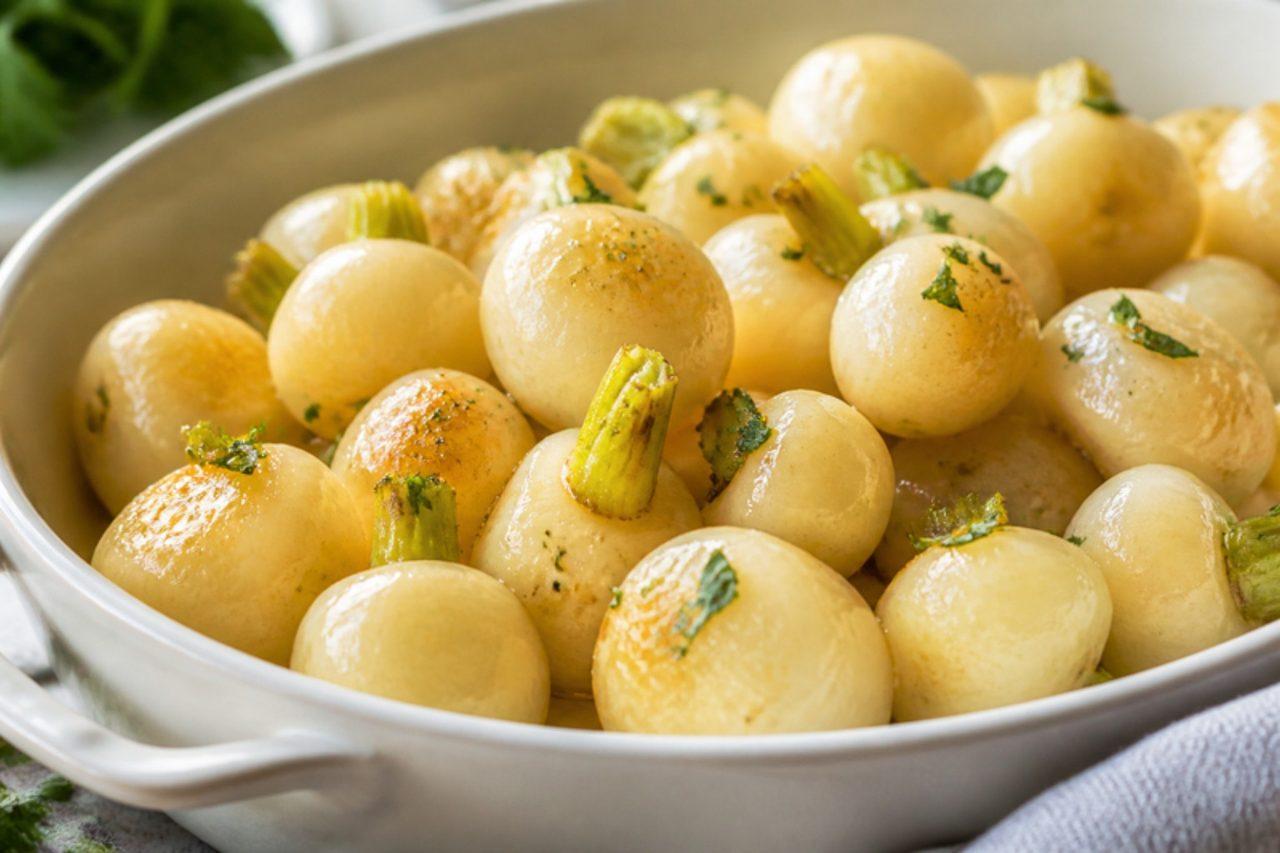
Teltower RübchenGlazed baby turnips

Teltower Rübchen are tiny, finger-length turnips grown in the sandy fields of Teltow, just south of Berlin, and harvested in spring and again in autumn. They were once a delicacy at the Prussian court, and Berliners still serve them glazed in butter and caramel as a side for roasts, goose or simply with boiled potatoes. They taste sweeter and more peppery than big turnips, with a hint of radish. Outside Brandenburg, use small white turnips or the base of young navets. A common mistake is peeling them thickly; just scrape off the thin skin. Chef's tip: let the sugar turn pale amber before adding the turnips, so the glaze has a real caramel flavour.

by KrazyBadal 0 views

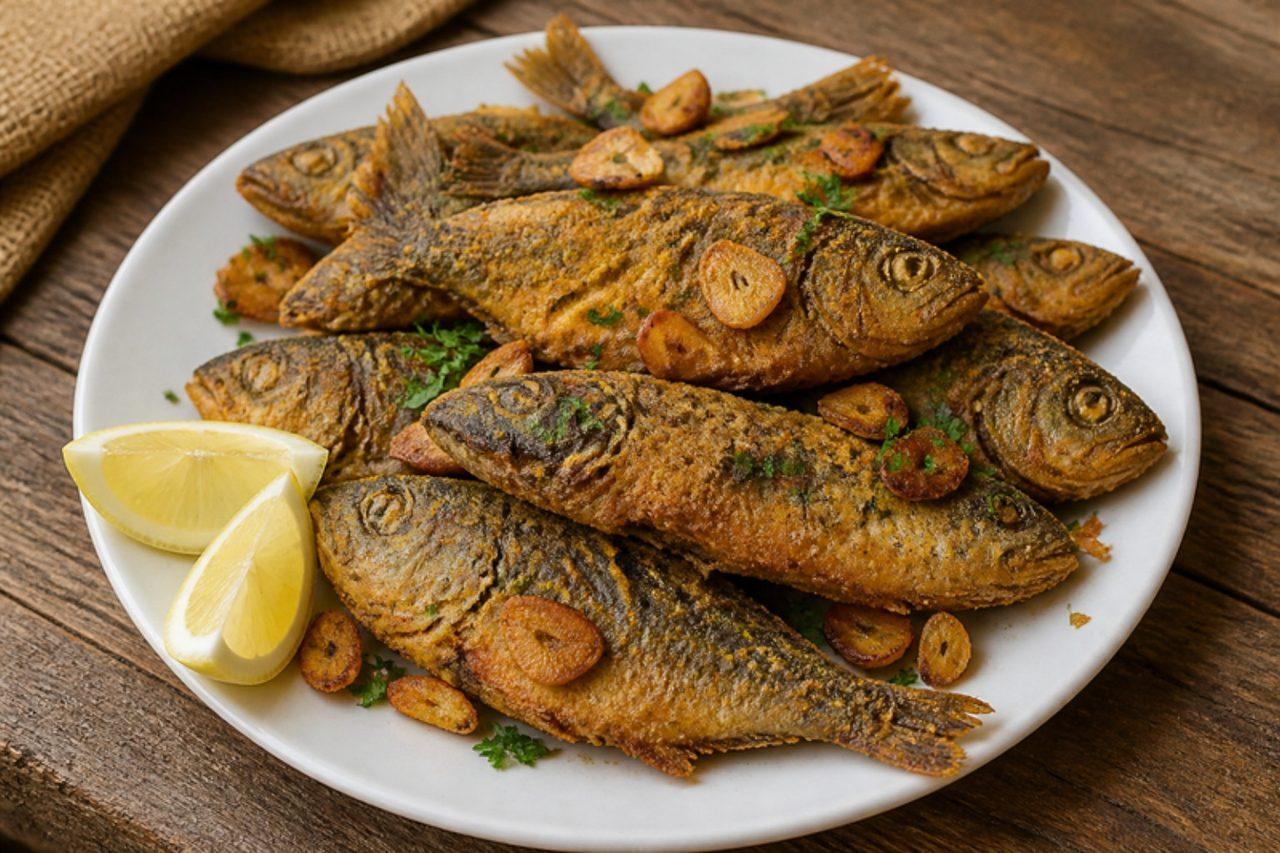
Tencas fritasFried tench with garlic

The cattle ponds of the dehesa around Malpartida de Cáceres and Los Barruecos have bred tench for centuries, and every spring the town holds a fiesta for the fish. Locals fry it whole in olive oil with plenty of garlic and eat it with their fingers, picking the sweet flesh off the bones, with a green salad and bread. Tench is hard to find outside Extremadura, so small trout make a good stand-in. Chef's tip: dry the fish thoroughly before flouring, or the coating goes gluey and the oil spits.

by KrazyBadal 0 views

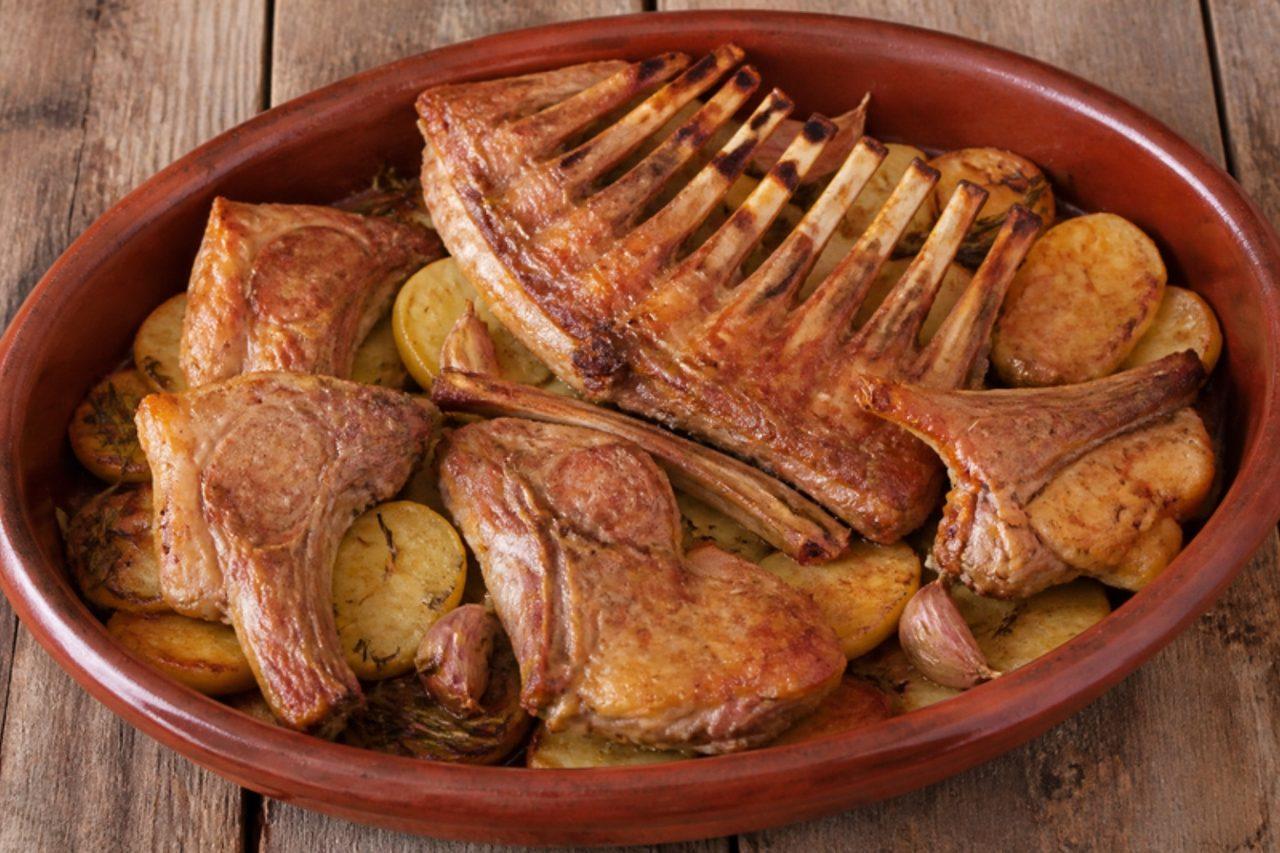
Ternasco de Aragón asadoRoast young lamb with potatoes

Ternasco is the young, milk-and-grass-fed lamb of Aragon, and roasting it in a wood oven with potatoes is how families in Zaragoza, Huesca and Teruel celebrate Sunday lunches, christenings and Christmas Day. The meat is pale, tender and mild, and the potatoes underneath cook in its juices with garlic, wine and herbs until golden and soft. This uses white wine; swap it for water with a squeeze of lemon if you prefer no alcohol. A common mistake is roasting too hot: young lamb dries out quickly, so keep the oven moderate and baste often. Chef's tip: ask your butcher to cut a shoulder or a leg of young lamb into large pieces through the bone; more surfaces brown, and it cooks evenly.

120 minSpanishMeatGluten free
by KrazyBadal 0 views

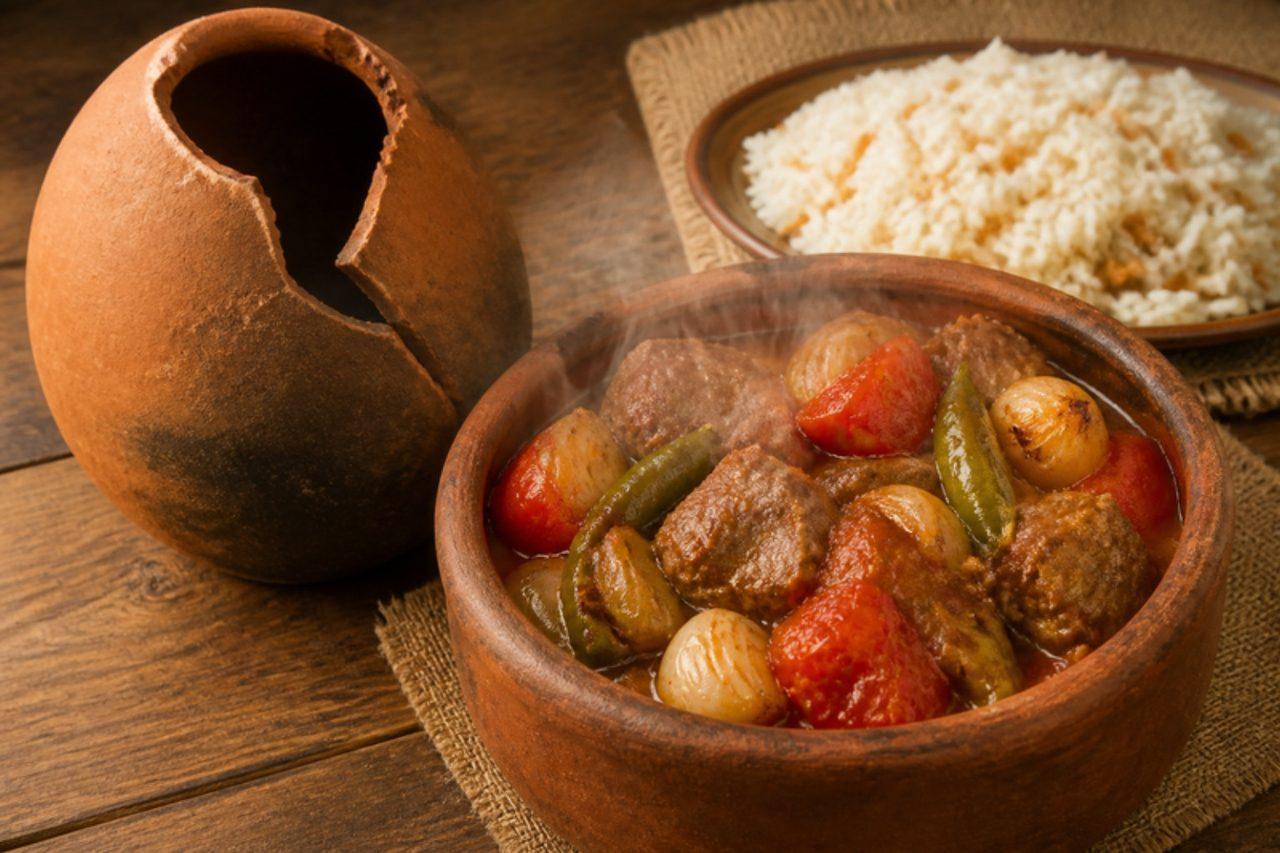
Testi kebabıLamb and vegetable clay-jug stew

In the cave restaurants of Göreme and Avanos, testi kebabı arrives as a sealed clay jug, glowing from the oven, which the waiter cracks open at the table with a sharp tap of a knife. Inside is beef or lamb stewed with tomatoes, peppers, garlic and onion until tender in its own rich juices. A lidded casserole works perfectly at home, and you can still seal the lid with dough for the drama. Serve with plain rice pilaf. Common mistake: adding a lot of water; the vegetables give off plenty and the sealed pot should braise, not boil. Chef's tip: brown the meat in two batches first for a deeper, savoury sauce.

175 minTurkishMeat
by KrazyBadal 0 views

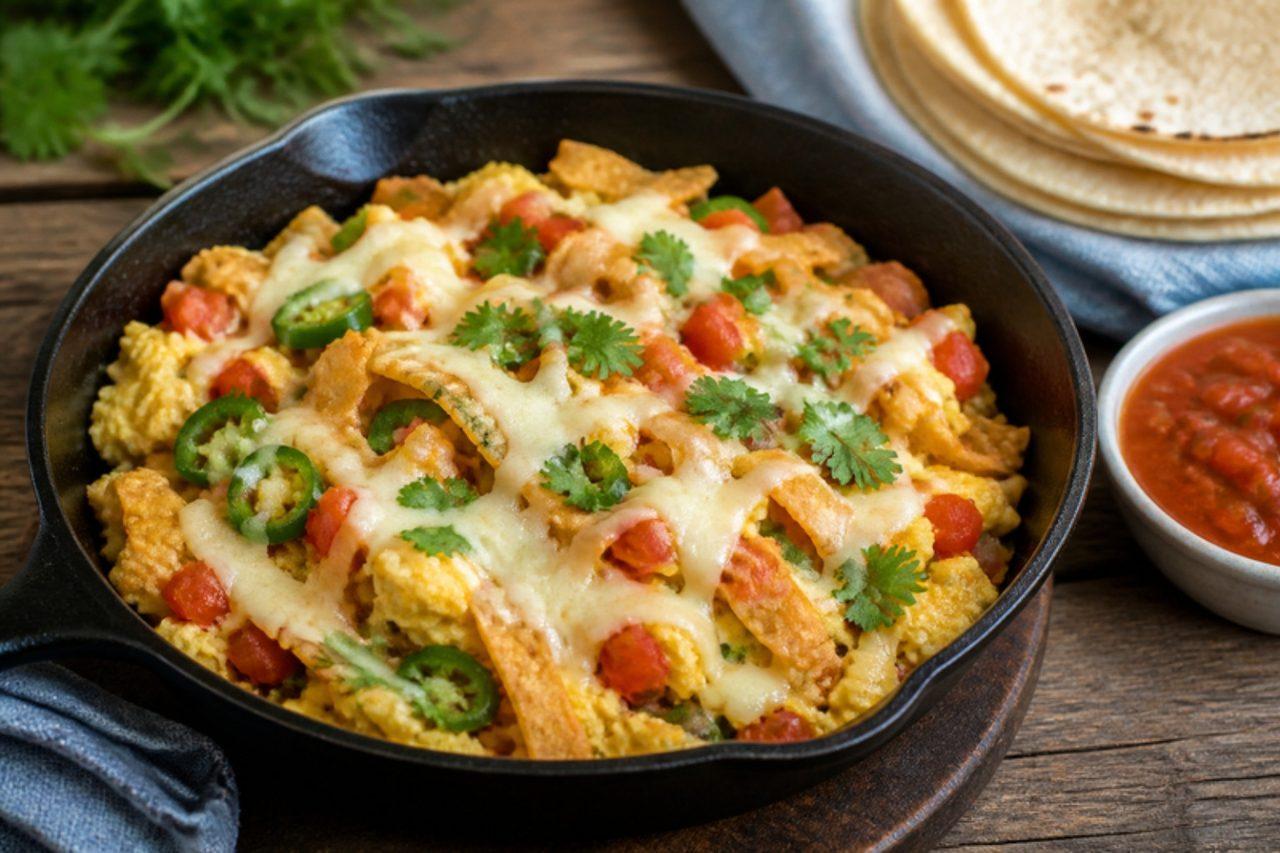
Tex-Mex migasEggs scrambled with tortilla strips

Texas migas is the Austin diner breakfast for using up stale corn tortillas: strips are fried crisp, then tossed with onion, jalapeño and tomato and scrambled with eggs and melting cheese, served with refried beans and warm flour tortillas. It is a quite different dish from the bread-crumb migas of Spain. Chef's tip: add the eggs while the tortilla strips are still crisp, so some stay crunchy and some soften.

by KrazyBadal 0 views

Puchero santafereñoBoiled chicken, beef and pork dinner

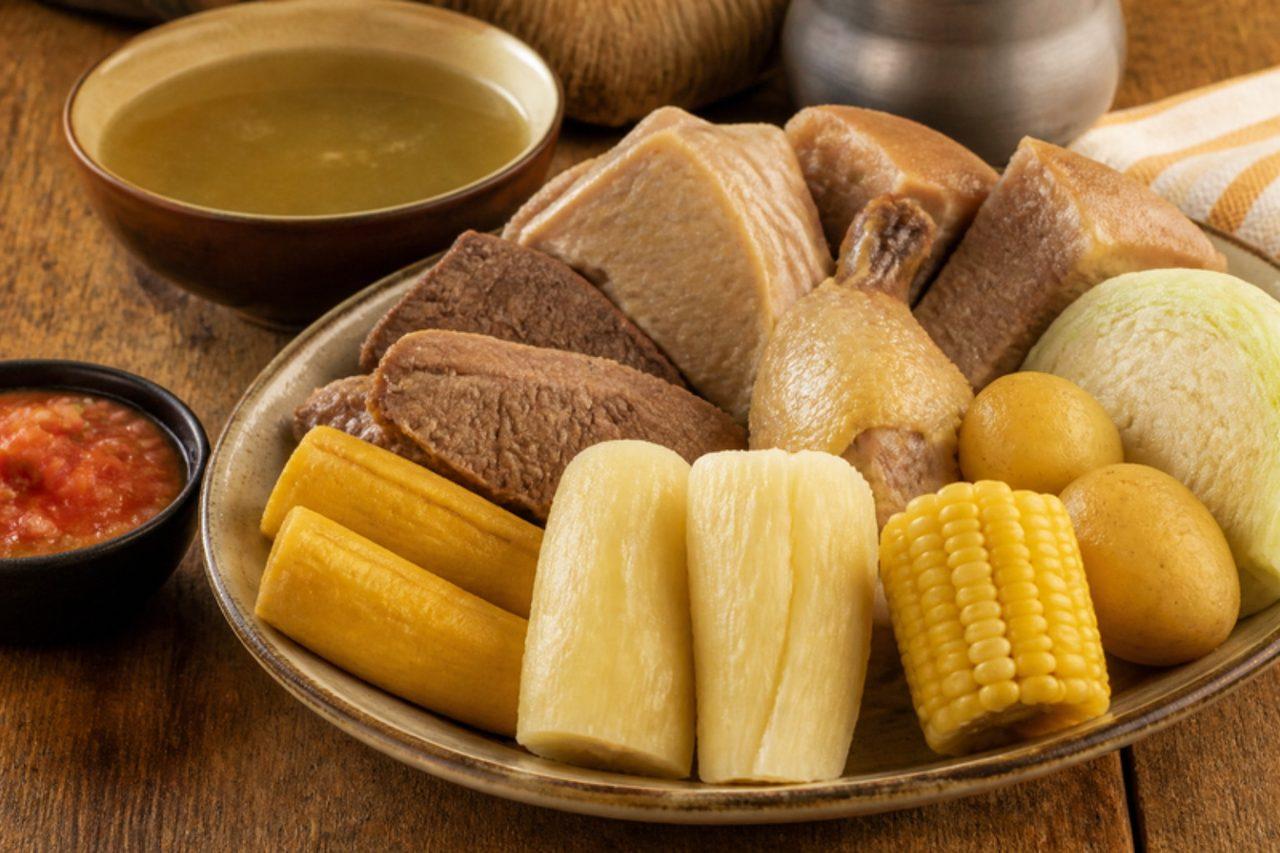
Old Santa Fe de Bogotá kept puchero for big family lunches and holidays: a broad pot of beef, pork and chicken boiled with cassava, corn, potatoes, cabbage and, unusually, ripe plantain cooked in its skin, which turns soft and sweet against the savoury meat. It comes to the table in two acts. First the clear, golden broth in cups or small bowls; then a platter of the meats and vegetables, with a pan of warm hogao (tomato and spring onion sauce) spooned over everything, plus rice and avocado on the side. People confuse it with cocido or sancocho, but the plantain and the hogao make it its own thing. Most disappointing pucheros come from boiling hard: the broth goes cloudy and the cassava breaks up, so keep it at a lazy simmer. Chef's tip: add the vegetables in order of how long they take, and lift each batch out onto a warm tray as it becomes tender, so nothing turns to mush while the beef finishes.

by KrazyBadal 0 views

Tamal tolimenseBanana-leaf pork and chicken tamal

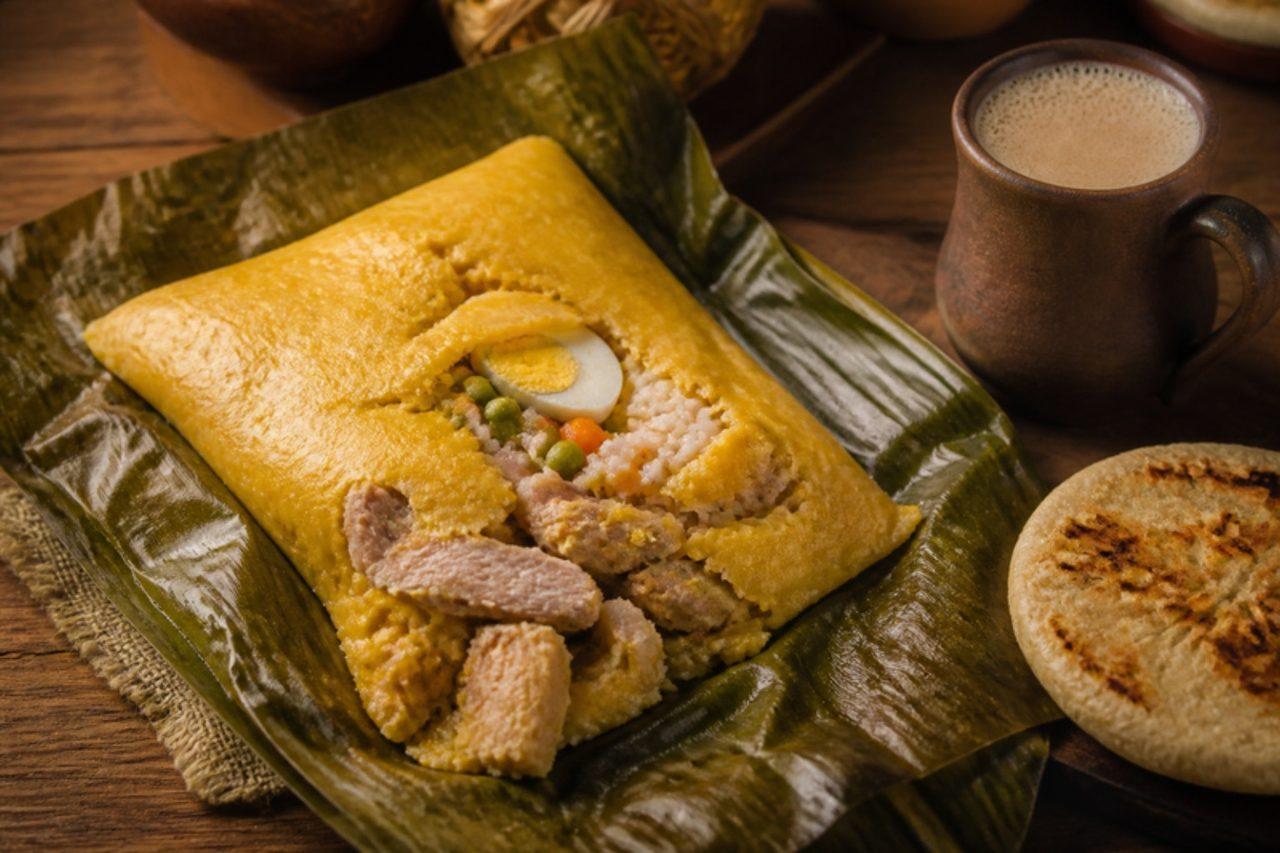
Ibagué and the towns of Tolima make the most generous tamal in Colombia, and on Sunday mornings it is unwrapped at the table with hot chocolate, a slab of bread or arepa and a cup of black coffee. Inside the double banana-leaf wrapping sits a soft, achiote-tinted corn dough layered with rice, yellow peas, carrot, potato, a hard-boiled egg and chunks of pork rib, pork belly and chicken that cook through during the long steam. Expect a savoury, moist parcel that smells of the leaves; plus overnight soaking for the dried peas and marinating the meat. It is weekend project food, best made with friends on a production line. A frequent failure is a loose wrap: water gets in and the dough turns soggy, so fold tightly and tie firmly in a cross. Chef's tip: steam a test tamal first or check one after 3 hours; the meat inside must be cooked through, and if the dough still sticks to the leaf, give the batch 20 minutes more.

by KrazyBadal 0 views

Cocido boyacenseSteamed meats and tubers feast

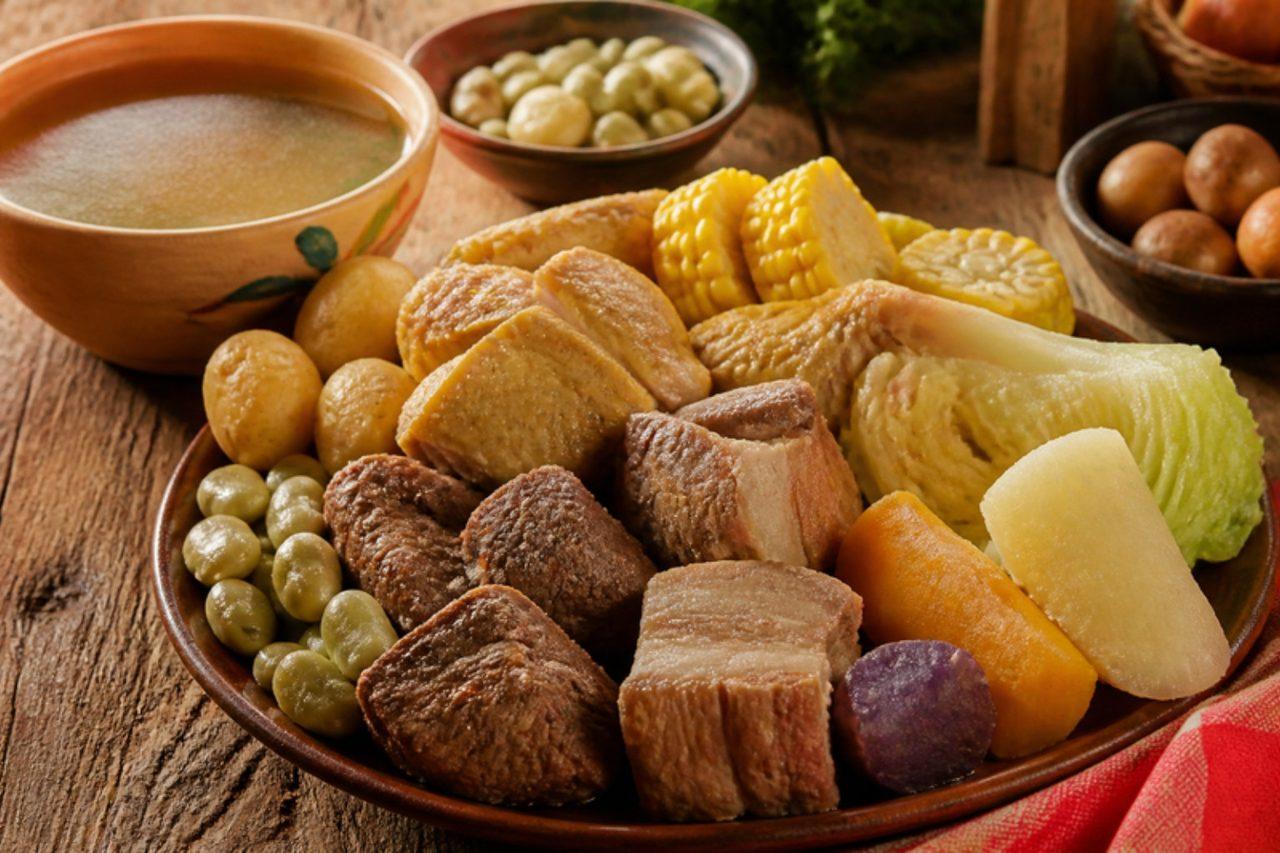
Sunday markets in Villa de Leyva, Paipa and Sogamoso still have families sitting down to cocido boyacense, a pot in which chicken, pork ribs and beef steam slowly on a bed of cabbage leaves above the tubers of the high Andes: potatoes, cubios, ibias and chuguas, with cobs of corn and broad beans still in their pods. There is very little water; the meat juices drip down and flavour everything. It is tipped onto one big platter in the middle of the table, and the concentrated broth left in the pot is drunk from cups alongside. Expect clean, earthy flavours rather than spice: cumin, garlic and spring onion, and a bowl of ají or hogao for anyone who wants heat. The classic slip is too much liquid, which turns it into a boiled stew; keep the water to a few centimetres and the lid tight. Chef's tip: if you can't find ibias or cubios, use oca from a Latin or Andean grocer or a mix of small new potatoes and parsnip, which bring a similar sweet, earthy note.

by KrazyBadal 0 views

Showing 27 of 7,762 recipes

Show more recipes

Page 562 of 863