


Skip to content
Terik tahu tempe
Featured recipe

Terik tahu tempe

Tofu and tempeh in coconut milk

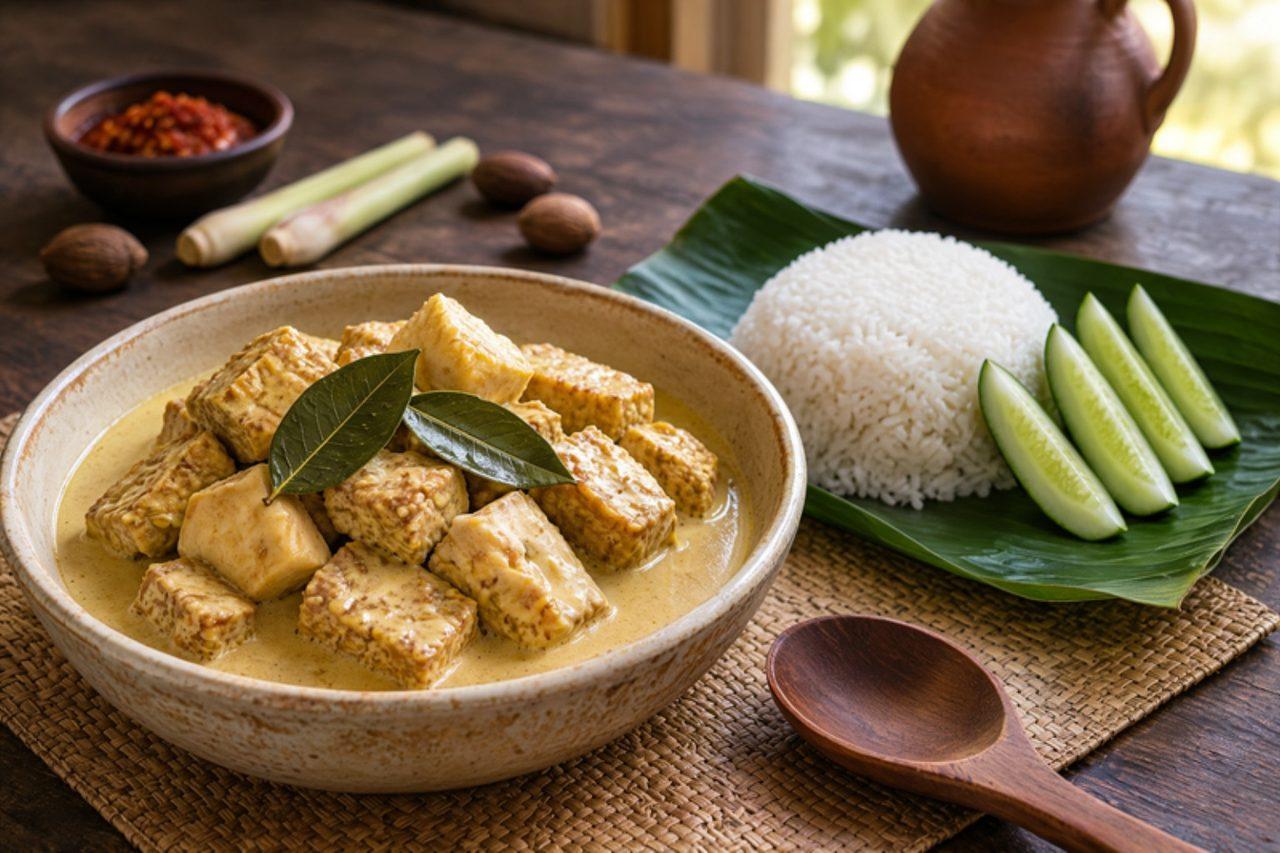
Terik is a Central Javanese way of cooking in coconut milk until almost all of it has gone, and around Solo and Yogyakarta terik tahu tempe is a staple of home lunches, Lebaran spreads and the warung nasi where you point at dishes to go on your rice. Tofu and tempeh soak up a sauce of shallots, candlenuts, coriander seed, galangal and palm sugar that reduces to a thick, oily, sweet-savoury coating. Serve with rice, sambal and something green. The usual mistake is stirring too vigorously as it reduces, which breaks the tofu into crumbs, so shake the pan or turn the pieces with a spatula. Chef's tip: steam the tempeh for 10 minutes before cutting it, which removes any bitterness and helps it absorb the sauce.

Read more 0 views

What to eat today?

Around the world

Today's trip: Persian

A new country every day, from every cuisine on the site.

This week's collection

Kid-friendly dinners
537 recipes · a new collection every Monday

Latest recipes

Ghana jollof rice

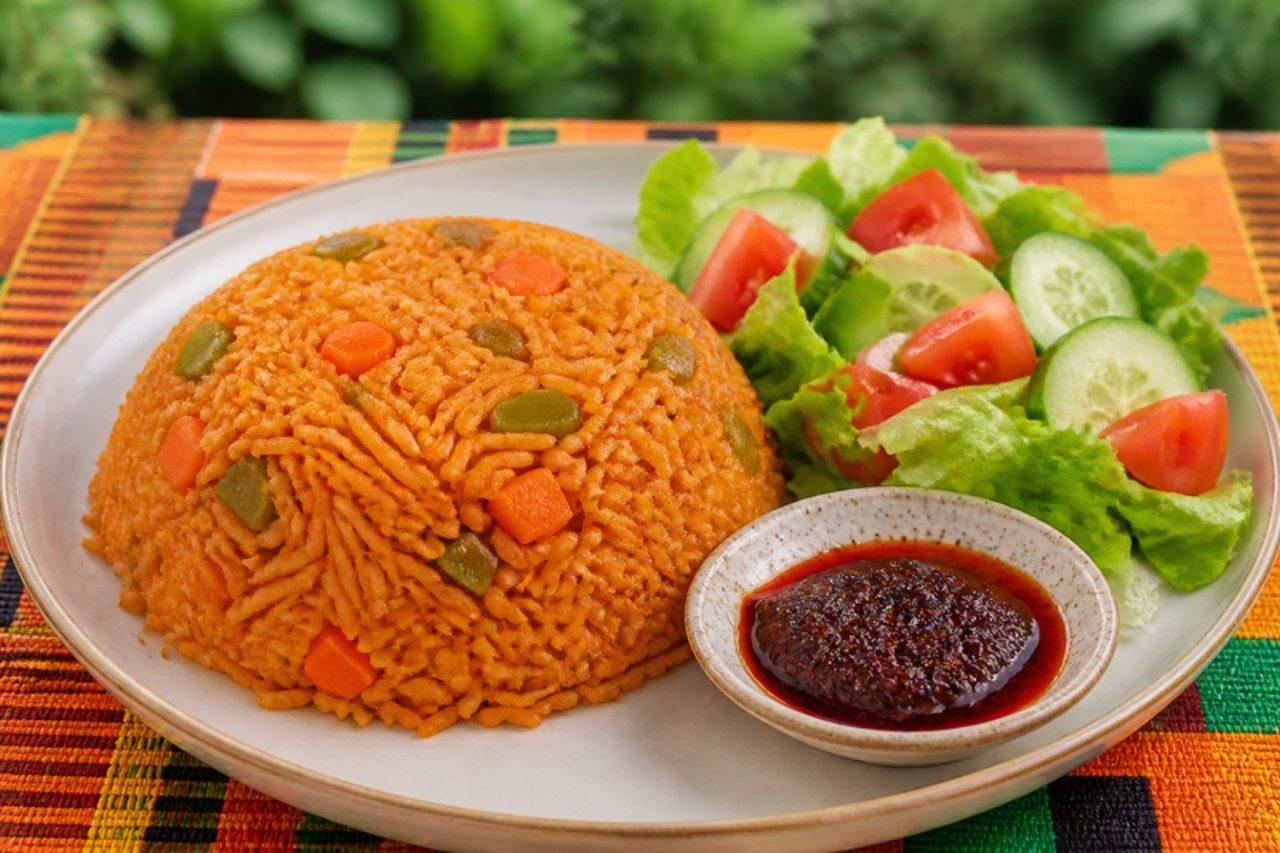
Ask anyone in Accra and Ghana jollof is the only jollof worth arguing about, a friendly rivalry with Nigeria that plays out at every West African party and all over social media. The difference is real: Ghanaians favour long, fragrant basmati or jasmine rice rather than parboiled rice, a base heavier on ginger and garlic, and a softer, more aromatic finish without the smoky 'bottom pot'. It is served with fried plantain, a fresh salad and shito, Ghana's dark pepper sauce, on the side. Chef's tip: wash the basmati until the water runs clear and keep the liquid tight; fragrant rice turns sticky very quickly if it swims in sauce.

by KrazyBadal 0 views

Rooibos iced tea

Rooibos grows only in the Cederberg mountains north of Cape Town, and on hot Western Cape afternoons it is brewed strong and poured over ice rather than drunk hot. The tea is naturally caffeine-free and slightly sweet with notes of honey and vanilla, so it needs little added sugar. Orange, lemon and fresh mint make it a summer jug for the stoep (veranda). Chef's tip: brew the tea double strength and pour it straight over plenty of ice; it chills in seconds and the melting ice dilutes it to the right strength.

by KrazyBadal 0 views

Sauerkraut

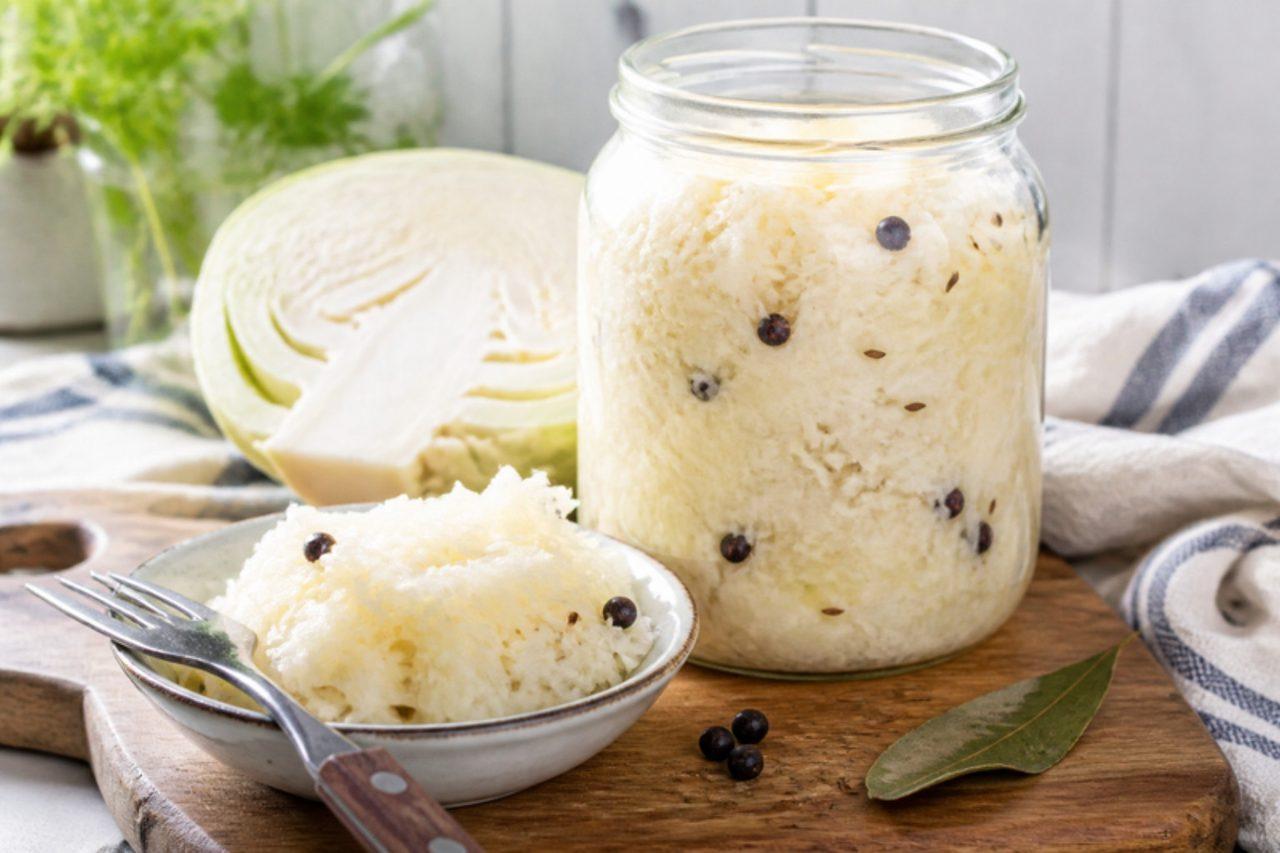
Sauerkraut is how German households have kept cabbage through the winter for centuries, and autumn is still when families in Baden, Franconia and Alsace shred the new white cabbage into stoneware crocks. It's nothing but cabbage and salt: the salt pulls out the juice and natural lactic acid bacteria do the rest, turning it sour, crunchy and full of flavour in a few weeks. Raw homemade sauerkraut tastes far fresher than the jar and is a lovely side for Kartoffelpuffer or potato mash; for a warm side, simmer it with onion and a grated apple. Chef's tip: weigh the cabbage and use exactly 2% of its weight in salt; too little and it goes soft and mouldy, too much and it won't ferment.

by KrazyBadal 0 views

Chimichurri

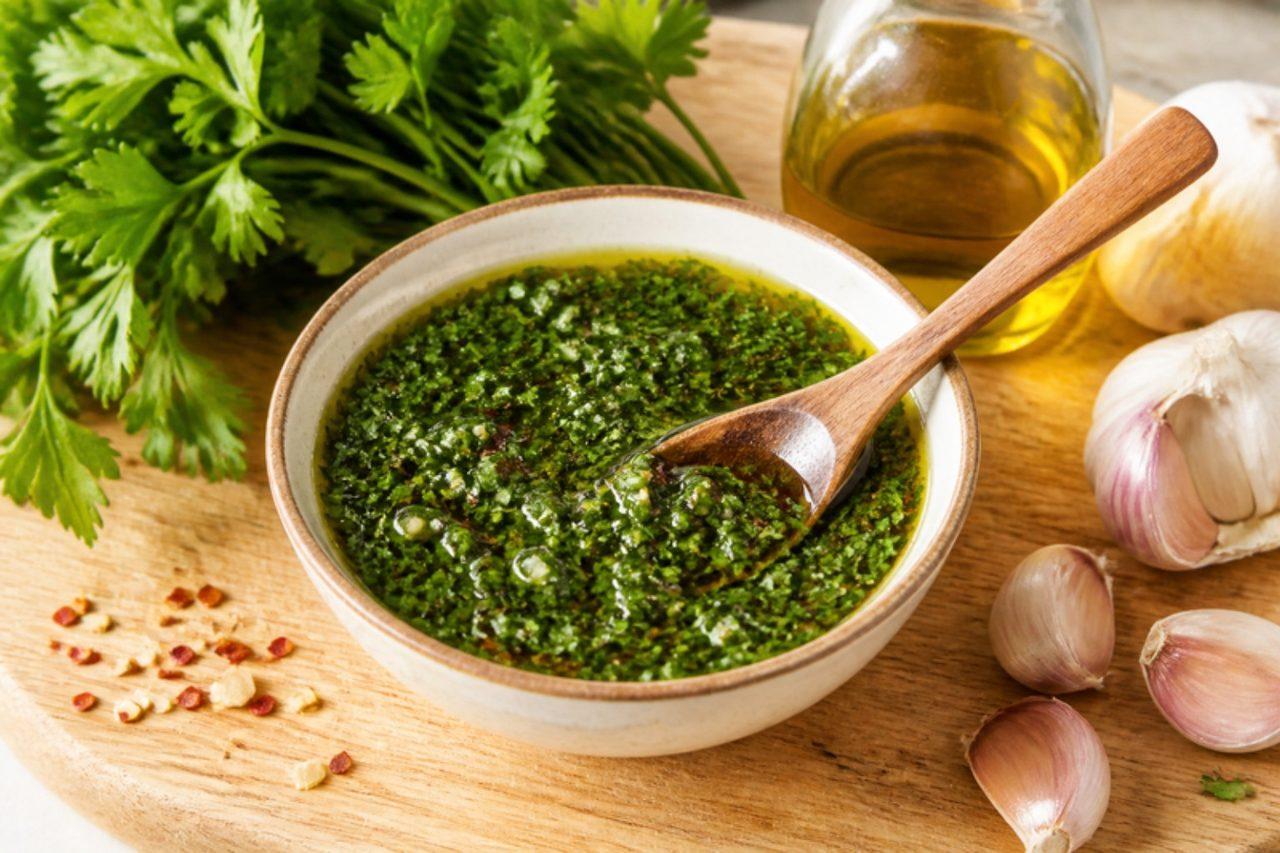
No Argentine asado (barbecue), from a Buenos Aires rooftop to an estancia in the Pampas, is complete without a jar of chimichurri on the table. It is a loose, oily sauce of finely chopped parsley, garlic, dried oregano and chilli flakes in red wine vinegar and oil, sharp and herby rather than smooth like pesto. Spoon it over grilled vegetables, provoleta, halloumi, potatoes and bread. Chef's tip: chop everything by hand and let it sit for a few hours; a food processor bruises the parsley into a green purée and the flavours never settle.

by KrazyBadal 0 views

Pabellón criollo vegetarianoMushrooms, black beans and rice plate

Pabellón criollo is Venezuela's national dish, the lunch plate served in family kitchens and at every Caracas lunch counter: white rice, black beans (caraotas), sweet fried plantain (tajadas) and shredded stewed beef side by side, like the stripes of a flag. This vegetarian version replaces the beef with king oyster mushrooms pulled into strands and stewed in a sofrito with tomato, cumin and a little panela, which gives the same tender, shredded texture. For slow-cooked beans from scratch, see the frijoles negros cubanos page. Chef's tip: shred the mushrooms along the grain with a fork, as you would pull beef; it's what makes them look and eat like carne mechada.

by KrazyBadal 0 views

Caldo verde

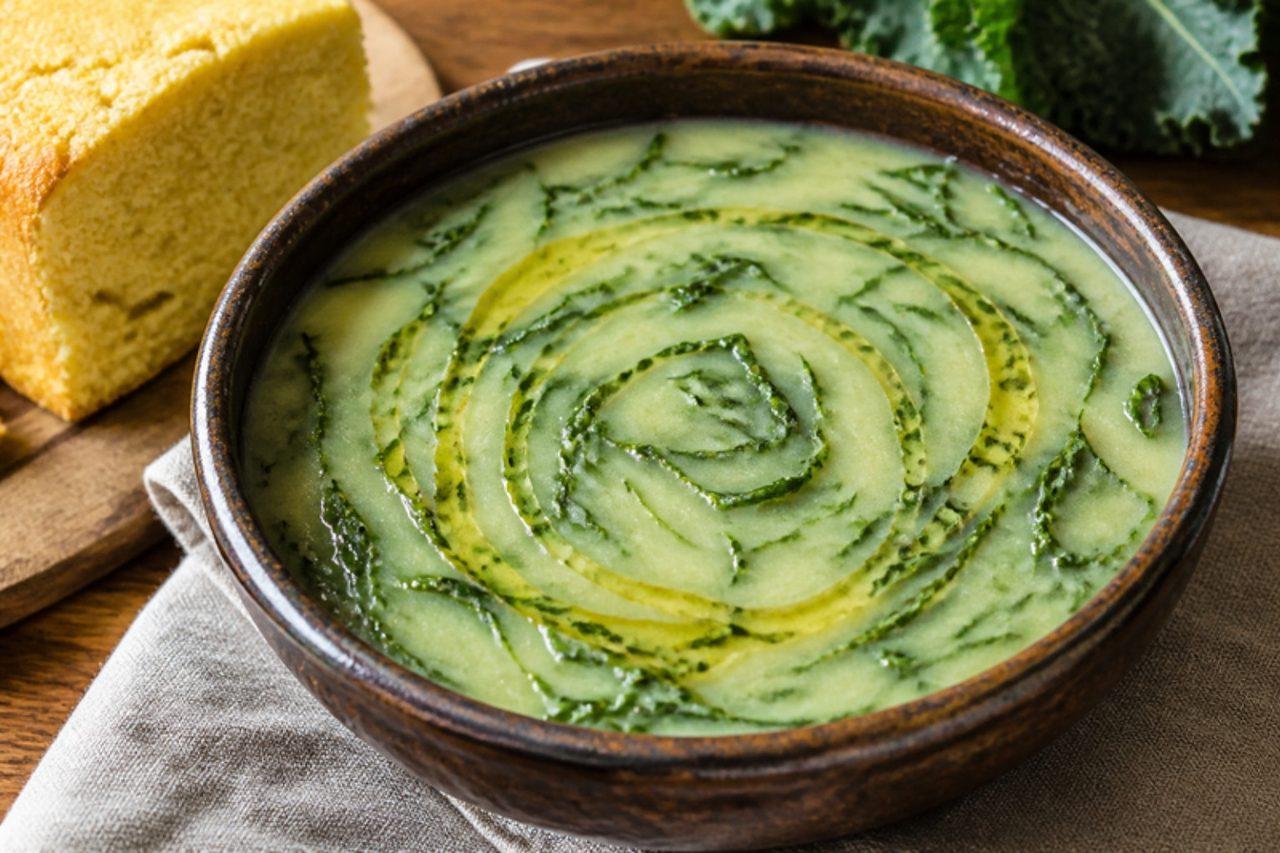
Caldo verde comes from the Minho, the green, rainy corner of northern Portugal above Porto, where couve galega (a tall, flat-leaved cabbage) grows in every back garden. It is a plain purée of potato and onion with ribbons of dark green cabbage cut as fine as string, finished with a thread of raw olive oil, and it is drunk from earthenware bowls at the Santos Populares street festivals in June, at weddings at midnight and on any cold evening with a slice of broa (maize bread). In the north a coin of chouriço is usually floated on top; this version keeps the soup vegetarian and lets a little smoked paprika in the oil stand in for it. Chef's tip: shred the greens as thinly as you can, rolled up tight like a cigar, because they only cook for a few minutes and thick strips stay chewy.

by KrazyBadal 0 views

Persian love cake

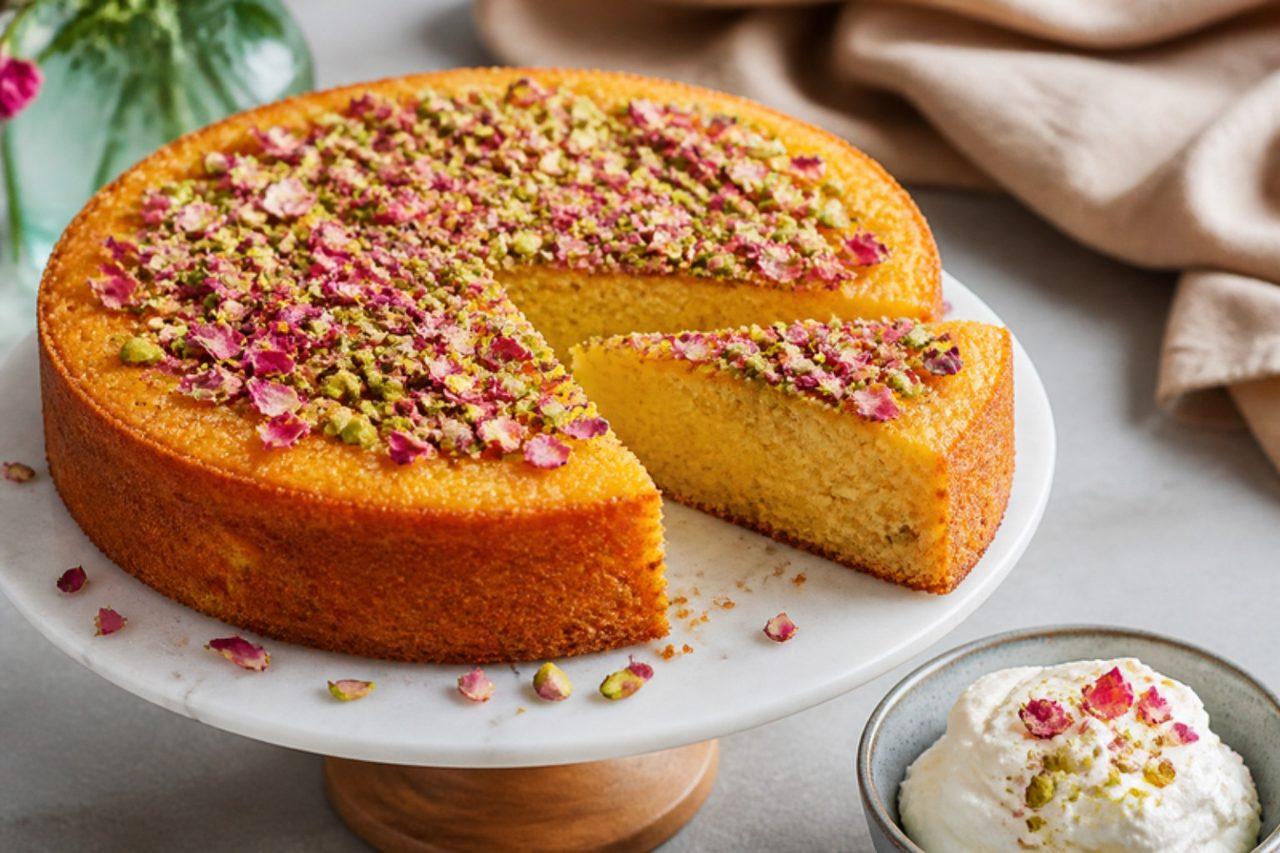
Persian love cake is not an old Iranian recipe but a modern one from the Iranian diaspora, popular in cafés in London and Melbourne, built on the flavours of Persian sweets: almond, cardamom, nutmeg, rosewater and pistachio. The name comes from a story about a woman who baked a spell-binding cake for a prince. It has a crunchy almond base and a soft, moist, yogurt-rich top, finished with rose-scented cream, green pistachios and pink petals, and it is lovely for birthdays and Nowruz tea. Made with ground almonds and no wheat flour, it is naturally gluten free. Chef's tip: press the base layer firmly into the tin; that crunchy bottom is the signature of this cake.

by KrazyBadal 0 views

Beetroot curry

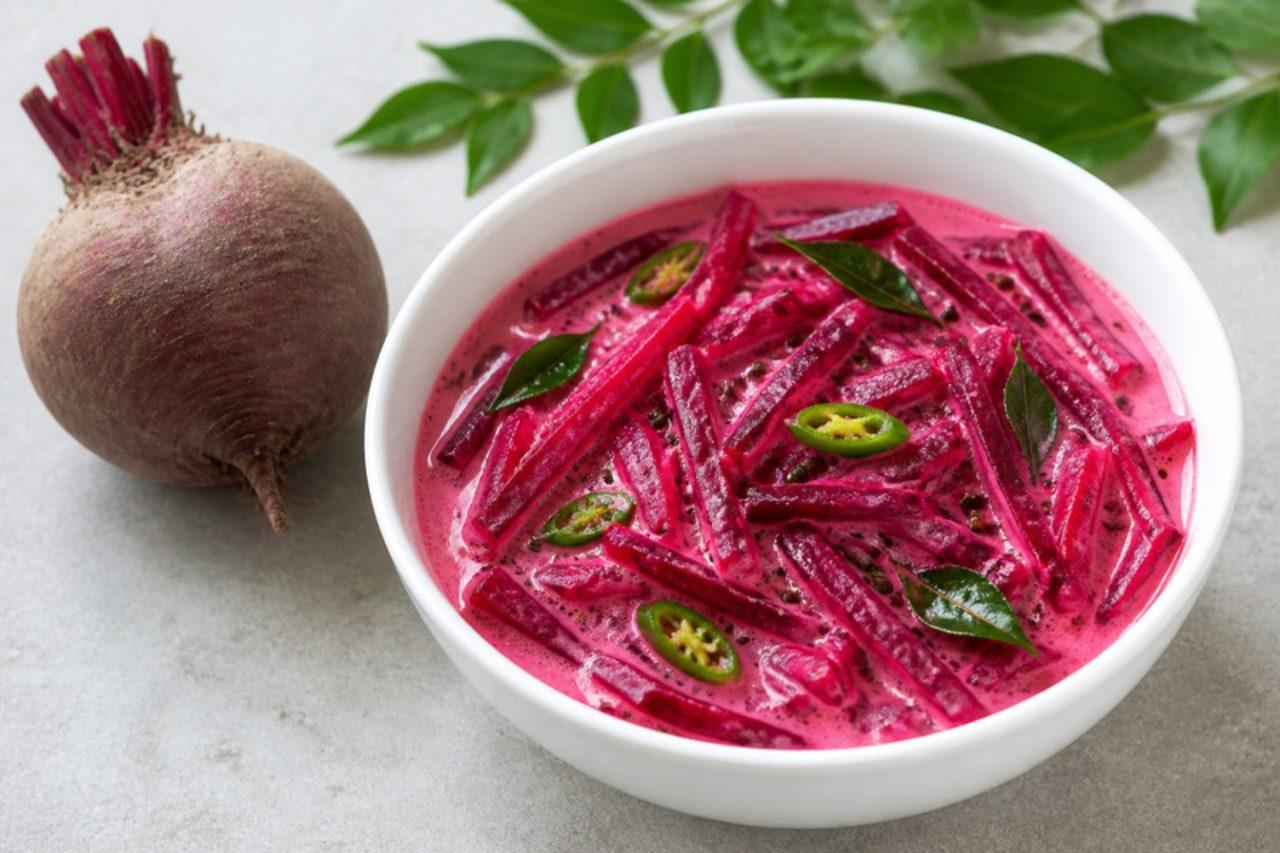
Beetroot grows well in the cool hills around Nuwara Eliya and Welimada, and its curry is a jewel-pink regular on lunch packets and home rice-and-curry tables across the island. The beetroot is cut into thin matchsticks and cooked with onion, green chilli, curry leaves and a light, unroasted curry powder, then finished with coconut milk, so it's sweet, mildly spiced and brilliantly coloured. It's a good way to win over people who think they don't like beetroot. One frequent mistake is grating the beetroot, which turns the curry into a wet purée; matchsticks keep a pleasing bite. Chef's tip: add a squeeze of lime at the very end; it brightens the colour and cuts the earthy sweetness.

by KrazyBadal 0 views

MotsunabeBeef offal hot pot

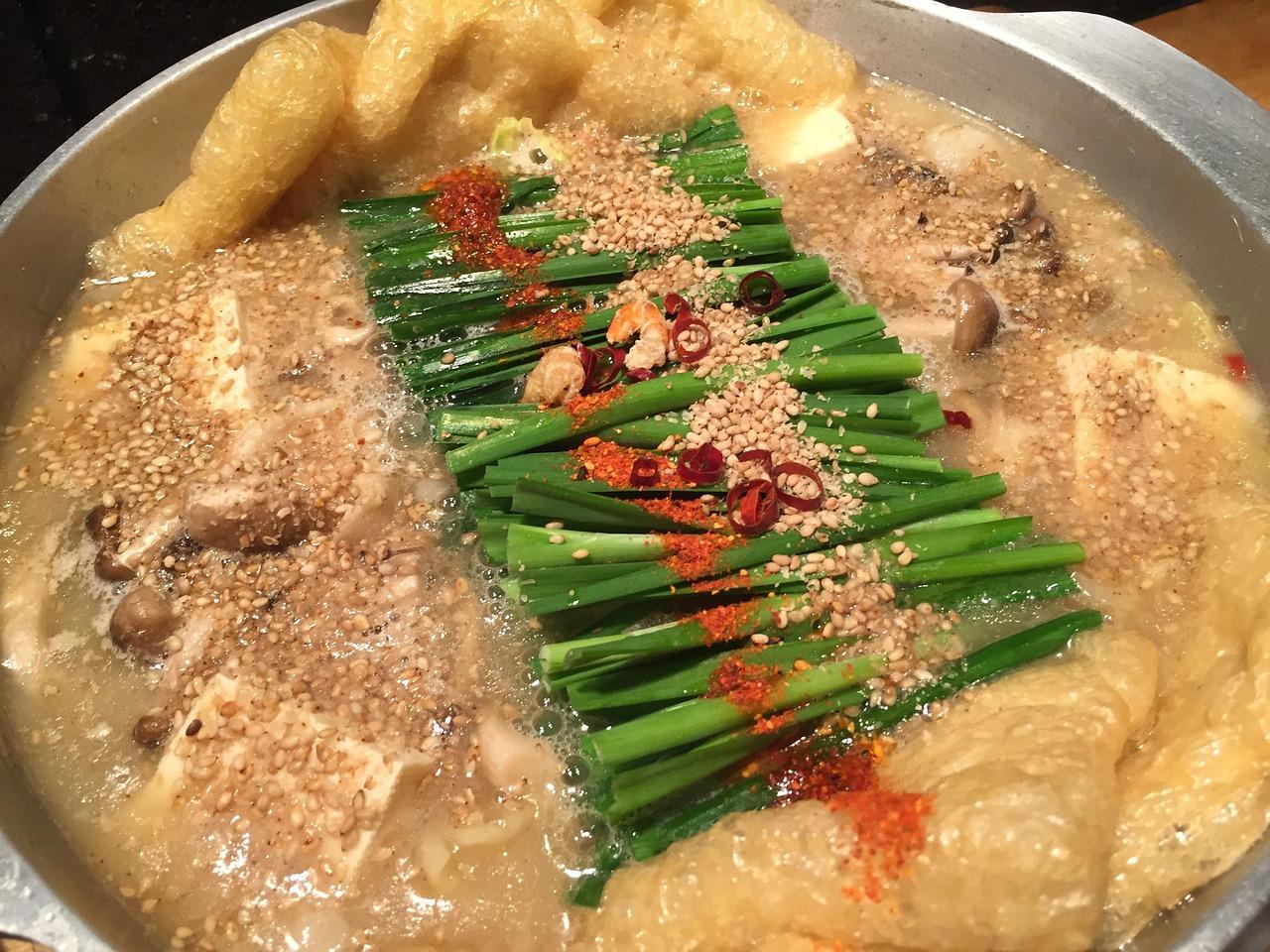
In Hakata, the old merchant half of Fukuoka, motsunabe is the winter dish of izakayas and back-street restaurants. Soft pieces of beef small intestine simmer in a garlicky soy broth under a tall heap of cabbage and garlic chives, with slices of chilli on top. When the pot is nearly empty, champon noodles go into the rich broth to finish the meal. Many butchers and Asian grocers sell the intestine already cleaned and boiled, which saves time. Chef's tip: keep the white fat on the intestine; as it melts into the broth it makes the soup rich and sweet, which is the point of the dish.

by KrazyBadal 0 views

Korean corn dog

In Korea a 'hot dog' means this: a sausage, often with a stick of mozzarella above it, dipped in a sweet yeasted batter and rolled in breadcrumbs or tiny potato cubes before frying. They are sold from stalls in Myeongdong in Seoul, outside schools and at every busy station, and the cheese pull is half the fun. A roll in sugar straight from the oil, then a zigzag of ketchup and mustard, is the classic finish. Chef's tip: freeze the skewered sausages and cheese for 15 minutes before dipping; the cold cheese holds its shape and the batter grips better.

by KrazyBadal 0 views

BerbereRed chilli spice blend

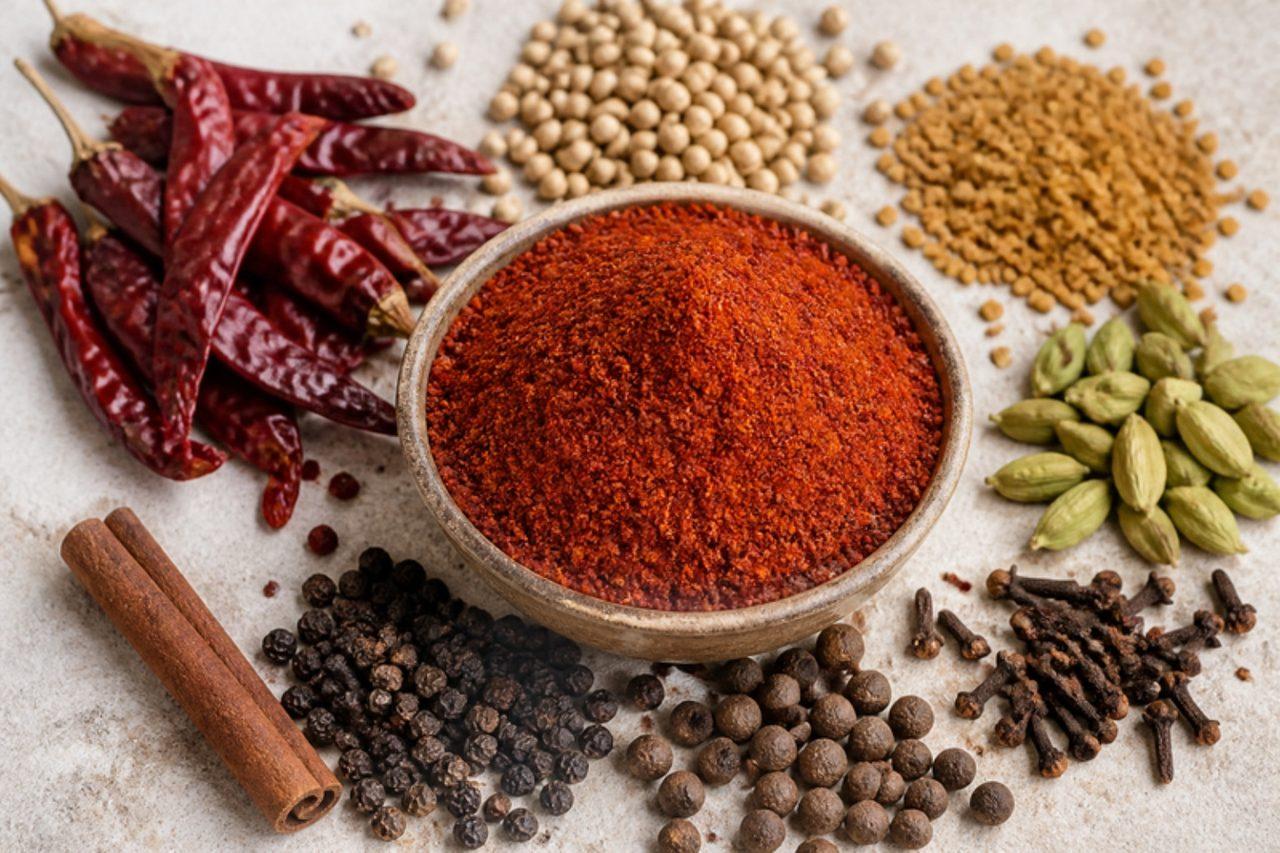
Berbere is the red, warmly spiced powder that gives Ethiopian wats their colour and heat. In markets like Addis Mercato, women sell it by the scoop, and in Gojjam and Gondar families still dry chillies on rooftops and grind their own mix once a year. Each household's version differs, but most combine hot dried red chillies with paprika, fenugreek, coriander, cardamom, ginger, cloves and allspice. This quick home version toasts whole spices and grinds them with ready-ground chilli. The hotter blend mitmita (bird's eye chilli, cardamom, cloves and salt) is its fiery cousin for sprinkling at the table. Chef's tip: toast the whole spices only until they smell fragrant; once fenugreek turns dark brown it becomes bitter.

by KrazyBadal 0 views

Profiteroles

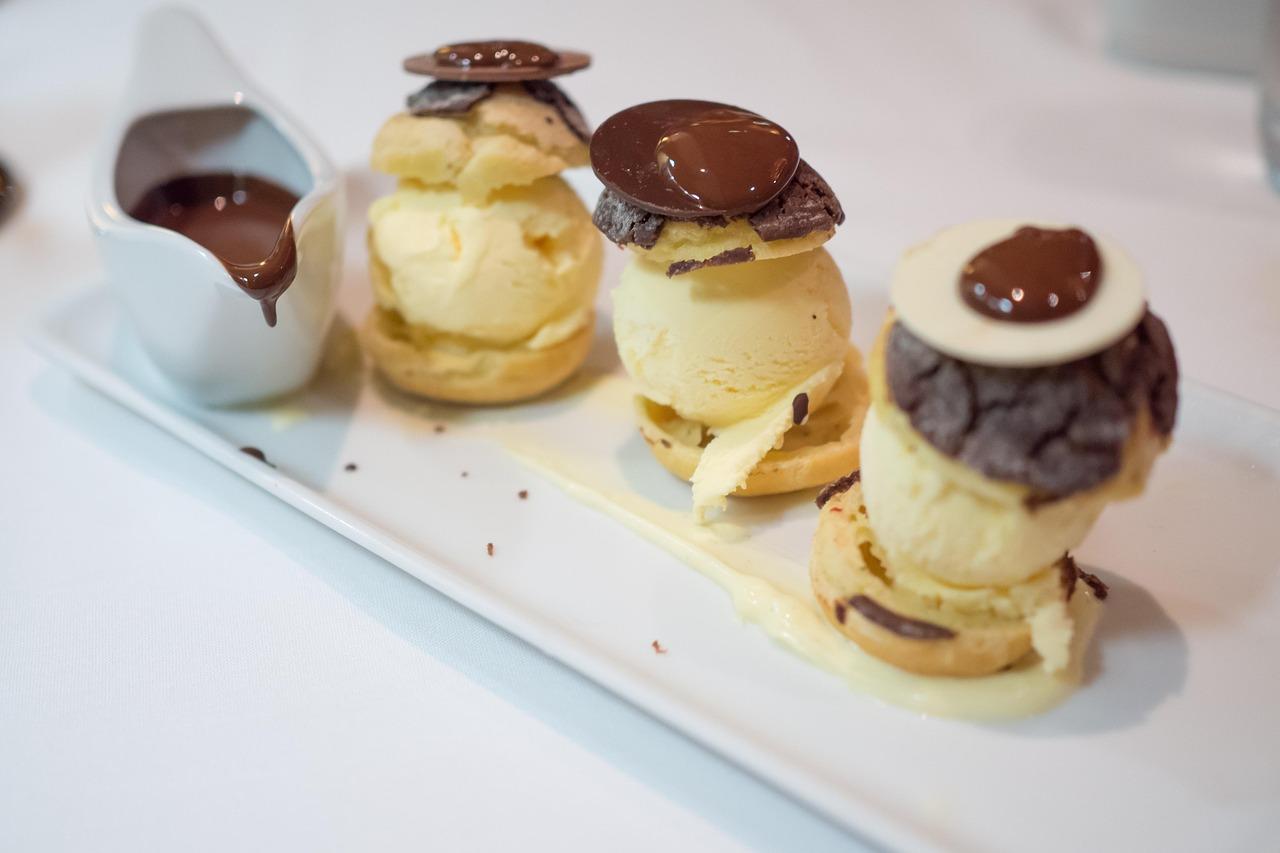
Profiteroles are a Parisian brasserie dessert: small, crisp choux pastry puffs split and filled with vanilla ice cream, then drowned at the table in warm dark chocolate sauce. The contrast is the point: hot sauce, cold ice cream, crisp pastry. Choux is easier than it looks and needs no special tools, just a wooden spoon and some elbow grease. The puffs can be baked in the morning and filled at the last minute. Check your ice cream is free of gelatine. Chef's tip: bake the puffs until deep golden and firm; taking them out pale is the common mistake and they collapse as they cool.

by KrazyBadal 0 views

Pachamanca a la ollaPot-steamed meats with potatoes

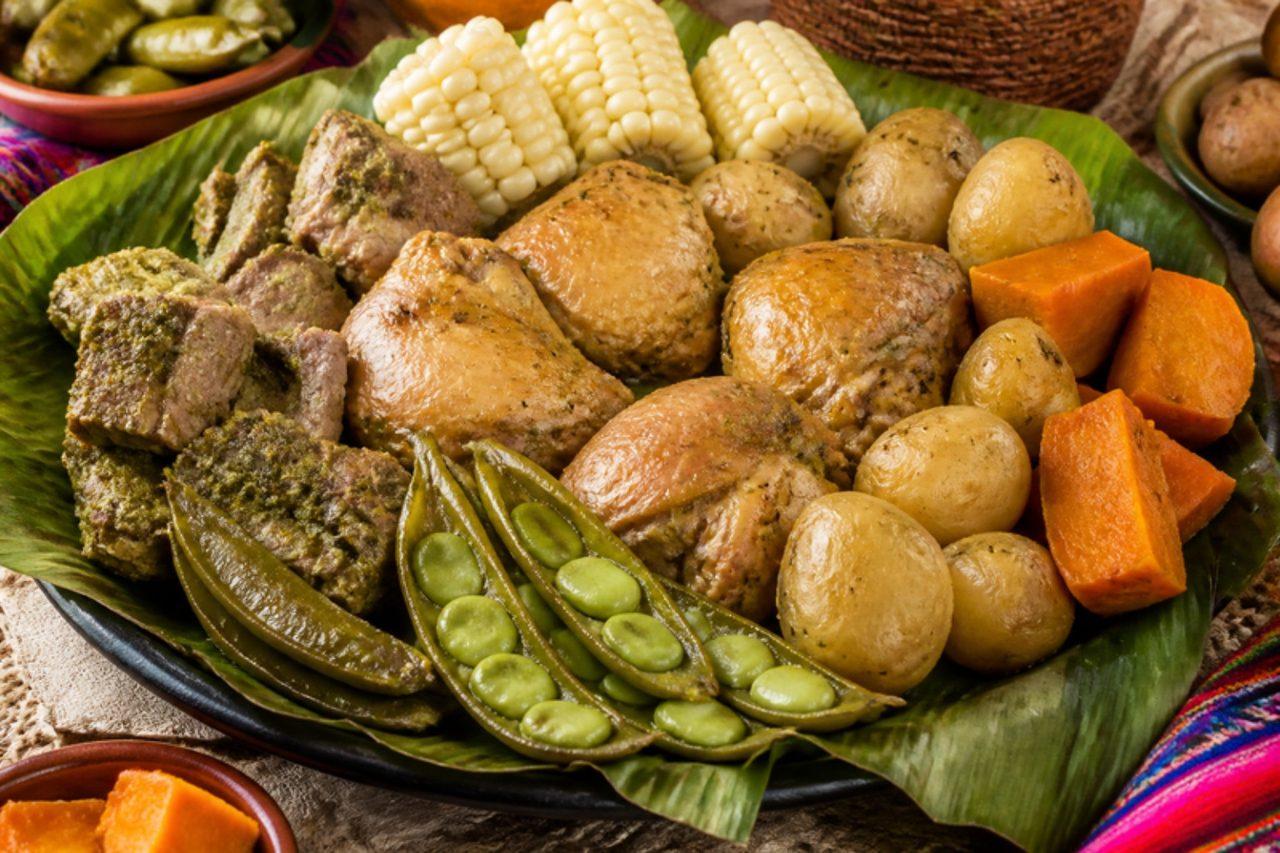
In the highlands around Huancayo and Ayacucho, families mark harvests and saints' days by burying marinated meats, potatoes, sweet potatoes, broad beans and humitas under hot stones and earth for a pachamanca, an 'earth pot'. City cooks get close to it with a heavy pot: the same green marinade of huacatay (black mint), chincho, ají and garlic, layered with meats and roots and steamed in their own juices under banana or corn leaves. Chef's tip: layer the hardest things lowest, potatoes on the bottom and chicken nearest the lid, just as the stones are packed in the field.

135 minPeruvianMeatGluten free
by KrazyBadal 0 views

Pachi pulusuRaw tamarind soup

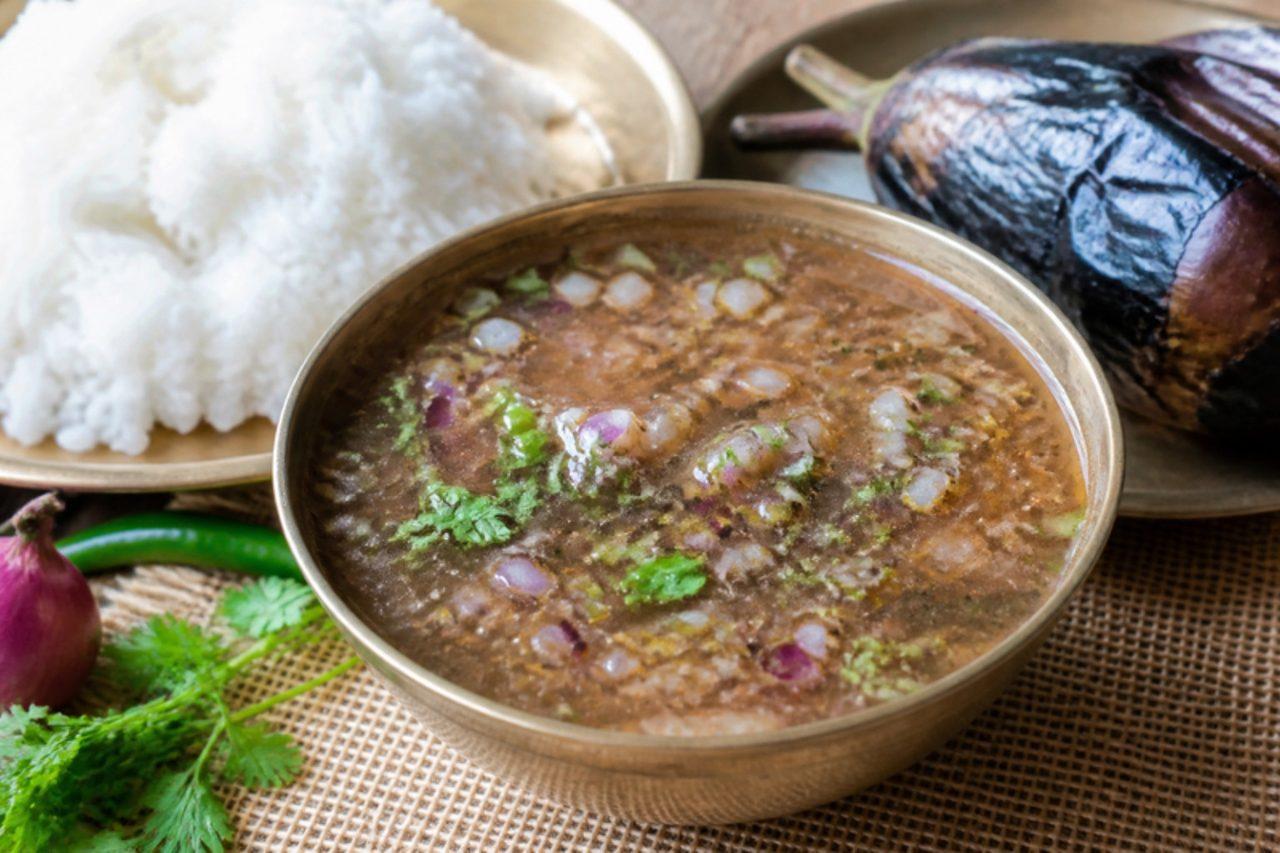
Pachi pulusu, 'raw stew', is Telangana's summer cooler: a no-cook tamarind water stirred with jaggery, finely sliced raw onion and green chilli, finished with a hot mustard-seed tempering. In the heat of April and May in villages around Warangal and Karimnagar, families pour it over hot rice with a spoonful of dal or a spicy fry, and it wakes up appetites dulled by the sun. Some add a smoky roasted brinjal mashed in, which gives it body. Sweet, sour and sharp at once, it takes ten minutes. Chef's tip: rub the onion with salt and a little chilli powder in your fingers before adding the tamarind water, so it softens slightly and flavours the whole bowl.

by KrazyBadal 0 views

Madeleines

Madeleines come from Commercy, a small town in Lorraine, where they've been sold in boxes to travellers since the 1700s, and Proust made them famous dipped in lime-blossom tea. These little scallop-shaped sponges are crisp and golden at the edges, soft and buttery inside, and should have a proud hump on the back. French children eat them for goûter, the after-school snack, and they are best within an hour of baking. You'll need a madeleine tin. Chef's tip: chill the batter and the buttered tin before baking; putting room-temperature batter in a warm tin is the common mistake and the madeleines come out flat with no hump.

by KrazyBadal 0 views

Vichyssoise

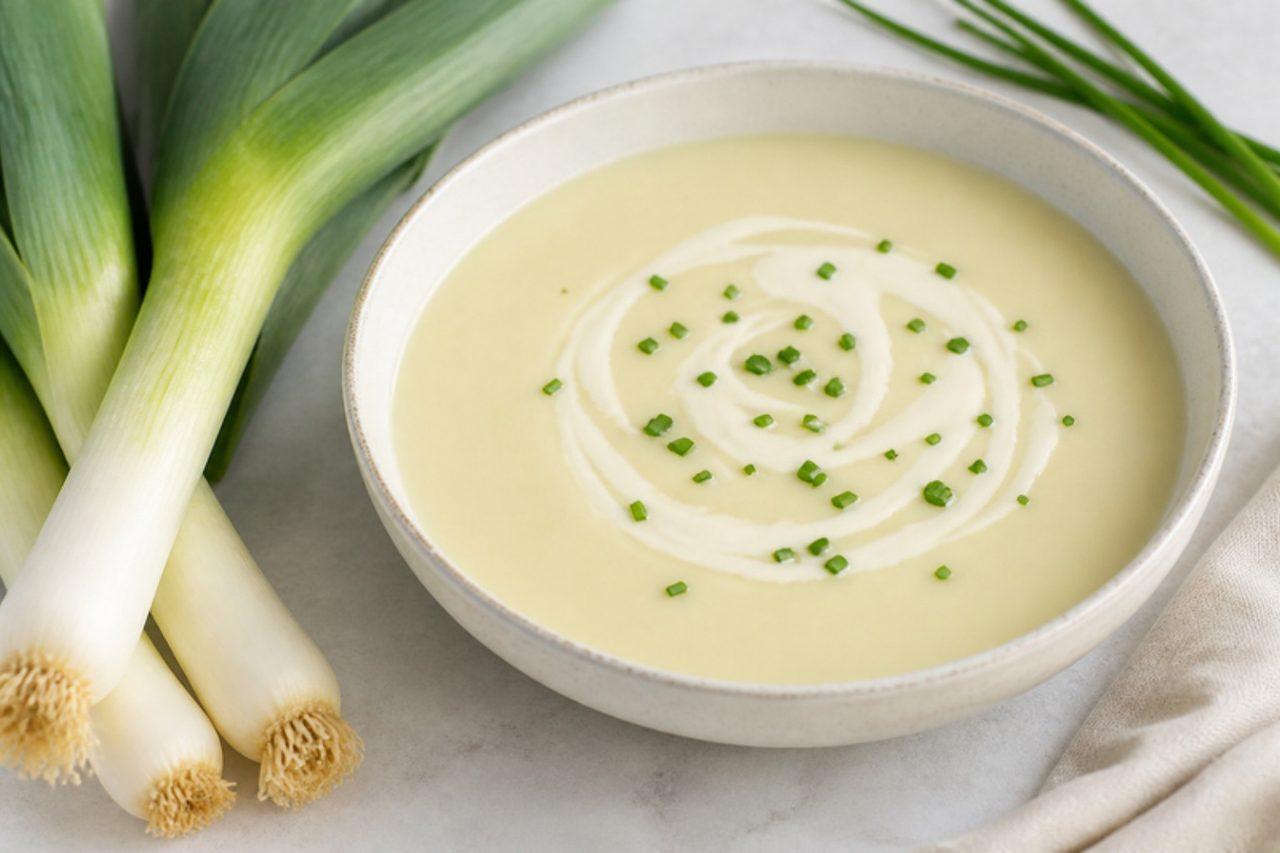
Vichyssoise is a creamy leek and potato soup served cold, named after the spa town of Vichy and made famous by a French chef in New York in 1917, who based it on his mother's hot potage. In France it's made in hot weather, when a bowl of something cool and silky is all anyone wants, and served in small portions as a starter, sprinkled with chives. It needs only a few ingredients, so the leeks must be cooked gently to keep the colour pale and delicate. Chef's tip: let the leeks soften without browning; colouring them is the common mistake that turns the soup grey-beige and bitter.

by KrazyBadal 0 views

Fonio with vegetables

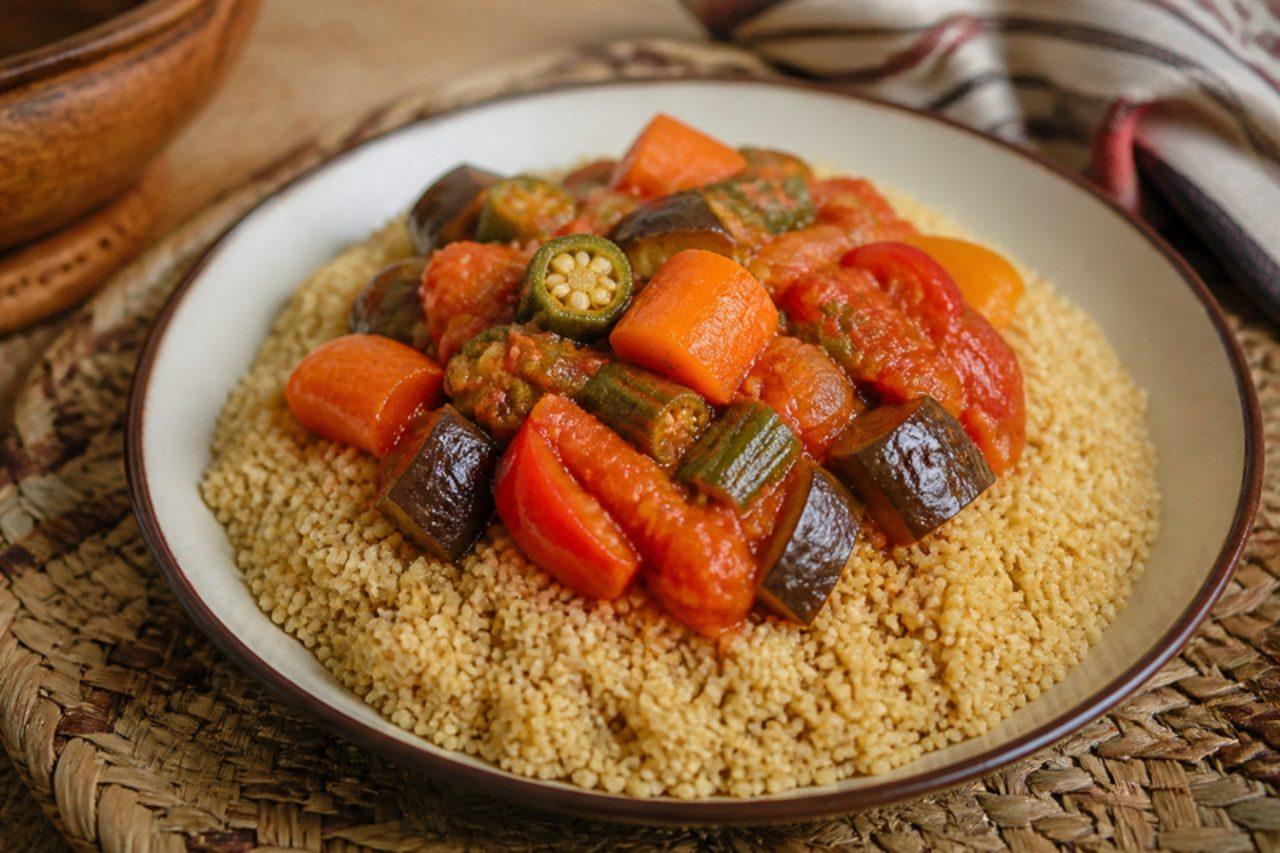
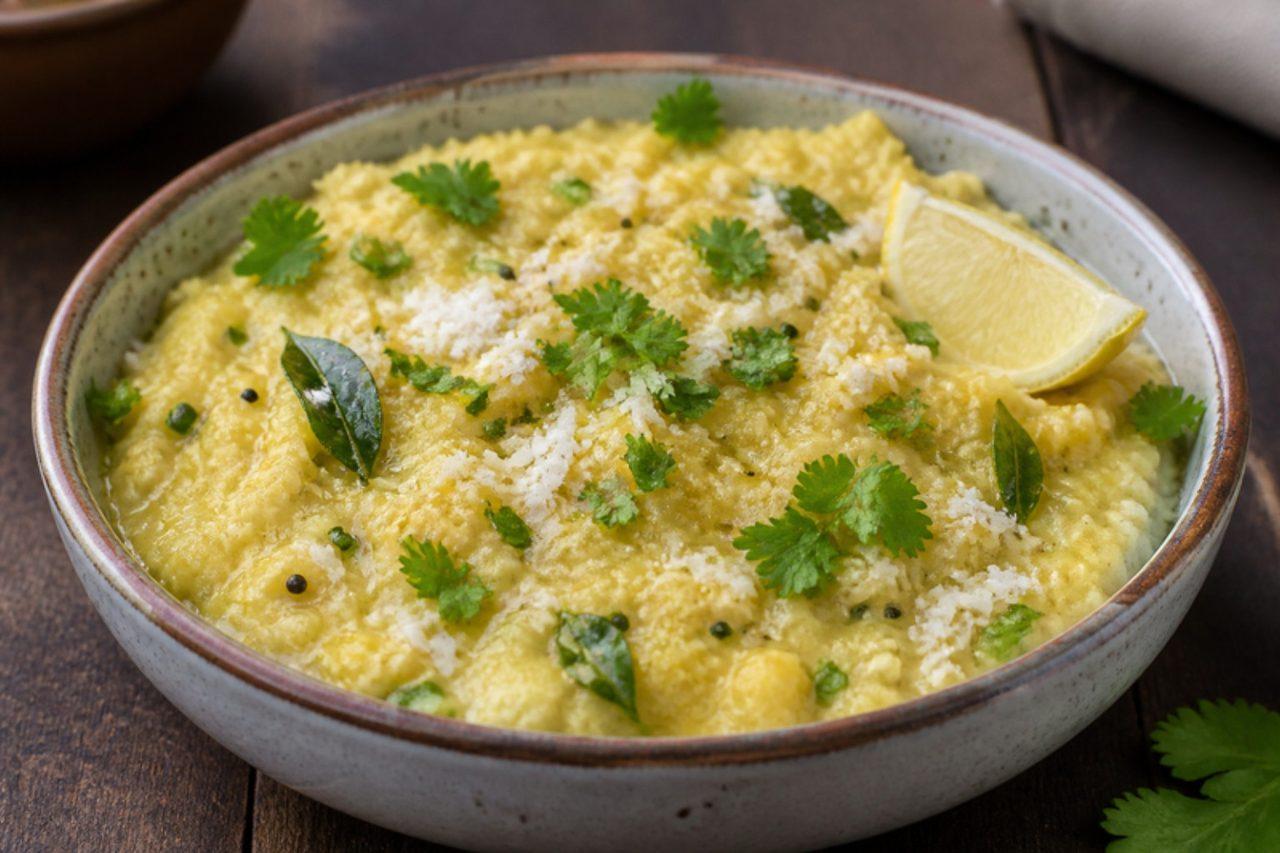
Fonio is a tiny ancient grain grown in the Sahel and in southern Senegal's Casamance and Fouta regions, where it is steamed like couscous and eaten with a vegetable or peanut sauce. It cooks in minutes and has a light, nutty taste, which has made it popular again in Dakar restaurants. Here it is fluffed with a little oil and topped with a quick stew of courgette, carrot, aubergine and tomato. Chef's tip: wash fonio in several changes of water and drain it in a fine sieve; it often carries fine sand, and gritty fonio is the most common complaint.

by KrazyBadal 0 views

BesaraVegetables in mustard garlic paste

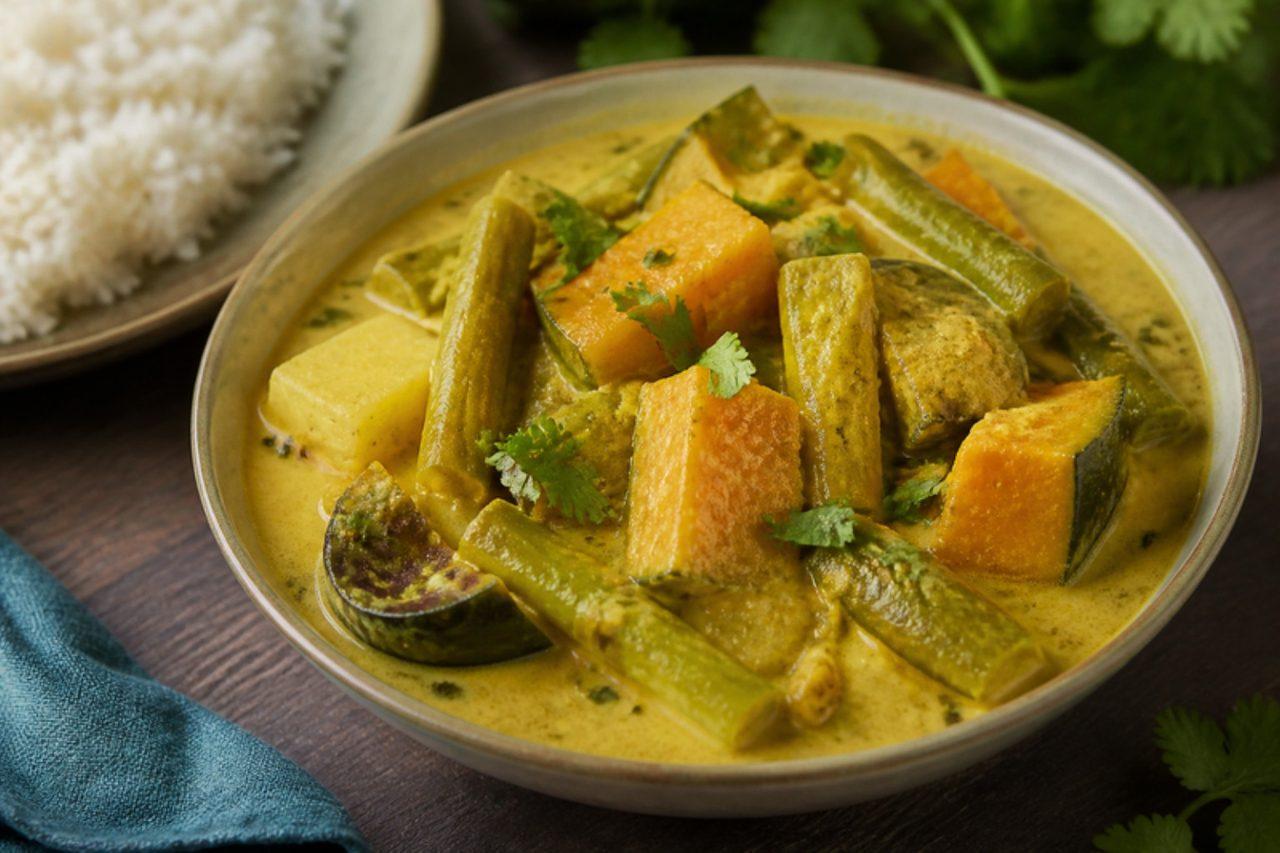
Besara means 'with mustard', and in Odisha it is the name of any dish cooked in a freshly ground paste of mustard seeds, garlic and green chilli. Fish besara is the best known; this is the vegetarian version cooked in Odia homes with pumpkin, potato, aubergine, raw banana and a few drumsticks, made sour with a little tamarind or dried mango. The mustard gives it a clean, sinus-clearing heat that is very different from a turmeric-and-chilli curry. Chef's tip: grind the mustard with a pinch of salt and a green chilli; this stops the paste turning bitter.

by KrazyBadal 0 views

BeshbarmakBoiled lamb on noodle sheets

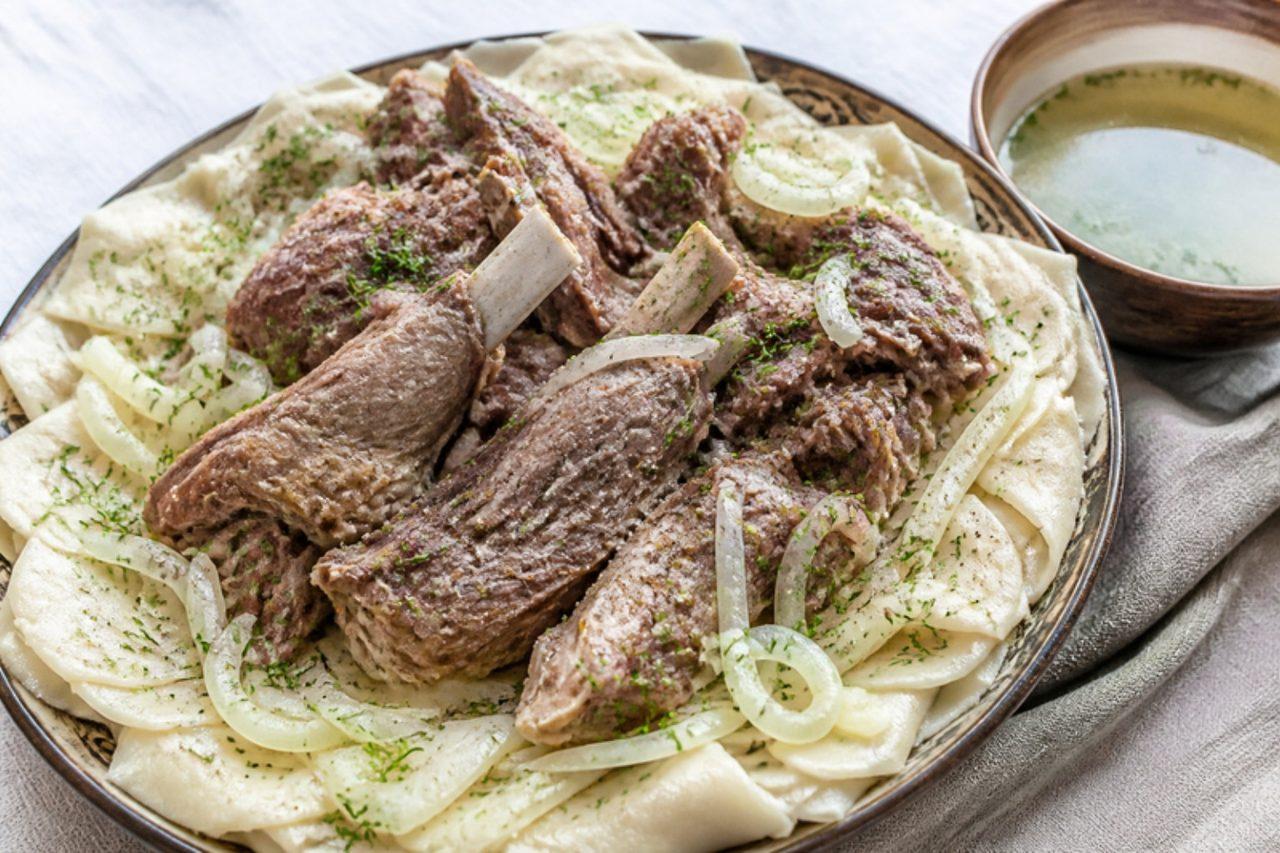
Beshbarmak, "five fingers", is the dish a Kazakh family puts on the dastarkhan for guests, weddings and Nauryz, traditionally eaten with the hand. Lamb (or horse meat in many homes) is simmered for hours, sliced and laid over wide squares of fresh noodle dough cooked in the same broth, then topped with soft onions in a peppery sauce. The broth, called sorpa, is drunk from bowls alongside. Cutting the noodles too thick is a common slip; they should be thin enough to be silky, not chewy. Chef's tip: keep a cup of the hot fat skimmed from the broth to cook the onion sauce; it carries all the lamb flavour.

210 minKazakhMeat
by KrazyBadal 0 views

Mushroom and cheese galette

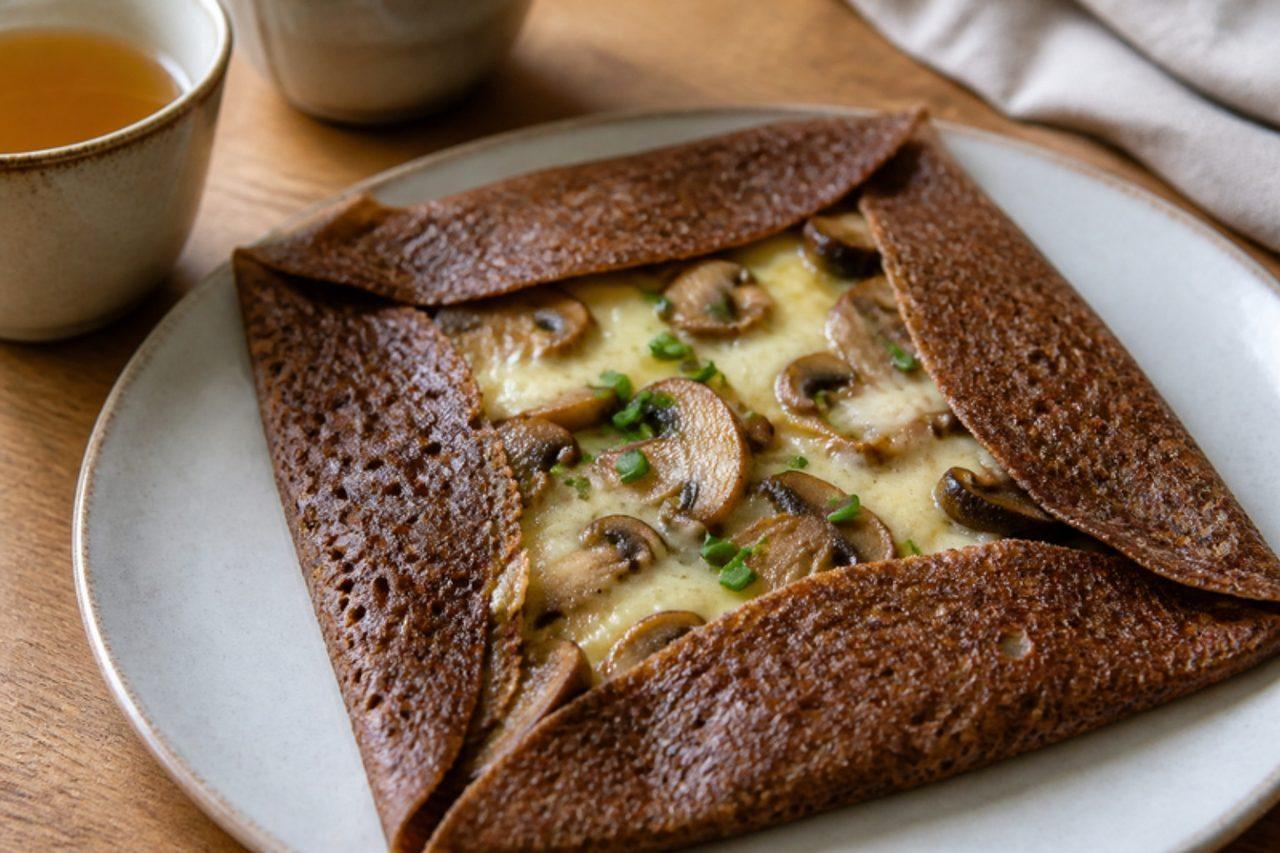
In Brittany, a galette is a large, lacy pancake made from buckwheat flour, water and salt: nutty, a little earthy and crisp at the edges. Crêperies all over the region fold them around savoury fillings and serve them with a bowl of dry cider. This one is filled with garlicky mushrooms, melted cheese and chives, folded into a square so the centre shows. Pure buckwheat is naturally gluten free, but check the packet, as some is milled alongside wheat. Emmental and Gruyère are usually made with animal rennet, so use a vegetarian alternative. Rest the batter if you have time: it can be made the night before. Chef's tip: the first galette is always a test; a pan that isn't hot enough is the common mistake that makes them pale and floppy instead of lacy and crisp.

by KrazyBadal 0 views

Beyaynetu (fasting platter)Fasting platter of vegan stews

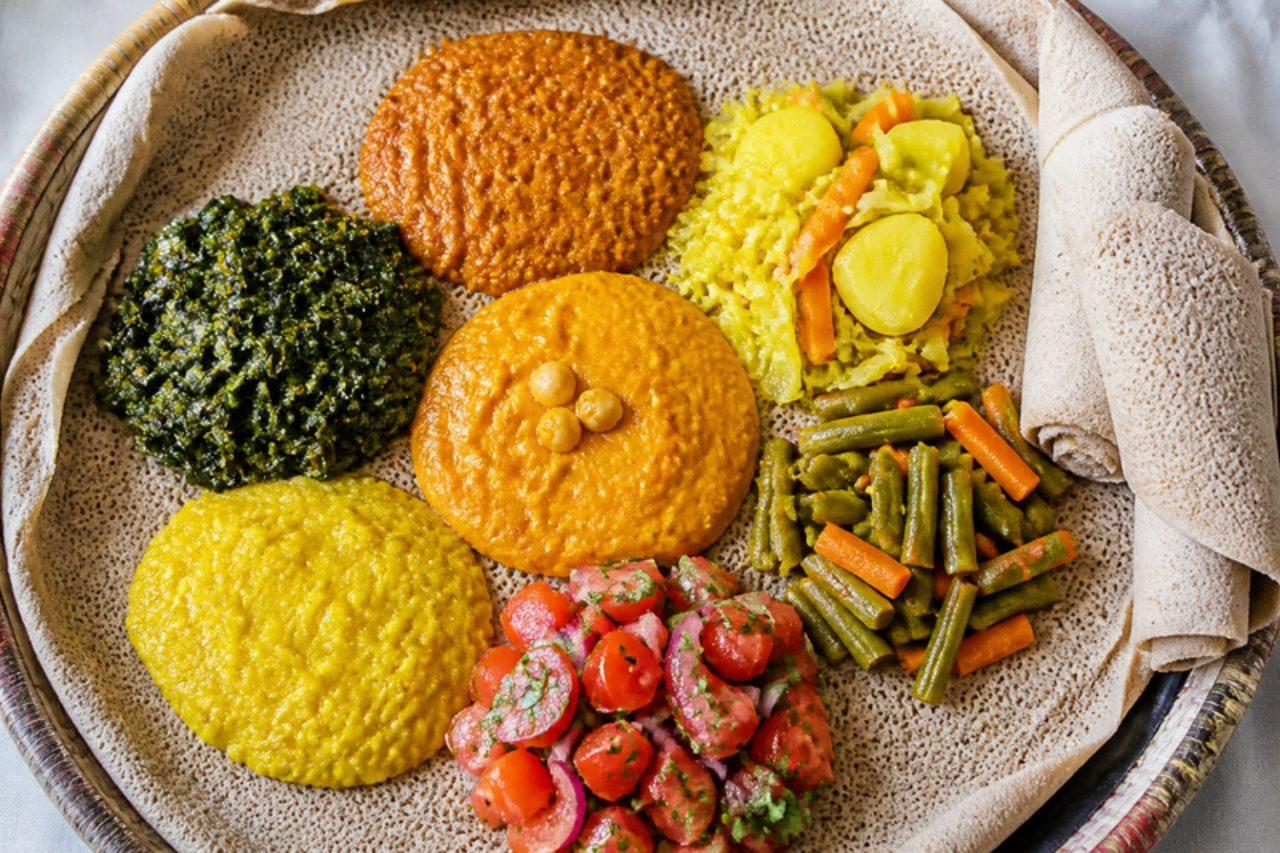
Beyaynetu means 'a bit of every kind', and on Wednesdays, Fridays and through the long Lenten fast it is what most of Addis Ababa orders for lunch: a round of injera covered with small heaps of different vegan stews and salads, each a different colour and spice level, with extra rolled injera on the side. At home it is a feast for sharing, built from dishes you can make ahead. This page shows you how to plan and assemble it, and gives the red lentil misir wat that sits at its centre; for the other dishes use our Shiro wat, Kik alicha, Gomen, Tikil gomen, Fosolia and Timatim salata recipes, and of course Injera. Chef's tip: balance the platter with two spicy red dishes, two mild yellow ones and two green or fresh ones, so every mouthful can be cooled or warmed.

by KrazyBadal 0 views

Pho boBeef noodle soup

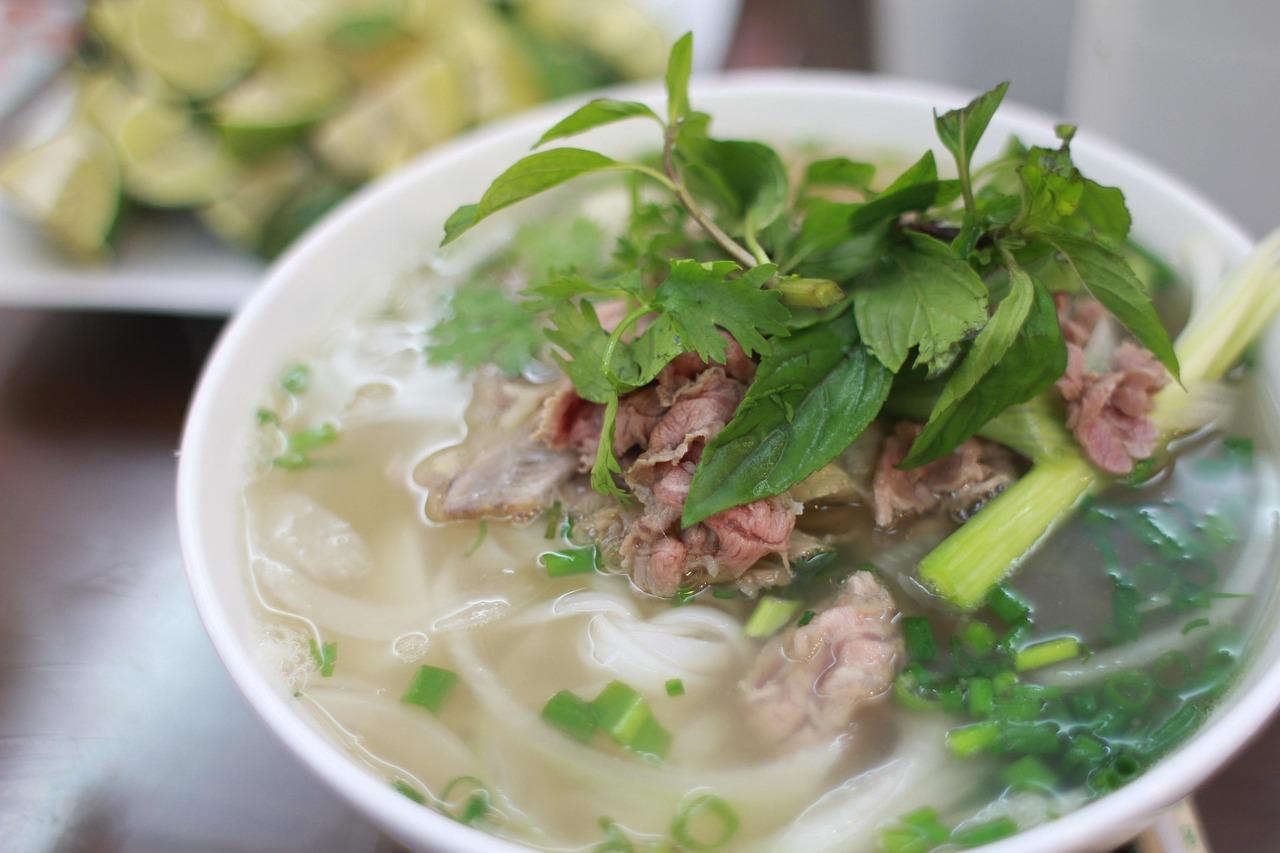
Before Hanoi's offices open, pavement pho stalls are already busy, with diners on low plastic stools bent over bowls of rice noodles in a clear, spiced beef broth. The northern style is restrained: brisket and thin slices of raw beef that cook in the bowl, spring onion and a little coriander, with lime and chilli on the side rather than a heap of herbs and sauces. The work is in the broth, simmered slowly from bones with blackened onion and ginger and a small bag of toasted spices. Make it on a weekend; it keeps for three days and the bowls then take ten minutes. Chef's tip: char the onion and ginger until they are properly black in patches, because that smoky sweetness is what makes the broth taste of pho rather than plain beef stock.

by KrazyBadal 1 views

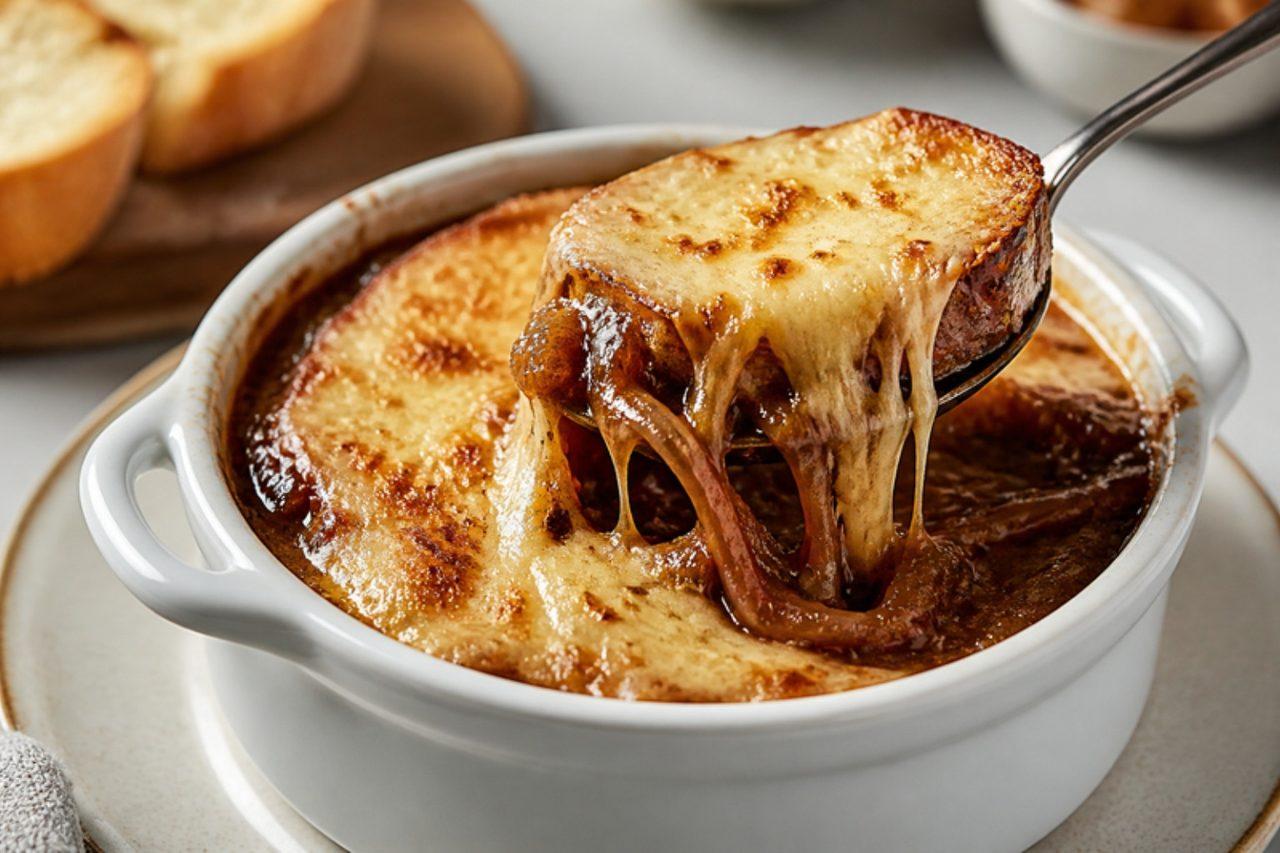
French onion soup

Soupe à l'oignon gratinée was the late-night meal of Les Halles, the old Paris food market, where porters and party-goers ate it at dawn; in Lyon, the city of onions, it's a winter bistro classic. Onions are cooked very slowly in butter until they turn a deep mahogany brown, then simmered in stock with a splash of wine and topped with toasted bread and melted cheese under the grill. The traditional soup uses beef stock; this version uses a rich vegetable stock and lets the deeply browned onions carry the flavour. Gruyère and Comté are made with animal rennet, so use a vegetarian alternative. Chef's tip: give the onions a full hour on a low heat; rushing them over a high heat is the common mistake and they burn before they sweeten.

by KrazyBadal 0 views

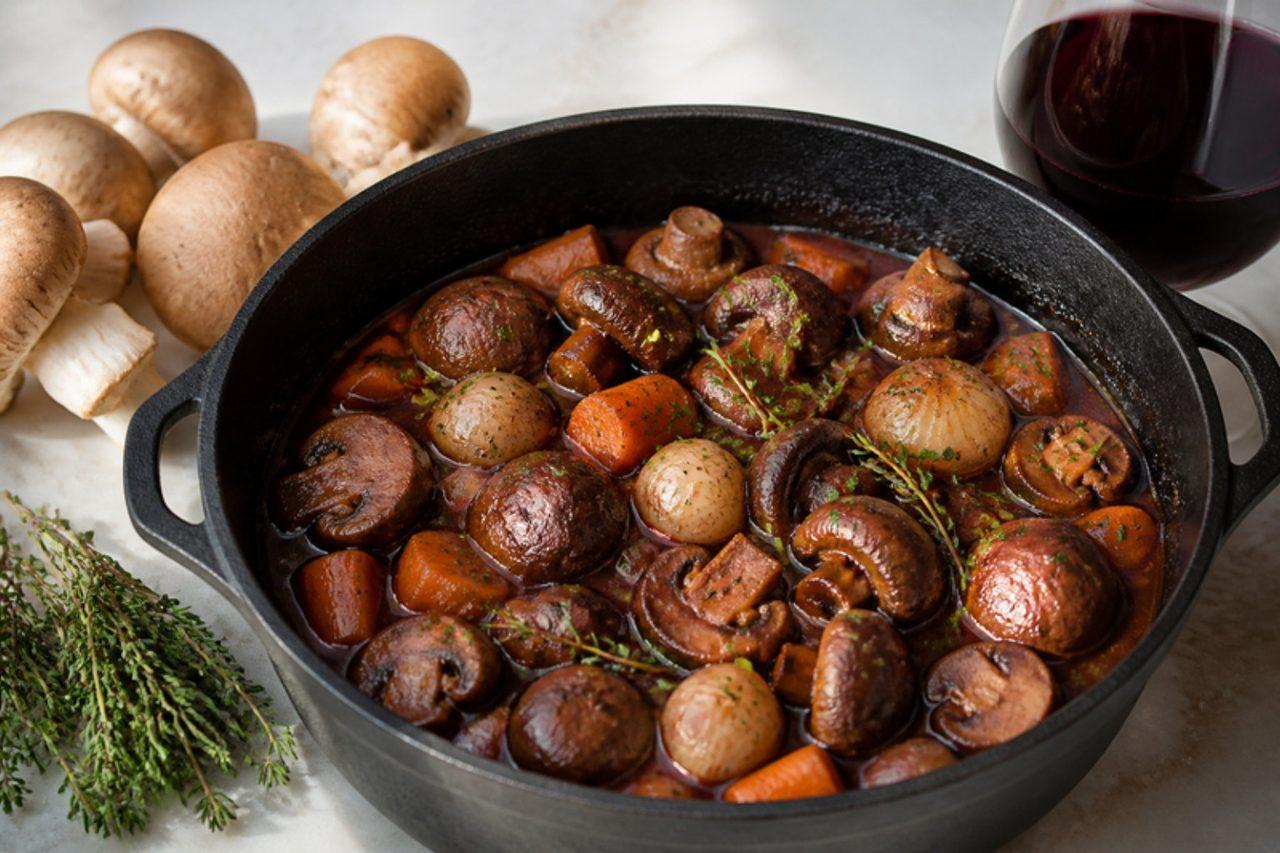
Mushroom bourguignon

Burgundy's famous stew is traditionally made with beef, but the flavours that make it special are all in the sauce: red wine from the region's vineyards, small whole onions, carrots, thyme and mushrooms. This meat-free version gives the mushrooms the starring role, browned hard so they turn meaty and dark, then simmered in a glossy wine sauce. It is a winter dinner in French homes, served over creamy mashed potatoes, buttered noodles or with a crusty baguette. Pick a vegan-friendly wine if that matters to you. Chef's tip: brown the mushrooms in a hot pan in batches until the liquid they release has evaporated; adding them all at once is the common mistake and they boil instead of browning.

by KrazyBadal 0 views

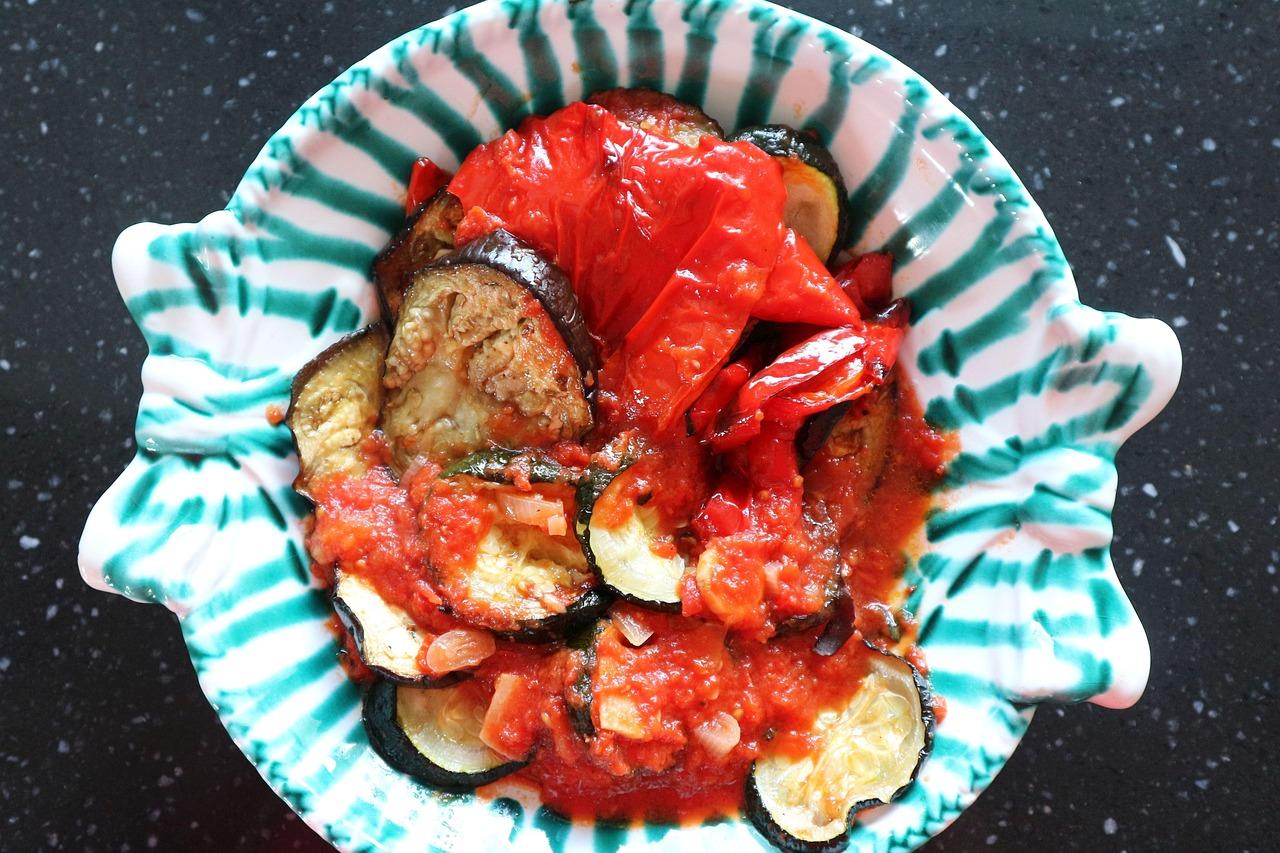
Ratatouille

Ratatouille comes from Nice, where it was a peasant stew of whatever the late-summer garden gave: aubergines, courgettes, peppers, onions and very ripe tomatoes, simmered in olive oil with garlic and thyme. Cooks in Nice argue about method, but the most respected version fries each vegetable on its own first, so each keeps its colour and shape before they are brought together in one pot. It's eaten warm with rice, cold the next day with bread, or as a side to an omelette. Chef's tip: brown the aubergine in batches and don't crowd the pan; piling it in is the common mistake that makes it steam into a grey mush.

by KrazyBadal 0 views

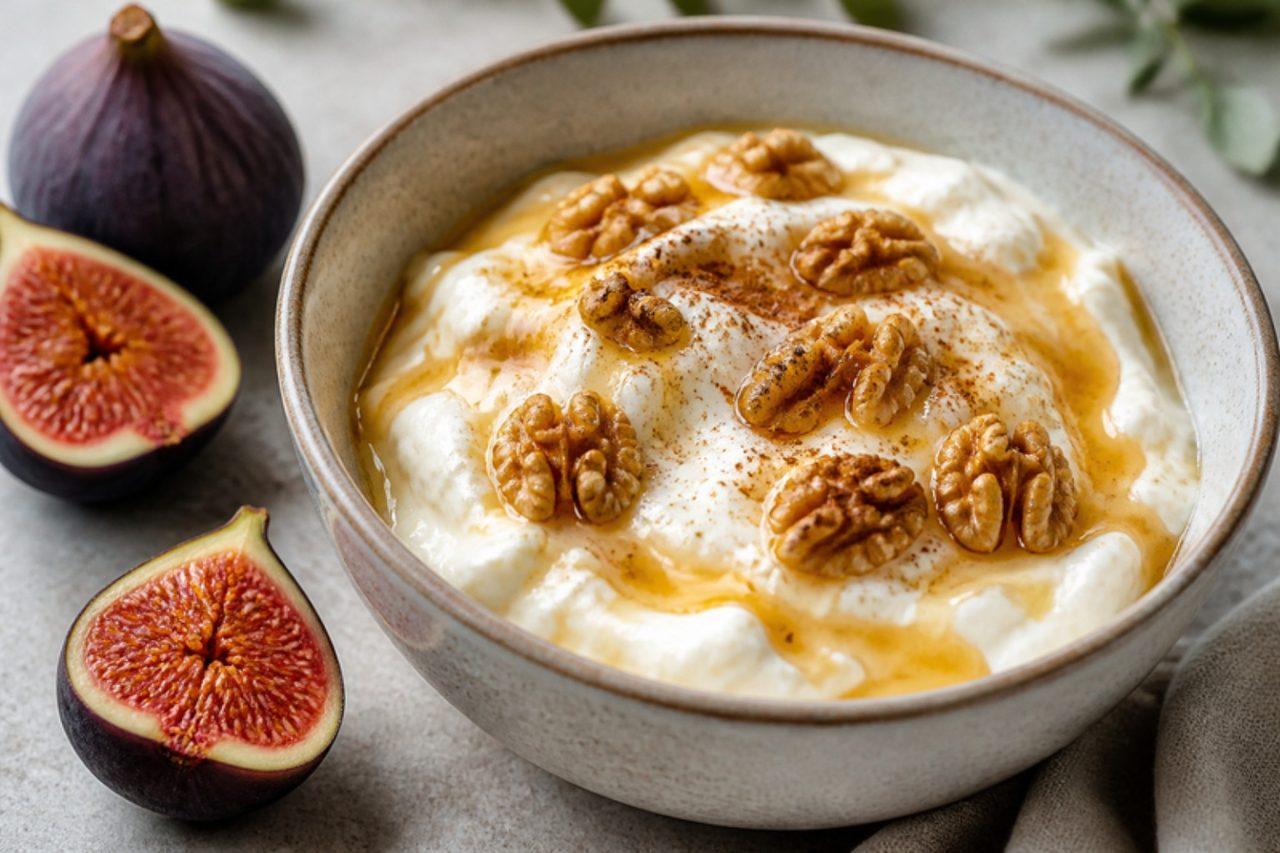
Greek yogurt with honey and walnuts

This is the dessert Greek tavernas bring out on the house at the end of a meal, and a common breakfast in homes and hotels from Crete to Corfu. Thick strained yogurt, ideally the sheep's-milk kind with a skin on top, is drizzled with dark thyme honey and scattered with walnuts. Simple as it is, the details matter: rich yogurt, good honey and nuts toasted just before serving. Add fresh figs or a spoon of quince preserve if you have them. Chef's tip: warm the honey for a few seconds so it runs in ribbons; cold honey is the common mistake and just sits in a blob.

by KrazyBadal 0 views

Bhapa pithaSteamed rice flour cakes

When the date palm sap starts flowing in early winter, small steaming pots appear on street corners all over Bangladesh, from Rajshahi to Dhaka's Karwan Bazar, selling bhapa pitha in the dark mornings. Damp, lightly salted rice flour is packed into a small bowl around a layer of grated coconut and khejur gur (date jaggery), wrapped in cloth and steamed over a narrow-necked pot until soft, fluffy and fragrant. Eat them warm, straight from the cloth. Chef's tip: the rice flour should feel like damp sand that just holds when squeezed; too wet and the cake turns gummy, too dry and it crumbles.

by KrazyBadal 0 views

Halloumi with watermelon

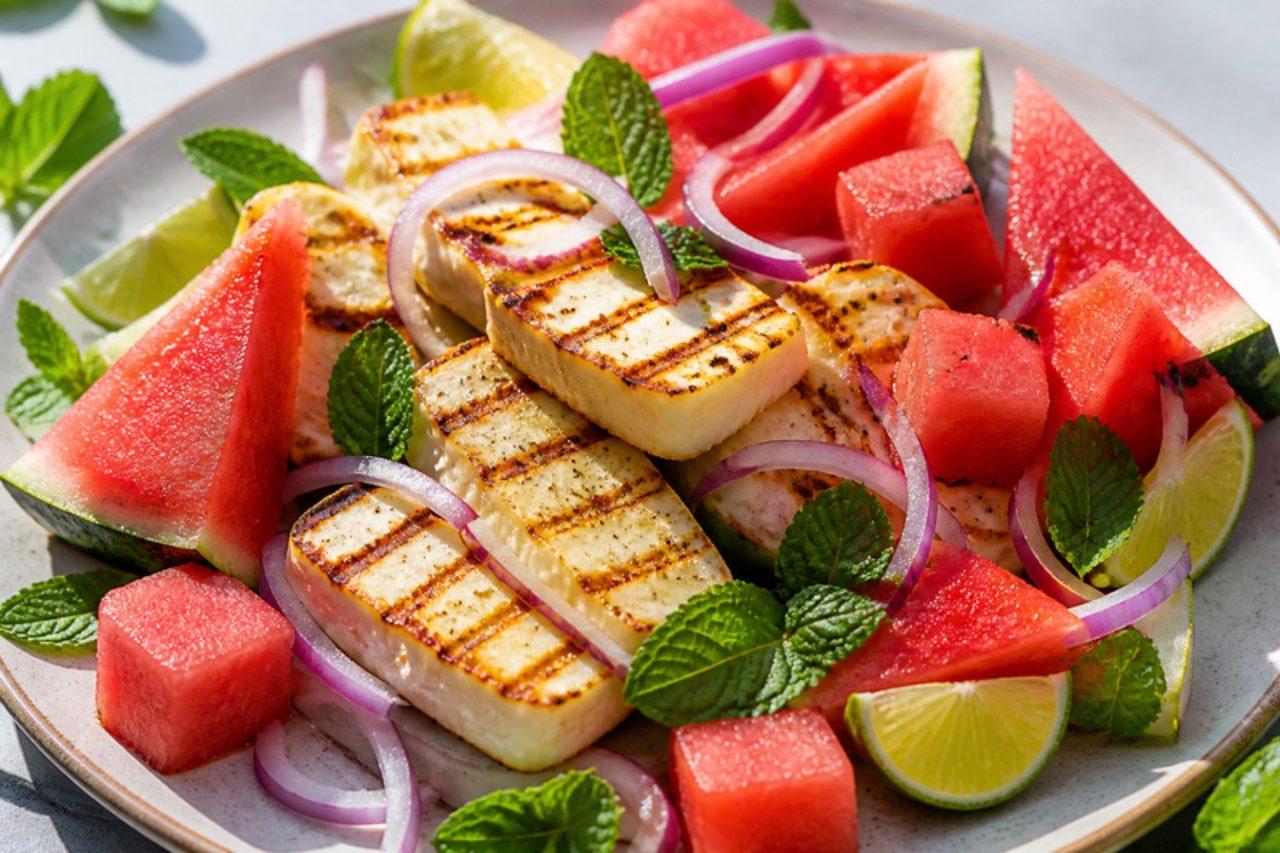
In Cyprus, halloumi and watermelon is the taste of an August afternoon: icy wedges of watermelon eaten alongside salty halloumi, either fresh and squeaky or grilled until golden. Cypriots have eaten the two together for generations, on beaches, village verandas and after a long lunch. Here the halloumi is seared, then tossed with chunks of cold watermelon, mint, red onion and lime. It is a starter, a light lunch or a side for any barbecue. Some halloumi is made with animal rennet, so look for one labelled vegetarian. Chef's tip: don't cook the halloumi until everyone is ready to eat; it turns rubbery as it cools, which is the most common halloumi mistake.

by KrazyBadal 0 views

Bhatt ki churkaniBlack soybean curry

Black soybeans, called bhatt, grow on the slopes around Almora and Pithoragarh, and churkani is the everyday Kumaoni way of eating them: roasted in a dry iron pan until they crack, then simmered with garlic, ginger and a little rice flour into a thick, nearly black gravy. It's the kind of food that keeps people warm through a hill winter, eaten with steamed rice, a spoonful of ghee and a sharp radish raita. The roasting gives a nutty, almost smoky taste you won't get from boiling the beans. Chef's tip: cook it in an iron kadhai if you have one; the metal reacts with the beans and gives churkani its traditional dark colour.

by KrazyBadal 0 views

Fava (Santorini split pea purée)

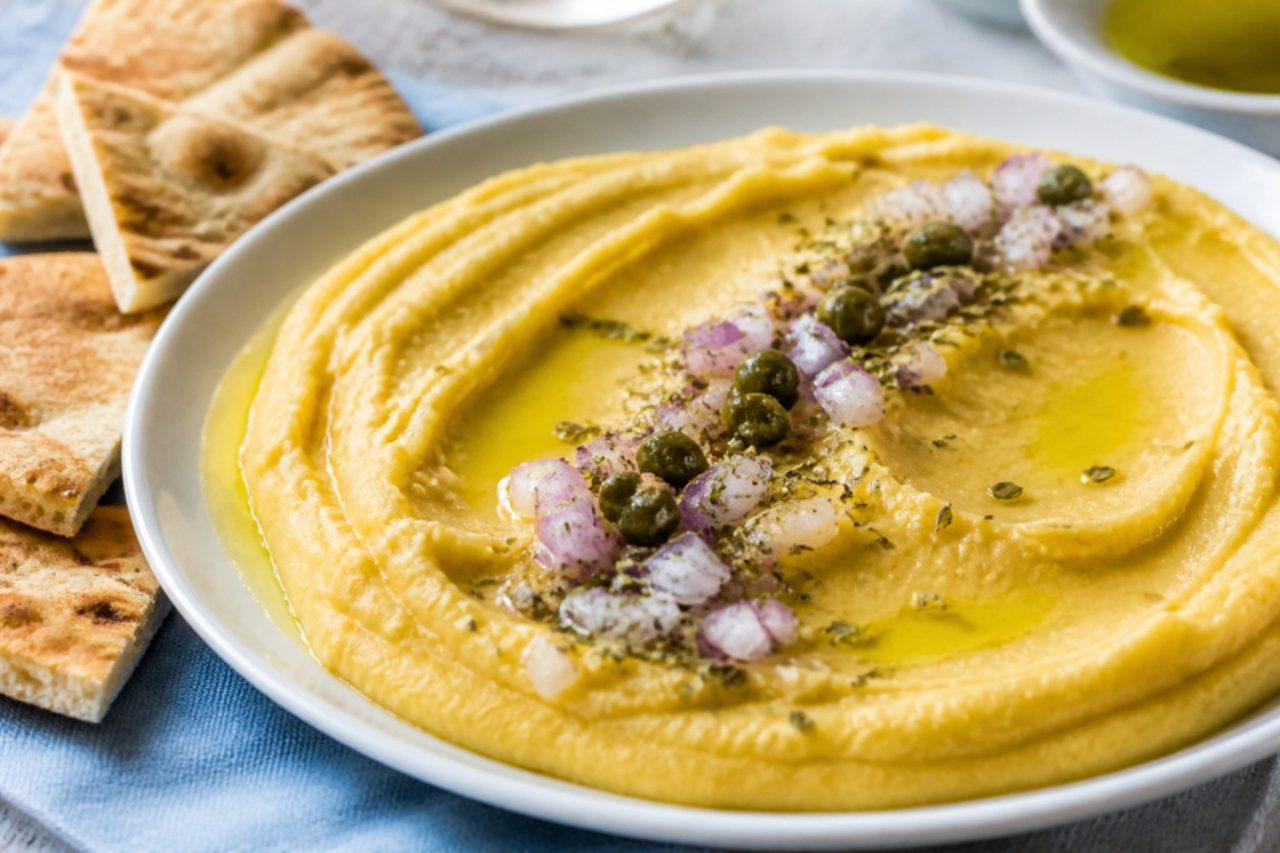
On Santorini, fava is made from a tiny yellow split pea that has grown in the island's volcanic soil for thousands of years. Cooked slowly with onion until it collapses, it is whipped with olive oil and lemon into a purée as smooth as hummus but lighter and sweeter. In island tavernas it comes warm, with raw red onion, capers and a puddle of green olive oil, and you scoop it up with bread. Ordinary yellow split peas work well at home. Serve it as a meze or a light meal with salad. Chef's tip: skim off the white foam that rises in the first 10 minutes; leaving it is the common mistake that gives the purée a bitter, grey edge.

by KrazyBadal 0 views

Tzatziki

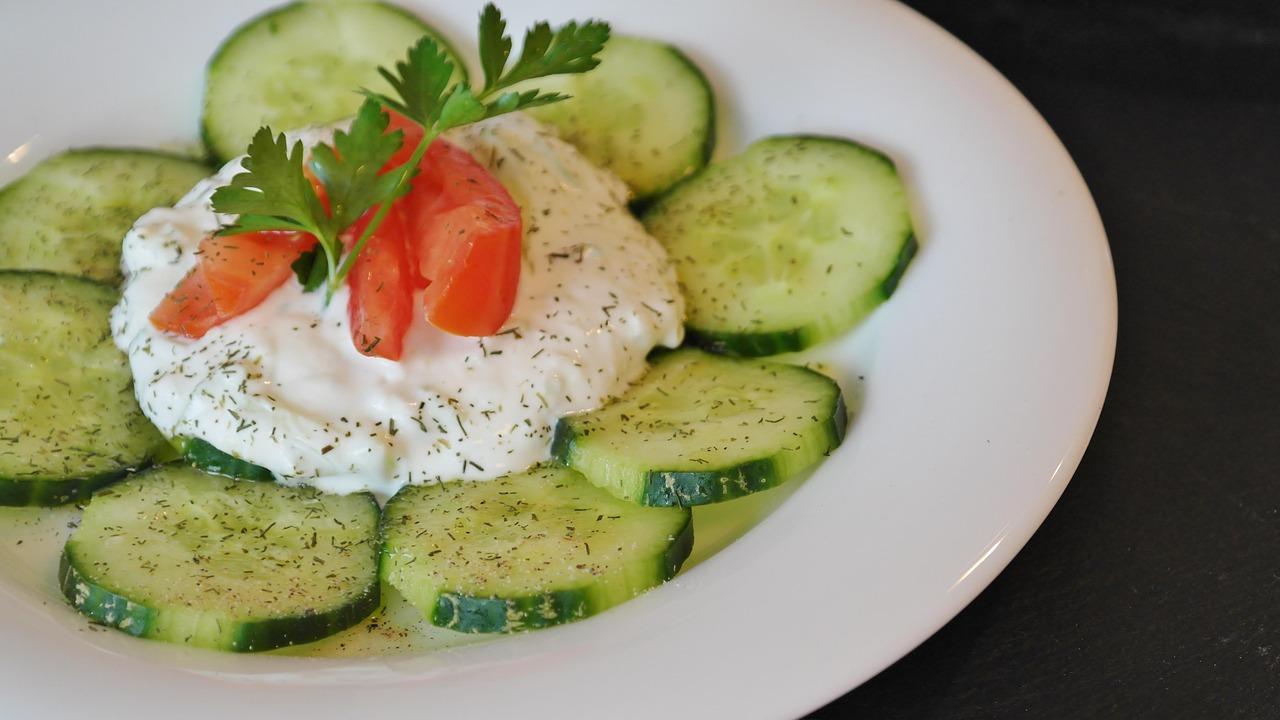
Tzatziki is on every Greek table in summer: scooped up with bread at the start of a taverna meal, spooned over fried courgettes and chips, and tucked into pitta wraps. It is cool, thick and sharp with raw garlic, made with strained yogurt so it holds its shape on a spoon. Grated cucumber gives it crunch, a little vinegar lifts it, and olive oil makes it rich. It also goes well with gemista, fritters and grilled halloumi. Chef's tip: salt the grated cucumber and squeeze it dry; leaving the water in is the common mistake that turns tzatziki runny within an hour.

by KrazyBadal 0 views

Bhetki paturiFish steamed in banana leaf

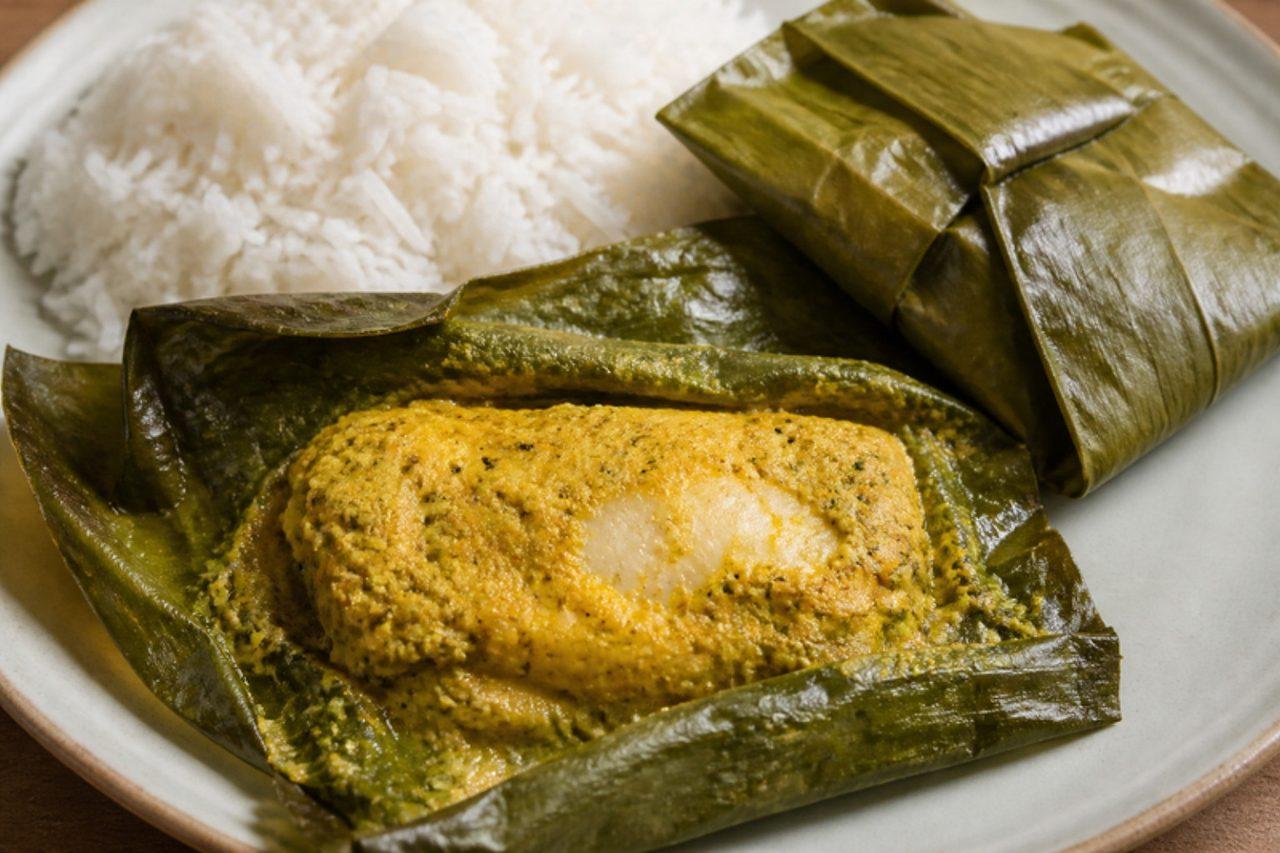
Paturi means 'wrapped in a leaf', and in Bengal the favourite fish for it is bhetki, the meaty barramundi of the Sundarbans estuaries. Fillets are coated in a sharp paste of mustard, coconut and green chilli, tied up in banana leaf and steamed or cooked on a griddle, so they come out moist and fragrant. It is a dish for celebration lunches in Kolkata and is unwrapped at the table over hot rice. Chef's tip: no banana leaves? Use baking paper inside foil; you lose a little aroma but none of the texture.

55 minIndianFishGluten free
by KrazyBadal 0 views

Kouign-amann

Kouign-amann (say 'kween-ah-MAHN', Breton for 'butter cake') was created in the fishing port of Douarnenez in the 1860s, reportedly by a baker who folded butter and sugar into bread dough when flour was short. Today Breton bakeries sell it as a rich treat for afternoon coffee: flaky layers of bread dough with butter and sugar folded through, baked until the sugar melts into a dark, crunchy caramel. This home version makes individual ones in a muffin tin. It takes an afternoon, mostly waiting time. Chef's tip: keep the dough and butter cold between every fold; warm butter is the common mistake and it oozes out, so you lose the layers.

235 minFrenchBaking
by KrazyBadal 0 views

Crêpes

Sweet crêpes made from wheat flour, milk and eggs are Brittany's gift to the rest of France, and on 2 February, Chandeleur, French families make piles of them at home, flipping the first with a coin in hand for luck. They are thin and tender with golden, lacy spots, and the classic filling is simplest: a smear of salted butter and a sprinkle of sugar, or sugar and lemon. Children love them with chocolate spread, jam or sliced banana. Chef's tip: make the batter thinner than you expect, like single cream; thick batter is the common mistake and gives heavy pancakes, not crêpes.

by KrazyBadal 0 views

Ka'ak (sesame bread)

On the streets of Beirut, vendors push wooden carts stacked with ka'ak, a chewy, sesame-crusted bread shaped like a handbag with a hole for a handle; in Jerusalem's Old City the same bread comes as long oval rings sold by the gate. Buyers ask for it split open and filled with a pinch of za'atar or a wedge of soft white cheese, and eat it on the way to work or school. The crust gets its deep amber colour from a quick dip in sweetened water before the sesame goes on, and the crumb inside stays soft and slightly sweet. Chef's tip: toast the sesame seeds lightly in a dry pan before coating; they stick better once cool and taste nutty rather than raw.

by KrazyBadal 0 views

Bhuna khichuriFried rice and moong dal

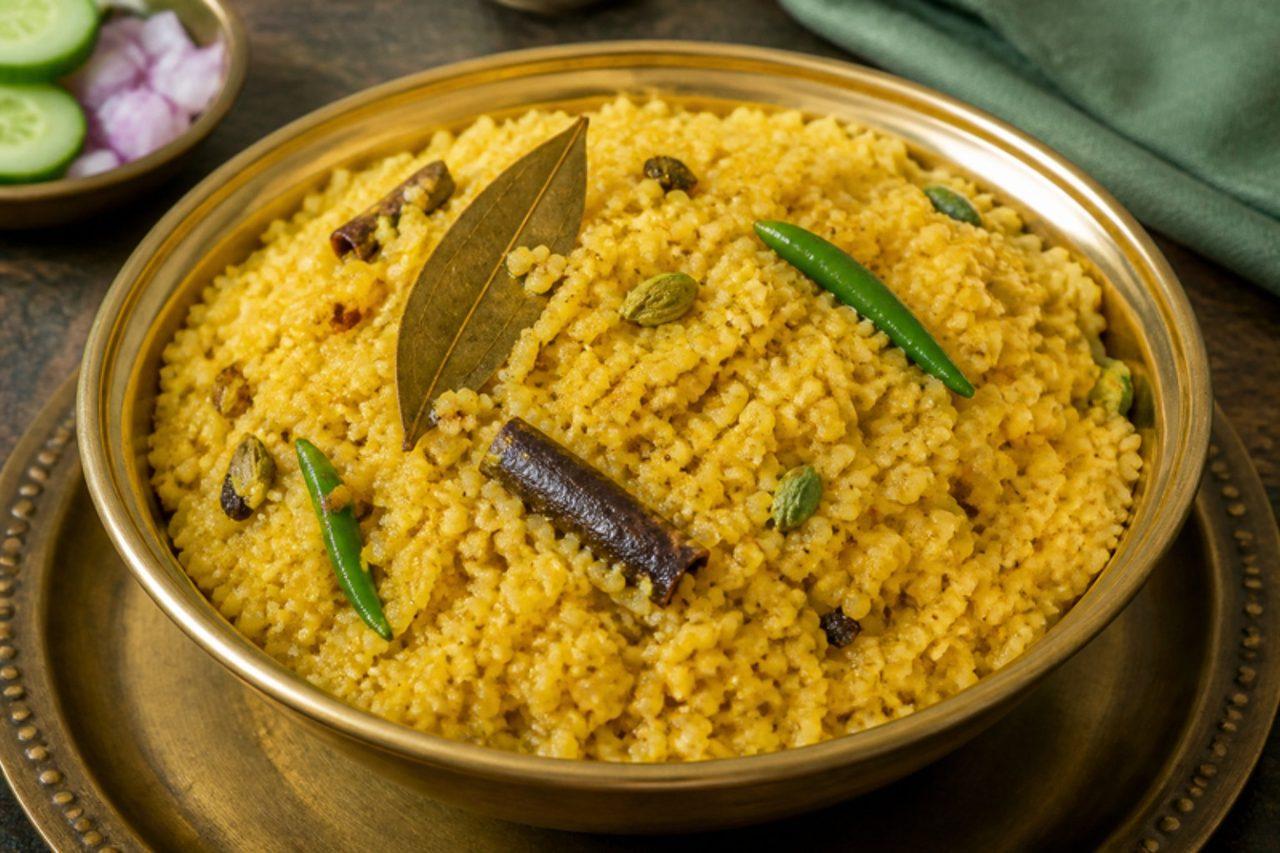
In Dhaka, the first heavy monsoon downpour sends people home craving bhuna khichuri, and Eid mornings in old Dhaka often start with a pot of it too. Unlike the loose, porridge-like khichdi of north India, the Bangladeshi bhuna version is dry and fluffy: dry-roasted moong dal and short-grain rice are fried in ghee with onions and whole spices until fragrant, then cooked with just enough water so the grains stay separate. Serve it hot with begun bhaja, a bhorta or two and a spoon of pickle. Chef's tip: roast the moong dal in a dry pan until it smells like toasted nuts before you wash it; that roasted note is what makes this khichuri taste of Bangladesh.

by KrazyBadal 0 views

ÇılbırPoached eggs on garlic yogurt

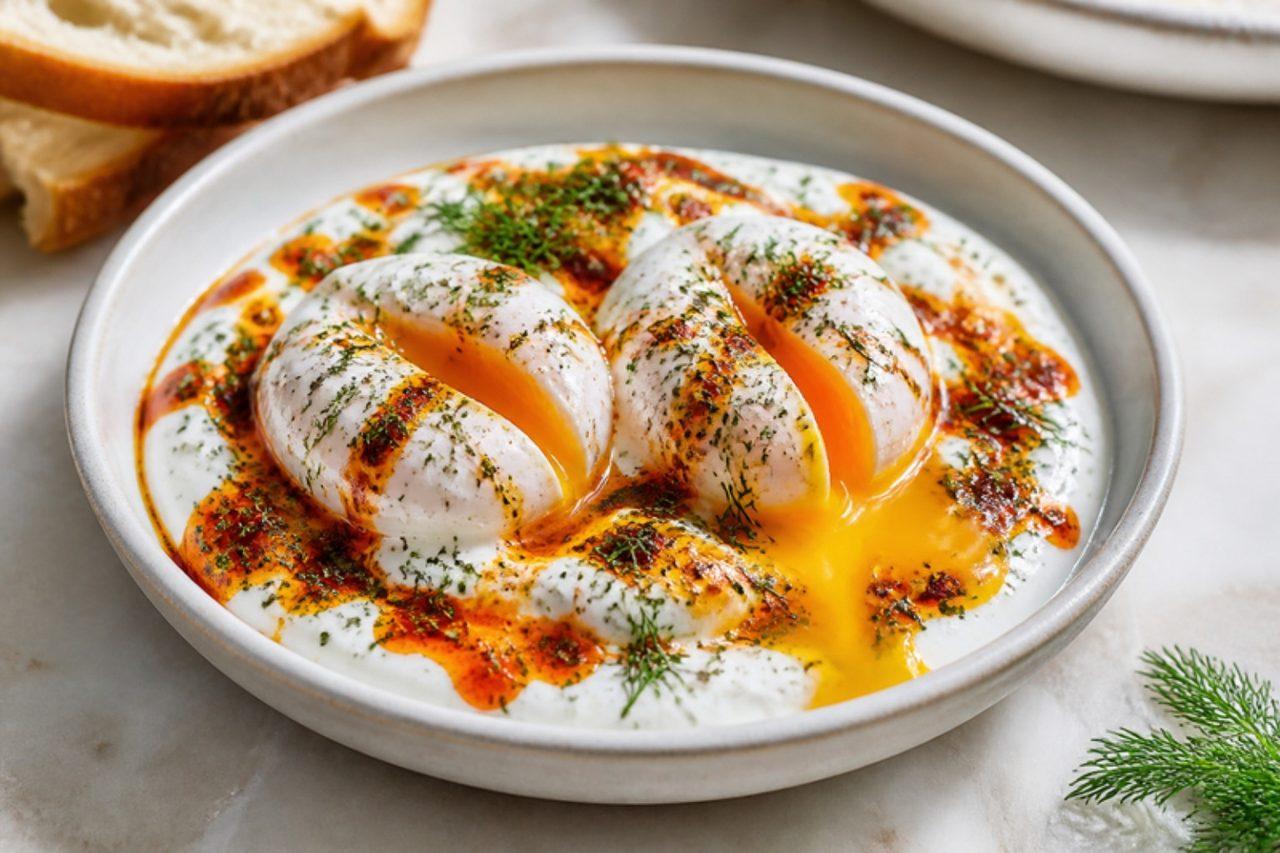
Çılbır goes back to the Ottoman palace kitchens, and today you are as likely to meet it on a brunch menu in Istanbul's Kadıköy or Cihangir as on a home breakfast table. Two soft poached eggs sit on a bed of thick, garlicky yogurt, and a spoonful of butter fried with Aleppo pepper is poured over the top so it runs red into the white. Break the yolks, mix everything together and mop it up with bread. Chef's tip: take the yogurt out of the fridge 30 minutes ahead, or stand the bowl over warm water for a few minutes; cold yogurt chills the eggs and the dish should be served warm.

by KrazyBadal 0 views

Bhutte ka halwaSweetcorn halwa

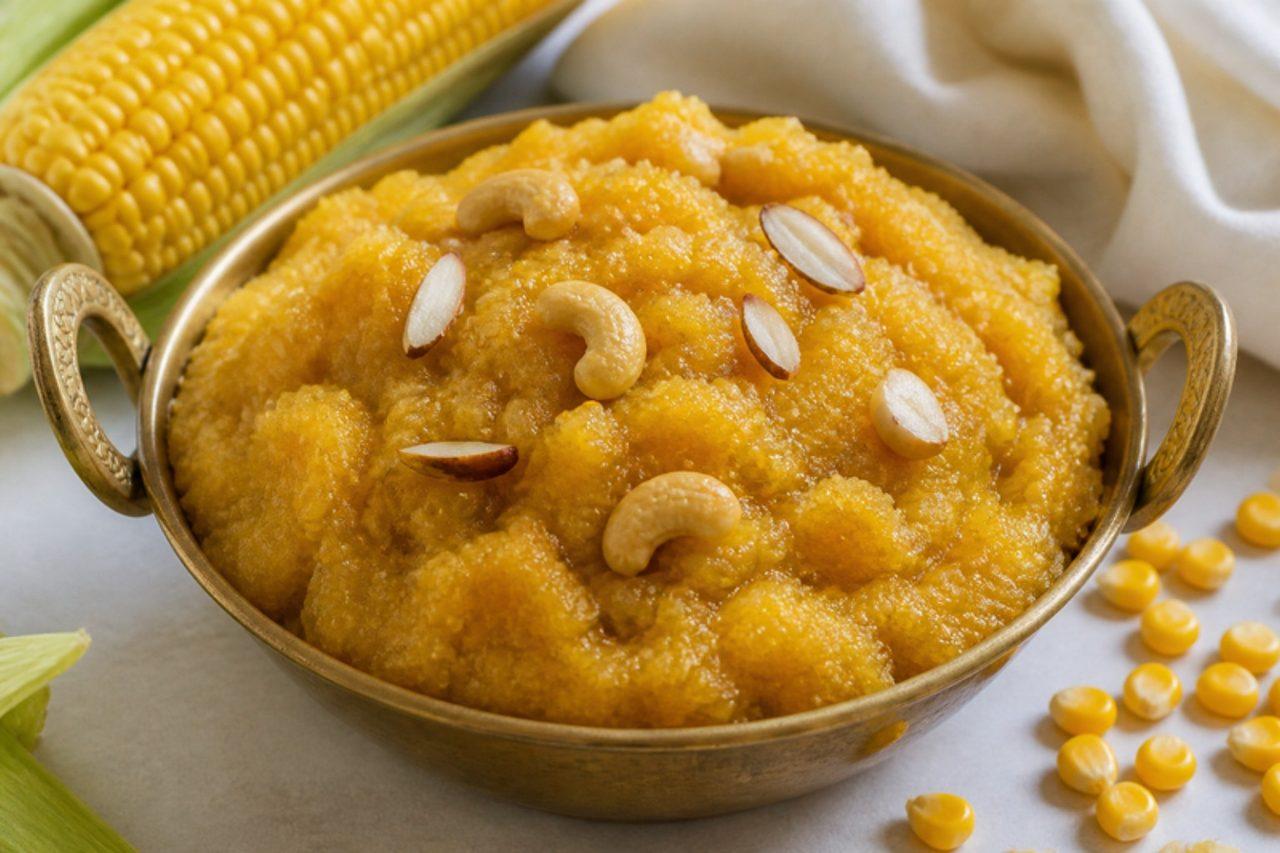
In monsoon Indore, when the fields around the city are full of tender maize, sweet shops turn the same corn into halwa: kernels ground coarsely, roasted in ghee until they smell like buttered popcorn, then cooked with milk and sugar until glossy. It is lighter and less cloying than many halwas, with a gentle bite from the corn. Families make it for guests and for small festivals, and it is just as good warm from the pan or at room temperature the next day. Chef's tip: grind the corn in short pulses to a coarse, porridgy texture; a smooth purée turns gluey and sticks.

by KrazyBadal 0 views

Bhutte ka keesGrated corn cooked in milk

Bhutte ka kees is a monsoon favourite from Indore in Madhya Pradesh, sold at the city's famous night market, Sarafa. Fresh corn is grated and cooked in ghee with mustard seeds and green chilli, then simmered in milk until it turns thick, creamy and gently sweet. A squeeze of lemon, fresh coriander and grated coconut finish it. Eat it hot with a spoon as an evening snack. Chef's tip: grate the corn off the cob on the coarse side of a box grater rather than blending it; you get juicy, starchy pulp that thickens the milk naturally.

by KrazyBadal 0 views

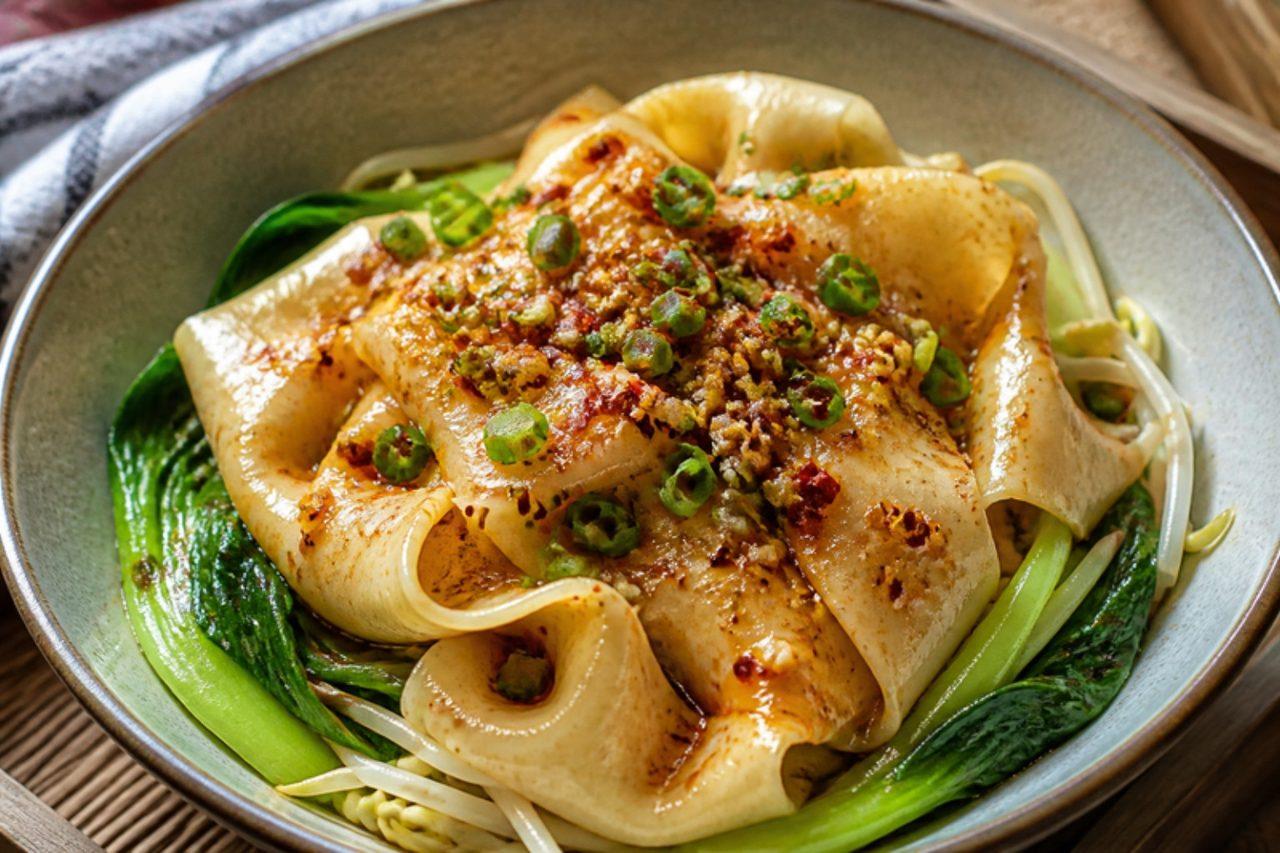
Biang biang noodlesHand-pulled belt noodles

Biang biang mian are the wide, belt-like noodles of Xi'an in Shaanxi, named, some say, after the slapping sound the dough makes as it's pulled and banged on the counter. The written character for biang is one of the most complicated in Chinese. Each noodle is as wide as a belt and chewy; the classic topping is chilli flakes, garlic and spring onion, sizzled with smoking hot oil, then splashed with vinegar and soy. Chef's tip: let the oiled dough pieces rest for at least 30 minutes, longer if you can; relaxed gluten stretches long and thin without snapping.

by KrazyBadal 0 views

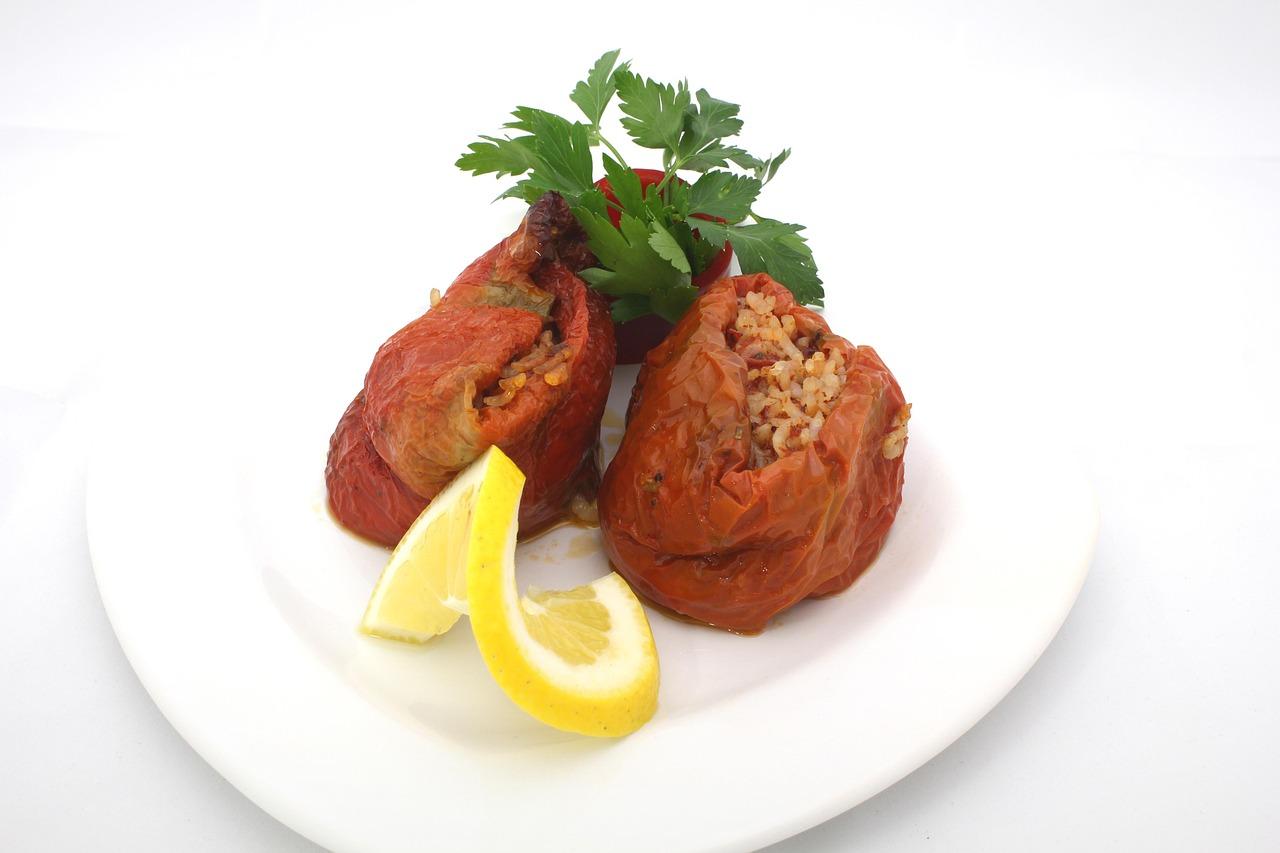
Biber dolmasıRice-stuffed green peppers

Biber dolması turns up in every corner of Turkey, from Istanbul meyhanes to village kitchens in central Anatolia, and the olive-oil version without meat is the one eaten cold at summer lunches or packed for picnics. Thin-walled green dolma peppers are filled with rice cooked with onion, tomato, pine nuts, currants and warm spices, capped with a slice of tomato and simmered until the peppers slump and wrinkle. A frequent mistake is packing the filling to the top: leave a finger of space so the rice can swell. Chef's tip: let the peppers cool completely in their pot; the filling firms up and the flavours of mint and allspice come through much more clearly than when hot.

by KrazyBadal 0 views

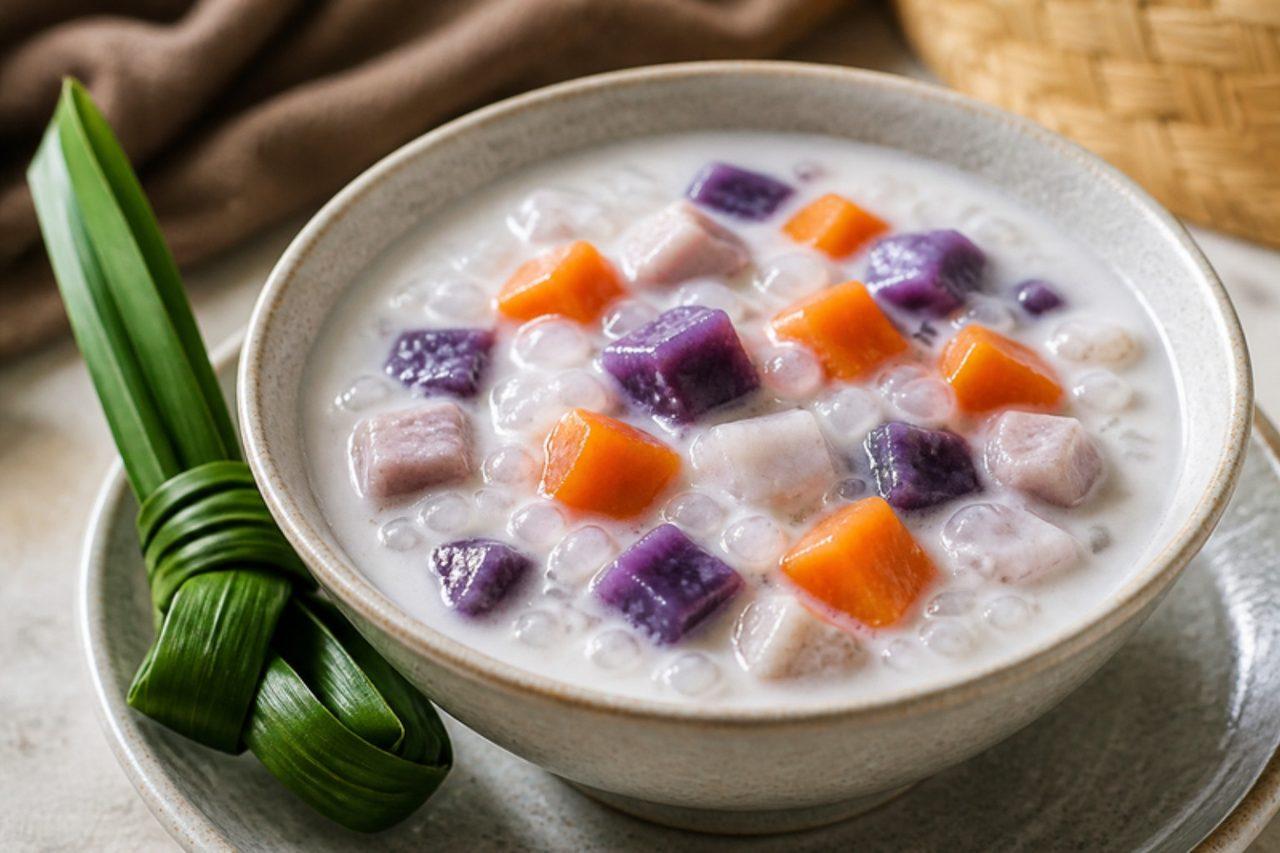
Bubur cha chaWarm coconut sweet potato pudding

Bubur cha cha is a Nyonya (Peranakan) dessert from Penang and Melaka, cooked in big pots for Chap Goh Meh, the fifteenth night of Chinese New Year, and eaten all year as a sweet soup after dinner or a mid-afternoon snack. Cubes of orange and purple sweet potato and taro float in pandan-scented coconut milk with tiny, glassy sago pearls; the colours are part of the charm. It's soothing, gently sweet and comforting, warm on a rainy evening or cold from the fridge in the heat. Chef's tip: a small pinch of salt in the coconut milk lifts the sweetness and stops it tasting flat.

by KrazyBadal 0 views

PączkiRose jam doughnuts

Pączki are the rich, yeasted doughnuts Poland eats by the dozen on Tłusty Czwartek, Fat Thursday, the last Thursday before Lent, when Warsaw bakeries such as the old ones on Nowy Świat have queues round the block from dawn. A good pączek is round and heavy for its size, with a pale ring around its middle, a fine, yolk-rich crumb and a filling of rose-petal jam (konfitura z róży) or plum butter, finished with icing and candied orange peel. A spoon of vodka or spirytus in the dough is an old trick: it evaporates in the hot oil and stops the dough soaking up fat. Chef's tip: keep the oil between 165 and 175°C with a thermometer; hotter and they burn outside while raw in the middle, cooler and they turn greasy.

by KrazyBadal 0 views

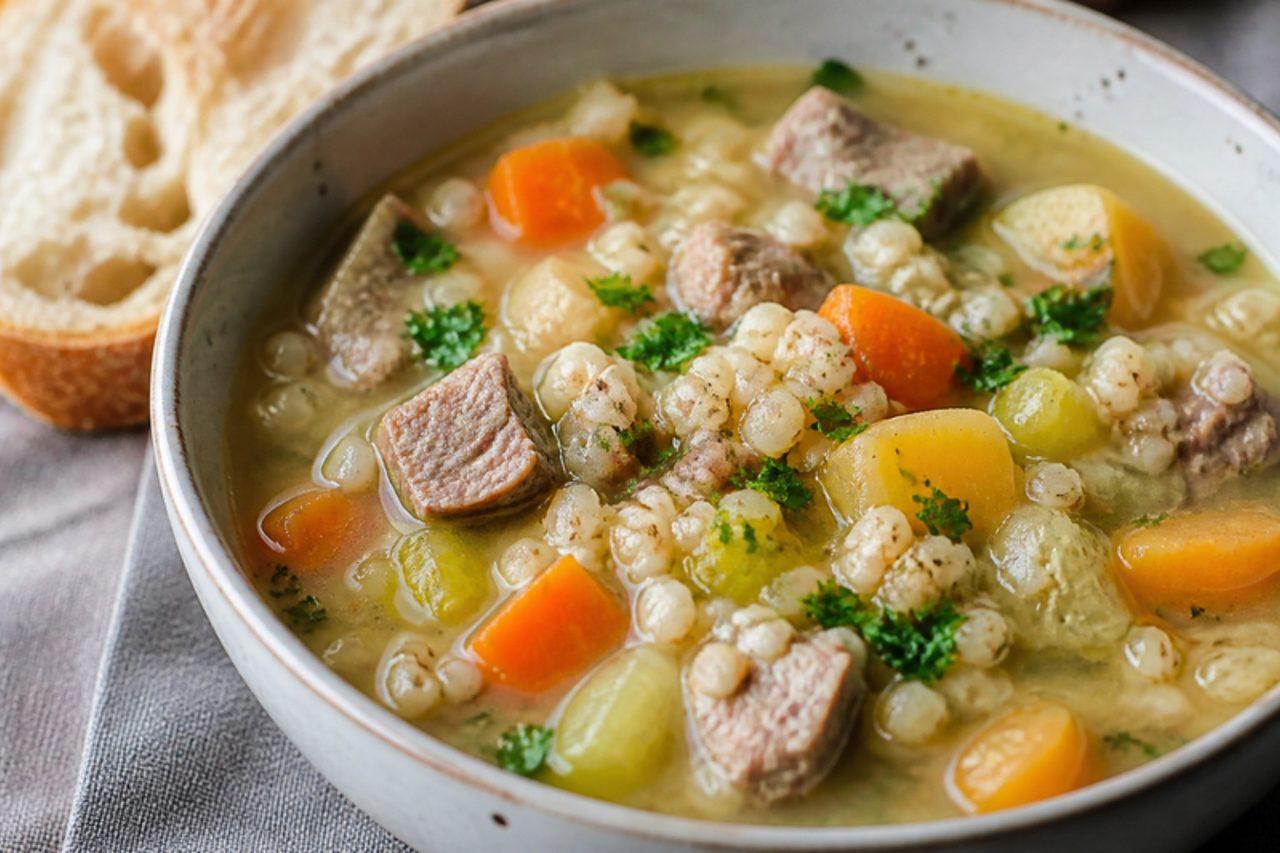
Scotch broth

Every Scottish granny has her own Scotch broth, the thick winter soup that simmers on stoves from the Borders to the Highlands and is often served on Burns Night. Lamb neck on the bone makes a rich stock with pearl barley, dried peas, leek, carrot, turnip and cabbage, and the meat is shredded back into the pot. It is a whole meal with crusty bread. Chef's tip: make it a day ahead; the barley keeps thickening it, and you can lift the solid fat off the top once chilled.

140 minBritishSoups
by KrazyBadal 0 views

Gözleme with spinach and feta

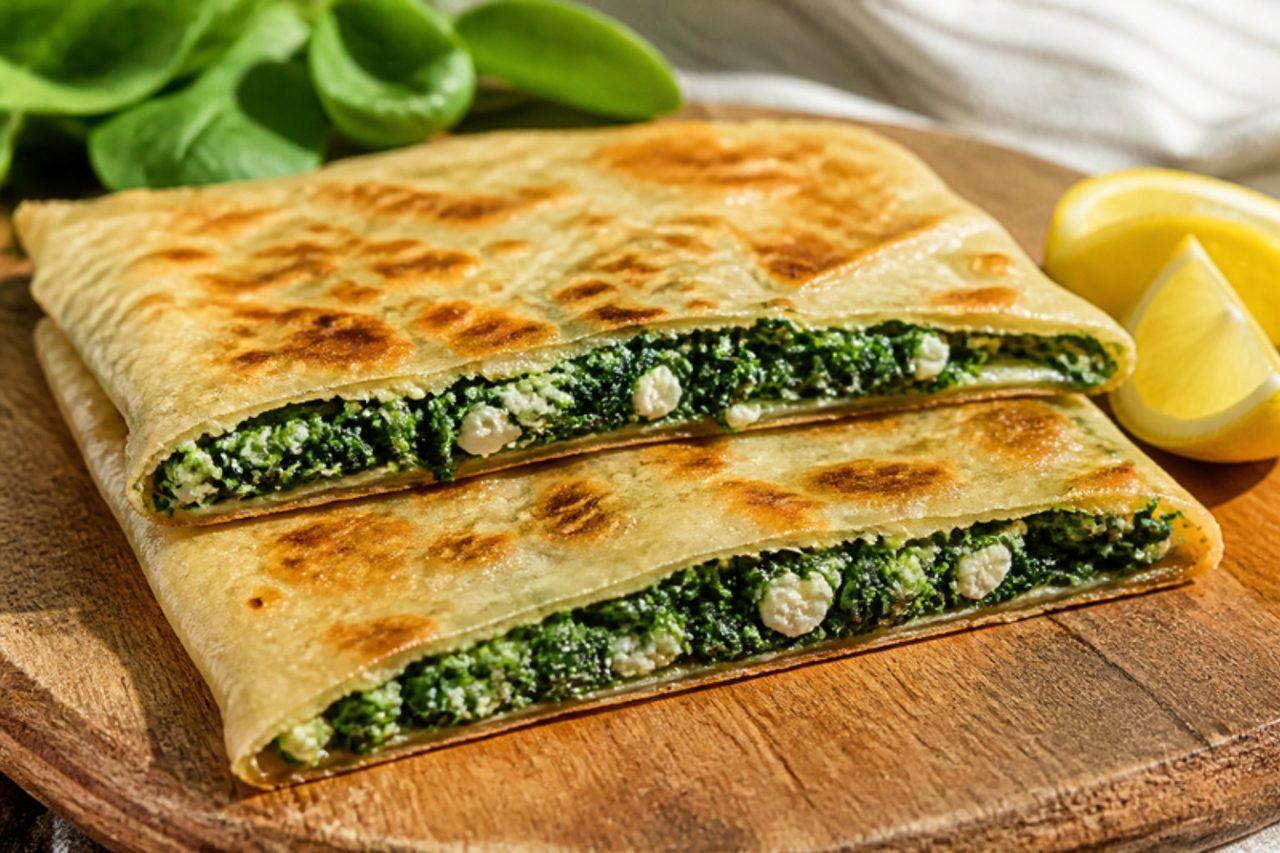
On roadsides and at weekly village markets across central Anatolia, women sit cross-legged by a domed iron griddle (saç), rolling dough paper-thin with a long thin rolling pin (oklava), filling it and cooking it to order. This is gözleme: a soft, blistered parcel of unleavened dough wrapped round spinach and salty white cheese, brushed with butter as it comes off the heat. Eat it hot, folded in paper, with a glass of ayran. A big frying pan or flat griddle at home does the job. Chef's tip: roll the dough so thin you can almost see the worktop through it; thick gözleme tastes doughy and the filling stays cold.

by KrazyBadal 0 views

Showing 45 of 7,762 recipes

Show more recipes

Page 577 of 863