


Skip to content
Shānyào ní (Chinese yam purée)
Featured recipe

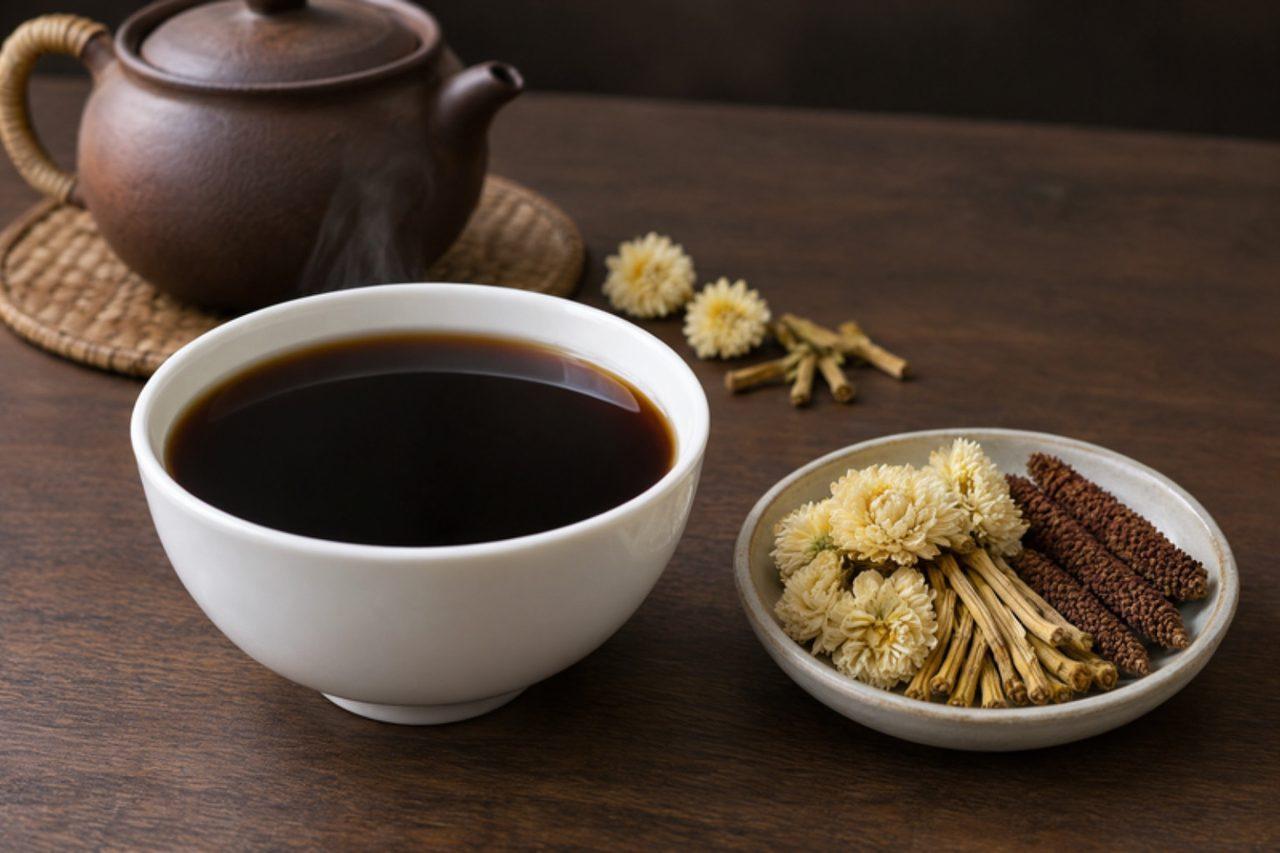
Shānyào ní (Chinese yam purée)

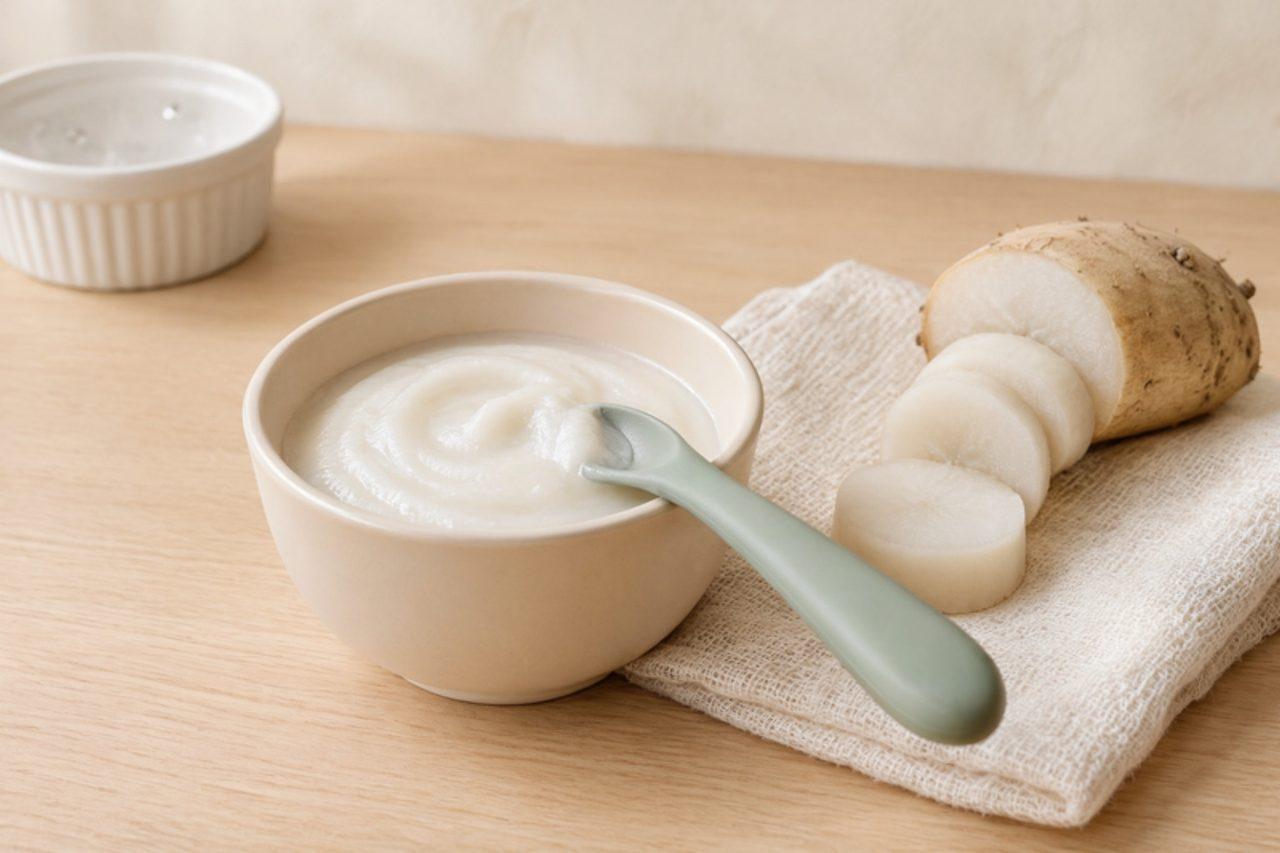
Chinese yam (shānyào, the long, hairy-skinned root sold in bundles in markets from Beijing to Guangzhou) is valued in Chinese homes as easy on the tummy, and steamed shānyào ní is one of the classic first purées offered at six months. Once steamed, the crisp, slippery flesh turns floury and pale, and pressed through a sieve it gives a smooth, slightly sweet, potato-like purée. Nothing else is added: no salt, sugar or honey for babies. It is free of the major allergens. Chef's tip: wear gloves or oil your hands before peeling; the raw sap makes skin itch, but cooking destroys it completely.

Read more 0 views

What to eat today?

Around the world

Today's trip: Paraguayan

A new country every day, from every cuisine on the site.

Paraguayan

Chipa

Cheese bread rings 50 minMore from Paraguayan (27) →

This week's collection

Kid-friendly dinners
537 recipes · a new collection every Monday

Latest recipes

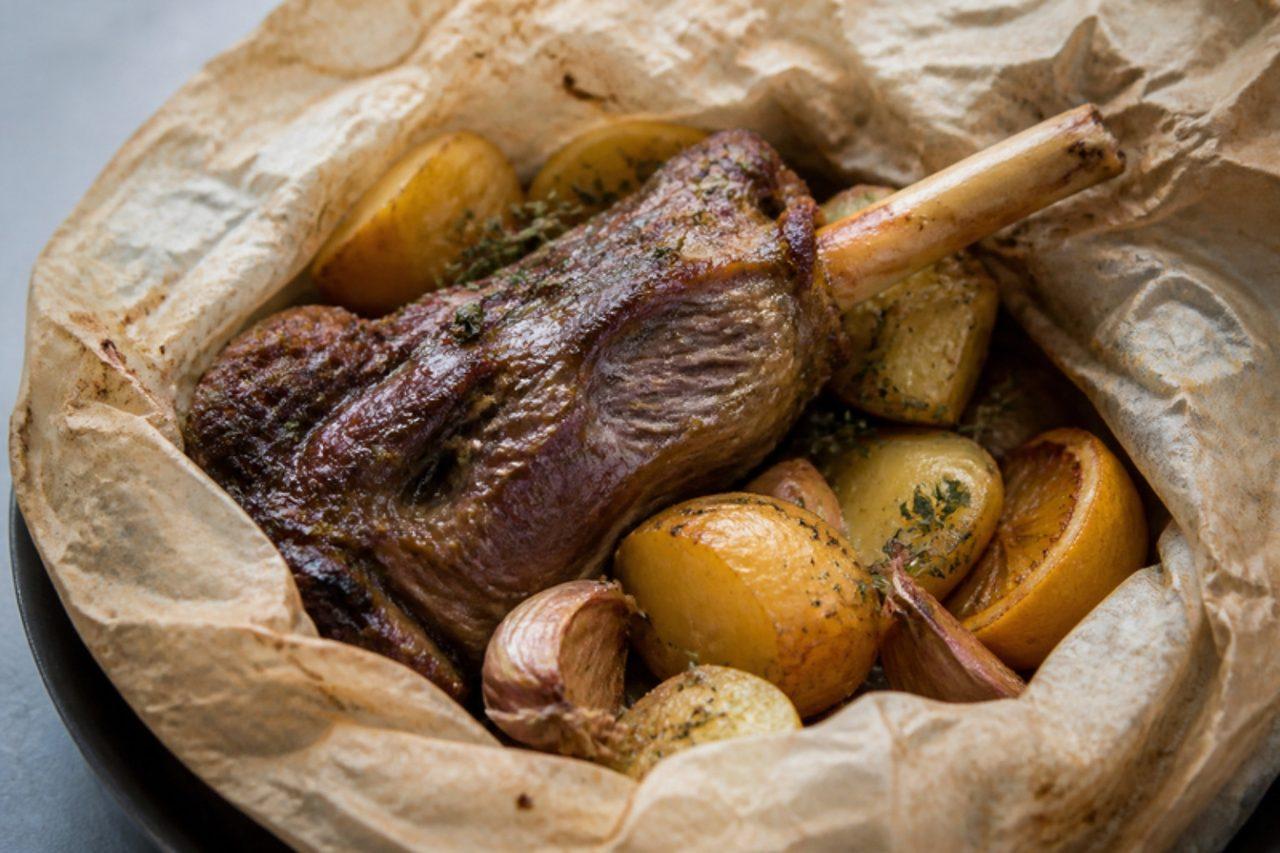
Lamb kleftiko

Kleftiko takes its name from the klephts, mountain fighters of the Peloponnese who were said to cook stolen lamb in sealed pits so no smoke gave them away. Today it is a celebration dish across mainland Greece and Cyprus, baked for Easter week and name days. Lamb on the bone is sealed in parchment with potatoes, garlic, lemon and herbs and baked low for hours, so it steams in its own juices until it falls from the bone. Serve with a village salad and bread. Chef's tip: seal the parcel tightly; if steam escapes, the meat dries and the potatoes never soak up the juices.

235 minGreekMeatGluten free
by KrazyBadal 0 views

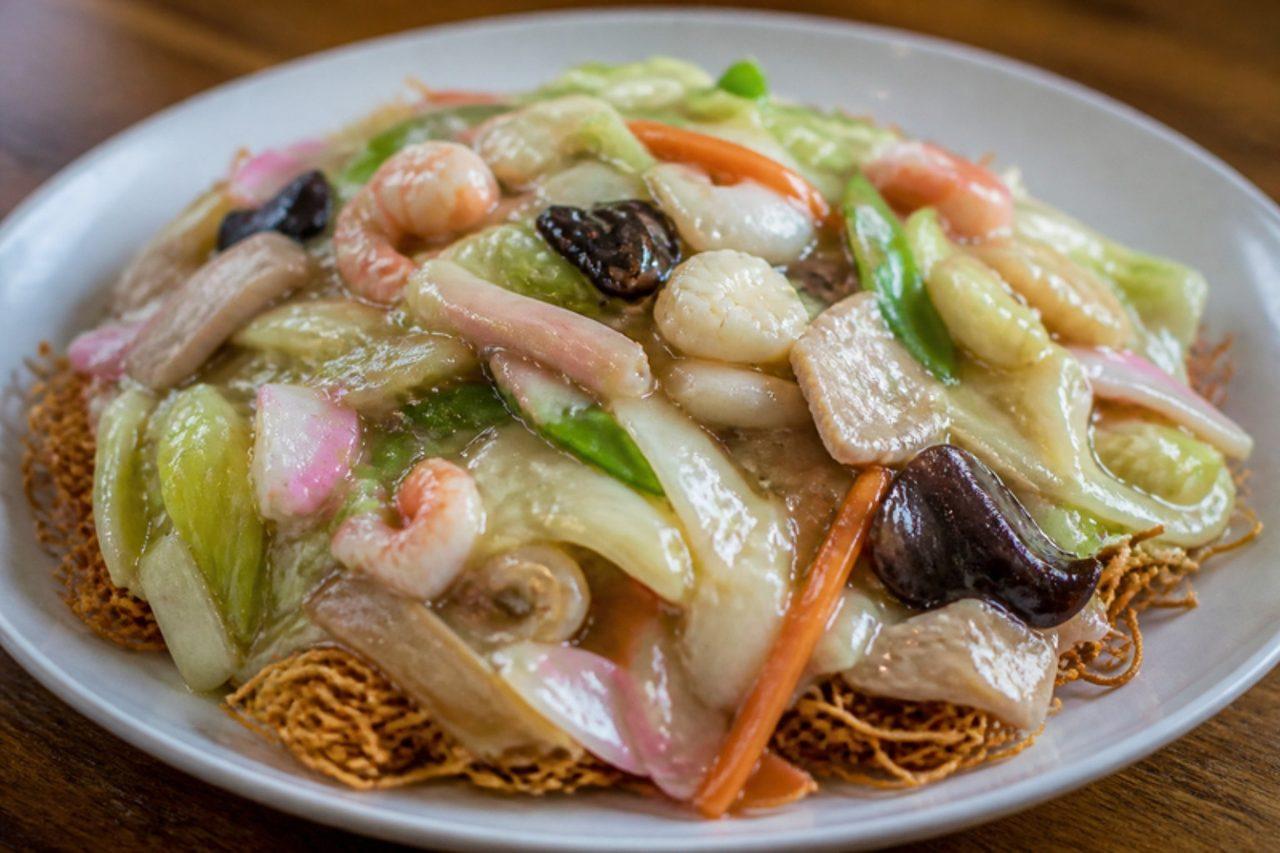
Sara udonCrispy noodles with seafood sauce

Nagasaki's second famous noodle dish uses the same toppings as champon but turns them into a thick sauce poured over a plate of crunchy fried noodles. The name means plate udon, though the classic noodles are very thin and fried crisp. In Nagasaki homes it is a quick weekend lunch and a standard dish at family gatherings, and supermarkets there sell the fried noodle nests ready to use. People splash it with Worcestershire sauce at the table, and a dab of hot mustard is common too. Chef's tip: pour the sauce over at the very last moment and let the noodles soften slowly as you eat, so you get crisp and soft in every mouthful.

by KrazyBadal 0 views

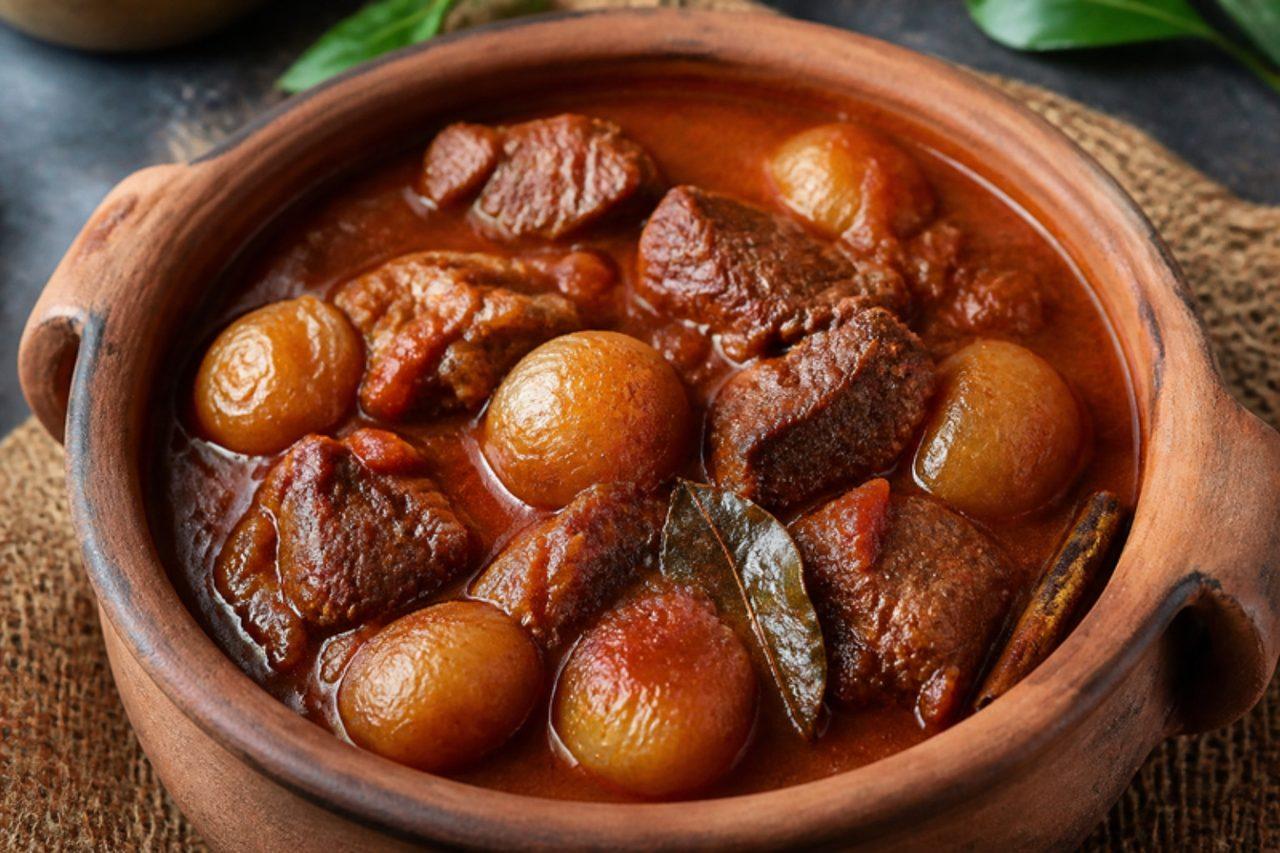
Beef stifado

Stifado is the Sunday stew of Greek home cooks, especially in winter, and on islands like Corfu and Crete it fills village tavernas long before lunch. Chunks of beef braise slowly with a mountain of whole small onions, tomato, cinnamon, cloves and bay until the onions turn sweet and jammy. Traditionally red wine and red wine vinegar go in; this recipe uses wine, but you can swap it for the same amount of beef stock plus an extra tablespoon of vinegar and lose nothing important. Serve with crusty bread, rice or orzo. Chef's tip: use as many onions by weight as meat; the onions are the point of the dish, not a garnish.

175 minGreekMeatGluten free
by KrazyBadal 0 views

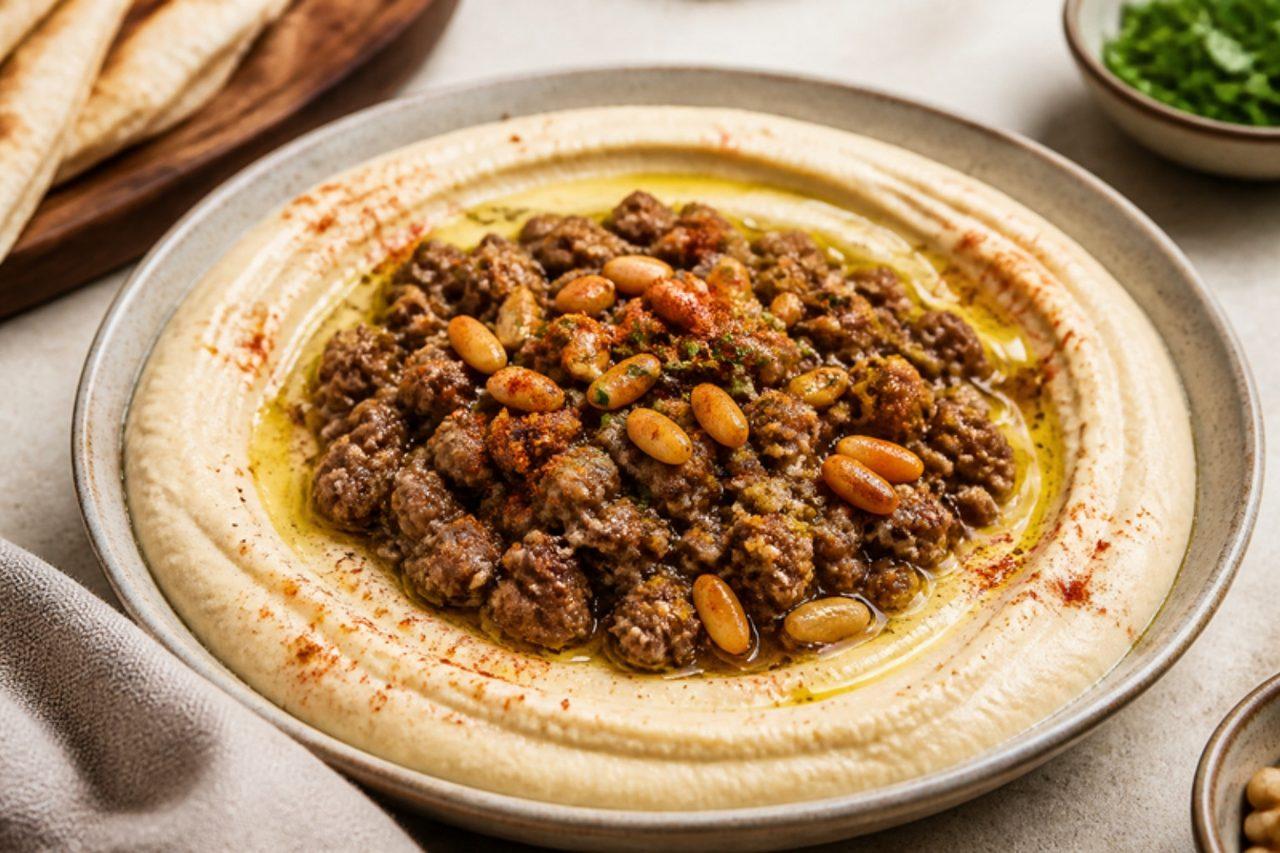
Hummus with spiced lamb

In Beirut and across Lebanon, a plain bowl of hummus becomes a meal when the cook pours sizzling minced lamb and pine nuts over it straight from the pan. You find it on the mezze table at long Sunday lunches and in neighbourhood breakfast shops, eaten with warm bread, raw onion, mint and pickles. The contrast is the thing: cool, creamy chickpeas and hot, crisp-edged, spiced meat. Chef's tip: peel the warm chickpeas by rubbing them in a tea towel; it takes 5 minutes and makes the hummus really silky.

by KrazyBadal 0 views

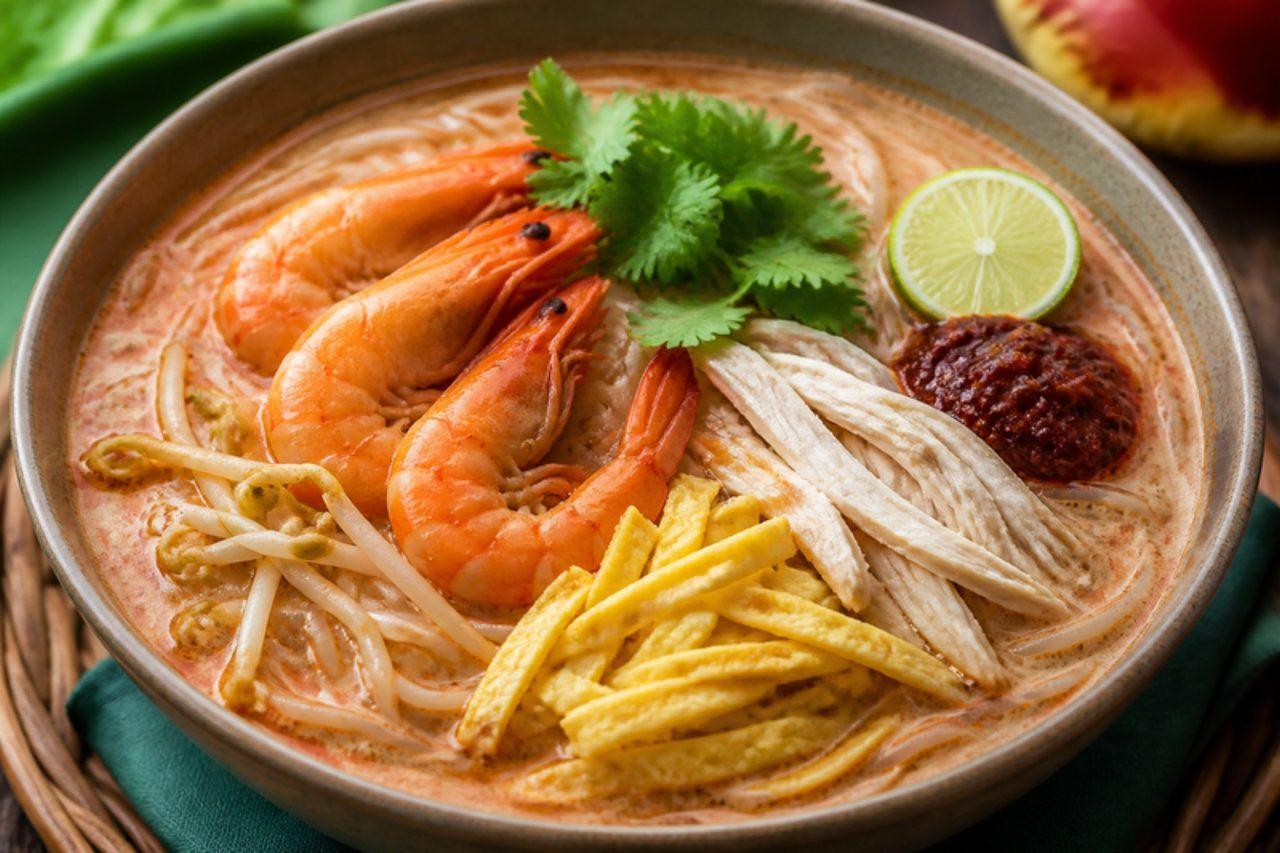
Sarawak laksaSpicy coconut noodle soup

Kuching wakes up to laksa Sarawak, ordered at coffee shops before work and reaching its peak on a lazy Sunday morning. It looks nothing like curry laksa: the broth is a russet, gently creamy soup built on a complex paste of chillies, shallots, galangal, toasted sesame, peanuts and warm whole spices, cooked into a chicken and prawn-shell stock with tamarind and a little coconut milk. Thin rice vermicelli is topped with shredded chicken, whole prawns, ribbons of omelette and bean sprouts, and every bowl comes with lime and a dab of sambal belacan. The work is in the paste, which keeps well and makes several batches. Chef's tip: toast the spices, sesame seeds and peanuts separately in a dry pan before grinding; it gives the broth its deep, roasted aroma.

by KrazyBadal 0 views

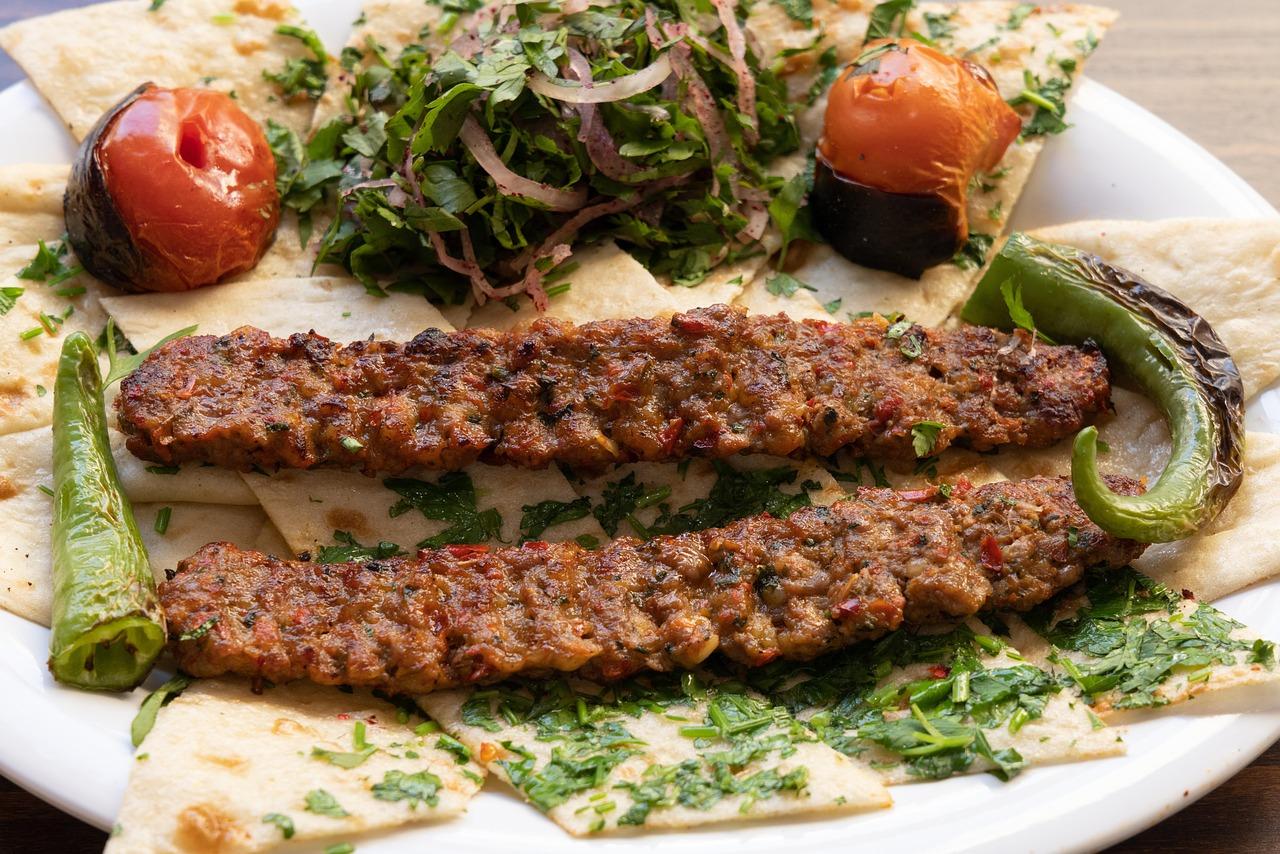
Adana kebab

In Adana, on the hot Çukurova plain in southern Turkey, this is the kebab of the ocakbaşı, the grill-side counters where the cook presses fatty lamb mince onto broad flat skewers and sets them over glowing coals. It is meant to be fiery with red pepper flakes, juicy from the lamb fat and wrapped in thin lavash with sumac-dusted onions, parsley and blistered peppers. Make it for a summer barbecue, or under a very hot oven grill on a weeknight. Chef's tip: knead the mince with wet hands for a full 5 minutes until it turns sticky; that is what holds it on the skewer.

by KrazyBadal 0 views

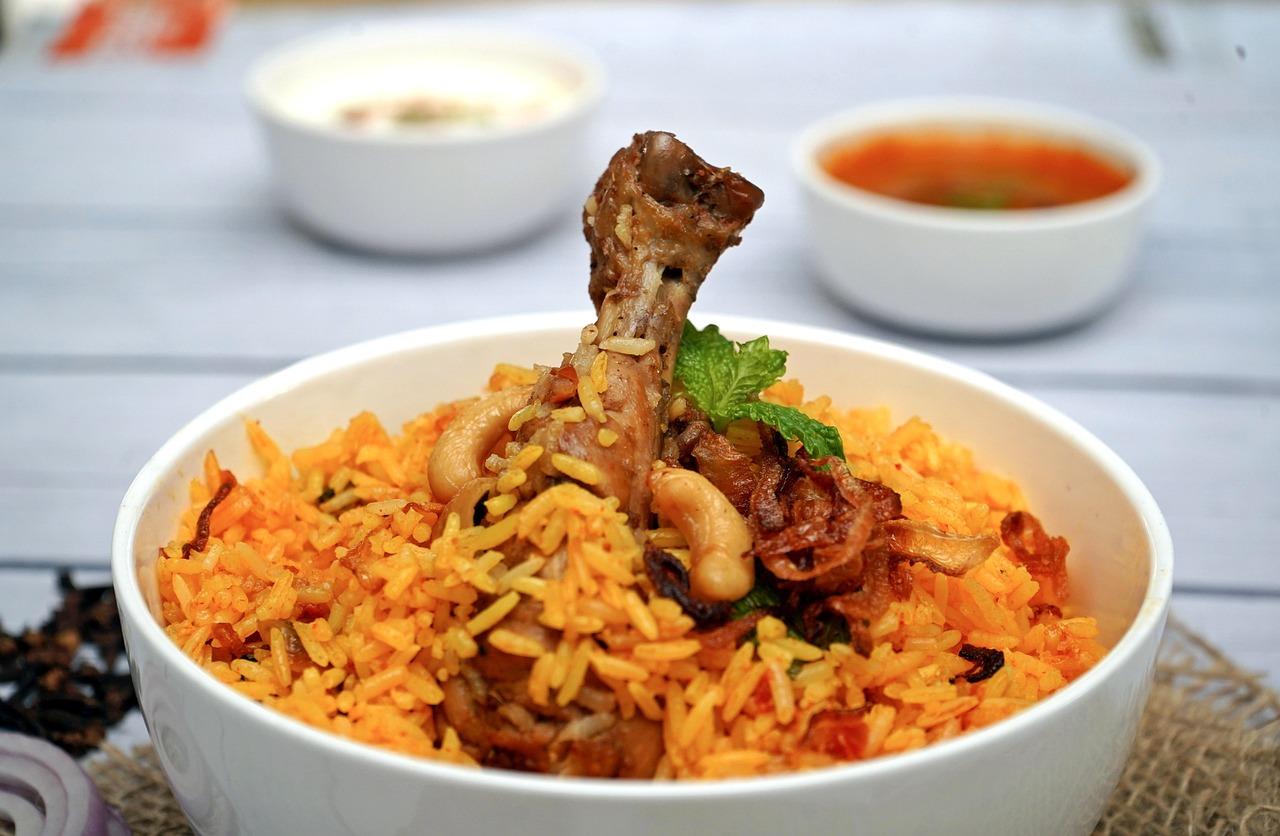
Hyderabadi chicken dum biryani

Hyderabad's biryani grew up in the kitchens of the Nizams, and the kacchi style is its proudest form: the chicken goes into the pot raw, in a thick yogurt, mint and fried-onion marinade, and cooks only in the steam trapped under part-cooked basmati. In the old city it is wedding and Eid food, ordered in huge copper deghs, and at home it's the Sunday showpiece, served with mirchi ka salan and a cooling raita. Because the meat cooks without being stirred, small bone-in thigh and drumstick pieces work best. Chef's tip: marinate overnight in the fridge — the yogurt tenderises the chicken and the flavours go right to the bone.

by KrazyBadal 1 views

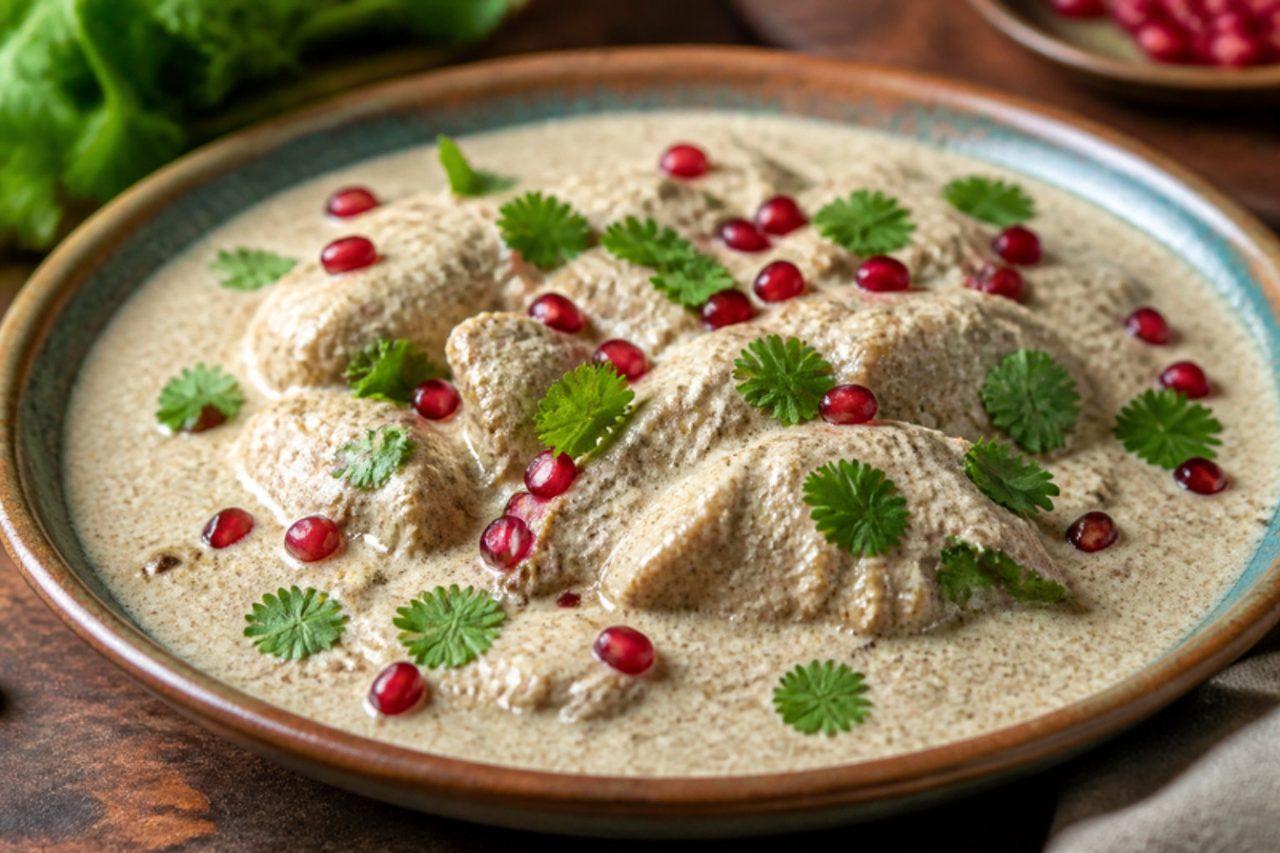
SatsiviChicken in cold walnut sauce

Satsivi is a dish of the Georgian New Year table, prepared in homes across western Georgia, Imereti and Samegrelo, a day ahead so it can be served cold at the long supra feast on 1 January. Poached chicken is covered in a thick, ivory walnut sauce scented with garlic, fenugreek, coriander and marigold petals and sharpened with vinegar. It is rich and fragrant, eaten with cornbread (mchadi) or fresh bread. Chef's tip: blend the walnuts with a little warm stock until they release their oil; this gives the sauce its silky texture.

by KrazyBadal 0 views

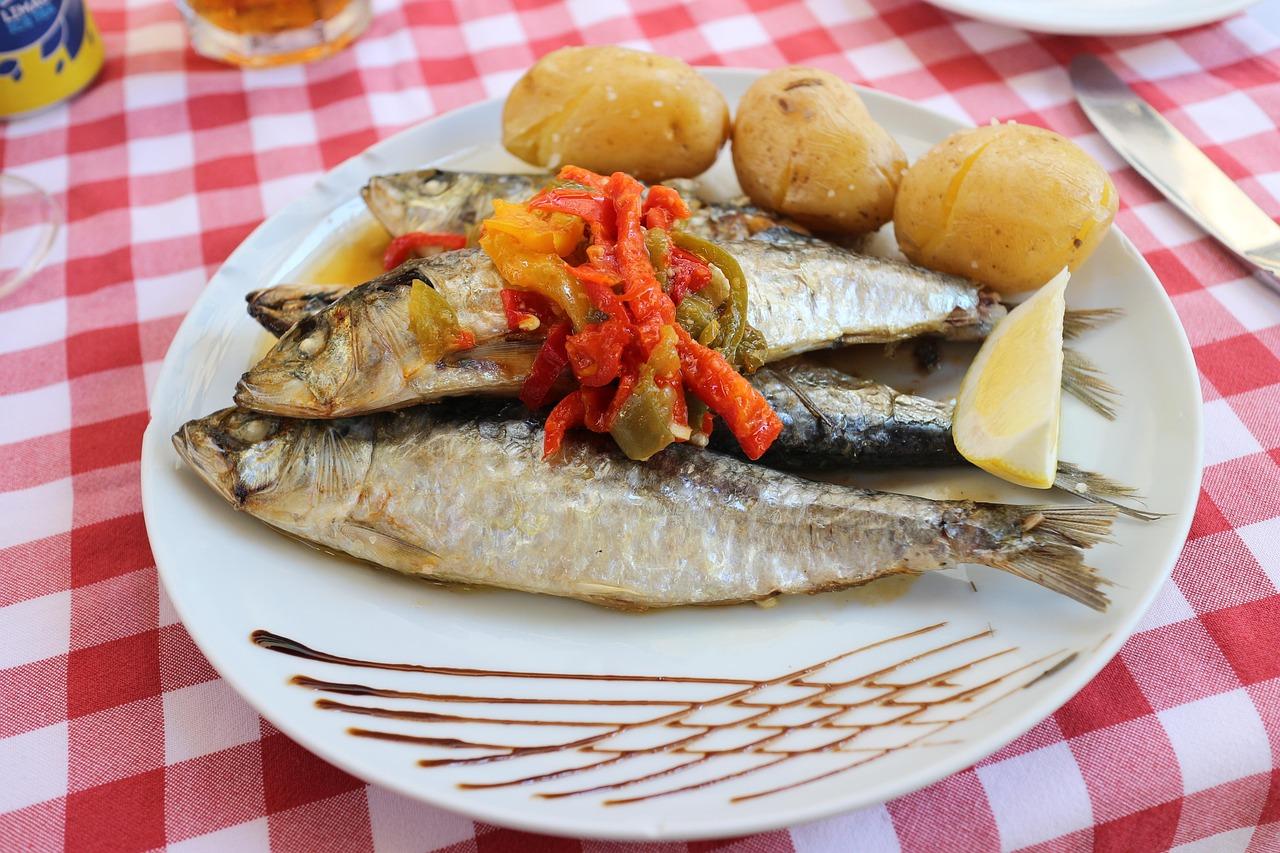
Sardinhas assadasGrilled sardines

In June the steep lanes of Alfama and Mouraria fill with smoke during the Santos Populares, Lisbon's street festivals for Saint Anthony, and almost every grill is loaded with sardines. They are salted, grilled whole over charcoal until the skin blisters, and laid on a thick slice of country bread that soaks up their juices. Add roasted green peppers and a salad of tomato and onion, and that is the whole feast. Chef's tip: salt the sardines with coarse salt 30 minutes before grilling and keep them chilled; the salt firms the skin so it doesn't stick to the grill.

by KrazyBadal 0 views

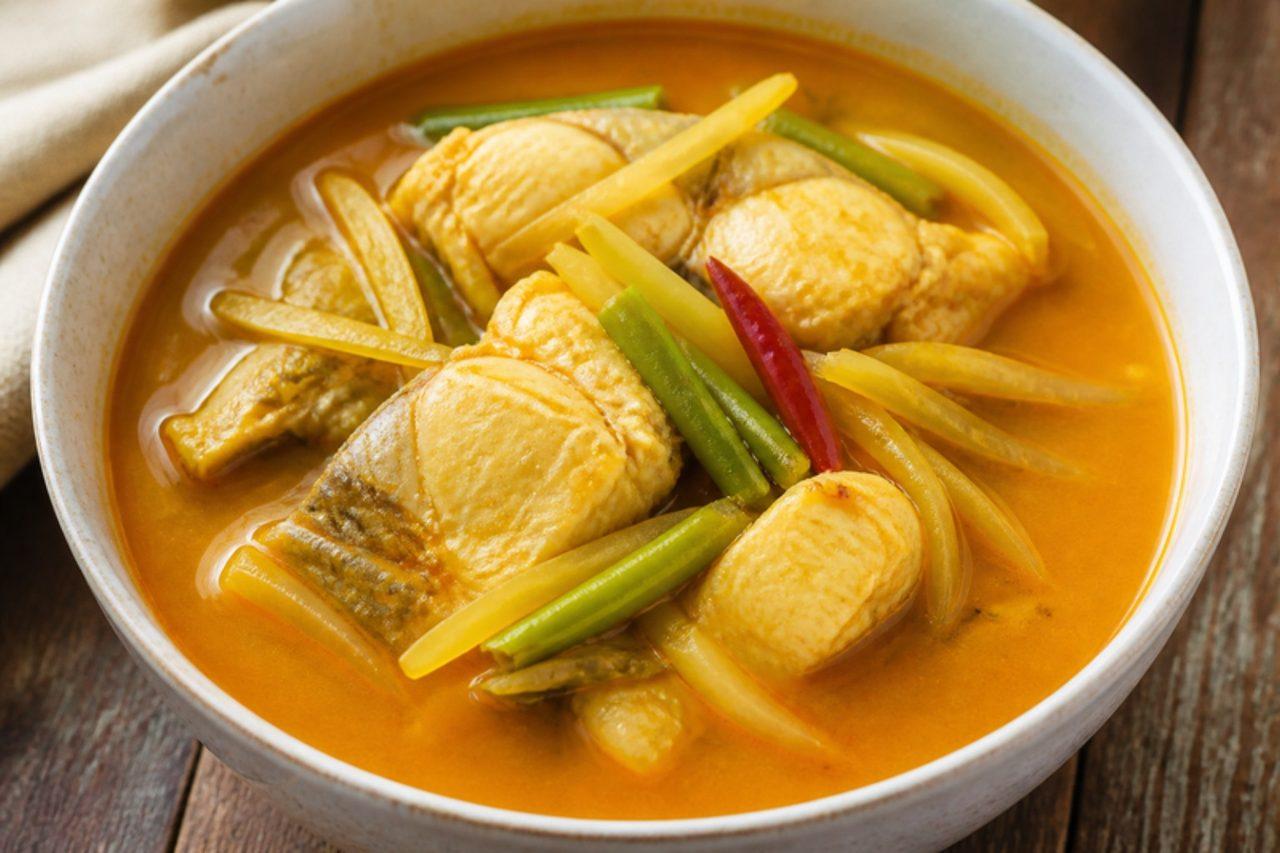
Gaeng som plaSour fish curry

Down the Andaman coast and in Surat Thani and Nakhon Si Thammarat, this is everyday home food, the curry that turns up at lunch alongside rice, fried egg and a plate of raw vegetables. It is thin, brothy and startlingly bright: fresh turmeric turns it orange, tamarind makes it sour, and a pounded paste of chillies and shrimp paste gives it real heat, all without any coconut milk. Chunks of firm white fish poach gently in the soup with green papaya and long beans. Eat it with plenty of jasmine rice to soak up the broth. Chef's tip: pound a little of the poached fish into the curry paste; it thickens the broth slightly and makes it taste of the sea.

by KrazyBadal 0 views

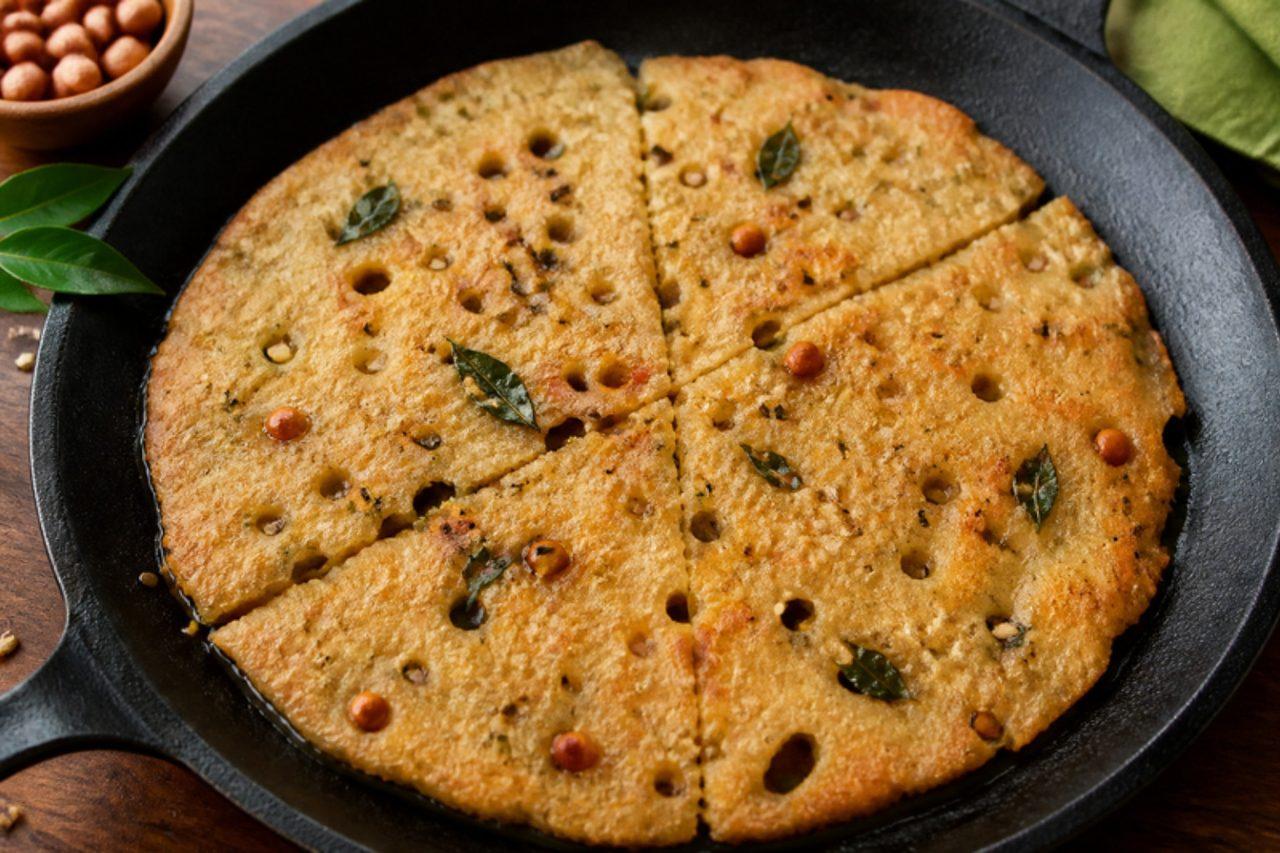
Sarva pindiRice flour and peanut flatbread

Sarva pindi, also called ginne appa or tapala chekka, is a thick, crisp rice-flour bread from rural Telangana, pressed by hand into a heavy pan, studded with holes and baked slowly in oil until the base is golden and crunchy. The dough is full of soaked chana dal, peanuts, sesame, green chilli, curry leaves and coriander, so every bite is savoury and nutty. It is the snack that waits on the stove when children come home from school, and a favourite for Sankranti and long train journeys because it keeps well. Chef's tip: press the dough into a cold pan, not a hot one; it spreads evenly and the holes stay open as it heats.

by KrazyBadal 0 views

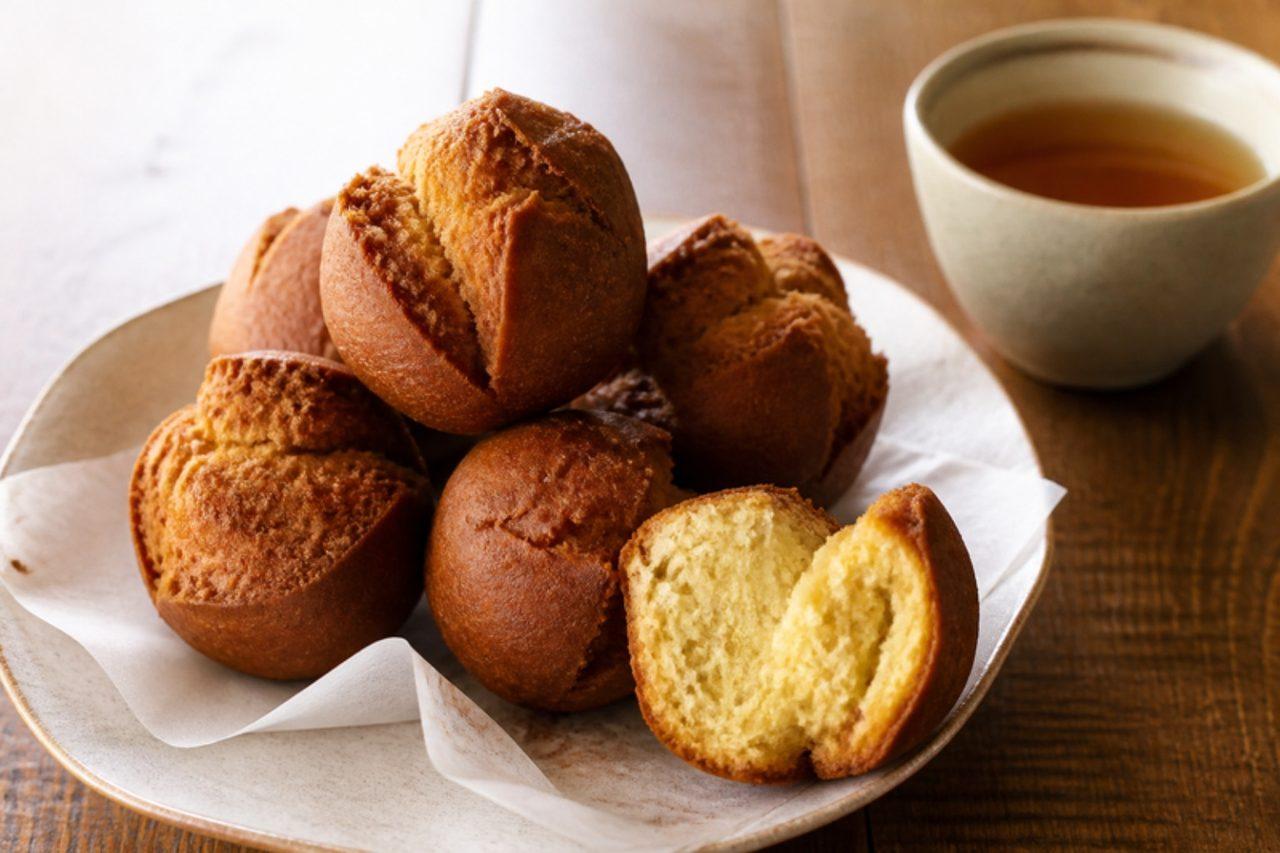
Sata andagiOkinawan doughnuts

In the Okinawan language, sata andagi simply means 'sugar deep-fried'. These round doughnuts came from Chinese sweets brought to the old Ryukyu kingdom and have been a family treat on the islands for centuries, made for celebrations and sold warm in paper bags at Naha's Makishi market. They are dense and cakey inside with a thick, crunchy crust, and as they fry they split open into a shape Okinawans call a smile, a sign of good luck. Okinawa's dark kokuto sugar gives them a caramel flavour; brown sugar works too. Chef's tip: fry in oil that is only warm, about 150°C. Slow frying lets the balls cook through and crack open, while hot oil seals them shut and leaves the middle raw.

by KrazyBadal 0 views

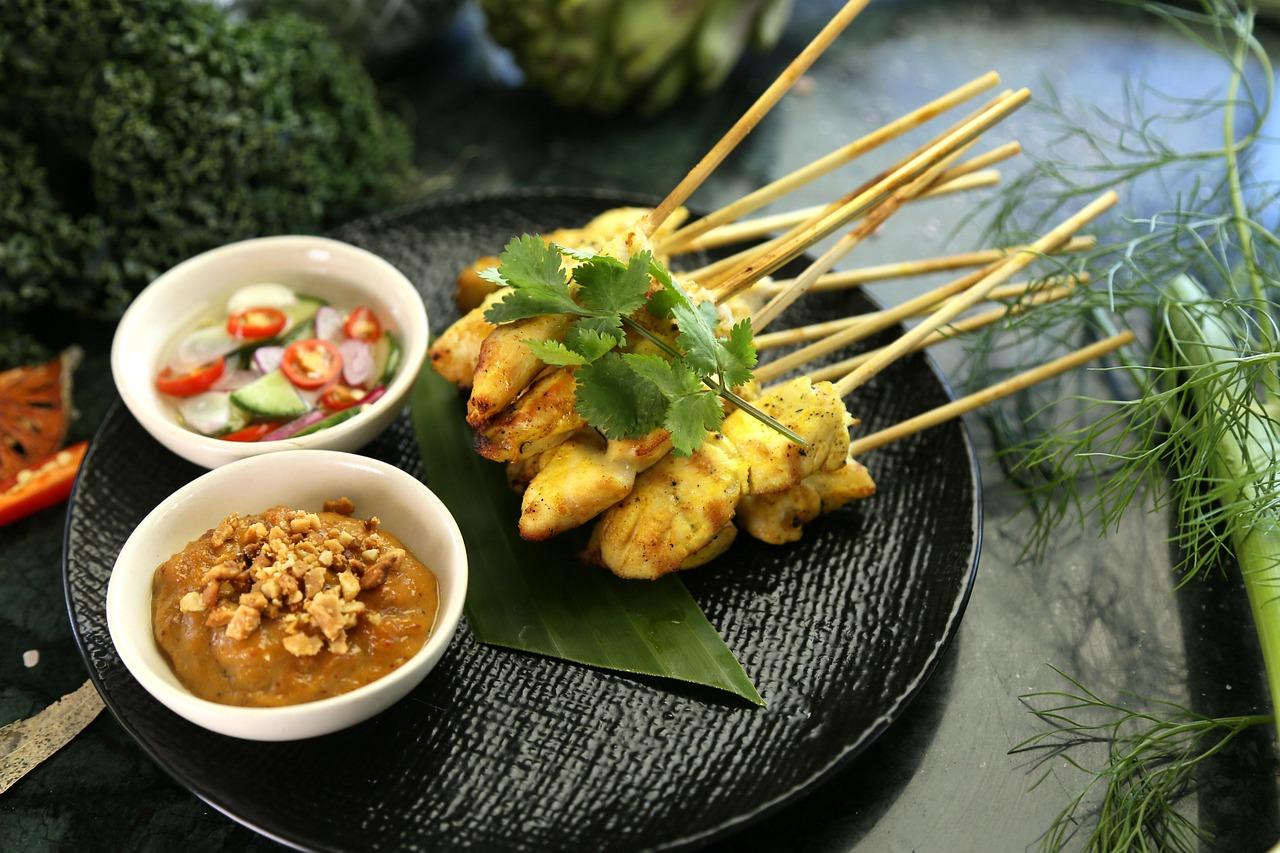
Satay (Kajang)Chicken satay

The town of Kajang, just south of Kuala Lumpur, built its name on satay, and evenings there still smell of lemongrass smoke drifting from long charcoal troughs. Kajang skewers are cut in larger chunks than most, soaked in a yellow marinade of turmeric, lemongrass, cumin and fennel, and grilled while being basted with oil brushed on through a lemongrass stalk. They come with a chunky, sweet-spicy peanut sauce, cubes of compressed rice (nasi impit), raw onion and cucumber. Order them by the dozen with friends as a starter or a whole supper. Chef's tip: thread a small piece of chicken skin or fat between the meat on each skewer; it melts over the coals and keeps the satay juicy.

by KrazyBadal 0 views

Sate lilitMinced fish skewers

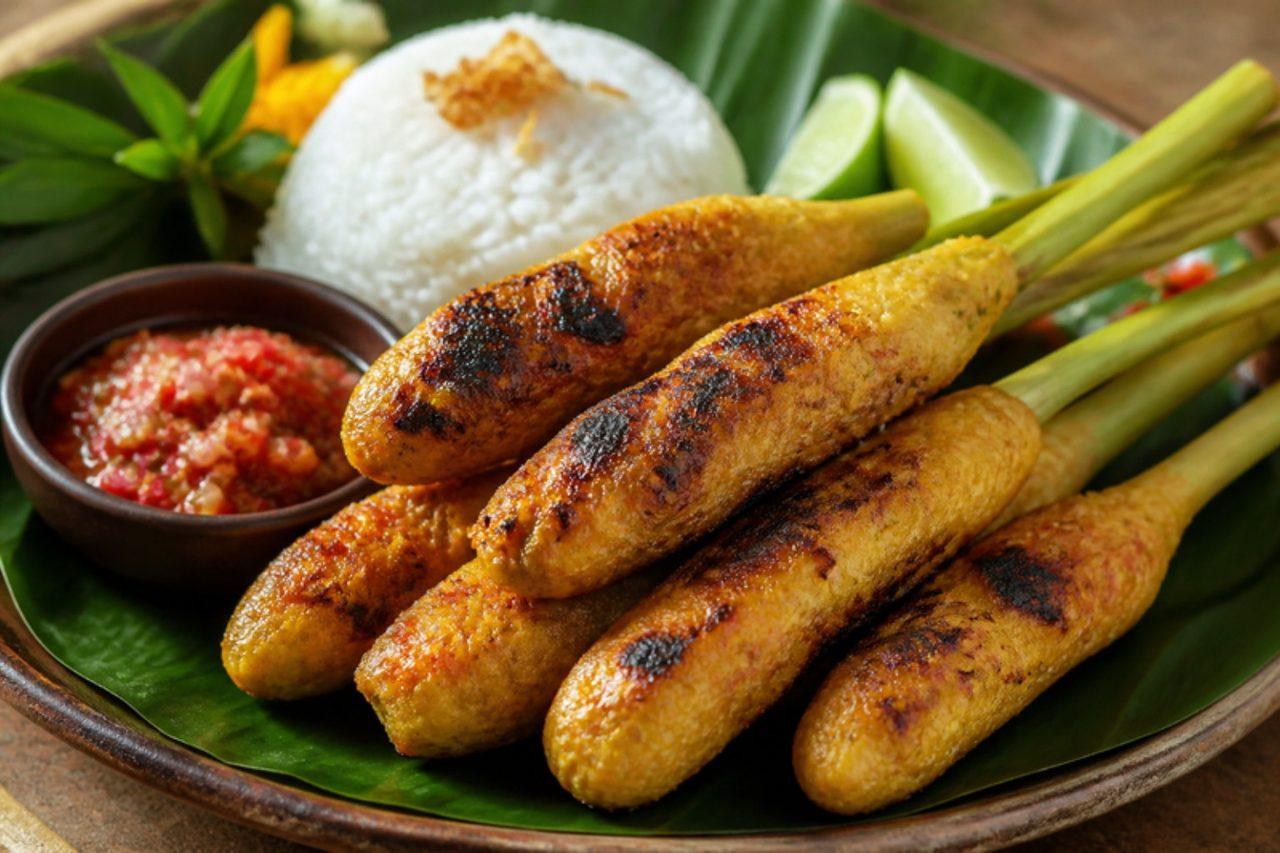
When a Balinese village gets ready for a temple festival, the men gather the night before to chop, pound and mix sate lilit, while the women prepare the offerings. 'Lilit' means to wrap: instead of threaded chunks, a soft mixture of minced fish, grated coconut and base genep spice paste is moulded around lemongrass stalks or flat bamboo sticks and grilled over coconut-husk embers. The result is tender and lightly springy inside, browned and smoky outside, with the lemongrass perfuming every bite. Eat them hot with rice, sambal matah and a wedge of lime. Chef's tip: knead the mixture firmly until it feels sticky and chill it before shaping, or it will slide off the sticks on the grill.

by KrazyBadal 0 views

Sate PadangBeef skewers in spiced sauce

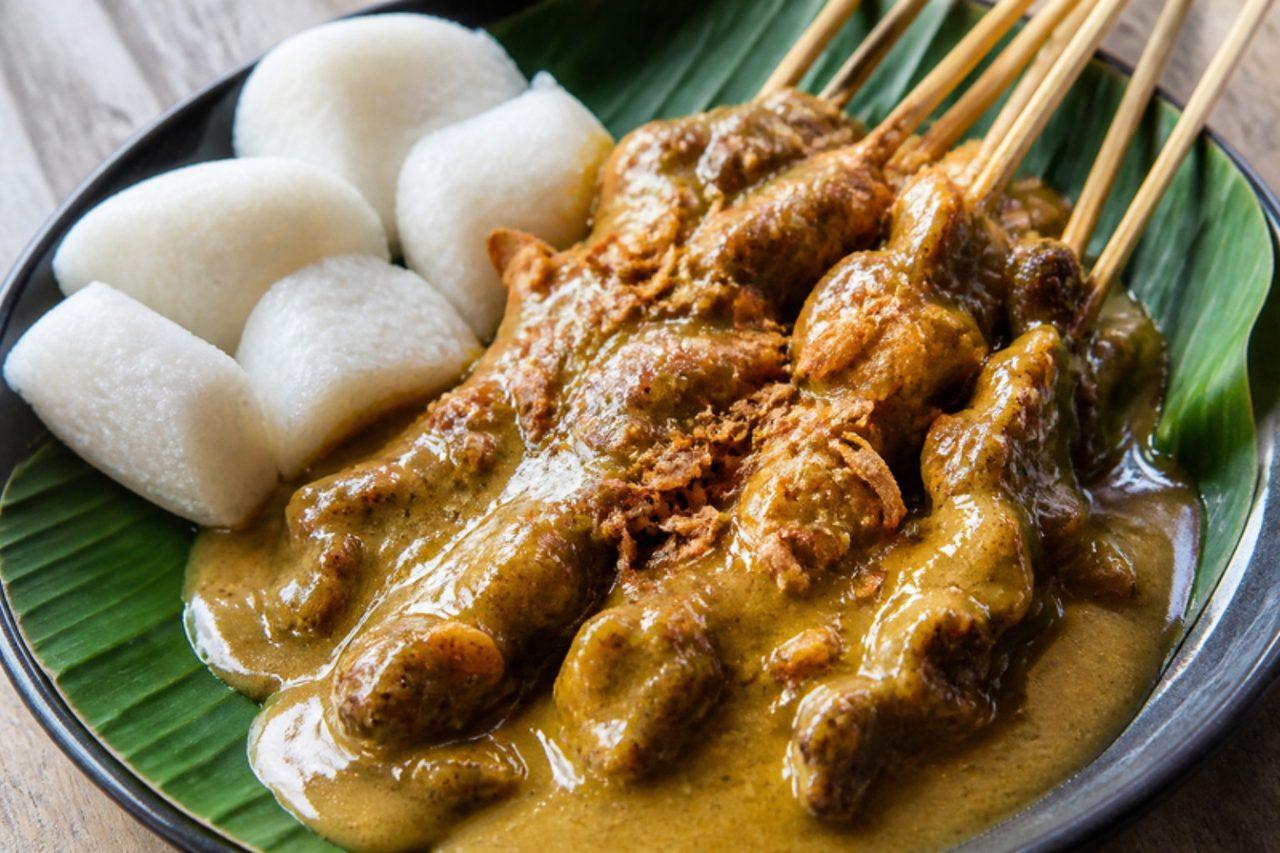
Night-time in Padang and Bukittinggi brings out the sate carts, fanning charcoal under skewers of beef that were already simmered tender in spices before they ever met the grill. That two-stage cooking is what sets West Sumatra's satay apart, and so is the sauce: no peanuts at all, but the spiced cooking broth thickened with rice flour into a smooth, glossy, turmeric-yellow gravy with plenty of chilli and ginger. It is ladled generously over the skewers and over slices of ketupat rice cake on a banana leaf, then finished with fried shallots and a crisp cracker. Chef's tip: keep the cooking broth; it's the base of the sauce, and the deeper it tastes, the better your sate.

by KrazyBadal 0 views

Bucatini all'amatriciana

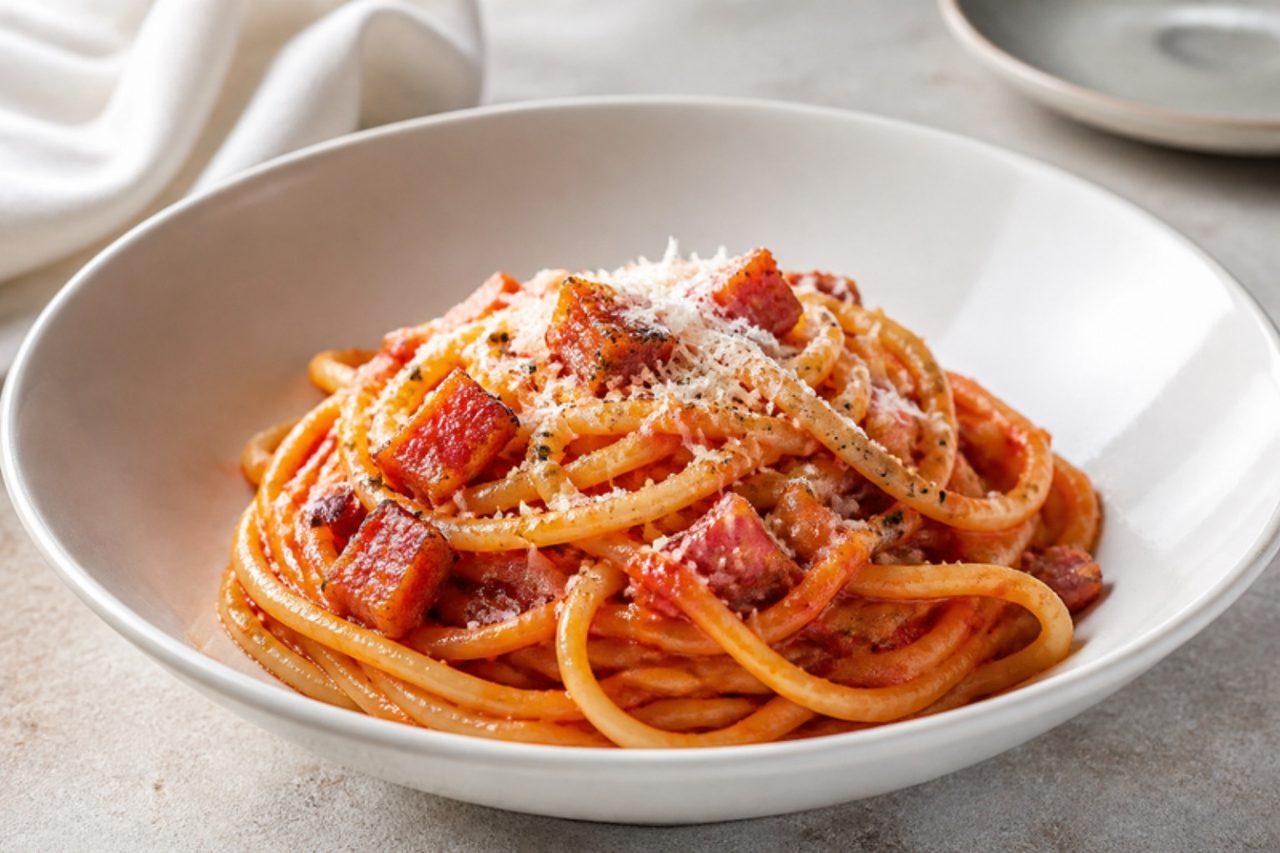
Shepherds from Amatrice, a mountain town in northern Lazio, carried guanciale and pecorino up to summer pastures, and once tomatoes arrived from the south the sauce took the shape it has kept ever since. The town still holds a sagra every August, and the dish became a Roman staple through the cooks who moved to the capital. Thick, hollow bucatini catch the sweet-sharp tomato inside and out, while the guanciale gives rich, porky pockets and the chilli a gentle warmth. Locals are firm that onion and garlic do not belong in it; they soften the clean taste of the pork. Chef's tip: lift the browned guanciale out of the pan before the tomatoes go in and return it just before serving, so it keeps its bite instead of turning soft in the sauce.

by KrazyBadal 0 views

Spaghetti alla carbonara

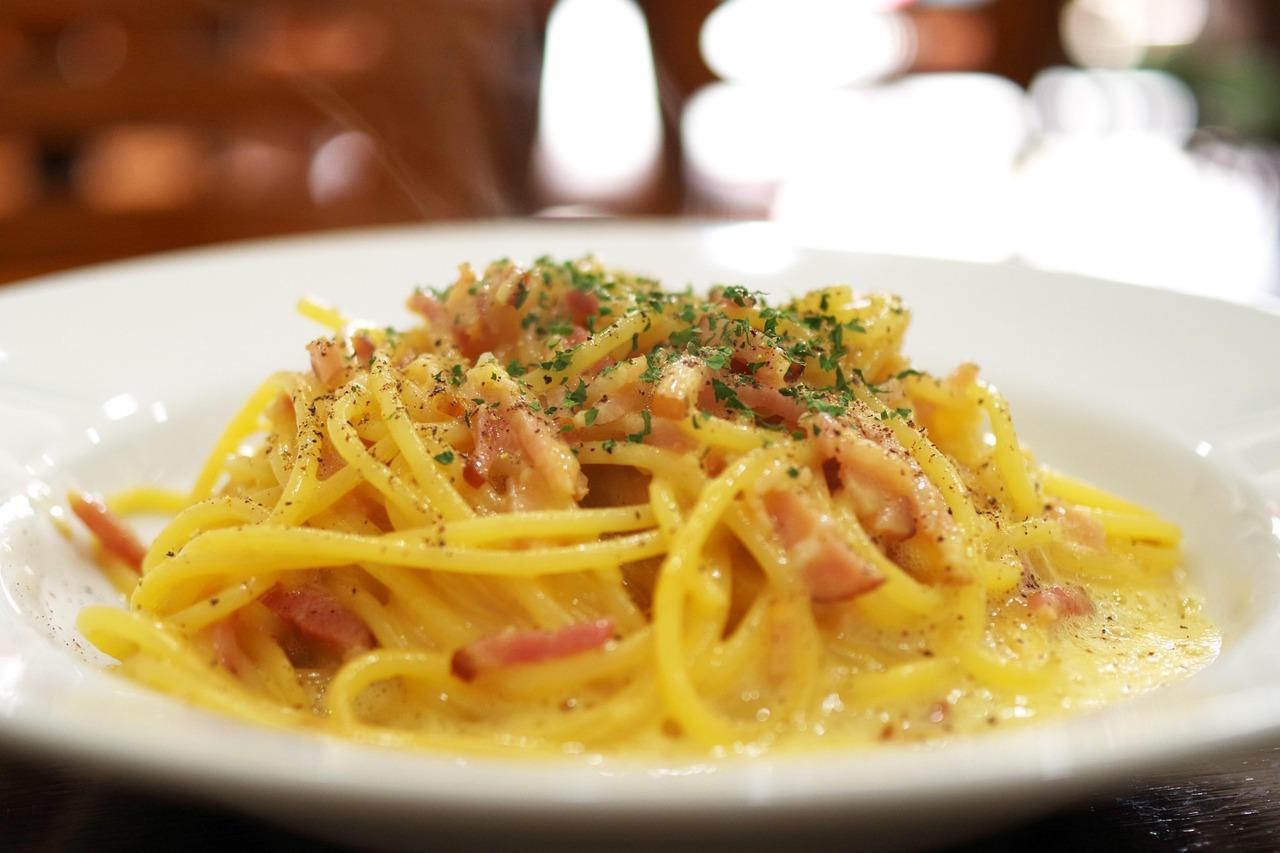
Roman trattorie from Testaccio to Trastevere serve carbonara at lunch to people who would be scandalised by a drop of cream: the gloss comes only from egg yolk, sharp pecorino romano, rendered guanciale fat and starchy pasta water. Made well, it coats each strand in a golden, peppery custard that just holds together, with crisp-edged nuggets of cured pork through it. It needs nothing alongside but a green salad dressed with lemon, eaten after the pasta as Romans do. Because the eggs are only warmed through, use pasteurised eggs if you are cooking for anyone pregnant, very young, older or otherwise vulnerable. Chef's tip: use mostly yolks and only a couple of whole eggs; whites set first and turn grainy, while yolks give that silky, deep yellow sauce.

by KrazyBadal 0 views

SattiChicken skewers in spicy sauce

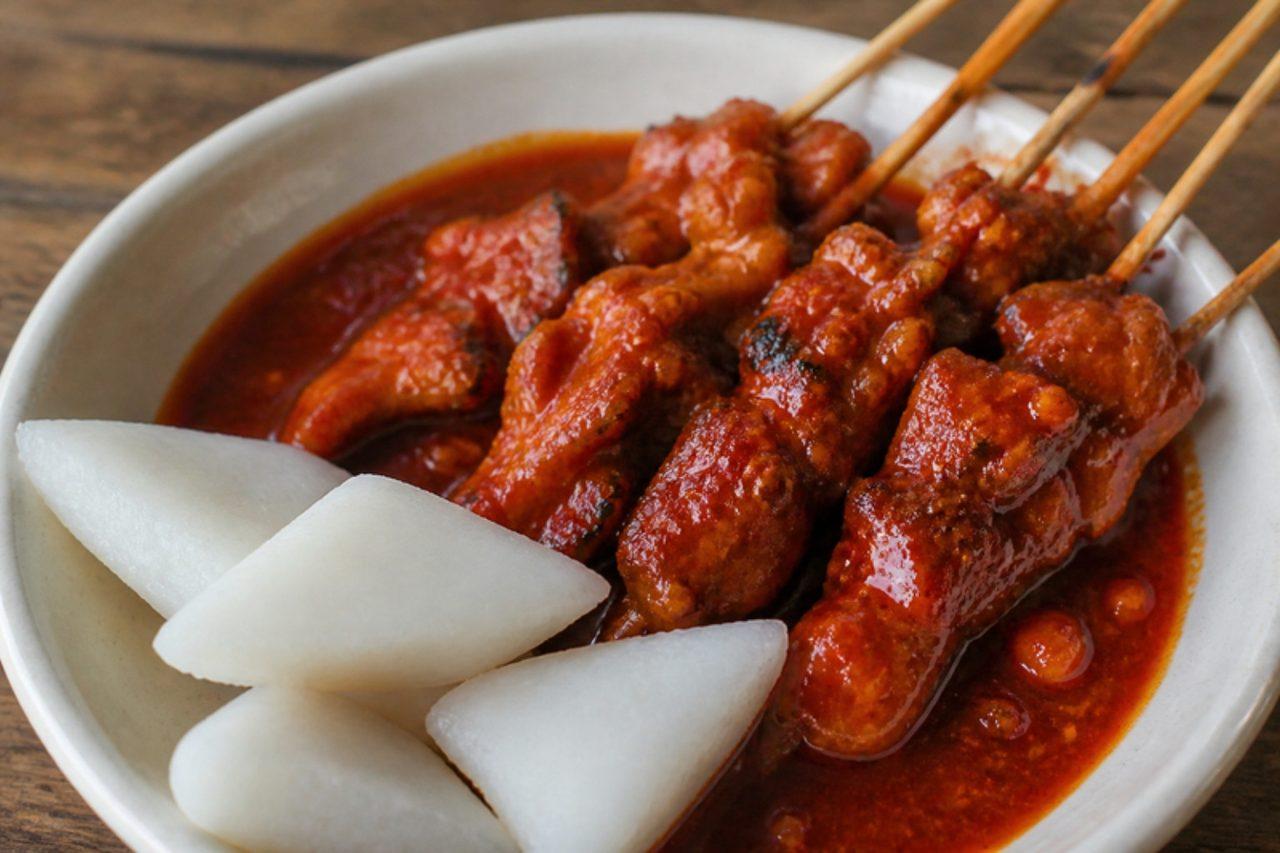
Satti is how Zamboanga City starts the day: small skewers of grilled chicken or beef, smoky from charcoal, drowned in a thin, spicy, slightly sweet red sauce and eaten with ta'mu, little rice cakes cooked in woven palm-leaf pouches. Satti houses near the port open before sunrise and are busiest on weekend mornings. It is a cousin of Malaysian and Indonesian satay, but the sauce is runnier and spiced with chilli and a little peanut. Pressed rice cubes or plain rice stand in well for ta'mu at home. Chef's tip: thread the chicken in small, flat pieces and close together; they cook fast and stay juicy before the outside dries.

by KrazyBadal 0 views

Showing 18 of 7,762 recipes

Show more recipes

Page 578 of 863