


Skip to content
Doi chira
Featured recipe

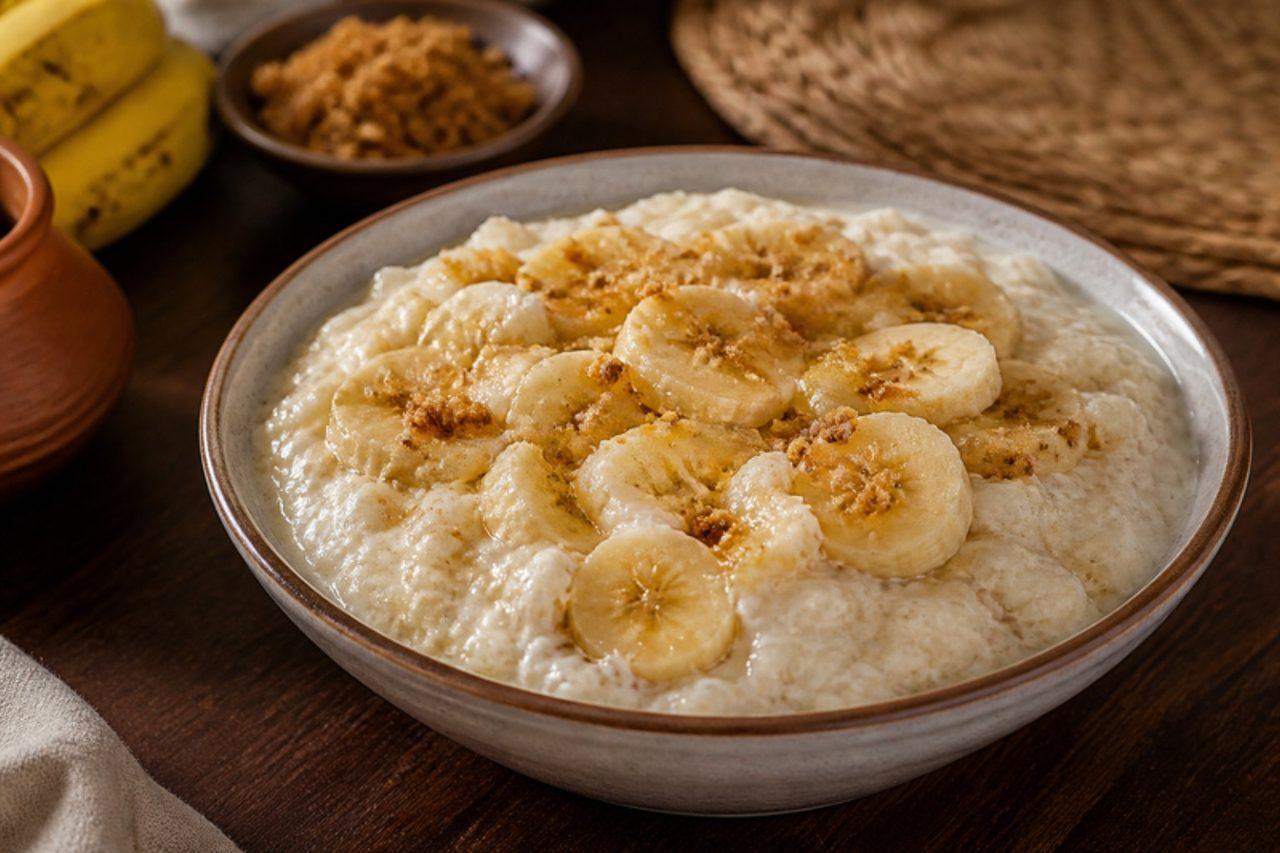
Doi chira

Flattened rice with curd

Nothing is cooked for doi chira, which is why it has been the breakfast of farmers and fishermen in Barisal for generations: flattened rice is rinsed, softened in thick, slightly sour curd and sweetened with jaggery or sugar, then mashed together with a ripe banana. The texture is soft and creamy with a little chew from the rice flakes, and the taste is cool, sweet and tangy. It is eaten on hot summer mornings, at village fairs and as part of the Pohela Boishakh spread, and it is a favourite of children and of anyone fasting who wants something gentle. The usual misstep is soaking the chira for too long, which turns it to paste; a quick rinse is all it needs before the curd does the rest. Chef's tip: use thick-cut chira, not the thin kind for frying, so the flakes hold their shape.

Read more 2 views

What to eat today?

Around the world

Today's trip: Paraguayan

A new country every day, from every cuisine on the site.

Paraguayan

Chipa

Cheese bread rings 50 minMore from Paraguayan (27) →

This week's collection

Kid-friendly dinners
537 recipes · a new collection every Monday

Latest recipes

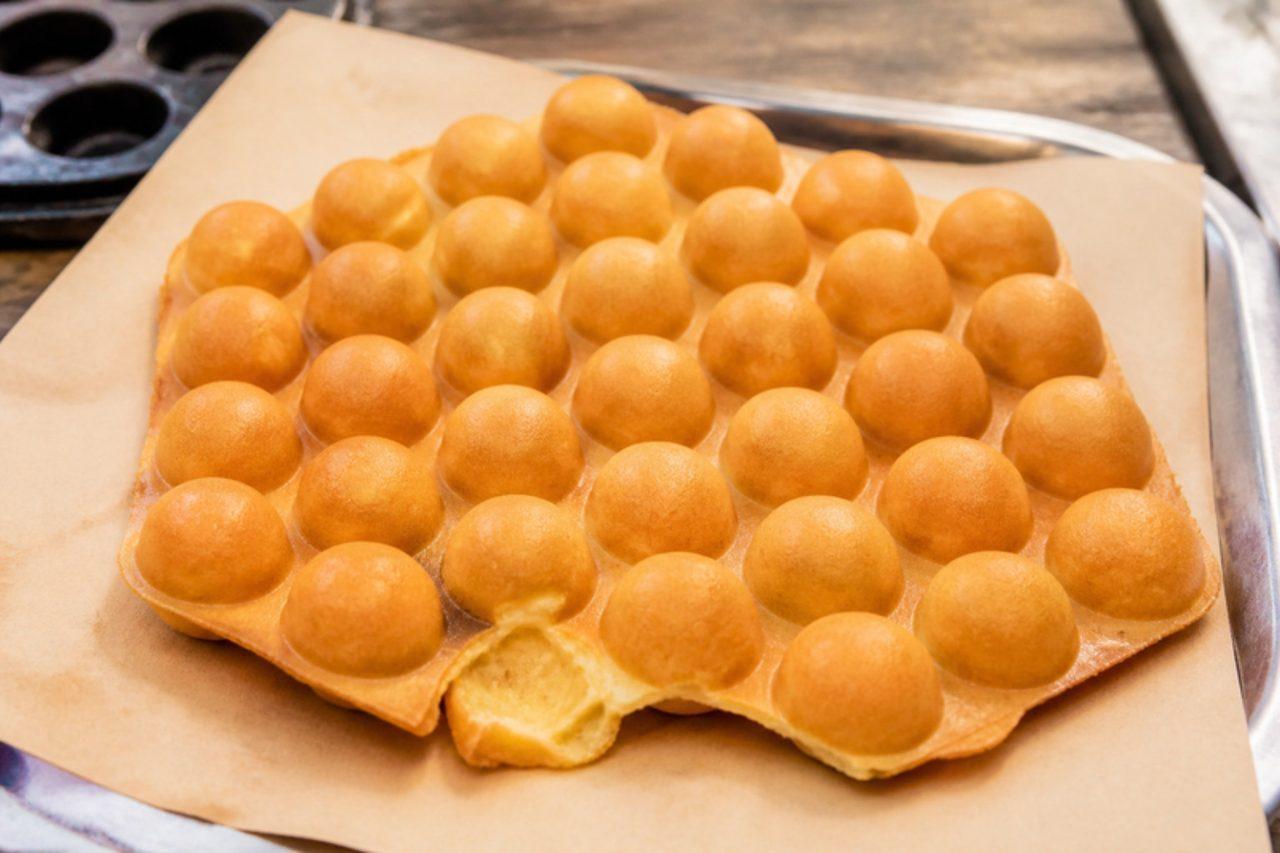
Hong Kong egg waffles

Gai daan jai, 'little eggs', are the honeycomb sheets of puffed bubbles sold from street carts in Mong Kok and Sham Shui Po since the 1950s, handed over in a paper bag to be pulled apart bubble by bubble while you walk. A good one is crisp and thin on the outside and soft, almost hollow, in the middle, with the smell of egg, vanilla and evaporated milk. You need the special egg waffle pan with round cups. Chef's tip: rest the batter for at least 30 minutes; it bakes up lighter and the bubbles fill evenly.

by KrazyBadal 0 views

Shiitake and tofu lu rou fan

In Taipei, a bowl of lu rou fan costs little more than a bus fare, and night-market stalls ladle it from pots that have simmered since afternoon. The original is chopped pork belly stewed in soy sauce, rice wine and fried shallots; this meat-free version gets the same glossy, sticky richness from diced shiitake, browned firm tofu and plenty of shallot oil. It is a weekday lunch for office workers and a late snack after the markets, served with a heap of yellow pickled radish and a few blanched greens. Chef's tip: brown the tofu cubes hard before they go into the braise; a crust soaks up the sauce and chews almost like the meat it replaces.

by KrazyBadal 0 views

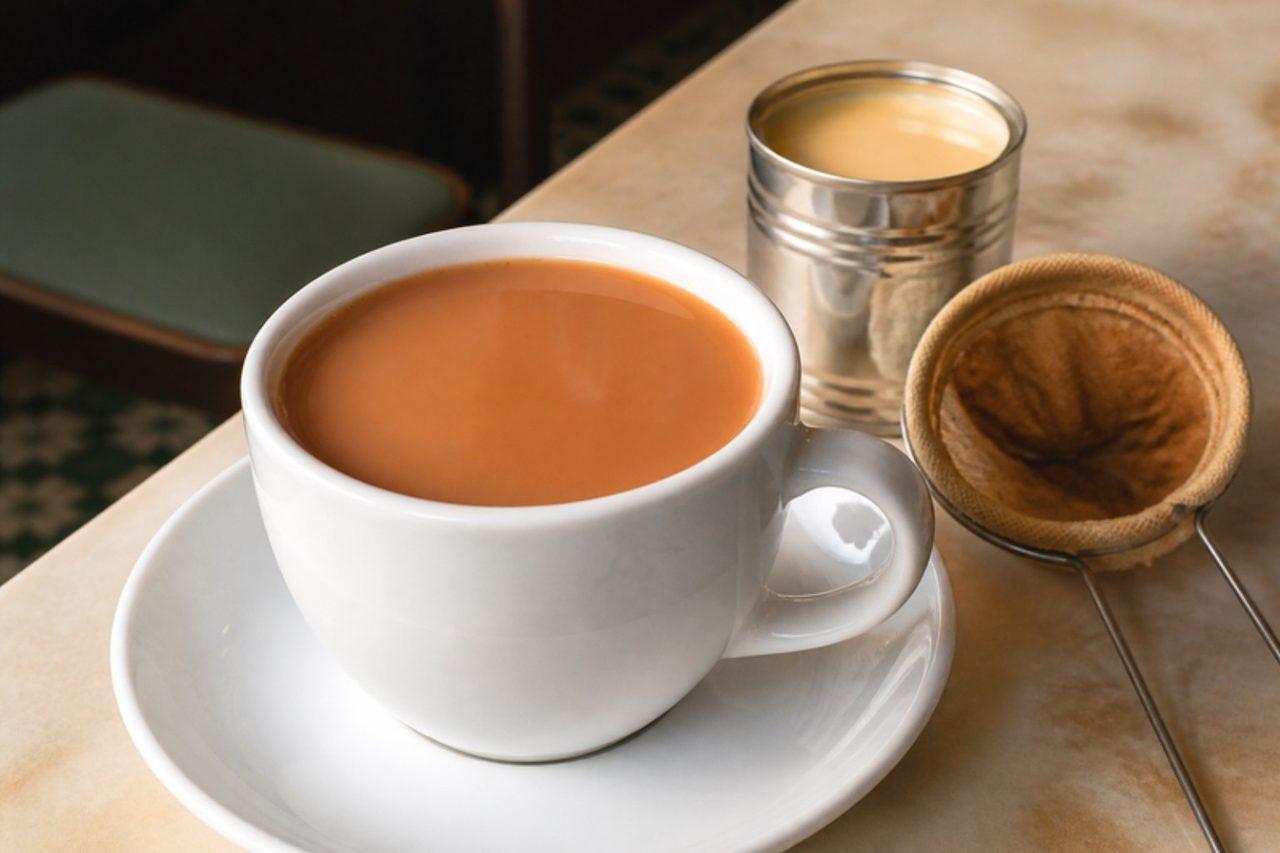
Hong Kong milk tea

Hong Kong milk tea is the daily fuel of the city's cha chaan teng, poured hot in thick cups at breakfast and over ice in the humid afternoons. Tea masters brew a blend of strong black teas, strain it again and again through a long cotton bag (the stained 'silk stocking'), and mix it with evaporated milk for a smooth, almost velvety drink. Chef's tip: let the tea simmer for a few minutes rather than just steeping it; Hong Kong milk tea is meant to be strong and slightly astringent, or the milk drowns it.

by KrazyBadal 0 views

Vietnamese baked banana cake

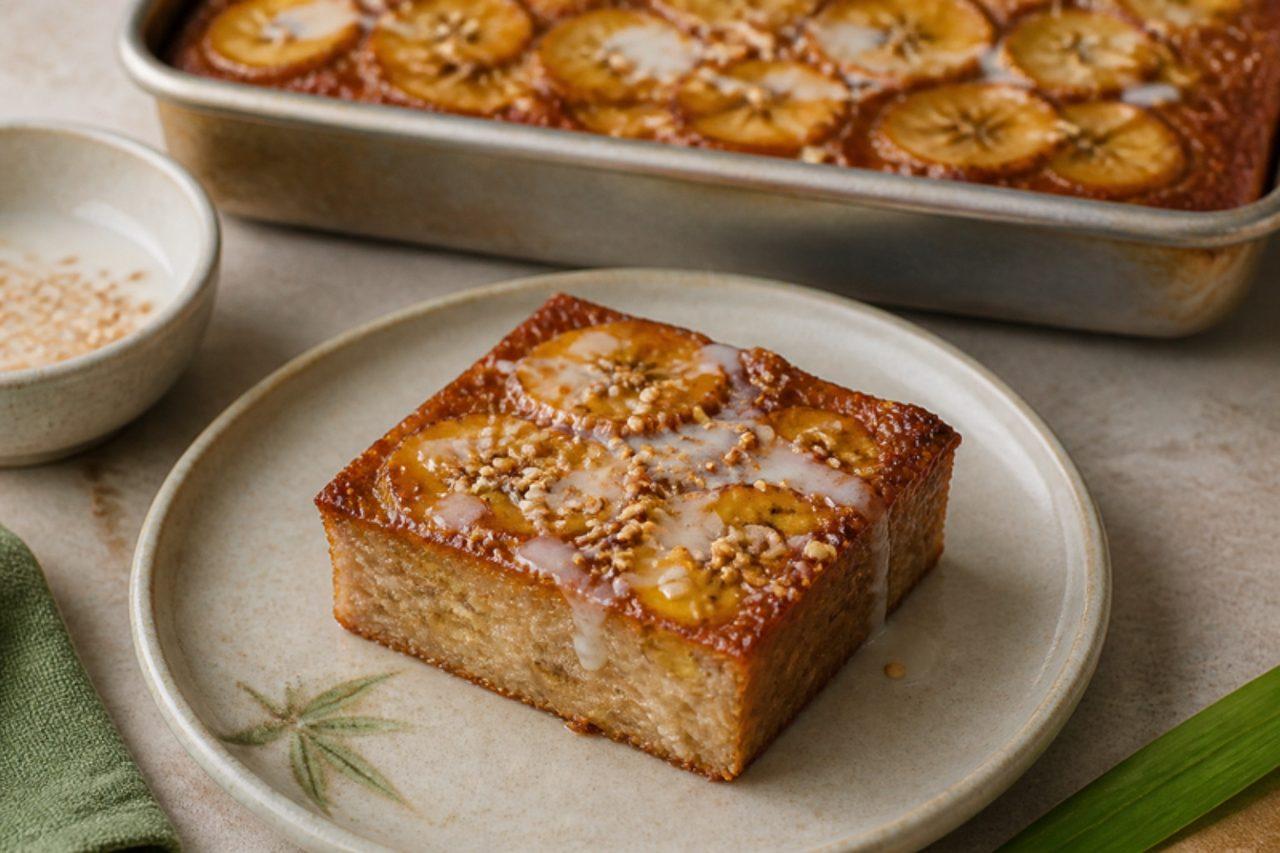
Bánh chuối nướng is sold by the slab from glass-fronted carts and bakeries in Saigon, a soft, heavy cake made from overripe bananas, day-old bread and coconut milk, baked until the top turns deep amber and the bananas go sticky and jammy. It sits somewhere between a bread pudding and a custard cake, and Saigon people eat it as an afternoon snack, often with a little warm coconut sauce poured over. Home cooks make it to use up blackened bananas and stale baguette. Chef's tip: use the ripest bananas you can find, with brown-spotted skins; they give the cake its colour and sweetness.

by KrazyBadal 0 views

Vegetarian bun rieu

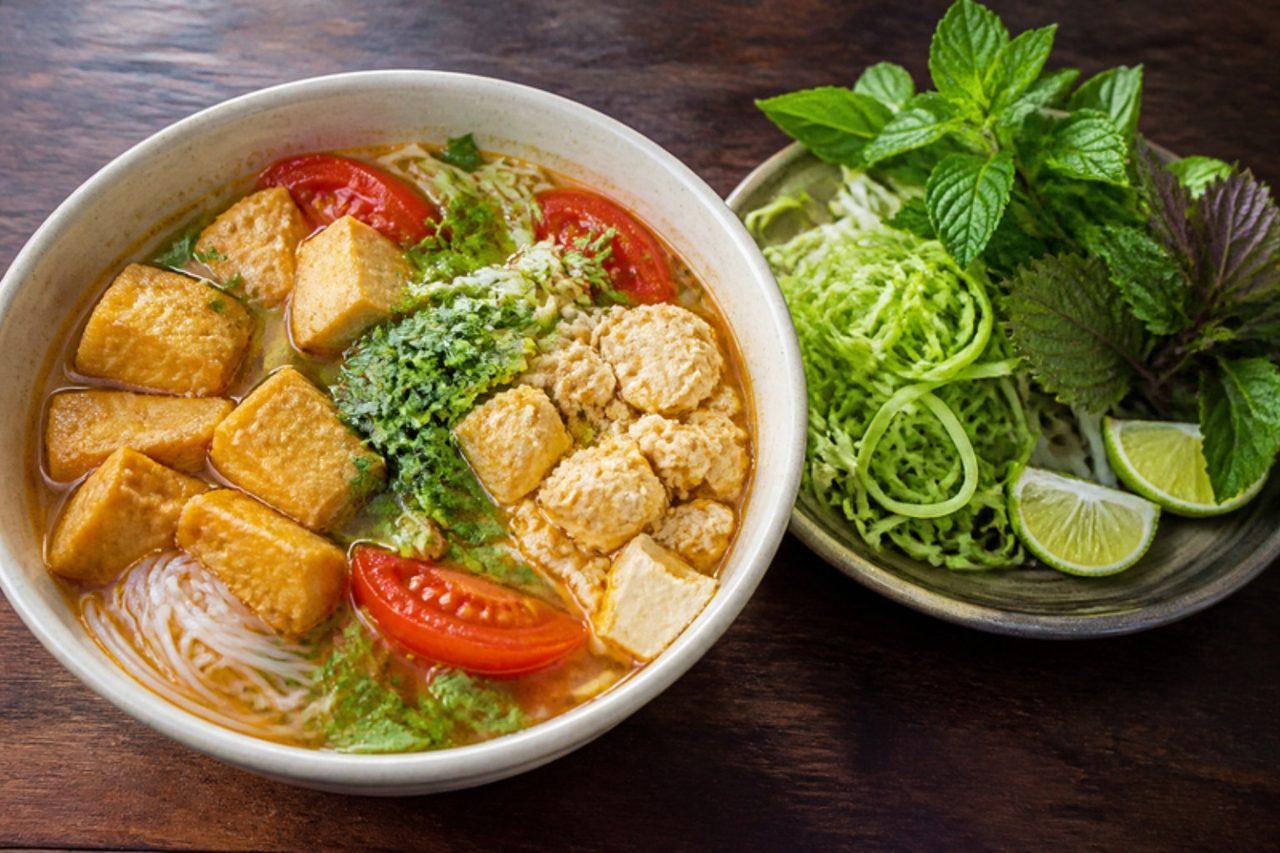
In Hanoi, bún riêu is a mid-morning bowl bought from street sellers who set up on low plastic stools: a tangy red tomato broth with rice vermicelli and soft, floating curds that are normally made from pounded paddy crab. Vegetarian cooks and Buddhist temple kitchens make bún riêu chay instead, folding crumbled tofu, egg and chopped shiitake into the same loose, spongy curds, and seasoning the broth with fermented tofu rather than shrimp paste. It arrives with fried tofu, lime, chilli, shredded water spinach and perilla, so each spoonful is sour, savoury and fresh at once. Chef's tip: let the tomatoes fry in the annatto oil until they collapse into a jammy paste before any stock goes in; that is where the broth gets its colour and depth.

by KrazyBadal 0 views

Hitsumabushi (Nagoya grilled eel rice)

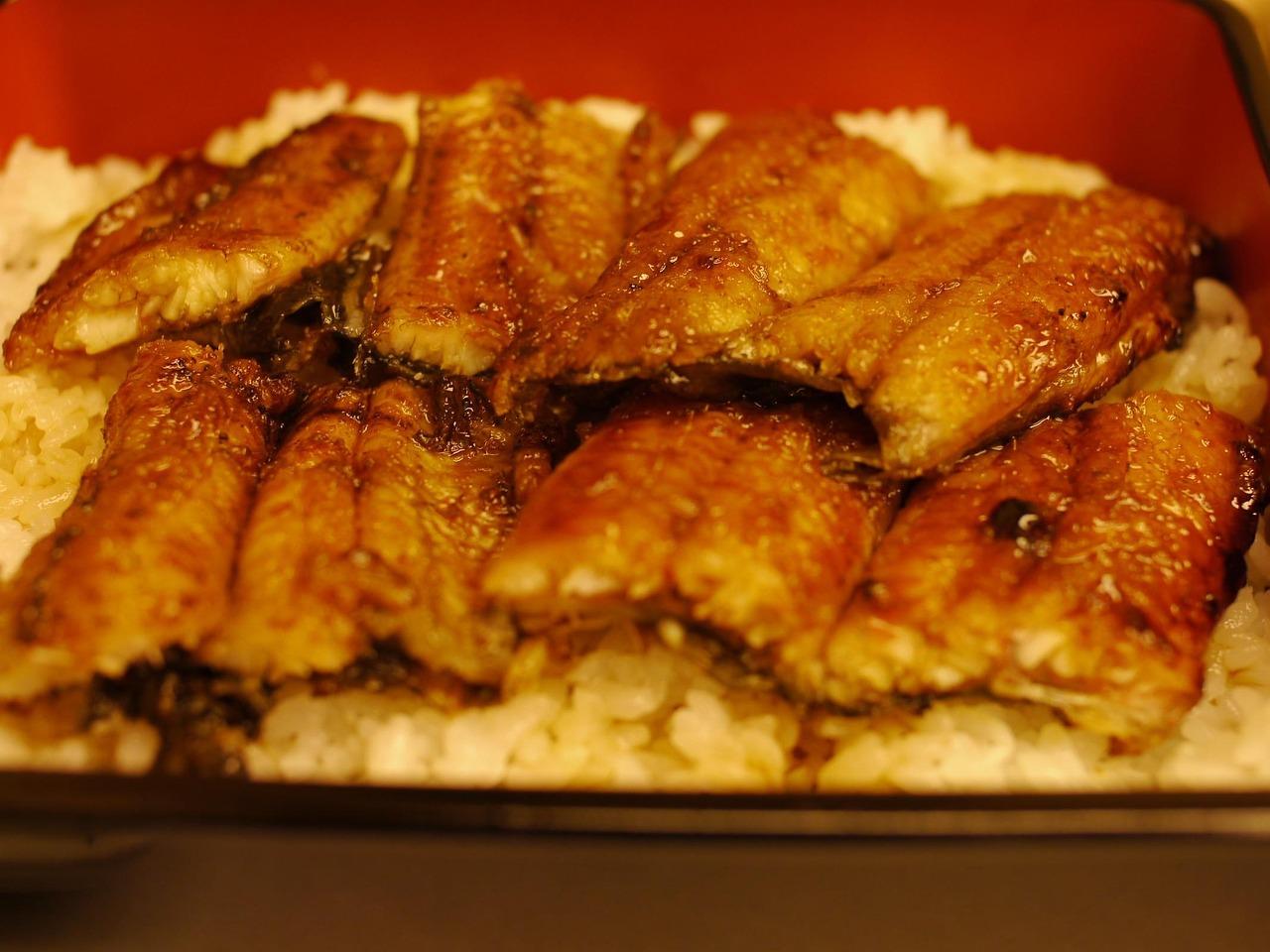
Order hitsumabushi in a Nagoya eel restaurant and it arrives in a round wooden tub, often with a small card explaining how to eat it. You divide the rice into quarters: eat the first plain, the second with spring onion, wasabi and nori, the third drowned in hot dashi or green tea, and the last whichever way you liked best. Nagoya cooks grill the eel until the skin is crisp, then chop it into strips. At home, ready-grilled eel fillets (unagi kabayaki, sold frozen in Japanese shops) work very well once reheated properly. Chef's tip: spoon a little of the sweet sauce through the rice before the eel goes on, so every mouthful is seasoned, not just the top layer.

by KrazyBadal 0 views

Kishimen (Nagoya flat noodle soup)

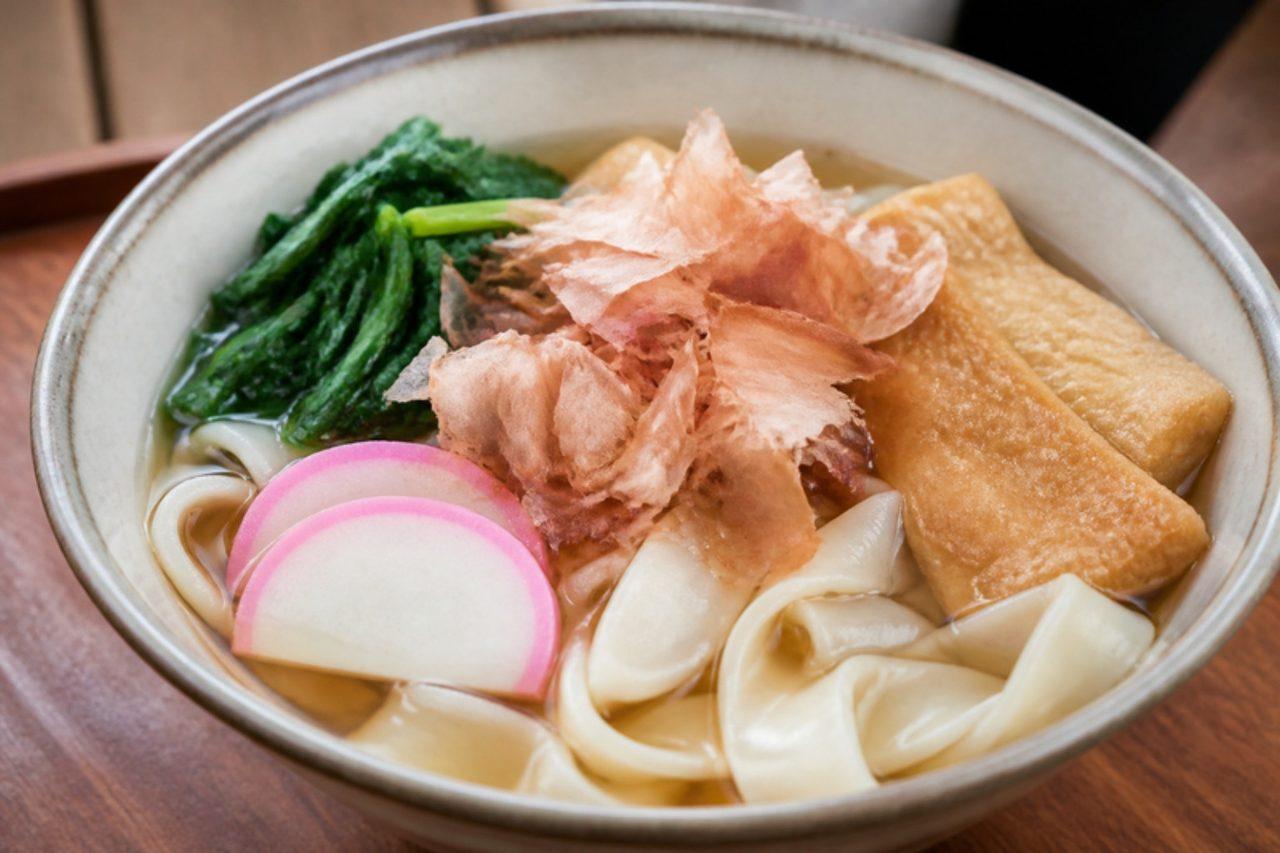
Travellers changing trains at Nagoya Station often grab a bowl of kishimen standing up at one of the platform noodle counters, and the dish is eaten all year in noodle shops across the city. The noodles are wide, thin and slippery, so they pick up a lot of broth with every mouthful. A typical bowl has a light, golden dashi, sweet fried tofu, a little green vegetable, a slice of fish cake and a big pile of bonito flakes that wave in the steam. It takes about 20 minutes from start to finish. Chef's tip: add the bonito topping right at the table, not in the kitchen; it softens and sinks within a minute, and the fresh smoky smell is half the pleasure.

by KrazyBadal 0 views

Sukiyaki (Kanto style)

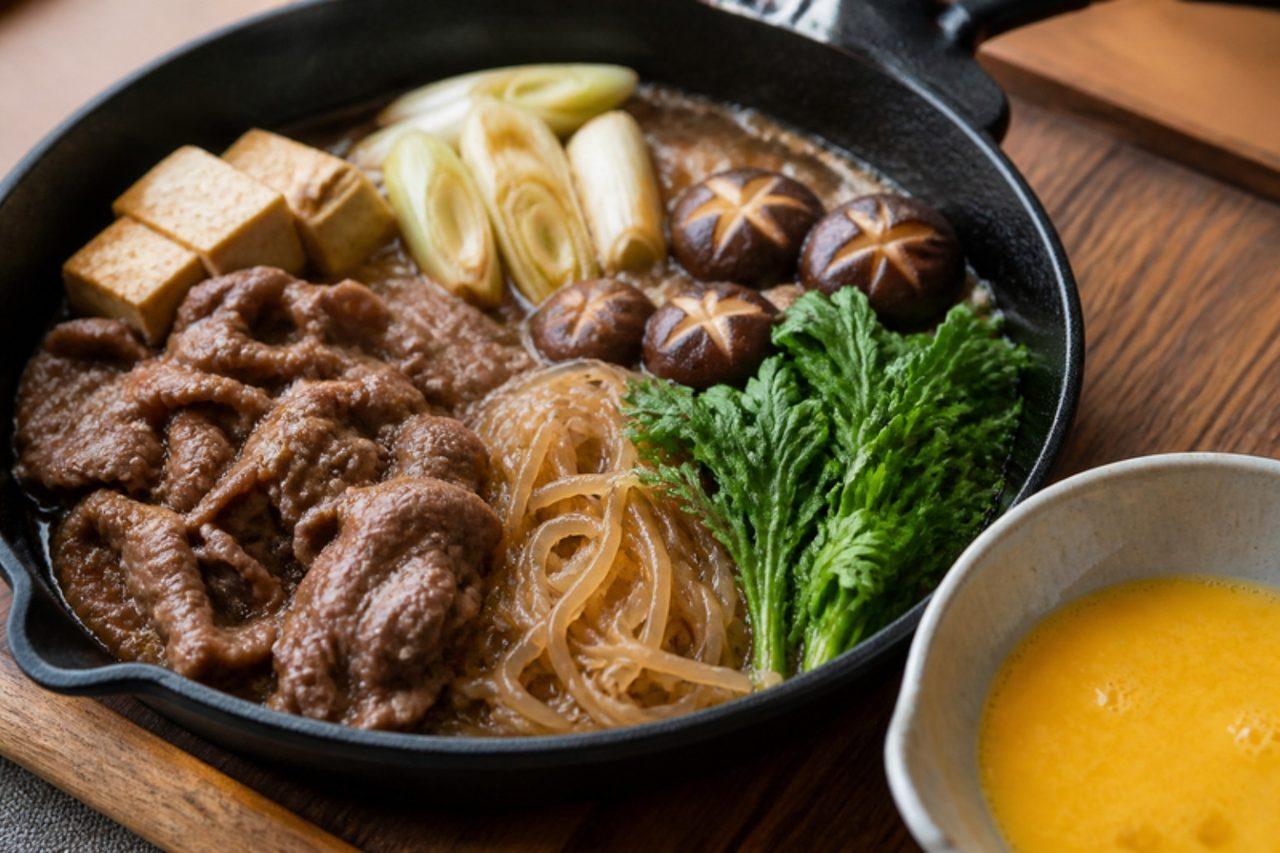
Beef was rarely eaten in Japan until the Meiji era, when Tokyo's new beef-pot restaurants made it fashionable, and sukiyaki grew out of those pots. Today it is a dish for New Year, birthdays and family gatherings, cooked in a shallow iron pan on a burner in the middle of the table. In the Kanto style of Tokyo, the cook pours in a ready-mixed sauce called warishita, whereas Kansai cooks sear the beef with sugar and add soy sauce afterwards. Each piece is dipped in beaten raw egg, which cools it and softens the sweet, salty sauce. Use very fresh eggs, ideally pasteurised; not for pregnant women, young children or anyone with a weakened immune system. If you prefer, skip the egg or poach it in the pan. Chef's tip: keep the shirataki noodles away from the beef in the pan; they can make the meat firm up and toughen where they touch.

by KrazyBadal 0 views

Fresh hot soy milk

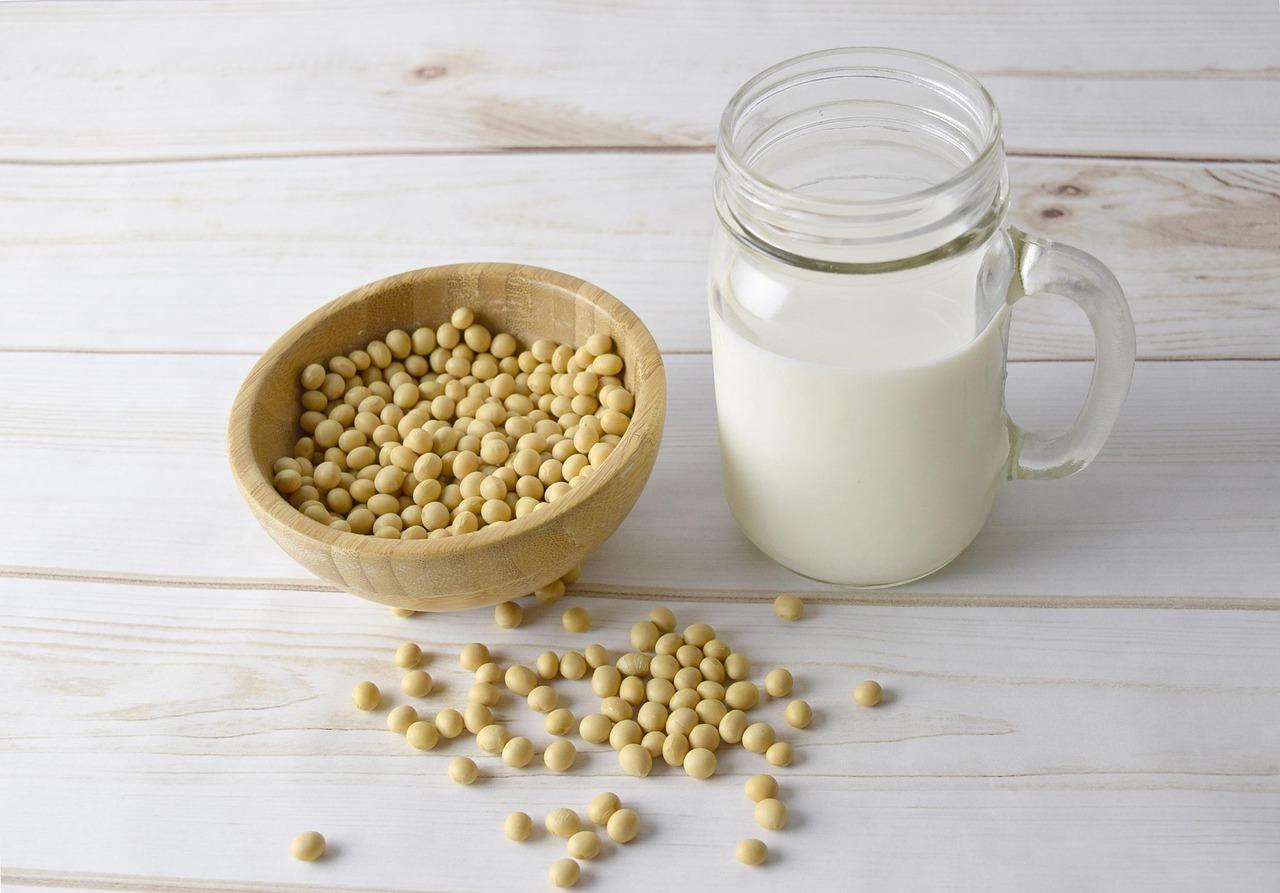
On cold Da Lat nights, the steam rising from soy milk stalls is part of the scenery around the central market: big pots of freshly made sữa đậu nành, ladled hot into glasses and sipped with grilled rice paper or a warm bánh bao. Made at home, it tastes nutty and clean, nothing like the cartons, and a knot of pandan leaf gives it the gentle vanilla-like scent that Vietnamese sellers favour. Chef's tip: rub the soaked beans between your palms and float off the skins; peeled beans give a smoother, sweeter milk.

by KrazyBadal 0 views

Roti mataba (potato-stuffed roti)

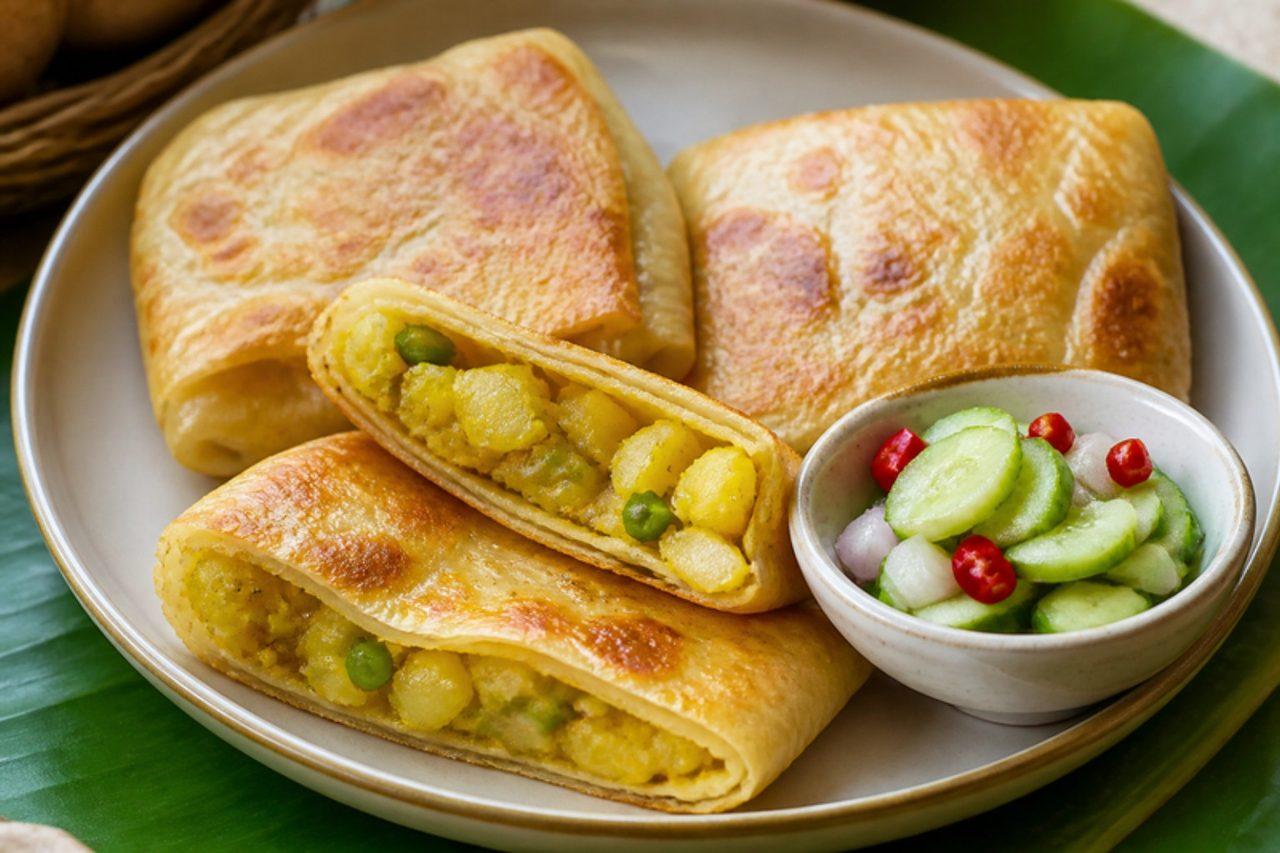
Roti mataba came to southern Thailand with Indian-Muslim traders, and today the roti stalls of Hat Yai, Satun and Pattani, and the old Muslim quarter around Bangkok's Phra Athit Road, serve it from morning till late. A thin stretched roti is wrapped around a spiced filling, folded into a square and fried until crisp and blistered. Chicken or beef is the usual filling; the potato and onion version made here is also common and is the one sold to vegetarian customers. It comes cut into squares with a sweet-sour cucumber relish (ajad) on the side. Chef's tip: oil the dough balls and leave them to rest for at least two hours; rested dough stretches paper-thin without tearing.

by KrazyBadal 0 views

Kaeng tai pla jay (southern vegetable curry)

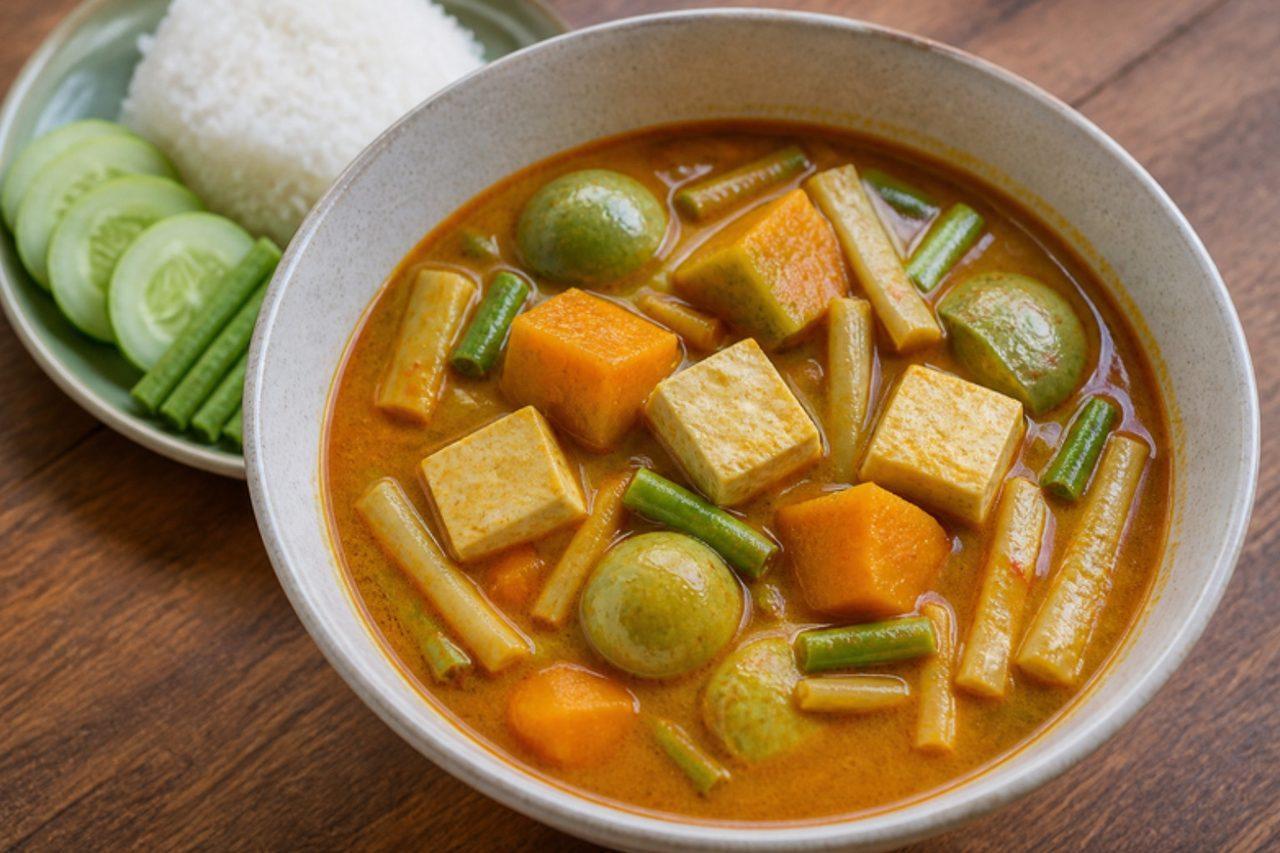
Kaeng tai pla is the boldest curry of southern Thailand, eaten from Surat Thani down to Hat Yai: a dark, pungent, fiercely hot broth of turmeric-heavy southern curry paste, pumpkin, bamboo shoots, aubergine and long beans, normally flavoured with fermented fish innards. During the Vegetarian Festival (thetsakan kin jay), held every autumn in Phuket and Trang, cooks make a 'jay' version with fermented soybean paste and roasted peanut, and that is the curry here. It is thinner than a coconut curry and served with rice and plenty of raw vegetables to cool the heat. Chef's tip: this curry is meant to be very hot. If you want less heat, add fewer bird's eye chillies to the paste but keep the black pepper and turmeric, which give it its character.

by KrazyBadal 0 views

Khao yam (southern Thai rice salad)

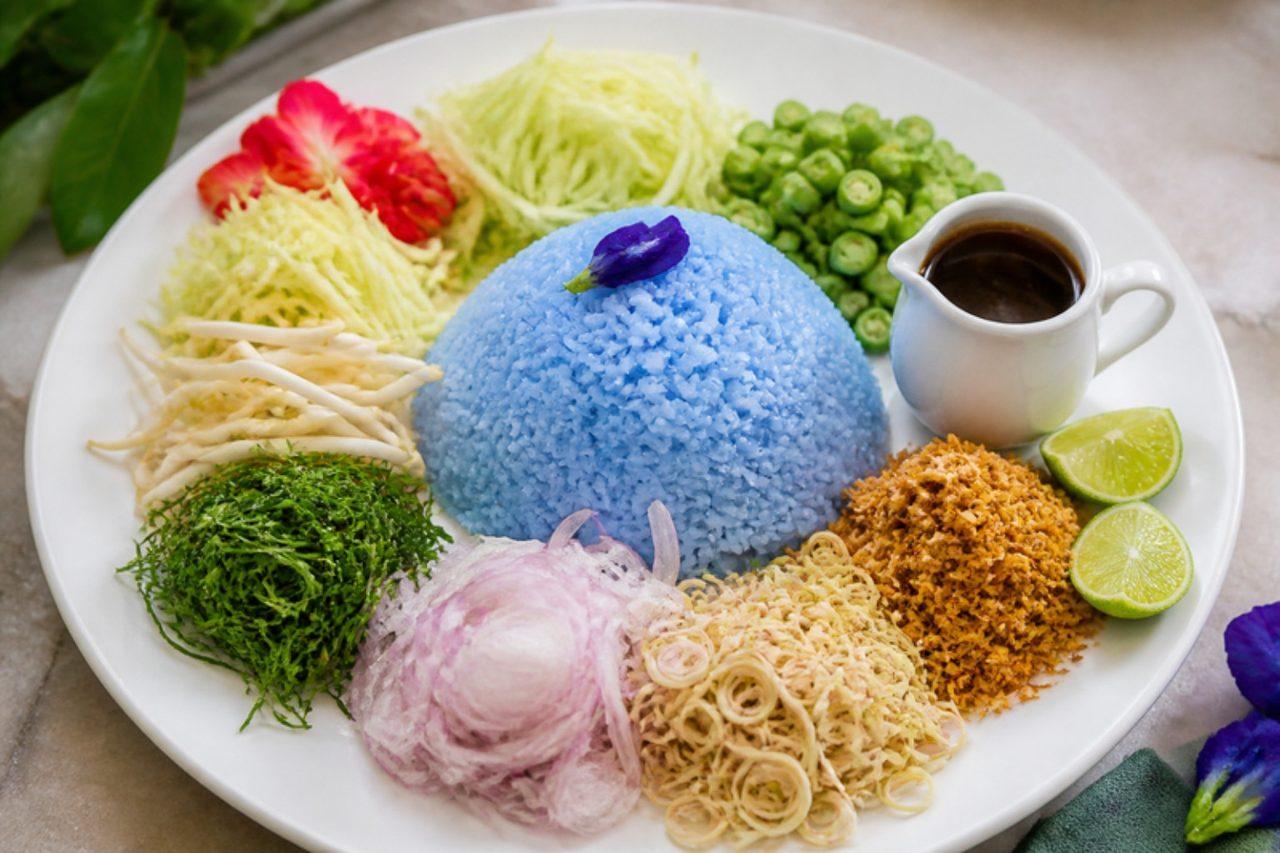
Khao yam is breakfast in the south: in Nakhon Si Thammarat, Pattani and Songkhla, morning stalls set out trays of tightly shredded lemongrass, pomelo, long beans, bean sprouts, makrut lime leaves and toasted coconut, and you build your plate around a mound of rice, often tinted blue with butterfly pea flowers. The dressing is normally budu, a sweet fermented fish sauce from the Malay borderlands. This version makes a vegetarian 'budu' by simmering soy sauce, tamarind, palm sugar, lemongrass and shallot into a dark syrup. The result is crunchy, fragrant, sweet, salty and sour in every mouthful. Chef's tip: shred everything as finely as you can; thin slivers of lemongrass and lime leaf are pleasant, thick ones are woody.

45 minThaiSaladsVeganGluten free
by KrazyBadal 0 views

Tom saep het (Isan hot and sour mushroom soup)

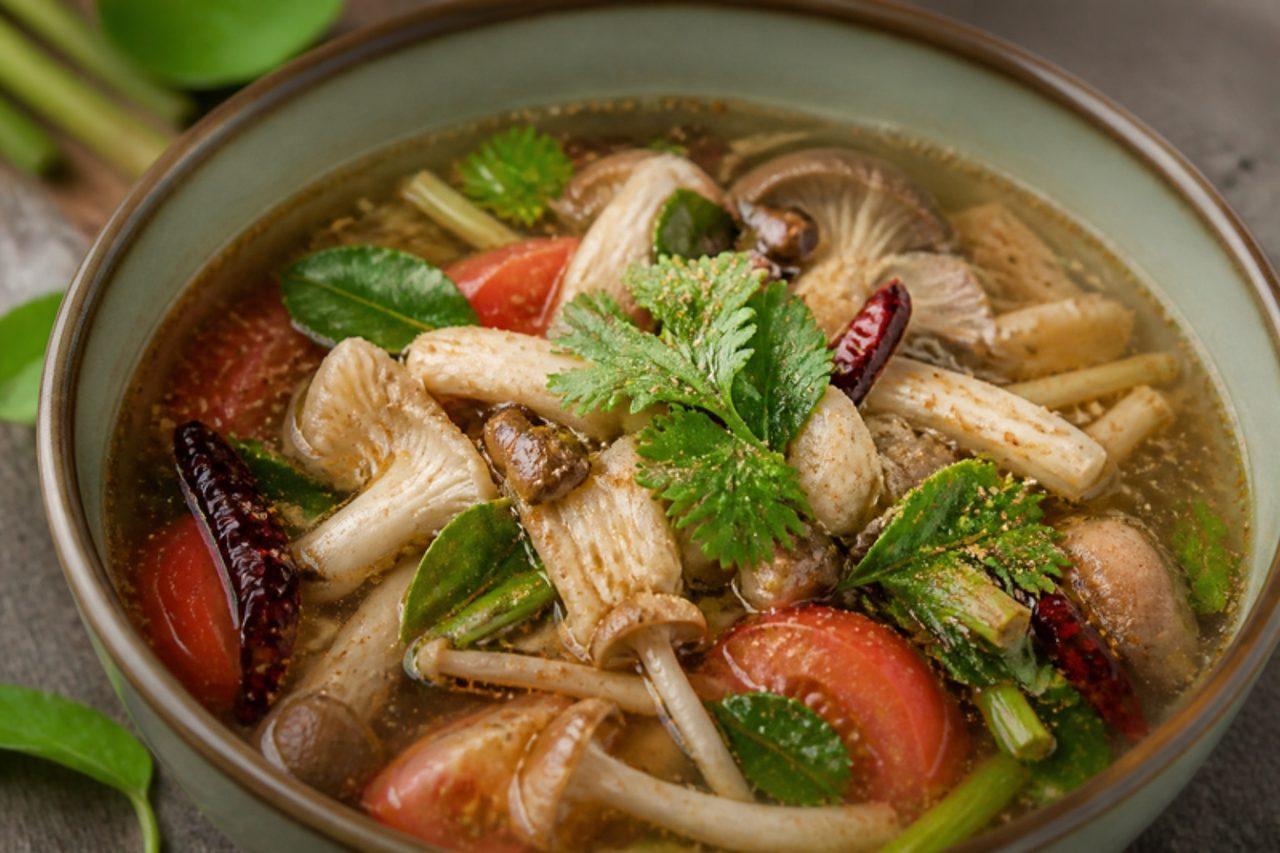
'Saep' is the Isan word for delicious, and in the northeast it means hot, sour and herby all at once. Tom saep is the soup sold from big pots at Isan restaurants and roadside grill shops from Nakhon Ratchasima to Ubon, usually with pork bones or offal; mushroom versions are just as common during the rainy season, when wild mushrooms fill the markets. It has no coconut milk: the broth is clear and sharp with lemongrass, galangal, makrut lime leaves and handfuls of dried chilli, thickened slightly with roasted rice powder. Eat it with sticky rice and grilled vegetables. Chef's tip: add the lime juice off the heat; boiled lime turns bitter and loses its fresh sourness.

35 minThaiSoupsVeganGluten freeSpicy
by KrazyBadal 0 views

Tam taeng (Isan pounded cucumber salad)

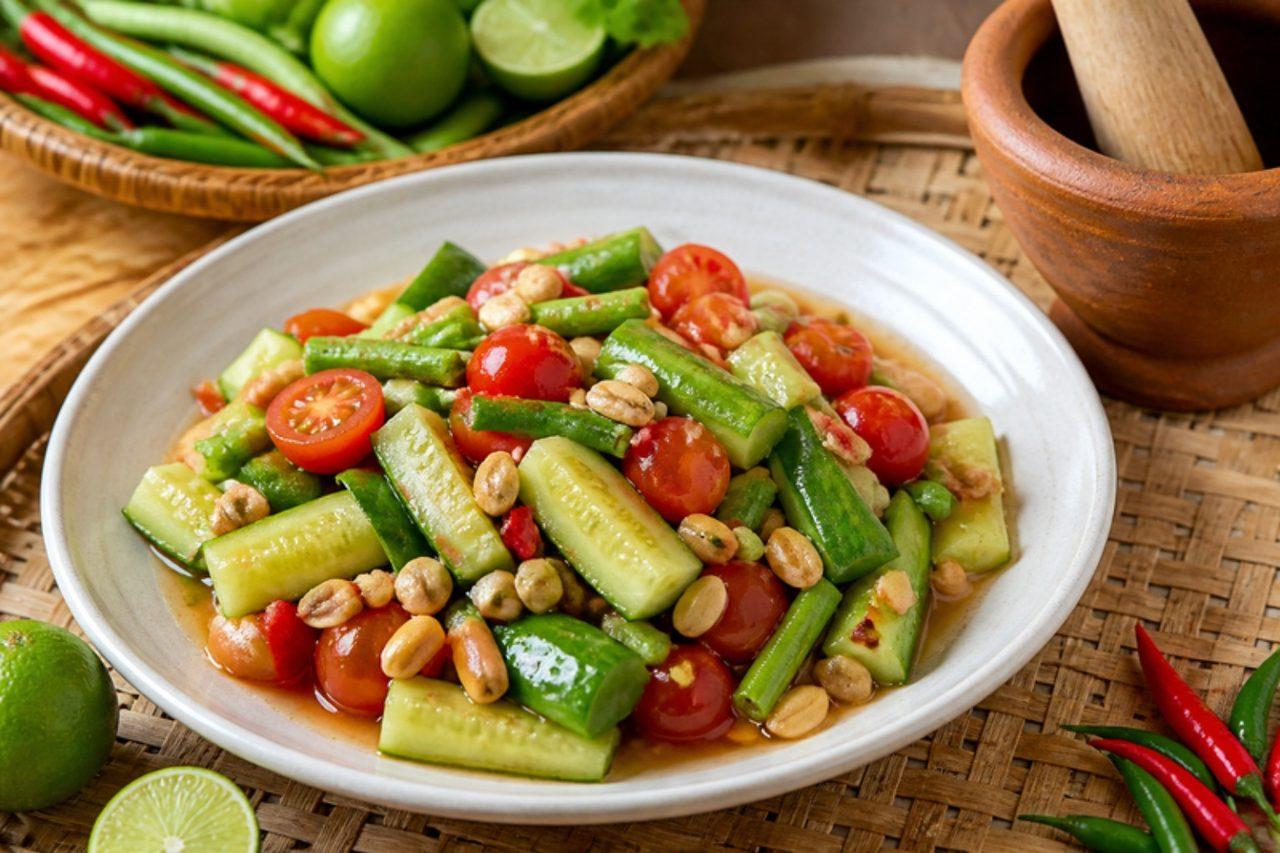
In Khon Kaen, Udon Thani and the rest of Isan, the somtam stall always offers a cucumber version alongside the papaya one, and many locals prefer it on hot afternoons: tam taeng is juicier, cooler and crunchier. Thick batons of cucumber are bruised, not smashed, with garlic, chillies, lime and palm sugar, so they soak up the dressing but keep their snap. Sellers add fermented fish or dried shrimp; this vegan bowl leans on soy and toasted peanuts for depth instead. It is eaten with sticky rice and grilled food, picked up with your fingers. Chef's tip: use firm cucumbers with small seeds and scoop out a watery core, or the salad floods within minutes.

15 minThaiSaladsVeganGluten freeSpicy
by KrazyBadal 0 views

Khanom bueang (Thai crispy crêpes)

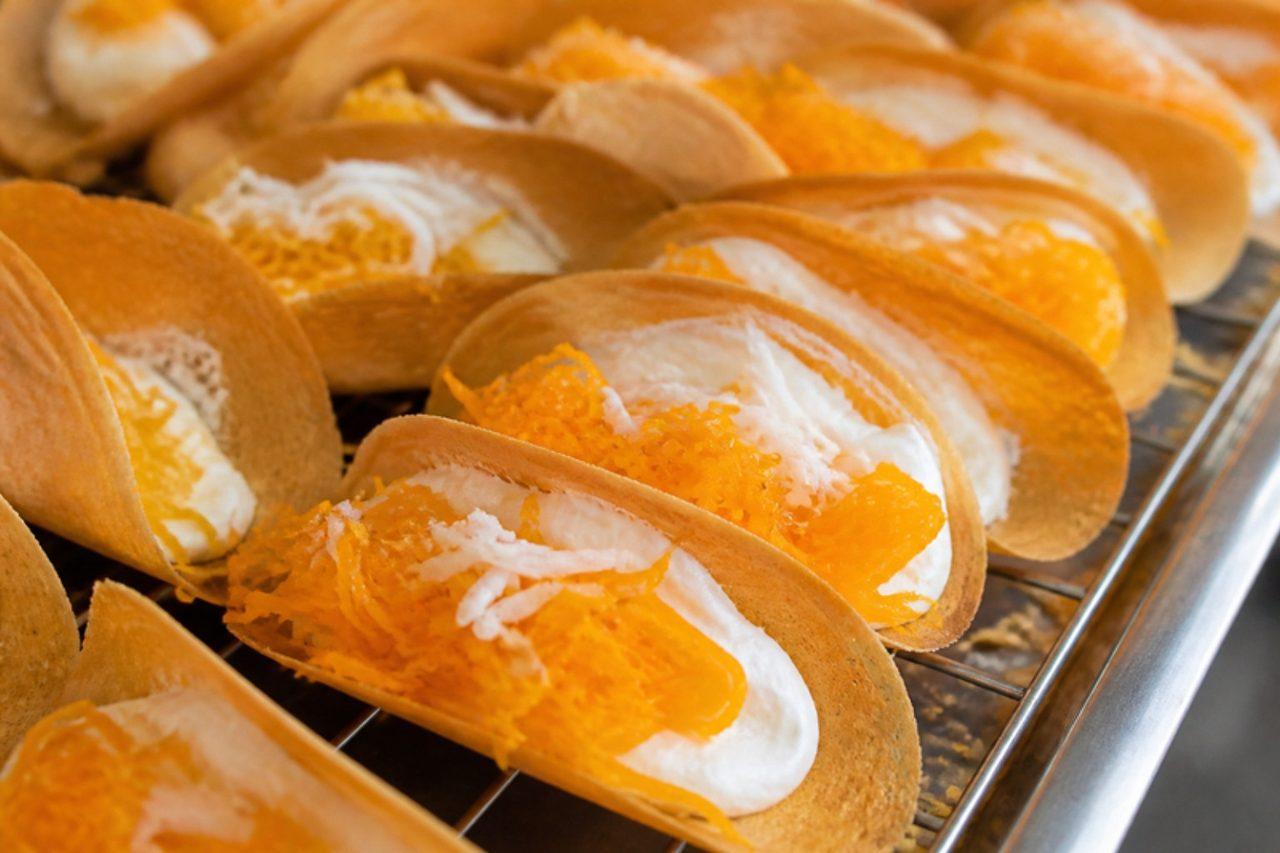
Khanom bueang are little taco-shaped crêpes made on hot round griddles at markets and outside temples all over Bangkok, especially around the old town near the Grand Palace. A vendor spreads a whisper-thin batter with the back of a spoon, swirls on a fluffy meringue cream, then tops it with shredded coconut or sweet egg yolk threads before folding it while still hot. The sweet version, made here, crackles like a wafer and melts on the tongue. A savoury one with coconut and spring onion also exists. They are eaten as an afternoon snack, a few at a time, as soon as they are made. Chef's tip: the batter must go on very thinly. Thick shells stay chewy and never crisp up.

by KrazyBadal 0 views

Kluay tod (Thai fried bananas)

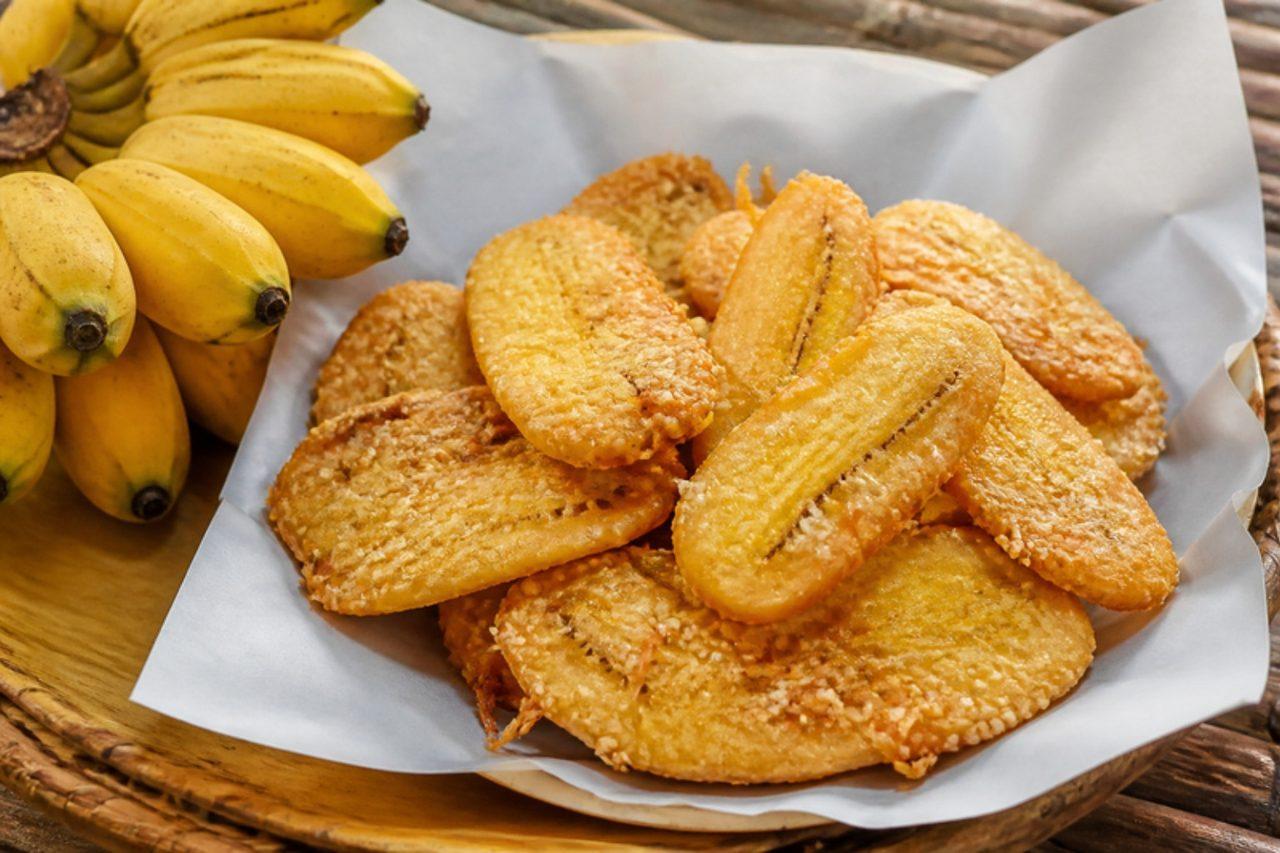
In the afternoons, Bangkok's street-corner woks switch from noodles to snacks, and kluay tod is the one you smell from down the soi: wedges of small, firm bananas in a coconut and sesame batter, fried until bronze and sold in paper bags. The batter is made with rice flour and a little lime water, so it shatters rather than turning bready, while the banana inside goes soft and jammy. Thais use kluay nam wa, a short, tart banana; firm, just-ripe ordinary bananas work too. Eat them warm, on their own or with a scoop of coconut ice cream. Chef's tip: overripe bananas fall apart and soak up oil; choose ones that are yellow with no brown spots.

by KrazyBadal 0 views

Khao tom (vegetable rice soup)

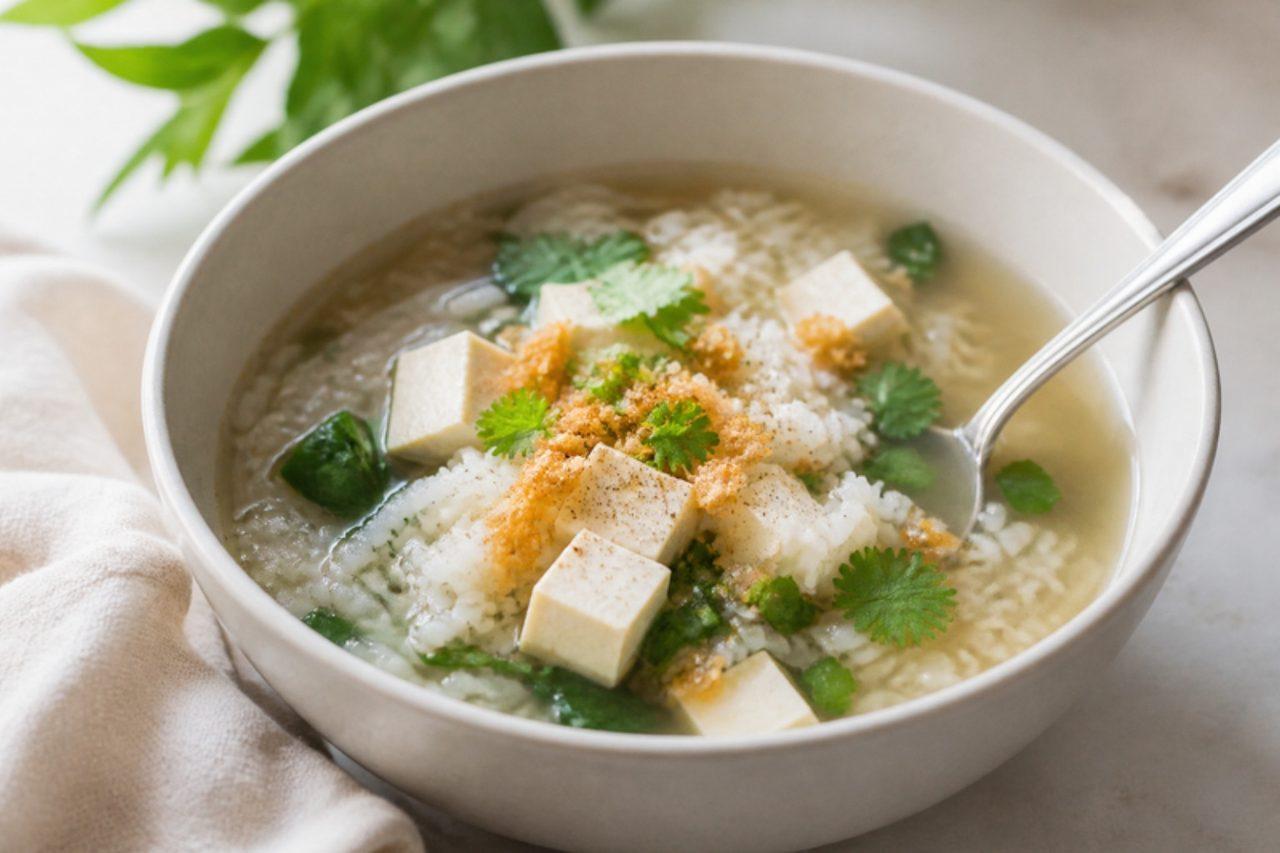
Khao tom is what Thais eat at the start of the day and, just as often, at two in the morning, when the 'khao tom kui' shops of Bangkok's Yaowarat and night-market stalls stay open for hungry people heading home. Unlike rice porridge (jok), the grains stay whole and separate in a light, clear broth, so it feels more like a soup than a congee. This vegan bowl uses a ginger and white pepper stock with soft tofu, Chinese cabbage and a spoon of golden garlic oil on top. It is gentle food, also what Thai families cook when someone is unwell. Chef's tip: use leftover cooked jasmine rice, rinsed under the tap; fresh rice turns the broth cloudy and starchy.

by KrazyBadal 0 views

Yam woon sen (vegetarian glass noodle salad)

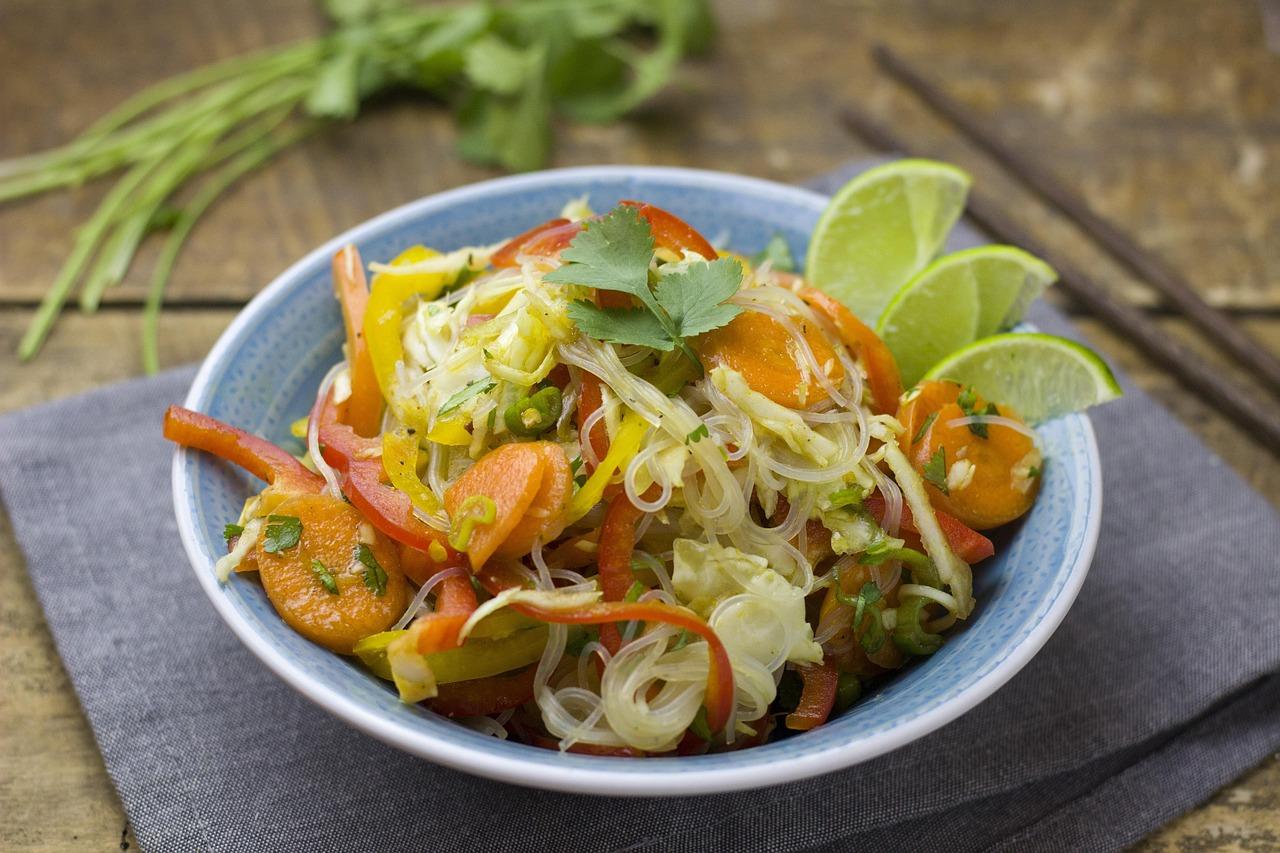
Yam woon sen is the glass-noodle salad sold from the trays of 'yam' vendors in Bangkok's evening markets and served alongside beer at Central Thai gatherings. The street version is tossed with minced pork and prawns; this vegetarian one swaps them for crumbled firm tofu and crunchy wood ear mushrooms, which give the same mix of soft and bite. The noodles are dressed while still warm so they drink up the sour, salty, sweet and hot dressing, then finished with celery leaves, coriander and peanuts. Eat it at room temperature as a light lunch or as one dish in a shared spread. Chef's tip: celery leaves are not a garnish here; Thai cooks use Chinese celery as a main herb, so be generous.

25 minThaiSaladsVeganGluten free
by KrazyBadal 0 views

Kaeng pa (jungle curry)

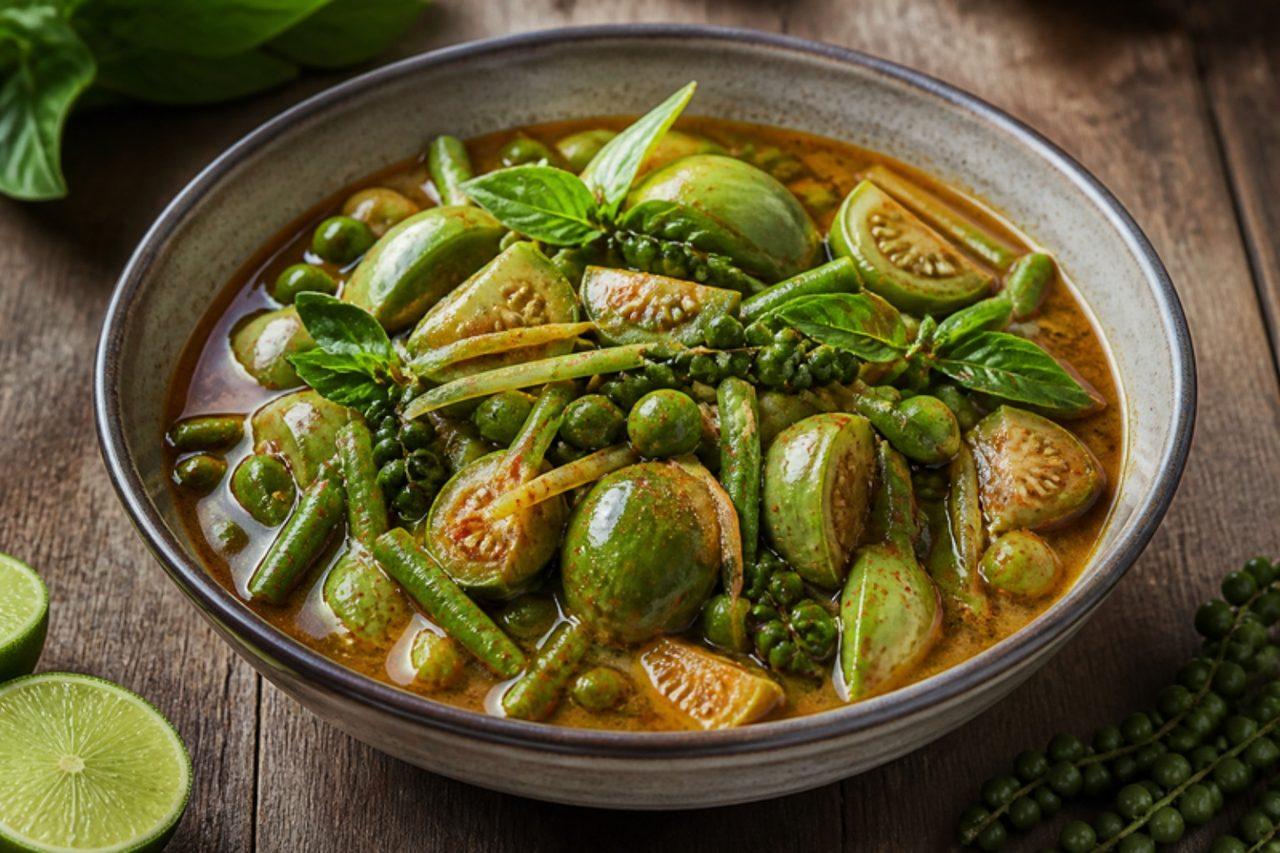
Kaeng pa means 'forest curry', and around Ayutthaya, Suphan Buri and the rice-farming plains north of Bangkok it is the curry cooked when there is no coconut to hand: a thin, fiery, herb-scented broth packed with whatever vegetables grew nearby. It turns up at roadside curry-and-rice shops in the Central region, ladled over jasmine rice at lunchtime. Without coconut milk the flavour is sharp and clean, carried by wild ginger (krachai), fresh green peppercorns and holy basil. This version uses a home-pounded red paste with no shrimp paste and seasons with soy sauce instead of fish sauce. Chef's tip: fry the paste in a little oil until it smells toasty before any water goes in; raw paste makes a curry that tastes flat and grassy.

by KrazyBadal 0 views

Okinawan taco rice (vegetarian)

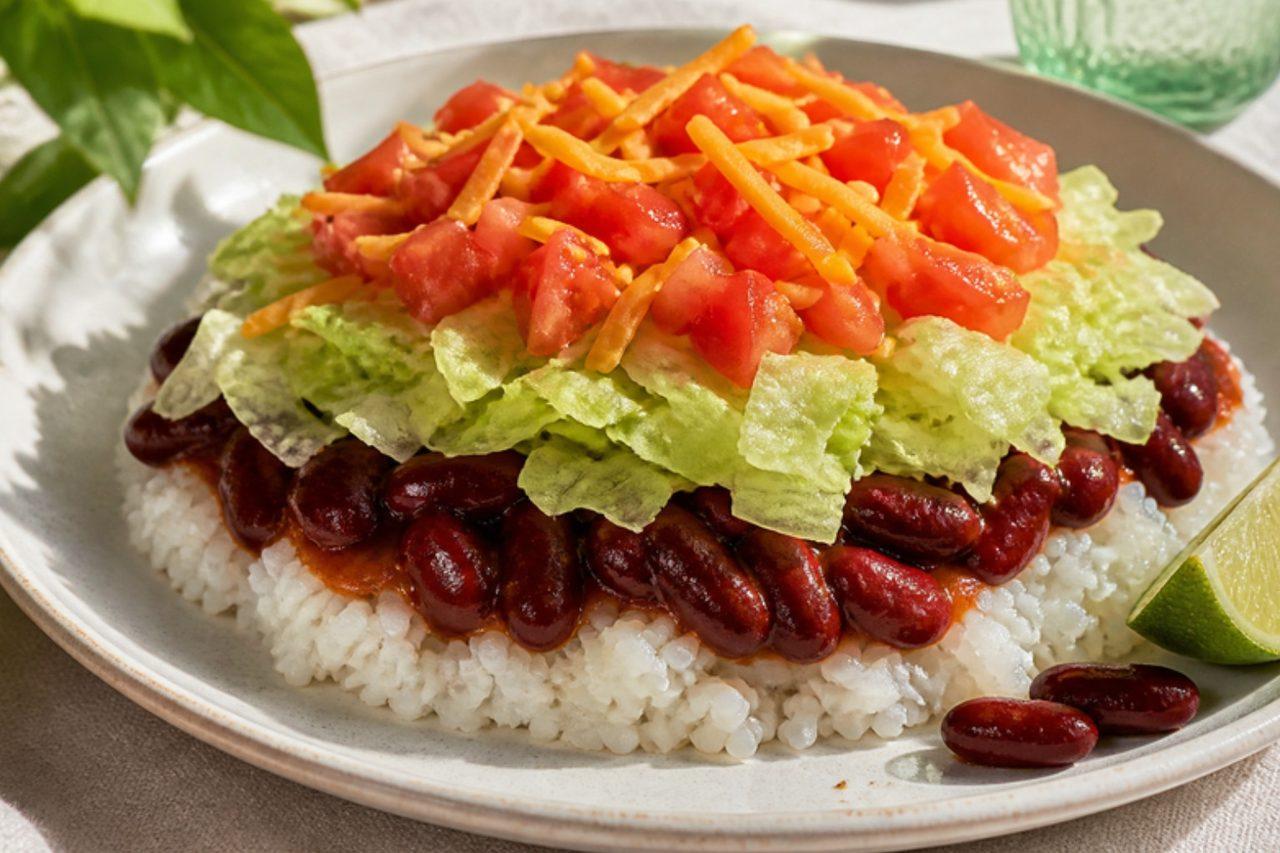
Taco rice was invented in 1984 in the town of Kin, Okinawa, next to a large US Marine base, by a café owner who put taco fillings on rice to make a cheap, filling plate for young soldiers. It became one of Okinawa's best-loved comfort foods and now turns up in school lunches, convenience stores and beach cafés across the islands. The usual filling is spiced minced beef; Okinawan cafés also offer bean versions, and ours uses kidney beans and walnuts for the same crumbly bite. Serve it with hot sauce and eat it from one bowl, mixing as you go. Chef's tip: cook the filling until it's almost dry. A juicy filling soaks the rice and the cheese won't melt into it properly.

by KrazyBadal 0 views

Hoba misoMiso grilled on magnolia leaf

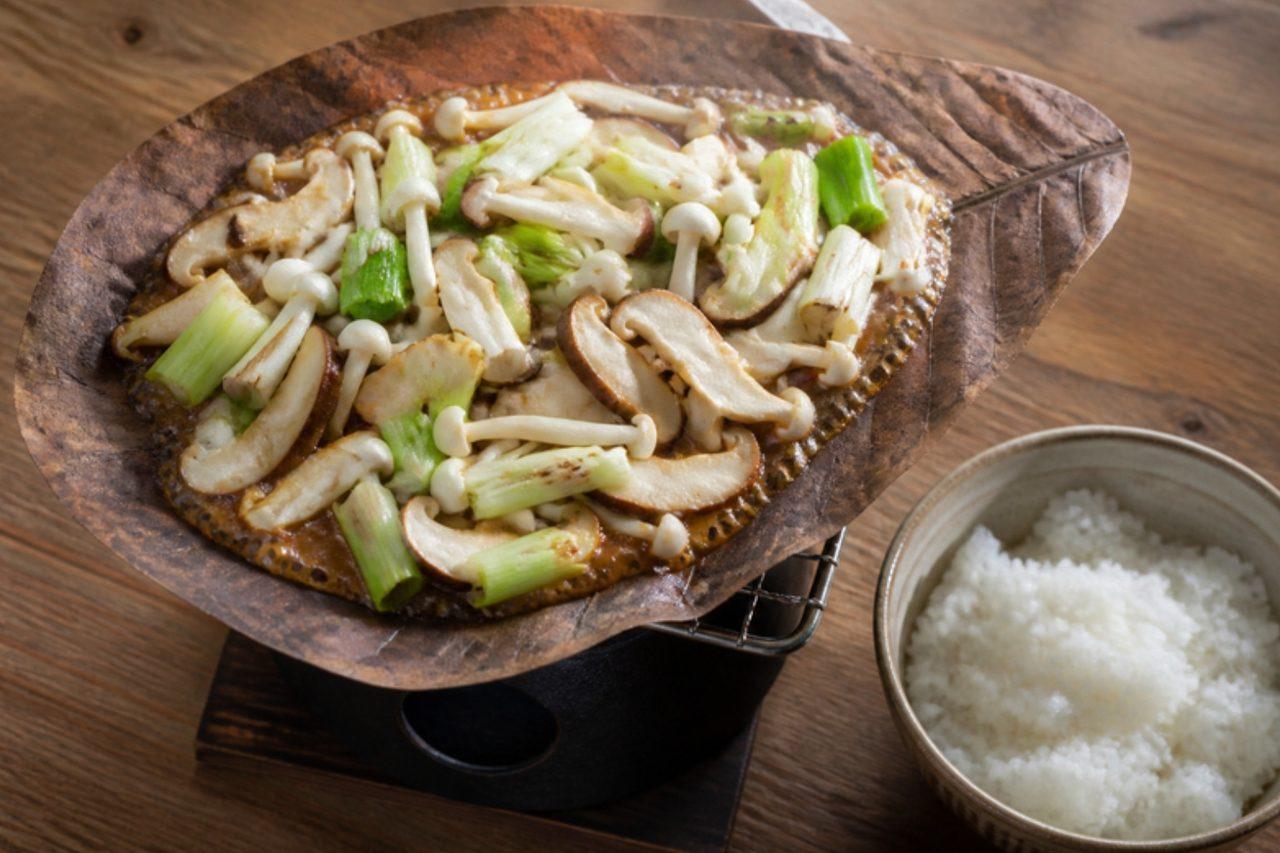
In the old mountain town of Takayama, in Gifu's Hida region, inns serve breakfast with a small charcoal brazier on the table and a dried magnolia leaf, hoba, resting on its grill. On it sits a mound of miso mixed with leek and mushrooms. As the leaf warms, the miso bubbles and gives off a smoky, woodsy smell, and you scoop it up with rice. It started as farmhouse winter food, when people toasted frozen pickles on leaves to thaw them. Dried hoba leaves are sold in Japanese shops and online; a sheet of baking paper works too, without the scent. Chef's tip: soak the leaf in water first. A damp leaf scorches slowly and perfumes the miso instead of catching fire.

by KrazyBadal 0 views

Shinshu soba with spicy daikon dip

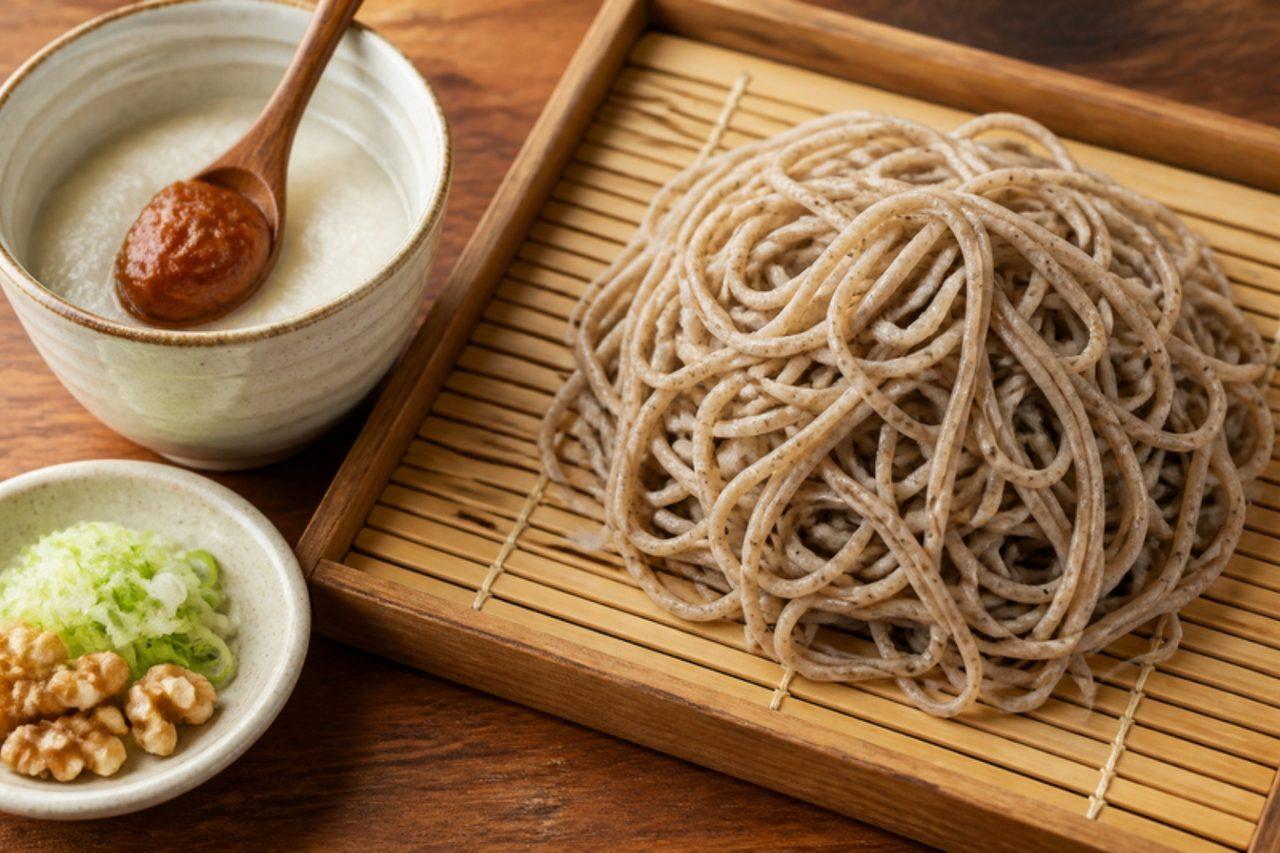
Nagano, the old province of Shinshu, grows buckwheat on cool mountain plateaux, and its soba is famous across Japan. In the castle town of Takato, and in the Aizu villages that took the custom with them, the noodles are not dipped in sweet soy sauce at all. Instead each diner gets a cup of juice squeezed from grated, eye-wateringly hot daikon, stirred with toasted miso. The result is sharp, clean and peppery, and it wakes up the earthy buckwheat. It's a summer lunch, eaten cold with a sprinkle of spring onion. Chef's tip: grate the daikon only just before serving. Its heat fades within 20 minutes, and the dish depends on that fresh bite.

by KrazyBadal 0 views

Sapporo soup curry

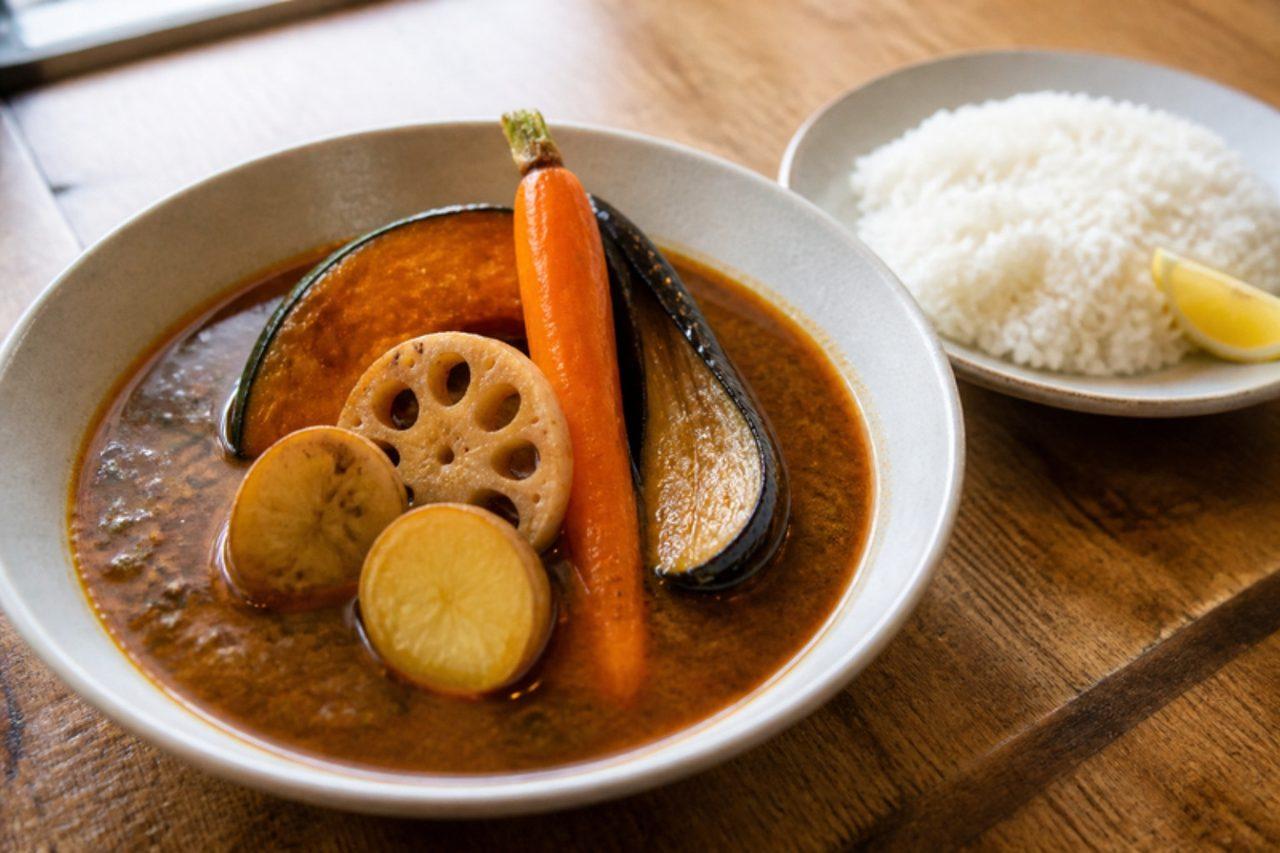
Sapporo's soup curry was born in the city's cafés in the 1970s and became a craze in the 2000s, when hundreds of small shops opened across Hokkaido's capital, each letting you pick a heat level from 1 to 30. It is nothing like the thick roux curry most of Japan knows: the broth is as thin as soup, aromatic with cumin, cardamom and garlic, and the vegetables arrive large and separately roasted, so each keeps its own colour and bite. Locals eat it in the long Hokkaido winter with a plate of rice on the side, taking a spoonful of rice and dunking it into the broth. Chef's tip: roast or fry the vegetables apart from the broth and only meet them in the bowl. The contrast of crisp-edged vegetables and hot, loose broth is the whole point.

by KrazyBadal 0 views

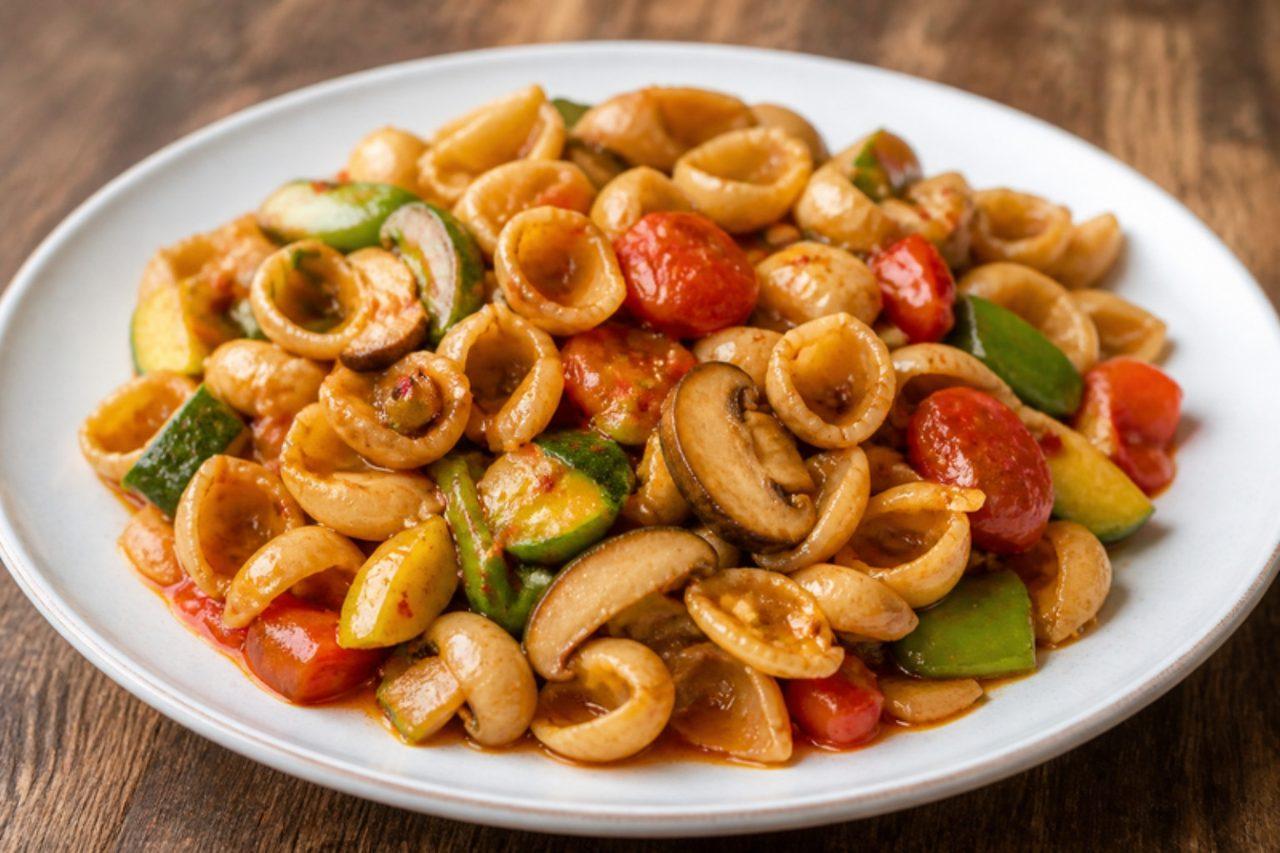
Shanxi cat's ear noodles

Shanxi has more pasta shapes than almost anywhere in China, and these are among the easiest to make by hand: small pieces of dough pressed and rolled with the thumb so they curl up like a cat's ear. Families in Taiyuan and Pingyao boil them and then stir-fry them with vegetables, or serve them in broth. The cupped shape catches the sauce. Children enjoy shaping them. Chef's tip: dust the board lightly with flour; too much and the dough slides instead of curling.

by KrazyBadal 0 views

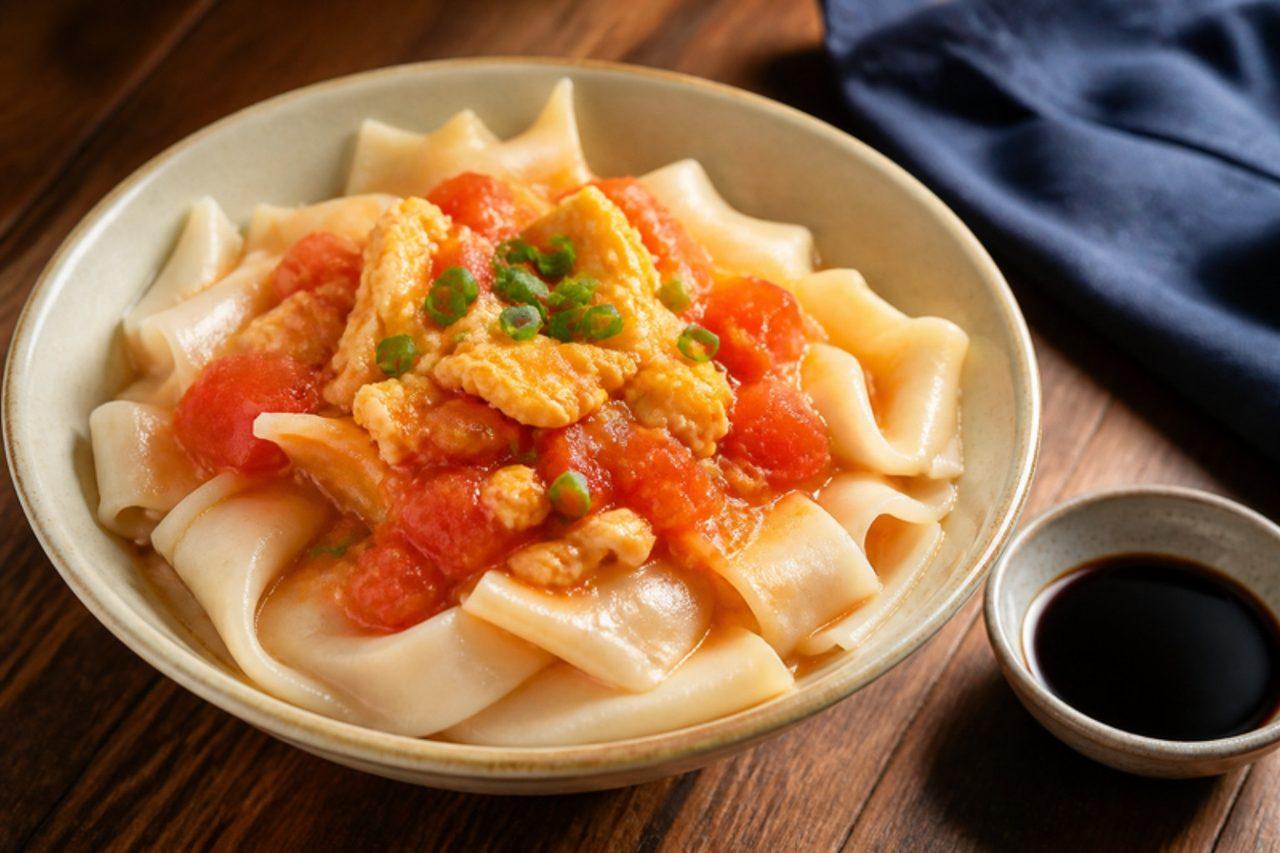
Shanxi knife-shaved noodles with tomato and egg

In Taiyuan, noodle cooks hold a block of stiff dough on one arm and shave strips off it straight into a boiling cauldron, so fast they look like falling leaves. Each noodle comes out thick in the middle and thin at the edges, chewy and slightly uneven, which is the whole charm. The most common topping in Shanxi homes is a soft tomato and egg sauce, with a splash of aged vinegar at the table. Chef's tip: a firm dough is essential; a soft one sticks to the blade and tears.

by KrazyBadal 0 views

Tianjin fried sticky rice cakes

These are one of Tianjin's three famous snacks, named after Erduoyan ('ear hole') Lane, where the original shop opened over a hundred years ago. The dough is soft, slightly fermented glutinous rice, filled with dark, sweet red bean paste and fried until the shell is crisp and blistered while the inside stays chewy. Locals buy them for festivals and as a winter treat. Chef's tip: seal the edges thoroughly and fry at a moderate heat; hot oil makes them burst and spit.

by KrazyBadal 0 views

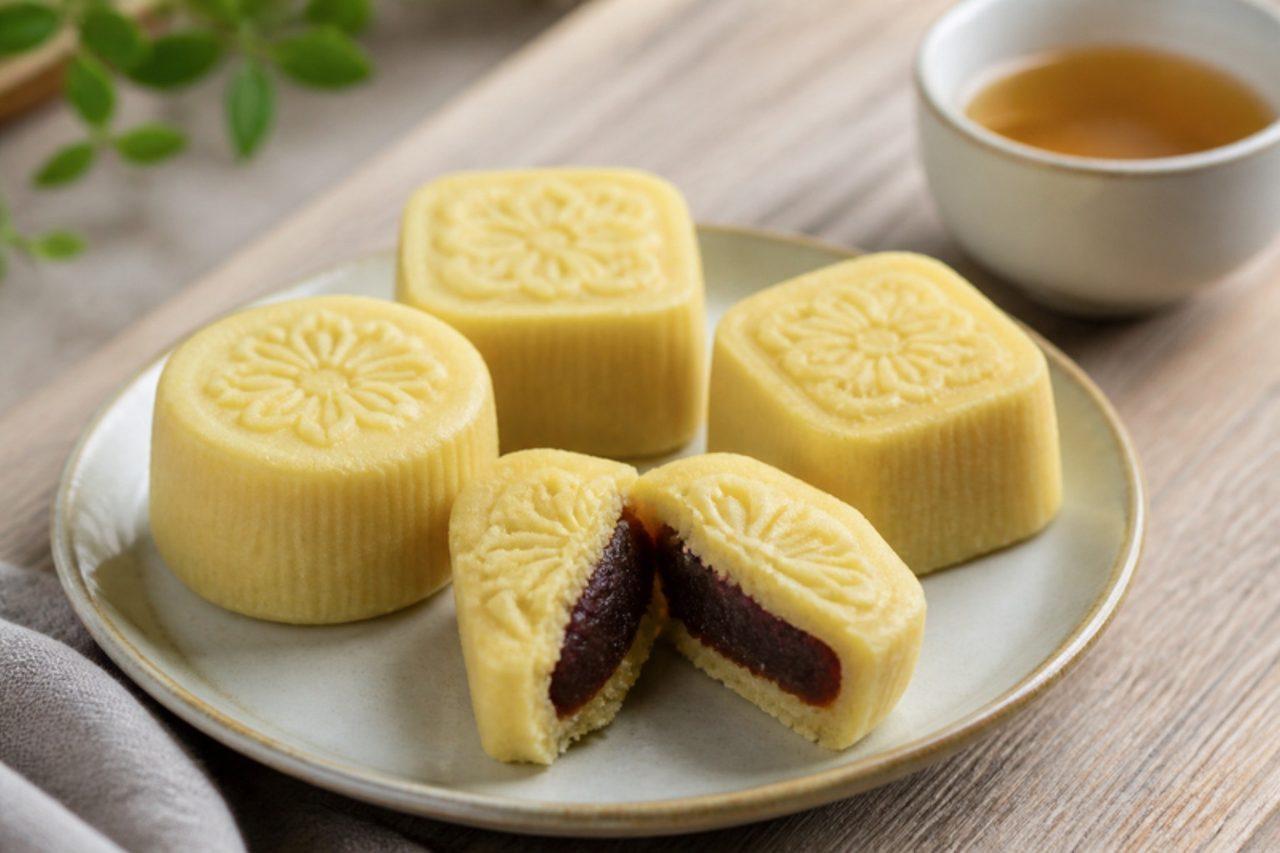
Beijing mung bean cakes

Beijing pastry shops stack these pale yellow cakes high in early summer, when they're eaten for the Dragon Boat Festival and as a cooling sweet on hot afternoons. Peeled mung beans are steamed, mashed with sugar and oil, then pressed in wooden moulds, so each cake comes out with a pattern. Northern versions are dry and crumbly; Suzhou ones further south are oilier. You need a mooncake press or small mould. Chef's tip: cook the paste until it pulls away from the pan in one ball; if it's too wet the cakes slump.

by KrazyBadal 0 views

Showing 27 of 7,762 recipes

Show more recipes

Page 595 of 863