


Skip to content
Frango com quiabo
Featured recipe

Frango com quiabo

Chicken with okra

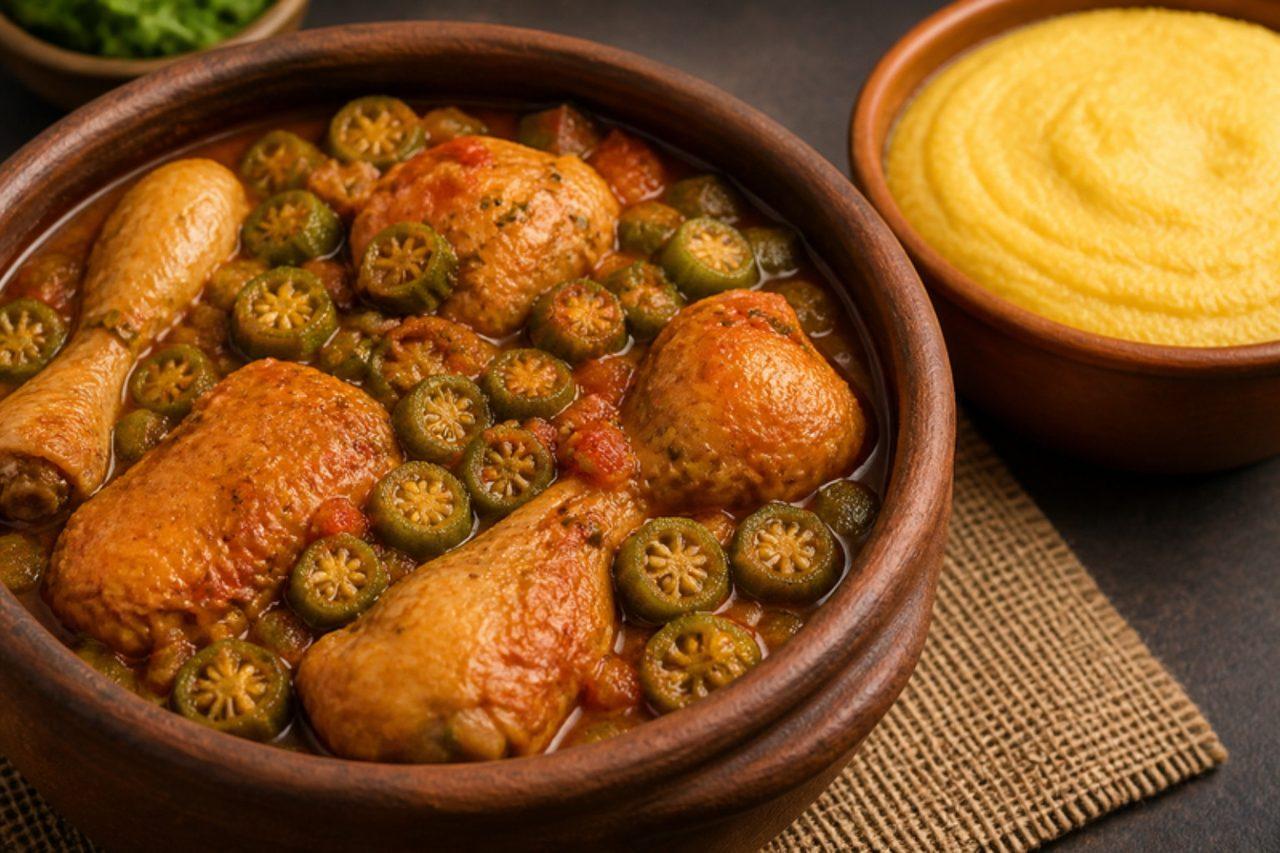
Countryside Minas Gerais, especially around Belo Horizonte and the historic towns, cooks frango com quiabo for Sunday lunch: chicken pieces braised in a garlicky tomato sauce coloured with annatto, with okra fried separately and folded in at the end so it stays green and barely sticky. It is served over angu, a soft, unseasoned cornmeal porridge, with rice and a pot of hot pepper on the side. The sauce is savoury and homely, the okra tender with a little bite. People often add the raw okra straight to the pot, which makes the sauce slimy; frying it first in hot oil seals it. Chef's tip: stir the angu with a whisk as you pour in the cornmeal, then switch to a wooden spoon, and it will never go lumpy.

Read more 0 views

What to eat today?

Around the world

Today's trip: Paraguayan

A new country every day, from every cuisine on the site.

Paraguayan

Chipa

Cheese bread rings 50 minMore from Paraguayan (27) →

This week's collection

Kid-friendly dinners
537 recipes · a new collection every Monday

Latest recipes

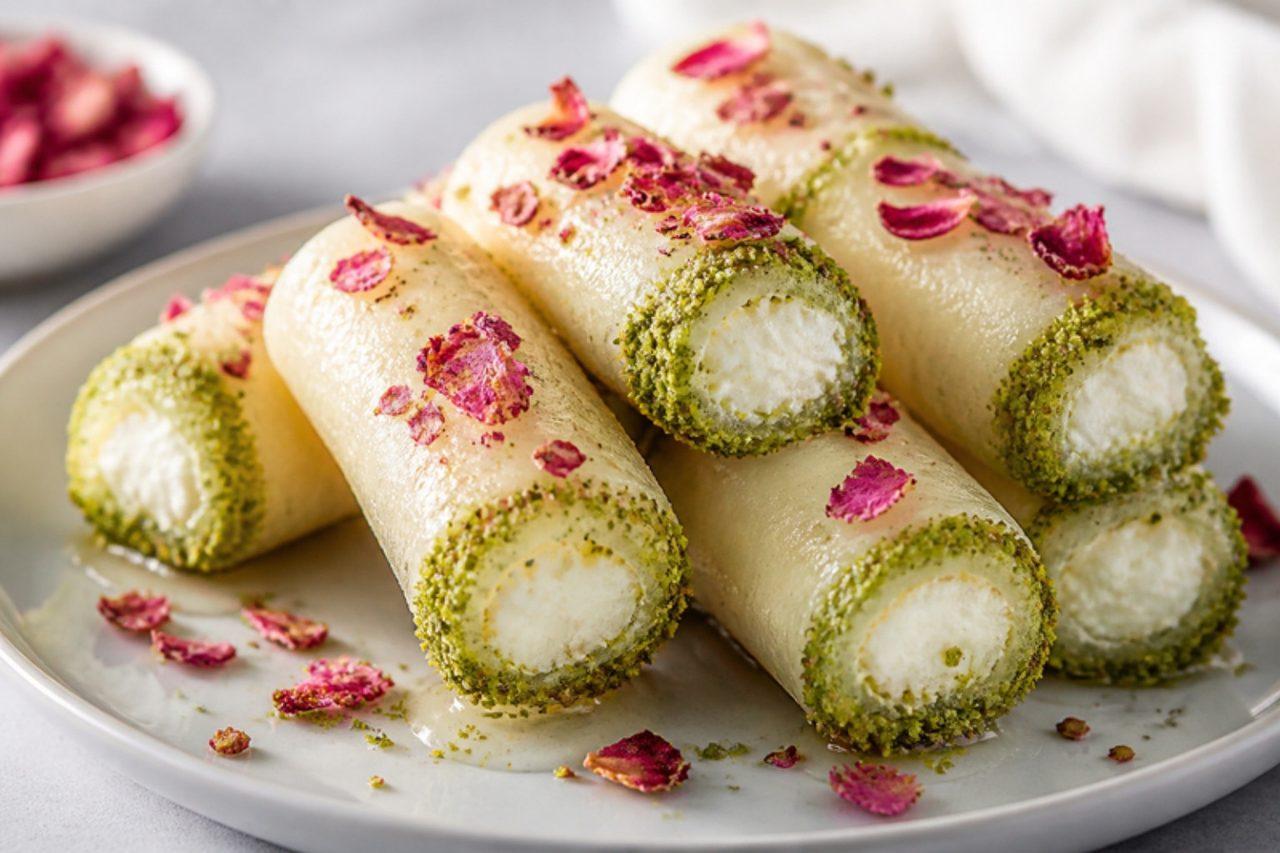
Halawet el jibnCheese and semolina rolls

Halawet el jibn, 'sweetness of cheese', is the pride of the pastry shops of Homs in Syria and Tripoli in Lebanon, where trays of the pale, stretchy rolls are sold for Eid, weddings and Sunday afternoons. A dough of melted cheese and semolina is stretched thin, wrapped around thick clotted cream (ashta), cut into rolls and soaked in rose syrup. The dough must be worked hot, which makes it the hardest dessert in this collection, but the result is soft, chewy and only lightly sweet. Use mozzarella or akkawi made with vegetarian (microbial) rennet; many supermarket mozzarellas are. Chef's tip: oil your hands and the worktop rather than flouring them; flour toughens the dough and dulls its shine.

by KrazyBadal 0 views

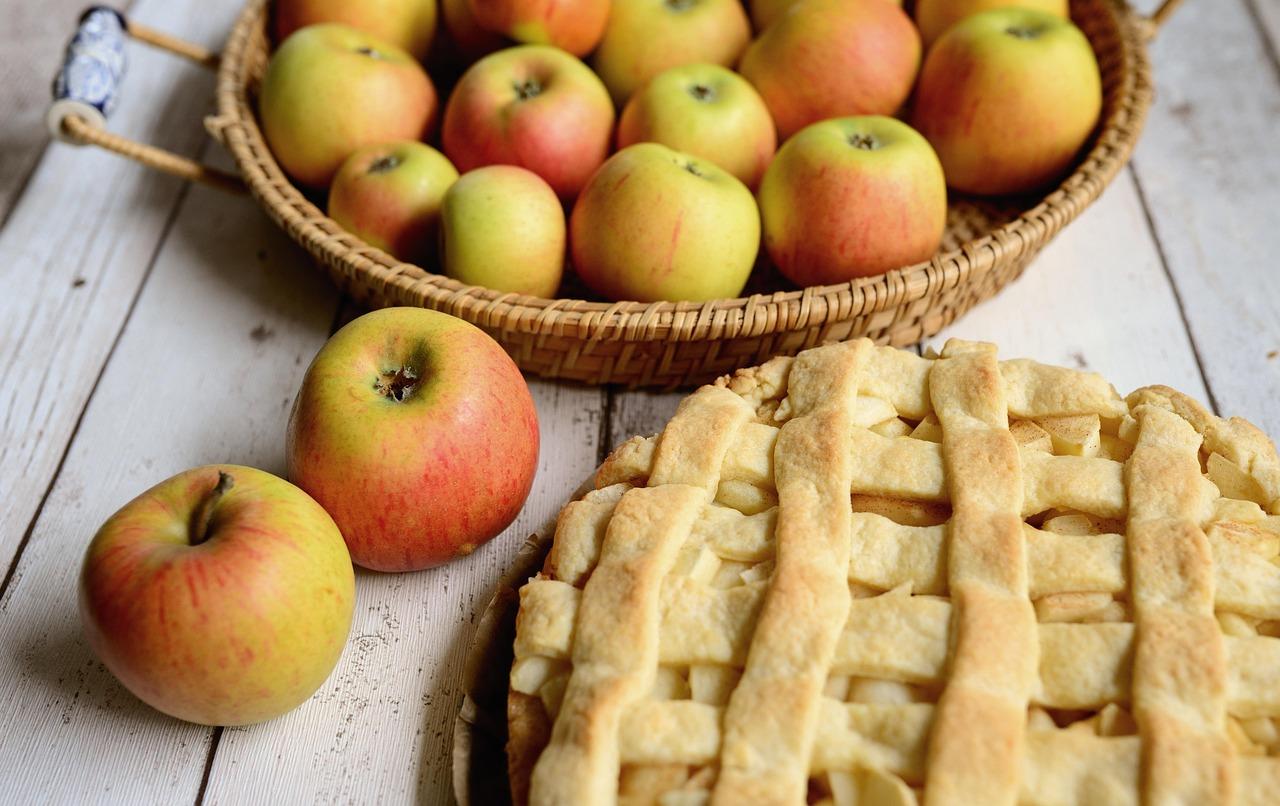
AppeltaartDutch apple pie

Dutch appeltaart is a tall, generous pie baked in a springform tin, piled so high with apple chunks that a slice stands almost as tall as it is wide. A buttery, cake-like crust holds apples with cinnamon, lemon and raisins, and the top is woven into a lattice. It is what Dutch cafés serve with coffee, and what people bake for a birthday, always with a spoon of slagroom (lightly whipped cream). Amsterdam's Winkel 43 made it famous with tourists. Chef's tip: use firm, tart apples such as Goudreinet, Elstar or Bramley mixed with Jonagold; soft dessert apples collapse into purée and leave a gap under the lattice.

115 minDutchBaking
by KrazyBadal 0 views

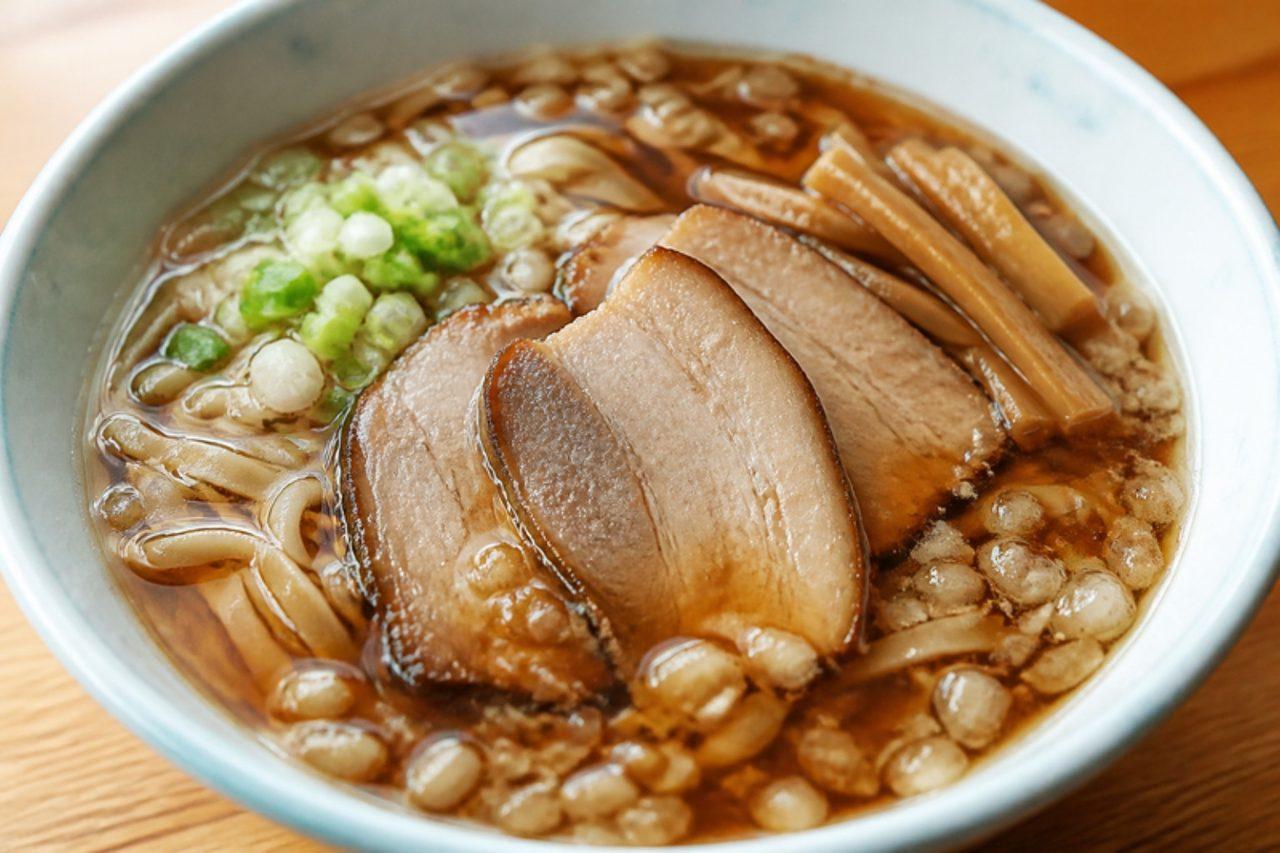
Onomichi ramen

Onomichi is a hilly port town in Hiroshima prefecture on the Seto Inland Sea, and the start of the Shimanami Kaido cycle route across the islands to Shikoku. Its ramen shops serve a dark soy-seasoned broth made from chicken and small dried fish, with flat, slightly wavy noodles. The signature is a scattering of soft pork back-fat pieces that float on top and melt into each mouthful. Many visitors eat a bowl before or after the bike ride. Chef's tip: pull the heads and dark bellies off the dried sardines before using them; that is where the bitterness lives, and the cleaned fish give a sweet, clean sea flavour.

by KrazyBadal 0 views

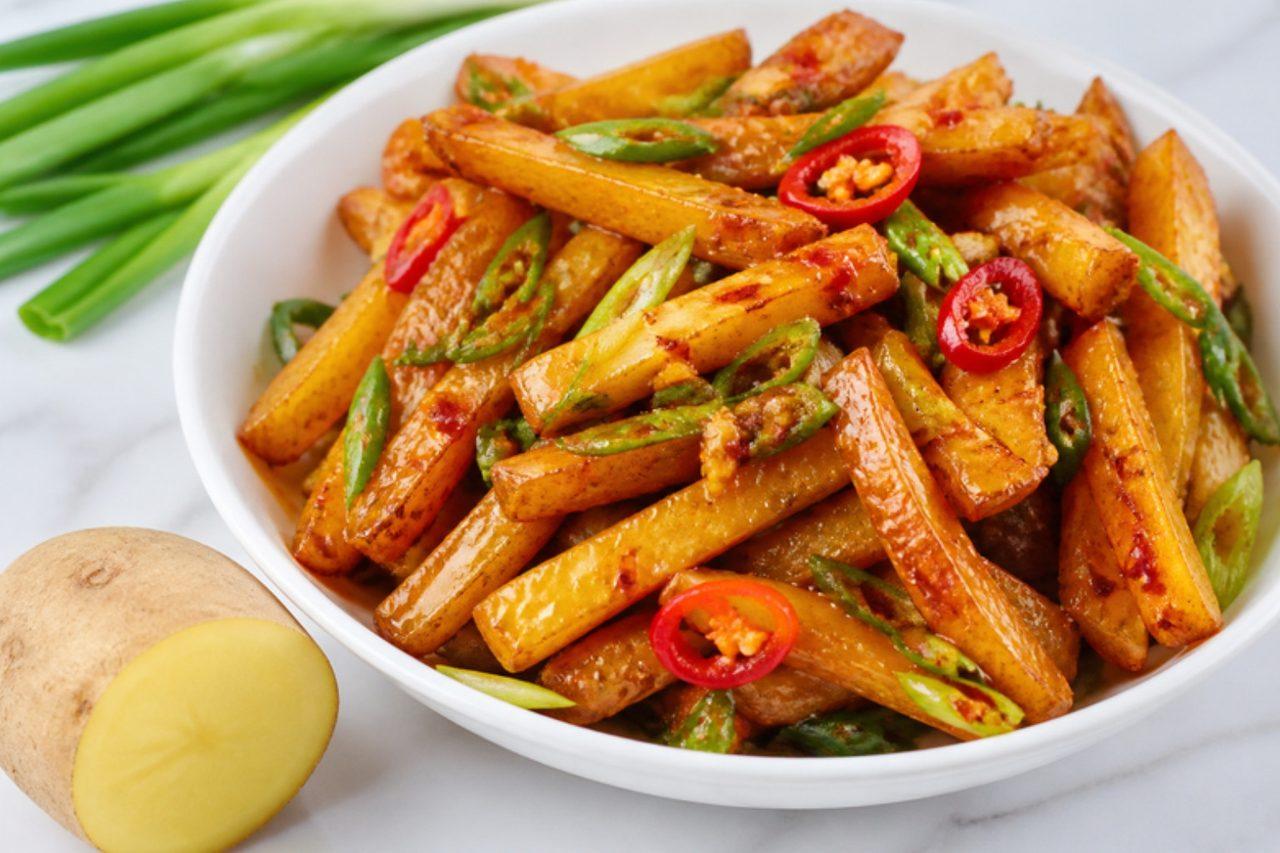
Chinese tawa potatoesSoy and chilli potato chips

An Indo-Chinese favourite from the barbecue tawa: crisp fried potato chips tossed with garlic, ginger, soy sauce, ketchup and plenty of chillies and spring onion, then glazed with a little cornflour sauce. Sticky, salty and hot. Serve straight away as a starter.

by KrazyBadal 0 views

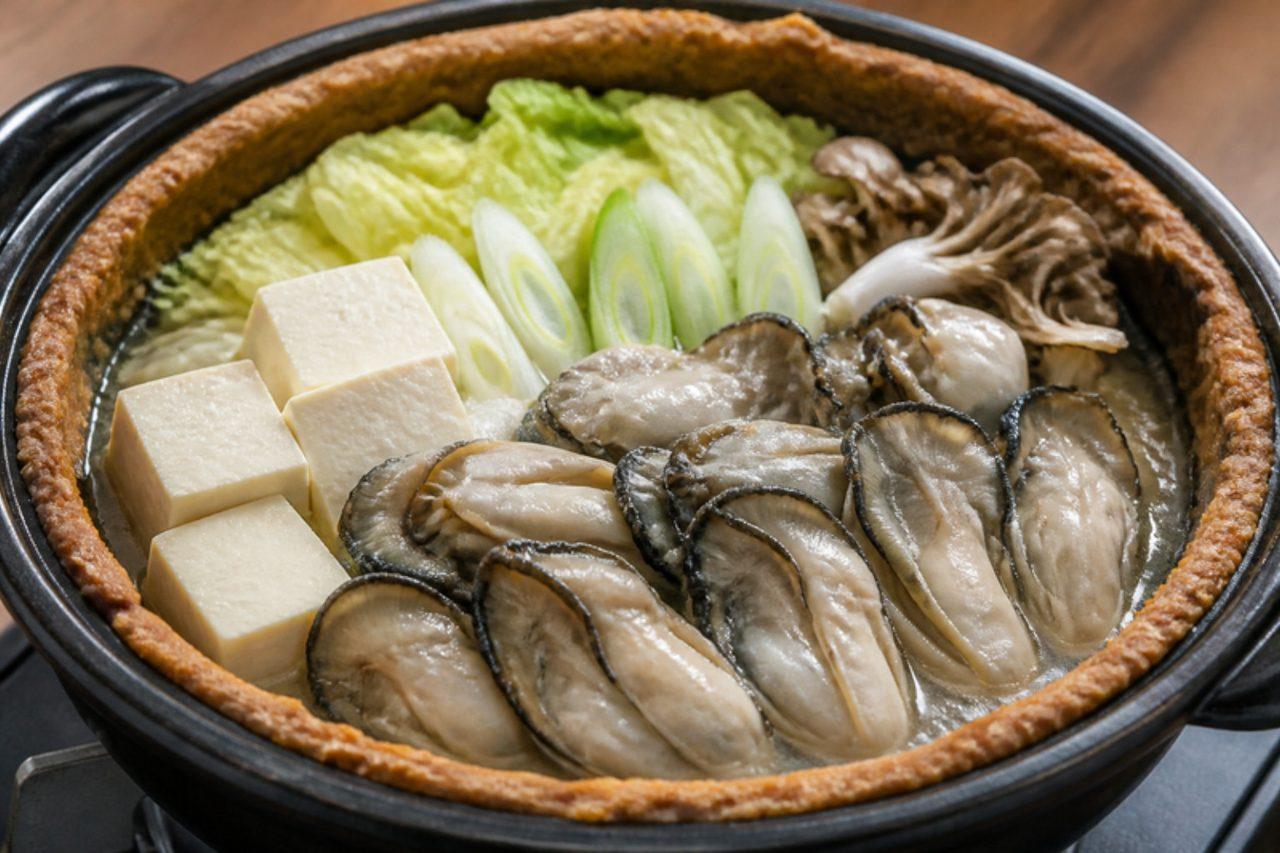
Hiroshima oyster nabe (kaki nabe)

Hiroshima Bay is lined with oyster rafts, and from late autumn to early spring the city's restaurants put kaki nabe on the menu. In the version called dote nabe, a thick band of sweetened miso is smeared around the inside of the pot like a riverbank, then melts into the broth bit by bit as you eat. Cabbage, tofu, leek and mushrooms go in first; the oysters only need a few minutes at the end. It is cooked at the table on a portable burner, so everyone eats it as it is ready. Chef's tip: rinse the shucked oysters in a bowl with potato starch and a little salt, then in clean water; the grey starch pulls out grit and slime and leaves them clean-tasting.

by KrazyBadal 0 views

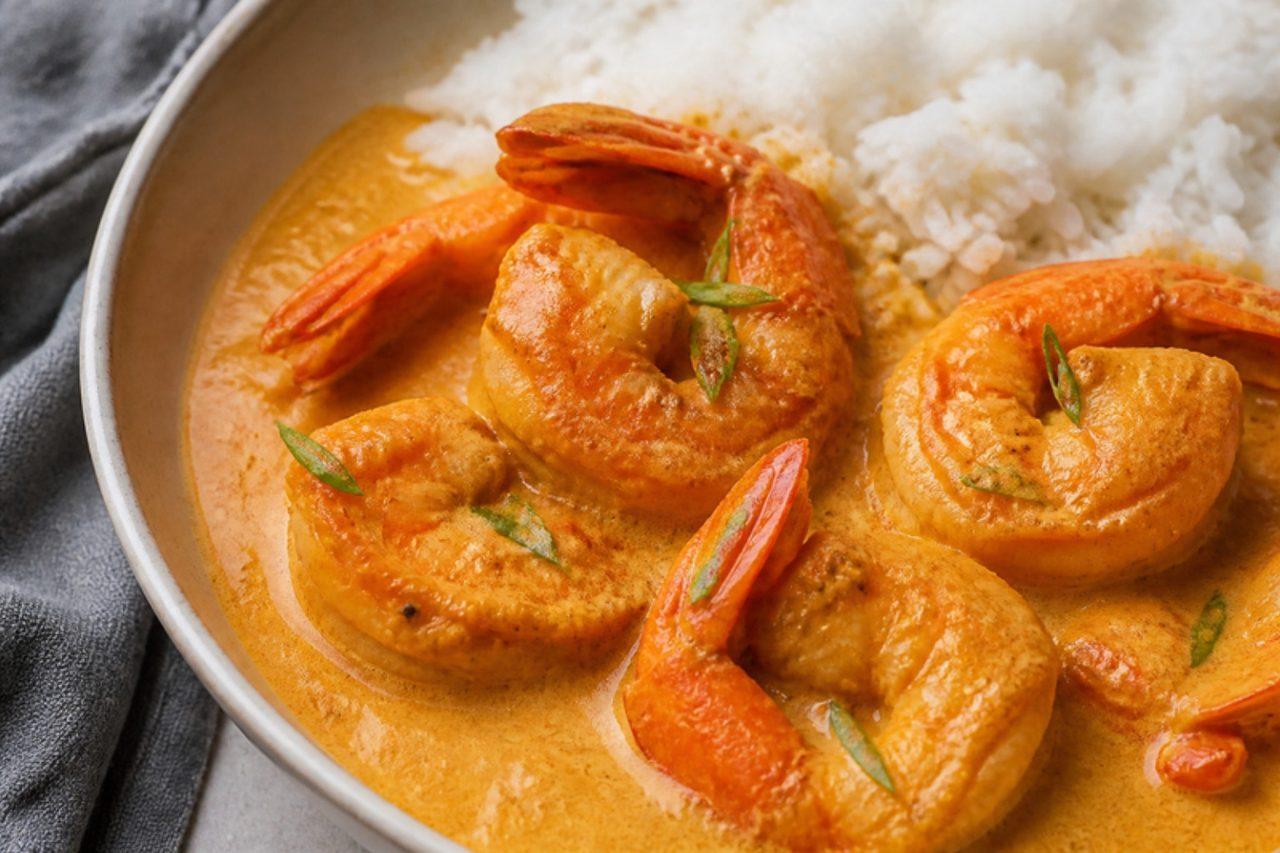
Chingri malaikariPrawns in coconut milk curry

Big prawns in a pale, silky coconut gravy are what a Bengali family cooks for guests, for a new son-in-law at Jamai Sasthi, or for a wedding lunch. The dish is gently spiced, a little sweet, and leans on the head fat of the prawns for richness, so it tastes of the sea rather than of chilli. Serve it with steamed gobindobhog or basmati rice. Chef's tip: if you can find shell-on prawns with heads, leave the heads on; squeeze them into the gravy as you eat for the full flavour.

45 minIndianFishGluten free
by KrazyBadal 0 views

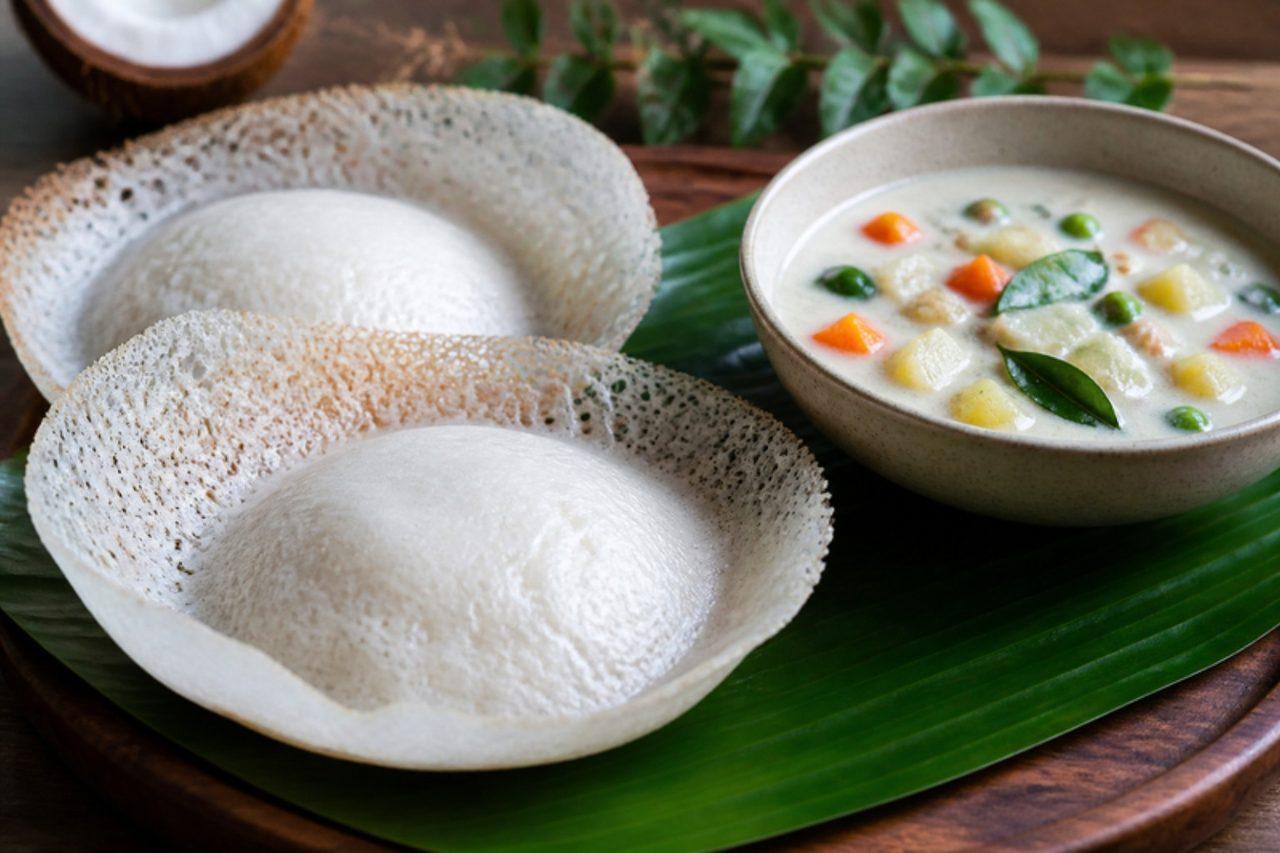
Appam with vegetable stewRice hoppers with vegetable stew

Appam with stew is a Kerala breakfast loved across communities, and the classic Easter and Christmas morning meal for Syrian Christian families. Appams are bowl-shaped pancakes of fermented rice and coconut batter: crisp, lacy edges around a thick, spongy, slightly sweet centre. The stew (ishtu) is pale and gentle: potatoes and vegetables simmered in thin coconut milk with whole spices, ginger and green chilli, finished with thick coconut milk and curry leaves. Chef's tip: swirl the appam pan once, firmly, the moment the batter goes in, then cover; the swirl makes the lace and the lid steams the soft centre.

by KrazyBadal 0 views

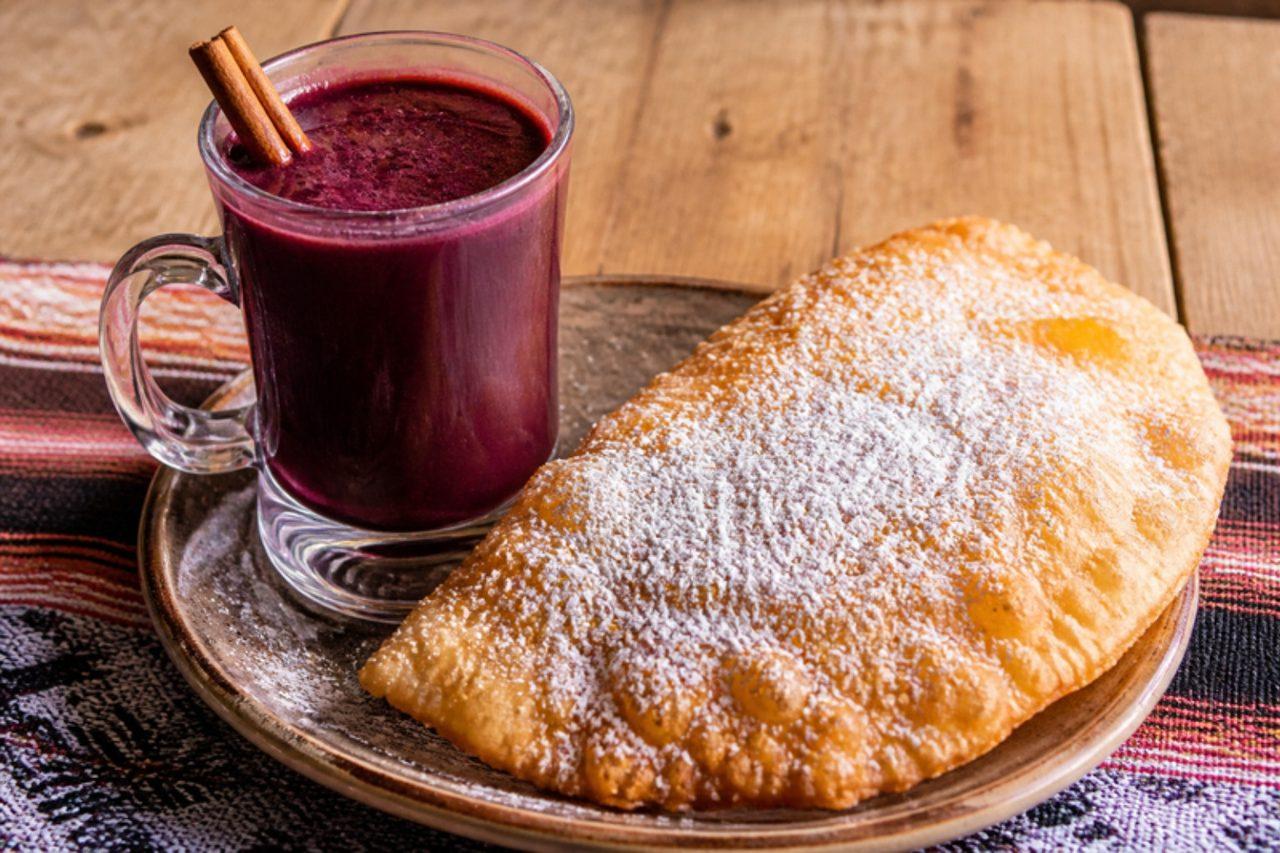
Api con pastelPurple corn drink with cheese pastry

On cold mornings in La Paz, El Alto and Sucre, market stalls ladle out steaming api: a thick, spiced drink of purple corn flour with cinnamon, cloves and orange peel. It's served with a pastel, a big, thin fried empanada filled with fresh cheese and dusted with icing sugar, crackling and blistered outside. Some stalls swirl the purple api with white (corn and milk) api in the same glass. Chef's tip: whisk the corn flour into cold water before it meets anything hot, or it lumps immediately.

by KrazyBadal 0 views

Chipa guasuFresh corn and cheese bake

Chipa guasu (Guaraní for 'big chipa') is sopa paraguaya's softer cousin, made from fresh corn instead of cornmeal. The kernels are grated or blended into a milky purée and baked with onion, cheese and whipped eggs into a tender, gently sweet bake that rises and wobbles. It's a summer dish at Paraguayan asados and fiestas patronales (saints' days), eaten beside grilled meat or simply with a tomato salad. Chef's tip: fold in the whisked egg whites last; it's what makes chipa guasu light and puffed rather than dense.

by KrazyBadal 0 views

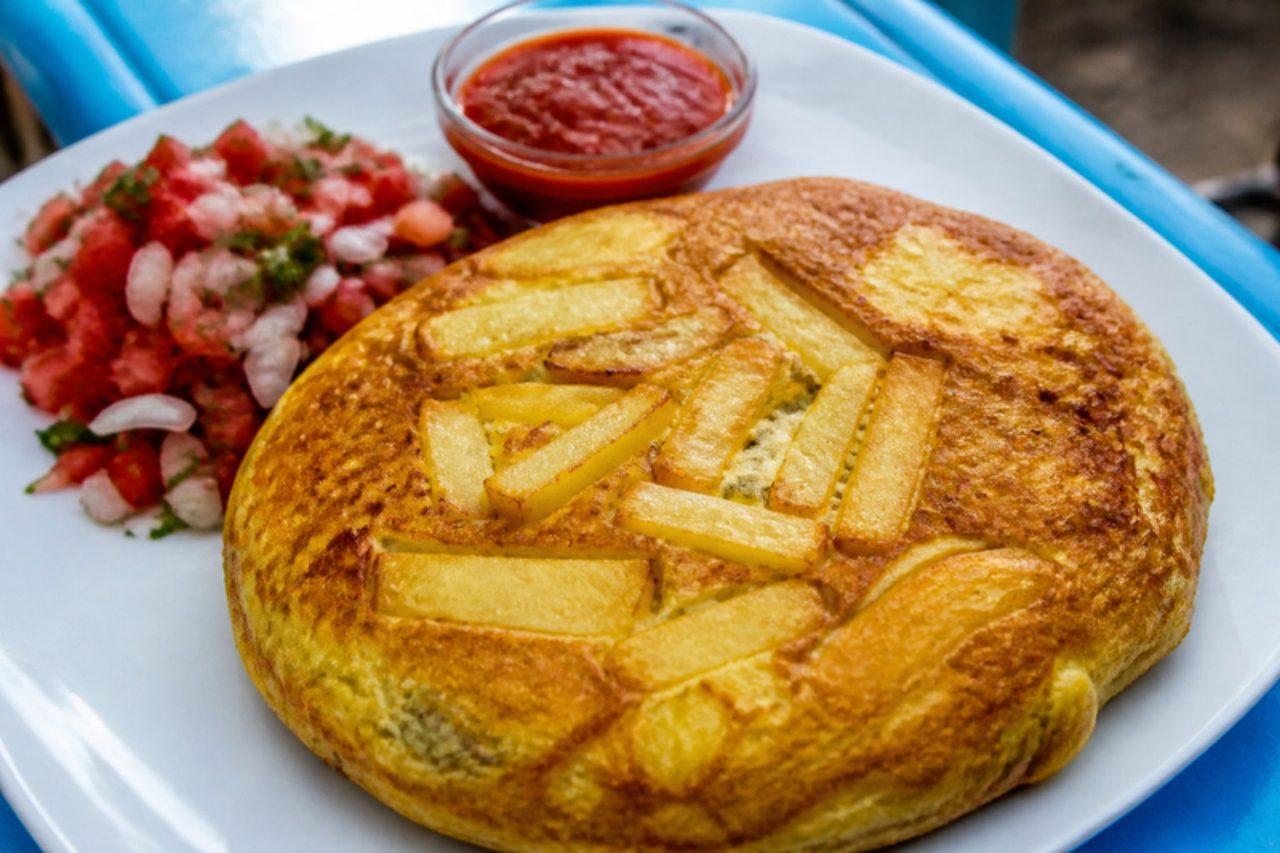
Chips mayaiChip omelette

Chips mayai ('chips and eggs') is Tanzania's best-loved street food, fried to order in Dar es Salaam and Zanzibar at evening stalls with big flat pans: fresh chips are bound into a thick omelette and served with kachumbari and chilli sauce or ketchup. Children and students live on it. Chef's tip: let the chips go crisp before pouring in the egg; soft chips make a soggy omelette.

by KrazyBadal 0 views

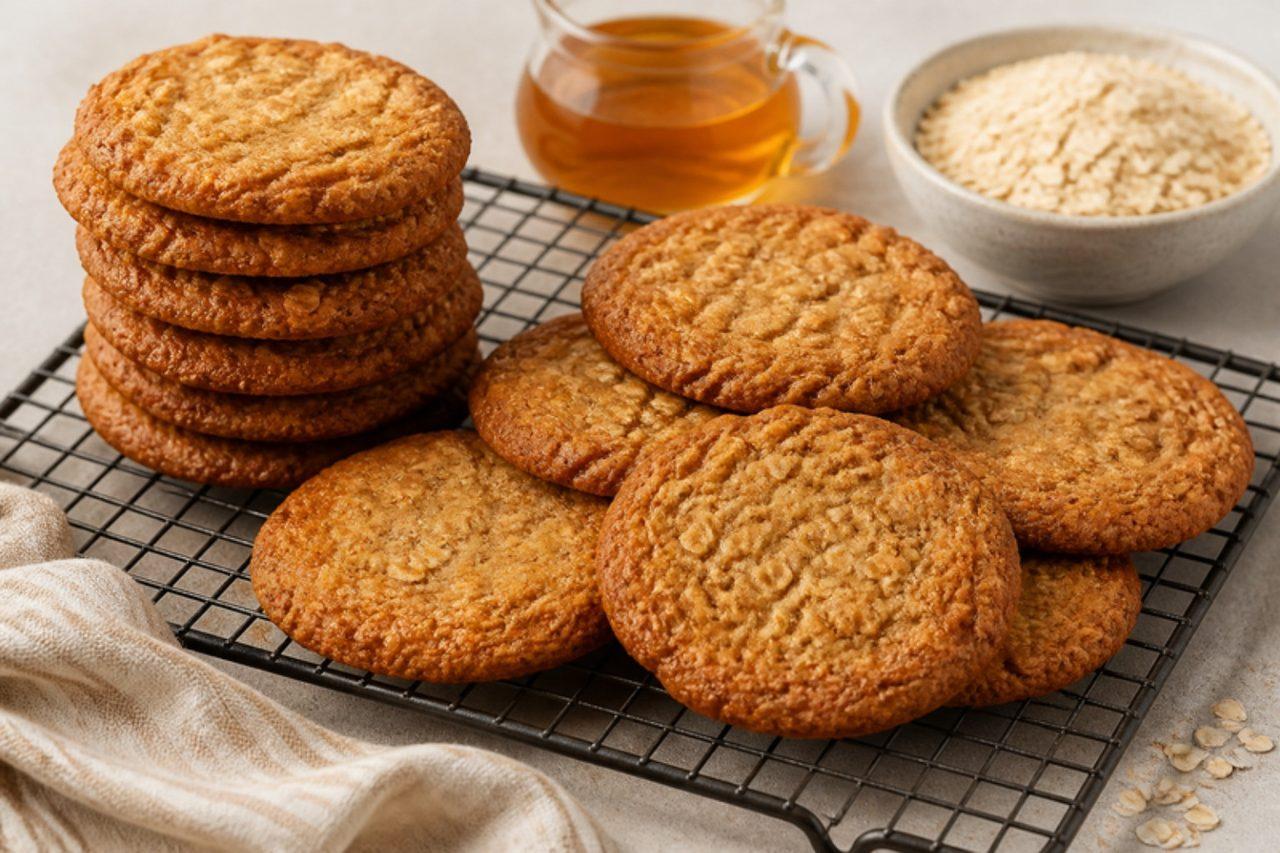
Anzac biscuitsOat and coconut biscuits

Anzac biscuits are baked in kitchens all over Australia and New Zealand in the days before 25 April, Anzac Day, when both countries remember the soldiers of the Australian and New Zealand Army Corps who landed at Gallipoli in 1915. Recipes appeared in fundraising cookbooks soon after the war, and they keep well because they contain no eggs: just oats, flour, coconut, sugar, butter and golden syrup, raised with bicarbonate of soda. Bake them short for chewy, longer for crunchy; every family has its side. Chef's tip: add the bicarbonate to the hot butter and syrup and wait for it to foam up before mixing; that froth is what makes them light and lacy.

by KrazyBadal 0 views

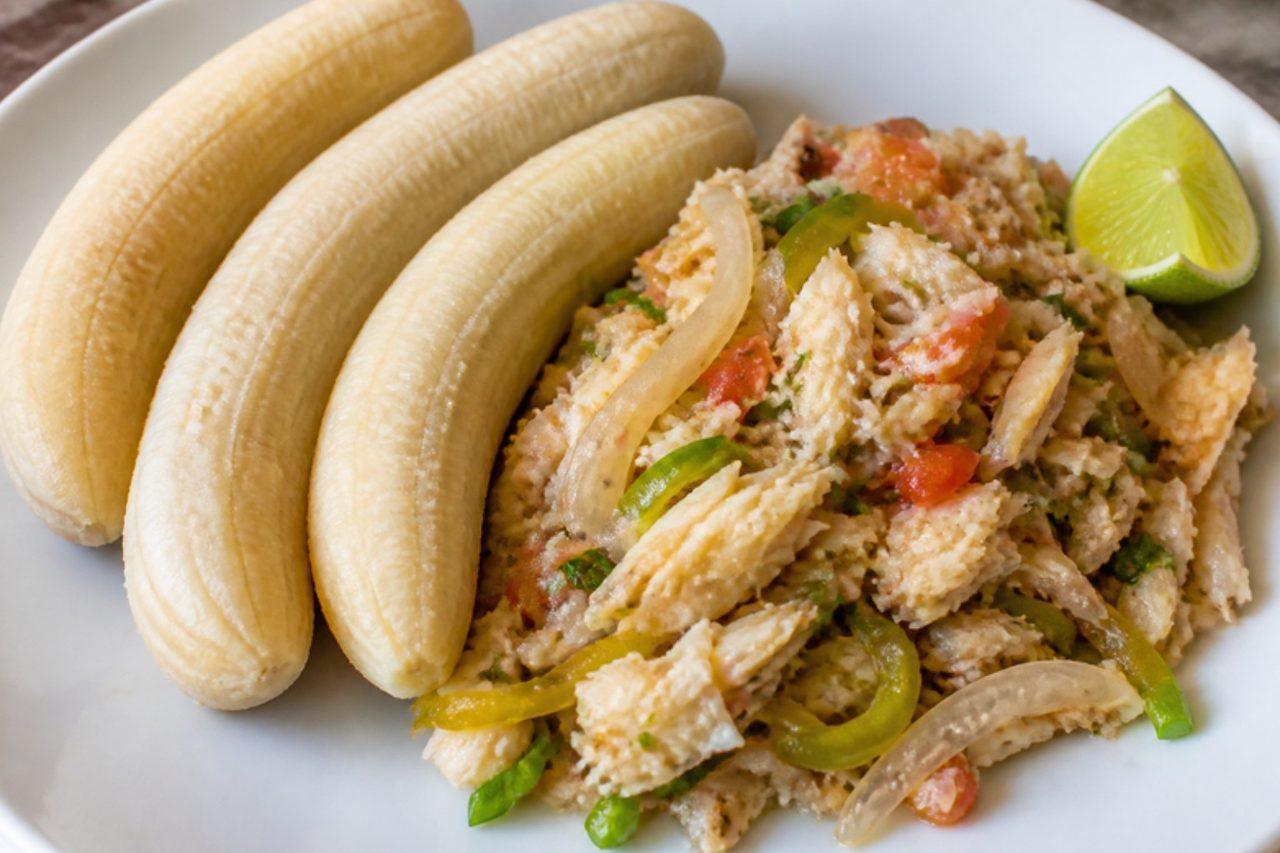
Green fig and saltfishGreen bananas with salt cod

In St Lucia green bananas are called figs, and green fig and saltfish is the national dish: a Saturday lunch in Castries homes and the plate served everywhere on Jounen Kwéyòl, the island's Creole Day in October. The bananas are boiled until tender and mild, a little like potato, and served with salt cod sautéed with onion, sweet pepper, tomato, thyme and hot pepper. Add sliced avocado or cucumber on the side. The most common mistake is not soaking the saltfish long enough, which leaves the whole plate far too salty; taste a flake before you cook it. Chef's tip: rub oil on your hands (or wear gloves) before peeling the green bananas; the sap stains skin black.

by KrazyBadal 0 views

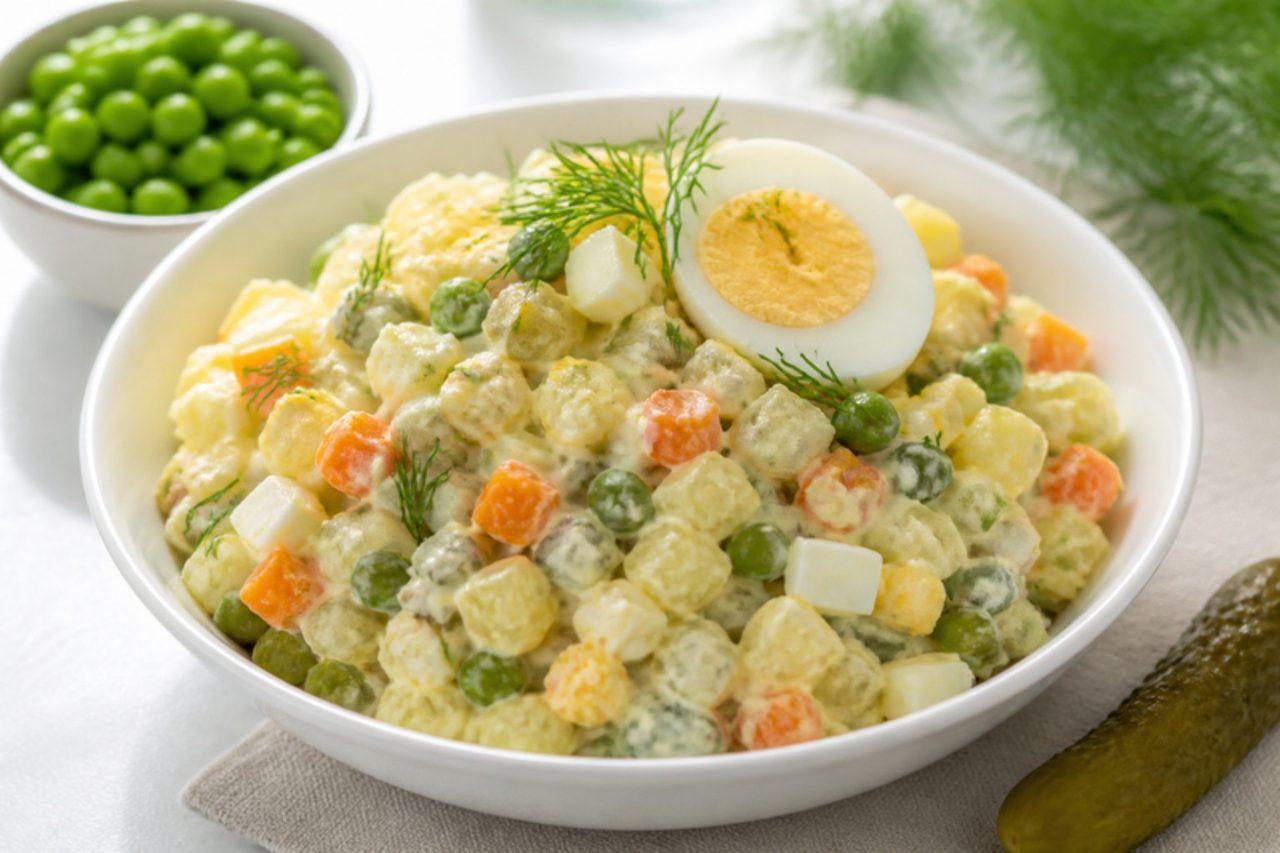
Olivier salad (vegetarian)

Salat Olivier was born in a fashionable Moscow restaurant in the 1860s, but today it belongs to every Russian kitchen on 31 December, when a bowl the size of a washing-up basin is made in the afternoon and eaten until 1 January is well over. Soviet cooks swapped the original's game for boiled sausage; this vegetarian version leaves it out and lets the sweet carrots, peas, sharp pickled cucumbers and creamy egg carry the salad. Chef's tip: cut everything to the size of a pea, the same size as the peas themselves; that is what makes Olivier feel like Olivier rather than potato salad.

by KrazyBadal 0 views

Bacalhau com natasSalt cod baked with cream

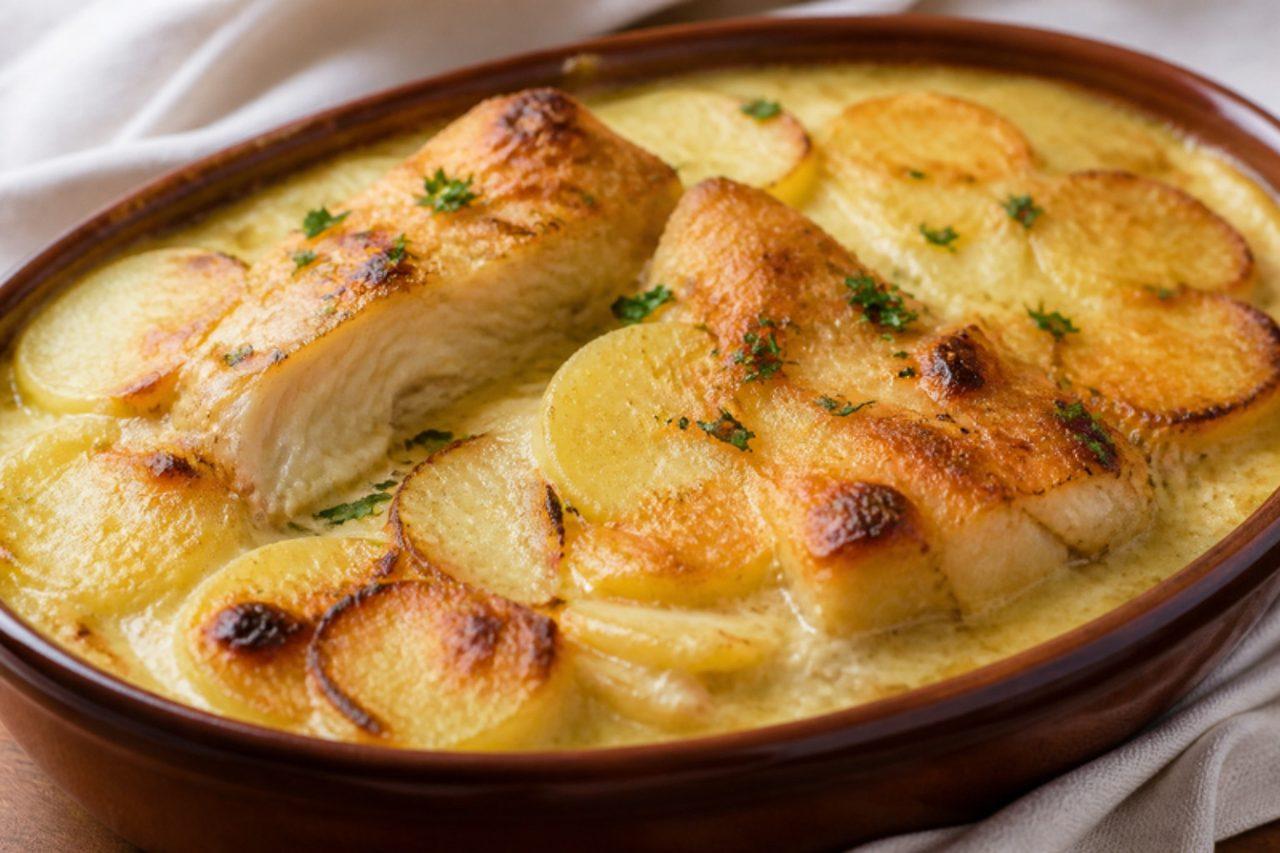
Bacalhau com natas is the comfort bake that turns up at Portuguese Christmas gatherings, Sunday lunches and every café menu from Porto to Faro. Flaked salt cod, soft onion and cubes of fried potato are folded into a light béchamel enriched with cream, then baked until bubbling and golden on top. It is rich, gently salty and easy to make ahead for a crowd. Serve with a crisp green salad and some bread. Chef's tip: fry the potato cubes only until pale gold; they finish cooking in the oven, and crisp ones turn soggy anyway.

by KrazyBadal 0 views

ChitrannaLemon rice

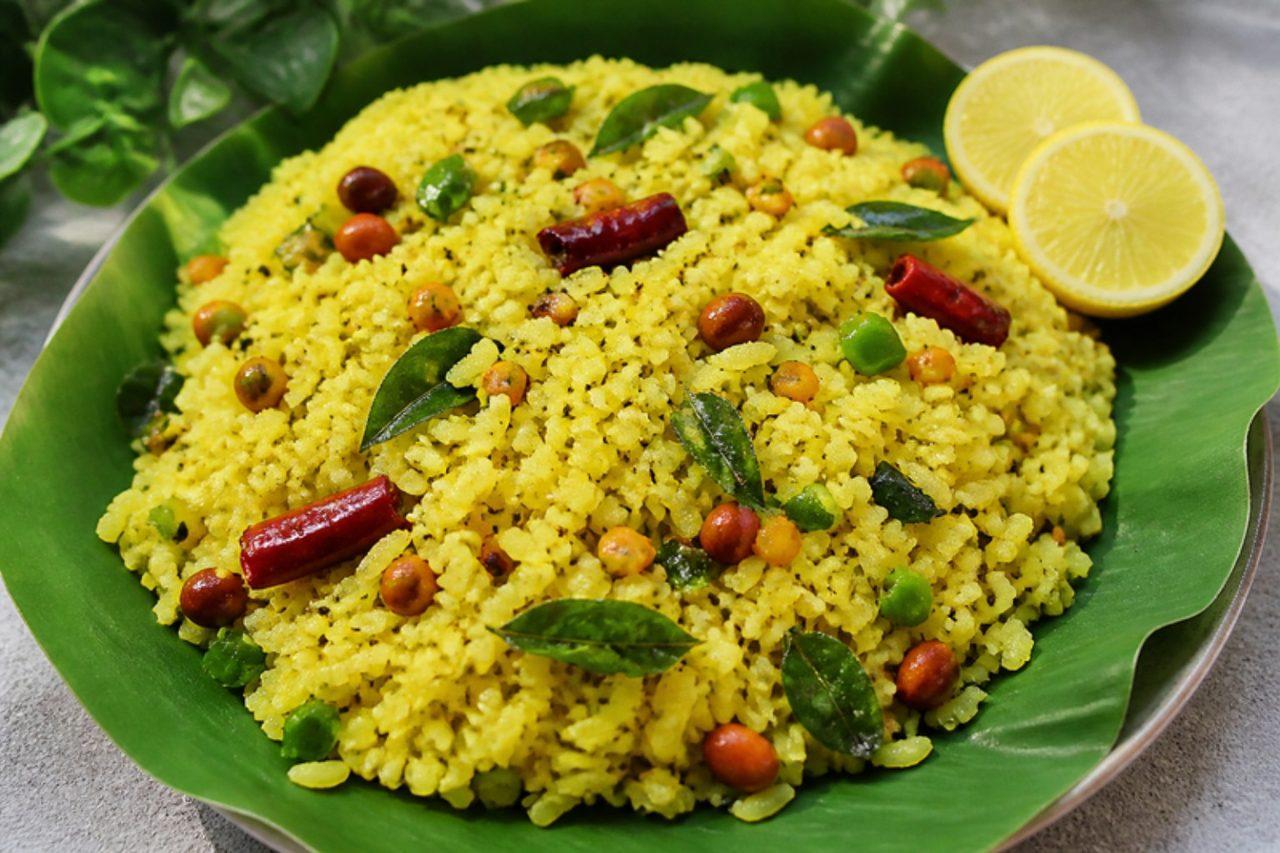
Chitranna, 'colourful rice', is the dish Karnataka mothers make when there is leftover rice and a school tiffin box to fill: cooked rice tossed in a yellow turmeric tempering with roasted peanuts, crunchy dals, green chilli, curry leaves and plenty of lemon. It appears at temple festivals as prasada, on train journeys wrapped in banana leaf, and on every Bengaluru darshini breakfast counter. It tastes even better an hour after it's made, when the lemon has soaked in. Tamil Nadu's elumichai sadam is a close cousin. Chef's tip: spread the rice out on a plate to cool before mixing; warm, steamy rice turns sticky and breaks when you toss it.

by KrazyBadal 0 views

Mushroom stroganoff

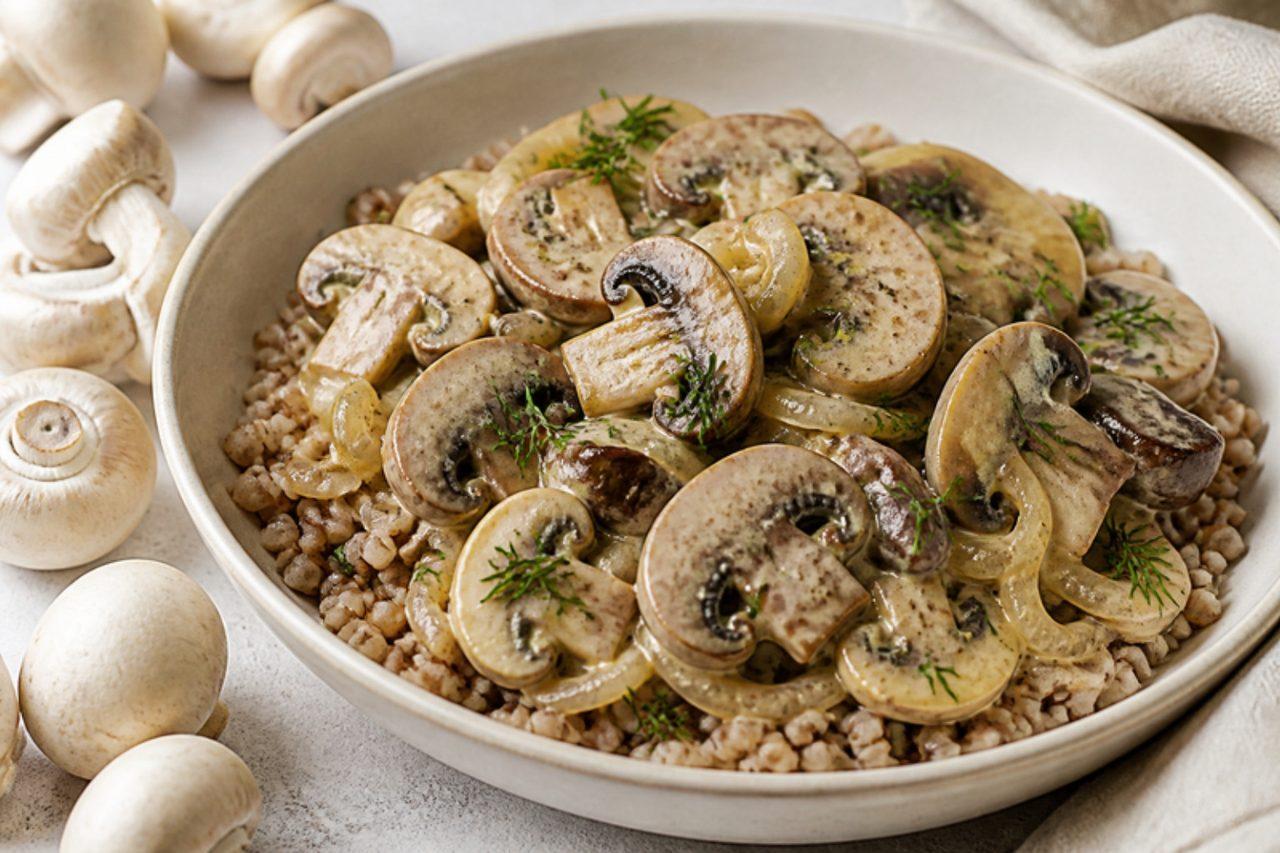
Beef stroganoff was named after the aristocratic Stroganov family of St Petersburg in the nineteenth century, and the original is strips of beef in a sauce of smetana and mustard. In Russian homes today the meatless version, made with forest mushrooms in autumn and button mushrooms the rest of the year, is just as common, especially during Orthodox fasts and on weeknights. It differs from Hungarian paprikás: no paprika, a gentle mustard edge, and a sauce that should stay pale and creamy. Serve it on fluffy buckwheat or mashed potatoes. Chef's tip: stir the smetana in off the boil; bubbling it hard makes it split into grainy curds.

by KrazyBadal 0 views

ChivitoSteak sandwich with ham and egg

The chivito was created in the 1940s at a restaurant in Punta del Este, Uruguay, and became the national sandwich: a soft roll filled with thin, tender steak, ham, melted mozzarella, a fried egg, bacon, lettuce, tomato, olives and mayonnaise. It is eaten in Montevideo's parrillas and corner bars with chips on the side. This sandwich contains pork. The mistake is a thick, chewy steak: use thinly sliced sirloin and sear it fast. Chef's tip: toast the cut sides of the rolls so they stand up to all the juices.

by KrazyBadal 0 views

Anticuchos de corazónBeef heart skewers

As night falls in Lima, anticucheras set up charcoal grills on street corners and fan the smoke towards passers-by; the October processions of the Señor de los Milagros are lined with them. The skewers are traditionally beef heart, a lean, firm and surprisingly mild meat, soaked in a dark-red marinade of ají panca, vinegar, cumin and garlic. They come with a boiled potato, a piece of choclo (large-kernel corn) and a spicy green ají sauce. If you can't get heart, sirloin steak works well. Chef's tip: baste the skewers with the leftover marinade and oil using a few coriander stalks tied together as a brush, the way the street cooks do.

by KrazyBadal 0 views

Yangnyeom chicken (Korean fried chicken)

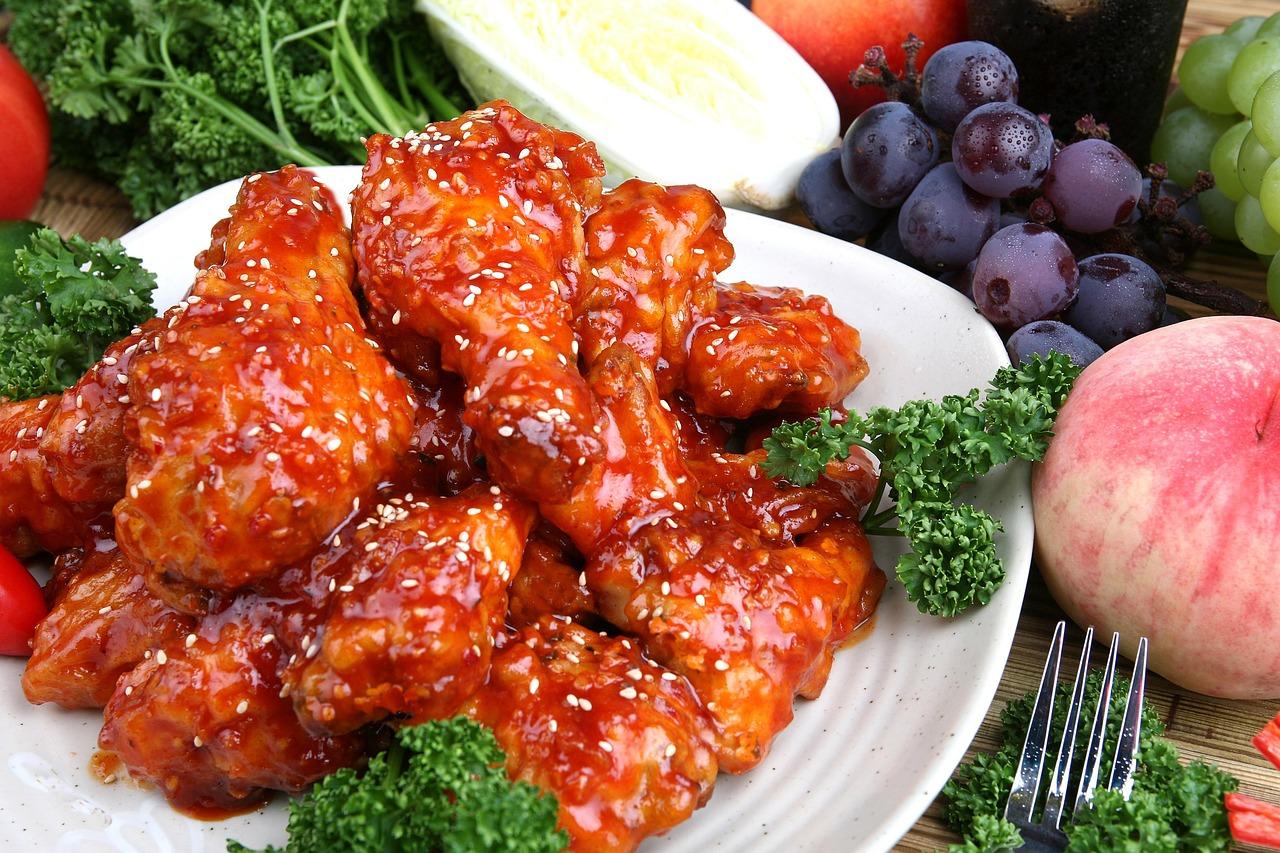
Fried chicken shops are on almost every street corner in Korea, and late-night delivery boxes are shared over sport on TV or by the river in summer. The pairing with beer even has its own word, chimaek, but an ice-cold alcohol-free beer, barley tea or a fizzy drink works just as well. Yangnyeom chicken is the glazed kind, tossed in a sweet, garlicky gochujang sauce, and it always comes with cubes of white pickled radish to cut the richness. Chef's tip: let the chicken rest for 5 minutes between the two fries; the moisture that rises to the surface is what the second fry turns into a shatteringly crisp shell.

by KrazyBadal 0 views

Bun chaGrilled pork with rice noodles

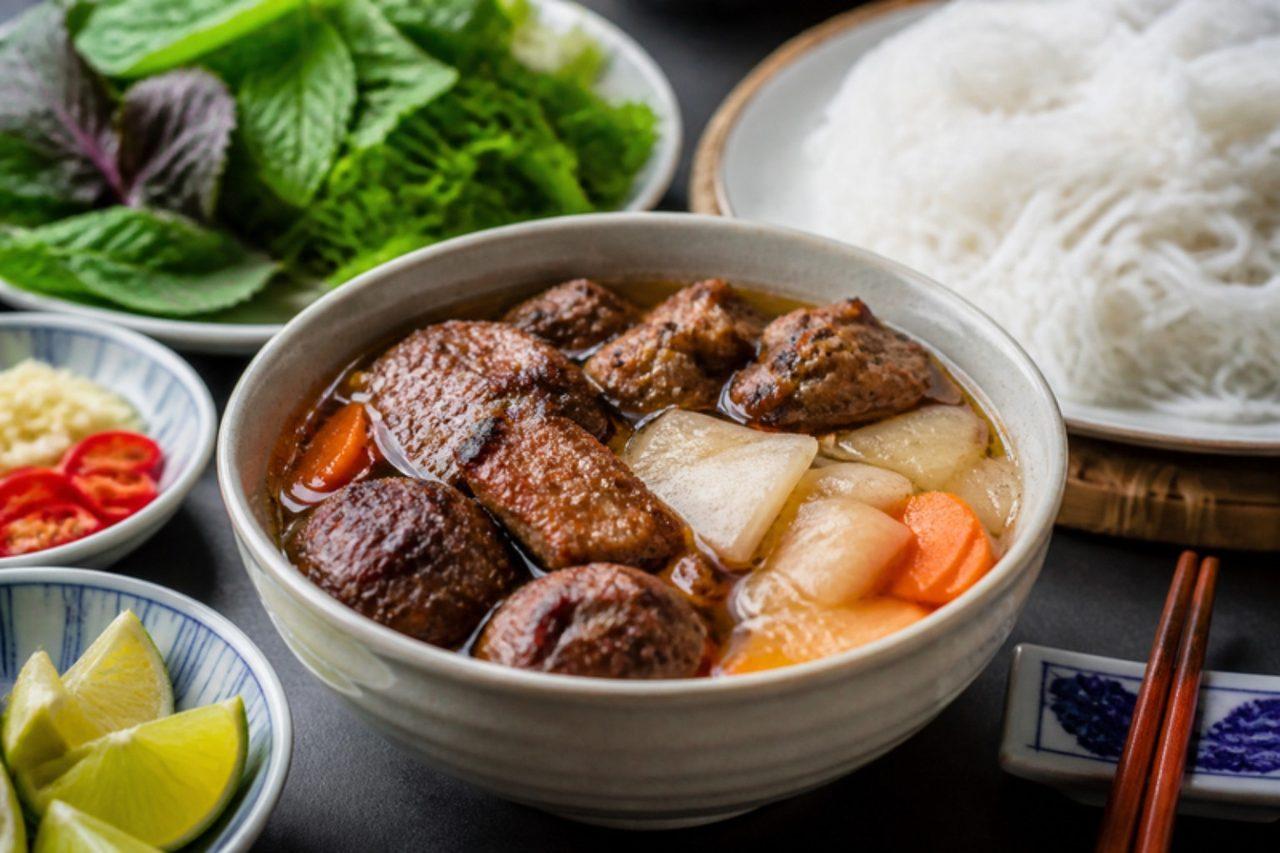
Around 11 in the morning, the side streets of Hanoi's Old Quarter fill with smoke as cooks fan little charcoal braziers loaded with pork. Bun cha is the city's lunch: grilled patties and caramelised strips of pork belly served floating in a warm bowl of thin, sweet-sour fish sauce, with cold rice vermicelli and a basket of lettuce and herbs to dip in alongside. Each mouthful is a bit of noodle, a bit of meat and a leaf or two, all dunked together. A barbecue gives the real smoky edge, but a ridged grill pan works well indoors. Chef's tip: let the grilled meat sit in the warm sauce for a few minutes before eating, so the smoky fat seasons the sauce and the sauce soaks into the meat.

by KrazyBadal 0 views

Banh mi

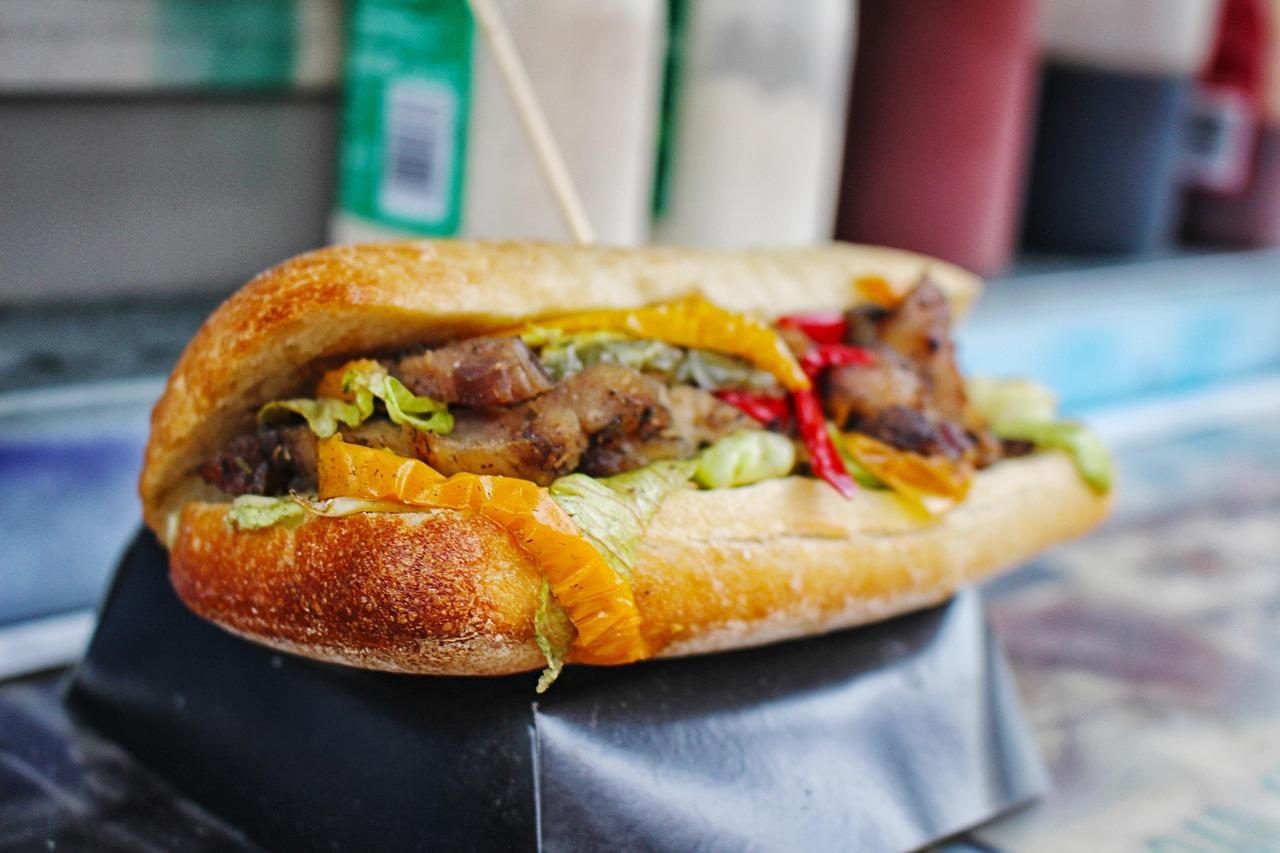
On Saigon pavements at breakfast time, bánh mì carts with glass cases are stacked with light, crackly rolls, tubs of pickles and trays of pâté and pork. The bread came with the French, but the filling is entirely Vietnamese: a smear of liver pâté and mayonnaise, cold cuts or lemongrass-grilled pork, sweet-sour carrot and daikon, cucumber, coriander and fresh chilli, with a splash of savoury seasoning sauce. It's eaten on the move, often on the back of a motorbike. This is the meat version; there is also a lemongrass tofu bánh mì on the site. Chef's tip: choose the lightest, airiest baguettes you can find, as a dense French loaf squeezes the filling out the sides.

by KrazyBadal 0 views

Nem ran (Hanoi fried spring rolls)

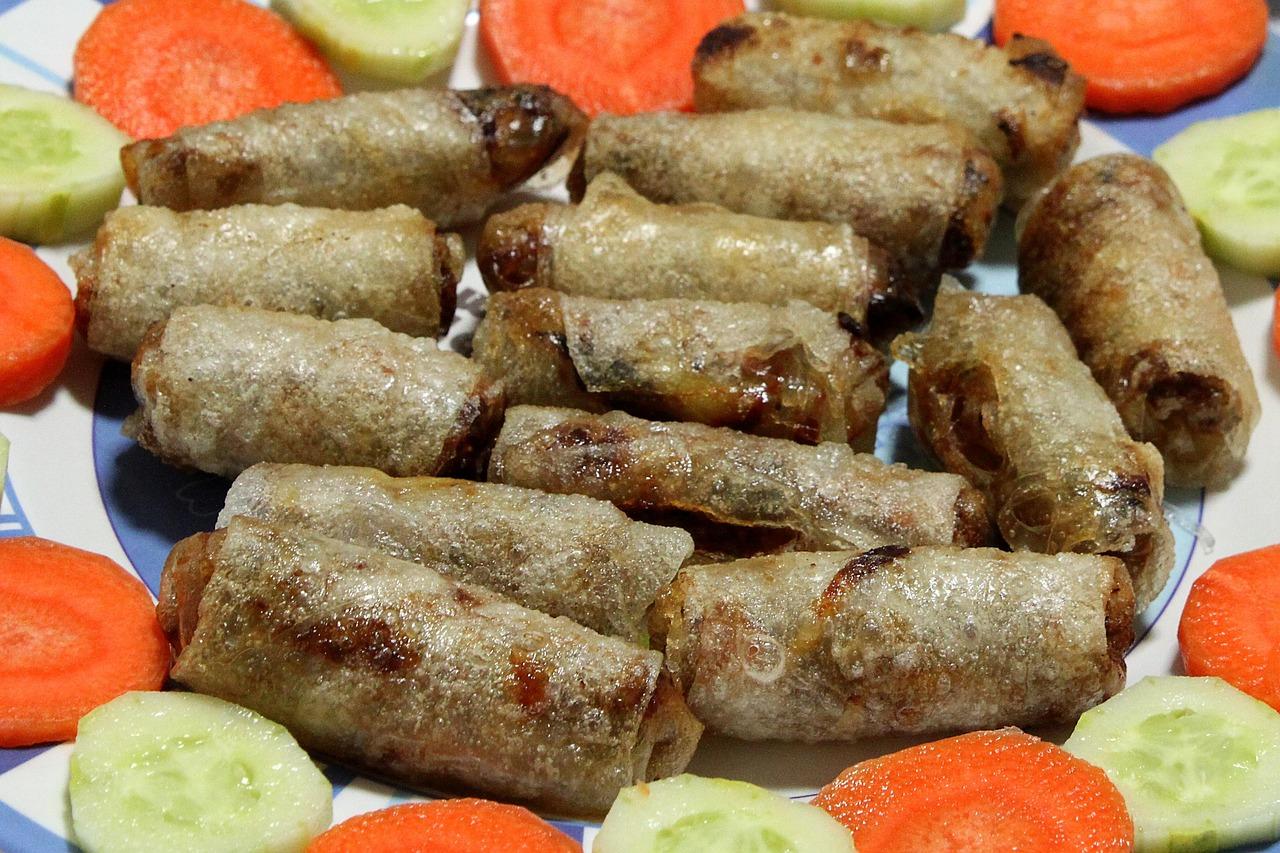
At Tết, the lunar new year, a plate of nem rán sits on almost every family feast tray in Hanoi and the north, and the same rolls turn up at weddings, death anniversaries and Sunday lunches all year. Northern cooks wrap a filling of minced pork, crab or prawn, glass noodles and wood ear mushroom in thin rice paper, which fries into a pale golden, bubbly shell quite different from wheat-wrapped spring rolls. Southerners call the same idea chả giò. Serve them cut in pieces with rice vermicelli, lettuce, herbs and a warm sweet-sour fish sauce. Chef's tip: fry them twice, first gently to cook the filling through, then briefly in hotter oil to crisp; they stay crunchy far longer.

by KrazyBadal 0 views

Green borschtSorrel soup with egg

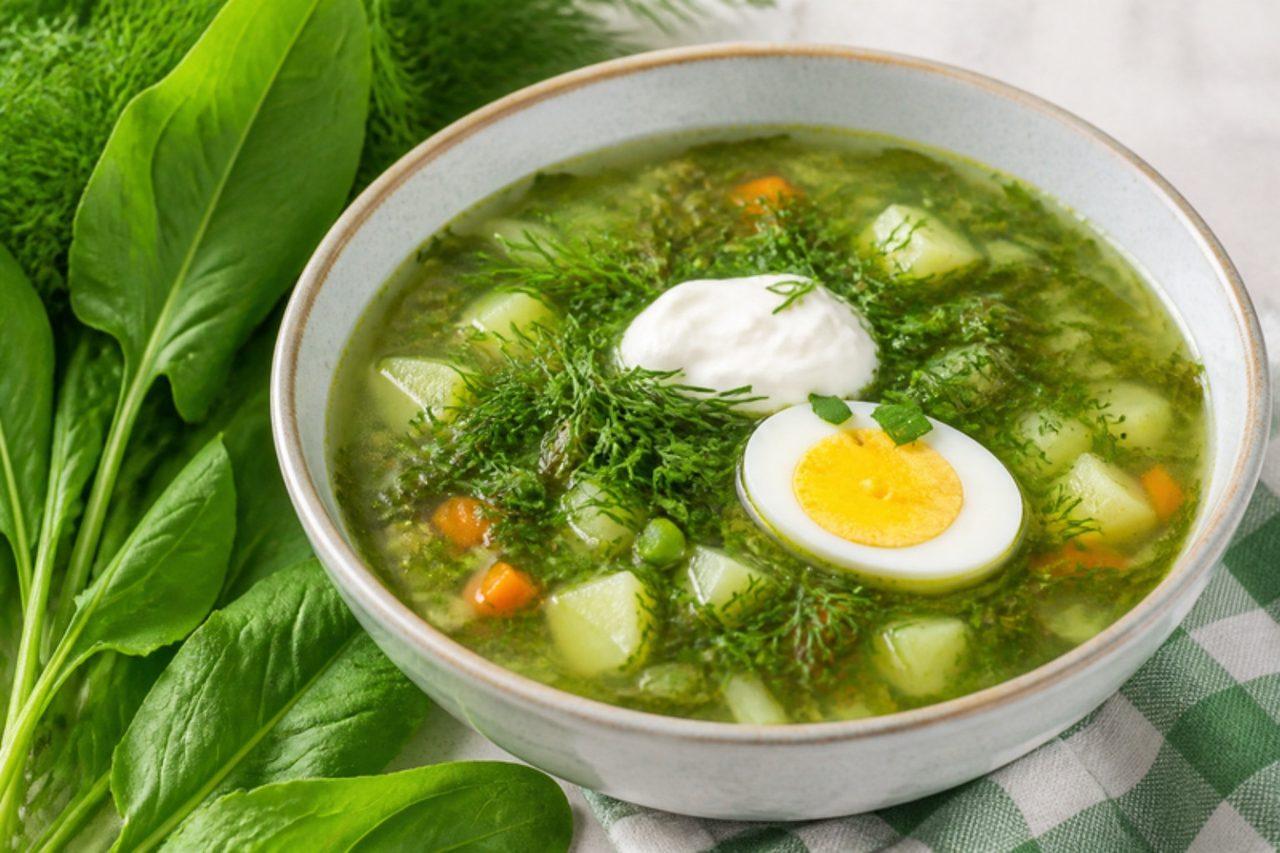
When the first sorrel comes up in village gardens around Chernihiv and Sumy in May, Ukrainian grandmothers stop making red borshch and switch to green: a light, lemony soup of sorrel, potato and herbs, served with halved boiled eggs. It is the soup of early summer and of Trinity Sunday, eaten hot with sour cream or chilled on a warm day. Sorrel gives it a clean sourness, so no vinegar is needed. This version uses vegetable stock instead of the chicken or pork stock some families use. Chef's tip: add the sorrel only in the last two minutes; it turns olive green the moment it hits the heat, but if it boils longer it collapses into stringy khaki threads.

by KrazyBadal 0 views

Com hen (Hue baby clam rice)

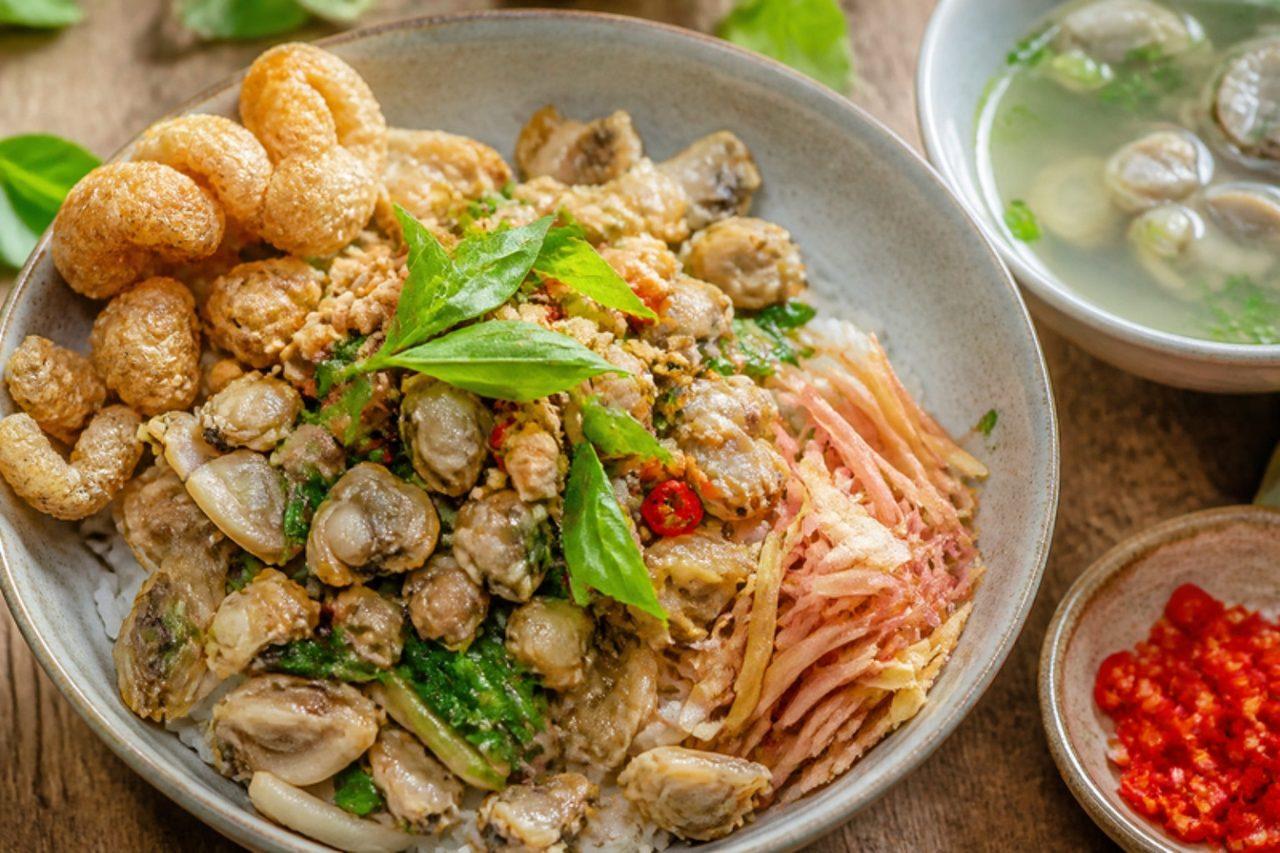
Cơm hến began as a cheap meal of the boat people around Cồn Hến, an islet in the Perfume River in Huế, and it is still sold for breakfast and as an afternoon snack from tiny stalls across the city. Room-temperature rice is topped with stir-fried baby clams, crunchy pork crackling, roasted peanuts, toasted rice cracker and a heap of raw herbs and greens, then splashed with hot clam broth and plenty of chilli. Huế cooks use tiny river clams; at home, choose the smallest clams you can find, such as baby or Manila clams. The mix of cool and hot, crisp and soft, is the whole point. Chef's tip: keep the rice cool and the broth boiling hot right up to the moment you pour it.

by KrazyBadal 0 views

Banh nam (Hue rice cakes in banana leaf)

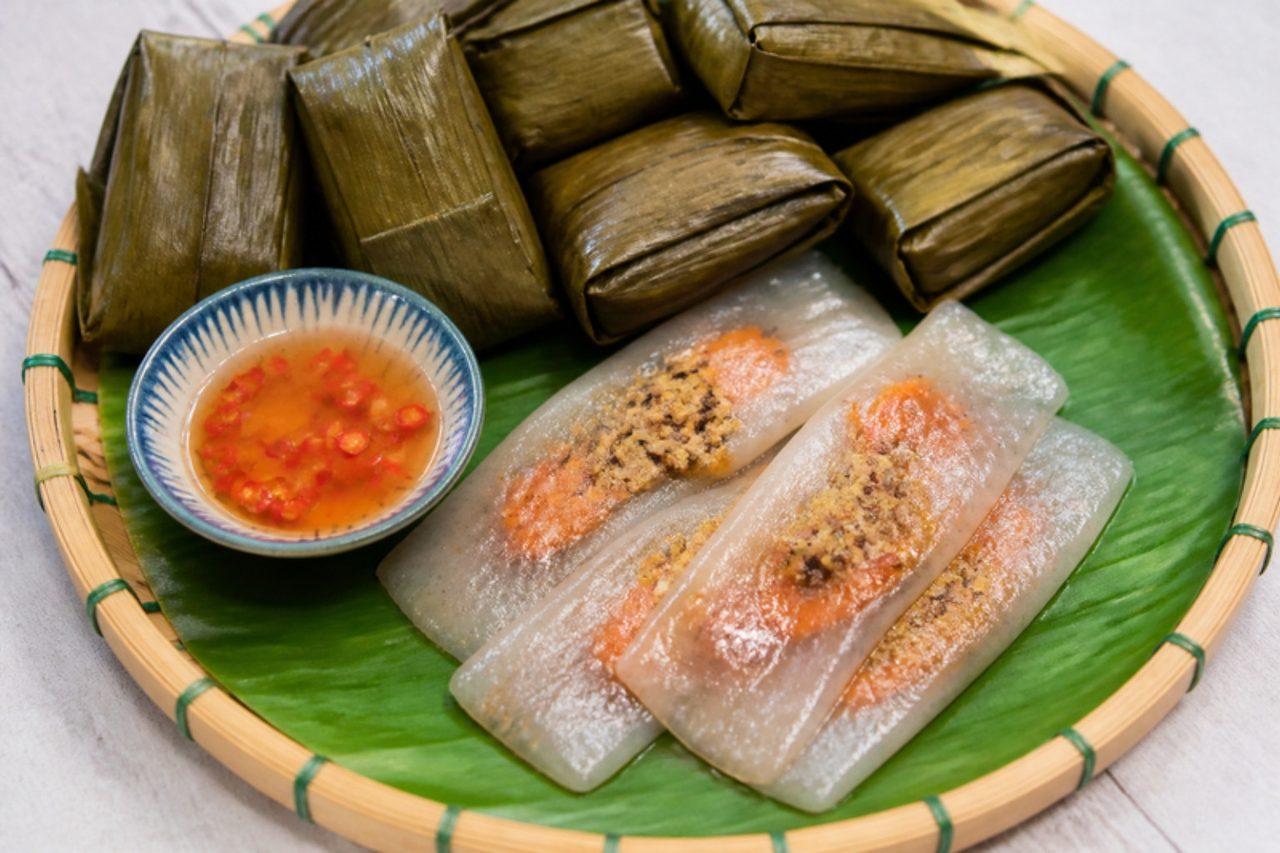
Market women at Đông Ba in Huế sell bánh nậm by the stack, still warm in their banana-leaf wrappers, as one of the city's many little afternoon cakes. A soft rice-flour paste is spread thin on a leaf, sprinkled with a savoury filling of prawn and pork, folded flat into a neat parcel and steamed. Unwrapped, the cake is silky, almost translucent, and you eat it straight off the leaf with a spoonful of sweet chilli fish sauce. It is often served on the same plate as bánh bột lọc and bánh ít for a mixed snack. Chef's tip: soften the banana leaves in hot water or over a flame first and brush them with oil; dry leaves split and the paste sticks.

by KrazyBadal 0 views

Com ga Hoi An (turmeric chicken rice)

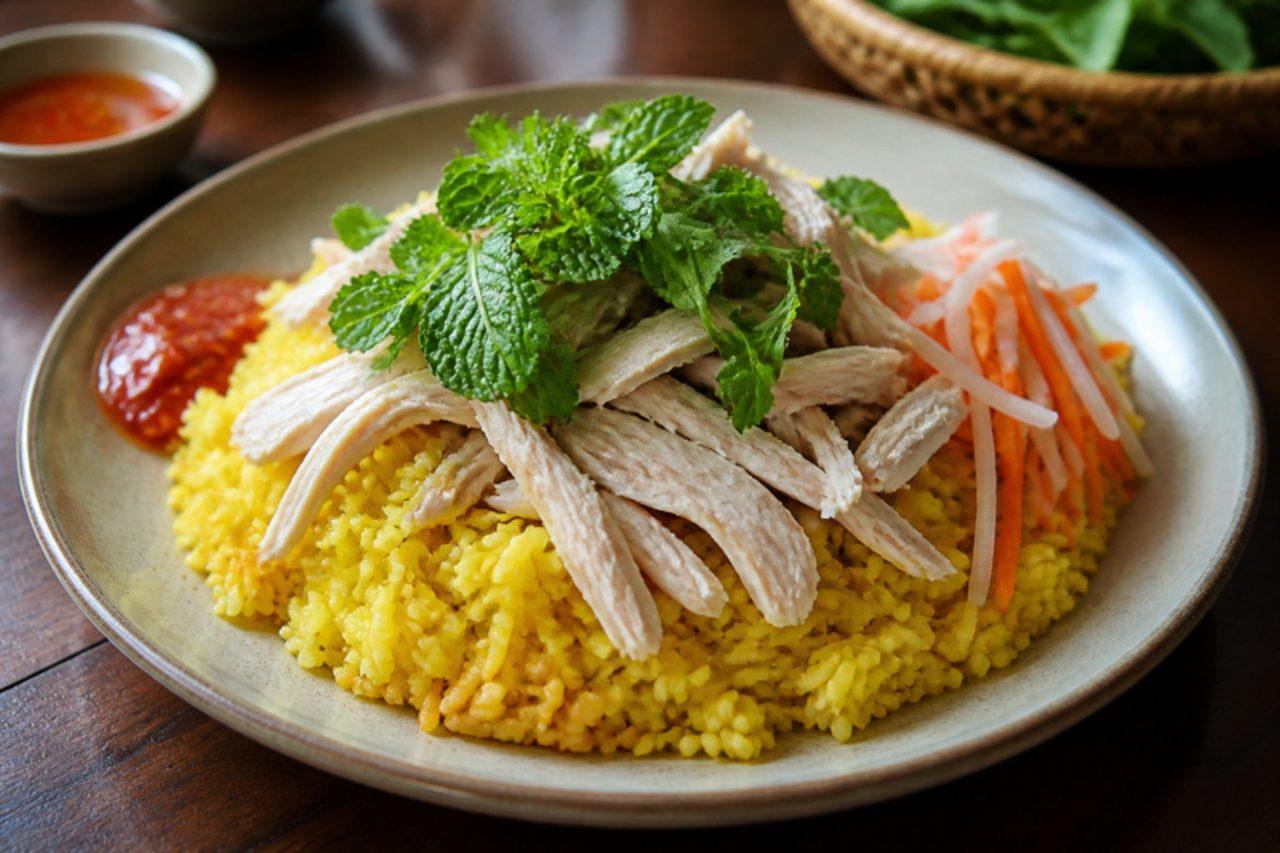
Lunchtime in the old town of Hội An means cơm gà: small eateries near the river pile plates high with yellow rice and shredded chicken from late morning until it runs out. The rice is fried with garlic and chicken fat, coloured with turmeric and cooked in the poaching stock, so every grain tastes of chicken. On top goes chicken pulled into strips and tossed with sliced onion, Vietnamese coriander, lime and pepper, plus a spoon of chilli sauce and a little pickled papaya. A small bowl of the clear broth comes alongside. Chef's tip: plunge the poached chicken into iced water for 5 minutes; it stops the cooking and keeps the meat juicy and the skin firm.

by KrazyBadal 0 views

White rose dumplings (banh bao banh vac)

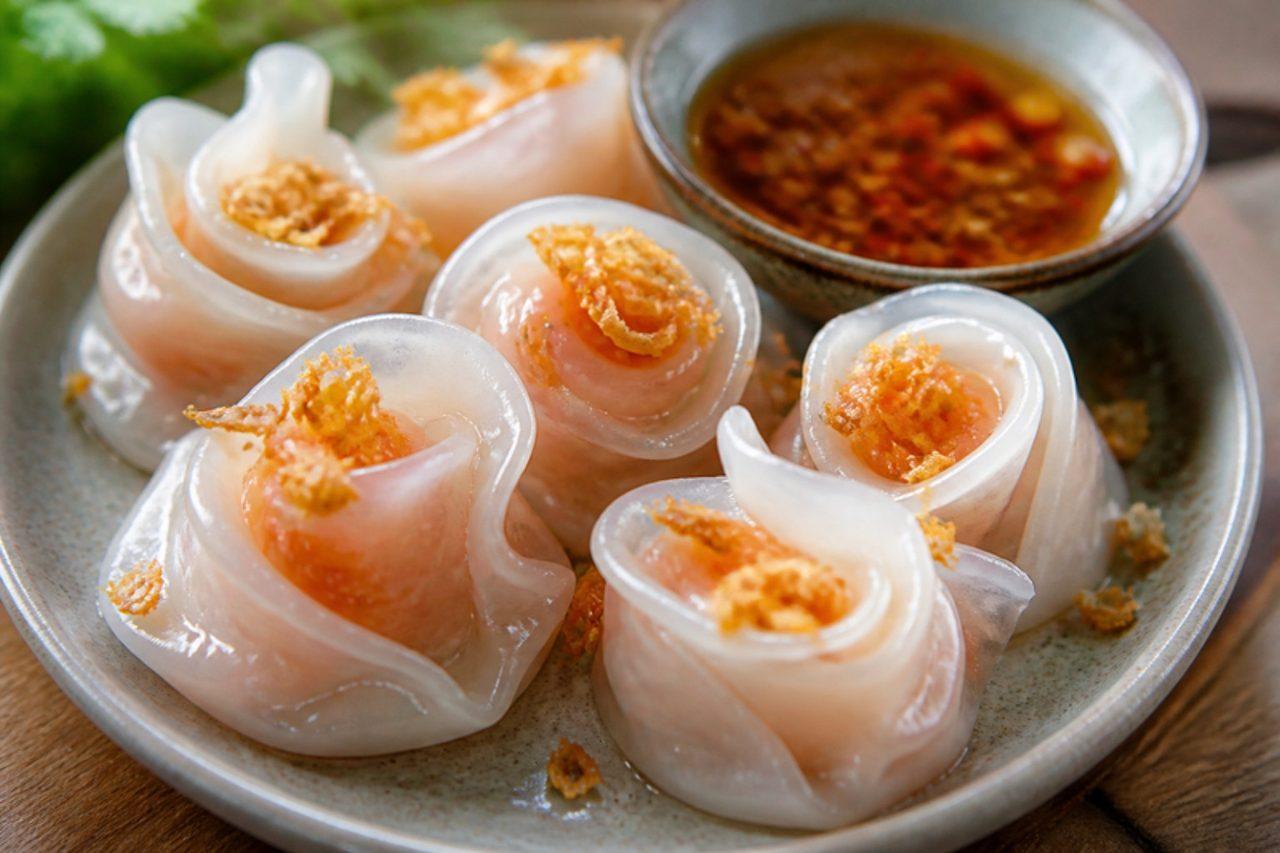
Restaurants all over Hội An serve 'white rose' dumplings as a starter, and much of the town's supply is said to come from a single family workshop that has made them for decades. The wrapper is a thin, glassy rice-flour dough, pinched up around a pounded prawn filling so that each dumpling looks like an open flower, and the plate is finished with crisp fried shallots and a light, sweet chilli-fish-sauce dip. They are delicate and fiddly, but shaping becomes quick after the first dozen. This home version adds a little pork to the prawn for juiciness. Chef's tip: keep the dough under a damp cloth the whole time; even a few minutes in the air makes it crack when you pinch it.

by KrazyBadal 0 views

Showing 27 of 7,762 recipes

Show more recipes

Page 629 of 863