


Skip to content
Mysore pak
Featured recipe

Mysore pak

Gram flour and ghee fudge

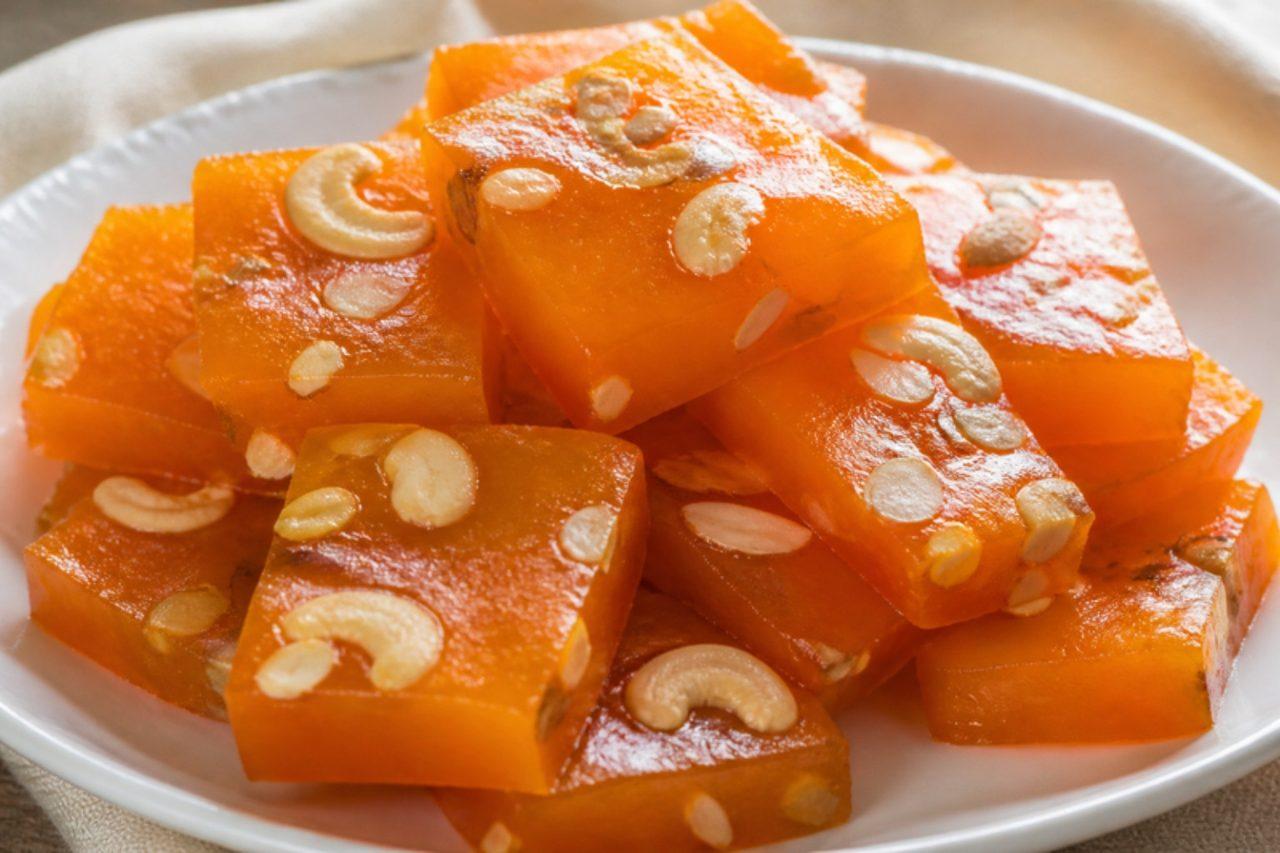
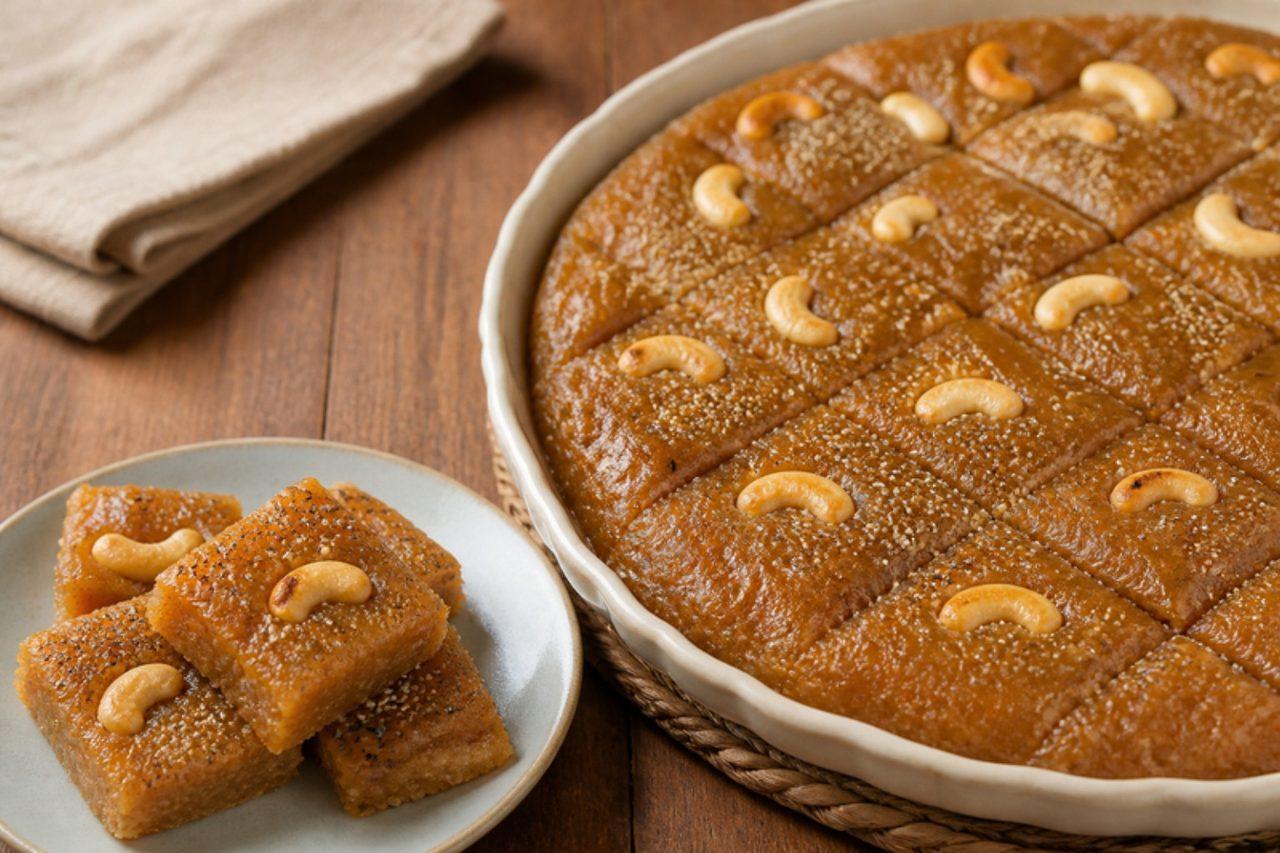
Mysore pak was first made in the kitchens of the Mysuru palace in Karnataka, and it's still the sweet that every Mysuru sweet shop is judged by. Roasted gram flour is cooked in a sugar syrup while hot ghee is poured in a spoonful at a time, until the mixture froths up and sets into a golden, honeycombed block. This home version is the softer, melt-in-the-mouth style, with a fine porous crumb; cook it a minute or two longer for the harder, crunchier traditional slab. It keeps for a week and is made for Diwali, weddings and Dasara. Chef's tip: keep the ghee hot on a second burner the whole time; hot ghee hitting the batter is what makes it froth and form those little air holes, and cold ghee gives a dense, greasy fudge.

Read more 0 views

What to eat today?

Around the world

Today's trip: Persian

A new country every day, from every cuisine on the site.

Persian

Shir berenj

Rose water rice pudding 70 minMore from Persian (181) →

This week's collection

Kid-friendly dinners
756 recipes · a new collection every Monday

Coming up

All occasions →

Latest recipes

Sol over GudhjemSmoked herring on rye

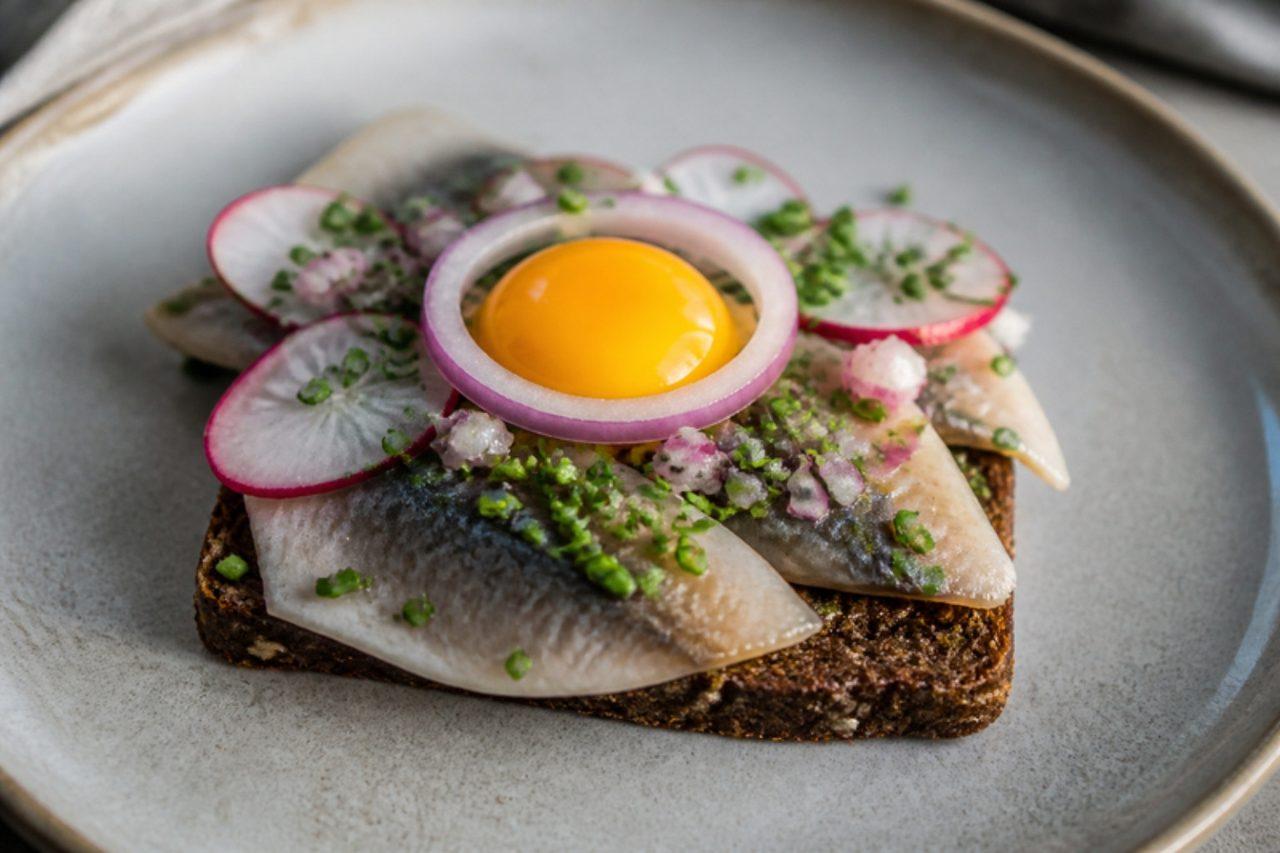
Sol over Gudhjem, 'sun over Gudhjem', is the famous smørrebrød of Bornholm, the Danish island in the Baltic, where smokehouses in Gudhjem and Svaneke still smoke herring over alder wood: a slice of dark rye spread with butter, topped with a skinned, boned smoked herring, chopped chives and radishes, and a raw egg yolk in the middle as the 'sun'. Raw egg yolk is not for pregnant women, young children or anyone with a weakened immune system; this recipe uses pasteurised eggs, and the yolk can be swapped for a soft-boiled one. A common mistake is leaving the herring bones in; pick them out carefully. Chef's tip: set the yolk in a ring of raw onion so it stays put.

by KrazyBadal 0 views
Multani sohan halwaSprouted wheat and milk halwa

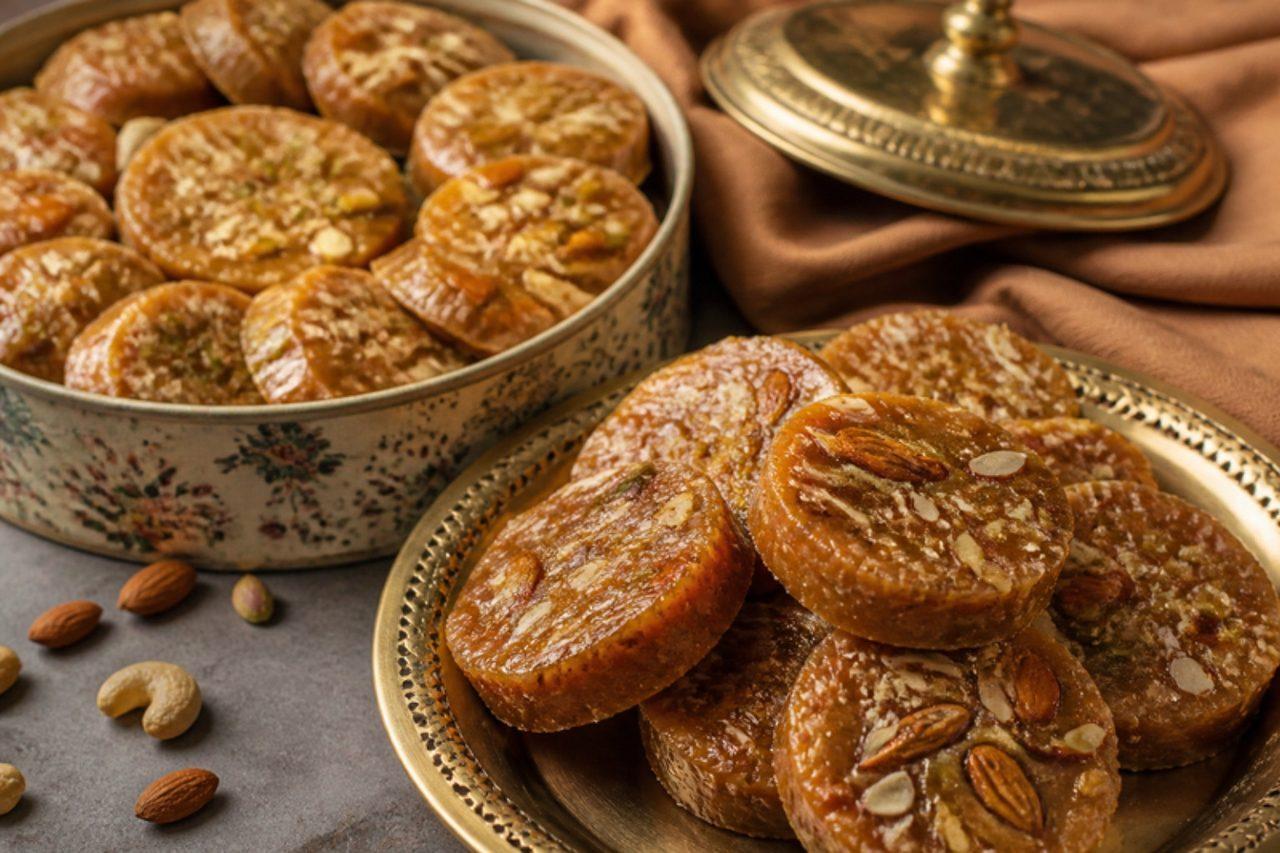
Packed in round tins and carried home from Multan's Hussain Agahi bazaar as a gift, sohan halwa is the sweet the City of Saints is known for across Pakistan, and families in Lahore and Karachi still wait for relatives to bring a box back after a visit. It is dark, dense and chewy, with a deep caramel flavour from milk and sugar cooked for hours, and its texture comes from samnak, a flour made from sprouted wheat, cooked in ghee until the fat seeps out around the edges. Almonds and pistachios are pressed into the top, and it is eaten in small squares with tea, especially in winter. Giving up too early is the classic error; pale, soft halwa has not been cooked long enough to caramelise and set. Chef's tip: stir constantly once the flour goes in and take your time; the mixture is ready when it turns a deep brown, leaves the pan in a single mass and the ghee pools freely. Take care, as the mixture is very hot and sticky.

by KrazyBadal 0 views

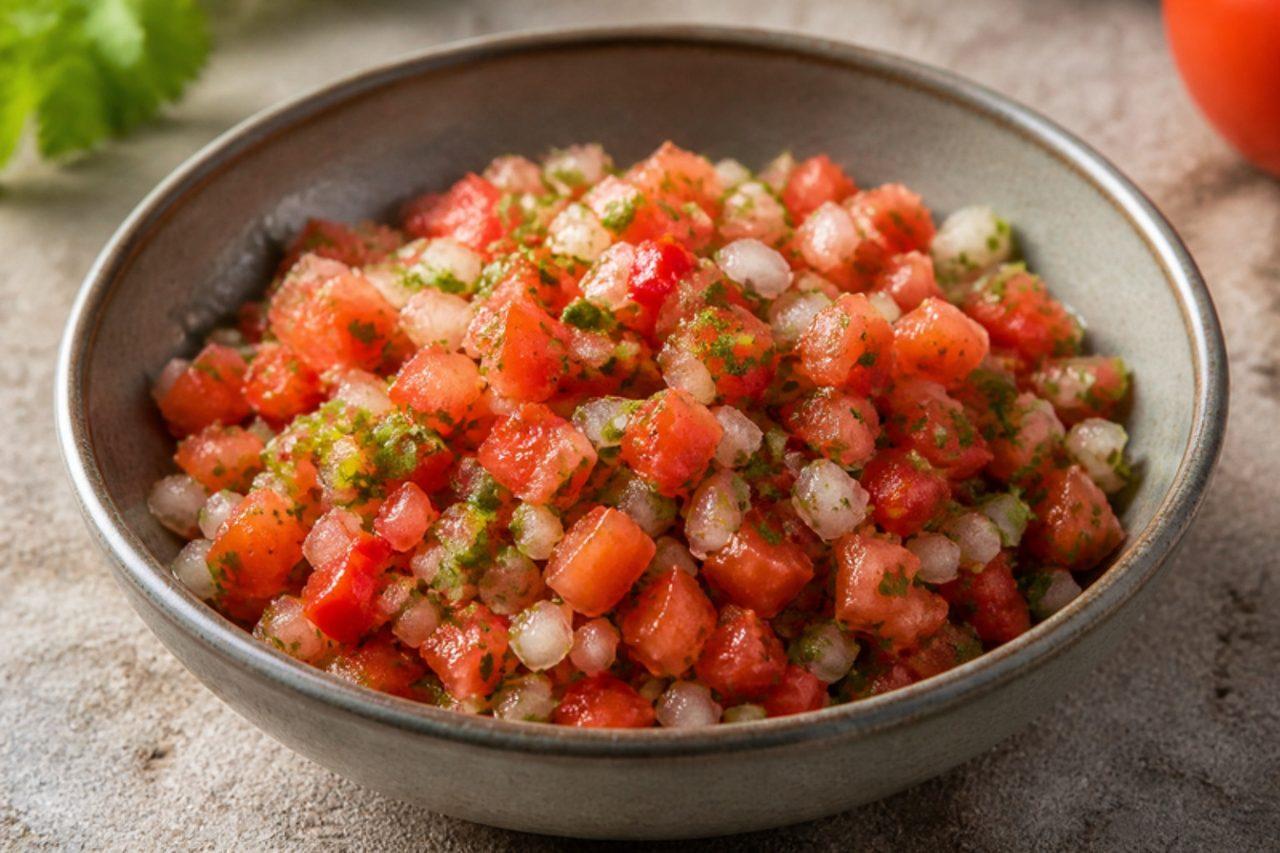
MonyoFresh tomato and onion relish

Grilled fish stalls along the beach road in Lomé and the lagoon in Cotonou always set down a bowl of monyo, a raw relish of finely diced tomato, onion and hot pepper sharpened with vinegar. It is bright, crunchy and fiery, cutting through anything fried or grilled: fish, chicken, yam chips, ablo or akassa. No cooking is involved, so it takes ten minutes and is best eaten soon after mixing, while the vegetables are still crisp. Chef's tip: dice everything very small and evenly, about the size of a lentil, so every spoonful carries tomato, onion and chilli together.

by KrazyBadal 0 views

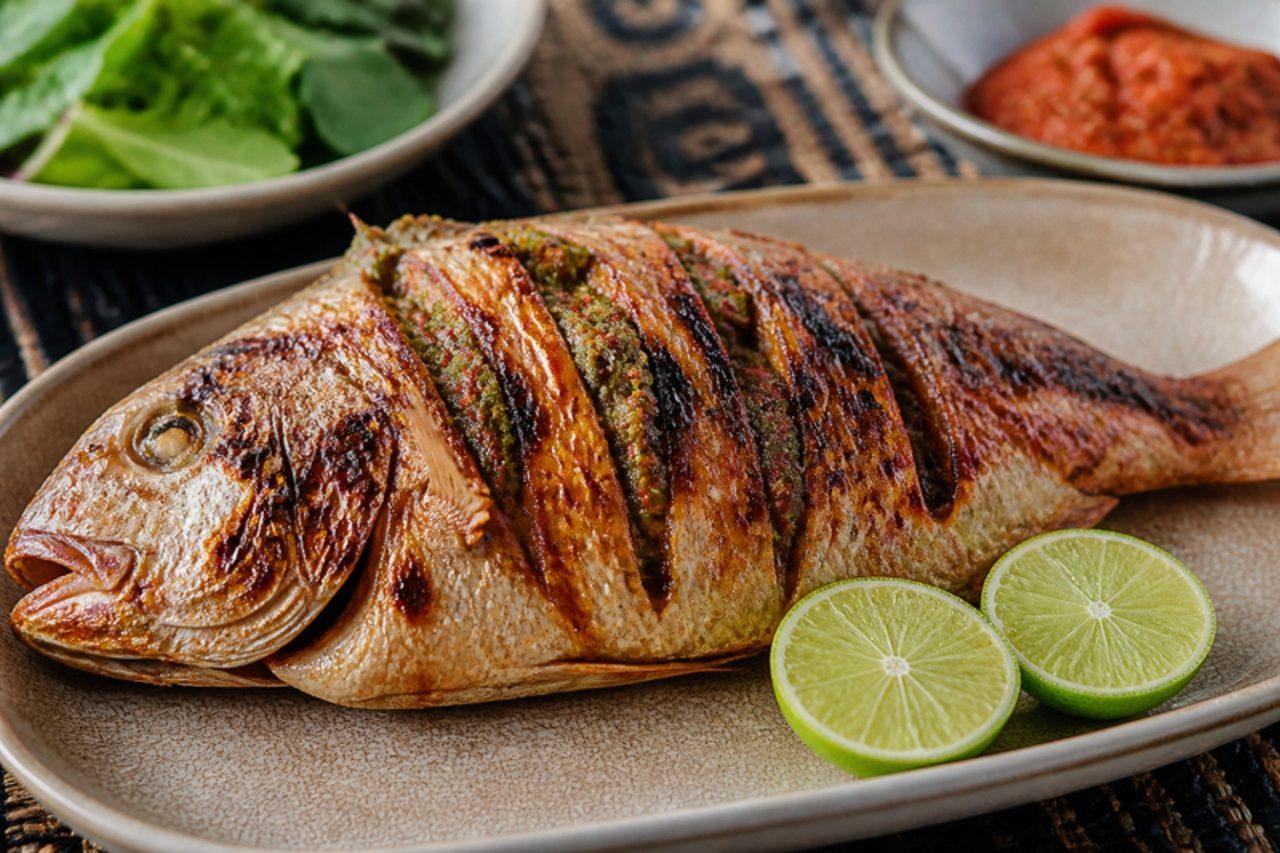
Safi mashwiGrilled stuffed rabbitfish

Safi, the rabbitfish, is the fish Bahrainis love most, and on weekends it comes off the grills of seafront restaurants in Manama and Budaiya stuffed with a green paste of garlic, coriander and red chilli. The flesh is sweet and delicate and the skin turns crisp and smoky. It is eaten with white rice, a little daqqus and plenty of lime. The common mistake is overfilling the belly so the fish splits on the grill. Chef's tip: rabbitfish has sharp spines on its fins; ask the fishmonger to trim them, or snip them off with kitchen scissors before you start. Any small whole sea bream or bass works if safi is not available.

by KrazyBadal 0 views

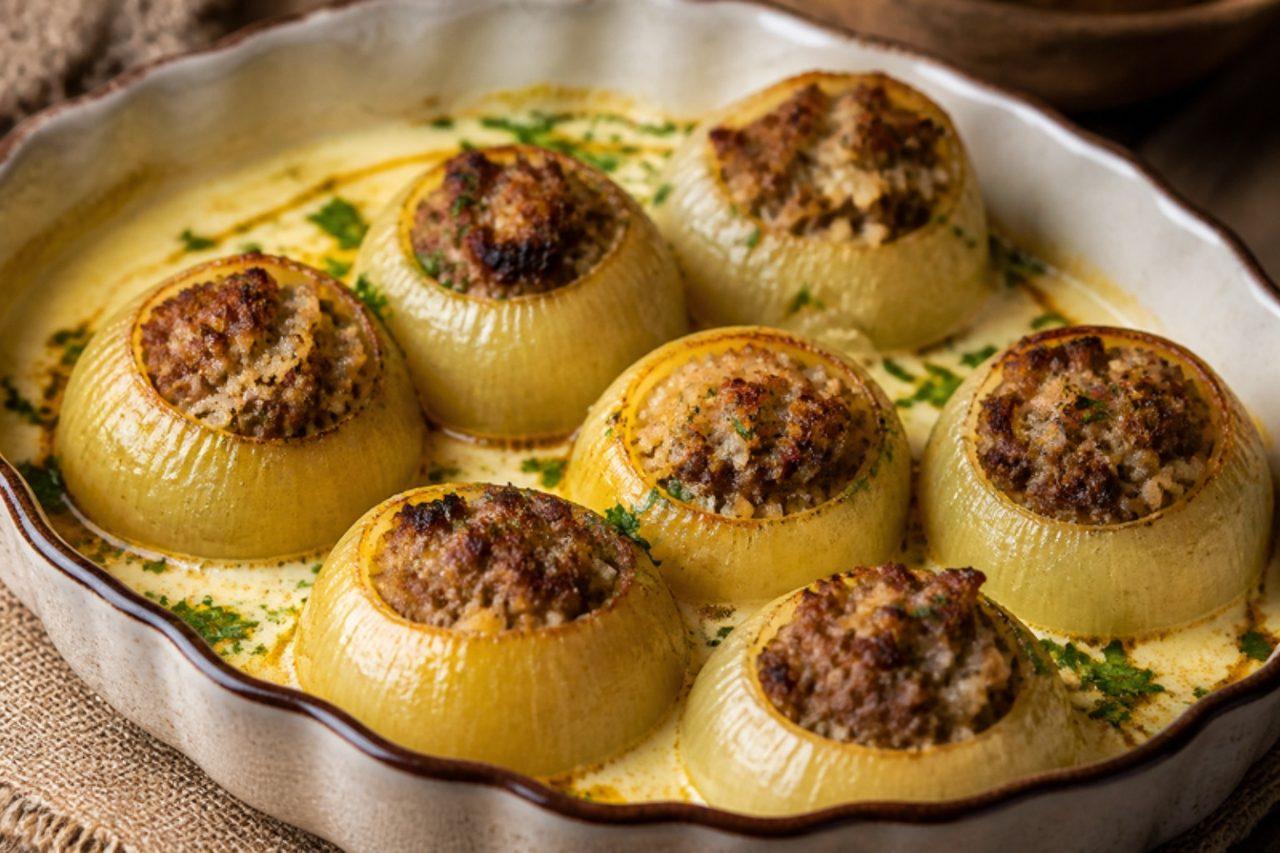
Sogan dolmaStuffed onions

Sarajevo's grandmothers make sogan dolma in summer, when the onions are sweet and juicy: whole onions are blanched, their layers peeled apart, and each shell is filled with spiced beef mince and rice, then baked until soft and caramel-edged and finished with a tangy sour cream sauce. In Bosnia and Herzegovina they are a dish for Ramadan iftar tables and family Sundays, eaten with bread to mop up the sauce. Where most people go wrong is not blanching the onions long enough; the layers tear instead of slipping apart. Chef's tip: chop the small inner hearts you cannot stuff and fry them into the filling, so nothing is wasted.

120 minBalkanMeatGluten free
by KrazyBadal 0 views

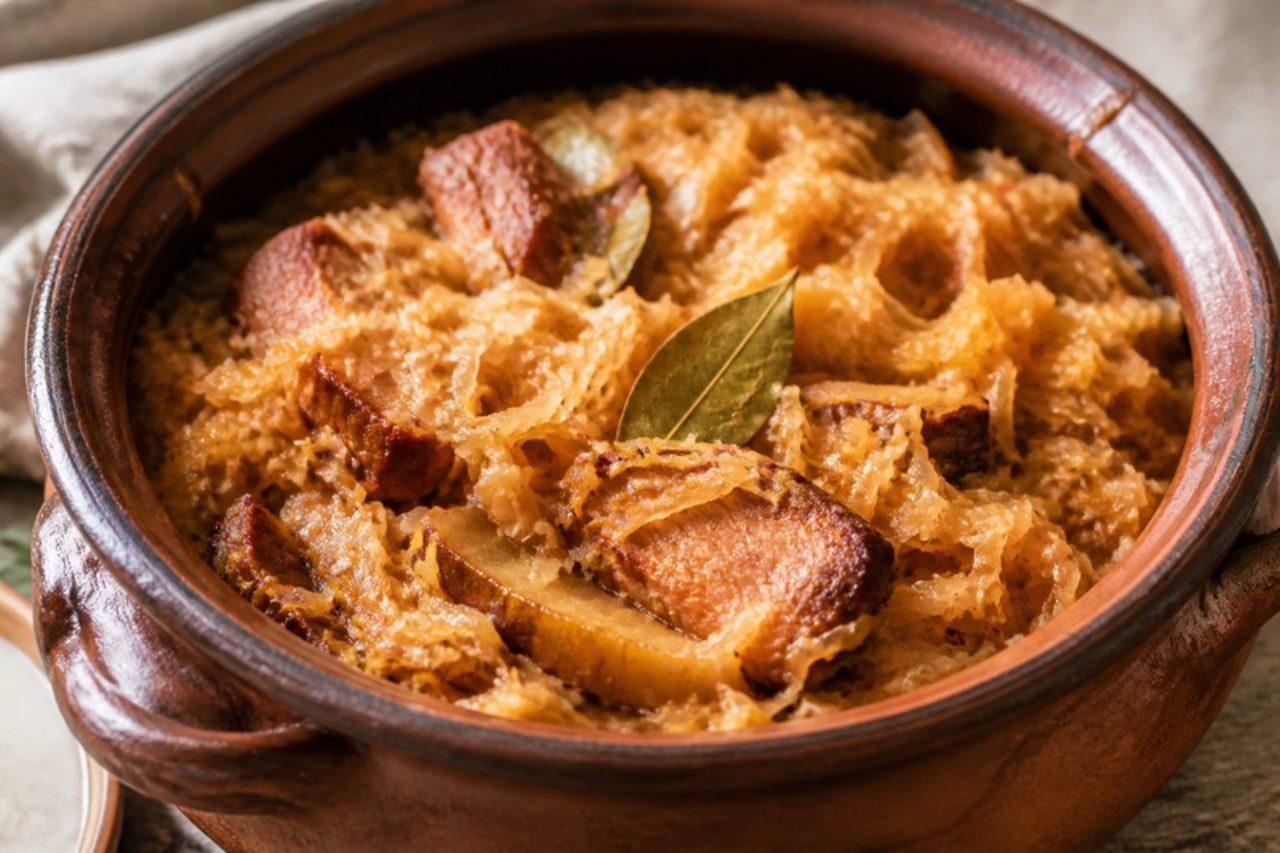
Svadbarski kupusSauerkraut and smoked pork stew

Wedding cabbage is cooked by the cauldron in central Serbia, and the village of Mrčajevci near Čačak holds a whole autumn festival in its honour, with cooks competing over clay pots that have bubbled in the embers since dawn. Sauerkraut is layered with smoked pork ribs, smoked bacon, pork shoulder and beef shin, then left alone for hours until the meat collapses and the cabbage turns soft, smoky and sour-sweet. This version goes into a low oven in a clay pot or heavy casserole. Serve it with bread, hot dried chillies and a glass of cold water. Hurrying it in a hot oven is the commonest error; at 200 °C the kraut dries and the meat tightens, while 150 °C and patience give silky results. Chef's tip: it is even better made a day ahead; cool, refrigerate and reheat covered until bubbling hot all the way through.

360 minBalkanMeatGluten free
by KrazyBadal 0 views

Tandir goshtSlow-cooked oven lamb

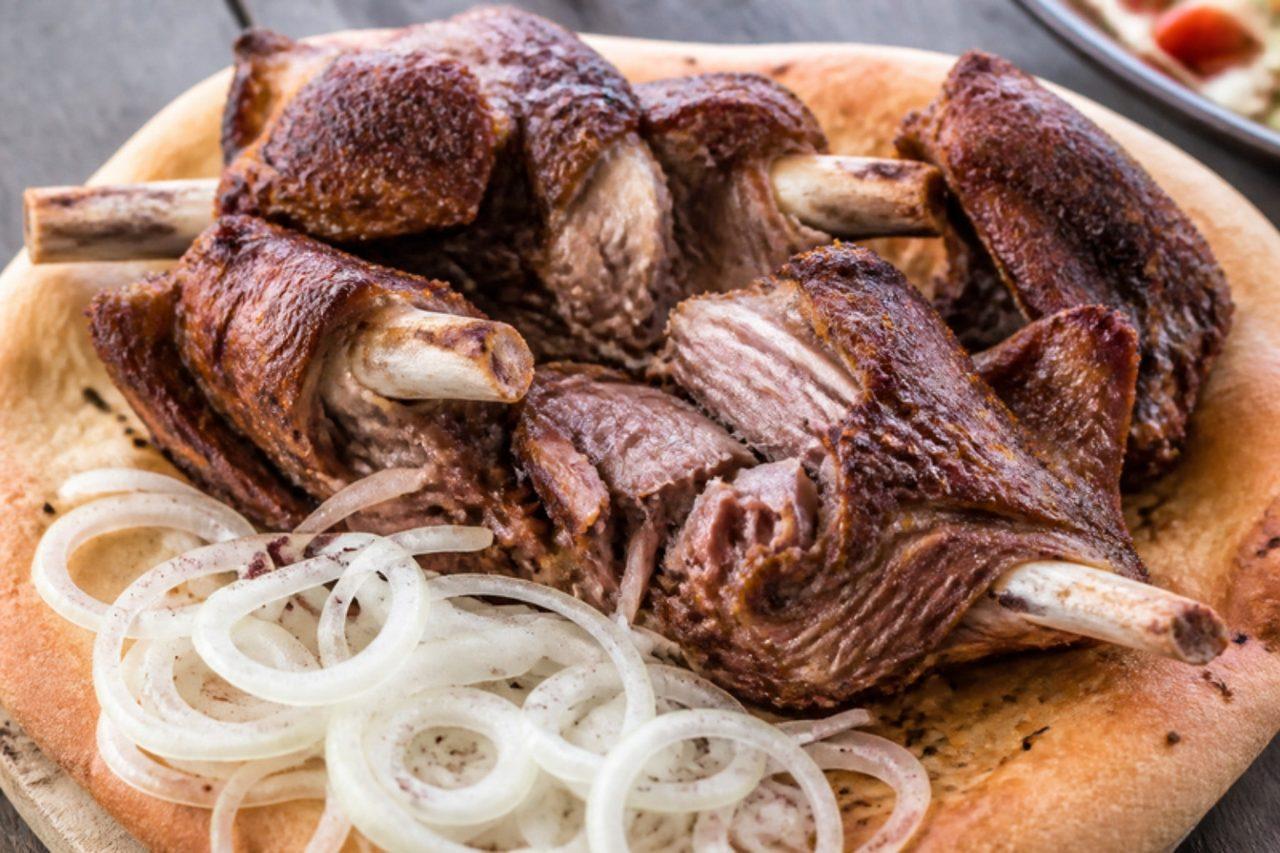
In Samarkand and Jizzakh, tandir gosht is cooked in a clay tandir oven that is fired until white-hot, then the coals are raked out, big pieces of lamb on the bone are hung inside on hooks, wrapped in leaves of the dzhida tree or grape, and the oven is sealed with clay for hours. The meat comes out smoky, falling-apart tender and crusty at the edges. This home version wraps the lamb in vine leaves and foil and slow-roasts it, finishing uncovered for colour. A common mistake is unwrapping too early; the meat needs the full time to turn tender. Chef's tip: rub the lamb with salt, cumin and a little crushed coriander the night before so the seasoning goes deep.

320 minUzbekMeat
by KrazyBadal 0 views

SuzmaStrained yogurt

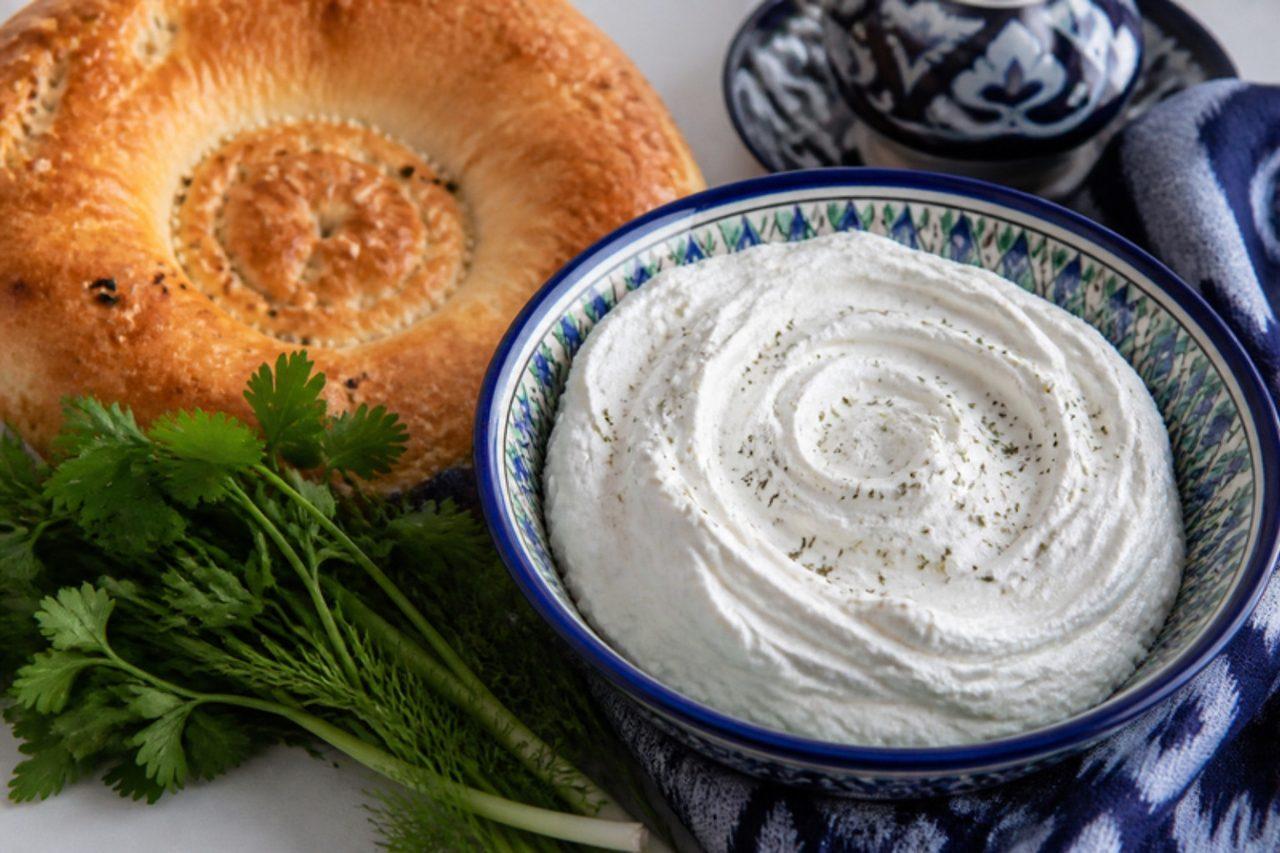
Suzma is strained katyk, the Uzbek sour yogurt: hung in a cloth bag until thick, tangy and spreadable, then spooned into soups like moshkhurda, dolloped on manti, eaten with herbs and non, or rolled into balls and dried into qurut. Every Uzbek kitchen, from Tashkent to Bukhara, has a cloth bag of it dripping over a bowl. A common mistake is straining at room temperature in summer, which sours it too far; hang it in the fridge. Chef's tip: stir in a little salt before hanging; it draws out more whey and gives a firmer, longer-keeping suzma.

by KrazyBadal 0 views

SockerkakaPlain sponge cake

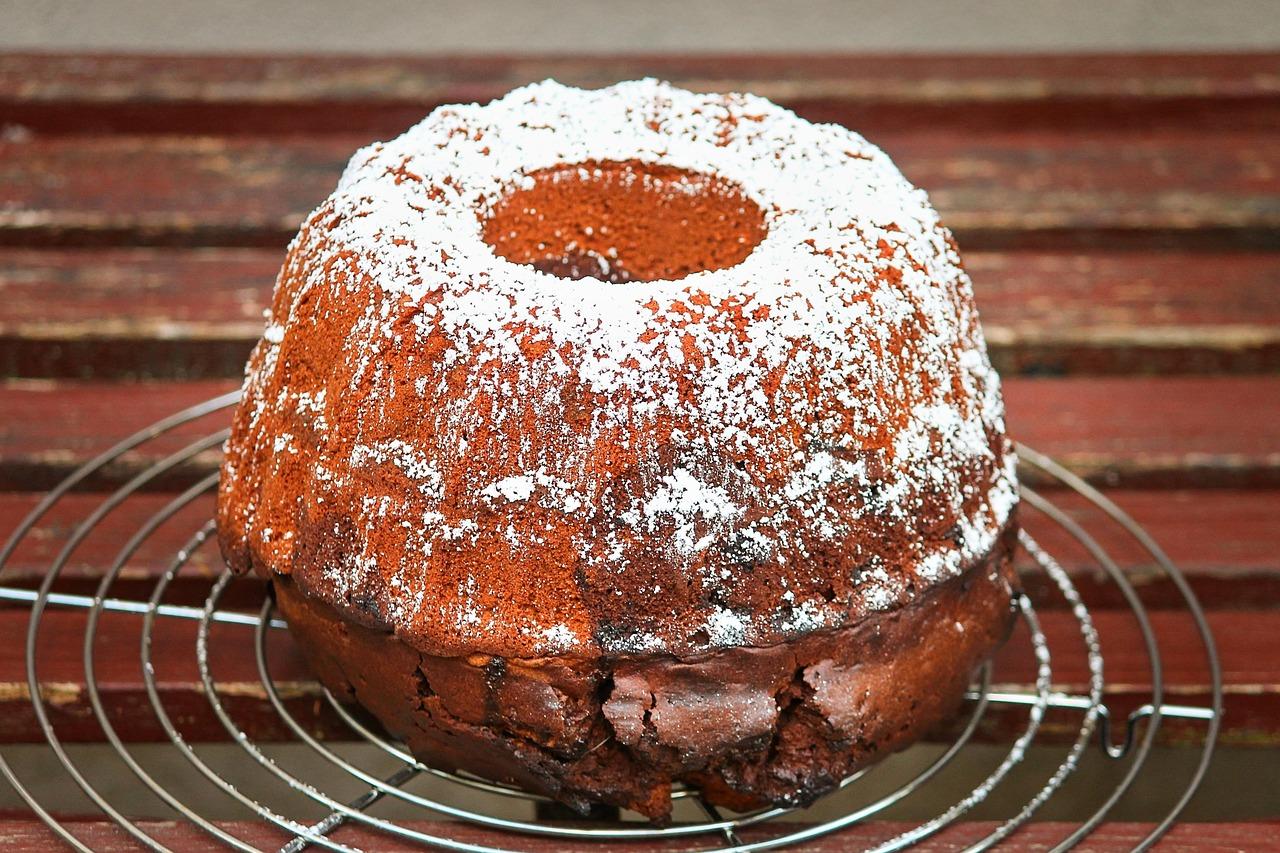
Sockerkaka, 'sugar cake', is the everyday sponge of Swedish homes, baked in a tall fluted ring tin and served in slices with coffee, or with berries and cream in summer; nearly every Swedish child bakes one with a grandparent. It is light and buttery with a crisp, golden outside. A common mistake is opening the oven before 35 minutes, which makes the cake sink. Chef's tip: butter the tin and dust it with fine breadcrumbs, as Swedish cooks do, so the cake releases cleanly and gets a crisp crust.

by KrazyBadal 0 views

SobatTorn naan in lamb broth

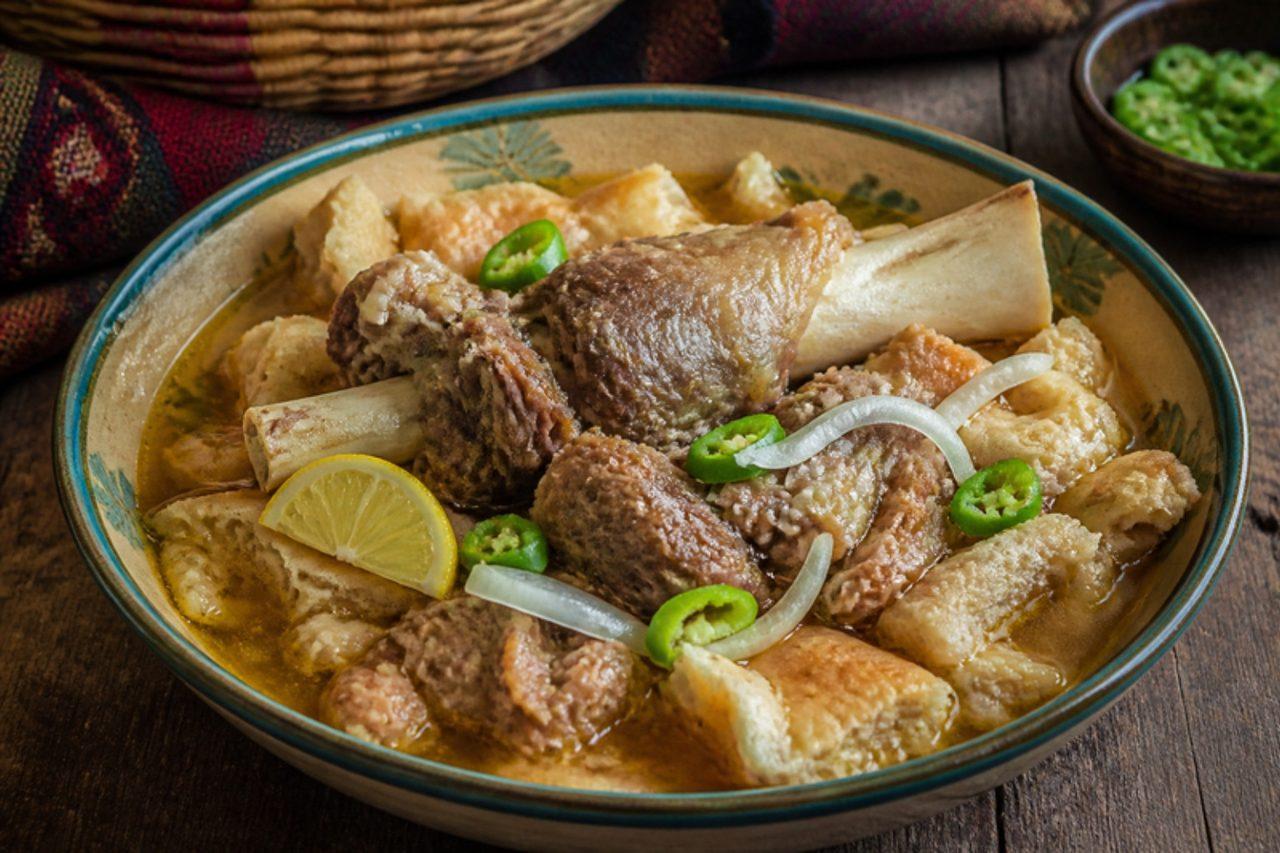
Sobat is guest food in the Pashtun south around Kandahar, made when a sheep has been slaughtered or a large family comes together: lamb on the bone is simmered for hours into a fragrant, golden broth, then poured over pieces of dry naan torn into a wide bowl, with the meat heaped on top. The bread swells and turns soft and juicy while the edges keep some chew, and everyone eats from the same bowl by hand, with raw onion, green chilli and a squeeze of lemon. It is plain, deeply savoury and comforting in the cold Kandahari winter. Fresh, soft bread dissolves into porridge, so use naan that is a day or two old. Chef's tip: skim the broth carefully in the first 10 minutes of simmering, which keeps it clear and clean-tasting.

125 minAfghanSoups
by KrazyBadal 0 views

Zamarod palawSpinach rice with lamb

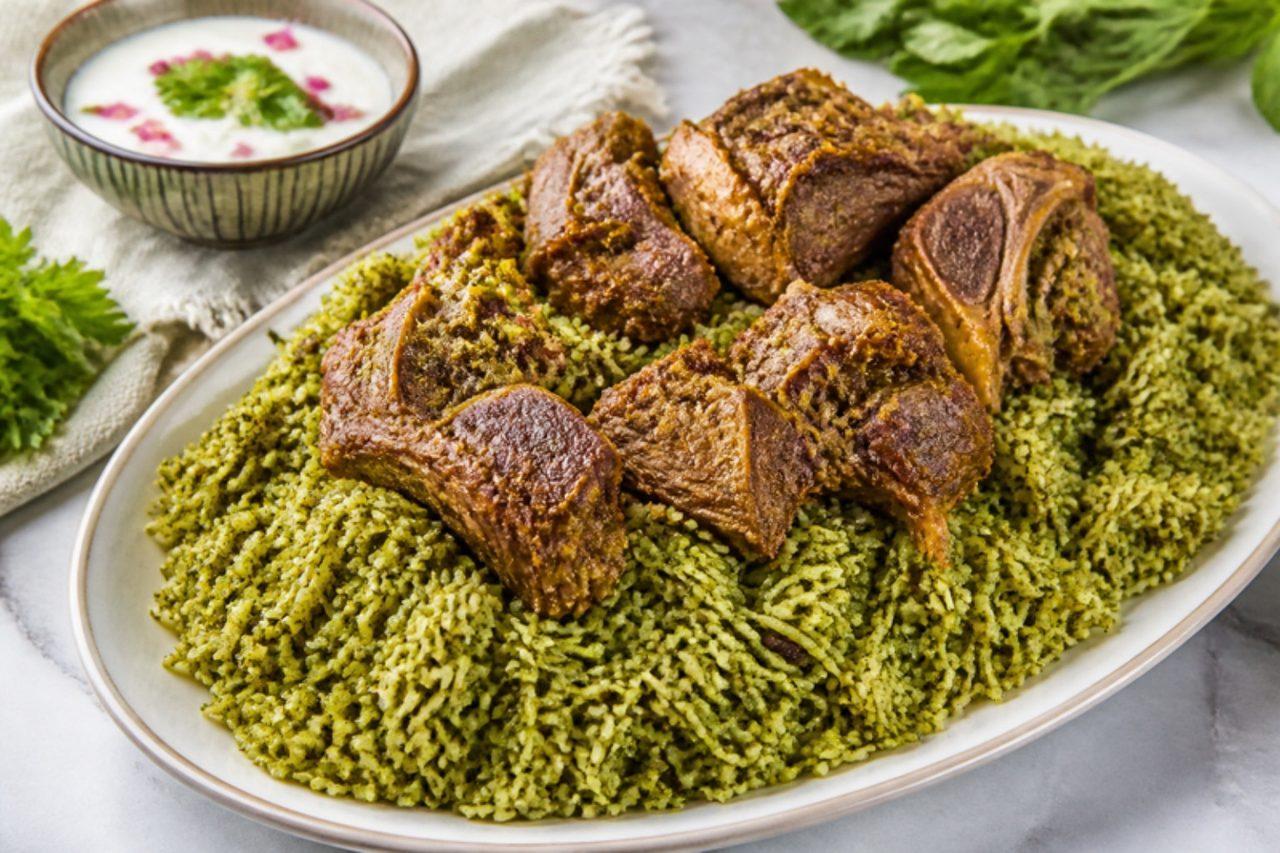
Herati cooks call this rice zamarod, emerald, for its colour: long-grain rice steamed with a purée of spinach and herbs so that every grain is tinted a soft green, with pieces of lamb tucked inside that have been braised until they fall from the bone. It is served at family gatherings and for guests in spring when spinach is sweet, piled on a platter with yogurt, salad and pickles on the side. The rice tastes gently grassy and savoury, rounded out by the lamb broth and a little cumin. Cooking the spinach too long dulls it to khaki, so wilt it briefly and blend it straight away. Chef's tip: use a generous handful of fresh coriander and dill with the spinach; they make the green brighter and the flavour more lively.

by KrazyBadal 0 views

TochiturăPork and sausage stew

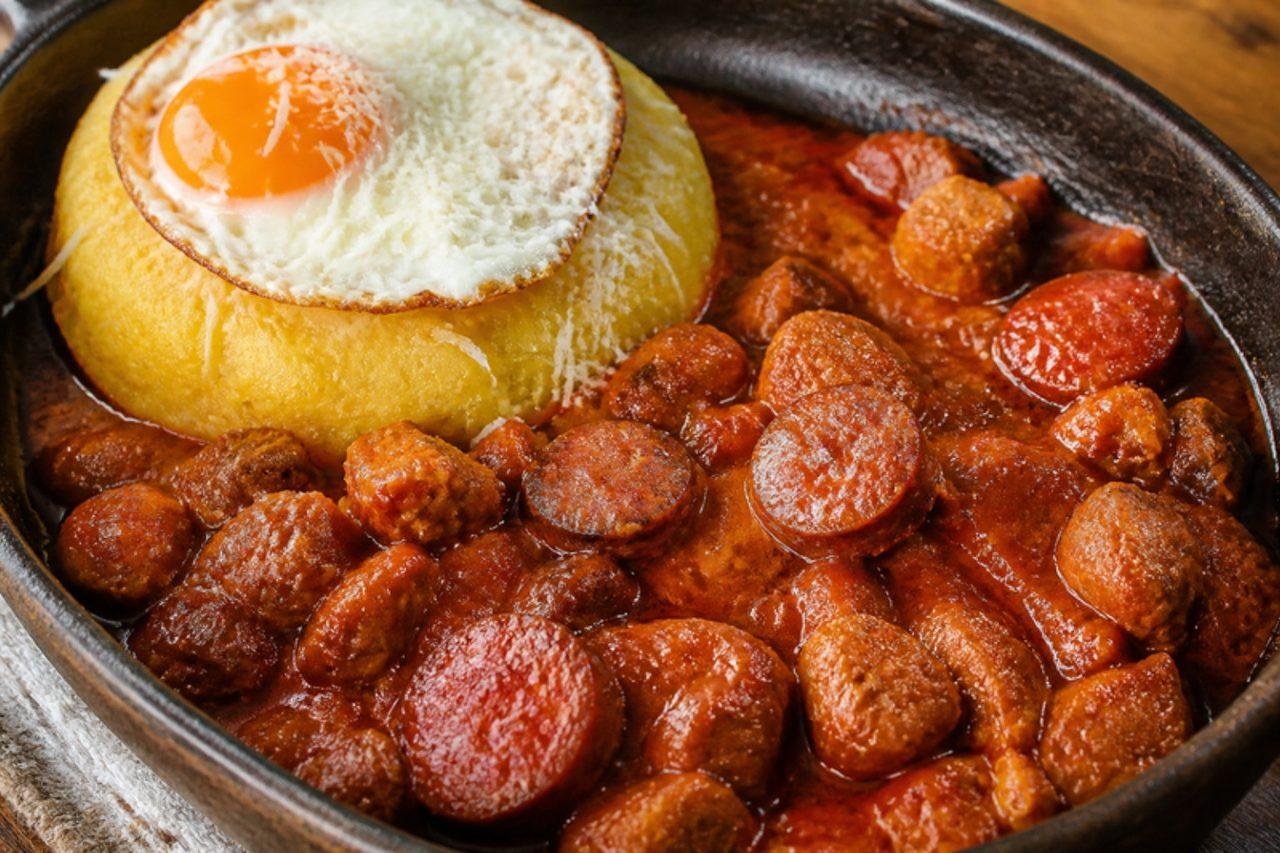
Ask for tochitură in a roadside han near Iași or Piatra Neamț and it arrives as a full plate: cubes of pork shoulder and pork sausage stewed in a garlicky, red-tinged sauce, a hill of mămăligă, a fried egg perched on top and crumbled salty sheep's cheese over everything. It is a dish for cold days and big appetites, rich, peppery and smoky. Traditionally a glass of dry white wine goes into the pan; for an alcohol-free version use the same amount of stock with 1 tablespoon of cider vinegar. The cheese is usually telemea or brânză de burduf. A frequent slip is cooking the pork hard and fast, which leaves it chewy; a gentle simmer turns it tender. Chef's tip: stir a spoon of crushed garlic into the sauce in the last minute only, so it stays fresh and fierce against the rich meat.

by KrazyBadal 0 views

Tobago toolumCoconut molasses ginger balls

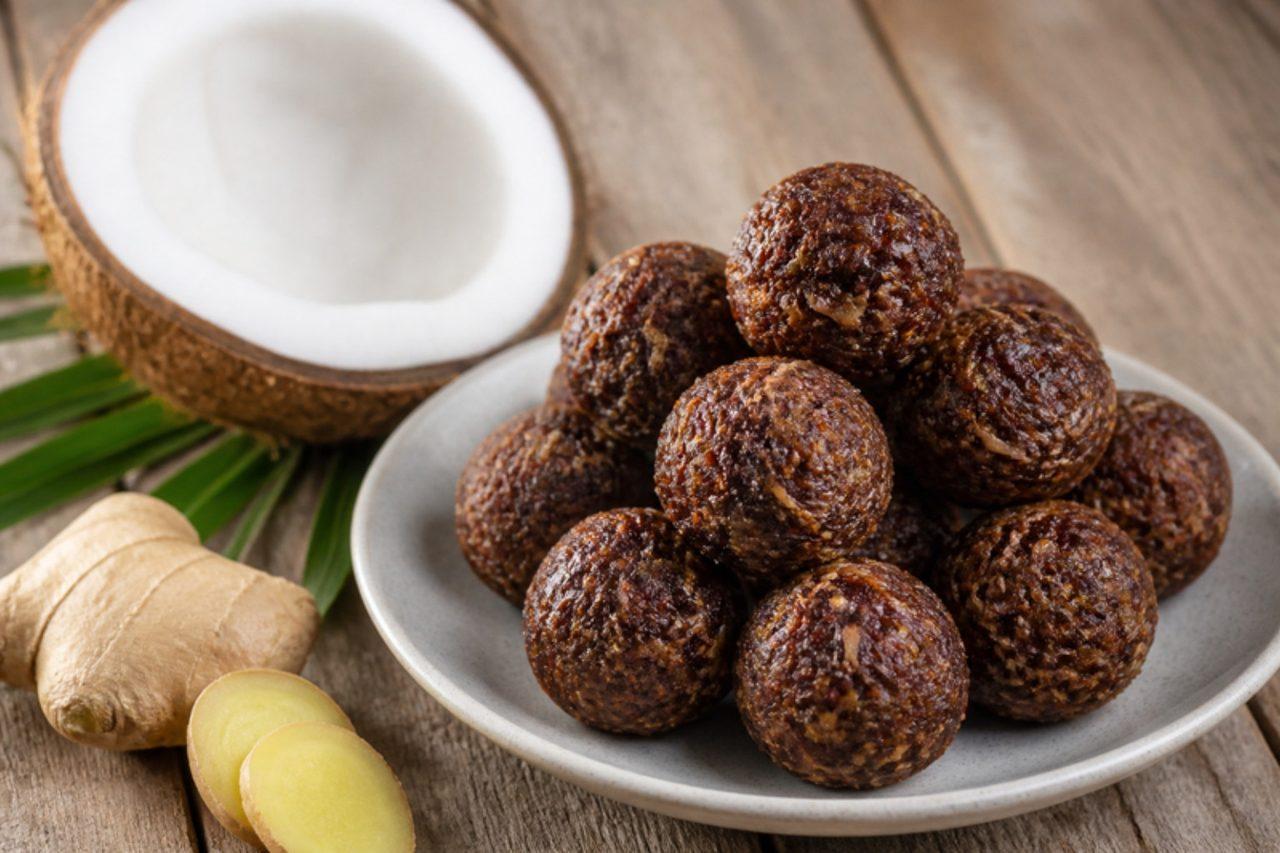
Toolum is one of Tobago's oldest sweets, made in villages like Moriah and Charlotteville from fresh grated coconut cooked down in molasses with grated ginger until dark and chewy, then rolled into rough balls. It is less crunchy than benne balls, with a deep, almost liquorice-like molasses taste and a ginger kick. The common mistake is stopping too early, when the mixture is still wet; it should pull away from the pan in one sticky mass. Freshly grated coconut gives the best chew. Chef's tip: stir with a wooden spoon and scrape the bottom constantly in the last 10 minutes, as molasses scorches quickly once the water has gone.

by KrazyBadal 0 views

Poltava halushkyPinched dumplings with fried onion

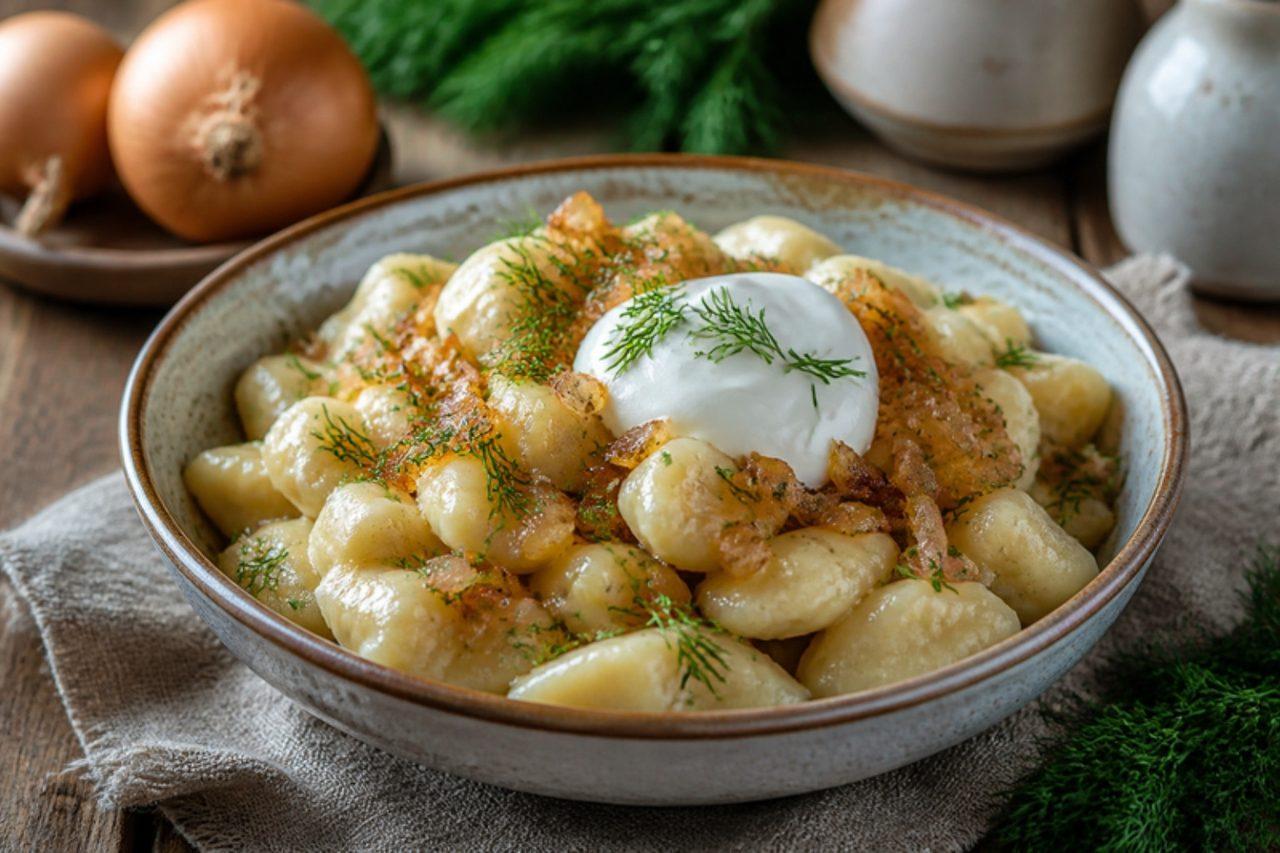
Poltava is so proud of its halushky that the city has a monument to them, a giant bowl and spoon in the park near the Ivan Kotliarevsky museum. These are the plainest of Ukrainian dumplings: a soft egg dough pinched or cut into small pieces, boiled until they float and swell, then tossed with onion fried golden in butter and sunflower oil and topped with a cold dollop of sour cream. Every Poltava household eats them on ordinary weekdays, often straight from the pot with a fork. They should be tender and slightly chewy, never gluey. The mistake people make most often is crowding the pot: drop them in two batches into a large pan of rapidly boiling water so they do not stick together. Chef's tip: dip your fingers or the knife in flour between pinches, and the dough comes away clean every time.

by KrazyBadal 0 views

Tobago pacro waterChiton broth

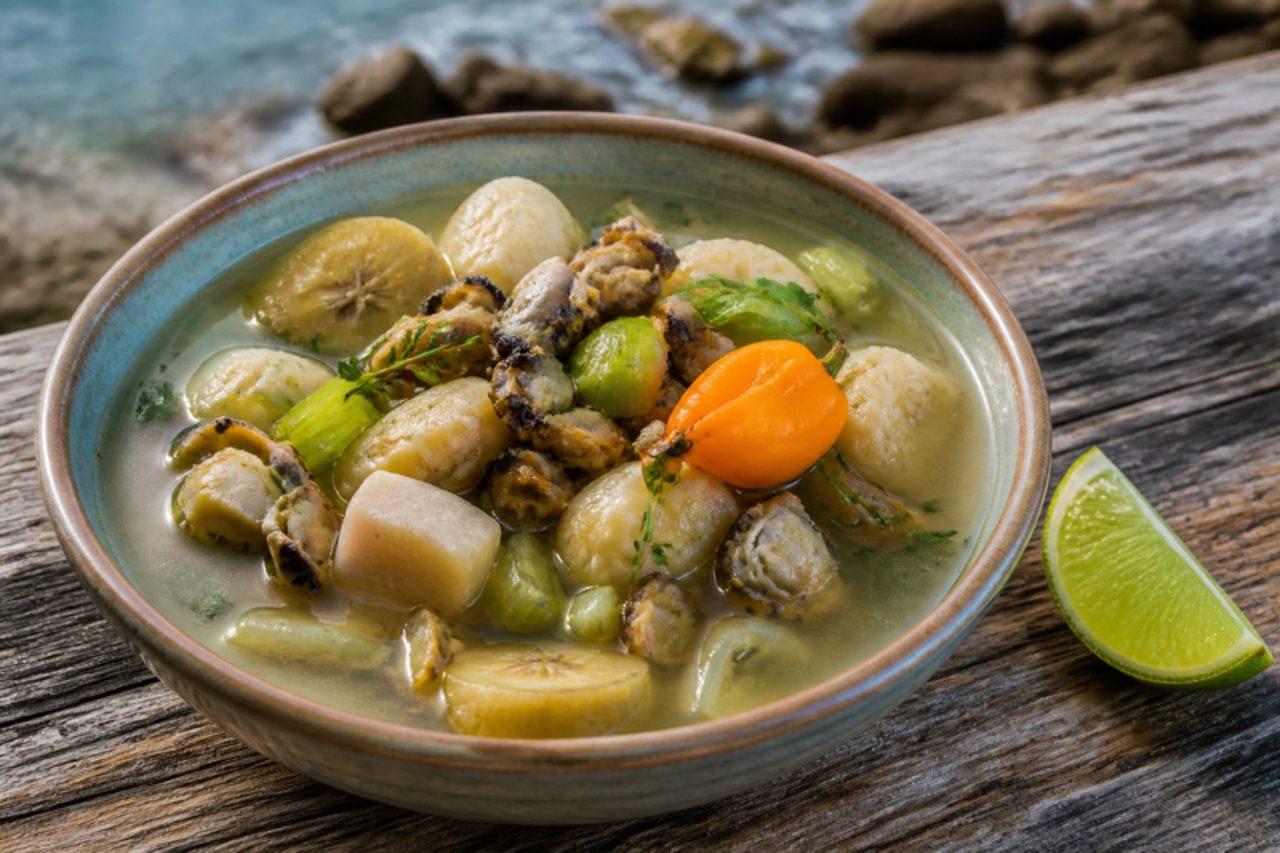
Along Tobago's rocky windward coast, pacro (chitons) are prised off the rocks at low tide and made into pacro water, a light, herby broth with green fig, dasheen and dumplings that islanders swear by as a strengthening soup. The flavour is clean and briny, somewhere between clams and whelks. Pacro is seasonal and its harvest is restricted in places, so only use pacro gathered legally; clams or whelks make a good substitute. The common mistake is skipping the long scrub and soak: pacro carries a lot of grit. Chef's tip: once cooked, pull out the pacro, chop the meat small and return it, so every spoonful gets some.

by KrazyBadal 0 views

Zupa brzadowaSweet-sour dried fruit soup

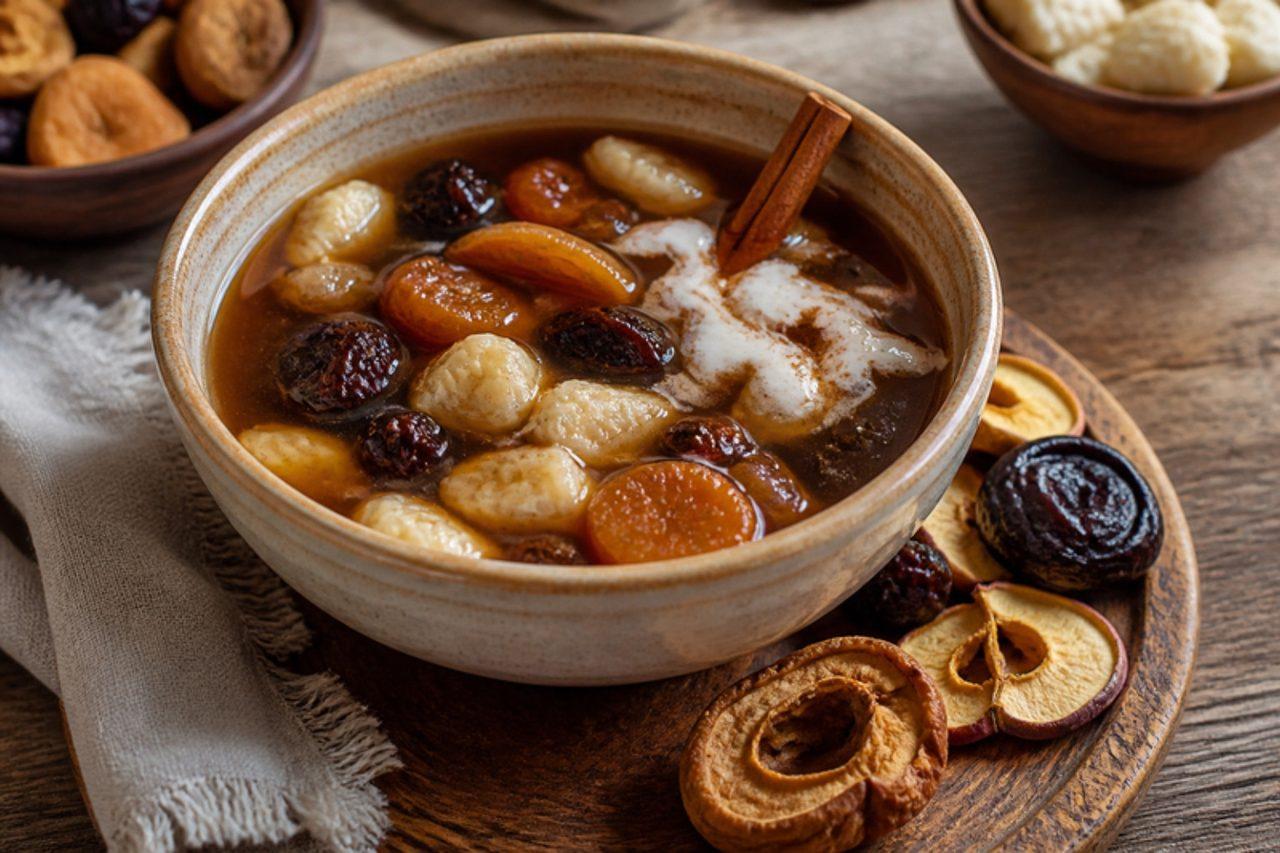
Kashubian farmhouses near Kartuzy and Kościerzyna dried their pears, apples and plums over the stove every autumn, and the dried fruit, called brzad, went into this soup through the winter. It surprises newcomers: warm, sweet and gently sour, smelling of cloves and cinnamon, with tender fruit and little spoon-dropped dumplings, sometimes served with boiled potatoes as a full meal. In the past a meaty version existed too; this one is meat-free. A common mistake is sweetening it like compote; it should taste fruity first, with only a little sugar and a clear sour edge. Chef's tip: soak the fruit overnight if you can, and cook it in its soaking water for the best flavour.

by KrazyBadal 0 views

SmörgåstårtaSavoury sandwich cake

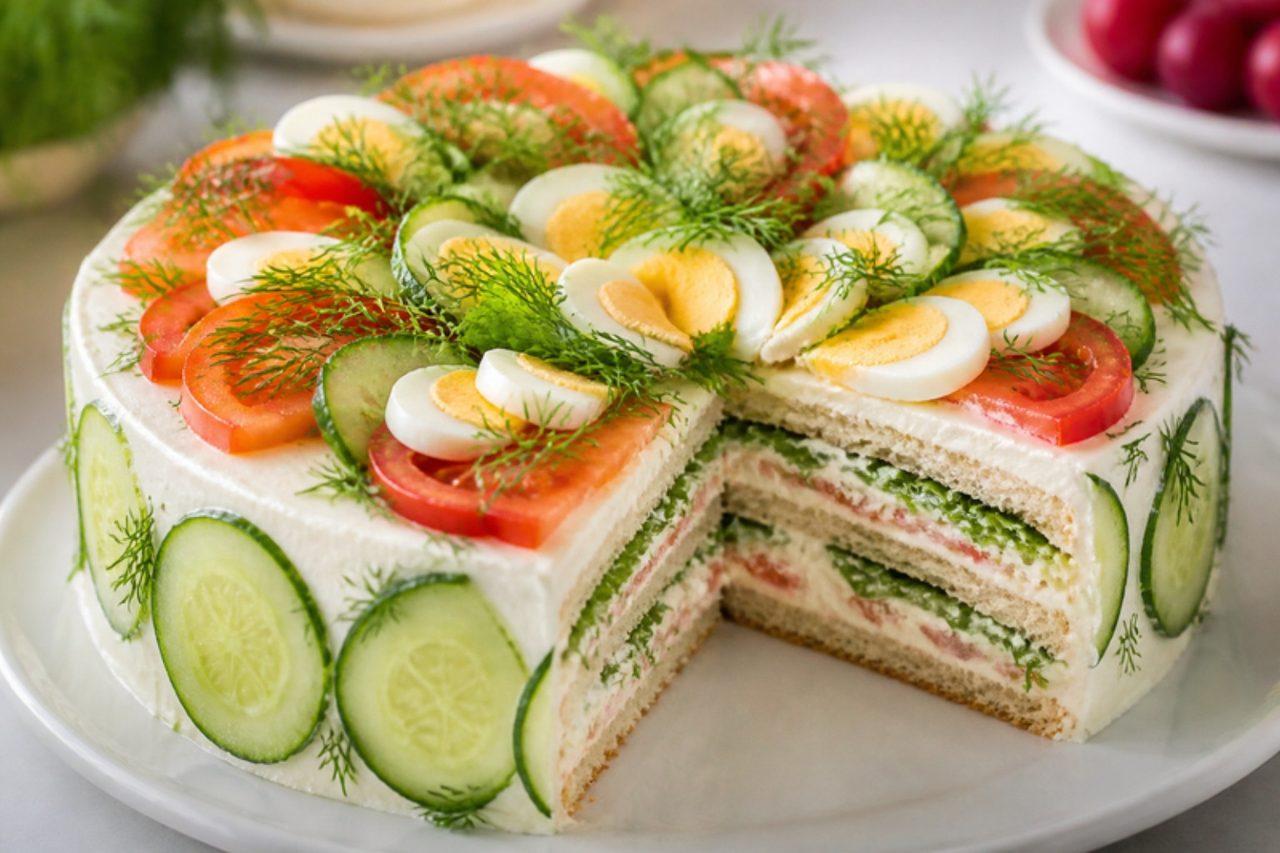
Smörgåstårta is what Swedes bring out for christenings, graduations and big birthdays: a 'sandwich cake' of soft bread layers filled with creamy egg, cheese and vegetable fillings, frosted with cream cheese and smetana and decorated as lavishly as a gateau with cucumber, radish, tomato and dill. In Stockholm bakeries the classic is layered with prawns and smoked salmon; this version keeps it vegetarian with egg mayonnaise, herby cheese and avocado. A common mistake is using fresh, very soft bread, which turns soggy; slightly firm sandwich bread holds the layers. Chef's tip: assemble it the night before and chill it under cling film; it firms up and slices neatly, then decorate just before serving.

by KrazyBadal 0 views

ŠakotisBranch-shaped spit cake

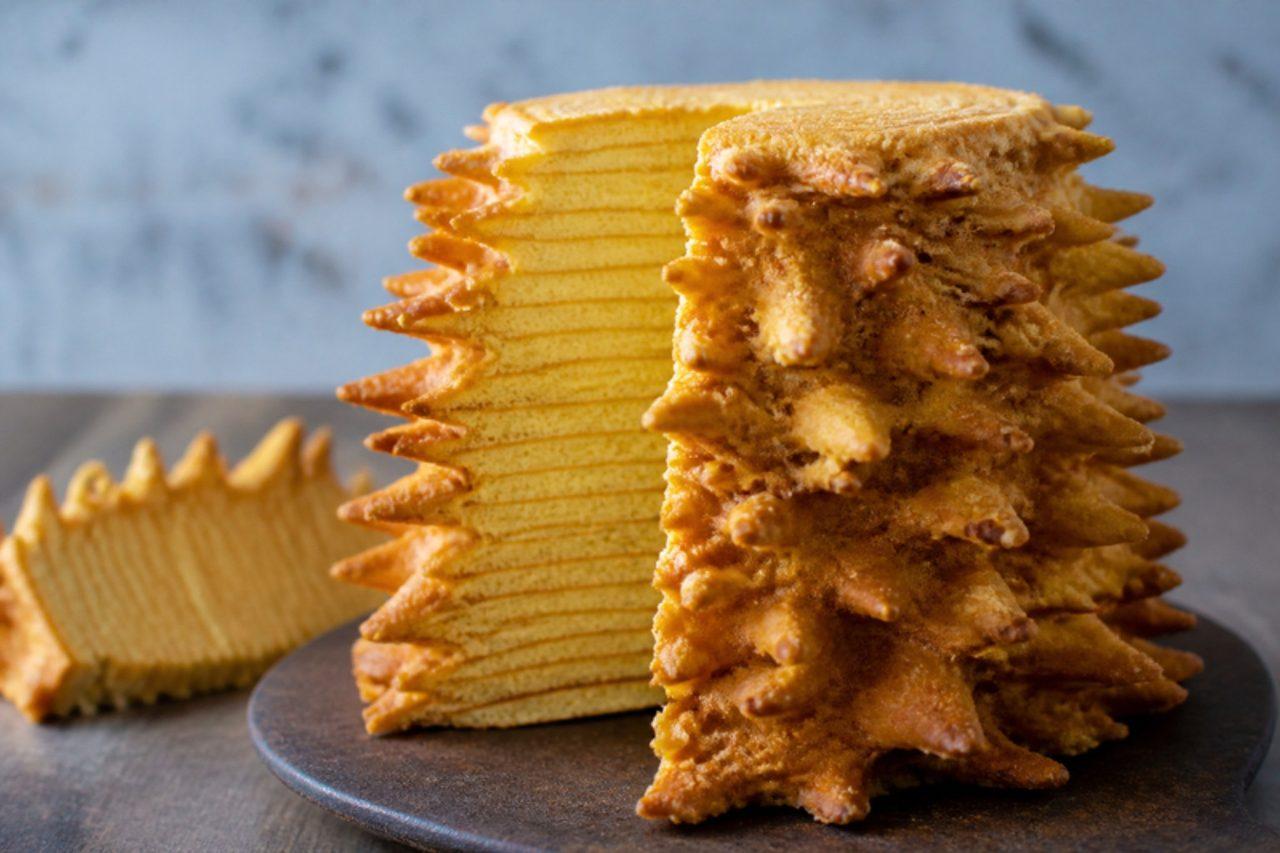
Šakotis, 'branched', is the tall, spiky cake that crowns Lithuanian weddings and christenings: a rich egg batter dripped over a turning spit in front of an open fire, layer after layer, so the drips harden into branches that stick out like a fir tree. Specialist bakers around Druskininkai and Vilnius make them to order. At home, a foil-wrapped rolling pin turned slowly under a hot grill builds a smaller version. A common mistake is a thin batter, which runs off instead of forming spikes. Chef's tip: turn the spit slowly as you ladle on each layer and let the drips set before the next coat; the spikes form where the batter drips and hardens.

280 minBalticBaking
by KrazyBadal 0 views

Tobago benne ballsSesame molasses candies

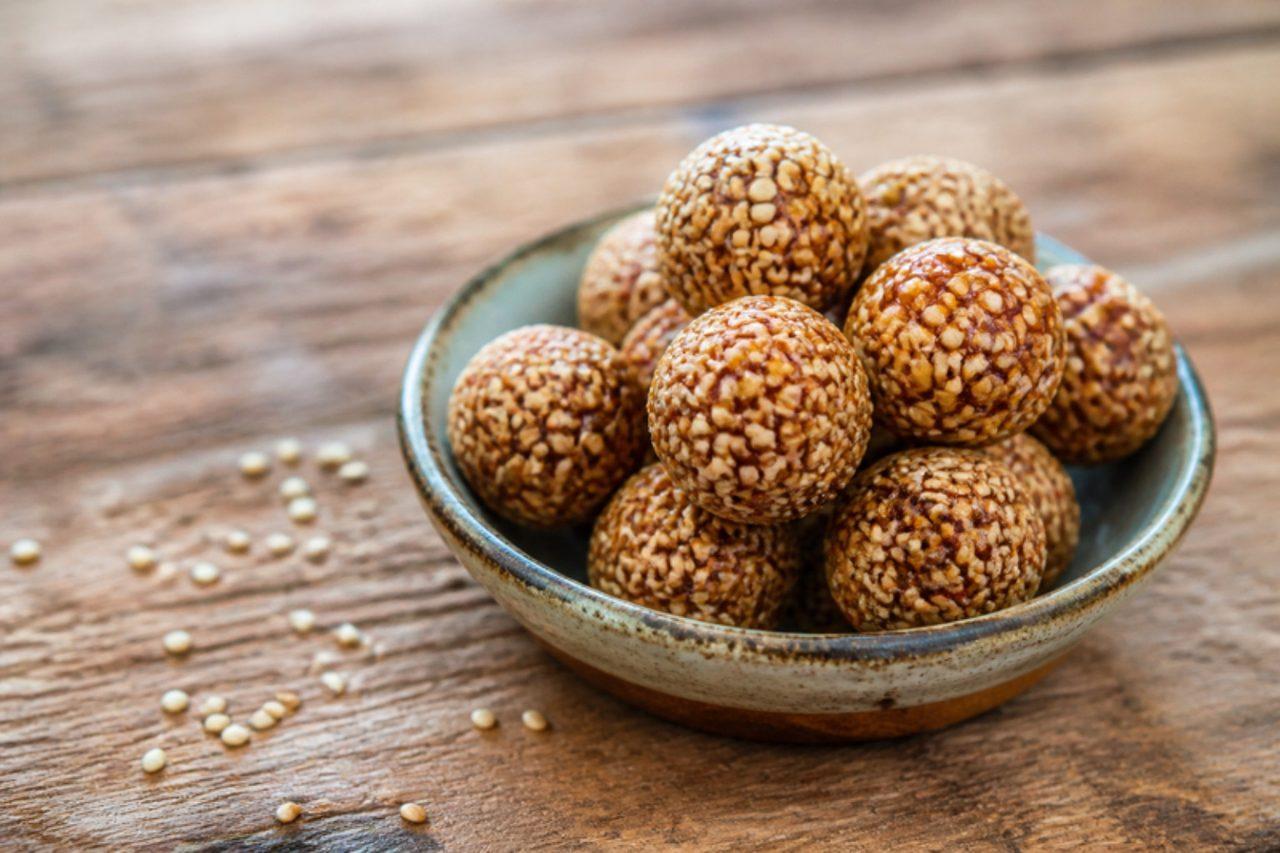
Benne is the West African word for sesame that survived in Tobago, and benne balls are the little brown, crunchy candies sold in paper bags at Scarborough market and by vendors on the beach roads. Toasted seeds are stirred into molasses and sugar boiled to the hard stage, then rolled while warm into marble-sized balls. The common mistake is under-boiling the syrup, which gives soft, sticky balls that never set; test it in cold water. Work quickly and carefully, as the syrup is very hot. Chef's tip: toast the seeds only to pale gold; they keep darkening in the hot syrup and turn bitter if they start dark.

by KrazyBadal 0 views

Zalai dödölleFried potato dumplings

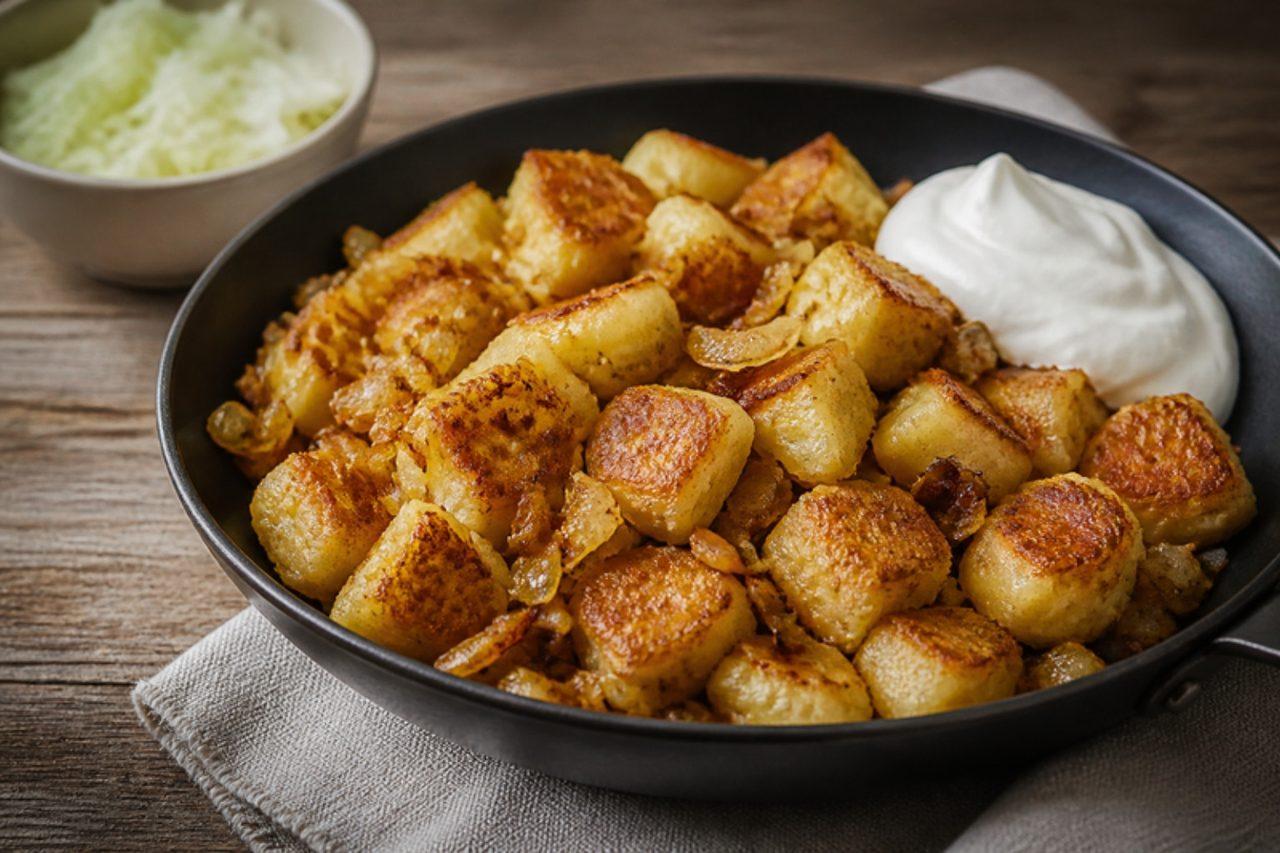
Zala county, in the green hills of south-west Hungary, is so proud of dödölle that villages hold festivals for it. Potatoes are boiled, mashed with flour into a stiff dough right in their pot, then scooped into little lumps with a spoon dipped in hot fat and fried with plenty of onion until crisp and brown on the outside and soft inside. The old way is to fry them in lard; this version uses oil, so it is vegan, though a knob of butter is lovely if you eat dairy. Eat them as a side, or as a main with sauerkraut, cucumber salad or a mushroom stew. A common mistake is drying the dough out with too much flour, which makes heavy, gluey lumps; it should be thick but still a little sticky. Chef's tip: dip the spoon in the hot oil before every scoop, and the dödölle slide off smooth.

by KrazyBadal 0 views

KapamaPork, chicken and sauerkraut feast pot

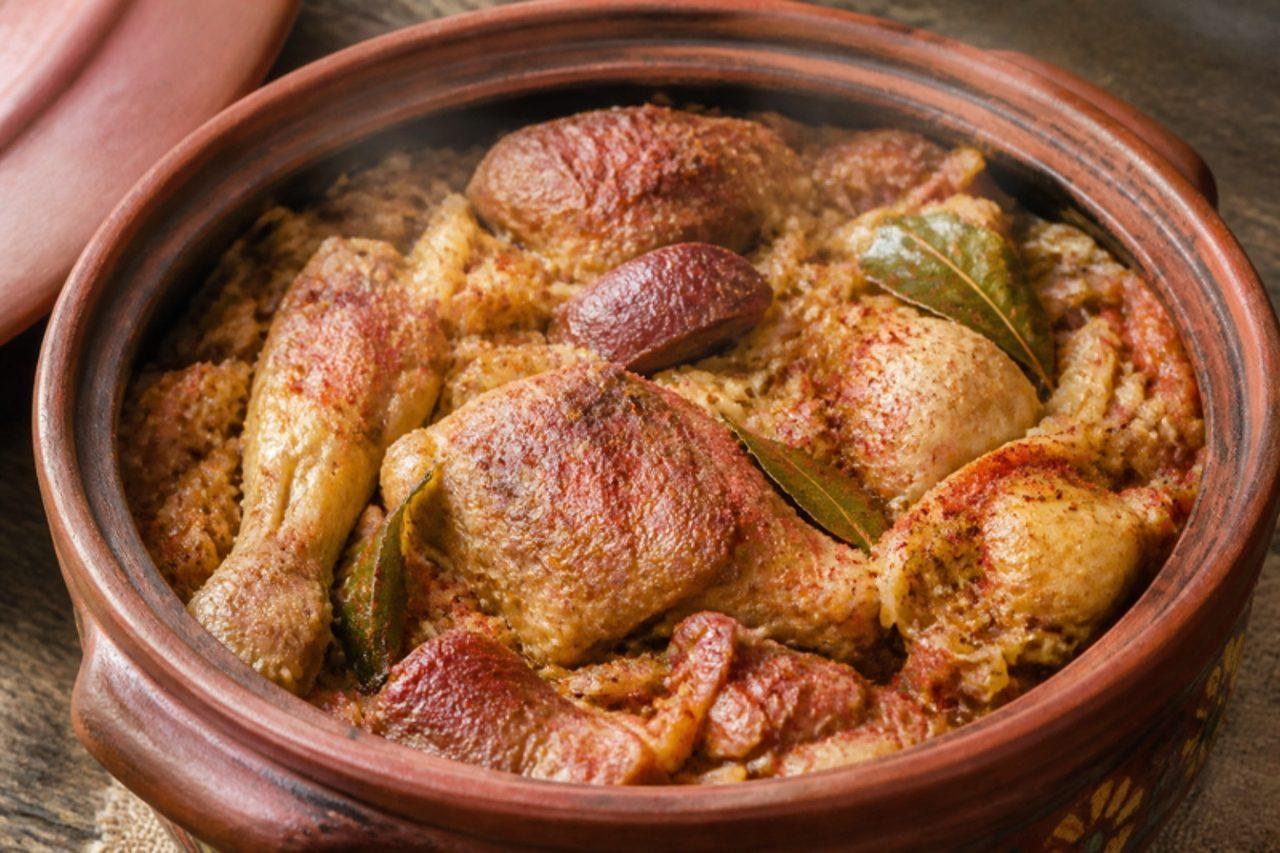
In the stone houses of Bansko, beneath the Pirin mountains, kapama is the dish of the winter holidays, carried to the table in its clay pot at Christmas, New Year and the masked Kukeri carnival. Pork shoulder, chicken on the bone and fresh pork sausage are layered with sauerkraut, rice and paprika, then sealed and baked for hours until the meat falls apart and the rice has soaked up the tangy, smoky juices. Old cooks seal the lid with a rope of dough; this version uses foil under a tight lid, which keeps it gluten free. Serve with extra sauerkraut and pickled peppers. The usual slip is lifting the lid too often, which lets out the steam and dries the top layer. Chef's tip: taste a strand of the sauerkraut first and rinse it only if it is very salty; its sourness is the backbone of the dish.

by KrazyBadal 0 views

YakeyakeSteamed grated cassava

Yakeyake comes from the Volta Region, where grated cassava is pressed dry, broken into crumbs and steamed until it turns into a light, slightly chewy grain that looks like coarse couscous. It is pleasantly neutral, a little sweet, and in Ewe homes it is often eaten with fried fish and a hot tomato and pepper sauce; for a meat-free plate, serve it with that same pepper sauce, sliced avocado and fried ripe plantain. Fresh cassava must be cooked thoroughly and never eaten raw. Chef's tip: squeeze the grated cassava in a cloth until no more liquid comes out; wet cassava is the common mistake and steams into a gummy paste instead of separate crumbs.

by KrazyBadal 0 views

Toast SkagenPrawn toast with dill mayonnaise

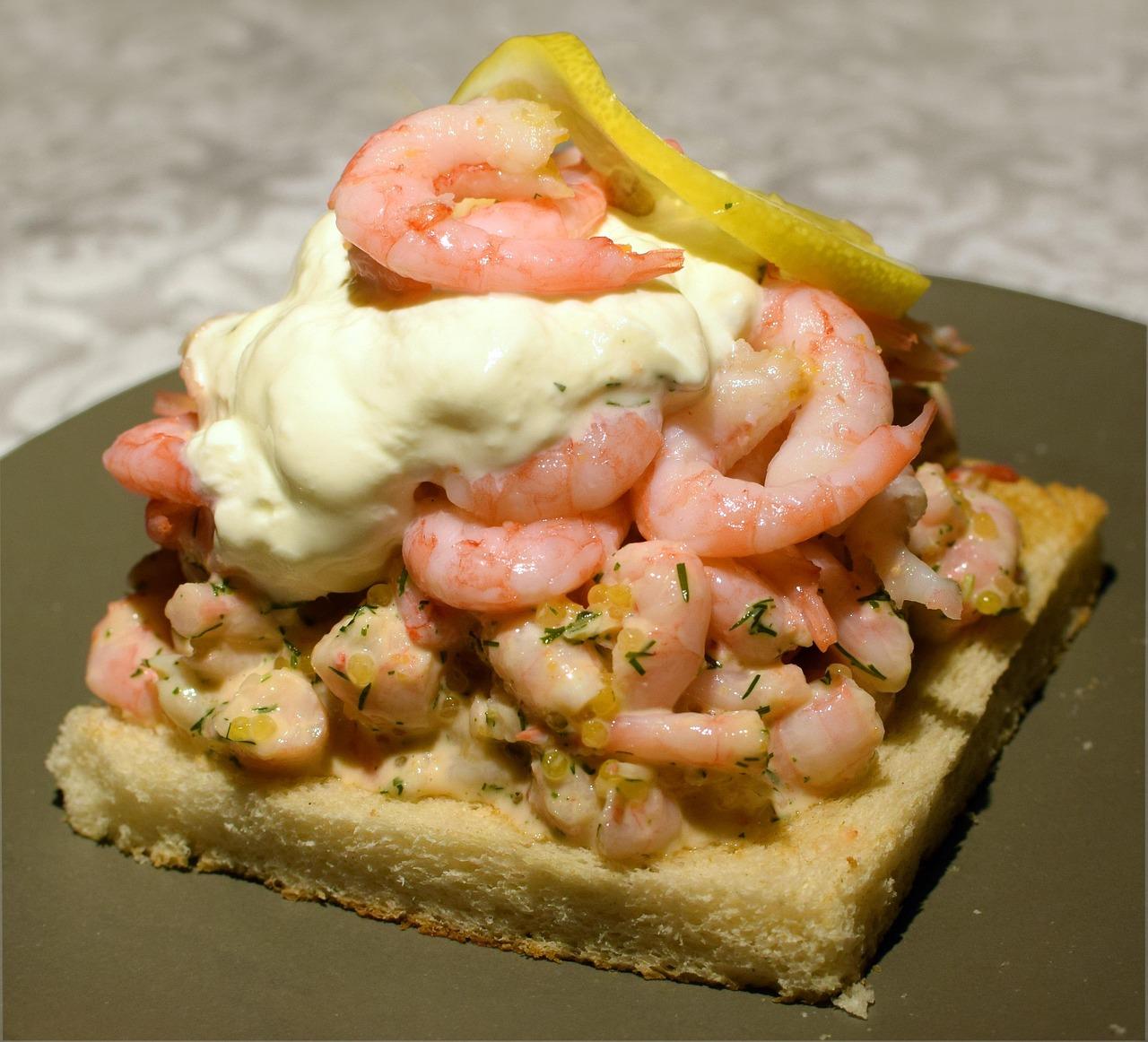
Toast Skagen was created in the 1950s by the Stockholm restaurateur Tore Wretman, named after the fishing port of Skagen at the tip of Denmark where he had sailed; it is still the starter Swedes order at old-fashioned Stockholm restaurants and make for birthdays at home. Peeled prawns are folded into a dill, lemon and mayonnaise dressing, piled on bread fried in butter and crowned with a spoon of fish roe. The roe is cured and uncooked, so it is not for pregnant women, young children or anyone with a weakened immune system; leave it off for them. A common mistake is using watery thawed prawns, which make the dressing thin. Chef's tip: drain the prawns well on kitchen paper, and fry the bread only at the last minute so it is still crisp when the topping goes on.

by KrazyBadal 0 views

Salat hatzilim b'mayonnaiseAubergine salad with mayonnaise

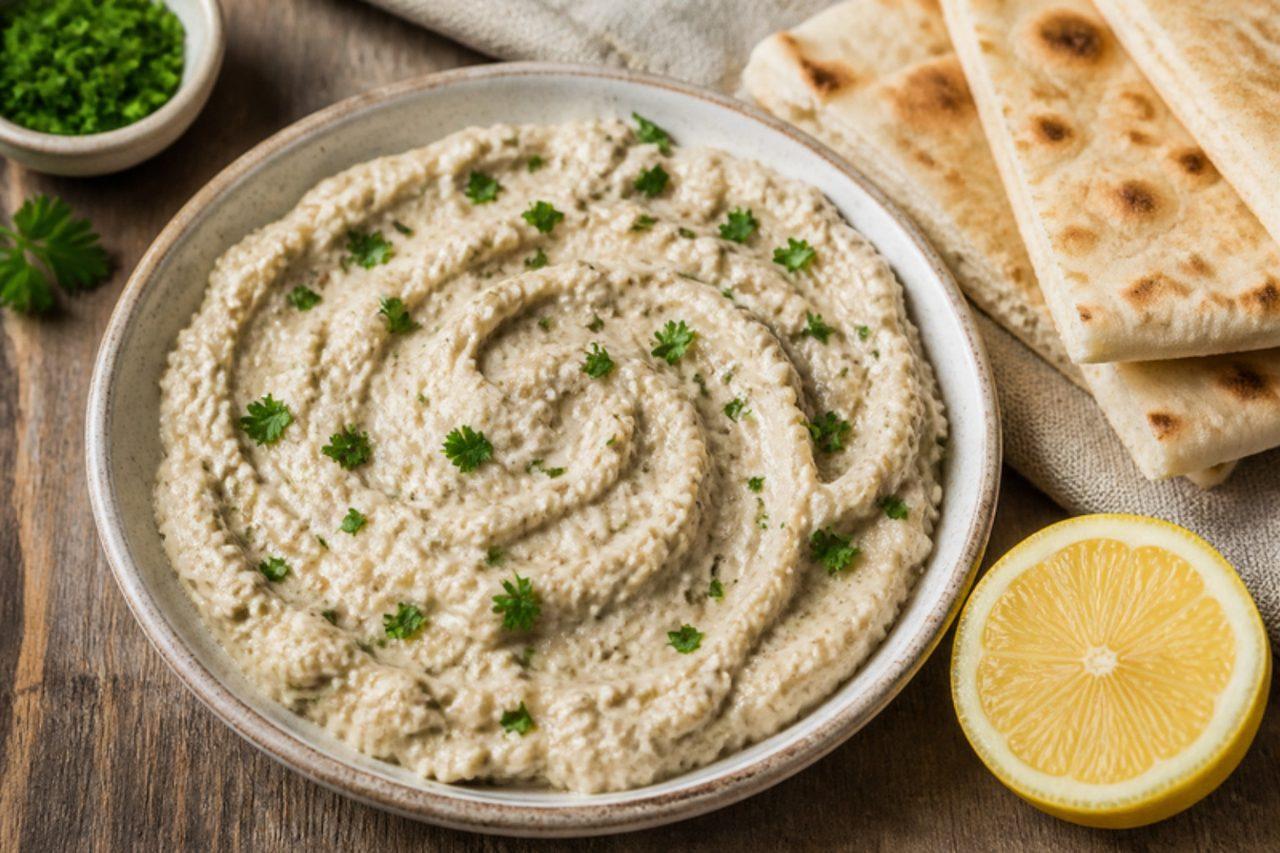
Romanian-Jewish immigrants brought this smoky aubergine salad to Israel, and it has become a fixture of the Shabbat and festival salad spread in Haifa, Netanya and Petah Tikva, scooped up with challah or frena. Aubergines are charred until the flesh collapses, chopped by hand and folded with mayonnaise, garlic and a little raw onion, giving a creamy, smoky spread with a sharp bite. The mistake is skipping the draining, which leaves a watery, grey salad. Chef's tip: chop the flesh with a wooden or plastic knife, as Romanian grandmothers insist, so it stays pale and does not turn bitter.

by KrazyBadal 0 views

SmetannykSour cream layer cake

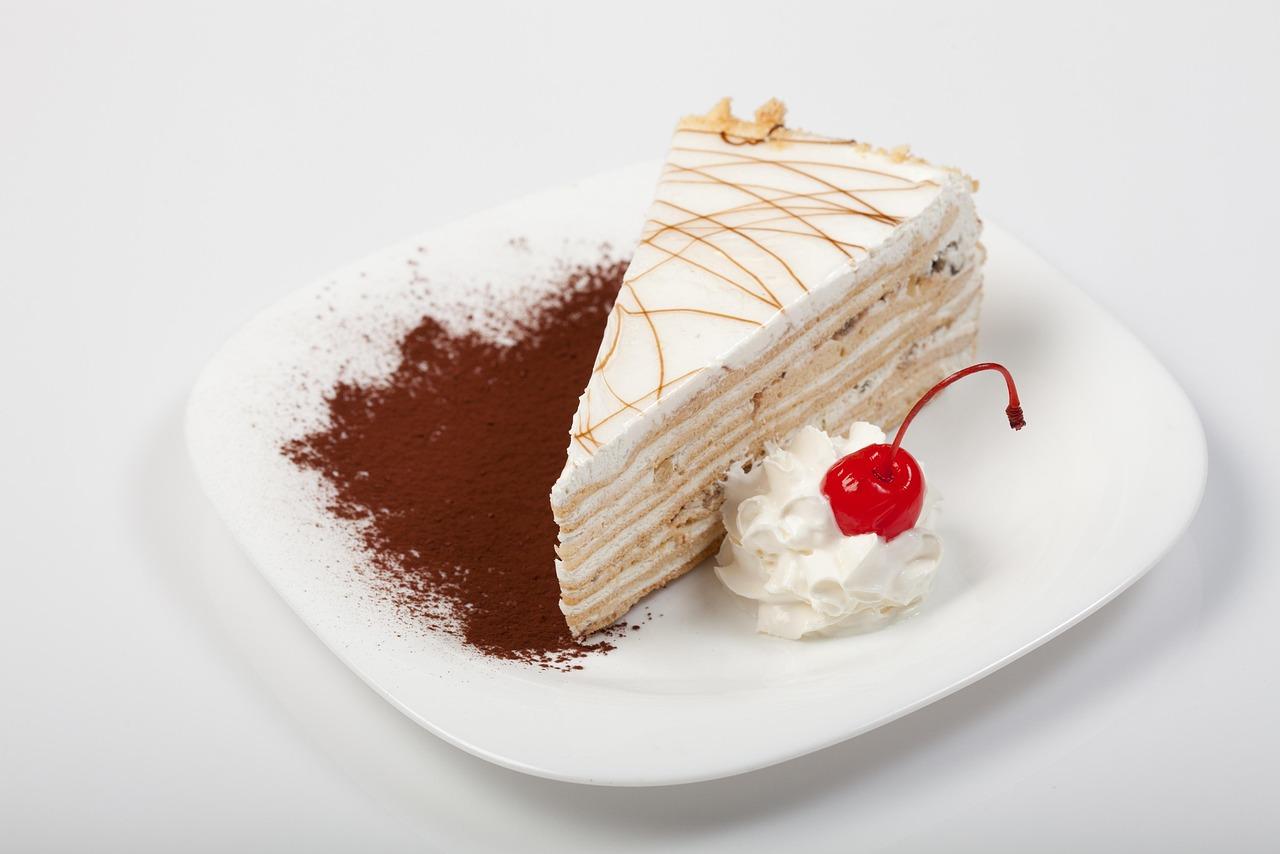
Long before shop-bought cakes reached the villages, a smetannyk was the birthday cake Ukrainian mothers could make from what the cow and the hens gave: sour cream in the sponge, sour cream in the frosting, and very little else. Four thin layers, two of them darkened with cocoa, are stacked with a sweet, tangy cream that soaks in overnight until the whole cake turns tender and almost pudding-like. It is still made for name days and family Sundays all over the country, often cut into tall slices and eaten with strong black tea. A common mistake is frosting with thin, low-fat sour cream: it runs off the sides and never sets. Use the richest you can find, at least 20 per cent fat, and drain it if it looks watery. The cake needs at least 6 hours in the fridge, so make it the day before. Chef's tip: hang the frosting sour cream in muslin over a bowl in the fridge for a few hours; it whips up thick and glossy.

by KrazyBadal 0 views

Pastramă de oaieGarlic-cured mutton

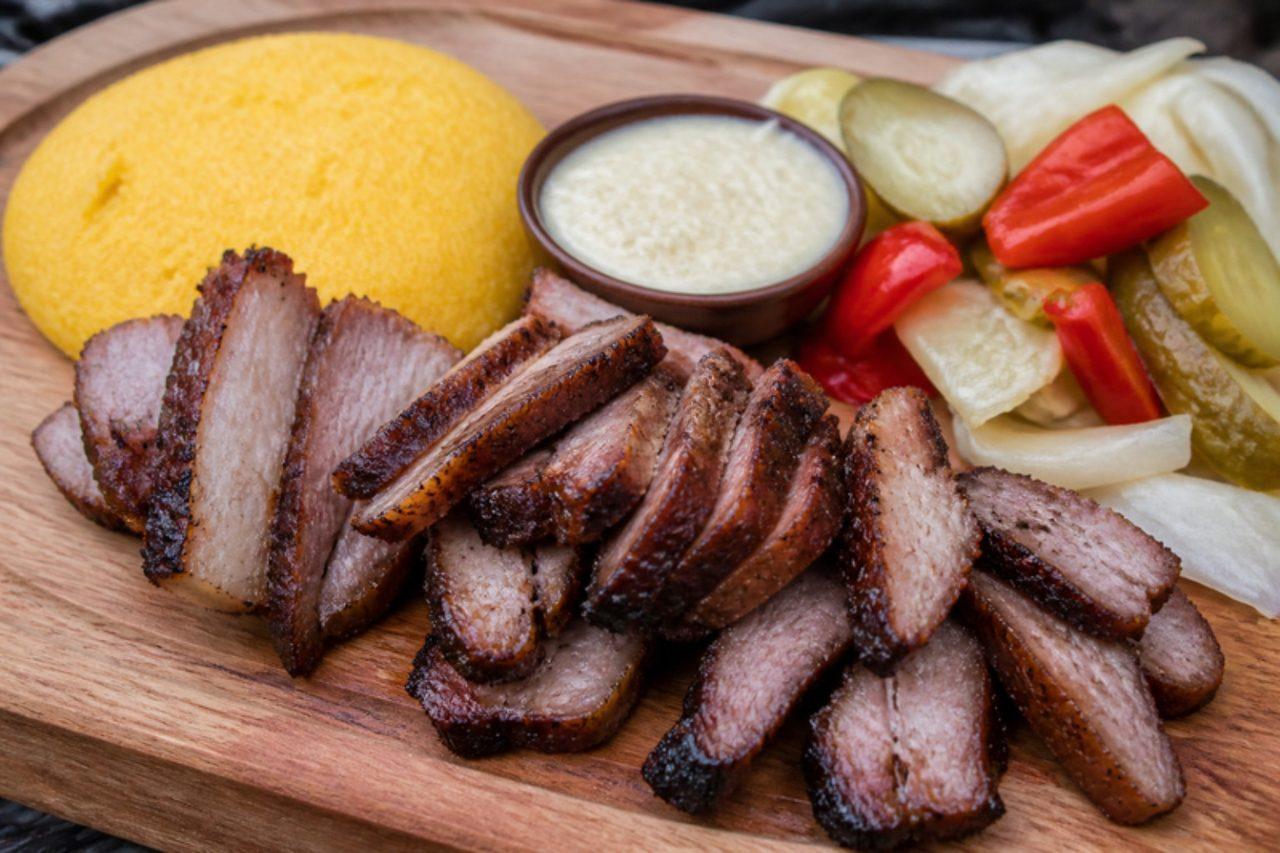
Autumn, when the flocks come down from the summer pastures of Moldavia and Wallachia, used to be pastramă season: slabs of mutton were rubbed with salt, garlic and spice, pressed, then dried in the sun and wind for days before being grilled over embers. Sun-drying raw meat at home is risky, so this is a safer version: the meat cures for 1 to 2 days in the fridge, dries uncovered on a rack in the fridge for a few hours, and is then grilled until cooked through. You still get the deep, garlicky, slightly gamey taste and the salty, caramelised edges. It is served hot with mămăligă, pickles and a glass of must-like grape juice in October. The traditional sun-dried, uncooked kind is not for pregnant women, young children or anyone with a weakened immune system. The common mistake is cutting the slabs too thick: keep them to 1.5 cm so the cure gets in and they cook through evenly. Chef's tip: lamb shoulder works if you cannot find mutton; it is milder, so add an extra clove of garlic.

1470 minRomanianMeatGluten free
by KrazyBadal 0 views

Salată de icreSalted roe spread

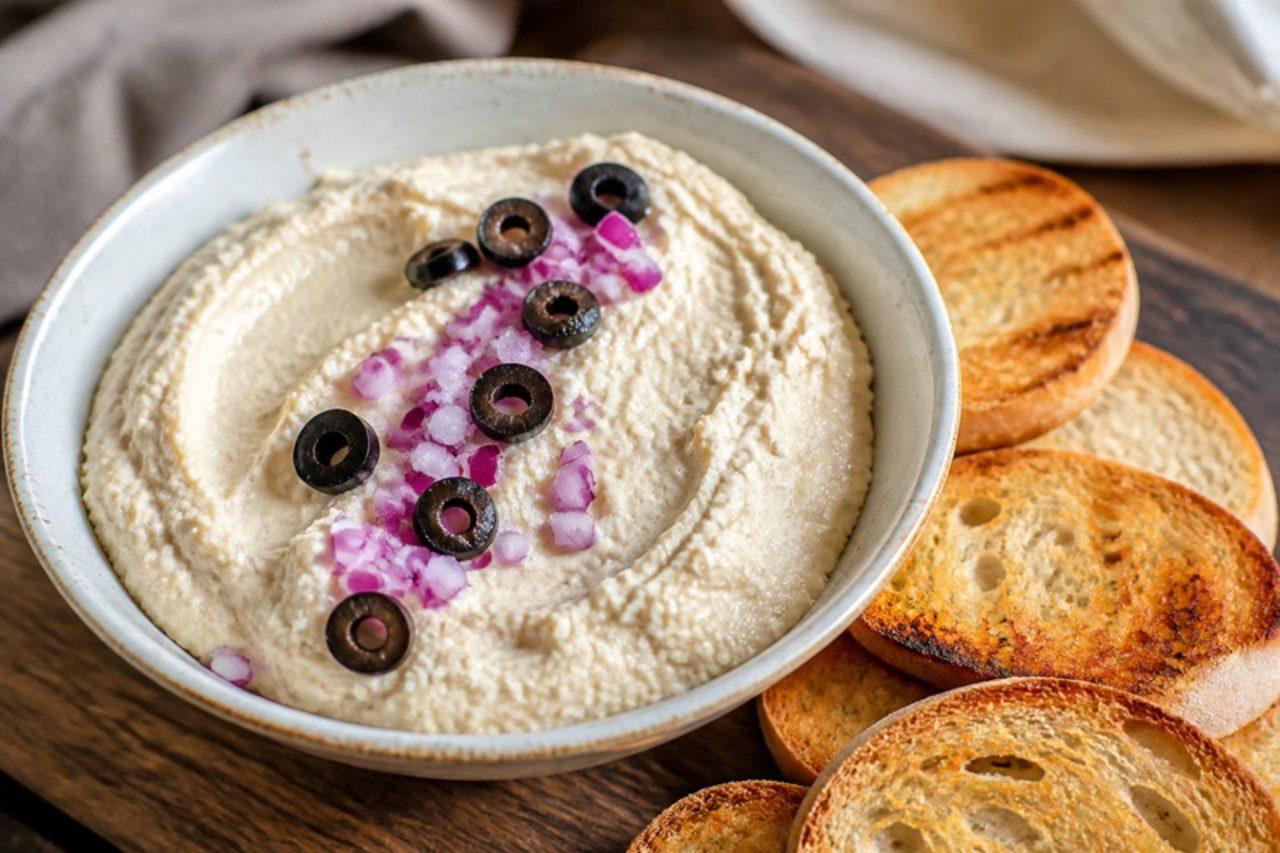
No Romanian buffet, Christmas table or Lent meal of the Delta is complete without a bowl of salată de icre, the pale pink spread made by whisking salted carp or pike roe with sunflower oil and lemon until it becomes light and fluffy, like a fish mayonnaise. Spread thickly on toasted bread with a ring of raw onion and a few black olives, it is salty, creamy and briny, and it vanishes in minutes. The roe is cured with salt but not cooked, so buy ready-salted roe from a good fishmonger or deli and keep it chilled; this spread is not for pregnant women, young children or anyone with a weakened immune system. The mistake to avoid is pouring the oil in quickly, which makes it split and greasy; add it a few drops at a time. Chef's tip: if it does split, whisk a teaspoon of cold water into a clean bowl and slowly whisk the split mixture back into it.

by KrazyBadal 0 views

Smažený květákFried breaded cauliflower

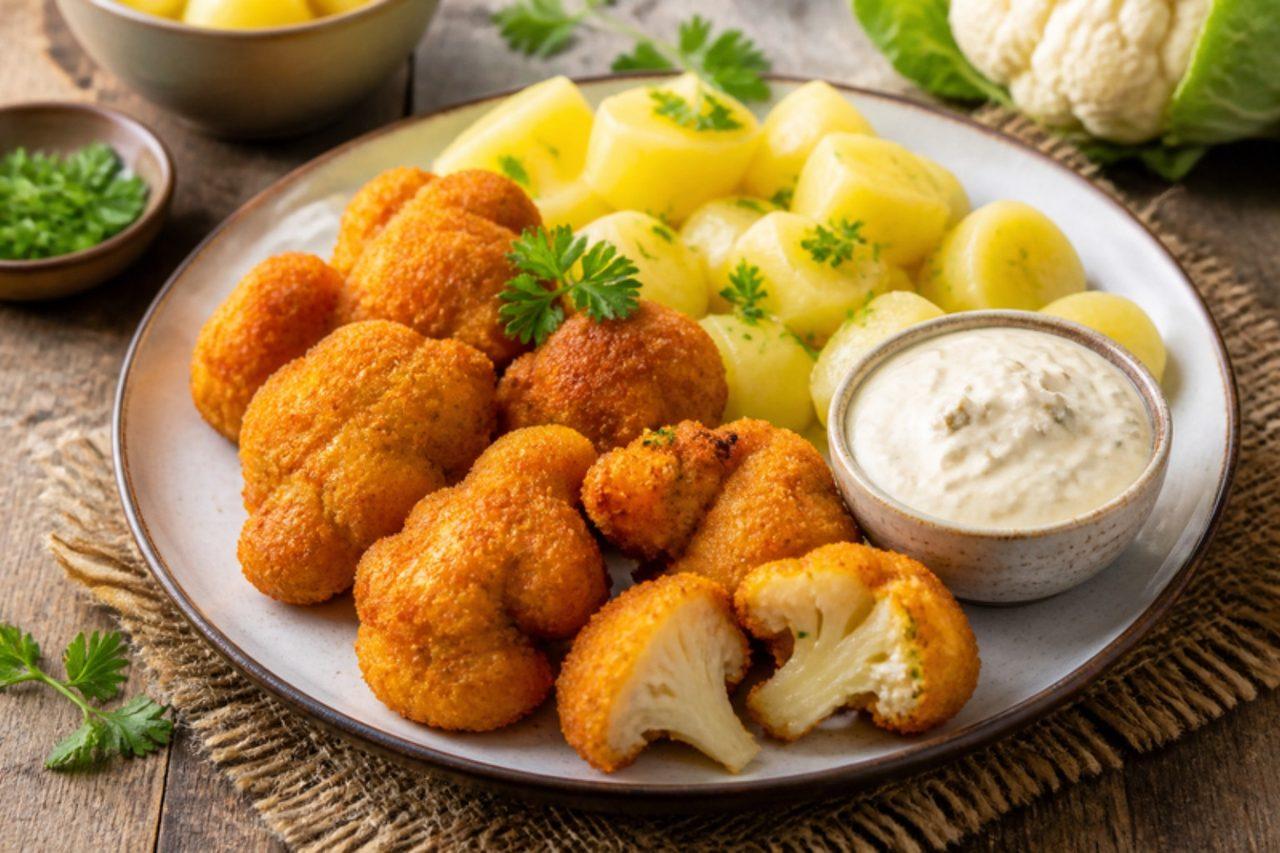
Order a vegetarian meal in a Czech pub and there is a fair chance you will get smažený květák: fat cauliflower florets in a crunchy breadcrumb coat, with buttery parsley potatoes and a dollop of tatarka, the pickle-studded tartar sauce. Children love it, and many families in Bohemia make it on Fridays. The florets are blanched first so the inside is tender and sweet under the crust. Where most people go wrong is breading wet cauliflower: the coating slips off in the oil. Dry the florets well on a towel and let them cool before you dip them. Chef's tip: press the crumbs on firmly with your palm, then rest the breaded florets for 10 minutes so the coat sets and fries up evenly.

by KrazyBadal 0 views

Salată orientalăPotato and onion salad

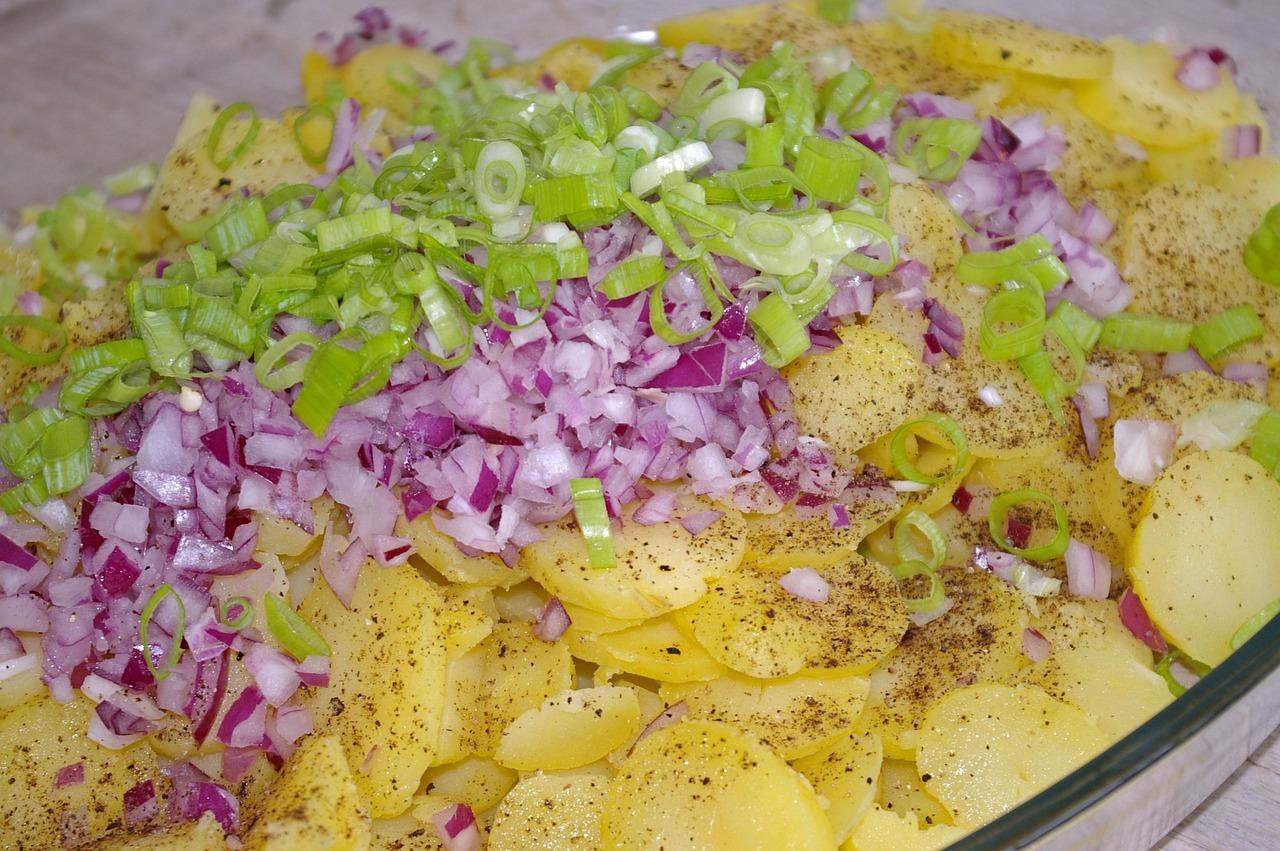
Nothing about salată orientală is particularly oriental; the name dates from interwar Bucharest, when olives and onion felt exotic on a potato salad. Today it is a fixture of student canteens, Lenten-season buffets and summer suppers on the balcony, served warm from the pot or cold from the fridge. Waxy potatoes are dressed while hot with sunflower oil and vinegar, then folded with red onion, black olives and quartered hard-boiled eggs, so it stays bright and sharp rather than creamy. A common mistake is overcooking the potatoes until they crumble; they should hold their cubes when tossed. Chef's tip: soak the sliced onion in cold salted water for 10 minutes to soften its bite while keeping the crunch.

by KrazyBadal 0 views

Smalec ze skwarkamiLard spread with crackling

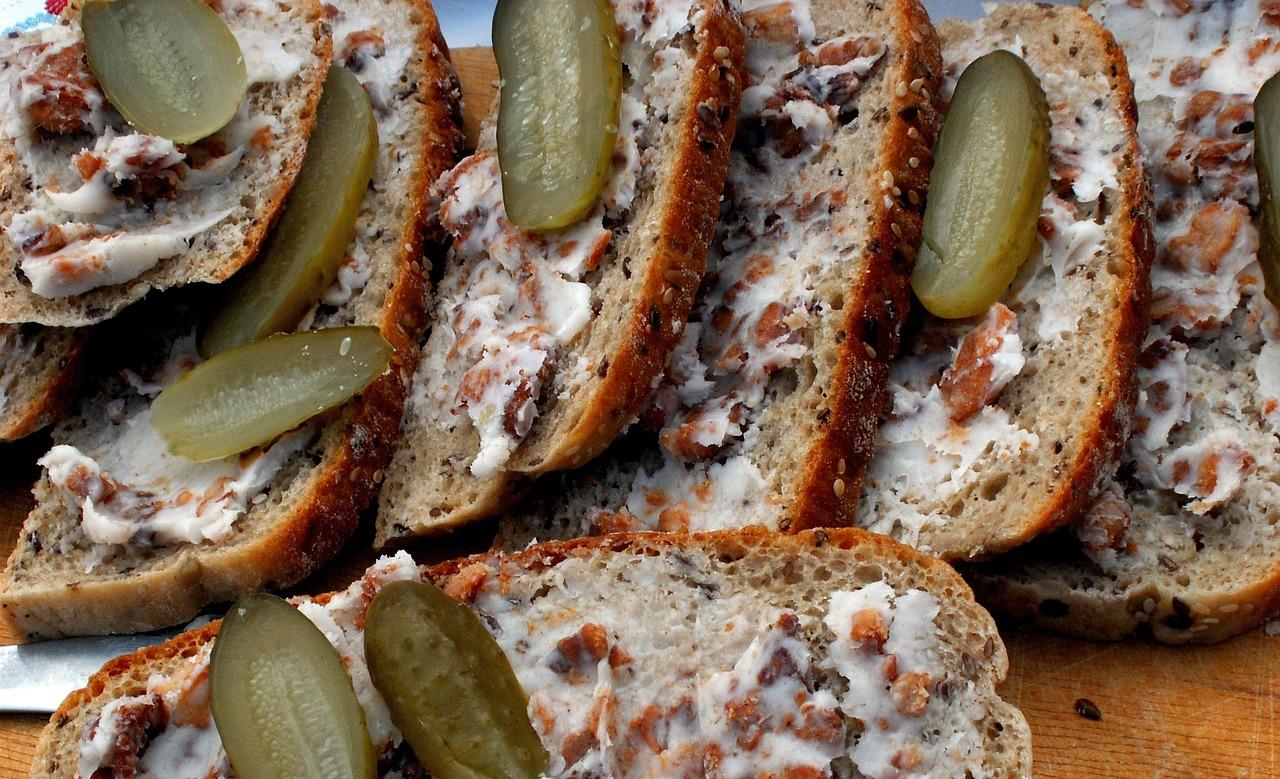
In Polish mountain huts, beer gardens and village wedding buffets, a crock of smalec arrives with a basket of rye bread before anything else is ordered. It is rendered pork fat stirred with crunchy bits of crackling (skwarki), golden fried onion, a little sour apple and marjoram, then left to set into a soft, white spread. Smeared thickly on dark bread with a pickled cucumber, it is savoury, salty and surprisingly fresh-tasting thanks to the apple. Rendering on a high heat is the error to avoid: the fat browns and tastes burnt before the crackling has had time to crisp. Allow about three hours for it to set in the fridge. Chef's tip: stir the cooling smalec every 15 minutes as it thickens, so the crackling and onion stay spread through it instead of sinking to the bottom.

by KrazyBadal 0 views

PastrmajlijaFlatbread with salted pork and egg

Štip in eastern North Macedonia holds a whole festival for pastrmajlija, a long boat-shaped flatbread baked in a wood oven and loaded with little cubes of salted pork, finished with a cracked egg and sometimes a hot pepper. Traditionally the meat is pastrma, dried salted pork or mutton; this home version salts diced pork shoulder in the fridge for a few hours and then bakes it on the dough until fully cooked, so it is safe and juicy. Eat it hot from the oven, torn by hand, with pickled peppers and a glass of cold yogurt drink. A common mistake is rolling the dough too thin; it needs a soft, chewy base to hold the meat juices. Chef's tip: bake on a pizza stone or upturned heavy tray, as hot as your oven goes.

150 minBalkanMeat
by KrazyBadal 0 views

Suti kababSoft spiced beef kebab

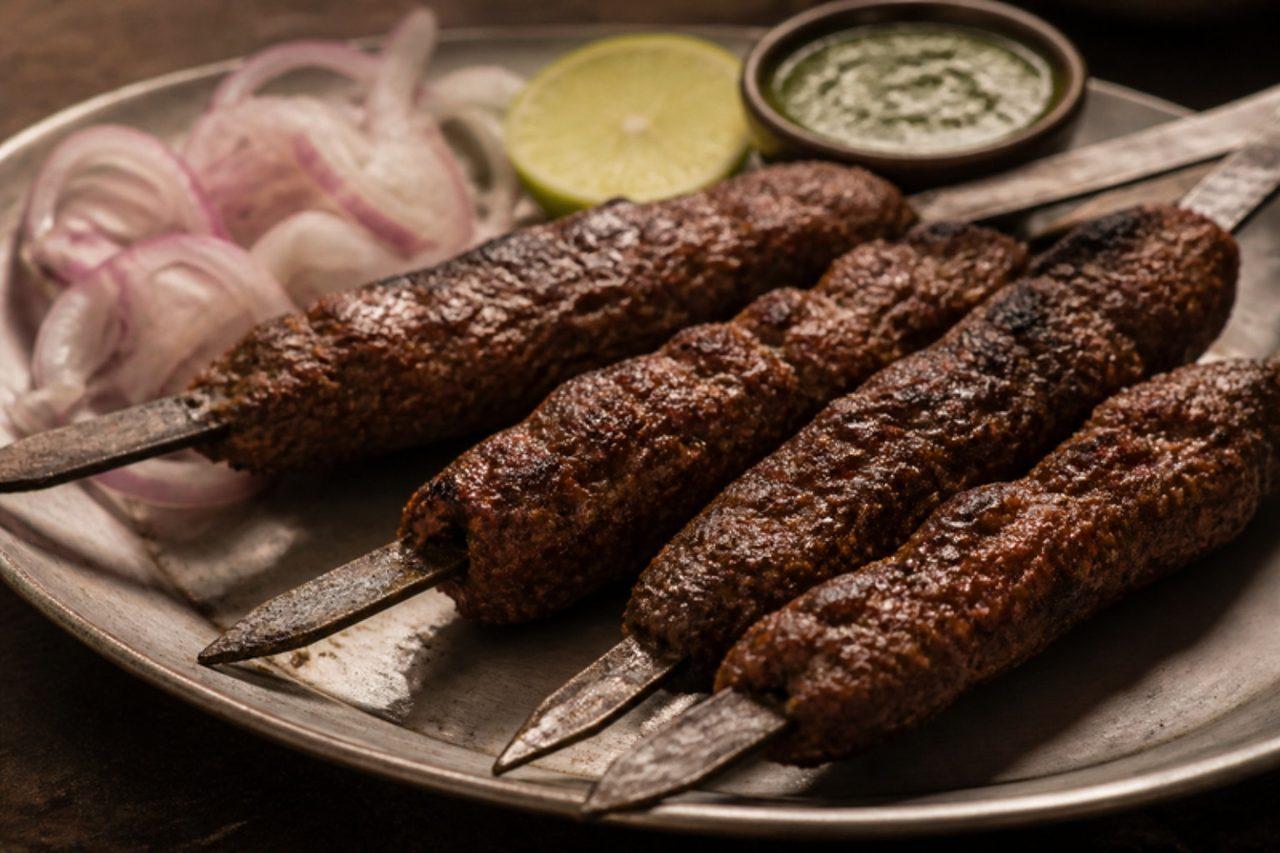
Suti means thread, and that is the trick of this Old Dhaka speciality: the beef is scraped and pounded so fine that it would slide off a skewer, so the kebab-maker winds cotton thread around it before it goes over the charcoal. The stalls of Beribadh and Nazimuddin Road grill them through the evening during Ramadan iftar and at weekends, and the result is a long, soft, smoky kebab that almost melts, eaten with paratha, sliced onion and lime. Raw papaya and roasted gram flour hold and tenderise the meat, and fried onions give a sweet depth. Too much lean meat is the most common error, because without some fat the kebab turns dry and crumbly. Chef's tip: wet your hands before shaping and chill the shaped skewers for 20 minutes, so they keep their shape when the thread goes on.

by KrazyBadal 0 views

Kesel muwa curryBanana blossom curry

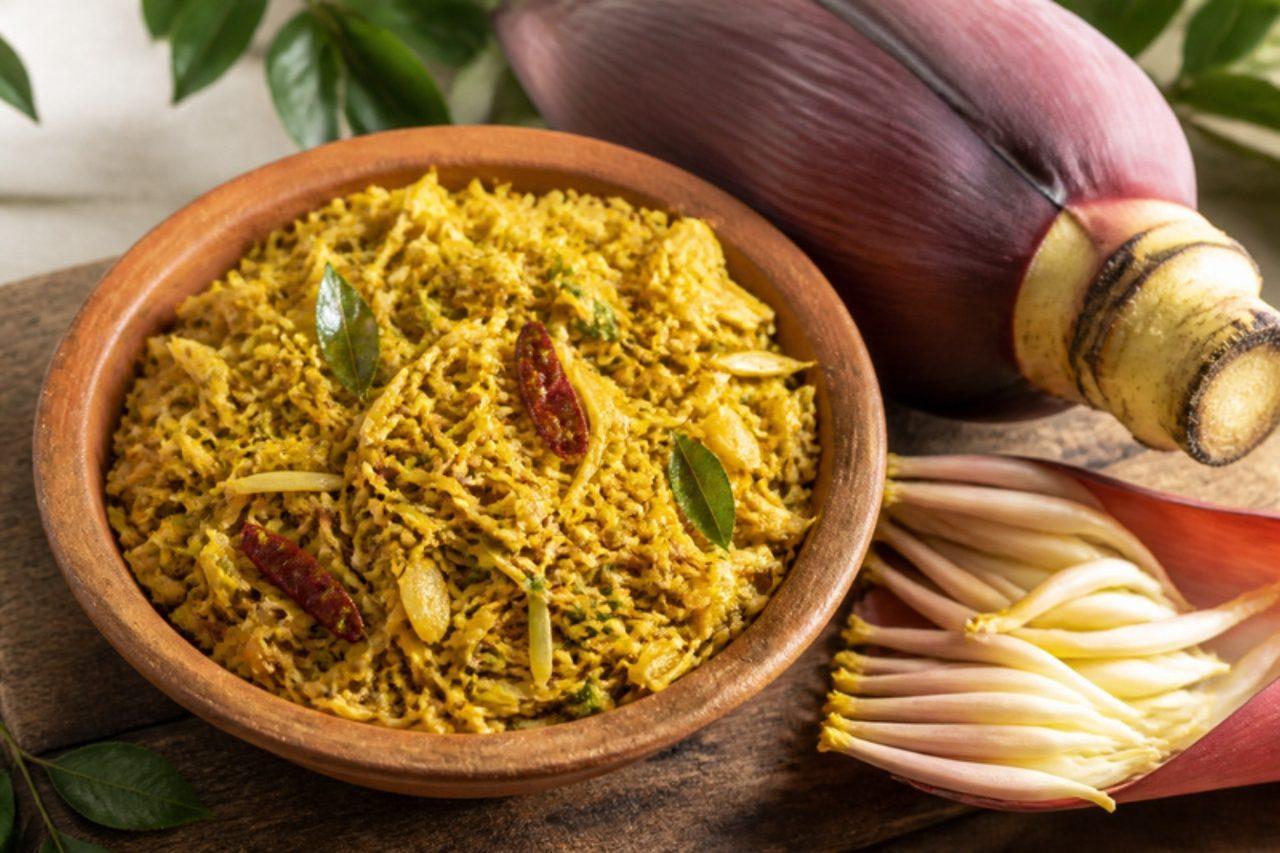
Every banana plant in a Sri Lankan back garden eventually pushes out a heavy, purple, spear-shaped flower, and rather than waste it, home cooks across the western province slice it into this savoury, slightly meaty curry. Once the tough outer bracts come off, the pale heart is shredded and cooked with roasted curry powder, mustard seed and chilli, then finished with coconut milk until it is tender with a faint, pleasant astringency, a bit like artichoke. It is a weekday dish, served with red rice, parippu and a pol sambol. The flower browns and turns bitter within minutes of being cut, which is where most first attempts go wrong, so have a bowl of salted turmeric water waiting and drop the slices in as you go. Chef's tip: if you can only find tinned banana blossom in brine, rinse it well, chop it and skip the soaking; it needs only half the cooking time.

by KrazyBadal 0 views

Zagorska juhaPotato and mushroom soup

The green, hilly Zagorje north of Zagreb, in Croatia, is known for castles, vineyards and filling soups like this one, served in country inns before roast duck or as a meal on its own on chilly days. Potatoes and wild or chestnut mushrooms are simmered with paprika and marjoram, then finished with sour cream and a dash of vinegar, so the broth turns velvety with a gentle tang. Some versions add smoked bacon or sausage; this one is vegetarian, with dried porcini for a deep, woodsy flavour. Serve with dark bread. Where most people go wrong is boiling the soup after the sour cream goes in, which makes it curdle; warm it through and keep it below a simmer. Chef's tip: strain the porcini soaking liquid through a paper towel and add it to the pot; it is half the flavour.

by KrazyBadal 0 views

SaleegCreamy rice with roast chicken

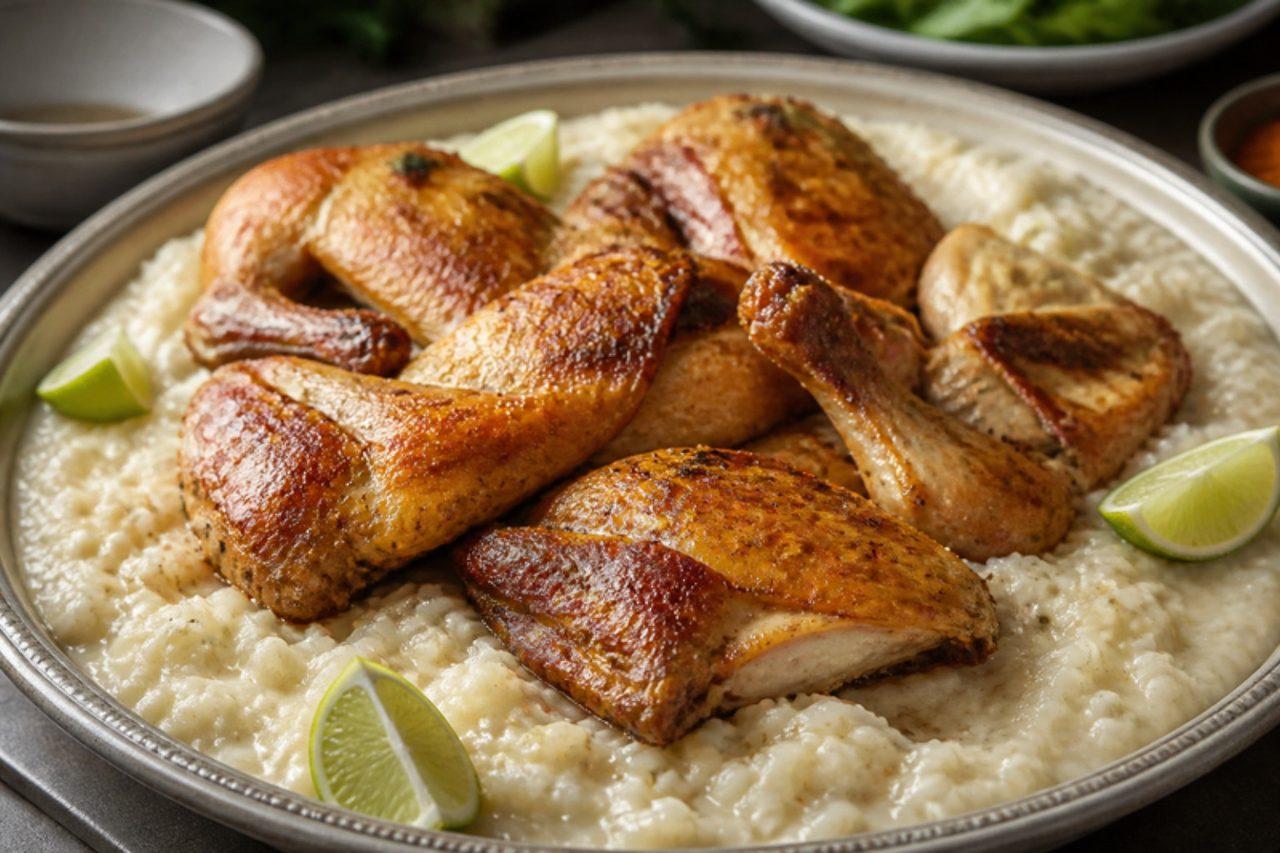
In Taif and the cities of the Hejaz in western Saudi Arabia, saleeg is what families cook when someone needs comforting, and it turns up on Friday lunch tables and at gatherings through the cooler months. Short-grain rice is simmered slowly in the broth the chicken was poached in, then loosened with milk until it is as soft and creamy as a savoury rice pudding. The chicken pieces are roasted until golden and laid on top, and a spoonful of hot ghee is poured into a well in the middle just before serving. Eat it with daqqus tomato sauce or a squeeze of lime and a plate of sliced cucumber. The usual mistake is to stop stirring once the milk goes in, so the rice catches on the base and tastes scorched. Chef's tip: keep a ladle of hot broth beside the pot and add it whenever the rice looks stiff; saleeg should slowly flow when you tilt the plate.

by KrazyBadal 0 views

KibbelingBattered white fish chunks

Kibbeling is the fish snack of Dutch markets and harbours, sold in paper trays from fish vans at Saturday markets from Volendam to Rotterdam: bite-sized chunks of cod or pollock coated in a spiced batter and fried until crisp, with a pot of garlic sauce or remoulade. It began as a way to use the cheeks of cod. A common mistake is a thick batter, which turns bready and greasy. Chef's tip: season the batter well with a little curry powder and paprika, the market-van secret, and fry at 180 °C until golden; the fish is done when opaque and flaking.

25 minDutchFish
by KrazyBadal 0 views

Quebec hot chicken sandwichHot chicken sandwich with gravy

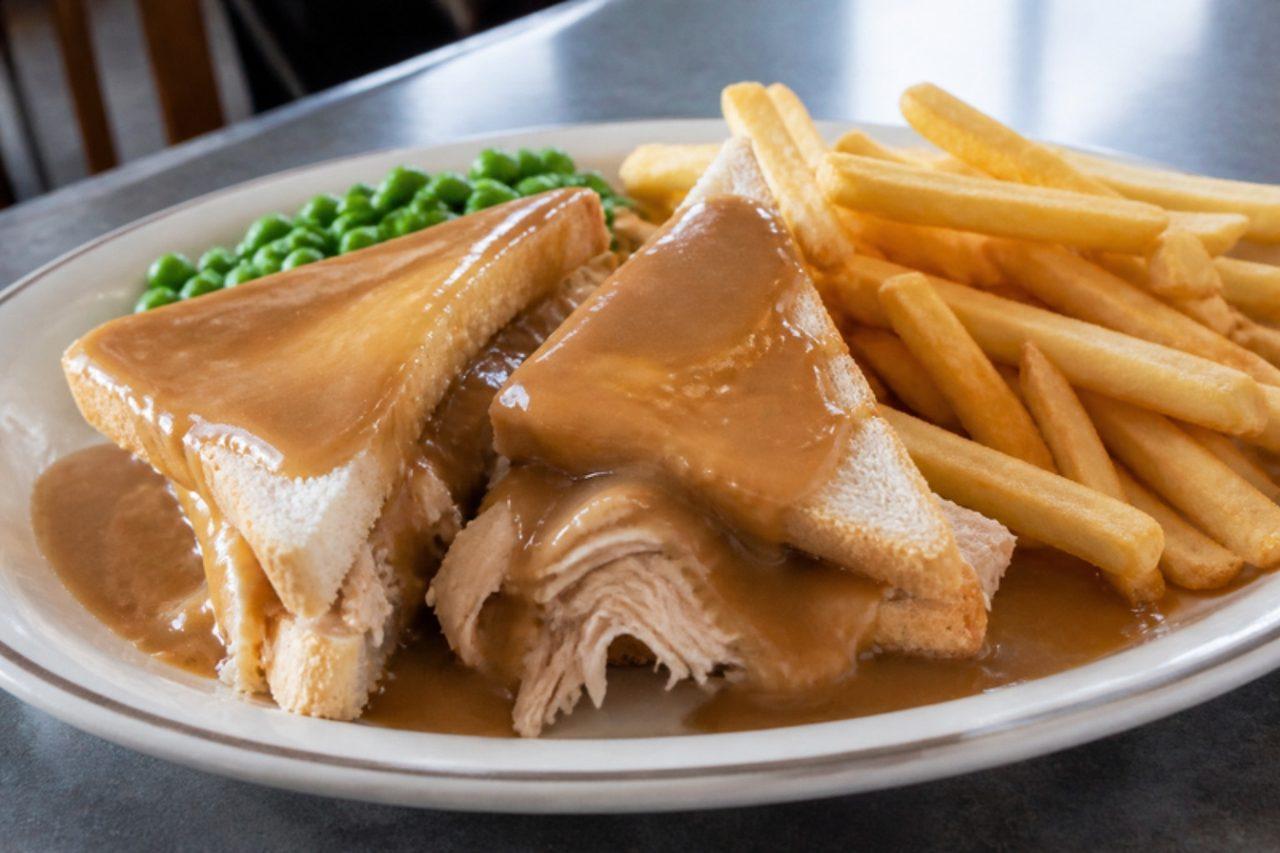
The hot chicken is a fixture of Quebec rotisserie restaurants and roadside diners from Sherbrooke to Rimouski, ordered at lunch with a side of fries and a little dish of canned peas. Pulled roast chicken is piled between two slices of soft white bread, then the whole sandwich is drowned in a peppery brown chicken gravy and eaten with a knife and fork. It is a great way to use the meat from a roast chicken. A common mistake is a thin gravy; it should coat a spoon thickly so it clings to the bread. Chef's tip: add a spoonful of the roasting juices to the gravy for real rotisserie flavour.

by KrazyBadal 0 views

TjvjikFried lamb offal with onion

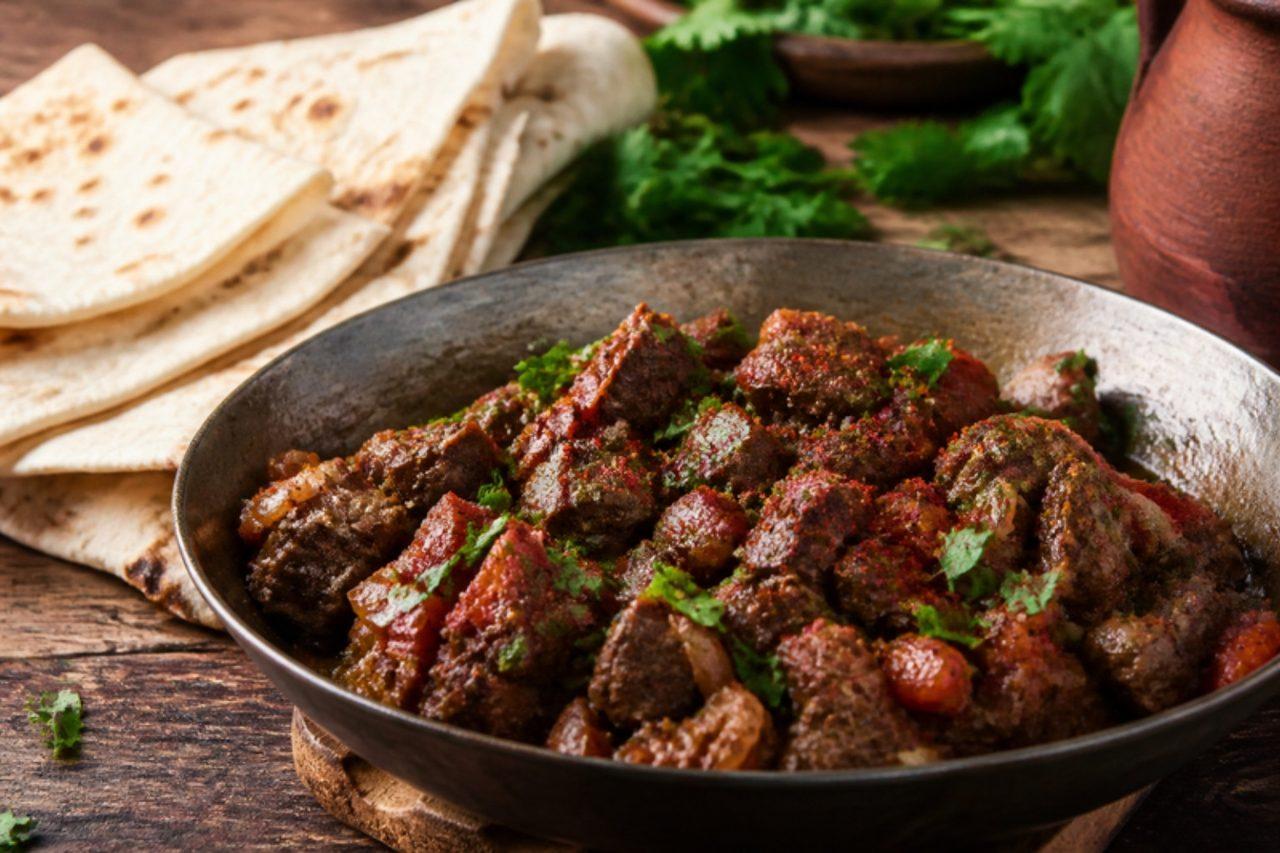
In Armenian villages tjvjik is the dish cooked on the day a lamb is killed for a celebration, made with the fresh liver, heart and kidneys while the rest of the feast is being prepared; in Yerevan it is a cheap, hearty plate in taverns, eaten with lavash and a lot of onions. The offal is cut small and fried hard and fast, then tossed with tomato and herbs. A common mistake is cooking the liver as long as the heart, which turns it grainy and bitter. Chef's tip: add the pieces in order of toughness, heart first and liver last, so everything finishes tender together. Offal should be cooked until no pink remains, 71 °C.

by KrazyBadal 0 views

SaloSalted pork fatback

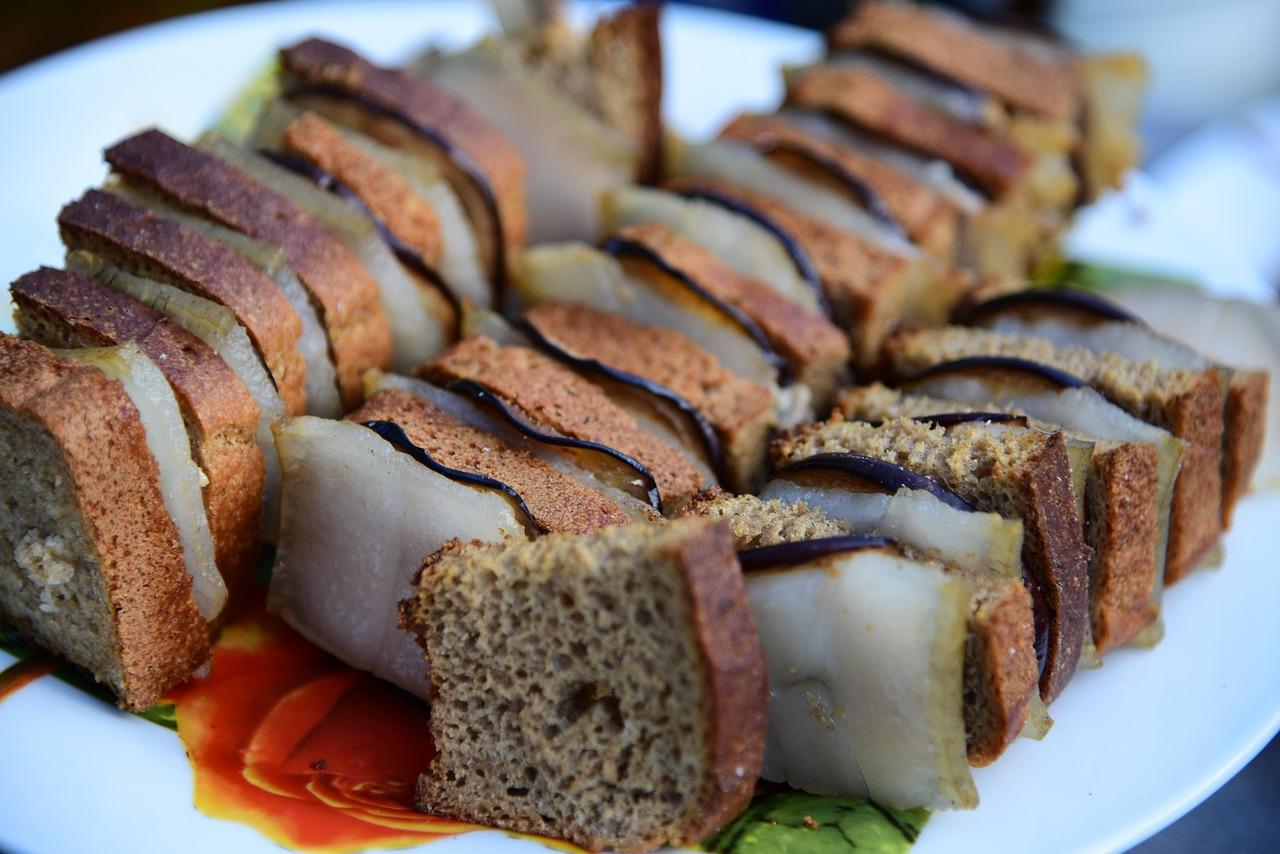
No food says Ukraine quite like salo, salted pork fatback, which appears on village tables, train picnics and wedding spreads with a heel of dark bread, raw garlic and a spring onion. Good salo is pure white or faintly pink, firm, mild and creamy as it melts on the tongue; rubbed with garlic, black pepper and a little paprika, it becomes a sharp, savoury snack. Salo is cured but never cooked, so use ready-salted salo from a butcher or market stall you trust, made from inspected pork and kept in the fridge. Like other uncooked cured pork, it is not for pregnant women, young children or anyone with a weakened immune system; for them, fry thin slices into crisp shkvarky instead. Slicing it at room temperature is where most people go wrong: the fat smears and tears. Chef's tip: wrap the seasoned piece and freeze it for 40 minutes, then cut paper-thin slices with your sharpest knife.

by KrazyBadal 0 views

KibinaiLamb and onion pastries

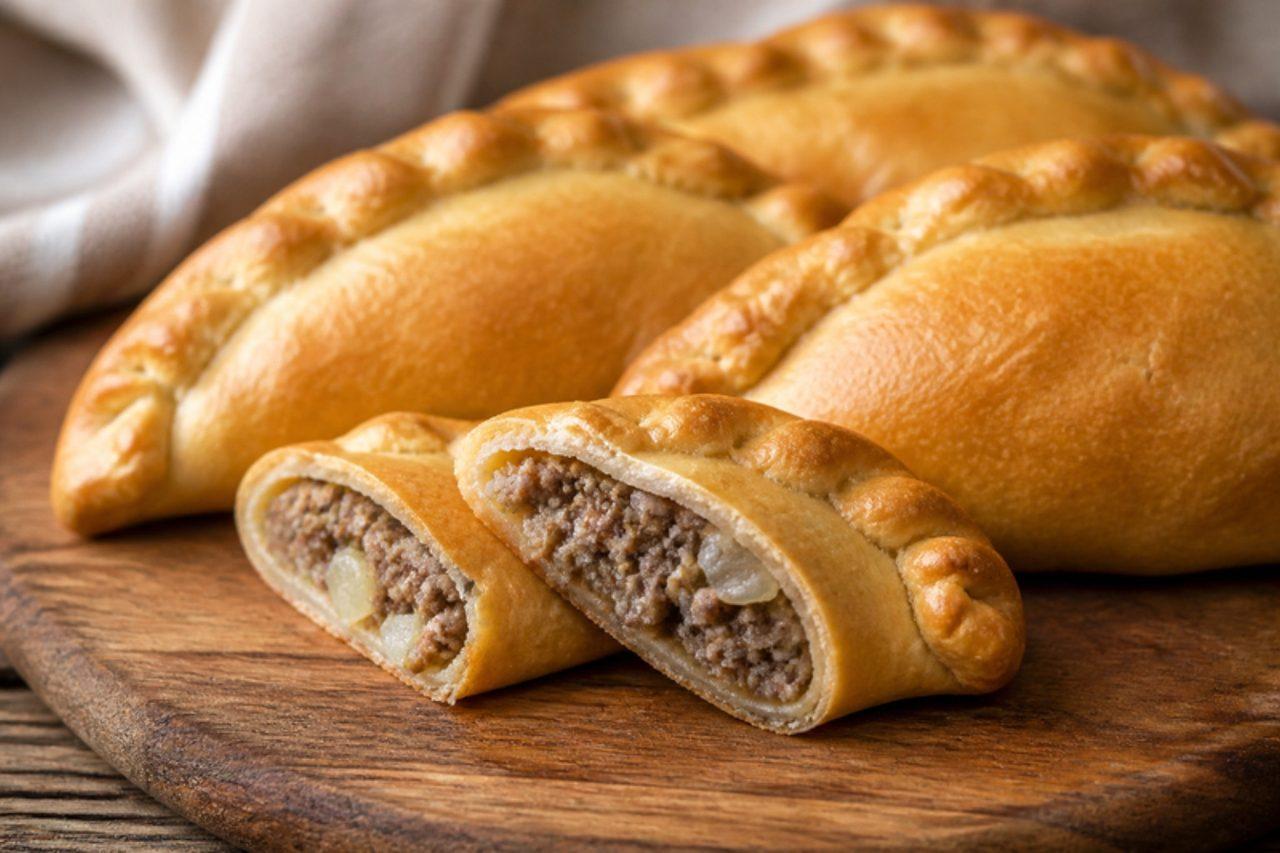
Kibinai are the pastries of the Karaim, a small Turkic community settled in Trakai, the lake-island castle town near Vilnius, since the 14th century. Every café along Karaimų street sells them hot from the oven: half-moon pastries of flaky, buttery dough with a juicy filling of chopped lamb and onion, crimped along the top. A common mistake is mincing the meat; the Karaim chop it into small cubes so the filling stays juicy. Chef's tip: use cold dough and bake hot, so the pastry flakes and the juices stay sealed inside. The filling must reach 71 °C.

by KrazyBadal 0 views

Jhinuk pithaShell-shaped coconut rice pitha

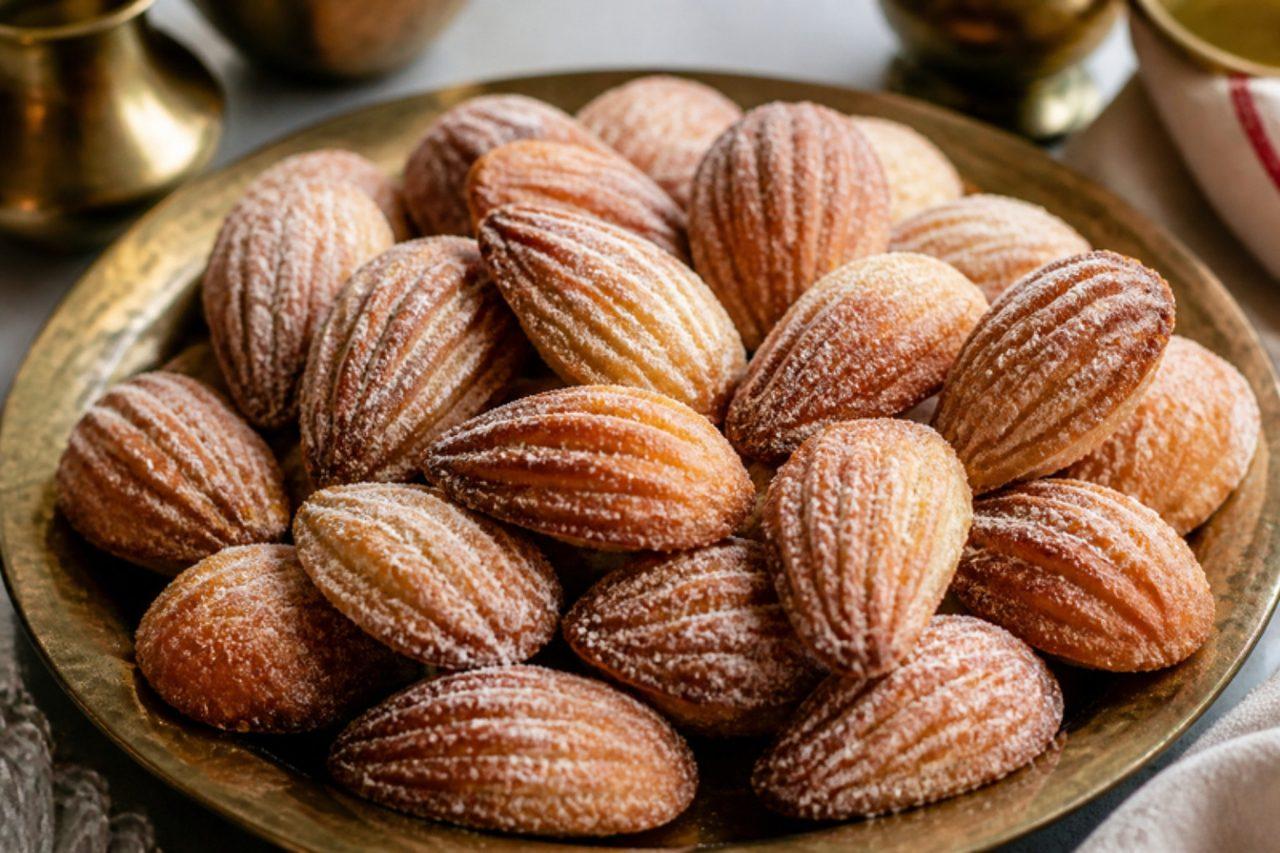
Jhinuk is the Bengali word for a freshwater mussel shell, and these little ridged, curled pithas look exactly like the shells children pick from village ponds in winter. Small balls of rice dough enriched with grated coconut are pressed against the back of a fork or a comb and rolled so they curl up with fine grooves on the outside, then fried crisp and tossed in a thick cardamom syrup that dries into a thin, frosty sugar coat. Across Bangladesh they are made in the cold months and around Poush Sankranti, piled on a plate for guests with tea, and they keep well in a tin. A thin syrup leaves them soggy instead of glazed, which is where most batches disappoint; it must be boiled until it threads between your fingers. Chef's tip: keep the dough balls under a damp cloth while you shape, so the edges don't crack as they curl.

by KrazyBadal 0 views

KichelCrisp bow-tie egg cookies

At kiddush in Ashkenazi synagogues, from Bnei Brak to the old shuls of Haifa, plates of kichel sit beside pickled herring and a small glass of something, and children quietly fill their pockets. The dough is barely sweet, rich in eggs, rolled out on sugar and twisted into bow-ties that puff up hollow and shatter when you bite them. They are good with tea, or with salty herring the traditional way. The common mistake is underbaking: they must dry right through and turn golden, or they go soft and chewy within a day. Chef's tip: roll the dough directly onto a layer of sugar so the crystals press in and caramelise underneath.

by KrazyBadal 0 views

PonchikCustard-filled doughnuts

In Yerevan and Gyumri, the ponchik is a street-corner institution: soft yeast doughnuts fried to order in small shops, slit and piped full of cool vanilla custard, then dusted heavily with icing sugar. Students buy them in paper bags after class and families queue on Sunday mornings. A common mistake is frying in oil that is too hot, which browns the outside before the middle cooks. Chef's tip: keep the oil at 170 °C and fry until the doughnuts have a pale ring around the middle; that ring shows they are light enough to float, and cooked through.

by KrazyBadal 0 views

Kichiri qurootRice and mung beans

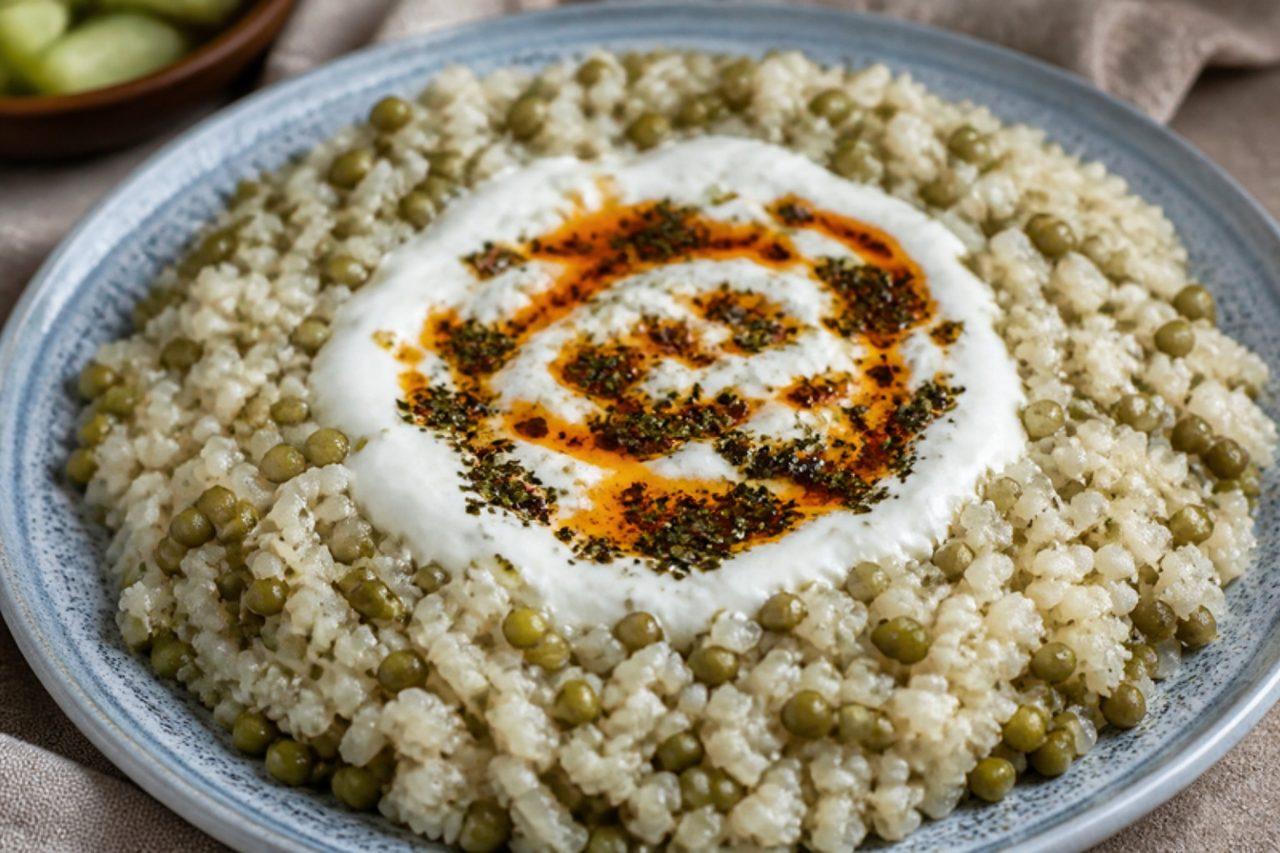
Ask Afghans what their grandmother cooked on cold winter evenings and kichiri quroot comes up again and again: a soft mound of short-grain rice and mung beans cooked until creamy and sticky, with a well pressed into the top and filled with qurut, the salty sauce made from dried yogurt balls. Hot oil with dried mint is poured over just before it reaches the table, and the rice is eaten with a spoon from a shared plate. Families in Kabul often serve it with a pan of meatballs in tomato sauce on the side; this is the meatless version, which is just as common on a quiet night. If you rinse all the starch away it will never turn sticky, so wash the rice only once. Chef's tip: if you can't find qurut, thick strained yogurt with a pinch of salt and garlic gives you something close.

by KrazyBadal 0 views

Karachi halwaCornflour halwa

Glassy, jewel-bright and chewy like a Turkish delight with more bite, Karachi halwa is the sweet that the city's mithai shops on Saddar and Tariq Road stack in orange, green and red slabs studded with cashews and melon seeds, and it travels well as a gift to family abroad. It is made from cornflour cooked with sugar syrup and lemon until it turns clear, then fed with ghee spoon by spoon until it shines and pulls away from the pan in one elastic mass. Across the border it is called Bombay halwa, and in Pakistan it is a staple for weddings, Eid and Diwali sweet boxes from the Hindu shops of Sindh. Lots of cooks lose their nerve and stop before the halwa has absorbed all the ghee and turned translucent, and it sets cloudy and sticky. Chef's tip: work the halwa with a flat wooden spatula and add the ghee only when the previous spoonful has disappeared; when the ghee starts to leak back out, it is done.

by KrazyBadal 0 views

Śledź po kaszubskuHerring in sweet-sour tomato sauce

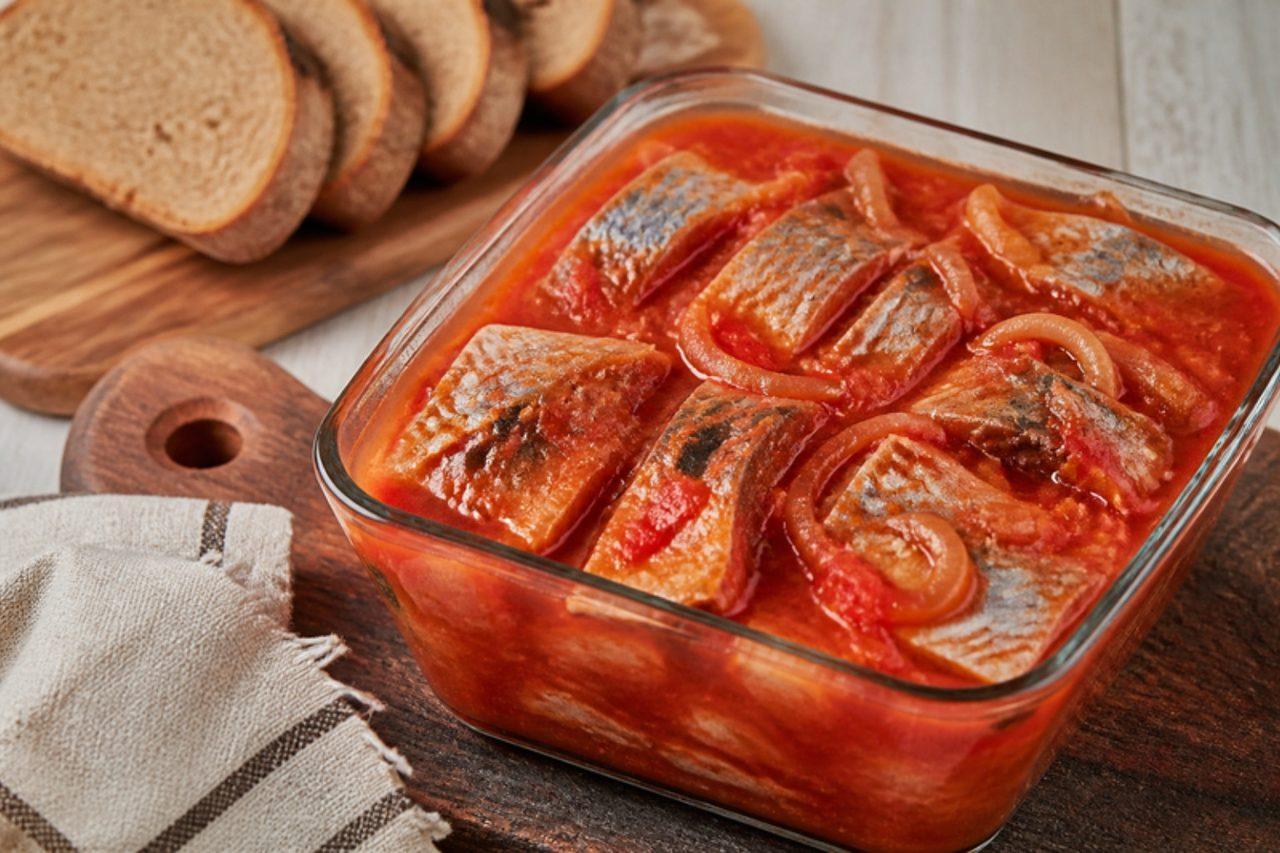
Kashubian fishing families along the Baltic coast and the lakes near Kartuzy always kept a crock of herring in the cellar, and this layered version, with a thick sweet-and-sour sauce of slow-fried onion and tomato, is now a fixture of the Christmas Eve table across Pomerania. Mild salted fillets sit between spoonfuls of the soft, glossy sauce, and after a night in the fridge the two flavours merge into something savoury, tangy and gently spiced. Eat it cold with boiled potatoes or rye bread. Herring like this is cured but never cooked, so buy ready-salted or matjes fillets from a good fishmonger, keep them chilled, and note it is not for pregnant women, young children or anyone with a weakened immune system. Pouring the sauce on while hot is a mistake: it partly cooks the fish and turns it grey and soft. Chef's tip: taste a corner of a fillet before soaking; mild matjes need only a short rinse, while barrel-salted herring needs hours.

40 minPolishFishGluten free
by KrazyBadal 0 views

ŠaltibarščiaiCold beetroot soup

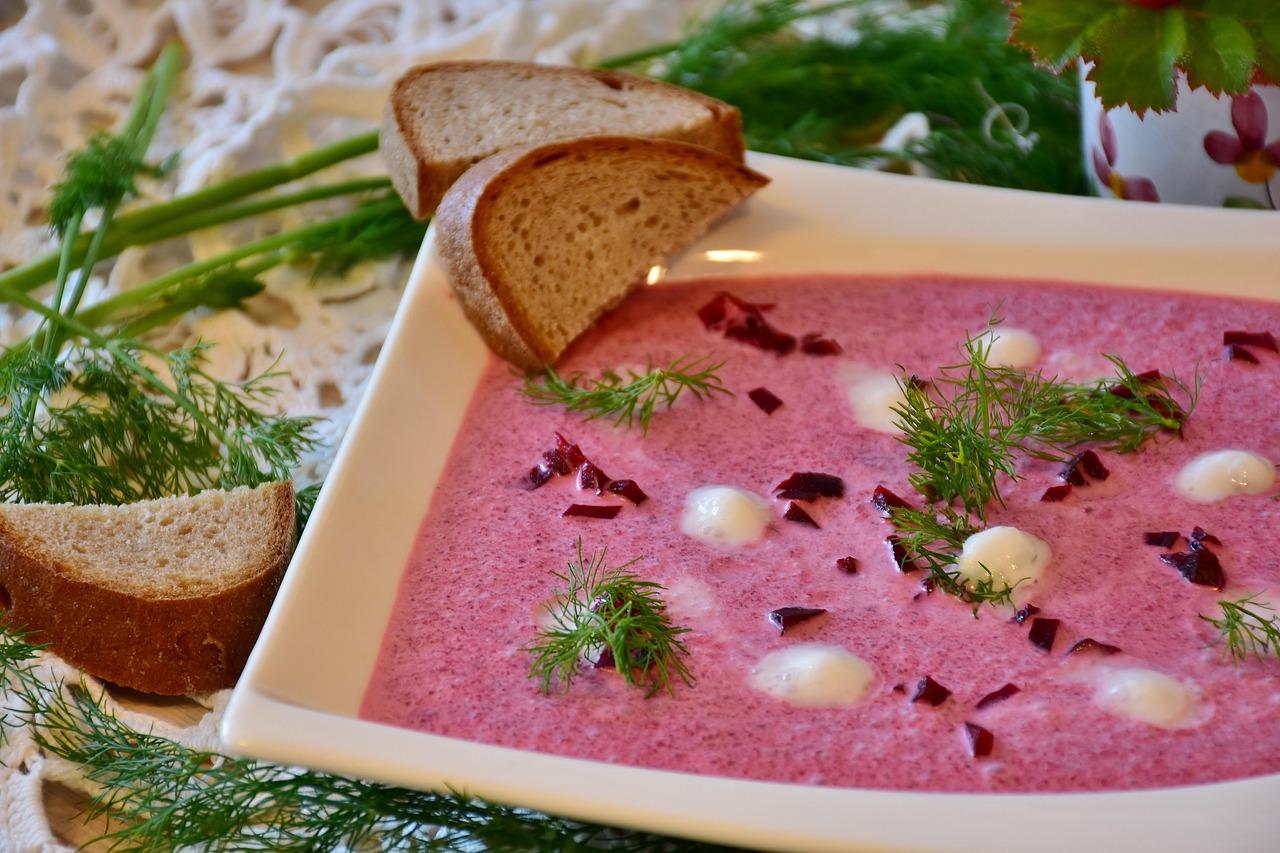
Šaltibarščiai is the shocking-pink soup of Lithuanian summers, so loved that Vilnius holds a pink soup festival every June: cooked or pickled beetroot grated into cold kefir with cucumber, dill, spring onion and boiled egg, served with a plate of hot boiled potatoes on the side. The contrast of icy soup and steaming potatoes is the point. A common mistake is using warm beetroot, which dulls the colour and warms the soup. Chef's tip: grate chilled beetroot into ice-cold kefir and let it stand for 10 minutes; the colour deepens to vivid fuchsia.

by KrazyBadal 0 views

PatatnikGrated potato and cheese cake

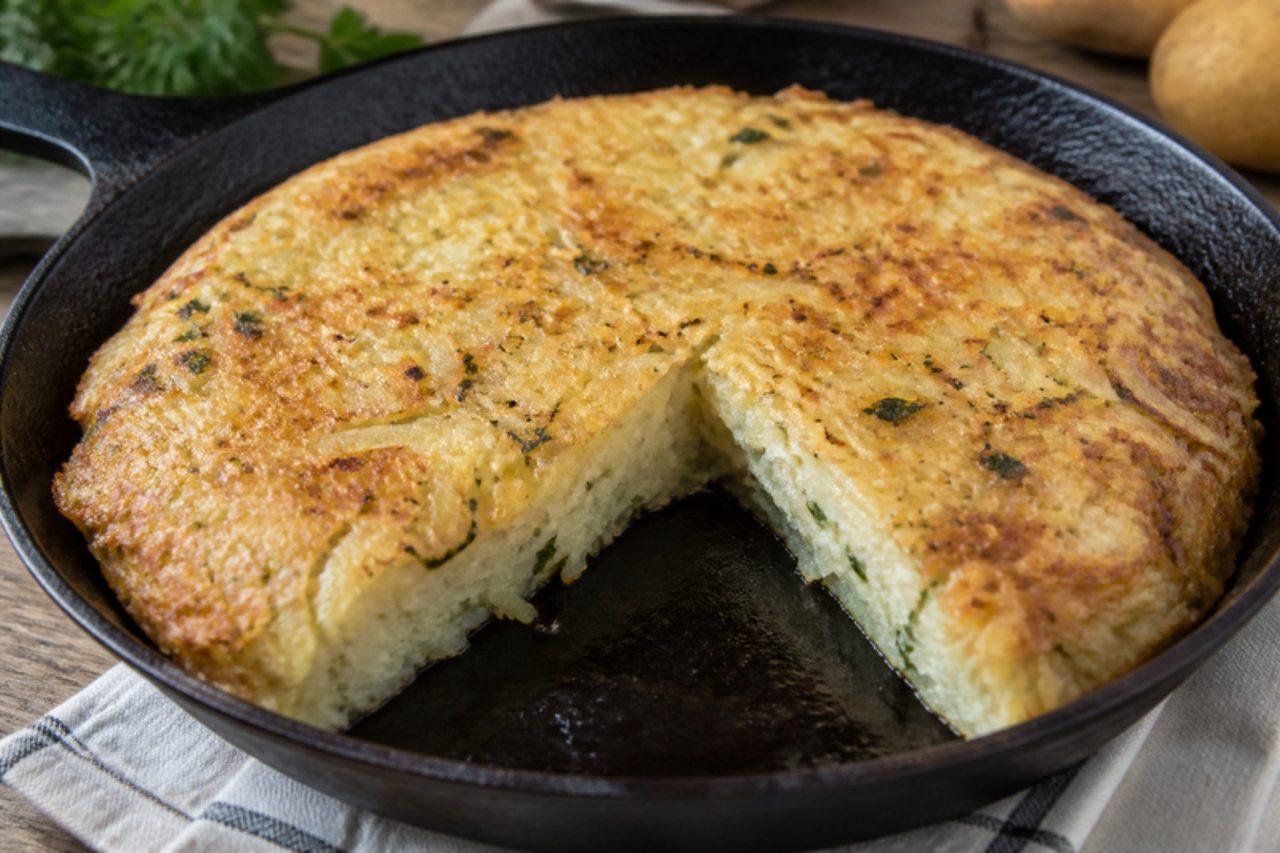
Up in the Rhodope Mountains around Smolyan and Chepelare, where potatoes grow better than almost anything else, patatnik is the dish every mountain inn puts on its menu. Grated potato is salted and squeezed, mixed with onion, crumbled white cheese, egg and plenty of dried spearmint (dzhodzhen), then cooked slowly in a heavy pan like a thick cake and turned once. The outside is a crisp, golden crust, the inside soft, salty and herby. Eat it hot in wedges with a bowl of thick sheep's yogurt and a tomato salad. Sirene is often made with animal rennet, so use a white cheese labelled vegetarian. The classic error is turning the heat up to hurry it, which burns the crust while the middle stays raw; it needs a low flame and patience. Chef's tip: slide the cake onto a plate, cover with a second plate and flip, then slide it back into the pan with a little more butter.

by KrazyBadal 0 views

Kachi lassiMilk and water lassi

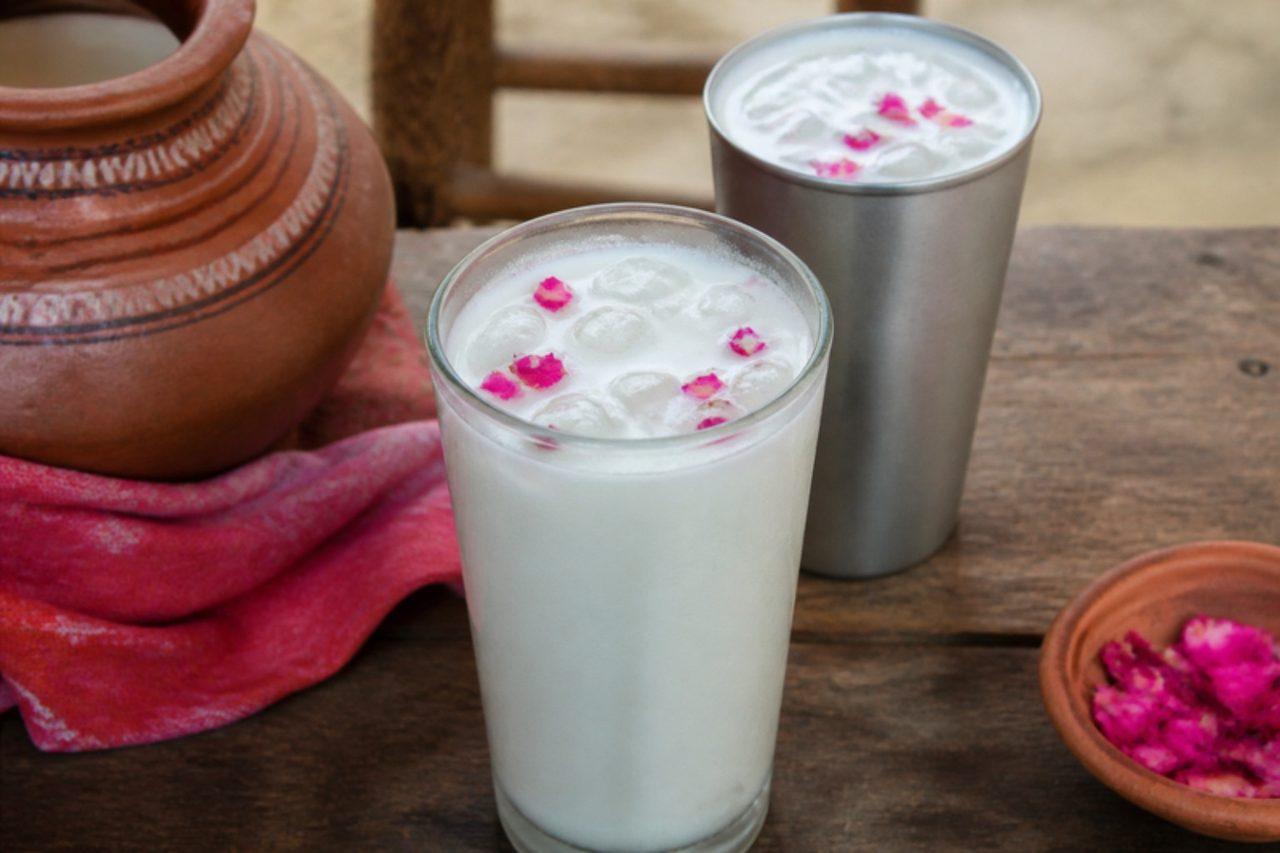
Harvest time in the Punjab is thirsty work: when the wheat is being cut in the April heat, a steel jug of kachi lassi is carried out to the workers: fresh milk thinned with cold water, stirred with sugar and poured over chunks of ice. Unlike yogurt lassi there is no tang, just a light, clean, milky sweetness that quenches thirst better than plain water, and in many villages it is the drink offered to any guest who arrives on a hot afternoon. Some people add a pinch of salt instead of sugar, or a few drops of rose water. The traditional kind uses raw milk straight from the buffalo; use pasteurised milk instead to be safe. The usual mistake is making it with too little water, which turns it heavy instead of refreshing. Chef's tip: whisk it hard or shake it in a jar so it turns frothy, which makes it feel even cooler.

by KrazyBadal 0 views

Samak mofaChilli-rubbed roast fish

In Mukalla in Hadhramaut and along the Tihama coast of Yemen, samak mofa is slapped against the hot clay wall of a tannour oven, the same one used for bread, so the fish chars on the outside and steams in its own juices within. It is rubbed with a red paste of chilli, garlic, cumin and turmeric and eaten with hot flatbread, a squeeze of lime and a bowl of sahawiq chilli sauce. At home a very hot oven with the grill on gives the same blistered finish. The common mistake is using thin fillets, which dry out before they char. Chef's tip: choose a thick whole fish or thick steaks, and slash deep so the paste reaches the bone.

by KrazyBadal 0 views

ZurbiyanLayered rice with chicken or lamb

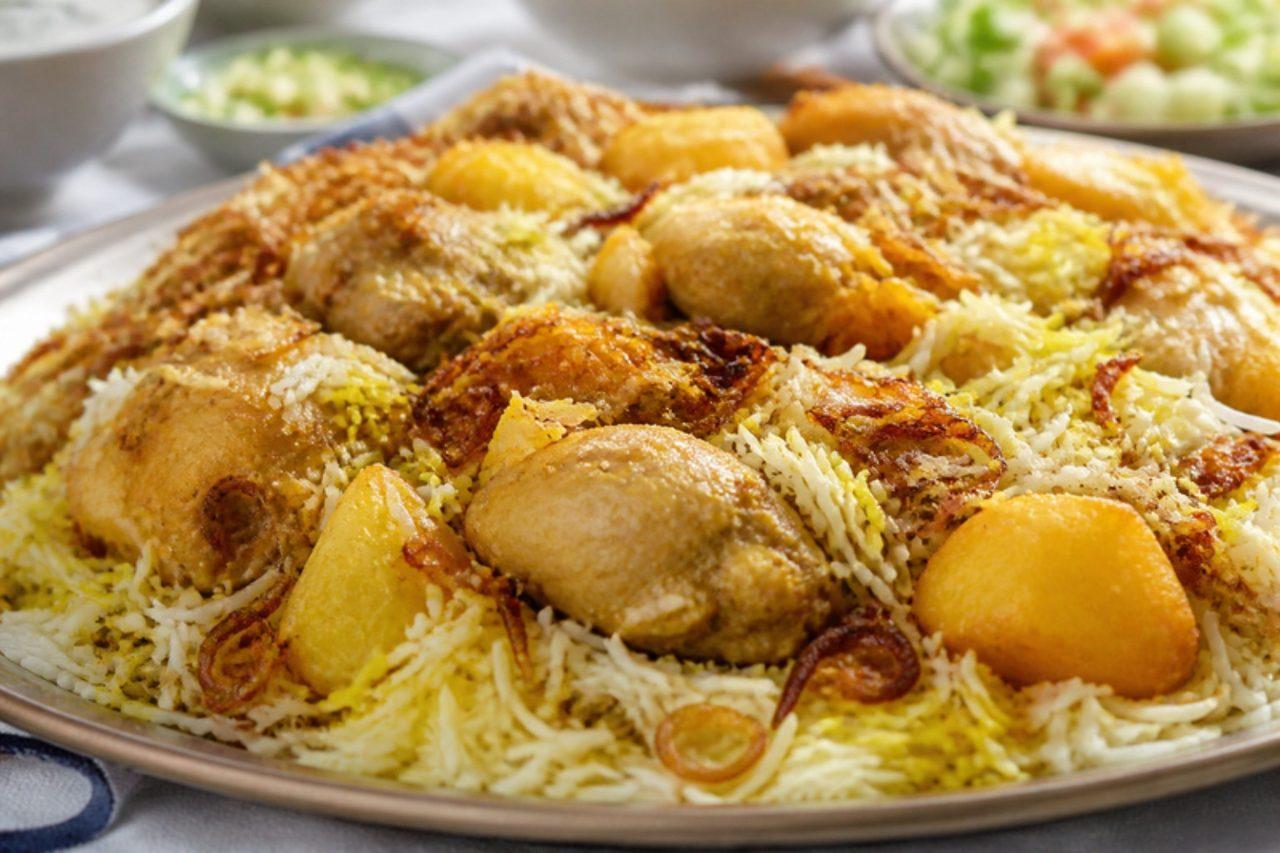
Zurbiyan is Aden's wedding and Eid rice, cooked in huge pots in southern Yemen and shared by whole streets, and it shows the city's long links with India in its yogurt marinade and layering. Meat is marinated in yogurt and spice, cooked with crisp fried onion and potatoes, then layered with half-cooked rice, saffron and rose water and left to steam until each grain is separate and fragrant. It is rich, perfumed and gently spiced, served with a cooling tomato salad and green chilli sauce. The common mistake is cooking the rice fully before layering, so it turns soft and broken. Chef's tip: boil the rice only until it bends but still snaps in the middle; the steam does the rest.

by KrazyBadal 0 views

Salmon pieSalmon and potato pie

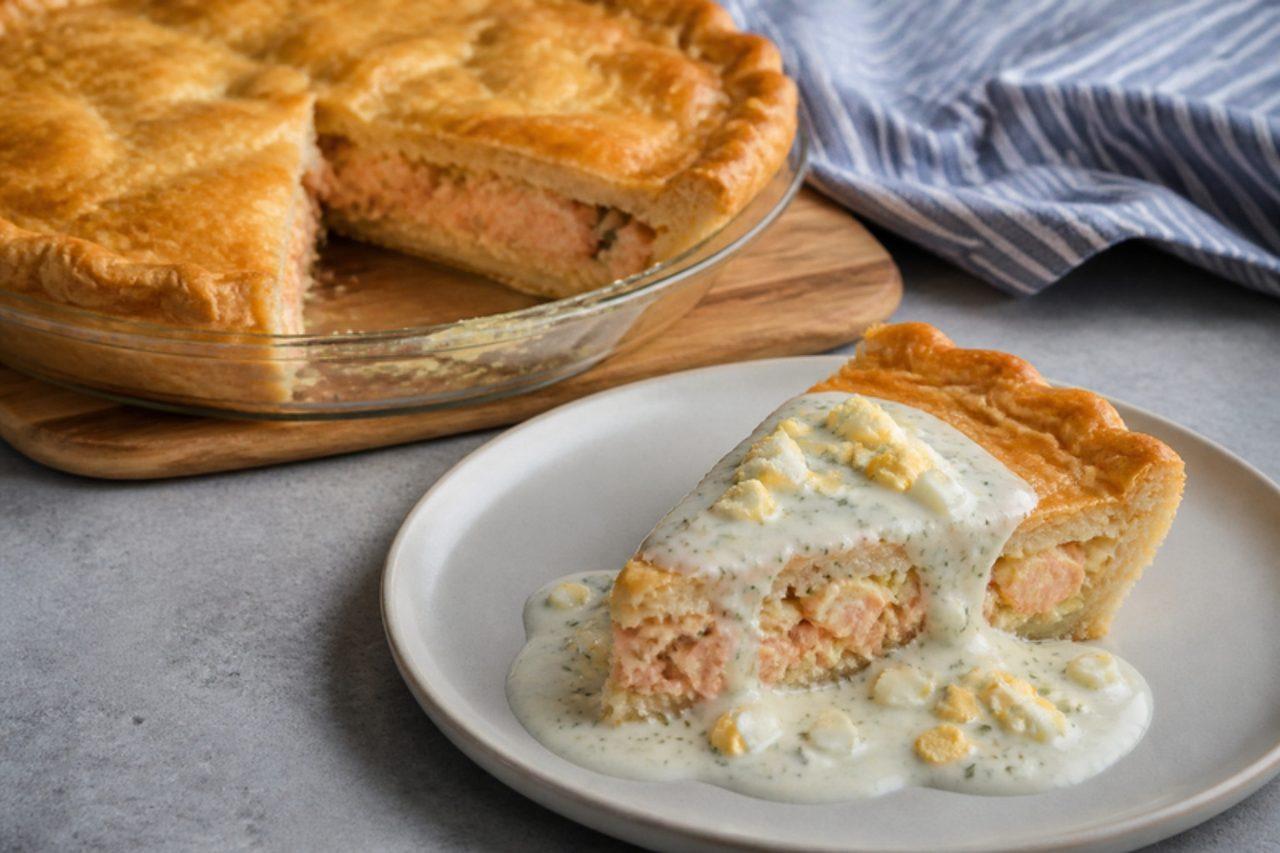
Pâté au saumon is a Friday dish in many Quebec homes, a tradition from the days of meatless Fridays, and still a favourite in Gaspésie, where it might be made with local salmon. Flaked salmon is mixed with mashed potato and softened onion, baked in a double crust and served with a white sauce full of chopped hard-boiled egg. Canned salmon is traditional and easy; fresh cooked salmon is lovely too. A common mistake is a wet filling that makes the base soggy; drain the salmon well. Chef's tip: mix the salmon in gently so it stays in flakes.

by KrazyBadal 0 views

Samay bajiBeaten rice festival platter

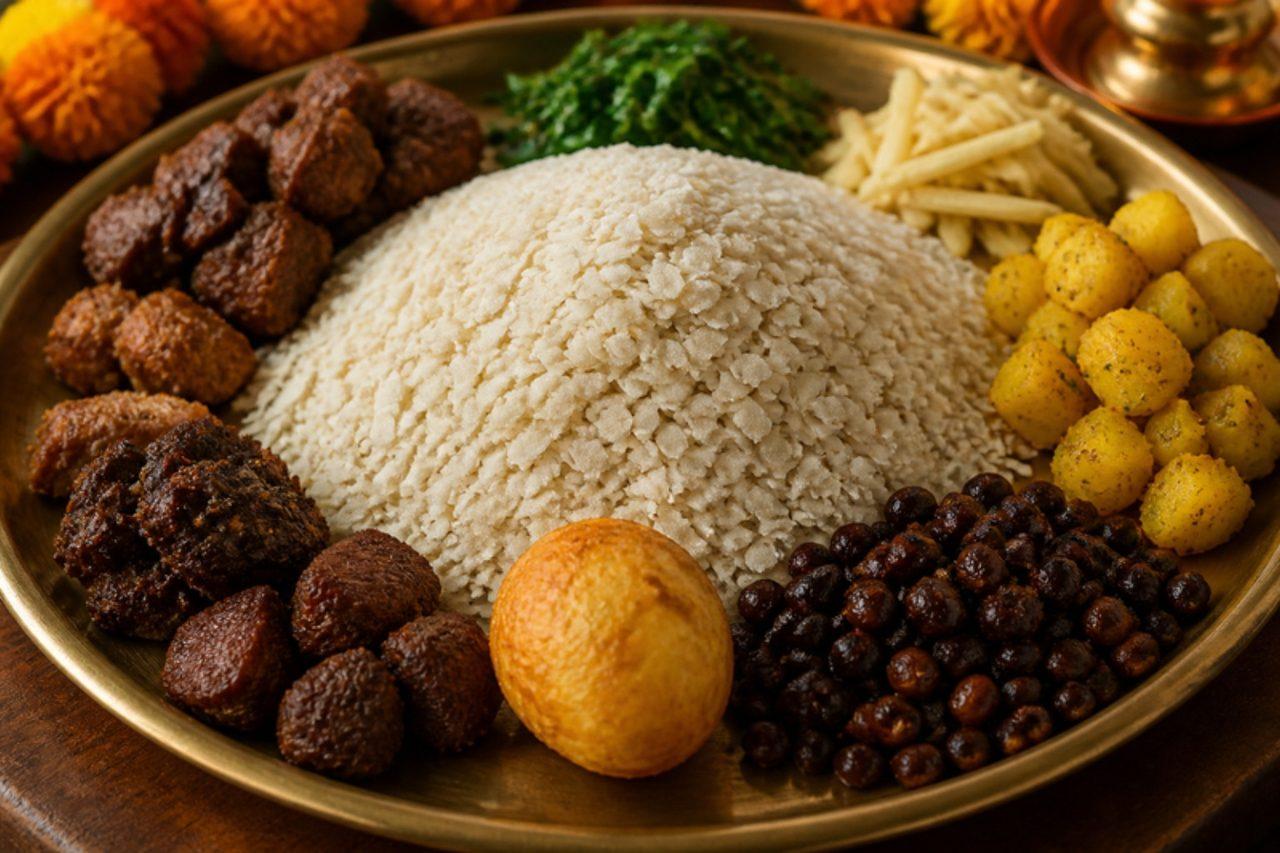
No Newari feast, puja or family gathering in Kathmandu, Patan or Bhaktapur is complete without samay baji, a ritual platter in which each item stands for something: a mound of crisp beaten rice (baji) surrounded by spiced grilled meat, a fried egg, crunchy roasted black soybeans, slivers of raw ginger, a sharp potato achar and greens. It is offered first to the gods at festivals such as Indra Jatra and then shared with the family, and it is the default snack-meal at any Newa celebration. The meat is traditionally buffalo; here chicken thighs make it easier, and for a vegetarian platter leave out the meat and egg and add a lentil bara. The pitfall to avoid is eating the soybeans underdone: raw soybeans are hard to digest and must be roasted until they crackle. Chef's tip: prepare the achar and soybeans first, since both can wait at room temperature while you grill the meat.

by KrazyBadal 0 views

Sambal goreng boontjesGreen beans in coconut sambal

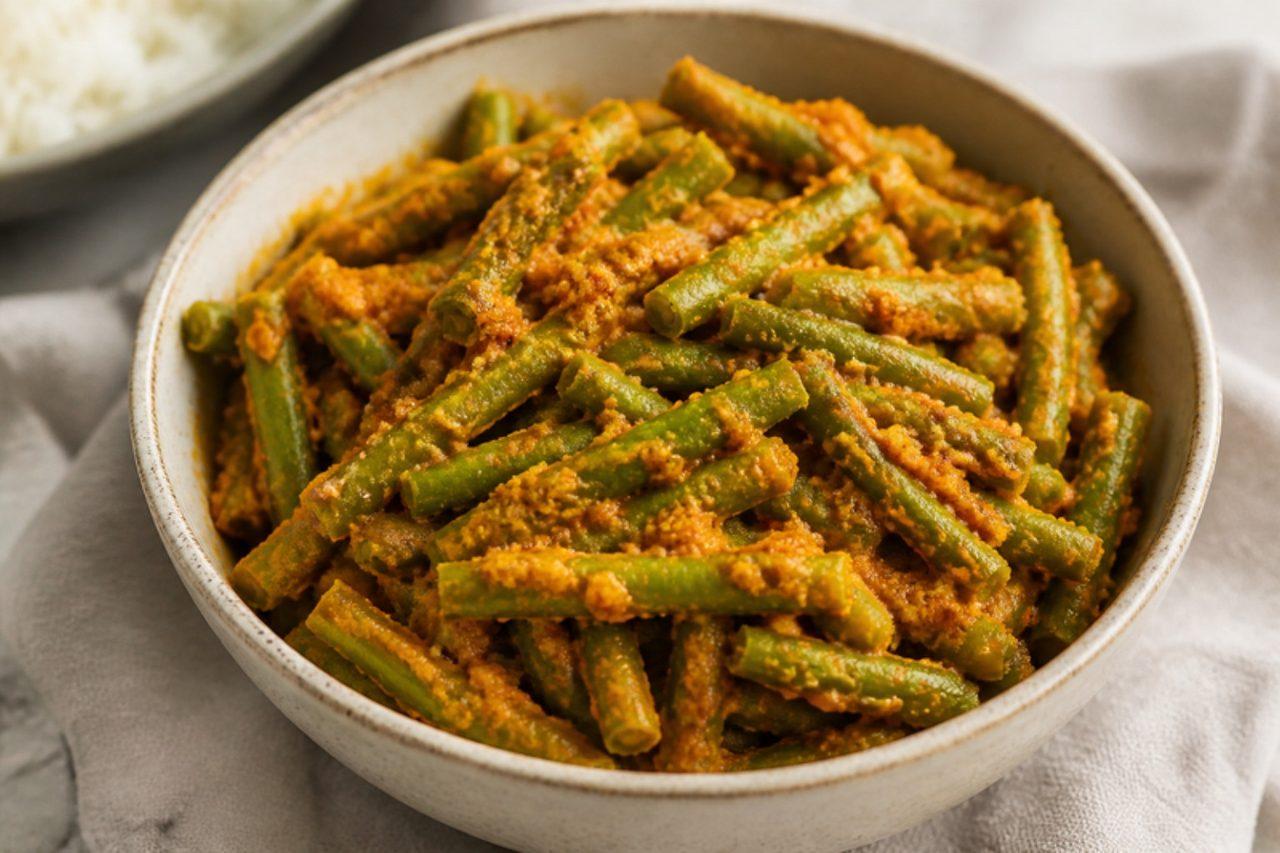
Sambal goreng boontjes is one of the most loved dishes in Dutch-Indonesian homes and toko takeaways: green beans fried in a spice paste of shallot, garlic, chilli and galangal, then simmered in coconut milk with lime leaves until just tender and coated in a rich, spicy, slightly sweet sauce. It is a regular part of a rijsttafel. Traditional versions include shrimp paste (trassi); this one is vegan. A common mistake is overcooking the beans until khaki. Chef's tip: fry the spice paste until the oil separates and it smells sweet, which takes the raw edge off the chilli and garlic.

by KrazyBadal 0 views

SlambucEgg barley and potatoes

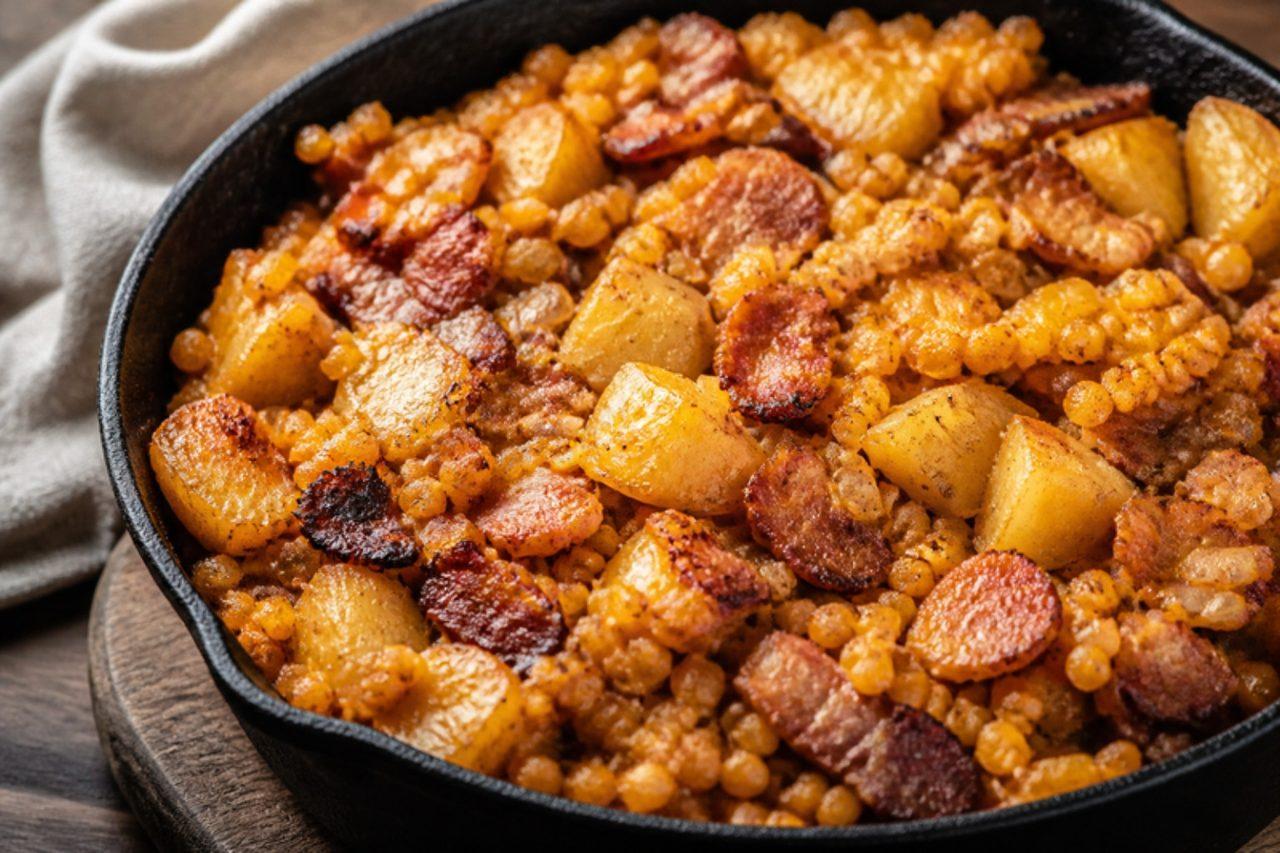
Out on the Hortobágy puszta, the cattle and horse herders cooked in a bogrács, a cauldron hung over an open fire, and slambuc was their everyday meal: cheap, filling and made from what kept. Smoked pork bacon is rendered until crisp, the little egg-pasta pellets called tarhonya are toasted in the fat, then potatoes, paprika and water go in, and the pot is stirred until it turns thick, then left alone so a golden crust forms underneath. It is smoky, starchy and very satisfying, and it is served with pickles and fresh onion. You can make it in a heavy casserole on the stove. Where most people go wrong is stirring all the way to the end; let it sit for the last minutes so the bottom can crisp. Chef's tip: the crust, called the pörc, is the best part, so scrape it up and share it out.

by KrazyBadal 0 views

ŠkubánkyPotato dough lumps with poppy seed

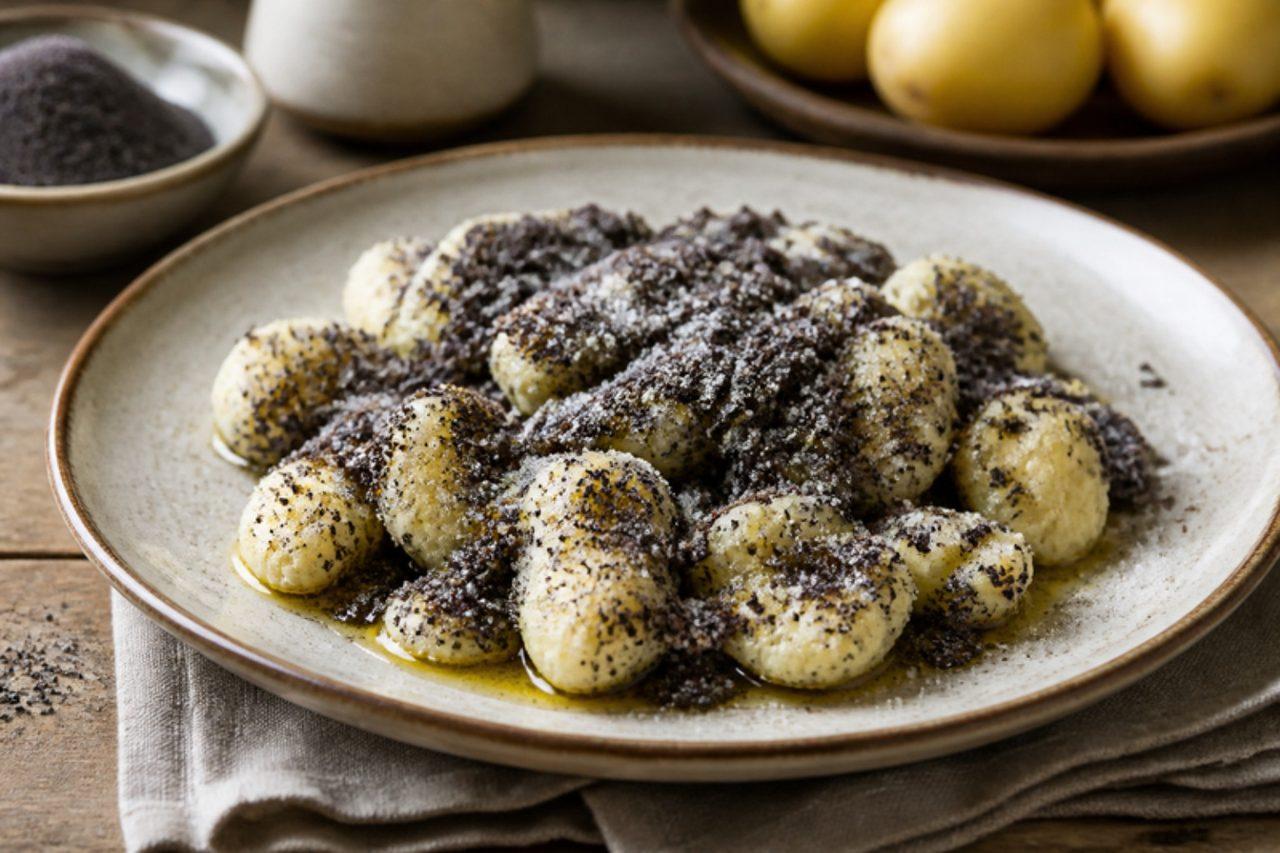
Škubánky (sometimes called šúlance or 'pulled ones') are what you get when a Bohemian farmhouse turns its potatoes into pudding. Potatoes and flour are steamed together in the same pot, mashed into a heavy, smooth dough, then torn into lumps with a spoon dipped in butter. They are rolled in ground poppy seed and sugar and doused with brown butter, and children in Czechia often eat them as a sweet main course on a weekday. They are soft and dense, with a nutty crunch from the poppy. The usual slip is lifting the lid while the flour steams, which leaves raw pockets of flour; keep it covered the whole time. Chef's tip: dip the spoon in hot melted butter before every scoop, and the lumps slide off clean and glossy.

by KrazyBadal 0 views

Skradinski rižotVeal risotto

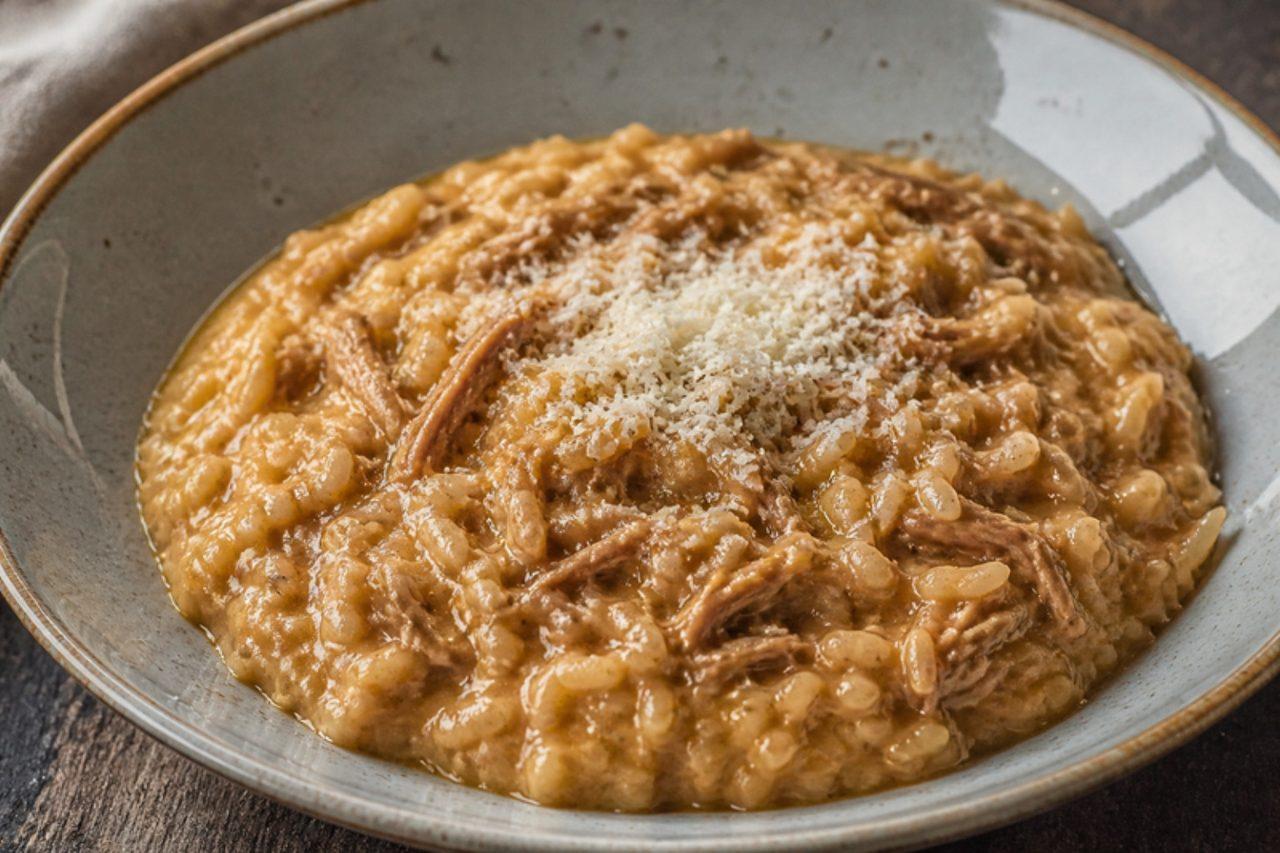
The little Dalmatian town of Skradin, at the mouth of the Krka river in Croatia, makes this risotto once a year in huge pots for its summer festival, and the cooks, traditionally men, stir it for hours. Veal is simmered with onion until it falls into threads, and the rice is then cooked slowly in that rich broth until it nearly melts, so the dish ends up creamy, golden and deeply savoury without a drop of cream. It is served on its own, with grated hard cheese and a glass of something cold. A common mistake is hurrying it on a high heat: the meat must collapse completely before the rice goes in. Chef's tip: shred the veal with two forks right in the pot, it thickens the sauce as it breaks down.

by KrazyBadal 0 views

SkolebrødCustard and coconut cardamom bun

Skolebrød, 'school bread', is the bun Norwegian children found in their lunch boxes and still buy at the bakery after school: a soft cardamom bun with a pool of vanilla custard in the centre, iced around the edge and dipped in desiccated coconut. In western Norway they are called skoleboller. A common mistake is pressing too shallow a hollow; the custard puffs up and runs off. Chef's tip: press a deep well with the bottom of a glass just before baking, and pipe the custard right to the edges of the well.

by KrazyBadal 0 views

SklandrausisRye tarts with potato and carrot

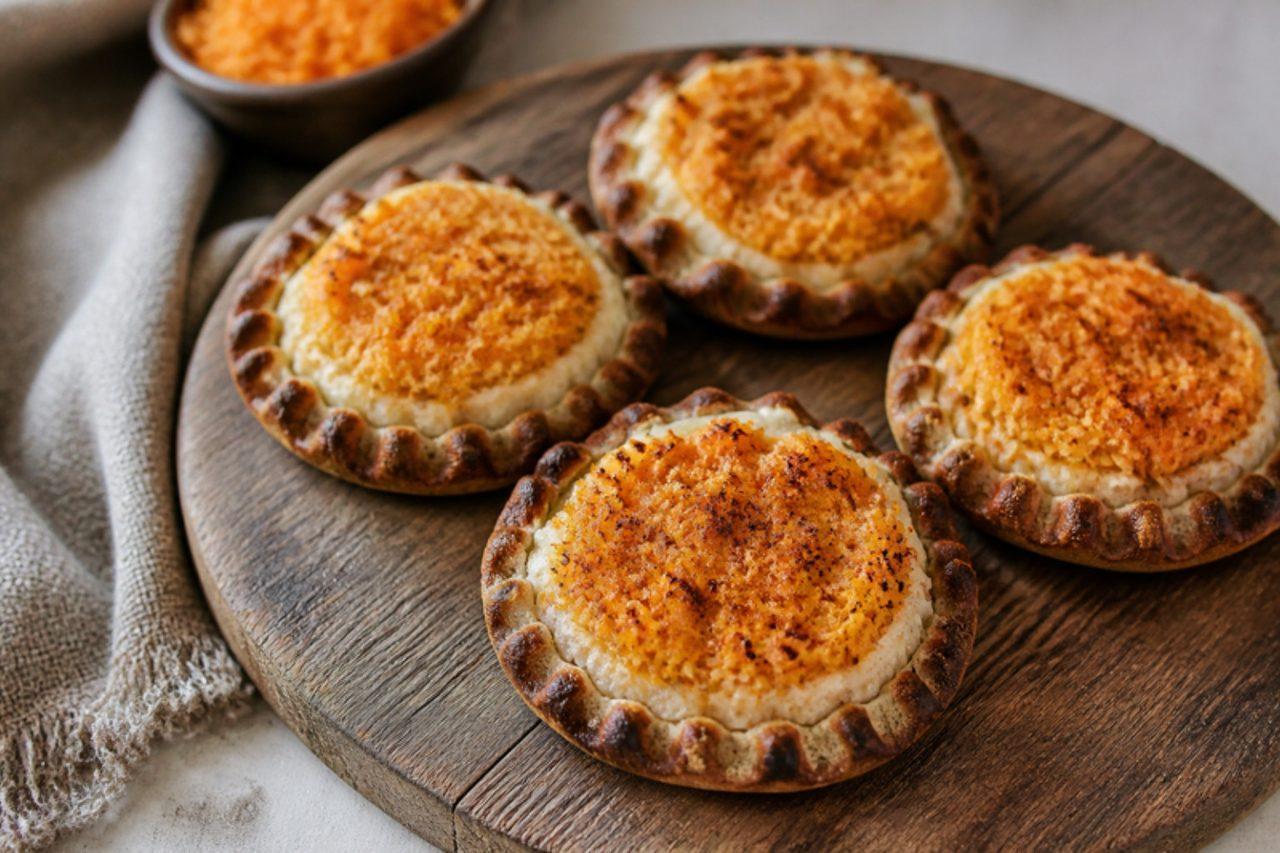
Sklandrausis is the ancient pie of Kurzeme in western Latvia, an EU-protected speciality: a thin, crisp shell of rye pastry filled with a layer of mashed potato and a second layer of sweetened carrot spiced with cinnamon, baked until the carrot caramelises at the edges. It is sweet, earthy and served at midsummer (Jāņi) and folk festivals. A common mistake is rolling the rye dough thick, which makes the shell hard and heavy. Chef's tip: work the dough while warm and roll it thin; rye pastry made with hot water is soft and easy to pinch up into a rim.

by KrazyBadal 0 views

Wheel cakesRed bean or custard griddle cakes

Outside school gates and at the entrance of nearly every night market, a vendor in front of a cast-iron plate full of round wells turns out these fat, wheel-shaped cakes by the dozen, and the after-school queue tells you they're a children's favourite. A soft, slightly crisp shell, like a cross between a pancake and a waffle, encloses a generous centre of sweet red bean paste or warm vanilla custard; taro paste and even savoury fillings appear too. A wheel-cake or imagawayaki pan gives the right shape, though egg rings in a frying pan work. Overfilling the moulds with batter is the usual misstep: the halves then spill and won't close neatly. Chef's tip: grease the moulds well before every batch and keep the heat low, so the shells turn evenly golden while the filling heats through.

by KrazyBadal 0 views

Pate kòde with smoked herringSmoked herring turnovers

Pate kòde are the crisp, bubbly turnovers sold hot from oil drums on Port-au-Prince street corners in the early morning and after school, wrapped in paper with a squeeze of pikliz. The filling might be chicken, beef or, most traditionally, smoked herring (aransò) fried with onion, tomato and pepper, salty and smoky in a blistered shell. The usual mistake is overfilling, so the edges split in the oil; leave a clear border and press with a fork. Soak the herring to tame its salt. Chef's tip: roll the dough very thin; that's what gives the pate their signature blisters.

by KrazyBadal 0 views

Pathein halawaSticky rice halawa

Pathein, the old river port of the Ayeyarwady delta, is famous for two things: painted parasols and this halawa, sold in boxes at roadside shops to travellers heading for the beaches at Chaung Tha and Ngwe Saung and carried home as gifts. Unlike dark mont kalama, it is pale amber and rich with dairy: glutinous rice flour is cooked slowly with milk, coconut milk and sugar, and butter and ghee are worked in until the mixture turns chewy, glossy and toffee-like, with poppy seeds pressed on top. It tastes buttery, caramel-sweet and faintly milky, and is cut into small pieces to eat with plain green tea. Adding all the butter at once is the usual slip; the fat floats out and the halawa turns greasy, so work it in a little at a time. Chef's tip: keep the heat low and patient; a light amber colour means a clean, milky flavour.

by KrazyBadal 0 views

Sambusak b'tawaChickpea half-moon pastries

Walk past an Iraqi bakery in Ramat Gan's Bavli quarter on a Friday and you will smell sambusak b'tawa, half-moon pastries stuffed with mashed chickpeas, fried onion and cumin. They are made for Purim, for the Shabbat morning table and to hand out at family gatherings, eaten warm or at room temperature with amba and a cucumber salad. The dough is short and tender, the filling earthy and peppery. A filling that is too wet makes the seams burst, so mash the chickpeas thoroughly and let the onions cook until dry. Chef's tip: crimp the edge by folding it over itself in small pleats, like a rope, which seals far better than pressing with a fork.

by KrazyBadal 0 views

SkerpikjøtWind-dried mutton

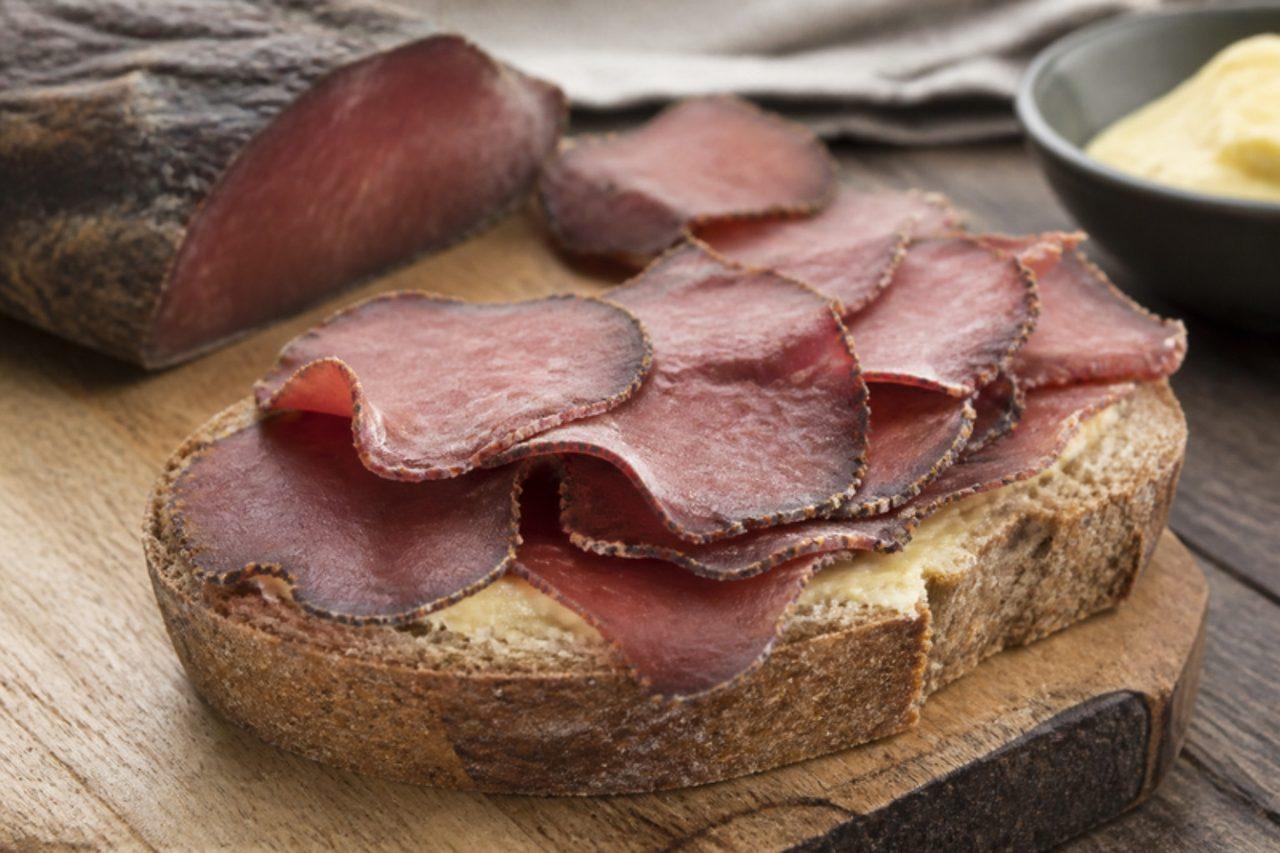
Skerpikjøt is the most prized food of the Faroe Islands: legs of mutton hung for months in a hjallur, a wooden shed with slatted walls that lets the salty North Atlantic wind dry and age the meat, which turns dark, chewy and strongly flavoured. It is sliced paper-thin and eaten on buttered bread at Christmas and celebrations in Tórshavn and the villages. It needs the Faroese climate and is bought ready-made, never made at home. As a raw cured meat, it is not for pregnant women, young children or anyone with a weakened immune system. A common mistake is slicing it thick; it should be shaved as thin as possible. Chef's tip: let it come to room temperature for 20 minutes before slicing, so the flavour opens up.

by KrazyBadal 0 views

PatirFlaky butter flatbread

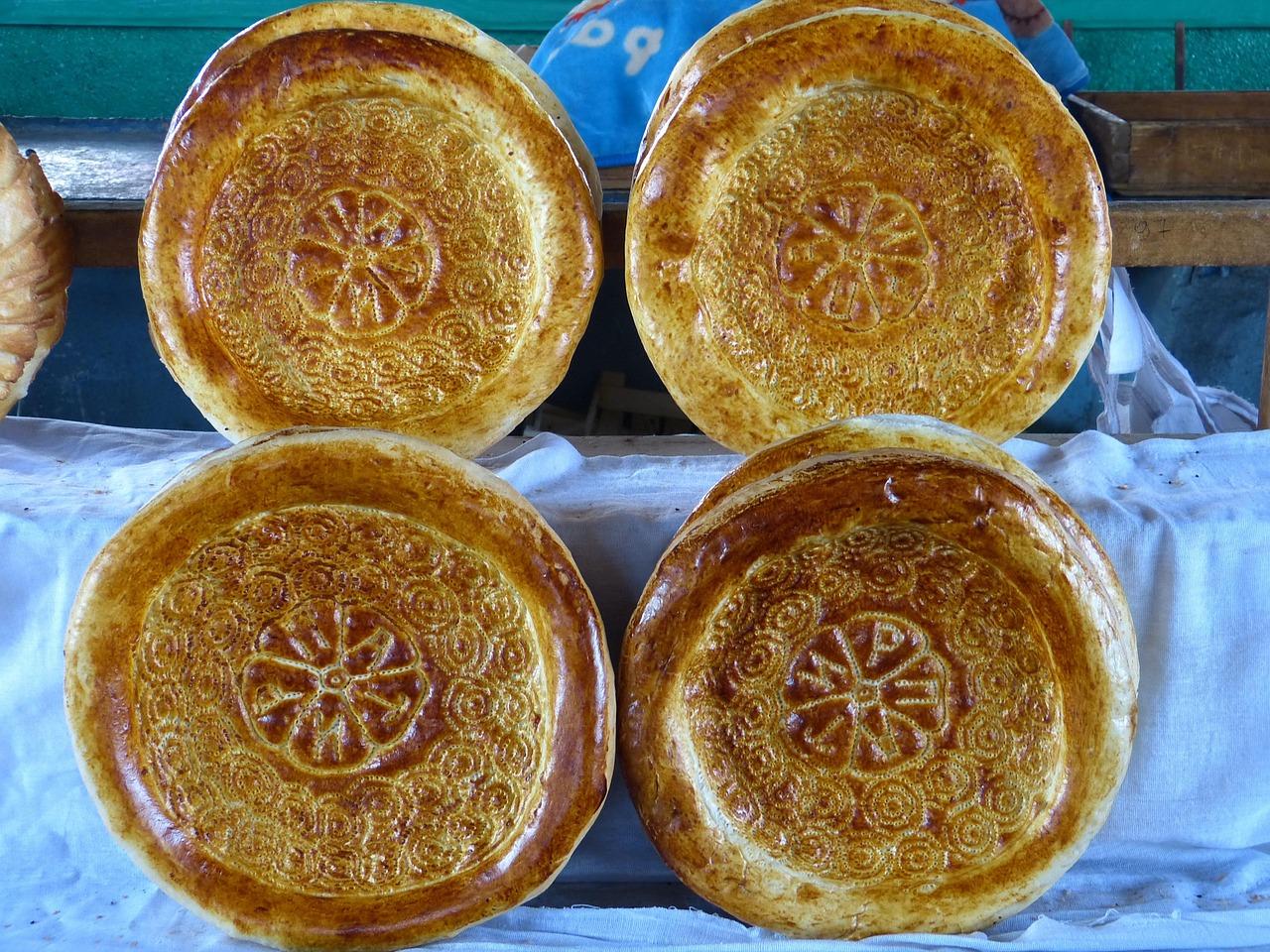
Patir is the rich bread of the Ferghana Valley, especially Kokand and Margilan, made for weddings and guests: dough worked with butter or rendered fat and folded so it bakes into soft, flaky layers, stamped in the middle with a chekich (bread stamp) and slapped onto the walls of a tandir. It keeps for days and is famously carried on long journeys. This version uses butter and a hot oven. A common mistake is skipping the rest after layering; the dough springs back and the layers merge. Chef's tip: prick the centre deeply with a fork, as Uzbek bakers do with their stamp; it stops the middle puffing and keeps the rim thick and soft.

by KrazyBadal 0 views

Skābeņu zupaSour sorrel soup

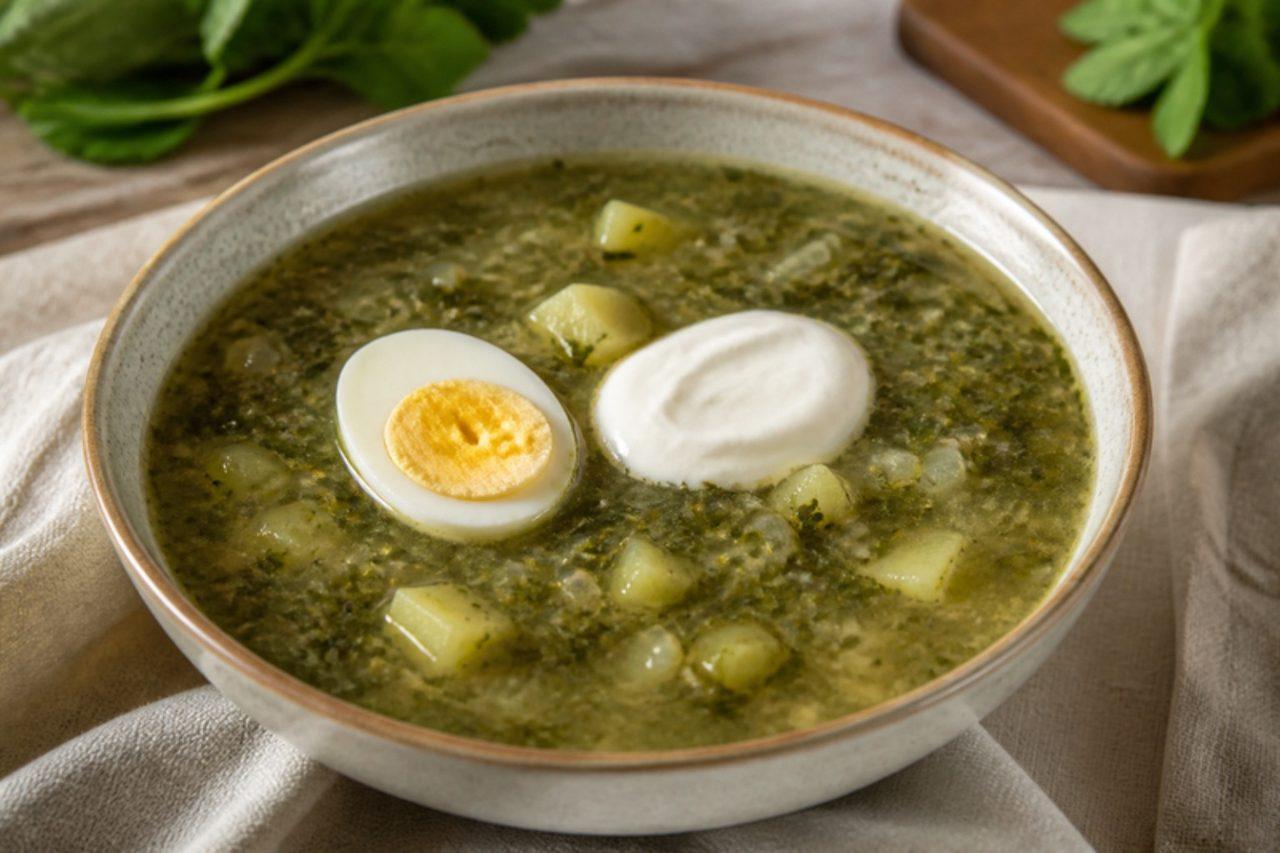
In late spring, Latvian gardens and meadows are full of sorrel, and skābeņu zupa is the first green soup of the year: potatoes simmered with onion and carrot, then a big handful of chopped sorrel added at the end, so the soup turns sour, bright and khaki-green. It is served hot or cold with a halved boiled egg and a spoon of sour cream. Use vegetable stock for a vegetarian soup. A common mistake is cooking the sorrel for long; it turns grey and loses its tang in a minute. Chef's tip: add half the sorrel at the end and the other half raw in the bowl for colour.

by KrazyBadal 0 views

Sweet potato ballsFried sweet potato balls

Queue at almost any Taiwanese night market, from Shilin in Taipei to Tainan's Flower Market, and you'll see a vendor pressing a basket of golden balls against the bottom of a wok again and again until they swell up like ping-pong balls. That pressing is the trick: it pushes out air and stretches the tapioca dough, so each ball turns hollow, with a thin, crackly shell and a bouncy, chewy wall. They come in a paper bag, sometimes dusted with plum powder. The big mistake is dropping them into hot oil, which sets the crust before they can expand, so they stay small and solid; start them in warm oil. Chef's tip: steam the sweet potato rather than boiling it, as wet mash makes a sticky dough that never puffs.

by KrazyBadal 0 views

Sisnu ko jholStinging nettle soup

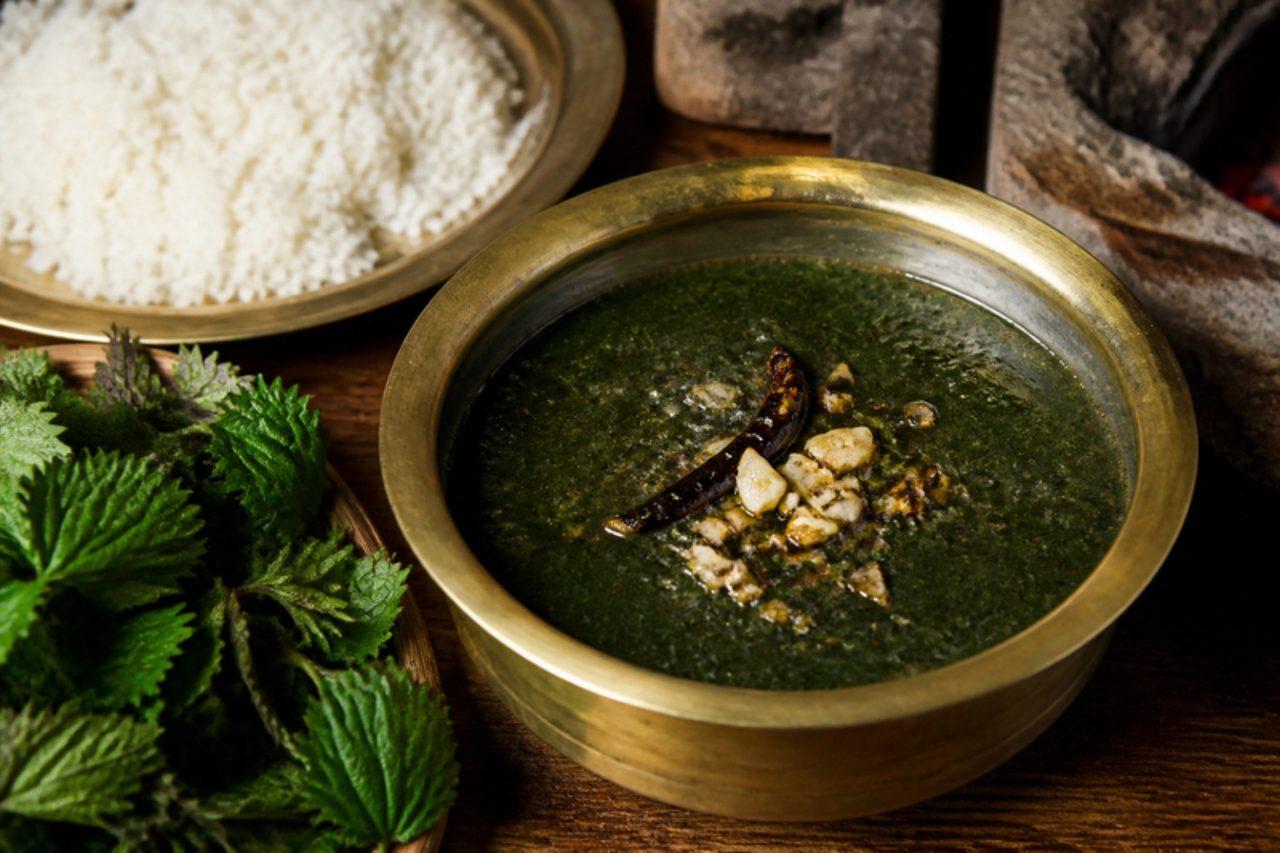
Sisnu grows wild along every terrace wall and trail in the middle hills, and before vegetables were easy to buy it was the green that kept villages going through the dry season; Rai and Magar families still pick the tender tips with tongs or with a cloth wrapped round the hand. Cooked, the sting disappears completely, leaving a deep green, silky soup that tastes somewhere between spinach and seaweed, thickened with a spoonful of cornmeal and seasoned with garlic, chilli, jimbu and timur. It is poured over rice or eaten with dhido, and many Kathmandu restaurants now serve it as a proud reminder of hill cooking. Never handle the raw leaves bare-handed; the sting lasts for hours. Chef's tip: wear rubber gloves until the nettles have been in boiling water for a minute, and pick only the top four to six leaves of each shoot.

by KrazyBadal 0 views

Samlor machu kroeungSour beef and lemongrass soup

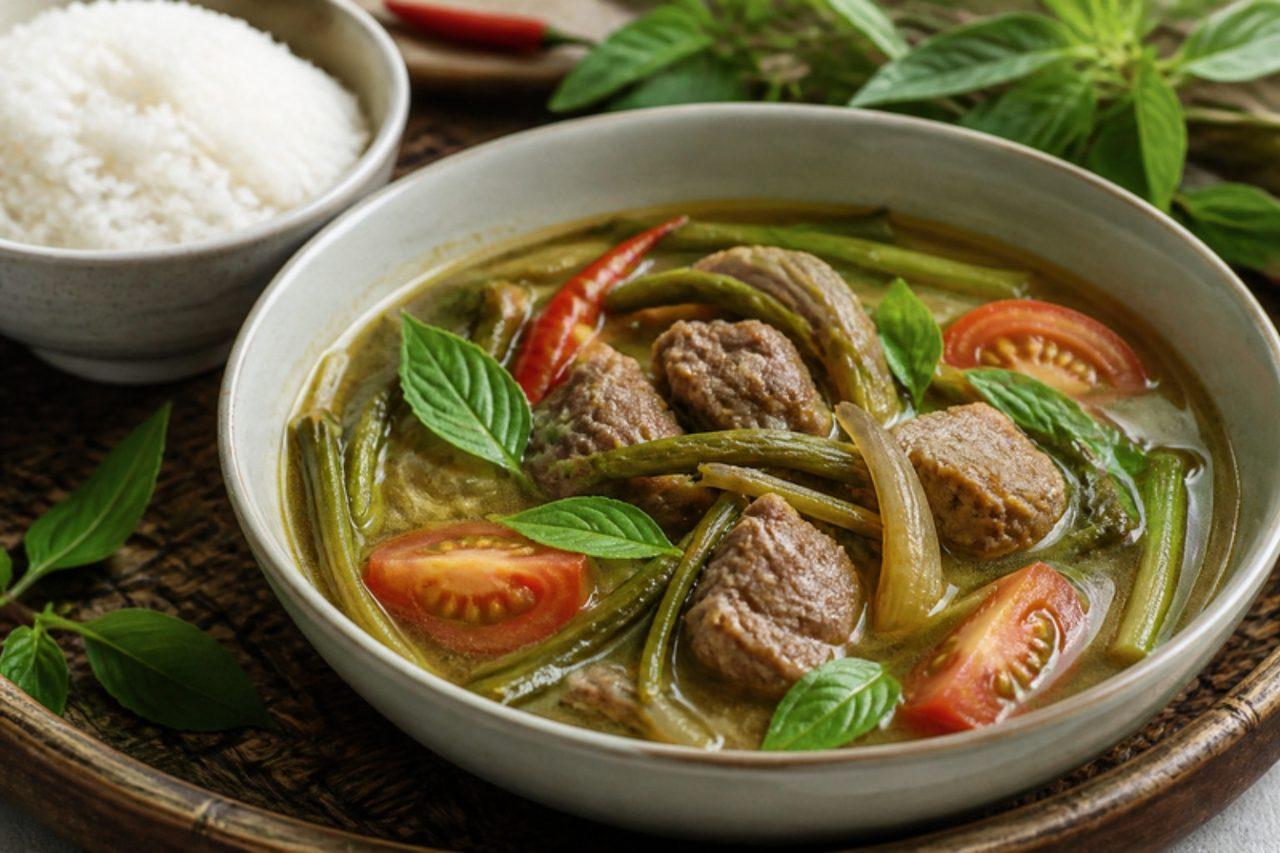
Sour, herbal and gently golden from turmeric, samlor machu kroeung is one of the soups Phnom Penh families put on the table at lunch, ladled over rice with a side of something fried or grilled. Its base is a fresh kroeung of lemongrass, galangal, turmeric and kaffir lime, fried and simmered with slow-cooked beef until the broth turns aromatic, then soured with tamarind and finished with armfuls of crunchy morning glory. Many cooks use beef tripe; here it is braising beef, which turns spoon-tender. A slip that ruins it is adding the morning glory too early, so it turns khaki and slimy. Chef's tip: toast the kroeung in the beef fat until it darkens a shade and smells sweet; that is where the soup's depth comes from.

by KrazyBadal 0 views

Samlor proherPumpkin and vegetable soup

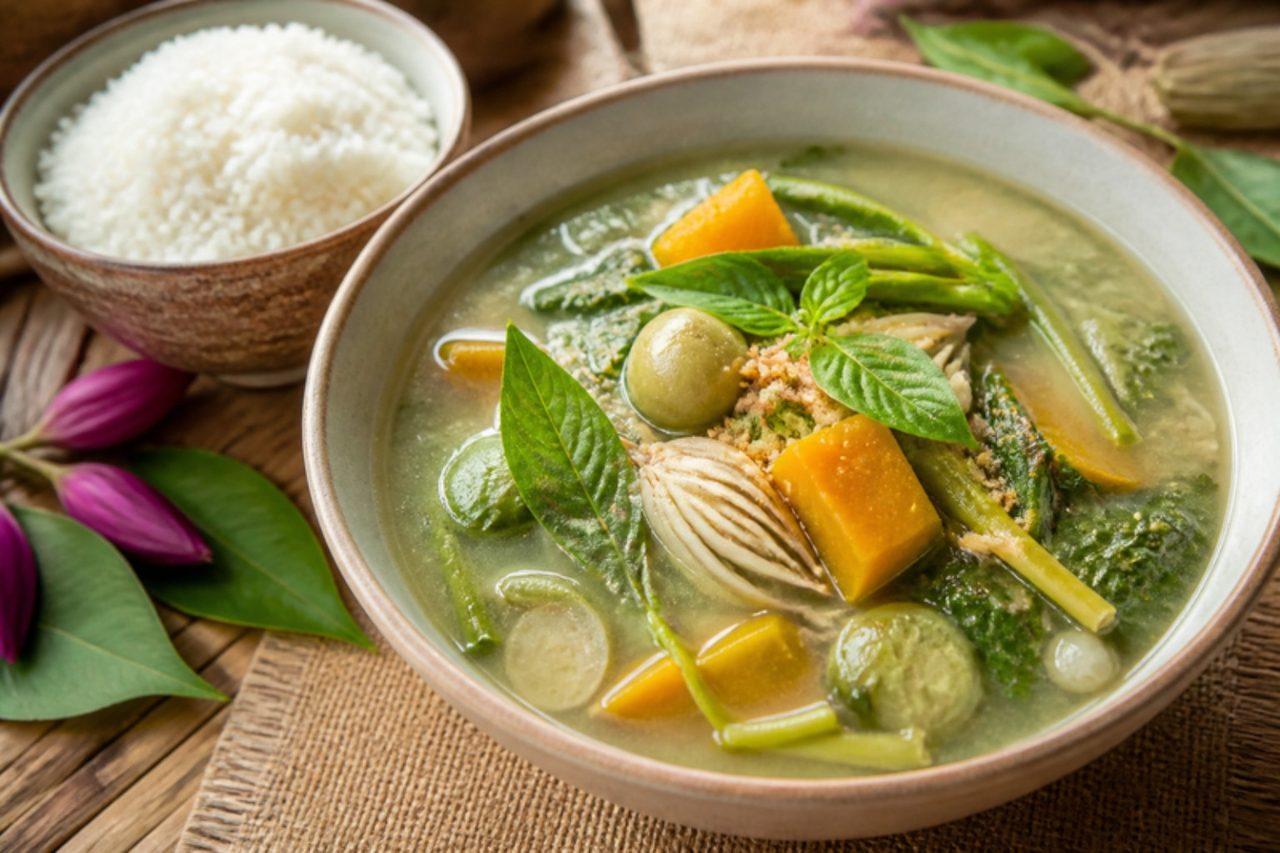
Home cooks in the villages around Siem Reap make samlor proher when the garden is full: a light, clear soup crowded with pumpkin, banana blossom, long beans, little aubergines and leafy greens, seasoned with a lemongrass kroeung and a spoonful of prahok. Toasted ground rice is stirred in near the end, giving the broth a faint body and a nutty, popcorn-like aroma. It is everyday lunch food, eaten with steamed rice and perhaps a piece of grilled fish, and it tastes savoury, sweet from the pumpkin and gently earthy. Leaving the prahok raw is the big no; it must be mashed and boiled in the broth for at least 10 minutes, so it cooks through and its sharpness rounds out. Chef's tip: slice the banana flower straight into lime-acidulated water, or it will turn black within minutes.

by KrazyBadal 0 views

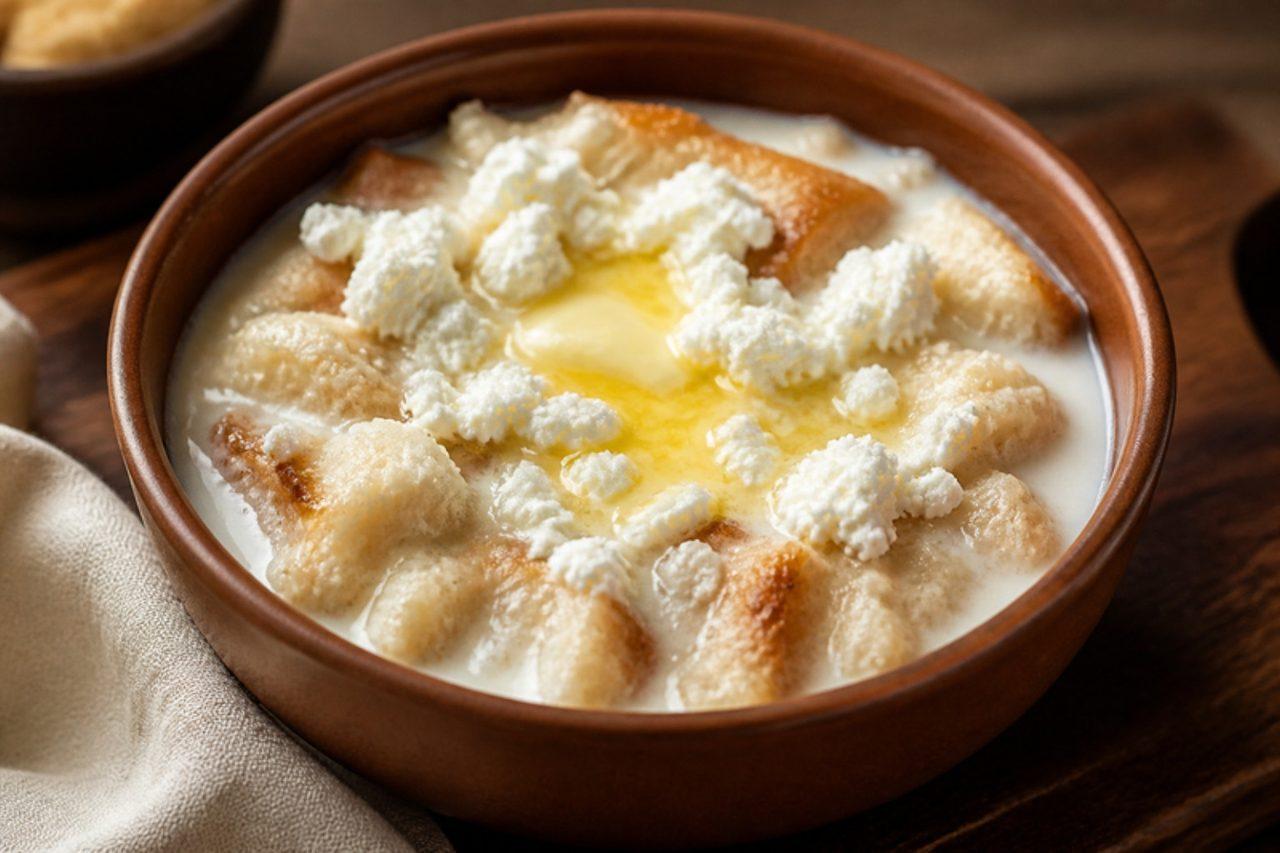
PoparaBread in hot milk with cheese

Ask Bulgarians about popara and most will smile about childhood: a bowl of yesterday's bread torn into chunks, scalded with hot milk or sweet tea, then stirred with a knob of butter and a handful of crumbled white cheese. It is what grandmothers in villages from the Balkan Mountains to Sofia made on cold mornings, and what students still cook when the cupboard is empty. Soft, warm, salty and comforting, it should be spoonable but not a soup. Some families make it sweet with sugar instead of cheese. Bulgarian sirene is usually made with animal rennet, so pick a white cheese labelled vegetarian if that matters to you. Where most people go wrong is using soft fresh bread, which dissolves into paste; it must be properly stale and dry. Chef's tip: cover the bowl with a plate for two minutes after pouring the milk, so the bread swells evenly before you stir in the butter.

by KrazyBadal 0 views

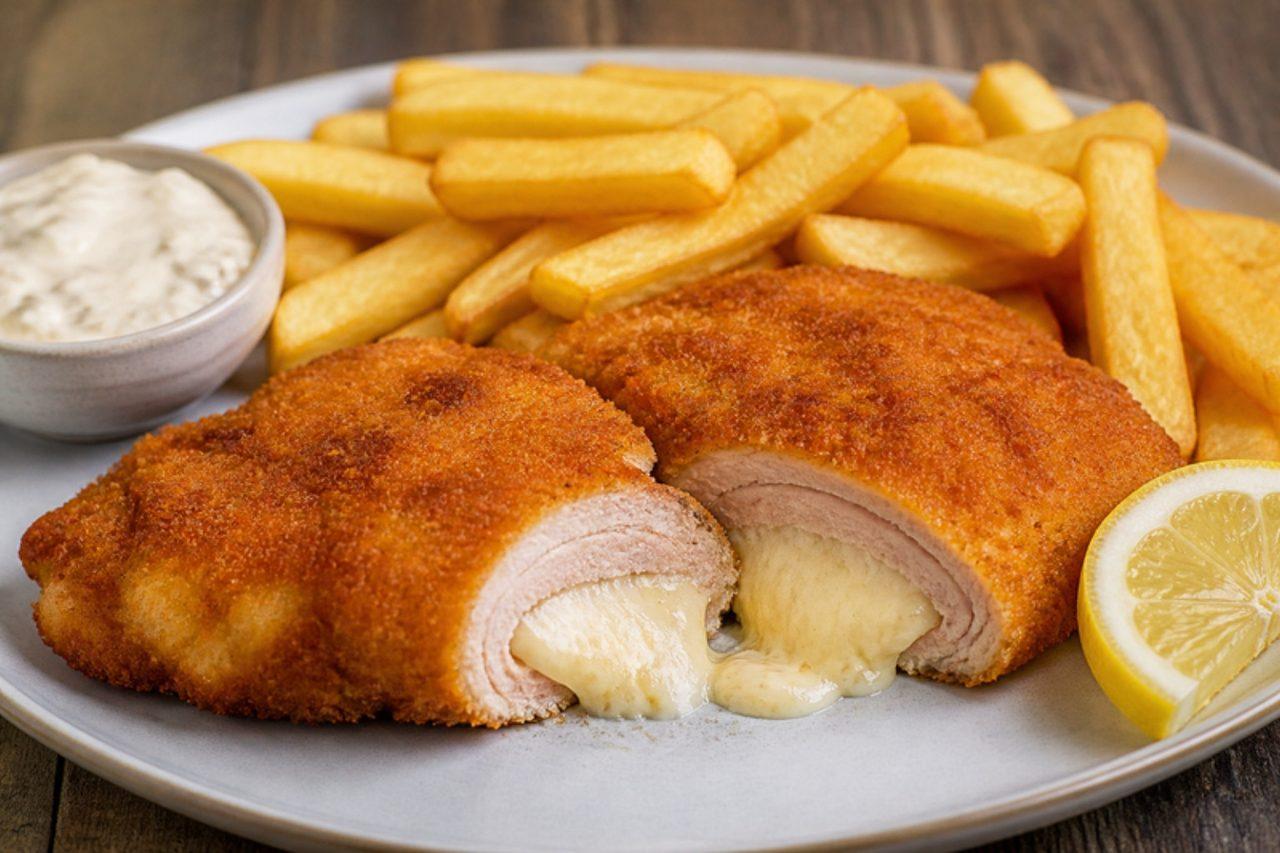
Karađorđeva šniclaBreaded stuffed pork roll

Belgrade restaurants have served this since a local chef created it in the mid-20th century, naming it after Karađorđe, leader of the First Serbian Uprising; diners fondly call it the maiden's dream. A thin pork escalope (veal is the other classic) is spread with kajmak, Serbia's rich, slightly tangy clotted cream, rolled tight, double-breaded and fried into a golden log that oozes when cut. It comes with chips or roast potatoes, a lemon wedge and tartar sauce. If you can't find kajmak, beat cream cheese with a little soft butter and a pinch of salt. Rolling it loosely is the mistake that ruins it, because the cream escapes into the oil; roll tightly and chill before breading. Chef's tip: fry only until golden, then finish in the oven, so the crumb stays crisp while the pork cooks through to the centre.

60 minBalkanMeat
by KrazyBadal 0 views

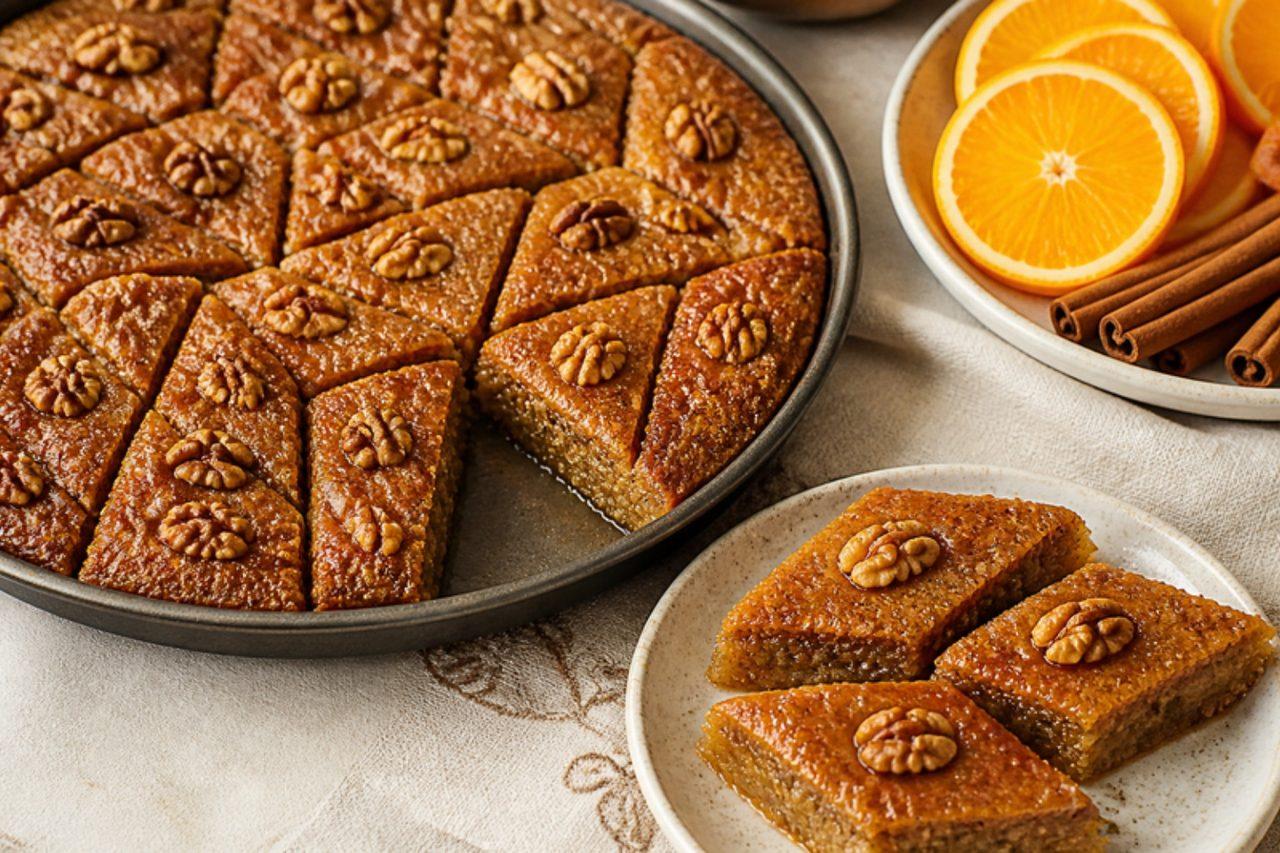
TishpishtiWalnut cake in honey-orange syrup

Tishpishti is a dense, syrup-drenched walnut cake that Jews from Izmir and Istanbul bake for Passover, made with matzo meal instead of flour; in Holon and Bat Yam it also appears all year with semolina. It is cut into diamonds before baking and then soaked with hot honey and orange syrup, so every piece is moist, nutty and fragrant, best with strong black coffee. Because it uses oil, not butter, it can follow a meat meal. The mistake is pouring cold syrup over a cold cake, or hot over hot; one must be hot and the other cooled, or the cake turns soggy or stays dry. Chef's tip: let it rest overnight before serving, when the syrup has soaked right through and the walnut flavour has deepened.

by KrazyBadal 0 views

Porabari chomchomLong chhana sweet in syrup

Porabari is a small village on the river Dhaleshwari near Tangail town, and for more than a century its sweet-makers have been turning out the most famous chomchom in Bangladesh: oblong, dense chhana sweets cooked for a long time in syrup until their outsides turn a deep reddish brown and the inside is juicy, fine-grained and slightly firm. Each one is rolled in a dusting of mawa, dried milk, and they are bought by the box for weddings, Eid and every kind of good news. Undercooked chomchom are pale and spongy instead of dense, so the cardinal sin here is rushing the syrup; the sweets need well over an hour. Chef's tip: caramelise a few spoons of sugar before adding the rest of the syrup ingredients, which gives the authentic burnished colour without burning the sweets.

by KrazyBadal 0 views

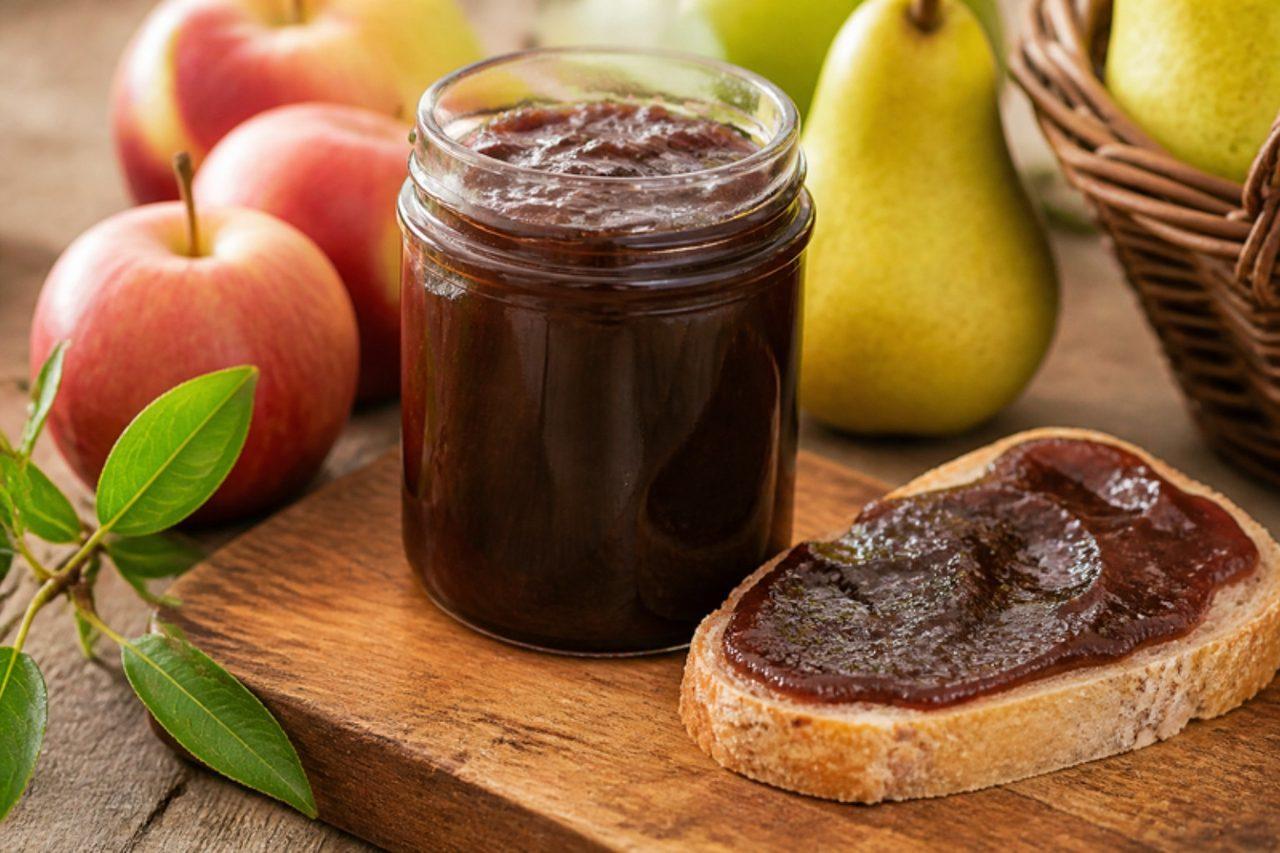
Sirop de LiègeApple and pear spread

Sirop de Liège is the sticky, almost black fruit spread of the Pays de Herve and Liège, made each autumn by cooking apples, pears and dates for hours, pressing out the juice and boiling it down until it sets like soft liquorice. It is spread on bread with soft cheese, stirred into the sauce for boulets liégeois and served with cheese boards. A common mistake is stopping too soon; it should coat a spoon thickly and set firm when cooled. Chef's tip: cook it very slowly in a heavy pan in the last hour, stirring often, as it catches easily once thick.

by KrazyBadal 0 views

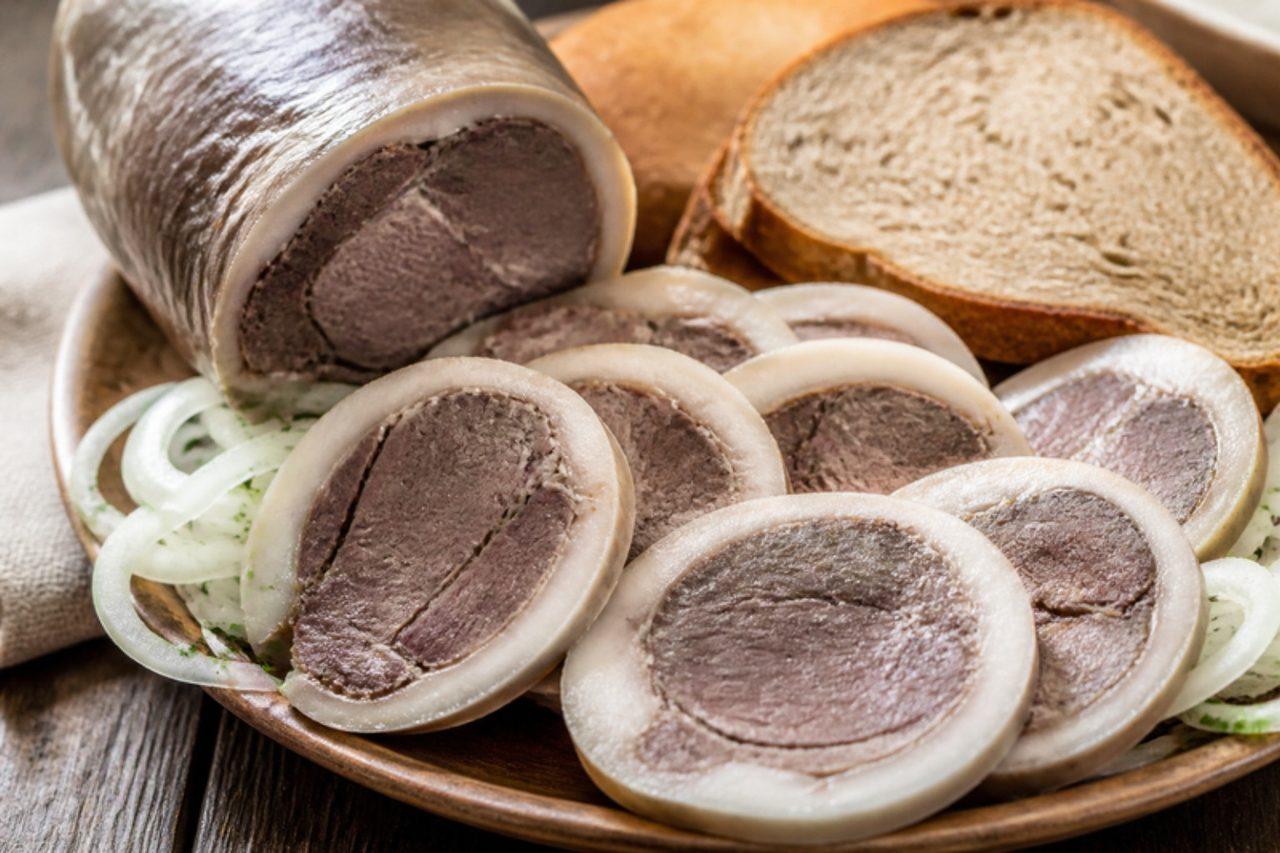
KazyBeef and lamb rib sausage

Kazy is the most prized food on a Kazakh feast table: a thick sausage of whole rib meat and rib fat, seasoned with salt, garlic and black pepper, stuffed into a casing, then dried or smoked and boiled for weddings and Nauryz, and sliced into glossy rounds that show the meat and the white fat. It is traditionally made with horse meat; this recipe uses beef short rib meat with a little lamb fat instead, as the site does not use horse, and it is cooked fresh rather than air-dried. A common mistake is mincing the meat; kazy is made from long strips of rib meat, which is what gives its look when sliced. Chef's tip: simmer it very gently; boiling hard bursts the casing and the fat melts away. The centre must reach 71 °C.

210 minKazakhMeatGluten free
by KrazyBadal 0 views

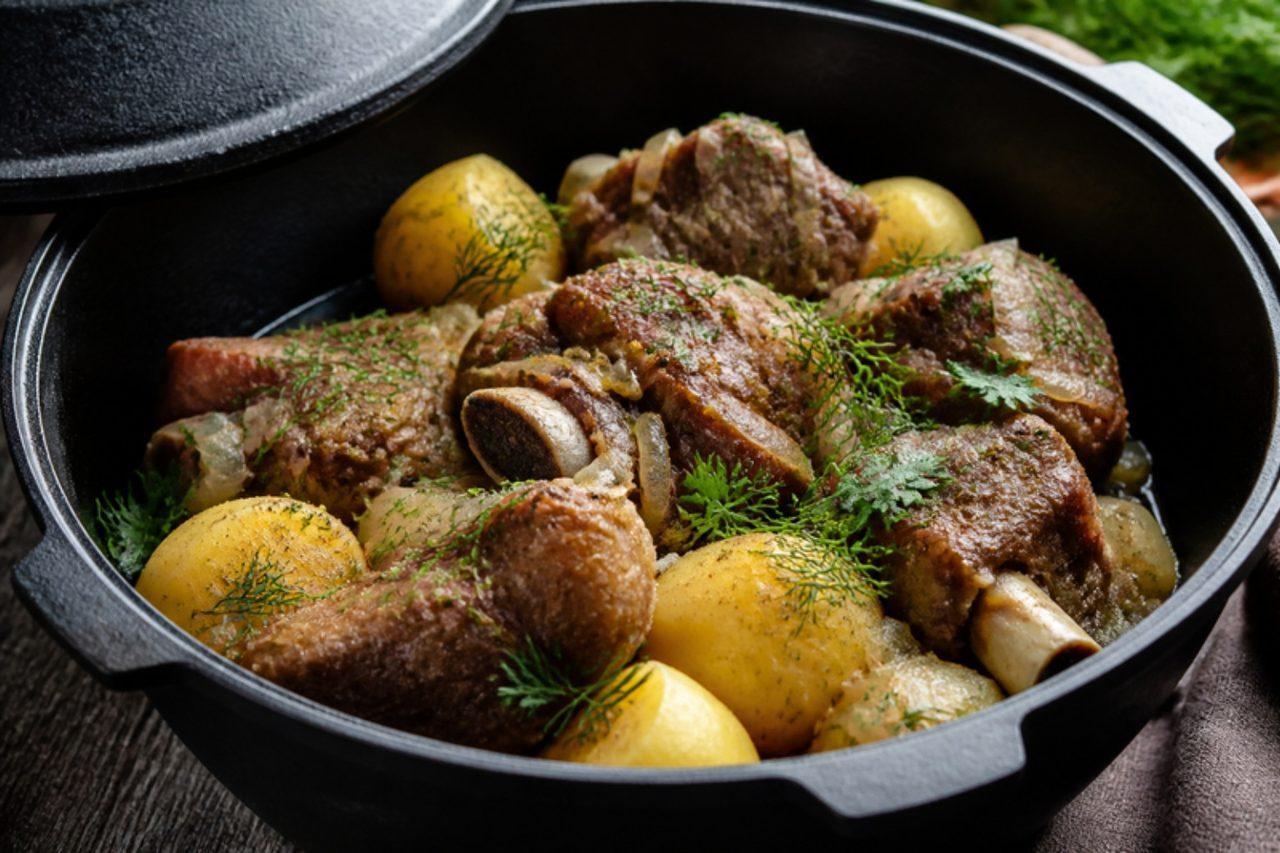
SirneSteamed lamb and potatoes

Sirne is a shepherds' dish from western and southern Kazakhstan: young lamb on the bone, onions and potatoes layered in a heavy kazan with almost no water, sealed tightly and cooked slowly so the meat steams and stews in its own juices and fat. It is lifted out onto a big platter for family gatherings. A common mistake is opening the pot during cooking, which lets the steam escape and dries the meat. Chef's tip: Kazakh cooks seal the lid with a rope of flour-and-water dough; at home a double layer of foil under the lid keeps every bit of steam in for the whole two hours.

140 minKazakhMeatGluten free
by KrazyBadal 0 views

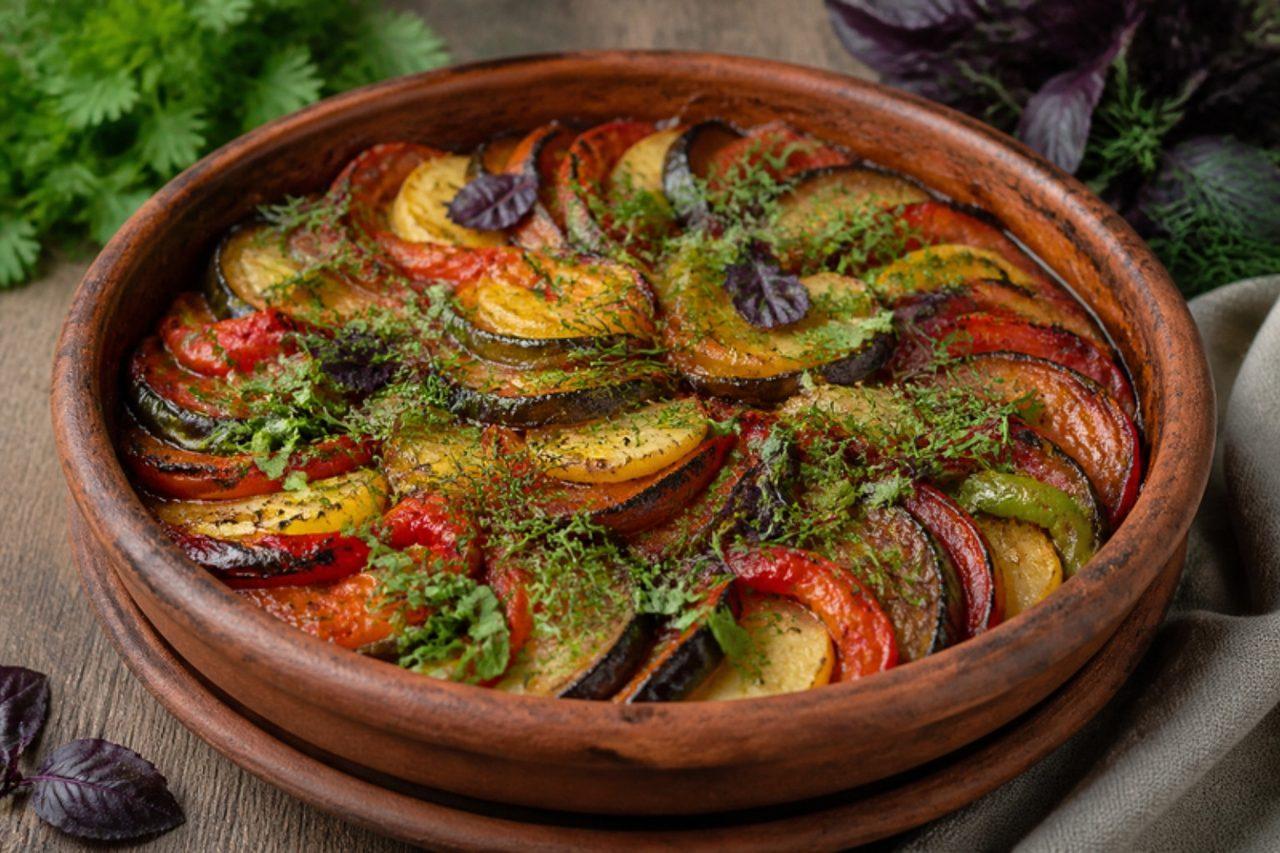
KchuchClay-pot aubergine and potato bake

A kchuch is the round clay pot of Gyumri's kitchens, and the dish cooked in it takes its name: layers of vegetables and herbs, sealed and slow-baked until everything collapses into a rich, juicy stew. Shirak families often add lamb, but the vegetable version is a summer and Lenten favourite, heavy with aubergine, potatoes, peppers, tomatoes and garlic. A common mistake is slicing the potatoes thick, which leaves them hard when the aubergine is already soft. Chef's tip: lay the tomatoes and herbs on top and seal the lid with a strip of dough or foil, so the steam stays in and the vegetables cook in their own juices.

by KrazyBadal 0 views

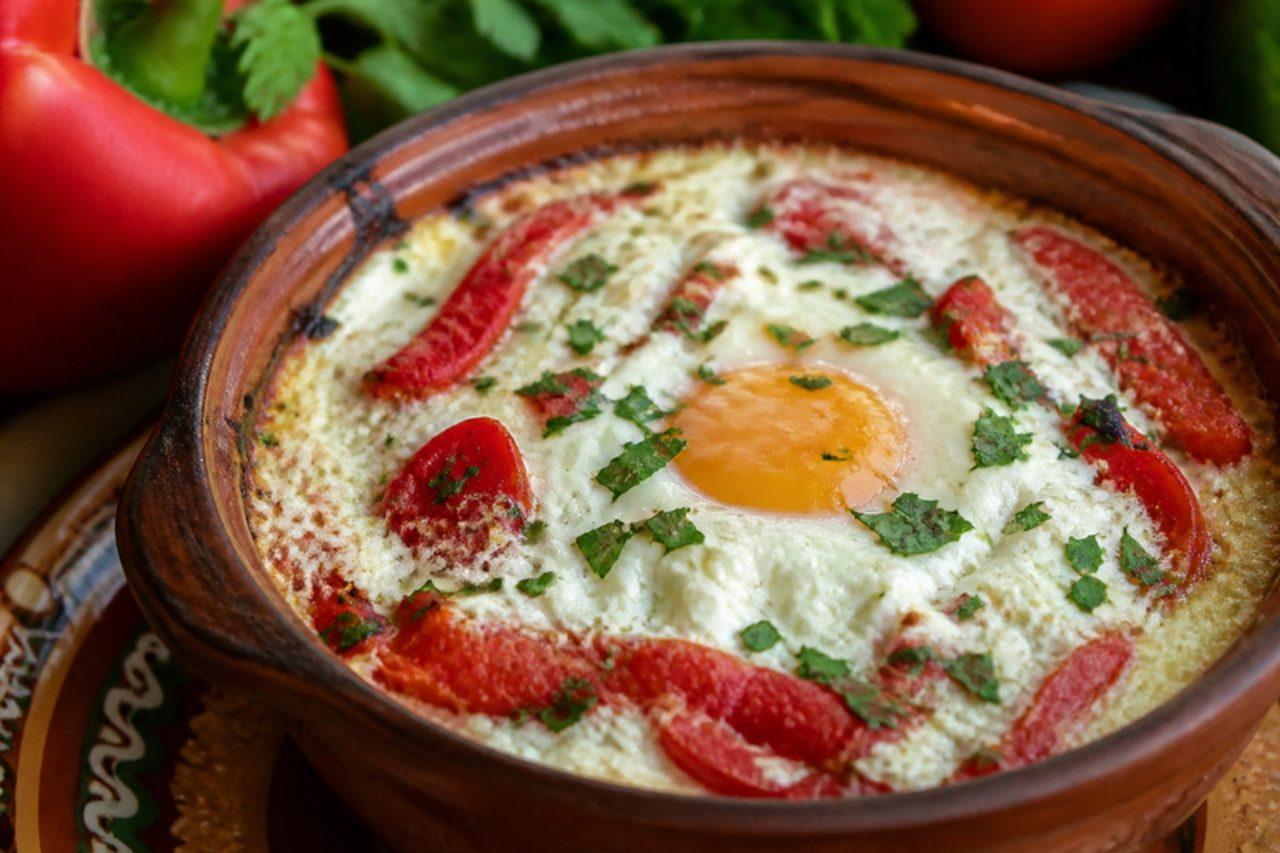
Sirene po shopskiBaked white cheese with tomato

Order 'cheese the Shop way' in a Sofia mehana and it arrives sizzling in its own little clay pot, the lid still on: cubes of white brined cheese softened in butter with tomato and roasted red pepper, an egg set on top and a chilli pepper standing upright in the middle. The cheese goes molten at the edges and salty-soft in the centre, the tomato juices bubble around it, and you mop it all up with warm bread. It is a classic of the Shop region around Sofia, eaten as a hot starter with a cold salad. Traditional sirene is made with animal rennet, so look for a vegetarian white cheese or a feta labelled vegetarian. The usual slip is cracking the egg in too early, which turns the yolk chalky; add it only for the last few minutes. Chef's tip: soak very salty cheese in cold water for 30 minutes first, or the dish will be too sharp to eat.

by KrazyBadal 0 views

Sir i vrhnjeFresh cheese with sour cream

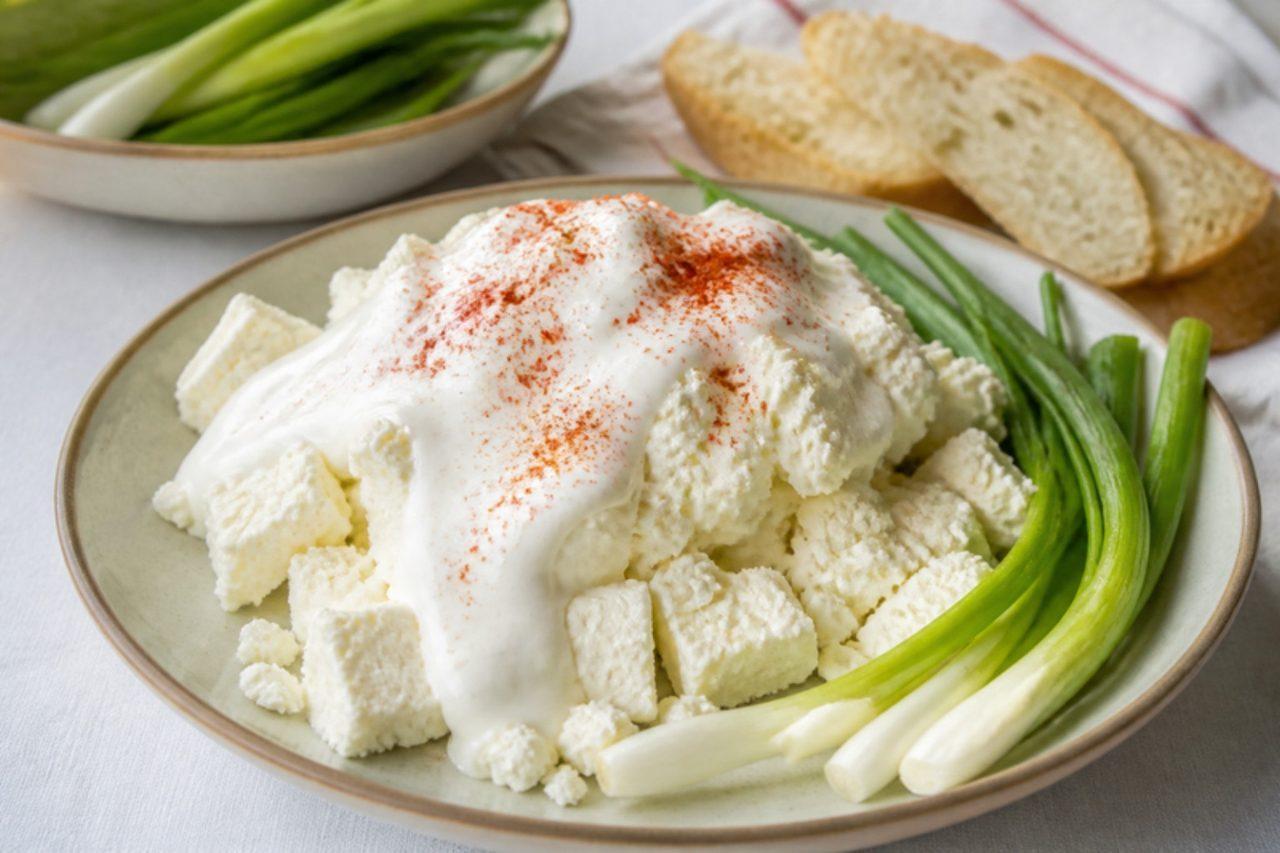
Under the red umbrellas of Dolac, Zagreb's open-air market, village women from the surrounding hills sell soft fresh cheese and thick sour cream side by side, and Zagreb people buy both to eat together. Sir i vrhnje is barely a recipe: crumbly, mild, slightly sour curd piled on a plate, a generous spoon of cold vrhnje on top, sweet paprika and a little salt. It is a classic breakfast or late snack with warm bread, spring onions and radishes, and it sits happily next to a plate of štrukli or a bowl of soup. Fresh cow's cheese is usually set with acid or a little rennet, so check the label or ask the seller if you avoid animal rennet. A common mistake is mashing everything into a smooth paste; the pleasure is in soft curds against cool cream. Chef's tip: let the cheese stand out of the fridge for 10 minutes before serving, so its milky taste comes through.

by KrazyBadal 0 views

Shaobing with youtiaoSesame flatbread with fried dough stick

Order this at a Yonghe-style breakfast shop and you get a lesson in contrasts: a long, flaky sesame flatbread, baked against the oven wall, split and folded around a freshly fried, airy youtiao. It's eaten before work across Taipei, almost always with a bowl of hot soy milk, sweet or salty. Both halves are vegan here, with the layers built from an oil-and-flour paste rather than lard. The most common slip is frying the dough sticks in oil that isn't hot enough, which leaves them flat, dense and greasy instead of puffed and hollow. Chef's tip: make the youtiao dough first and let it rest while you shape and bake the shaobing, so both are ready at the same moment.

by KrazyBadal 0 views

KilishiSpiced dried beef

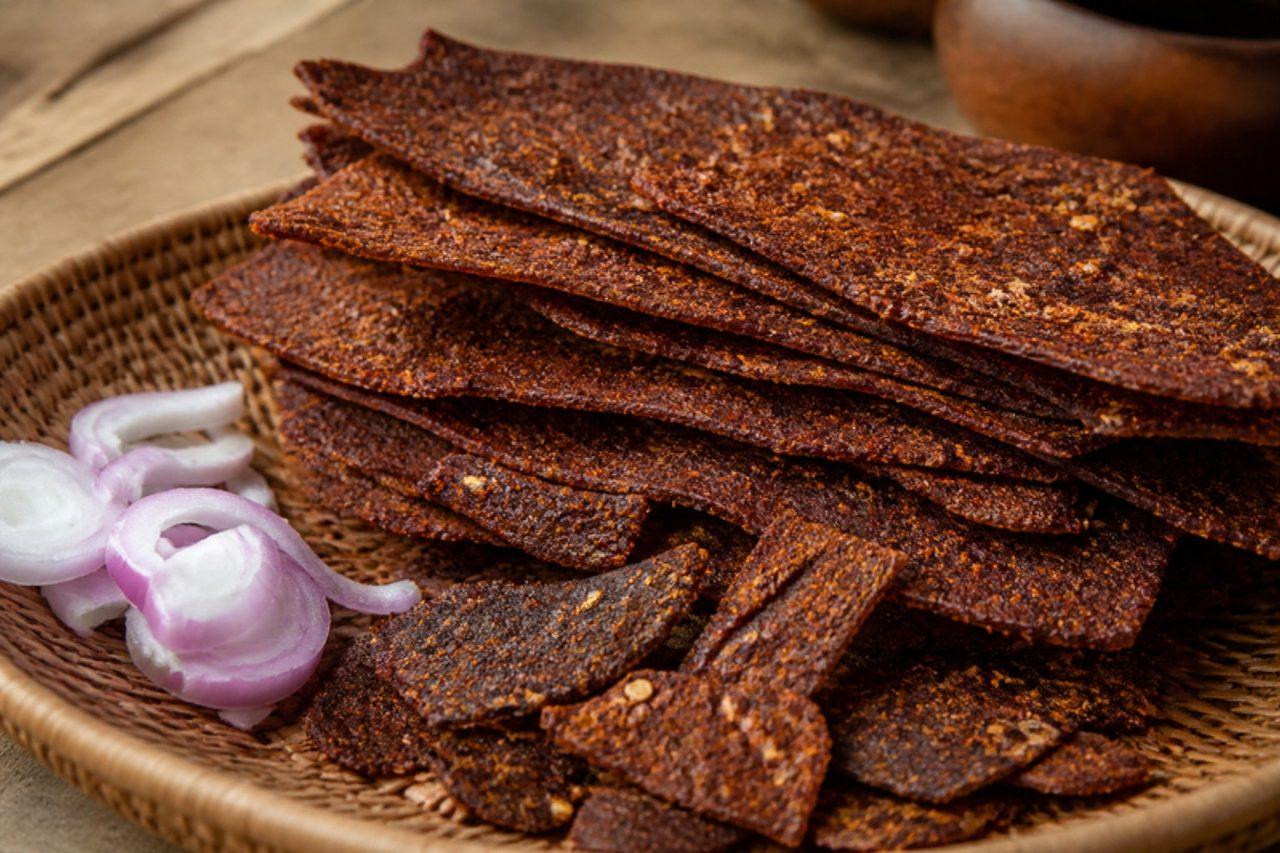
Long-distance travellers in the Hausa north have carried kilishi for generations: beef sliced so thin you can see light through it, coated in a fiery paste of ground roasted groundnuts, ginger, onion and chilli, dried, then flashed over a fire until it crackles. It is sold in Kano and Sokoto markets in stacked sheets and eaten as a snack or with a cold drink. Traditionally it is sun-dried raw; this home version heats the meat to 71 °C in the oven before drying and is stored in the fridge, which makes it safer. Sun-dried, uncooked kilishi is not for pregnant women, young children or anyone with a weakened immune system. Chef's tip: freeze the beef for an hour before slicing; firm meat is the only way to get sheets 3 mm thin at home.

240 minNigerianMeatGluten freeSpicy
by KrazyBadal 0 views

Kimbula banisCrocodile-shaped sweet bun

Kimbula means crocodile, and these long, ridged buns with tapered ends and a back glittering with sugar are a childhood favourite from every Sri Lankan village bakery and the bread vans that drive the lanes playing tinny music each morning. The sweet, slightly enriched yeast dough is rolled up like a Swiss roll, tapered into a head and a tail, slashed along the top and showered with coarse sugar, which caramelises in the oven into a crunchy crust over a soft, fluffy crumb. They are eaten for breakfast or an afternoon snack with plain tea, often pulled apart along the ridges. Under-baking is the error that bakers see most, leaving the centre doughy; the buns should be a deep golden brown and sound hollow underneath. Chef's tip: sprinkle a layer of sugar on the dough before you roll it up, which gives sweet streaks inside as well as the crust on top.

by KrazyBadal 0 views

Taiwanese salty soy milkSavoury soy milk with youtiao

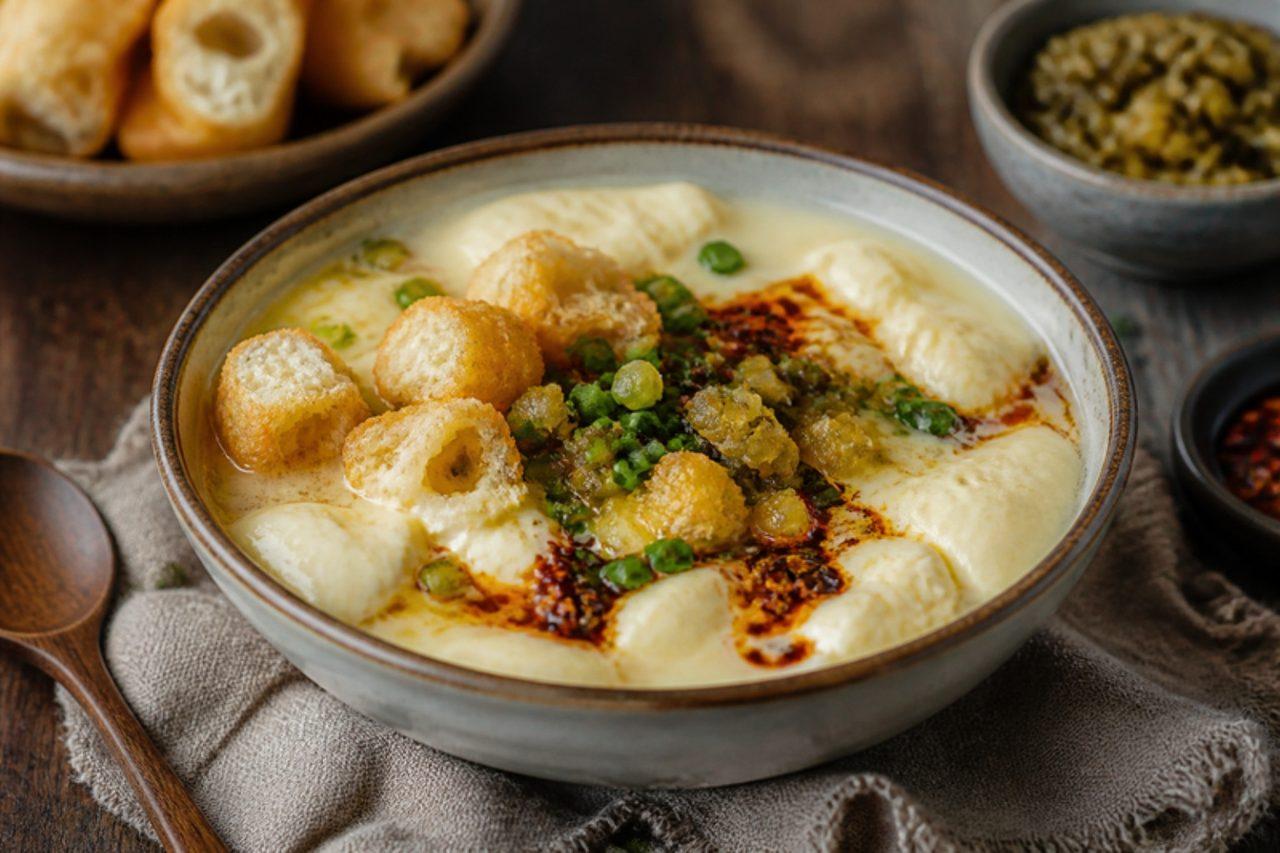
Long before sunrise, the soy-milk shops of Yonghe, just across the river from Taipei, pour bowl after bowl of this savoury breakfast for taxi drivers, students and night-shift workers. Scalding unsweetened soy milk hits a splash of vinegar and soy sauce in the bowl and splits into trembling, cloud-like curds, somewhere between a soup and a soft tofu pudding. Shops usually add dried shrimp; this vegetarian bowl gets its savoury crunch from chopped pickled radish, scallion, chilli oil and torn pieces of youtiao, with a sesame flatbread on the side. Pouring soy milk that is merely warm is where most people go wrong: it must be just off the boil, or it stays thin and never curdles. Chef's tip: pour the milk from a height in one go and don't stir, so the curds form big, soft clouds.

by KrazyBadal 0 views

Tinday masalaRound gourd curry

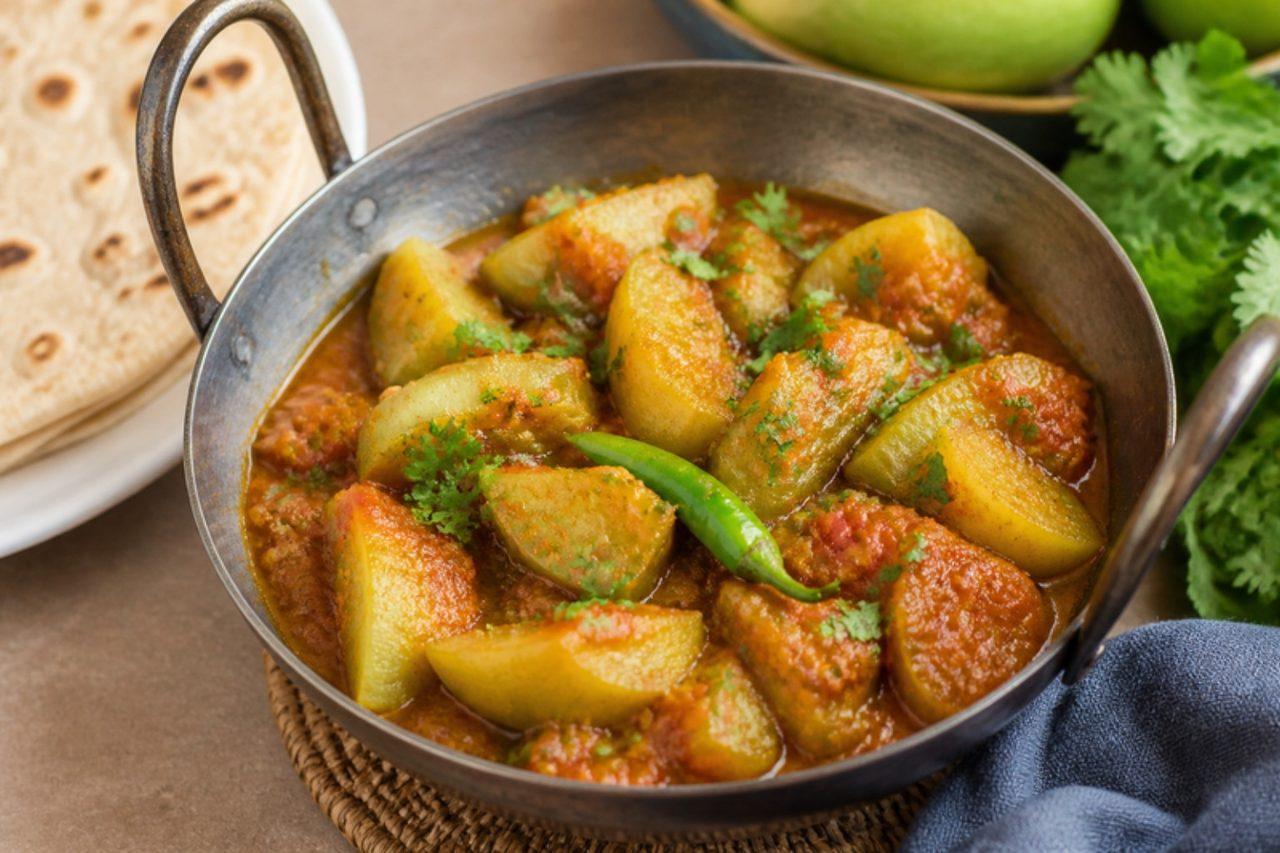
Small, pale-green tinday arrive on Punjab's sabzi carts with the summer heat, and in Lahore and Faisalabad homes they are cooked through June and July, when nobody wants a heavy pot of meat. Cooked slowly with onion, tomato and a handful of green chillies, the little gourds turn tender and almost silky, soaking up the masala like a sponge while keeping a faint freshness that is a little like courgette. Expect to see it with hot chapati, a bowl of yogurt and a plate of kachumar for a light lunch. Many cooks drown tinday in water, and they end up soggy and grey; they release plenty of their own liquid and need only a splash. Chef's tip: choose small, firm tinday with soft fuzz on the skin, since large ones have hard seeds and a woody core.

by KrazyBadal 0 views

VětrníkCaramel cream choux bun

Ask anyone in Prague about the old-fashioned cukrárna and they will mention větrník, the "windmill": a big, puffed choux bun split and filled with two creams, a caramel one below and a light vanilla one above, under a shiny caramel icing. It is the cake people order with coffee on a Sunday afternoon, or buy in a paper box for a name day. Crisp shell, soft clouds of cream and a deep, buttery caramel flavour make it rich but not heavy. The usual slip is pulling the choux out too soon: it must be dark golden and feel light and dry, or it collapses as it cools. Both creams start from one custard, cooked until it bubbles so the eggs are fully set. Chef's tip: make the custard and caramel the day before; on the day you only bake and fill.

by KrazyBadal 0 views

BlitvaSwiss chard and potatoes

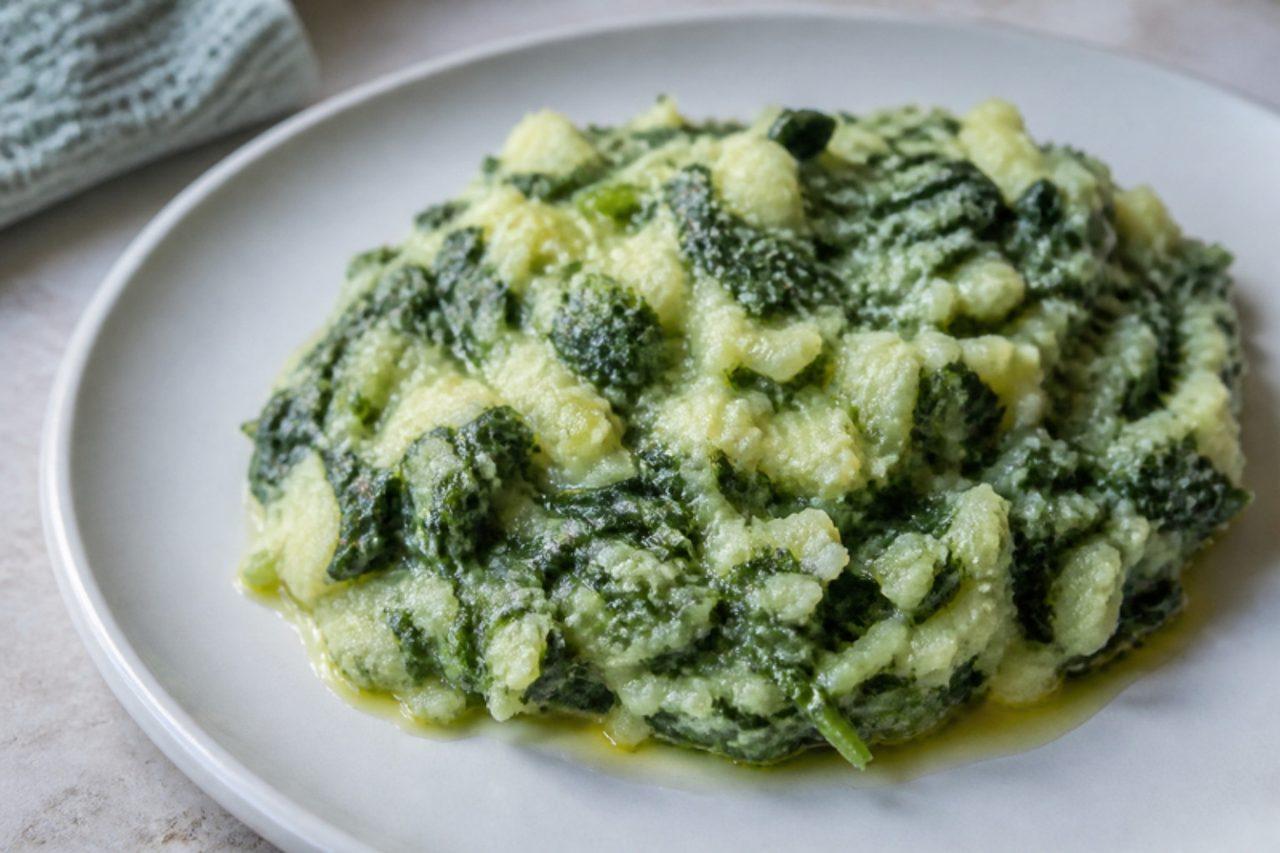
Order grilled fish in any konoba along the Dalmatian coast of Croatia, from Zadar down to Dubrovnik, and a heap of blitva usually comes with it. Swiss chard and potatoes are boiled together until soft, then crushed roughly with lots of good olive oil and a little garlic, so the potatoes turn creamy and the chard stays silky and green. It is humble, quick and very good, also with grilled vegetables, eggs or a simple bean dish. The usual slip is not draining well enough, which leaves a watery, grey mush; let everything steam dry in the colander for a minute. Chef's tip: use the best olive oil you have and add a final drizzle at the table, as Dalmatians do, so its peppery taste stays bright.

by KrazyBadal 0 views

SinoriLavash rolls with cheese

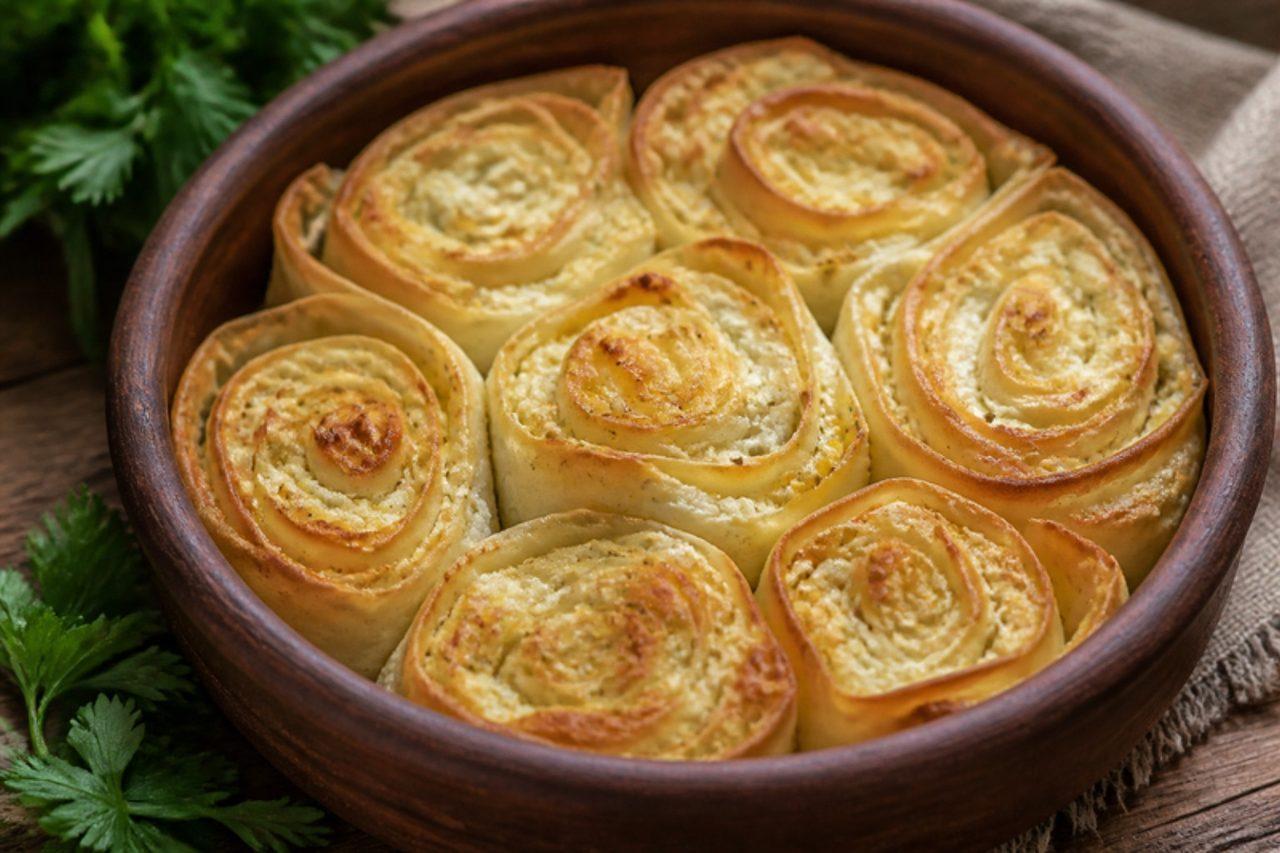
Sinori is a festive dish from the mountain districts of Adjara, around Khulo and Keda, where thin sheets of dough are dried, rolled into tight tubes, packed into a tray and drenched with melted butter and creamy nadughi seasoned with garlic before baking. The ends turn crisp and the inside goes soft and creamy, a little like a savoury bread pudding. Thin lavash gives a good home version. A common mistake is pouring on all the sauce at once; the rolls float and fall apart. Chef's tip: add the sauce in two goes, letting the first be absorbed, and bake until the tops are blistered gold. Traditional nadughi needs no rennet, but ricotta and cream cheese brands vary, so check the label.

by KrazyBadal 0 views

Sinki ko jholFermented radish soup

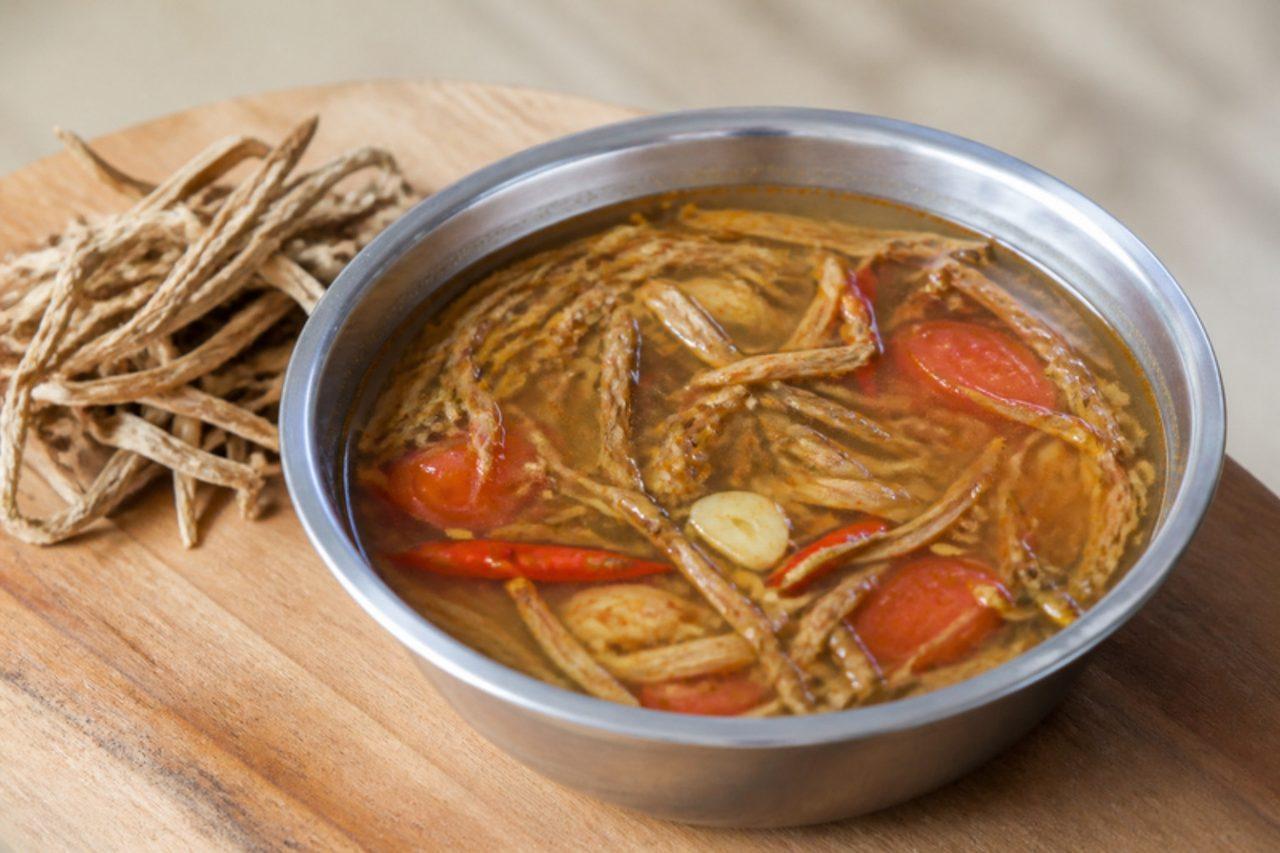
Sinki is the radish answer to gundruk: in late autumn, families in Ilam, Dhankuta and Terhathum pack chunks of radish root into pits lined with straw or into airtight jars, let them ferment for a few weeks, then cut and sun-dry the pieces into chewy, pungent strips that last all year. In winter and through the monsoon, a handful turns a pot of water, tomato, garlic and chilli into a thin, tangy, warming soup that is poured over rice or drunk from a bowl alongside dal bhat. It is light, sharp and savoury, and many people in the hills swear by it for a cold or a heavy stomach. It goes wrong if the sinki is not rinsed and soaked, so the soup tastes musty and gritty. Chef's tip: soak the strips in warm water for 10 minutes, squeeze them dry and fry them briefly in the oil before the water goes in, which mellows the funk and brings out a pleasant smokiness.

by KrazyBadal 0 views

RakfiskFermented trout

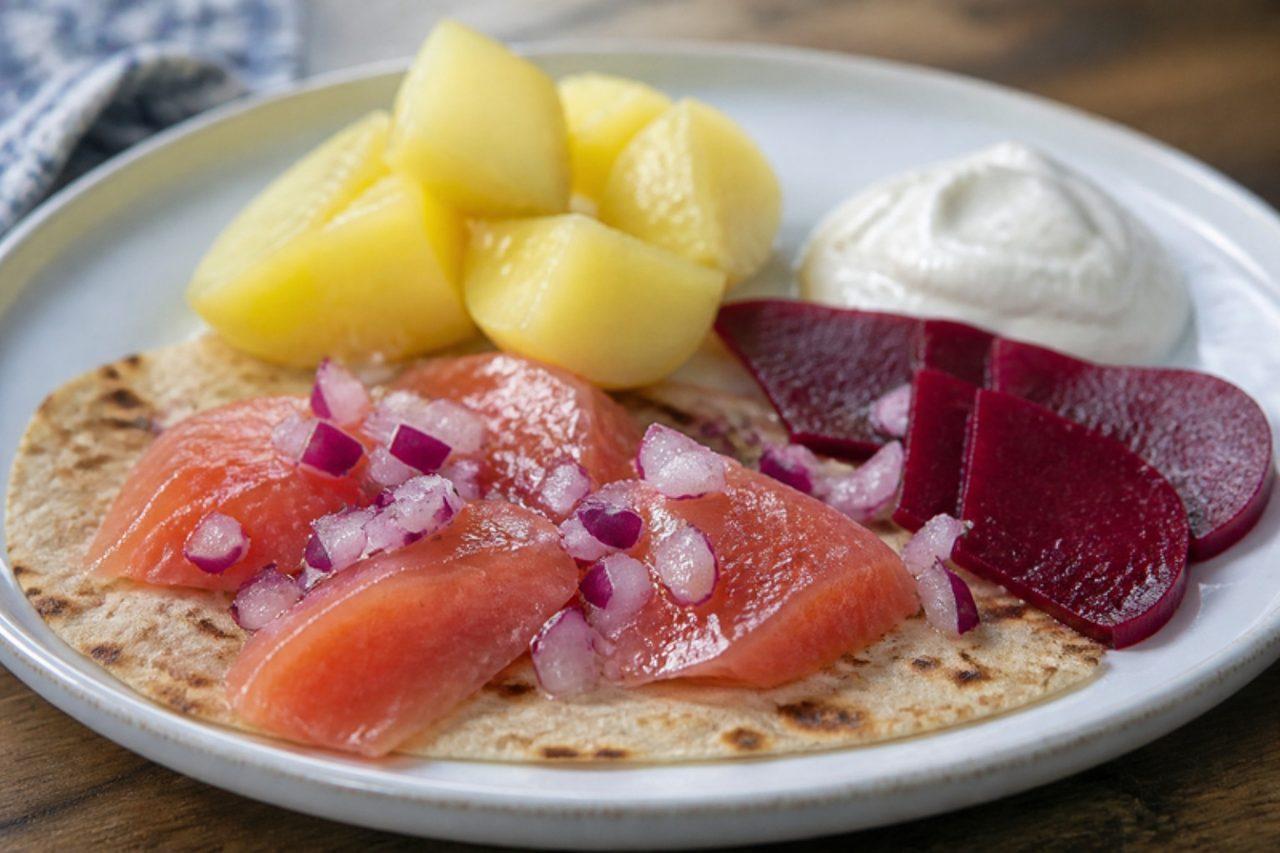
Rakfisk is the autumn feast of Valdres in the Norwegian mountains, where trout and char from the lakes are salted and left to ferment for two to three months, until the fish is soft, pungent and buttery. Every November the town of Fagernes holds a rakfisk festival, and families serve it in slices on lefse or flatbread with red onion, sour cream and boiled potatoes. Home fermentation of fish carries a risk of botulism, so buy rakfisk only from licensed producers, never make it yourself. It is eaten raw, so it is not for pregnant women, young children or anyone with a weakened immune system. A common mistake is serving it too warm, which makes the smell overpowering. Chef's tip: serve it well chilled and sliced thin.

by KrazyBadal 0 views

Showing 90 of 10,569 recipes

Page 648 of 1,175