


Skip to content
Pfälzer Saumagen
Featured recipe

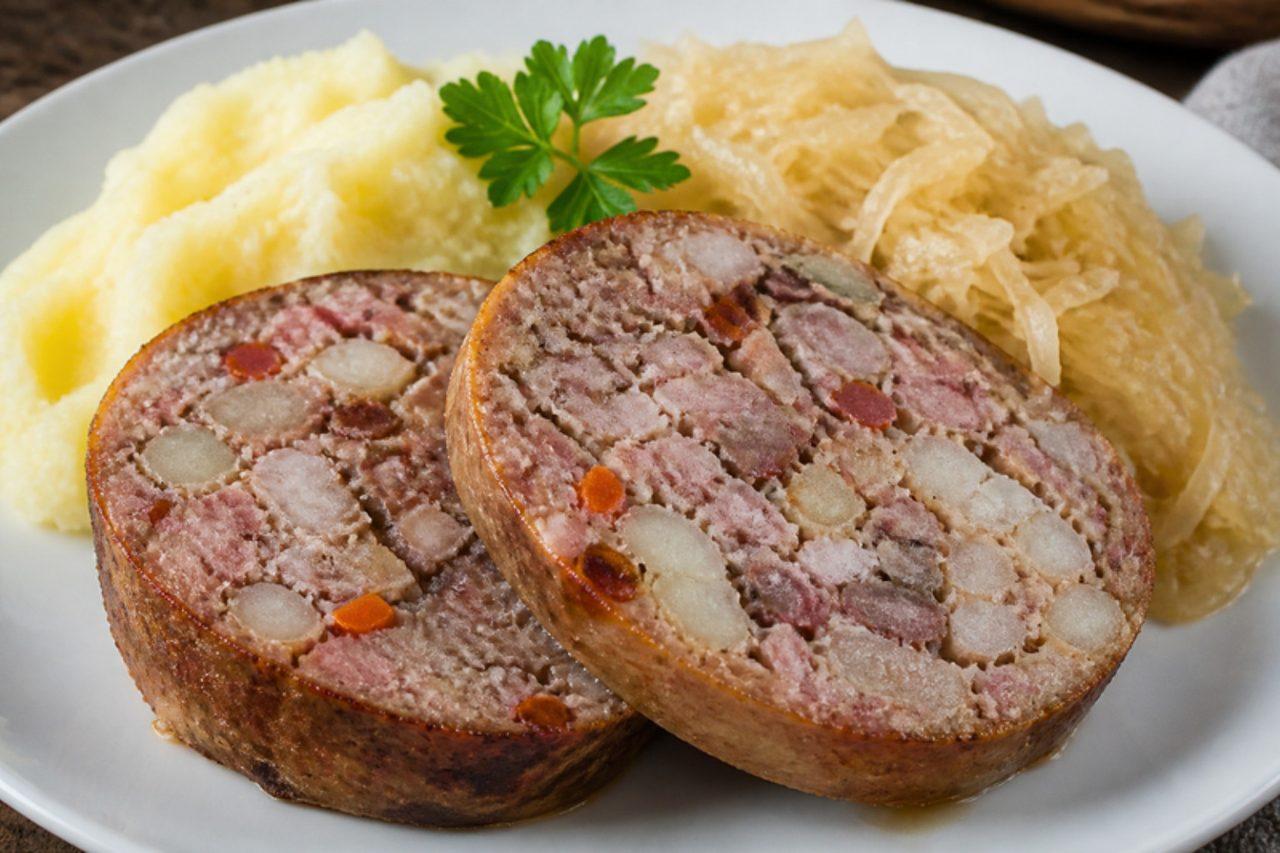
Pfälzer Saumagen

Stuffed pig's stomach

Saumagen is the pride of the Palatinate, served at wine-village festivals and family dinners from the Haardt hills to Ludwigshafen. A cleaned pig's stomach is stuffed with diced pork shoulder, pork sausage meat, potato and carrot seasoned with marjoram and nutmeg, poached slowly, then sliced thick and fried until crusty. The stomach works only as a casing and is ordered from a butcher; if you can't get one, bake the same filling in a covered terrine in a water bath. Serve with sauerkraut and mashed potato. Chef's tip: fill the stomach only three-quarters full, or it bursts as the potatoes swell.

Read more 1 views

What to eat today?

Around the world

Today's trip: Paraguayan

A new country every day, from every cuisine on the site.

Paraguayan

Kosereva

Candied bitter orange peel 180 minMore from Paraguayan (27) →

This week's collection

Kid-friendly dinners
537 recipes · a new collection every Monday

Latest recipes

GhevarLacy fried batter sweet in syrup

During the monsoon festival of Teej and through Raksha Bandhan, Jaipur's sweet shops stack golden, honeycomb discs of ghevar in their windows. The batter is little more than flour, chilled ghee and ice-cold water, poured into hot ghee in thin streams so it foams into a lacy round. It is then soaked in syrup and finished with rabri, sliced pistachios and a pinch of saffron. Married daughters traditionally receive it from their mothers' homes during Teej. The most common mistake is batter that is too warm or too thick; it fries into a heavy pancake instead of a web. Chef's tip: whisk the ghee with ice cubes until it is white and fluffy before adding flour, and keep the batter bowl in a tray of ice water while frying. A narrow, deep pan, or a metal ring set in a saucepan, gives the sides that help the batter build up.

by KrazyBadal 0 views

Bandeja paisaBeans, rice and pork platter

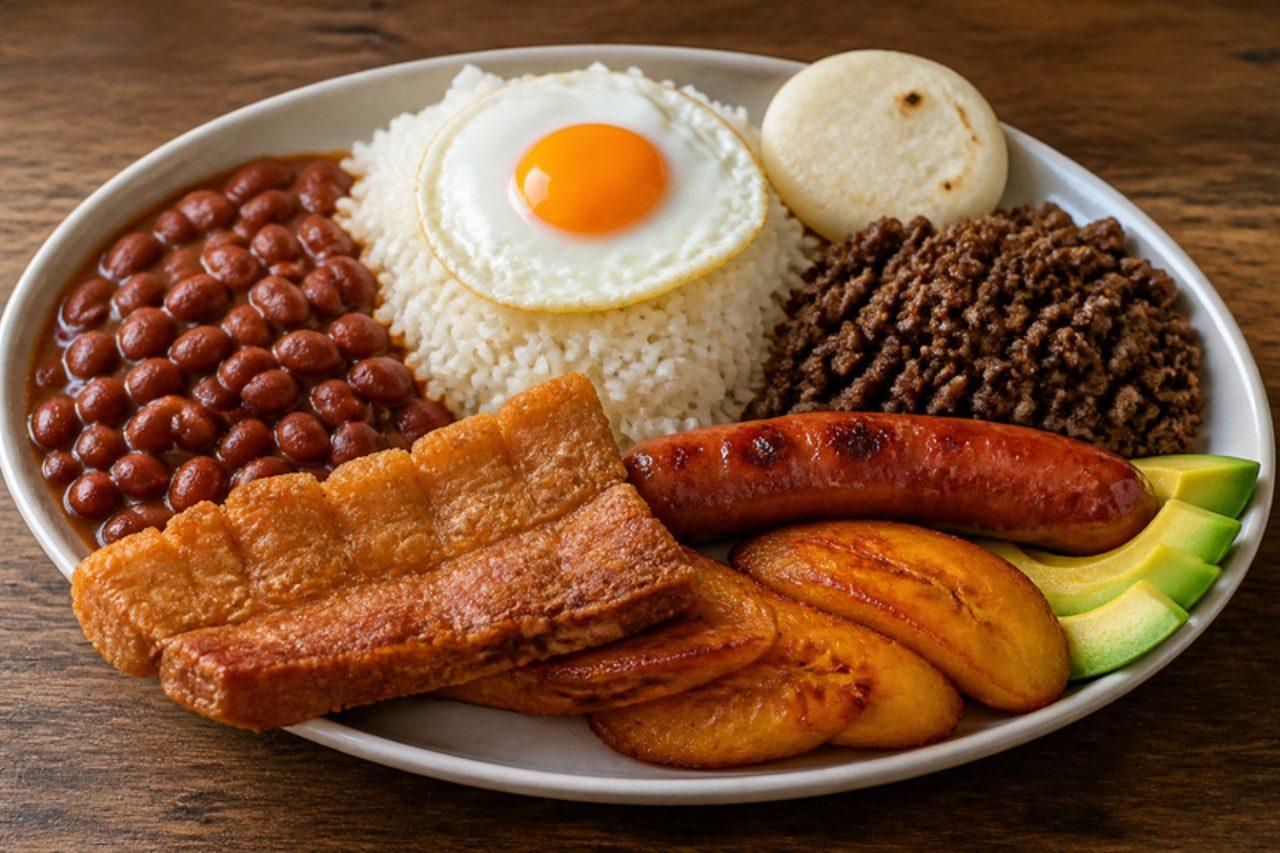
Bandeja paisa is the farmhouse feast of Antioquia and the coffee region around Medellín, served on an oval platter so big it barely fits on the table. This is a pork dish: crisp chicharrón (fried pork belly) and chorizo sit next to red beans, white rice, seasoned minced beef, a fried egg, ripe plantain, a small arepa and avocado. Paisas eat it for a long Sunday lunch, and restaurants in Medellín serve it every day. It looks like a lot of work, but most parts can be made ahead and finished together. The mistake most people make is frying the pork belly too hot from the start; it needs to simmer in its own fat first, or the outside burns before the inside turns tender. Chef's tip: cook the beans a day ahead; they thicken and taste better, and the day itself is then only frying.

by KrazyBadal 0 views

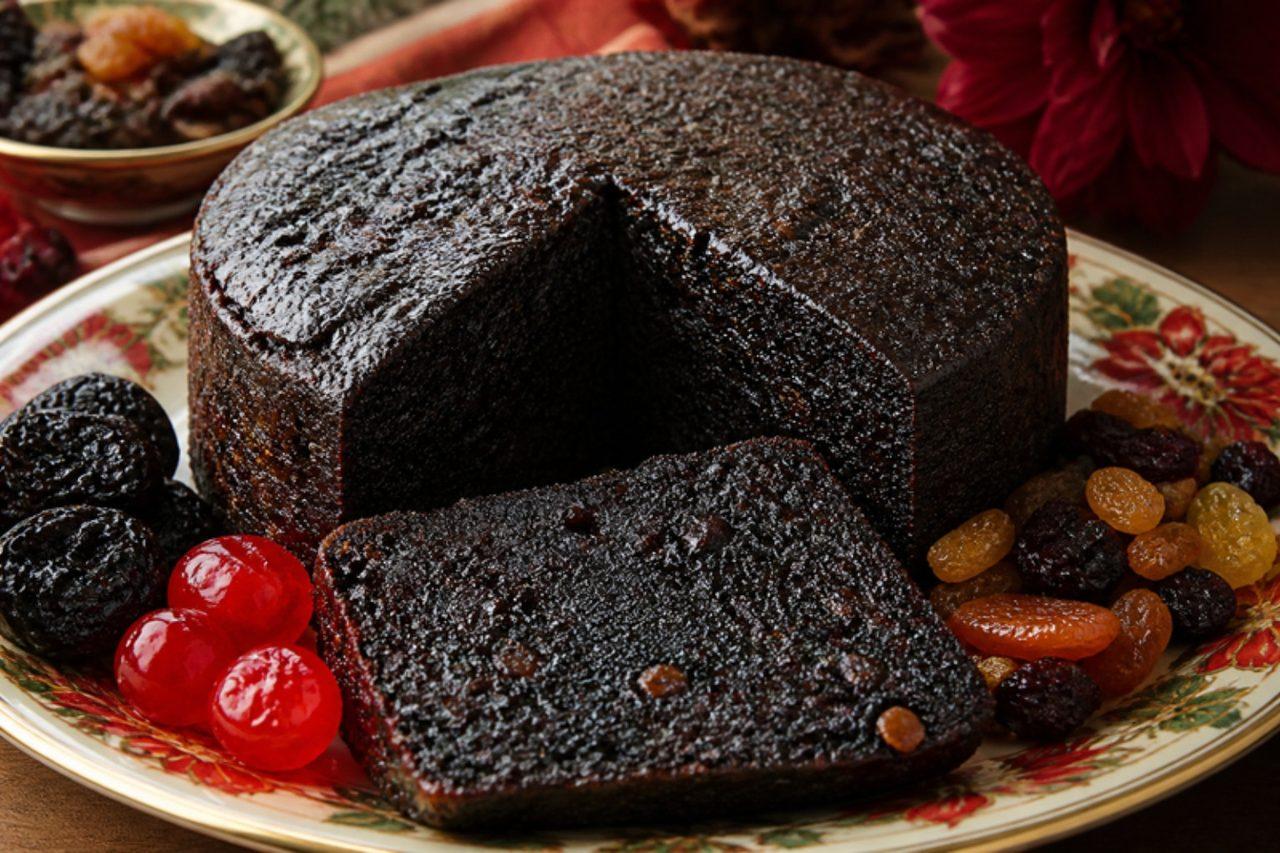
Guyanese black cakeRum fruit cake

Every Guyanese Christmas has a black cake, and many families start soaking the fruit months ahead, often the year before. Prunes, raisins, currants and cherries are minced and steeped in rum and cherry brandy, then folded into a buttery batter darkened with homemade burnt-sugar syrup, giving a moist, almost black, intensely fruity cake. This version makes the alcohol optional: grape juice soaks the fruit just as well, though the cake keeps for less time. Chef's tip: take the burnt sugar until it's very dark and smoking lightly; stop too early and the cake turns brown and sweet instead of black and bittersweet.

by KrazyBadal 0 views

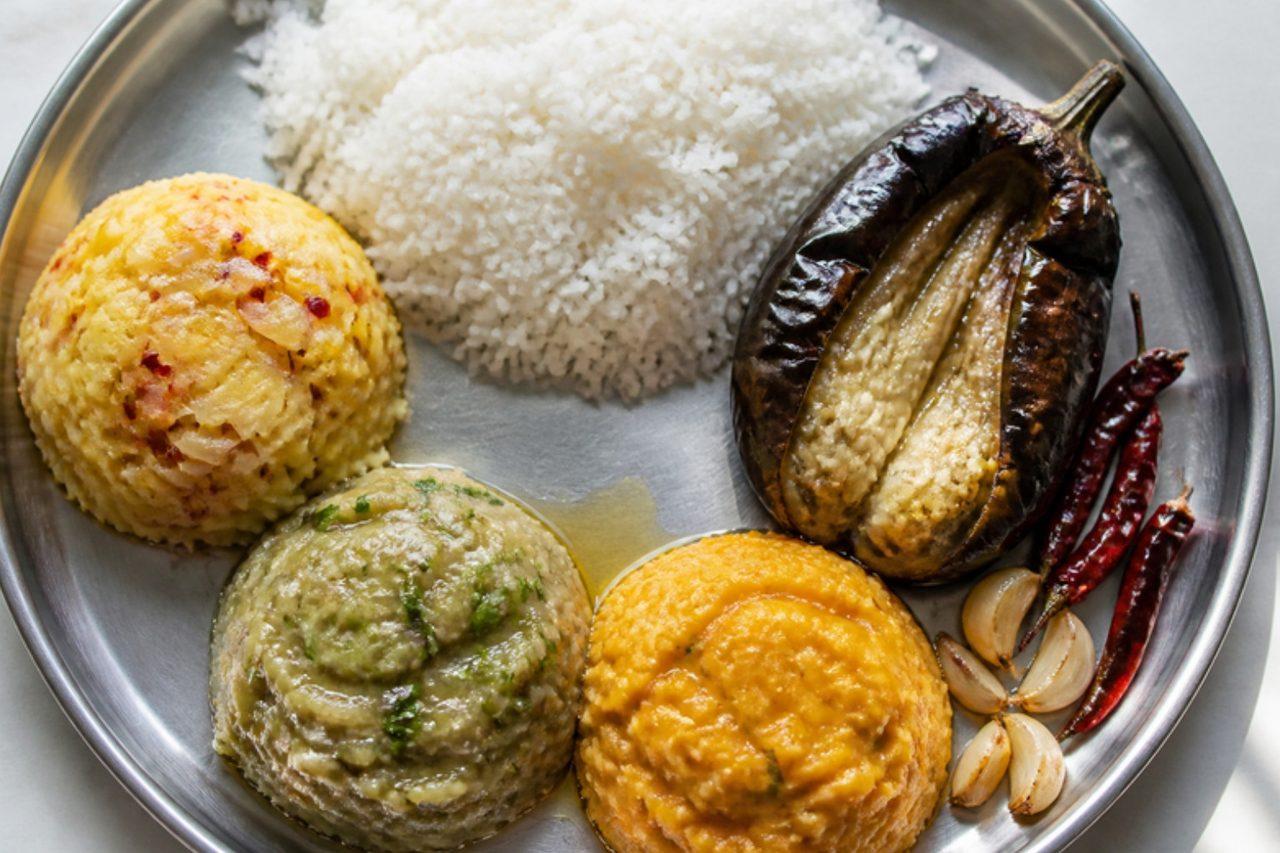
Bhorta platter (aloo, begun and dal bhorta)Mashed potato, aubergine and dal

No word says home cooking in Bangladesh like bhorta: anything boiled, roasted or fried, then mashed by hand with raw mustard oil, sliced onion, green or burnt chillies and coriander. A family lunch in Dhaka or Khulna might set out three or four bhortas in little heaps around a mound of rice, and this page makes the classic trio: aloo (potato), begun (fire-roasted aubergine) and dal (dry-fried red lentil). They share one method, so they live together here. Chef's tip: mash with your fingers, not a fork, rubbing the onion and chilli into the oil first; it bruises them and releases their sharpness into every bite.

by KrazyBadal 0 views

Tibetan butter tea

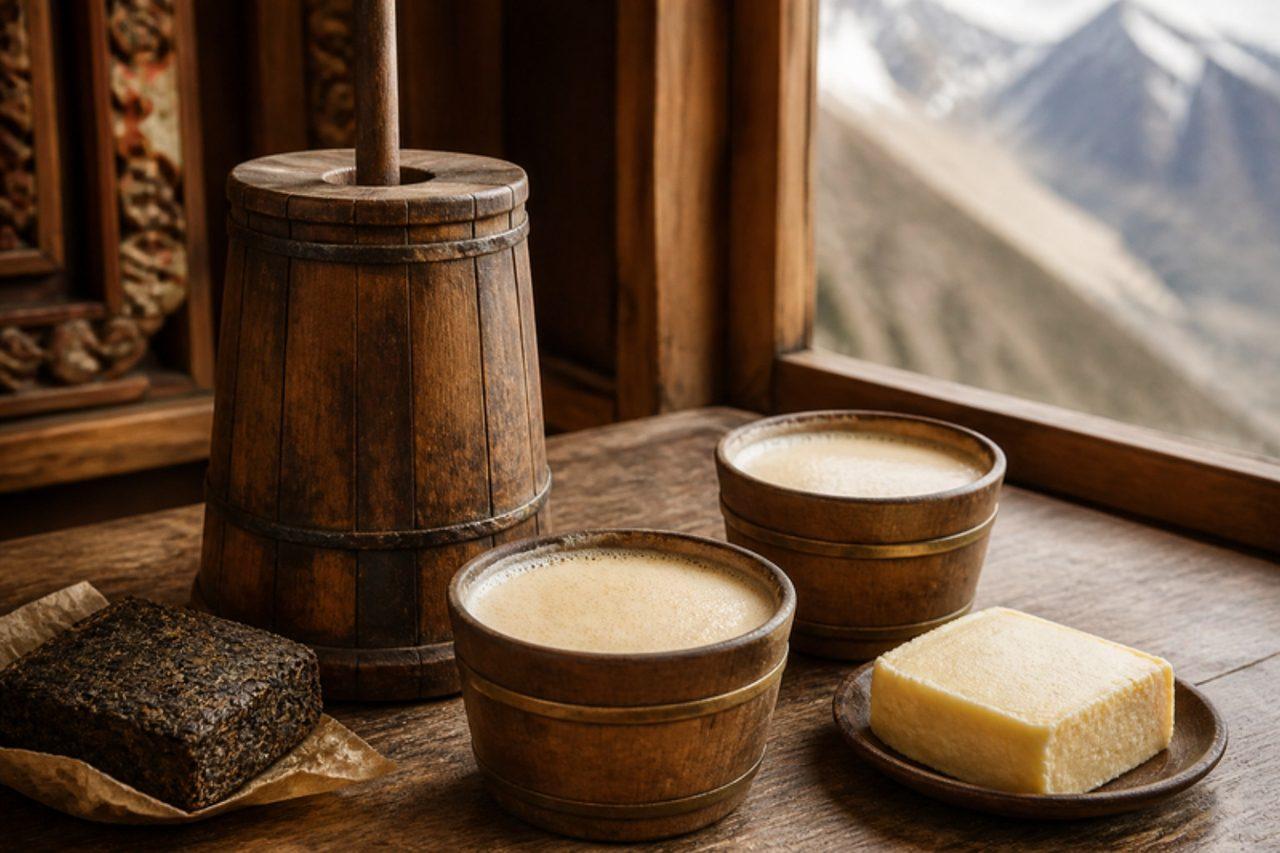
On the cold Tibetan plateau, people drink many cups a day of this salty, buttery tea, and a host keeps topping up a guest's bowl as soon as a sip is taken. Traditionally, brick tea is boiled for a long time, then churned with yak butter and salt in a tall wooden cylinder called a chandong. At home, a blender gives the same creamy, frothy result. It tastes more like a light broth than a sweet tea. Chef's tip: boil the tea hard and long; it needs to be very strong to stand up to the butter.

by KrazyBadal 0 views

Matzo ball soup with vegetable broth

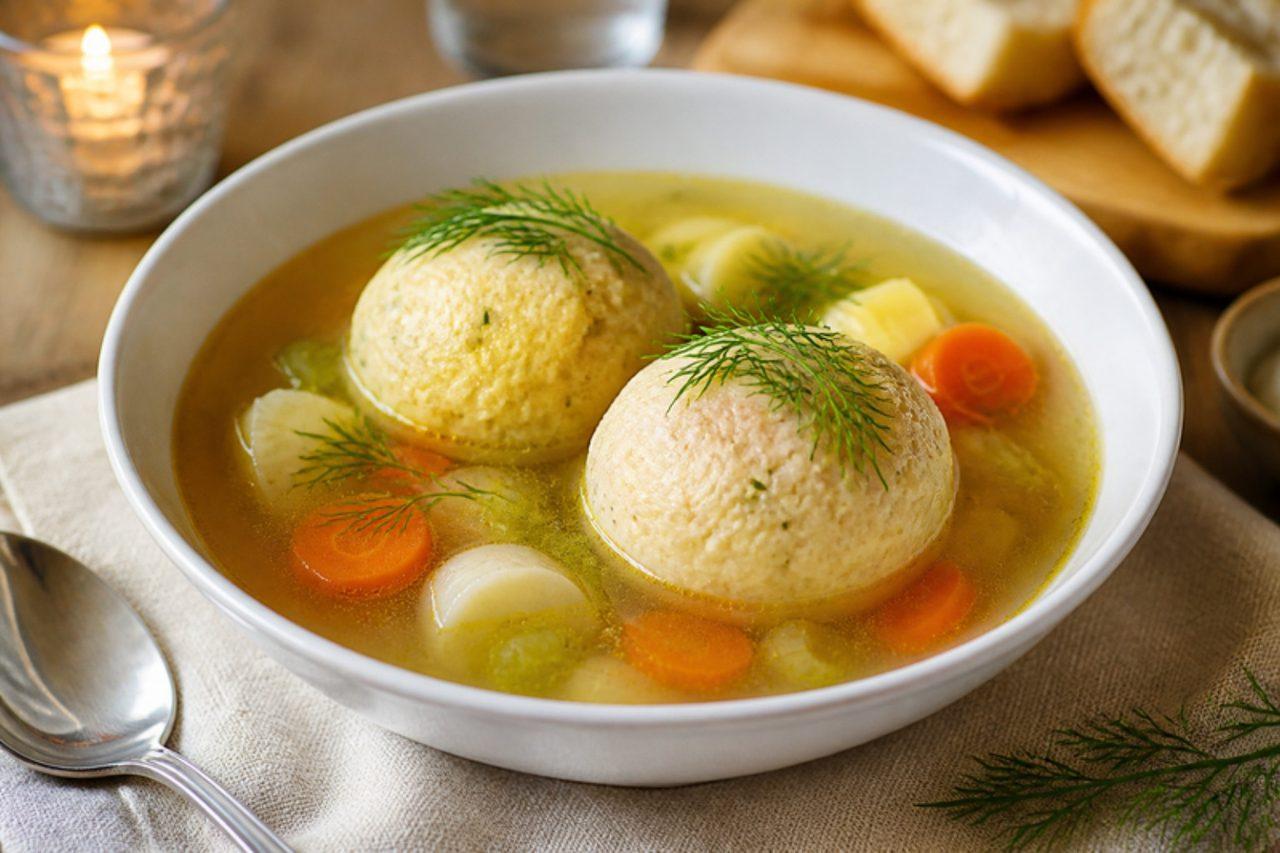
Ashkenazi Jewish families from Kraków to New York serve matzo ball soup at the Passover seder and whenever someone has a cold, and arguments about 'floaters' versus 'sinkers' go back generations. Here the broth is golden and savoury without chicken: onions browned with their skins, carrots, celery, parsnip and a few dried mushrooms simmered with dill. The kneidlach are made with oil instead of chicken fat and a splash of sparkling water so they come out light and fluffy. Chef's tip: chill the matzo mixture for at least 30 minutes; it needs time to absorb the liquid or the balls fall apart in the pot.

by KrazyBadal 0 views

Roasted cauliflower with tahini

Tel Aviv restaurants made the whole roasted cauliflower famous, set on the table charred and steaming for everyone to tear apart, and it has since become a favourite for Shabbat dinners and Friday get-togethers across Israel. The head is first boiled in salted water until just tender, then roasted very hot with olive oil until the florets blister and blacken in places. Lemony tahini, a scatter of herbs and a dusting of sumac turn a humble vegetable into the centre of the meal. Chef's tip: let the boiled cauliflower steam dry for 5 minutes before roasting; a wet head steams in the oven and never chars.

by KrazyBadal 0 views

Fruit chaatSpiced fruit salad

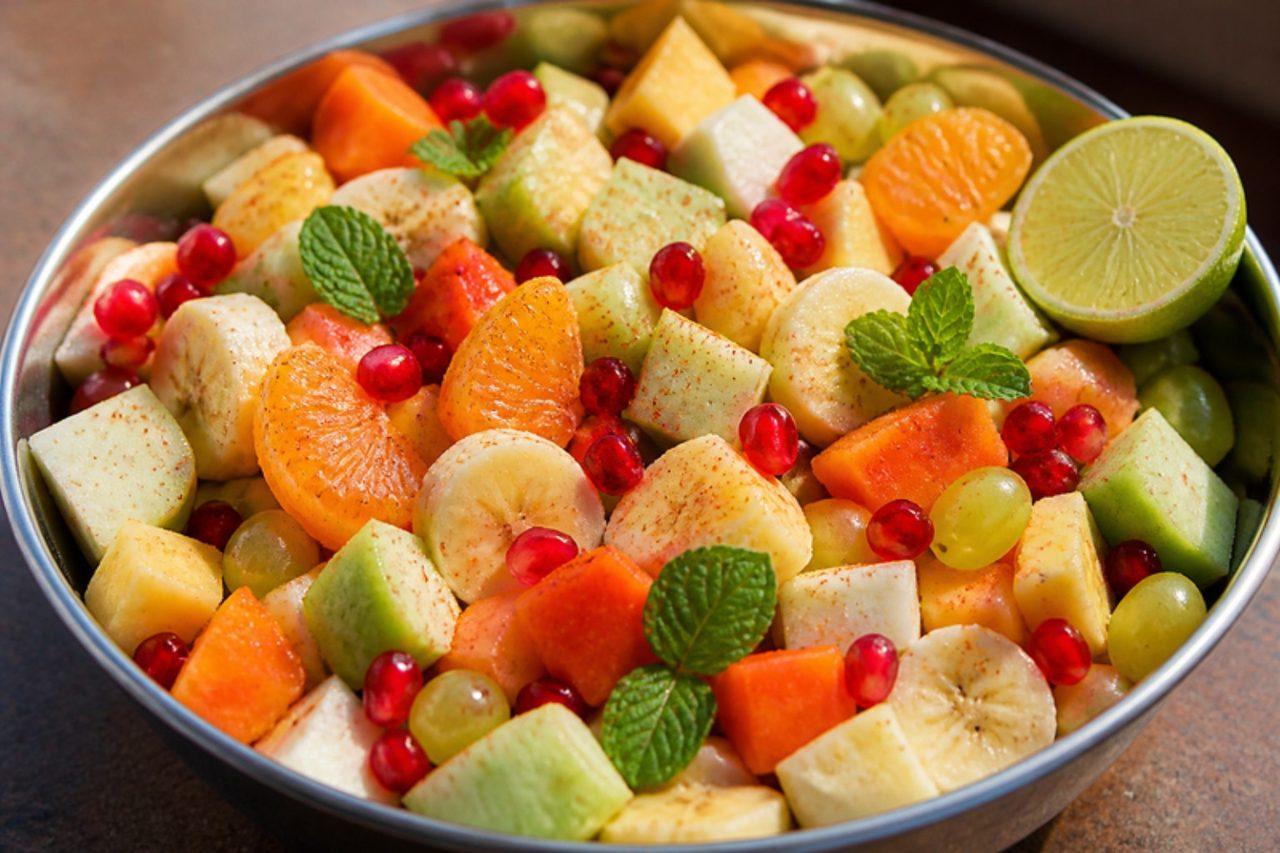
All over India, fruit sellers with handcarts chop a plate of fruit chaat to order, and in Kolkata the evening carts near New Market and Gariahat pile guava, apple, papaya, banana, pomegranate and cucumber into a leaf bowl with chaat masala, black salt and lime. During Ramzan it appears at iftar, and in summer it is sold with a sprinkle of chilli. It is sweet, salty, sour and a little hot all at once, so it tastes nothing like a dessert fruit salad. Chef's tip: use at least one crunchy fruit (guava, apple or pear) and one soft one (banana or papaya) for contrast.

by KrazyBadal 0 views

Miso katsu (Nagoya pork cutlet with red miso sauce)

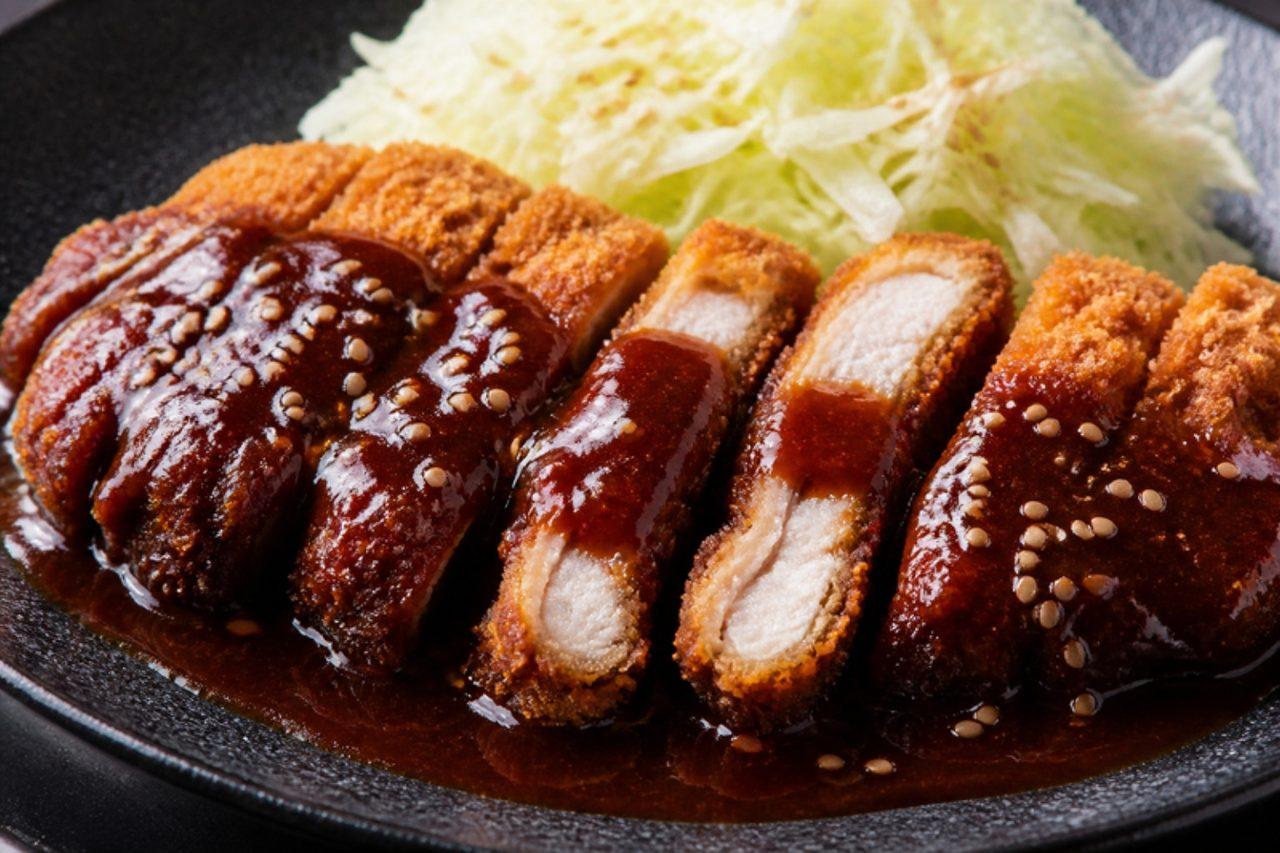
Dark soybean miso, such as the hatcho miso made in nearby Okazaki, gives Nagoya food its deep brown colour and rich, slightly bitter flavour. Miso katsu is the city's best-known way to use it: a fried pork cutlet covered in a thick, sweet miso sauce. It is served in lunch restaurants on a bed of shredded cabbage with rice and miso soup, or sliced over rice as a bowl. The sauce is glossy and savoury, a little like a darker, sweeter barbecue sauce. Chef's tip: snip through the strip of fat and sinew along the edge of each chop every 2 cm before coating it, so the cutlet stays flat in the oil and cooks evenly.

by KrazyBadal 0 views

Bisi bele bathSpiced rice and lentil one-pot

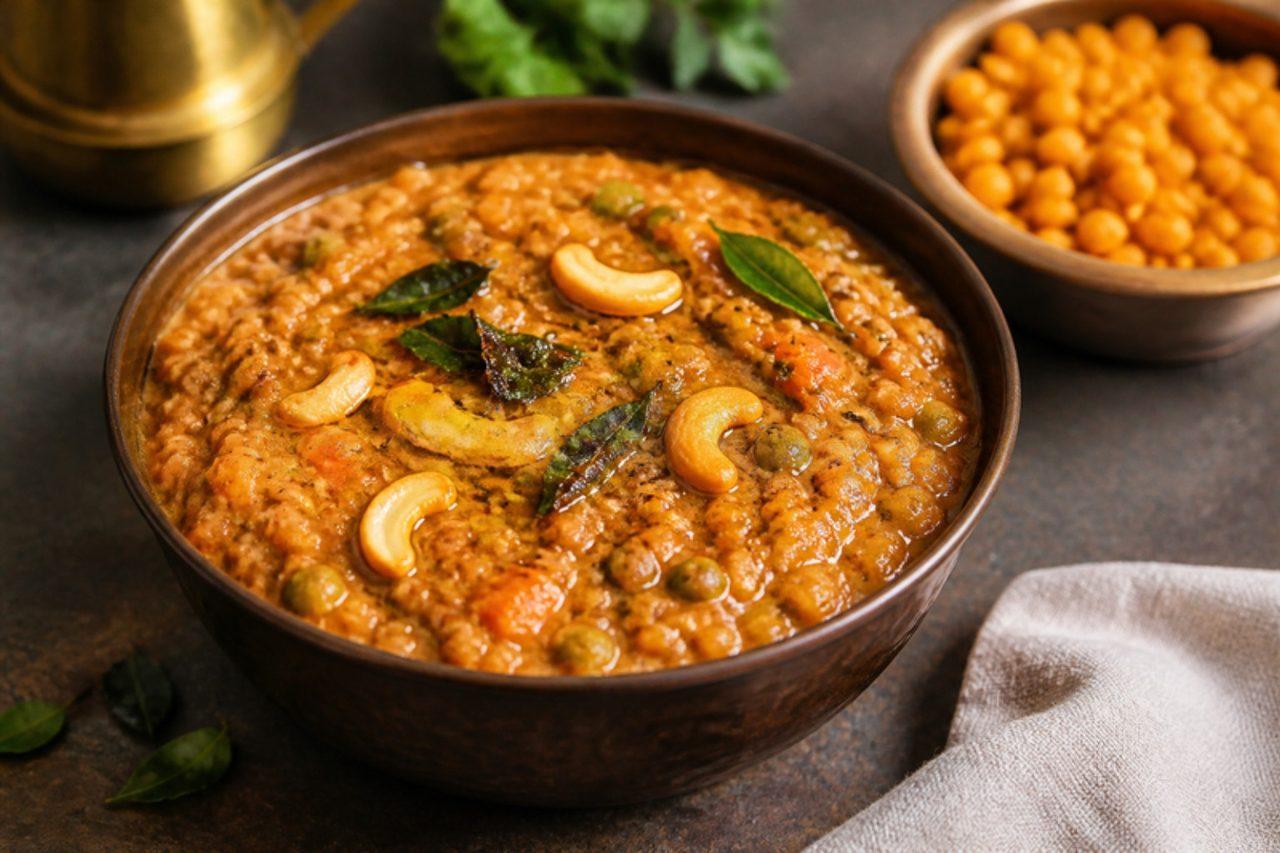
Bisi bele bath means 'hot lentil rice' in Kannada, and it's Karnataka's great comfort dish, served in temples, weddings and Bengaluru tiffin rooms. Rice and toor dal are cooked soft with vegetables, then simmered with tamarind, jaggery and a freshly roasted spice powder of lentils, coriander seed, chilli, cinnamon and coconut until it's thick, glossy and spoonable. A generous ghee tempering with cashews and curry leaves goes over the top. Eat it piping hot with crisp potato chips or boondi raita. Chef's tip: make it looser than you think; it thickens fast as it stands, and the right texture is soft and flowing, like a thick porridge.

by KrazyBadal 0 views

BissaraSplit fava bean soup

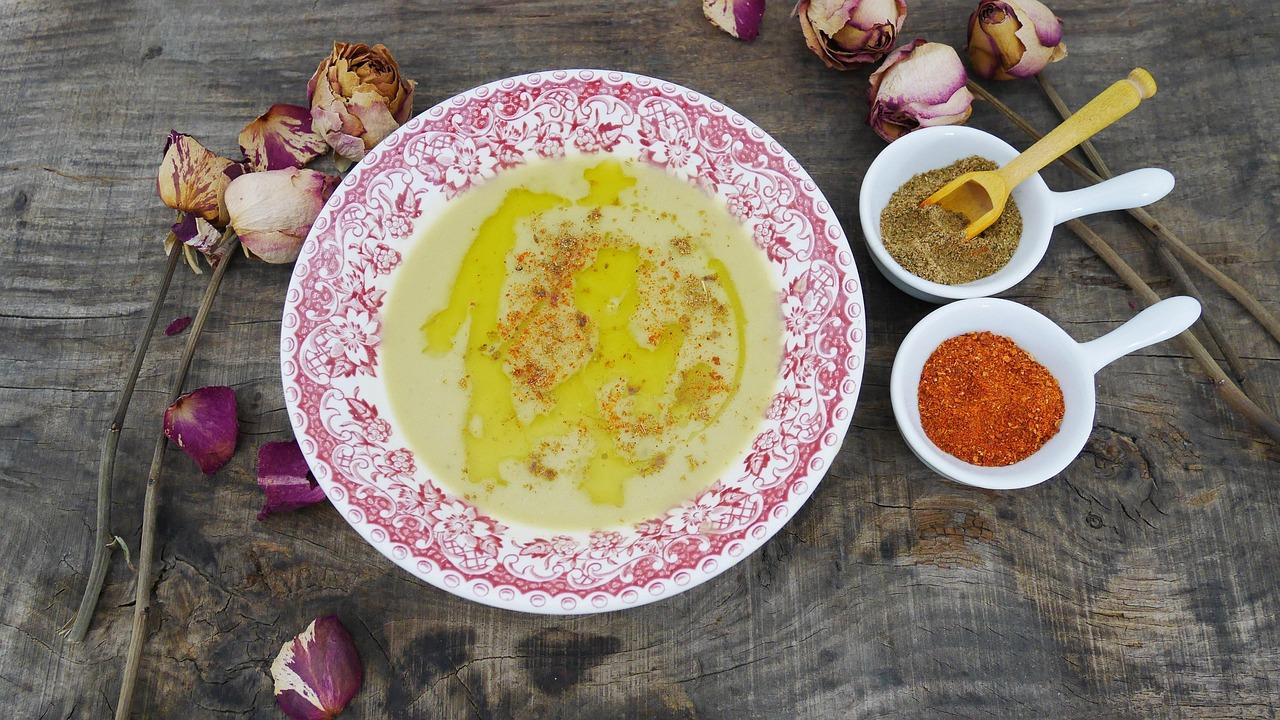
Bissara is the cold-morning soup of northern Morocco: in Tangier, Tétouan and Chefchaouen you see it ladled out from big pots at street stalls before work, and it is a favourite to break the fast in winter Ramadans. Dried split broad beans are simmered with garlic until they fall apart and blended into a thick, pale purée, then finished at the table with olive oil, cumin and paprika. Eat it piping hot with crusty bread; leftover bissara thickens into a dip you can spread on toast. Chef's tip: be generous with the final olive oil, it is not a garnish but part of the dish.

by KrazyBadal 0 views

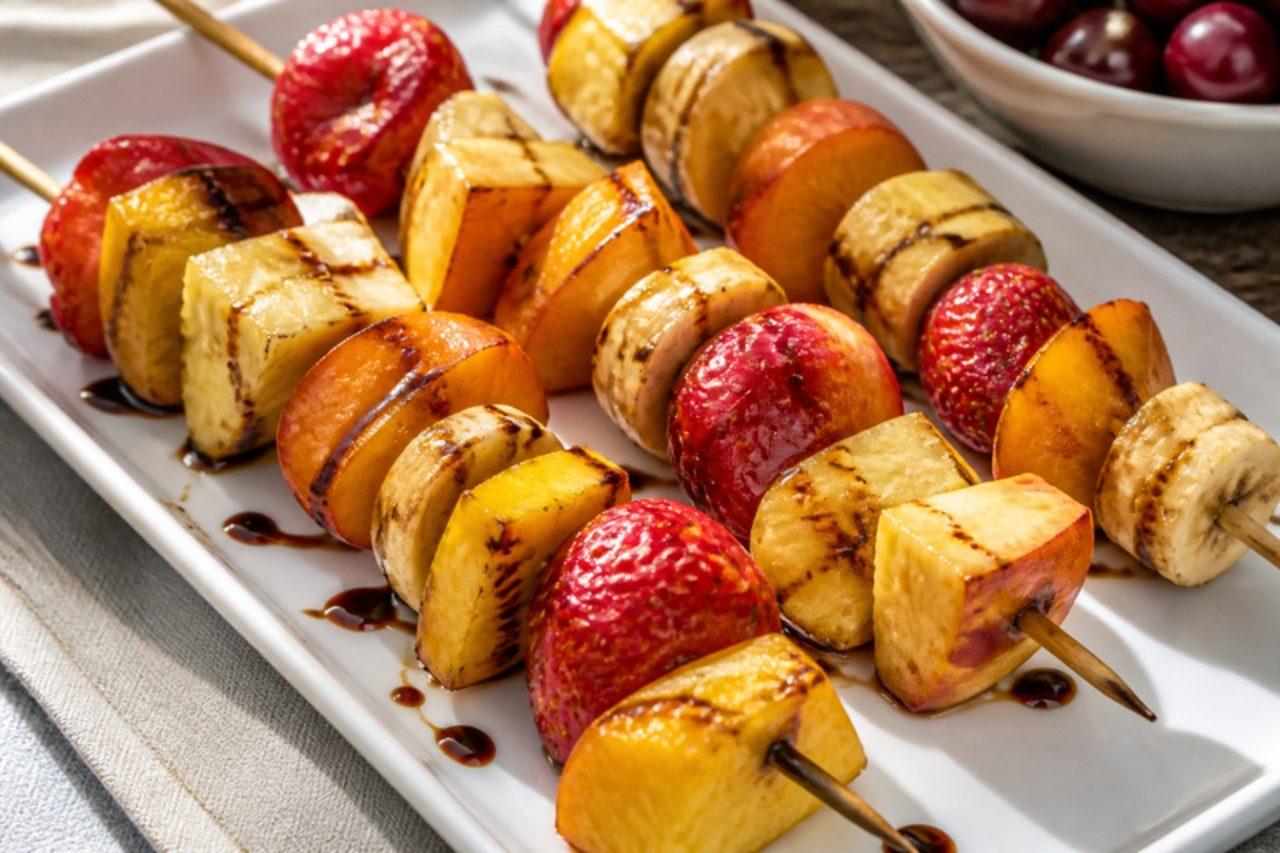
Fruity barbeque serveGrilled fruit skewers

Chunky skewers of pineapple, banana, strawberry, peach and nectarine drizzled with balsamic vinegar and dark muscovado sugar, then grilled over charcoal until the sugar caramelises. Warm, sticky and a little tangy. Serve hot as a barbecue dessert, with ice cream if you like.

23 minDessertsVeganGluten free
by KrazyBadal 0 views

Bistecca alla fiorentinaGrilled T-bone steak

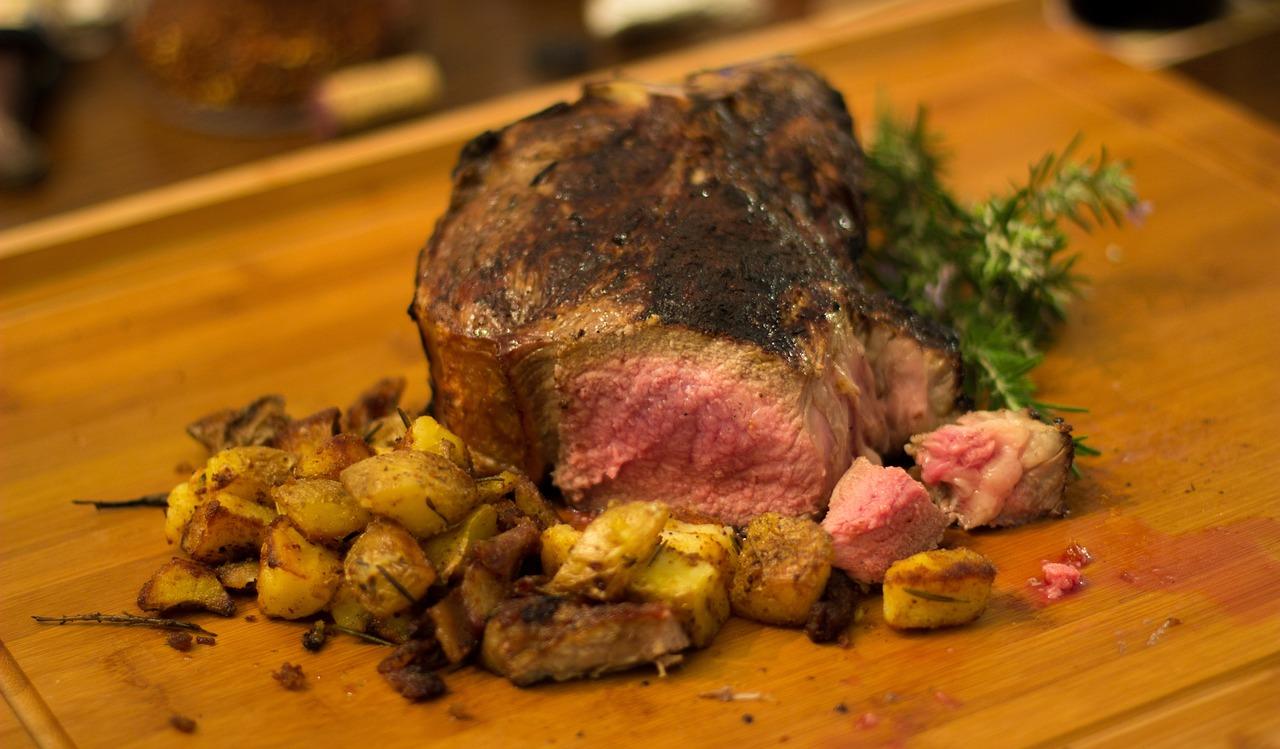
A proper fiorentina is a T-bone cut three fingers thick, traditionally from Tuscany's white Chianina cattle, and Florentine steakhouses sell it by weight and serve it one way only: charred outside, deep red within. It is a sharing steak for three or four, sliced off the bone at the table and finished with nothing more than good olive oil and coarse salt. On one side of the bone sits the tender fillet, on the other the beefier sirloin, and the bone itself gives the meat flavour as it cooks. Cannellini beans with olive oil and sage and a simple green salad are the usual companions. Chef's tip: after searing both flat sides, stand the steak upright on its bone for several minutes; the heat travels up through the bone and cooks the middle evenly without overdoing the outside.

by KrazyBadal 0 views

Lentil and apricot soup

Red lentil soup with dried apricots is a Lenten favourite of Armenian kitchens, from Yerevan flats to diaspora homes in Beirut and Los Angeles, made in the weeks before Easter when meat and dairy are set aside. The apricots, Armenia's national fruit, melt into the lentils and give a soft sweet-sour note that sits behind cumin, thyme and a squeeze of lemon. It is thick but not stodgy, a bright orange bowl that is filling enough for supper with lavash and a plate of fresh herbs. Chef's tip: chop half the apricots fine and let them dissolve, and add the rest in strips near the end, so you get both background sweetness and juicy bites.

by KrazyBadal 0 views

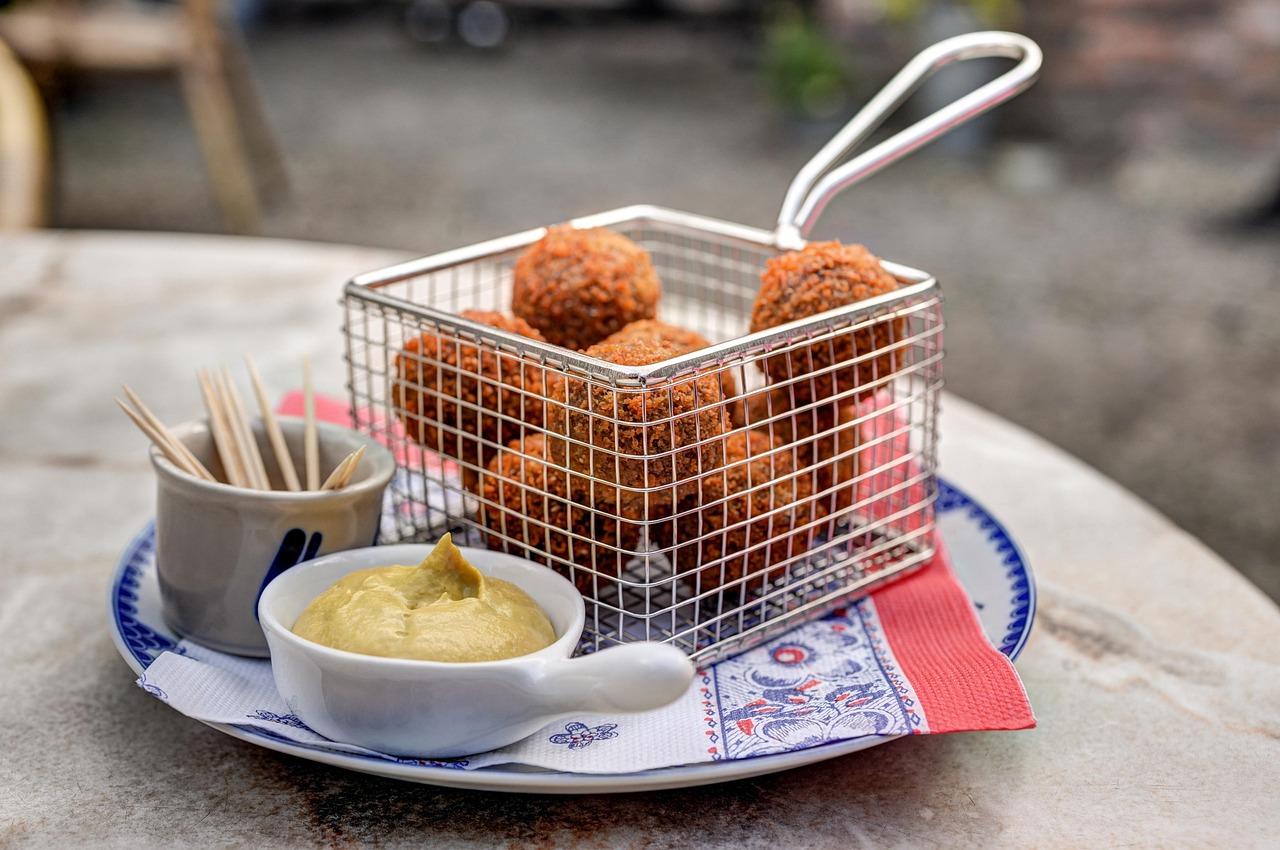
BitterballenCrisp beef ragout balls

Order a round of drinks in an Amsterdam brown café and a plate of bitterballen will follow: small crumbed balls with a crackling shell and a molten centre of beef ragout, eaten with a dab of sharp mustard. They are the classic borrel snack across the Netherlands, served at parties and receptions as well as in bars. The filling is a thick roux sauce with slow-cooked shredded beef that has to set firm in the fridge before it can be rolled. The usual failure is a filling that is too soft, so the balls split open in the oil; cook the ragout until it is very thick and chill it for at least four hours. Chef's tip: crumb them twice (egg, crumbs, egg, crumbs) and freeze them for 20 minutes before frying for a shell that never bursts.

by KrazyBadal 0 views

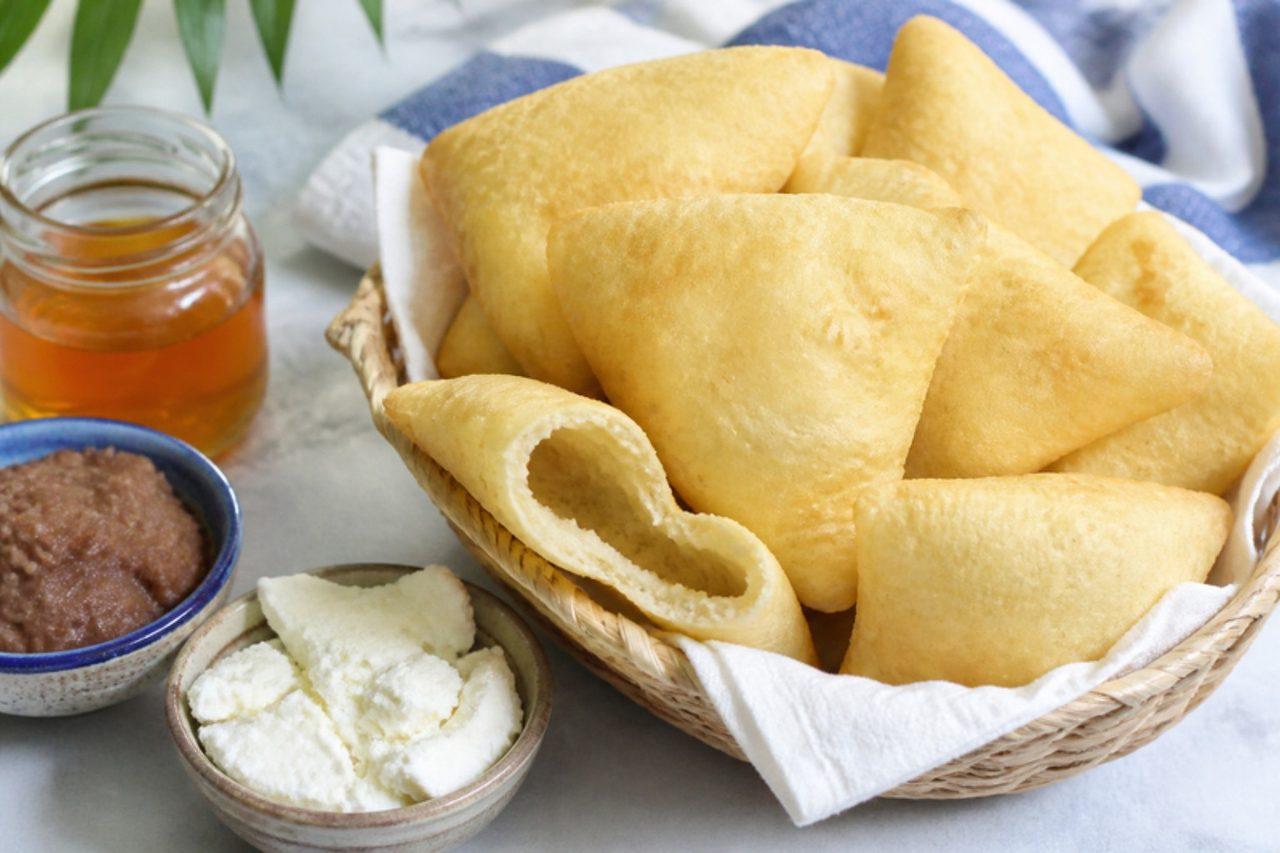
Fry jacksPuffed fried dough triangles

Fry jacks are the smell of a Belizean morning: in Belize City and the Cayes, breakfast spots fry these squares and triangles of dough until they balloon up hollow and golden. They come beside refried beans, scrambled eggs and cheese, or torn open and drizzled with honey or jam. They're lighter and puffier than a doughnut, crisp outside and chewy within. Chef's tip: roll the dough thin, about 3 mm, and slit each piece once in the middle; that's what makes them puff like a pillow.

by KrazyBadal 0 views

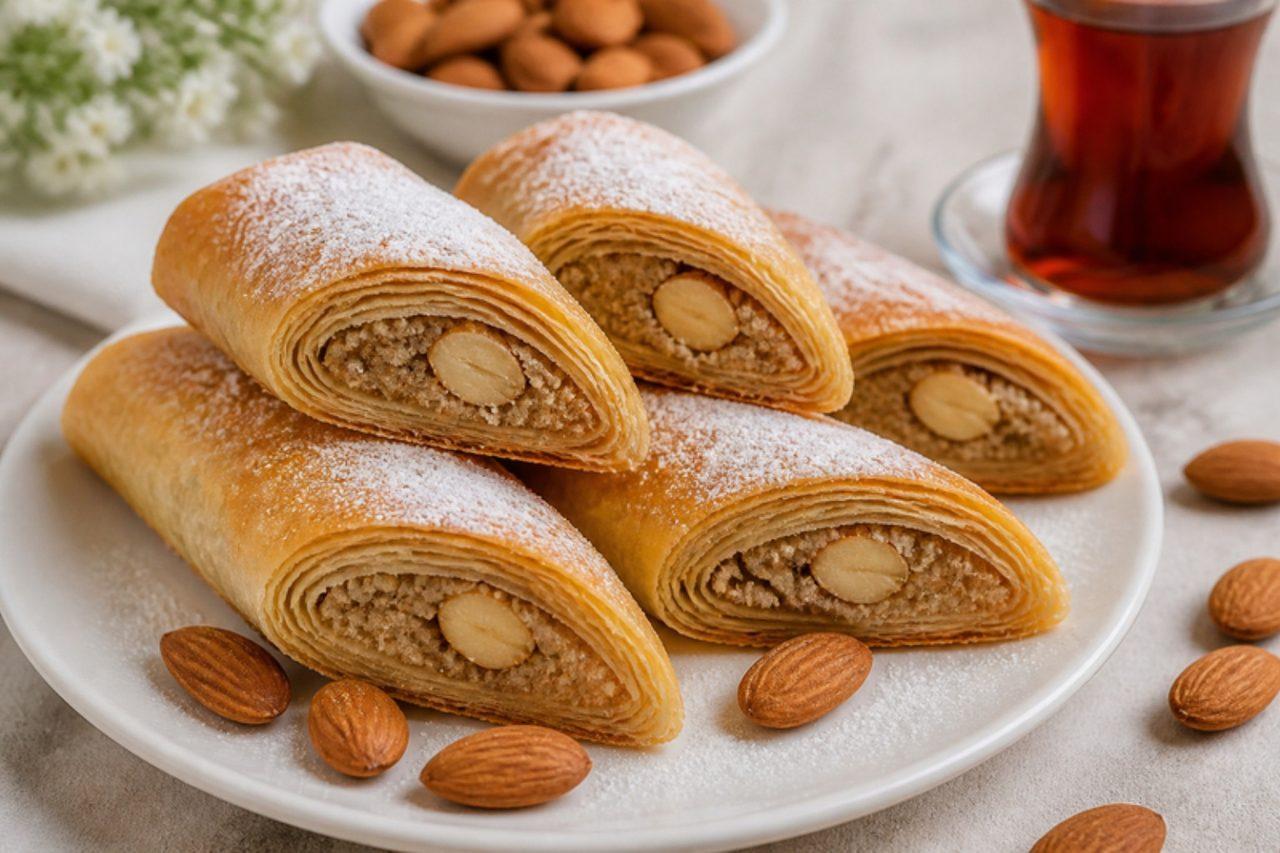
BadamburaLayered almond rolls

Badambura means "almond twist", and in Baku it is the cousin of shekerbura that takes more patience: the dough is rolled thin, brushed with butter and rolled up in a long spiral, so it bakes into crisp, flaky layers around a moist almond filling. It is made for Novruz and weddings and sold year-round in the old-city bakeries of Icherisheher, wrapped in paper with a dusting of icing sugar. The flavour is pure almond and cardamom with a hint of vanilla. Serve with black tea in pear-shaped glasses. Chef's tip: keep the rolled spiral cold in the fridge for 20 minutes before cutting; firm dough keeps its layers.

by KrazyBadal 0 views

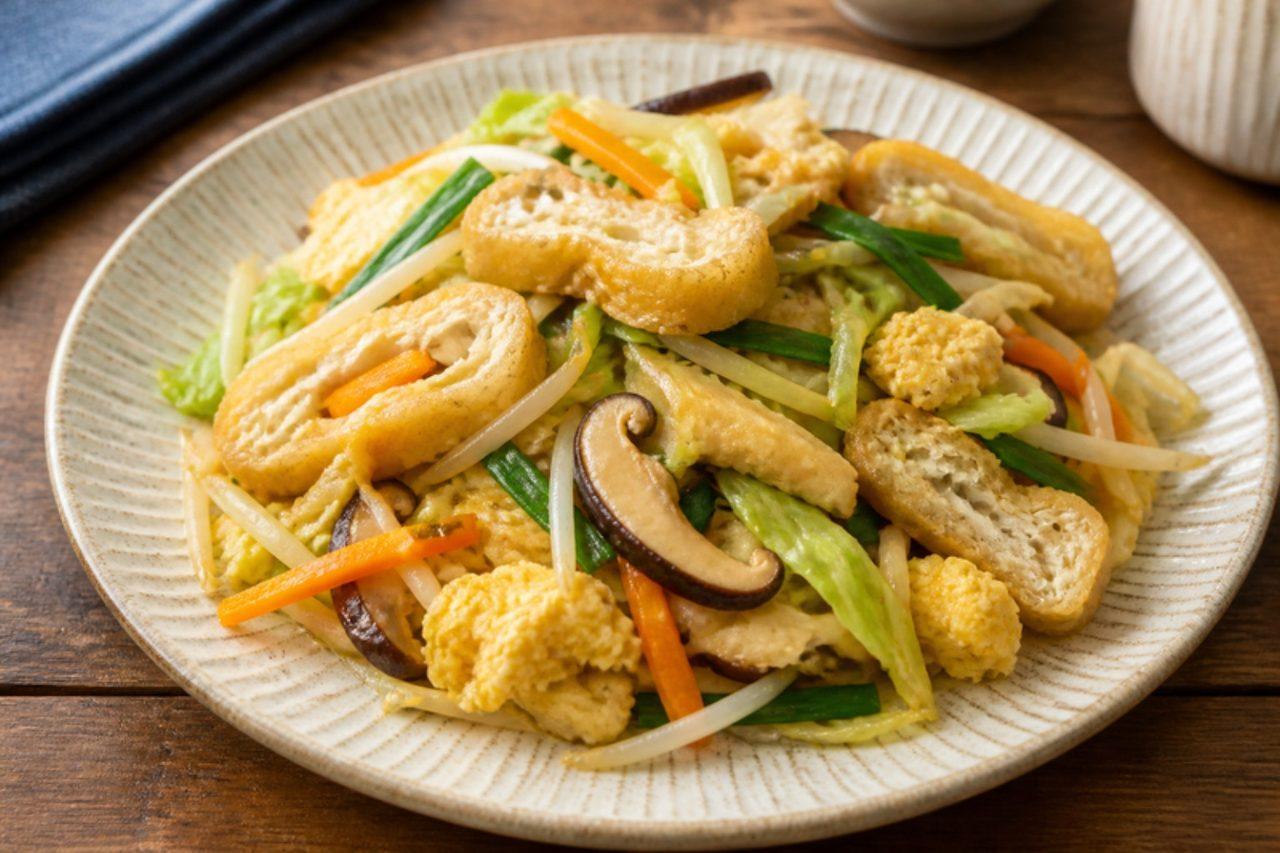
Fu champuruWheat gluten and cabbage stir-fry

Champuru means 'mixed up' in Okinawan and is the islands' everyday stir-fry. Goya champuru with bitter melon is the famous one; fu champuru, made with chewy wheat gluten, is the gentle, child-friendly version many Okinawan families cook several times a week. The fu, large dried rings called kurumabu, is soaked, squeezed and dipped in beaten egg, so as it fries it turns soft, fluffy and golden, a little like French toast. Home cooks often add luncheon meat; ours is vegetarian, with shiitake for savouriness. Serve with rice and miso soup. Chef's tip: squeeze the soaked fu hard before adding the egg. Dry fu drinks up all the egg; wet fu turns soggy.

by KrazyBadal 0 views

Azerbaijani black tea

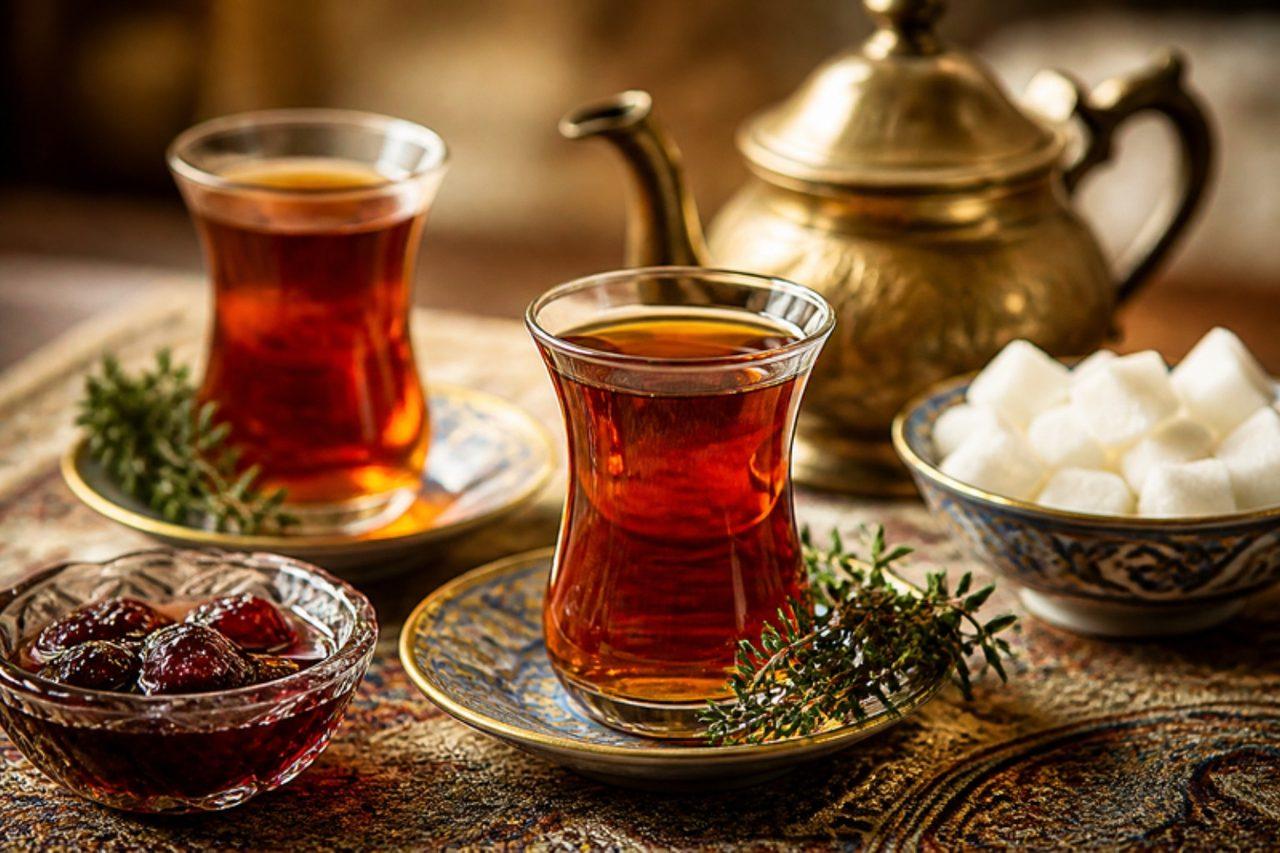
In Azerbaijan tea comes before, during and after everything, served in small pear-shaped armudu glasses in teahouses (çayxana) from Baku's boulevard to the hill towns of Lankaran, where most of the country's tea is grown. It is strong, clear and red-brown, often brewed with a sprig of mountain thyme (kəklikotu) or a crushed cardamom pod, and served with lemon, sugar cubes and little dishes of jam: cherry, quince, white cherry or even walnut. People sip the tea through a sugar cube held in the mouth or with a spoonful of jam, never stirring jam into the glass. It is also the drink that settles a match: tea served sweet at a matchmaking visit means yes. Chef's tip: warm the pot and glasses with boiling water first; tea brewed in a cold pot never reaches full colour.

by KrazyBadal 0 views

Rose and basil sherbet

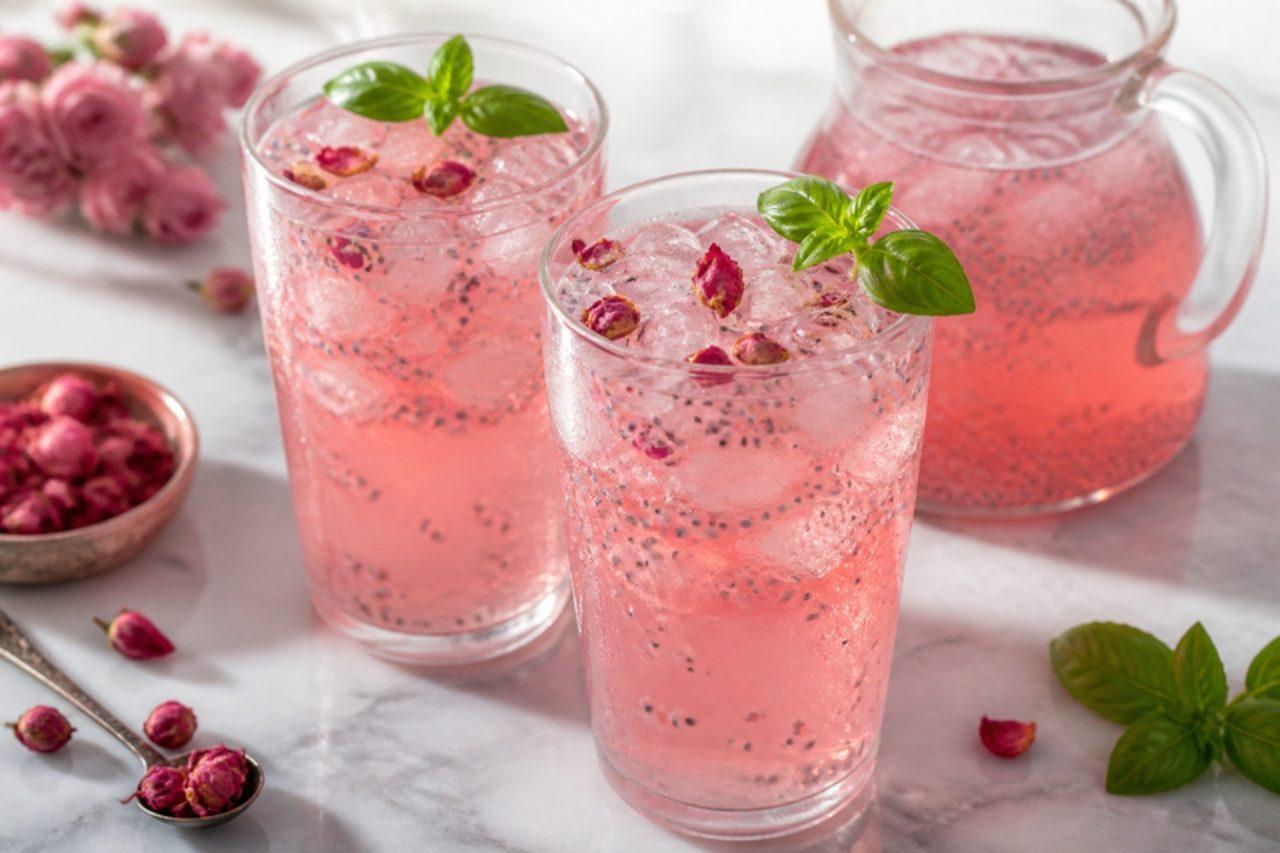
Şərbət is poured at the start of every Azerbaijani wedding, and the rose kind, scented with rosewater from the Absheron rose gardens, is the most loved; in Baku it is set out in crystal jugs for Novruz guests and at Ramadan iftar. This version adds two kinds of basil (reyhan): purple basil leaves steeped in the syrup for a clove-like scent, and soaked basil seeds that swell into soft, jelly-coated pearls. Lemon keeps it from tasting like perfume. Serve very cold, with ice, alongside sweets or a rich plov. Chef's tip: soak the basil seeds in plenty of water, at least 20 times their volume; crowded seeds clump into a single lump.

by KrazyBadal 0 views

Stoemp with leeks and spinach

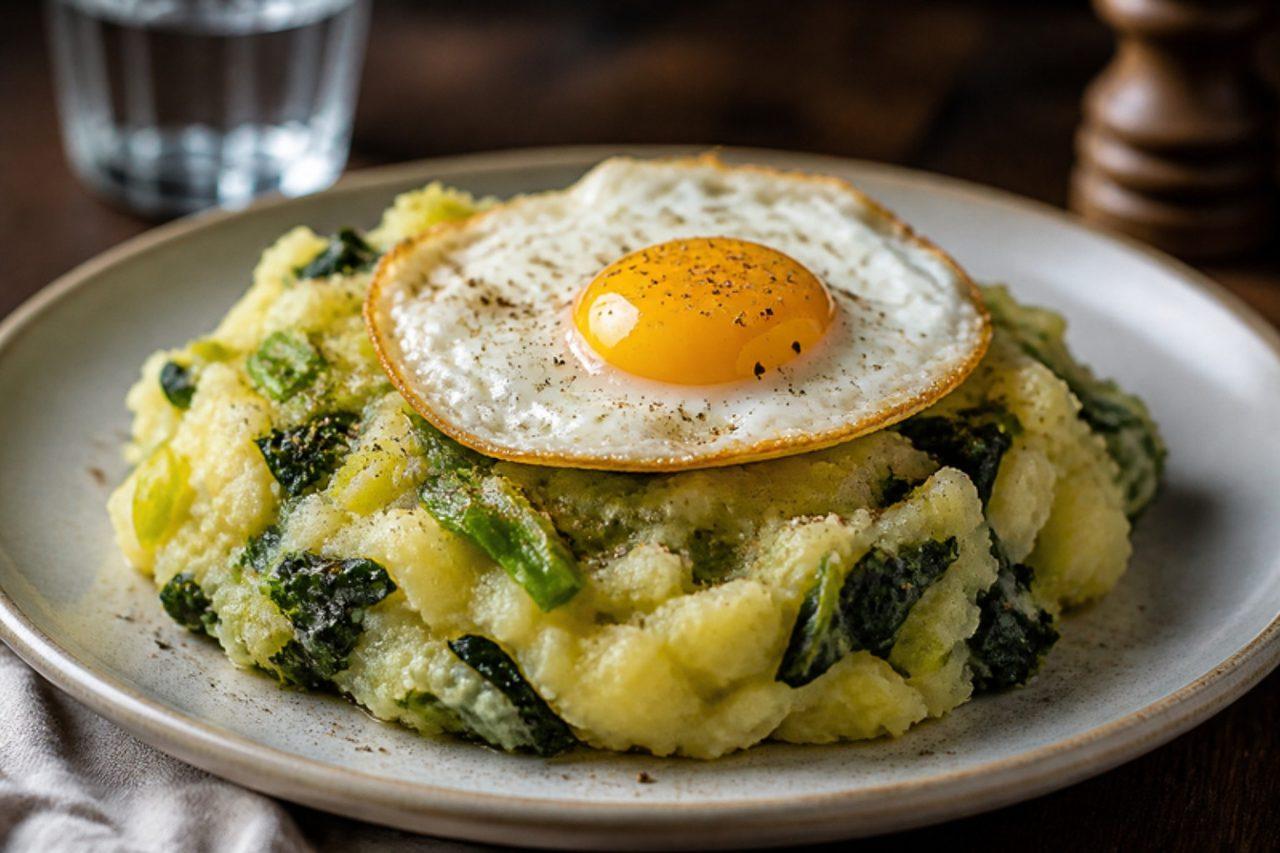
Stoemp (from the Brussels dialect word for 'to mash') is what Brussels brasseries such as those around the Marolles serve on cold days: potatoes crushed together with whatever vegetable is in season, rich with butter and nutmeg. Unlike Dutch stamppot, the vegetables are usually cooked separately and softened in butter first, which gives a sweeter, silkier mash. Leek and spinach is one of the most popular versions in Brussels, and a fried egg with a runny yolk on top turns it into supper. The meat versions come with sausages; this is meat-free. Chef's tip: cook the leeks slowly in butter until they almost melt; quick-fried leeks stay stringy and squeaky in the mash.

by KrazyBadal 0 views

Bolo de arrozRice flour muffin cakes

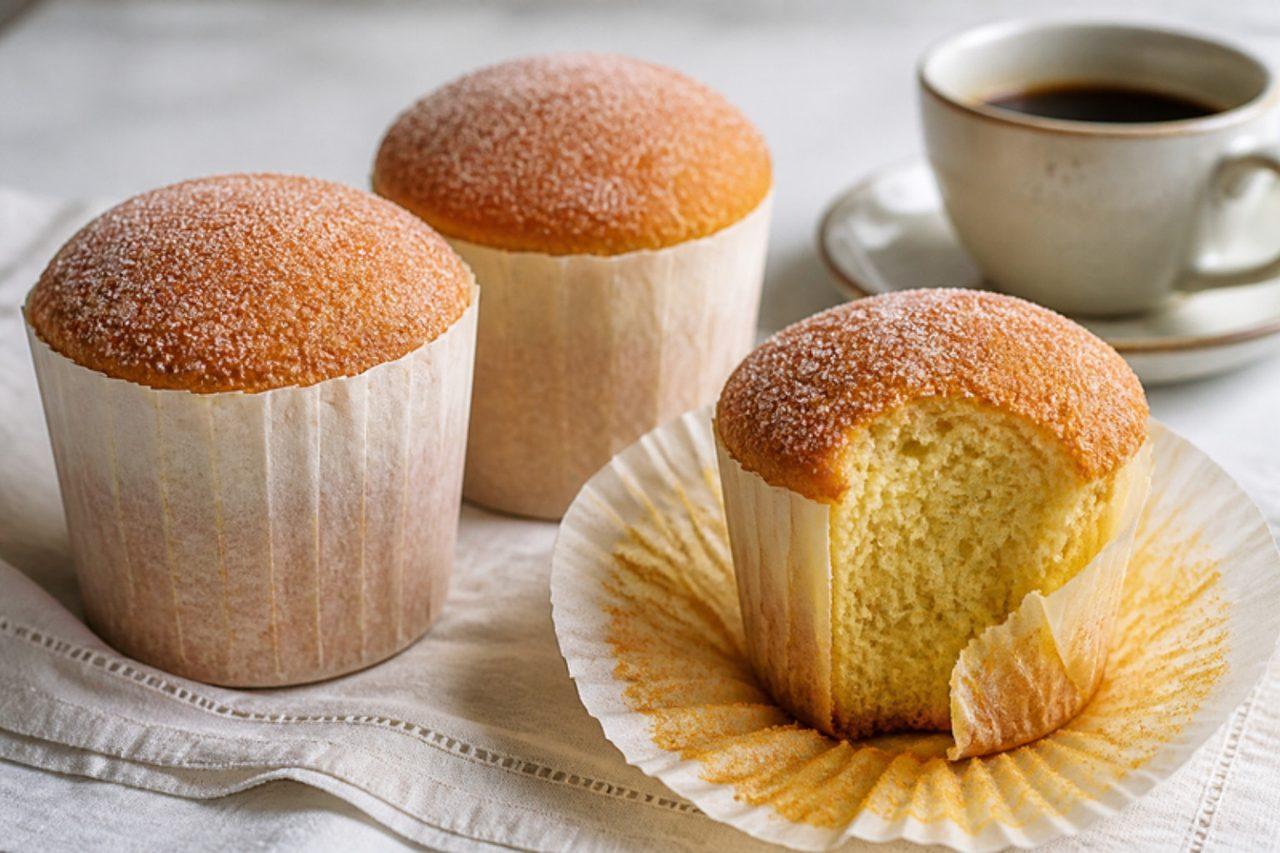
Bolos de arroz are the tall, sugar-crusted cakes standing in their paper wrappers in every Portuguese café cabinet, from Porto's breakfast counters to the pastelarias of Lisbon's neighbourhoods. Despite the name they are mostly wheat flour, with a share of rice flour that gives a fine, slightly sandy, springy crumb, perfumed with lemon zest. People have one with a galão mid-morning or for lanche, the afternoon snack, peeling the paper down as they go. Chef's tip: wrap a strip of baking paper around the inside of each muffin hole so it stands 3 cm above the rim; the batter climbs up it and you get the tall, straight-sided shape.

by KrazyBadal 0 views

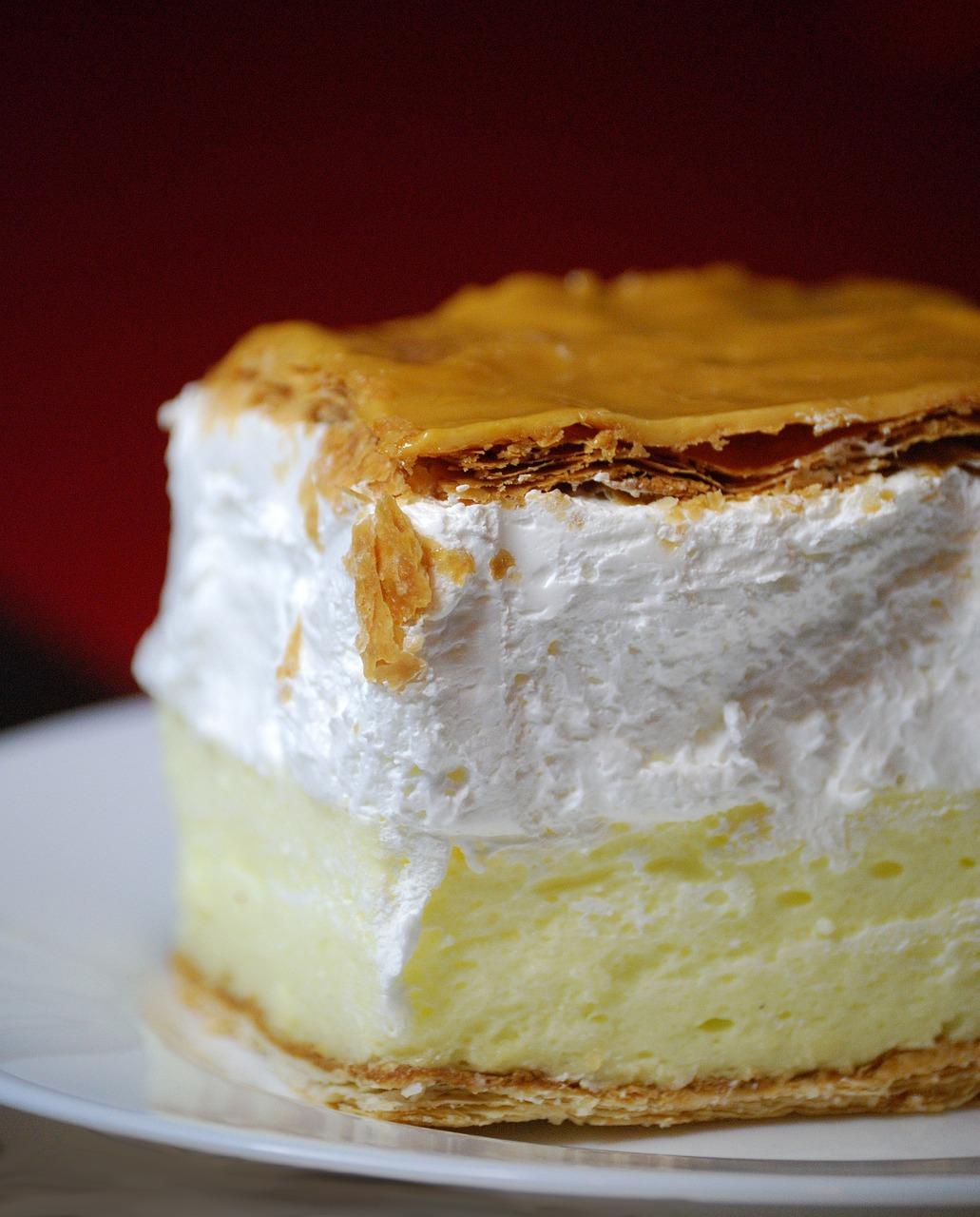
Bled kremšnitaVanilla custard and cream slice

Kremšnita has been served in the cafés on the shore of Lake Bled since the 1950s, and a tall, wobbling square of it with a coffee and a view of the island church is still the reason many people stop in the town. It is a thick layer of vanilla custard, lightened with whipped egg whites, topped with whipped cream and sandwiched between thin sheets of crisp puff pastry. The custard holds its shape with egg yolks, cornflour and meringue alone; there is no gelatine. Chef's tip: fold the meringue into the custard while it is still boiling hot and keep stirring on a low heat for a minute, so the whites cook and set the cream.

by KrazyBadal 0 views

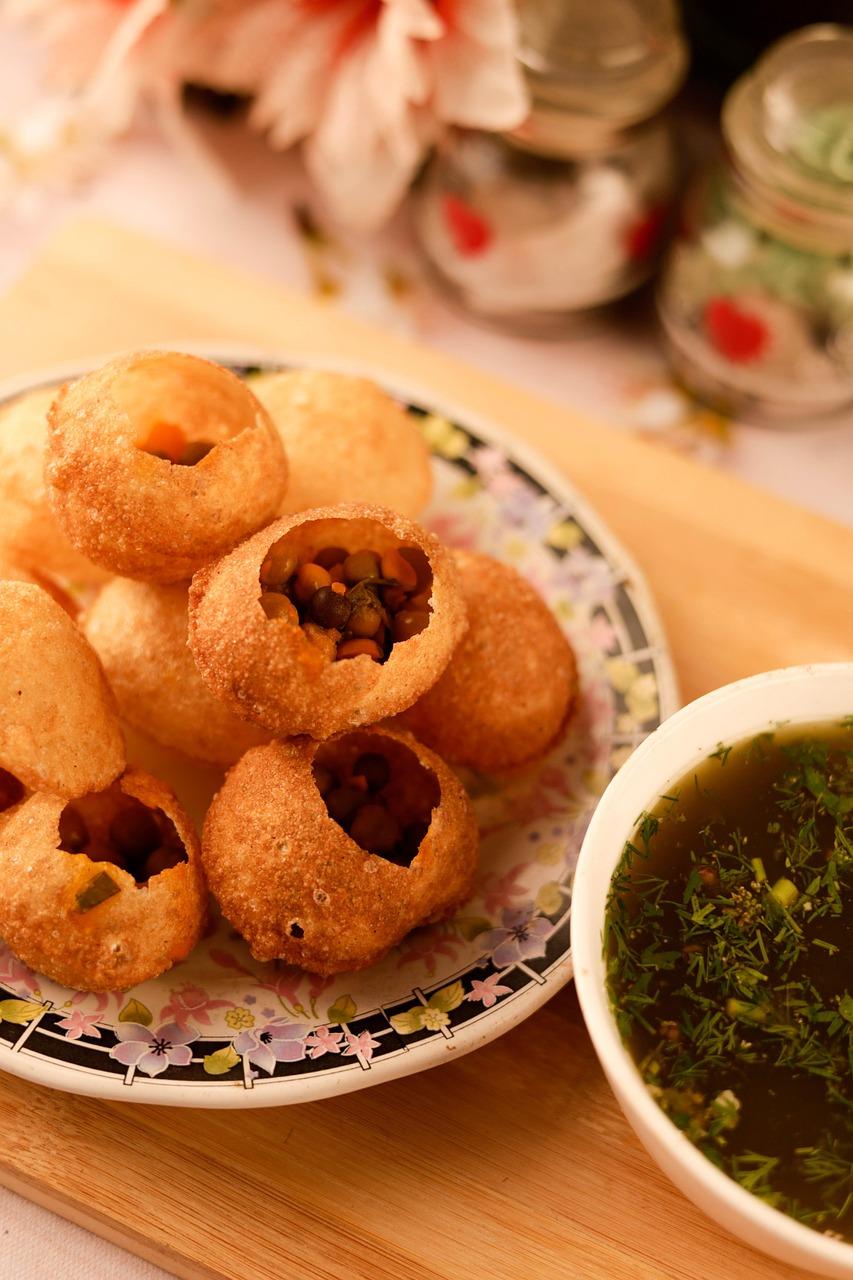
FuchkaFilled crisp shells

Fuchka is Bangladesh's answer to pani puri, but with its own character: in Dhaka the crisp shells are filled with a coarse mash of potato and yellow peas sharpened with raw onion, chilli and coriander, then dipped in or splashed with a sour tamarind water rather than a mint-heavy one. Stalls along Bailey Road and at every fair sell them by the plate of eight, often with a little extra chopped chilli for those who dare. Chef's tip: make the tamarind water ahead and chill it hard; ice-cold sour water against a crisp shell is what you're after.

by KrazyBadal 0 views

Liège waffles

In Liège, in French-speaking Wallonia, the waffle is not a light batter but a rich yeasted dough studded with pearl sugar, eaten warm from a paper sleeve as you walk down the street. As it cooks in a deep-grid iron, the sugar nuggets melt and caramelise into a crackling, toffee-like crust, while the inside stays soft and chewy like brioche. Belgians eat them plain, any time of day, not loaded with cream (that is the lighter Brussels waffle). Chef's tip: knead the pearl sugar in only at the very end, after the dough has risen; if it goes in earlier, it dissolves and the waffles lose their crunch.

by KrazyBadal 0 views

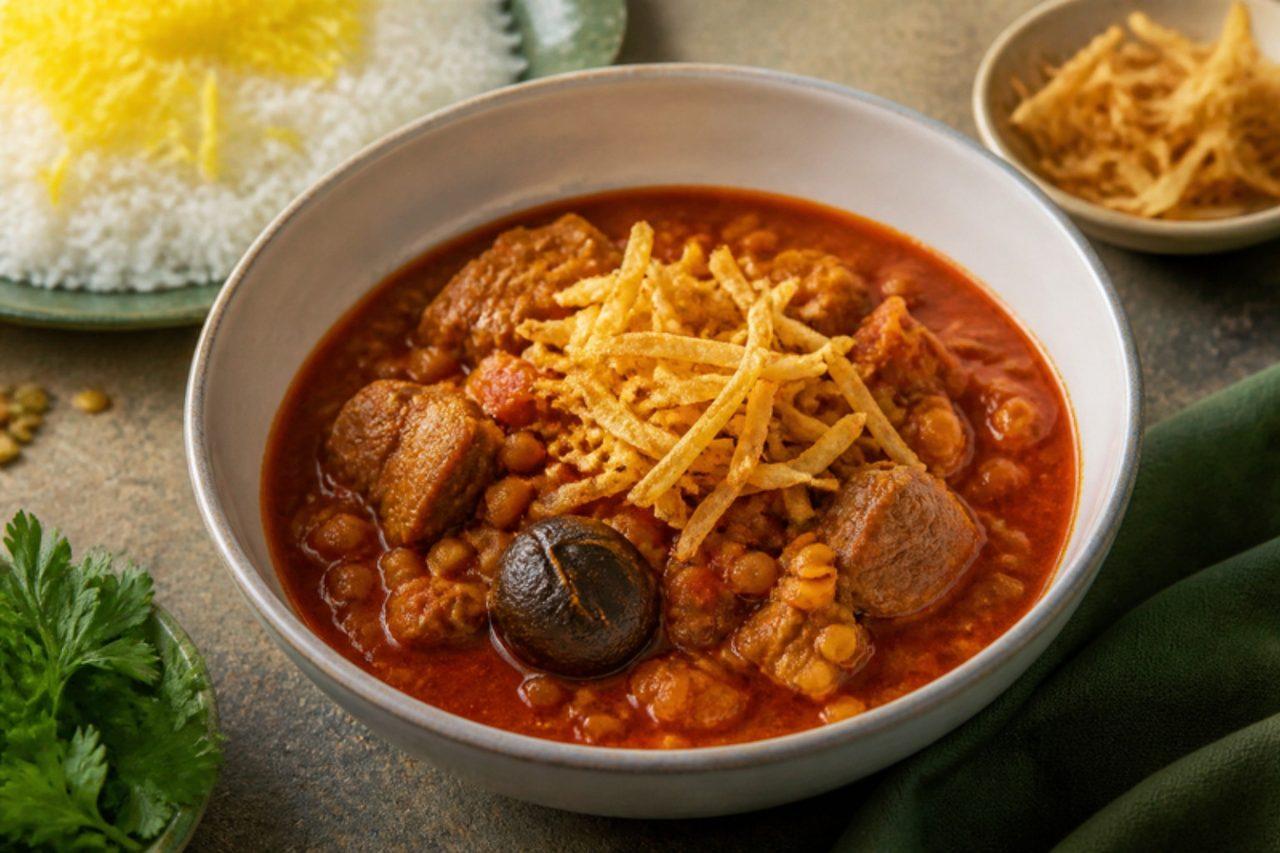
GheymehLamb and split pea stew

Gheymeh is the stew that big pots are made for: in Iran it is cooked by the cauldron and handed out to neighbours during Muharram, especially on Tasua and Ashura, and it is a fixture of weddings and Friday lunches. Small cubes of lamb simmer with yellow split peas, tomato and dried Persian limes until the sauce is tangy, savoury and a little fragrant with cinnamon. A tangle of crisp, salty potato straws goes on top just before serving. Eat it with chelow rice. Chef's tip: pierce the dried limes and soak them for 10 minutes before adding; they release their sourness faster and don't float.

140 minPersianMeatGluten free
by KrazyBadal 0 views

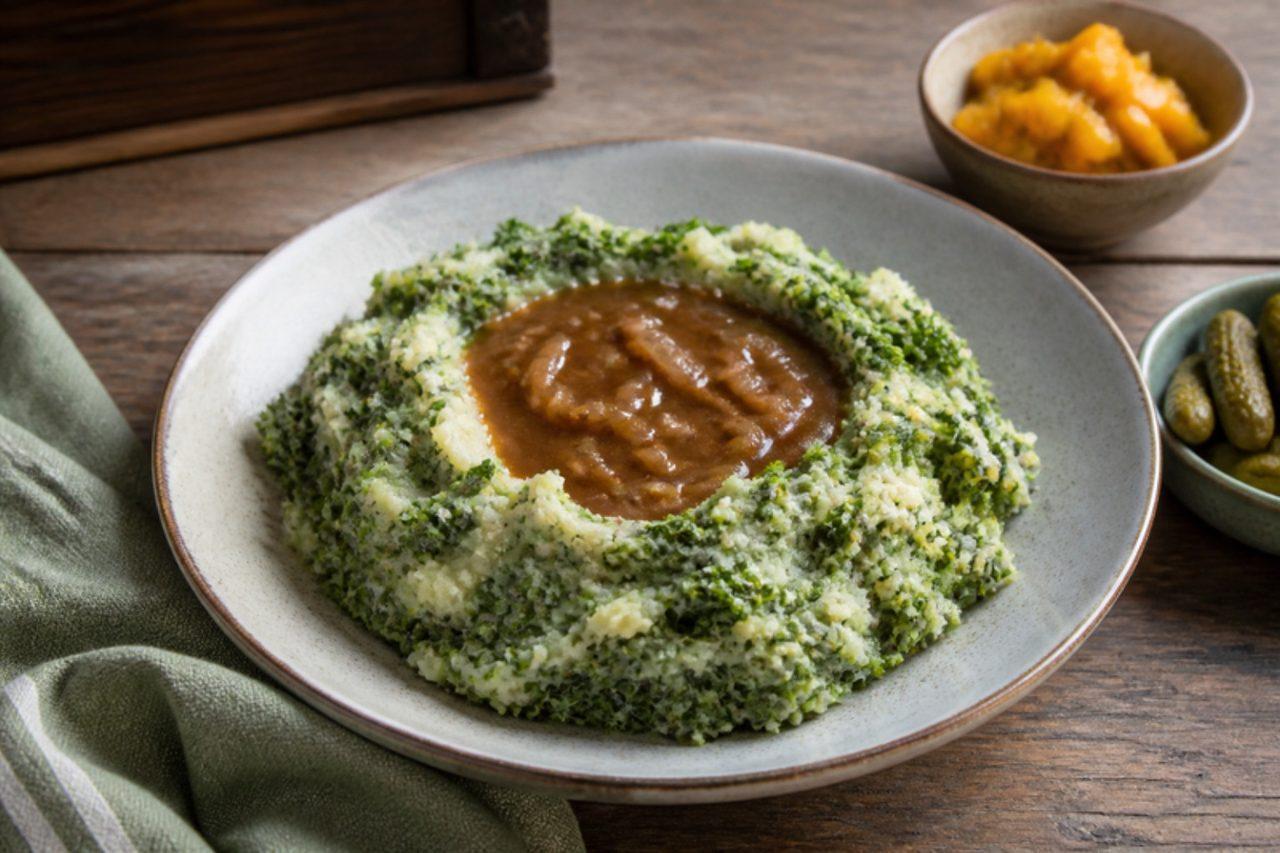
BoerenkoolstamppotKale and potato mash

When the first frost hits the Dutch polders, farmers say the kale (boerenkool) finally turns sweet, and that is the signal for boerenkoolstamppot: floury potatoes mashed with finely shredded raw kale until the green is just wilted by the heat of the mash. Across the Netherlands it is the dinner of dark December evenings and the meal people want after skating on a frozen canal. Every plate gets a kuiltje, a little well pressed into the mash and filled with gravy. The classic partner is a smoked rookworst sausage; this vegetarian version keeps the smoky note with pan-fried smoked tofu and a slow-cooked onion gravy, and a spoon of mustard on the side. Chef's tip: shred the kale as fine as you can and stir it in raw at the very end, so it stays bright green with a little bite instead of turning grey and soggy.

by KrazyBadal 0 views

Bombil fryCrisp fried Bombay duck

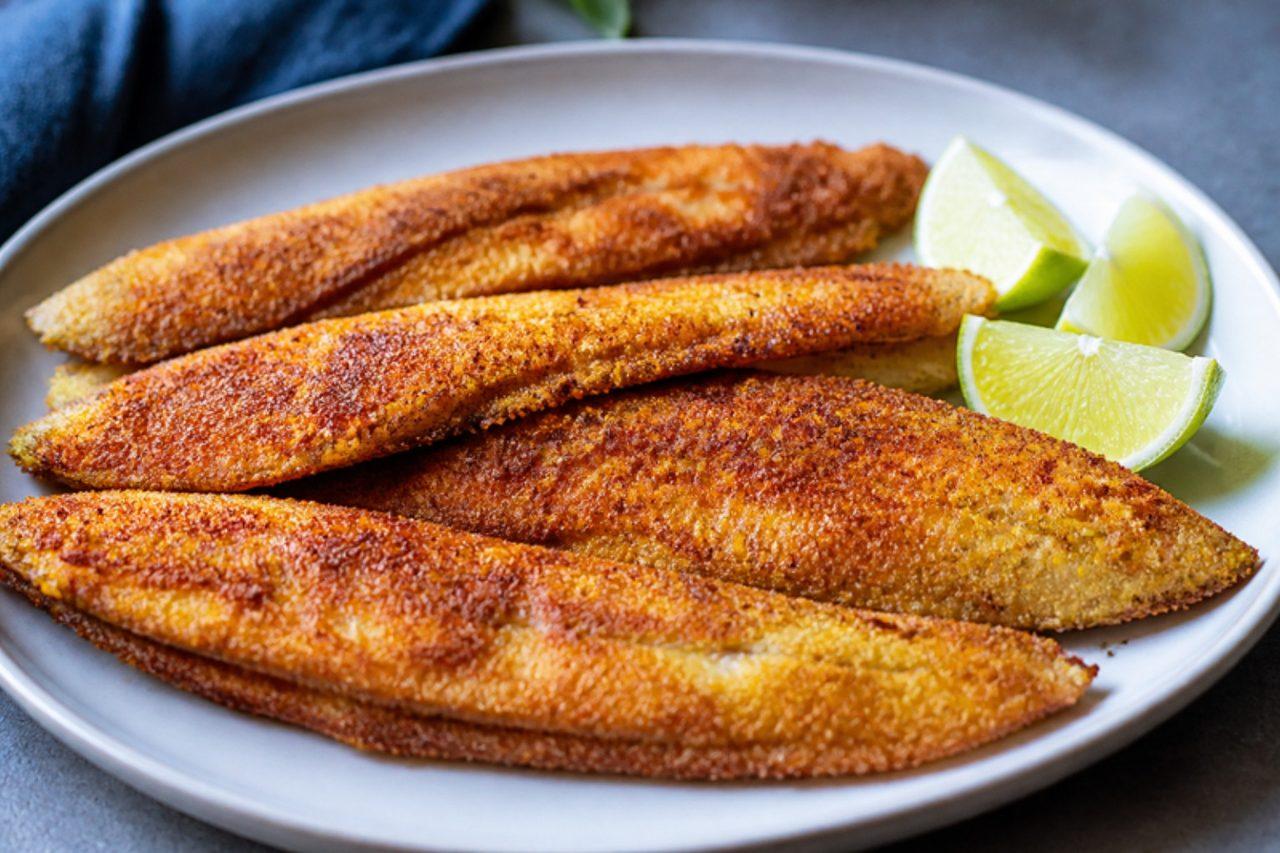
Bombay duck is not a duck at all but bombil, a soft, almost jelly-like fish landed in huge numbers at Sassoon Dock and the Koli fishing villages around Mumbai. Pressed flat, rubbed with chilli and rolled in semolina, it fries up with a shattering crust and a melting middle, and it turns up at Malvani restaurants and Koli homes as a starter or beside dal and rice. Chef's tip: press the opened fish under a weighted plate for 10 minutes before marinating; it squeezes out water so the crust stays crisp.

30 minIndianFish
by KrazyBadal 0 views

BoereworsCoriander-spiced coiled sausage

This sausage contains pork. Boerewors, 'farmer's sausage', is the centre of every South African braai, from a Pretoria back garden to a Durban beach on Heritage Day. A thick coil of coarsely minced beef and pork, perfumed with toasted coriander, nutmeg and cloves and sharpened with vinegar, is grilled over coals and eaten with pap and chakalaka or in a roll as a boerie. Making it takes a sausage stuffer and natural casings, but the spicing is what matters. The classic mistake is pricking the sausage, which lets the juices run out and dries it; never pierce boerewors. Chef's tip: toast the whole coriander seeds until they crackle and grind them coarsely; the bits of seed are the signature of good boerewors.

by KrazyBadal 0 views

Raclette

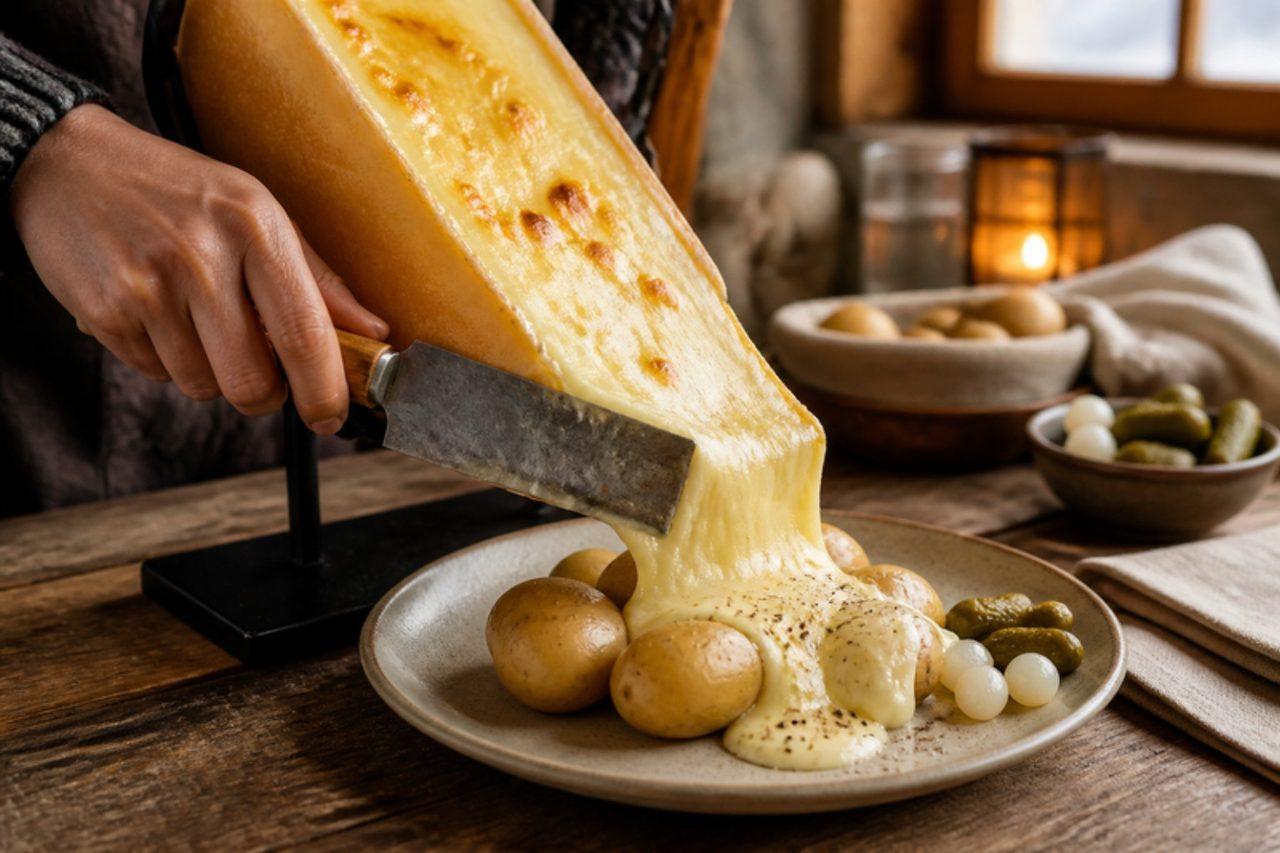
In the Valais, the vineyard-and-glacier canton along the upper Rhône, raclette began as a herders' meal: half a wheel of cheese propped beside an open fire, the melting face scraped (racler) onto a plate of potatoes. Today Valais families and village festivals still serve it the slow way, one plate at a time, while at home most people use a tabletop grill with small pans. The cheese is soft and pungent from the wheel and turns sweet and nutty as it bubbles, set off by sharp cornichons and little pickled onions. A proper Valais raclette needs nothing else: no charcuterie, just potatoes, pickles, pepper and a glass of Fendant or hot tea. Raclette cheese is usually made with animal rennet; choose a wheel or slices labelled with microbial or vegetarian rennet. Chef's tip: keep the potatoes hot in a covered basket wrapped in a cloth, so each scoop of cheese lands on a steaming potato and stays runny.

by KrazyBadal 0 views

BolaniStuffed flatbread

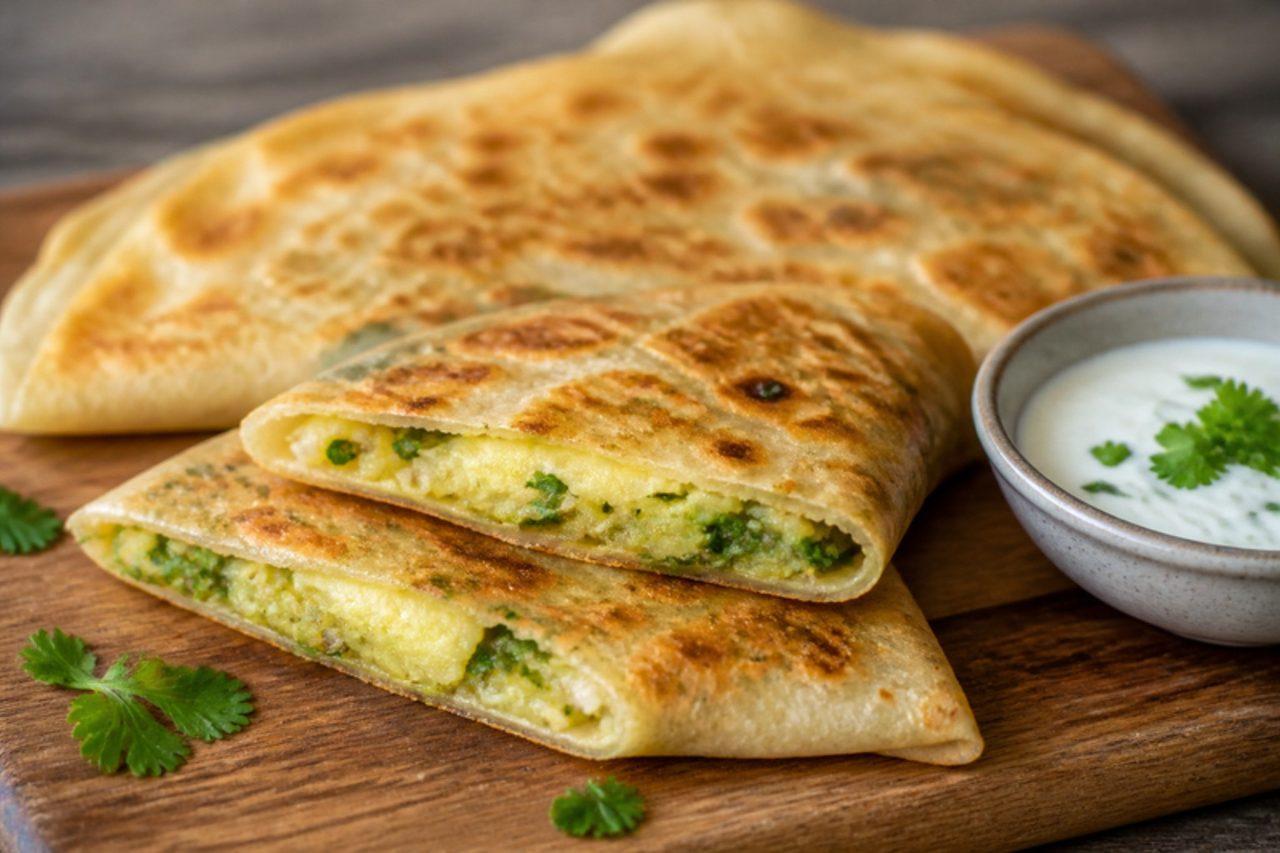
Bolani are thin, crisp half-moon flatbreads sold hot from griddles in Kabul's bazaars and made at home for Ramadan iftar, picnics and guests who drop in unannounced. The dough is rolled paper-thin, filled with mashed potato and spring onion (or with leeks or pumpkin), folded and fried in a little oil until blistered and golden. Cut them into wedges and serve with plain yoghurt or a green chutney. Chef's tip: spread the filling in a thin, even layer right to the edges; bolani should be flat and crackly, not puffy and doughy.

by KrazyBadal 0 views

Bolas de BerlimCustard-filled doughnuts

On Portuguese beaches in summer, from Praia da Rocha in the Algarve to Nazaré and Figueira da Foz, vendors walk the sand with a glass box on their shoulder calling 'Olha a bola!': soft fried doughnuts rolled in sugar, split along one side and stuffed with thick yellow creme pasteleiro. Though named after the Berliner, the Portuguese version is cut open rather than injected, so the custard shows like a smile. They are eaten in swimsuits, sticky-fingered, mid-afternoon, and in cafés the rest of the year. Chef's tip: let the shaped balls rise until they look puffy and a gentle finger press springs back slowly; under-proved dough fries dense and over-proved dough collapses and soaks up oil.

by KrazyBadal 0 views

Bircher muesli

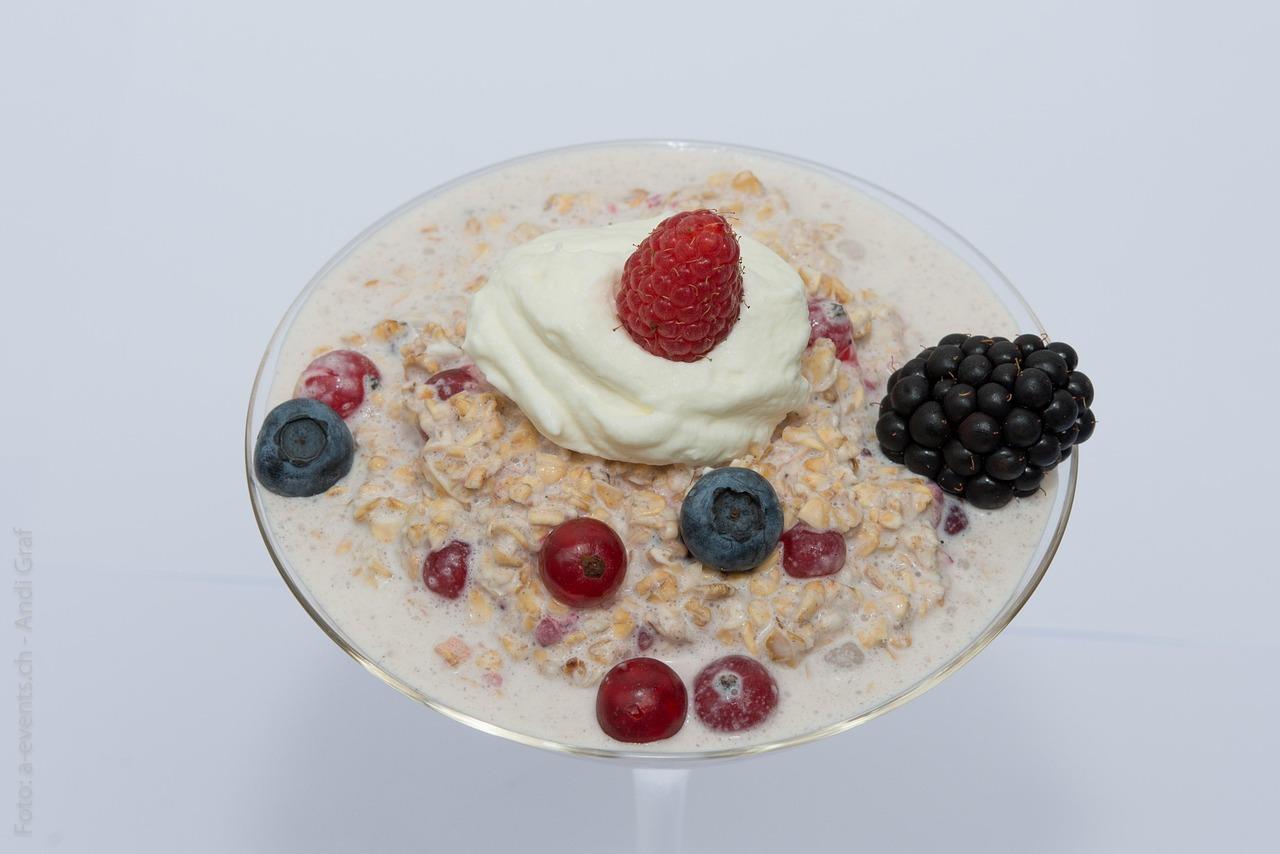
Around 1900 the Zürich doctor Maximilian Bircher-Benner served his sanatorium patients a small bowl of raw food before every meal, which he called d'Spys (the dish): a spoonful of soaked oats, plenty of grated apple, lemon juice, nuts and condensed milk. His original was mostly apple, not mostly oats, and that is what sets it apart from the dry muesli mix sold in packets. Swiss cafés and railway kiosks still serve Birchermüesli for breakfast or a light supper, creamy, sharp and fresh, now often with yogurt and berries. This version keeps his balance: oats soaked overnight, a whole apple grated in at the last moment, lemon, hazelnuts and a little honey and yogurt. Chef's tip: grate the apple straight into the lemon juice, skin and all, and stir at once; it stays pale and juicy instead of turning brown.

by KrazyBadal 0 views

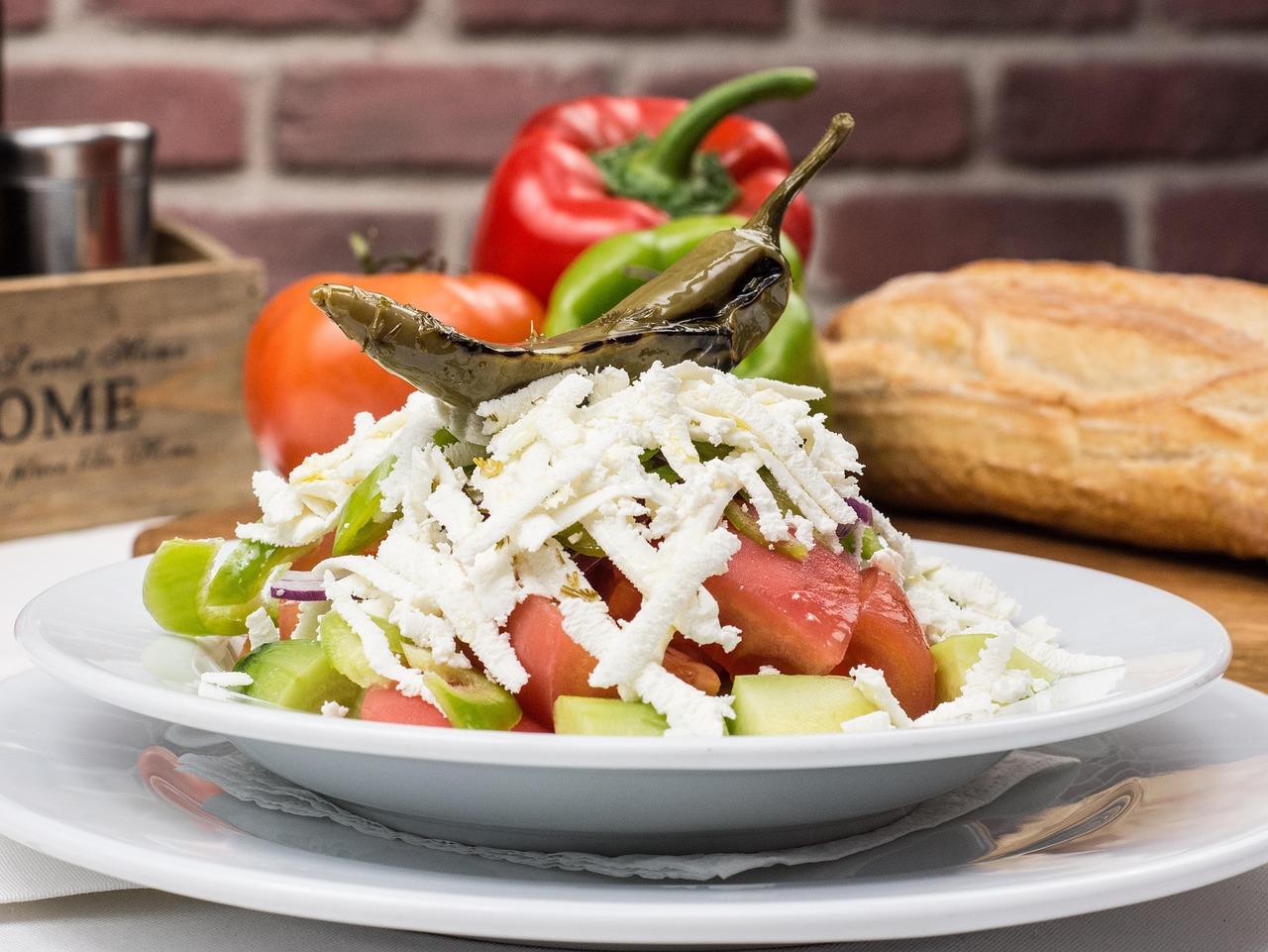
Shopska salad

Shopska salata is named after the Shopi people of the Sofia region and has become Bulgaria's national salad, the first thing ordered at any mehana (tavern) with a cold glass of rakia. Ripe tomatoes, cucumber, onion and soft roasted peppers are dressed simply with sunflower oil and vinegar, then buried under finely grated sirene, the Bulgarian white brined cheese, so the top looks like fresh snow. Unlike a Greek village salad, there are no olives and the cheese is grated, not in a slab. Chef's tip: salt and dress the vegetables before the cheese goes on; dressing over the cheese is the common mistake and turns the white snow soggy.

by KrazyBadal 0 views

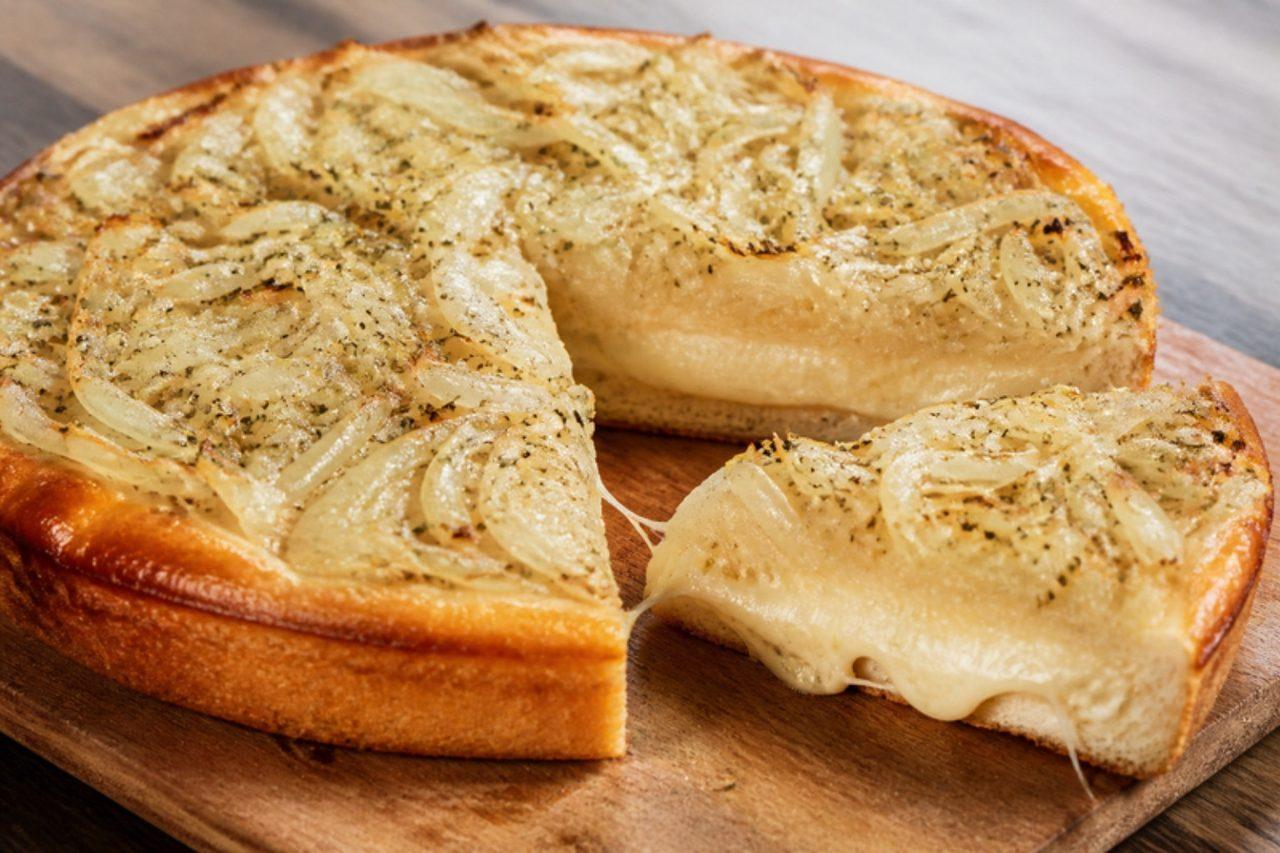
FugazzetaCheese-stuffed onion pizza

Fugazzeta is a Buenos Aires original from the pizzerias of the Corrientes and La Boca neighbourhoods, where Genoese immigrants' focaccia (fugazza) met mozzarella. A thick, soft pan dough is filled with a layer of mozzarella, sealed with a second layer of dough, then covered with a mound of thinly sliced onions and more cheese and baked until the onions are sweet and golden. It's a big, rich pizza to share. Use mozzarella made with vegetarian rennet. Chef's tip: salt the onions and squeeze them out before using; this keeps the pizza from going soggy.

by KrazyBadal 0 views

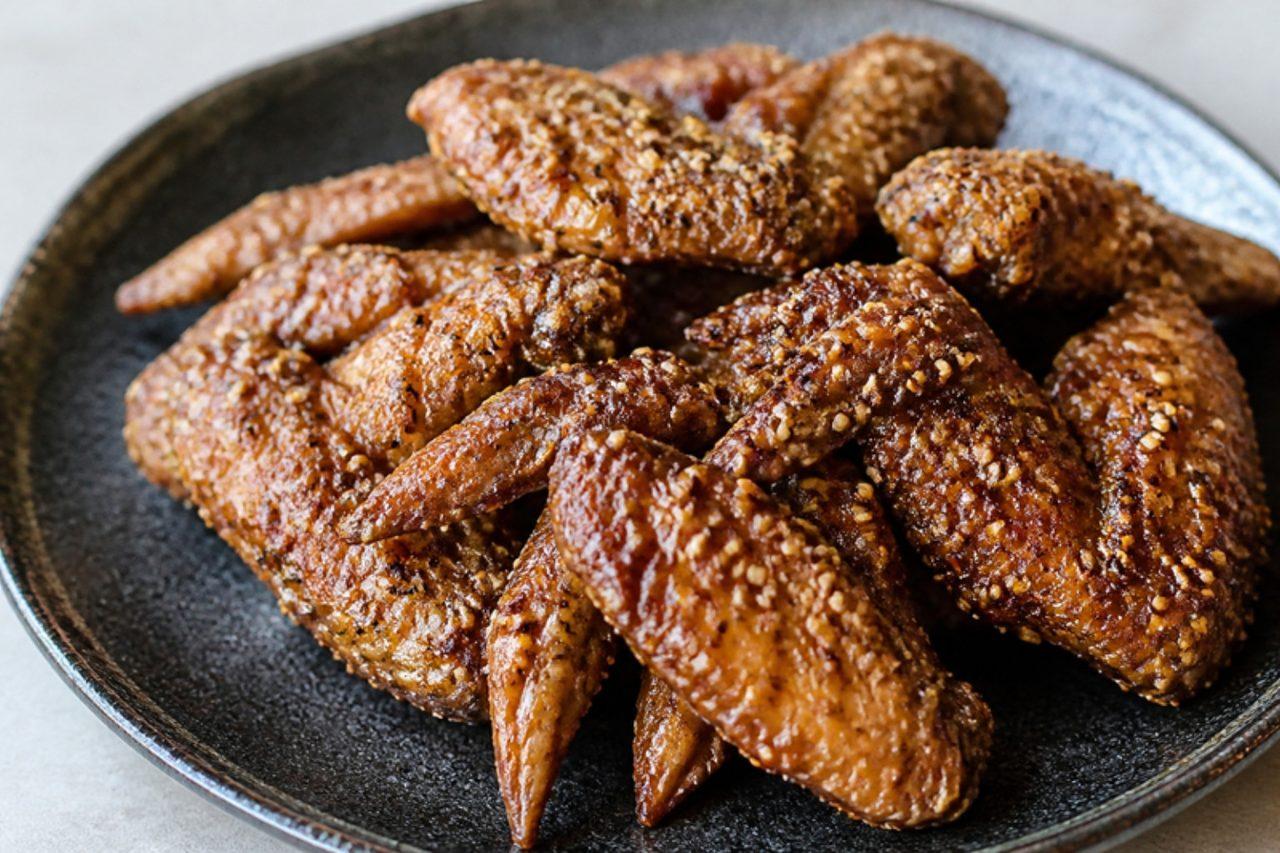
Tebasaki (Nagoya fried chicken wings)

In Nagoya's izakaya, chicken wings come whole, with the mid-joint and tip still joined in a V, and they arrive in piles beside cold drinks. Tebasaki are fried without batter until the skin turns crisp and thin, then brushed with a sweet soy glaze and dusted heavily with pepper and sesame. The spice is the point: they should taste peppery, salty and sticky at once. Eat them with your hands, twisting the two bones apart to pull the meat off. Chef's tip: brush on the glaze the moment the wings leave the oil; hot, crisp skin soaks it up and stays crunchy, while cooled wings just turn sticky.

by KrazyBadal 0 views

Showing 36 of 7,762 recipes

Show more recipes

Page 644 of 863