


Skip to content
Nyemba
Featured recipe

Nyemba

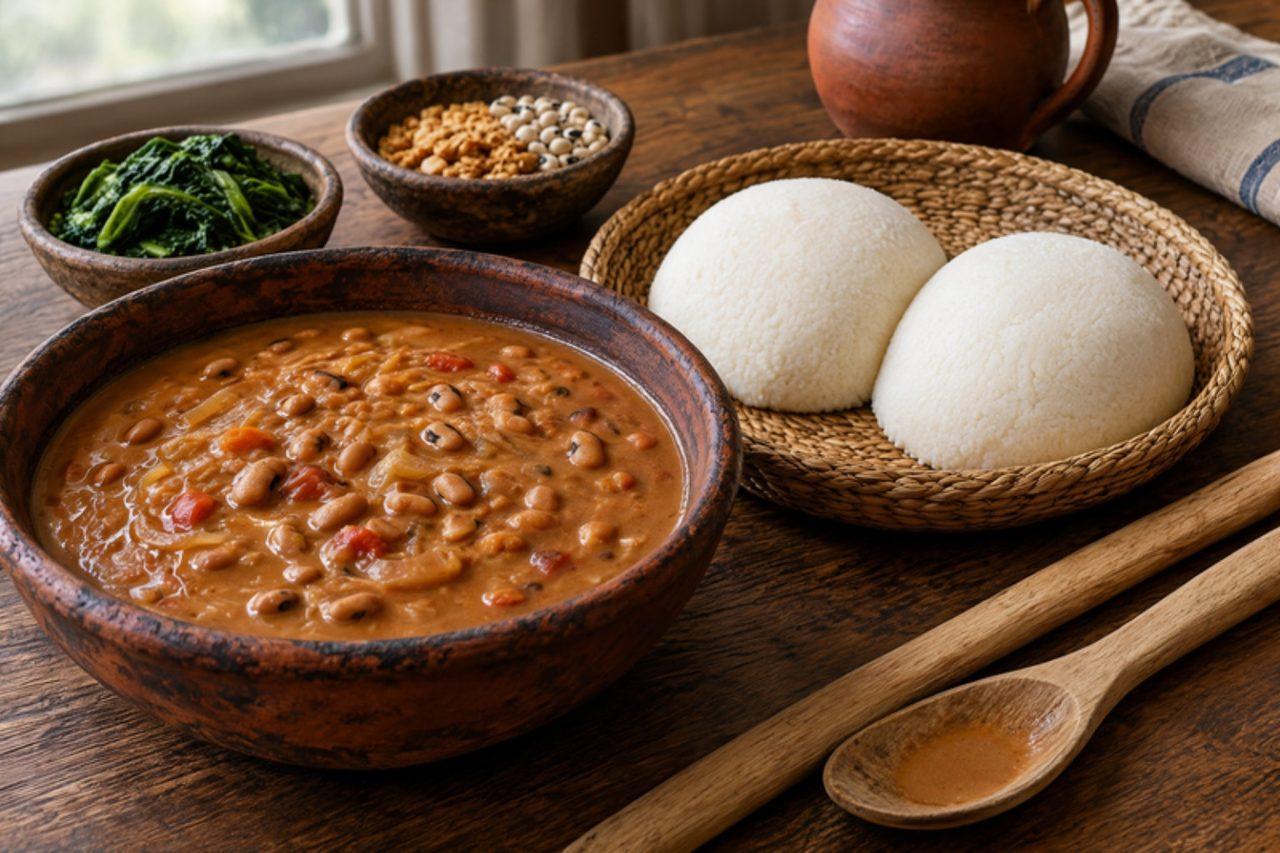
Cowpeas with peanut butter

Nyemba are cowpeas, grown on almost every rural plot in Zimbabwe, and the stewed beans are an everyday relish eaten at lunch or supper with a mound of sadza (white maize meal). Dried cowpeas are boiled until soft, then cooked down with onion, tomato and a generous spoon of peanut butter (dovi), which makes the sauce thick, nutty and rich. The usual mistake is adding salt and tomato too soon, which can keep the beans from softening; season once they are tender. Pressure cooker option: cook the soaked cowpeas for 12 minutes at pressure. Chef's tip: stir the peanut butter in off the boil and let it melt slowly; boiling it hard can make it gritty.

Read more 1 views

What to eat today?

Around the world

Today's trip: Paraguayan

A new country every day, from every cuisine on the site.

Paraguayan

Postre Massini

Custard sponge with burnt sugar top 80 minMore from Paraguayan (27) →

This week's collection

Kid-friendly dinners
537 recipes · a new collection every Monday

Latest recipes

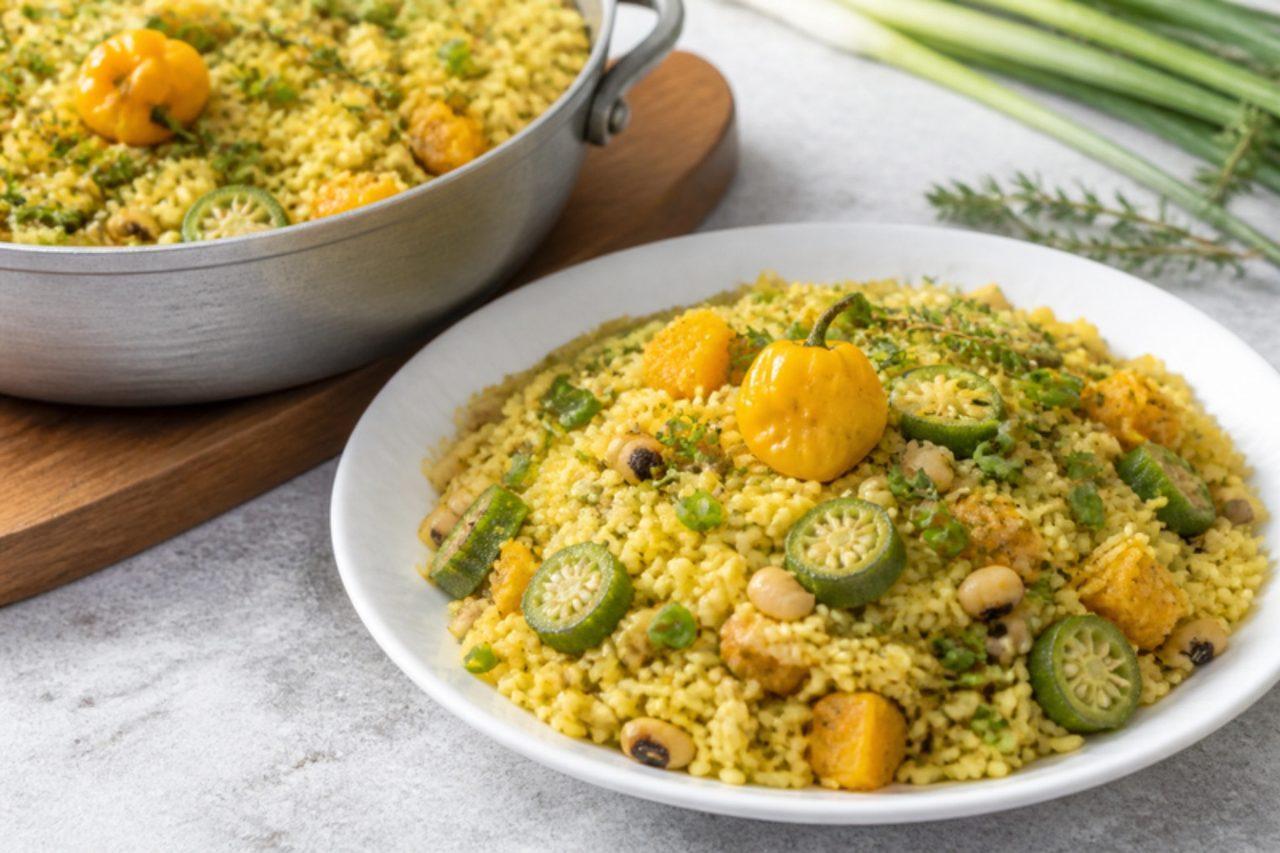
Guyanese cook-up riceCoconut rice with black-eyed peas

Cook-up rice is the dish Guyanese families make to see in the New Year, and on any Saturday when the week's odds and ends go into one pot. Rice, black-eyed peas and vegetables simmer in fresh coconut milk with fresh thyme, spring onion and a whole wiri wiri pepper (small, round and fiery) until every grain is soft and glossy. It's richer and wetter than Jamaican rice and peas, with the vegetables cooked right in. Chef's tip: let the pot sit covered off the heat for 10 minutes at the end; the rice finishes in the steam and a little crust forms on the bottom that people fight over.

by KrazyBadal 0 views

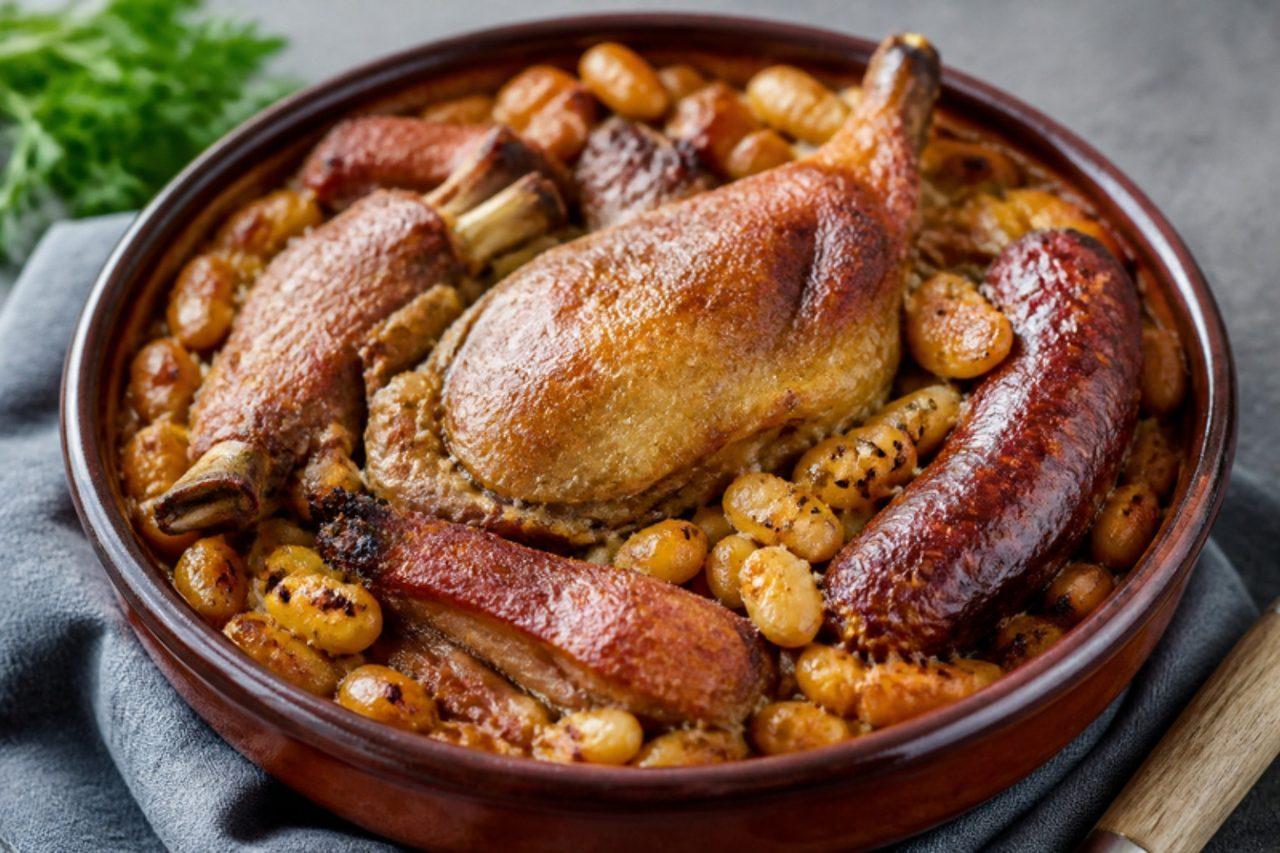
CassouletWhite bean and duck stew

Cassoulet is the great winter feast of the Languedoc, and the towns of Castelnaudary, Carcassonne and Toulouse still argue over who makes it best. Contains pork: white beans cook with pork rind and belly, then bake for hours with duck confit and garlicky Toulouse sausages in a deep earthenware dish until a dark crust forms on top. It takes two days at a relaxed pace and feeds a crowd. Serve with nothing more than a green salad. Chef's tip: break the crust and push it under several times while it bakes; each new crust adds flavour and body.

280 minFrenchMeatGluten free
by KrazyBadal 0 views

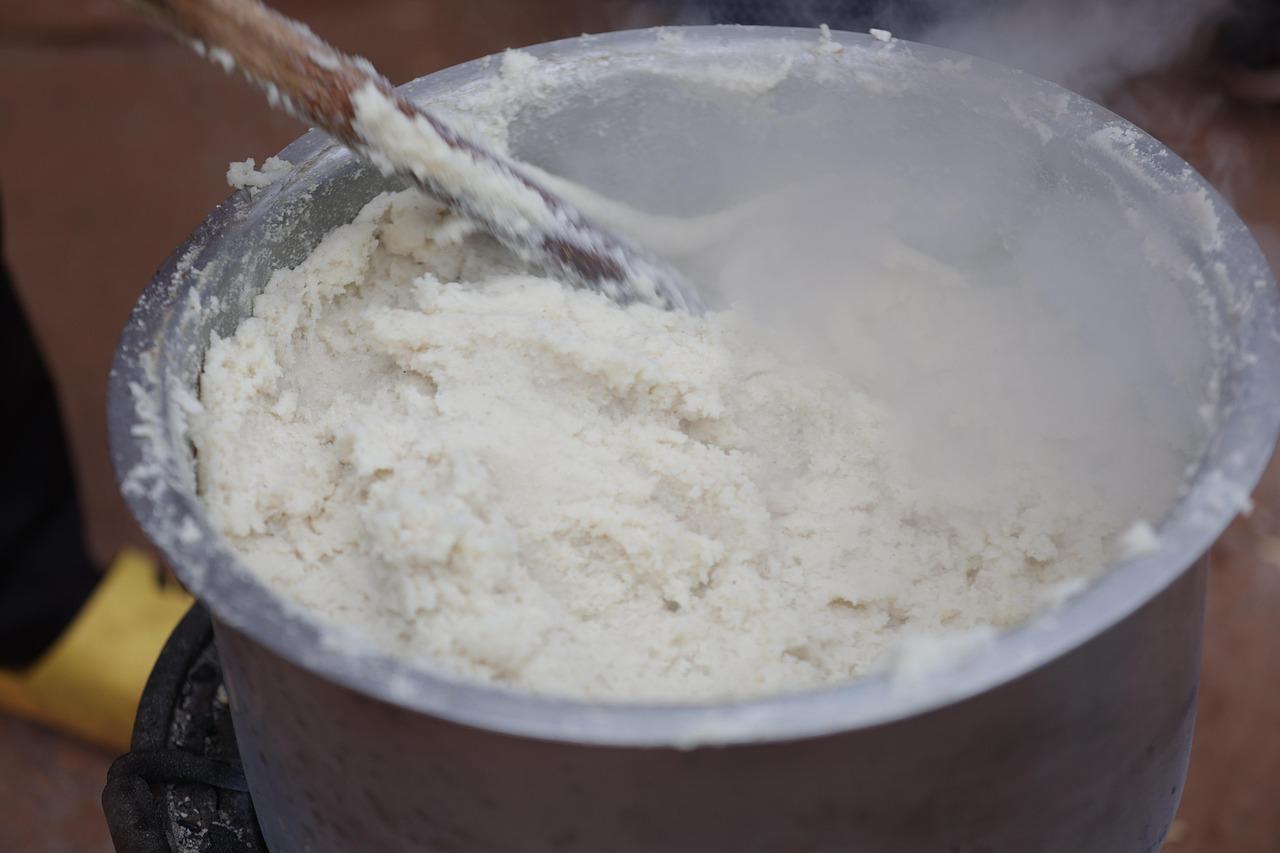
Masala ugaliSpiced maize meal porridge

Ugali, East Africa's staple of maize meal cooked into a stiff porridge, given a lift with toasted cumin, butter, fresh coriander and green chilli. Stir it hard and keep it soft. Serve hot with sukumawiki or any stew.

by KrazyBadal 1 views

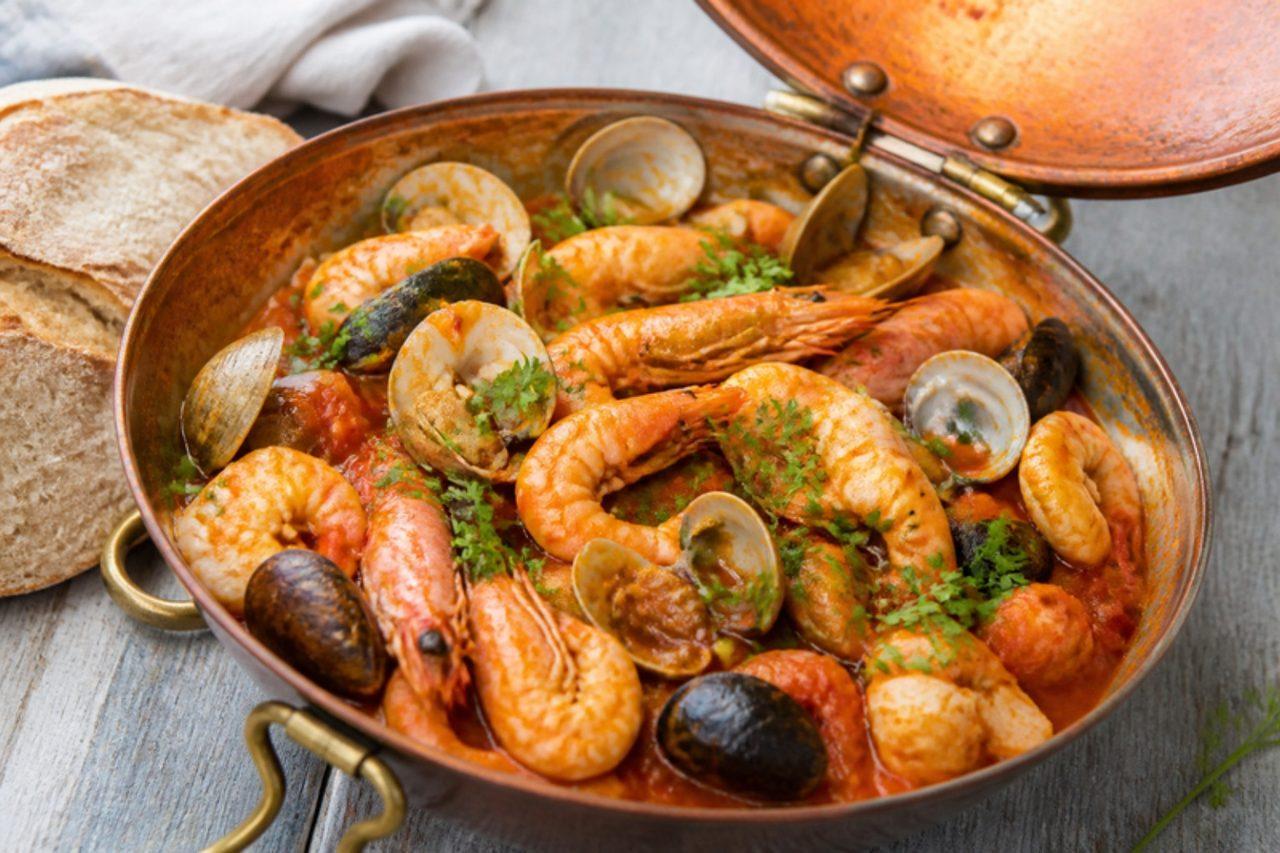
Cataplana de mariscoSeafood and sausage steam pot

Cataplana is the Algarve's showpiece, named after the hinged, clam-shaped copper pan it is cooked in, and it is served at the table in harbour towns like Olhão and Portimão, lid opened in a puff of steam. This version contains pork: smoky chouriço sausage goes in with the onion, peppers and tomato, then clams, prawns and firm white fish steam on top in their own juices. Bring bread for the broth. No cataplana? A wide casserole with a tight lid works. Chef's tip: purge the clams in salty water in the fridge for an hour so they spit out their sand before cooking.

by KrazyBadal 0 views

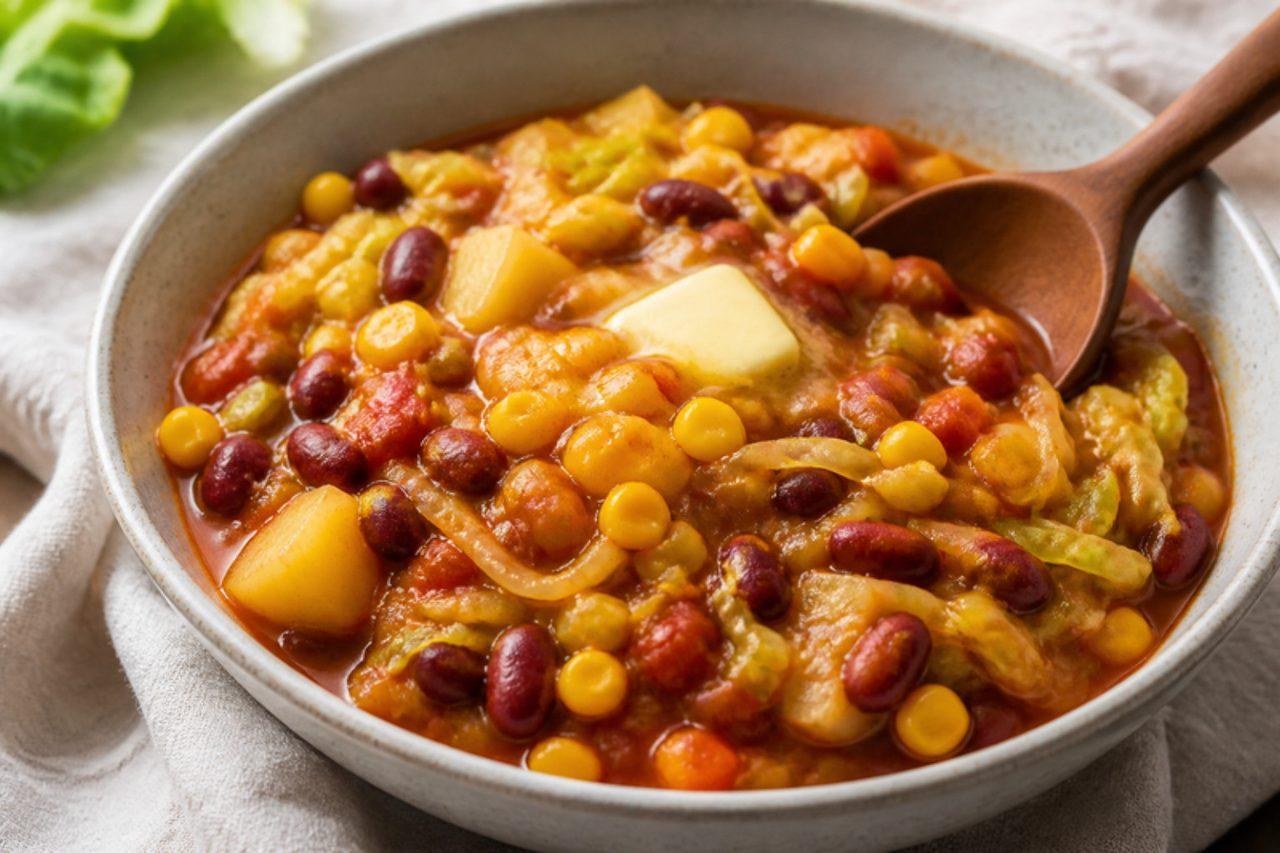
GitheriKidney bean and corn stew

Kenya's everyday one-pot meal of kidney beans and corn, cooked with browned onion, tomato paste, chilli, potatoes and cabbage and finished with a knob of butter. It's hearty, comforting and cheap to make. Serve hot with ugali and sukumawiki.

by KrazyBadal 0 views

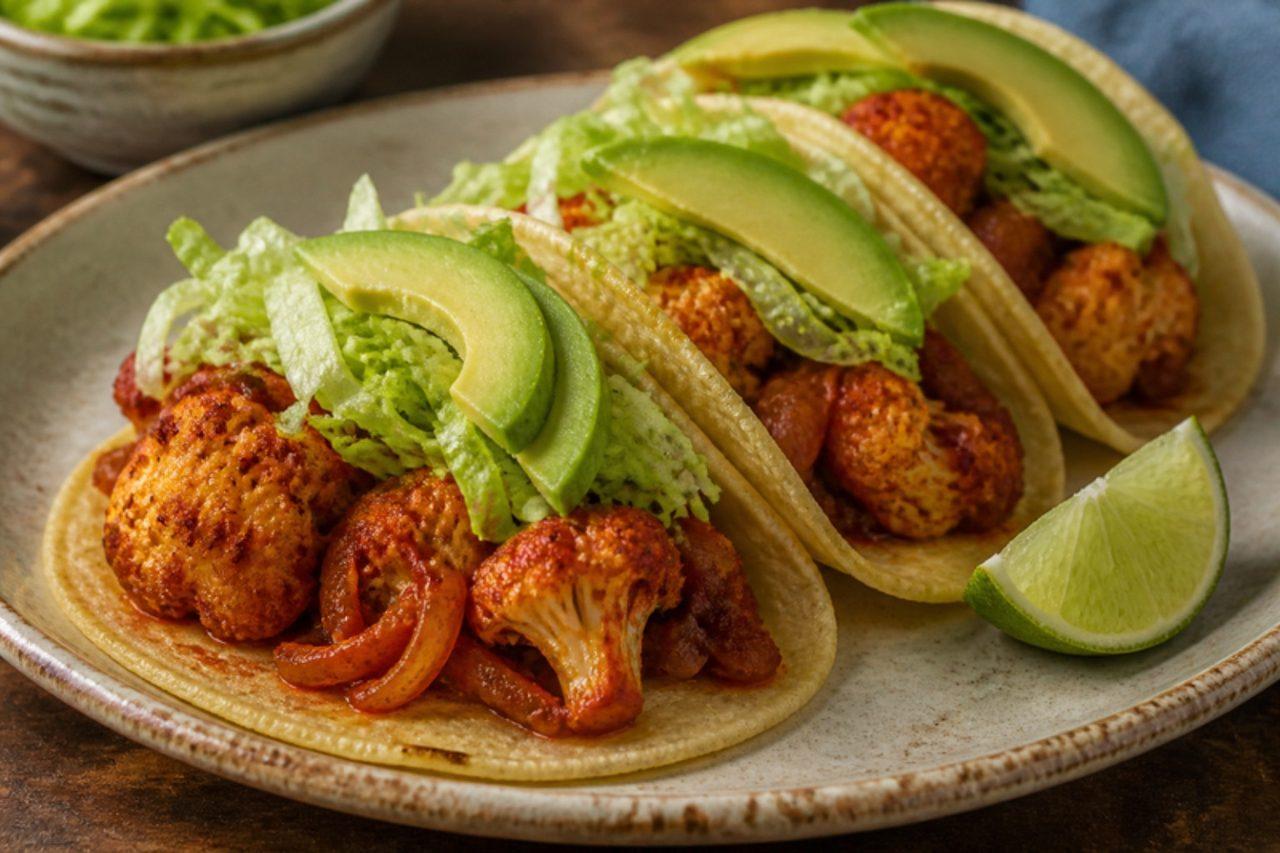
Cauliflower tinga tacosChipotle cauliflower tacos

Tinga comes from Puebla, where shredded meat is simmered in a sauce of sweet sliced onion, tomato and smoky chipotle chillies and piled onto tostadas or tacos. Here roasted cauliflower takes the place of the chicken: browned in a hot oven so it turns nutty and holds its shape, then folded through the brick-red sauce so every floret is glossy and smoky. The result, tinga de coliflor, is sweet, tangy and properly spicy; serve it in warm corn tortillas or on crisp tostadas with avocado, shredded lettuce and lime. Chef's tip: cook the onions slowly until soft and sweet before the tomatoes go in; the sweetness is what balances the heat of the chipotle.

by KrazyBadal 0 views

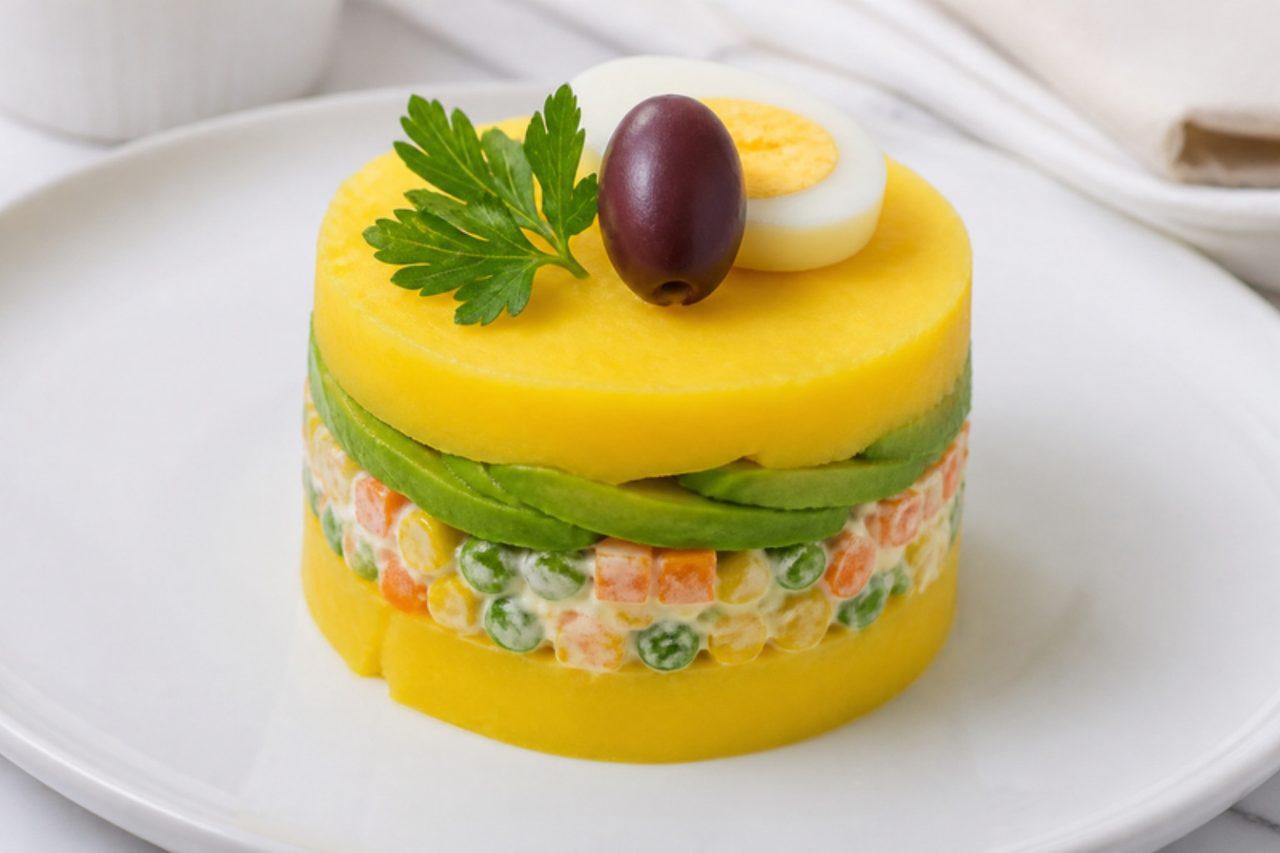
Causa limeñaLayered potato terrine

Causa limeña is Lima's cold potato terrine: yellow potatoes mashed with lime, oil and ají amarillo, pressed into layers and filled. In Lima it is a lunchtime starter sold in every menú and at every family party, often with tuna or chicken; this vegetarian causa is filled with ripe avocado and a creamy salad of corn, peas and carrot. The potato should be smooth, sunny yellow, tangy and gently hot, and the whole thing is served cold in neat slices. Make it in the morning for dinner, or the day before for a party. Chef's tip: mash the potatoes while warm but add the lime only once they have cooled; lime on hot potato turns the mash grey and gluey.

by KrazyBadal 0 views

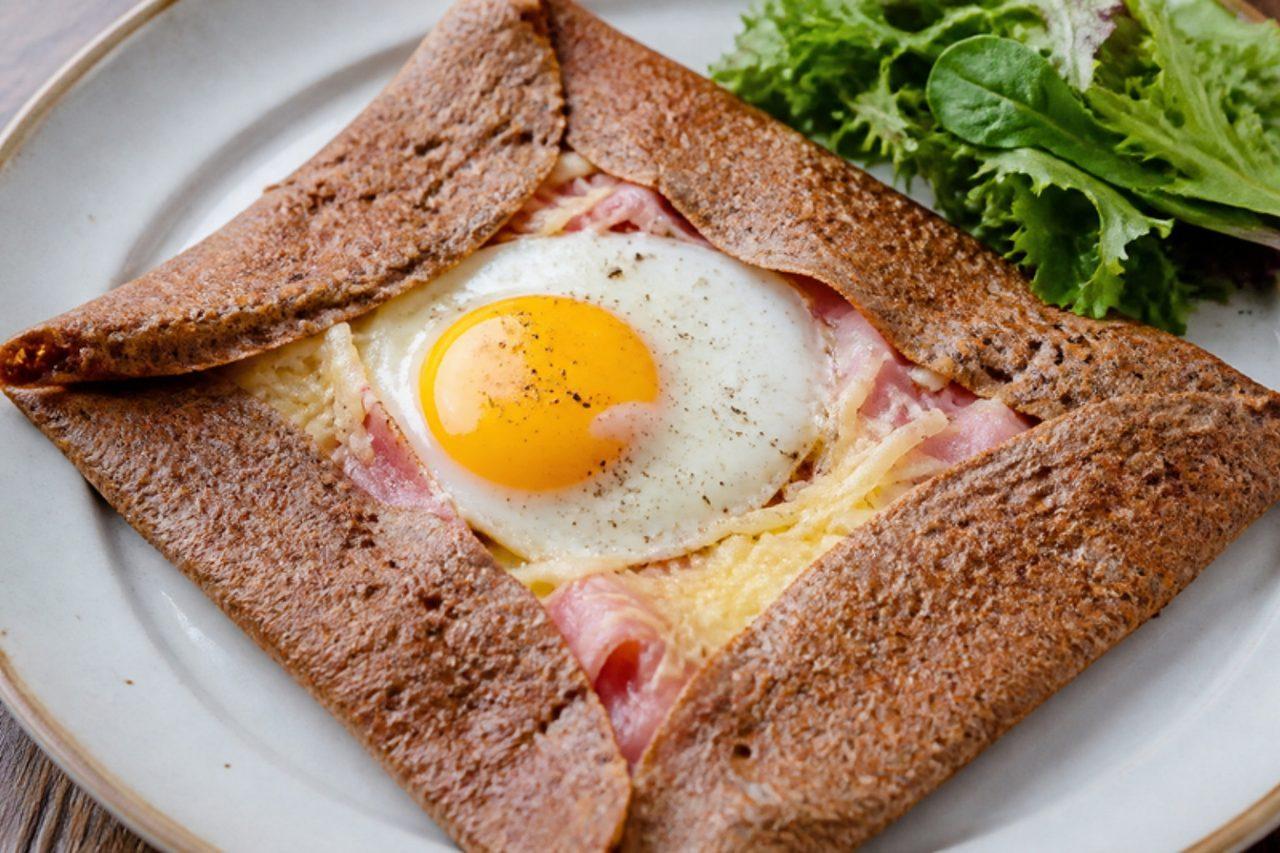
Galette complèteBuckwheat crêpe with ham and egg

In every crêperie in Brittany, from Rennes to Quimper, the first thing most people order is the complète: a lacy buckwheat galette folded square around ham, melted cheese and an egg, eaten for lunch or a casual dinner with a bowl of dry cider. Contains pork (ham). The batter is just buckwheat flour, water, salt and an egg, so the galette has no wheat; some buckwheat flour is milled alongside wheat, so check the packet if you avoid gluten. A cup of apple juice is a good alcohol-free partner. Chef's tip: rest the batter for at least 2 hours, or overnight in the fridge; it thickens and the galettes cook up thinner and crisper.

by KrazyBadal 0 views

GalhoRice and vegetable porridge

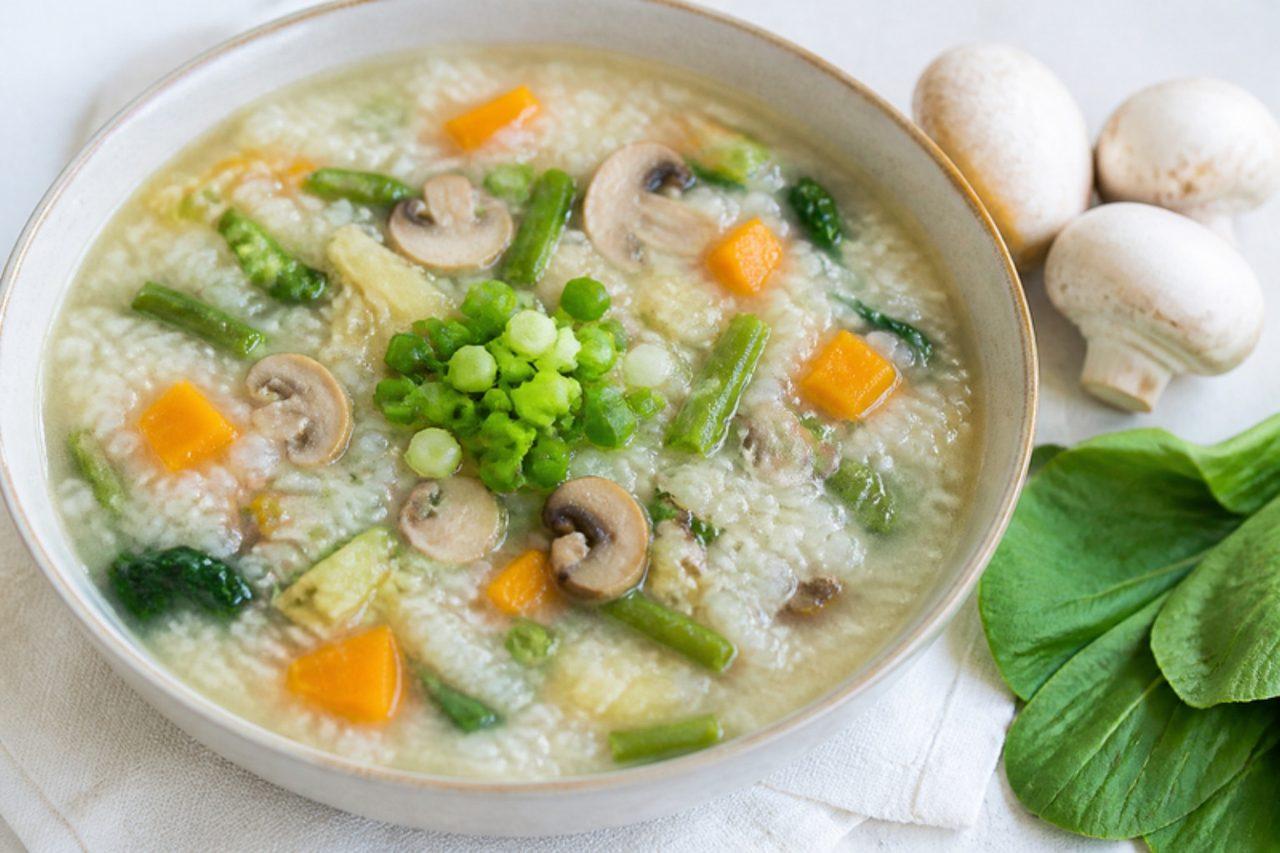
Galho is Nagaland's comfort food, a soft, loose rice porridge cooked with seasonal vegetables, greens, ginger and chilli, sometimes thickened with a spoon of fermented soybean (axone). In Kohima homes it is the dish for cold evenings and for anyone unwell, and in restaurants it is often made with pork; this vegetarian version uses mushrooms and axone for savour. It sits somewhere between khichdi and congee, thick but spoonable. Chef's tip: stir only occasionally; galho should be soupy with distinct grains, not a smooth paste.

by KrazyBadal 0 views

Guyanese garlic porkGarlic pickled pork

Garlic pork came to Guyana with Madeiran Portuguese settlers in the 1800s and is still made for Christmas breakfast in Georgetown, alongside pepperpot and bread. This dish contains pork. Pieces of pork are packed into a jar with a pickle of vinegar, lots of garlic, thyme and wiri wiri pepper and left in the fridge for at least three days, then fried until browned and slightly crisp. The mistake is leaving the jar on the counter, as was once done: always keep it in the fridge. Chef's tip: pat the pork very dry before frying, or the vinegar makes the oil spit.

by KrazyBadal 0 views

Cazuela de vacunoBeef and vegetable soup

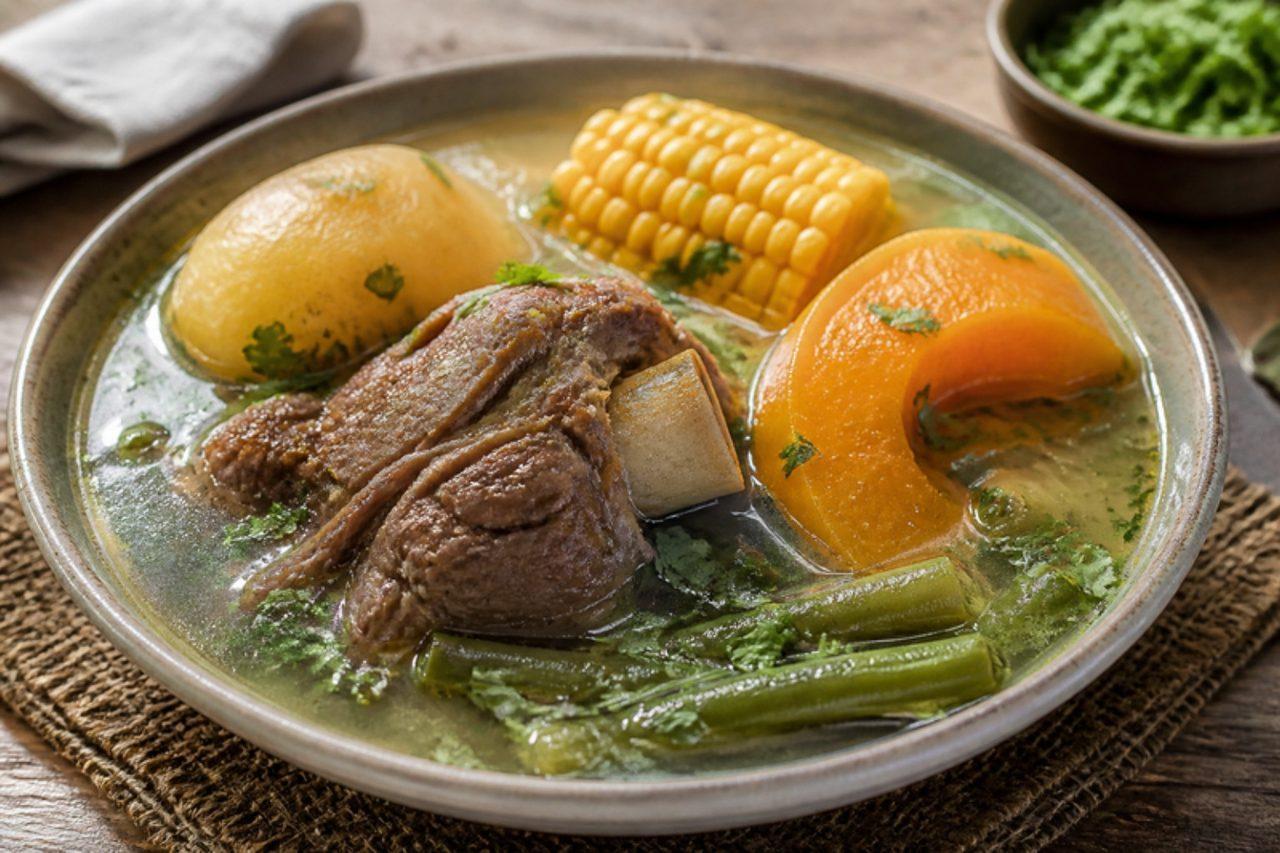
Cazuela is the soup Chilean grandmothers make all through winter, from Santiago's Central Valley to the farms of the south: each bowl gets a whole piece of beef on the bone, a whole potato, a wedge of pumpkin and a piece of corn in a clear broth, with a little rice or green beans and plenty of fresh coriander. It is eaten as a full meal, with pebre and bread. The mistake is cutting the vegetables small: they should stay in big pieces, one of each per person. Chef's tip: simmer the beef very gently and skim it well so the broth stays clear.

145 minChileanSoupsGluten free
by KrazyBadal 0 views

CendolPandan jelly in coconut milk

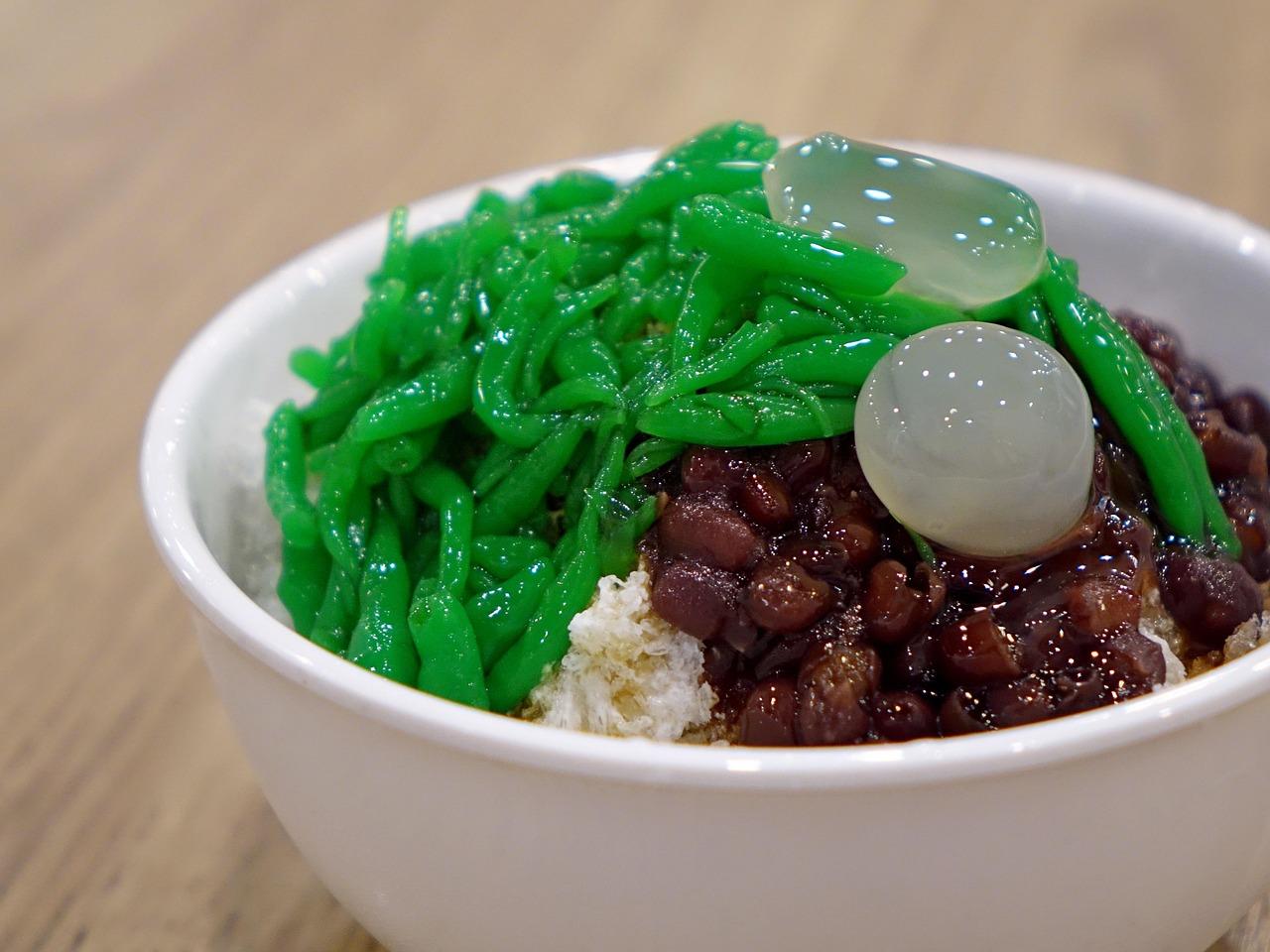
On a sweltering afternoon in Melaka, the queue snakes out of the cendol shops on Jonker Street: a bowl of shaved ice drenched in salted coconut milk and smoky, dark gula Melaka syrup, hiding soft green jelly 'worms' made from rice flour and pandan, with red beans at the bottom. It's sweet, salty, creamy and cold all at once, and it's the city's signature dessert. Melaka's own gula Melaka is the key; it should smell of caramel and woodsmoke. Chef's tip: a pinch of salt in the coconut milk makes the palm sugar taste deeper; without it the bowl tastes flat.

by KrazyBadal 0 views

Guyanese pepperpotBeef stew with cassareep

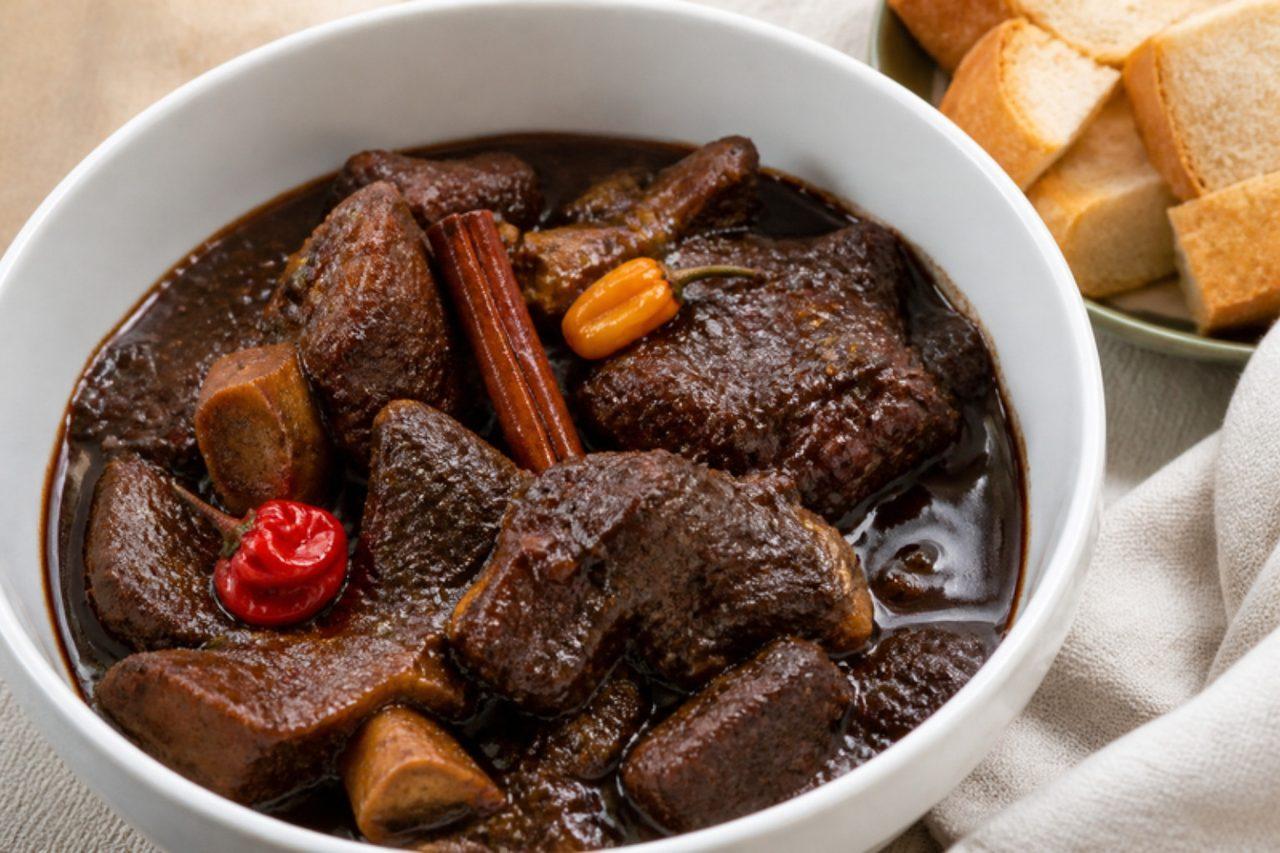
Pepperpot is Guyana's national dish and the centre of Christmas morning, when families in Georgetown and the countryside eat it with thick slices of plait bread. It comes from the Amerindian peoples, who used cassareep, a black syrup boiled from cassava juice, to flavour and preserve meat. Beef (often with cow foot or oxtail) simmers for hours with cassareep, cinnamon, cloves, orange peel, sugar and hot wiri wiri pepper into a glossy, dark, sweet-savoury stew. The mistake is serving it the day it is made; it is much better after a day or two. Chef's tip: bring it back to a full boil every day you keep it, as Guyanese families do, and always keep it in the fridge.

200 minGuyaneseMeatGluten free
by KrazyBadal 0 views

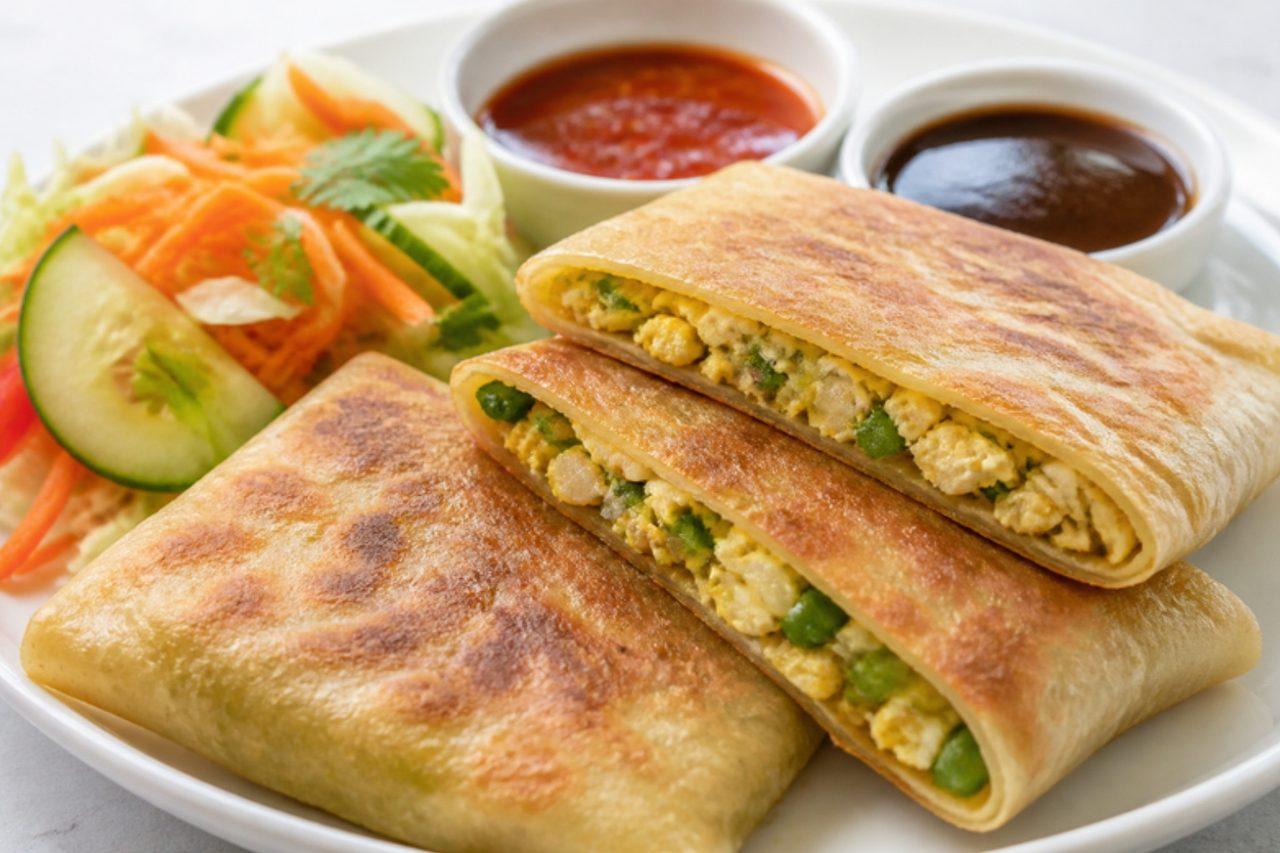
Coast egg chapatiEgg-filled chapati parcels

The famous coast street snack: paper-thin dough wrapped around a samosa chapati, spiced onion and capsicum filling and a beaten egg, folded into a square parcel and fried slowly until crisp and golden. Make them just before serving. Serve hot with a crunchy carrot, cabbage and cucumber salad and red chilli and tamarind chutneys. Contains egg.

by KrazyBadal 0 views

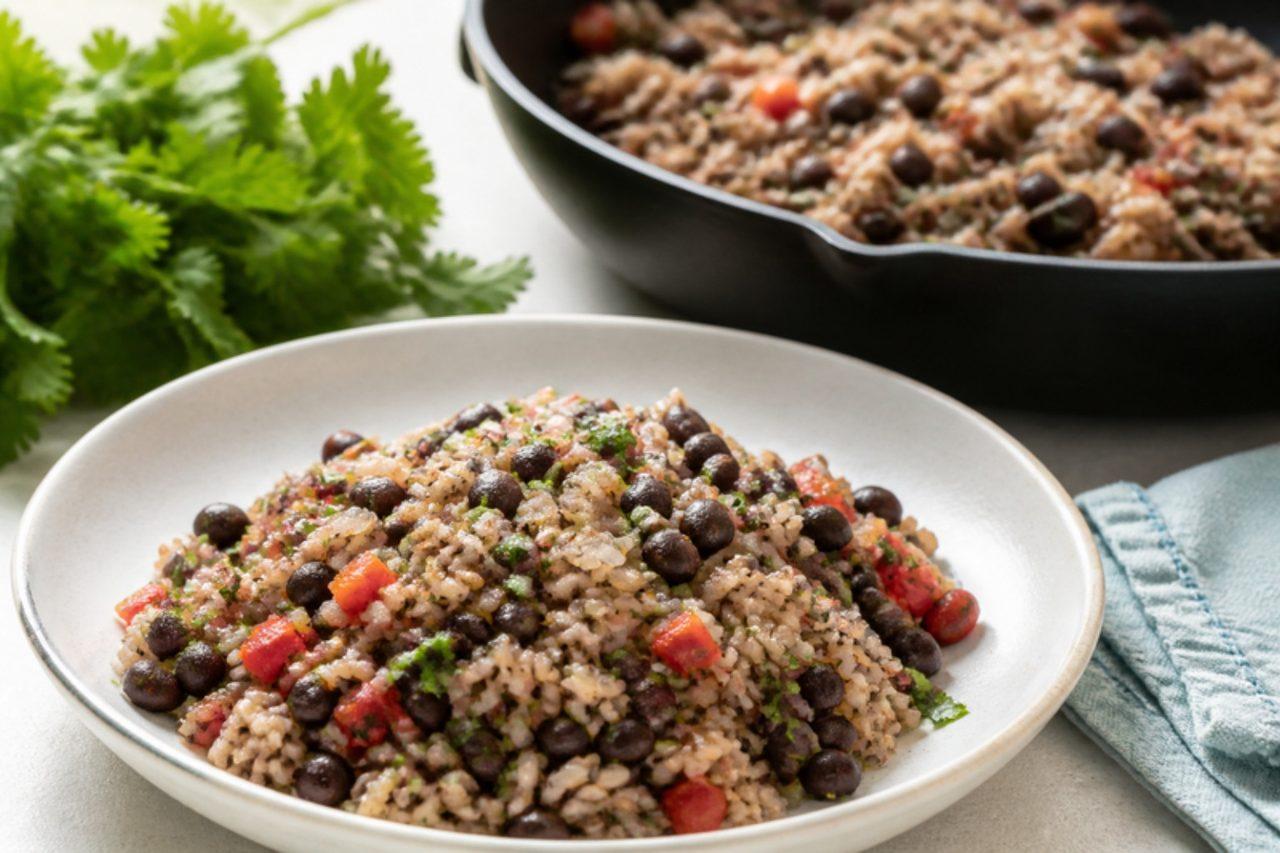
Gallo pintoRice and black beans

Gallo pinto means 'spotted rooster', for the speckled look of rice tossed with beans, and both Costa Rica and Nicaragua claim it. In Costa Rica it's black beans with plenty of coriander and a tangy brown sauce, served at breakfast with eggs, sour cream and fried plantain; in Nicaragua red beans are fried harder with onion until the rice turns rusty. This version follows the Costa Rican breakfast table and gets its tang from cumin and a little soy sauce. Chef's tip: use rice cooked the day before and keep a cup of the bean cooking liquid; that dark liquid is what colours the rice.

by KrazyBadal 0 views

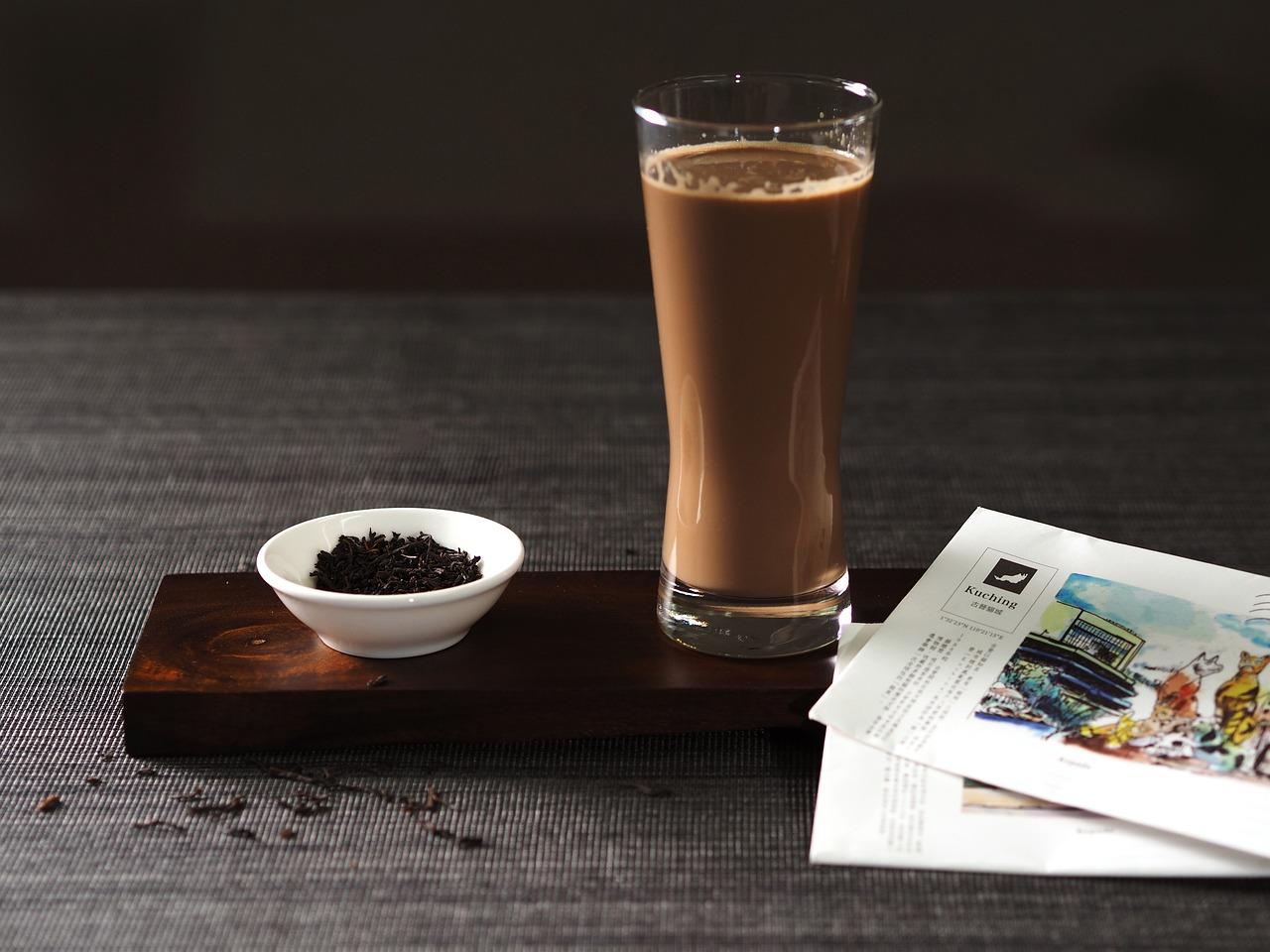
Ceylon teaSpiced milk tea

In the misty tea country around Nuwara Eliya, Hatton and Ella, and in every roadside tea kade across Sri Lanka, tea is made strong, sweetened generously and often whitened with milk, then poured from a height between two jugs so it cools a little and wears a frothy cap. Families drink it first thing, again at 'tea time' around four, and with every short eats snack in between. Unlike Indian masala chai there are no spices: the flavour comes from bright, brisk high-grown Ceylon black tea, often a BOP or BOPF grade. If you'd rather have it plain, kahata thé is the same tea with no milk and a bite of jaggery. The common mistake is stewing the leaves too long, which turns it bitter and tannic; three to four minutes is plenty. Chef's tip: pour from jug to jug four or five times; the 'pulled' tea is smoother and creamier.

by KrazyBadal 0 views

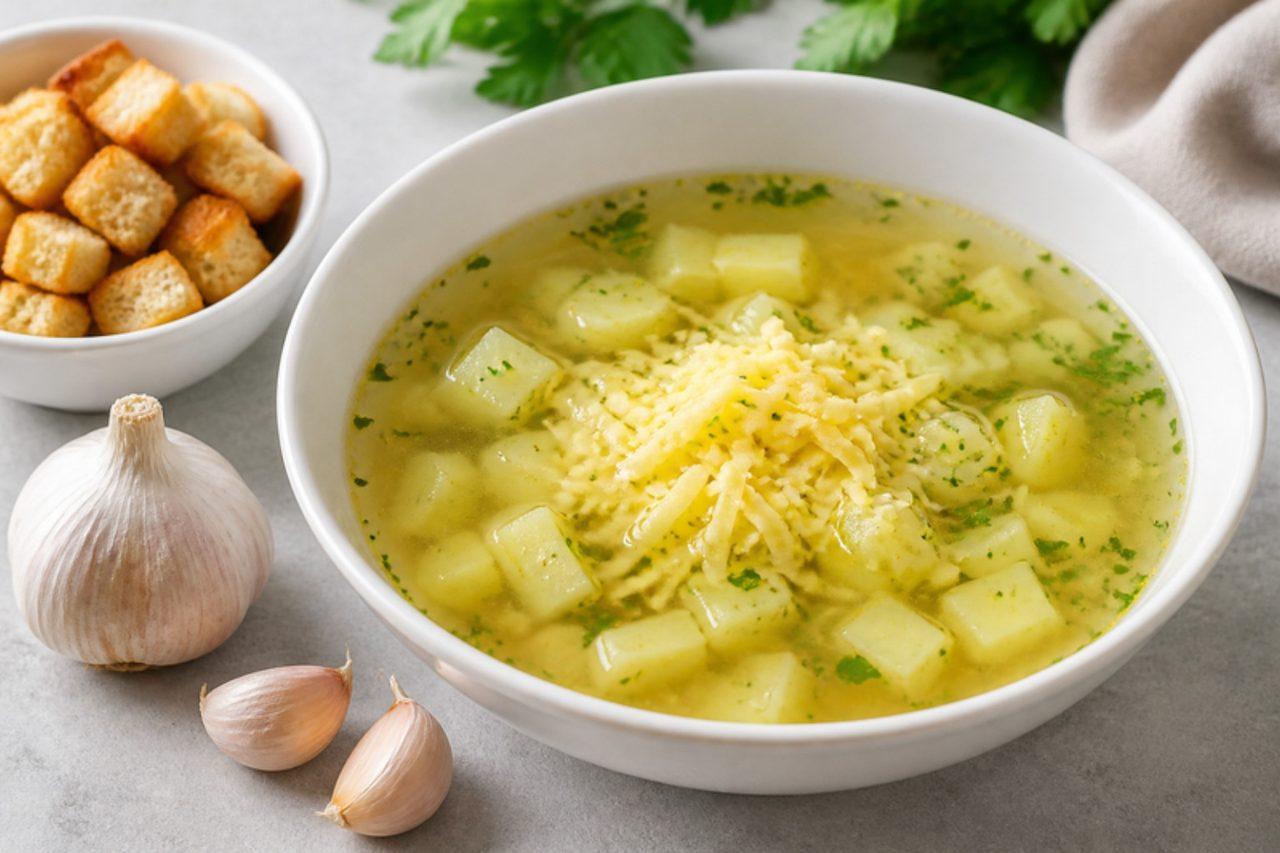
ČesnečkaGarlic soup

Česnečka is the soup Czechs swear by after a long night in a Prague pivnice: a thin, savoury broth fragrant with raw garlic, caraway and marjoram, with soft potato cubes, crunchy fried bread and a fistful of grated cheese melting into each bowl. It costs almost nothing, comes together in half an hour and is served in workers' canteens and village pubs all winter. This version uses vegetable stock instead of the old meat bouillon. Chef's tip: crush the garlic into the bowls or add it right at the end off the heat; boiled garlic goes sweet and mild, and česnečka should bite.

30 minCzechSoups
by KrazyBadal 0 views

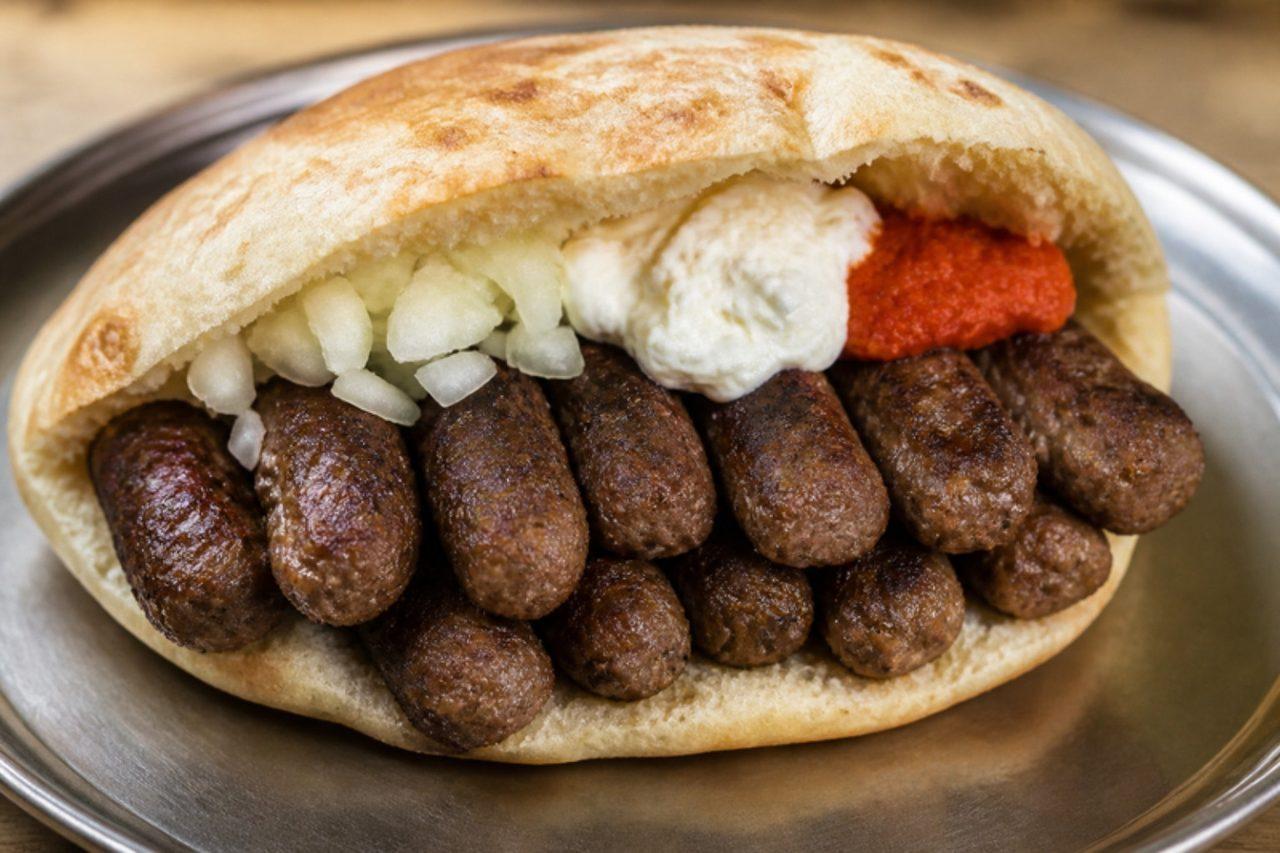
ĆevapiGrilled minced meat fingers

In Sarajevo's old Baščaršija bazaar, ćevabdžinicas grill ćevapi from morning till late night, serving them ten at a time stuffed into a puffy, griddle-warmed somun flatbread with raw onion and a spoon of kajmak. The little skinless fingers are made from beef (often mixed with lamb), seasoned with nothing more than salt, pepper, garlic and a little bicarbonate of soda, which gives them their bouncy bite. Belgrade and Banja Luka have their own versions, but the idea is the same: smoky meat, soft bread, sharp onion. People often over-season them with herbs and paprika; the Bosnian way is plain, letting the meat and charcoal speak. Chef's tip: chill the shaped ćevapi well before grilling and turn them only once or twice, so they keep a juicy centre and a crusty outside.

40 minBalkanMeat
by KrazyBadal 0 views

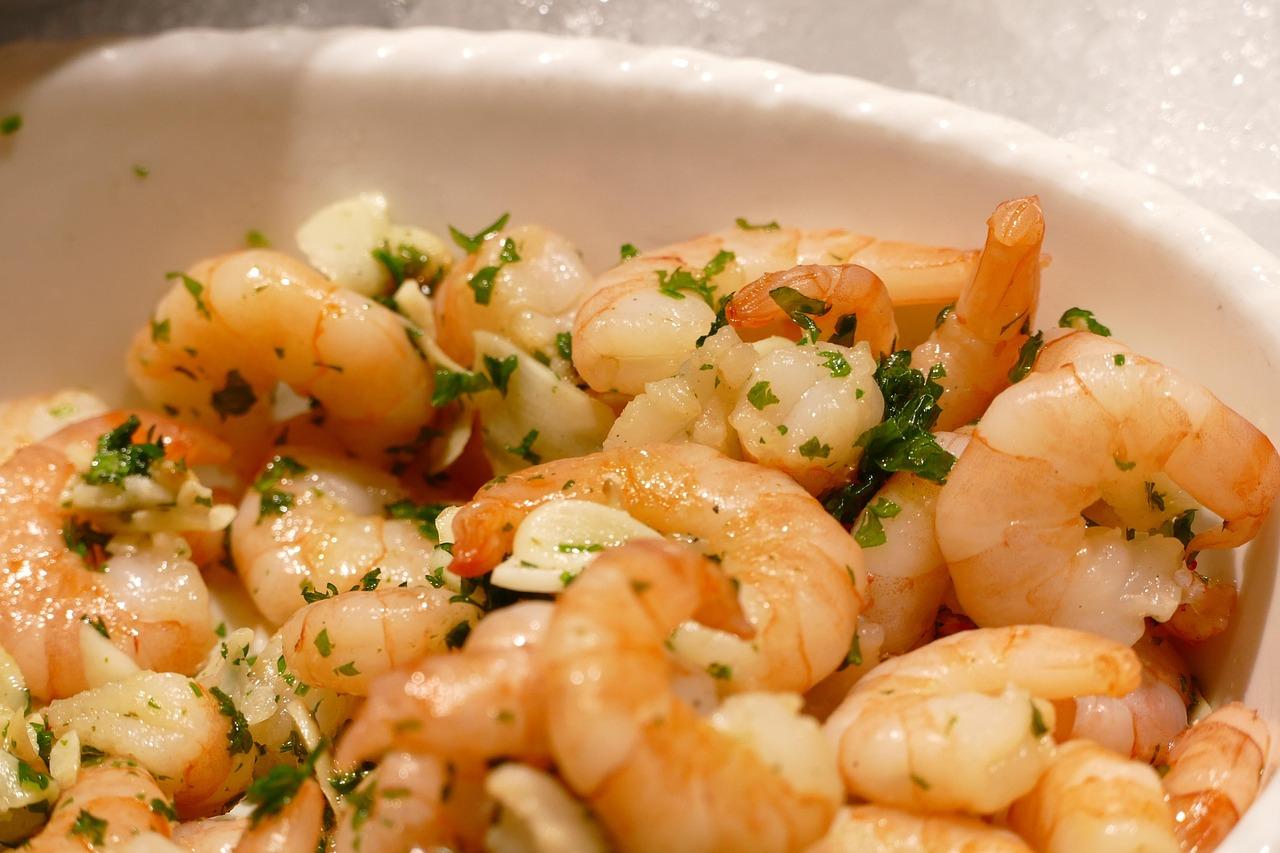
Gambas al ajilloGarlic prawns

Walk into a bar near Madrid's Plaza Mayor or Puerta del Sol and you will hear gambas al ajillo before you see them: peeled prawns still spitting in a small terracotta cazuela of olive oil, sliced garlic and dried chilli. They arrive at the table bubbling, with a basket of bread for mopping up the golden oil, which many people think is the best part. At home it takes ten minutes and works as a tapa for four or a quick supper for two. Chef's tip: pat the prawns completely dry with kitchen paper before they go in, so they sizzle in the oil instead of stewing in their own water.

by KrazyBadal 0 views

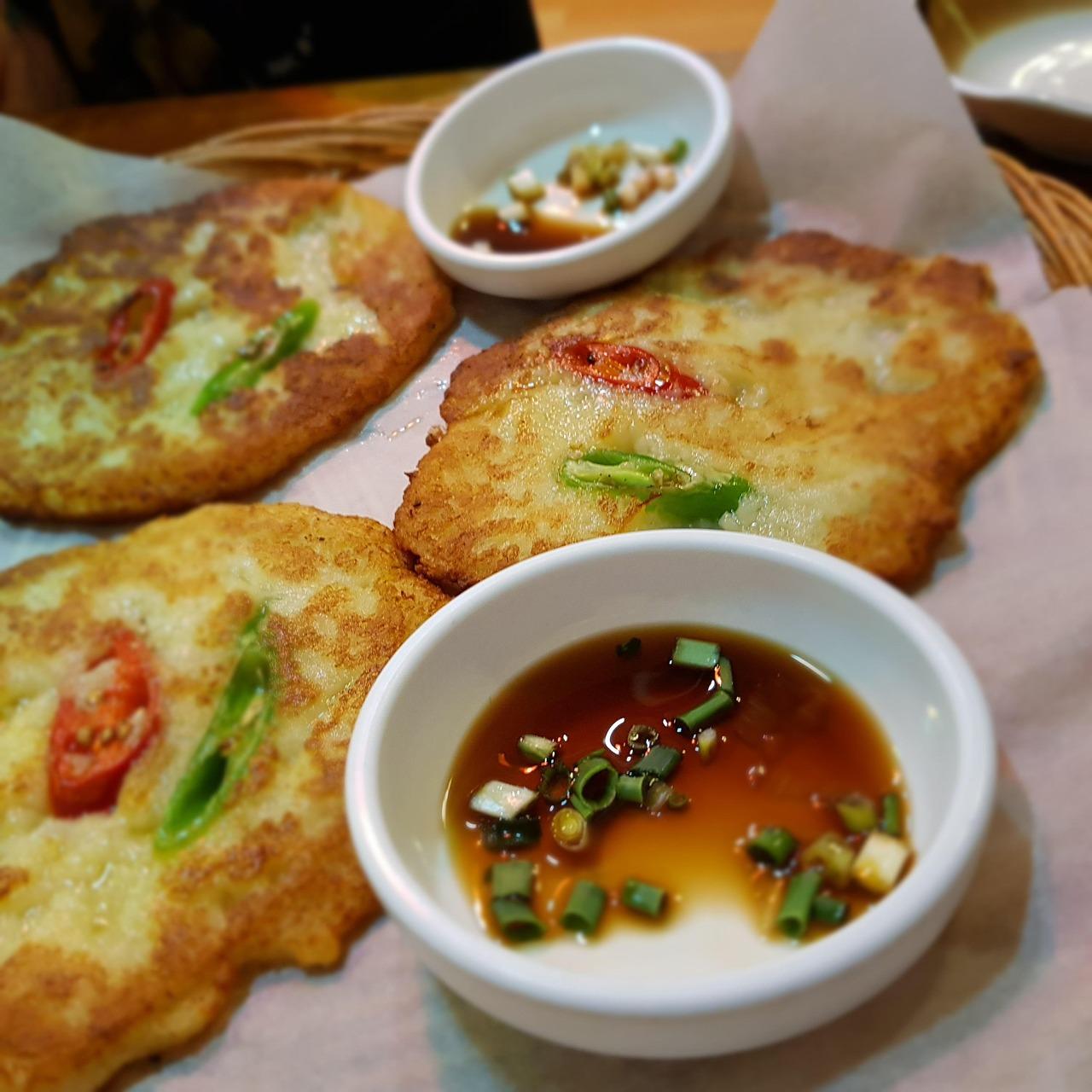
Gamja jeonPotato pancakes

On rainy afternoons in Gangwon province, roadside stalls and mountain trail restaurants fry gamja jeon (감자전): pancakes of nothing but grated potato, salt and a few slices of chilli, fried in plenty of oil until the edges turn lacy and glassy-crisp while the middle stays soft and chewy. It is a different thing from a Western rösti, made from a wet purée rather than shreds. Eat them hot with a sharp soy dipping sauce and a bowl of makgeolli or barley tea. Chef's tip: press each pancake thin with the back of a spoon as soon as it hits the pan; thick ones stay gluey inside.

by KrazyBadal 0 views

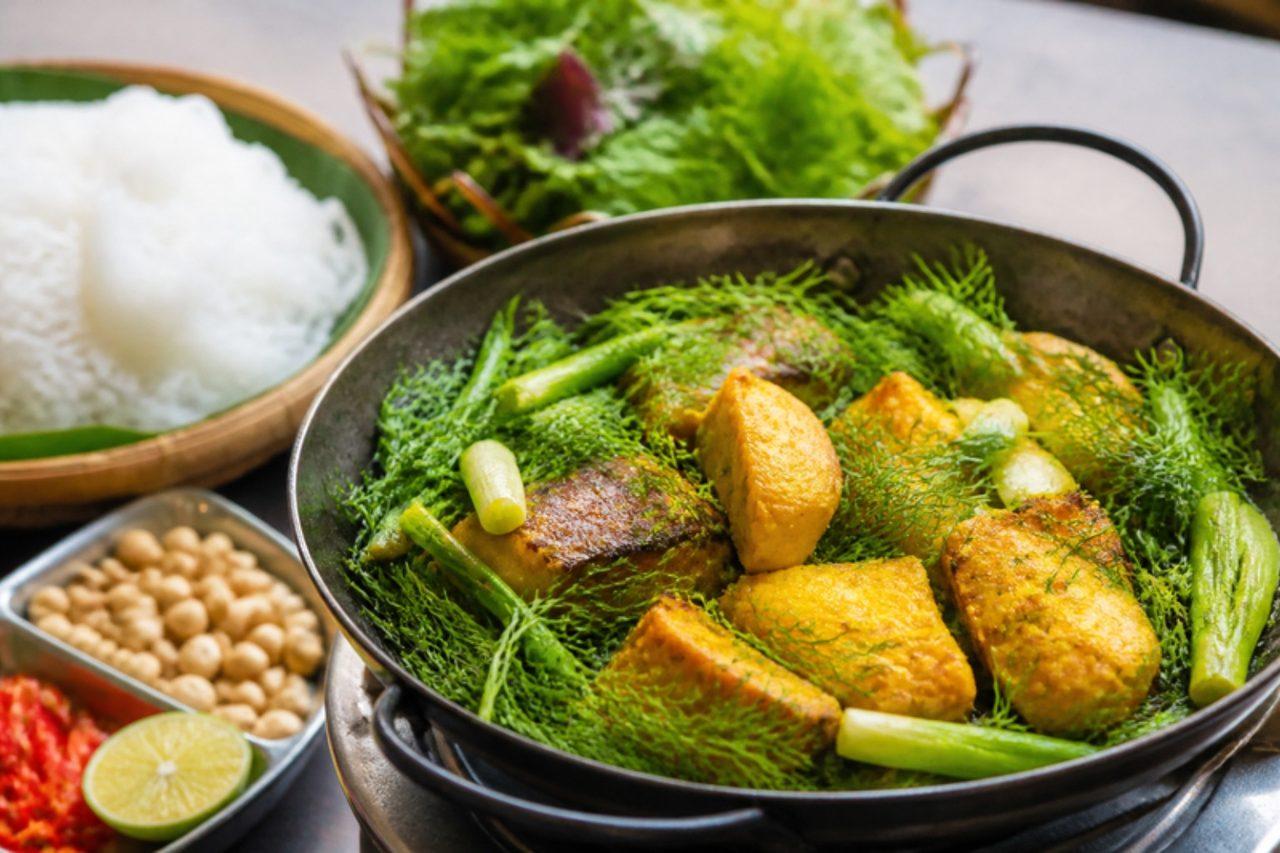
Cha ca La VongTurmeric fish with dill

A family restaurant in Hanoi's Old Quarter served this one dish for so long that the street itself was renamed Chả Cá, Grilled Fish Street. Chunks of white fish are marinated in turmeric and galangal, cooked until golden, then brought to the table in a pan of hot oil where everyone throws in handfuls of dill and spring onion to wilt. You eat it over rice vermicelli with peanuts, fresh herbs and a pungent shrimp-paste dip. Dill is rare elsewhere in Vietnamese cooking, which is why this dish tastes so distinct. Chef's tip: use a lot more dill than seems sensible; it is treated as a vegetable here, not a garnish.

by KrazyBadal 0 views

ChainsooRoasted black gram dal

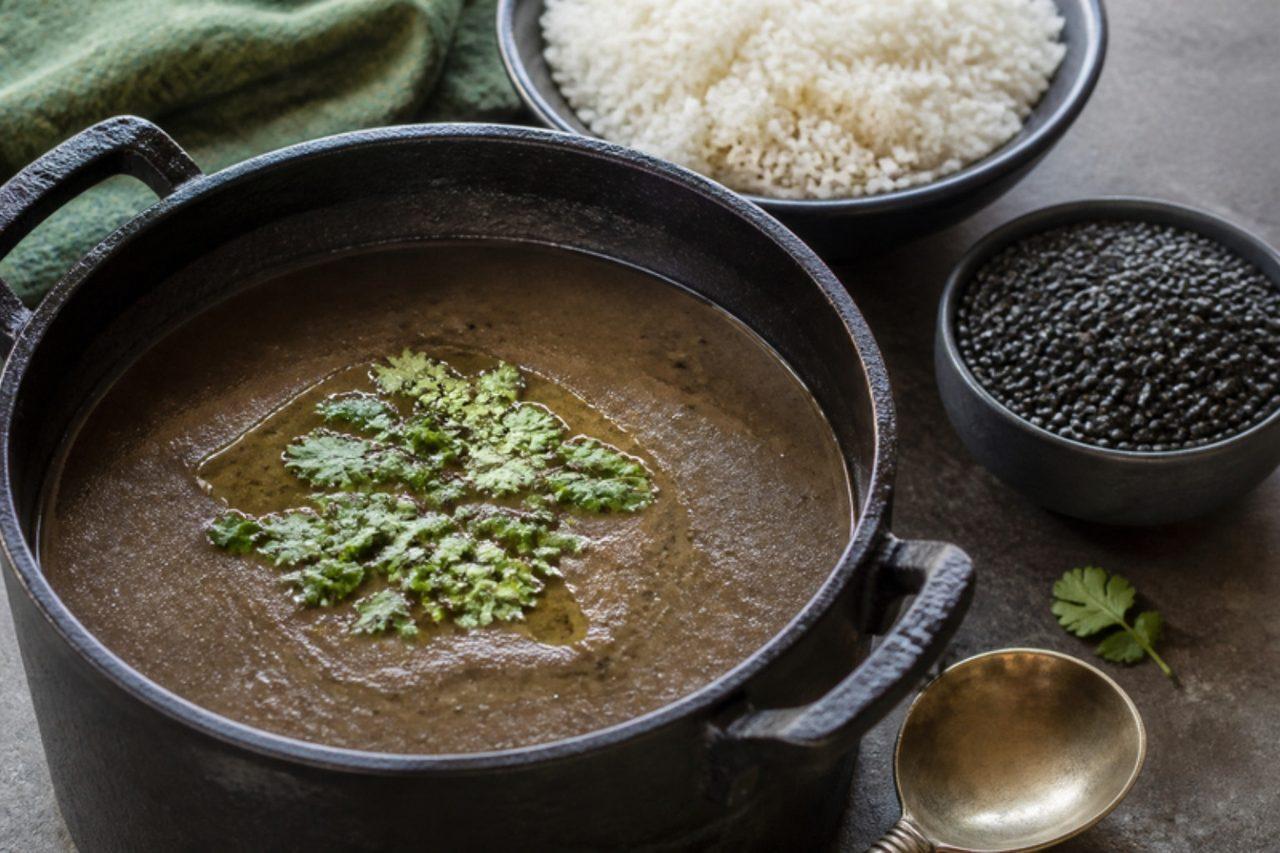
Chainsoo comes from the Garhwal hills, where whole black urad is roasted in a dry pan until it smells like toasted bread, ground coarsely on a hand mill and cooked into a thick, smoky dal. It is a winter dish: heavy, warming and full of protein, eaten with plain rice or jhangora and a drizzle of ghee for anyone who isn't keeping it vegan. Village cooks make it in a lohe ki kadhai, the iron pan that turns it almost black. The texture should be grainy and spoonable, somewhere between a dal and a porridge. Chef's tip: roast the urad slowly over a medium-low heat; the moment it turns from golden to dark brown it tastes bitter, so keep stirring and pull it off early.

by KrazyBadal 0 views

ChajáSponge, peach and cream cake

Chajá was created in 1927 at a bakery in Paysandú, a city on the Uruguay River, and named after a local bird whose feathers look as fluffy as its crumbly meringue coat. Today it's Uruguay's birthday and celebration cake: layers of light sponge soaked in peach syrup, filled with whipped cream, peaches and dulce de leche, then covered in crushed meringue. It's sweet, soft and crunchy at once, best on the day it's assembled. Chef's tip: soak the sponge but not too much; it should feel moist, not wet, or the layers slide.

by KrazyBadal 0 views

Chak-chakHoney-bound fried dough

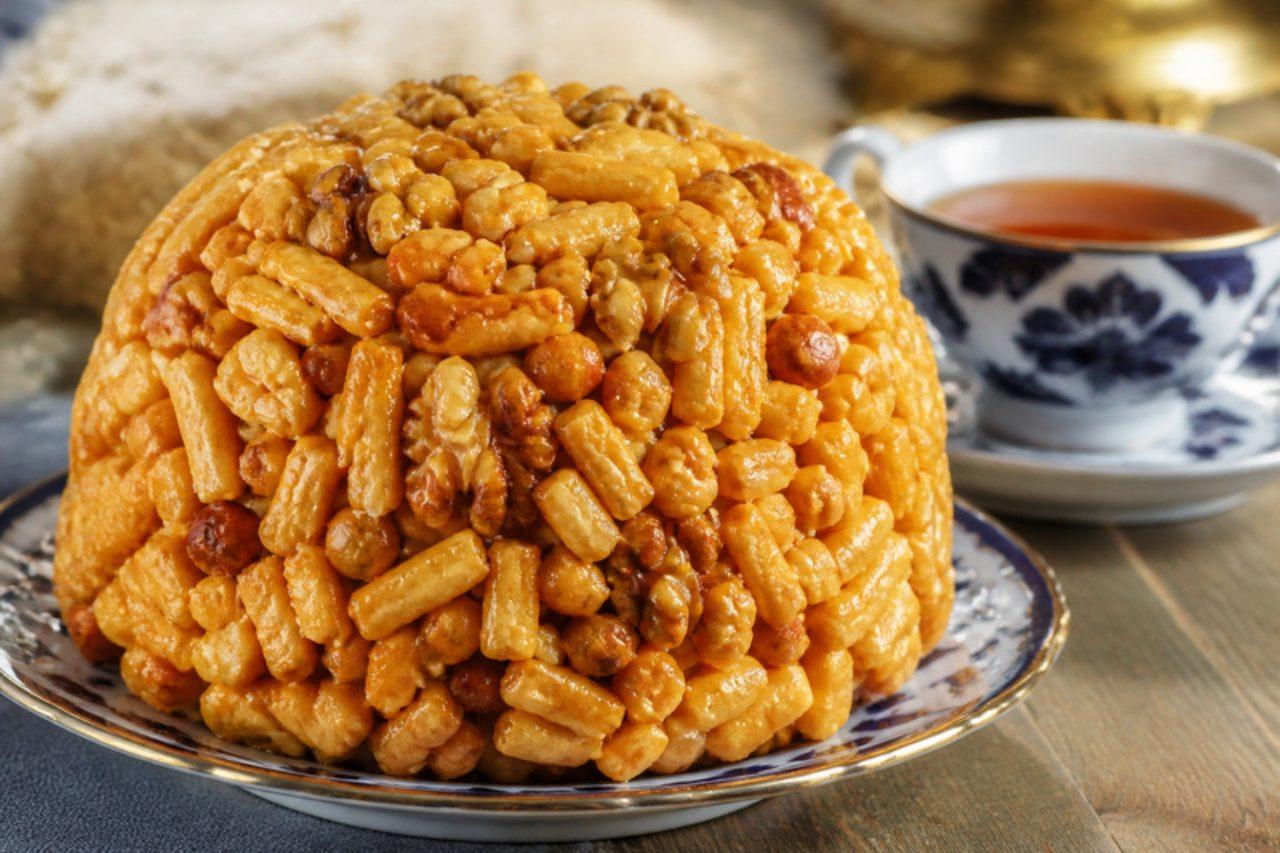
Chak-chak arrived in Uzbekistan with Tatar families and is now a fixture of wedding tables and Navruz spreads in Tashkent and Samarkand: tiny nuggets of egg dough fried crisp, then tossed in hot honey syrup and pressed into a mound or ring that's broken apart with the fingers. Guests nibble it all evening with green tea. It keeps for a week, so it's often made a day or two ahead. Chef's tip: cook the honey syrup only to the soft-ball stage (about 115°C); boil it longer and the chak-chak sets as hard as brittle.

by KrazyBadal 0 views

Chak-hao kheerBlack rice pudding

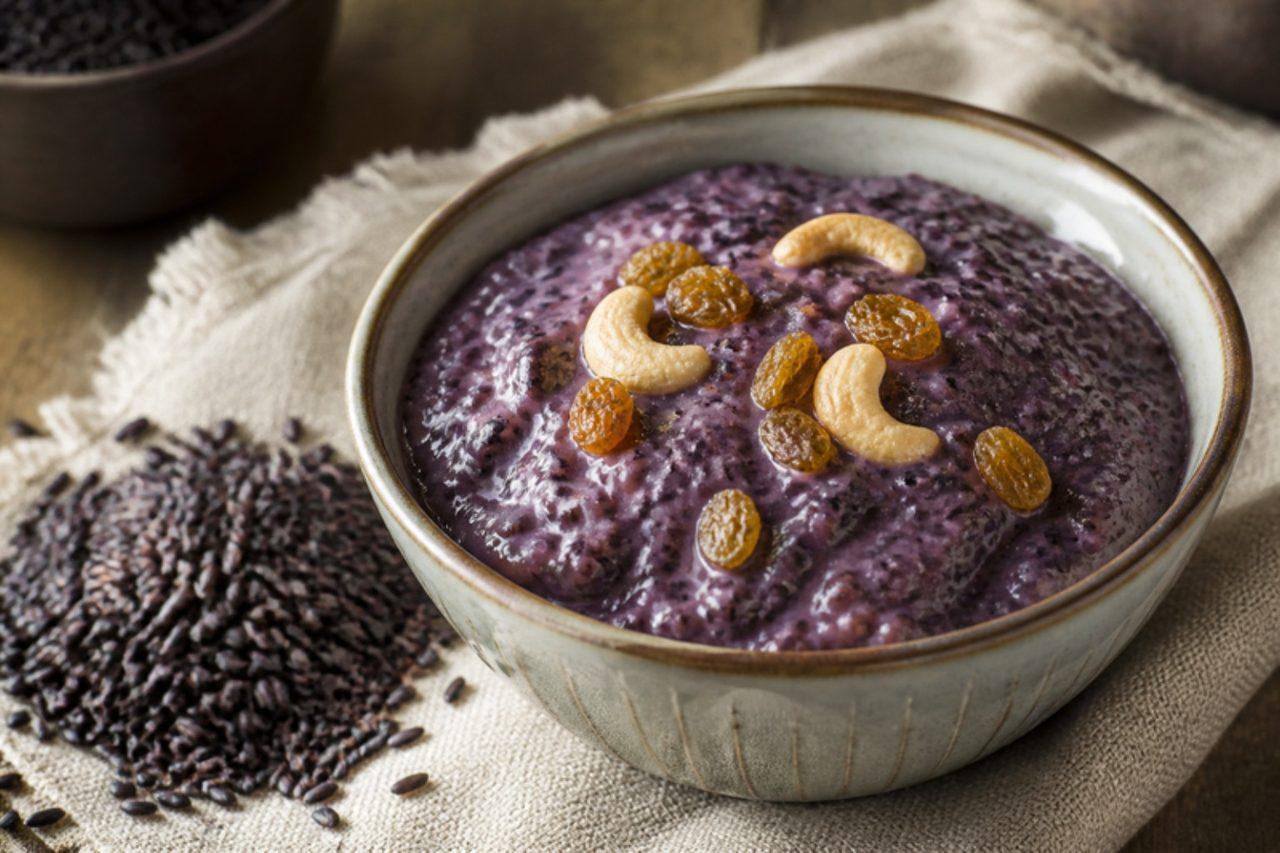
Chak-hao is Manipur's aromatic black rice, grown in the valley around Imphal; when cooked slowly in milk it turns a deep violet and makes chak-hao kheer, the pudding served at Meitei feasts, weddings and Ningol Chakouba, the festival when married daughters come home for a meal. The grains stay slightly chewy and nutty, and the milk takes on a lavender colour. Chef's tip: soak the rice for at least 3 hours, or overnight; black rice has a hard bran layer and won't soften in the milk otherwise.

by KrazyBadal 0 views

ChakalakaSpicy vegetable and bean relish

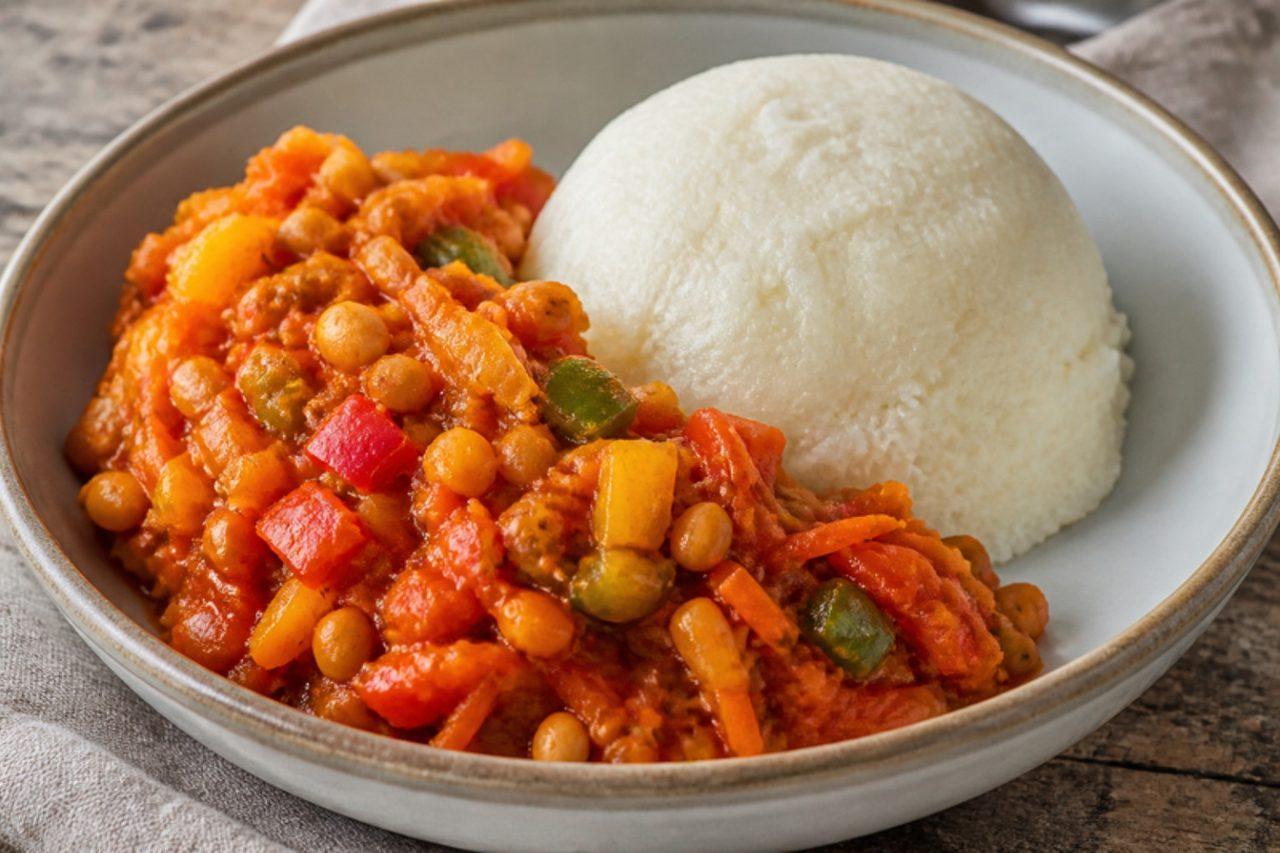
Chakalaka is said to have started in the townships and mines around Johannesburg, where workers cooked tinned beans and vegetables with chilli and curry powder over open fires. Today no South African braai (barbecue) is complete without a pot of it, and it goes on the table at Sunday lunch, at funerals and weddings, served warm or cold alongside pap. It is spicy, a little sweet from the carrots and peppers, and tangy from the tomato and beans. Chef's tip: grate the carrots rather than chopping them; they melt into the relish and give it its characteristic soft, spoonable texture.

by KrazyBadal 0 views

ChakhwiJackfruit seed and papaya stew

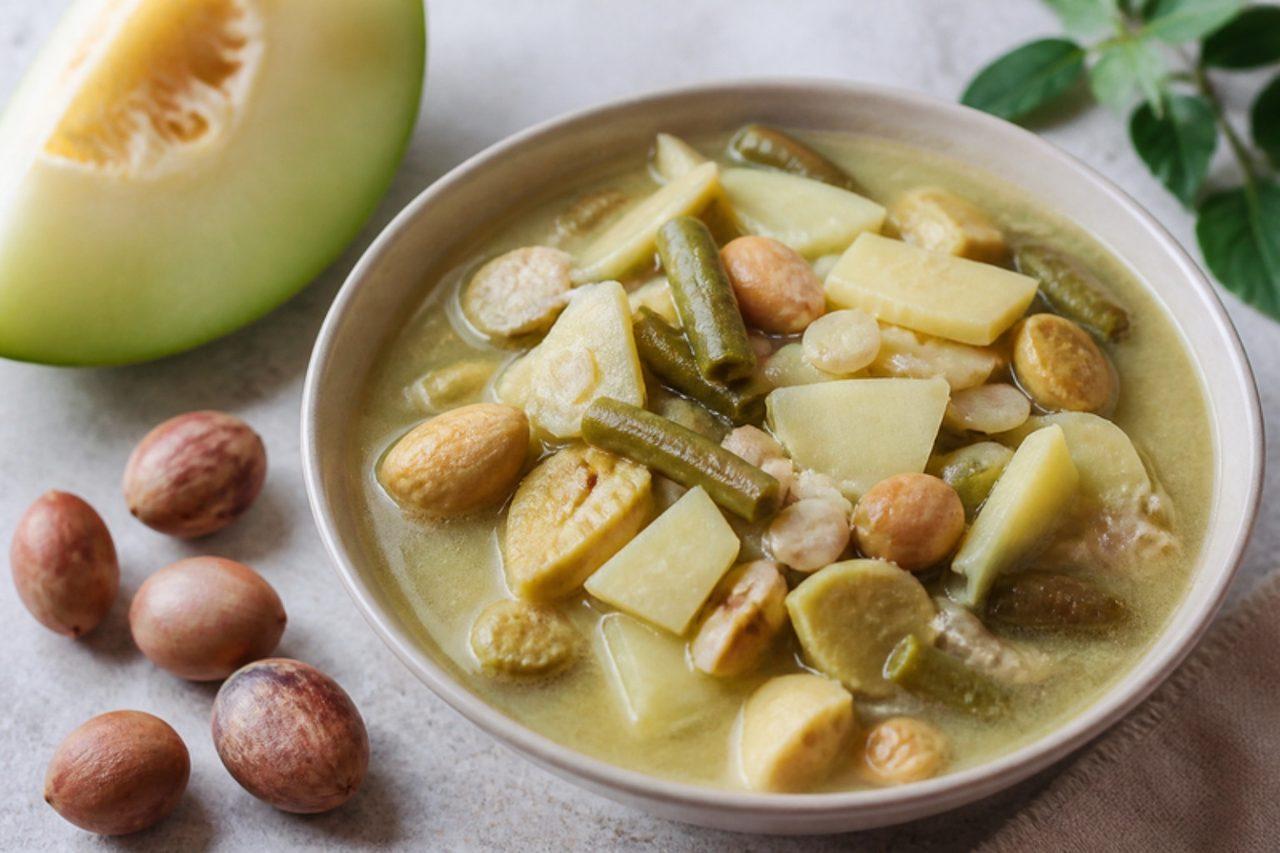
Chakhwi is a Tripuri festive stew cooked at weddings and family feasts around Agartala, where the defining ingredient is 'khar' or soda, made by filtering water through banana-plant ash. It softens vegetables and gives a smooth, gently alkaline taste. Pork chakhwi is the best known; the vegetarian version is cooked with raw papaya, jackfruit seeds, bamboo shoot and long beans, with ginger and green chilli. It is soupier than Assamese khar and has no lentils. Chef's tip: use bicarbonate of soda if you have no ash water, but only a pinch; you should be able to taste it, not feel it.

by KrazyBadal 0 views

Chakki ki shaakWheat gluten curry

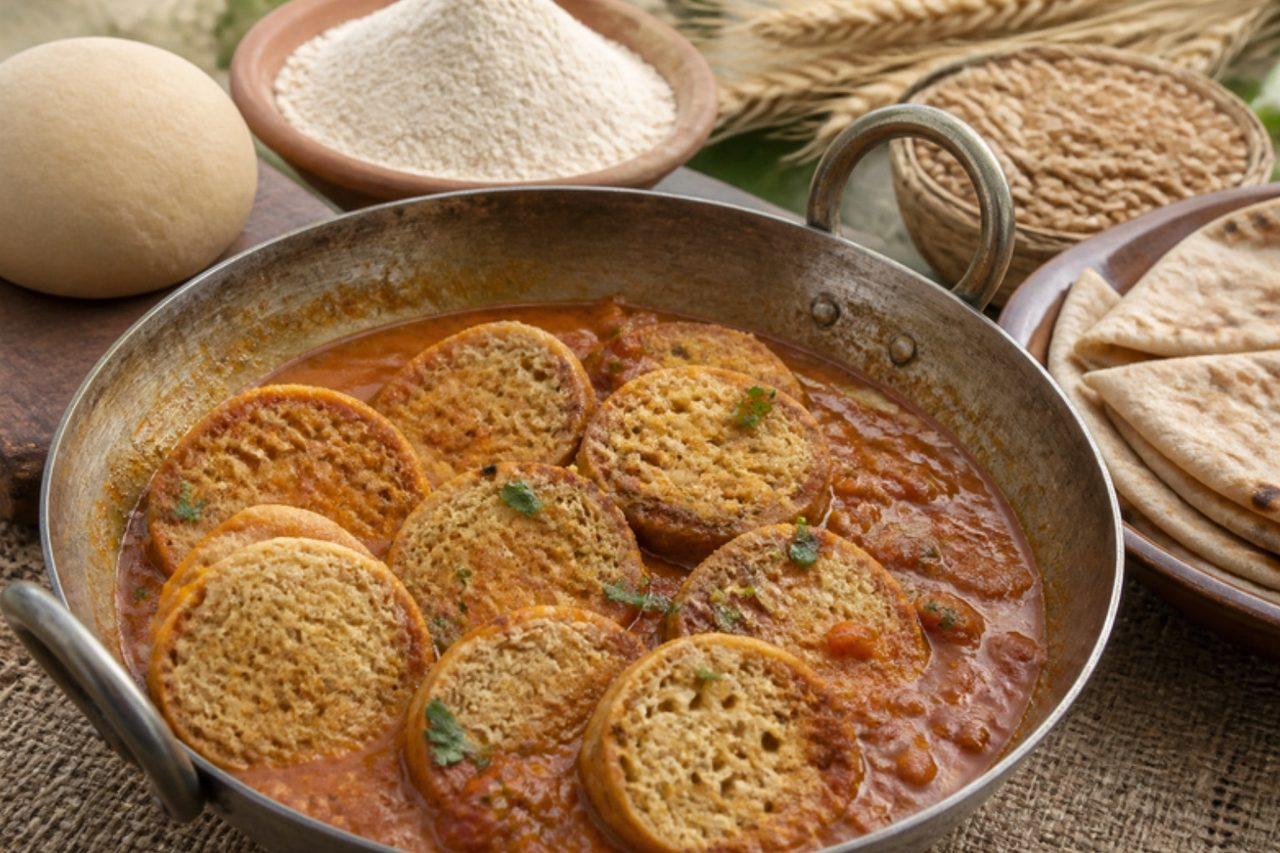
This Malwa dish from around Indore and Ujjain is a lesson in thrift: wheat dough is washed under water until only its stretchy gluten remains, then steamed into a firm block and cut into rounds that look like little grinding stones, or chakki. Fried and simmered in a spiced yogurt gravy, the pieces turn chewy and meaty, soaking up flavour like a sponge. It is a Sunday or special-occasion sabzi in Marwari and Malwi homes, eaten with hot rotis or bafla. It takes time, but most of it is hands-off resting and washing. Chef's tip: whisk the yogurt with the coriander powder and add it off the heat, then bring it back slowly, so the gravy stays smooth instead of curdling.

by KrazyBadal 0 views

Chakuli pithaRice and urad dal pancakes

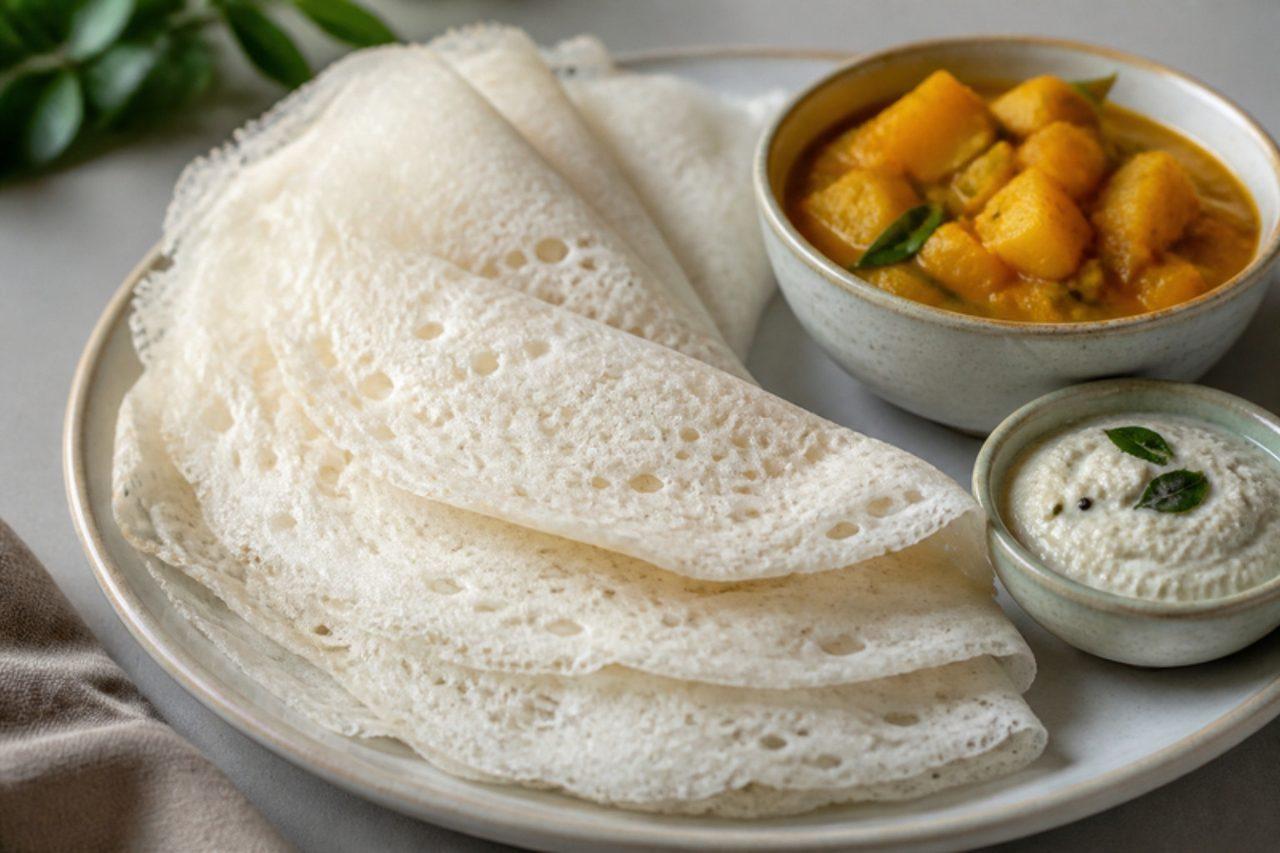
Chakuli pitha is Odisha's breakfast pancake and the first of the pithas a child learns to love; it is offered to Lord Jagannath and made at home on Sundays and for Manabasa Gurubar in the month of Margasira. Rice and a little urad dal are soaked, ground and fermented overnight, then poured onto a hot pan into a pancake that is thinner than an uttapam but softer and thicker than a dosa, with a lacy, holey top. It is eaten with aloo bhaja, ghuguni or simply with jaggery. Chef's tip: cook only on one side under a lid; the steam sets the top and keeps the holes.

by KrazyBadal 0 views

ChallahBraided egg bread

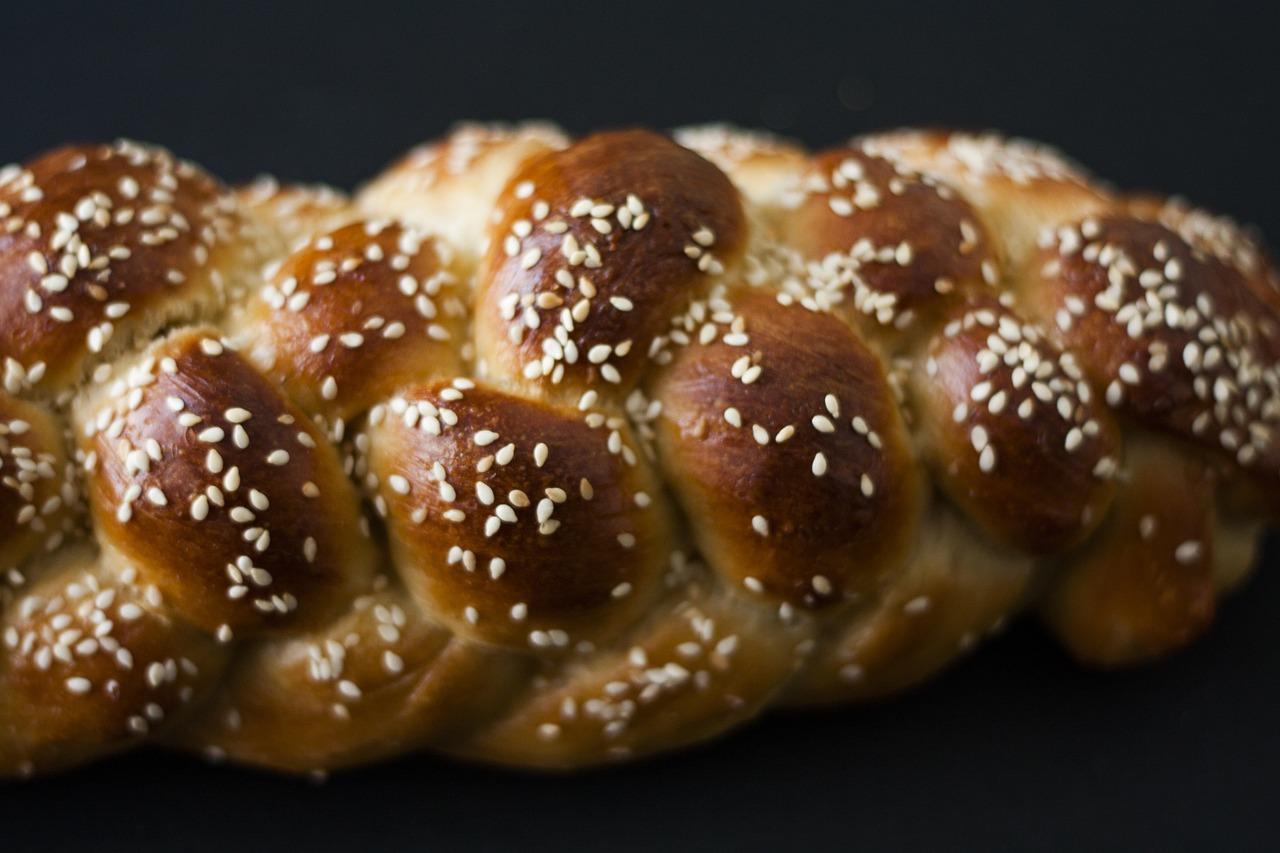
On Friday afternoons the bakeries of Jerusalem's Mahane Yehuda market and every Jewish neighbourhood from Brooklyn to Golders Green fill with plaited, shiny challah for the Shabbat table, where two loaves sit under an embroidered cloth until the blessing. The dough is enriched with eggs, oil and a little honey, so the crumb is soft, faintly sweet and pulls apart in feathery strands, and the crust bakes deep mahogany. Leftovers make wonderful French toast. Chef's tip: brush the egg glaze twice, once before rising and once just before baking, for the deep, lacquered shine.

by KrazyBadal 0 views

Gamja ongsimiPotato dumpling soup

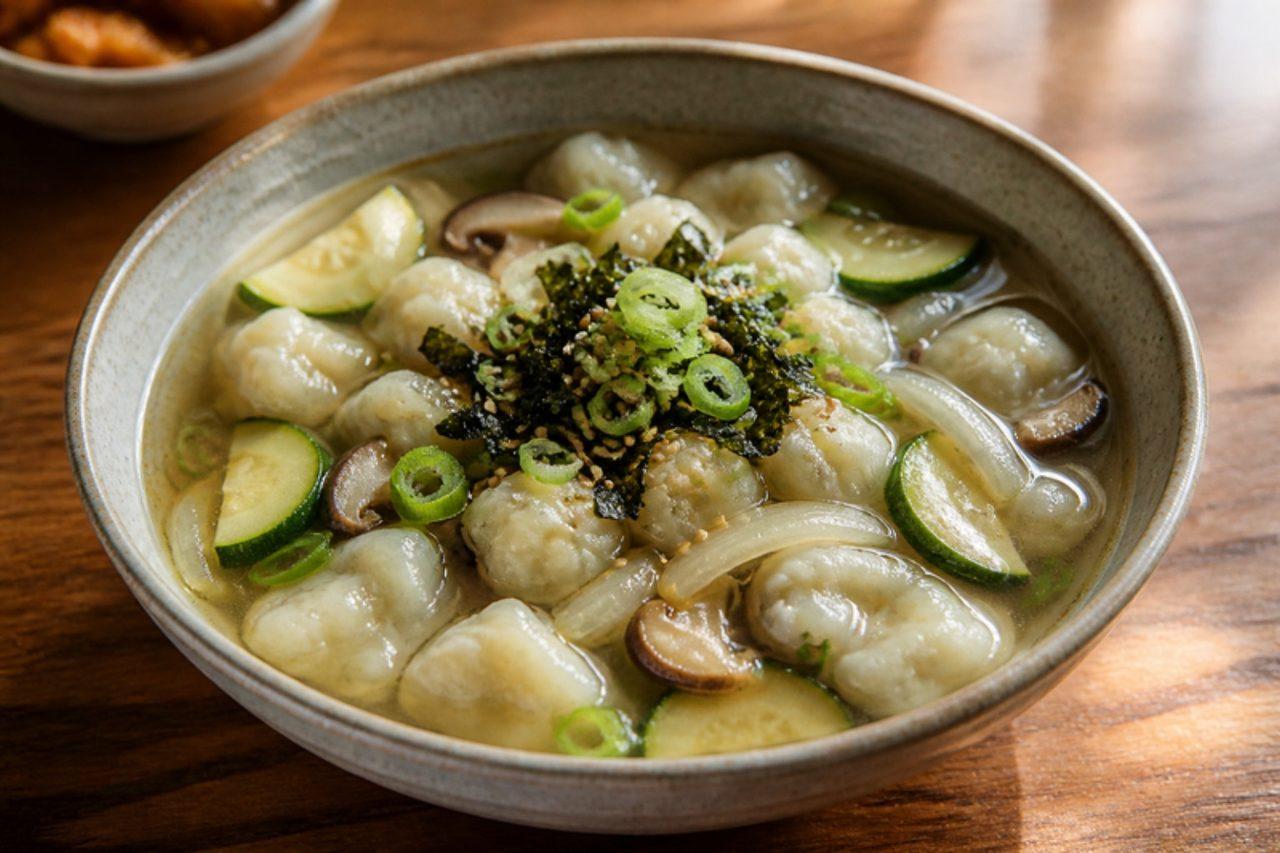
Ongsimi (옹심이) means 'little bird egg' in the Gangwon dialect, and it describes the small, chewy dumplings that Gangneung cooks make from grated potato and its own starch. Gangwon's mountains grow more potatoes than rice, and ongsimi restaurants around Gangneung still serve the dumplings in plain anchovy or kelp broth with courgette, sometimes with knife-cut noodles added. This version uses kelp and shiitake, so it is vegan and gluten free if you season with tamari. The dumplings are translucent, slippery and springy, nothing like gnocchi. Chef's tip: let the potato water stand until the white starch settles at the bottom, then add every bit of that starch back to the grated potato; it is what makes the dumplings chewy.

by KrazyBadal 0 views

Chaman kaliyaPaneer in turmeric milk gravy

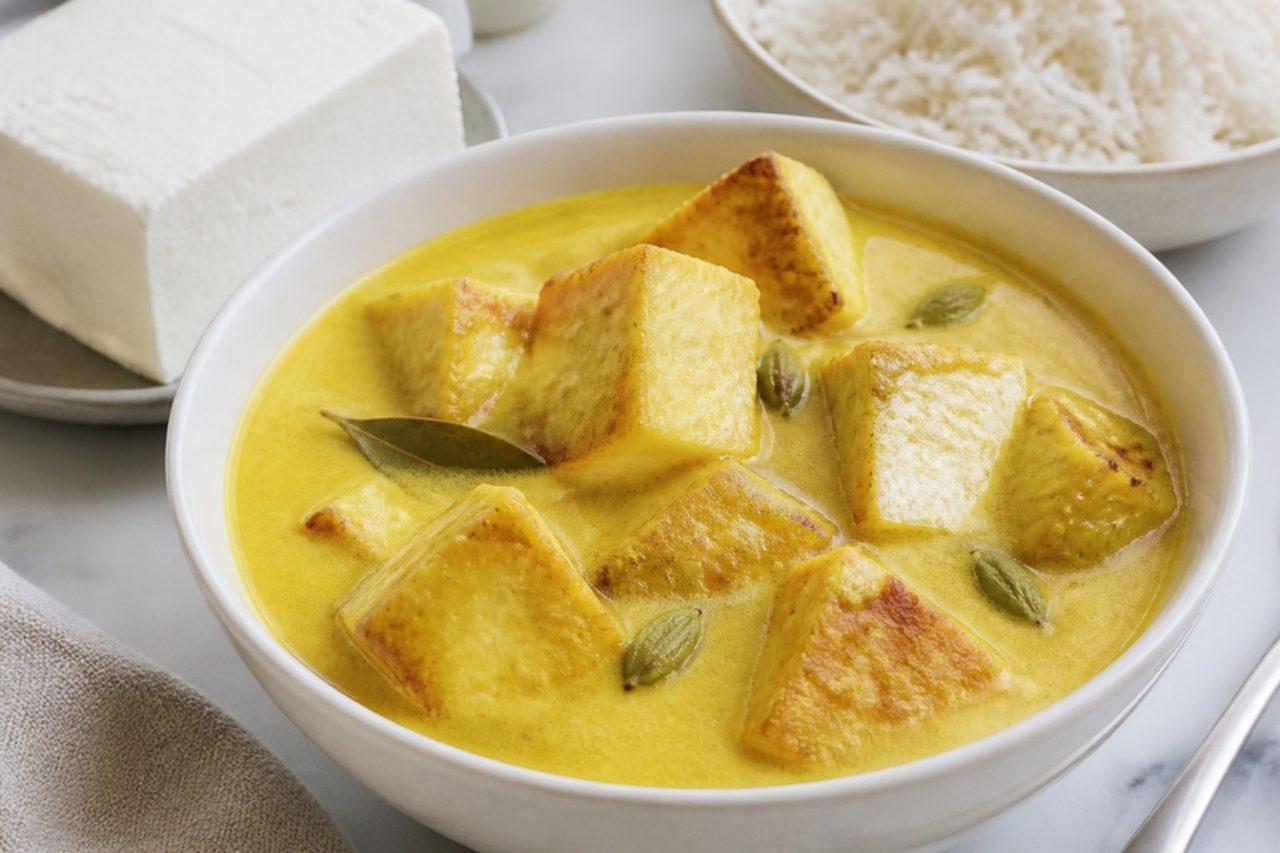
In Kashmir paneer is called chaman, and kaliya is the name for a gravy coloured bright yellow with turmeric rather than red with chilli. Kashmiri Pandit cooks fry thick slabs of paneer, rest them in warm water so they stay spongy, then simmer them in milk with fennel, dry ginger and cardamom. The result is mild, sweet-scented and soothing, a dish that sits beside the fiery ones on a wedding or festival spread and is just as welcome on a weekday with rice. Chef's tip: use a generous spoon of good turmeric; the gravy should glow a deep gold, and the milk mellows any rawness.

by KrazyBadal 0 views

Tandoori tinniesTandoori baby vegetable skewers

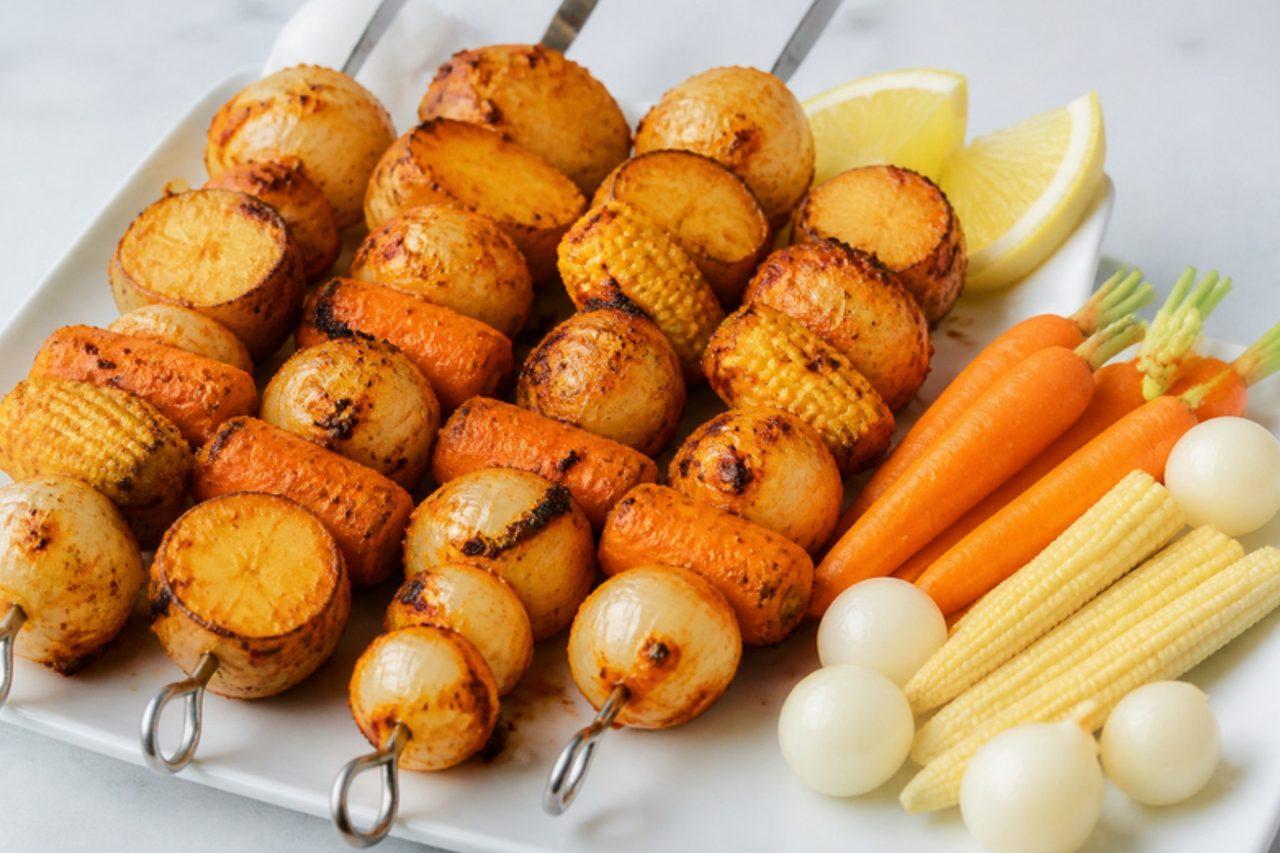
Baby onions, carrots, potatoes and corn par-boiled, coated in a creamy, fiery marinade of red chilli, garlic, ginger, coriander-cumin and dried fenugreek, then grilled on skewers over charcoal until golden. They're small, colourful and bursting with flavour. Serve hot with lemon wedges.

by KrazyBadal 0 views

Chana jor garamSpiced flattened chickpea snack

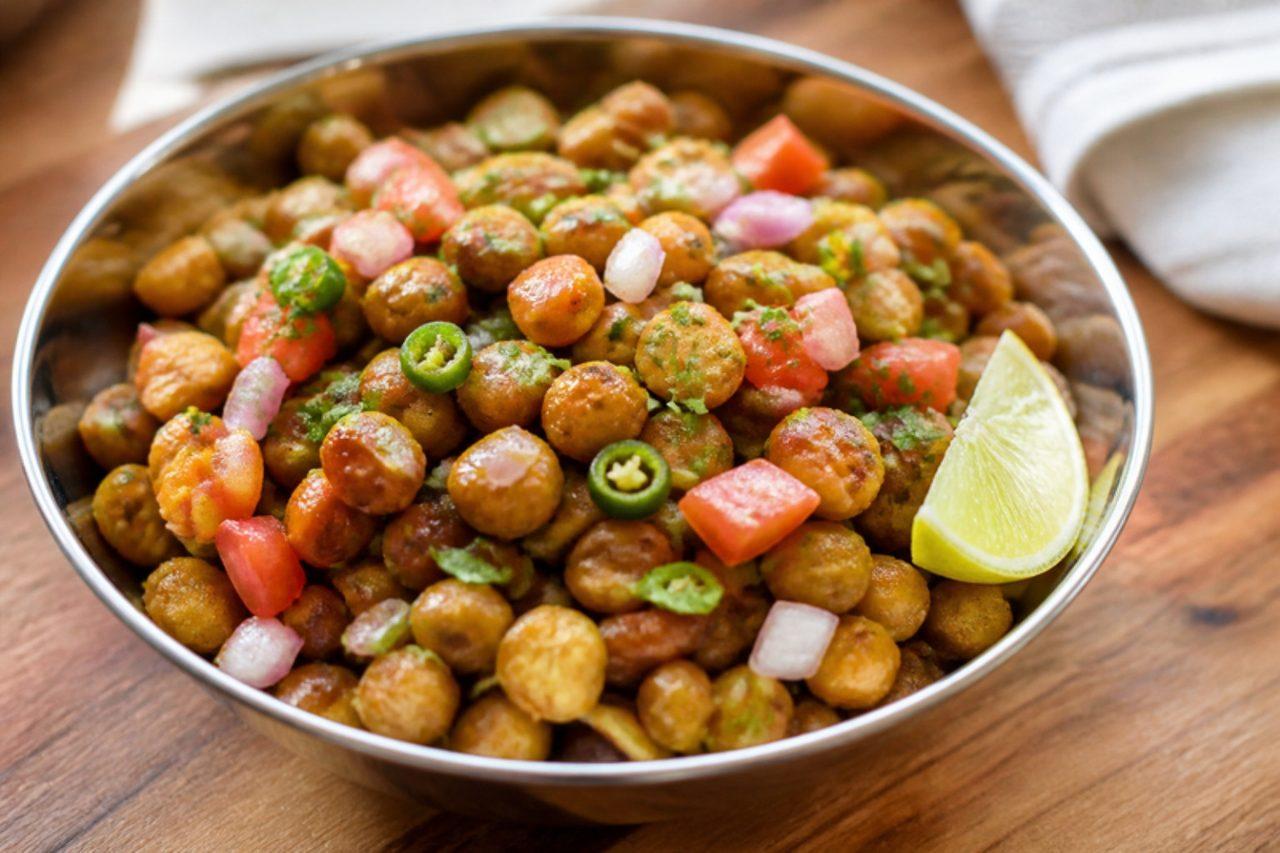
Chana jor garam is sold from a tin box slung round a vendor's neck on the Kolkata Maidan, at Babughat and along Esplanade, with a sing-song call to match its name. Chickpeas are soaked, pressed flat, and fried or roasted until crunchy, then tossed to order with raw onion, tomato, green chilli, coriander, lime and a spice mix, and handed over in a paper cone. It is lighter than jhalmuri and much crunchier. The same snack is sold on Mumbai beaches; this is the Kolkata cart version. Chef's tip: flatten the soaked chickpeas while still damp, with a rolling pin between two cloths, so they split into thin discs.

by KrazyBadal 0 views

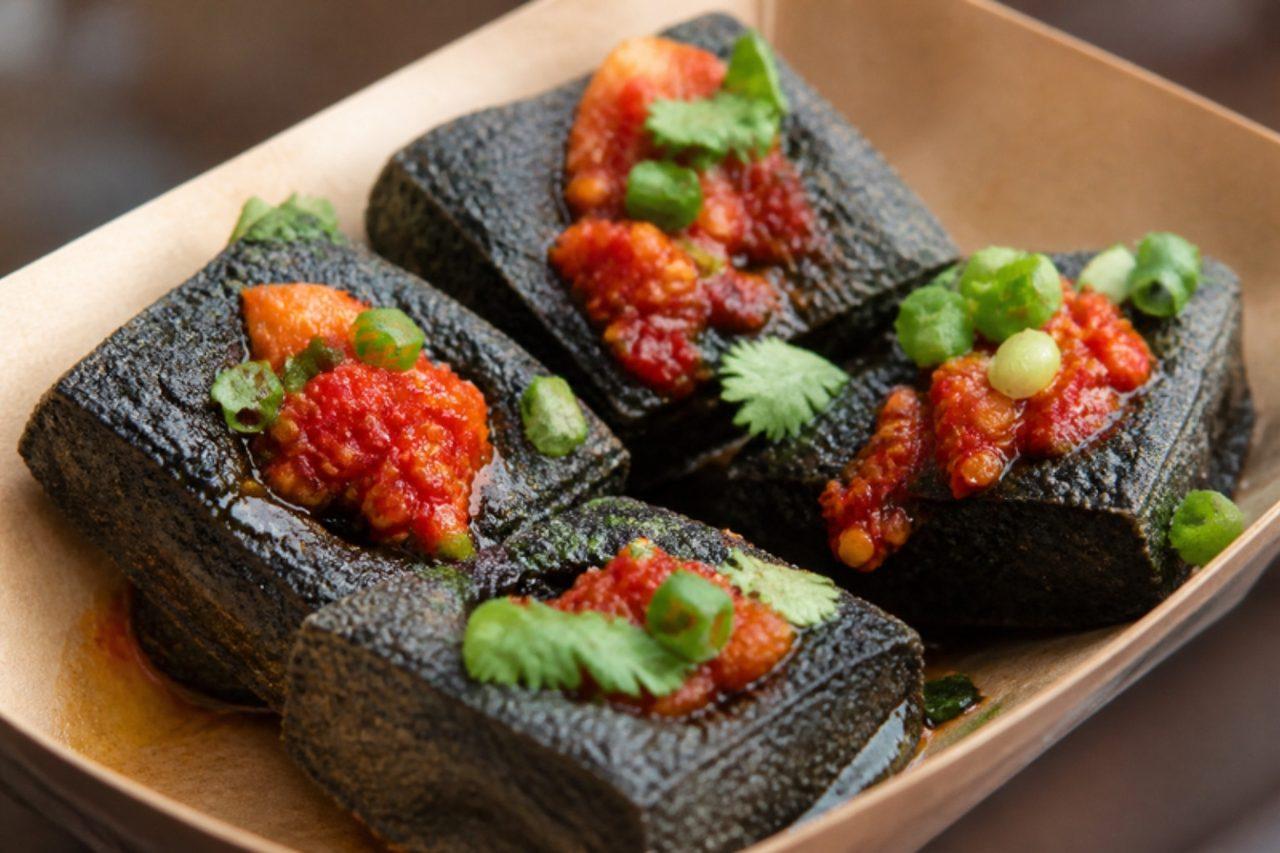
Changsha stinky tofuFried fermented tofu

Walk down Pozi Street in Changsha and you'll smell this before you see it. The tofu is fermented in a brine until it turns jet black and pungent, then fried until it puffs up with a crisp skin and a soft, hollow middle. Vendors poke a hole in each piece and spoon in a sauce of chopped chillies, garlic and soy. Making the brine takes weeks, so this home version starts with bought stinky tofu (frozen, in Chinese supermarkets). Chef's tip: the smell fades a lot during frying; it tastes milder and nuttier than it smells.

by KrazyBadal 0 views

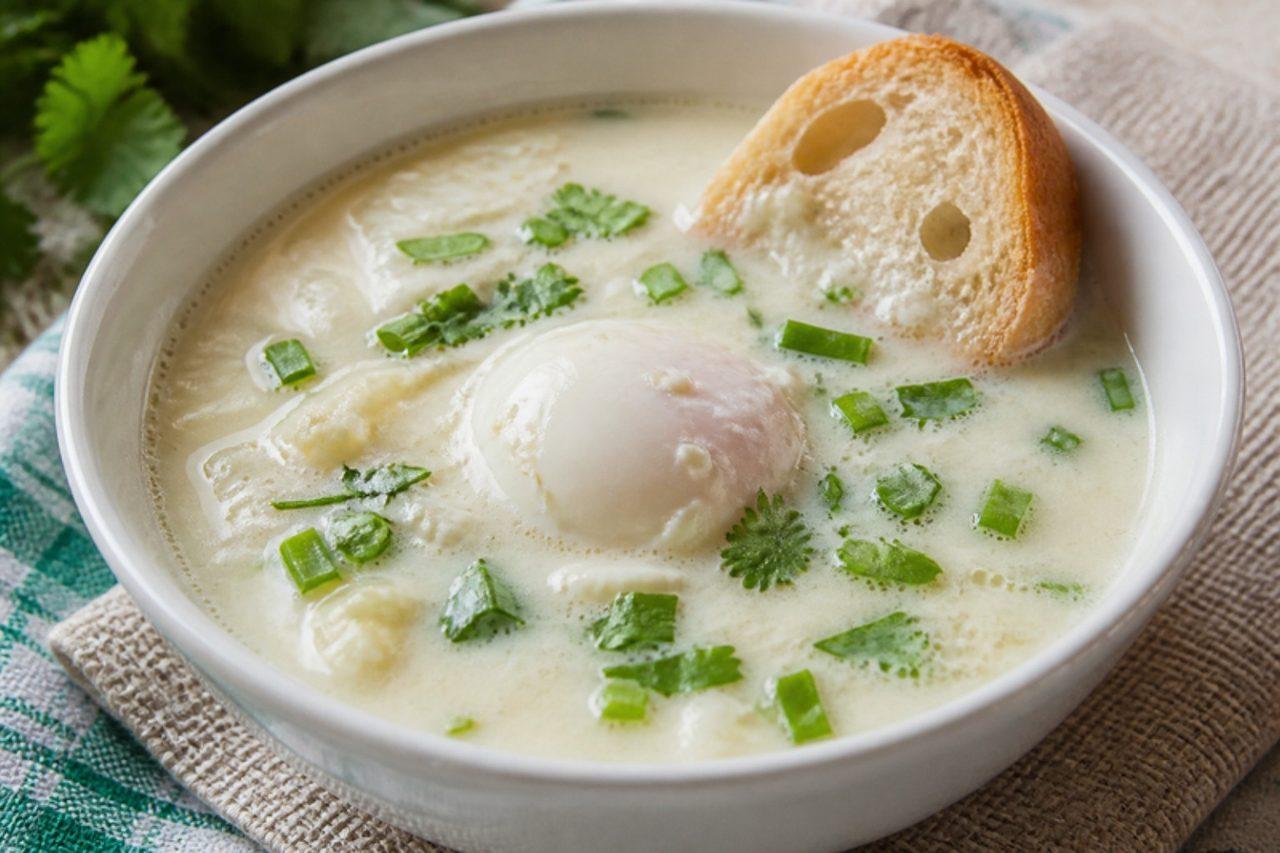
ChanguaMilk and egg breakfast soup

Changua is the breakfast soup of Bogotá and the high plains of Cundinamarca and Boyacá, where cold mornings call for something hot before work. Milk and water are simmered with spring onion, eggs are poached right in the pot, and the bowls get fresh coriander and pieces of stale bread or calado (dried toasted bread) that soften in the broth. It is gentle, creamy and filling. Chef's tip: keep the milk at a bare simmer; if it boils hard it can catch on the bottom and the eggs break apart.

by KrazyBadal 0 views

Showing 36 of 7,762 recipes

Show more recipes

Page 668 of 863