


Skip to content
Sour cream dip
Featured recipe

Sour cream dip

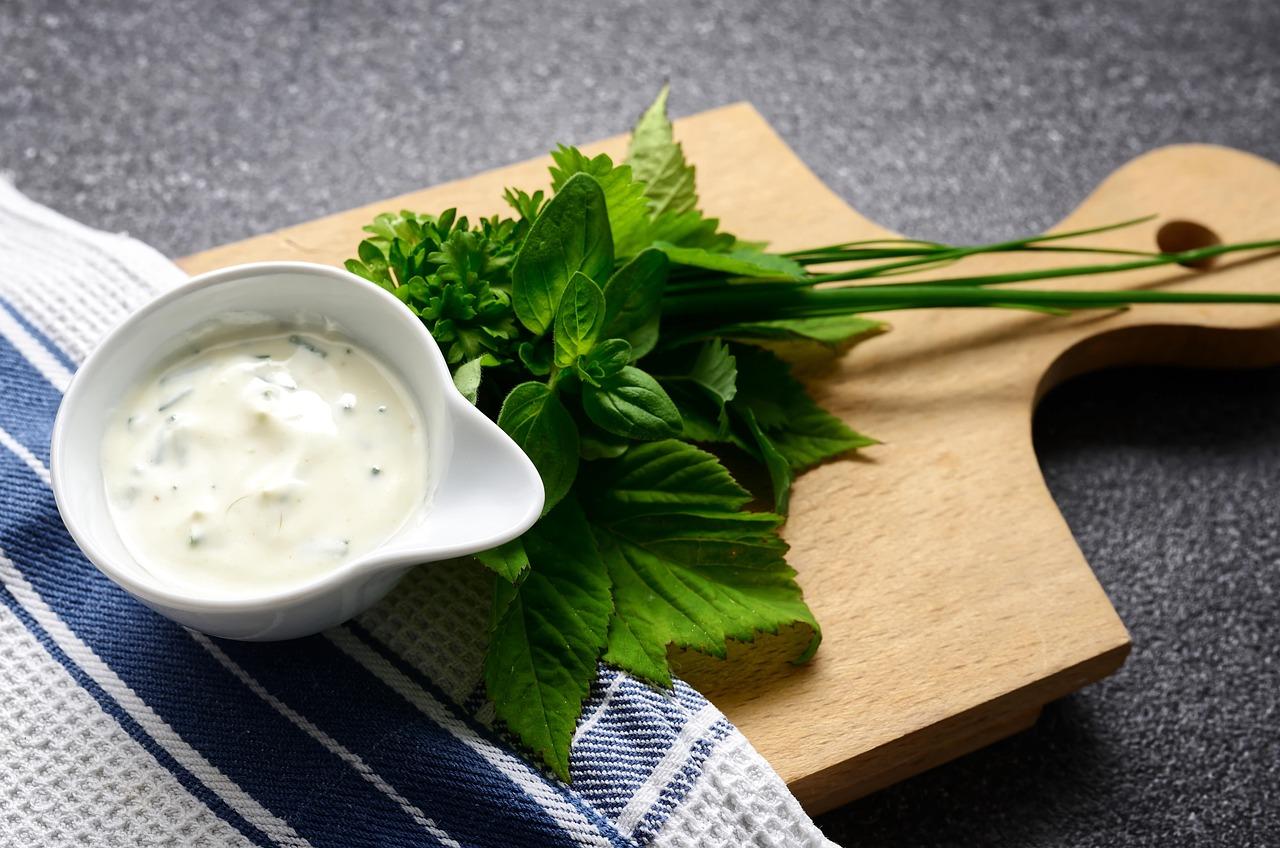
A simple, tangy dip made with thick home-made cottage cheese (hung yogurt) or ready-made sour cream, seasoned with garlic, chilli, black pepper and vinegar. Serve it cold with crisps, nachos and jacket potatoes. The book's other dips use this as their 'sour cream'.

Read more 1 views

What to eat today?

Around the world

Today's trip: Paraguayan

A new country every day, from every cuisine on the site.

Paraguayan

Morcilla dulce

Sweet blood sausage with walnuts 120 minMore from Paraguayan (27) →

This week's collection

Kid-friendly dinners
537 recipes · a new collection every Monday

Latest recipes

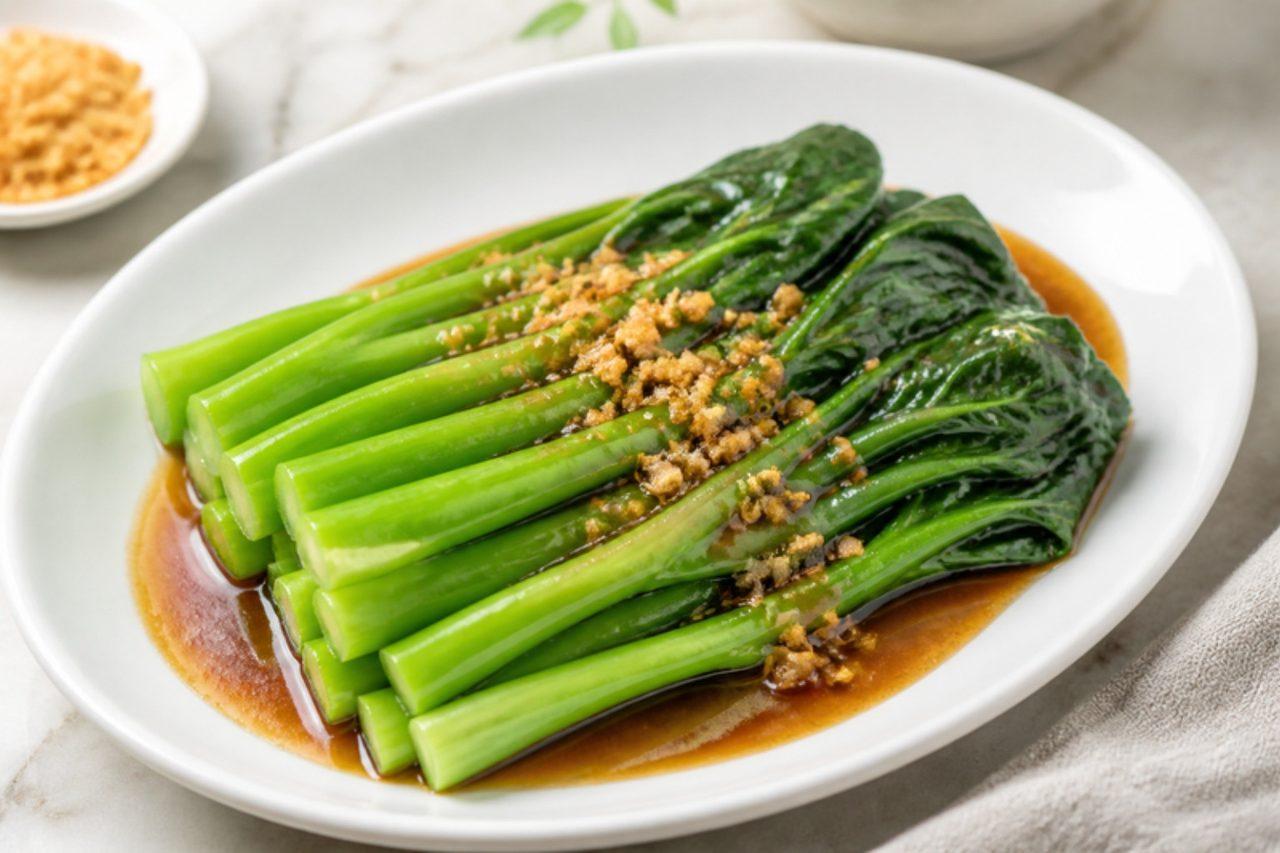
Gai lan with vegetarian oyster sauceChinese broccoli with mushroom sauce

Every Cantonese table needs a plate of greens, and gai lan (Chinese broccoli) is the favourite in Guangdong homes and Hong Kong cha chaan teng. The stems are thick, sweet and slightly bitter, the leaves soft. Restaurants blanch it and pour oyster sauce on top; here a mushroom-based vegetarian oyster sauce gives the same dark gloss and savouriness. Chef's tip: add a spoon of oil and a pinch of sugar to the blanching water; the oil keeps the greens bright and shiny, and the sugar softens the bitterness.

by KrazyBadal 0 views

Gai tod Hat YaiSouthern fried chicken

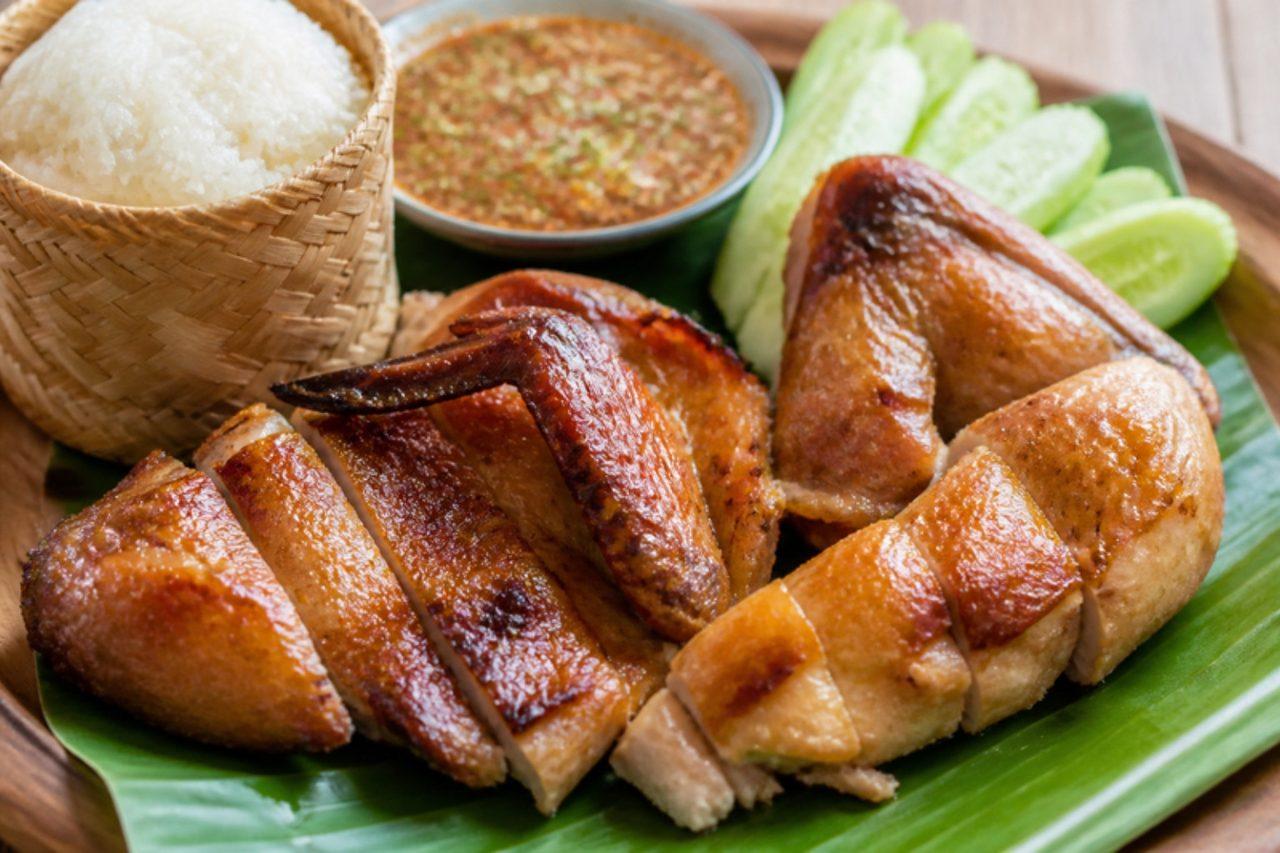
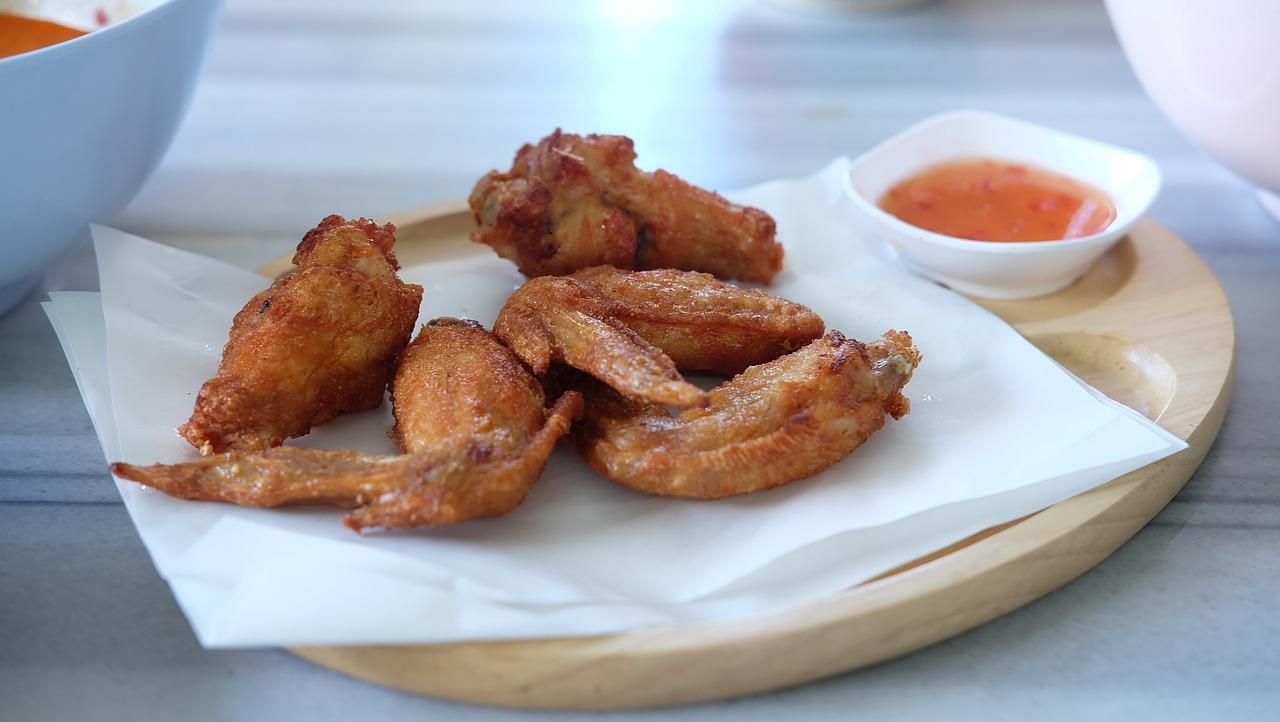
Hat Yai, the busy trading city in Songkhla province near the Malaysian border, gave its name to Thailand's best-loved fried chicken: pieces marinated with coriander root, garlic and white pepper, fried in a thin rice-flour coat until deep bronze, then buried under a drift of crisp fried shallots. Stalls there sell it from early morning with sticky rice and sweet chilli sauce, and Bangkok vendors copy it on every soi. The skin is light and crackly rather than bready, the meat aromatic and well seasoned, and the shallots add sweetness and crunch. Children love it with the sauce on the side. Chef's tip: marinate overnight in the fridge so the coriander root and pepper reach right to the bone.

by KrazyBadal 0 views

Gai yangGrilled lemongrass chicken

Bus stations and football matches across Isan have the same soundtrack: the crackle of chicken pieces clamped in split bamboo over glowing coals, and the thump of a pestle making som tam beside them. Gai yang is marinated in garlic, coriander root, white pepper and lemongrass, then grilled slowly so the skin turns lacquered and smoky while the meat stays juicy. Tear it apart with your hands and eat it with sticky rice, green papaya salad and a sour-hot jaew dipping sauce. Chef's tip: leave it in the marinade overnight in the fridge; the lemongrass and garlic need hours to get past the skin.

by KrazyBadal 0 views

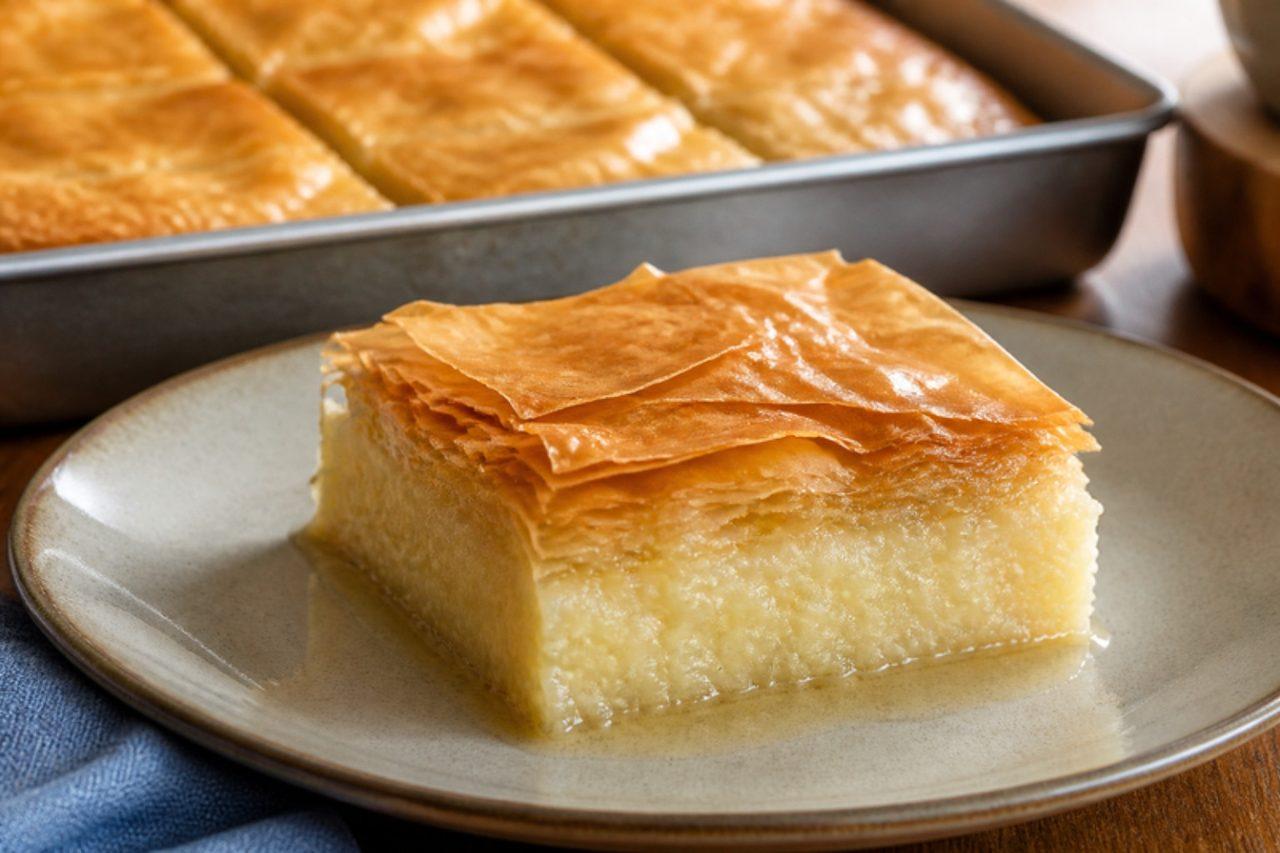
GalaktobourekoSemolina custard in fillo

Galaktoboureko is the grand dessert of Greek pastry shops: a thick layer of silky semolina custard baked between sheets of buttered fillo, then soaked with cold lemon and cinnamon syrup the moment it leaves the oven. It's bought by the tray for Sunday lunches, name days and Easter, and eaten slightly warm or at room temperature with coffee. The top shatters, the syrup pools at the edges and the custard stays creamy. It takes patience but no special skill. Chef's tip: pour cold syrup over the hot pie (or hot over cold), never hot on hot; that common mistake leaves the pastry soggy instead of crisp.

by KrazyBadal 0 views

Galette complèteBuckwheat crêpe with ham and egg

In every crêperie in Brittany, from Rennes to Quimper, the first thing most people order is the complète: a lacy buckwheat galette folded square around ham, melted cheese and an egg, eaten for lunch or a casual dinner with a bowl of dry cider. Contains pork (ham). The batter is just buckwheat flour, water, salt and an egg, so the galette has no wheat; some buckwheat flour is milled alongside wheat, so check the packet if you avoid gluten. A cup of apple juice is a good alcohol-free partner. Chef's tip: rest the batter for at least 2 hours, or overnight in the fridge; it thickens and the galettes cook up thinner and crisper.

by KrazyBadal 0 views

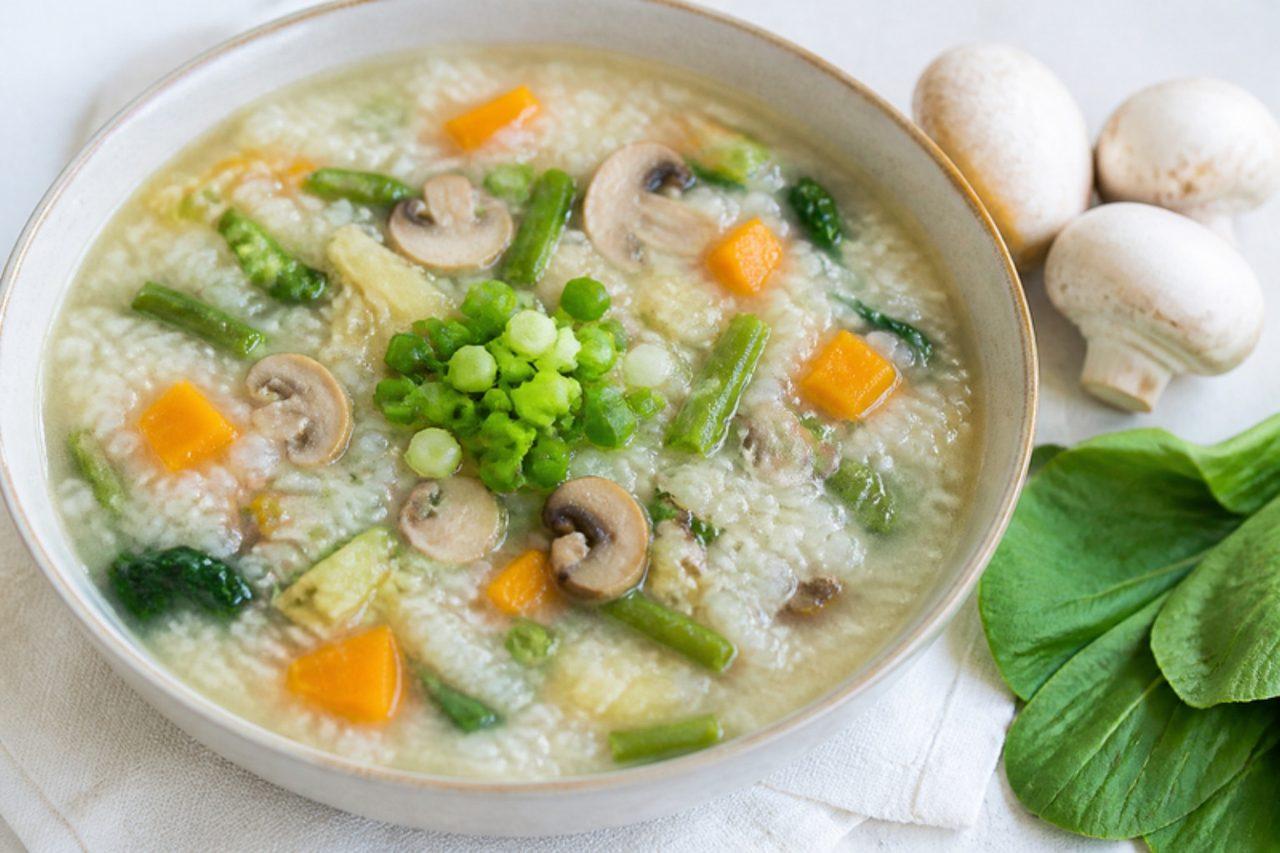
GalhoRice and vegetable porridge

Galho is Nagaland's comfort food, a soft, loose rice porridge cooked with seasonal vegetables, greens, ginger and chilli, sometimes thickened with a spoon of fermented soybean (axone). In Kohima homes it is the dish for cold evenings and for anyone unwell, and in restaurants it is often made with pork; this vegetarian version uses mushrooms and axone for savour. It sits somewhere between khichdi and congee, thick but spoonable. Chef's tip: stir only occasionally; galho should be soupy with distinct grains, not a smooth paste.

by KrazyBadal 0 views

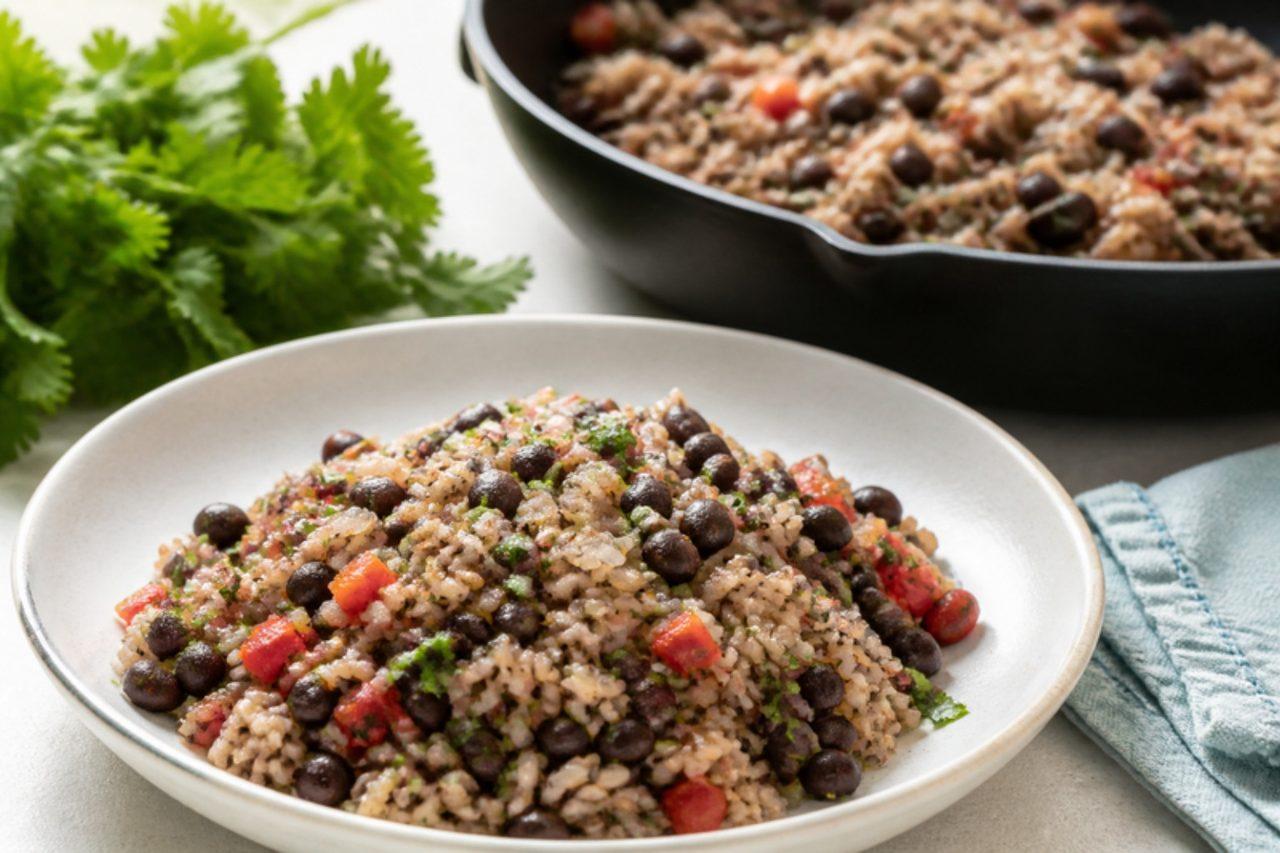
Gallo pintoRice and black beans

Gallo pinto means 'spotted rooster', for the speckled look of rice tossed with beans, and both Costa Rica and Nicaragua claim it. In Costa Rica it's black beans with plenty of coriander and a tangy brown sauce, served at breakfast with eggs, sour cream and fried plantain; in Nicaragua red beans are fried harder with onion until the rice turns rusty. This version follows the Costa Rican breakfast table and gets its tang from cumin and a little soy sauce. Chef's tip: use rice cooked the day before and keep a cup of the bean cooking liquid; that dark liquid is what colours the rice.

by KrazyBadal 0 views

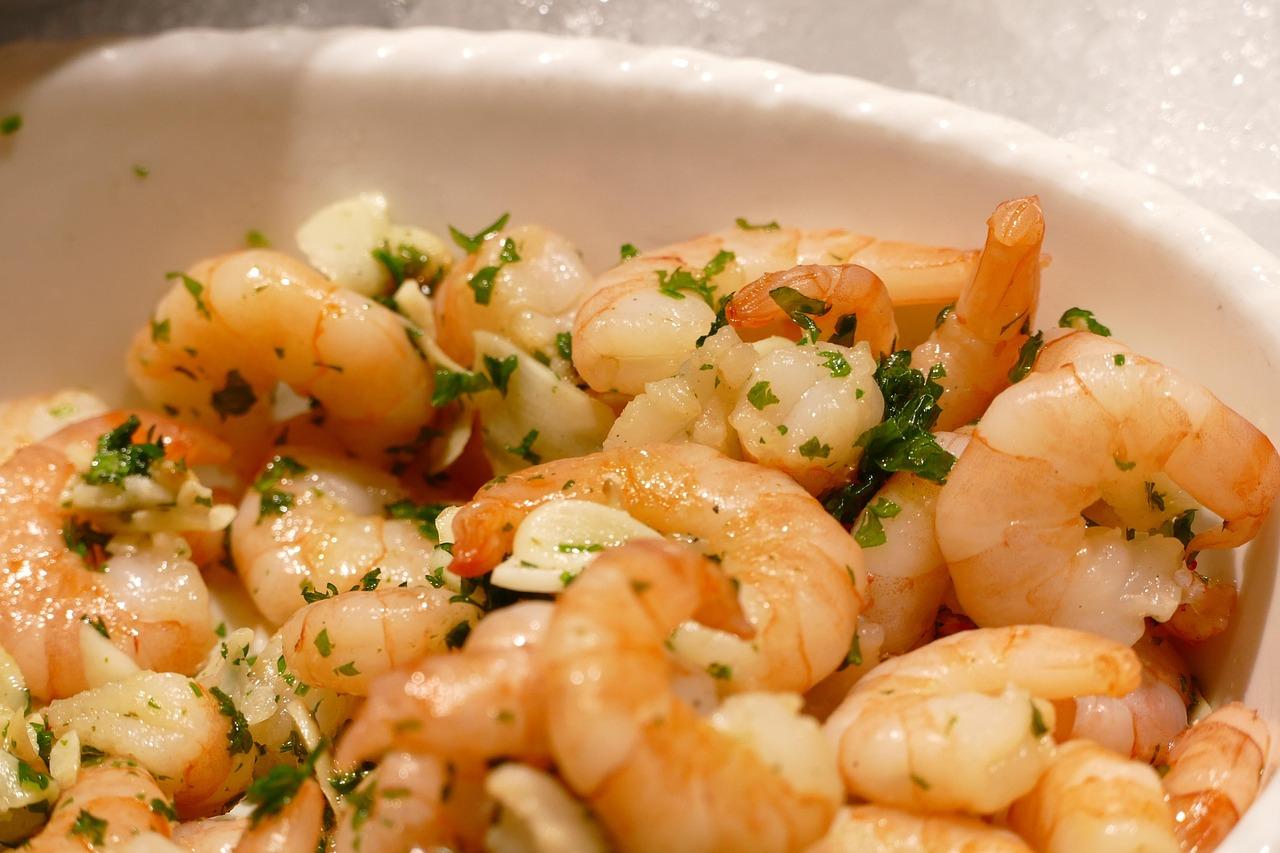
Gambas al ajilloGarlic prawns

Walk into a bar near Madrid's Plaza Mayor or Puerta del Sol and you will hear gambas al ajillo before you see them: peeled prawns still spitting in a small terracotta cazuela of olive oil, sliced garlic and dried chilli. They arrive at the table bubbling, with a basket of bread for mopping up the golden oil, which many people think is the best part. At home it takes ten minutes and works as a tapa for four or a quick supper for two. Chef's tip: pat the prawns completely dry with kitchen paper before they go in, so they sizzle in the oil instead of stewing in their own water.

by KrazyBadal 0 views

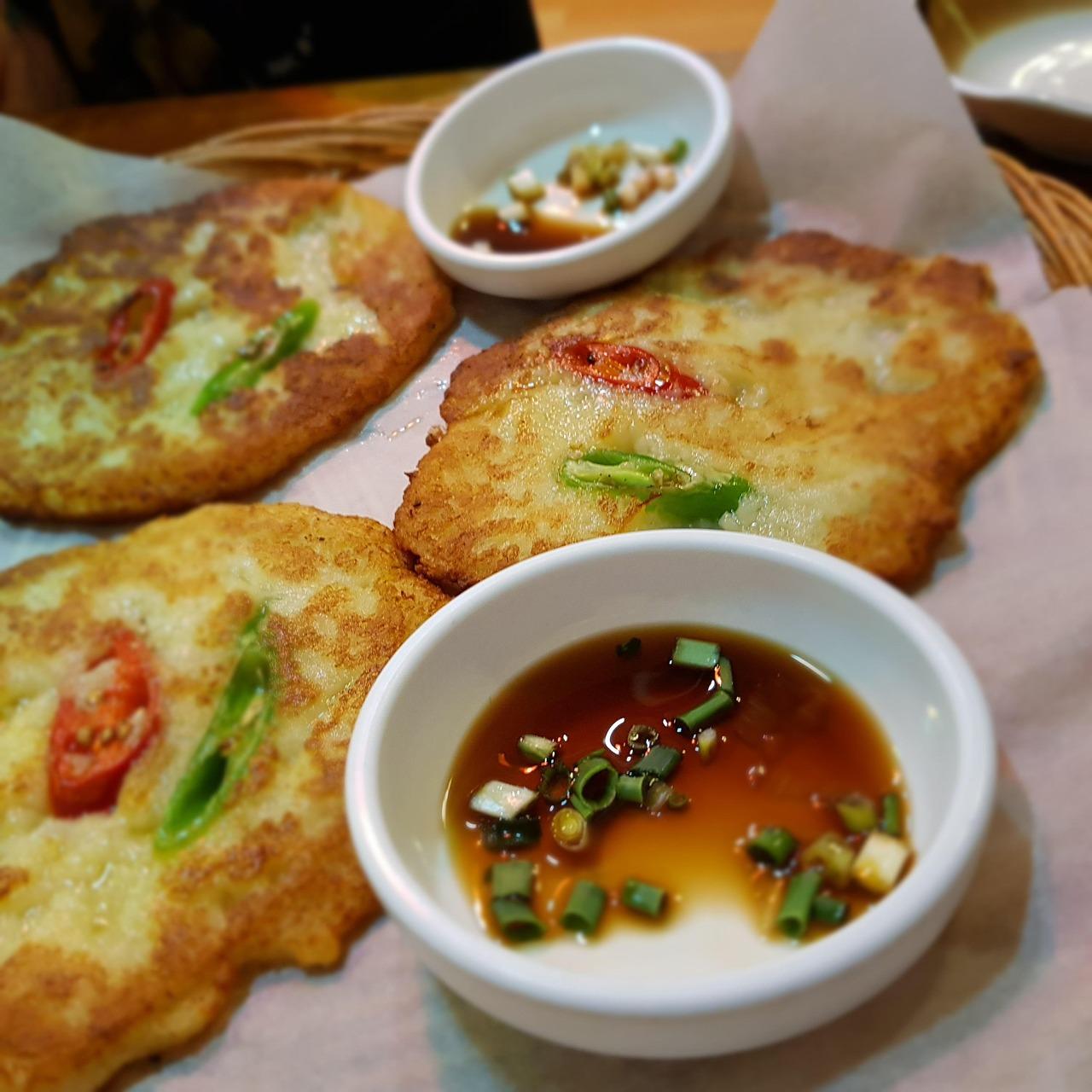
Gamja jeonPotato pancakes

On rainy afternoons in Gangwon province, roadside stalls and mountain trail restaurants fry gamja jeon (감자전): pancakes of nothing but grated potato, salt and a few slices of chilli, fried in plenty of oil until the edges turn lacy and glassy-crisp while the middle stays soft and chewy. It is a different thing from a Western rösti, made from a wet purée rather than shreds. Eat them hot with a sharp soy dipping sauce and a bowl of makgeolli or barley tea. Chef's tip: press each pancake thin with the back of a spoon as soon as it hits the pan; thick ones stay gluey inside.

by KrazyBadal 0 views

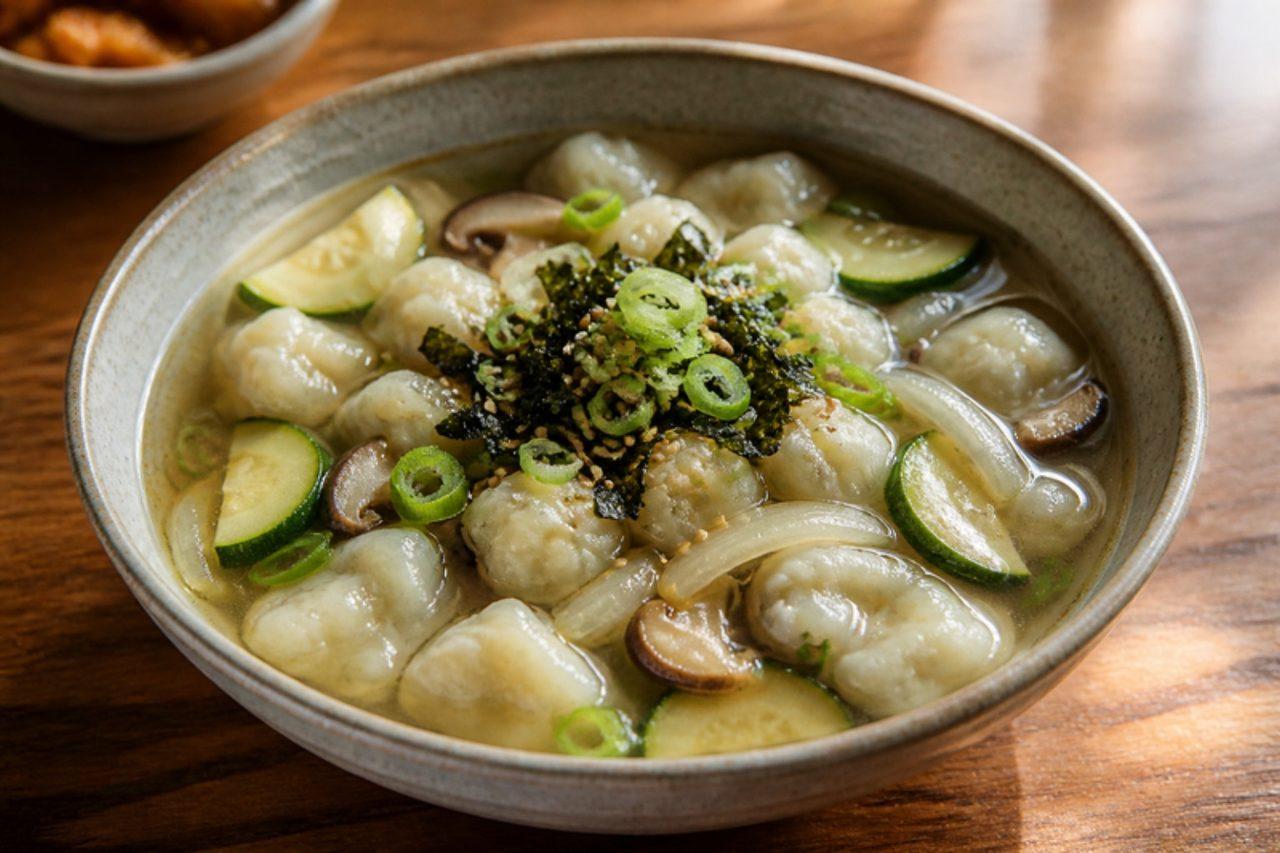
Gamja ongsimiPotato dumpling soup

Ongsimi (옹심이) means 'little bird egg' in the Gangwon dialect, and it describes the small, chewy dumplings that Gangneung cooks make from grated potato and its own starch. Gangwon's mountains grow more potatoes than rice, and ongsimi restaurants around Gangneung still serve the dumplings in plain anchovy or kelp broth with courgette, sometimes with knife-cut noodles added. This version uses kelp and shiitake, so it is vegan and gluten free if you season with tamari. The dumplings are translucent, slippery and springy, nothing like gnocchi. Chef's tip: let the potato water stand until the white starch settles at the bottom, then add every bit of that starch back to the grated potato; it is what makes the dumplings chewy.

by KrazyBadal 0 views

Gansu jiangshui noodlesNoodles in tangy fermented vegetable broth

Tianshui and other towns in Gansu keep a crock of jiangshui going all summer: a pale, sour liquid made by fermenting greens in starchy noodle water. It is heated with chilli, Sichuan pepper and garlic chives and poured over hand-cut noodles, a cooling, refreshing bowl that people say beats the heat. The ferment takes 3–4 days in a warm kitchen, then keeps going for weeks if you top it up. Chef's tip: a spoonful of sauerkraut brine jump-starts the first batch, so it sours cleanly instead of growing off-flavours.

by KrazyBadal 0 views

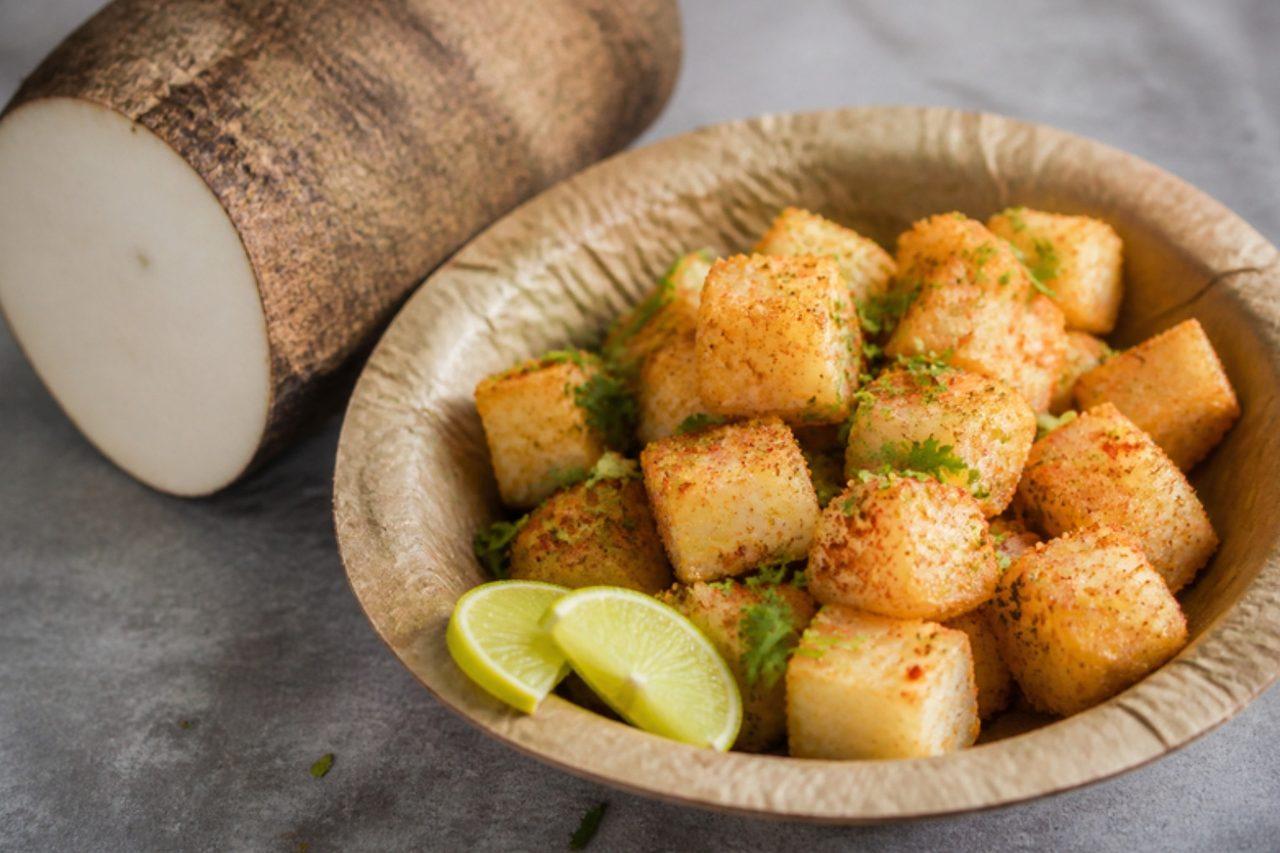
Garadu chaatFried yam chaat

When the nights turn cold in Indore, the stalls of Sarafa Bazaar pile their woks with garadu, a starchy, slightly sticky yam that only appears from November to February. It is boiled, fried until the edges crunch, then shaken with a punchy masala of roasted cumin, black salt and chilli and finished with lime. People eat it standing up from a leaf bowl, often as the savoury stop between jalebi and rabri. Garadu can be hard to find outside Madhya Pradesh; purple yam or white yam from an Asian or African grocer is the closest match, and taro (arbi) works in a pinch. Chef's tip: boil the cubes only until a knife meets slight resistance, then let them steam dry completely, because wet yam spits in the oil and never crisps.

by KrazyBadal 0 views

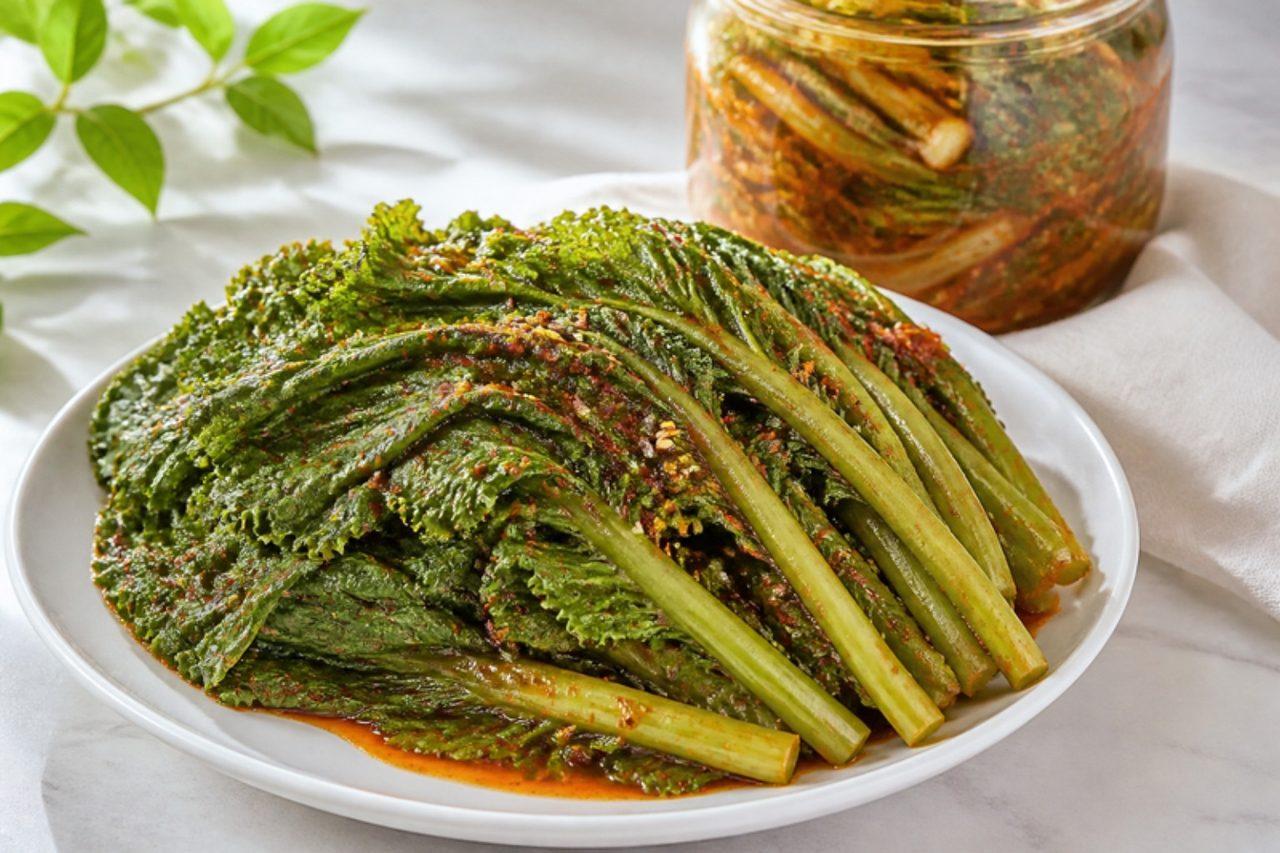
Gat kimchiMustard leaf kimchi

Dolsan island, off the port city of Yeosu in South Jeolla, grows a purple-tinged mustard green called gat that is milder and more tender than mainland mustard leaves, and gat kimchi (갓김치) made from it is the region's pride. The leaves keep a hot, wasabi-like bite that softens and turns tangy after a week or two of fermenting. Jeolla kimchi is usually heavy with fish sauce and salted anchovy; this version gets its depth from a kelp-and-rice porridge, pear, onion and soy, so it is vegan. Eat it with plain rice, noodles or on the side of jeon. Chef's tip: salt the leaves stems-first and turn them halfway; the thick stems need longer than the leaves.

by KrazyBadal 0 views

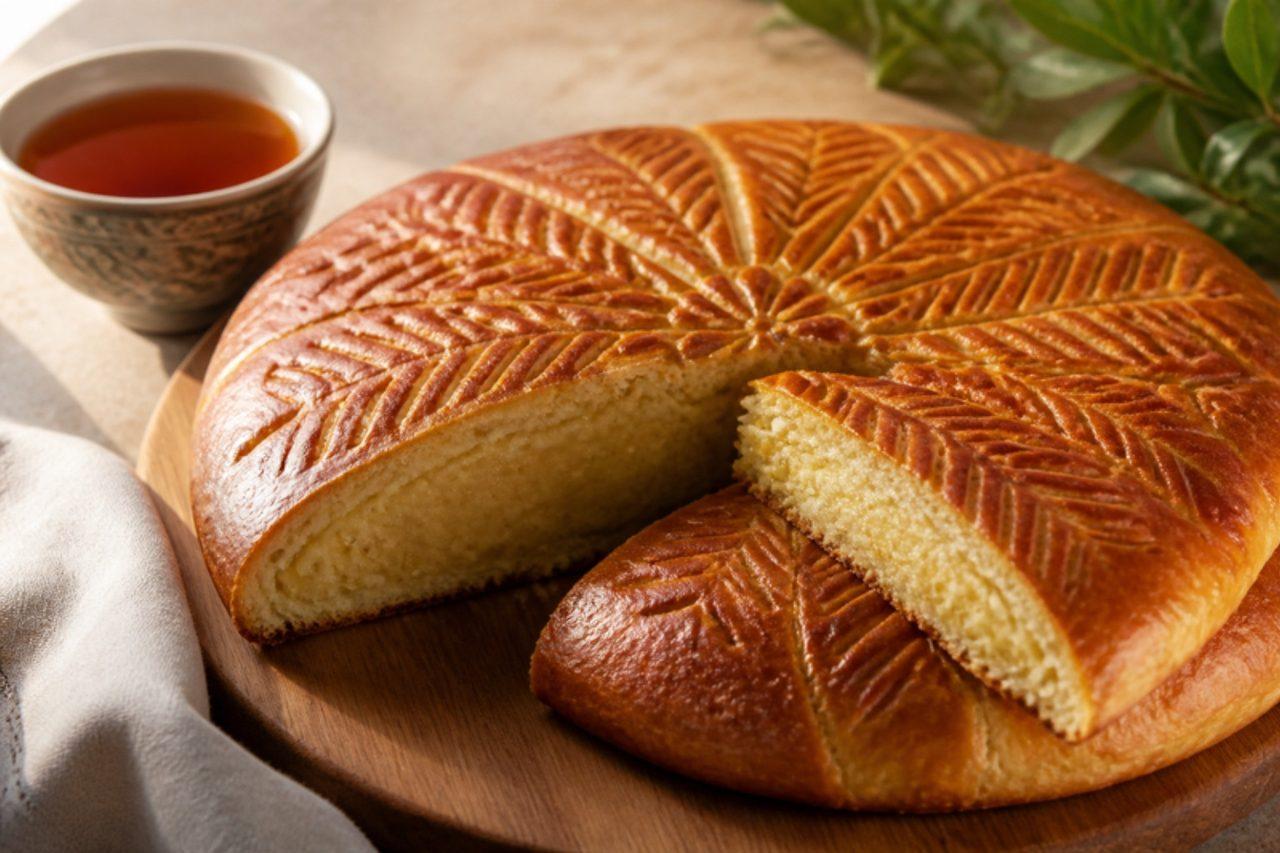
GataSweet bread with buttery filling

Gata is the sweet bread Armenians bake for Candlemas (Trndez) in February and for New Year, often with a coin hidden inside for luck; whoever finds it is set for the year. Every region shapes it differently, but the best-known are the large golden rounds sold by women at the roadside near Garni temple and Geghard monastery, cut into wedges for the drive home. Inside a tender, slightly flaky dough made with matsun (yogurt) and butter is khoriz, a sweet crumble of flour, sugar and butter that bakes into a soft, sandy layer. Eat it with black coffee or tea. Chef's tip: roll the dough thin and fold the khoriz inside like an envelope before rolling again; the folding creates layers so the gata is light rather than doughy.

by KrazyBadal 0 views

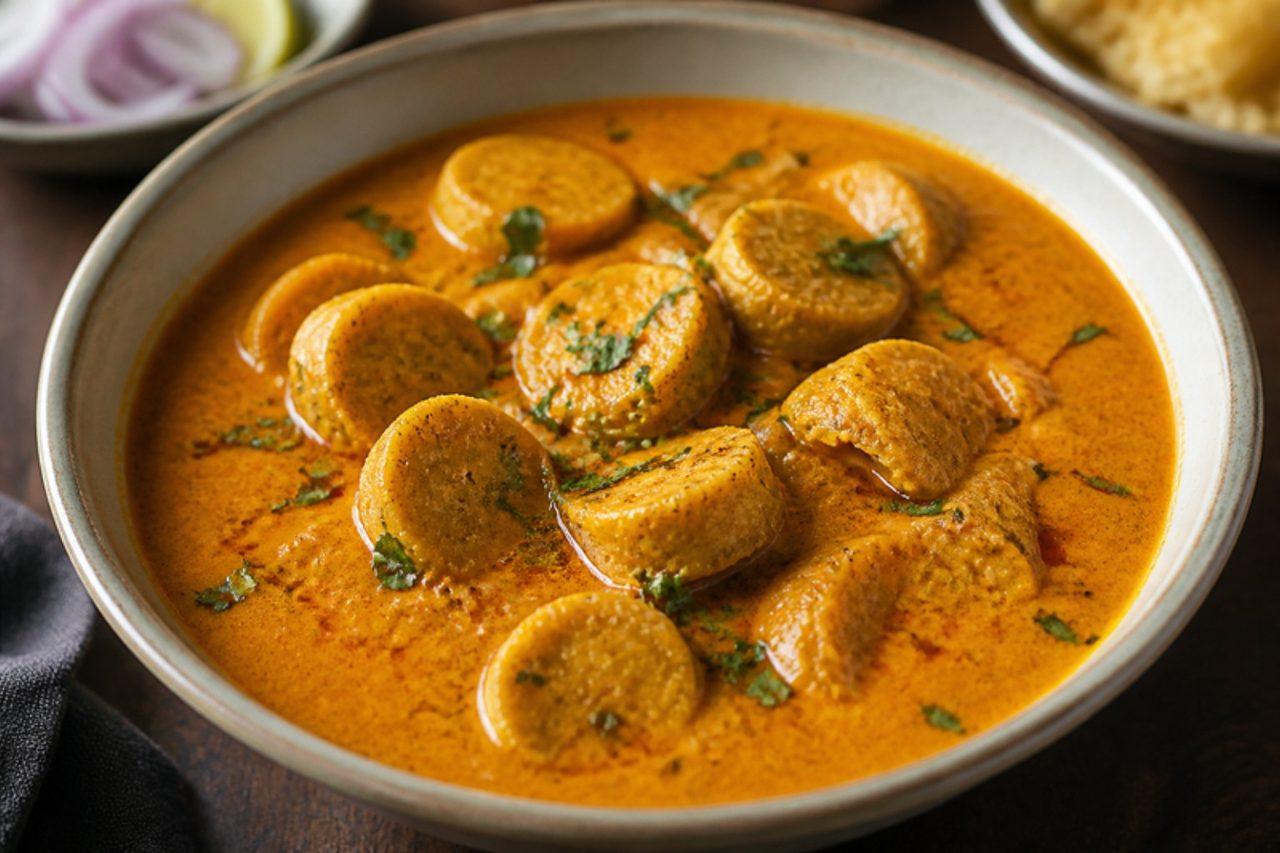
Gatte ki sabziGram flour dumplings in spiced yogurt gravy

Gatte ki sabzi comes from the deserts of Rajasthan, where fresh vegetables were scarce and cooks turned gram flour into 'vegetables' instead. Firm, spiced besan rolls are boiled, sliced into little wheels and then simmered in a tangy yogurt gravy until they soak up its flavour. The dumplings are soft but hold their shape and the gravy is gently sour with a warming heat. Serve with phulka, bajra roti or steamed rice. Chef's tip: keep the cooking water from the gatte and use it for the gravy; it carries their flavour and a little starch that helps keep the yogurt from splitting.

by KrazyBadal 0 views

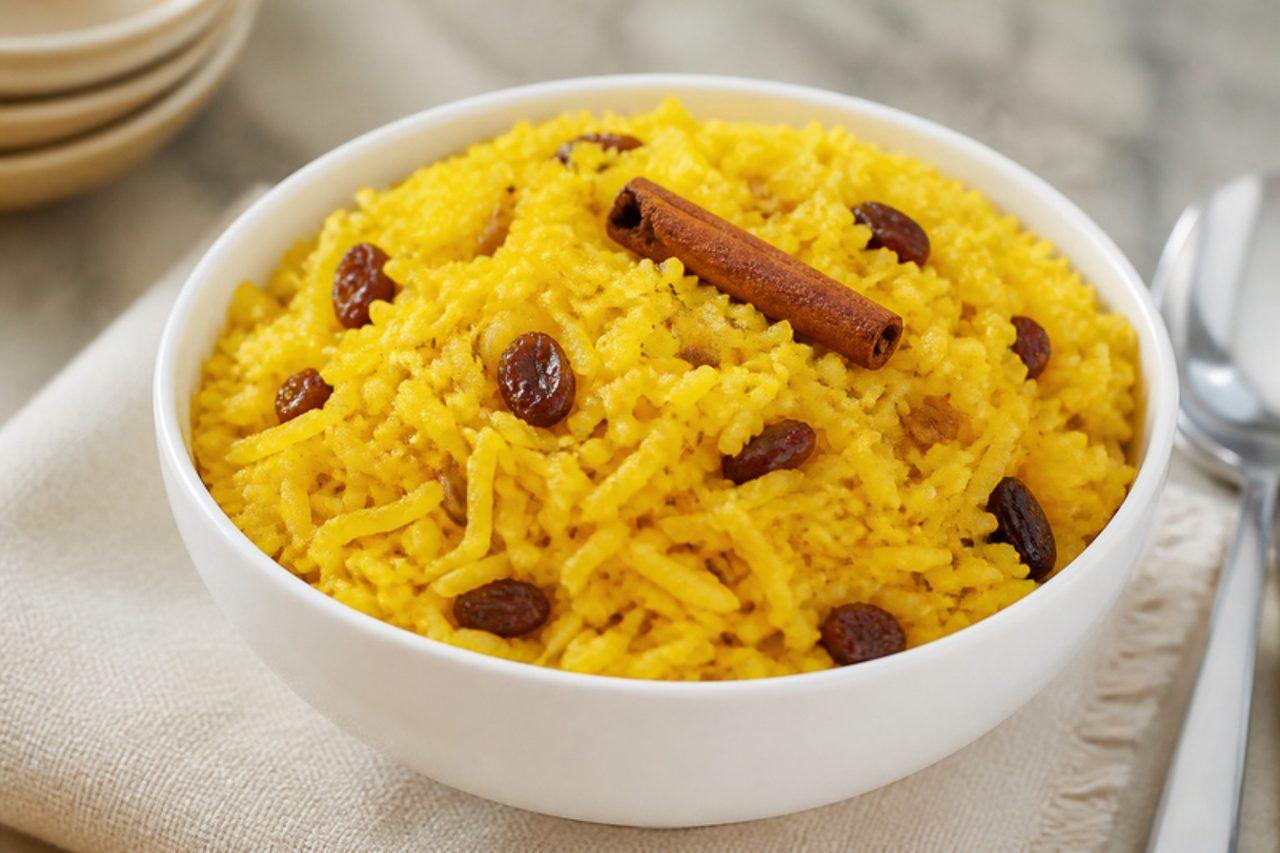
Yellow rice (geelrys)Sweet turmeric rice

Geelrys, or yellow rice, is the bright, faintly sweet rice that comes to the table in the Western Cape with bobotie, curries and Sunday roasts, and at Cape Malay weddings and funerals alike. It is cooked with turmeric, a stick of cinnamon, a little sugar and plump raisins, then finished with a knob of butter so the grains gleam. The sweetness is gentle, just enough to soften a spicy curry. Chef's tip: add the raisins at the start so they plump in the cooking water; added at the end they stay tough and chewy.

by KrazyBadal 0 views

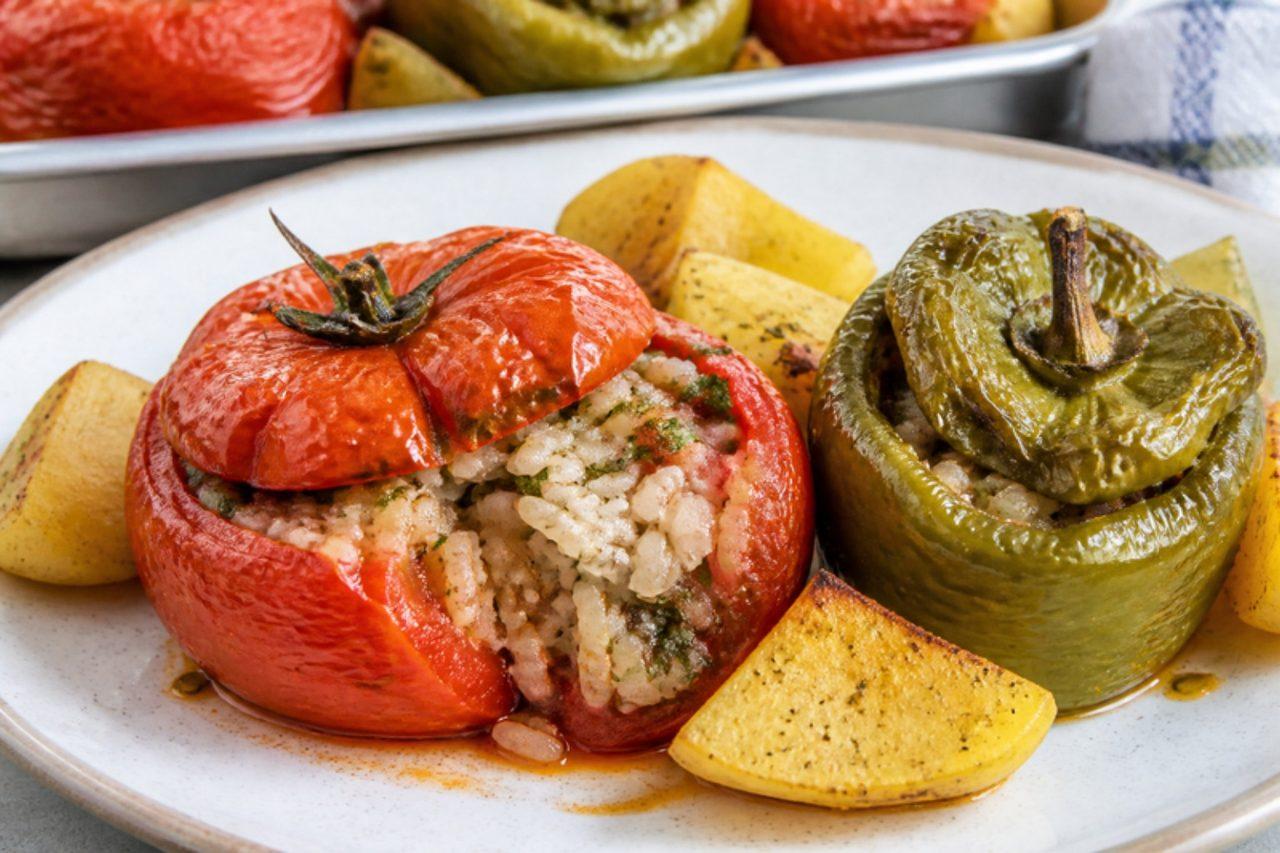
GemistaRice-stuffed tomatoes and peppers

Gemista is the dish of a Greek August, when tomatoes are cheap, sweet and bursting. Home cooks hollow out the tomatoes and peppers, stir the scooped-out pulp into rice with onions, mint and parsley, and bake everything in one big tray with wedges of potato tucked in between. The vegetables slump and blister, the rice soaks up the tomato juice and olive oil, and the potatoes go sticky at the edges. This vegetarian version is the one most families make in summer and during fasting periods. Serve warm or at room temperature with feta for those who eat dairy and plenty of bread to wipe the tray. Chef's tip: fill the vegetables only three-quarters full; the rice swells as it bakes, and overfilling is the common mistake that splits the tomatoes and leaves the rice hard.

by KrazyBadal 0 views

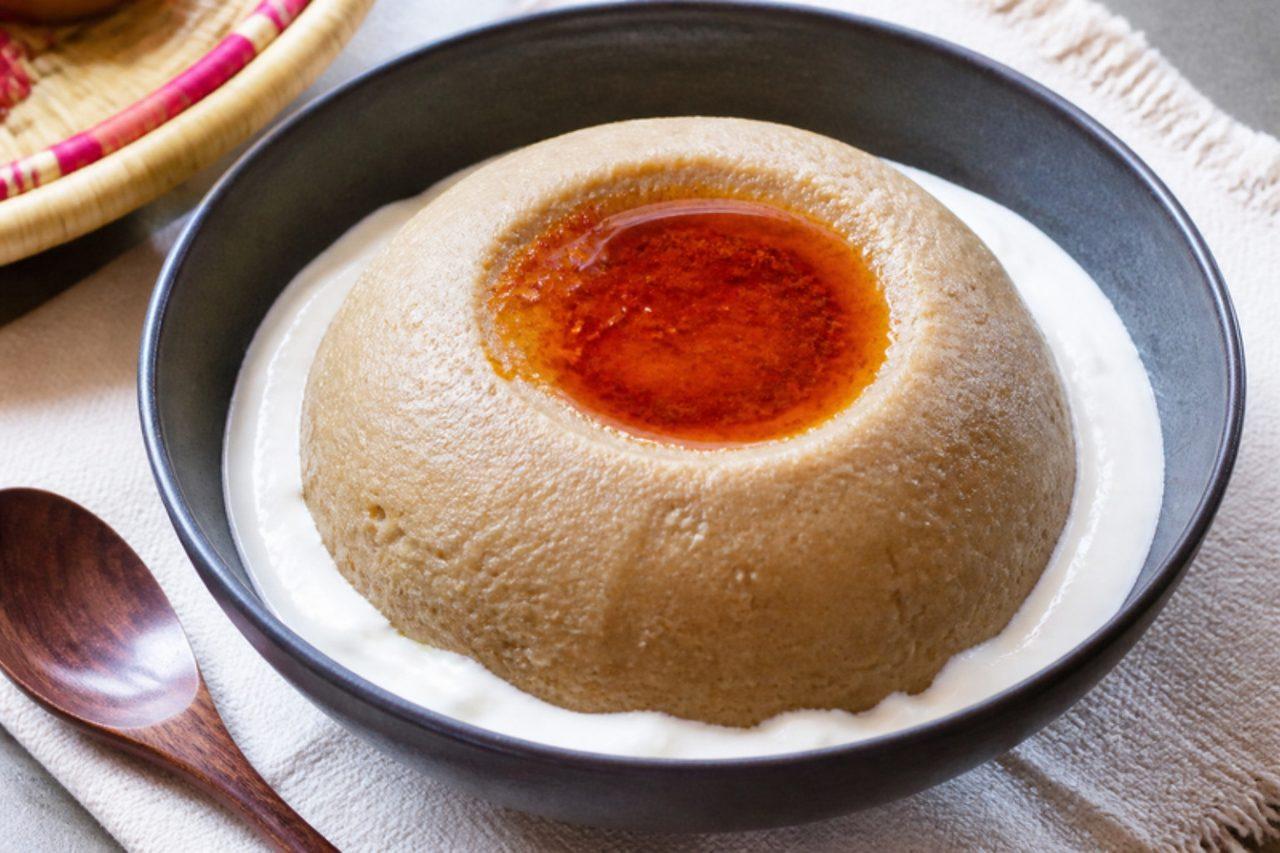
GenfoThick barley porridge

Genfo is a very thick barley porridge from the Tigray and Amhara highlands, cooked for breakfast on cold mornings and above all for new mothers, who are given it for weeks after birth to regain strength. The porridge is shaped into a mound, a hollow is made in the middle and filled with niter kibbeh and berbere, and everyone dips spoonfuls of porridge into the spicy butter, often with yoghurt around the edge. For a fasting version, fill the well with spiced oil. Chef's tip: stir with a wooden spoon the whole time you add the flour, and be firm; genfo is meant to be as thick as stiff mashed potato.

by KrazyBadal 0 views

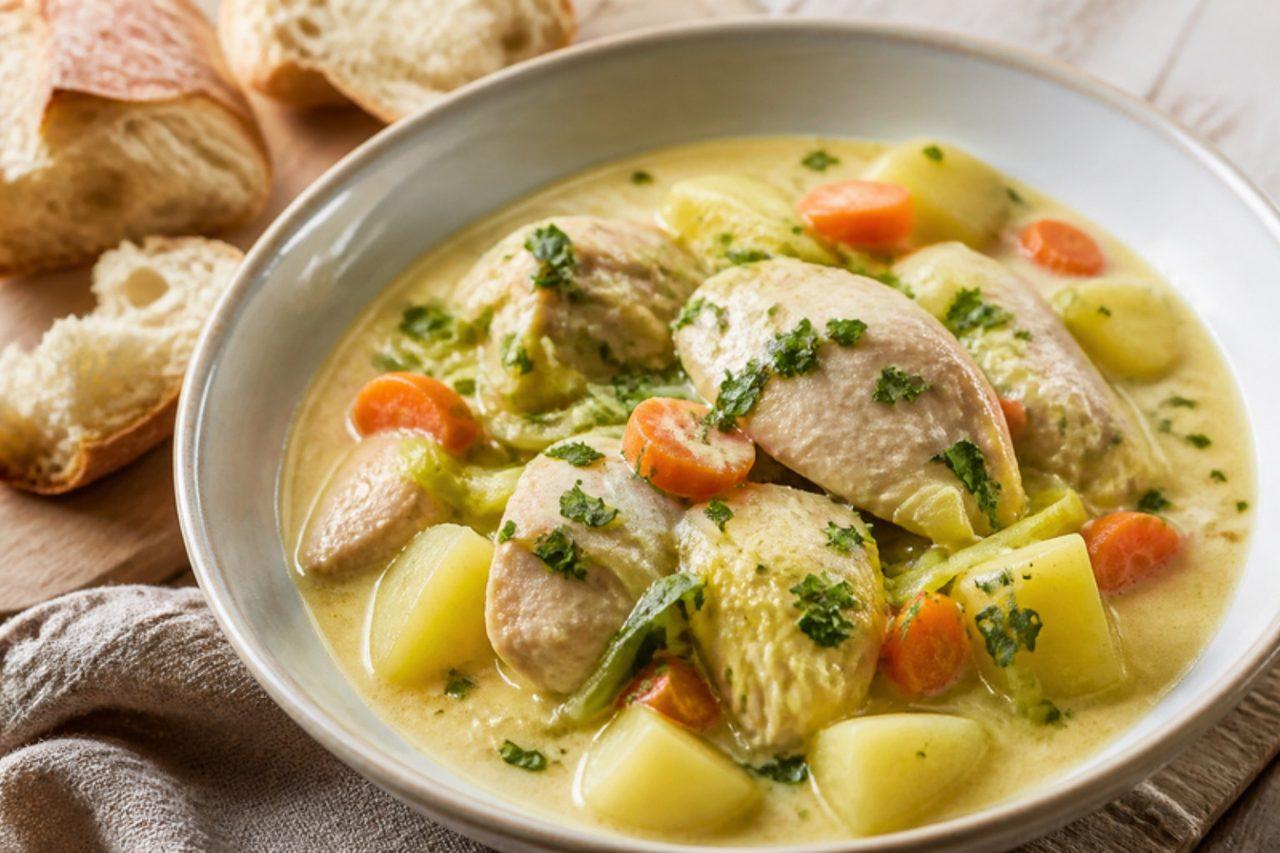
Gentse waterzooiCreamy chicken and vegetable stew

Ghent claims waterzooi as its own, and in the cafés around the Korenmarkt it is served in deep plates as a cross between soup and stew. Originally made with river fish, the city's version today is nearly always chicken, poached gently with leek, carrot, celery and potato, then the broth is enriched with cream and egg yolk until it turns silky and pale gold. It is eaten all year but tastes best on a damp Flemish evening, with crusty bread for the last of the broth. The mistake to avoid is boiling it after the yolks go in, which scrambles them; keep it below a simmer while it thickens. Chef's tip: cut the vegetables into fine, even julienne so they cook in the same time and look neat in the bowl.

by KrazyBadal 0 views

Geraardsbergse mattentaartCurd tartlets

The small town of Geraardsbergen in East Flanders is so proud of its mattentaart that the little round puff-pastry tart has protected (PGI) status in the EU, and only bakers in the area may sell it under that name. It is filled with matten, a fresh curd made by curdling hot milk with buttermilk, mixed with eggs, sugar and a hint of almond, and baked until puffed and golden. Locals eat it with coffee, especially in late February when the town holds its Krakelingen festival. You make the curd yourself the day before. Chef's tip: hang the curd for a full night; too much whey left in it makes the filling weep and the pastry soggy.

by KrazyBadal 0 views

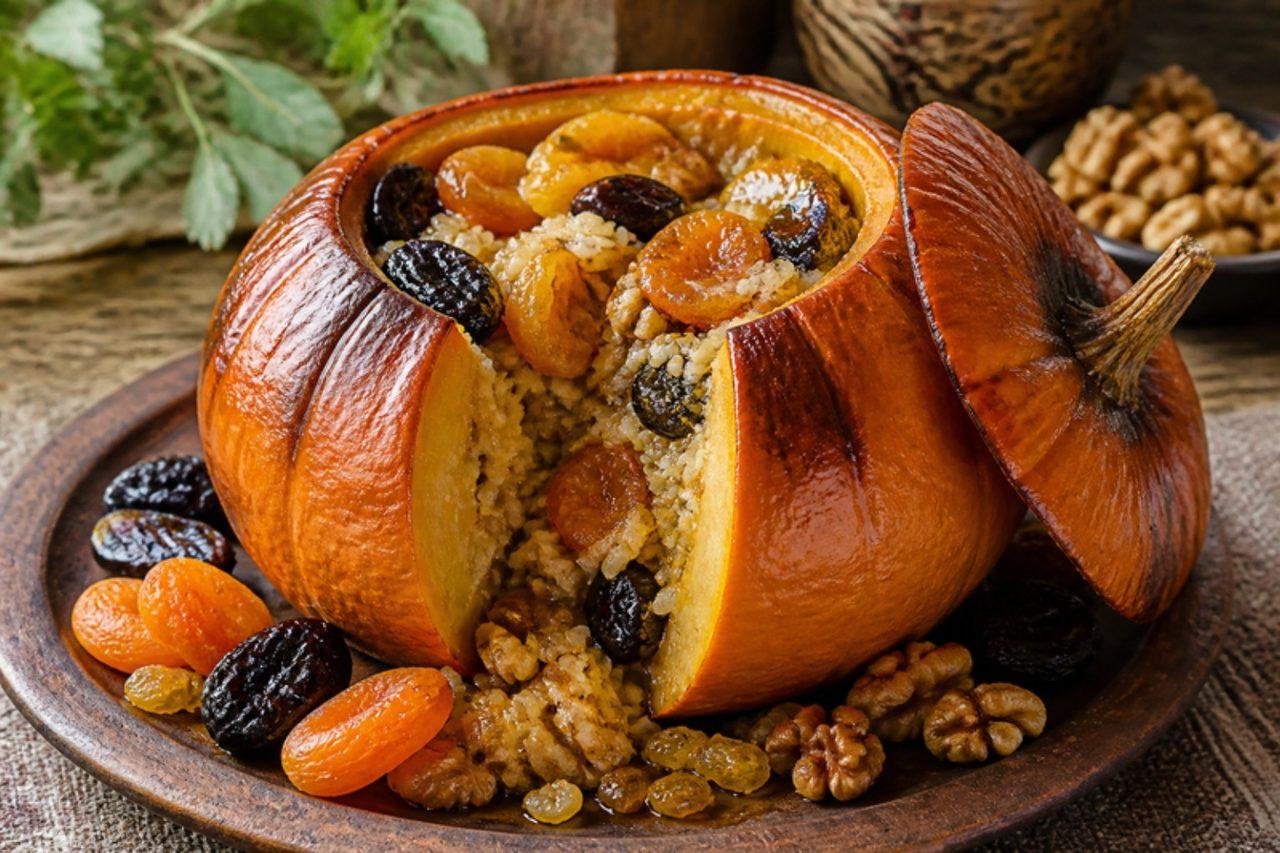
GhapamaRice and fruit stuffed pumpkin

Ghapama is the dish Armenians carry to the table at New Year and on Christmas Day (6 January), with a folk song, "Hey jan ghapama", sung while the pumpkin is cut. A whole pumpkin is hollowed out, packed with half-cooked rice, dried apricots, prunes, raisins, walnuts and honey, and baked until the flesh is soft enough to scoop. At the table it is sliced from top to bottom like a flower opening, so each wedge comes with its own share of filling. Serve it as a festive main with a herb and cucumber salad, or as a sweet course after a lighter meal. Chef's tip: choose a squat, thick-walled pumpkin with a hard shell; thin-walled ones collapse in the oven before the rice is cooked.

by KrazyBadal 0 views

GhevarLacy fried batter sweet in syrup

During the monsoon festival of Teej and through Raksha Bandhan, Jaipur's sweet shops stack golden, honeycomb discs of ghevar in their windows. The batter is little more than flour, chilled ghee and ice-cold water, poured into hot ghee in thin streams so it foams into a lacy round. It is then soaked in syrup and finished with rabri, sliced pistachios and a pinch of saffron. Married daughters traditionally receive it from their mothers' homes during Teej. The most common mistake is batter that is too warm or too thick; it fries into a heavy pancake instead of a web. Chef's tip: whisk the ghee with ice cubes until it is white and fluffy before adding flour, and keep the batter bowl in a tray of ice water while frying. A narrow, deep pan, or a metal ring set in a saucepan, gives the sides that help the batter build up.

by KrazyBadal 0 views

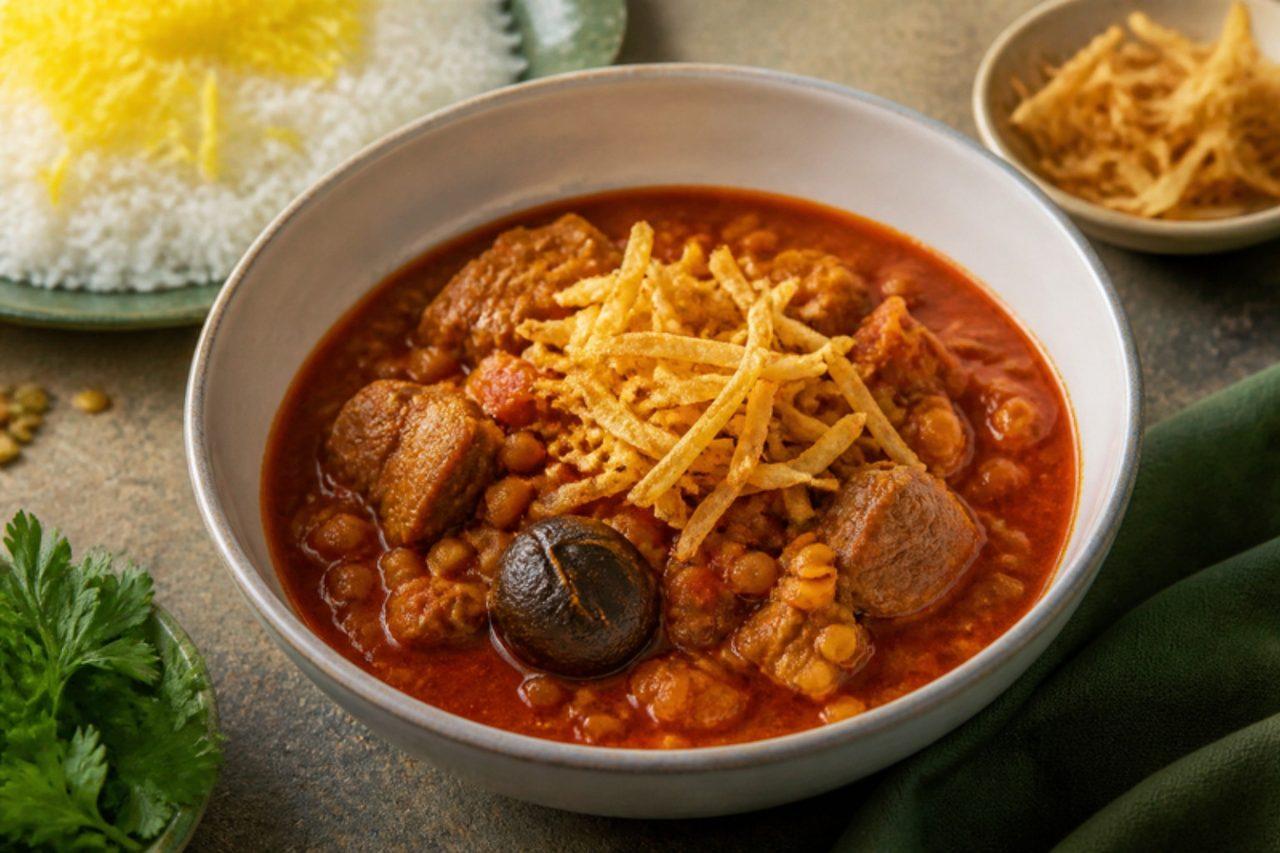
GheymehLamb and split pea stew

Gheymeh is the stew that big pots are made for: in Iran it is cooked by the cauldron and handed out to neighbours during Muharram, especially on Tasua and Ashura, and it is a fixture of weddings and Friday lunches. Small cubes of lamb simmer with yellow split peas, tomato and dried Persian limes until the sauce is tangy, savoury and a little fragrant with cinnamon. A tangle of crisp, salty potato straws goes on top just before serving. Eat it with chelow rice. Chef's tip: pierce the dried limes and soak them for 10 minutes before adding; they release their sourness faster and don't float.

140 minPersianMeatGluten free
by KrazyBadal 0 views

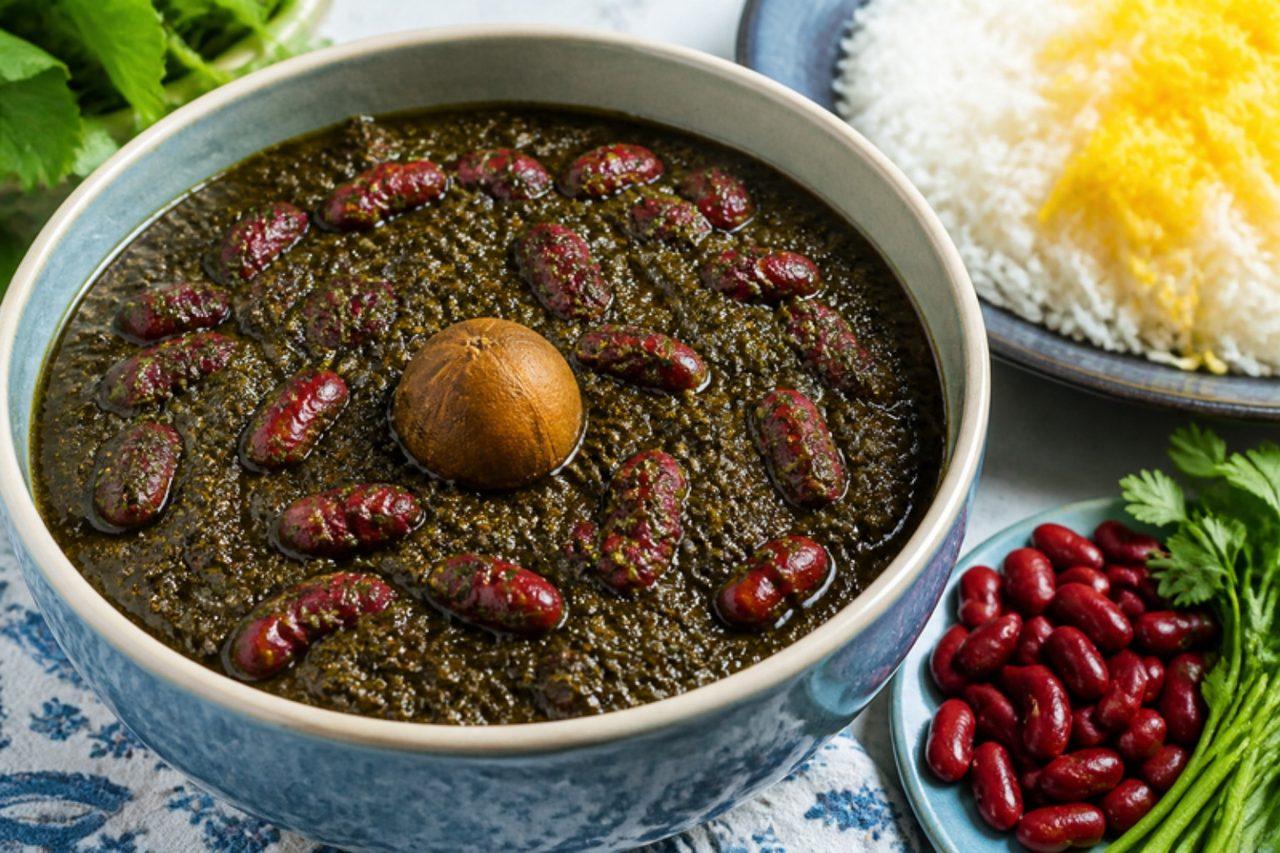
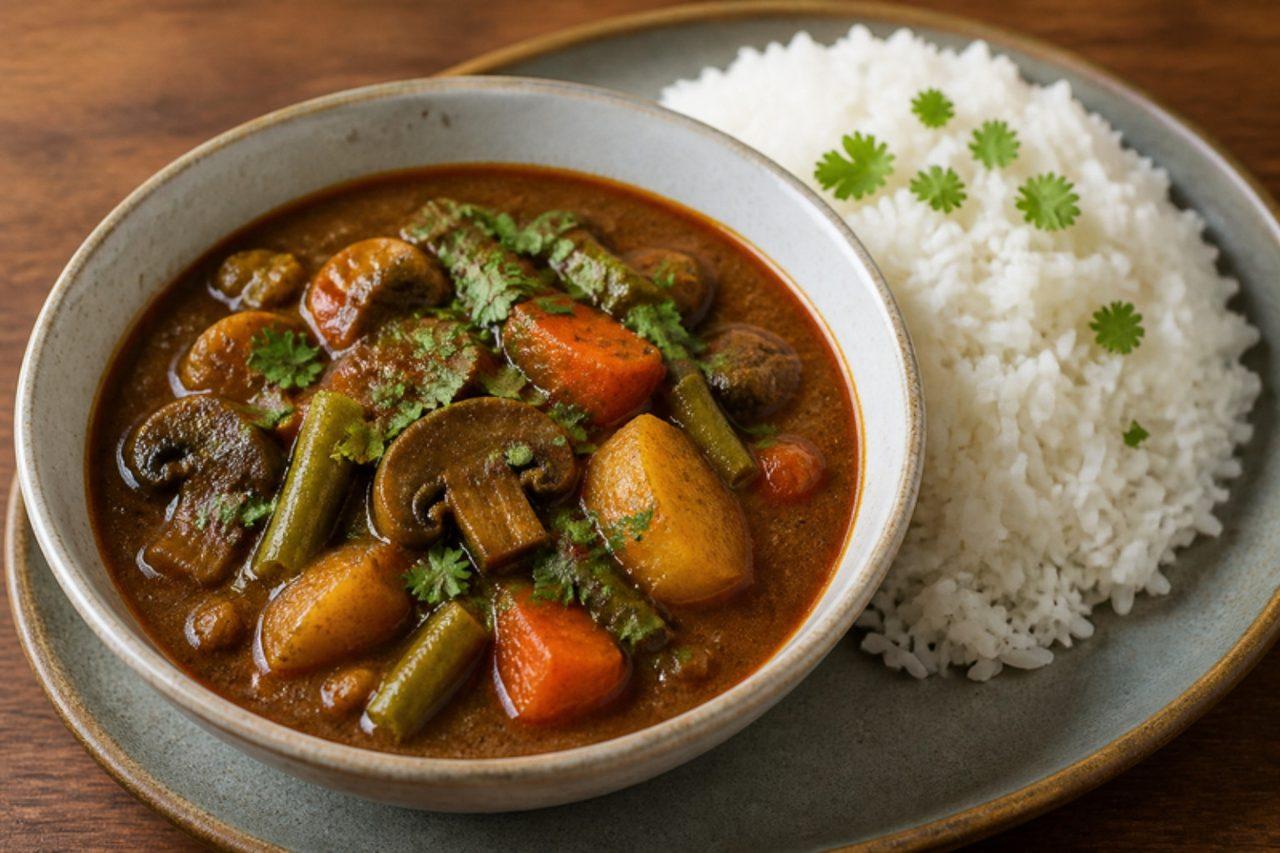
Vegetarian ghormeh sabziHerb and kidney bean stew

Ghormeh sabzi is often called Iran's national dish: a dark green stew of slowly fried herbs, kidney beans and whole dried limes that perfumes Iranian kitchens on Friday mornings and turns up at nearly every family gathering. The original is made with lamb; this vegetarian version uses mushrooms and plenty of beans for body, and keeps the deep, sour, almost smoky herb flavour that makes the dish. It is spooned over chelow with its crust on the side. Chef's tip: fry the herbs in oil until they turn very dark green and smell nutty; that long frying is the flavour of the stew.

by KrazyBadal 0 views

Ghugni churaBlack chickpea curry with flattened rice

In Patna and the towns along the Ganges, ghugni chura is the morning and evening snack people queue for at the tea stall: a spicy, onion-rich curry of small black chickpeas served alongside chura, flattened rice that is fried or toasted in mustard oil until it crackles. You scoop a bit of each into your mouth together, with raw onion and green chilli for crunch. At home it is just as likely to be breakfast on a winter Sunday or what is offered to guests with tea. Chef's tip: cook the chana until it squashes easily between two fingers; firm chickpeas never soak up the masala.

by KrazyBadal 0 views

Gigantes plakiBaked giant beans

Gigantes plaki is a tray of fat, creamy beans baked in a thick tomato sauce until the top catches and wrinkles. You find it in every taverna's display of oven dishes, on meze tables with bread and olives, and in home kitchens during Lent. The best beans come from Kastoria and Prespes in northern Greece, but any large dried butter beans work. The beans are boiled first, then baked with onions, carrot, celery, garlic and dill. Serve warm or at room temperature with feta for those who eat dairy and crusty bread. Start the night before: the beans need to soak for at least 12 hours. Chef's tip: don't salt the boiling water or add tomato until the beans are already tender; acid and salt too early are the common mistake that keeps the skins tough.

by KrazyBadal 0 views

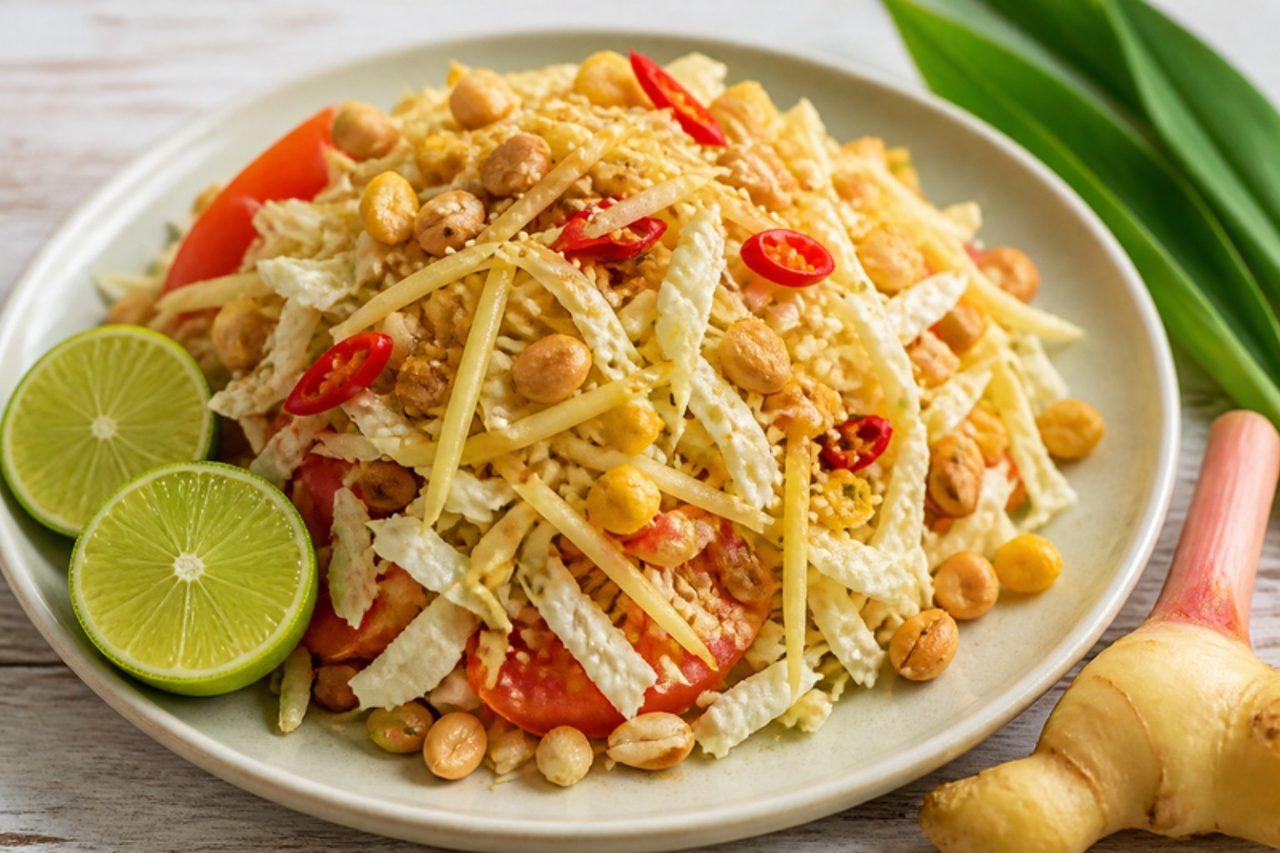
Gin thokeYoung ginger salad

Gin thoke is lahpet thoke's livelier cousin, served on the same lacquered trays at teashops in Yangon and as a palate-wakener after a rich curry lunch. Young ginger is cut into fine threads and pickled in lime and salt so it turns pink and juicy, then tossed with cabbage, tomato, peanuts, fried beans and sesame. Burmese cooks often add fish sauce; salt, lime and a little toasted chickpea flour give the dressing body without it. Chef's tip: use young ginger with thin, pinkish skin if you can find it; mature ginger is fibrous and too fiery to eat in this quantity, so slice it extra thin.

by KrazyBadal 0 views

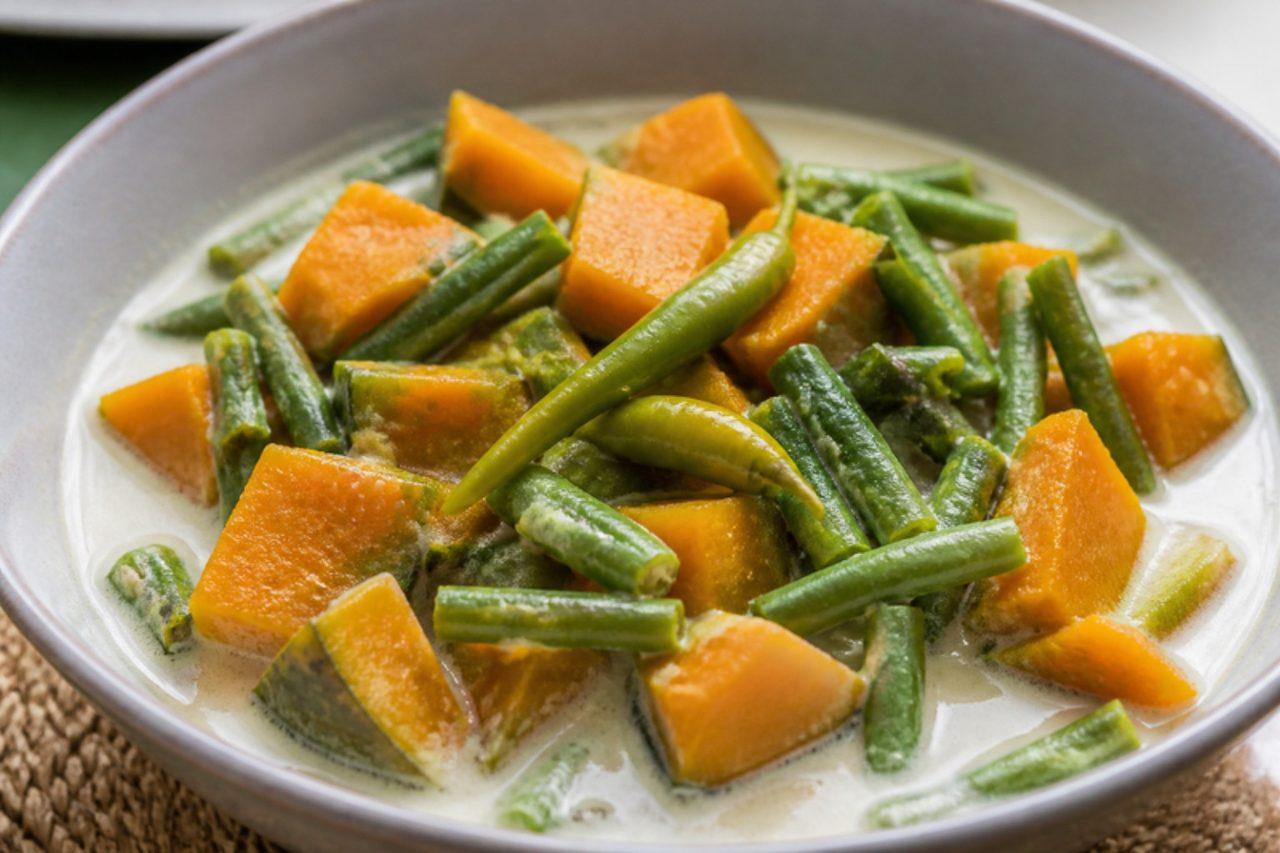
Ginataang kalabasa at sitawSquash and long beans in coconut milk

Ginataan means 'cooked in coconut milk', and in the coconut country of Bicol and Southern Tagalog it is how a lot of weeknight vegetables end up on the table. Ginataang kalabasa at sitaw is the homely version: chunks of orange squash and lengths of yard-long beans simmered in coconut milk with garlic, onion and ginger until the squash just starts to melt into the sauce, turning it pale gold and lightly sweet. Bicolano cooks drop in a long green chilli or two for warmth. It is a one-pot dish served with rice, and many families make it on days when there is no money for meat. Chef's tip: keep back a few chunks of squash to mash into the sauce at the end; it thickens it naturally.

by KrazyBadal 0 views

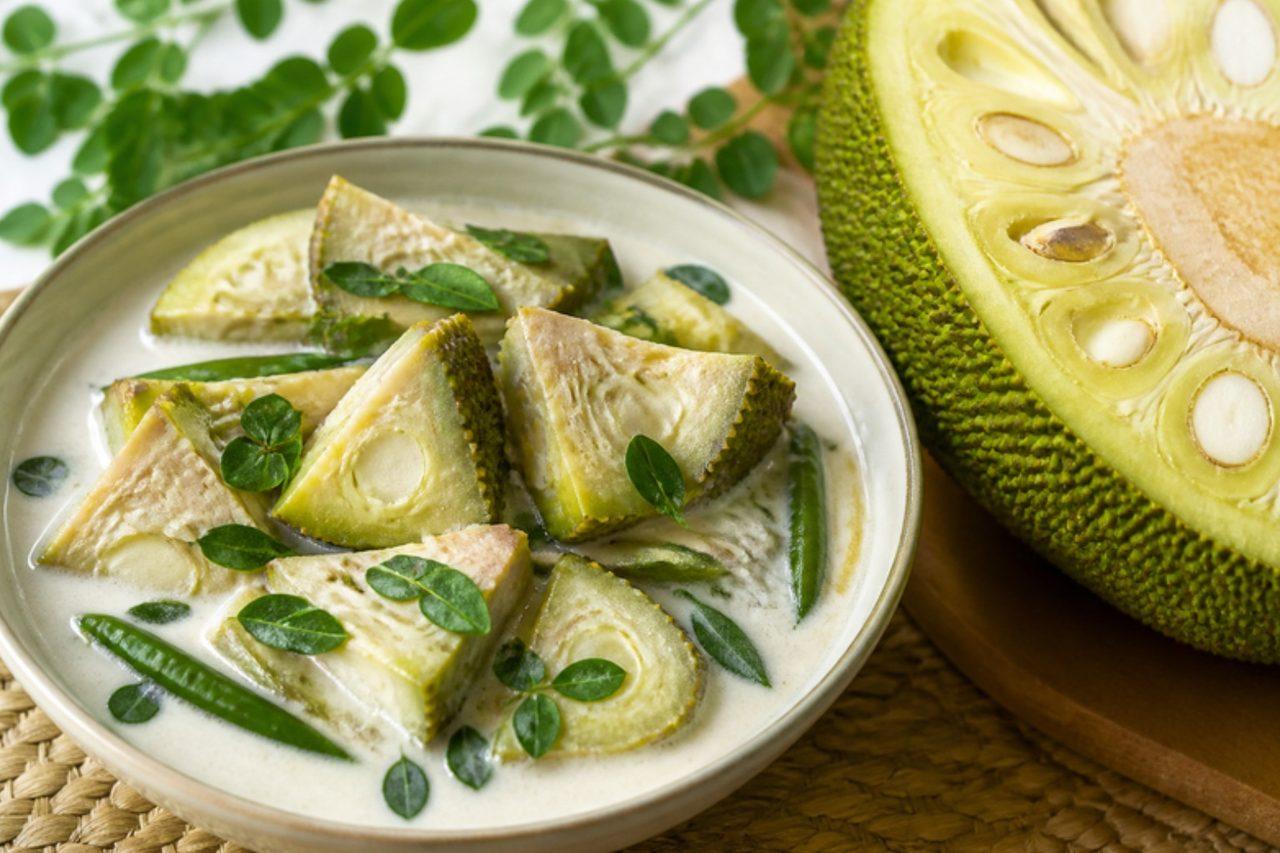
Ginataang langkaYoung jackfruit in coconut milk

In Bicol and across the Tagalog provinces, ginataang langka is what happens when a jackfruit tree drops its fruit too early: the unripe flesh is sliced and cooked in coconut milk with plenty of ginger until tender and creamy. Unlike Java's sweet, dark gudeg or Padang's turmeric gulai nangka, it is pale, savoury and peppery, lifted at the end with malunggay (moringa) leaves and a splash of vinegar. Home cooks often add shrimp or pork; this version is vegetable-only. Chef's tip: oil your knife and hands before cutting fresh jackfruit, as its sap is very sticky; tinned young jackfruit avoids the problem altogether.

by KrazyBadal 0 views

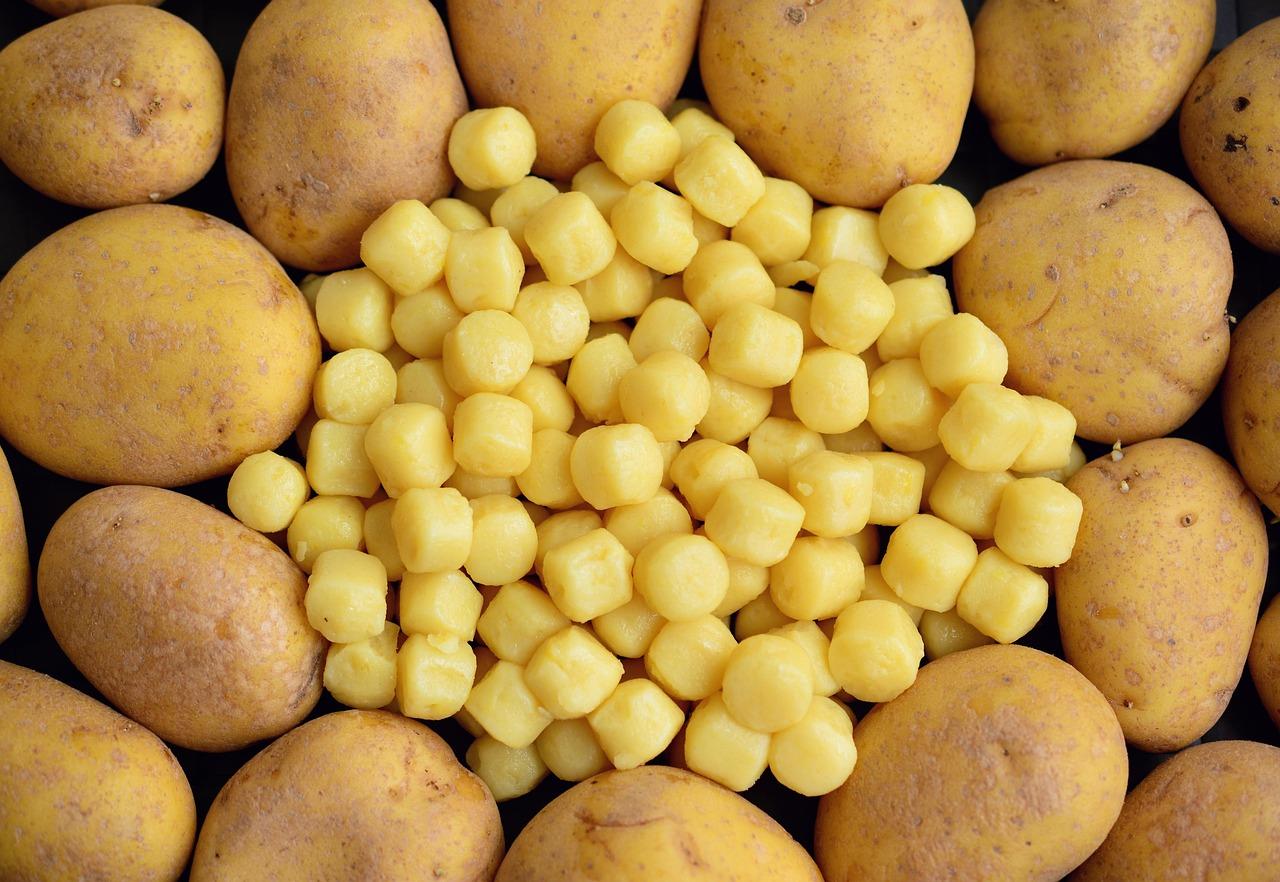
Potato gnocchiPotato gnocchi with sage butter

Potato gnocchi are made all over Italy, from Friuli to Rome, where trattorie still serve them on Thursdays ('giovedì gnocchi'). They are just floury potatoes and flour (an egg yolk is optional and makes them easier to handle) rolled into little pillows that cook in two minutes. Good gnocchi are light and tender, never chewy. Serve them with sage butter, as here, or a simple tomato sauce for children. Chef's tip: bake the potatoes in their skins instead of boiling; drier potatoes need less flour, and less flour means lighter gnocchi.

by KrazyBadal 0 views

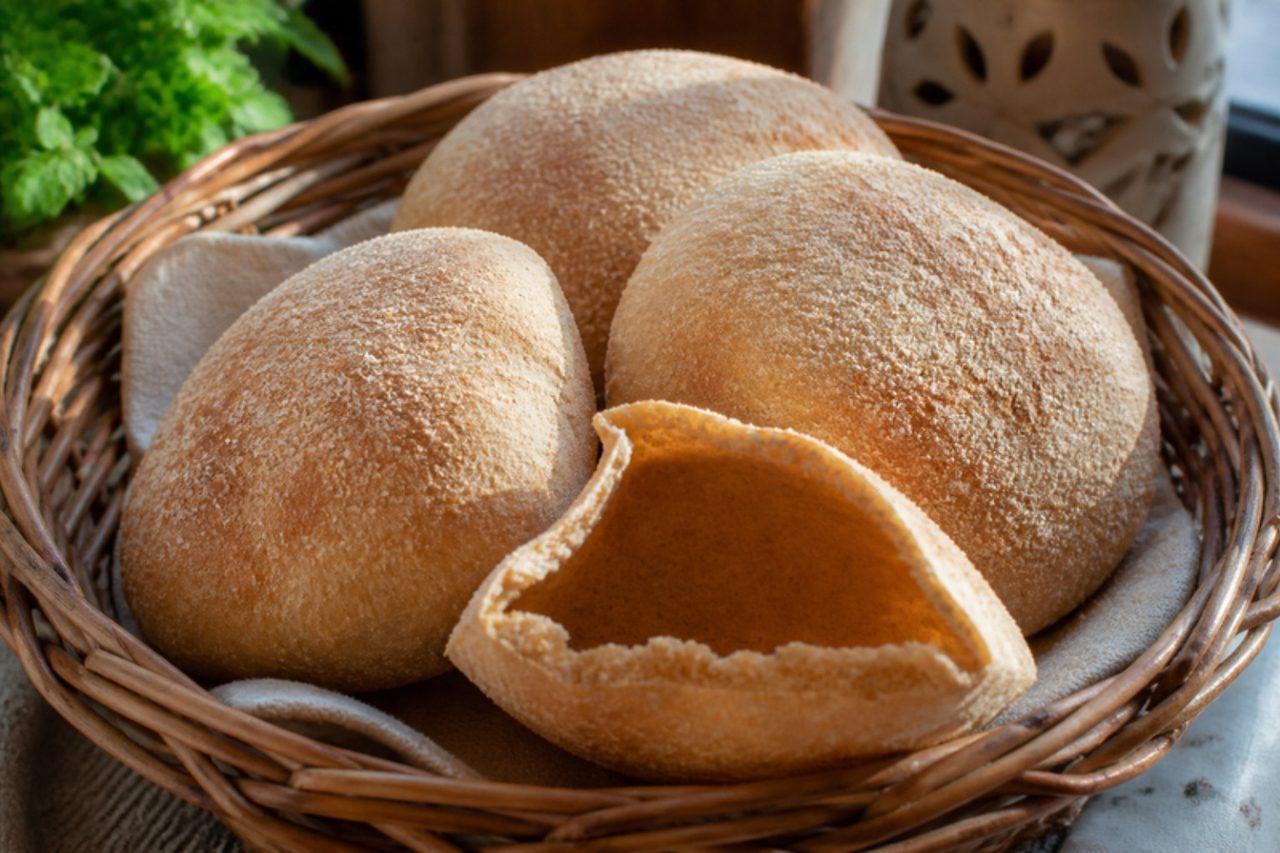
Goan poiGoan wholewheat pocket bread

Every morning in Goan villages the poder, the local baker, cycles from house to house honking a horn, his basket full of warm bread. Poi is the one Goans miss most when they leave home: a flat, round, wholewheat-and-white-flour bread dusted with wheat bran, baked in a very hot wood oven so it puffs into a hollow pocket. It's torn open for chorizo pao in Goa, but just as good stuffed with spicy chickpea ros, dipped in a vegetable xacuti, or eaten with butter and tea. Traditionally the dough was raised with palm toddy; at home, yeast does the job. Chef's tip: preheat a heavy baking tray in the oven for at least 20 minutes; the shock of hot metal is what makes the poi puff.

by KrazyBadal 0 views

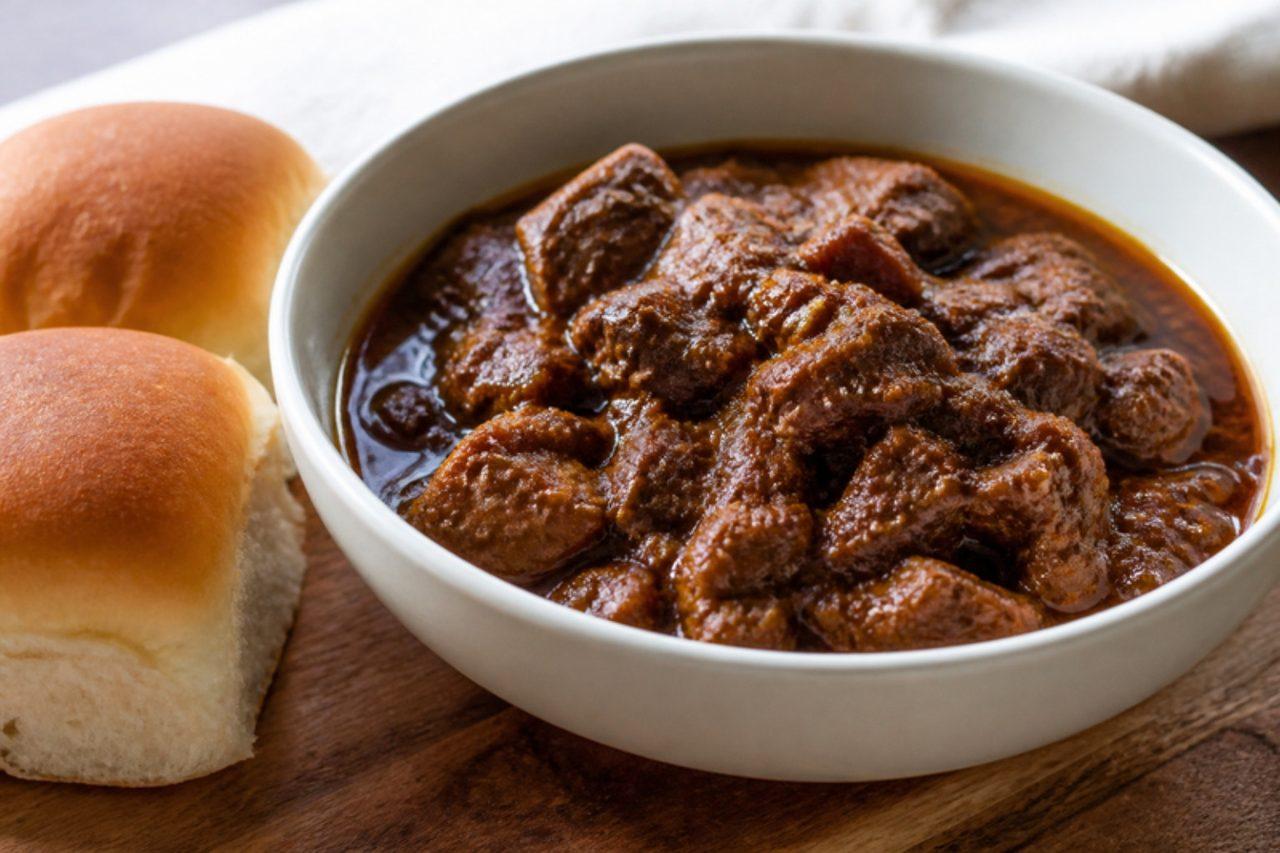
Goan pork sorpotelSpicy vinegar pork stew

No Goan Christmas, wedding or village feast in Salcete is complete without sorpotel, a dark, sharp curry of finely diced pork that is made days in advance and reheated every day until it is eaten. Traditionally it uses pork, liver, heart and sometimes blood; this home version uses pork shoulder with optional liver, which most city cooks prefer. It is eaten with sannas (steamed rice cakes) or soft pao. Chef's tip: boil the pork in one piece first and dice it once it is cooked; you get neat little cubes that stay tender instead of turning stringy.

155 minIndianMeatGluten freeSpicy
by KrazyBadal 0 views

Goan vegetable xacutiRoasted coconut vegetable curry

Xacuti (sha-koo-tee) is one of Goa's most complex curries: grated coconut is roasted until deep brown with poppy seeds, dried chillies and a long list of whole spices, then ground into a thick, aromatic masala. In Goa it's usually made with chicken; vegetarian Goan families make it with mushrooms, potatoes, peas and other vegetables, and the roasted coconut gives it all the depth it needs. It's warm and fragrant rather than fiery, with a touch of tamarind and jaggery. Serve with rice, pao or chapatis. Chef's tip: roast the coconut slowly over a low heat until it's the colour of milk chocolate and smells like toasted nuts; that colour is the xacuti's flavour, and pale coconut gives you a pale, flat curry.

by KrazyBadal 0 views

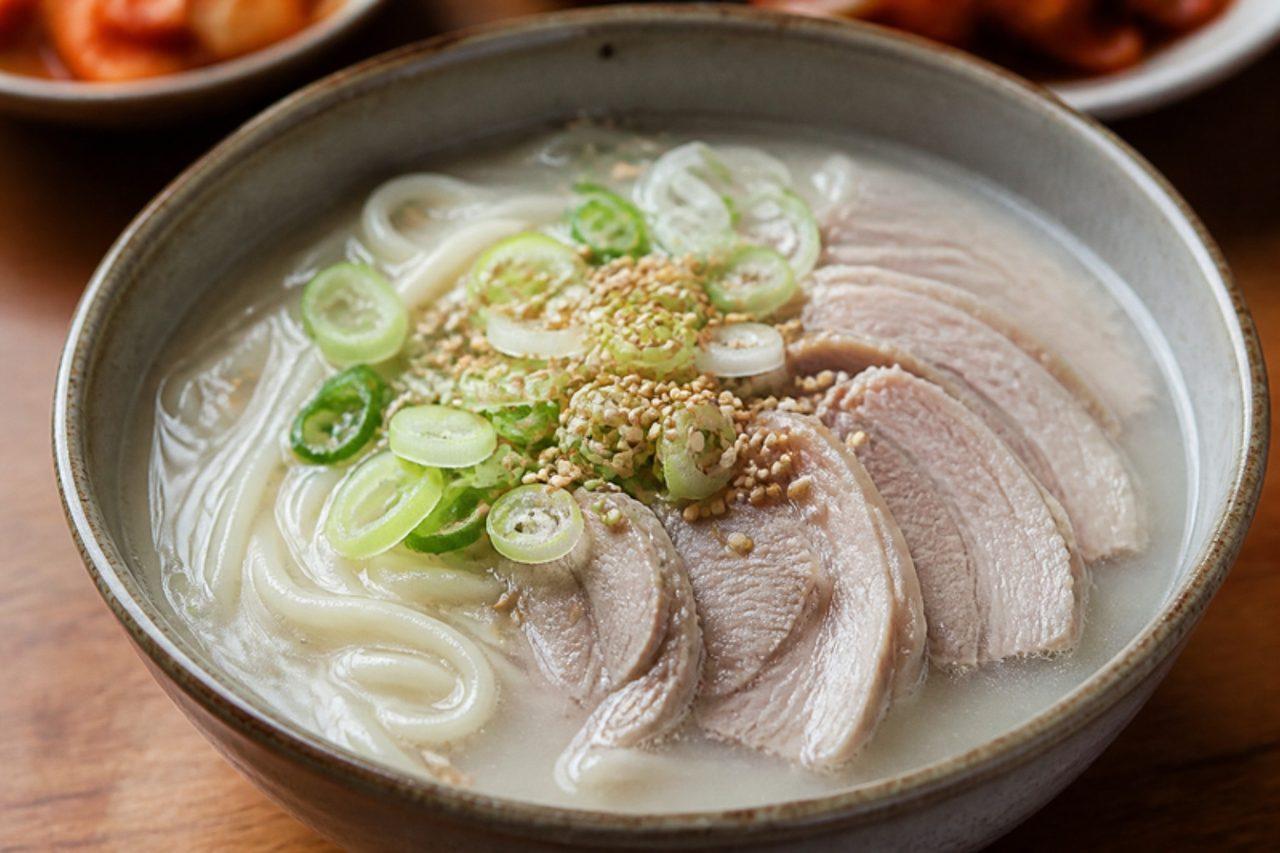
Gogi guksuPork noodle soup

Gogi guksu goes back to Jeju's village feasts, where a pig was slaughtered for a wedding or funeral and its bones were boiled into broth for noodles to feed everyone. In Jeju City there is now a street of noodle restaurants near Samseonghyeol shrine, popular for a quick lunch and with visitors fresh off the plane. The broth is cloudy and rich, the noodles are thick and chewy, and the slices of boiled pork on top are often from the island's black pigs. Diners add chilli flakes and spring onion as they like. Chef's tip: dip the cooked noodles into the hot broth in a sieve for 20 seconds before they go in the bowl; they heat through without going soft.

180 minKoreanSoups
by KrazyBadal 0 views

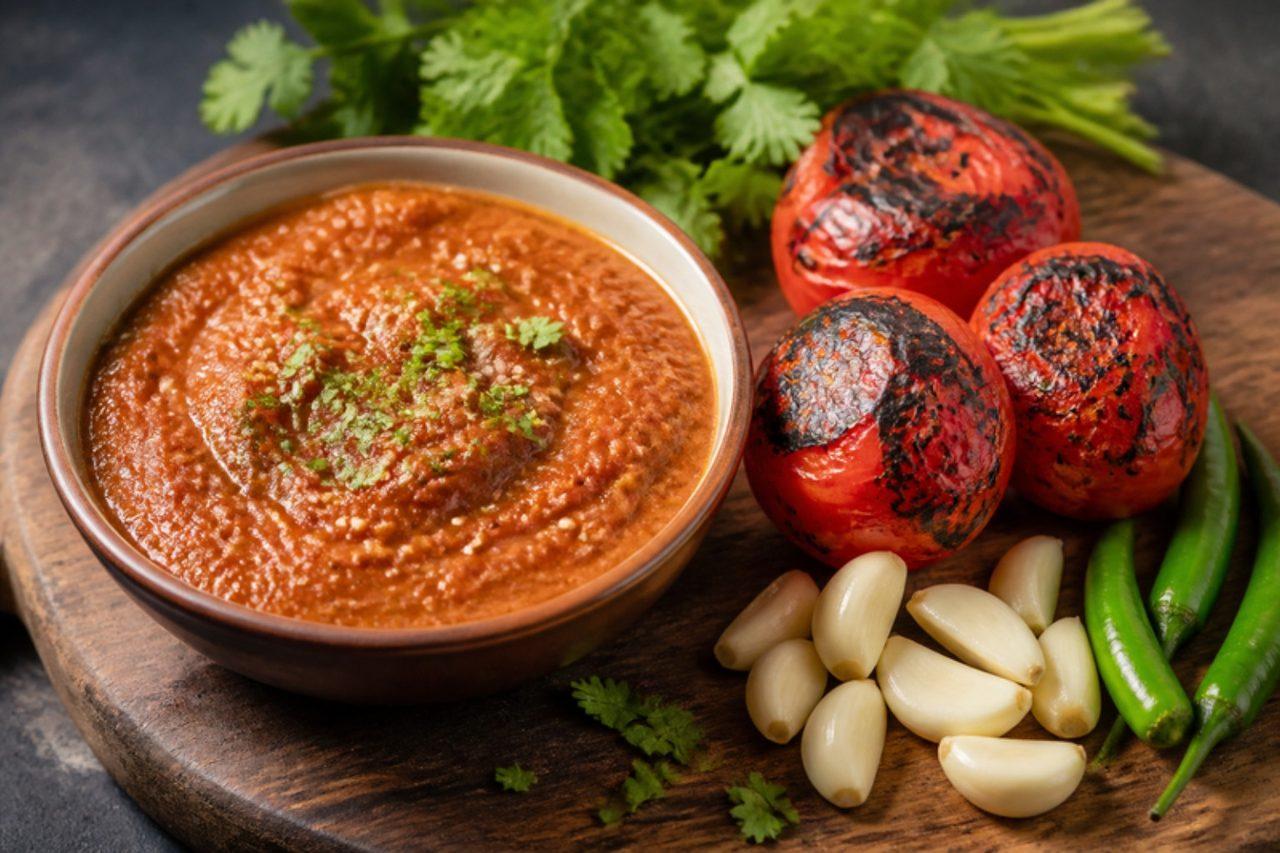
Golbheda ko acharRoasted tomato relish

No momo is served in Nepal without a small bowl of golbheda ko achar, and no dal bhat feels complete without a dab of it on the side. Tomatoes (golbheda) are charred over a flame or on a dry griddle until black-blistered and soft, then pounded with garlic, green chilli and timur, the citrusy Nepali pepper that leaves a buzz on the tongue. Grandmothers grind it on the flat stone silauto; a blender or mortar does the job at home. It is smoky, sour and hot, and is made fresh in most kitchens every day or two. A spoonful of toasted sesame or soybean powder thickens the version served with momos in Kathmandu. Don't purée it smooth: the skins and seeds give it its rustic body. Chef's tip: char the garlic and chillies beside the tomatoes; their sharp edge softens and the achar tastes sweeter and deeper.

by KrazyBadal 0 views

GolfeadosSticky panela and cheese spiral buns

Golfeados are the sticky sweet buns of Caracas bakeries and especially of the old roadside panaderías on the road to El Junquito, eaten warm with a slice of salty white cheese and a coffee. The soft yeast dough is rolled up with grated papelón (panela), anise seeds and crumbled cheese, baked in a tight tray and soaked with a dark panela syrup so they glisten. They are sweet, salty and fragrant. Chef's tip: roll them tightly and pack them close together in the tin; they rise up instead of out and stay soft and moist.

by KrazyBadal 0 views

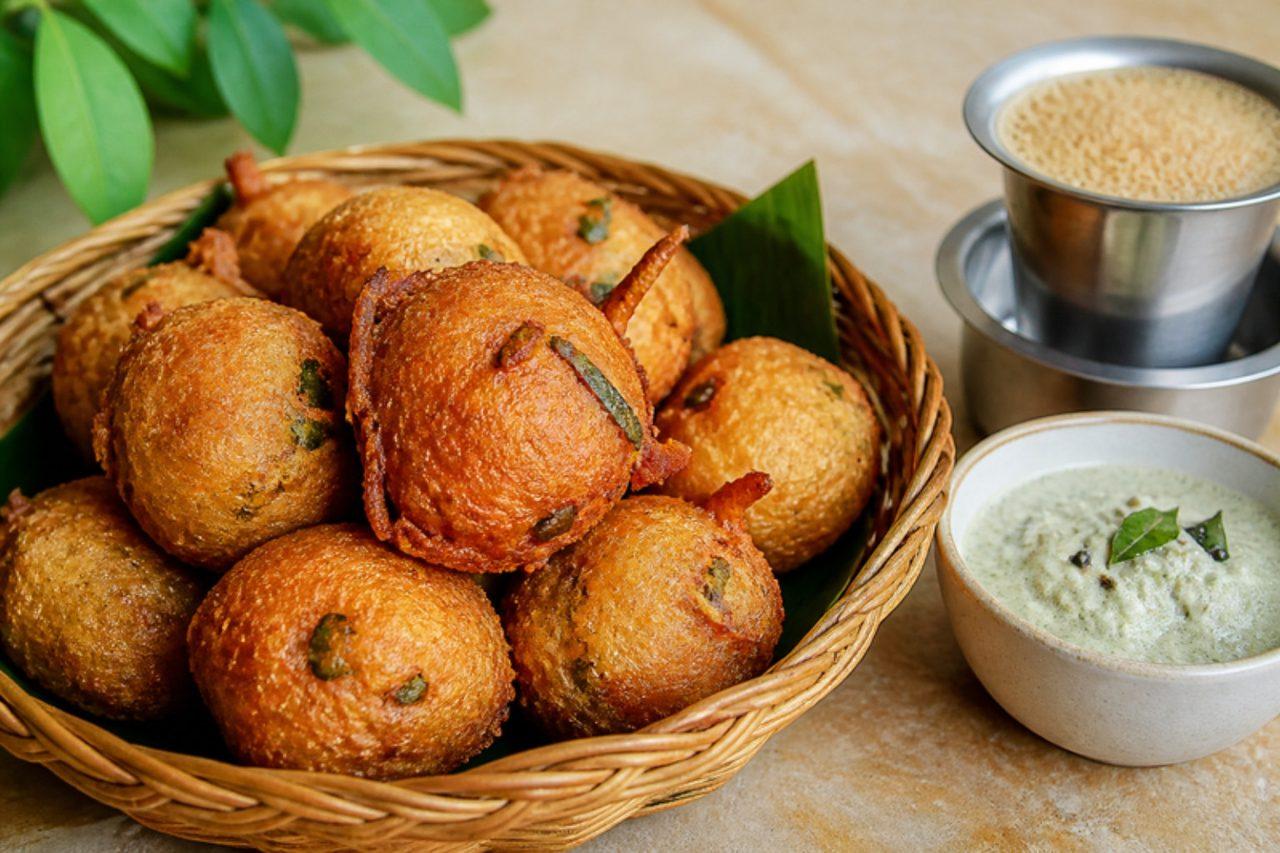
Goli bajeYogurt and flour fritters

Goli baje is the tea-time snack of coastal Karnataka: round, golden fritters that are crisp outside and soft and spongy inside, sold by the plateful in Udupi hotels and Mangaluru tea shops around four in the afternoon. The batter is made from plain flour and sour yogurt, with green chilli, ginger, curry leaves and coconut bits, and left to rest so it turns slightly tangy and airy. Serve them piping hot with coconut chutney and a strong cup of coffee. Chef's tip: beat the batter hard for a few minutes before resting it; a well-beaten batter is stretchy, traps air, and gives fritters with an open, bread-like crumb.

by KrazyBadal 0 views

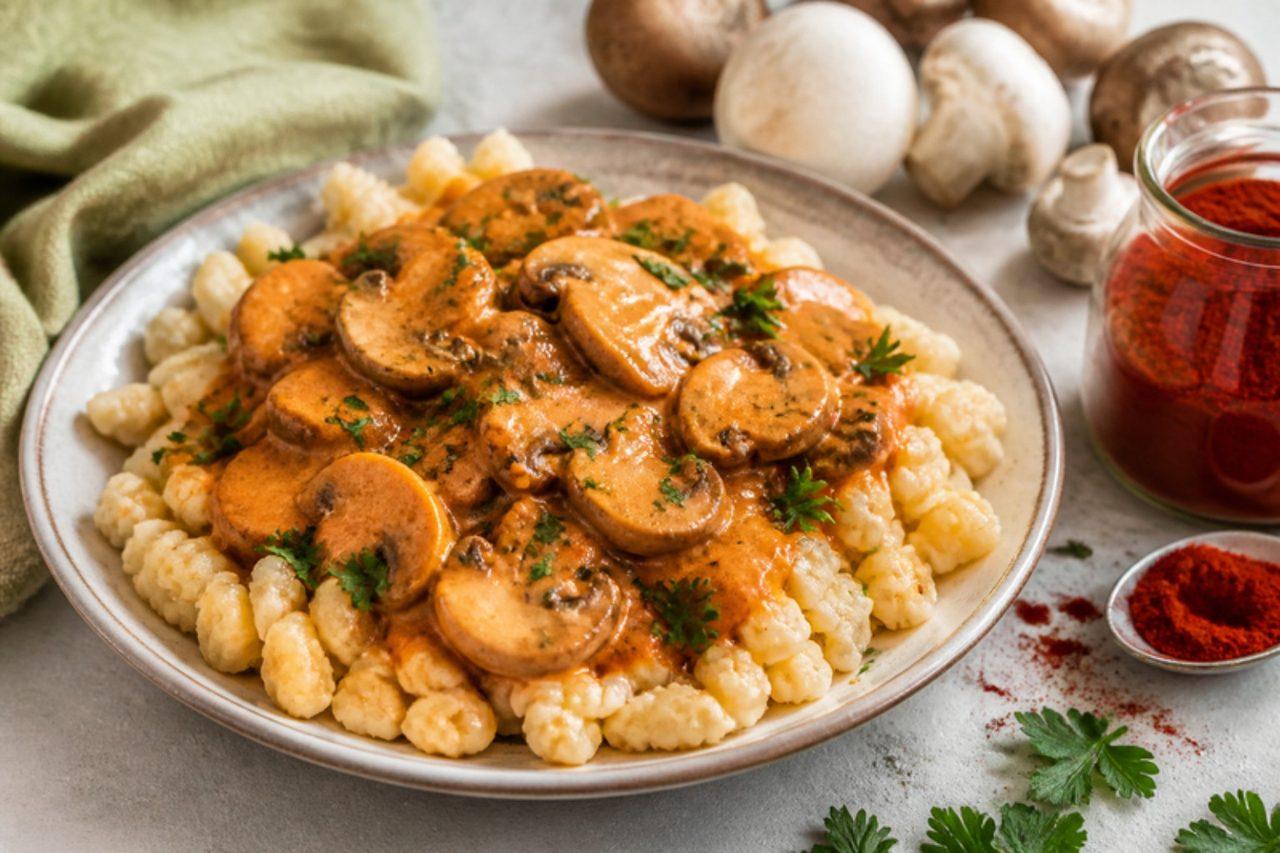
GombapaprikásMushroom paprika stew

Gombapaprikás is the meatless cousin of chicken paprikás, cooked in Hungarian homes on Fridays and through Lent, and a regular on the vegetarian line of Budapest's self-service étkezde lunch rooms. Mushrooms simmer in onion, paprika and a little pepper and tomato, then the sauce is finished with sour cream until it turns a soft brick-pink. It is quick, rich and comforting, and nokedli are its natural partner, though rice or boiled potatoes work too. Chef's tip: brown the mushrooms in a hot pan in two batches before they meet the onions, so they fry instead of stewing in their own water and the sauce tastes deep rather than watery.

by KrazyBadal 0 views

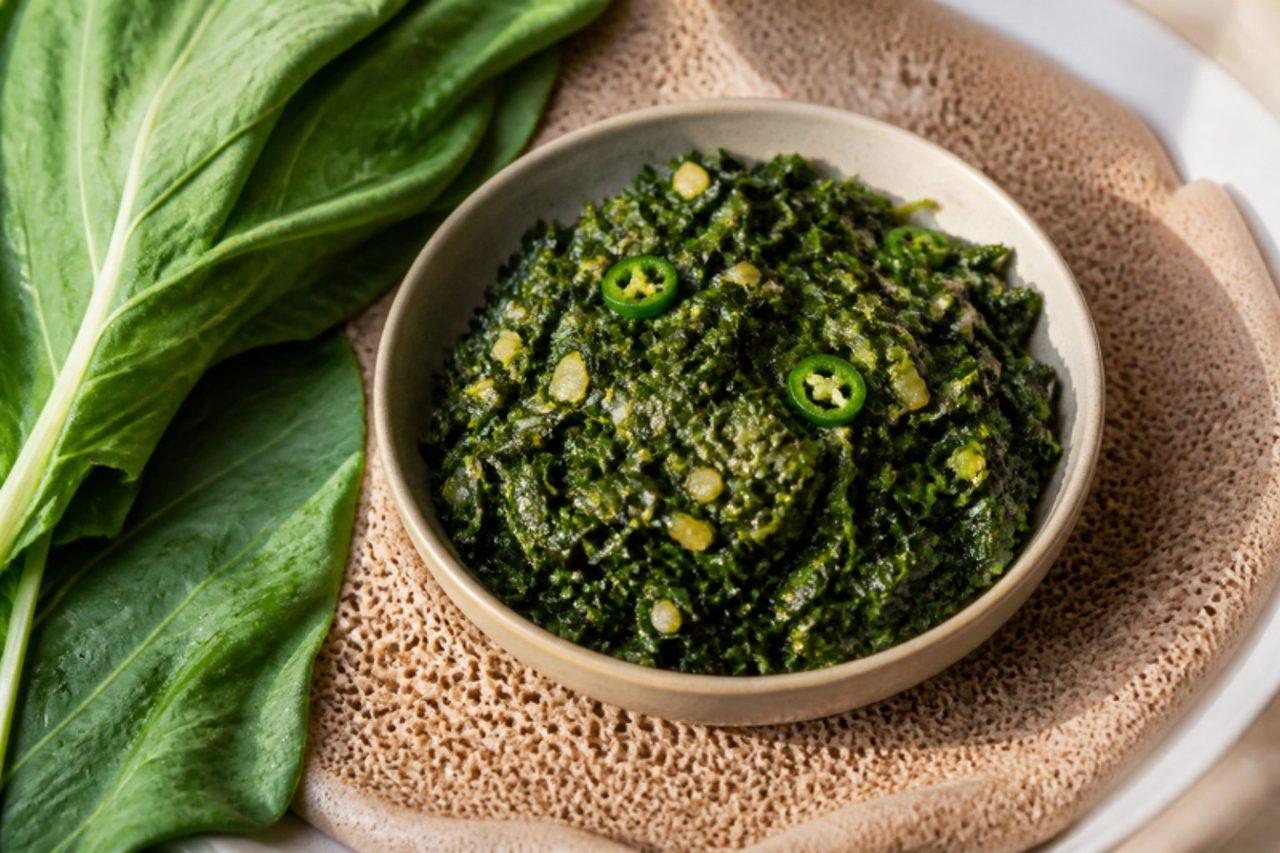
GomenBraised collard greens

Gomen is the everyday green on Ethiopian tables, cooked in homes across the highlands and always part of a fasting platter in Addis Ababa restaurants on Wednesdays and Fridays. Collard greens (or kale) are chopped fine and braised gently with onion, garlic, ginger and green chilli until they turn soft, dark and silky, without any berbere, so they cool the palate next to the red stews. On non-fasting days many cooks add a little niter kibbeh at the end; this oil version keeps it vegan. Chef's tip: cut out the thick central stalks before chopping; left in, they stay stringy long after the leaves are tender.

by KrazyBadal 0 views

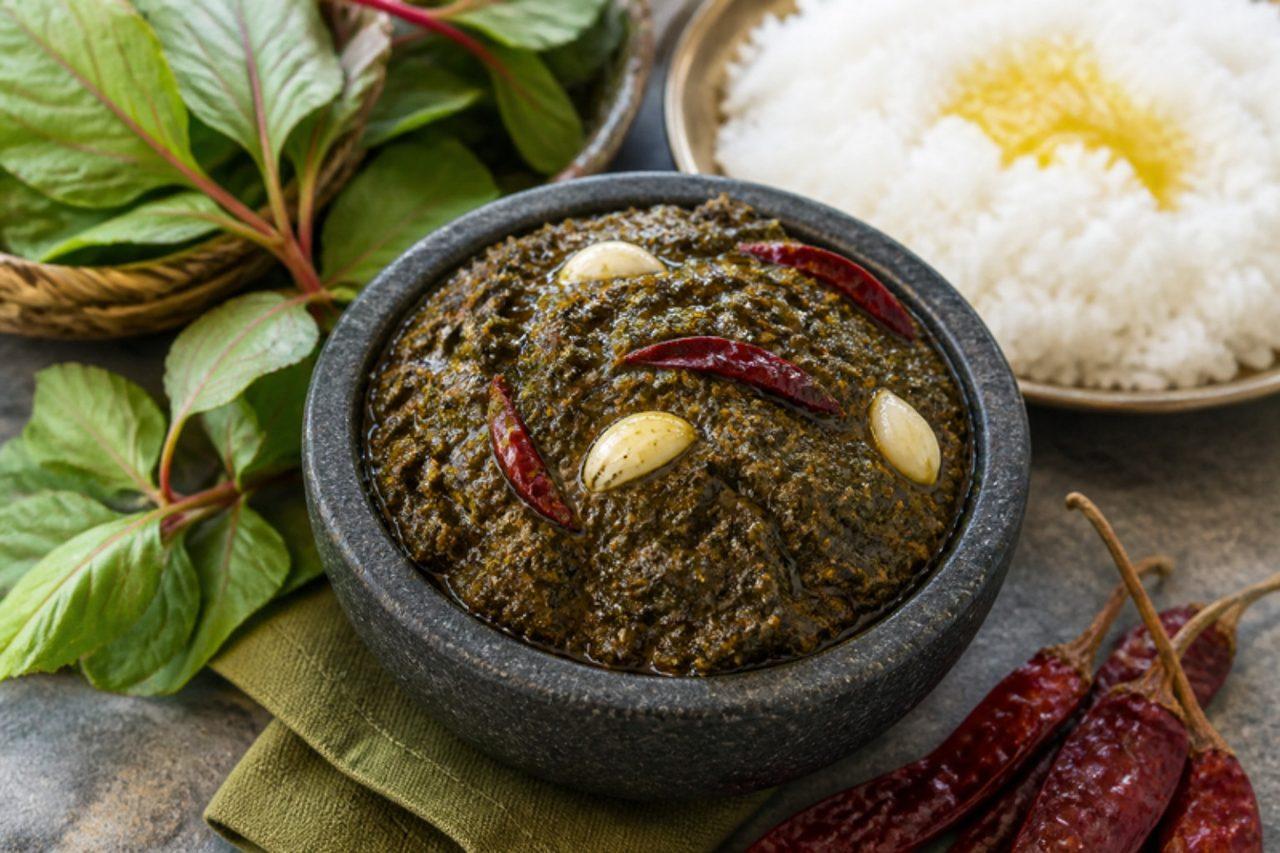
Gongura pachadiSorrel leaf chutney

Gongura, the sour leaf of the roselle plant, is so central to Andhra cooking that it's called the state's own vegetable, and gongura pachadi is its best-known form. The leaves are fried in oil until they melt, then pounded with roasted red chillies, garlic, coriander seeds and fenugreek, and finished with a mustard tempering. It's intensely tangy, hot and garlicky, and in Guntur and Vijayawada homes a spoonful is mixed into hot rice with ghee or eaten with jowar rotte. It keeps in the fridge for a couple of weeks. Chef's tip: fry the leaves until all their water cooks off and they turn dark olive; any moisture left shortens how long the pachadi keeps.

by KrazyBadal 0 views

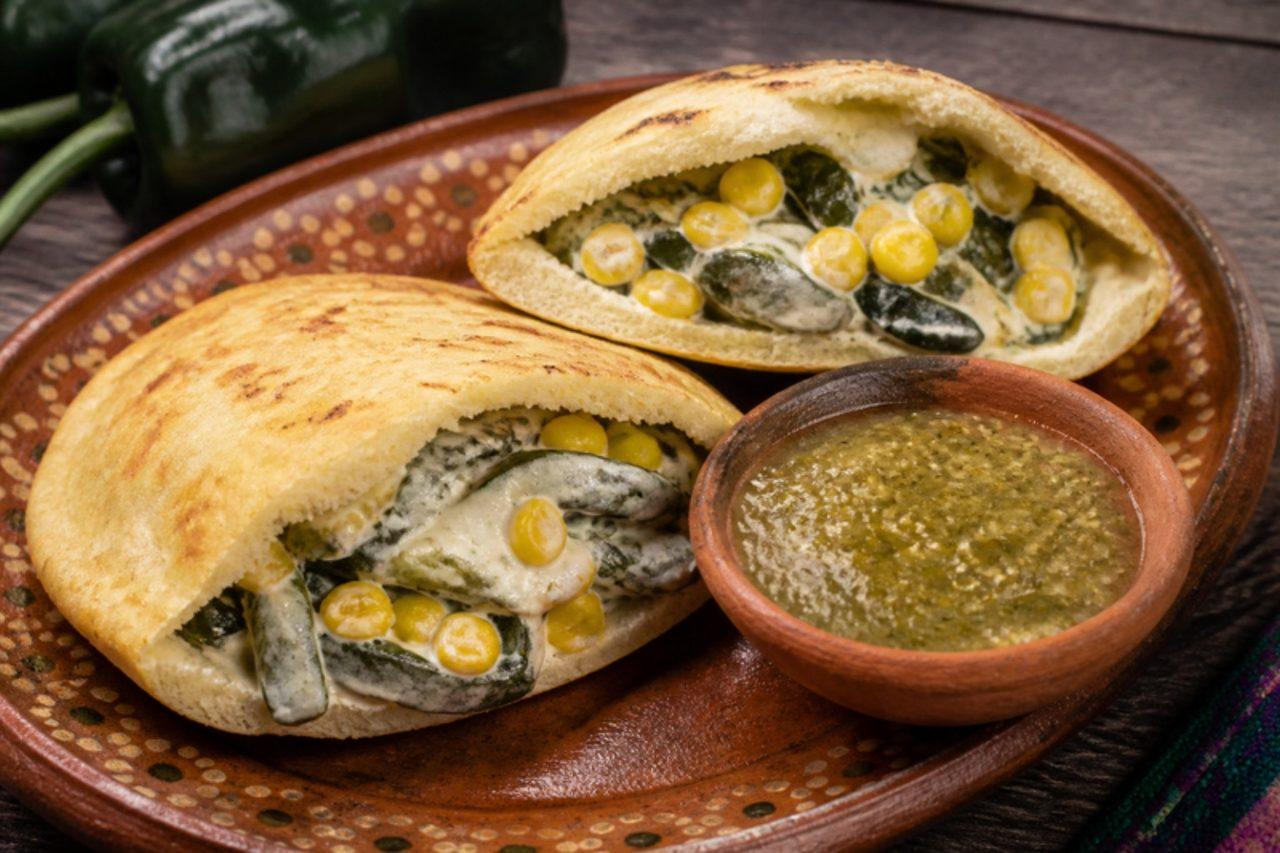
GorditasStuffed masa pockets

Gorditas, 'little fat ones', are thick corn masa cakes cooked on a comal until they puff, then split open like a pitta and stuffed. They are eaten from the north of Mexico down to the central states, at street stalls and at home, with fillings that change from town to town. This vegetarian version is filled with rajas con crema: strips of roasted poblano pepper, onion and sweetcorn in a creamy sauce with melting cheese, smoky and mild. Use masa harina for tortillas, made from nixtamalised corn, not cornmeal or polenta. Poblanos can be hard to find: green bell peppers with a jalapeño give a similar effect. Choose a cheese made with vegetarian rennet. Chef's tip: shape the gorditas no thicker than 1 cm; any thicker and the outside burns before the inside cooks and puffs.

by KrazyBadal 0 views

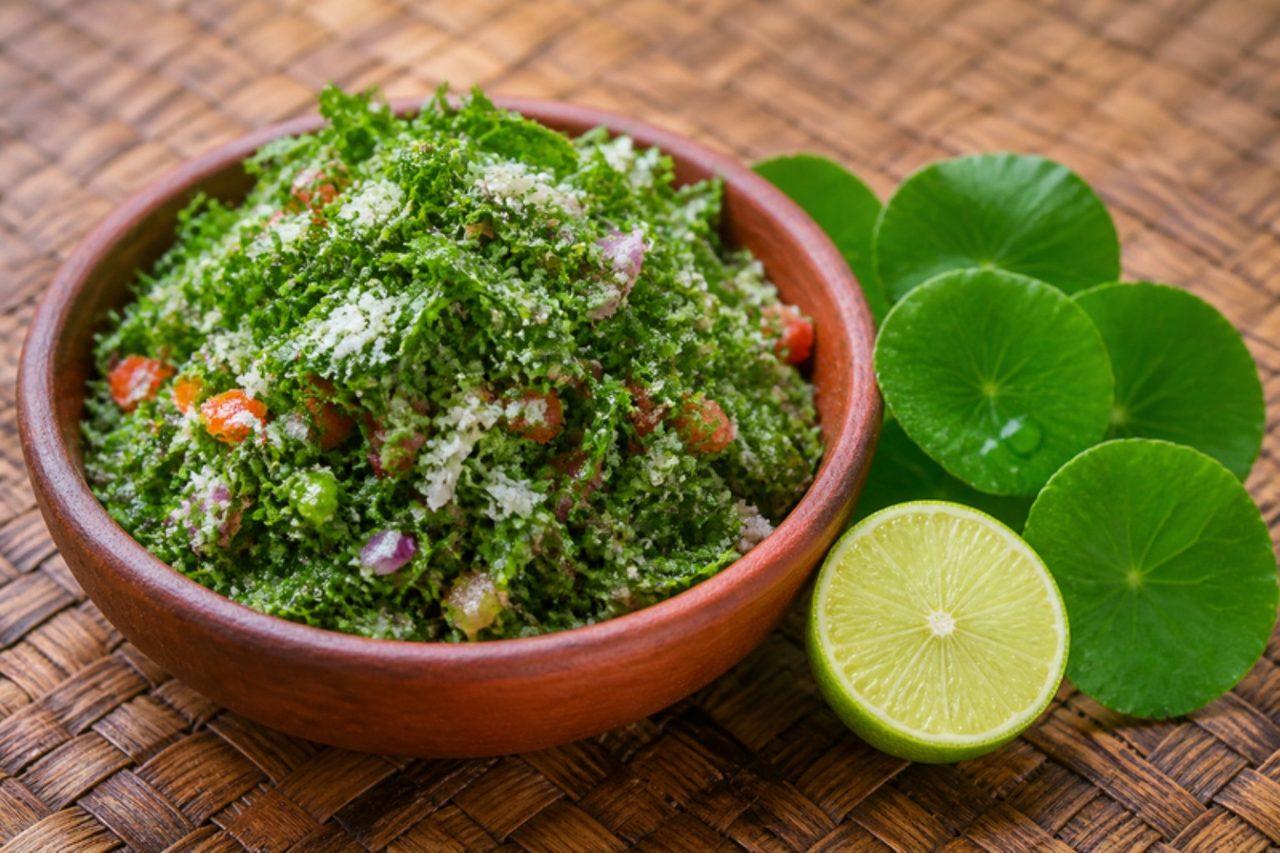
Gotu kola sambolPennywort and coconut salad

Gotu kola (Asiatic pennywort) grows wild along the paddy edges in the south and centre of Sri Lanka, and a raw sambol of its leaves is the green, slightly bitter bite that balances a rice-and-curry lunch. Families in Galle and Matara will tell you it is good for the memory, and it is often served at the start of a meal or with kola kenda, the herbal porridge. The leaves are shredded as finely as possible, then tossed with shallot, tomato, green chilli, a little fresh coconut and plenty of lime, so it's crunchy, peppery and bright. Look for pennywort bunches in Sri Lankan, Thai and Vietnamese shops. The mistake to avoid is dressing it too early: the salt and lime wilt the leaves within half an hour. Chef's tip: roll a stack of leaves into a tight cigar and slice it hair-thin with a sharp knife; the finer the shreds, the better it tastes.

by KrazyBadal 0 views

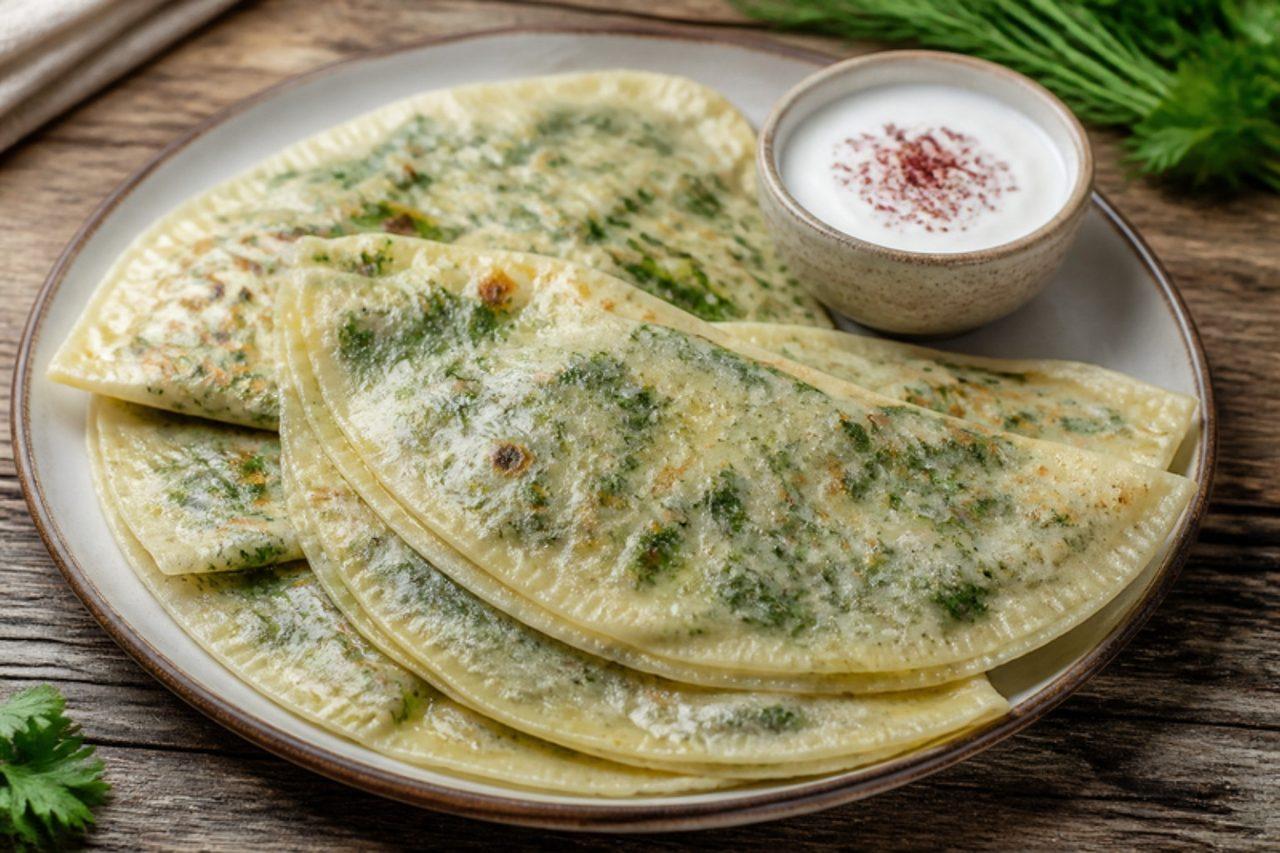
Göyərti qutabıHerb-filled flatbreads

Qutab are the thin half-moon flatbreads that Baku eats at any hour, folded around a filling and cooked in seconds on a domed iron saj, then stacked and brushed with butter. Göyərti qutabı, the green version, is the spring favourite: a handful of chopped spinach, sorrel, dill, coriander and spring onion sealed inside dough rolled so thin the greens show through. They are eaten hot, three or four at a time, sprinkled with sumac and dipped in garlicky yogurt, and appear on every table at Novruz in March. In autumn the same dough wraps pumpkin; that variation is in the steps. Chef's tip: season the greens only just before filling; salt draws out water, and wet greens tear the paper-thin dough.

by KrazyBadal 0 views

Granita al limoneLemon ice

On summer mornings in Sicily, especially around Catania and Messina, breakfast is granita: a cup of soft, spoonable lemon ice with a warm brioche on the side for dipping. Sicilian granita is finer and creamier than a slushy, because it is stirred as it freezes. All you need is lemons, sugar and water, plus a fork and a freezer. It takes about four hours of occasional scraping. Chef's tip: steep the zest in the warm syrup for 20 minutes; the oils in the peel give a much fuller lemon flavour than juice alone.

by KrazyBadal 0 views

Gratin dauphinoisPotato and cream gratin

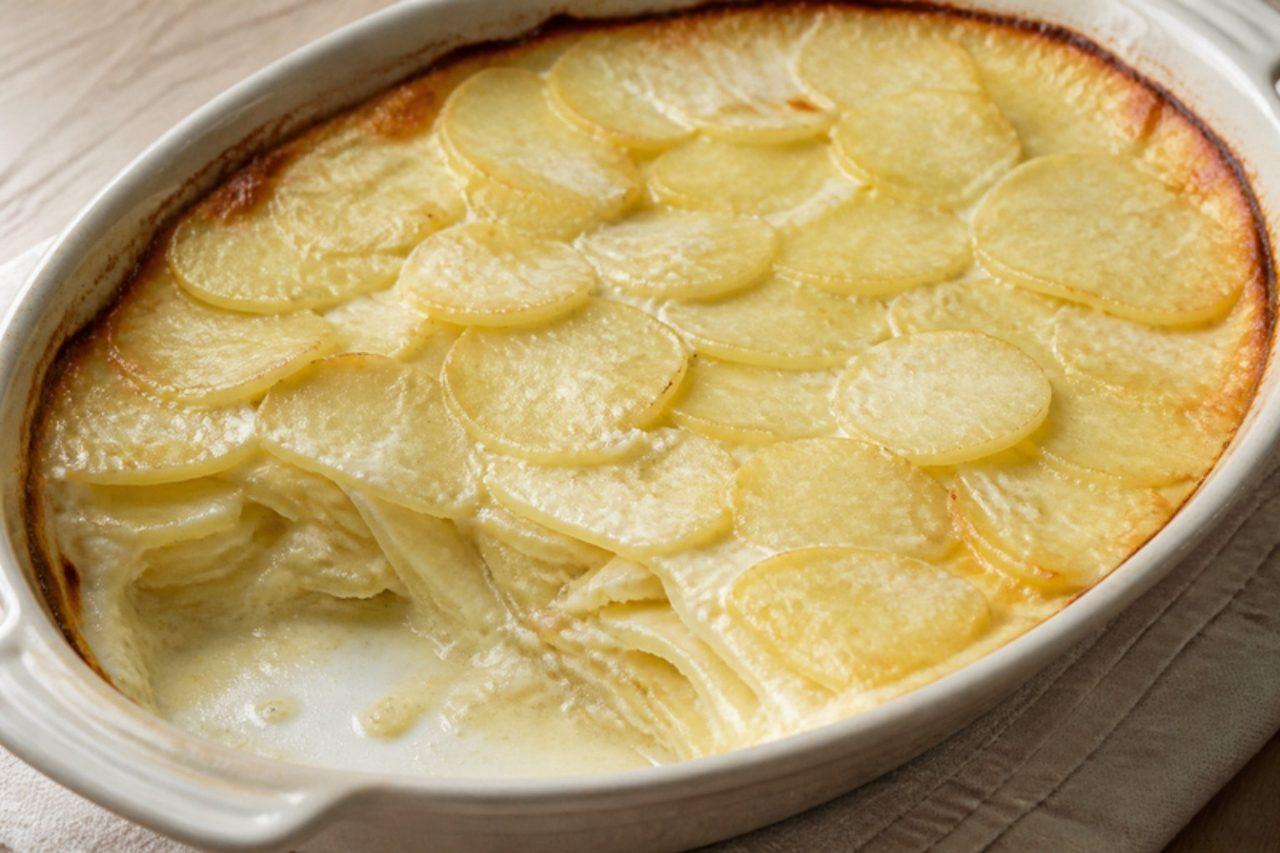
Gratin dauphinois comes from the Dauphiné, the mountain region around Grenoble, where it has been made since at least the 1700s. Thinly sliced potatoes are simmered in milk and cream with garlic and nutmeg, then baked slowly until the top is golden and blistered and the inside is soft and creamy enough to cut with a spoon. Purists in the Dauphiné insist there is no cheese; the crust comes from the cream itself. It is a side for Sunday lunch and festive meals, especially good with a green salad or roasted mushrooms. Chef's tip: don't rinse the potato slices; washing off the starch is the common mistake that leaves the cream thin and watery.

by KrazyBadal 0 views

Showing 45 of 7,762 recipes

Show more recipes

Page 669 of 863