


Skip to content
Cheesy vegetable rice
Featured recipe

Cheesy vegetable rice

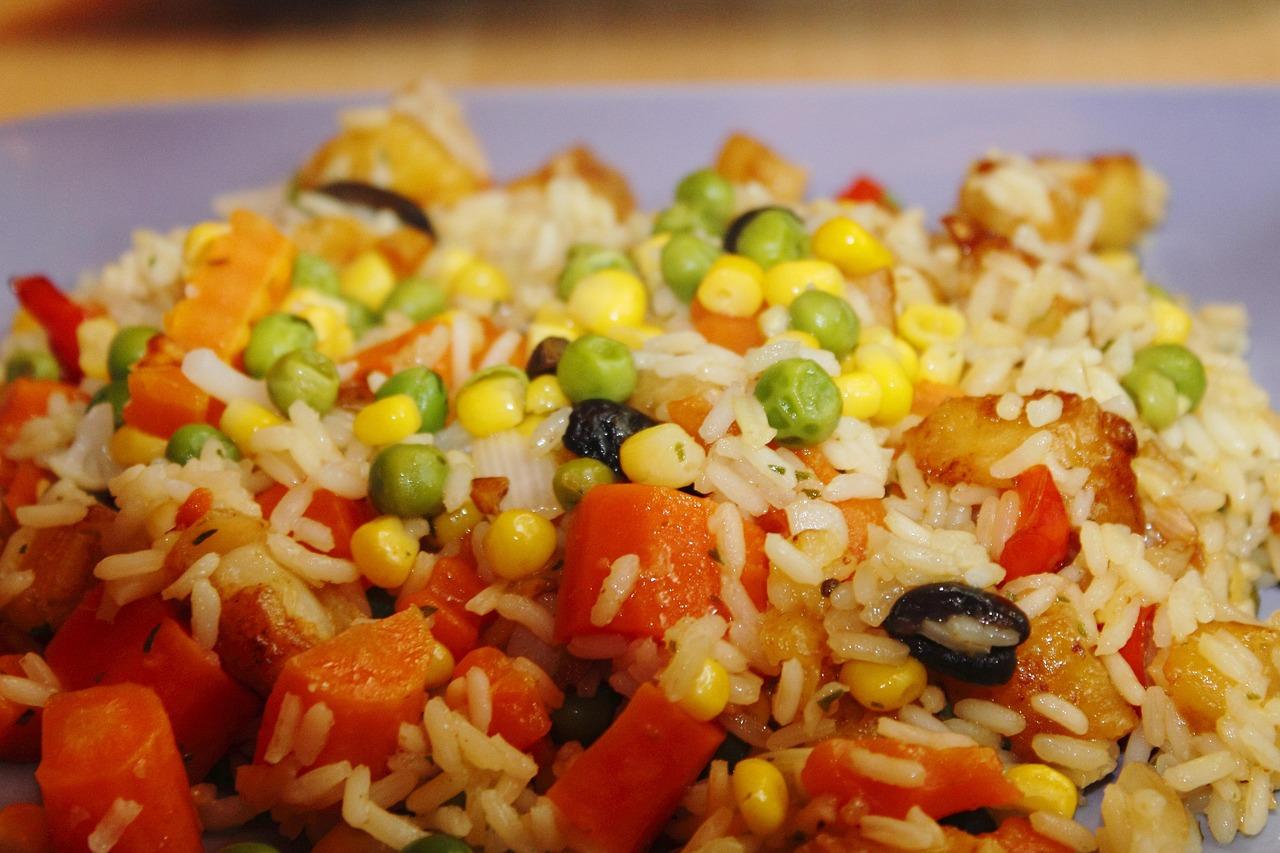
A crowd-pleasing baked rice: fluffy grains mixed with steamed vegetables and three colours of capsicum cooked in a gingery tomato and yogurt masala, then covered with cheddar and baked until bubbling. Children love it. Serve it hot, on its own or with a salad.

Read more 0 views

What to eat today?

Around the world

Today's trip: Persian

A new country every day, from every cuisine on the site.

This week's collection

Kid-friendly dinners
537 recipes · a new collection every Monday

Latest recipes

MsemenFlaky square pancakes

Msemen are the square, layered flatbreads sold hot from griddles in every Moroccan medina at breakfast time and again for afternoon tea, when they are drizzled with honey or dipped in olive oil. The dough is stretched paper-thin on an oiled surface, sprinkled with fine semolina, folded into a square and cooked until crisp outside and flaky in the middle. This version uses oil throughout so it is vegan; many homes use butter or smen. Chef's tip: oil your hands and work surface generously; the dough should be stretched, not rolled, and it tears if it sticks.

by KrazyBadal 0 views

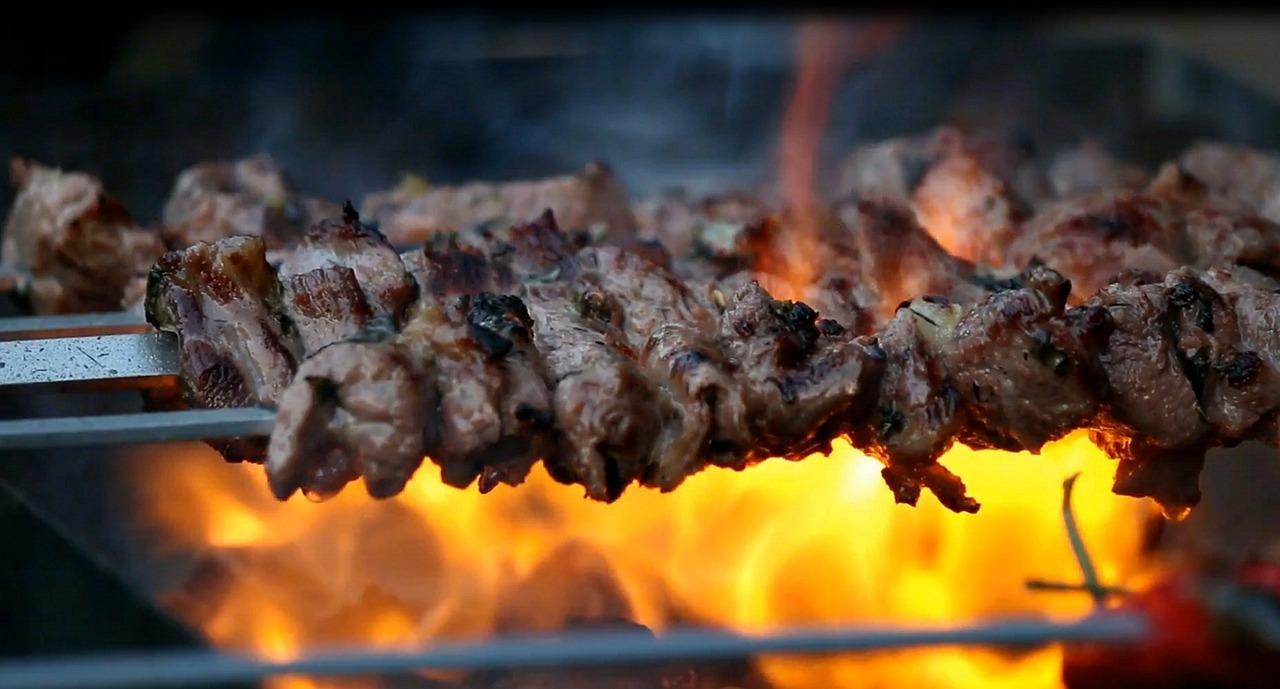
MshikakiGrilled beef skewers

Mshikaki are the beef skewers grilled at night markets in Dar es Salaam, Zanzibar's Forodhani Gardens and every Tanzanian roadside barbecue, sold hot with chips, pili pili sauce and a wedge of lime. Small chunks of beef are marinated in lime, ginger, garlic, chilli and curry powder, which tenderises them, then grilled quickly over charcoal. The mistake is marinating with raw papaya or too much lime for too long, which turns the meat mushy; 2–6 hours is plenty. Chef's tip: soak wooden skewers in water for 30 minutes so they don't burn.

by KrazyBadal 0 views

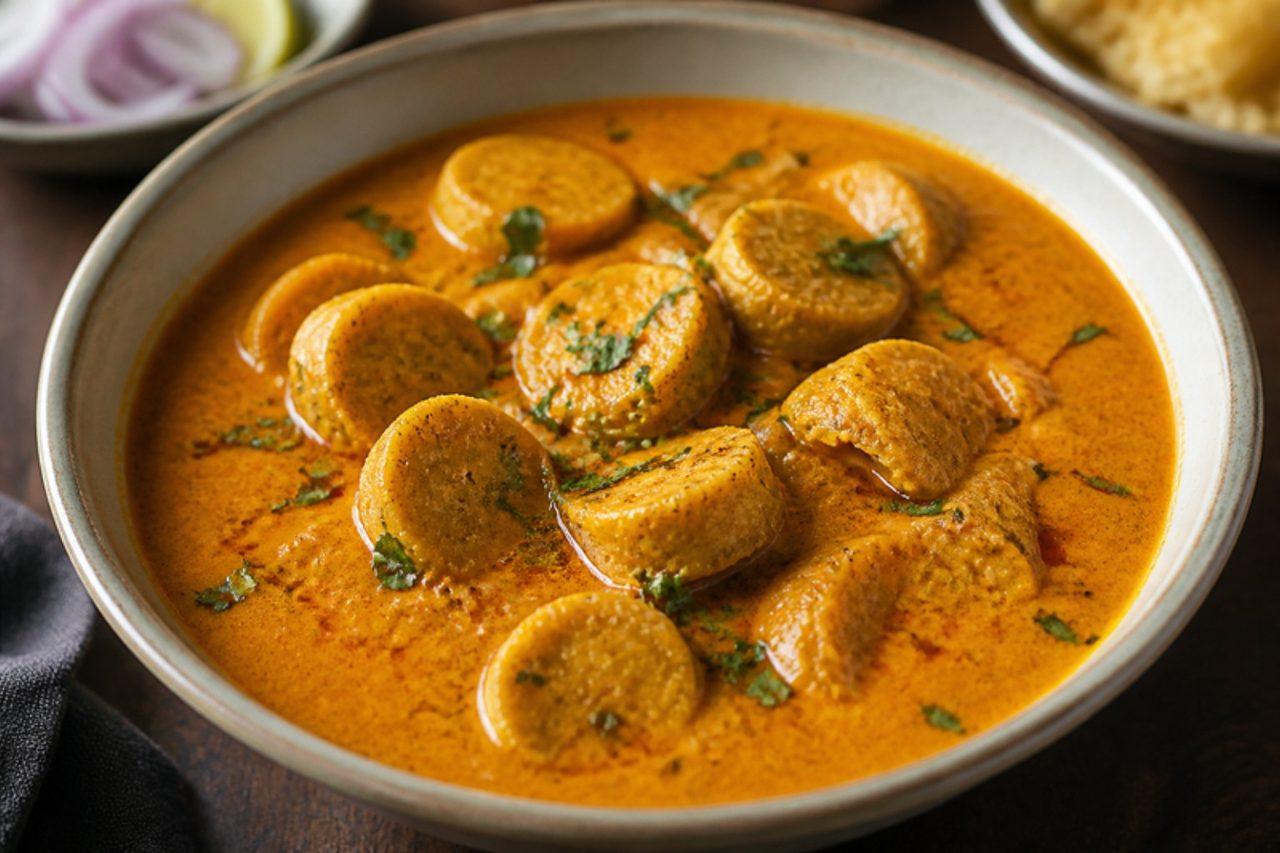
Gatte ki sabziGram flour dumplings in spiced yogurt gravy

Gatte ki sabzi comes from the deserts of Rajasthan, where fresh vegetables were scarce and cooks turned gram flour into 'vegetables' instead. Firm, spiced besan rolls are boiled, sliced into little wheels and then simmered in a tangy yogurt gravy until they soak up its flavour. The dumplings are soft but hold their shape and the gravy is gently sour with a warming heat. Serve with phulka, bajra roti or steamed rice. Chef's tip: keep the cooking water from the gatte and use it for the gravy; it carries their flavour and a little starch that helps keep the yogurt from splitting.

by KrazyBadal 0 views

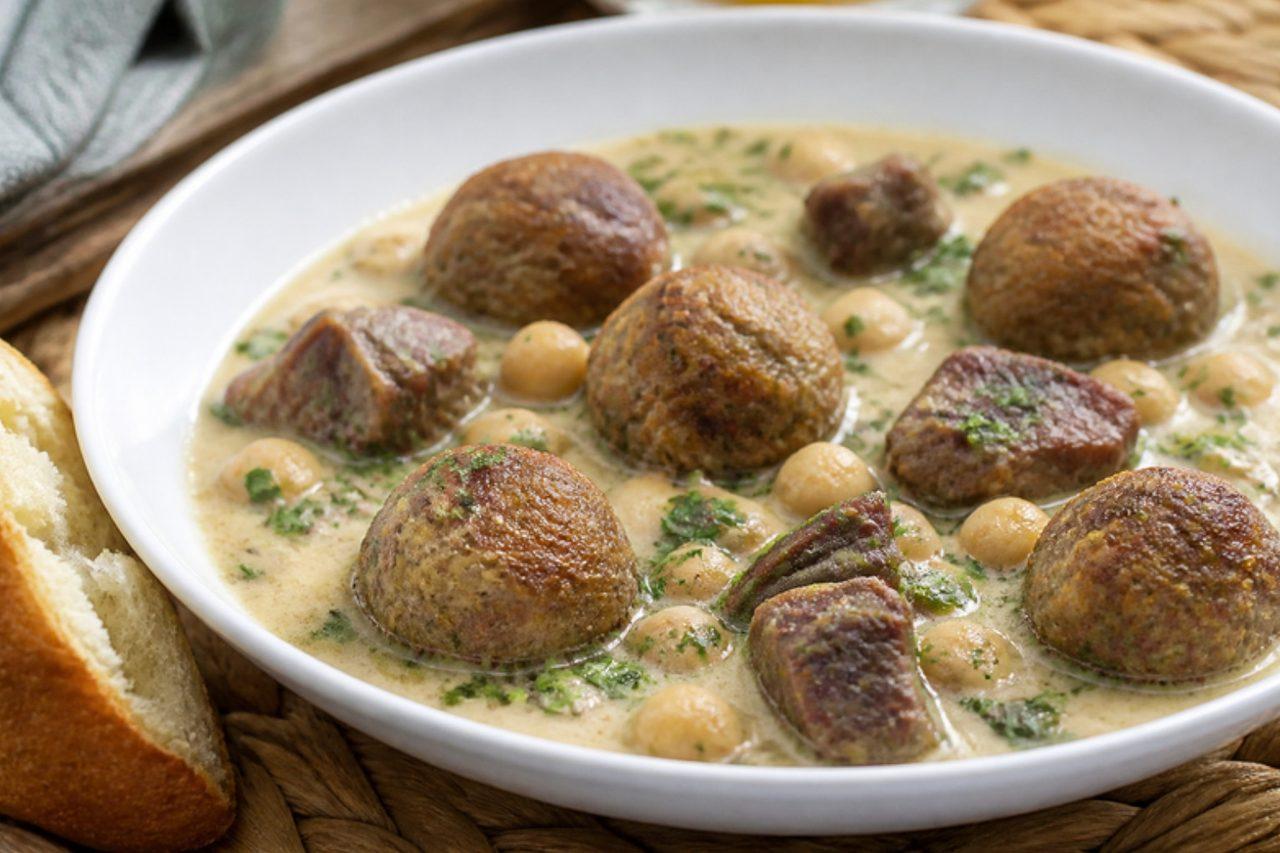
MtewemGarlic meatballs in chickpea sauce

Mtewem, from the word for garlic (thoum), is an old dish of the Casbah of Algiers: chunks of lamb and garlicky beef meatballs simmered together in a peppery white sauce with chickpeas, and finished with whole cloves of garlic that turn soft and sweet. It is cooked for Ramadan and for guests, and eaten with bread. Some families add a little tomato; this is the white version. The mistake is letting the sauce boil hard after the meatballs go in, which makes them tough and break; keep it at a gentle simmer. Chef's tip: wet your hands when rolling the meatballs so they come out smooth and hold together.

105 minAlgerianMeatGluten free
by KrazyBadal 0 views

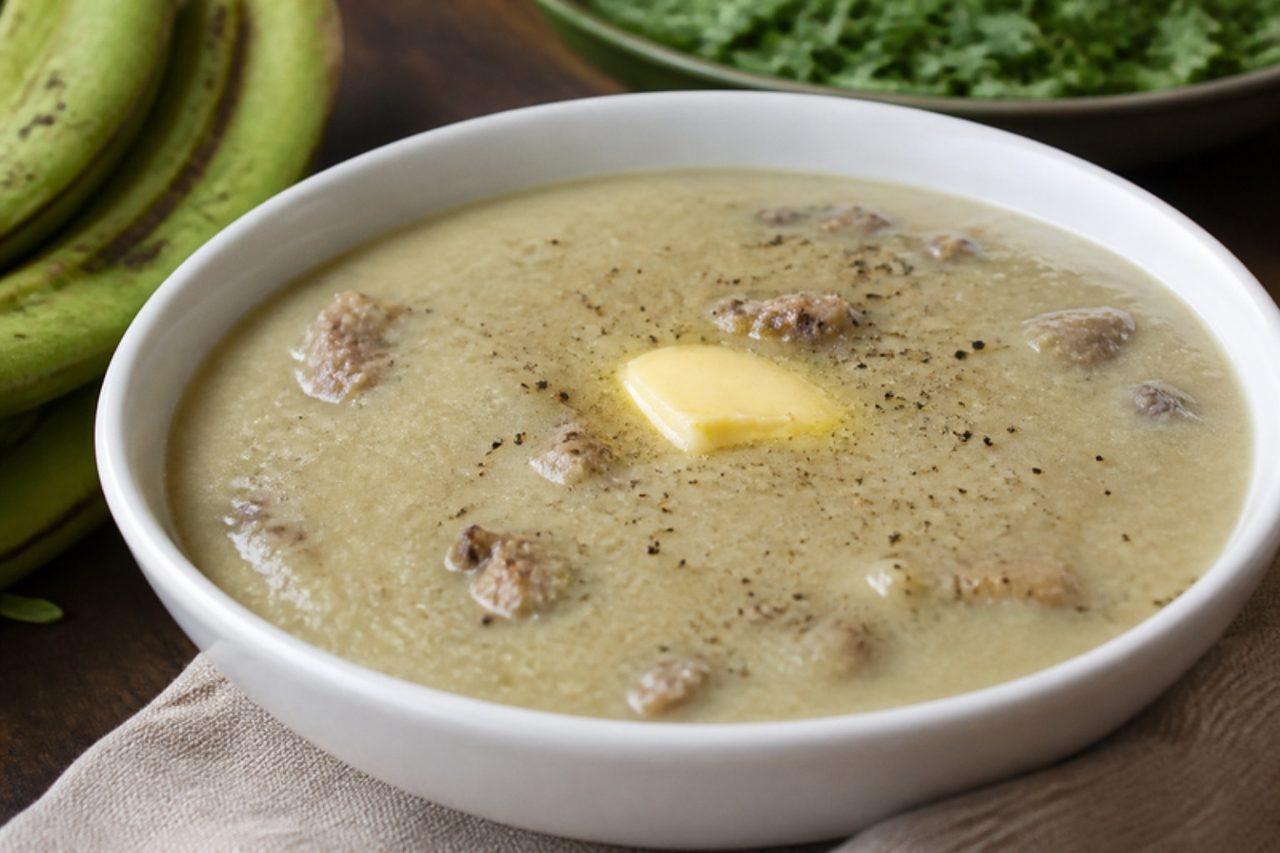
MtoriGreen banana and beef soup

Mtori comes from the Chagga people on the slopes of Mount Kilimanjaro, where cooking bananas grow around every house; it is a thick, smooth soup of green bananas and beef, mashed until creamy and finished with butter. It is given to new mothers to build their strength and eaten on cool mornings in Moshi and Arusha. The mistake is using sweet ripe bananas, which make it sugary; you need hard green cooking bananas or green plantain. Chef's tip: rub a little oil on your hands before peeling green bananas, as the sap stains.

by KrazyBadal 0 views

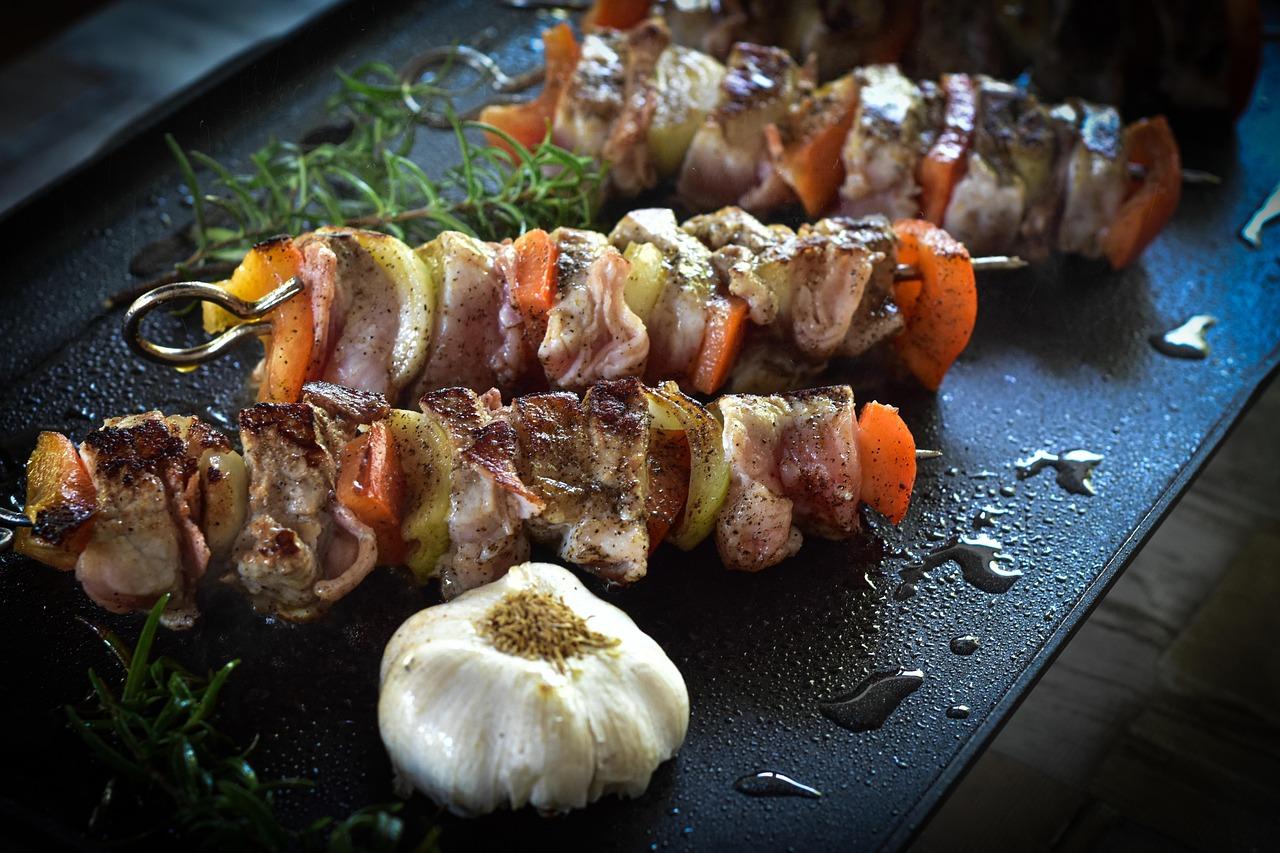
MtsvadiGrilled pork skewers

Mtsvadi are the grilled skewers of the Georgian supra and every summer picnic, and in the wine region of Kakheti they are cooked over the embers of dried grapevine cuttings left from pruning. This version is pork: chunks of fatty pork neck marinated simply with onion, salt and pepper, threaded on skewers and grilled until charred at the edges and juicy inside. Serve with raw onion rings, pomegranate seeds and tkemali (sour plum sauce). Chef's tip: keep the marinade simple; Georgians say good mtsvadi needs only good meat and good fire.

by KrazyBadal 0 views

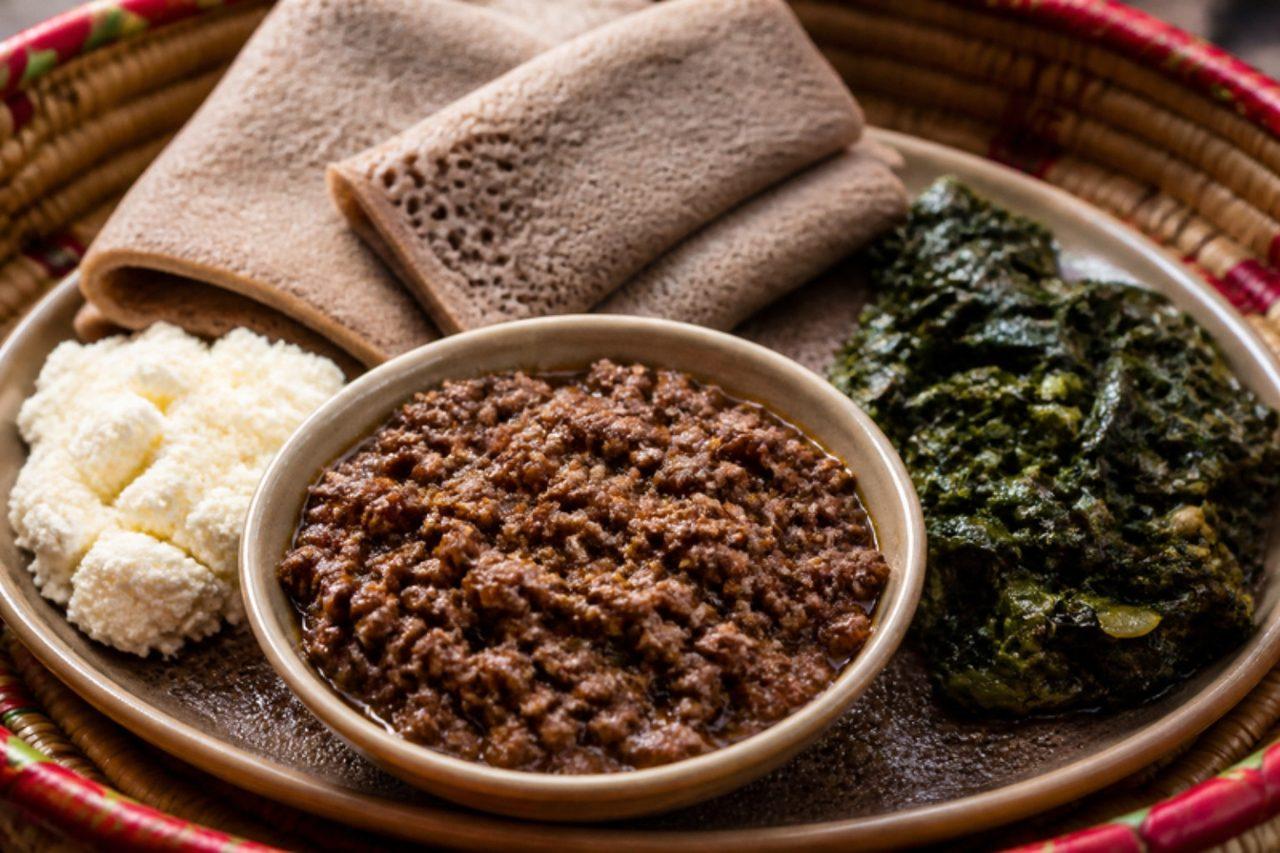
KitfoSpiced minced beef

Kitfo comes from the Gurage people south-west of Addis Ababa, and it is the dish Ethiopians order at special kitfo houses or make for Meskel, the September feast of the True Cross. Lean beef is finely minced and stirred with warm spiced butter and mitmita, a hot chilli and cardamom powder. In Ethiopia it is often eaten raw (tire) or barely warmed (leb leb), but raw or lightly warmed minced beef is not safe for home cooks: this version is cooked to 71 °C, which keeps the buttery, fiery flavour with a soft, crumbly texture. Serve with ayib, braised greens and injera or kocho. Chef's tip: mince the beef yourself from a single lean cut if you can, and keep it fridge-cold until the moment it goes into the pan.

by KrazyBadal 0 views

Sopa de quinuaQuinoa and vegetable soup

Sopa de quinua is everyday food in the Andes, from Puno on Lake Titicaca to Cusco and Huancayo, where quinoa has been grown for thousands of years. Quinoa, potato, carrot and corn simmer in a light broth seasoned with garlic, cumin, oregano and a little ají amarillo, and the potato breaks down slightly to give body. It is light yet filling, the soup families eat at midday to warm up in cold mountain air. In Peru it is finished with huacatay, the black mint of the Andes; a mix of mint and coriander stands in well. Chef's tip: rinse the quinoa in a sieve under running water, rubbing it, until the water stops foaming; the natural saponin coating tastes bitter and soapy.

by KrazyBadal 0 views

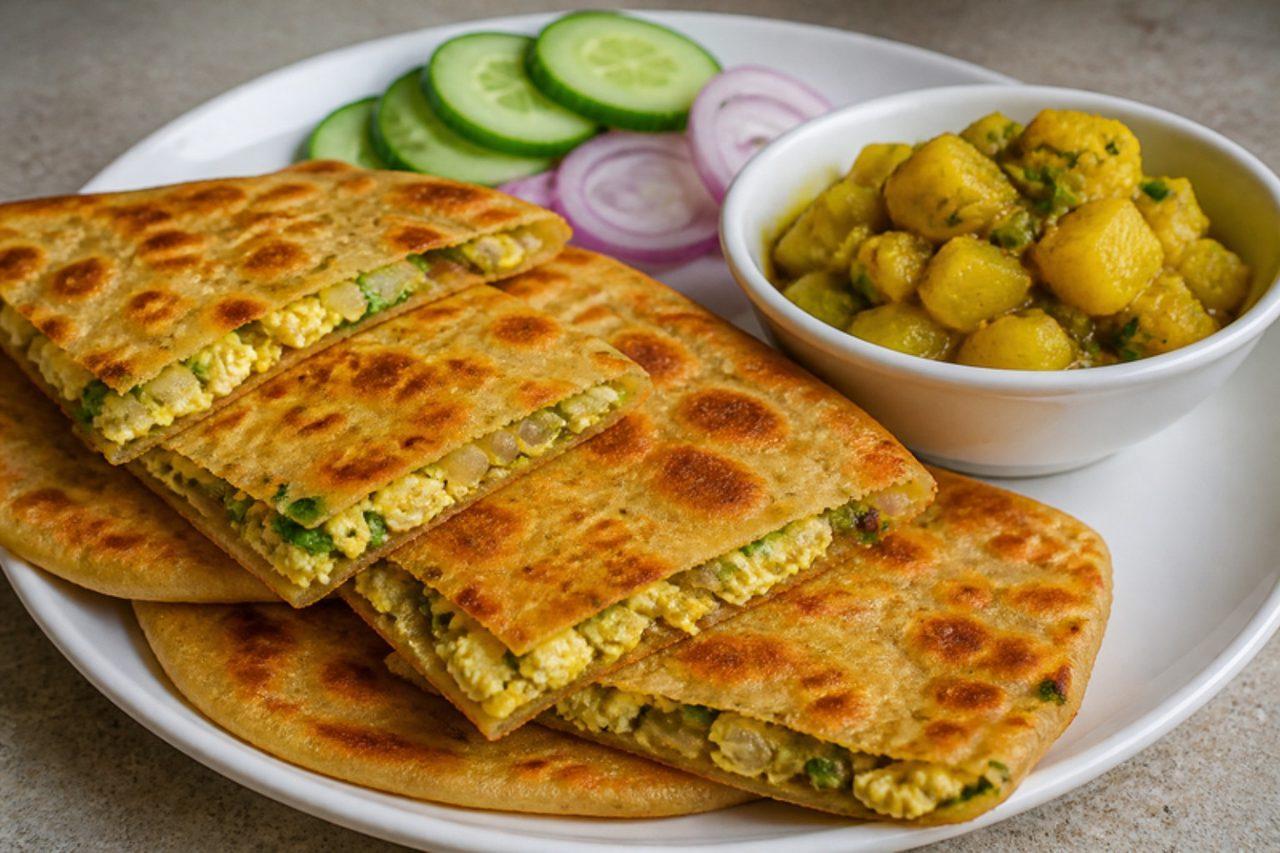
Mughlai parathaEgg-stuffed paratha

Mughlai paratha is a Kolkata cabin-restaurant classic, the sort of thing eaten at Anadi Cabin or a para stall on a winter evening with a sweet-sour potato curry and sliced cucumber and onion. Paper-thin dough is stretched out on the tawa, a beaten egg with onion, chilli and coriander is poured into the middle, and the sides are folded over into a sealed square parcel that is shallow-fried until it blisters. Many shops add minced meat; this vegetarian version is egg only, the way plenty of Bengali homes make it. Chef's tip: stretch the dough with oiled hands rather than a rolling pin for the thinnest sheet.

by KrazyBadal 0 views

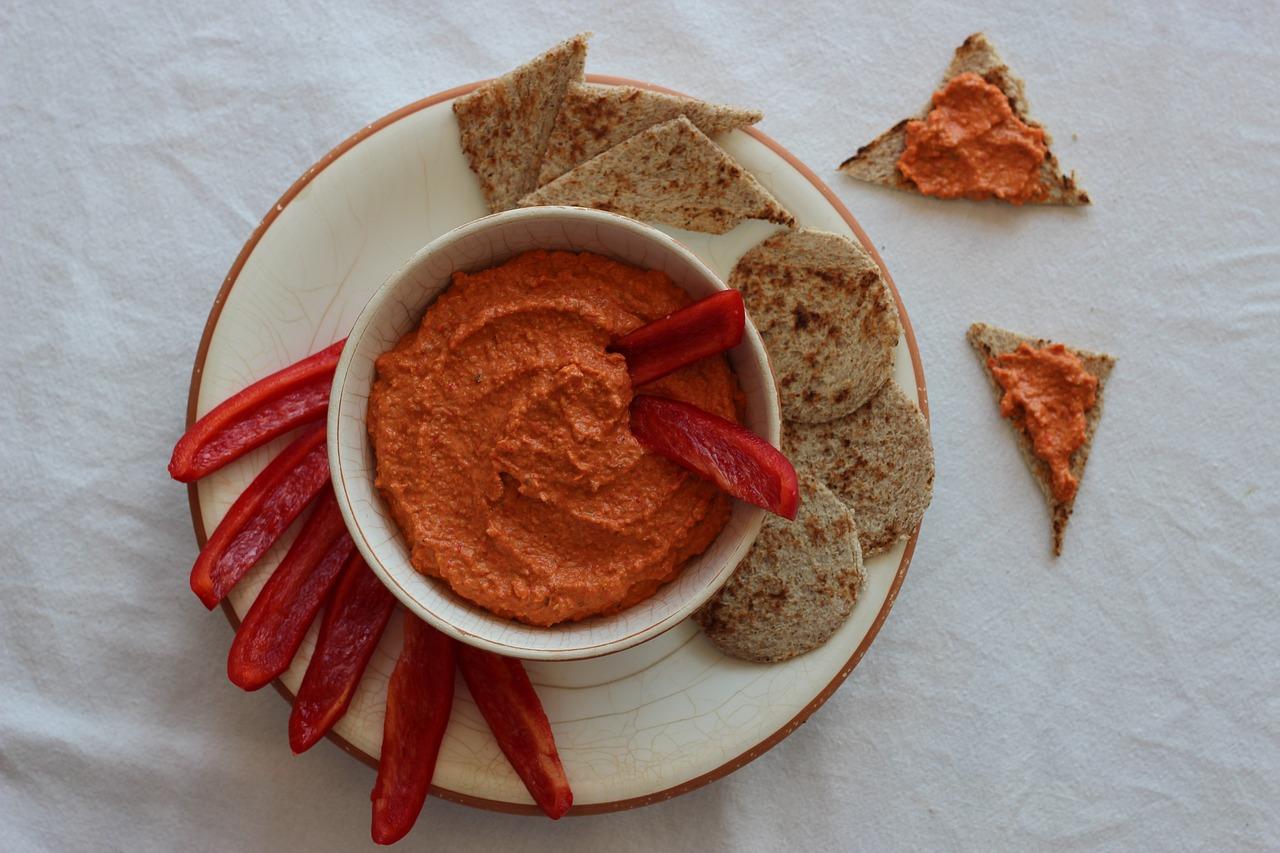
MuhammaraRed pepper and walnut spread

Gaziantep, a city on Turkey's southern border famous for pistachios and pepper paste, claims muhammara as its own, and you will find it on breakfast spreads and meze tables throughout the southeast. Roasted red peppers, walnuts and breadcrumbs are pounded with pepper paste, cumin and pomegranate molasses into a thick, brick-red spread that is smoky, nutty and gently hot. Spread it on bread, serve it with crudités or alongside a bowl of lentil soup. A common mistake is blending until completely smooth; it should keep a little bite from the walnuts. Chef's tip: toast the walnuts in a dry pan first until they smell like brown butter, which deepens the flavour far more than raw nuts.

by KrazyBadal 0 views

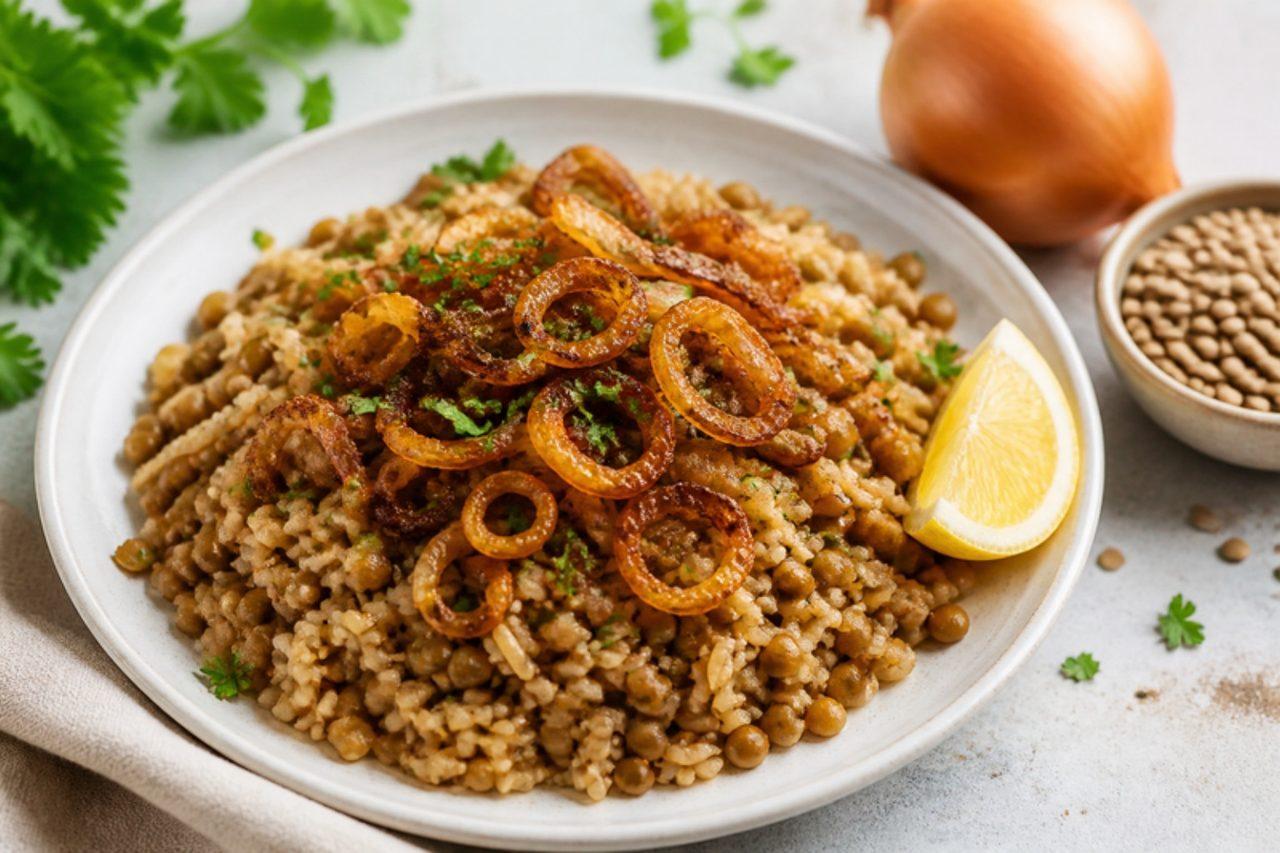
MujaddaraLentils and rice with crisp onions

Across the Levant, from Tripoli in northern Lebanon to the villages of the Galilee, mujaddara is the thrifty Friday or Lenten supper that nobody tires of: brown lentils and rice cooked together until soft and earthy, then heaped with a tangle of onions fried until mahogany and crisp. It costs very little, keeps well, and is eaten warm or at room temperature with a cucumber-yogurt salad, plain yogurt for non-vegans, or a sharp cabbage salad. The onions do all the seasoning, so be generous. Chef's tip: fry the onions in batches with room to spare in the pan; crowded onions steam and go soft instead of turning crisp.

by KrazyBadal 0 views

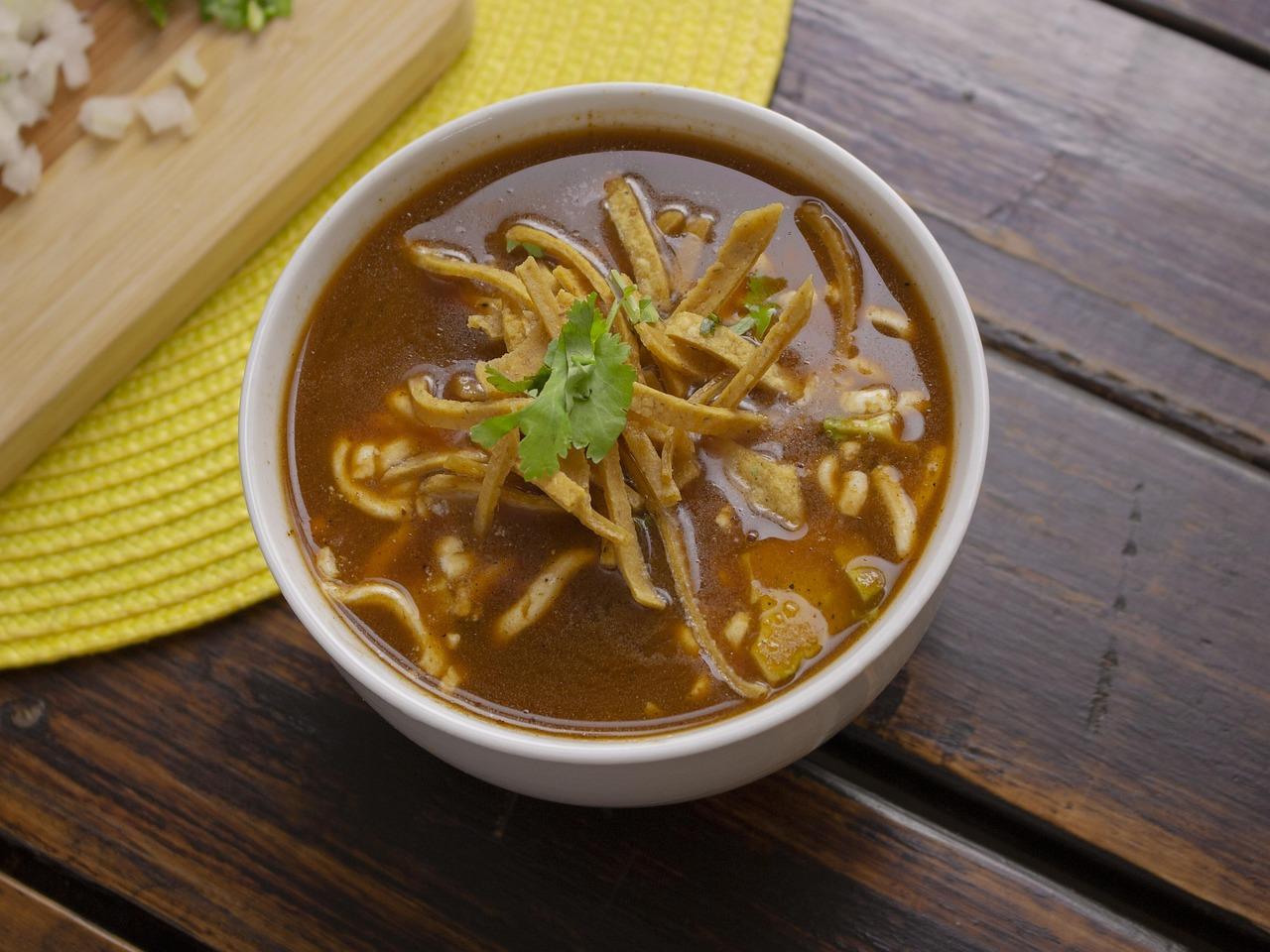
Sopa de tortillaTortilla soup

Sopa de tortilla, also called sopa azteca, is one of the best-loved soups of Mexico City's fondas: a brick-red broth of charred tomato, onion, garlic and dried pasilla chilli poured over crisp strips of fried corn tortilla. The strips soften at the edges and stay crunchy in the middle, and the toppings of avocado, fresh cheese, cream and fried chilli rings make each spoonful different. It is a starter in a comida corrida (set lunch) and a cure-all on a cold evening. We use a well-flavoured vegetable stock in place of chicken broth. Chef's tip: fry the blended tomato purée in hot oil until it darkens and smells sweet before adding the stock; this "seasoning" of the sauce is what makes Mexican soups taste deep rather than thin.

by KrazyBadal 0 views

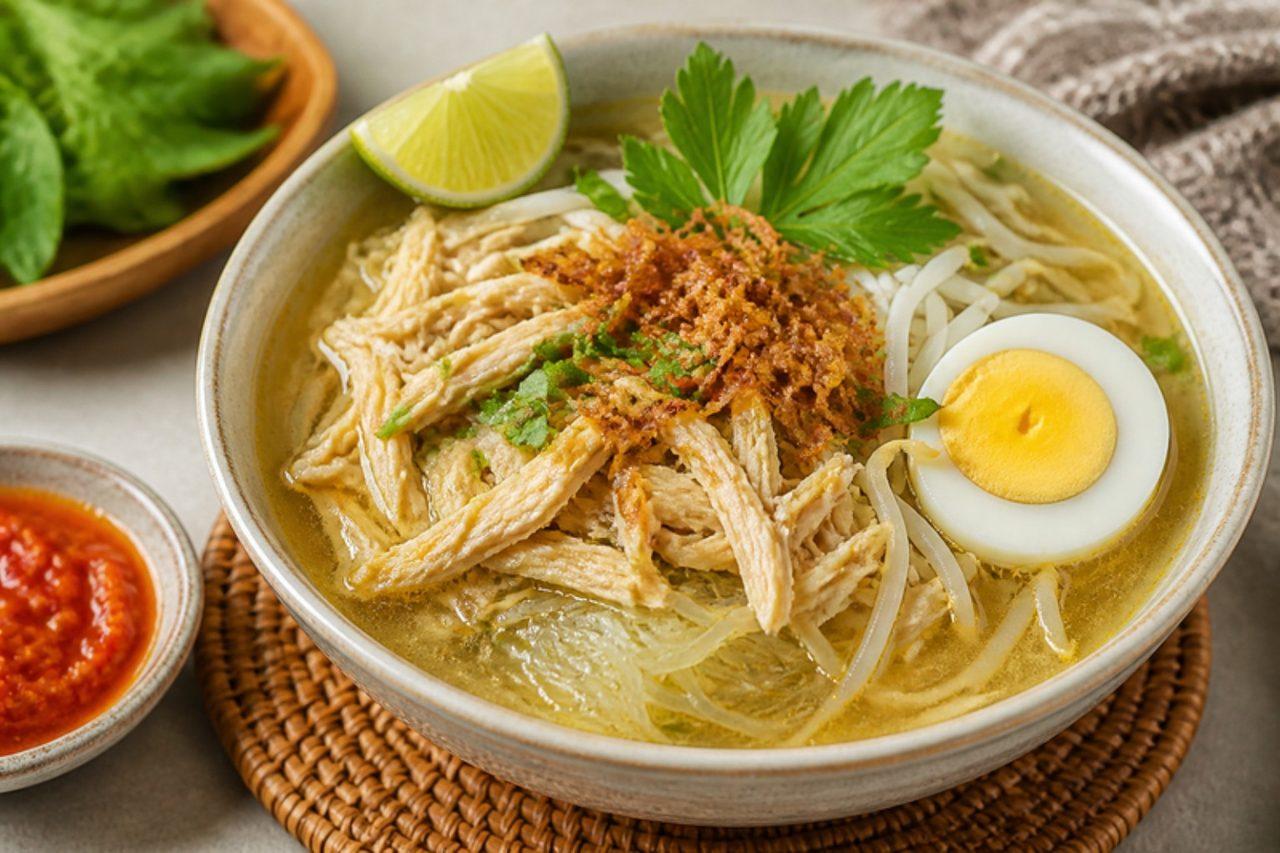
Soto ayamTurmeric chicken soup

From Lamongan to Semarang, Java's soto carts start ladling before the morning commute, and a bowl of soto ayam is how many people begin a working day. The broth is light but bright yellow with fresh turmeric, scented with lemongrass and lime leaf, and poured over slippery glass noodles, shredded chicken, crunchy bean sprouts and half a boiled egg. Squeeze in lime, stir in as much sambal as you dare and eat it with plain rice or rice cakes on the side. In East Java vendors finish it with koya, a sandy powder of prawn crackers and fried garlic that thickens the broth as you eat. Chef's tip: keep the pot at a lazy simmer the whole time; a hard boil turns the golden broth cloudy and greasy.

by KrazyBadal 0 views

Soto BanjarSpiced chicken soup

Along the rivers of Banjarmasin in South Kalimantan, breakfast often means soto Banjar eaten at a wooden riverside warung, sometimes after a dawn trip to the floating market. Unlike the turmeric sotos of Java, this broth is pale and clear, perfumed with the sweet spices that traders brought up the river centuries ago: cinnamon, cloves, star anise, cardamom and nutmeg. Shredded chicken, glass noodles, carrot and a boiled egg go into the bowl with rice cakes, and lime and a little chilli sharpen it at the table. Chef's tip: toast the whole spices in the pan for a minute before the paste goes in; it brings out their sweetness without the dusty edge of ground spice.

by KrazyBadal 1 views

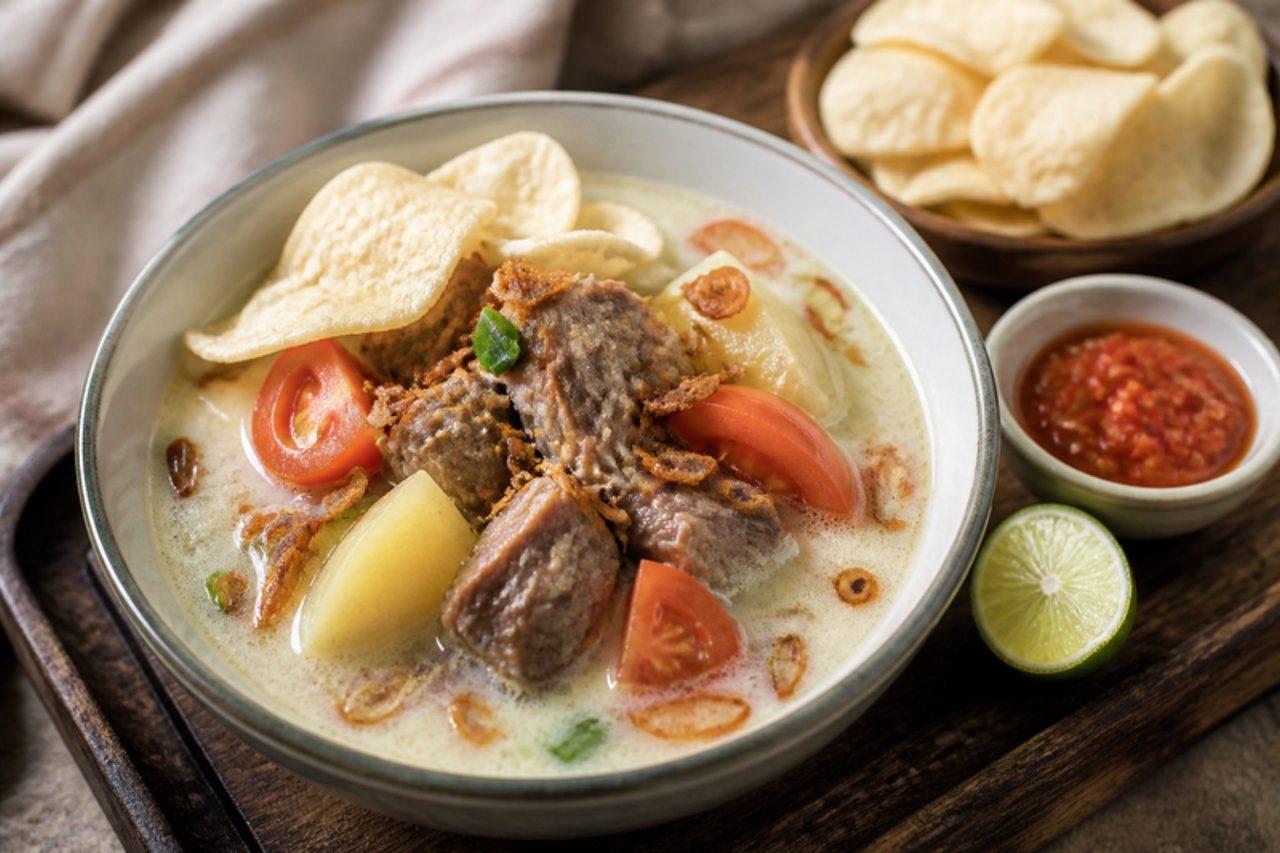
Soto BetawiBeef and coconut milk soup

Jakarta's original Betawi community gave the capital this rich, pale-gold soup, and on a Sunday the soto Betawi stalls along the city's side streets are packed with families. Beef brisket (and, for many, tripe) simmers until tender, then goes into a gently spiced broth made creamy with coconut milk and a splash of fresh milk, scented with lemongrass, cinnamon and cloves. Each bowl is loaded with fried potato, raw tomato and spring onion and comes with rice, lime, sambal and bitter-crisp emping crackers. It's comforting and mellow rather than fiery. Chef's tip: for a dairy-free bowl, swap the milk for more coconut milk; the soup will be a little heavier but just as good.

by KrazyBadal 0 views

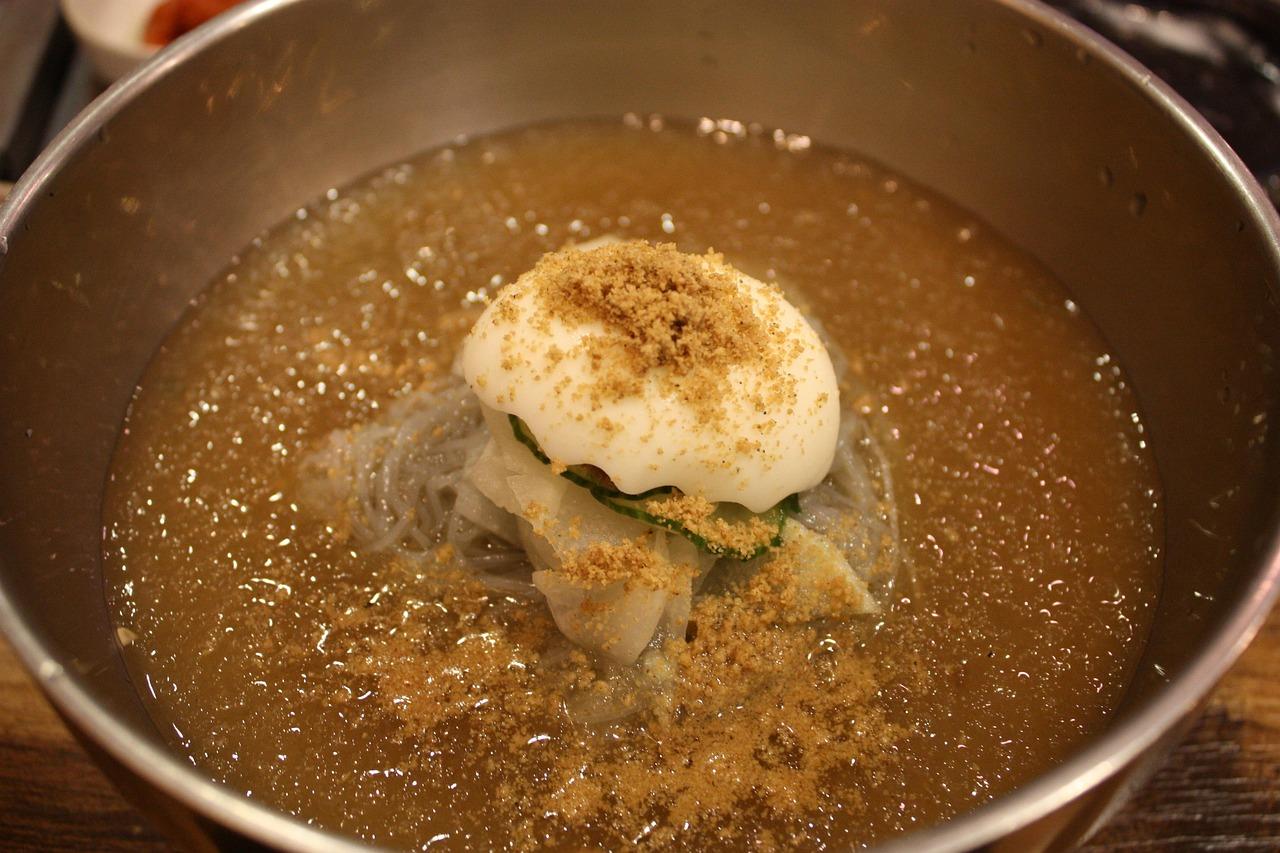
Mul naengmyeonCold buckwheat noodles

Mul naengmyeon comes from Pyongyang, where it was once a winter dish eaten in heated rooms; after the war, northern cooks opened naengmyeon houses in Seoul, and now it is the first thing people crave on a sticky summer afternoon. The beef broth is served almost frozen, slightly sweet and sharp with vinegar, over long, springy buckwheat noodles. Bottles of vinegar and hot mustard sit on every table so you can adjust each bowl. Plan ahead: the broth needs at least 4 hours in the fridge, or make it the day before. Chef's tip: put the strained broth in the freezer for the last hour, so it turns slushy just as you serve.

by KrazyBadal 0 views

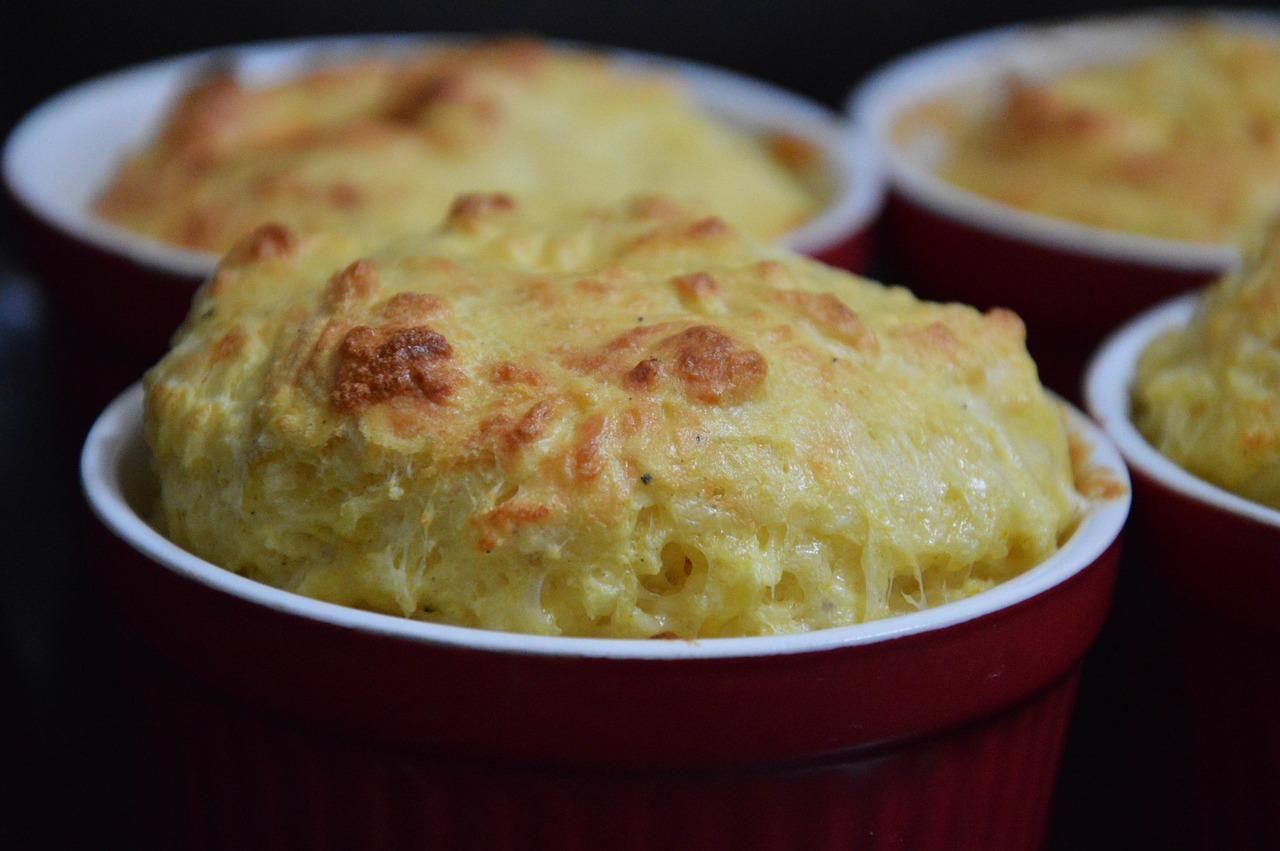
Soufflé au fromageCheese soufflé

The cheese soufflé is a French bistro classic and a favourite family starter or light supper all over France, often served with a green salad and a glass of white wine. A thick cheese sauce is lightened with whisked egg whites and baked until it rises tall above the dish, golden and crusty outside and soft, almost creamy in the middle. It sounds hard but it's mostly about timing. We thicken the sauce with cornflour so it's gluten free (classic recipes use plain flour). Comté and Gruyère are made with animal rennet, so use a vegetarian alternative. Chef's tip: fold the whites in gently with a big spoon, in three goes; stirring hard is the common mistake that knocks out the air so it never rises.

by KrazyBadal 0 views

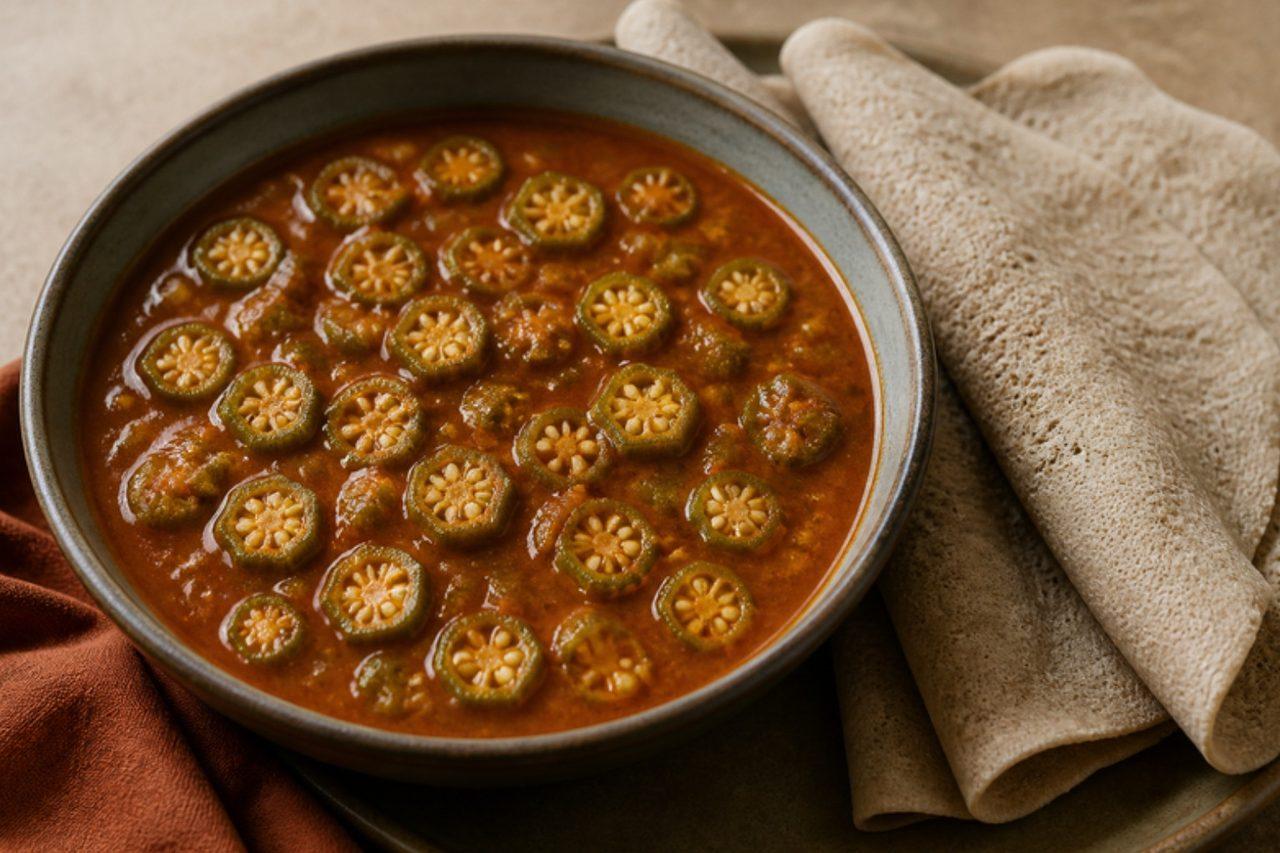
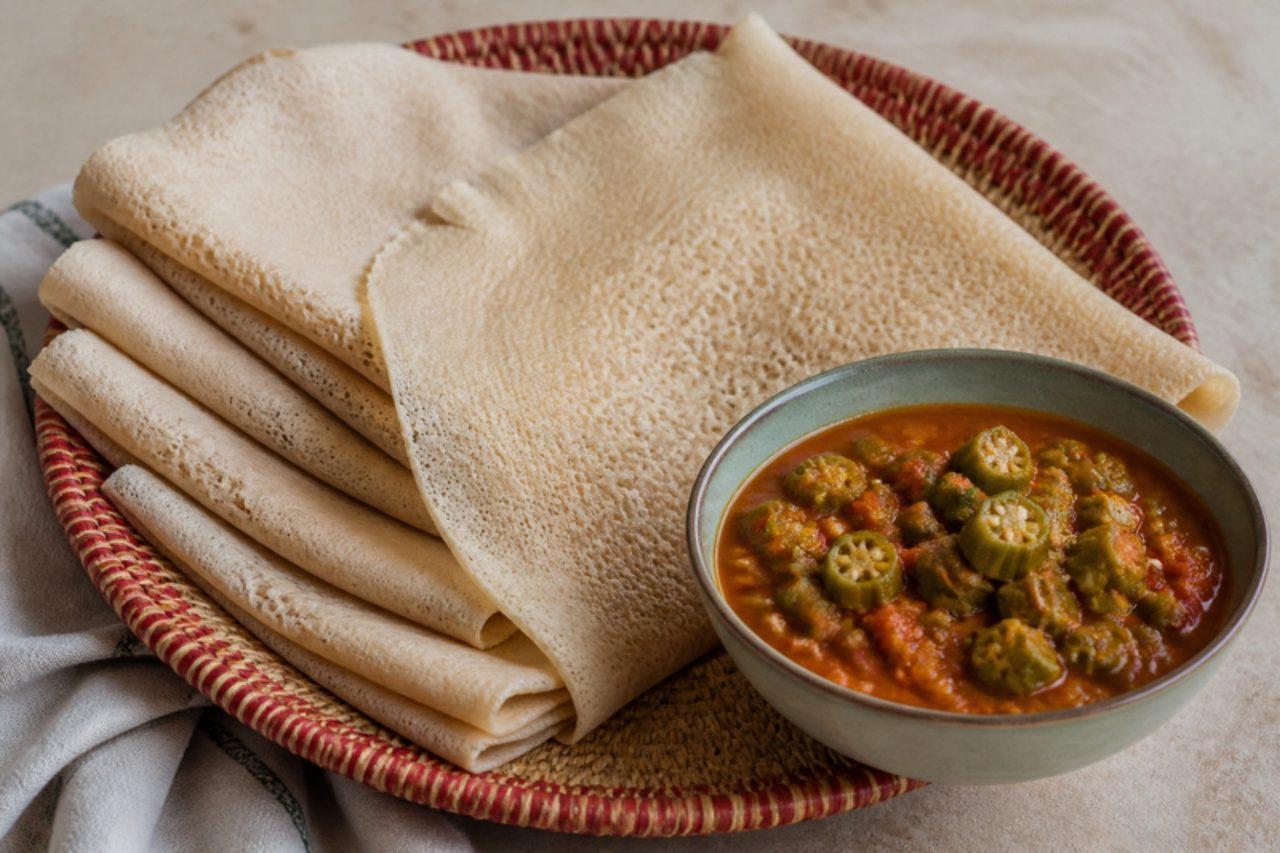
Mullah bamiaOkra stew

Mullah is the Sudanese word for the thick stews that go with kisra and aseeda, and mullah bamia, with okra, is one of the most loved, cooked in homes from Khartoum to Kassala. The base is a large amount of onion cooked very slowly until it melts, then tomato and garlic; the okra is left to soften until the sauce turns silky. Many households add dried ground okra (weika) for a thicker, earthier stew. It is normally made with meat; here it is all vegetable. Chef's tip: cook the onions until they collapse into a jam before adding anything else; that slow base is what gives mullah its depth.

by KrazyBadal 0 views

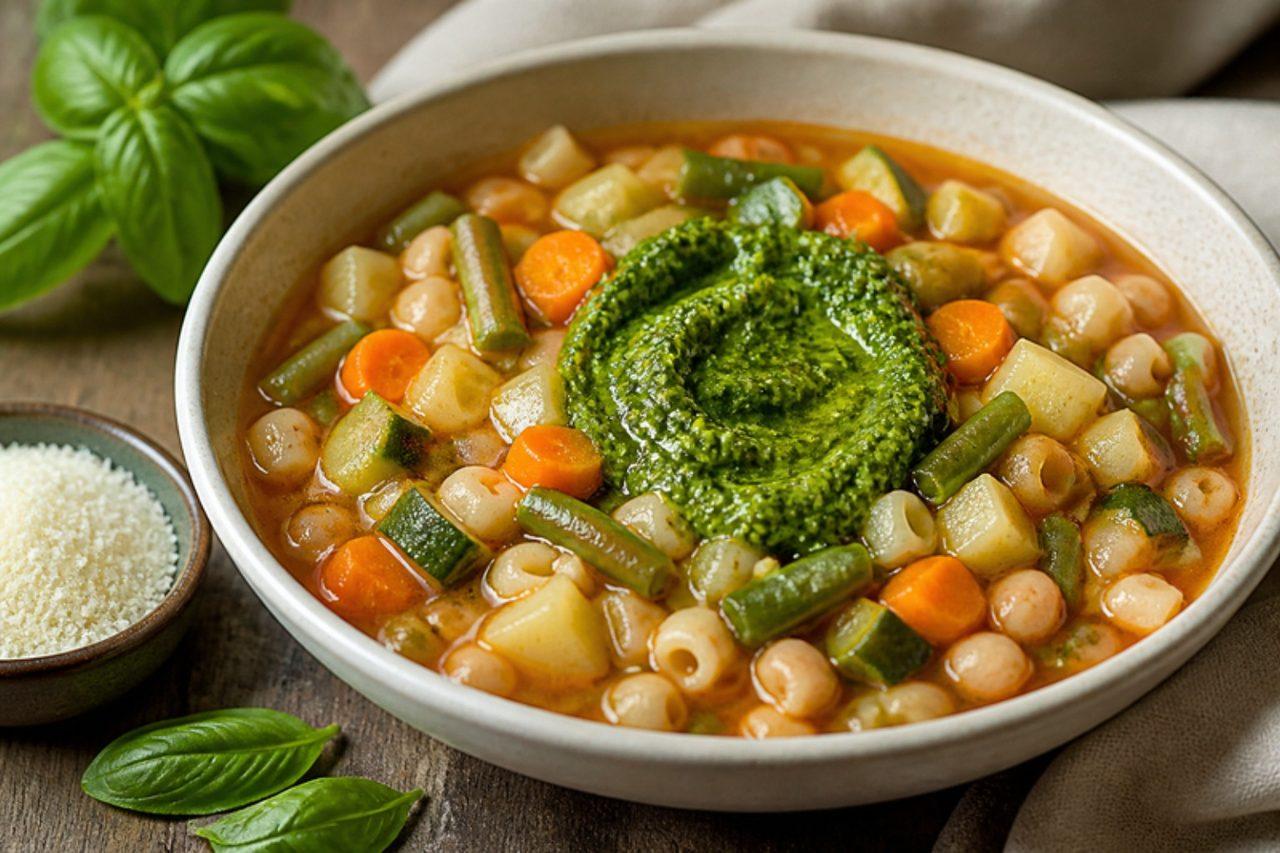
Soupe au pistouBean and vegetable soup with basil

Soupe au pistou is Provence's summer minestrone, eaten from July to September when basil grows thick in the gardens around Marseille and Avignon. Beans, courgettes, green beans, carrots, potato and small pasta simmer in a light broth, then each bowl gets a spoonful of pistou, a pounded paste of basil, garlic, olive oil and hard cheese with no pine nuts. Stirred in at the table, it turns the broth fragrant and green. It is a whole meal with bread. The traditional cheese is Parmesan or aged Gouda, so use a vegetarian hard cheese. Chef's tip: never boil the pistou; adding it to the pot is the common mistake that turns the basil dark and kills its smell.

by KrazyBadal 0 views

KisraFermented sorghum flatbread

Kisra (kisra rahifa) is the daily bread of northern and central Sudan: a sorghum batter left to sour for a day, then wiped across a very hot iron plate in a single sweep so it cooks into a lacy sheet as thin as paper. In homes it is made early each morning and stacked in folded layers to eat with mullah stews, especially during Ramadan. A wide crêpe pan and a plastic scraper or spatula work at home. Chef's tip: the pan must be hot enough that the batter sets the moment it touches; if it is too cool the sheet sticks and tears.

by KrazyBadal 0 views

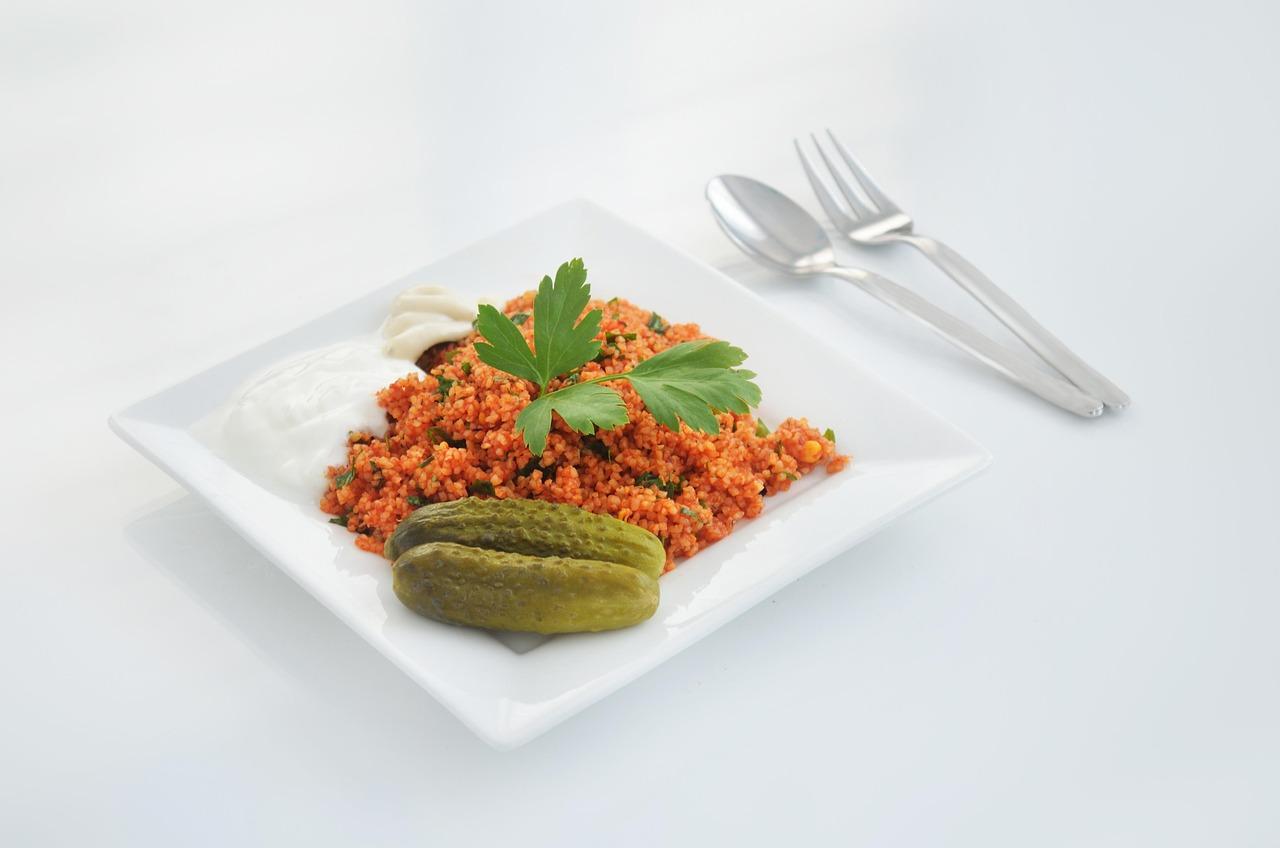
KısırBulgur salad with pepper paste

Kısır comes from southeastern Turkey but is now the dish women across the country bring to 'altın günü', the afternoon gatherings where friends meet at each other's homes over tea. Fine bulgur is softened with hot water and kneaded with tomato and pepper paste until rosy, then mixed with spring onion, parsley, mint, lemon and pomegranate molasses. It is served at room temperature, often wrapped in crisp lettuce leaves. The typical mistake is pouring in too much water, which turns the bulgur mushy; use just enough to cover. Chef's tip: knead the pastes into the warm bulgur with your hands for a full minute so every grain turns red and the flavour goes right through.

by KrazyBadal 0 views

Kiritanpo nabeRice stick and chicken hot pot

In Akita, in Japan's snowy north-west, the new rice harvest in October marks the start of kiritanpo season, and the town of Odate holds a festival for it every autumn. Freshly cooked rice is half-pounded, pressed around sticks and toasted, then cut up and dropped into a soy-seasoned chicken broth with burdock, maitake mushrooms and crunchy Japanese parsley called seri. Locals use the region's Hinai-jidori chicken; any good free-range bird works. The toasted rice soaks up the broth but keeps a little chew. Chef's tip: toast the rice sticks until dry and golden in patches all over, as a crisp outer skin keeps them from dissolving in the pot.

by KrazyBadal 0 views

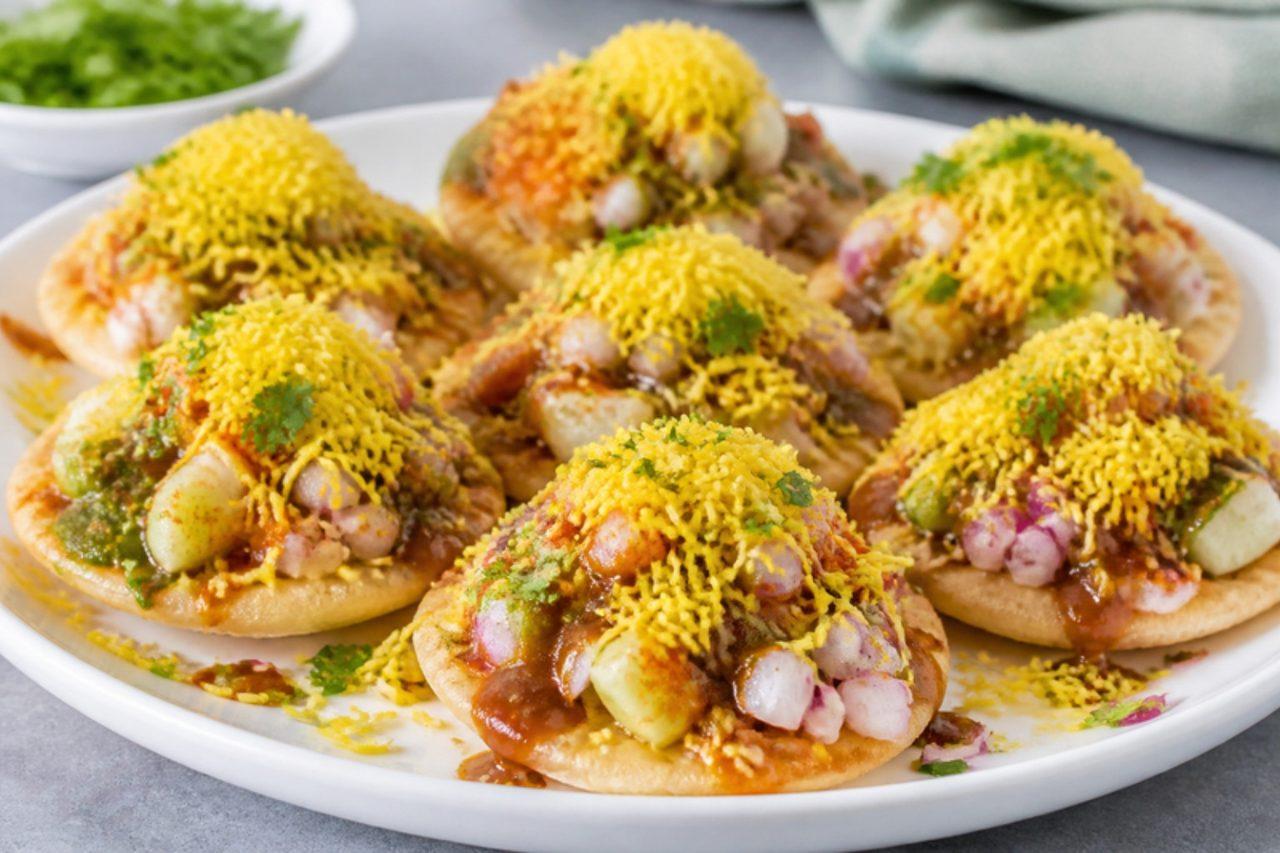
Sev puriPuri topped with potato and chutneys

Sev puri is the snack Mumbaikars eat standing up at Juhu and Girgaum Chowpatty, or at the chaat stall outside the office in the evening. Flat, crisp papdi are laid out on a plate, topped with potato, onion and raw mango, splashed with green, sweet tamarind and red garlic chutneys, then buried under a snowfall of fine sev. It must be eaten within a couple of minutes, before the papdi soften. Here the papdi are made at home, but good shop-bought ones work fine on a busy day. Chef's tip: assemble each plate just before it's eaten, in the order given; chutney on bare papdi makes them soggy, so the potato always goes down first.

by KrazyBadal 0 views

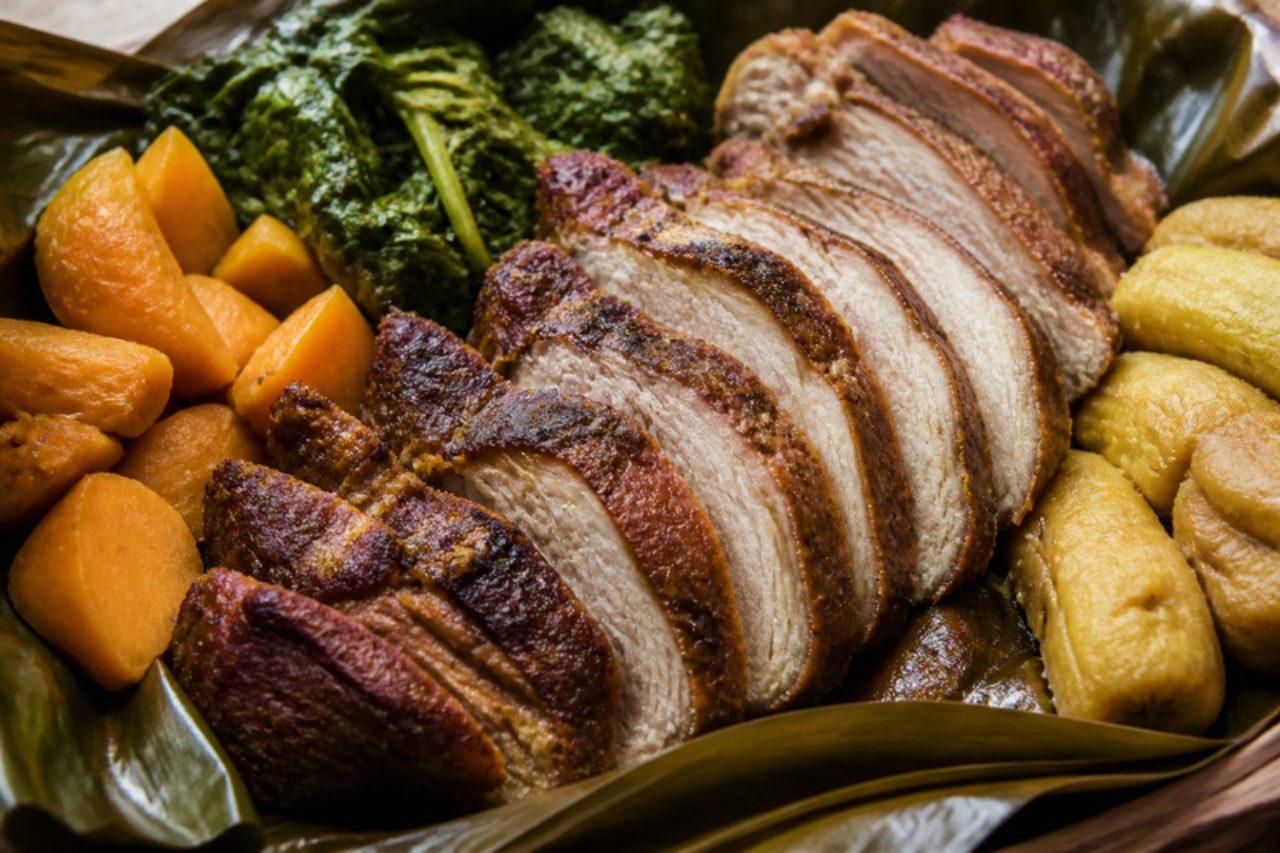
Mumu-style pork roastOven-roasted pork with sweet potato

A mumu is the earth oven of the Papua New Guinea highlands, around Mount Hagen and Goroka, made for feasts, bride-price ceremonies and Christmas: pork, kaukau (sweet potato), bananas and greens are wrapped in banana leaves and steamed over hot stones for hours. This dish contains pork. This home version packs the same ingredients, with coconut milk, into a covered roasting tin and cooks them slowly until the pork is soft. The mistake is cooking the pork fast and hot; it needs long, gentle heat to become tender. Chef's tip: add the greens only for the last 30 minutes so they stay bright.

by KrazyBadal 0 views

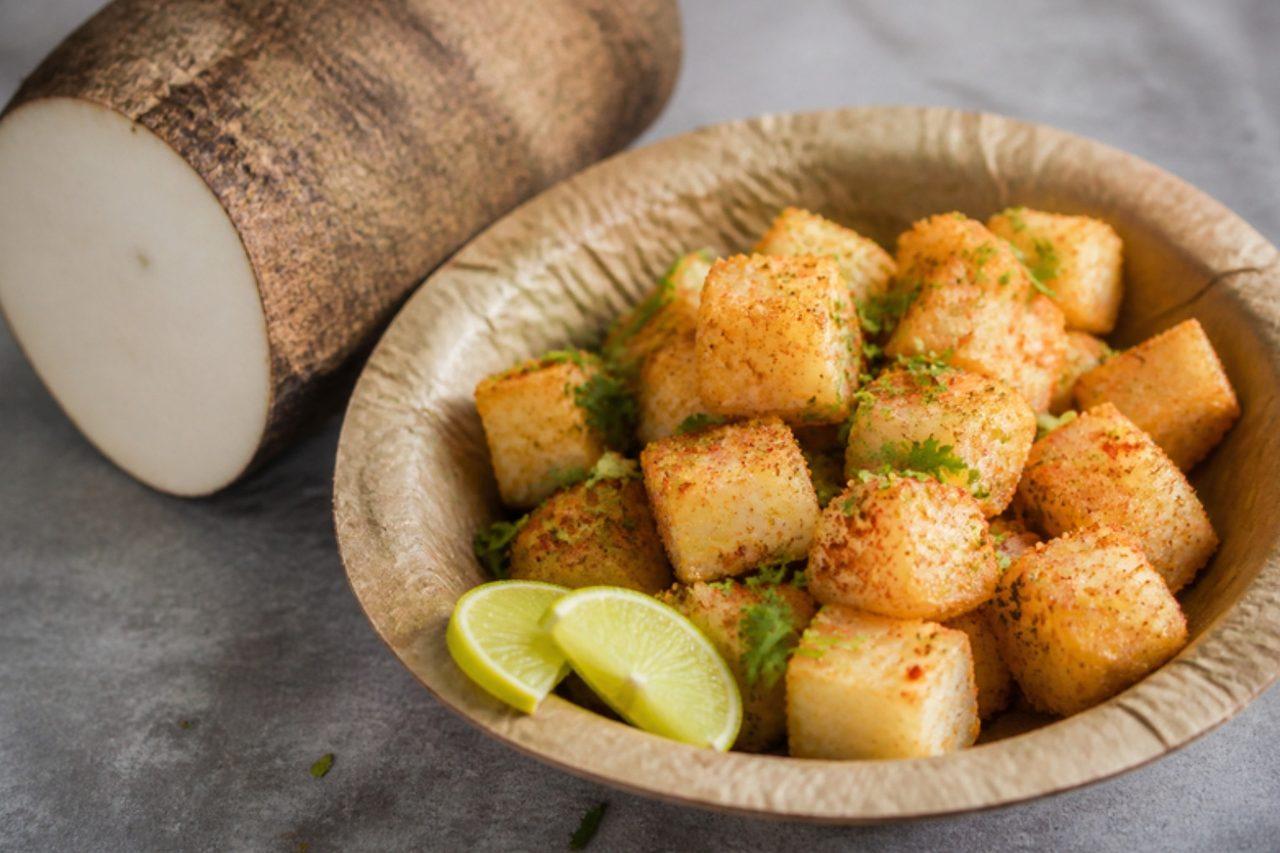
Garadu chaatFried yam chaat

When the nights turn cold in Indore, the stalls of Sarafa Bazaar pile their woks with garadu, a starchy, slightly sticky yam that only appears from November to February. It is boiled, fried until the edges crunch, then shaken with a punchy masala of roasted cumin, black salt and chilli and finished with lime. People eat it standing up from a leaf bowl, often as the savoury stop between jalebi and rabri. Garadu can be hard to find outside Madhya Pradesh; purple yam or white yam from an Asian or African grocer is the closest match, and taro (arbi) works in a pinch. Chef's tip: boil the cubes only until a knife meets slight resistance, then let them steam dry completely, because wet yam spits in the oil and never crisps.

by KrazyBadal 0 views

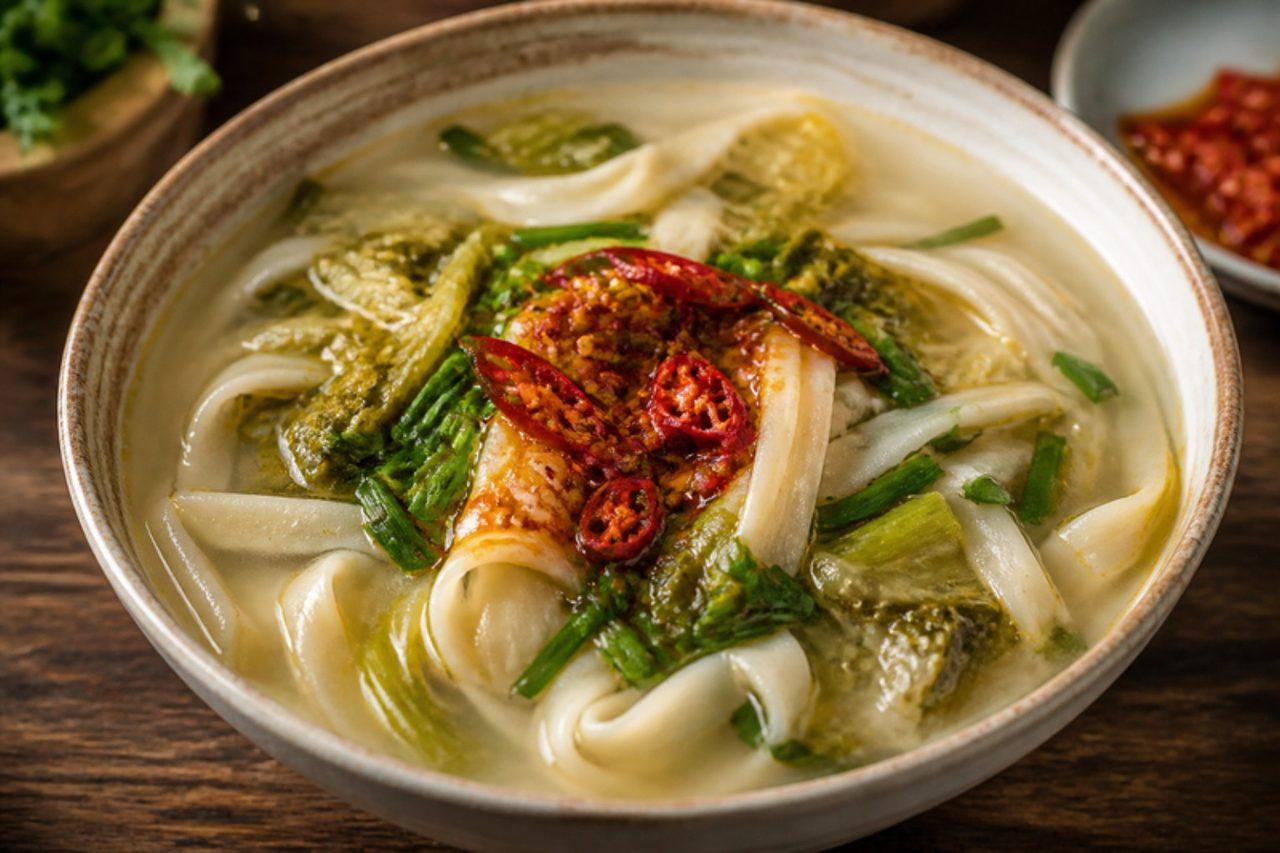
Gansu jiangshui noodlesNoodles in tangy fermented vegetable broth

Tianshui and other towns in Gansu keep a crock of jiangshui going all summer: a pale, sour liquid made by fermenting greens in starchy noodle water. It is heated with chilli, Sichuan pepper and garlic chives and poured over hand-cut noodles, a cooling, refreshing bowl that people say beats the heat. The ferment takes 3–4 days in a warm kitchen, then keeps going for weeks if you top it up. Chef's tip: a spoonful of sauerkraut brine jump-starts the first batch, so it sours cleanly instead of growing off-flavours.

by KrazyBadal 0 views

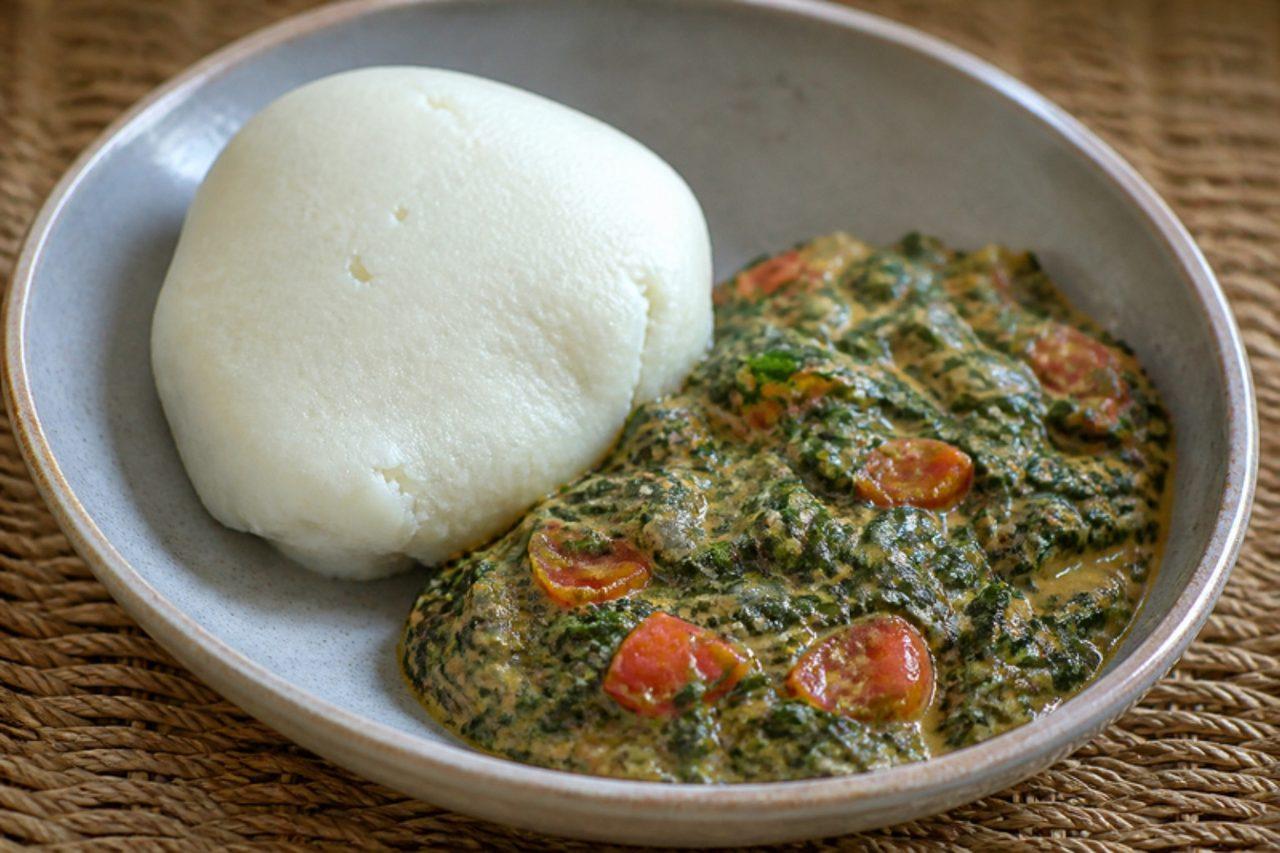
Muriwo une doviGreens in peanut butter sauce

Muriwo une dovi, greens with peanut butter, is a daily relish in Zimbabwean homes, eaten with sadza at lunch and supper. Collard greens, rape or pumpkin leaves are cooked with onion and tomato, then stirred into a creamy peanut sauce. Zambia's ifisashi is the same idea, usually without tomato and often made with pumpkin leaves or spinach and eaten with nshima. Chef's tip: add the peanut butter at the end and cook just long enough to thicken; long boiling makes it gluey.

by KrazyBadal 0 views

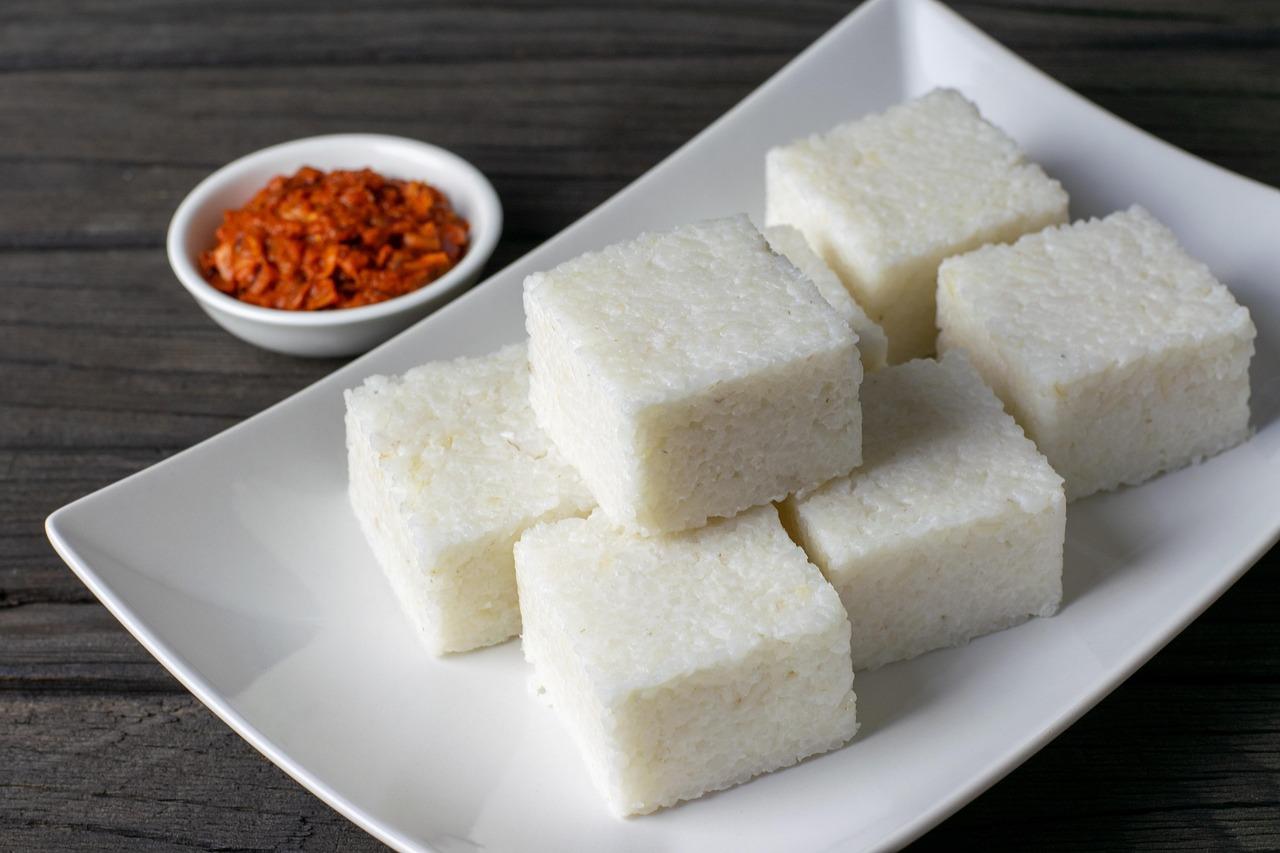
Kiri bathCoconut milk rice

Kiri bath is the first food eaten at Sinhala and Tamil New Year (Aluth Avurudu) in mid-April, cooked at the exact auspicious time the astrologers announce, and it also starts the first day of each month, birthdays and new jobs across Sri Lanka. White rice is boiled until very soft, then cooked again with thick coconut milk and salt until it sets into a creamy slab that is cut into diamonds. It's eaten with lunu miris, a fierce red onion and chilli paste, or with jaggery and bananas for the sweet-toothed. Lunu miris often contains Maldive fish; ours doesn't. The common mistake is adding the coconut milk before the rice is completely soft: the grains stay hard. Chef's tip: press the hot rice flat with a banana leaf or the back of a spoon dipped in coconut milk; it stops sticking and gives the classic glossy top.

by KrazyBadal 0 views

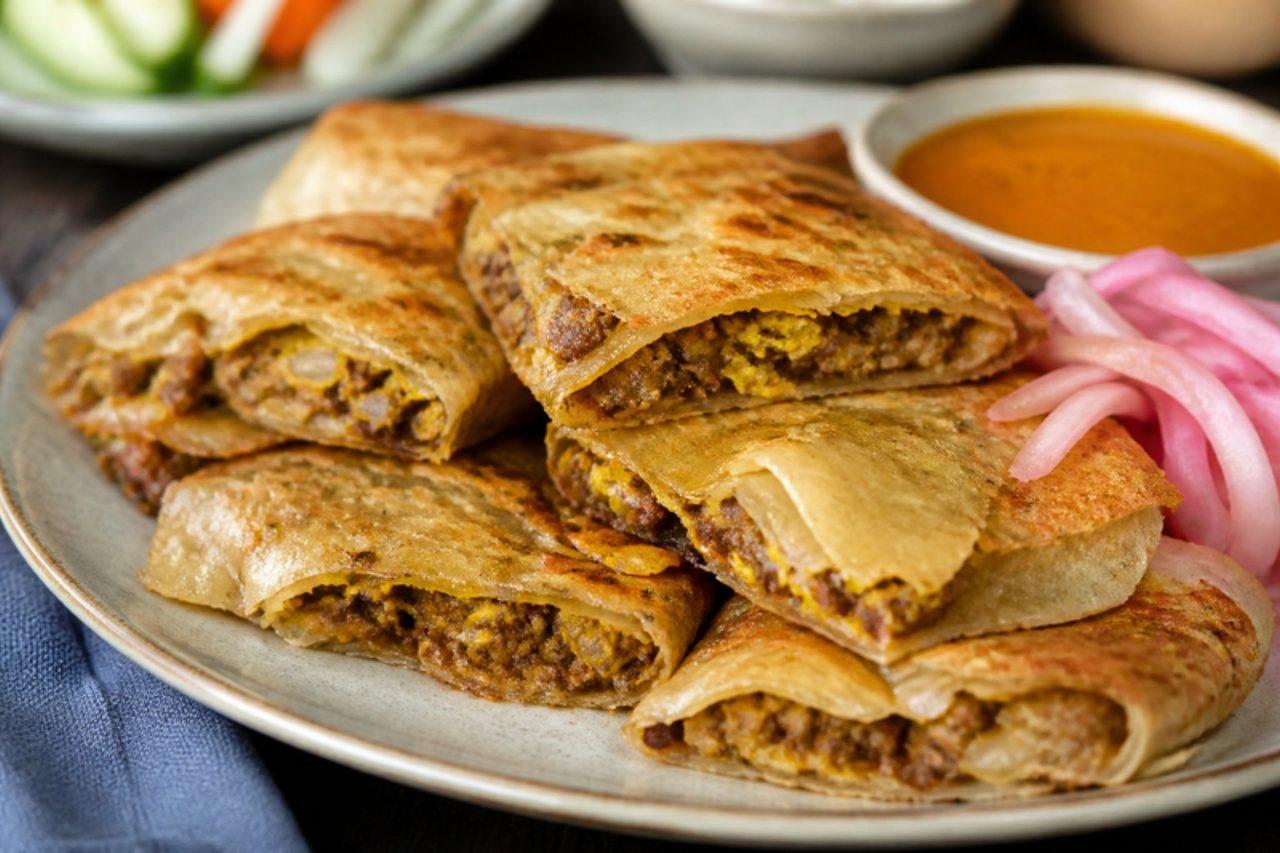
MurtabakStuffed griddled bread

Mamak shops stay open late across Malaysia, and the man at the big flat griddle swinging dough into a translucent sheet is half the show. Murtabak is that dough wrapped around a filling of curried minced meat, onion and beaten egg, folded into a fat square parcel and fried until blistered and crisp outside, soft and steamy within. Ramadan bazaars sell piles of it at dusk for breaking the fast. Cut into squares and serve with a ladle of dhal or curry gravy and pickled red onion. Chef's tip: oil your hands and the work surface generously; murtabak dough wants to be stretched, never rolled, and the oil lets it glide.

by KrazyBadal 0 views

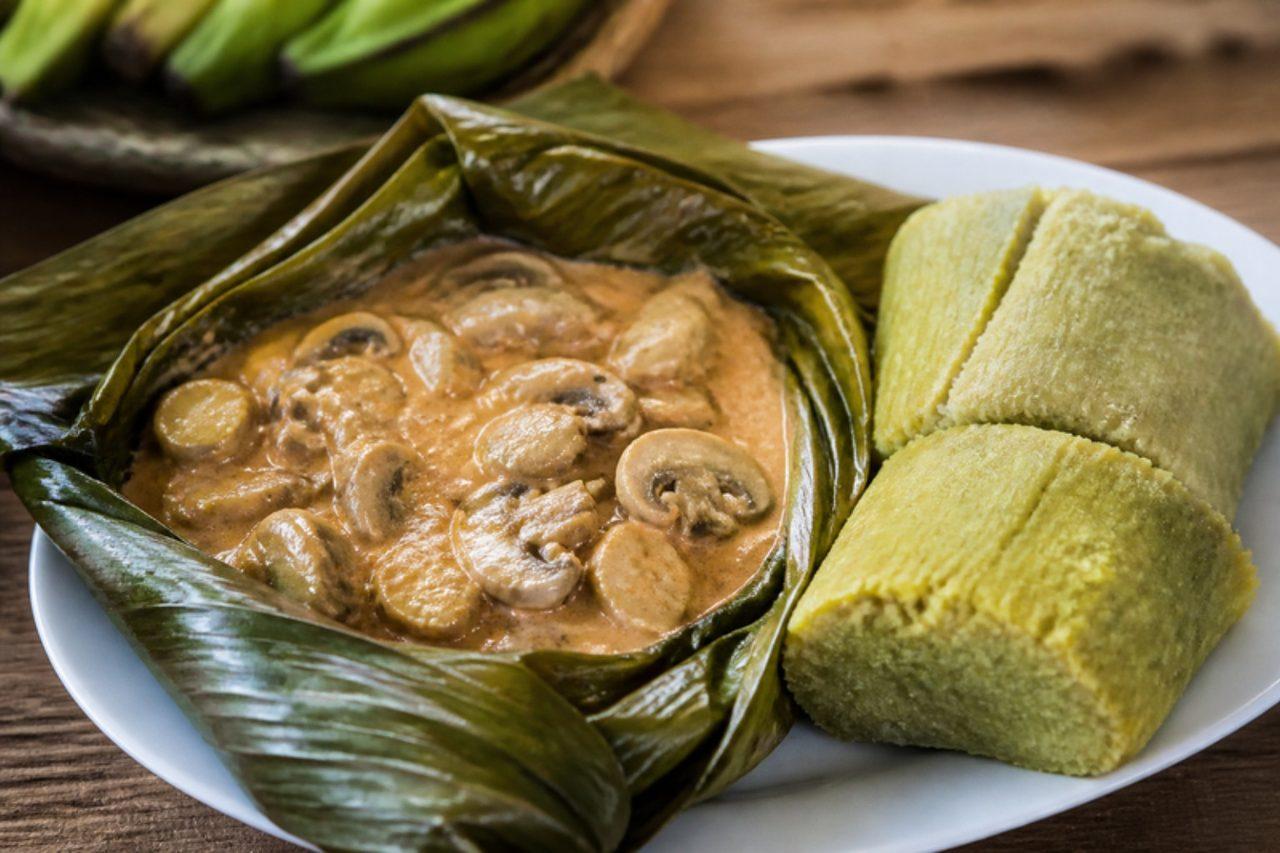
Mushroom luwomboSteamed mushroom groundnut stew

Luwombo is a royal dish of the Buganda kingdom in central Uganda, served at weddings, introduction ceremonies and Christmas: a stew wrapped and tied in softened banana leaves and steamed for hours so the leaf perfumes everything. Chicken, beef or smoked fish are traditional, but mushroom luwombo in a groundnut (peanut) sauce is a well-loved meat-free version, especially with the large wild mushrooms sold in Kampala markets. Serve with matoke. Chef's tip: wilt the banana leaves over a flame until they turn glossy and bendy; stiff leaves split and the sauce runs out.

by KrazyBadal 0 views

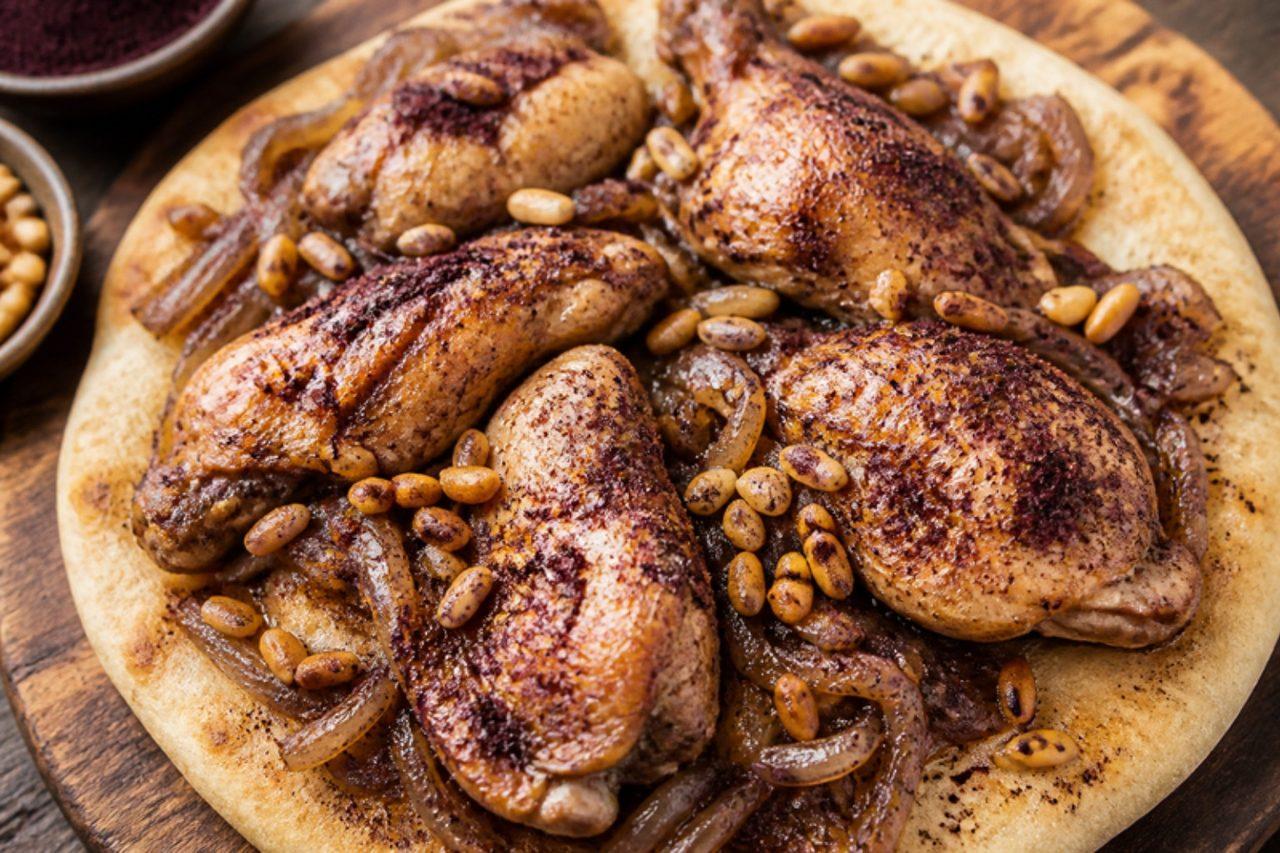
MusakhanSumac chicken on flatbread

Musakhan is the dish Palestinian families in the villages around Jenin and Tulkarem make in late autumn, when the olives have been pressed and the first green, peppery oil comes home from the mill. Mounds of onion are cooked slowly in that oil with plenty of sumac, piled onto taboon bread with roast chicken and baked until the bread's edges crisp and its middle soaks up the purple-red juices. It is eaten with your hands, shared from one big tray, with yogurt and a chopped salad. Chef's tip: use more oil than feels right; the bread is meant to drink it, and a dry musakhan misses the point.

by KrazyBadal 0 views

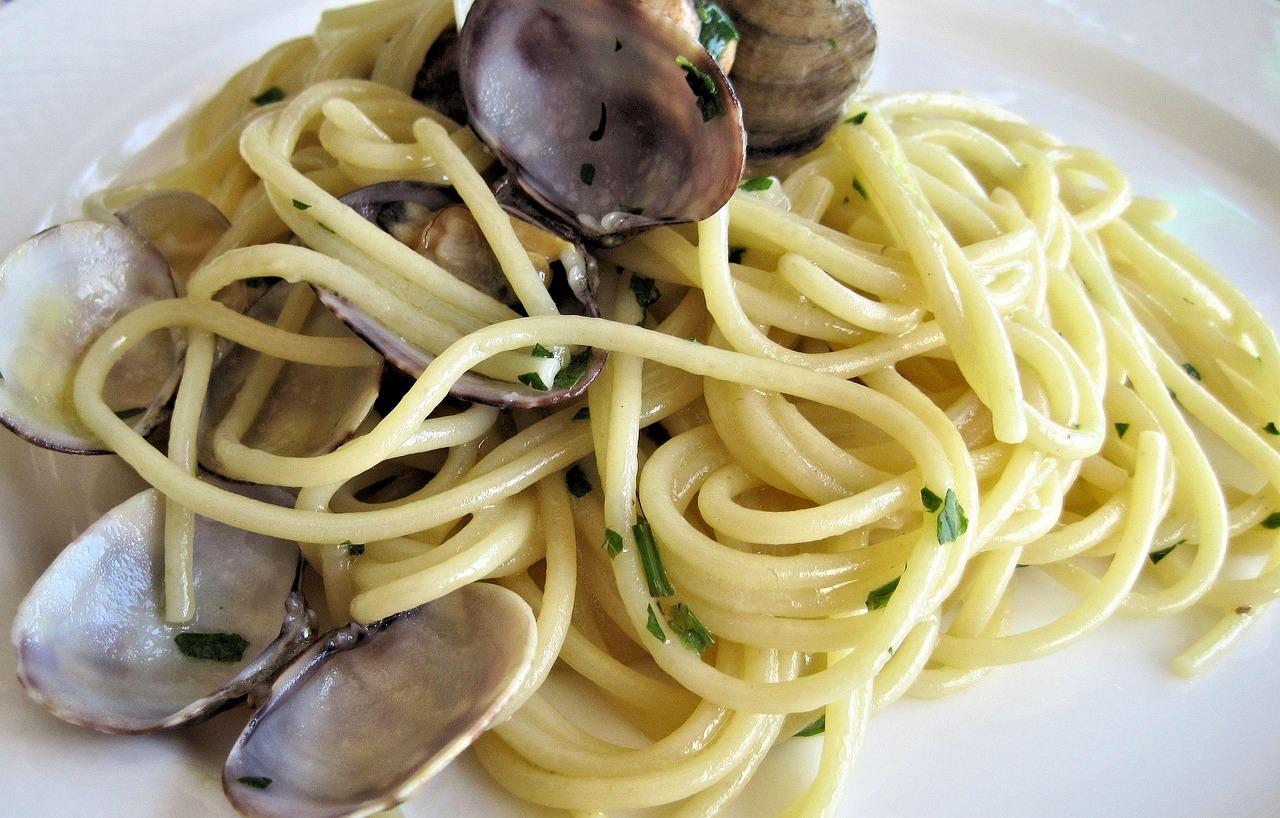
Spaghetti alle vongoleSpaghetti with clams

Naples cooks this on Christmas Eve, when the feast is meatless, and all summer long in seaside trattorie along the bay. The clams open in a hot pan of garlicky oil and white wine and release their sea-salty juice, which the half-cooked spaghetti then drinks up as it finishes cooking, so every strand tastes of the shore. Neapolitans keep it in bianco, without tomato, with just a little chilli warmth and a heap of parsley. Most clams in shops are sold already purged of sand; if yours are not, soak them in cold salted water in the fridge for 30 minutes first. Serve with a glass of something cold and bread for the juices. Chef's tip: drain the spaghetti 2 minutes early and finish it in the clam liquor, tossing hard with a little extra oil, so the juices turn into a light, clinging sauce rather than a puddle in the bowl.

by KrazyBadal 0 views

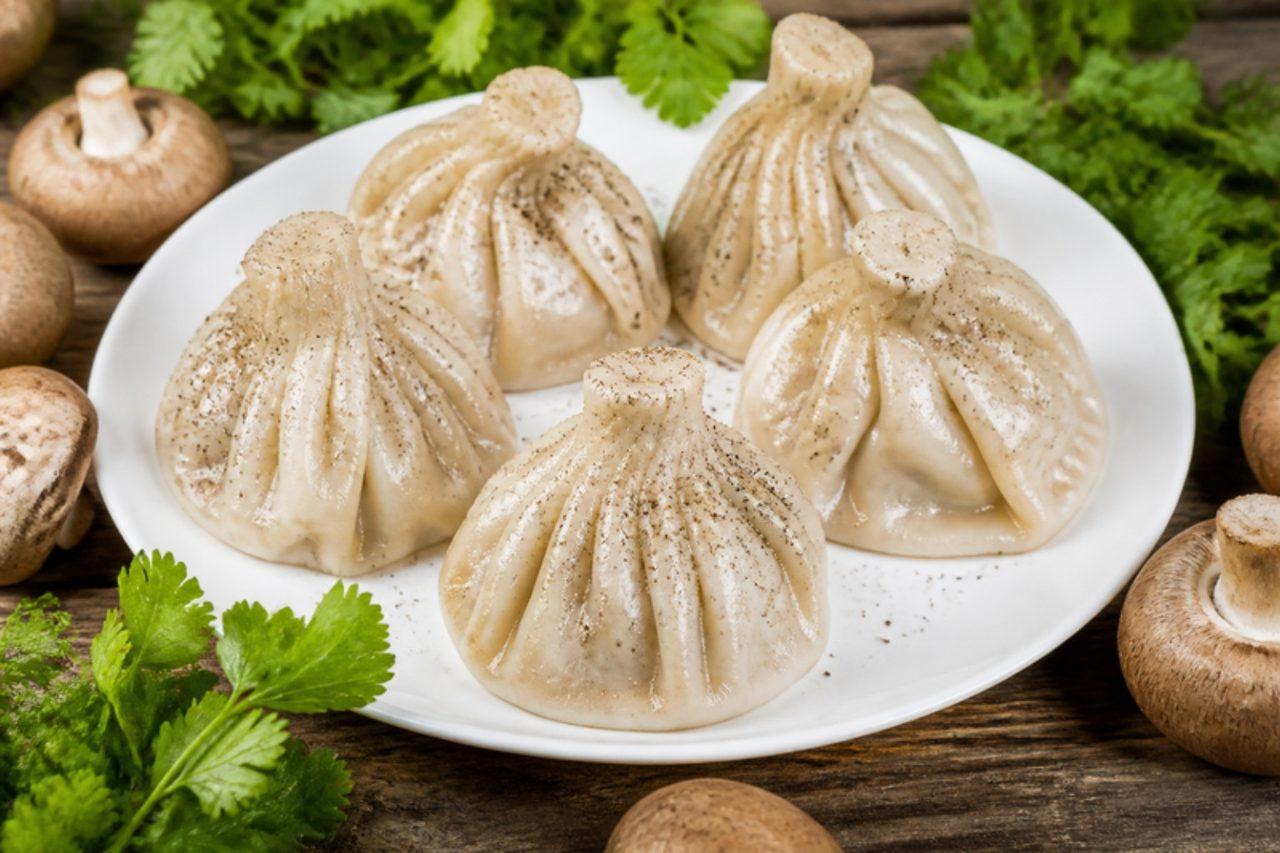
Mushroom khinkaliMushroom dumplings

Khinkali come from the mountain villages of Pshavi, Khevsureti and Tusheti in Georgia's north-east, and the roadside khinkali houses of Pasanauri on the Georgian Military Road are where many Tbilisi families stop for them. The classic filling is meat, but mushroom khinkali (sokos khinkali) are made all through Orthodox Lent and are on most menus. You hold each one upside down by its twisted topknot, bite a small hole, sip the hot juices, then eat the rest and leave the doughy knot on the plate to count how many you have eaten. The common mistake is rolling the wrappers too thin or the dough too soft, so they tear in the pot and lose their juice. Chef's tip: grind black pepper over them generously at the table, as Georgians do; it wakes up the mushrooms.

by KrazyBadal 0 views

Kinema curryFermented soybean curry

Kinema is the Limbu and Nepali fermented soybean of Sikkim and the Darjeeling hills: boiled soybeans wrapped in leaves and left by the hearth for a couple of days until sticky and pungent. Cooked with onion, tomato, turmeric and fiery dalle or green chilli, it becomes a thick, savoury curry eaten with rice in Gangtok and Kalimpong homes, especially in winter. It is rich in protein and has a deep, almost meaty savour. Chef's tip: dry-fry the kinema before adding the masala; it tames the smell and brings out a toasted flavour. Outside the hills, Japanese natto is the closest substitute.

by KrazyBadal 0 views

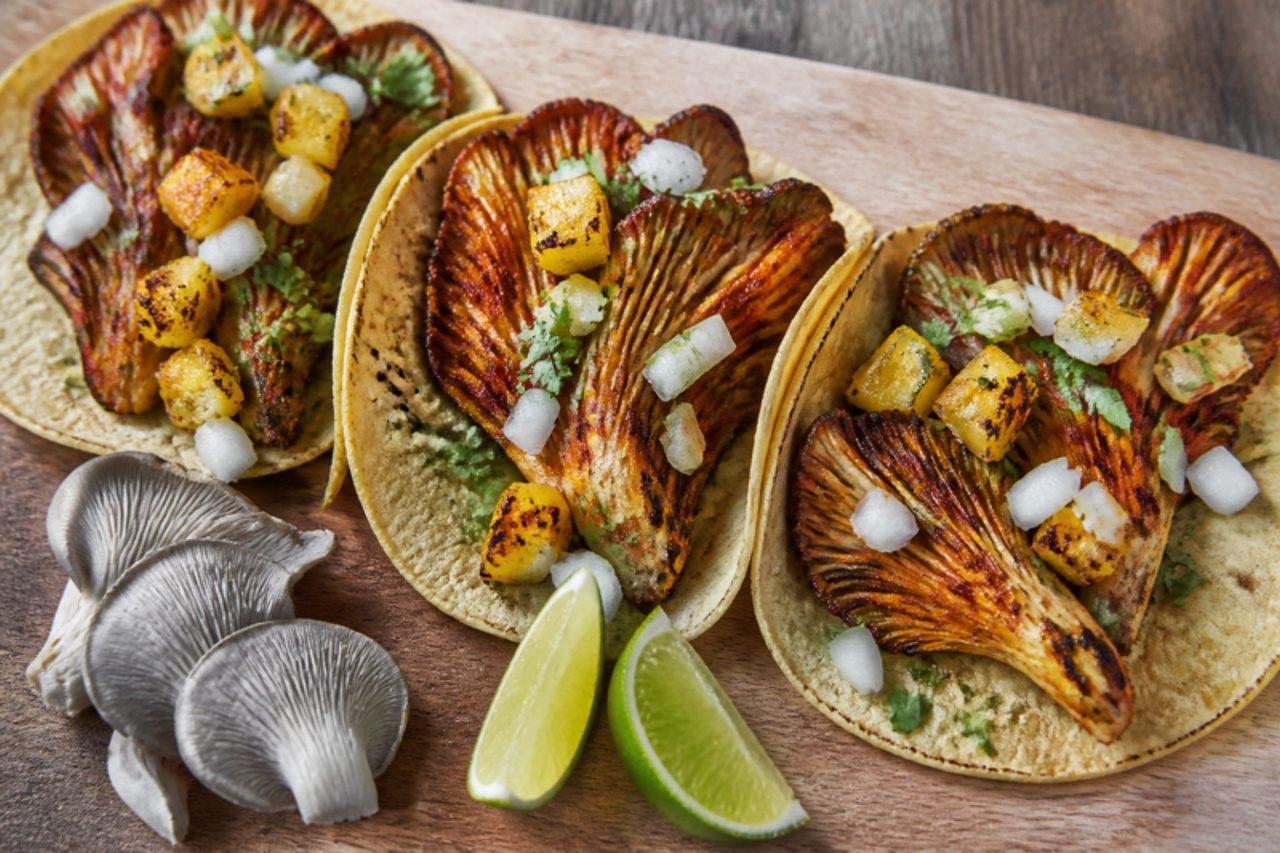
Mushroom tacos al pastorChilli mushroom tacos

Tacos al pastor are the night-time taco of Mexico City, born when Lebanese immigrants' spit-roasted shawarma met Mexican dried chillies: meat marinated in guajillo and achiote is stacked on a vertical spit (the trompo), shaved into small corn tortillas and finished with pineapple, onion and coriander. This vegetarian version, tacos al pastor de hongos, uses torn oyster mushrooms in the same brick-red adobo, seared hard in a hot pan until the edges crisp and char like meat cut from the trompo. Expect smoky, tangy, gently hot tacos with bursts of sweet, caramelised pineapple; serve them with salsa verde and lime wedges. Chef's tip: press the mushrooms flat with a spatula and leave them alone in a very hot pan; moving them around makes them steam and go soft instead of crisp.

by KrazyBadal 0 views

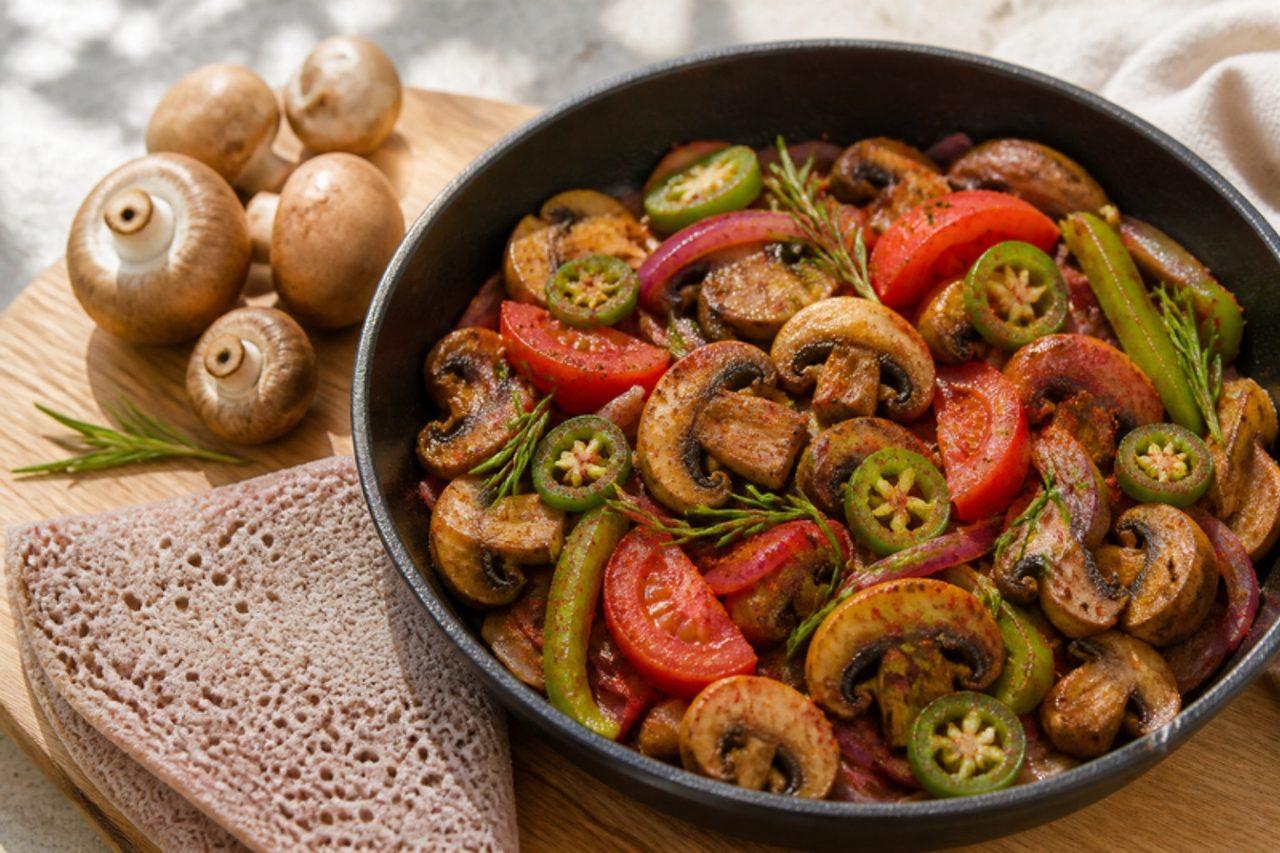
Mushroom tibsSeared spiced mushrooms

Tibs means pieces of food quickly seared in a hot pan, and in Addis Ababa it is usually beef or lamb sizzling in a clay dish. In the last decade the city's busy vegan restaurants, especially during the long fasts, have made mushroom tibs a favourite in its own right: big chunks of mushroom fried hard with red onion, peppers, garlic, rosemary and a little berbere, so they come out browned and meaty. Serve straight from the pan with injera or rice. Chef's tip: cook the mushrooms in a single layer in a very hot pan and don't stir for the first two minutes; crowded mushrooms steam and go soggy.

by KrazyBadal 0 views

Showing 36 of 7,762 recipes

Show more recipes

Page 692 of 863