



Skip to content
Bedouin sage tea
Featured recipe

Bedouin sage tea

Visitors to a Bedouin camp in the Sinai mountains are handed small glasses of this tea almost before they sit down, brewed in a blackened kettle over the fire and sweetened generously. Wild maramiya, the local sage, is dropped in at the end, giving the strong black tea a soft, herbal, slightly camphor scent that is soothing after a long walk or a heavy meal. Garden sage works well, and dried sage is fine in a pinch. Boiling the sage is the mistake to avoid, because it turns the tea bitter. Sage is best taken in moderation and avoided in large amounts during pregnancy. Chef's tip: pour from a height into the glasses; the froth that forms is how Bedouin hosts like it served.

Read more 0 views

What to eat today?

Around the world

Today's trip: Paraguayan

A new country every day, from every cuisine on the site.

This week's collection

Kid-friendly dinners
537 recipes · a new collection every Monday

Latest recipes

Pad pak ruam

Pad pak ruam, 'stir-fried mixed vegetables', is the dish every Bangkok made-to-order (aharn tam sang) cook can make in ninety seconds over a roaring flame, and the one Thai office workers add to a lunch order so there is something green on the table. The vegetables stay crisp and bright, coated in a thin, glossy sauce of garlic, soy and mushroom stir-fry sauce. Restaurants use oyster sauce; the vegetarian mushroom version tastes almost the same. Serve it with jasmine rice and a fried egg, or as a side to curry. Chef's tip: cut everything before you light the stove, and add the vegetables in order of hardness, so the carrots soften while the greens stay snappy.

16 minThaiSidesVegan
by KrazyBadal 0 views

Sara udon

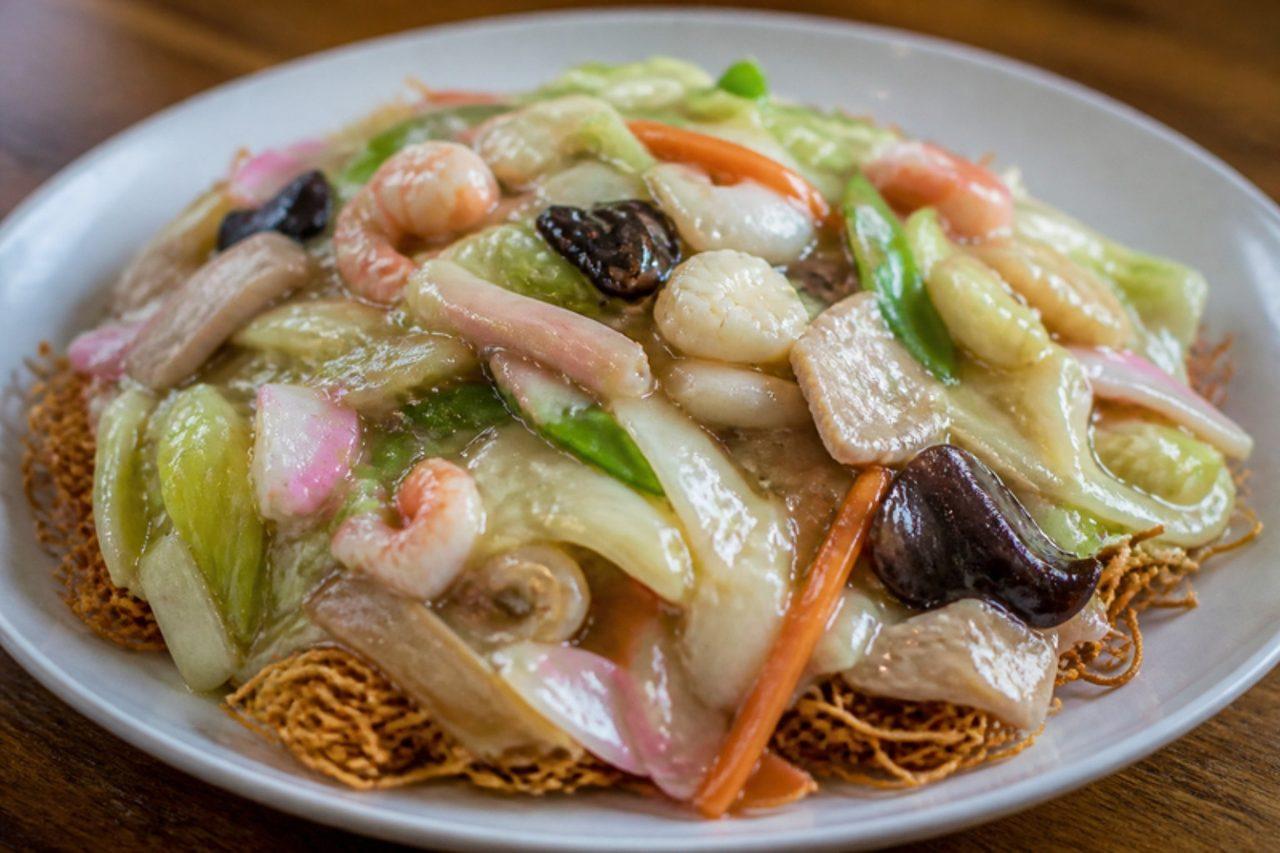
Nagasaki's second famous noodle dish uses the same toppings as champon but turns them into a thick sauce poured over a plate of crunchy fried noodles. The name means plate udon, though the classic noodles are very thin and fried crisp. In Nagasaki homes it is a quick weekend lunch and a standard dish at family gatherings, and supermarkets there sell the fried noodle nests ready to use. People splash it with Worcestershire sauce at the table, and a dab of hot mustard is common too. Chef's tip: pour the sauce over at the very last moment and let the noodles soften slowly as you eat, so you get crisp and soft in every mouthful.

by KrazyBadal 0 views

Pad kra pao gai

Ask a Bangkok office worker what they had for lunch and the answer is very often 'kra pao gai, khai dao': chopped chicken flash-fried with garlic, chillies and holy basil, spooned over rice and crowned with a fried egg whose edges have blistered into brown lace. Street stalls and food courts across the city cook it to order in a roaring wok in about three minutes. The chicken should be slightly sticky and salty-sweet, the basil peppery with a hint of clove, and the runny yolk becomes a sauce for the rice. A saucer of prik nam pla (sliced chillies in fish sauce) on the side is all it needs. Chef's tip: chop the chicken by hand with a heavy knife instead of buying fine mince; the coarse, uneven bits catch the sauce and stay juicy.

by KrazyBadal 0 views

Pączki

Pączki are the rich, yeasted doughnuts Poland eats by the dozen on Tłusty Czwartek, Fat Thursday, the last Thursday before Lent, when Warsaw bakeries such as the old ones on Nowy Świat have queues round the block from dawn. A good pączek is round and heavy for its size, with a pale ring around its middle, a fine, yolk-rich crumb and a filling of rose-petal jam (konfitura z róży) or plum butter, finished with icing and candied orange peel. A spoon of vodka or spirytus in the dough is an old trick: it evaporates in the hot oil and stops the dough soaking up fat. Chef's tip: keep the oil between 165 and 175°C with a thermometer; hotter and they burn outside while raw in the middle, cooler and they turn greasy.

by KrazyBadal 0 views

Vatha kuzhambu

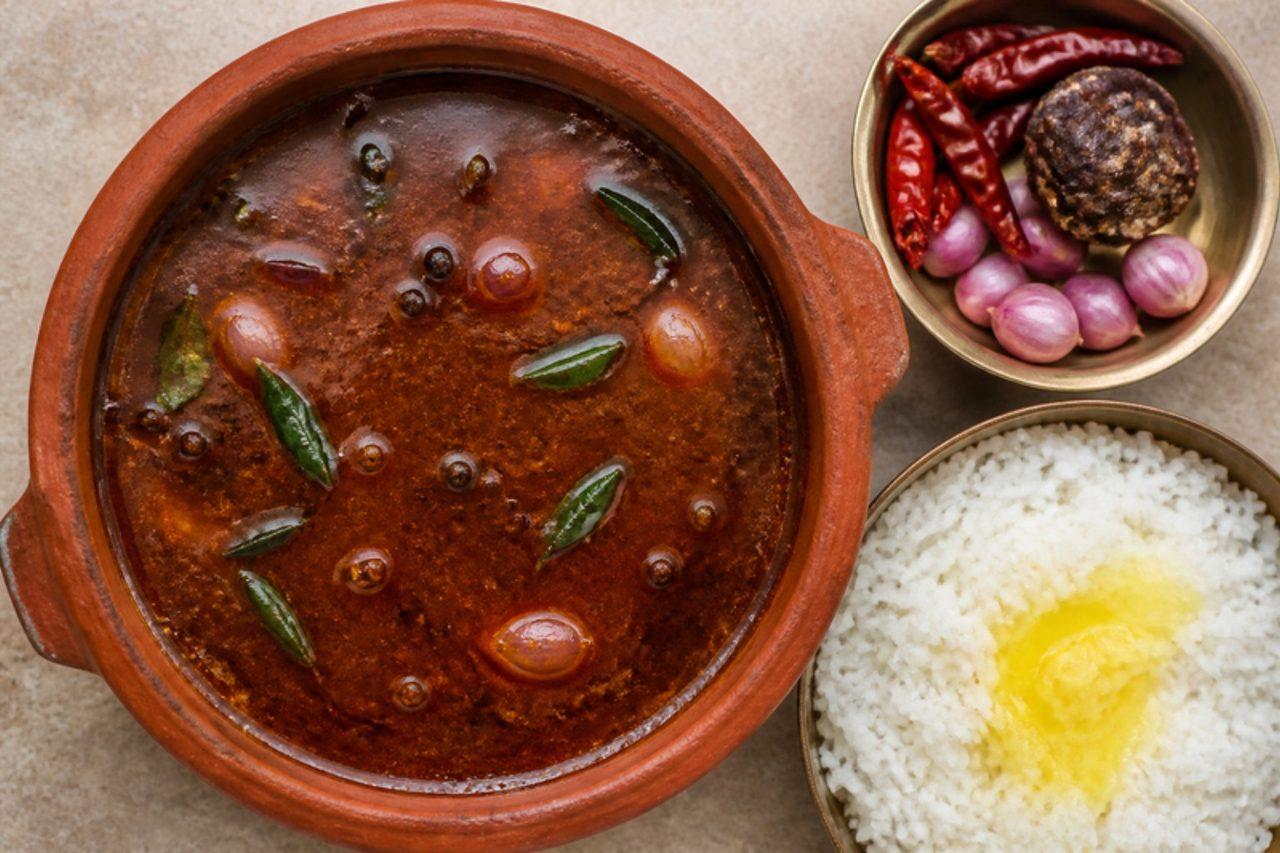
Vatha kuzhambu is what a Tamil kitchen cooks when the vegetable basket is empty: tamarind, sambar powder and a handful of sun-dried sundakkai or manathakkali berries fried crisp in sesame oil. It simmers down to a glossy, almost black gravy that is sour, a little bitter, hot and faintly sweet, and it keeps for days, so it travels in tiffin carriers and turns up at Brahmin home lunches all over Thanjavur and Chennai. Mix a spoonful into hot rice with a little sesame oil, and eat it with a plain poriyal or appalam to calm the heat. Chef's tip: fry the dried berries in the oil first and lift them out the moment they puff and darken; added at the end they stay crisp and bitter-nutty instead of turning leathery.

by KrazyBadal 0 views

Sarawak laksa

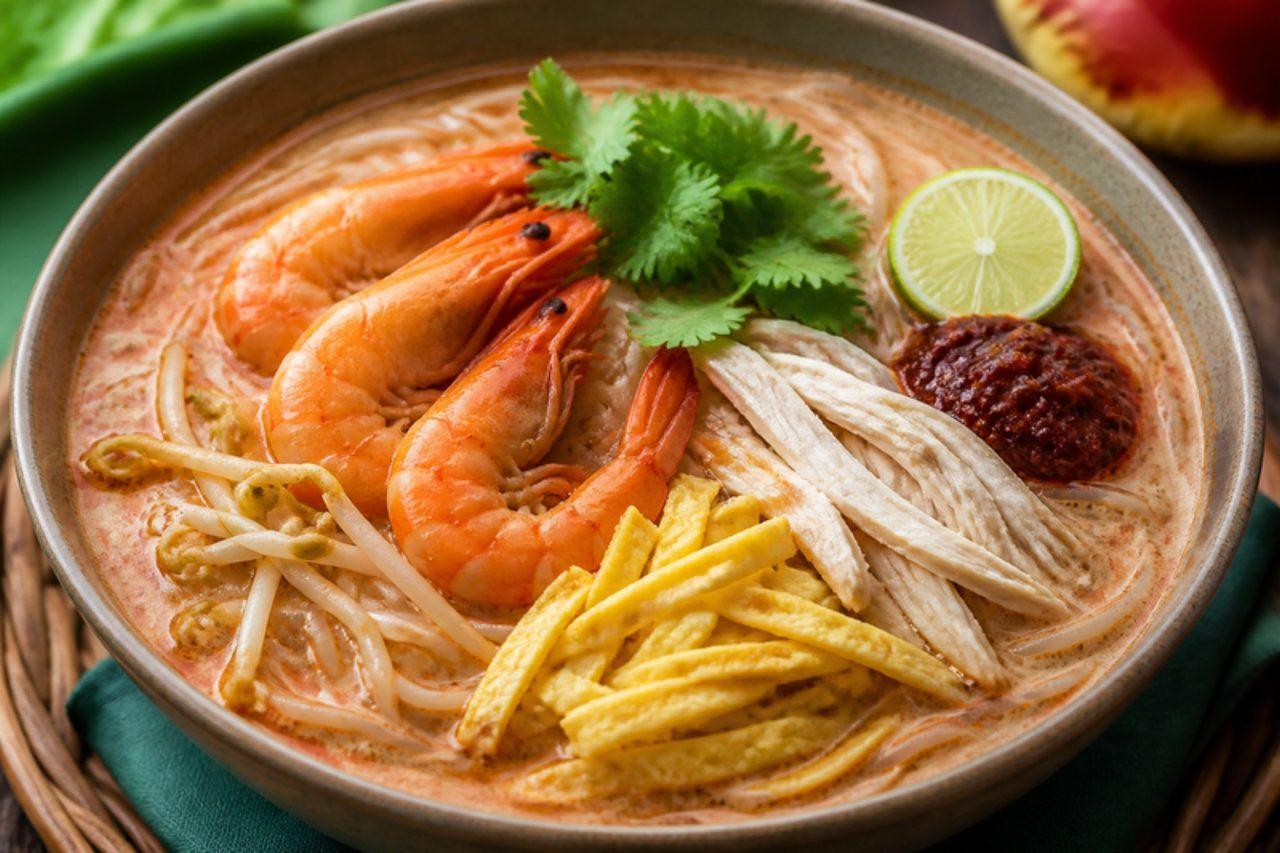
Kuching wakes up to laksa Sarawak, ordered at coffee shops before work and reaching its peak on a lazy Sunday morning. It looks nothing like curry laksa: the broth is a russet, gently creamy soup built on a complex paste of chillies, shallots, galangal, toasted sesame, peanuts and warm whole spices, cooked into a chicken and prawn-shell stock with tamarind and a little coconut milk. Thin rice vermicelli is topped with shredded chicken, whole prawns, ribbons of omelette and bean sprouts, and every bowl comes with lime and a dab of sambal belacan. The work is in the paste, which keeps well and makes several batches. Chef's tip: toast the spices, sesame seeds and peanuts separately in a dry pan before grinding; it gives the broth its deep, roasted aroma.

by KrazyBadal 0 views

Pachi pulusu

Pachi pulusu, 'raw stew', is Telangana's summer cooler: a no-cook tamarind water stirred with jaggery, finely sliced raw onion and green chilli, finished with a hot mustard-seed tempering. In the heat of April and May in villages around Warangal and Karimnagar, families pour it over hot rice with a spoonful of dal or a spicy fry, and it wakes up appetites dulled by the sun. Some add a smoky roasted brinjal mashed in, which gives it body. Sweet, sour and sharp at once, it takes ten minutes. Chef's tip: rub the onion with salt and a little chilli powder in your fingers before adding the tamarind water, so it softens slightly and flavours the whole bowl.

by KrazyBadal 0 views

Vawksa rep

Mizo cooking in Aizawl and the hill villages of Mizoram is simple and clean, with few spices and lots of greens, and vawksa rep shows it at its best. Smoked pork (vawksa rep) is simmered until soft, then mustard greens (antam) go in and soak up its smoky, fatty broth. It is an everyday lunch with rice, and some families add a little bai (bamboo shoot) or chilli. Chef's tip: keep the stems and leaves of the greens separate; the stems need a few minutes longer.

70 minIndianMeatGluten free
by KrazyBadal 0 views

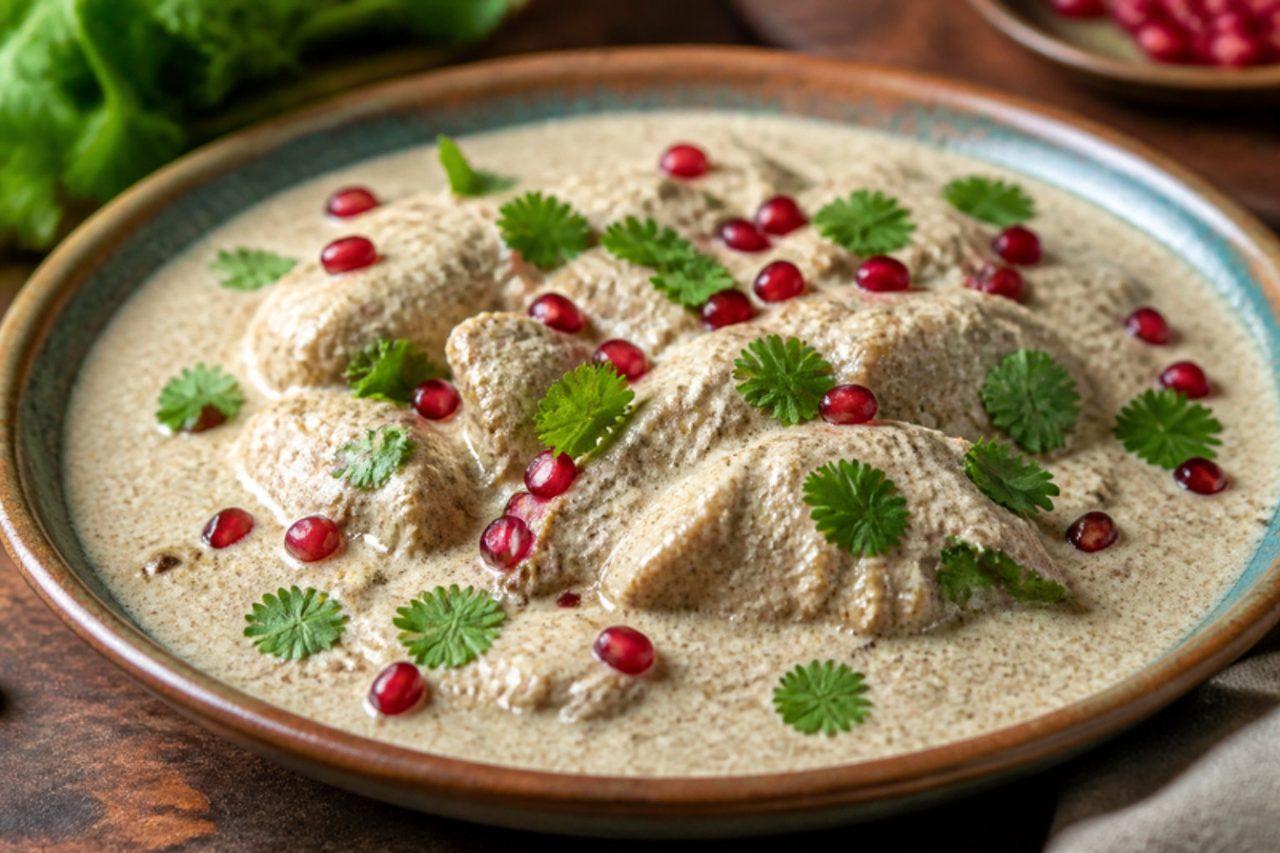
Satsivi

Satsivi is a dish of the Georgian New Year table, prepared in homes across western Georgia, Imereti and Samegrelo, a day ahead so it can be served cold at the long supra feast on 1 January. Poached chicken is covered in a thick, ivory walnut sauce scented with garlic, fenugreek, coriander and marigold petals and sharpened with vinegar. It is rich and fragrant, eaten with cornbread (mchadi) or fresh bread. Chef's tip: blend the walnuts with a little warm stock until they release their oil; this gives the sauce its silky texture.

by KrazyBadal 0 views

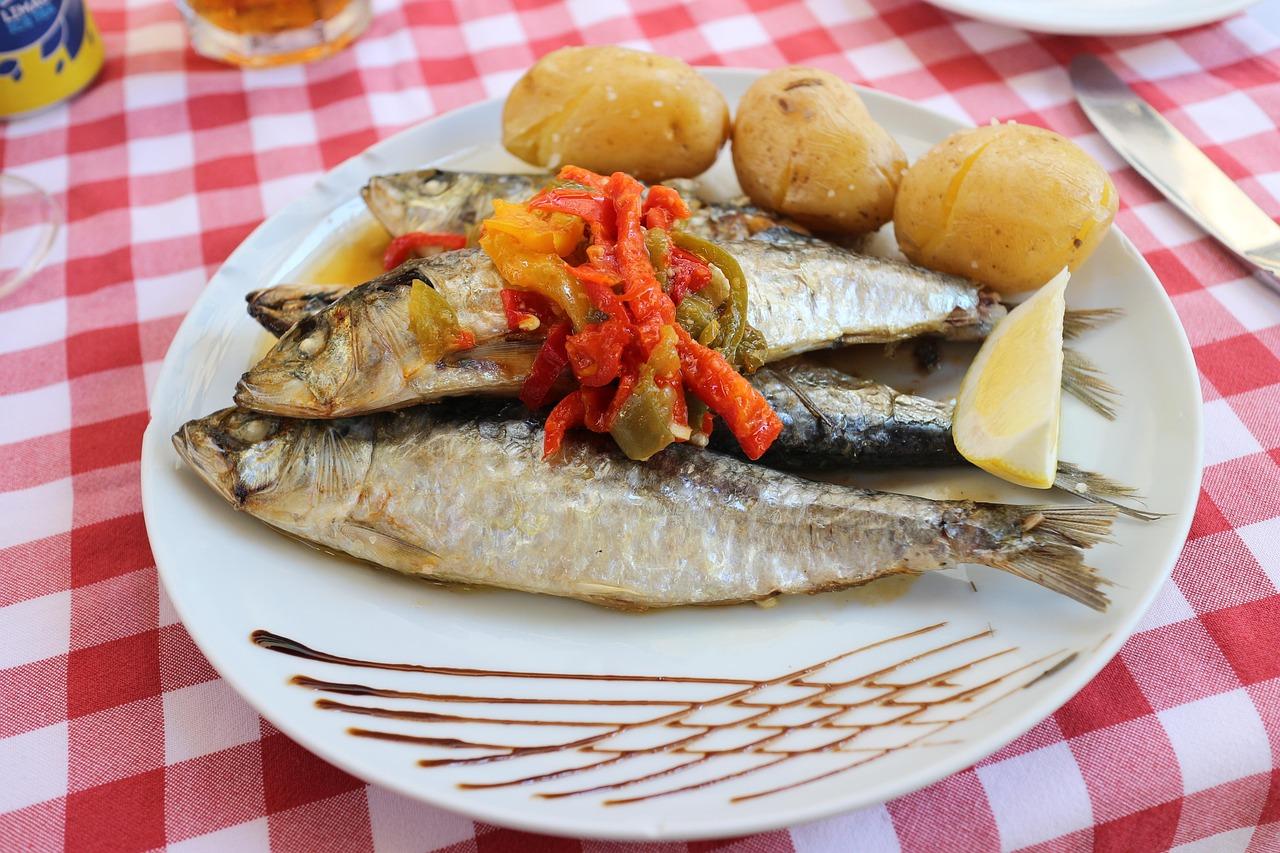
Sardinhas assadas

In June the steep lanes of Alfama and Mouraria fill with smoke during the Santos Populares, Lisbon's street festivals for Saint Anthony, and almost every grill is loaded with sardines. They are salted, grilled whole over charcoal until the skin blisters, and laid on a thick slice of country bread that soaks up their juices. Add roasted green peppers and a salad of tomato and onion, and that is the whole feast. Chef's tip: salt the sardines with coarse salt 30 minutes before grilling and keep them chilled; the salt firms the skin so it doesn't stick to the grill.

by KrazyBadal 0 views

Pachamanca a la olla

In the highlands around Huancayo and Ayacucho, families mark harvests and saints' days by burying marinated meats, potatoes, sweet potatoes, broad beans and humitas under hot stones and earth for a pachamanca, an 'earth pot'. City cooks get close to it with a heavy pot: the same green marinade of huacatay (black mint), chincho, ají and garlic, layered with meats and roots and steamed in their own juices under banana or corn leaves. Chef's tip: layer the hardest things lowest, potatoes on the bottom and chicken nearest the lid, just as the stones are packed in the field.

135 minPeruvianMeatGluten free
by KrazyBadal 0 views

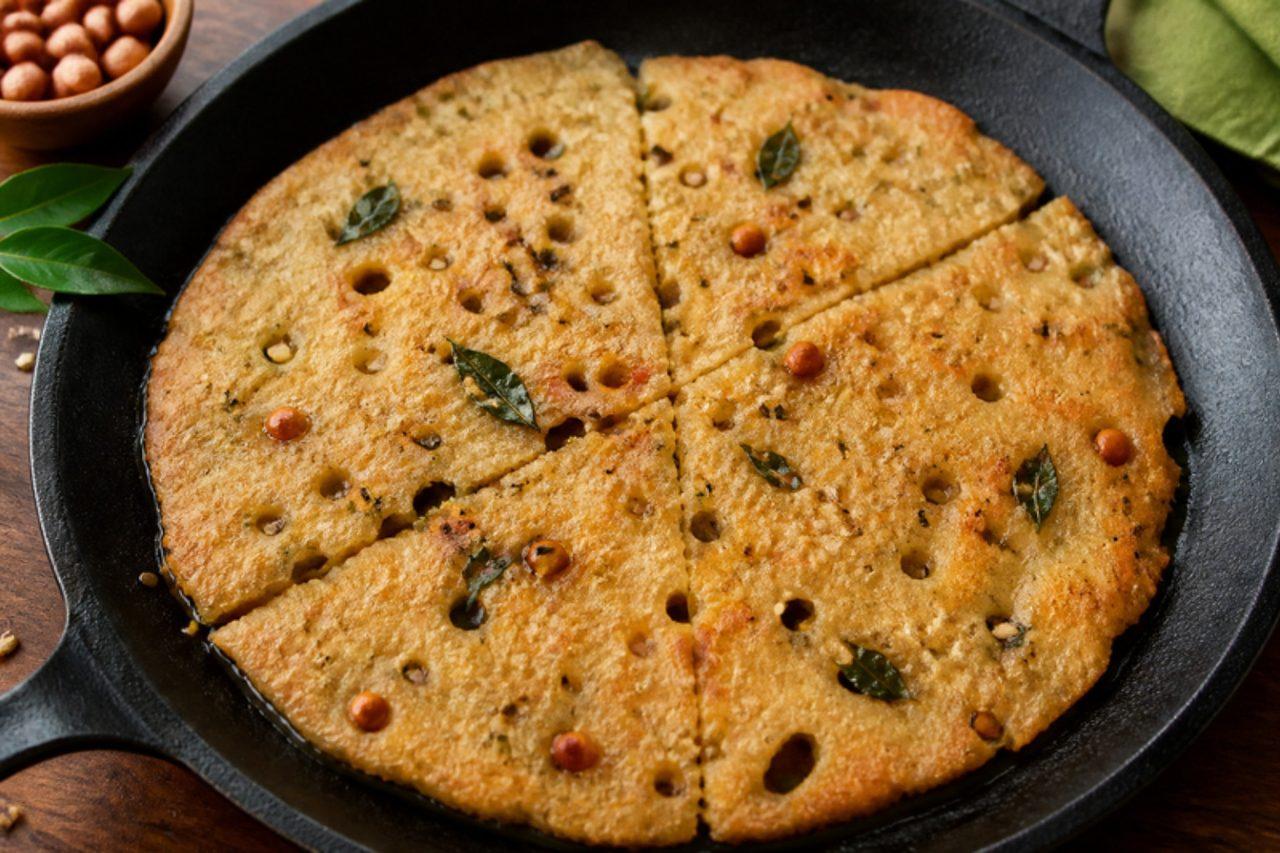
Sarva pindi

Sarva pindi, also called ginne appa or tapala chekka, is a thick, crisp rice-flour bread from rural Telangana, pressed by hand into a heavy pan, studded with holes and baked slowly in oil until the base is golden and crunchy. The dough is full of soaked chana dal, peanuts, sesame, green chilli, curry leaves and coriander, so every bite is savoury and nutty. It is the snack that waits on the stove when children come home from school, and a favourite for Sankranti and long train journeys because it keeps well. Chef's tip: press the dough into a cold pan, not a hot one; it spreads evenly and the holes stay open as it heats.

by KrazyBadal 0 views

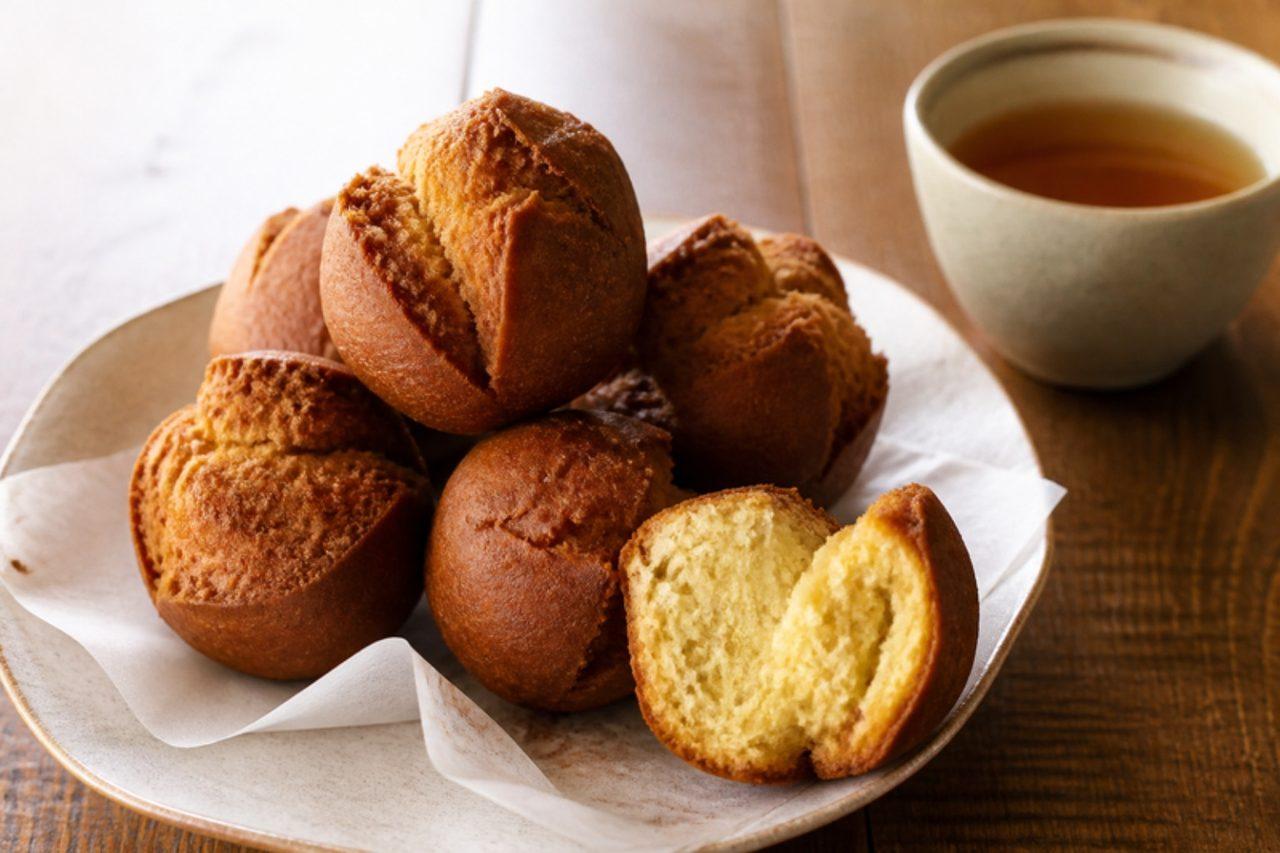
Sata andagi

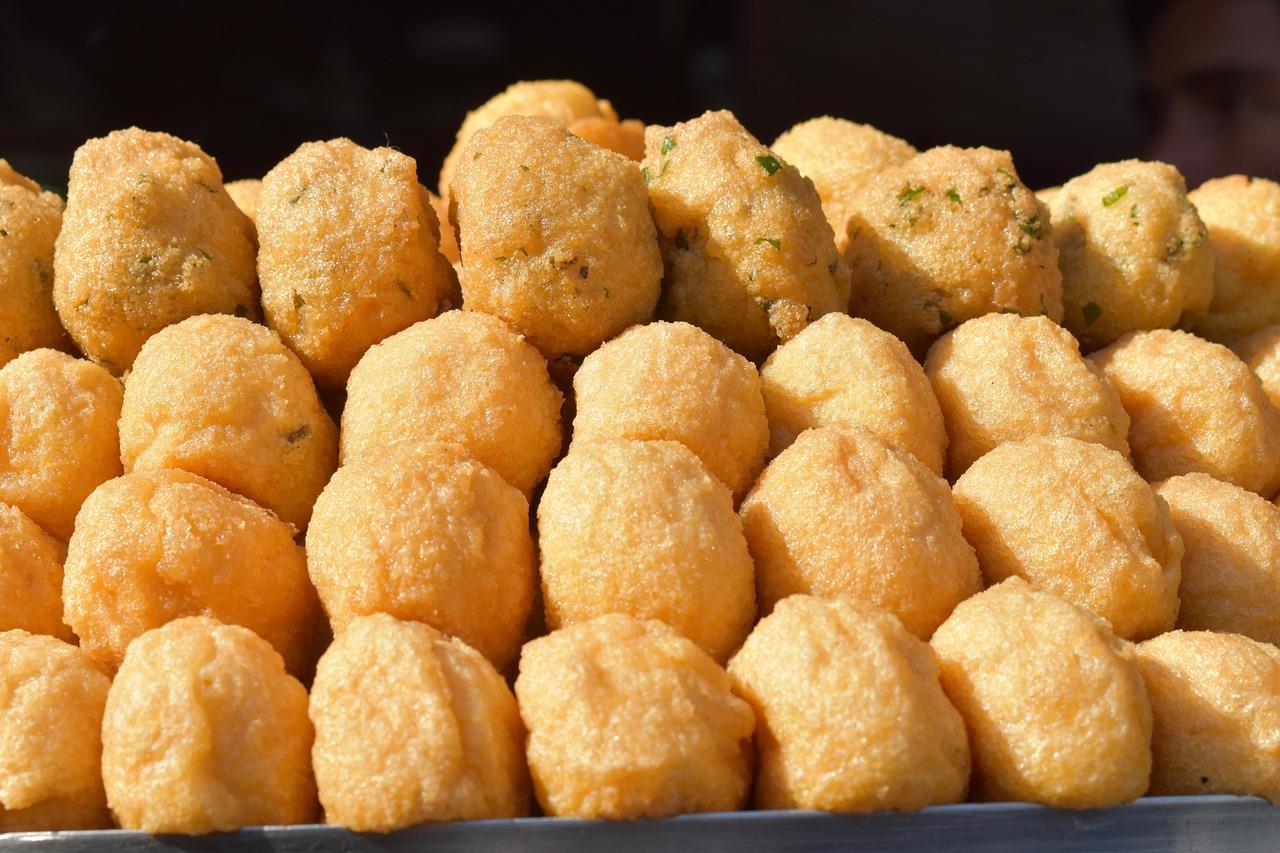
In the Okinawan language, sata andagi simply means 'sugar deep-fried'. These round doughnuts came from Chinese sweets brought to the old Ryukyu kingdom and have been a family treat on the islands for centuries, made for celebrations and sold warm in paper bags at Naha's Makishi market. They are dense and cakey inside with a thick, crunchy crust, and as they fry they split open into a shape Okinawans call a smile, a sign of good luck. Okinawa's dark kokuto sugar gives them a caramel flavour; brown sugar works too. Chef's tip: fry in oil that is only warm, about 150°C. Slow frying lets the balls cook through and crack open, while hot oil seals them shut and leaves the middle raw.

by KrazyBadal 0 views

Satay (Kajang)

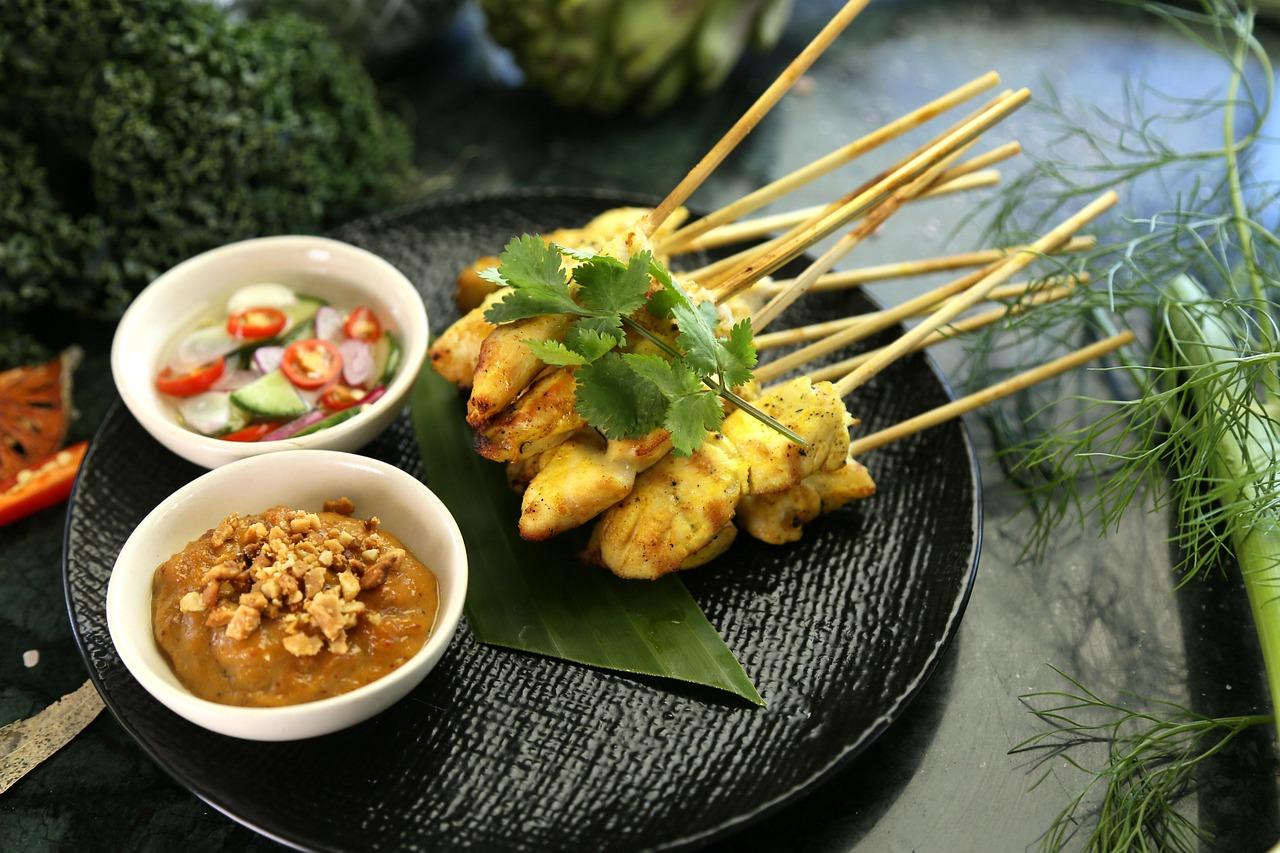
The town of Kajang, just south of Kuala Lumpur, built its name on satay, and evenings there still smell of lemongrass smoke drifting from long charcoal troughs. Kajang skewers are cut in larger chunks than most, soaked in a yellow marinade of turmeric, lemongrass, cumin and fennel, and grilled while being basted with oil brushed on through a lemongrass stalk. They come with a chunky, sweet-spicy peanut sauce, cubes of compressed rice (nasi impit), raw onion and cucumber. Order them by the dozen with friends as a starter or a whole supper. Chef's tip: thread a small piece of chicken skin or fat between the meat on each skewer; it melts over the coals and keeps the satay juicy.

by KrazyBadal 0 views

Sate lilit

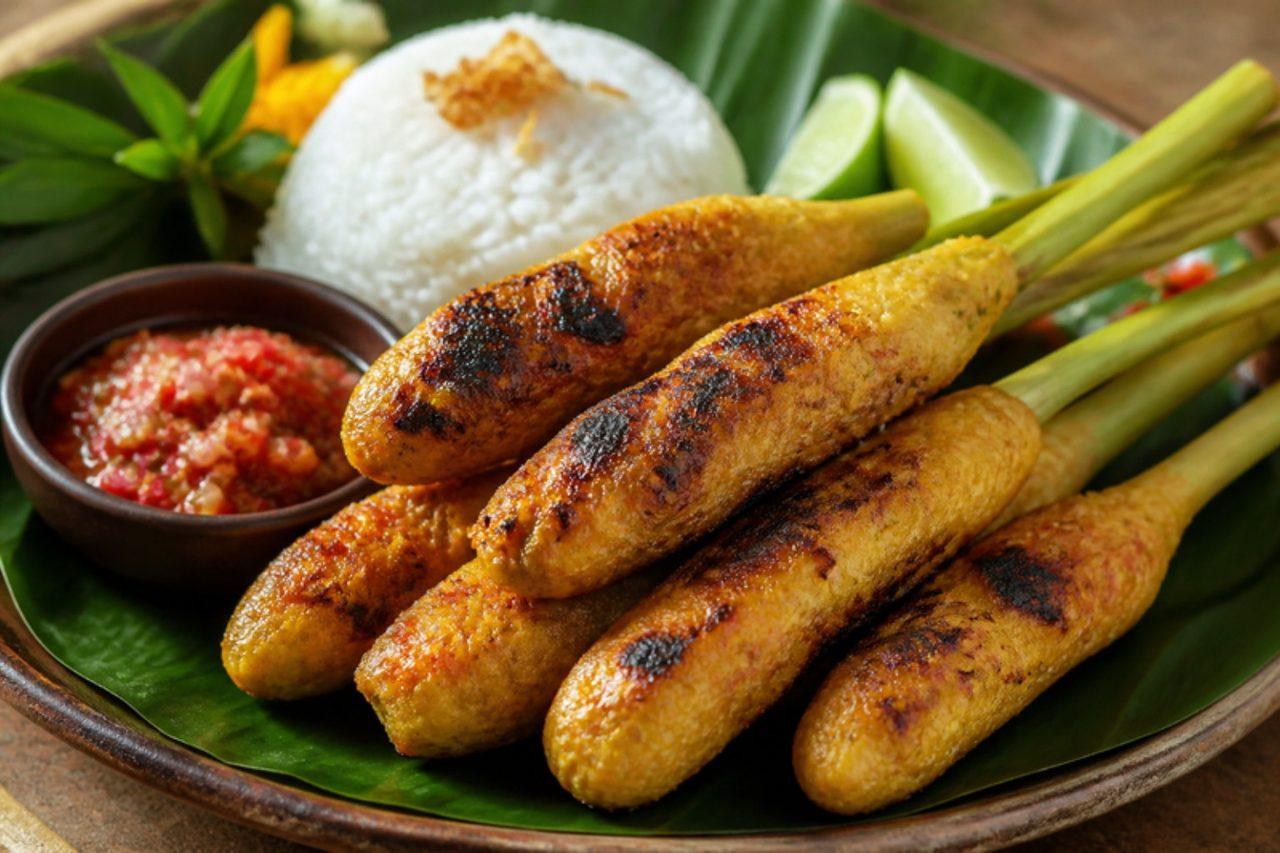
When a Balinese village gets ready for a temple festival, the men gather the night before to chop, pound and mix sate lilit, while the women prepare the offerings. 'Lilit' means to wrap: instead of threaded chunks, a soft mixture of minced fish, grated coconut and base genep spice paste is moulded around lemongrass stalks or flat bamboo sticks and grilled over coconut-husk embers. The result is tender and lightly springy inside, browned and smoky outside, with the lemongrass perfuming every bite. Eat them hot with rice, sambal matah and a wedge of lime. Chef's tip: knead the mixture firmly until it feels sticky and chill it before shaping, or it will slide off the sticks on the grill.

by KrazyBadal 0 views

Sate Padang

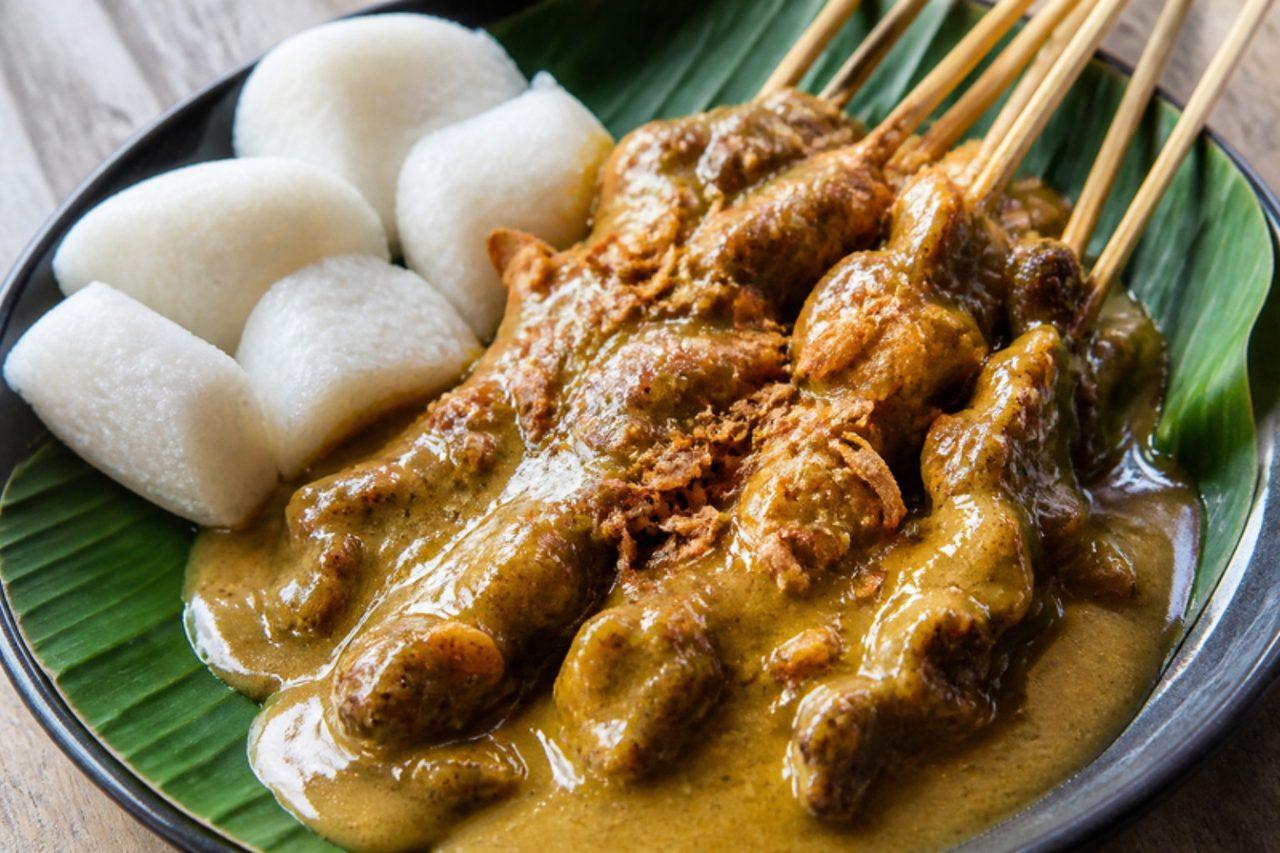
Night-time in Padang and Bukittinggi brings out the sate carts, fanning charcoal under skewers of beef that were already simmered tender in spices before they ever met the grill. That two-stage cooking is what sets West Sumatra's satay apart, and so is the sauce: no peanuts at all, but the spiced cooking broth thickened with rice flour into a smooth, glossy, turmeric-yellow gravy with plenty of chilli and ginger. It is ladled generously over the skewers and over slices of ketupat rice cake on a banana leaf, then finished with fried shallots and a crisp cracker. Chef's tip: keep the cooking broth; it's the base of the sauce, and the deeper it tastes, the better your sate.

by KrazyBadal 0 views

Pabellón criollo vegetariano

Pabellón criollo is Venezuela's national dish, the lunch plate served in family kitchens and at every Caracas lunch counter: white rice, black beans (caraotas), sweet fried plantain (tajadas) and shredded stewed beef side by side, like the stripes of a flag. This vegetarian version replaces the beef with king oyster mushrooms pulled into strands and stewed in a sofrito with tomato, cumin and a little panela, which gives the same tender, shredded texture. For slow-cooked beans from scratch, see the frijoles negros cubanos page. Chef's tip: shred the mushrooms along the grain with a fork, as you would pull beef; it's what makes them look and eat like carne mechada.

by KrazyBadal 0 views

Oyakodon

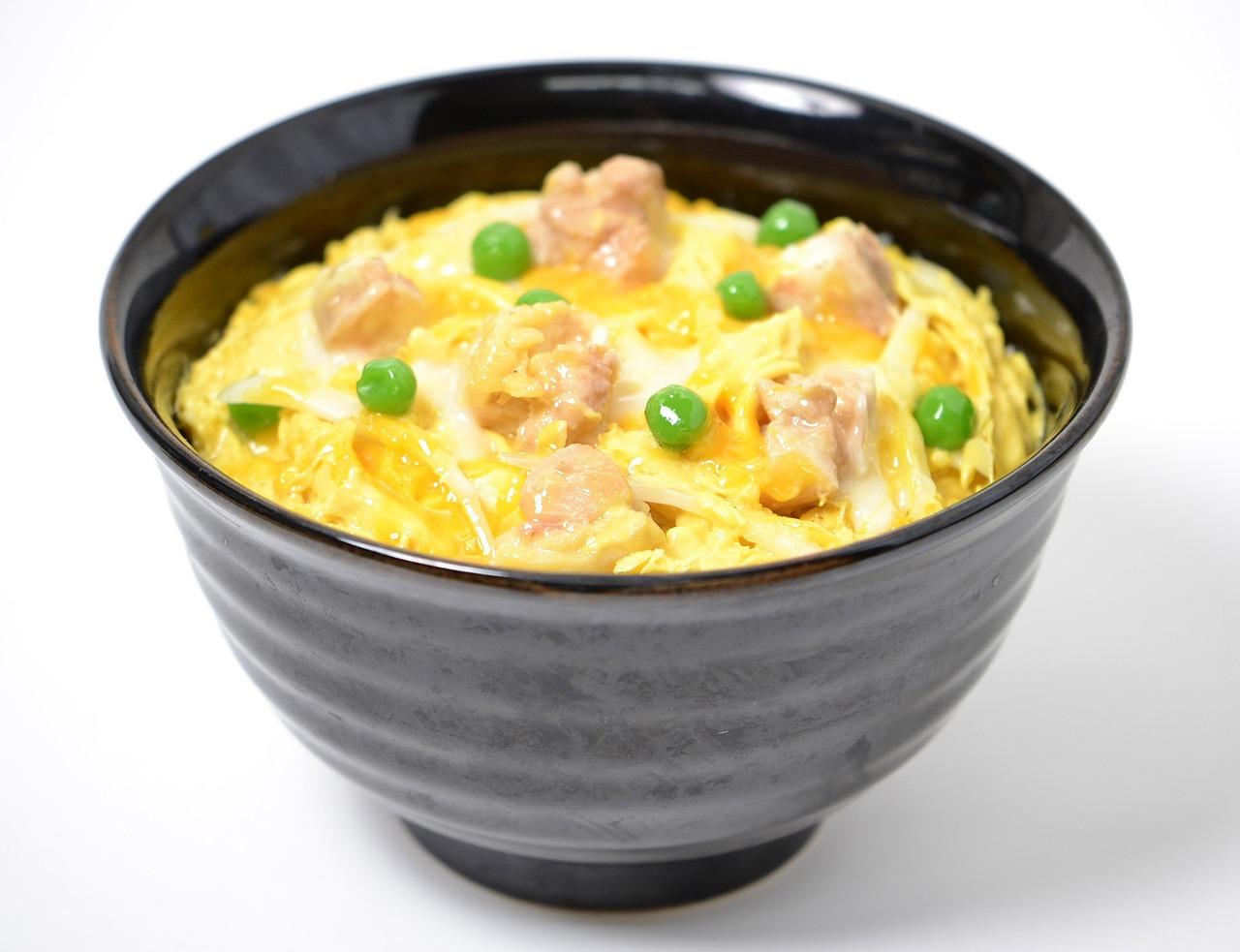
The name means 'parent and child bowl', a gentle joke about cooking the chicken and the egg together. A Nihonbashi chicken restaurant in Tokyo says it first served the dish in the 1890s, and today it is a staple lunch in soba shops, office canteens and home kitchens all over the country. Thigh meat and sliced onion simmer briefly in sweet soy dashi, then beaten egg goes in and is taken off the heat while still soft and glossy. Everything slides onto a bowl of hot rice so the sauce seeps into the grains. Chef's tip: beat the eggs with just a few strokes of chopsticks, leaving streaks of white and yolk, as that marbled look and silky texture is what you're after.

by KrazyBadal 0 views

Satti

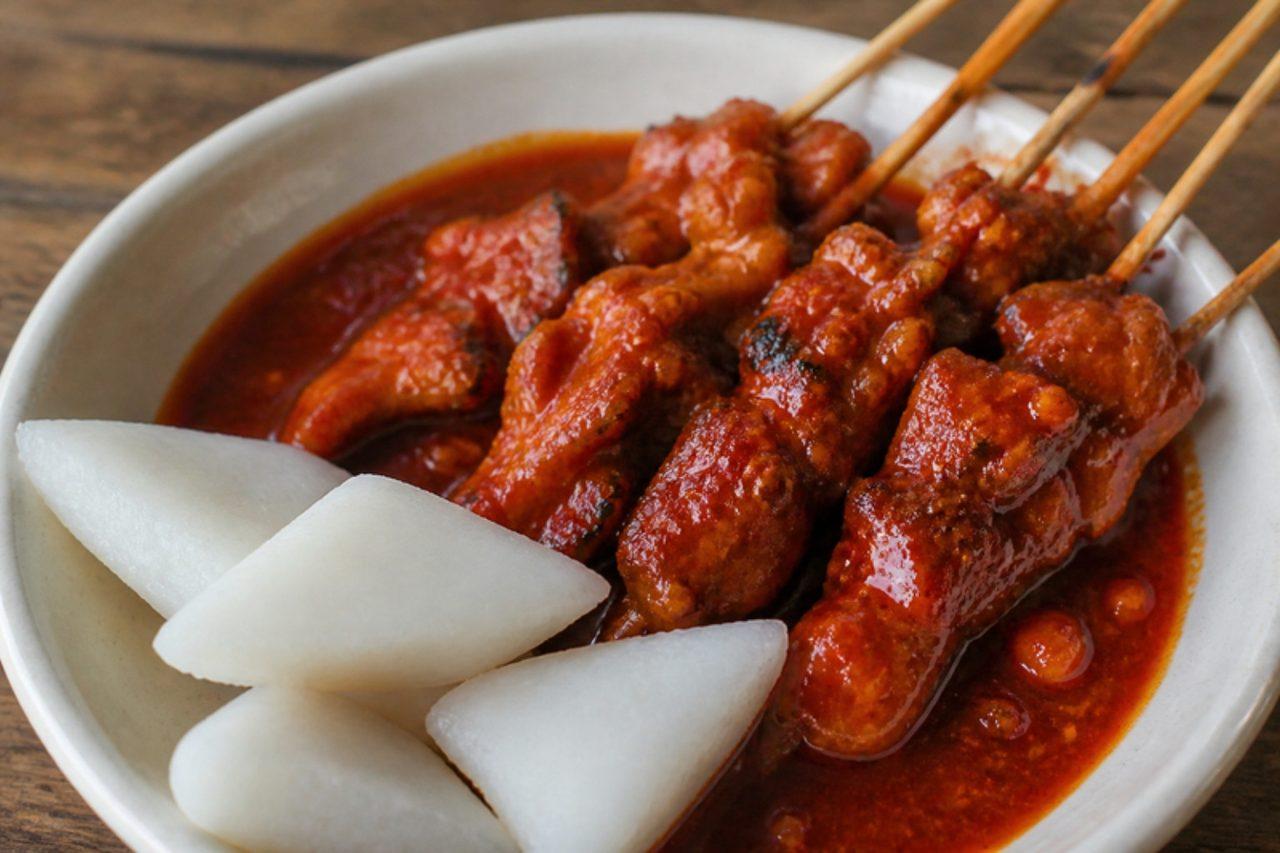
Satti is how Zamboanga City starts the day: small skewers of grilled chicken or beef, smoky from charcoal, drowned in a thin, spicy, slightly sweet red sauce and eaten with ta'mu, little rice cakes cooked in woven palm-leaf pouches. Satti houses near the port open before sunrise and are busiest on weekend mornings. It is a cousin of Malaysian and Indonesian satay, but the sauce is runnier and spiced with chilli and a little peanut. Pressed rice cubes or plain rice stand in well for ta'mu at home. Chef's tip: thread the chicken in small, flat pieces and close together; they cook fast and stay juicy before the outside dries.

by KrazyBadal 0 views

Sattu paratha

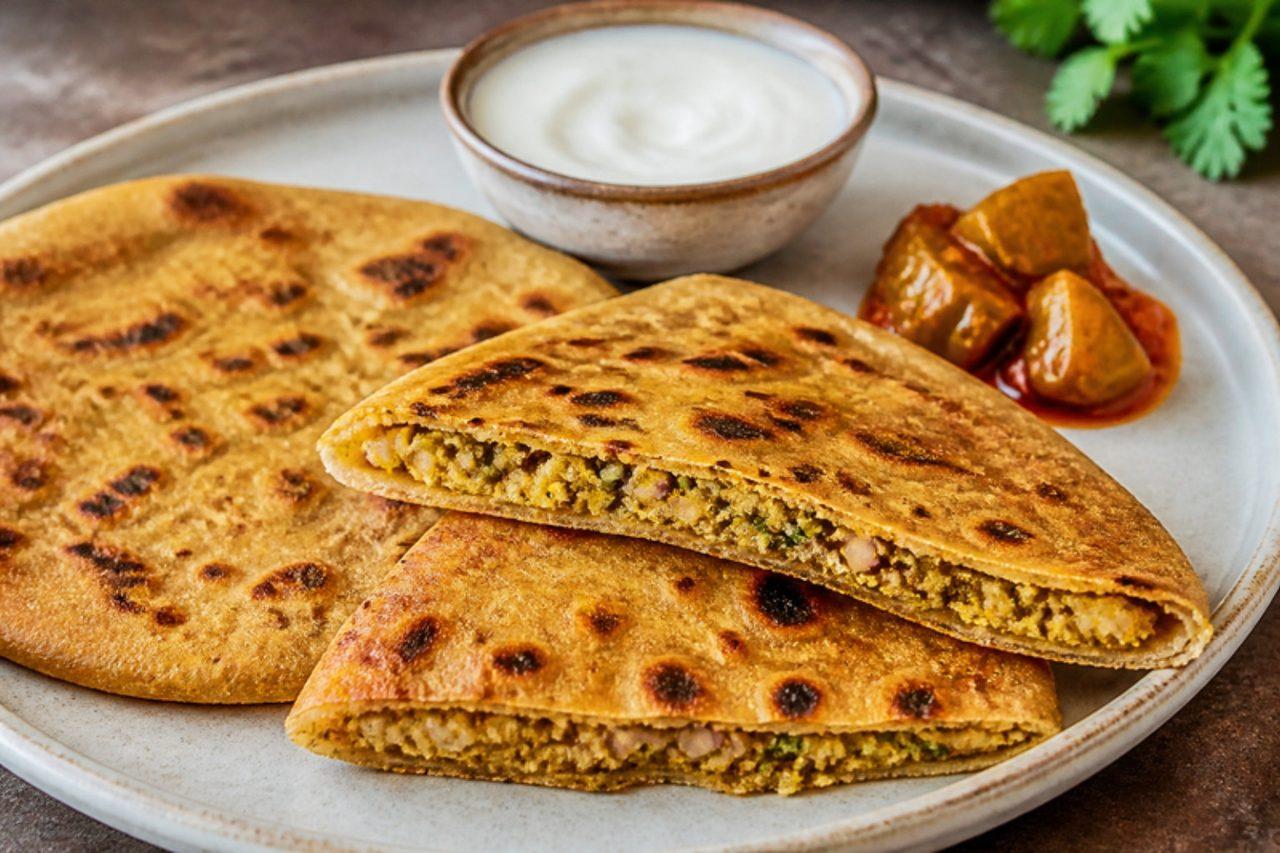
Sattu paratha is a Bihari breakfast that keeps farmers going until lunch. Sattu, roasted bengal gram ground to a fine flour, is mixed with onion, garlic, green chilli, carom seeds and a dash of pickle masala, then rolled into wholemeal dough and cooked on a hot tawa until blistered. The filling is savoury, punchy and high in protein, and the bread stays soft for hours, which is why it's packed for long journeys. Serve with curd or chokha and a pickle. Chef's tip: moisten the filling just enough to clump; a dry sattu filling bursts through the dough and burns on the tawa.

by KrazyBadal 0 views

Sattu sharbat

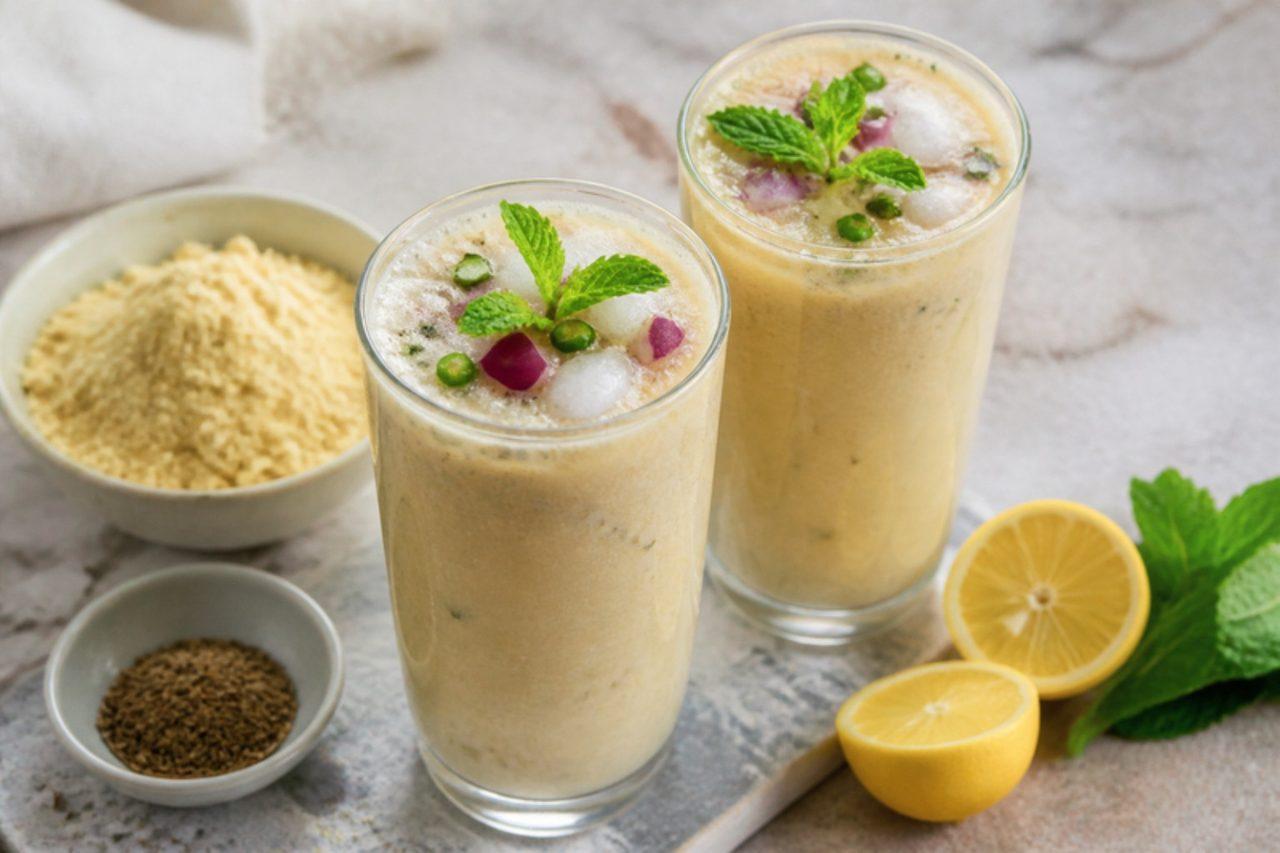
On scorching May afternoons in Patna, handcarts with steel pots and heaps of lemons sell sattu sharbat by the glass: roasted gram flour whisked into cold water with black salt, roasted cumin, lemon and a bit of raw onion and chilli. It is filling enough to stand in for lunch and is the drink rickshaw pullers and farm workers swear by to beat the loo, the hot summer wind. It tastes savoury, nutty and sharp all at once. Chef's tip: whisk the sattu into a little water first to a smooth paste, then dilute it; tipping it straight into a full glass leaves dry lumps.

by KrazyBadal 0 views

Fatteh with chickpeas

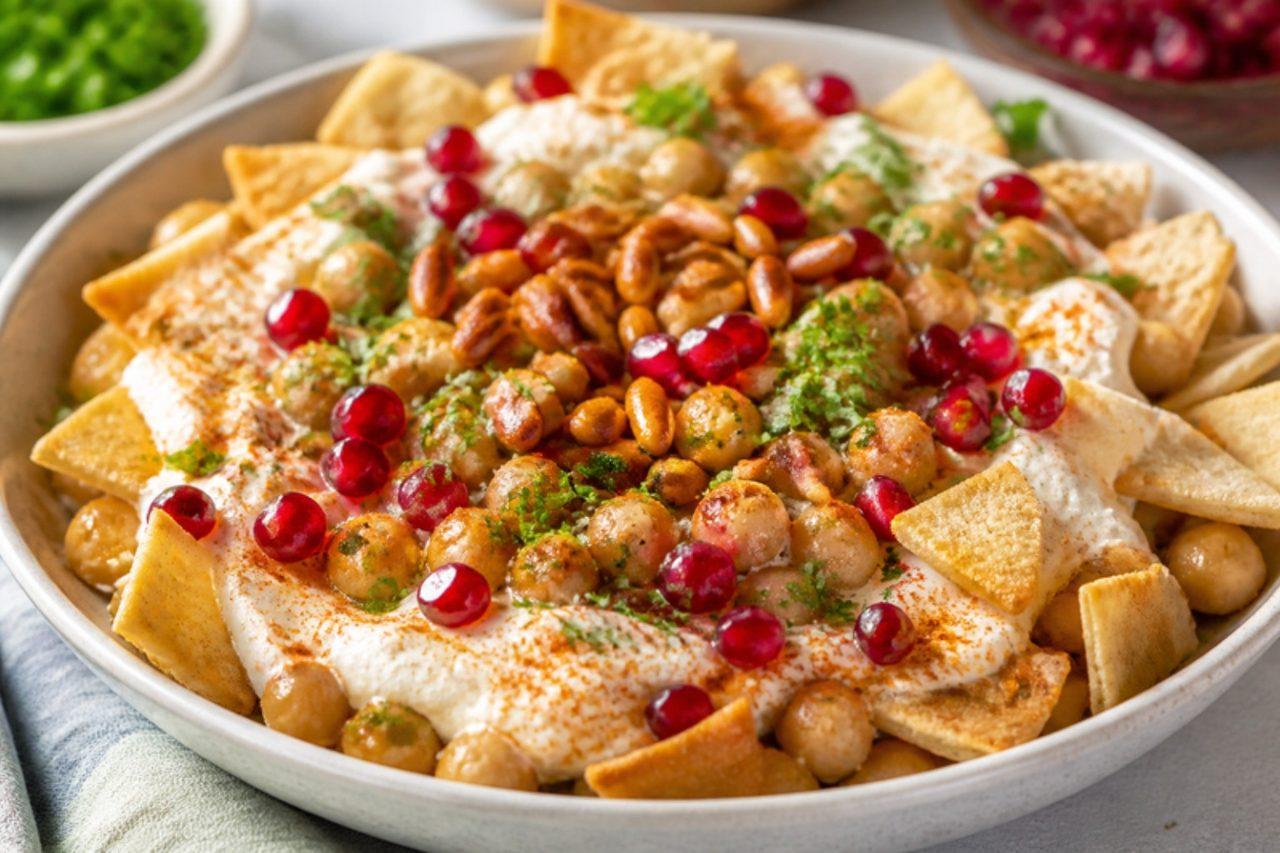
Fattet hummus belongs to Damascus, where breakfast restaurants in the old city serve it in deep bowls on Friday mornings, and it has spread to Beirut's Sunday tables too. The name comes from fatt, to break up, for the toasted flatbread at the bottom, which is topped with warm chickpeas in their broth, then a thick, garlicky sauce of yogurt and tahini, and finally sizzling pine nuts in butter or oil with a dust of paprika and cumin. The contrast is the point: crunchy and soft, hot and cool. Assembling it too early is the common mistake, since the bread soaks up the sauce and goes soggy; build it just before eating. Chef's tip: let the yogurt come to room temperature first, so it doesn't cool the chickpeas down too much and the bowl stays warm.

by KrazyBadal 0 views

Oyaki

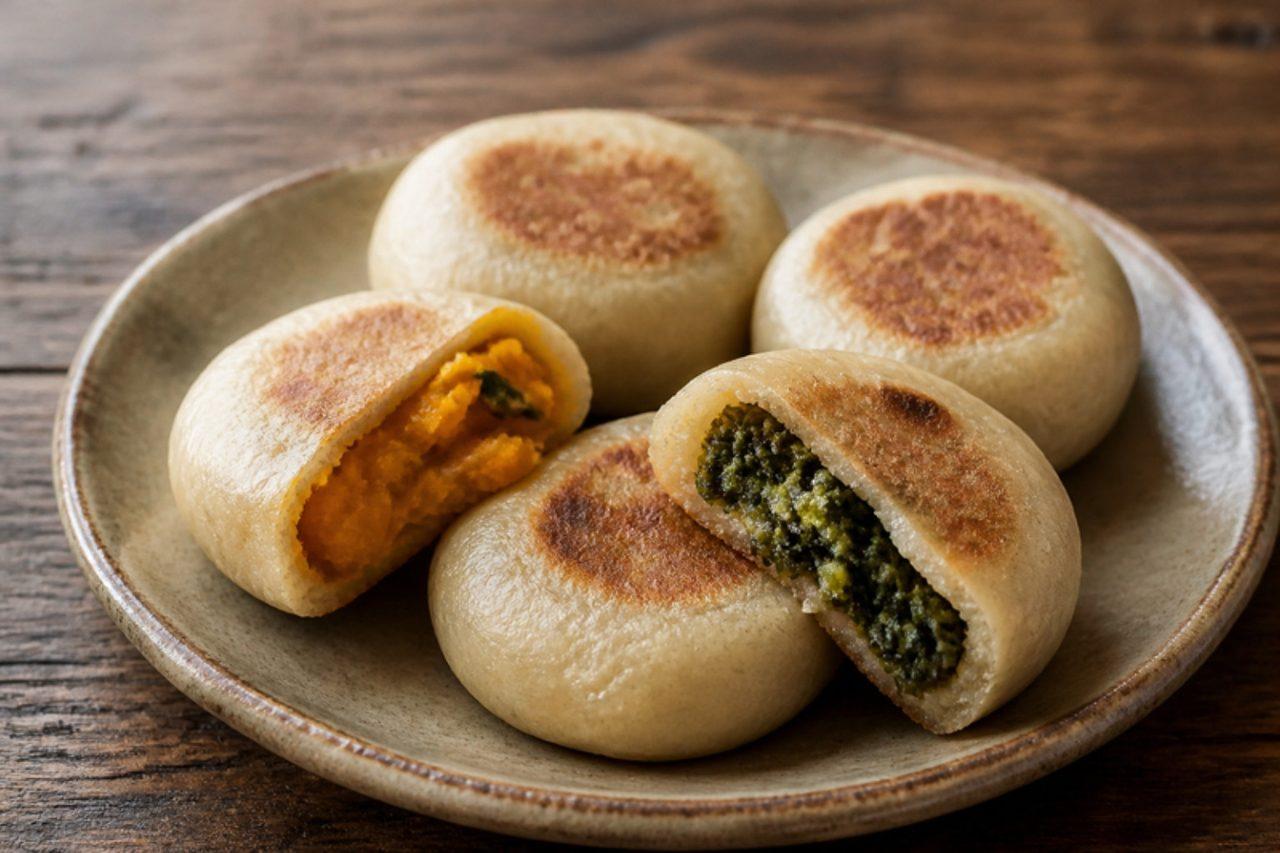
Oyaki are the everyday snack of Nagano's mountain villages, where rice was scarce and wheat and buckwheat grew better. The plump dumplings are filled with whatever the season gives: pickled nozawana greens in winter, aubergine and miso in summer, sweet squash in autumn. Old farmhouses baked them in the ashes of the irori hearth; today they are browned in a pan and steamed, so they come out crusty on both faces with a soft, chewy middle. They travel well, which made them the lunch of farmers and hikers on the trails around Zenkoji temple. Chef's tip: let the dough rest for at least 30 minutes. A relaxed dough stretches thin around the filling without tearing.

by KrazyBadal 0 views

Sauce graine with chicken and smoked fish

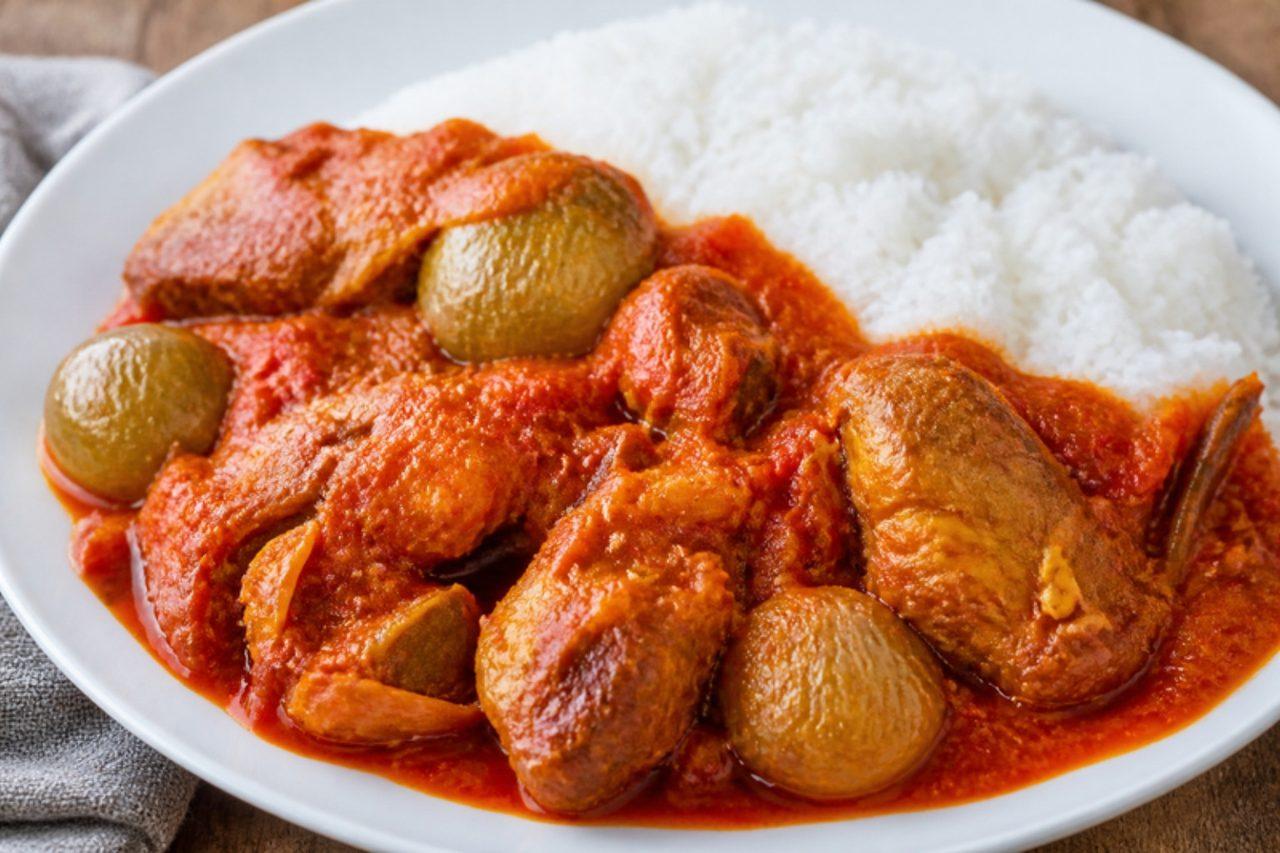
Sauce graine, palm-nut sauce, is the Sunday stew of southern Côte d'Ivoire, made in villages from freshly pounded palm fruit and in Abidjan from tins of palm-nut cream. It is deep orange-red, rich and slightly smoky from the smoked fish that goes in with the chicken, and is eaten with foutou banane, rice or attiéké. The mistake to avoid is boiling it hard at the end; palm-nut sauce should simmer gently until the oil rises to the top, which is how you know it is done. Chef's tip: use bone-in chicken; the bones give the sauce body.

by KrazyBadal 0 views

Ovoshchnoe ragu

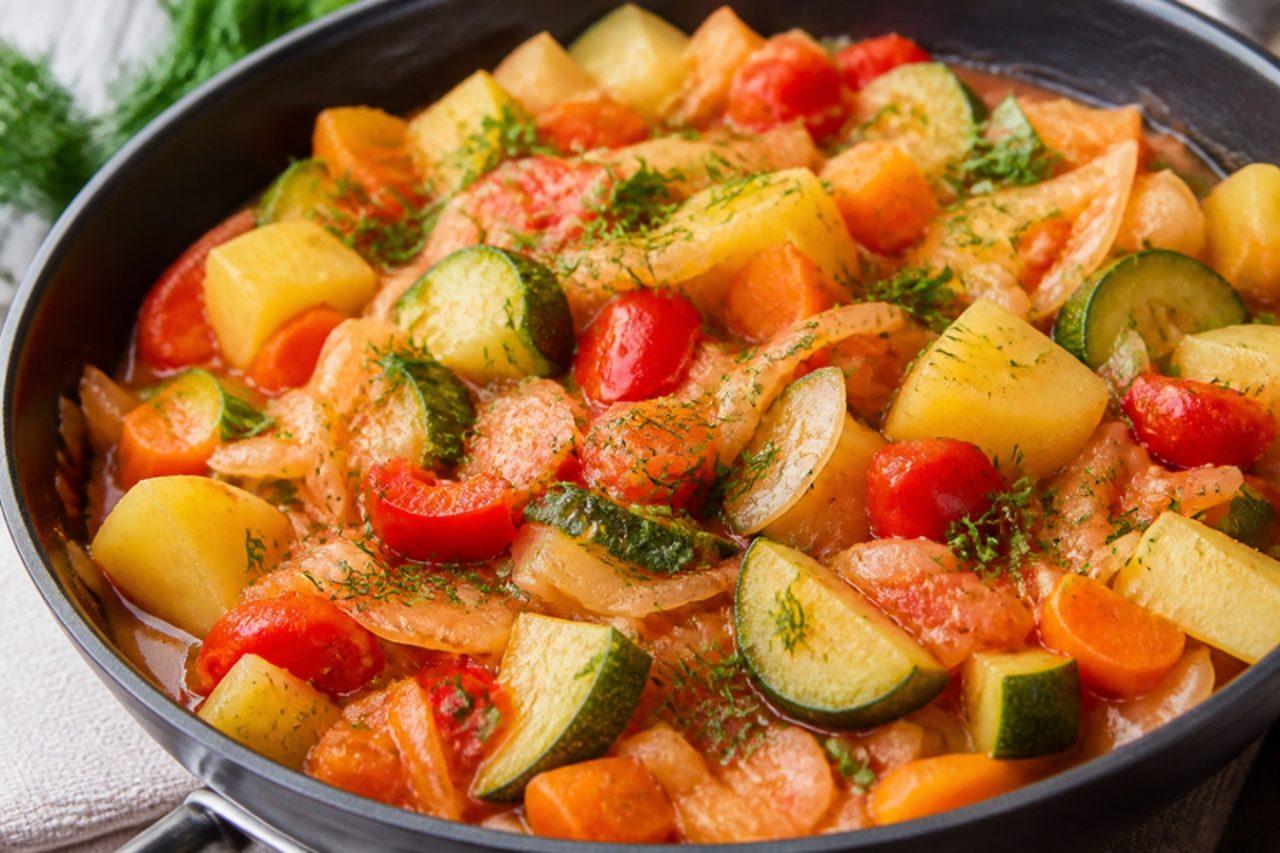
Ovoshchnoe ragu is what happens at a Russian dacha in August, when the garden outside Moscow or Nizhny Novgorod produces more courgettes, cabbage, peppers and new potatoes than anyone can eat. Everything is fried in turn, then stewed together in one heavy pot with tomato until soft and spoonable, and eaten hot with black bread, or cold the next day. It is homelier than French ratatouille or Greek briam: cabbage and potatoes give it body, and dill and garlic go in right at the end. Chef's tip: fry each vegetable separately before stewing; dumping everything in raw gives a watery, boiled taste.

by KrazyBadal 0 views

Ovocné knedlíky

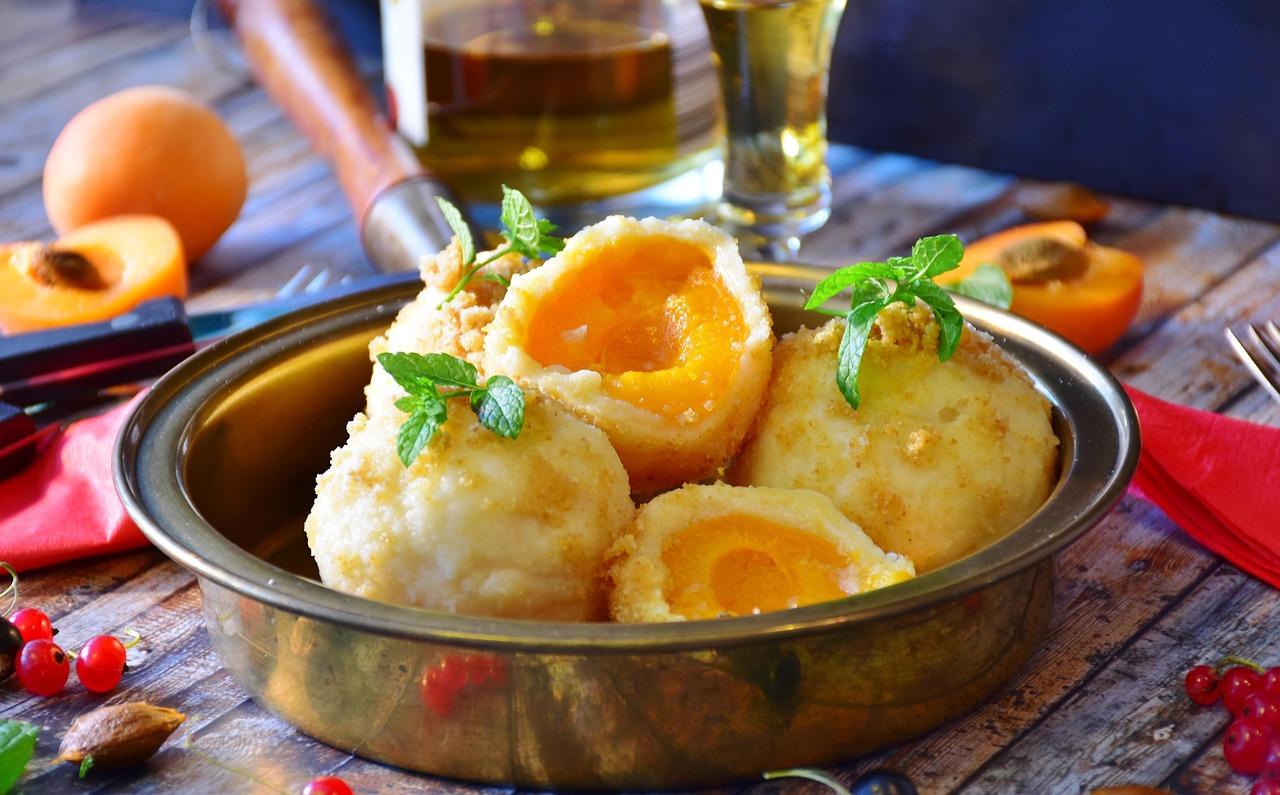
Ovocné knedlíky are the summer main course of Czech childhoods: in July with apricots from South Moravian orchards, in September with blue plums, eaten as lunch rather than pudding. Each soft quark dumpling hides a whole fruit that turns jammy as it simmers, and they are served the old way, rolled in melted butter and buried under grated tvaroh (quark) and icing sugar. Kids compete over who can eat the most. Chef's tip: pinch the dough completely closed with no thin patches; a single gap lets water in and the dumpling bursts in the pot.

by KrazyBadal 0 views

Sauerbraten

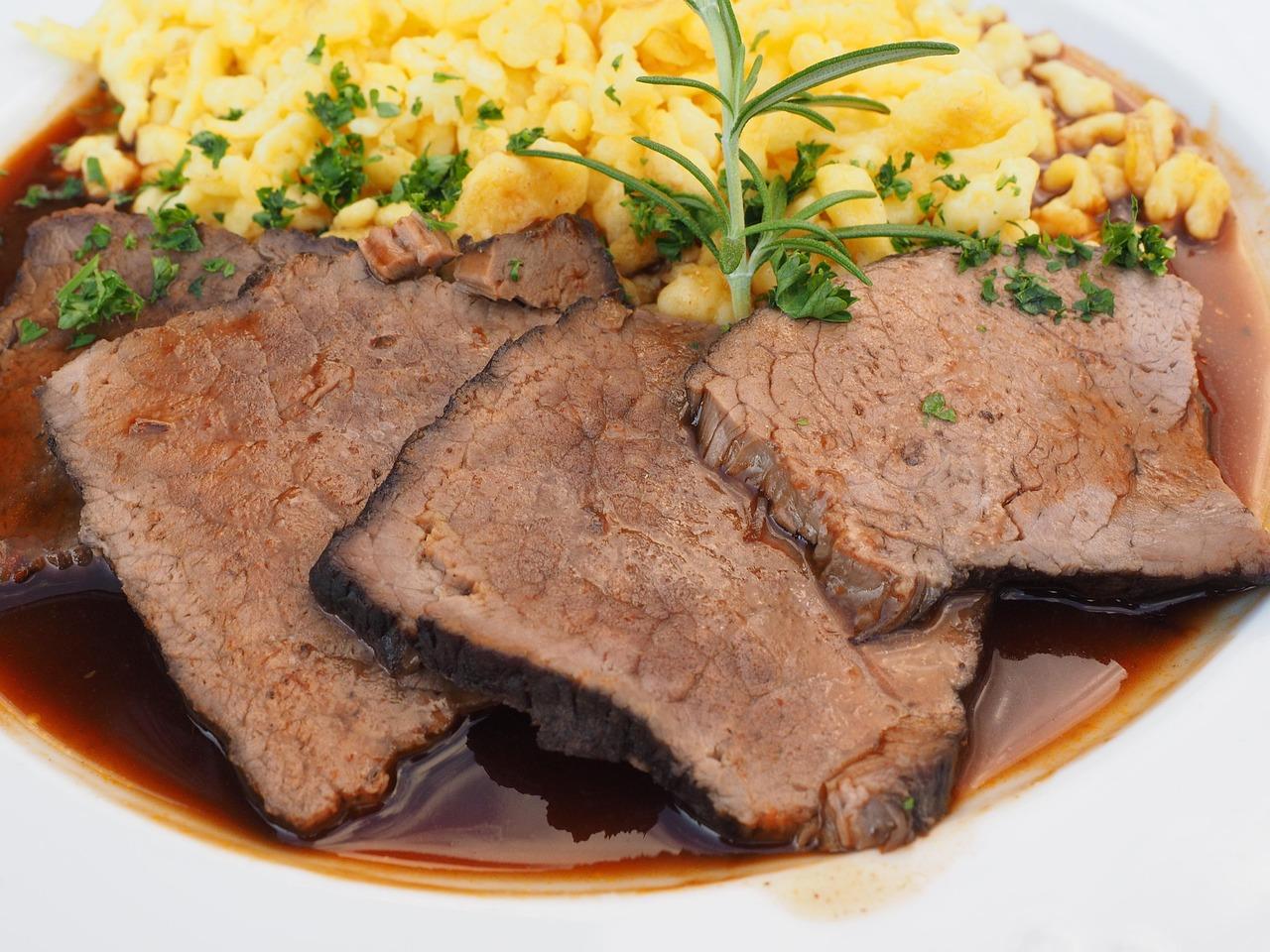
Sauerbraten is the Rhineland's Sunday roast, from Cologne to Düsseldorf, and in the old days it was a way to keep beef for a week. A joint of topside sits for three days in a spiced vinegar marinade, then is braised slowly and served with a sweet-sour gravy thickened with crumbled gingerbread (Printen or Lebkuchen) and raisins. Red cabbage and potato dumplings are the classic plate. Many families put red wine in the marinade; this version uses red wine vinegar and stock, so it is alcohol-free, and you can swap 250 ml of the water for red wine if you like. A common mistake is serving it too soon: give the meat the full three days in the fridge so the vinegar reaches the middle. Chef's tip: dry the beef very well before browning, or it will steam and stay grey.

210 minGermanMeat
by KrazyBadal 0 views

Ou khatta

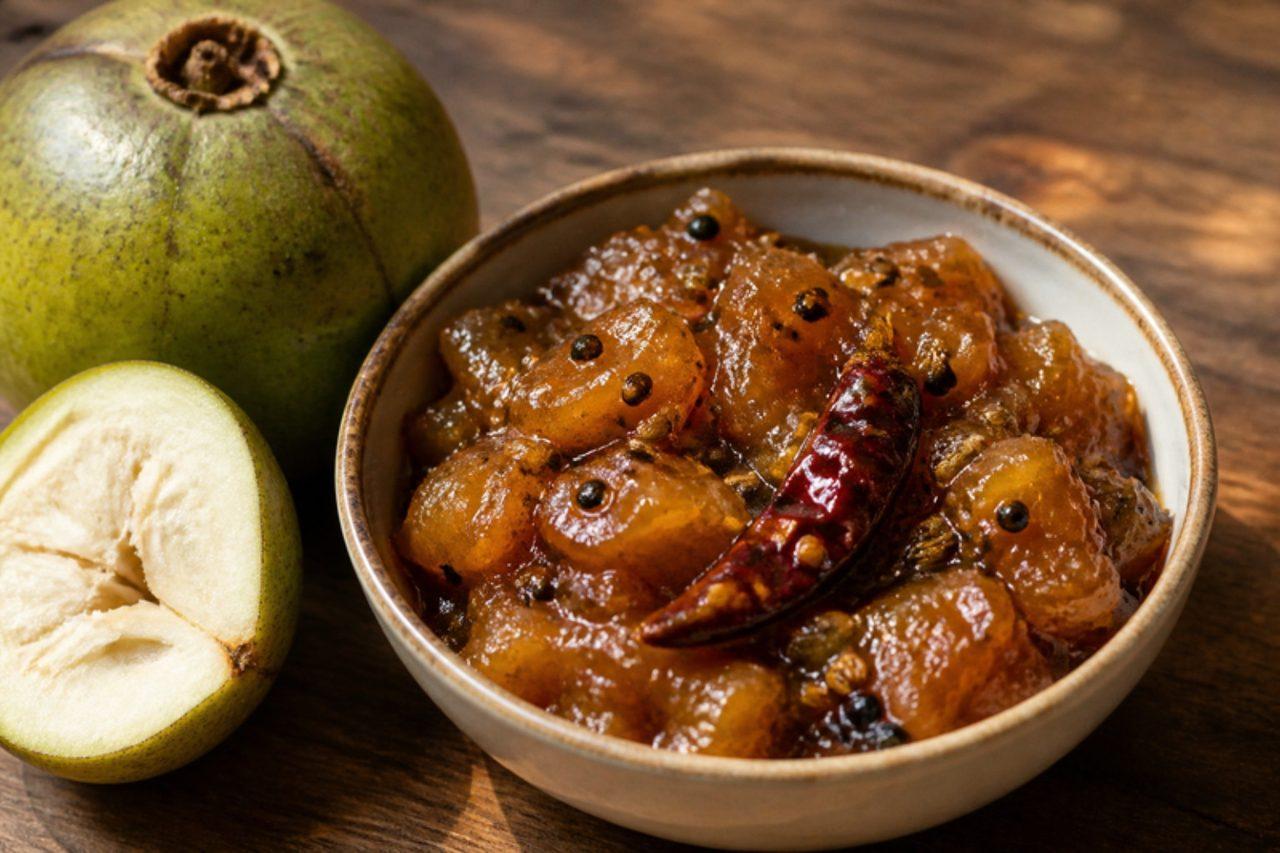
Ou tenga, the elephant apple, is a hard, sour green fruit that grows across Assam and turns up in every winter market in Guwahati. Ou khatta is its sweet chutney: slices are boiled until tender, then simmered with jaggery and panch phoron until glossy, sticky and sharp-sweet. It is served in a little mound at the end of a festive Assamese lunch and at Bihu feasts, the way Bengalis end with tomato chutney. Chef's tip: outside the Northeast, use a mix of very sour green apple and a little tamarind; it gets surprisingly close.

by KrazyBadal 0 views

Piyaz

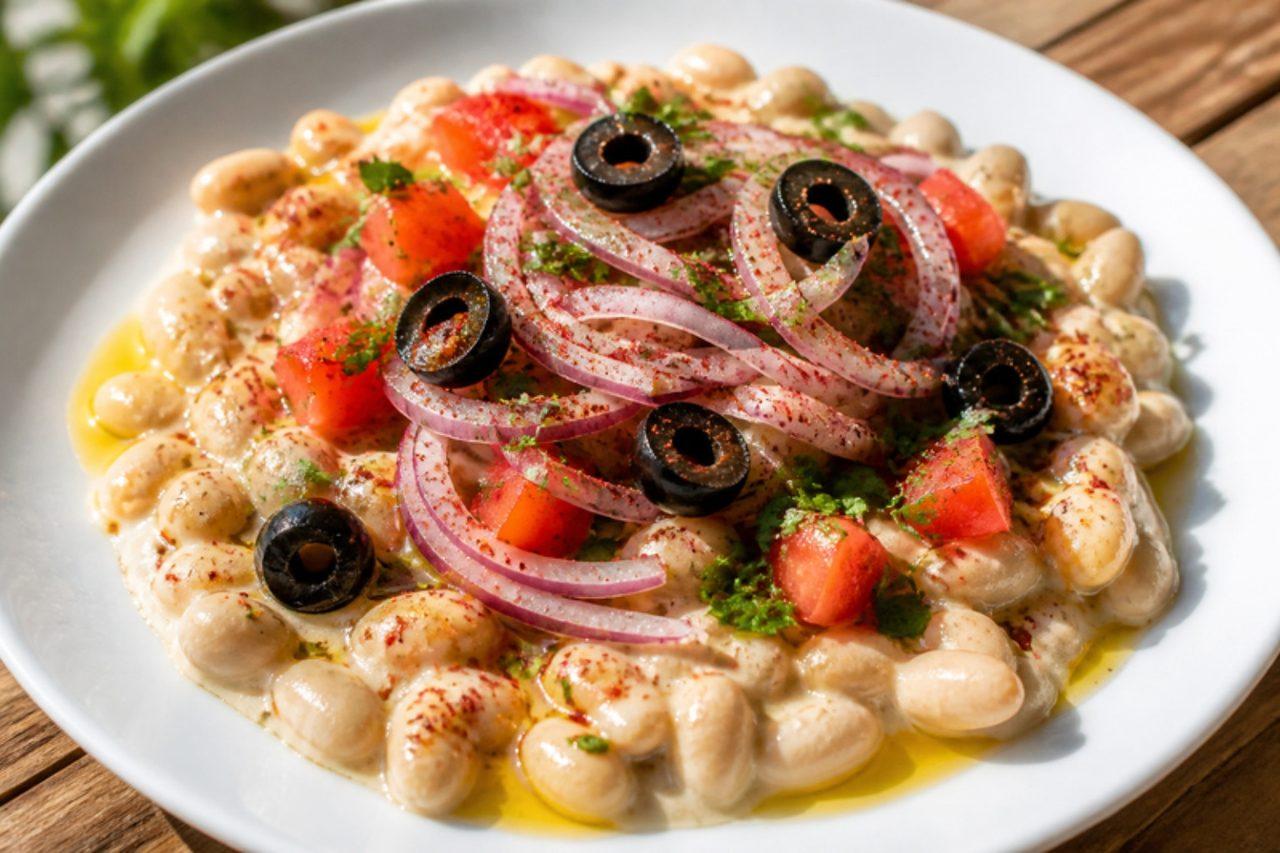
Antalya does piyaz its own way. Elsewhere in Turkey the bean salad is dressed with oil and vinegar, but on the Mediterranean coast the beans are folded through a pale, nutty sauce of tahini, lemon and vinegar, then crowned with sumac onions, tomato and parsley. Lunch canteens in the old town serve it on the side of almost everything, and at home it is a filling lunch with bread or a cool side on a hot evening. Tinned beans make it a fifteen-minute dish. Chef's tip: when the lemon hits the tahini it will seize into a stiff, grainy paste; don't panic, just keep beating in cold water a spoonful at a time and it turns silky.

by KrazyBadal 0 views

Pizza fritta

Pizza fritta is the street-food pizza of Naples: a disc of pizza dough folded over a filling and fried in hot oil until puffed and blistered, sold from kiosks in the Spanish Quarter and around Via dei Tribunali. It became popular after the war, when wood ovens were scarce and a pan of oil was all many cooks had. The classic filling has ricotta, smoked provola, tomato and pepper; pork crackling (cicoli) is often added, but not here. Chef's tip: seal the edge by pressing with your fingertips, not a fork, and leave a 2 cm border; a well-sealed parcel puffs like a pillow instead of bursting.

by KrazyBadal 0 views

Pithla with jowar bhakri

In villages across the Deccan plateau of Maharashtra, pithla bhakri is what a farmer's family eats when the pantry is low and the day is long: a pan of gram flour simmered with garlic, green chilli and onion until it sets to a soft, spoonable curry, with thick jowar bhakri patted out by hand and a raw onion on the side. It became a symbol of rural Maharashtra, served at roadside stalls near Sinhagad fort to trekkers and at political rallies alike. Zunka, the dry version, uses the same flavours but is stirred until crumbly. Serve with thecha or a wedge of lemon. Chef's tip: whisk the gram flour into cold water before it meets the pan; that one step is the whole secret to a lump-free pithla.

by KrazyBadal 0 views

Rakott krumpli

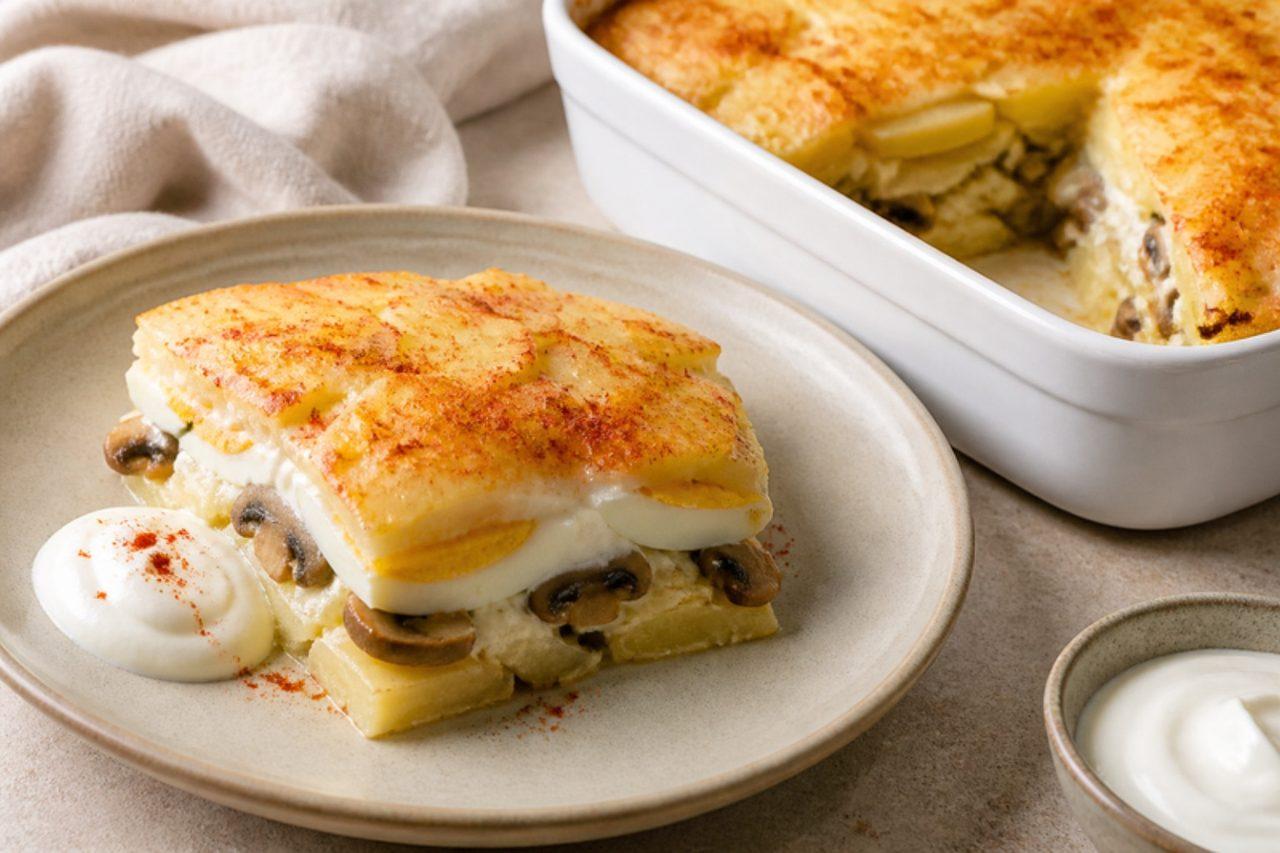
Rakott krumpli means 'layered potatoes', and it is a family supper baked all over Hungary, especially in winter in the north-east around Miskolc and Eger, where every household layers it slightly differently. Slices of boiled potato are stacked with hard-boiled eggs and plenty of sour cream, then baked until bubbling and golden. Many versions add smoked sausage; this vegetarian one uses sautéed mushrooms and a dusting of smoked paprika for depth. It is rich, creamy and needs only a sharp cucumber salad or pickles alongside. Chef's tip: boil the potatoes in their skins and peel them while warm; they slice cleanly and don't soak up water.

by KrazyBadal 0 views

Pissaladière

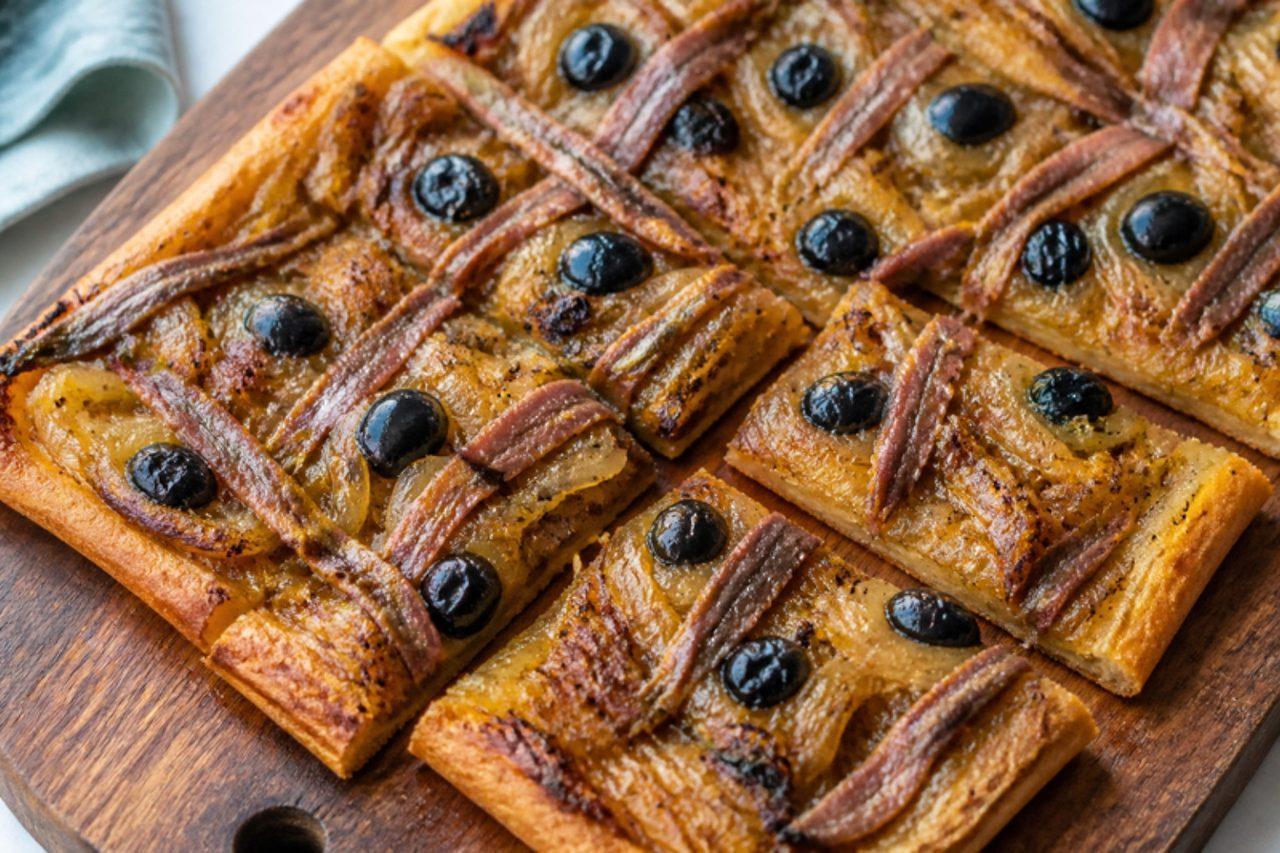
In the old town of Nice, pissaladière is sold by the square from bakeries and market stalls, a lunchtime slice or something to nibble with a drink before dinner. A thin bread dough is spread thickly with onions cooked down for almost an hour until soft and sweet, then crossed with salted anchovies and dotted with small black Niçoise olives. It is just as good at room temperature as warm. Chef's tip: cook the onions low and slow without letting them brown; they should be pale gold and jammy, not caramelised.

120 minFrenchBaking
by KrazyBadal 0 views

Ram ladoo

Despite the name, ram ladoo aren't sweet. They're small, crisp moong and chana dal fritters, sold from carts across Delhi in winter, when white radish is at its best. The vendor splits a few hot ones, smears them with a sharp coriander chutney and buries them under a heap of grated mooli and its leaves, with lemon and chaat masala over the top. Hot, crunchy fritters against cold, peppery radish is the whole appeal; it's a light snack for a foggy evening. Chef's tip: grind the soaked dal with as little water as possible, then beat the batter by hand for 3–4 minutes; air whipped into it is what makes the ladoos puff up and stay light.

by KrazyBadal 0 views

Pisang rai

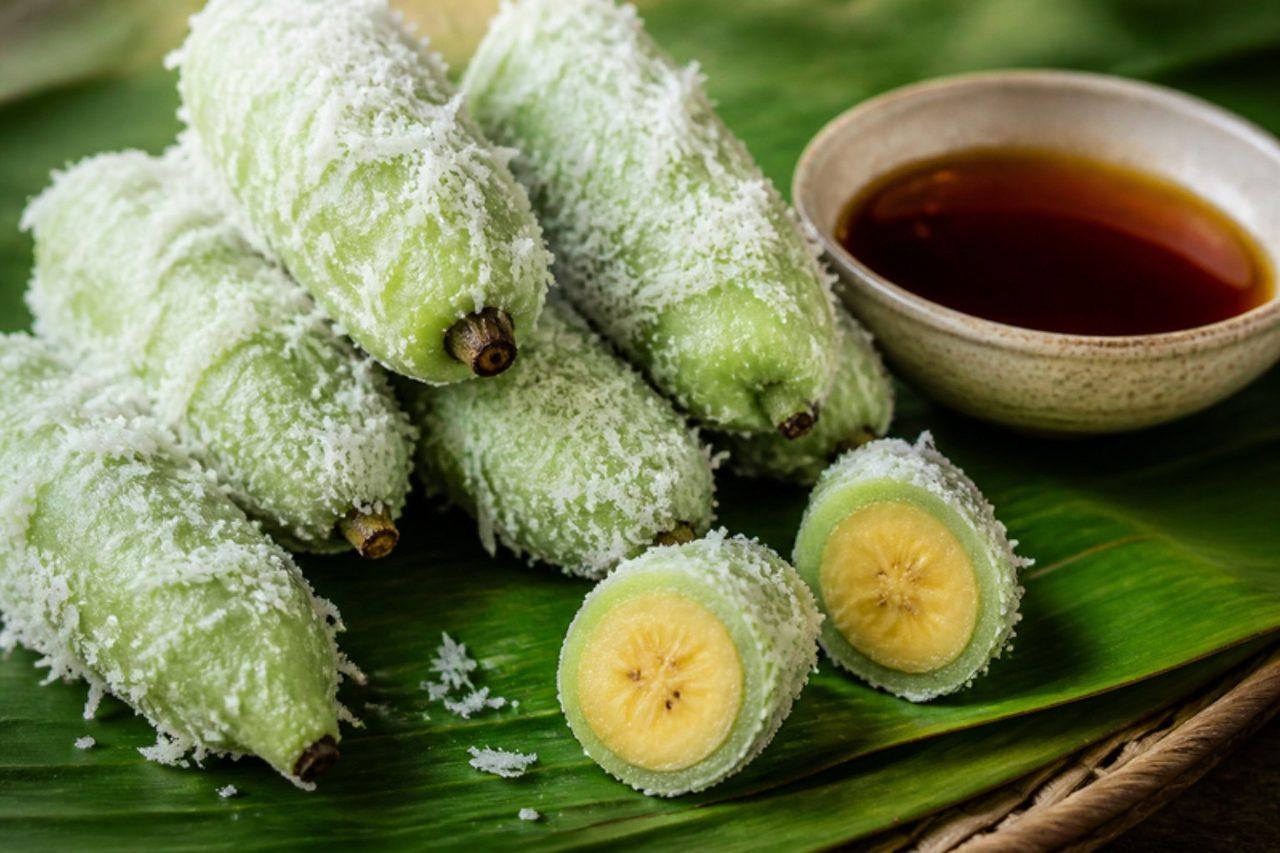
Pisang rai is a Balinese market sweet, wrapped in banana leaf and sold alongside klepon and lak-lak in the early morning. Small ripe bananas are coated in a thick rice-flour batter and dropped into boiling water rather than oil, so they come out soft, chewy and pale, ready to be rolled in salted grated coconut and drizzled with palm-sugar syrup. Some cooks colour the batter green with pandan. Chef's tip: the bananas are done when they float and the batter turns translucent at the edges; another minute firms the coating without making it gluey.

by KrazyBadal 0 views

Pisang epe

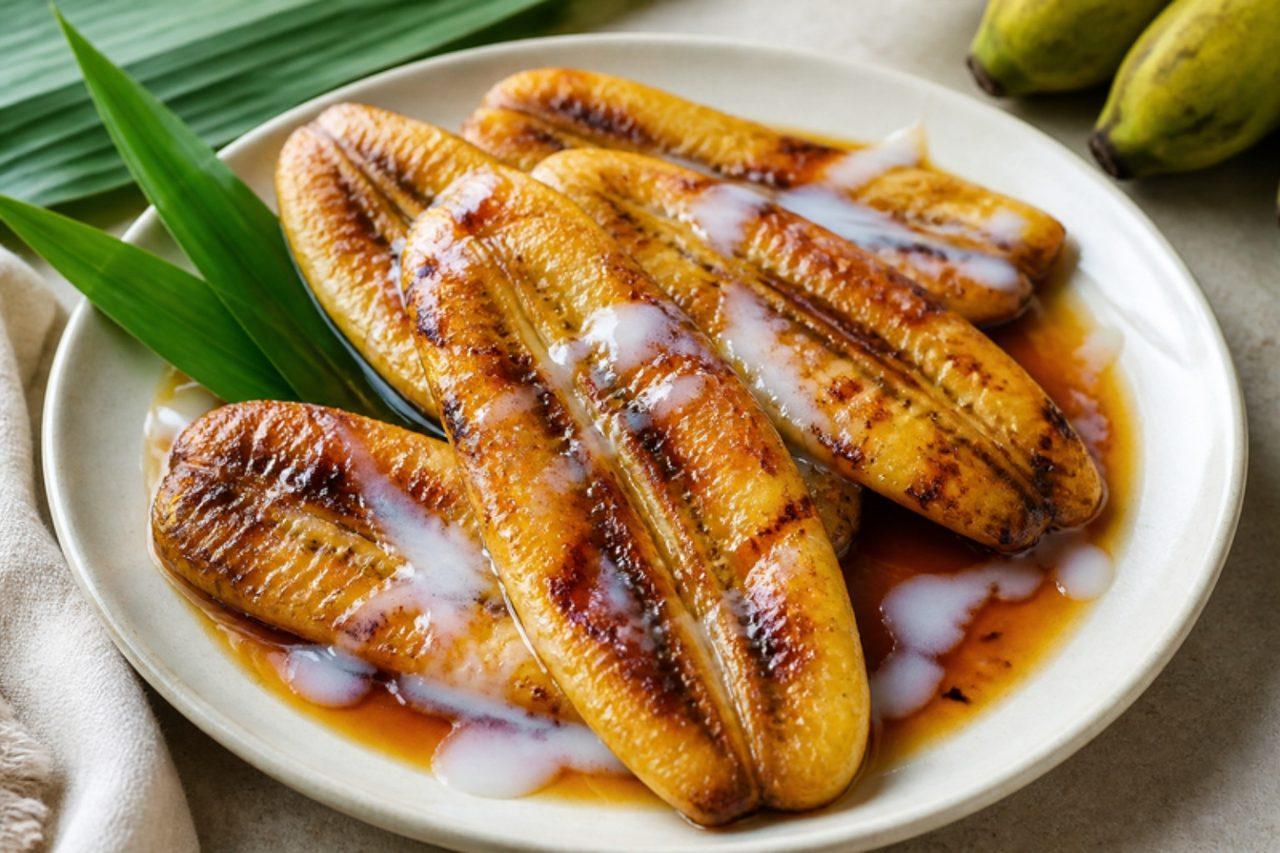
Along Losari Beach in Makassar, South Sulawesi, evening stalls grill firm bananas over coals, press them flat between two boards, grill them again and drown them in palm-sugar syrup. Epe means pressed. The bananas turn smoky and dense, almost like baked plantain, and the syrup is often flavoured with pandan, durian or chocolate; this is the pandan version. Chef's tip: use bananas that are just ripe and still firm, or plantains just turning yellow; soft bananas fall apart when you press them.

by KrazyBadal 0 views

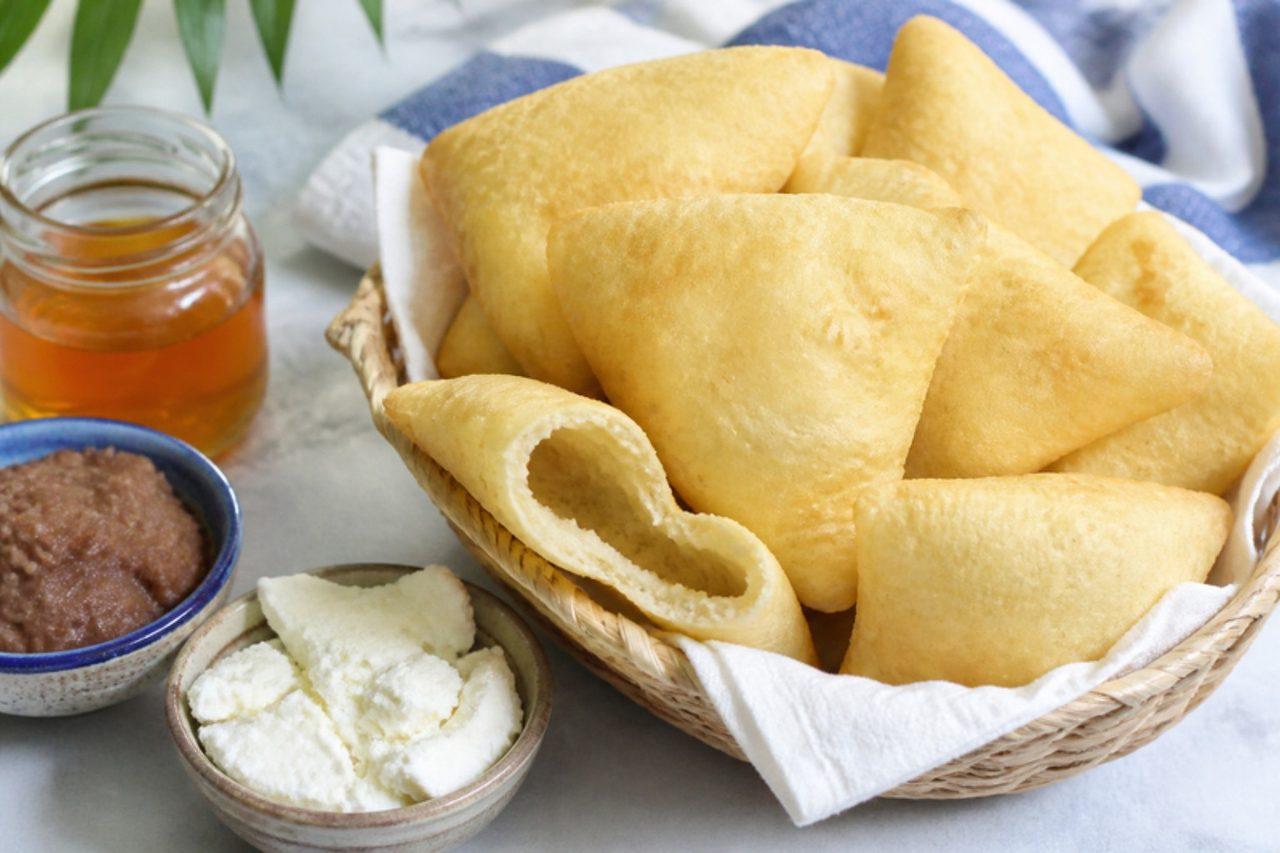
Fry jacks

Fry jacks are the smell of a Belizean morning: in Belize City and the Cayes, breakfast spots fry these squares and triangles of dough until they balloon up hollow and golden. They come beside refried beans, scrambled eggs and cheese, or torn open and drizzled with honey or jam. They're lighter and puffier than a doughnut, crisp outside and chewy within. Chef's tip: roll the dough thin, about 3 mm, and slit each piece once in the middle; that's what makes them puff like a pillow.

by KrazyBadal 0 views

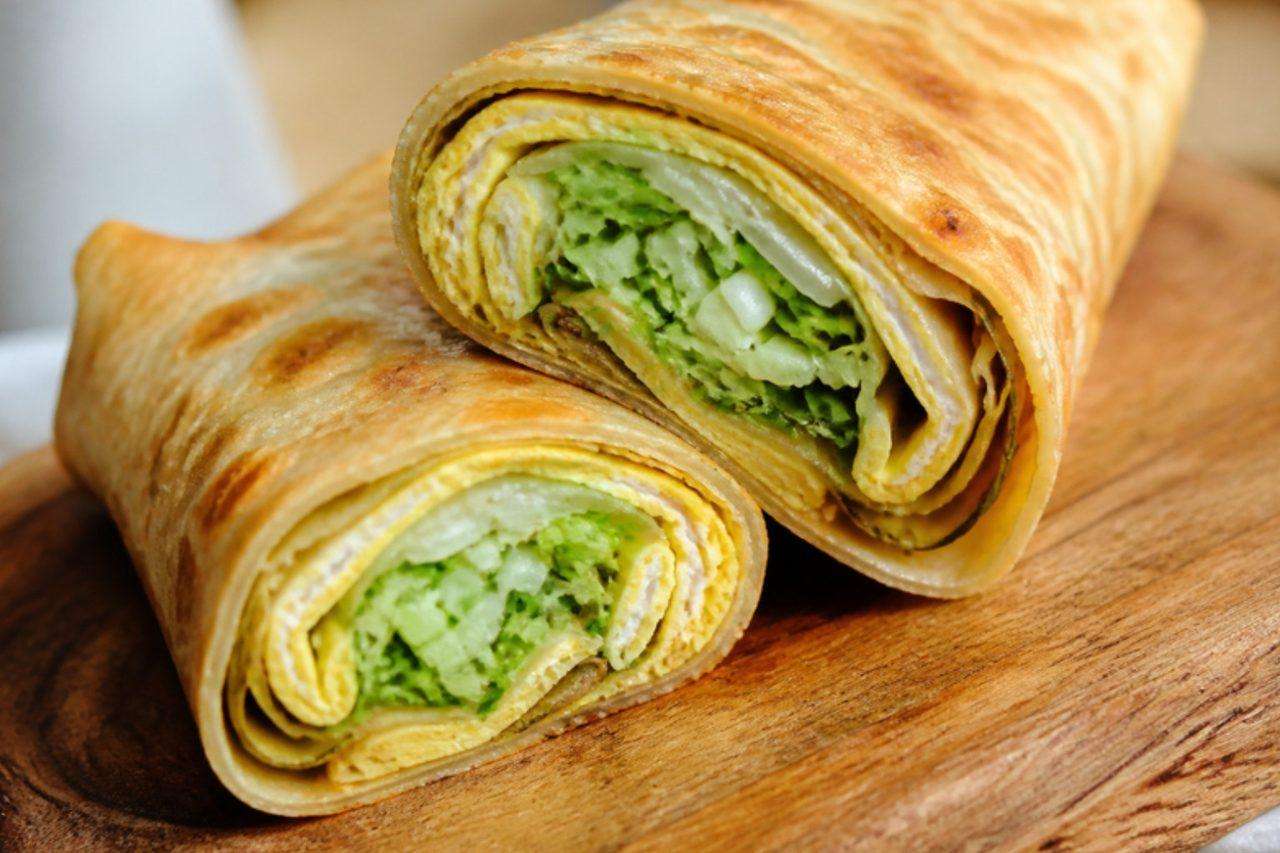
Rolex

The rolex is Uganda's most famous street food, its name a play on 'rolled eggs': at stalls all over Kampala, and now the whole country, a vendor beats eggs with shredded cabbage, tomato and onion, fries a thin omelette, lays a fresh chapati on top and rolls the two together. It is breakfast, lunch and late-night food. Unlike the Mombasa coast egg chapati, nothing is folded inside raw pastry: the omelette and a soft, ready-cooked chapati are rolled together. Chef's tip: cook the omelette thin and wide, the size of the chapati, so every bite has egg.

by KrazyBadal 0 views

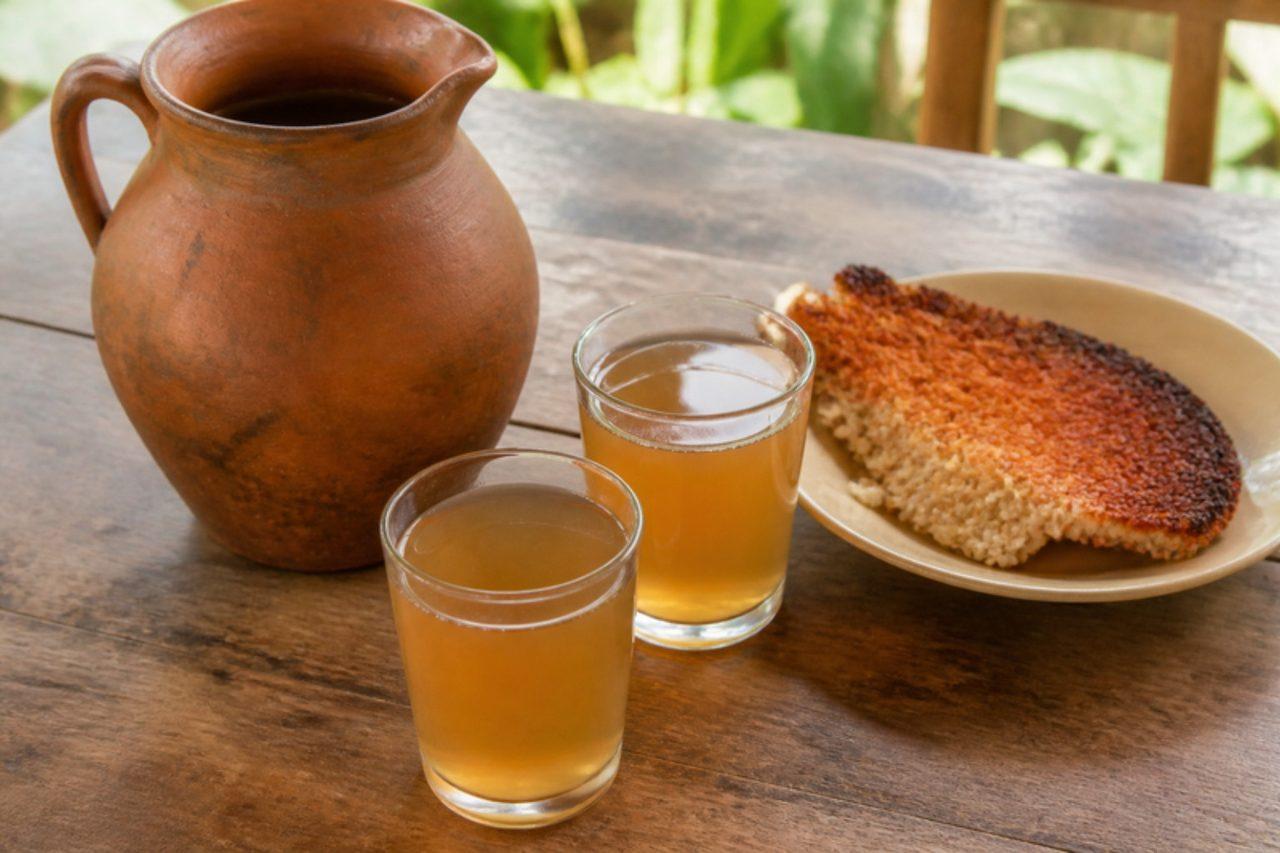
Ranon'apango

Ranon'apango is the everyday drink of Madagascar: after rice is cooked, the crust at the bottom of the pot is left to toast until golden, then water is boiled with it to make a pale amber, nutty, slightly smoky drink. It is served warm or cold in jugs alongside meals in homes and hotelys, and is a safe way to drink boiled water. Chef's tip: toast the crust until golden-brown, not black; burnt rice makes the drink bitter.

by KrazyBadal 0 views

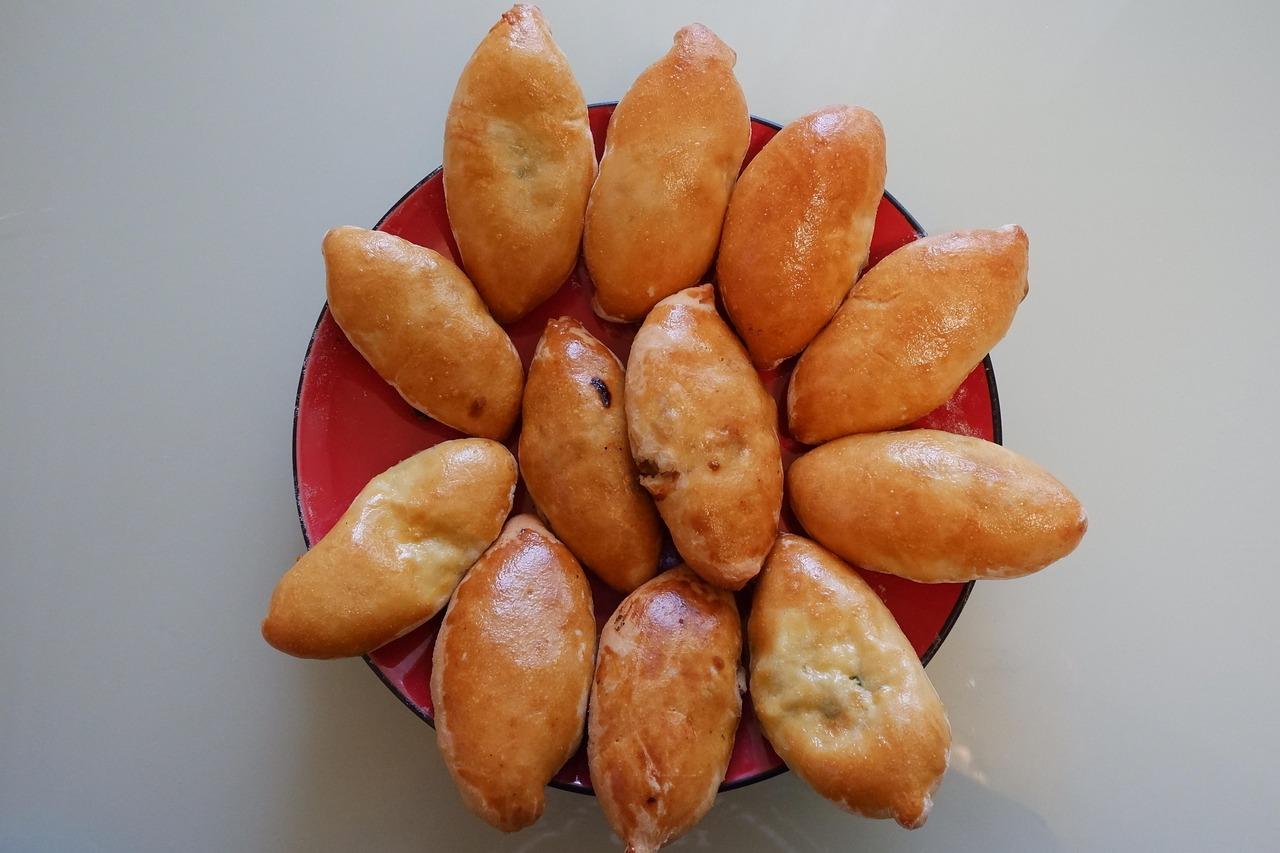
Pirozhki

Pirozhki, little oval pies of soft yeast dough, are what a Russian babushka has waiting on the kitchen table when the grandchildren arrive, and what used to be sold warm from steel carts at Moscow metro stations. They are eaten with a bowl of soup, packed for the train, or simply grabbed from the plate all afternoon. Fillings change with the season; the two most loved meatless ones are buttery cabbage with chopped egg and creamy mashed potato with fried onion and dill. Chef's tip: let the fillings cool completely before shaping; warm filling softens the dough and the buns tear and leak.

by KrazyBadal 0 views

Pique macho

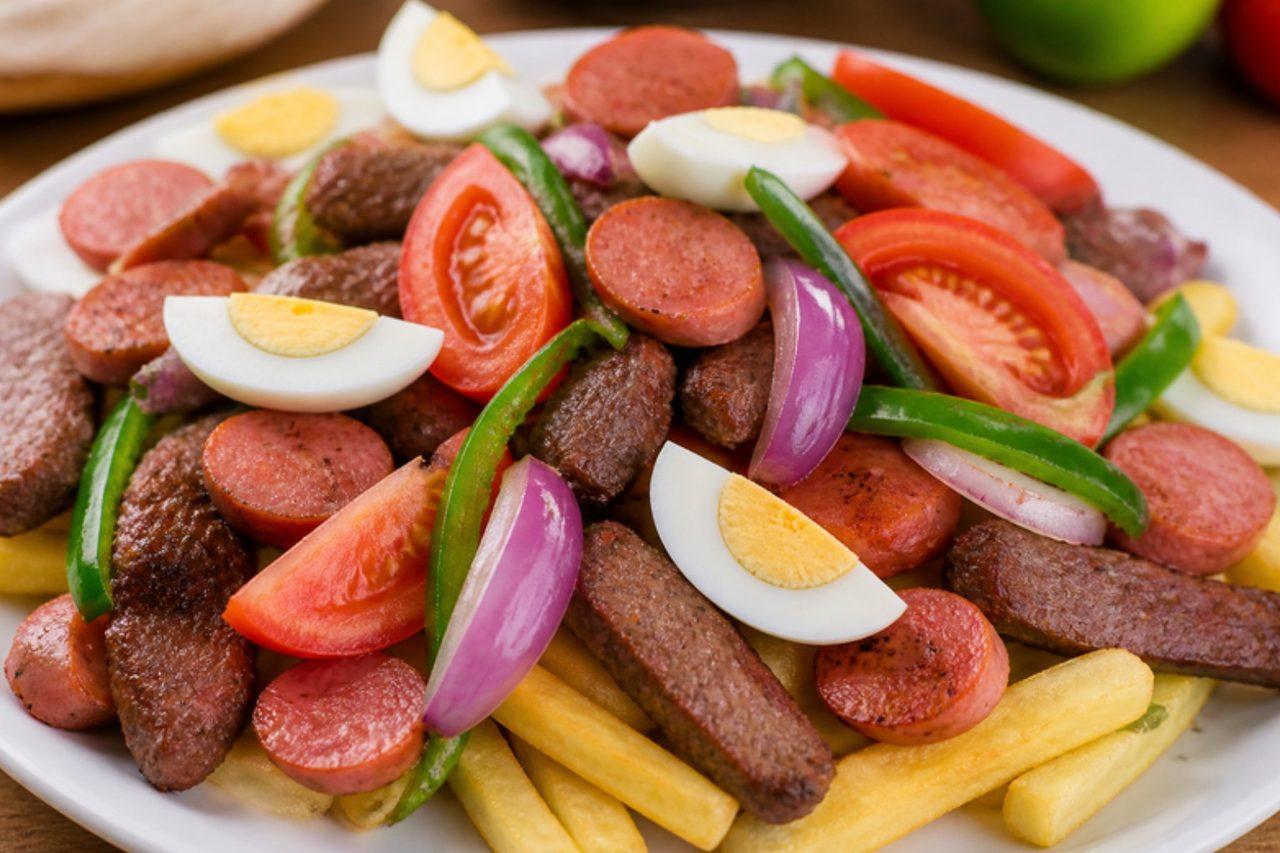
Pique macho was invented in Cochabamba, legend says late one night when hungry customers asked for whatever was left, and it remains the sharing plate Bolivians order with friends: a pile of chips topped with beef strips and sausage cooked in a peppery sauce, with onion, tomato, locoto chillies and boiled eggs on top. The name roughly means "if it stings, you're a man", for the hot locoto. This recipe can include beer in the sauce; for an alcohol-free version use beef stock. The mistake is letting the chips sit under the sauce, so they go soggy; assemble right before serving. Chef's tip: oven chips work fine and leave the hob free for the meat.

65 minAndeanMeatGluten freeSpicy
by KrazyBadal 0 views

Rasabali

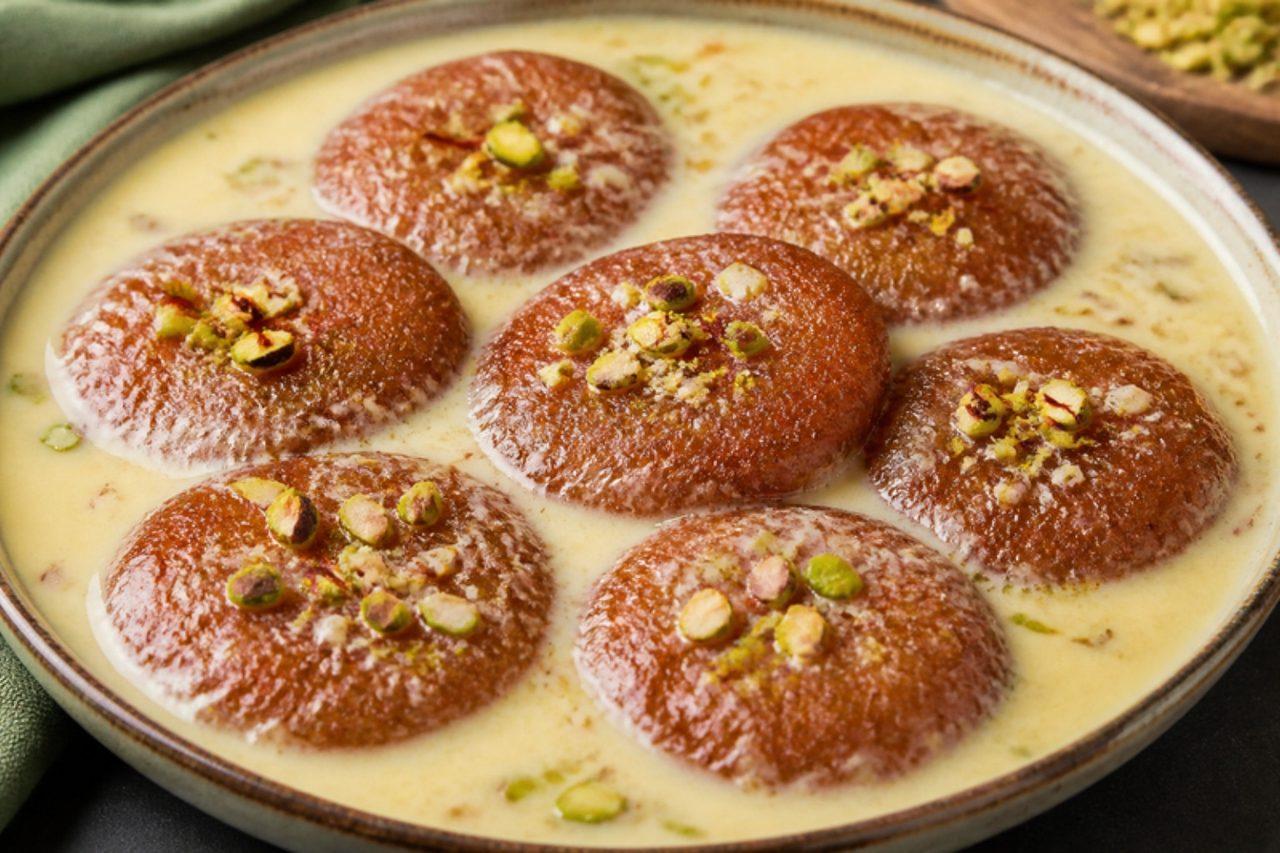
Rasabali comes from the Baladevjew temple in Kendrapara and is one of the 56 offerings of Puri's Jagannath temple. Flattened discs of chhena are deep-fried until reddish-brown, then soaked in milk that has been simmered down until thick and sweet with cardamom. Unlike rasmalai, whose discs are poached in syrup, rasabali's are fried, so they keep a chewy, slightly caramelised skin under the milk. It is eaten chilled at festivals and weddings in Odisha. Chef's tip: press a dimple into the centre of each disc before frying, so it fries evenly and holds more milk.

by KrazyBadal 0 views

Pinni

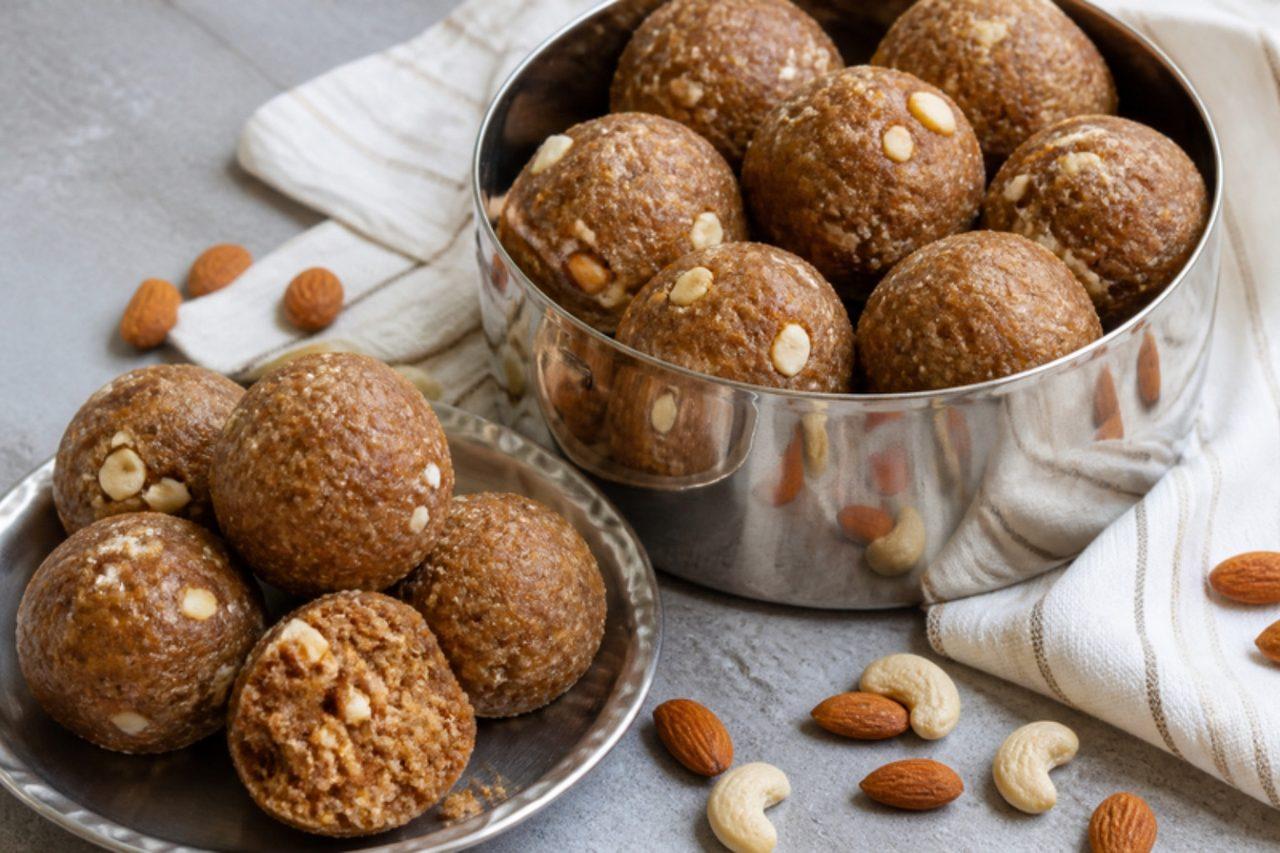
When the fog settles over Punjab in December, kitchens fill with the smell of wheat flour roasting slowly in ghee: pinni season has started. These dense, crumbly balls of roasted atta, jaggery, almonds and fried edible gum are made in big batches for Lohri, packed into tins for relatives and given to new mothers for strength. One pinni with a glass of hot milk is a classic winter breakfast. Chef's tip: let the roasted flour cool until just warm before adding the jaggery; if it is hot, the jaggery melts and the pinni set hard as stone.

by KrazyBadal 0 views

Pindjur

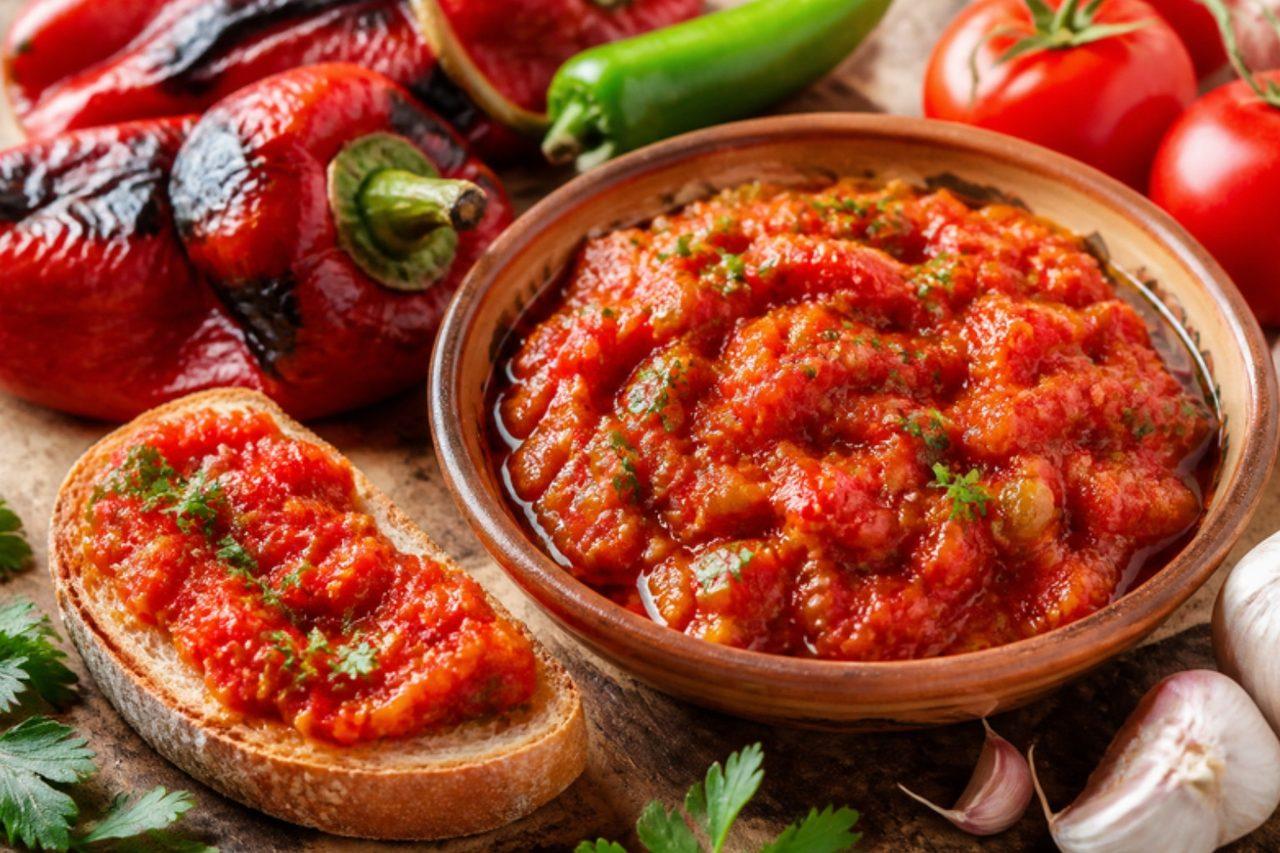
Where ajvar is the patient winter preserve, pindjur is its quick summer cousin, made in Macedonian and Bosnian kitchens in July and August when tomatoes are at their ripest. Roasted peppers and aubergine are chopped rather than ground, then simmered briefly with fresh tomatoes and plenty of garlic, so it stays chunky, juicy and bright. It is eaten warm or at room temperature, scooped up with bread and a slab of white cheese, as part of a mezze spread in Ohrid or Mostar. Chef's tip: chop everything with a knife instead of a blender; a puréed pindjur loses the texture that sets it apart from ajvar.

by KrazyBadal 0 views

Fruity barbeque serve

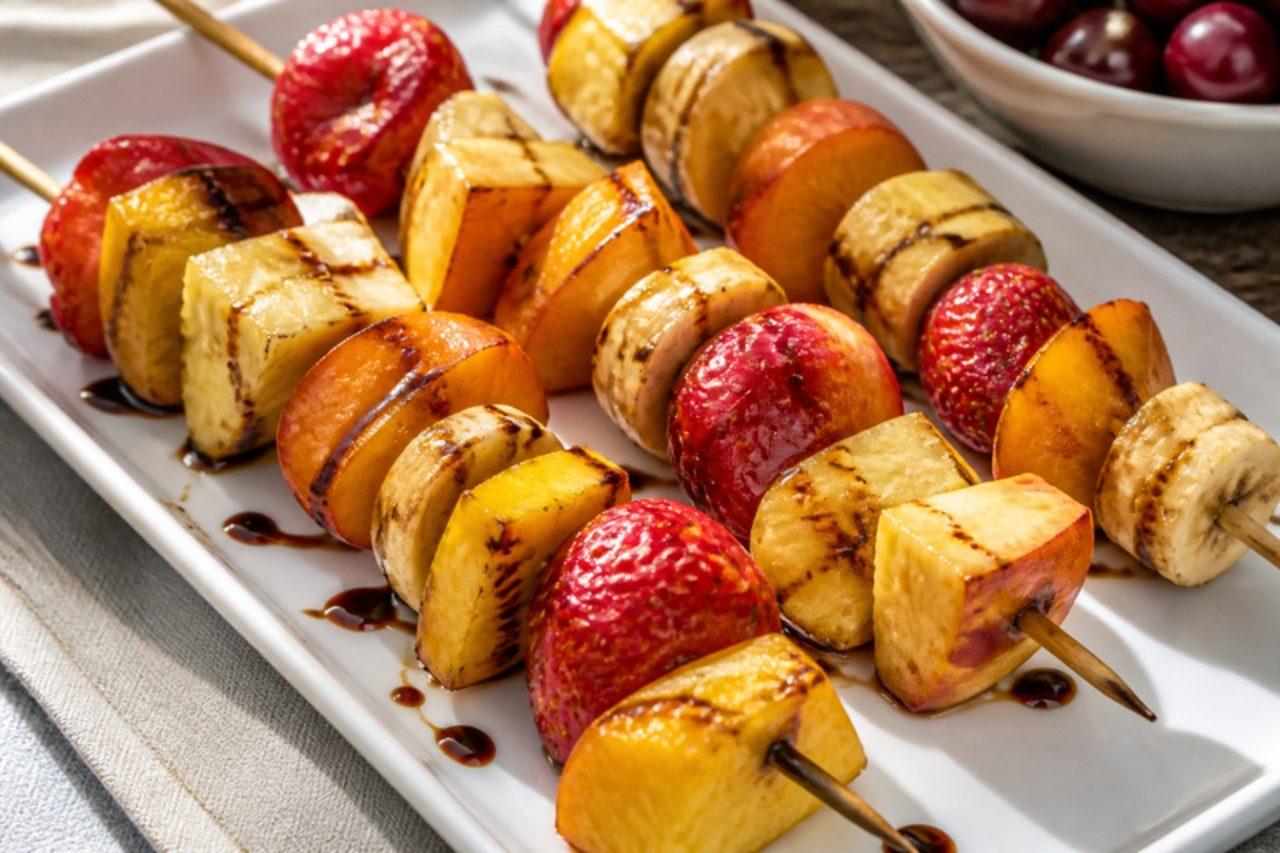
Chunky skewers of pineapple, banana, strawberry, peach and nectarine drizzled with balsamic vinegar and dark muscovado sugar, then grilled over charcoal until the sugar caramelises. Warm, sticky and a little tangy. Serve hot as a barbecue dessert, with ice cream if you like.

23 minDessertsVeganGluten free
by KrazyBadal 0 views

Showing 45 of 7,762 recipes

Show more recipes

Page 701 of 863